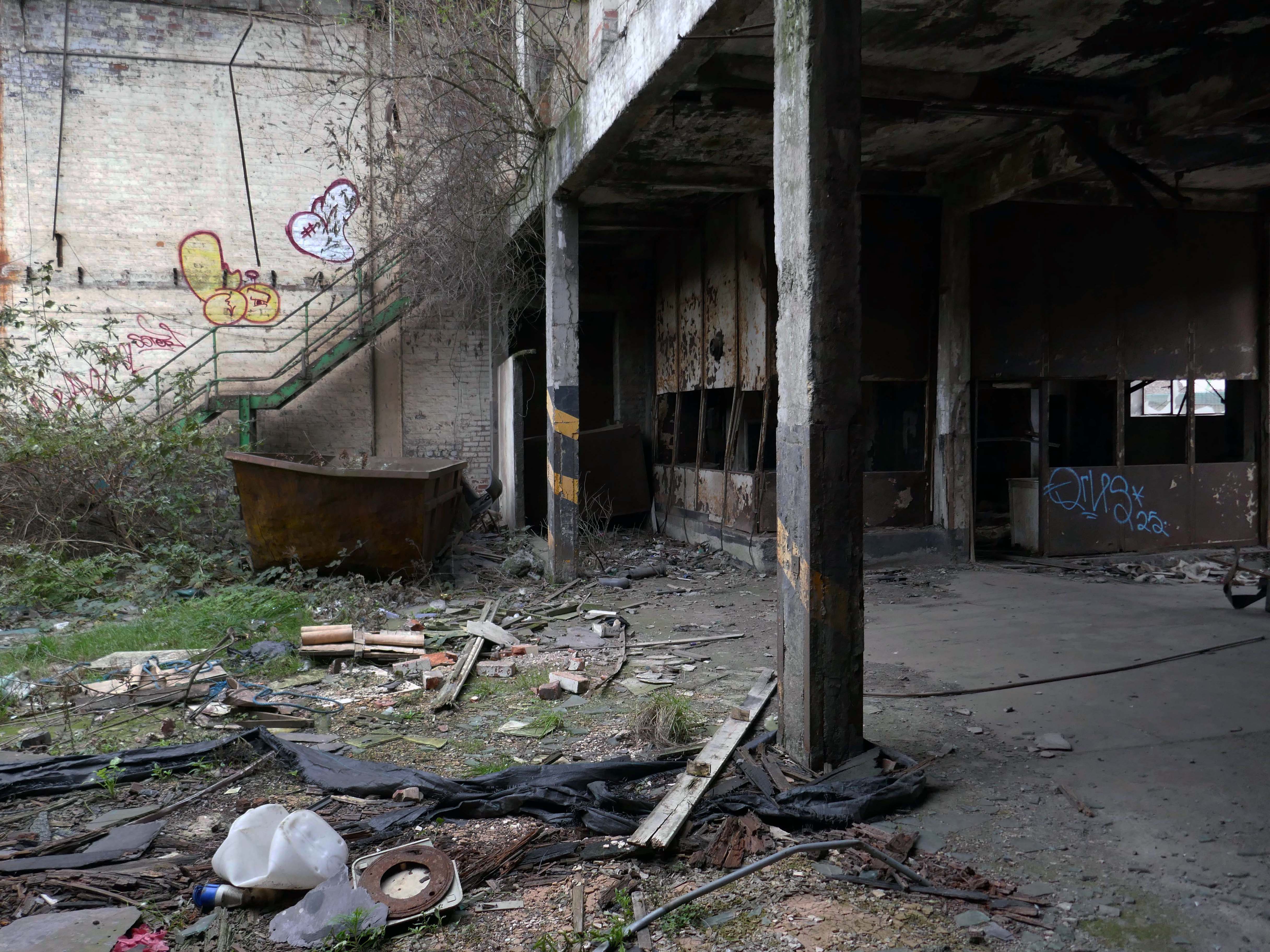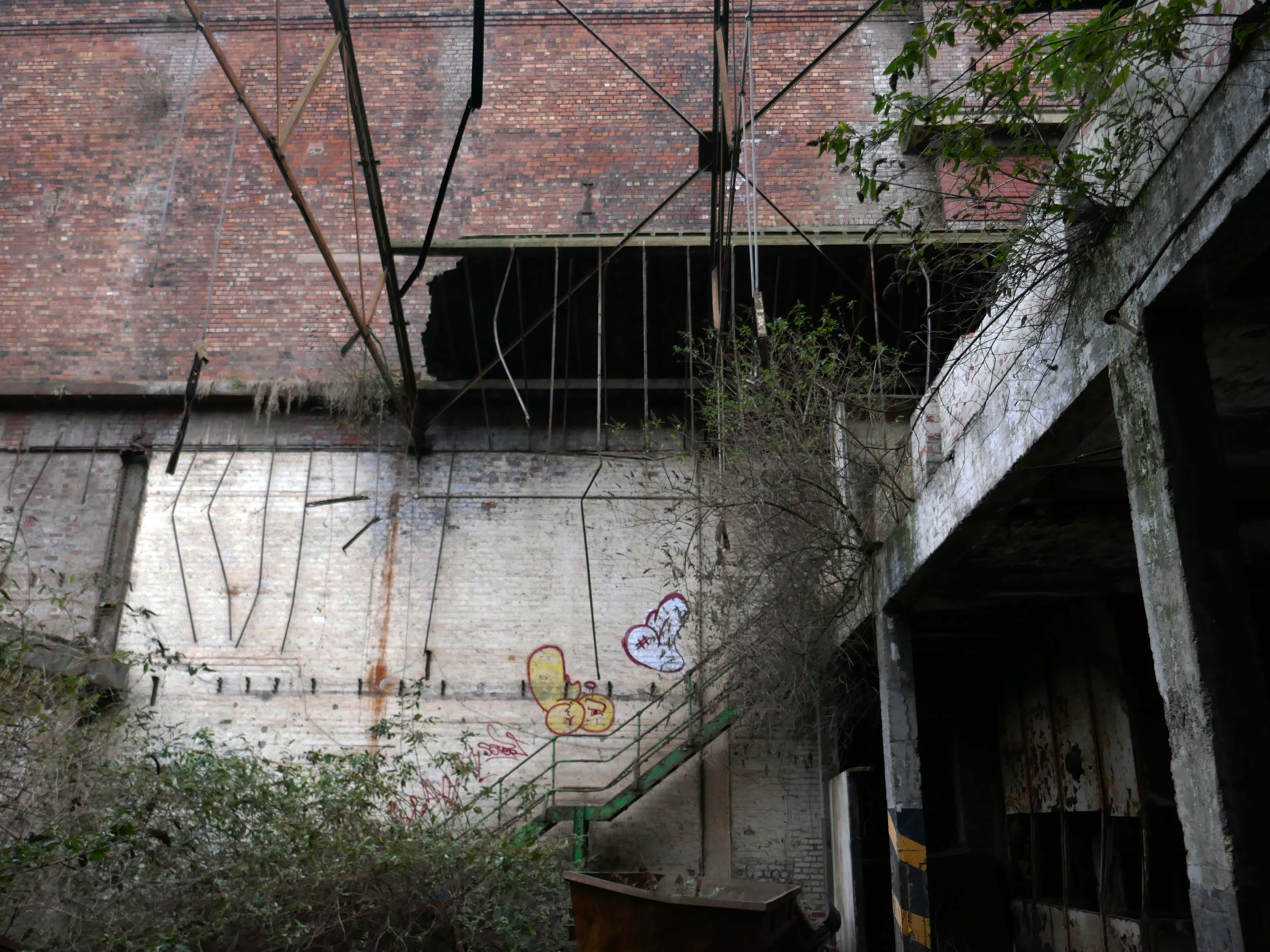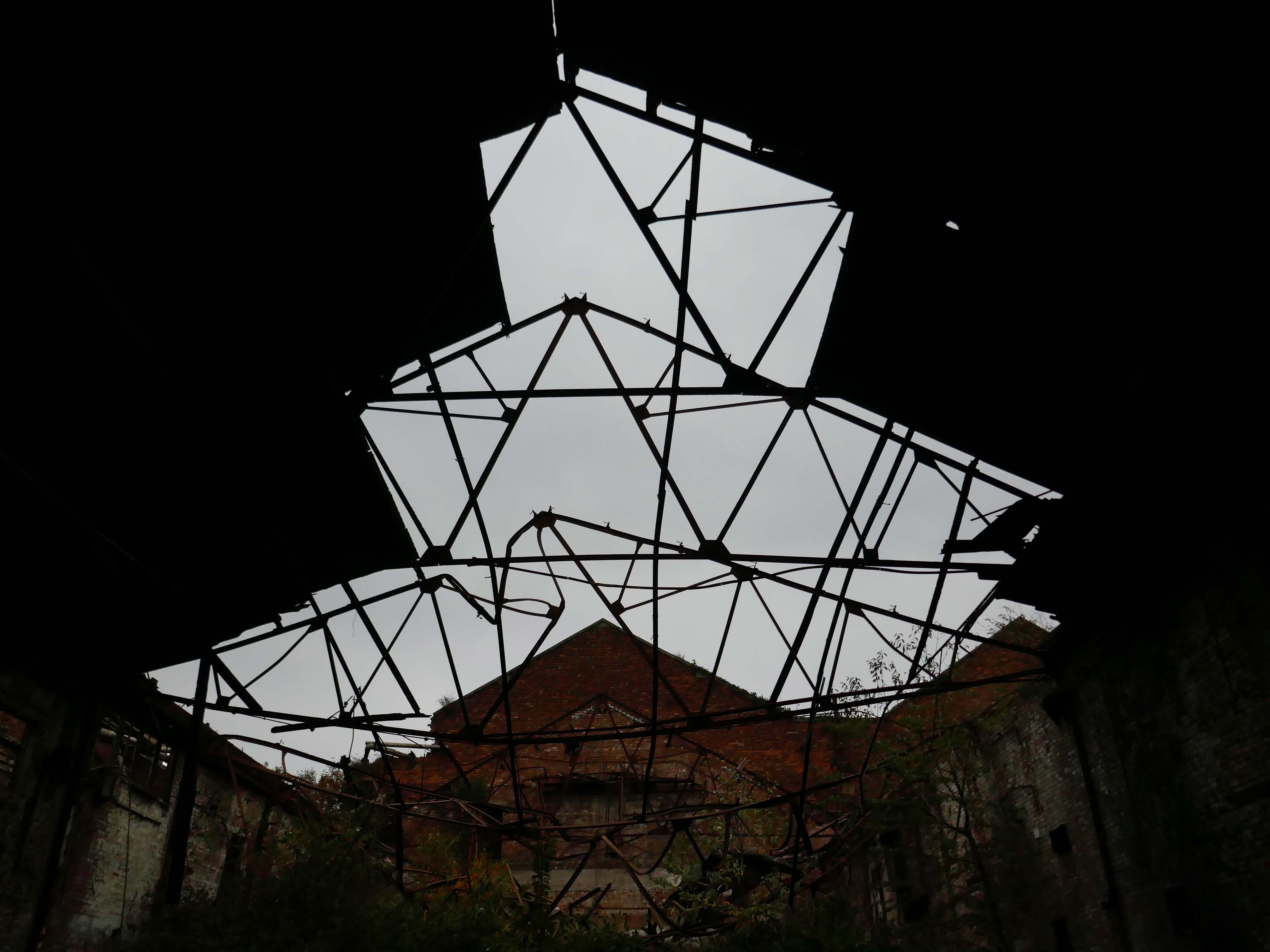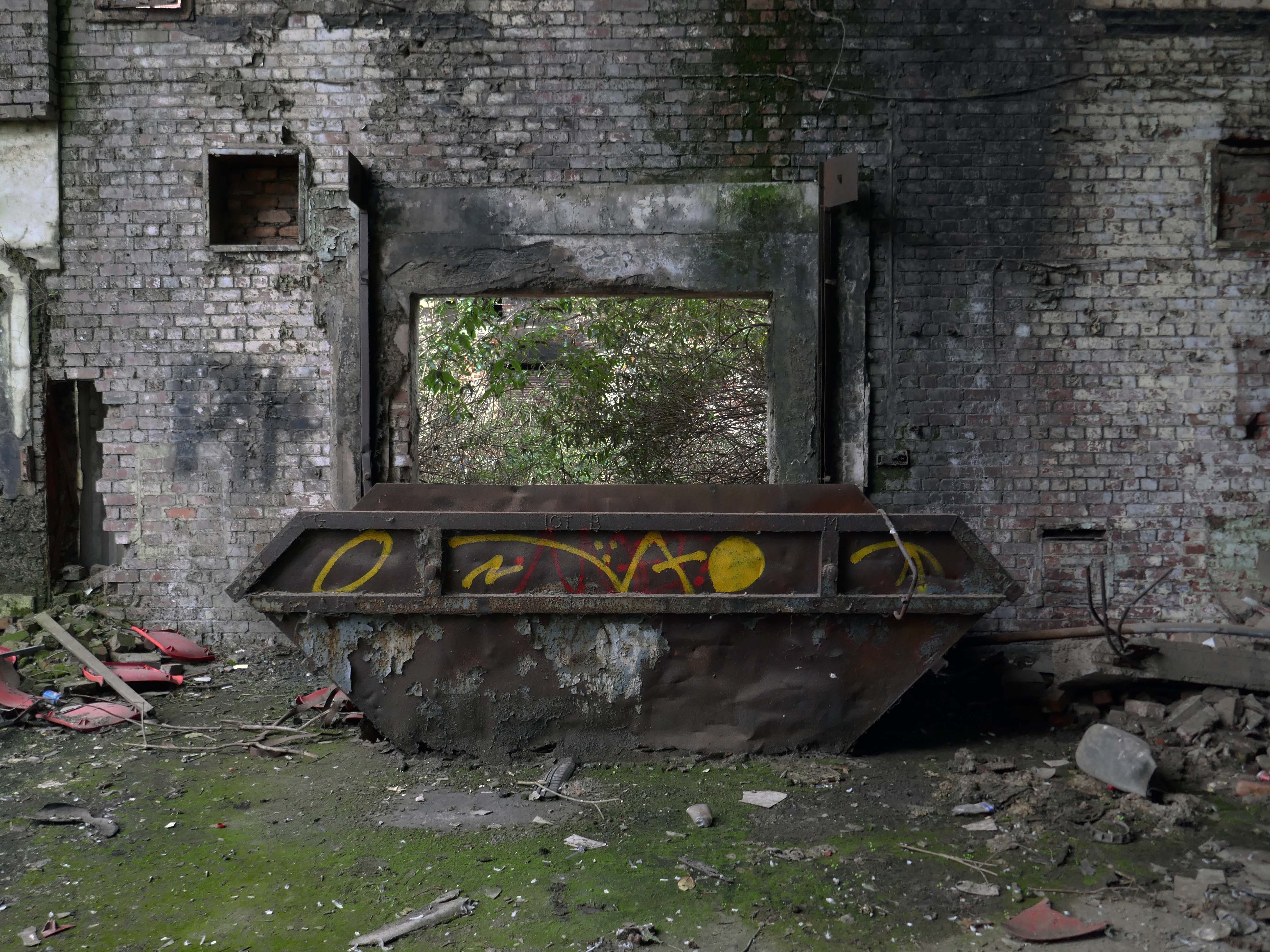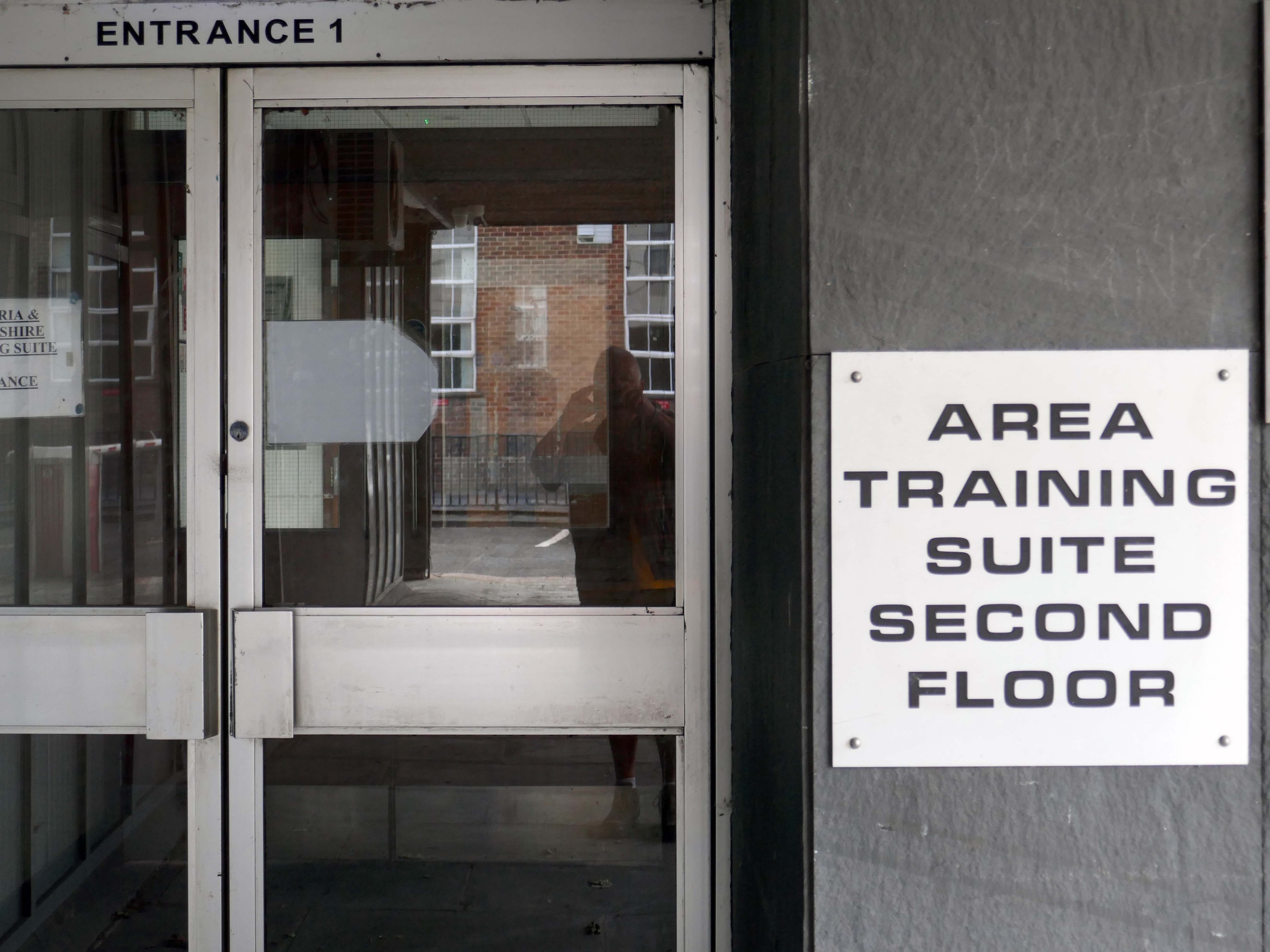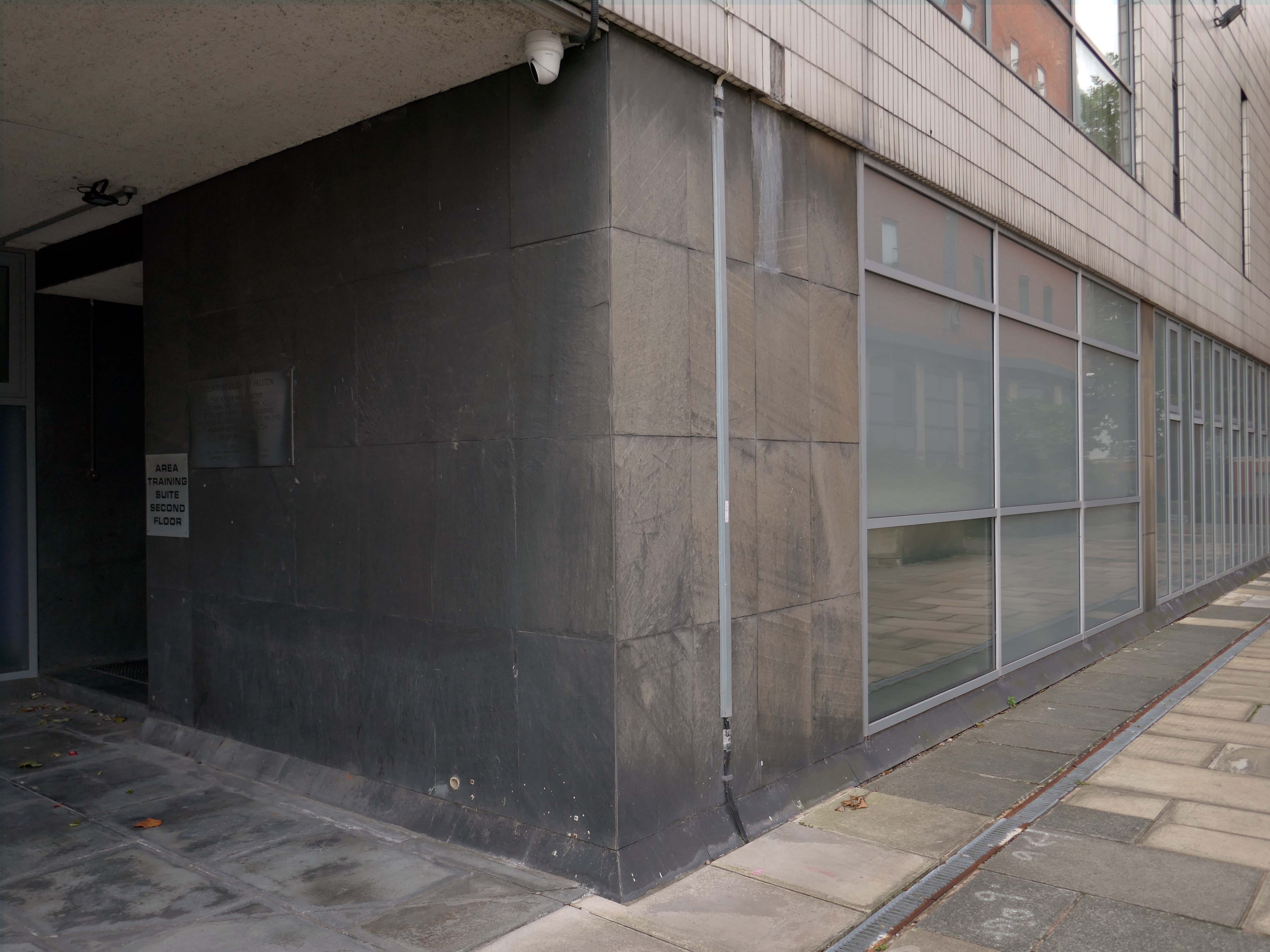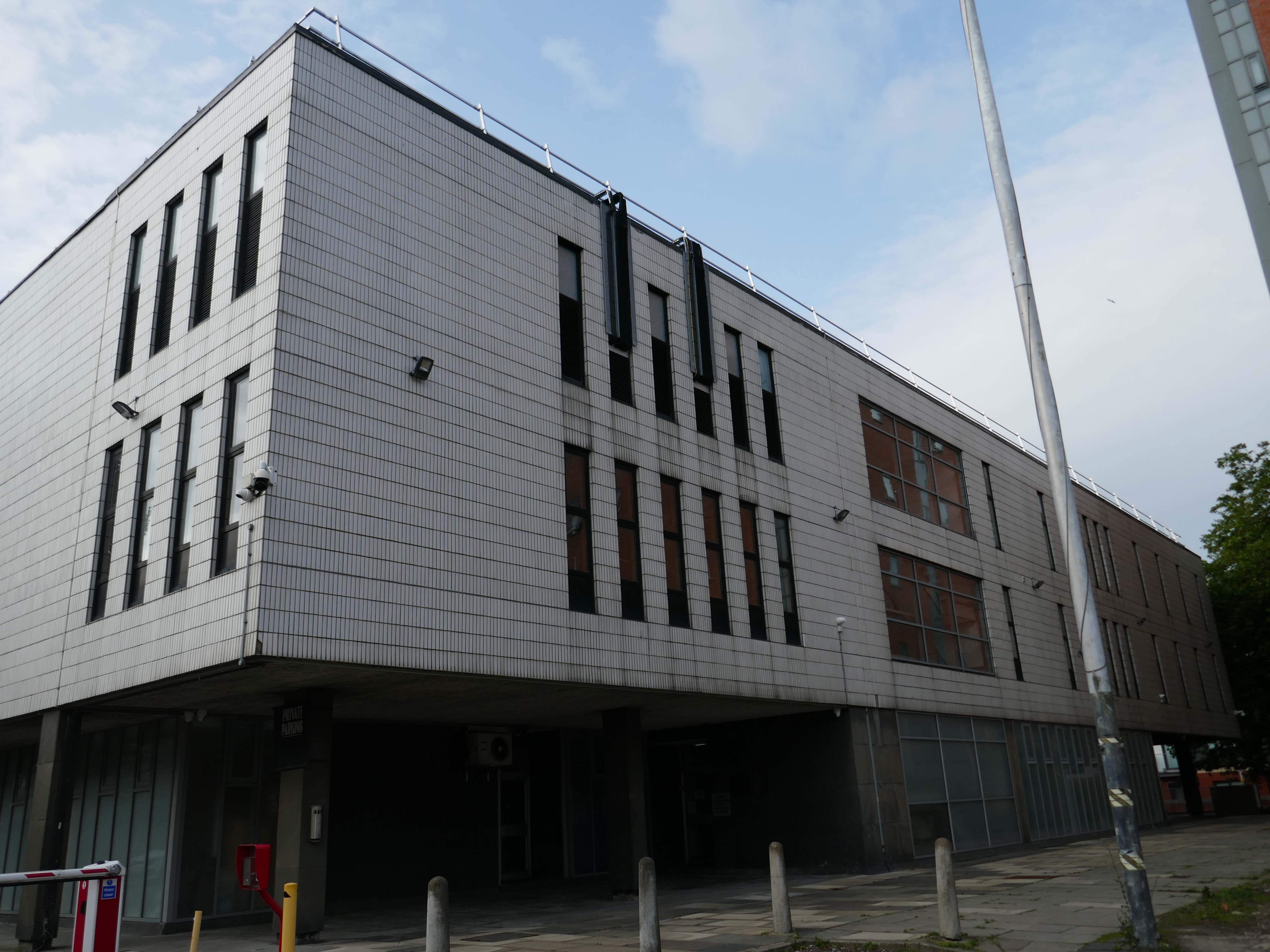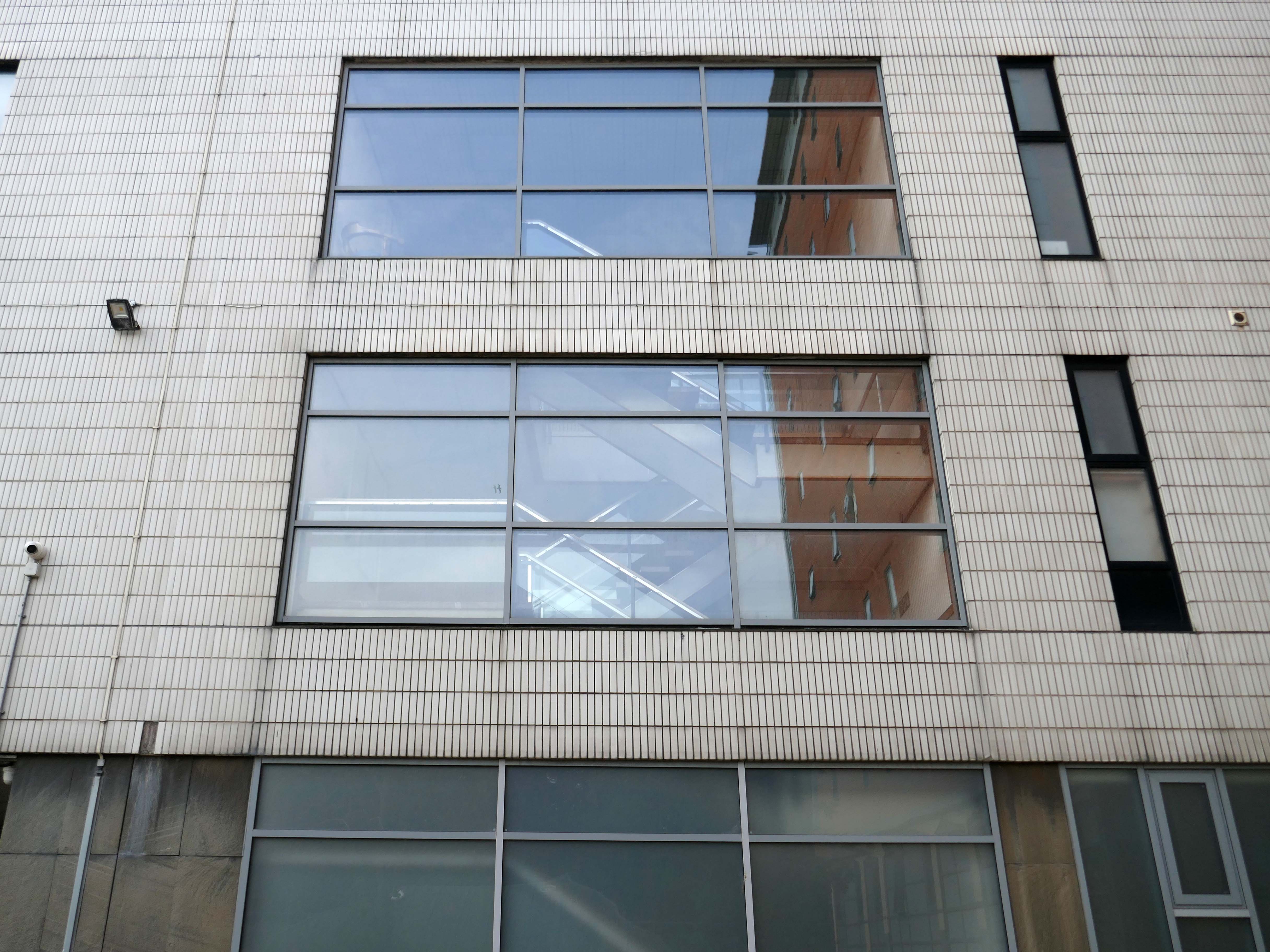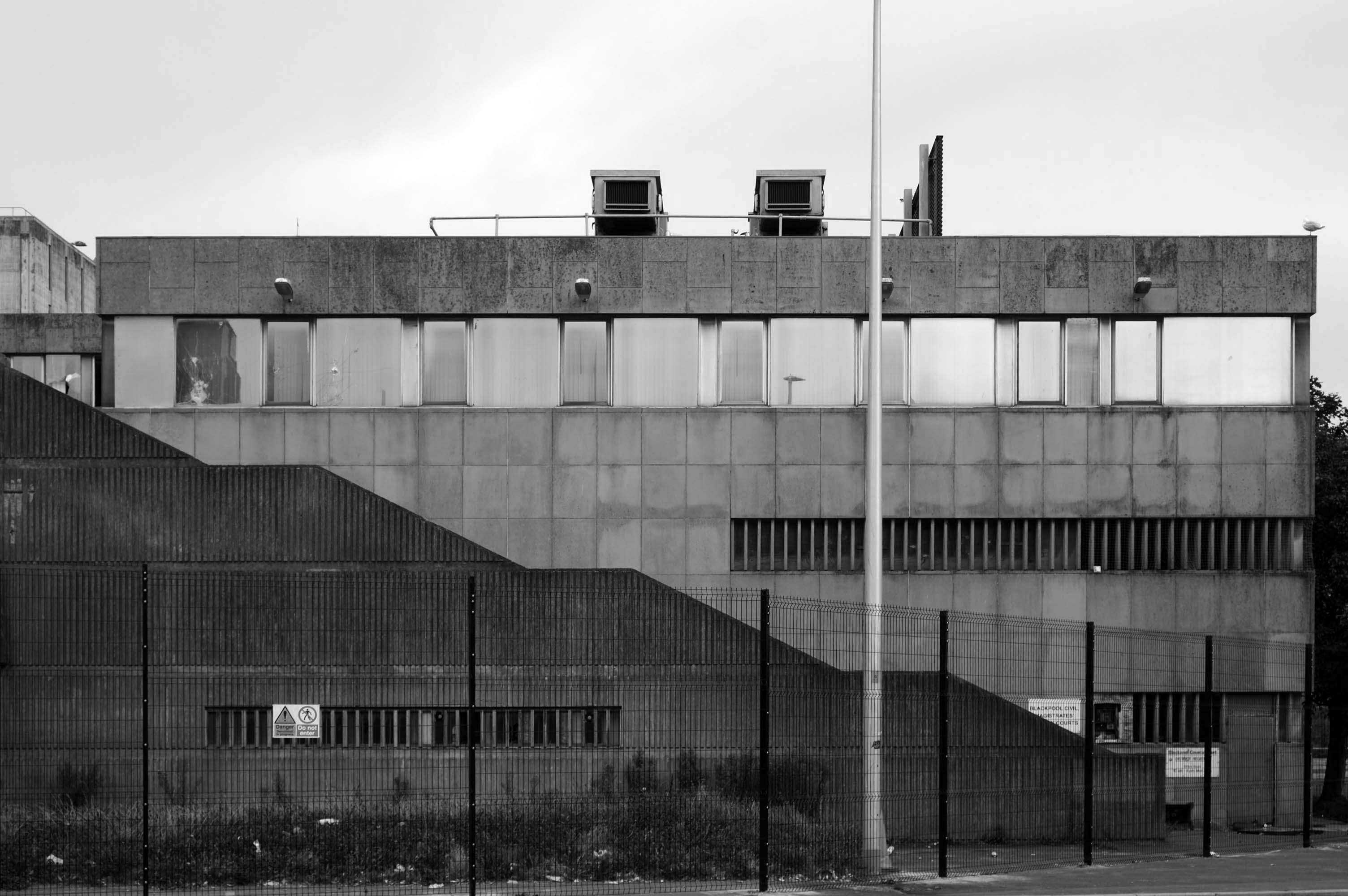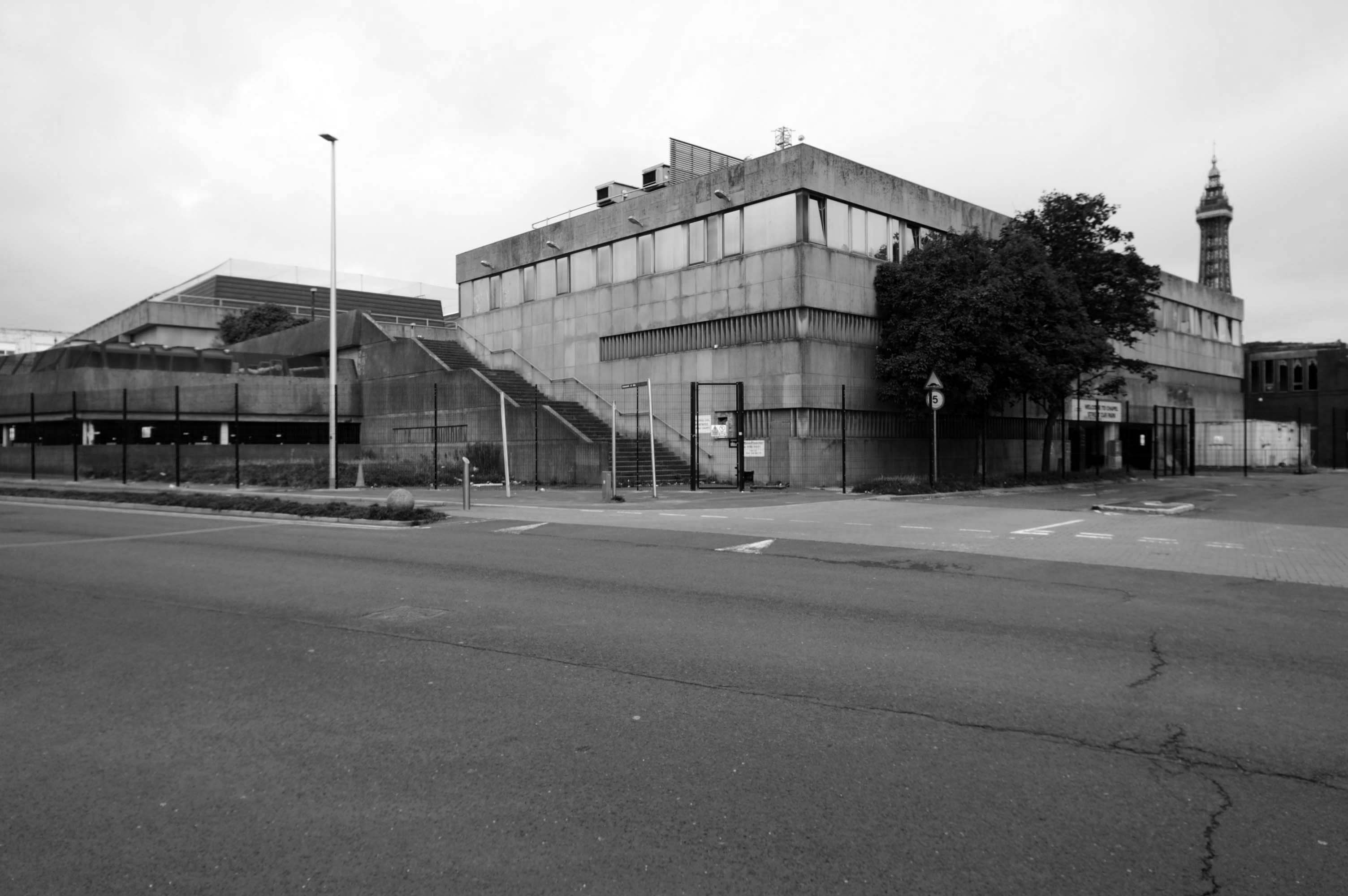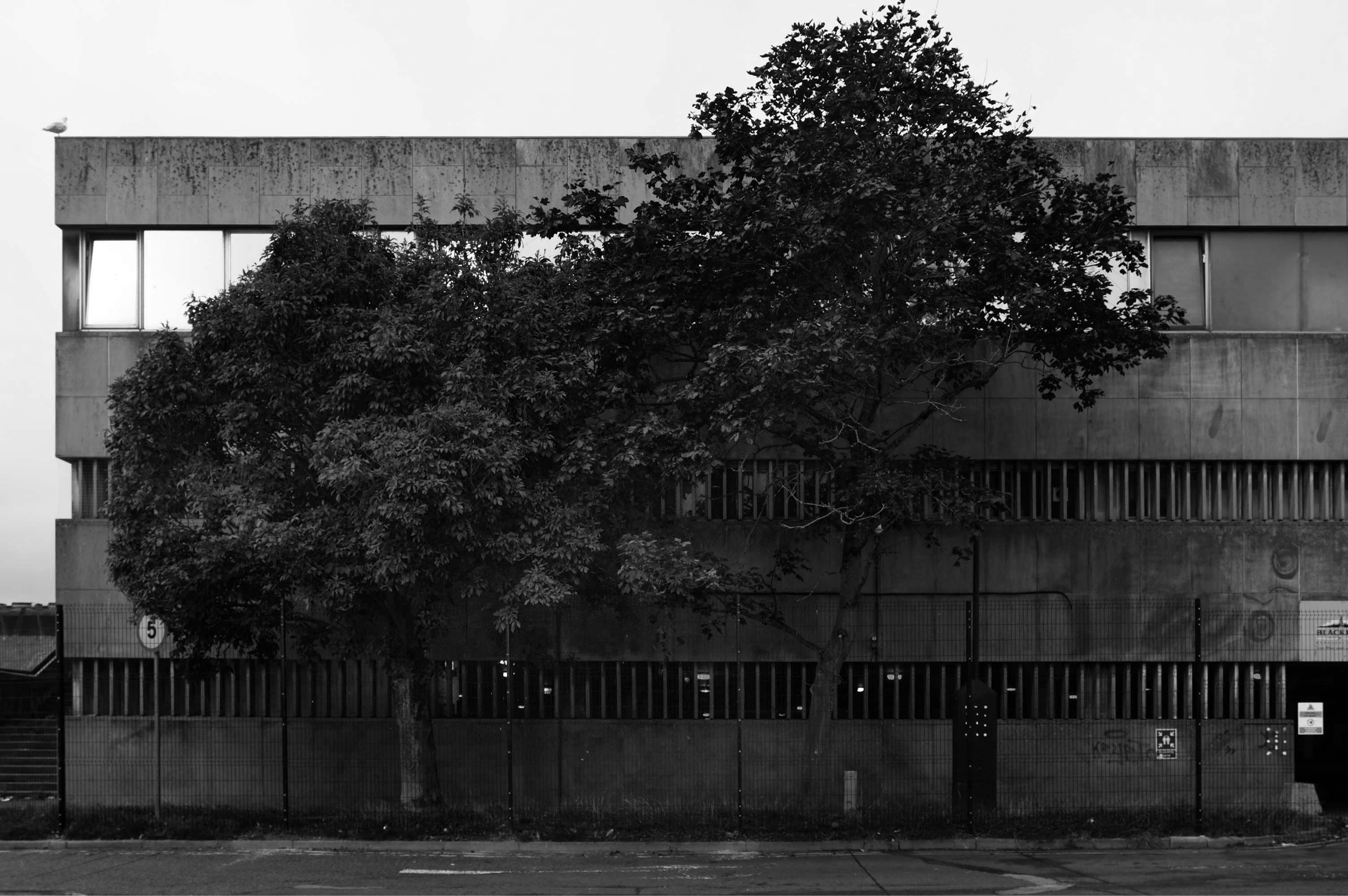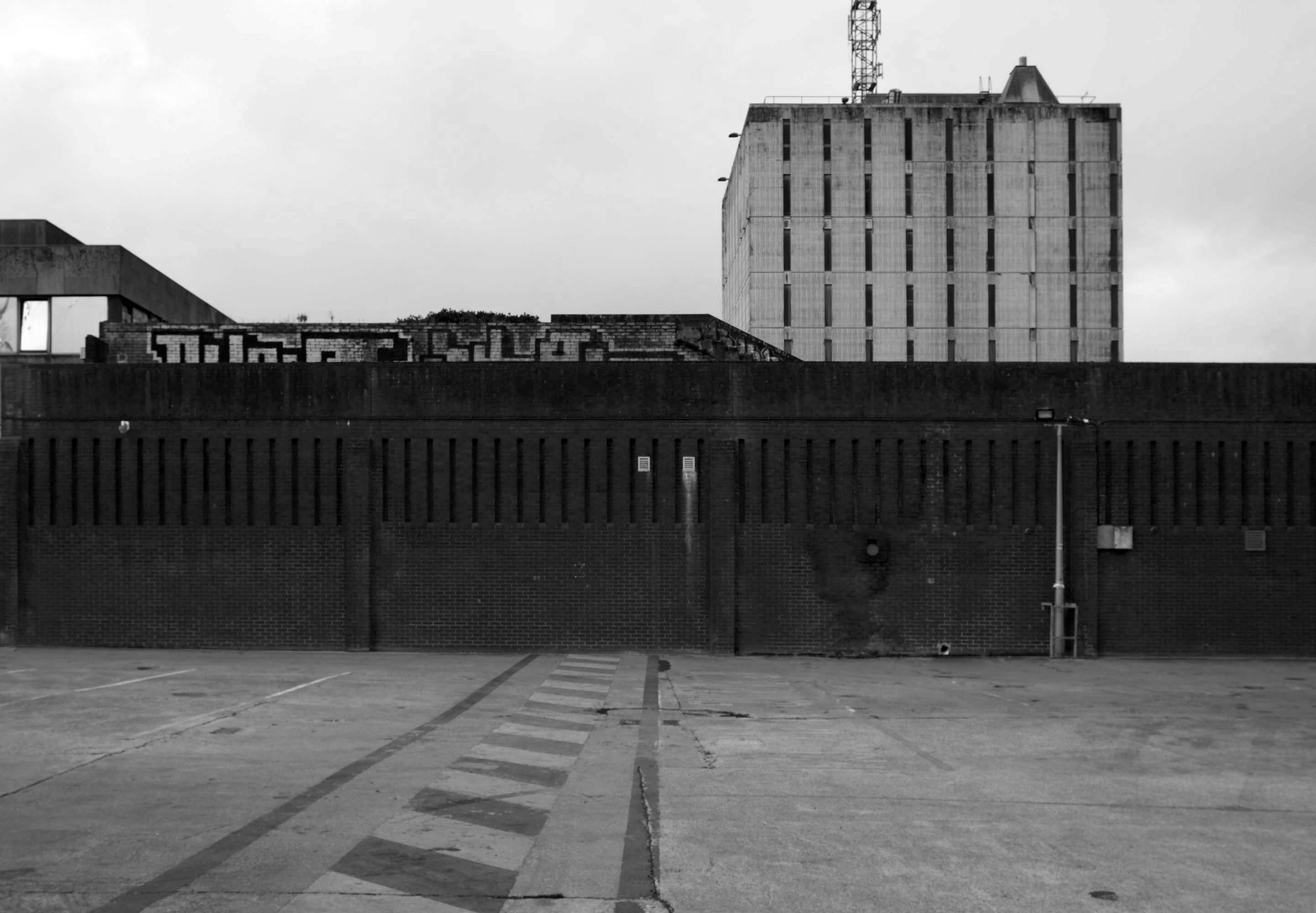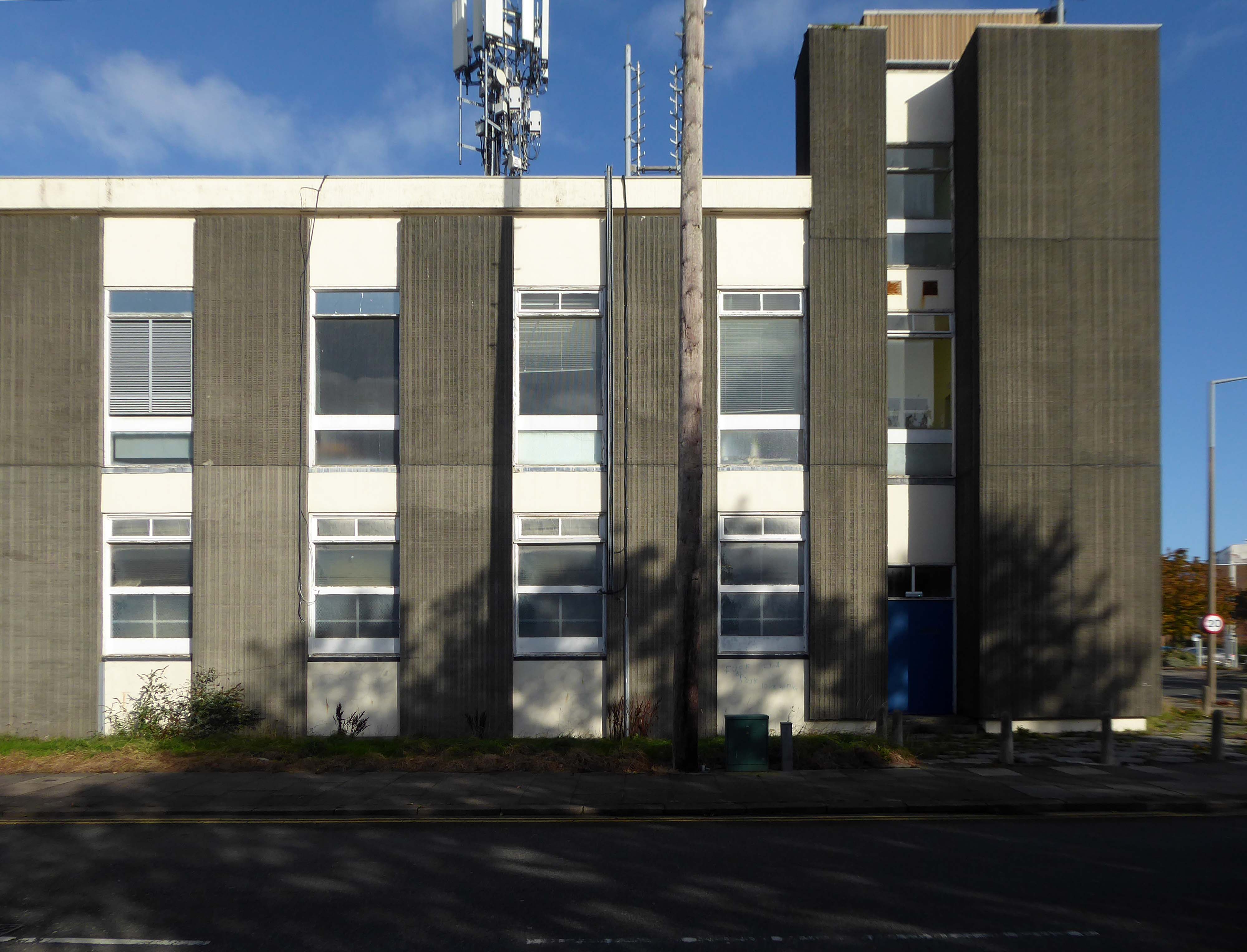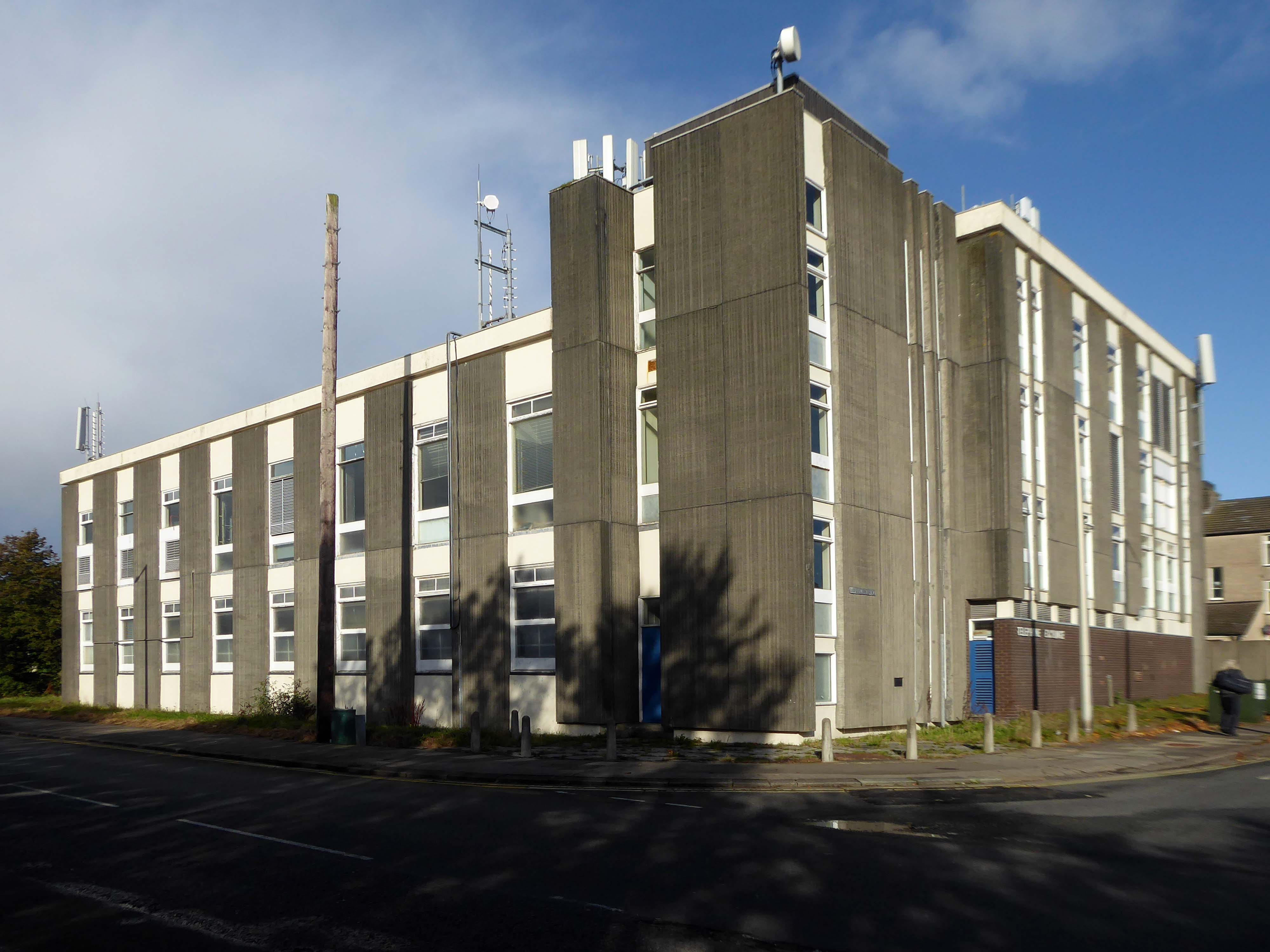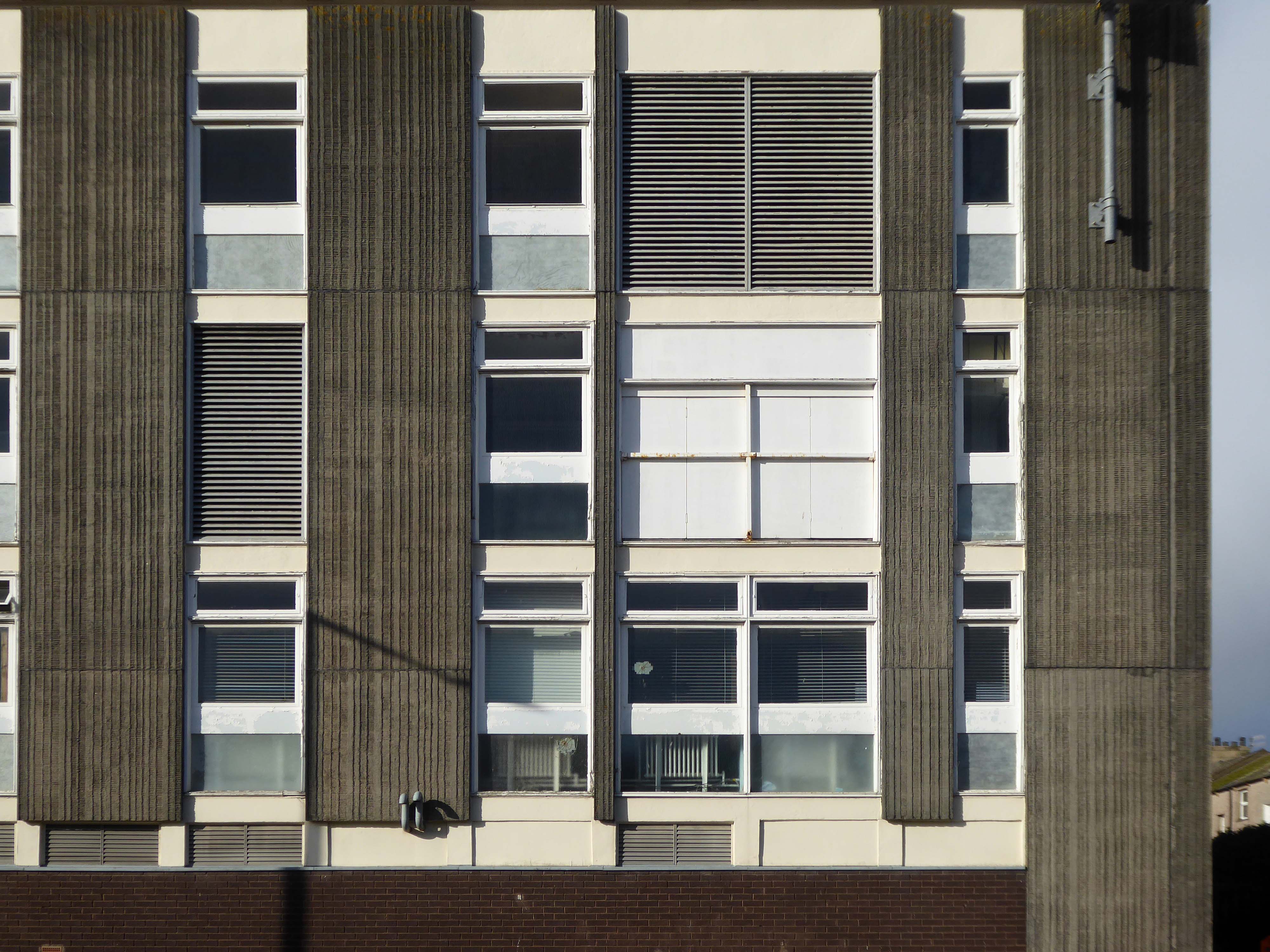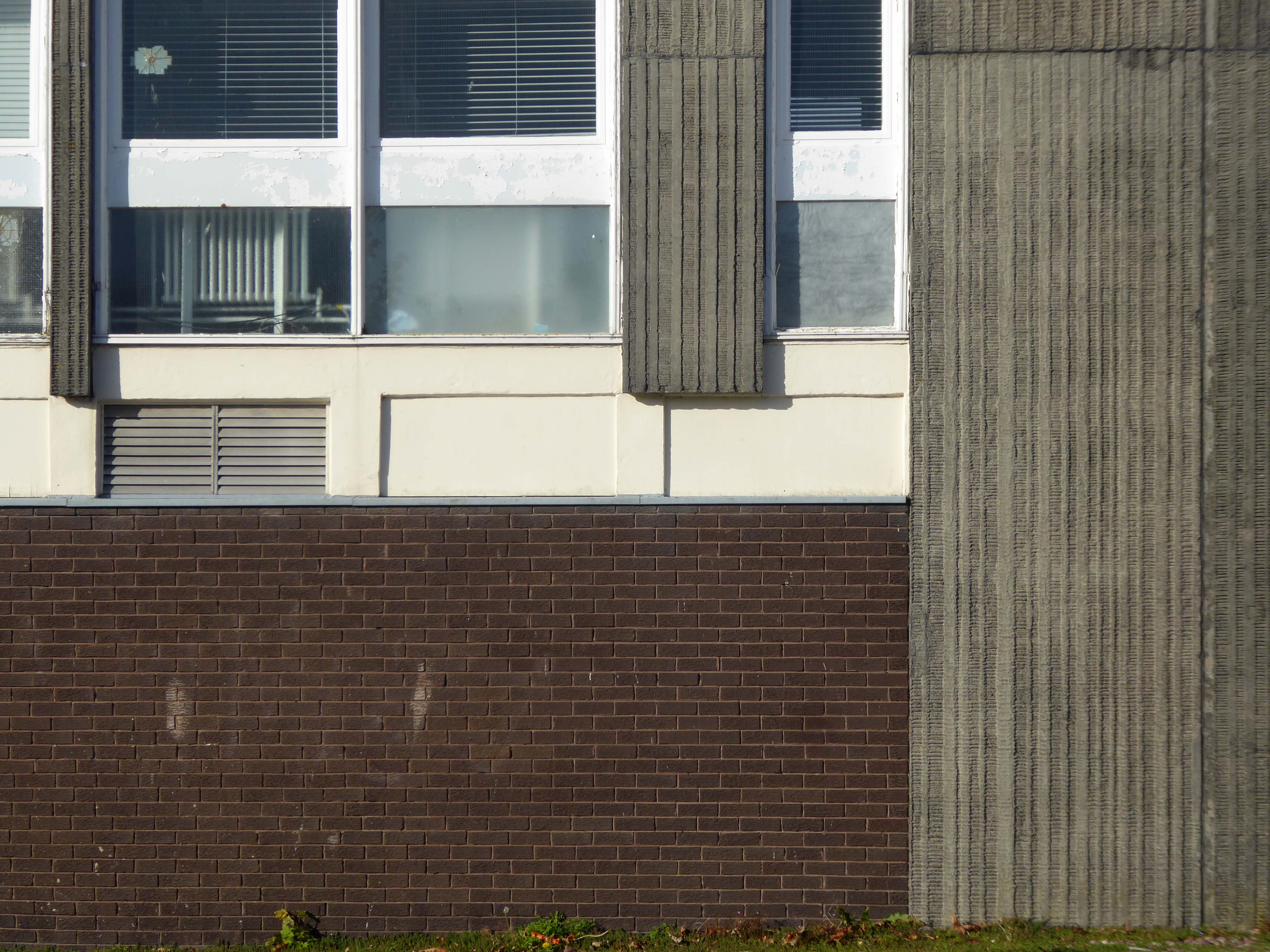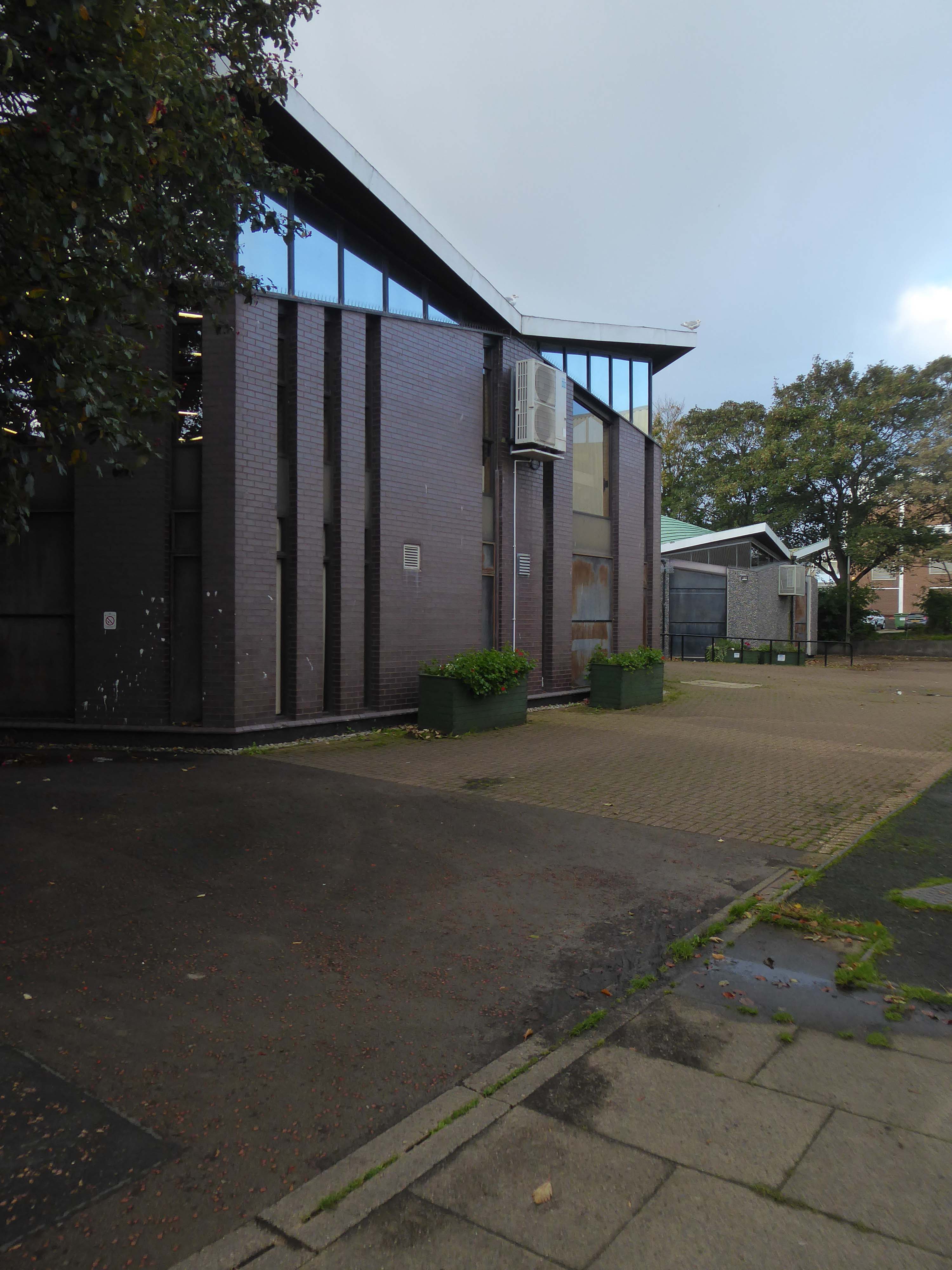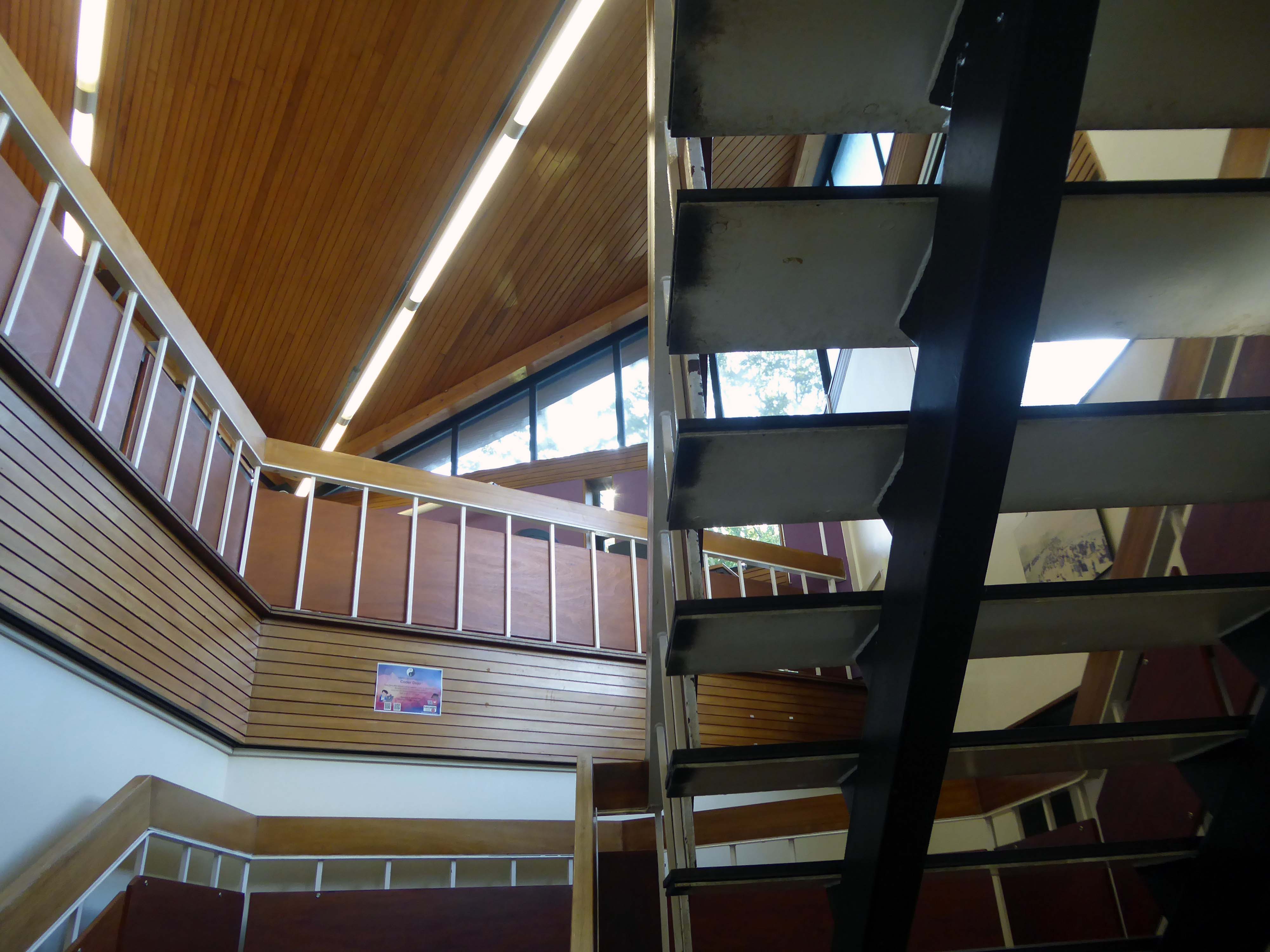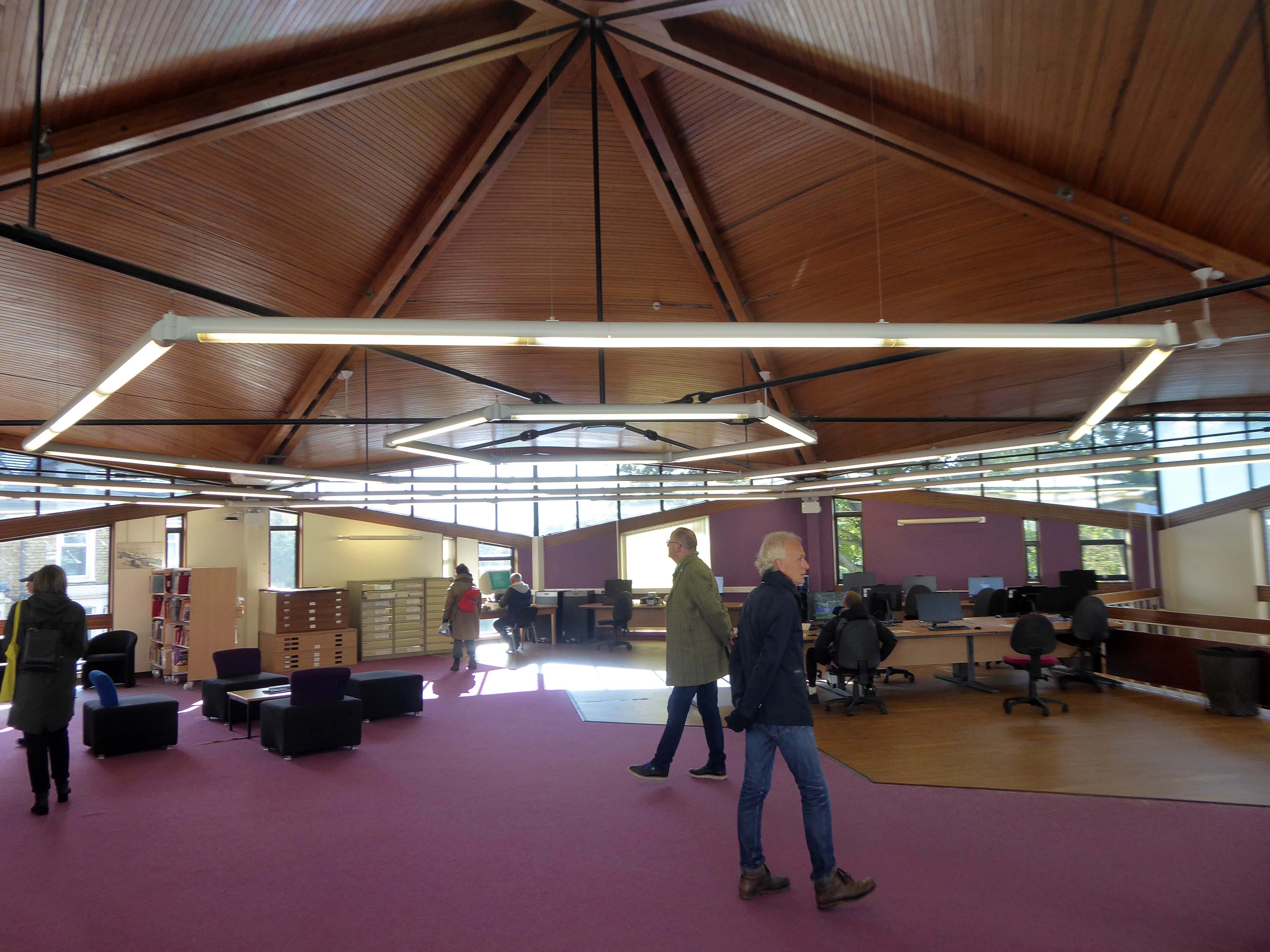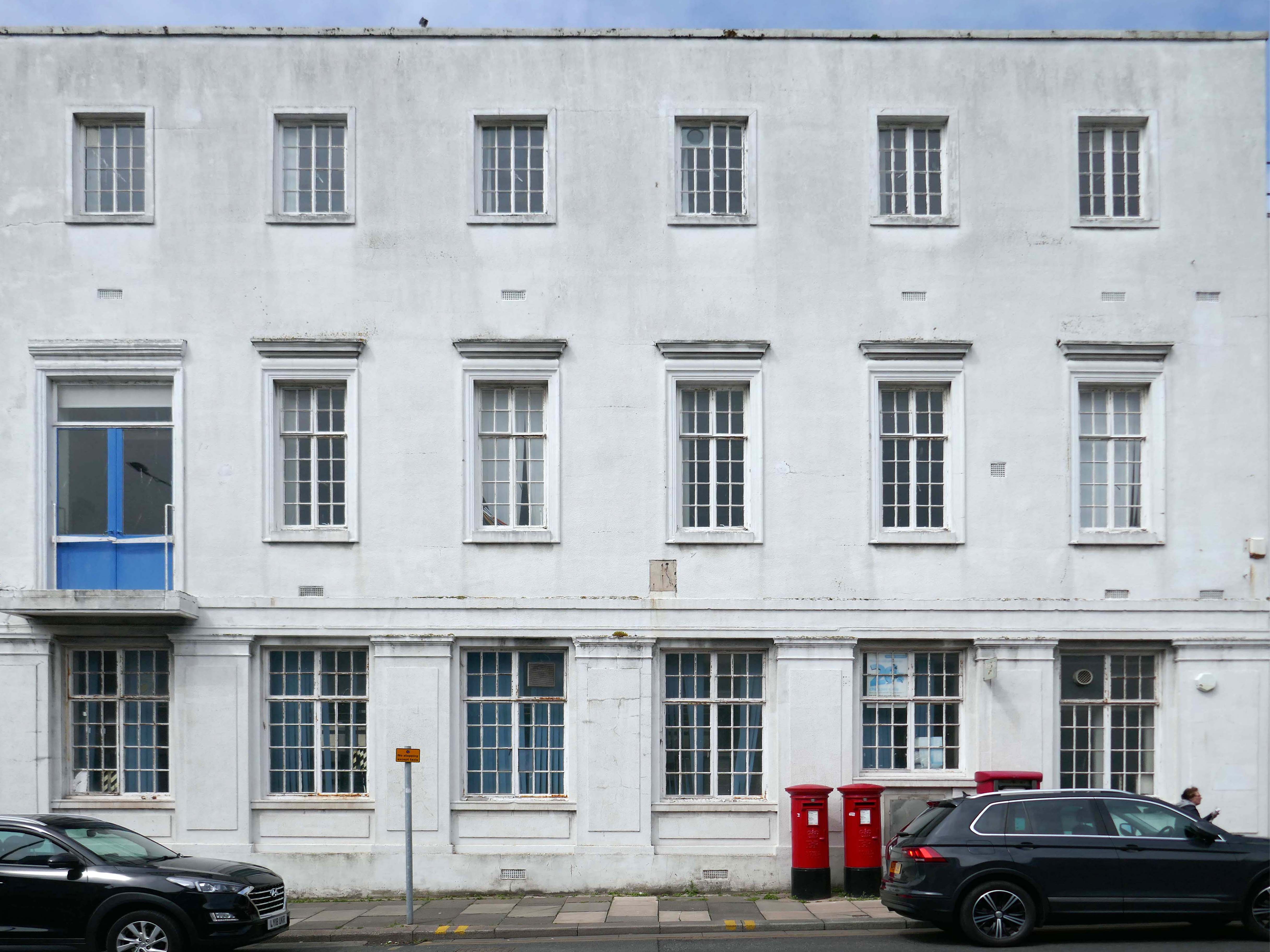
Merseyside Food Products Ltd – Liverpool

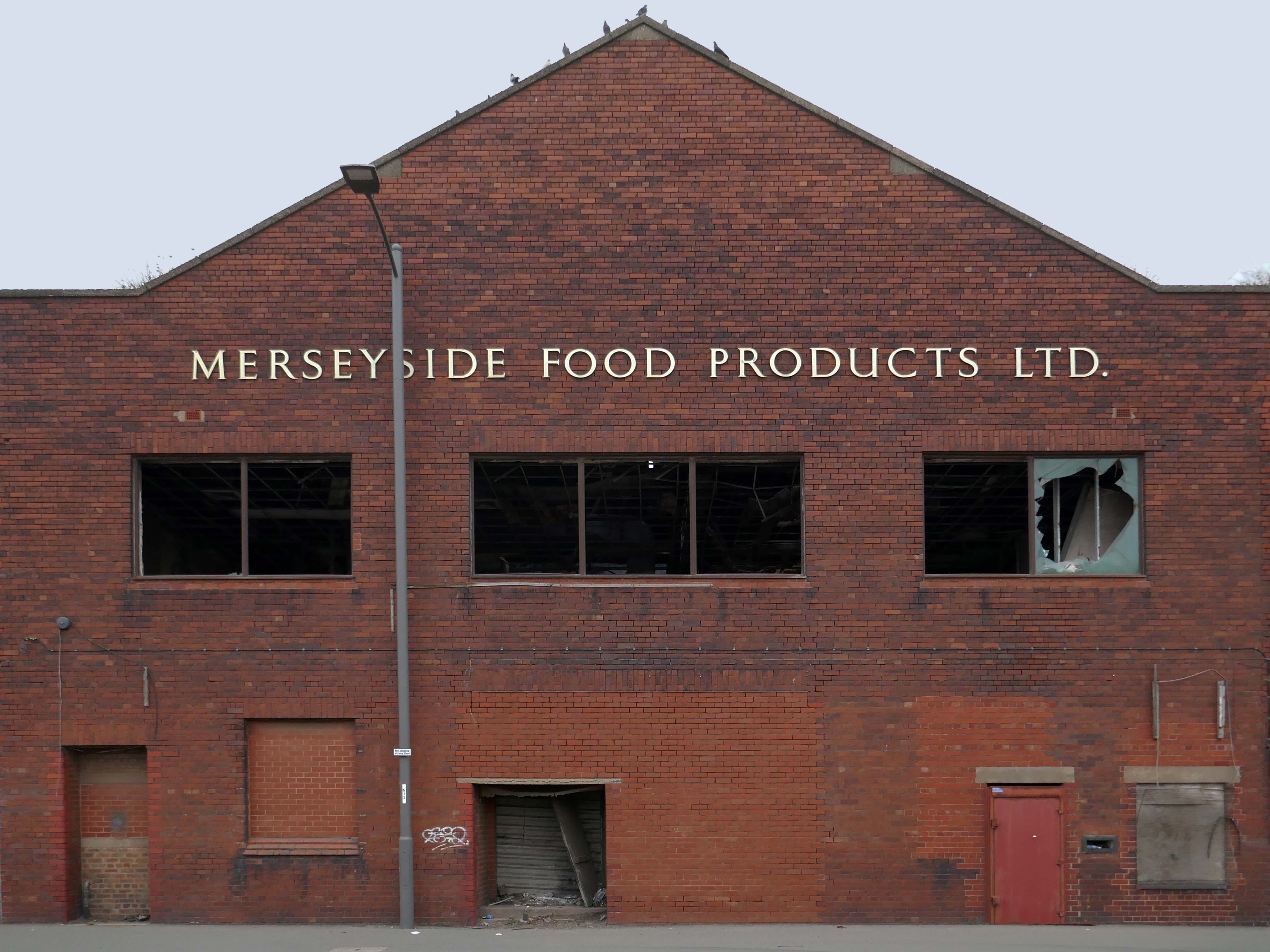
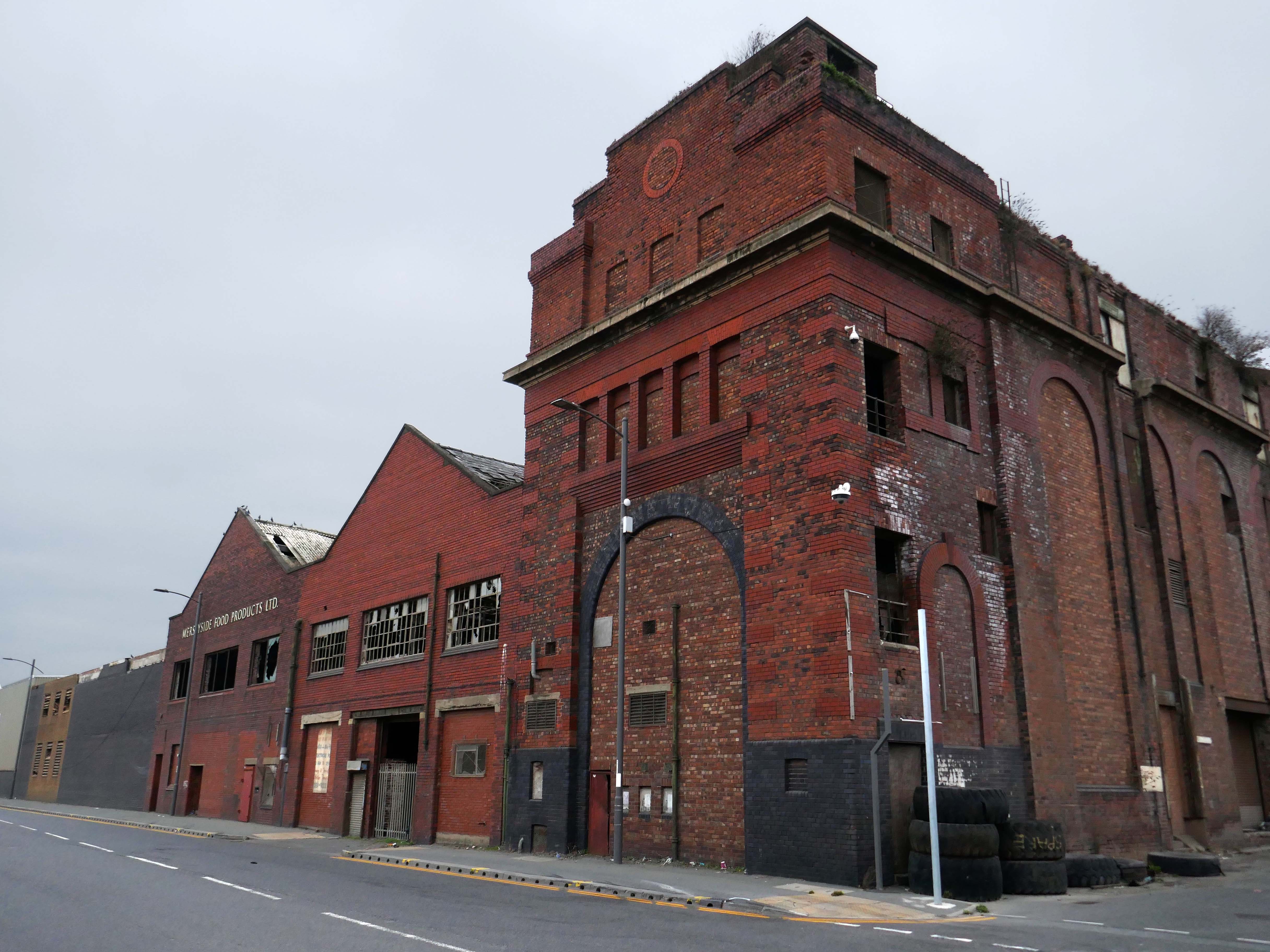
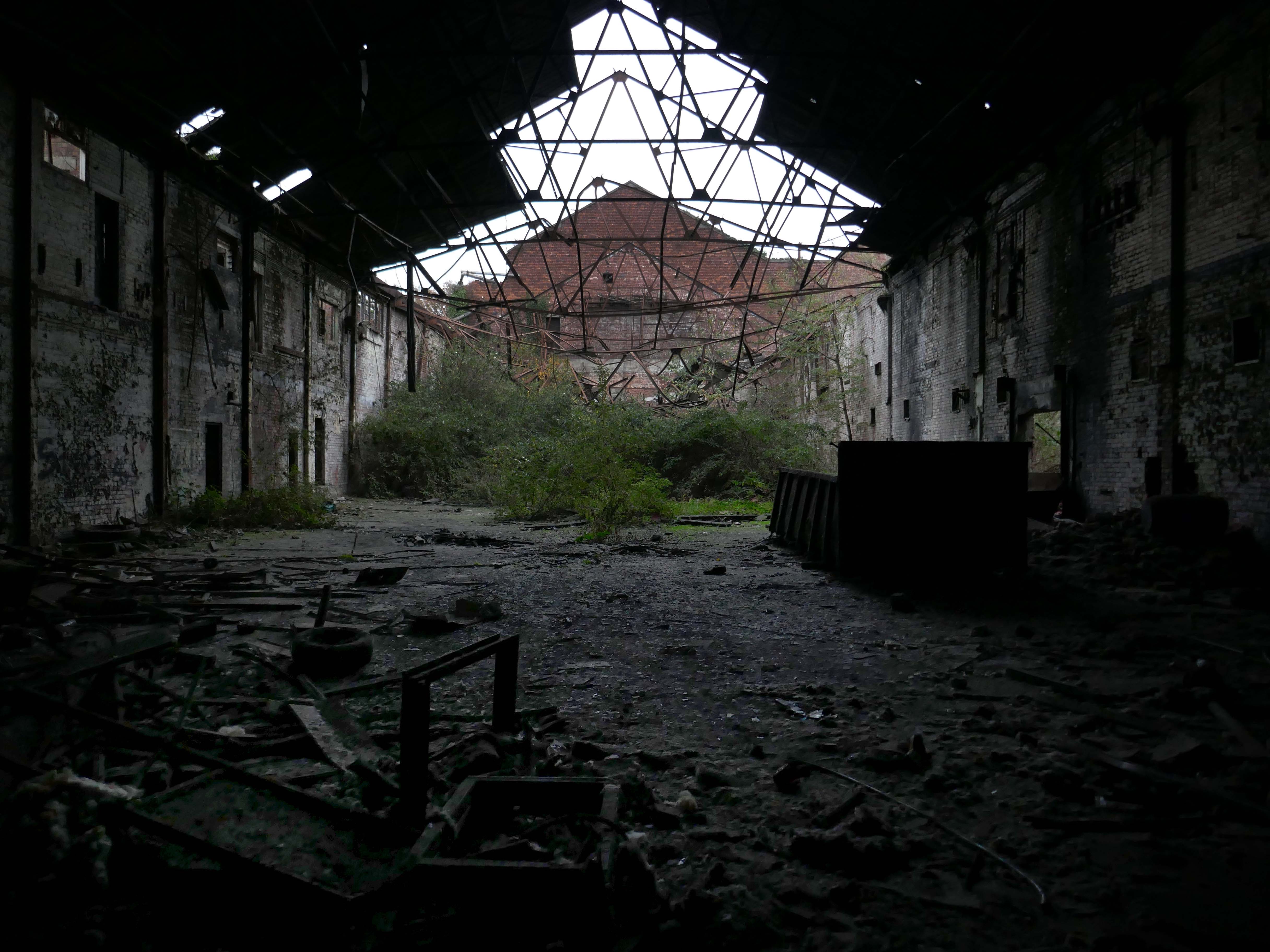
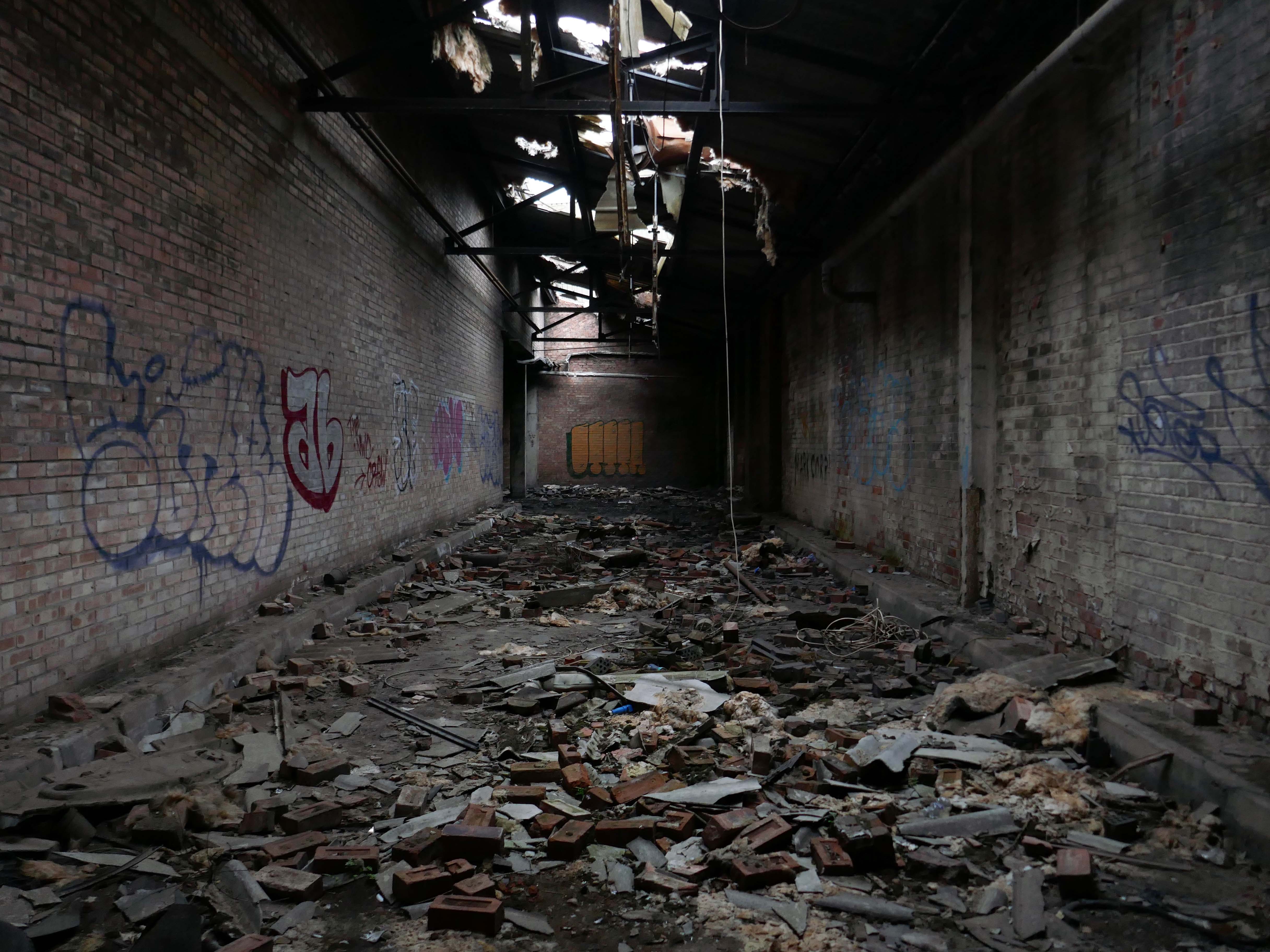
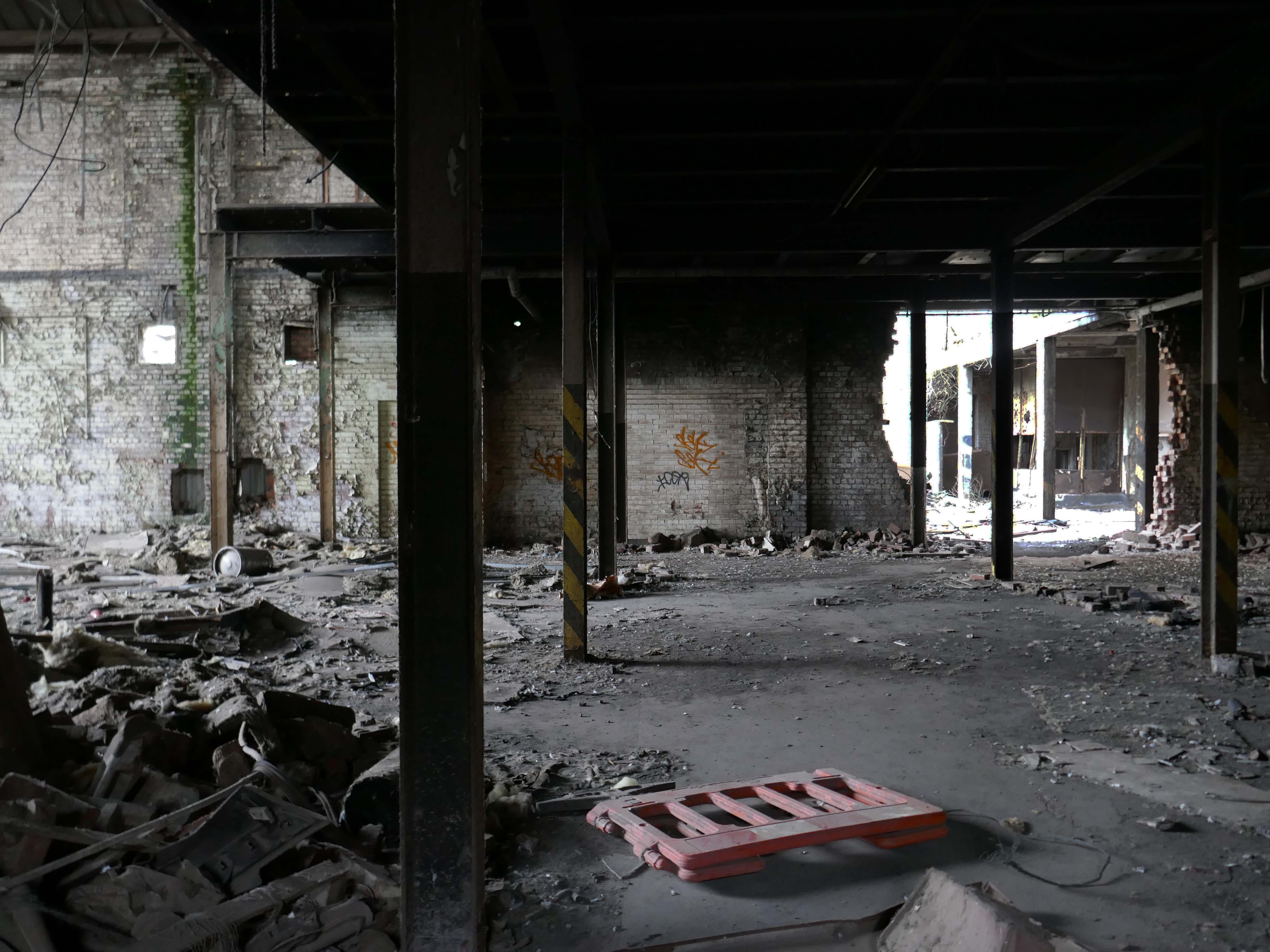
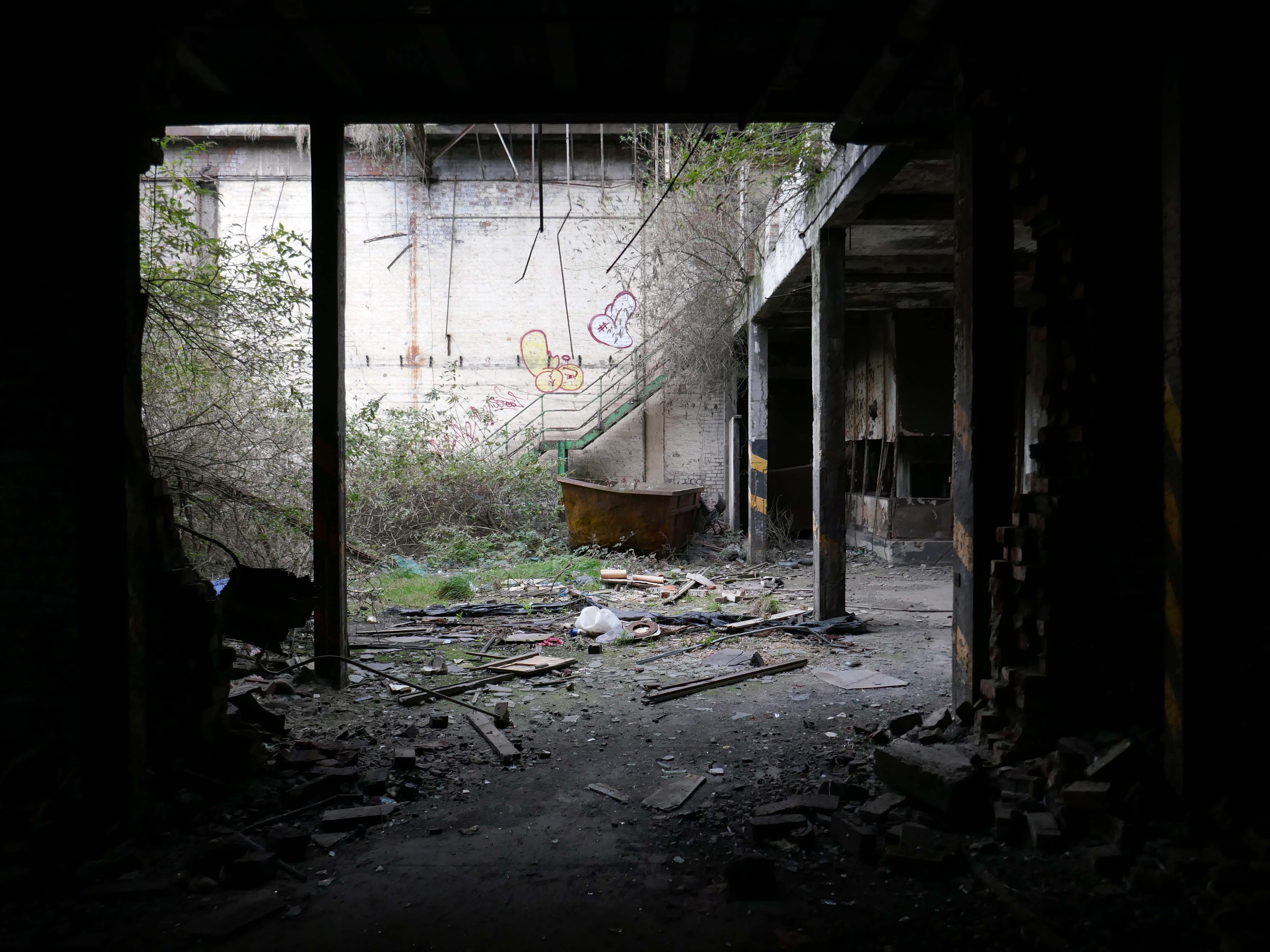
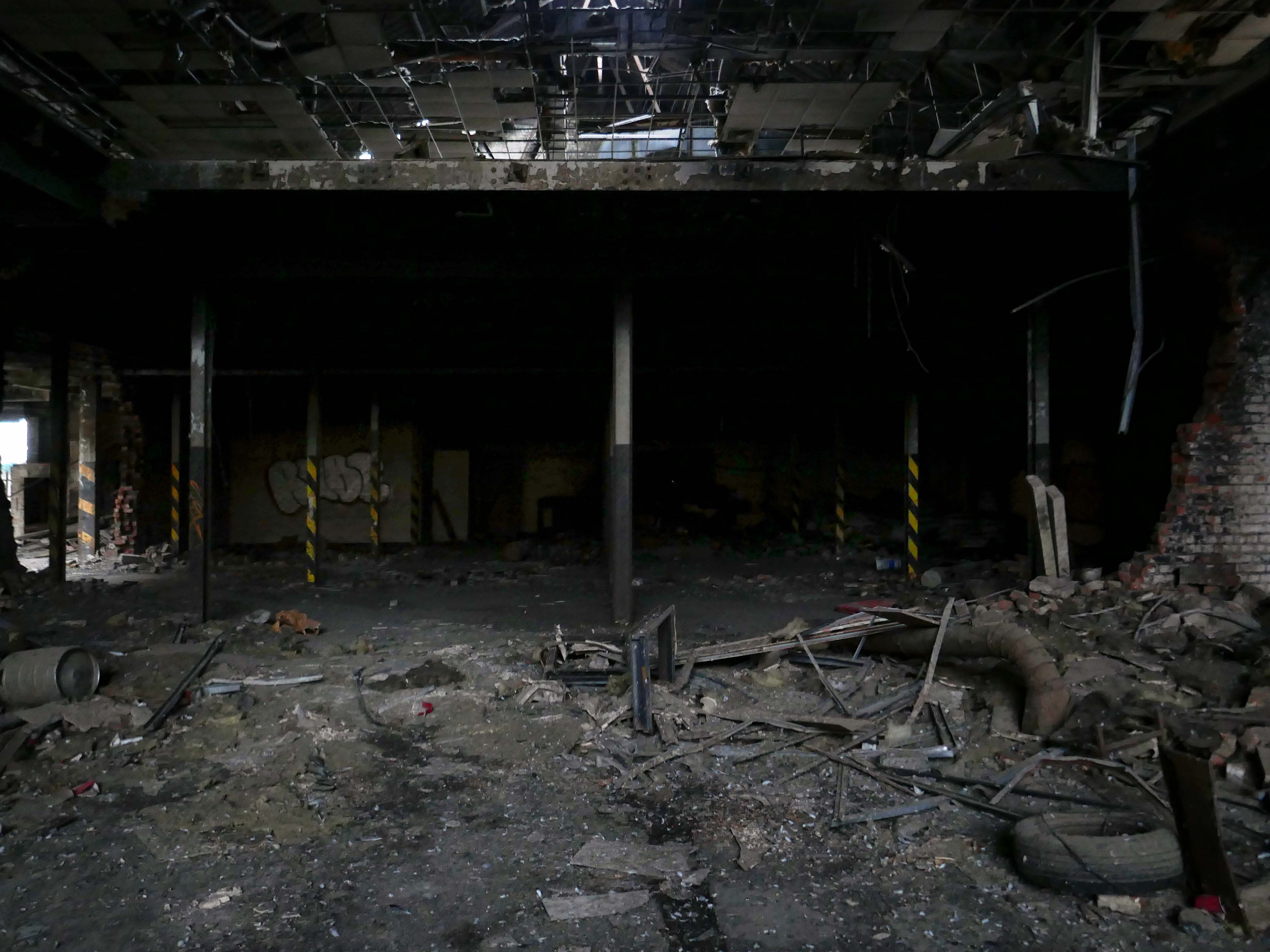
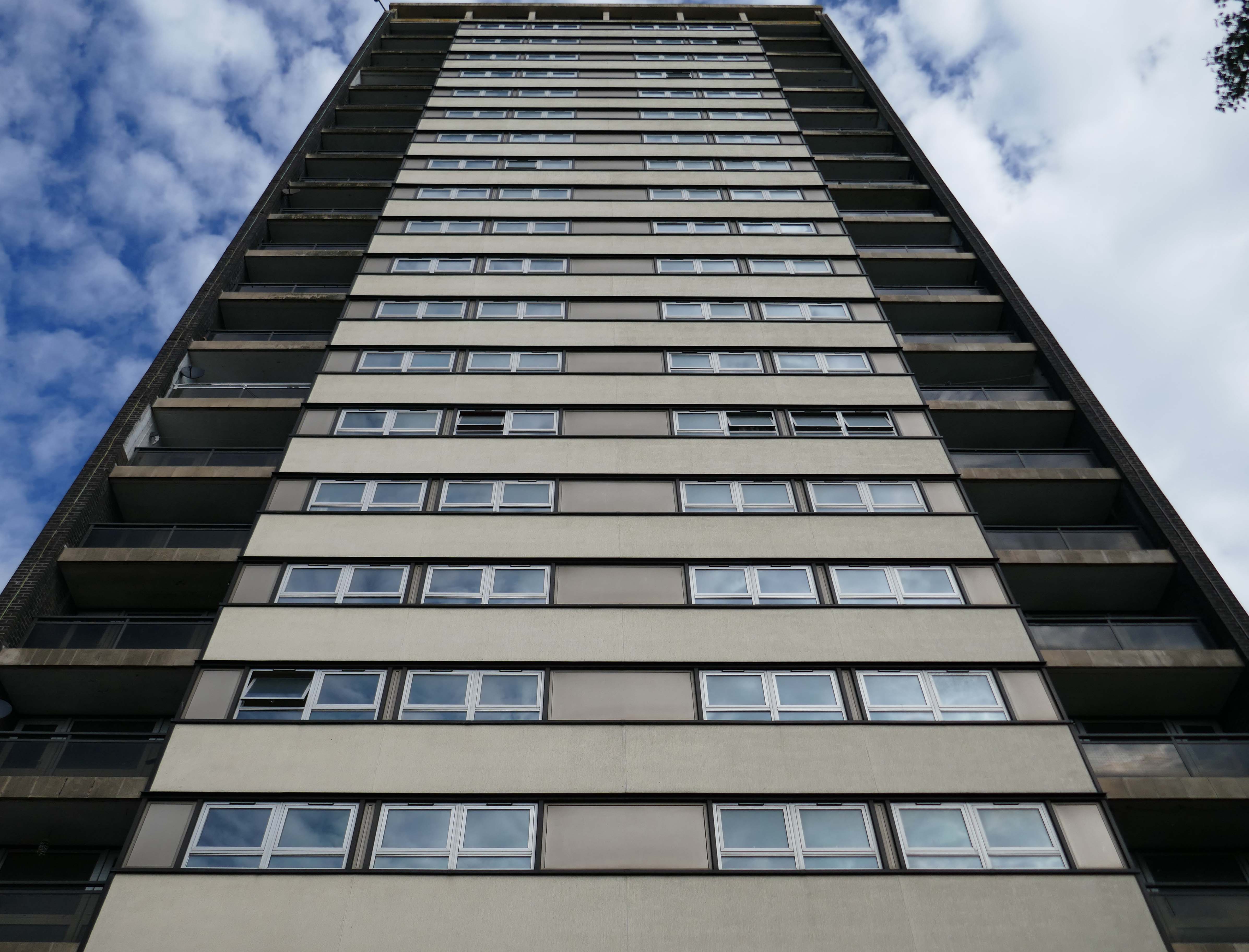
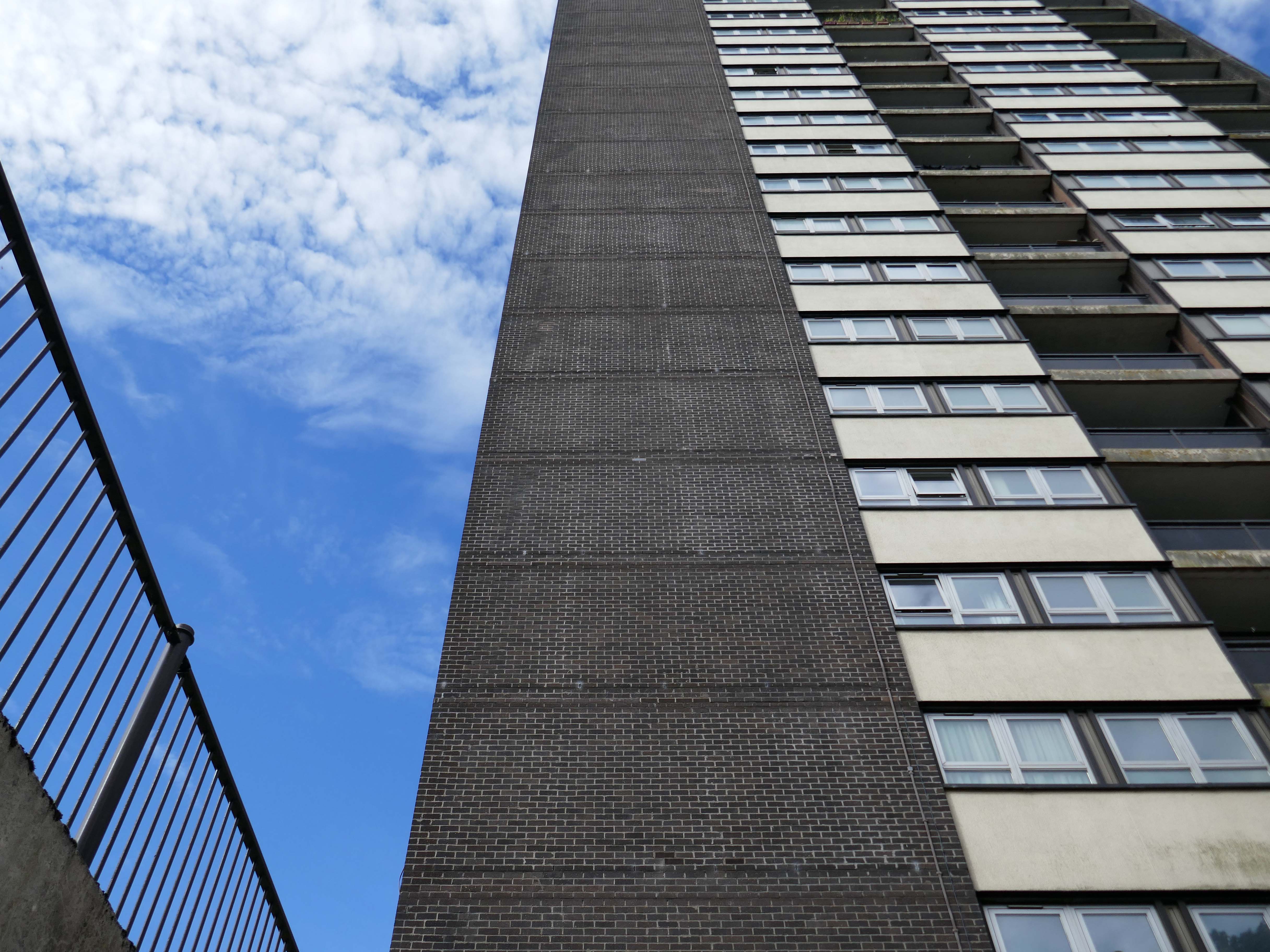
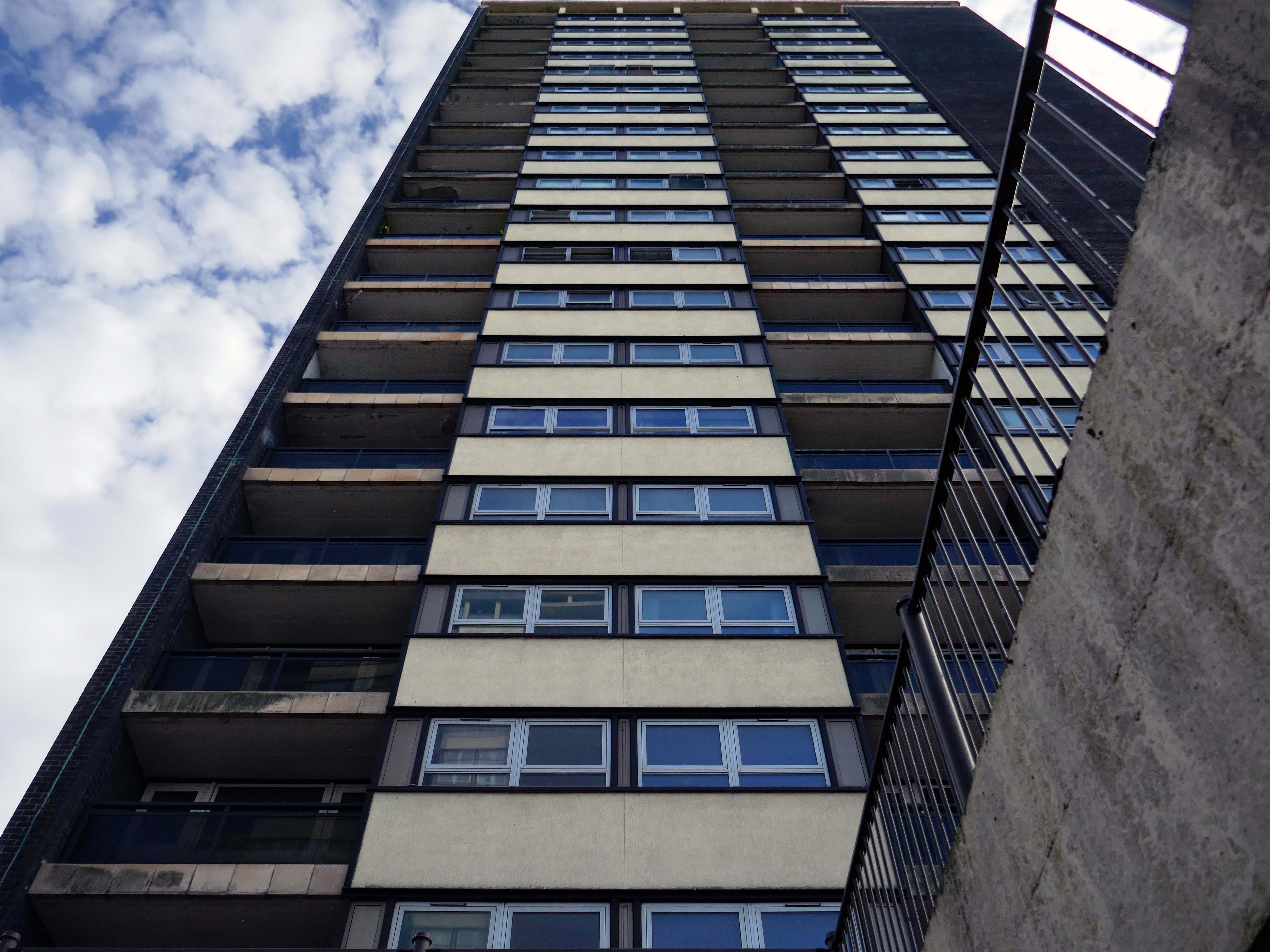
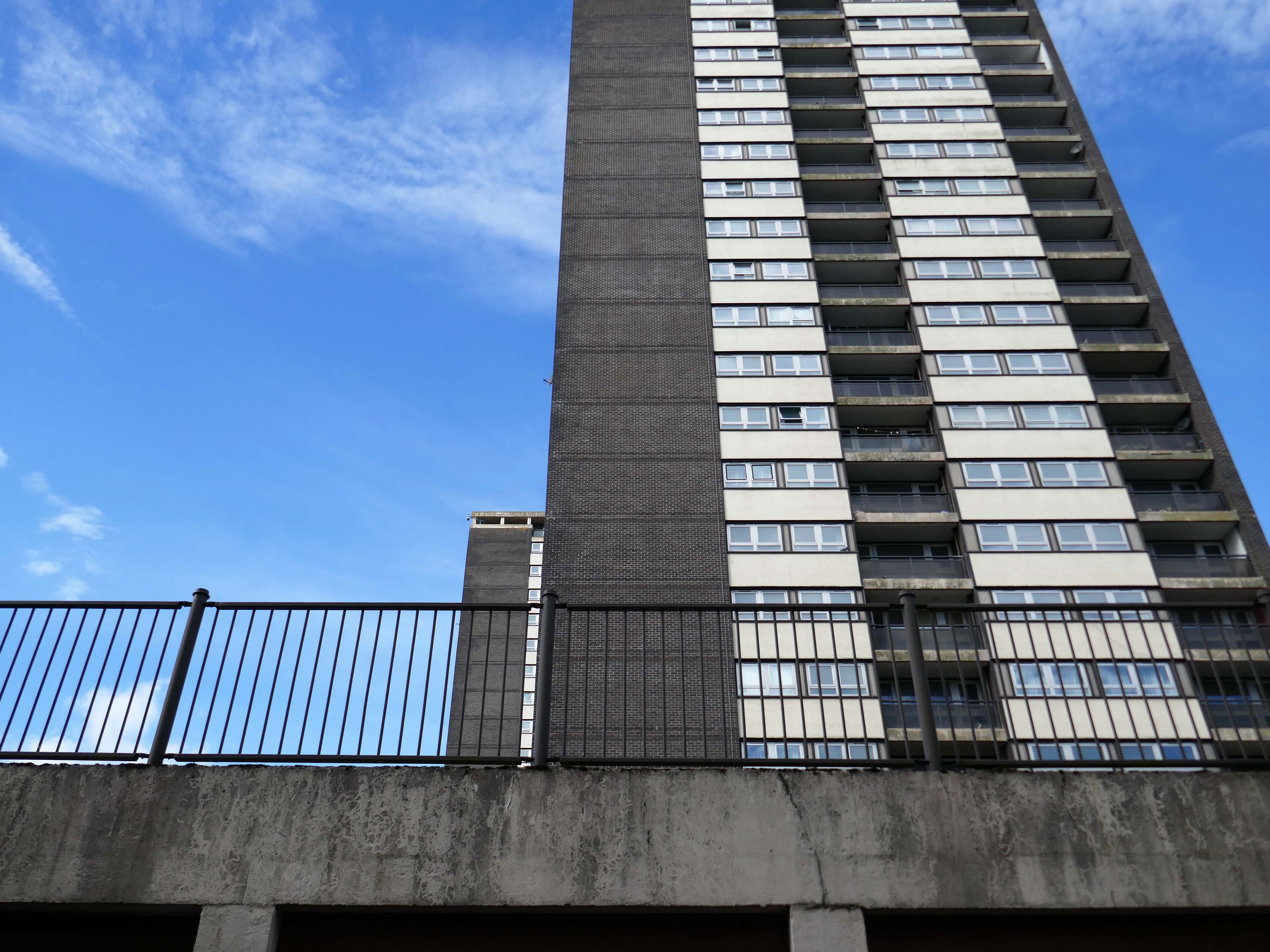
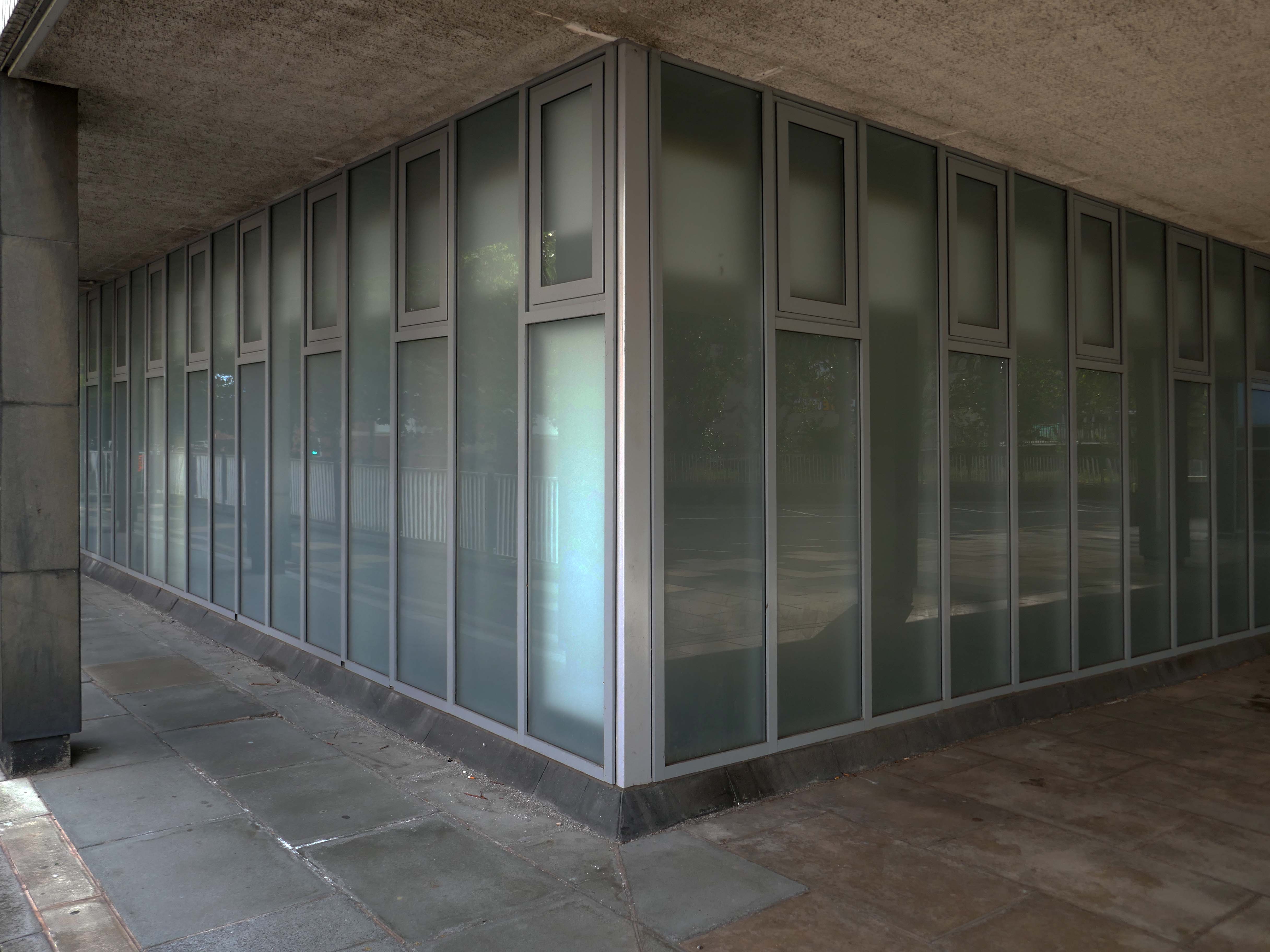
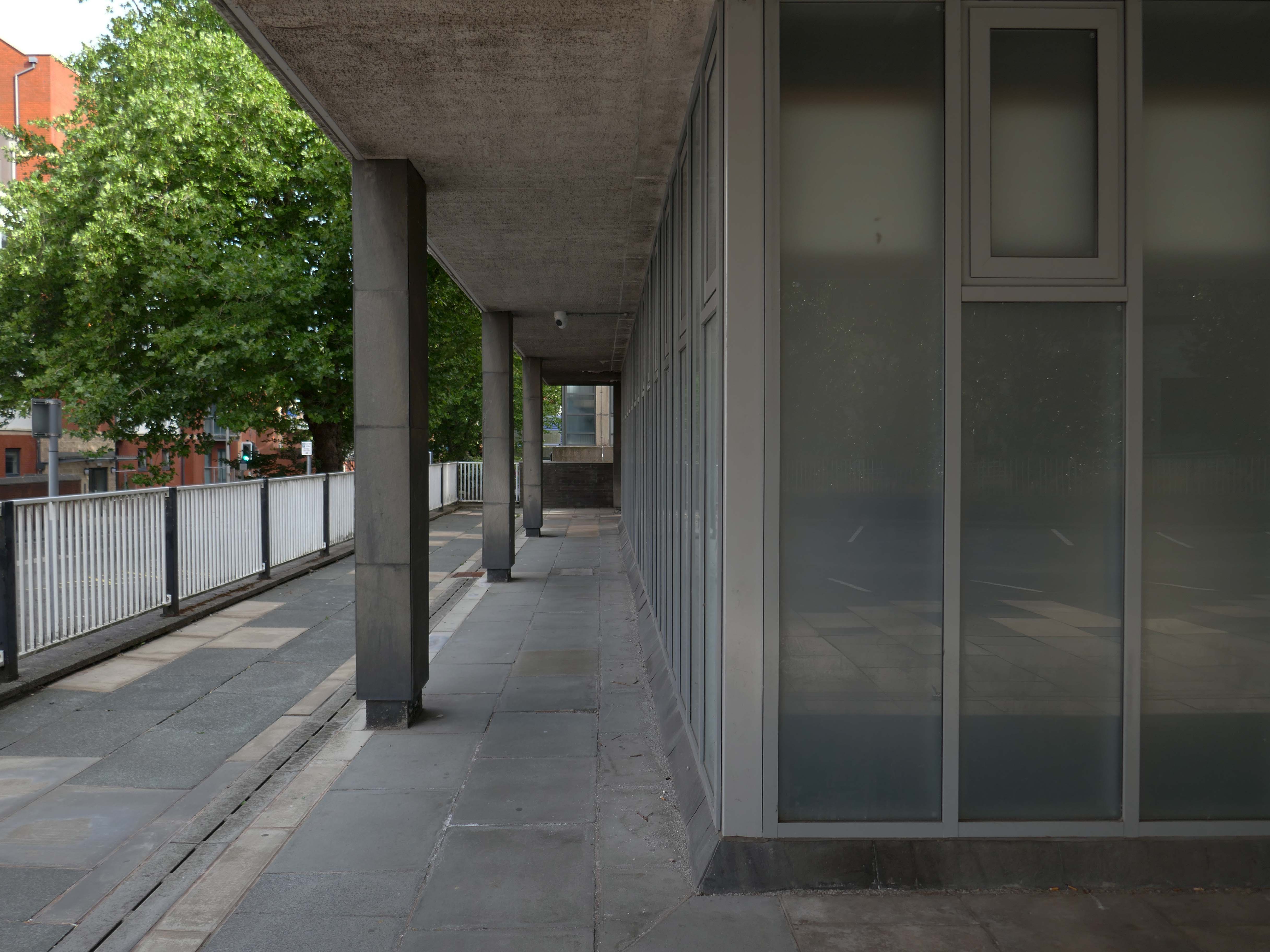
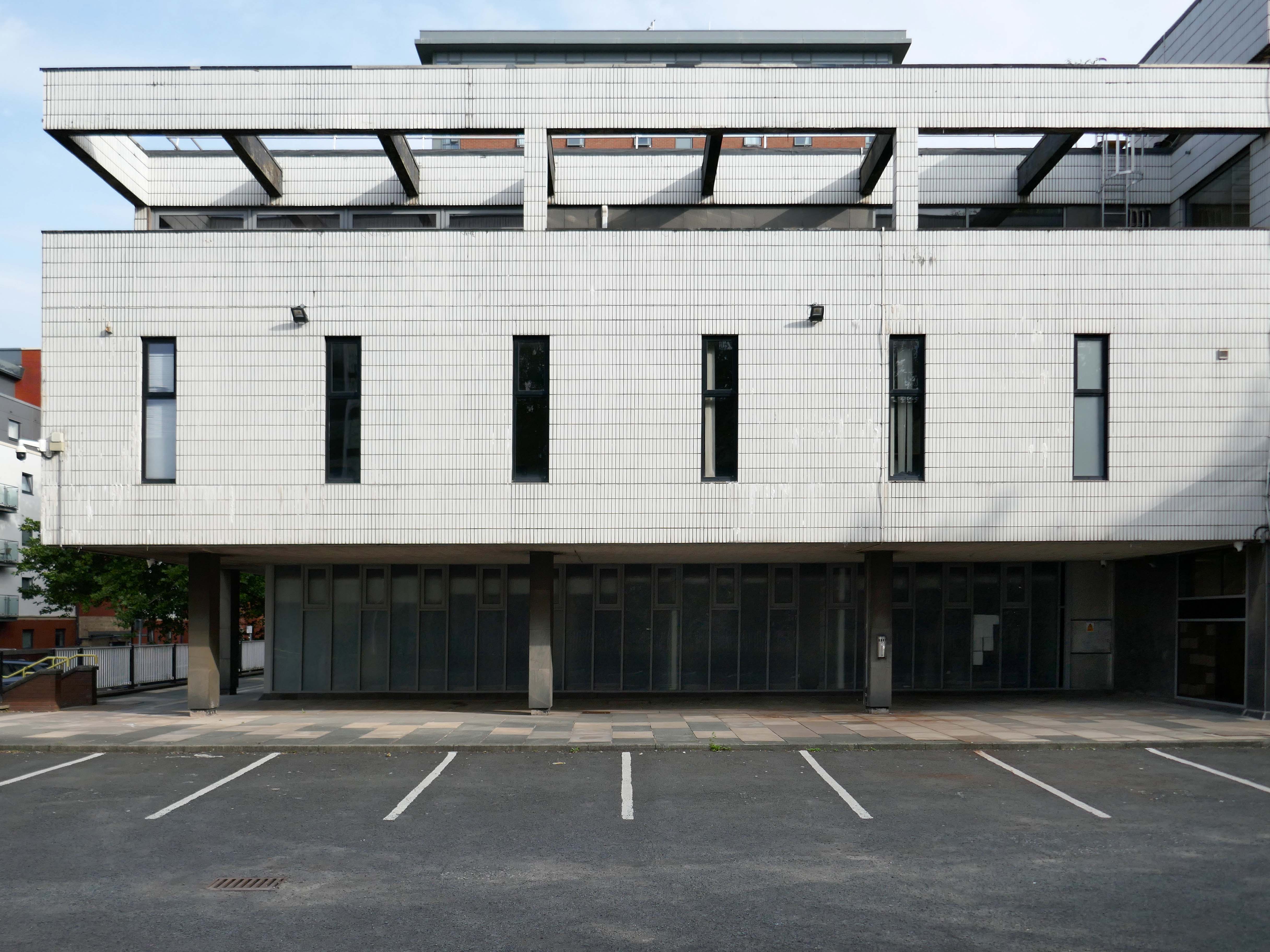
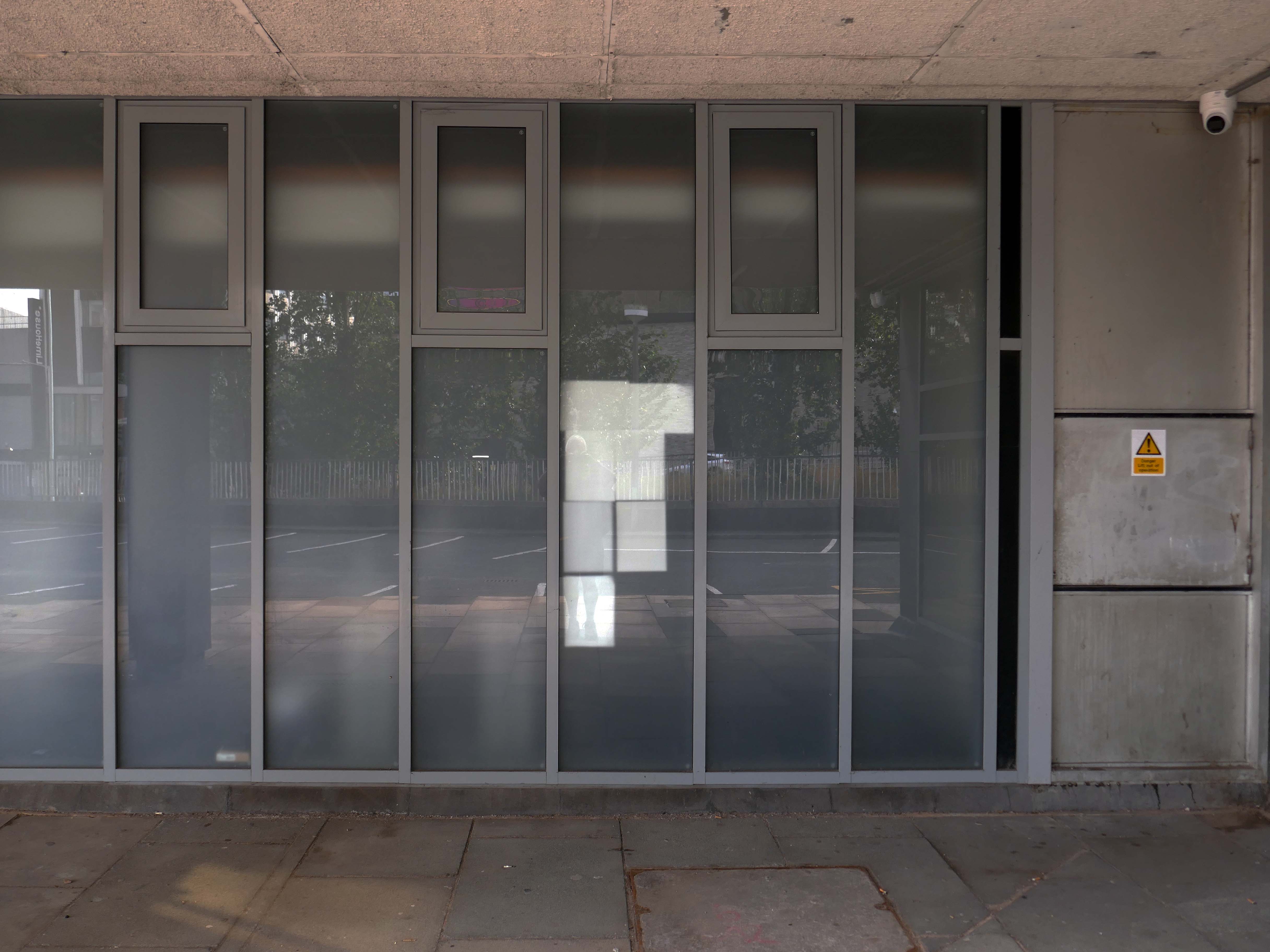
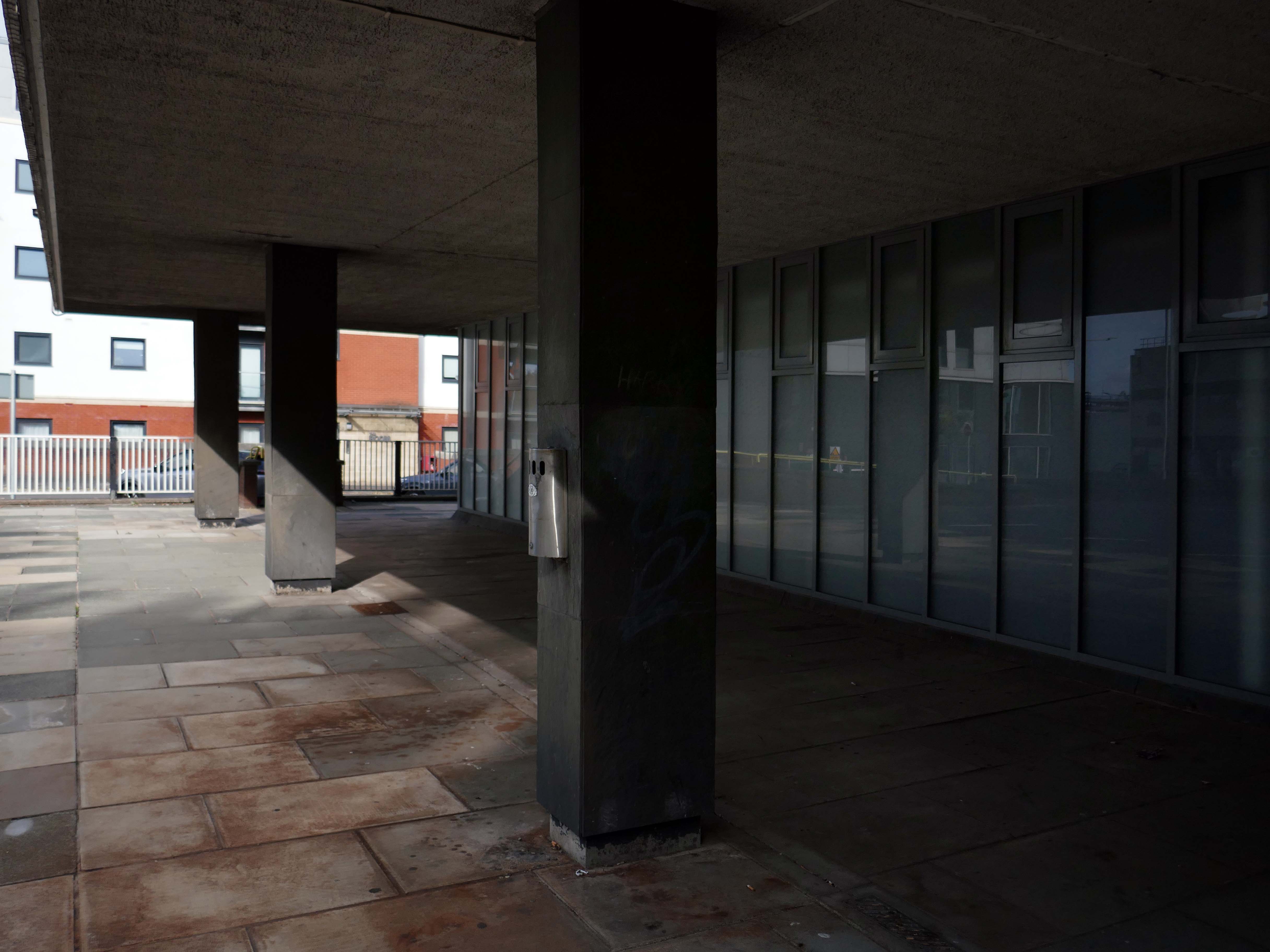
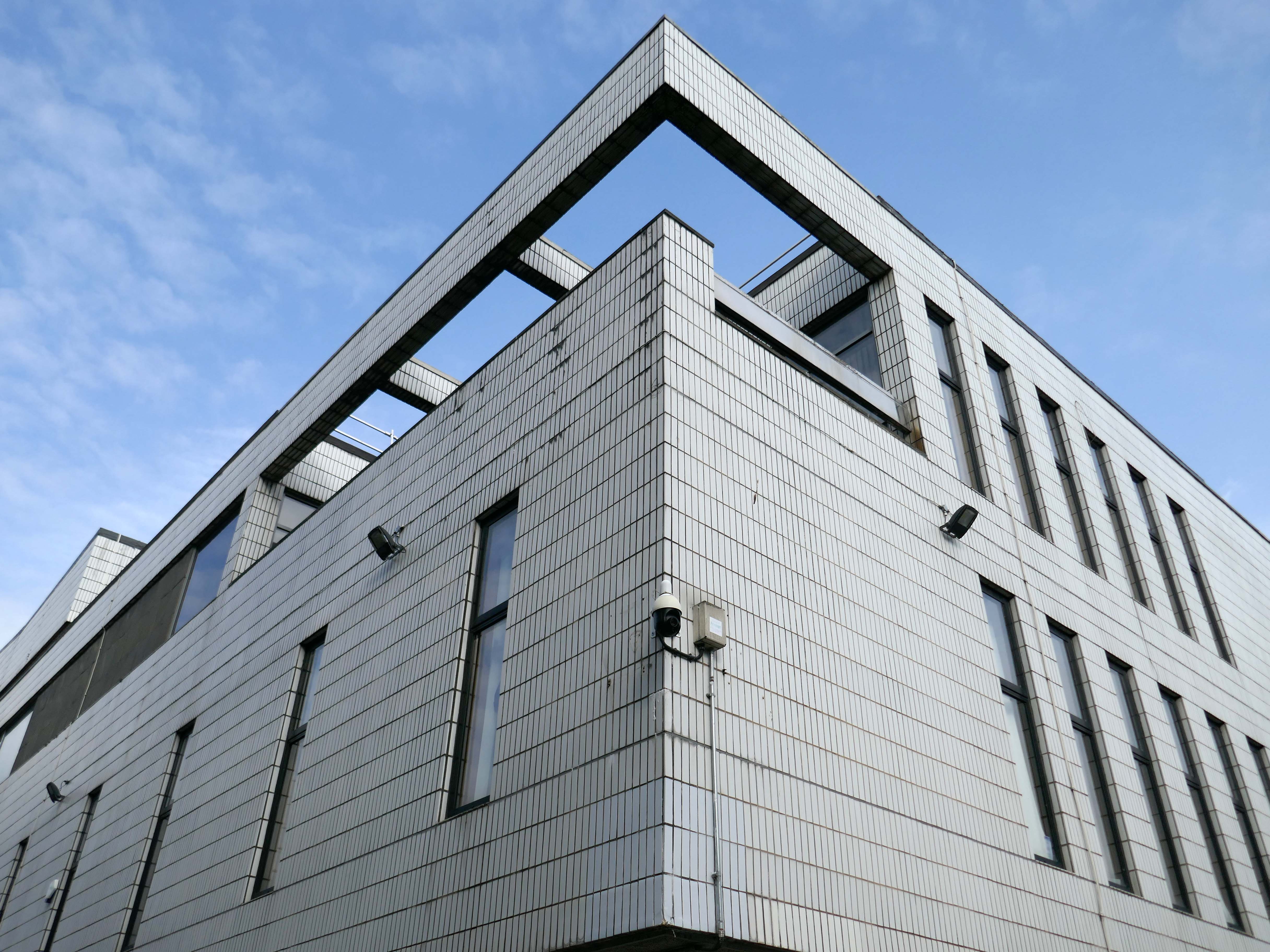
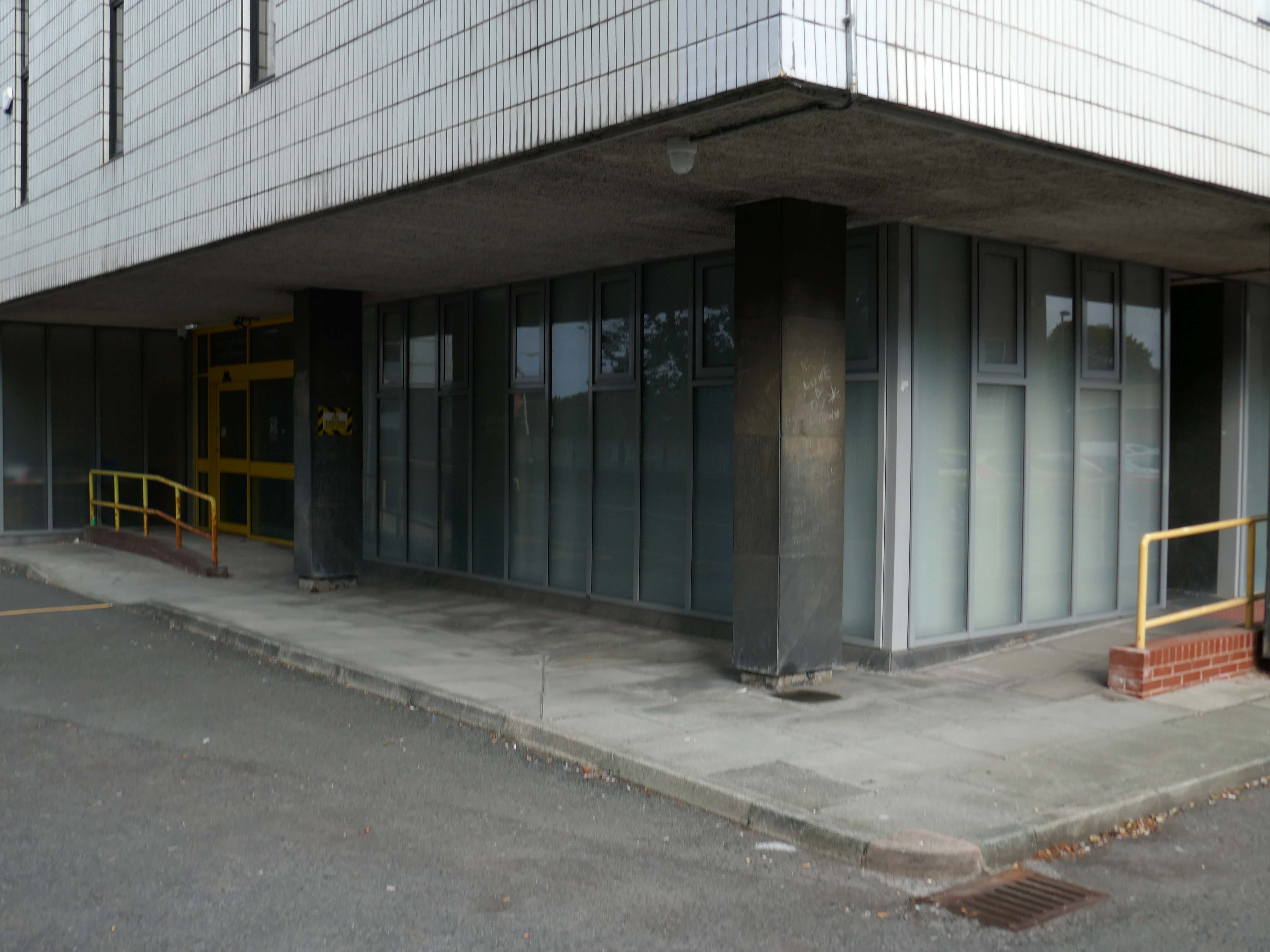
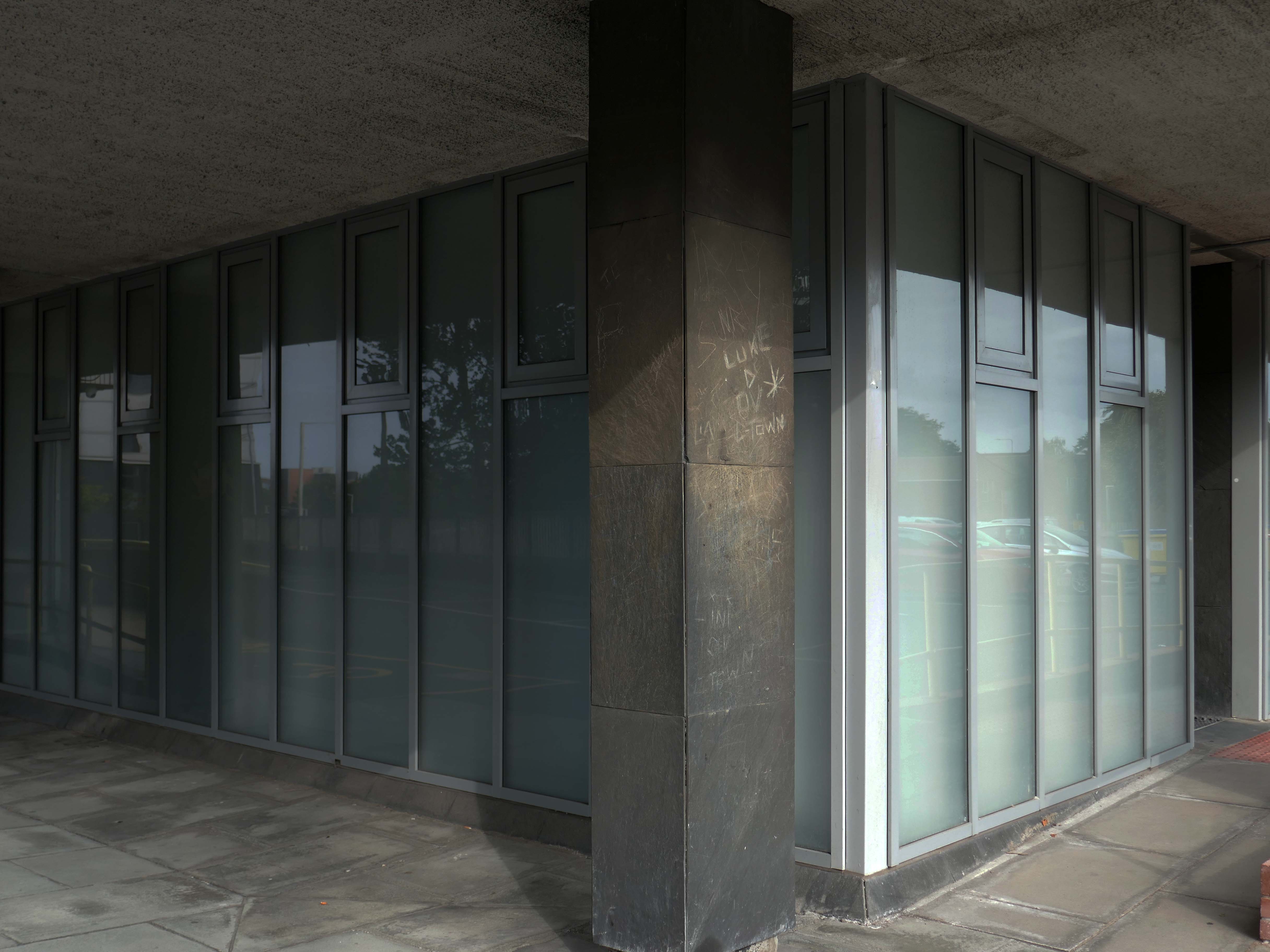
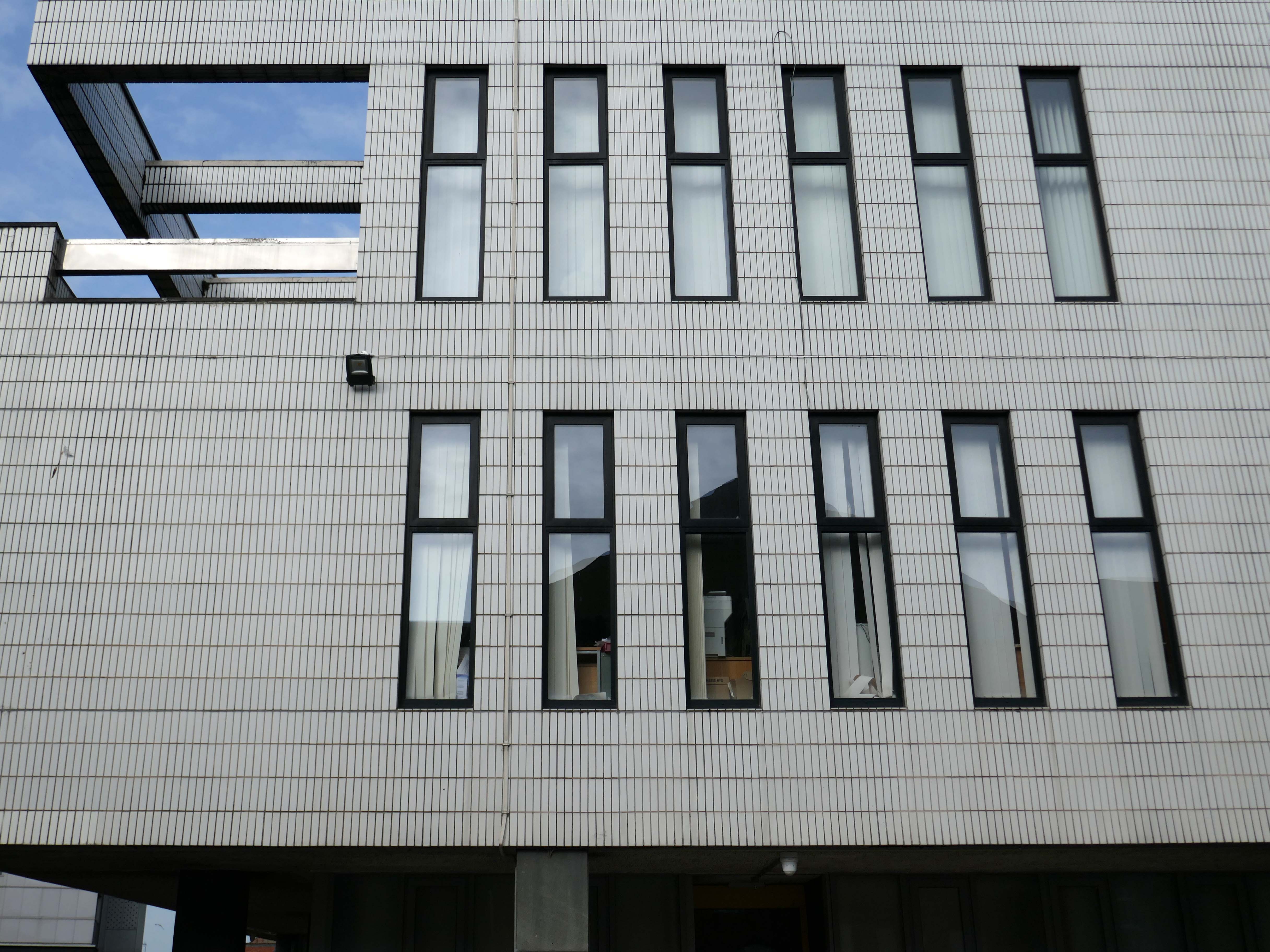
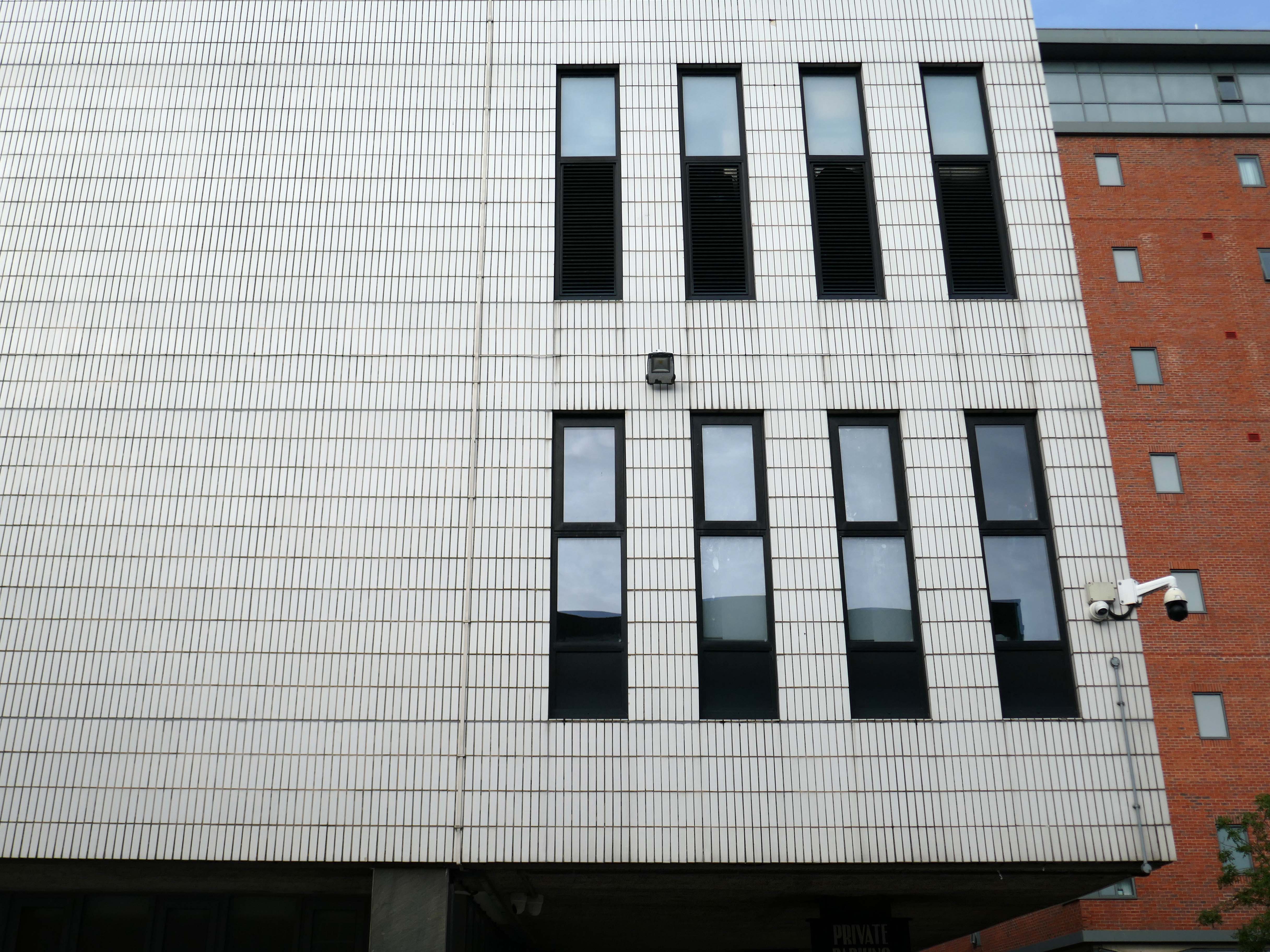
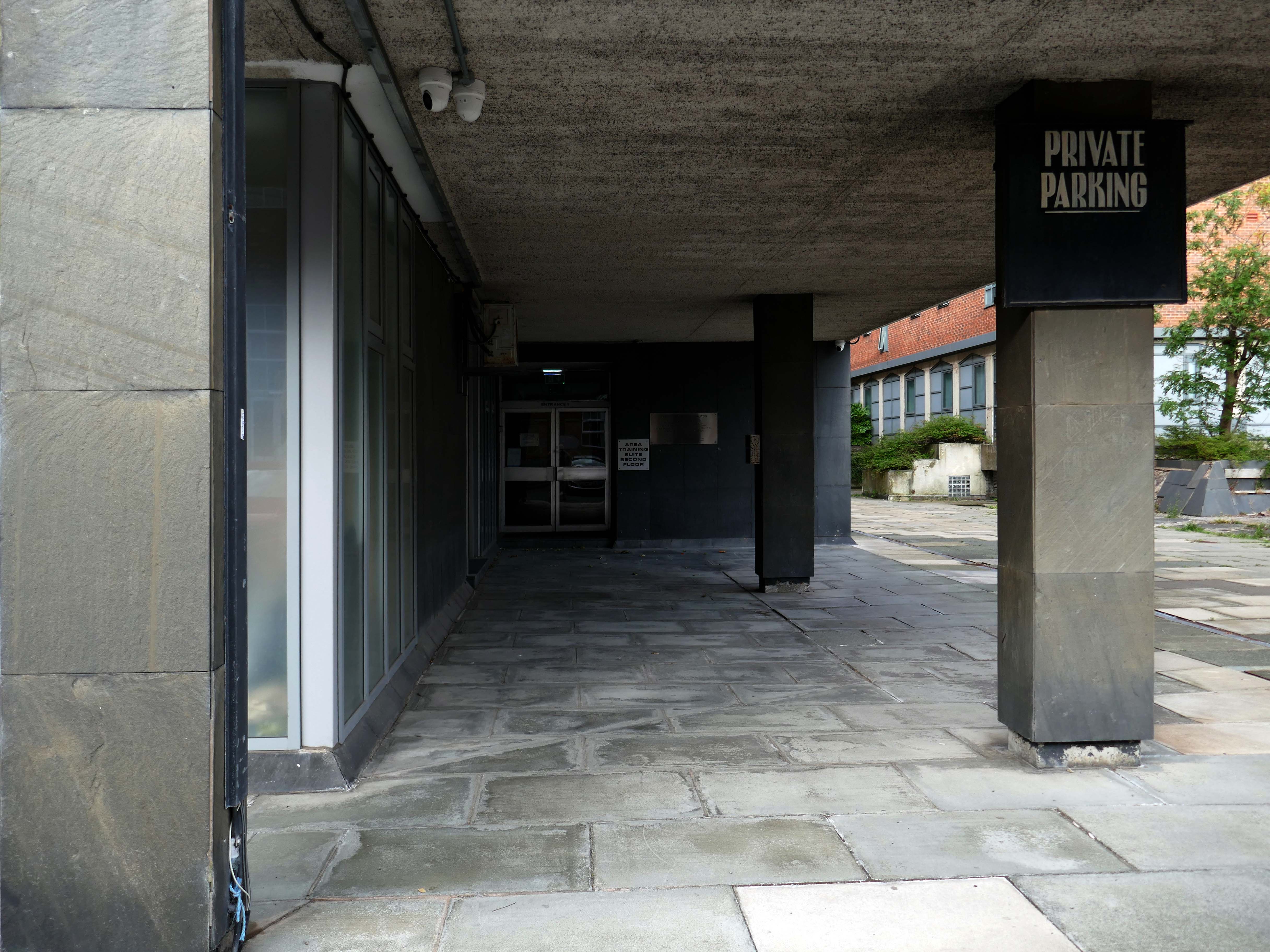
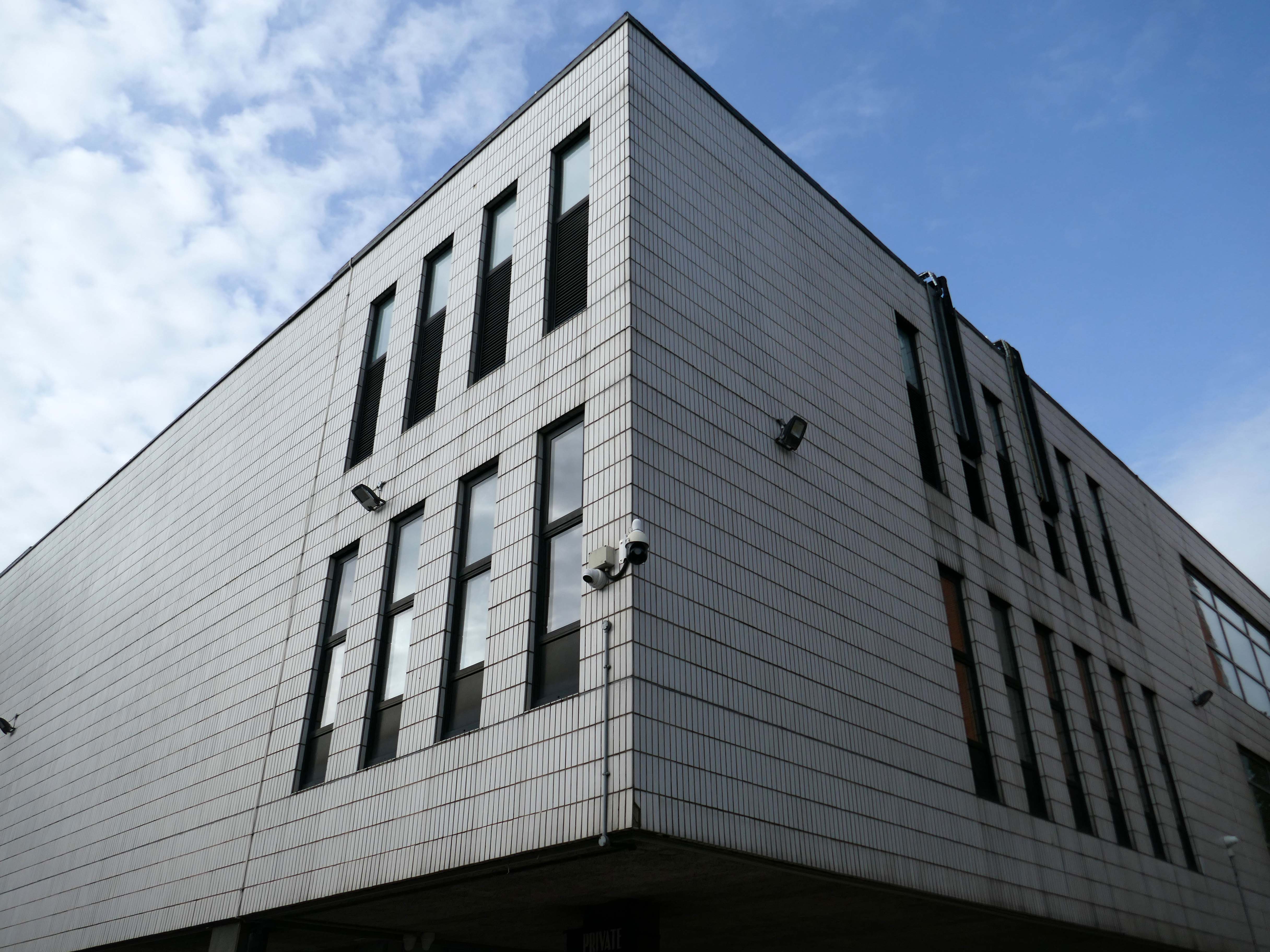
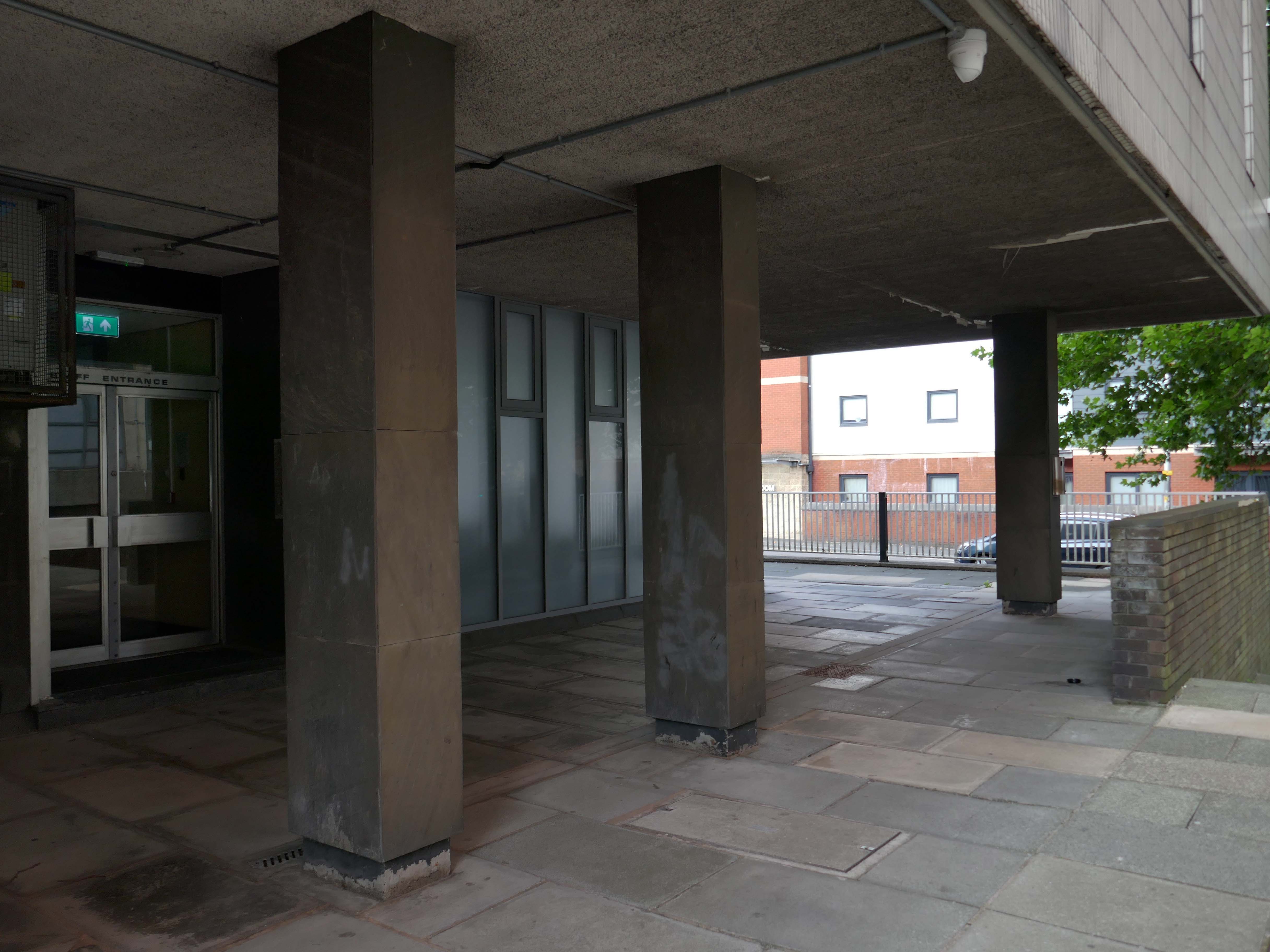
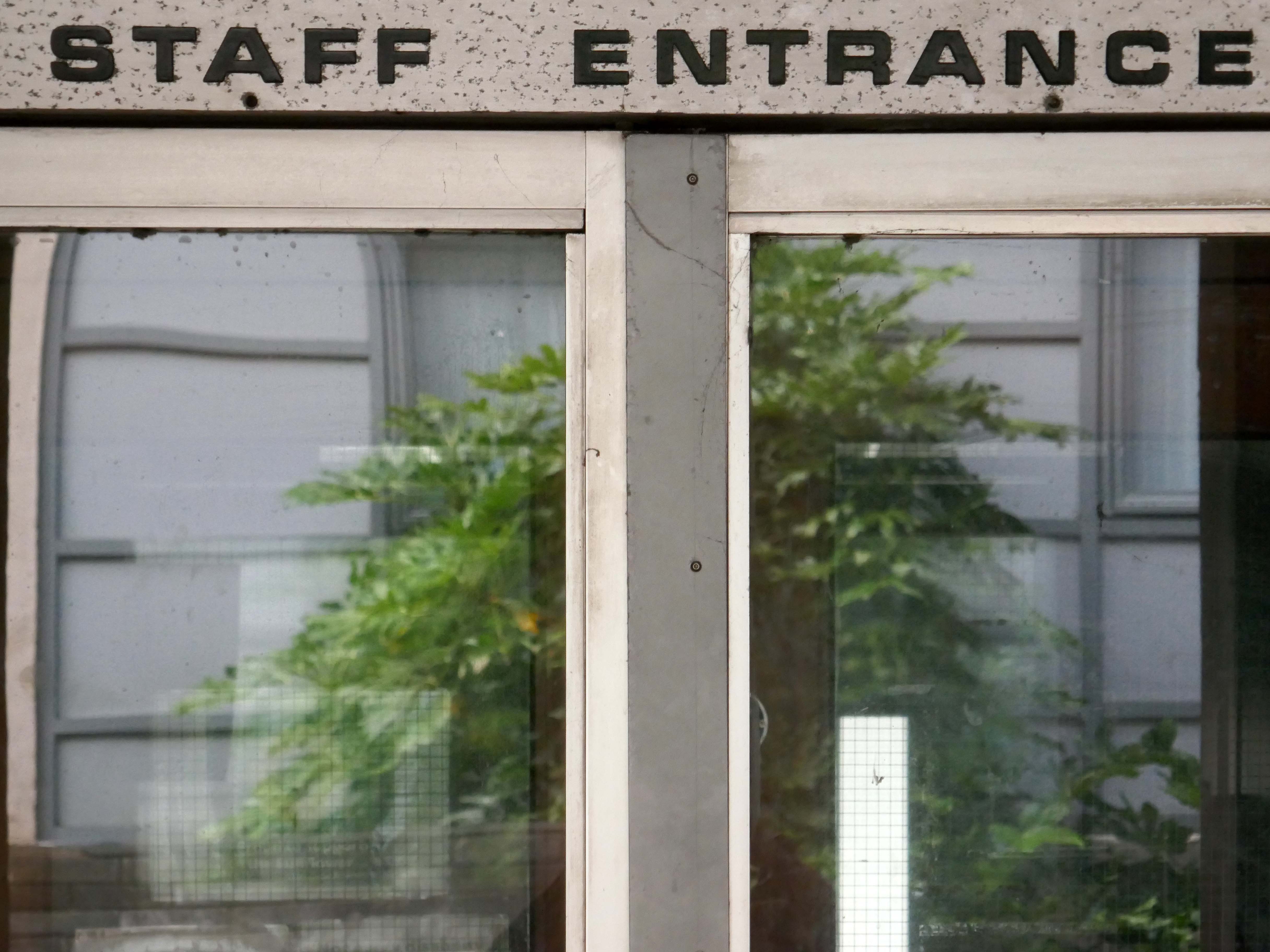
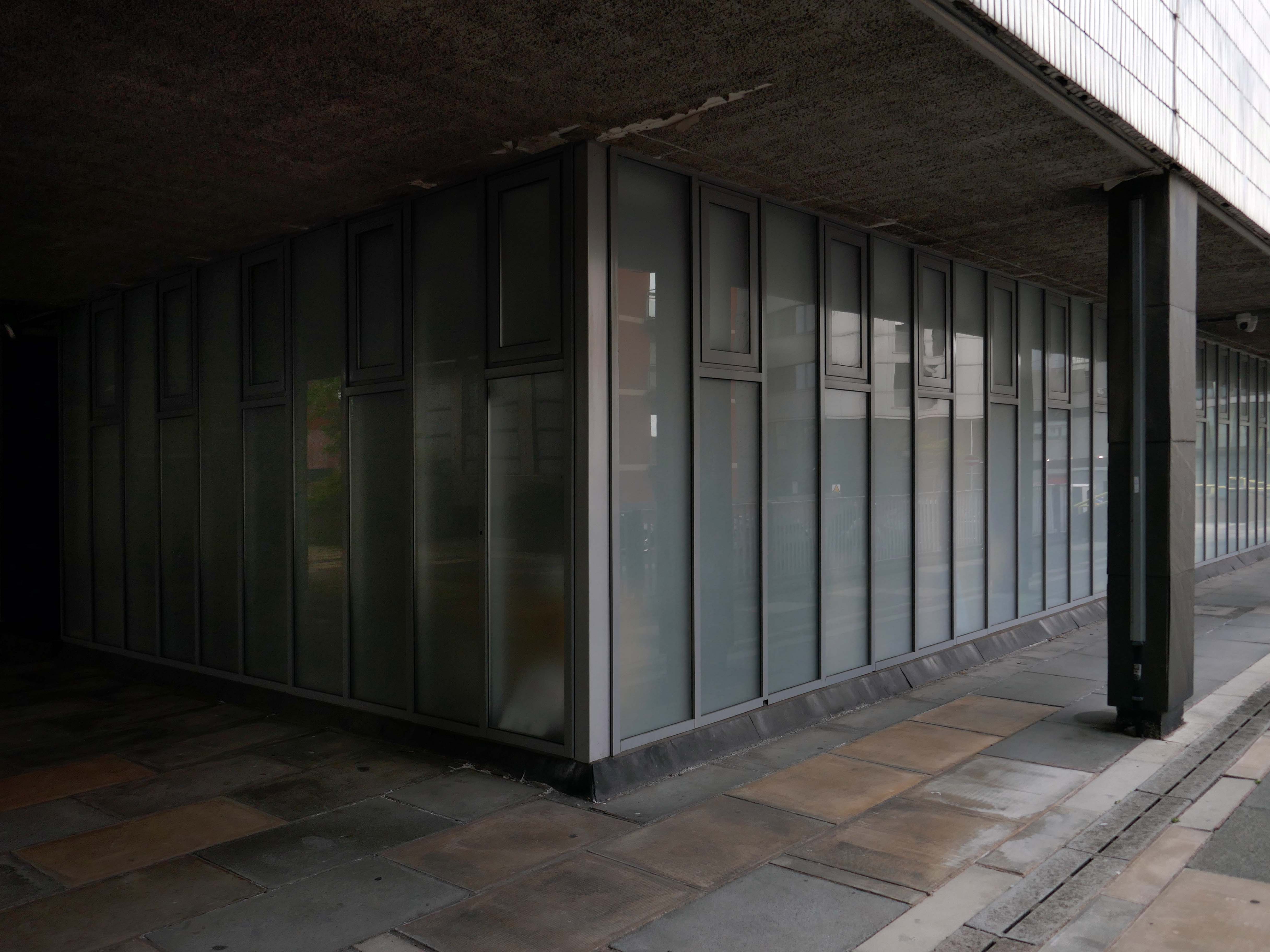
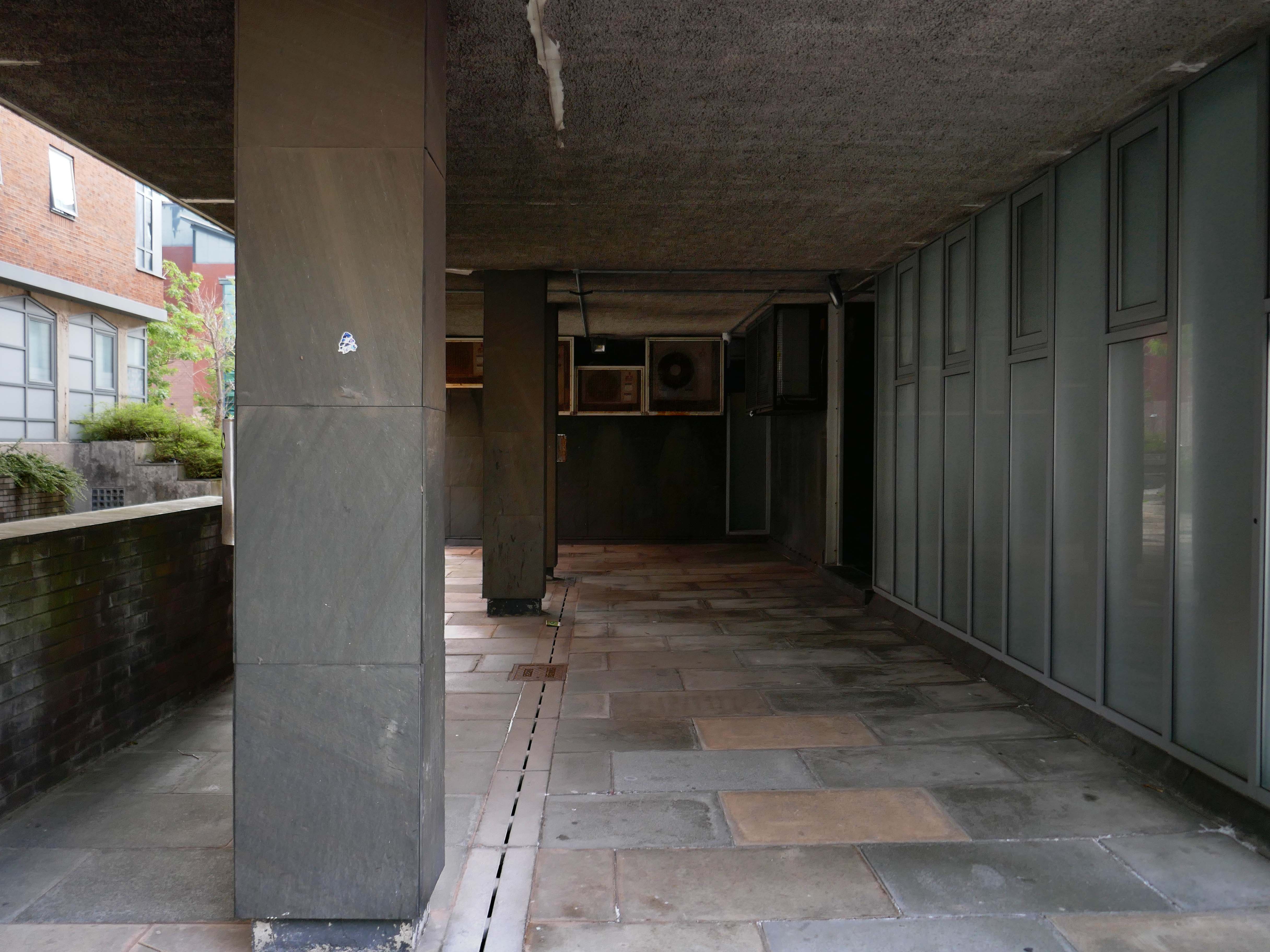
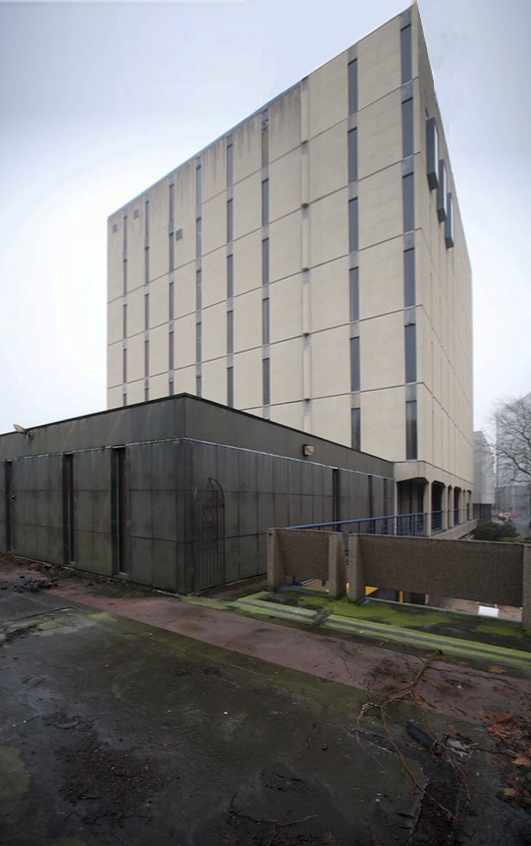
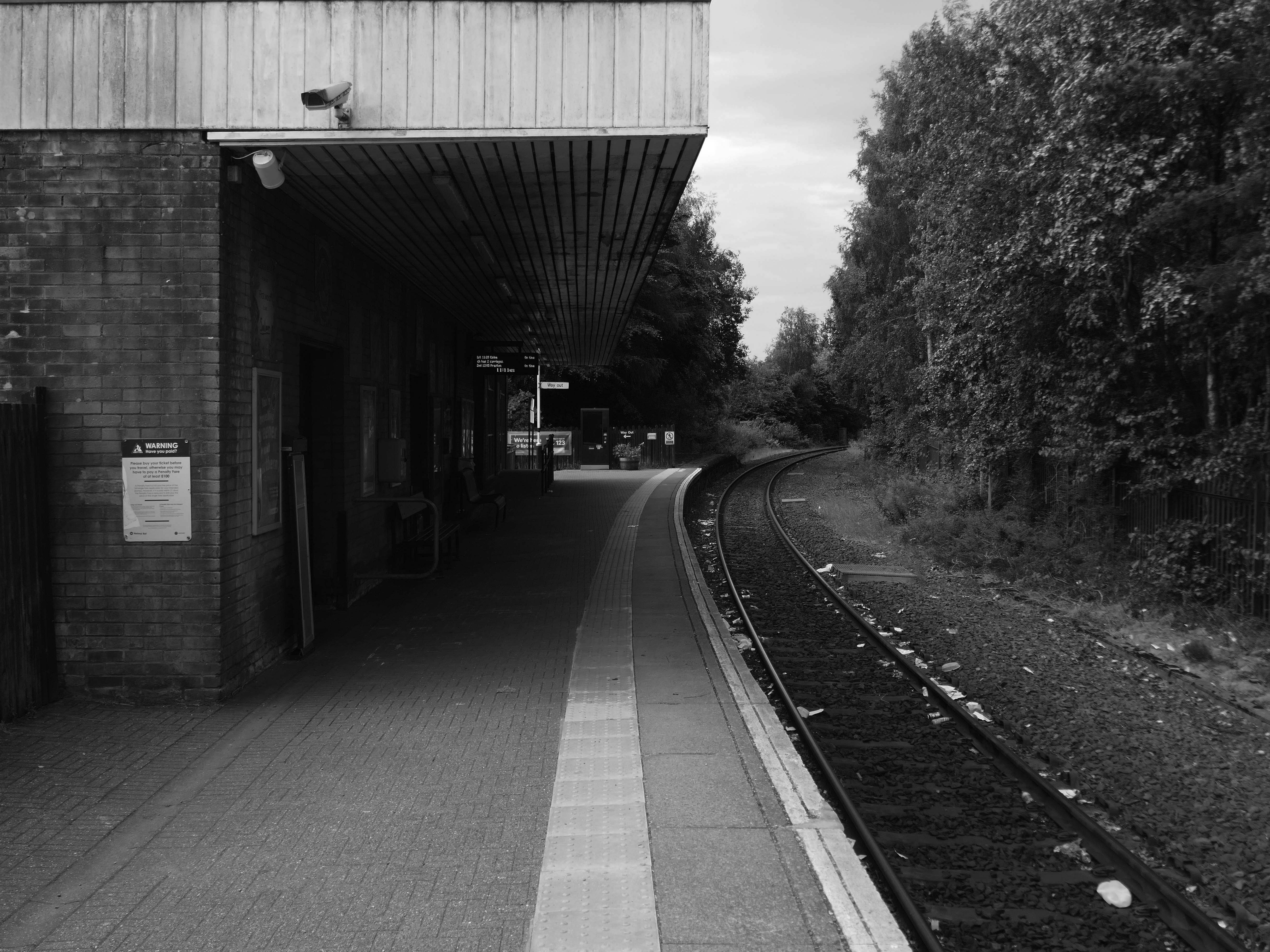
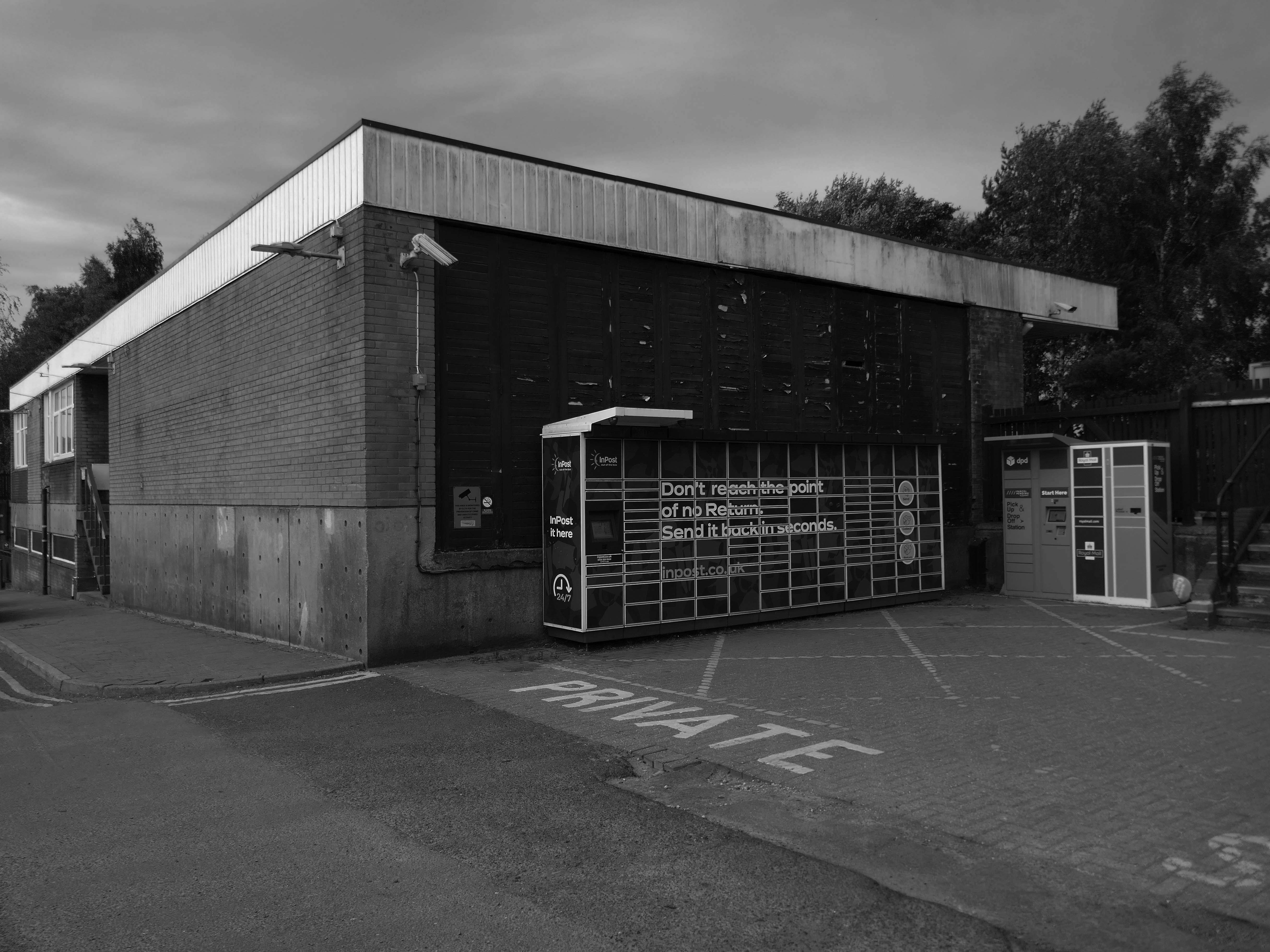
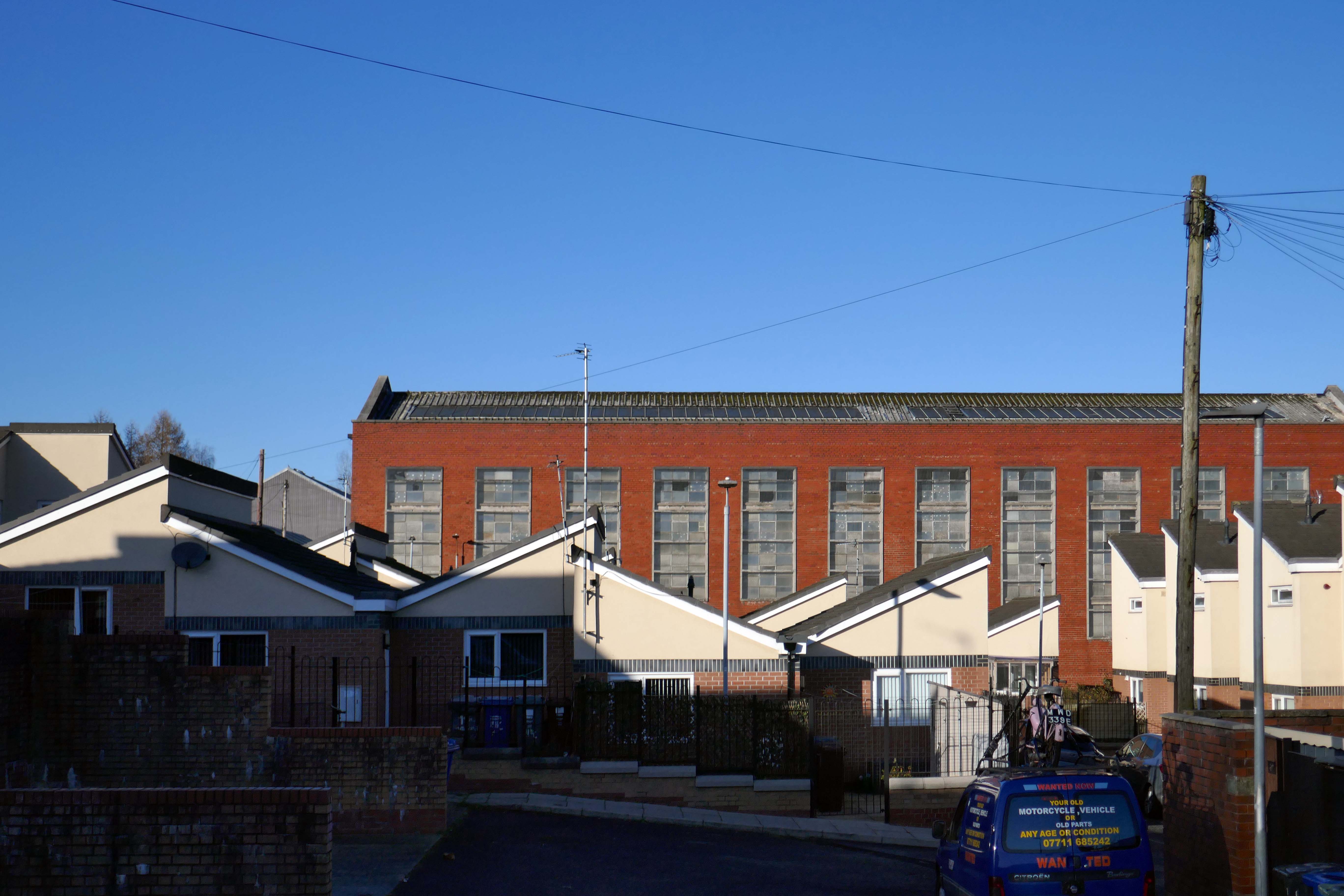
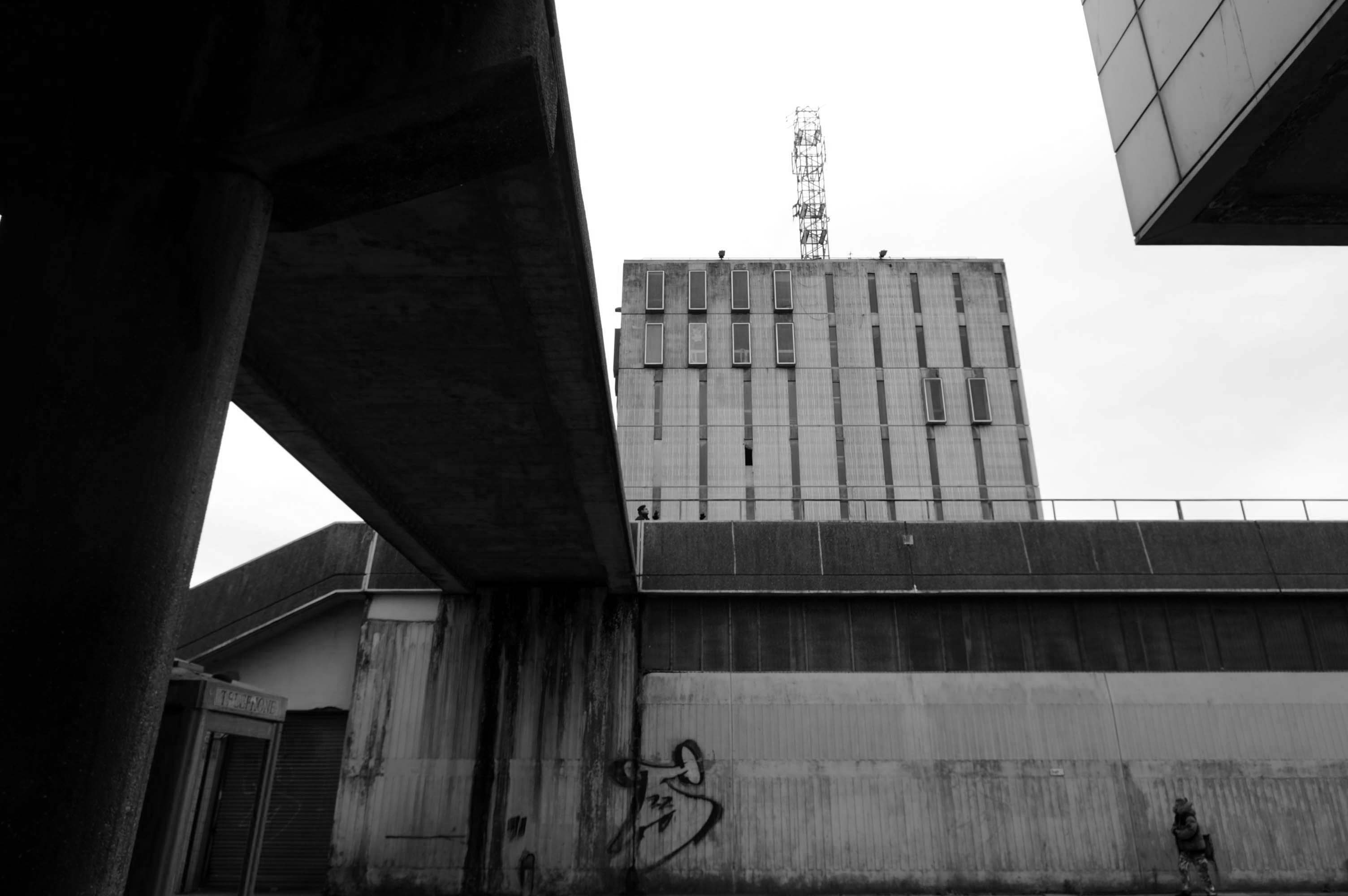
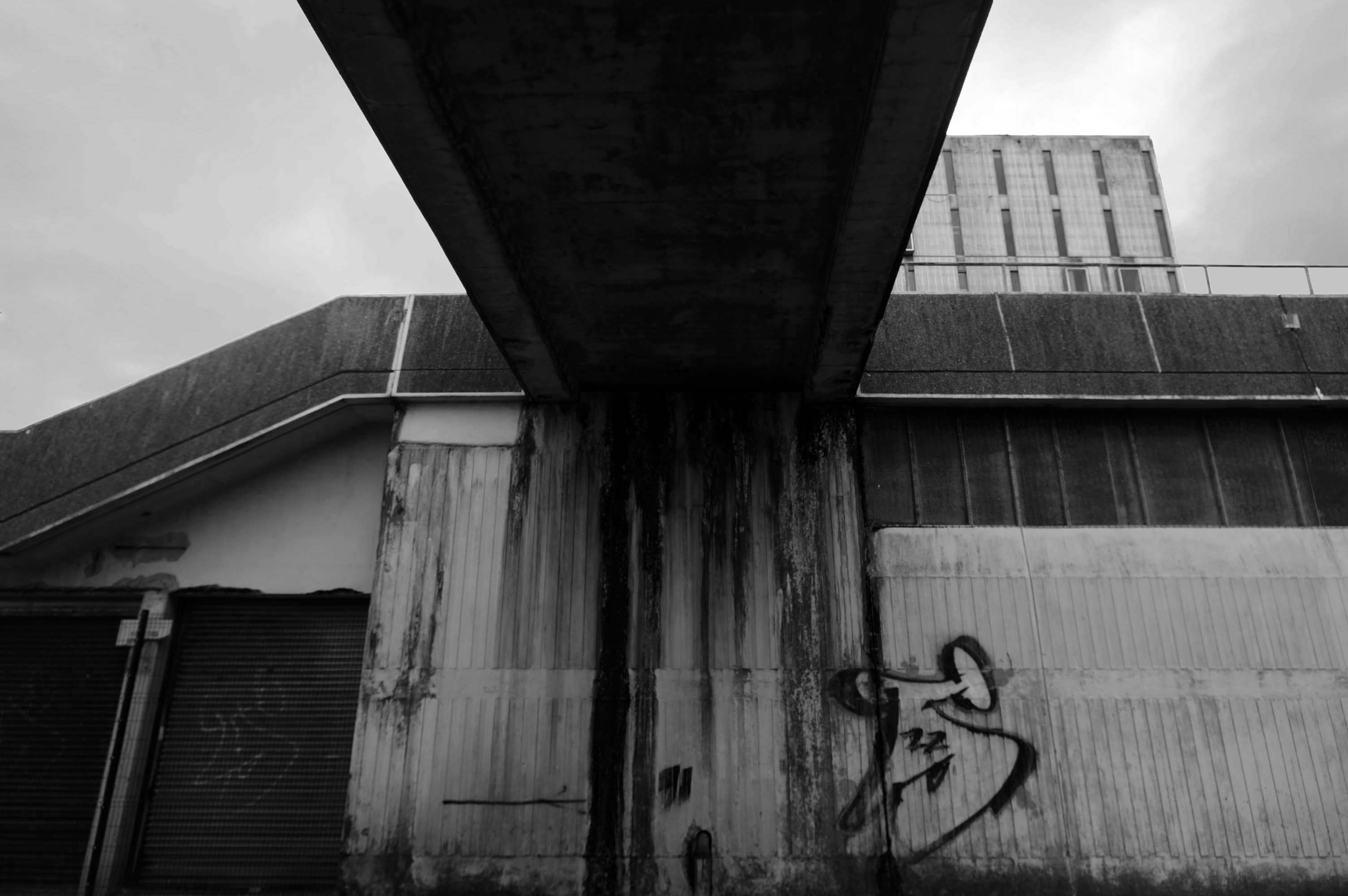
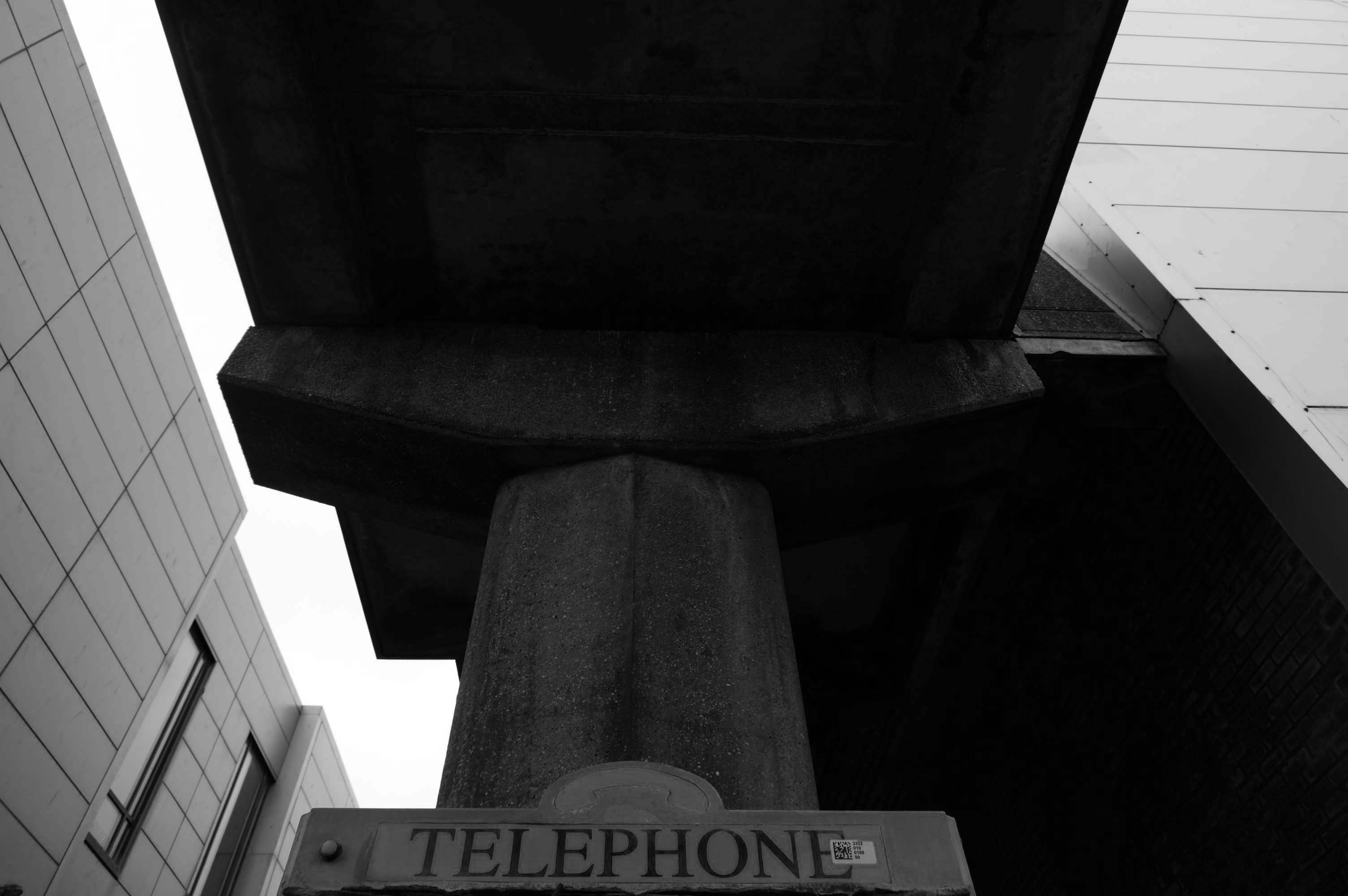
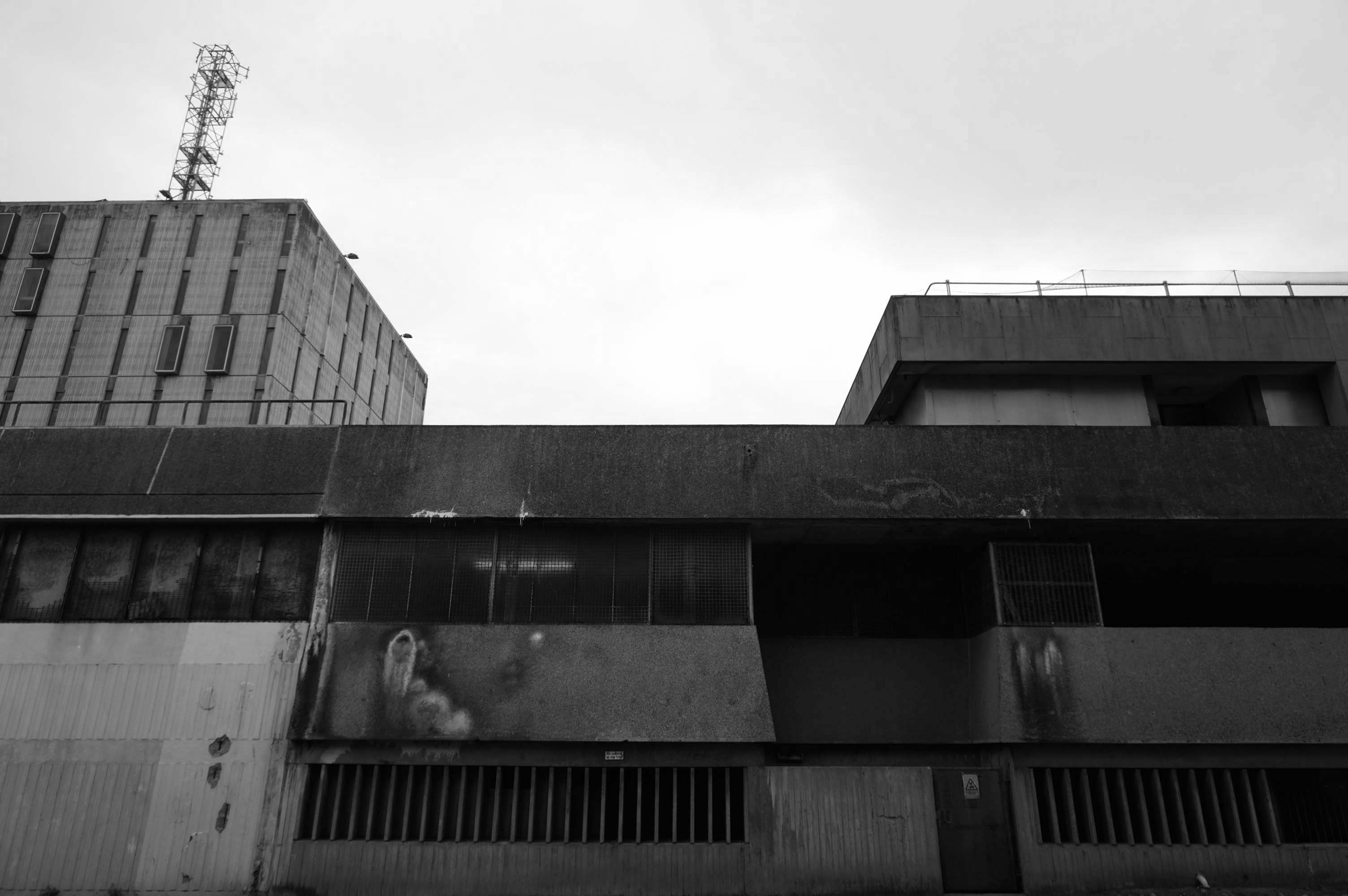
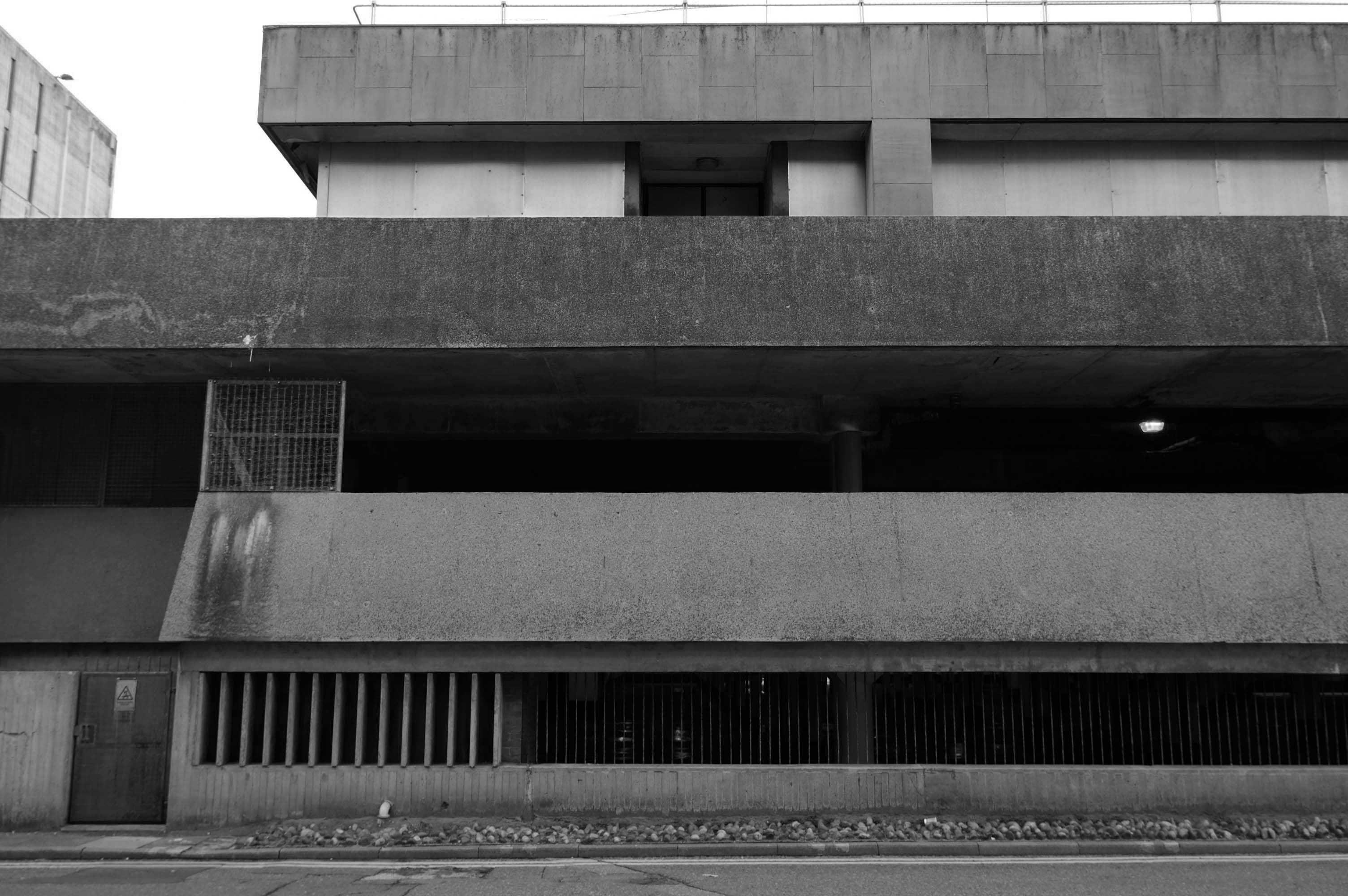
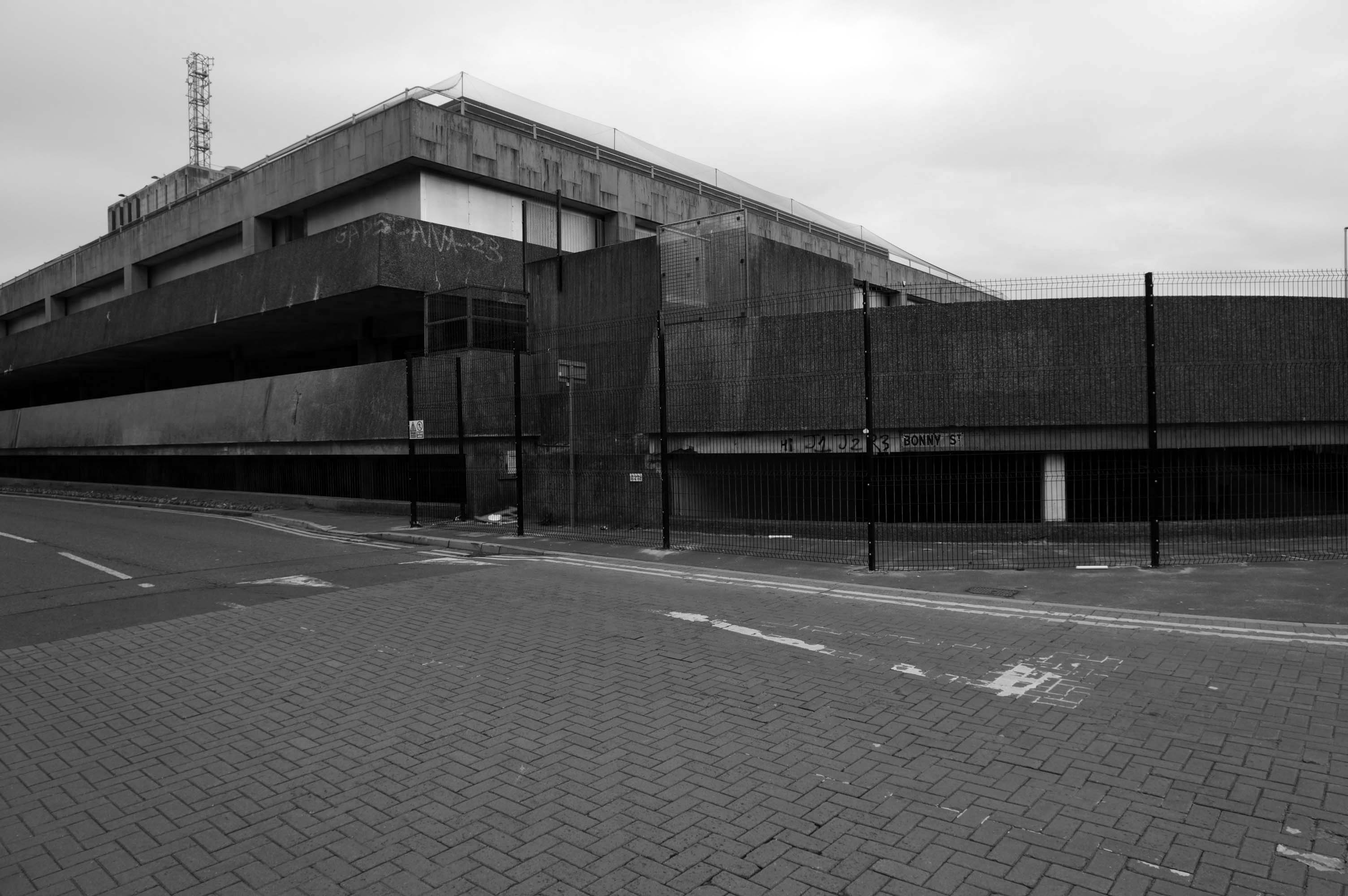
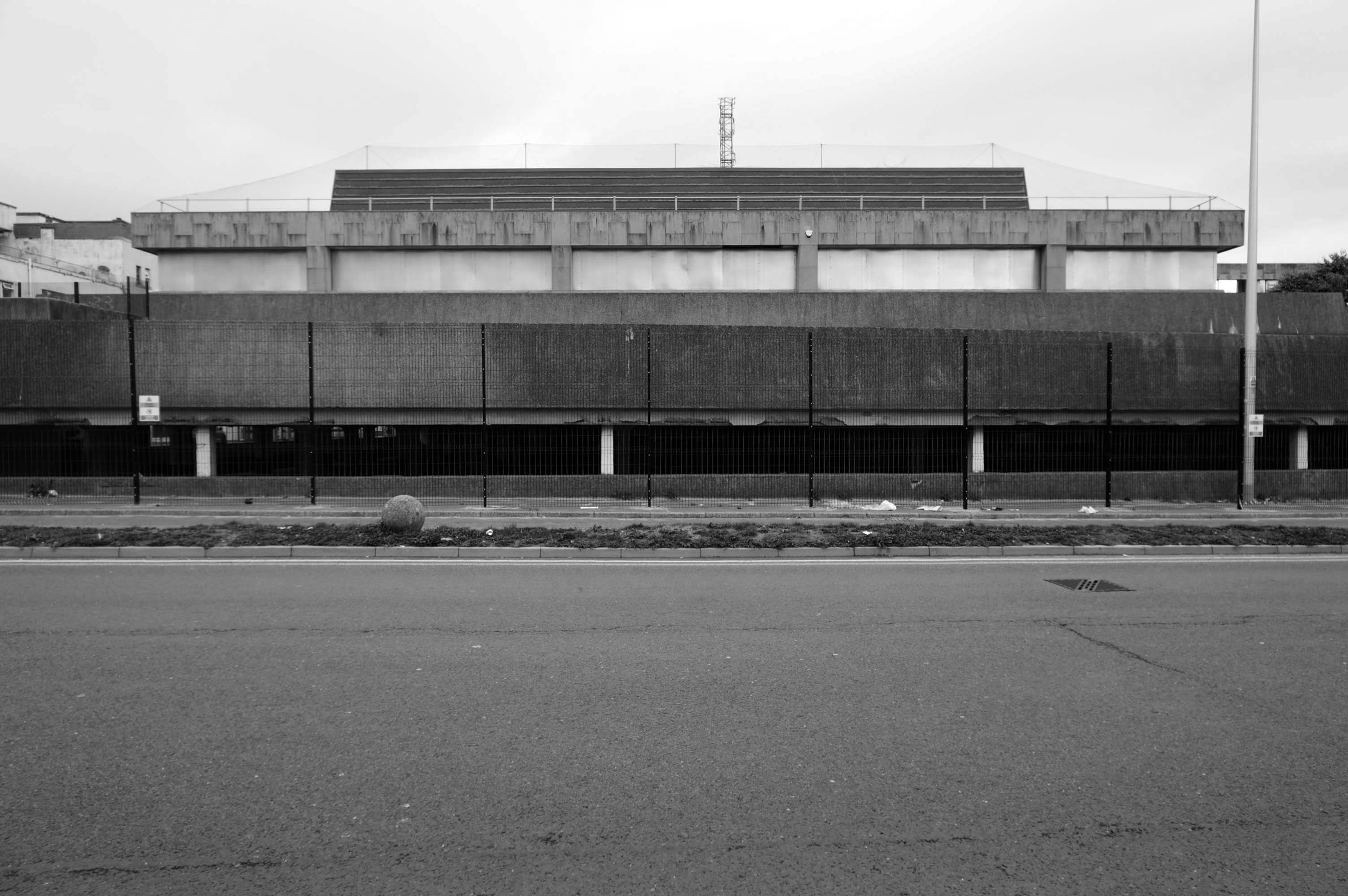
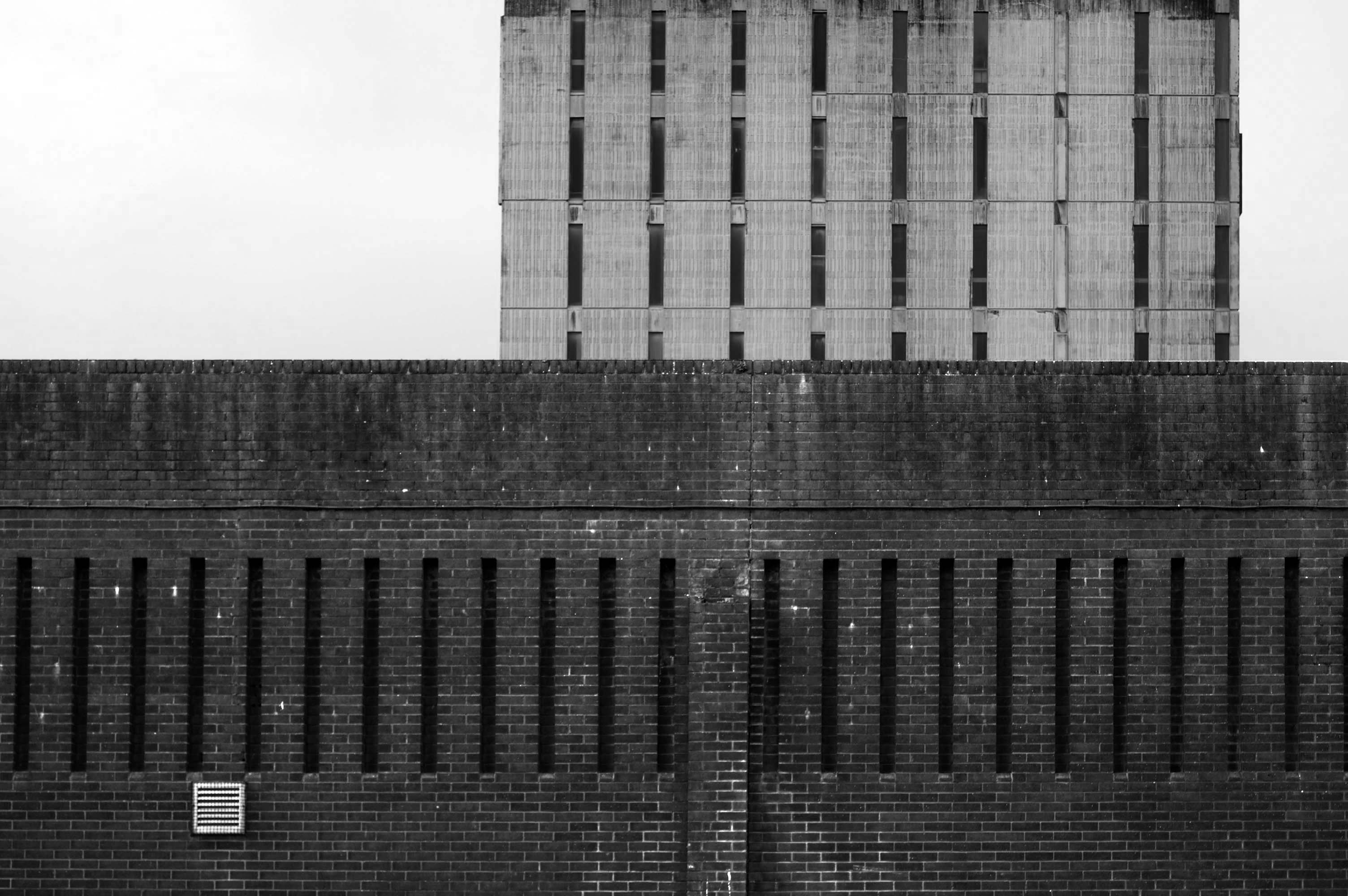
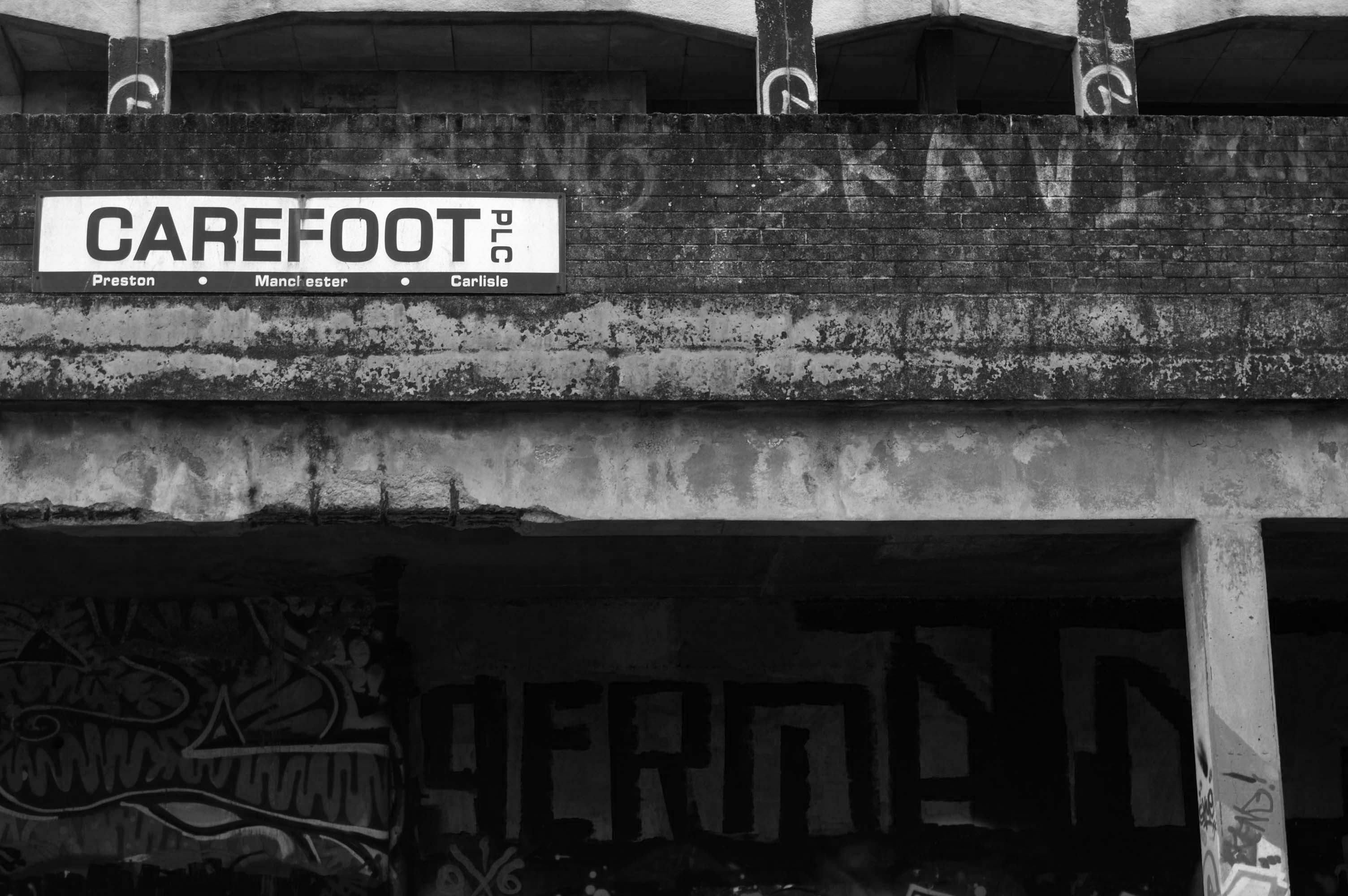
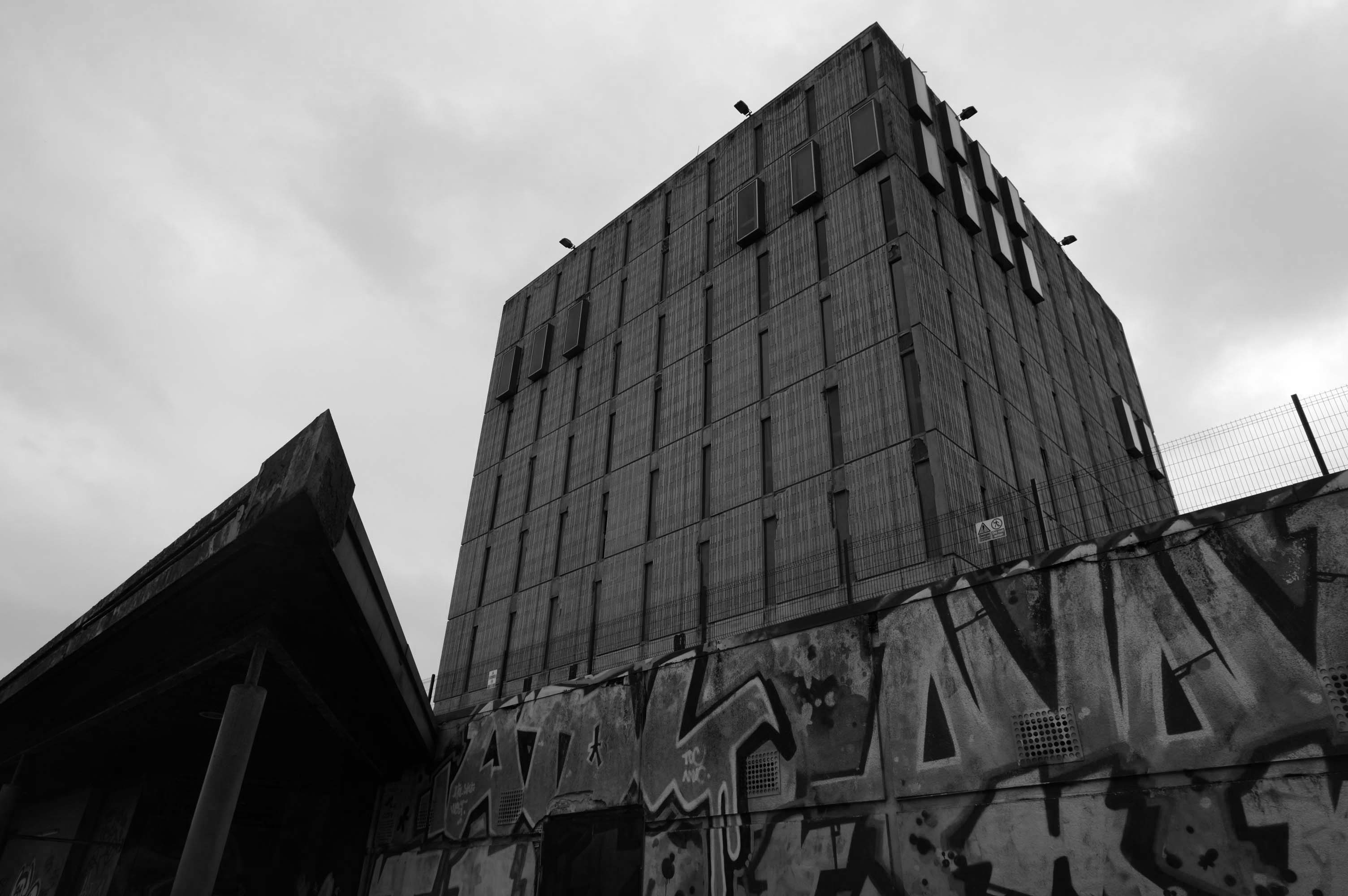
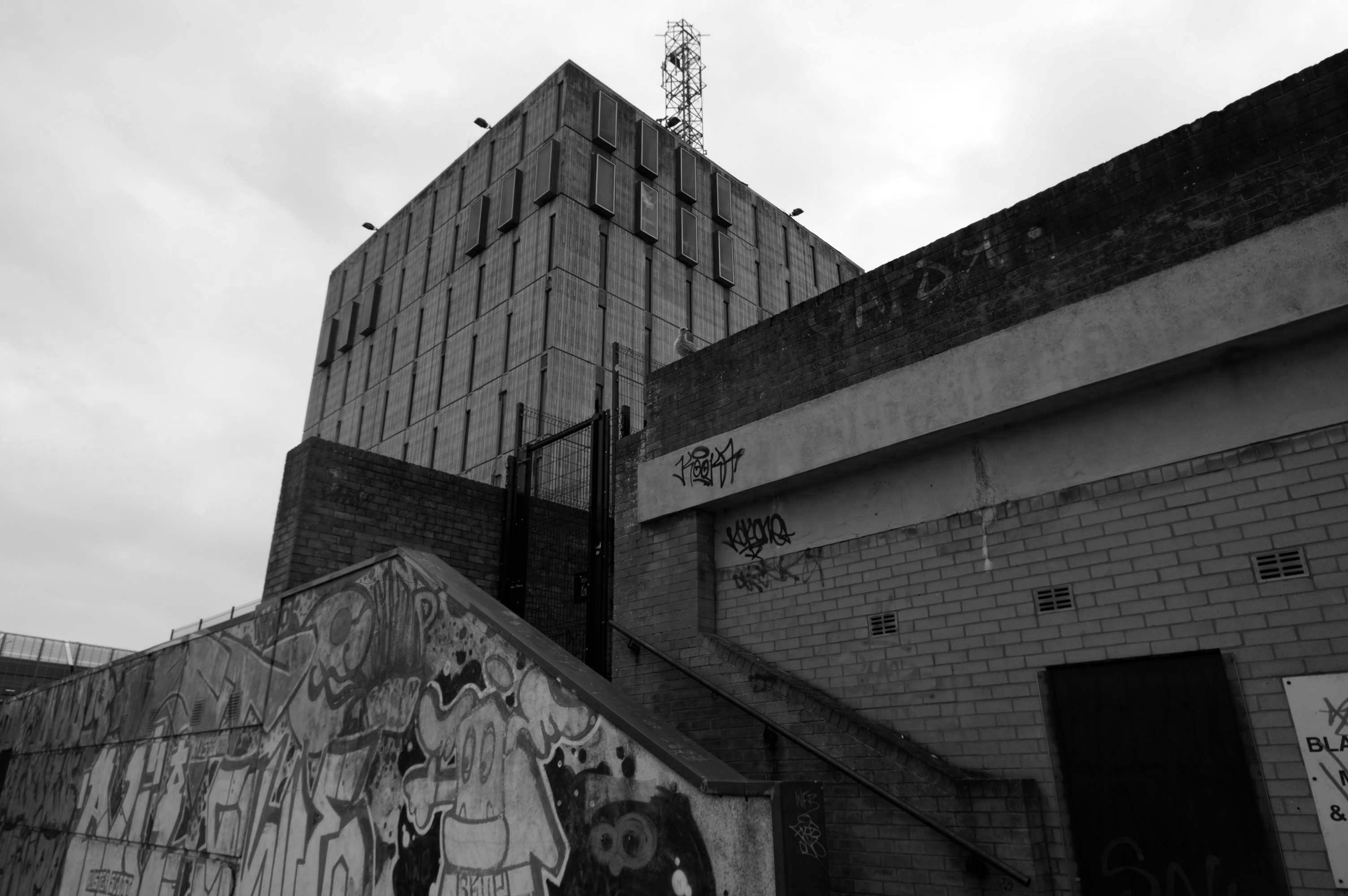
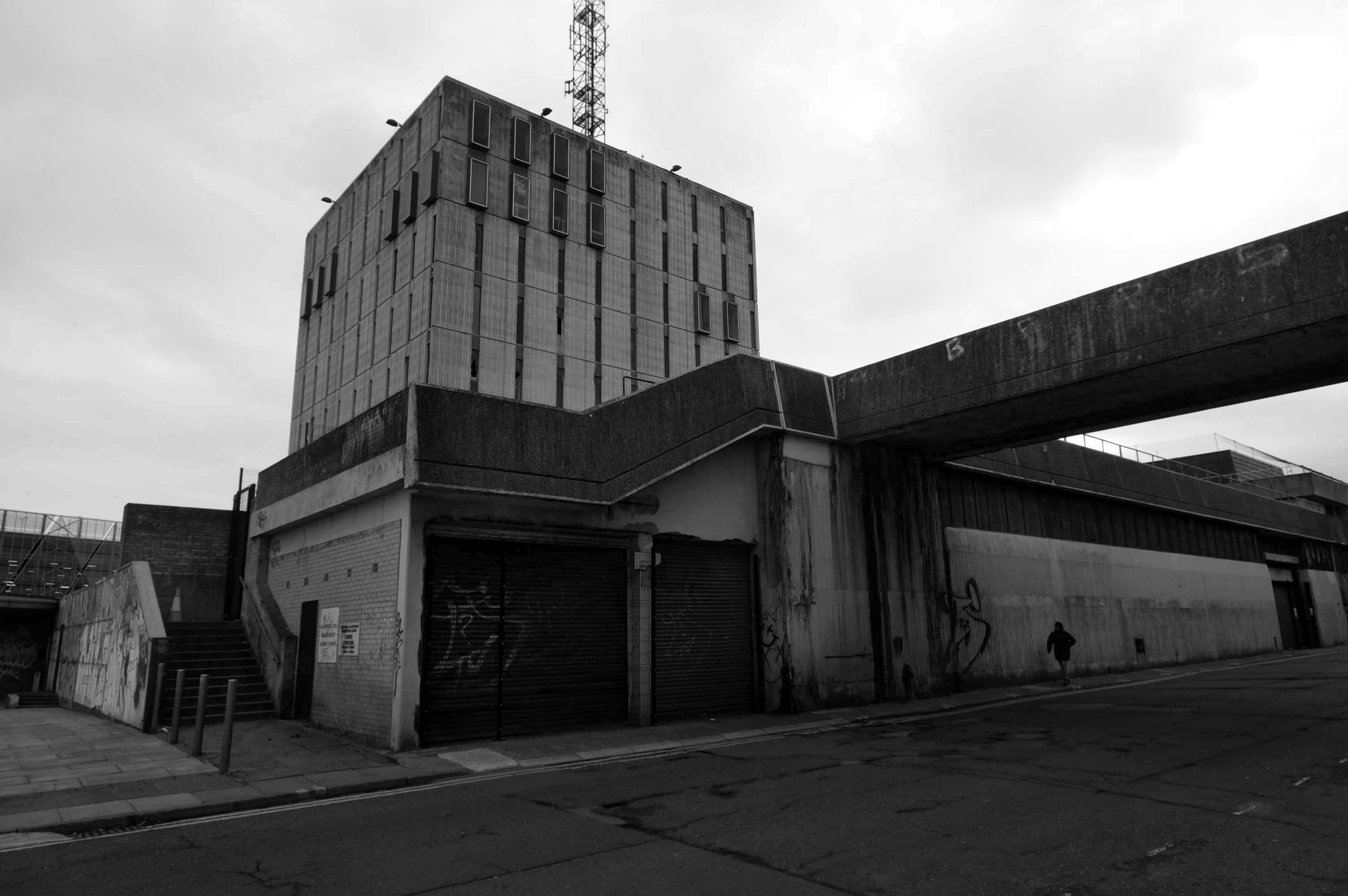
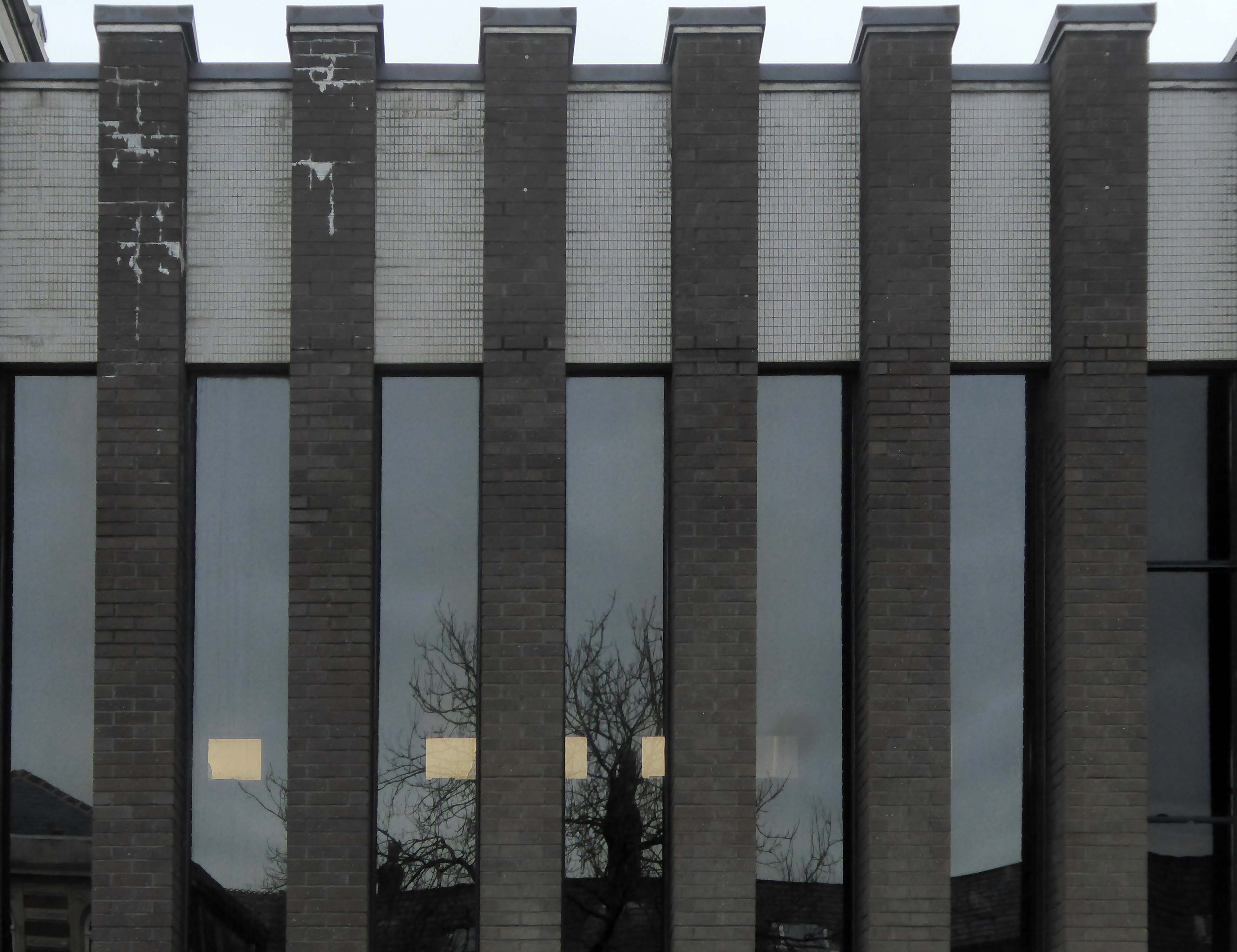
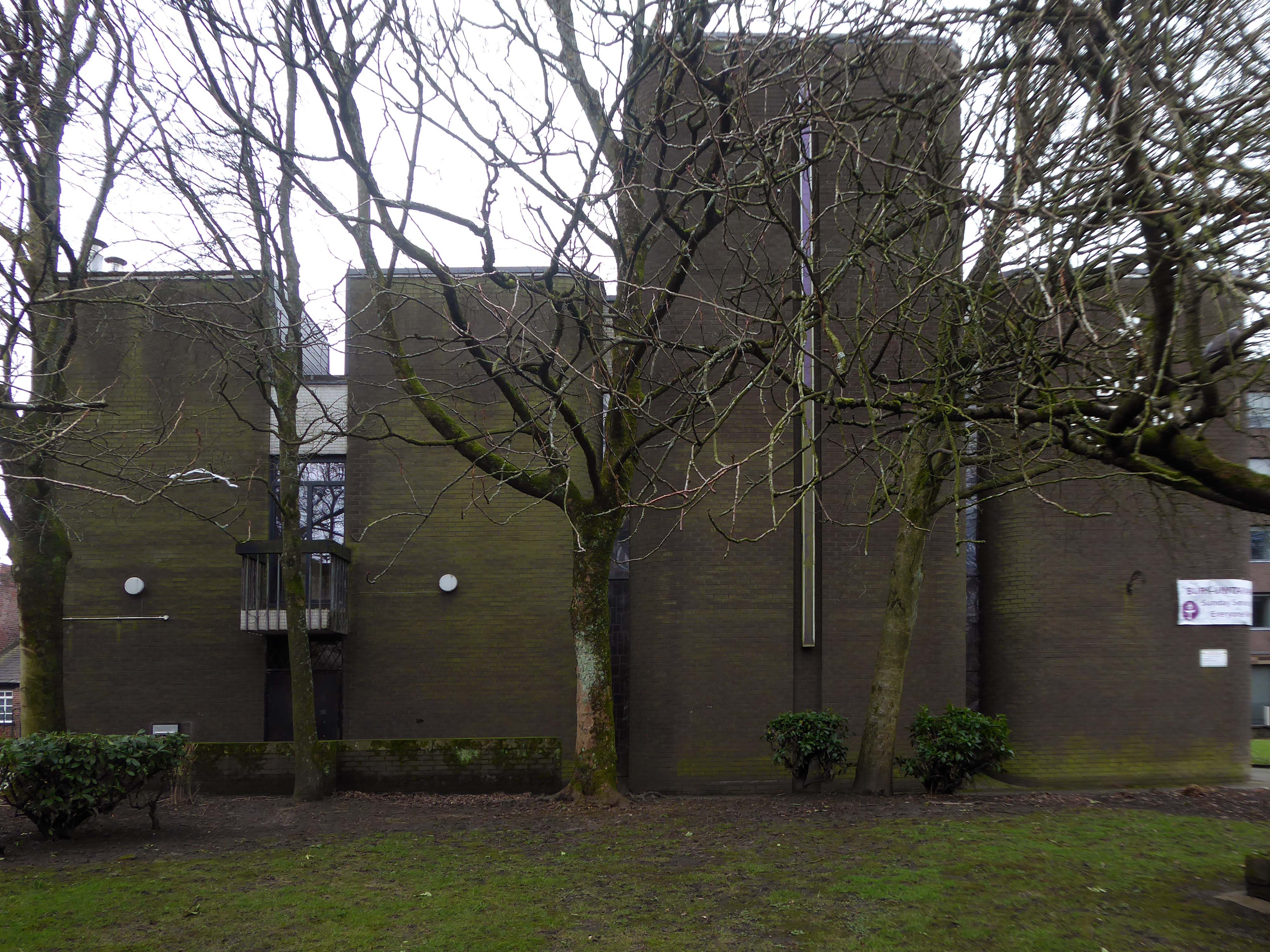
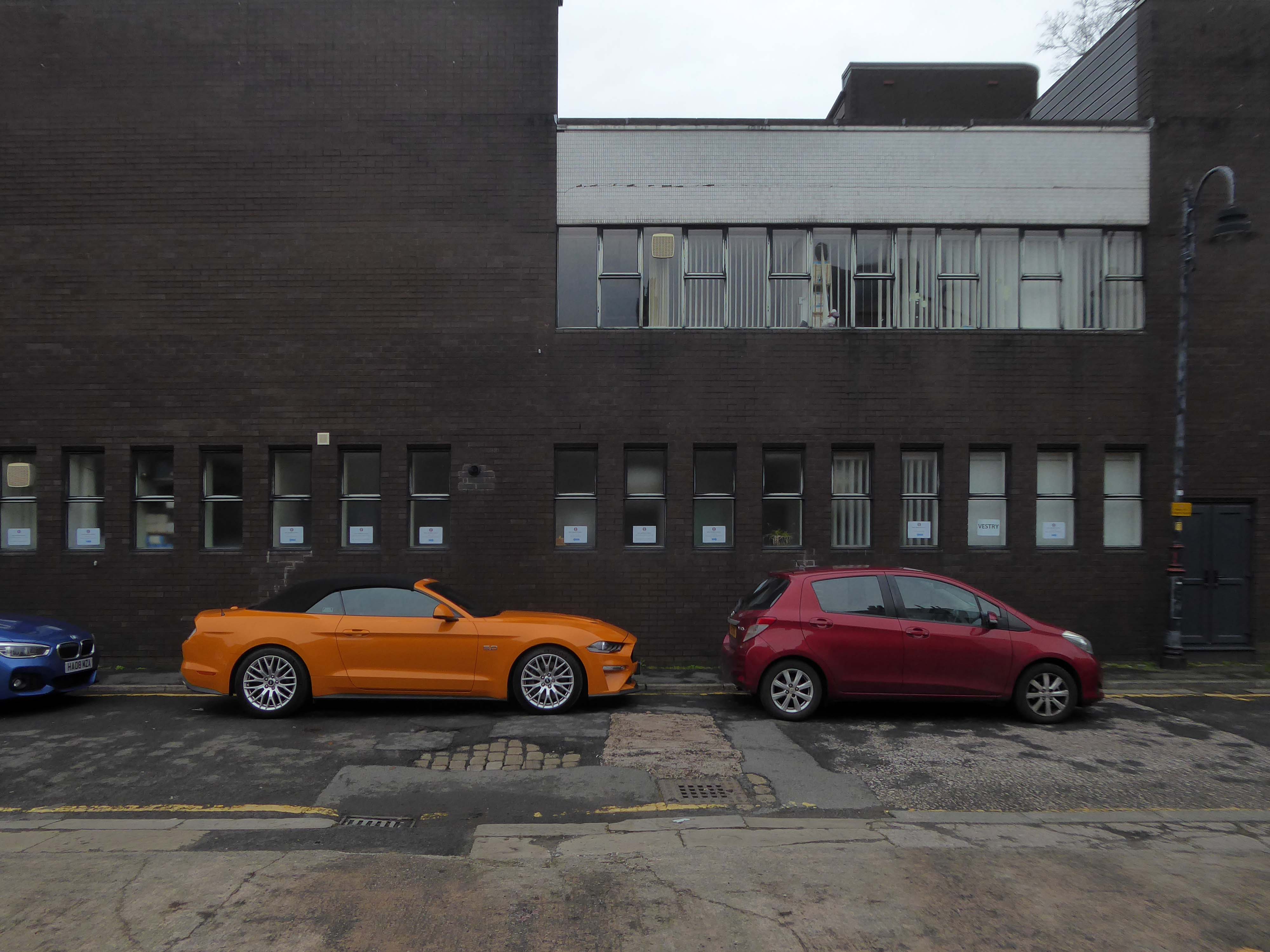
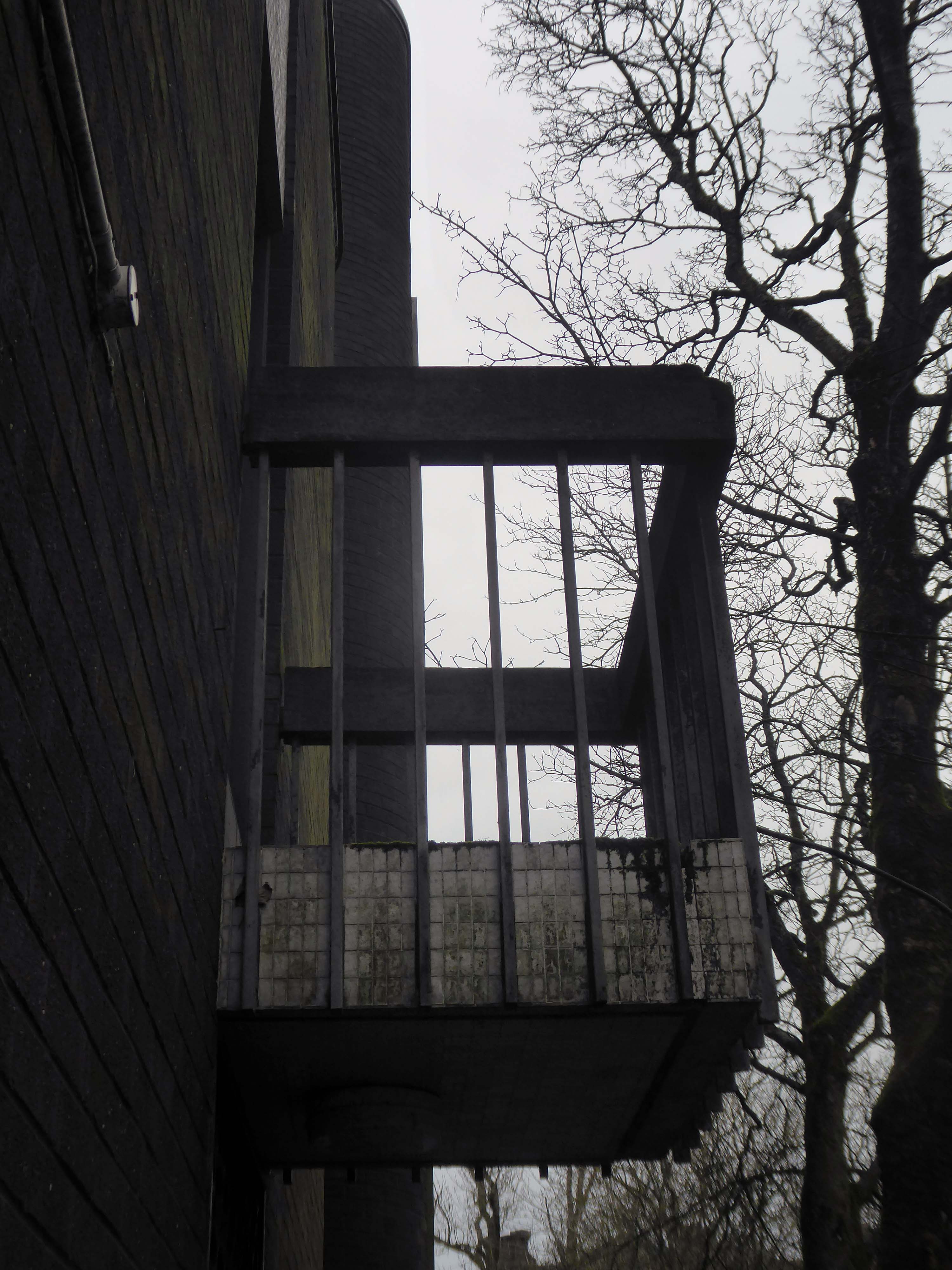
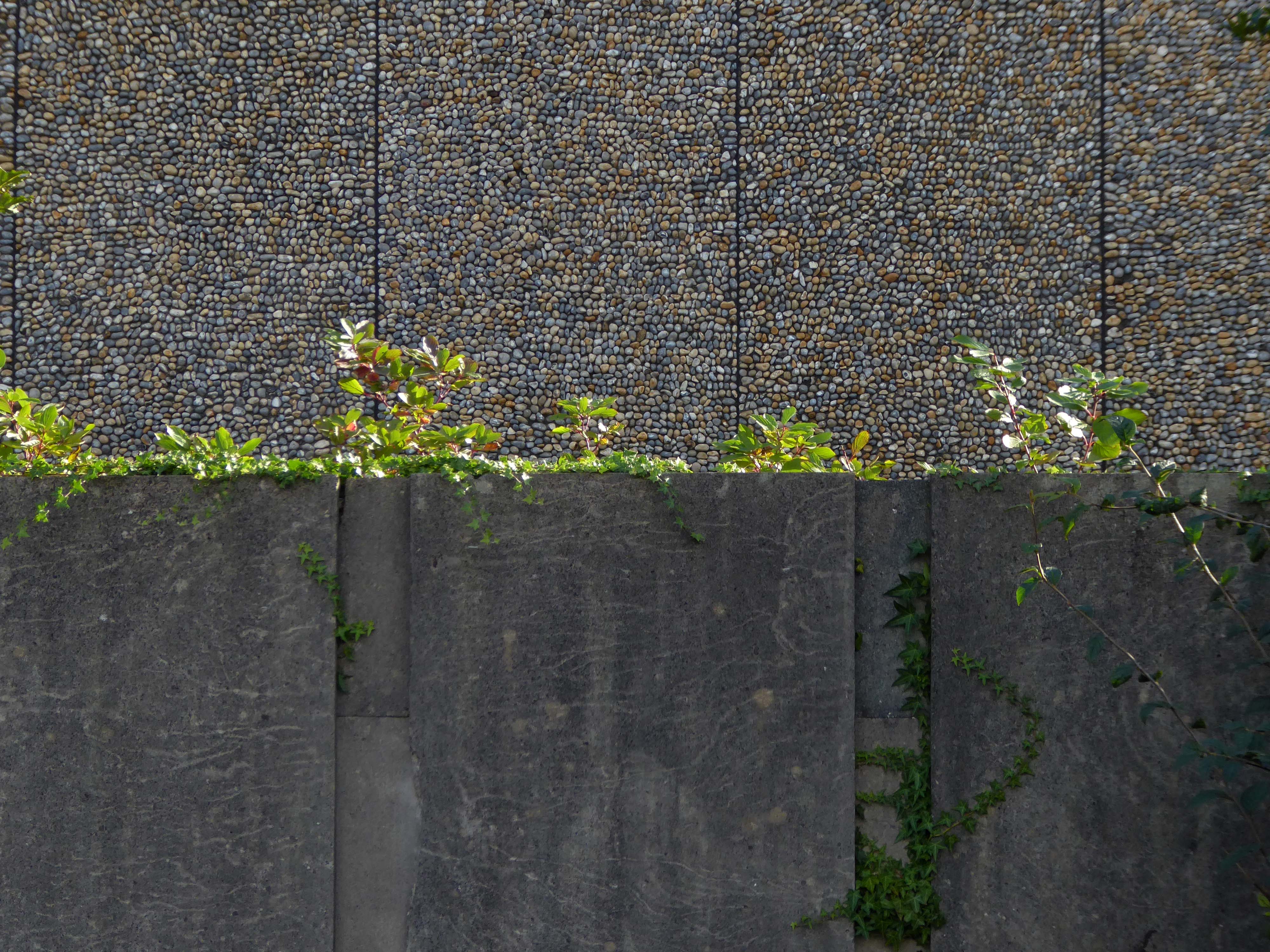
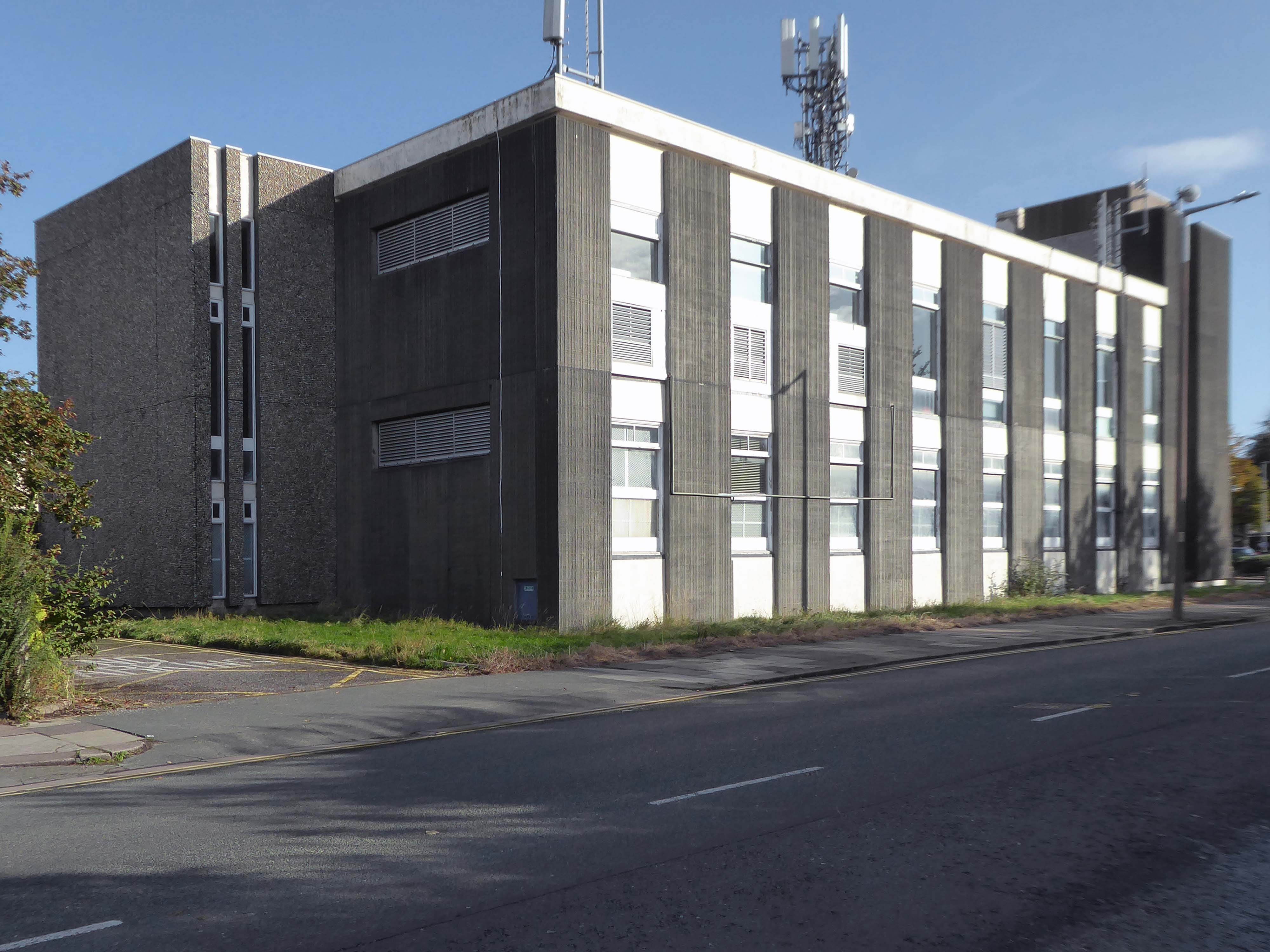
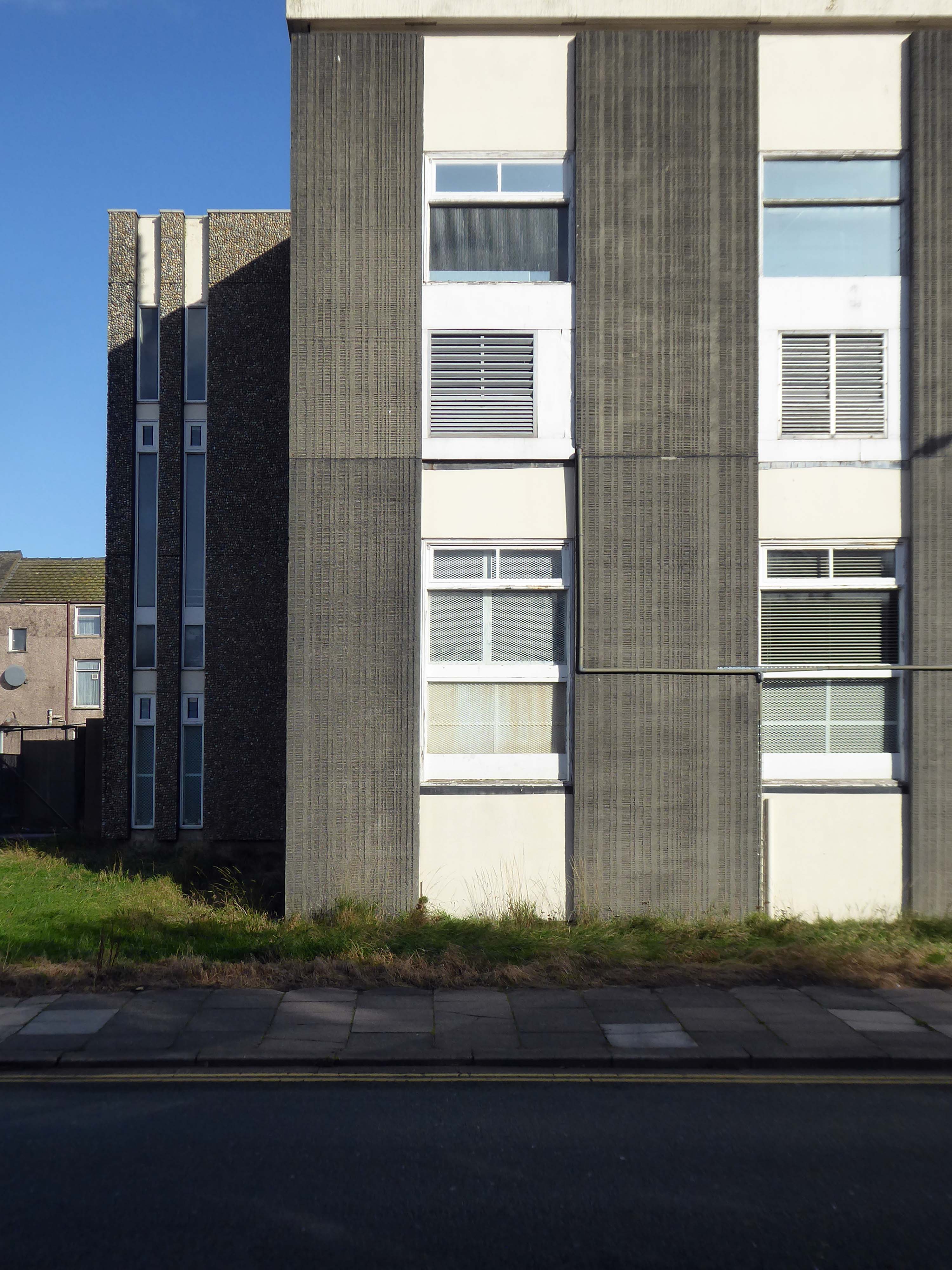
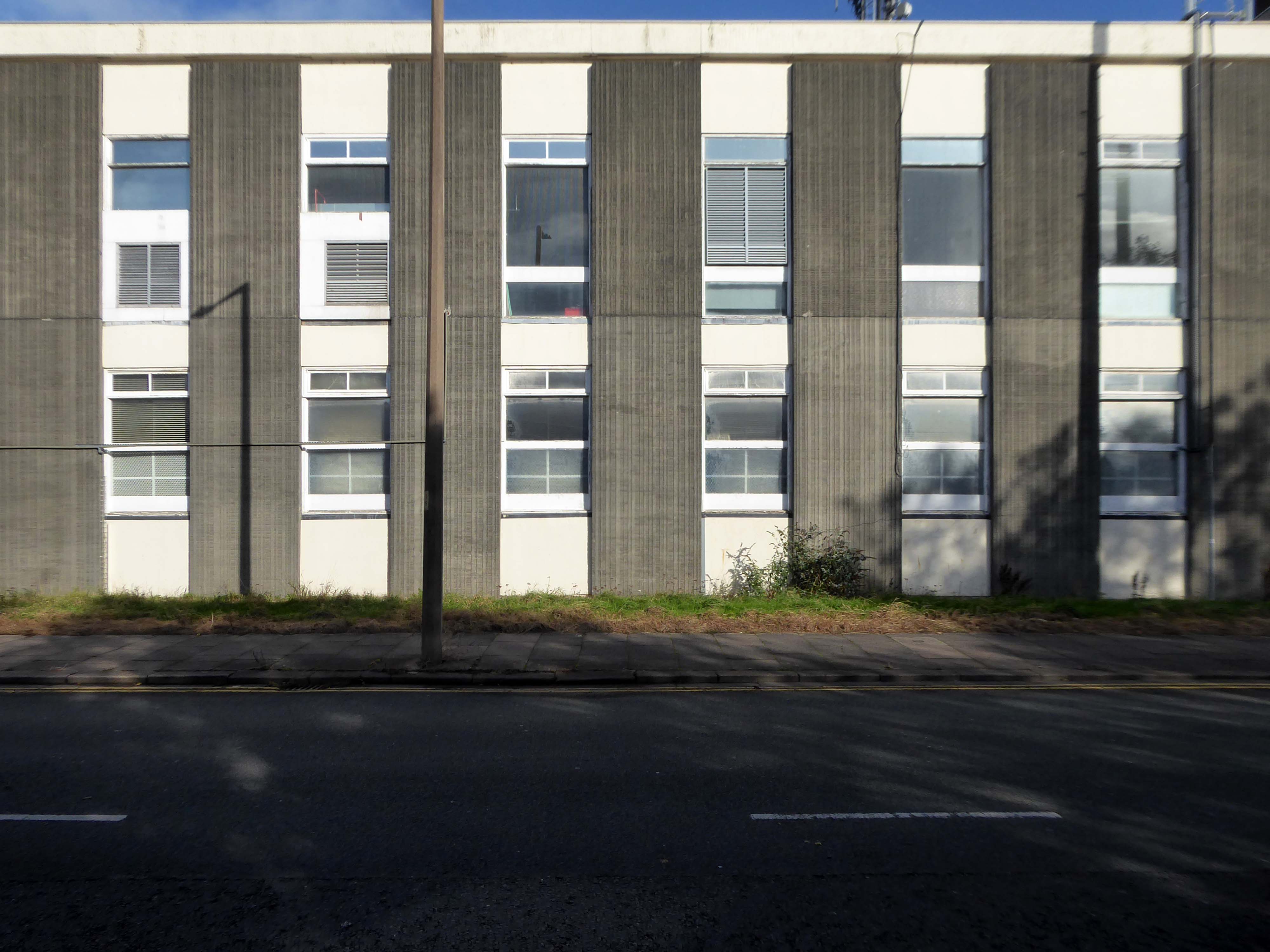
Merseyside Food Products Ltd of Marsh Lane, later 185 Regent Road.

Edible oil producers.

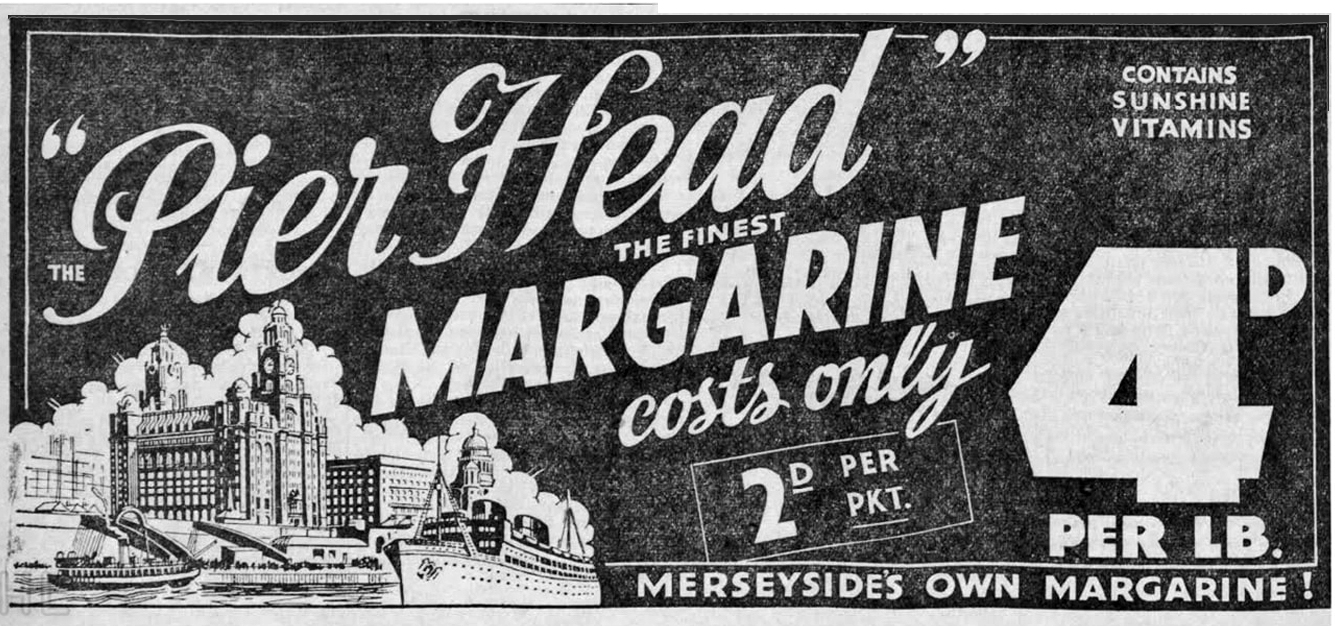
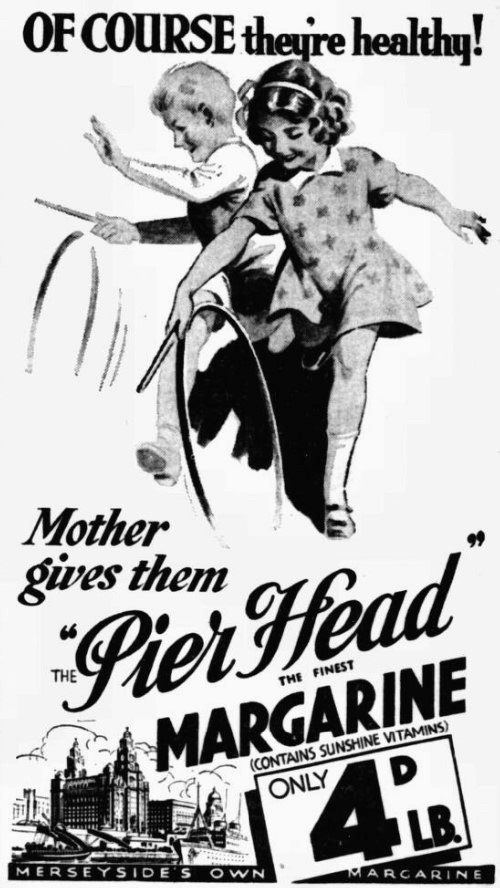
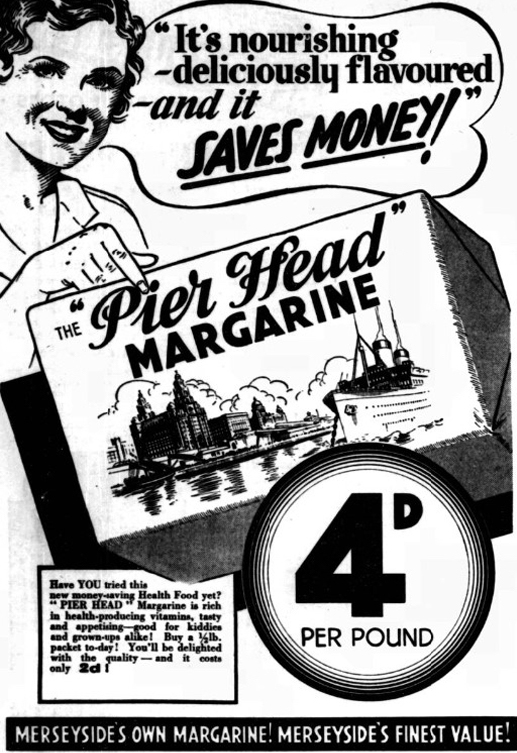
1939 Producing Pier Head brand margarine.

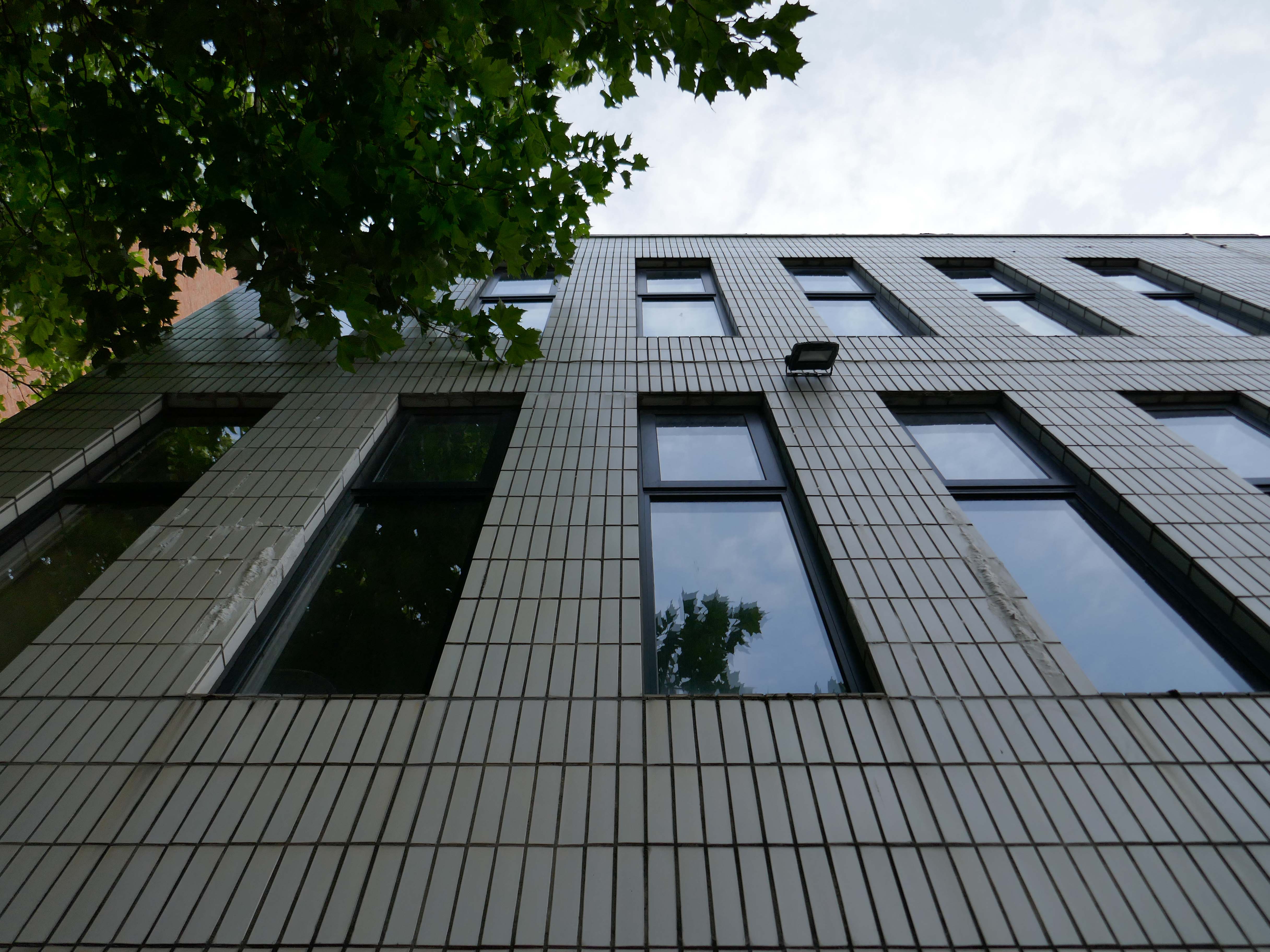
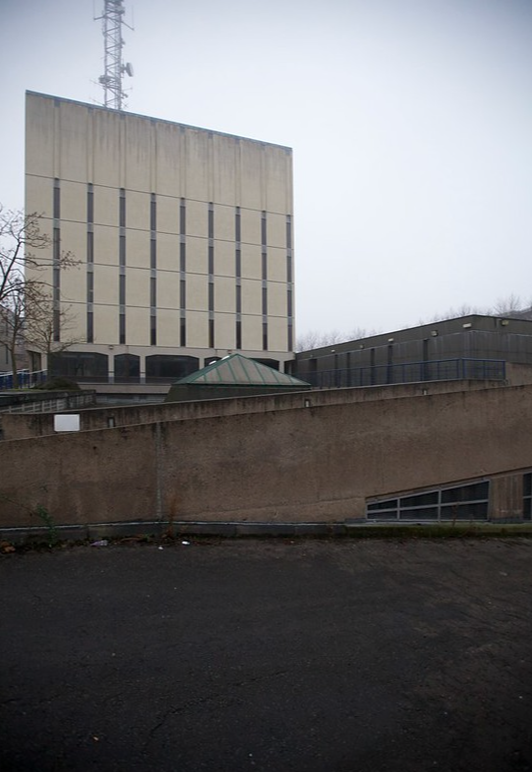
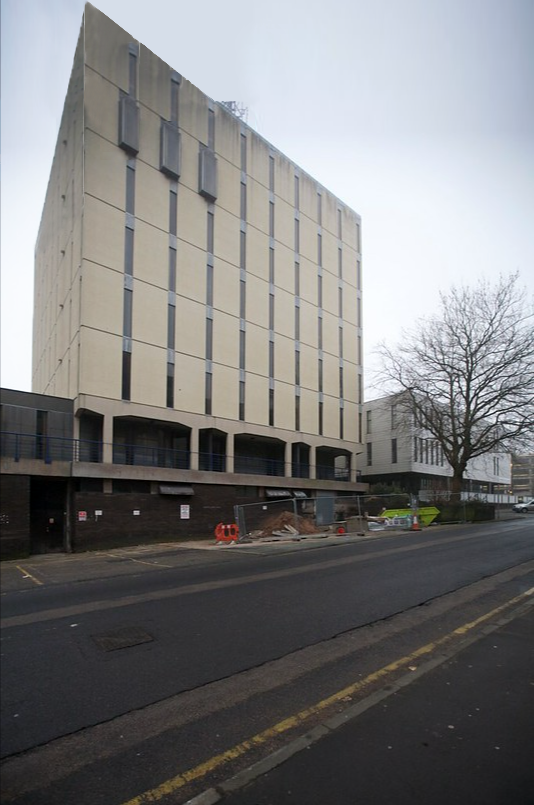
The Regent Road premises had originally been the marine engineering North Works of H&C Grayson. It appears that the southern block was converted to a warehouse at some point before being occupied by Merseyside Food Products in the 1950s. 

The Regent Road factory closed in 1984.

Graces Guide.

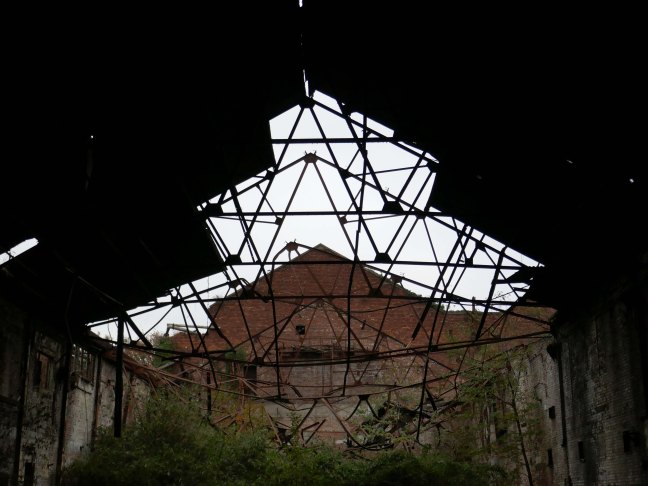
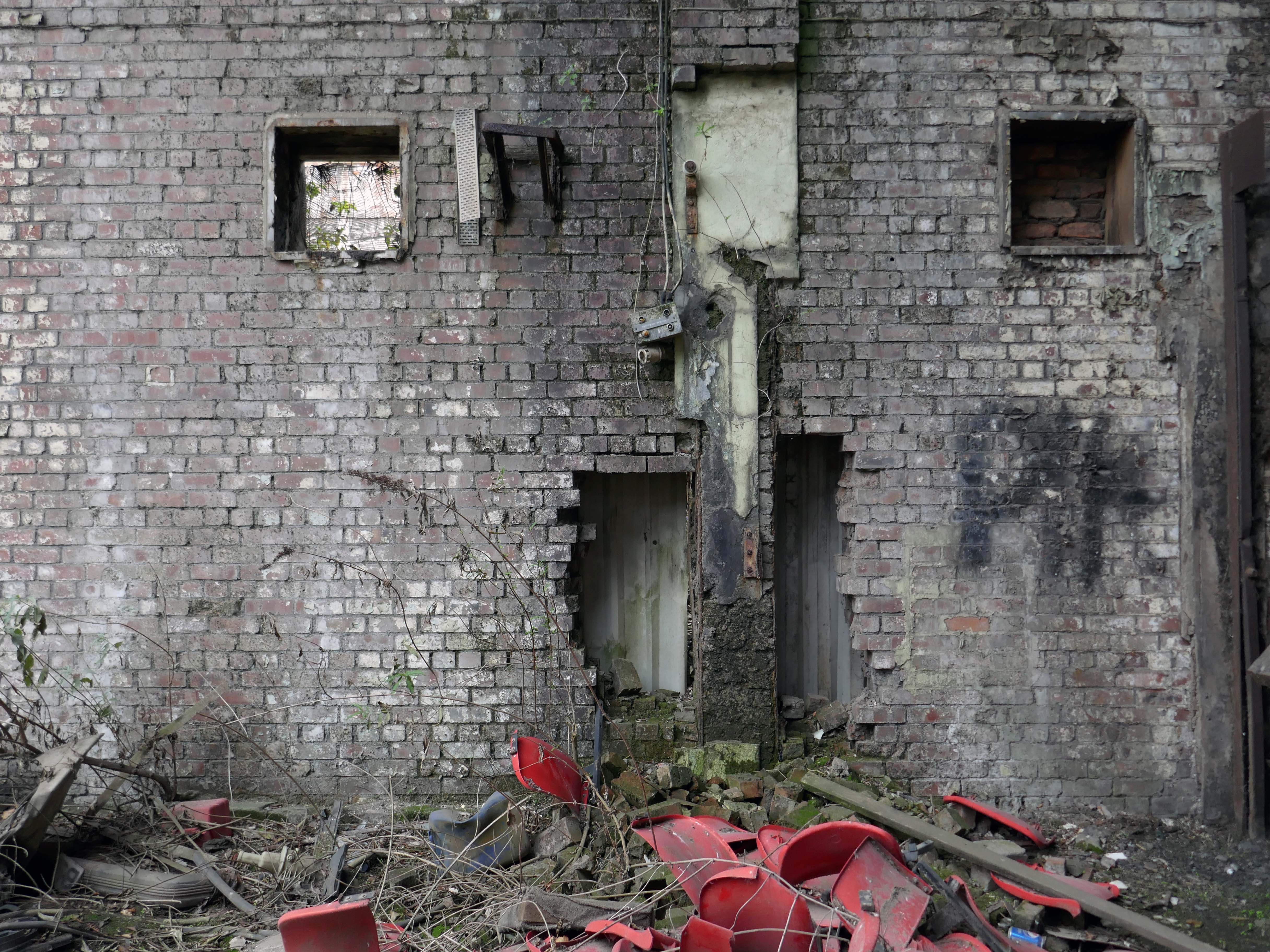
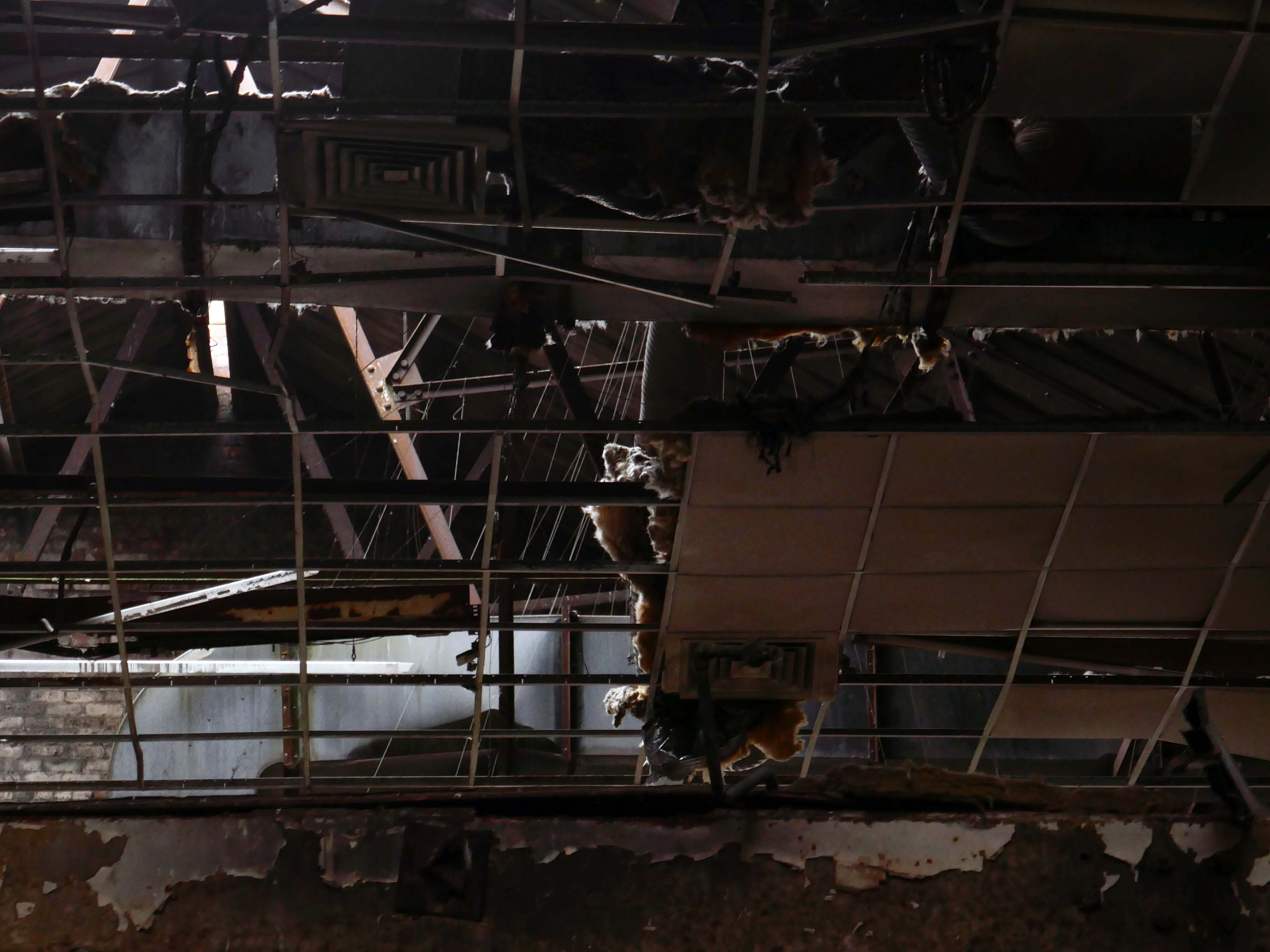
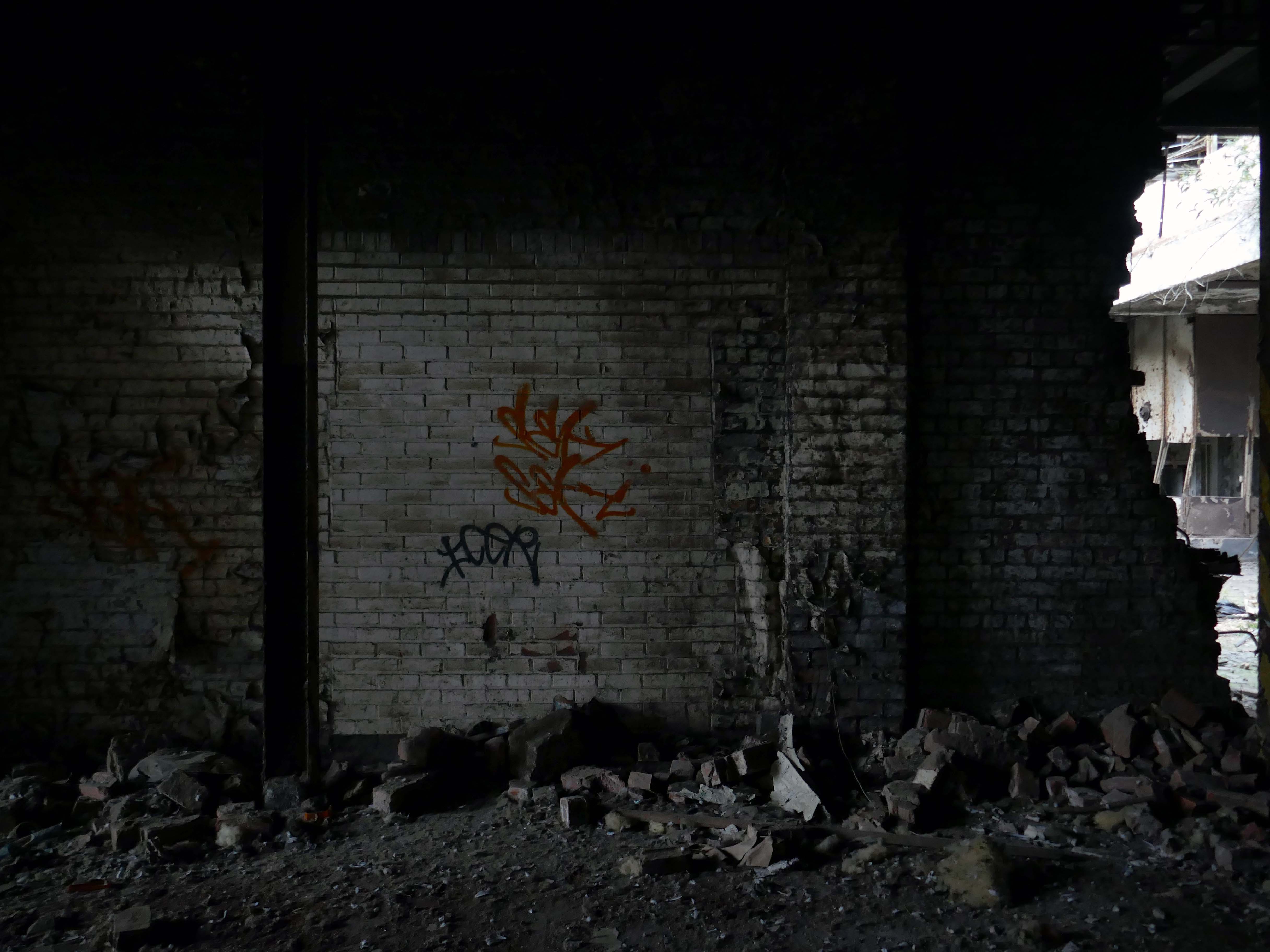
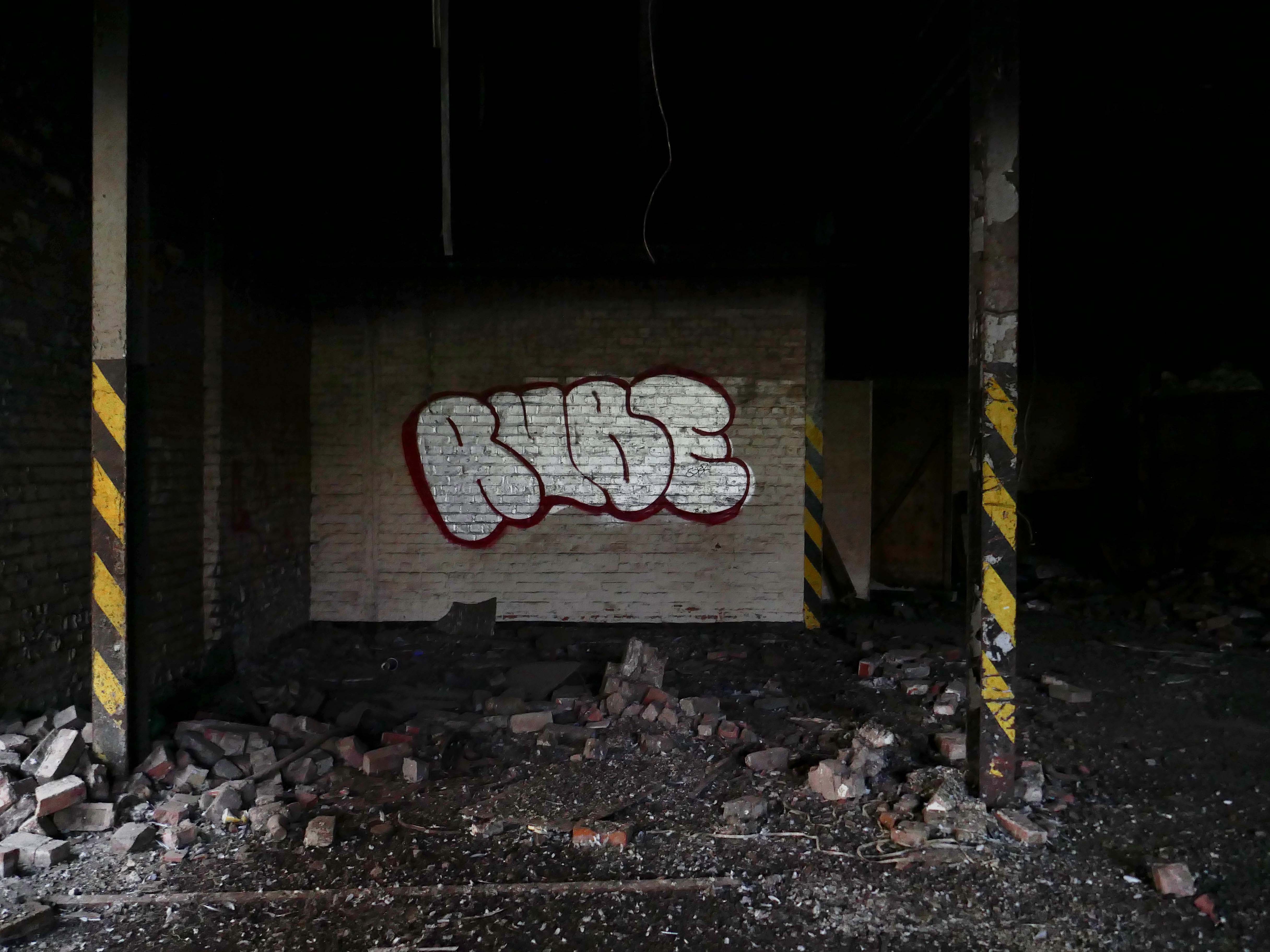
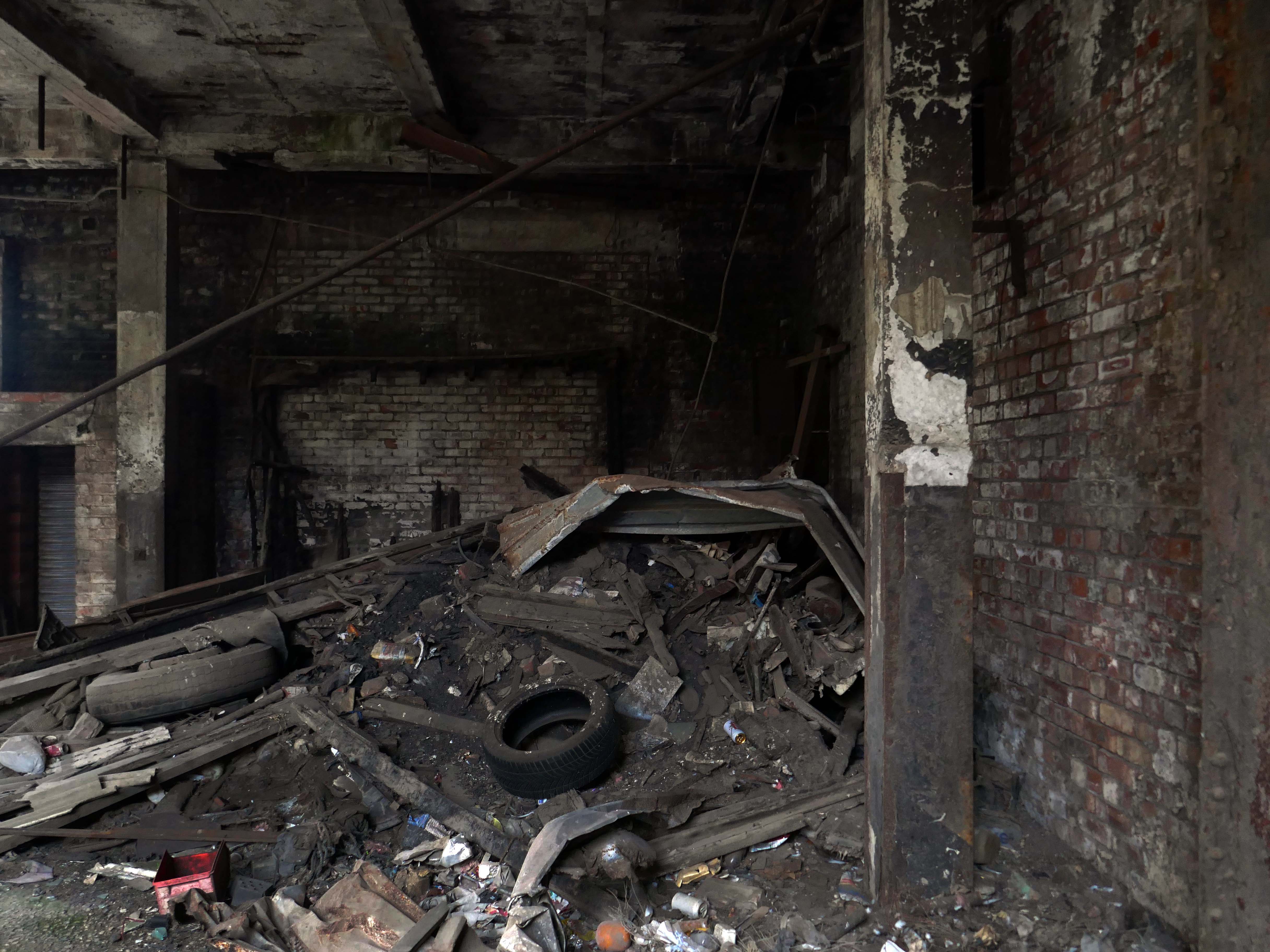
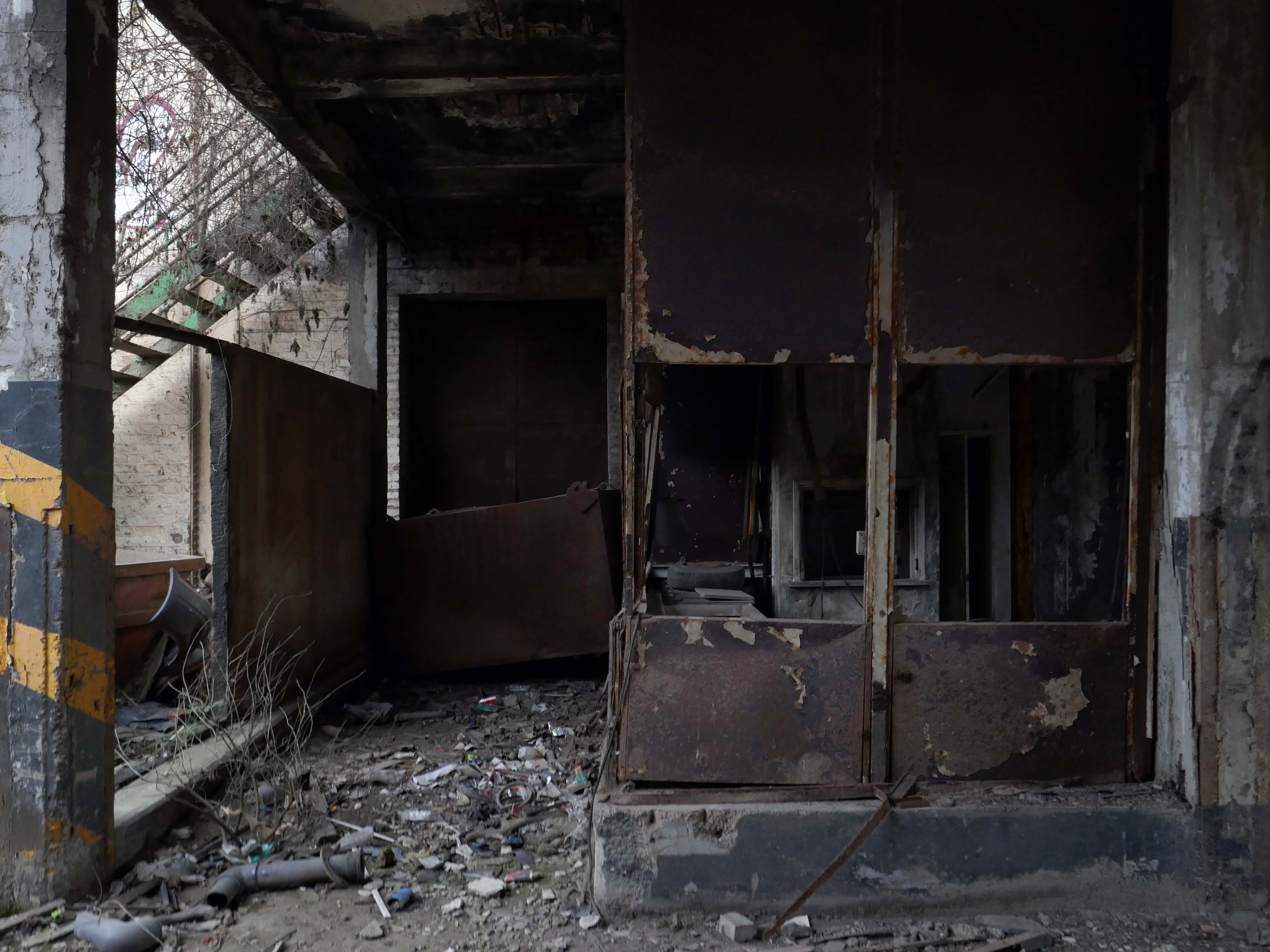
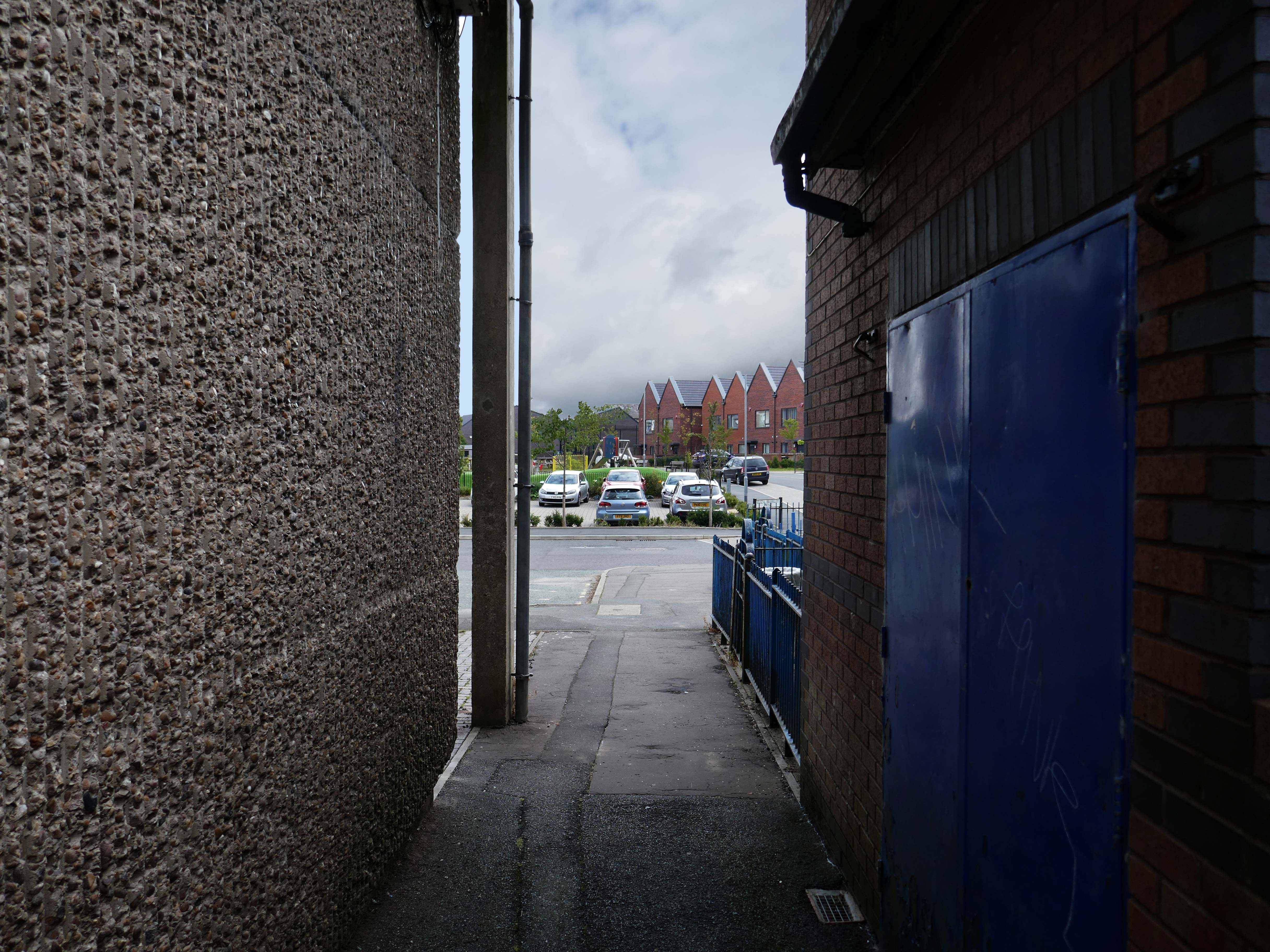
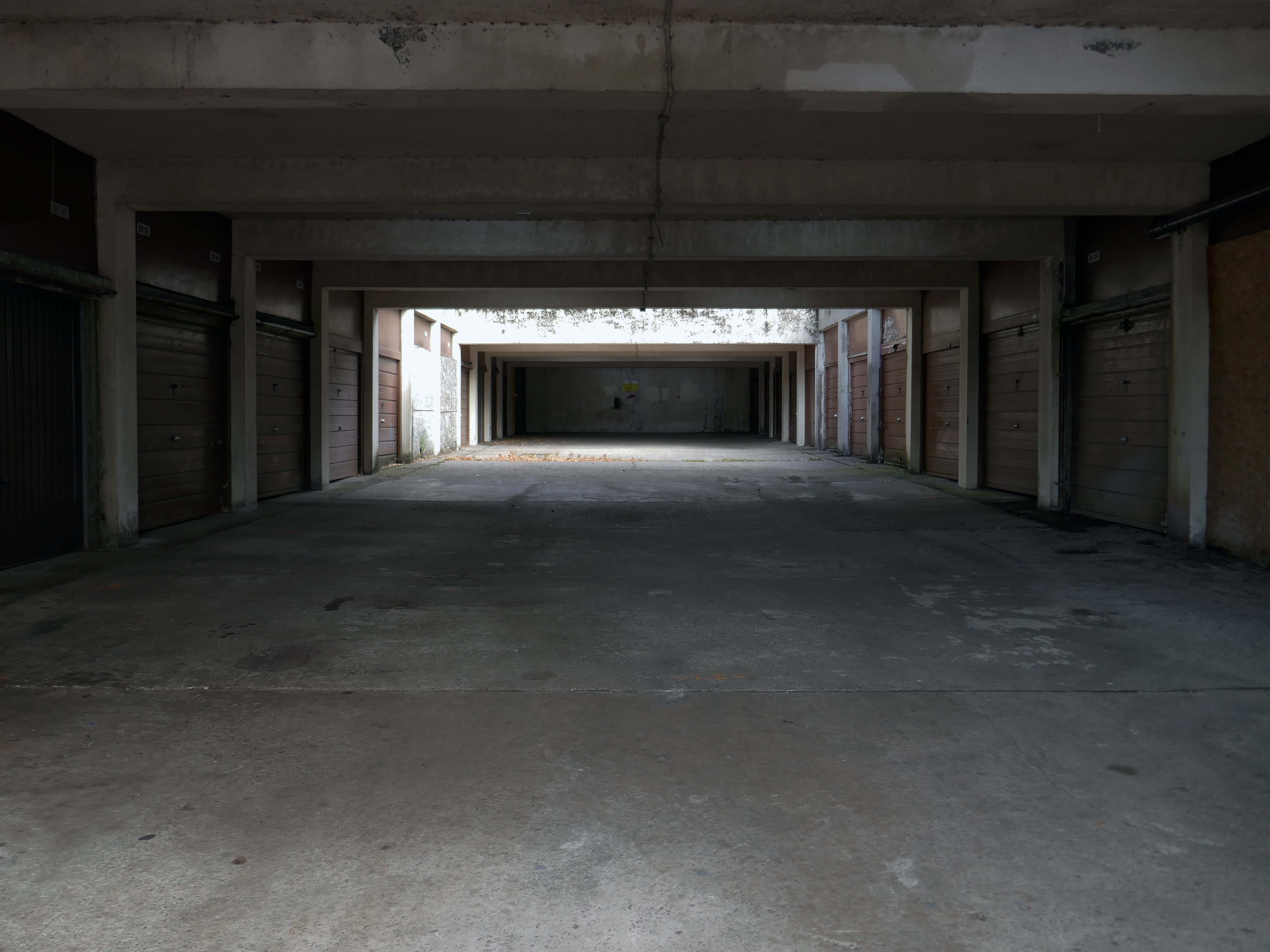
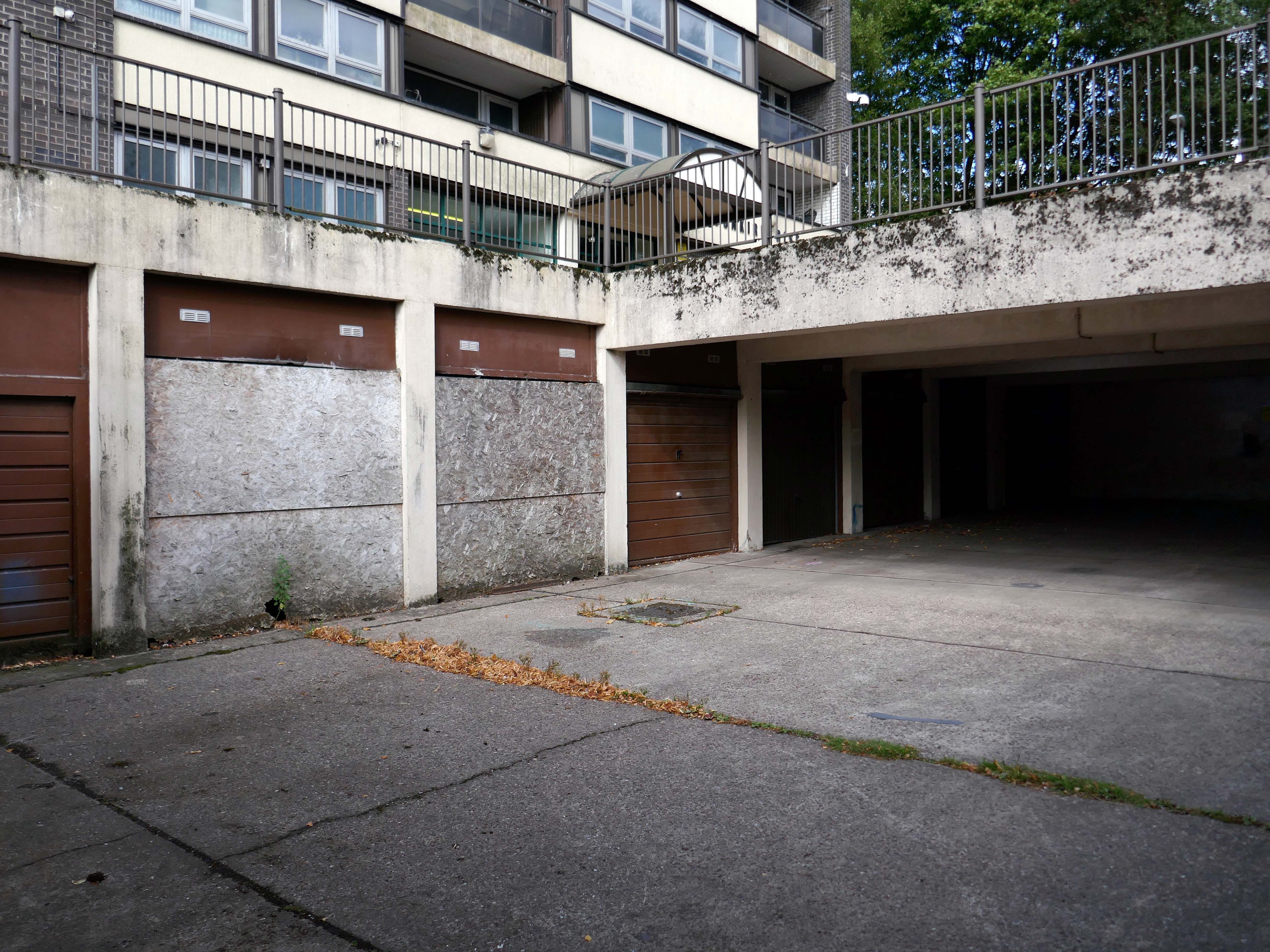
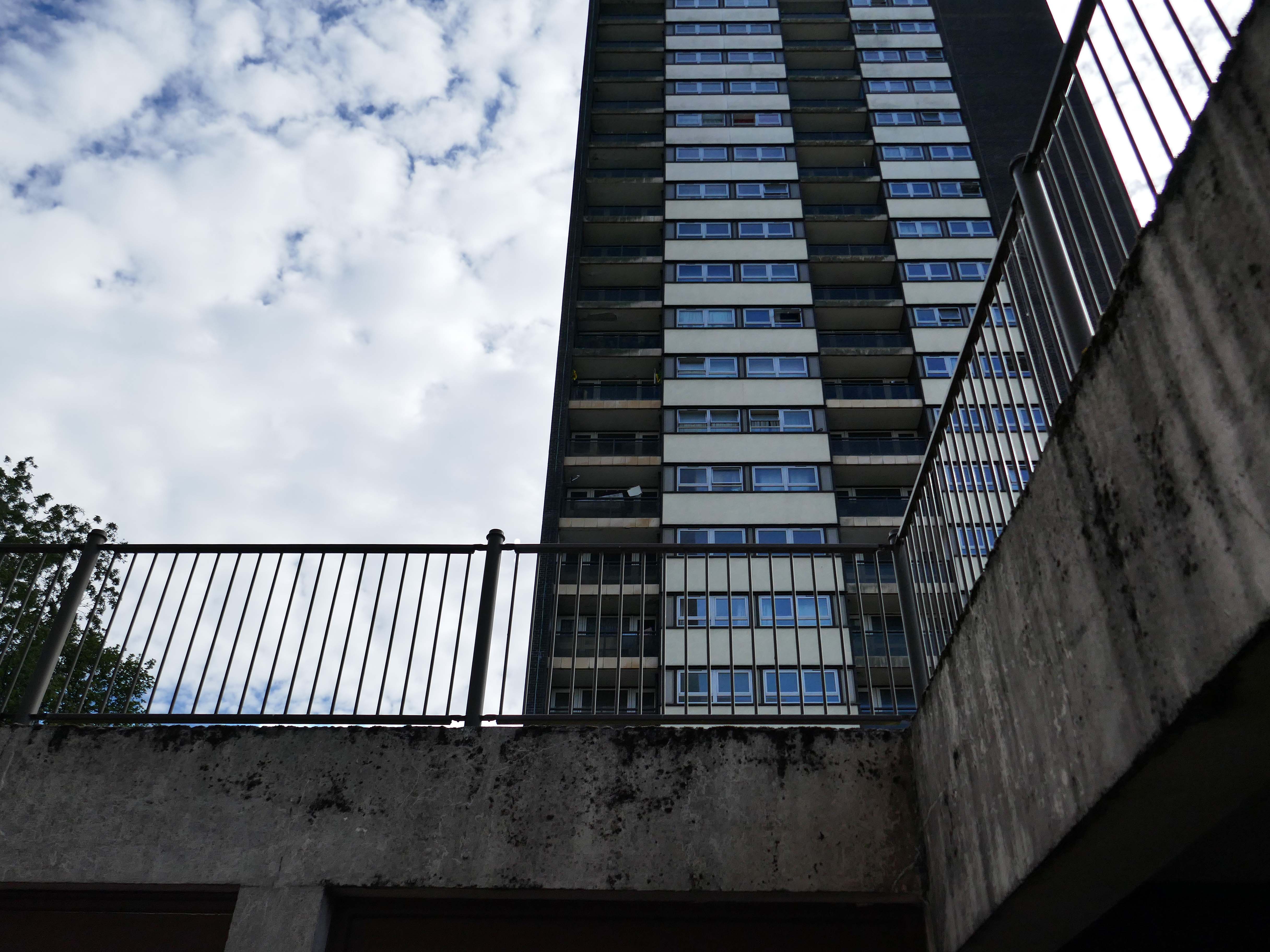
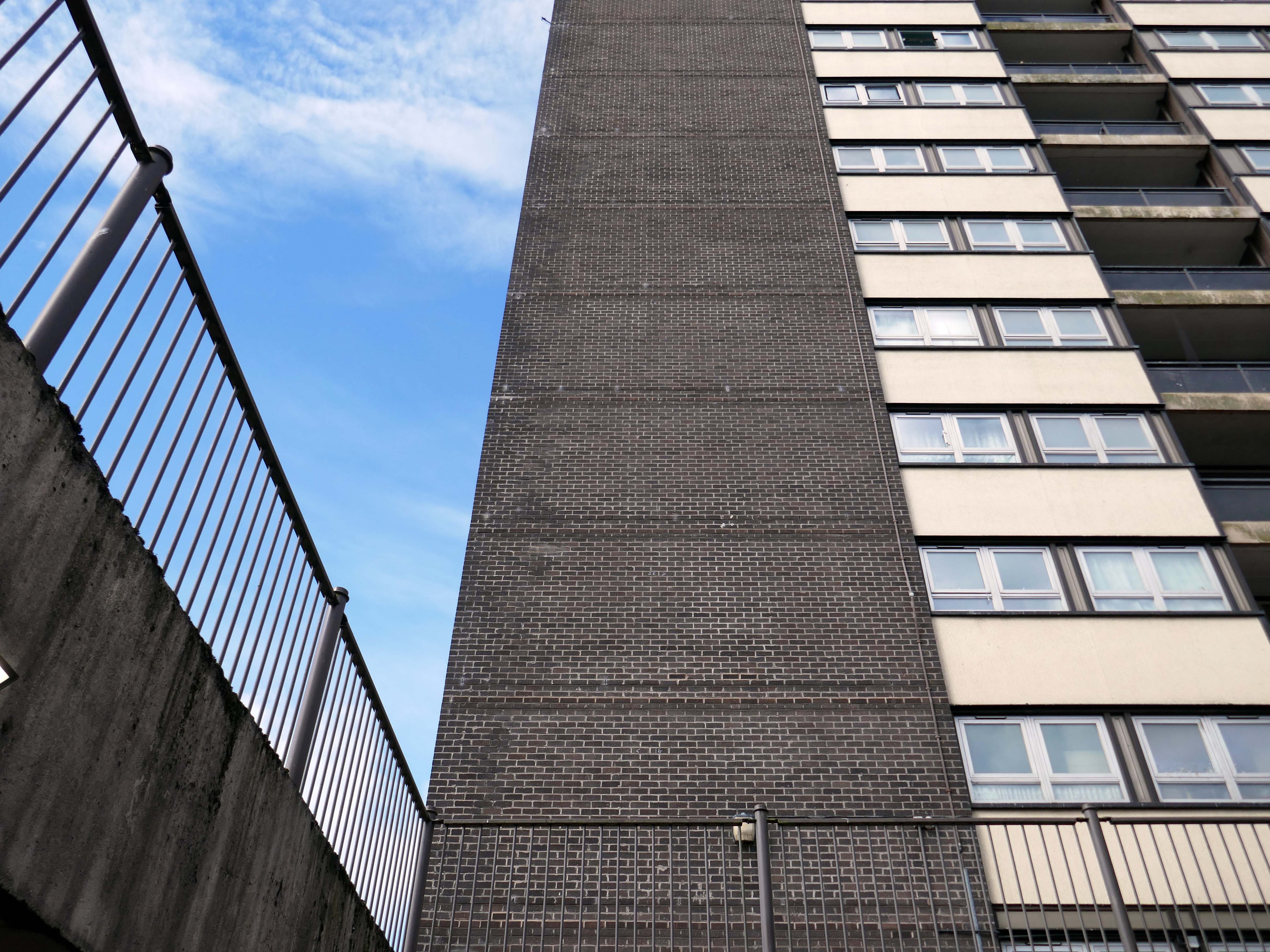
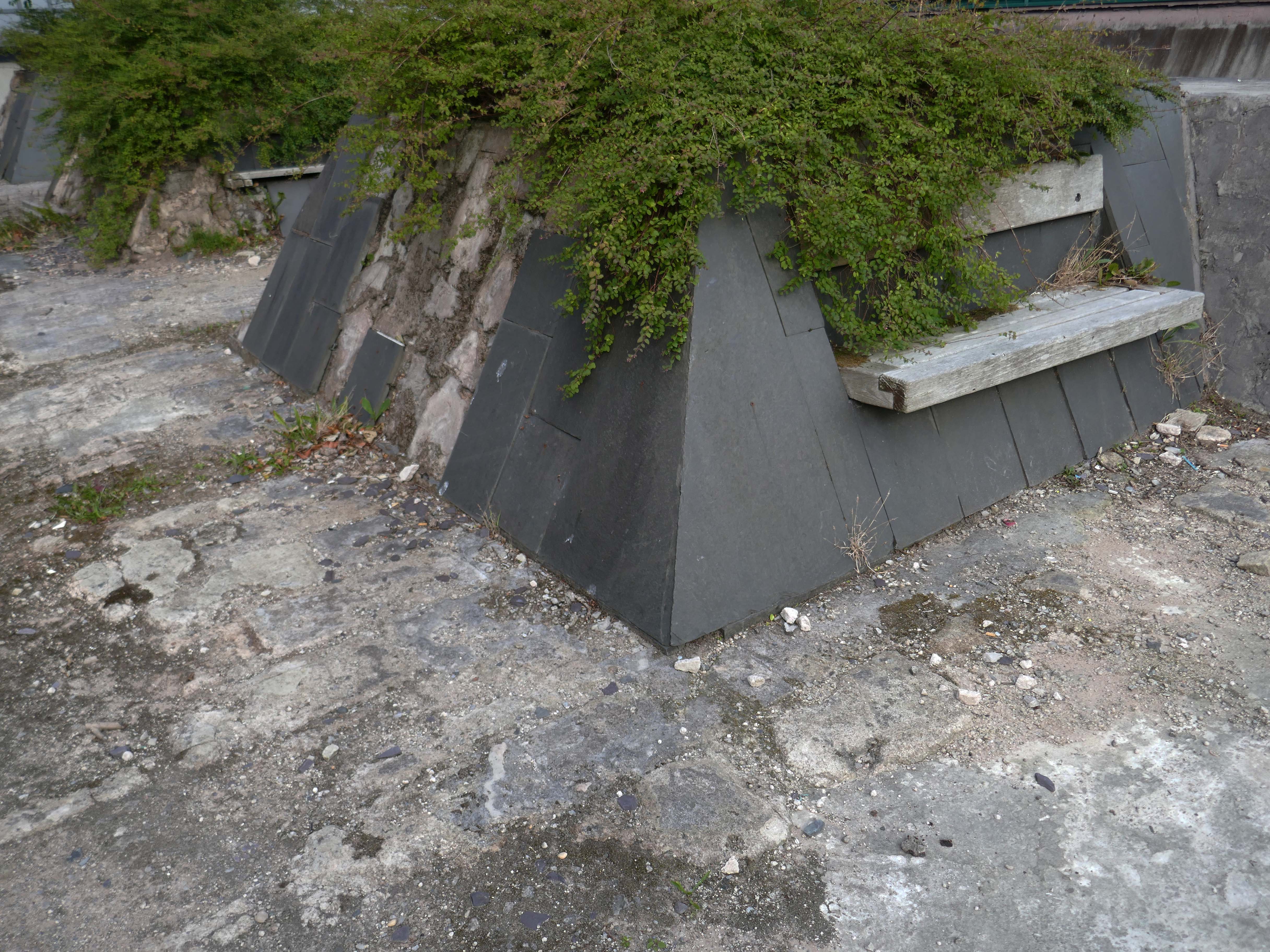
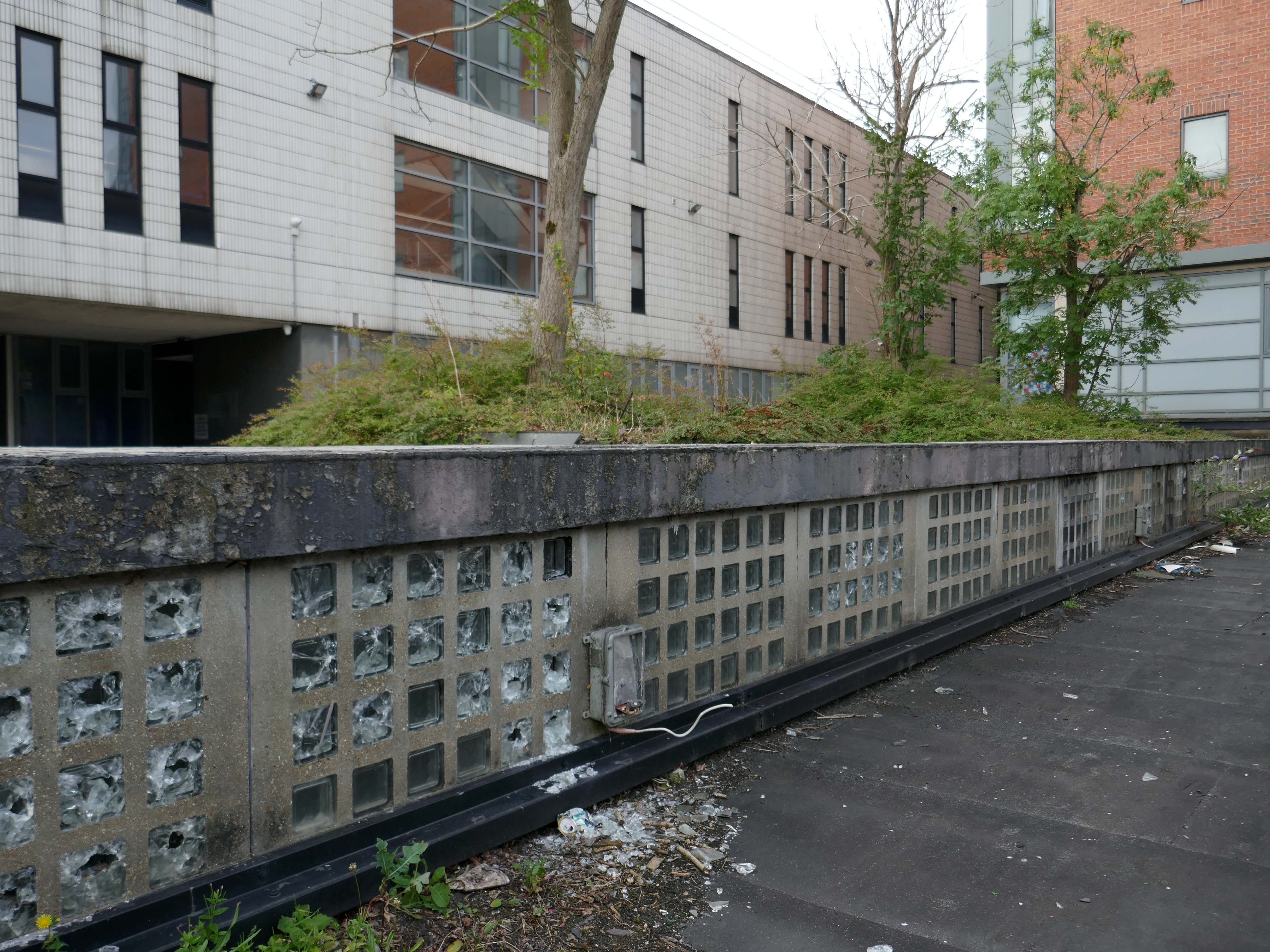
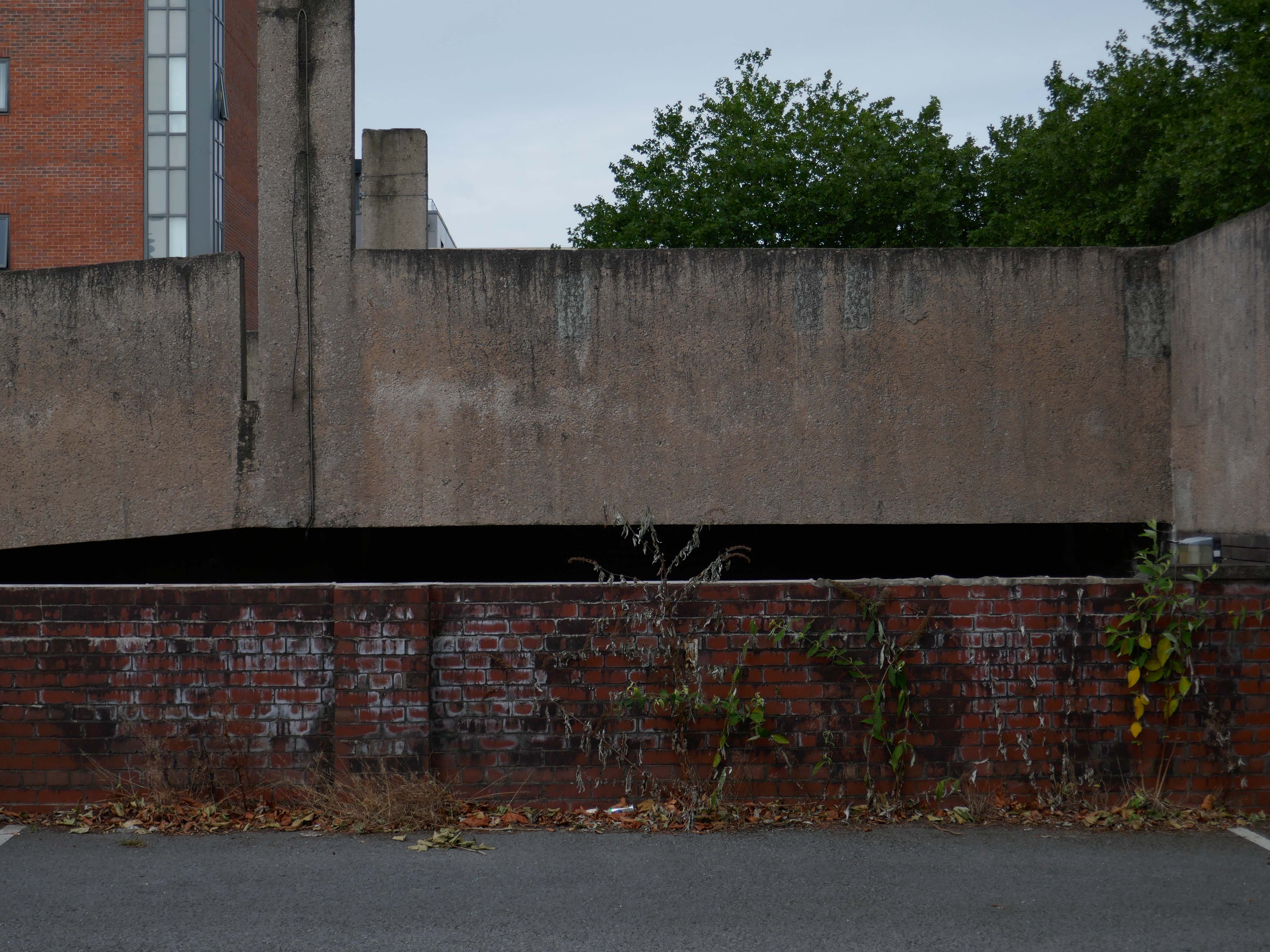
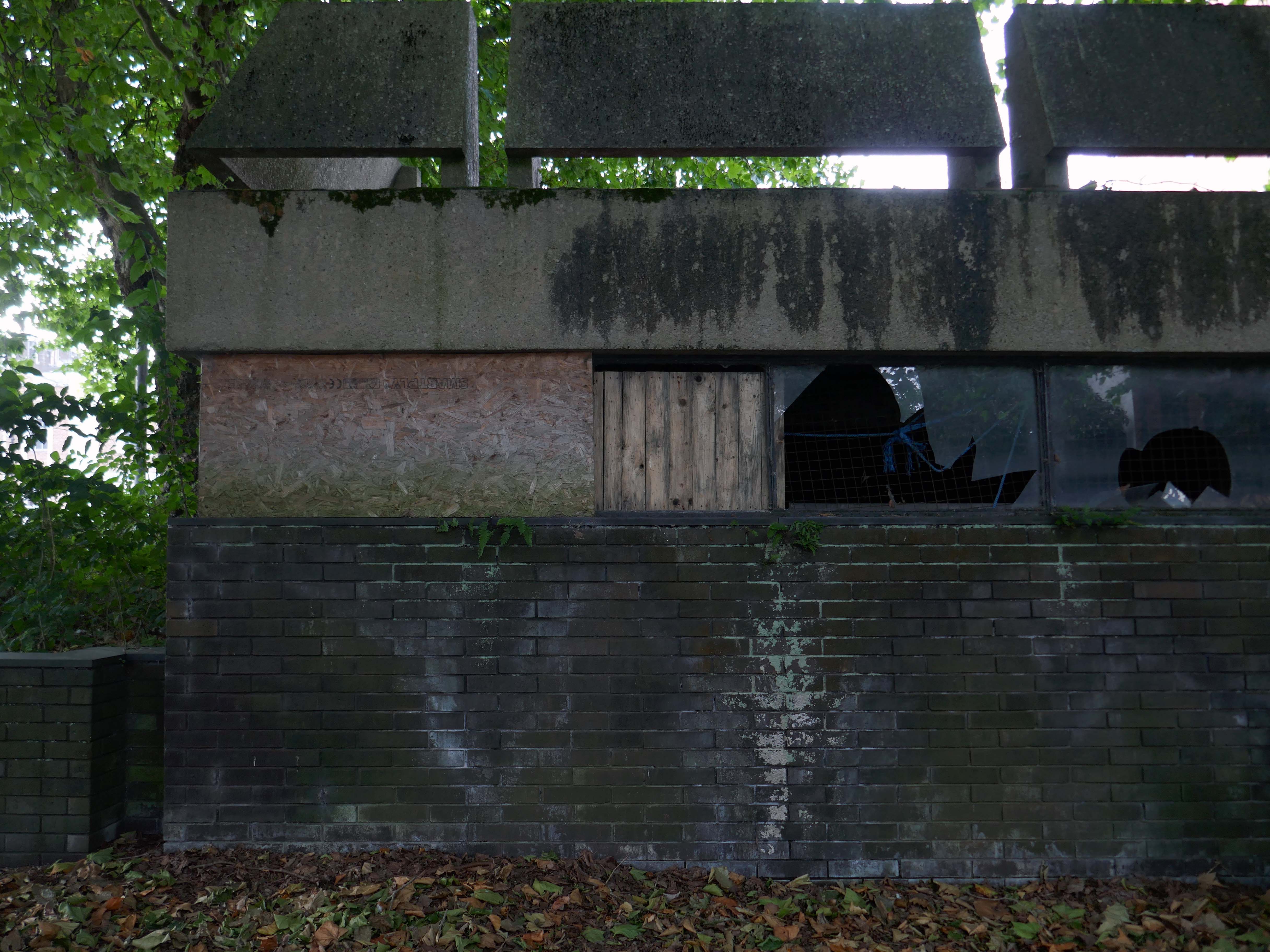
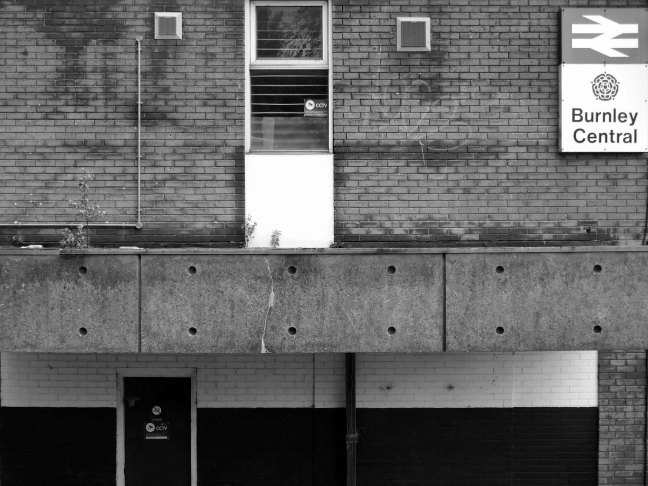
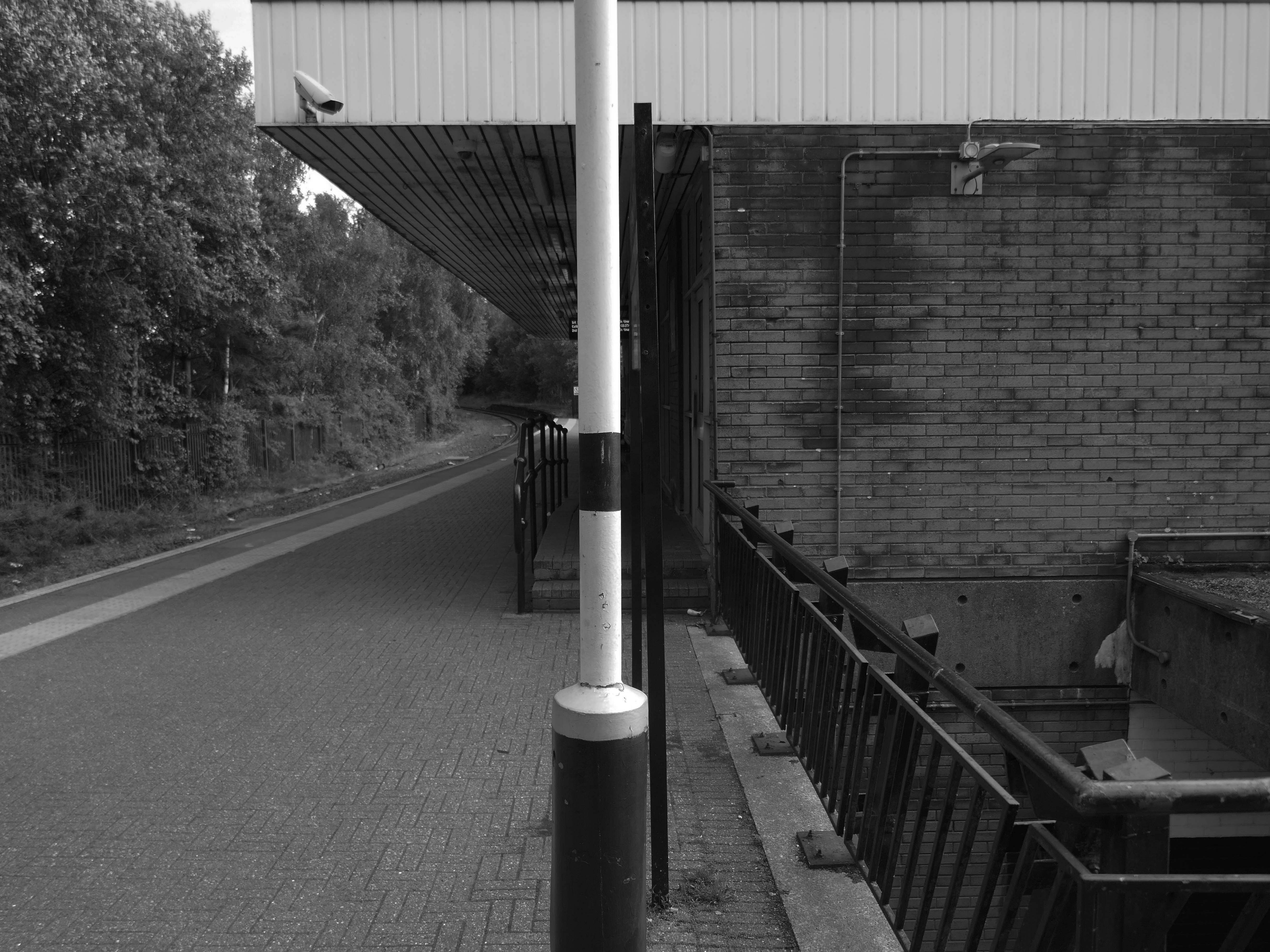
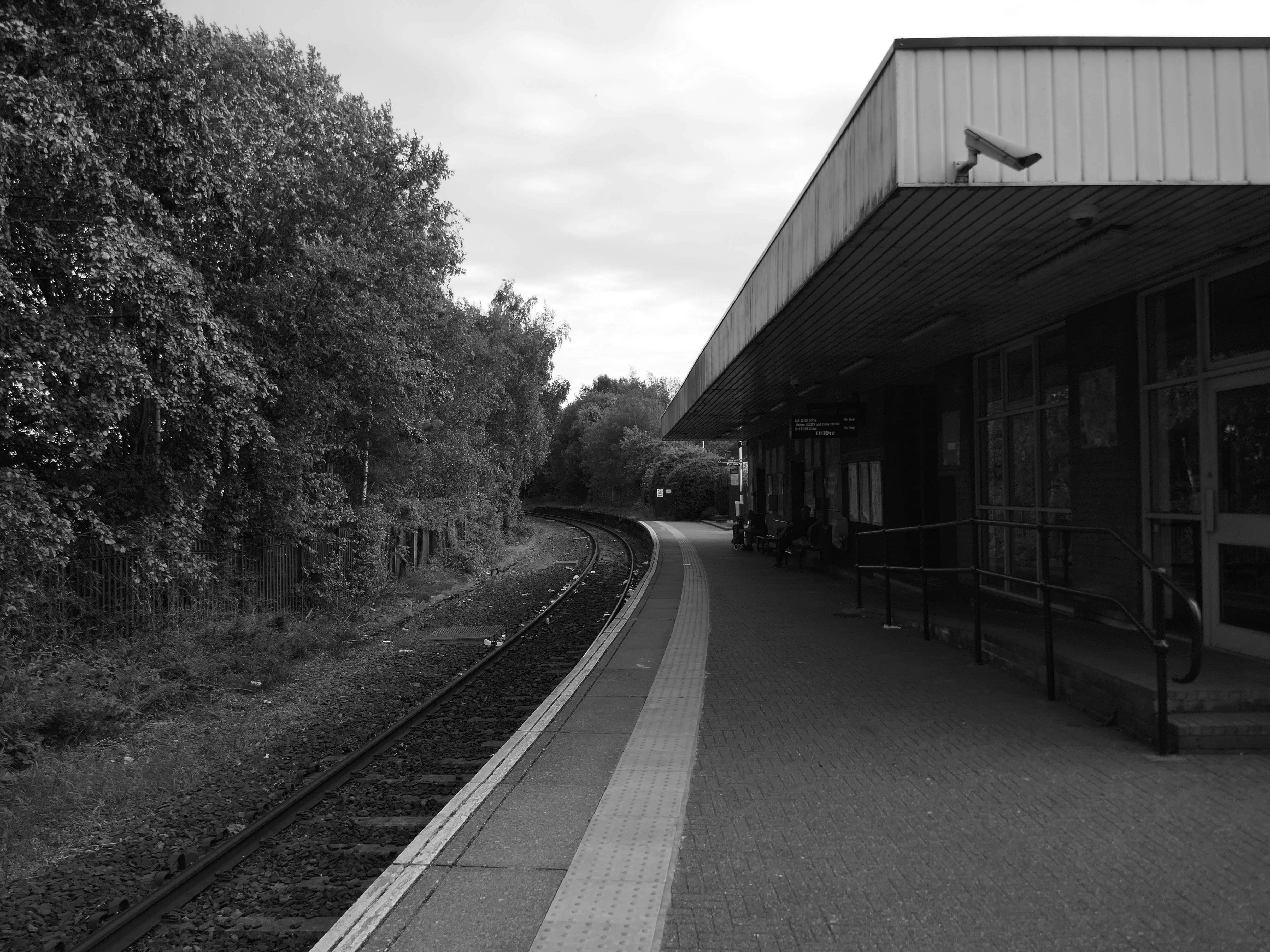
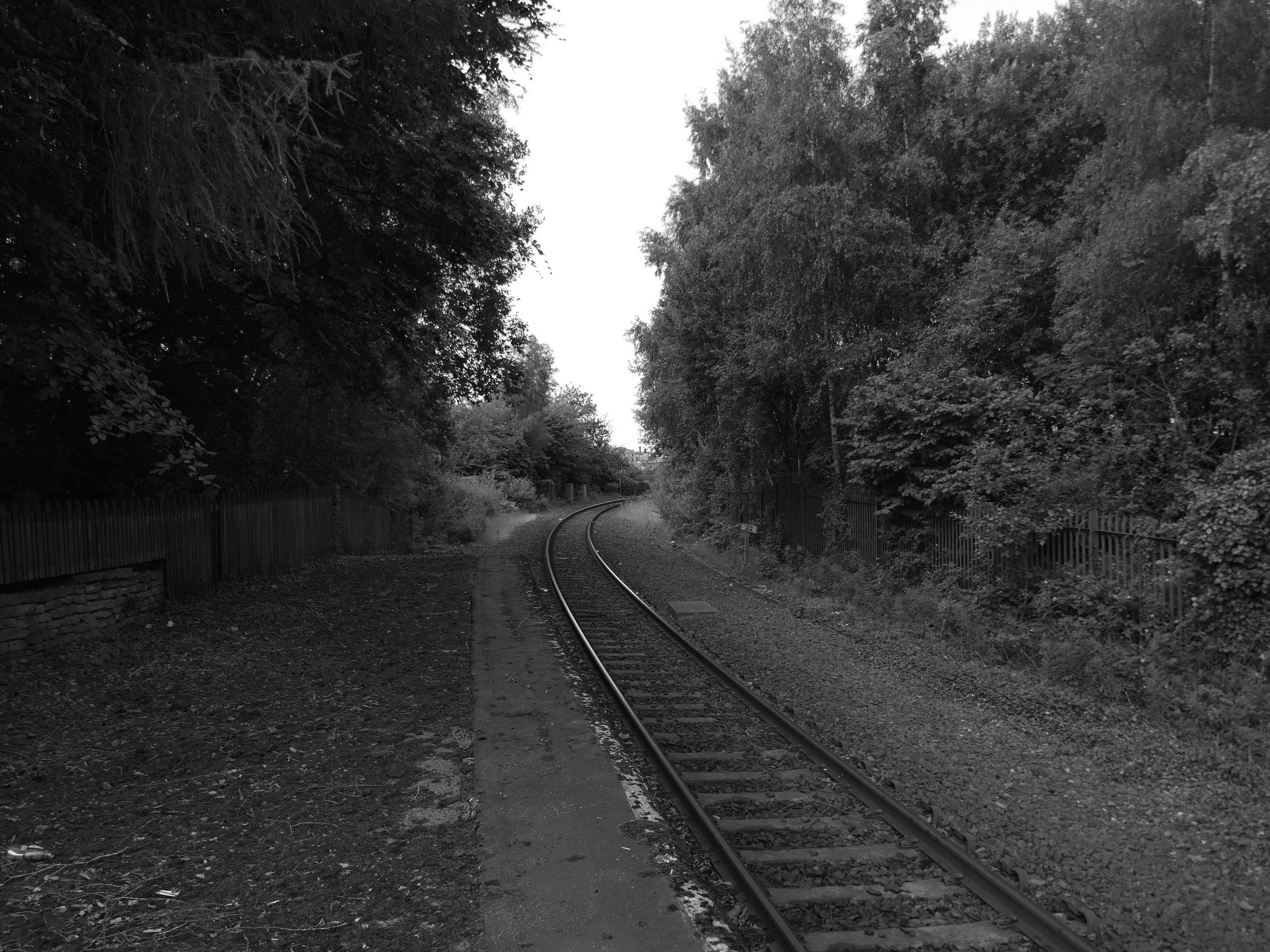
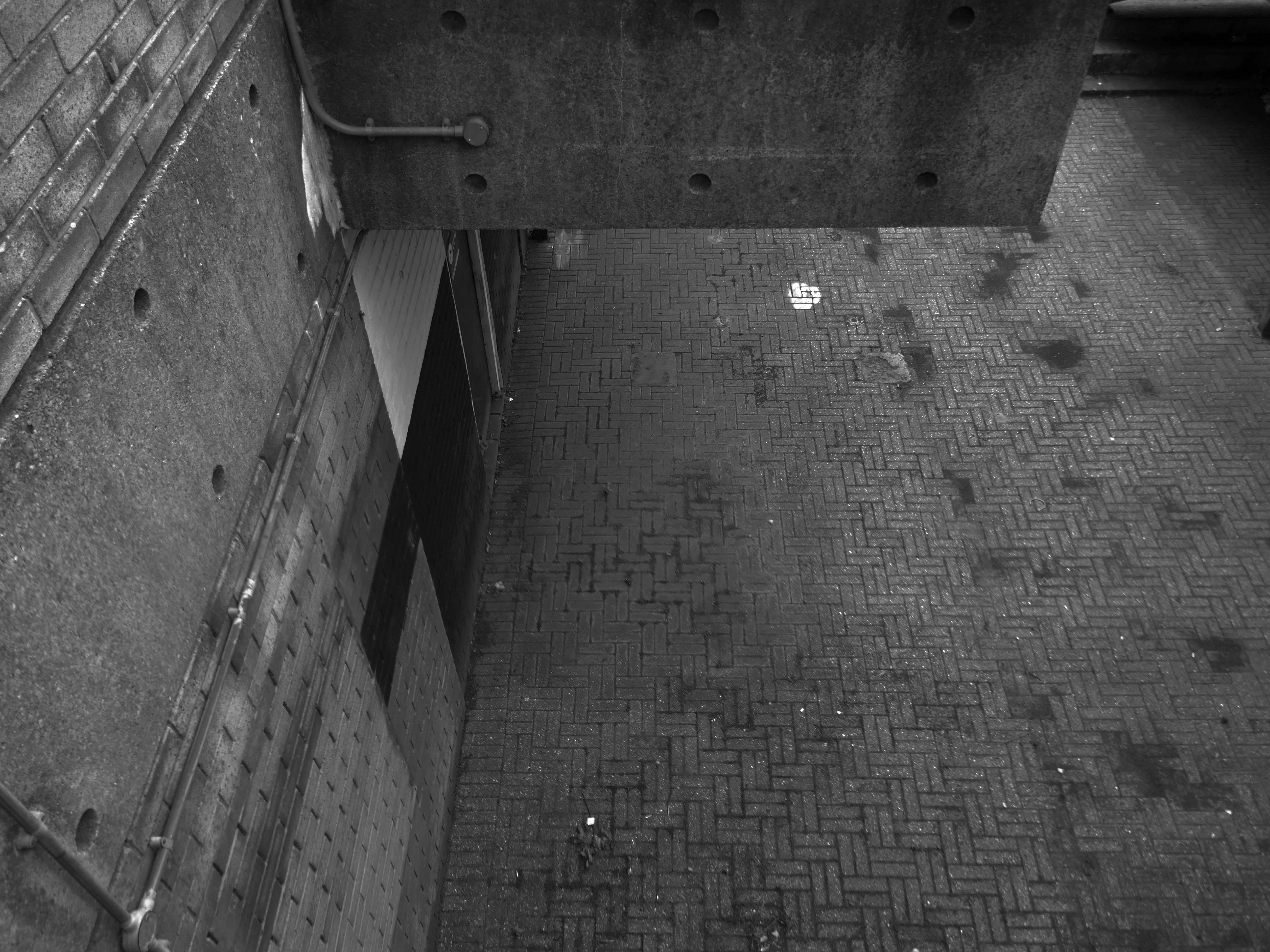
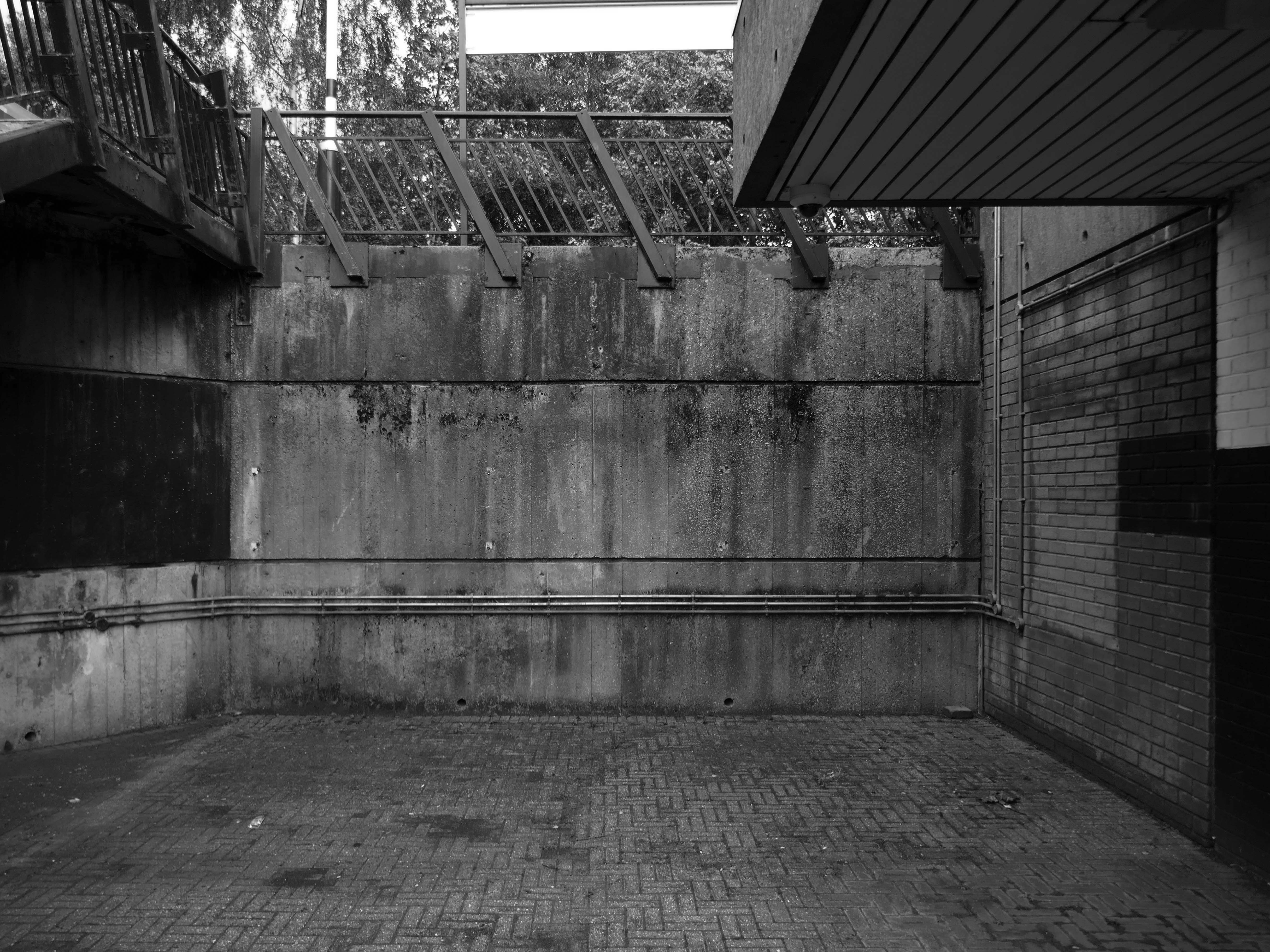
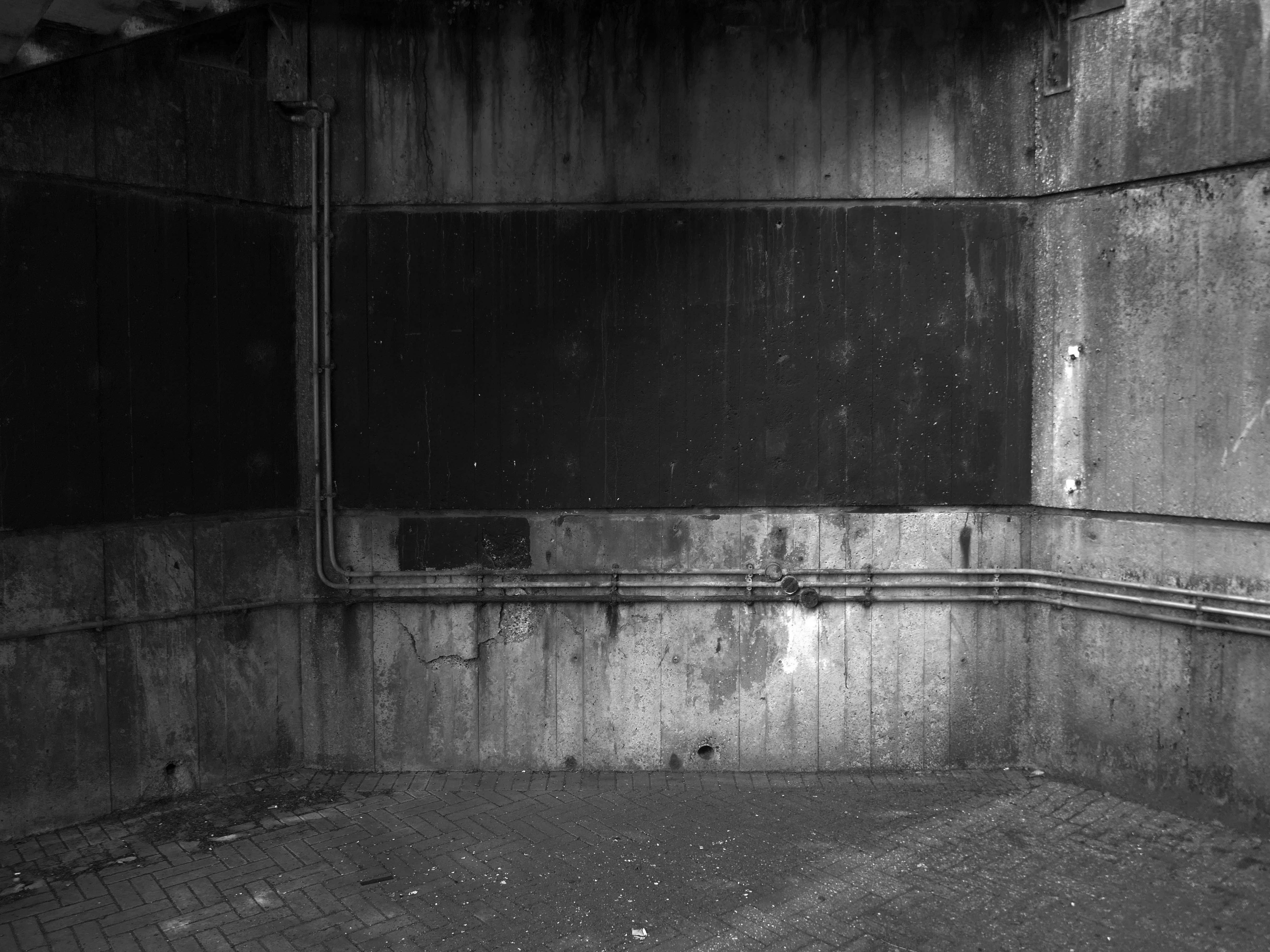
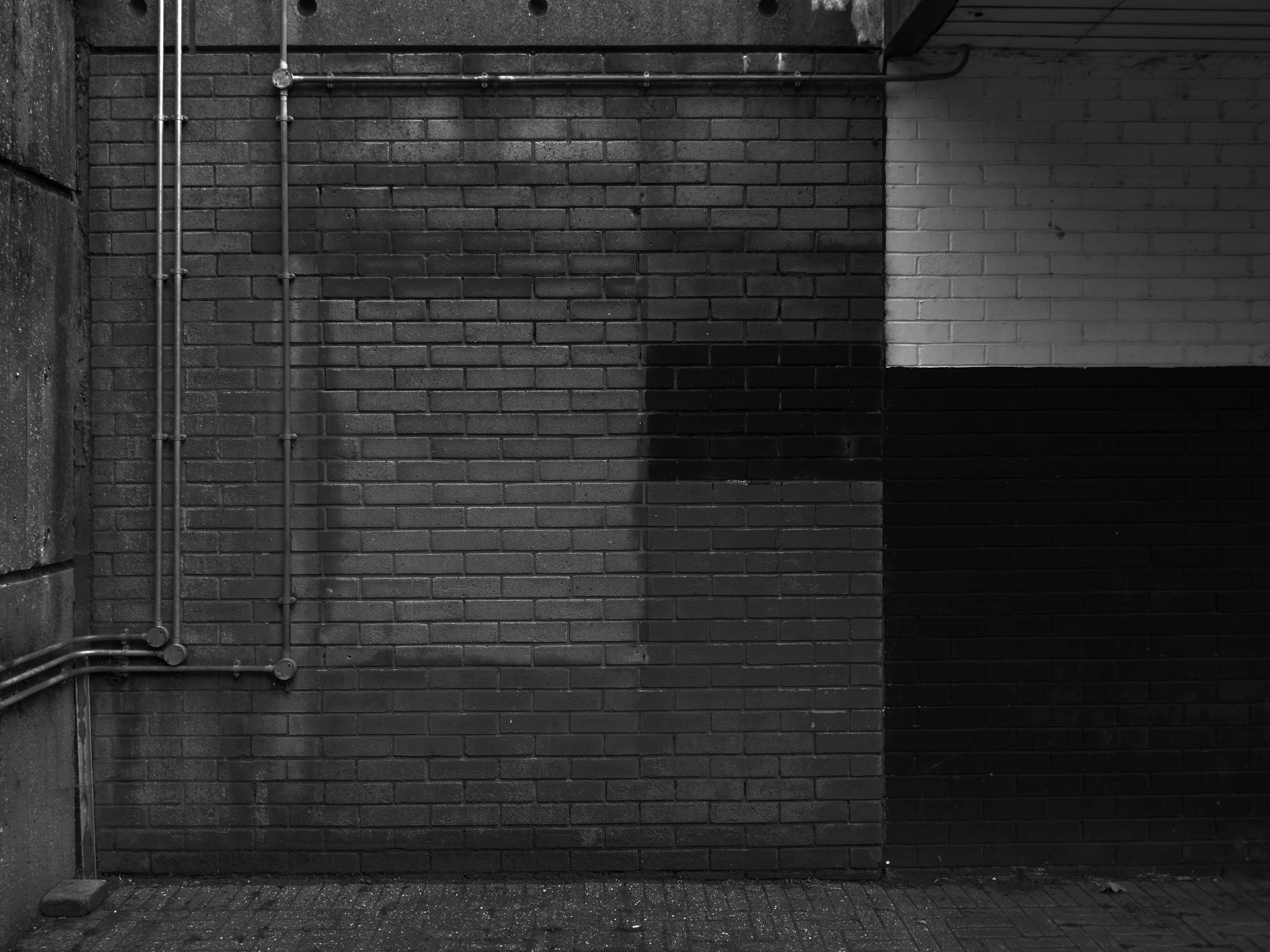
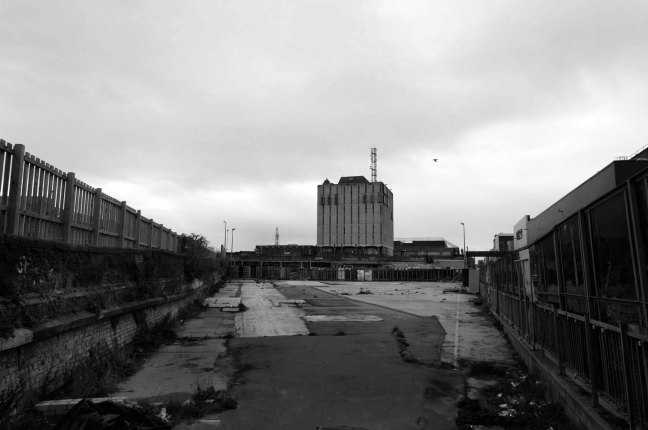
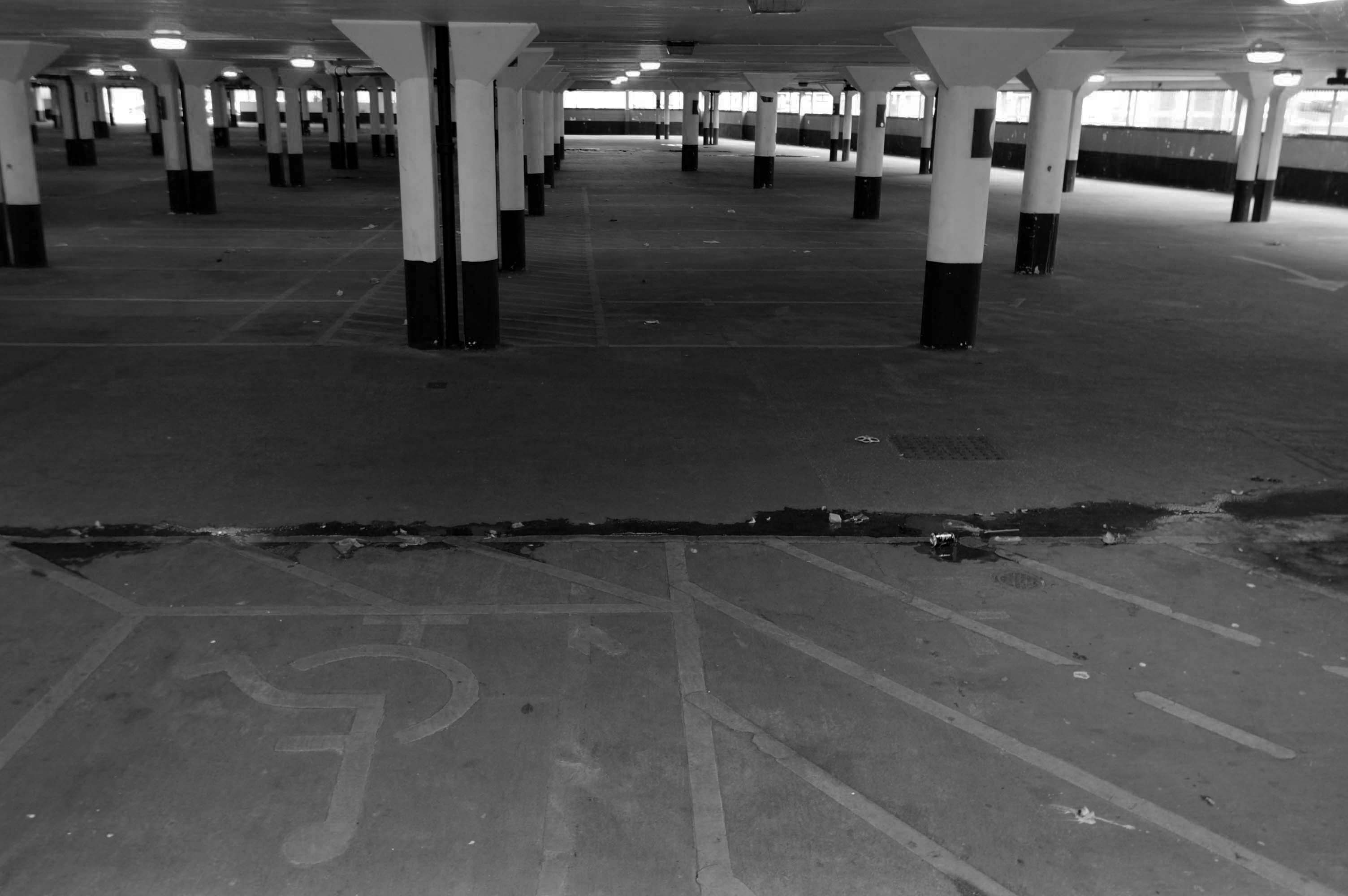
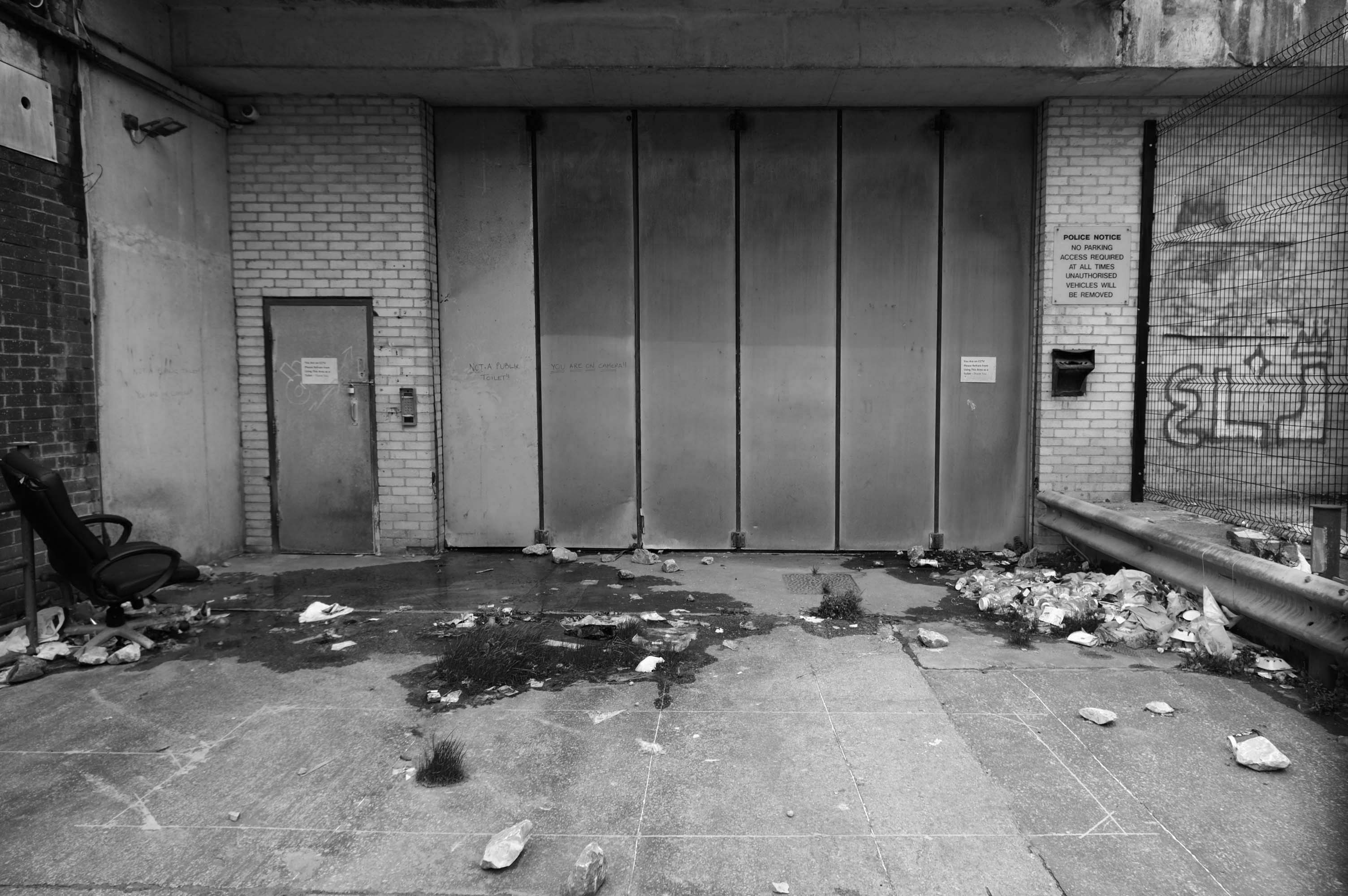
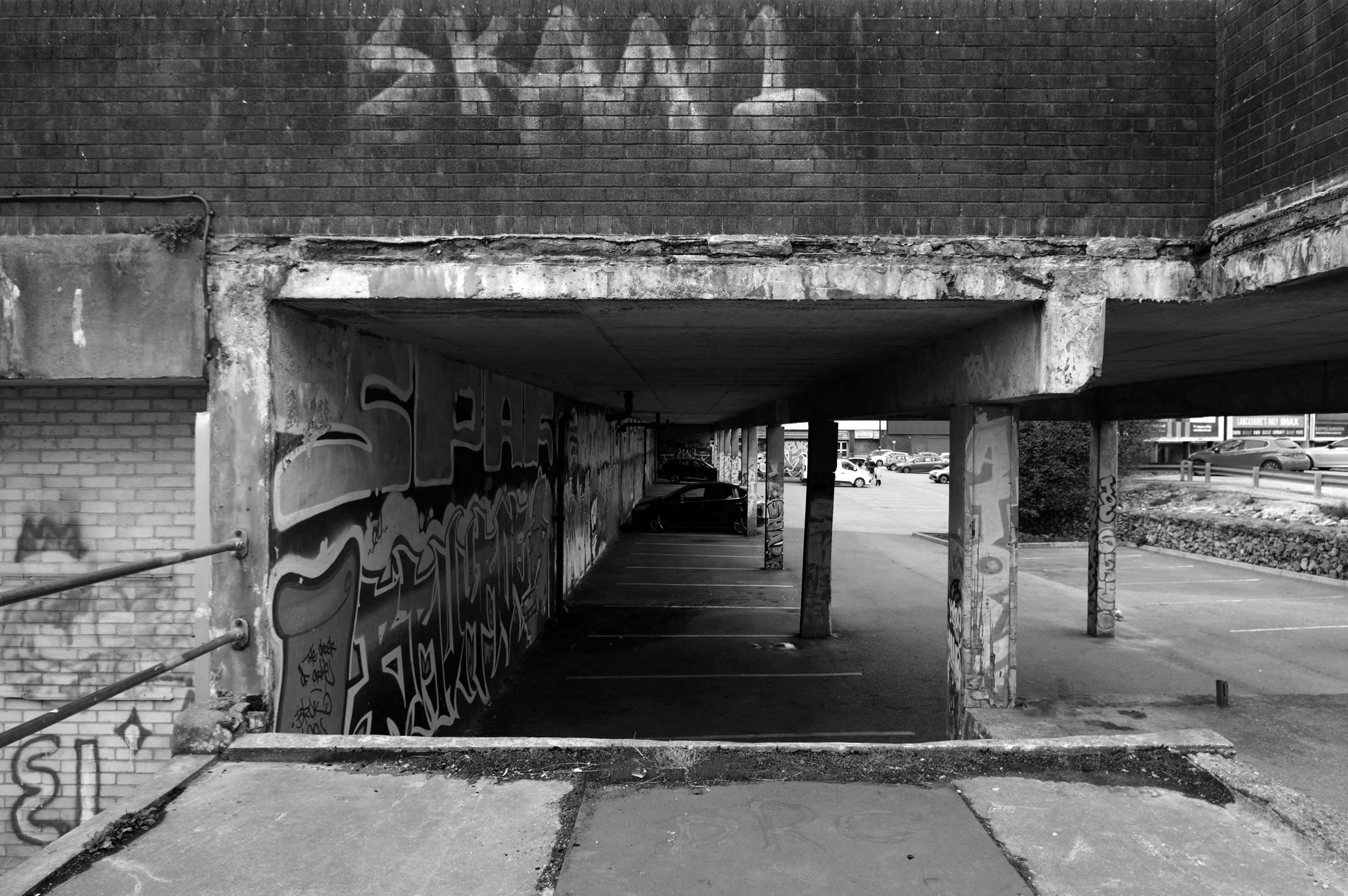
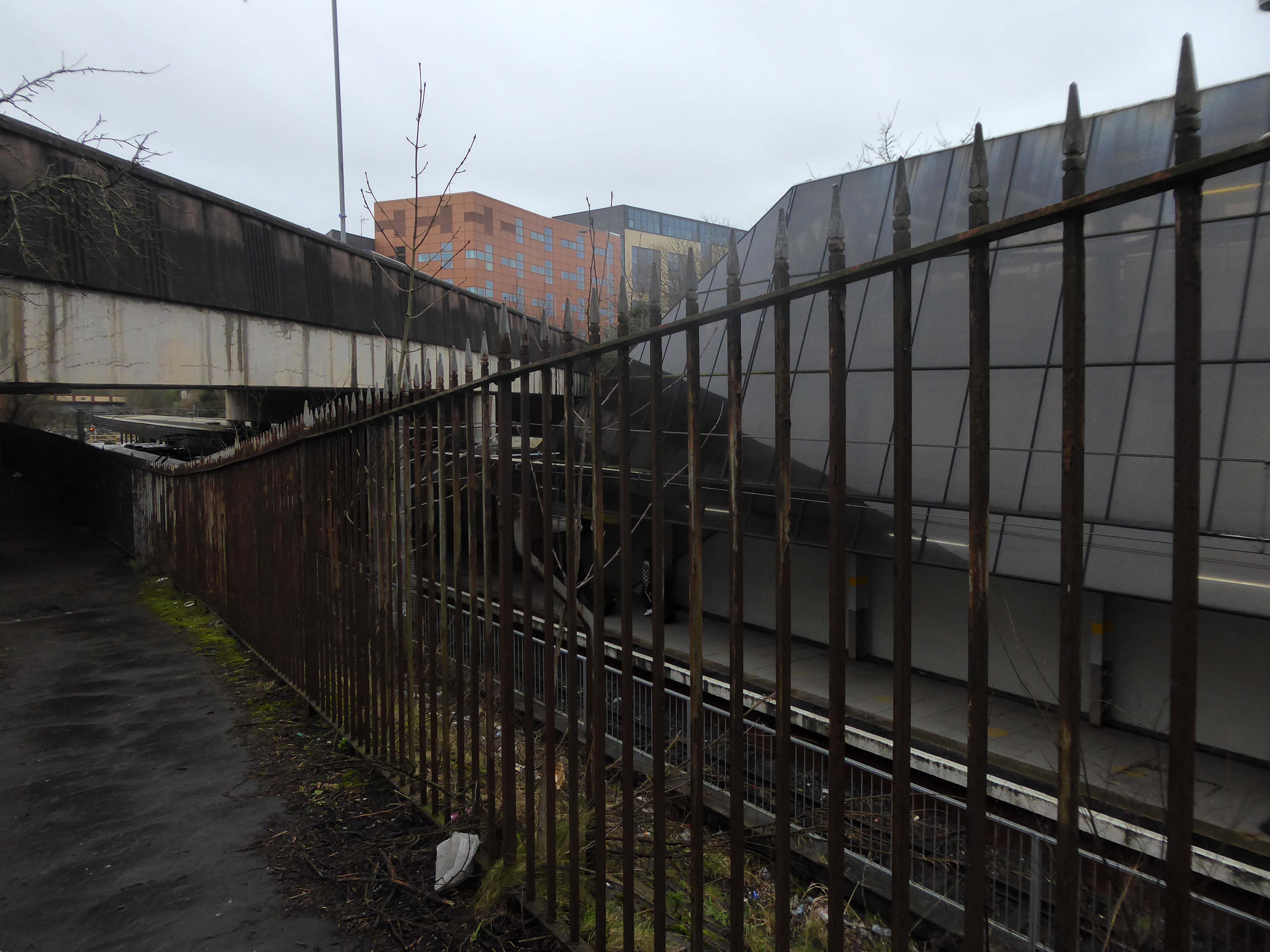
Having a casual afternoon stroll along the road, I espied a narrow gap in the railings, whilst I could never be considered a devotee of urbex, who can resist a narrow gap in the railings?

There are those who have been here before – the 28 Days Later folk take a much deeper peep.

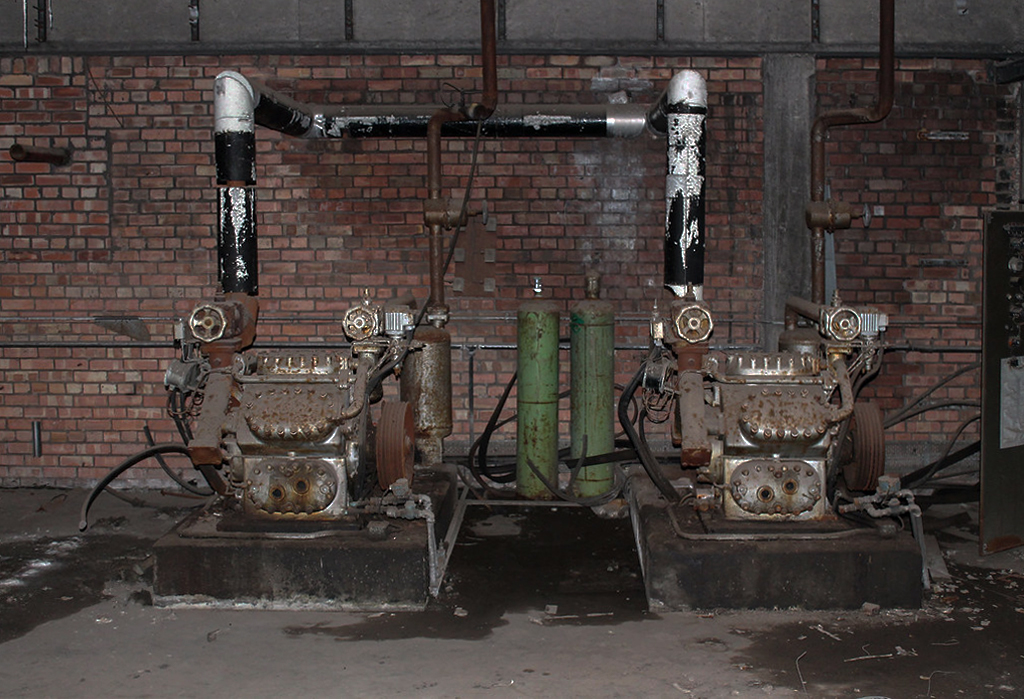
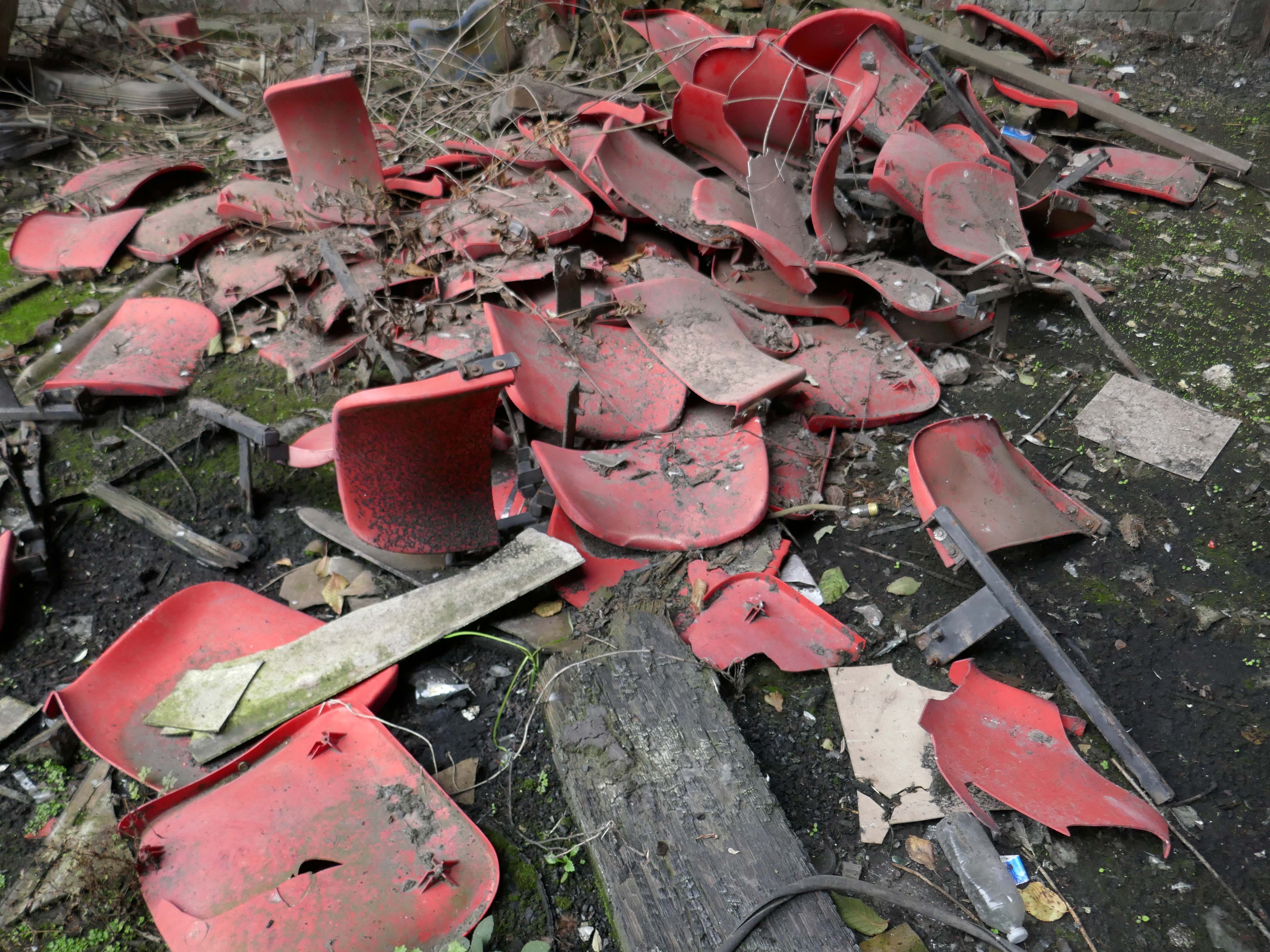
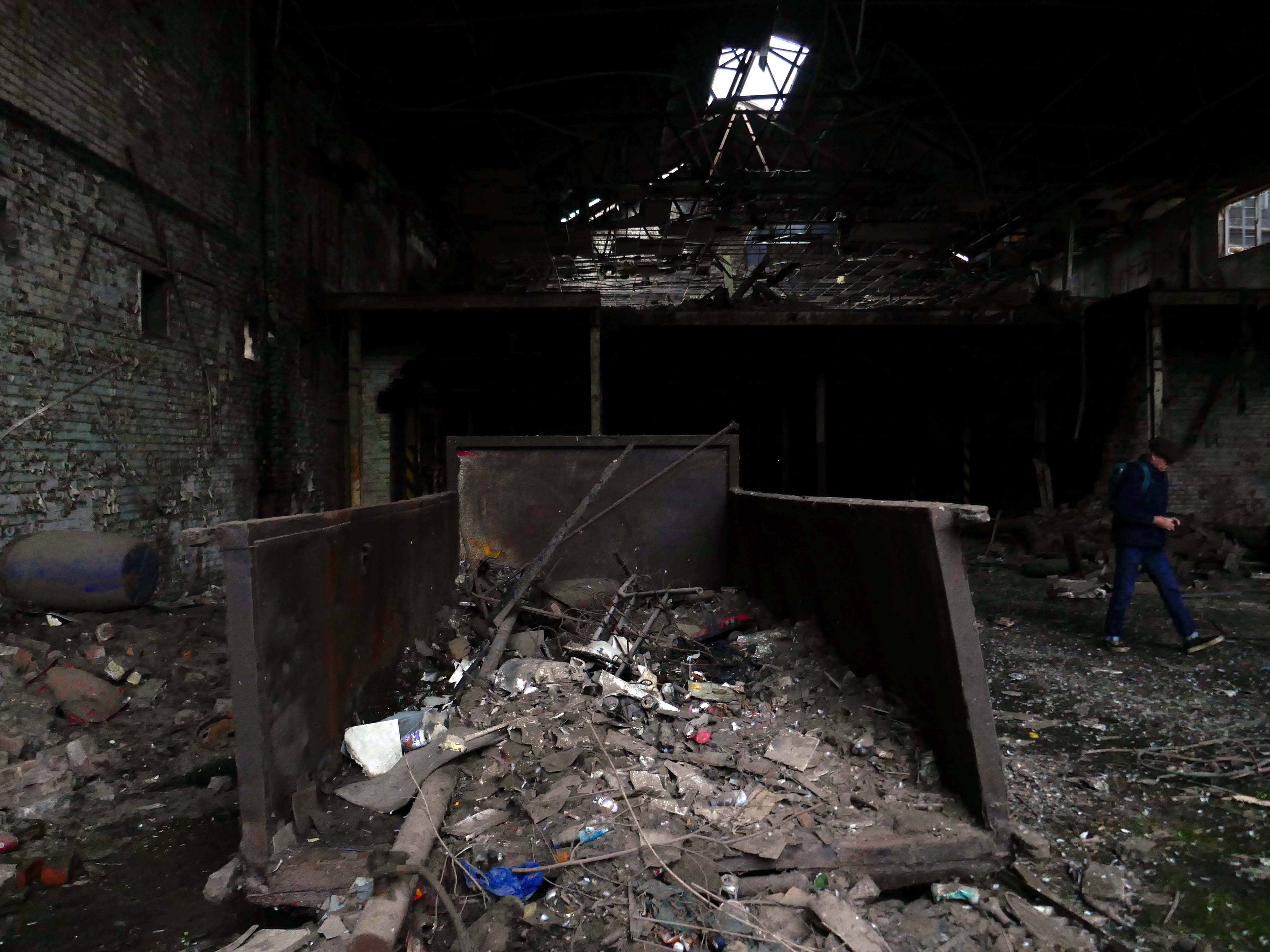
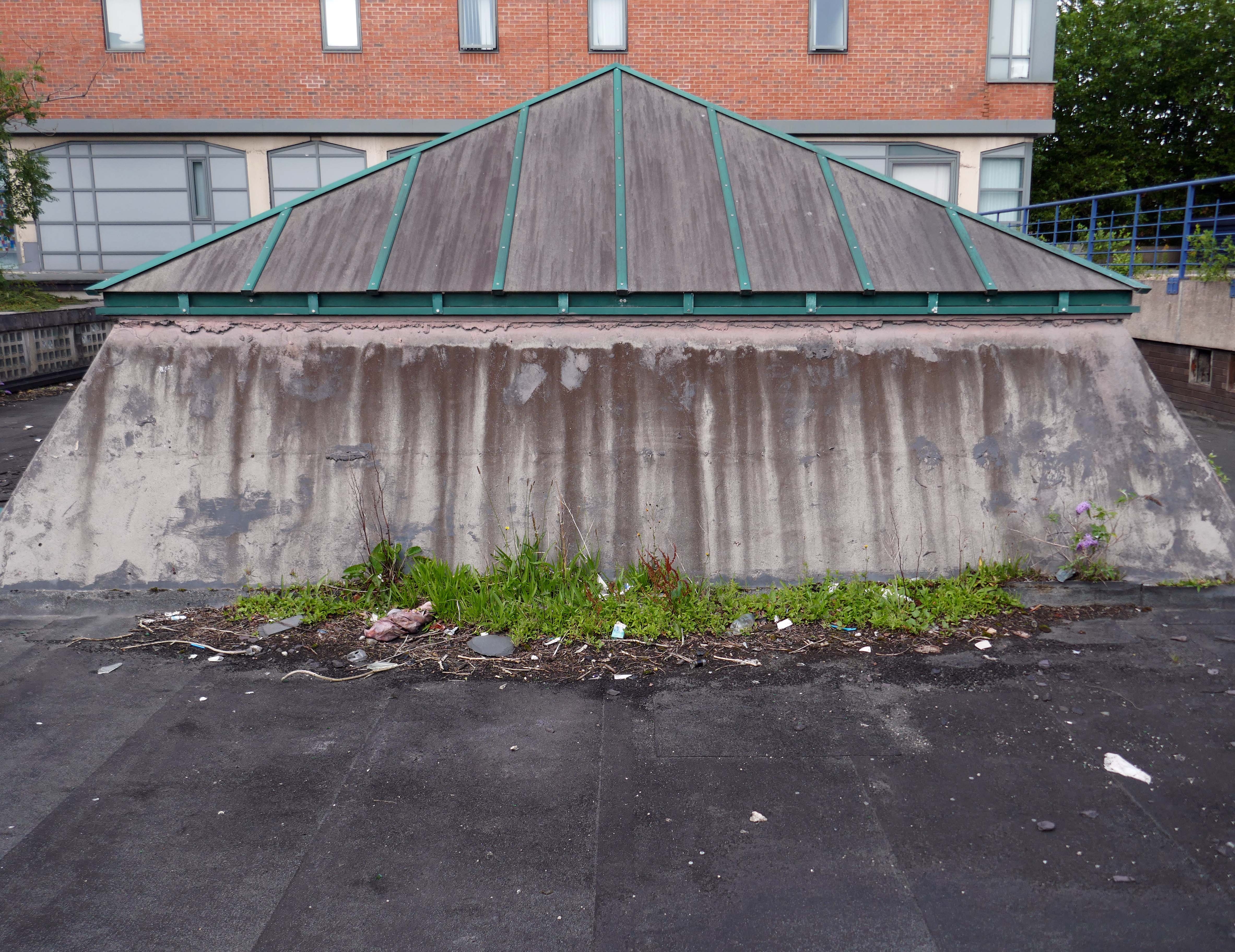
Uncovering some of the left behind plant.

And attracting a comment from a former employee:

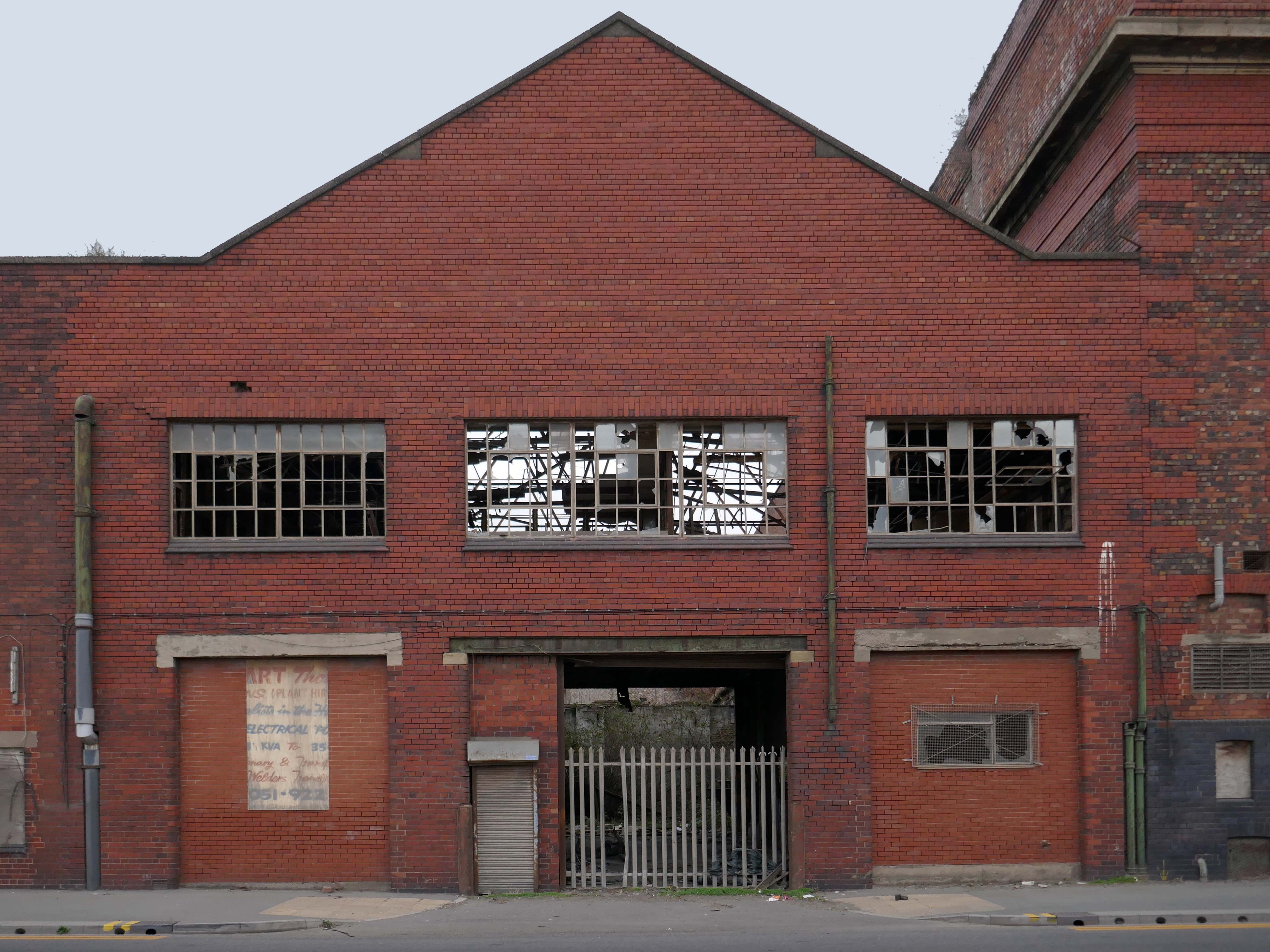
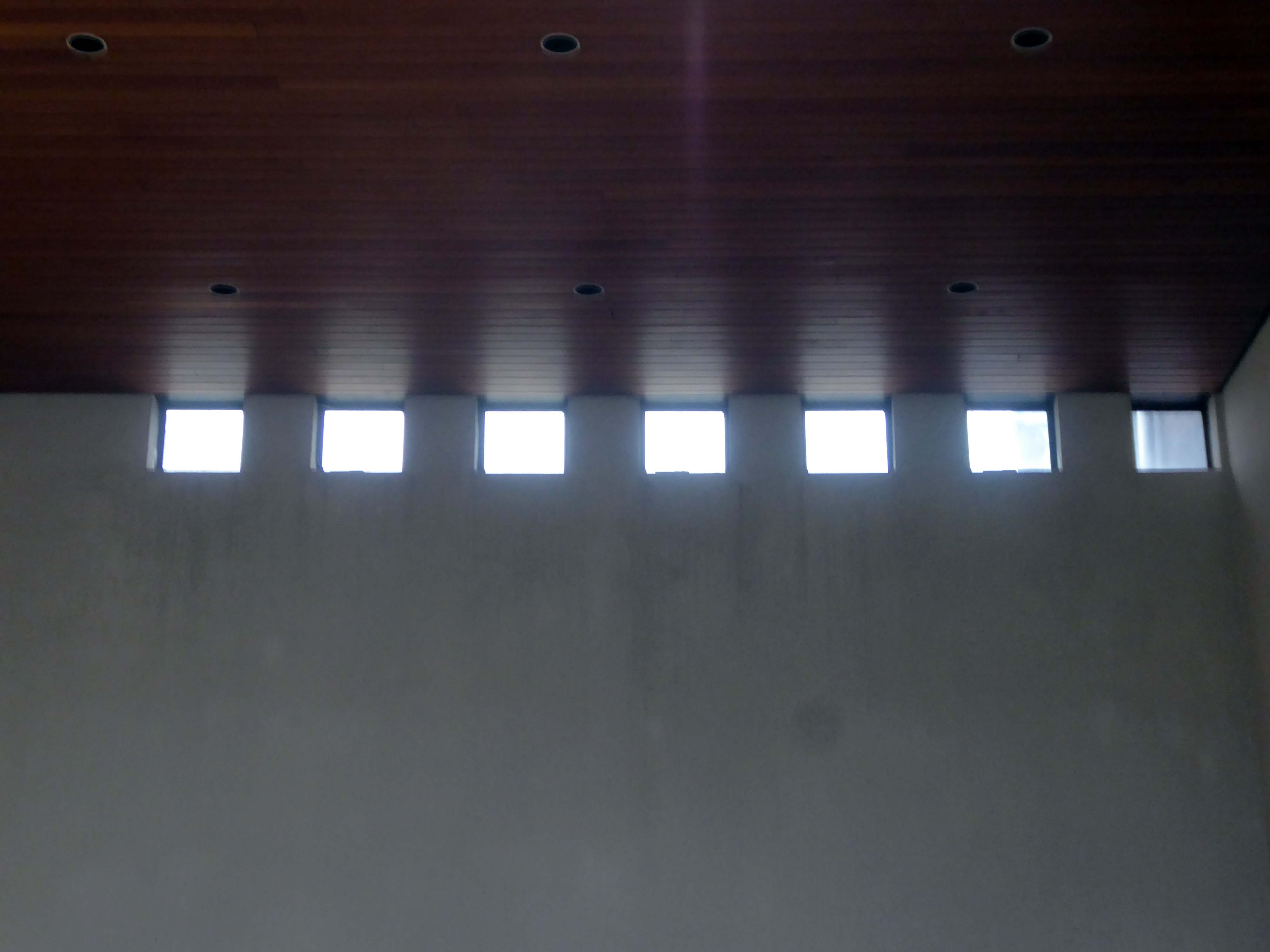
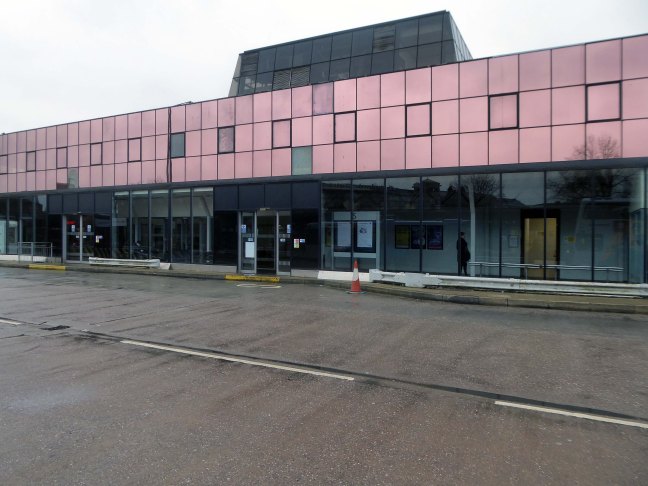
I was company microbiologist at this site, The sets of broken windows at the front of the building on the first floor were the laboratories. 

The main photograph shows the chemistry laboratory, my microbiology laboratory was next door. 
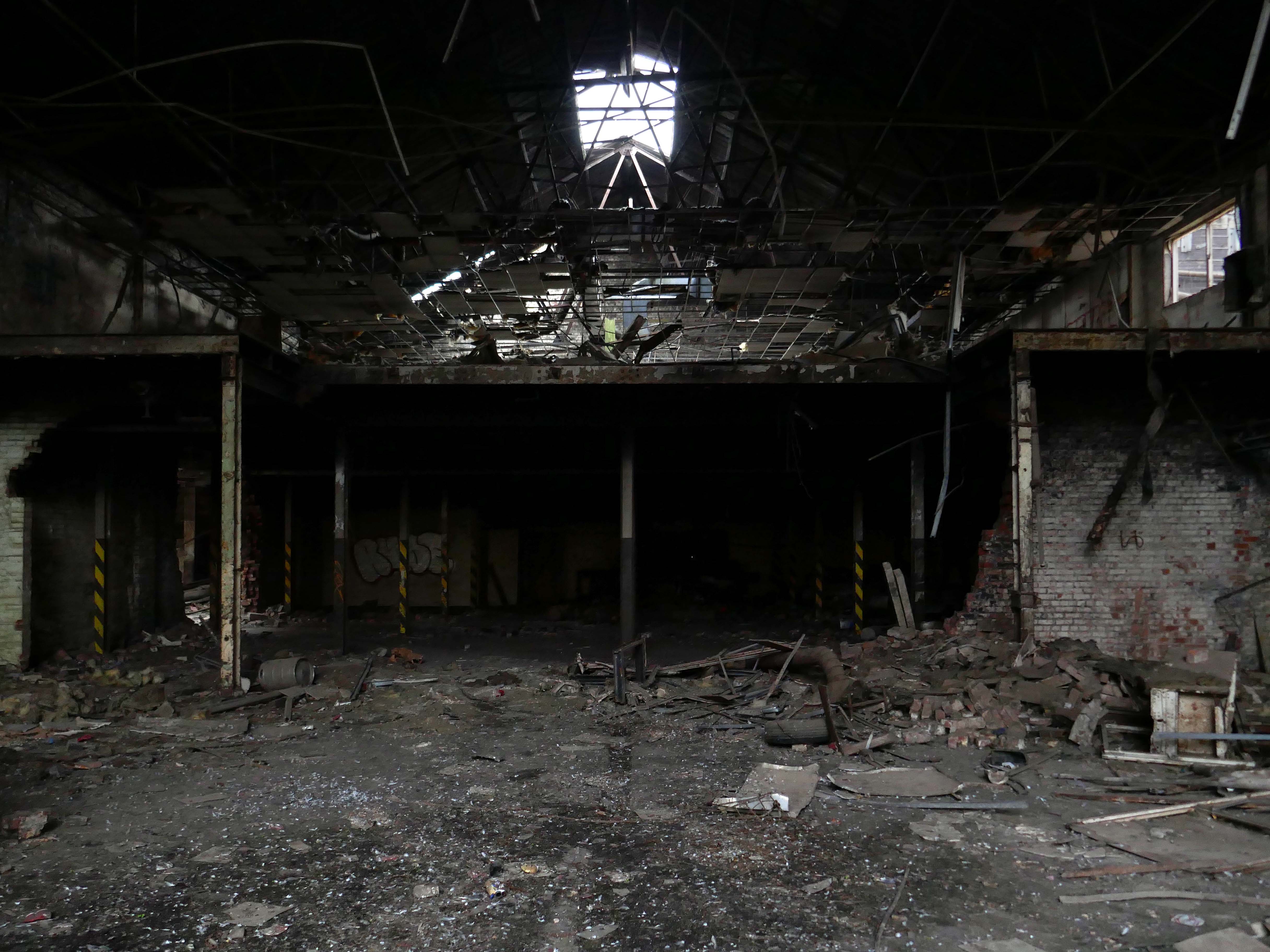
The larger windows to the left provided light to a large open plan reception and office area. Within the factory, the main area had various packing machines for margarines, from 250g paper wrapped packets to 2 Kg catering packs.

A second packing area contained a machine that produced tinned margarine for the Ministry of Defence, who supplied it to the Army overseas.

Cratedigger

urbanchemist – 18th

Whilst feeling that familiar frisson of mild trepidation, whilst walking through the debris, dirt and decay, it’s important to recall those who have walked and worked in these now derelict premises.

With that in mind here’s what I saw whilst feeling that familiar frisson of mild trepidation, whilst walking through the debris, dirt and decay,

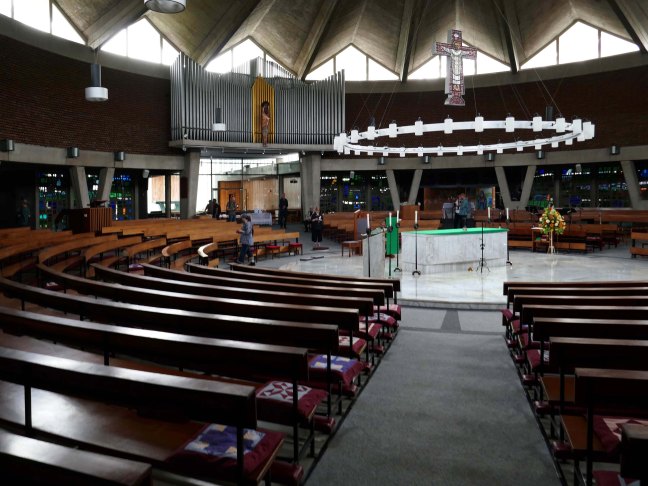
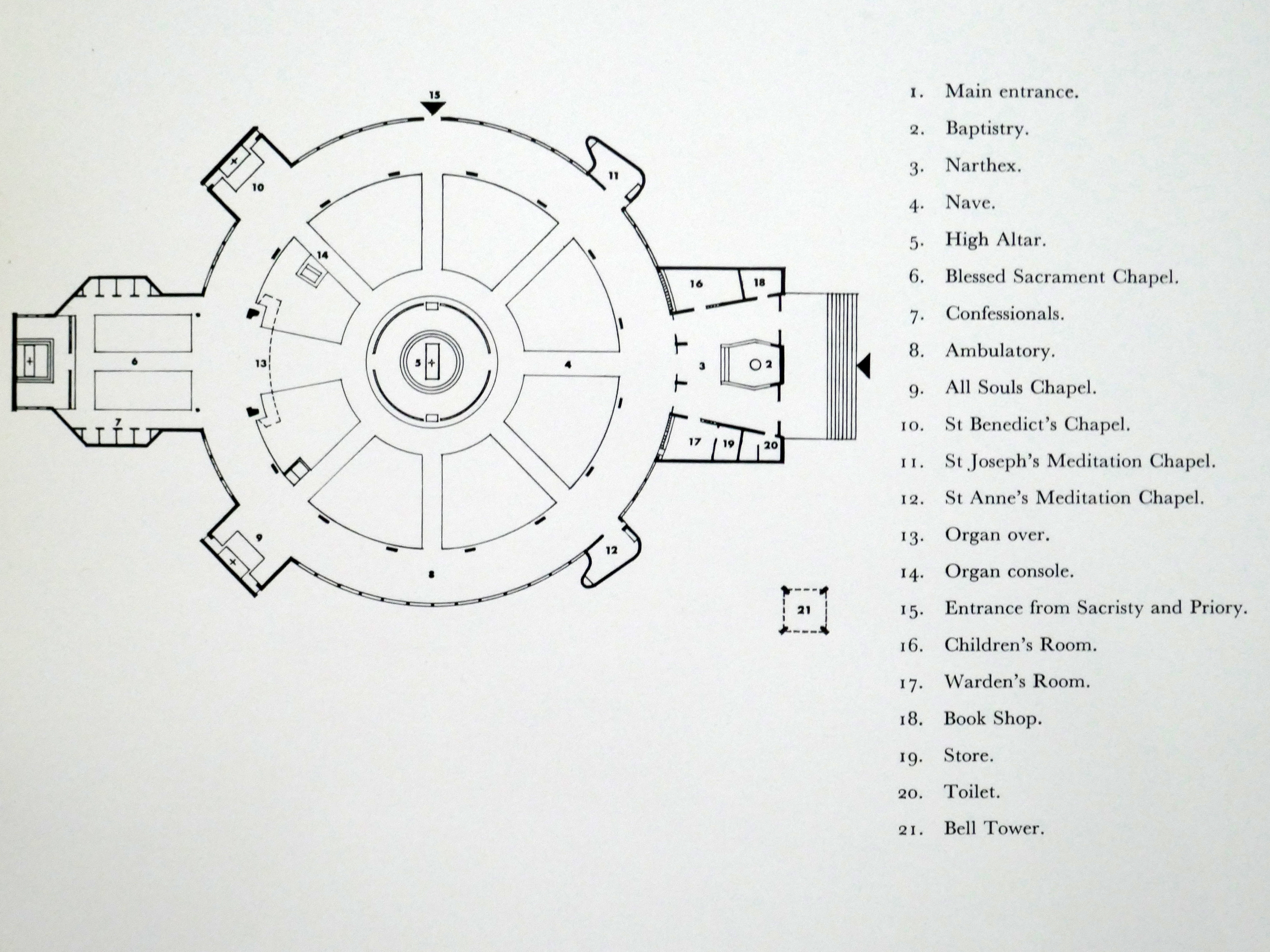
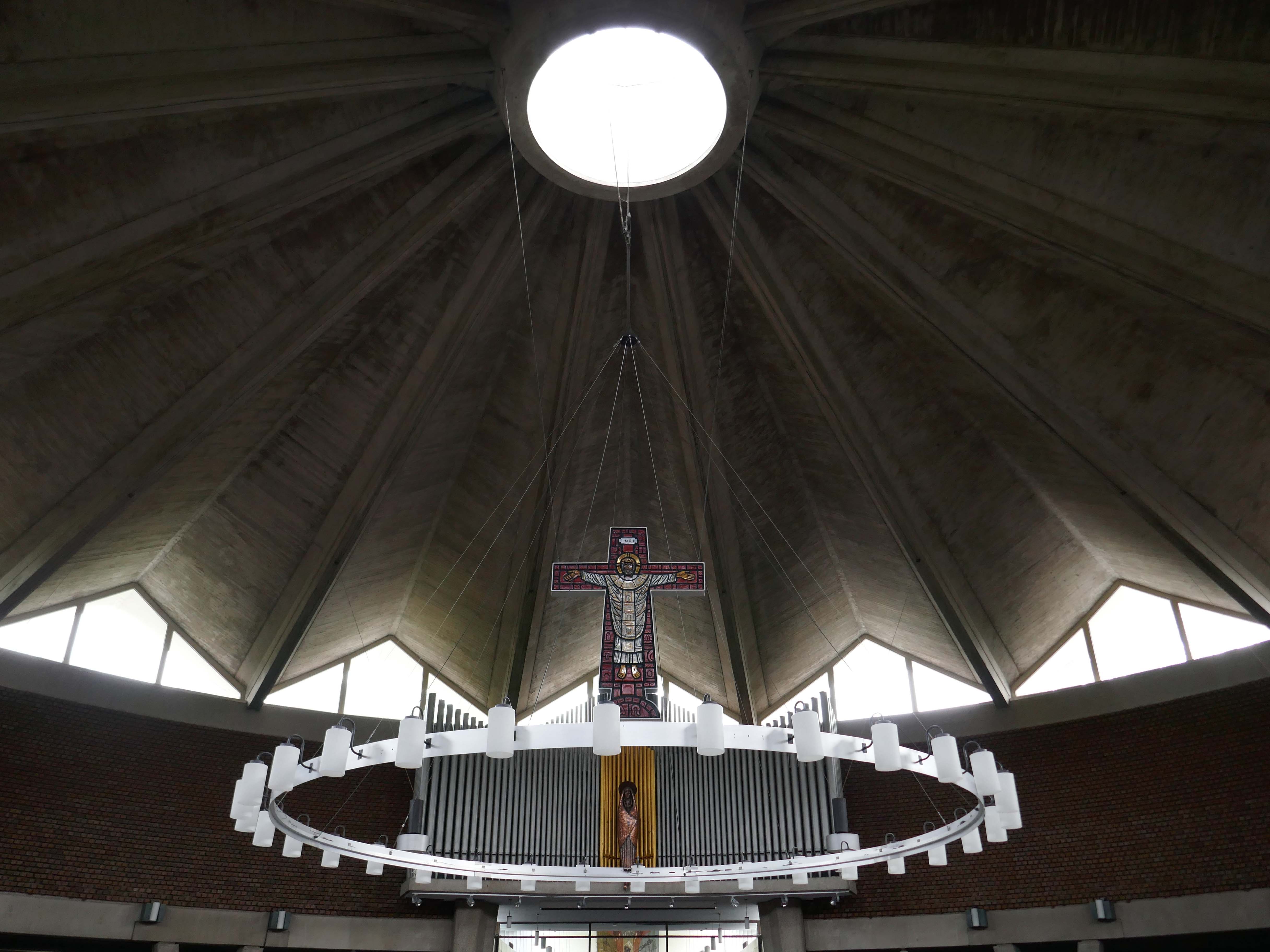
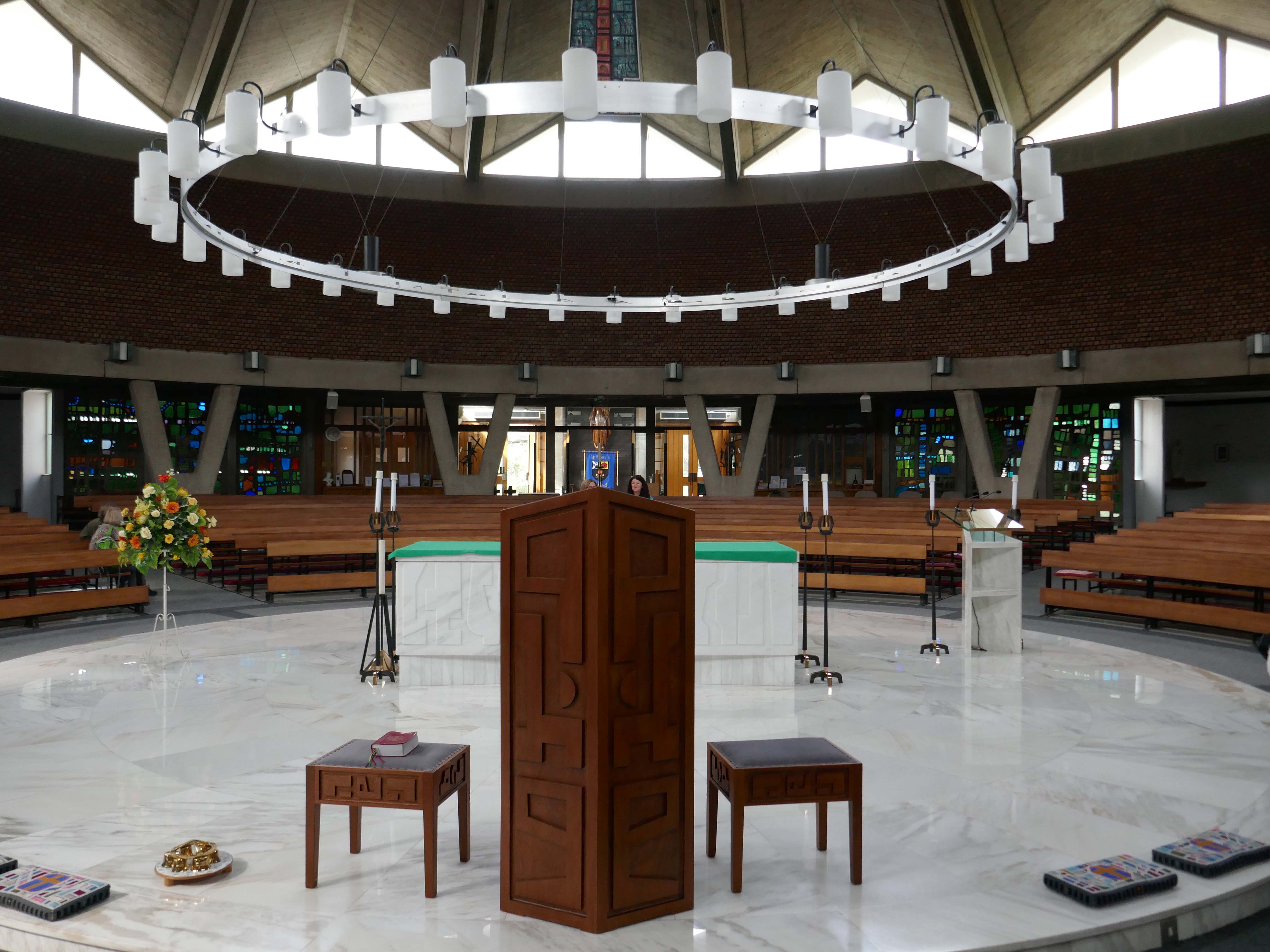
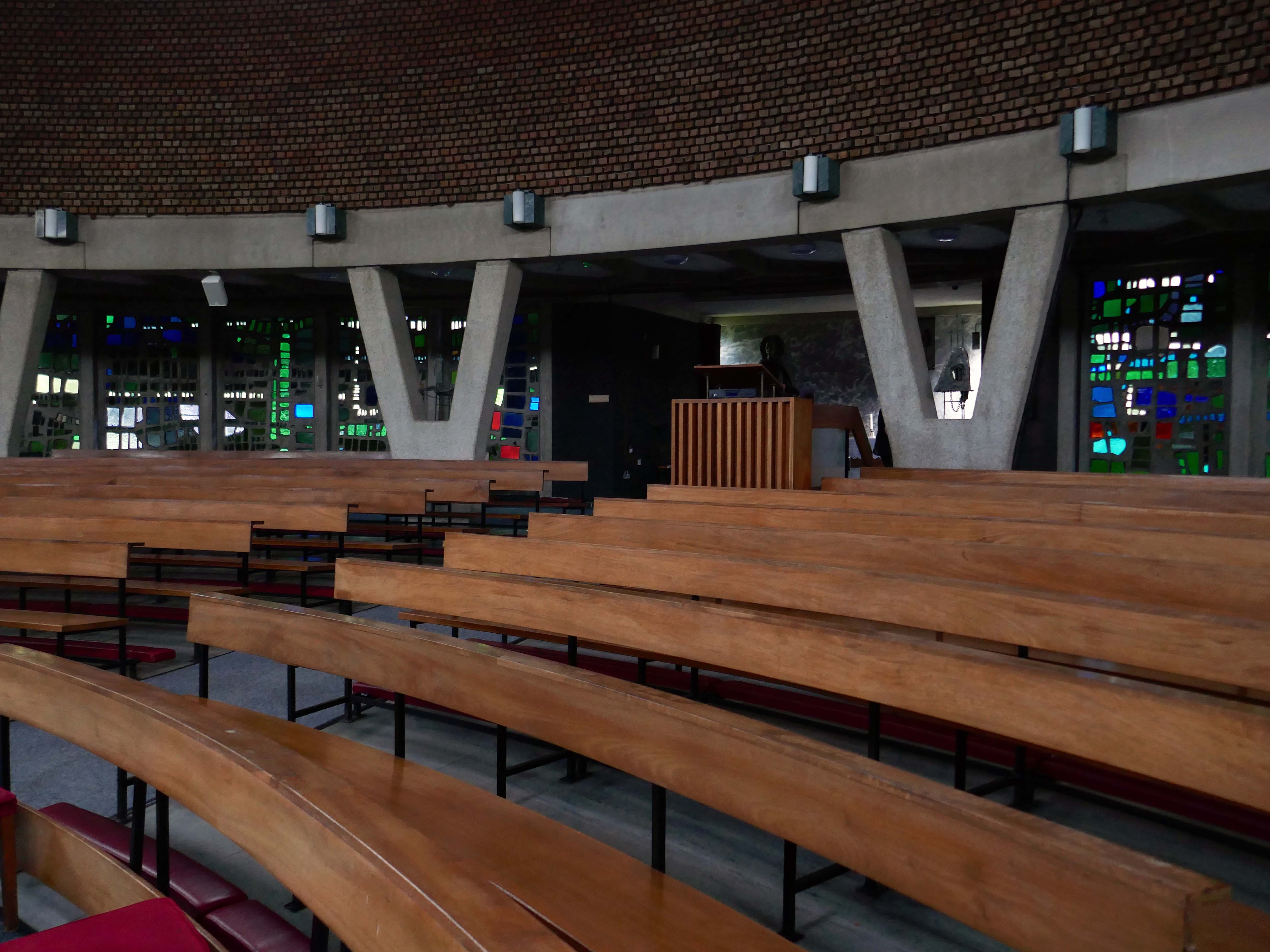
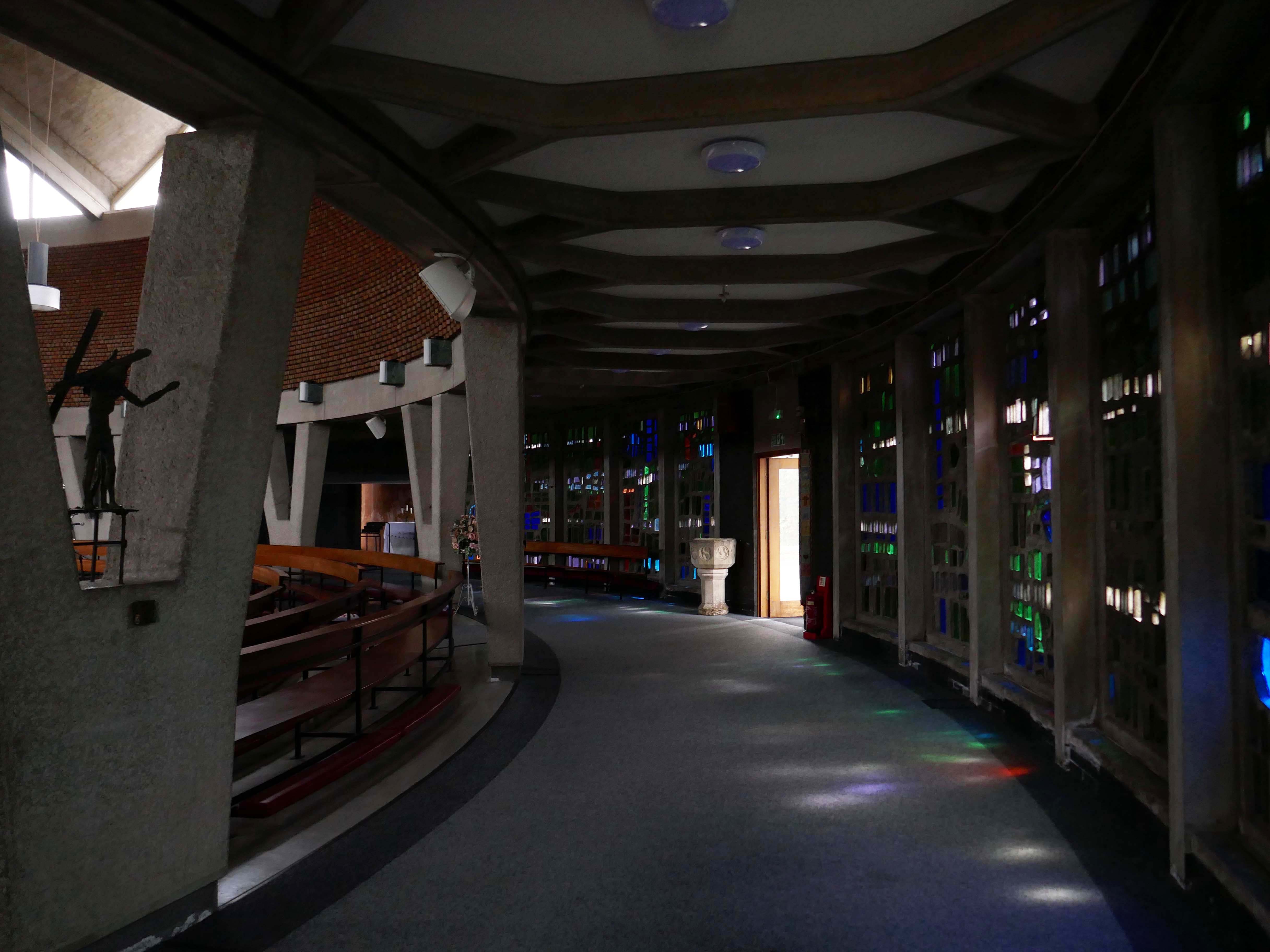
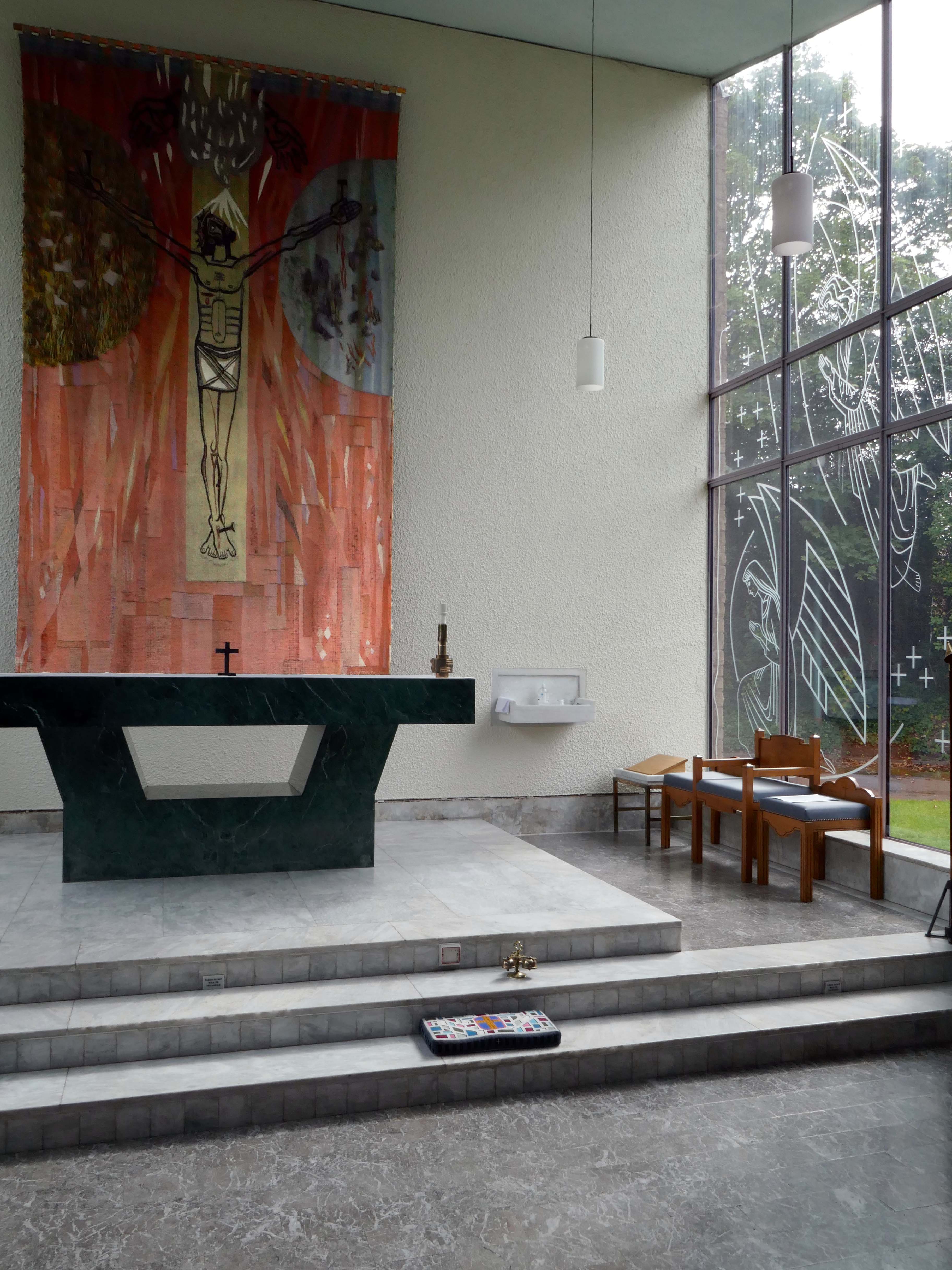
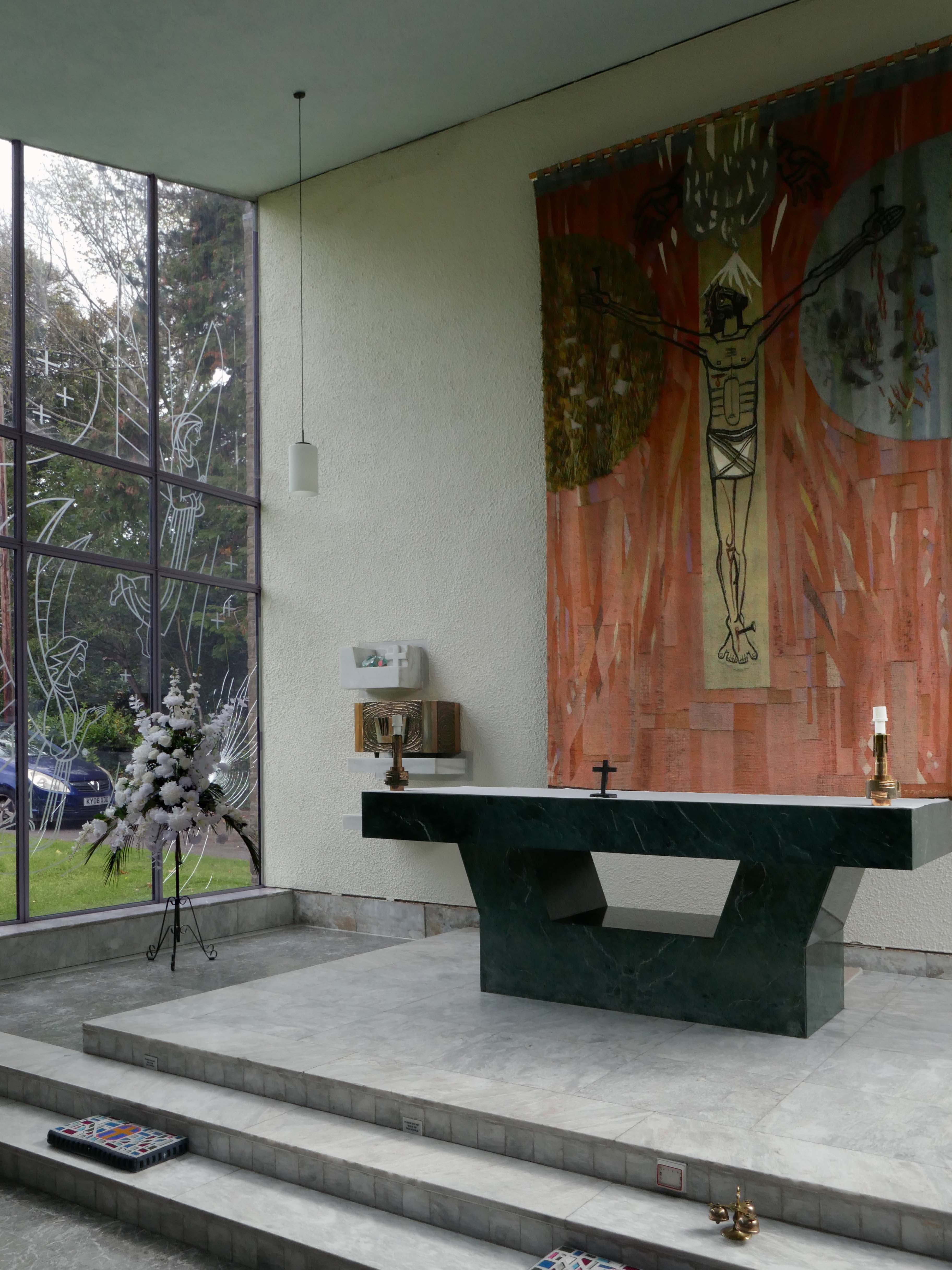
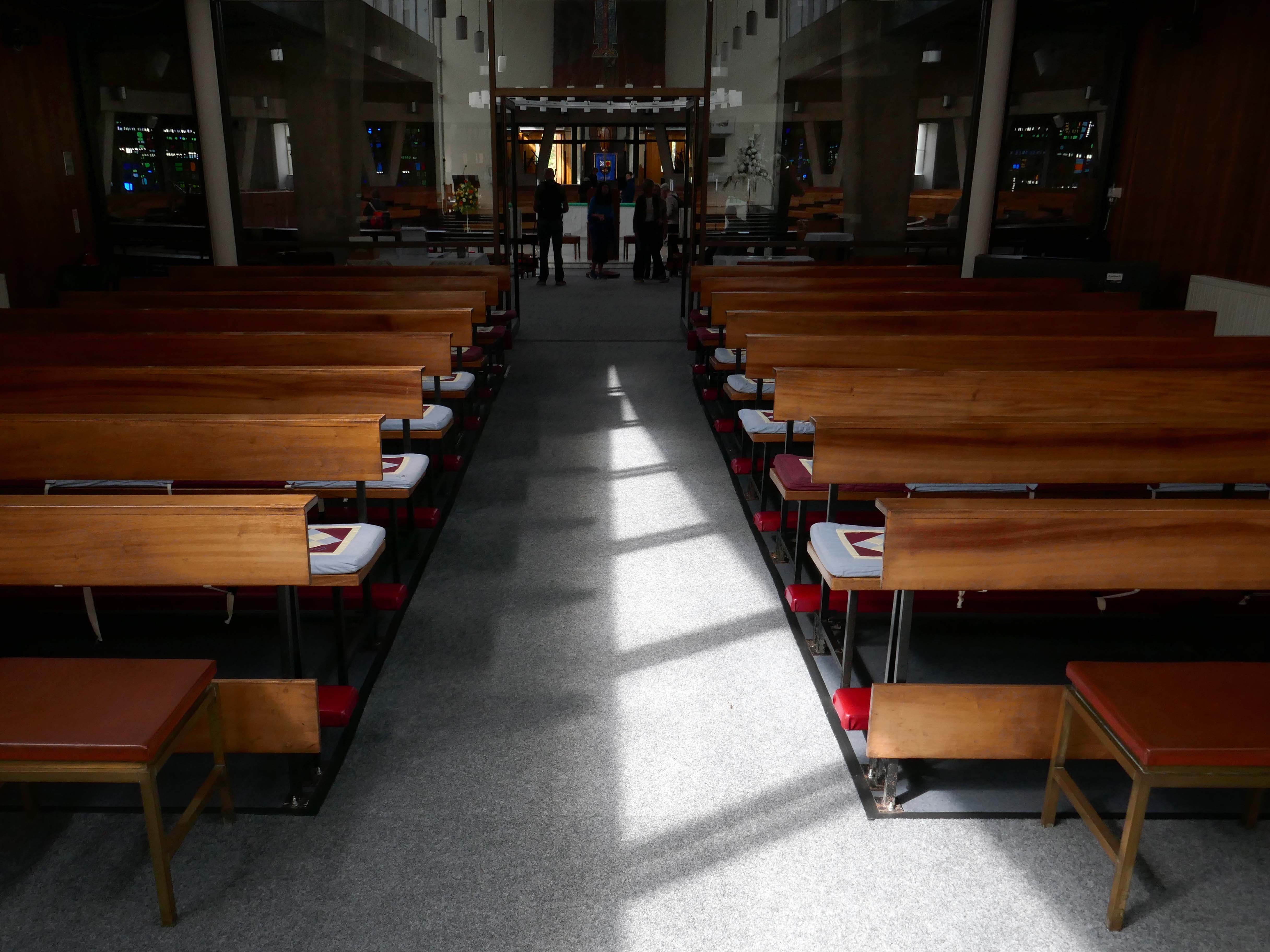
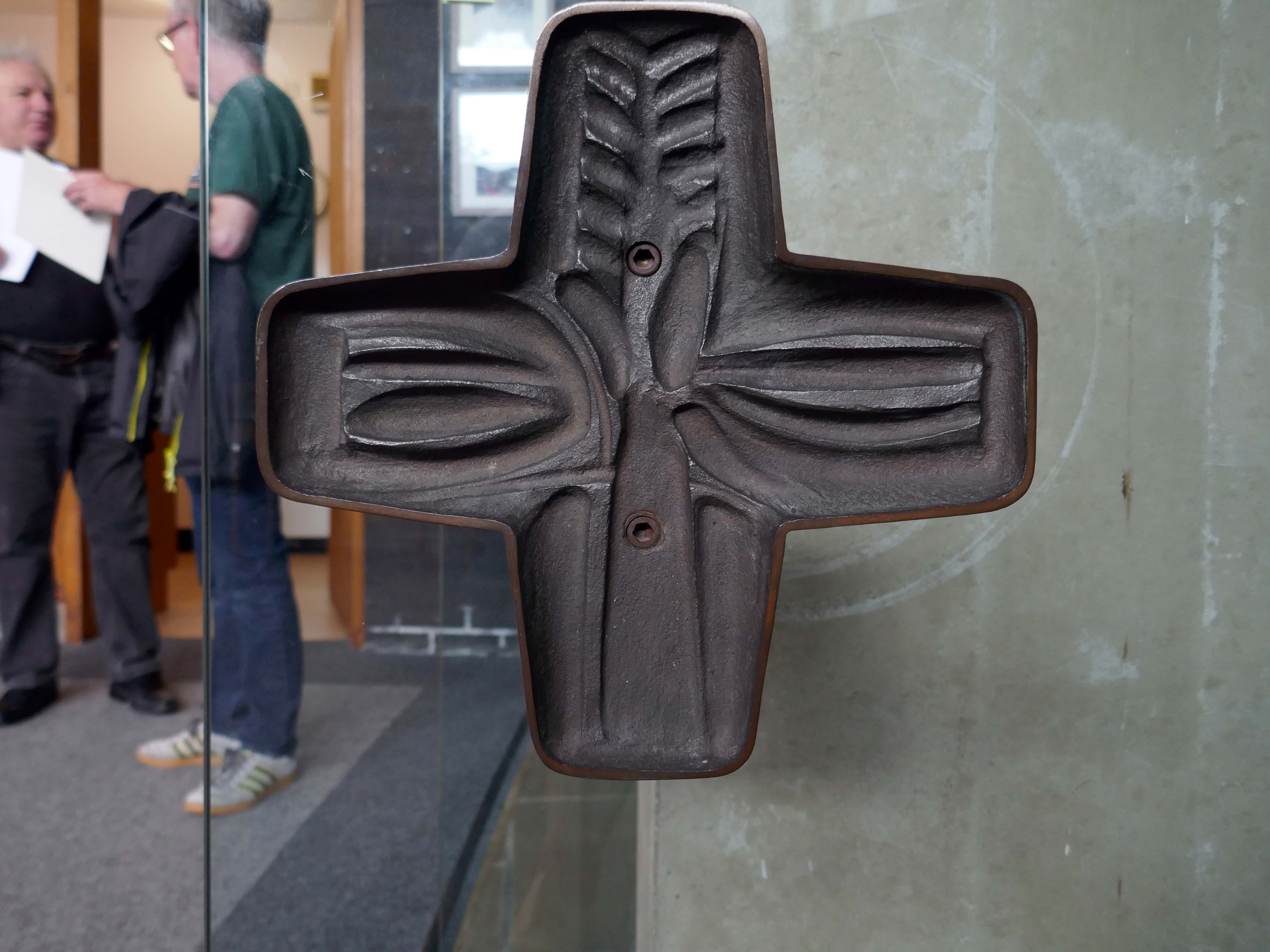
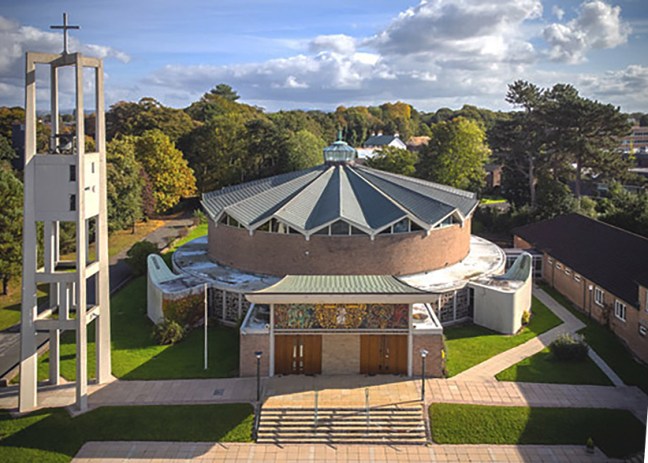
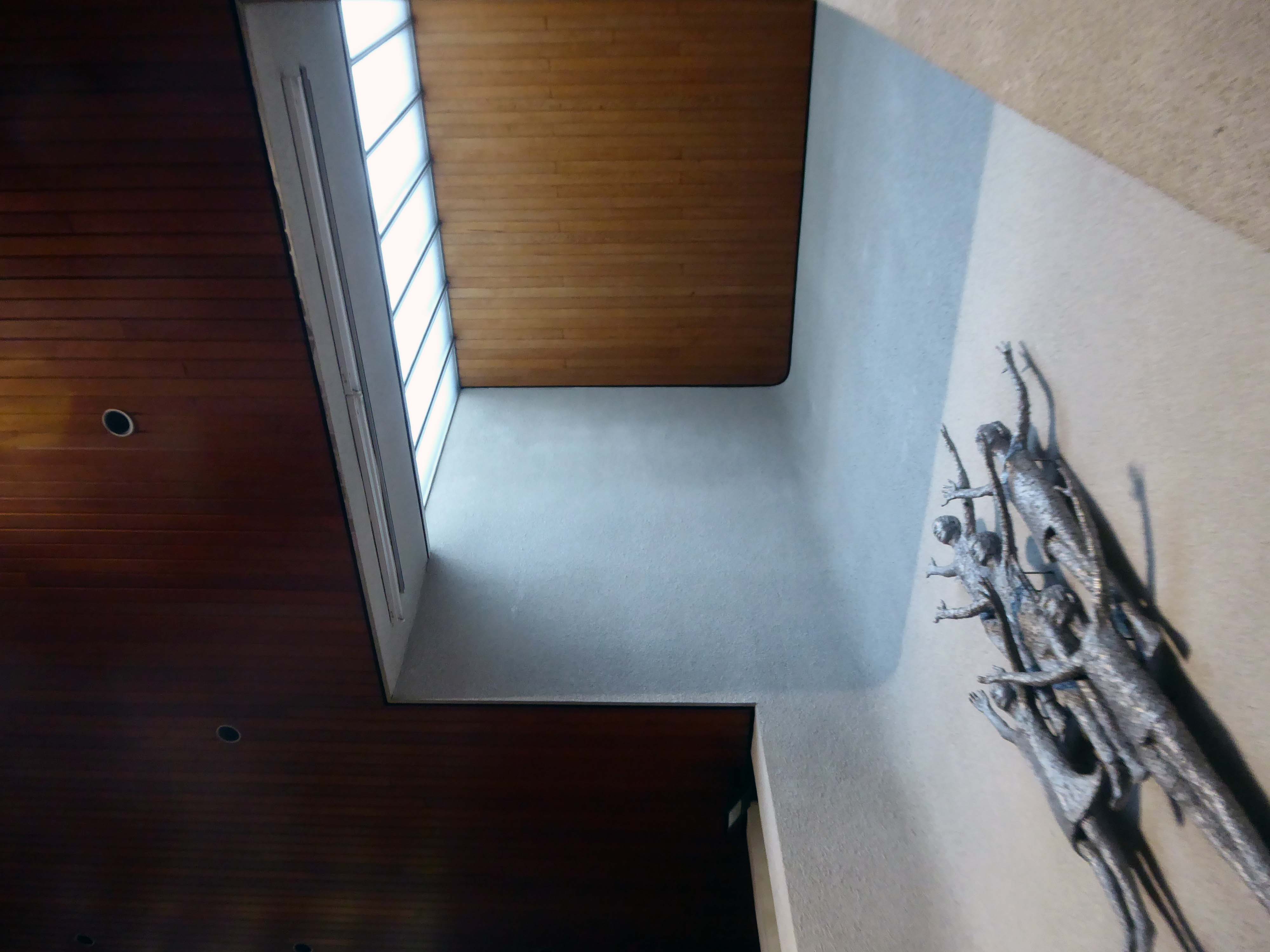
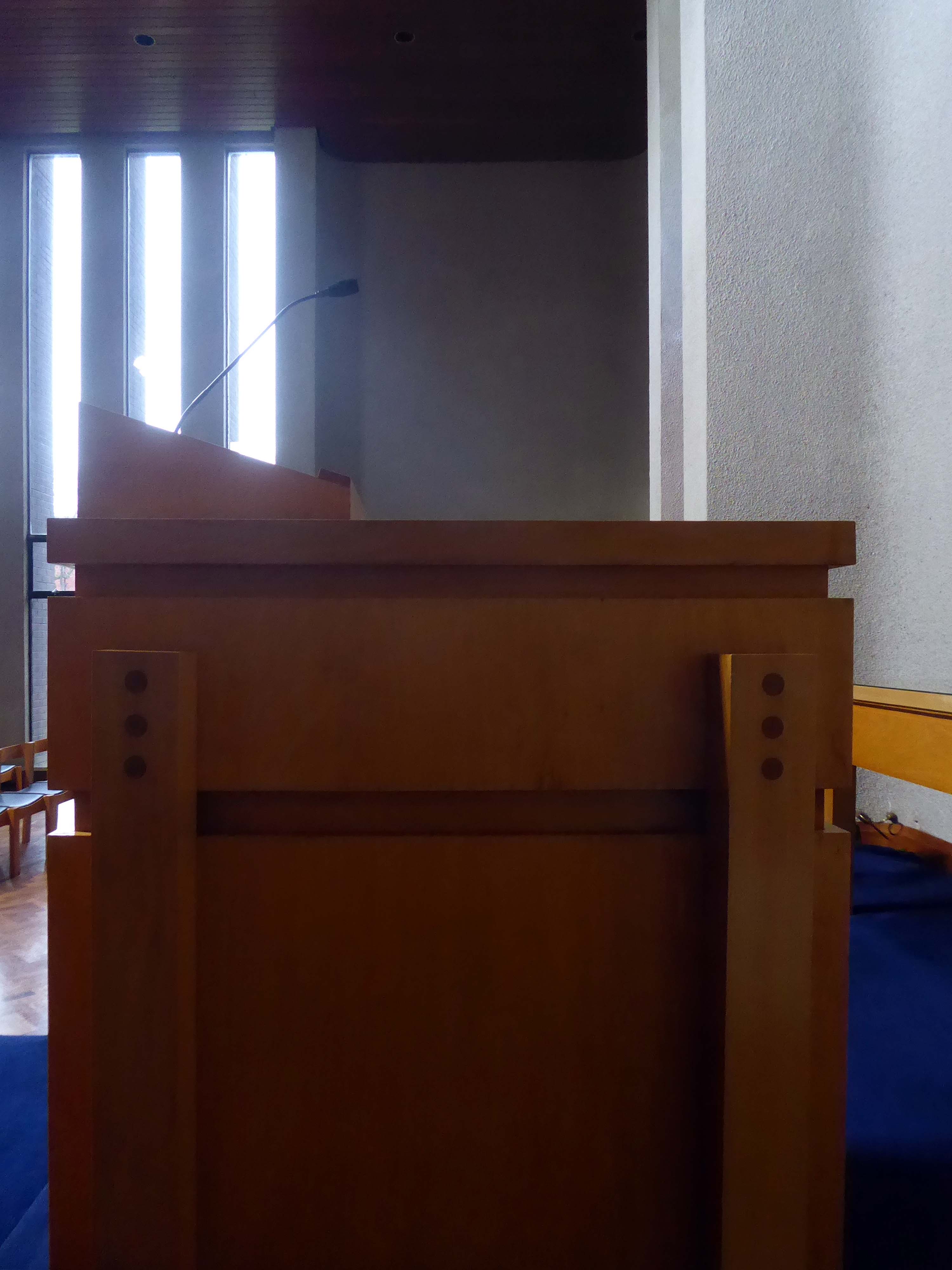
St Mary’s Church Interior

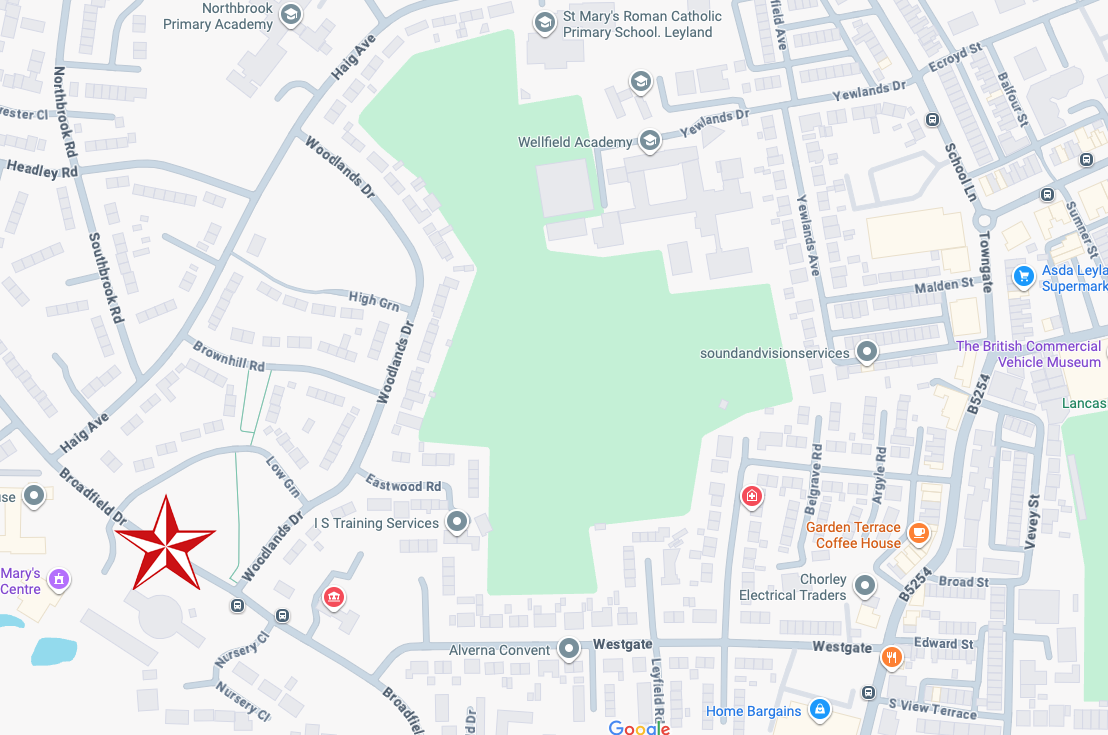
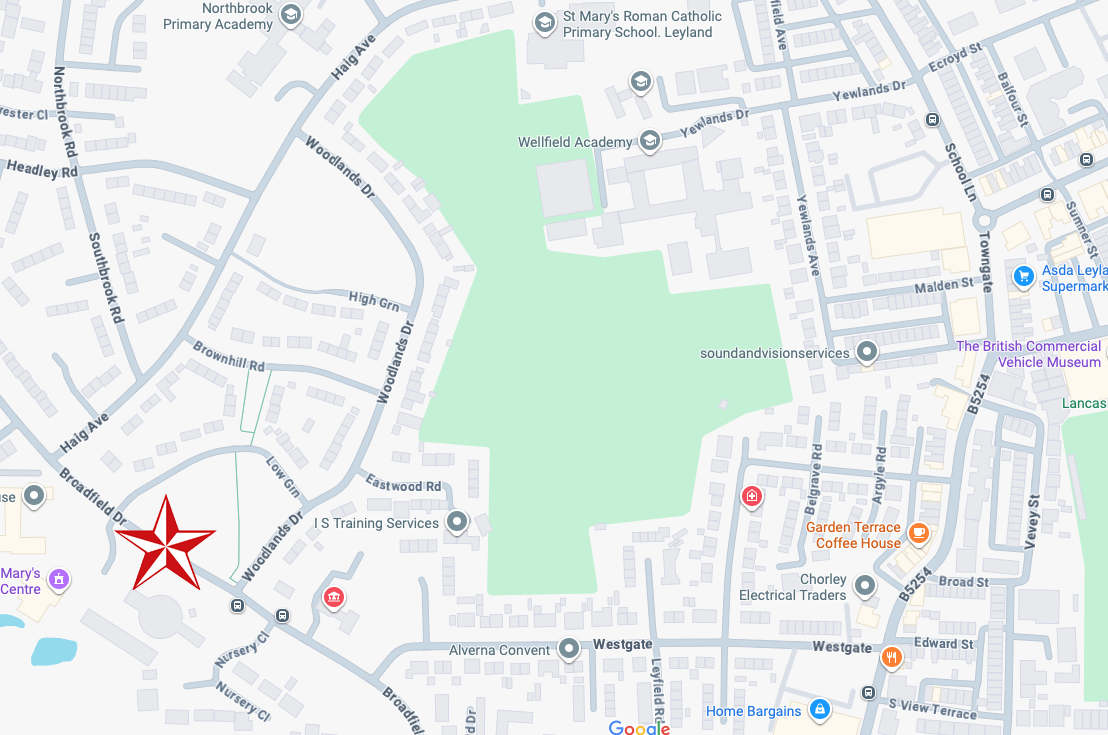
Broadfield Drive Leyland Lancashire PR25 1PD

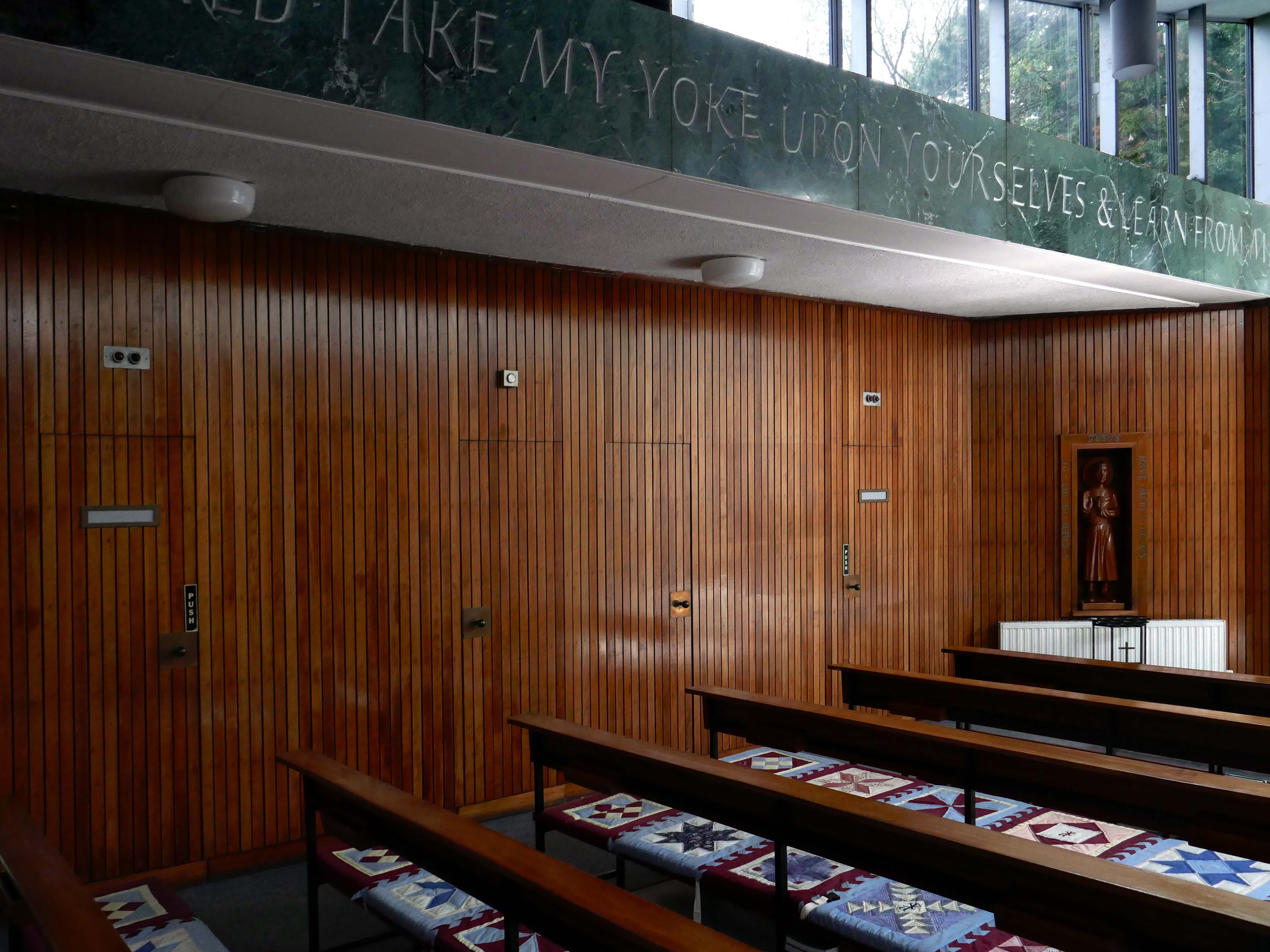
May I first thanks Parish Administrator Catherine, for taking the time to open the church for our visiting group of Modernists this Saturday – and providing us with the warmest of welcomes, along with a brew and a biscuit or two.

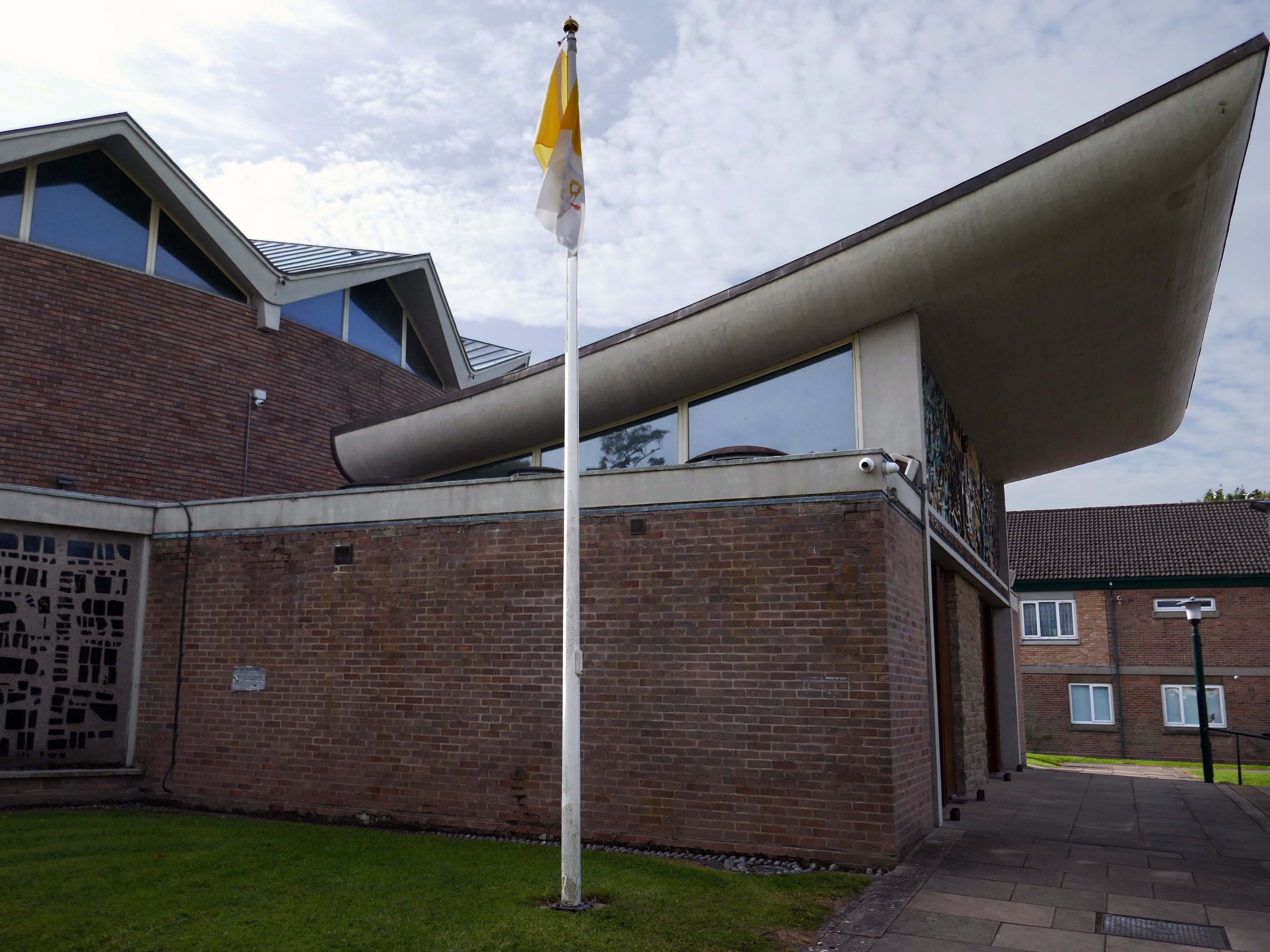
The church was designed by Jerzy Faczynski of Weightman and Bullen. Cardinal Heenan blessed the foundation stone in 1962  and the new church was completed ready for its consecration and dedication by Archbishop Beck in April 1964.

The church is a testament to the ambition, imagination and optimism of its age. Significantly, the building was the collaborative work of both immigrant and native architects, artists and designers.

This has been celebrated by Owen Hatherley’s recent book The Alienation Effect.

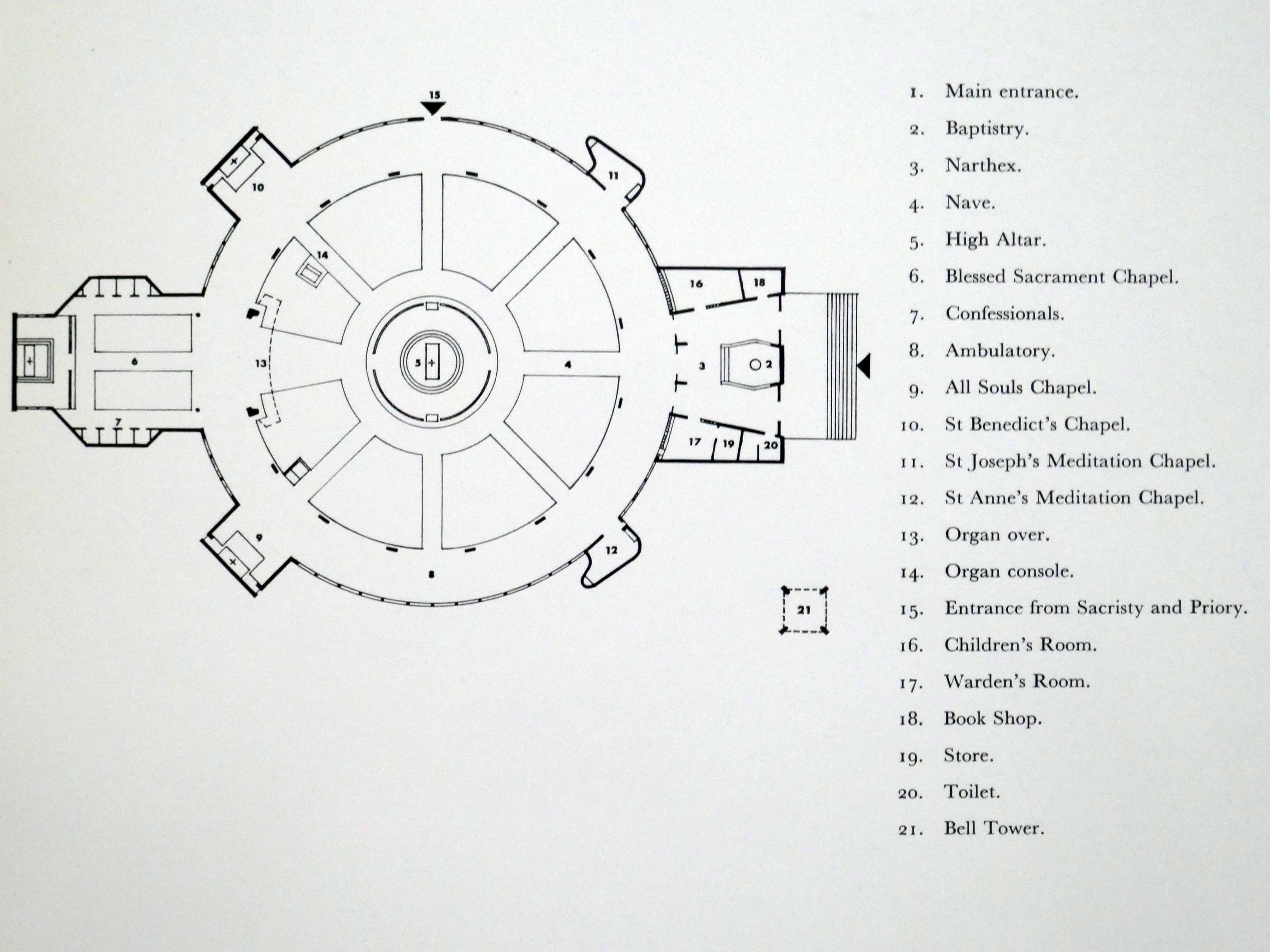
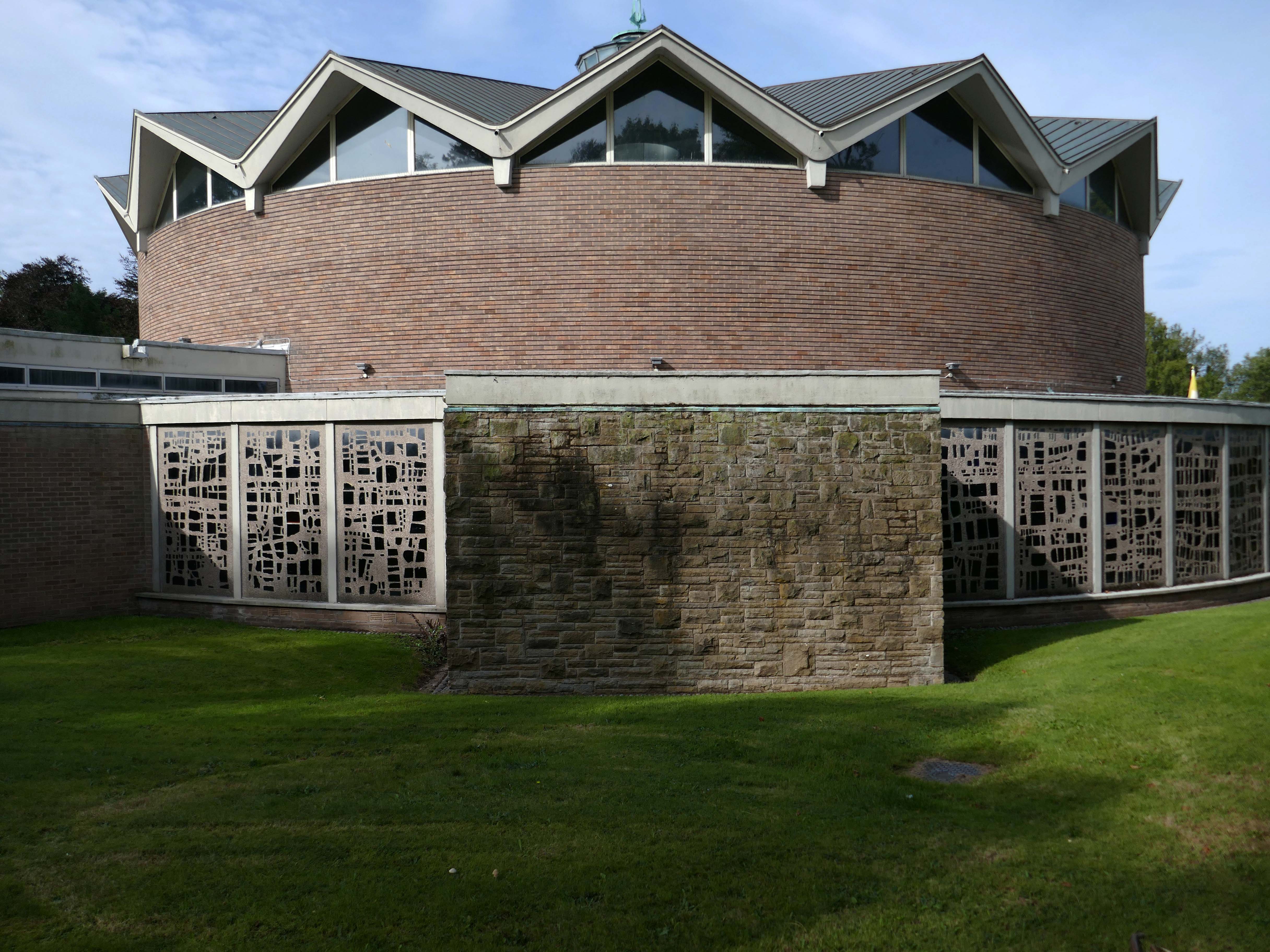
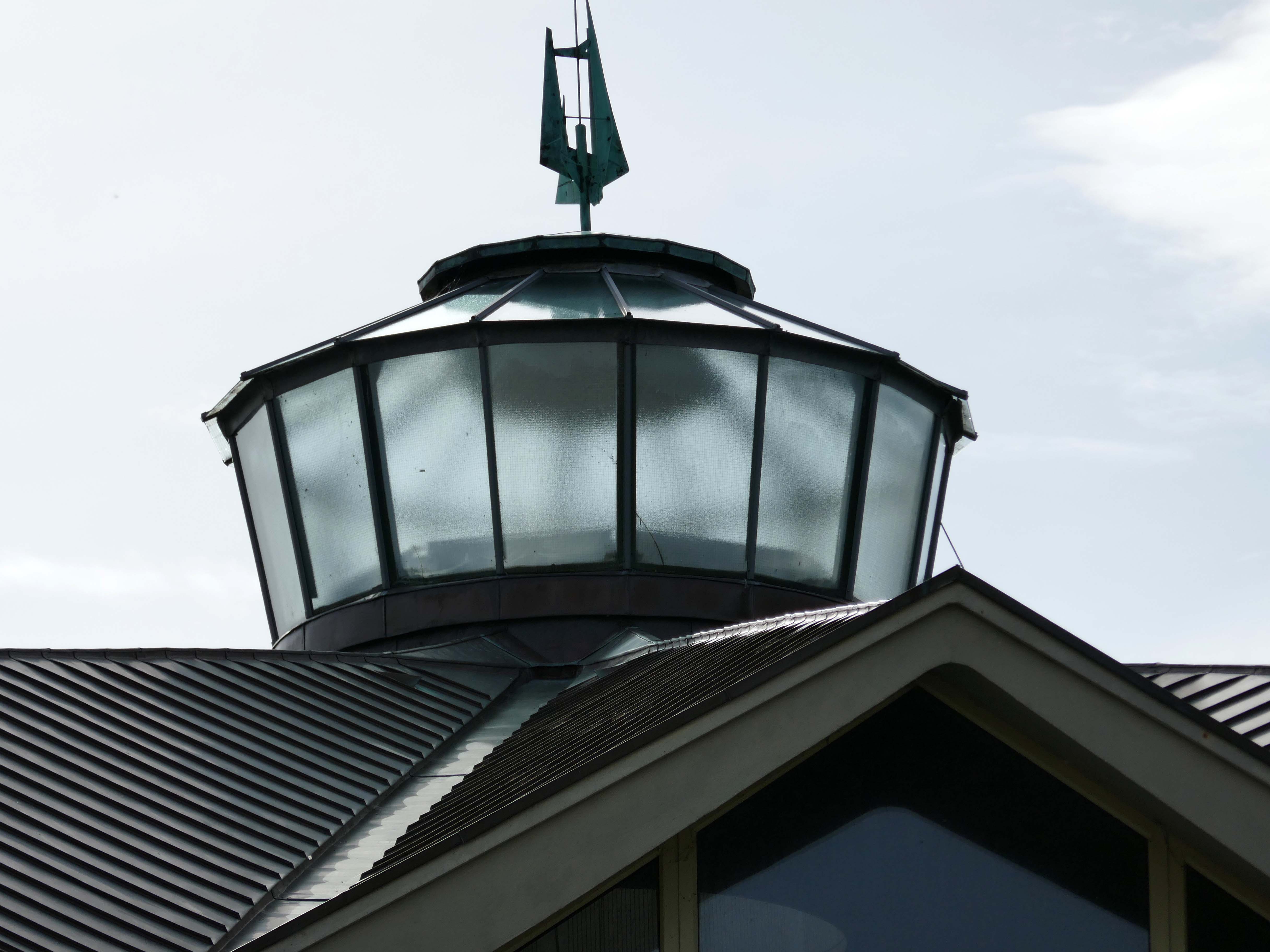
A folded slab roof of ninety five feet in diameter, its concrete cast on site, bearing the marks of the wooden shuttering, contrasting with the smooth surface of the pre-cast valley beams.

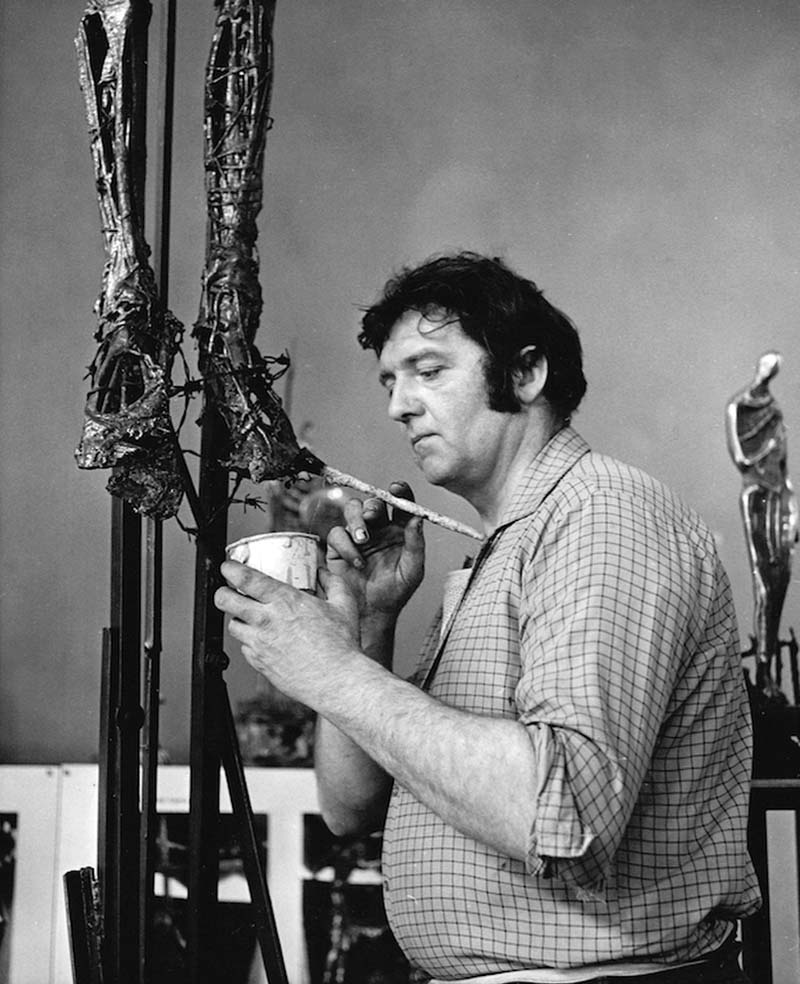
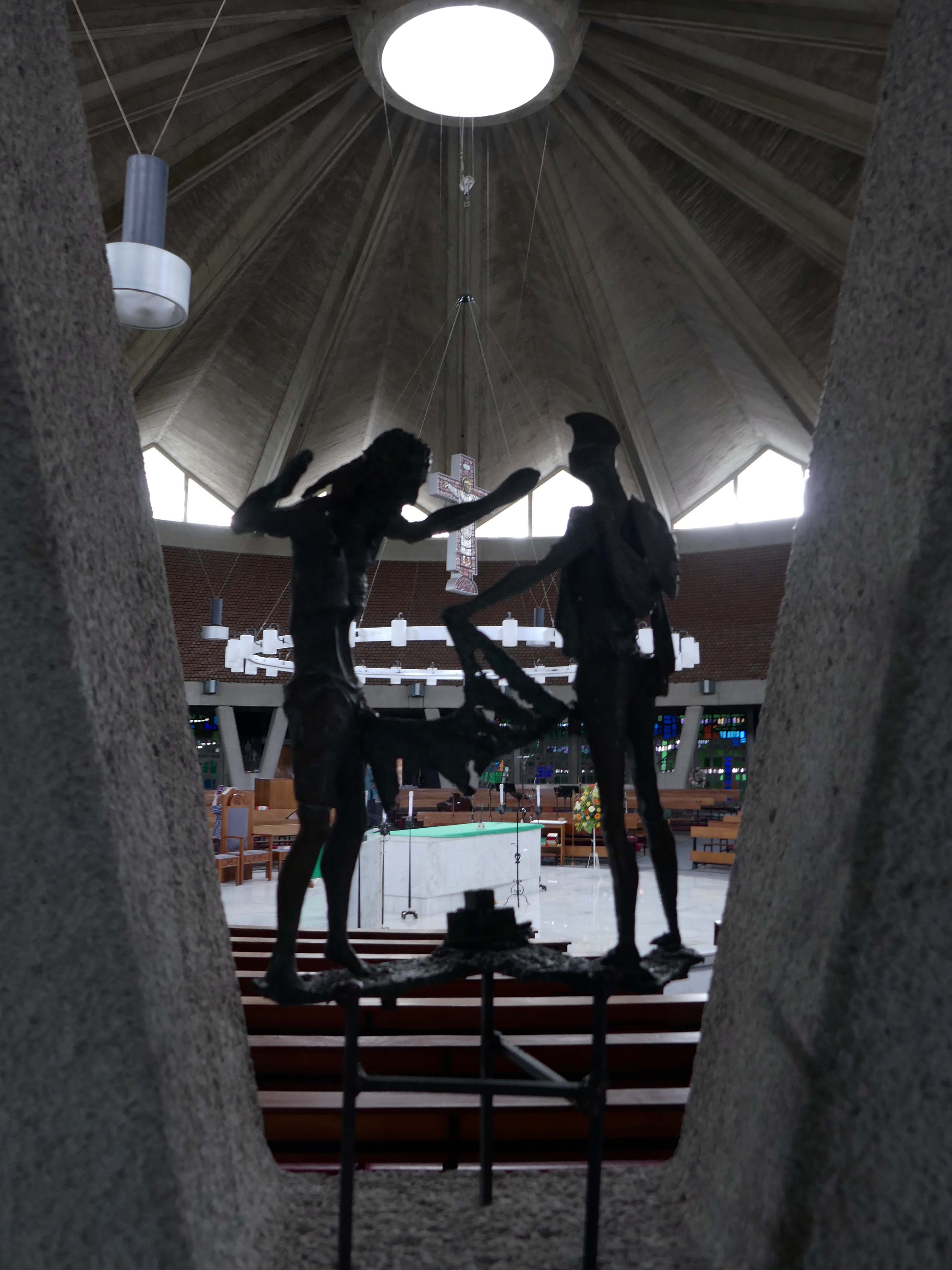
The Crucifix Rex frame is by Alan Roberts and the ceramic figure by Adam Kossowski.

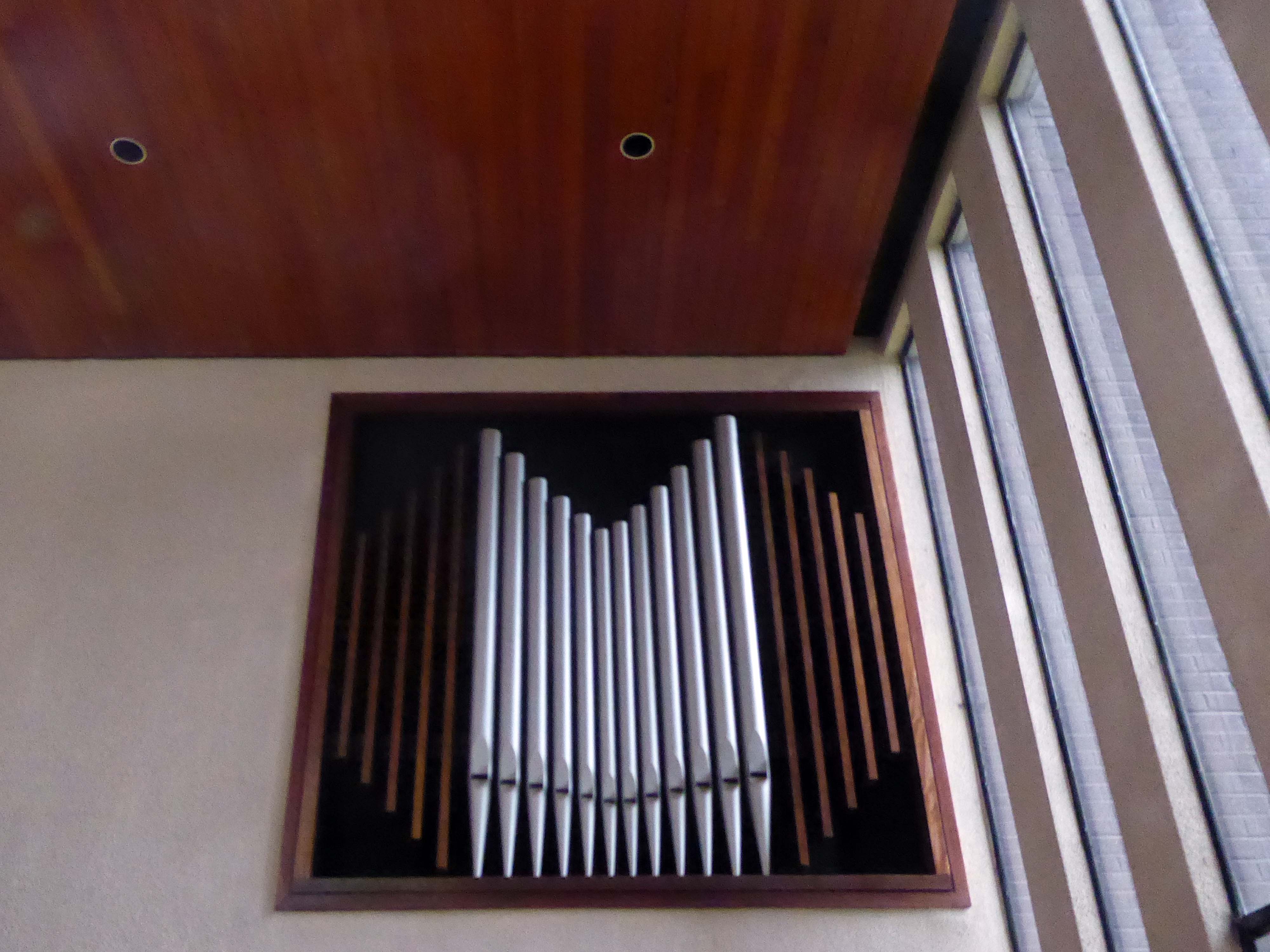
The organ is designed by JW Walker & Son.

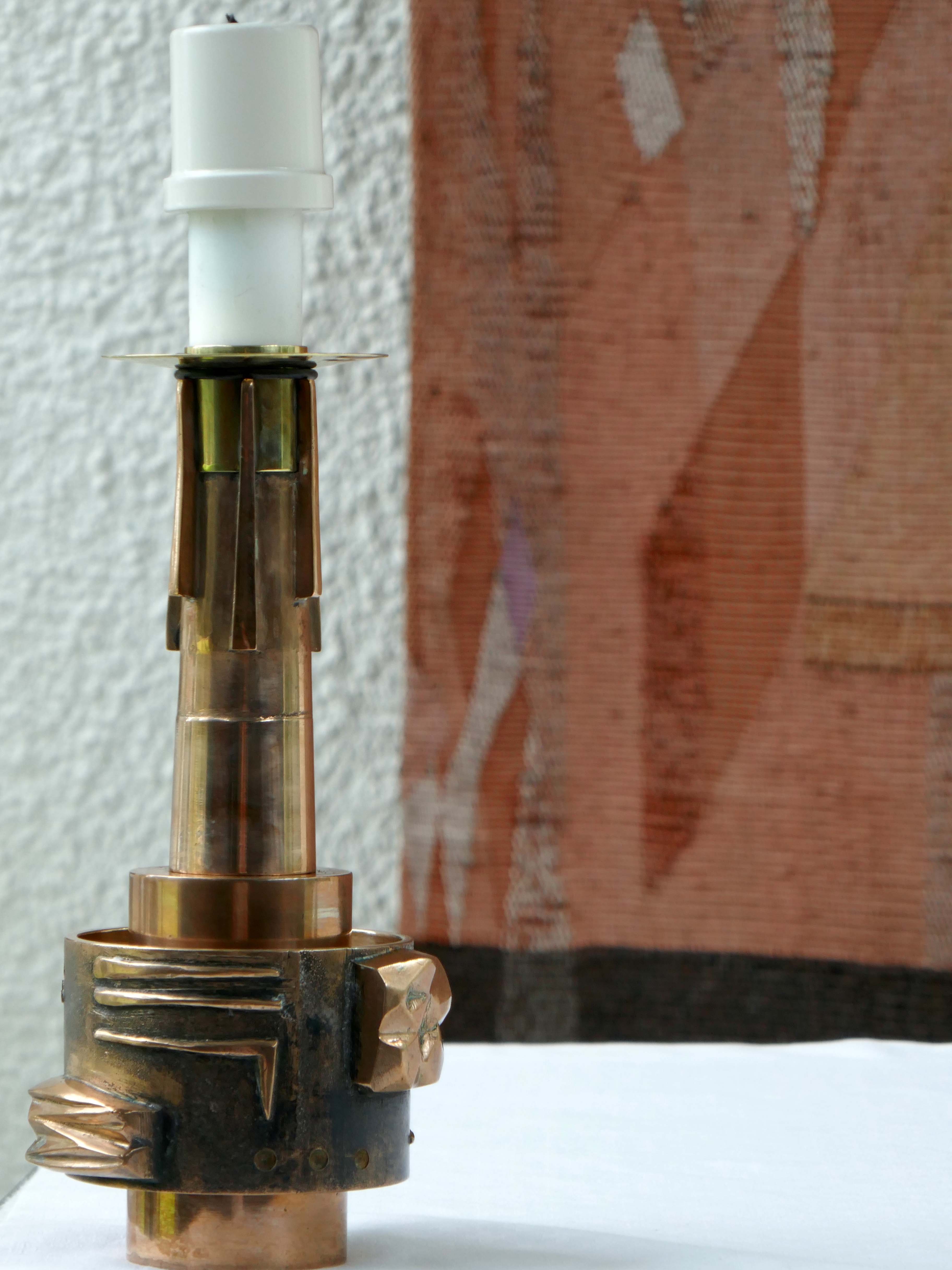
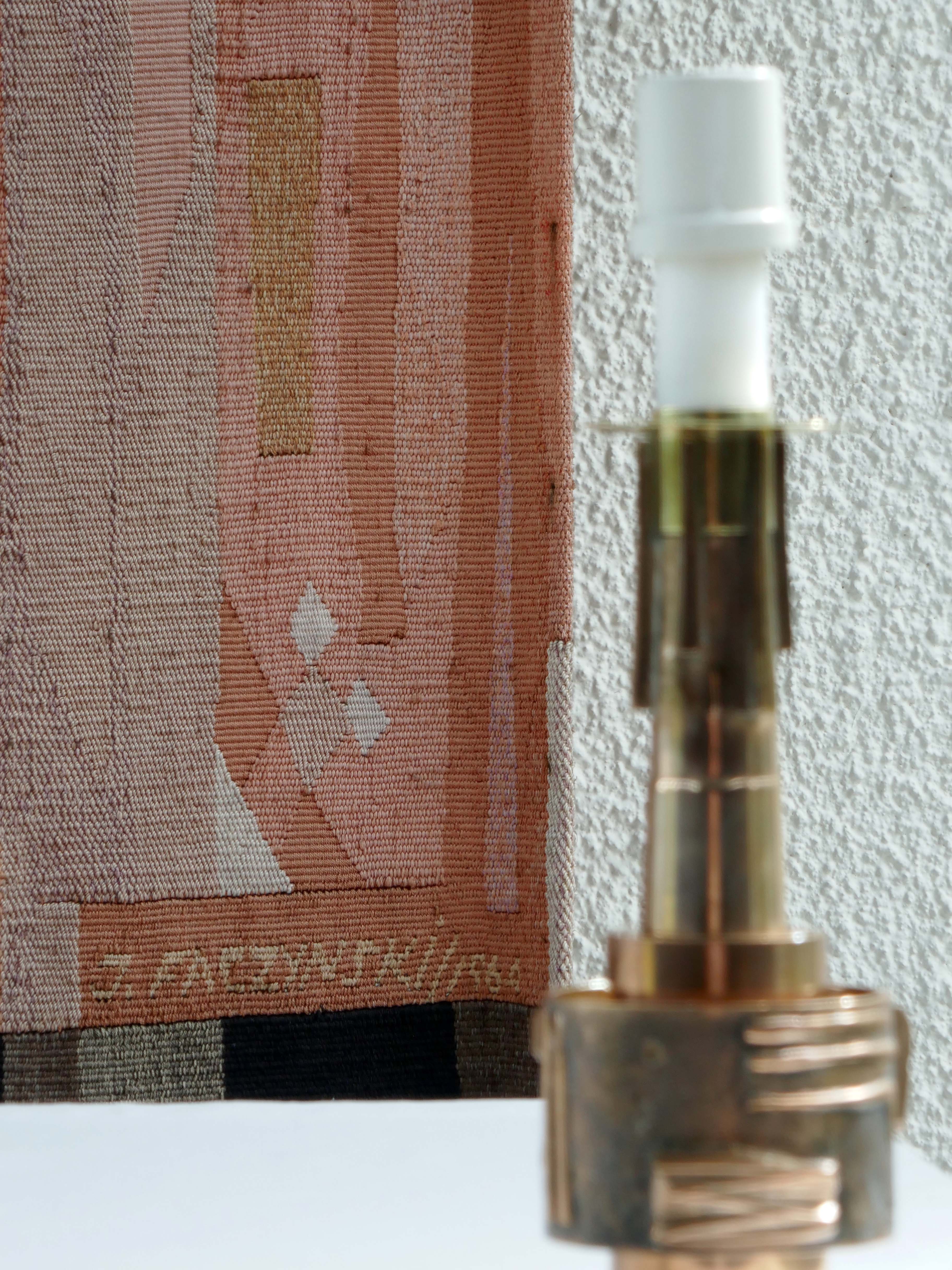
The candlesticks and metal furnishings in all the Chapels were fashioned in the foundry of Messrs Bagnall of Kirkby to the design of Robin McGhie.

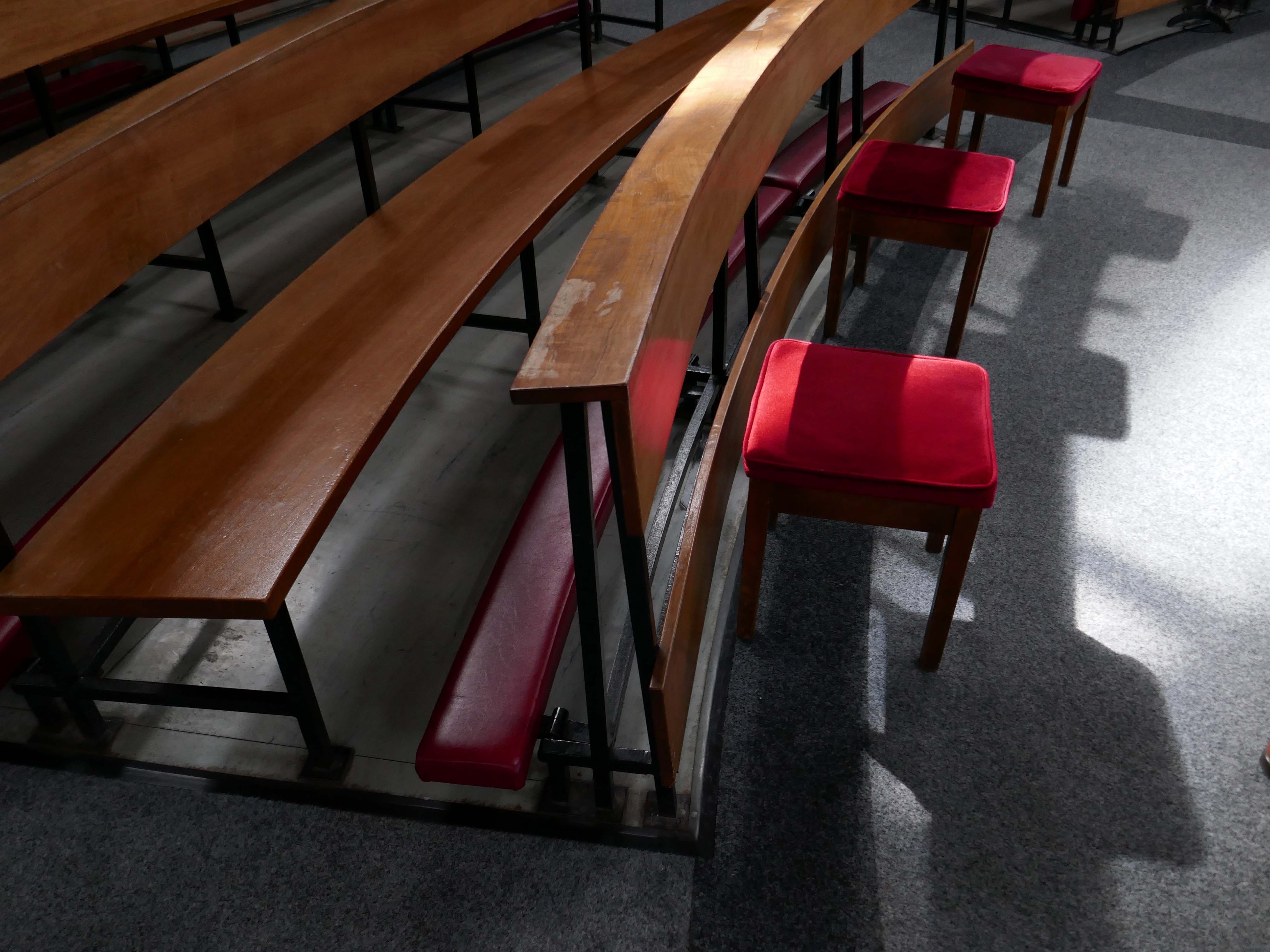
The curved benches are of Ghana mahogany and were made by the Robert Thompson Craftsmen of Kilburn, the steel work by GS Graham of Stokesley. The distinctive Mouseman mouse can be found on several of the bench ends.

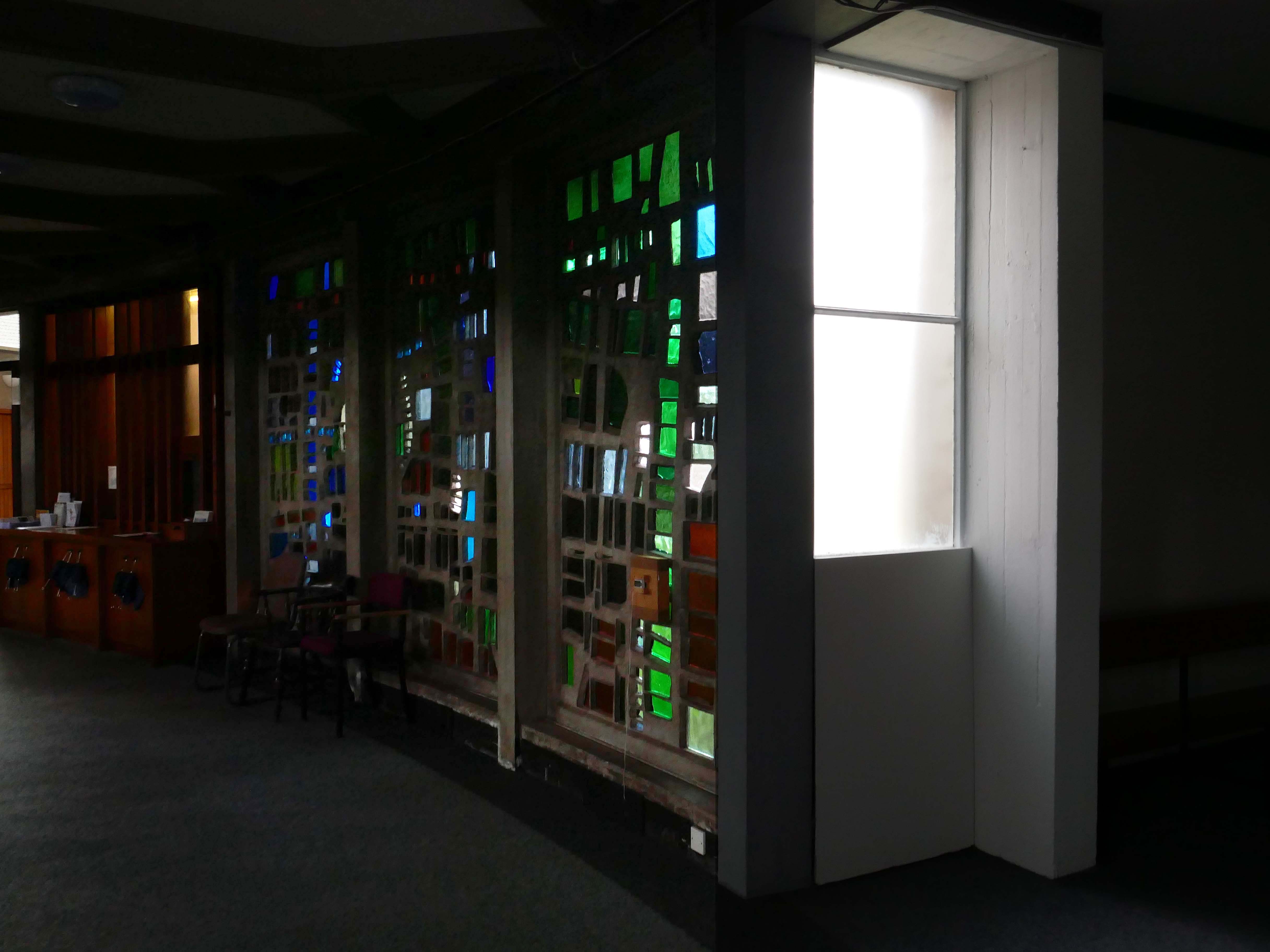
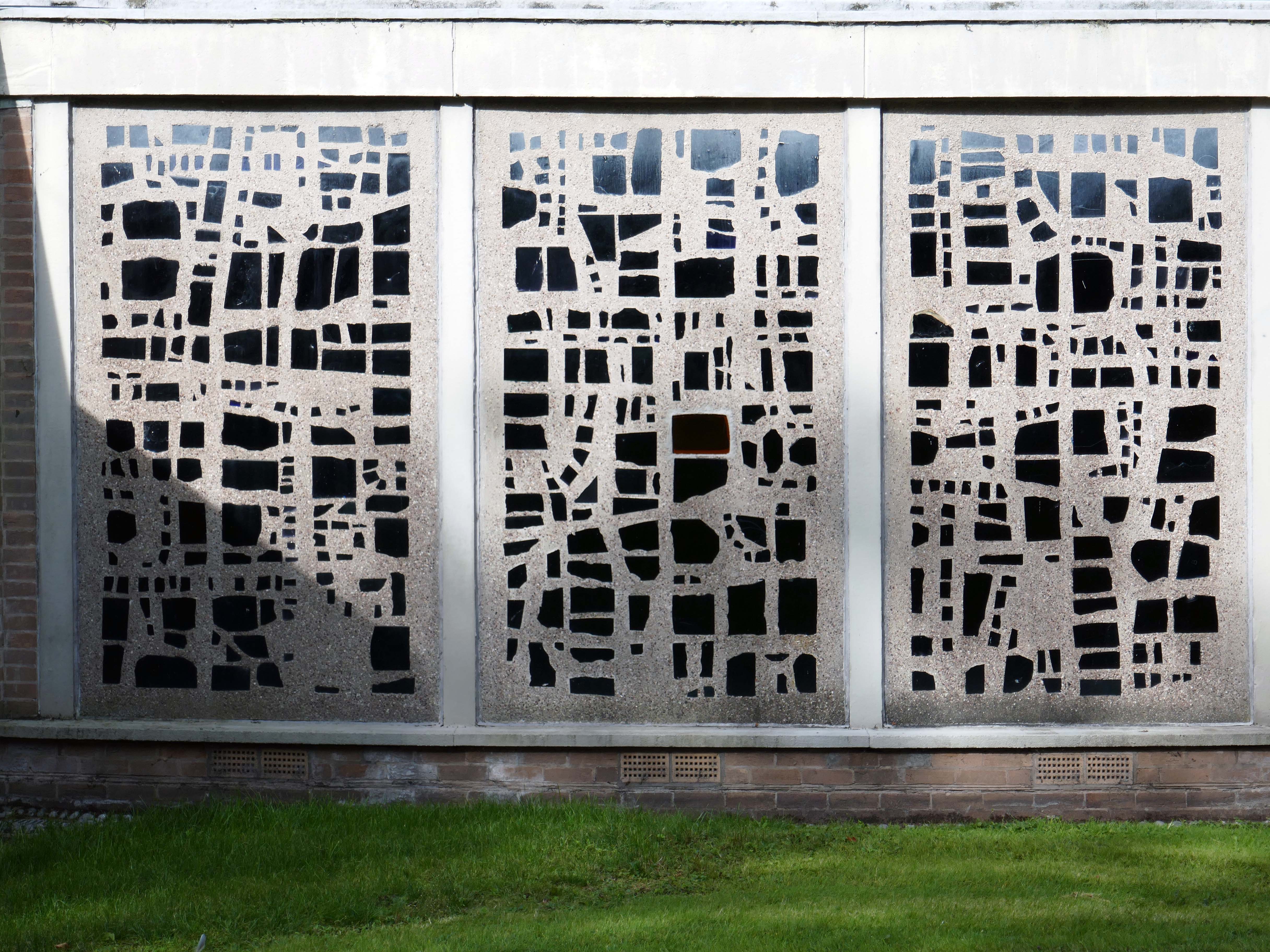
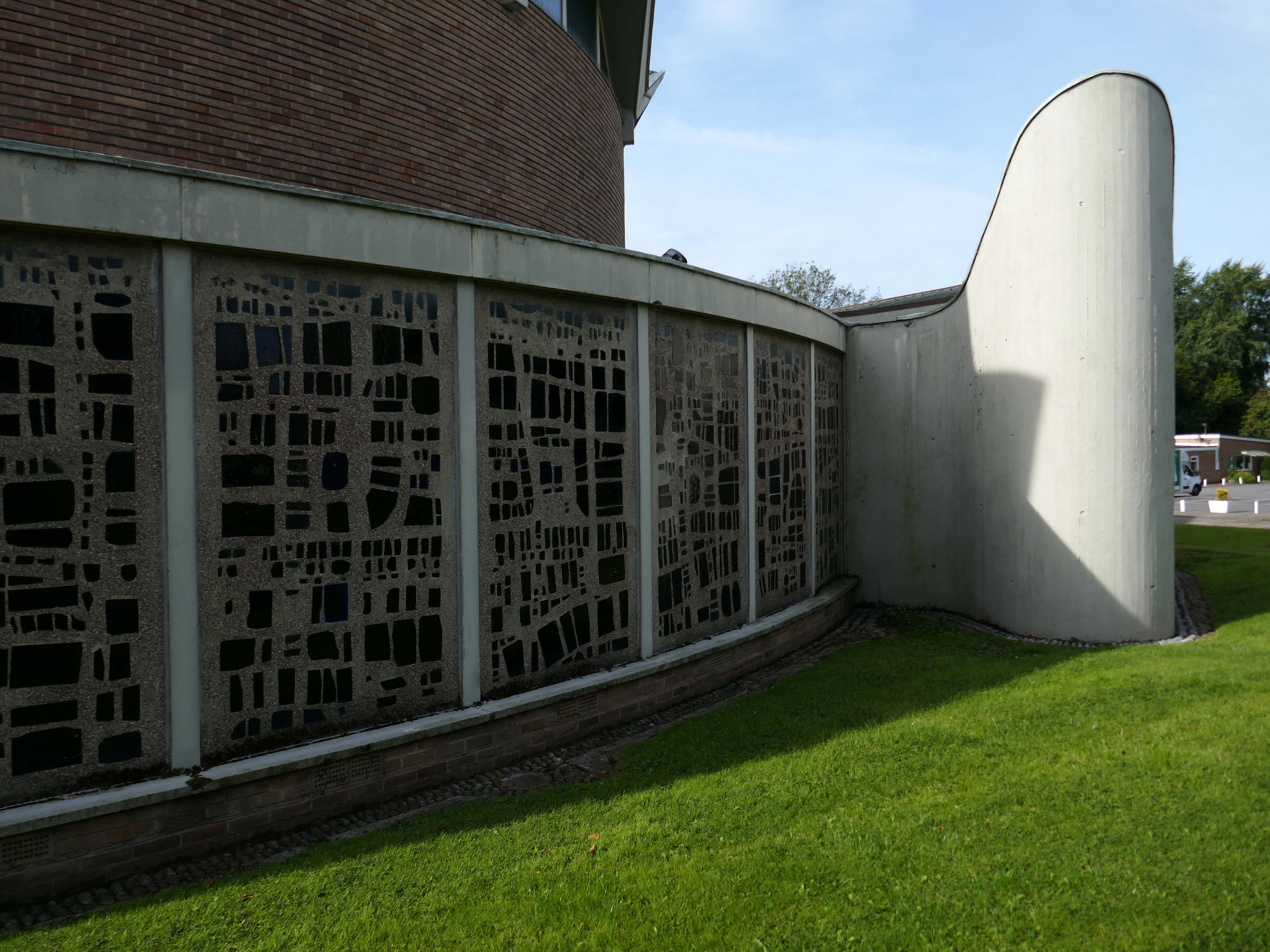
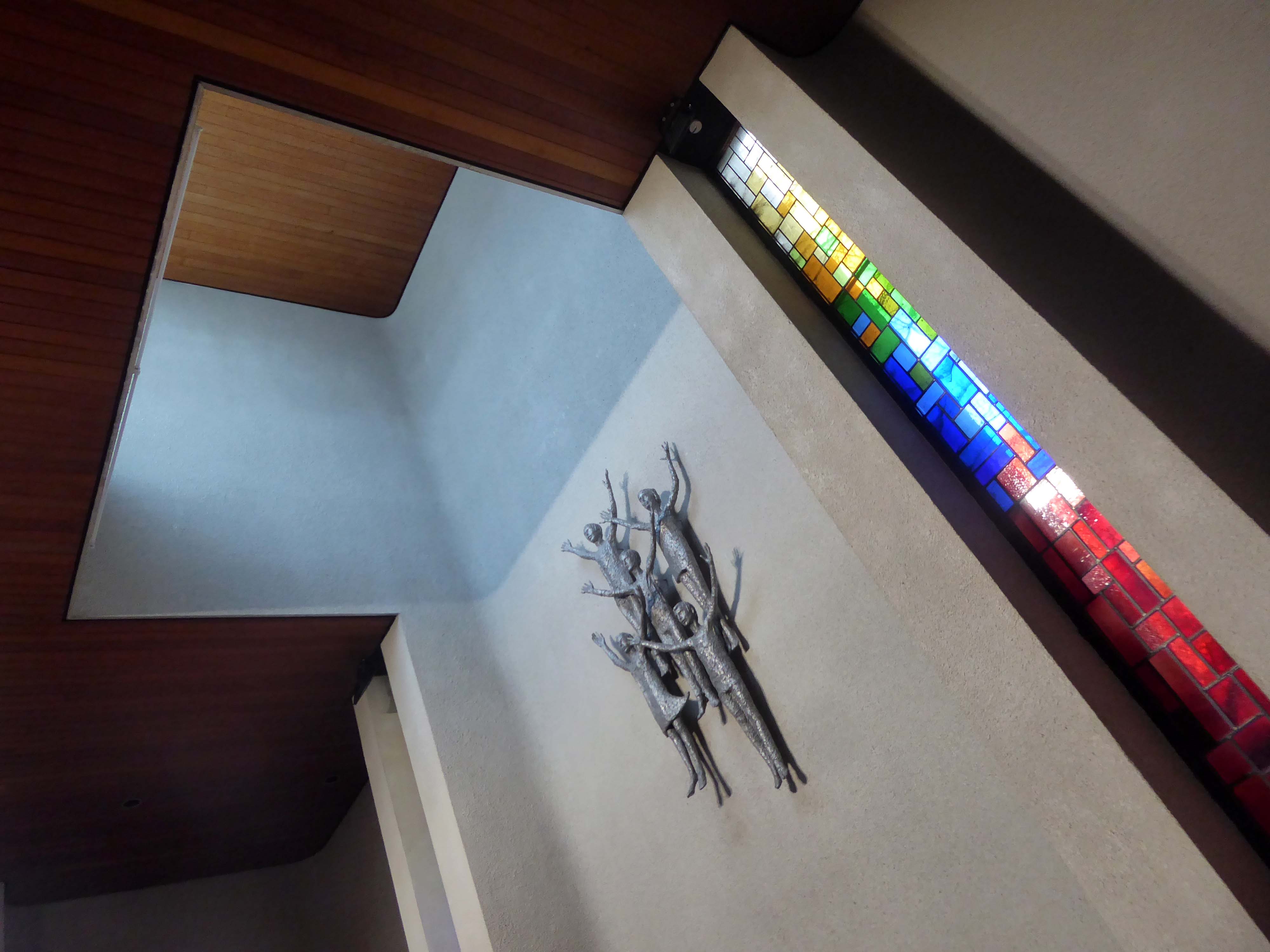
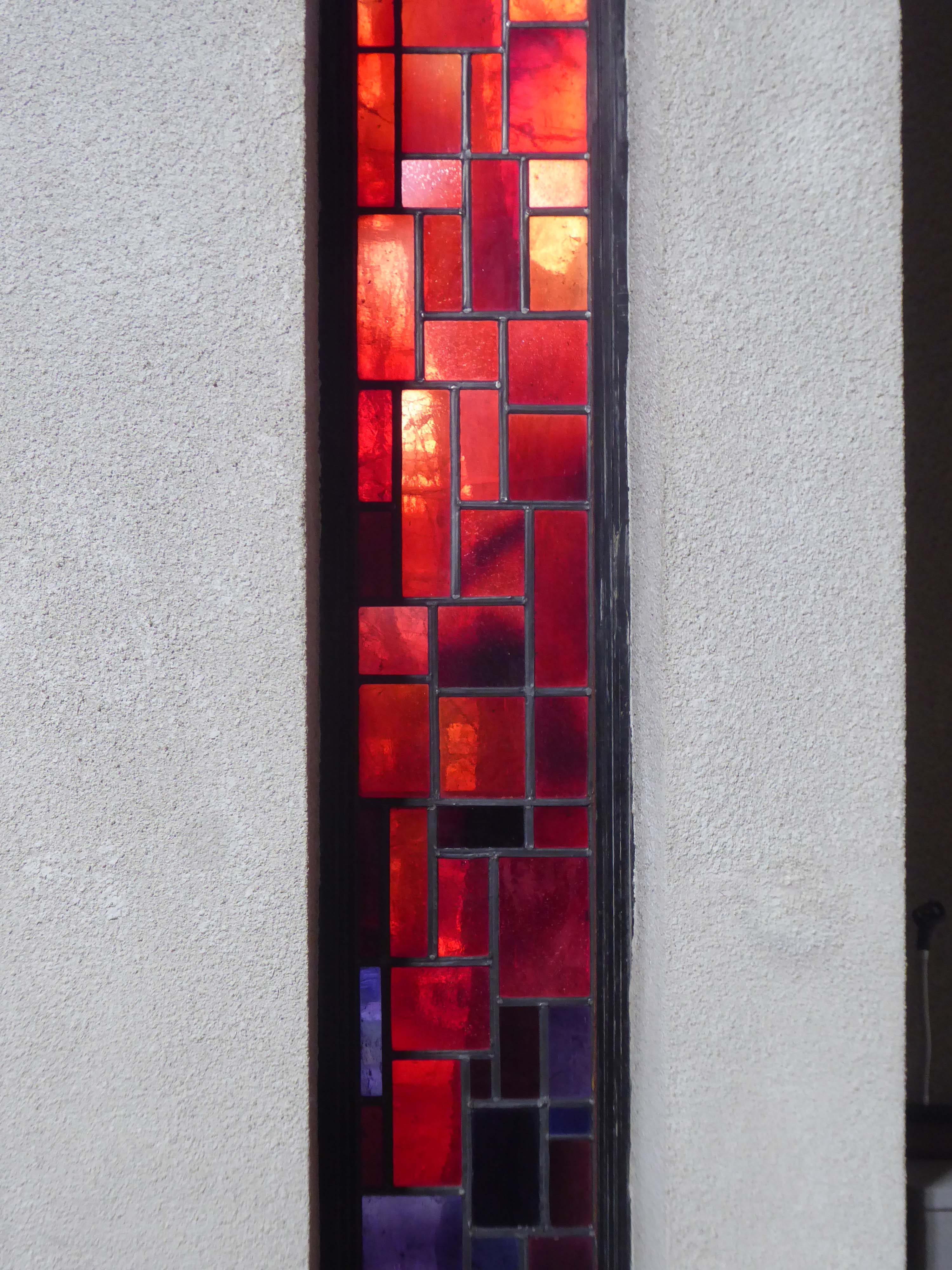
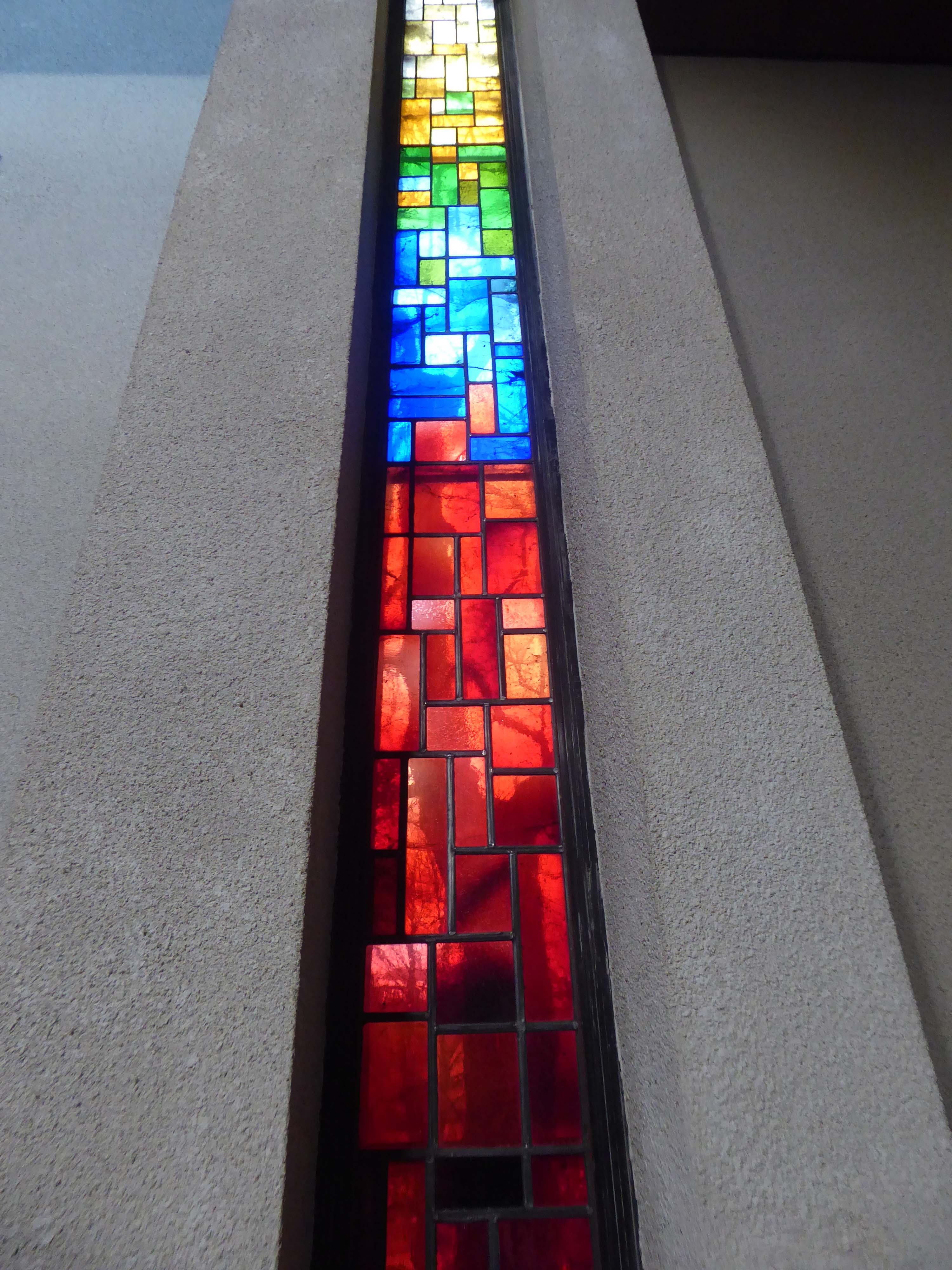
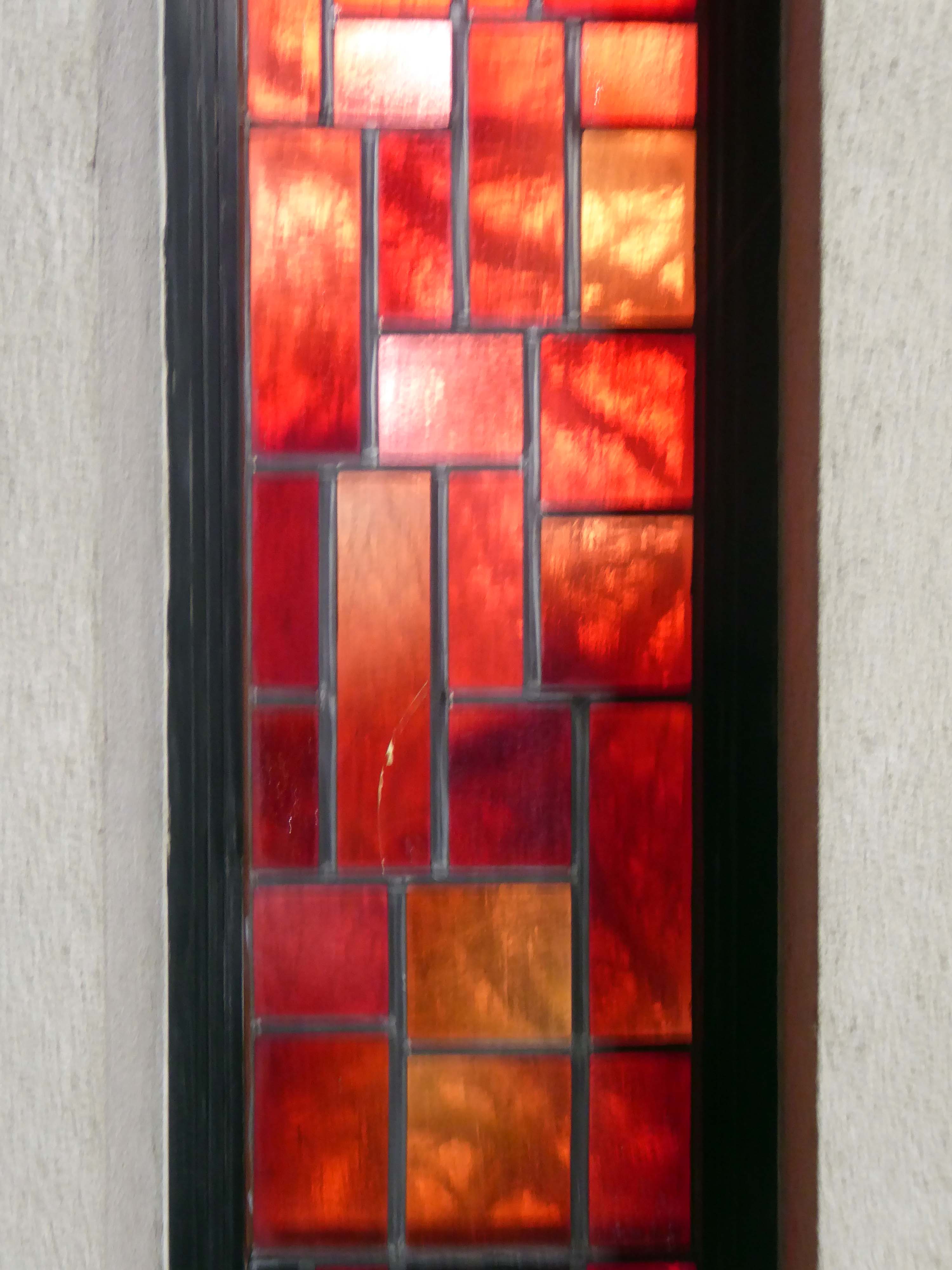
Dalle de Verre stained glass by Patrick Reyntiens, thirty-six panels abstract totalling two hundred and thirty three feet in length.

The theme for the windows is taken from the first nine verses of Genesis, and the passage of Proverbs c. vii. Amorphous undifferentiated matter with the beginnings of definition and pattern, with here and there the promise of order and system.

The Stations of the Cross are the work of Liverpool sculptor Arthur Dooley.

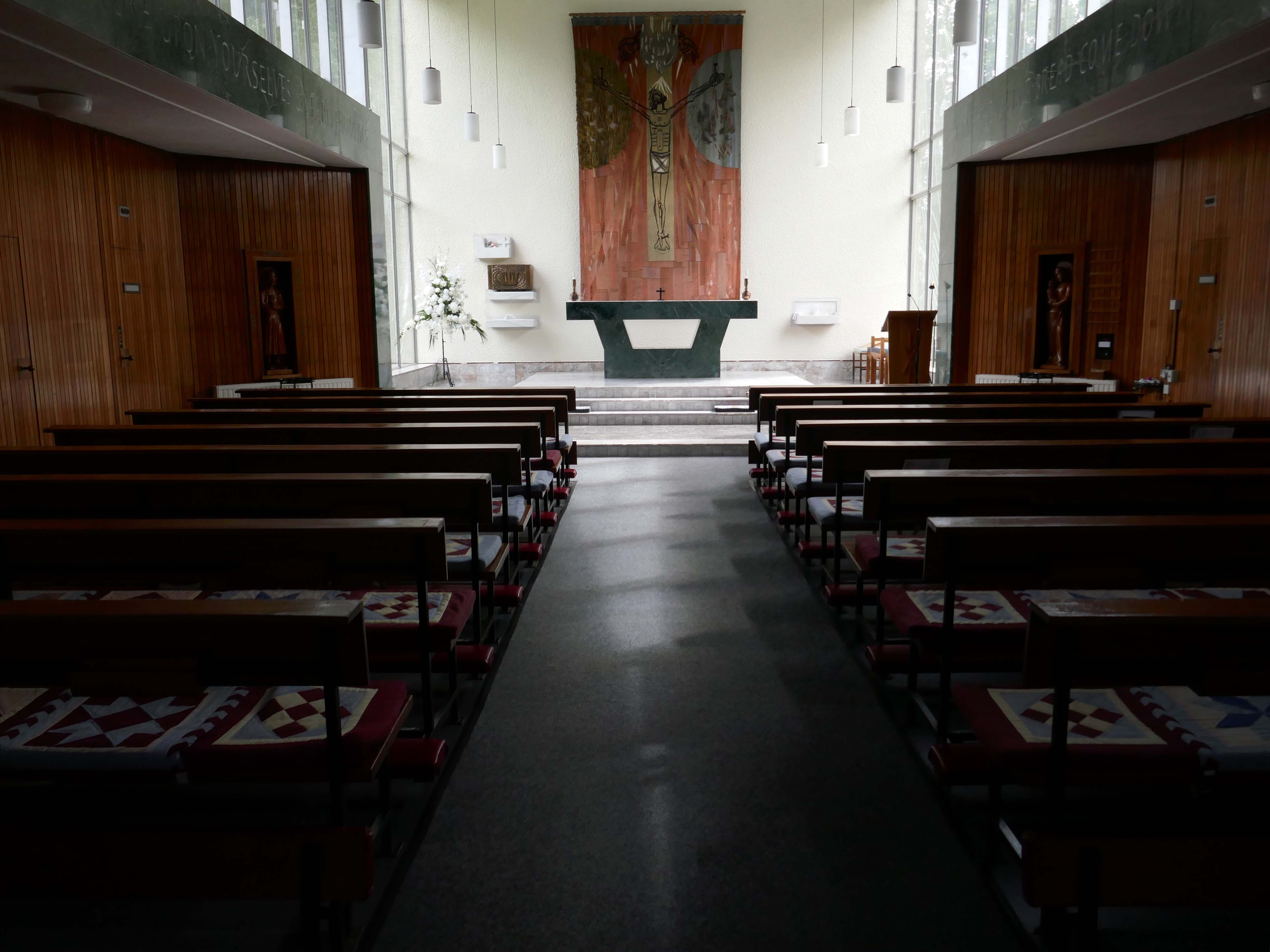
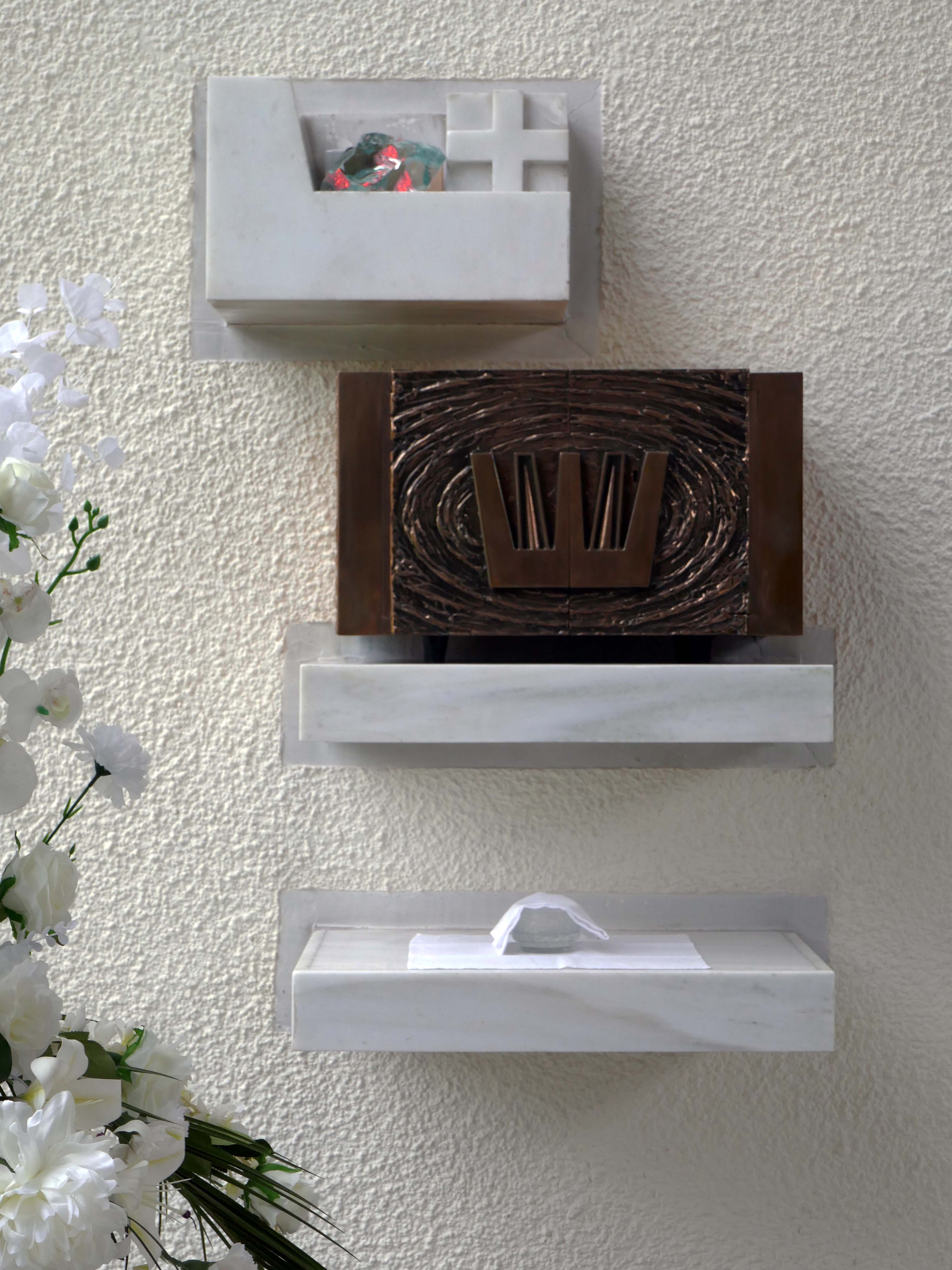
The Chapel of the Blessed Sacrament is designed to seat one hundred and twenty.

The lettering on the green marble frieze is by George Thomas.

The tabernacle, crystal lamp and altar furniture were designed by Robin McGhie.

The tapestry, designed by architect Jerzy Faczynski and woven by the Edinburgh Tapestry Company, under H Jefferson Barnes and Anthony Brennan.

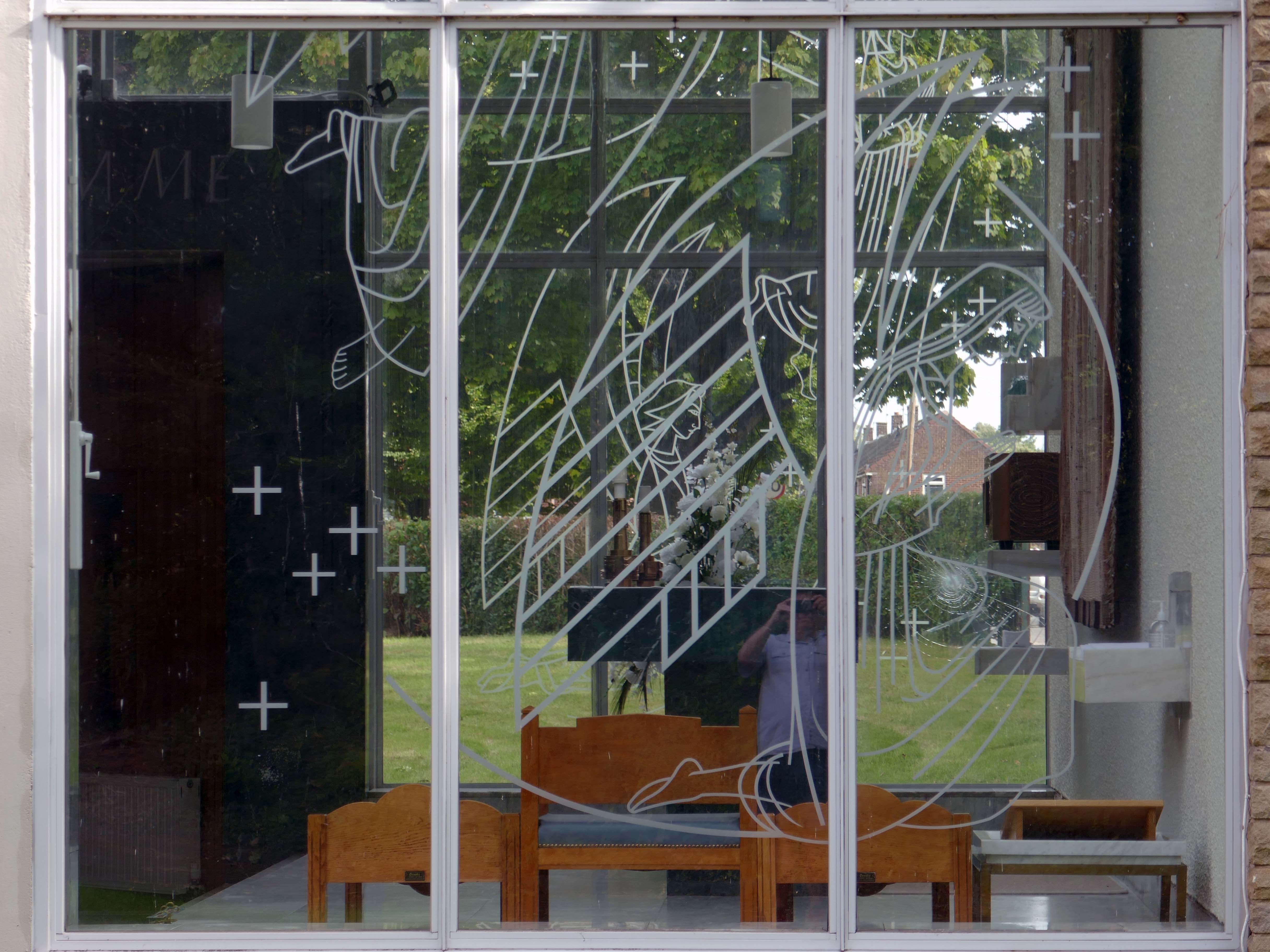
The etched glass panels are also by Jerzy Faczynski.

This is a church whose design and integral interior order and design, sits alongside both Coventry Cathedral and Liverpool Cathedral of Christ the King.

The finest materials and skills, working in harmony to produce a majestic whole.

Take a look outside too!

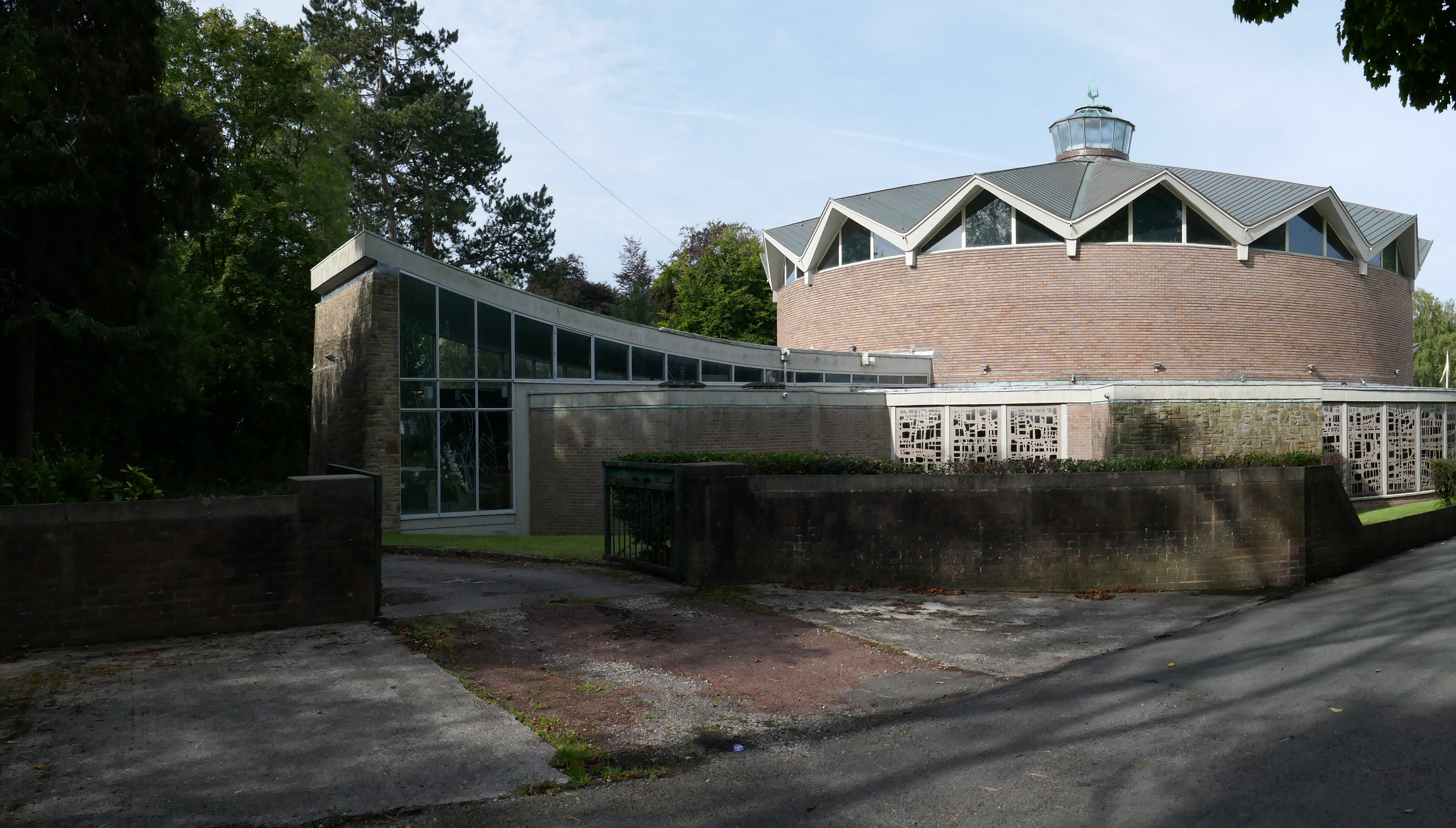
St Mary’s Church Exterior.

Broadfield Drive Leyland Lancashire PR25 1PD

I was first here in 2019 – it was raining, so snapping the exterior was a soggy task.

Returning in 2025 on a sunny day was a blessing.

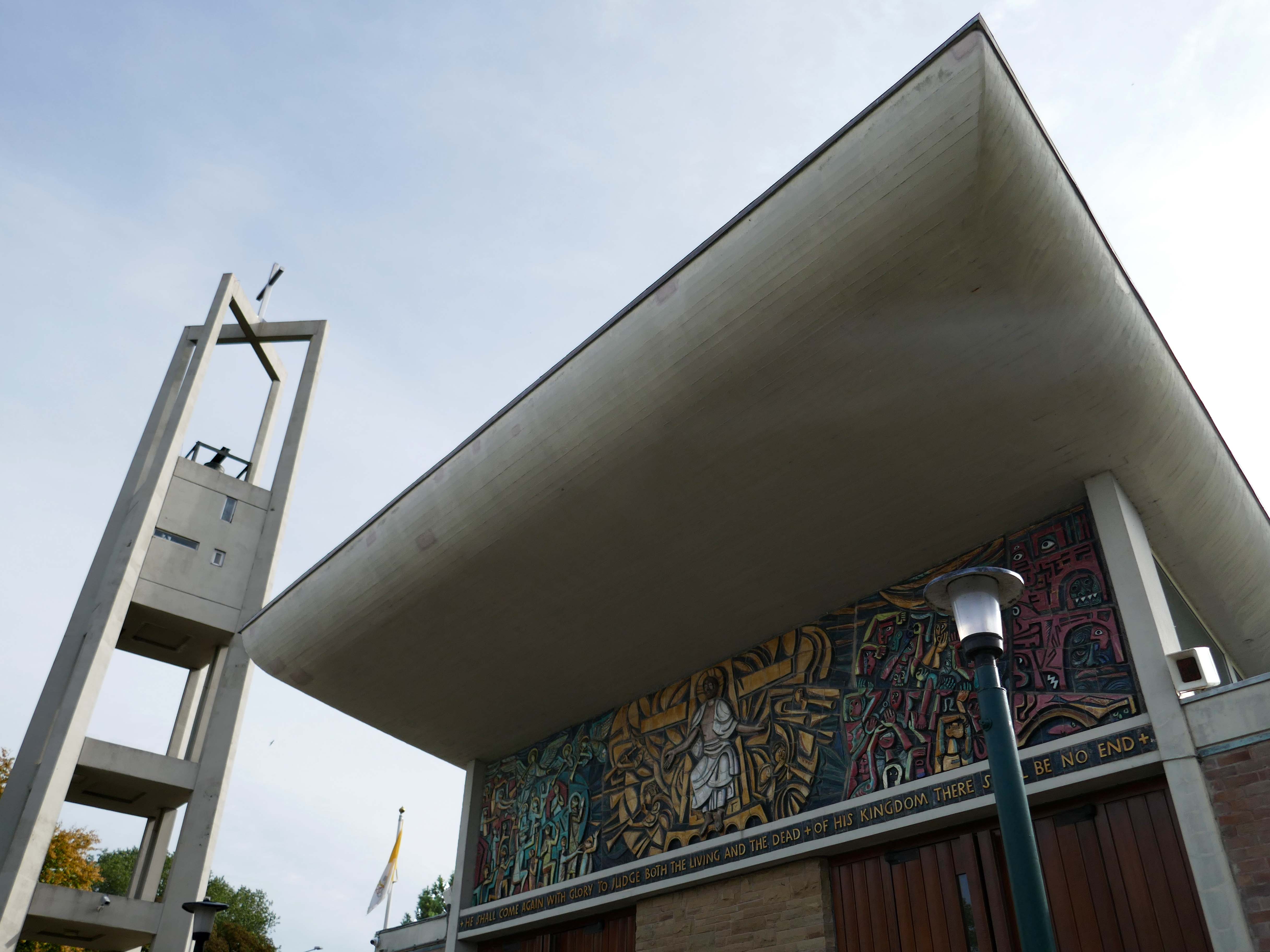
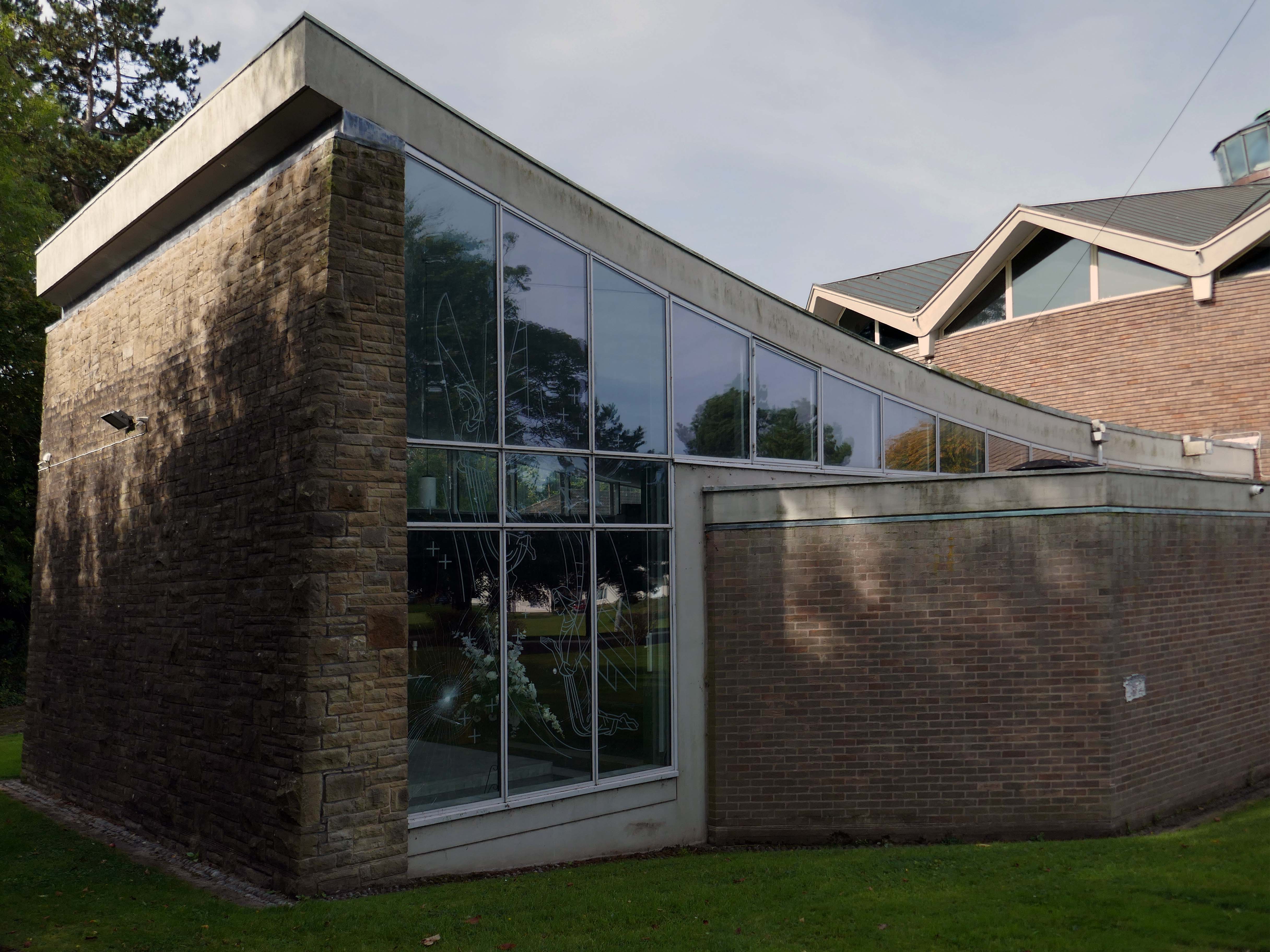
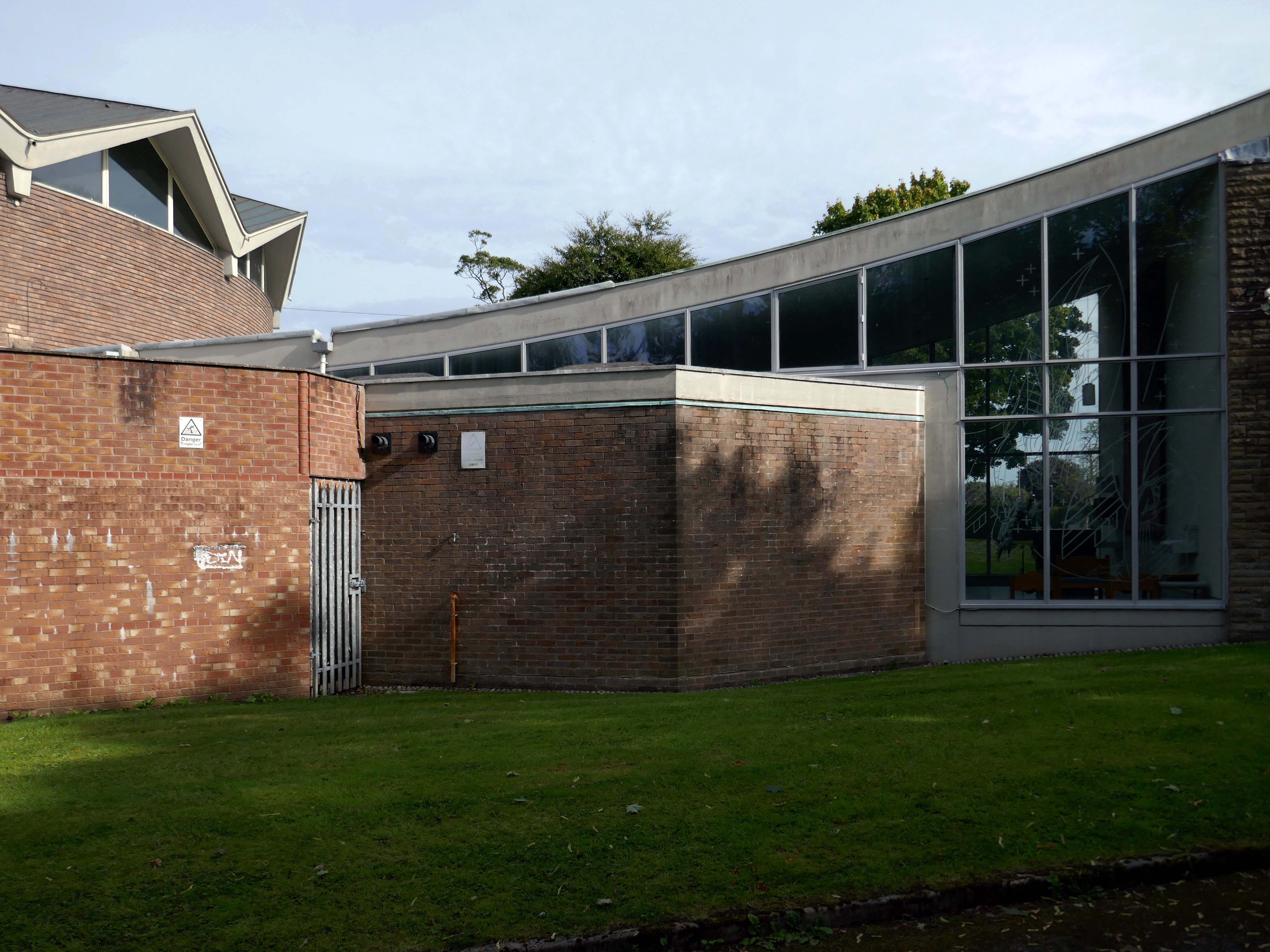
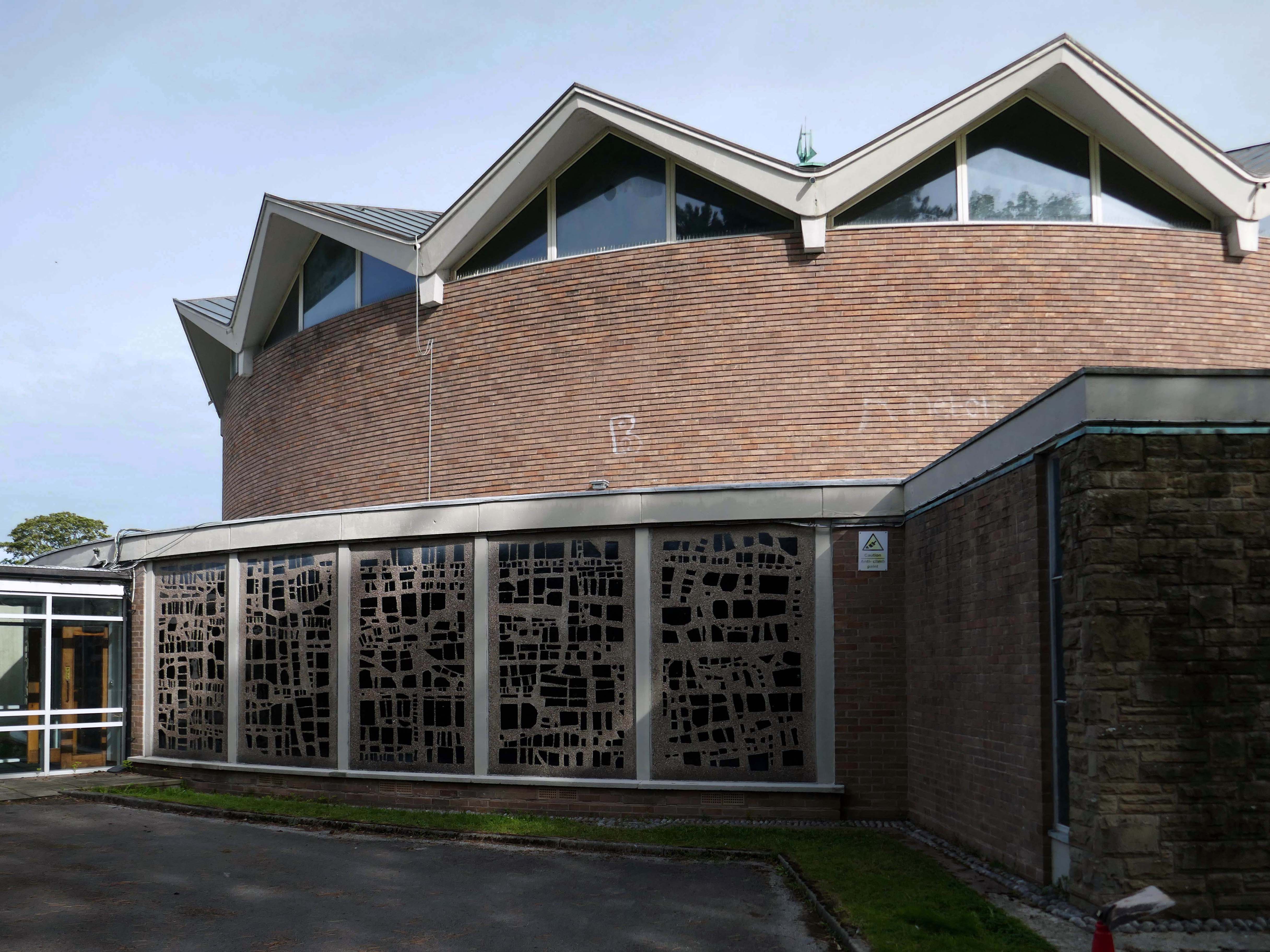
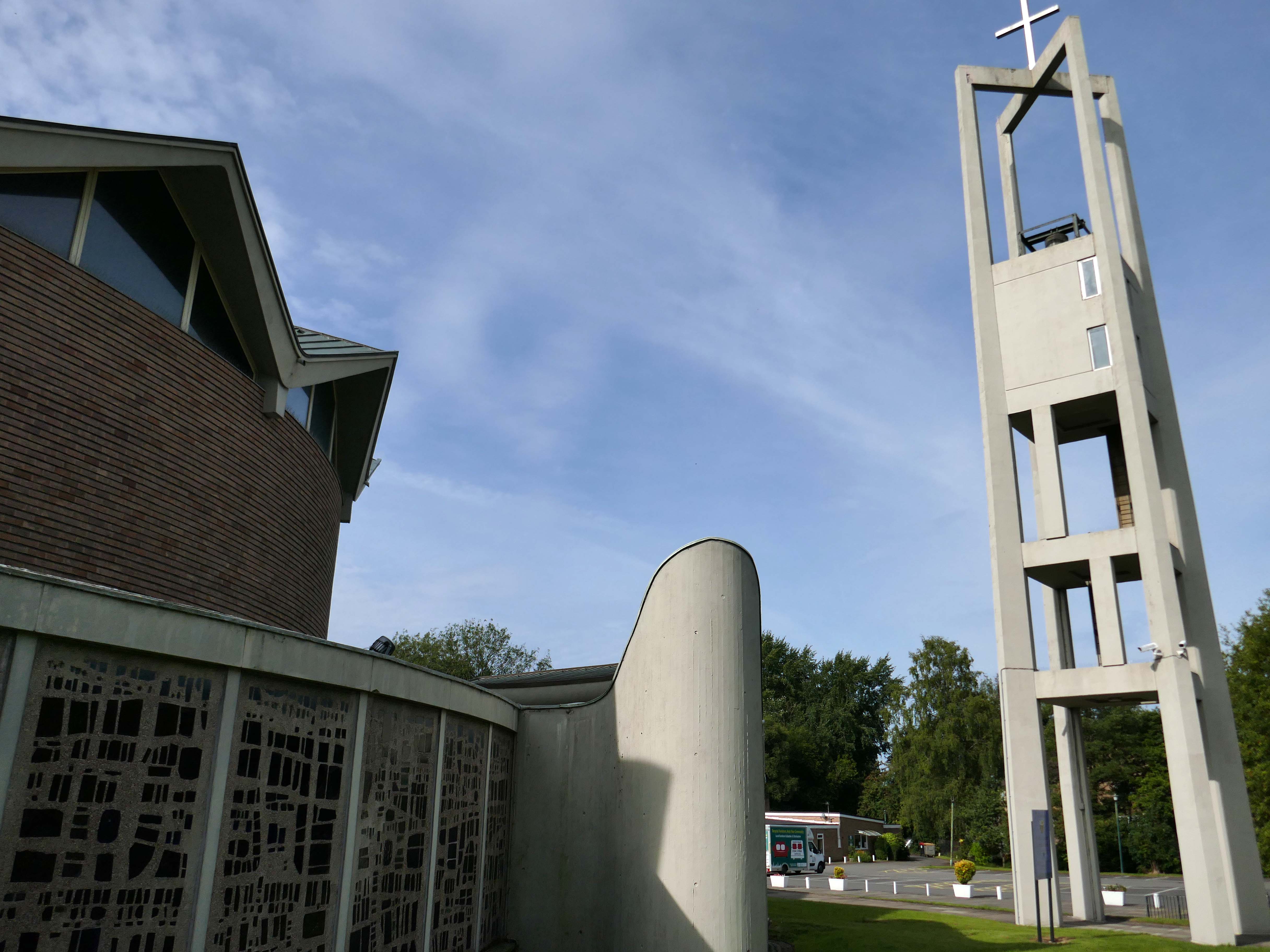
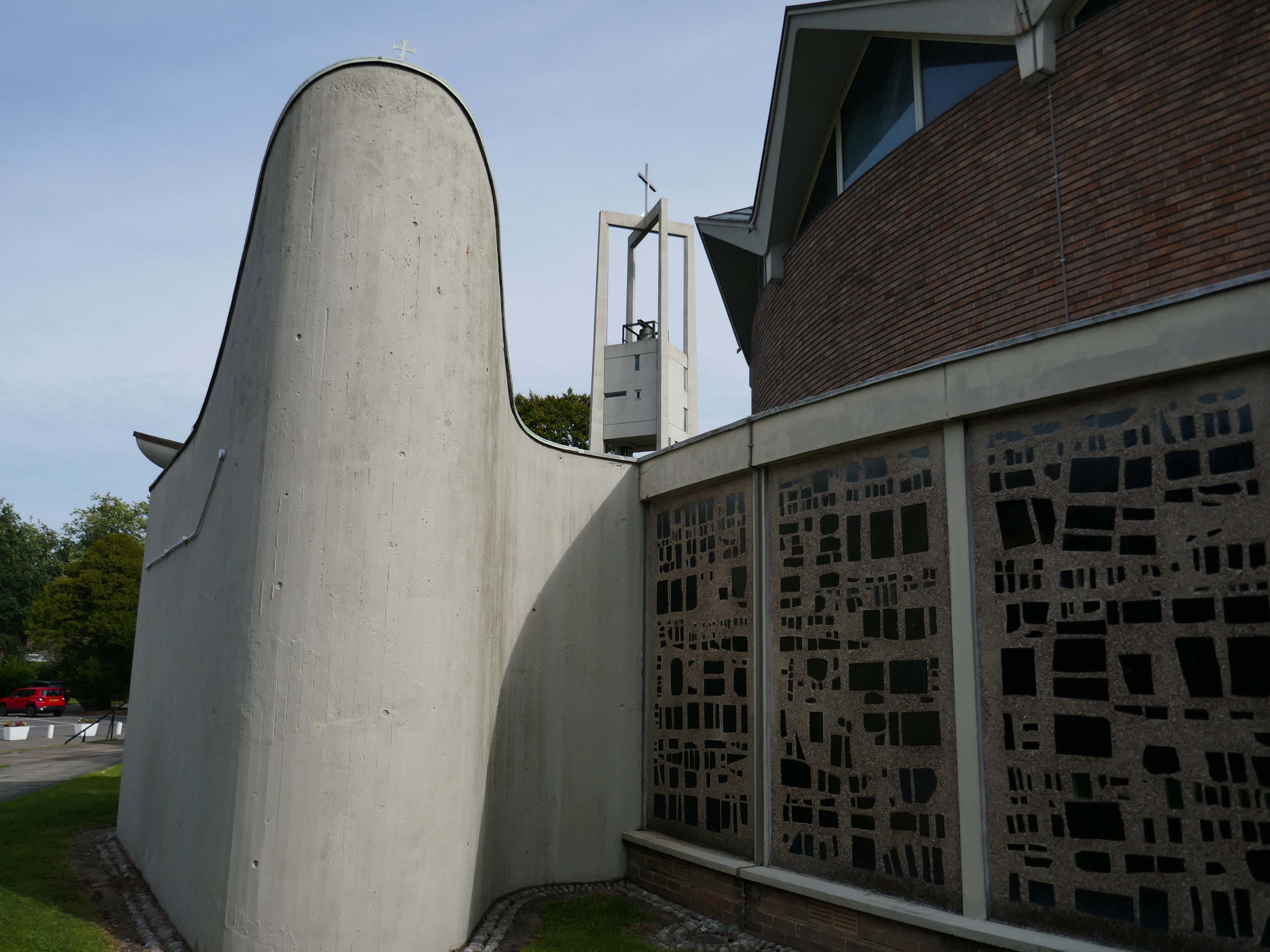
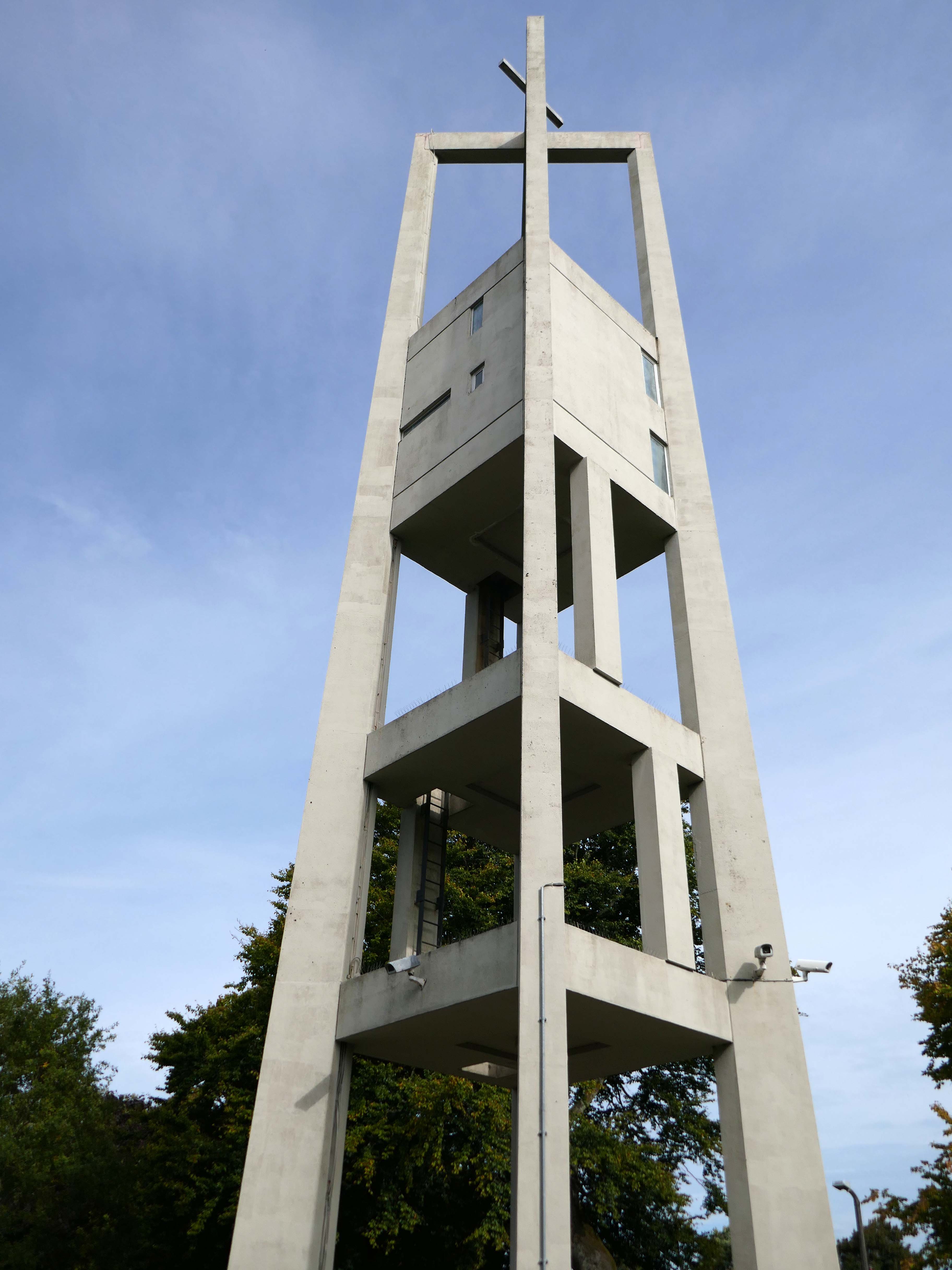
This is a suburban church with the ambition of a Modernist cathedral – a radical construction in concrete, brick, stone and glass.

It more than deserves its Grade II Listing.

The Benedictines came to Leyland in 1845 and the first Church of St. Mary’s was built on Worden Lane in 1854. The Catholic population was small at this time, but had grown to around 500 by 1900. Growth was assisted by the industrial development of Leyland and after the Second World War the town was earmarked as the centre of a new town planned in central Lancashire. By the early 1960’s, the Catholic population was 5,000. Fr Edmund Fitzsimmons, parish priest from 1952, was a guiding force in the decision to build a large new church of advanced liturgical design, inspired by progressive continental church architecture of the mid 20th century.  The church was designed by Jerzy Faczynski of Weightman and Bullen. Cardinal Heenan blessed the foundation  stone  in  1962  and  the  new  church  was  completed  ready  for  its consecration and dedication by Archbishop Beck in April 1964.

Dalle de Verre stained glass by Patrick Reyntiens.

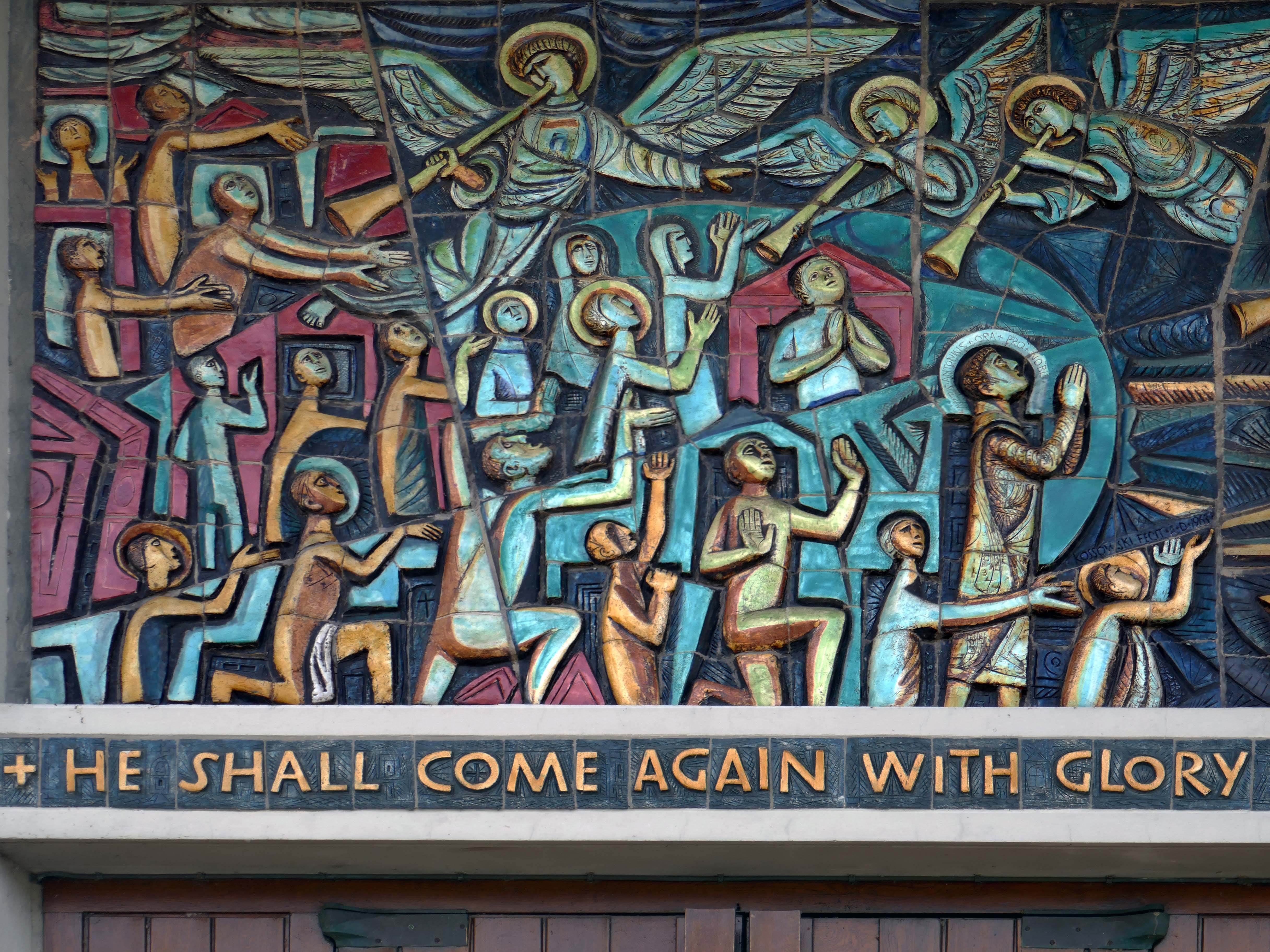
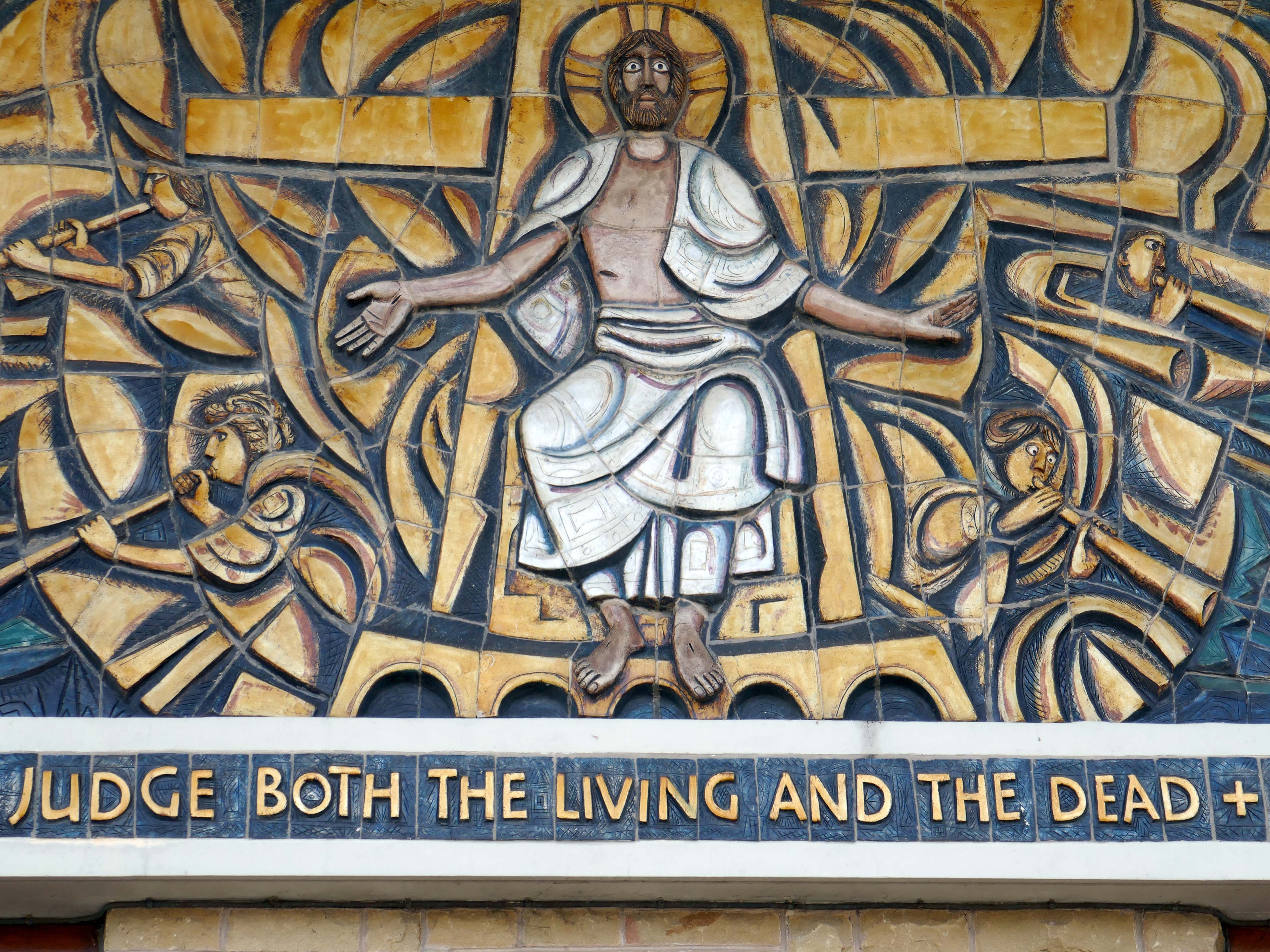
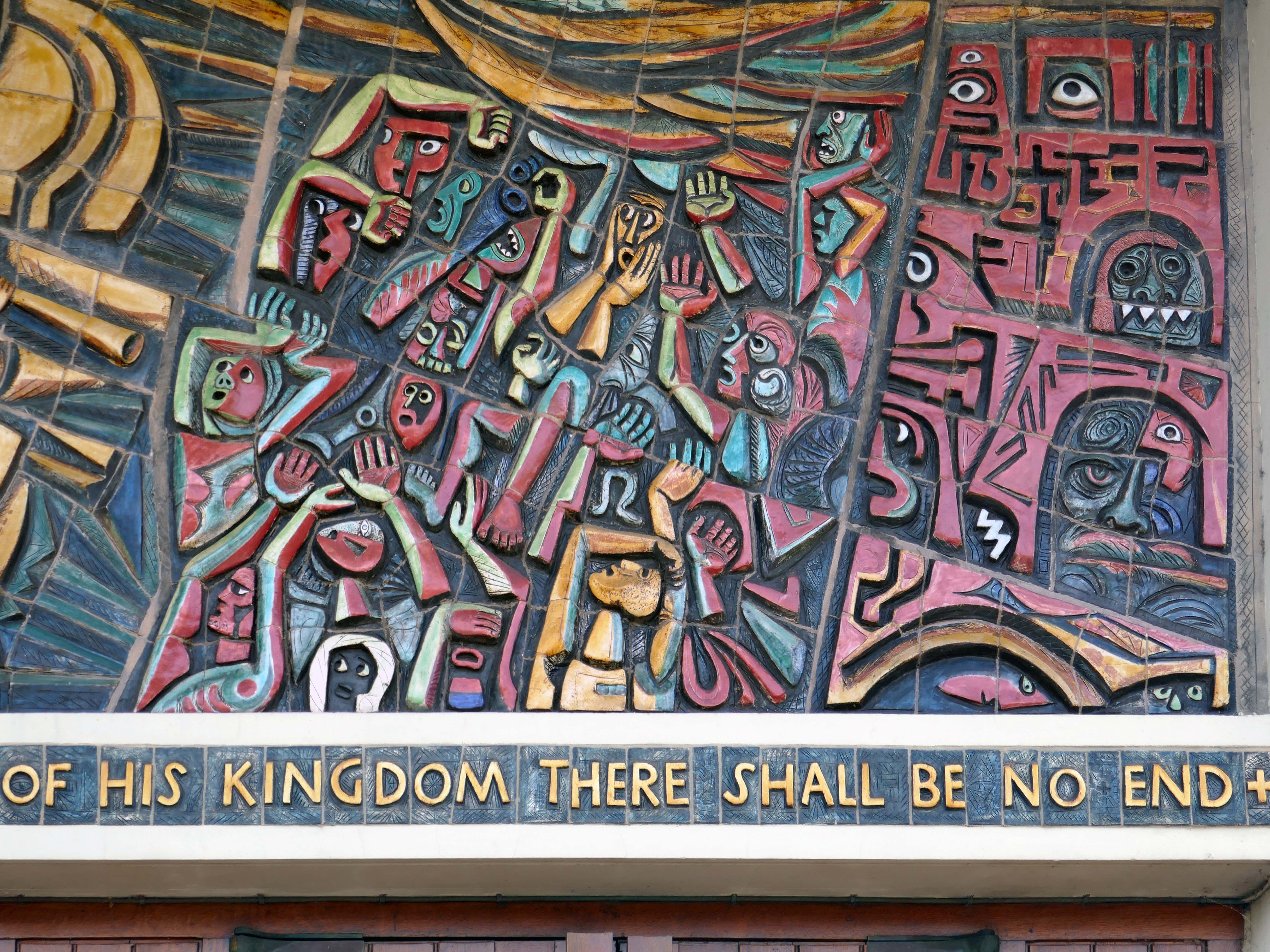
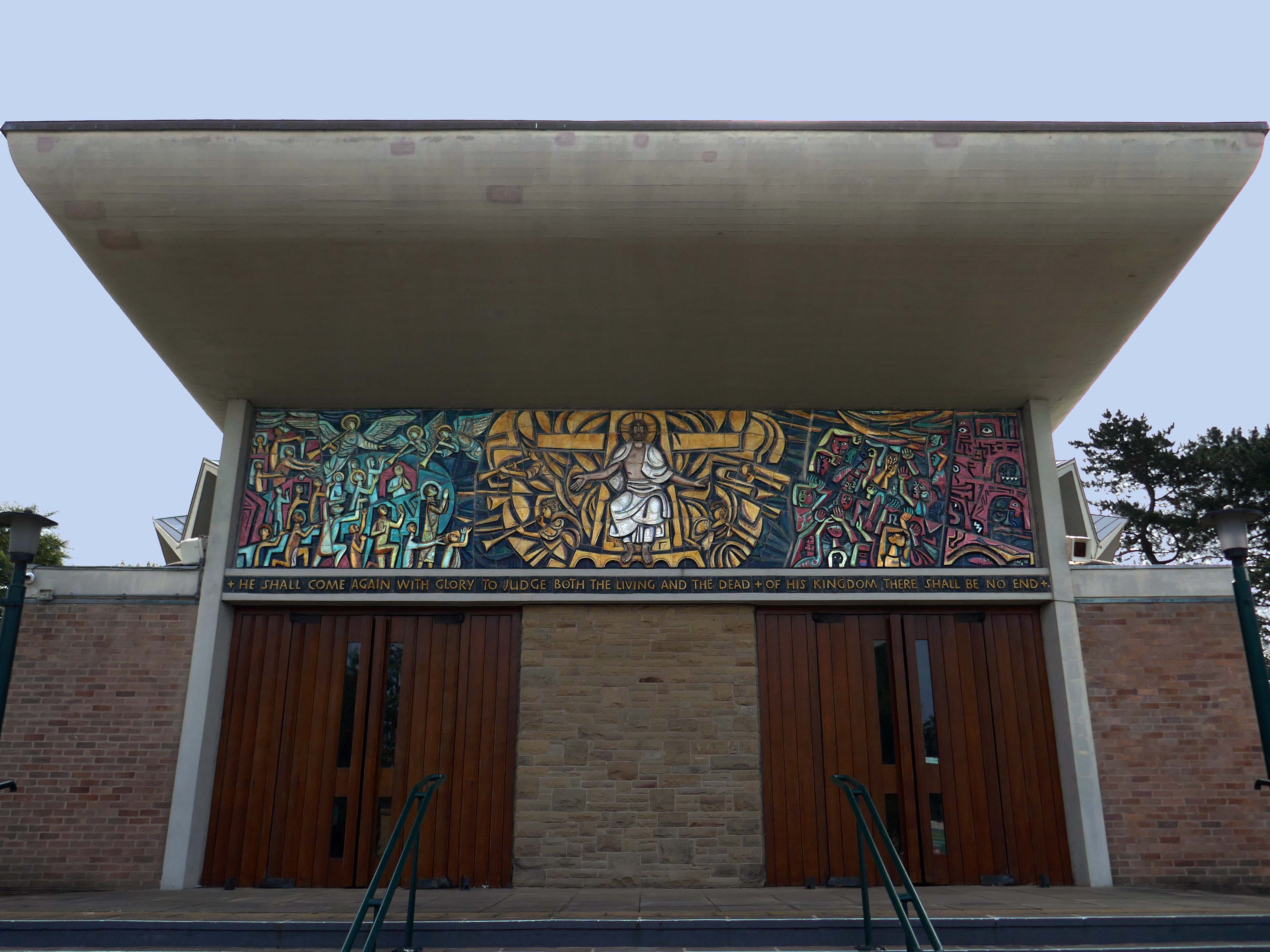
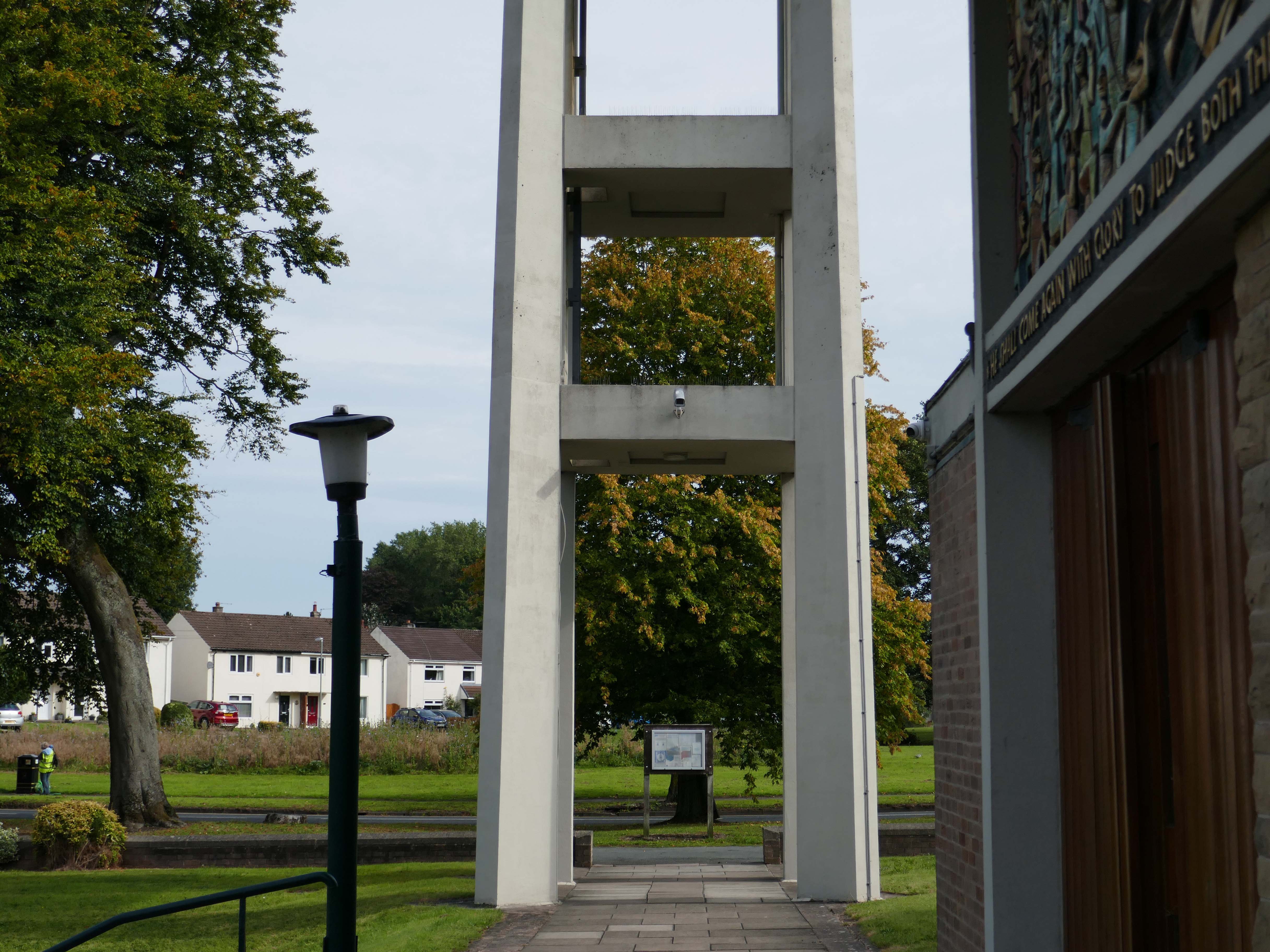
Large polychrome ceramic mural representing the Last Judgment by Adam Kossowski occupies the width of the porch above the two double-doored entrances.

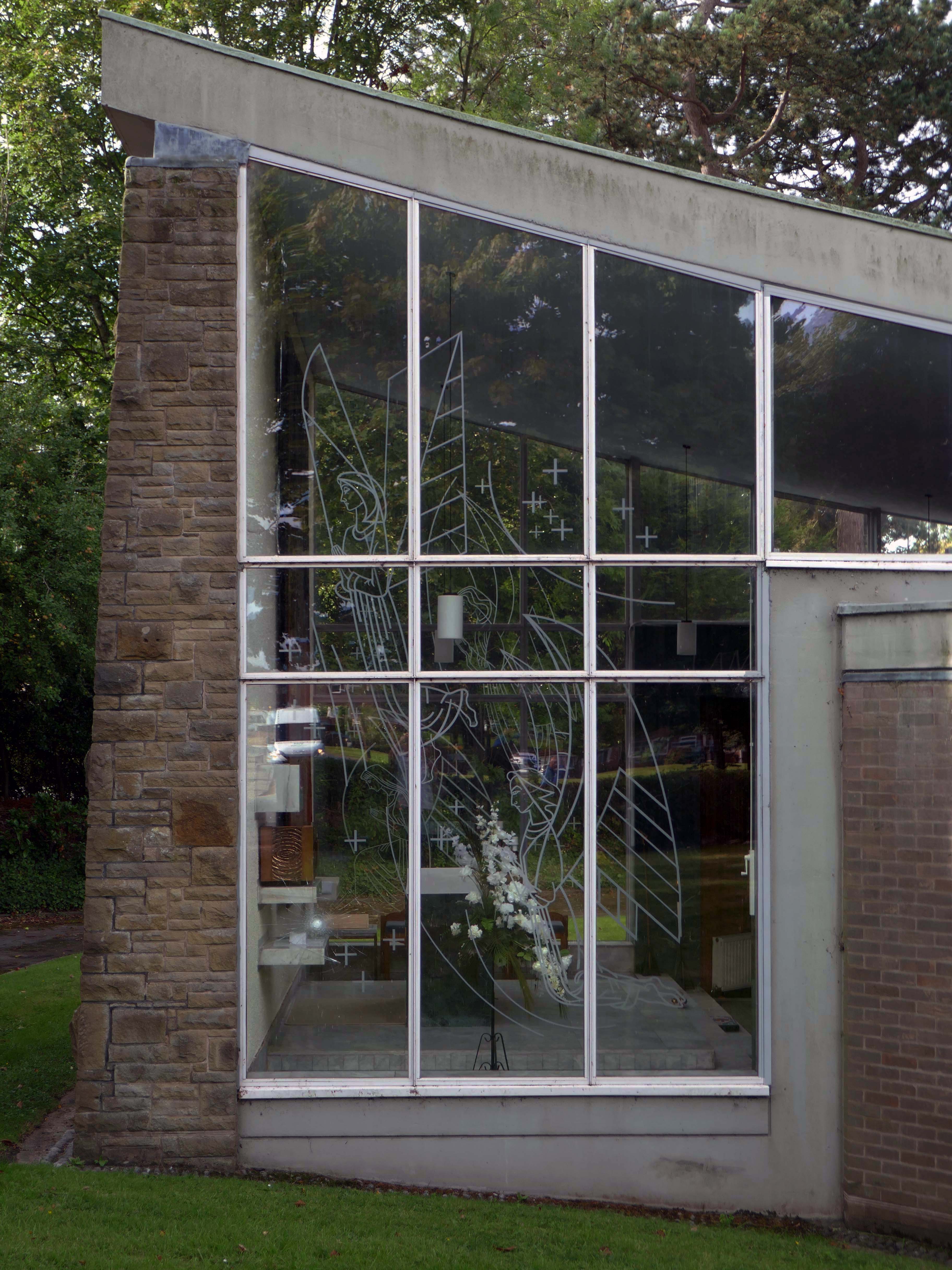
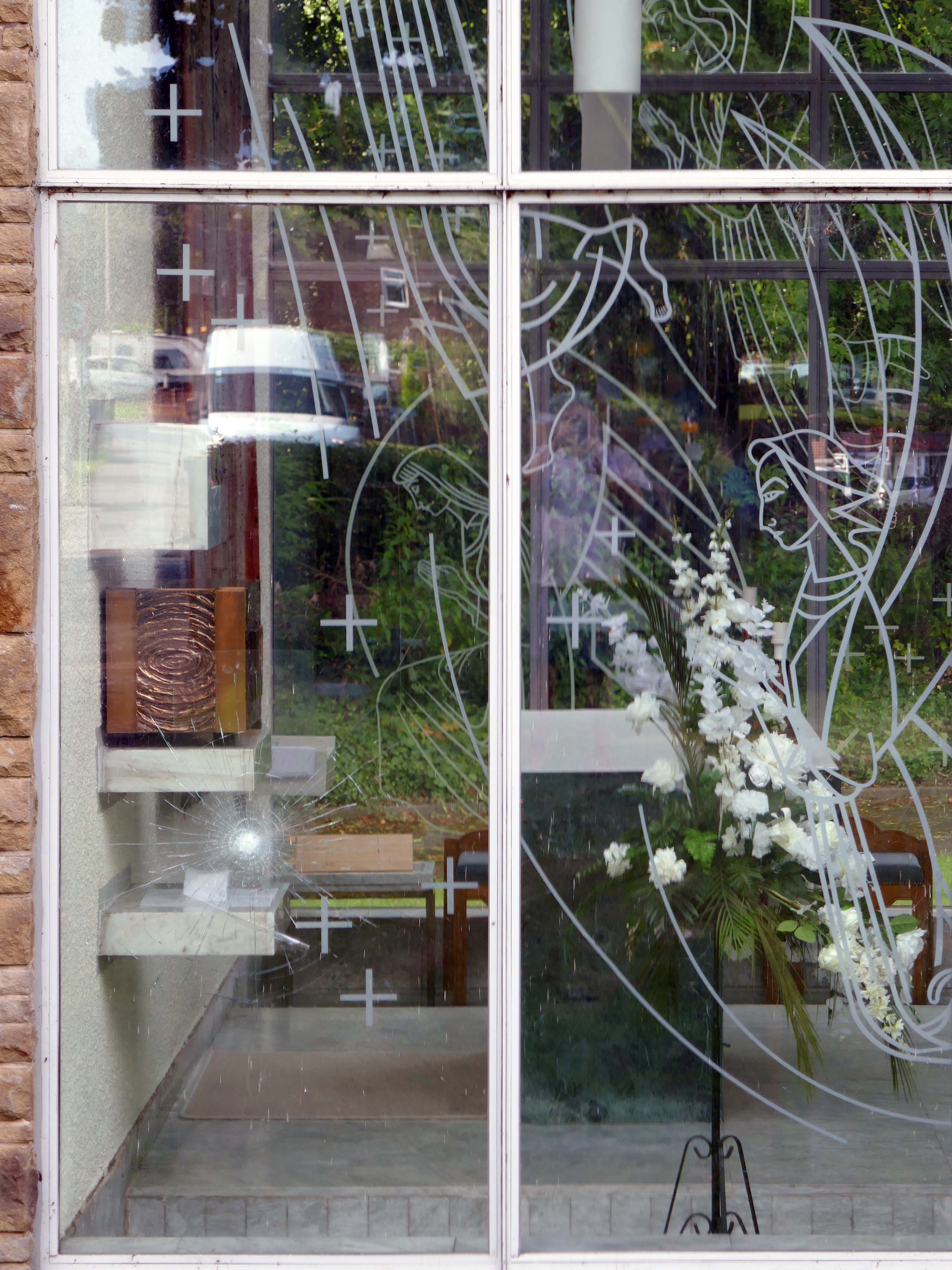
Let’s take a turn around this stunning building – the etched glass on the Chapel of the Blessed Sacrament is by Jerzy Faczynski.

Take a look inside too!

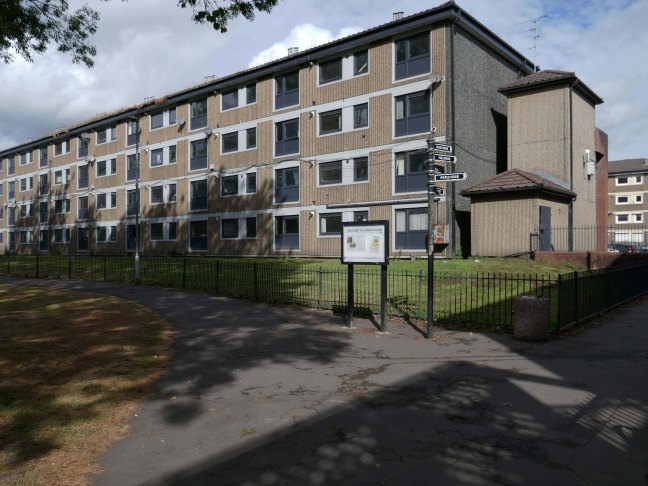
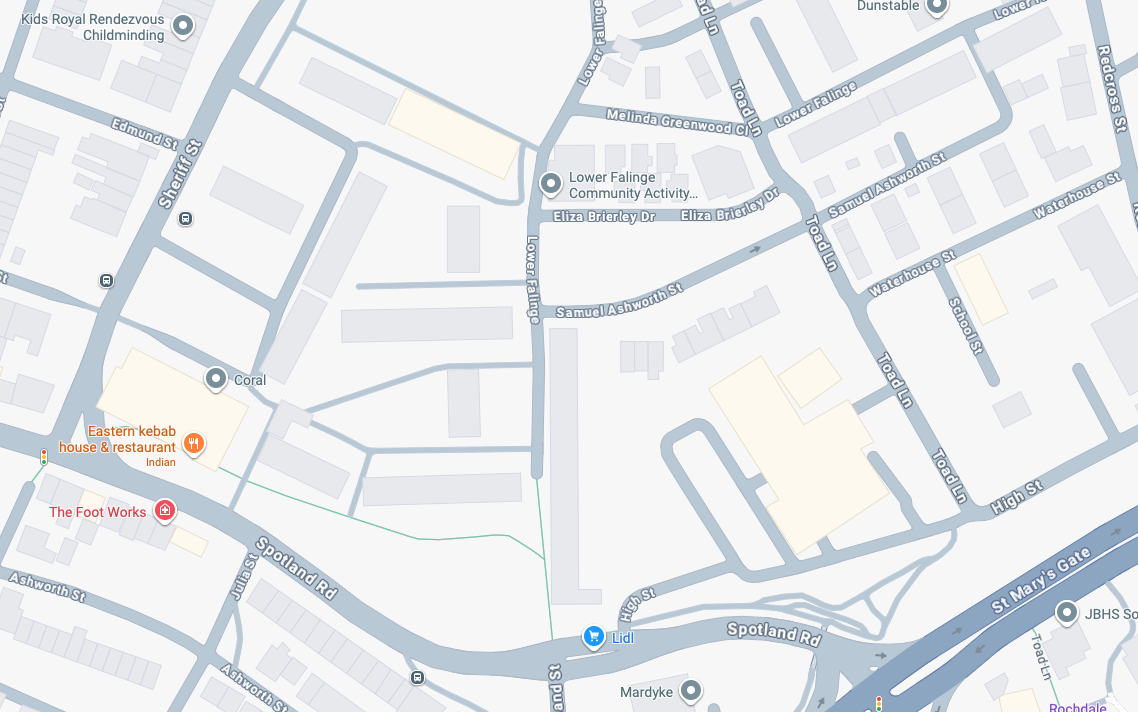
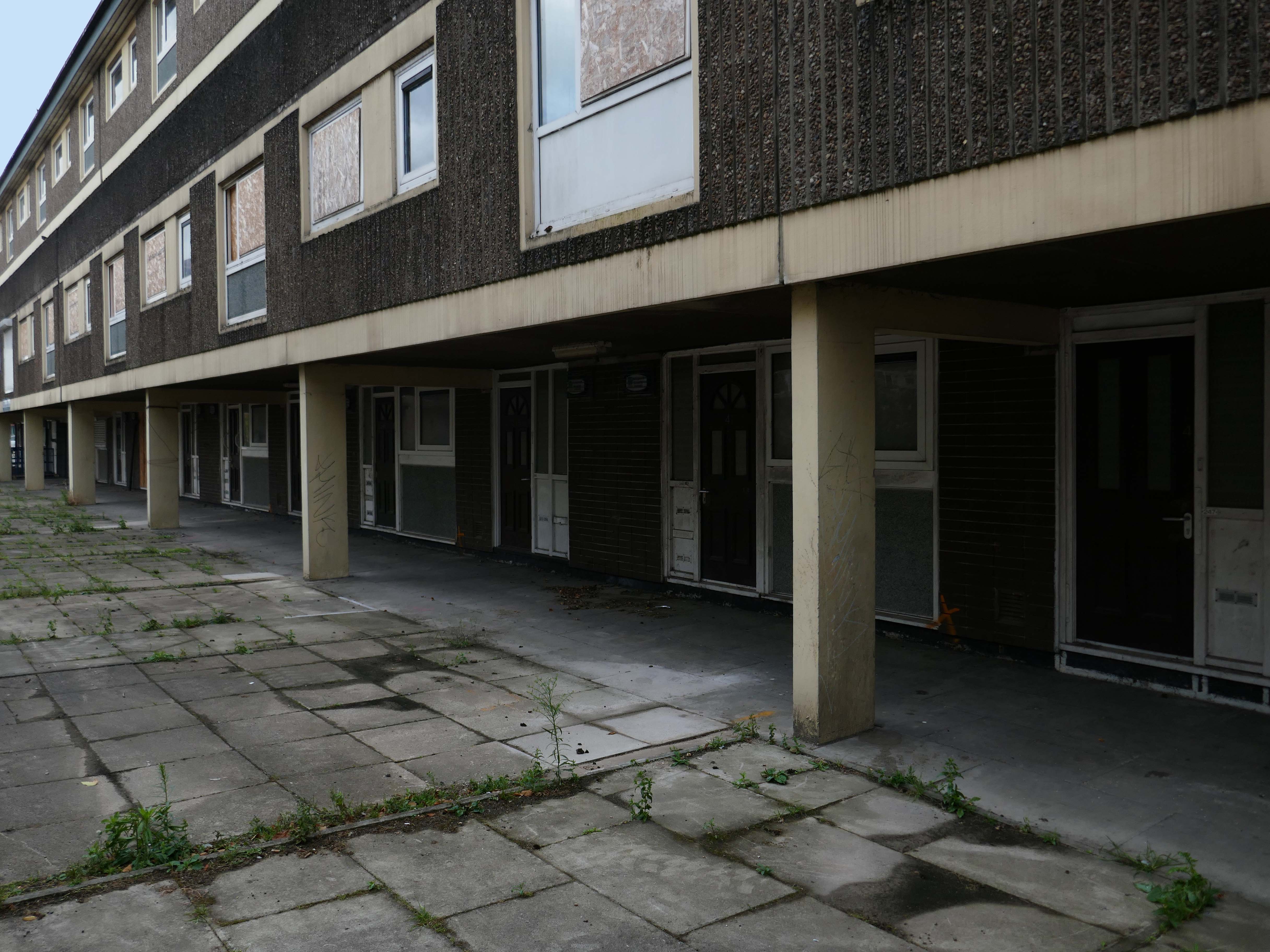
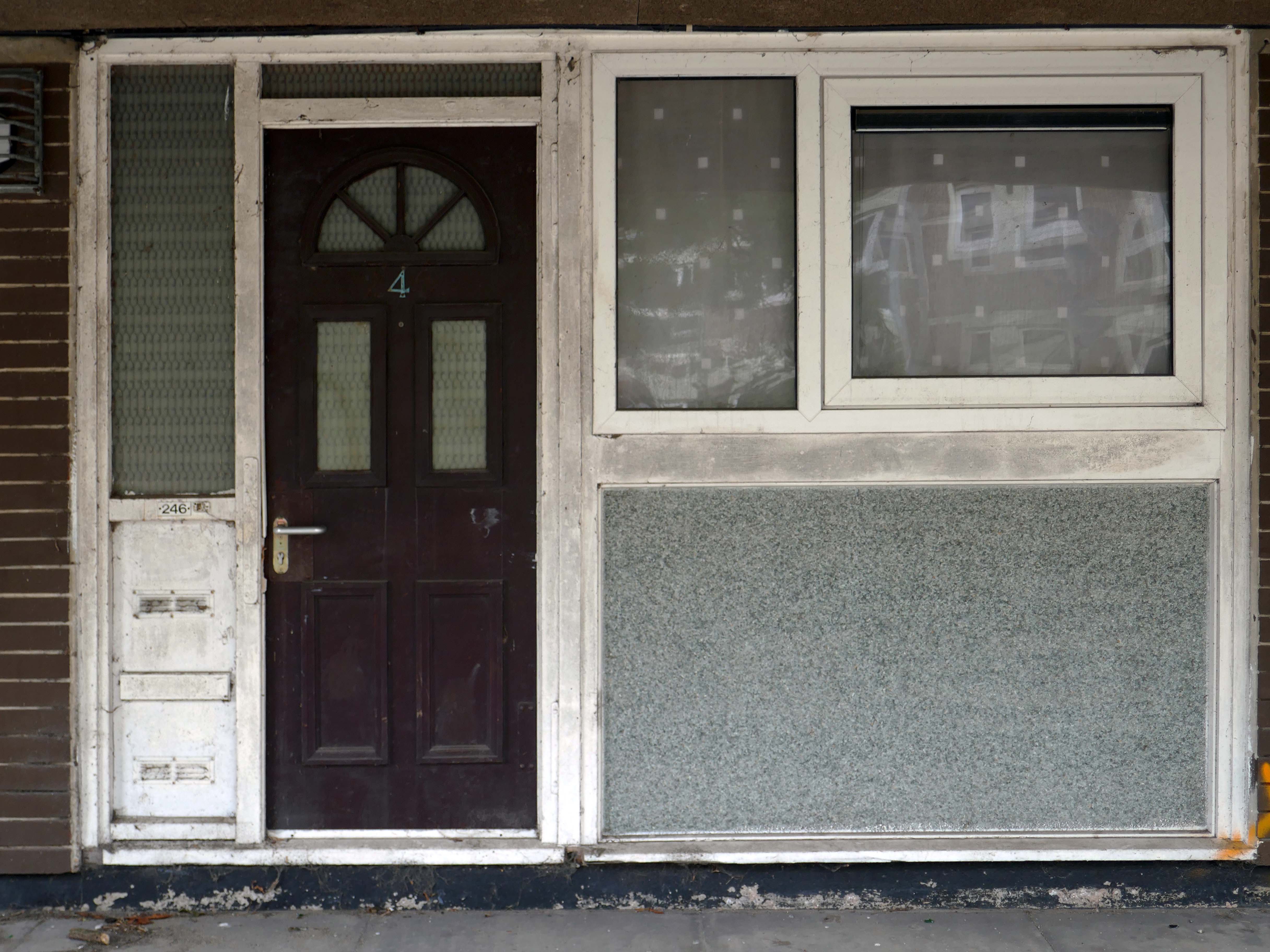
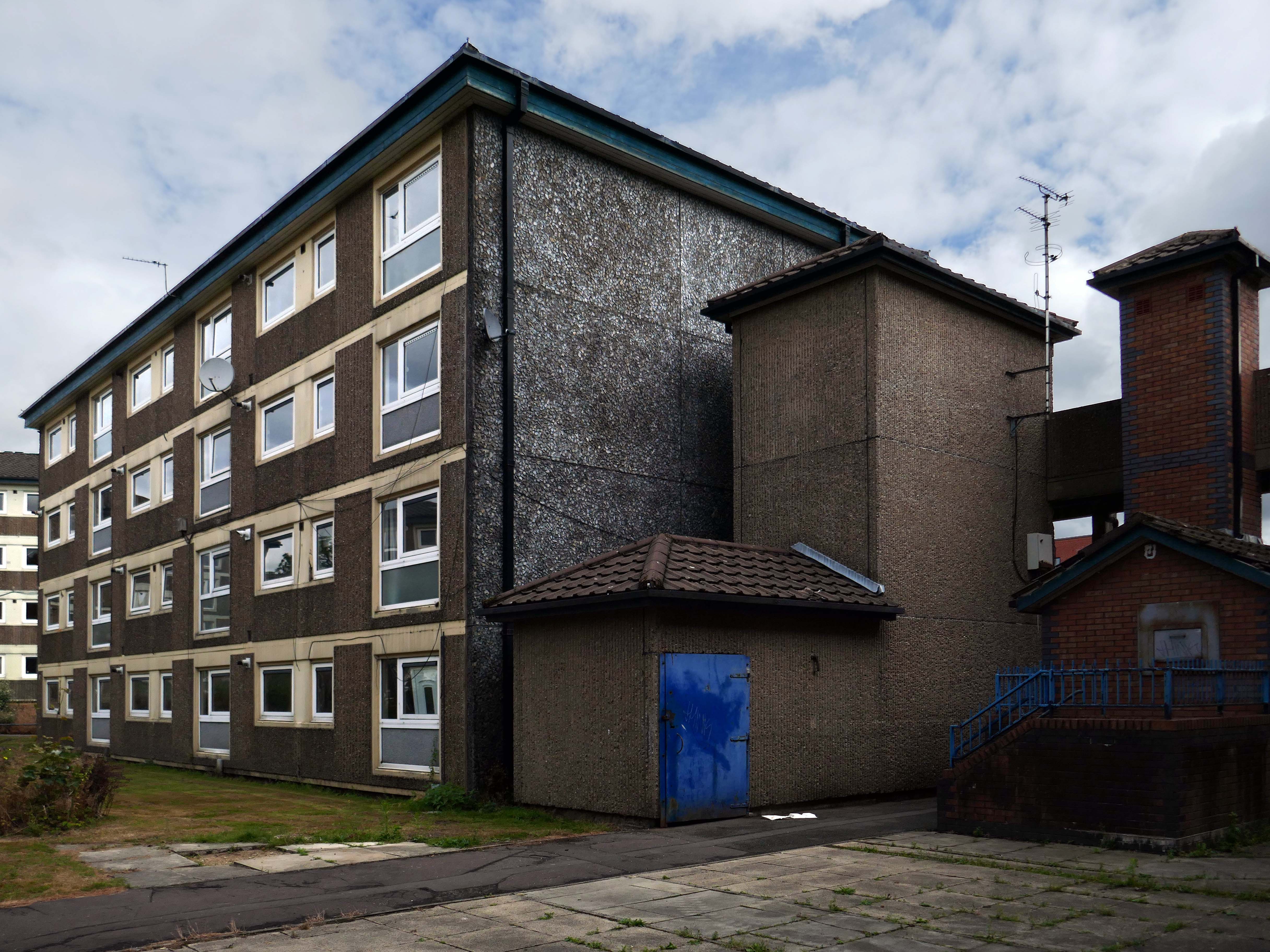
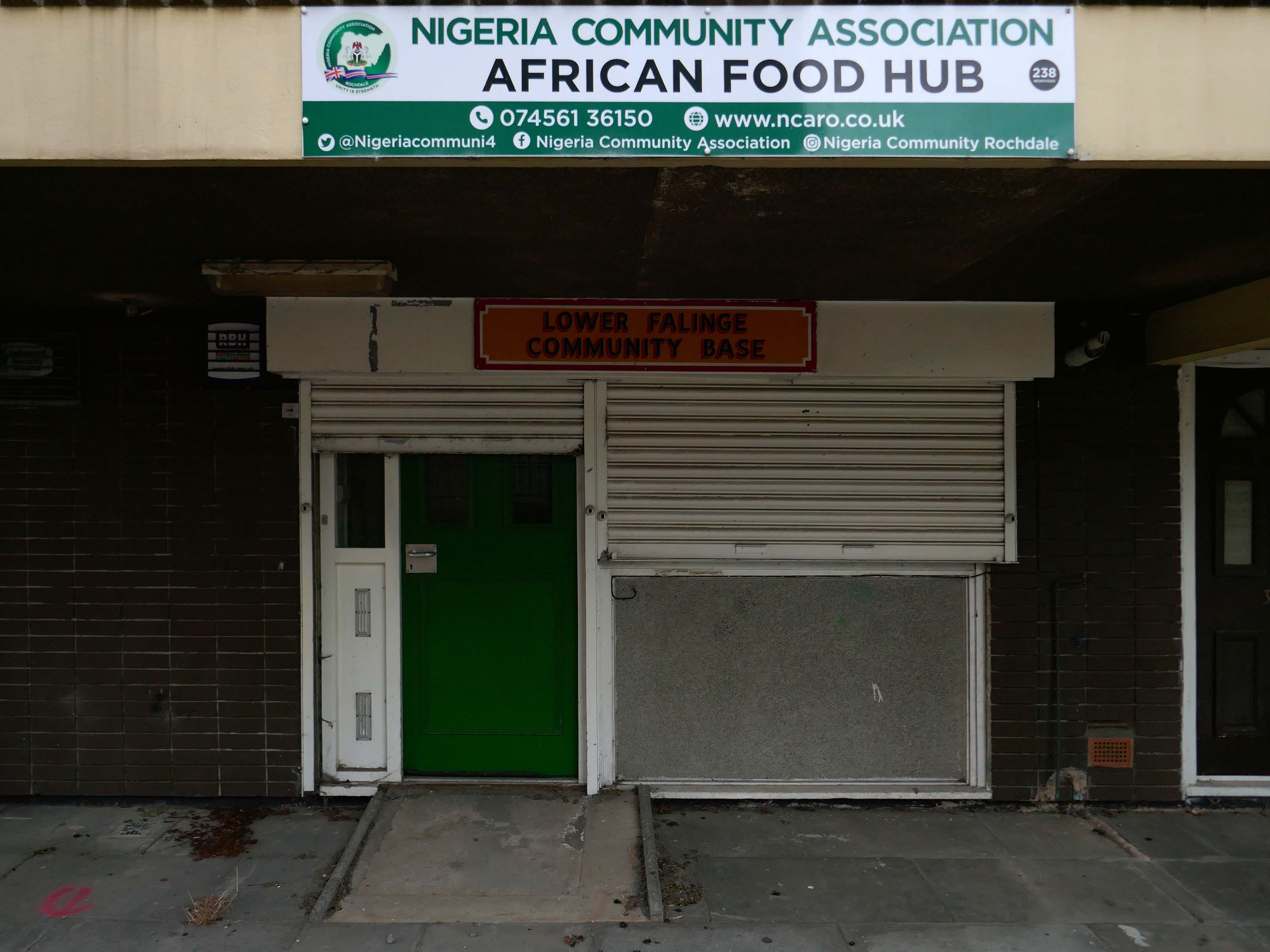
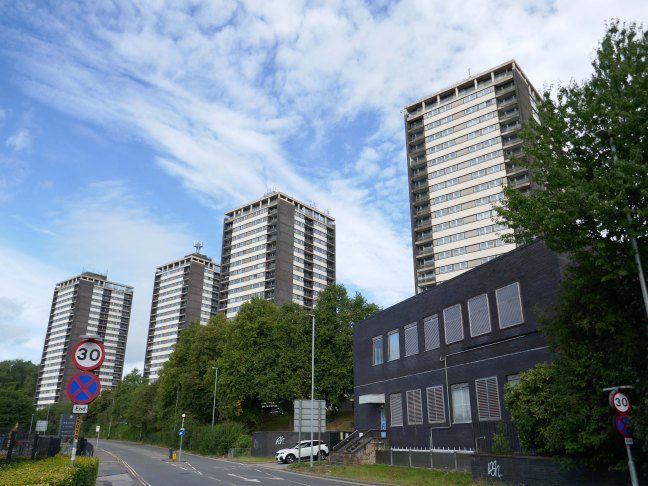
Lower Falinge – Rochdale 2025

I came along to take a look around in 2017 – at this point all of the homes are occupied.

Fast forward to 2025 and the estate looks very different, a minority of the blocks have been refurbished.

The remainder have been, or are to be demolished.

Rochdale’s 2021 planning statement for Lower Falinge is beguiling in its talk of ‘a better quality and mix’ of housing, better public space and better links with surrounding areas. It goes on to say that the ‘the delivery of market housing within this area is required to deliver this diversification and to ensure the sustainability of retained affordable housing in the area’ – a sentence containing the claim that a tenure mix of public and owner-occupied housing is a good in itself, whilst also acknowledging contradictorily that affordable housing (how affordable?) is only possible by cross-subsidy from market sales’ 

Some 560 new homes were proposed in Lower Falinge. The plans as a whole proposed the loss of 720 primarily social rent homes and their replacement by 560 new homes of indeterminate tenure.

Municipal Dreams 

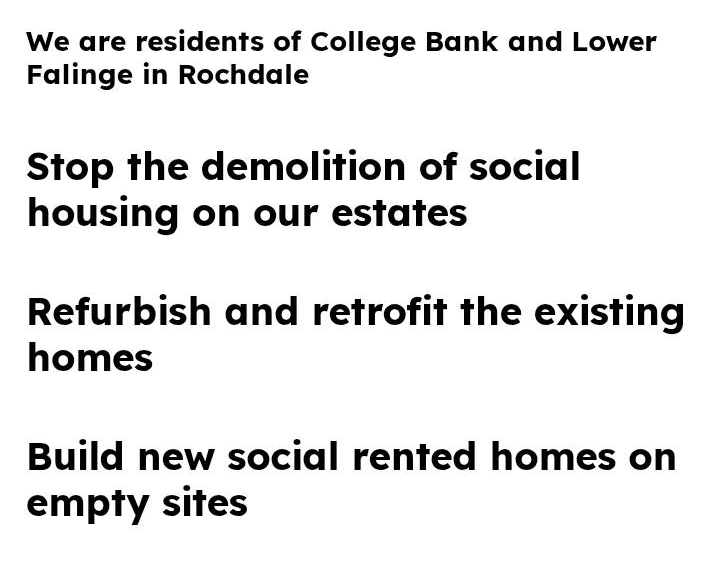
The tenants in the refurbished blocks with whom I chatted were convinced that demolition was not the answer, further renewal could take place, Rochdale Boroughwide Housing, despite a well prepared save our homes campaign thought not.

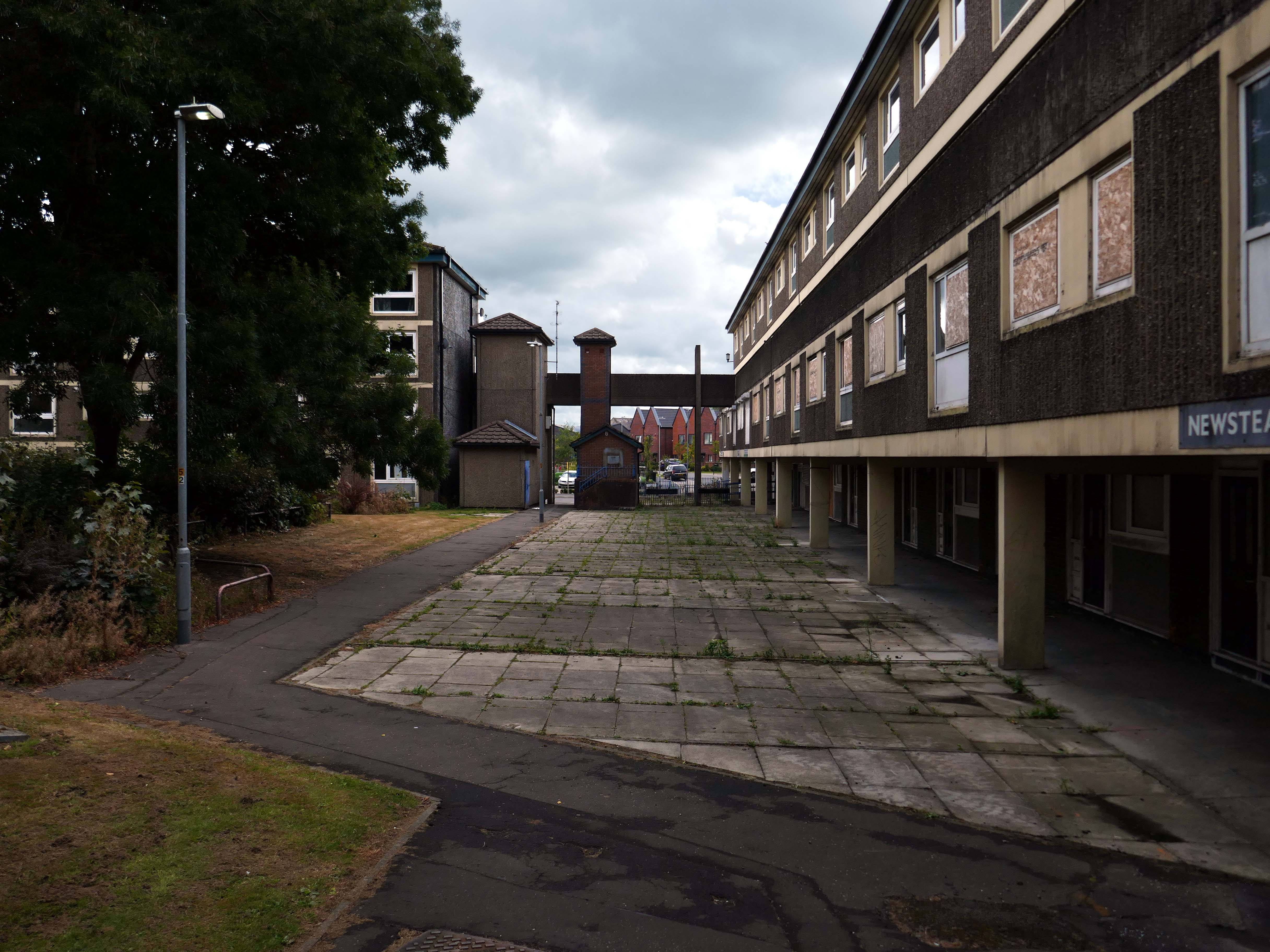
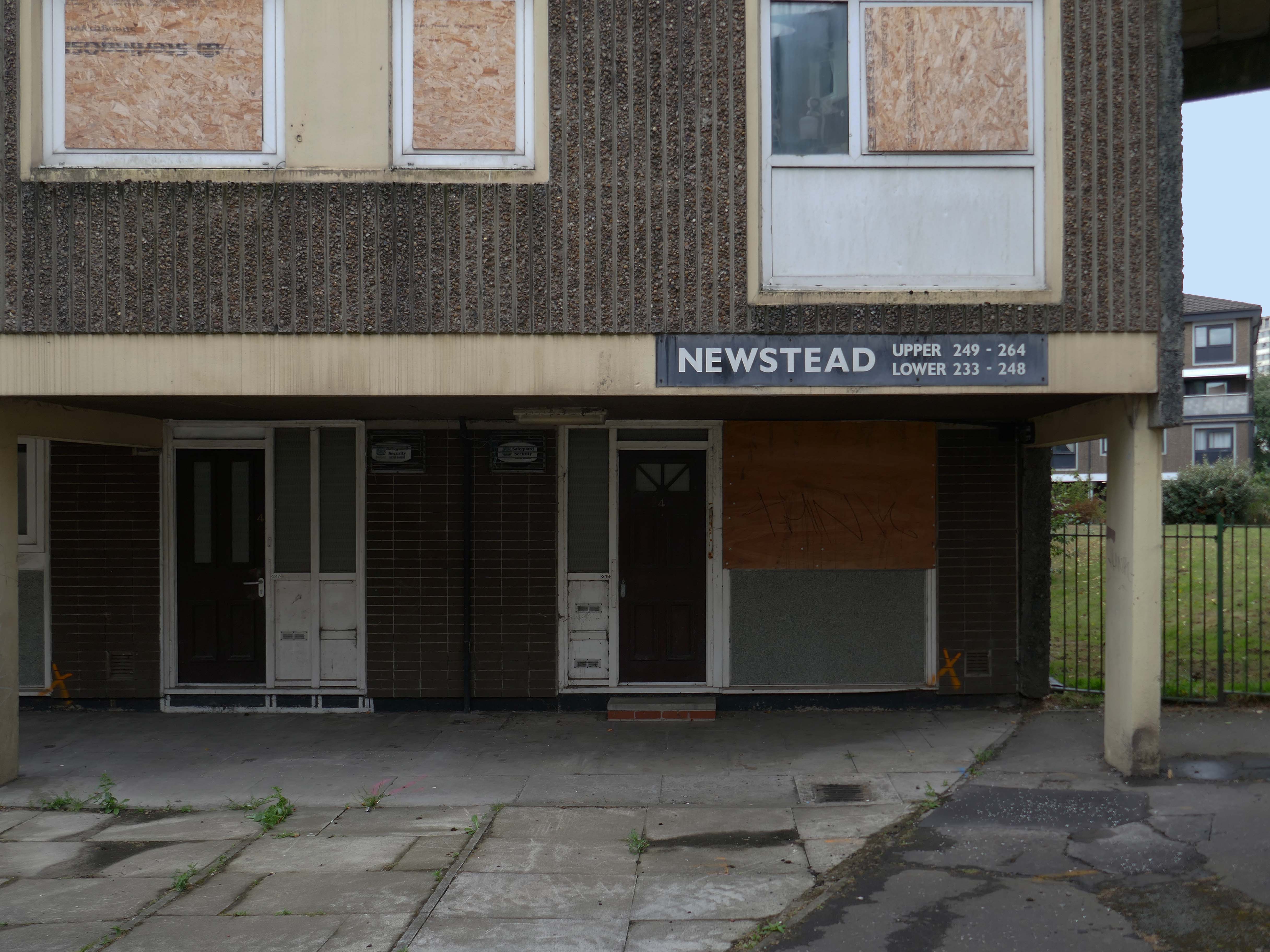
In March, we told you that we planned to demolish the six empty maisonette blocks – Ollerton, Newstead, Romsey, Quinton, Ullesthorpe, and Vaynor, in Lower Falinge, as well as the former RSPCA buildings and the former car wash on High Street, within the next 12 months. This will make way for the development of new family homes across a larger site that we will work with the community on designing.

Rochdale Boroughwide Housing July 2025

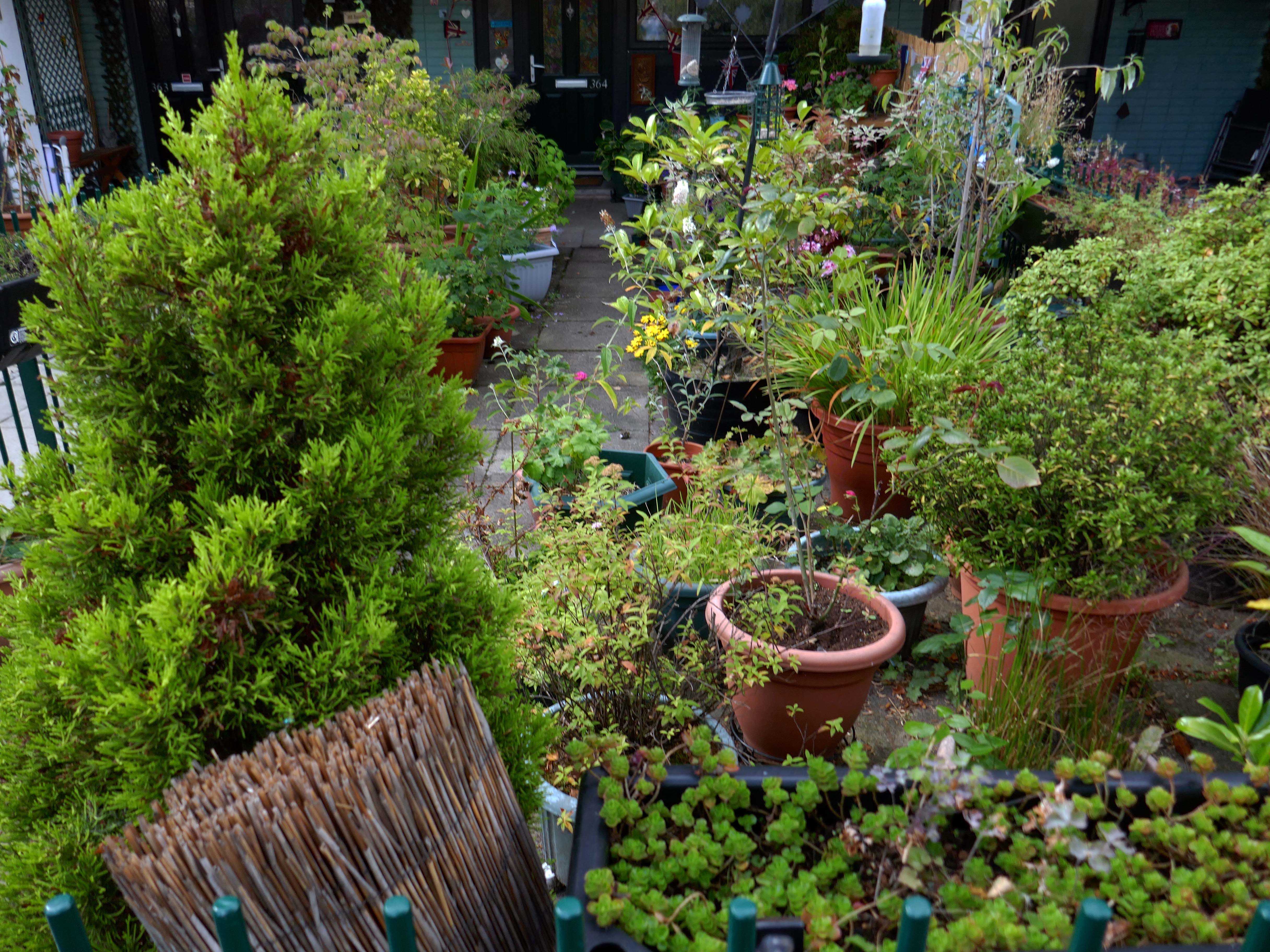
Our beautiful mature greenery here on Lower Falinge is showcased in this wonderful video. We are proud of living here surrounded by all this nature – it really is like living in a park.

Unfortunately our urban oasis of calm is at risk of being destroyed if RBH demolish 128 homes and eventually build on the land.

Facebook/Lower Falinge

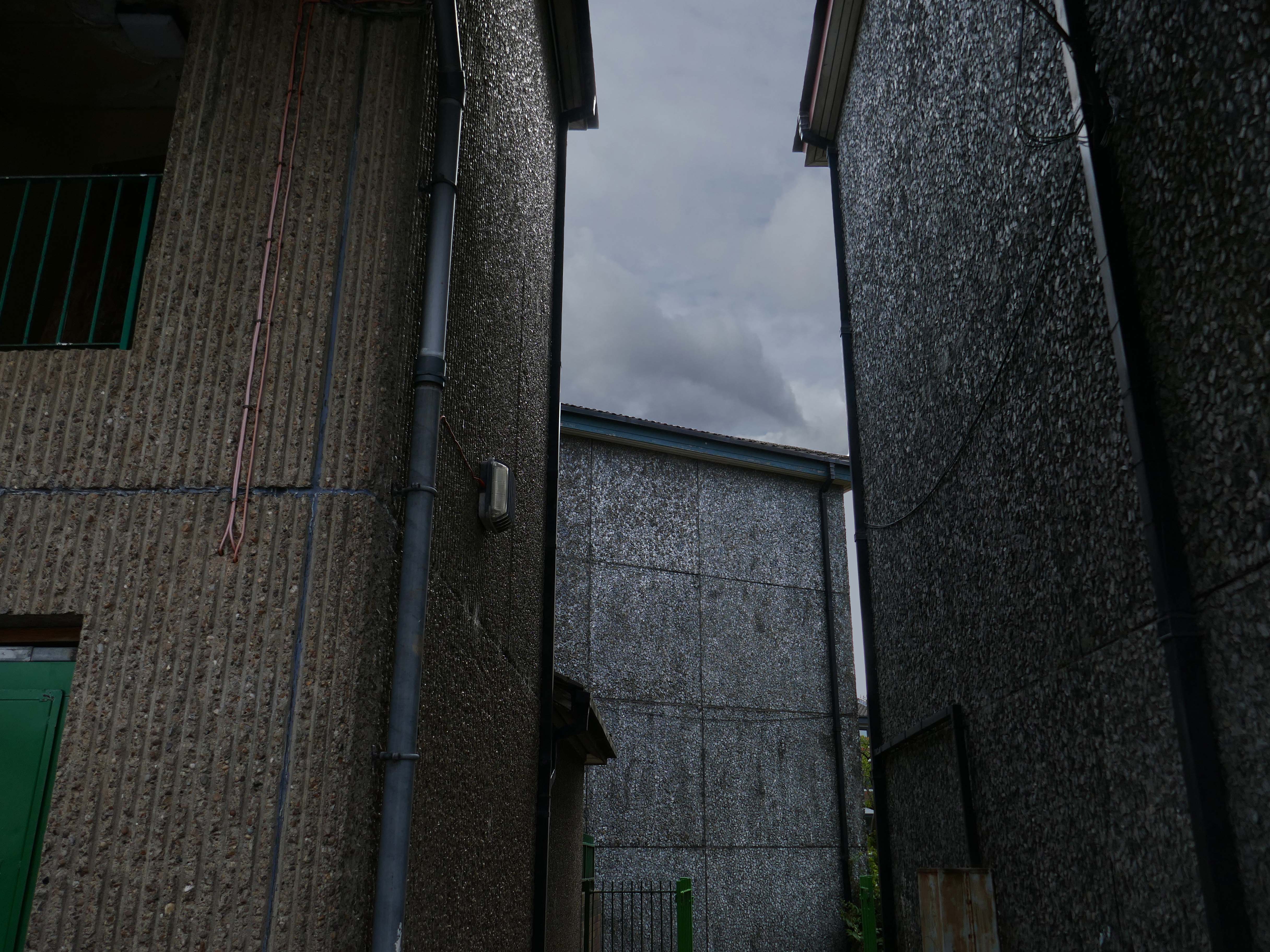
These homes are destined to be demolished.

Whilst this adjoining block has been refurbished.

Along with this block of shops.

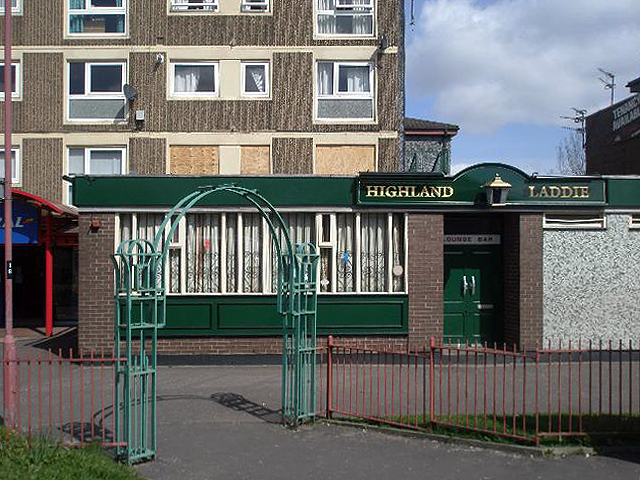
Once home to the Highland Laddie pub which closed in 2010.

The remainder of the estate remains in limbo.

Next door the new homes have been built.

A major housing regeneration scheme which includes the construction of 30 energy efficient, affordable homes is breathing new life into the Lower Falinge neighbourhood in Rochdale.

The project is being carried out for Rochdale Boroughwide Housing by Rochdale-based main contractor The Casey Group with OMI Architects. This is the largest of 3 schemes that Casey has carried out for RBH.

Construction News

Rochdale Homes

College Bank Flats – Rochdale 2025

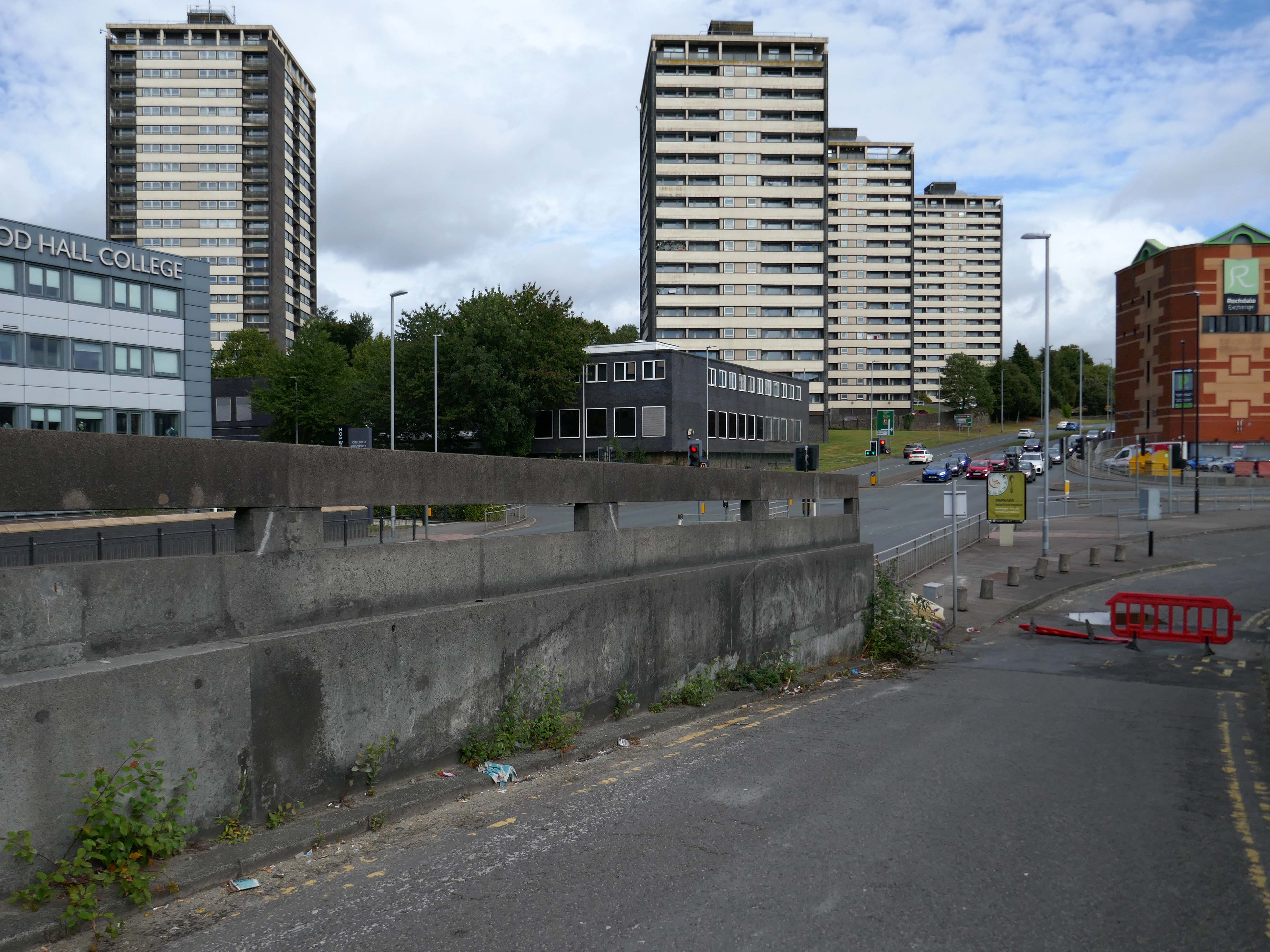
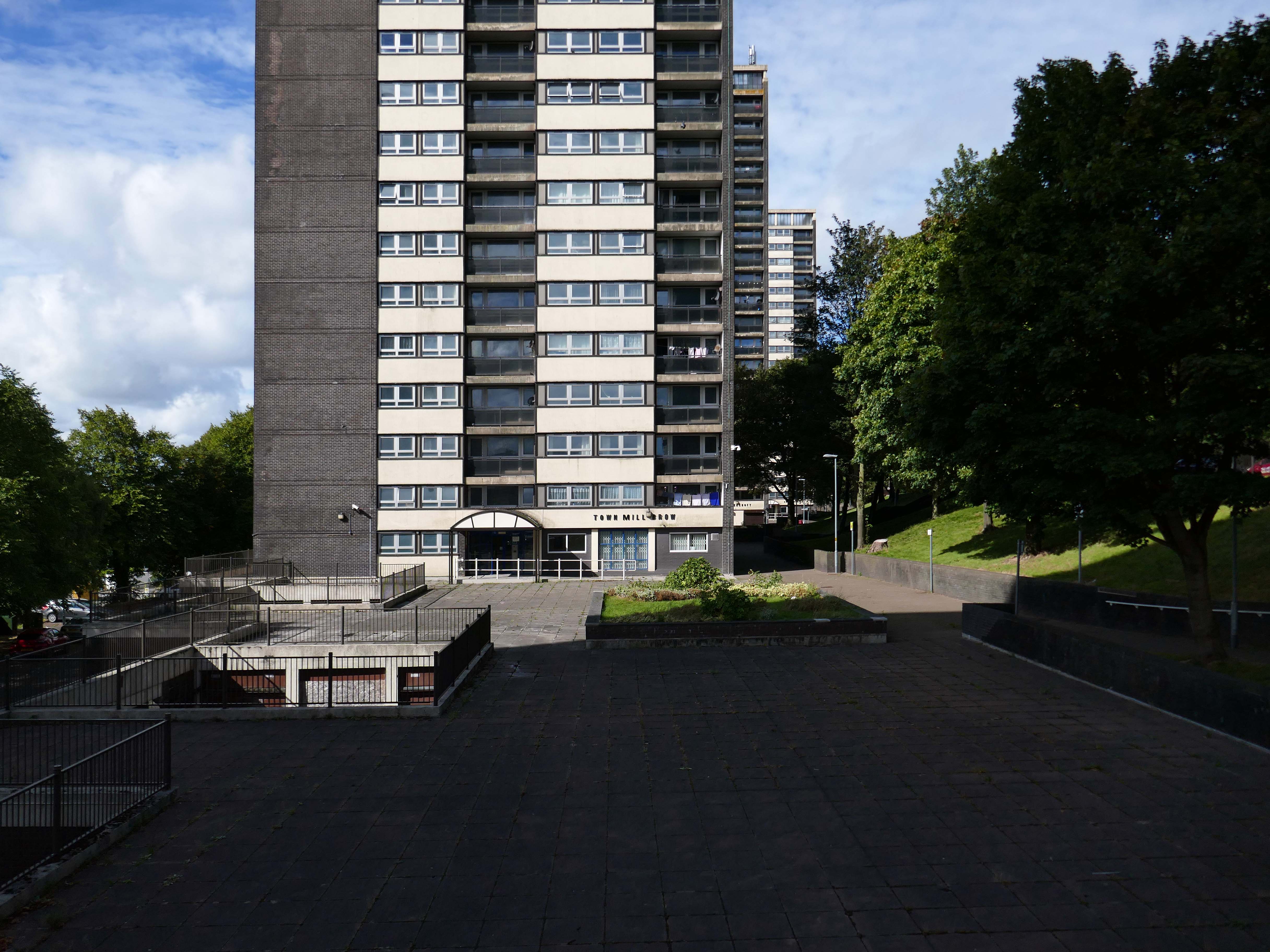
College Bank Flats aka The Seven Sisters, one sunny morning in late August.

Following visits in January 2017 and March 2017, I was in town to take a group of Modernists on a Rochdale Ramble.

In recent years these homes have been under threat of both demolition and refurbishment.

Rochdale Boroughwide Housing – RBH had sought help from a developer to pay for its £107m plans to refurbish the College Bank high-rise apartments, known in the town as the Seven Sisters. 

But the social housing landlord has been unable to reach a commercially viable agreement to help improve the blocks where 250 people live. 

Amanda Newton, RBH chief executive said the lack of a deal was disappointing but all options for the future of the site would still be explored.

Many of the apartments spread across the Seven Sisters remain unoccupied after a plan was announced to demolish four of the blocks in 2017, leading to an exodus of hundreds of tenants. RBH later reconsidered the plan, and instead signed a deal with developer Legal & General Affordable Housing last year, to find a viable way of refurbishing the apartments. 

All 700 flats in the 1960s blocks were set to be redeveloped under the plans, but the pair’s agreement has now come to an end without a solution emerging.

BBC – October 2024

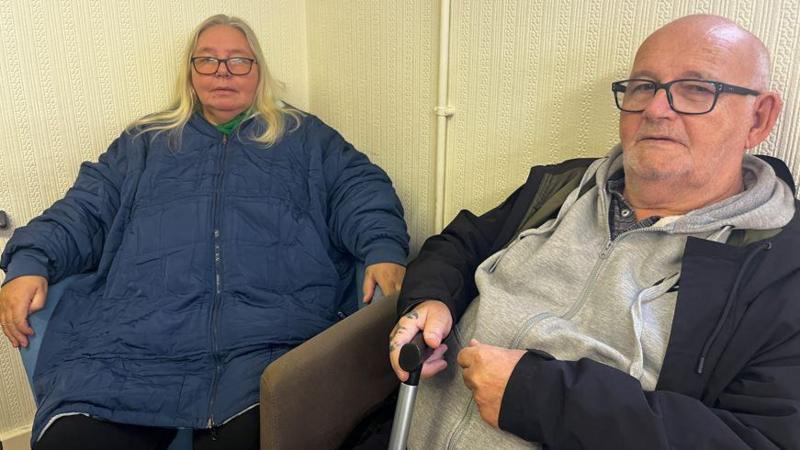
John Hurn, who has lived in the Tentercroft tower block with his wife Sharon, for 18 years, said:

Not knowing what’s happening, I get frustrated, this is home to me, Rochdale is home.

BBC – January 2025

So an unsatisfactory stasis prevails across the windswept piazzas, podium garages and towering towers.

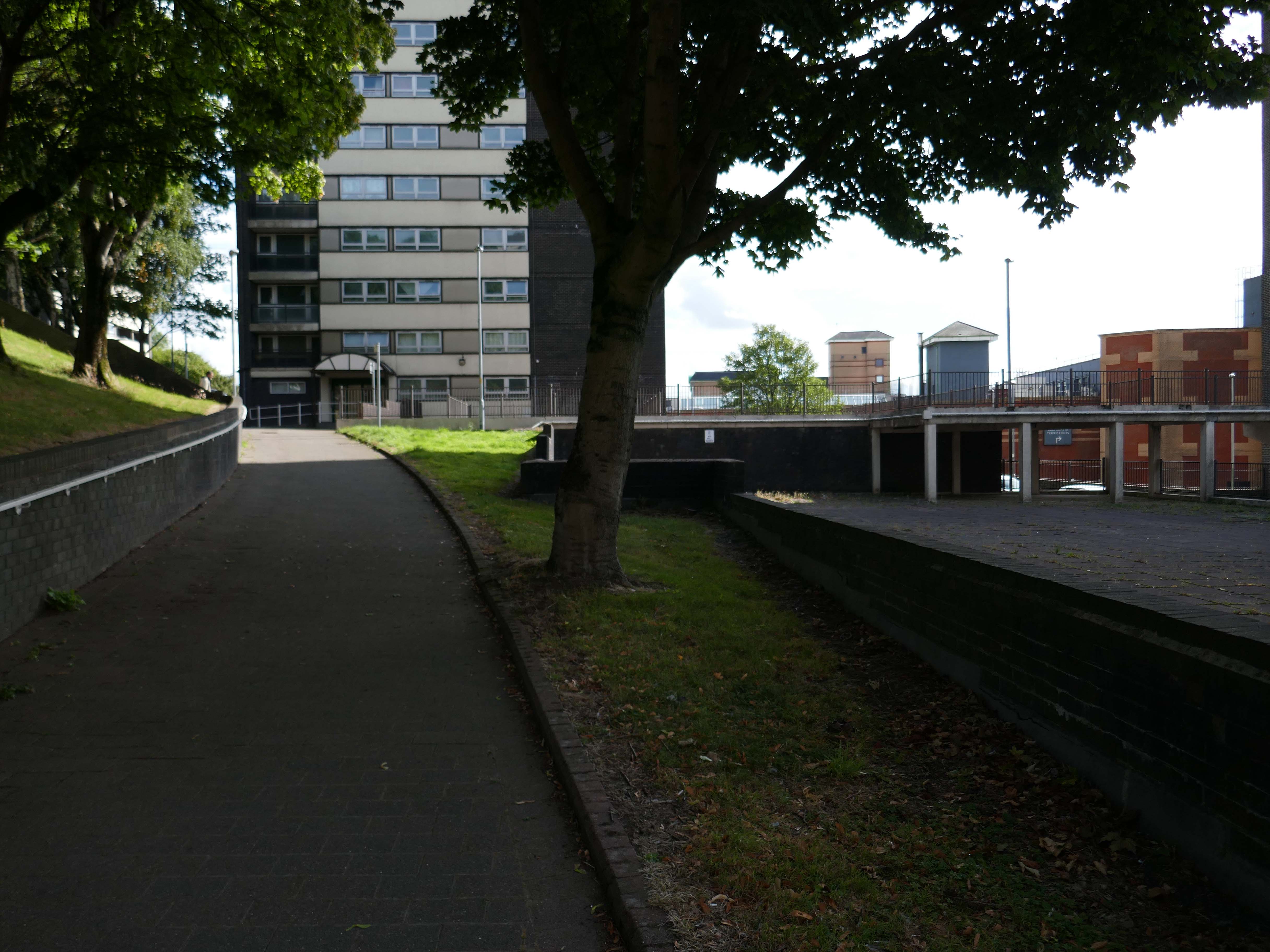
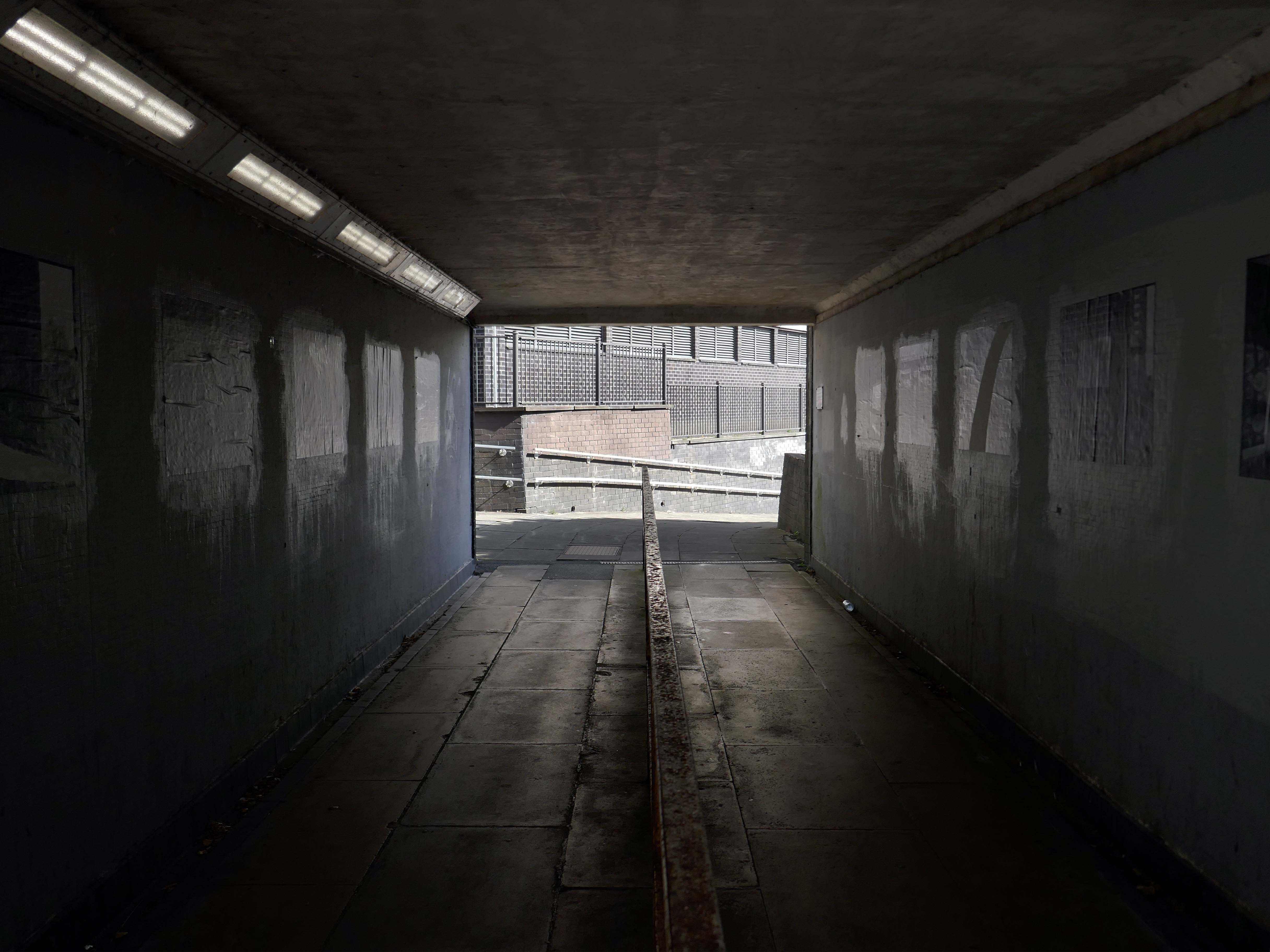
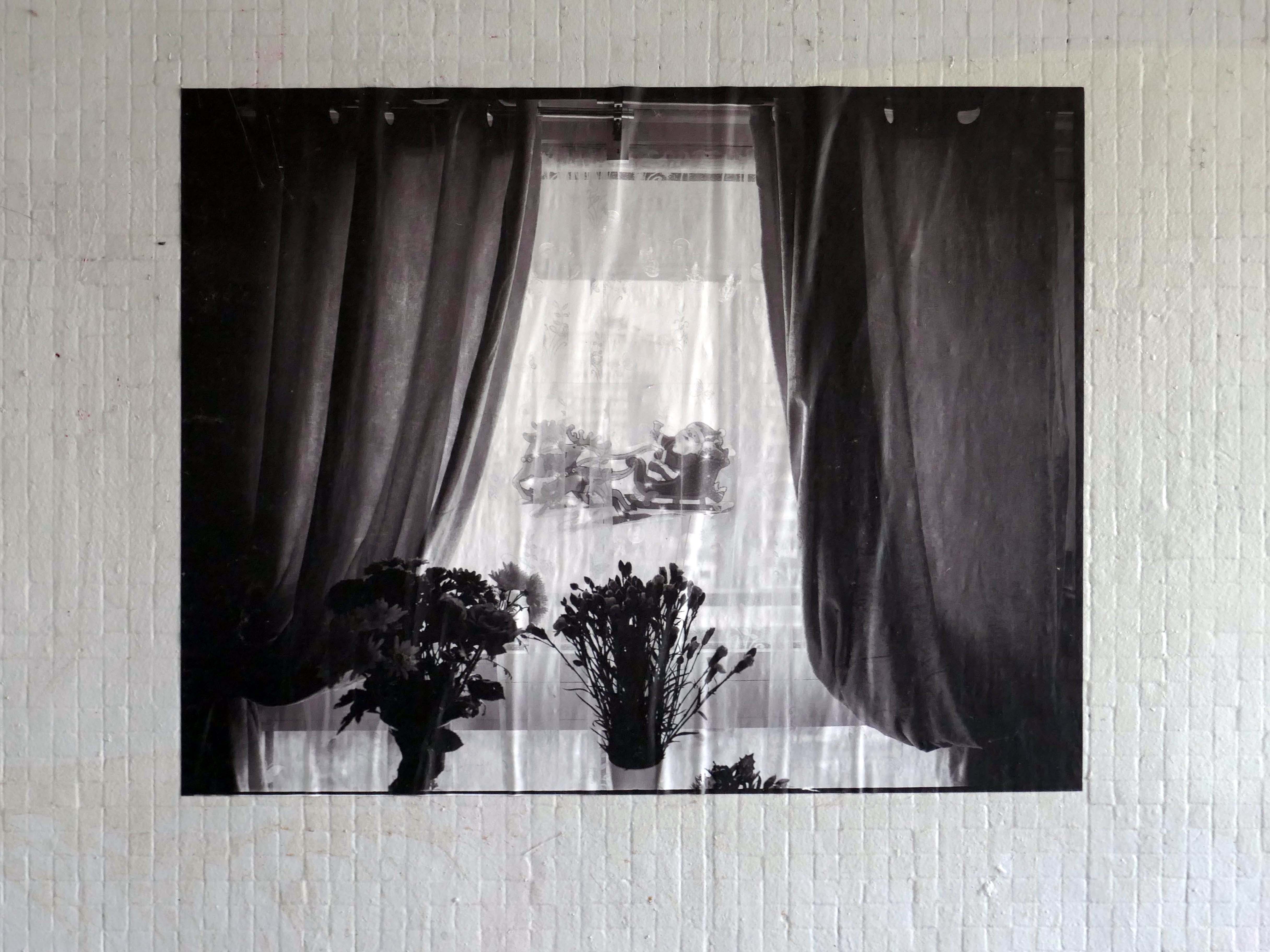
Local photographer Ellie Waters has her pictures of the flats displayed in the underpass.

Notes From College Bank is an ongoing project which documents the College Bank buildings in Rochdale, Greater Manchester. ​Known locally as ‘The Seven Sisters’, College Bank is formed of seven high-rise social housing blocks, four of which have come under recent threat of demolition. 

Drawing from found imagery and photographs taken by my late Grandfather – M J Burgess – who like me grew up in Rochdale, I’ve been working with past and present residents to create a collective record of life in and around College Bank.​

This project is ongoing, if you would like to share your stories of College Bank please get in touch via email – notesfromcollegebank@gmail.com

Here is a recent post from Municipal Dreams outlining the history state of play – Rochdale Housing Part II.

Fast forward to the present, the Seven Sisters still stand – an impressive architectural statement in the heart of Rochdale and, to my mind, as powerful a testament to municipal endeavour and aspiration as the town’s nearby town hall. But much has changed. In the slow evolution that affected council housing more broadly, the flats became less desirable, even, in some eyes, a ‘sink estate’. In Robin Parker’s view, the Council started re-housing people in the blocks ‘not suitable for high-rise living’ – a typical occurrence when the most vulnerable on the waiting list and those with least choice are allocated to so-called ‘hard to let’ estates.

Rochdale Homes

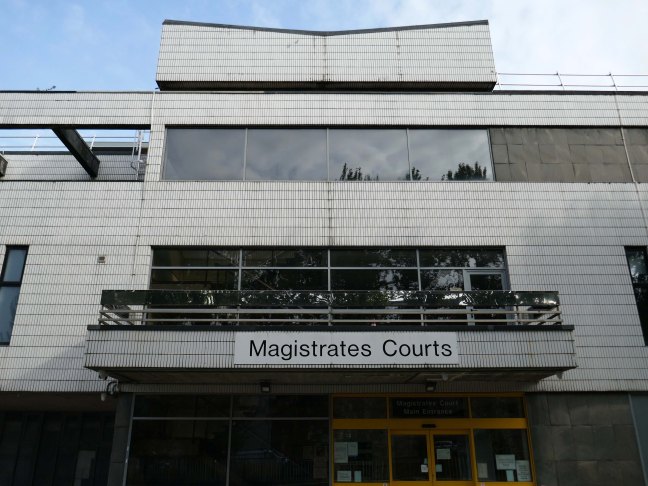
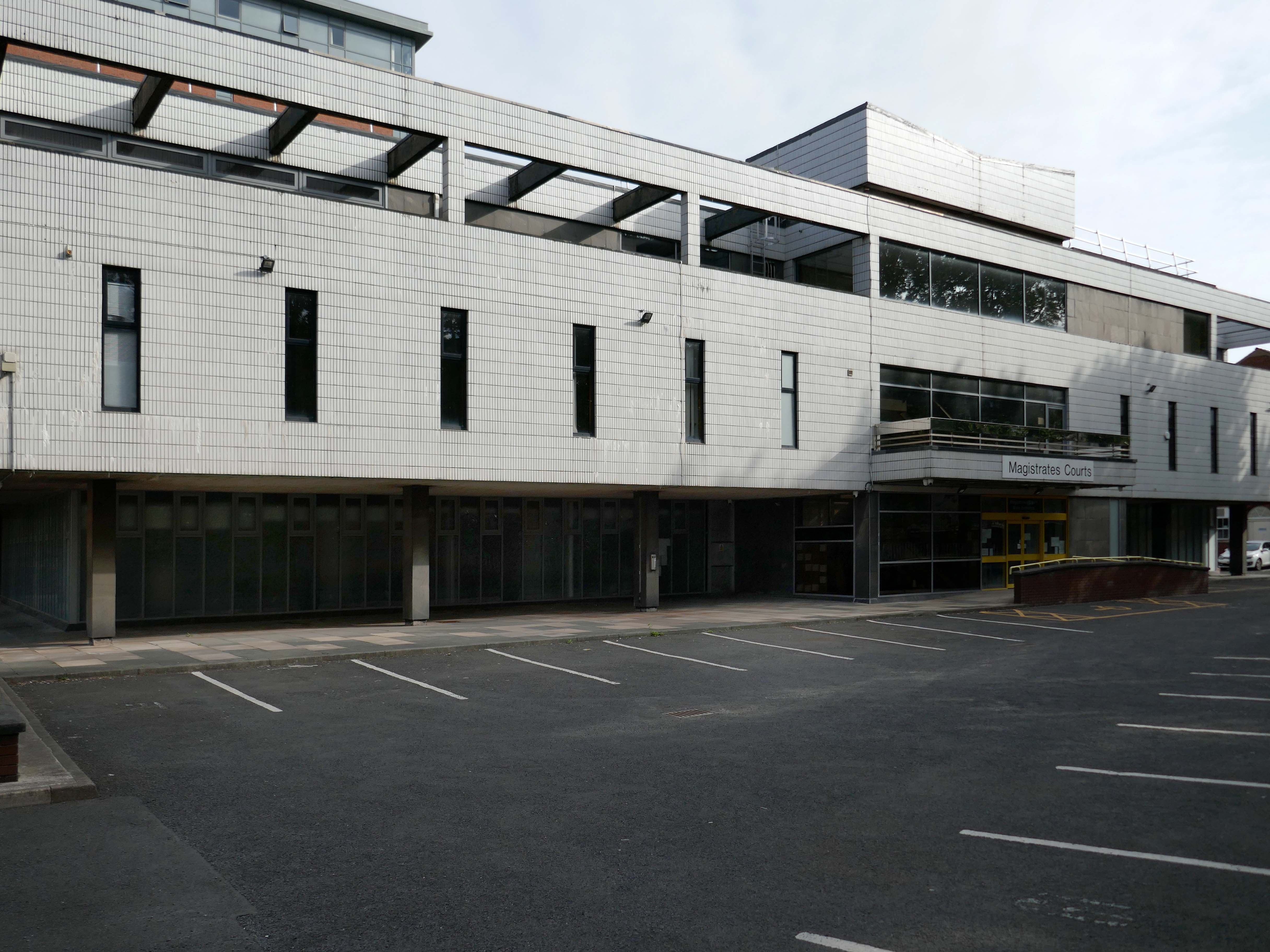
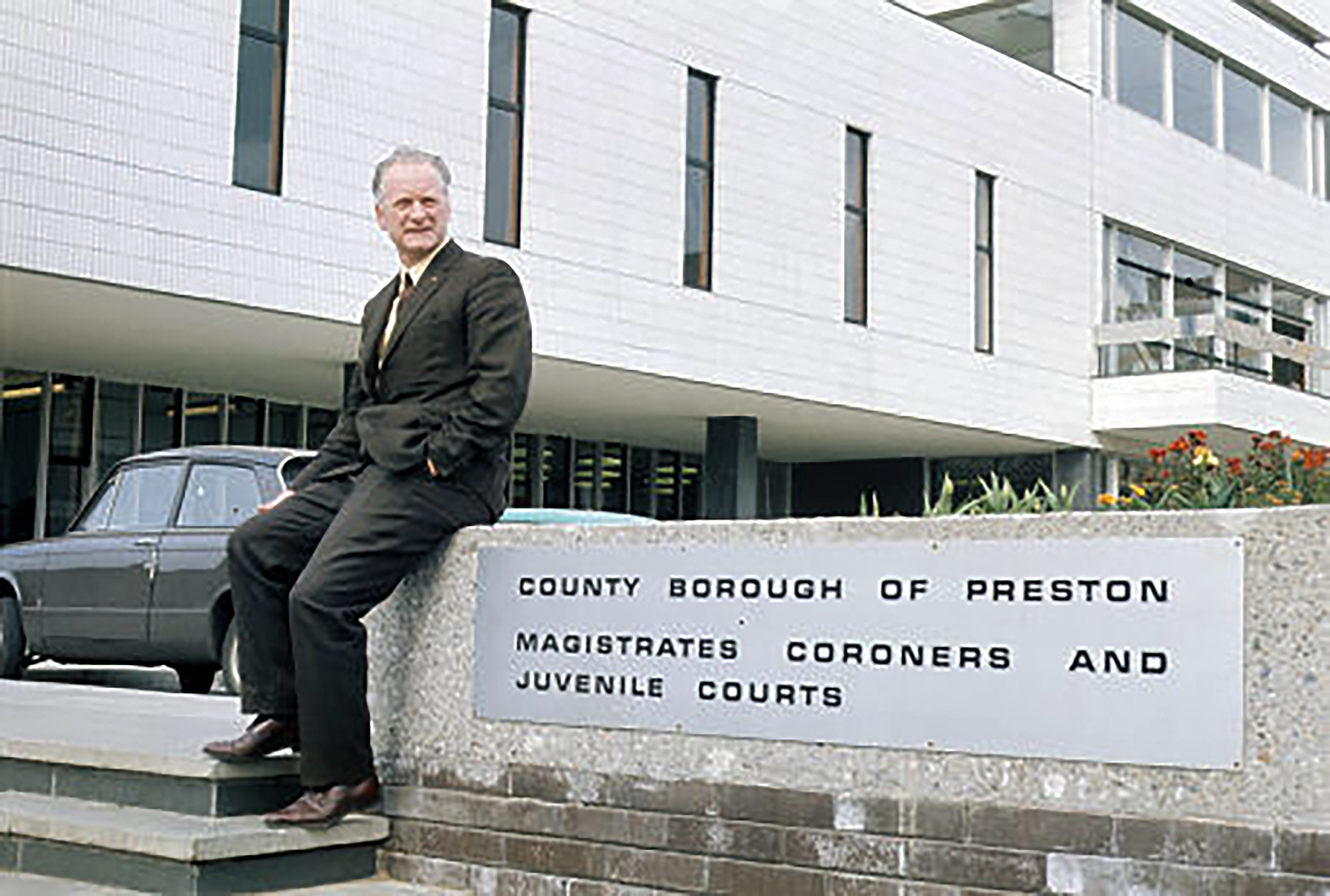
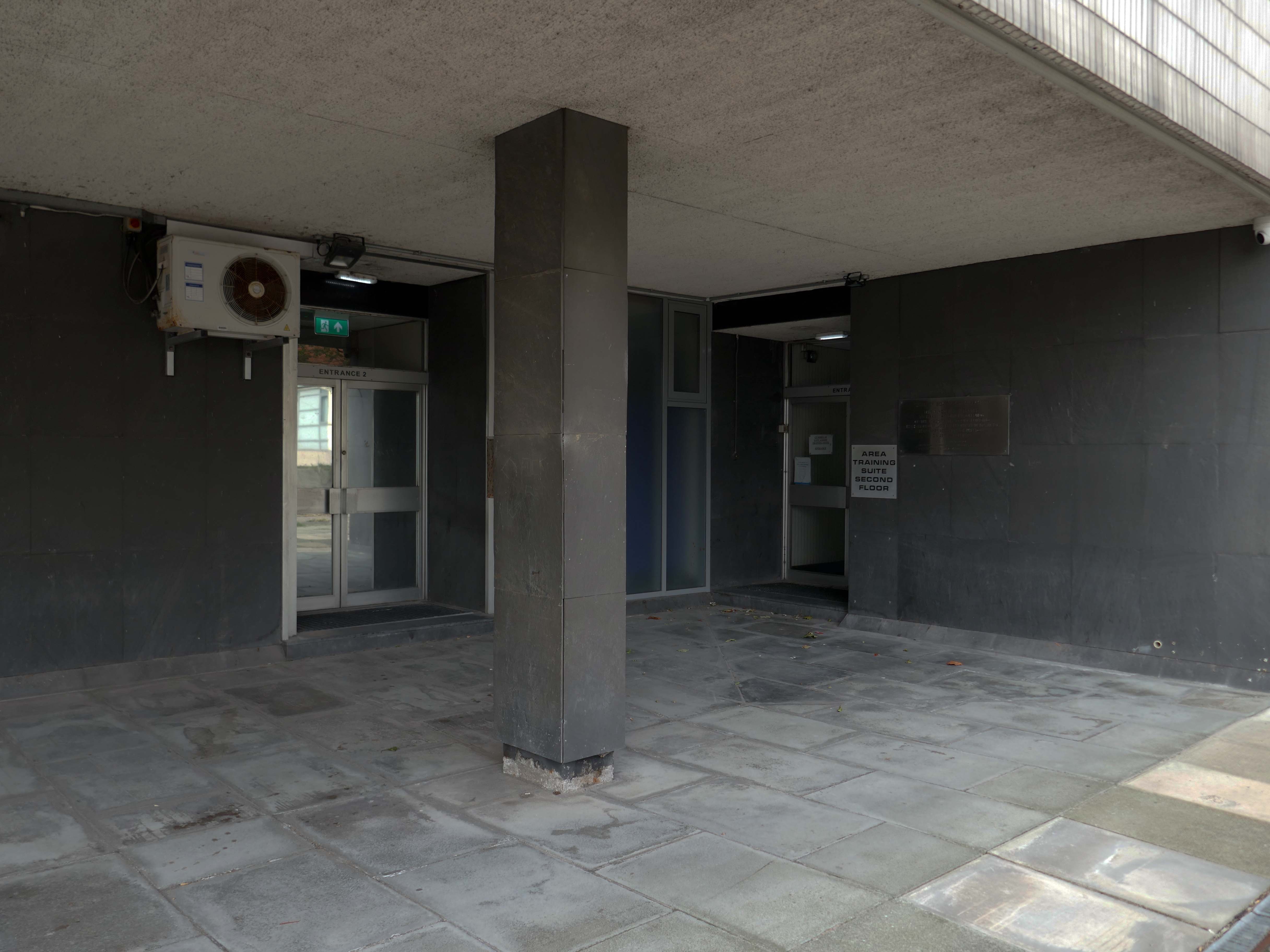
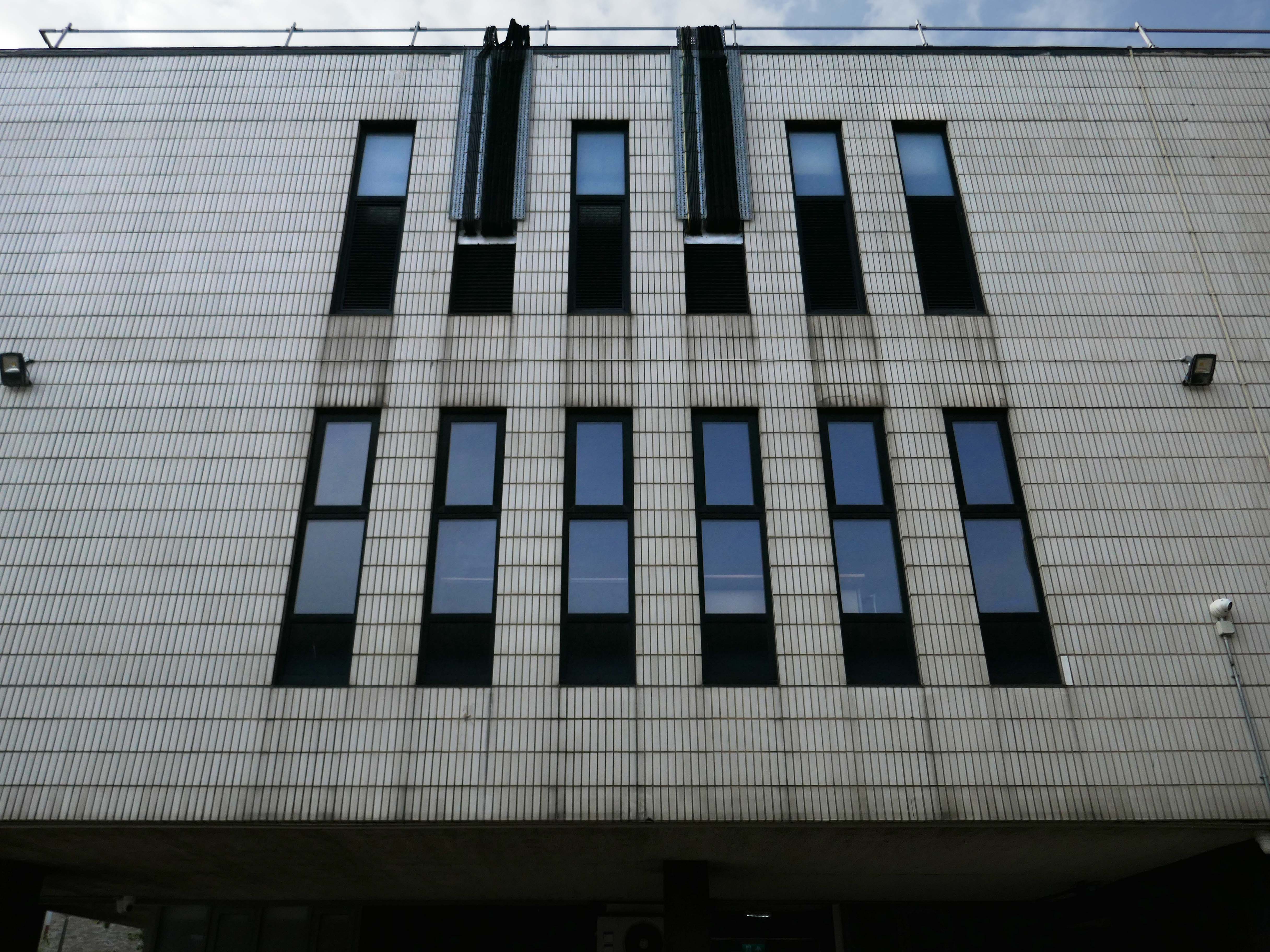
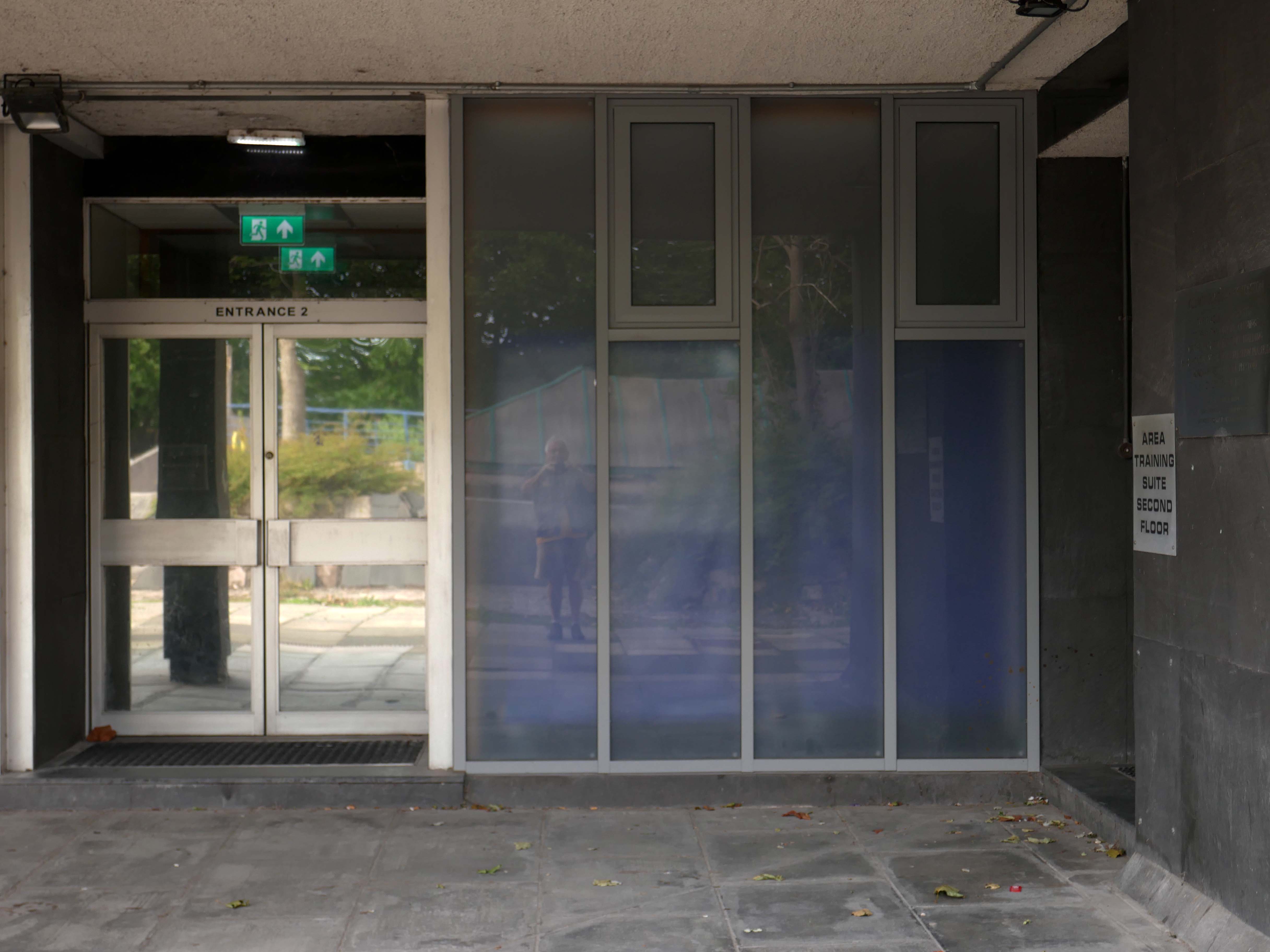
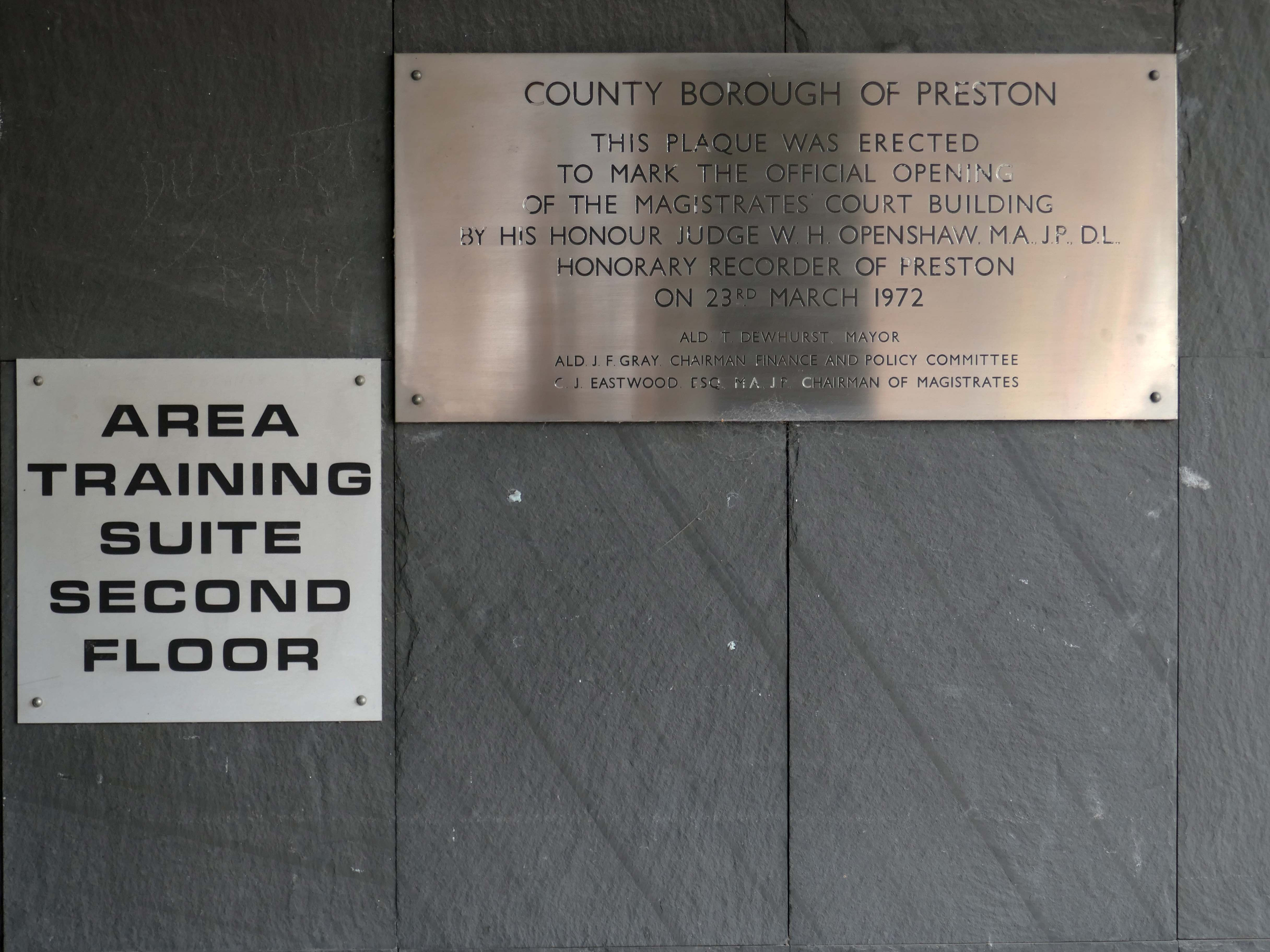
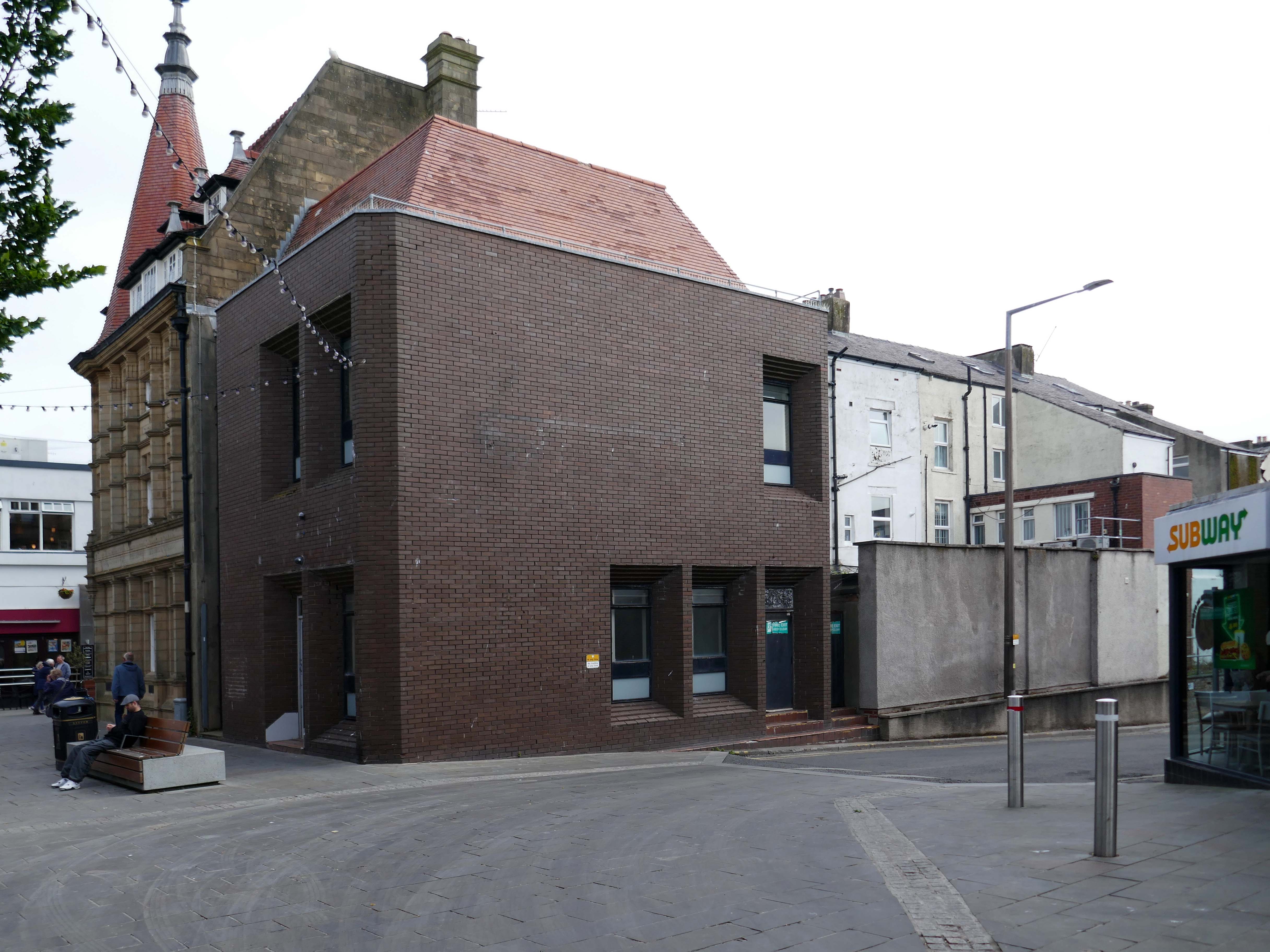
Magistrates’ Court – Preston

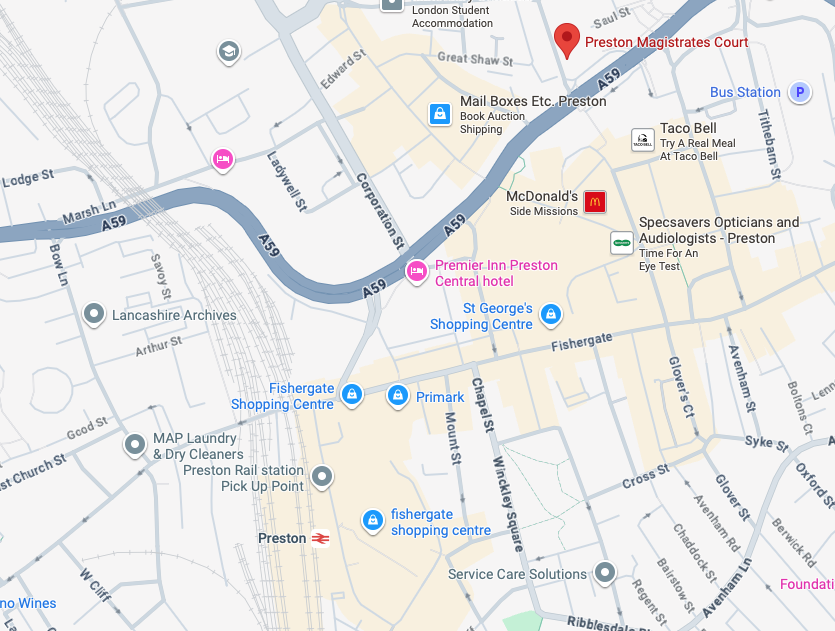
Lawson St Preston PR1 UK

We have often walked by the Magistrates’ Courts on the Preston Walk.

So, it’s about time this low lying white tiled delight received some well deserved attention.

Though recently there have been structural problems:

The safety of everyone who uses our courts is paramount and the decision to temporarily close Blackpool and Preston Magistrates’ courts was made in line with professional advice following the detection of defective Reinforced Autoclaved Aerated Concrete. These court buildings will reopen once they are assessed as safe by professionals following the completion of required remedial works.

There have also been solutions:

Preston Magistrates’ Court is currently scheduled to reopen in January 2024.

They work for you

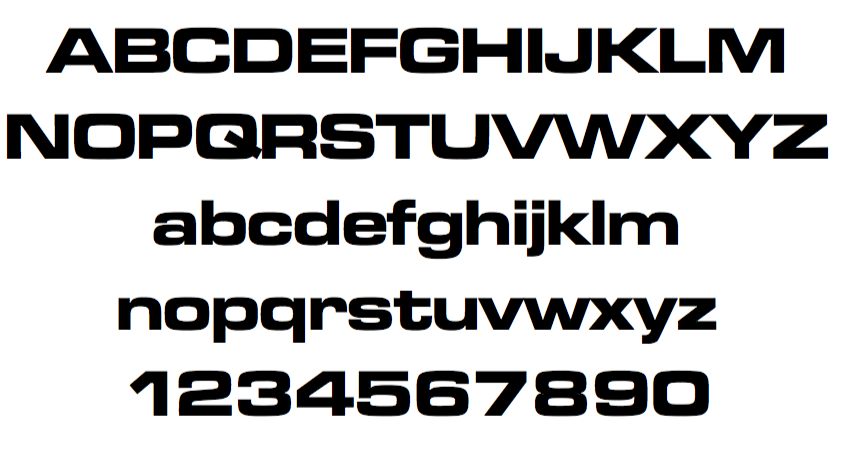
Local lad Tom Finney was unable for comment, though saddened to hear that the Microgramma sign was no longer in situ.


Copyright Rex Shutterstock

Microgramma is a sans-serif typeface designed by Aldo Novarese and Alessandro Butti for the Nebiolo Type Foundry in 1952. It became popular for use with technical illustrations in the 1960s, and was a favourite of graphic designers by the early 1970s.

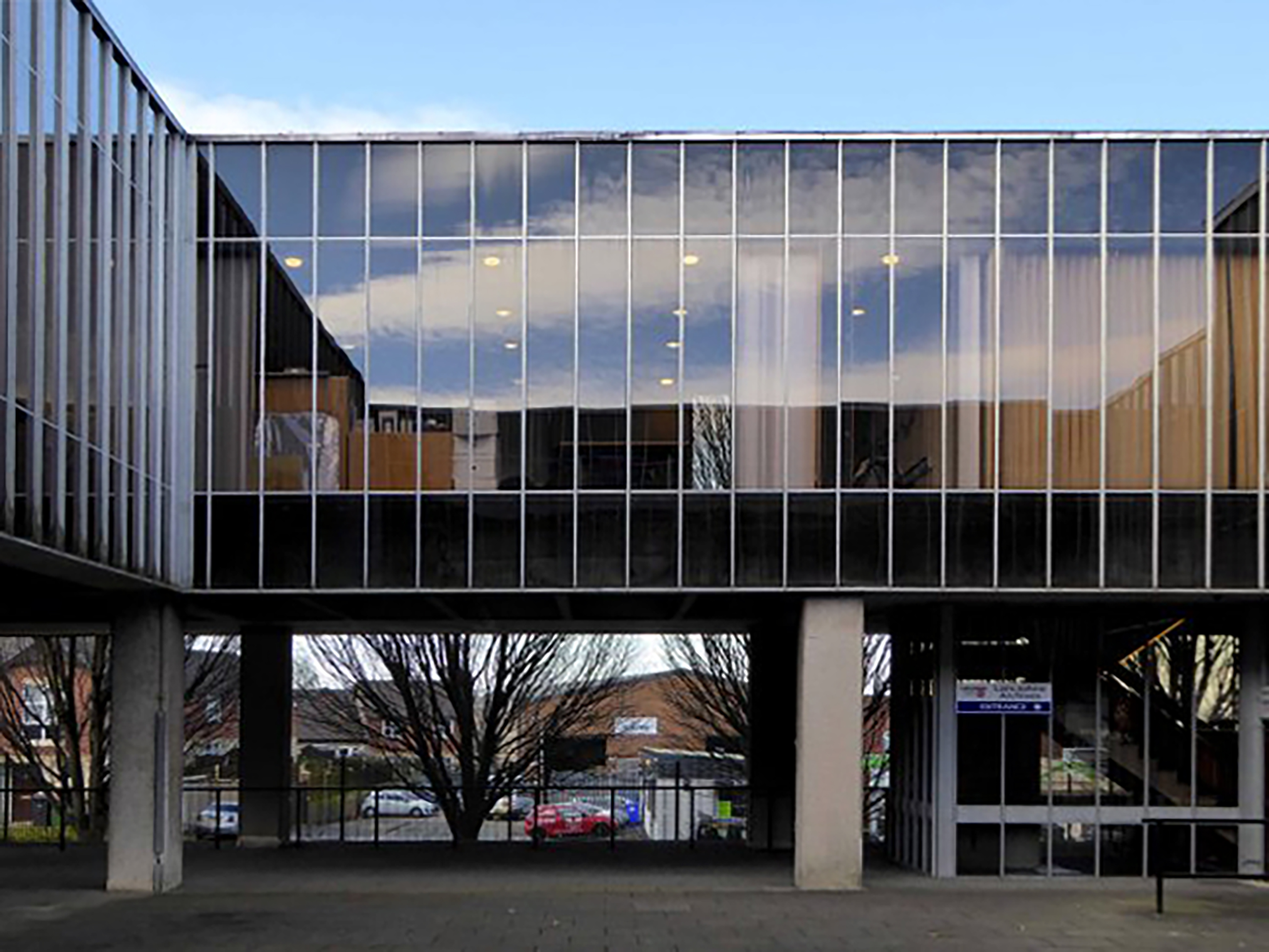
The building is the work of the Borough Architects under John Hatton – though I am reliably informed that County Architect Roger Booth took an advisory role.

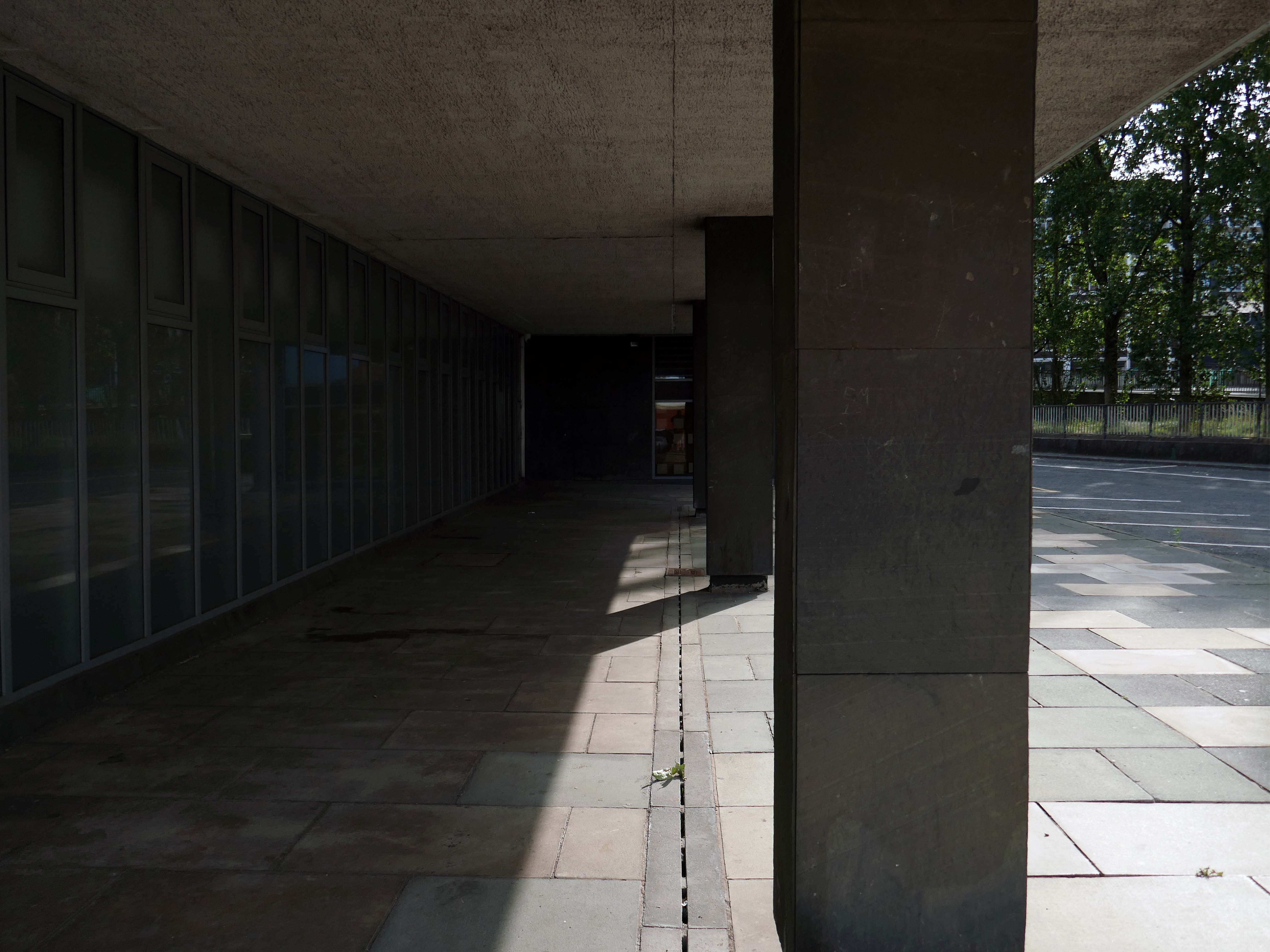
The Courts certainly echoes many of the stylistic and material characteristics of his work, particularly the County Archives, with similar piloti and glazing.

So let’s take a circuitous tour.

This is the seriously neglected seating area.

The Courts once had a Roger Booth Police Station as a neighbour.

Photographs – Richard Brook

Converted to apartments in 2013, with current plans for further developments.

More than 200 student flats are set to be built on part of Preston’s former divisional police headquarters. Preston City Council planning officers have recommended that councillors give the go-ahead to the scheme – at the junction of Walker Street and Lawson Street, to the rear of the magistrates’ and crown courts.

Blog Preston

The part of the plot where the new ‘studio apartments’ would be erected is currently occupied by a multi-level public car park, accessed from Saul Street, which has been operated as a pay and display facility by Chorley-based Parking Eye for the last nine years.

Other Roger Booth police stations have also been visited by the wrecking ball, Blackpool and Bury are now no longer extant.

Both Chorley and Morecambe are still standing.

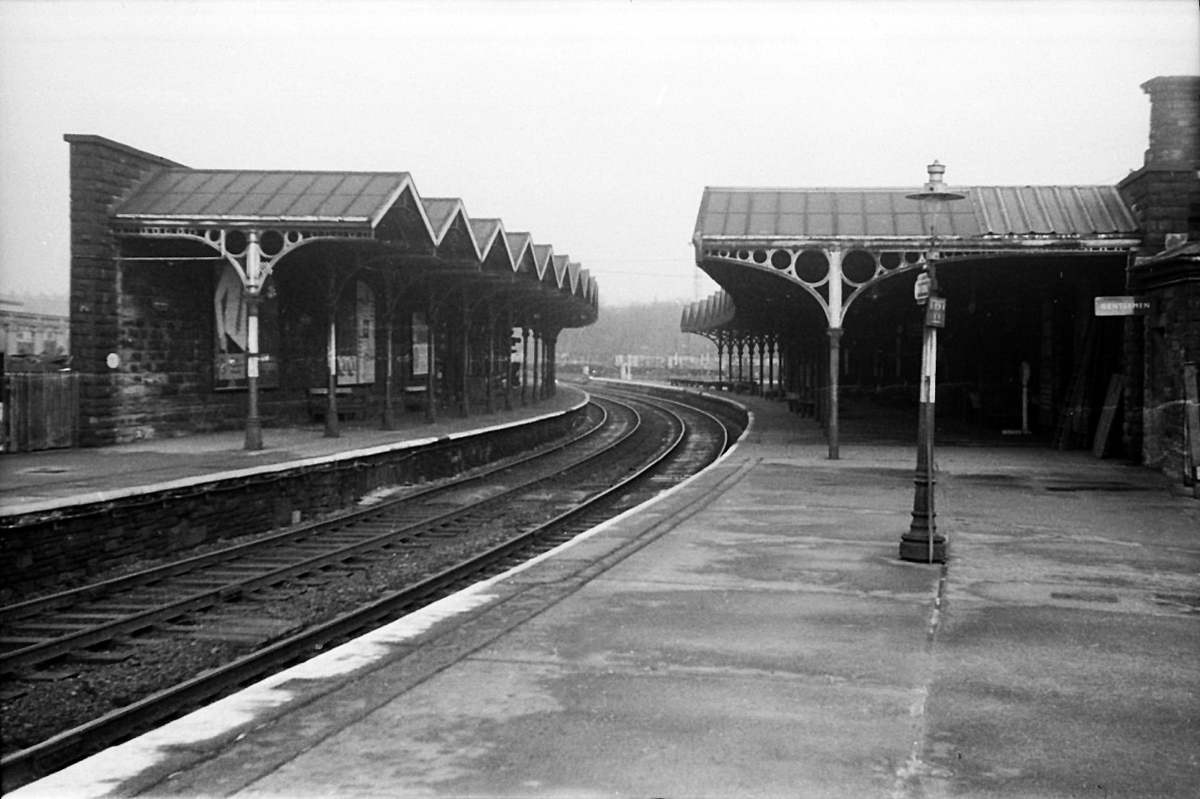
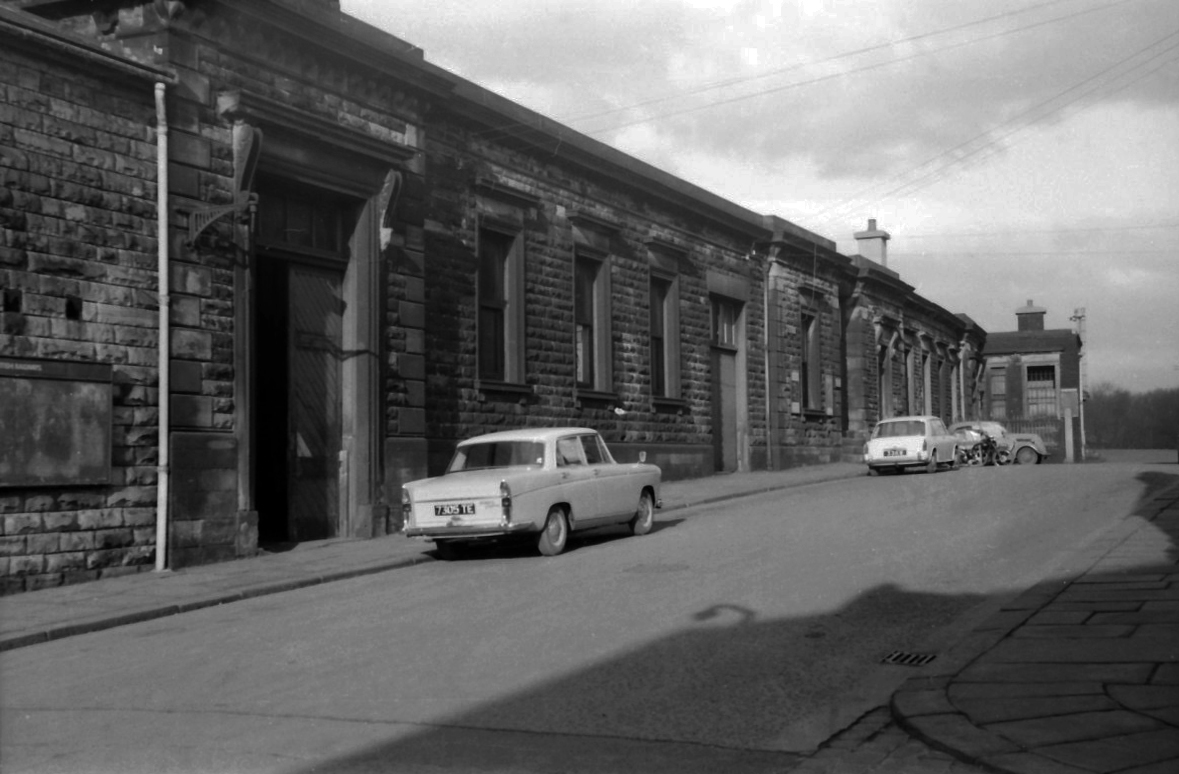
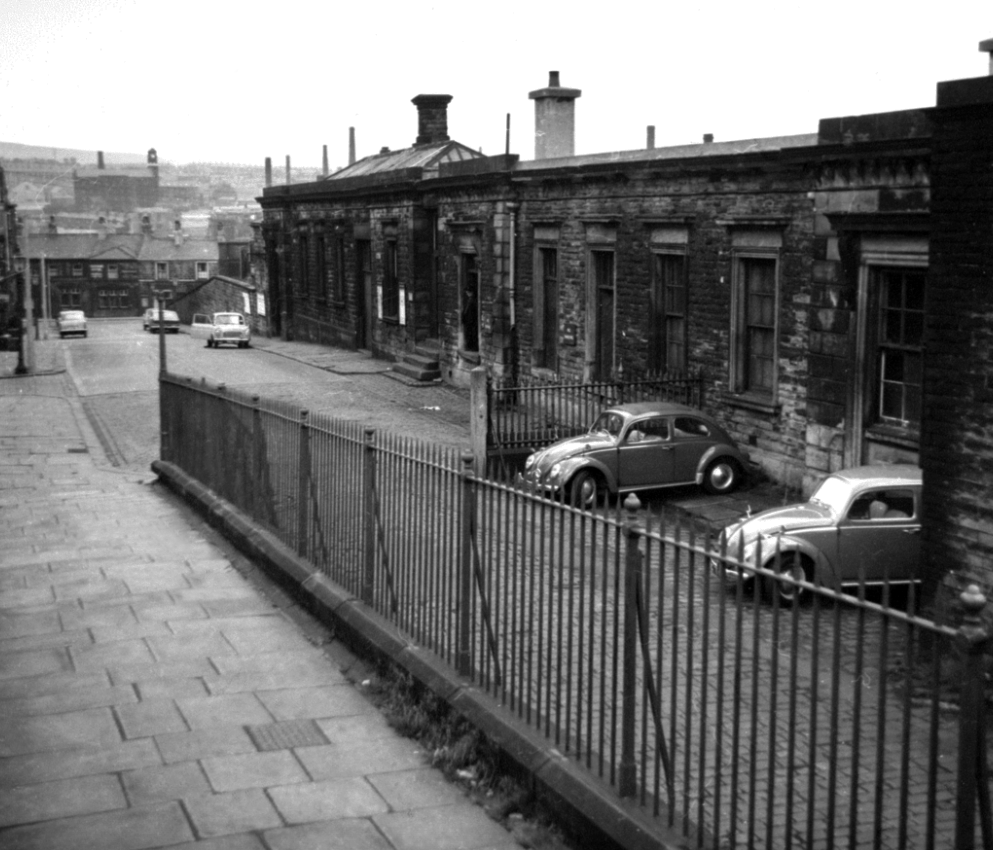
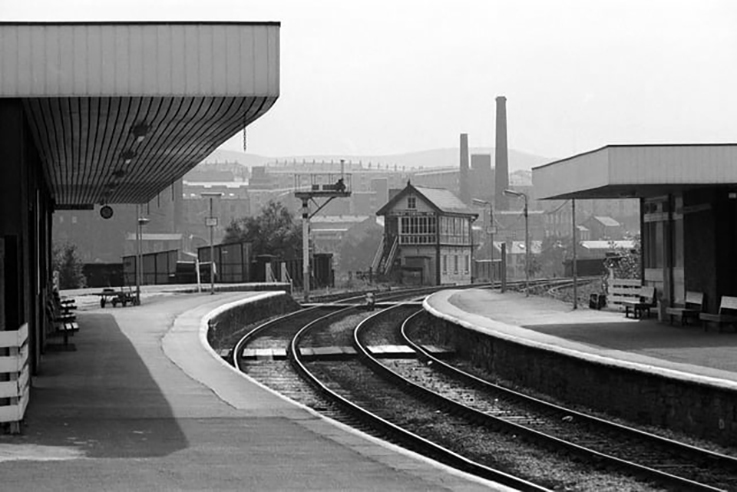
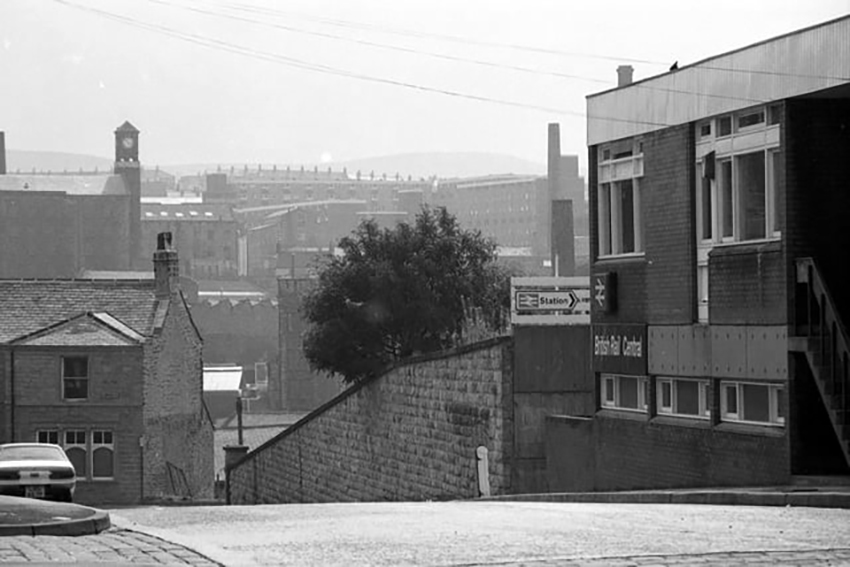
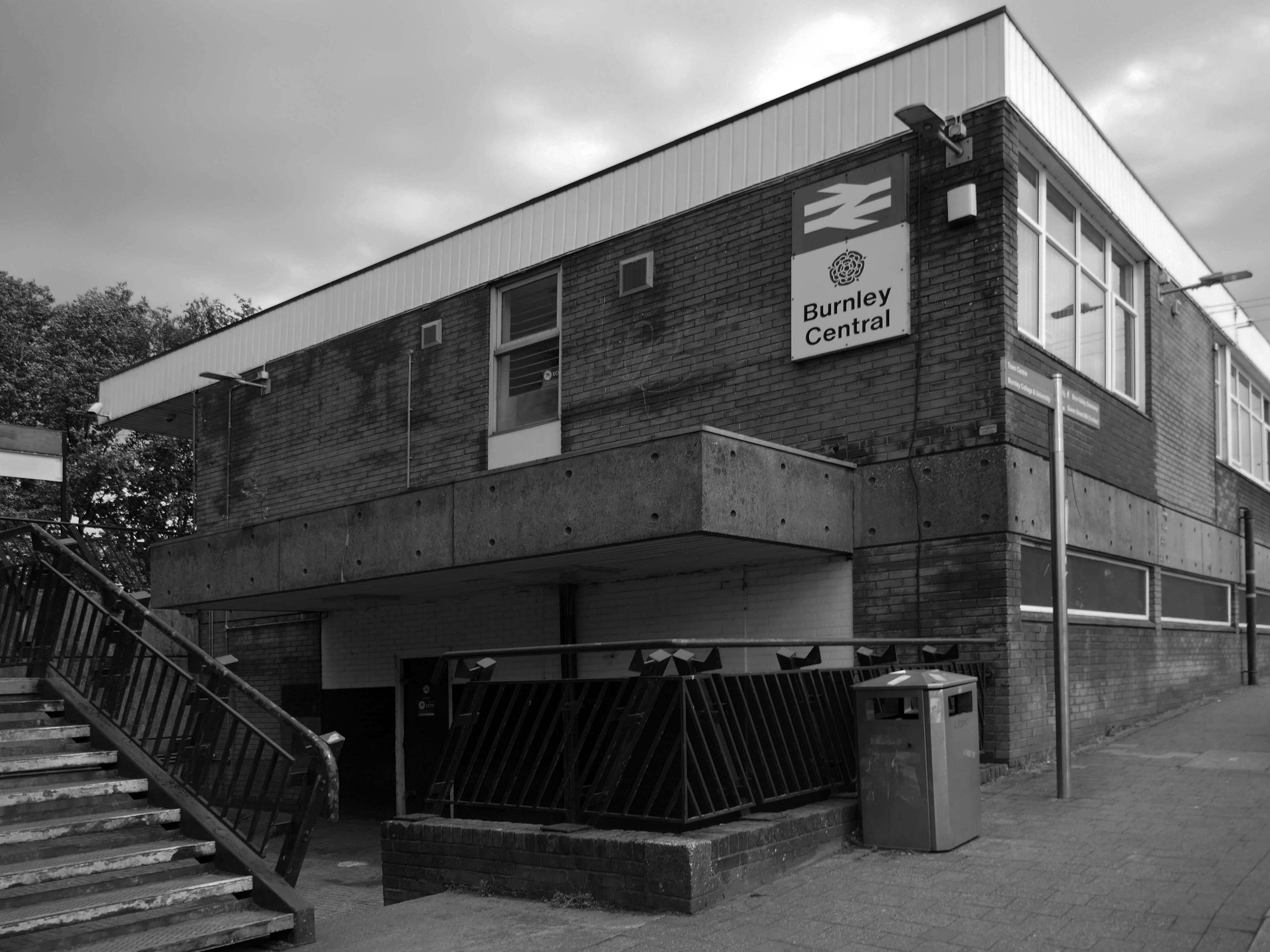
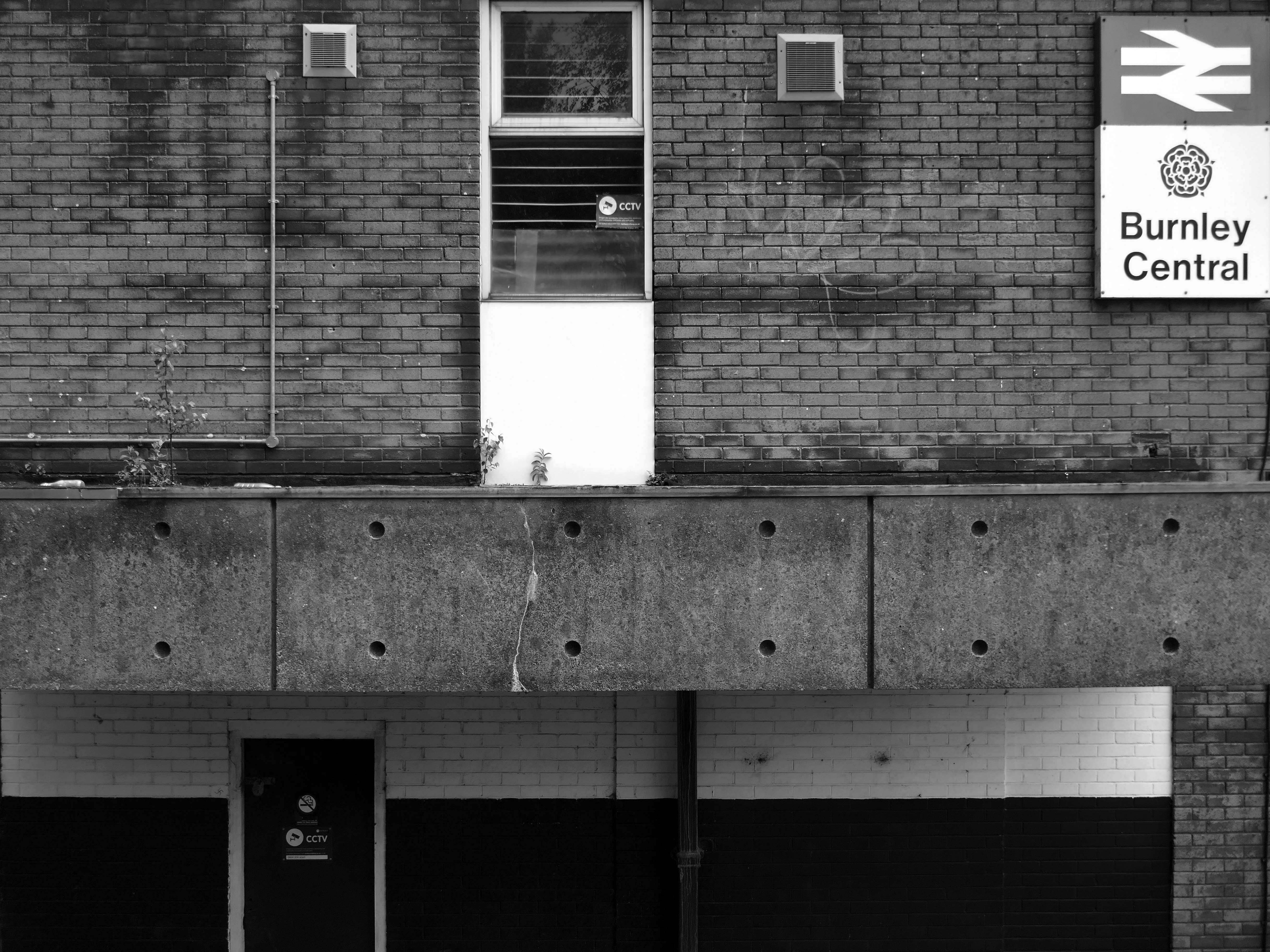
Burnley Central Railway Station

Burnley Central railway station is a stop on the East Lancashire Line, it is managed by Northern Trains, which also provides its passenger service.

Architect: RL Moorcroft of British Rail 1964-1966

Described by Claire Hartwell in the Buildings of England Lancashire: North as – of blue brick, bleak.

The station was opened by the East Lancashire Railway in 1848, as part of its route from Bury and Blackburn to Colne; here, an end-on junction was made with the Leeds and Bradford Extension Railway line from Skipton that had been completed several months earlier. The service from Colne through the station to Manchester Victoria, via Accrington and Bury, was well used from the outset by the owners of the local cotton mills, who travelled from their homes in the area to make their purchases of raw cotton at the Royal Exchange several times each week. It was also possible to travel from the station by direct train to Blackpool, Liverpool and Skipton and even through to London Euston, via Blackburn, Manchester Victoria and Stockport.

1964 Red Rose Collections.

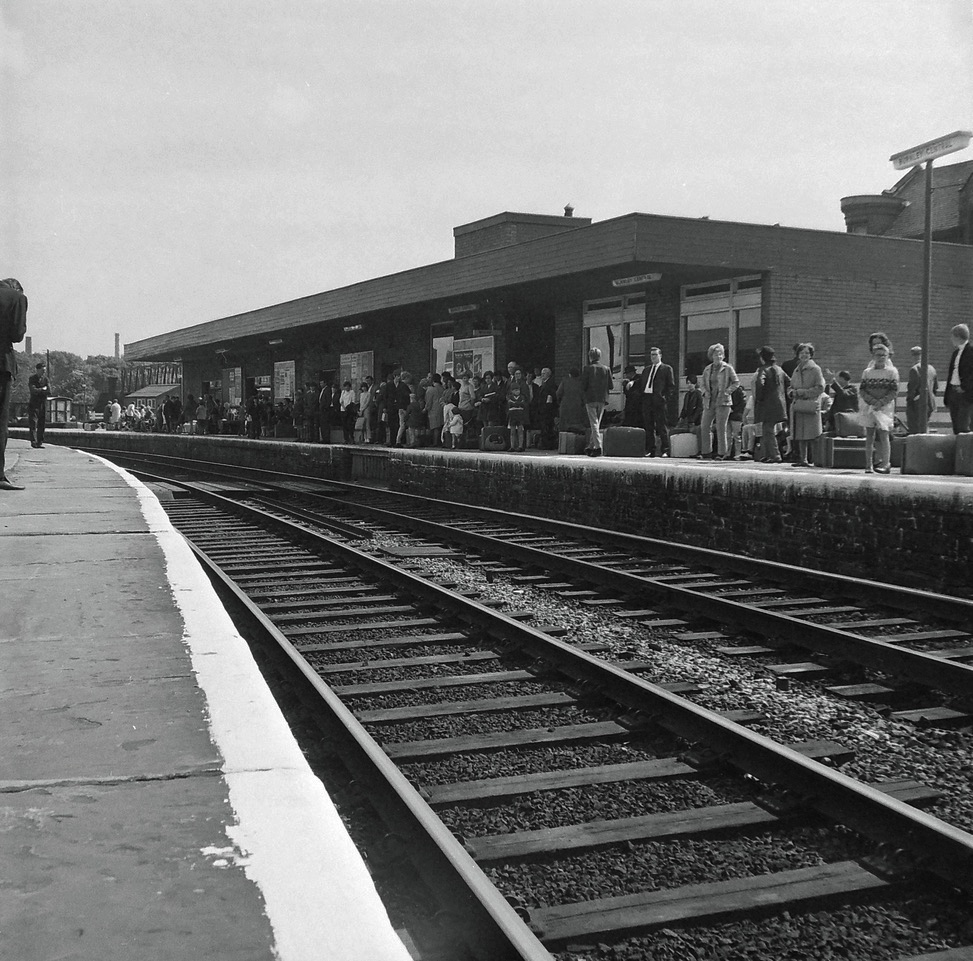
However, the cutbacks of the 1960s affected the station badly, with through trains to Manchester via Bury ending in 1964 (two years before the withdrawal of the Accrington to Bury service) and those to Liverpool in 1969 whilst the line to Skipton was closed to all traffic in 1970. This left the station on a 10.5 km long dead-end branch line from Rose Grove to Colne.

The station was rebuilt in 1965, its ground floor is at street level and the first floor at platform level.

Wikipedia

1985

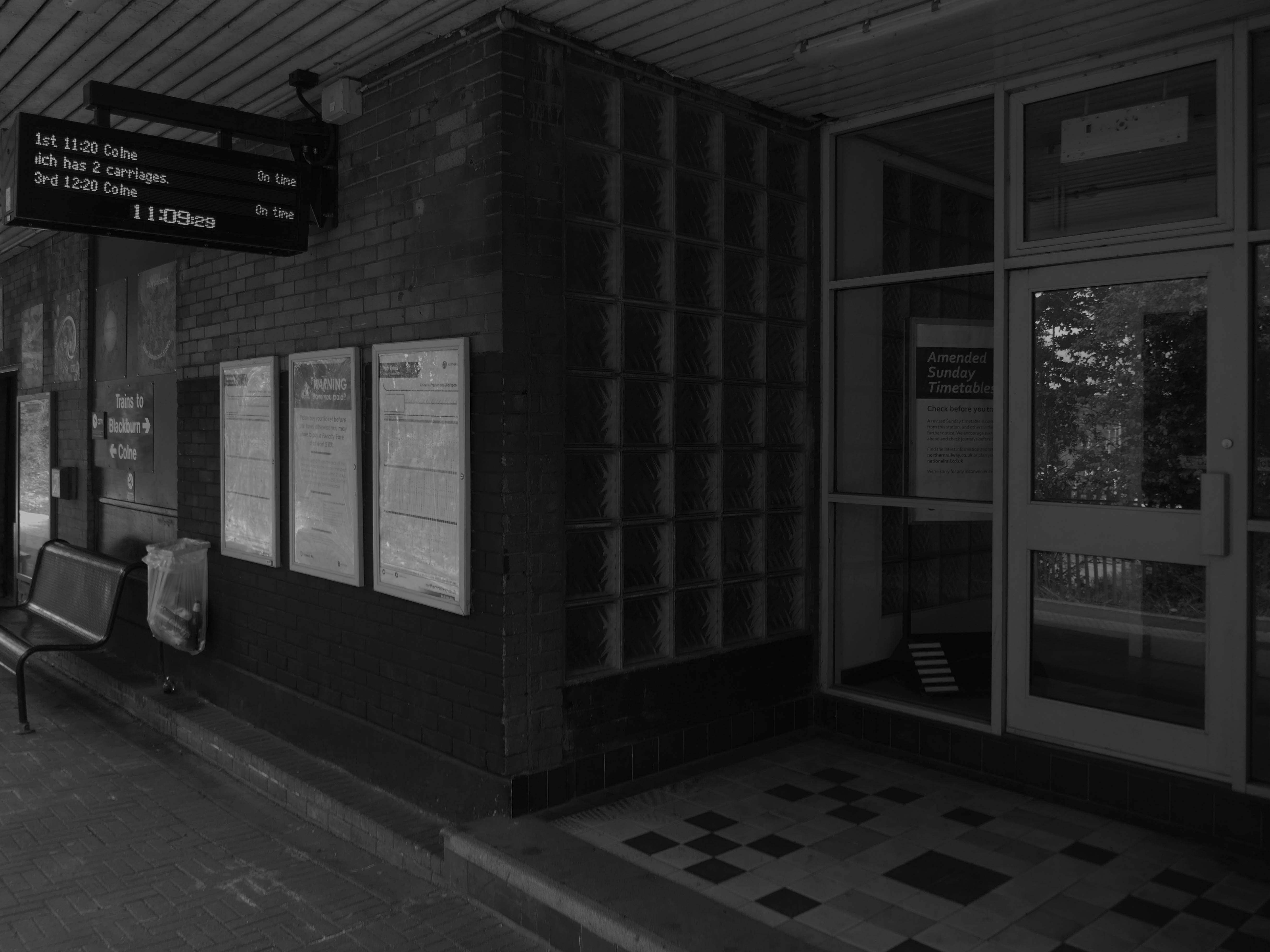
On the day of my visit the hourly service to Colne was almost due, there were two passengers on the platform.

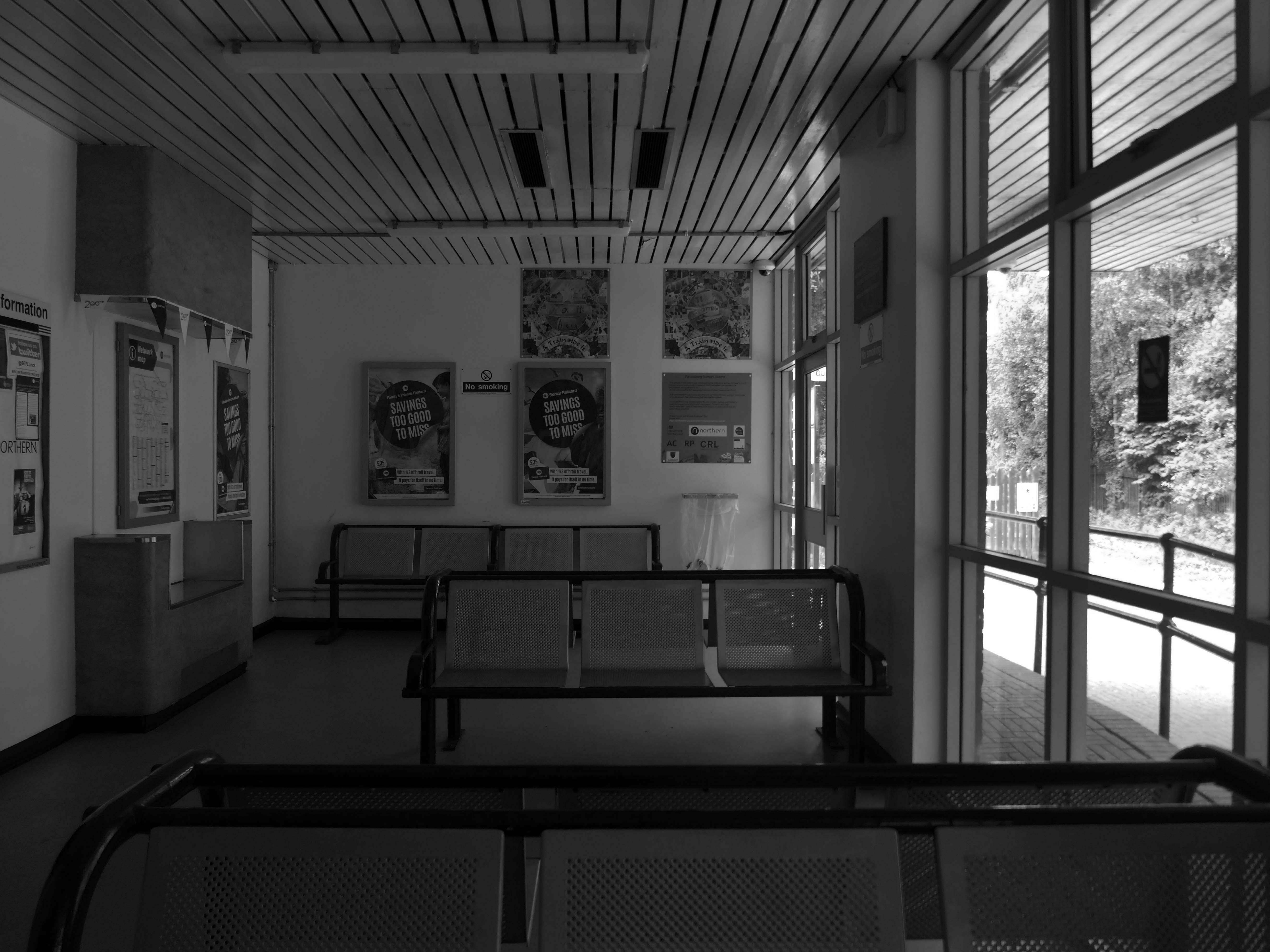
A single track to a dead end town, the booking office and waiting room locked.

Blackpool to Cleveleys Walk

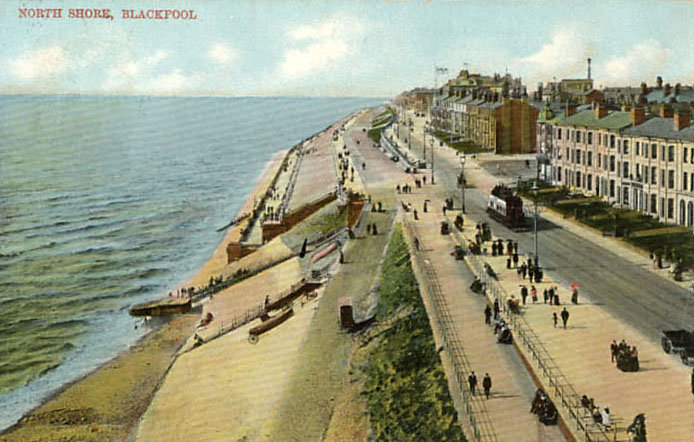
I have previously written about the Blackpool North Shore here and here.

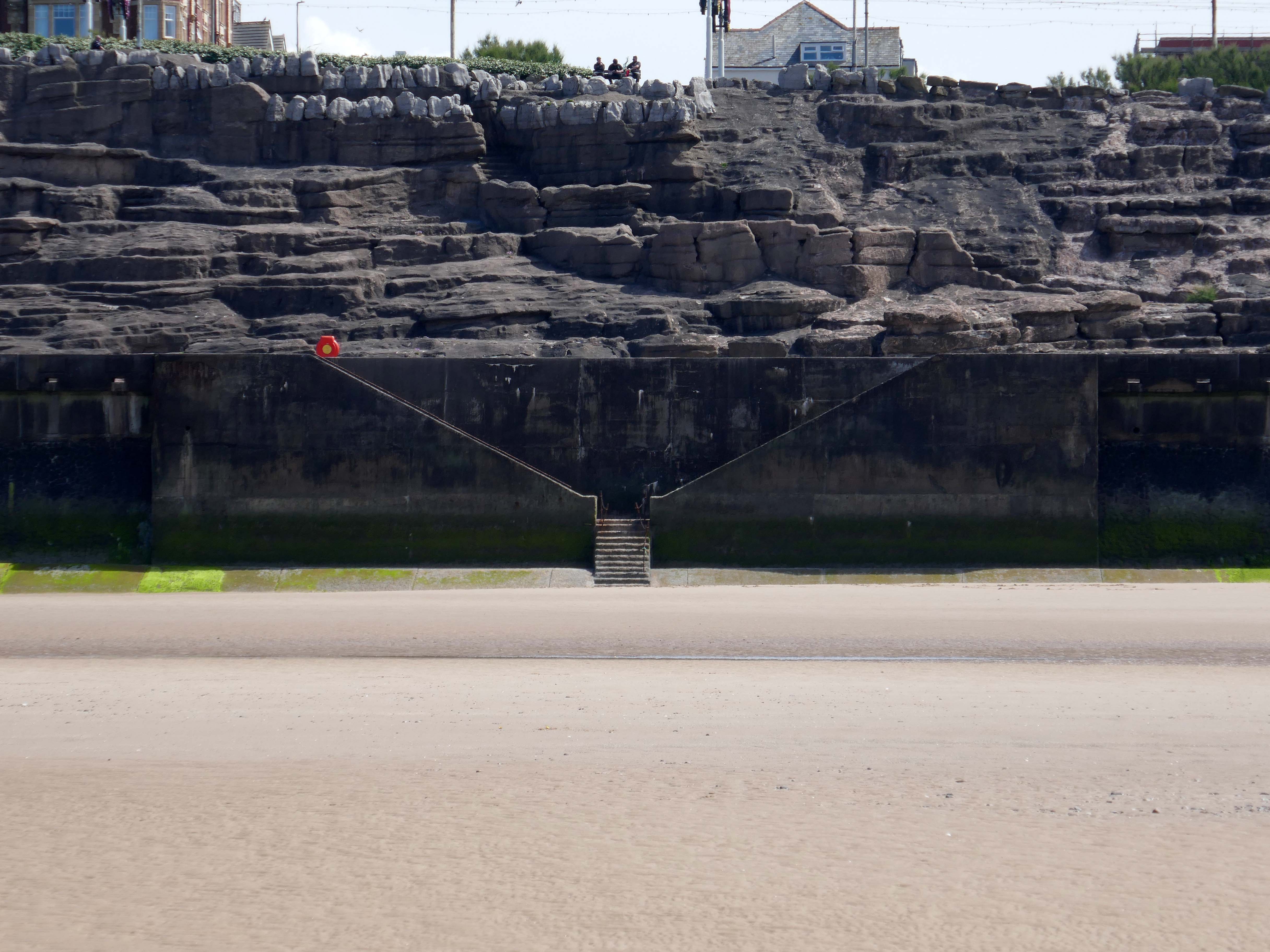
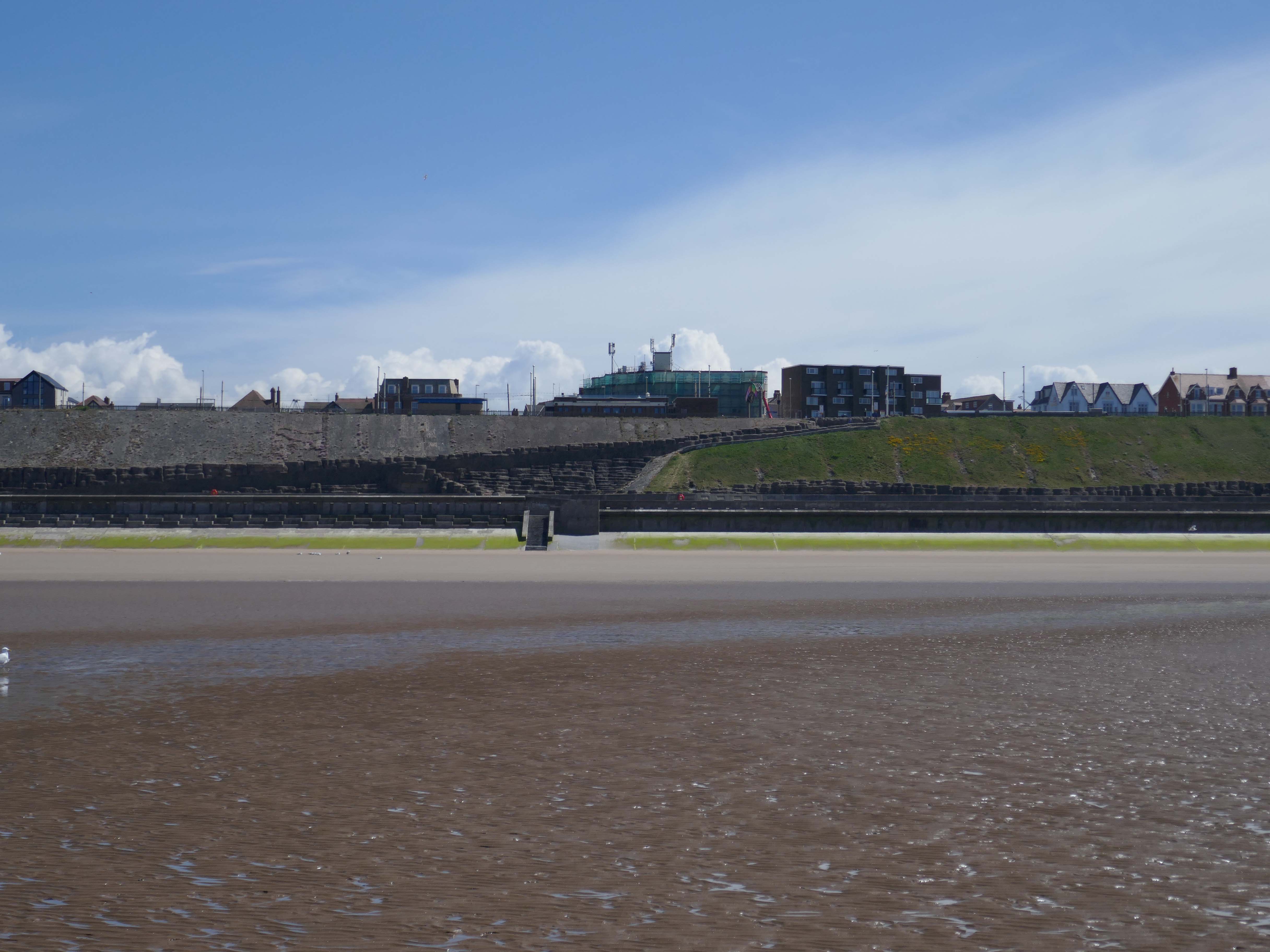
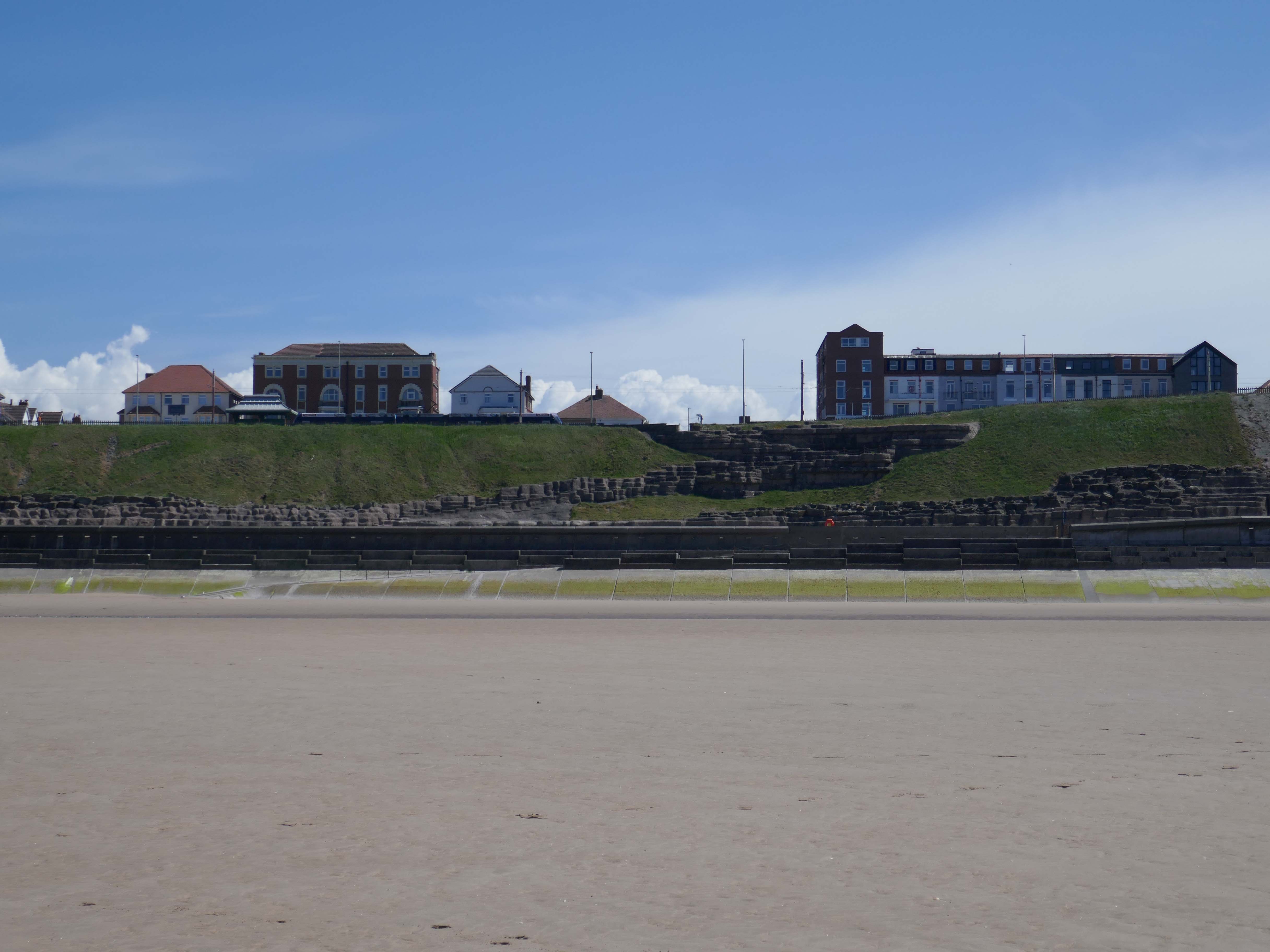
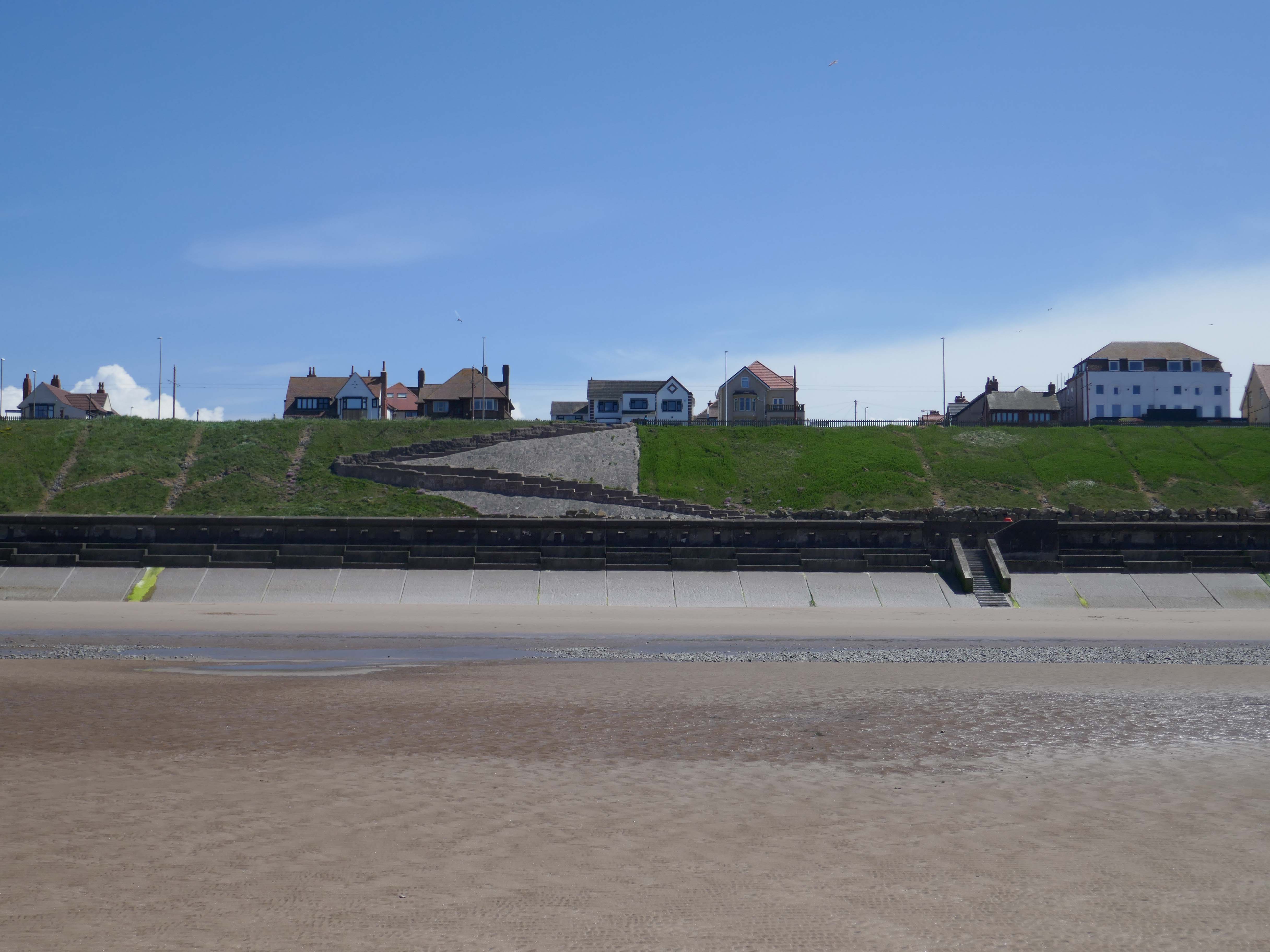
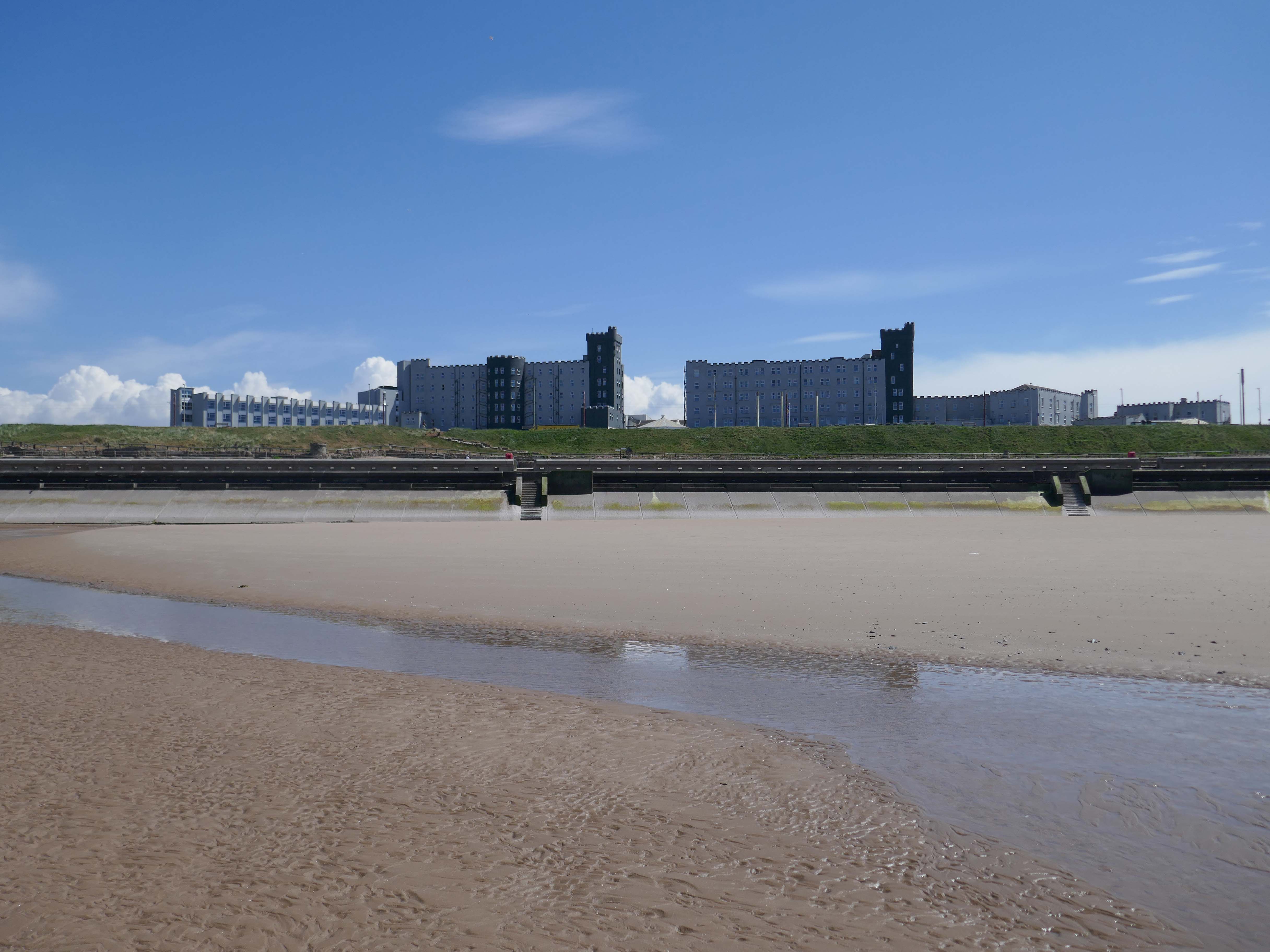
Observing the shore from the promenade.

The shore was designated as a conservation area in 2018.

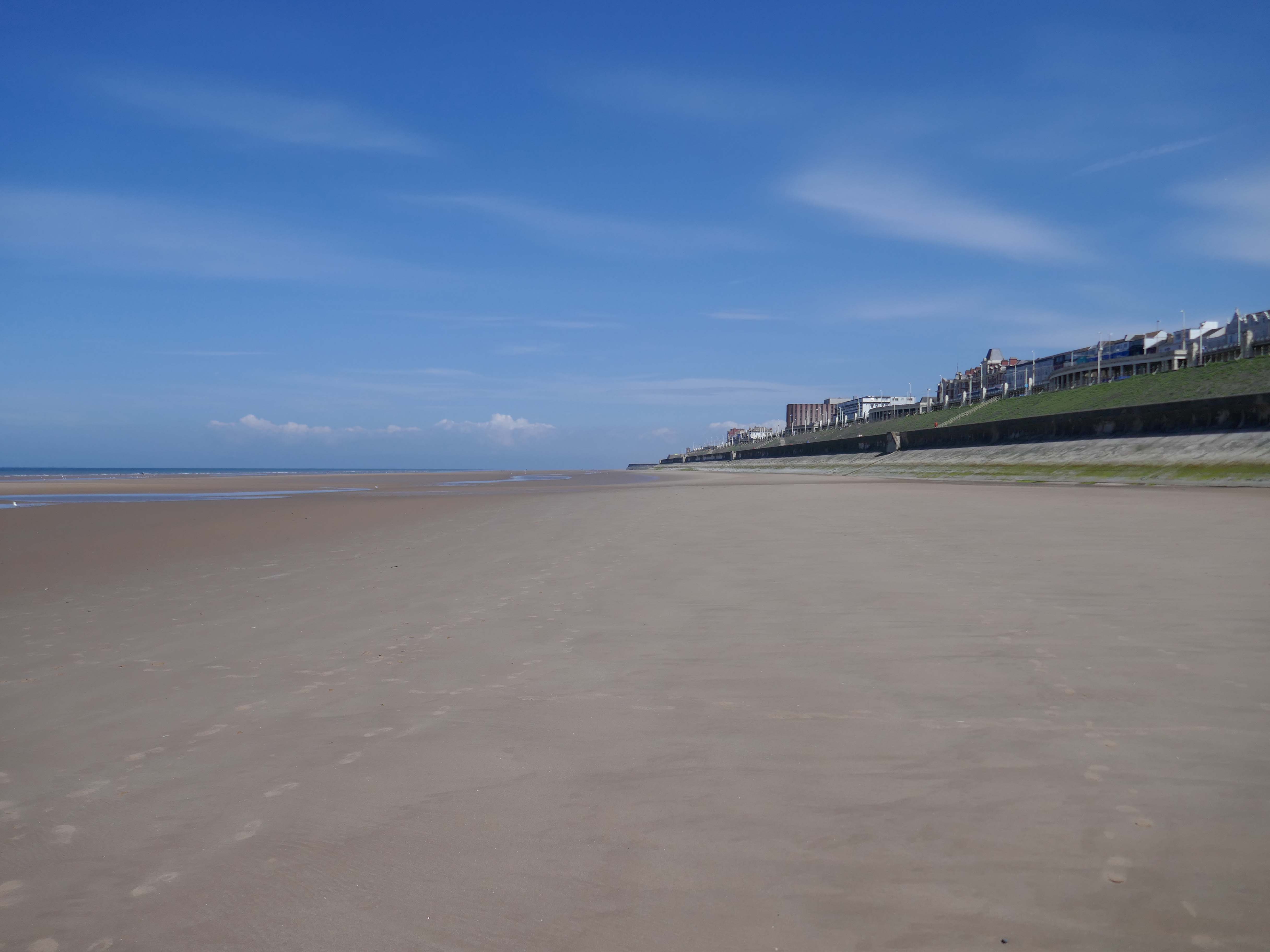
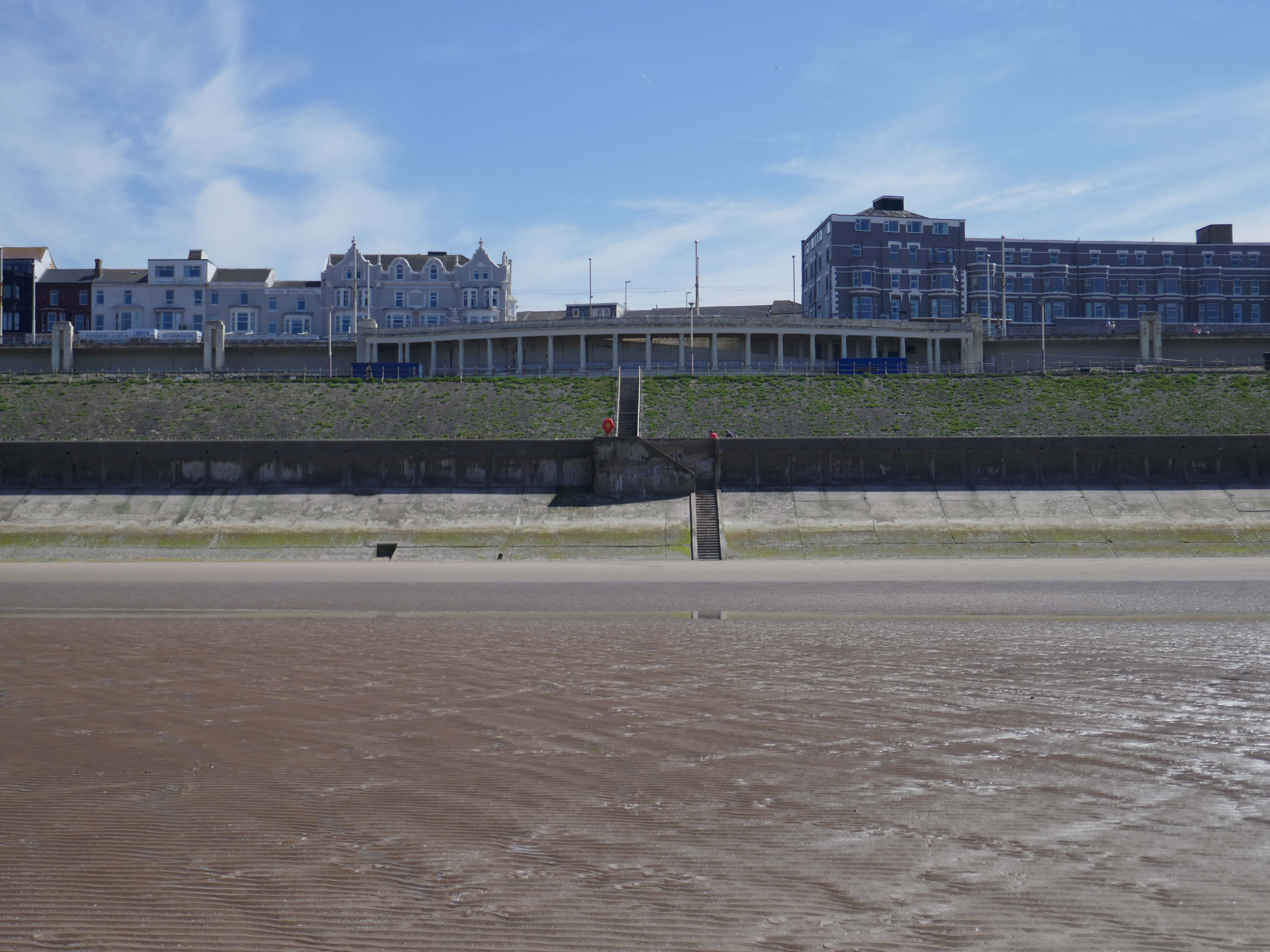
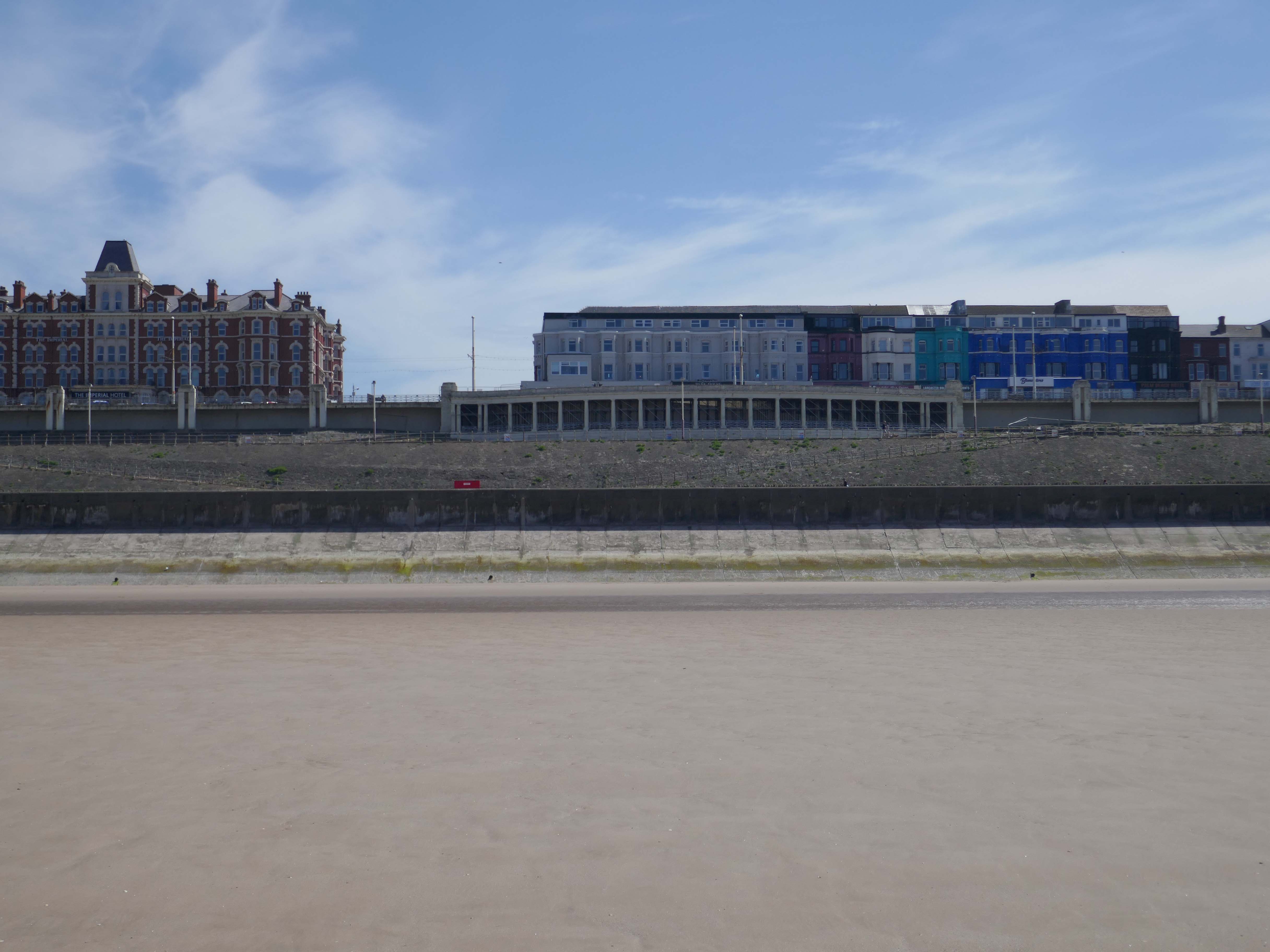
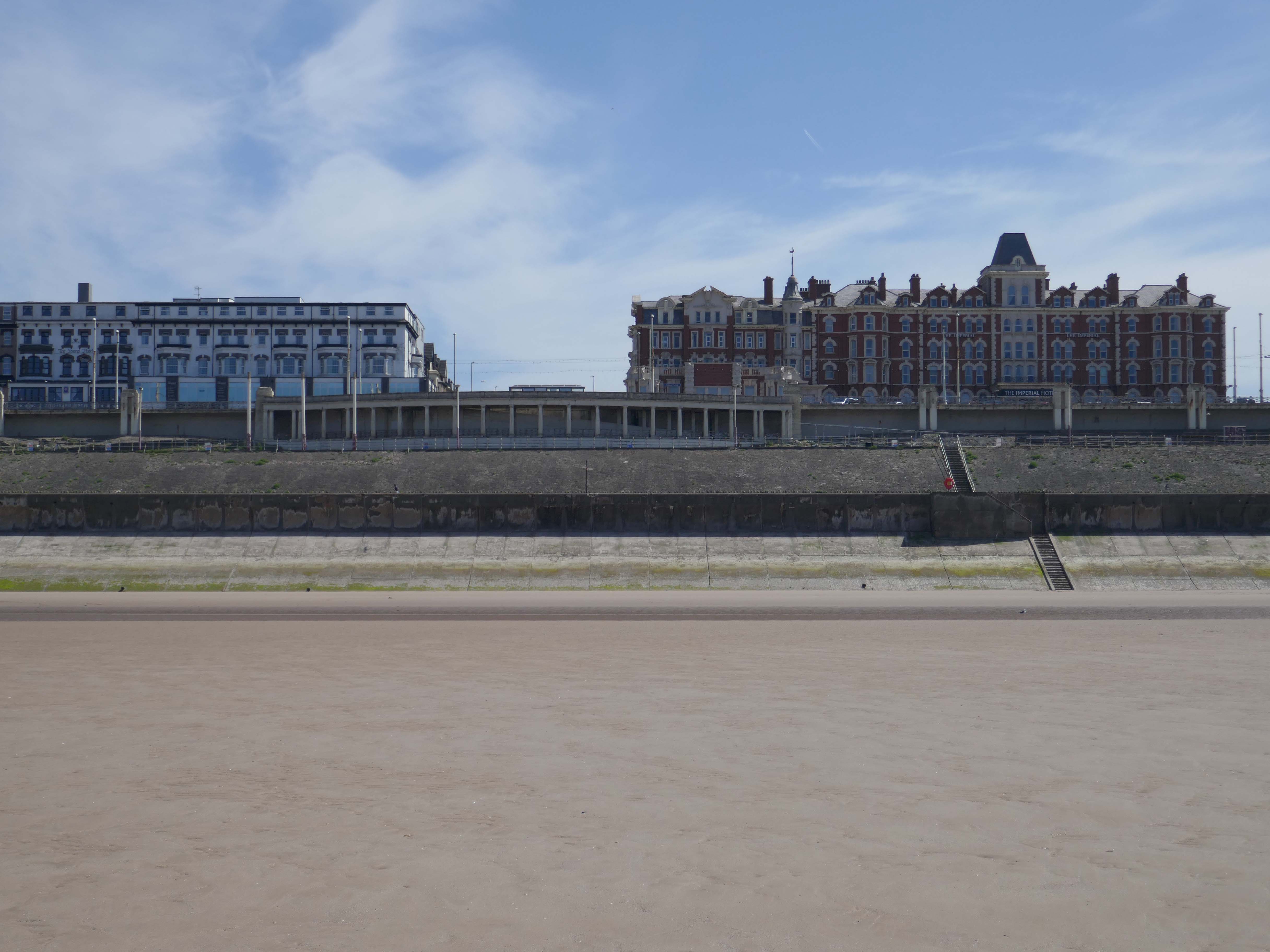
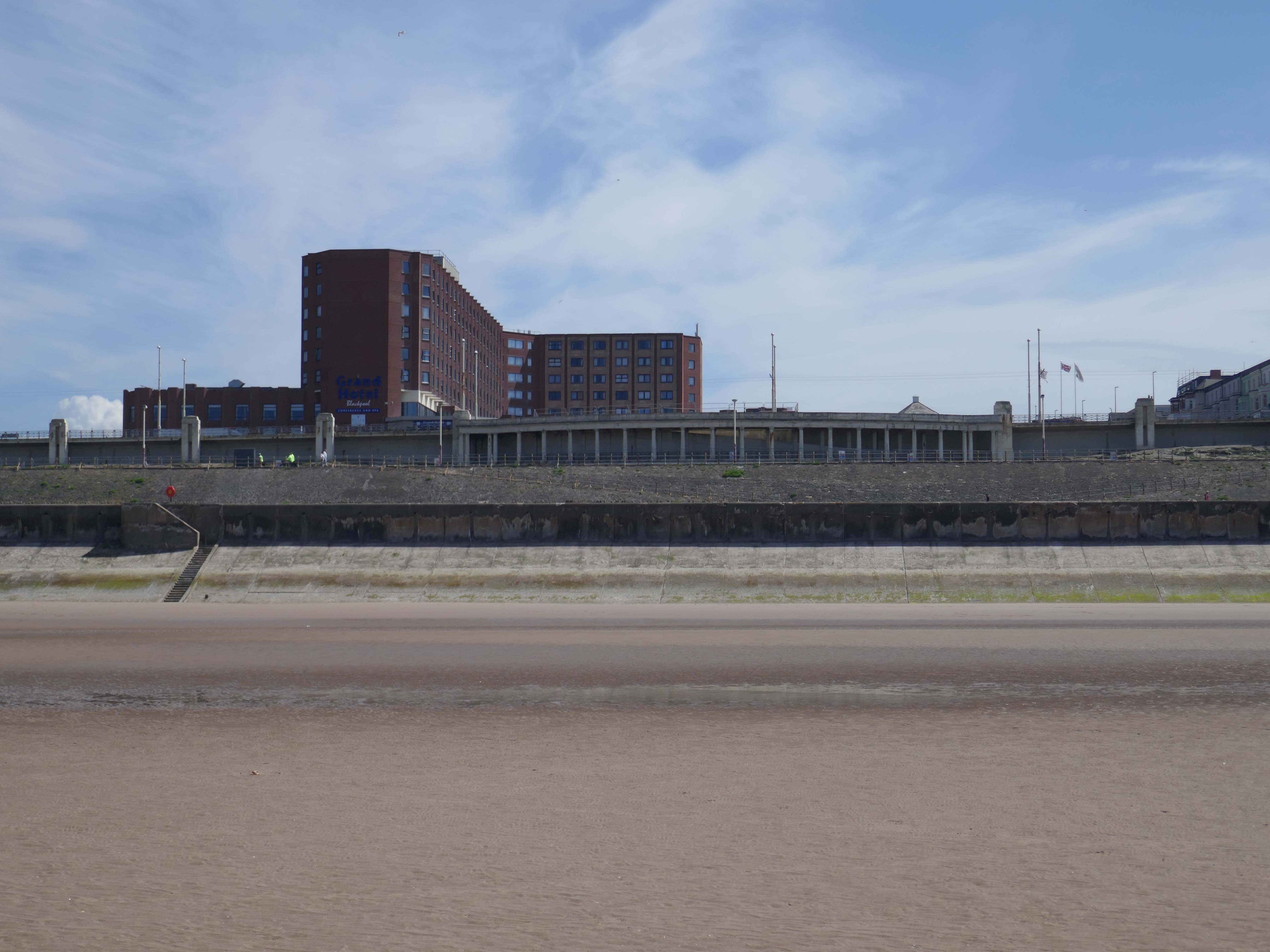
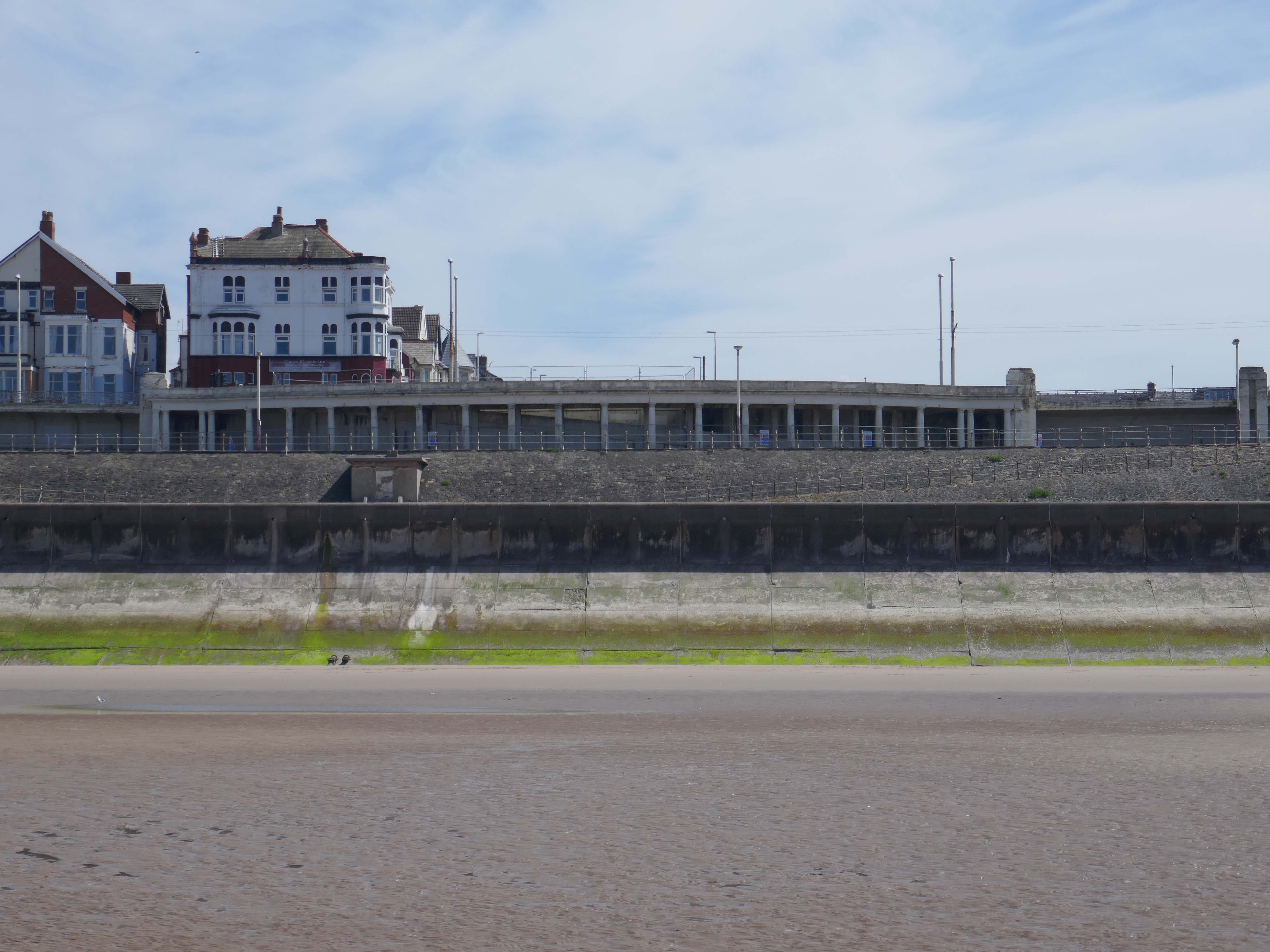
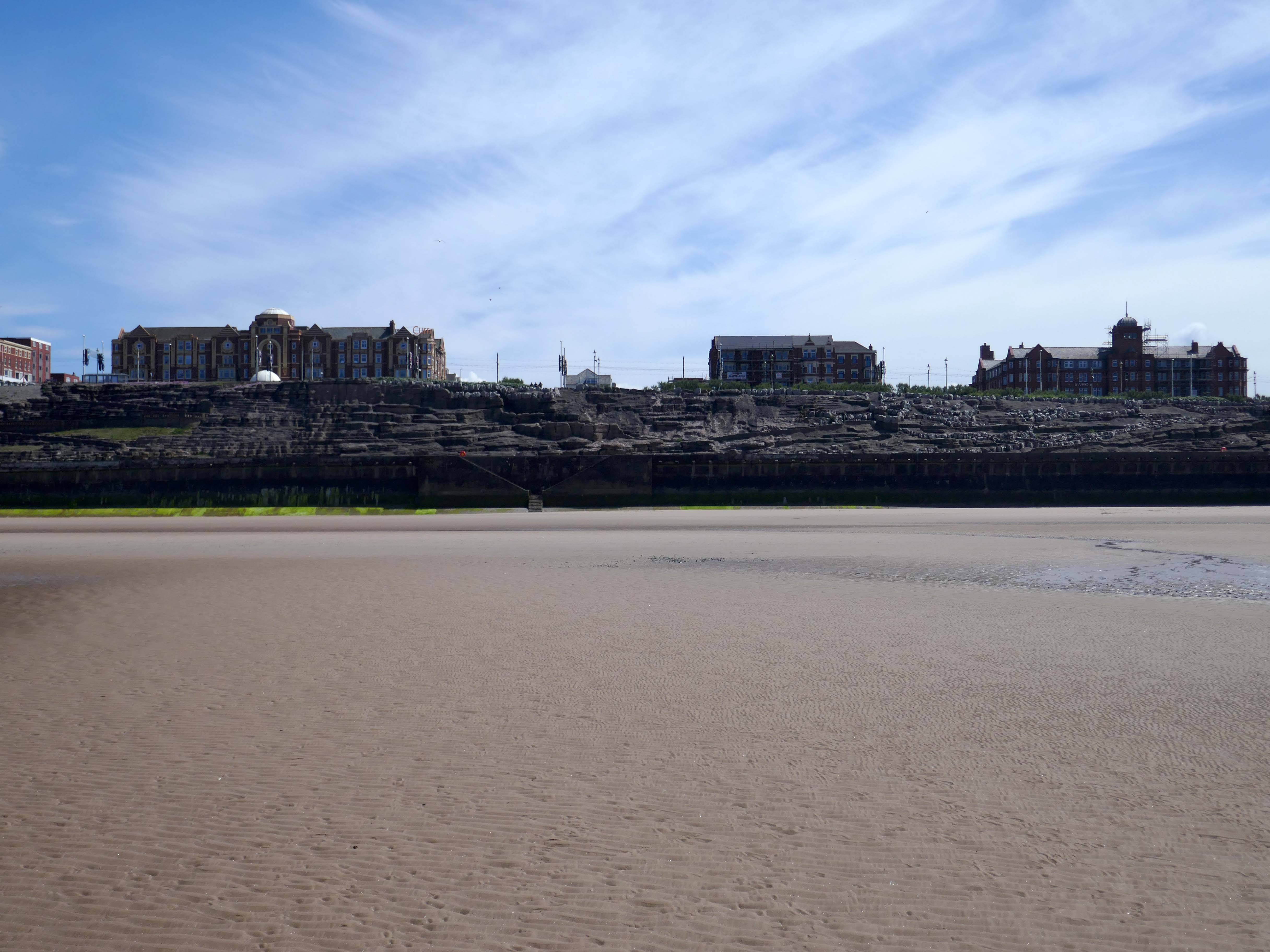
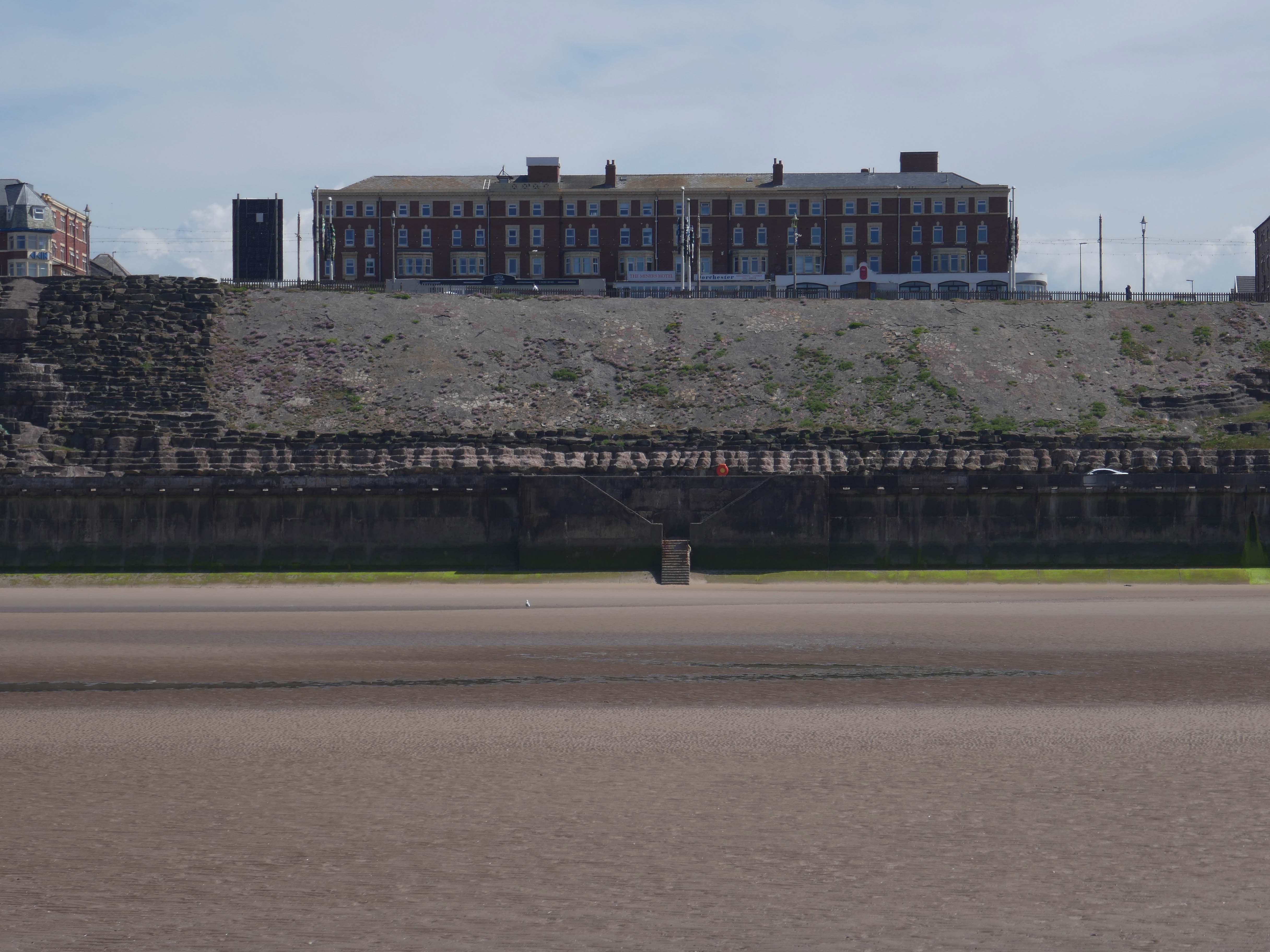
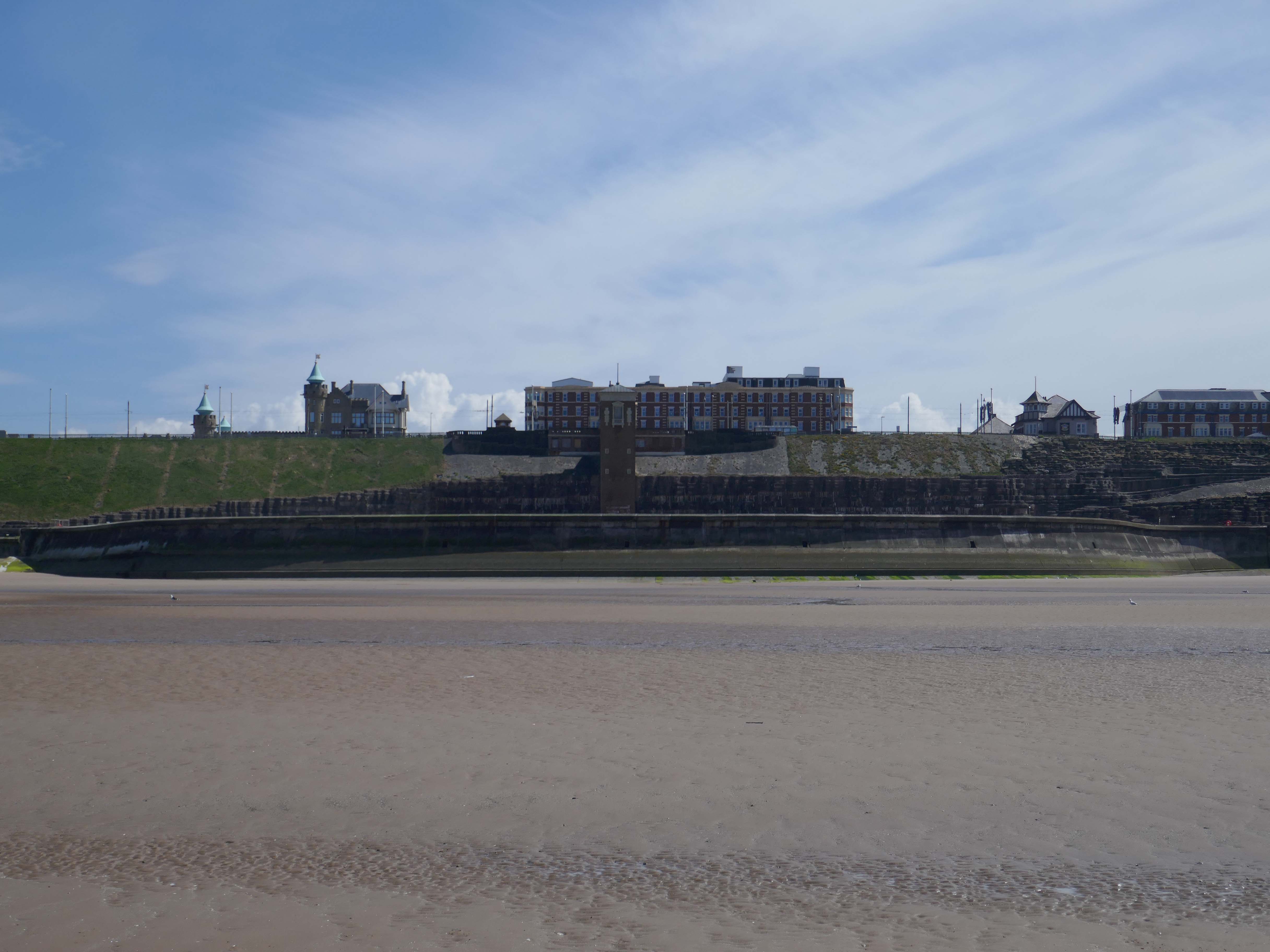
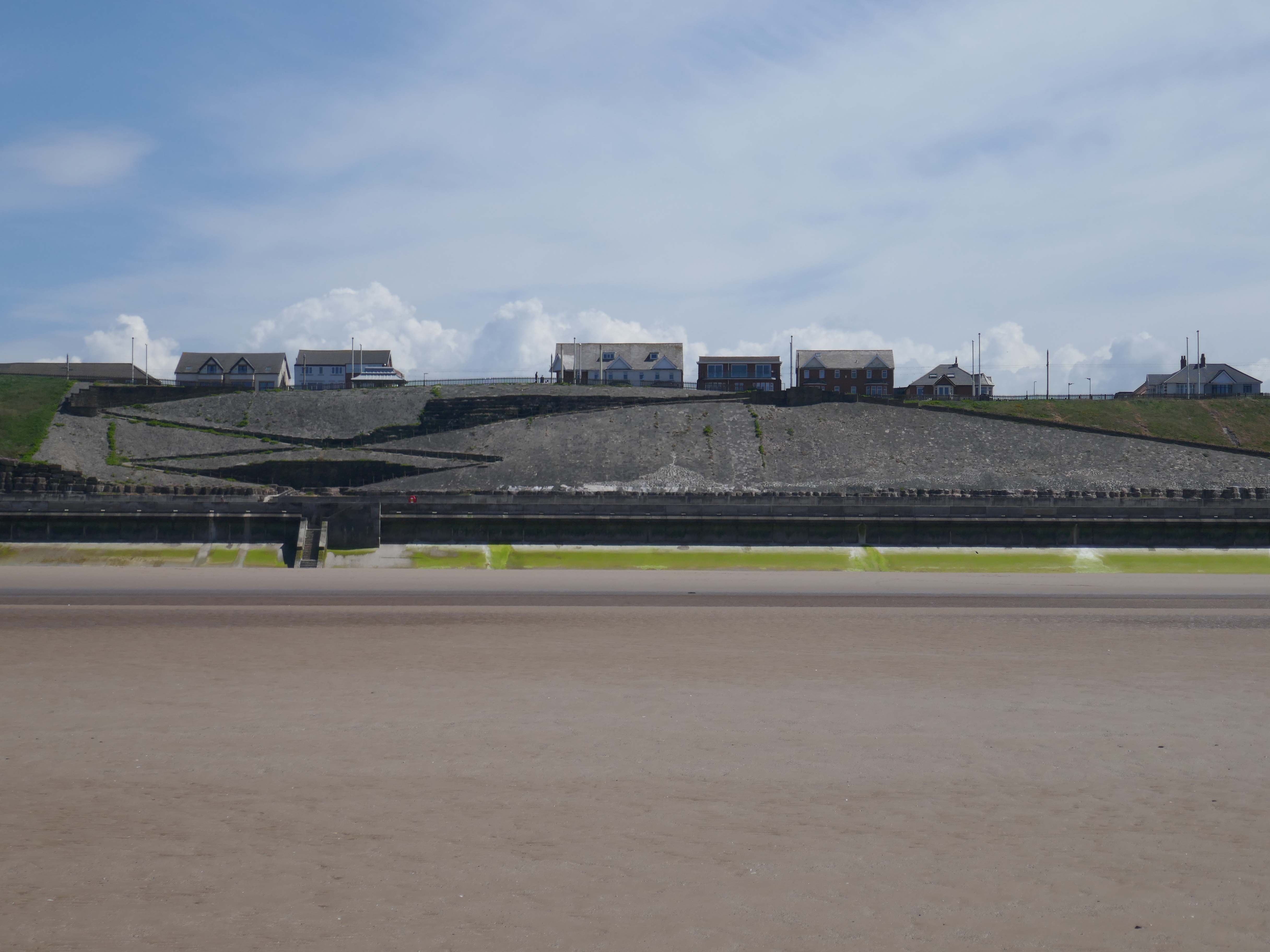
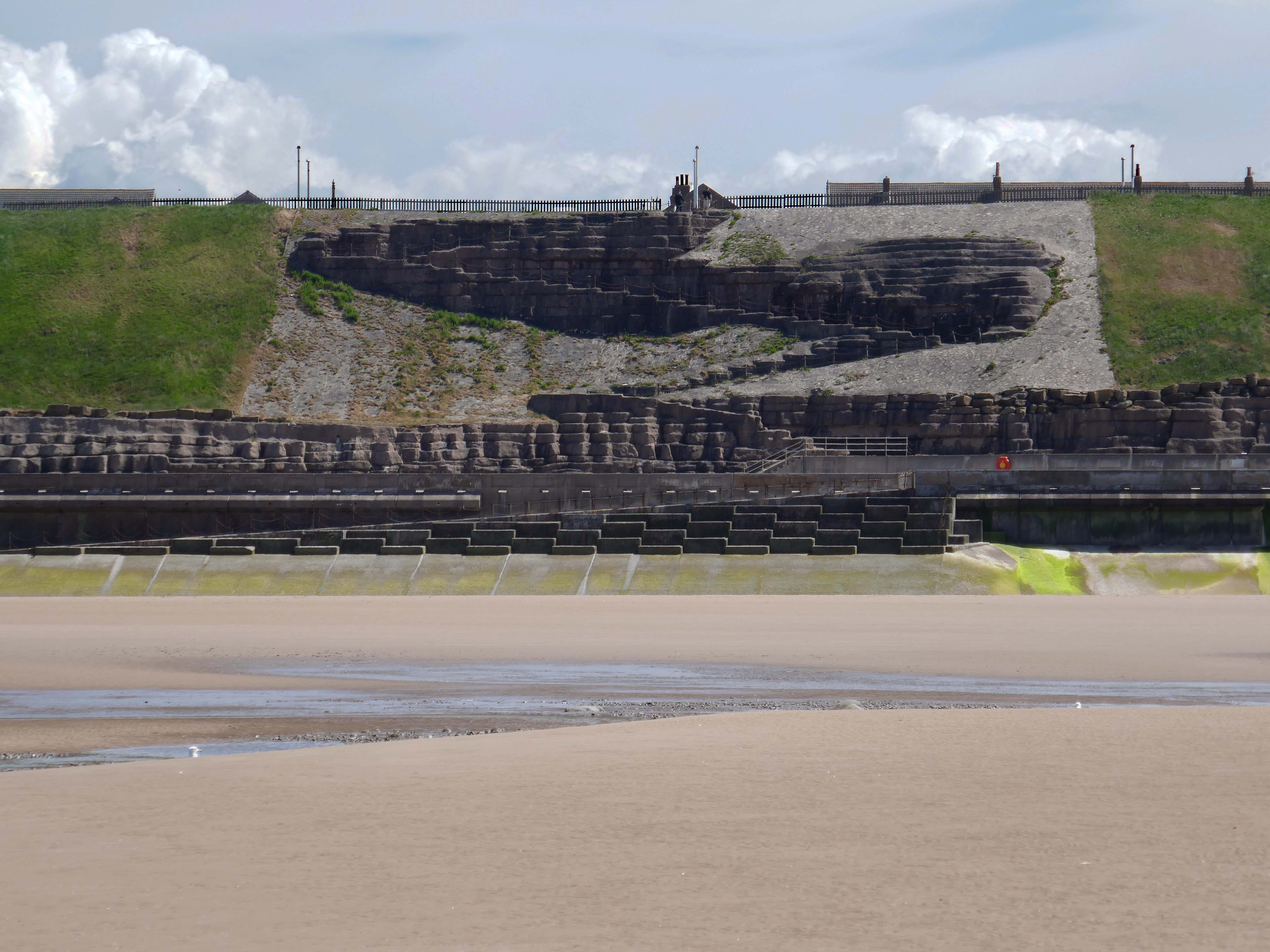
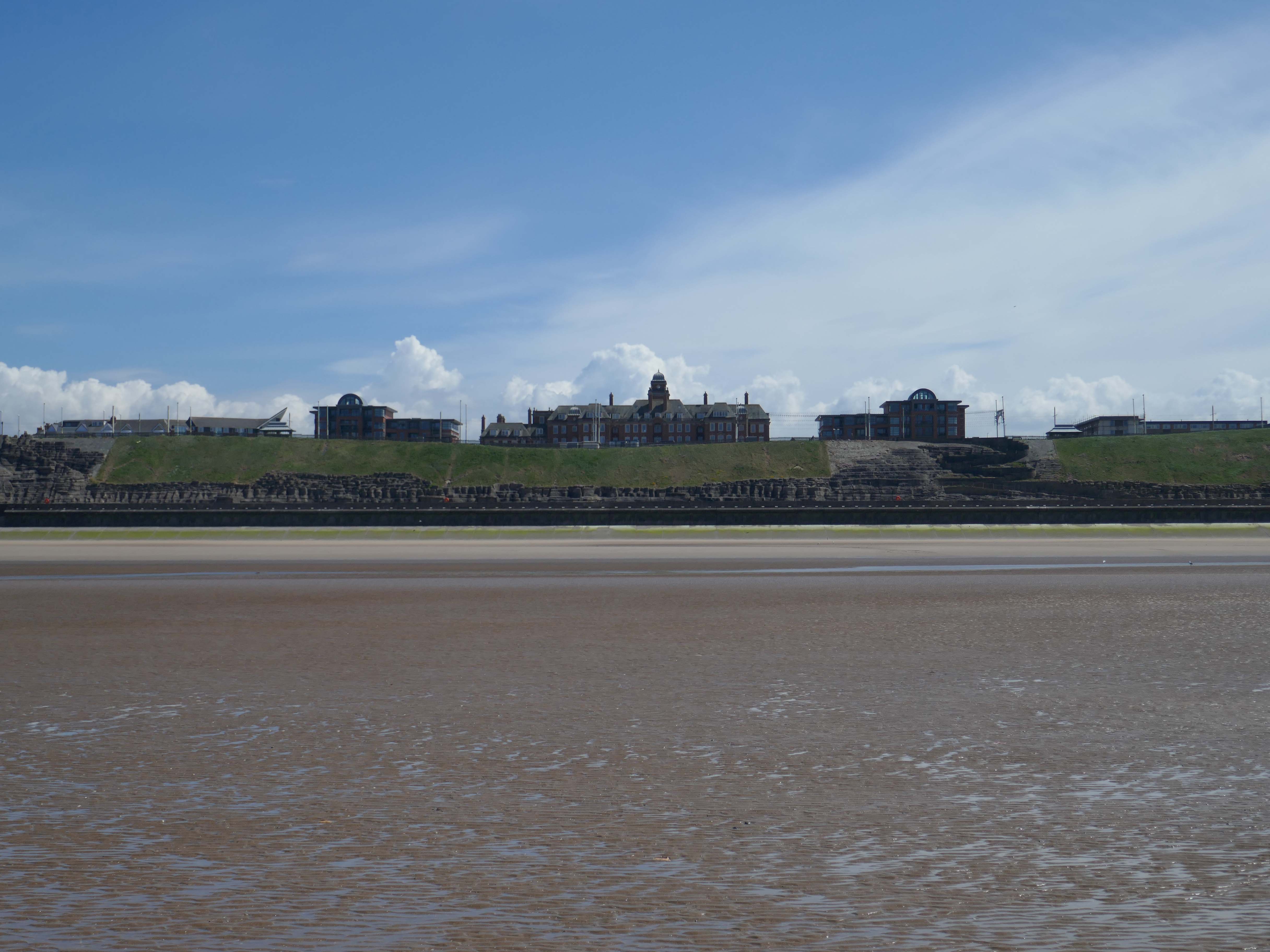
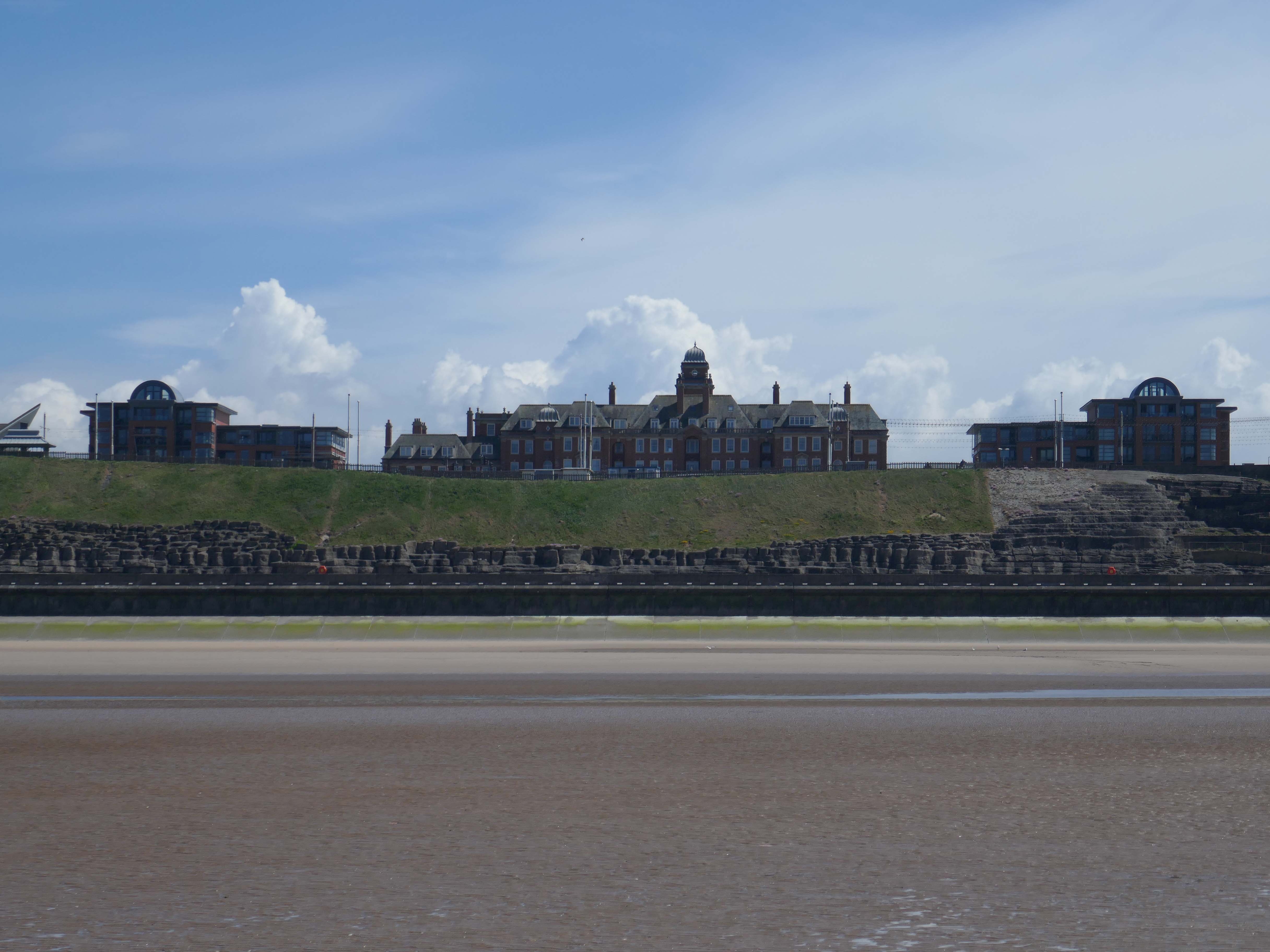
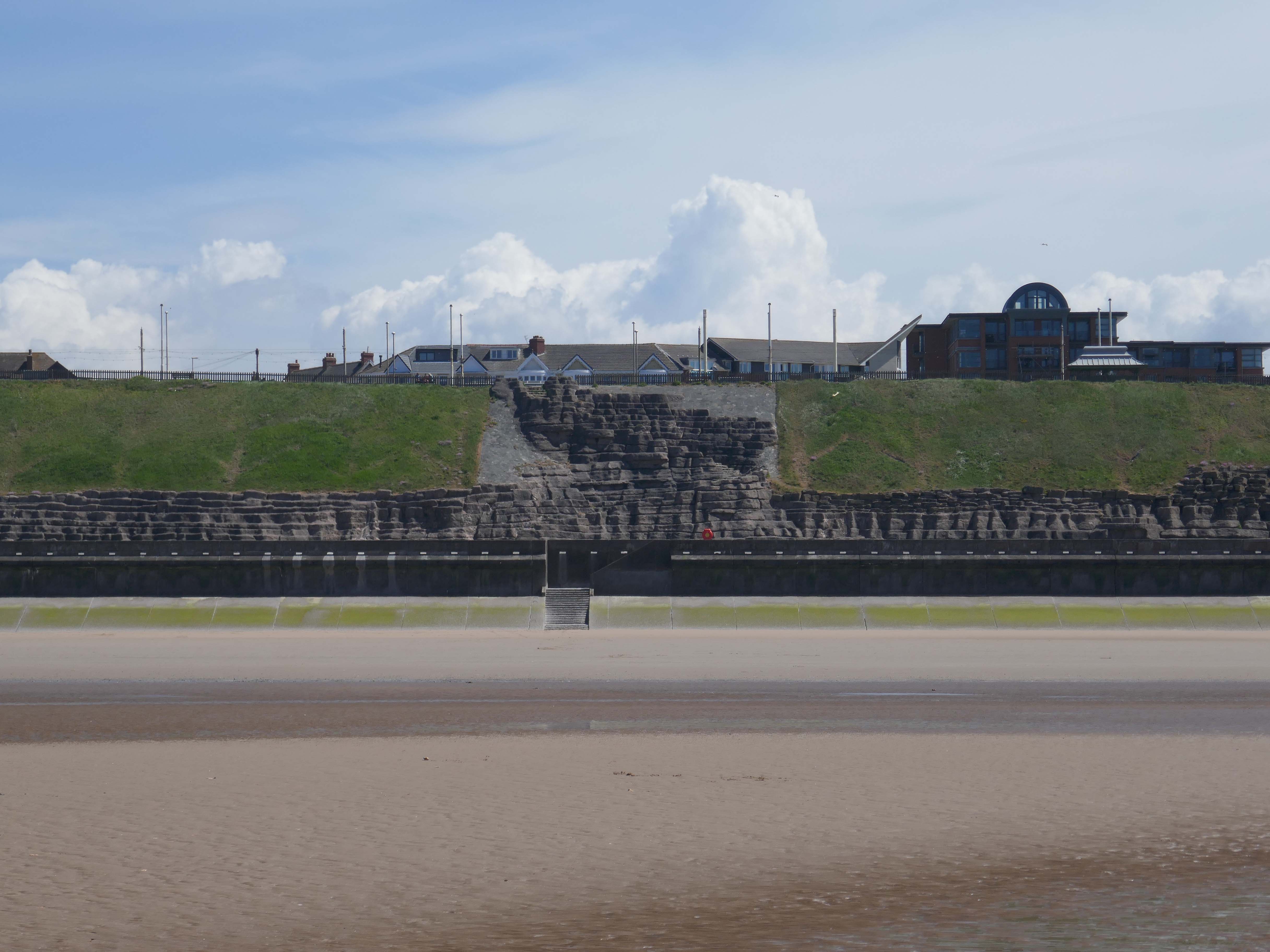
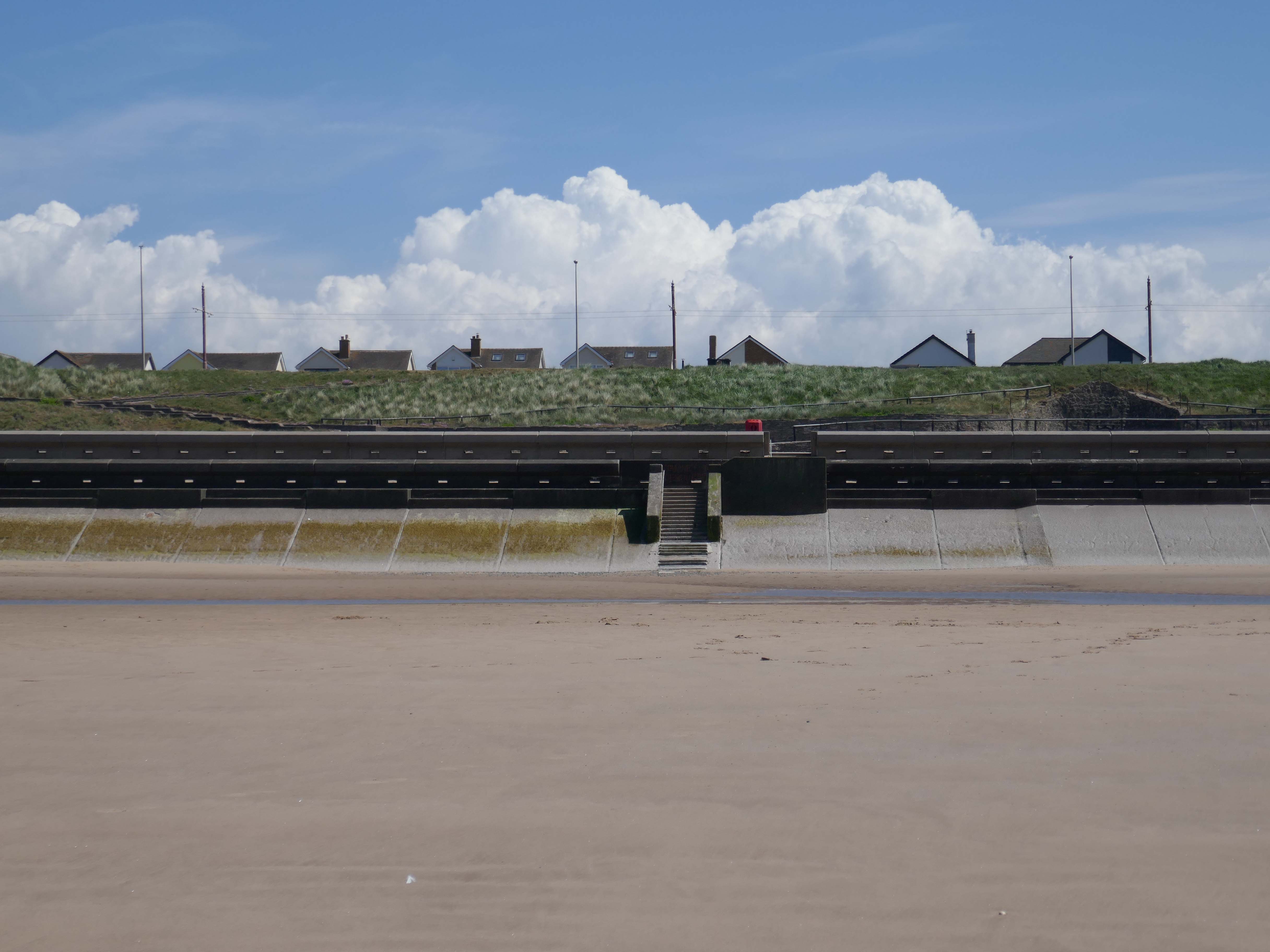
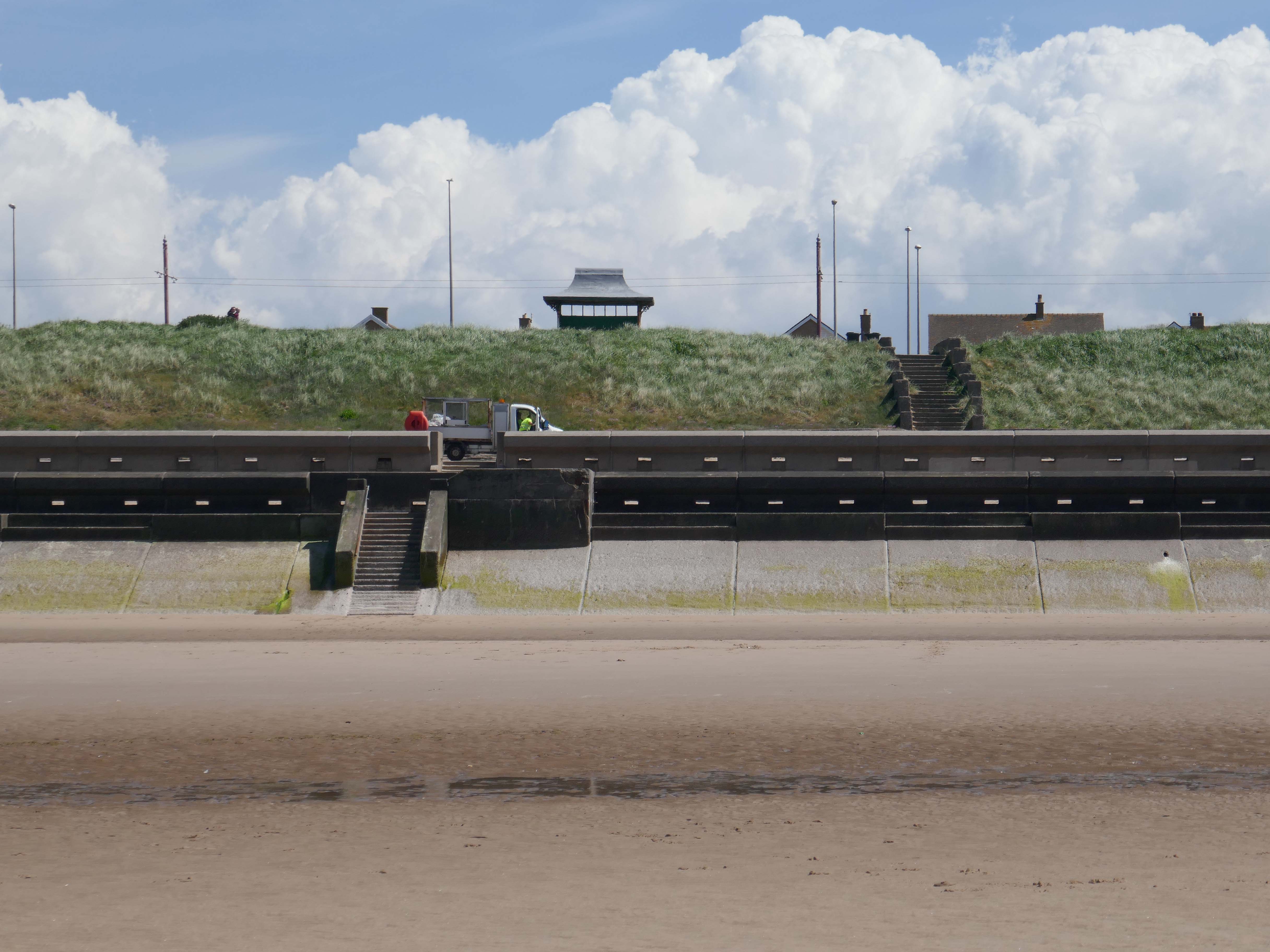
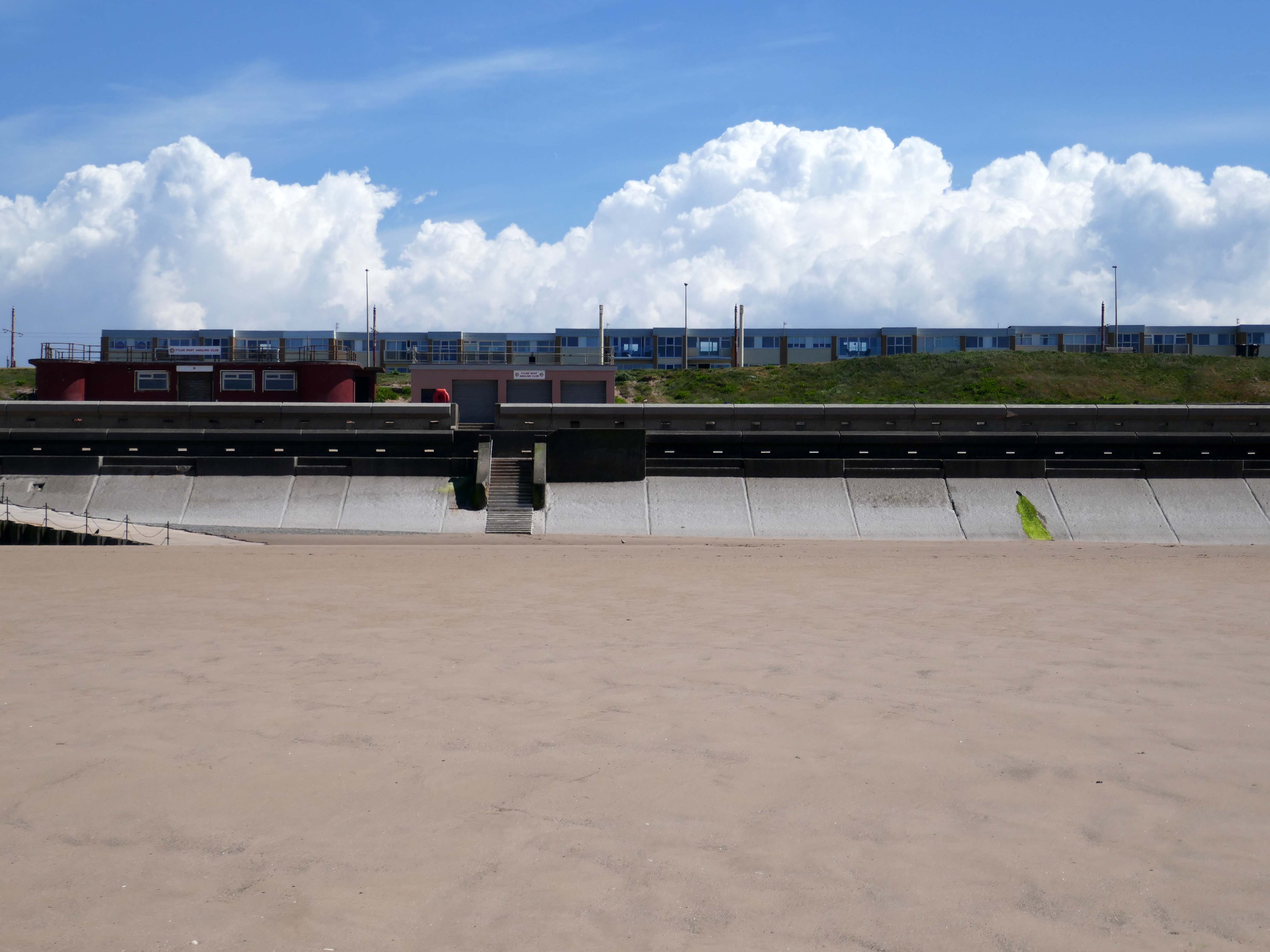
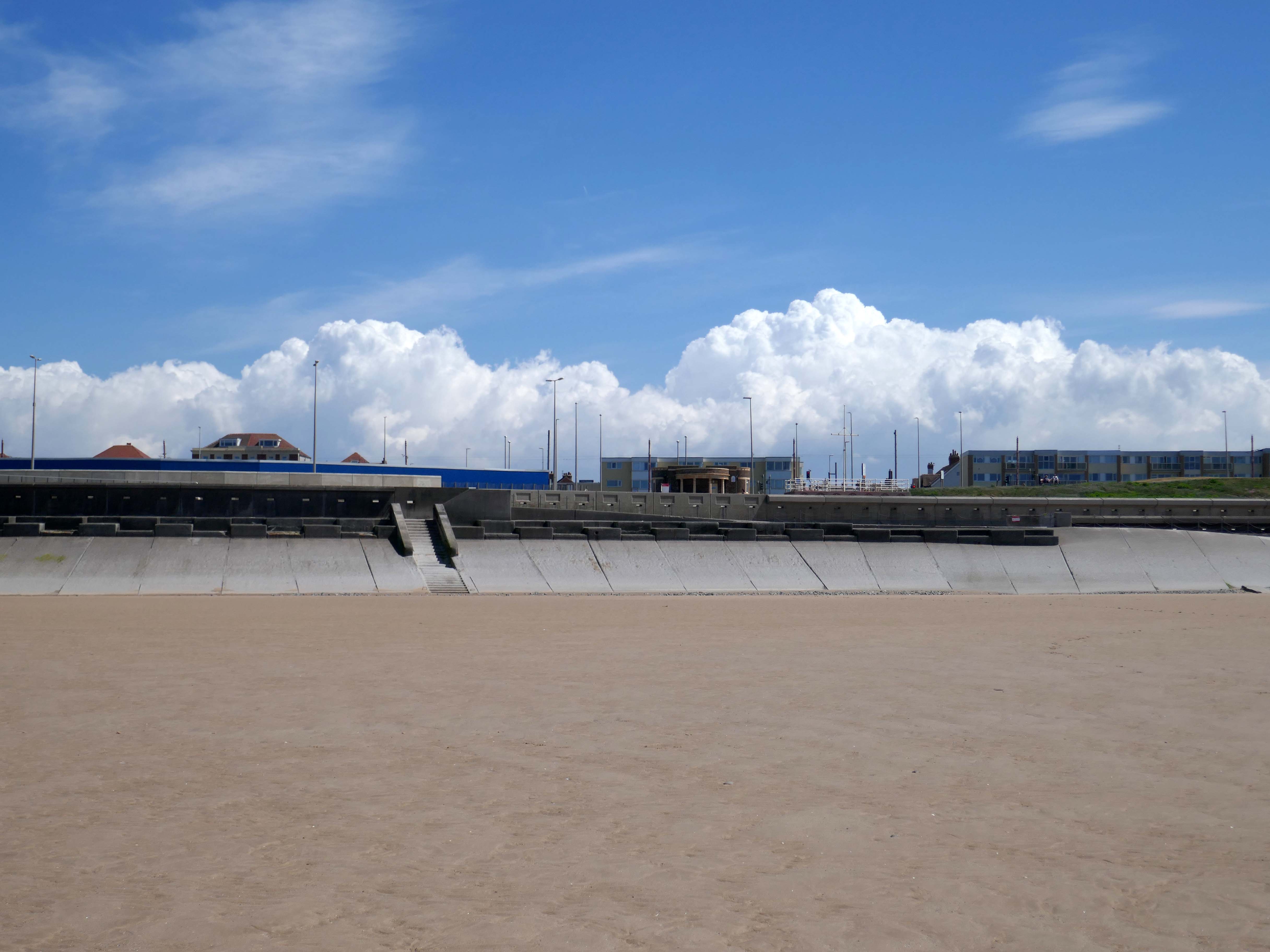
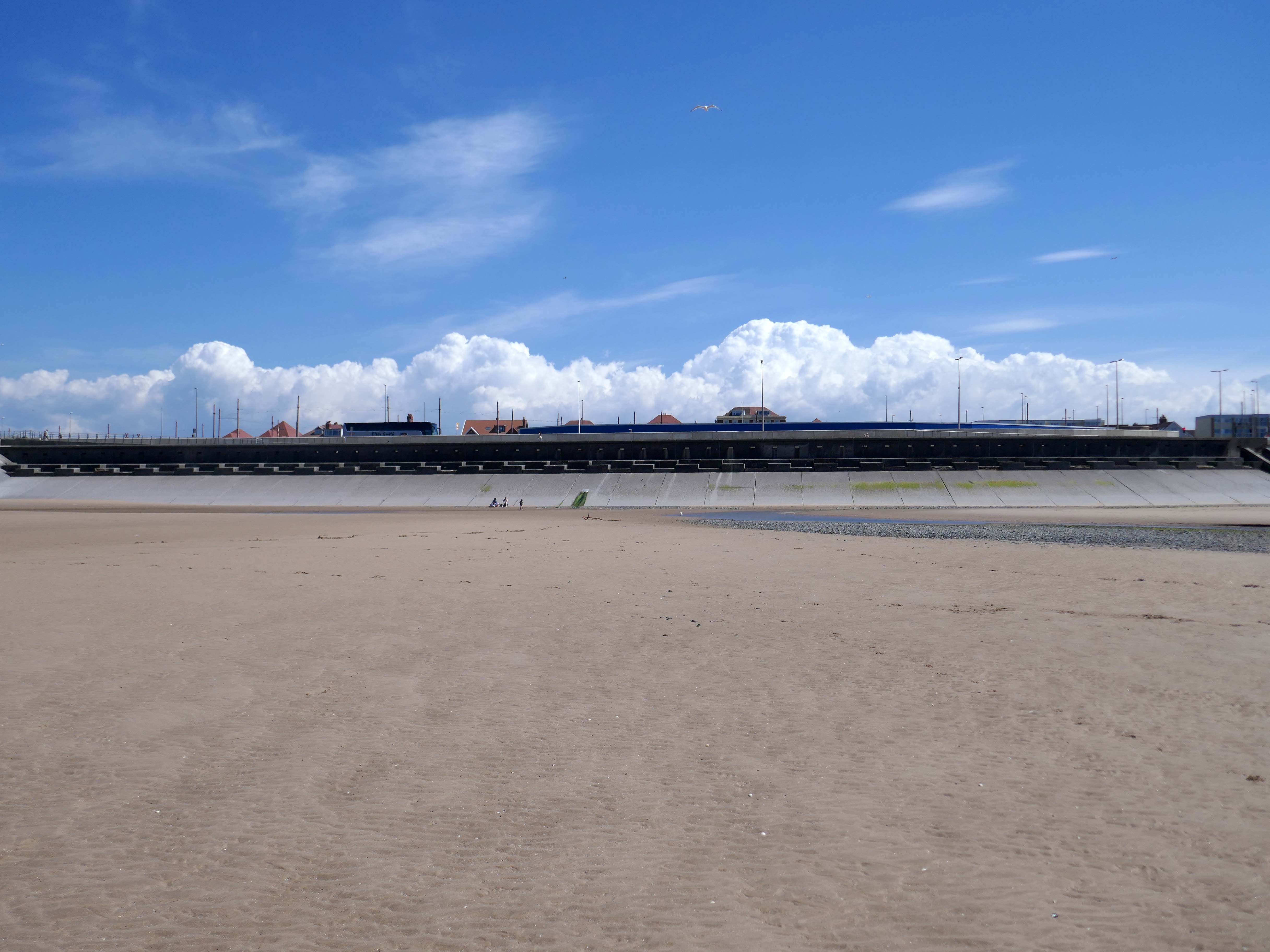
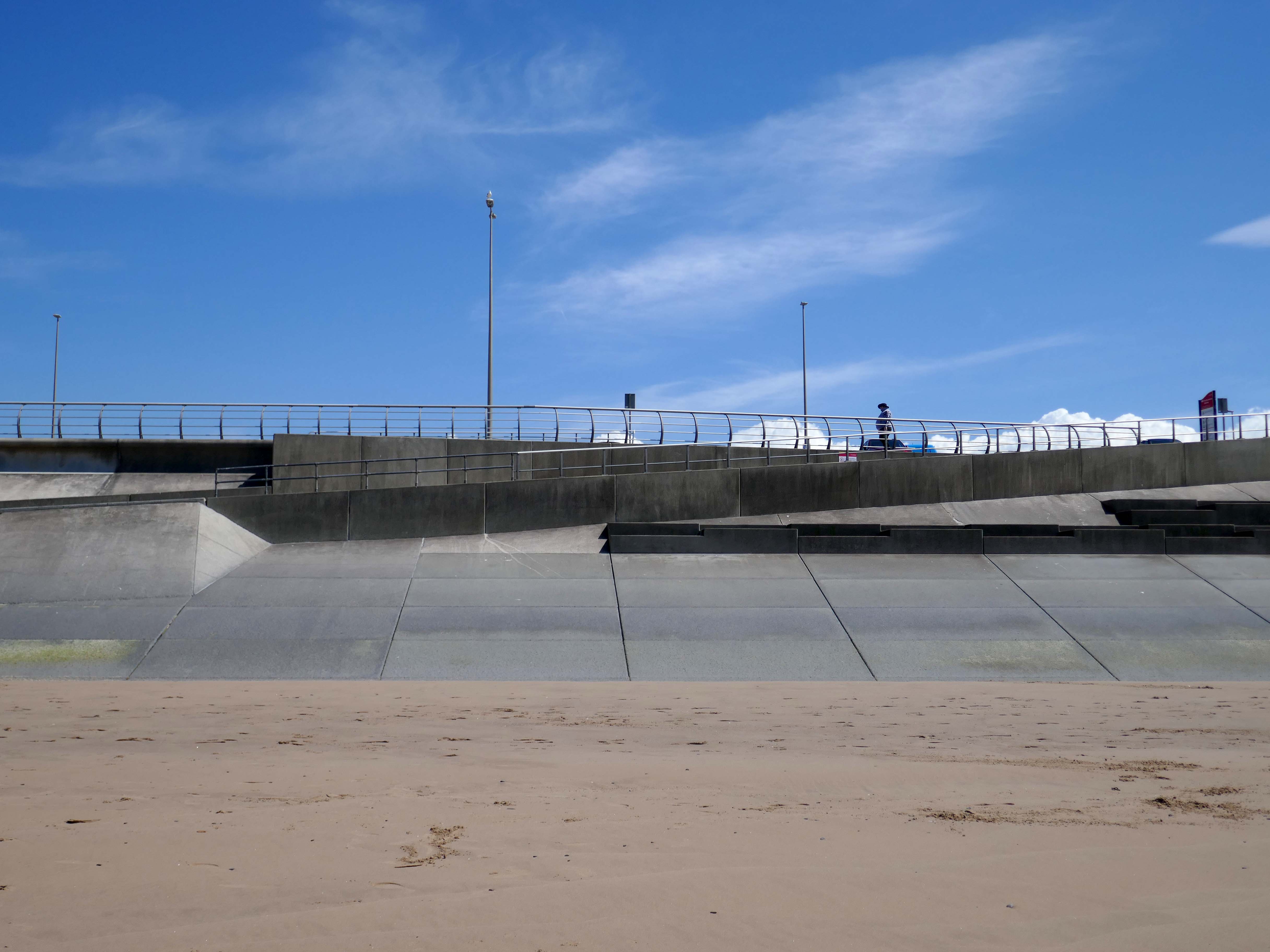
Yesterday, Wednesday 21st May 2025, the sun was shining and the tide was out, I decided to walk along the sands, and look towards the land.

To the right the Imperial Hotel – 1866-7 by Clegg and Knowles of Manchester, wing added 1875 by Mangnall and Littlewood

The hotel was established in 1867. Charles Dickens stayed at the hotel in 1869. In 1904, the hotel was extended with the addition of a large neo-baroque style dining room. In 1912, Princess Louise, Duchess of Argyll stayed at the hotel.In the mid 20th century, Winston Churchill, Queen Elizabeth The Queen Mother, Princess Margaret, Countess of Snowdon and The Beatles stayed at the hotel. Queen Elizabeth II stayed at the hotel when visiting Blackpool. In 1985, Margaret Thatcher celebrated her 60th birthday in the hotel. In 2002, US President Bill Clinton and Prime Minister Tony Blair stayed at the hotel for the Labour party conference.

The hotel is Grade II listed.

Wikipedia

Join us at The Imperial Hotel Blackpool for an unforgettable experience where entertainment,  family fun, and group leisure come together. Book now and start creating memories that will last a lifetime. 

Grand Hotel – the hotel was built as the Pembroke Hotel in 1982, became the Hilton Hotel in 1999 and The Grand Hotel in 2017

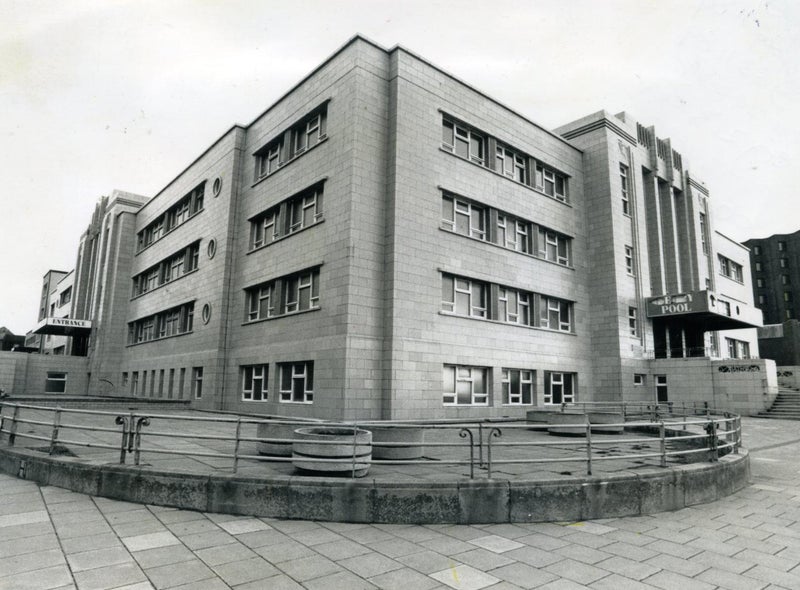
The hotel was built next to the site of the Derby Baths 1939 – architect: John Charles Robinson who between 1920-1944 designed many of Blackpool’s landmark civic buildings including libraries, schools, swimming baths, leisure facilities and tourist infrastructure.

Sadly, the baths were demolished in 1990.

To the right the Savoy Hydro Hotel.

The Savoy Hotel, just north of Gynn Square, is one of the series of large red brick and red terracotta hotels built around the turn of the century. The architect was TG Lumb and the hotel opened in 1915; the sun lounge in Hathern’s cream faience was added in 1935 by Lumb and Walton.

Architects of Greater Manchester

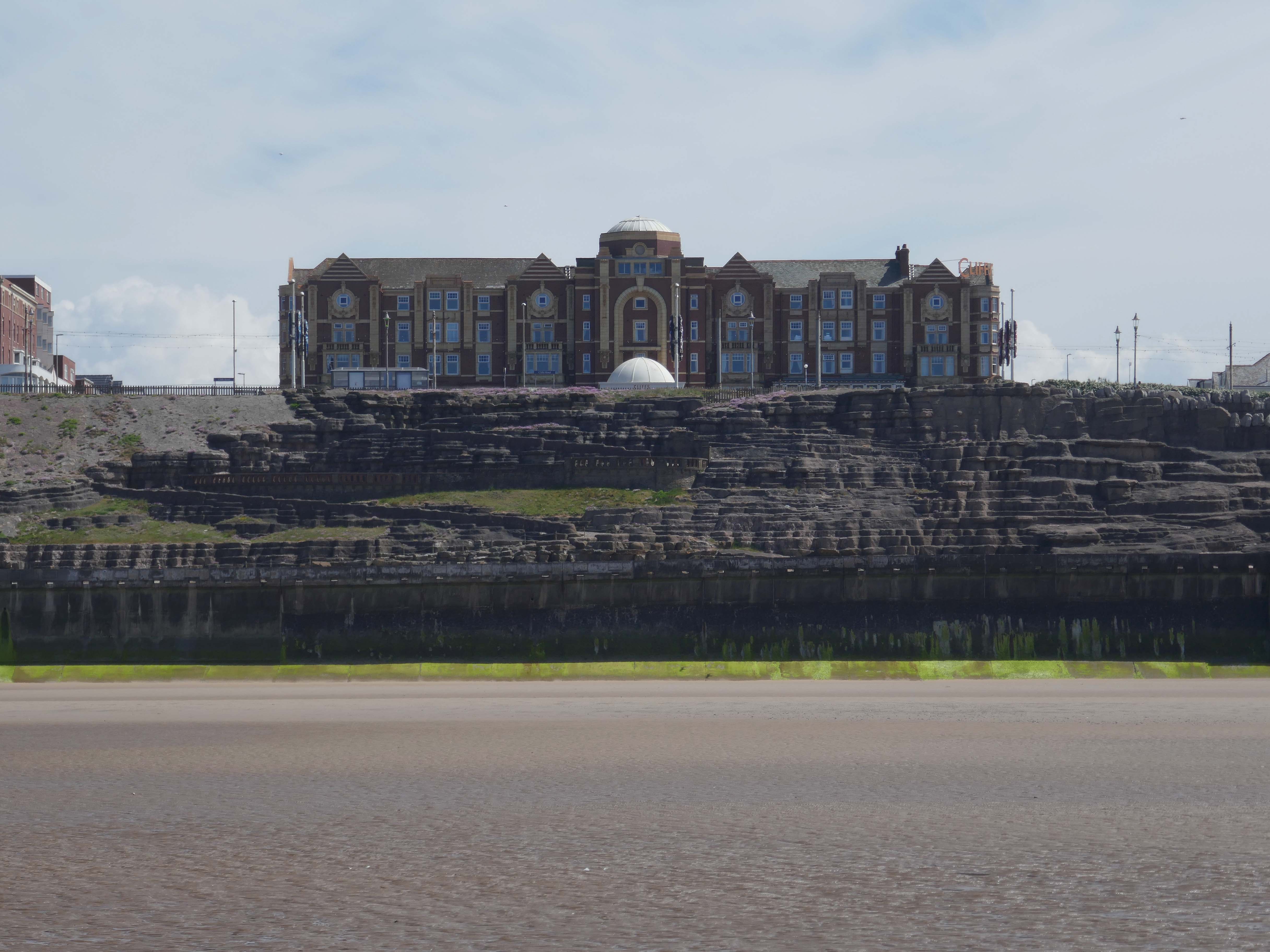
The Cliffs Hotel started in 1921 – architect Halstead Best substantially rebuilt and enlarged the building 1936–37 and added an underground carpark

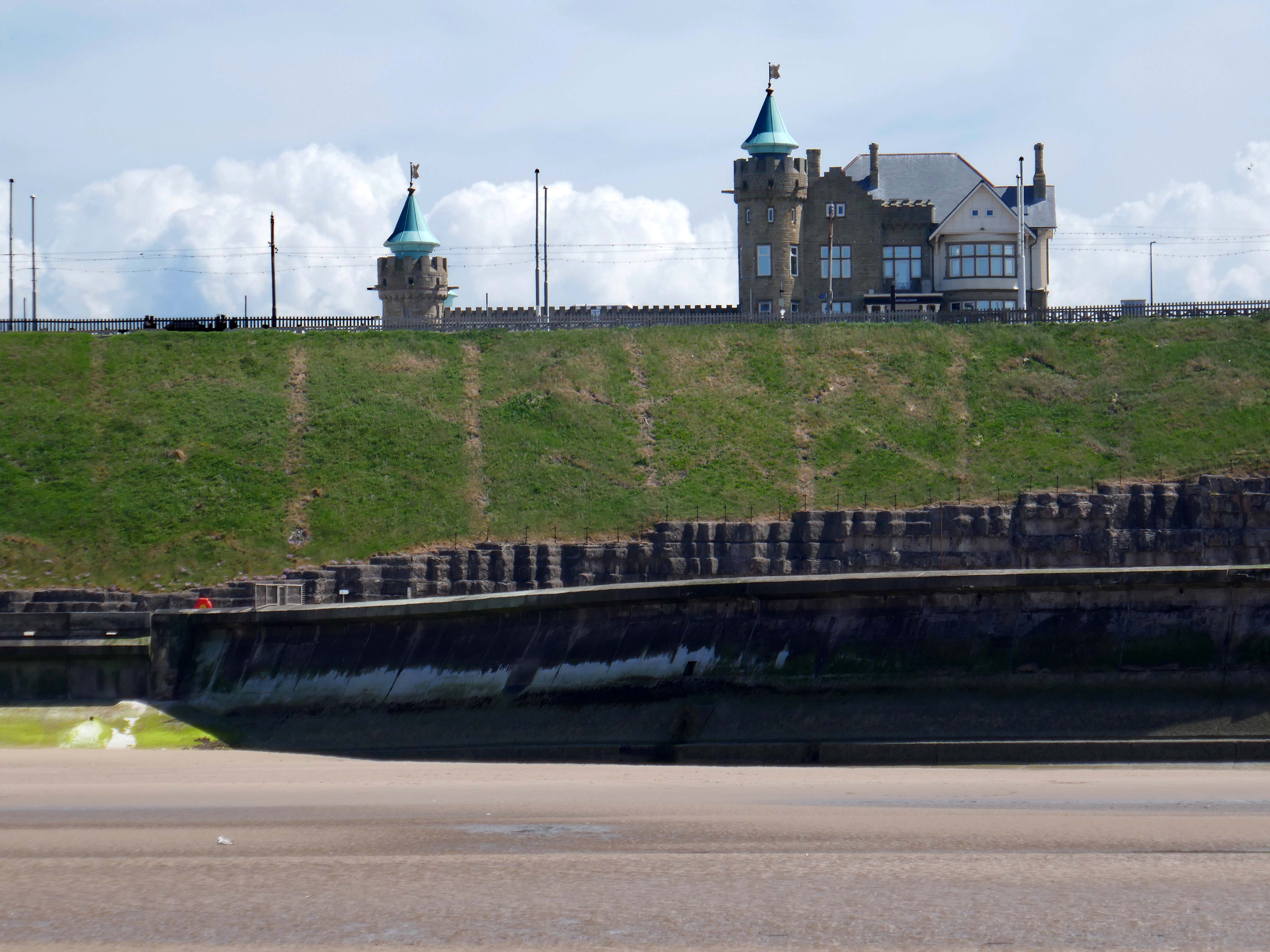
Castle Casino – architect: Arthur Hindle 1906

Arthur Knowles built the Castle at 64 Queens Promenade North Shore for his wife, who unfortunately stayed in France. The couple stayed in the house for a mere nine months during 1929. Apart from housing Belgian refugees during World War 1, it stayed empty until 1935. It then opened briefly as an old people’s home, before being bought by Lawrence Wright – AKA Horatio Nicholls, as his home.

Wright sold it in 1941, and after several years as the home of the Blackpool and Fylde Motor Club, it became the Castle Casino of today in 1965, first owned by wrestler Jack Pye, who moved to Blackpool in 1950. It has had various identities, and was last taken over in 2005, now being known as the Genting Club – part of a national chain of that name.

Former Miners Convalescent Home 1925-27 – architects: Bradshaw Gass & Hope, Grade II listed 

Converted to apartments in 2005 – trading as Admiral Point.

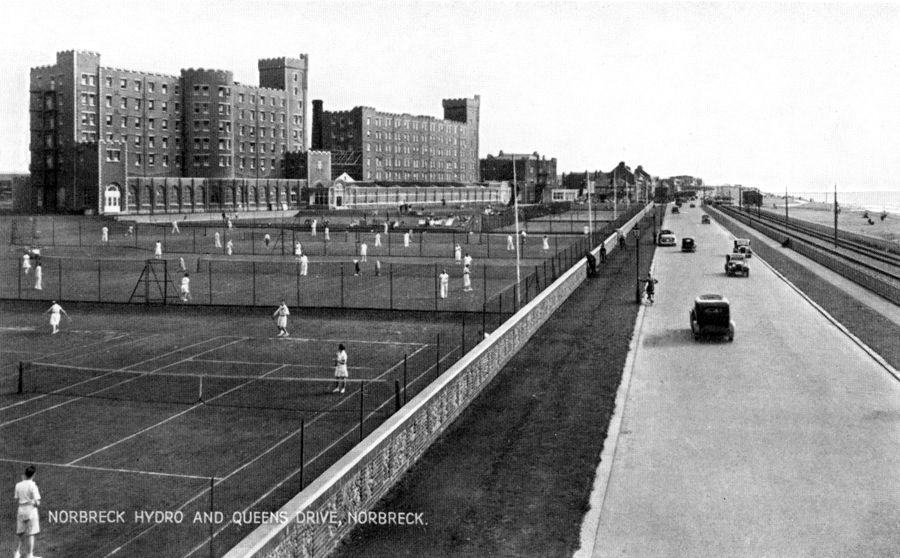
Norbreck Castle Hotel originally built as a large private country house in 1869, it was bought around the end of the 19th century by JH Shorrocks, who used the house to entertain friends and colleagues at lavish weekend parties. The popularity of these parties led to Shorrocks running them on a commercial basis by taking paying guests.

The S Block by architect WH Longworth 1912 – the N Block by Halstead Best 1933-34.

In the 1970’s the Motel wing was added along with, the large Norcalympia exhibition hall, the name was changed from the Norbreck Hydro to Norbreck Castle.

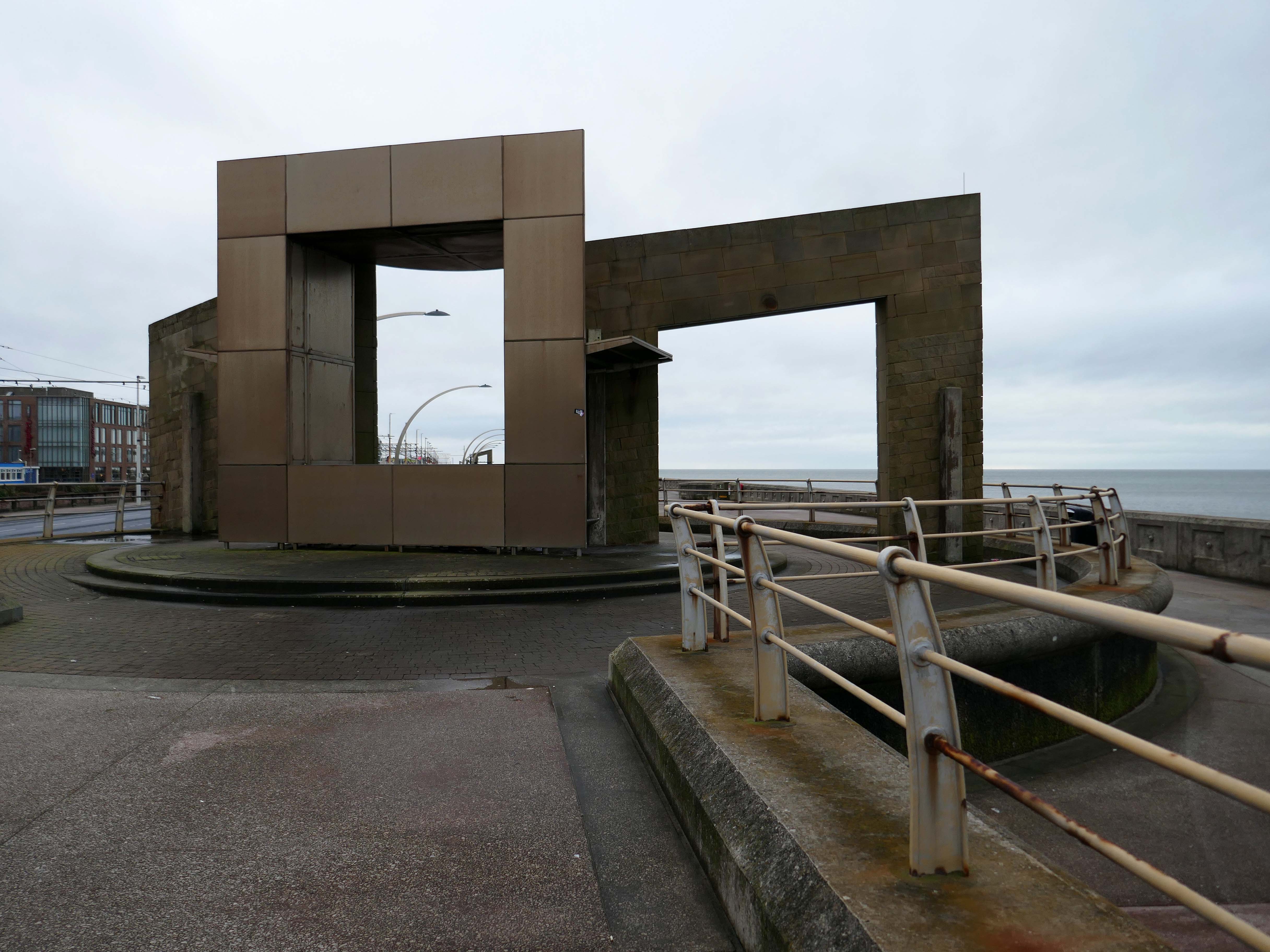
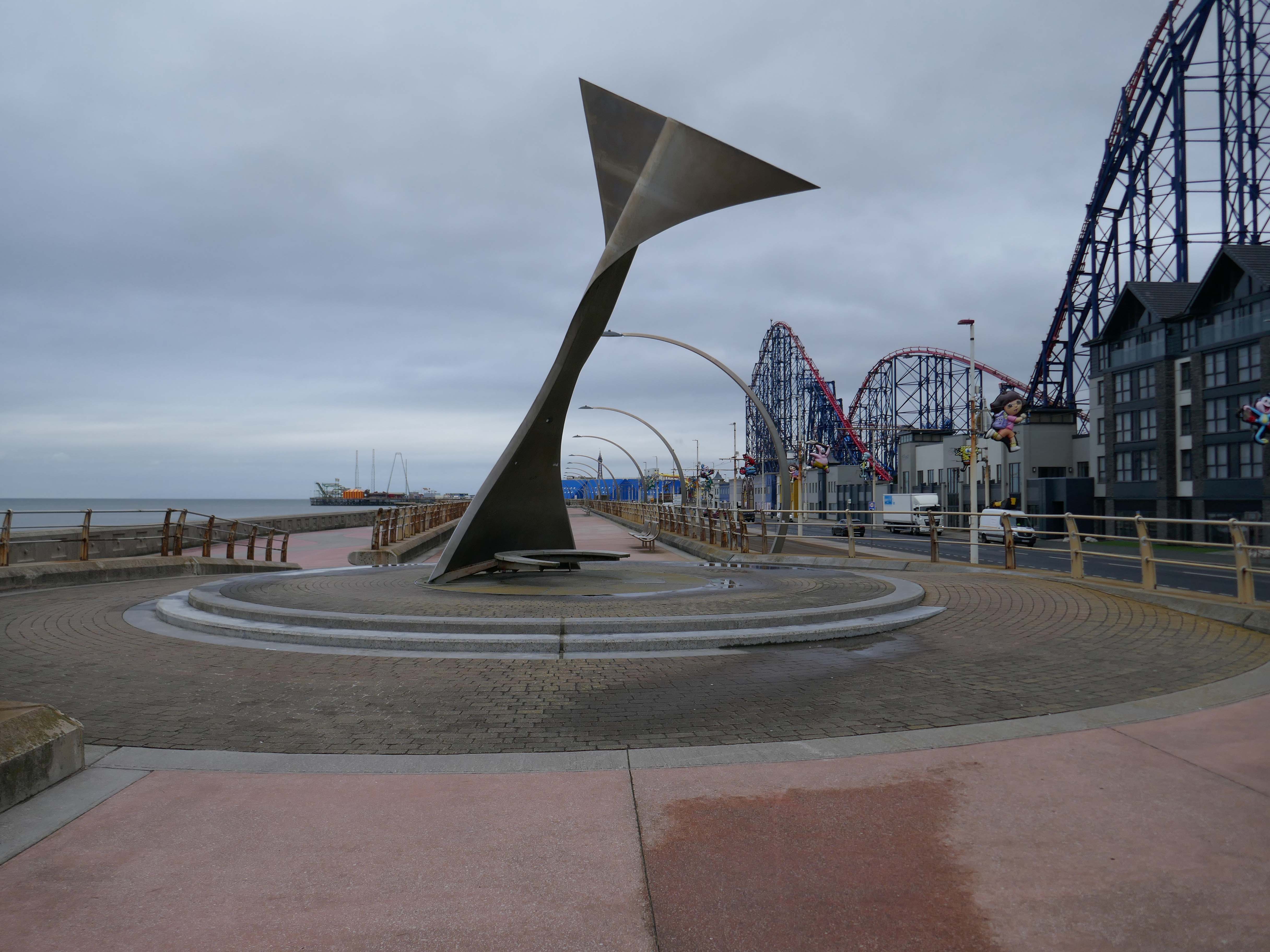
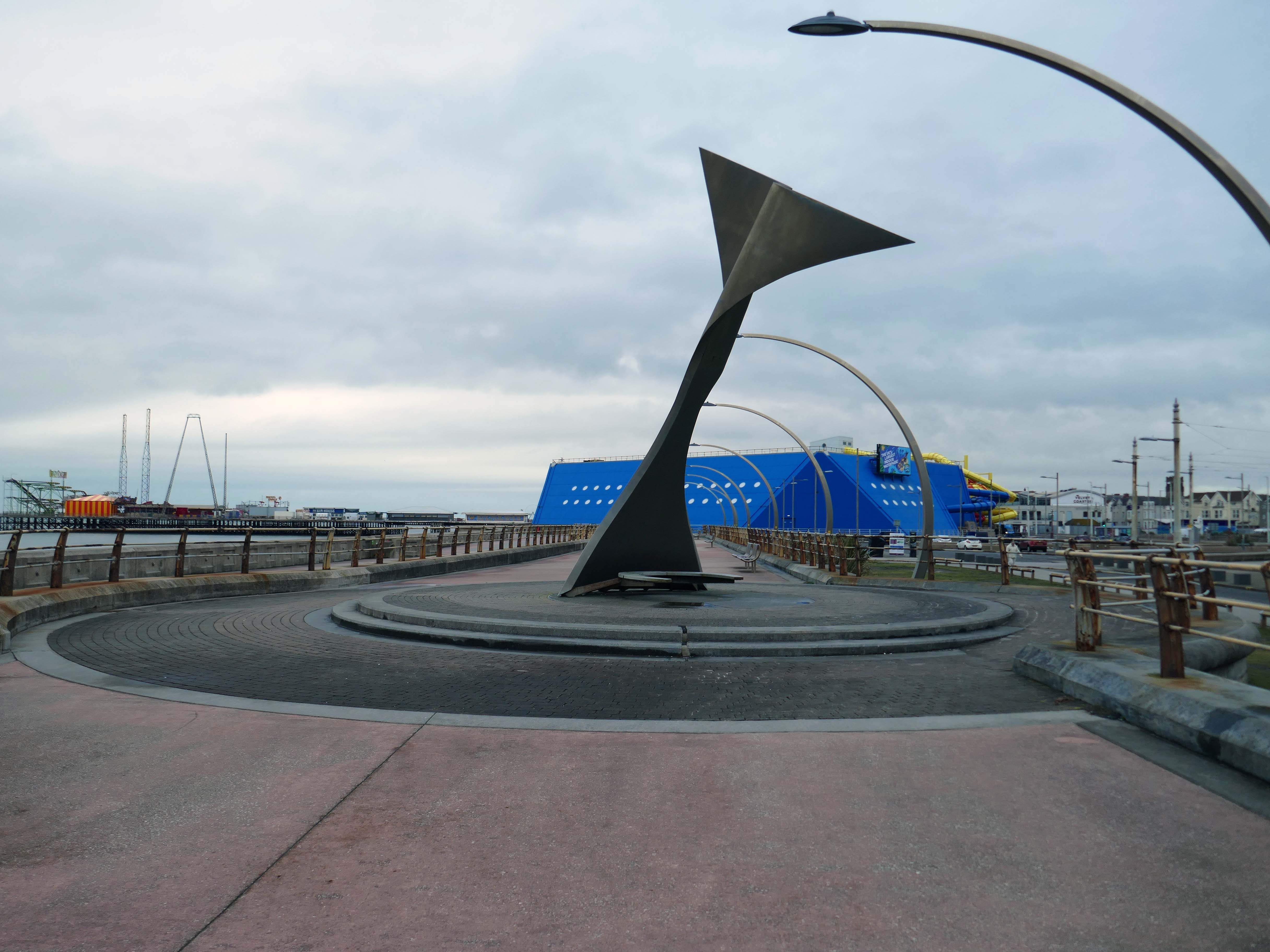
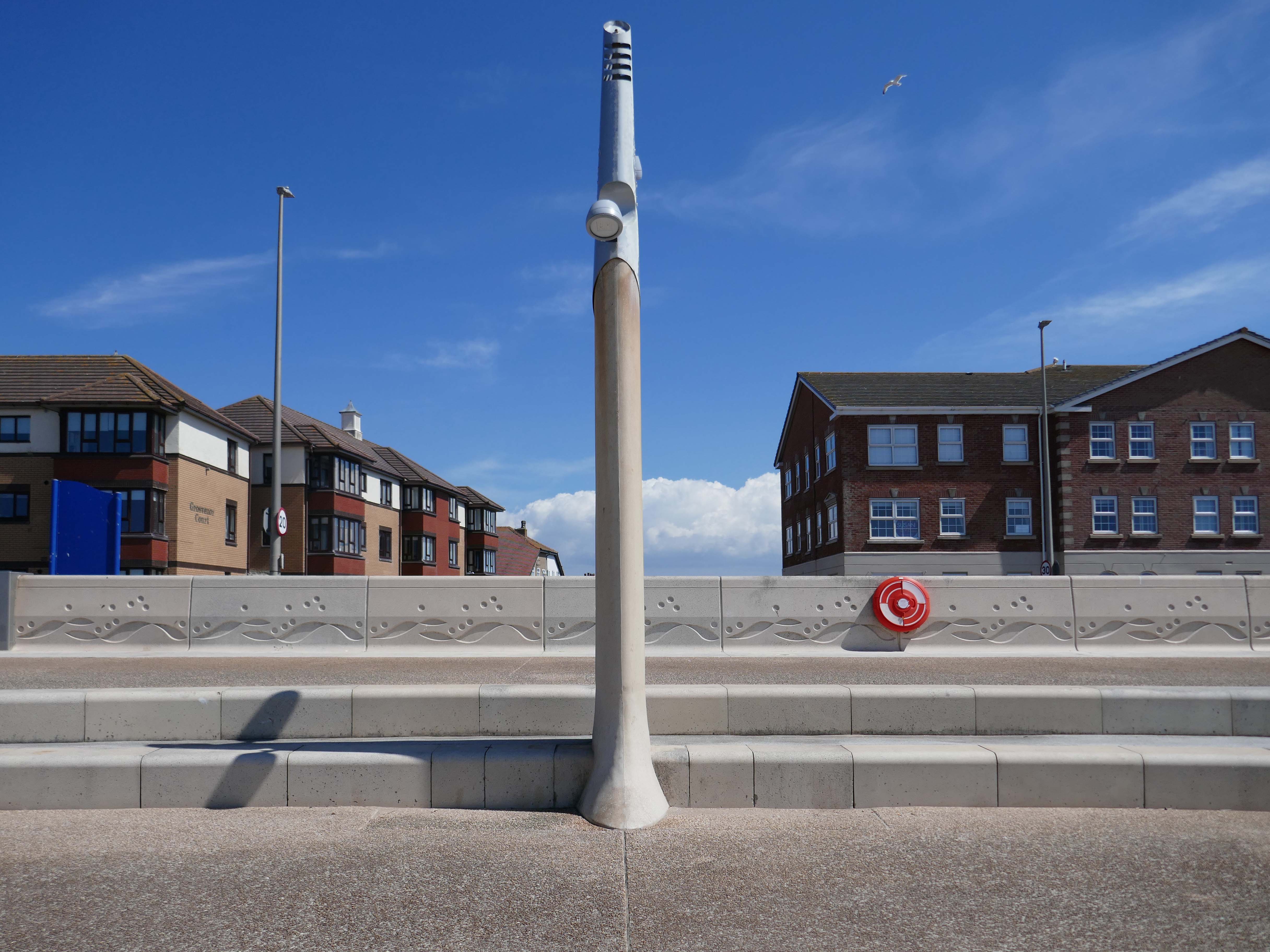
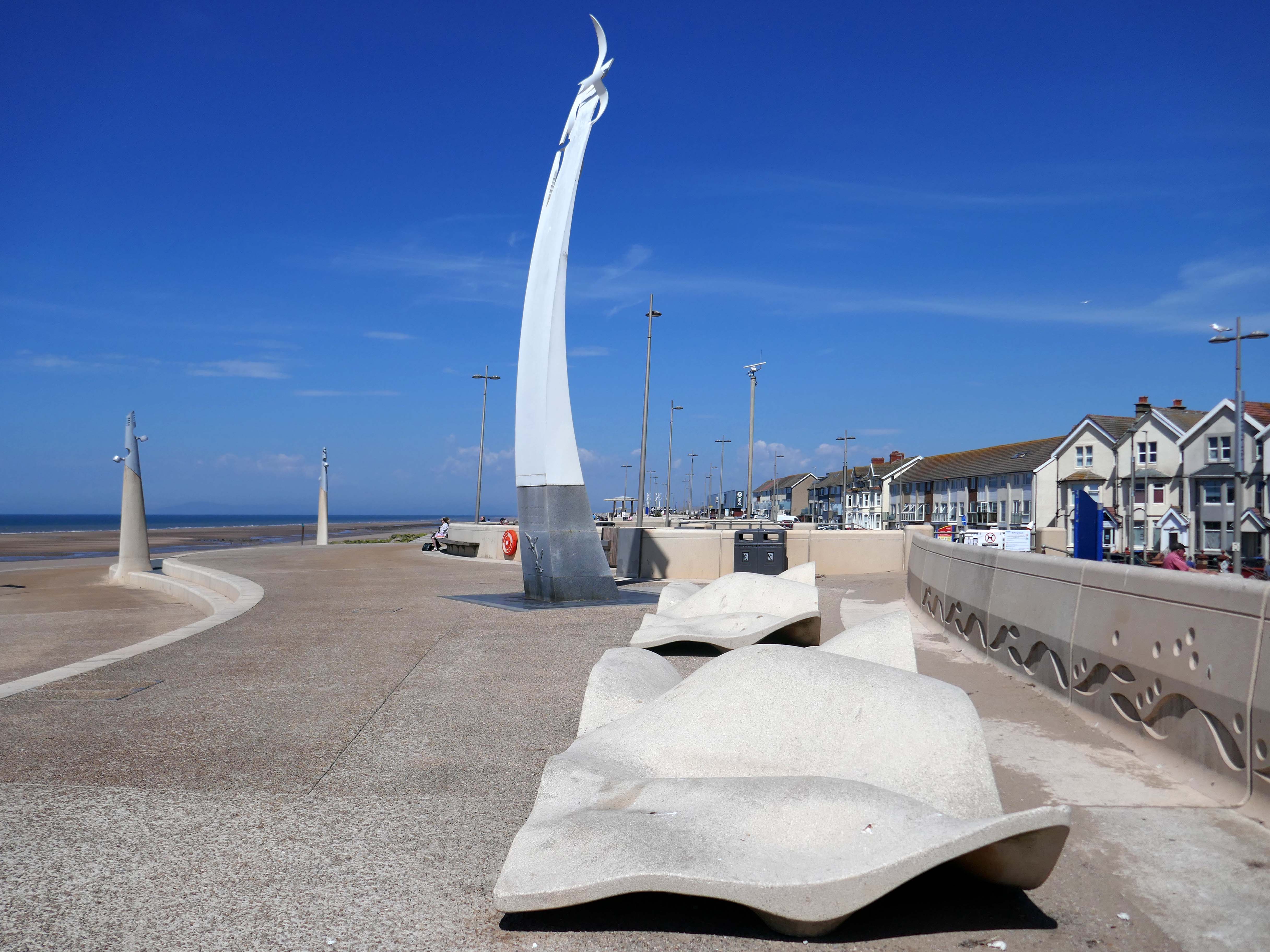
European Regional Development Fund cash of £450,000 was granted towards a regeneration project on Cleveleys Promenade. Wyre Council improved 64,000 sq ft of the promenade to create a more attractive place for visitors to the town. The latest work complements the £20m sea defence installation.

Broadbent Studio worked collaboratively from the outset with Wyre Council, Ferguson & McIlveen and Faber Maunsell in 2008, to create an exciting new promenade and sea defence scheme for the coastline at Cleveleys.

The Sea Swallow is a 10m tall structure that brings to life Wyre’s Mythic Coast storybook ‘The Sea Swallow’. The coated aluminium sculpture, has the feel of ‘a book coming to life’, with the two sea swallows symbolic of the town’s protectors emerging from the page. 

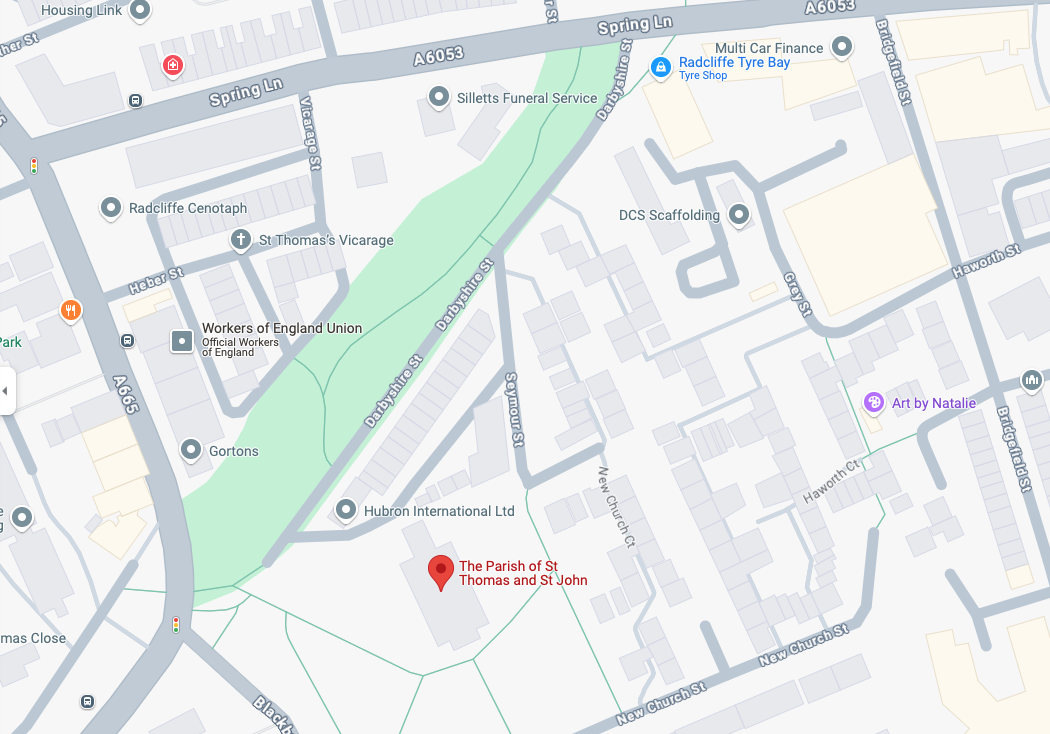
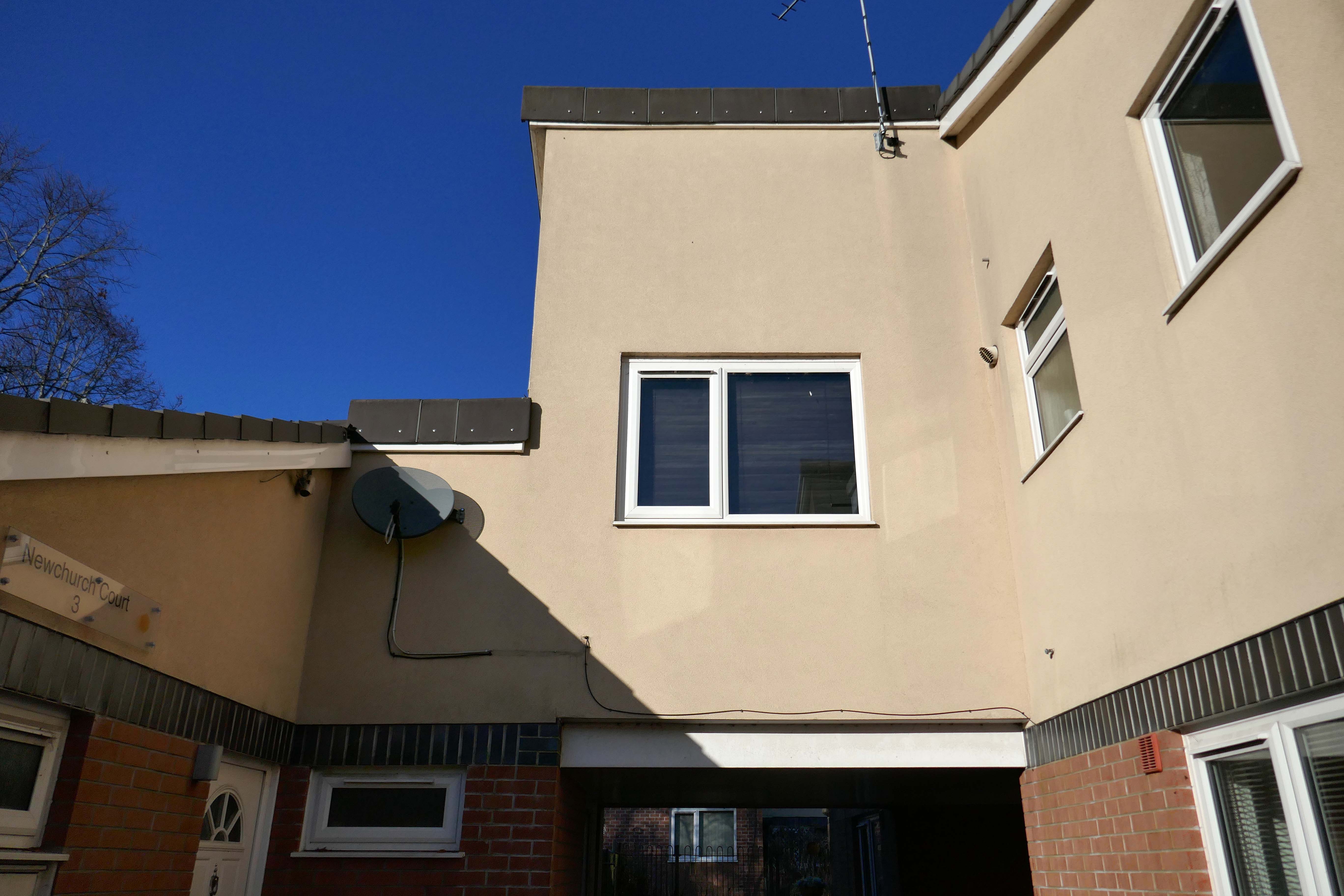
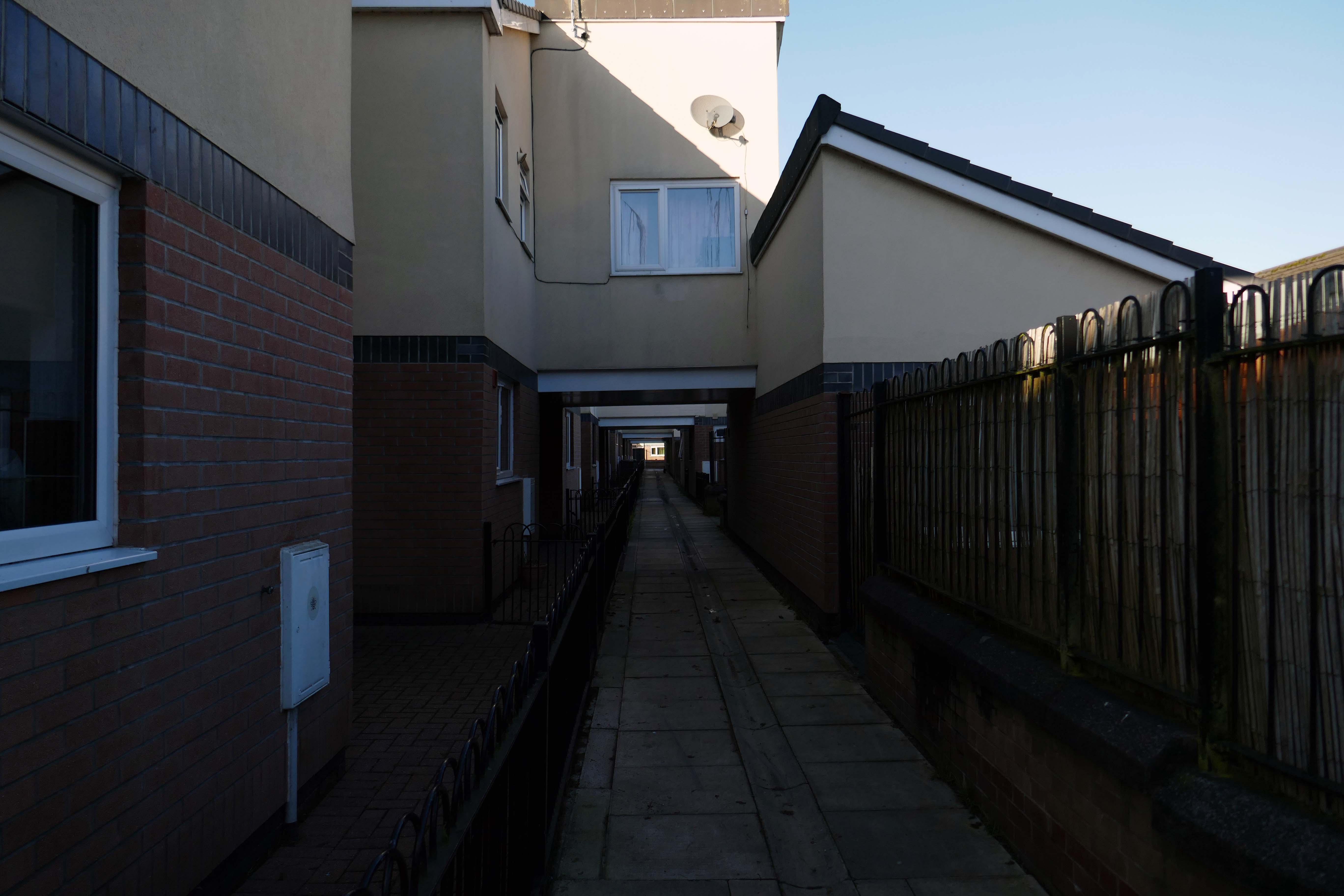
St Thomas Estate – Radcliffe

By Wilson and Womersley 1968, the project architect was John Sheard.

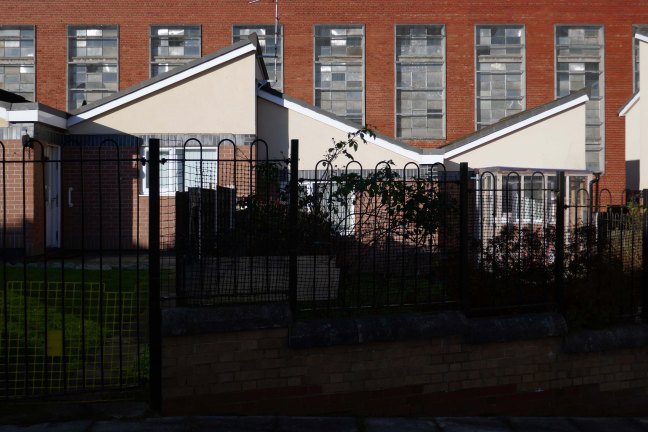
New-towny, dense low-rise housing irregularly grouped around and over pedestrian access paths.

Pevsner 1996/2004

The 2003 masterplan recommence its removal.

The masterplan states that Radcliffe has many unattractive buildings and few architectural assets. But this could work to its advantage as a lack of protected or noteworthy buildings makes it easier to replace them with contemporary structures.

This could include demolishing the “unwelcoming” St Thomas Estate and replacing it with a mix of private and social housing on the old street layout. Existing tenants would be rehoused in the new houses so that the community would not be broken up.

Lancashire Telegraph

JL Womersely famously Sheffield City Architect:

During his term, Sheffield’s housing grew upwards with multi-storey flats constructed at Low Edges, Park Hill, Hyde Park, Netherthorpe and Woodside. It was Womersley’s response to 13,000 families on the council’s waiting list and 10,000 condemned properties waiting to be demolished.

Sheffielder

Wilson and Womersley were responsible for the Hulme Crescents and Manchester Arndale.

In the space of a decade they shaped Manchester’s urban fabric, leaving a questionable legacy. The technical quality of their buildings was undoubtedly poor, but their qualities – bold forms, monolithic materiality and streets-in-the-sky – were of the moment, and captured a particular brand of urban renewal, imported from North America and inflected through British post-war planning.

Richard Brook

Social housing has been, and continues to be, a contentious arena. This seemingly well-constructed estate was once deemed unfit for habitation by its residents.

Tenants of the St Thomas’ Estate in the town centre allege they have been forgotten by Six Town Housing, which manages the properties.

Magda Csatlos, former chairman of the now disbanded Tenants and Residents Association said rotten bricks with visible gaps between them, badly-designed leaking roofs and damp and mouldy conditions plague many of the 90 homes.

Bury Times 2014

Happily the Local Authority are able to remedy the problem.

After some residents on the estate, who were visited by Bury South MP Ivan Lewis, called for the properties to be “condemned”, the Council agreed to invest £2 million to bring the homes up to standard.

A total of 90 social housing properties on St Thomas Estate have been provided with new external rendering, roofing, windows, doors, insulation and brick cladding.

Bury Times 2016

On the day of my visit the long term tenants with whom I spoke were happily, happy with their homes.

Facebook

Here are some photographs, taken under the watchful golden eye of a low winter sun, hence the dramatic light and shade.

Heaton Park Reservoir Pumping Station

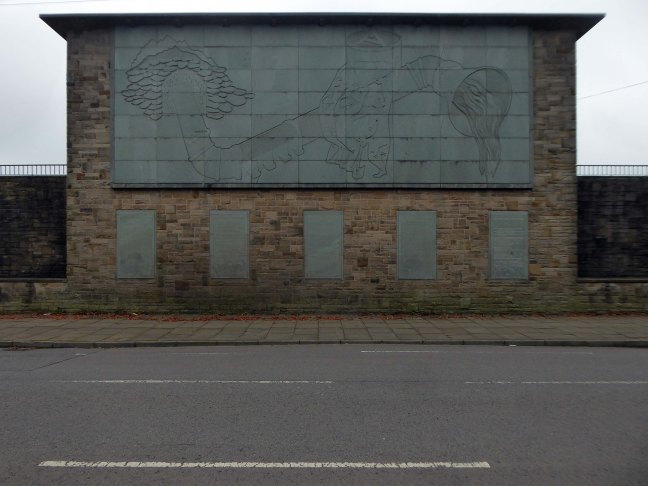
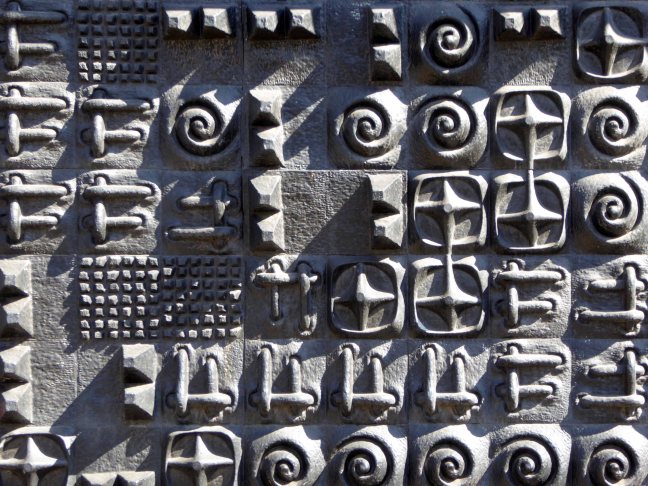
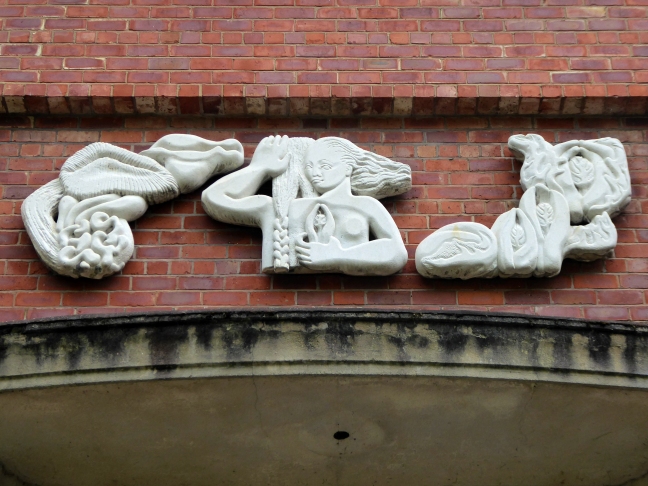
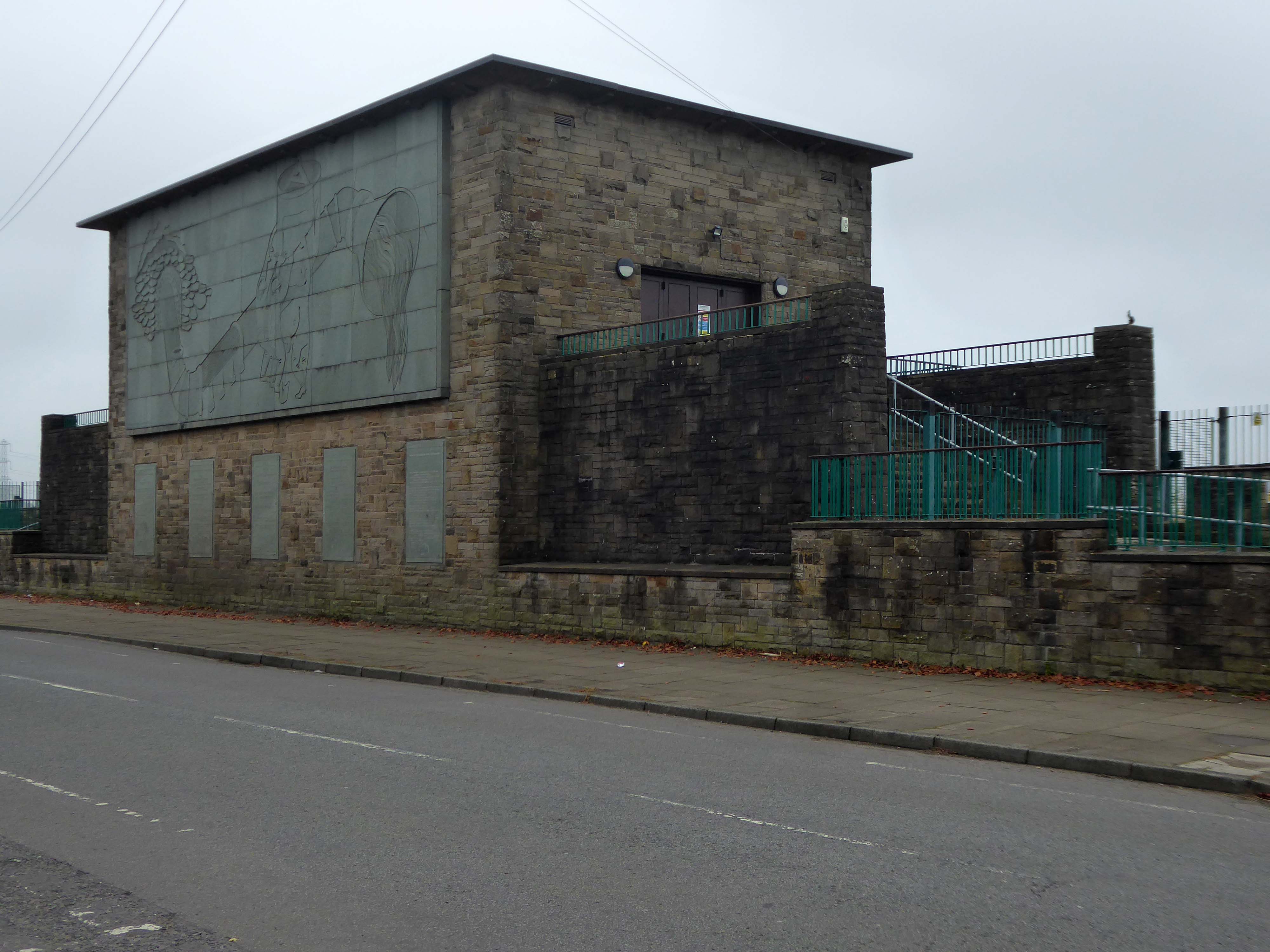
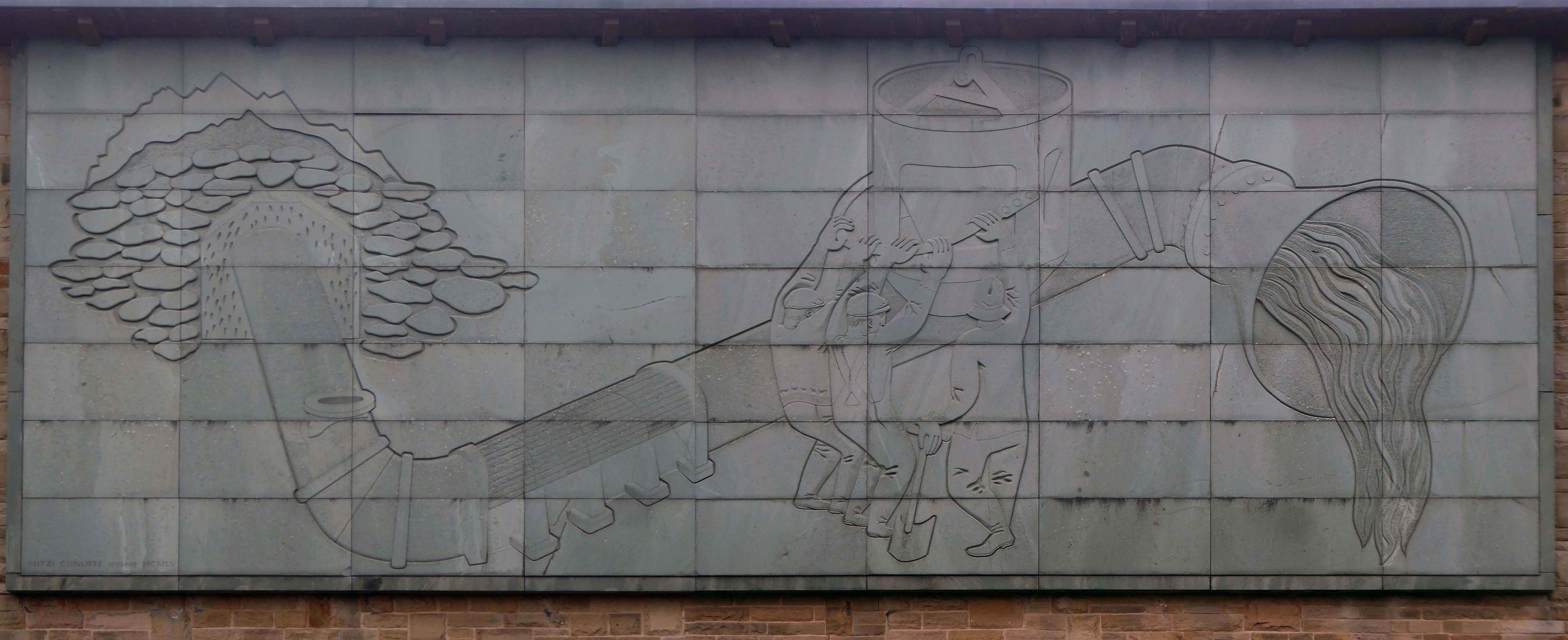
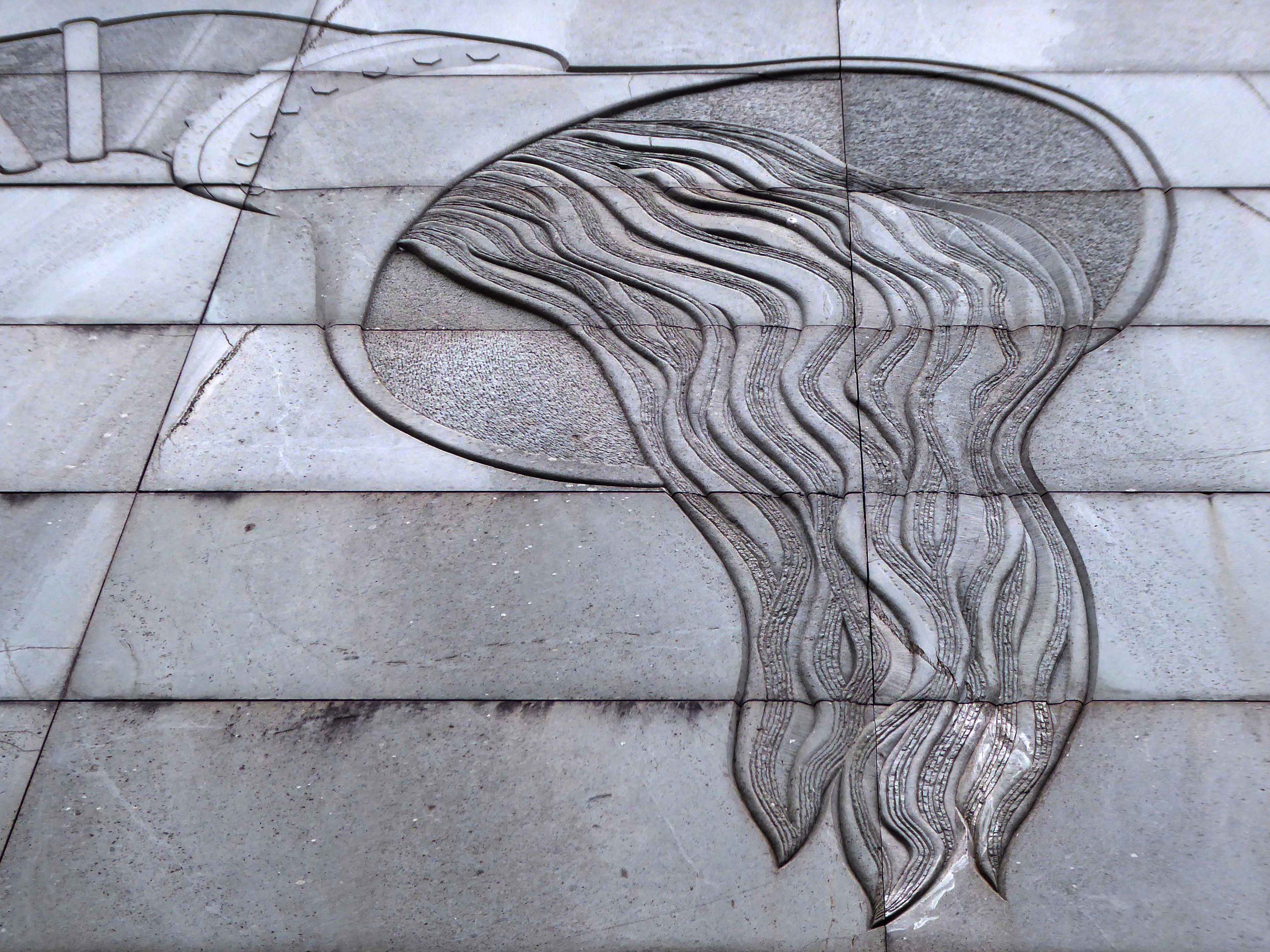
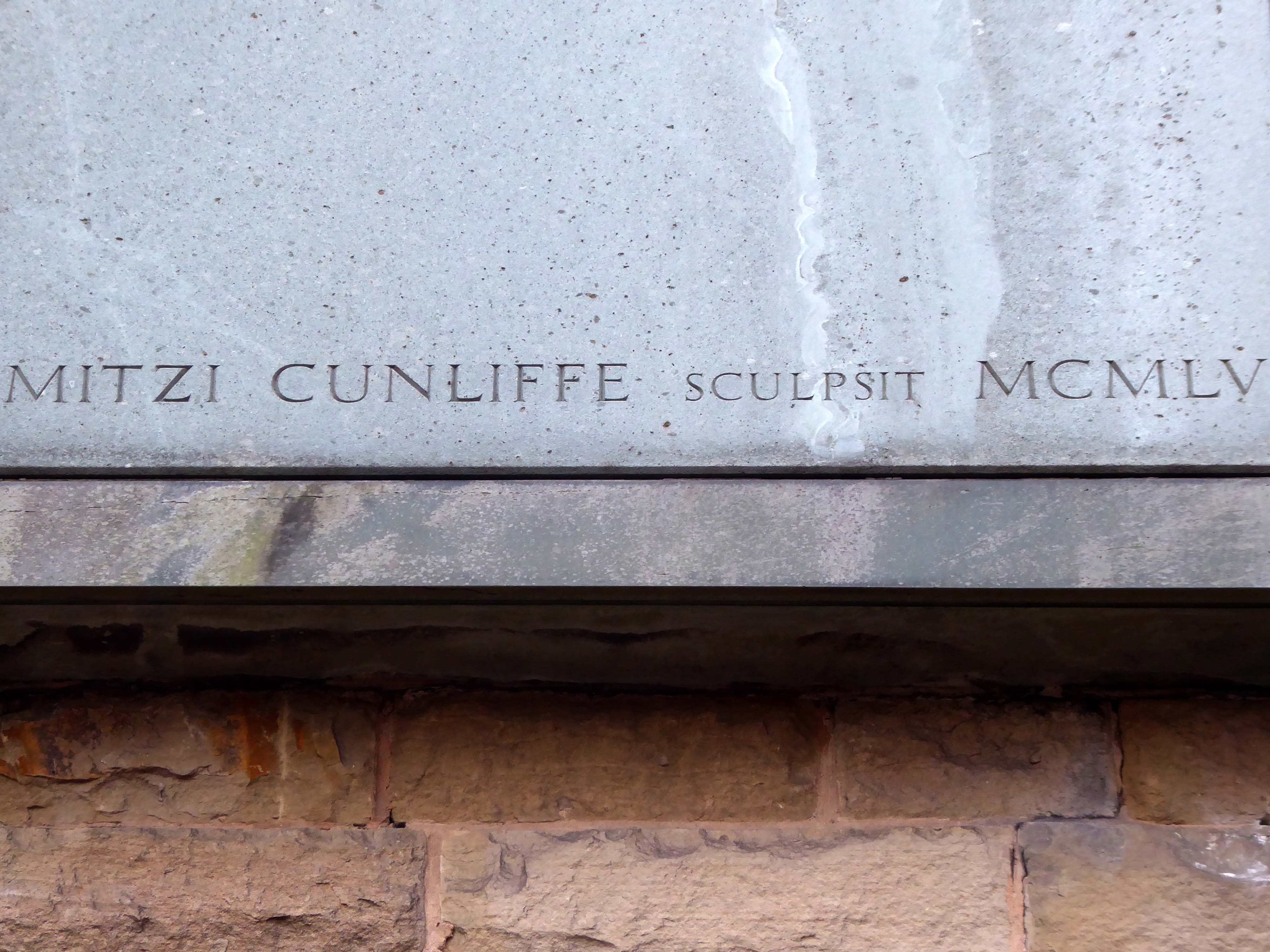
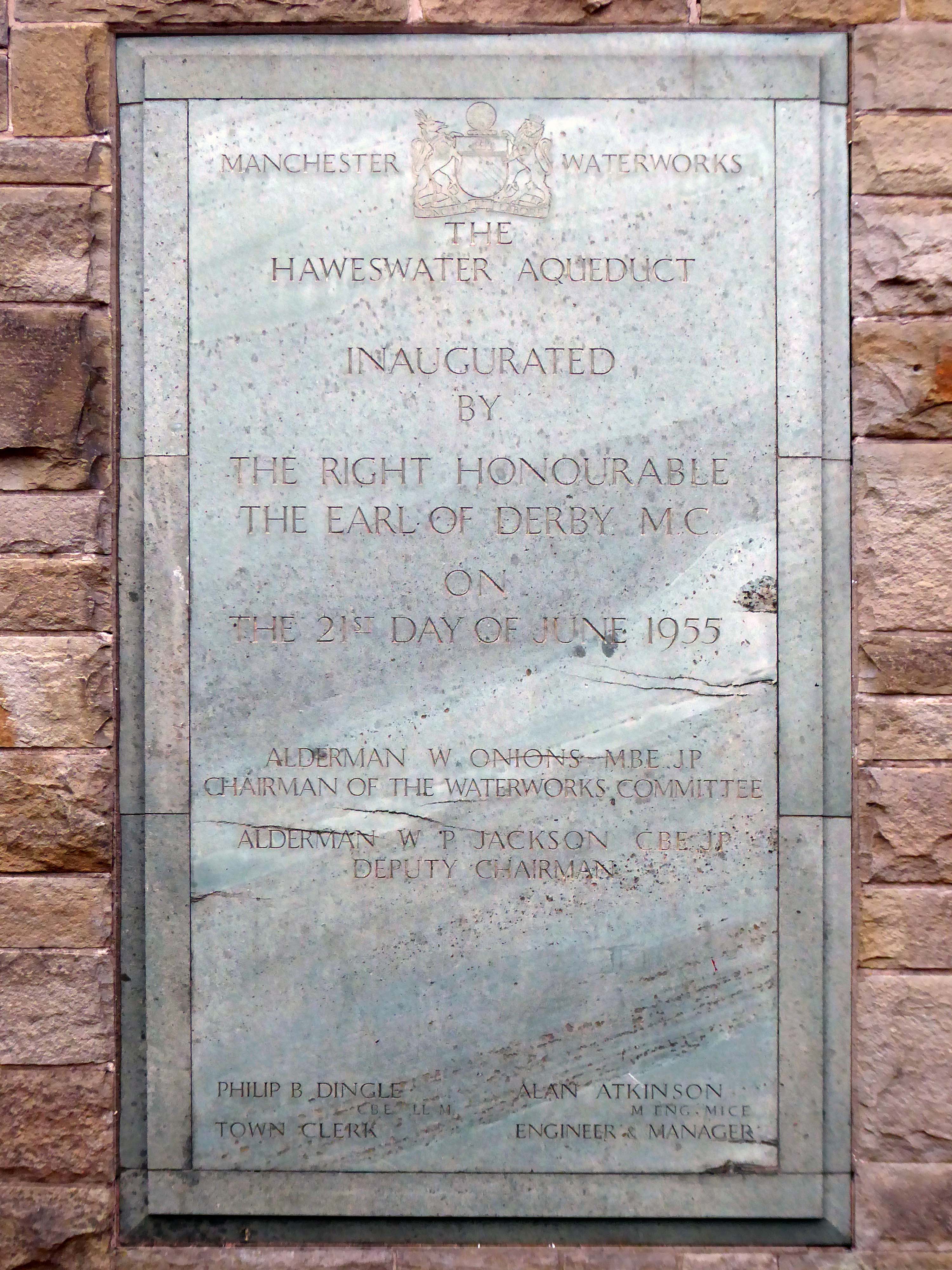
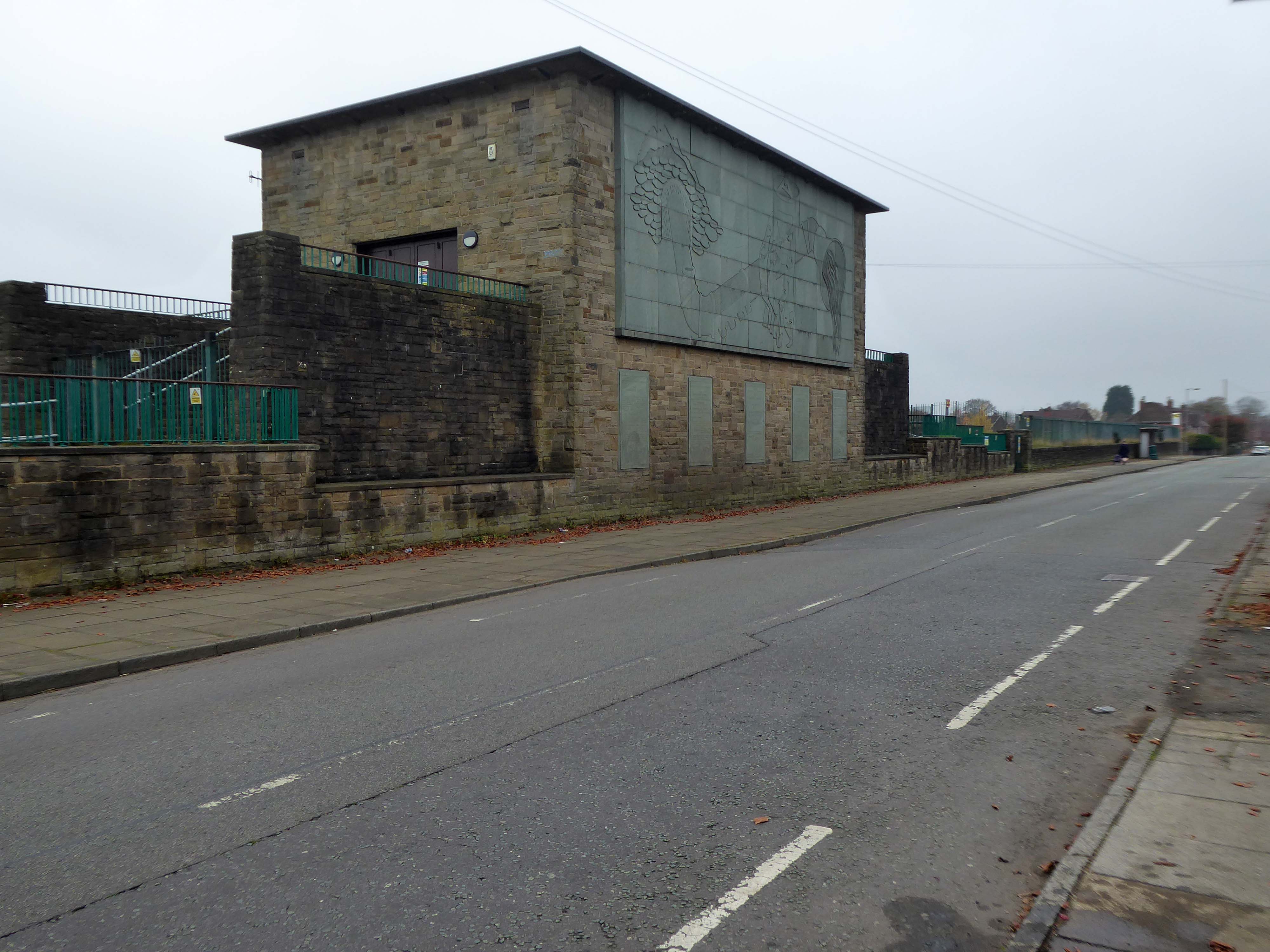
Built between 1954-5 by the Manchester City Architect’s Department, Chief Architect Leonard C Howitt, for the Manchester Corporation Waterworks. Alan Atkinson, engineer. Incorporates large relief by Mitzi Cunliffe, signed and dated 1955. Yorkshire sandstone, with Westmorland greenstone from Broughton Moor used as relief. Roof not seen above dentiled overhang.

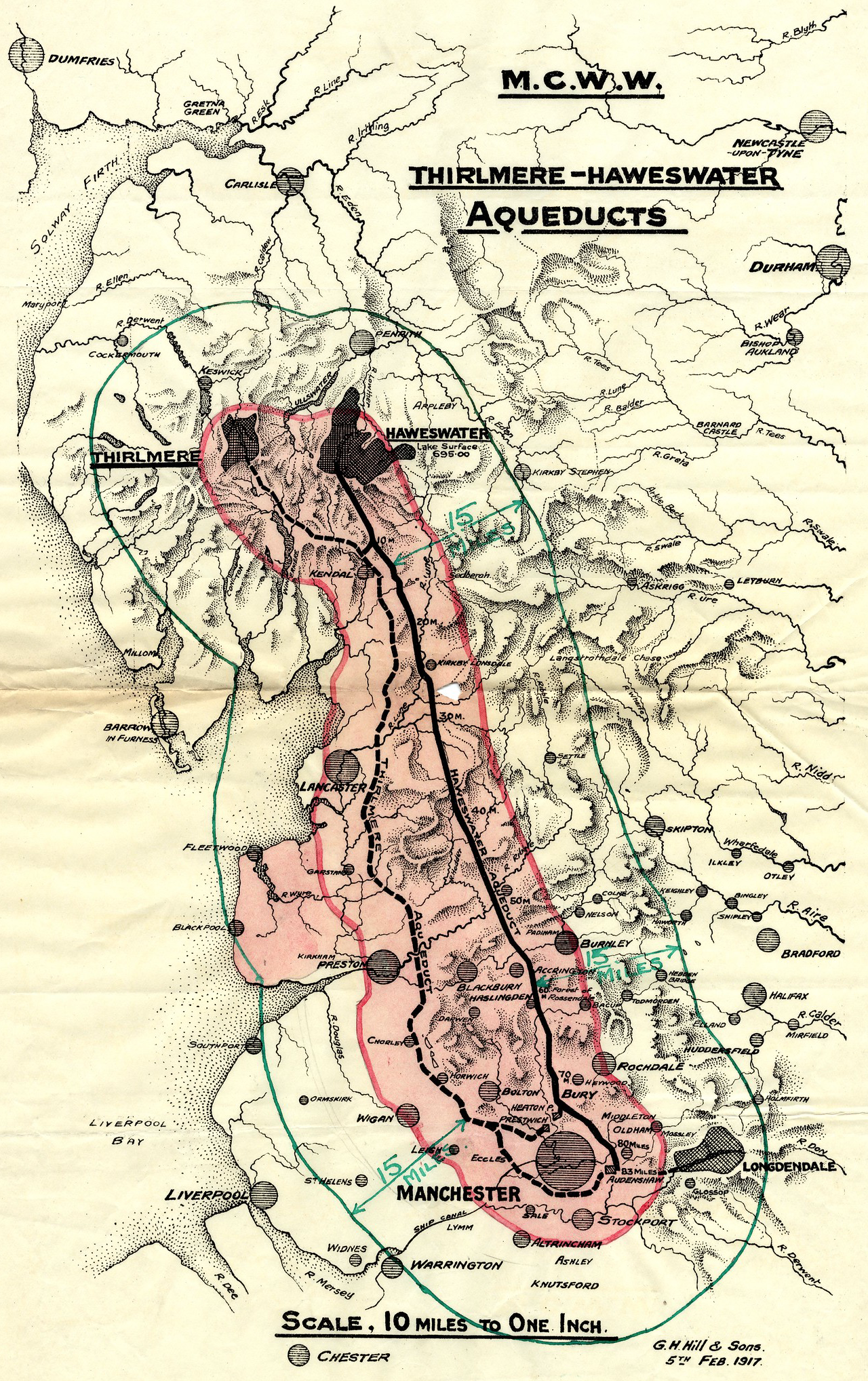
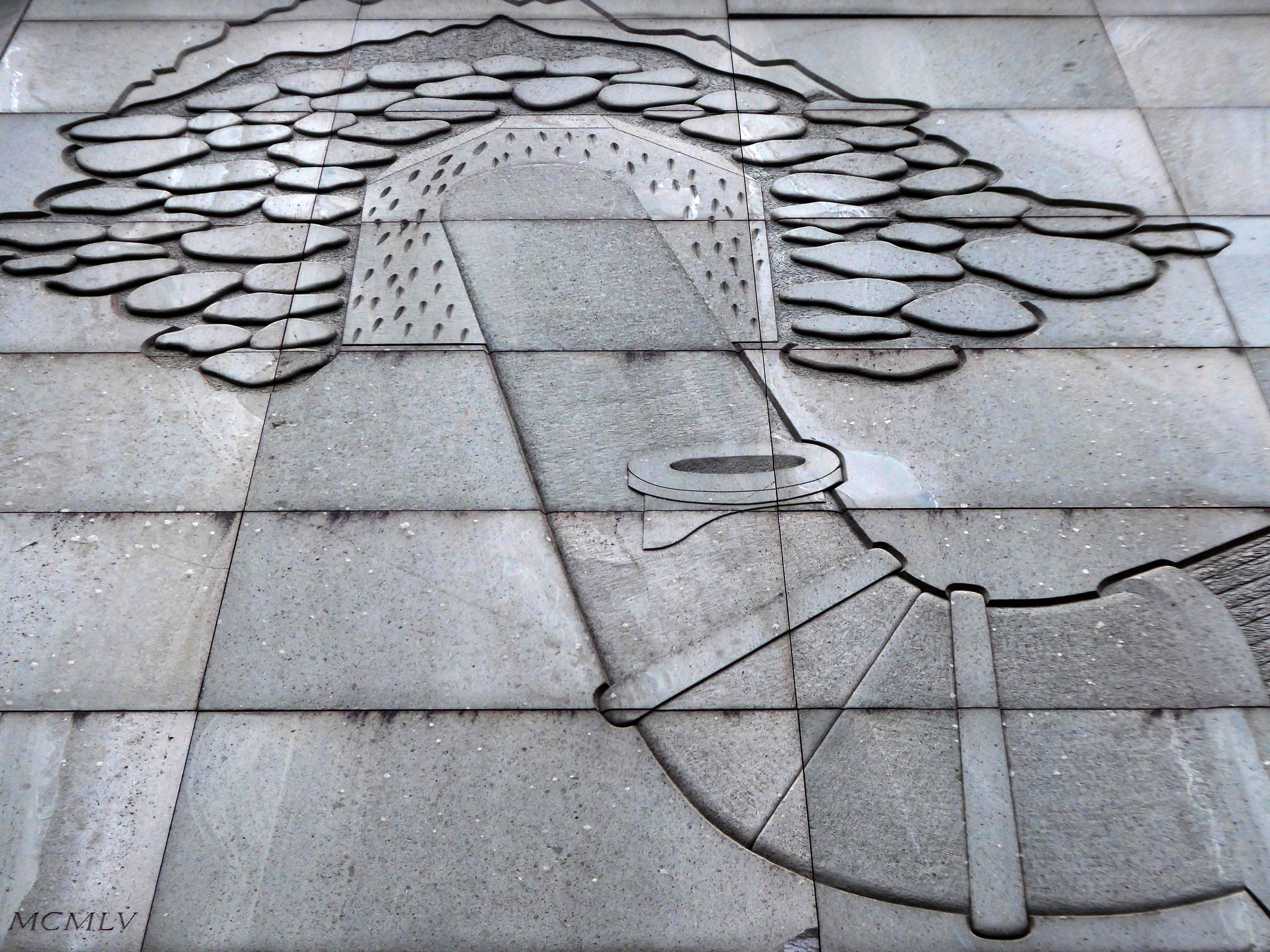
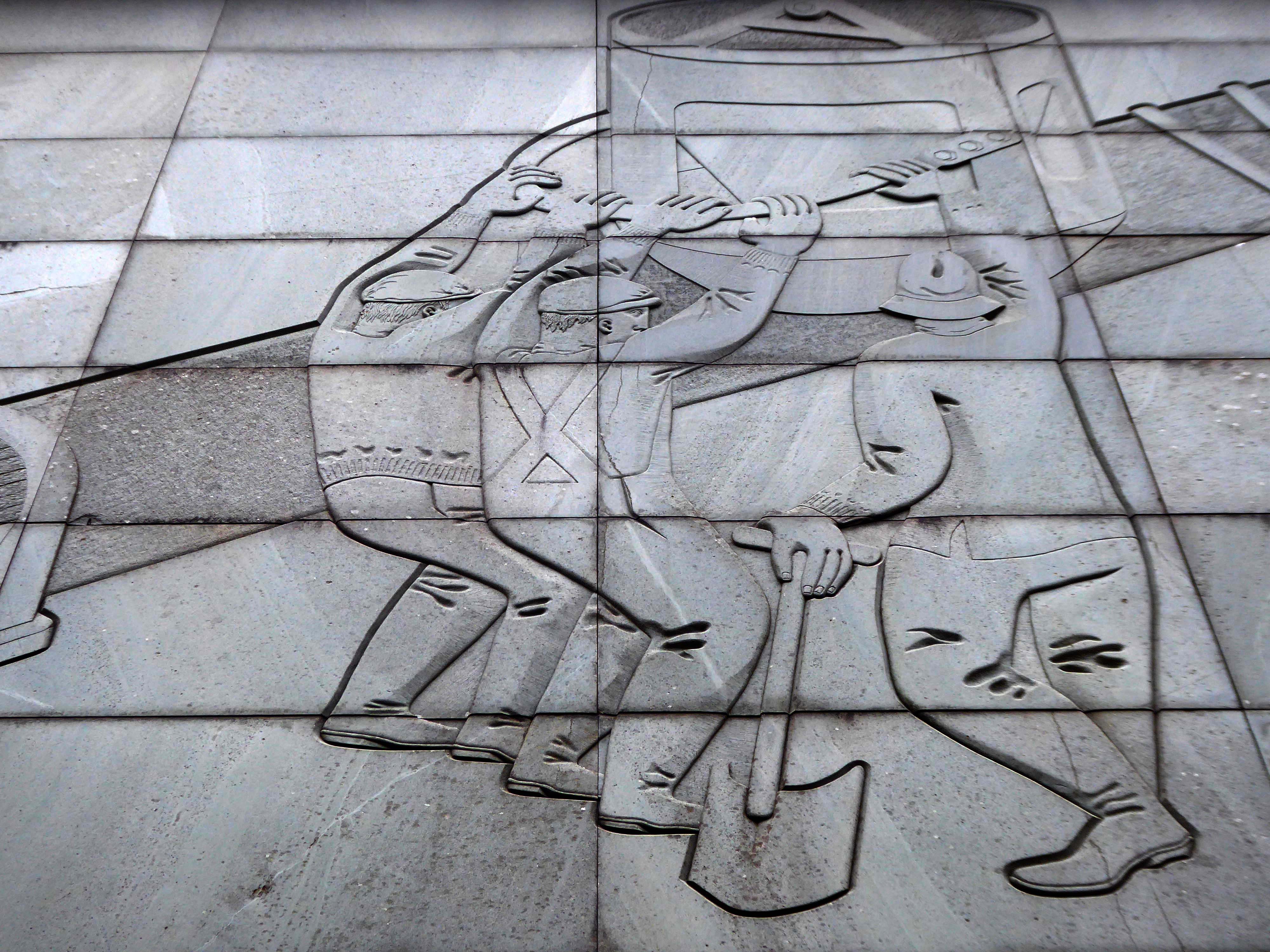
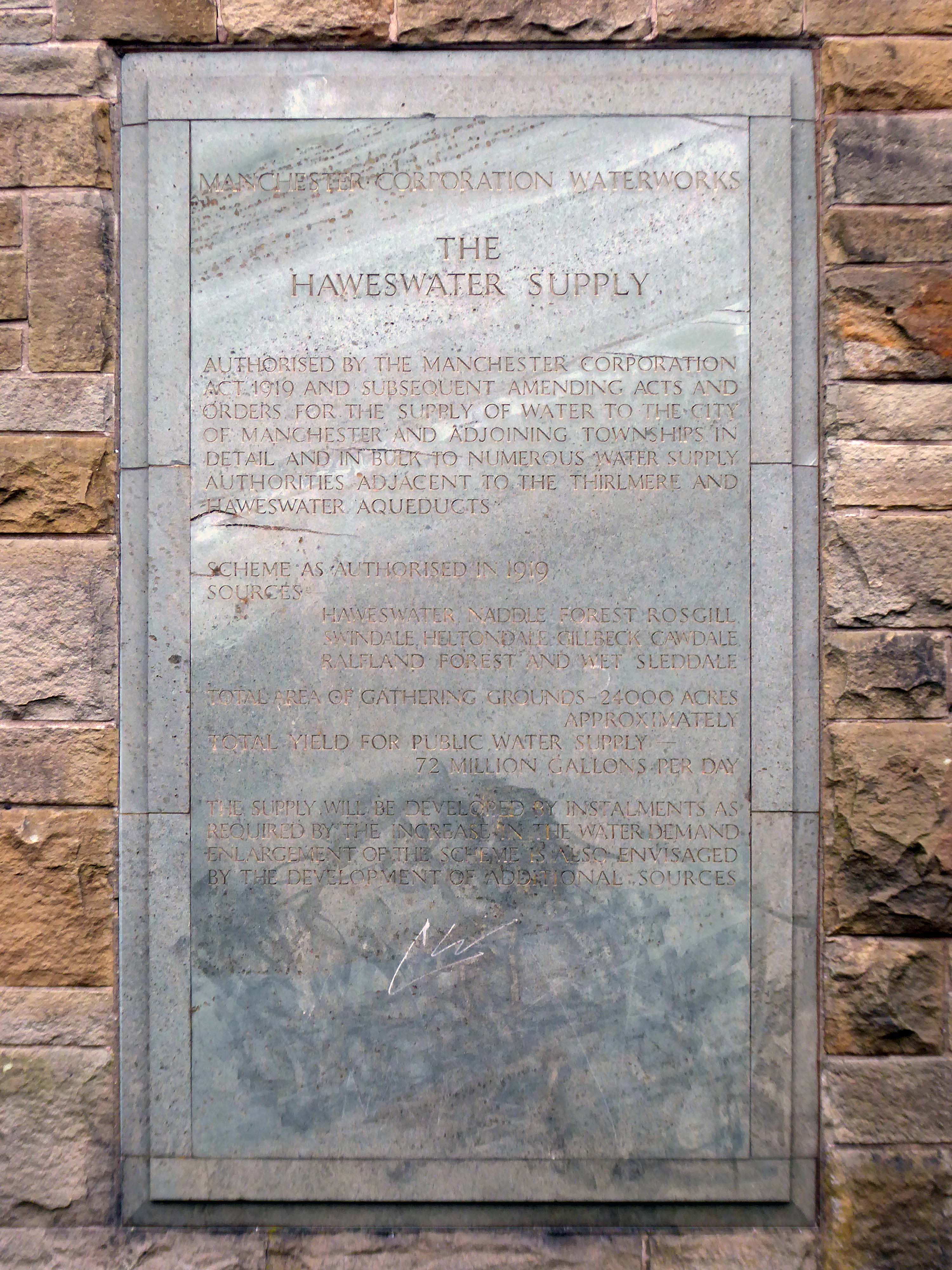
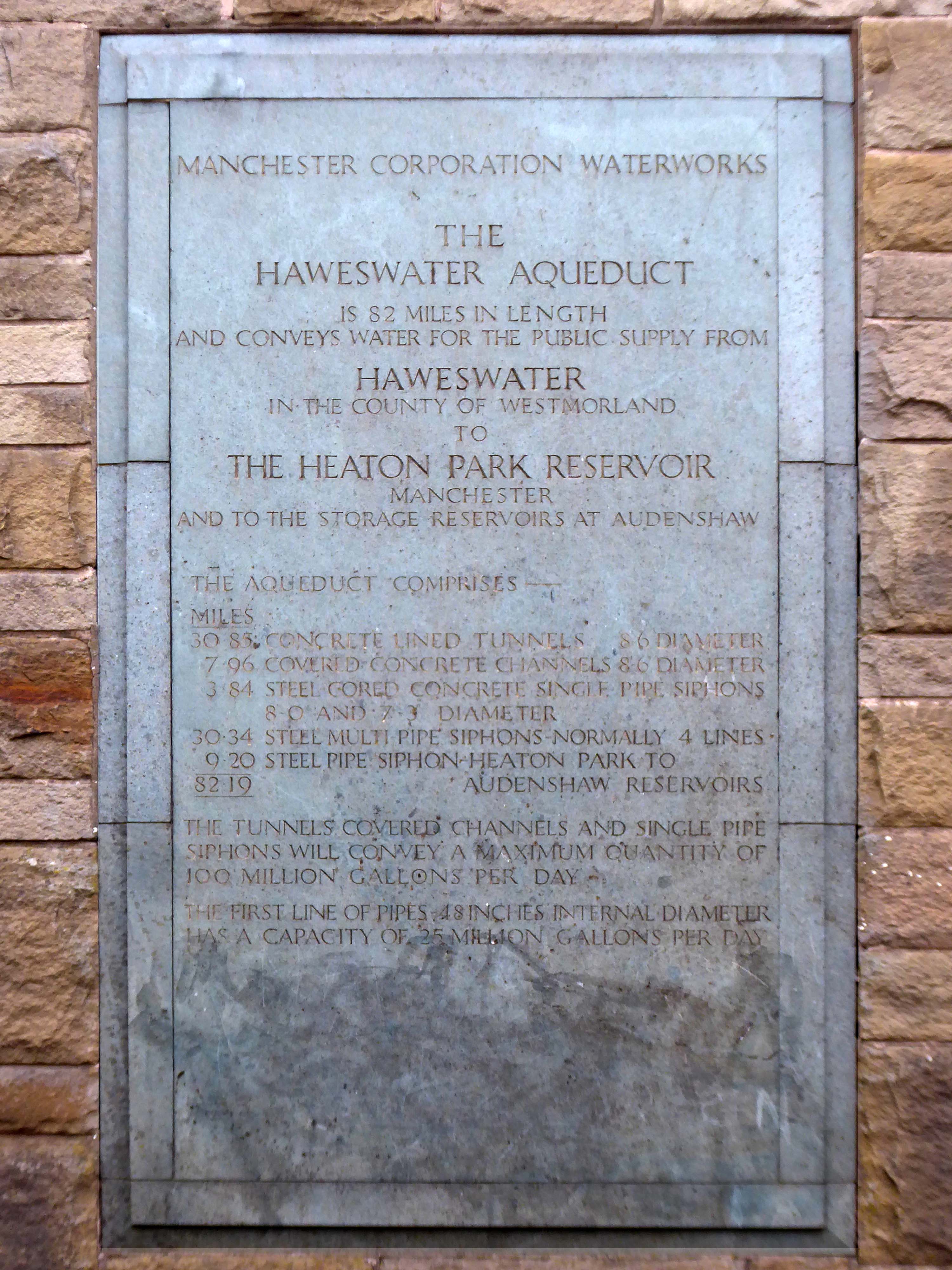
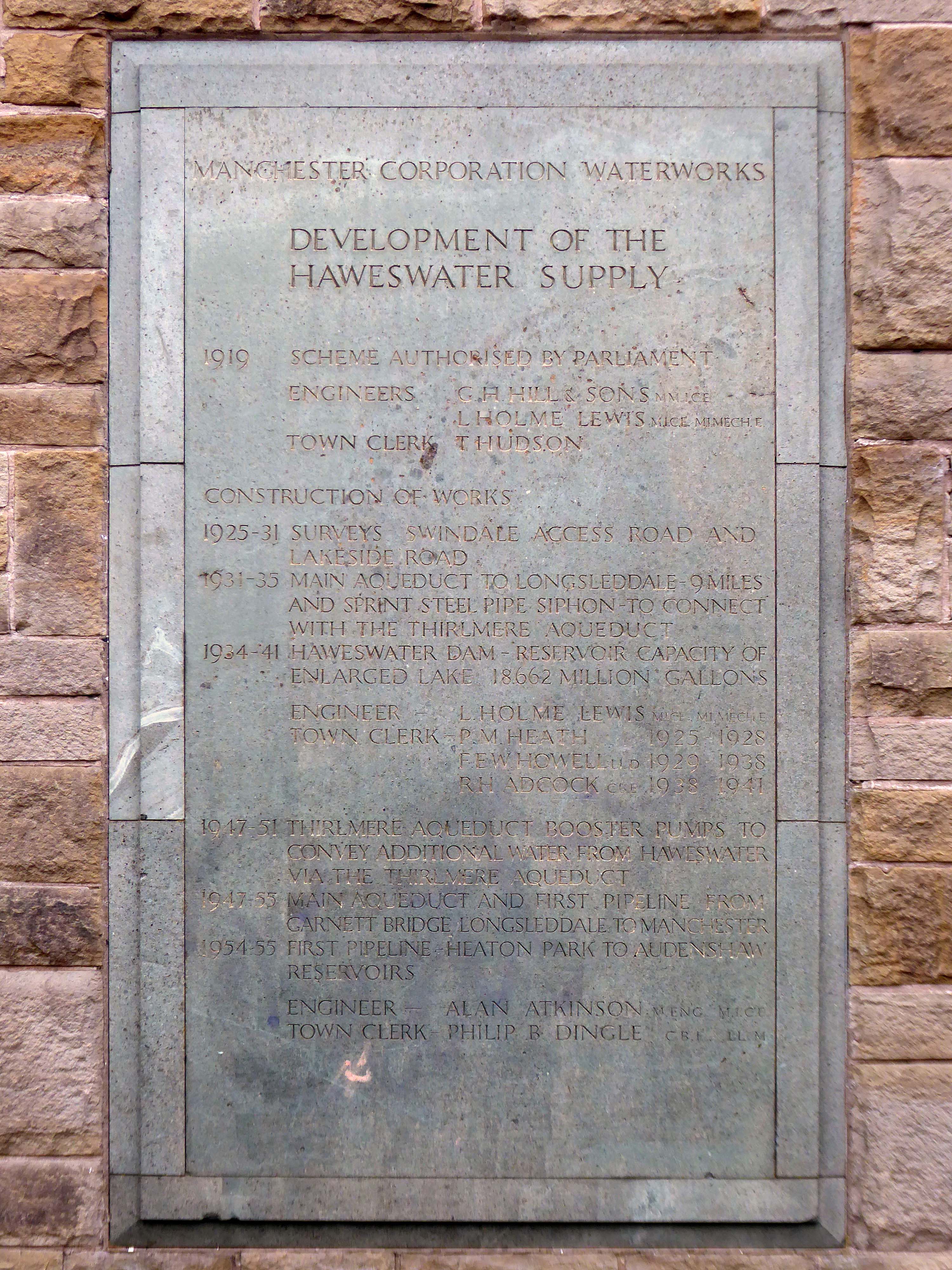
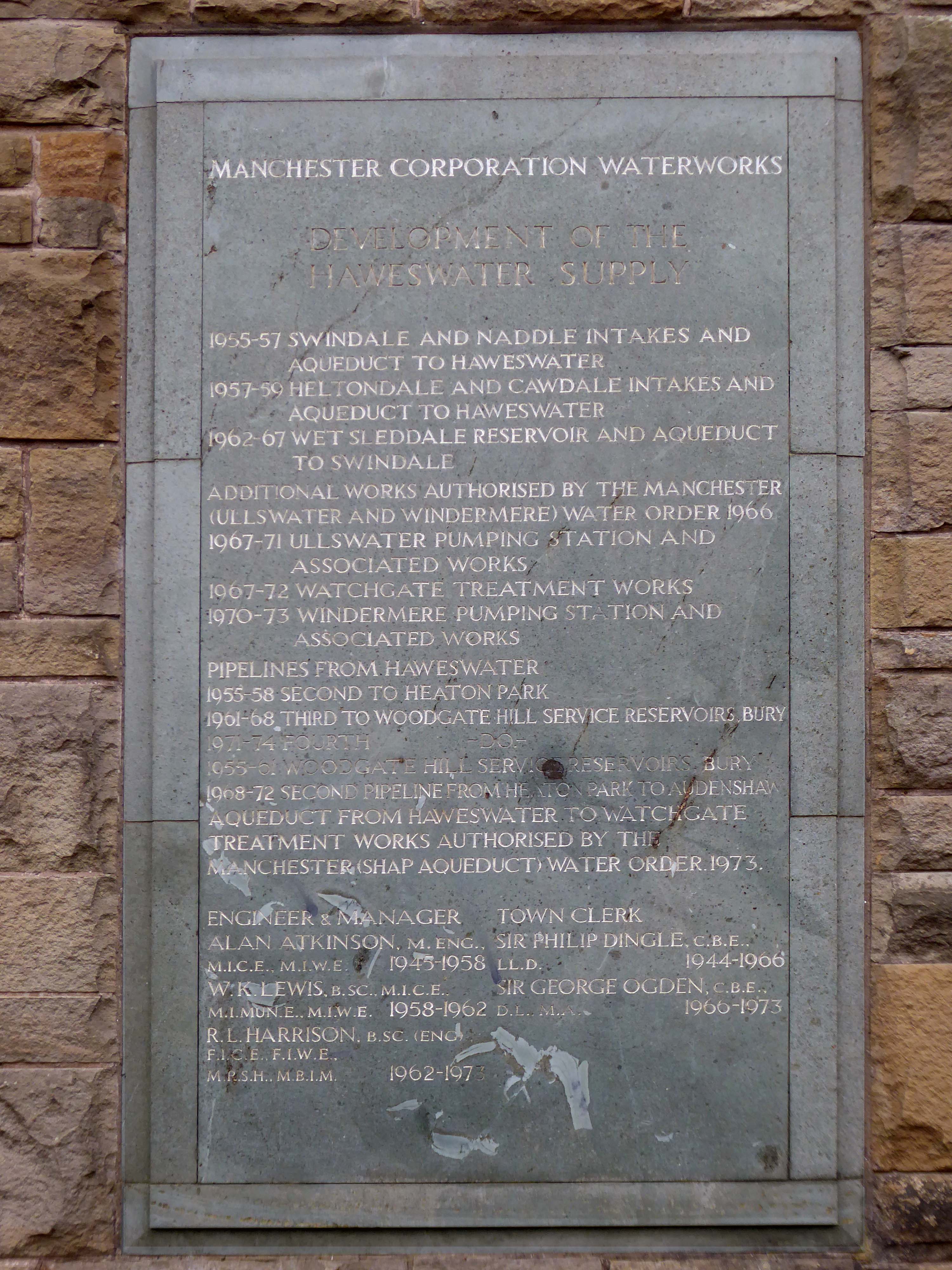
Carved relief is a highly stylised depiction of the bringing of water from Haweswater to Manchester with contemporary figures supporting the pipeline and a curious flat relief designed to be seen from below. It was designed to commemorate those who constructed it as well as the origin and course of the aqueduct. Beneath it five plaques tell the history of the Haweswater supply.

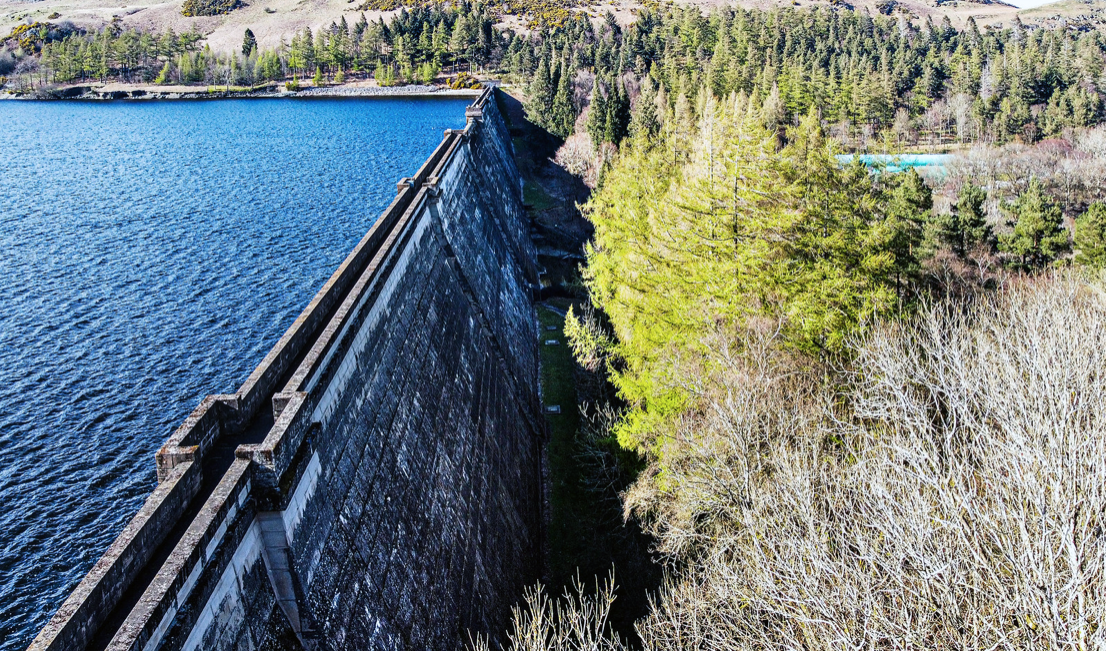
Haweswater Dam – Paul King

Completely preserved interior fully lined in beige marble, with contrasting green marble skirting continued as door surround. Behind the Cunliffe mural is a wood relief section in sycamore depicting the 82 mile route of the pipe.

The bringing of water to Manchester from a new reservoir at Haweswater was a major undertaking which cost £14,000,000. The sectional relief plan and the mural were conceived as part of the original brief to give a ‘monumental’ character to the city’s remarkable achievement. Included as a remarkable synthesis of architectural design and fine sculpture, with the dominance of the latter in this tiny building. The building materials and the reliefs are all symbolic of the achievement in bringing of water from the Lake District to Manchester.

Historic England Grade II Listed

In 1929 work started to build the dam wall across the valley floor. At the time of construction, its design was considered to be at the forefront of civil engineering technology because it was the world’s first hollow buttress dam.

Chapel Bridge Mardale

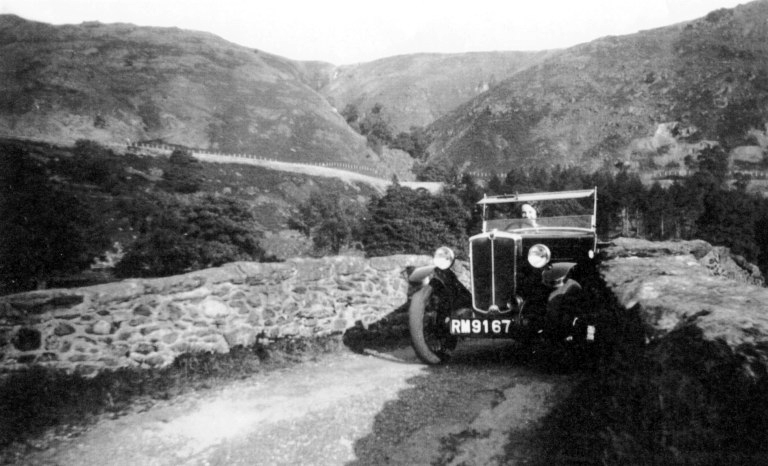
Before the valley was flooded in 1935, all the farms and dwellings of the villages of Mardale Green and Measand were demolished, as well as the centuries-old Dun Bull Inn at Mardale Green. The village church was dismantled and the stone used in constructing the dam; all the bodies in the churchyard were exhumed and re-buried at Shap.

Wikipedia

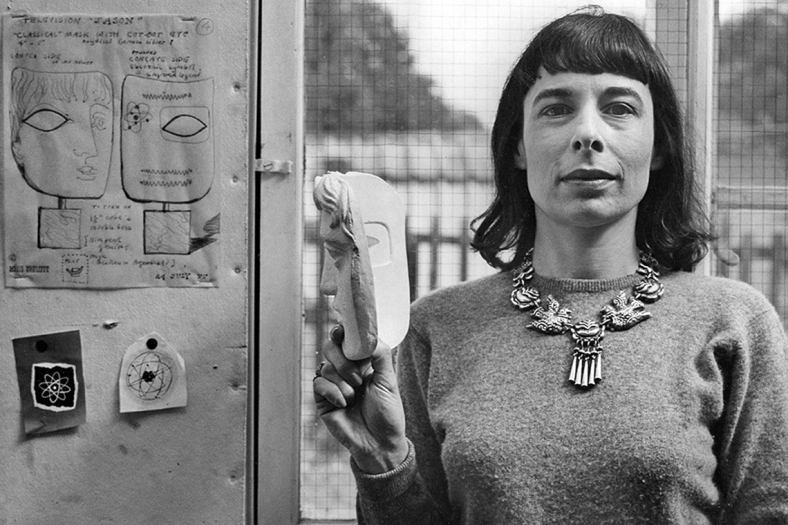
I have previously led Mitzi Cunliffe walks in south Manchester – taking in her works at Owens Park and Manchester High School for Girls.

Mitzi Cunliffe is primarily known as the designer of the BAFTA Award, but her work encompasses both ceramics and textiles, in addition to her extensive public art works – as illustrated here.

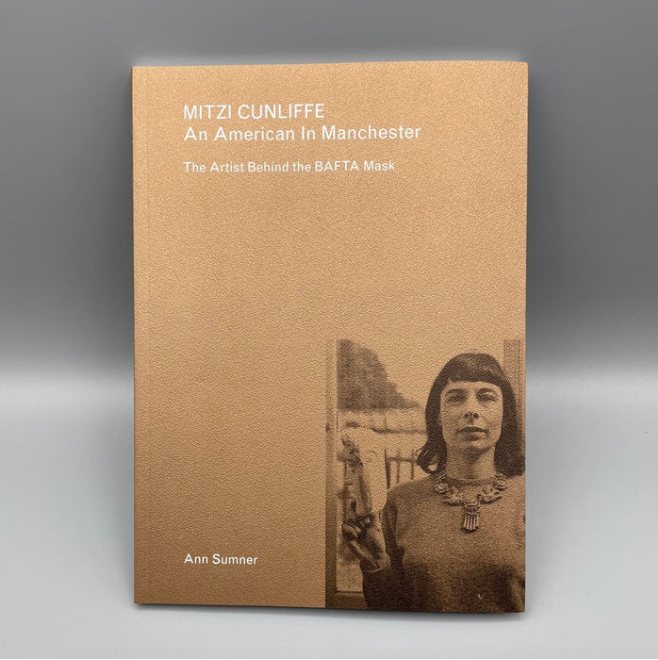
Mitzi Cunliffe – An American in Manchester is available from the Modernist Shop.

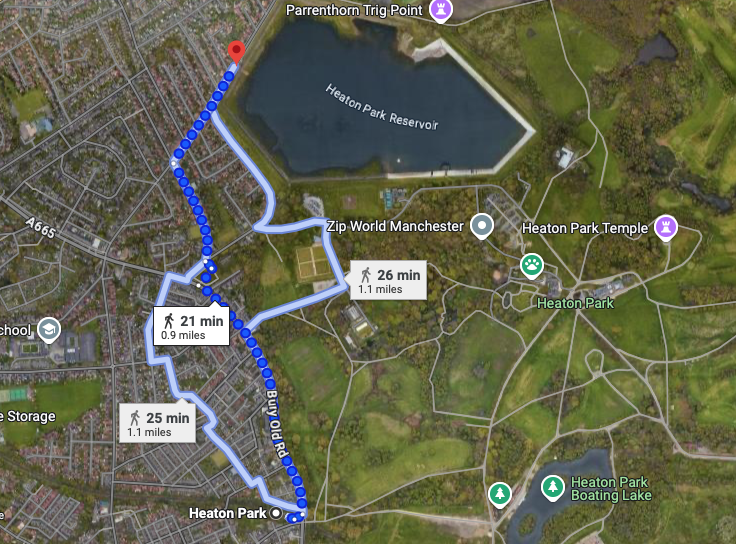
I took the tram to Heaton Park Station and walked the rest of the way.

The imposing structure, clad in the dramatic relief dominates this domesticated street of well behaved semis. As I stood admiring the work, a passerby joined me in a mutual appreciation of its beauty and significance.

Do yourself a favour – take a trip, take a look for yourself.

Blackpool 2024

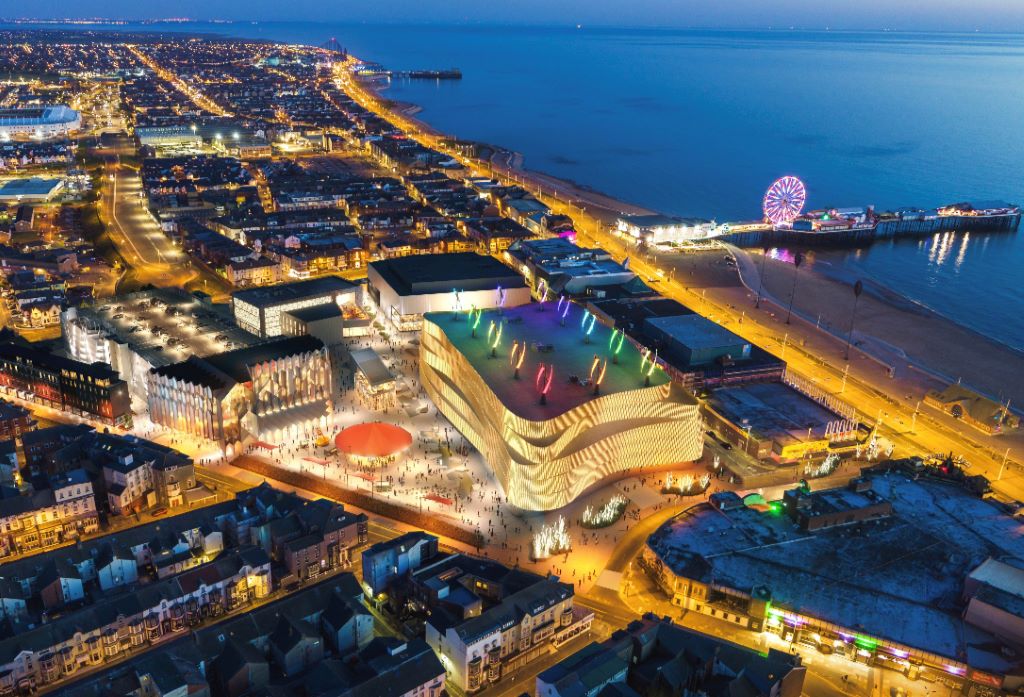
Blackpool Council says it remains committed to the Blackpool Central project amid the potential collapse of the developer leading the works.

But warning alarms sounded this week when Nikal – which was hired to oversee the project – filed a notice of intent to appoint administrators.

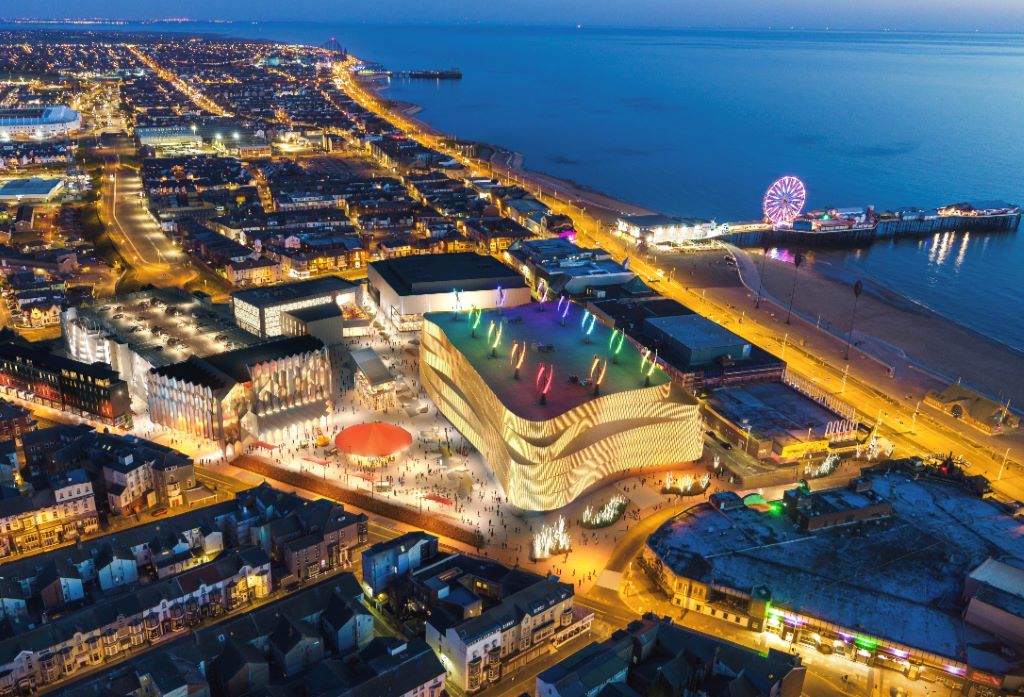
The £300m Blackpool Central development is billed as the biggest single investment in the town in more than a century and is planned to involve a “world-class leisure development” which would create 1,000 new jobs, bring an extra 600,000 visitors per year, and boost annual spend in the town by around £75m.

A spokesperson for Blackpool Council told the Blackpool Lead:

We have been working on the enabling phase of Blackpool Central over the last few years. The new multi-storey car park opened earlier this summer and we are currently completing preparations to demolish the old police station and courts building early in the New Year.

Blackpool Lead

The proposals for the Bonny Street area can be seen here.

Plans for the area have hit further problems.

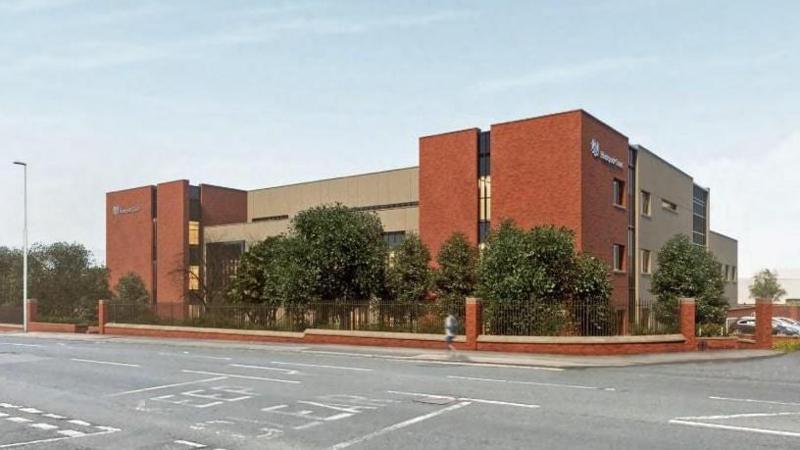
A new £40m magistrates courthouse is facing building delays after the project’s main contractor collapsed. Blackpool’s magistrates court was one of twenty two projects belonging to construction giant ISG, which was working on the scheme for the Ministry of Justice.

But the firm went into administration in September, leaving two thousand two hundred workers at risk of redundancy, the Local Democracy Reporting Service said.

Work was due to start early next year with a completion date expected in 2026.

BBC News

The town needs all the help it can get, time has not been too kind, whilst efforts have been made to invigorate the area around Blackpool North and the promenade, the back streets reflect the legacy of years of deprivation.

Blackpool ranks as one of the most deprived areas in the UK. Many people were already in poverty, and the cost of living pressures are having the biggest impact on this group, who need to spend a greater proportion of their incomes on household essentials. It is also affecting people on low and middle incomes, often surviving by having several jobs, who are being pushed into poverty. More people are turning to services for support, and as the winter progresses this is a serious concern.

Local Gov

Here is the statistical evidence as of 2021.

I have no wish to poor scorn on the area – but a short walk around the streets approximate to the coast tells a tale of failed businesses, decay and decline.

Happily there are the seeds of recovery in evidence, in the form of newly built housing.

The executive report outlines an area of regeneration to the South of the town centre. It lies broadly between Chapel Street and Rigby Road, and the Promenade and Central Drive. These have been identified as the initial areas of focus for detailed scheme development, community engagement and property acquisitions in preparation for future development.

Live Blackpool

We all deserve better.

Bury Walk

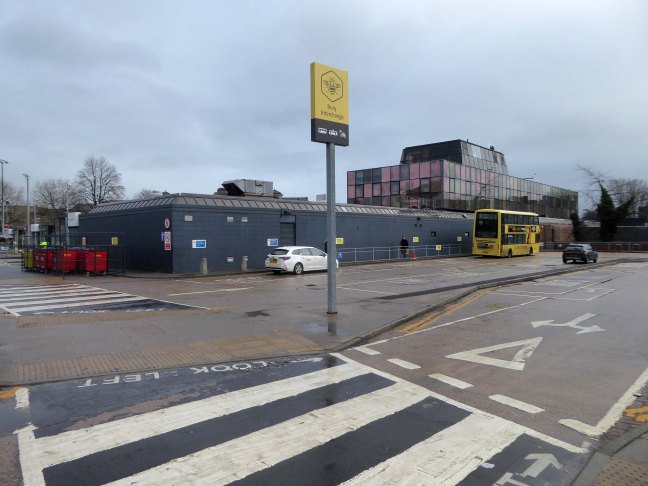
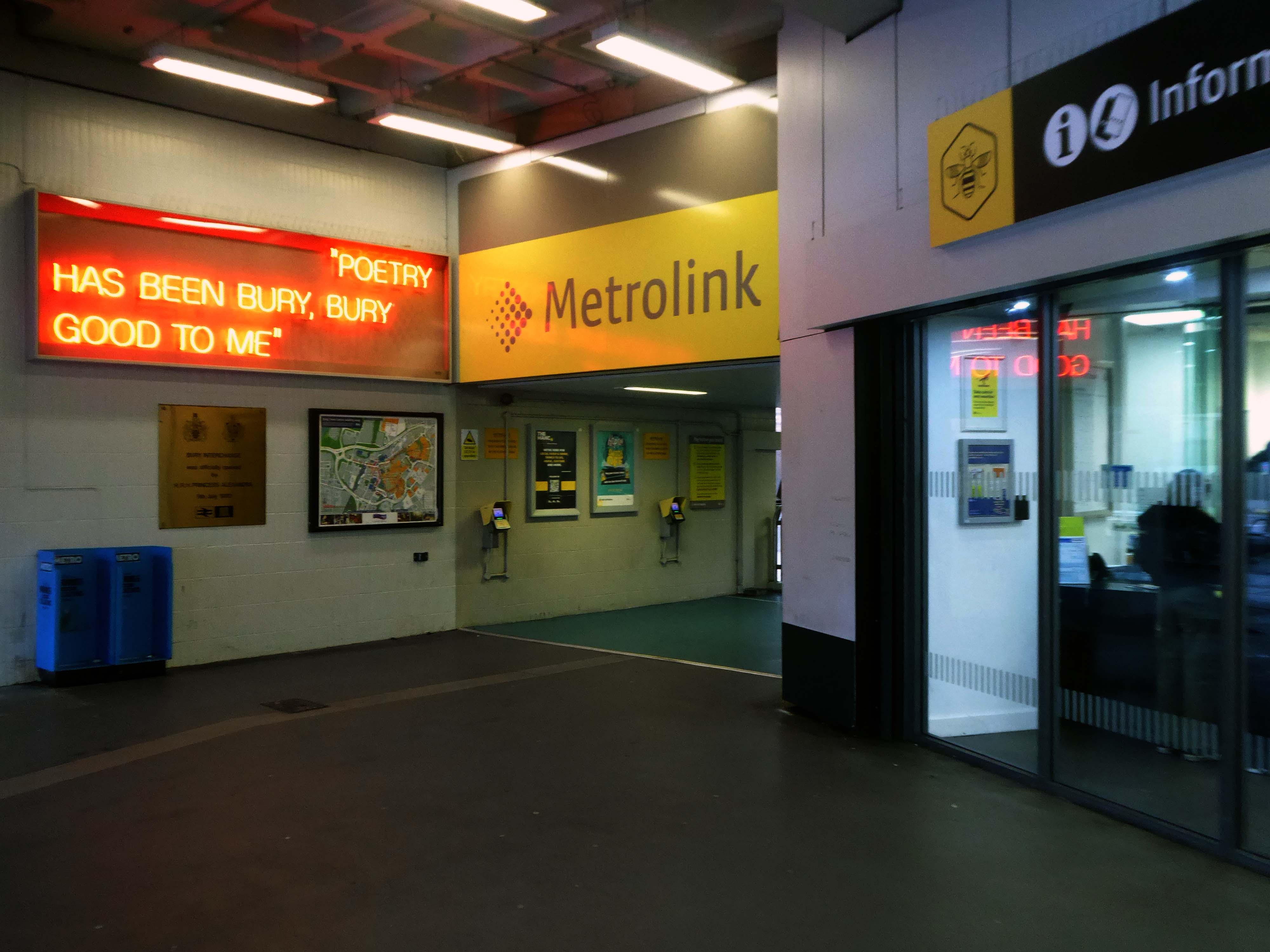
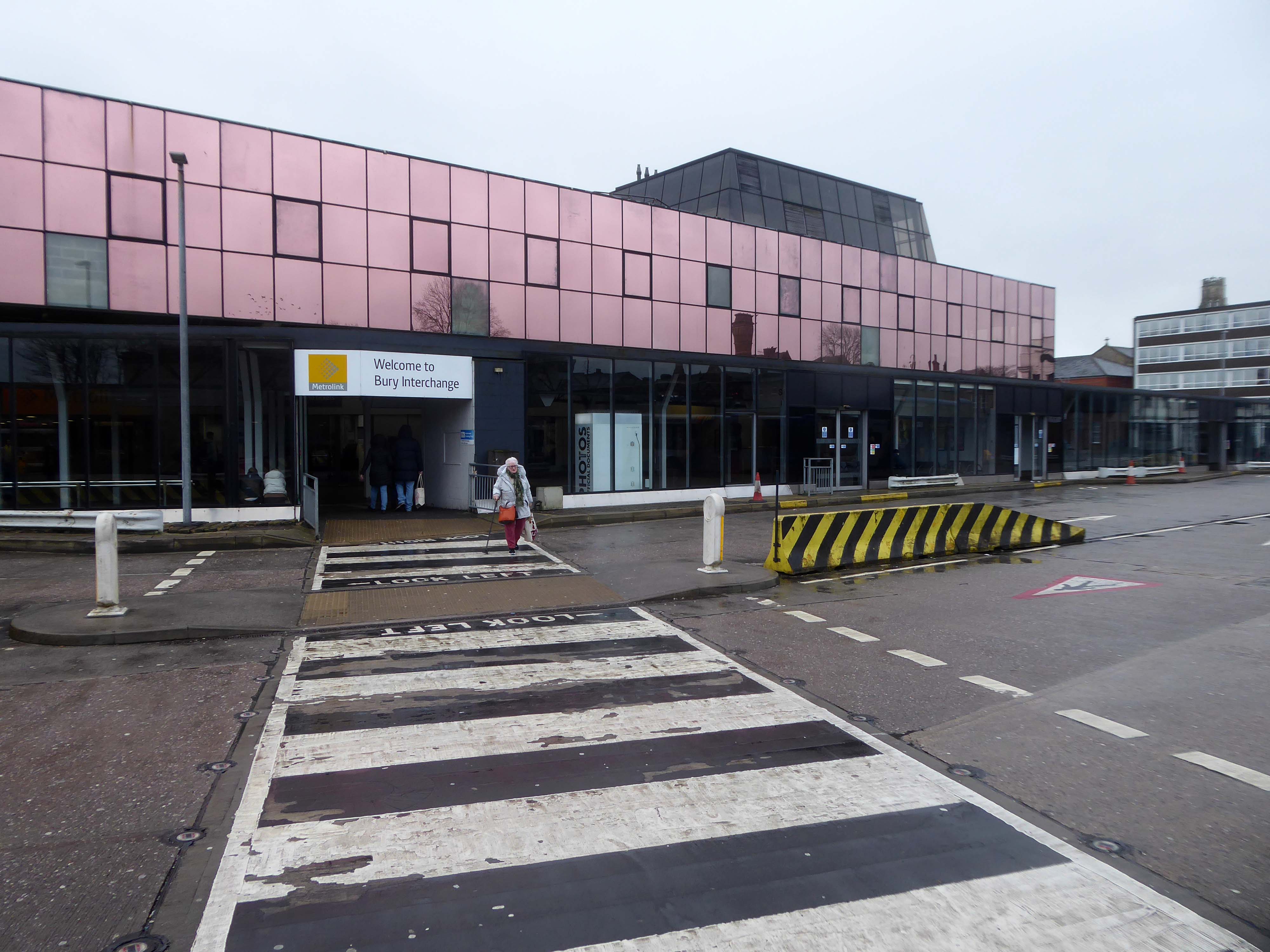
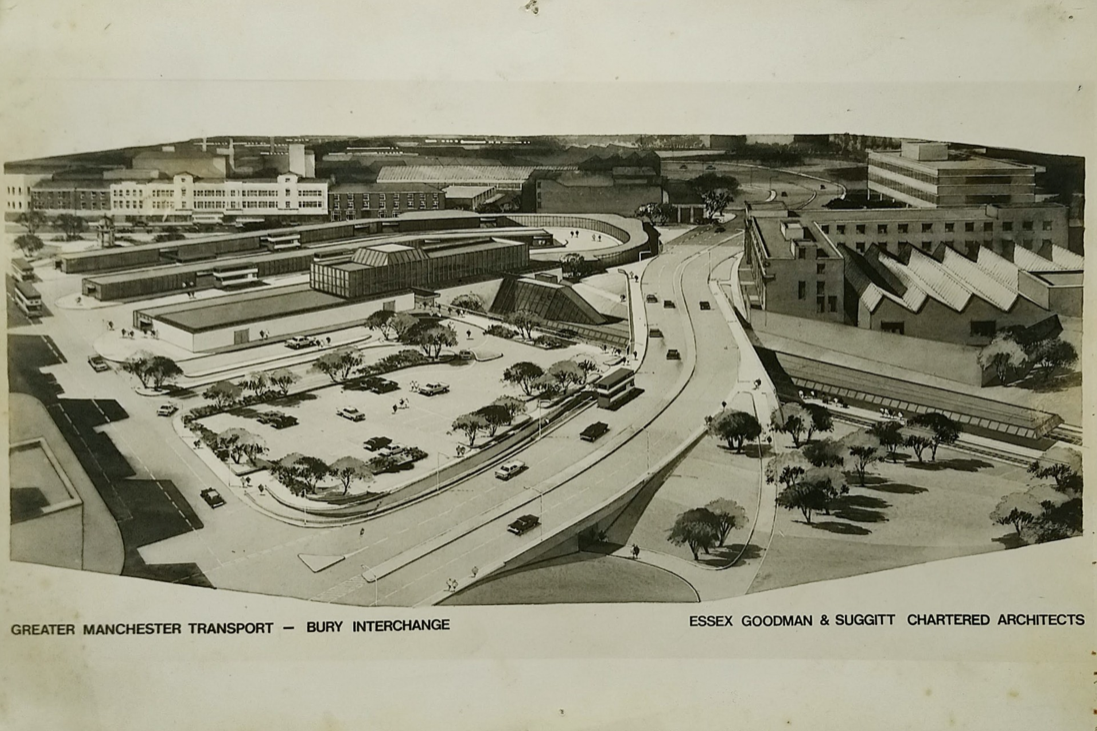
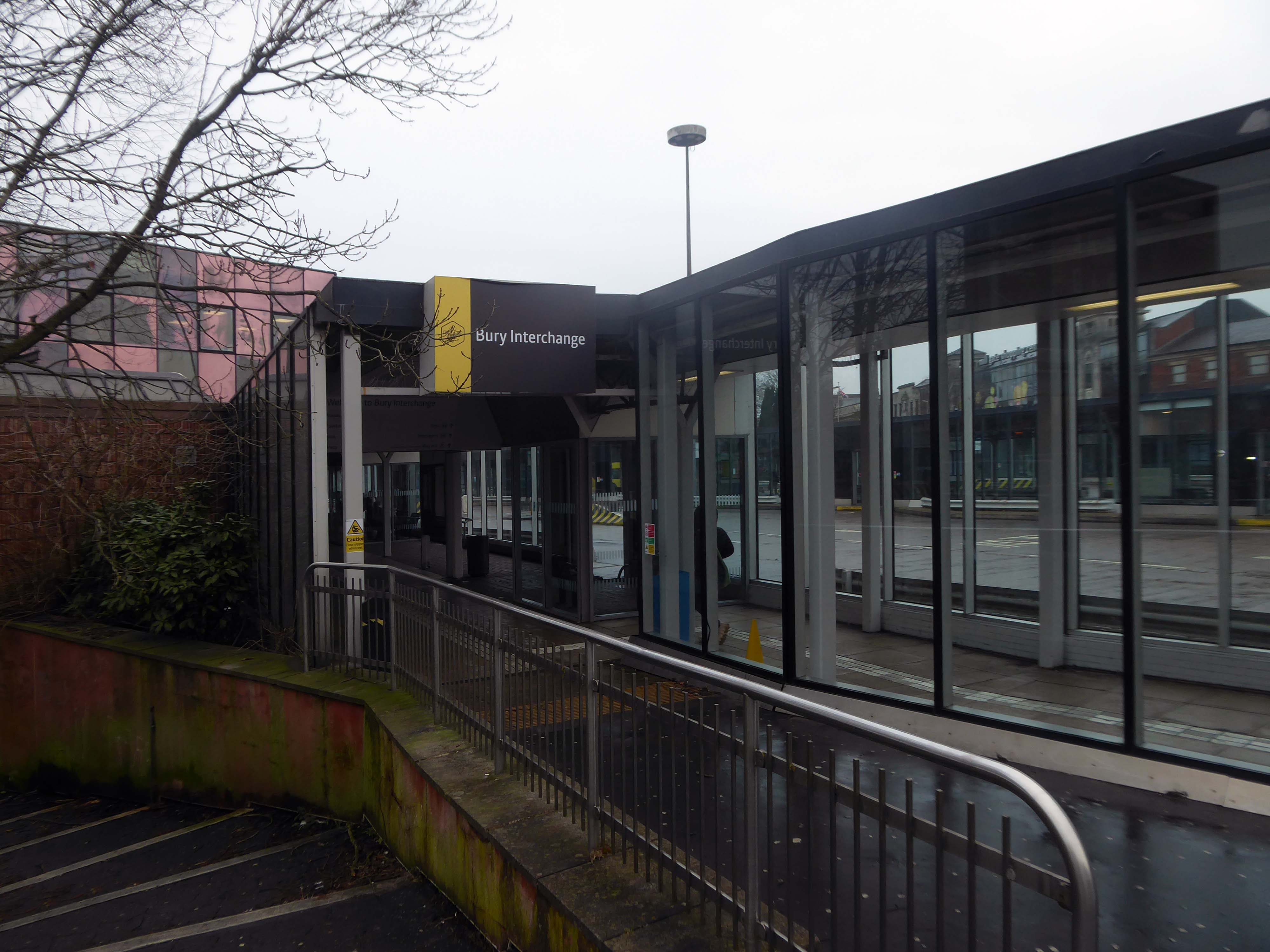
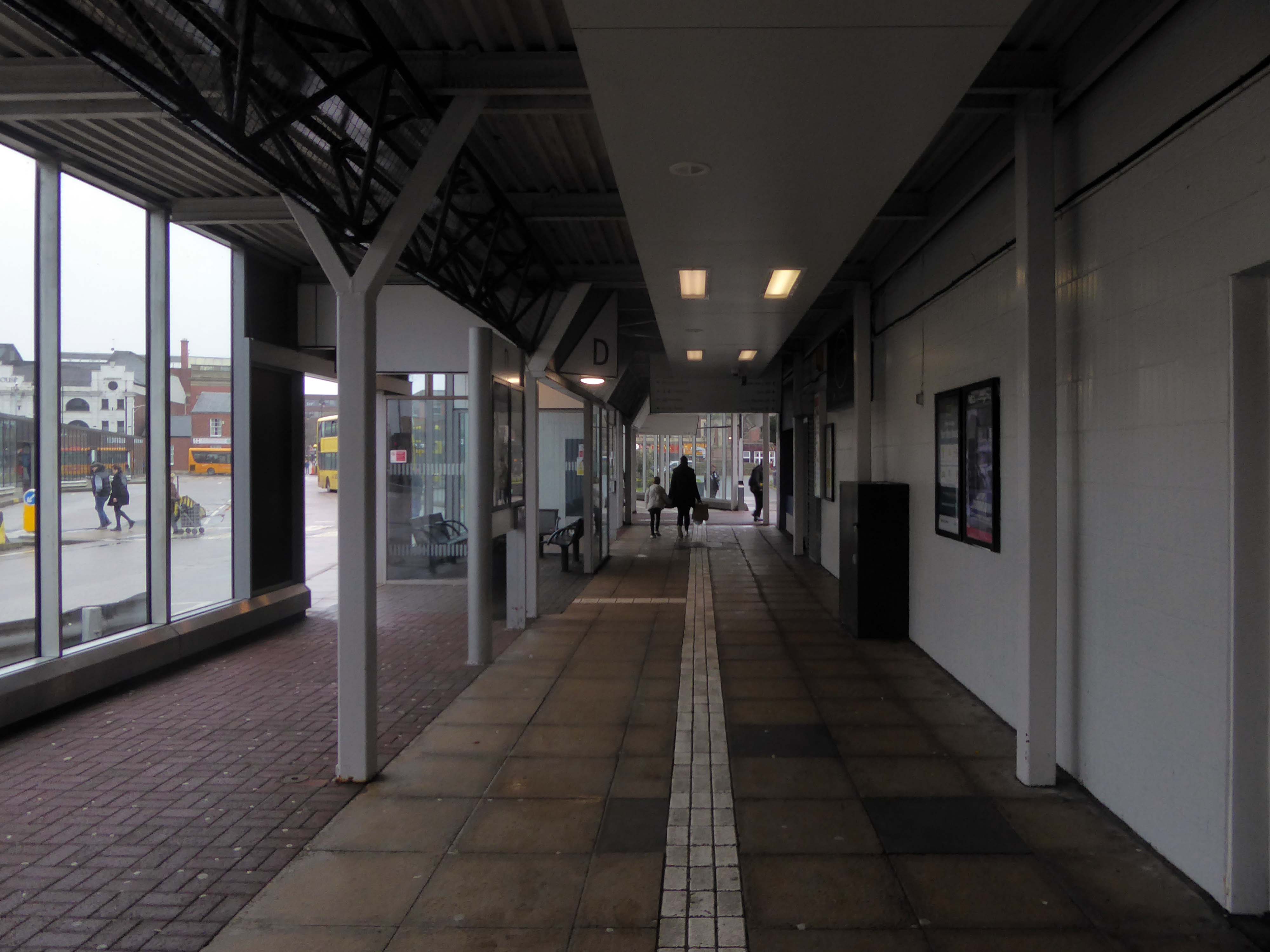
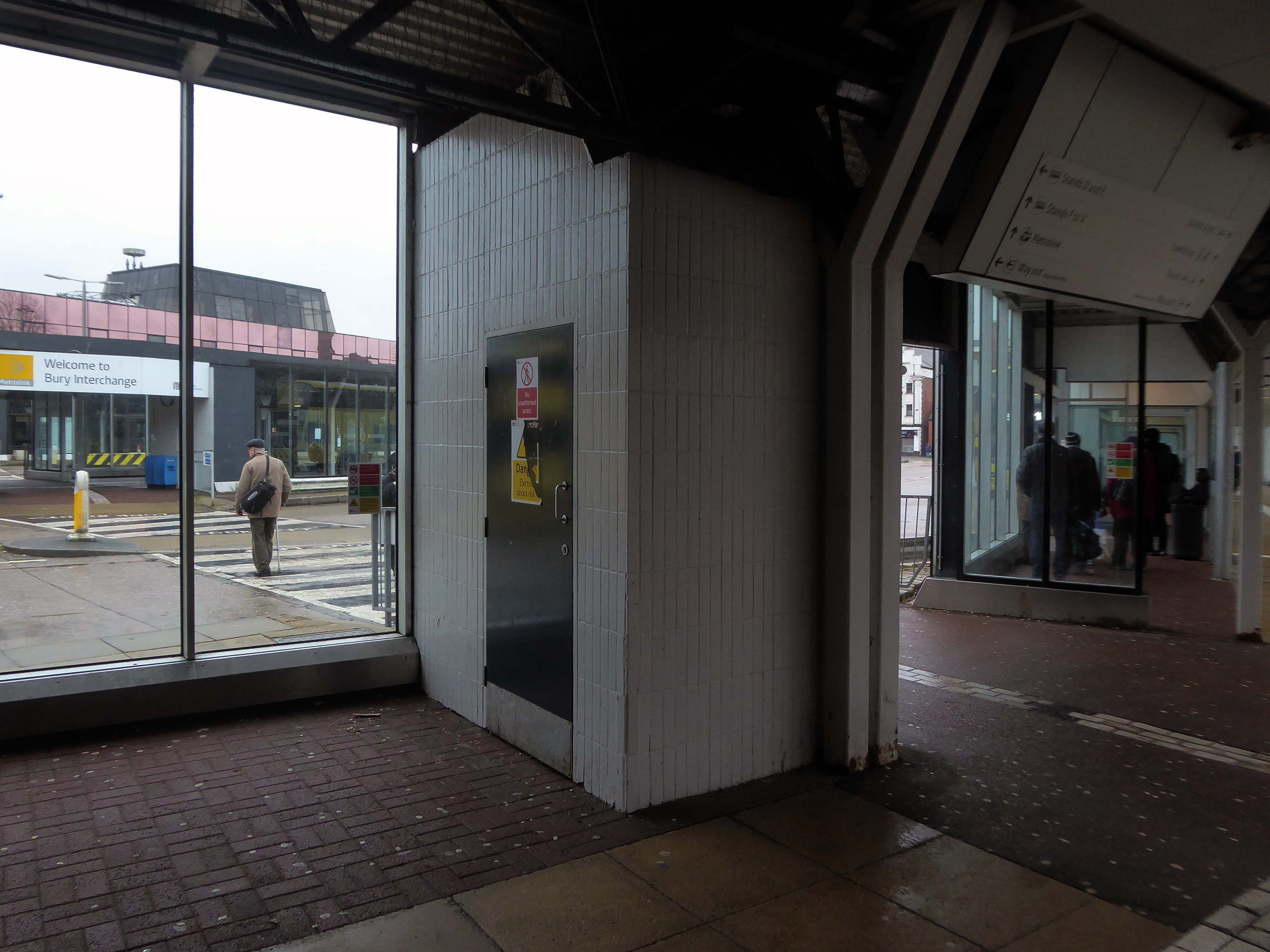
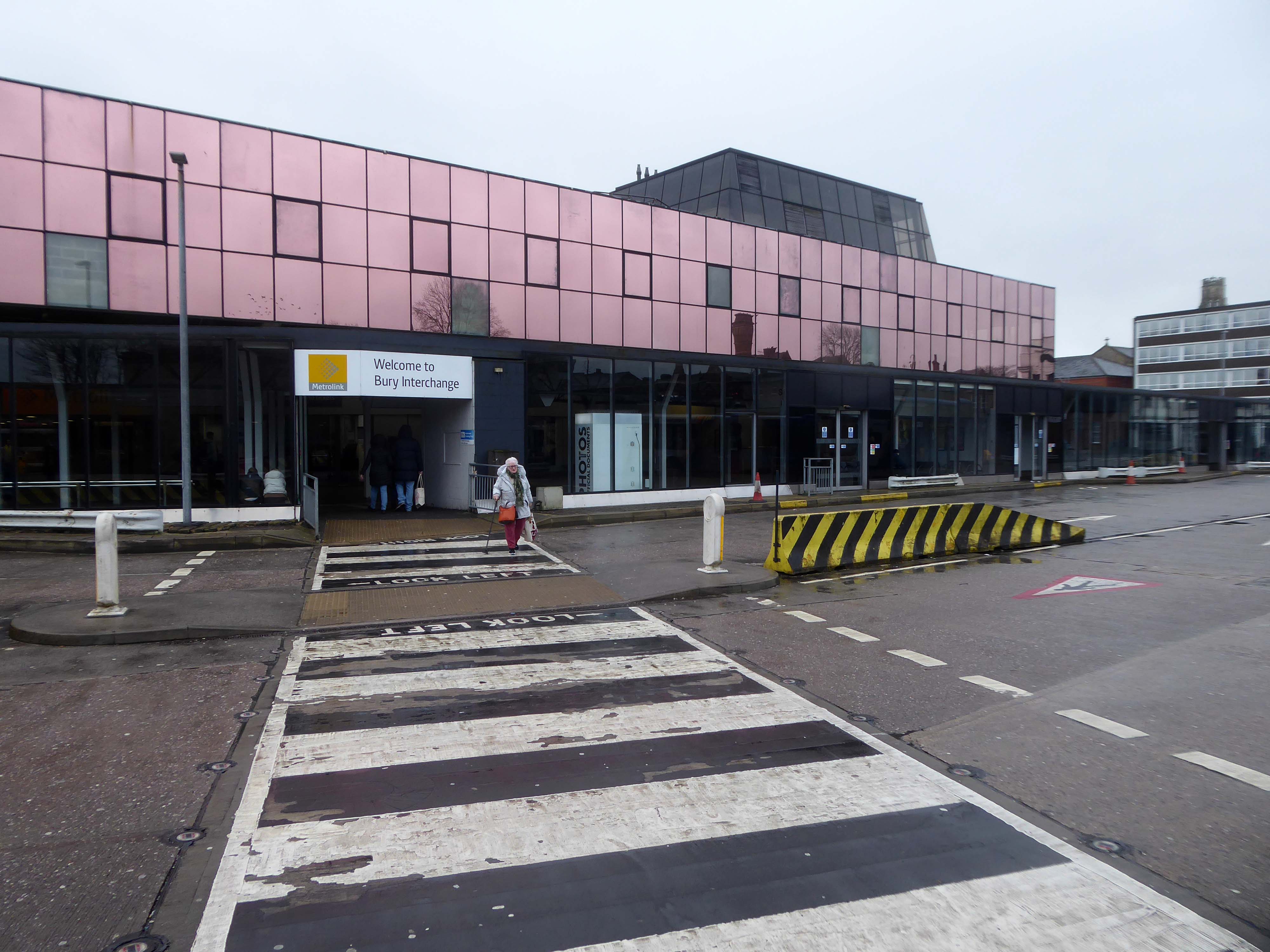
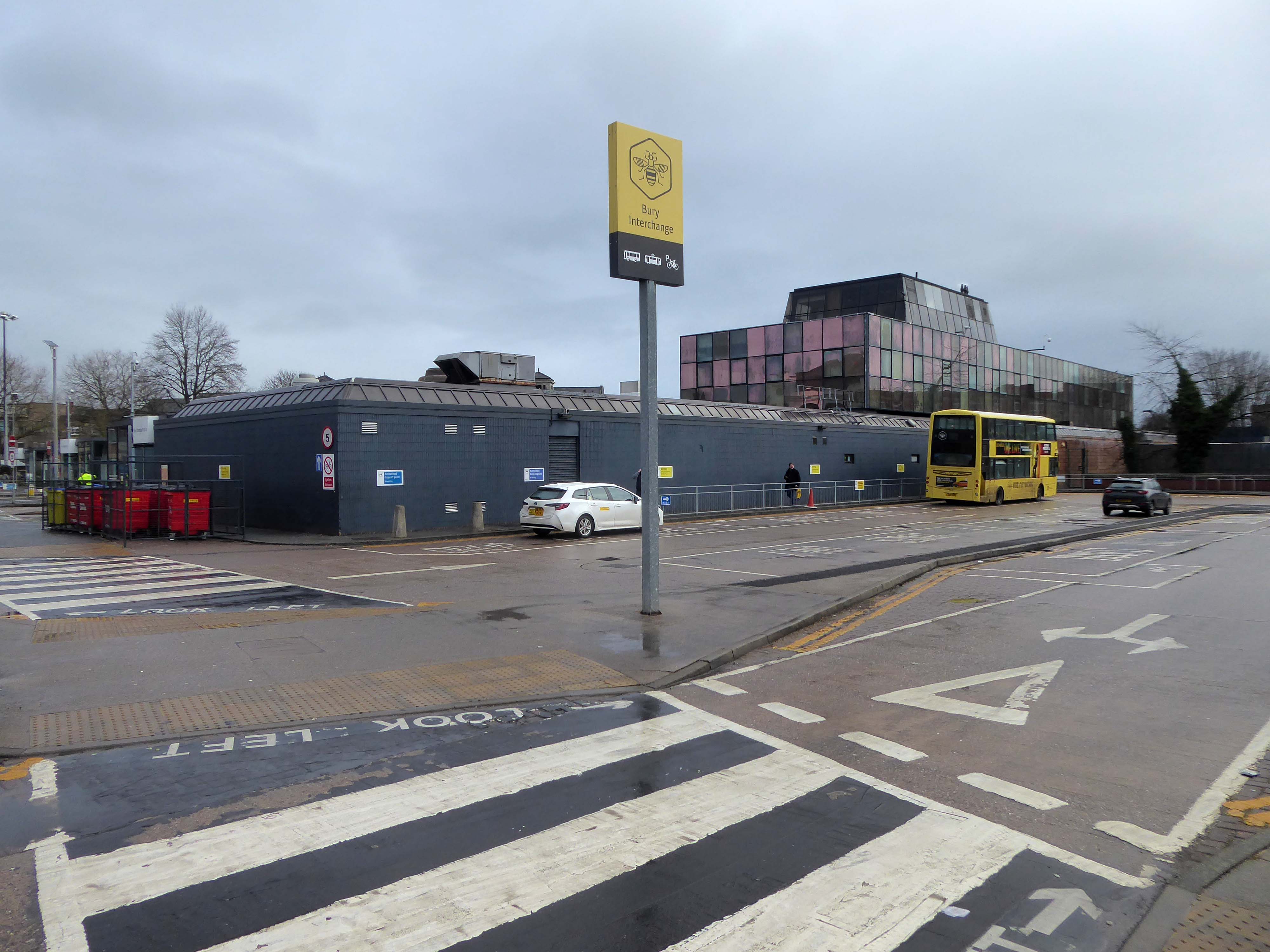
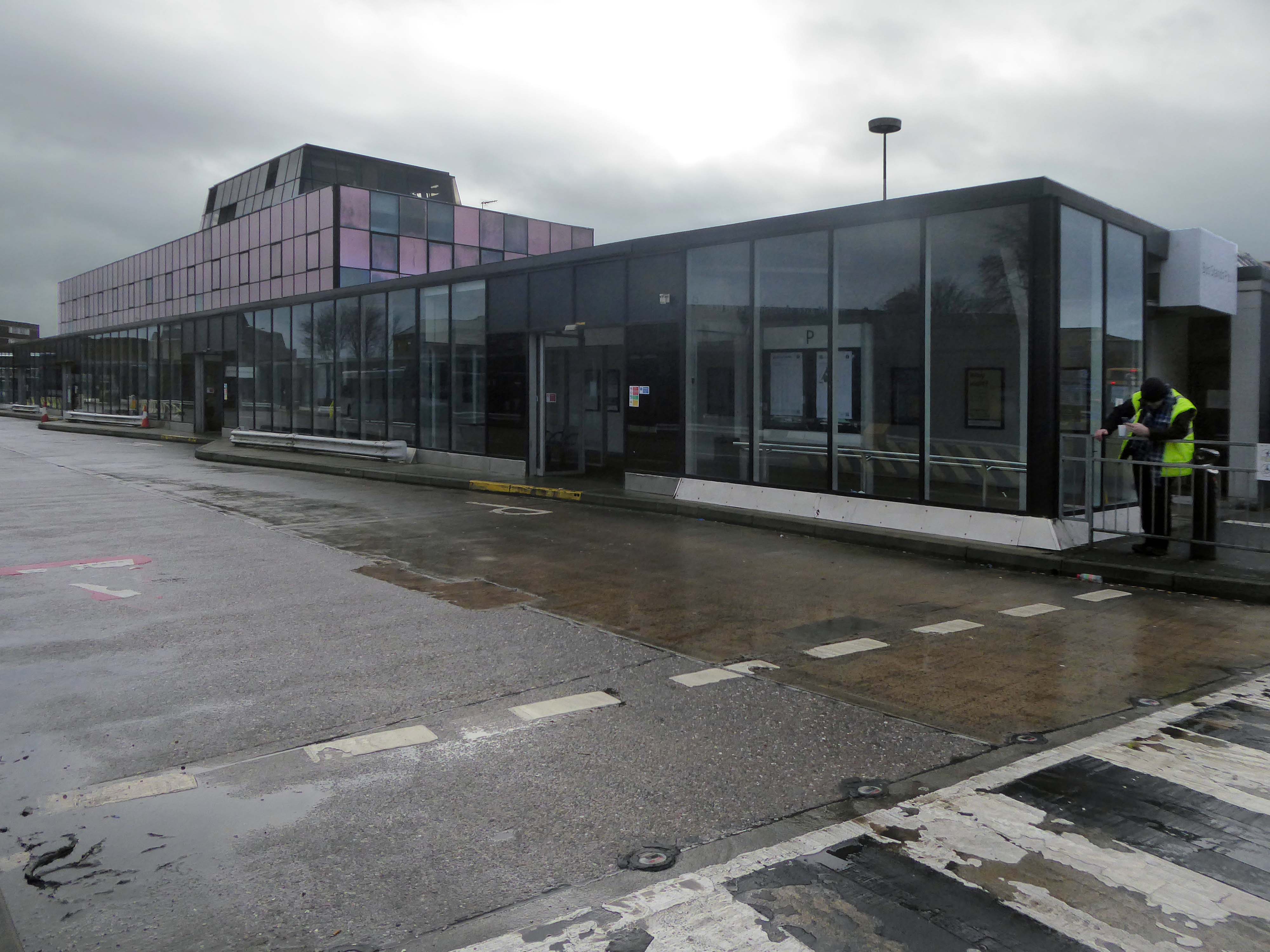
Arriving at and looking around the Interchange – 1980 architects: Essex Goodman & Suggitt

It is the northern terminus of the Manchester Metrolink’s Bury Line, which prior to 1992 was a heavy-rail line.

A new short spur line was constructed to connect the new station. The railway had originally run into Bury Bolton Street which was further away from the town centre, and was closed by British Rail on the same day that Bury Interchange opened.

It also incorporates a bus station.

Bury Interchange replaced the bus termini scattered around Bury town centre, notably around Kay Gardens.

Wikipedia

Image courtesy of Roy Banks

An £80m transformation is coming to the Bury Interchange, which will see step-free access at the Metrolink, a “vertical circulation core” to better connect the Metrolink with the bus facility, and an integrated travel hub with spaces for cycle storage.

The work is much-needed, explained Transport for Greater Manchester’s Alan Lowe, he said that the interchange was built in the 1980s and very much is of its time.

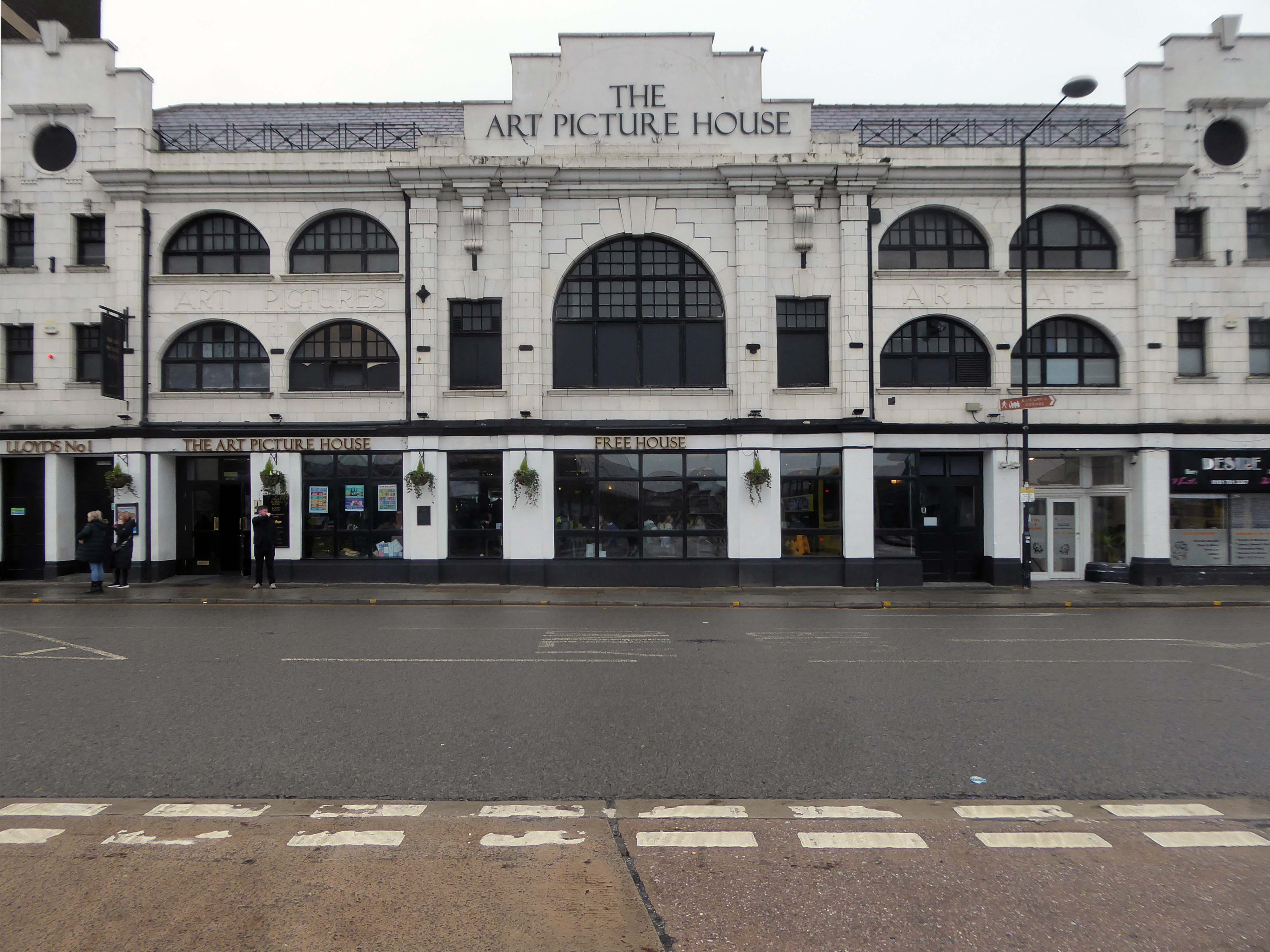
Onward to the Art Picture House which is Grade II Listed – currently operating as a Wetherspoons.

The Art Picture Palace was a 1923 rebuild of the earlier Art Picture Hall both designed by architect Albert Winstanley. The Art Picture Palace was opened on 26th January 1923. A remarkably complete survivor of a 1920’s cine-variety house executed in an elaborate style.

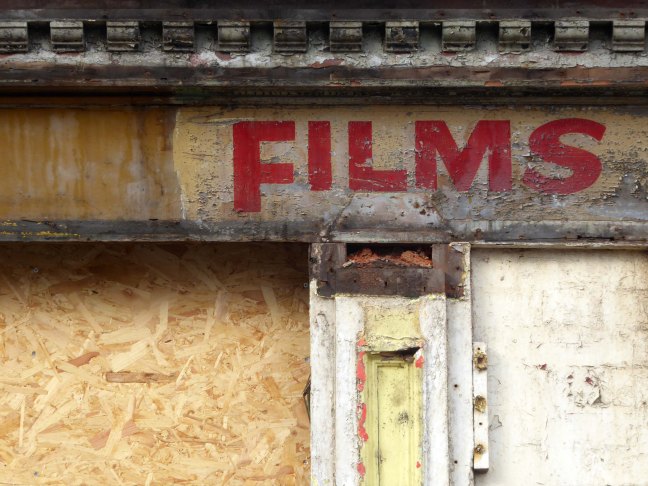
Films ceased in February 1965 and it became a bingo club. Later converted into a billiard hall until 19th May 1991 when it became a bingo club again, it later became a Chicago Rock Cafe.

Cinema Treasures

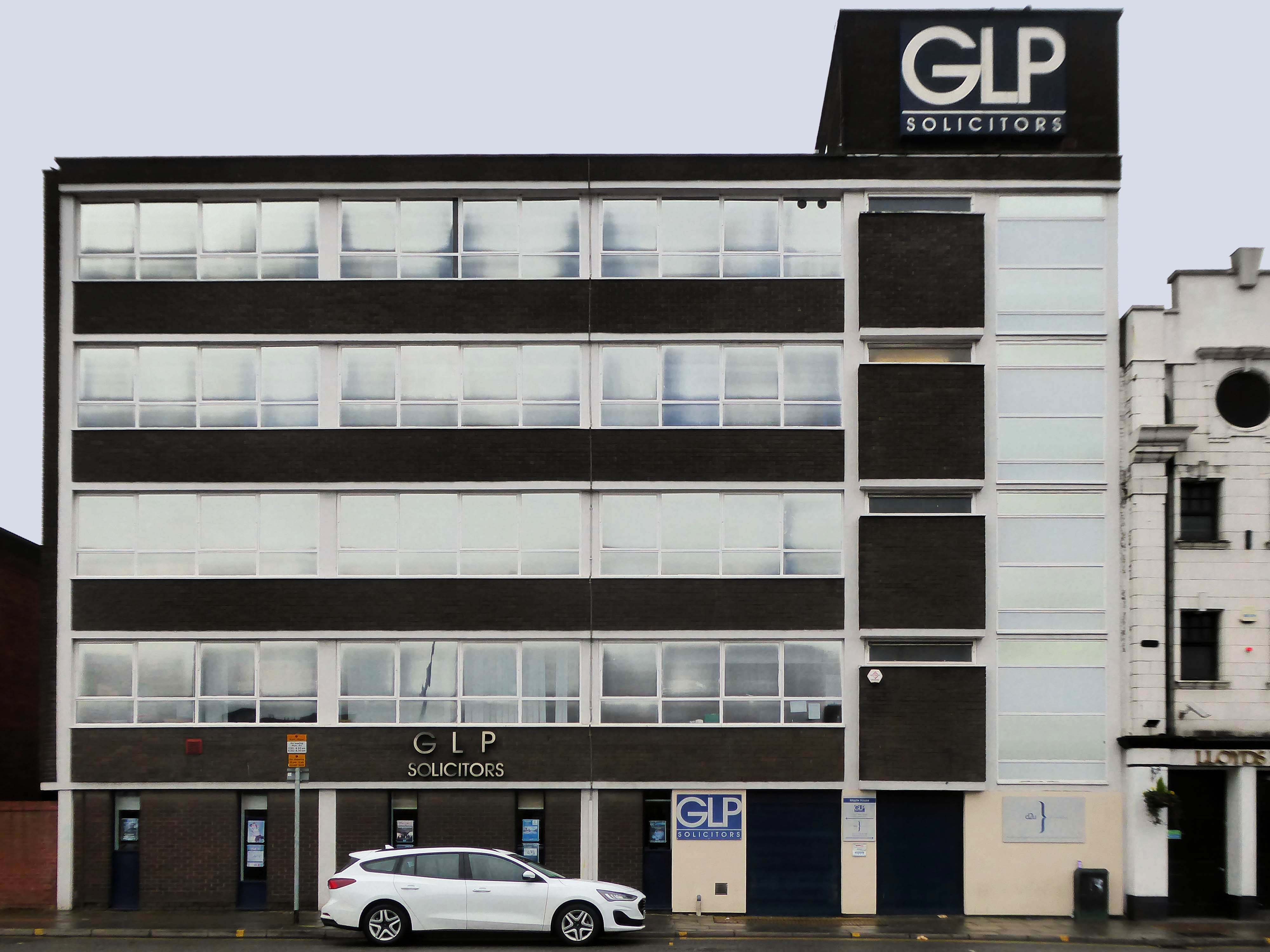
Next door a typical steel glass and brick banded office block Maple House.

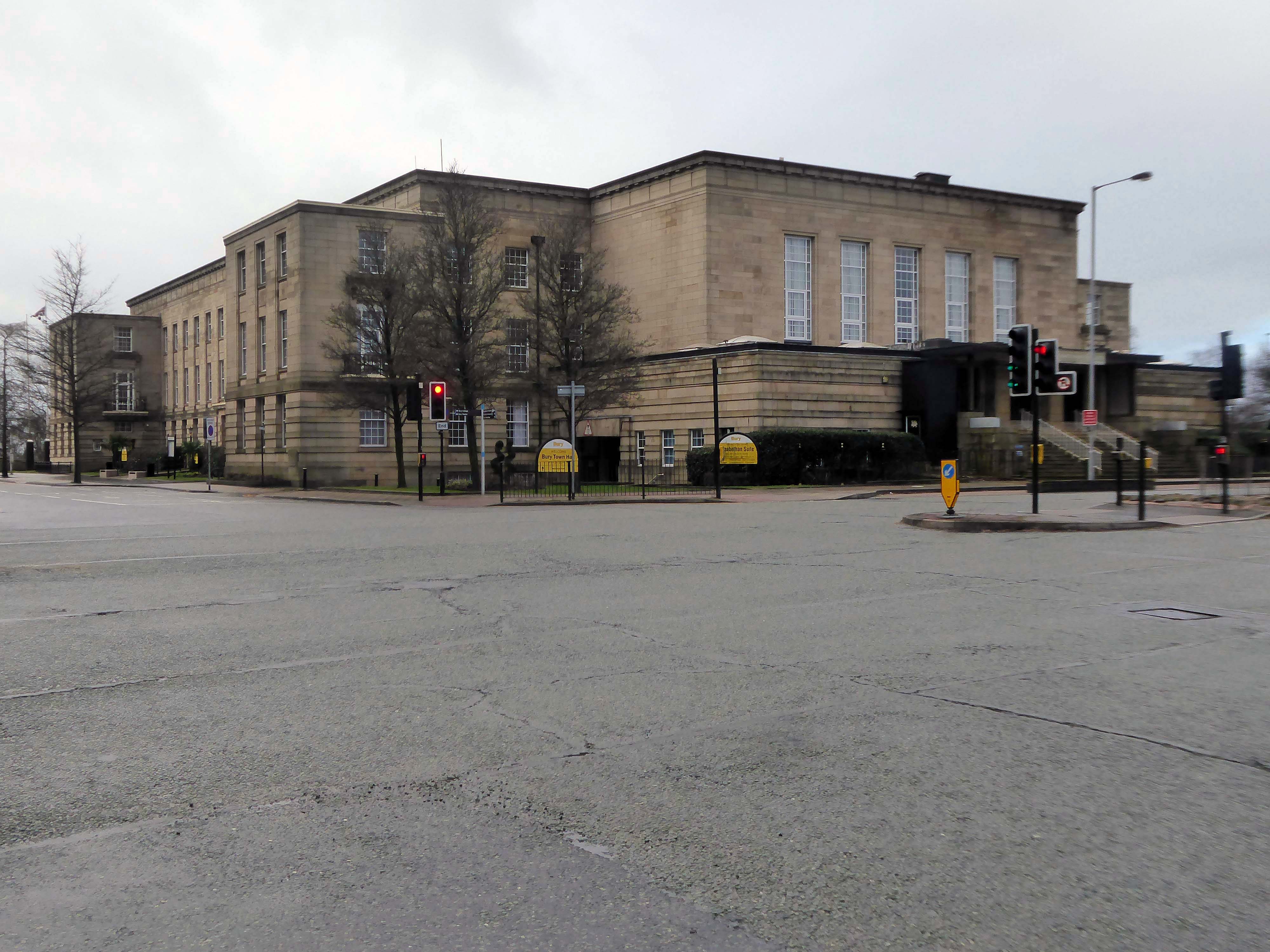
Around the corner and over the road to the Town Hall 1939-40 architects: Reginald Edmonds of Jackson & Edmonds then 1947-54.

Large and Dull – Niklaus Pevsner.

Back through the Interchange to the former Cooperative Store of the 1930’s.

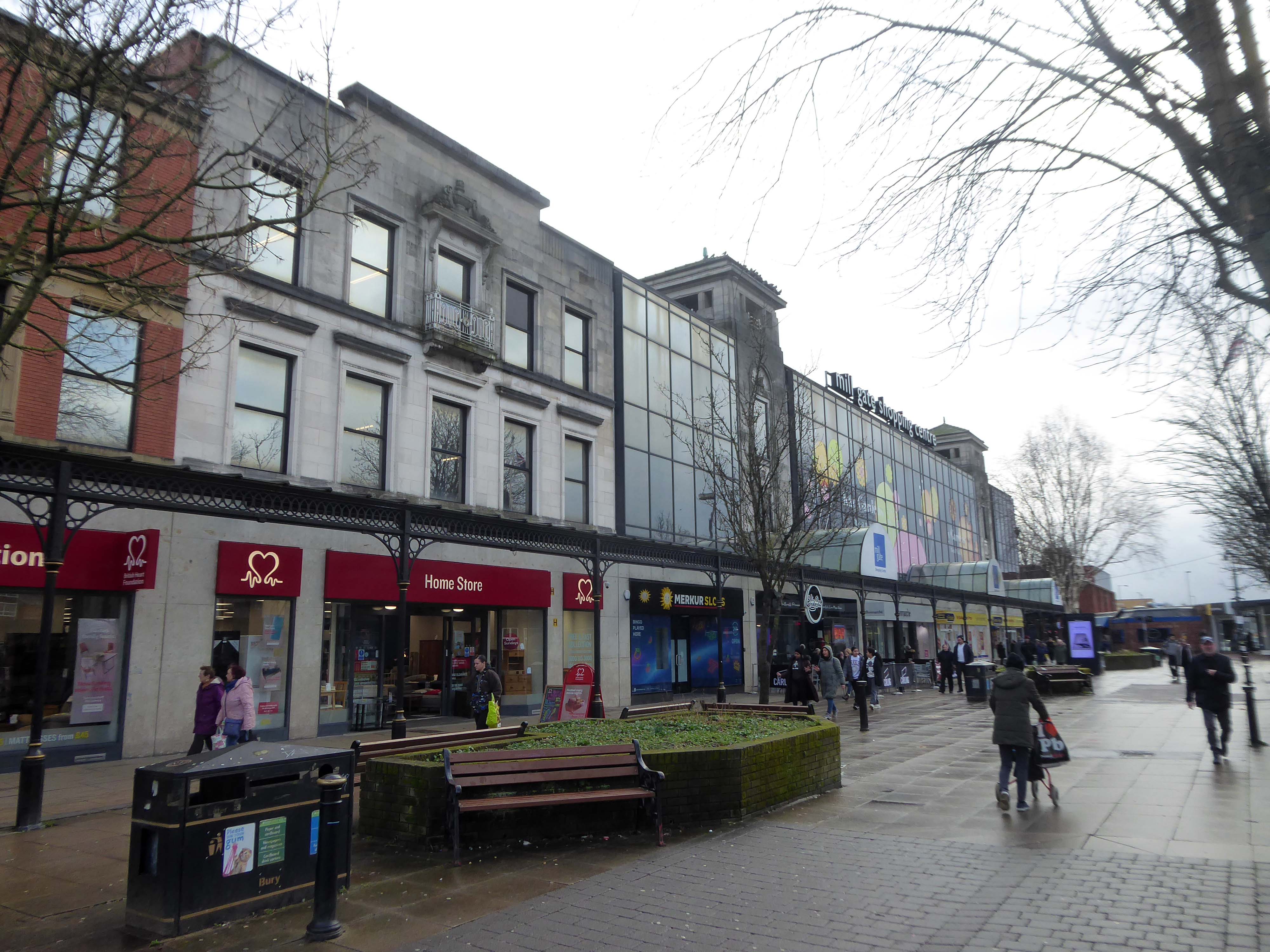
The Portland Stone towers still visible – the elevation largely retro-clad in glass.

Passing through the Millgate Shopping Centre of the 1980’s.

Unambitious but successful, the floors cheerfully tiled – Niklaus Pevsner.

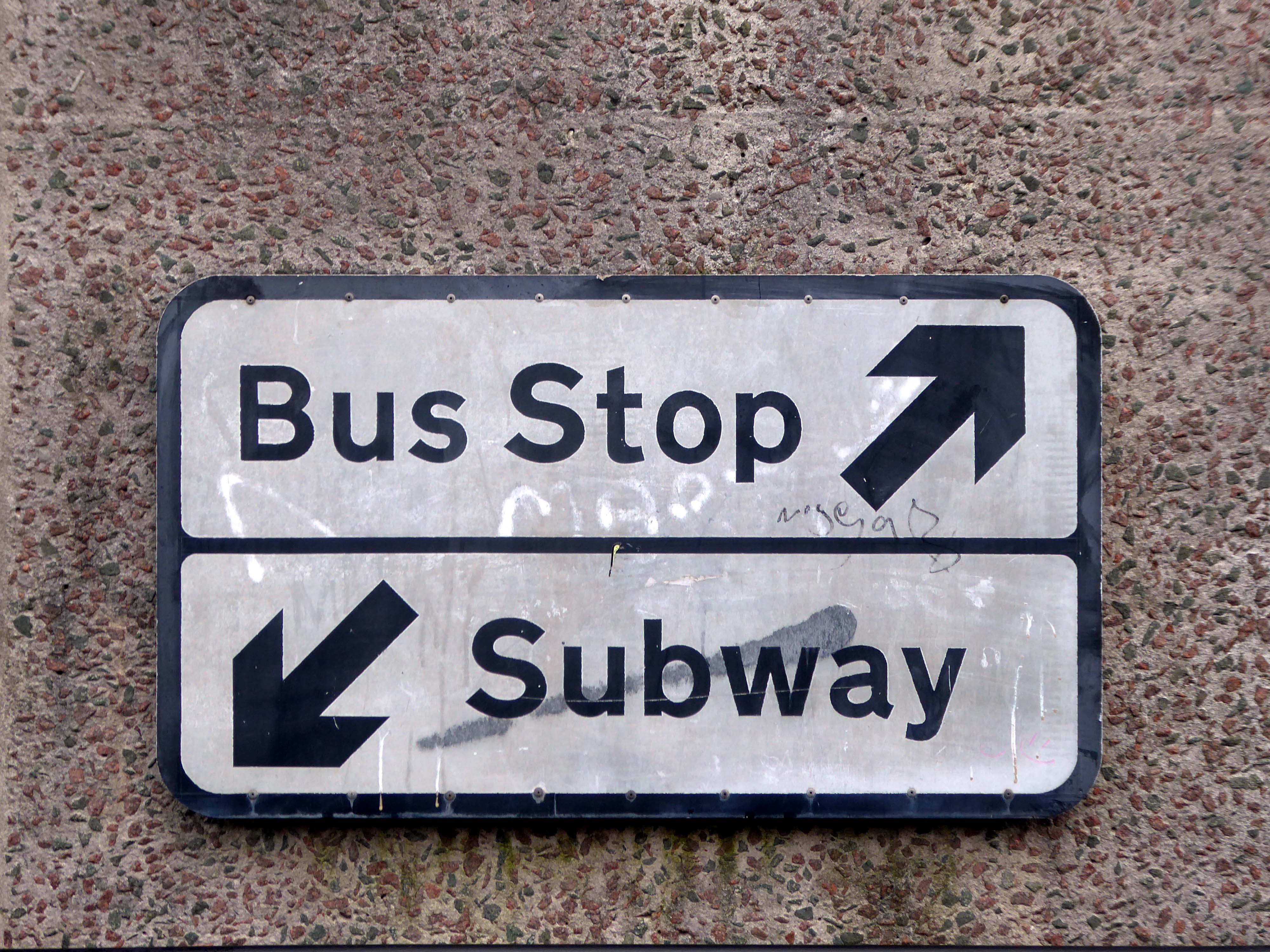
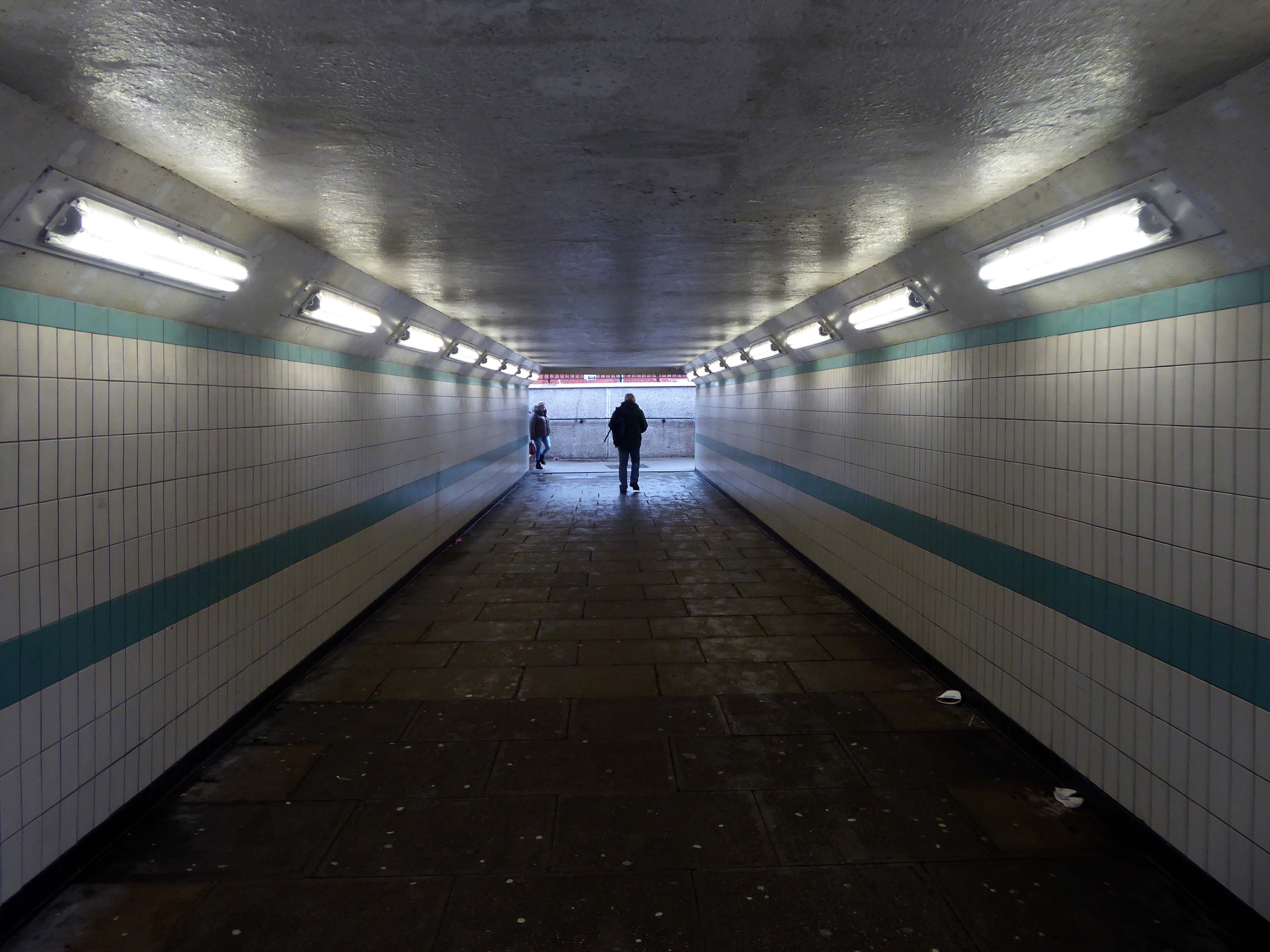
Down in the subway at midday.

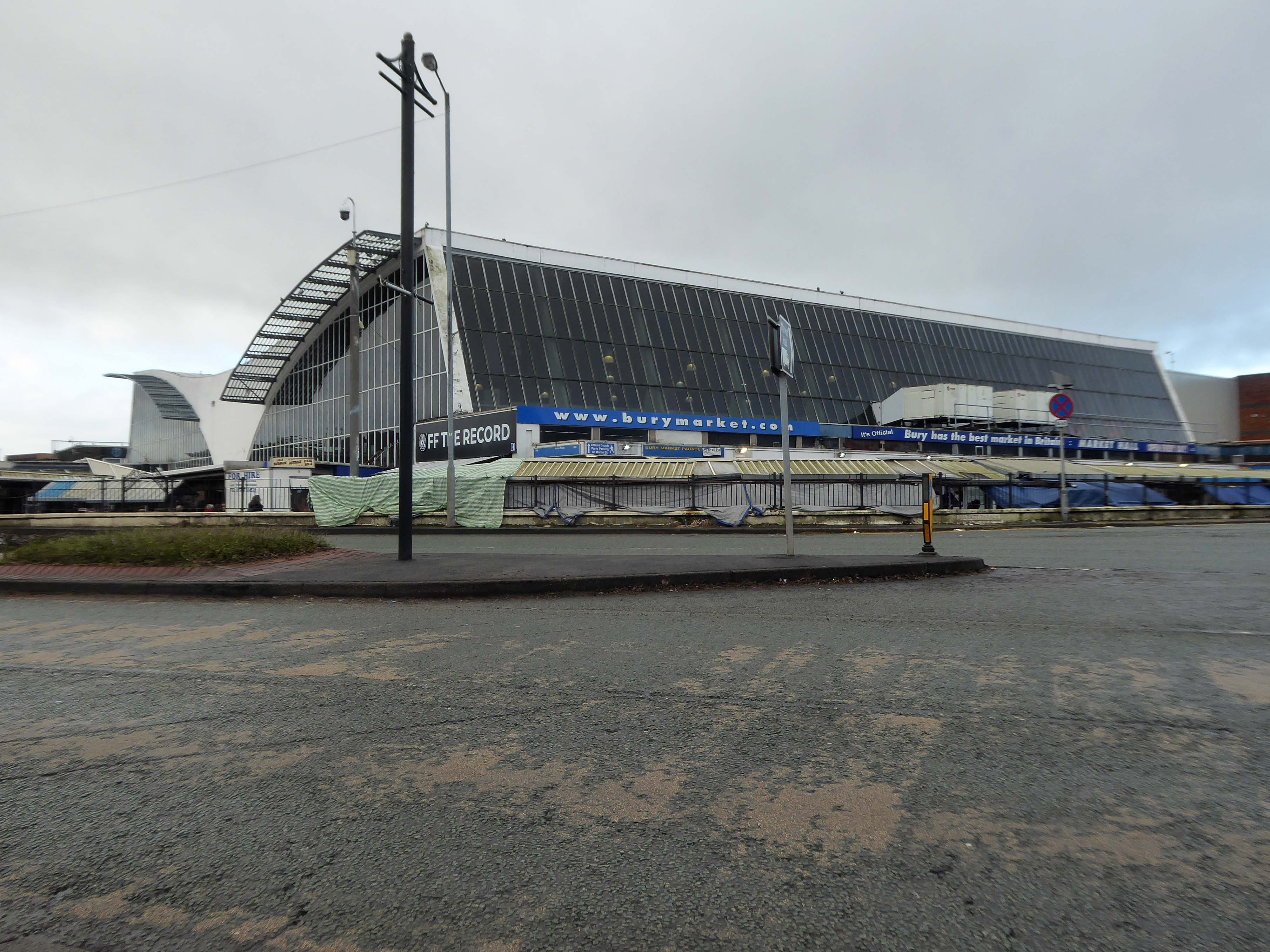
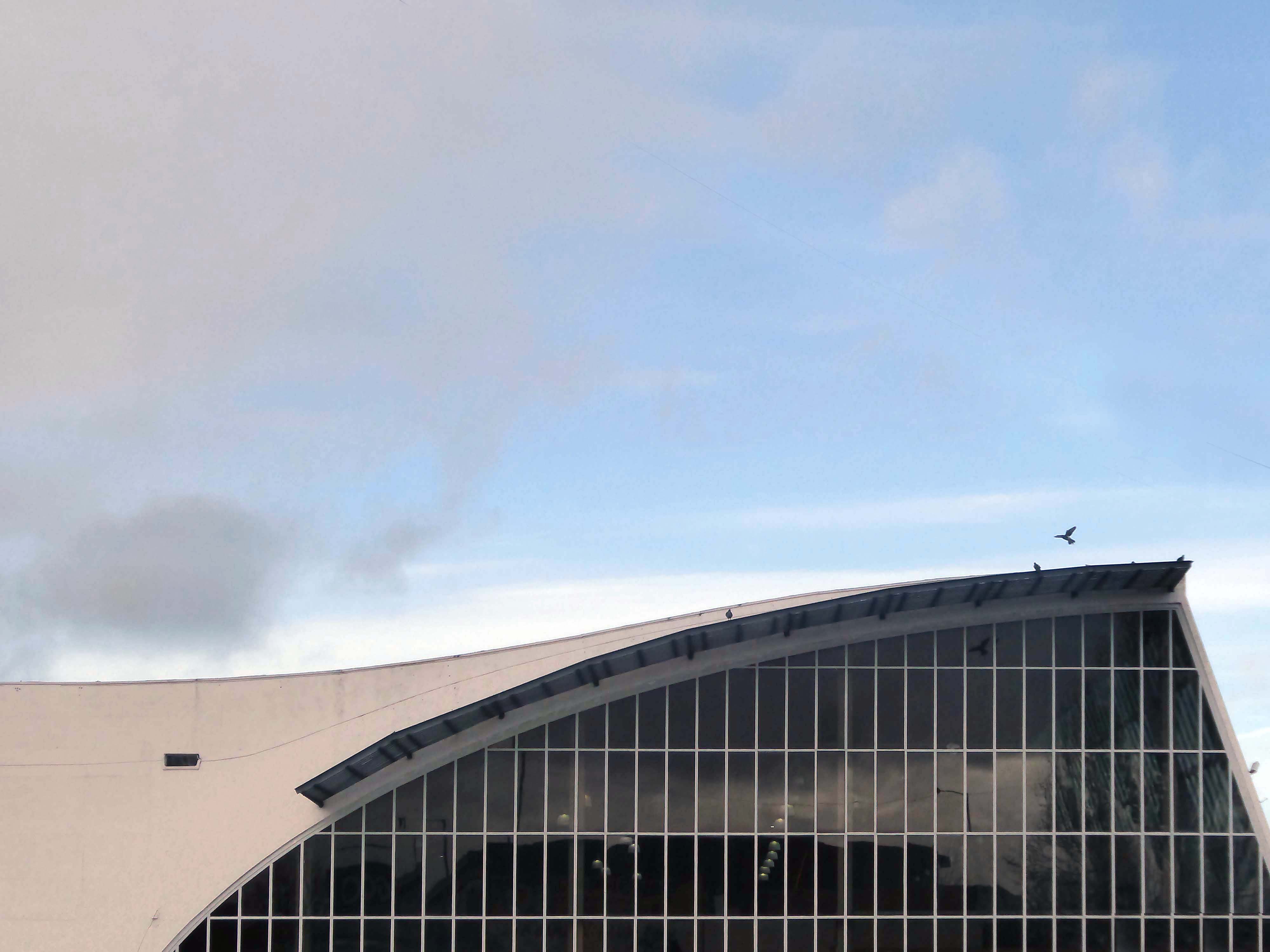
The better to get a view of the Market Hall 1971 – architects: Harry S Fairhurst.

The Indoor Market Hall is currently closed due to the discovery of Reinforced Autoclaved Aerated Concrete – within the building structure. RAAC is a lightweight type of building material that was used between the 1950s and 1990s.

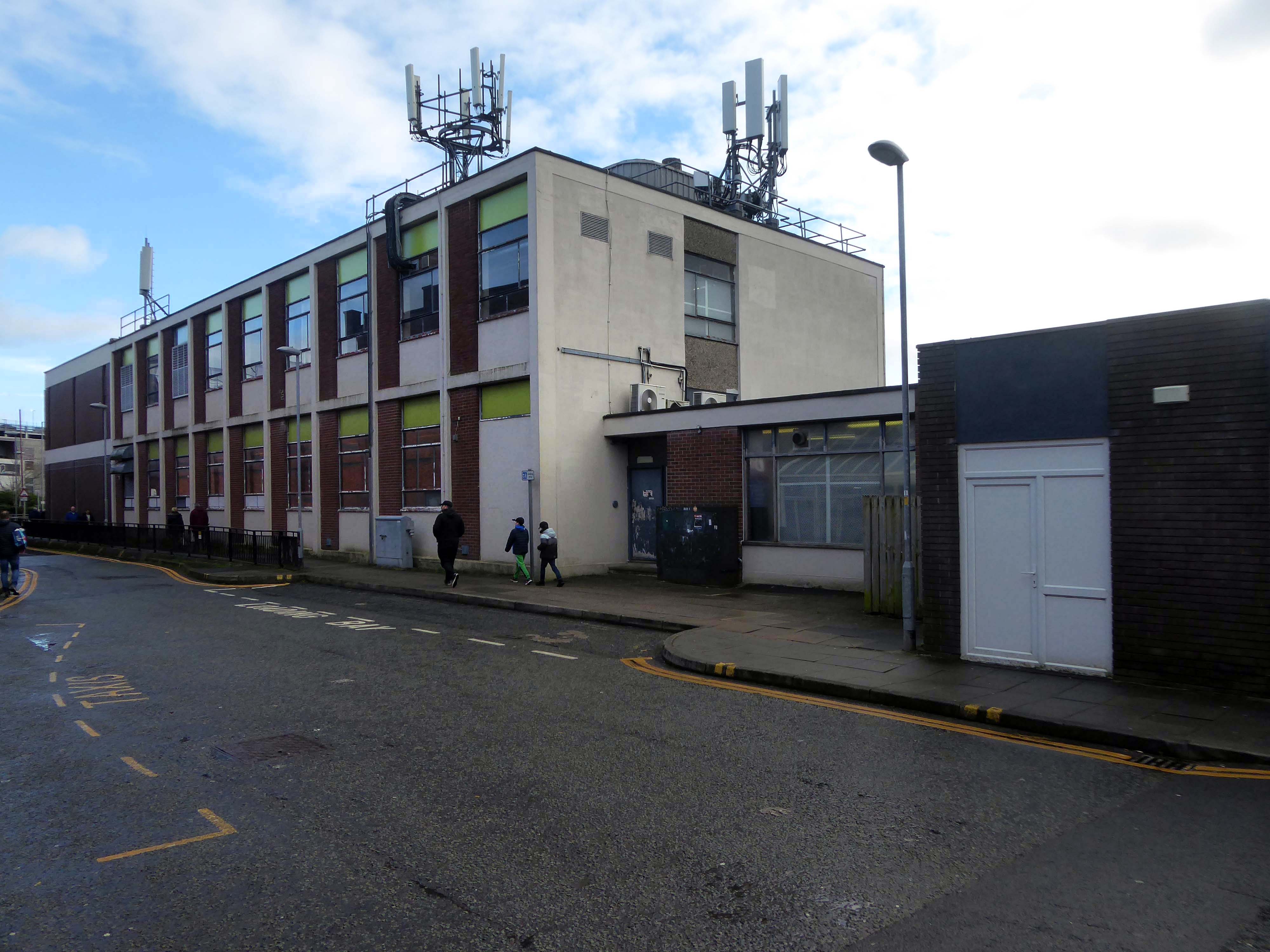
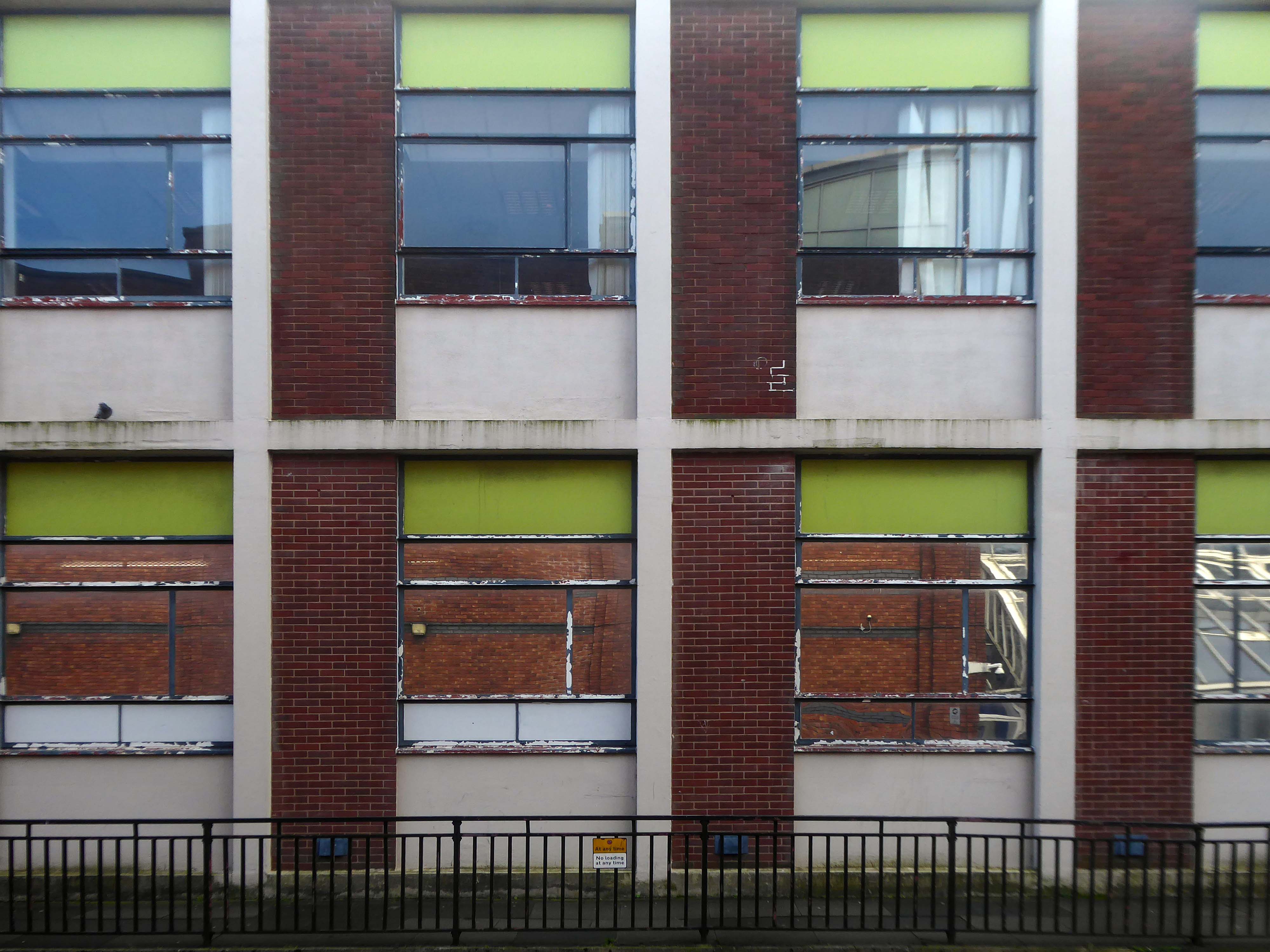
Back under the road – where we find a delightful Telephone Exchange.

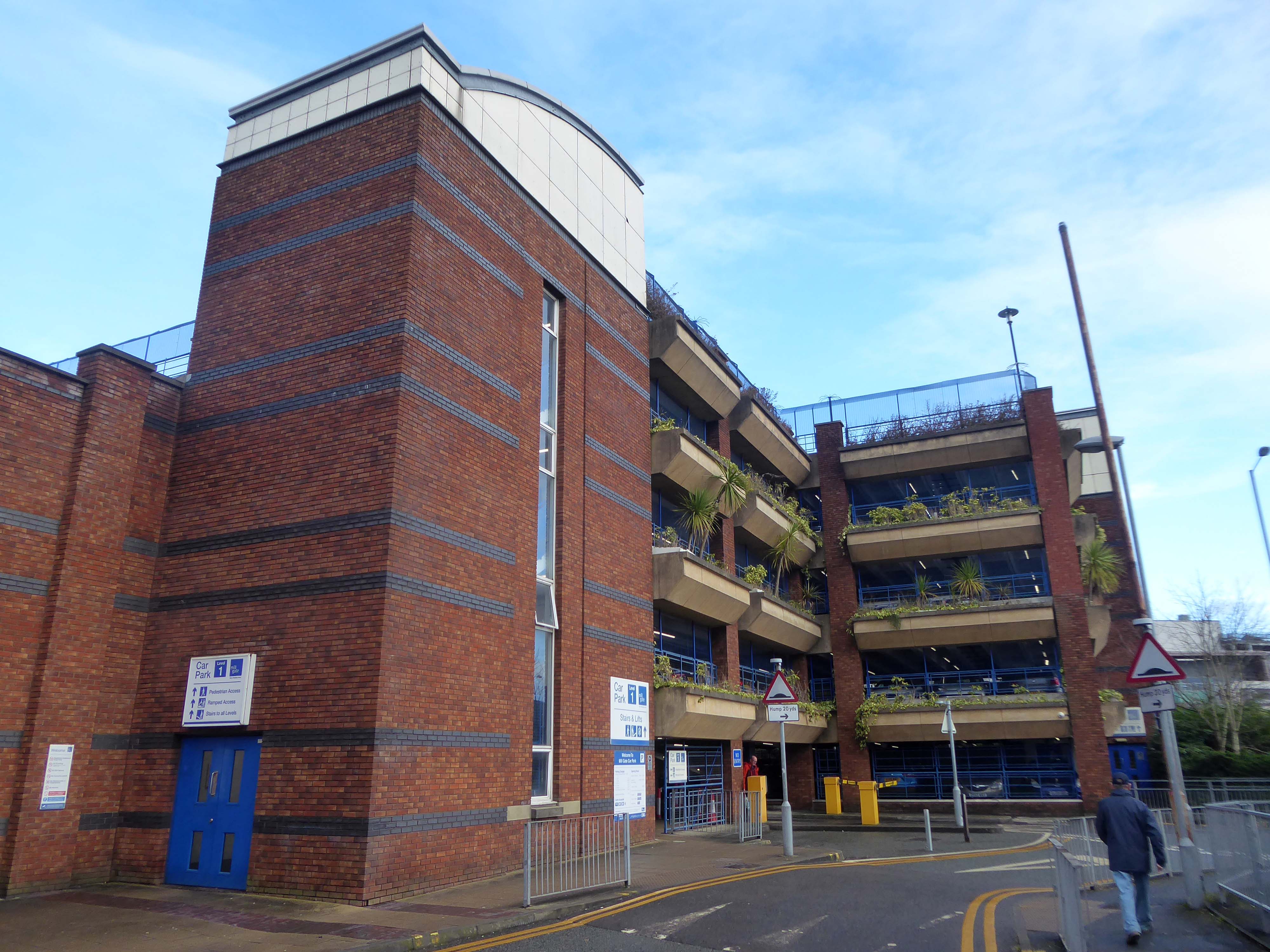
With an adjacent Multi Story Car Park.

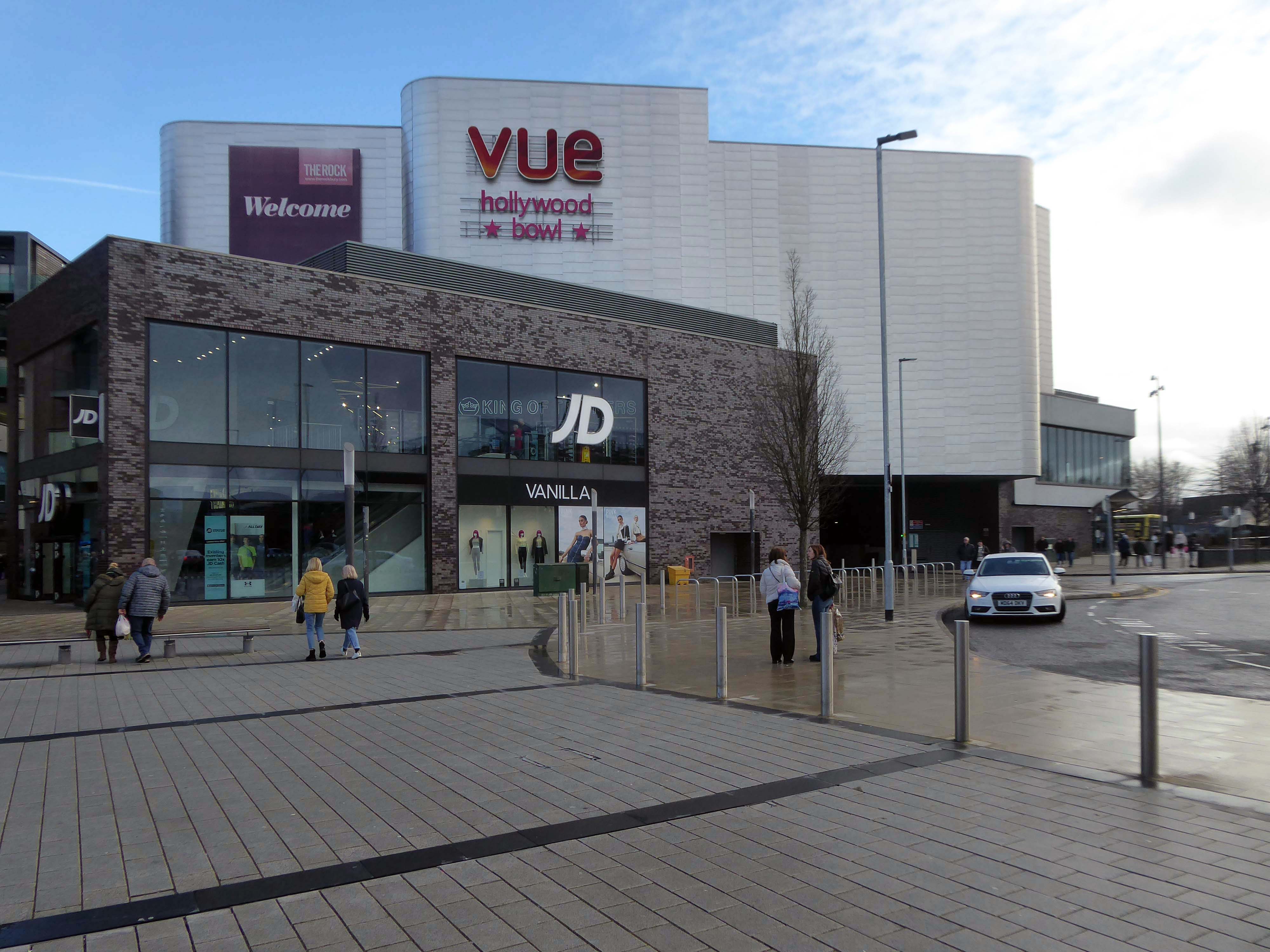
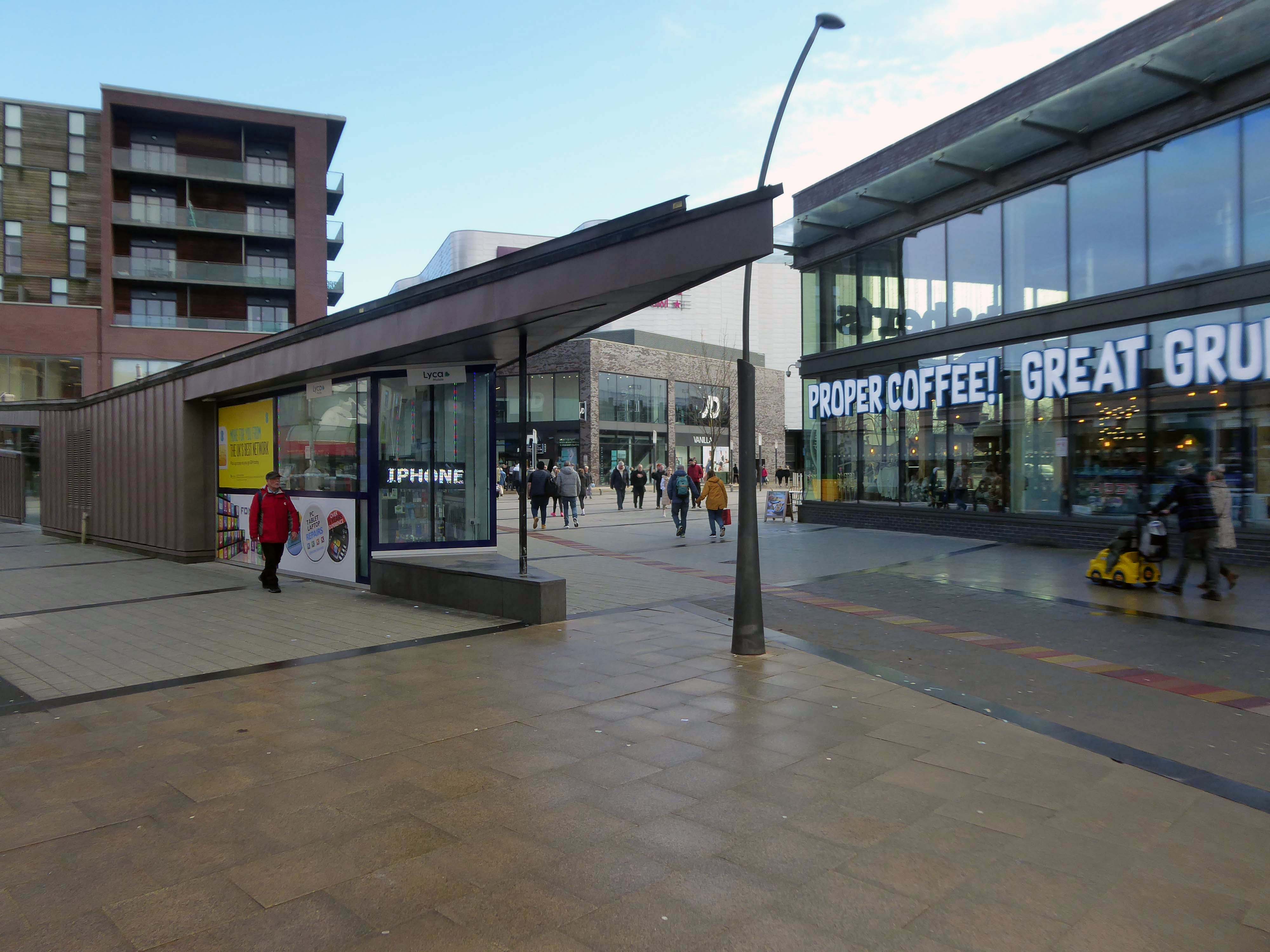
Around the bend to The Rock.

The Rock is a vibrant retail and leisure centre which is home to a range of high street fashion brands, independent retailers, tantalising eateries and fantastic entertainment – it’s the perfect place to visit any day of the week. 

It is the work of architects BDP – completed in 2010 at a cost of £350 million.

Our masterplan for The Rock took into account the historical street pattern and public realm context to give the scheme its own identity, and make visual connections to local landmarks.

The retail and leisure scheme brings many exciting brands to Bury for the first time.

New pedestrian streets rejuvenate and improve connections to adjacent areas stitching the town back together.

The development will also contain 408 one and two-bedroom apartments.

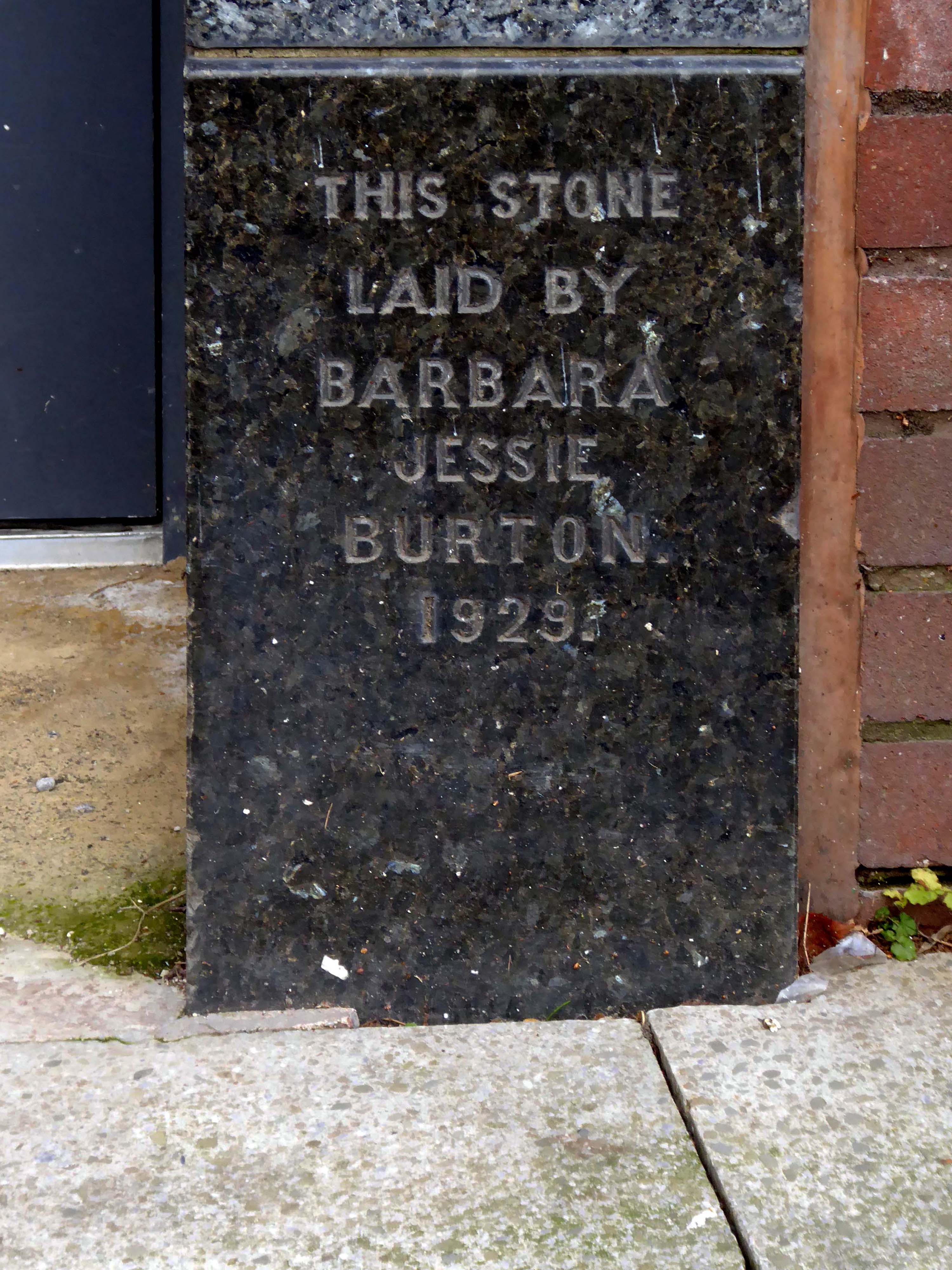
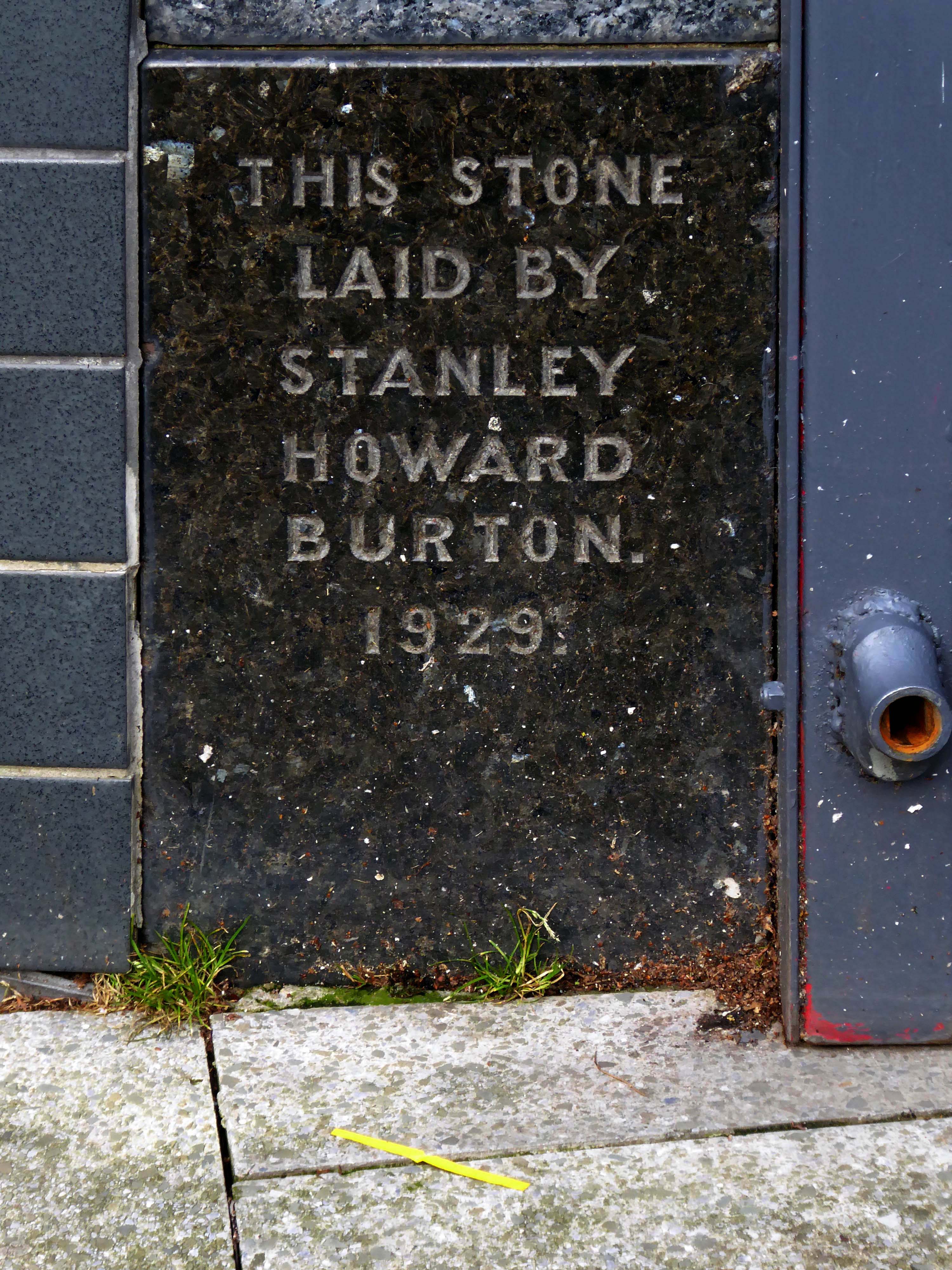
Back to basics at a former Burton’s hiding its faience facade.

Typical inter-war infill on our crazy mixed up mongrel high streets.

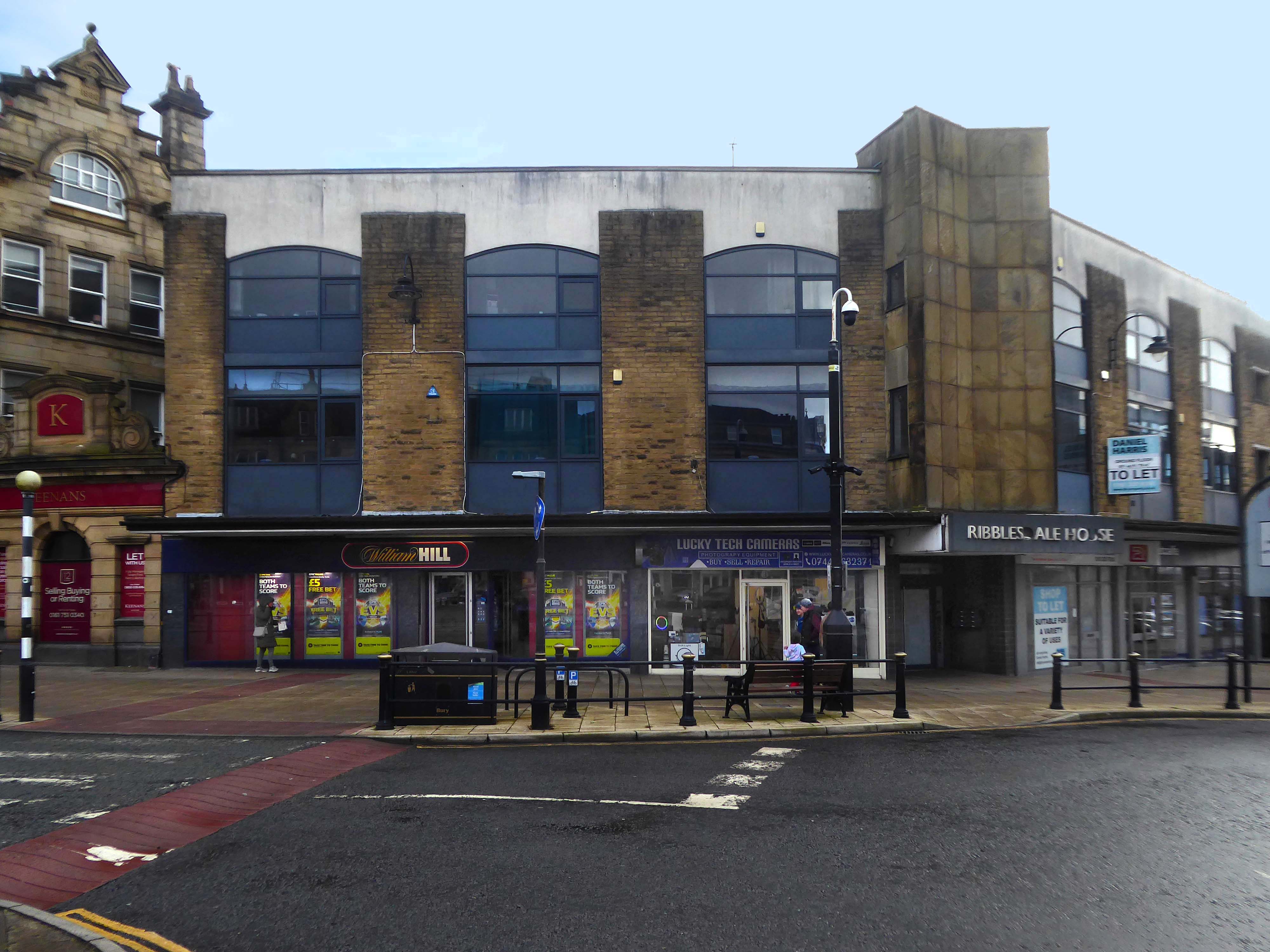
Ribblesdale House

Application by Shop and Store Developments Ltd submitted August 1965. Architect on application was Samuel Jackson and Son of Ocean Chambers in Bradford but during the application process this changed to John Brunton & Partners – Brunton was a partner in Jackson’s firm, at the same address. It had a restaurant and shops on the first floor.

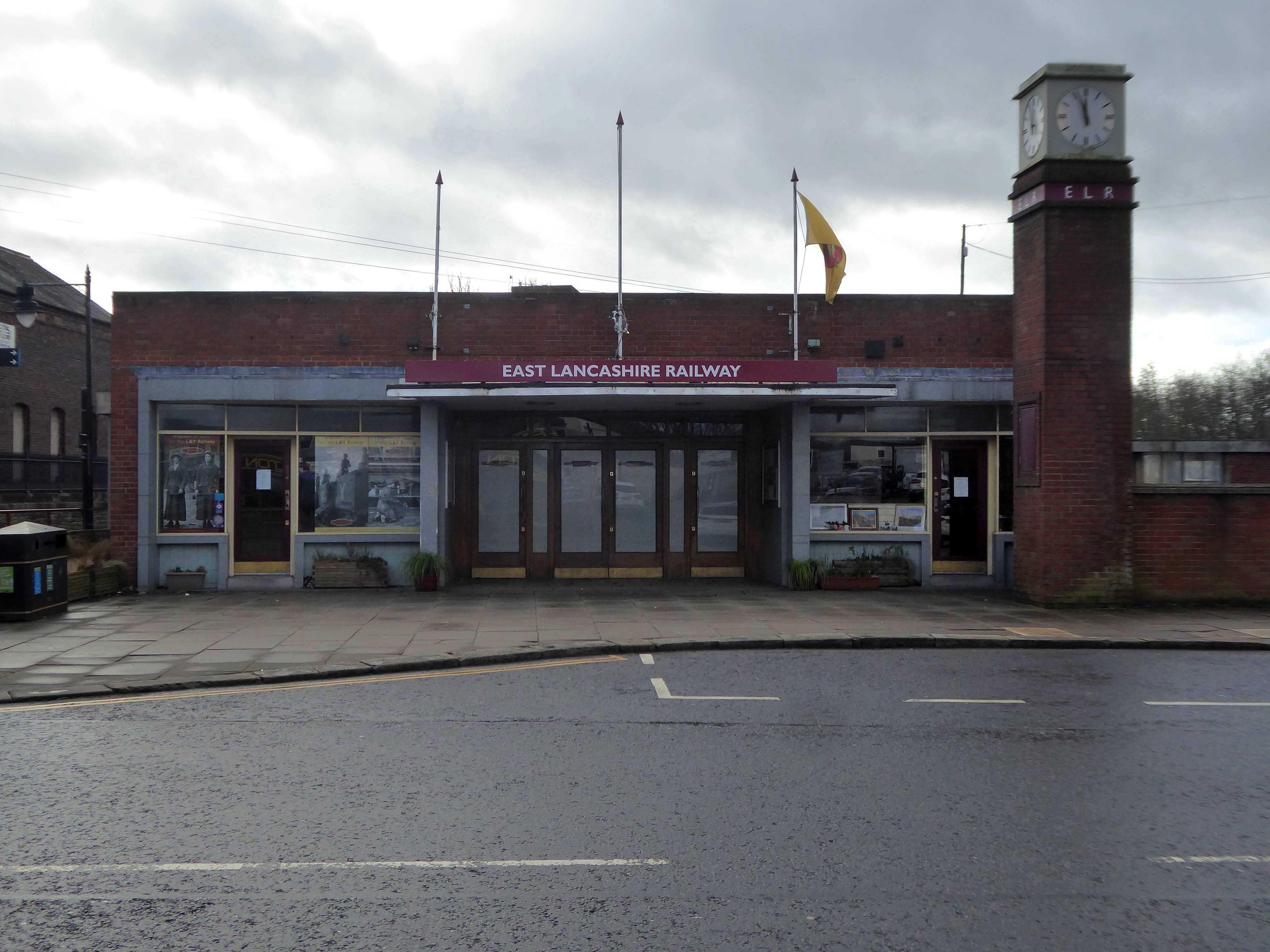
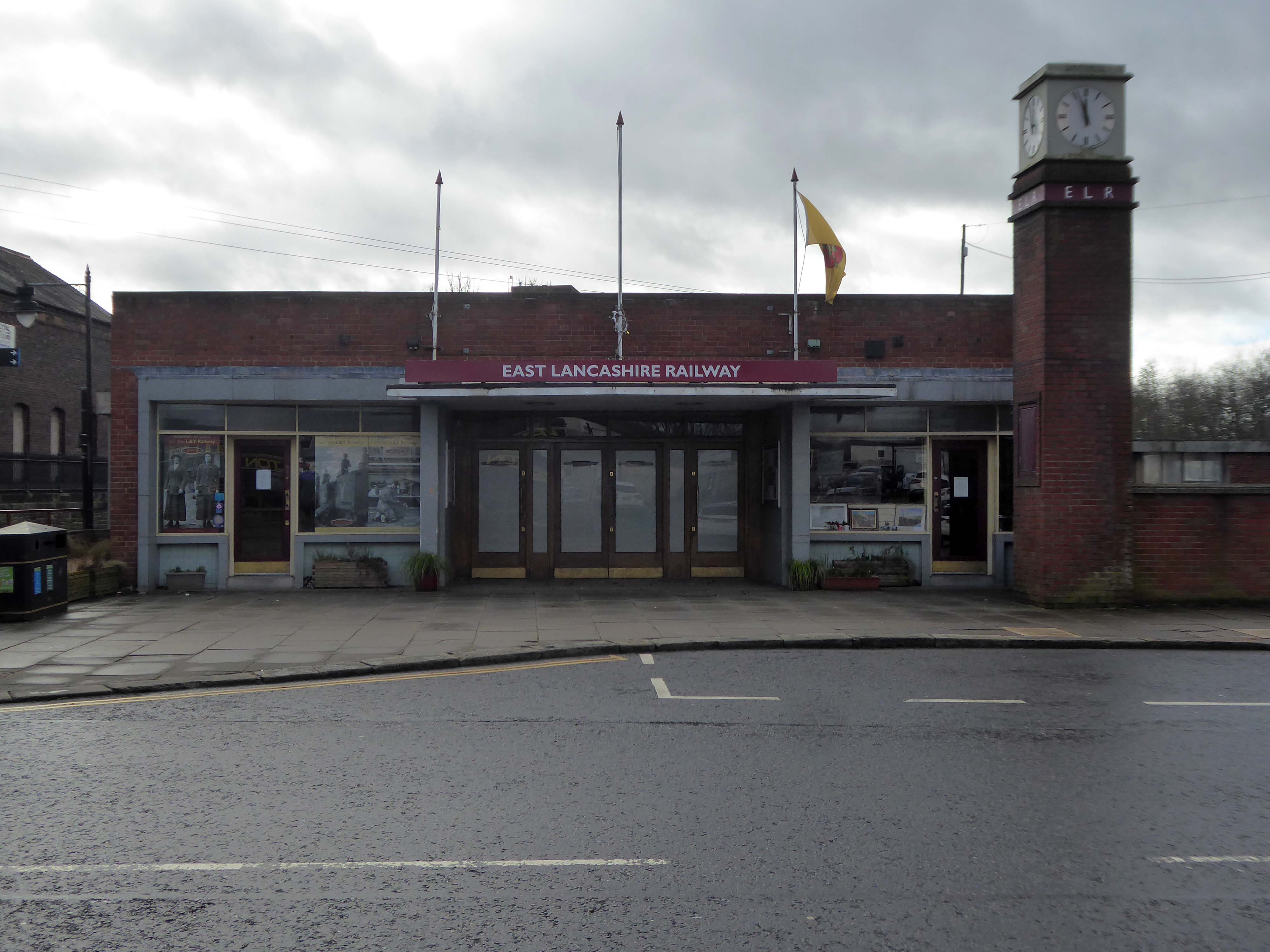
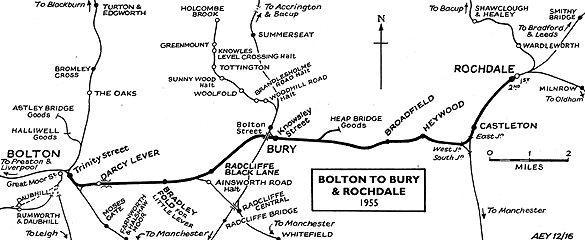
Off now to the Bury Bolton Street Station currently home to the East Lancashire Railway.

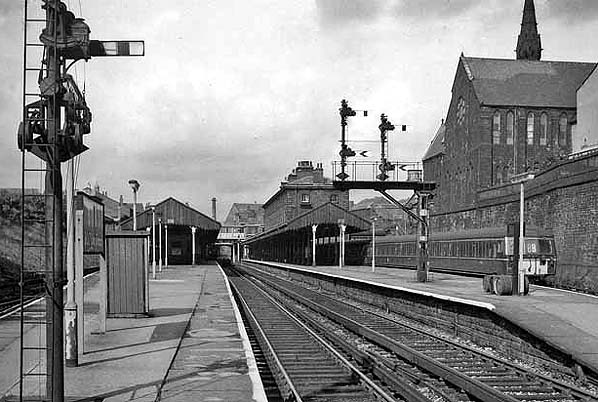
The street level buildings were destroyed by fire on 14 May 1947 and were replaced with a new brick and concrete entrance and footbridge in 1952. 

British Rail closed the station on 17 March 1980, when it was replaced by a new bus/rail interchange station further east into the town centre. Bury Interchange railway station served up until 1991 before the entire Bury Line was converted to light rail operation. It reopened in 1992 for Metrolink operation.

Bury was once the centre of multiple train links and the lost station of Knowsley Street.

Over the road the former Temperance Billiard Hall 1910 architect Norman Evans.

Down the side and up the steps to the Unitarian Church.

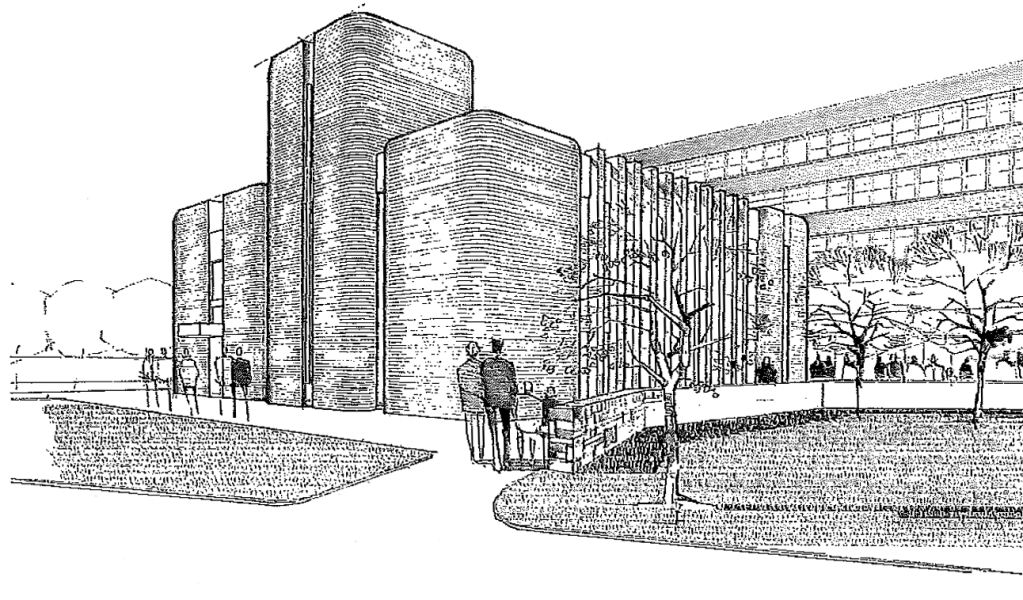
The new church was designed and constructed by local architects James T Ratcliffe.

The church was opened in 1974, with a service of dedication on Saturday, 9th March. The total cost, including furnishings, was £85,000.

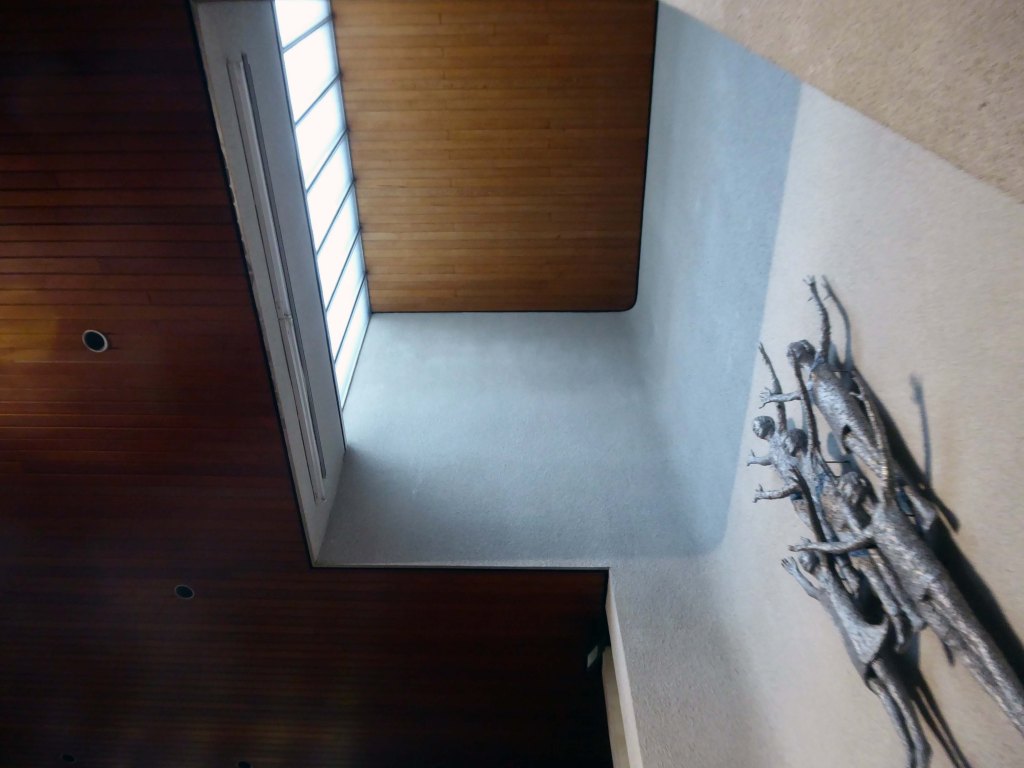
The People Praising by Elizabeth Mulchinock is a 12 foot high original sculpture at the front of the church which represents the family of the church.

Her work can also be seen at Sainsbury’s in West Ealing and Reading.

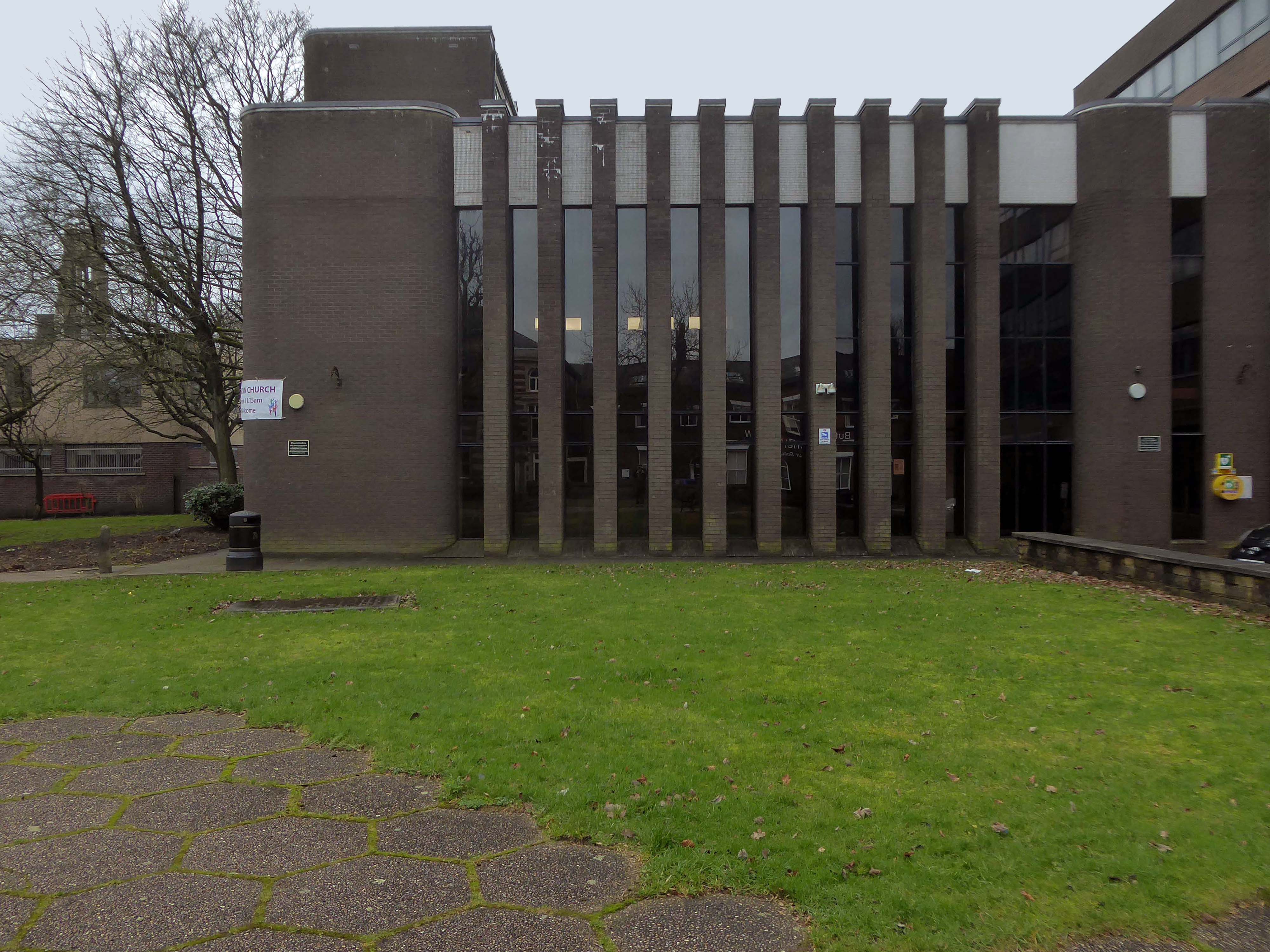
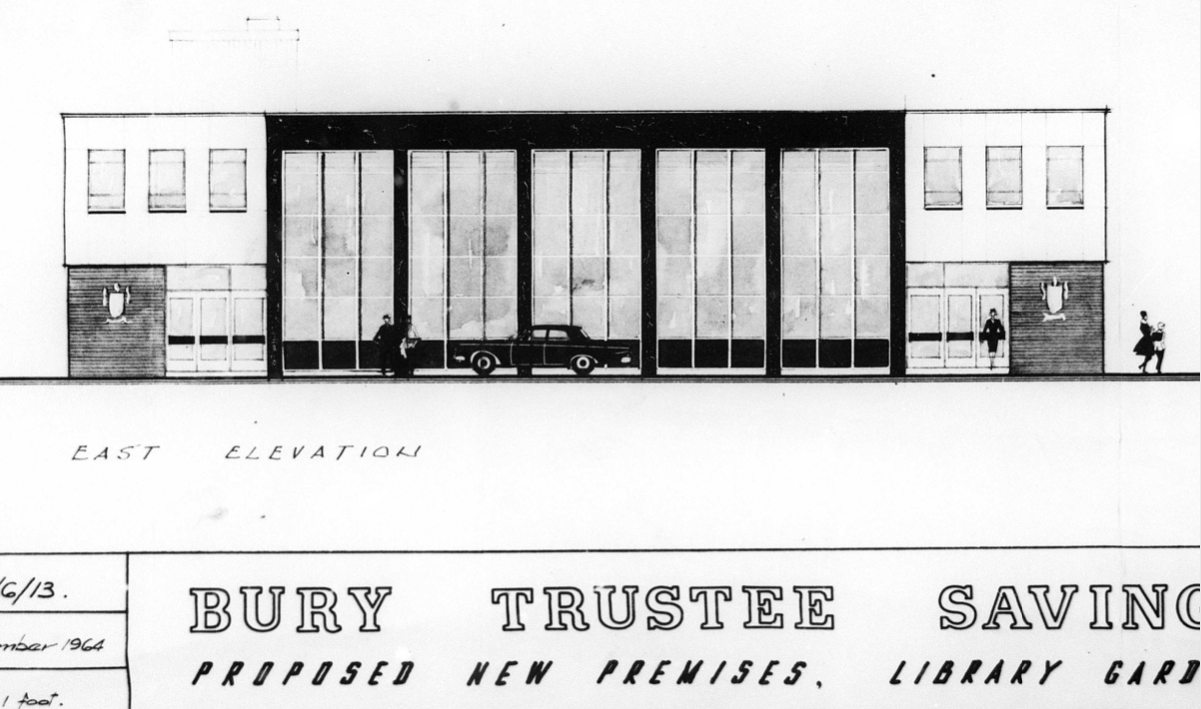
Next door is the former Trustee Saving Bank.

Planning application January 1965 – work started in June 1965. The architectural firm was Richard Byrom, Hill and partners. Richard Byrom was submitting building applications in the 1930s in Bury and locally.

The rendering on the building is original but the windows have been changed. The Job Centre took over the building in 1993. It is in a conservation area and the Civic Trust had some concerns!

Many thanks to David French for the above information.

Bonny Street Police Station – Blackpool 2024

The concrete and the clay beneath my feet
Begins to crumble
But love will never die

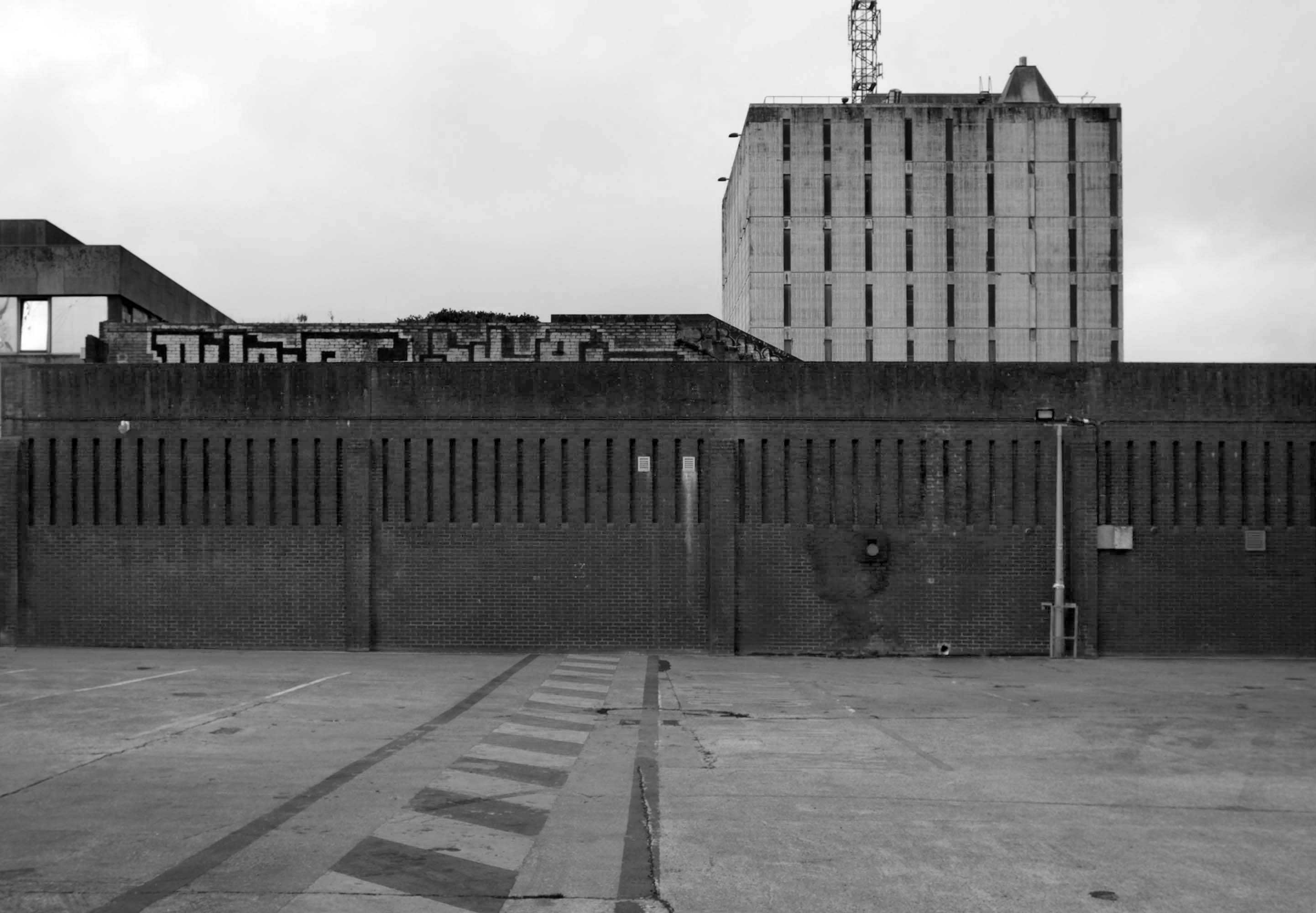
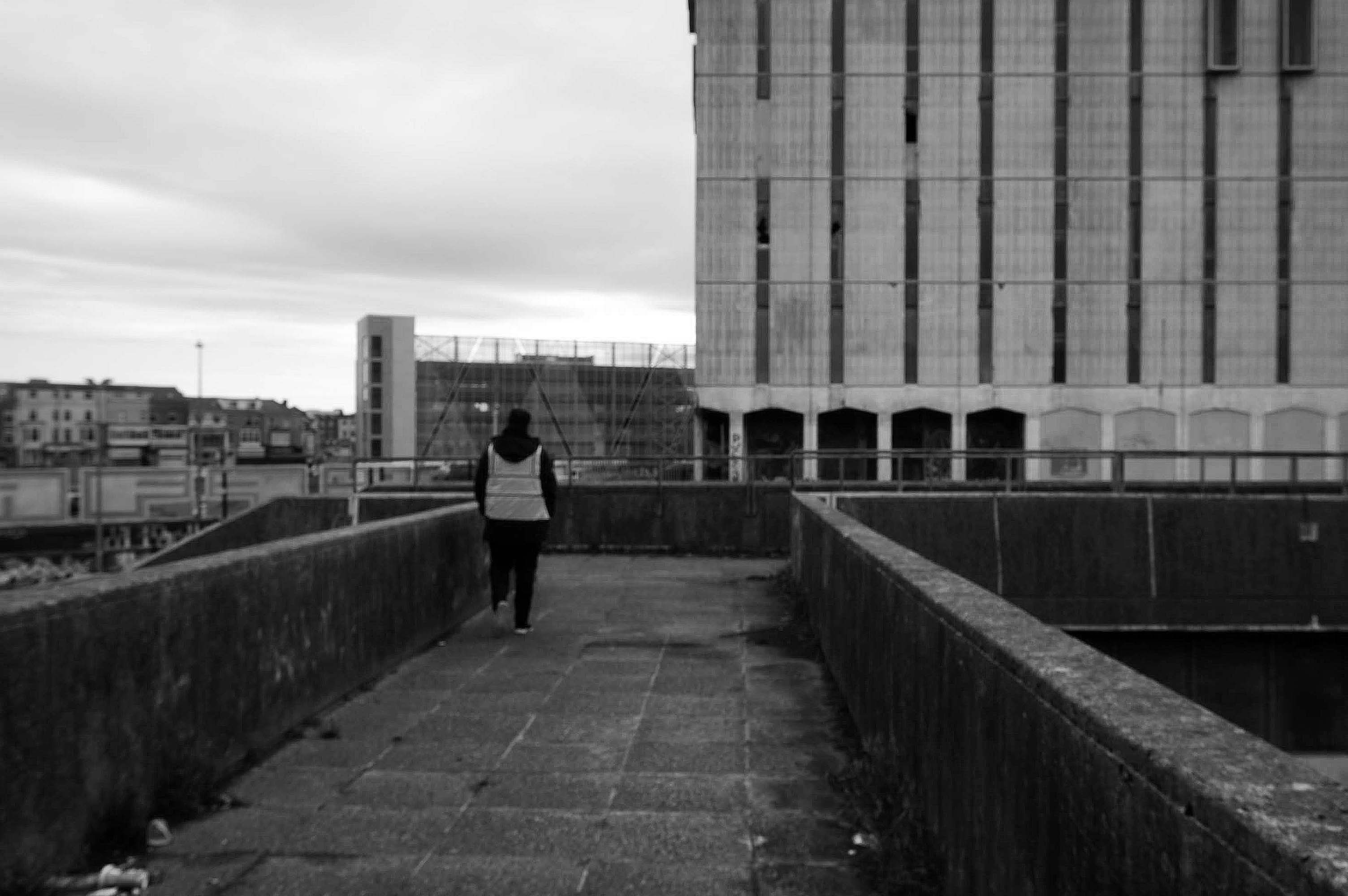
Doomed to face the demolition crew – the anti-social intrusions and falling masonry have enforced a fence, an impenetrable fence.

My requests for unforced entry were politely rebuffed by the hi-vis vest security guards.

A former police station could finally be demolished this autumn after closing six years ago when officers moved to new headquarters.

Blackpool Magistrates’ Court, which is part of the same complex, will also be bulldozed after crumbling concrete was discovered in the building in January. 

In recent months, the empty Bonny Street police station has become a target for anti-social behaviour.

Clearance of the site will pave the way for investment in leisure facilities including hotels and indoor theme parks by developer Nikal.

BBC

So this is the last time around the concrete block for me – memories are made of this, my previous visit in 2022.

Yet the future still seems slightly uncertain.

It is unclear at this stage how the vision for the development has changed in the three-plus years since the outline plans were approved.

Place North West

For those of you watching in colour – this is in black and white.

May be the last time, I don’t know
Lord, I don’t know

Charles Anderson Frieze – Burnley

Holme Rd Burnley BB12 0RT

Photo – Robert Wade

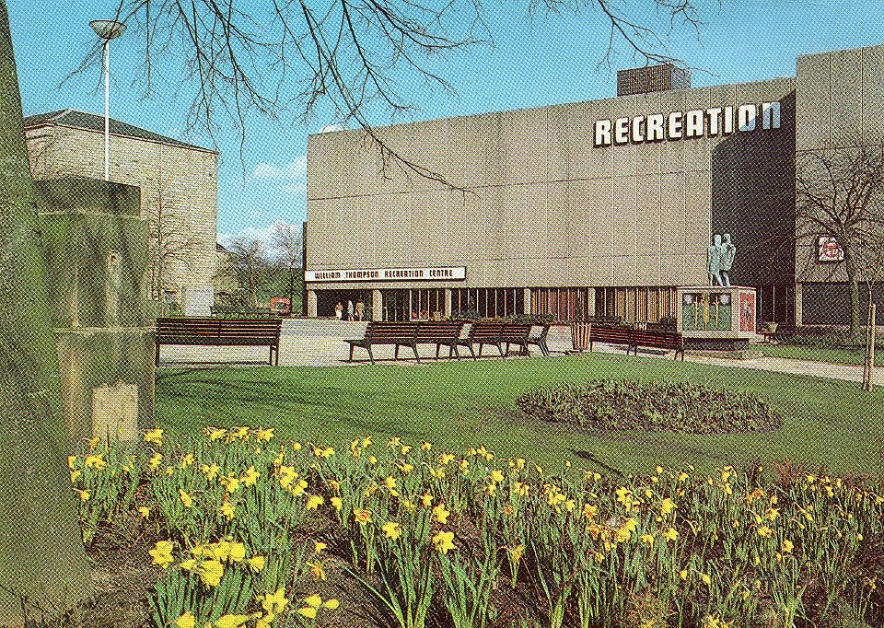
William Thompson was born at Richmond Yorkshire, the son of John and Catherine Thompson. William came to Burnley in 1908 and gained a place at Burnley Grammar school. Later he learned the trade of cotton weaving at his uncle’s shed. In time he was to become the managing director of this firm. William lived at Oak Bank Todmorden road, where in spite of his great wealth, he led a remarkably simple life. He had neither television nor radio, and his greatest pleasure appeared to be strolling in the nearby Towneley Park. About 1970, ill health forced William to move to his sister’s house at Ingleton Yorkshire. His illness became worse, and he was removed to a nursing home at Silverdale, near Lancaster, where after a prolonged infirmity he died on 18, August 1972. It was William and his sister, Sarah Witham who donated the £333,000 that was eventually used to build the Thompson Recreation Centre. William was never to see the gift he bestowed upon the town, for his death came just a few days before the official opening of the centre. It was his sister, Sarah who performed the opening, and she too was to die a short time afterwards on 8, December 1975. She was the last link in the Thompson family of Burnley.
Many thanks to local historian and author Jack Nadin

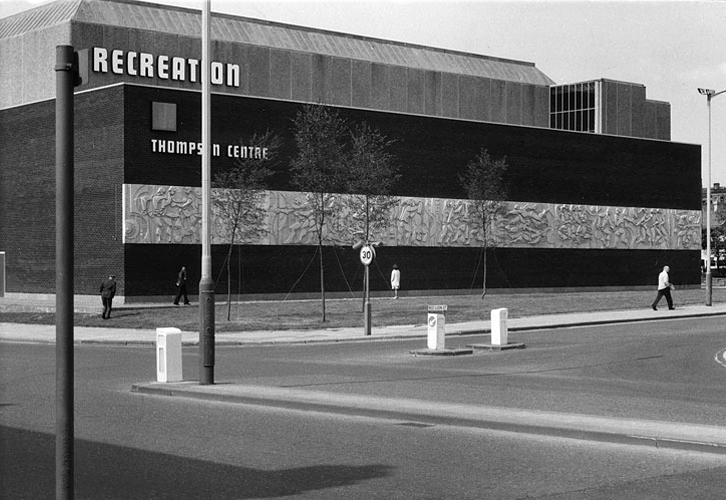
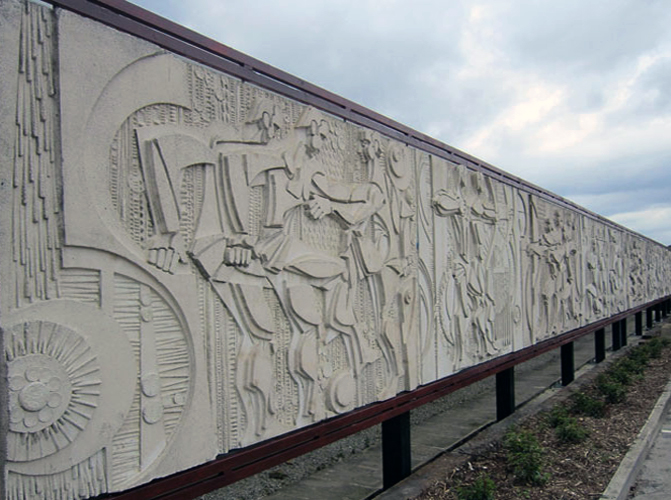
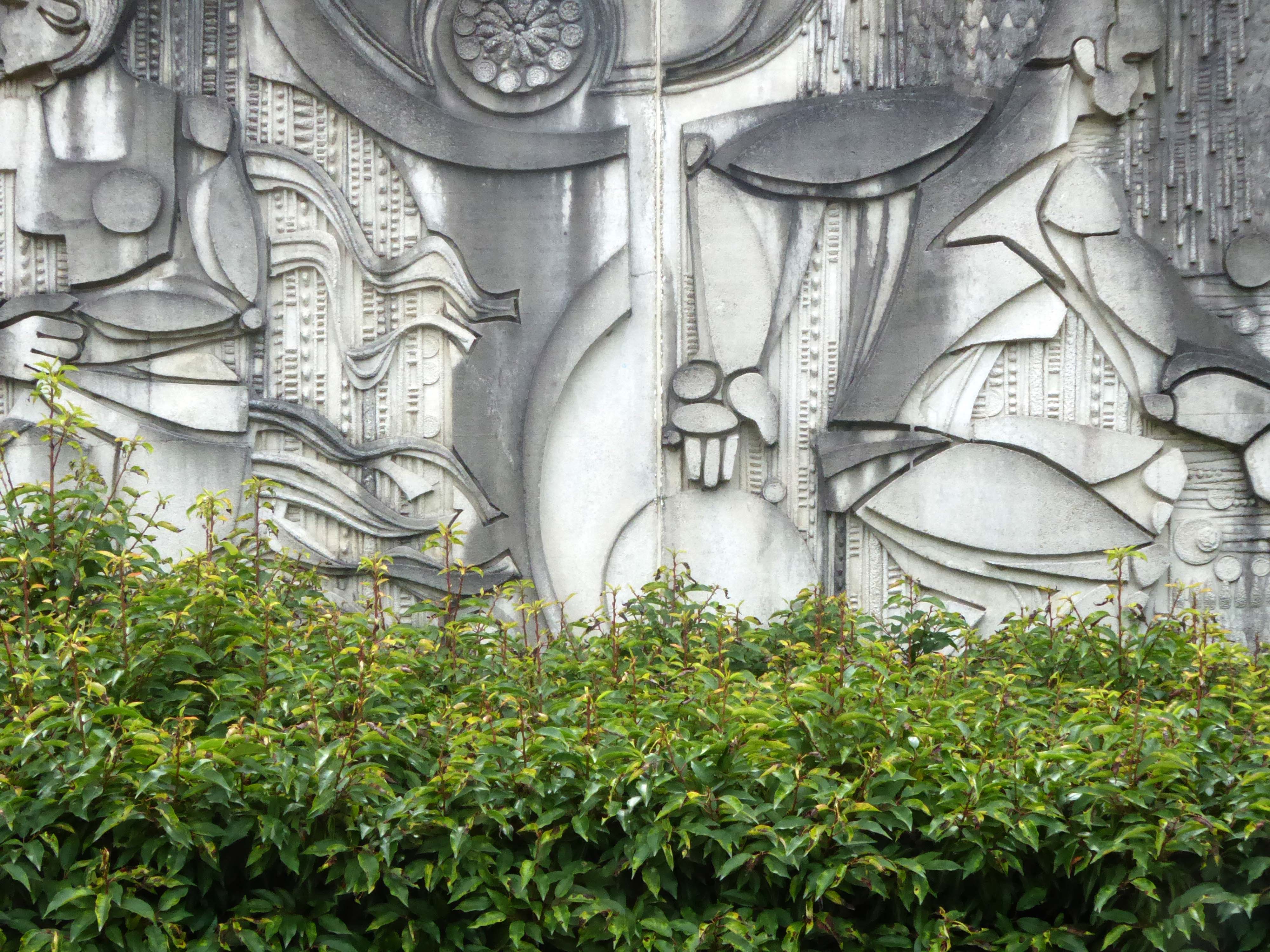
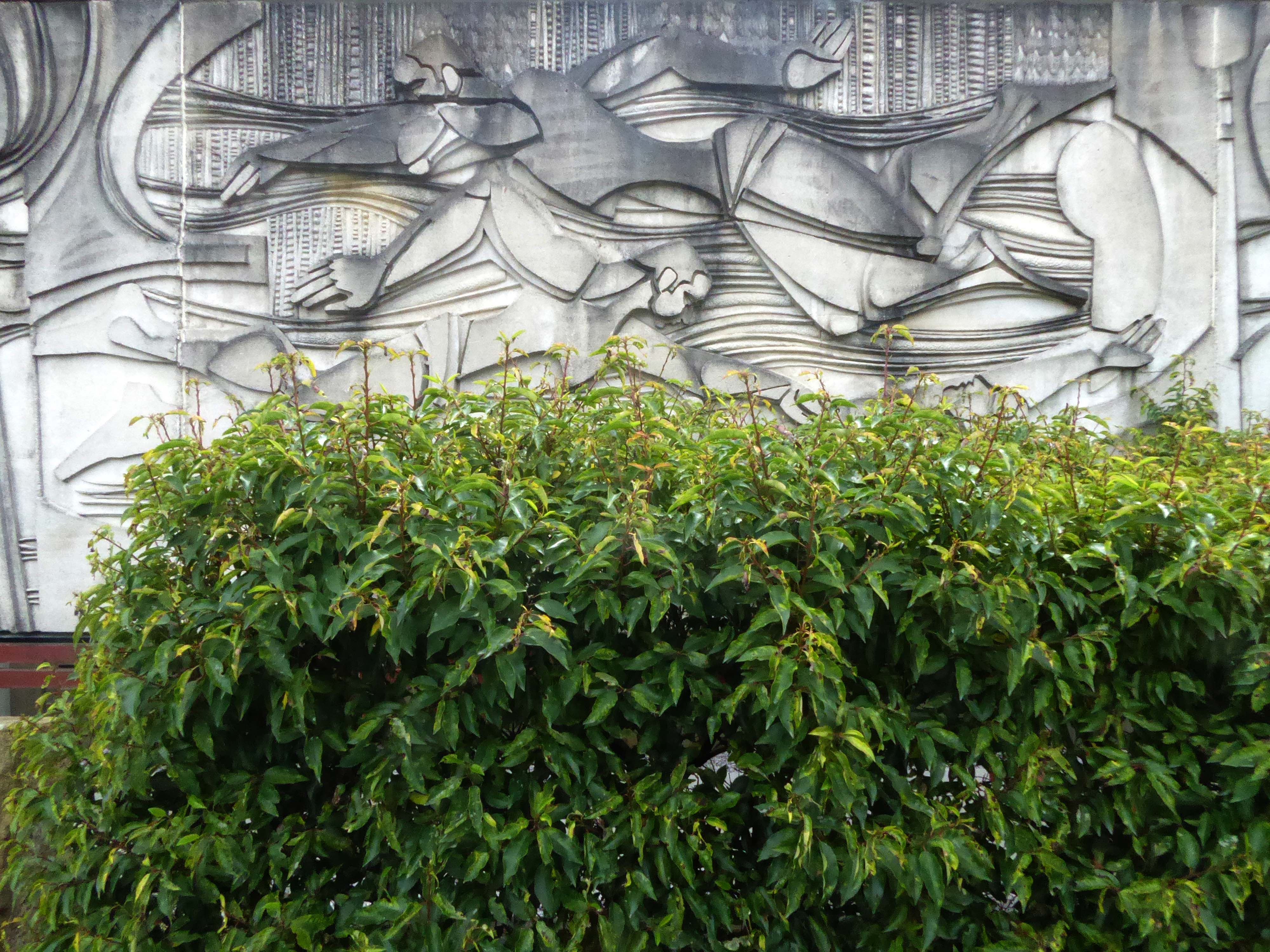
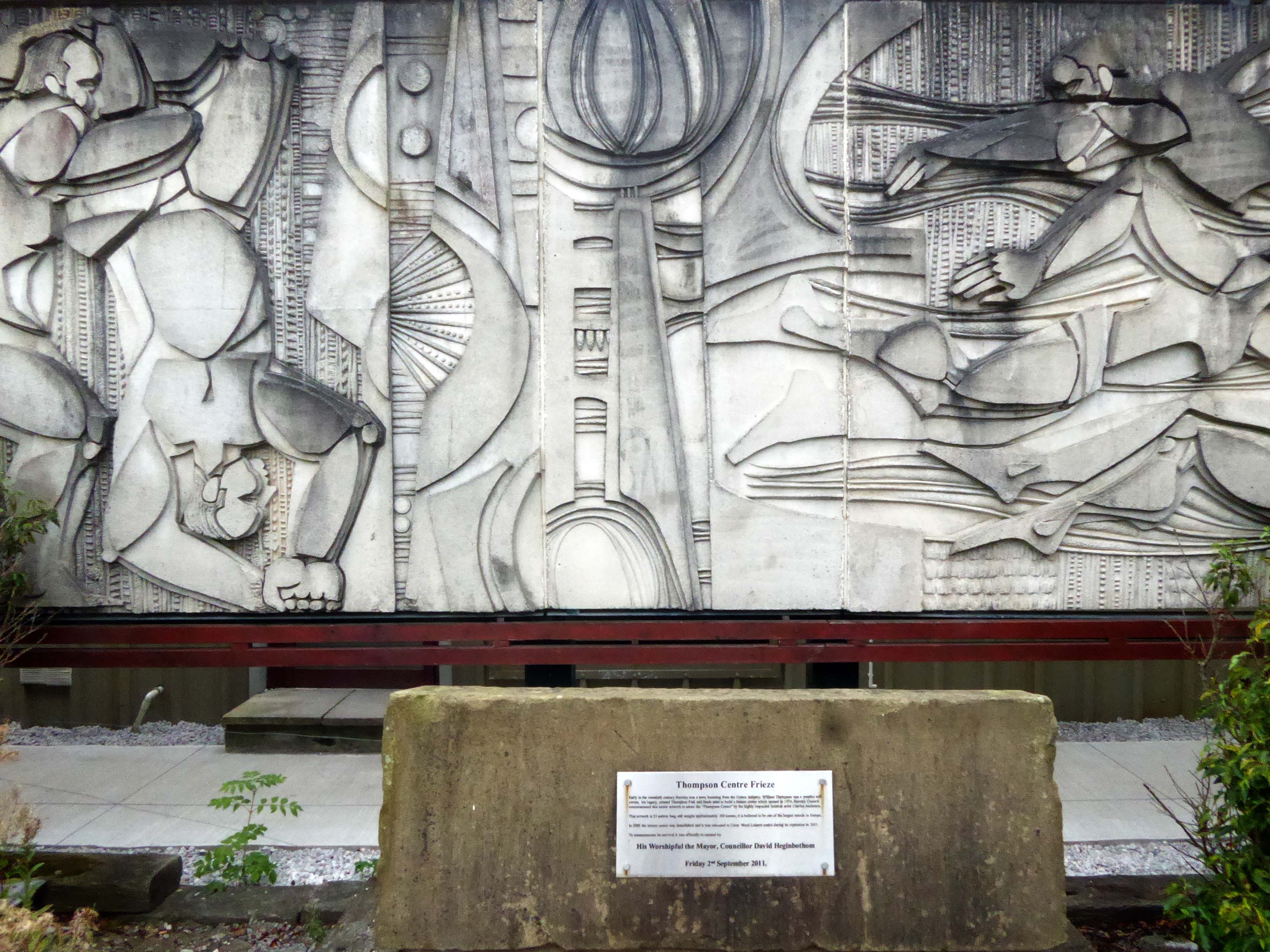
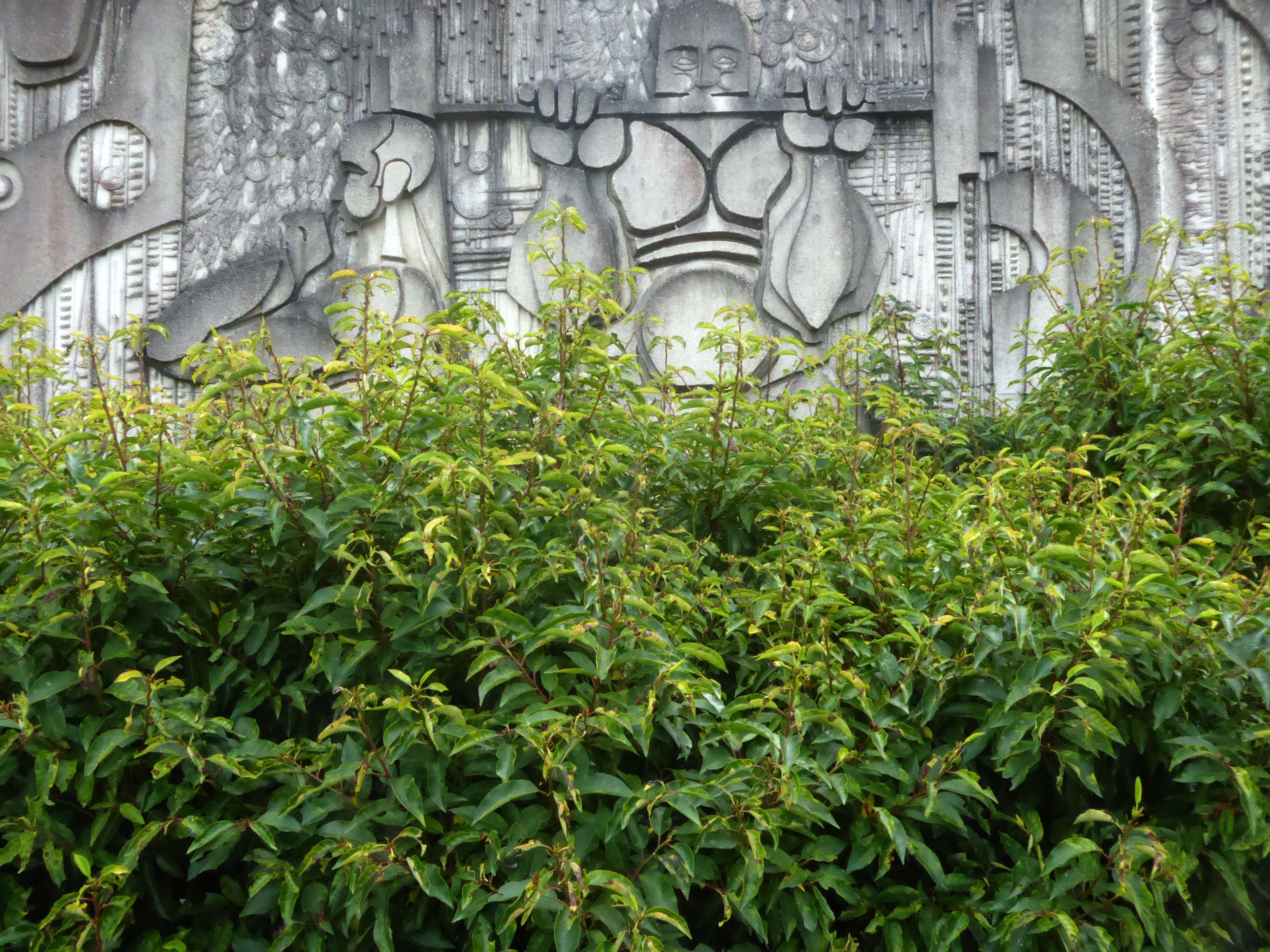
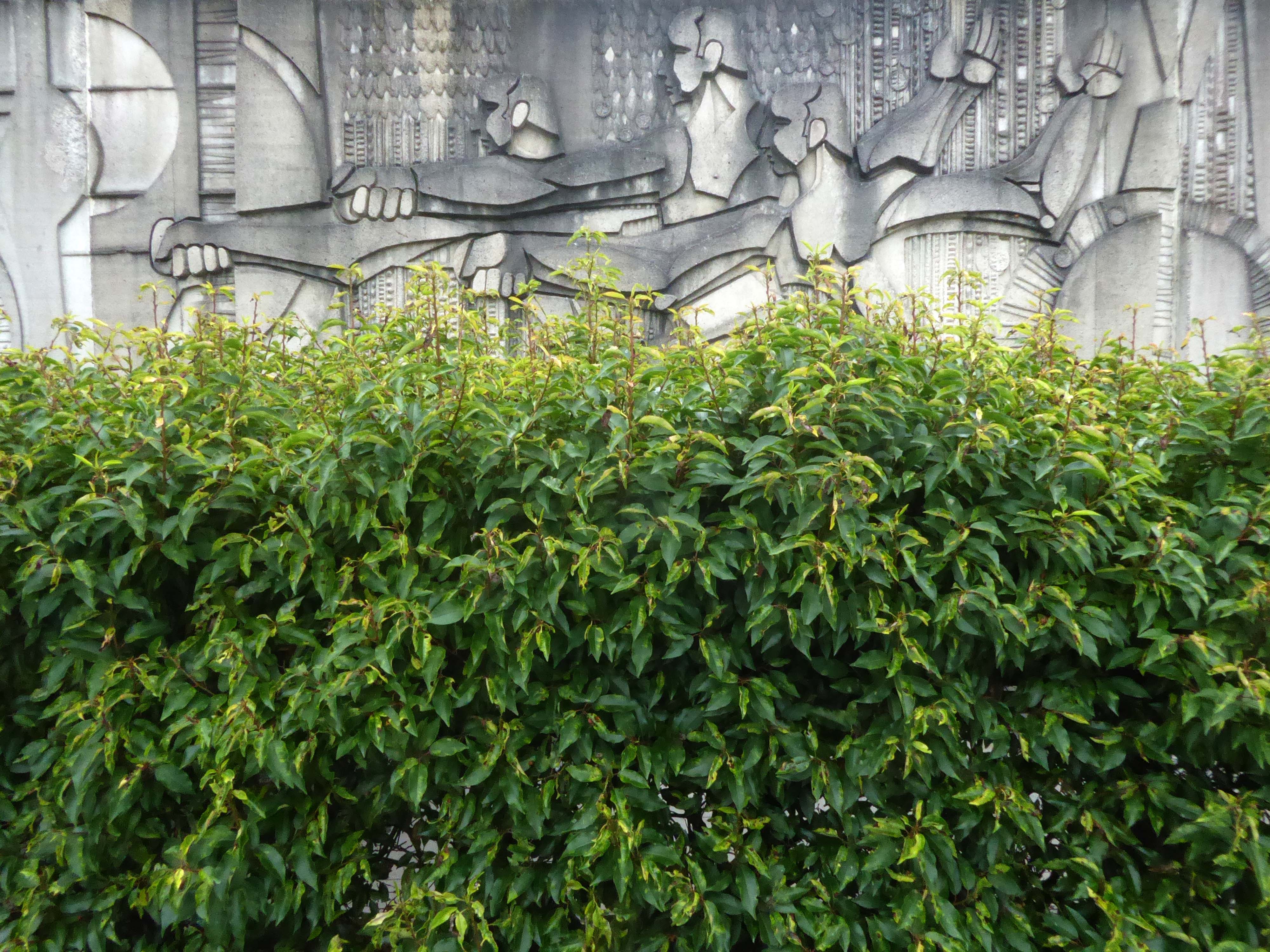
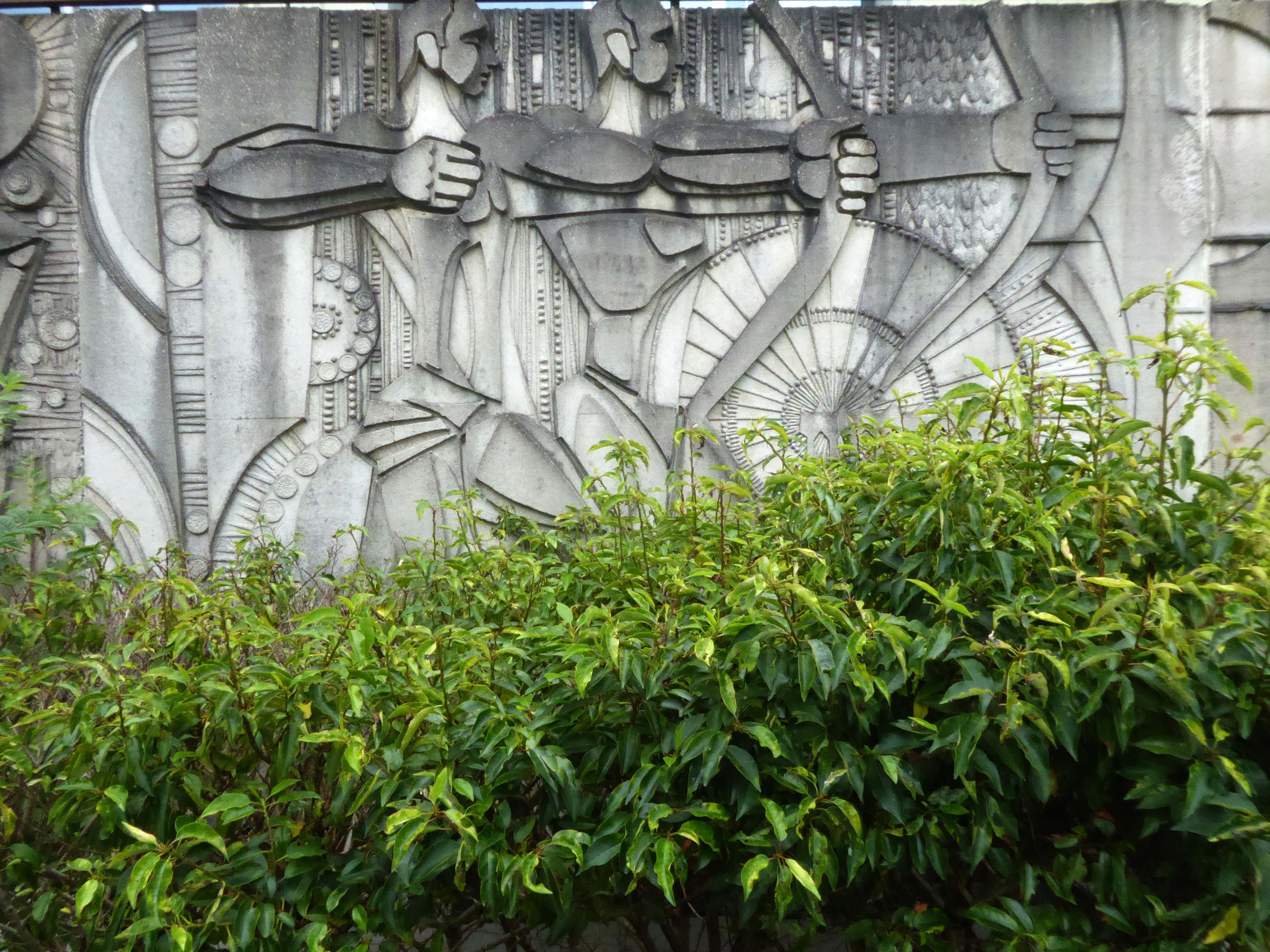
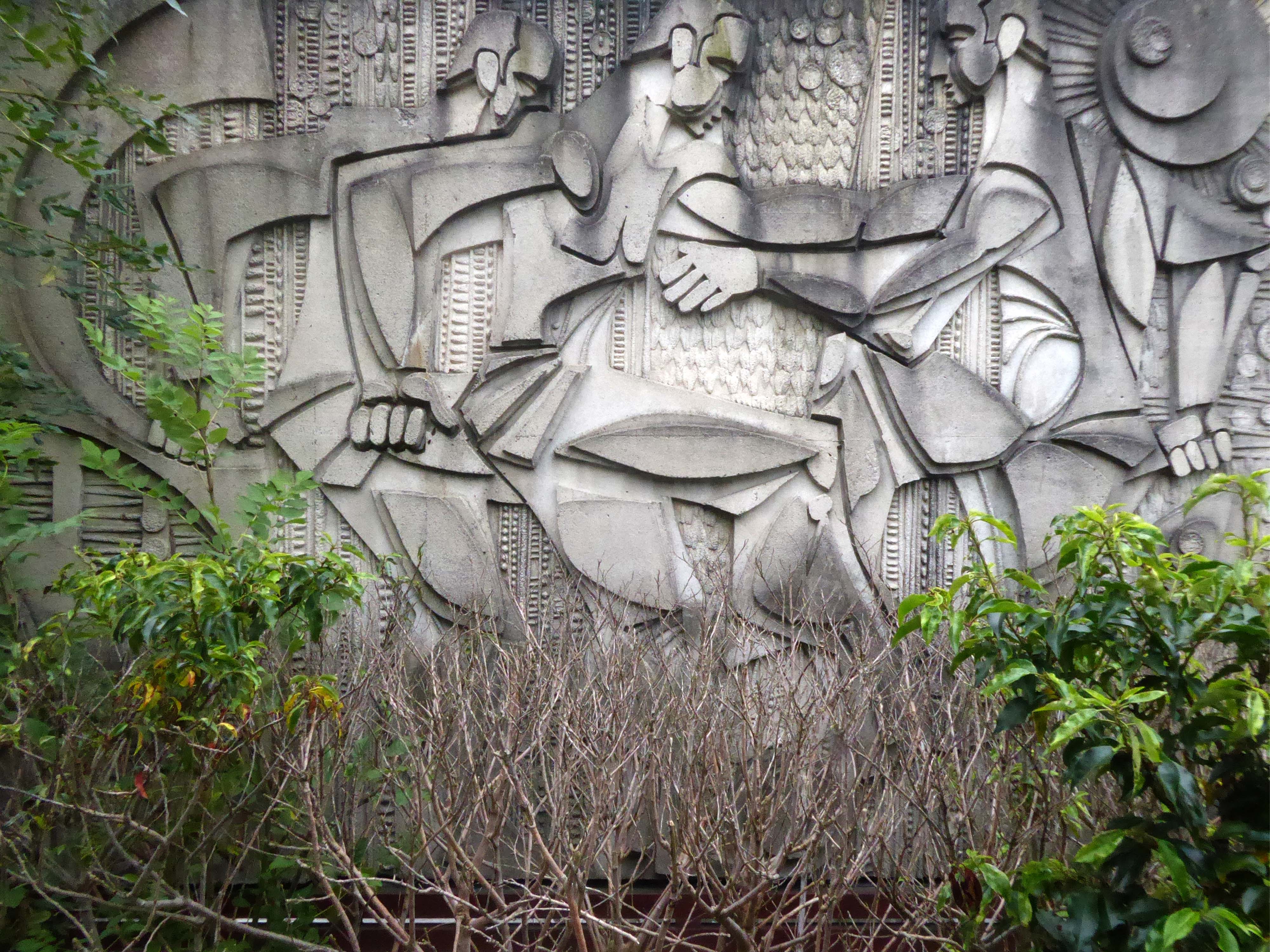
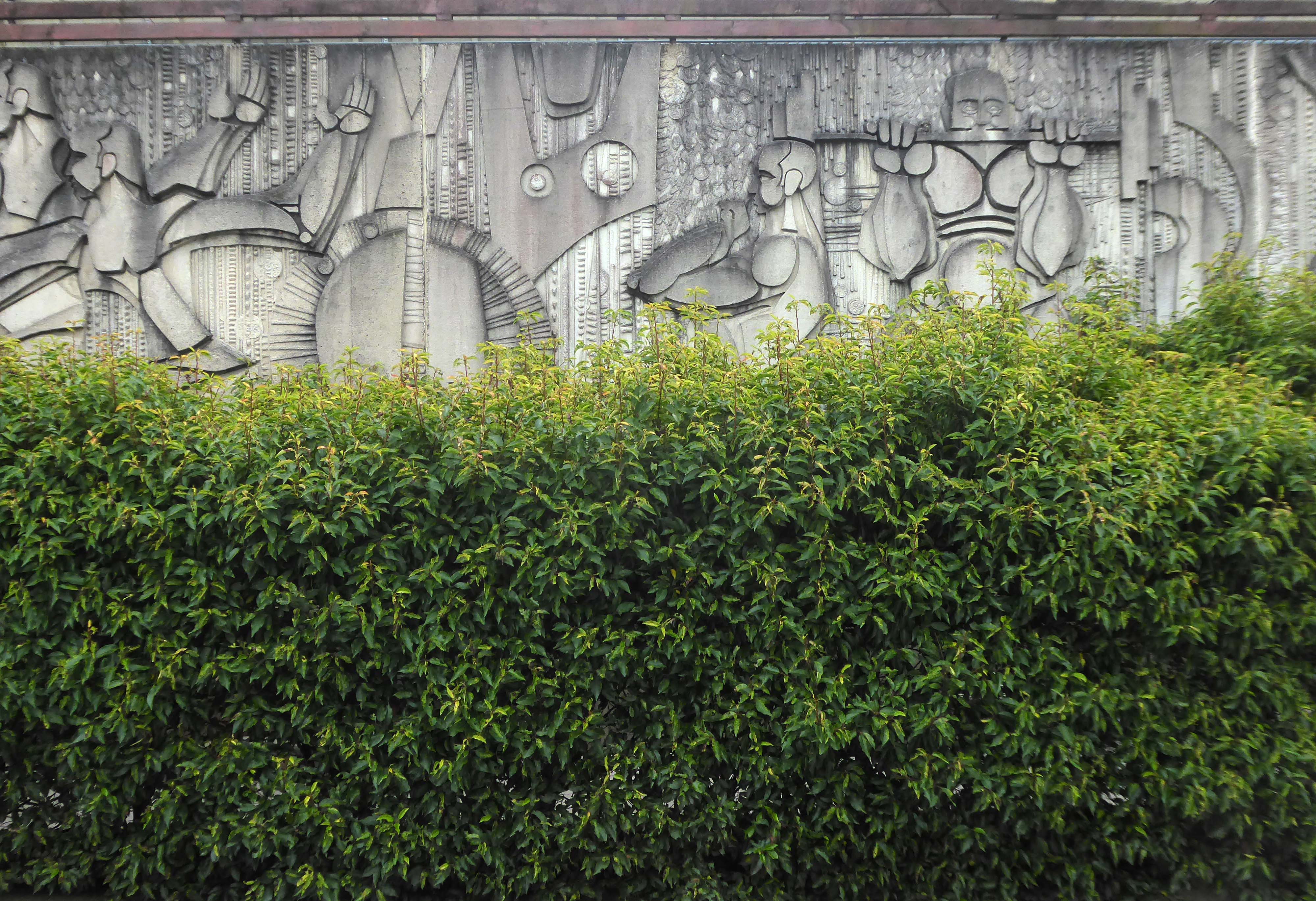
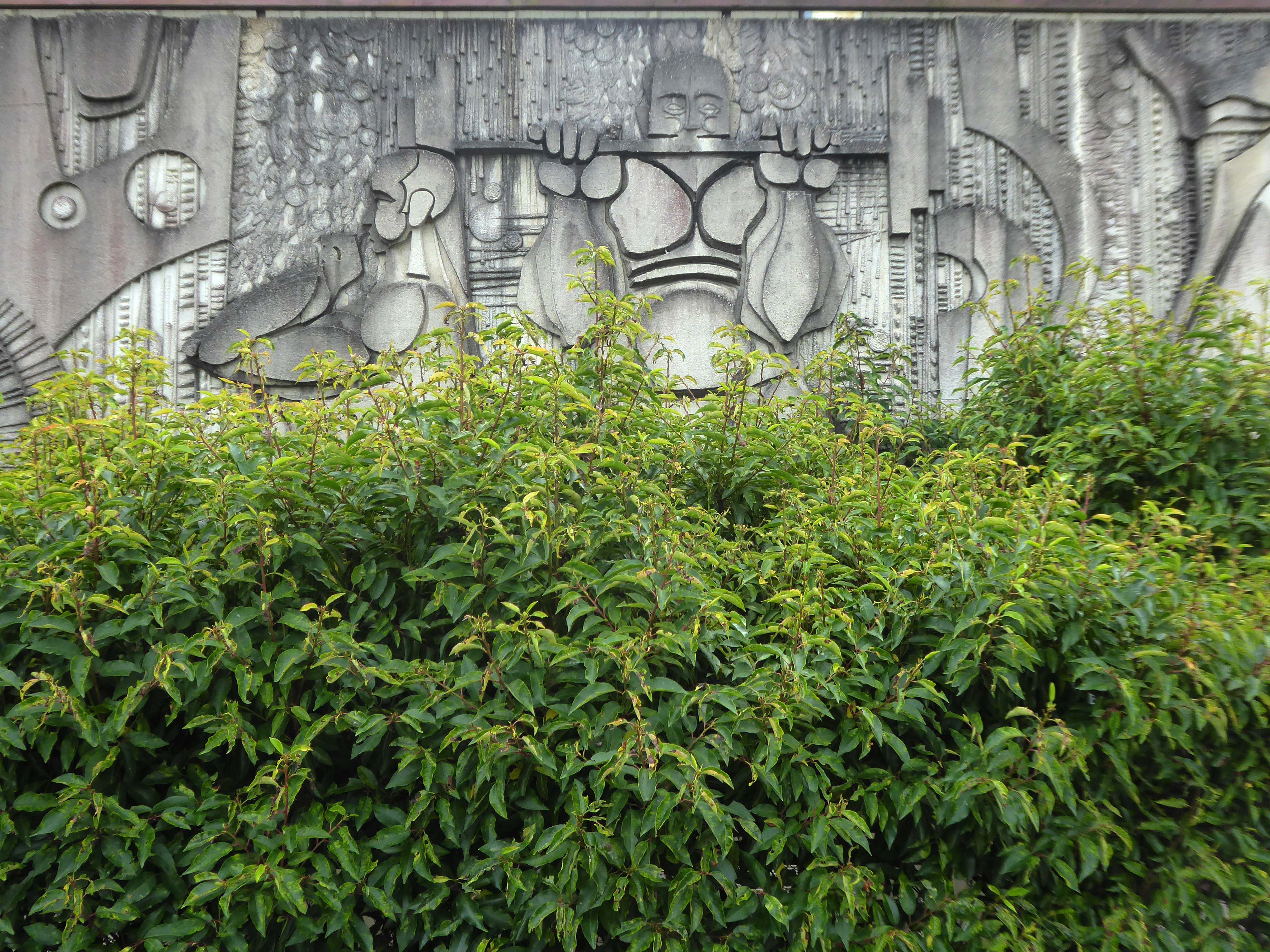
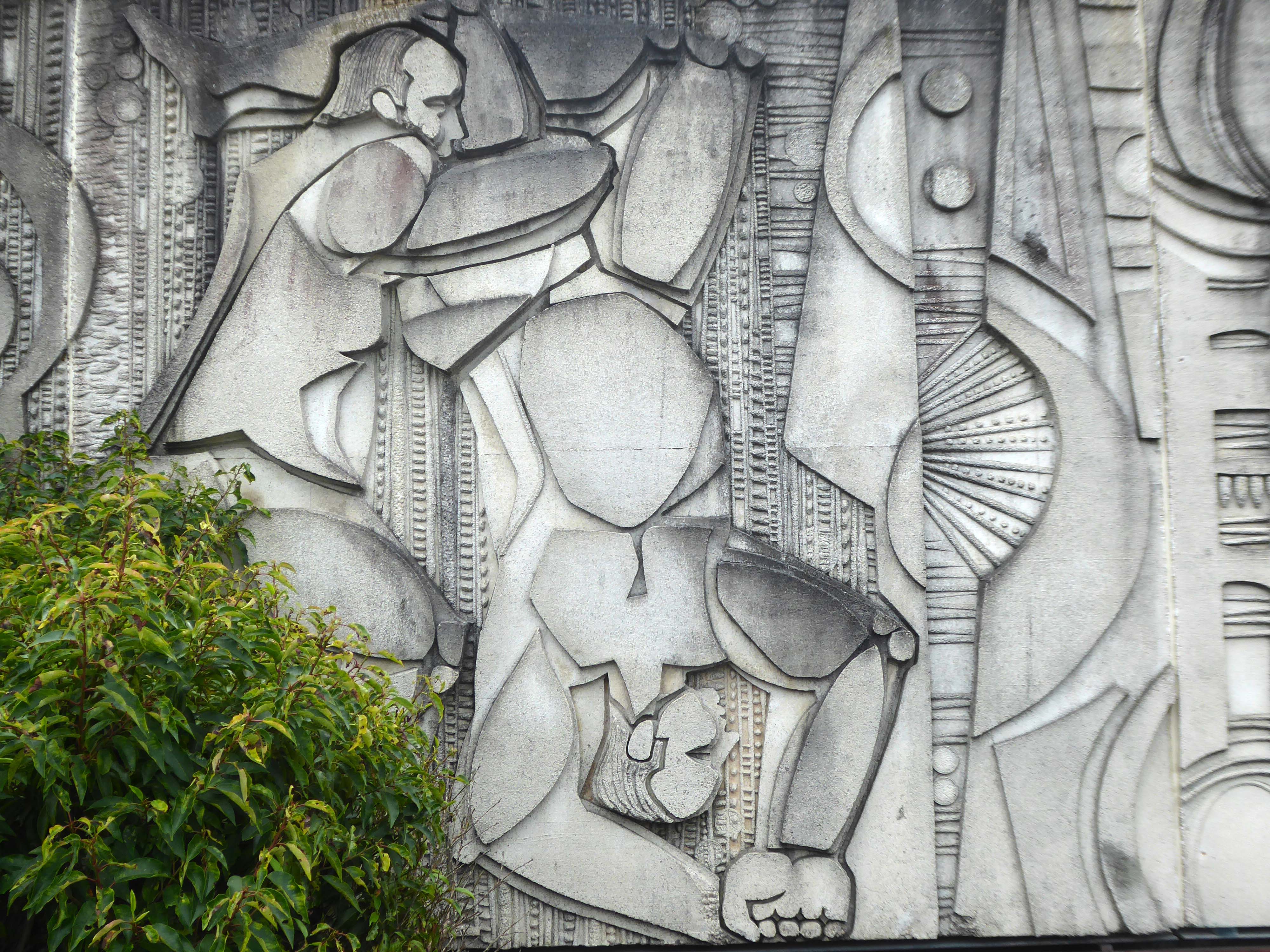
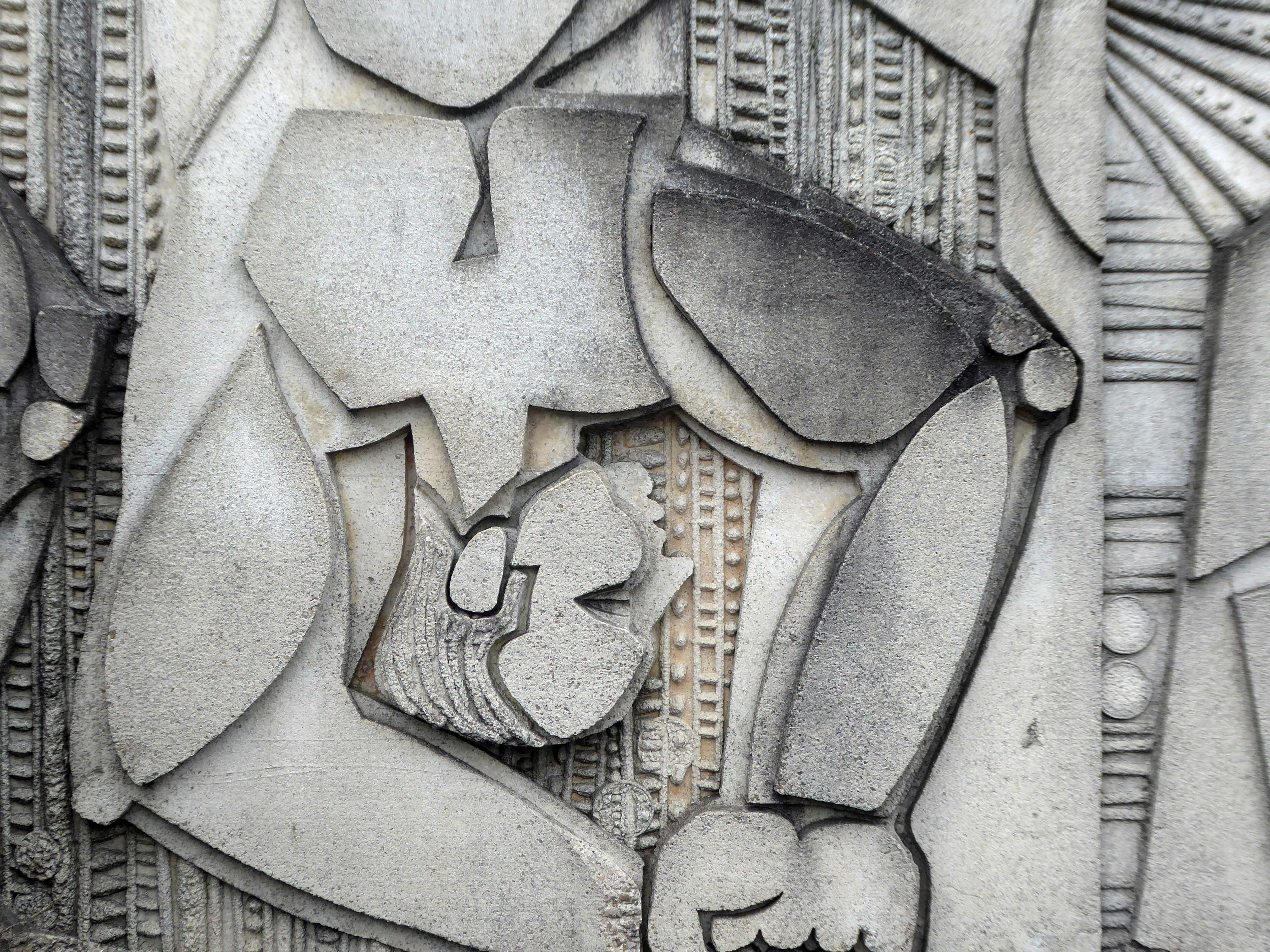
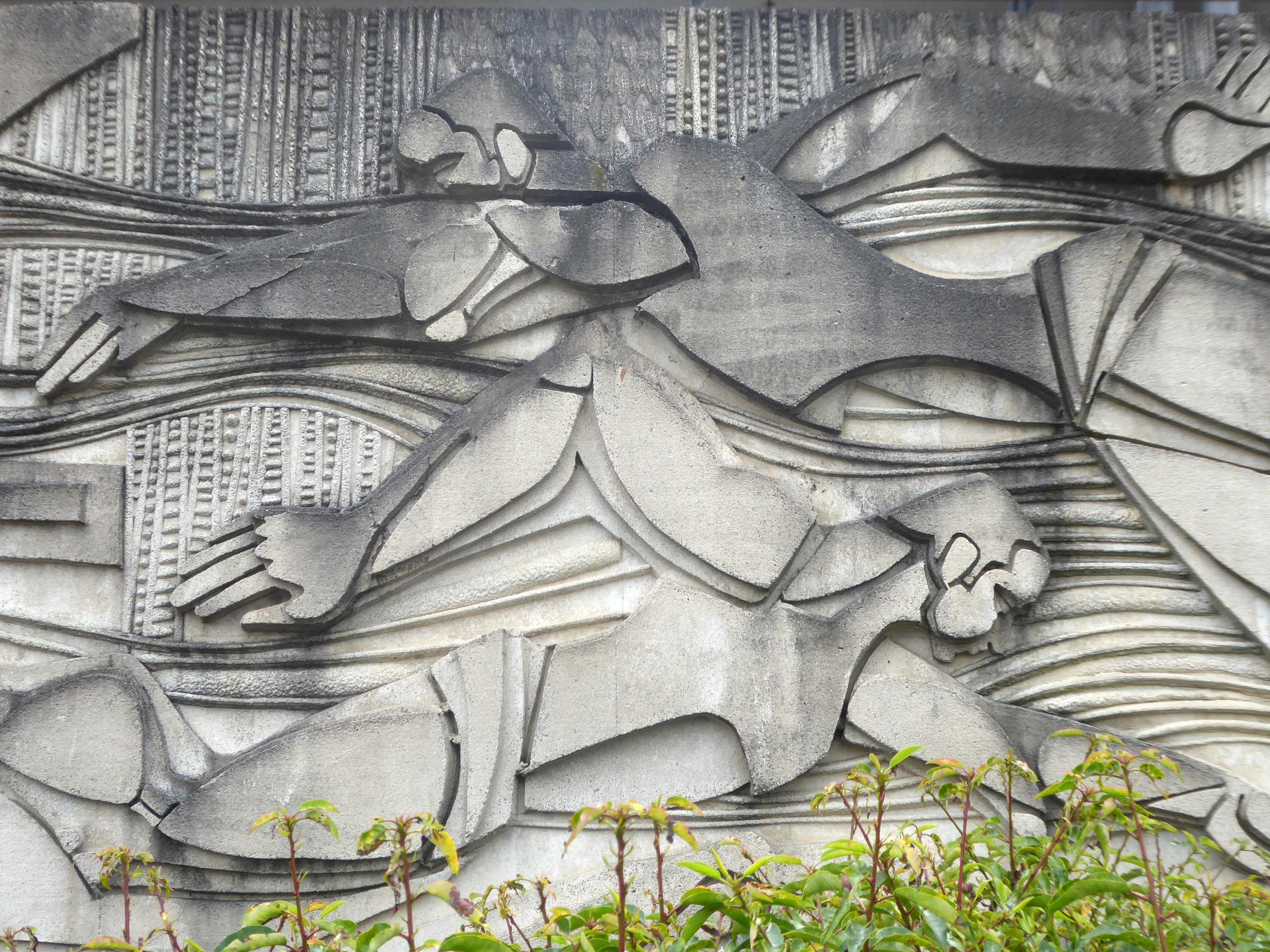
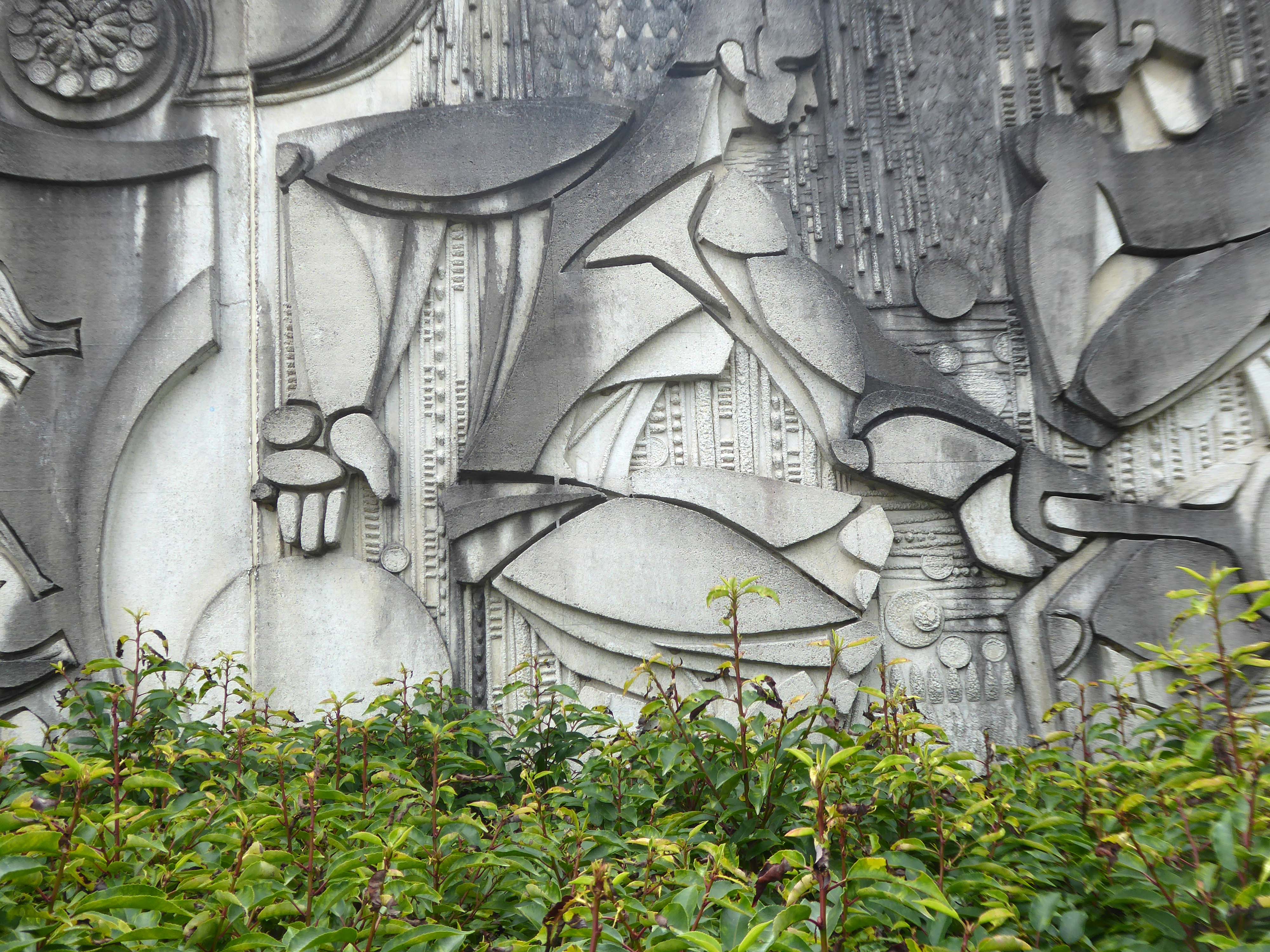
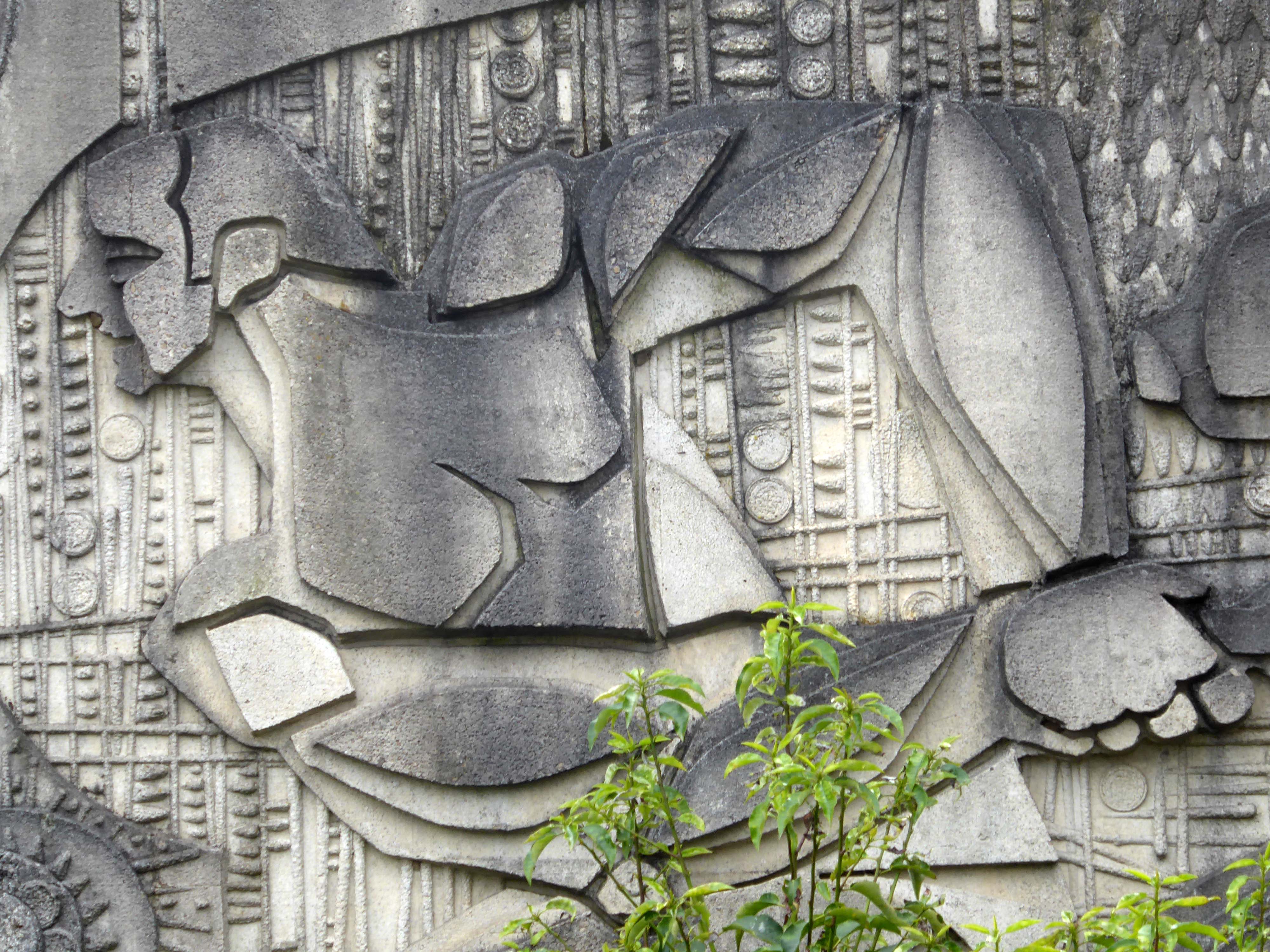
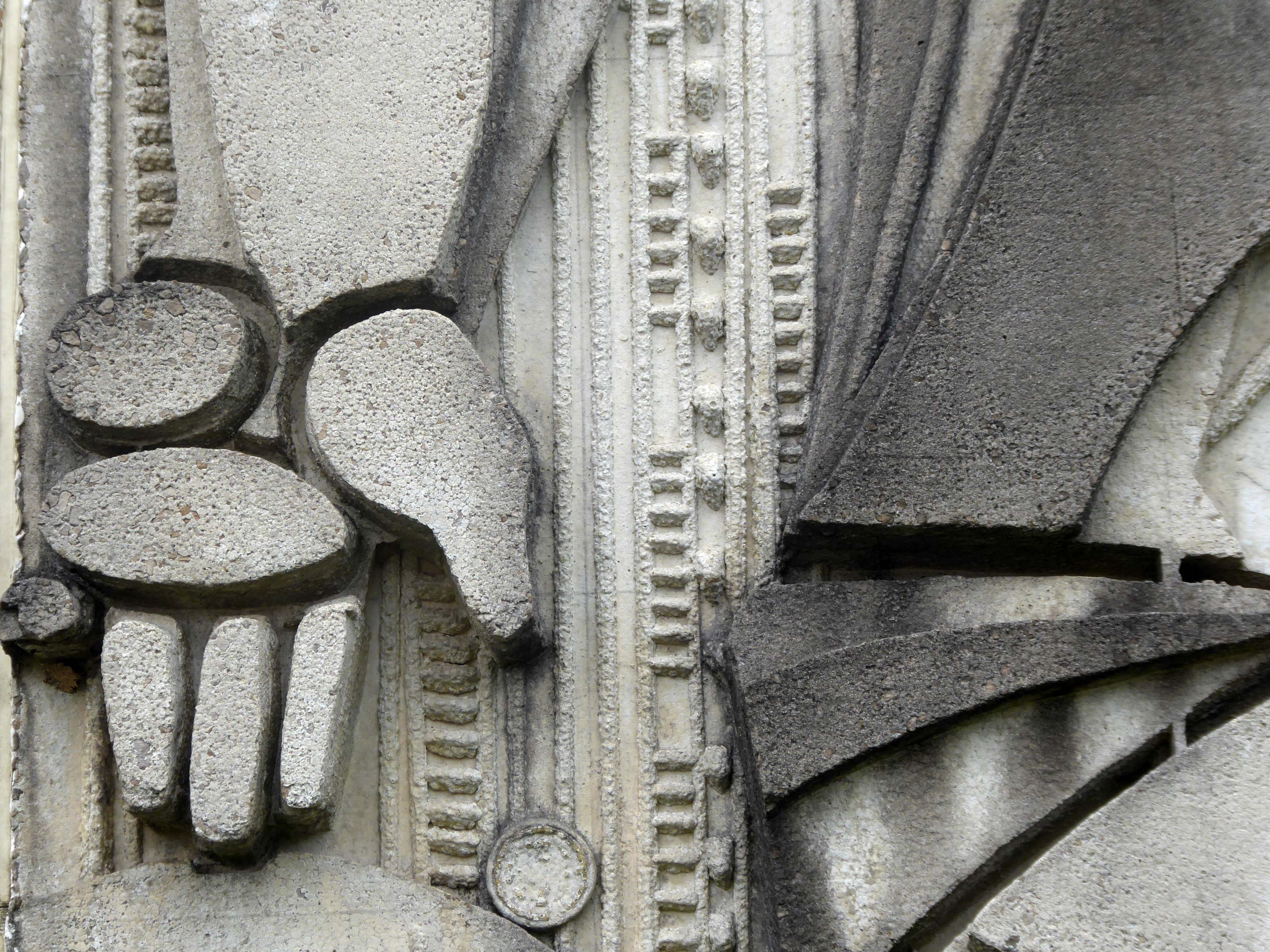
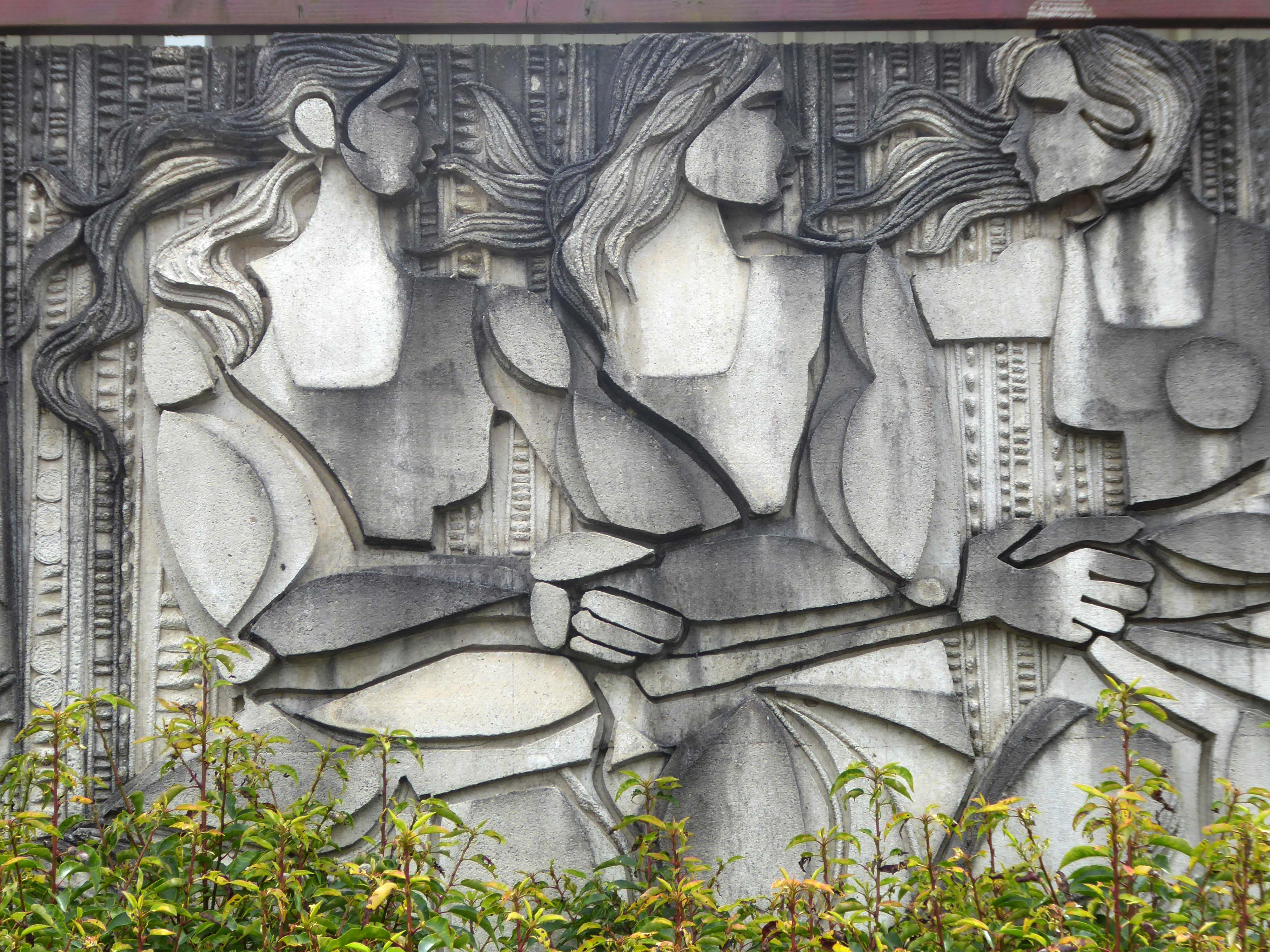
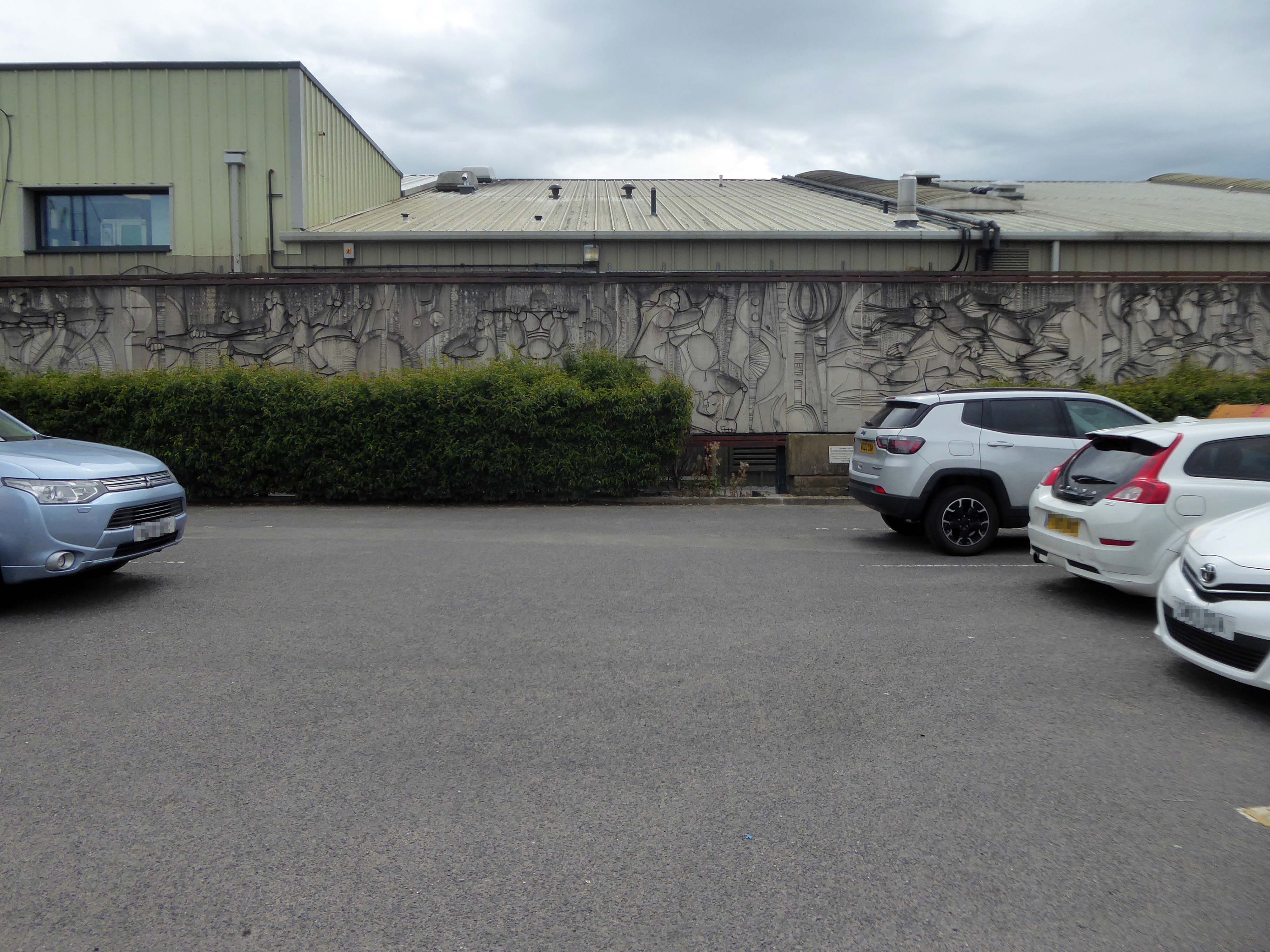
The Thompson Recreation Centre was decorated by a large concrete frieze by Scottish artist Charles Anderson.

Town Architects 1975

Formed from precast concrete panels against expanded polystyrene moulds – it stands 150ft long and 9ft high.

It was gifted from funds provided by the estate of local Cotton Manufacturer and major town benefactor, William Thompson. The building was a flagship symbol of progress for Burnley in 1973, it was demolished in 2006.

Fortunately, the frieze was carefully dismantled, stored and reinstated by Andrew Brown.

Mr Brown said:

This frieze has a massive place in our community. It gives me enormous pleasure to give this magnificent artwork a new home. It breathes new life into the legacy of William Thompson who did so much for Burnley.

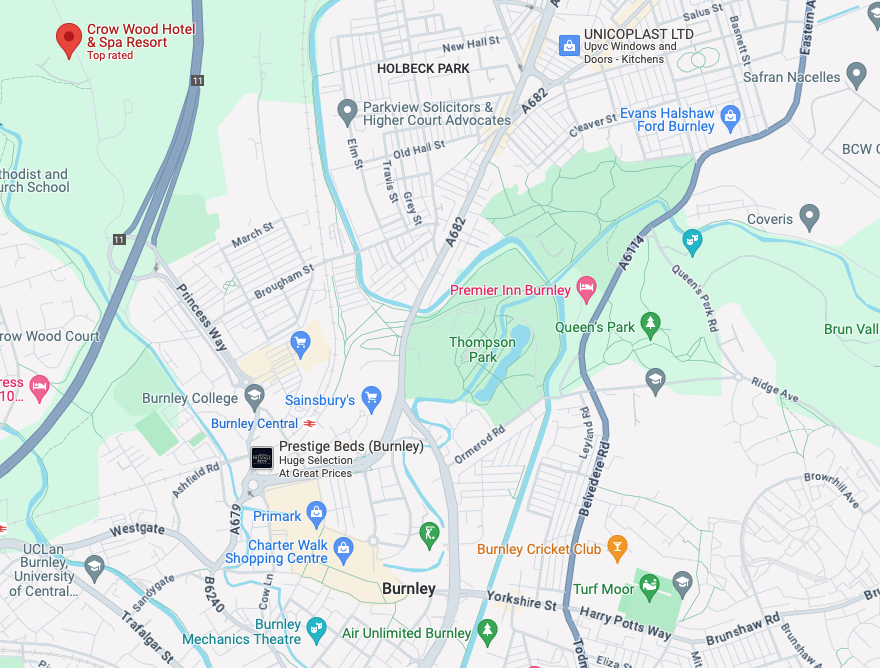
It is now located at the Crow Wood Hotel & Spa Resort. walked from the to

Charles Anderson designed the sculpture over months at his studio in Paisley said:

I was a young man of 34 when I was approached by Burnley Council to design a frieze for the centre.

It’s one of my proudest pieces of work and definitely one of the most challenging. I was inspired by the sculptures of the Parthenon so perhaps this is Burnley’s own Elgin Marbles. It features the Three Graces from Greek mythology as well as sporting scenes such as wrestling, weightlifting, fencing, archery, football, tennis and cricket.

I walked from the town centre along Princess way in search of the work – it’s at the rear of the site, just turn right before you reach the hotel.

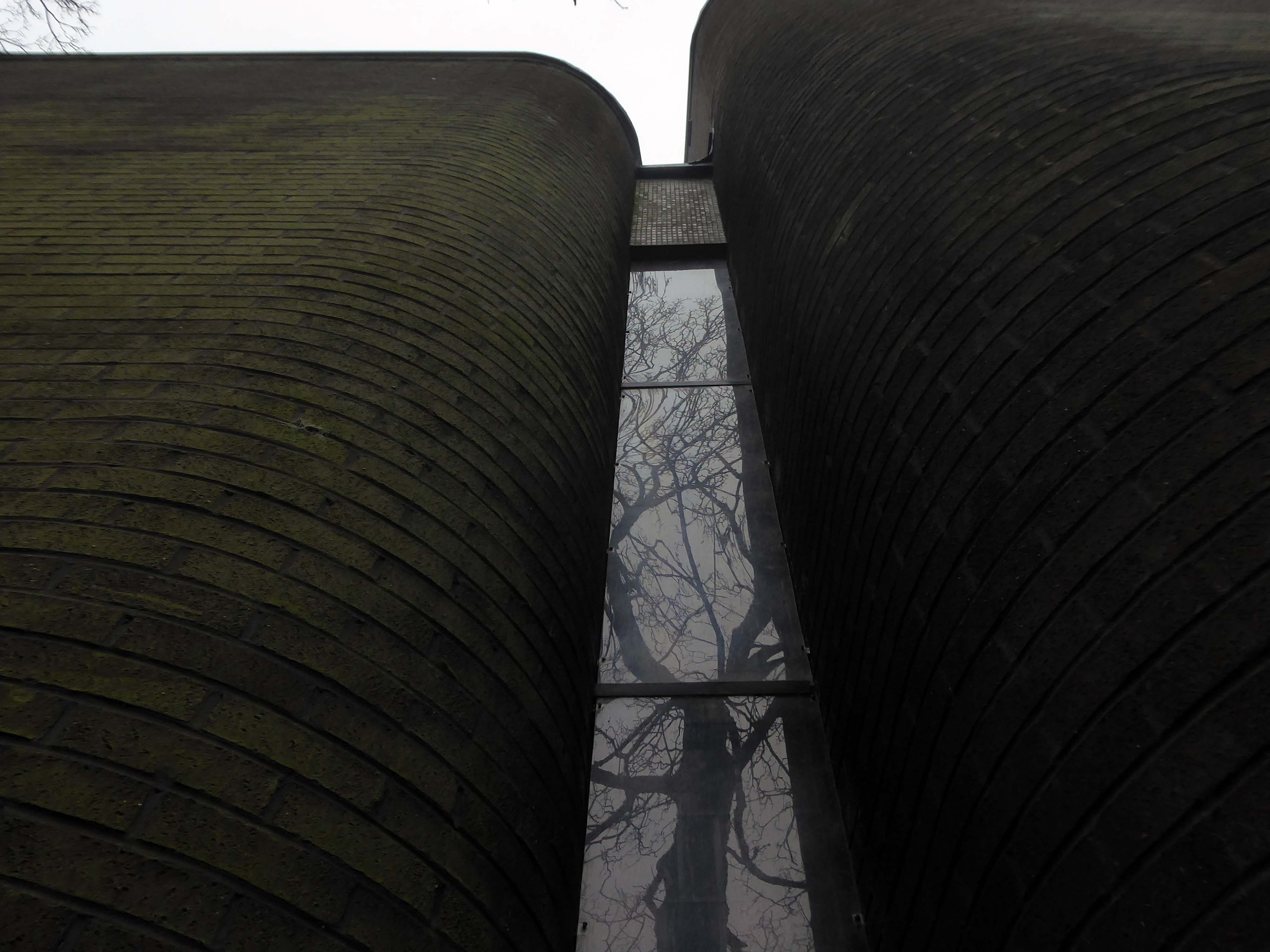
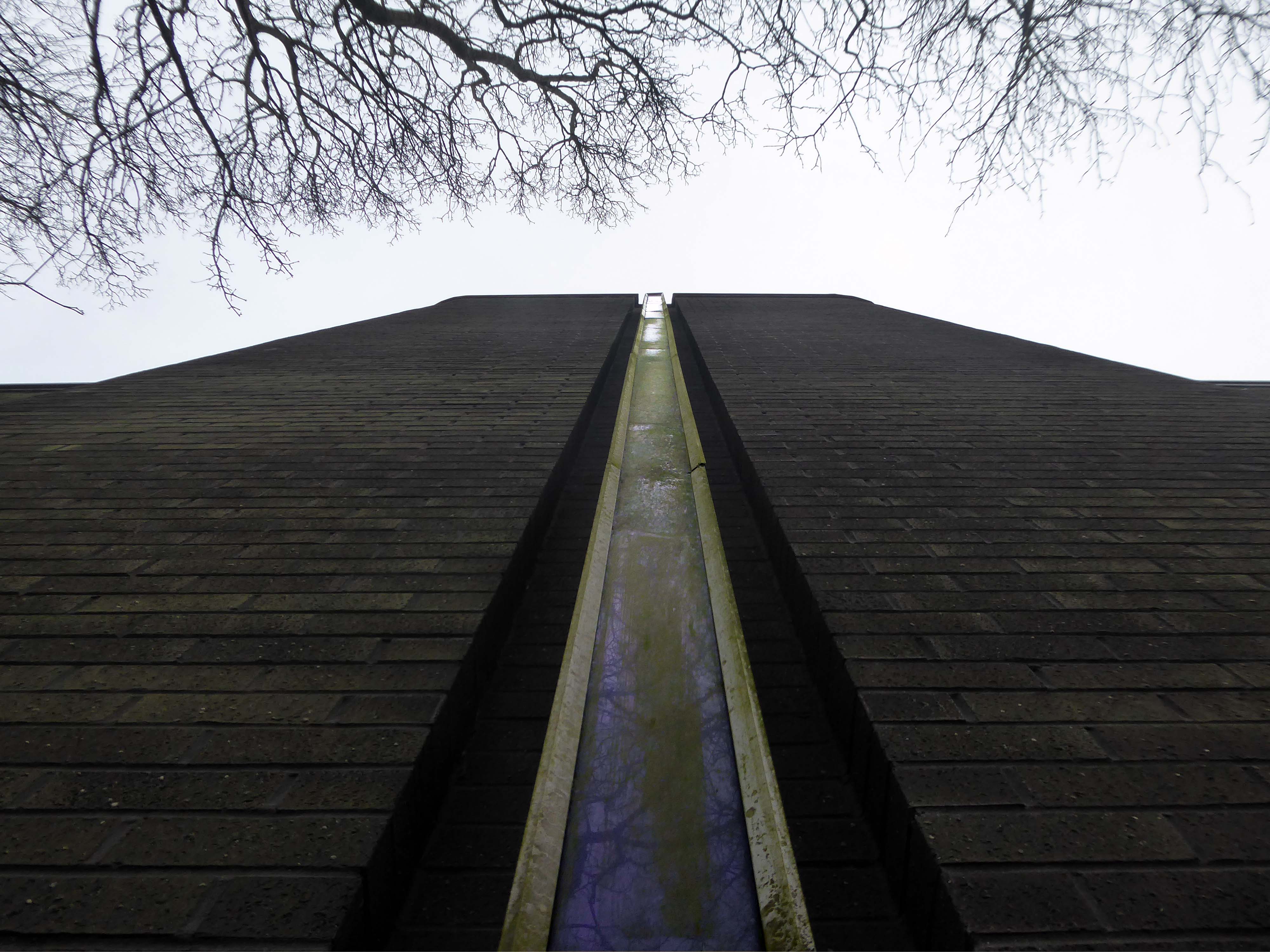
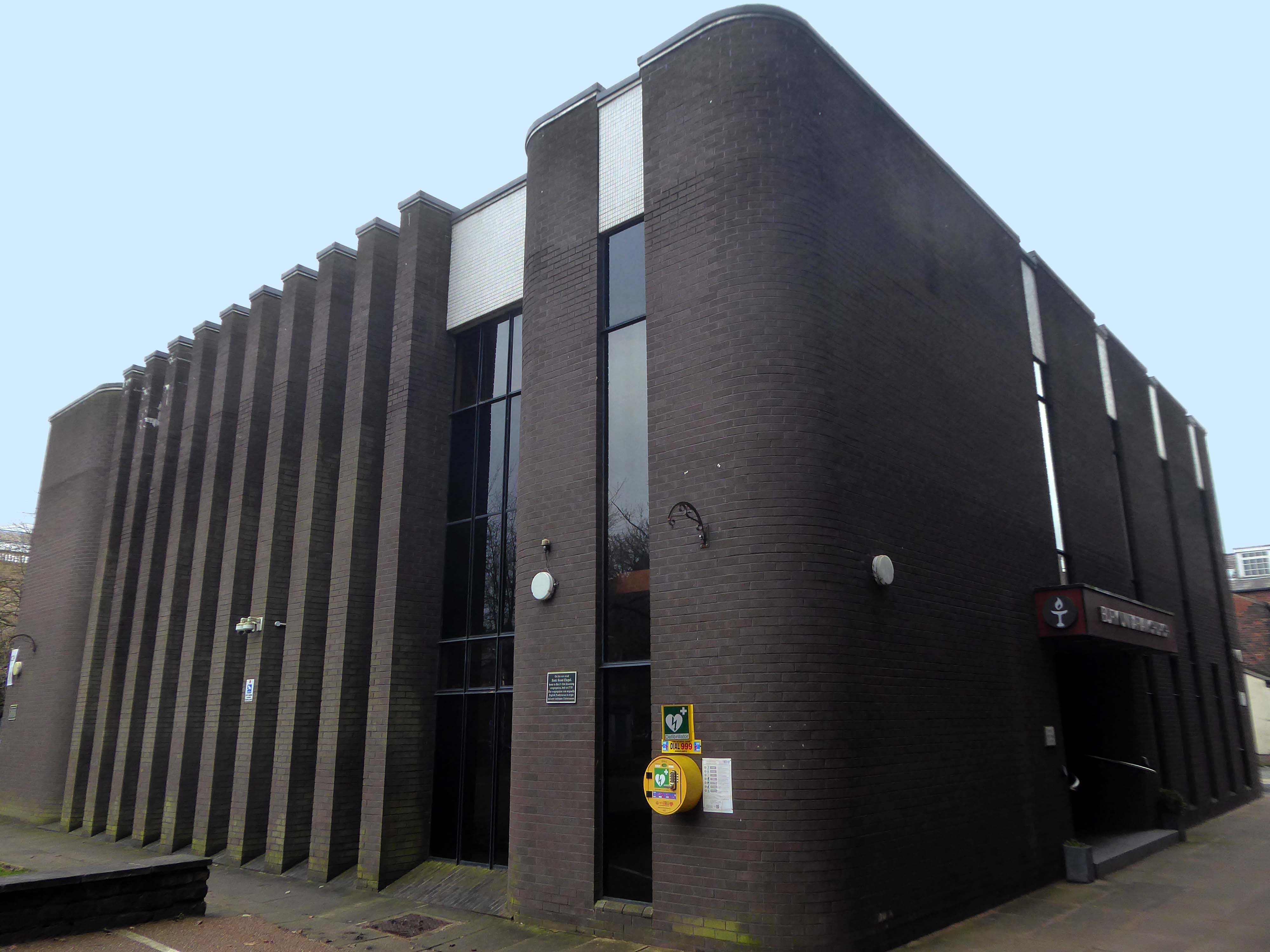
Bury Unitarian Church

1 Bank StreetBuryLancashireBL9 0DN

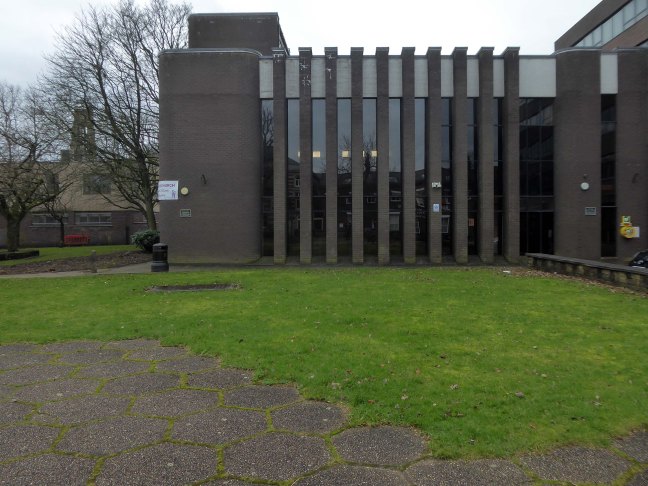
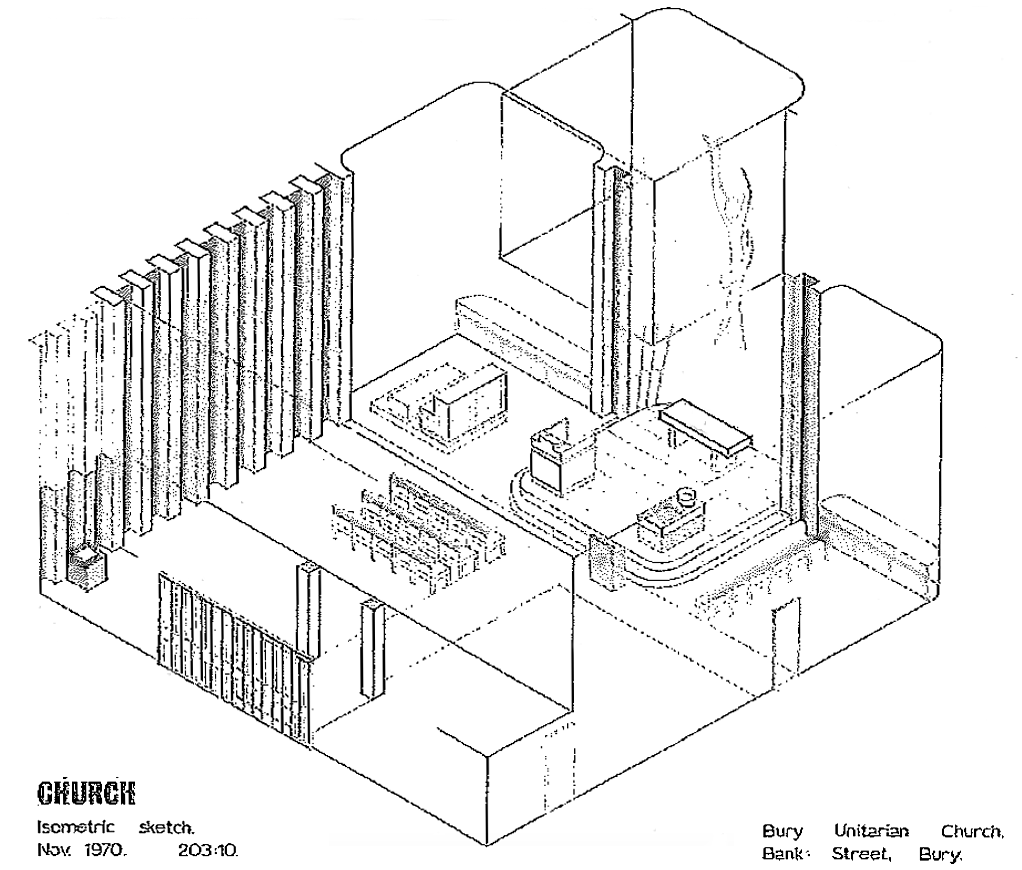
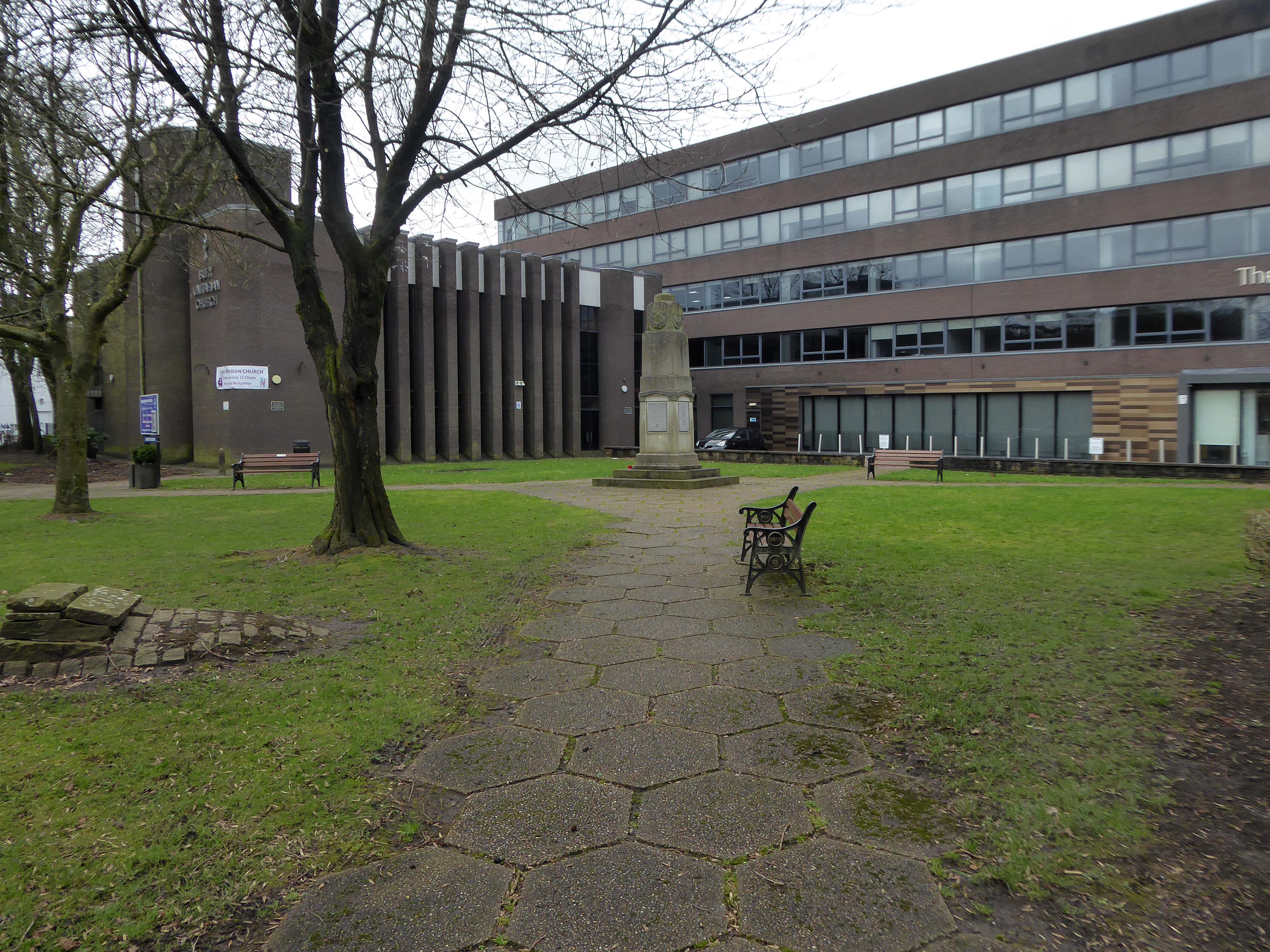
The new Bury Unitarian Church was designed and constructed by local architects James T Ratcliffe.

An interesting article was published at the time in Sacred Suburbs Portfolio, in which the church design was described as:

A well detailed, functional, yet flexible building. 

The church was opened in 1974, with a service of dedication on Saturday, 9th March. The total cost, including furnishings, was £85,000 – It is now valued at about £1.5 million. The Churchwarden and Chairman of Trustees, at that time, was Bernard Haughton, who had succeeded Alex Rogers; he was to serve the Church in those capacities for the next 25 years. He was succeeded by Barbara Ashworth, our immediate past Warden. During this time, notwithstanding persistent problems with water leakage through its flat roof, the church continued to thrive and develop.

Enhancements have been made to improve the comfort and amenities of the building throughout the period with, for example, the installation of an improved heating – system, a sound – enhancement system in the church, and disabled access facilities including a lift to the upper floor. Through the efforts of Barbara Ashworth – past Church Warden, the proliferation of bequests, legacies and trusts which were complicating and restricting church-finances has been rationalised and the financial structure streamlined. Part of the land at Holebottom has been sold for development, and part has been upgraded as a public amenity.

The current congregation is still one of the best supported Unitarian Churches in the country and remains enthusiastic and committed to the Unitarian faith. There are many social groups  including The Women’s League, The Men’s Fellowship, The Luncheon Club the Book Club and most recently, our Camera Club; coffee is served every Saturday morning – a session which welcomes members of the public to the church, some of whom have subsequently become church-members. Frequent social activities are organised by The Efforts Committee and are well-supported by the congregation and their friends and raise money in support of the activities of the church snd local charities.

Church Website

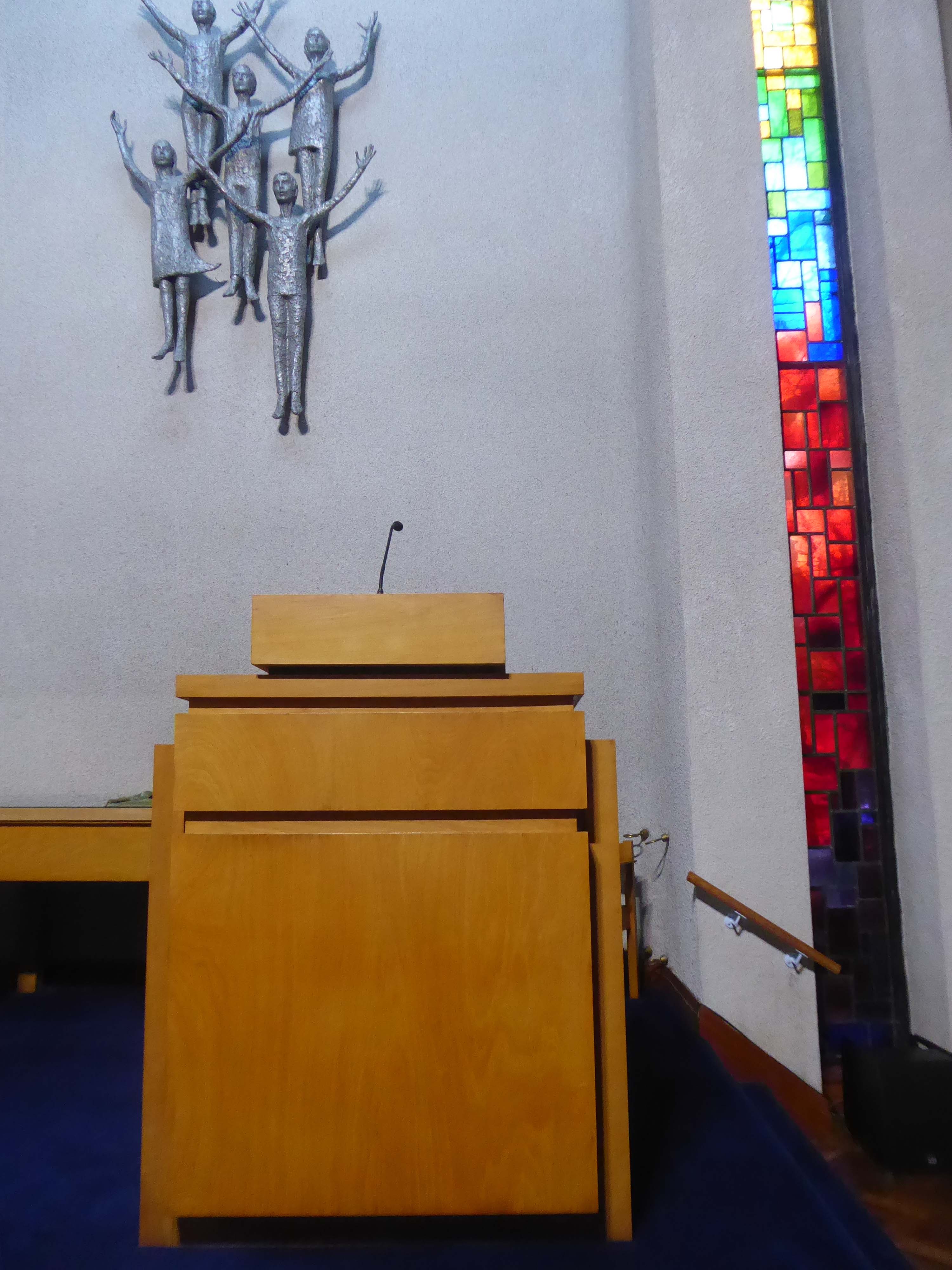
The People Praising by Elizabeth Mulchinock is a 12 foot high original sculpture at the front of the church which represents the family of the church.

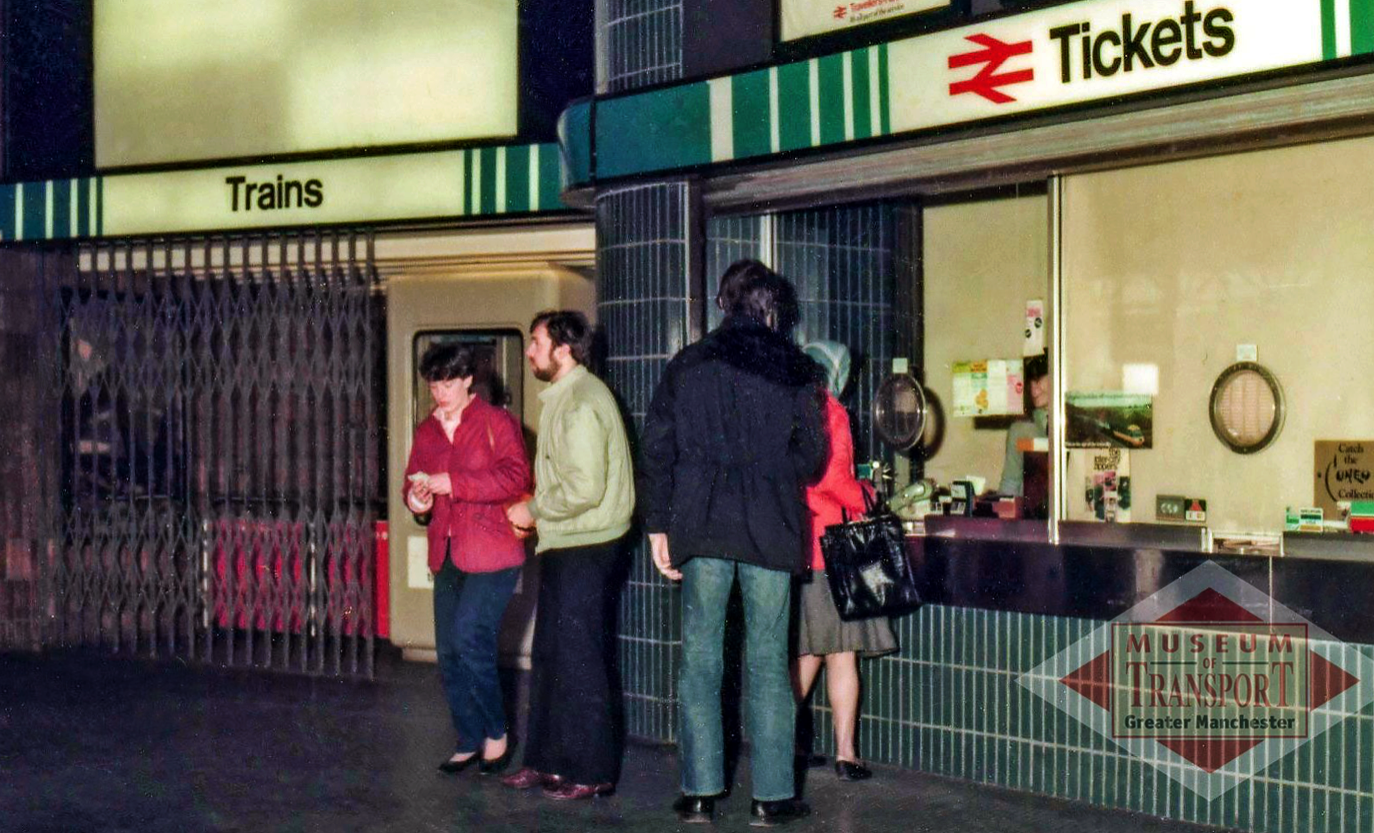
Bury Interchange

Bury Interchange is a transport hub opened in 1980, it is the northern terminus of the Manchester Metrolink’s Bury Line, which prior to 1992 was a heavy-rail line.

It also incorporates a bus station.

Bury Interchange replaced the bus termini scattered around Bury town centre, notably around Kay Gardens.

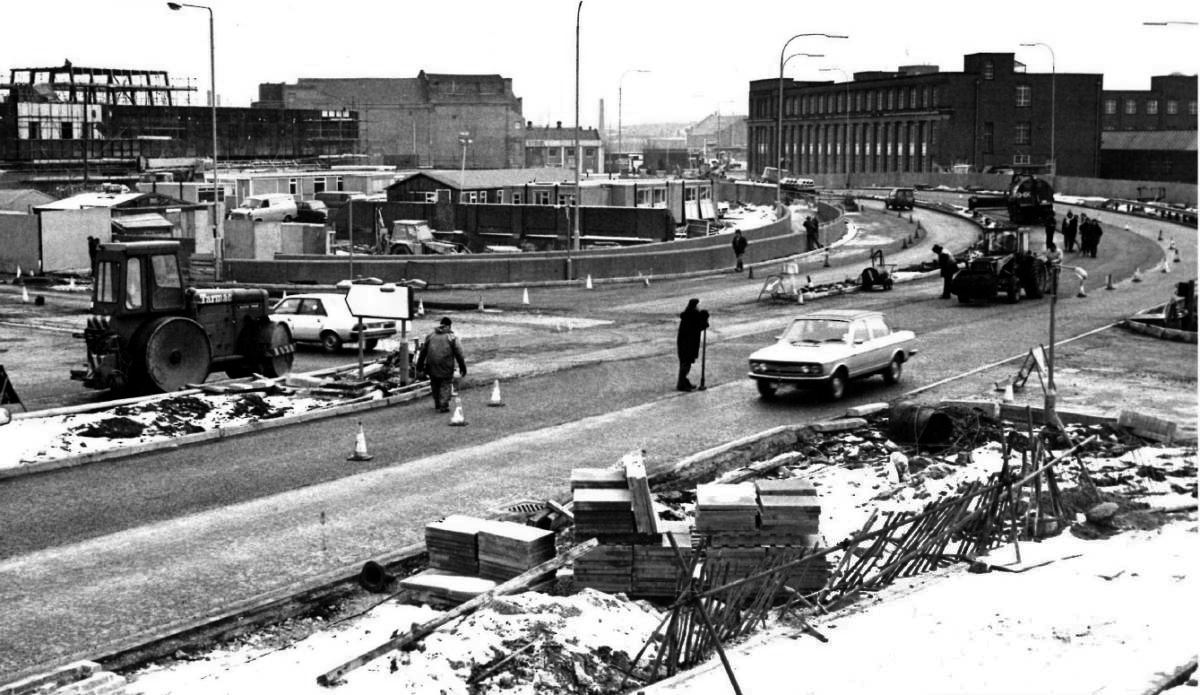
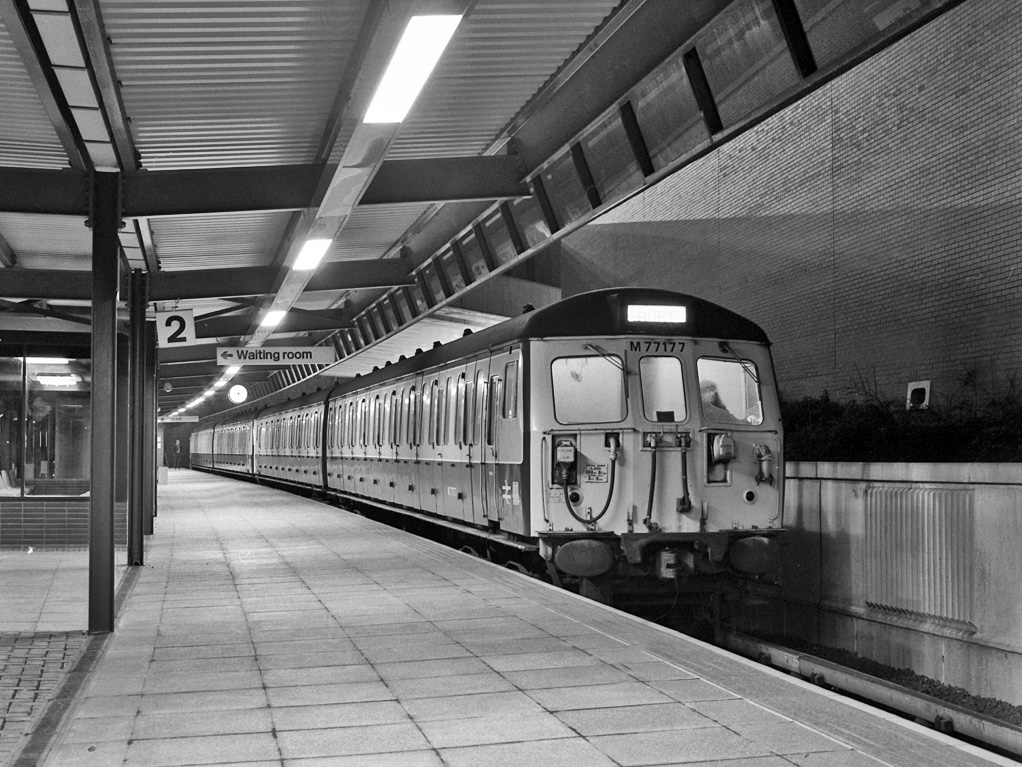
Under construction – January 1979

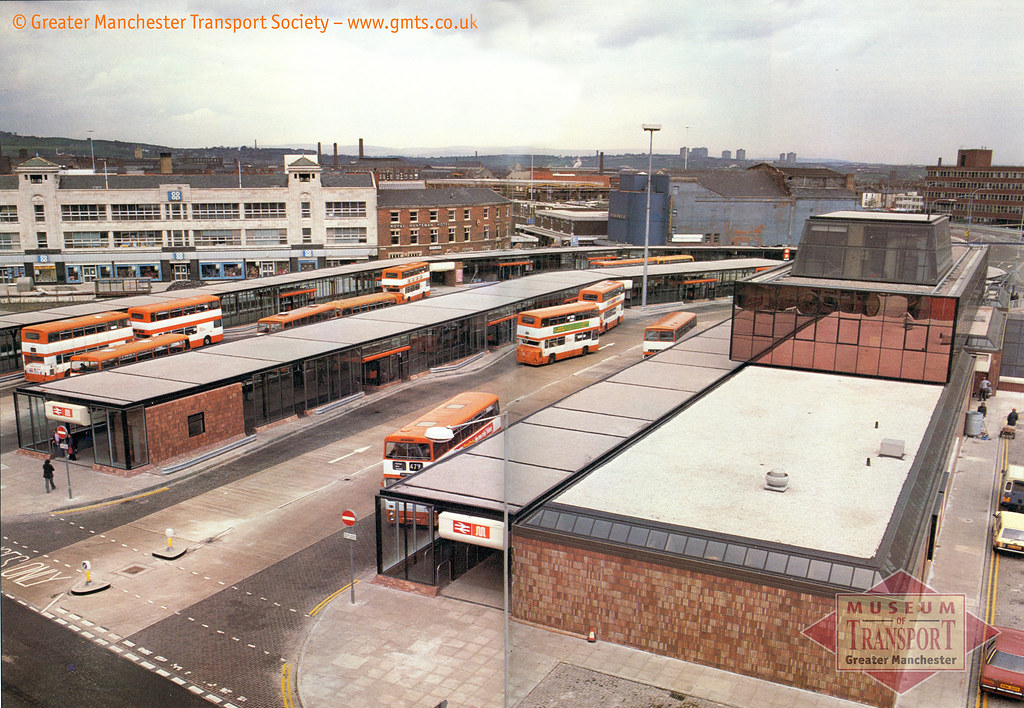
1980 – before the trams.

Class 504 units at the interchange in 1983.

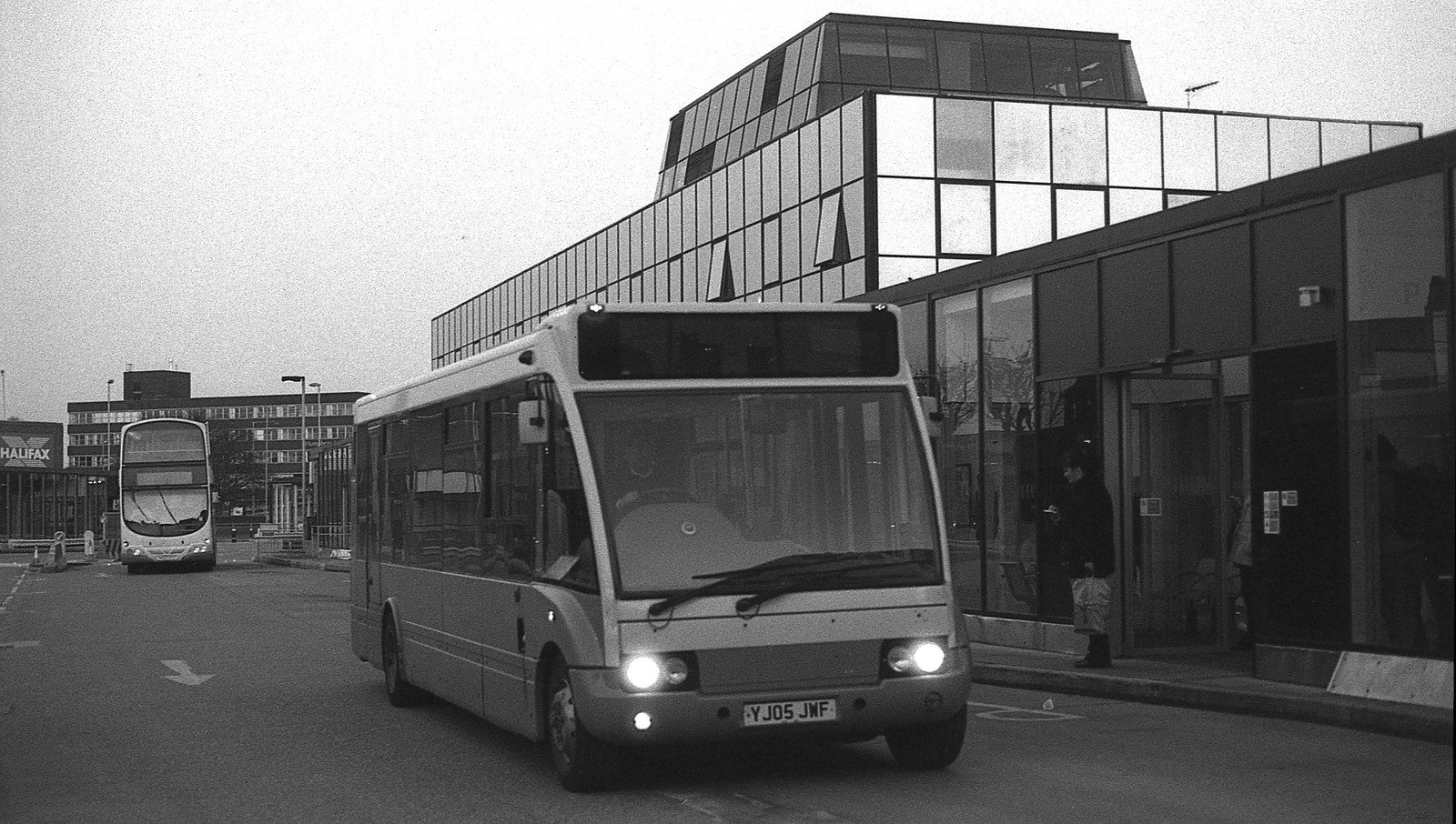
2015 – Allen Williams

Bury Interchange was opened by British Rail in March 1980, integrating a new bus station with the northern terminus of the Bury-to-Manchester heavy railway line, a new short spur line was constructed to connect the new station.

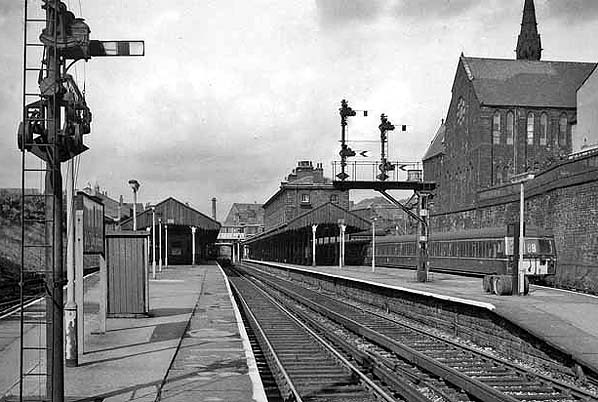
Bury Bolton Street – Ben Brooksbank

The railway had originally run into Bury Bolton Street which was further away from the town centre, and was closed by British Rail on the same day that Bury Interchange opened.

Wikipedia

An £80m transformation is coming to the Bury Interchange, which will see step-free access at the Metrolink, a “vertical circulation core” to better connect the Metrolink with the bus facility, and an integrated travel hub with spaces for cycle storage.

The work is much-needed, explained Transport for Greater Manchester’s Alan Lowe, he said that the interchange was built in the 1980s and very much is of its time.

It’s not what we need for our customers need.

The new Bury Interchange project is expected to complete at the end of the decade.

Place North West

However as of February 2024 – it look like this.

Bury Bolton Street is now operated by the East Lancs Railway.

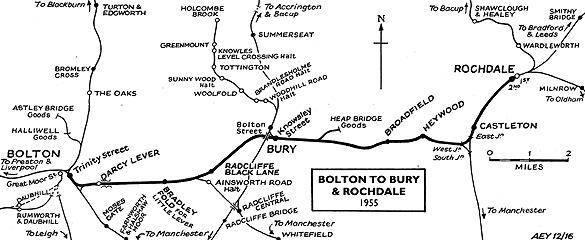
There are failed plans to reinstate the Bury to Rochdale railway as a Metrolink line.

Bury Knowsley Street railway station.

The line and station were closed on 5 October 1970 as part of continuing cutbacks in British Rail services and the line west to Bolton subsequently dismantled.

Telephone Exchange – Morecambe

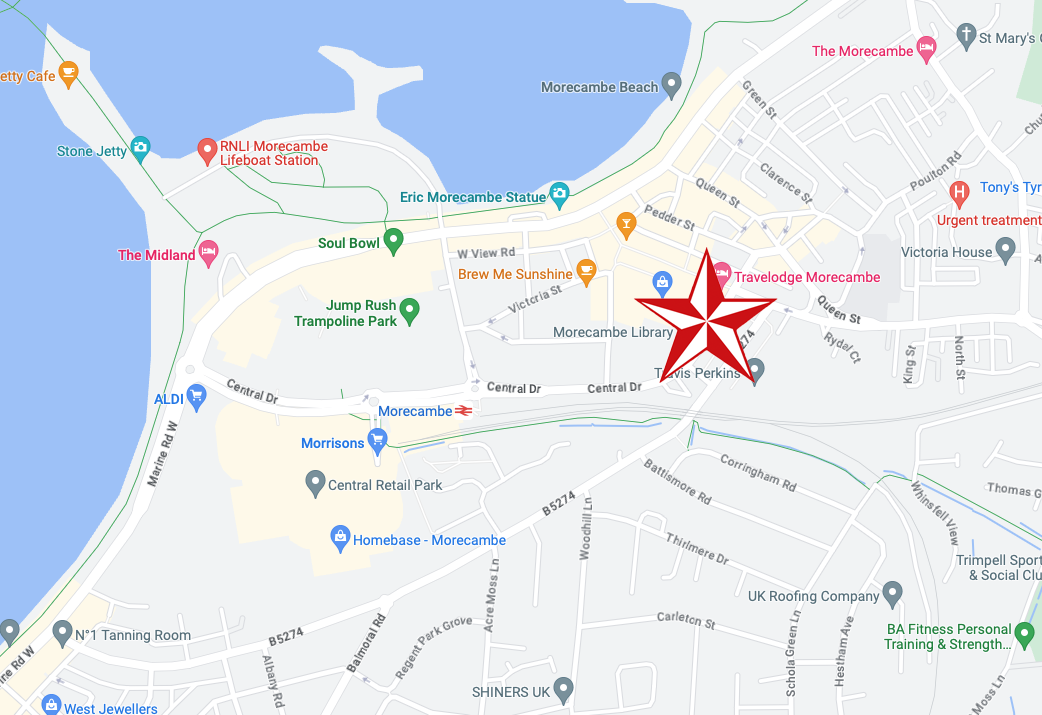
First stop on the Morecambe Mooch and next door to the marvellous Library.

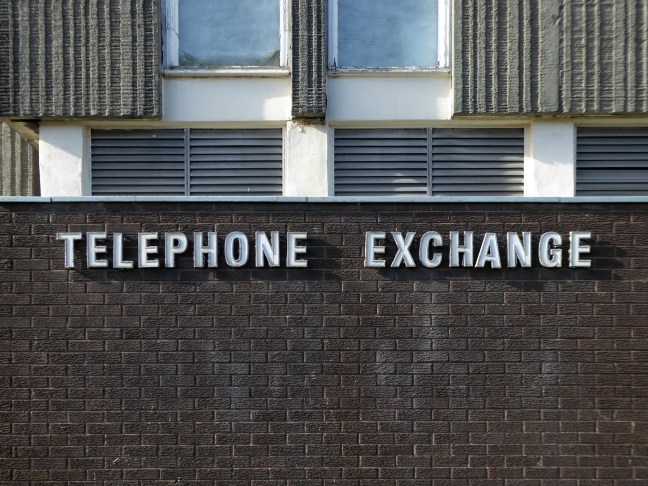
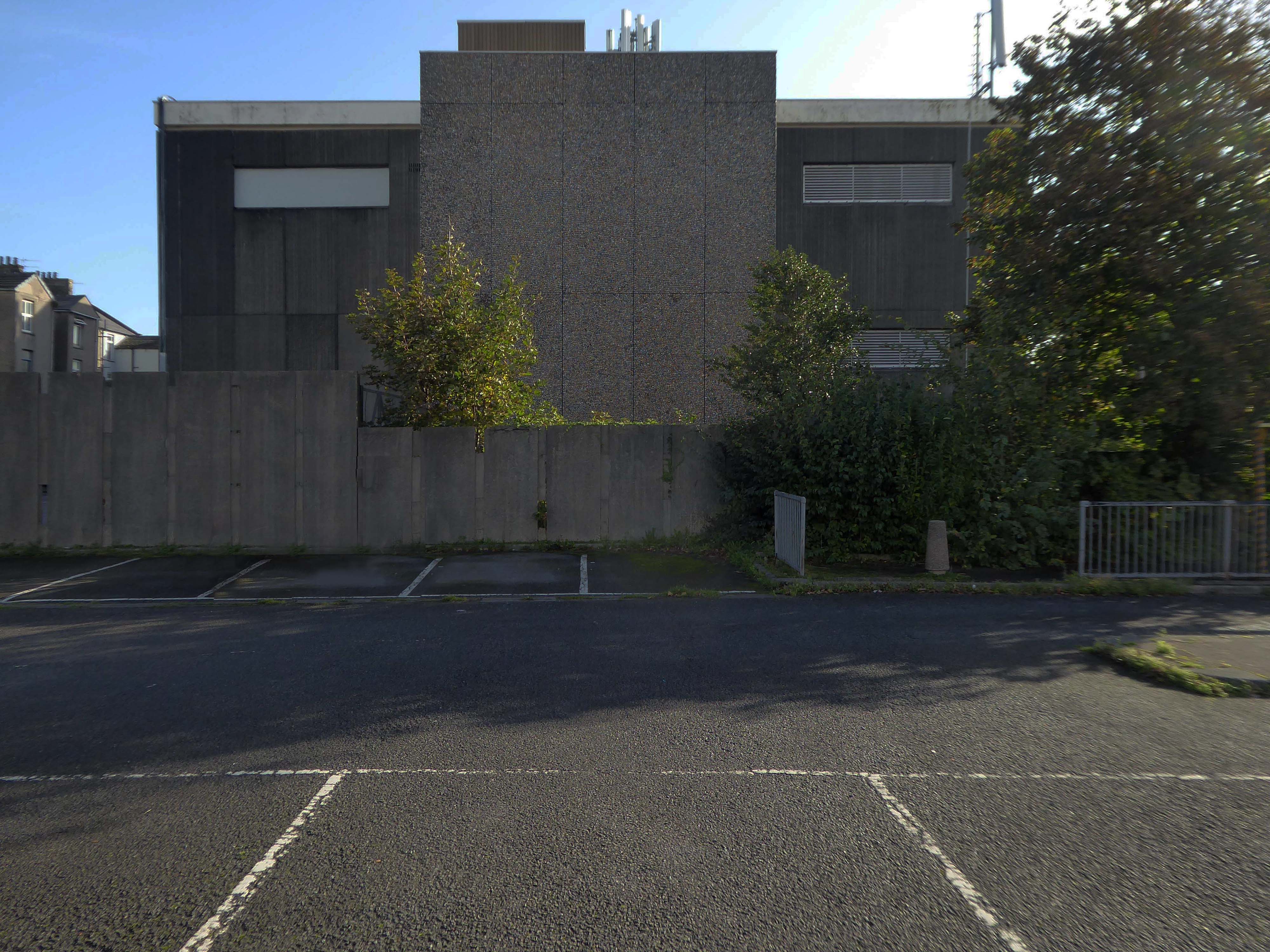
Sound the trumpets – it’s a Telephone Exchange!

Drawings of the original building are dated around 1937 and are simply signed by the Ministry of Works, Preston. Drawings of a small extension dated 1961 are signed by HG Swann at the Ministry of of Works. However – the drawings dated 1970 seem to be the ones of interest. I found elevations detailing the various textured cladding panels, signed by Senior Architect LC Stuart, Job Architect BJ Burroughs and drawn by RJW, Ministry of Public Building and Works at Prince Consort House, London.

The Telephone Exchange

Let’s take a good look around.

Morecambe Library – Again

Central Drive Morecambe LA4 5DL

I have of course been here before, way back in 2016.

With time to spare before leading a Modernist Mooch at 12.00, I came to have another look around.

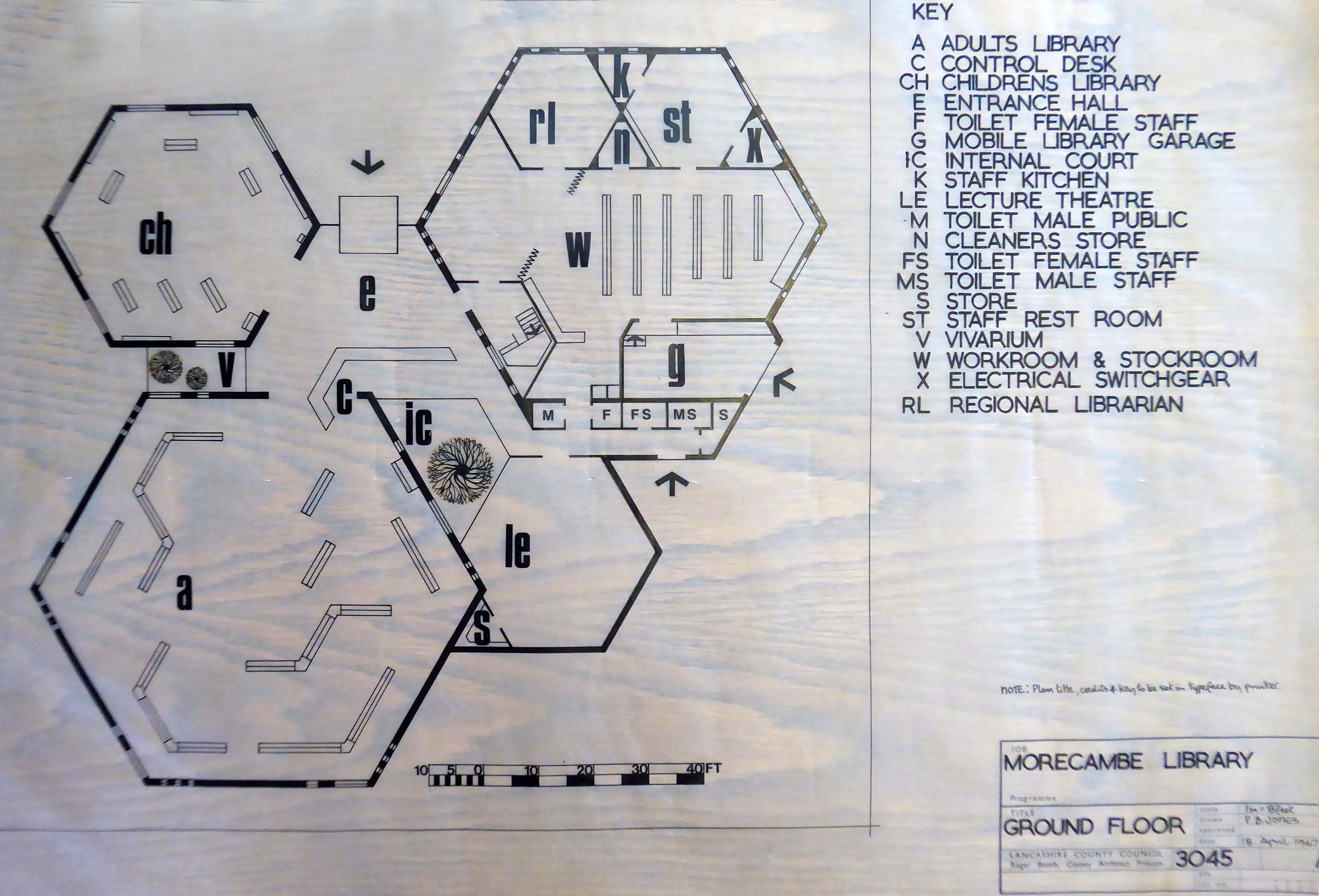
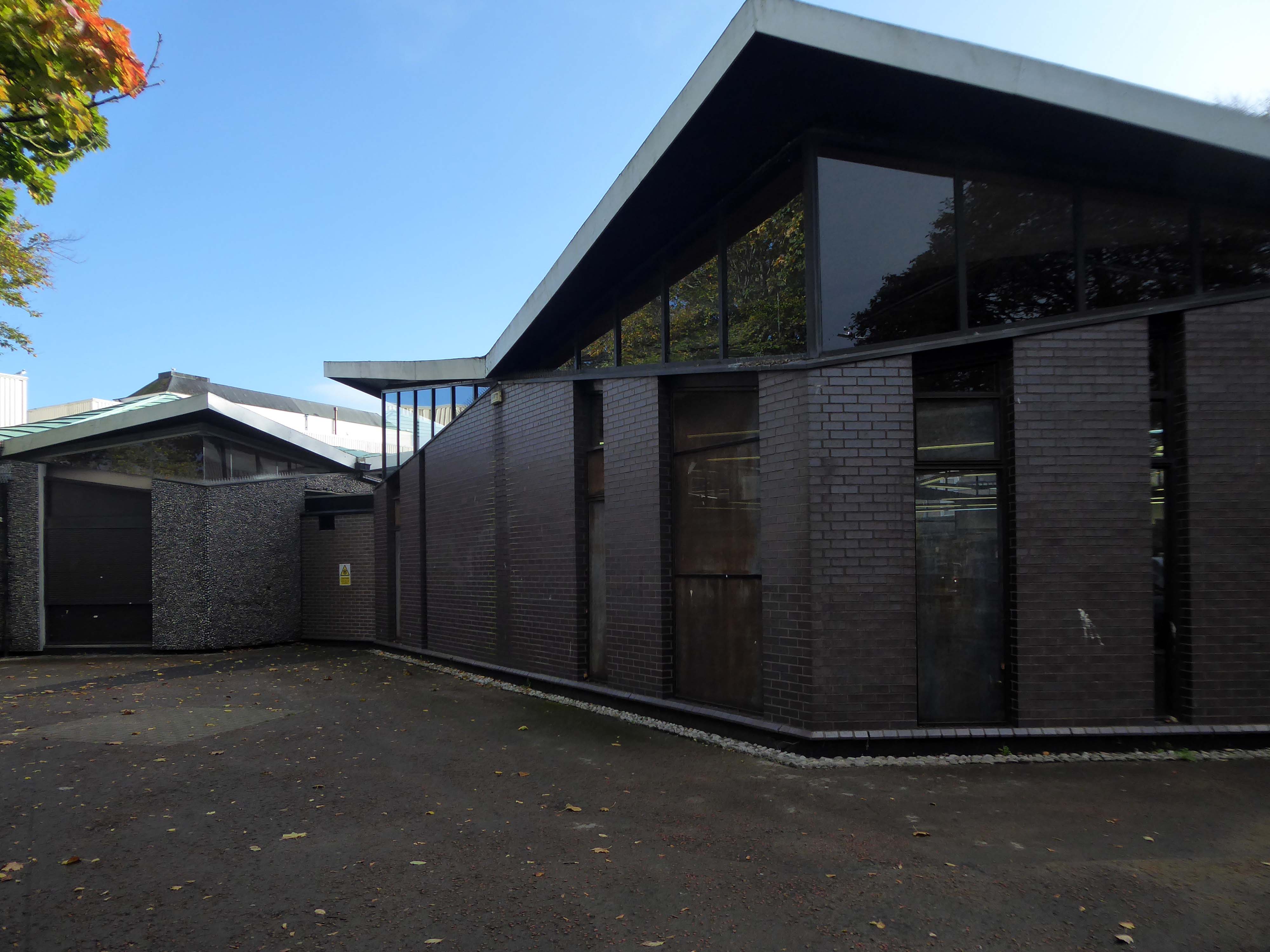
Always a pleasure to visit this gem – the work of County Architect Roger Booth and his team.

Many thanks to manager Andrew Till and the rest of the staff for their warm welcome and this display of Booth’s drawings.

Many thanks to all those merry moochers that came along too!

Morecambe Walk

To begin at the beginning – to begin at the Telephone Exchange.

A plethora of surface textures and a purposely restrained palette, well suited to the architecture of infrastructure.

Around the corner the Royal Mail Sorting Office.

Next door the Telephone Exchange, drawings of the building are dated around 1937 and are simply signed by the Ministry of Works, Preston.

Across the way this former Barclays Bank with its 70s extension, originally a branch of the Kendal Bank, Bank of Liverpool and also Martins.

The building of 1900 is Grade II listed.

Onwards along Central Drive to the Library.

The work of County Architect Roger Booth and his team, opened in 1967.

With thanks to the Library Staff.

Seen here in its original form, before the alterations were made.

Image – Red Rose Collections

Off down to the former Odeon Cinema 1937 architects – W Calder Robson and Harry W Weedon

Like many of the original Odeon Theatres built by Oscar Deutsch, the site chosen was a little out of the main town centre – where land prices were cheaper, and the Odeon Morecambe is a good example of this. It is located at the corner of Euston Road and Thornton Road in this Lancashire seaside town. The Odeon was opened on 2nd September 1937 with Sandy Powell in “It’s a Grand Old World”. It had seating provided for 1,084 in the stalls and 476 in the circle.

Taken over by the Classic Cinemas chain in December 1967, it was re-named Classic Cinema, and was closed on 28th February 1976 with Kenneth Williams in “Carry On Behind”.

The stunning Moderne style exterior much of which including the projectionists walkway is now much deteriorated.

Cinema Treasures

Next to the Police Station another Roger Booth building – recently seen on the small screen in The Bay.

Backtracking to take in the Crescent Café entrance.

Which became Hart’s Restaurant now trading as the Black Thai.

Into the town centre to look at the former Centenary House Co-op 1927.

Bought by the city council as part of the West-End Masterplan, the intention is to refurbish the building’s upper floors to provide affordable housing and accommodation for local arts businesses, retaining the Co-op late shop that occupies one-half of the ground floor.

Let’s take a look along the front – where we find a former Woolworths.

Along with other stores from the same period.

Alongside sits the former Littlewoods.

By 1939 there were 24 stores. A number of these were purpose-built for Littlewoods to designs by J S Quilter & Son. John Salmon Quilter – 1841-1907 was, in fact, long dead, but his architectural practice had been continued by his son Cecil Molyneux Quilter – 1879-1951. Quilter specialised in commercial architecture, notably public houses. He designed a new Blackpool store for Littlewoods, on the corner of Church Street and Corporation Street, which was faced in Empire stone. He also designed a store in Chester, and may have been responsible for the one in Morecambe. This faience-clad art deco building is the best surviving example of a pre-war Littlewoods store – indeed, it may be the best surviving Littlewoods of all time – even preserving diamond L motifs on the entrance lobby floors. These clearly copied Woolworth’s diamond W.

Building our past

Next to Brucianni’s, a gem of a coastal café and ice cream parlour – Grade II listed.

Finally to the Midland Hotel 1932-3 by Oliver Hill

Concrete and rendered brickwork, painted white. Curved plan, with convex side facing west towards the sea. Three storeys. Windows are steel-framed casements with rendered surrounds. Above each storey are projecting horizontal bands. The entrance front has a rounded left-hand corner, and a convex central staircase projection rising above roof level. This projection has a tall window of steel casements above the doorway, divided into three by mullions, both of which are capped by sea horses, painted red, which were carved by Eric Gill. Projecting at the right is a single-storey cafe of circular plan, now known as the Ravilious Restaurant. The west side has a single-storey projecting sun lounge, which is an addition, its windows replaced in PVC-coated steel. Between the solid centre and ends of the facade the 1st and 2nd floors have their walls recessed to form balconies.

Interior: above the cantilevered circular open-well staircase is a ceiling panel carved in low relief by Eric Gill and painted by Denis Tegetmeier. They were also responsible for the pictorial map of north-west England in what was originally the children’s room at the south end of the building. Also in this room is Eric Gill’s Portland stone panel, originally in the lounge, carved in low relief with a representation of Odysseus and Nausicaa. It was moved to its present position when internal walls were demolished during the 1970s. The cafe walls were originally painted with frescoes by Eric Ravilious, representing morning and evening in an idyllic seascape setting. These deteriorated rapidly because the plaster and paint used were incompatible and were obliterated within 2 years of completion, but were repainted in the late 1980s using photographic evidence.

Eric Gill

Tirzah Garwood and Eric Ravilious

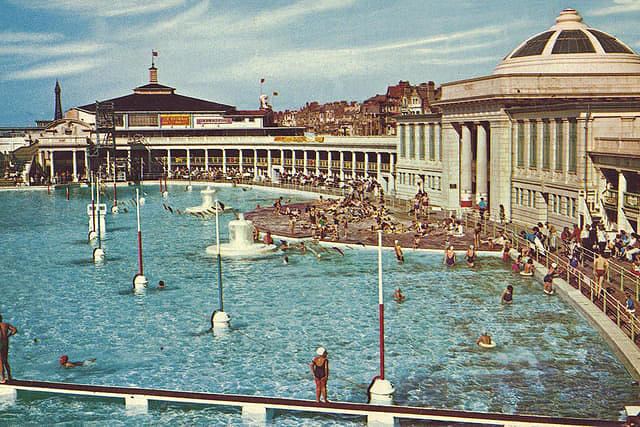
Sadly we are no longer able to see the long gone Super Swimming Stadium.

Architect: Kenneth MB Cross and Cecil Sutton

The Super Swimming Stadium at Morecambe, Lancashire, was one of the grandest of the 1930s modernist seaside lidos. This massive structure measuring 396ft. by 110ft. was said to be the largest outdoor pool in Europe when it opened in 1936, accommodating some 1200 bathers and 3000 spectators. Unusually for an inter-war lido, it was designed not in-house by a Borough Engineer but by two architects, Kenneth MB Cross and Cecil Sutton, who styled it to harmonise with the Streamline Moderne of Oliver Hill’s adjacent Midland Hotel.

The stadium was closed down in 1975 on grounds of structural problems and demolished just a year later.

tameside moderne book

Available online here or call in the Modernist Shop on Port Street Manchester.

Tameside Moderne

By Steve Marland

A comprehensive guide to the Borough’s modern architecture.

Almost two years in the making.

Tameside east of Manchester – a volcanic explosion of concrete, glass, steel, brick and wood!

From sacred sites to suburban substations, a rollercoaster ride through provincial style.

  
Softcover, 84pages,
B&W
148 x 210xmm – landscape

£10 well spent – be quick these will fly!