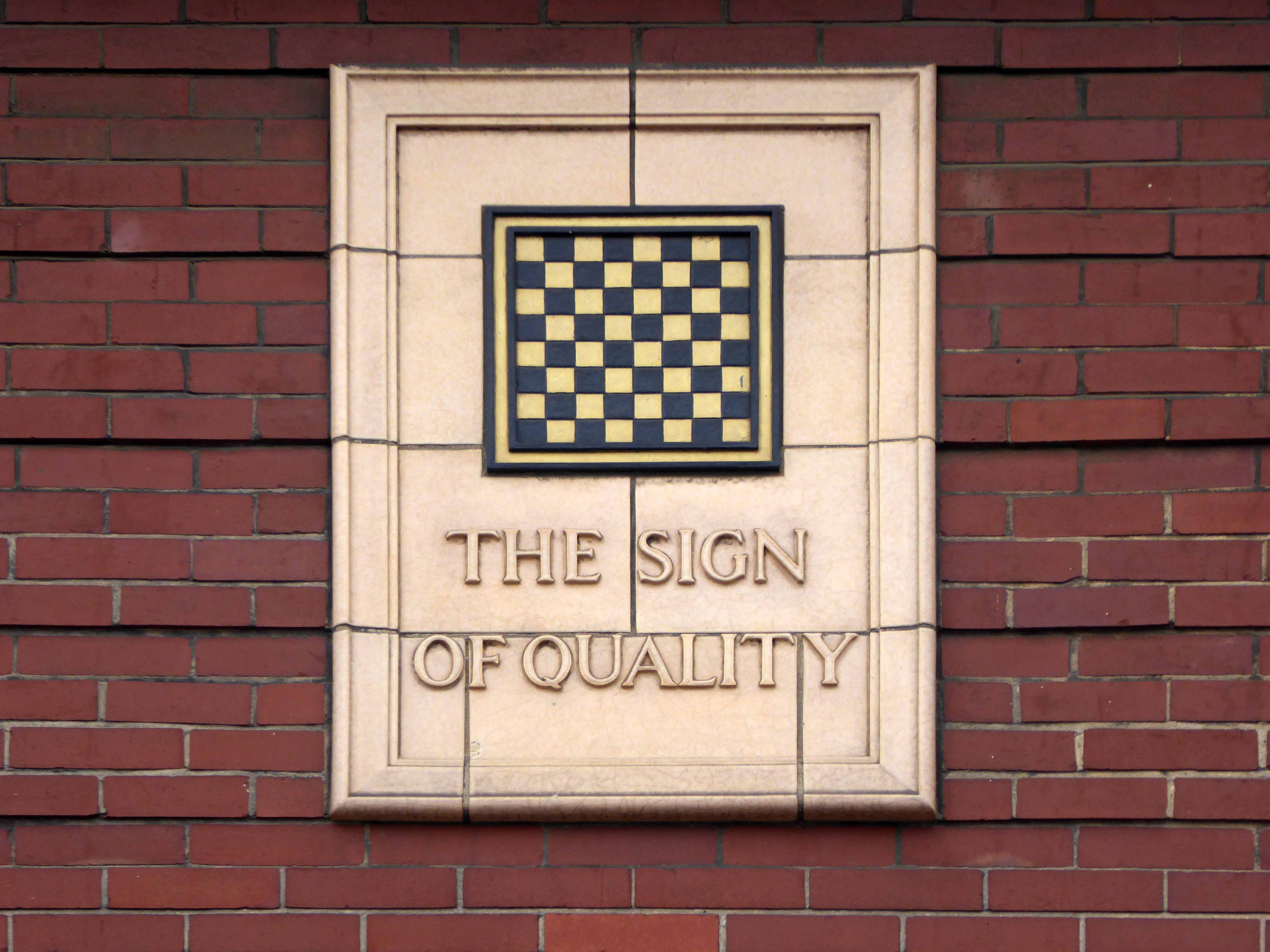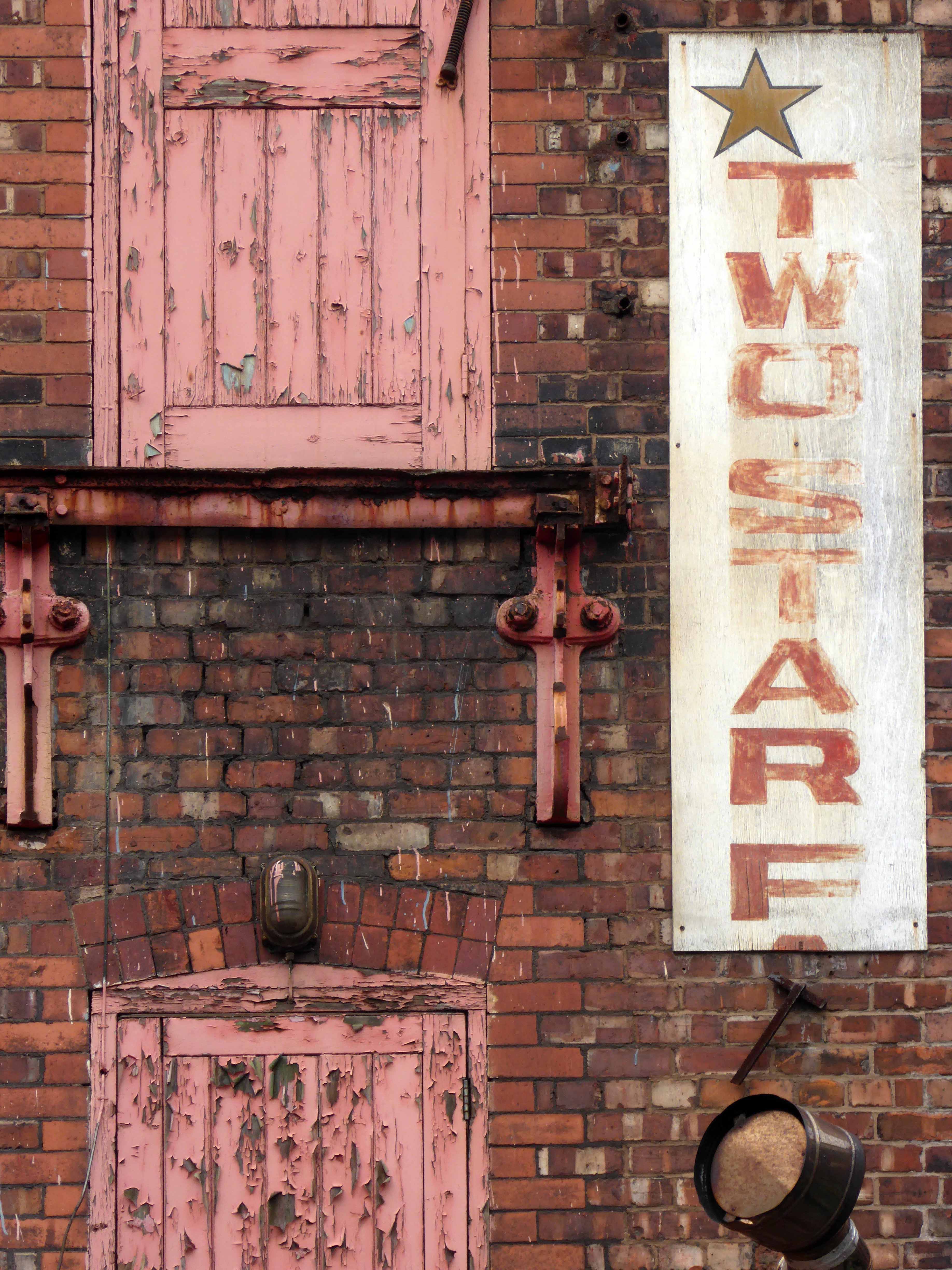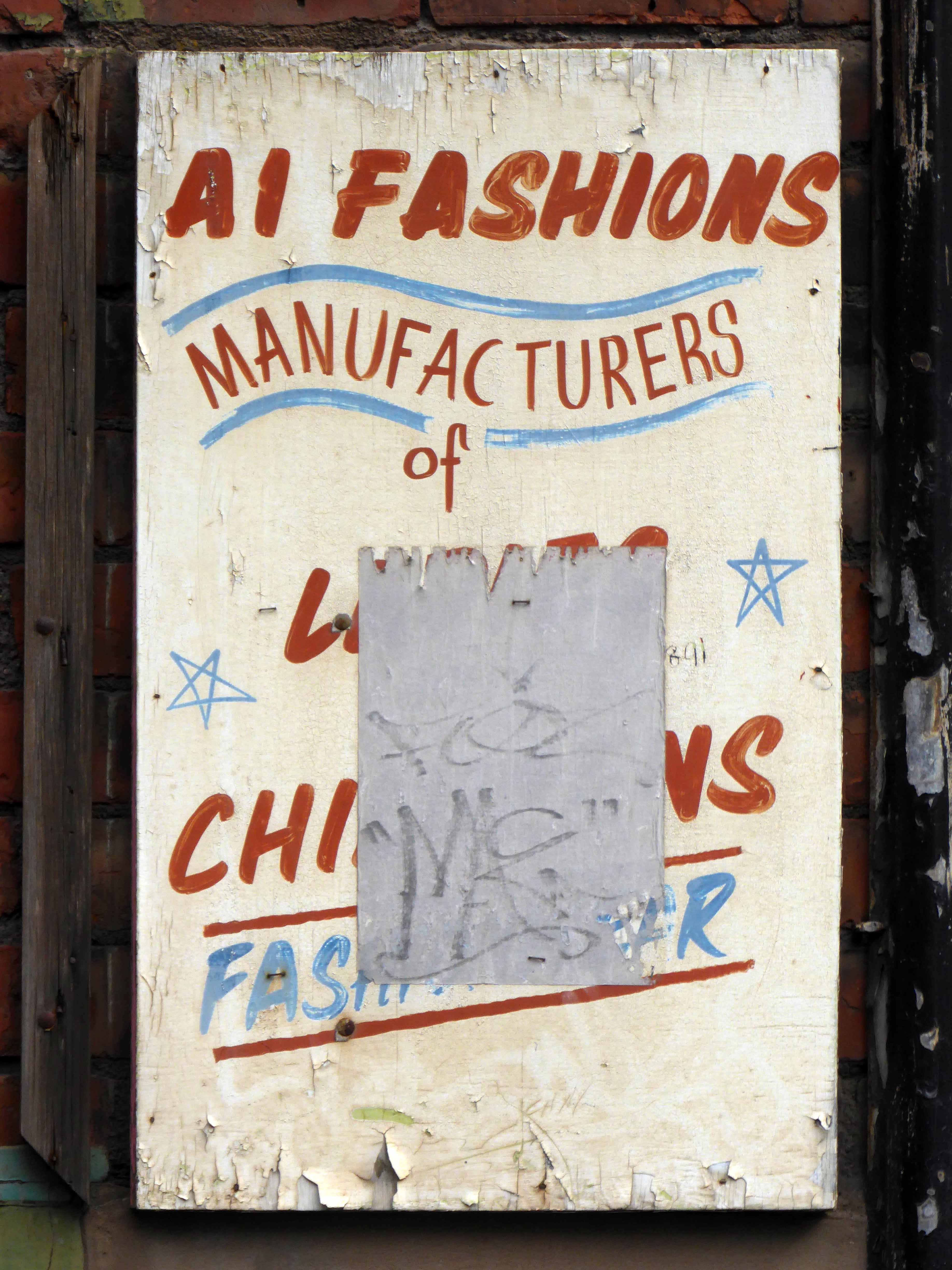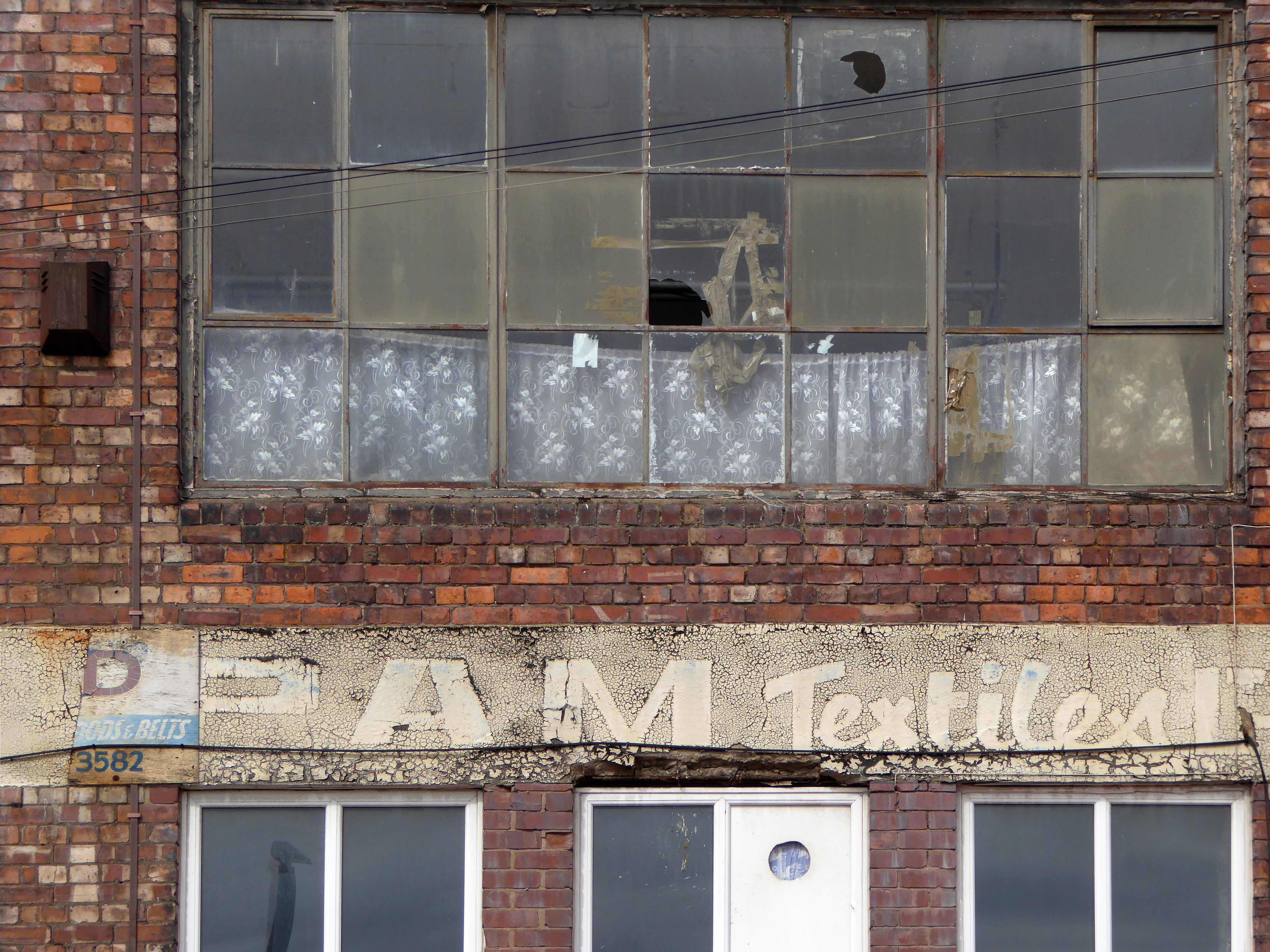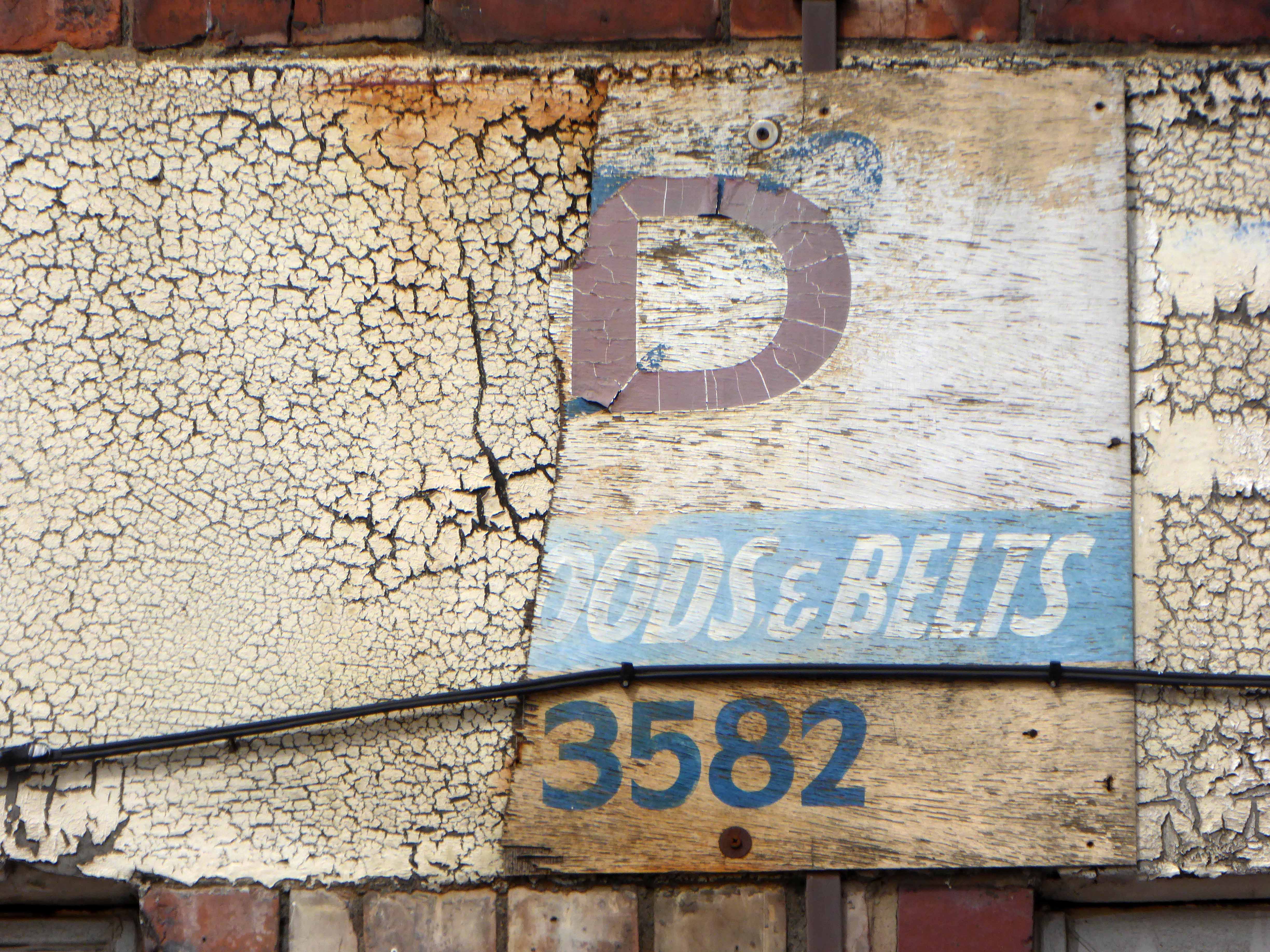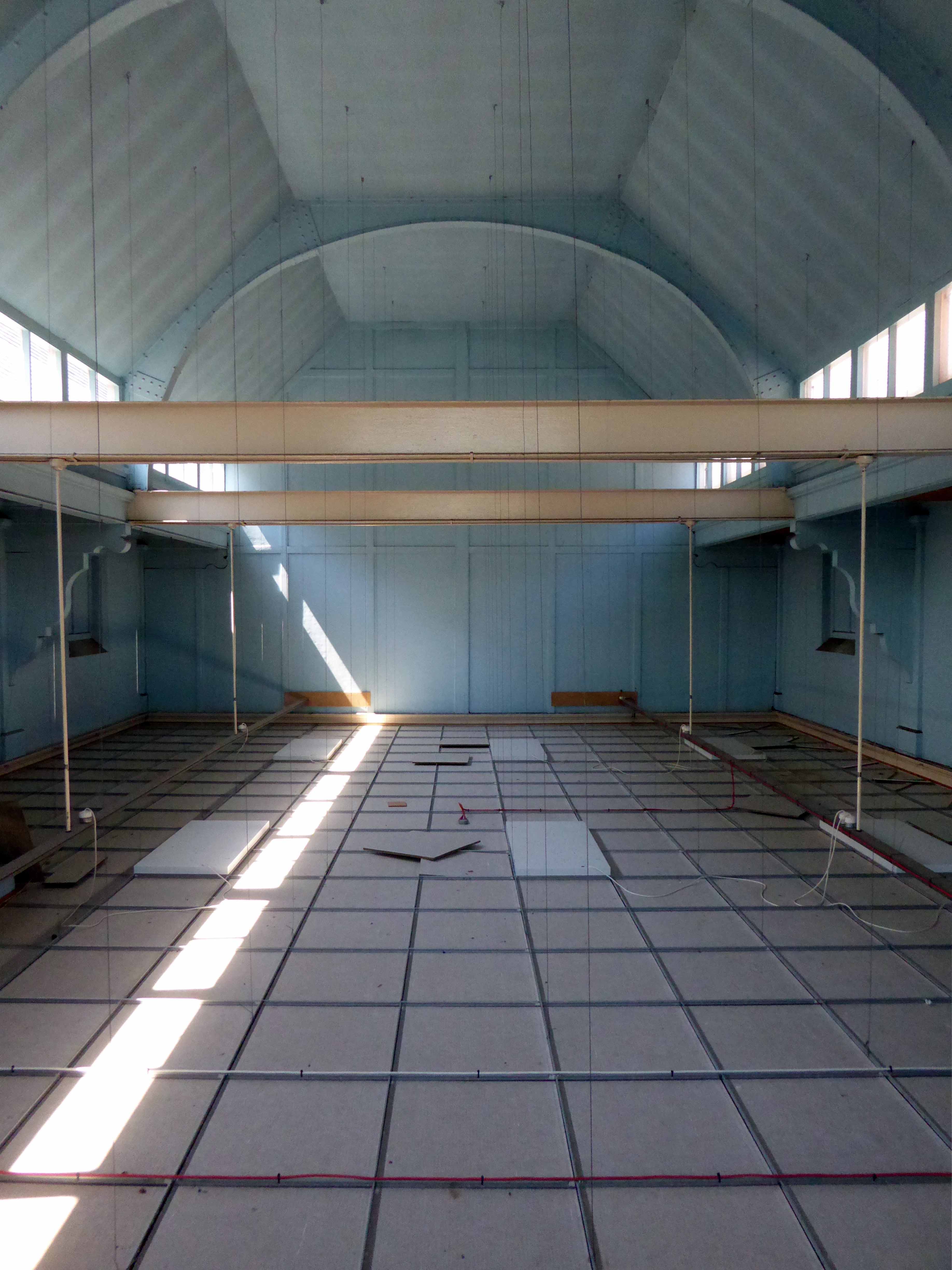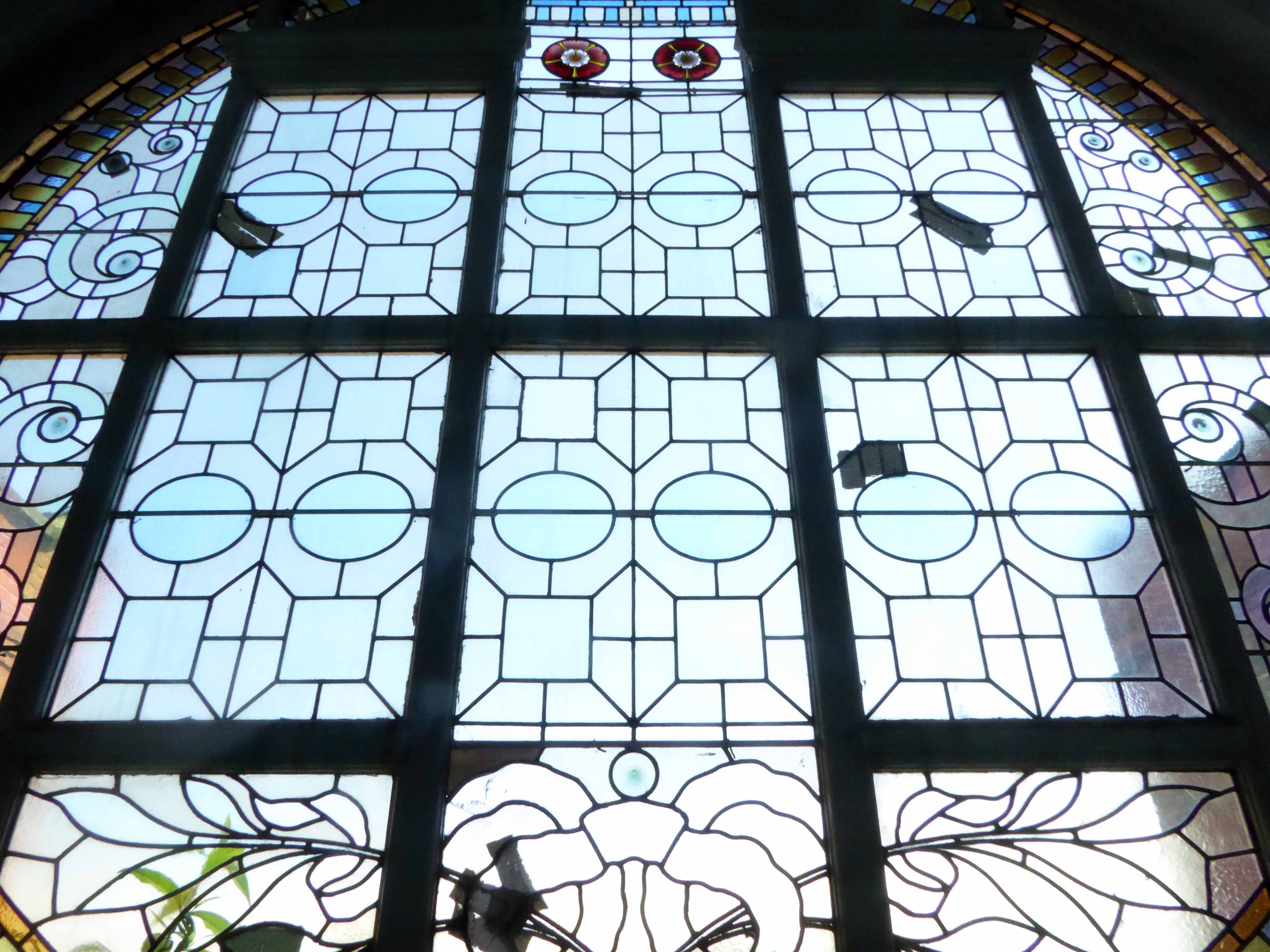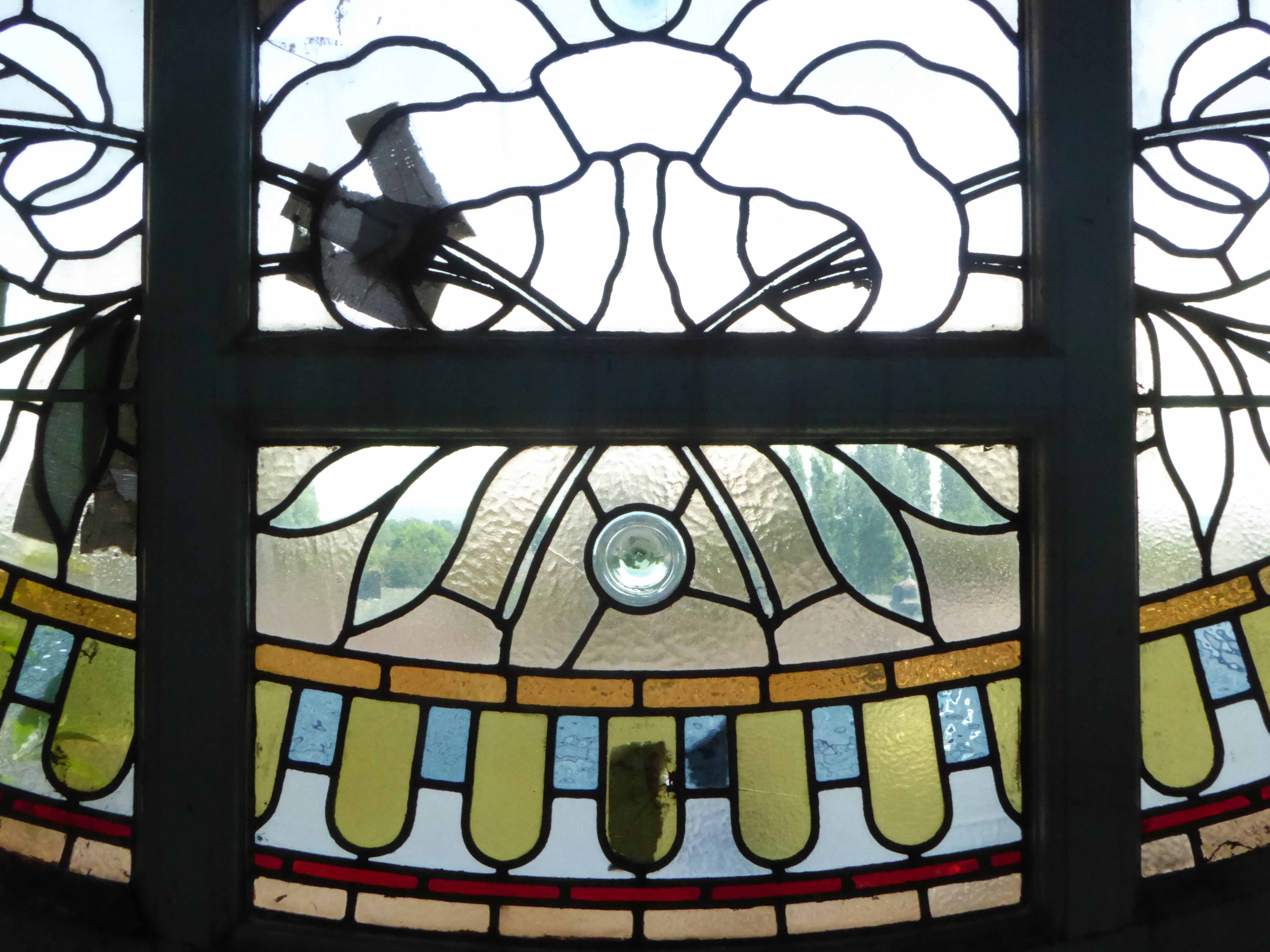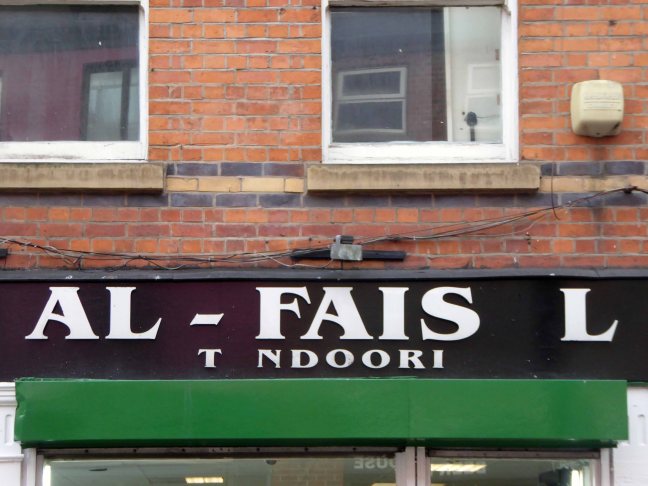
Al Faisal – Thomas Street Manchester

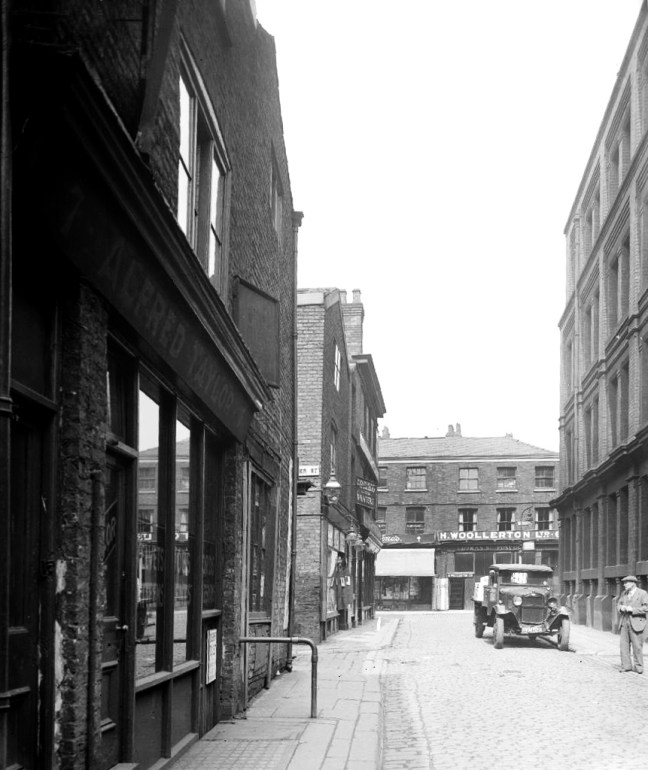
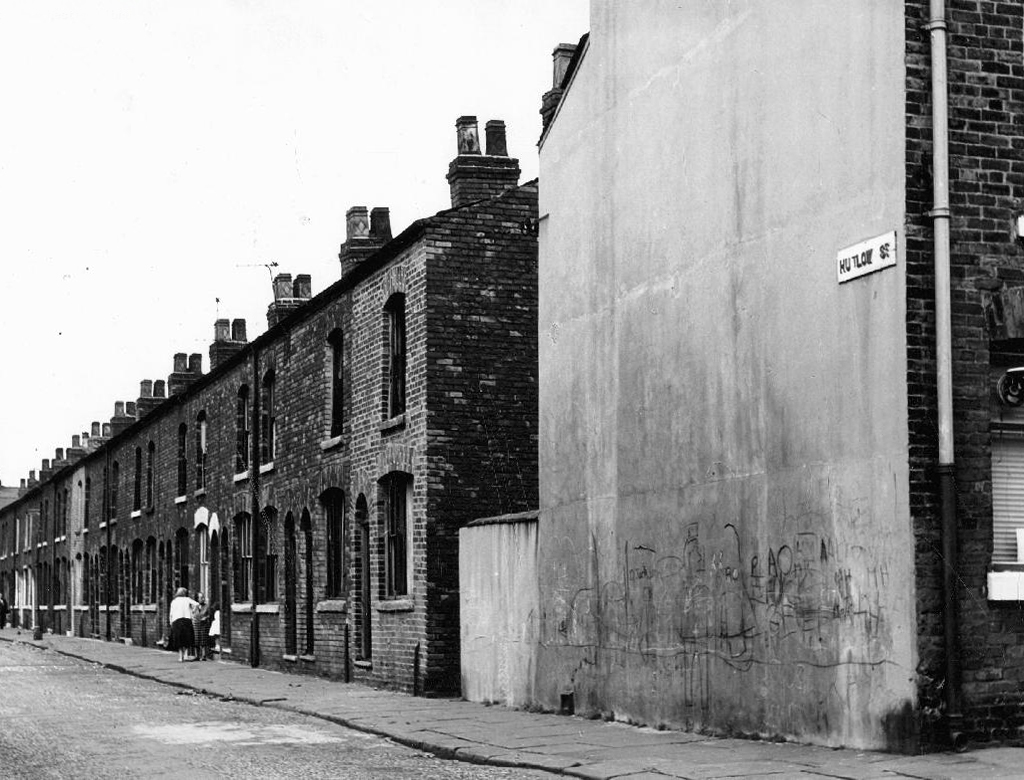
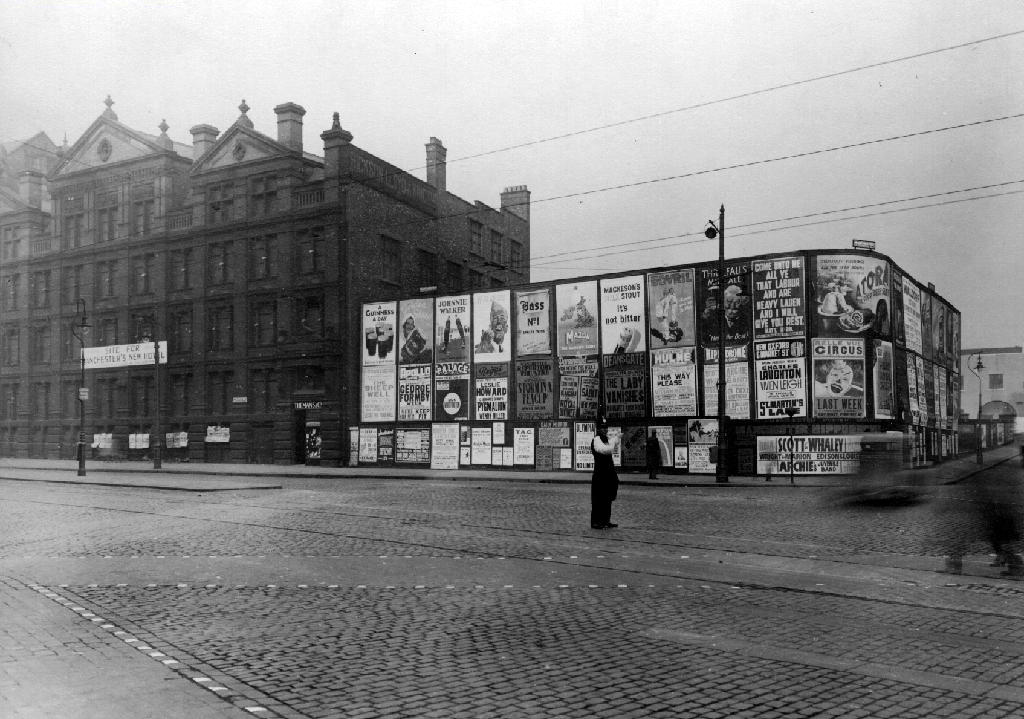
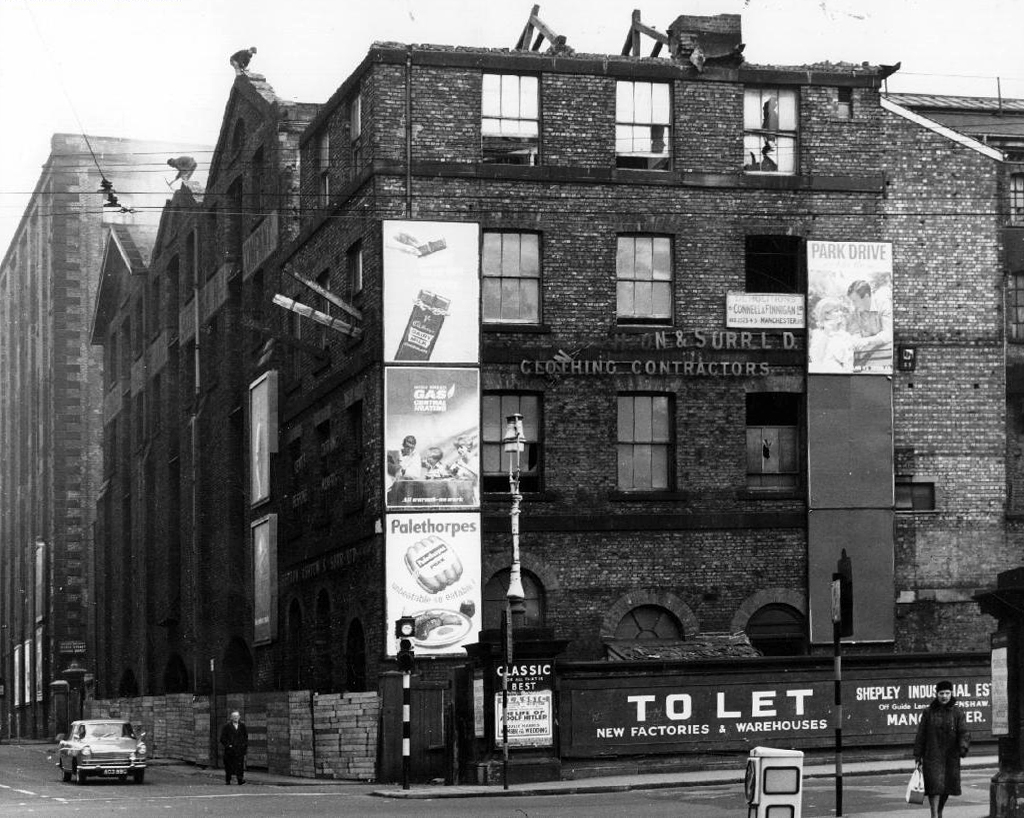
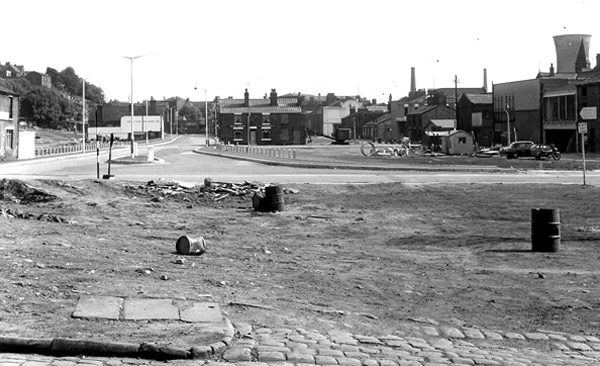
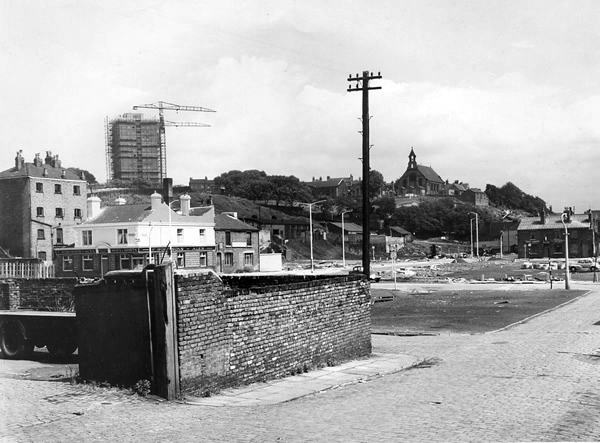
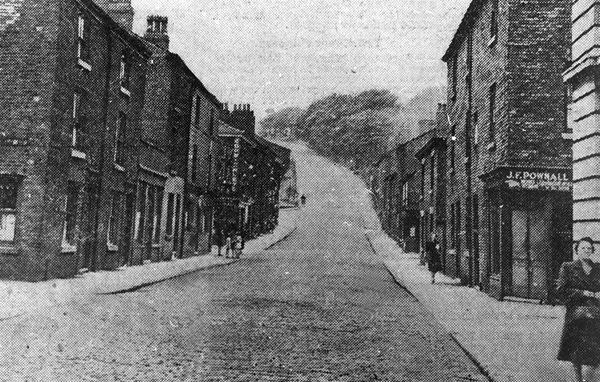
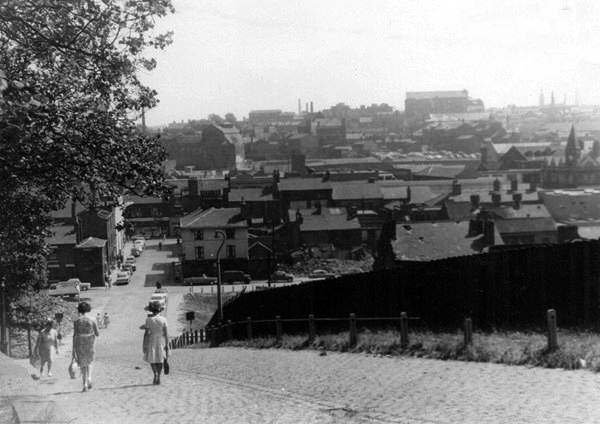
Things, as we know, come and go – by 1807 Thomas Street had arrived.
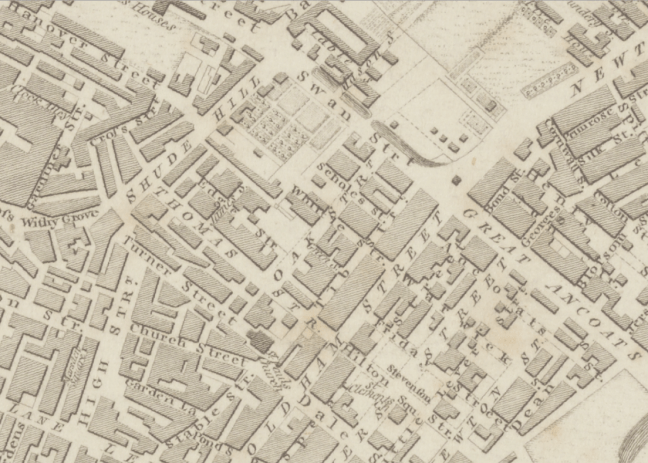
roper 1807

At the heart of the new Manchester – providing dwellings, shops, pubs and manufacturing premises for the masses.

One of the earliest architectural complexes of the Industrial Revolution.
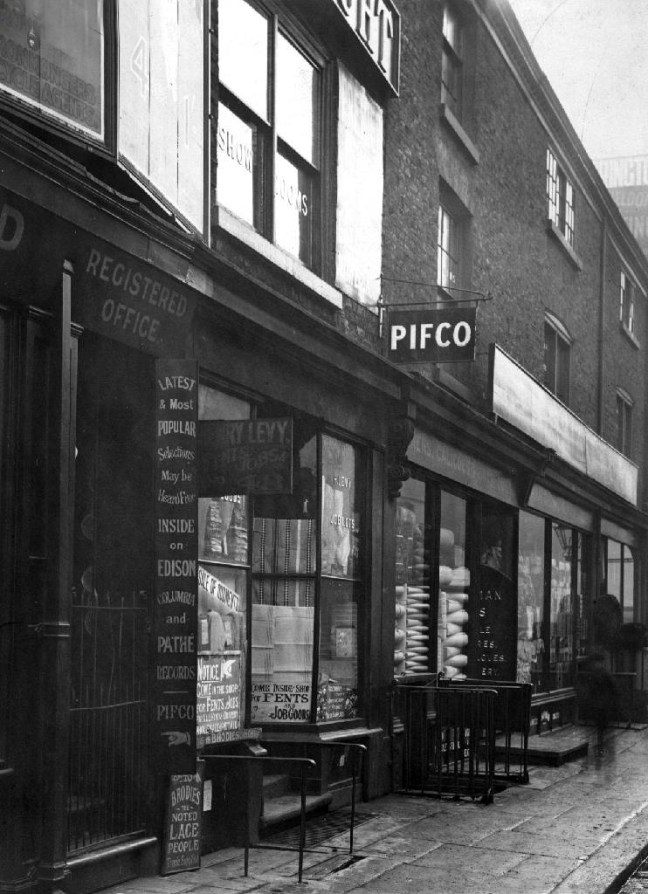
1905

1908

2445_l

Pifco – Manchester Manufacturing

1938
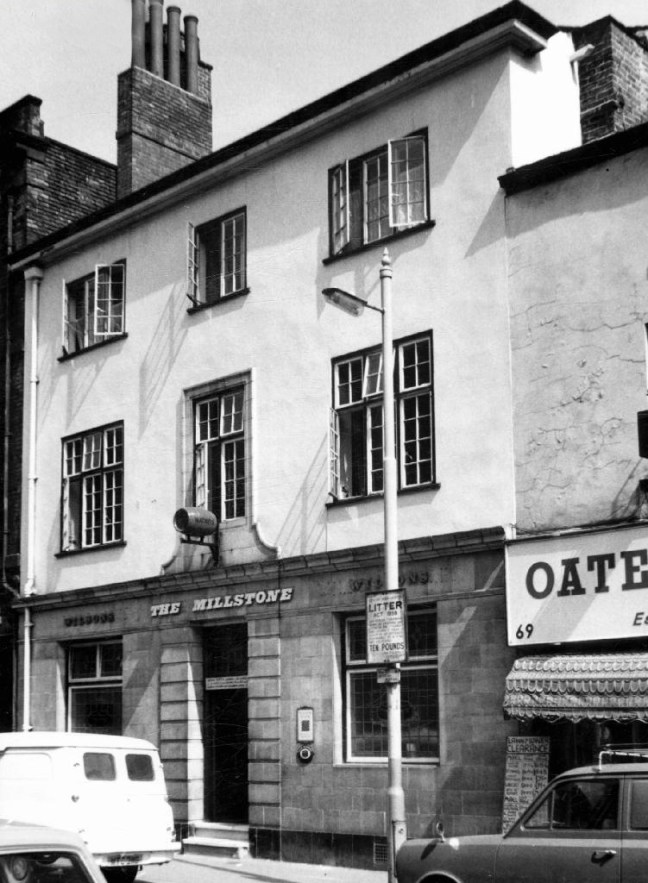
1938

1970

The Millstone 1970

bay 70

Bay Horse 1970

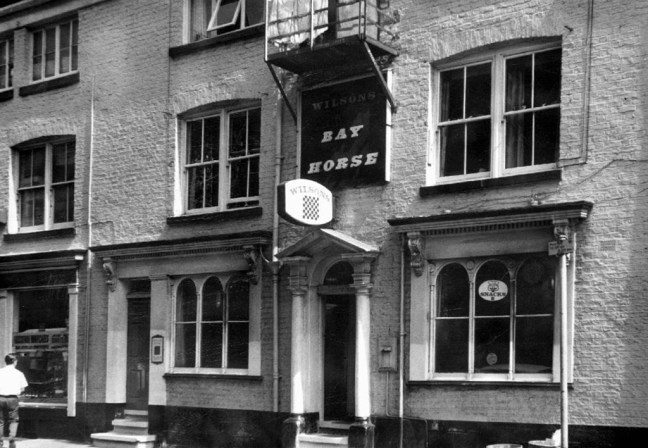
Both pubs have survived and the street is home to several relative newcomers, including the Richard Goodall Gallery and celebrated men’s outfitters Oi Polloi.

Also the location of my most favourite shop in the whole wide world.
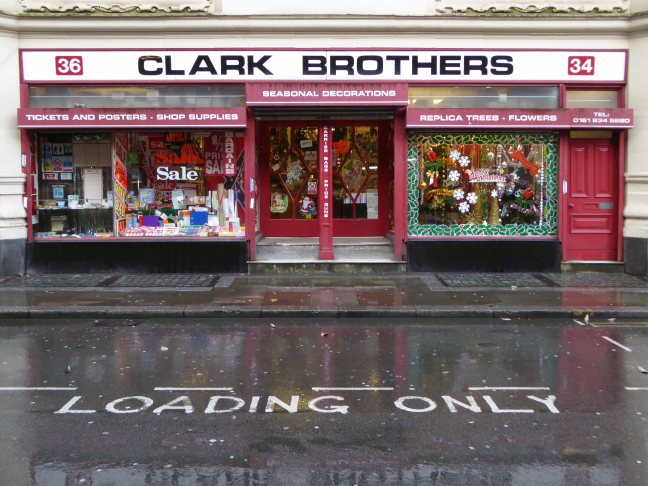
P1110739 copy

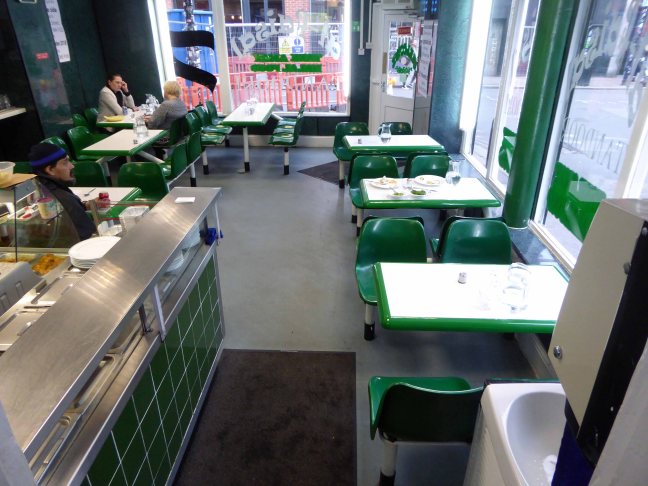
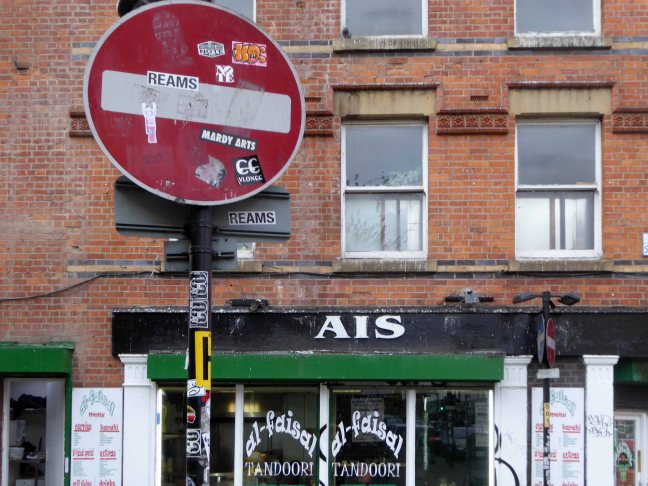
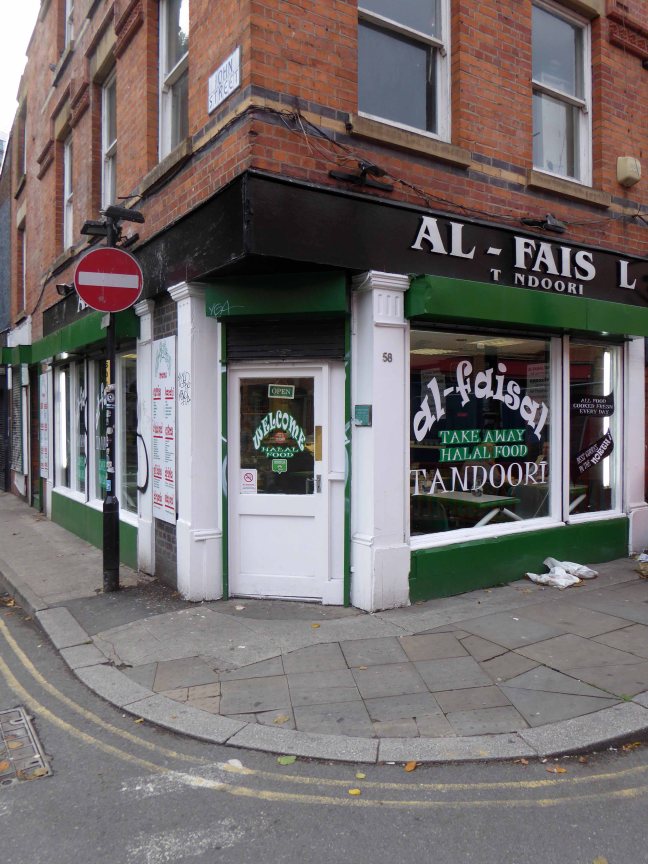
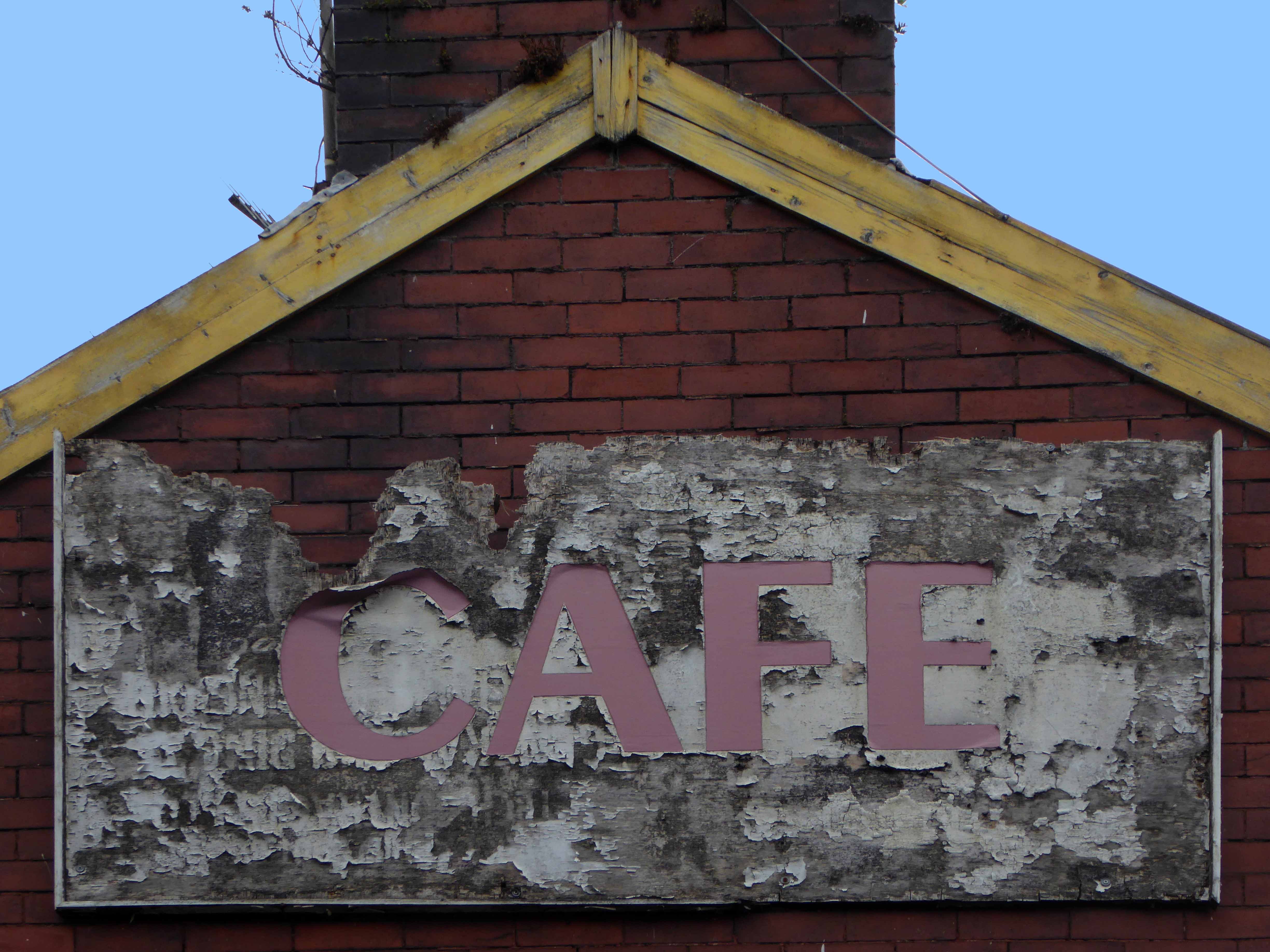
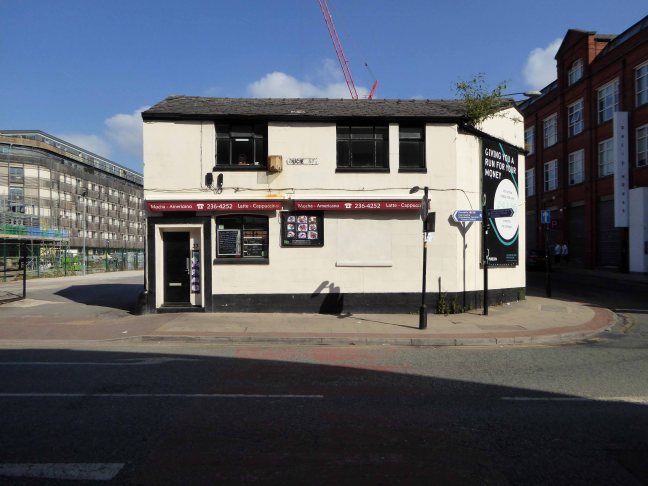
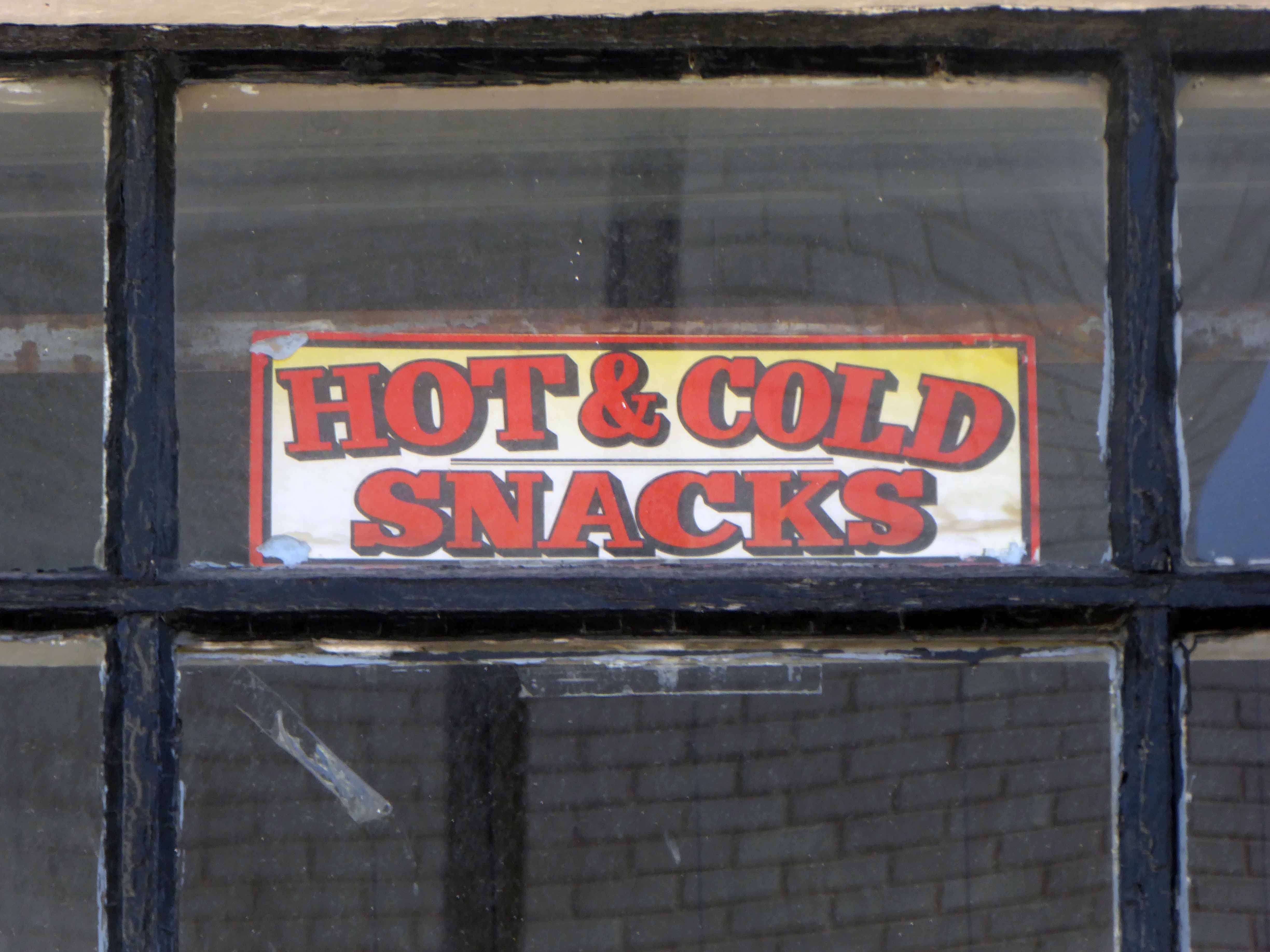
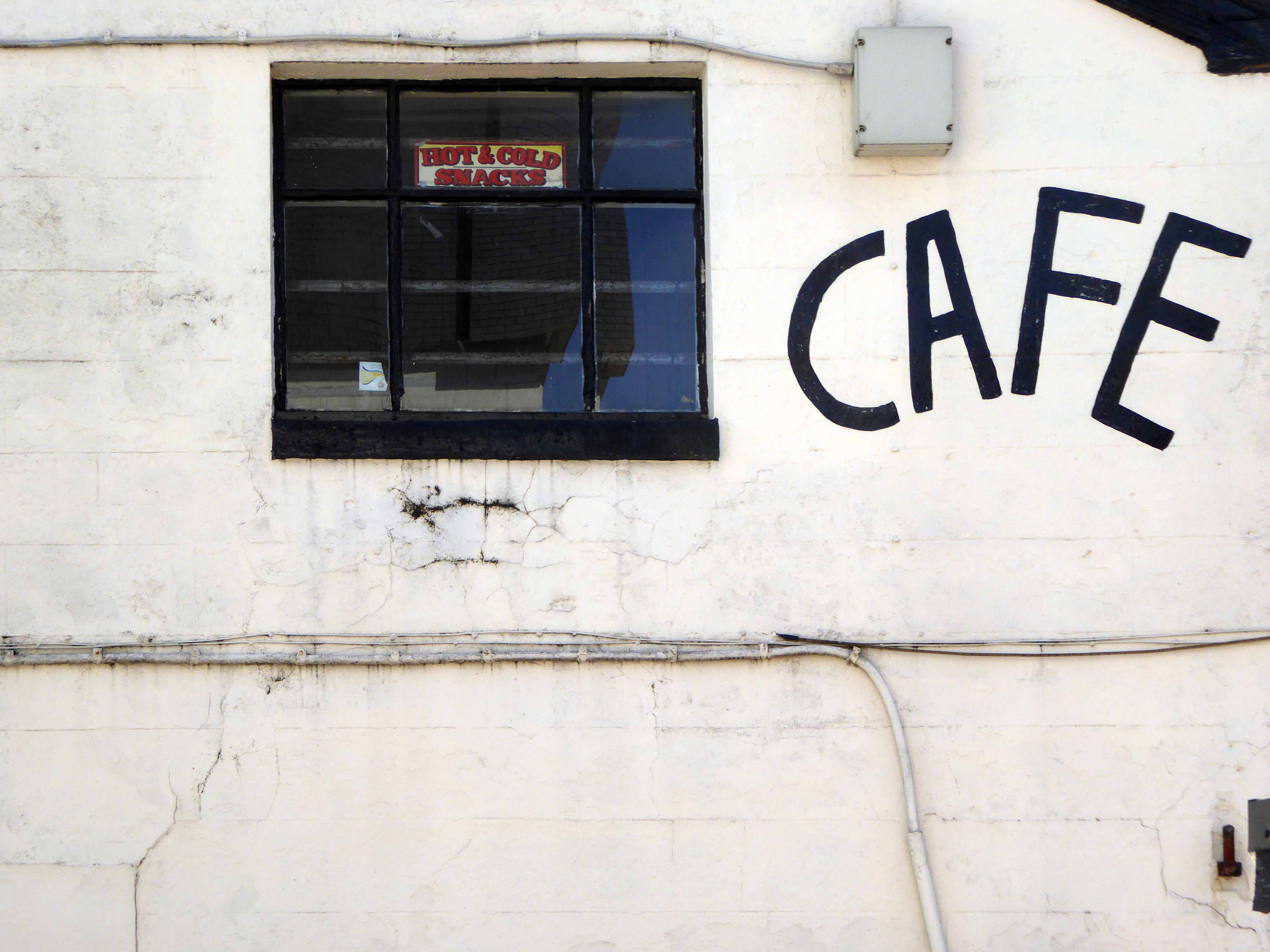
From the 70’s onwards the area had been at the centre of the Asian garment trade – and so it came to pass some 26 years ago the Al Faisal arrived, one of several curry cafés, feeding the faces of the passing parade.

I’ve eaten there for most of that time, fed very well indeed thank you very much, for way less than a king’s ransom.

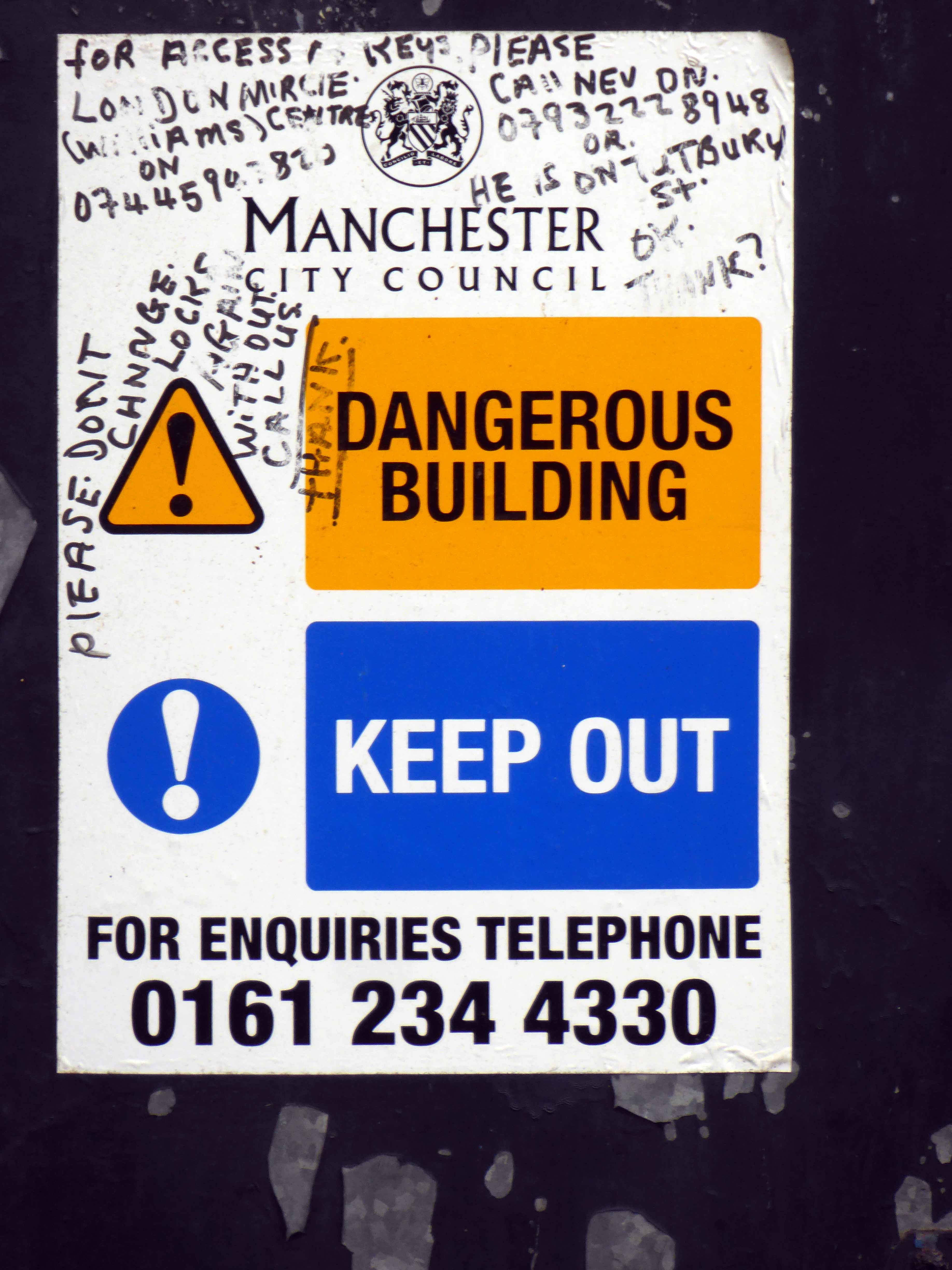
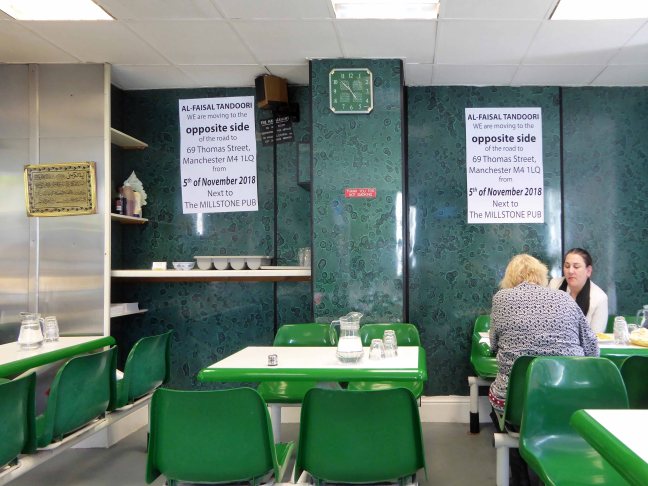
Yesterday I popped in at teatime, for my tea – posters proclaimed an imminent move.
P1290999

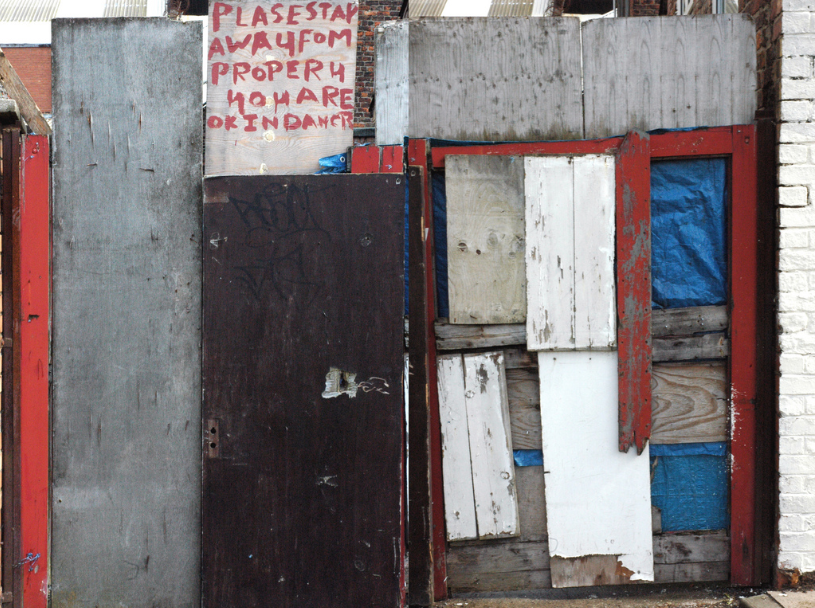
The whole block is to be demolished and a hotel to be built – there is naturally a suspicious resistance to such change, what was a protected area of historical interest, is fast becoming a deregulated playground for the avaricious developer.

A Manchester council spokesman said:

Our building control officers have been engaged with owner of the property on Thomas Street for some time.

The condition of the building means there is an imminent danger of collapse and a potential threat to pedestrians. Unfortunately, the poor weather has only served to add to our concern over the safety of the building.

A conservation specialist will be on site working closely with the building owner to ensure as much of the fabric of the property can be retained as possible, and only parts that are unsalvageable will be removed to ensure public safety.

Manchester Evening News

Rumours have also been rife concerning the fate of the nearby This & That – an essential part of the heartbeat of the city – the affordable independent trader.

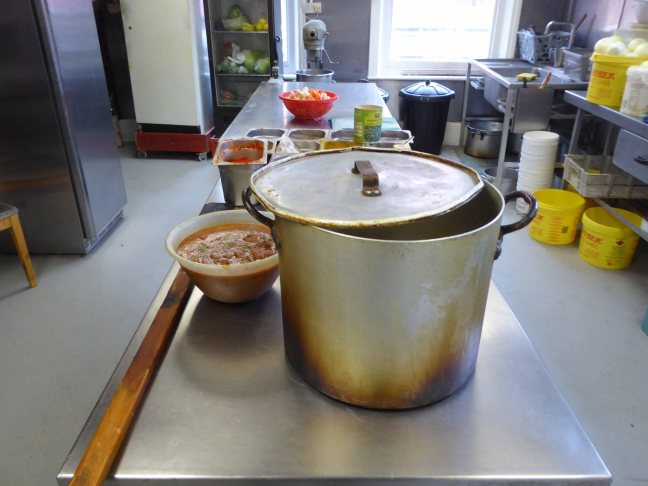
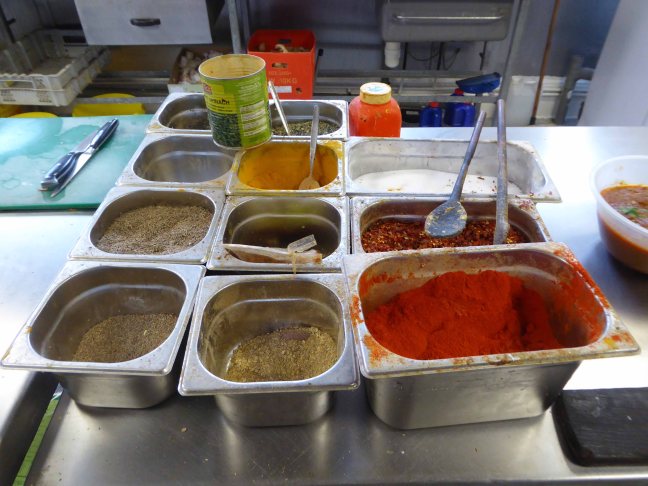
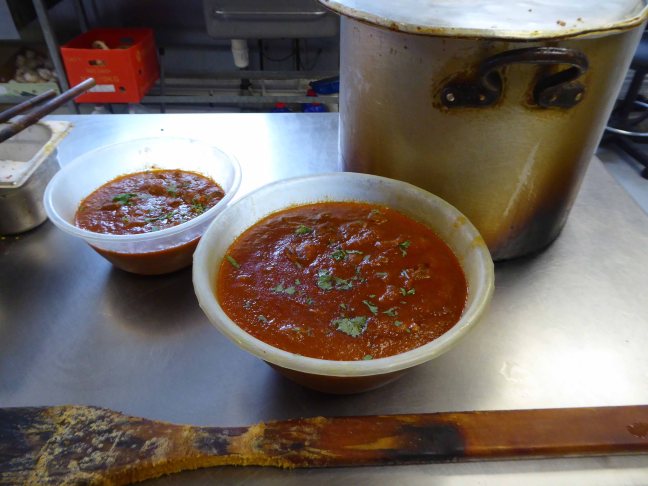
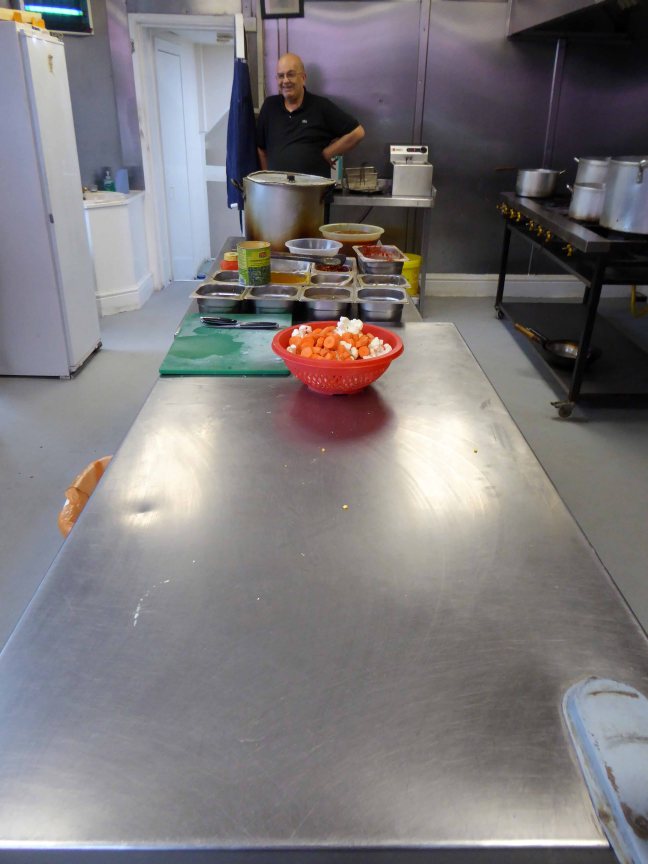
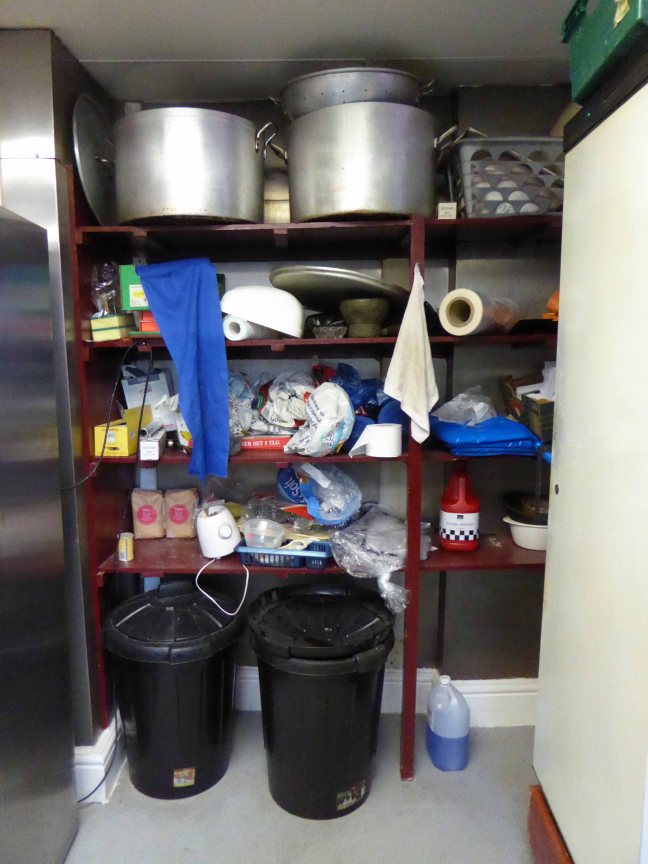
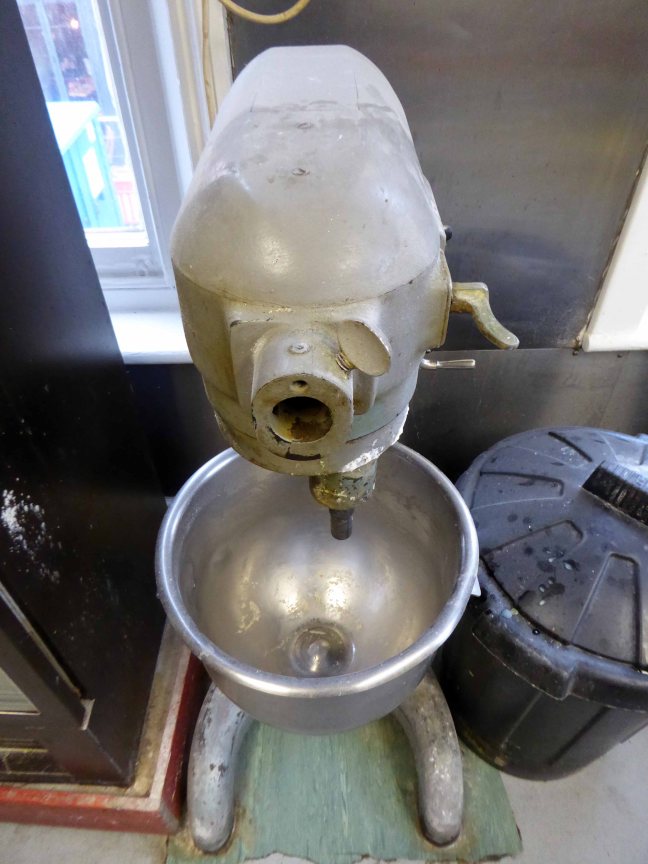
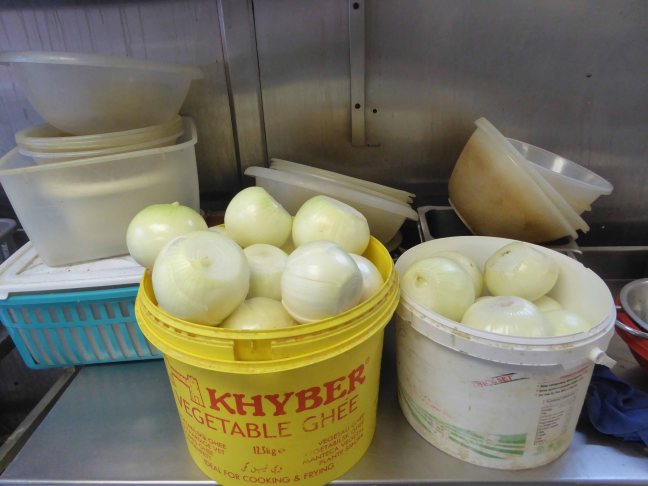
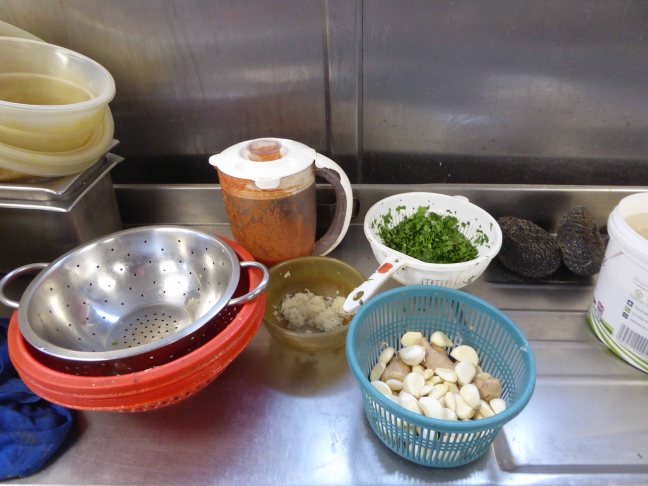
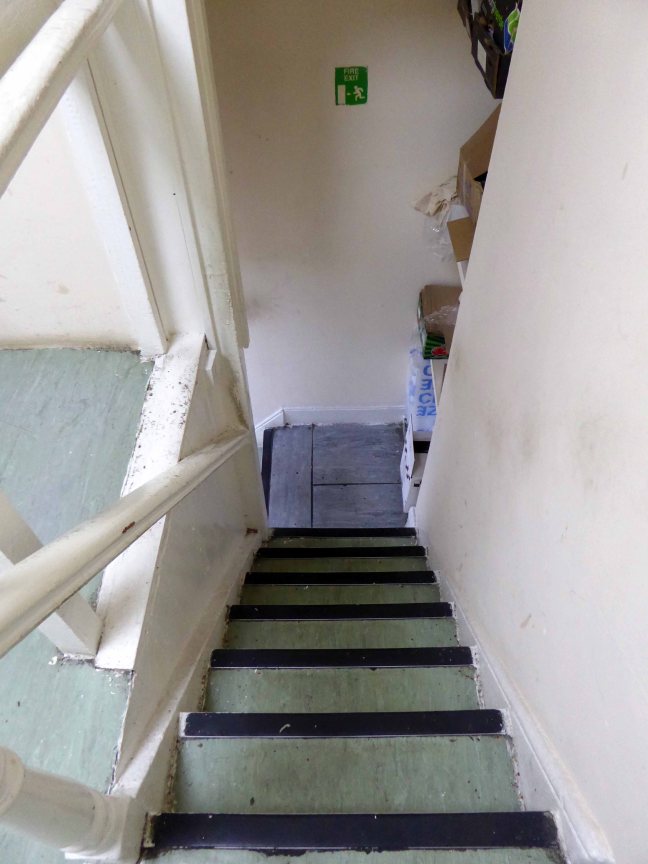
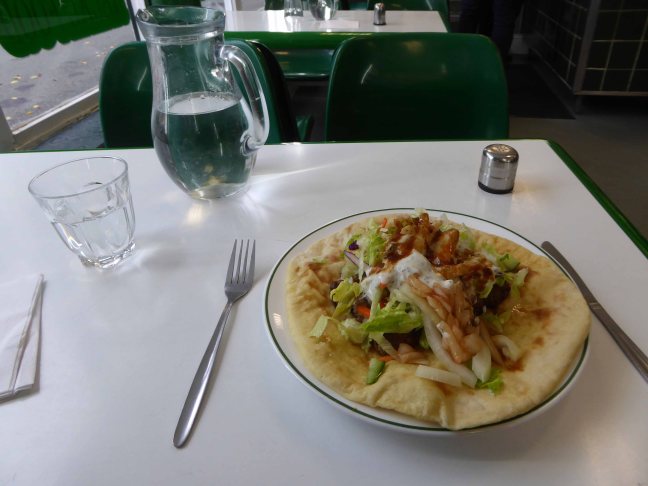
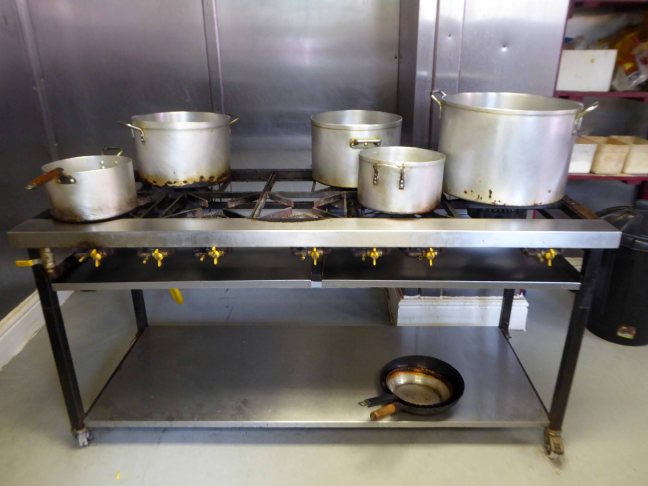
I sat and ate happily, and was privileged to be given a tour of the kitchens by owner Tariq, recording for posterity a site of some culinary and social consequence.

Let’s take a look around and look forward to a meal just across the road real soon.
P1300012

P1300013

P1300014

P1300015

P1300016

P1300017

P1300019

P1300020

P1300021

P1300022

P1300023

P1300024

P1290997

P1300008

P1300010


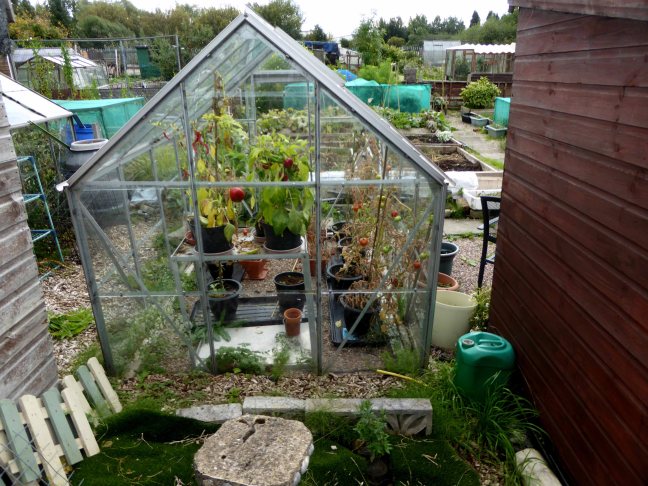
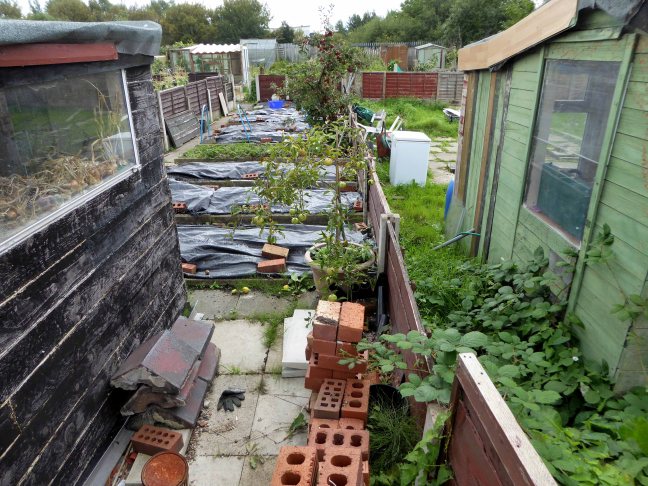
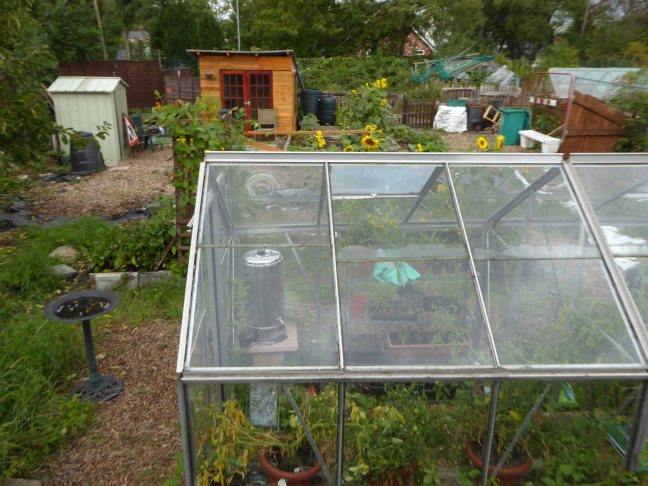
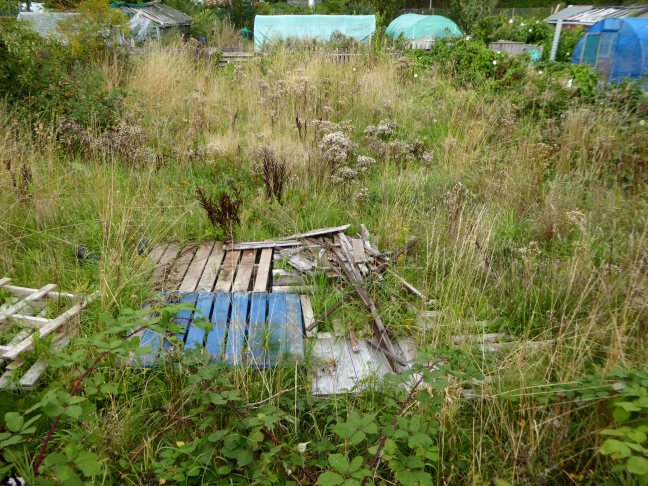
Allotments – Abbey Hey Manchester

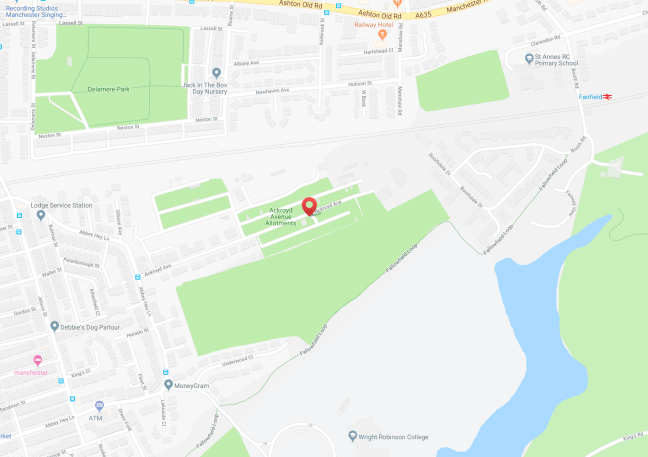
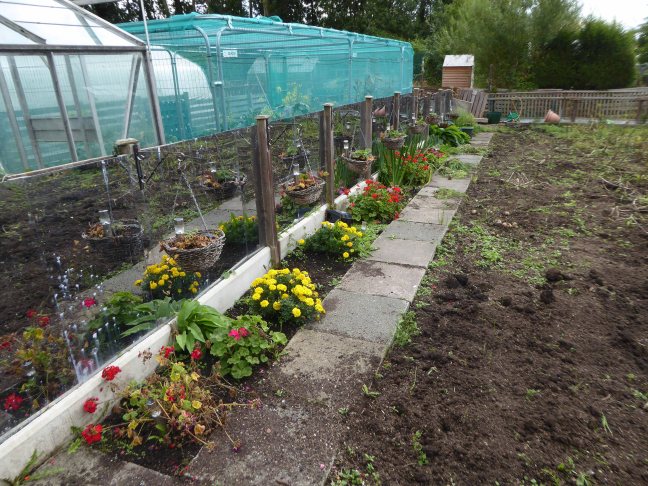
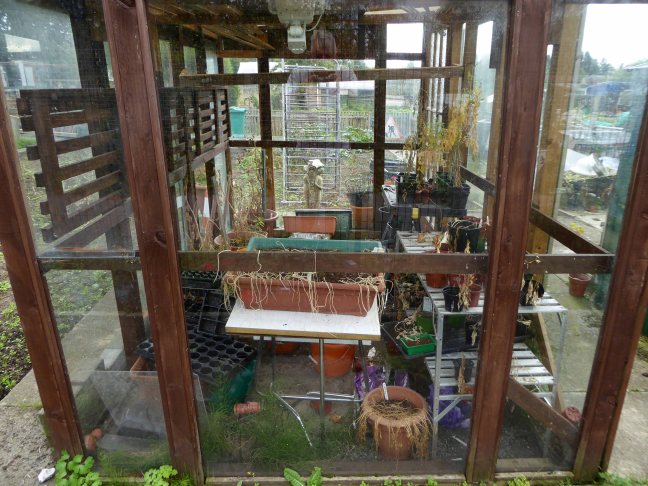
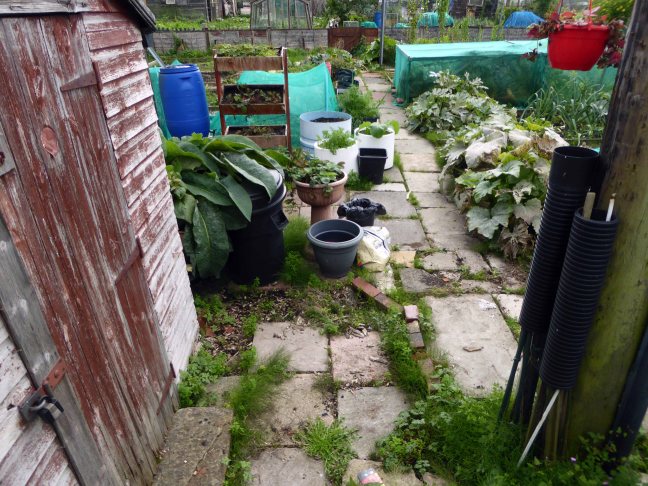
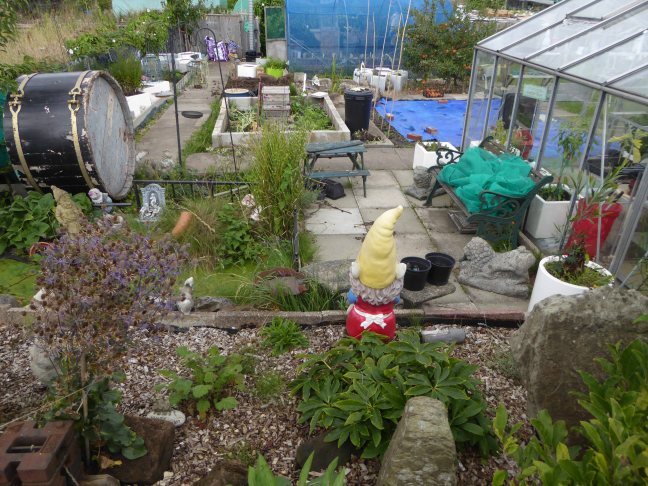
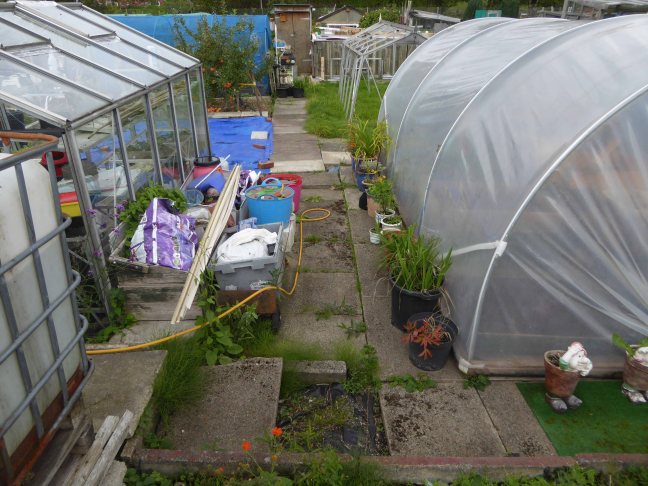
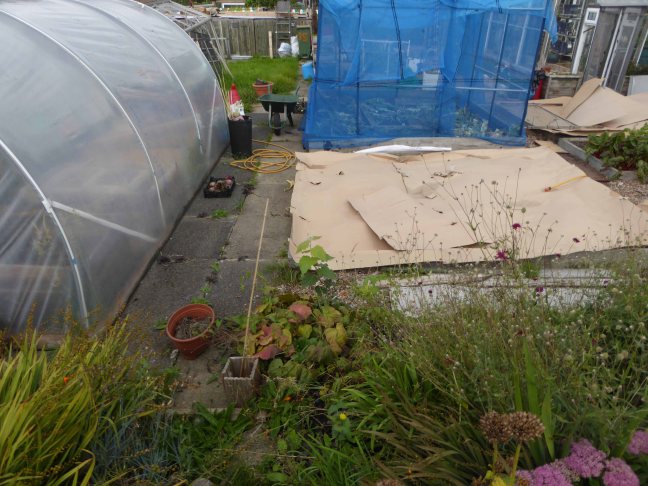
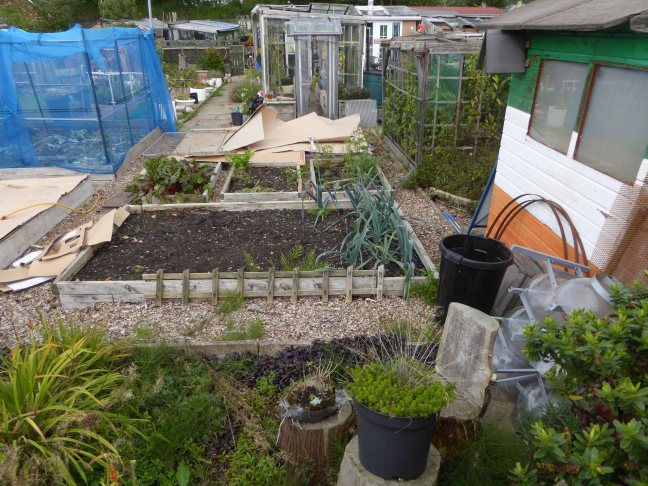
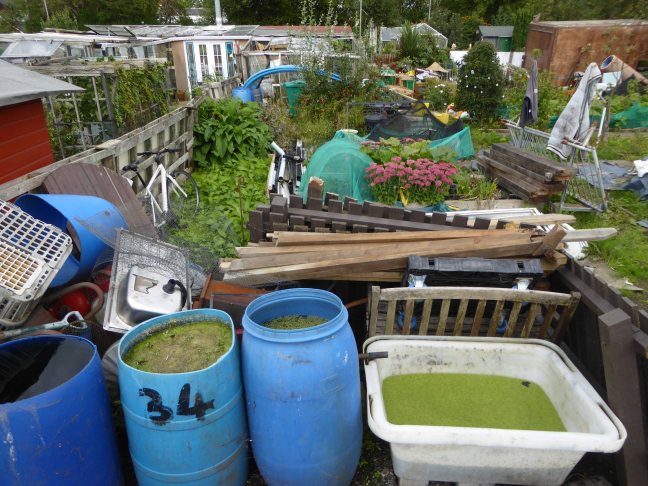
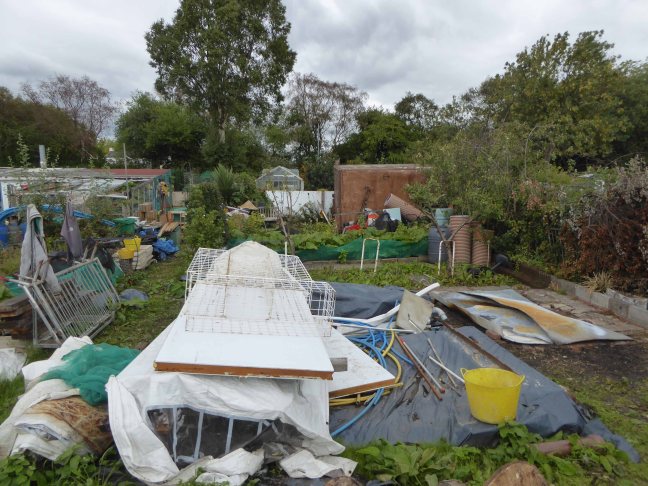
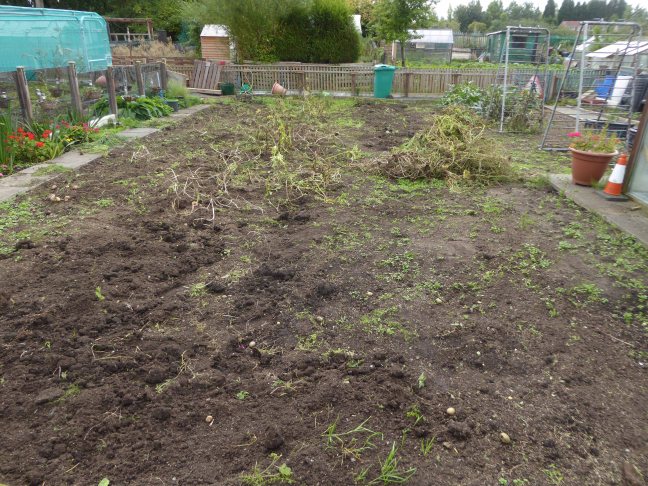
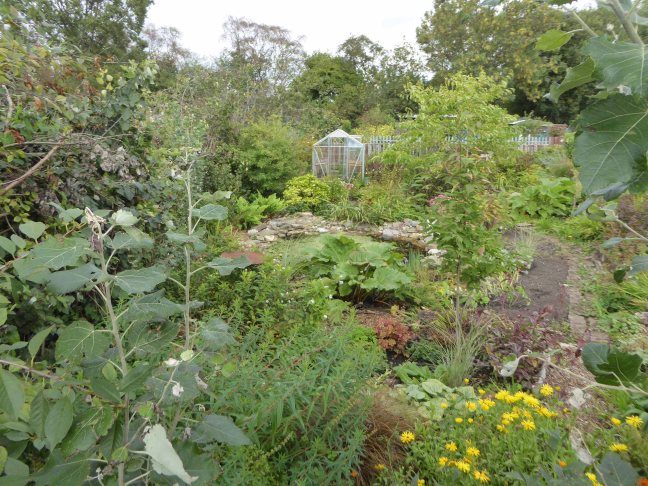
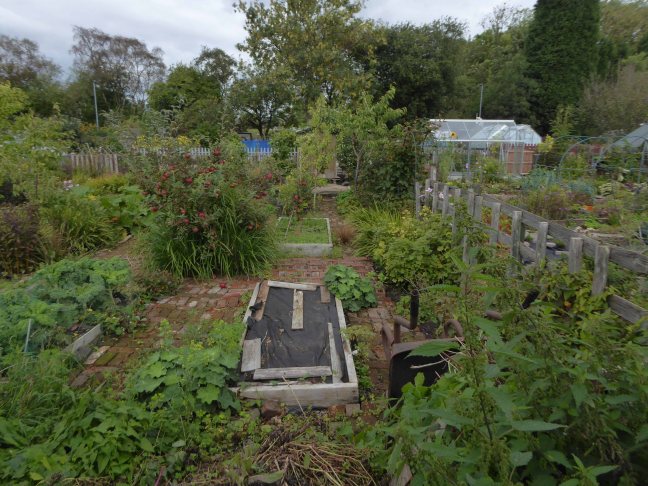
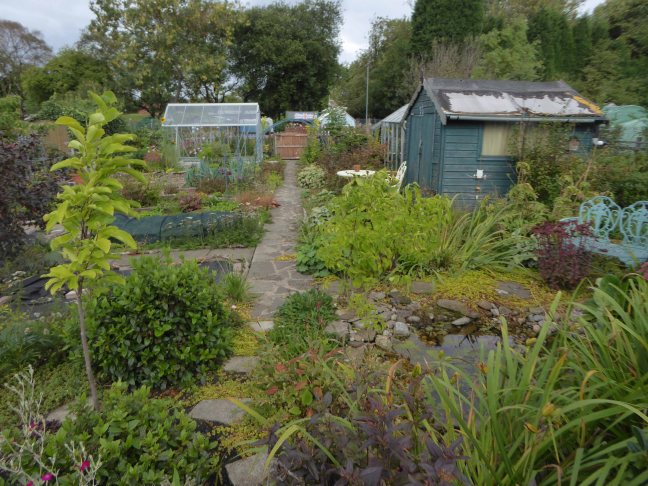
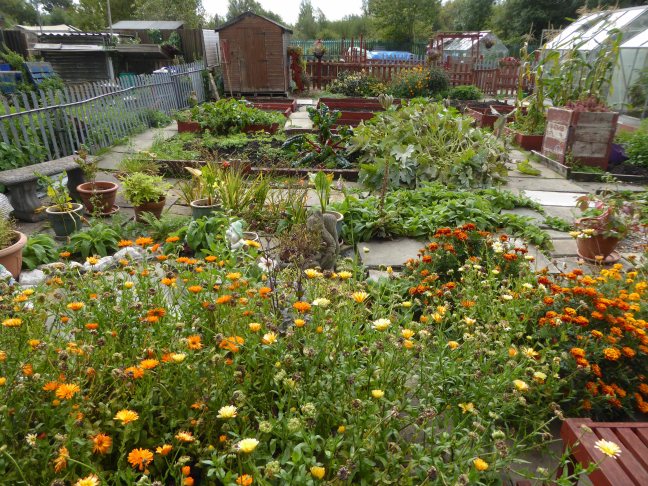
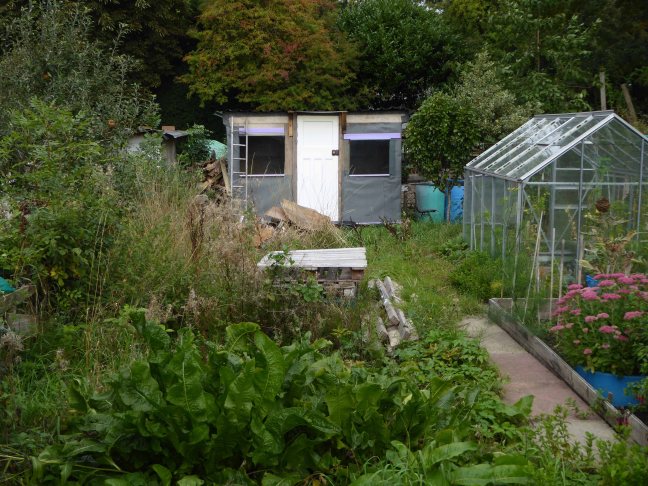
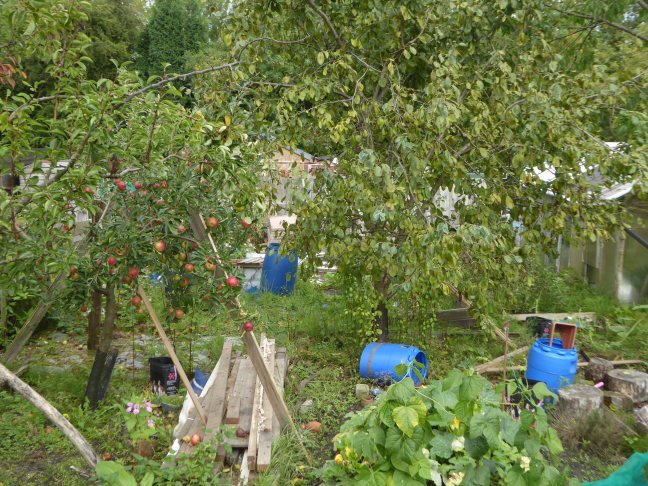
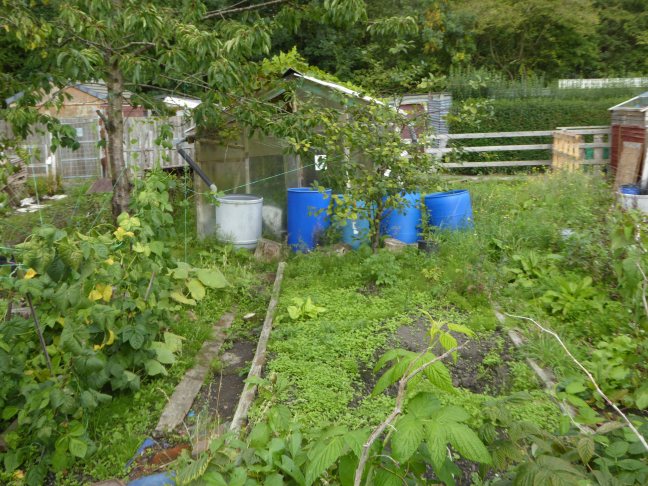
Located in a residential area in East Manchester, Abbey Hey Allotment site is an award winning and thriving allotment community with over 100 plots.
blank
Screen Shot 2018-09-23 at 13.45.52
blank
I have to admit that not for the first time and certainly not the last, I was slightly lost. On my way to nowhere in particular via somewhere else, I cycled down a dead end track, along the wrong end of Ackroyd Avenue.blank
Allotments have been in existence for hundreds of years, with evidence pointing back to Anglo-Saxon times. But the system we recognise today has its roots in the Nineteenth Century, when land was given over to the labouring poor for the provision of food growing. This measure was desperately needed thanks to the rapid industrialisation of the country and the lack of a welfare state. In 1908 the Small Holdings and Allotments Act came into force, placing a duty on local authorities to provide sufficient allotments, according to demand. However it wasn’t until the end of the First World War that land was made available to all, primarily as a way of assisting returning service men (Land Settlement Facilities Act 1919) instead of just the labouring poor. The rights of allotment holders in England and Wales were strengthened through the Allotments Acts of 1922, but the most important change can be found in the Allotments Act of 1925 which established statutory allotments which local authorities could not sell off or covert without Ministerial consent, known as Section 8 Orders.
blank
blank
Lets take a look:
blank
P1290627
blank
P1290626
blankP1290625blankP1290624blankP1290623blankP1290622blankP1290619blankP1290618blankP1290617
blankP1290616blankP1290615blankP1290614blankP1290613blankP1290612blankP1290611blankP1290610blankP1290609blankP1290608blankP1290606blankP1290605blankP1290604blankP1290603blankP1290602blankP1290601blankP1290599blankP1290598blankP1290597blankP1290595blankP1290594blankP1290593blankP1290592blankP1290591blankP1290589

Type Travel – Manchester

This is a journey through time and space by bicycle, around the rugged, ragged streets of East Manchester.

Undertaken on Sunday September 2nd 2018.

This is type travel – the search for words and their meanings in an ever changing world.

map

Hyde Road

P1280955
P1280956

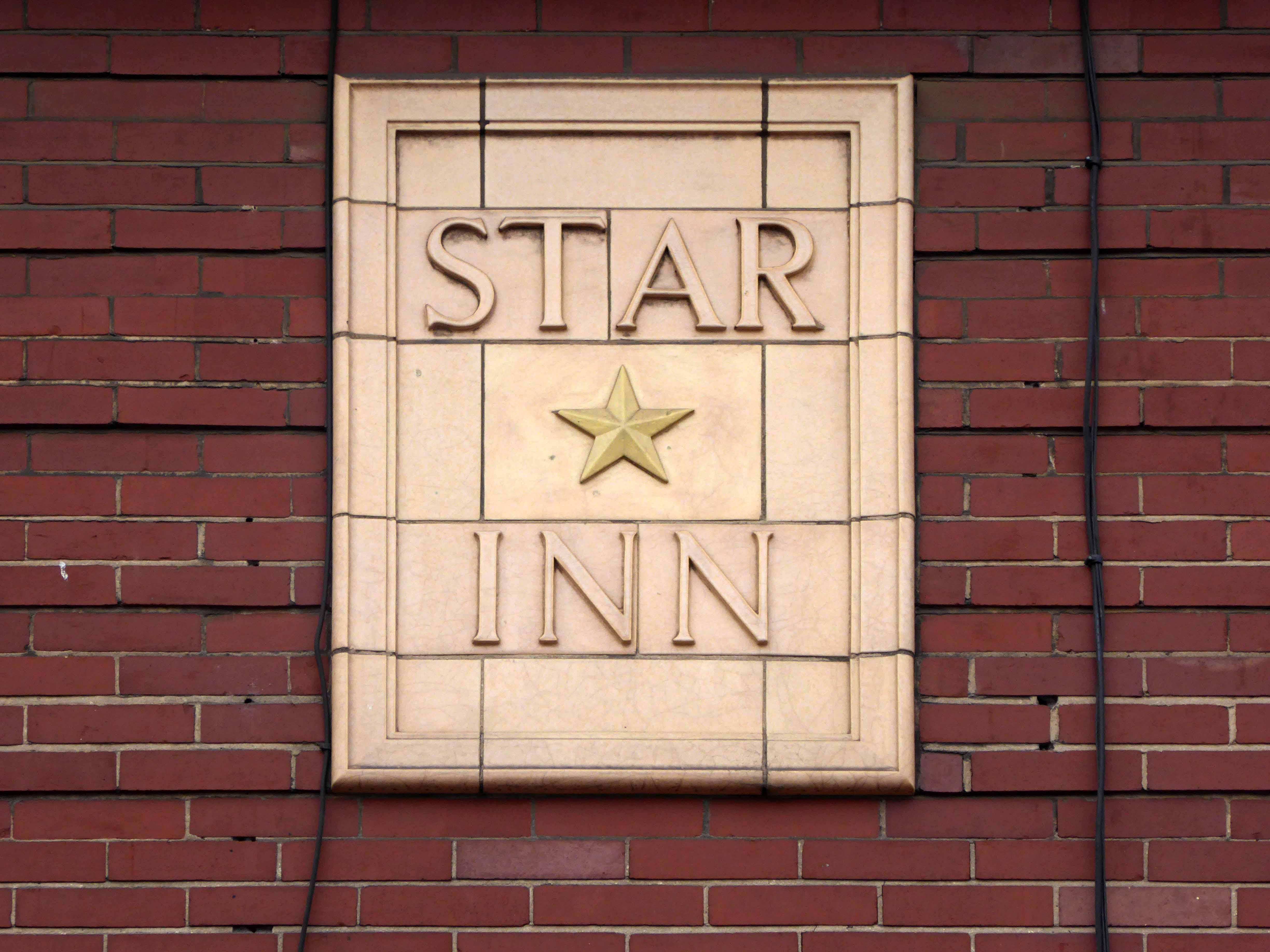
The Star Inn – former Wilsons pub

Devonshire Street North

P1280961

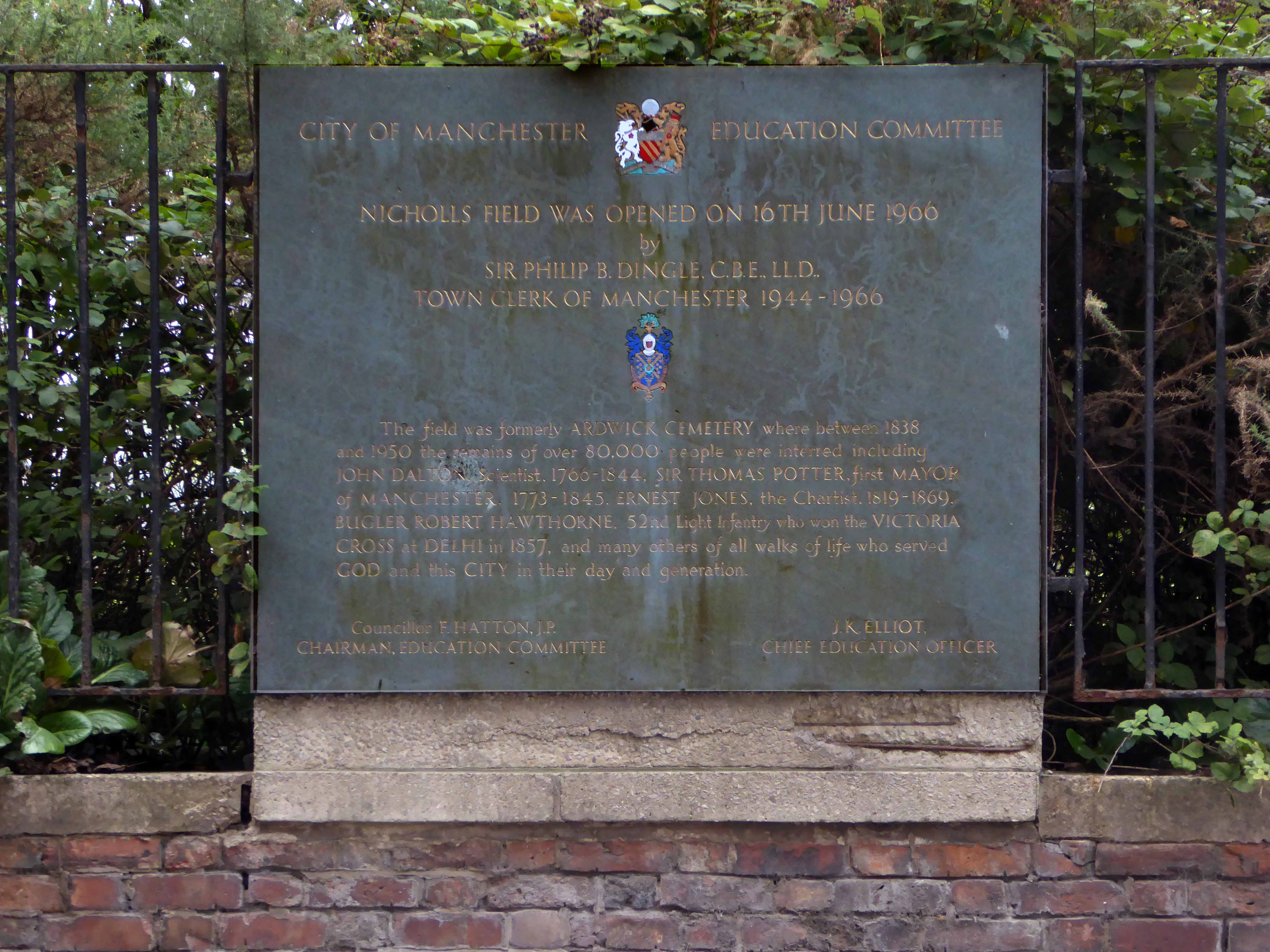
Former Ardwick Cemetery

P1280962

Great Universal Stores former mail order giant

Palmerston Street

P1280979

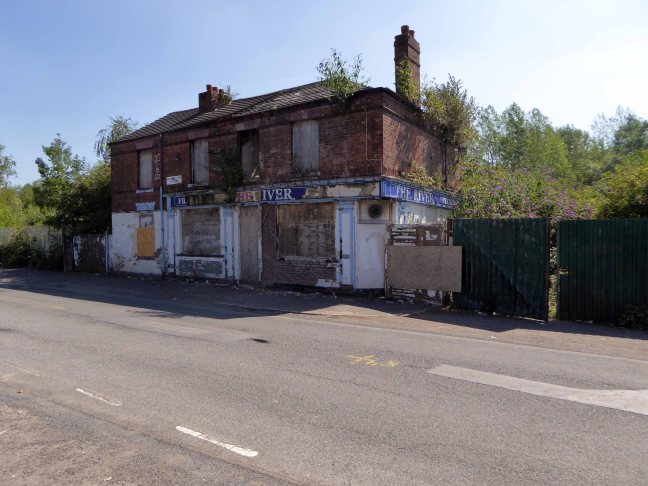
The River Inn abandoned pub

Every Street

P1290001

All Souls Church – listed yet unloved

Pollard Street East

P1290008.jpg
Screen Shot 2018-09-04 at 08.37.57

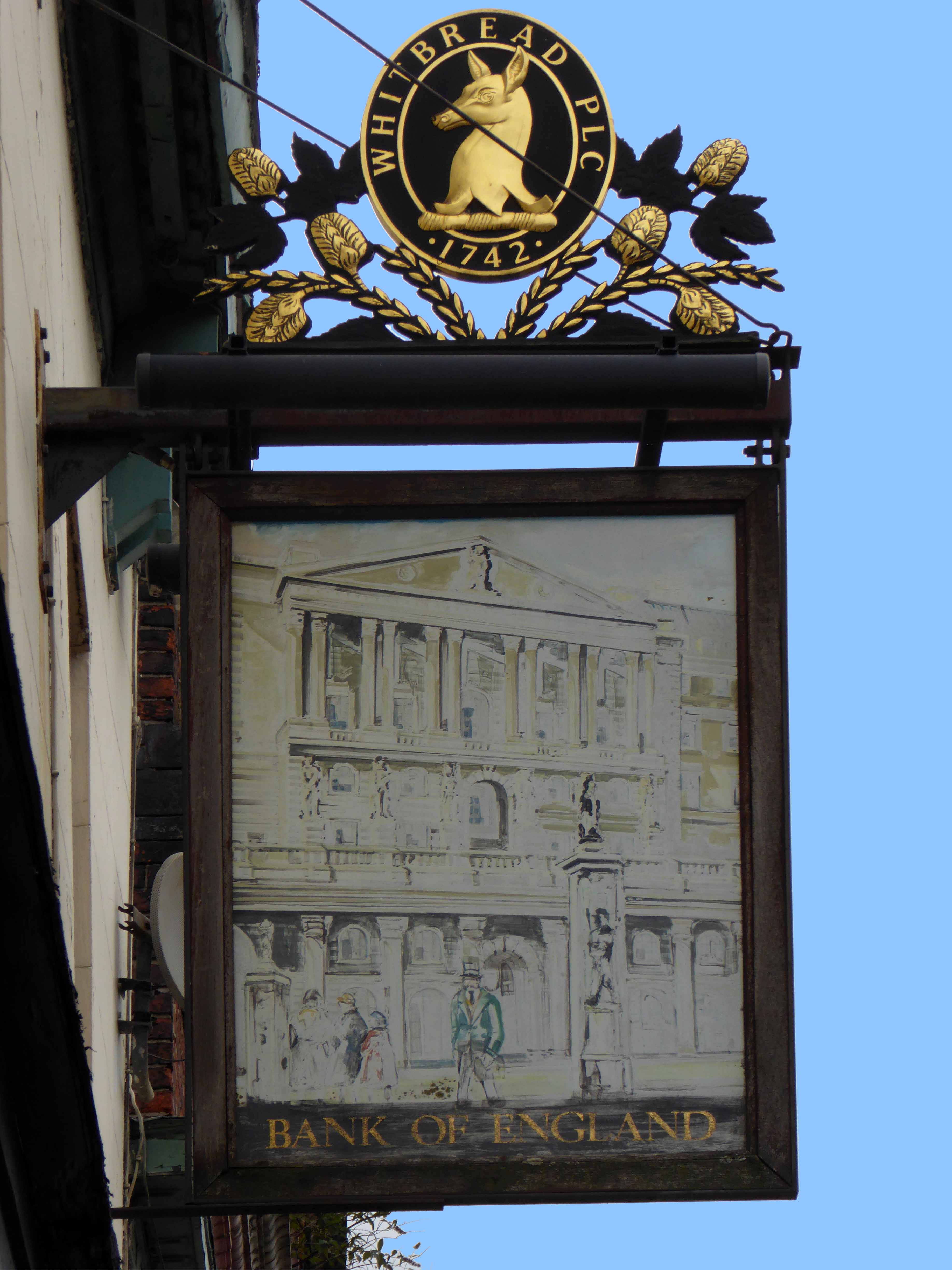
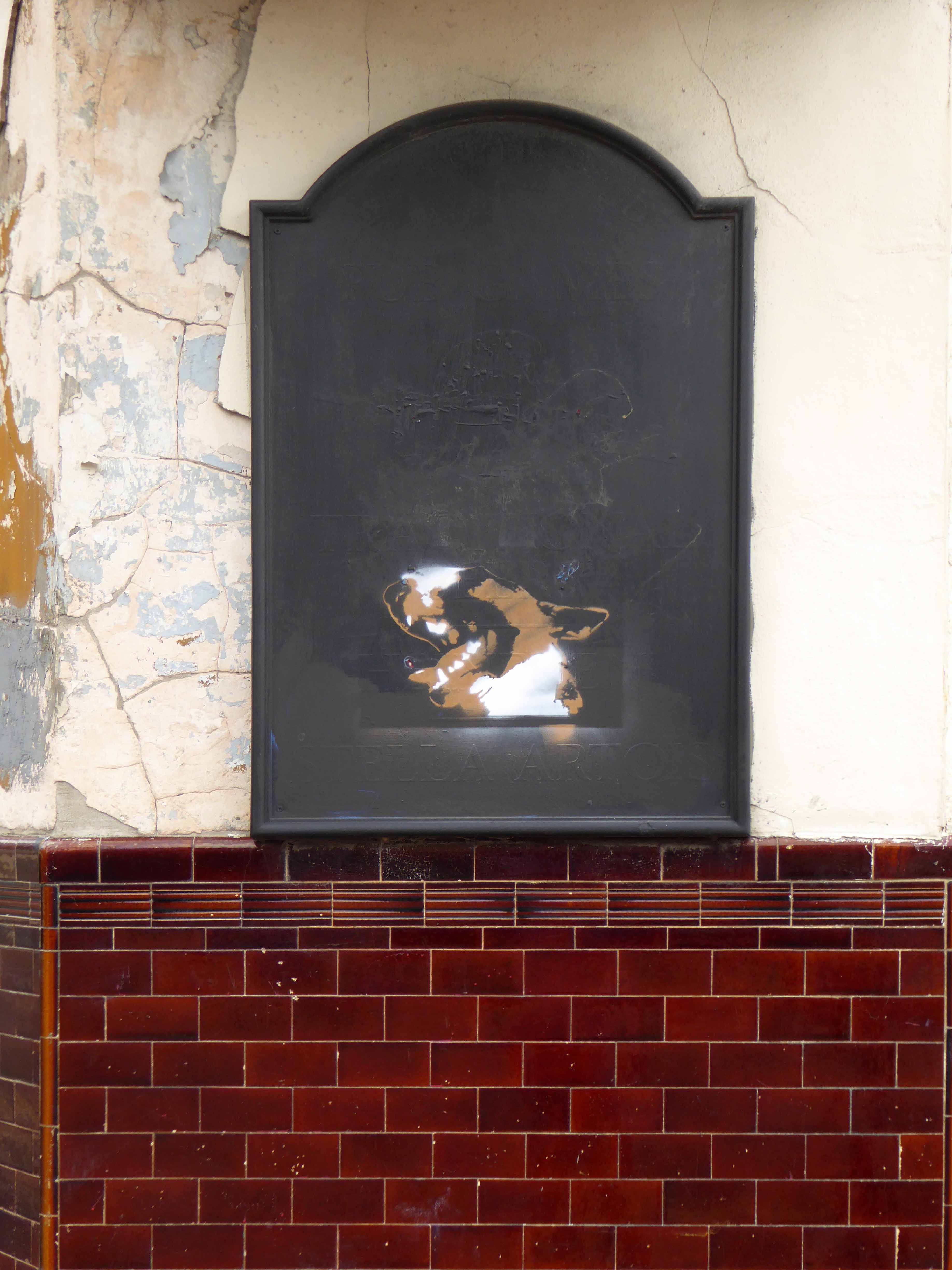
The Bank Of England abandoned pub

P1290020

Ancoats Works former engineering company

Cambrian Street

P1290024.jpg

The Lunchbox Café Holt Town

Upper Helena Street

P1290028

The last remnants of industrial activity

Bradford Road

P1290046

Brunswick Mill

P1290048

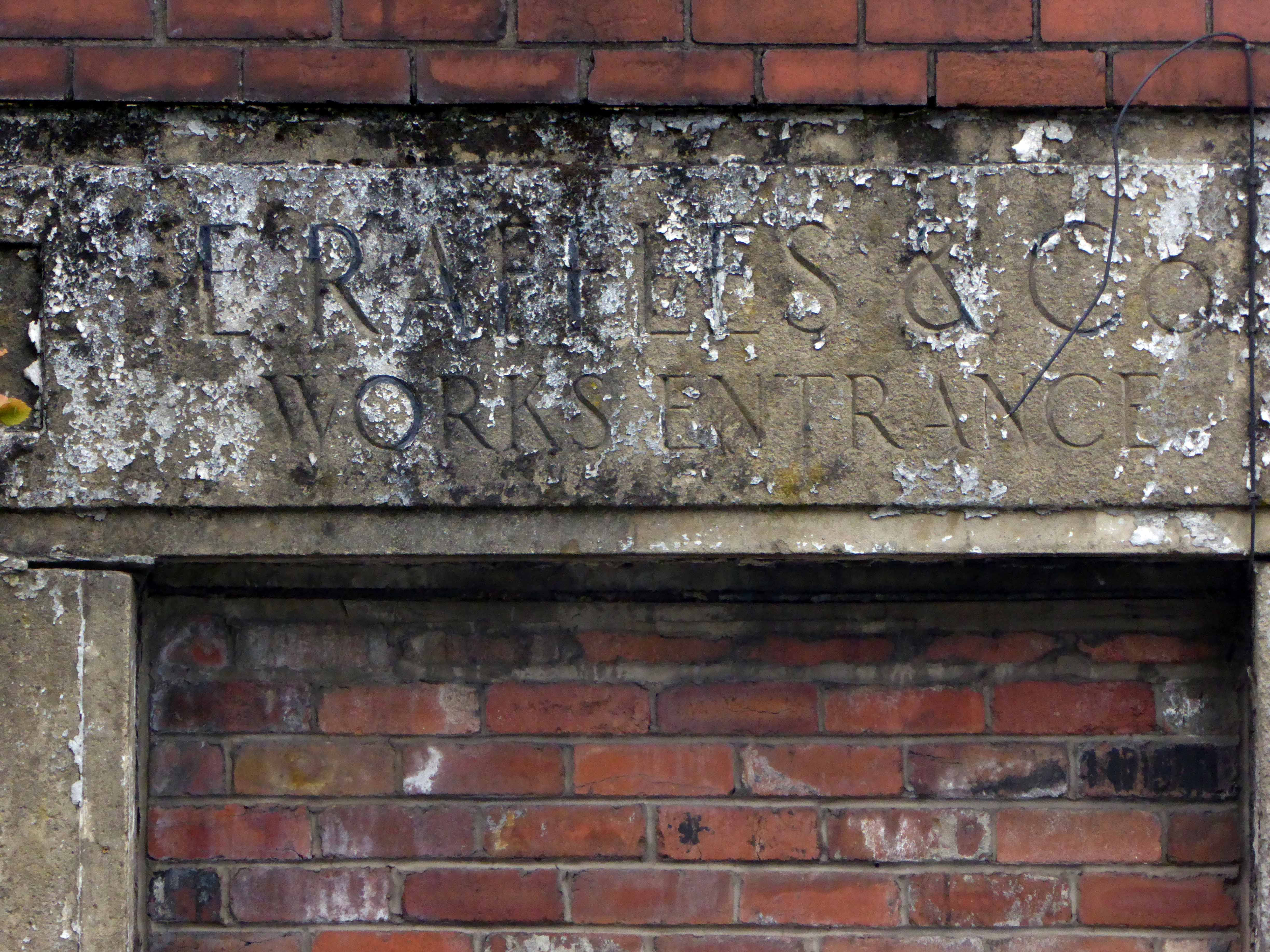
The little that remains of Raffles Mill

P1290052

Old Mill Street

P1290054

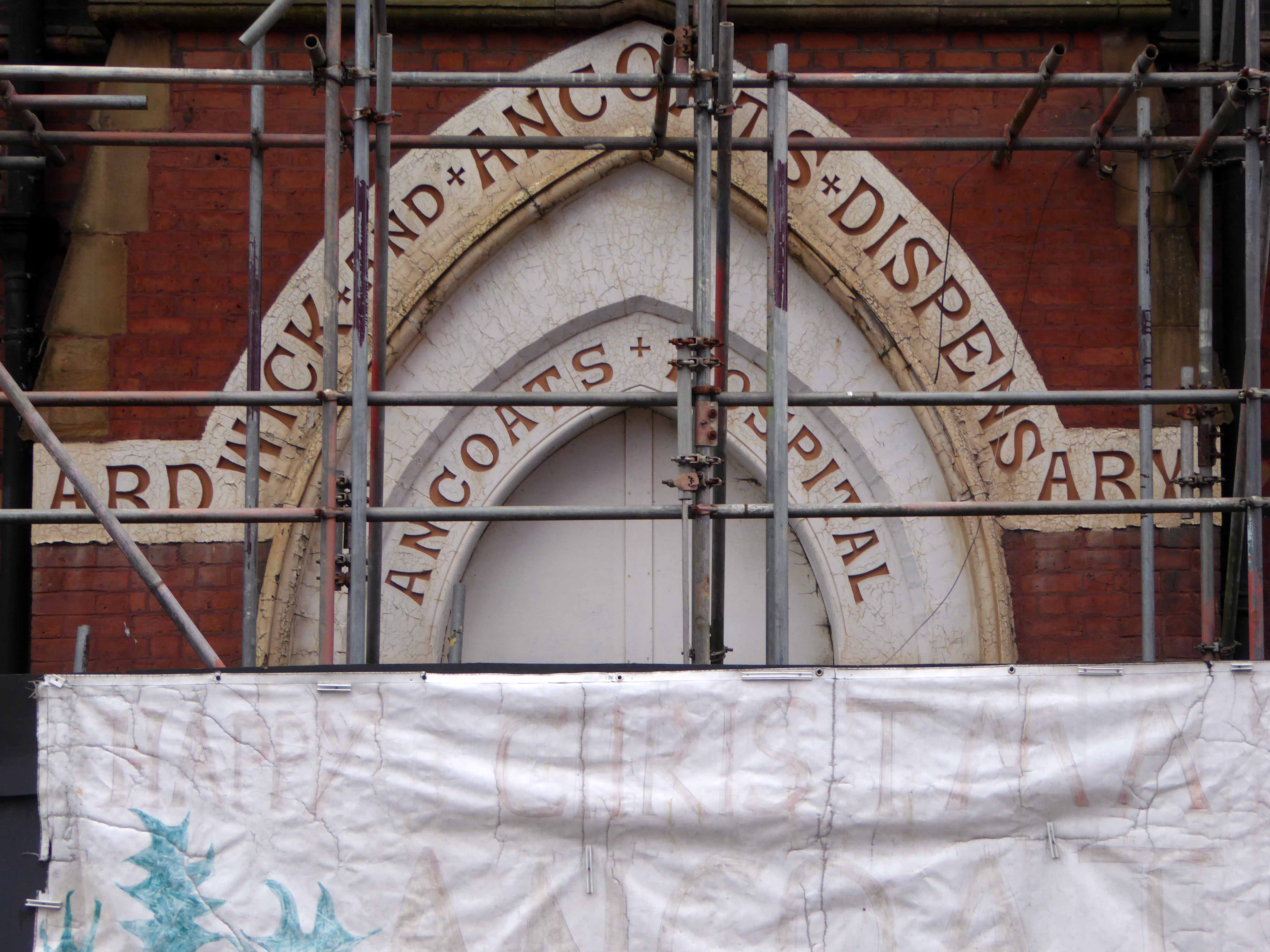
Ancoats Dispensary loved listed and still awaiting resuscitation

P1290056.jpg

New life New Islington

Redhill Street

P1290057

Former industrial powerhouse currently contemporary living space

Henry Street

P1290063

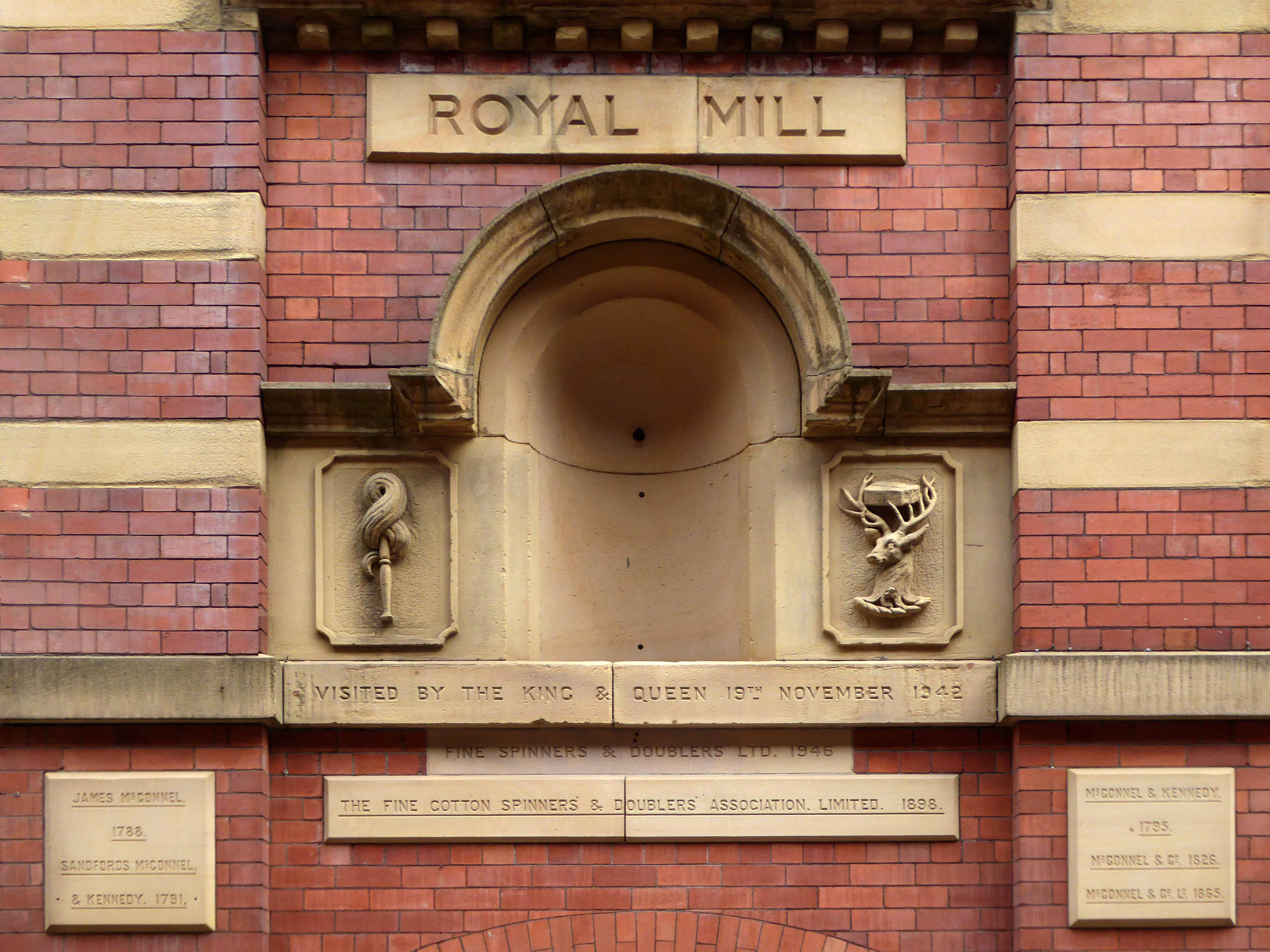
King George VI and Queen Elizabeth passed by in 1942

Jersey Street

P1290064

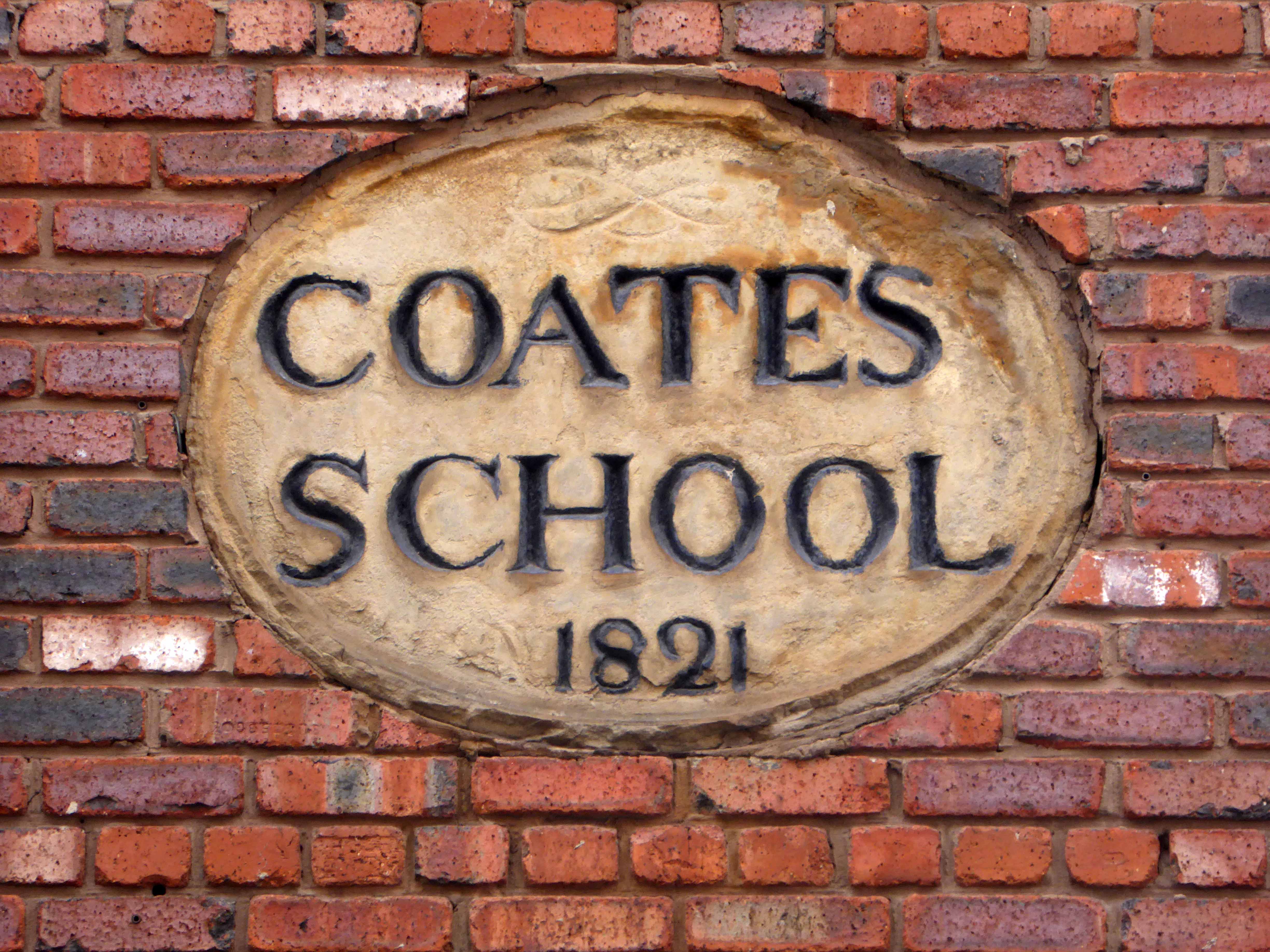
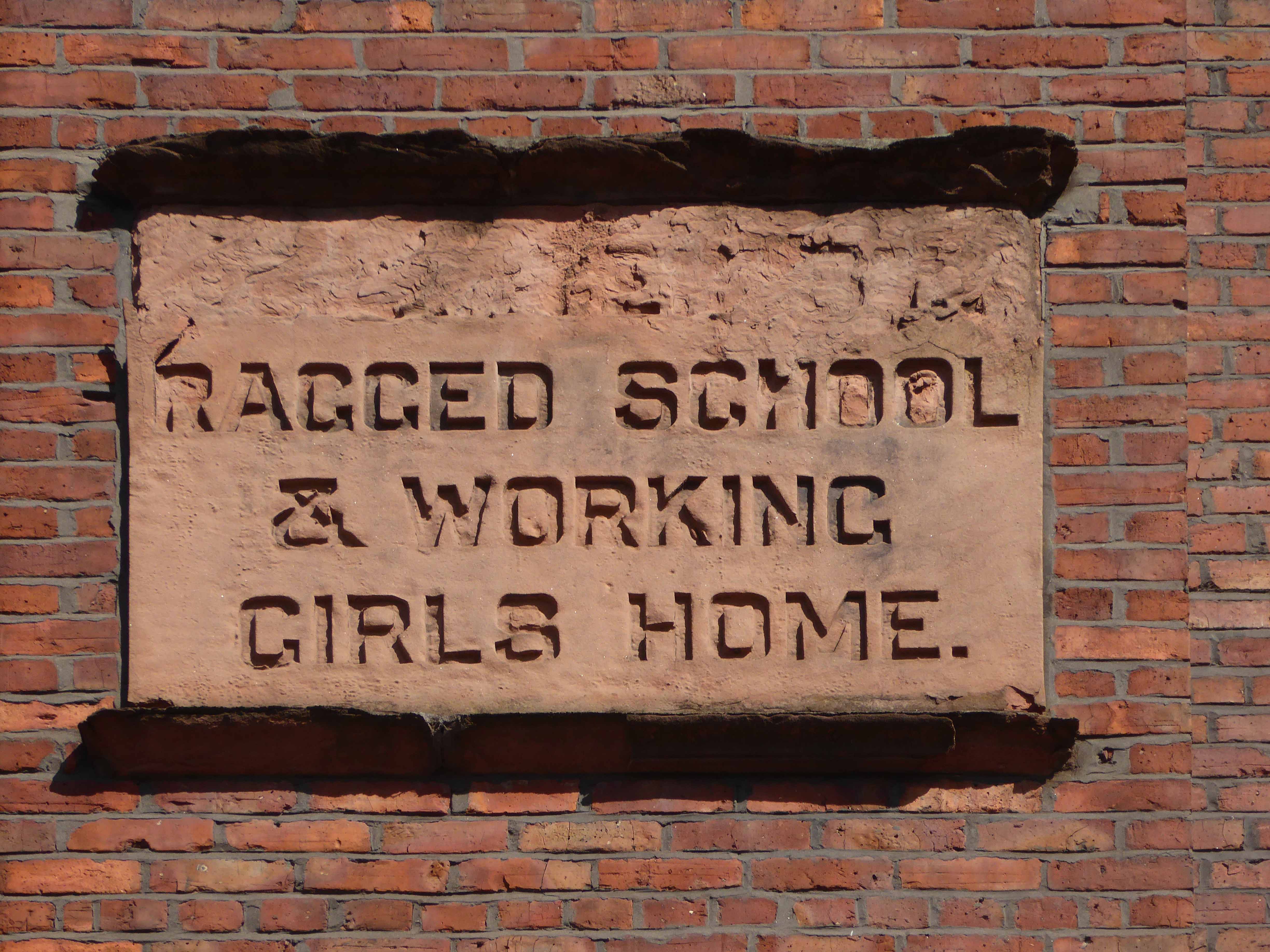
Former School the stone plaque applied to a newer building

Gun Street

P1290065

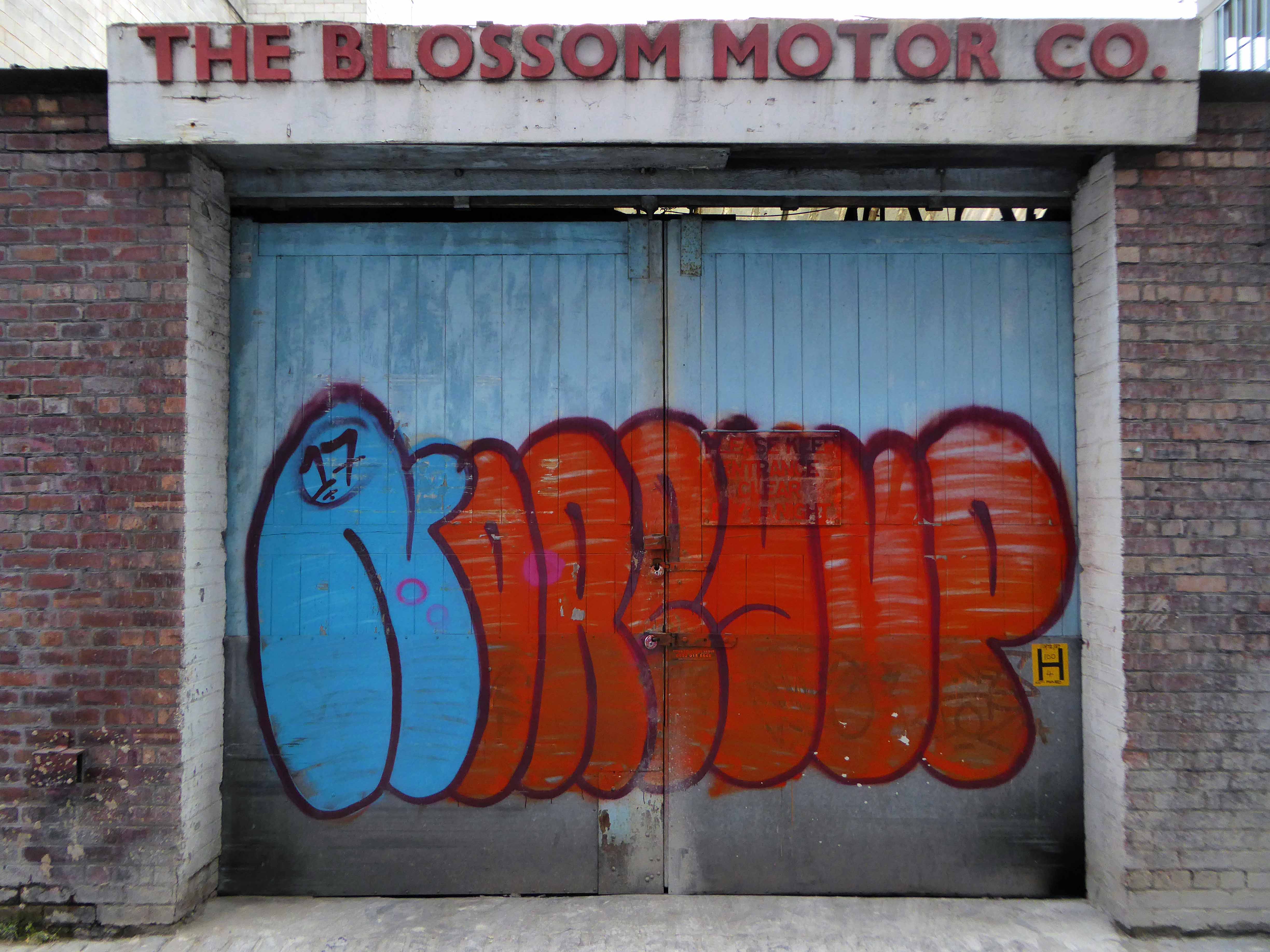
The last of the few Blossom Motors

Addington Street

P1290067
P1290069

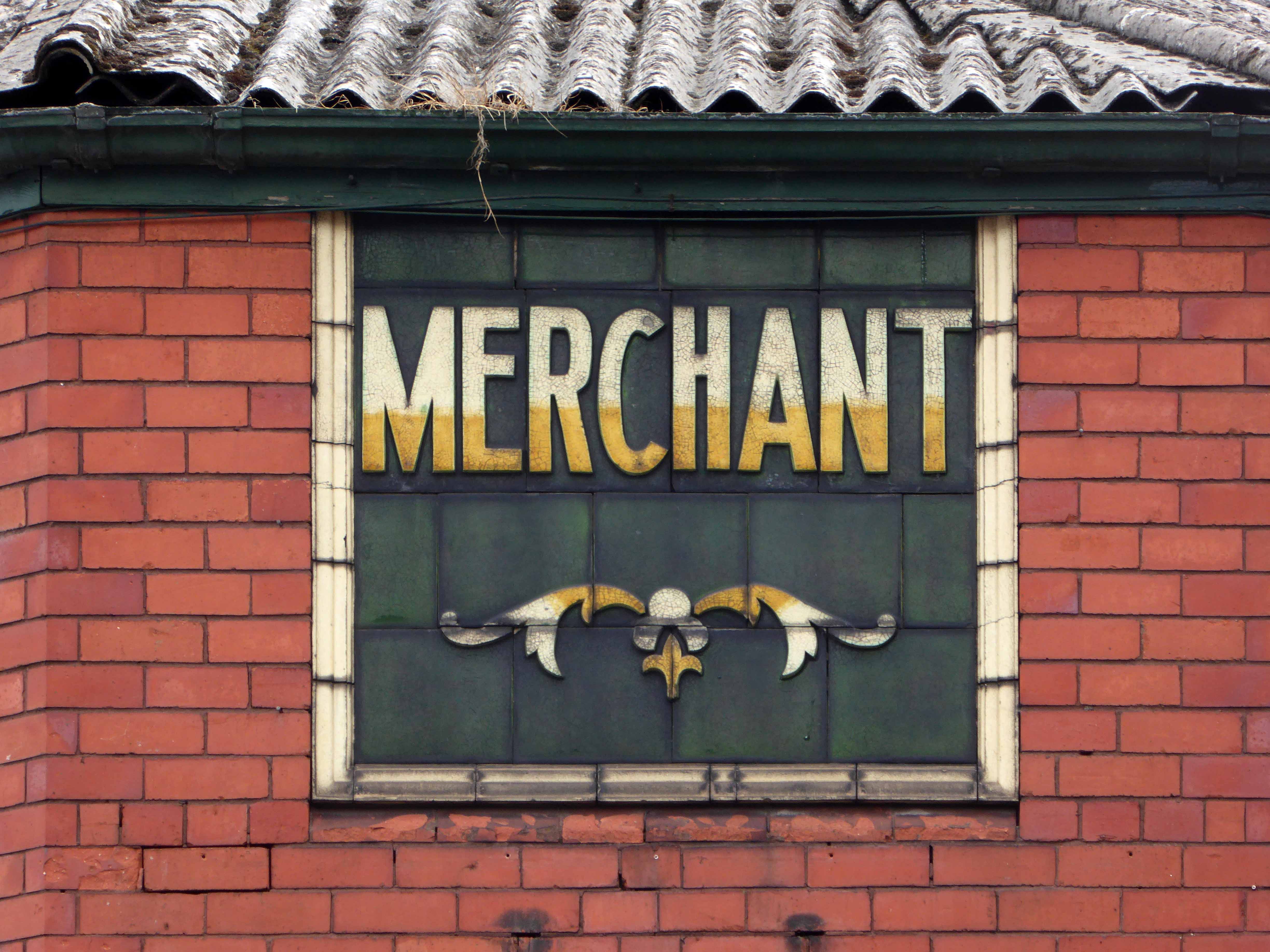
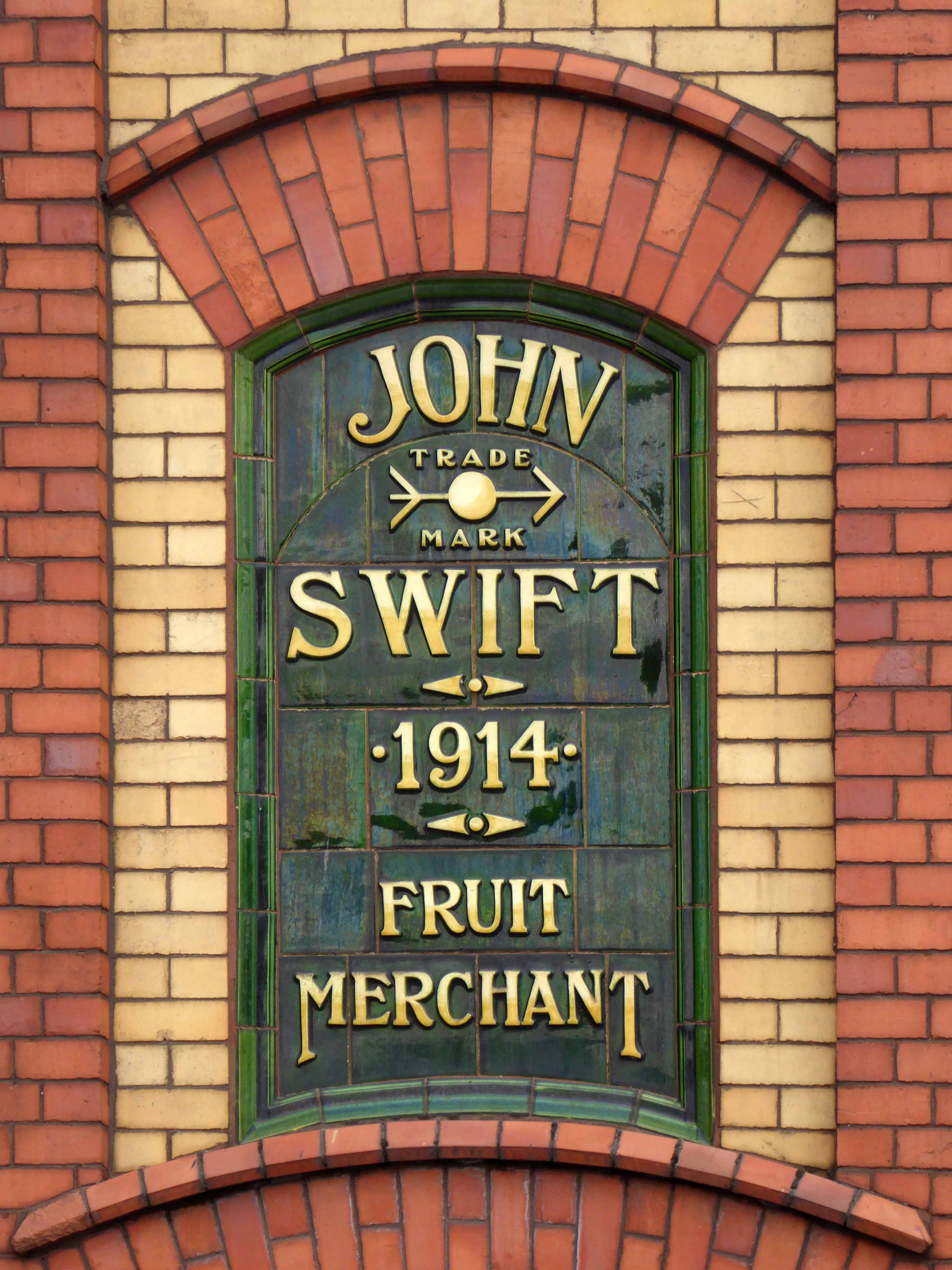
Former fruit merchants – refurbished and home to the SLG creative agency

Marshall Street and Goulden Street area

P1290070
P1290071
P1290073
P1290081
P1290086
P1290087

The last remnants of the rag trade

Former bed spring manufacturer – latterly became the County Archive.

Sudell Street

P1290089
P1290090

All that’s left of Alexandra Place

P1290092

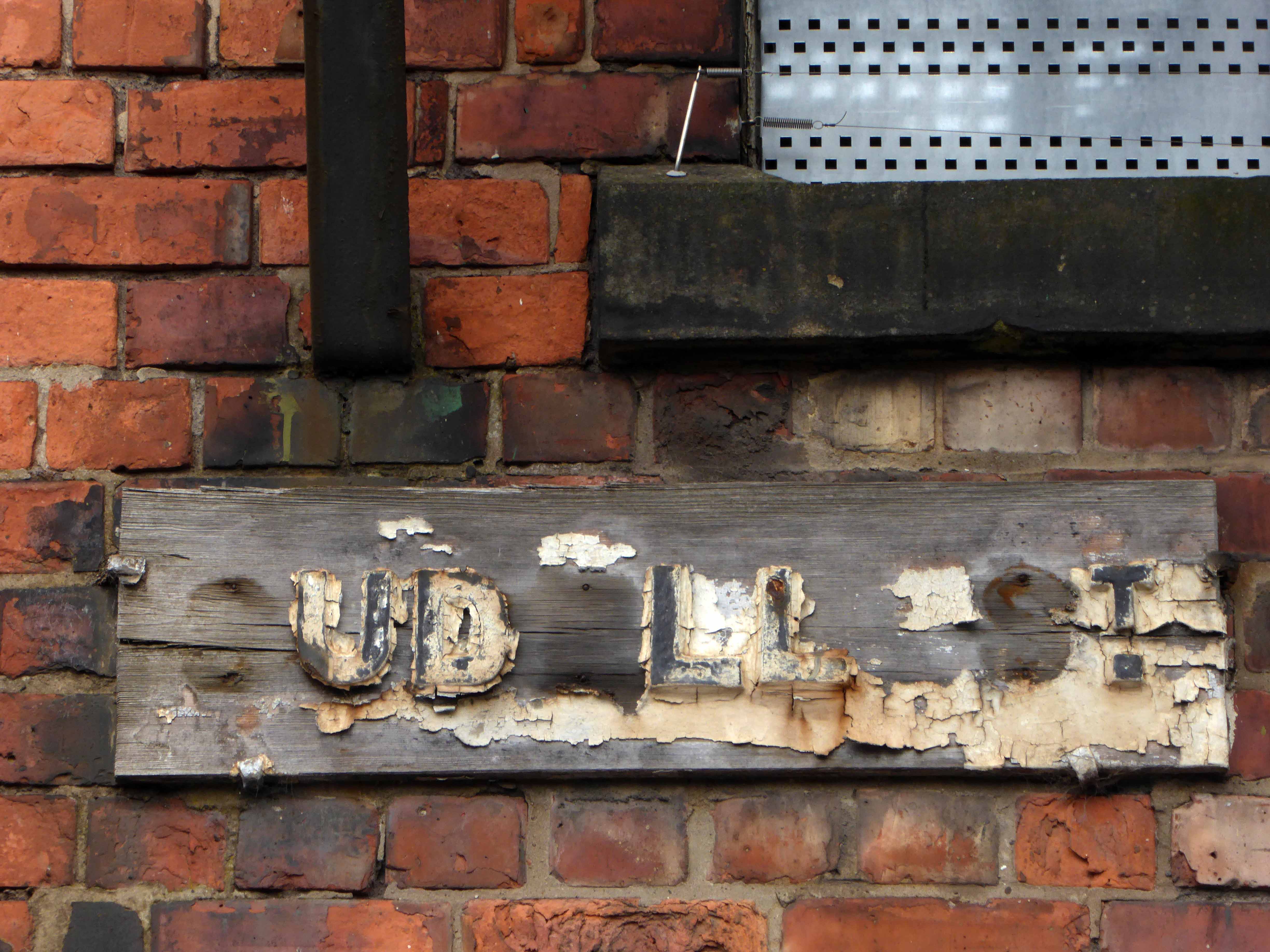
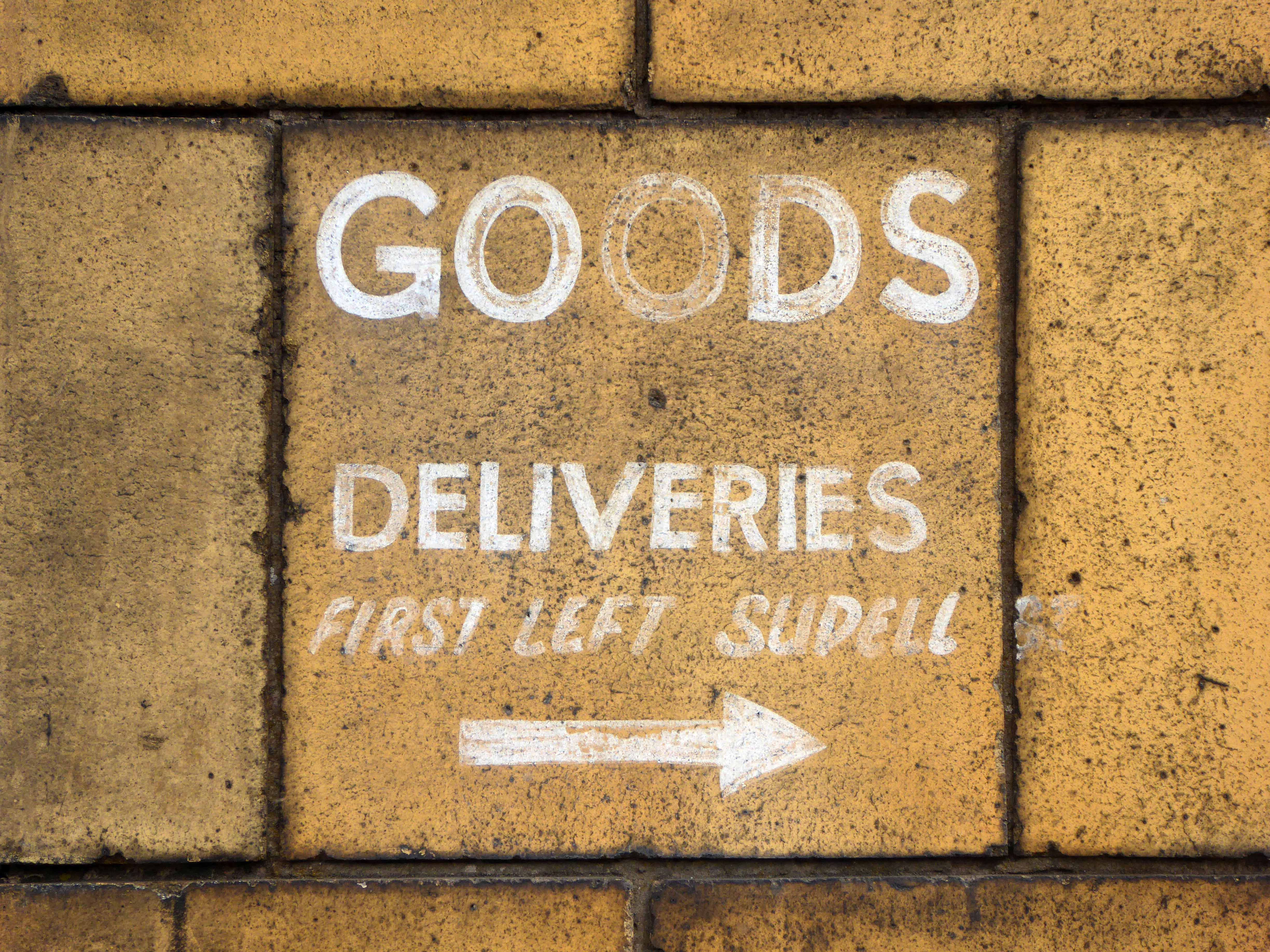
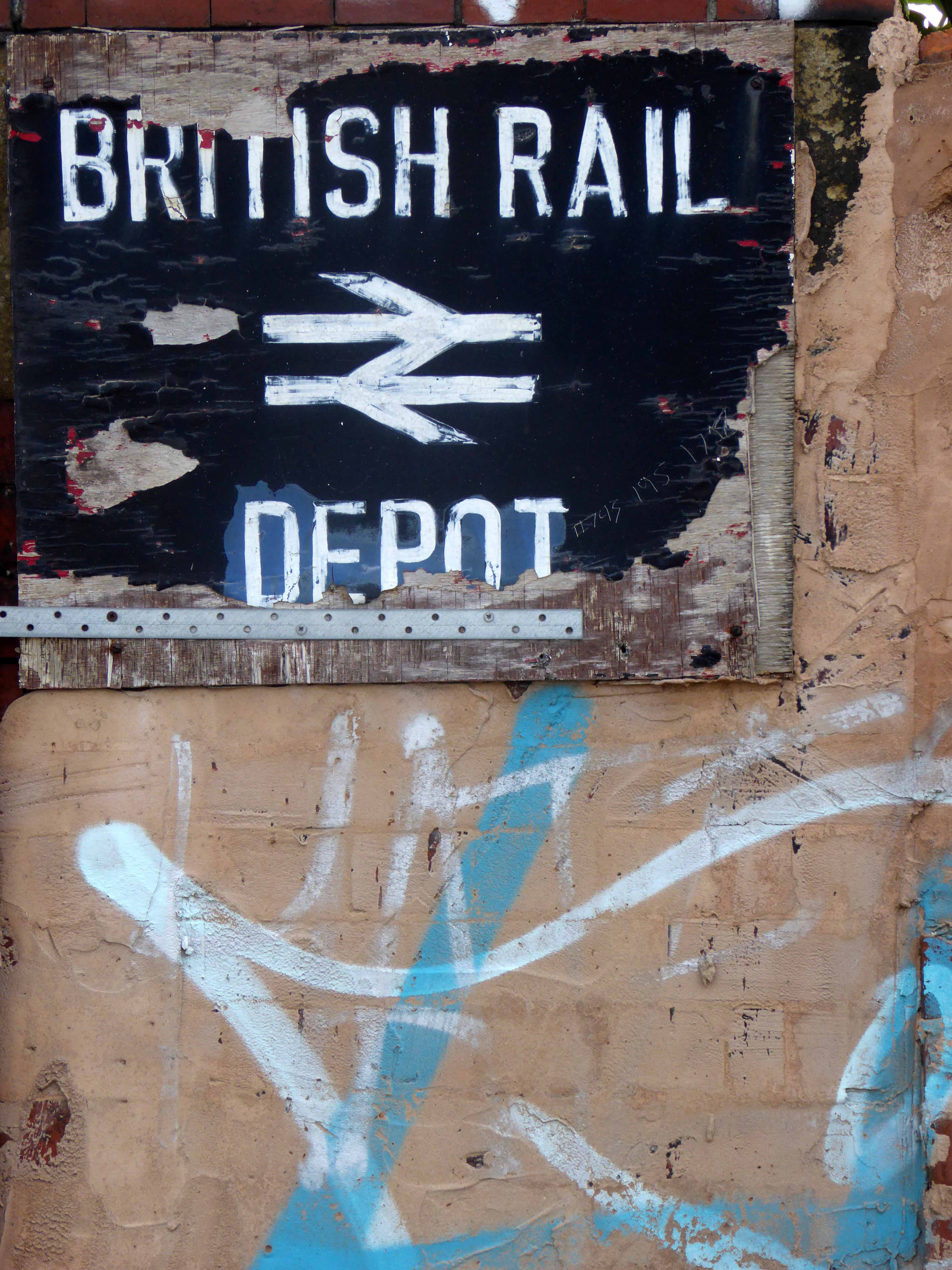
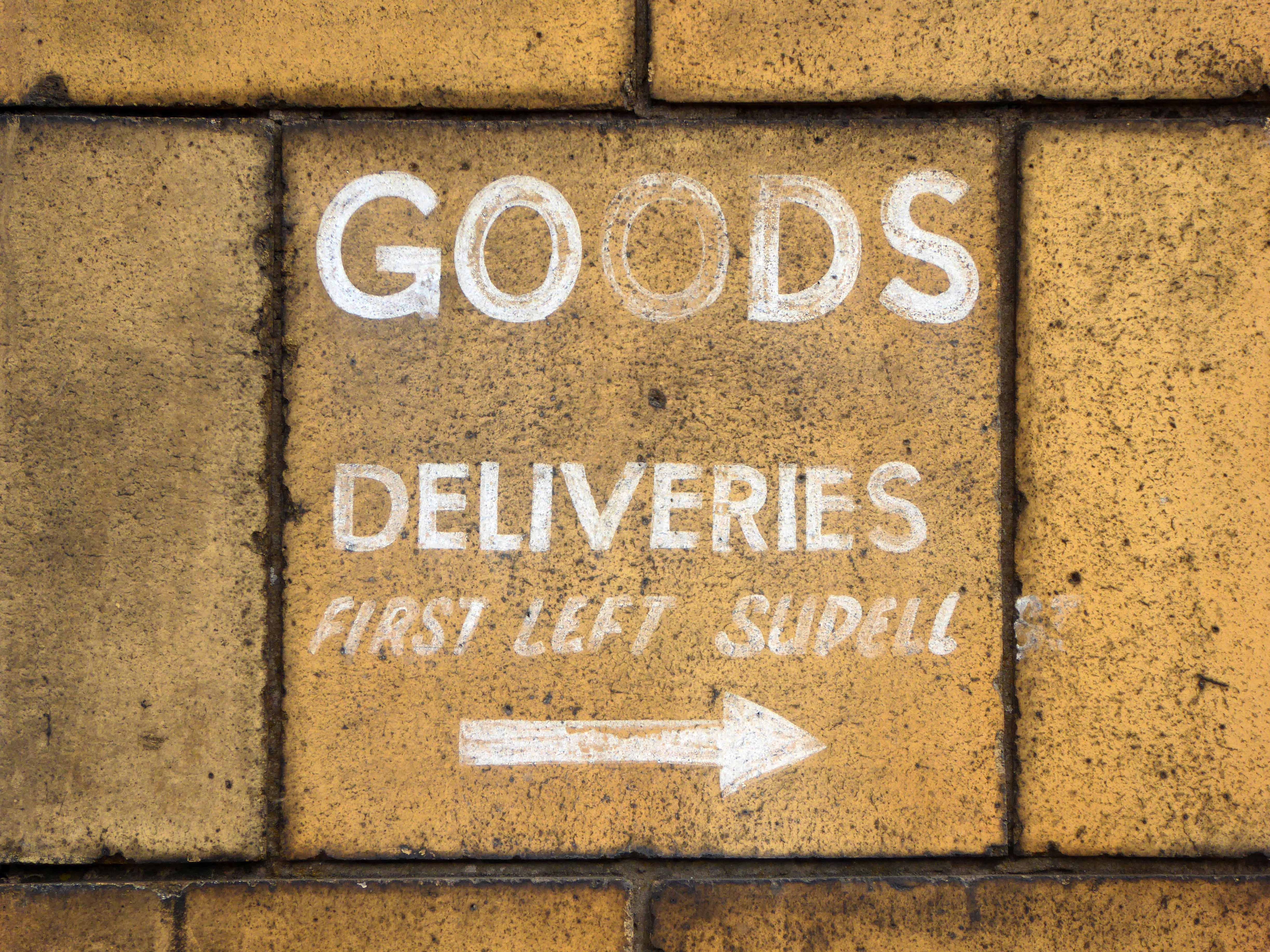
Entrance to the former Goods Yard

Back St Georges Road

P1290096

Sharp Street

P1290099
P1290100

Simpson Street

P1290101

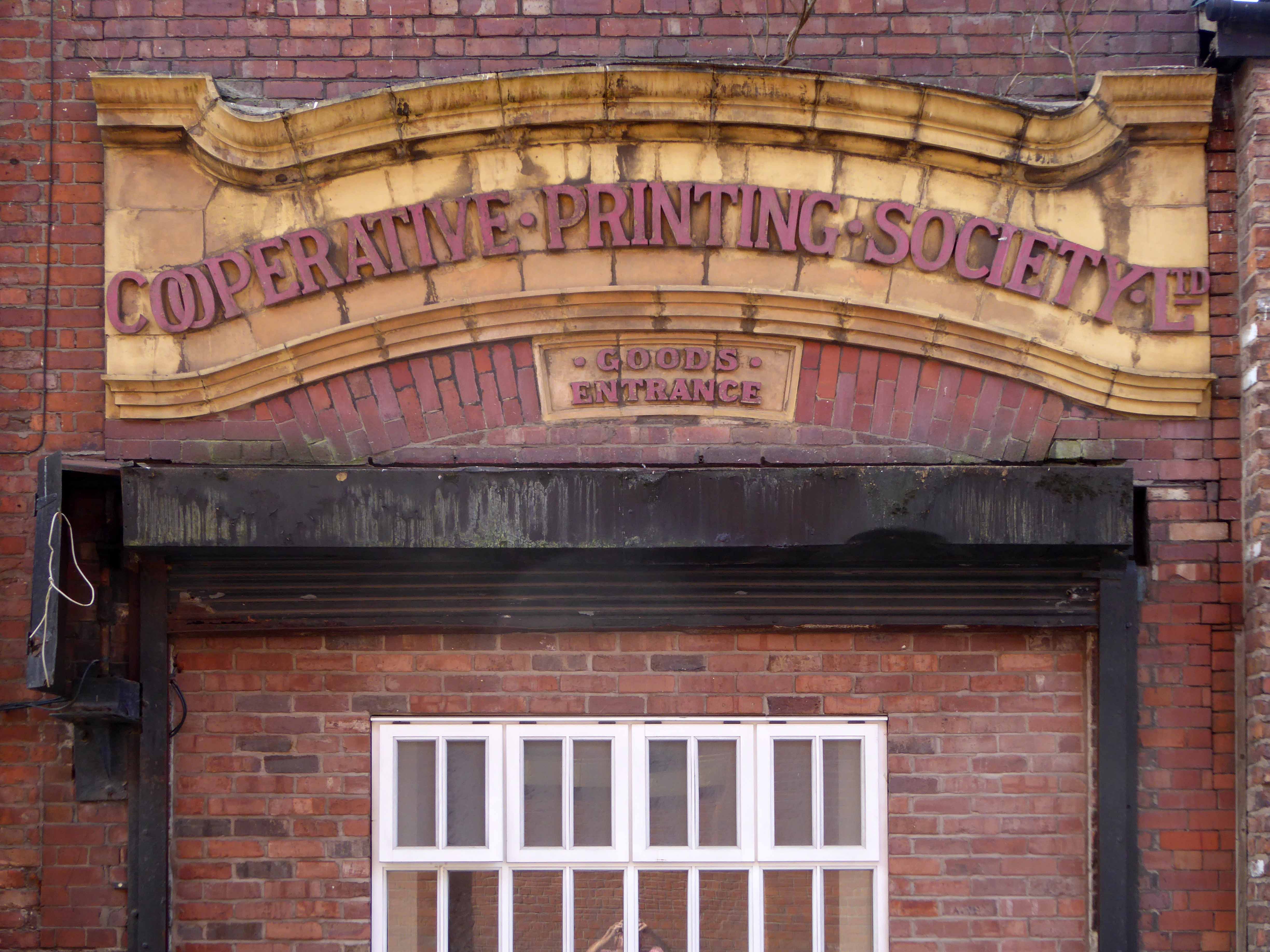
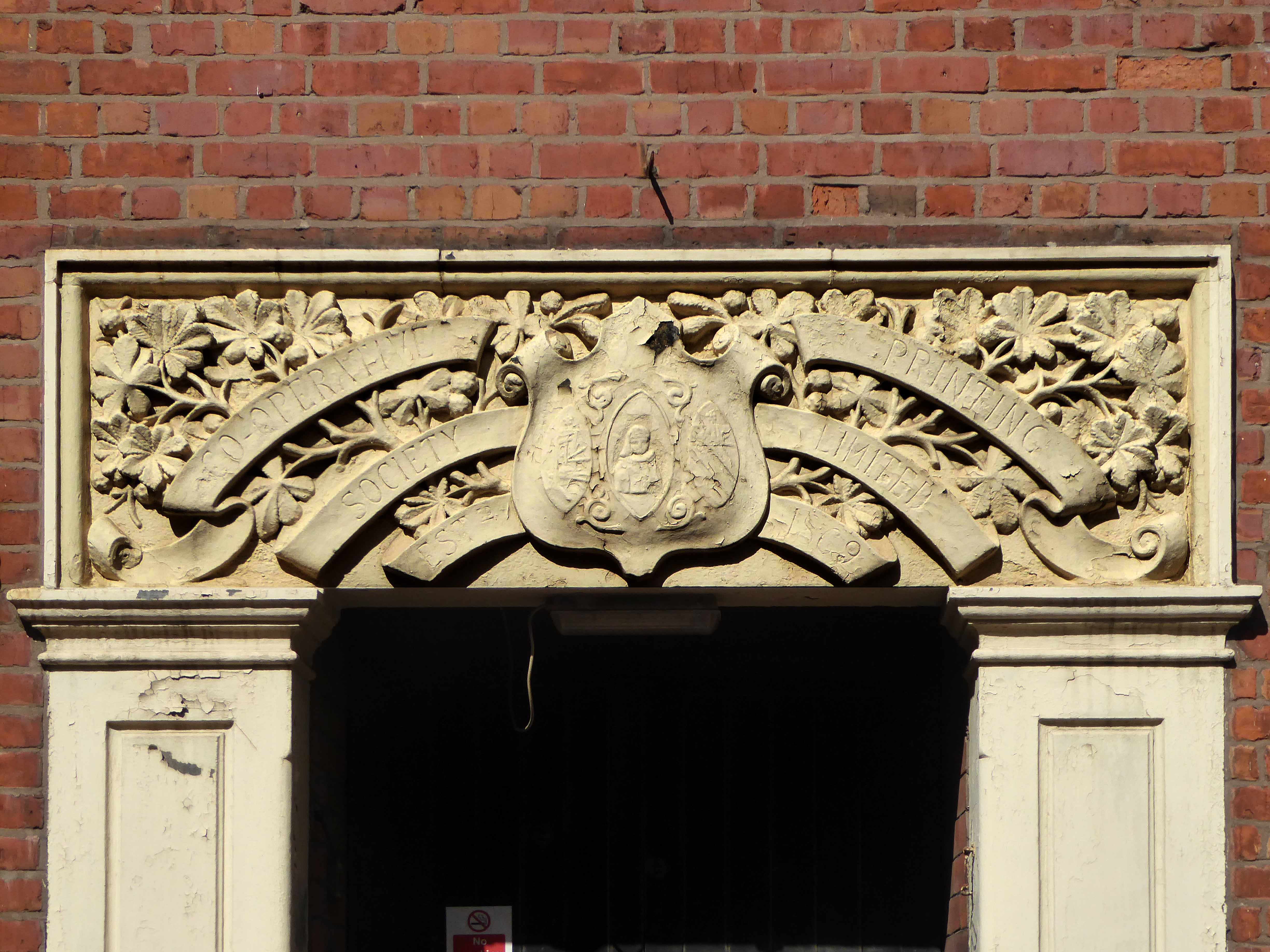
Where once the CWS loomed large

Charter Street

P1290102
P1290107

Ragged but right

Aspin Lane

P1290109
P1290117

Angel Meadow 

Corporation Street

P1290118

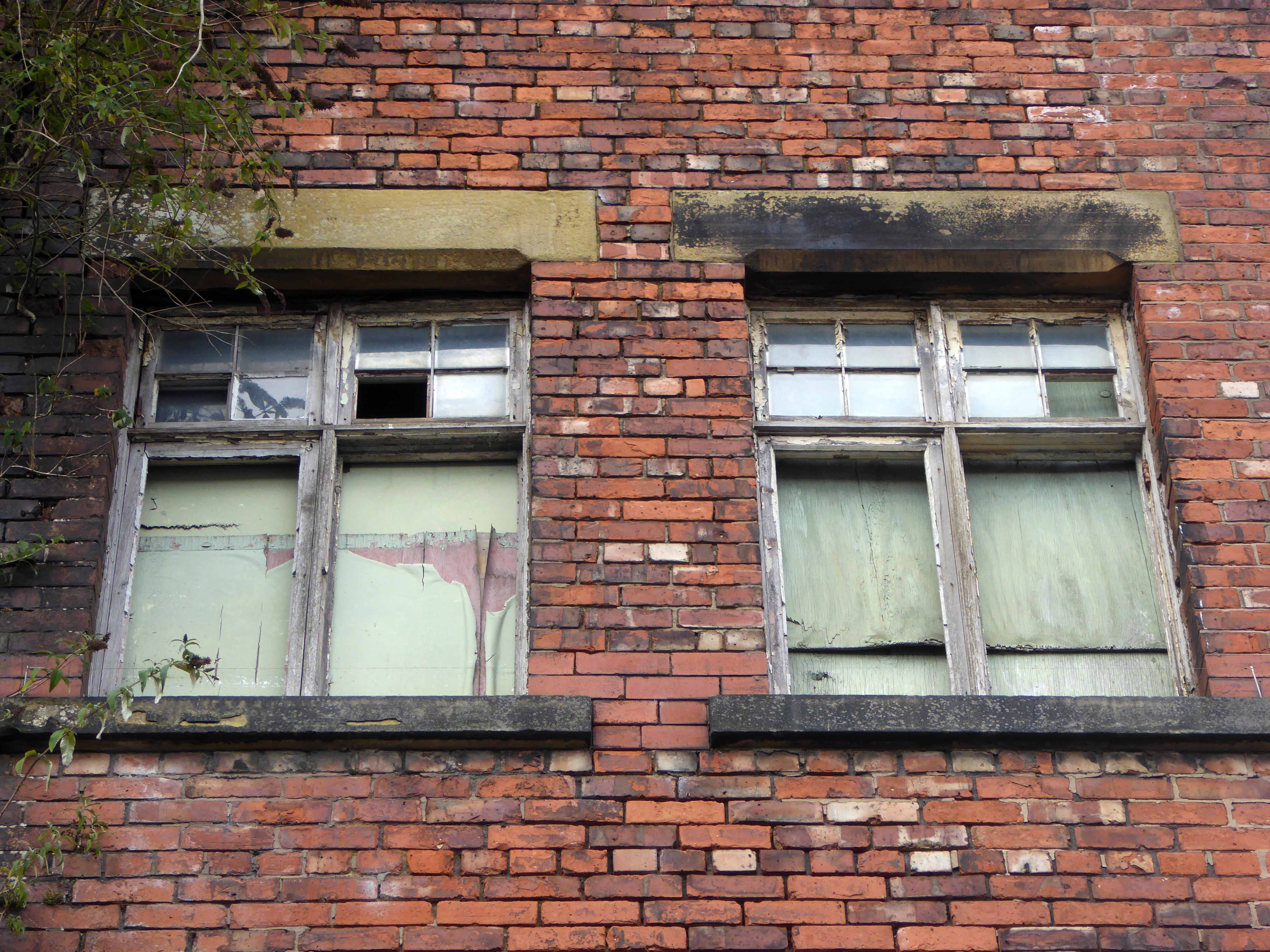
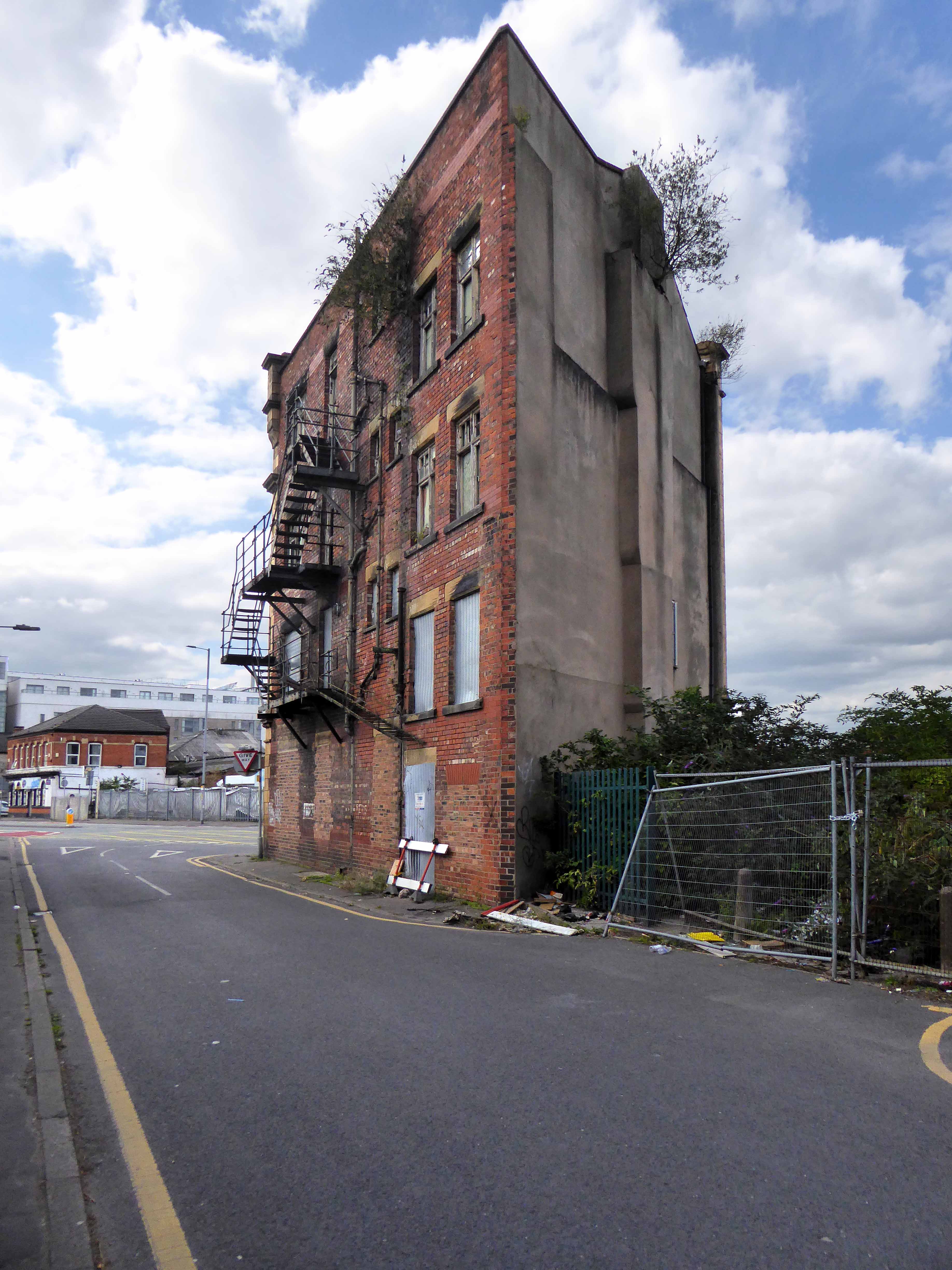
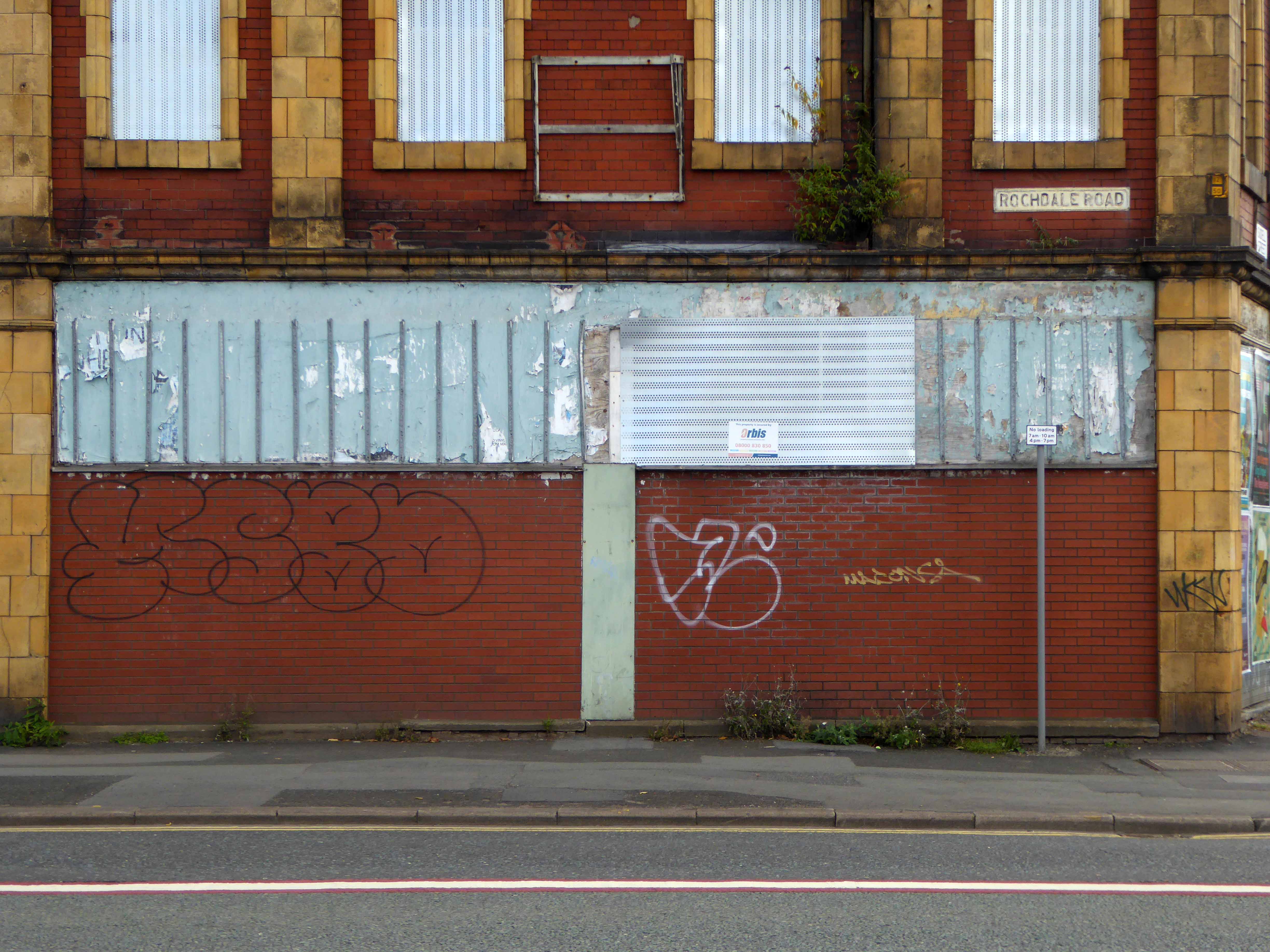
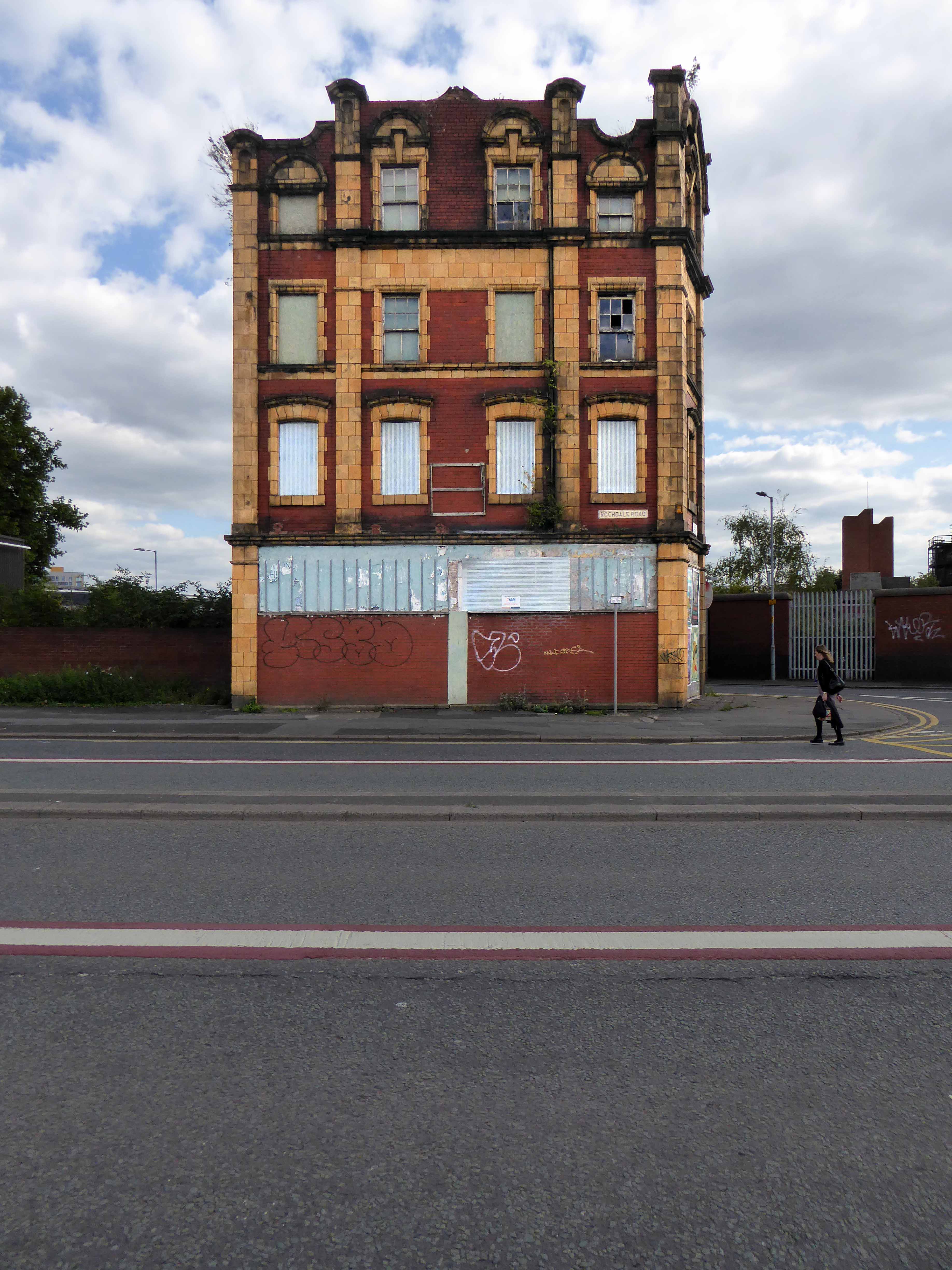
Rochdale Road – Manchester

Each and every time I wandered by, I wondered.

The whys and wherefores of your seemingly unknowable comings and goings.

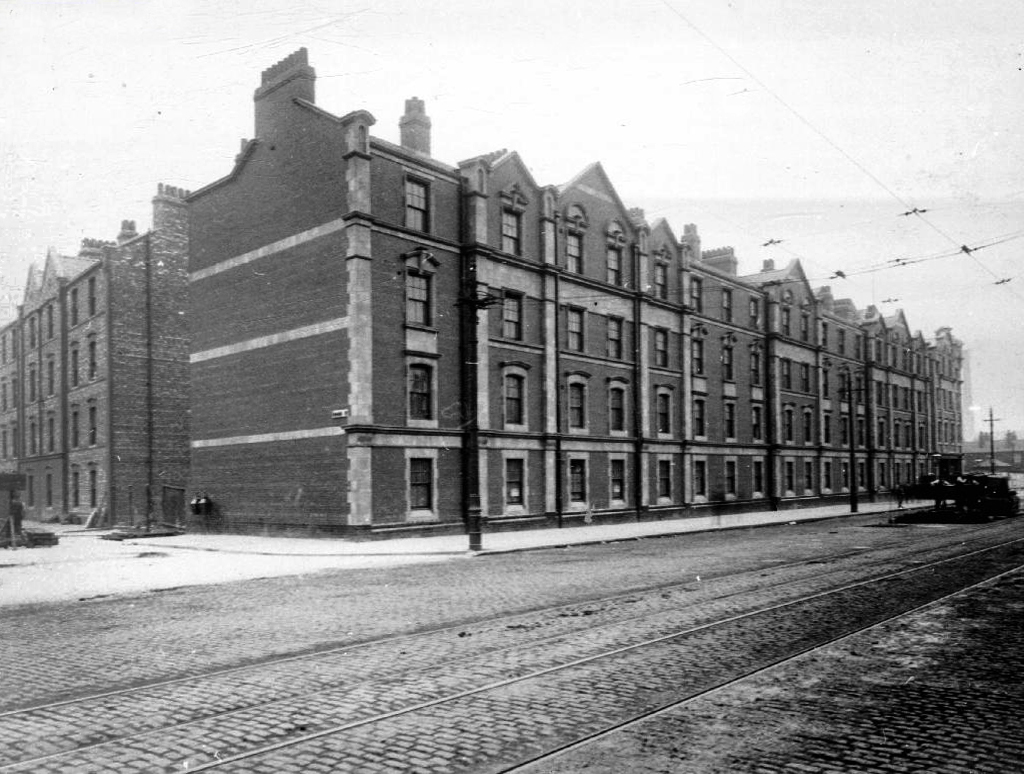
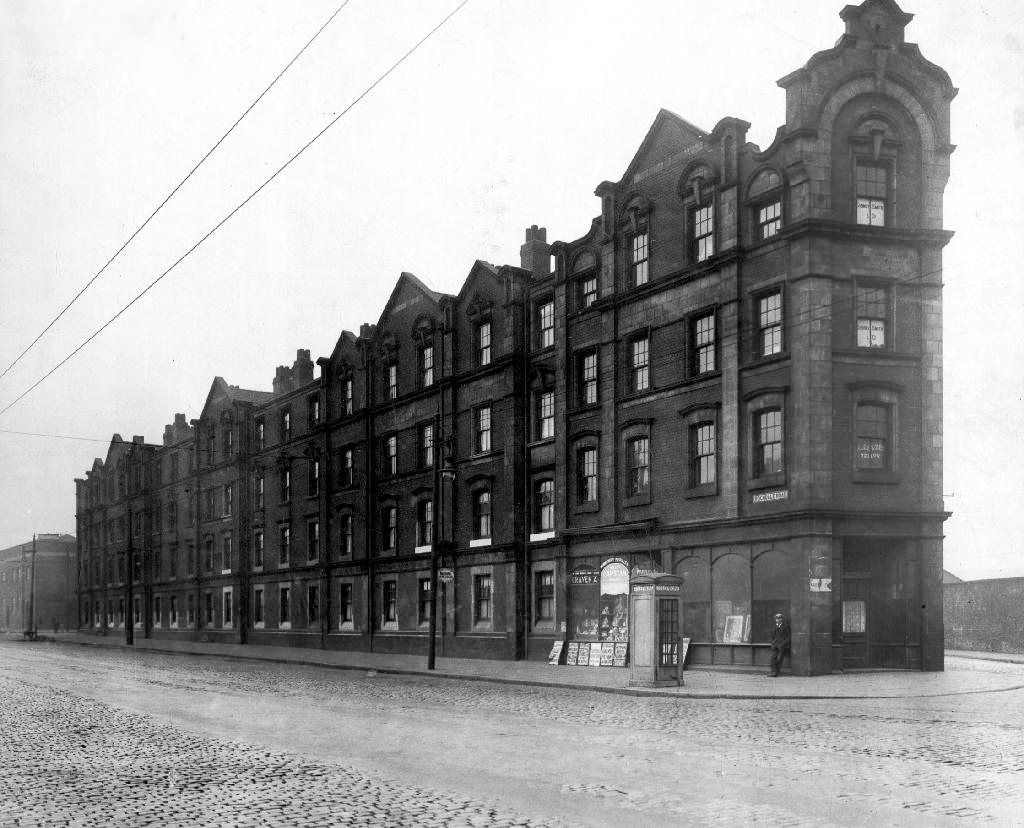
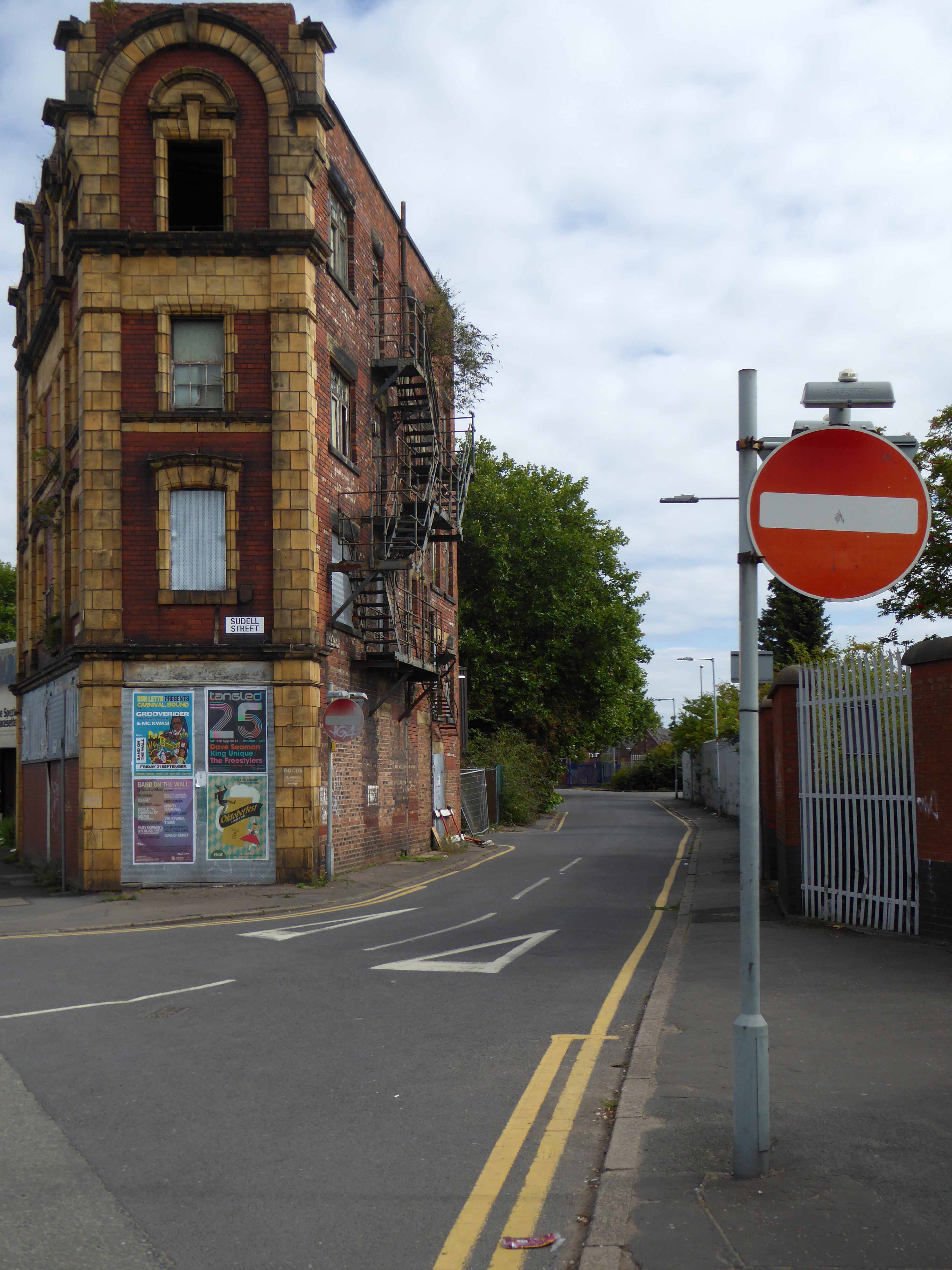
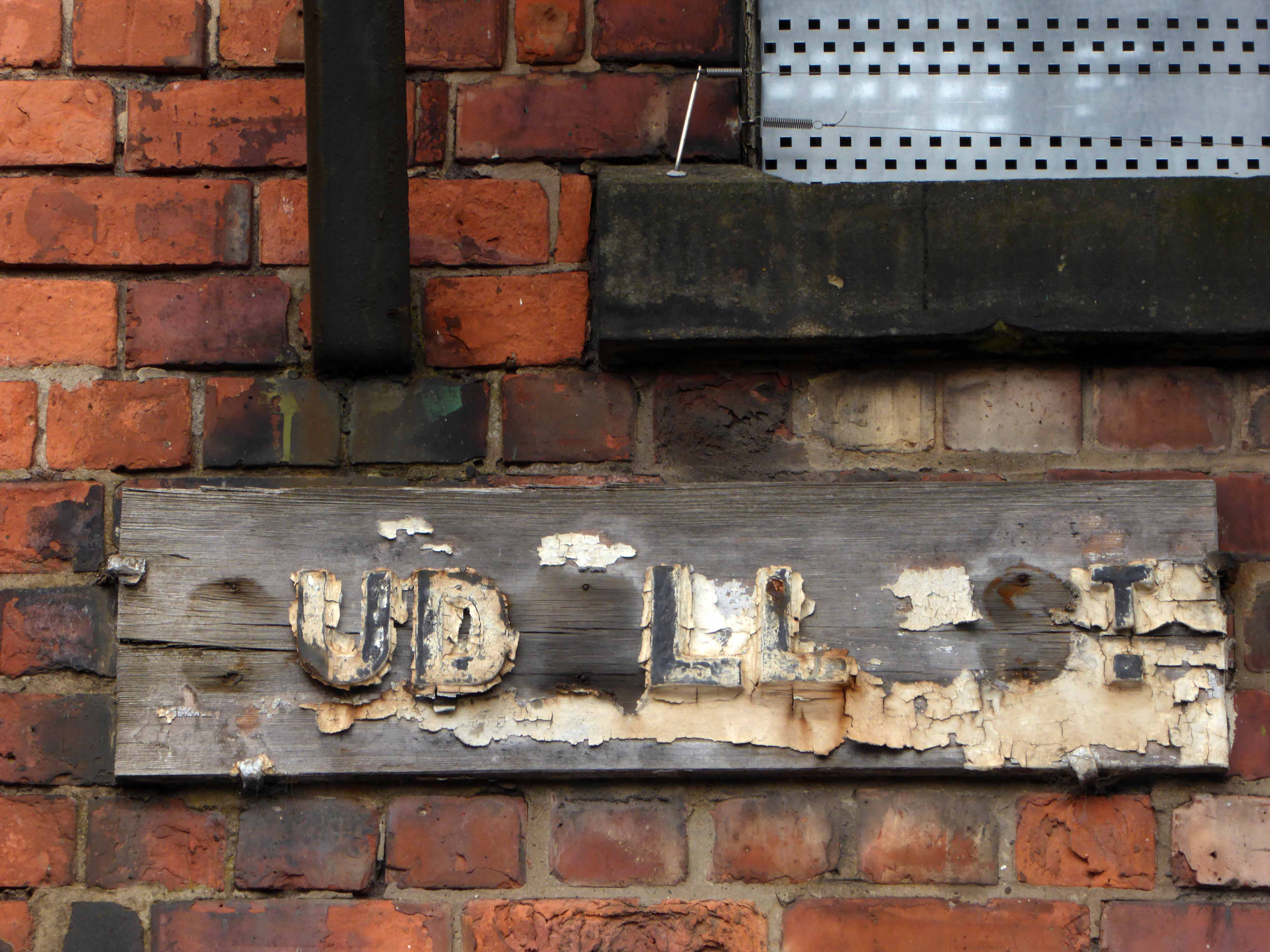
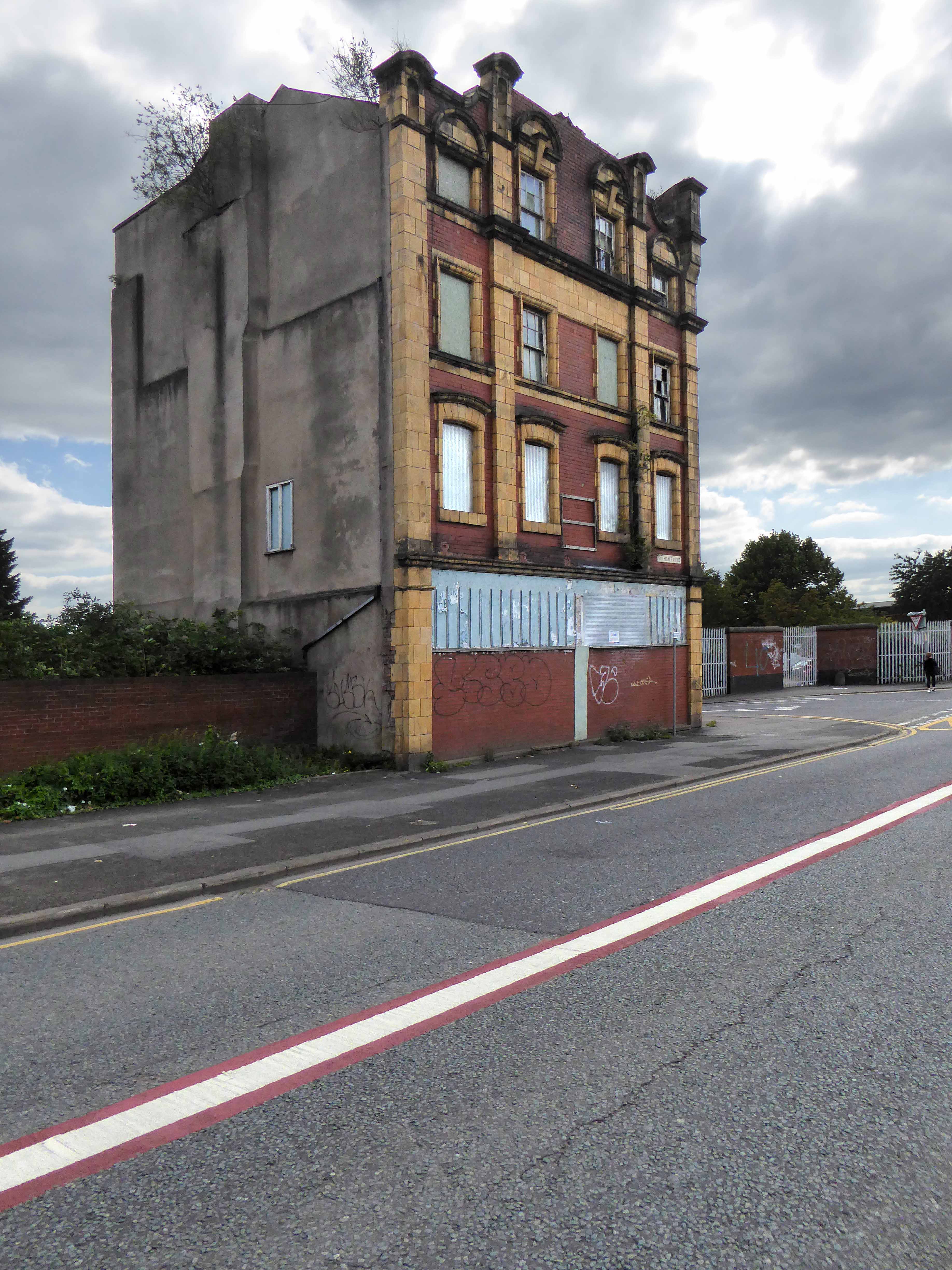
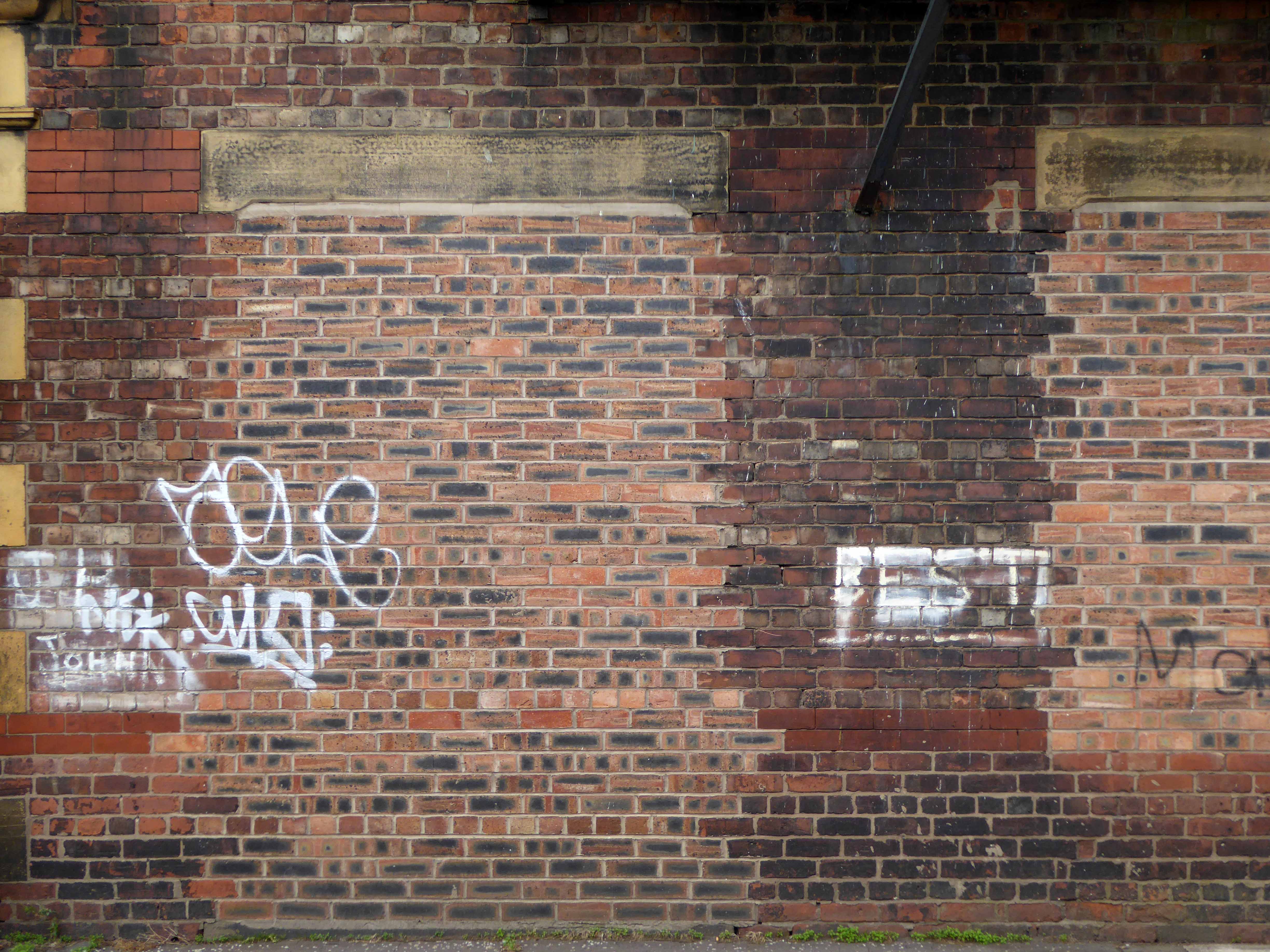
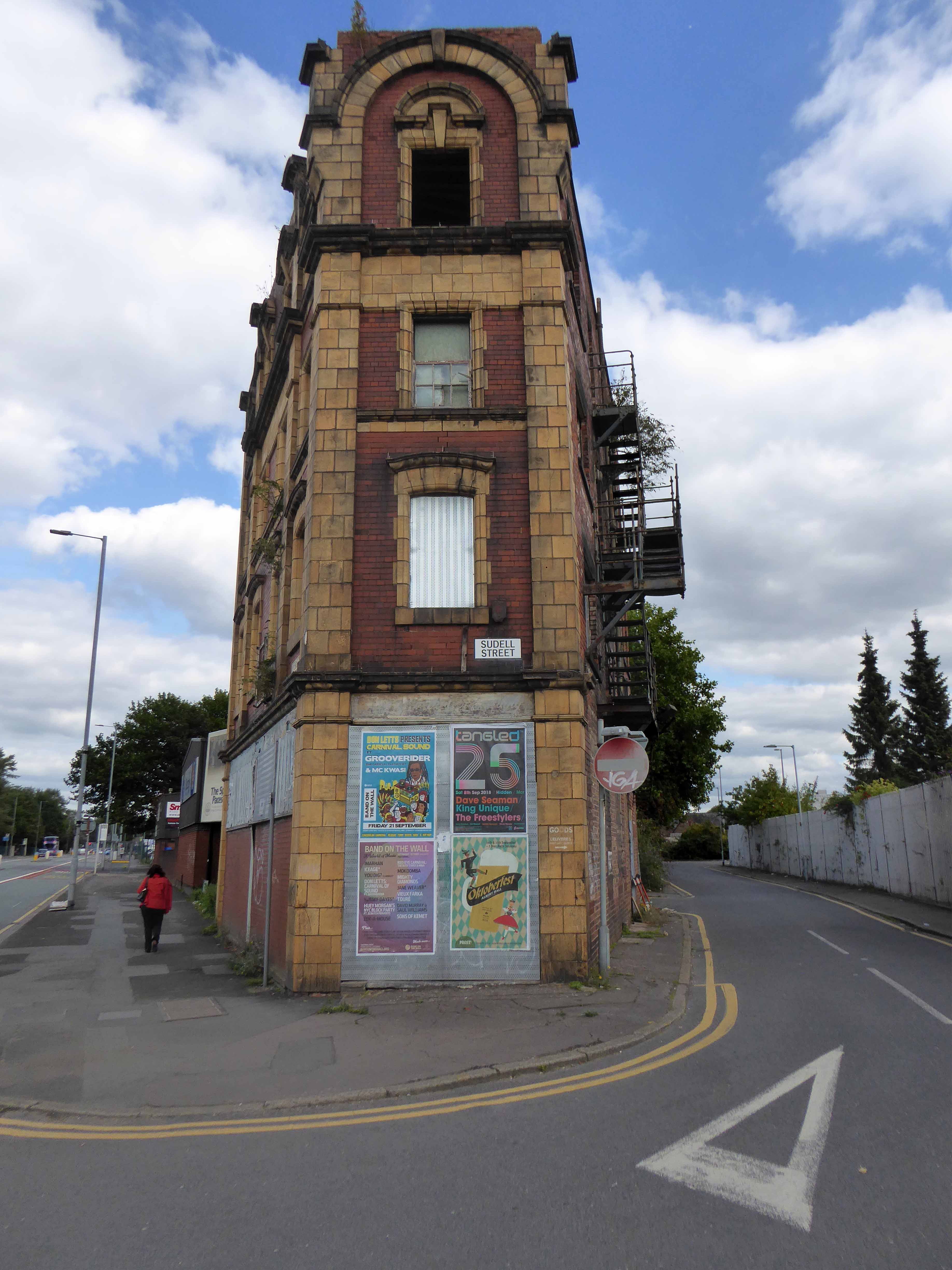
Standing alone, aloof and unloved on the corner of Rochdale Road and Sudell Street.

Something was missing.

I was missing something.

1813

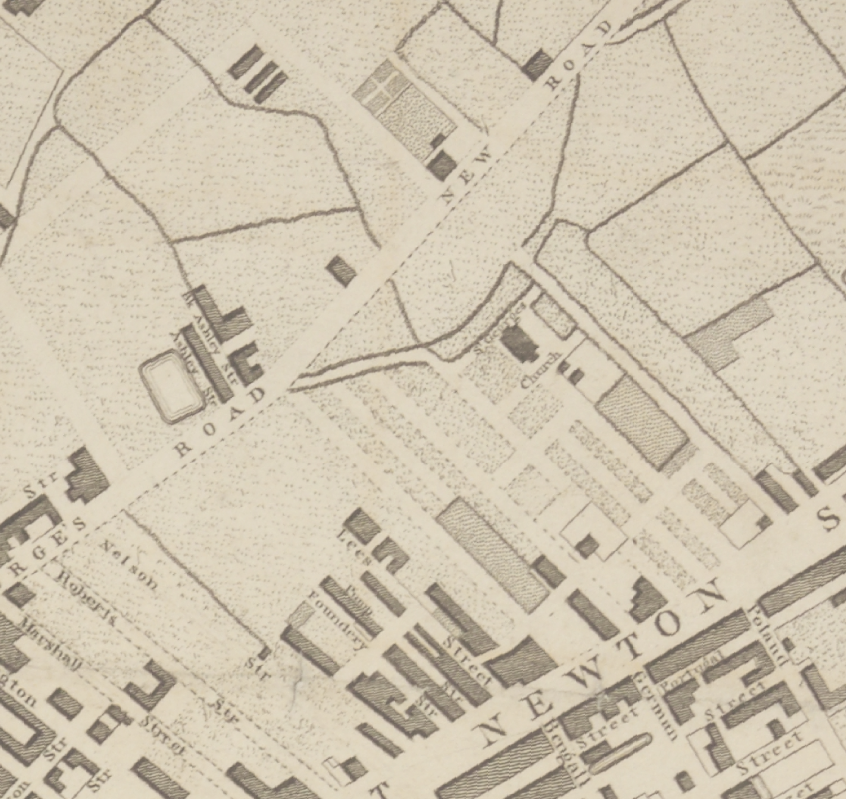
In 1813 there’s a field

1836

In 1836 something’s there, but not it’s you.

Yet.

1900

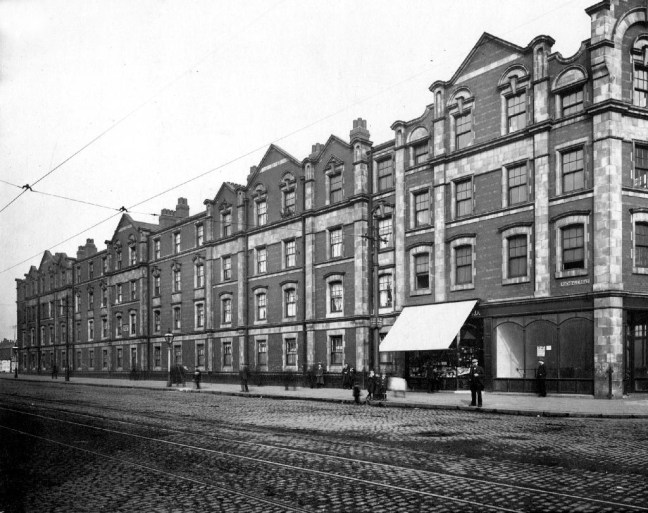
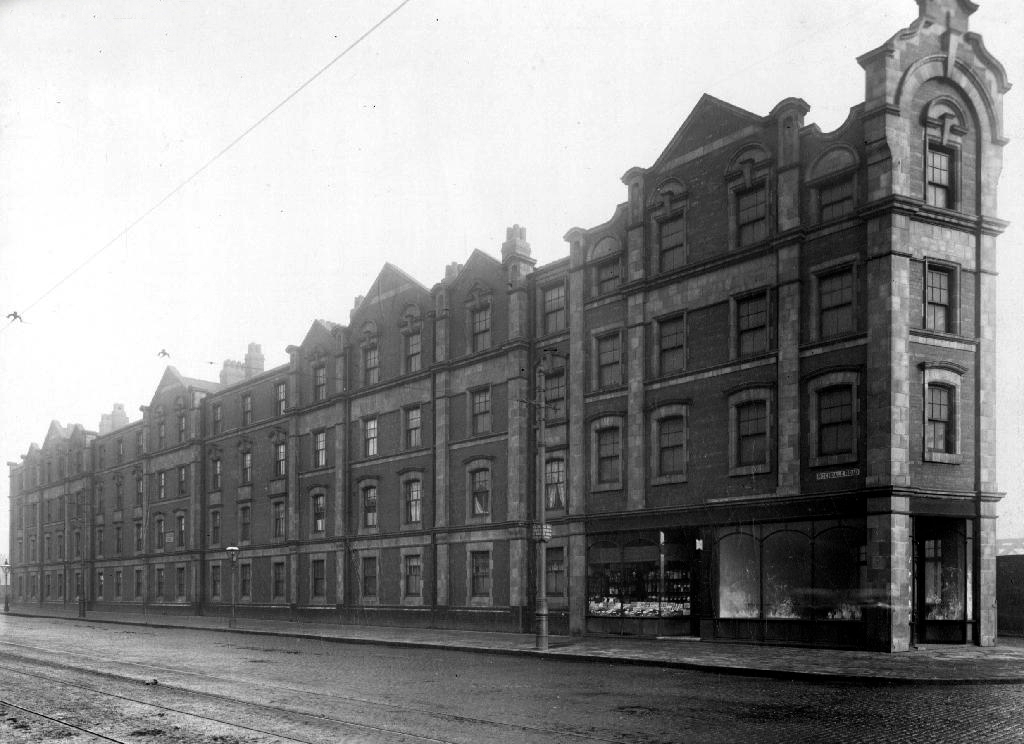
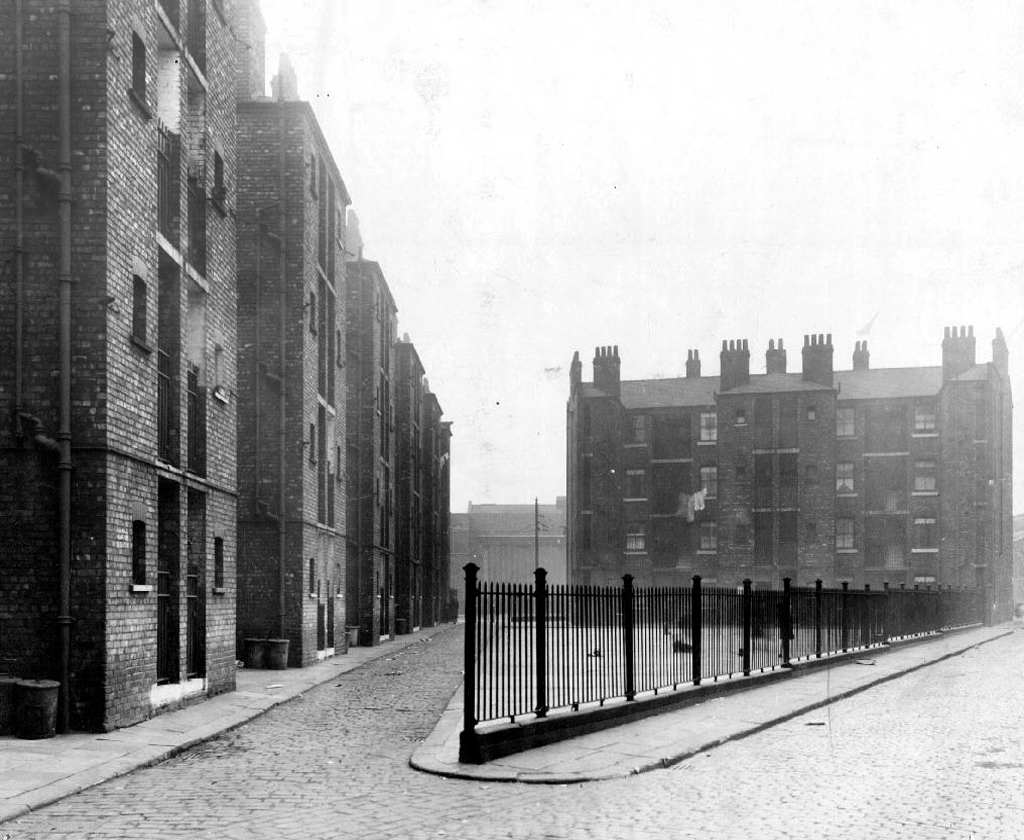
By 1900 the days of the two up, two downs are numbered – sanitary dwellings are the order of the day, plans are drawn up, the local council have decreed that workers dwellings are to be built.

webmedia-2.php

1905

1912

1932

back 38

Local Image Collection

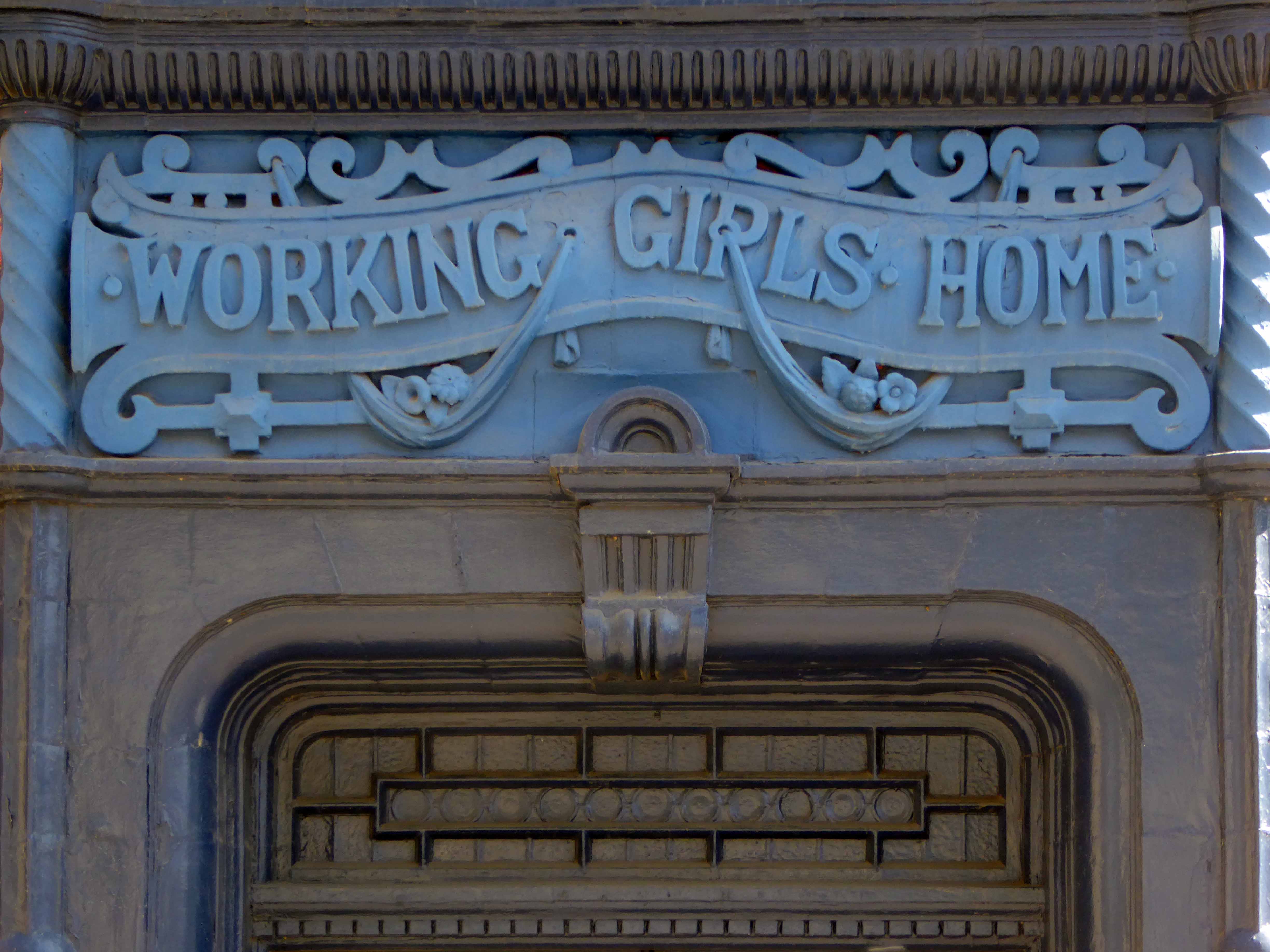
Known as Alexandra Place or The Dwellings.

You must have been home to many too many to recall, then you were gone again.

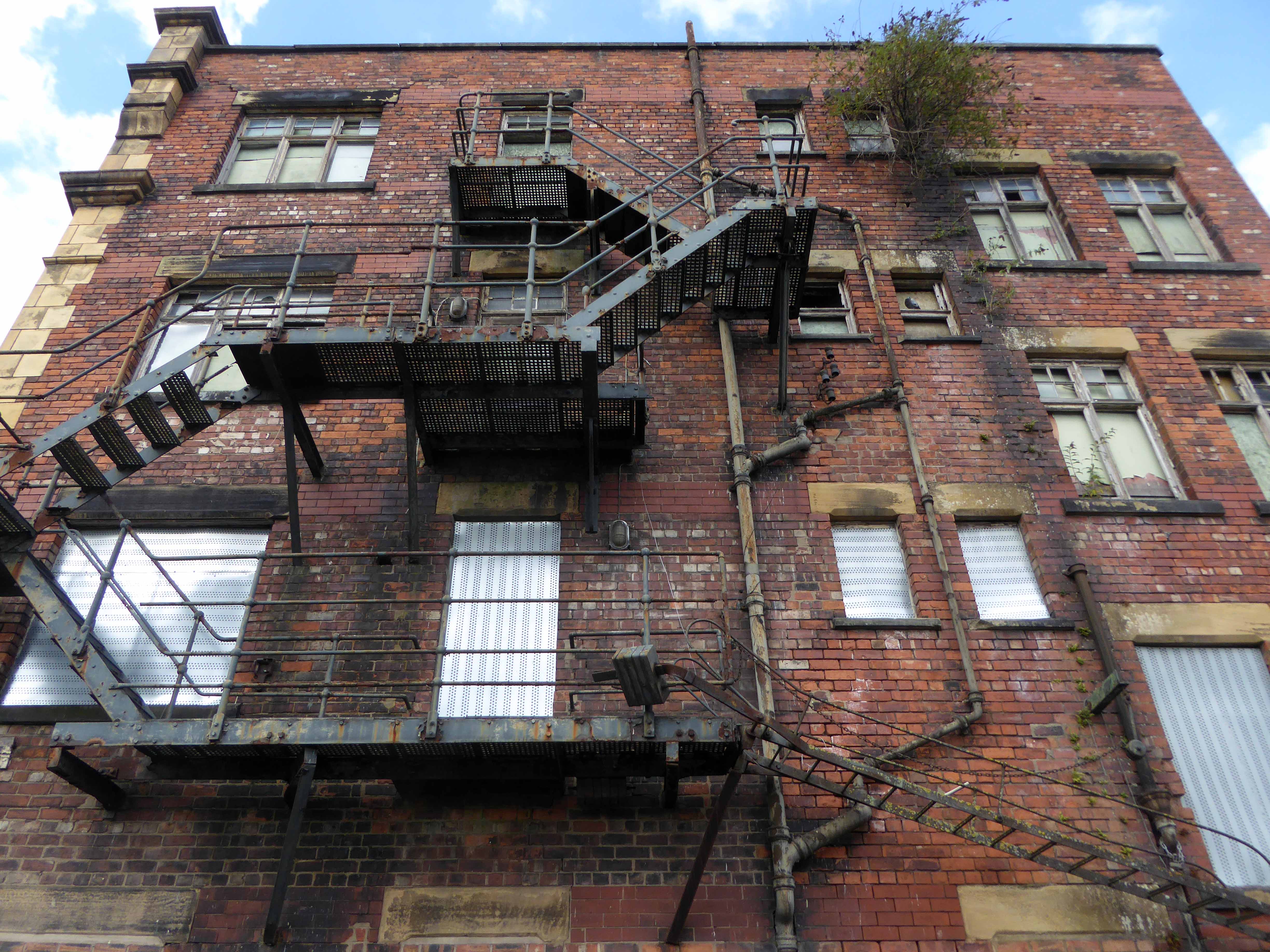
Save for one old triangle, refusing to jingle jangle to the modern dance.

I do not know what fate awaits you, I only know you must be strong.

A change is gonna come.

P1290088 copy

P1290089 copy

P1290090 copy

P1290357

P1290358

P1290359

P1290360


P1290362

P1290363

P1290364

P1290365

P1290366

P1290367

P1290368


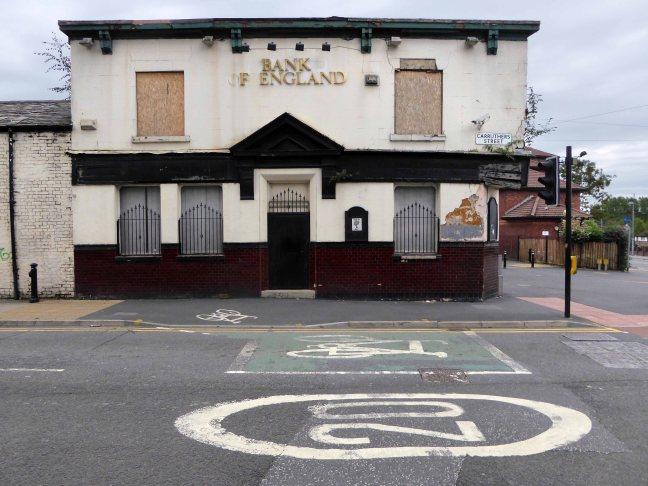
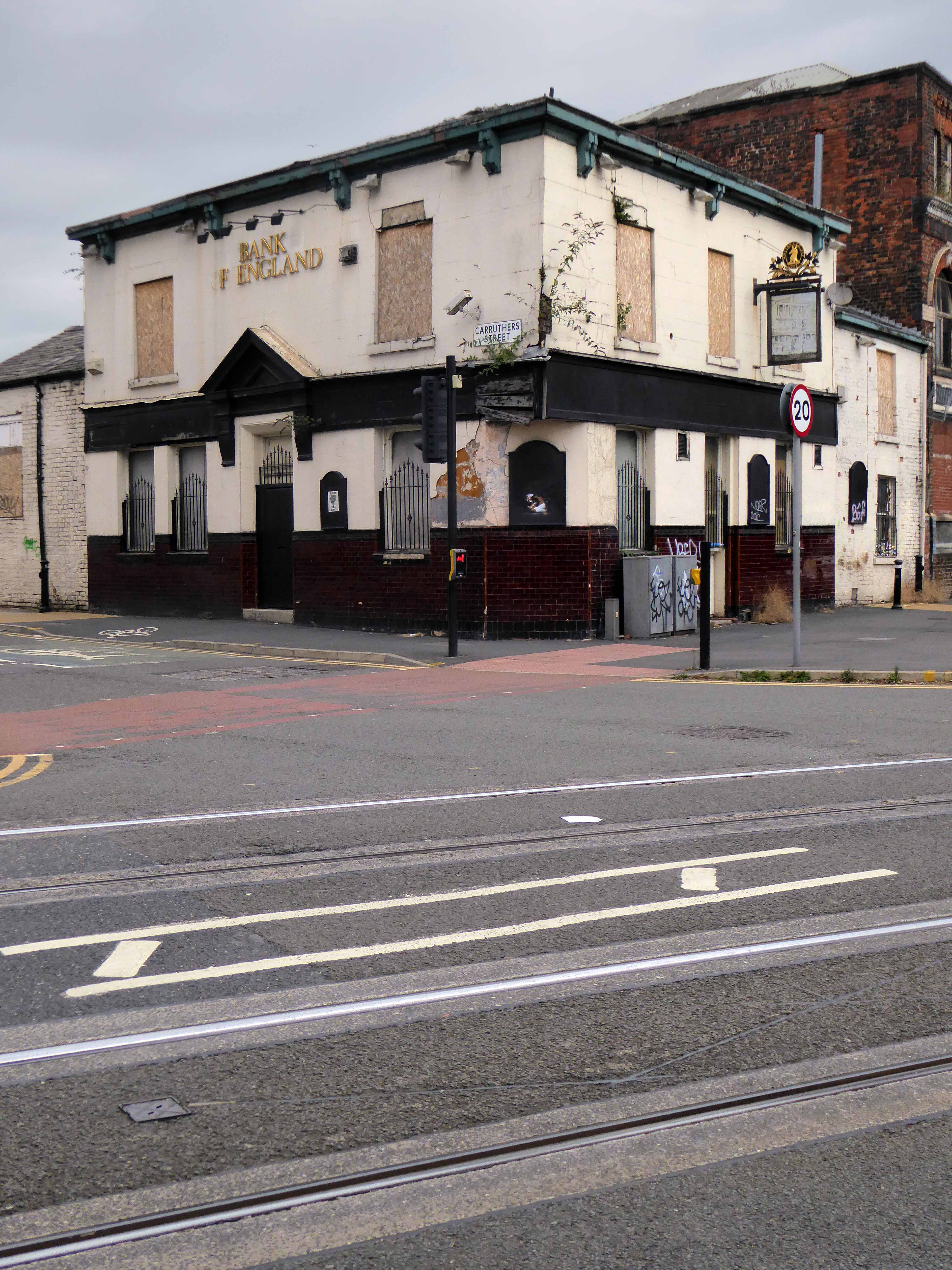
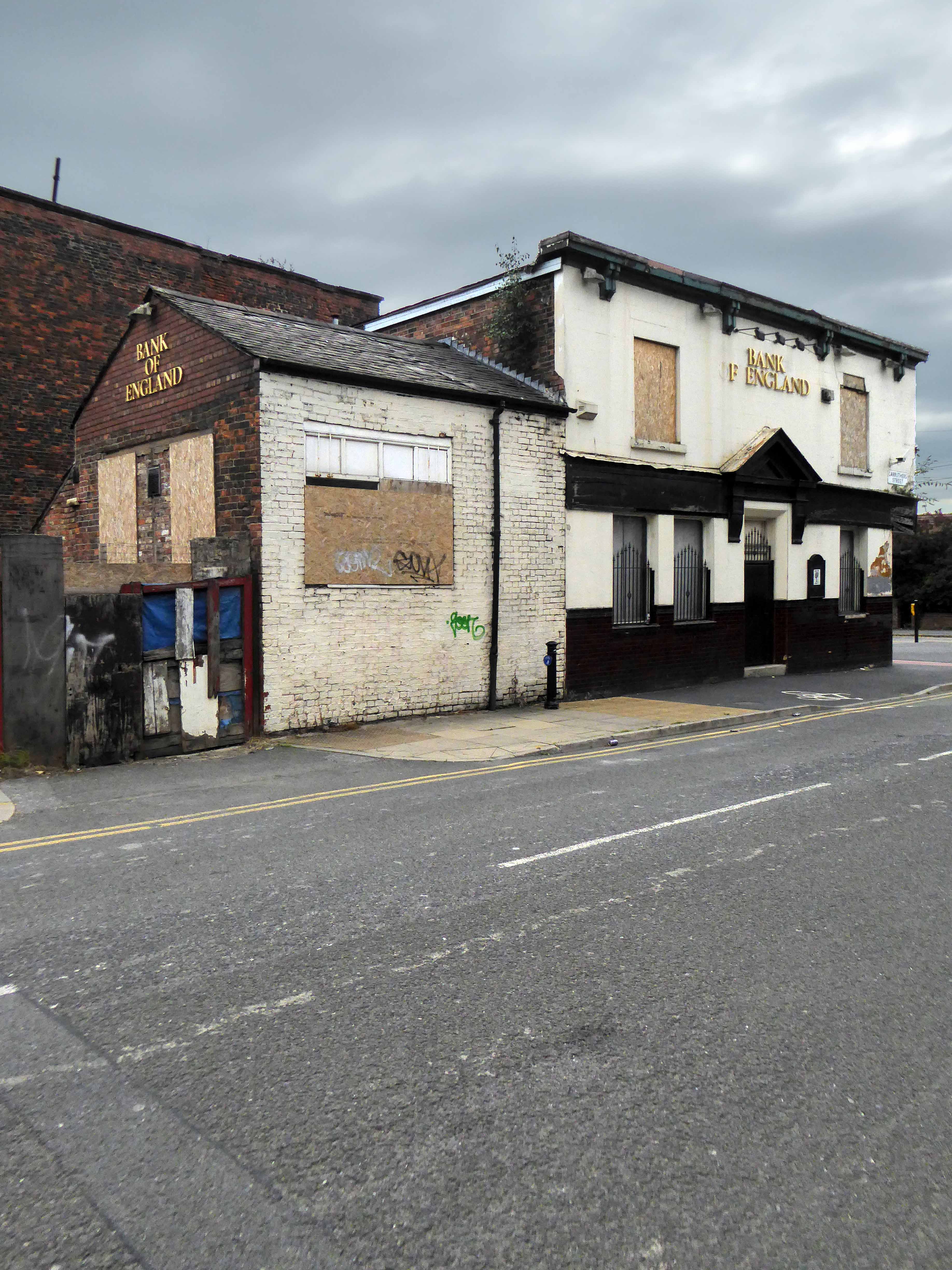
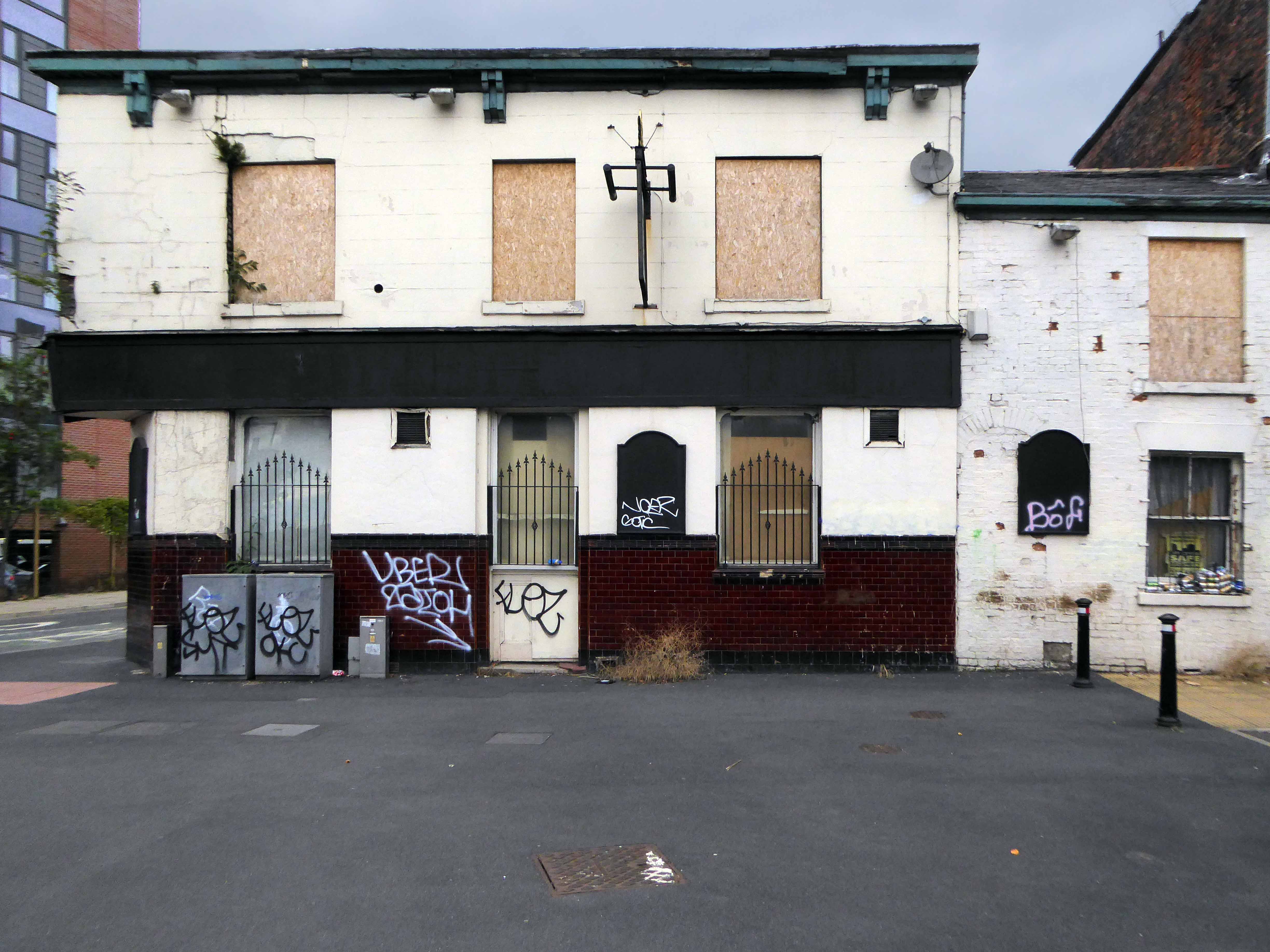
The Bank Of England – Manchester

Standing stately on the corner of Carruthers and Pollard Street, safe as houses.

As safe as the houses that are no longer there, along with the other public houses, along with the jobs, along with the punters – all long gone, it’s a long story.

Look out!

Mind that tram, full of the boys and girls in blue, off to shriek at a Sheikh’s shrine.

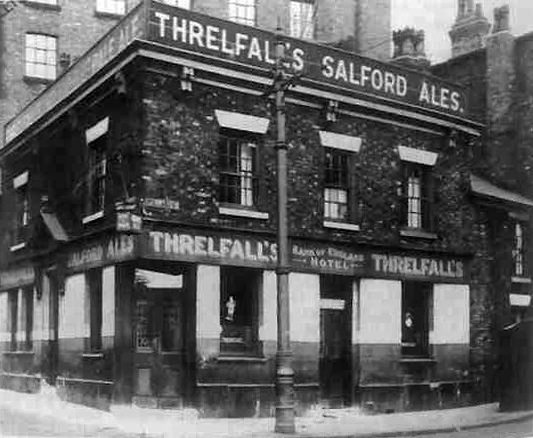
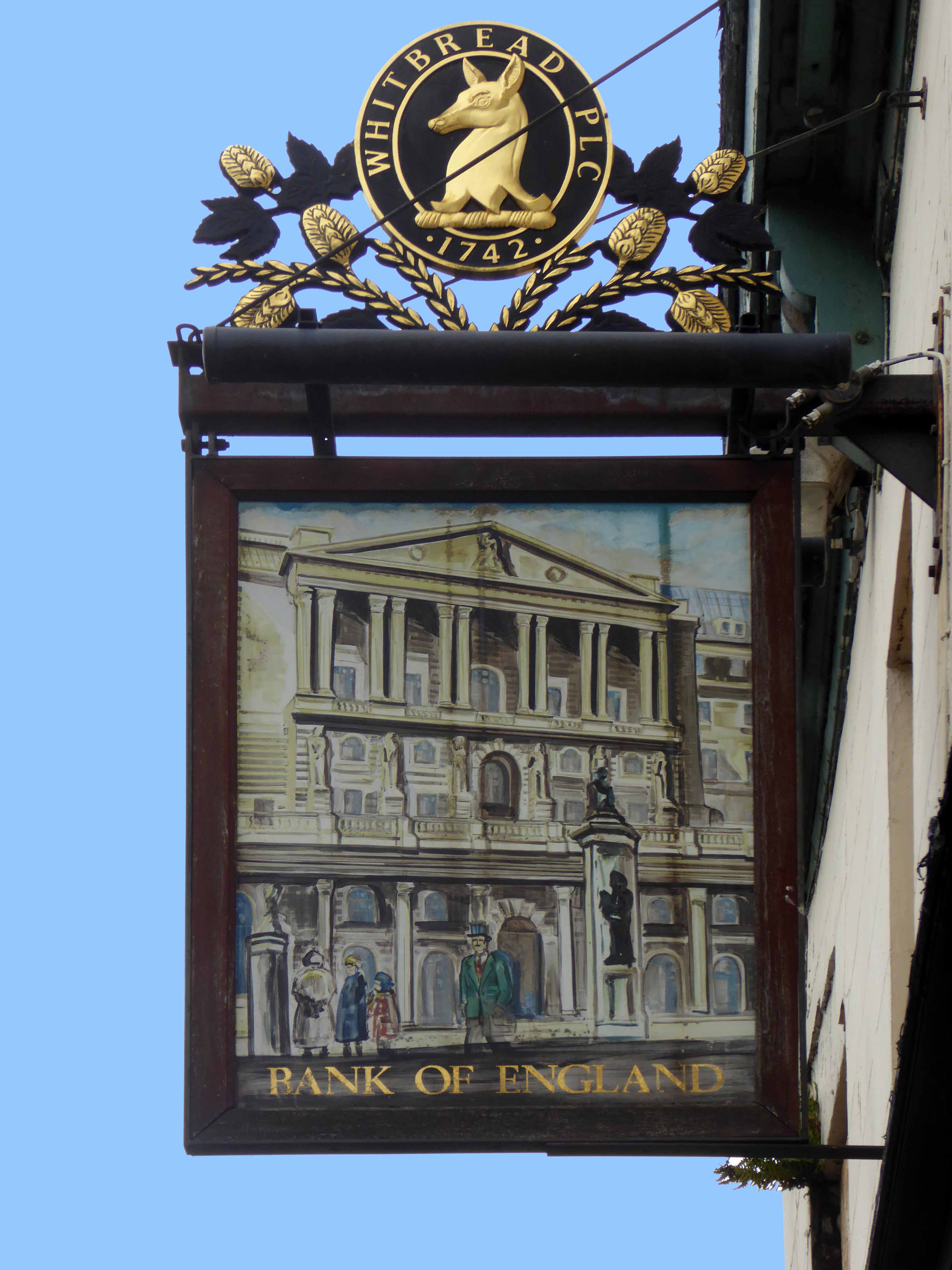
The Bank of England was one of Ancoats’ first beerhouses, licensed from 1830 and ten years later it was fully licensed with attached brewhouse.  The brewery did well, in fact it had another tied house, the Kings Arms near Miles Platting station nearby.  The brewery was sold off in the 1860s but continued as a separate business for a few years.

Pubs of Manchester

Bank of Enland 30s

Ancoats, the core of the first industrial city, a dense cornucopia of homes, mills and cholera – its citizens said to find respite from disease, through the consumption of locally brewed beer.

Once home to a plethora of pubs, now something of a dull desert for the thirsty worker, though workers, thirsty or otherwise are something of a rarity in the area.

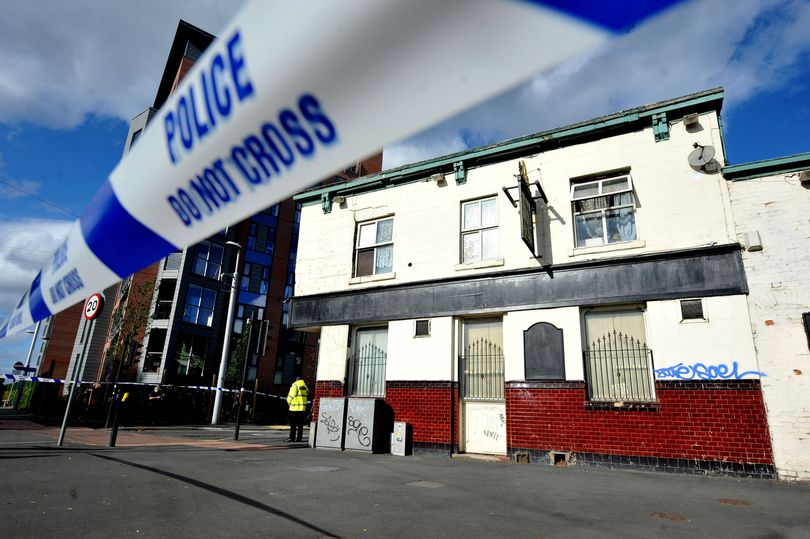
One worker went missing, some twenty years ago Martin Joyce was last seen on the site, the pub grounds were excavated – nothing was found.

JS101647765

Manchester Evening News

When last open it was far from loved and found little favour amongst the fickle footy fans.

Screen Shot 2018-09-03 at 14.14.03

To the north a tidal wave of merchant bankers, to the east redundant industry.

The Bank of England has gone west.

So clean the mills and factories 

And give me council houses too

And work that isn’t turning tricks

Like building homes and making bricks.

Danny Moran

P1290007

P1290009

P1290010

P1290011

P1290012

P1290013

P1290014

P1290015

P1290016

P1290017

P1290018

P1290019


Eva Brothers – Clayton Manchester

Eva Brothers of Crabtree Forge, Crabtree Lane, Clayton, Manchester.

Im1960Ry-Eva

1909  The partnership of James Eva, Archibald William Eva, Victor Eva, Arthur Eva, and Frank Eva, carrying on business as Forge-masters, at Crabtree-lane, Clayton, Manchester, under the style or firm of Eva Bothers was ended. All debts due would be settled by Archibald William Eva, Victor Eva, Arthur Eva, and Frank Eva, who continued the business under the same style.

By 1953 The EVA group of companies was the largest edge tool makers in the world, exporting most of their products. The associated companies included: Chillington Tool Co, Edward Elwell Limited of Wednesbury, A. W. Wills and Son Limited of Birmingham, John Yates and Co Limited of Birmingham, and the Phoenix Shovel Co Limited of Cradley Heath.

1958 Acquired T. Williams Drop forgings and Tools of Small Heath, Birmingham

1959 Planned to convert into a holding company; depressed demand for heavy engineering but continued group prosperity were anticipated.

1960 Eva Brothers paid dividends and made scrip issue; changed the name to Eva Industries as the holding company.

1976: Eva Brothers continued to be a part of Eva Industries.

Graces Guide – for further information.
P1270879

This is where Manchester’s prosperity was created, engineering along with King Cotton, formed the financial foundations of the city. These industries are now all but vanished, along with the communities and skills that created them, work and wealth are elsewhere.

Years of free-market economics, acquisition, asset stripping, amalgamation and monopoly have bequeathed a legacy of loss.

Once bustling and business like sheds and yards, are now forests of buddleia and bramble. The sound of metal on metal, but a dull memory, amidst the wilder side of wildlife and the gentle whisper of peeling paint.

Come with me now to the Kingdom of Rust.

P1270883

P1270882

P1270881

P1270880

DSC_0091

DSC_0086

DSC_0083

DSC_0080

DSC_0079

DSC_0072

DSC_0070

DSC_0066

DSC_0061

DSC_0060

DSC_0058

DSC_0057

DSC_0050

DSC_0056

DSC_0053

DSC_0051

DSC_0047

DSC_0045

DSC_0041

DSC_0040

DSC_0037

DSC_0035

DSC_0033

DSC_0032

DSC_0029

DSC_0028

DSC_0026

DSC_0025

DSC_0022

DSC_0021

DSC_0020

Return To Palmerston Street – Beswick

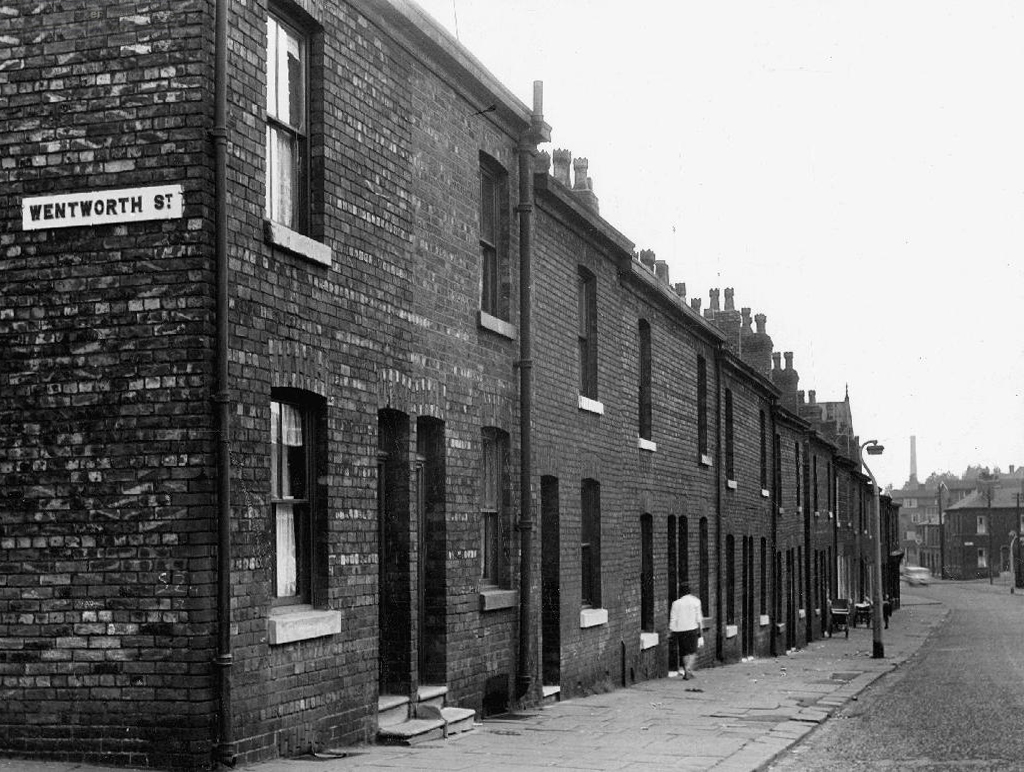
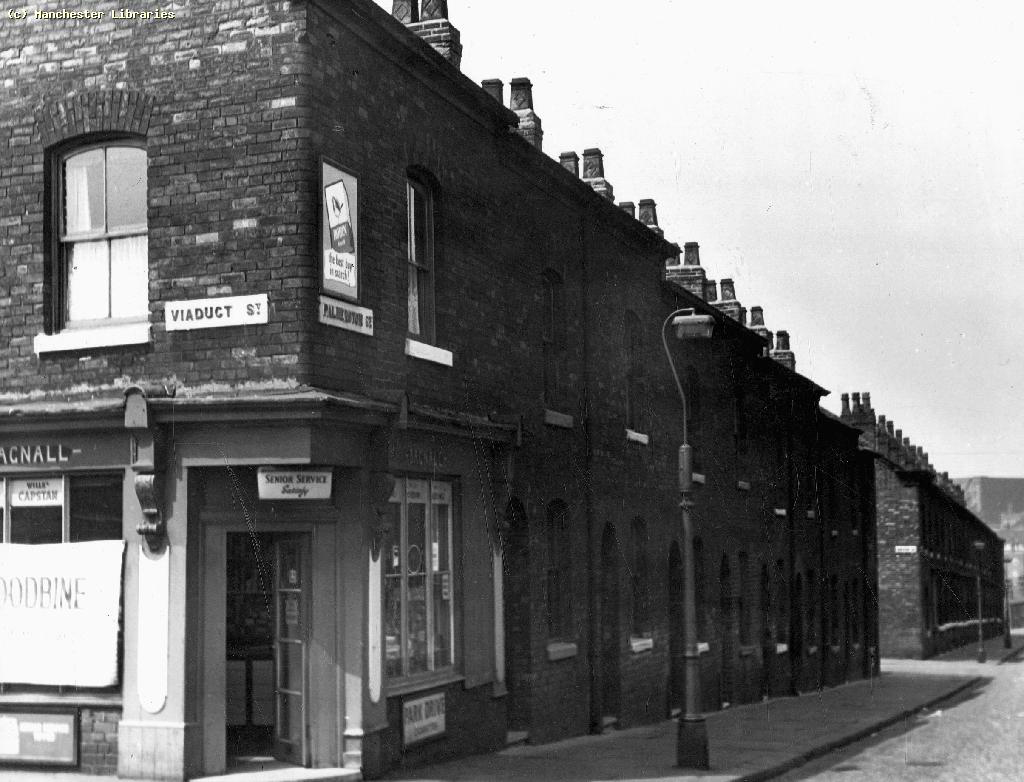
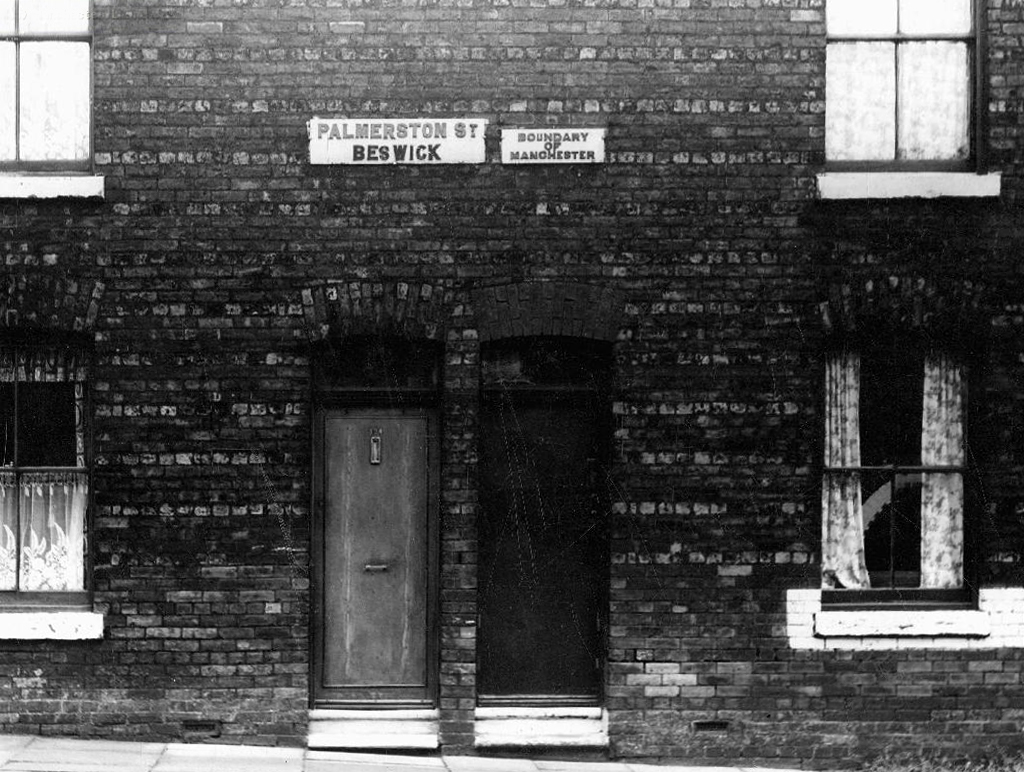
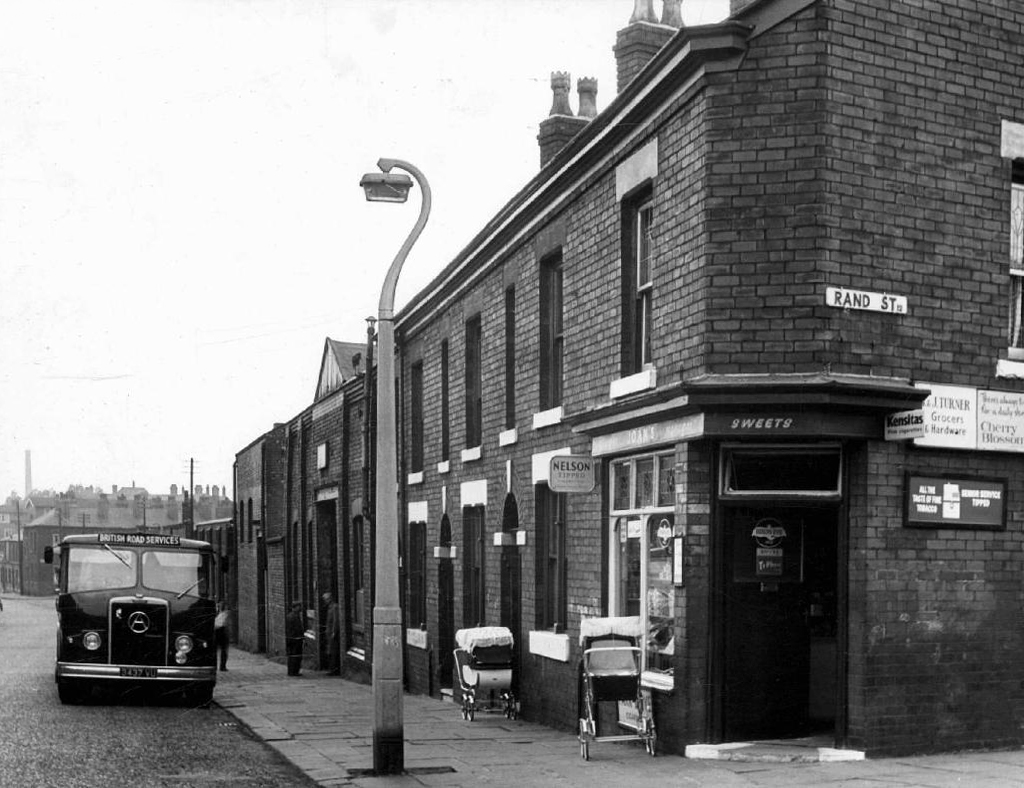
Having traced a lengthy history of the shortish Palmerston Street – I returned to take a snapshot of the current state of affairs.

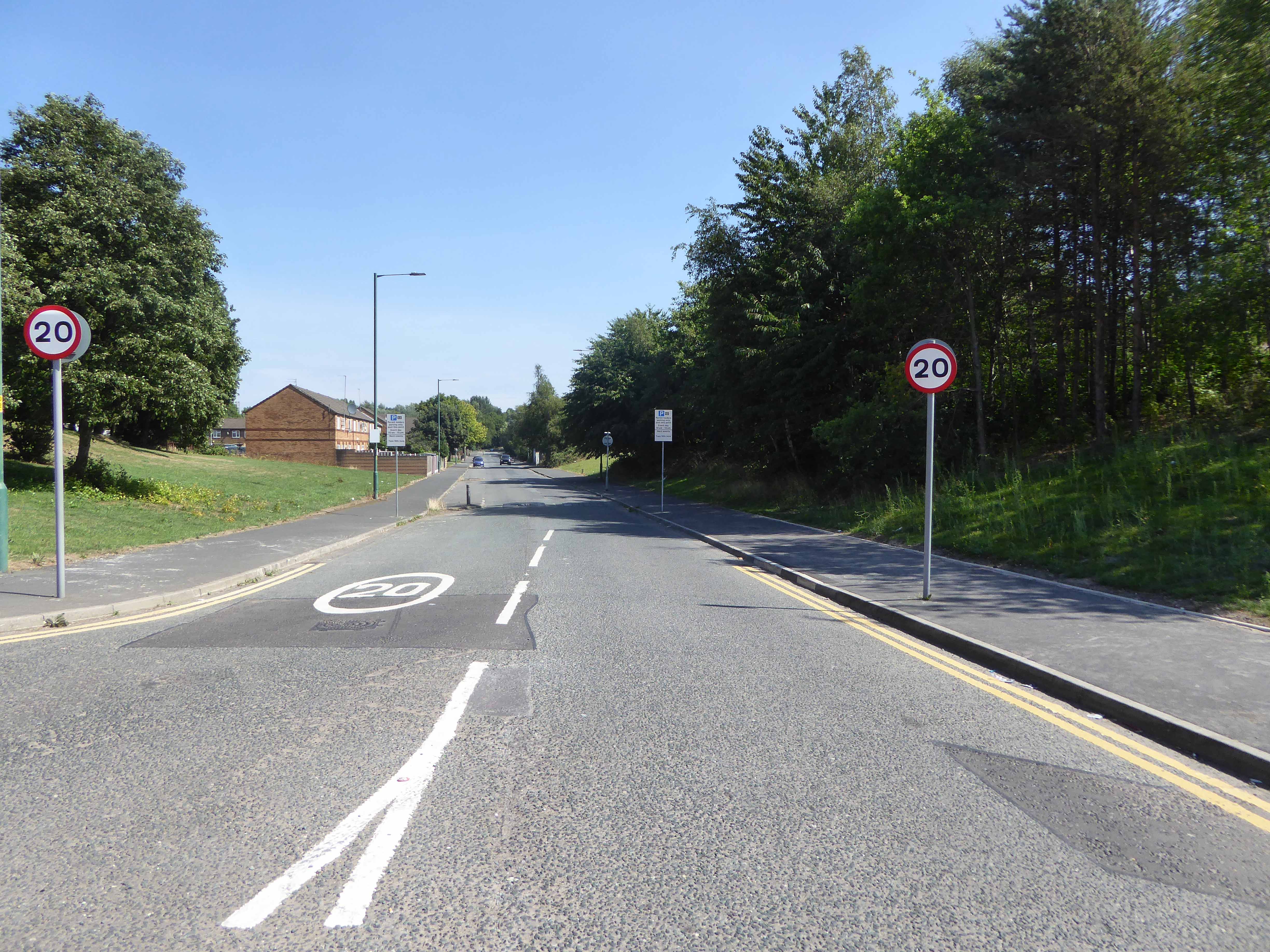
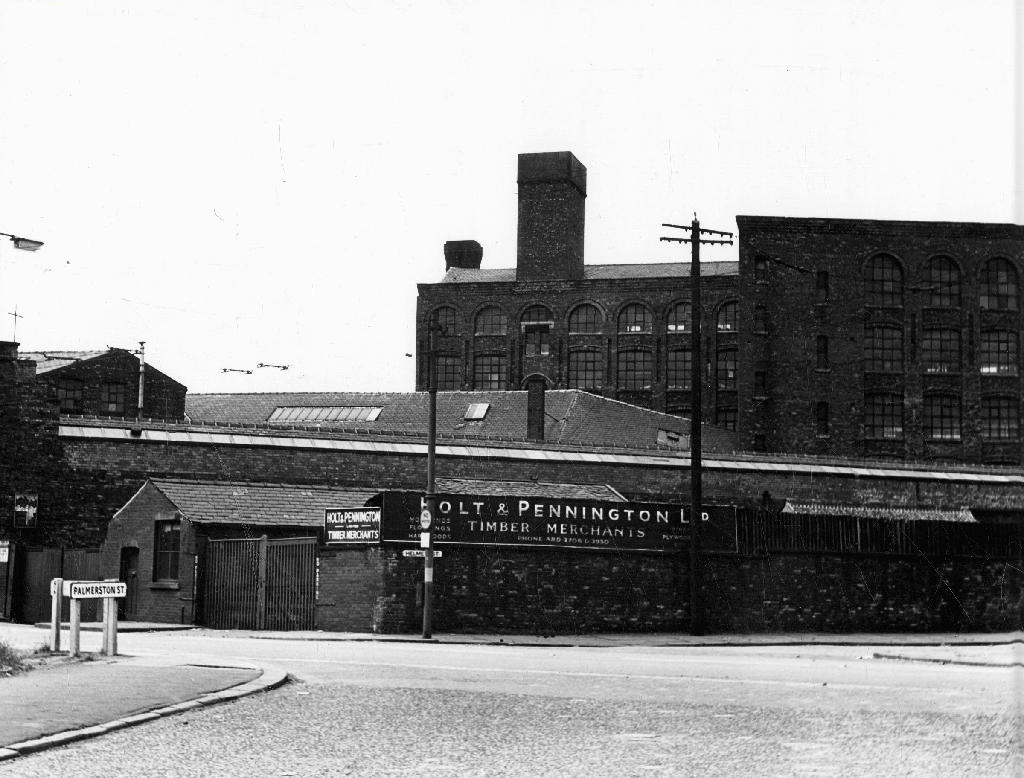
So much has gone an Art Museum, Lads Club, churches, homes, schools, industry and pubs – much of this now indistinct scrubland, fenced and walled, neither use nor ornament, save as an unofficial wildlife garden for feather, fowl and flower.

There  are small groups of more recent housing developments with the promise of more on the way, though this as ever is contentious – the story of conflicted interests betwixt and between developer, local authority and the would be affordable homes and their occupants.

The council says – Manchester’s Affordable Housing Programme will ensure more than 2,200 homes by March 2021 through a £250m programme funded through a variety of sources including Homes England grant funding, Council borrowing and land or property sales and Registered Providers. The Council is also backing the programme through the release of suitable council-owned land.

Which seems barely adequate to meet the needs of those on lower incomes.

The Guardian says – Of the 61 big residential developments granted planning permission by Manchester city council’s planning committee in 2016 and 2017, not one of the 14,667 planned flats or houses met the government’s definition of affordable, being neither for social rent nor offered at 80% of the market rate.

Manchester has changed, constantly changed – often overlooking the needs of its citizens to the north and east of the city. The areas crippled by recession, deindustrialisation and demolition have yet to see the benefits of the city’s recent regeneration.
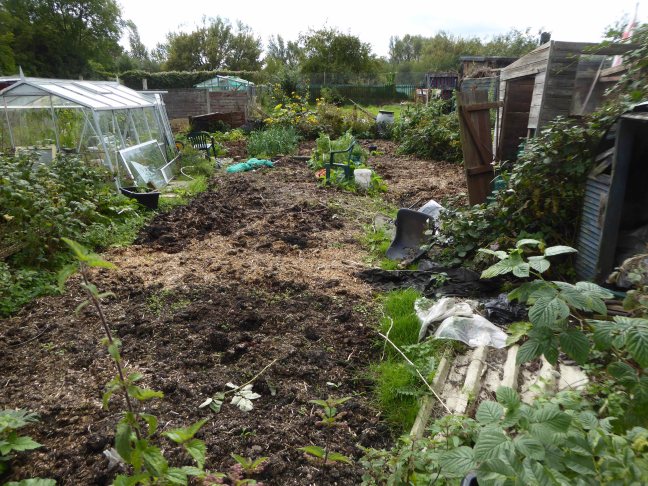
What was once a community overflowing with rough and tumble, hustle and bustle, now seems to have become a contested area for match day parking and non-existent urban renewal.
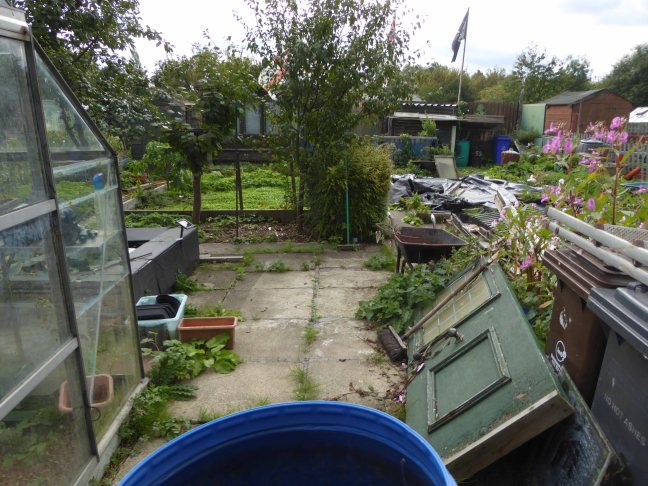
Let’s take a look down Palmerston Street.

P1280052

P1280053

P1280060


P1280063

P1280064

P1280082

P1280093

P1280096

P1280097

P1280098


P1280103

P1280104

P1280106

P1280108

P1280110

P1280112

P1280114

P1280115

P1280118

P1280119

P1280121

P1280123

P1280127

Palmerston Street – Beswick Manchester

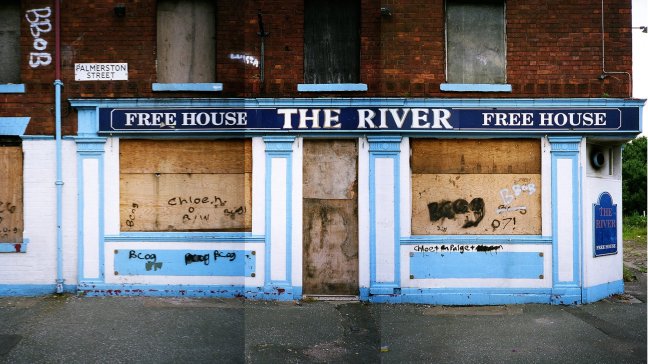
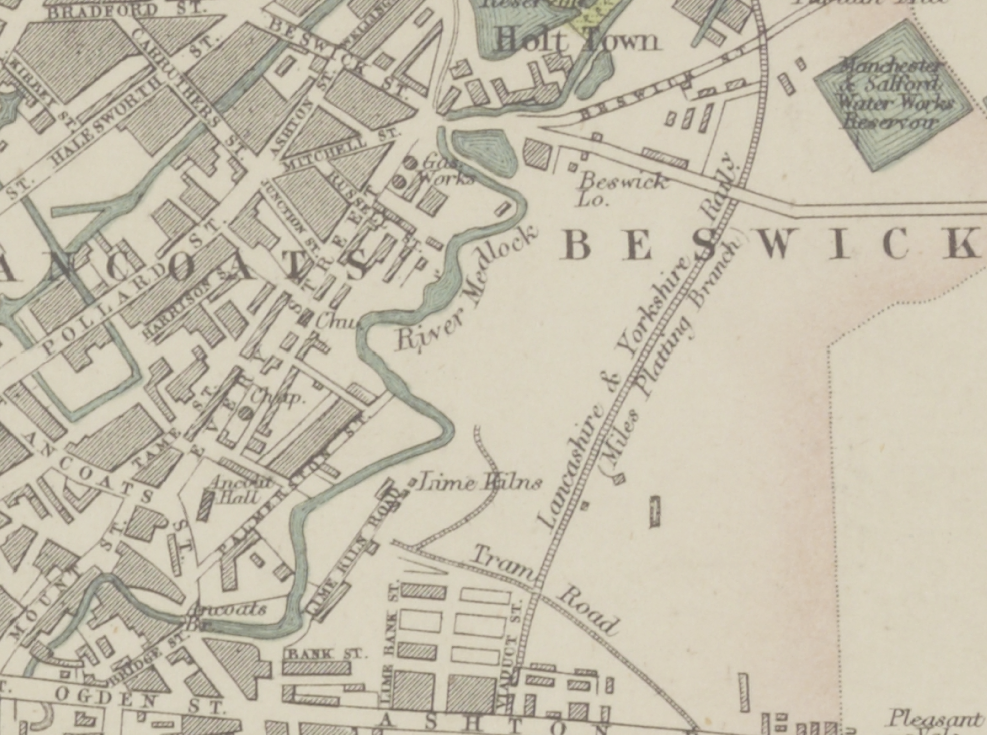
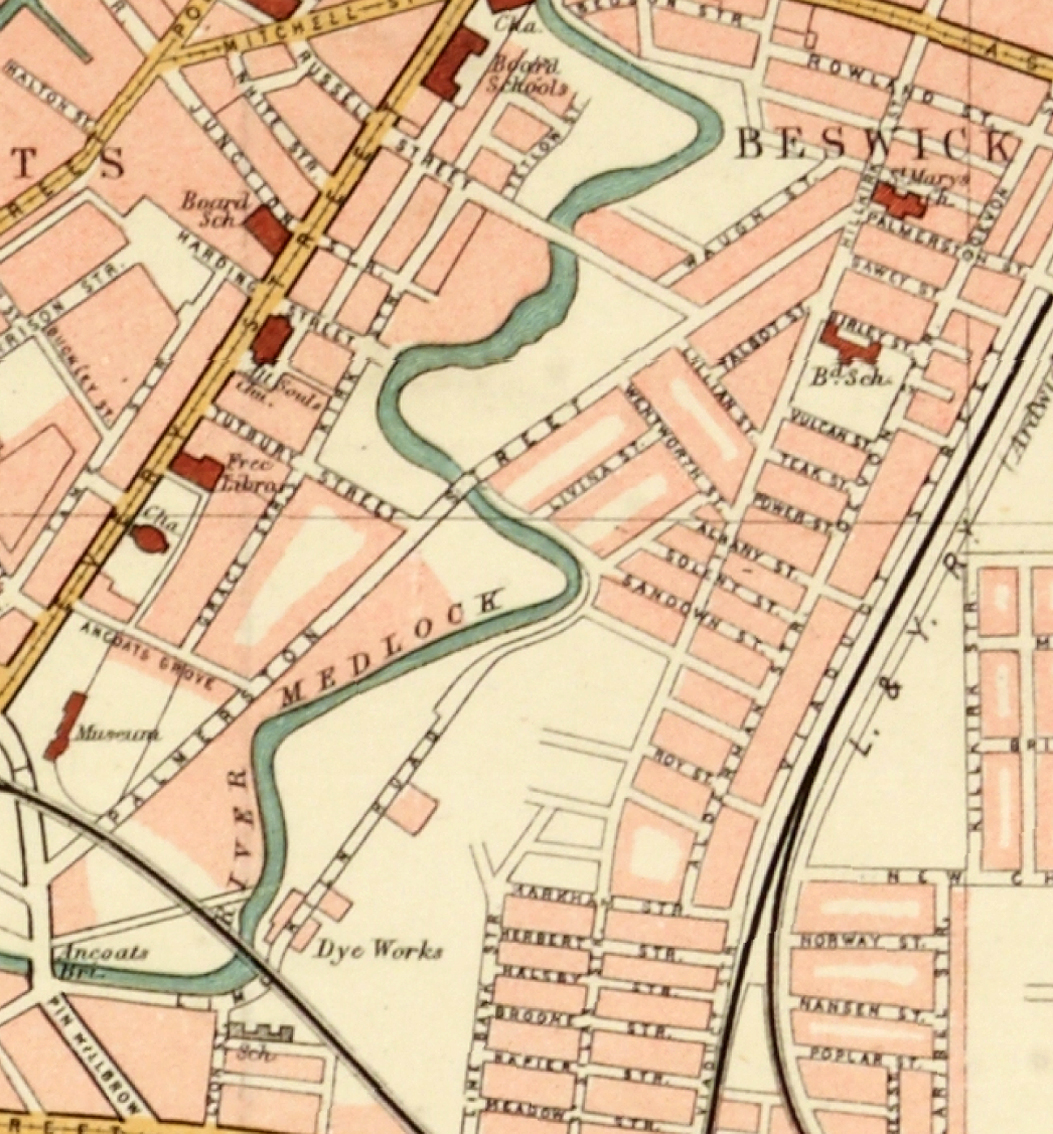
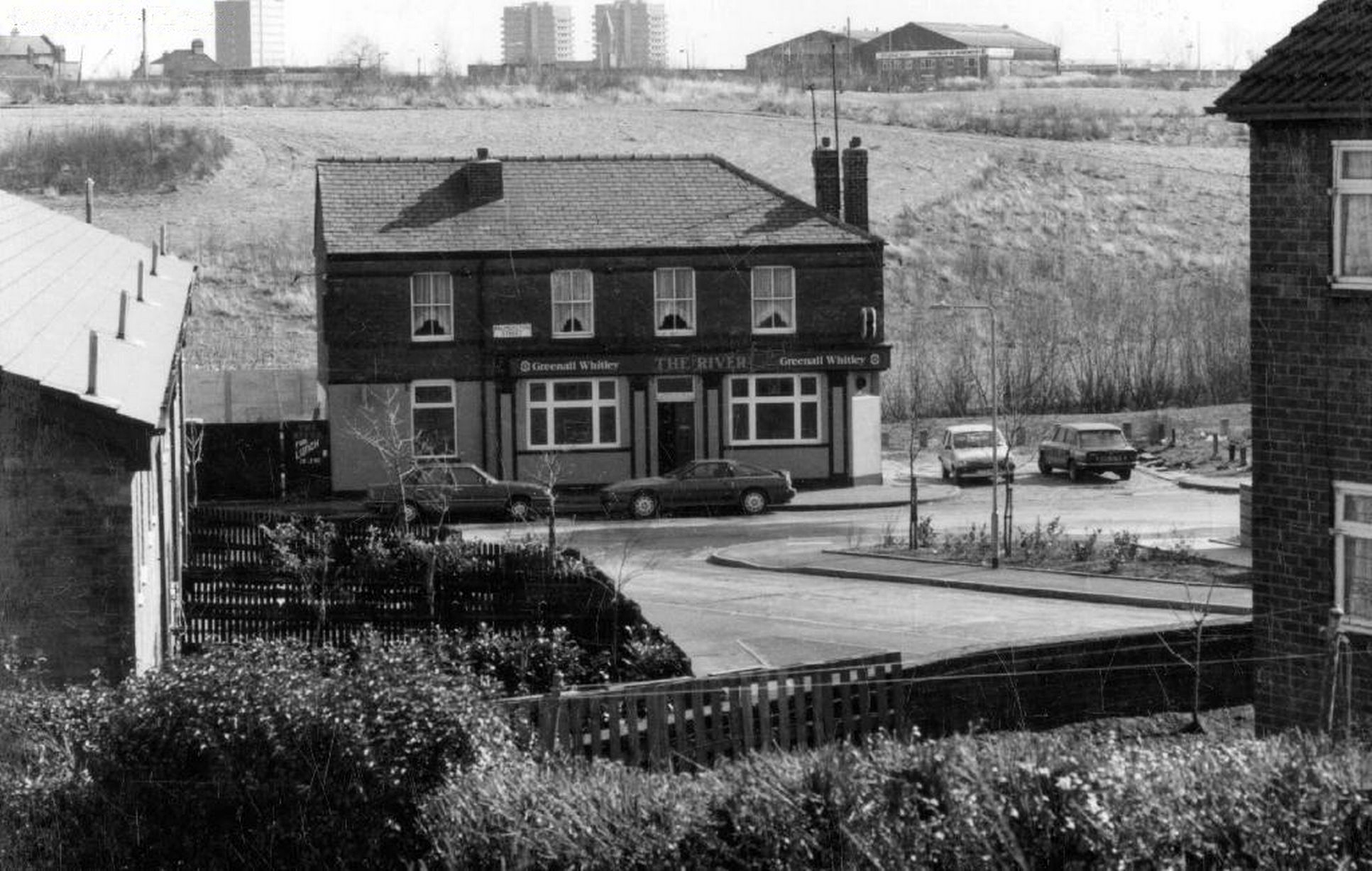
To begin at the beginning – some years ago I traced the route of the River Medlock, I chanced upon a forlorn pub called The River, all alone, desolate and boarded up, presiding over an area that I assumed, would once have supplied ample trade to a busy boozer.

I returned last week in search of some rhyme or reason, for such a seemingly sad and untimely decline.

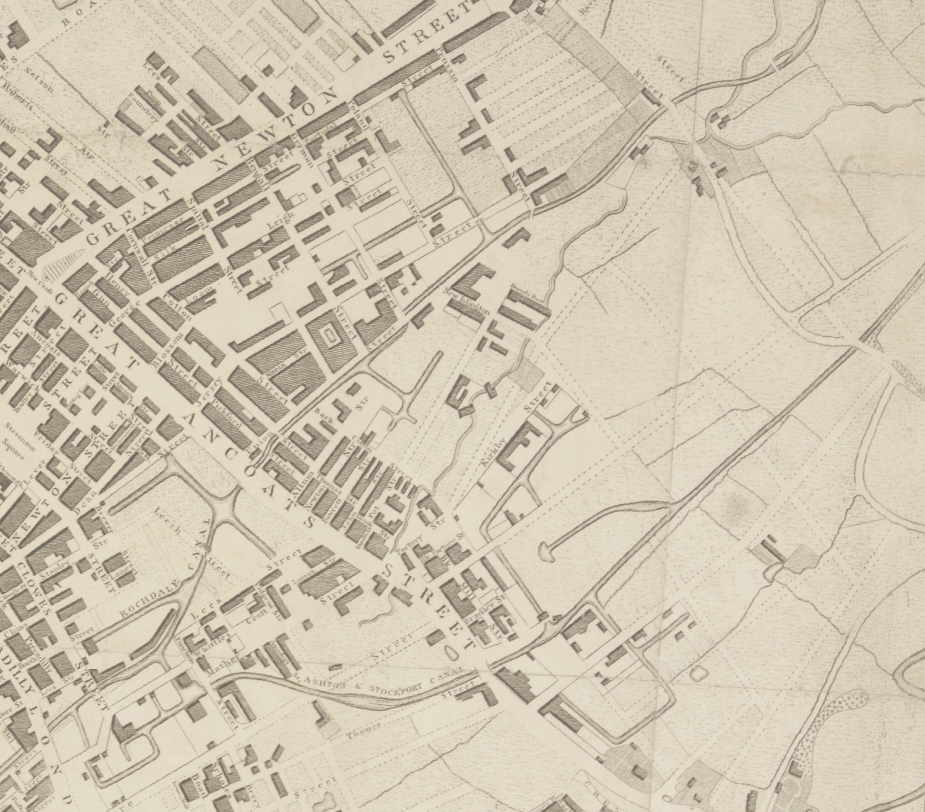
So here we are back at in Manchester 1813, the seeds of the Industrial Revolution sewn in adjacent Ancoats, the fields of Beswick still sewn with seeds, the trace of Palmerston Street nought but a rural track.

Screen Shot 2018-08-07 at 15.25.02

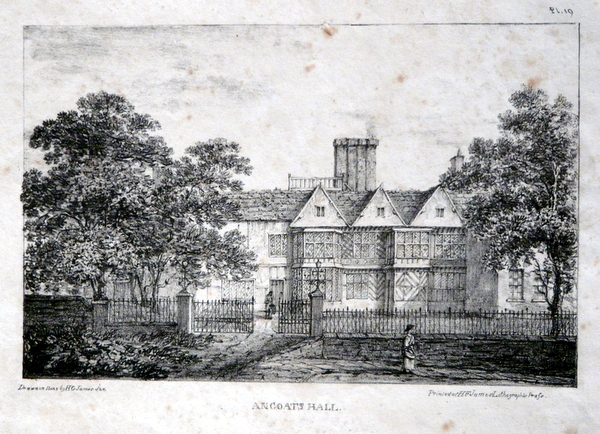
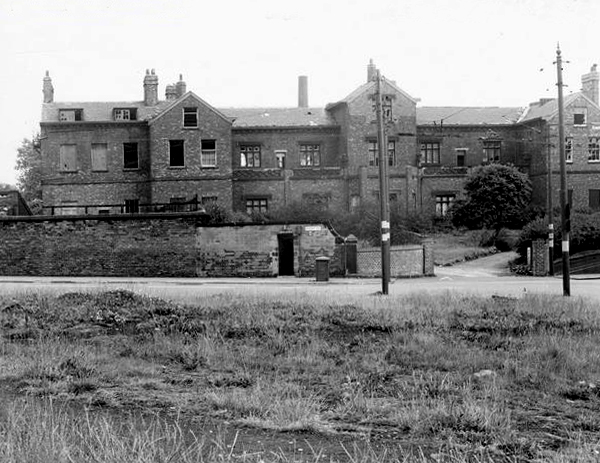
Sited on land between Great Ancoats Street and Every Street was Ancoats Hall, a post-medieval country house built in 1609 by Oswald Mosley, a member of the family who were Lords of the Manor of Manchester. The old timber-framed hall, built in the early 17th century, and demolished in the 1820s was replaced replaced by a brick building in the early neo-Gothic style.

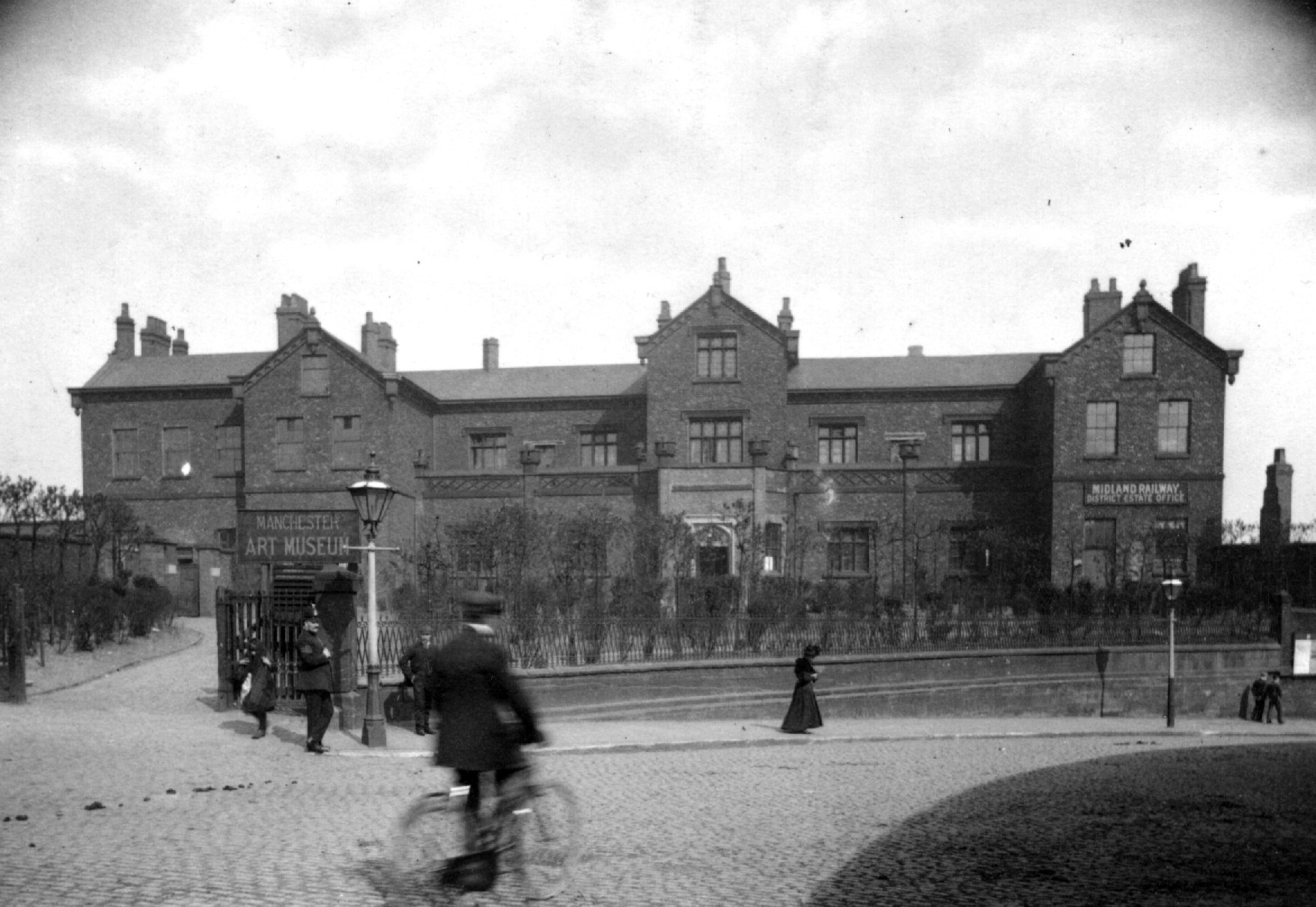
1-P1100618

This would become the Manchester Art Museum, and here the worst excesses Victorian Capitalism were moderated by philanthropy and social reform.

When the Art Museum opened, its rooms, variously dedicated to painting, sculpture, architecture and domestic arts, together attempted to provide a chronological narrative of art, with detailed notes, labels and accompanying pamphlets and, not infrequently, personal guidance, all underlining a sense of historical development.

m08910-ancoats-old-hall-manchester-archives-photo-by-anderton

Housing and industry in the area begins to expand, railways, tramways, homes and roads are clearly defined around the winds of the river.

1870

In 1918 the museum was taken over by the city, it closed in 1953 and its contents were absorbed into the collection of Manchester City Art Gallery, as the State increasingly took responsibility for the cultural well being of the common folk.

ancoatshall-1964

The building was finally demolished in the 1960’s – just as the area, by now a dense warren of back to back terraces, was to see further change.

map

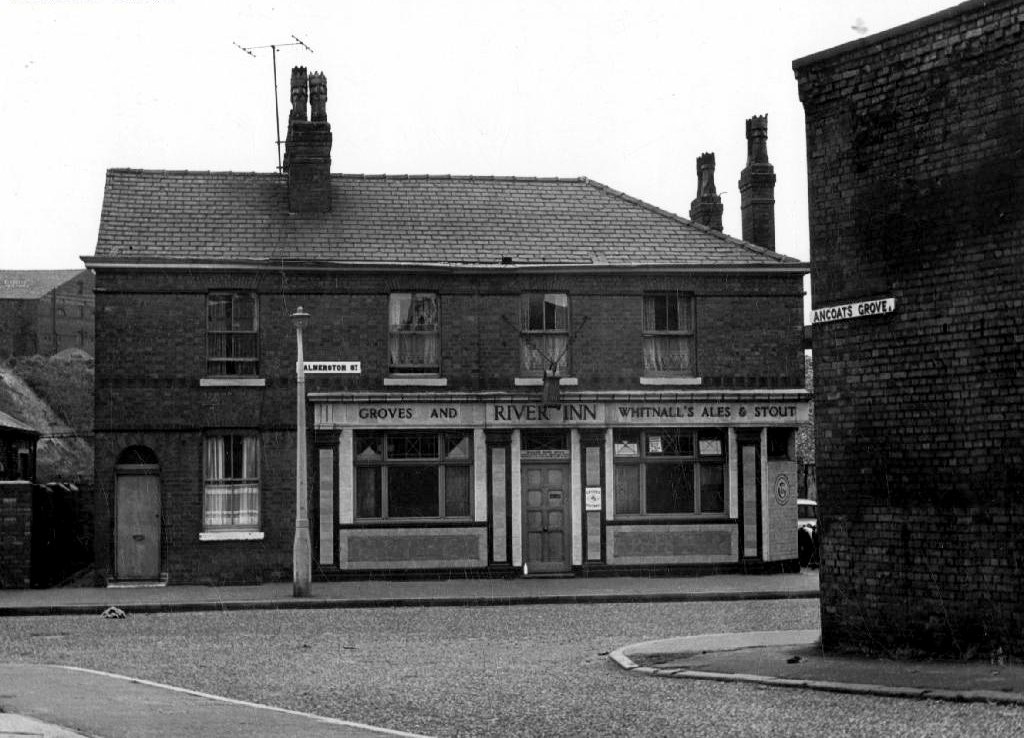
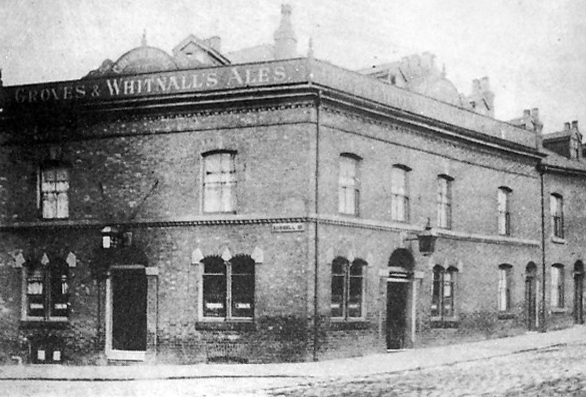
Along the way was the the River Inn, seen here with a fine Groves and Whitnall’s faience tiled frontage.

webmedia-4.php

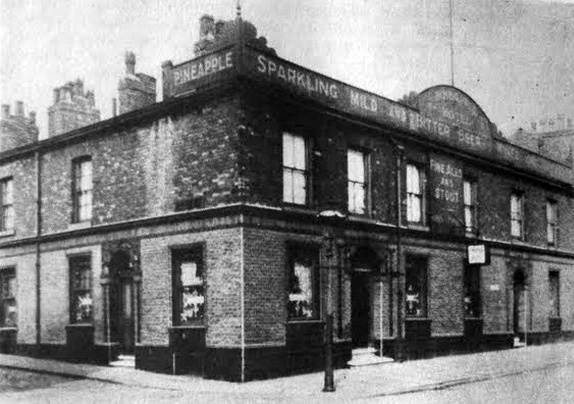
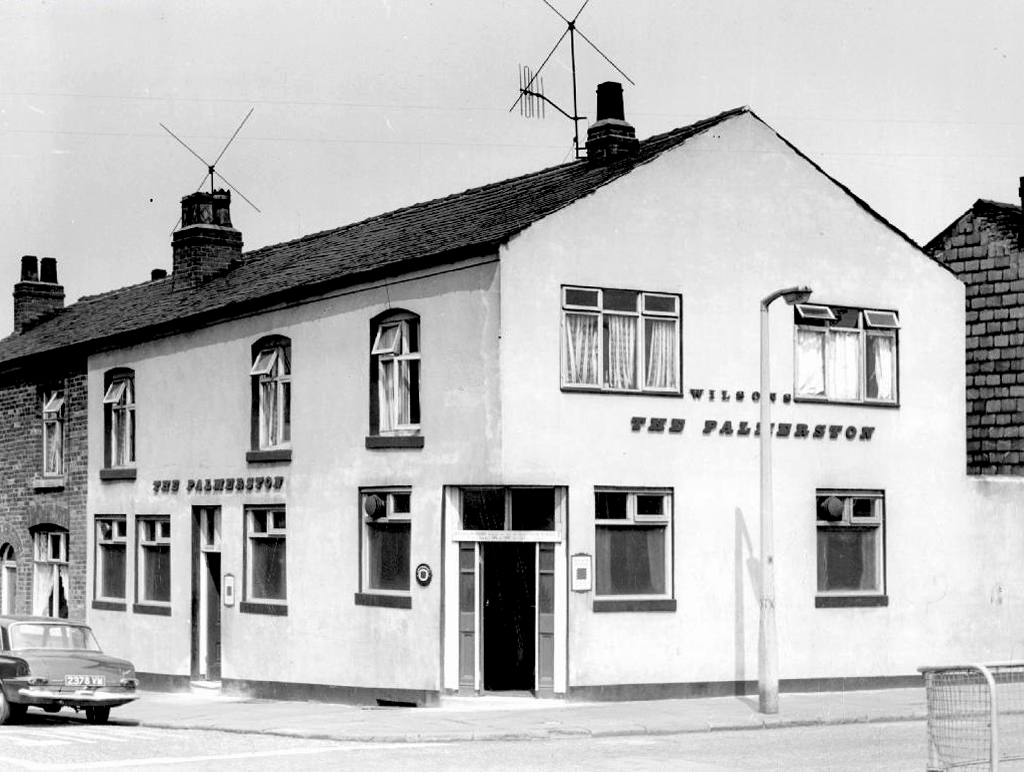
The street also offered rest, relaxation and refreshment through the Church, Pineapple and Palmerston pubs, as recored here on the Pubs of Manchester blog.

Church Palmerston

Pineapple Palmerston St

webmedia.php copy

The River seen here in the 1970’s struggled on until 2007.

webmedia-2

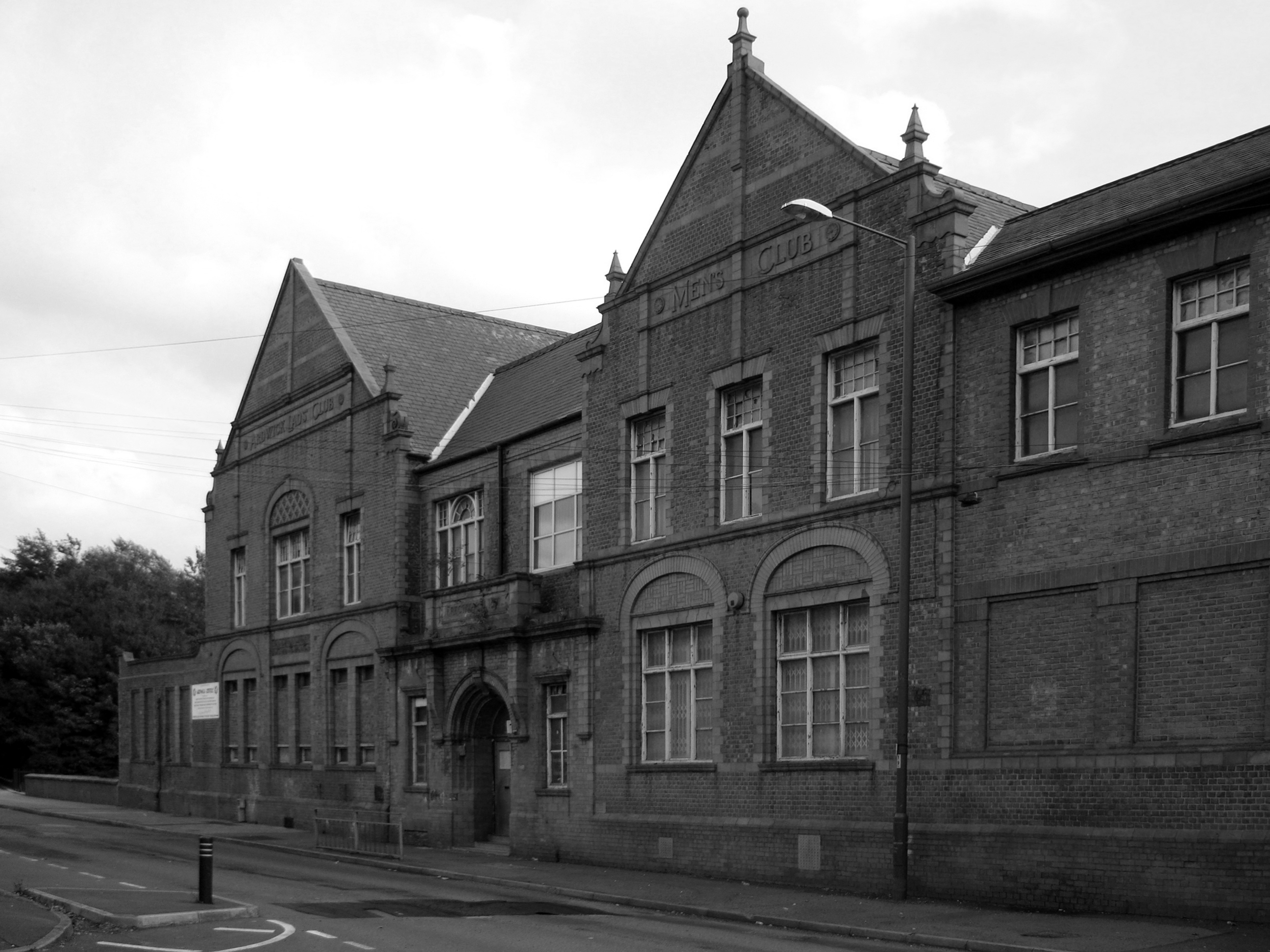
Further along we find the Ardwick Lads Club, further evidence of the forces of social reform, that sadly failed to survive the forces of the free market and the consequent Tory cuts in public spending and wilful Council land-banking.

The Ardwick Lads’ and Mens’ Club, now the Ardwick Youth Centre, opened in 1897 and is believed to be Britain’s oldest purpose-built youth club still in use [and was until earlier in 2012]. Designed by architects W & G Higginbottom, the club, when opened, featured a large gymnasium with viewing gallery – where the 1933 All England Amateur Gymnastics Championships were held – three fives courts, a billiard room and two skittle alleys (later converted to shooting galleries). Boxing, cycling, cricket, swimming and badminton were also organised. At its peak between the two world wars, Ardwick was the Manchester area’s largest club, with 2,000 members.

44551888

On the 10th September 2012 an application for prior notification of proposed demolition was submitted on behalf of Manchester City Council to Manchester Planning, for the demolition of Ardwick Lads’ Club  of 100 Palmerston Street , citing that there was “no use” for the building in respect to its historic place within the community as providing a refuge and sporting provision to the young of Ancoats.

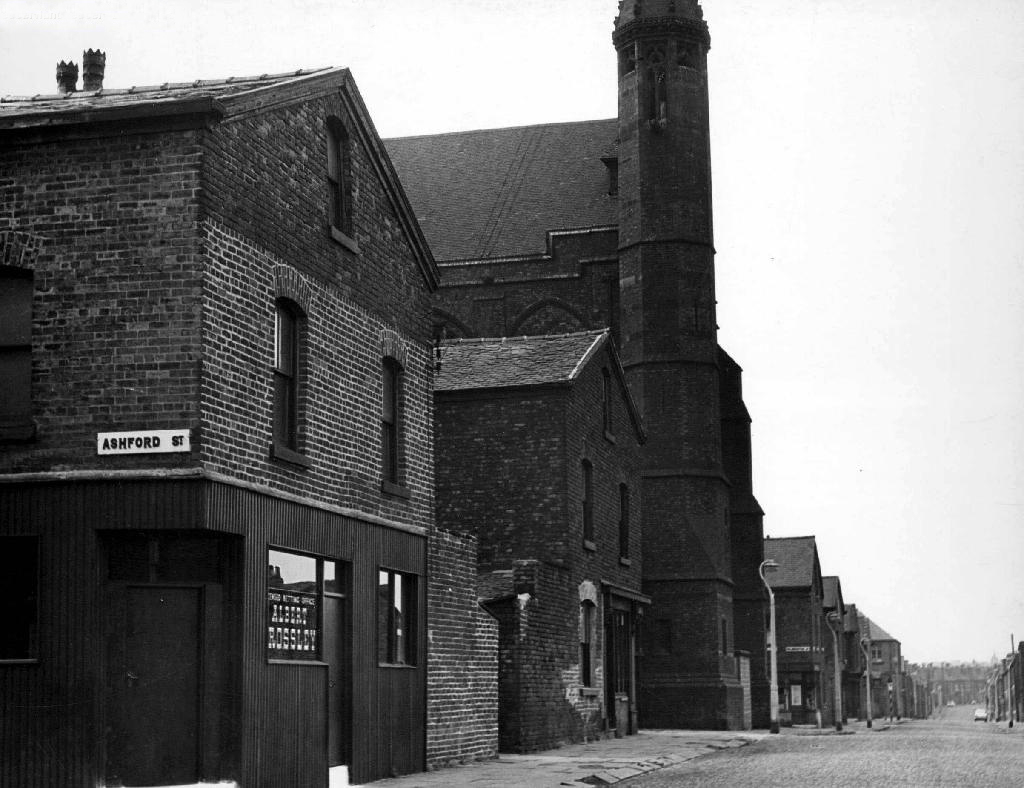
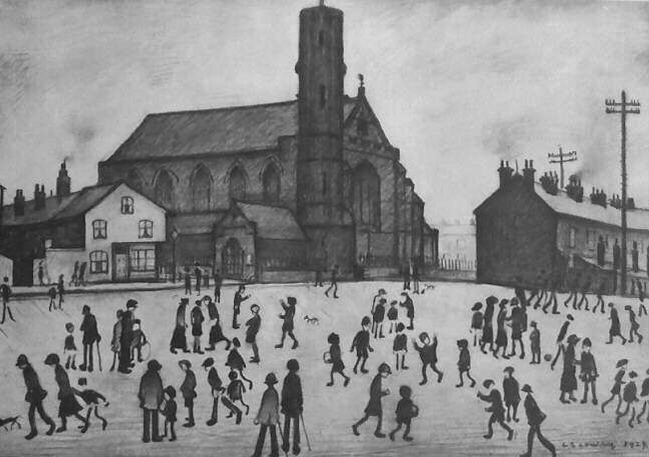
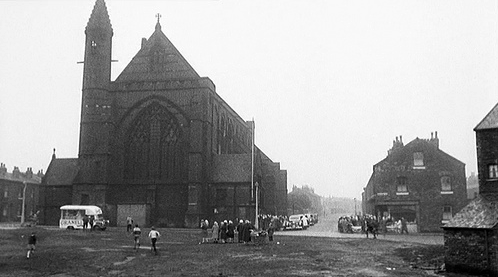
At the top turn of the street stood St Mary’s – the so called Lowry church.

marys

Screen Shot 2018-08-03 at 14.43.17

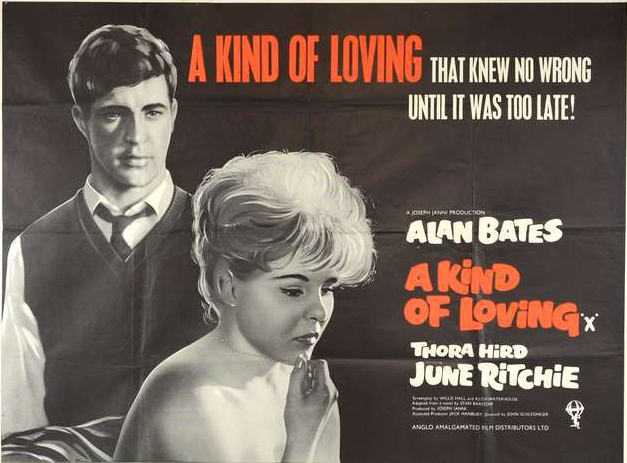
Used as a location for the film adaptation of Stan Barstow’s A Kind Of Loving

st mary's

nr003658-54_1

The homes and industry attendant schools and pubs were soon to become history, all that you see here is more or less gone. Slum clearance, the post-war will to move communities away from the dense factory smoke, poor housing stock and towards a bright shiny future elsewhere.

Whole histories have subsequently been subsumed beneath the encroachment of buddleia, bramble, birch and willow.

hillkirk

Screen Shot 2018-08-03 at 14.44.39

webmedia-3.php

webmedia-1.php

webmedia-2.php

webmedia-6.php

webmedia-7.php

webmedia.php

The land now stands largely unused and overgrown, awaiting who knows what, but that’s another tale for another day.

Archive images from the Manchester Local Image Collection.
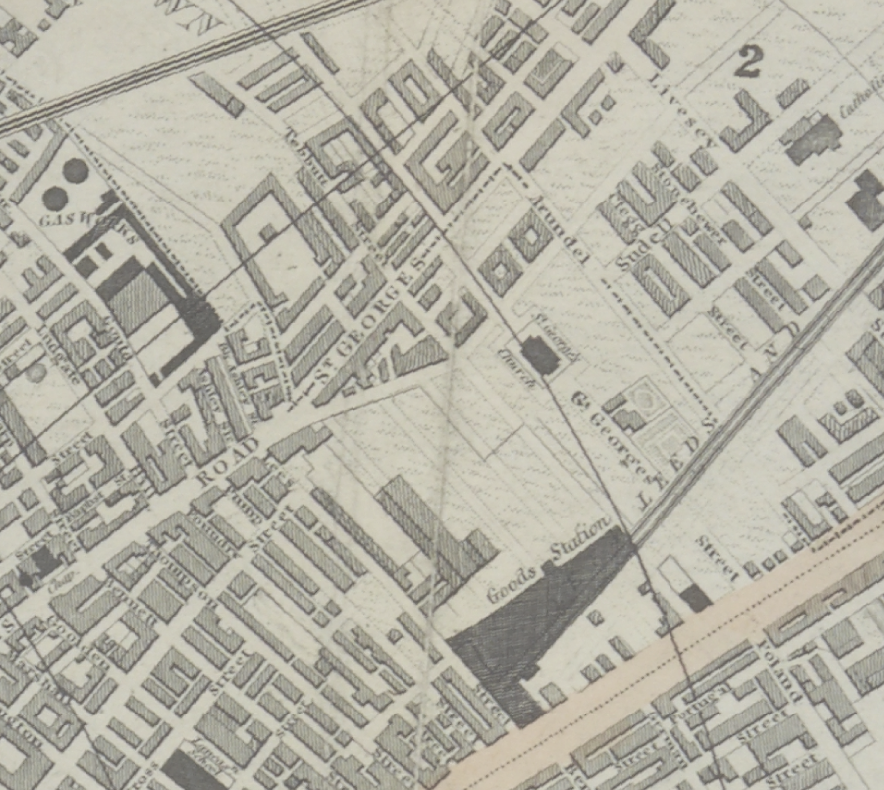


Mitzi Cunliffe – Owen’s Park Manchester

Mitzi Solomon Cunliffe January 1st 1918  December 30th 2006

American born, resident of Didsbury Manchester, sculptor and designer, responsible for, amongst other things, the BAFTA mask.

Mitzi_Cunliffe_Design

Her first large scale commission was two pieces for the Festival of Britain in 1951. One, known as Root Bodied Forth, shows figures emerging from a tree, and was displayed at the entrance of the Festival. The second, a pair of bronze handles in the form of hands, adorned the Regatta Restaurant. She created a similar piece, in the form of knots, in 1952 which remains at the School of Civic Design at Liverpool University, along with The Quickening in the rear courtyard.

p1090554

p1090555-copy

Cunliffe developed a technique for mass-producing abstract designs in relief in concrete, as architectural decoration, which she described as sculpture by the yard. She used the technique to decorate buildings throughout the UK, but particularly in and around Manchester.

d9d483ddd467272577443b6391e5a66a

Particularly this example of four modular panels named Cosmos, set in the wall of the student halls of residence in Owens Park, Fallowfield, Manchester.

P1270299

P1270300

P1270302

P1270303

P1270304

P1270306

P1270307

P1270308

P1270309

P1270310

P1270311

P1270312

P1270313

P1270314

P1270315

P1270316

P1270317

P1270318

P1270321

P1270322

P1270323

P1270324

P1270325


Linda’s Pantry – Manchester

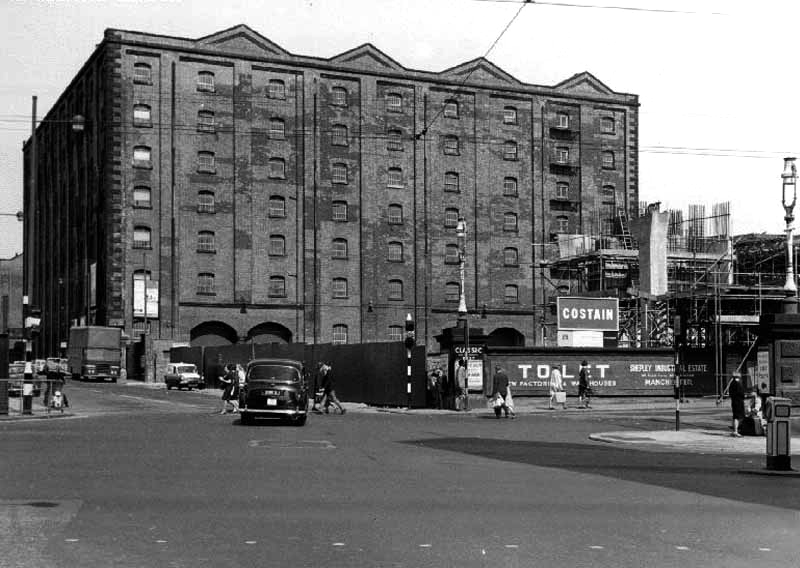
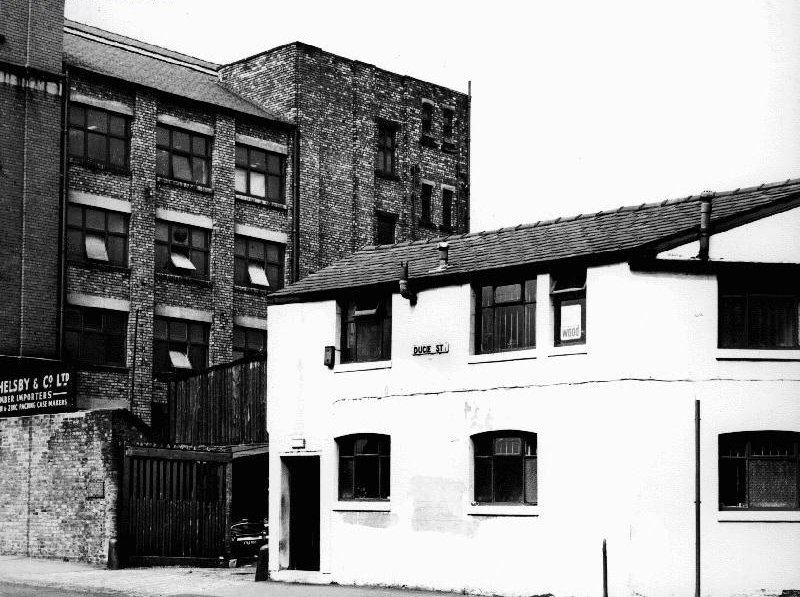
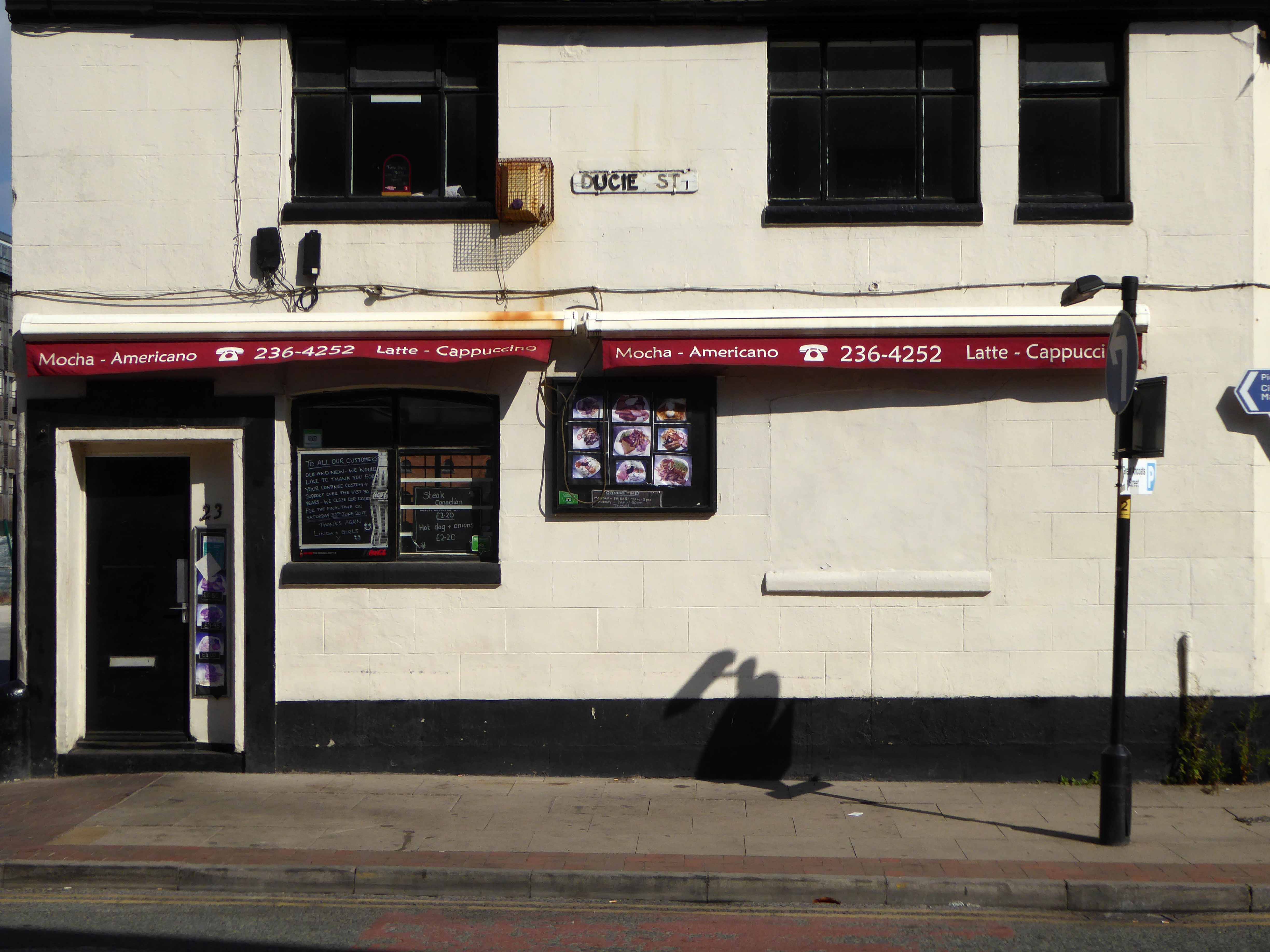
Turn off London Road and into Ducie Street, it’s just around the corner from Piccadilly Station.
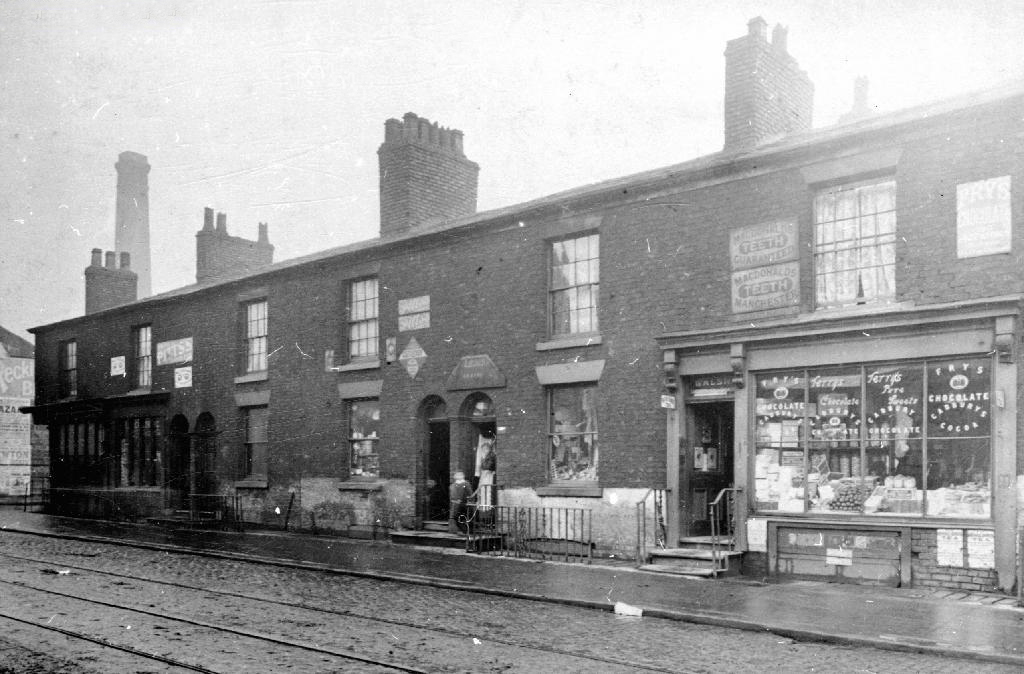
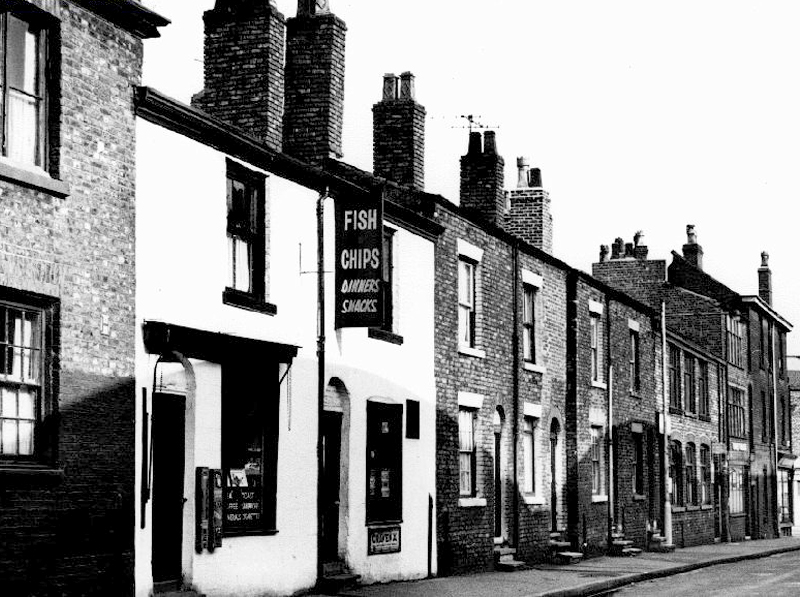
Enter a world of warehouses, homes and industry.
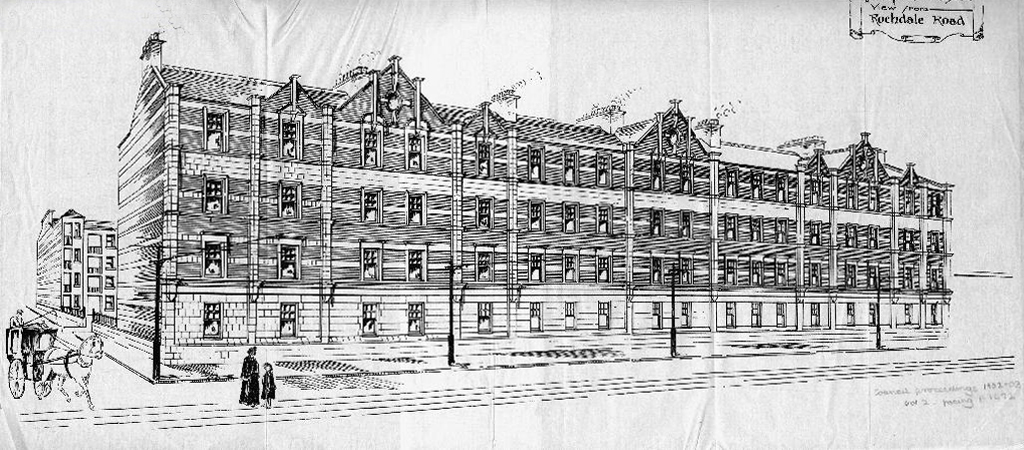
webmedia-1.php

webmedia-4.php

webmedia-1.php

webmedia-3.php

webmedia-2.php

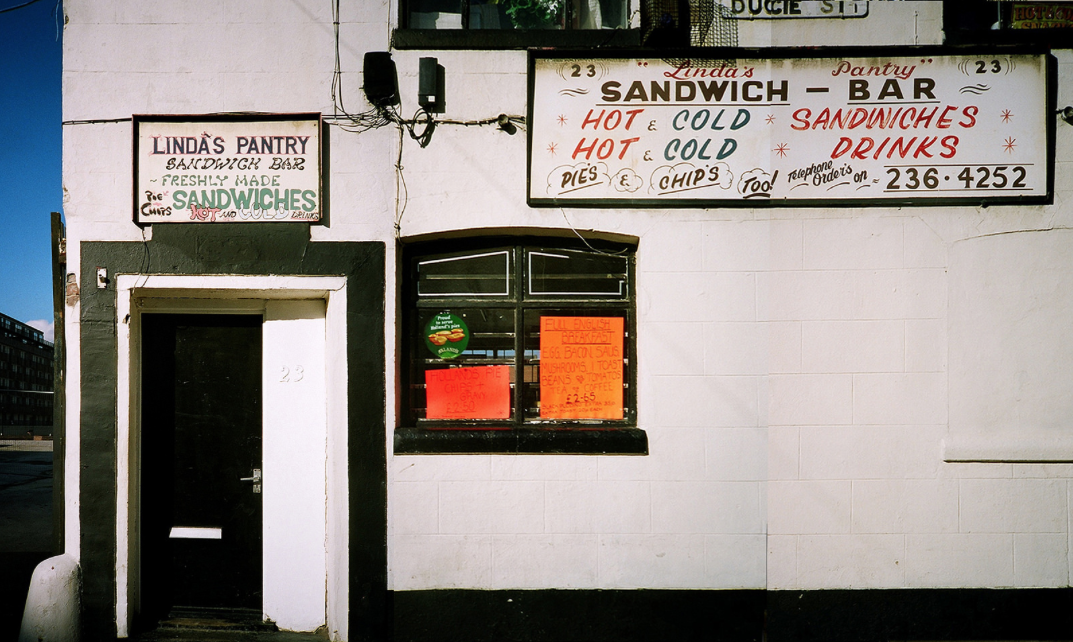
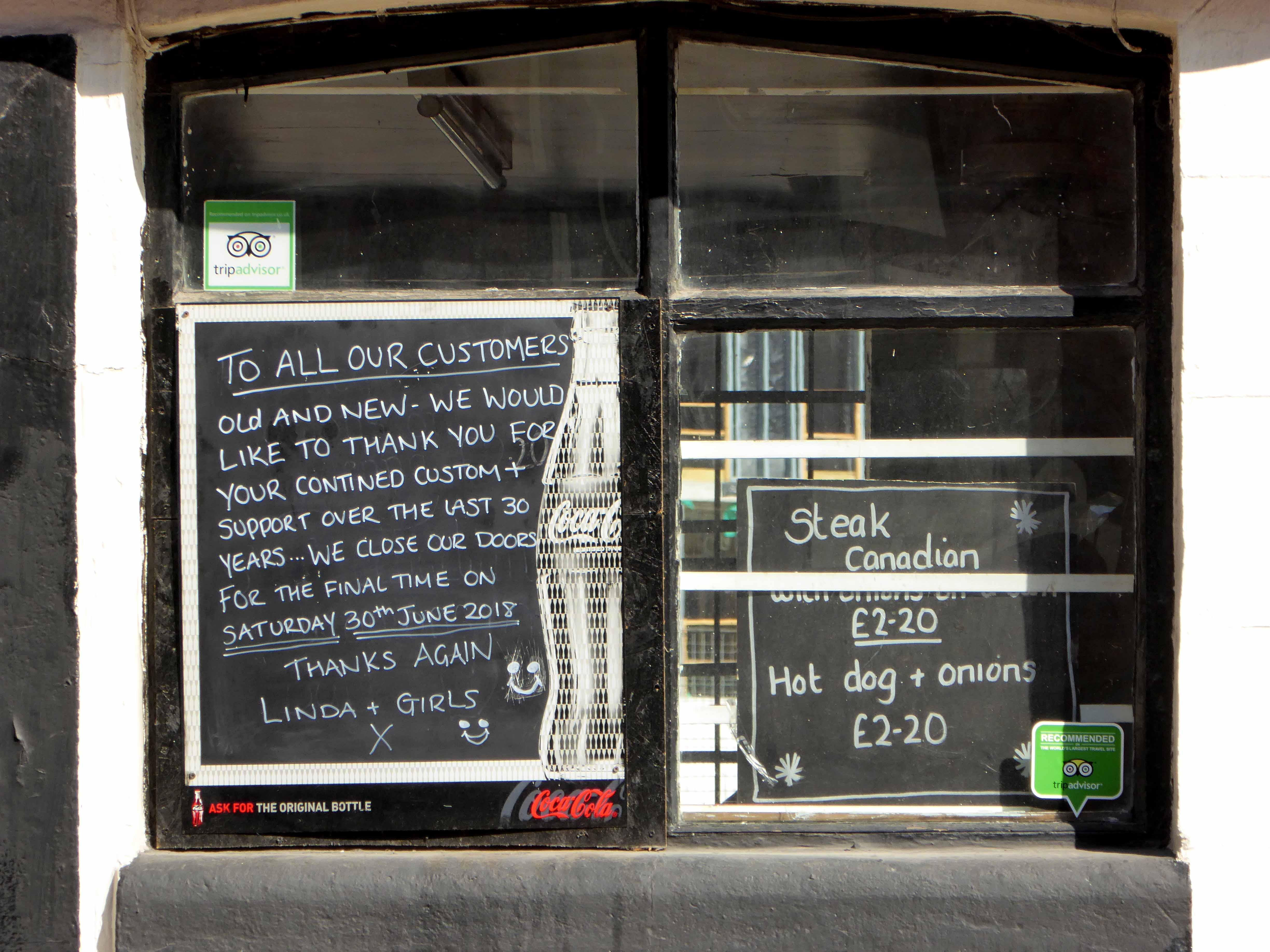
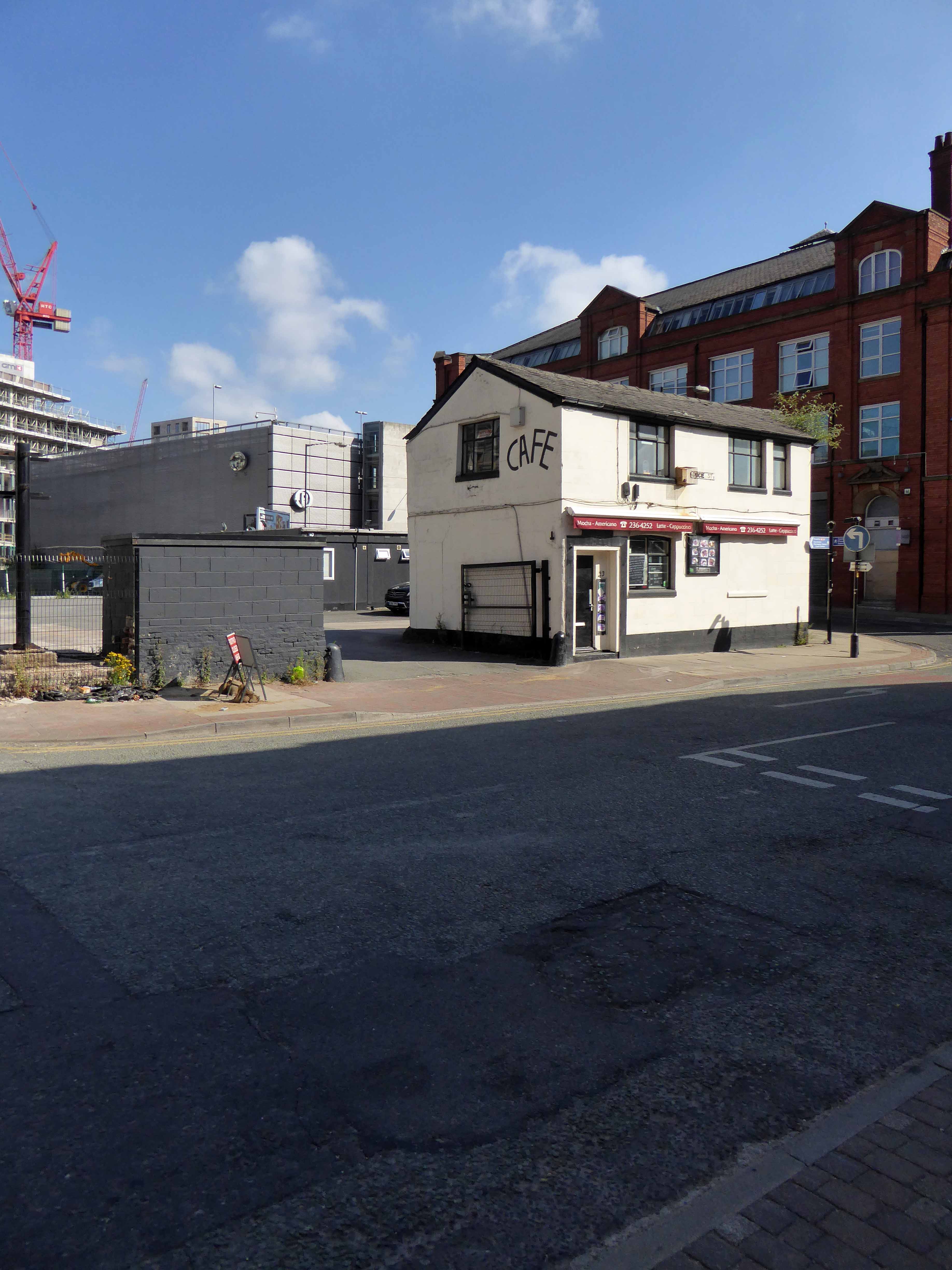
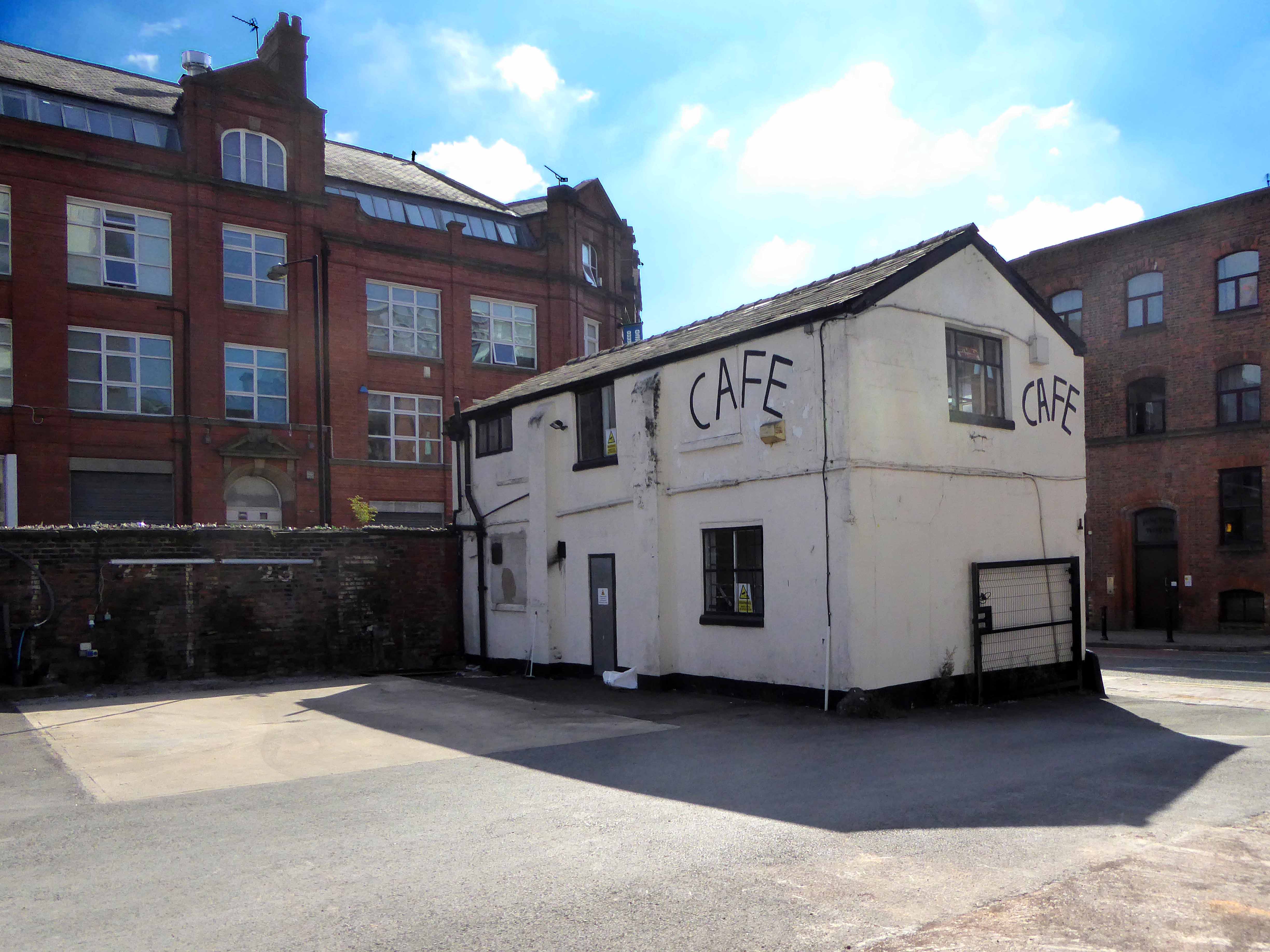
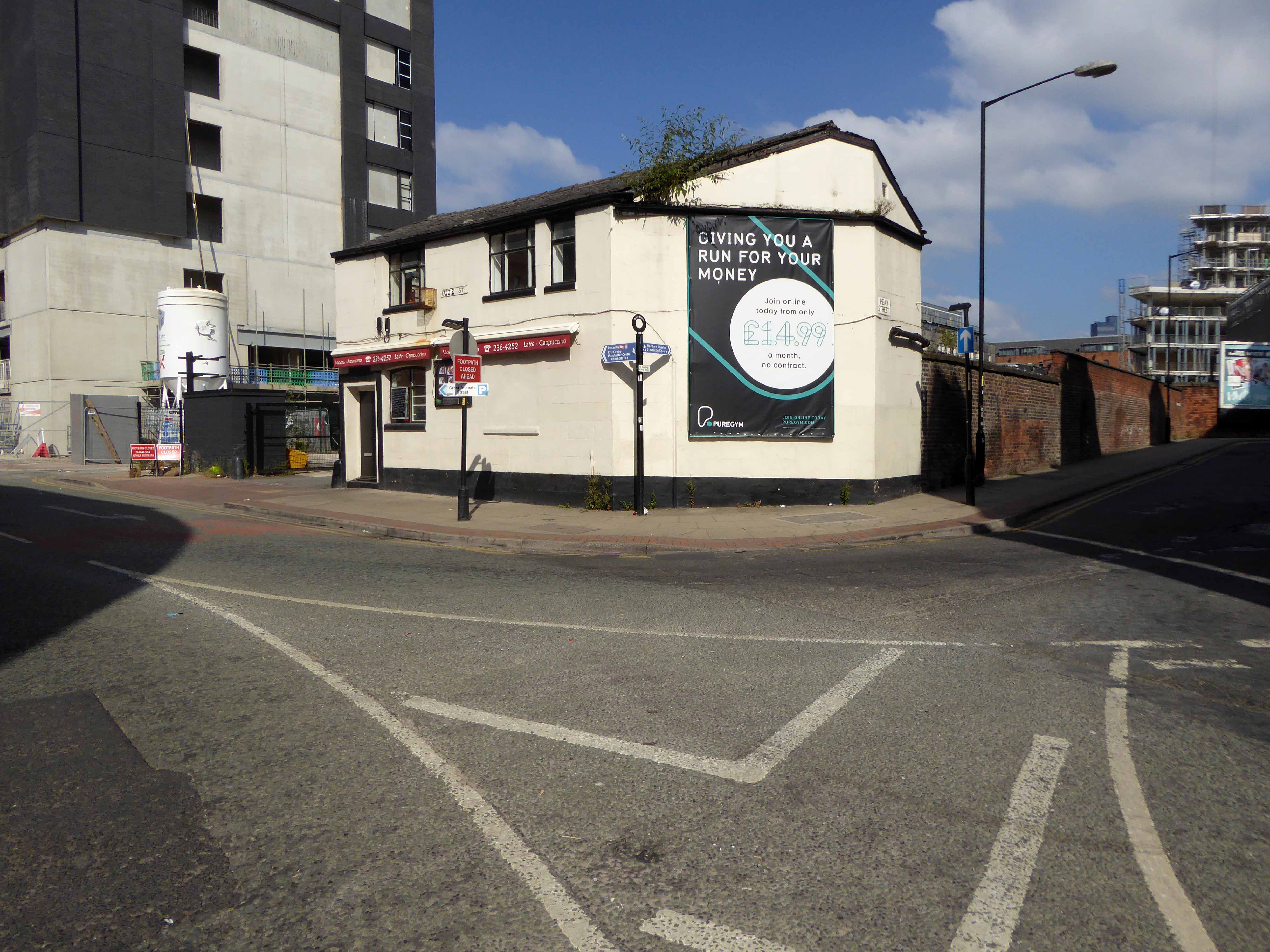
Return some fifty years later and you’ll find a café on the corner.

Screen Shot 2018-07-09 at 19.55.53

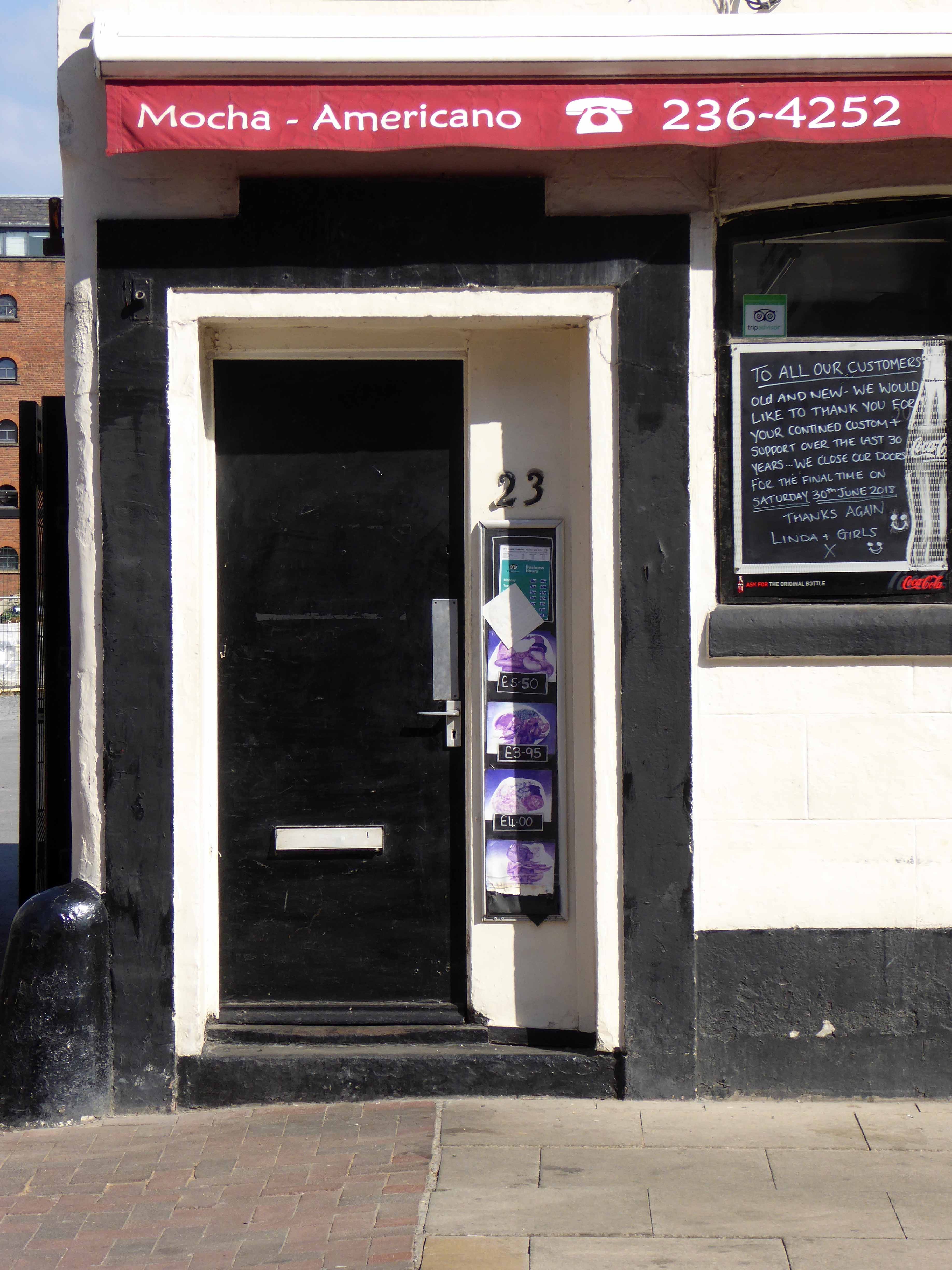
Return last Saturday you’ll find that it’s gone.

P1270029

No more of this.

b872c05fb8251eb973cf30b3cee7e421


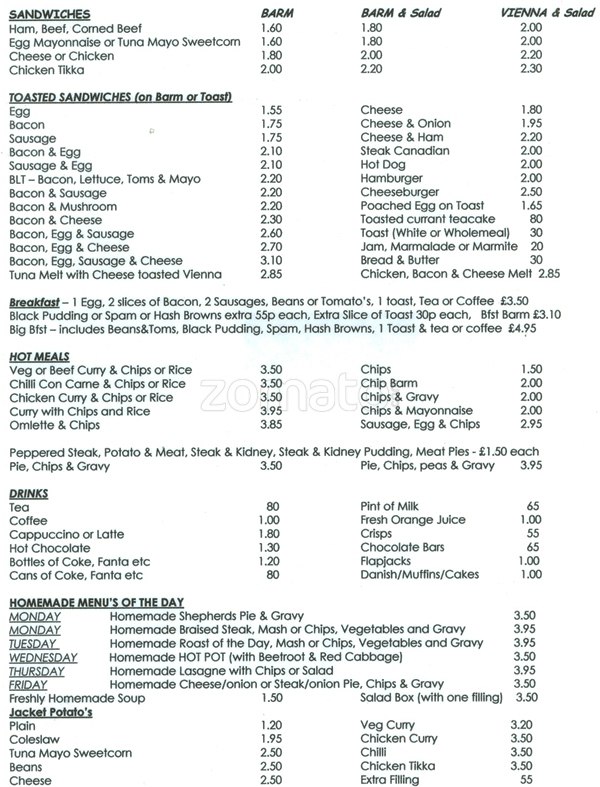
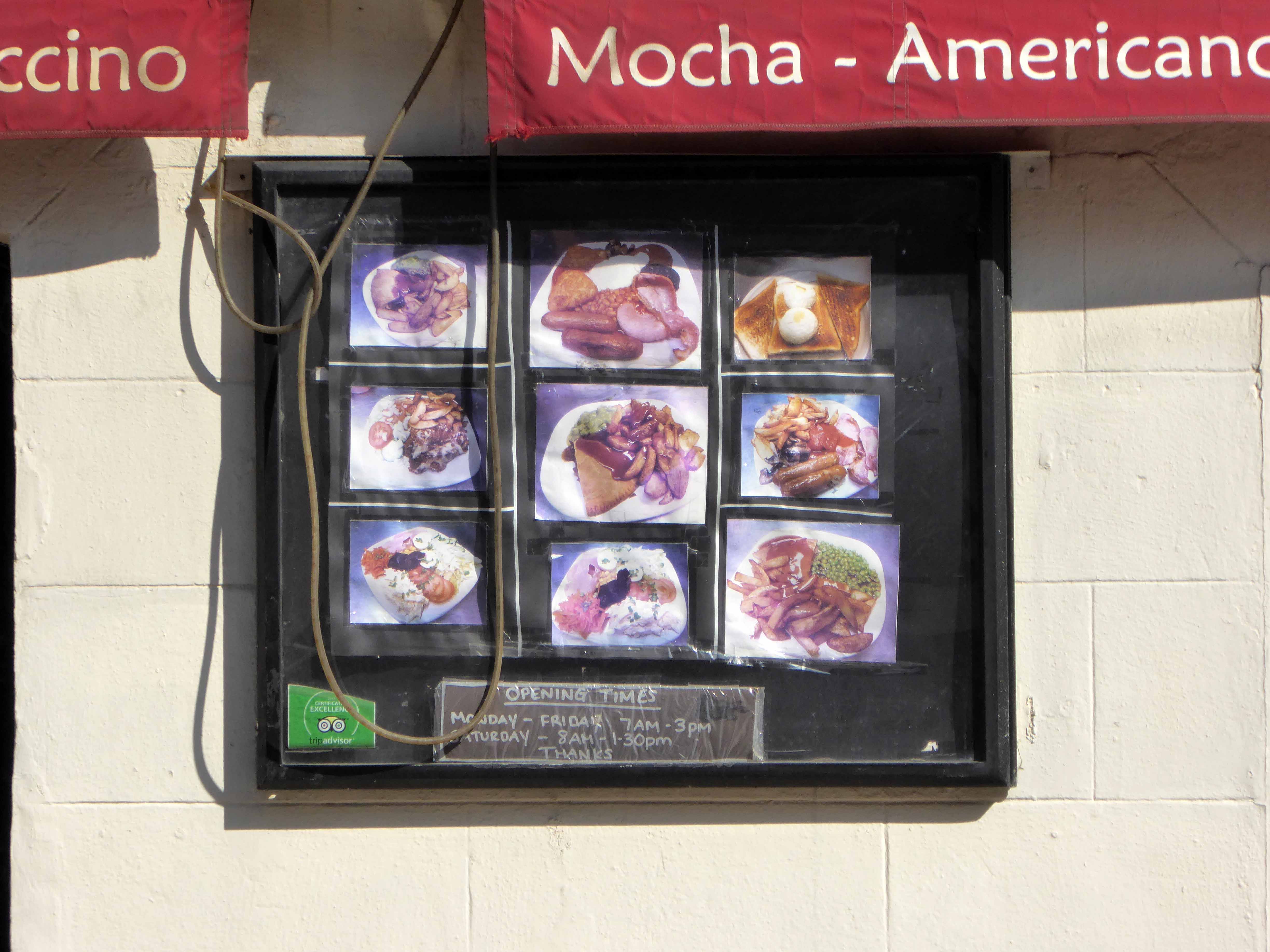
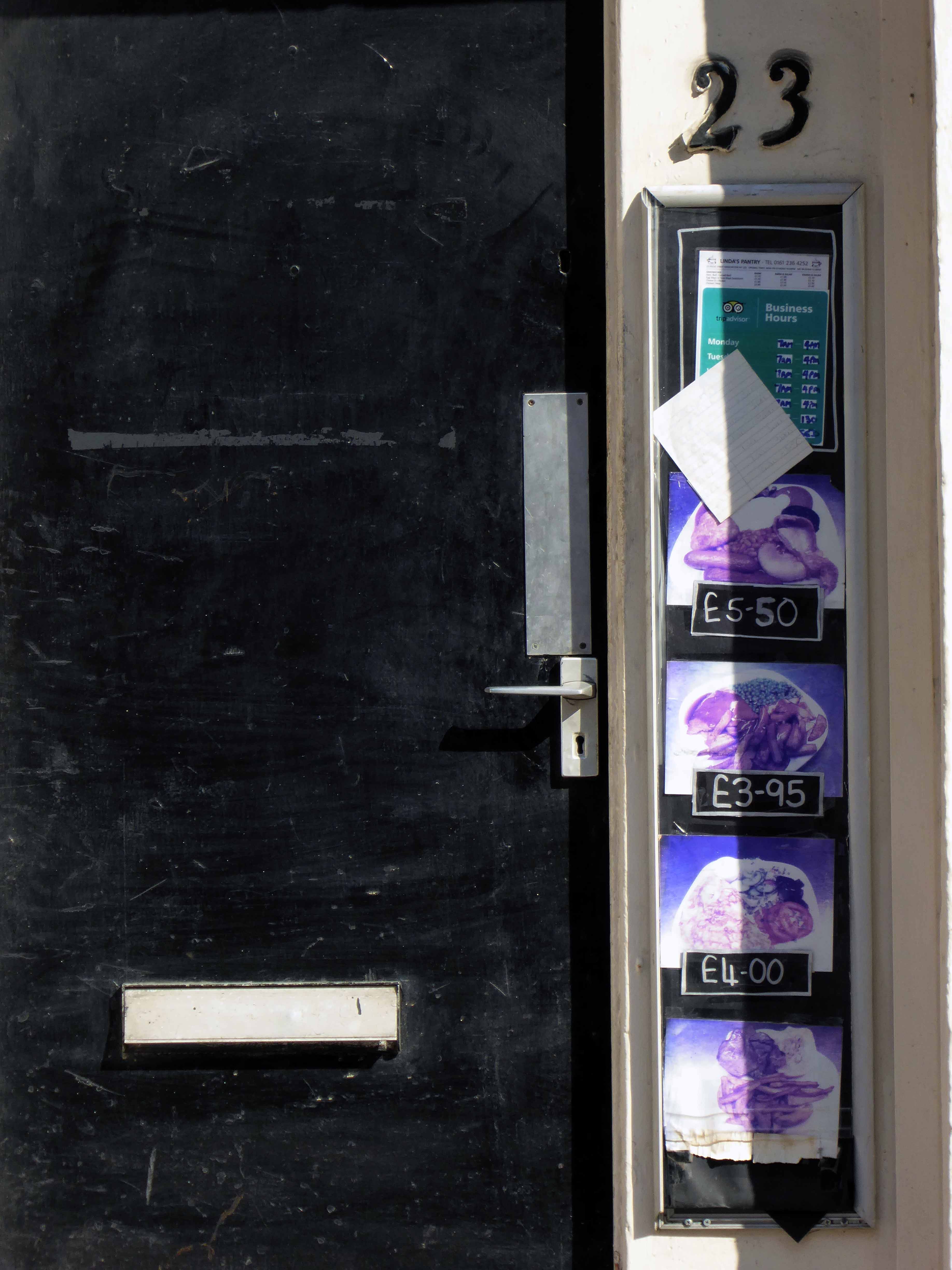
Top class scran at prices to suit all pockets.

EGP_MEN_LindasPantry_201017_007JPG

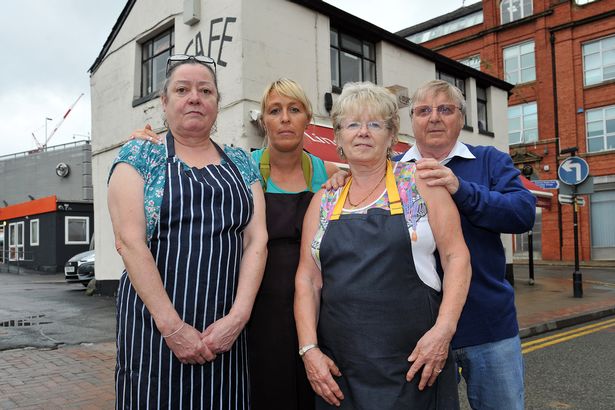
Linda and her crew have packed up the pans and scrammed.

Read all about it – Manchester Evening News

The face of the city changes, as one by one faces and places disappear, new build and mass tourism making ever new demands on space.

The rag trade is in tatters and the tatters are long gone.

It would seem that there is no place for the traditional café or its customers.

So thank you and goodnight, the last pie, chips and gravy has left the counter.

Shut the door and turn out the lights.

P1270025

P1270027

P1270028

P1270033

P1270034

P1270035

P1270038

P1270039

P1270042

P1270044

P1270048

P1270051

P1270052


All Saints & Martyrs – Langley


Screen Shot 2018-07-09 at 15.34.32

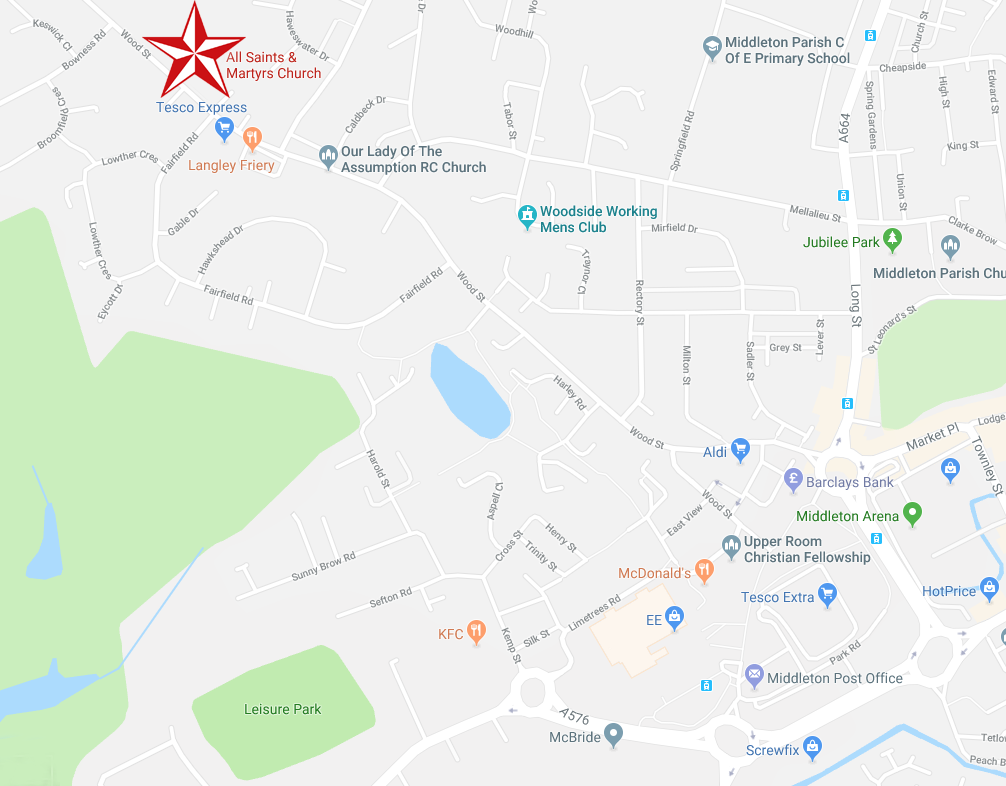
All Saints & Martyrs Rectory, Wood St, Middleton, Manchester M24 5GL

We had the pleasure to visit All Saints & Martyrs on Saturday 7th July 2018 as part of an Art and Christianity – Manchester Modernists Society bus tour.

We could not have been made more welcome by The Reverend Canon Philip Miller – Vicar of Langley and his team, many thanks for their warm hospitality.

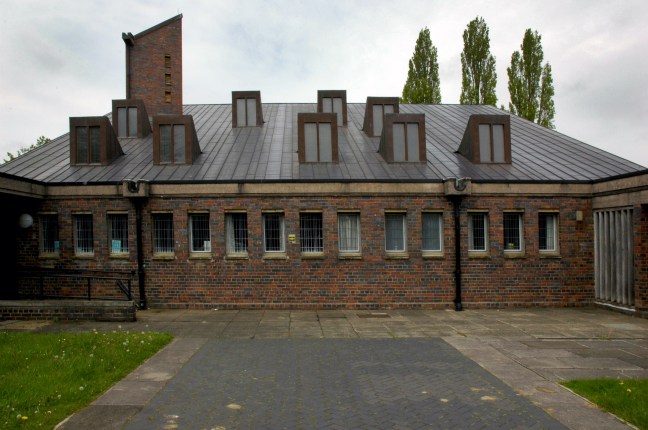
Set on the Langley Estate, one of many developed by Manchester Council as overspill social housing, the church serves a large community to the north of the city.

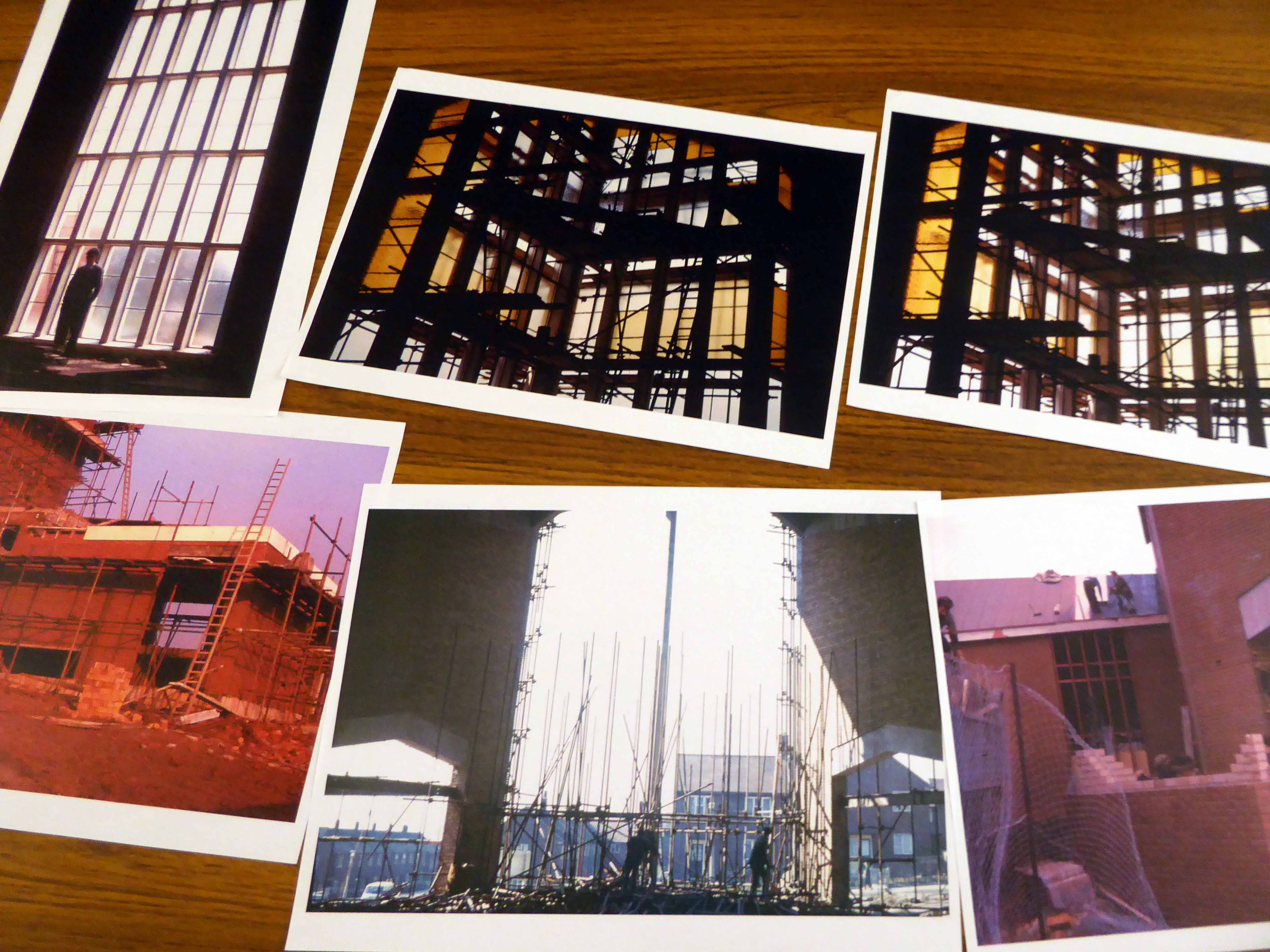
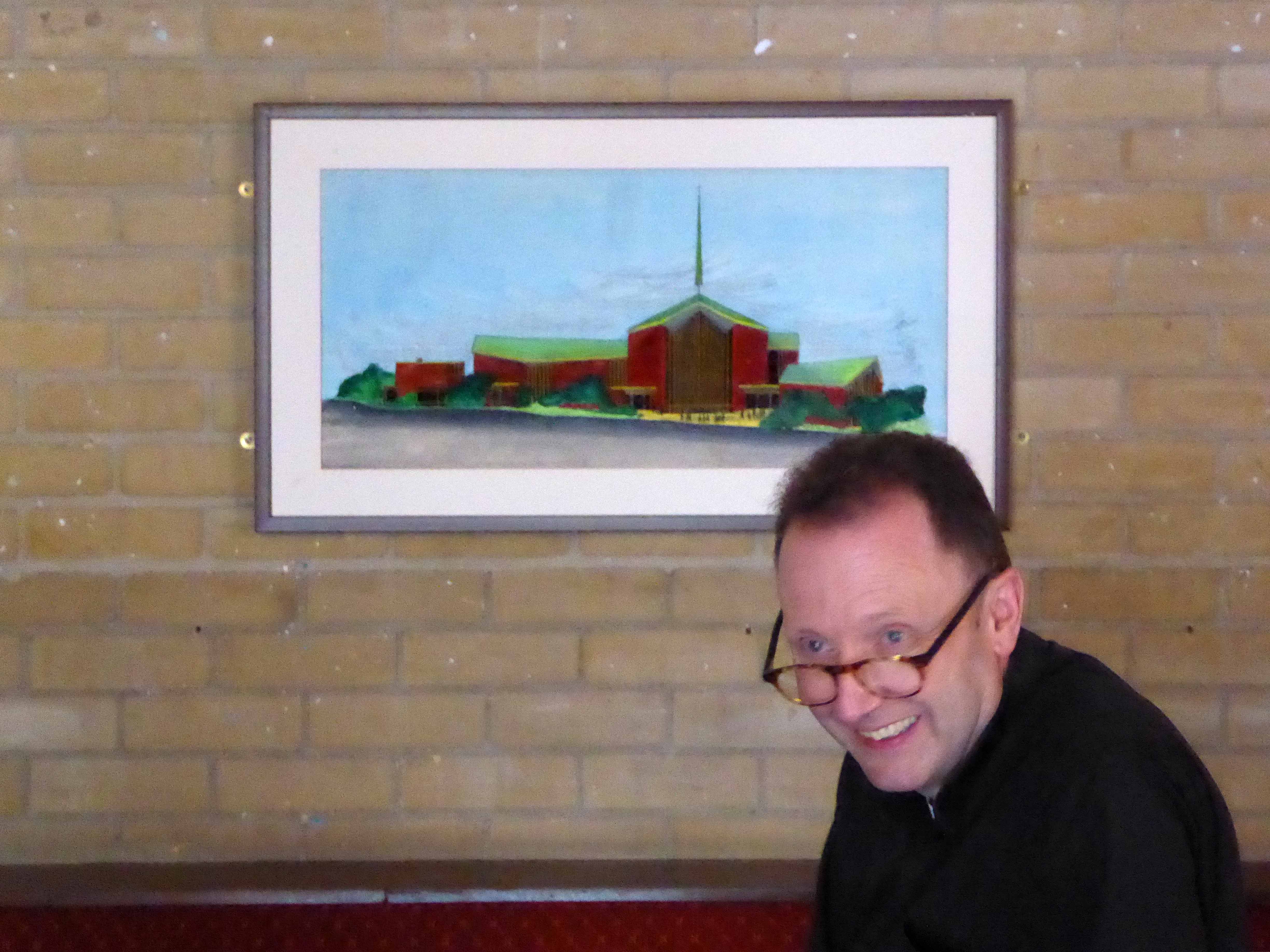
The architect was Albert Walker of Leach Rhodes Walker – this was the first church that they had built, having previously specialised in shopping precincts.

Leach, Rhodes and Walker had involved Geoffrey Clarke RA with their earlier new church building for All Saints, Barton Road, Stretford. (1957) here his contribution was chiefly a large stained glass window depicting the Trinity. LRW continued to collaborate with Clarke in their church projects, in the years following at Langley. In a letter to the church at the time he wrote: “Start saving now for a new West End Window – only £10 p.s.f – for the greatest window in the North…. I have just done some windows I’m rather pleased with..”

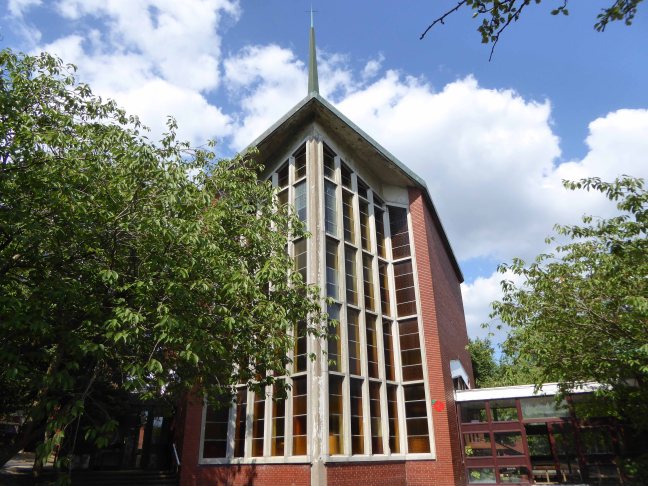
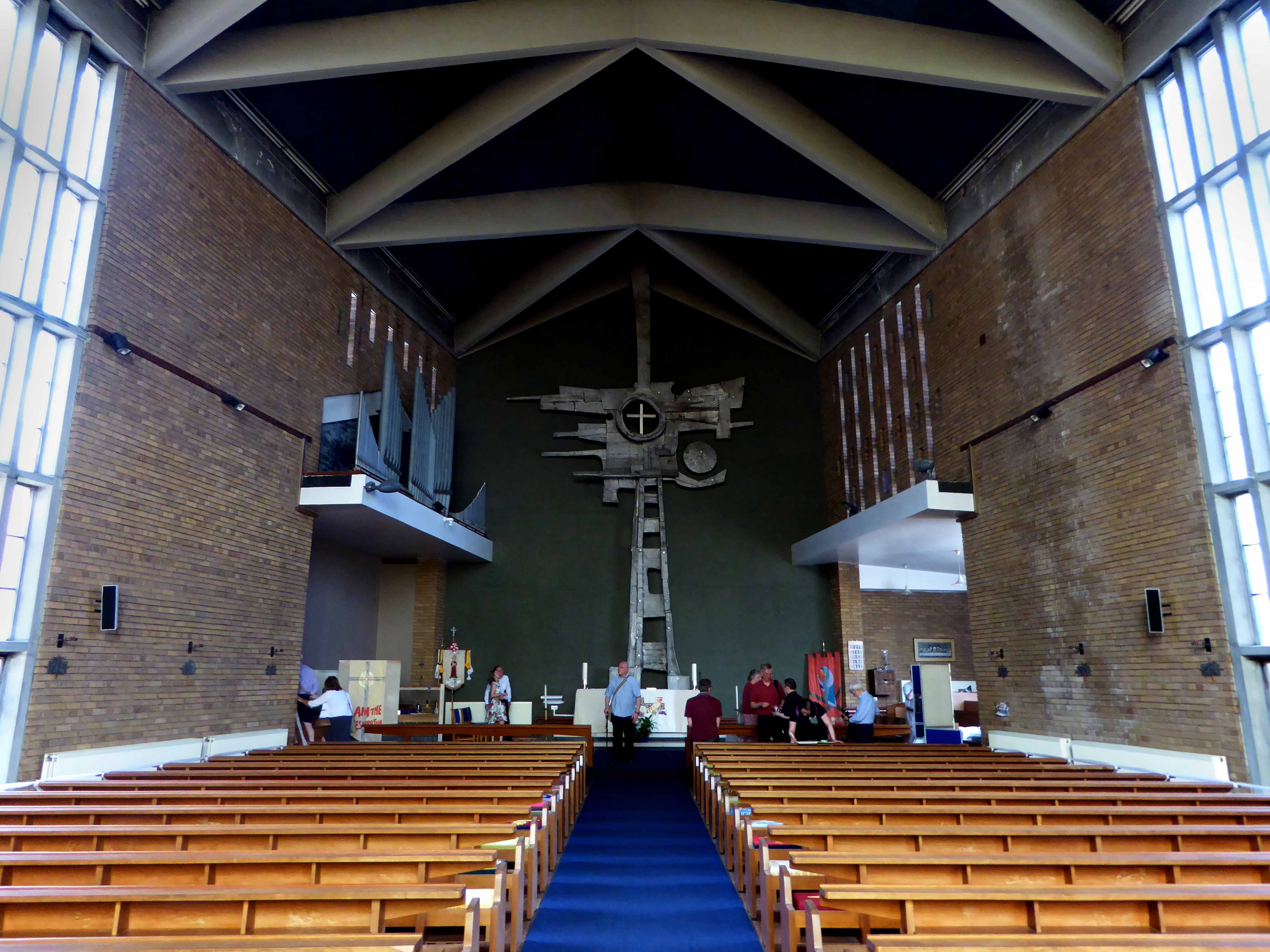
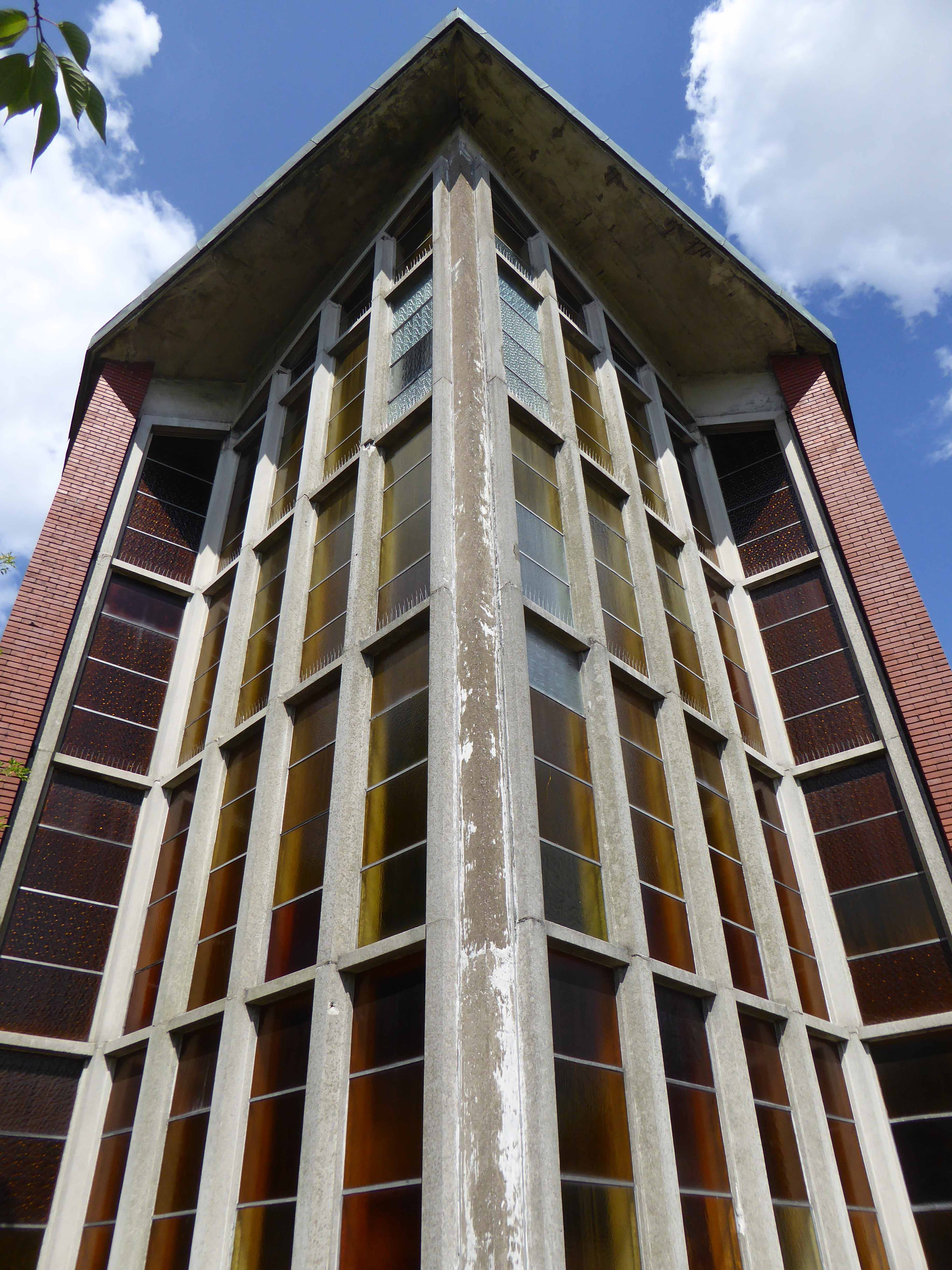
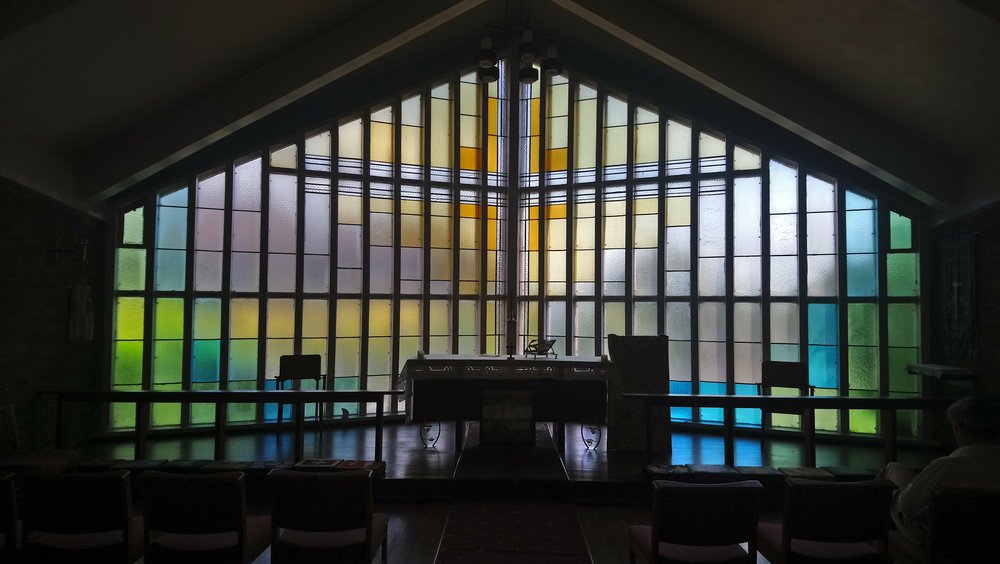
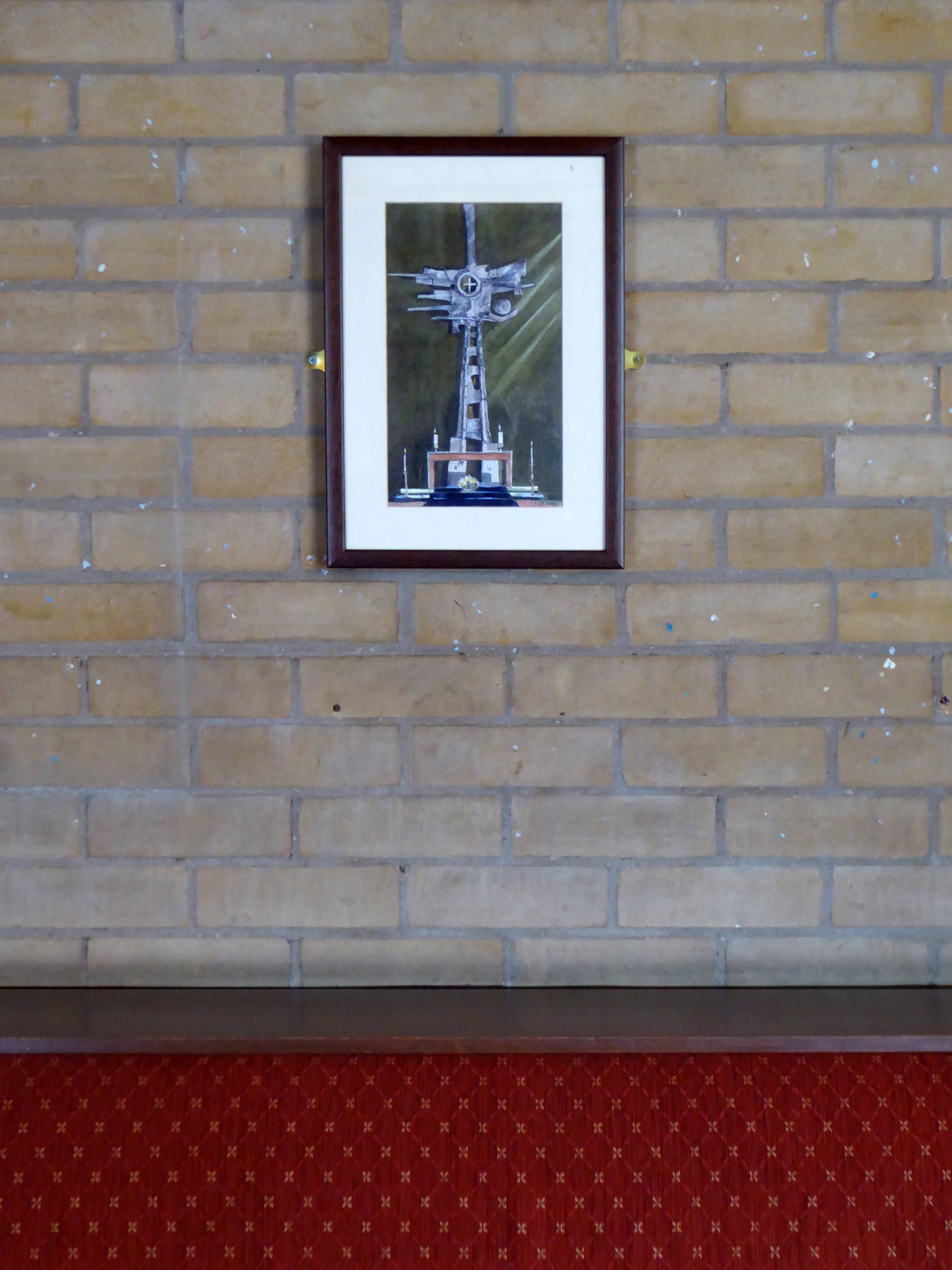
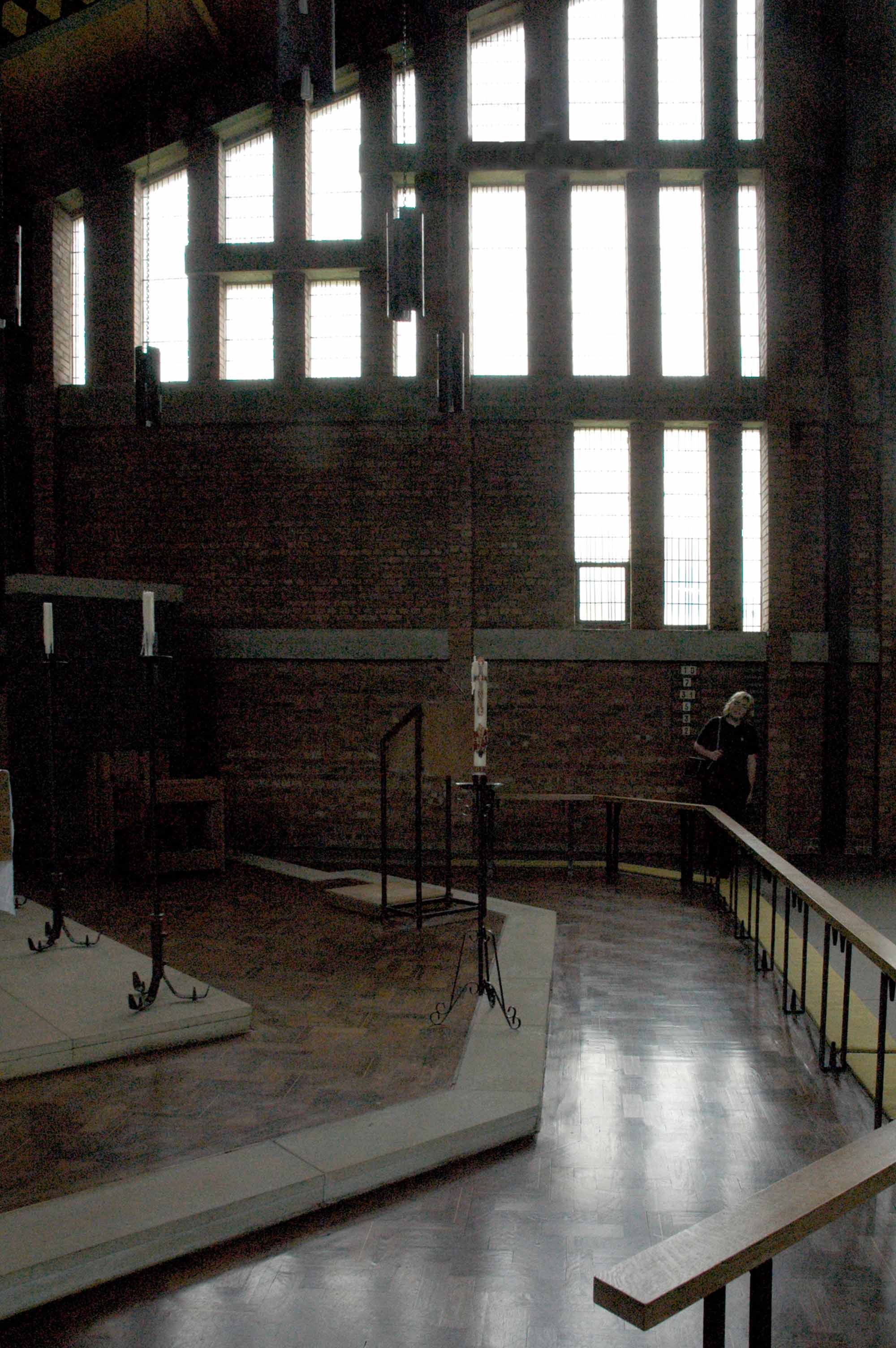
The church is an imposing angular structure, its height possibly determined by the treasure within – The Langley Cross.

P1270105

Consecrated in 1964, All Saints and Martyrs is home to the Langley Cross. This unique structure, which adorns our east wall, is the work of internationally renowned artist, Geoffrey Clarke RA, who has won reputation by his contributions to Coventry Cathedral.

The sculpture itself is 37 feet high and about 20 feet wide at the extremities of the transverse shaft and made of cast aluminium metal.

This is work of national and international significance.

P1270111

P1270104

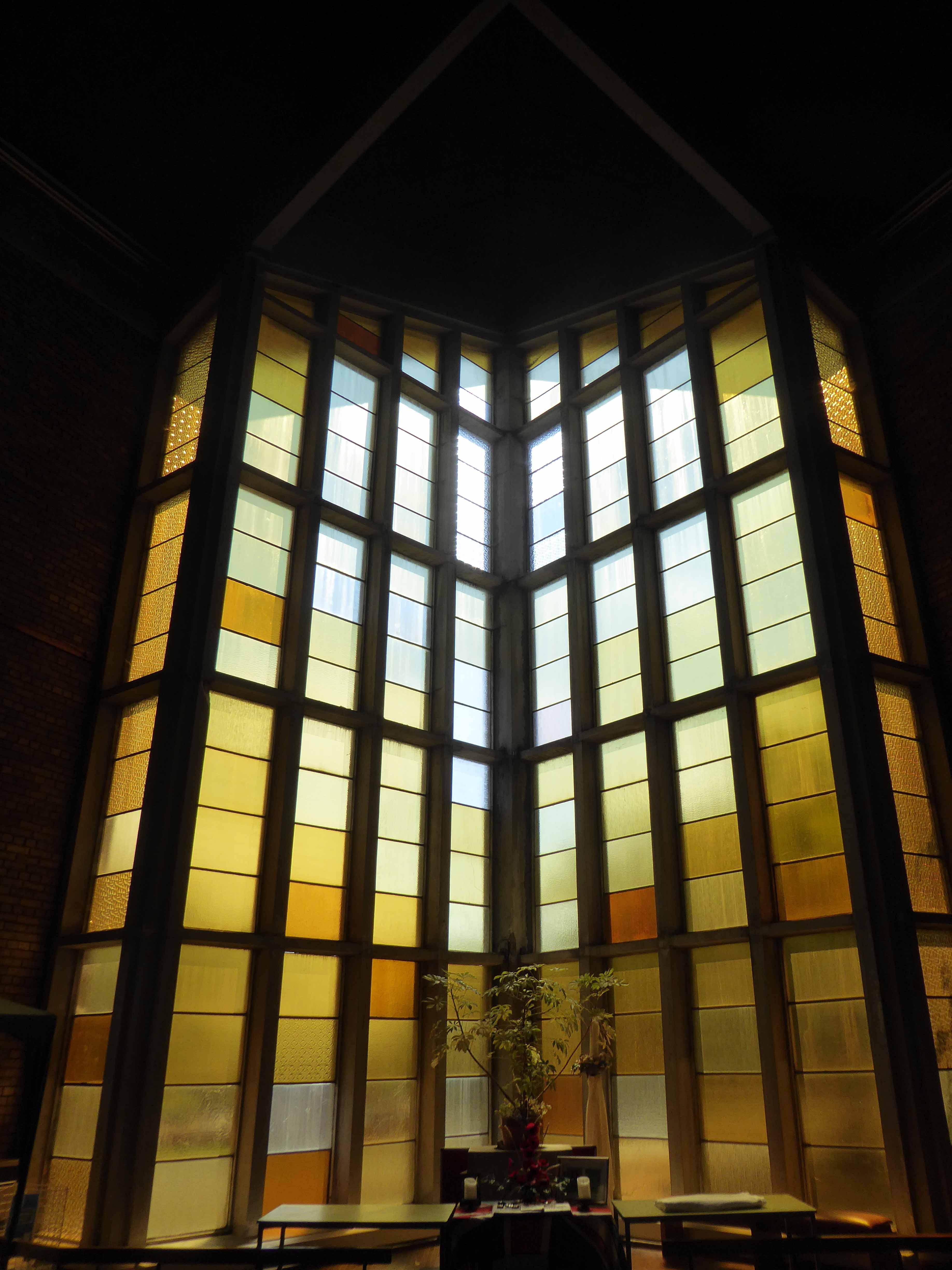
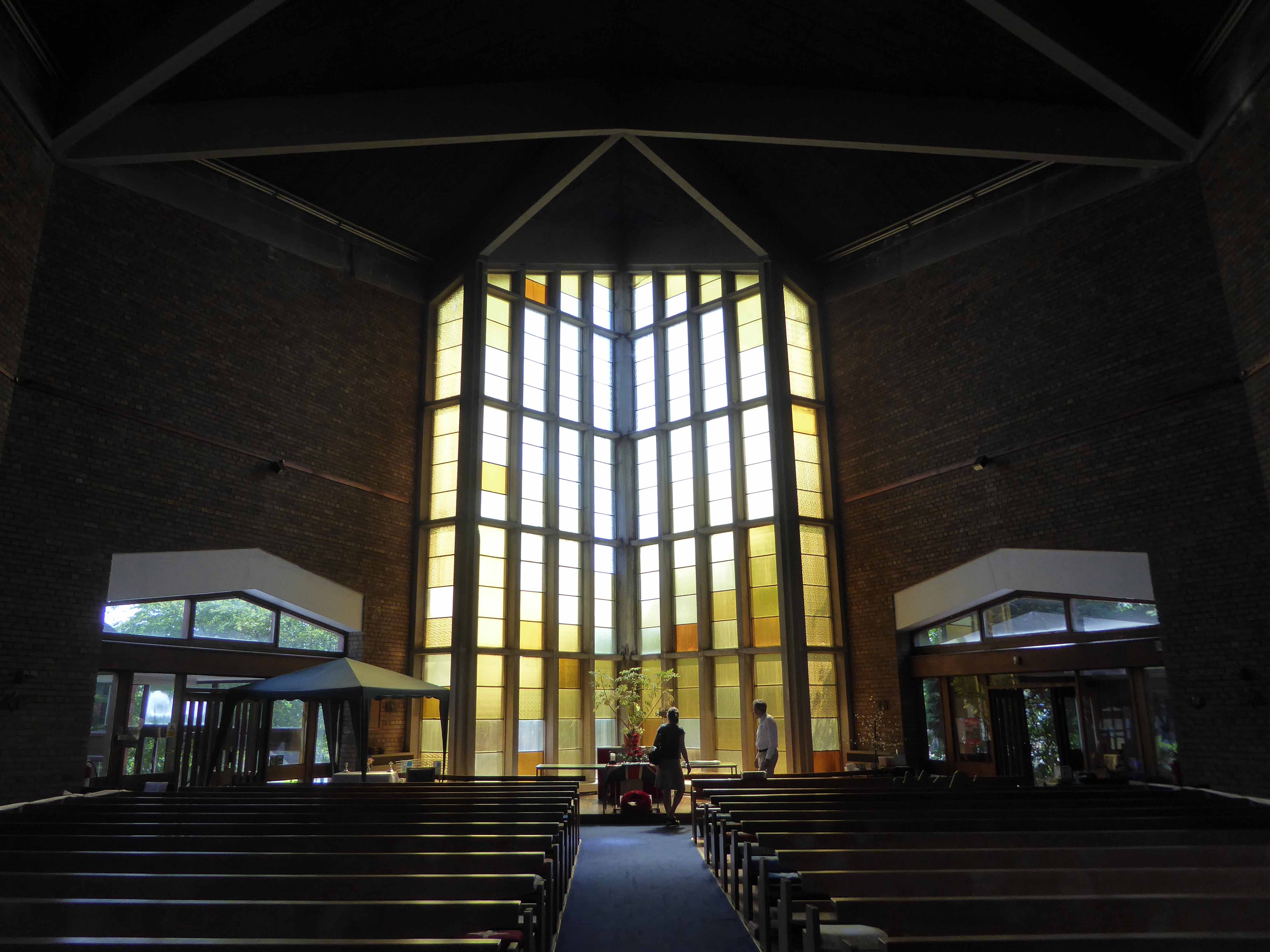
The church is lit from the west by a large yellow and white window, formed of French stained glass. Though seriously damaged over time, it has subsequently been repaired and forms an imposing counterpoint to the facing cross.

P1270098

P1270101

P1270102

P1270110

To the right of the main entrance is a delightful chapel, illuminated by a large stained glass window.

DSC_0425

P1270115

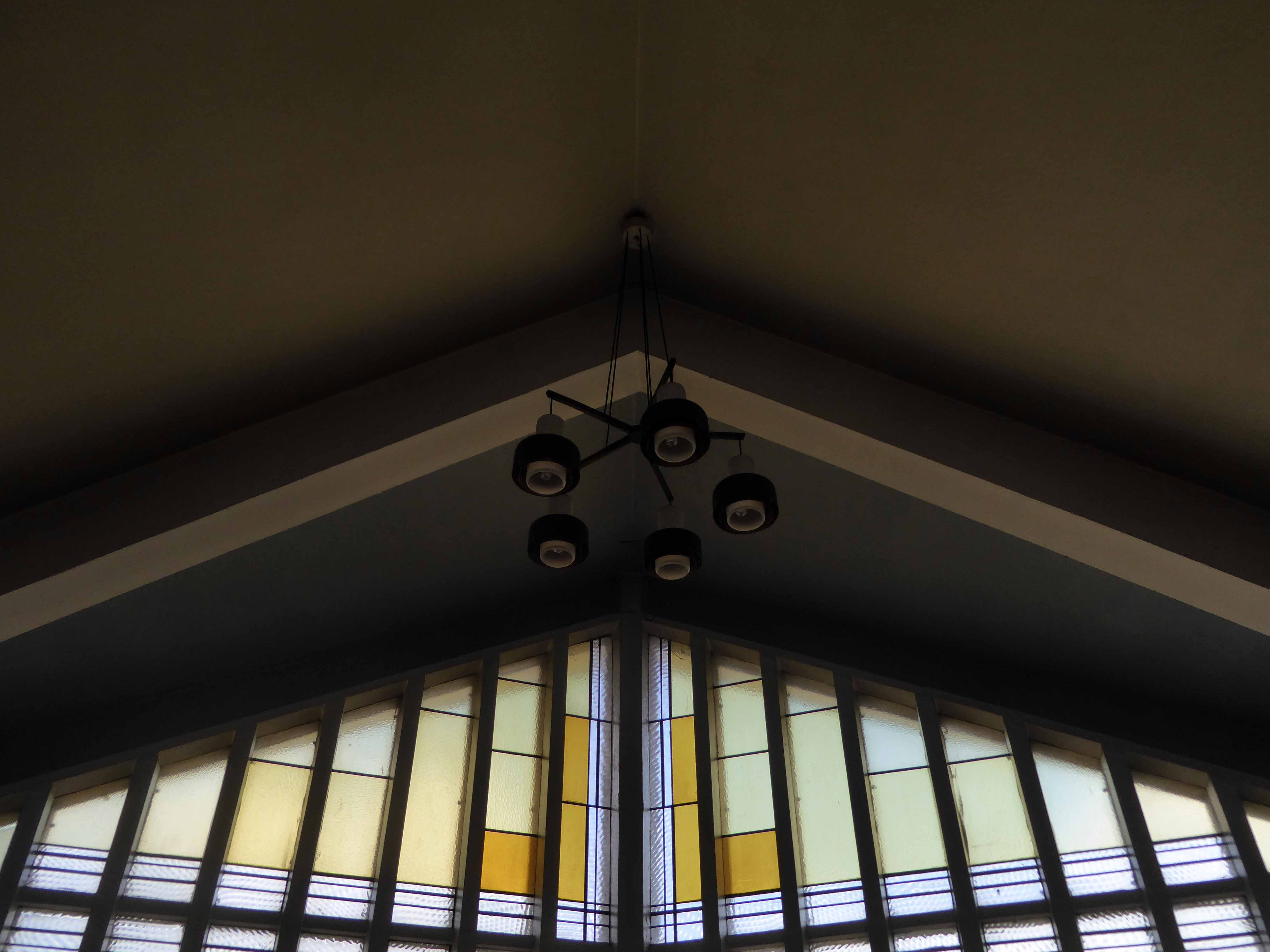
And in addition a charming period light fitting.

P1270114

To the right of the altar and cross are pierced stained glass windows.

P1270108

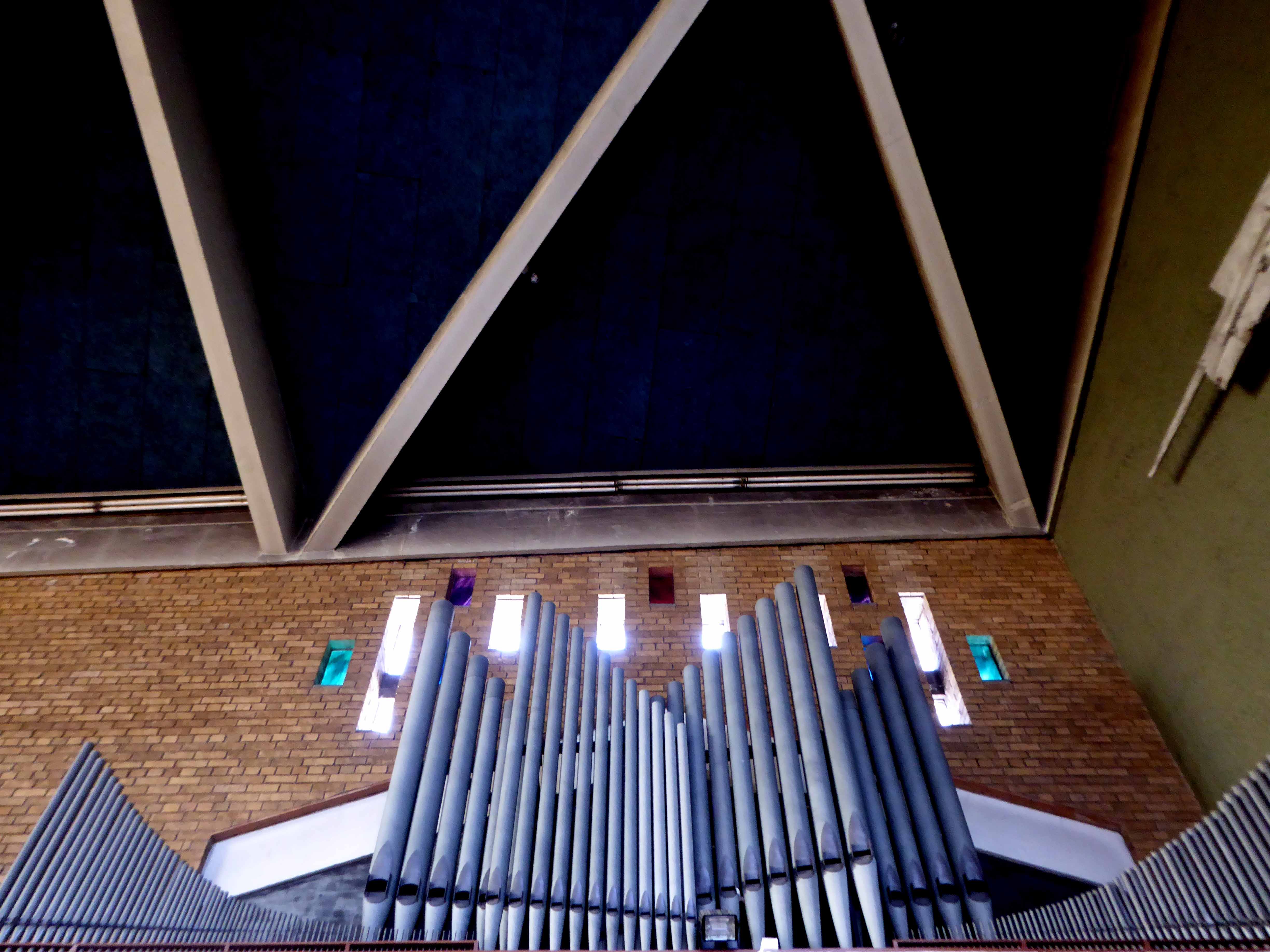
And to the left the sculptural organ pipes and further pierced stained glass.

P1270106

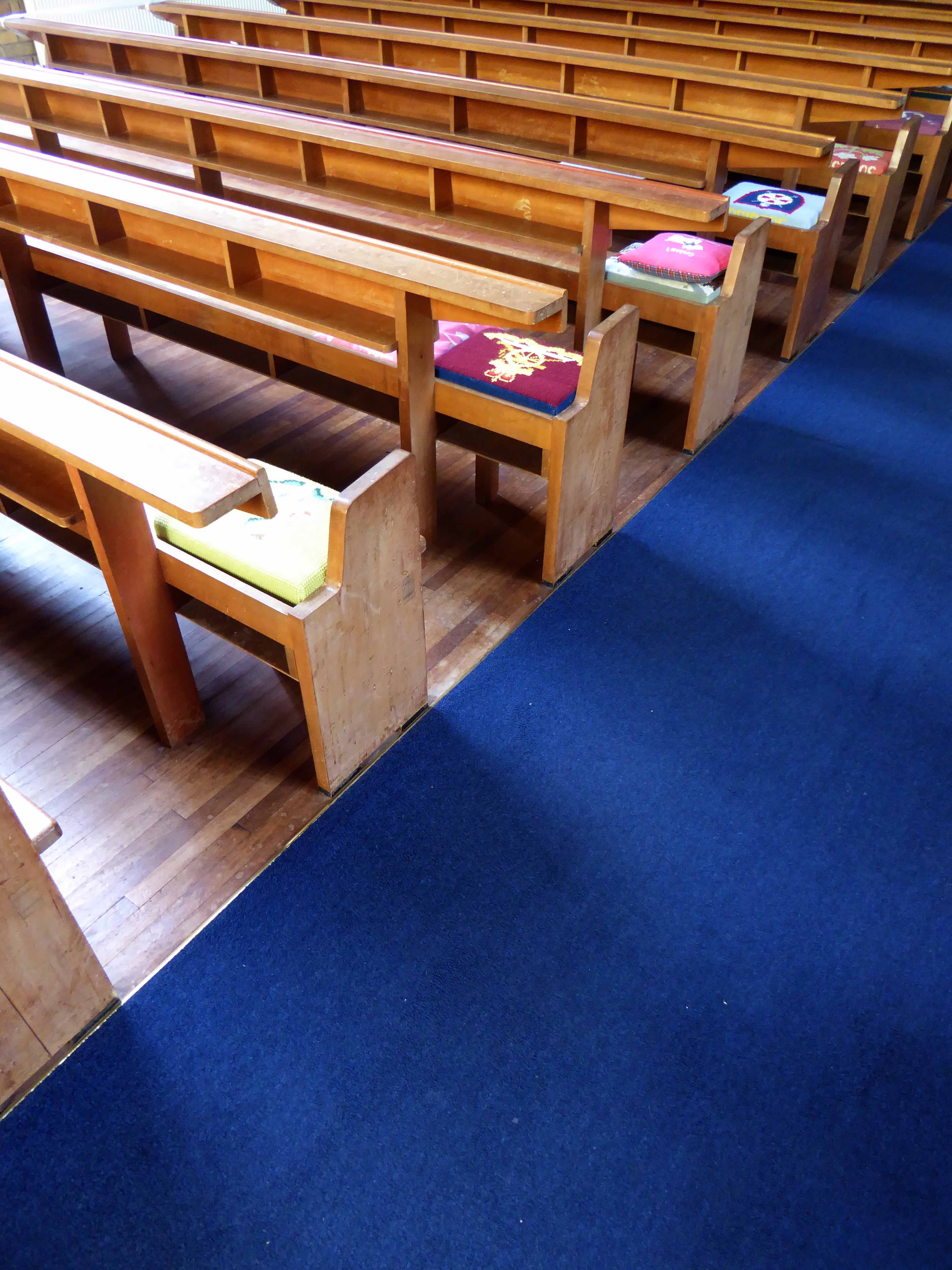
The church has retained much of its original furnishings.

P1270117

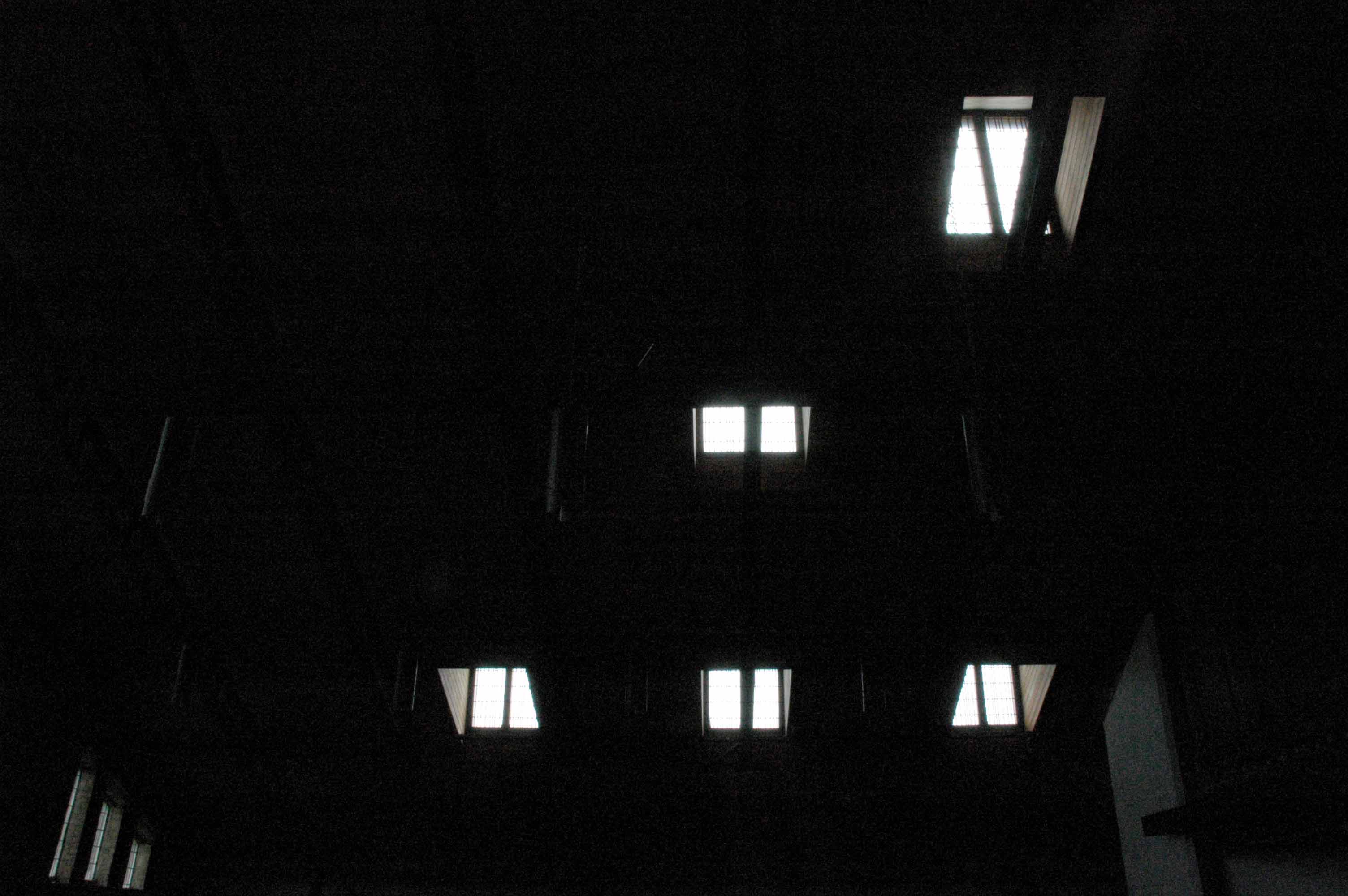
The roof is formed of intersecting concrete beams and coloured blocks.

P1270112

The adjoining ground floor space was once used for an overflowing congregation, it has retrospectively been partitioned and serves as a social meeting area.

It was here that we were so generously treated to tea and cakes.

P1270124

P1270123

And given the opportunity to view examples from the church’s extensive archive.

P1270125

P1270126

The building is not without its problems – the ingress of water and the cost of maintaining the structure require outside assistance, through grant aiding, fund raising and donation. We should all make every effort to ensure that All Saints and Martyrs survives intact for generations to come.

Here is a building of great distinction, housing public art of the highest quality, built at a time when the ethos of nothing but the best for all was commonplace.

I can only thank Phil once again for his warm welcome and wish he and his parishioners – nothing but the best for the future!

If you have the opportunity, go and take a look for yourself.

P1270129


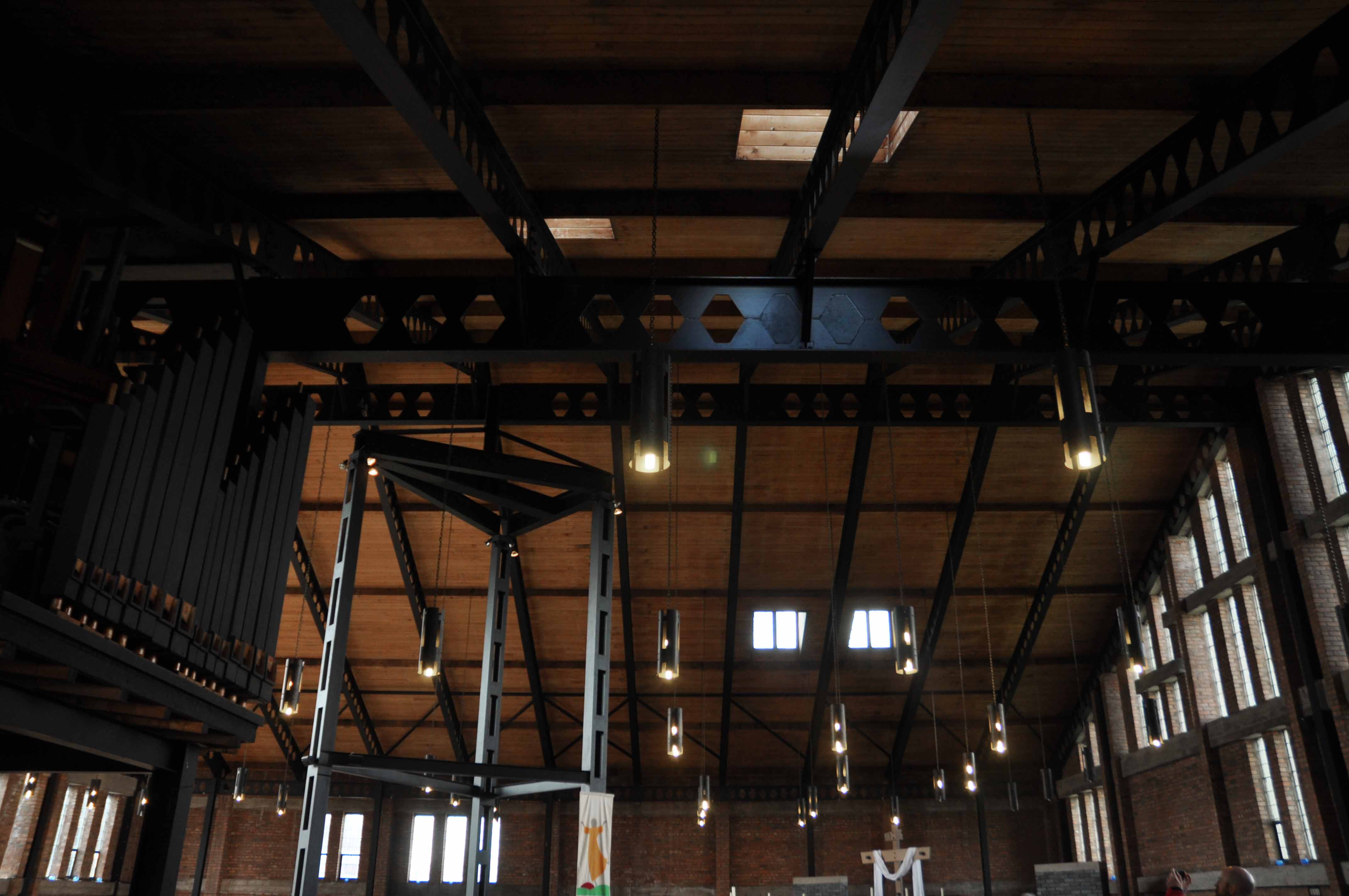
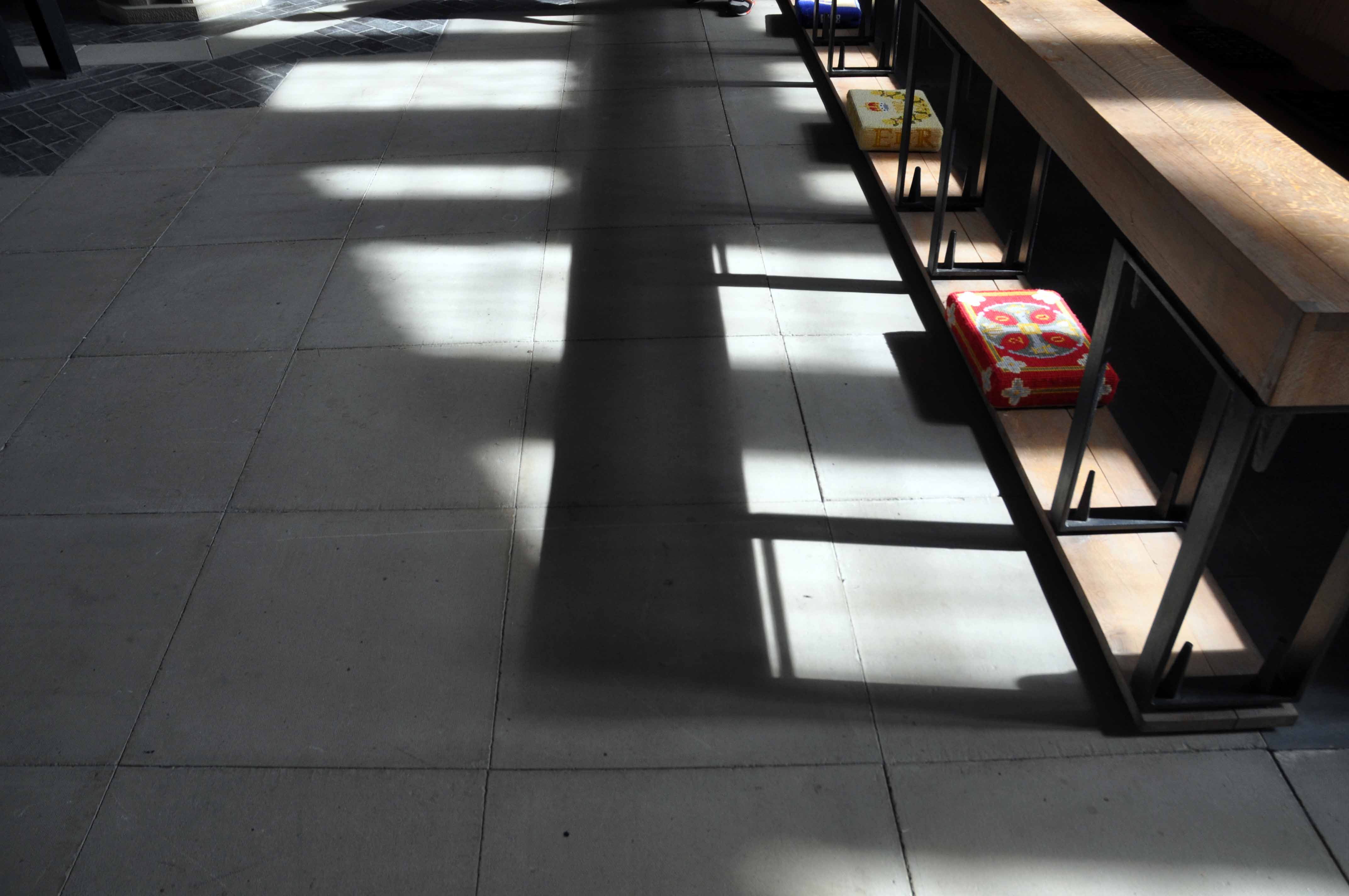
William Temple Church – Wythenshawe

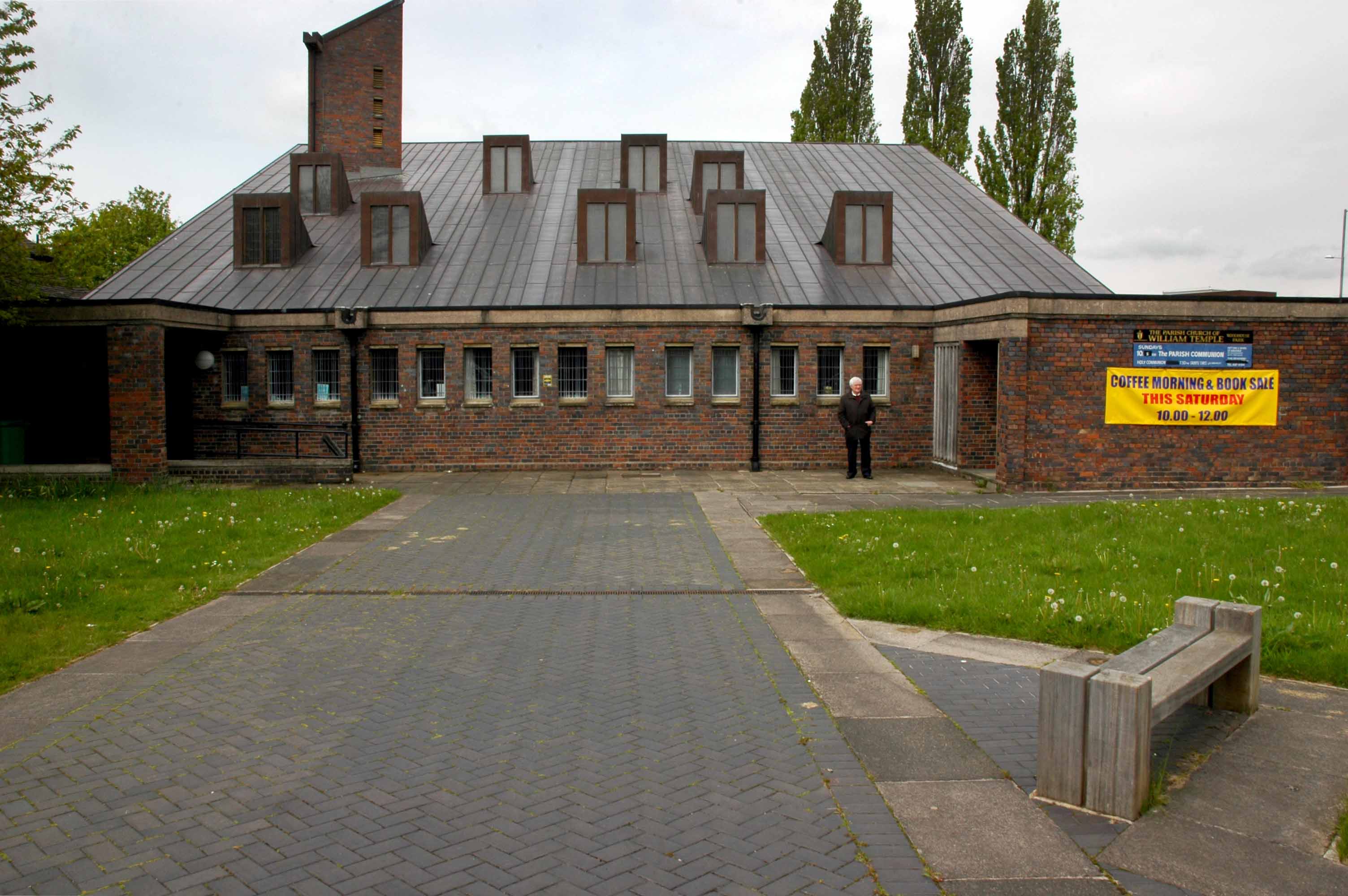
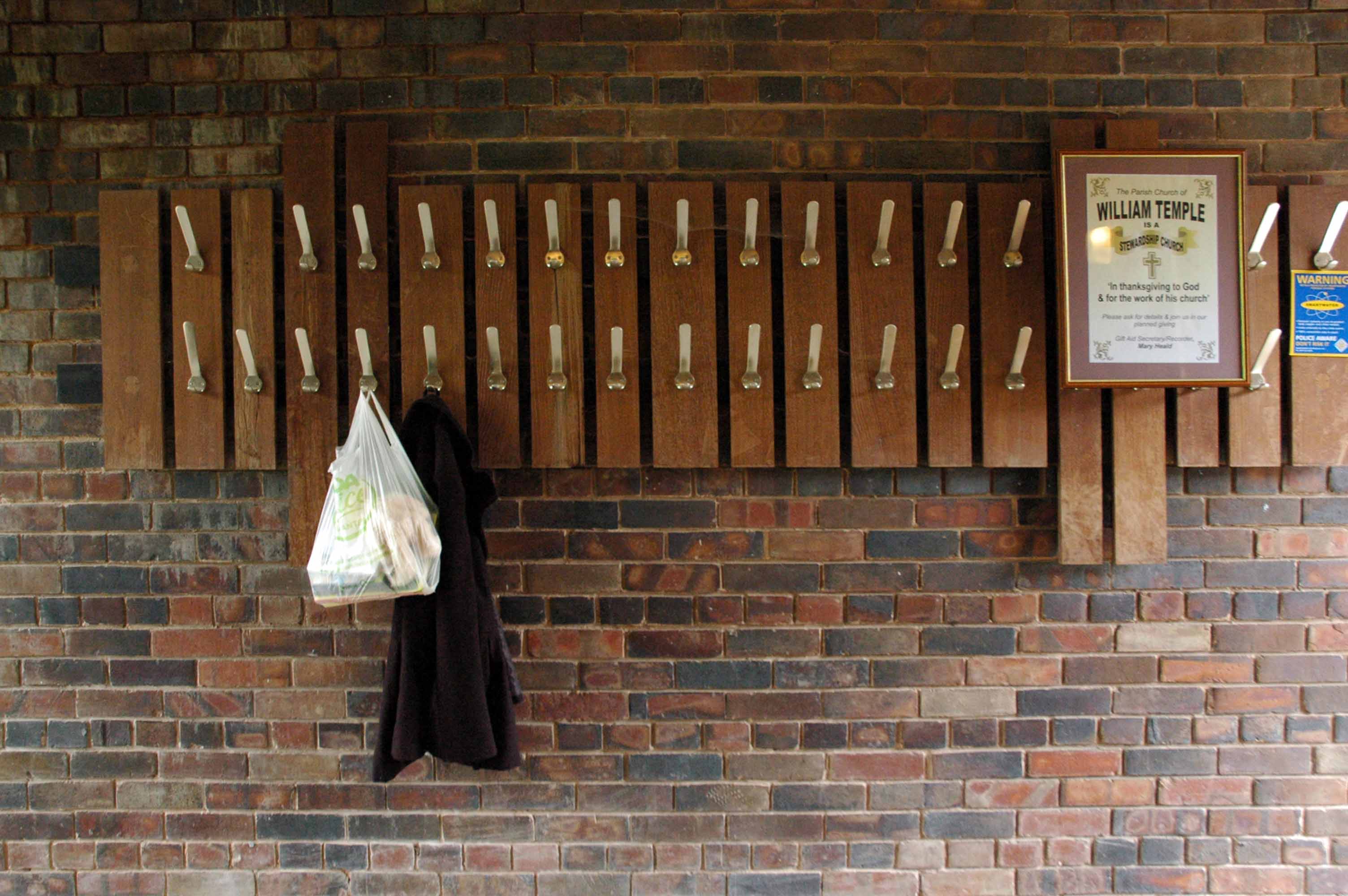
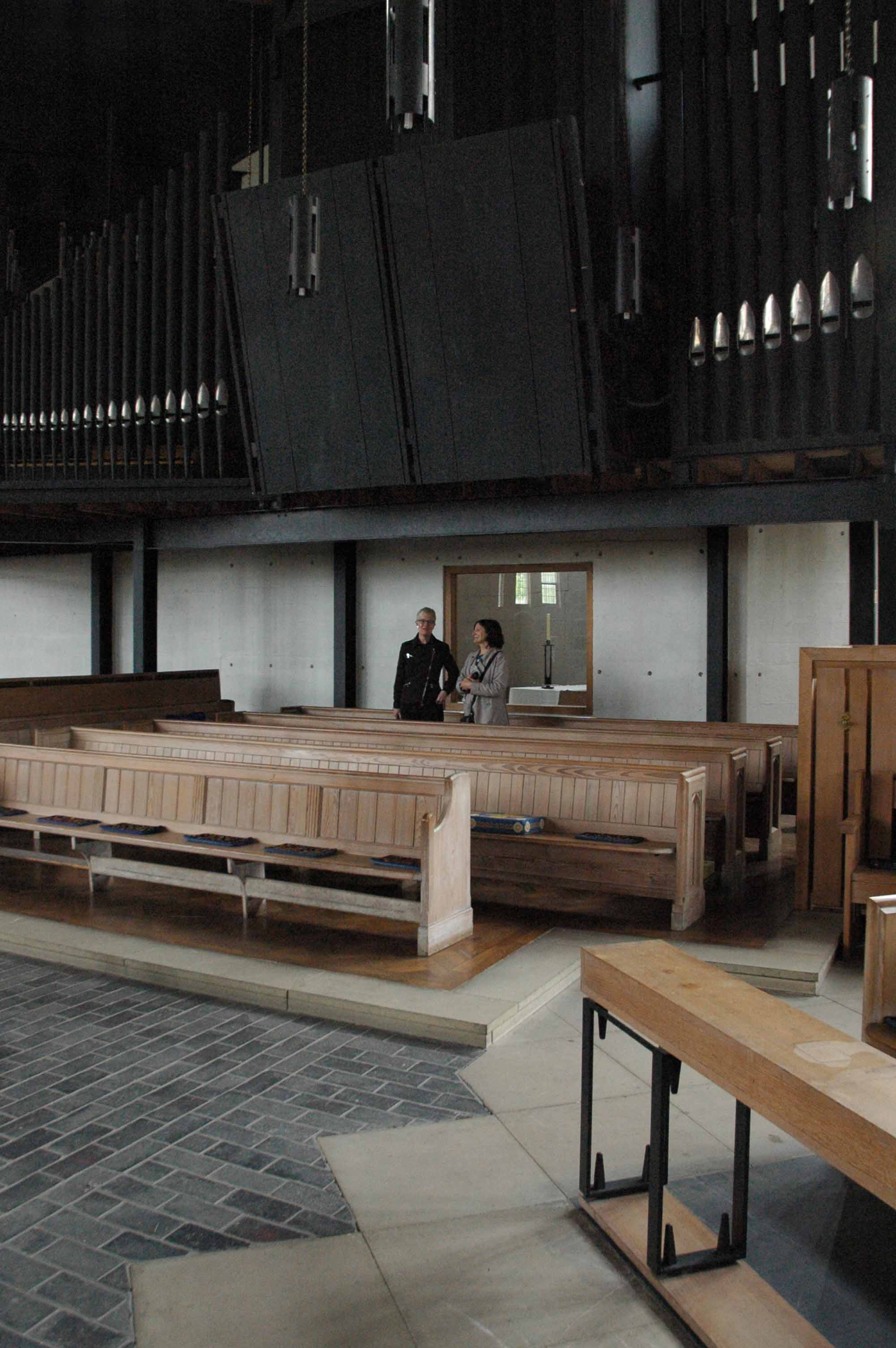
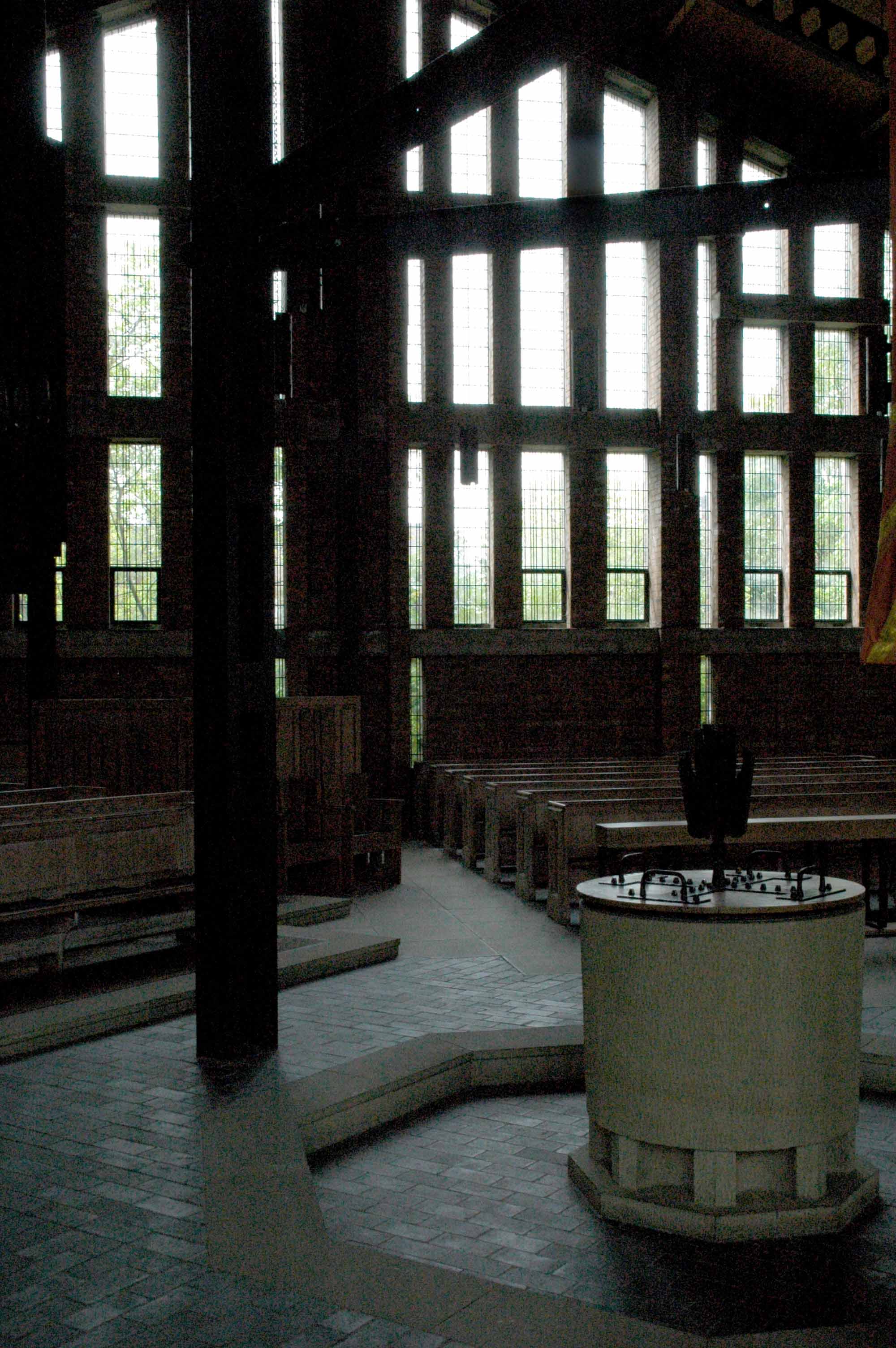
The Anglican Church of William Temple was opened in 1965 on the corner of Robinswood Road and Simonsway as the church of the Civic Centre. The mission was already well-established, having begun many years previously in Shadow Moss School Room, latterly operating in a dual-purpose building on Simonsway. The architect, George Pace, agreed with the proviso that he should not design a ‘pseudo’ building, but that it should be modern in concept. This he did and particular attention was paid to the acoustics with a view to music and drama being performed there. One of Pace’s stipulations was that, as with all the churches he designed, there must be no plaques attached to the walls commemorating the dedication of the church or in memory of anyone, for he said he built his churches to the Glory of God. The only lettered stone is on the back wall of the church and it has on it the date of the consecration and a symbol, which is Pace’s original sign for William Temple Church.

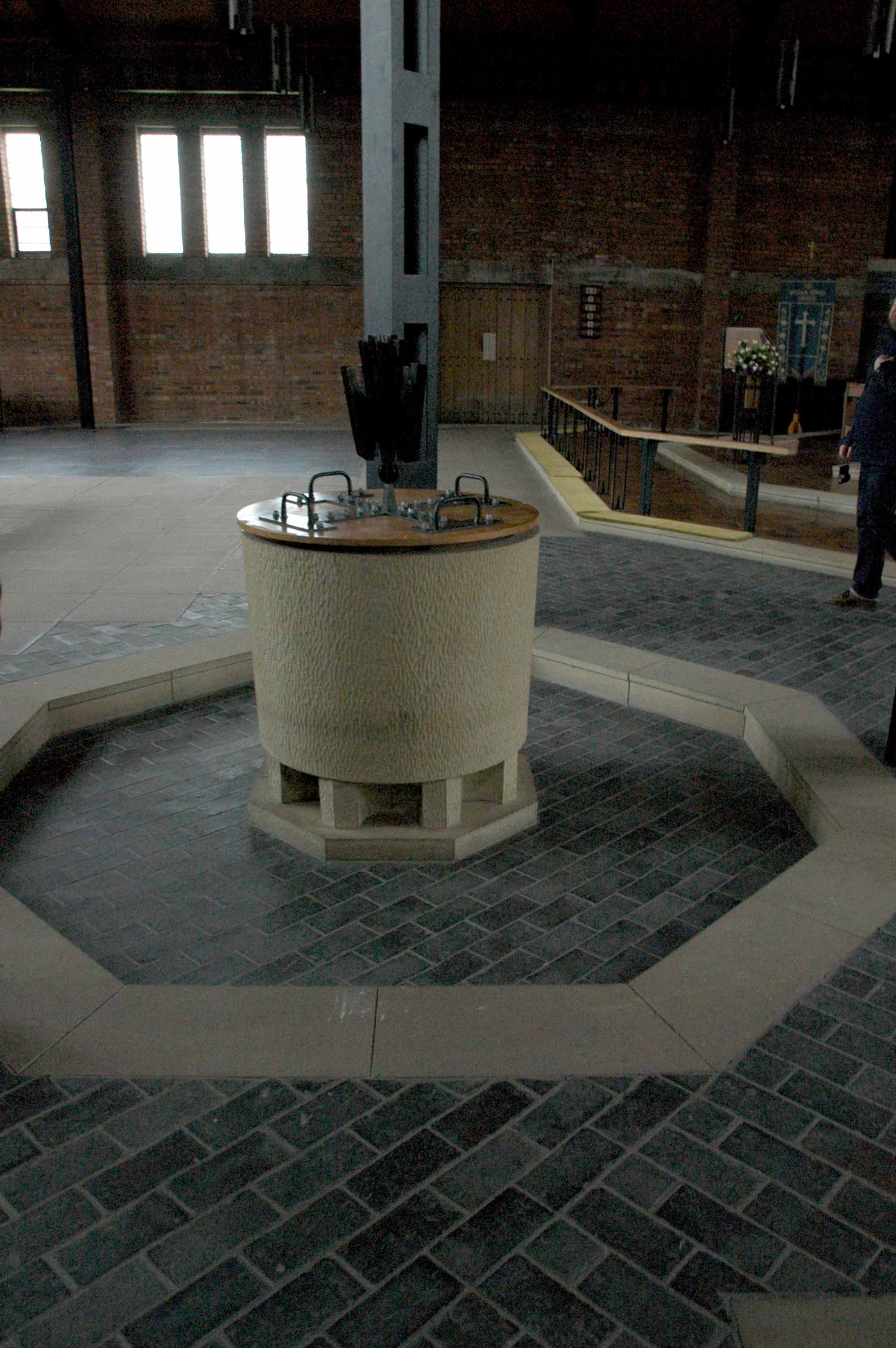
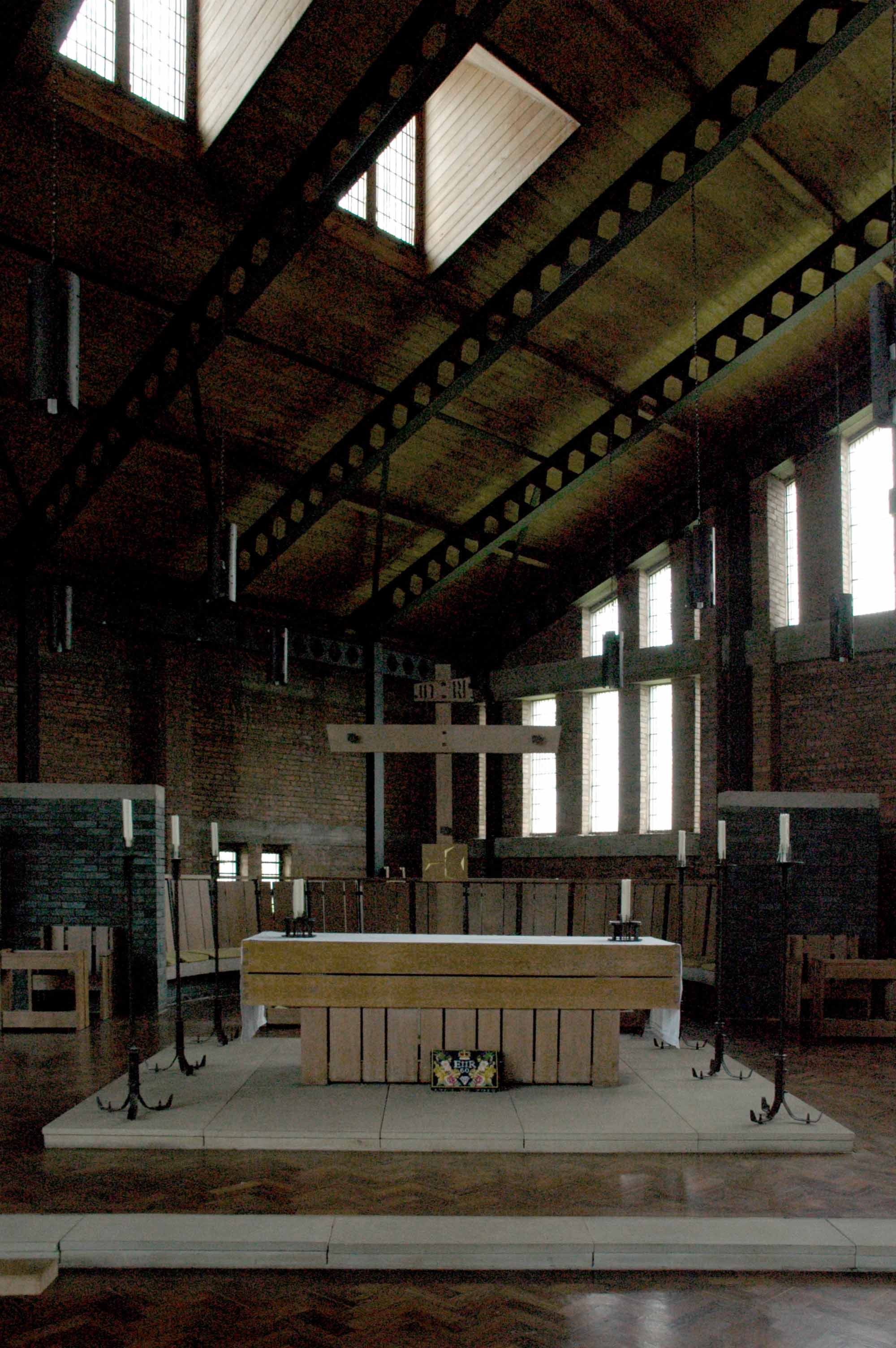
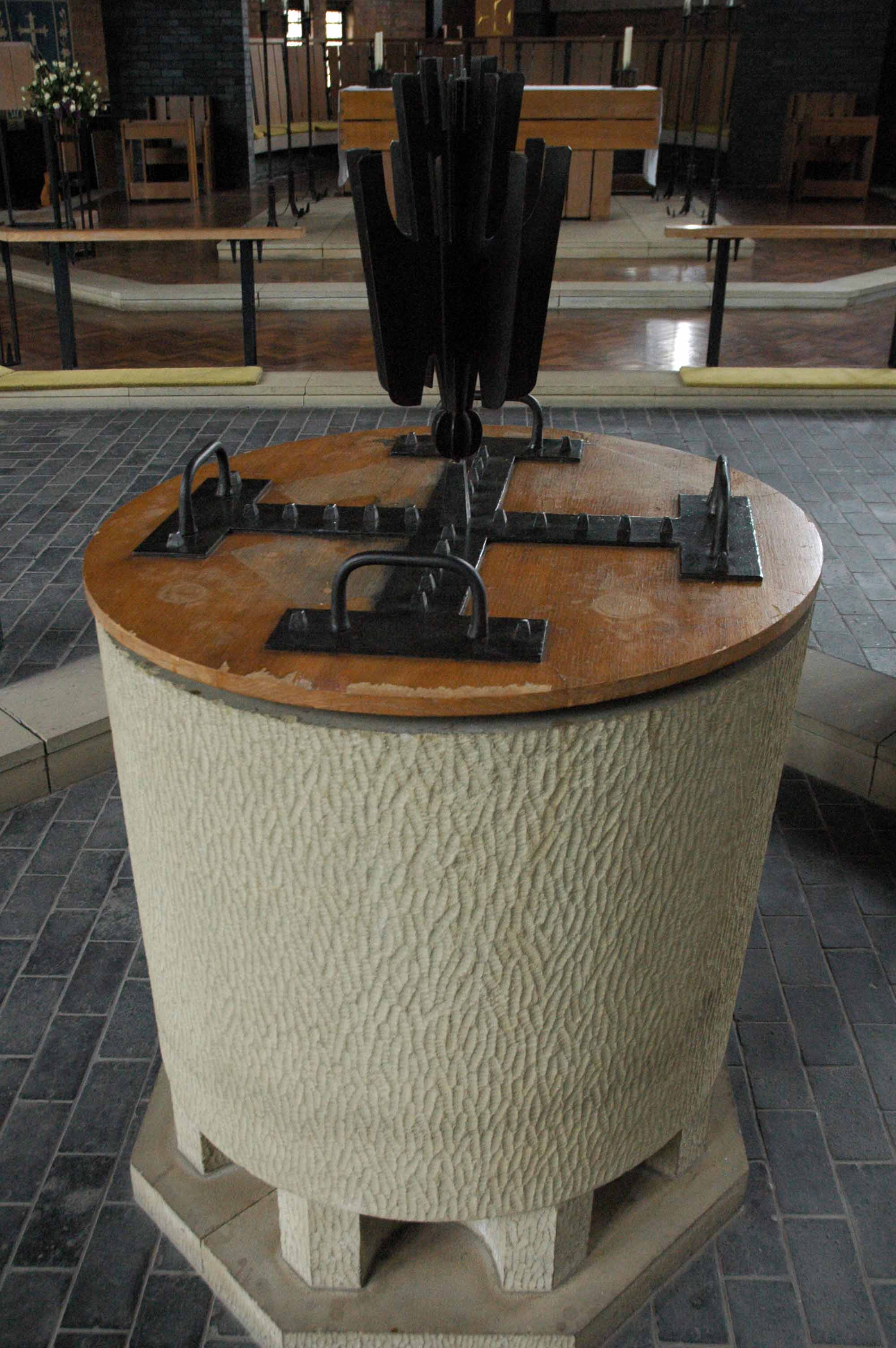
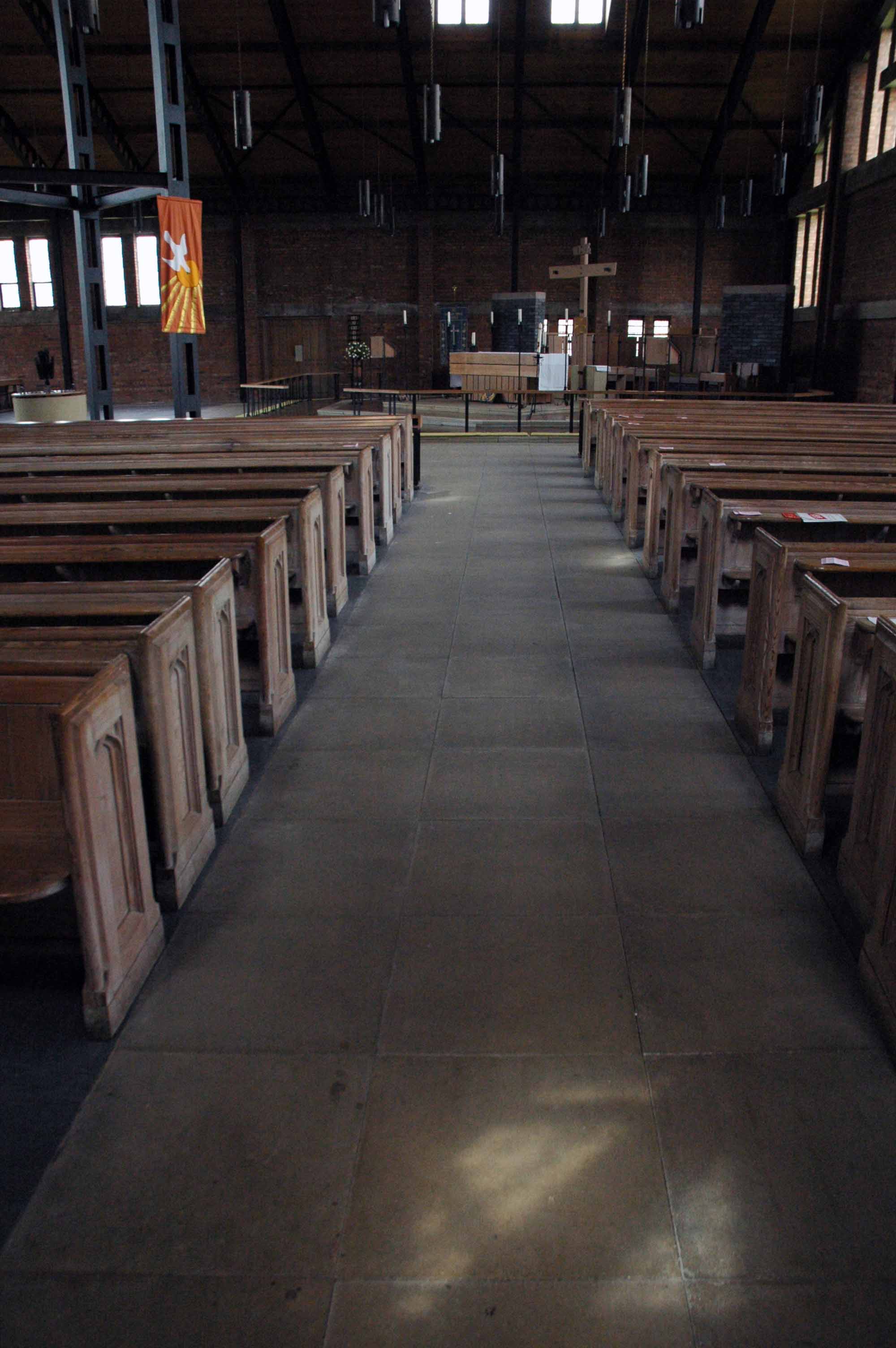
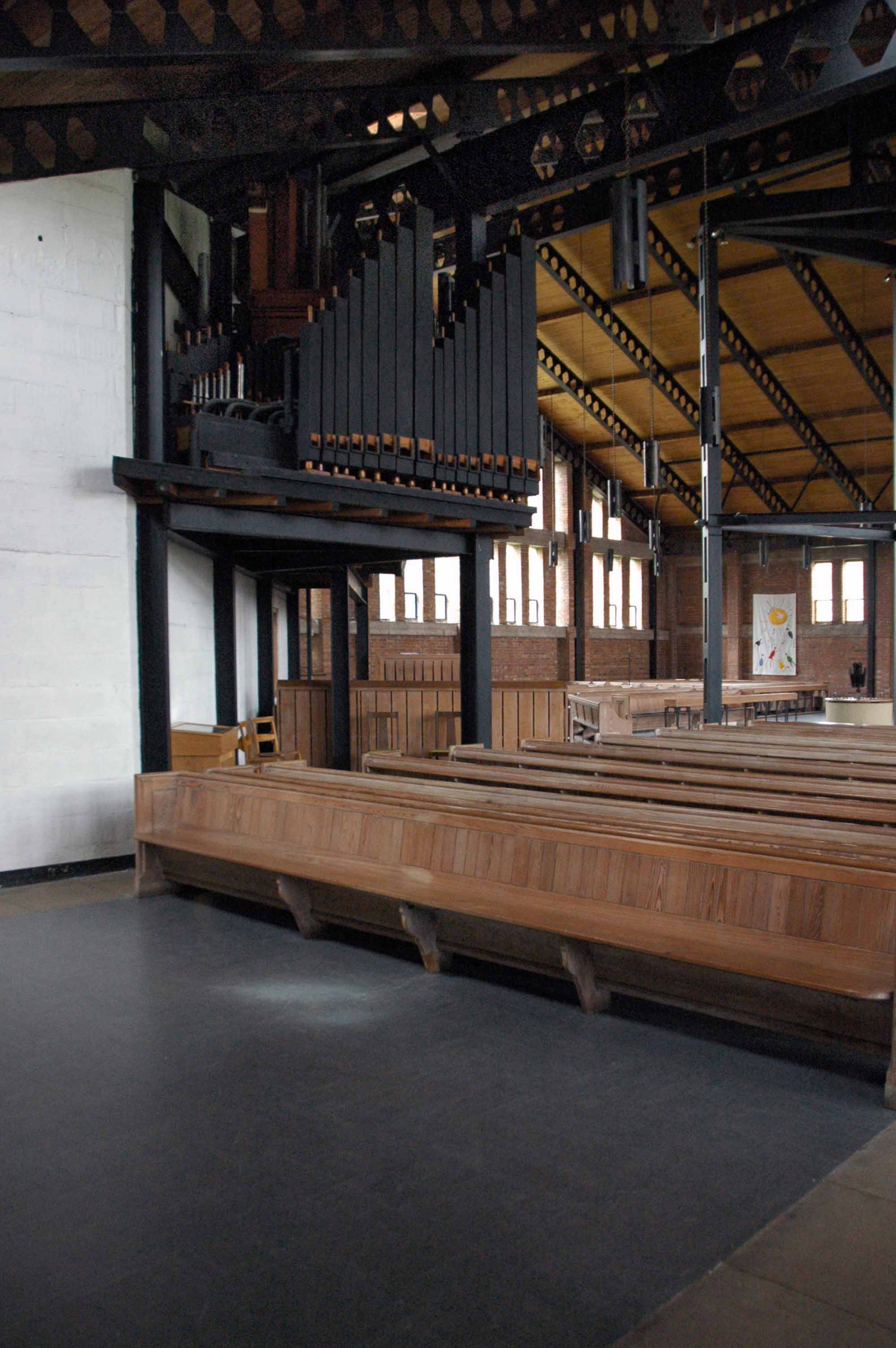
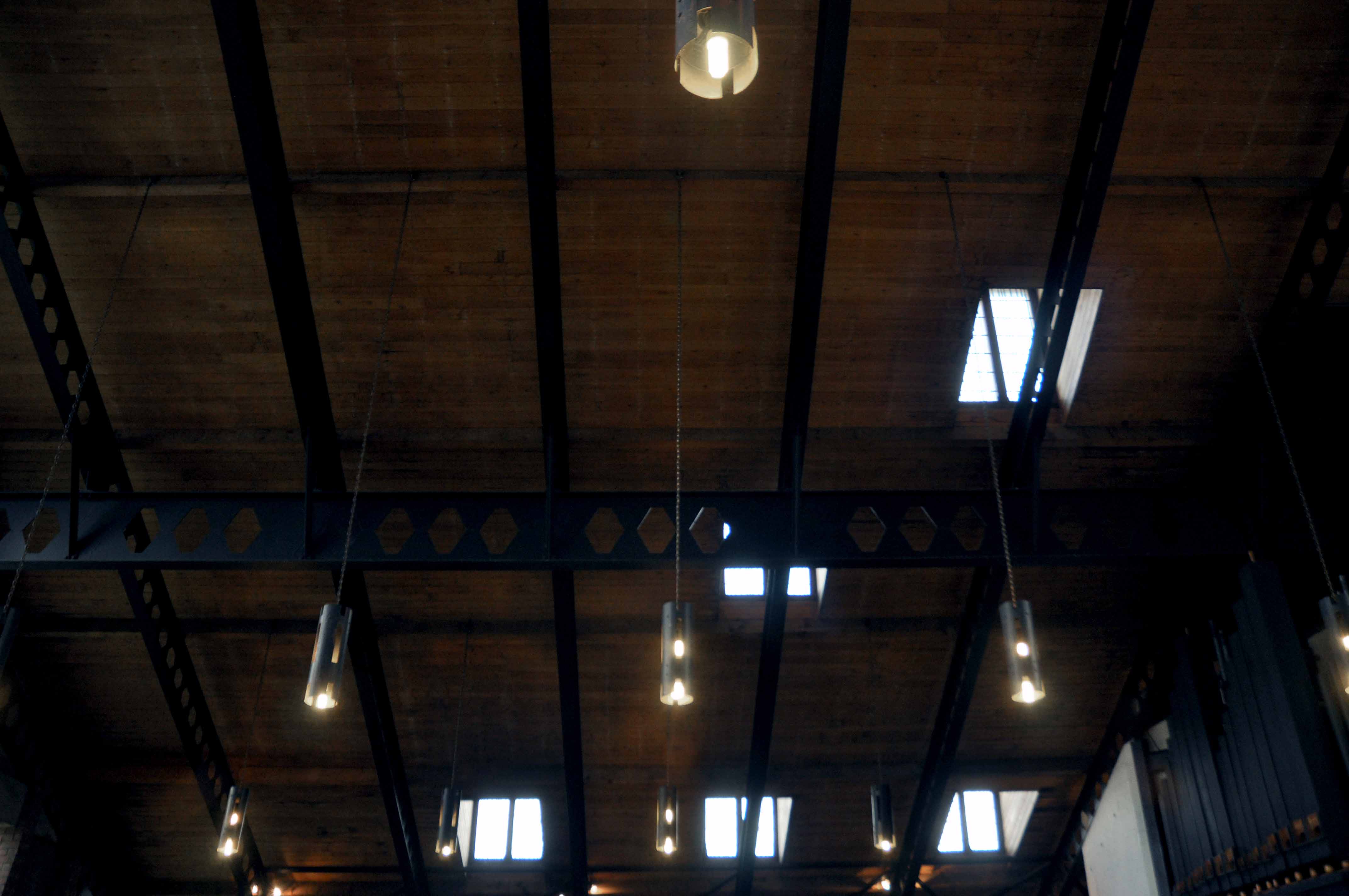
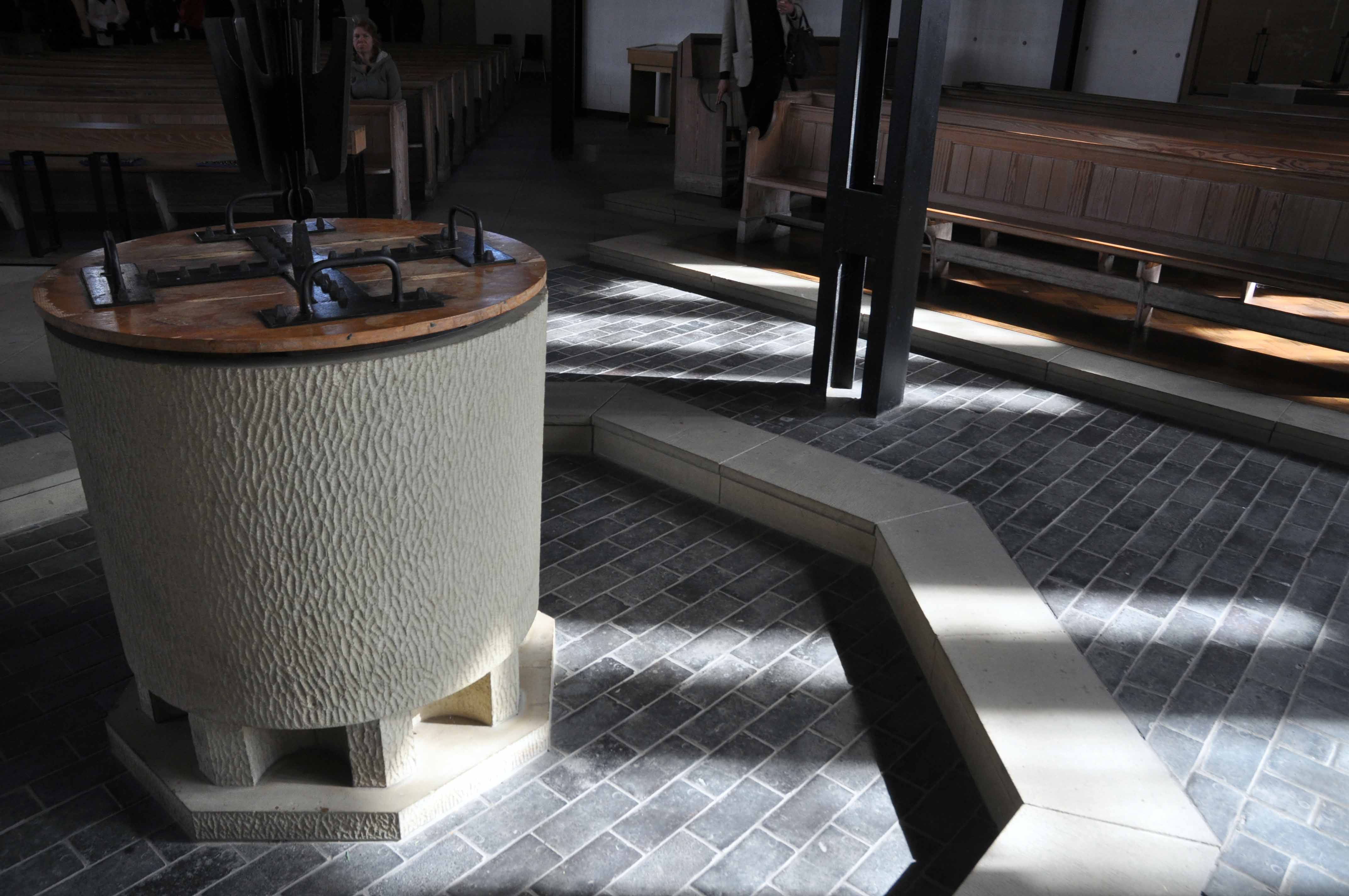
The internal supports of the church are black-painted steel girders, not romantically symbolising the industry of the area, as it is sometimes said, but because when it was discovered that the church had been built on swampy ground an extra £2,000 was needed for foundations; the wooden beams of the original design had to be changed for cheaper steel ones. There is symbolism, however, in the placing of the font between and beneath the three main weight-bearing supports of the church.

The pews have an interesting history, having been brought from derelict churches in and around Manchester. The present lady churchwarden said:

“whenever we heard of a church being demolished we borrowed Mr. Owen’s coal cart and went off to see if we could buy any of the pews. Many times I’ve sat on the back of the wagon, in the pouring rain, with the pews, bringing them back to Wythenshawe to be stored until our church building was completed!”

Some time after the building was opened a fire damaged some of the pews. With the insurance money all the pews were stripped and bleached, giving an element of uniformity and a bright welcoming atmosphere in the church generally. An interesting thought was voiced that as many people living in Wythenshawe now had their origins near to the centre of Manchester they may be sitting in the same pews in which their ancestors once sat.

historicengland.org.uk

DSC_0072 copy

DSC_0073 copy

DSC_0075 copy

DSC_0080 copy

DSC_0081 copy

DSC_0082 copy

DSC_0084 copy

DSC_0085 copy

DSC_0086 copy

DSC_0087 copy

DSC_0088 copy

DSC_0089 copy

DSC_0113 copy

DSC_0116 copy

DSC_0117 copy

DSC_0118 copy

DSC_0121 copy

DSC_0122 copy


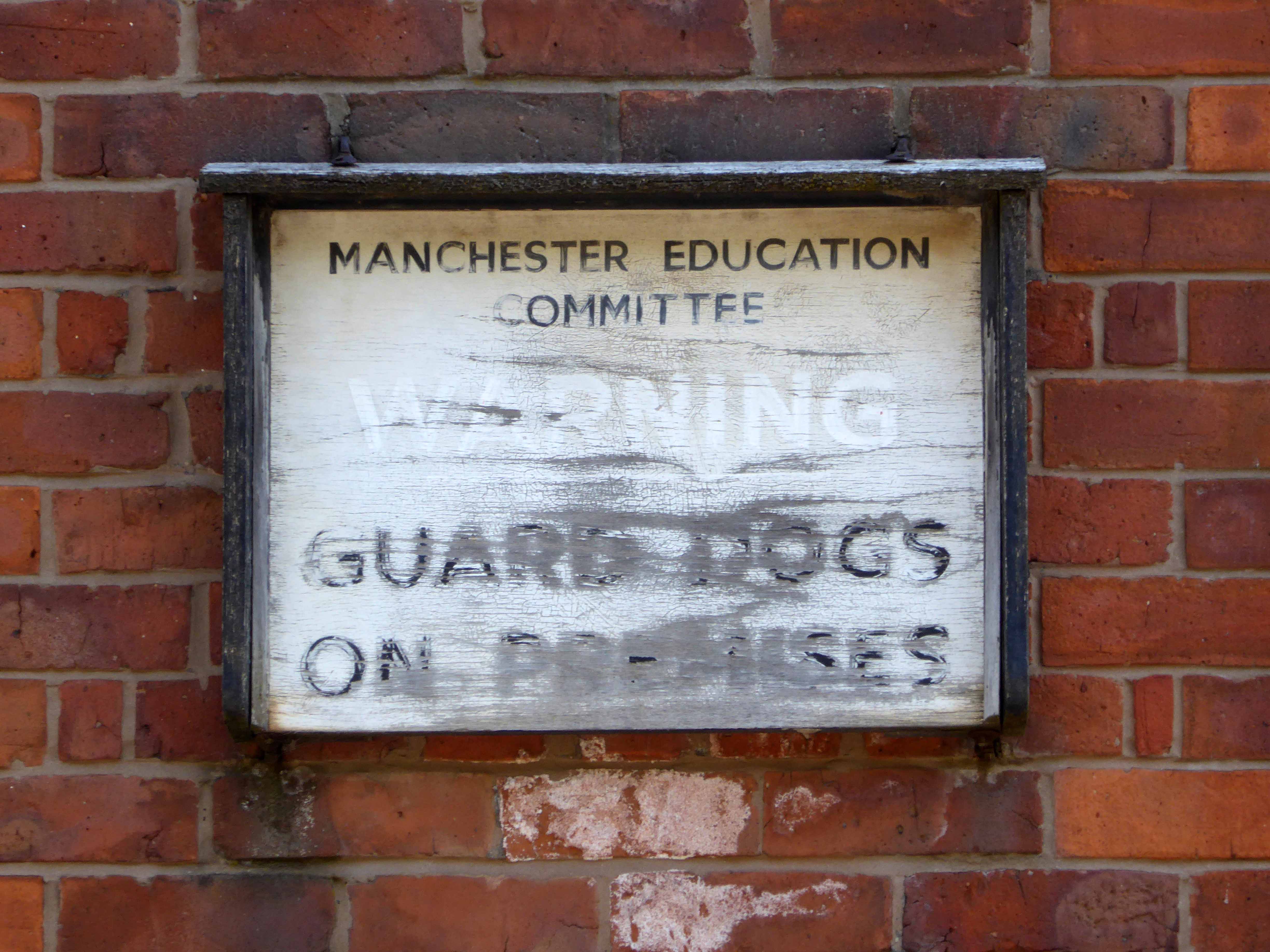
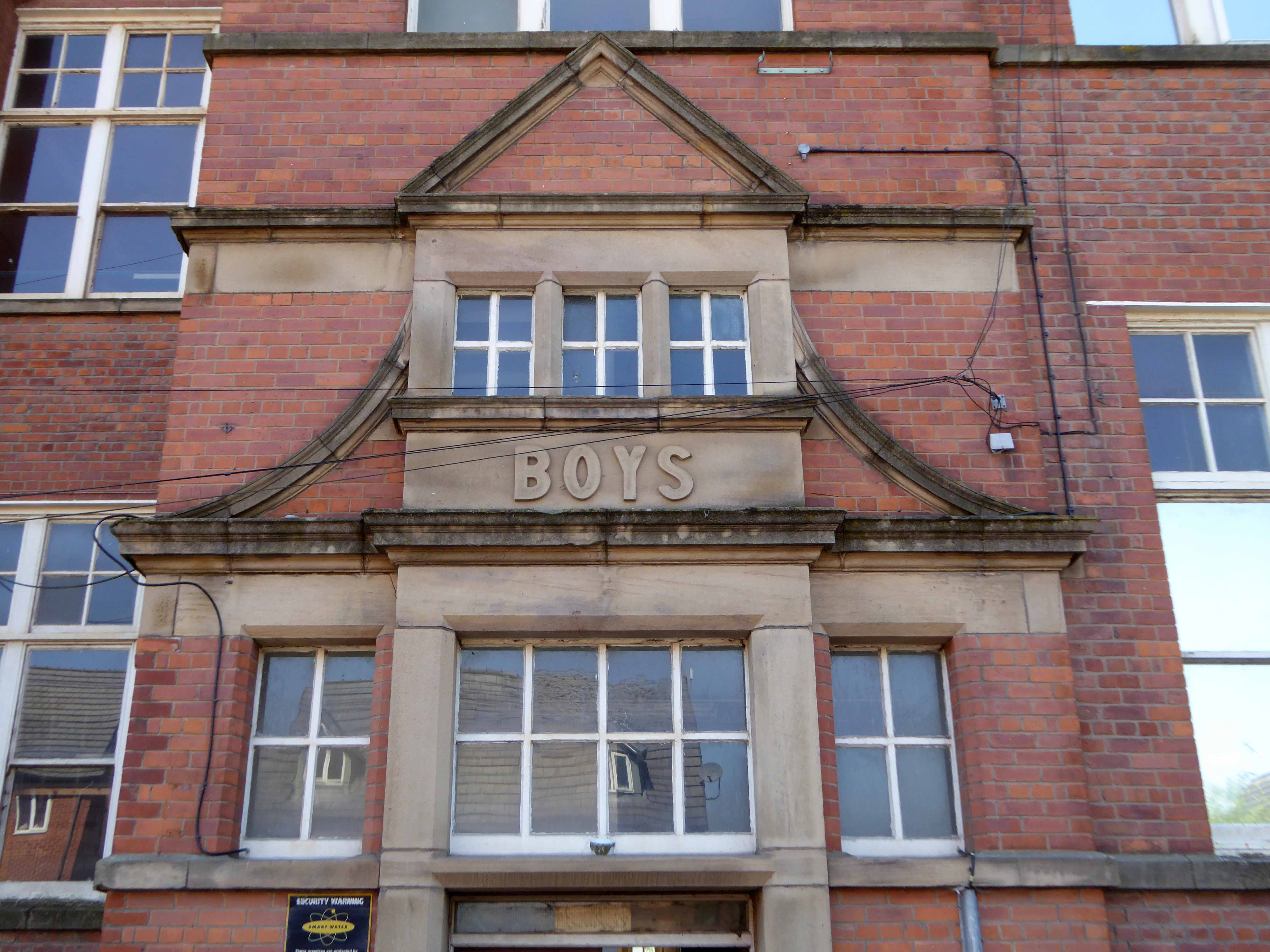
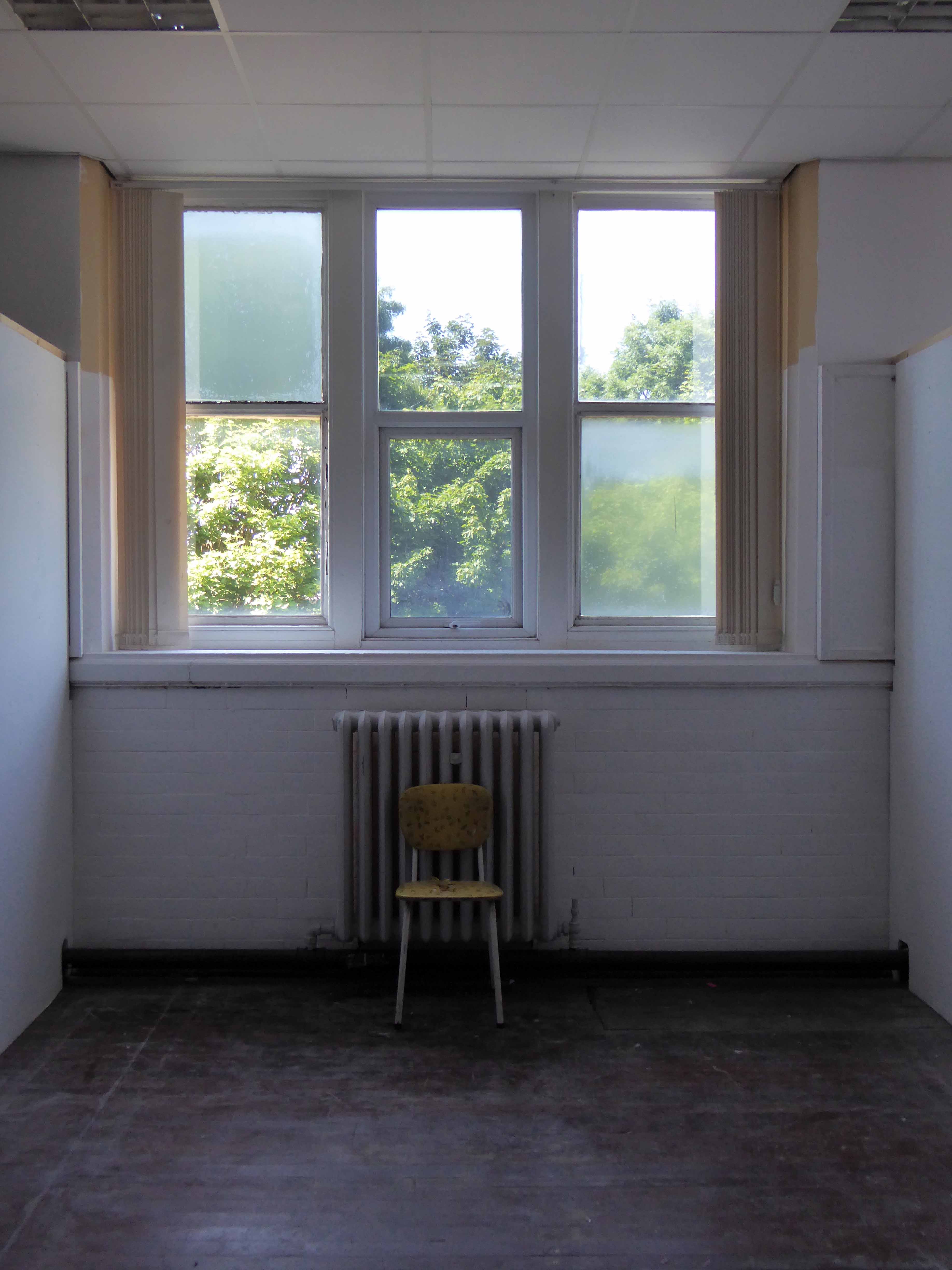
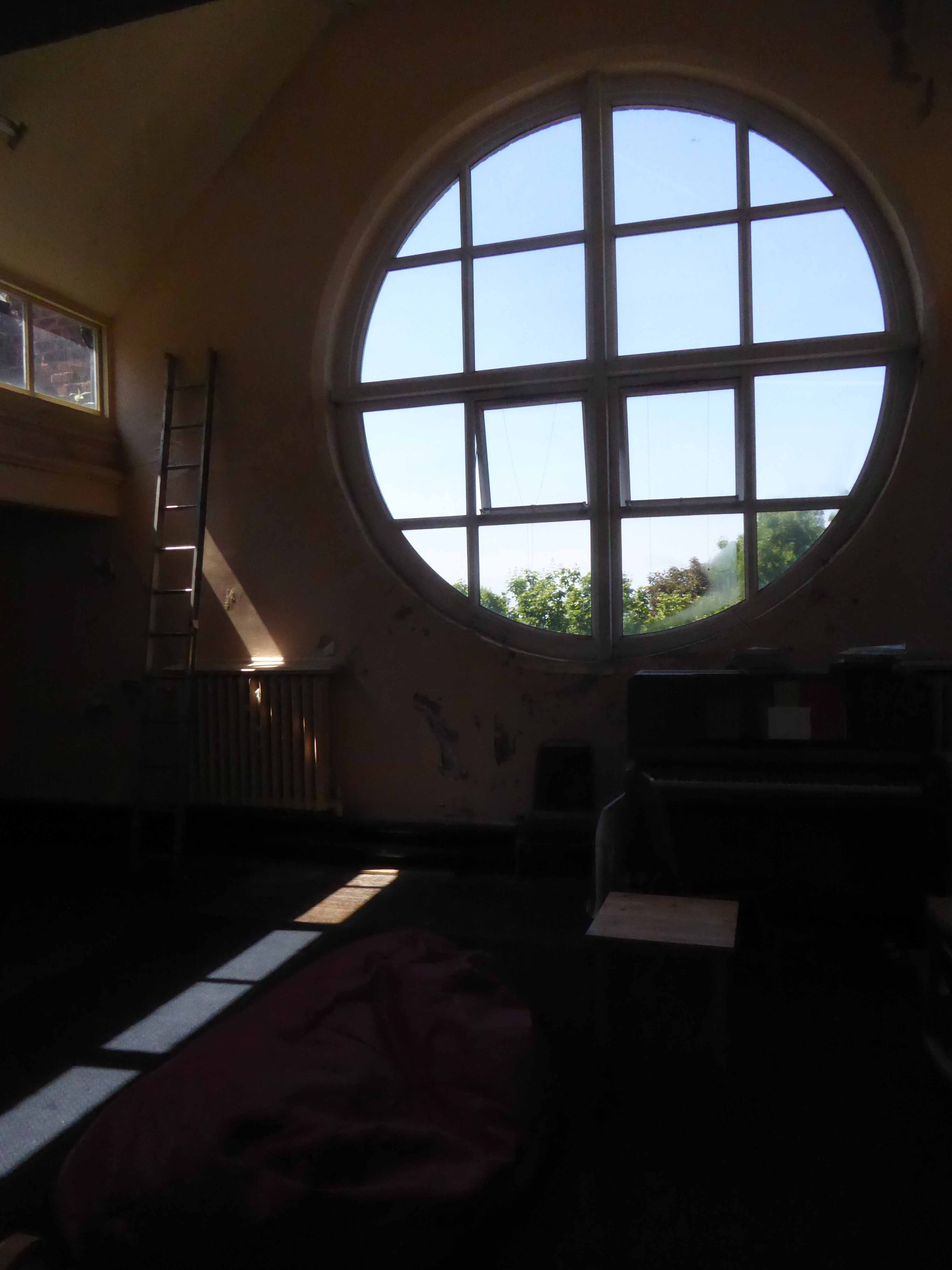
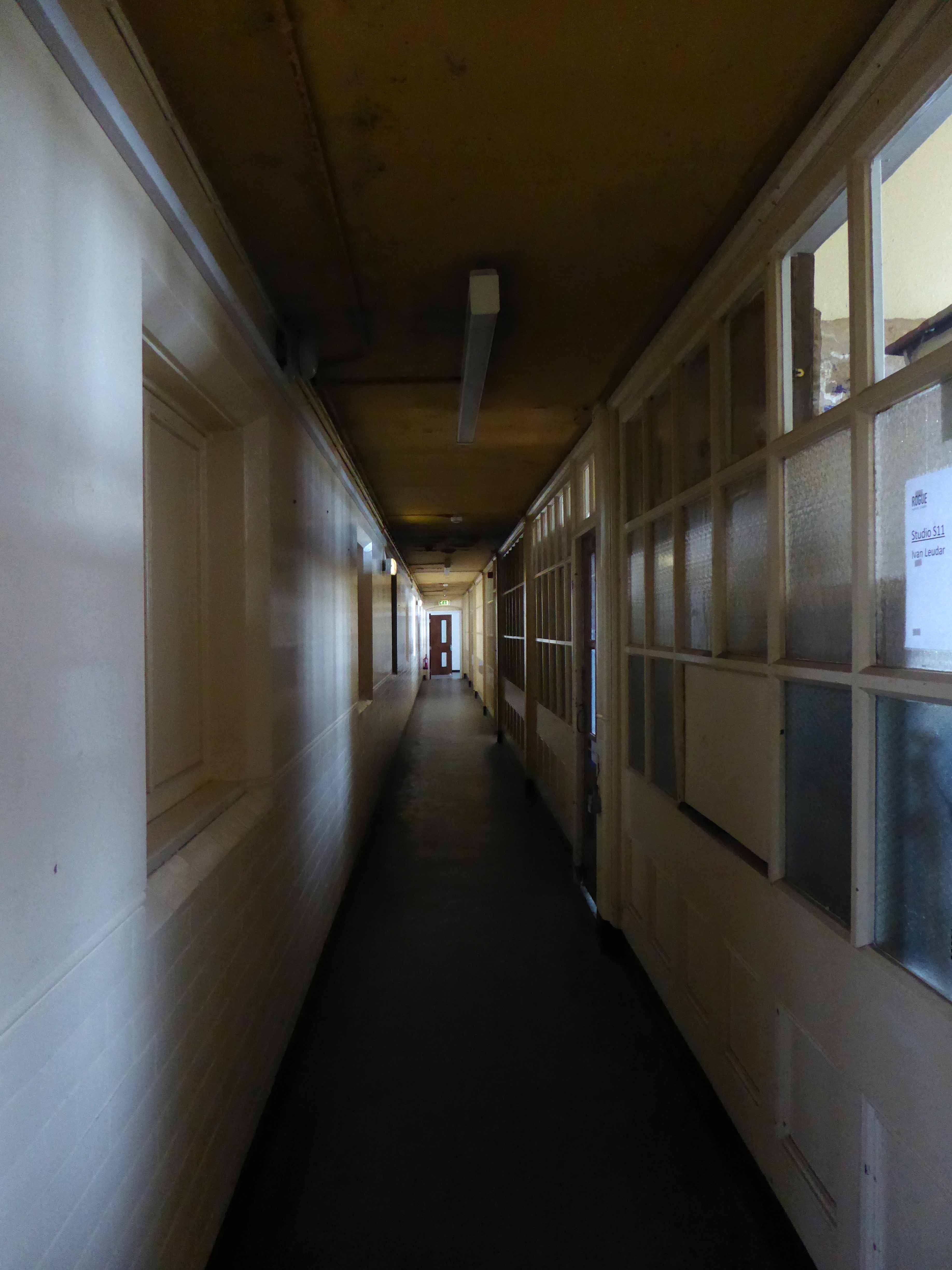
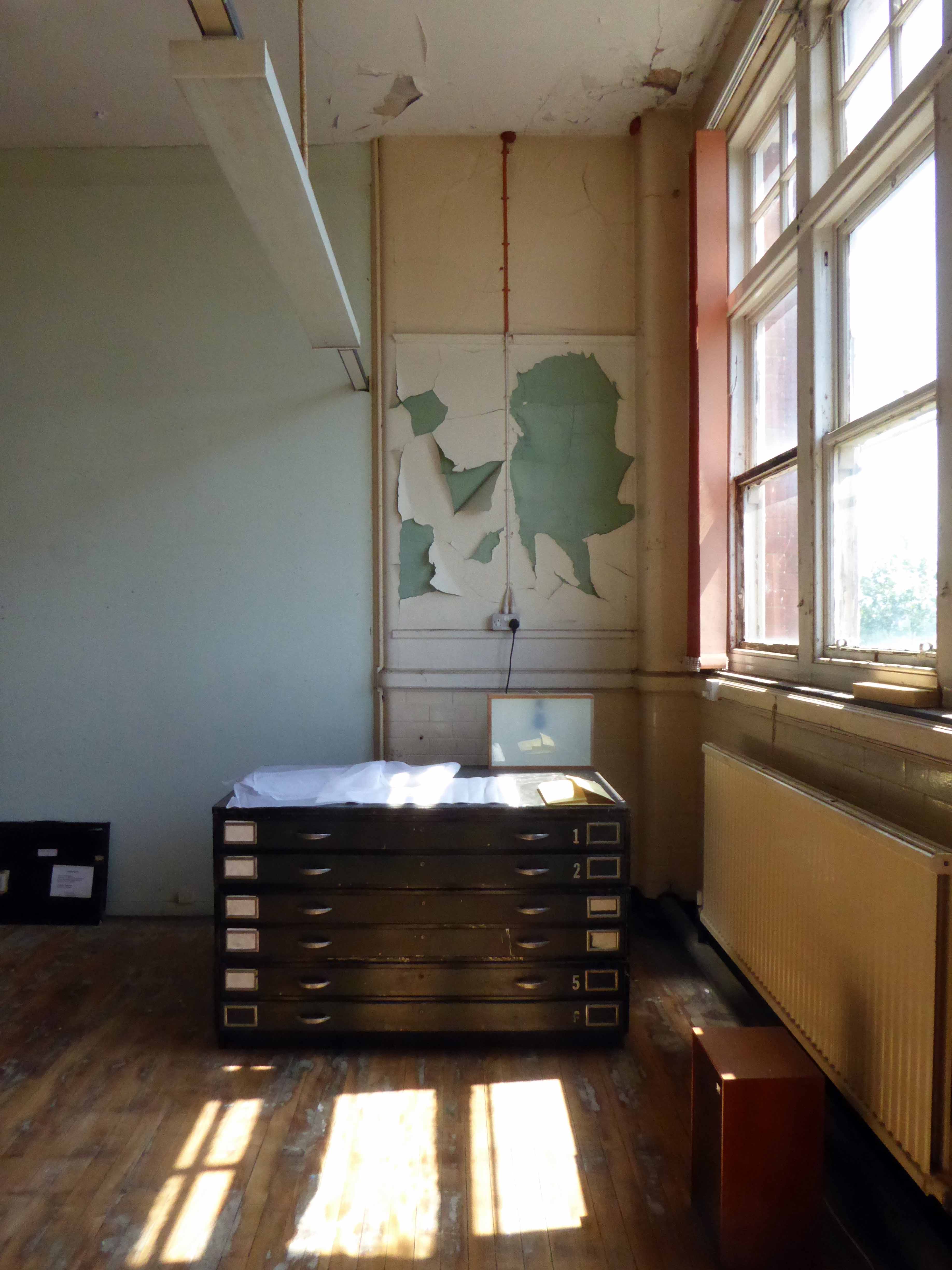
Varna Street – Rogue Studios Manchester

webmedia-1.php

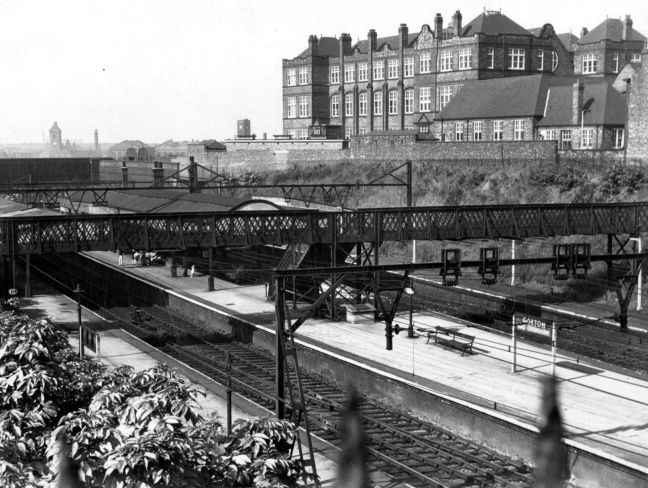
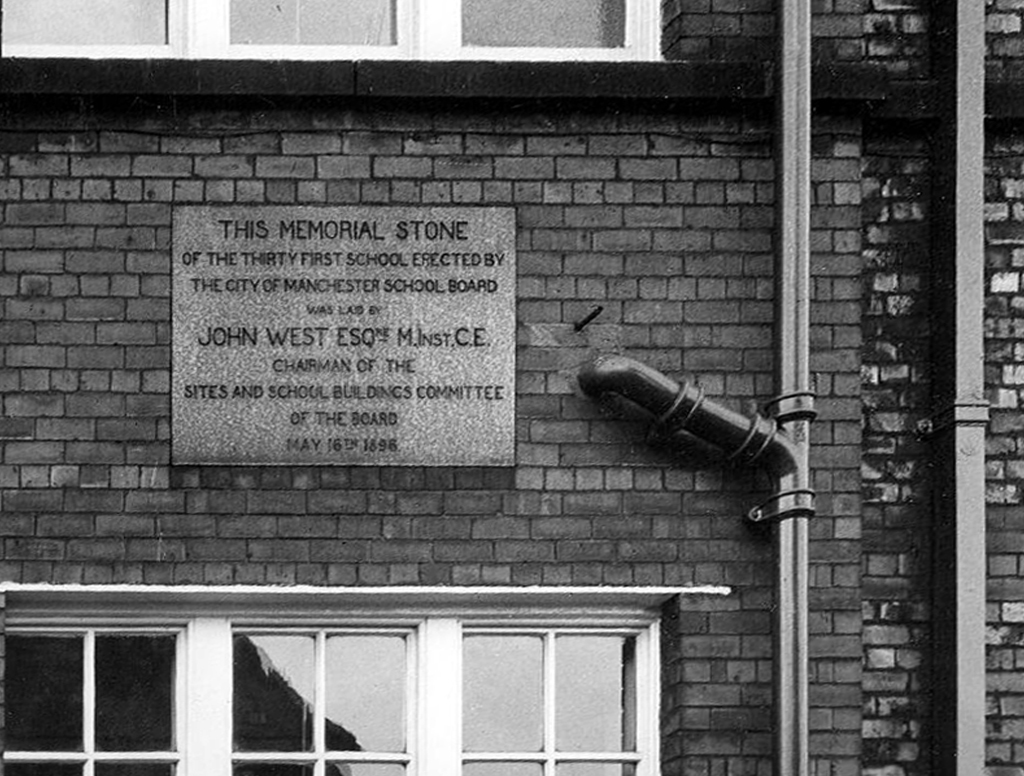
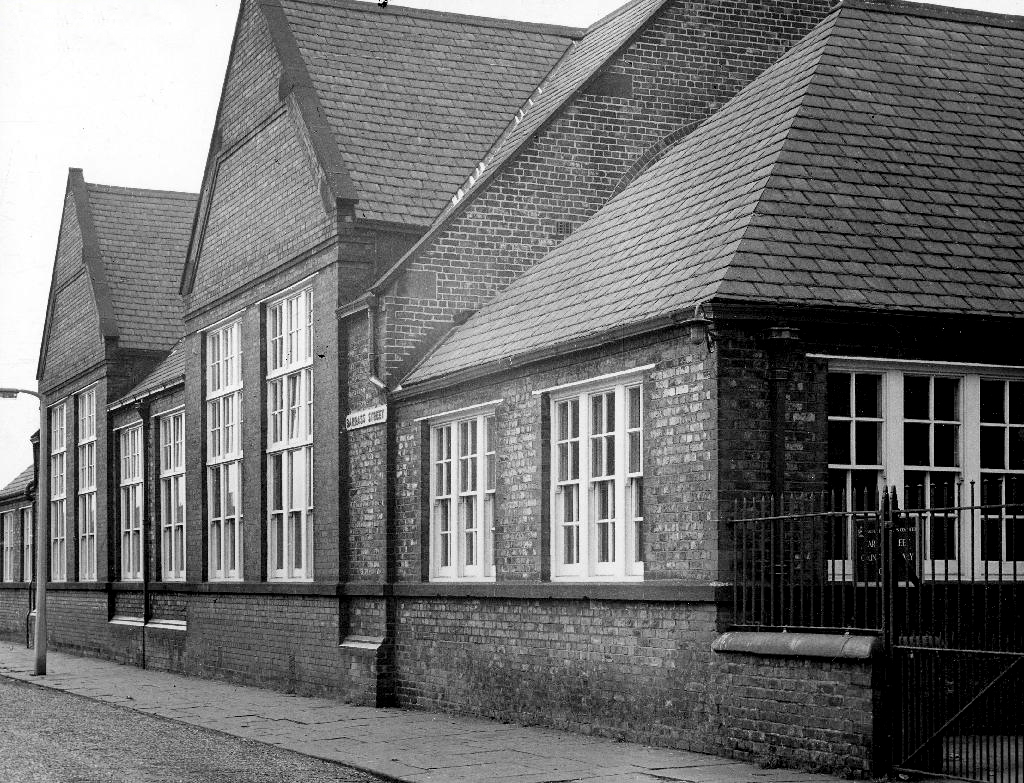
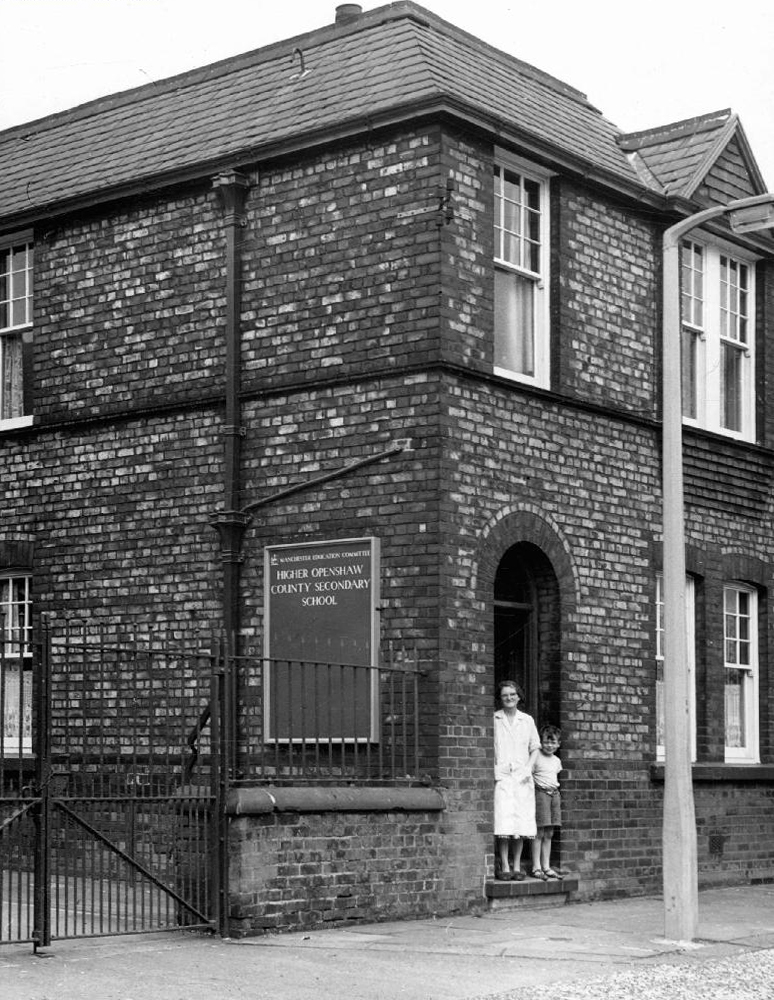
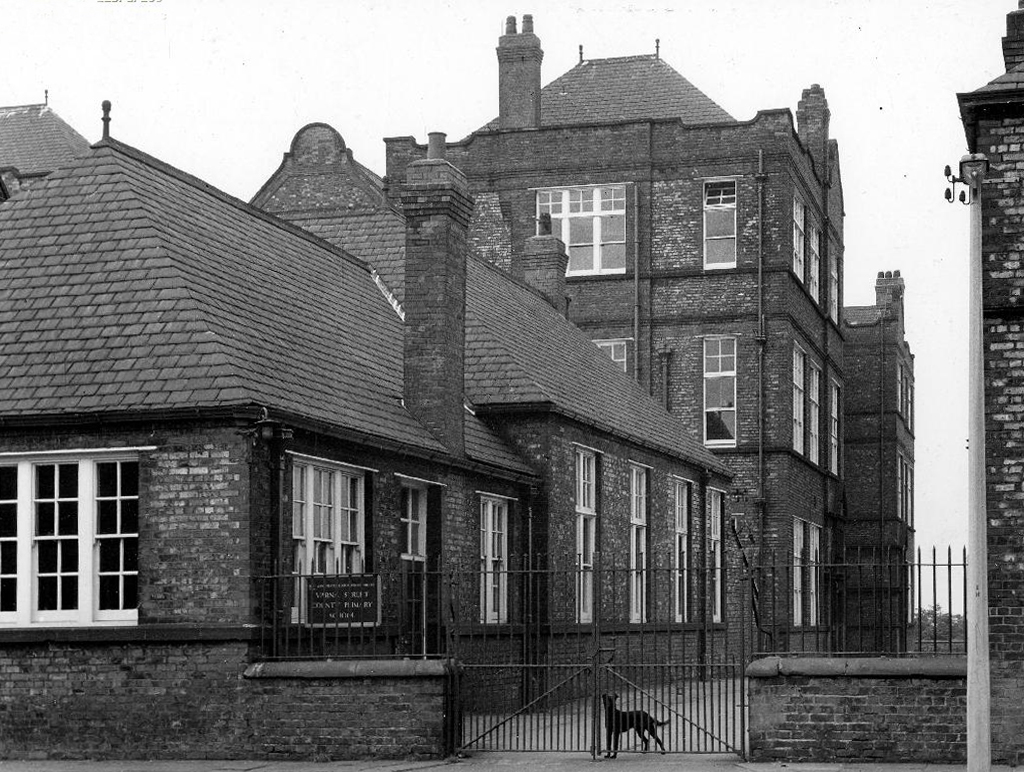
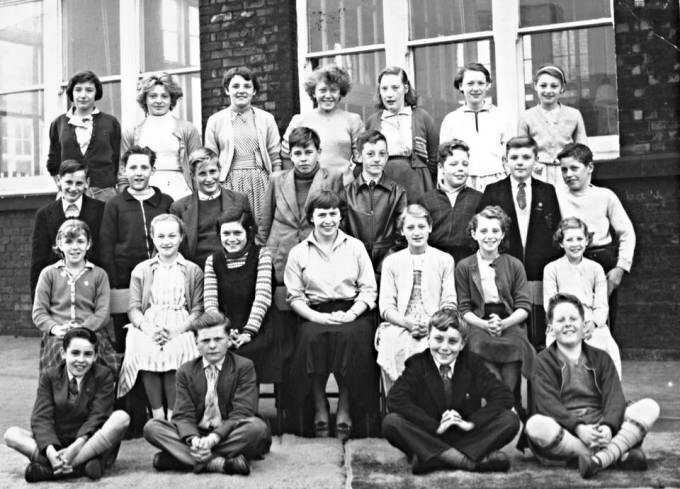
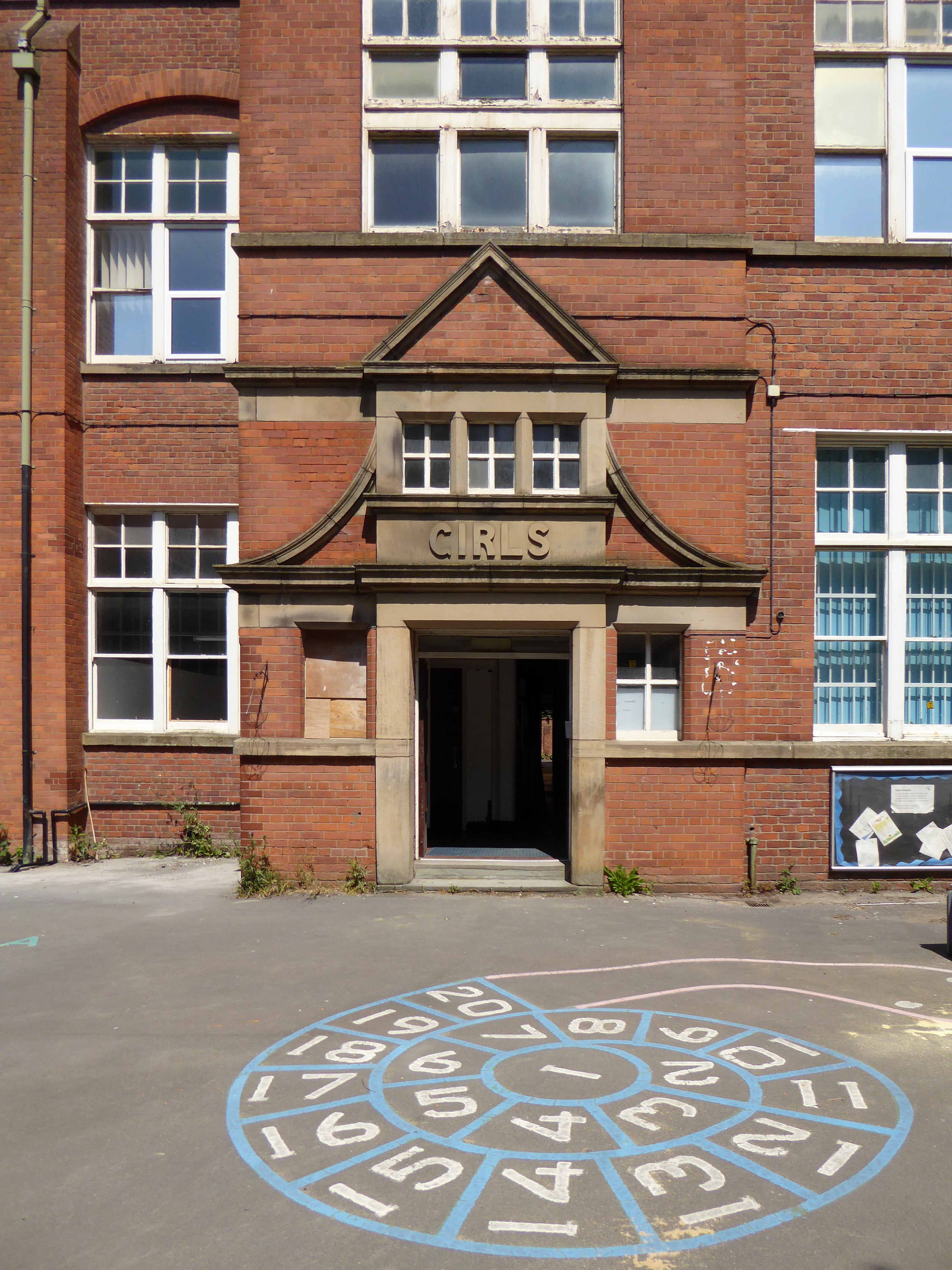
Once there was a school – from May 16th 1898, there was a school.

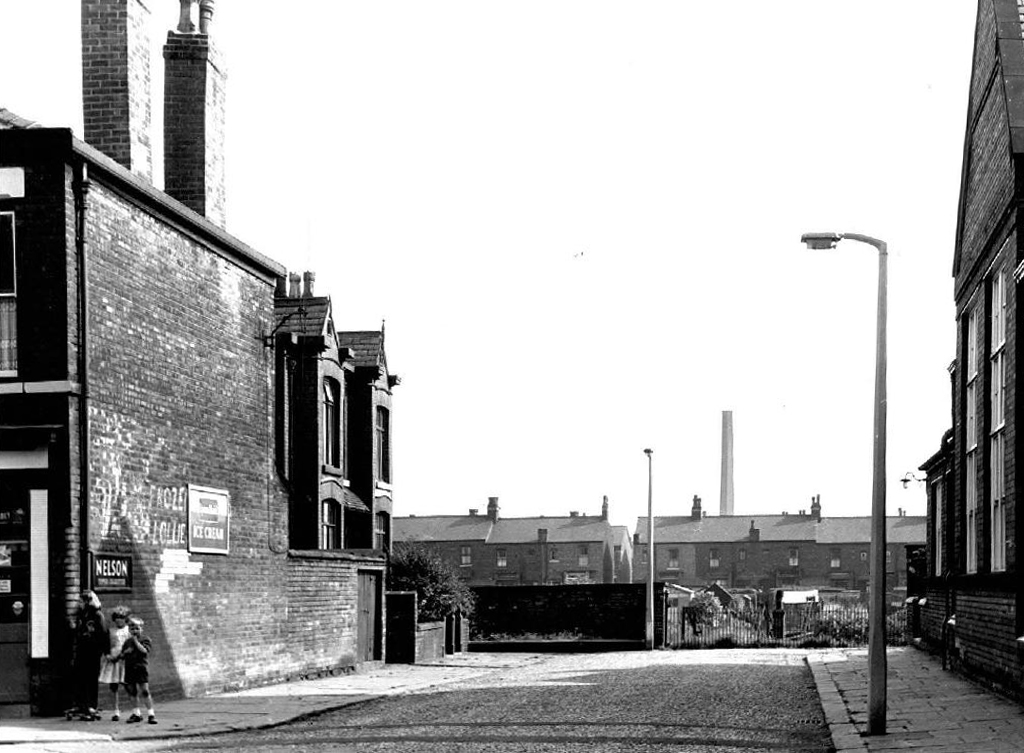
One of many Manchester School Board schools built in an imposing functional, triple storied style, they often seemed several times too big, for the infants which they contained.

With one thousand five hundred pupils, it was dubbed the largest school in Lancashire.

Nestled in a tight corner formed by the Lanky Cut and the train line below, surrounded by the huddled masses, in their manifold terraced homes.


1963

webmedia-1.php copy

webmedia-2.php

webmedia.php copy

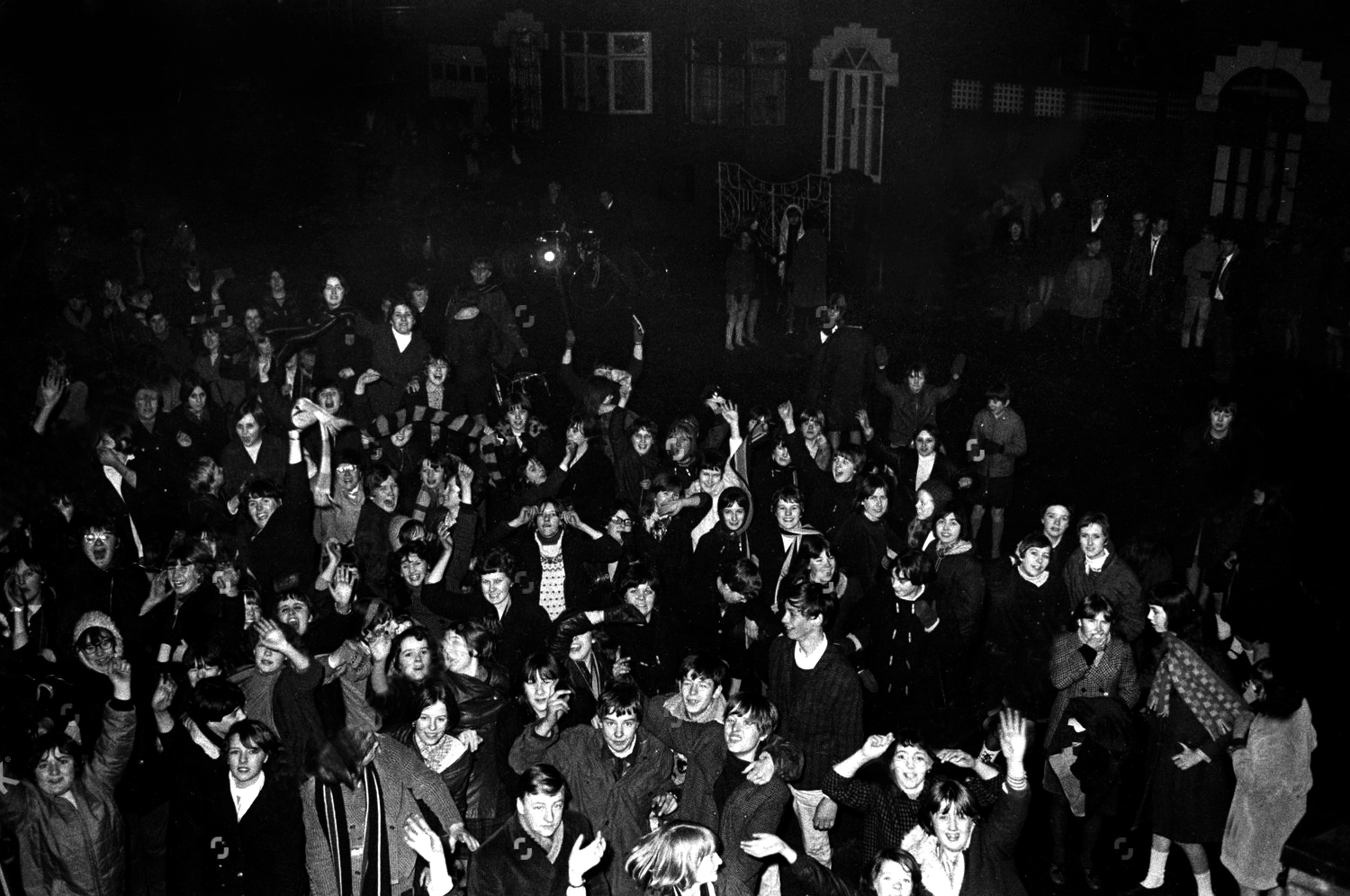
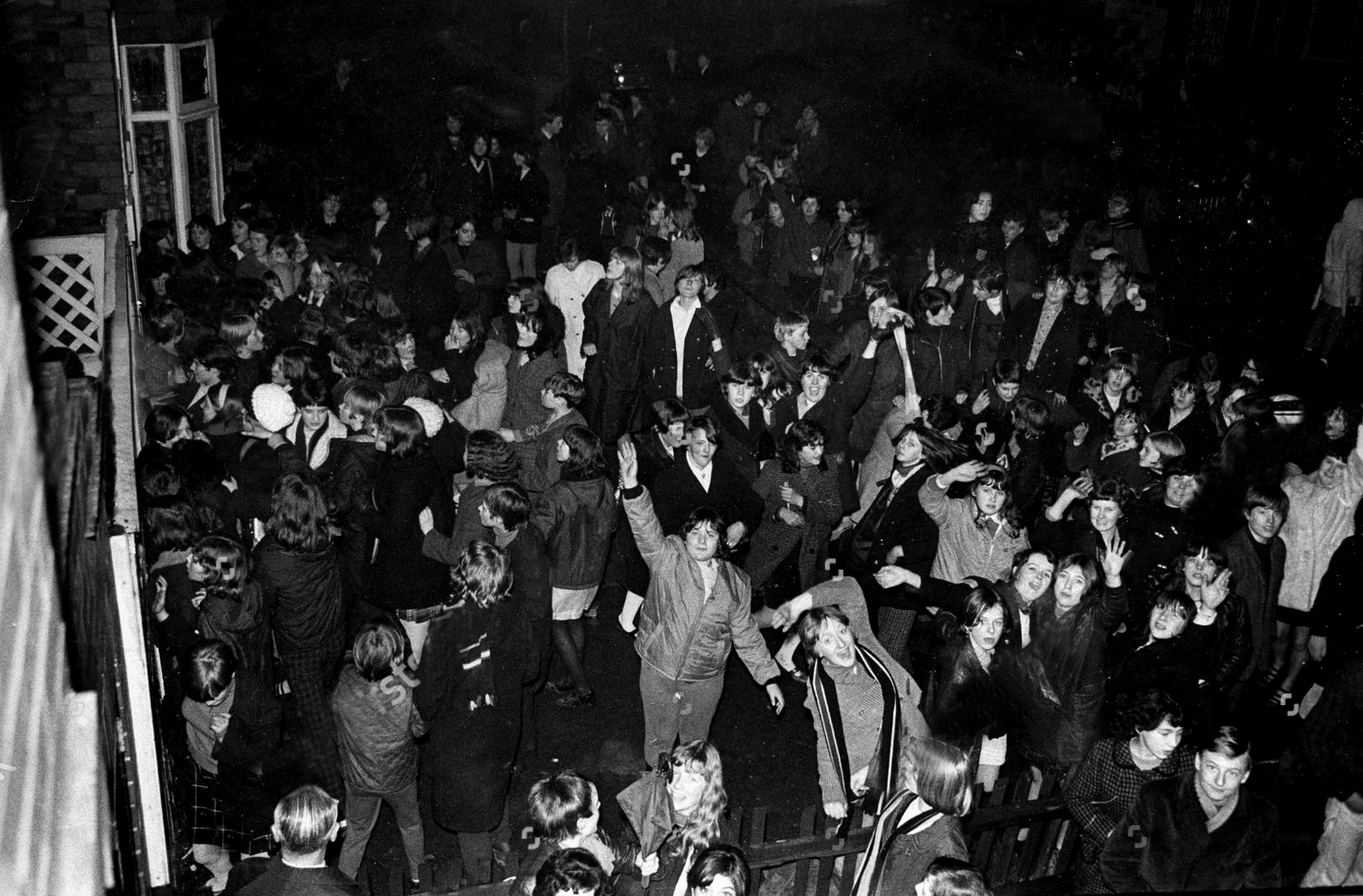
Once home to cheeky monkey, soon to be Monkee Davy Jones.

davy-jones

His runaway, overnight fame made his humble Gorton home a mecca for adoring fans.

fans-congregate-outside-the-home-of-singer-davy-jones-in-clumber-road-gorton-manchester-davy-jones-died-29-2-2012-1673475a-1500

fans-congregate-outside-the-home-of-singer-davy-jones-in-clumber-road-gorton-manchester-davy-jones-died-29-2-2012-1673476a-1500

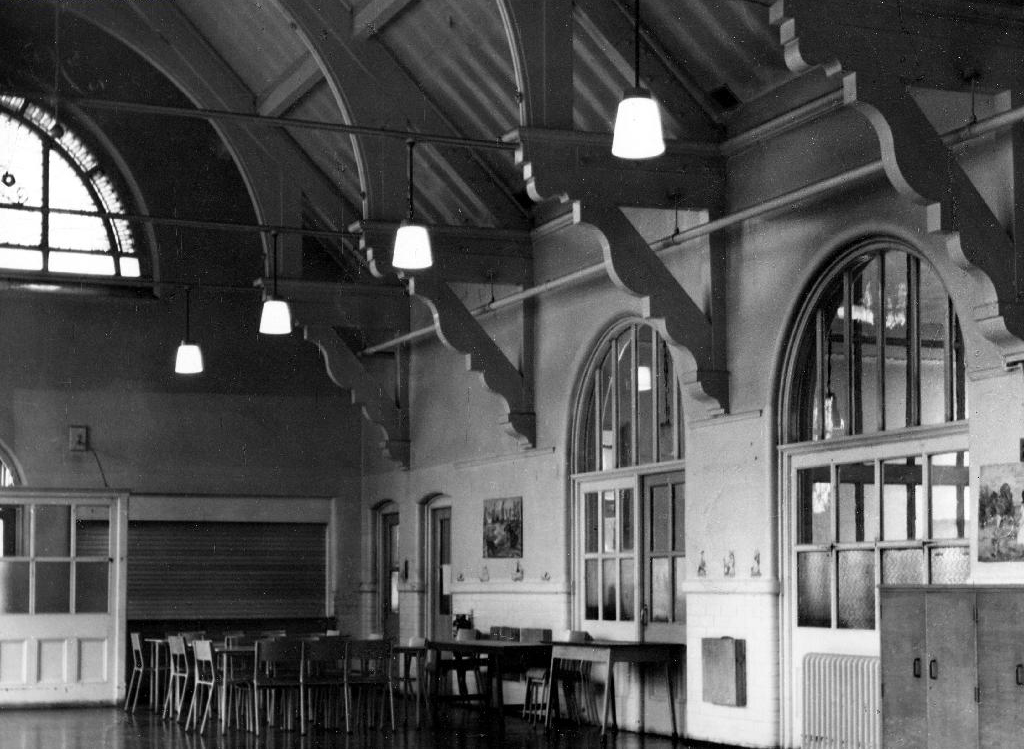
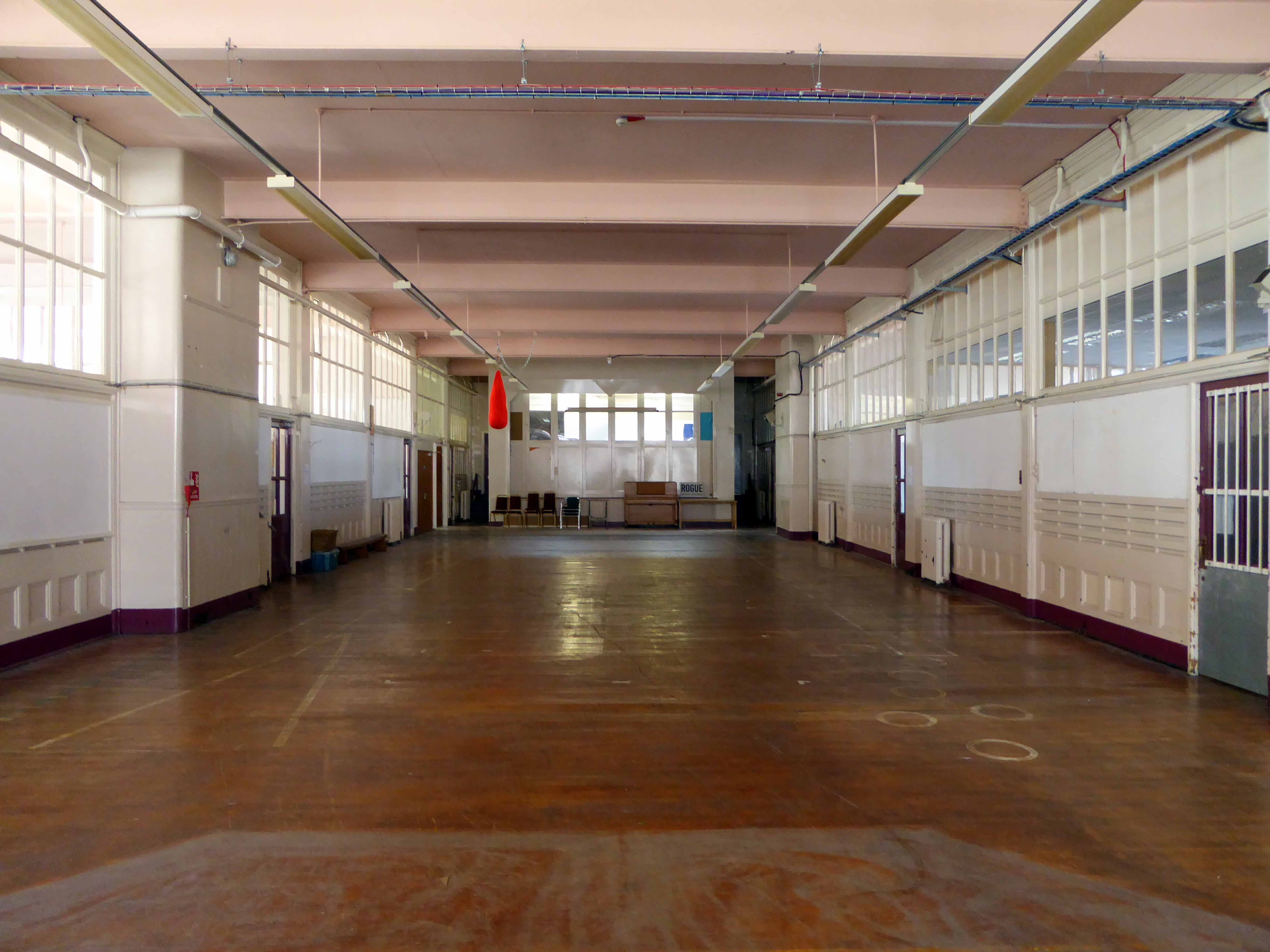
The school’s interior was a mix of wide open halls and closeted classrooms.

webmedia.php

Archive photographs from the Manchester Local Image Collection

Eventually the school bell rang for the last time, and a newer brighter home was found for the little learners.

Lights were turned off and the doors of Varna Street were closed.

But not for the last time, a new use was found for this recently listed building.

Having lost their city centre base Rogue Studios were offered the site by the local authority, and in double quick time they have created a home for artists, a community resource and project space, which will continue to prosper for years to come.

Many thanks to Ms. Jenny Steele Rogue artist for my guided tour.

P1260603

P1260607

P1260609

P1260598

P1260611

P1260612

P1260613

P1260615

P1260616

P1260617

P1260618

P1260619

P1260620

P1260624

P1260625

P1260627

P1260629

P1260633

P1260636

P1260637

P1260638

P1260640

P1260642

P1260645


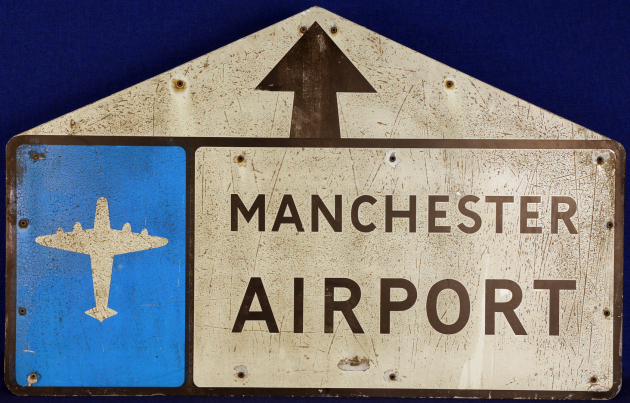
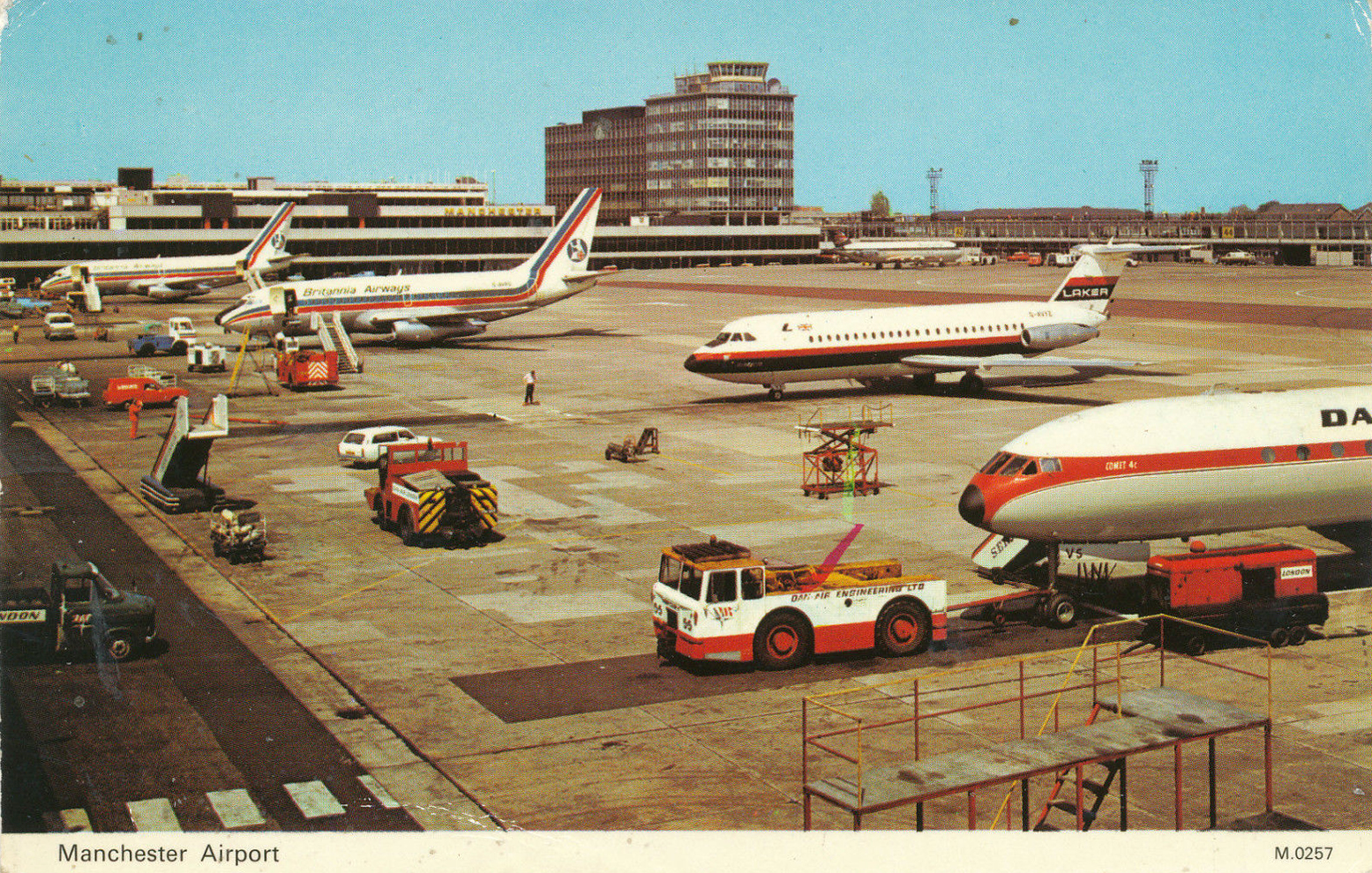
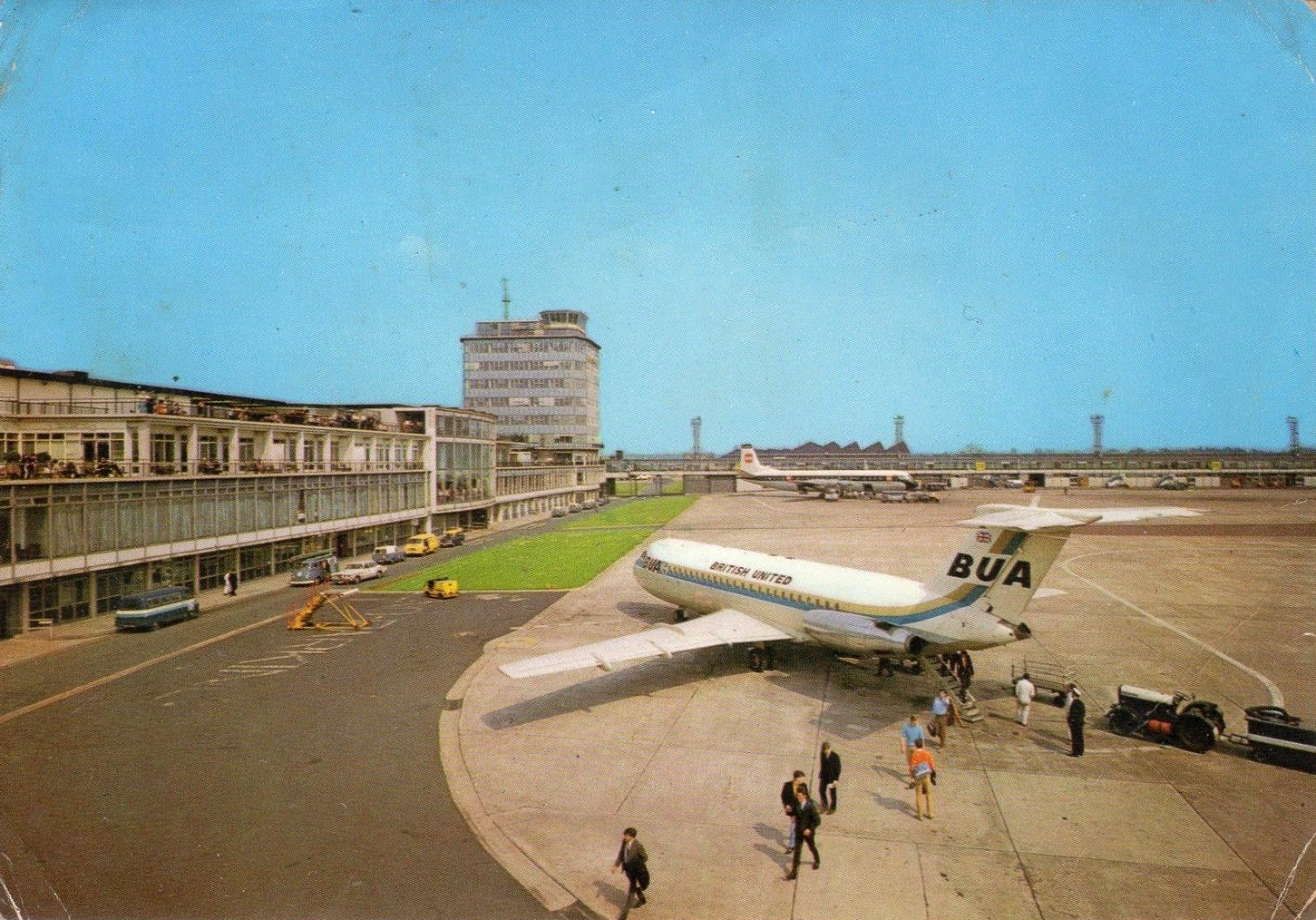
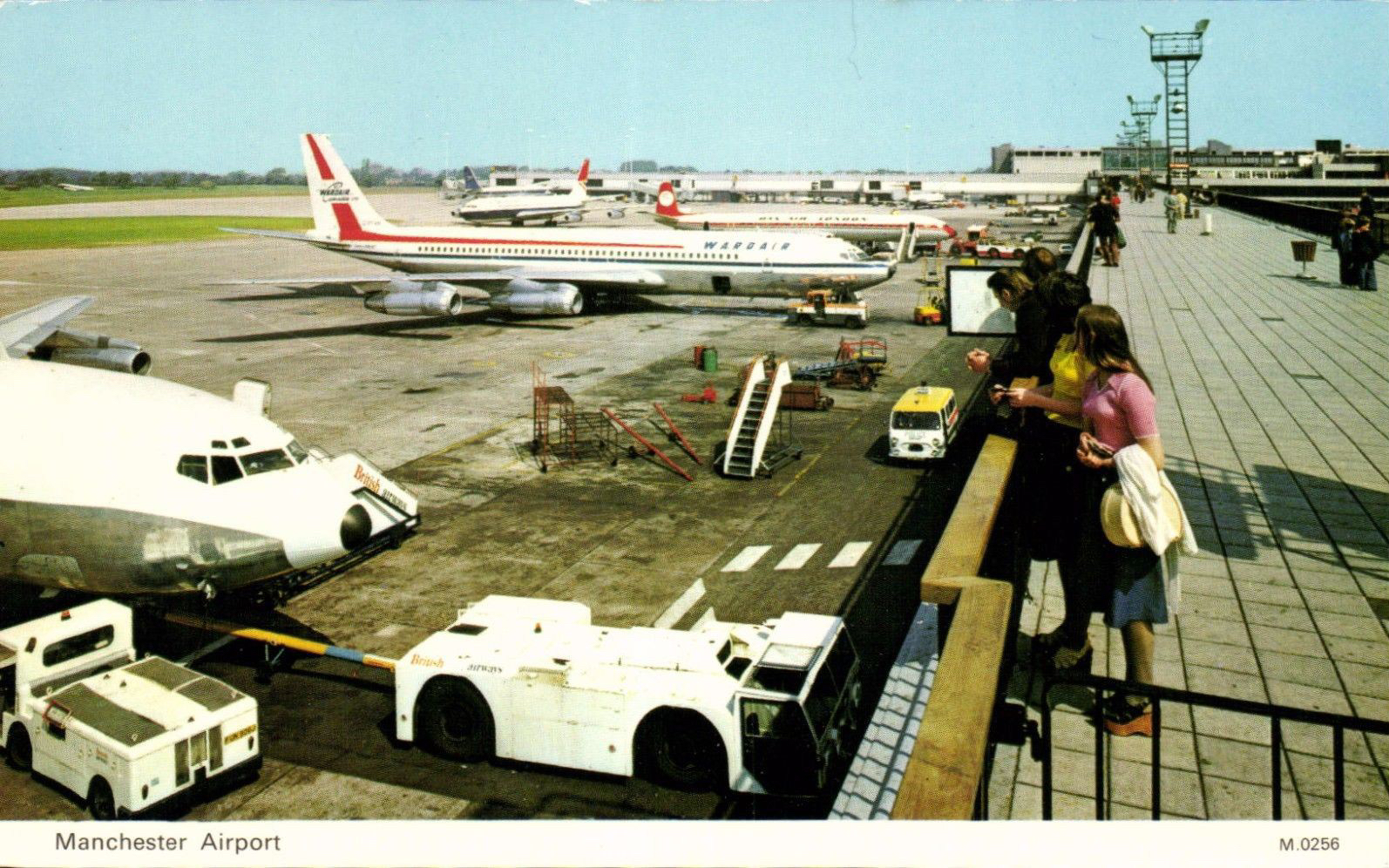
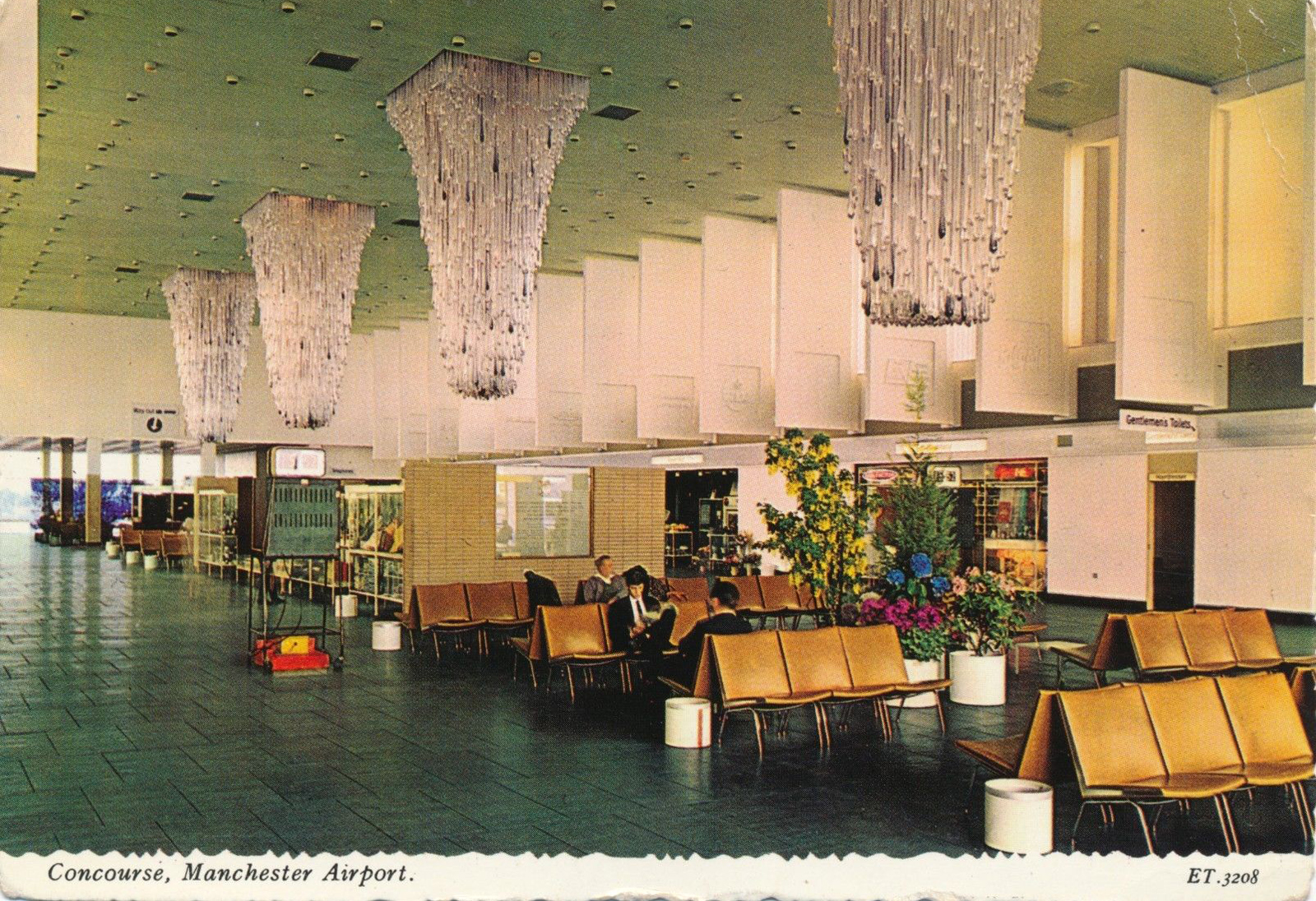
Ringway – Manchester Airport

Expecting to fly?

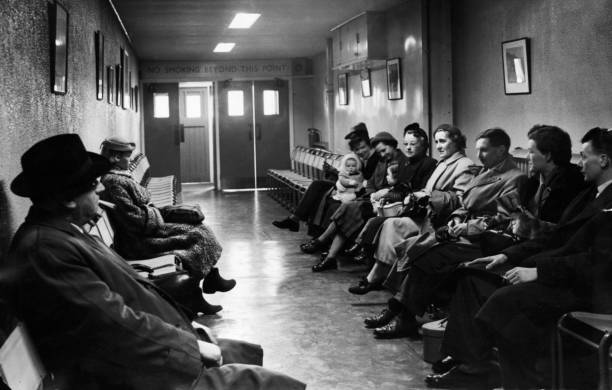
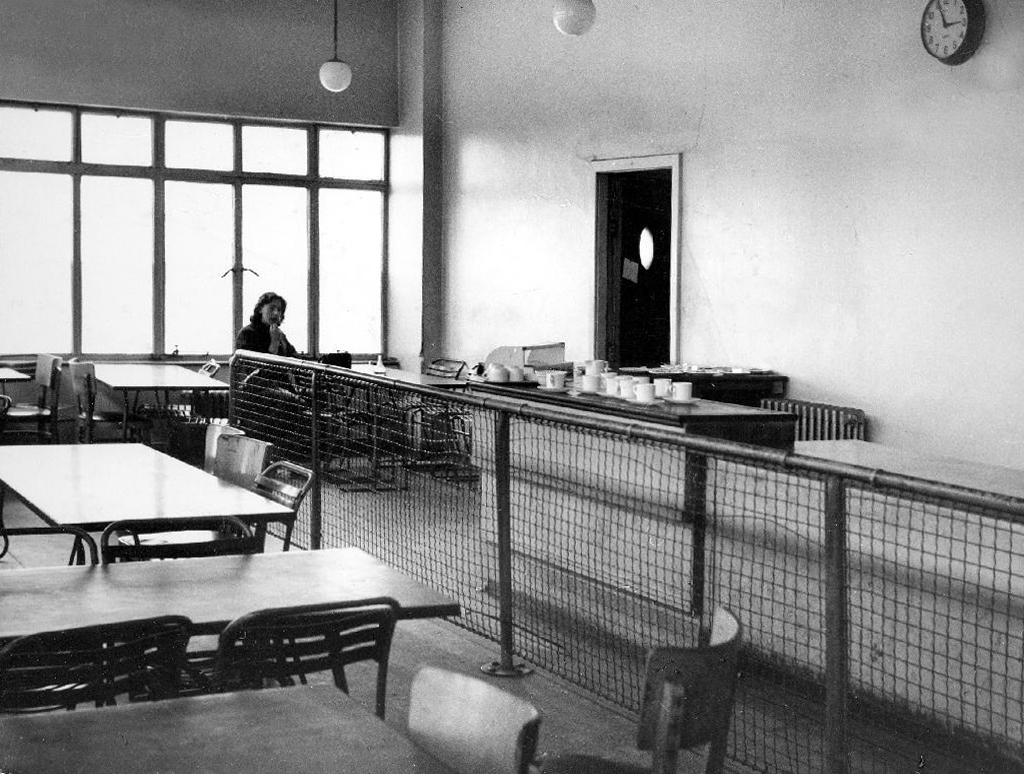
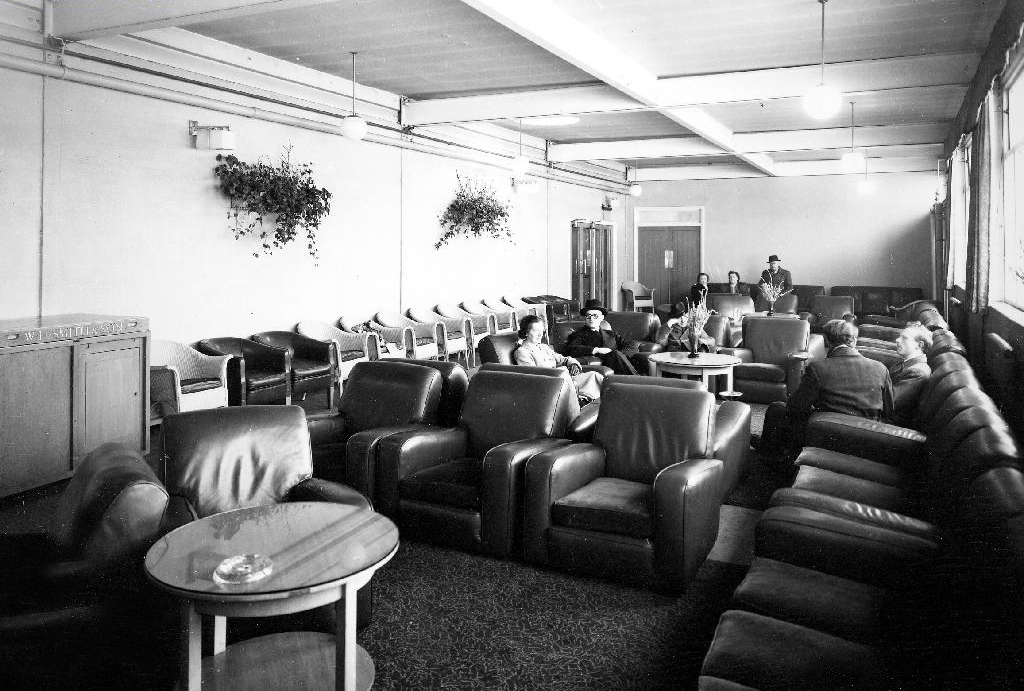
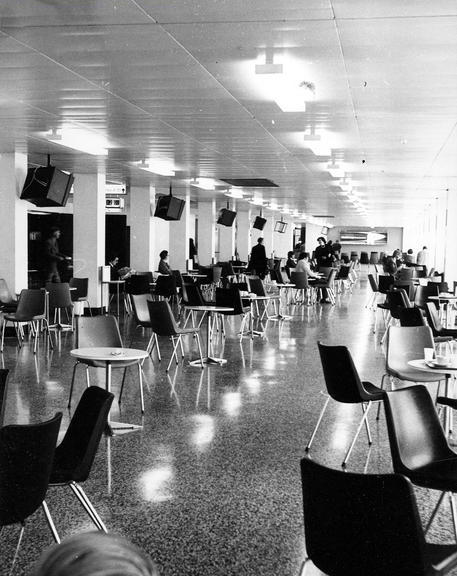
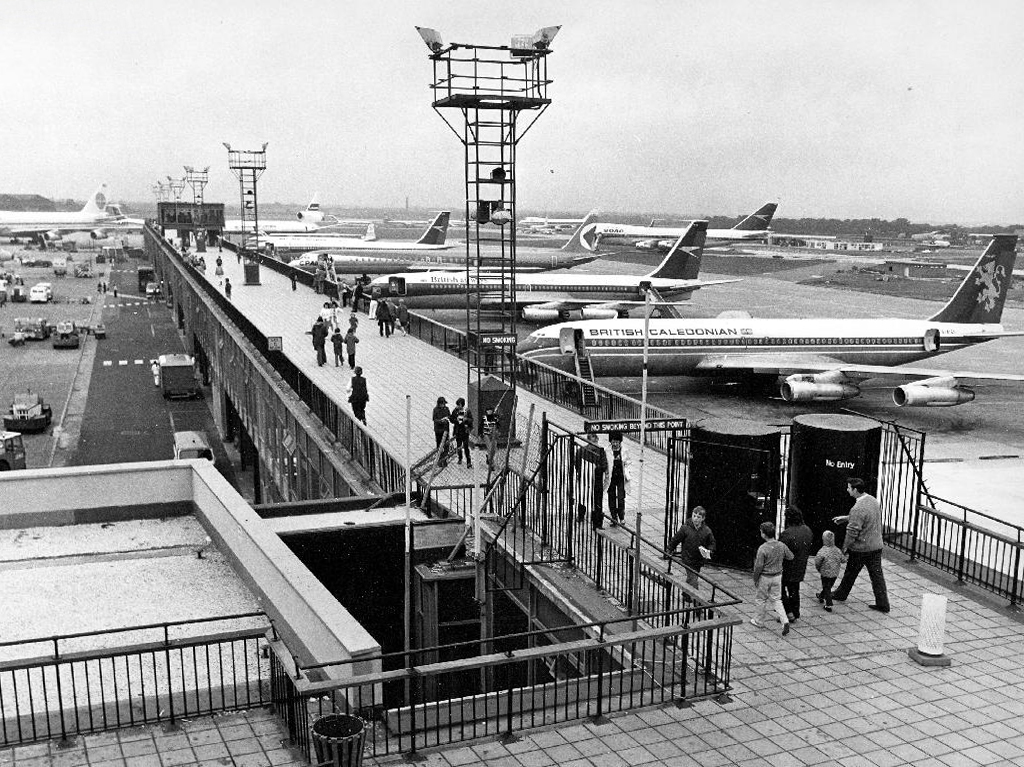
Well not really, the first time I ever visited Ringway was by bike, aged eleven cycling from Ashton-under-Lyne along leafy Cheshire lanes for what seemed like an age. A gang of Lancashire brigands arriving in the departure lounge, with bike pumps and duffle bags.

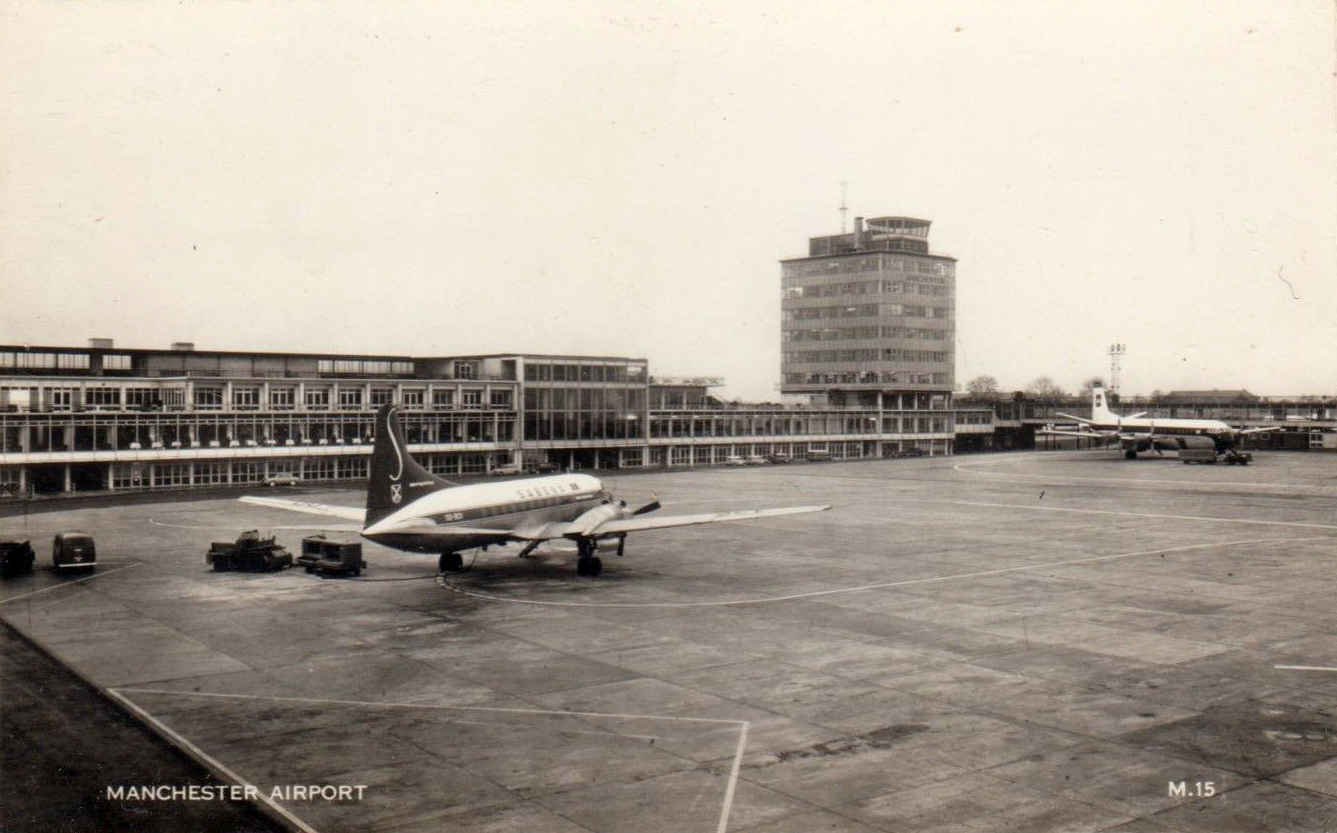
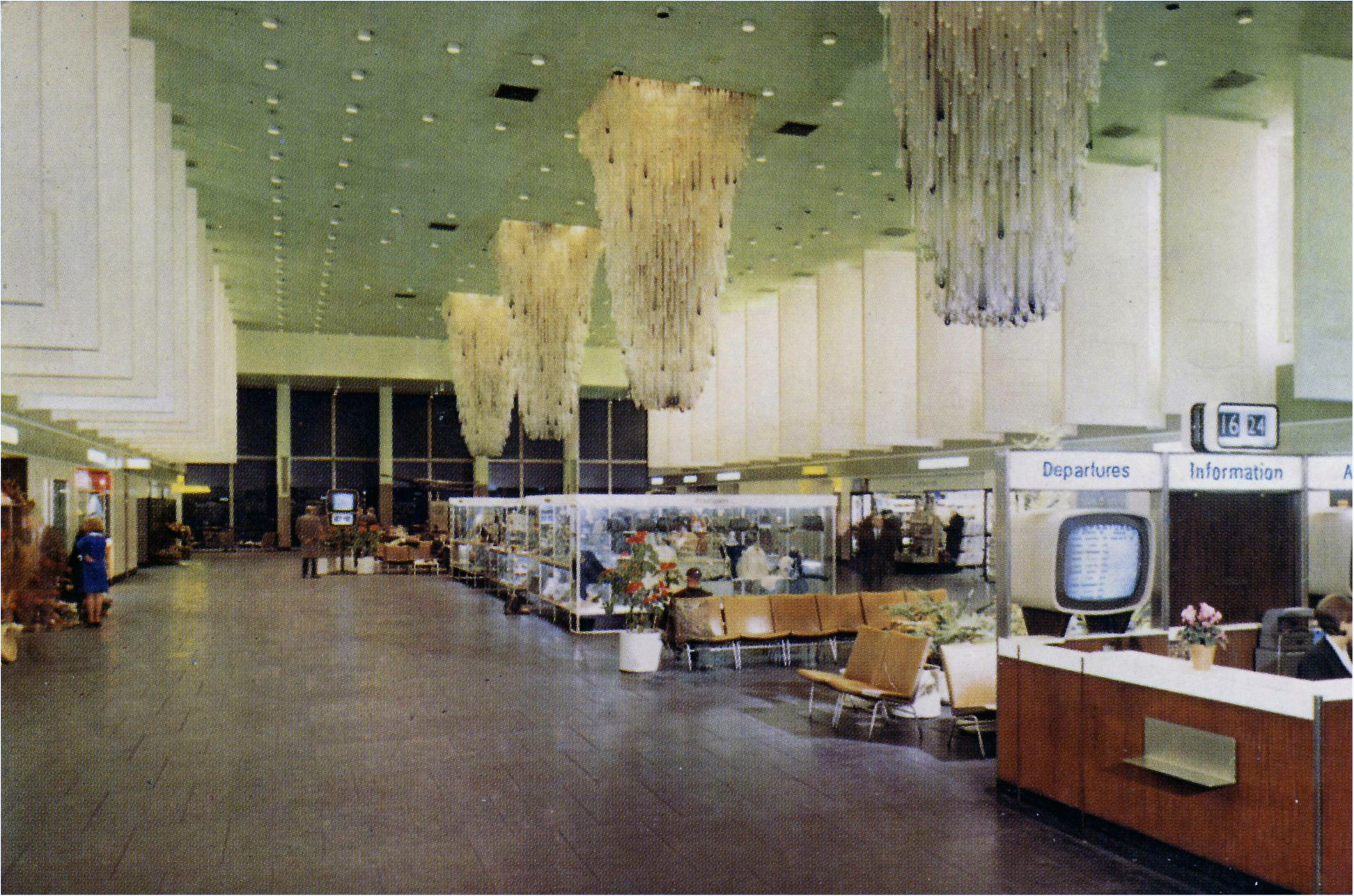
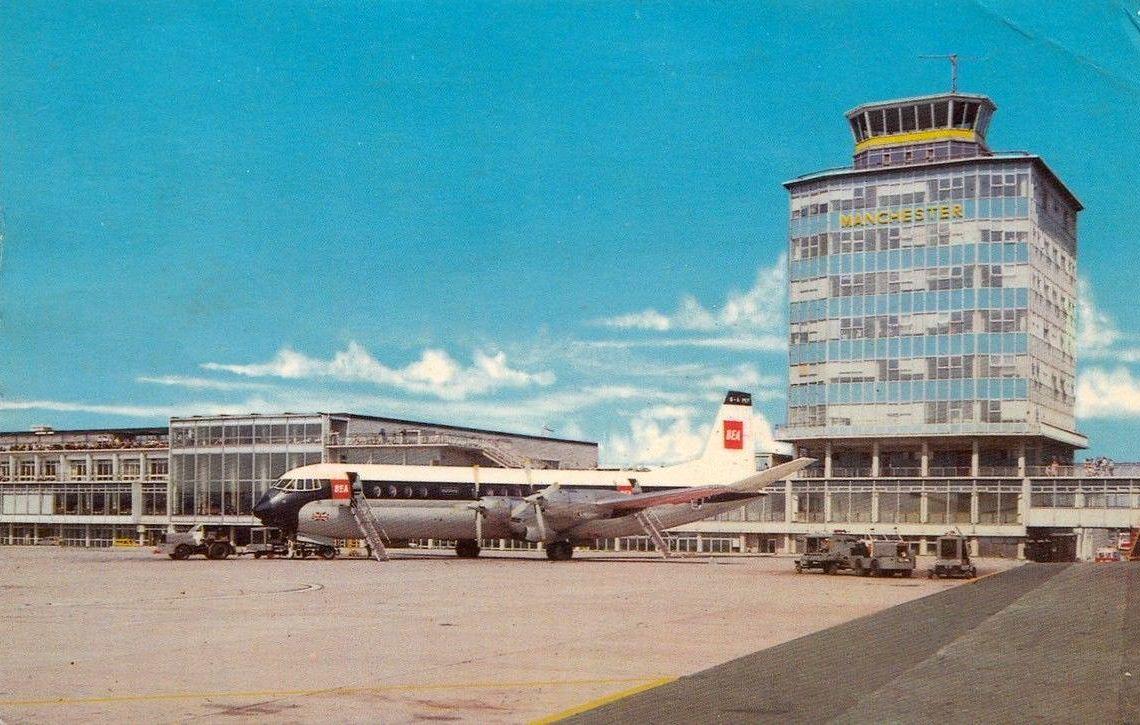
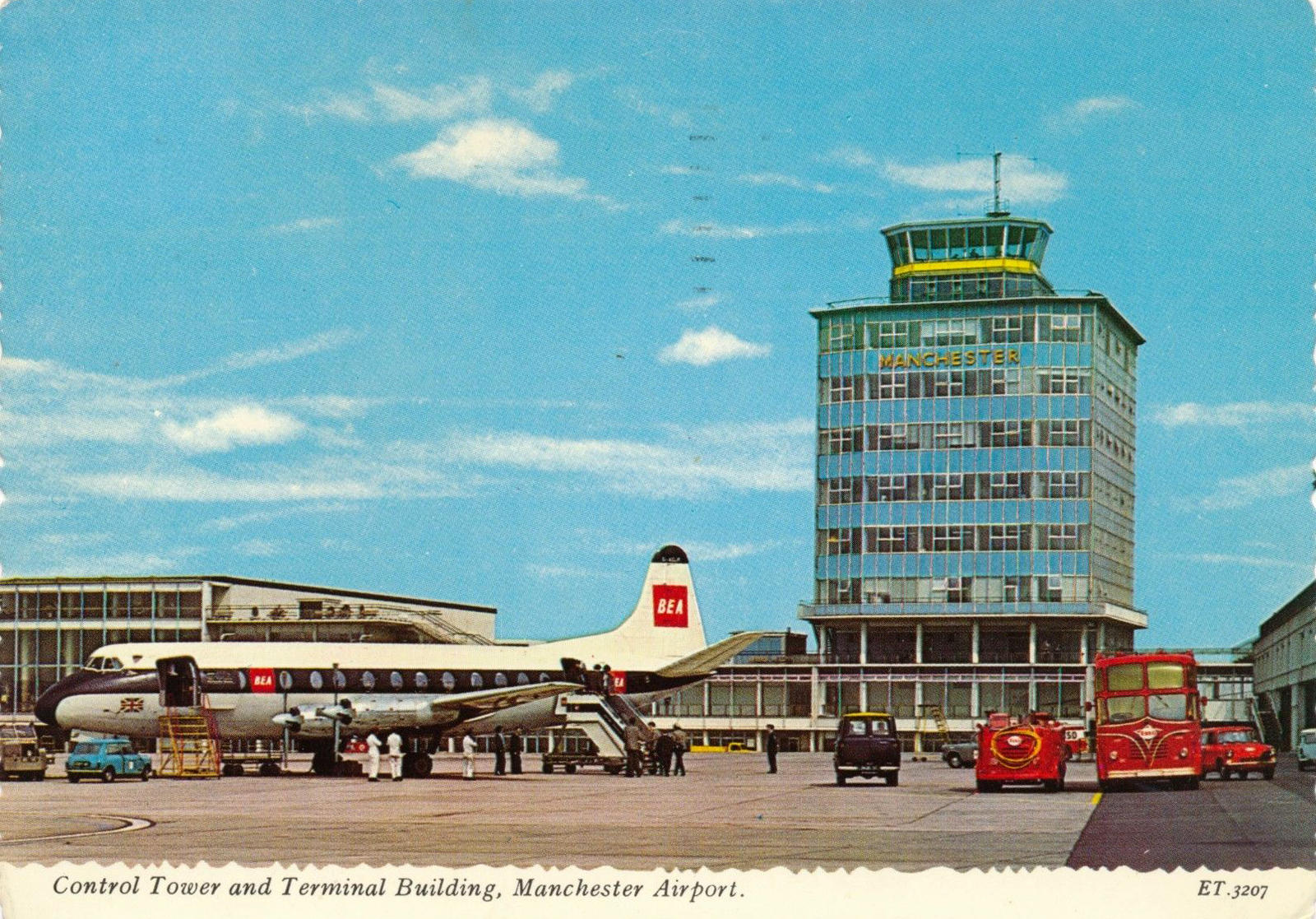
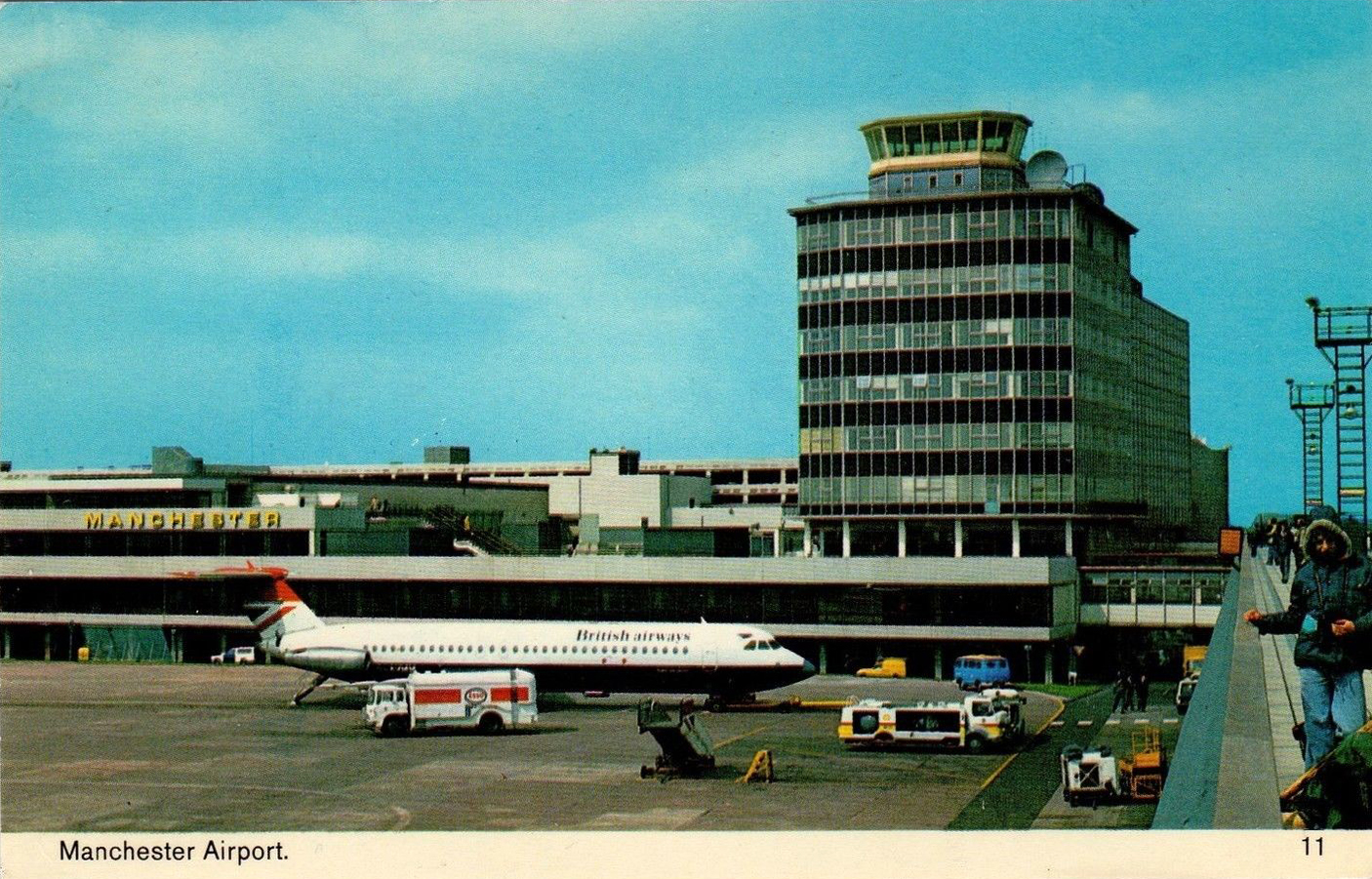
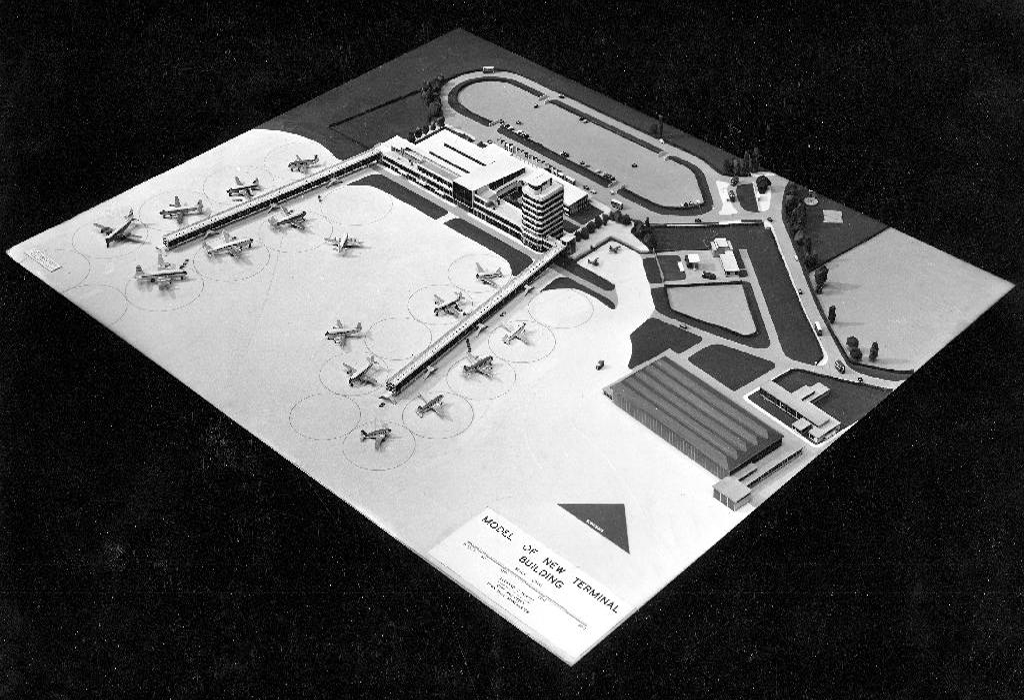
In the Sixties, when flying was infrequent, the airport was seen as sleek, new, glamorous and exciting – quiet literally at the cutting edge of the Jet Age.

Modern.

You were or are there, destination somewhere else, far more exotic than suburban Wilmslow.

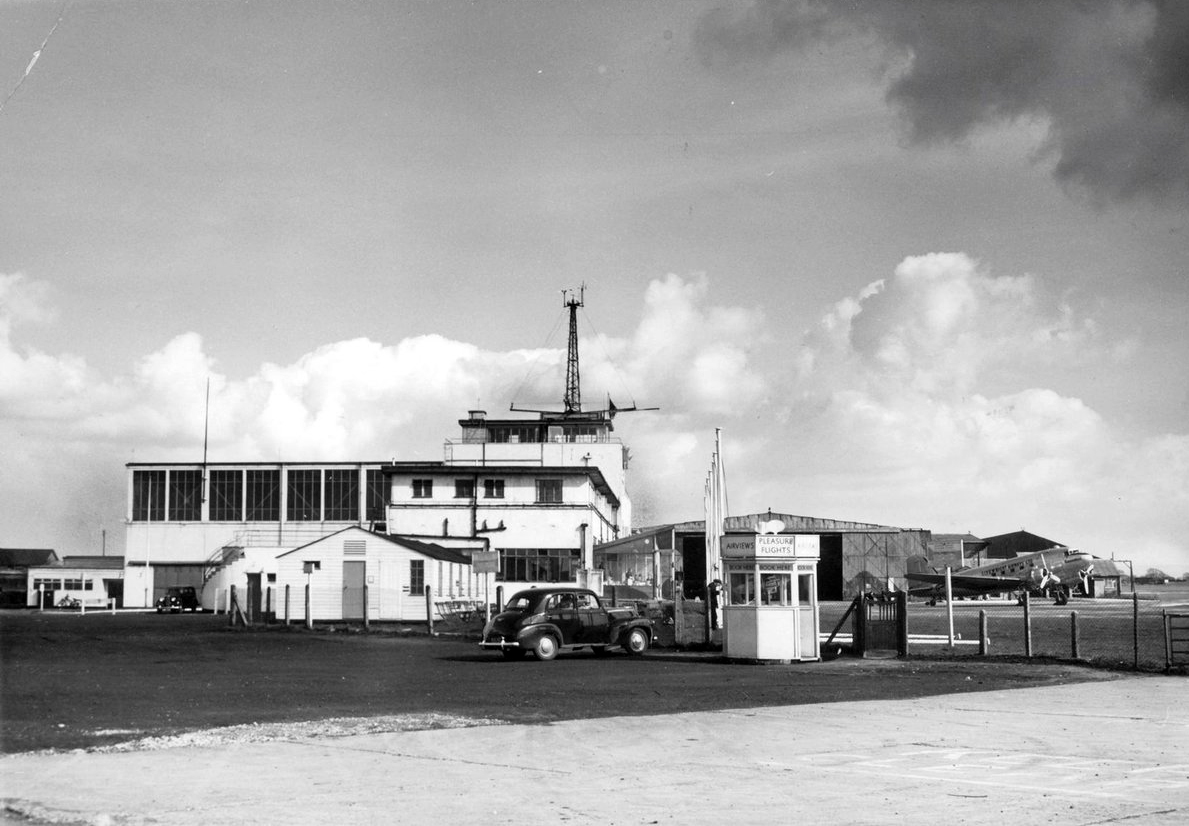
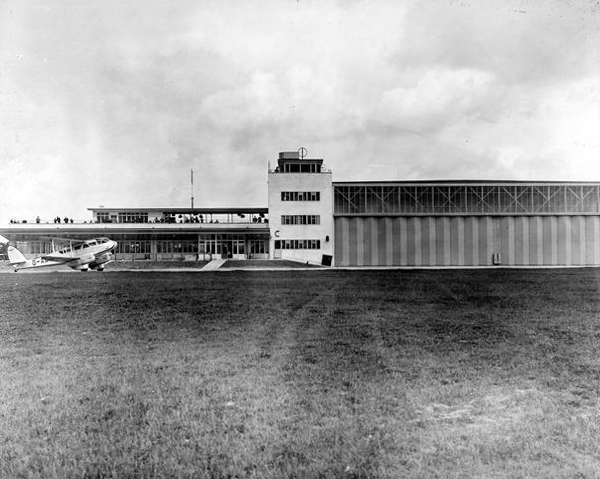
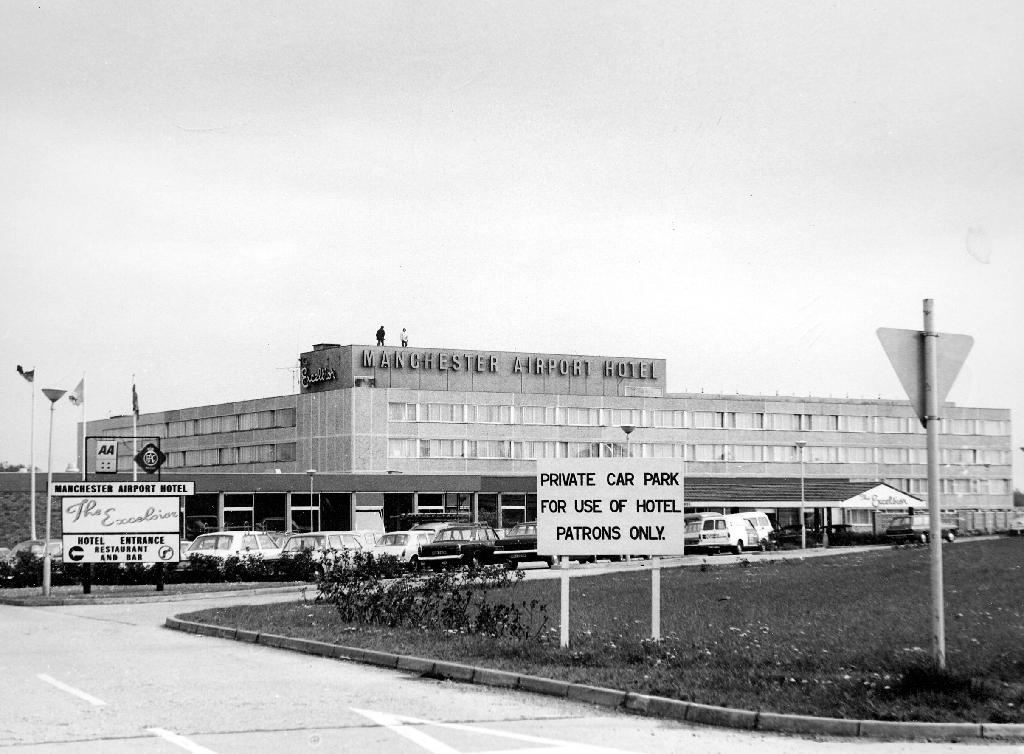
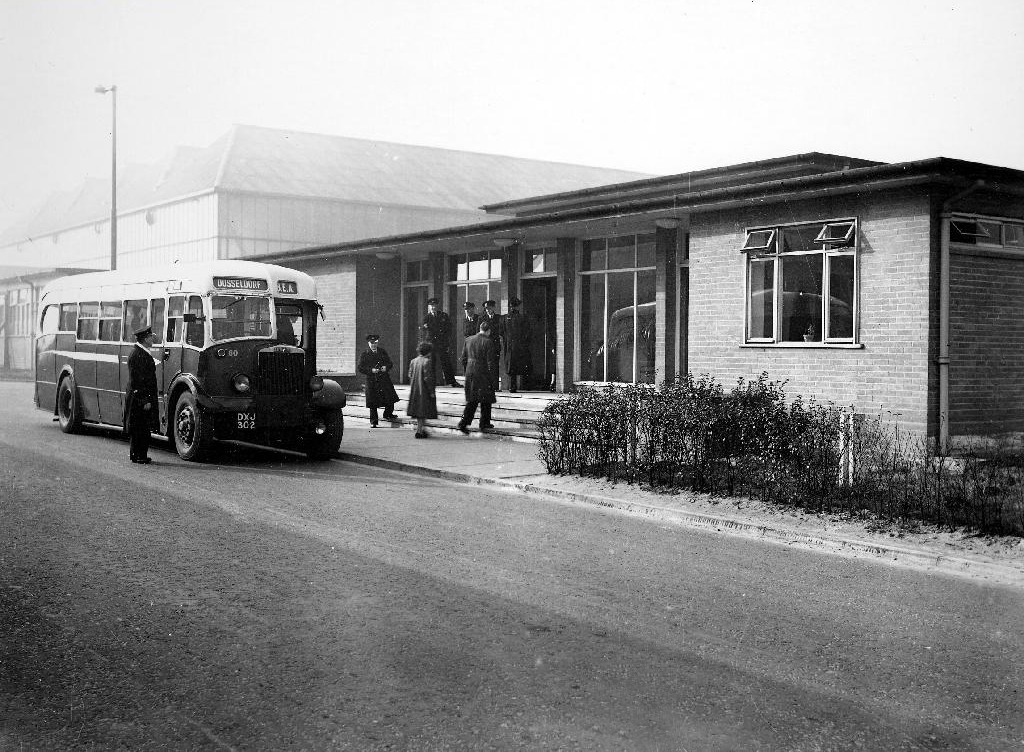
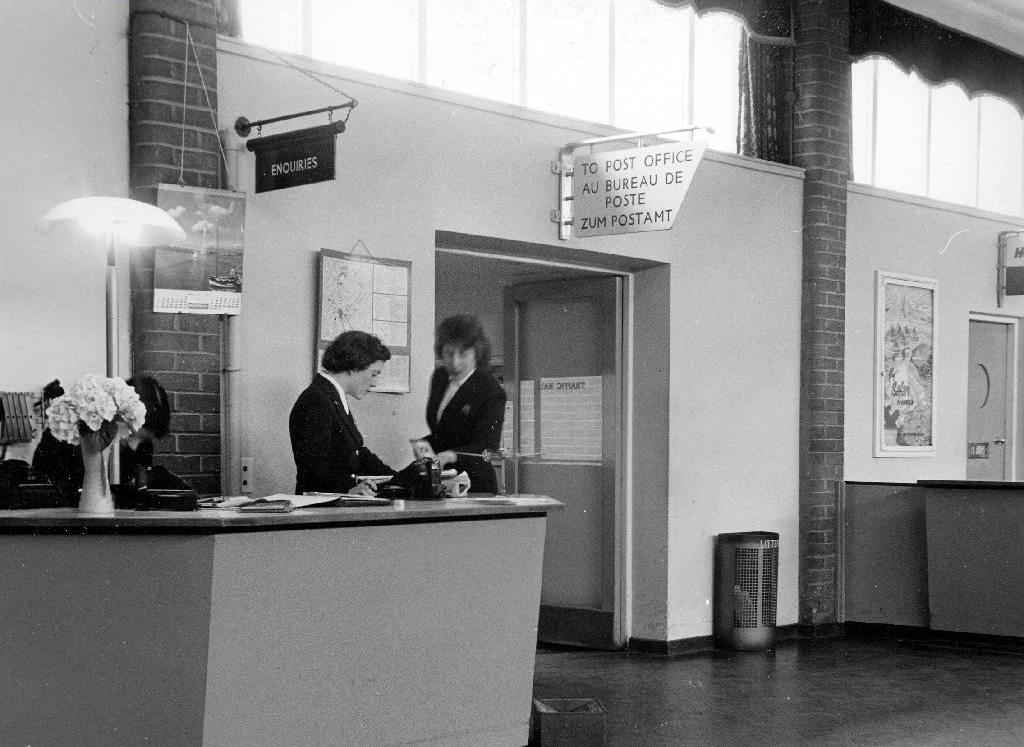
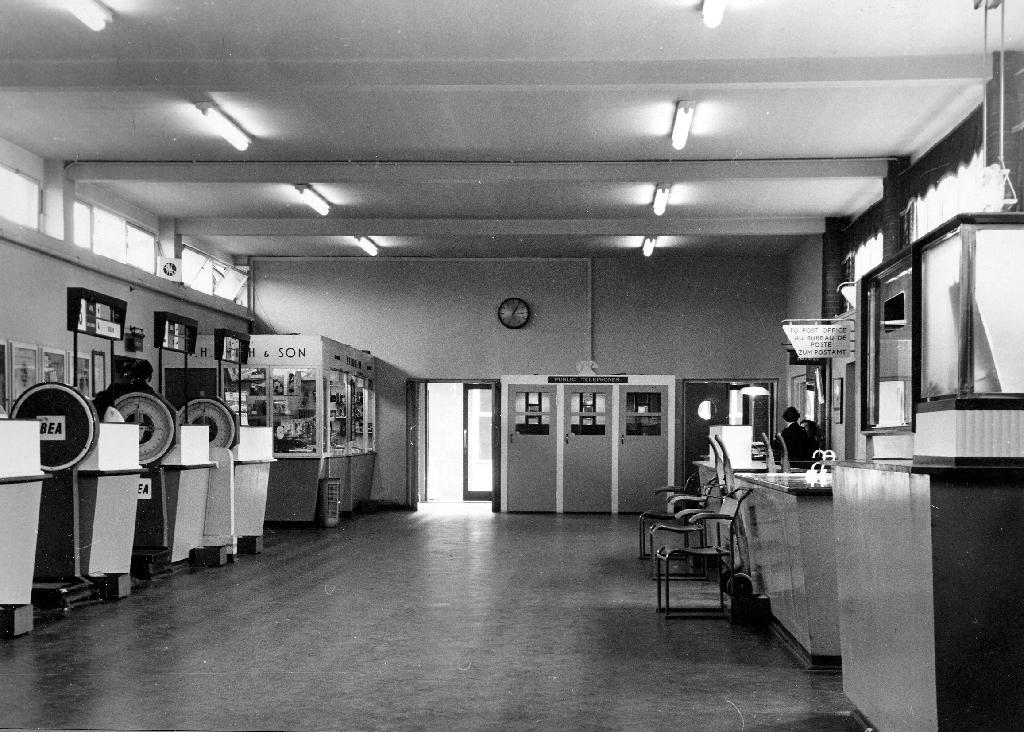
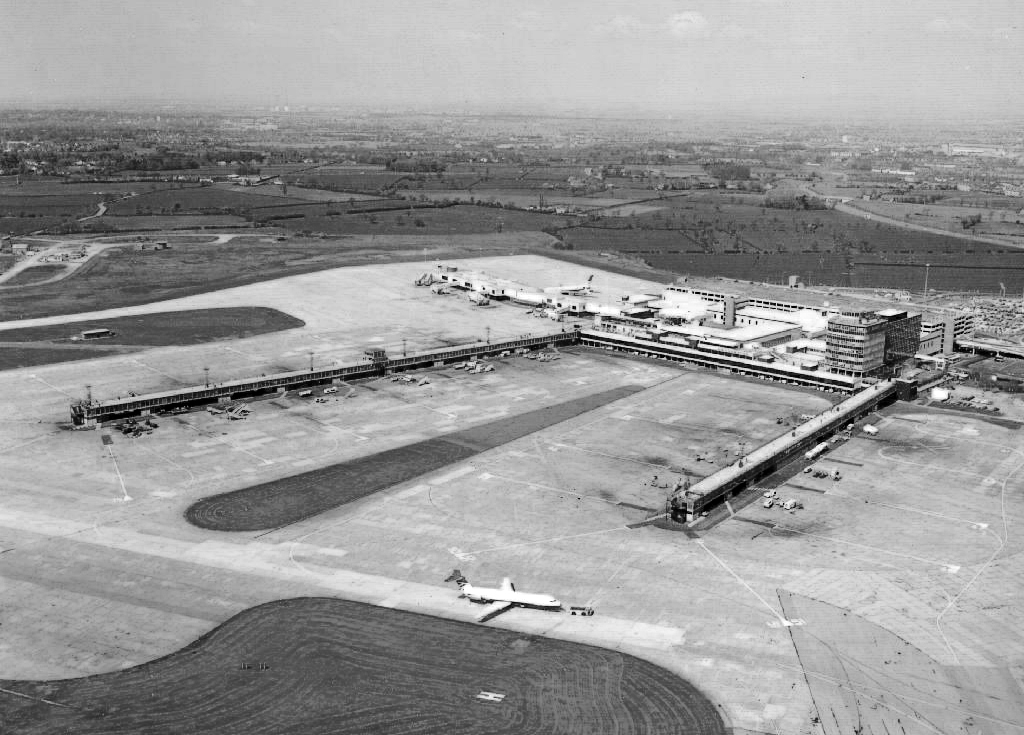
Manchester Ringway Airport started construction on 28th November 1935 and opened partly in June 1937 and completely on 25th June 1938, in Ringway parish north of Wilmslow.  In World War II, it was the location of RAF Ringway, and was important in the production and repair of military aircraft and training parachutists.

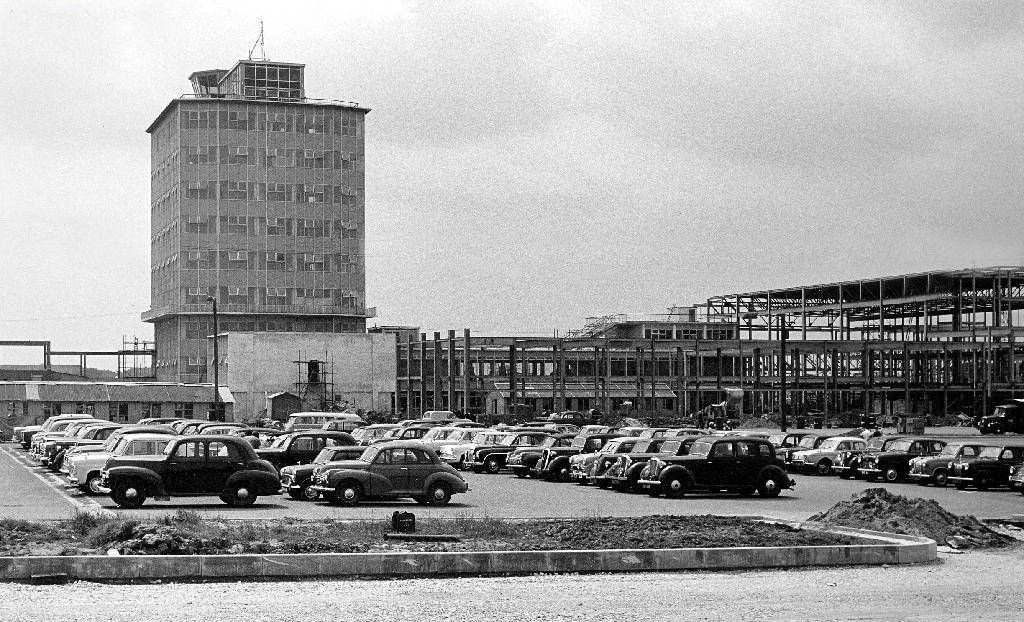
After World War II, it gradually expanded to its present size, including massive expansion of aprons, runways and car parking areas. Among the first expansions was car parking and service buildings north of Yewtree Lane.

From 1958 to late 1962, Terminal One was built: this was the first of the airport’s modern large terminals and the first major public building north of Yewtree Lane.

You were or are there, so why not tell the world – with a postcard.

Wish you were here?

s-l1600-7

s-l1600-2

s-l1600-3

s-l1600-6.jpg

s-l1600-8

35544837_2153016631579374_3645904223251464192_o

s-l1600-5

s-l1600-9

s-l1600

Let’s go there now, back in time, through the most magical Manchester Image Archive.

57b

Dc0rXylX4AAY2as

1938

61

72

1950

1957


57a

867436164

57c

50

74

1970

1976

Taylor Street Gorton – The Pineapple

Screen Shot 2018-06-11 at 17.33.47

To begin at the beginning or thereabouts, Taylor Street was at the heart of Gorton to the east of Manchester city centre.

webmedia-1.php

webmedia-2.php

webmedia-3.php

webmedia-6.php

webmedia-7.php

webmedia-8.php

webmedia-9.php

webmedia-10.php

webmedia.php

A typical street of tightly packed brick terraces, dotted with shops, pubs, people and industry. I worked there as van lad for Mother’s Pride bread back in the 70s and saw those shops, pubs, people and industry slowly disappear.

Beyer Peacock whose immense shed dominated the northern end of the street, simply ceased to be, as steam gave way to diesel.

As full employment gave way to a date with the dole.

Adsega opening on nearby Cross Street heralded the arrival of the super fast, self-service supermarket, and sounded the death knell of the cosy corner cupboard.

398912_3820026268527_1203084936_n

The local pub was The Bessemer – its name forging an unbreakable link with the surrounding steel industry, that eventually broke.

webmedia-5.php

To the left of the pub is the Bishop Greer High School construction site  – the first of the new build that would later dominate the area, along with wide open spaces where shops, pubs, people and industry once were.

12932970_10154152981641600_8757469207112330278_n

webmedia.php copy

webmedia-1.php copy

When the school eventually shut its doors, it became an annex of Openshaw Technical College, and I found myself working there in the 80s at the East Manchester Centre, until its eventual closure.

It’s now sheltered accommodation for the lost and lonely:

Located in a quiet suburb of Manchester with excellent links to the city centre, Gorton Parks has an exceptional range of facilities spread out across five separate houses, each offering a different care option. Melland House offers dementia residential care, Abbey Hey provides nursing dementia care, Debdale is the house for intermediate nursing care and Sunny Brow offers general nursing care.

We sought solace in The Pineapple.

Screen Shot 2018-06-11 at 17.33.25

The streets were trimmed and slimmed, much of the past a mere ghostly presence, almost imprinted on the present.

A brave new world of brand new modern housing, with an Estate Pub to match.

The_Pineapple,_Gorton

A busy bustling boozer – lots of live and local action for the lively locals, latterly seeing out time as a house of House – a real bangin’ Bashment, bass-man bargain basement.

Until time is finally called – no more four to the floor, last one out shut the door.

1512347_516327525148853_492482006_n

Nothing lasts forever and a sign of the times is an upended pub sign, lying dormant in the dust.

The Chunky no longer a great big hunk o’funk.

10 Gorton pineapple pub

The big screen TV forever failing to deliver all the action, live or otherwise.

P1050836

p1050838.jpg

Latterly transformed into Dribble Drabble.

DSC_0074

And so the beat goes on as successive waves of success and recession, boom and bust free-market economics, wash over the nation and its long suffering folk.

Its enough to drive you to drink.

Ford Lane – Northenden

And so our journey continues, leaving behind the semi-detached haven of East Didsbury.

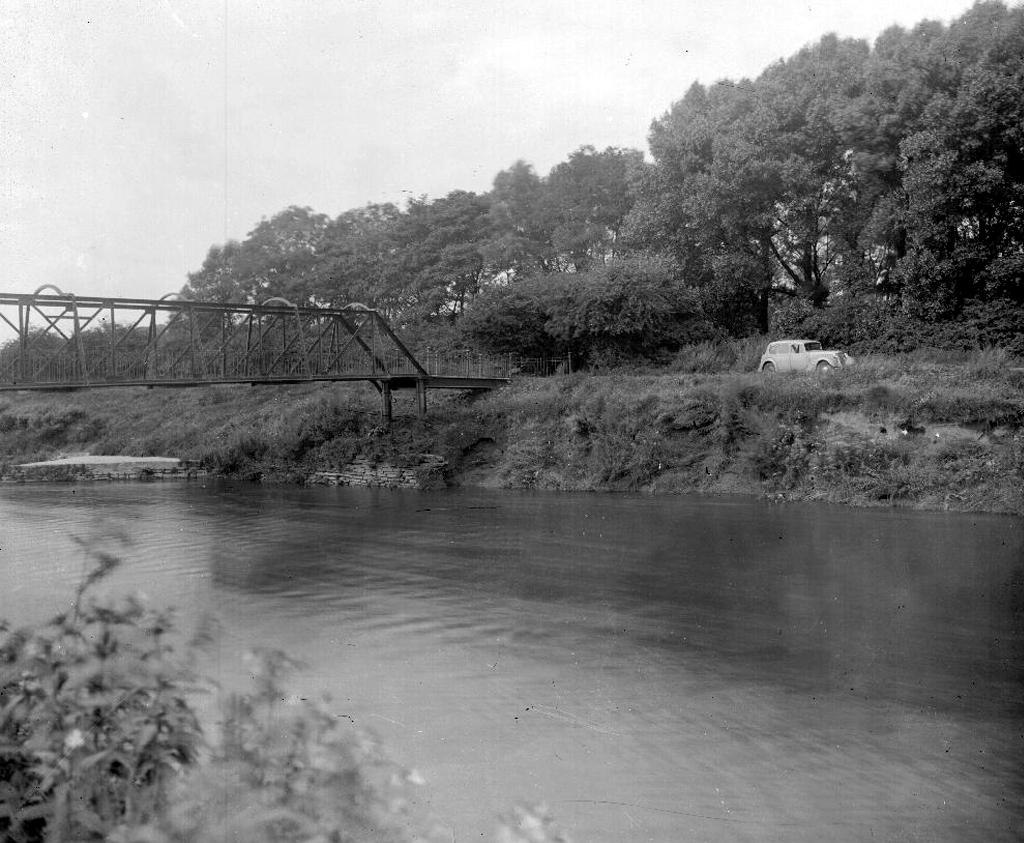
Once again graciously greeting Mr Henry Simon and his wondrous footbridge across the Mersey – the greenest of structures on the greyest of days.

No more fords and/or ferries, say goodbye to wet feet.

webmedia-12.php

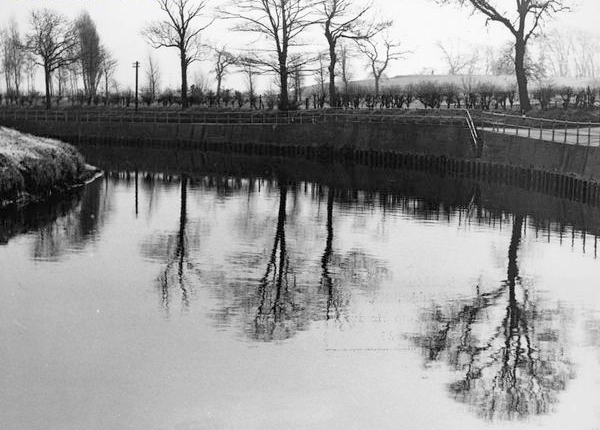
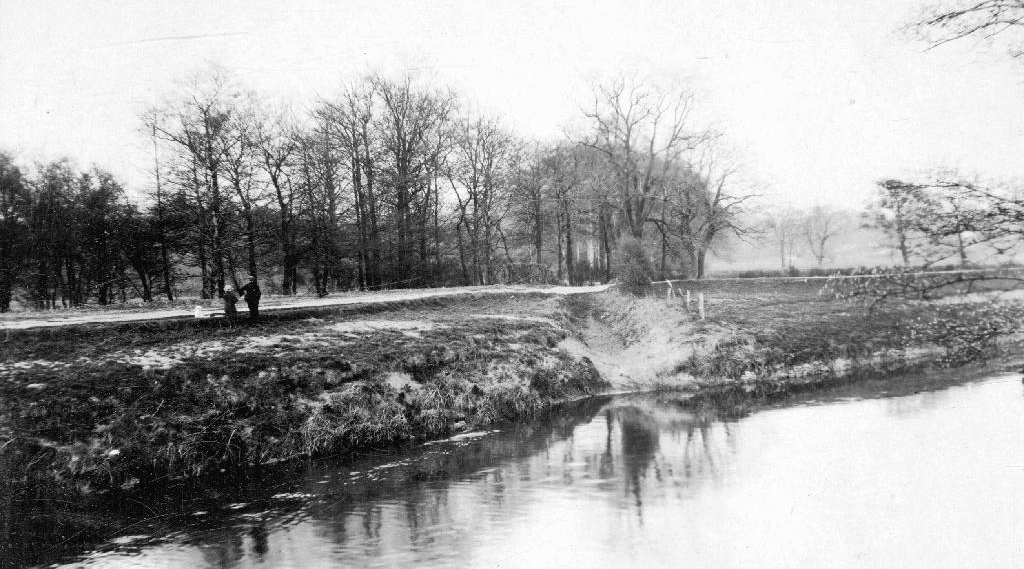
We are down by the river, a place of pleasure and practical workaday goings on – on our way to Northenden.

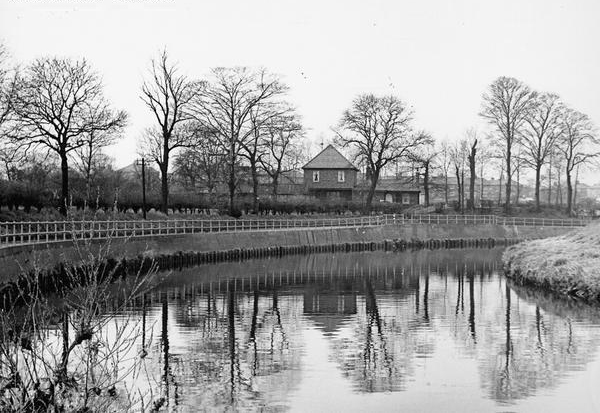
Northenden was mentioned as Norwordine in the Domesday Book of 1086; its name came from Anglo-Saxon Norþ-worþign – north enclosure. It was then a small farming community with a manor house and woodland.

Northenden is on a major crossing place of the Mersey on the salt road from Cheshire to Manchester. The ford was an important way into and out of and into Manchester, in 1745 Bonnie Prince Charlie’s army built a troop-bridge out of big poplar tree trunks where the B5095 now crosses the Mersey, south of Didsbury, in his abortive attempt to seize the crown of England.

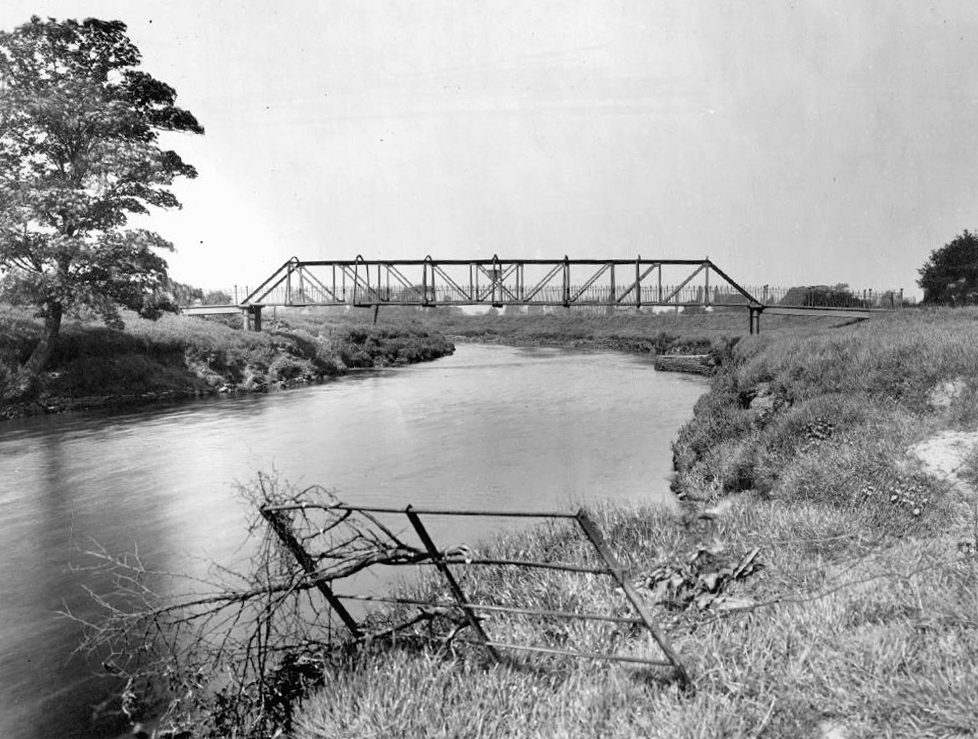
The Northenden ford was unusual because its northern and southern ends were not opposite each other, but people using the ford had to wade about 500 feet along the riverbed. The Simon’s Bridge was built at the ford in 1901 to help access to Poor’s Field, and the rent from this field was used by the church to buy blankets and clothes for the needy.

webmedia-9.php

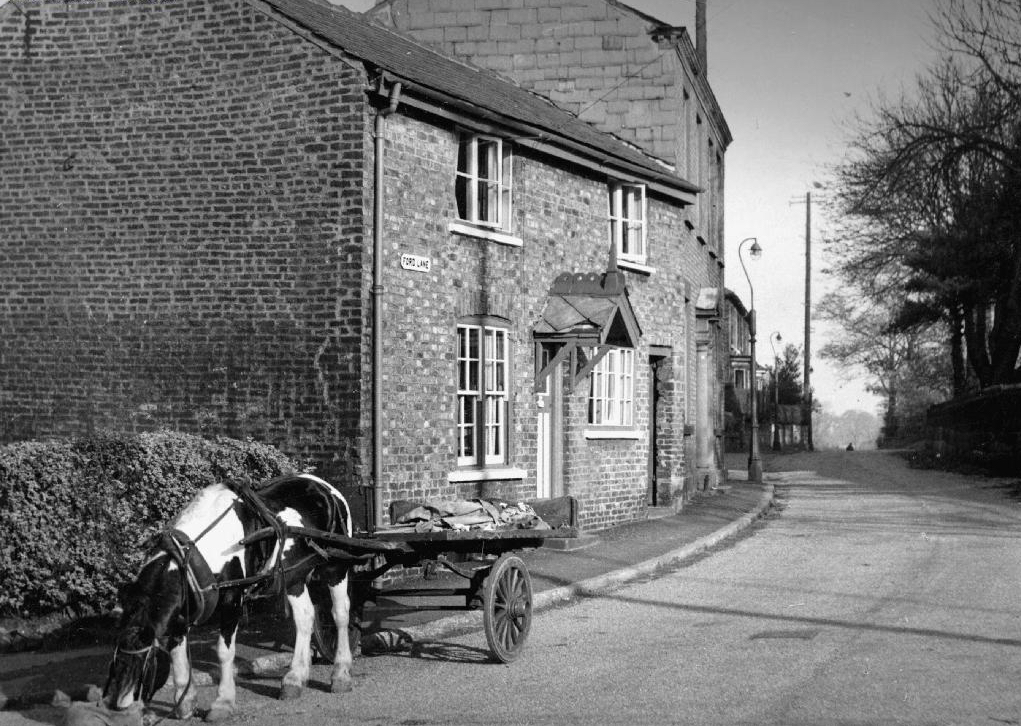
Little is known of Northenden’s Saxon origins other than that it was one of the few disembarkation points on the Mersey flood plain between Stockport and Stretford. A church was recorded here in the Domesday book of 1086. The village has grown in importance since 1641, when a ferry boat for crossing the River Mersey was installed. In 1642 a ford was also constructed, hence the names Boat Lane and Ford Lane. There was a water mill and, it is rumoured, a public house. The plan form of the village was established with properties being built along the two lanes, which intersected near the church.

webmedia-8.php

Little change occurred for the next two centuries until, by the mid 19th century, market gardens in and around the village supplied food for the rapidly expanding population of Manchester. The only routes to the City were via the ferry boat or the ford until, in 1862, Palatine Road was opened and provided a bridge crossing. Northenden was still a rural village and, towards the turn of the century, good quality semi-detached houses were built for clerks and managers who were able to commute to Manchester on the horse-drawn bus and the tram.

In the 1940s the new suburb of Wythenshawe was largely completed, and by then Northenden’s rural character had gone. Palatine Road was developed for shopping and other commercial uses, and slum clearance removed many of the village’s early cottages around the church.

The water mill, which had provided a flour-milling service for a wide area, survived until the 1950s. It was situated on the banks of the Mersey where the weir, to create the change in water level and power the machinery, is still in existence.

Northenden Conservation Area

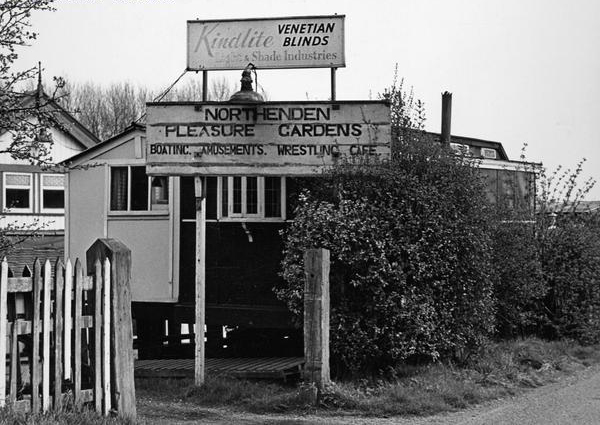
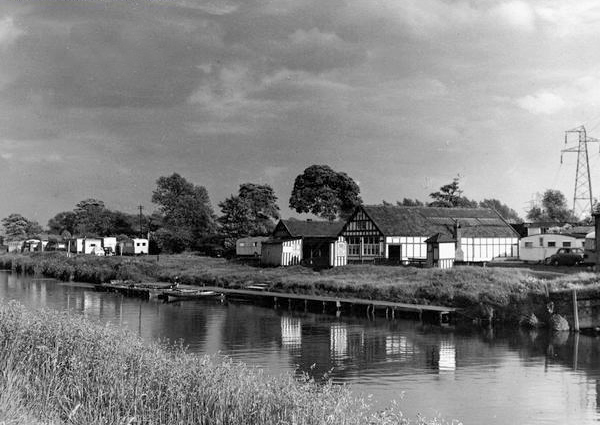
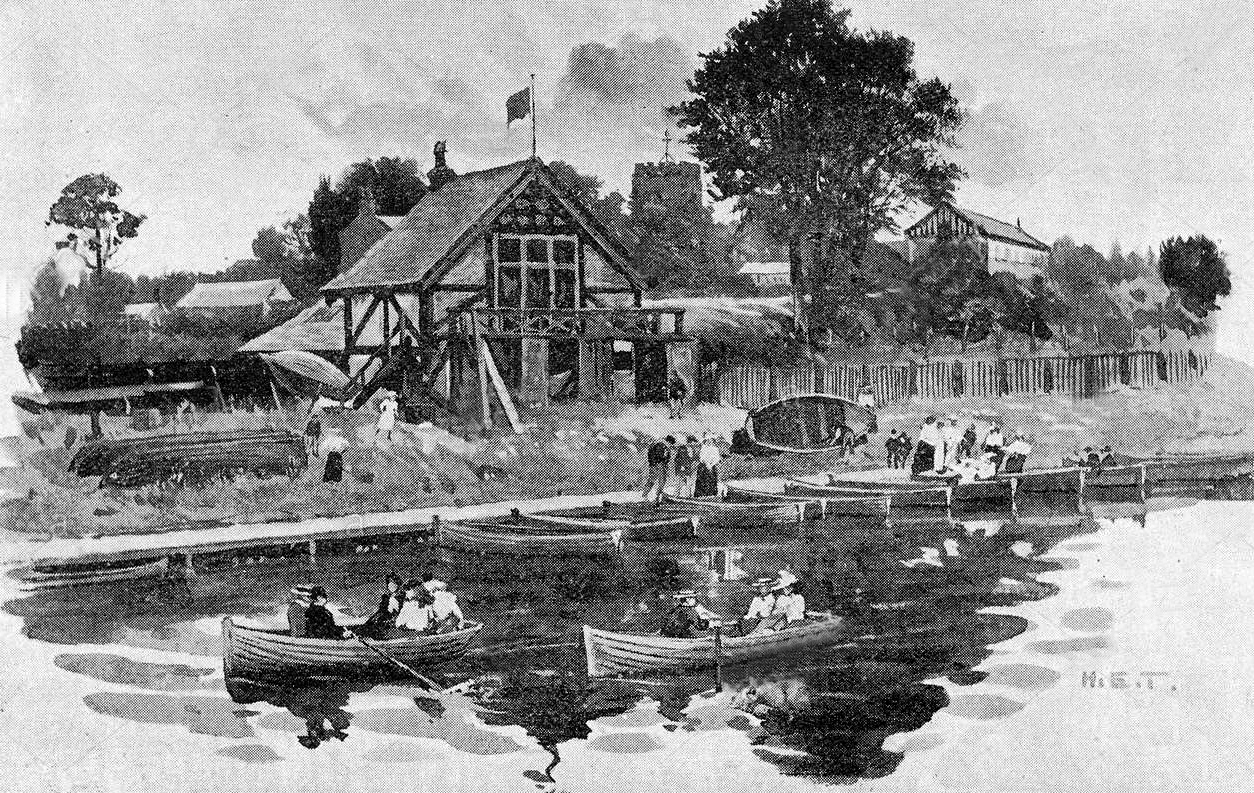
Ford Lane affords a rural route twixt suburban settlements, tree lined and river-run.

Once the province of pleasure gardens, cruisers, boaters.

And wrestlers.

webmedia-10.php

webmedia-7.php

manchester-northenden-1901-old-antique-vintage-print-picture-MHNWCF

The lane is home to several listed buildings – the most prominent being St Wilfrids – the oldest part of the church is the tower, the rest having been rebuilt in 1873–76 by J. S. Crowther. The new part of the church is built in sandstone from Alderley Edge, with slate roofs, and is in Perpendicular style.

church

The Old Rectory and Northern House both mid to late 18th century, form a group of notable homes clustered around St Wilfrids.

webmedia-5.php

webmedia-6.php

webmedia-2.php

webmedia-13-php.jpeg

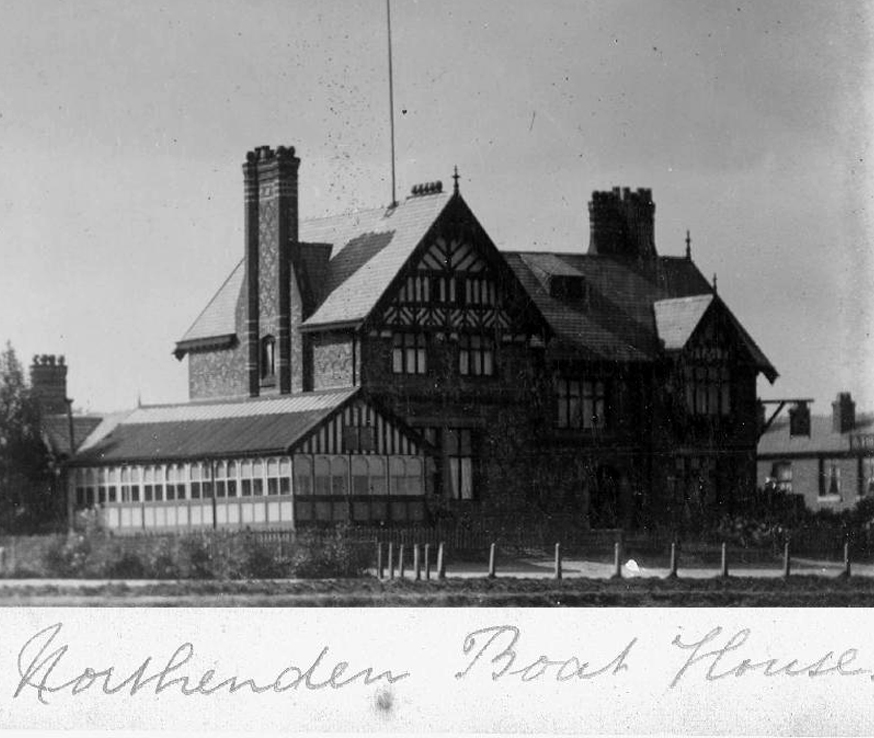
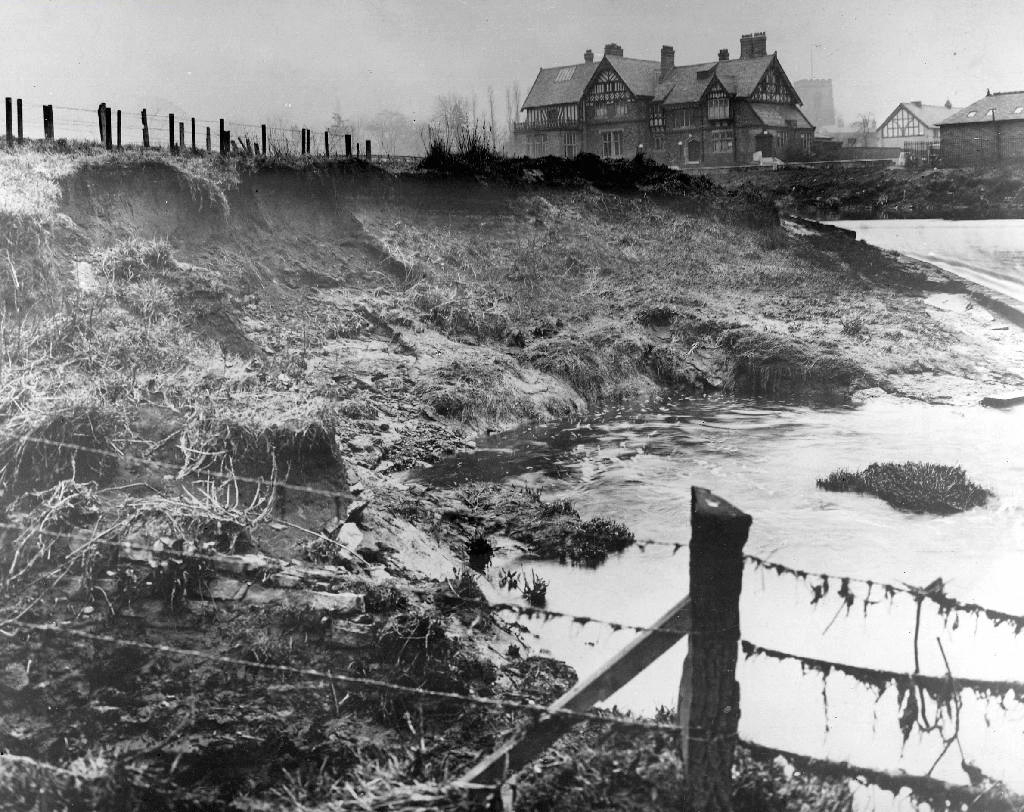
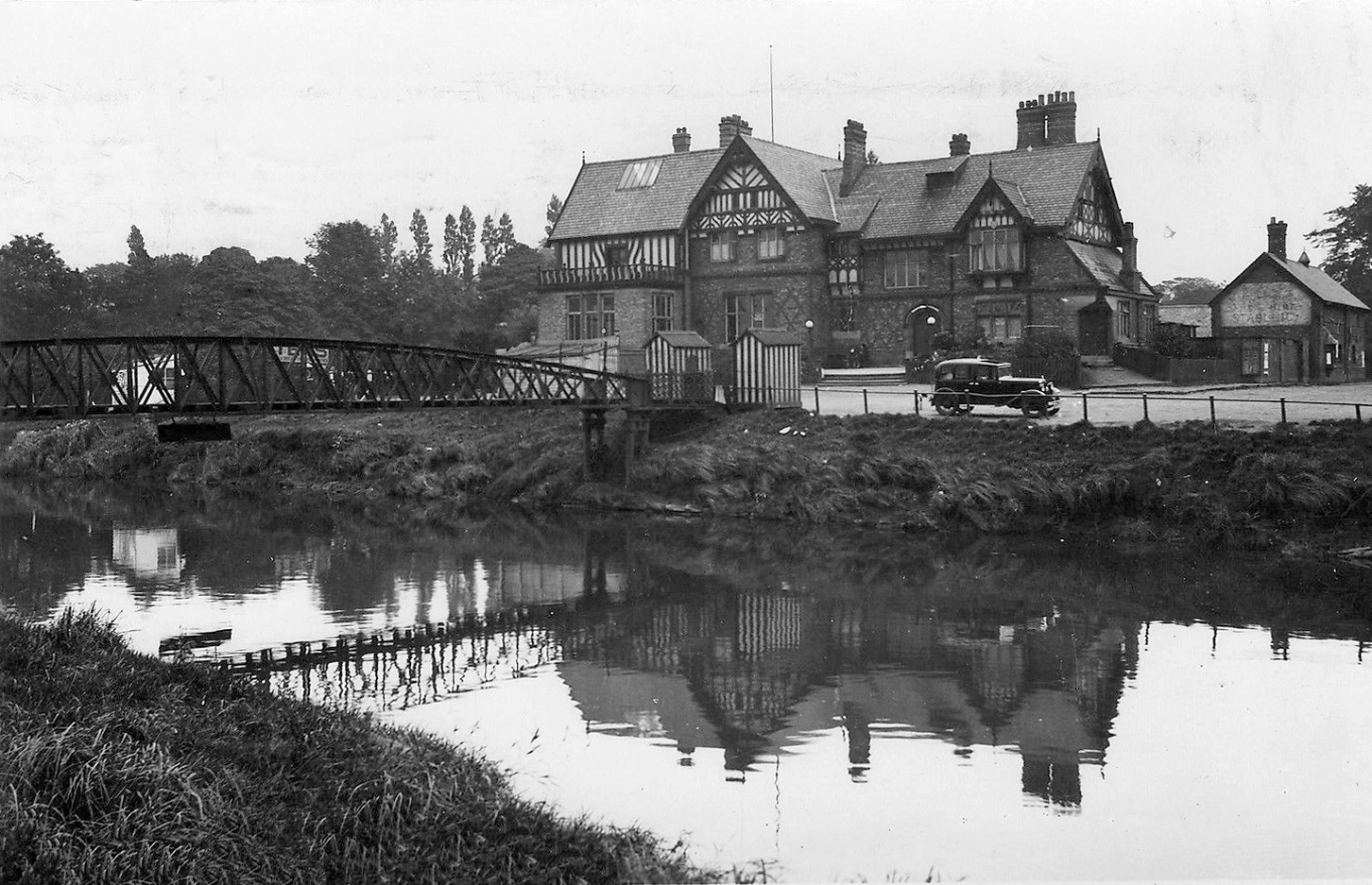
Also in close proximity were a number of public houses – most notably The Tatton Arms.

Built in 1873 by the Tatton family and originally known as The Boat House.

webmedia.php copy

webmedia-2.php copy

s-l1600

Closed in 2007 and still standing, still awaiting proposed redevelopment into an apartment complex.

1908

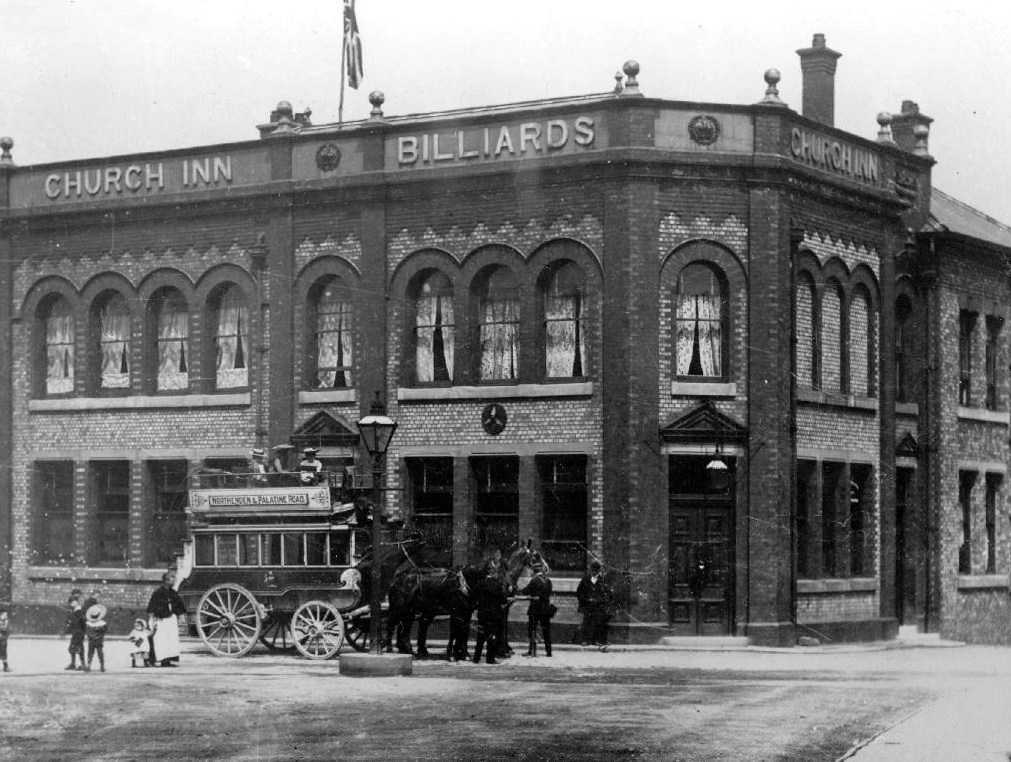
The Church Inn built in 1897 closed in 2006 – burnt out left for dead eventually refurbished into flats.

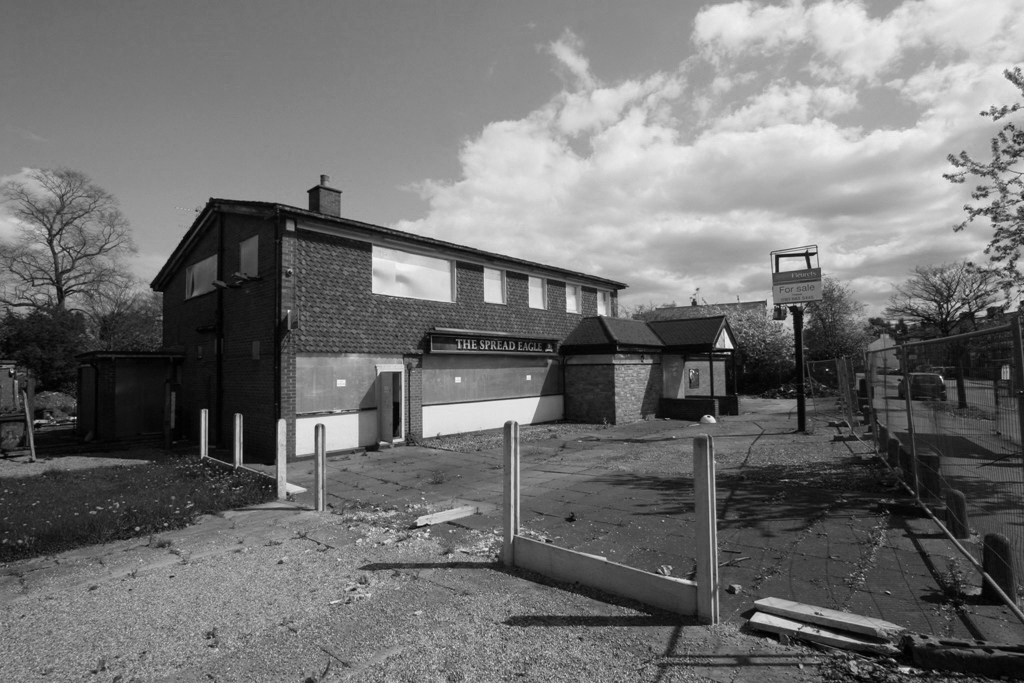
Spread Eagle Royle

The Spread Eagle built to replace an old pub of the same name, the Spread Eagle was the second estate-style boozer on Royle Green Road, and it outlasted the Jolly Carter by almost a decade – long gone, following a shooting in 2008, the site now developed as housing.

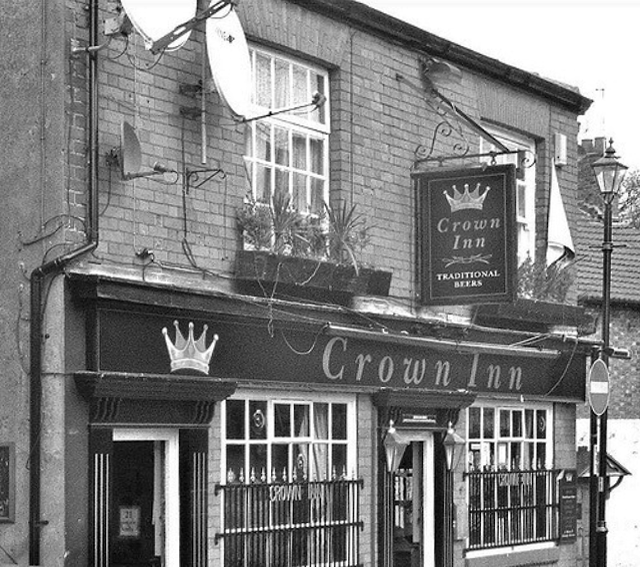
Happily The Crown is still standing and still serving – cyclists and walkers welcome!

Screen Shot 2018-05-29 at 08.12.25

This was once my way to work, Stockport to Northenden each and every day, the river on occasion liable to flood  – foolishly I cycled the Mersey in Spate, against the current clinging to the handrail, up to my axles in the raging torrent.

ManMerseyFlood0Y06

I lived to tell the tale.

Photographs from the Manchester Local Image Collection


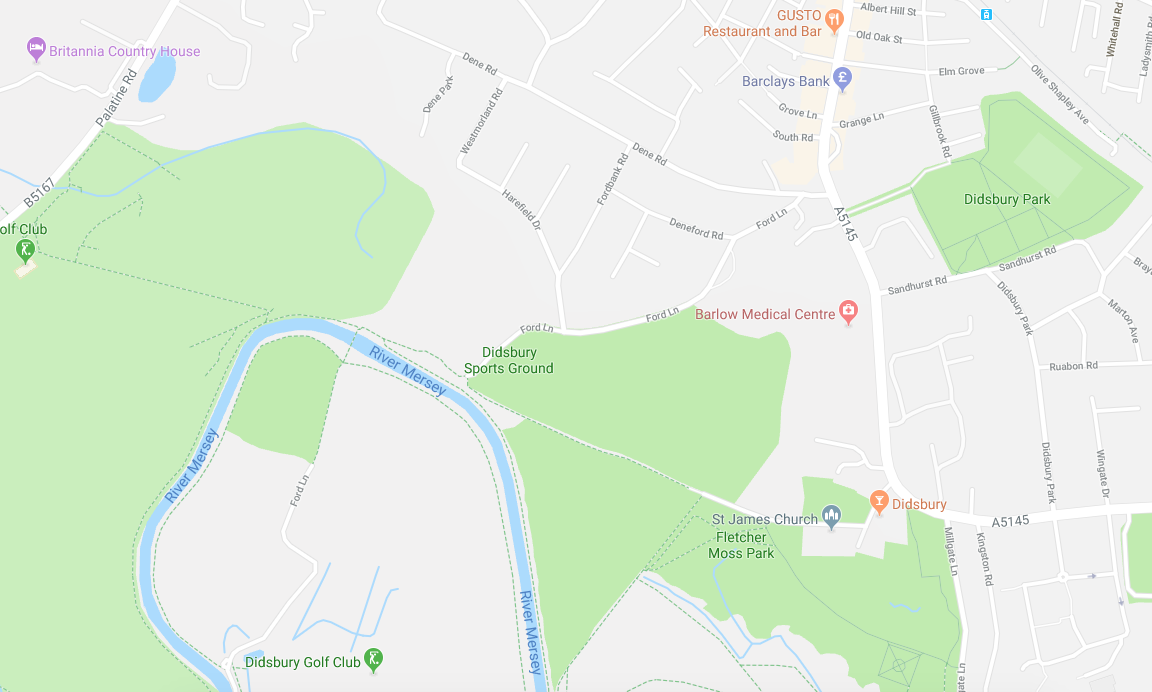
Ford Lane Didsbury – Manchester

Screen Shot 2018-05-27 at 06.28.11

This a tale of a lane, a shady lane in south Manchester.

This is a tale of several Manchesters, layer upon layer of history.

Shady history.

Screen Shot 2018-05-27 at 06.12.50

Ford Bank House occupied much of what is now the Ford Bank Estate and prior to that it was believed to be farm land. Ford Bank House, probably the largest house erected in Didsbury was built in about 1823 by Joseph Birley a cotton manufacturer. The extended Birley family had a widespread influence on Manchester history even going back to the Peterloo massacre where one of the Birley ancestors led a contingent of the mounted soldiers who attacked what was a peaceful protest gathering. 

Ford Bank Residents

A tale of emergent capital and political control, rendered corporeal in brick, stone, wood, glass and slate. A cotton-rich mercantile class seeking to suppress the democratic demands of a burgeoning proletariat.

Ford Bank House was sold to Thomas Ashton in 1858, when he died in 1898. In 1919 the remaining estate was sold to Dr Herbert Levinstien who worked on mustard gas research during the first world war. In 1934 the estate was sold to Ford Bank Estates Limited who developed and built what is now the Ford Bank Estate.

A tale of a growing and aspirational professional middle class, seeking inter-war semis in a leafy Didsbury glade – and the timely response of speculative builders.

Looking cheekily over the hedge in search of a monkey puzzle.

Screen Shot 2018-05-27 at 06.12.10

Screen Shot 2018-05-27 at 06.12.31

webmedia-14.php

The ford of Ford Lane crosses the nearby River Mersey – thought to be the route of retreating Royalists following the siege of Wythenshawe Hall in 1644.

webmedia.php

In 1901 a bridge was opened at the behest of local emigres engineer and social benefactor Henry Simon – a German born engineer who revolutionised Great Britain’s flour milling industry and in 1878 founded the engineering companies Henry Simon Ltd and Simon Carves.

He and his family were a serious reforming political force in the area – instrumental in the founding and development of the Halle Orchestra, Wythenshawe Park and housing estate.

webmedia-1.php

For many years this was my route to work – cycling from Stockport to Northenden, each and every day forever. Witnessing the rise and fall of the river and the vacillating  fortunes of Manchester’s economic regeneration.

This is south Manchester where the years of austerity, central government fiscal prudence and free-market economics, have had a far from adverse effect.

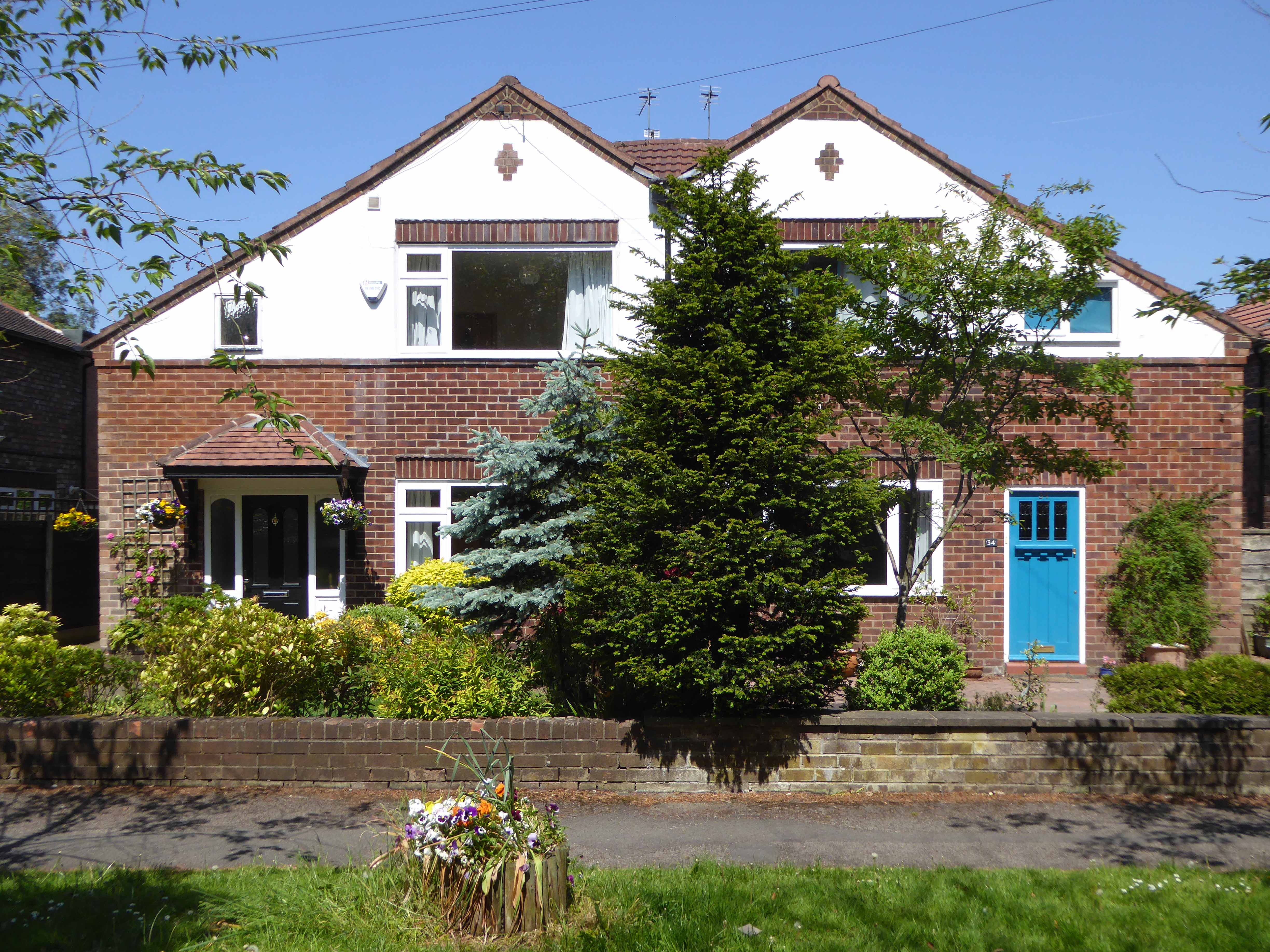
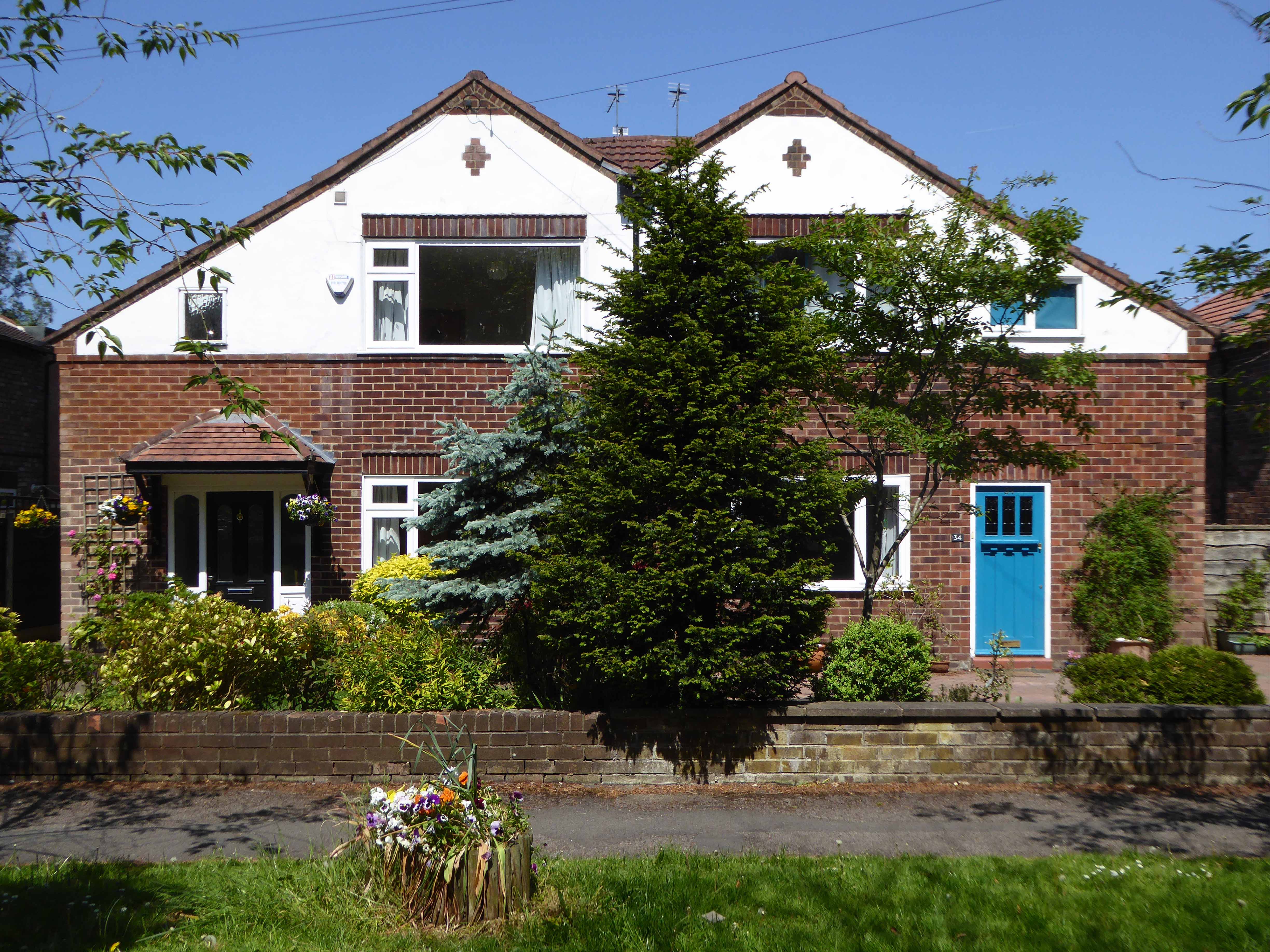
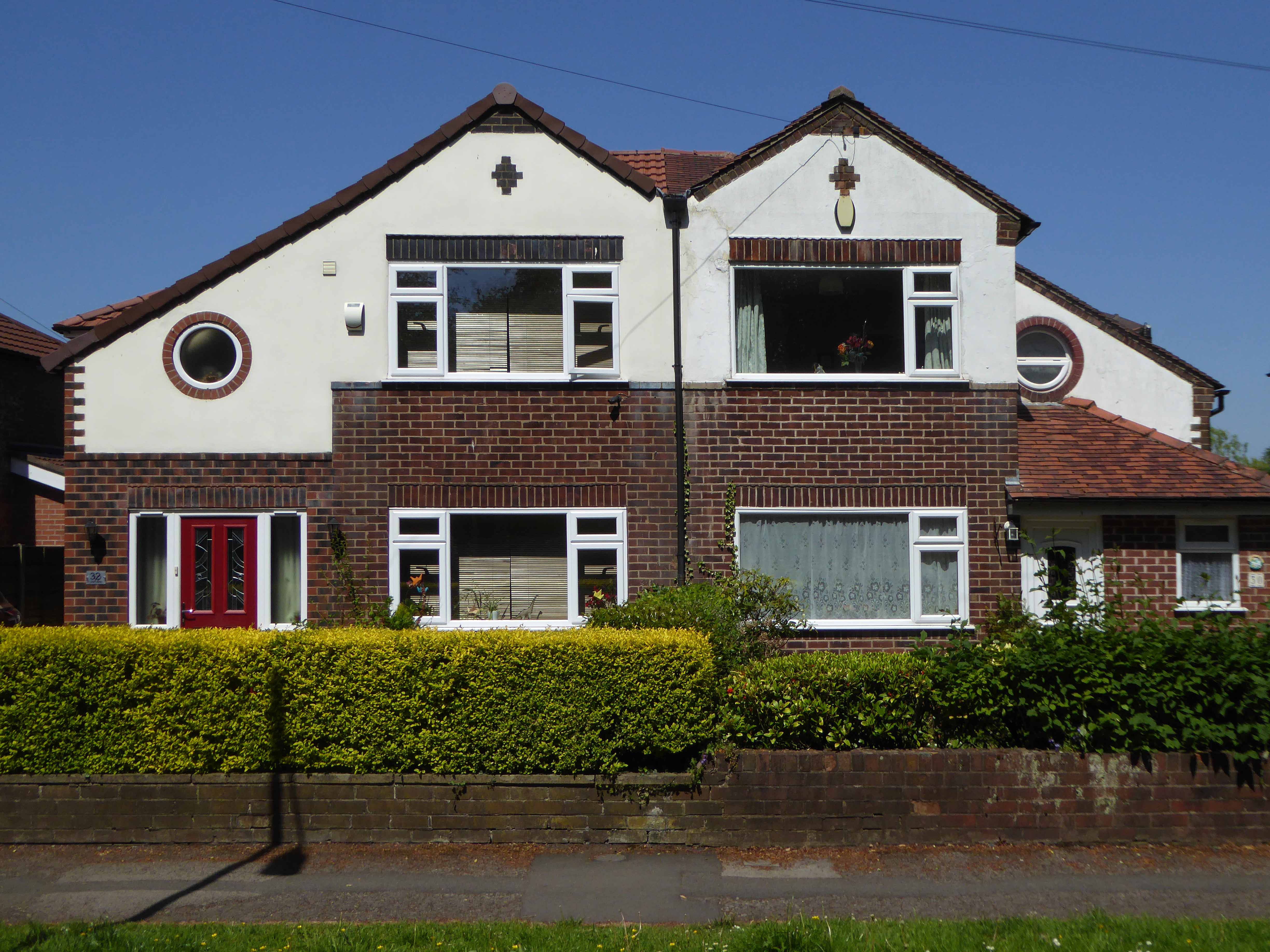
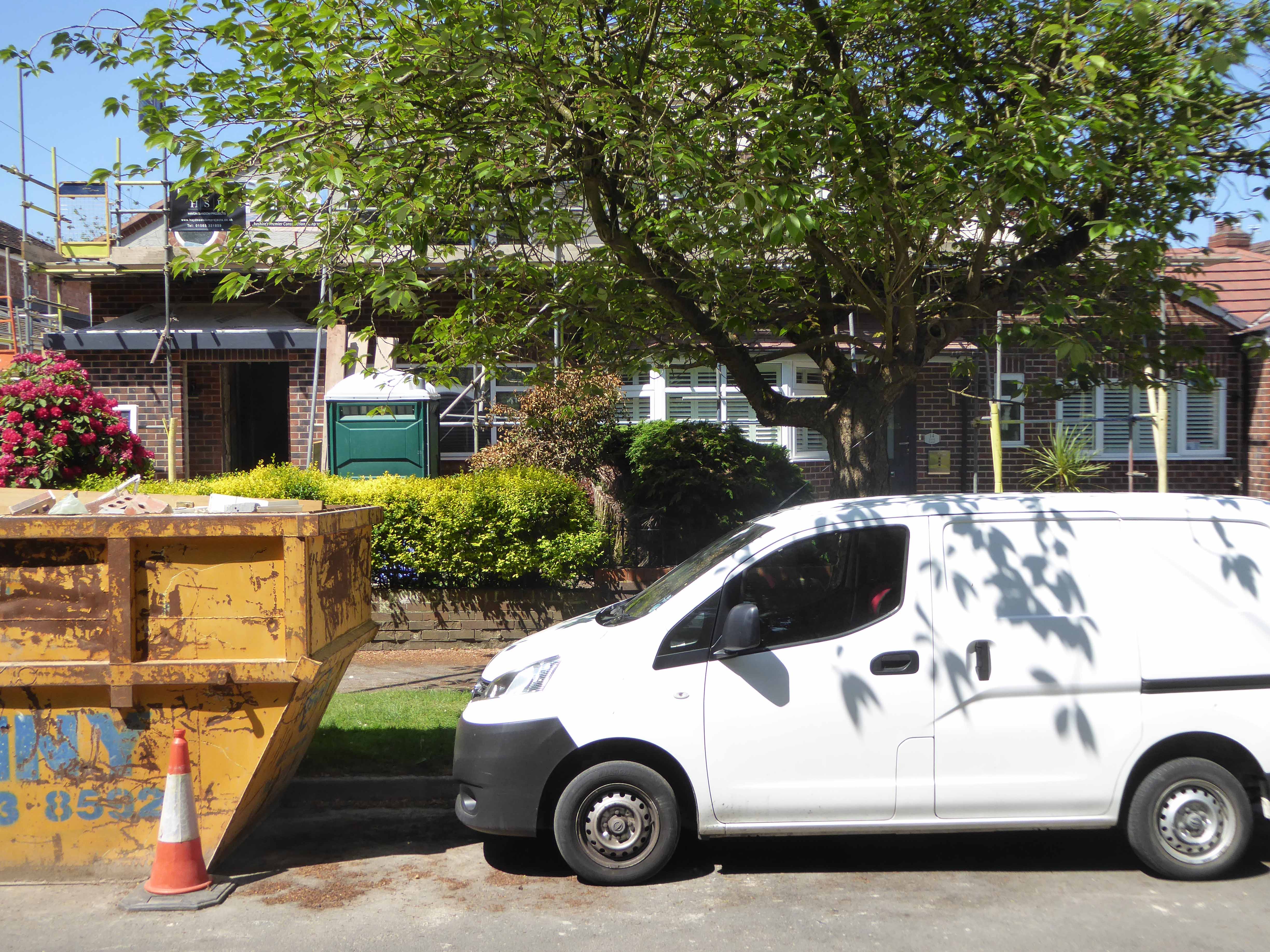
In stark contrast to the malaise of the north and east of the city, here we see a constant parade of skips and scaffold, free from the fickle trick of trickle down. As extensions and mortgages are extended at an alarming rate.

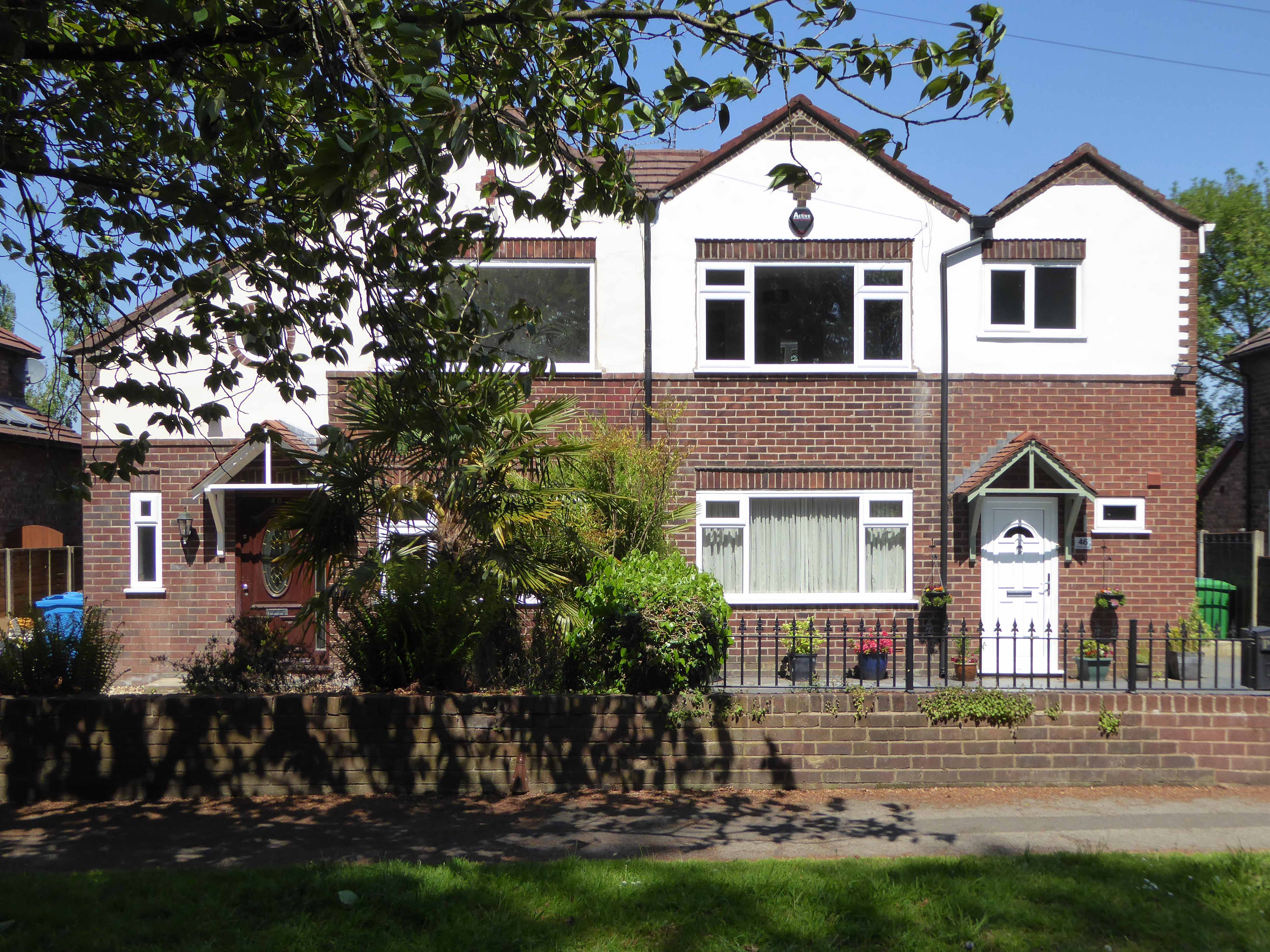
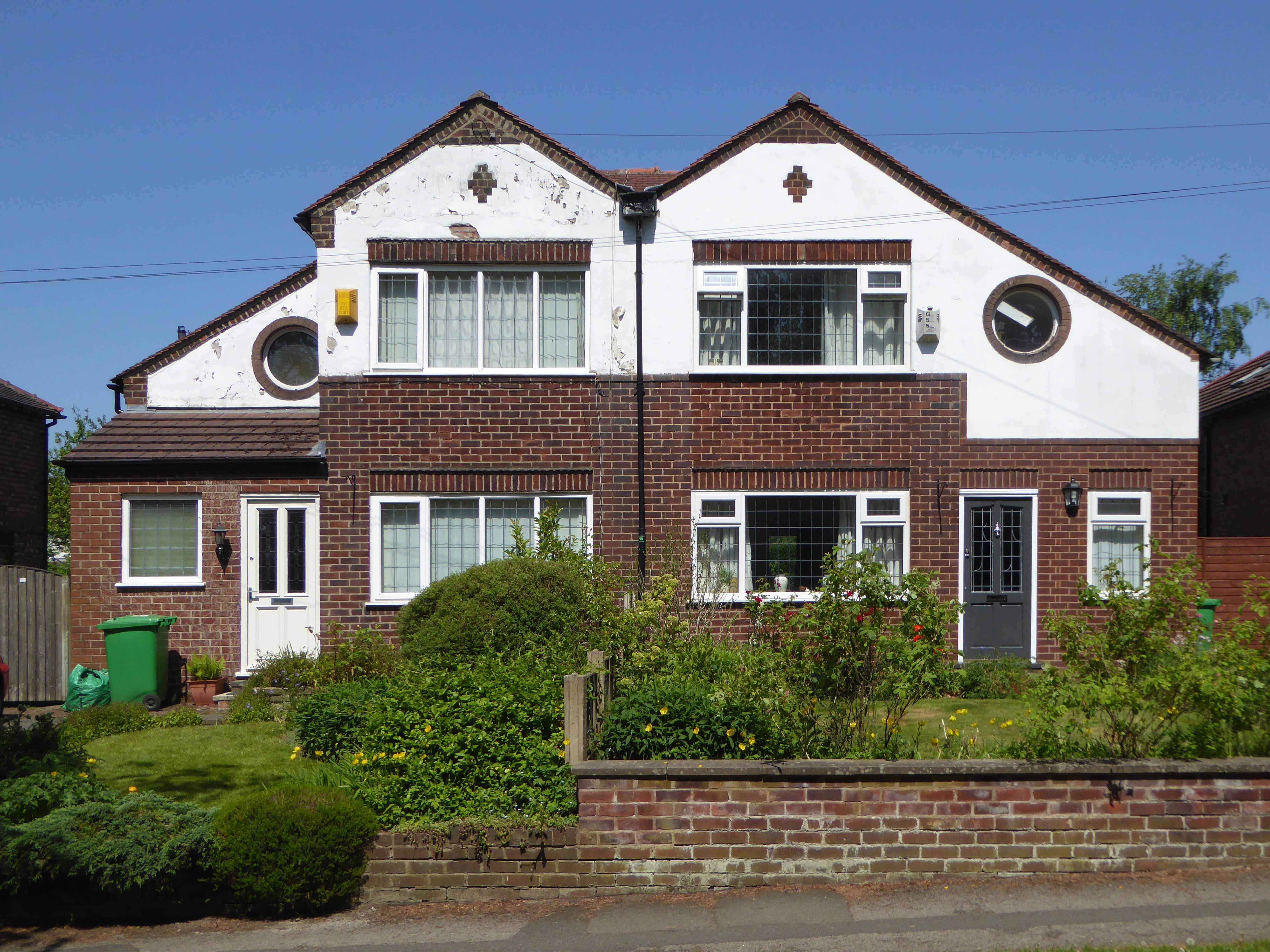
The round windowed gaze of the asymmetric homes, seem endlessly surprised at the good fortune that has befallen the residents of Ford Lane.

Owner occupiers preoccupied with owning.

Semi-detached.

P1250526

P1250527

P1250528

P1250529

P1250530

P1250531

P1250532

P1250533

P1250534


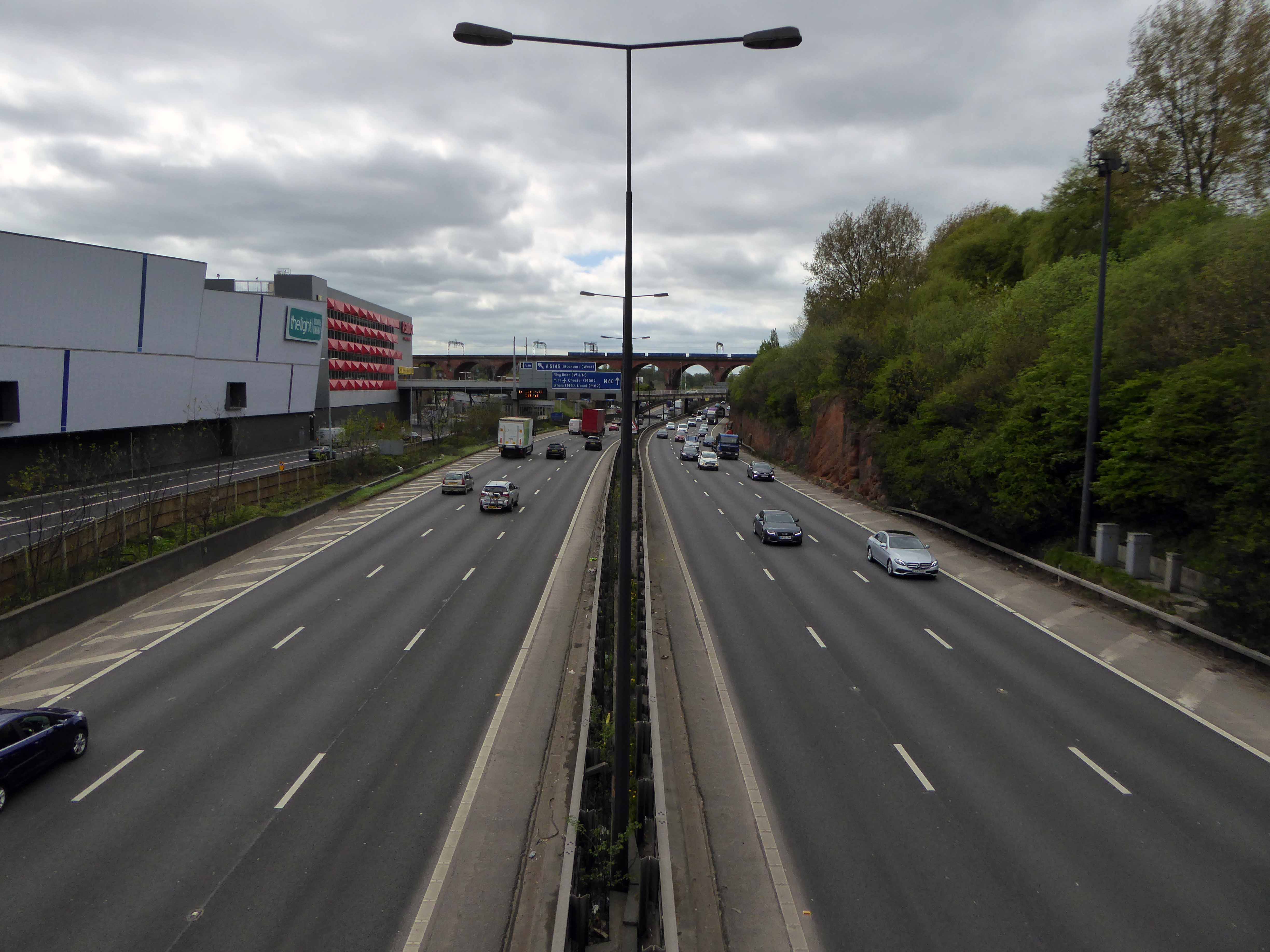
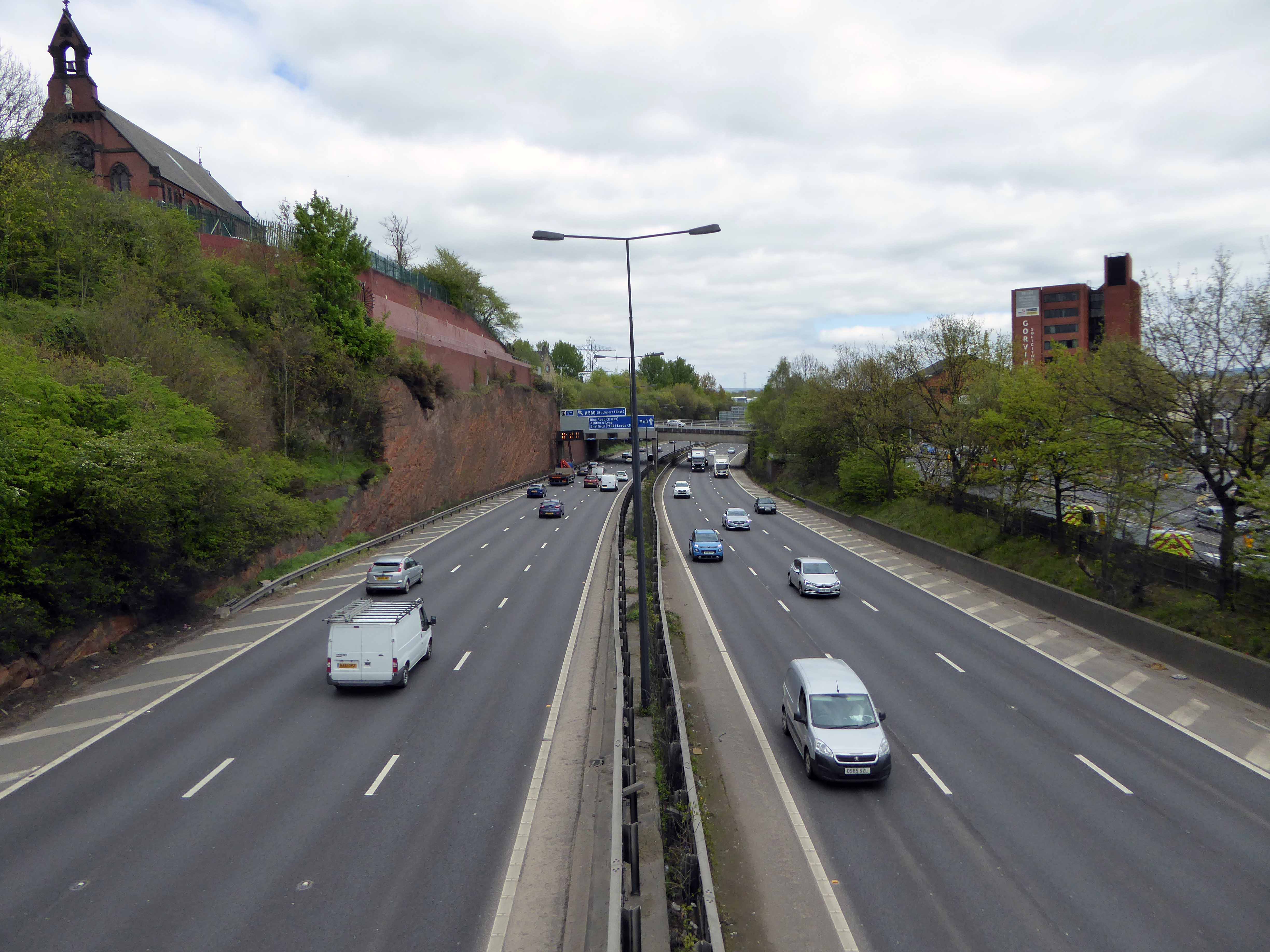
Motorway Footbridge – Stockport

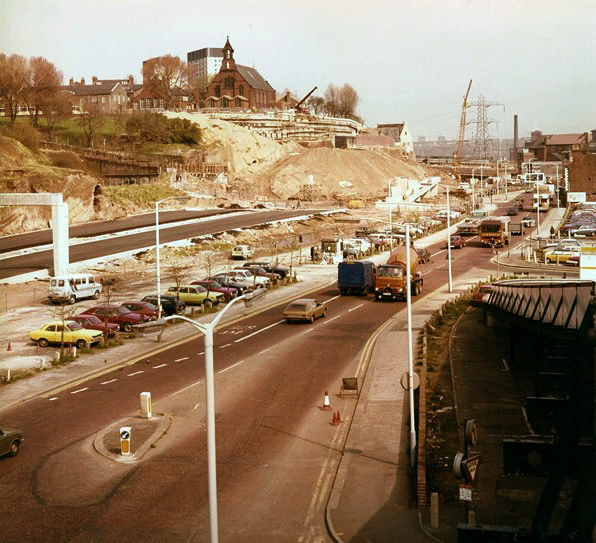
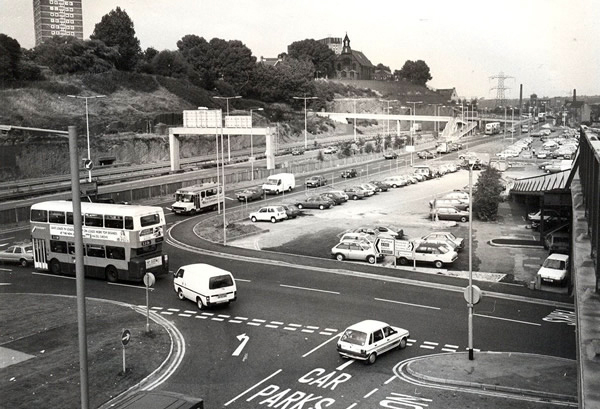
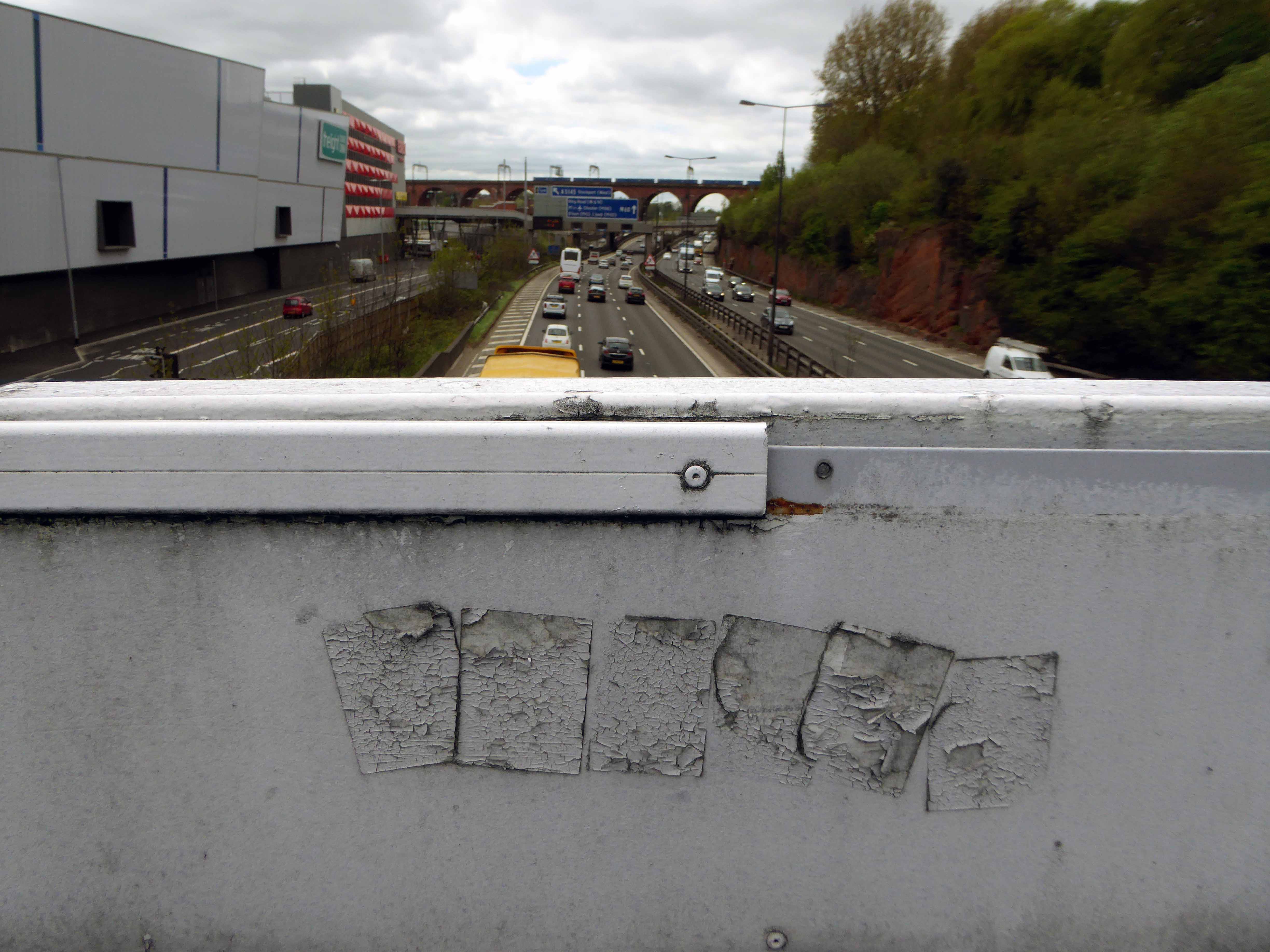
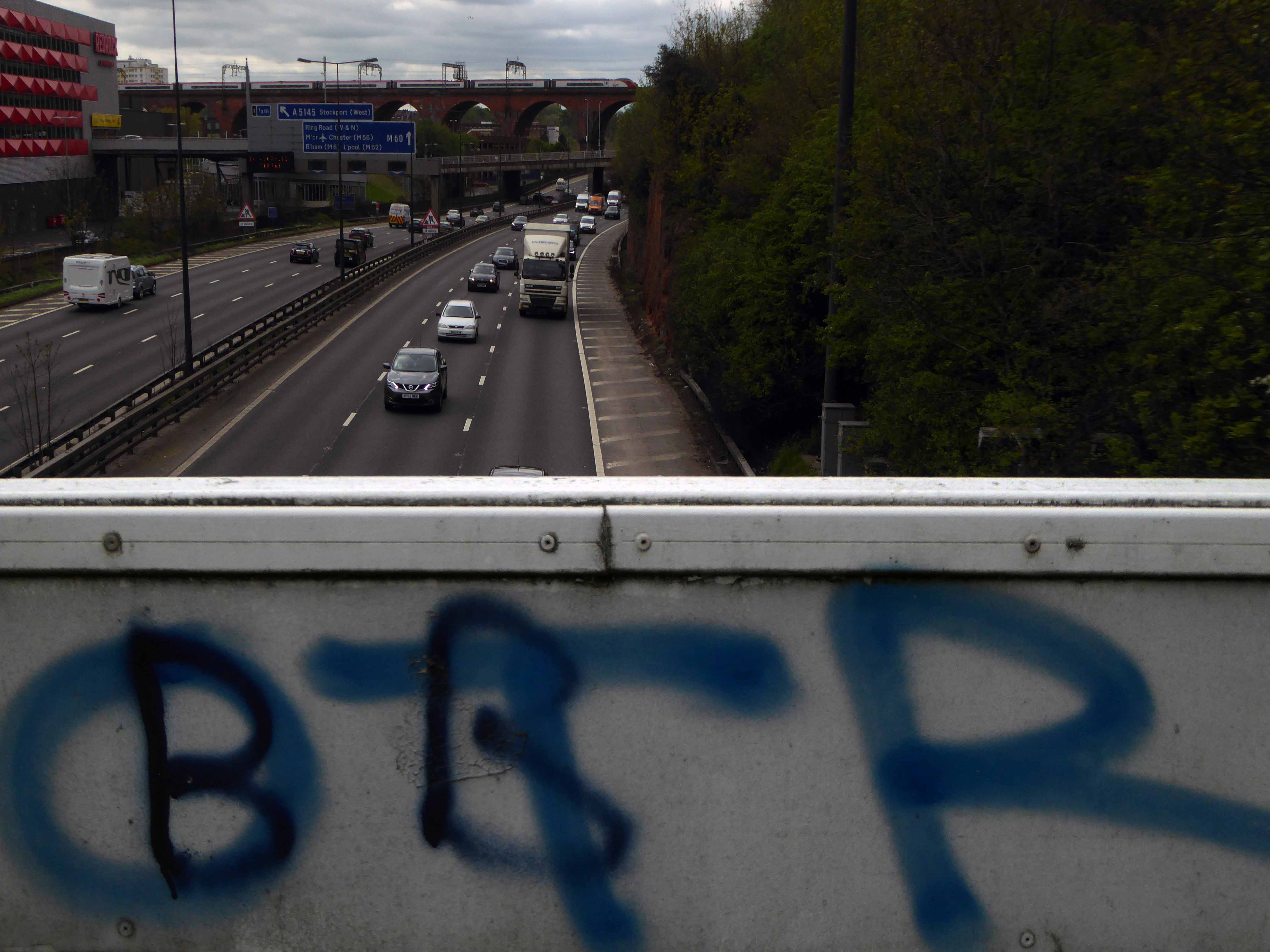
A Moebius Band of motorway formerly known as the M63 wraps and warps itself around the city, ever so conveniently linking the traffic of Greater Manchester with itself.

2000px-UK-Motorway-M63.svg

Ever so conveniently it passes through Stockport – only moments from my home.

M63

Screen Shot 2018-05-04 at 17.03.27

Before the white man came.

11993

11996

The view from Princes Street along Hatton Street – towards Heaton Norris Rec. 

19617

1945

50450

1960

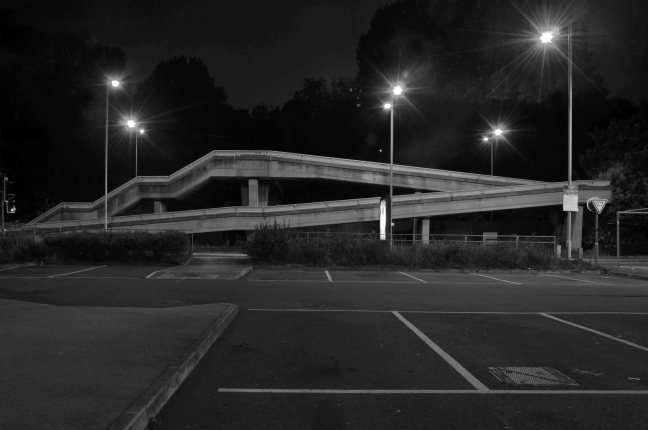
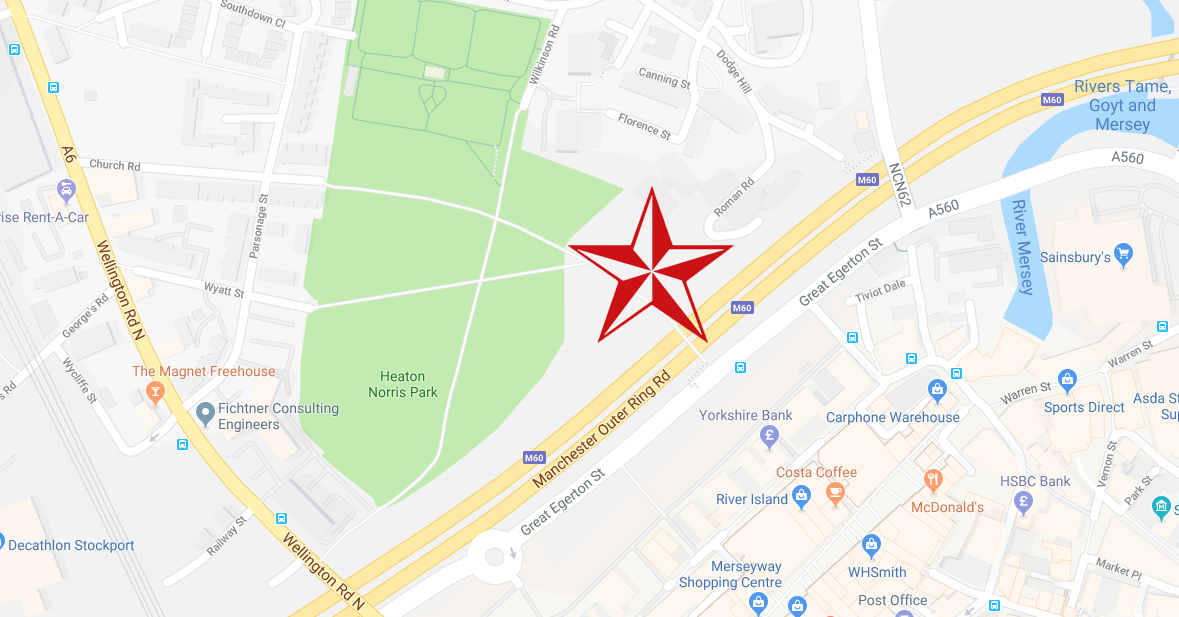
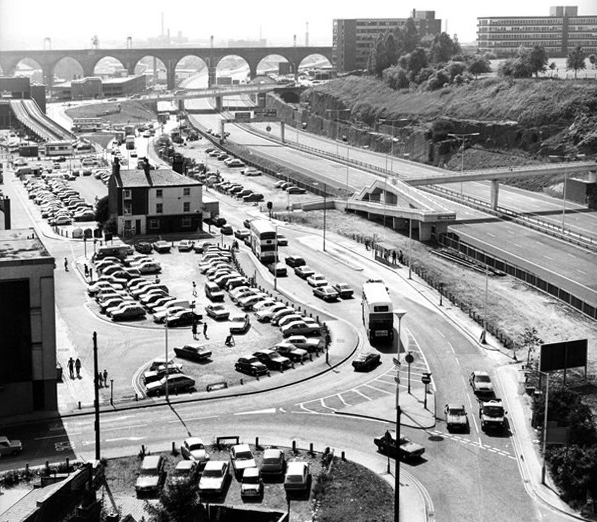
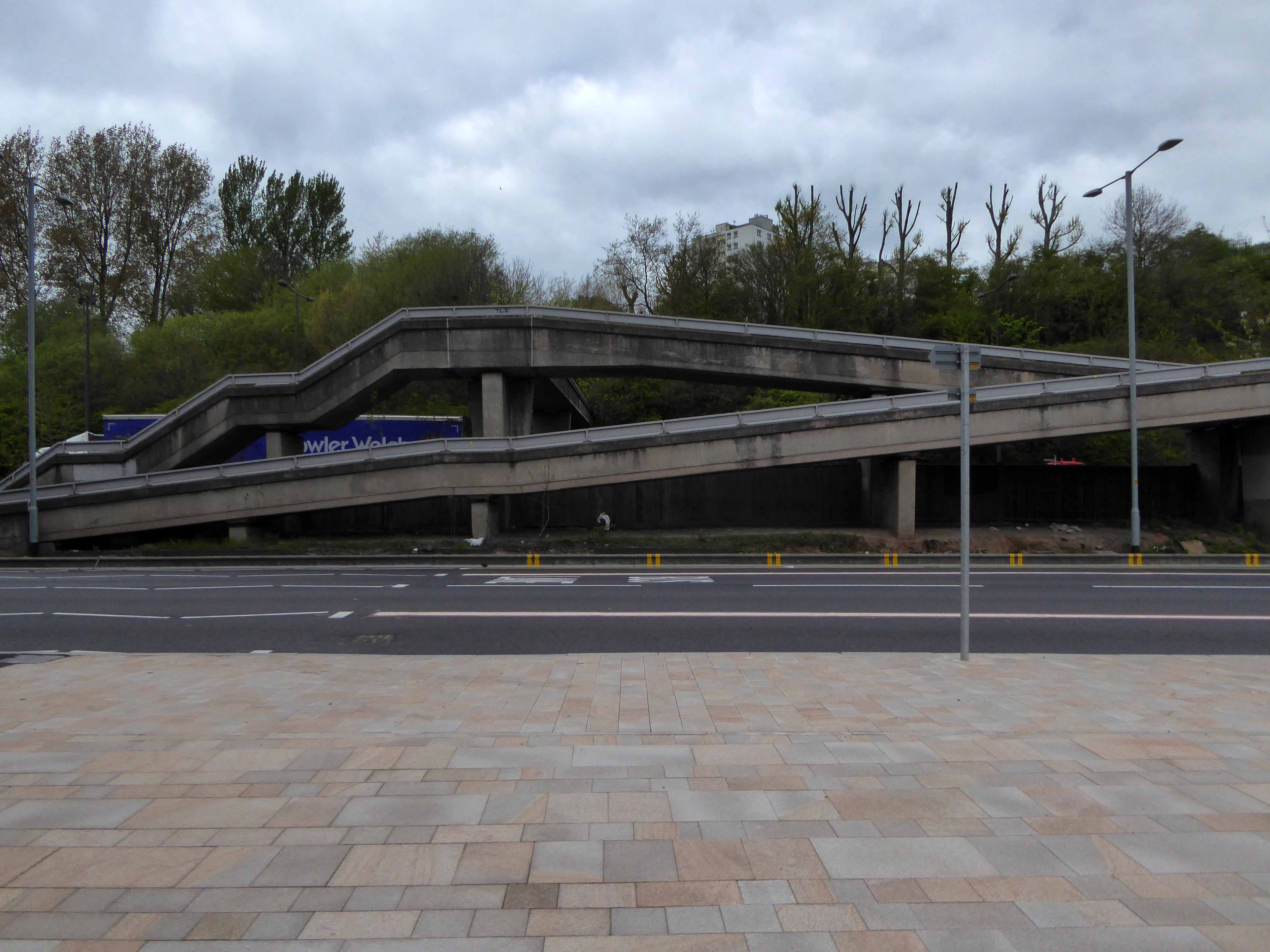
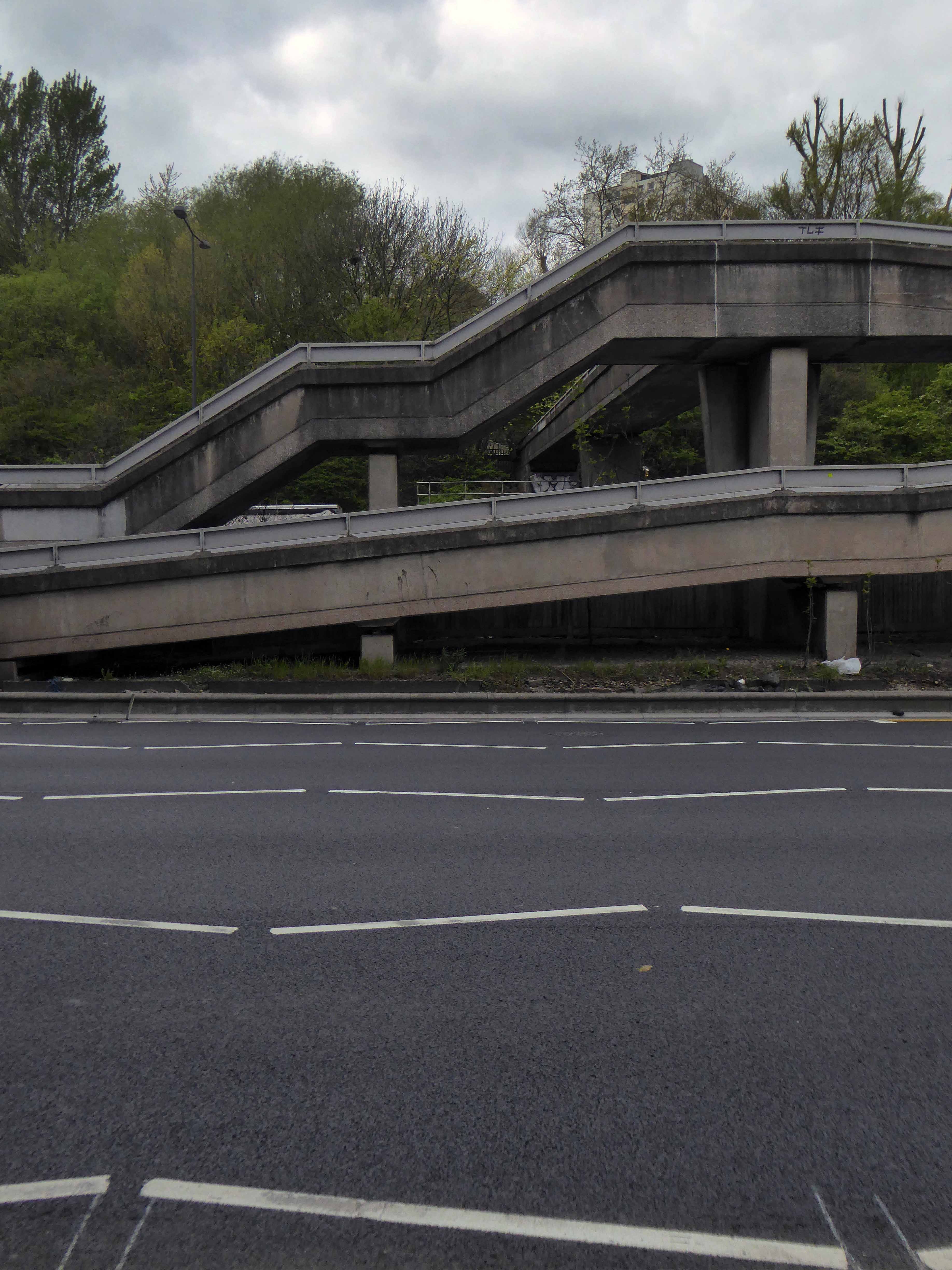
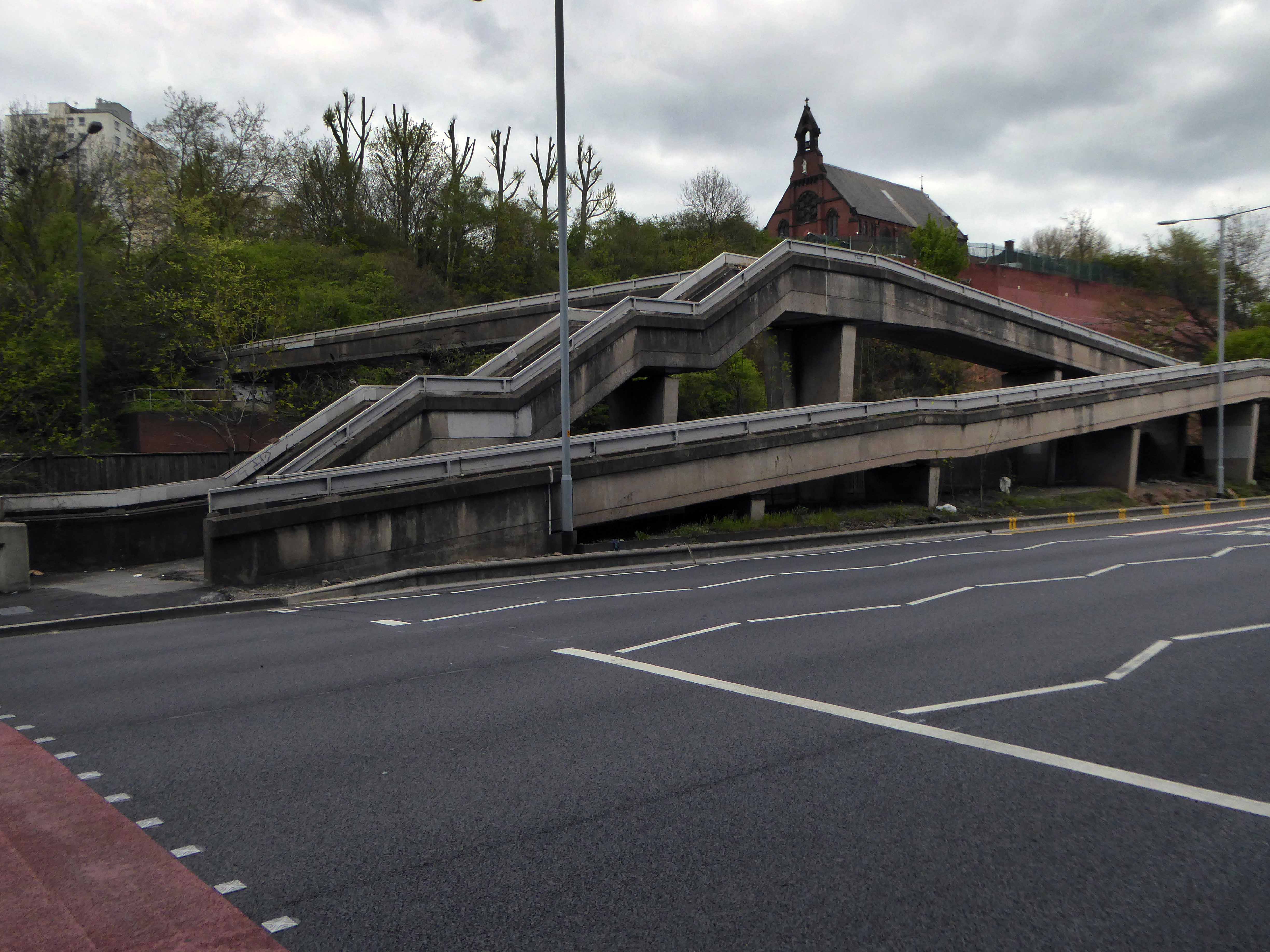
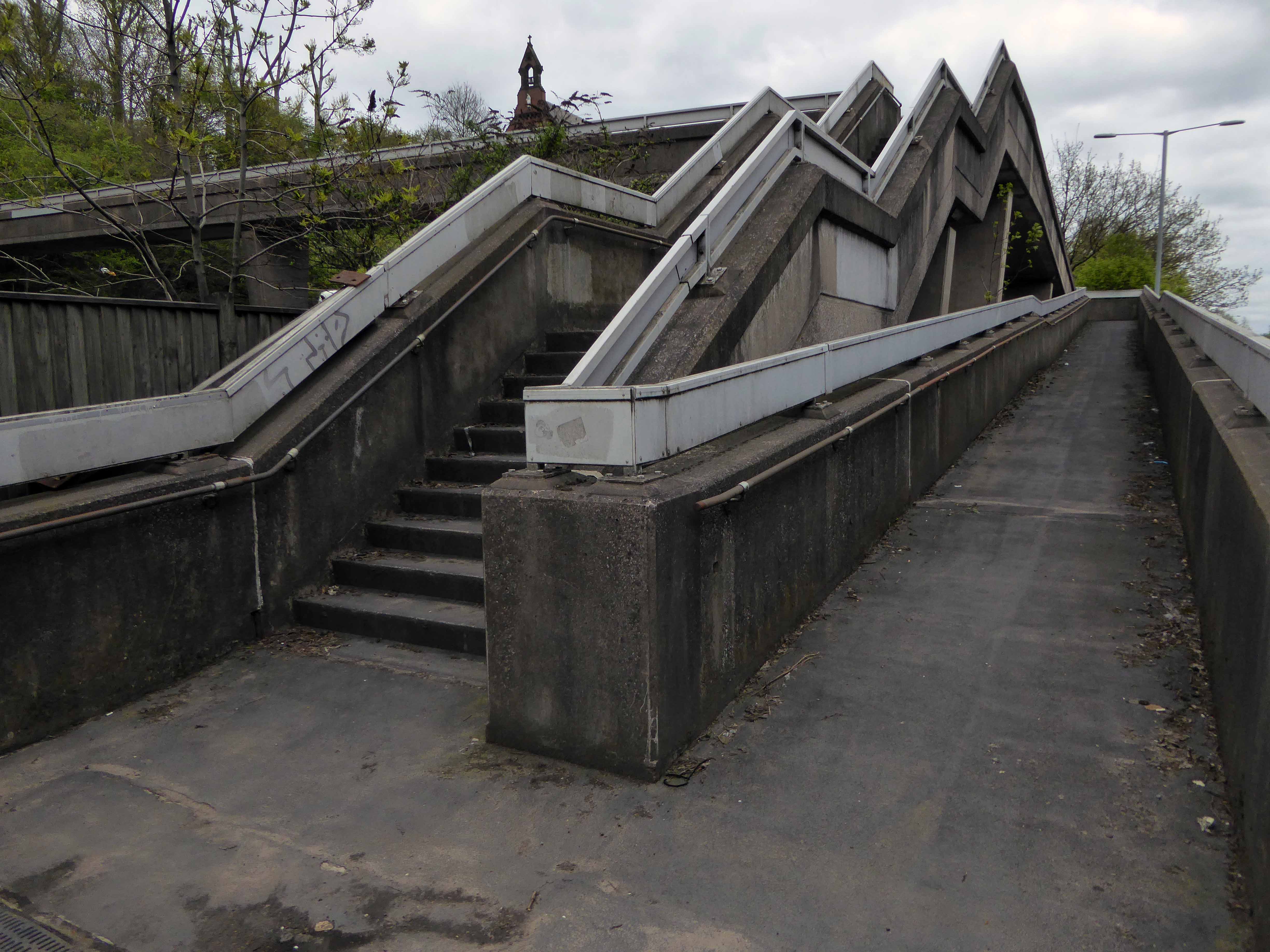
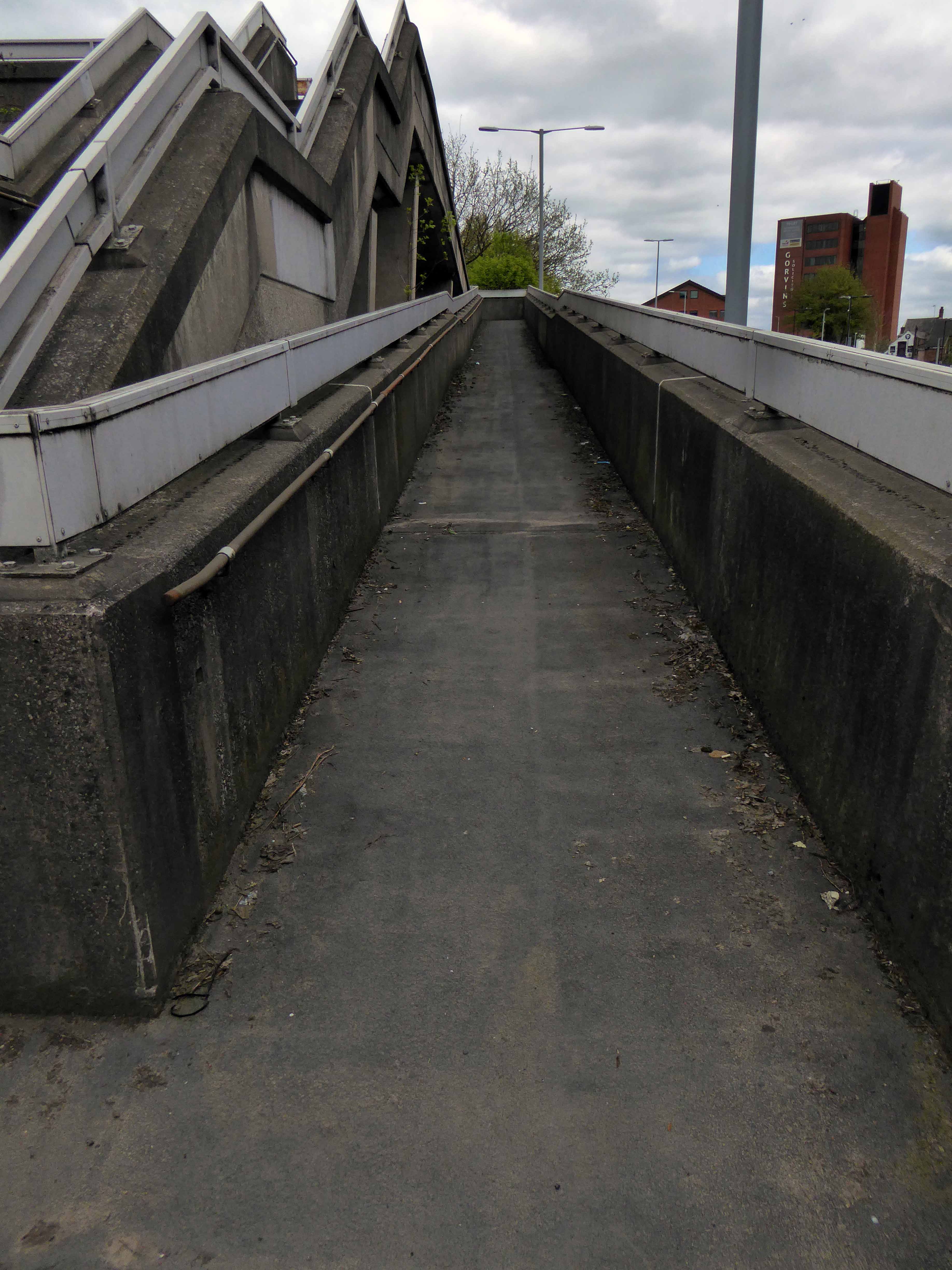
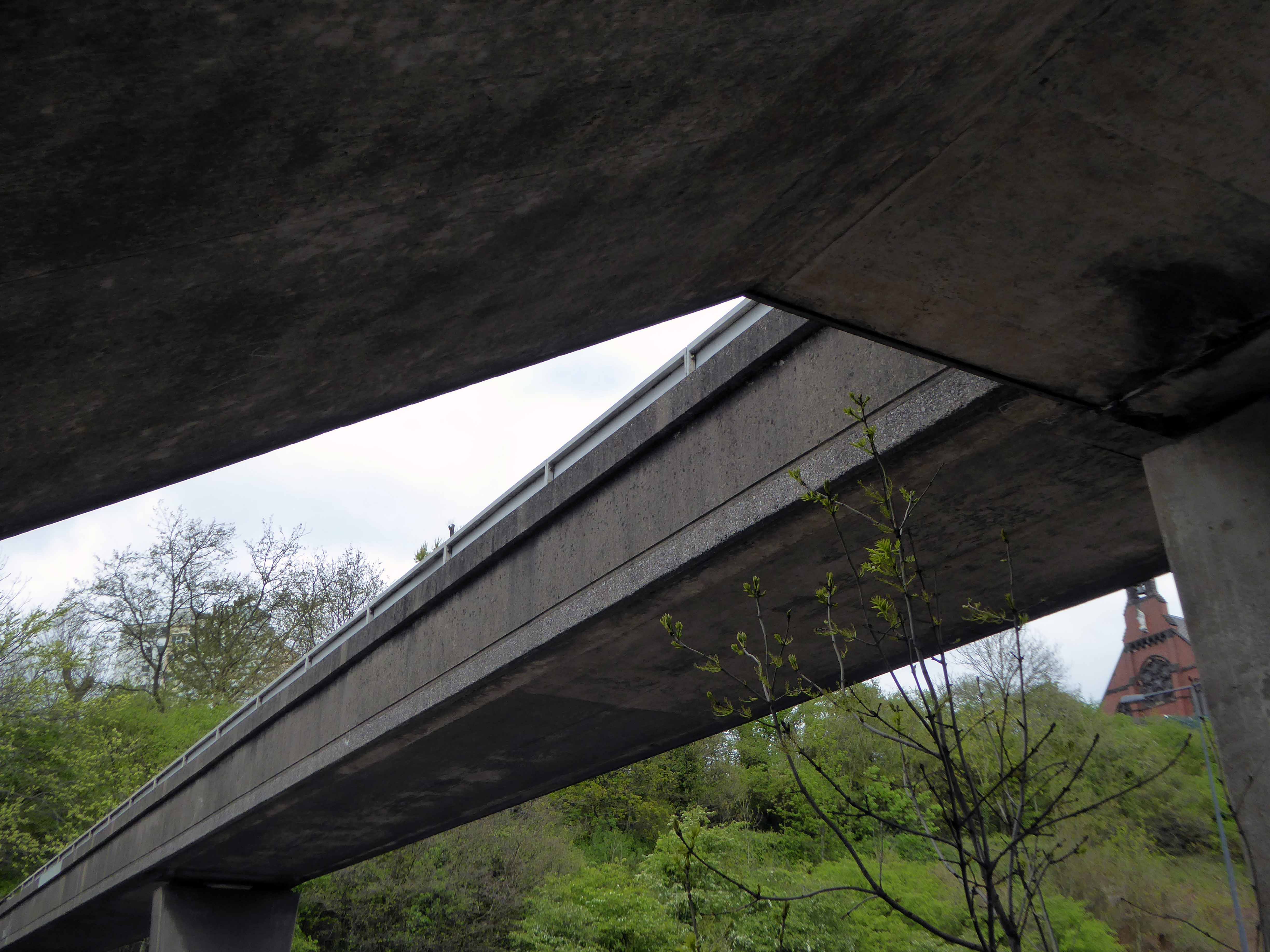
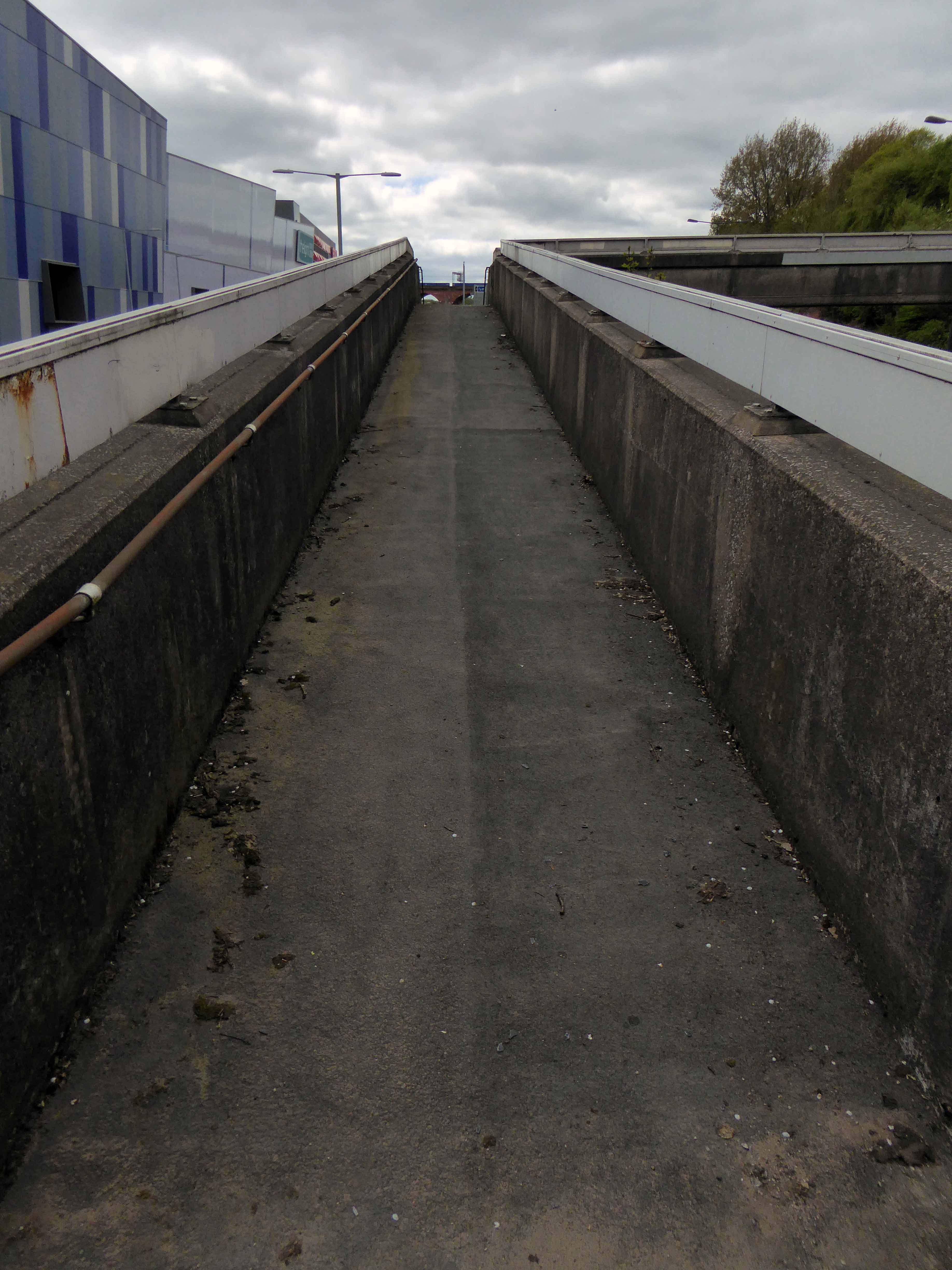
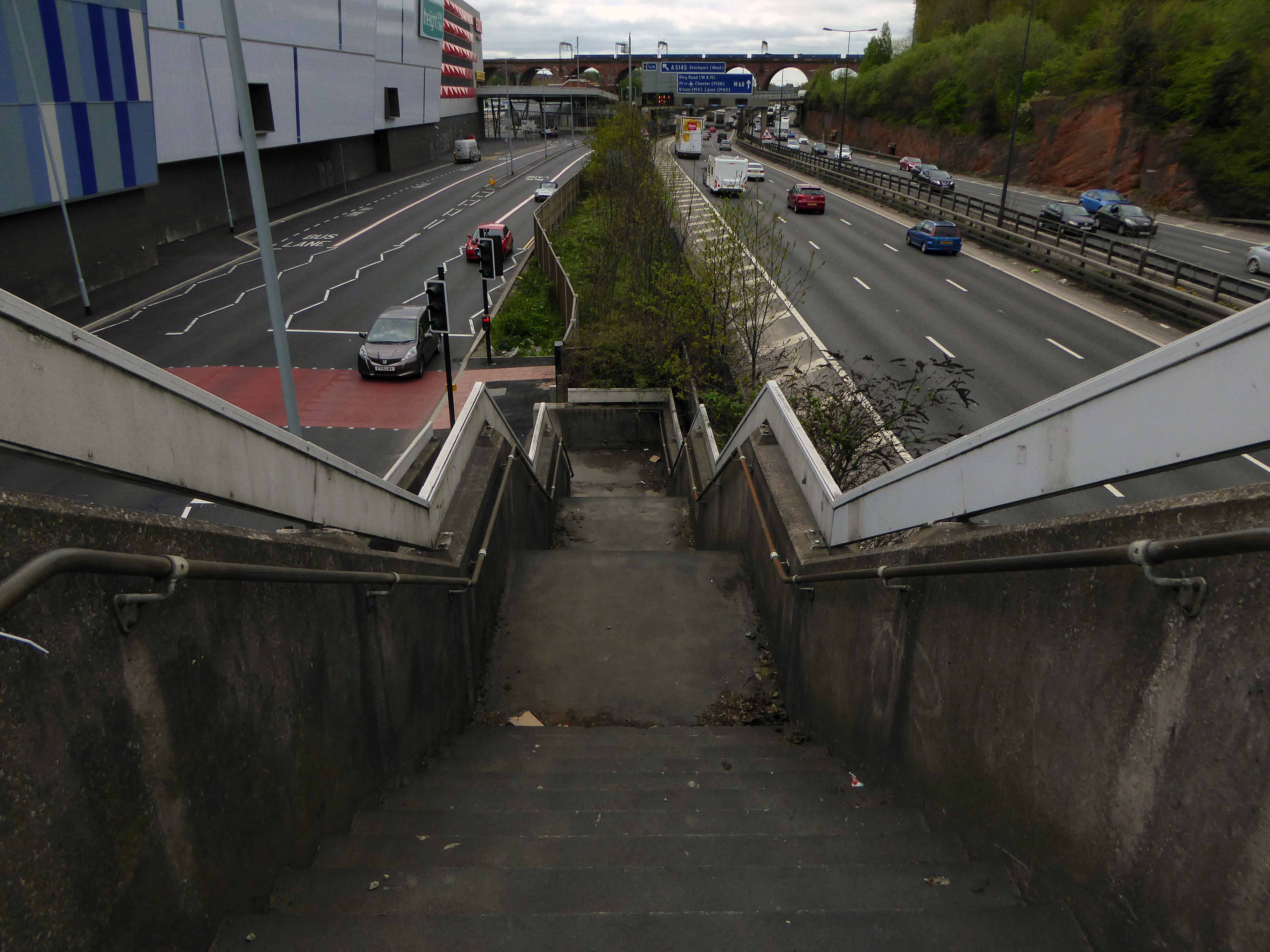
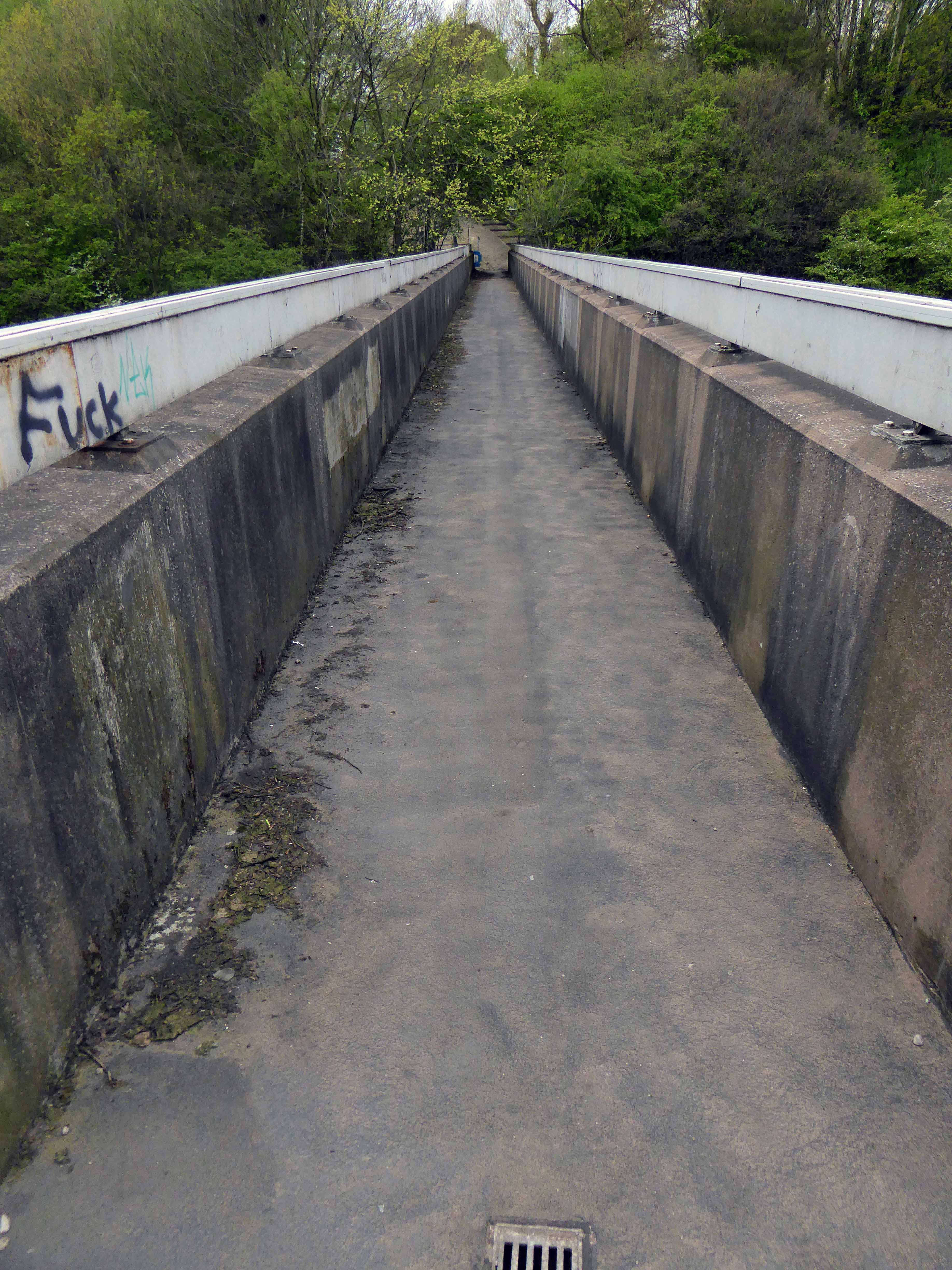
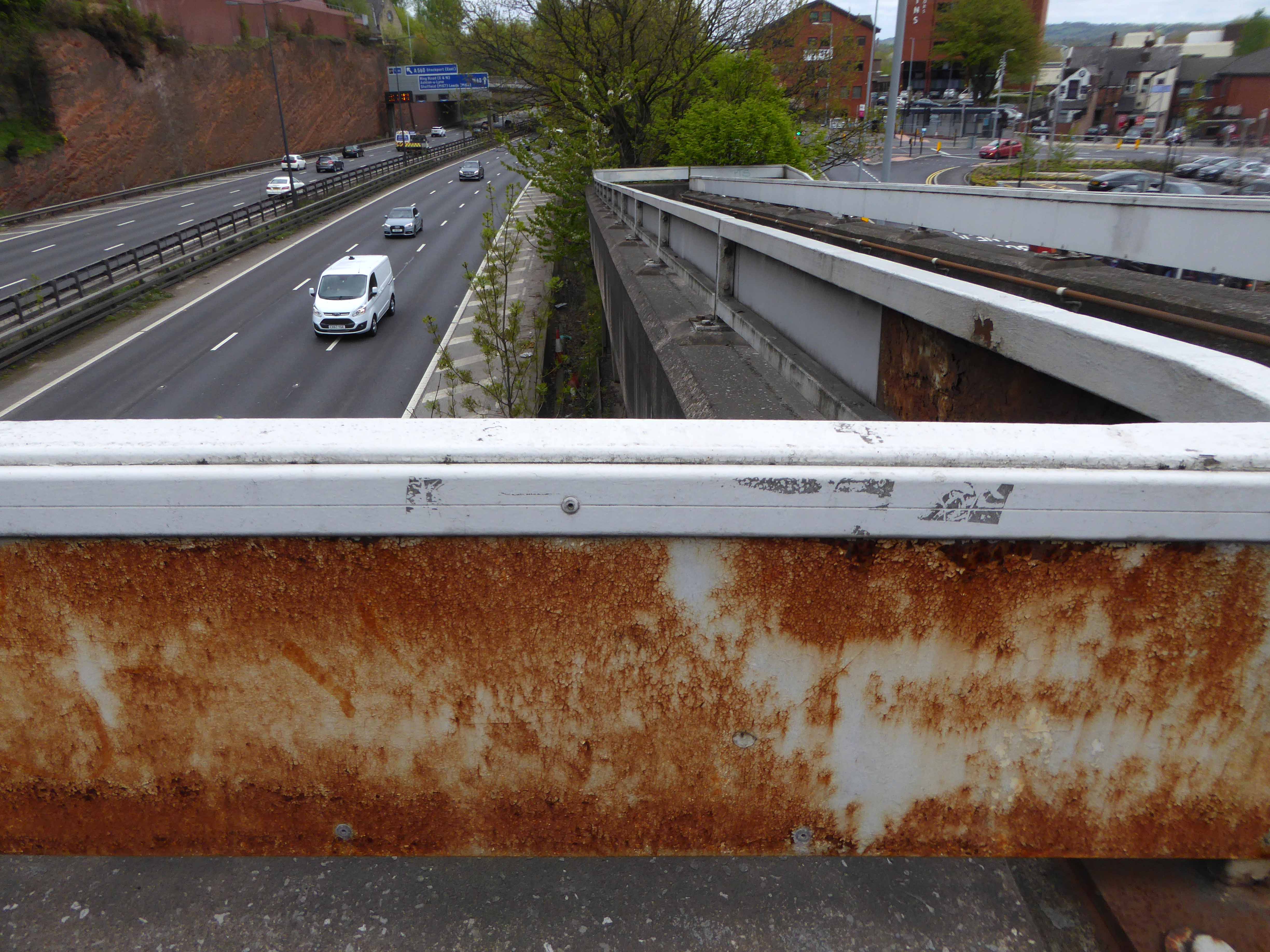
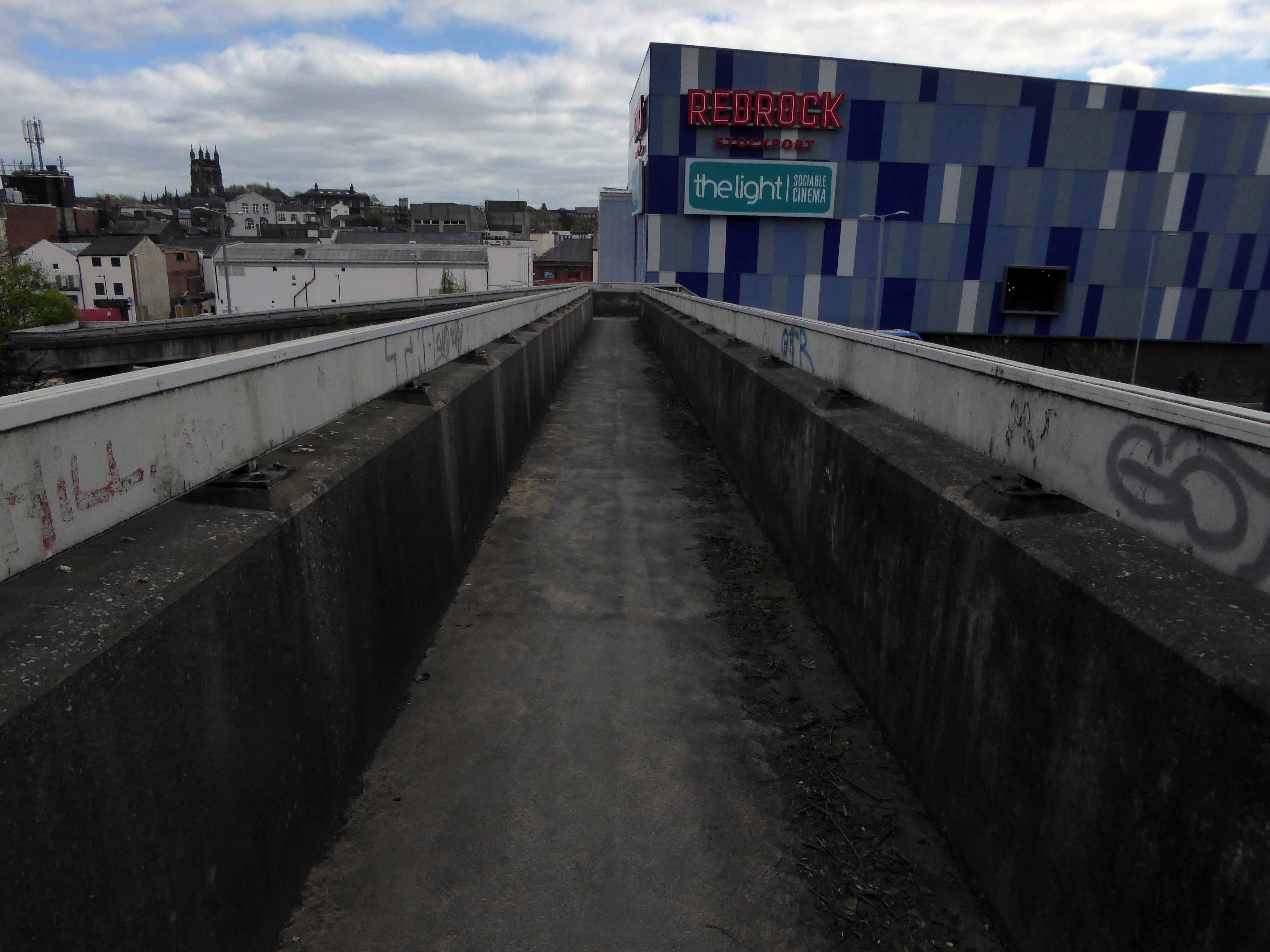
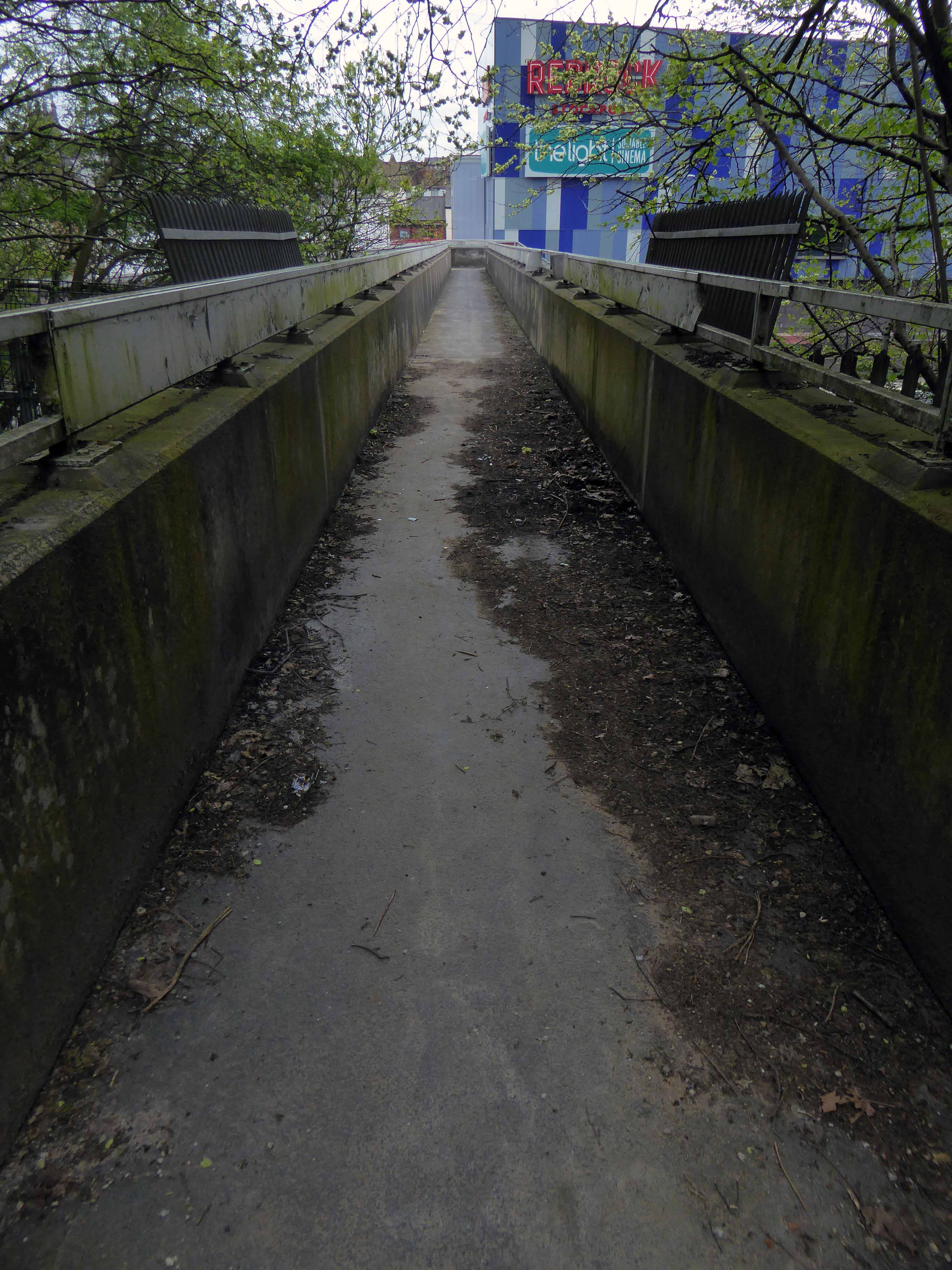
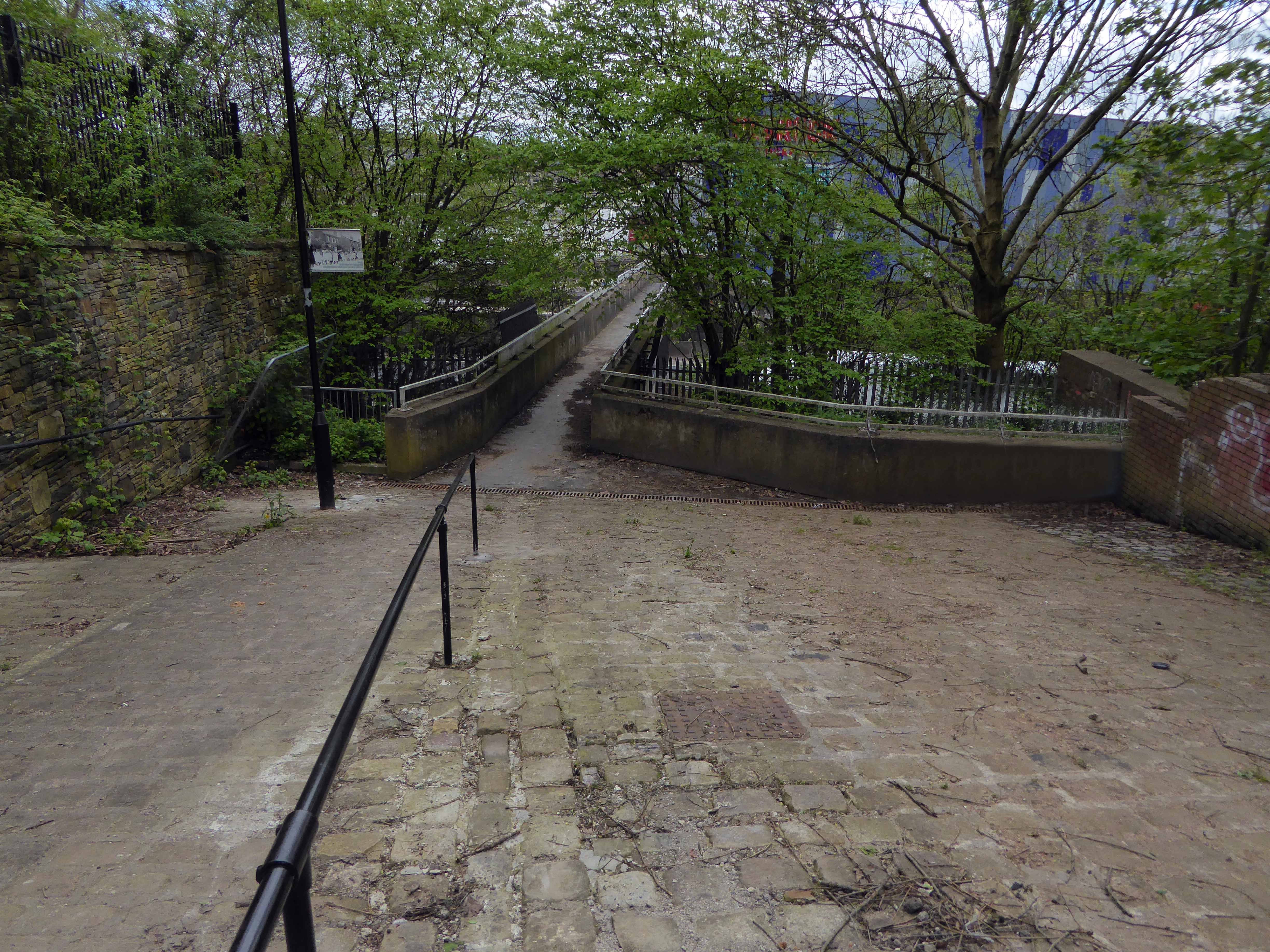
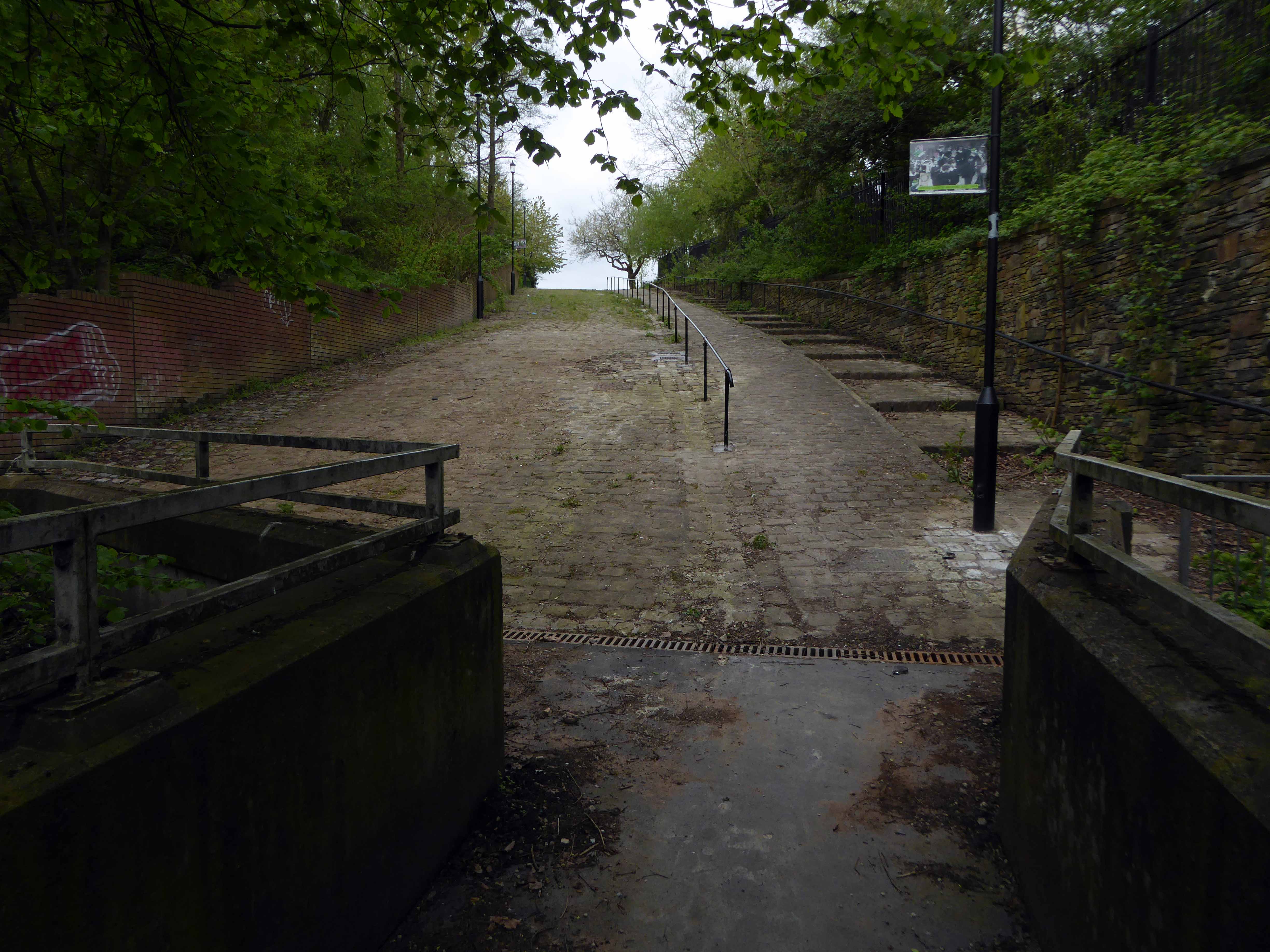
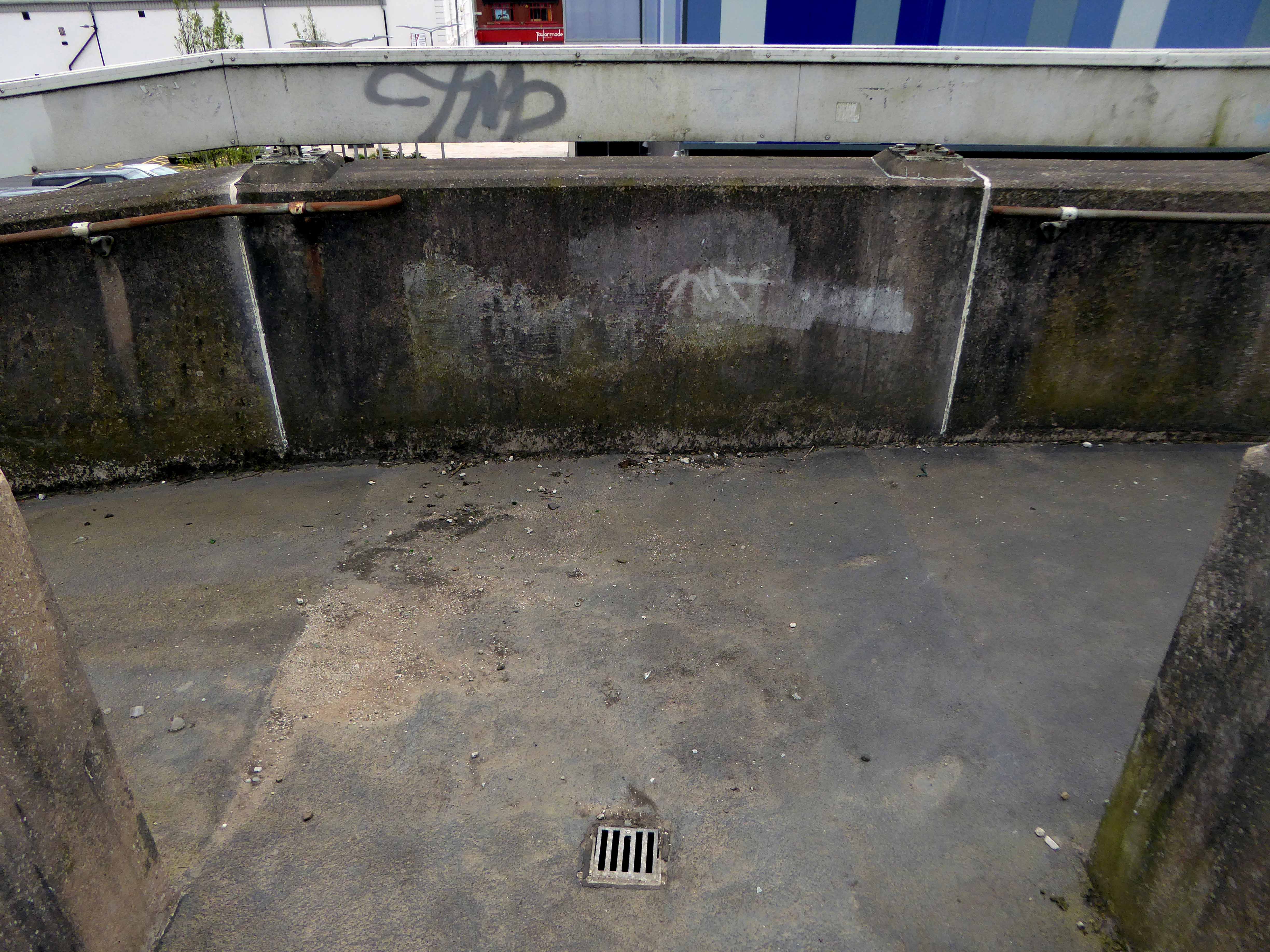
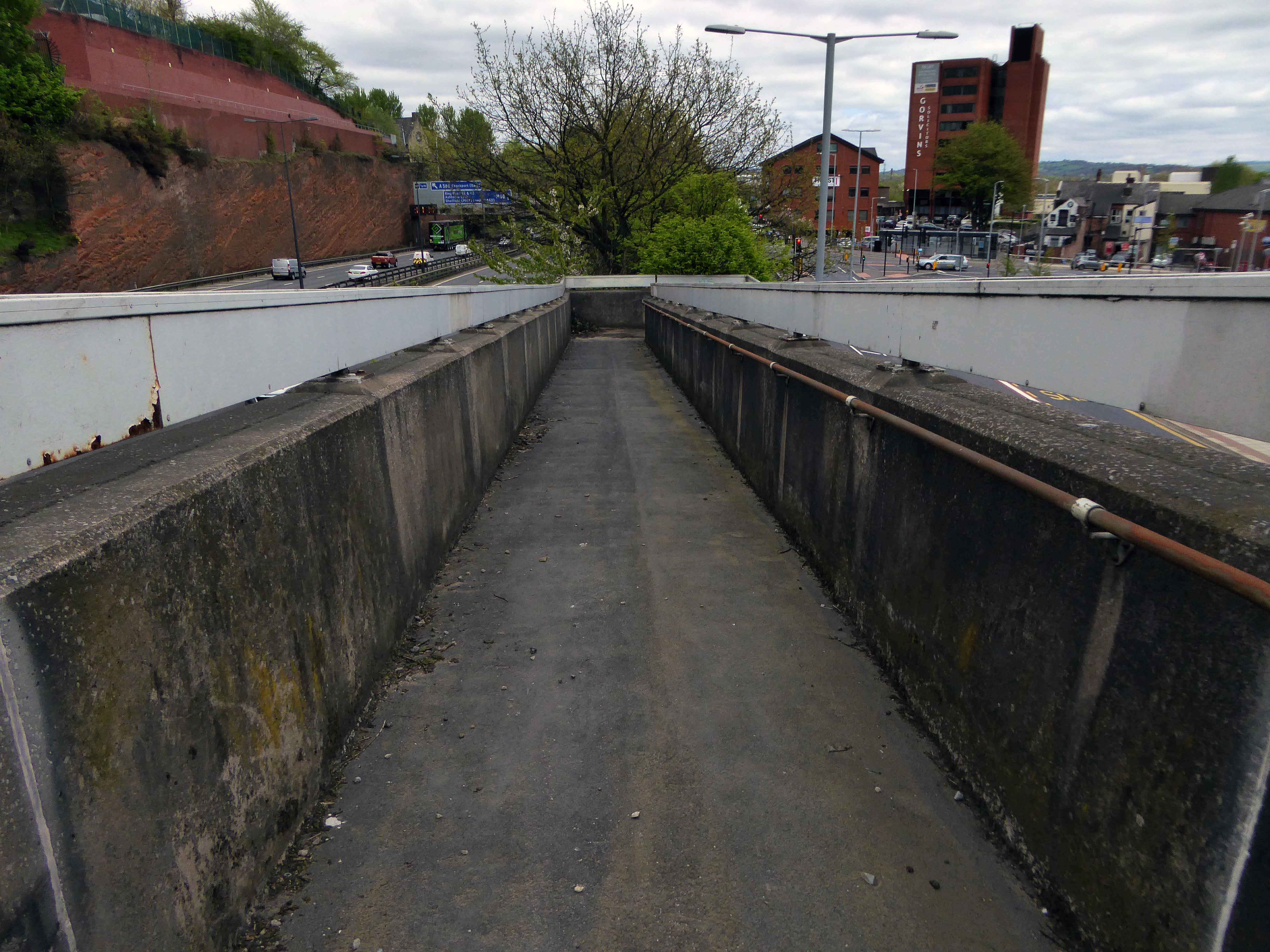
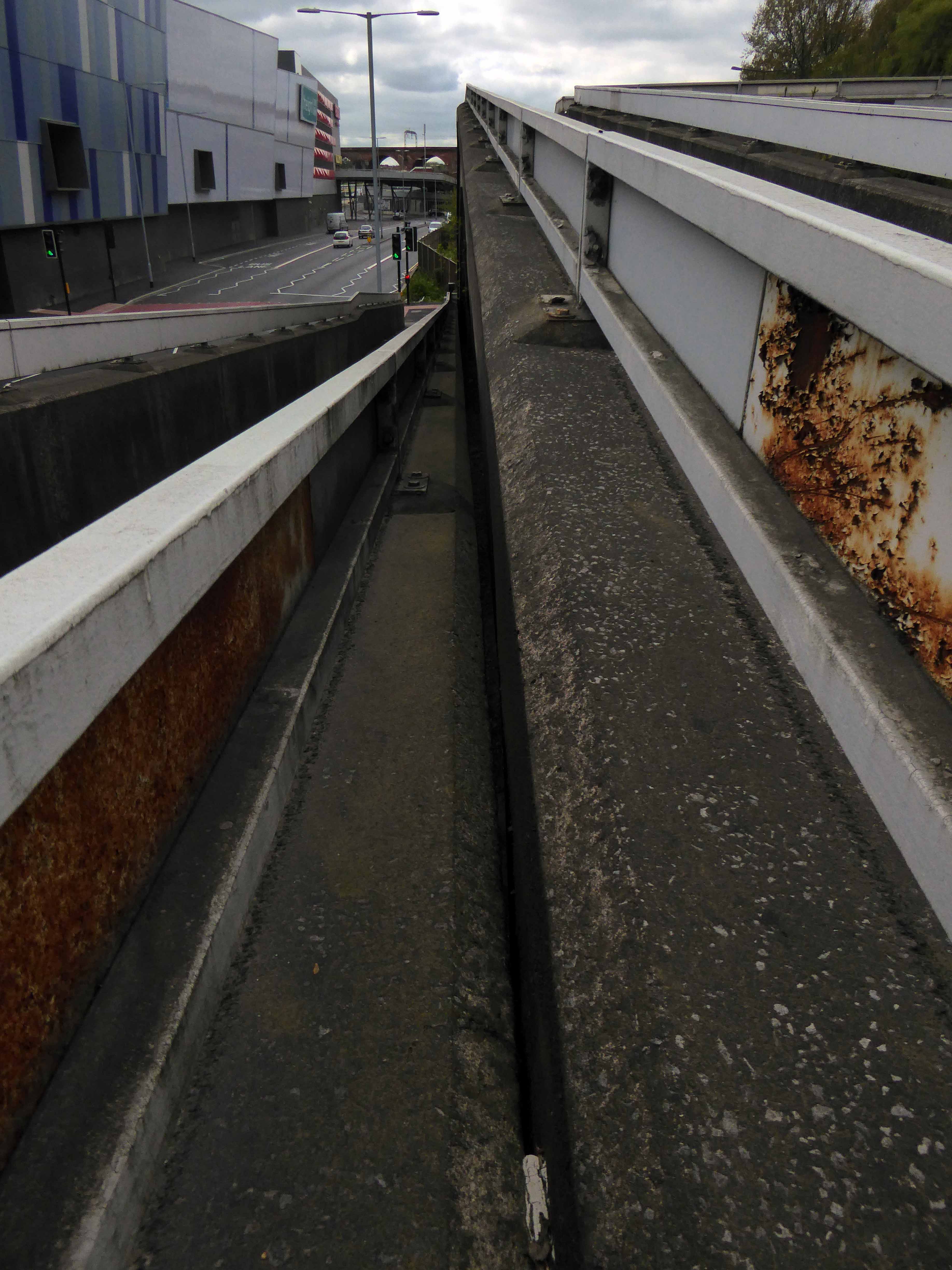
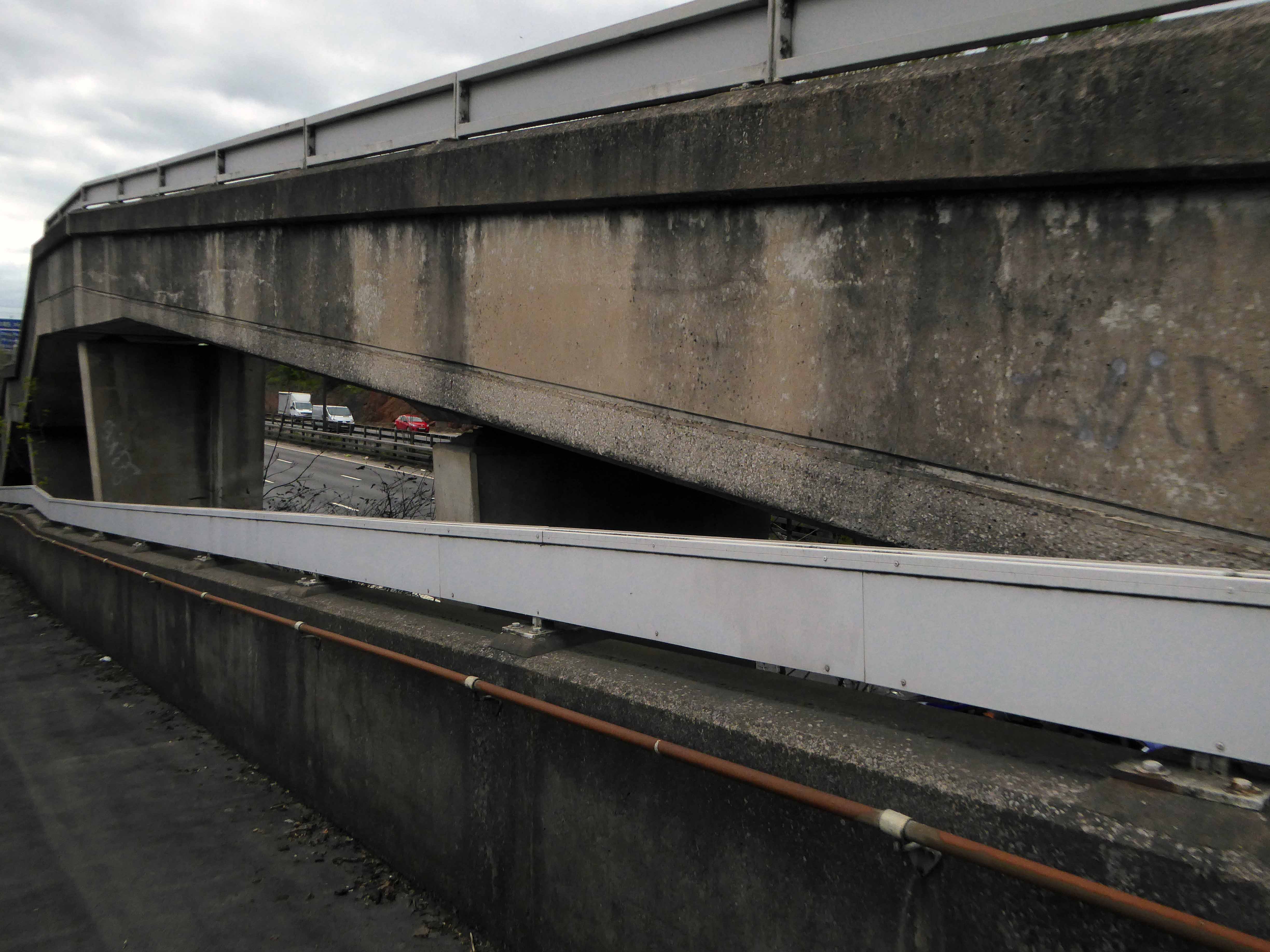
A boon to the modern day motorist, though happily the modern day pedestrian is also catered for in the form of the Hatton Street Footbridge – linking Great Egerton Street below, with Heaton Norris Recreation ground above.

t-s-parkinson-81.jpg

88

821-e1525450826497.jpg

Images TS Parkinson –  Stockport Image Archive

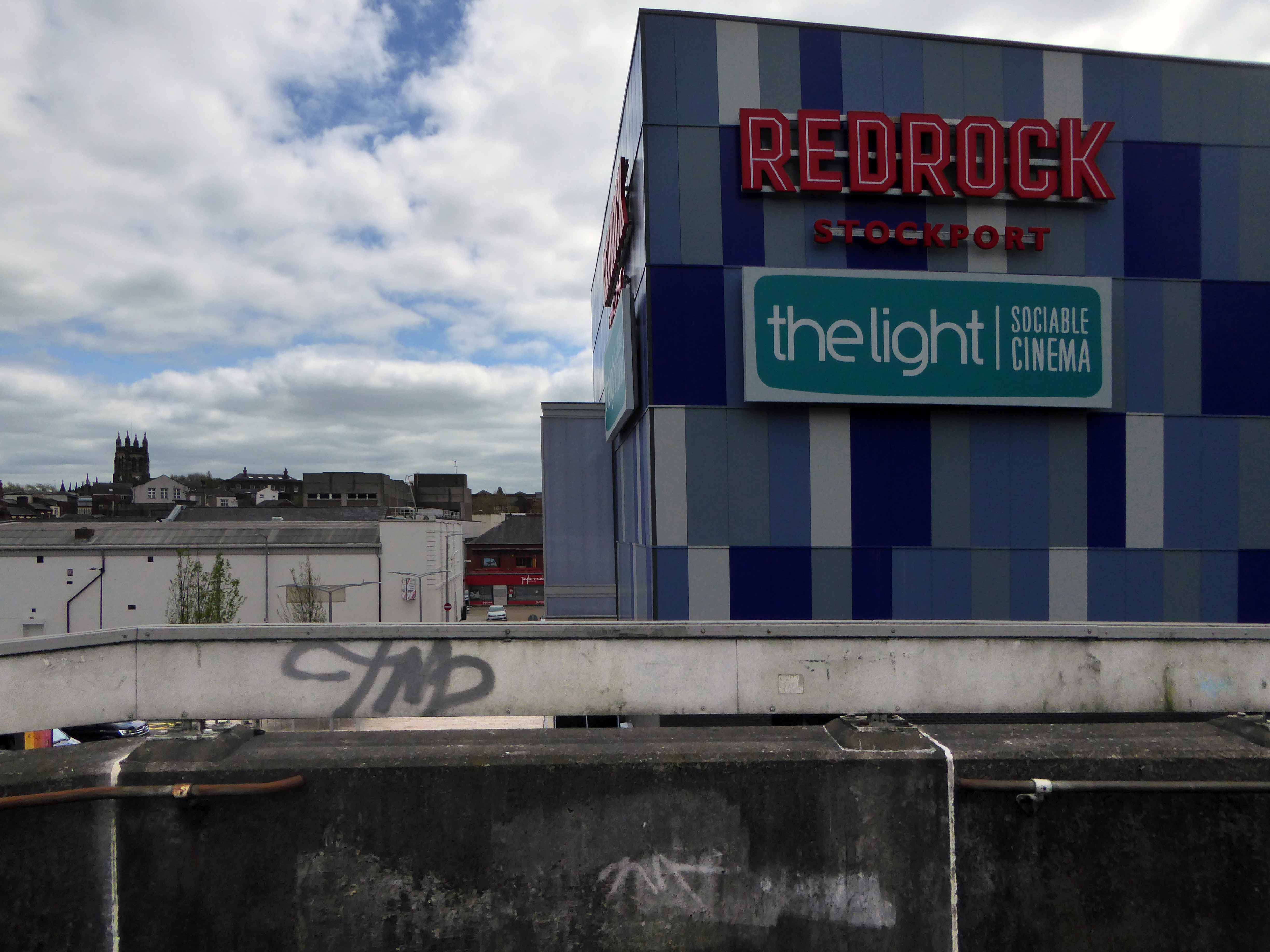
For the past two years the footbridge has been inconveniently closed, during the development of the Redrock Leisure Facility, built on the site of the former car park, in the foreground of the image above. Thus prohibiting the passage from the Post Modern world of the big brash entertainment box, to the leafy cobbled street beyond.

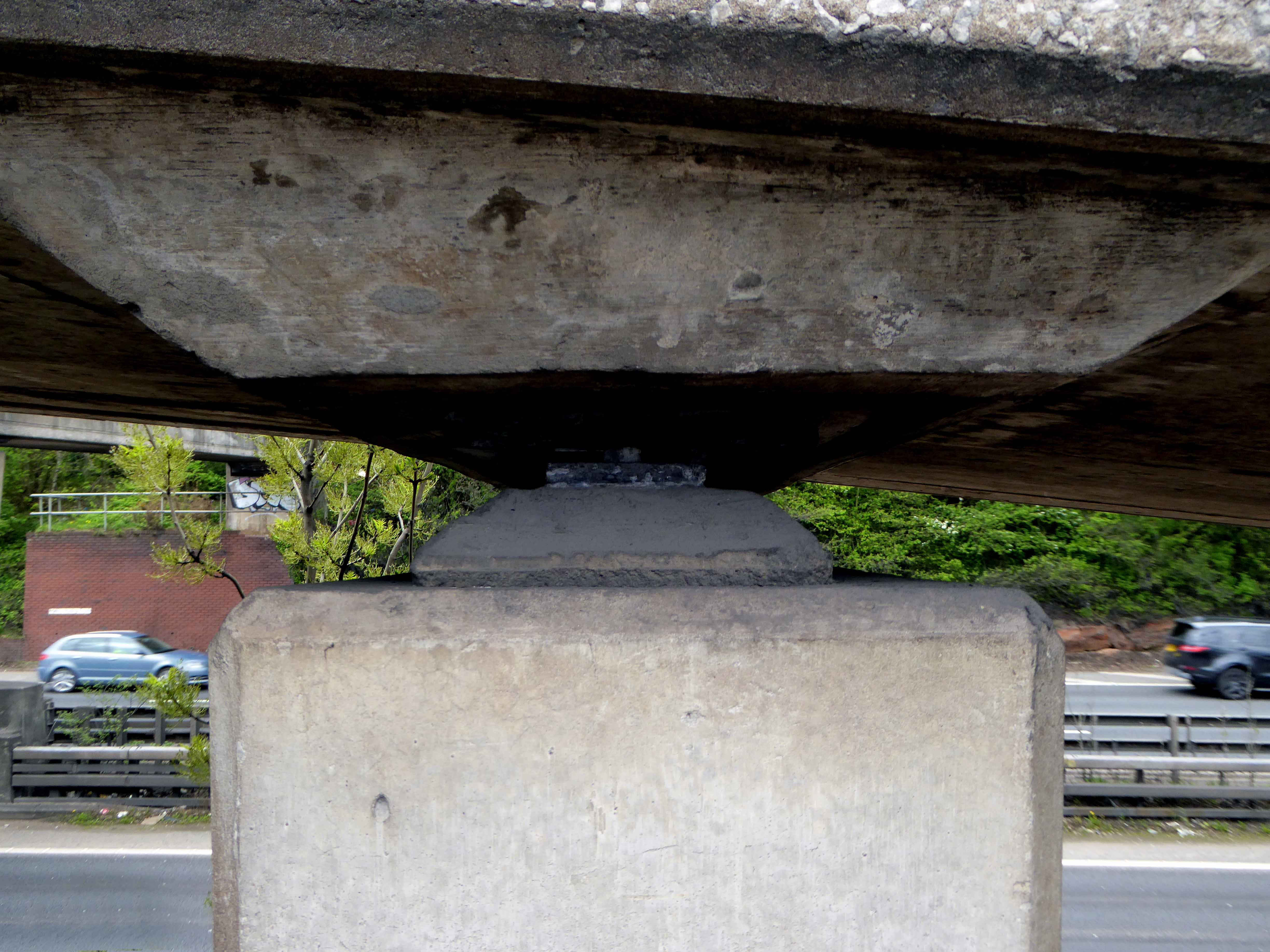
The Hatton Street footbridge has two spans of in-situ u-section deck, is at ground level on the north side, but is reached by steps or ramp from Great Egerton Street on the south.

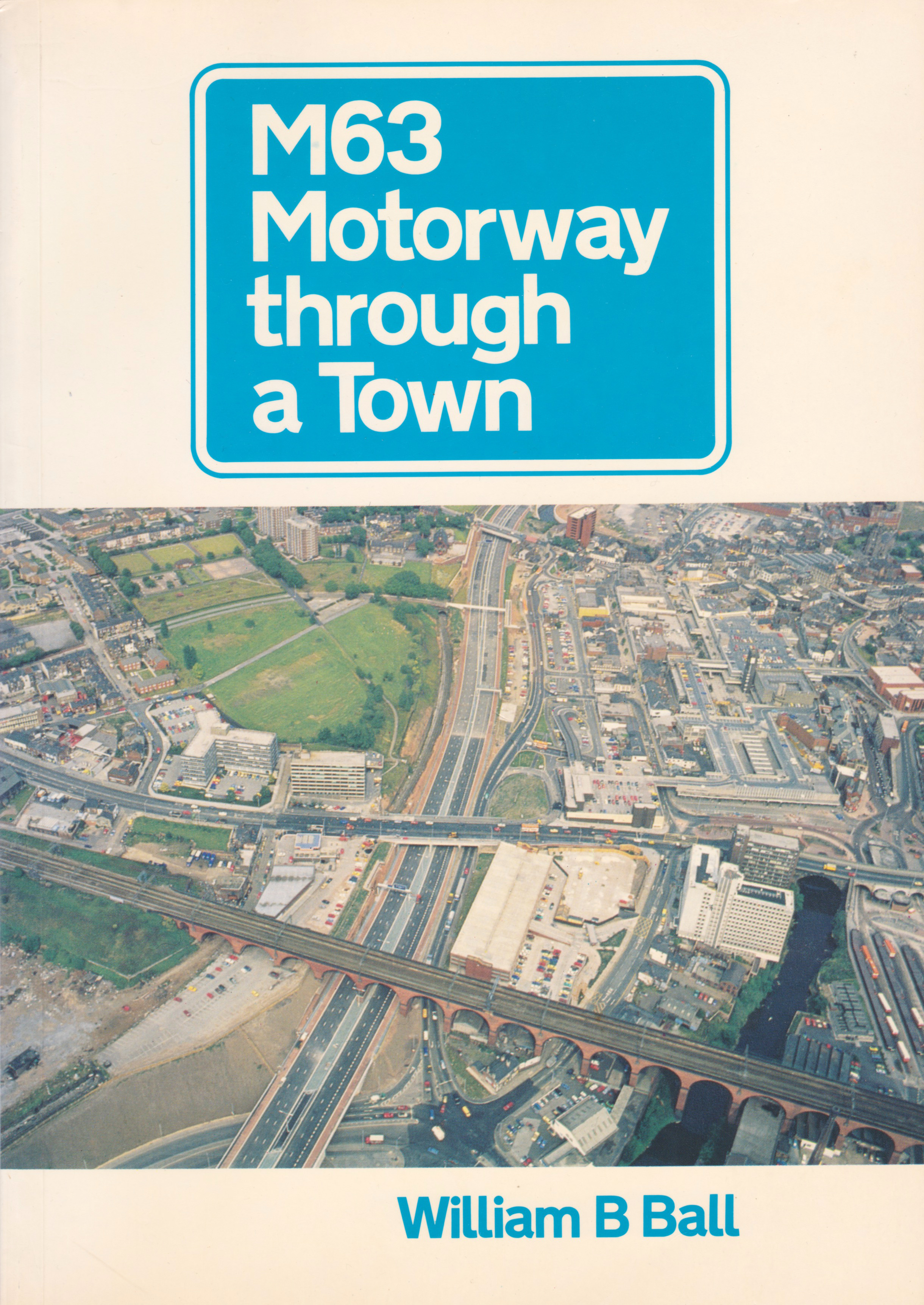
William B Ball

I’m ever so pleased that access has been reinstated, from me it is both fully functional yet imbued with an elegant concrete sculptural grace, worthy of Niemeyer or Lasdun.

So take a walk on the slightly higher side, either way you win.

P1240904

P1240906

P1240908

P1240909

P1240910

P1240912

P1240913

P1240919

P1240920

P1240922

P1240924

P1240925

P1240926

P1240927

P1240928

P1240929

P1240930

P1240931

P1240932

P1240933

P1240934

P1240935

P1240936

P1240938

P1240939

P1240942

P1240943

P1240948

P1240952


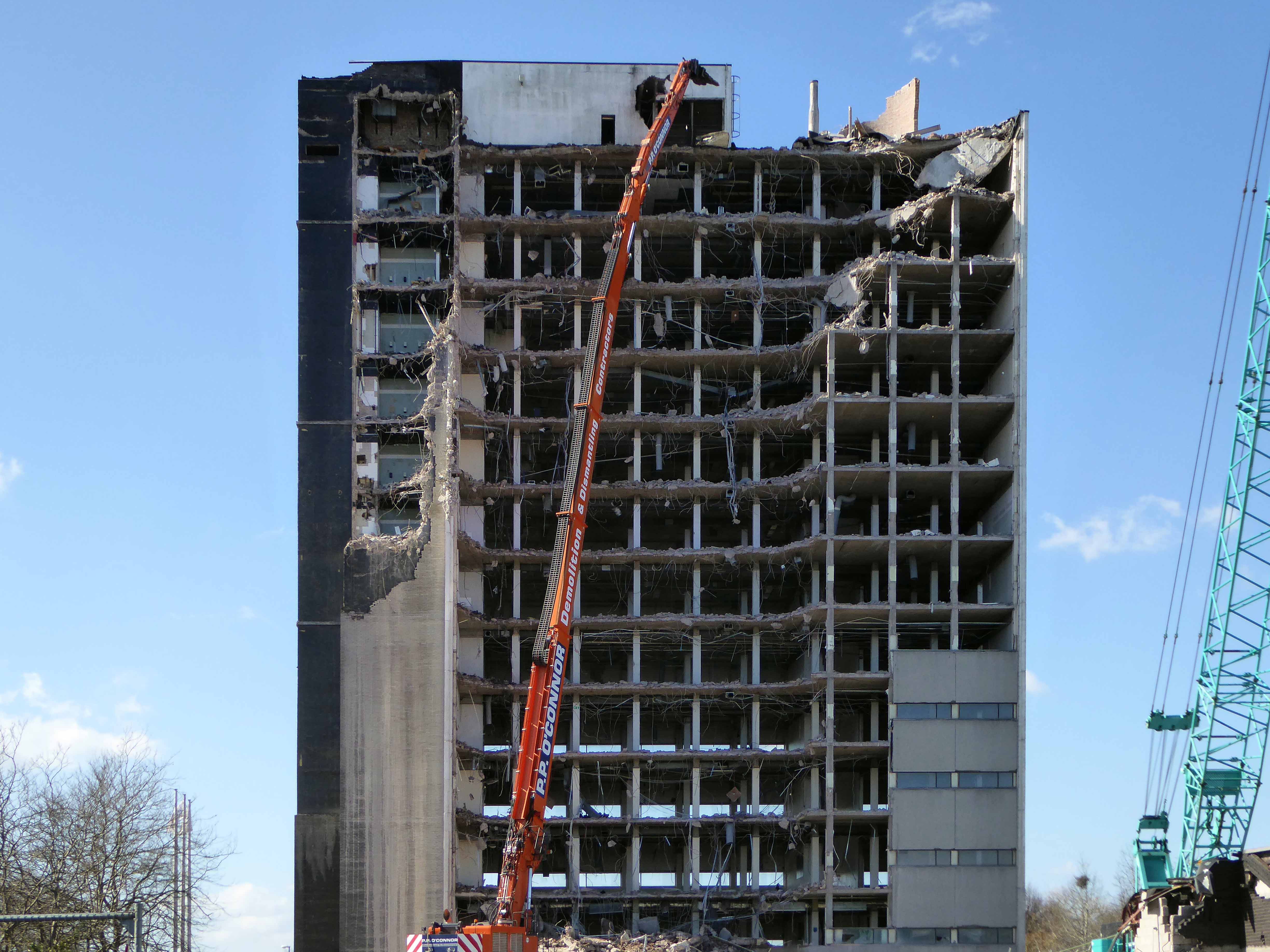
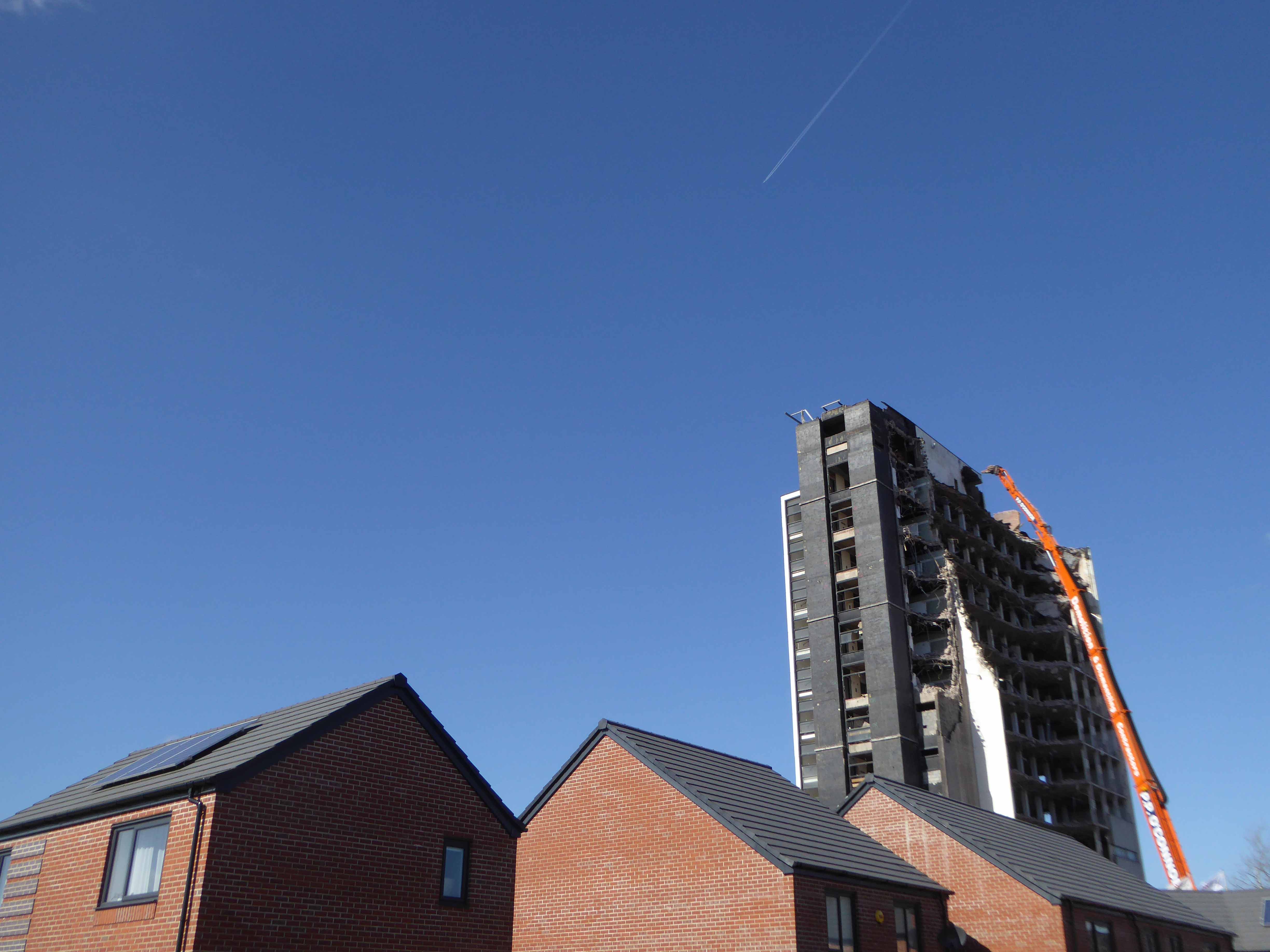
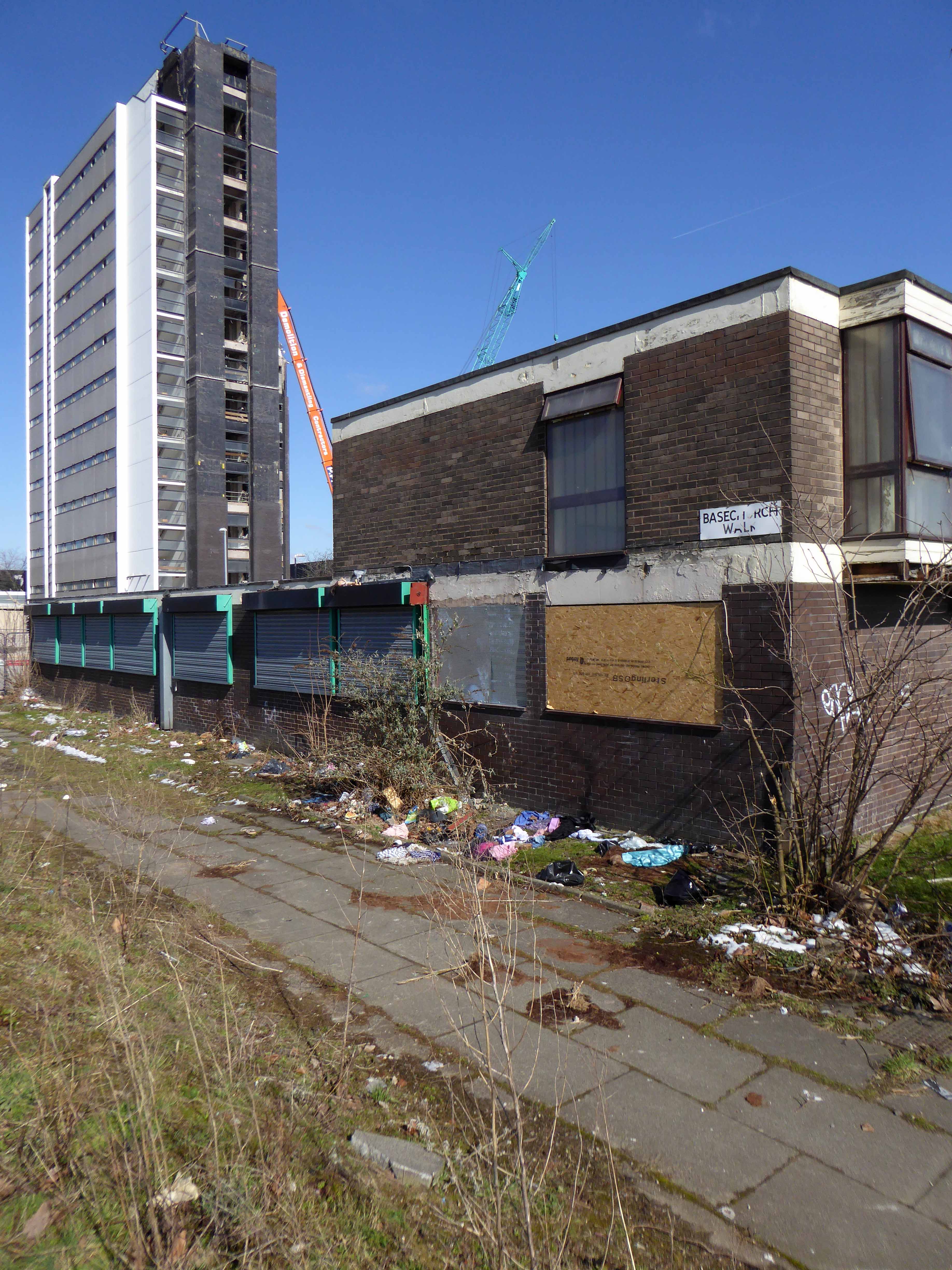
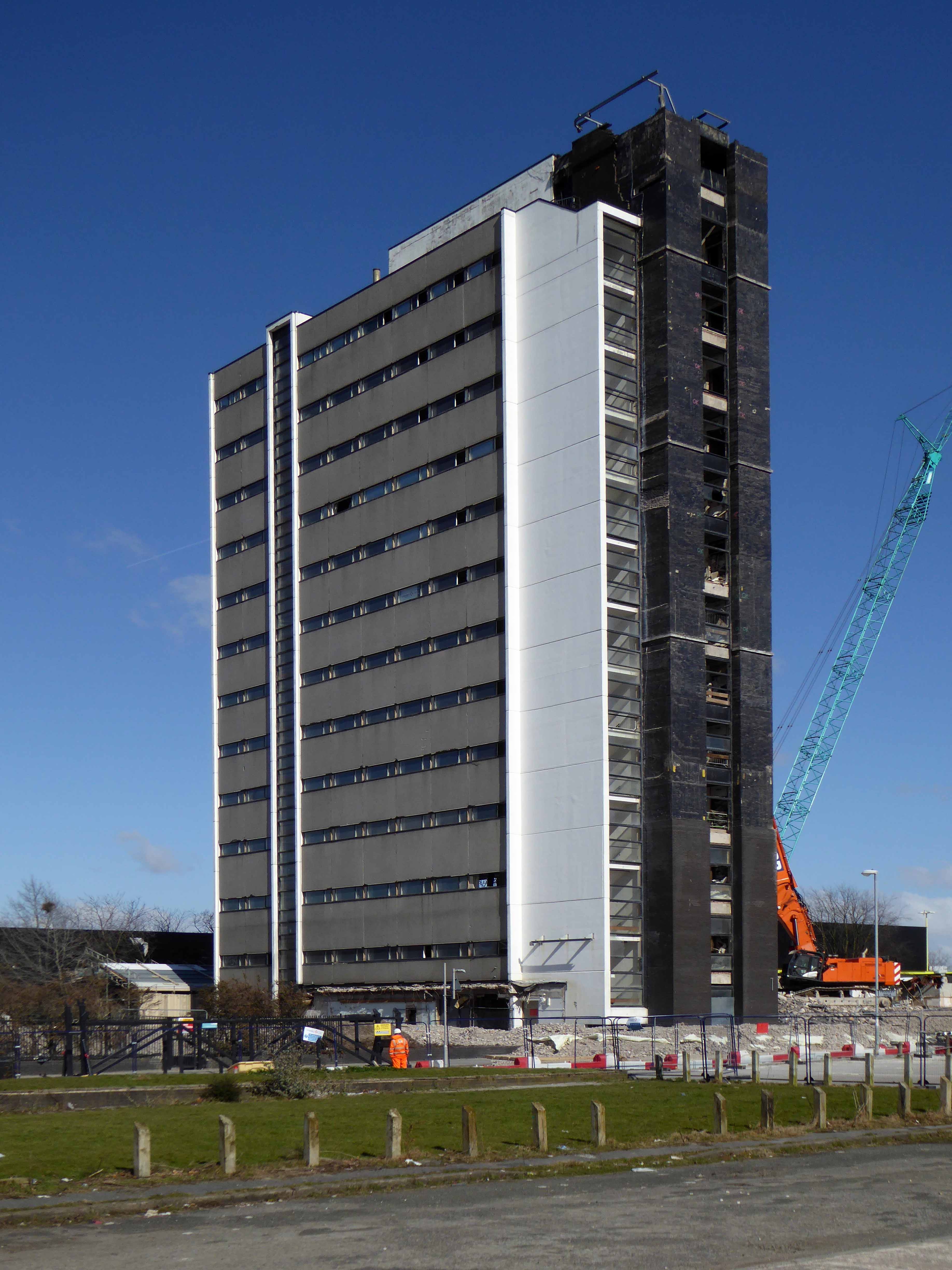
ICL Tower – Gorton Manchester

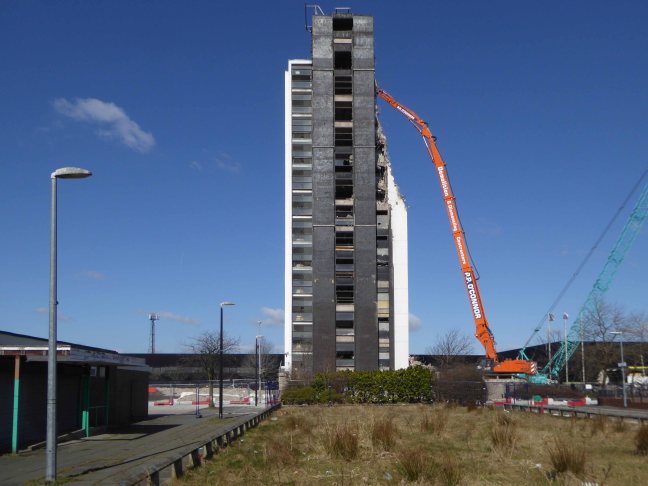
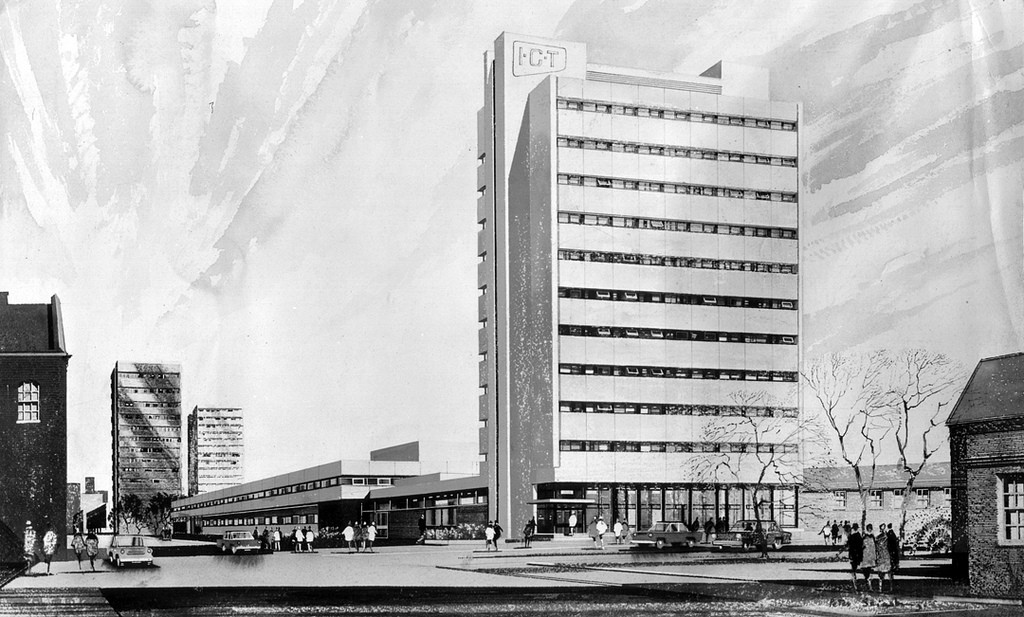
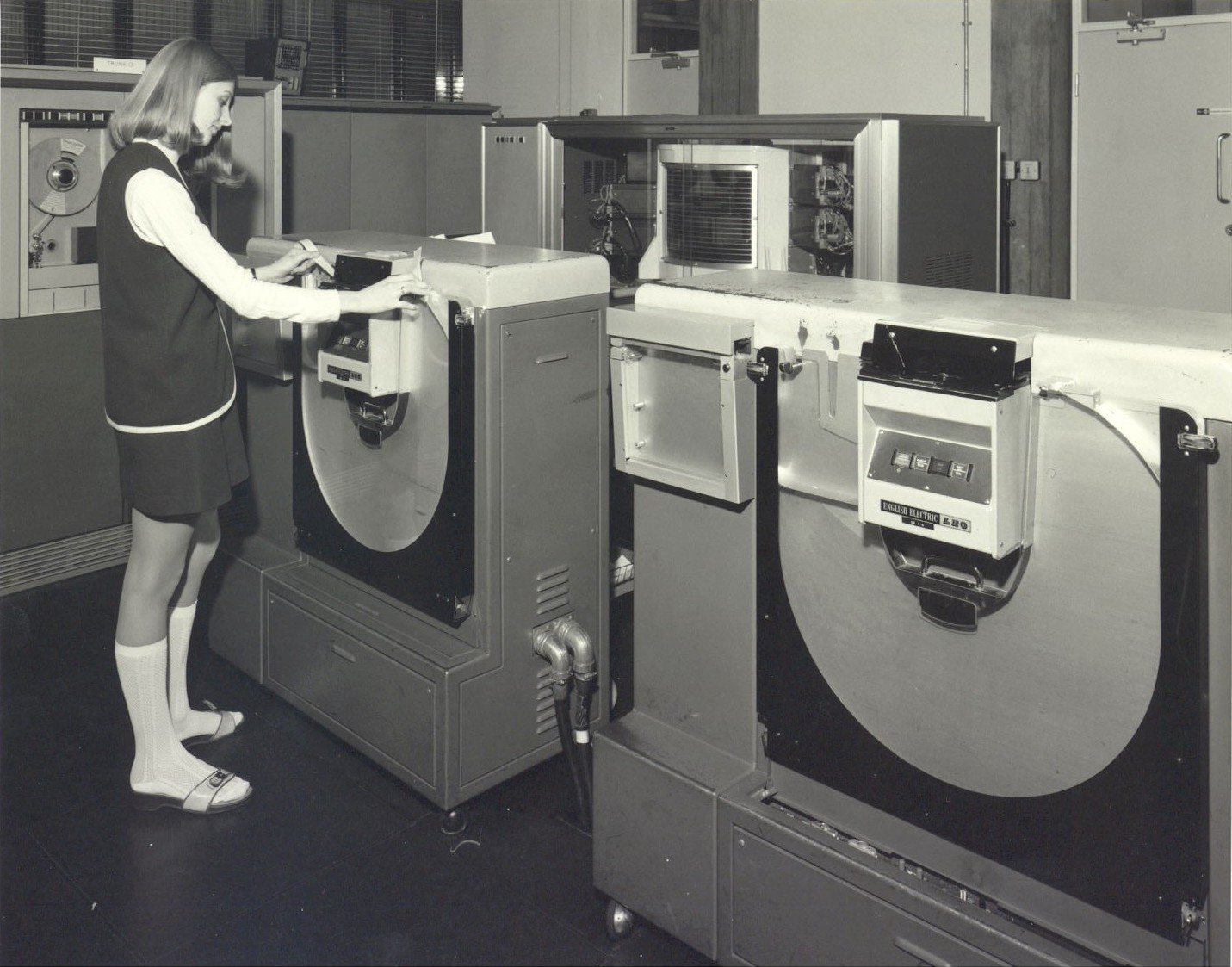
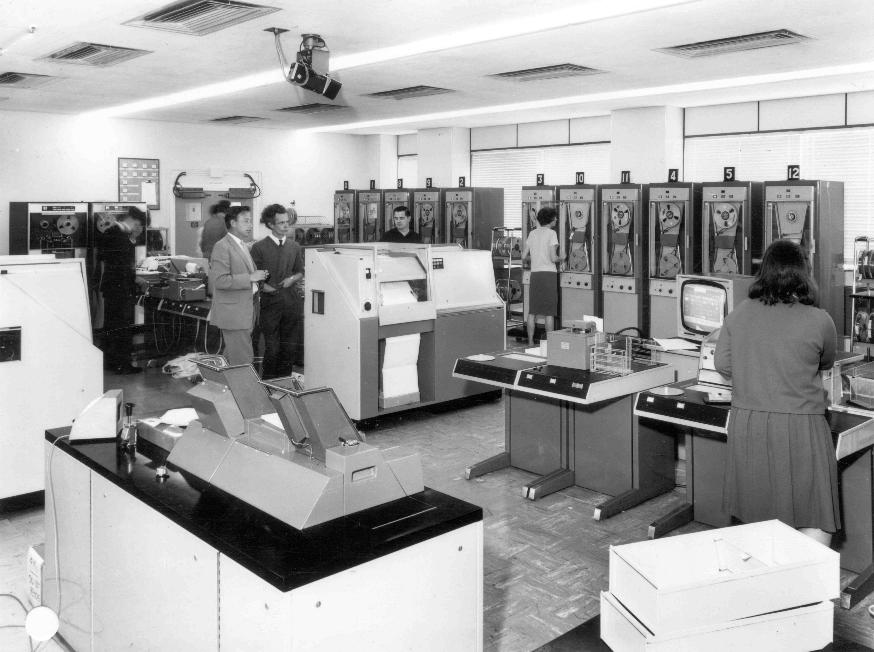
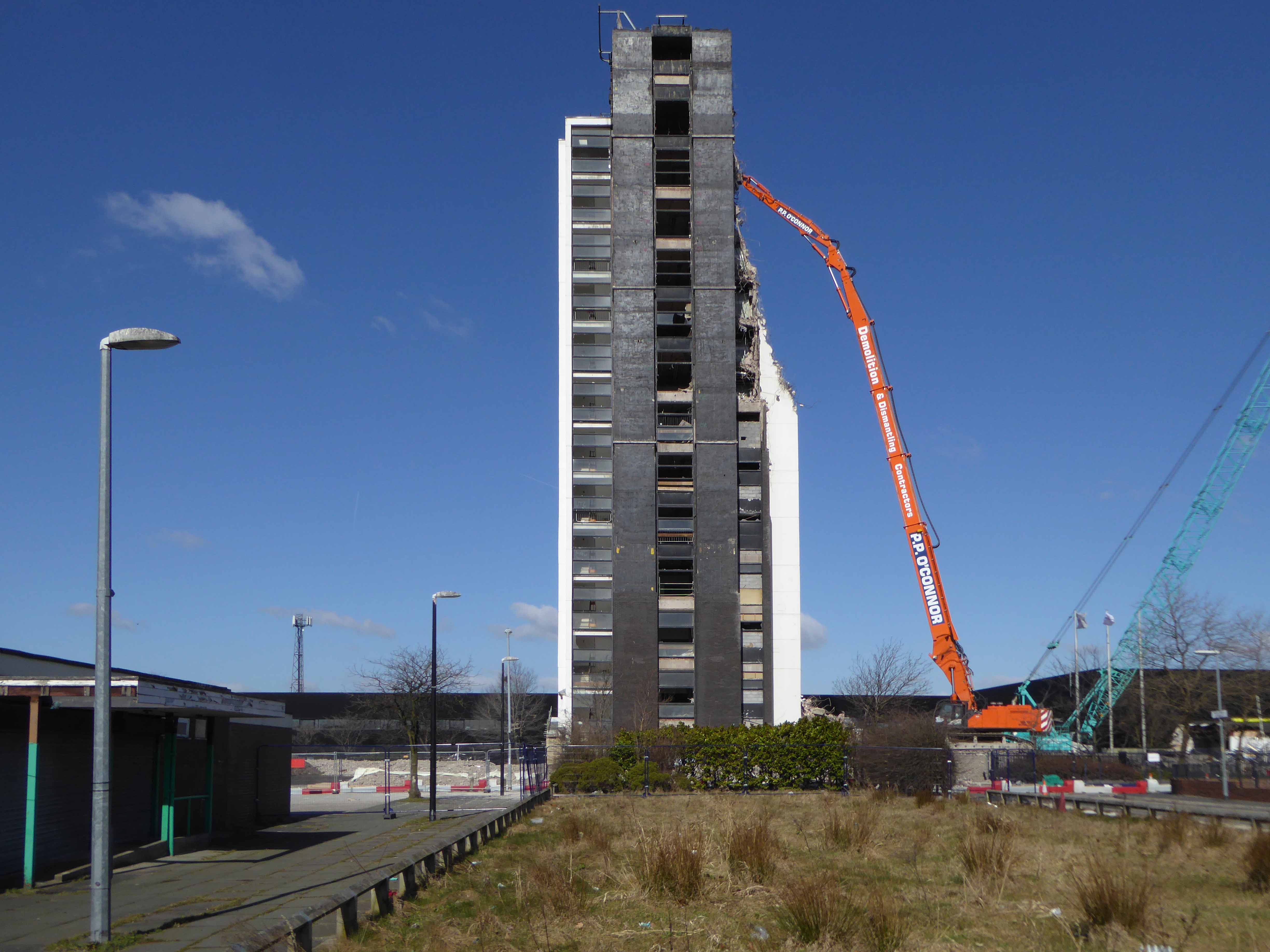
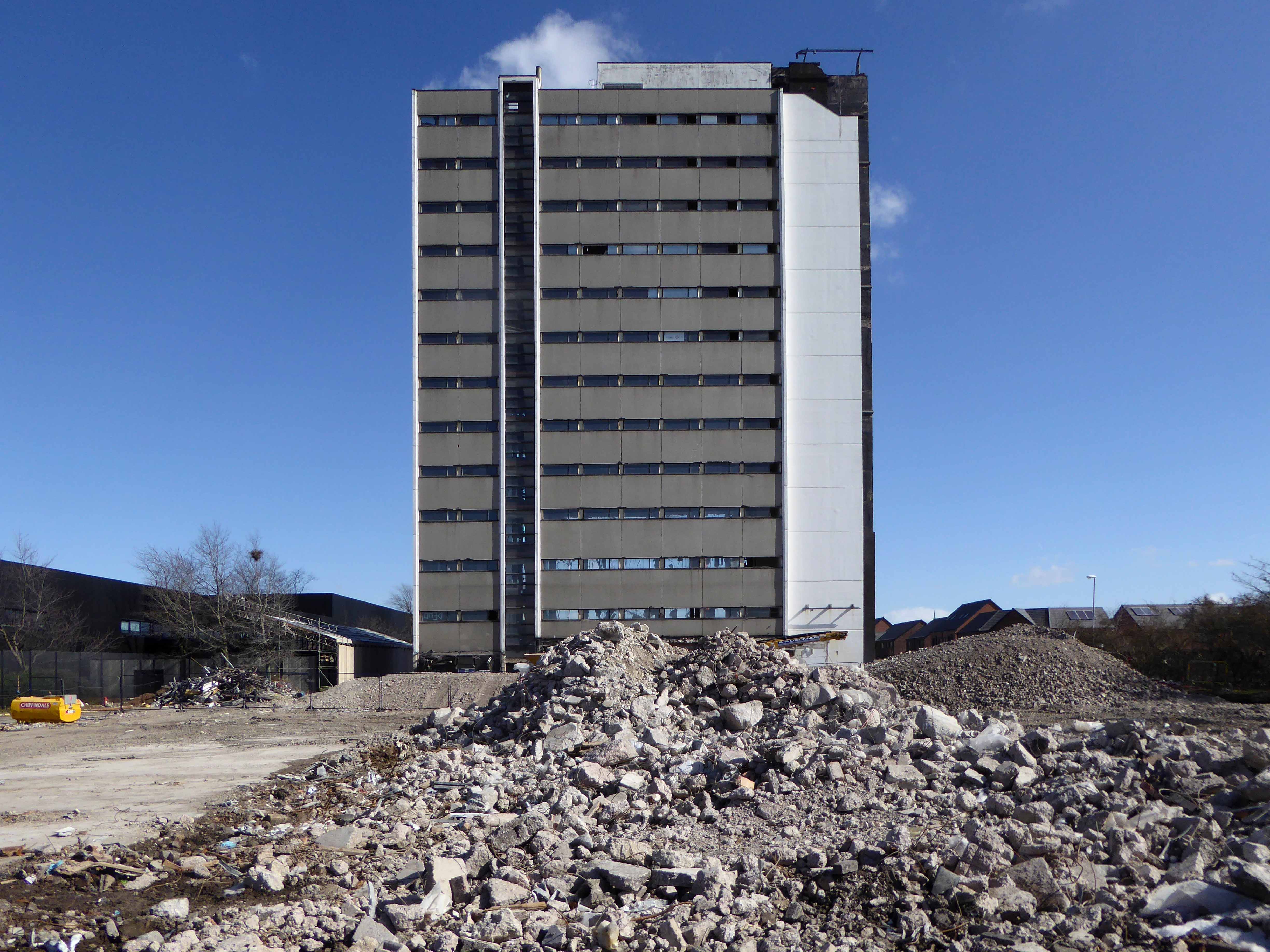
Designed by architects Cruickshank and Seward in the Sixties, to house the cutting-edge computing power of the time, the ICT later ICL Tower, towered over Wenlock Way, Gorton in East Manchester.

A landmark for many from bus, train, car, Shanks’s pony or low flying VC10.

A place of work for thousands.

7500908638_b289e691ec_b

At a time when modern technology looked a little like this:

res49d

resi

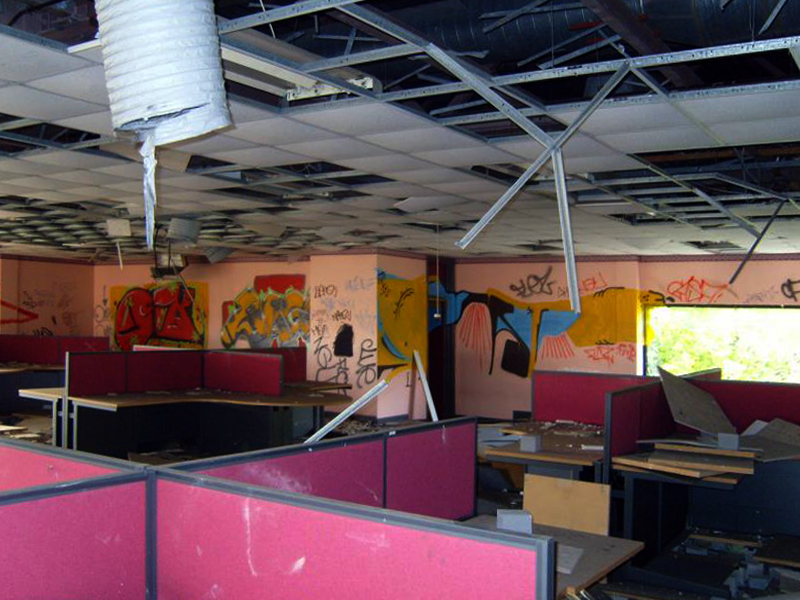
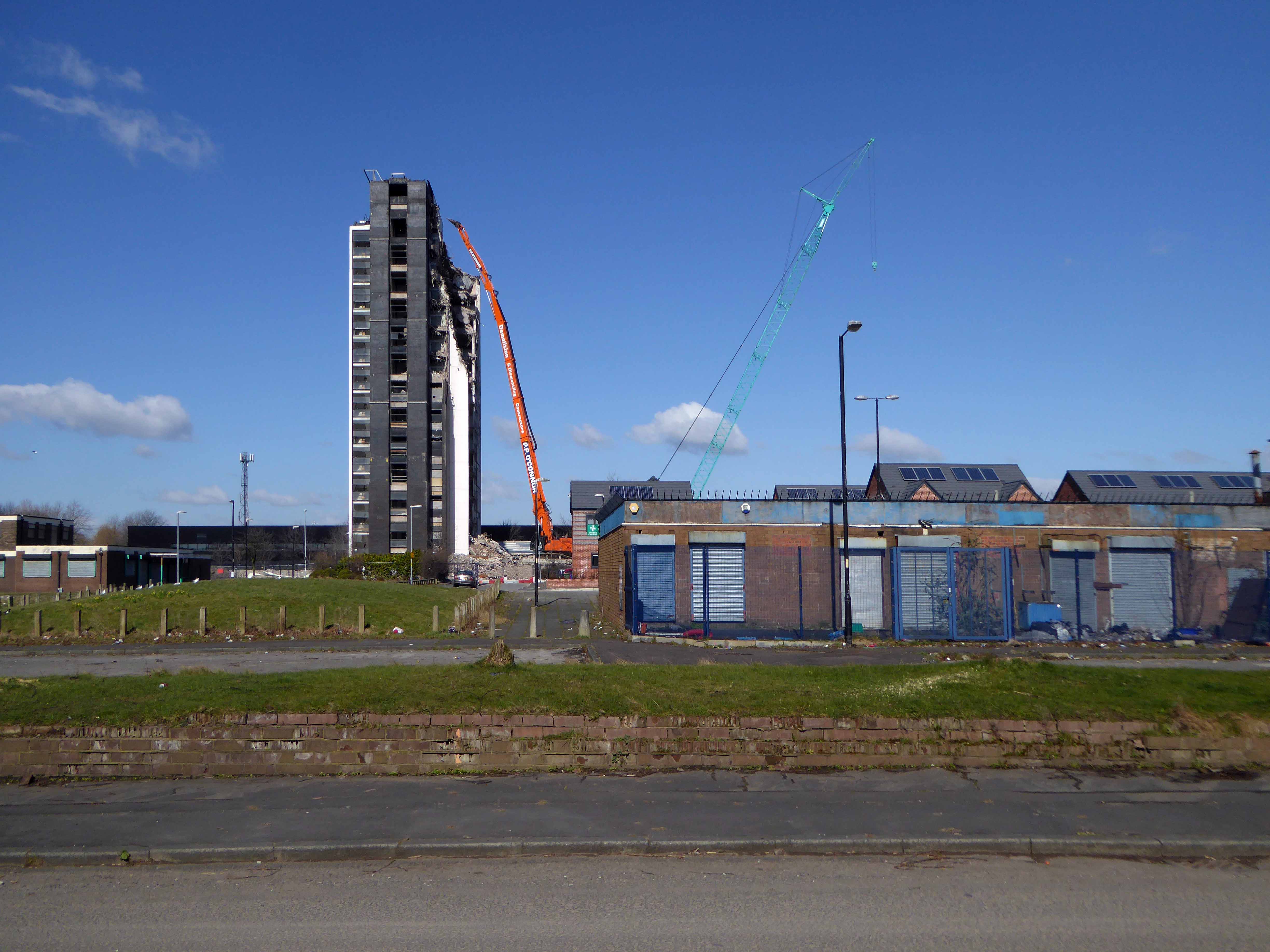
Sadly ending like this:

S1031451

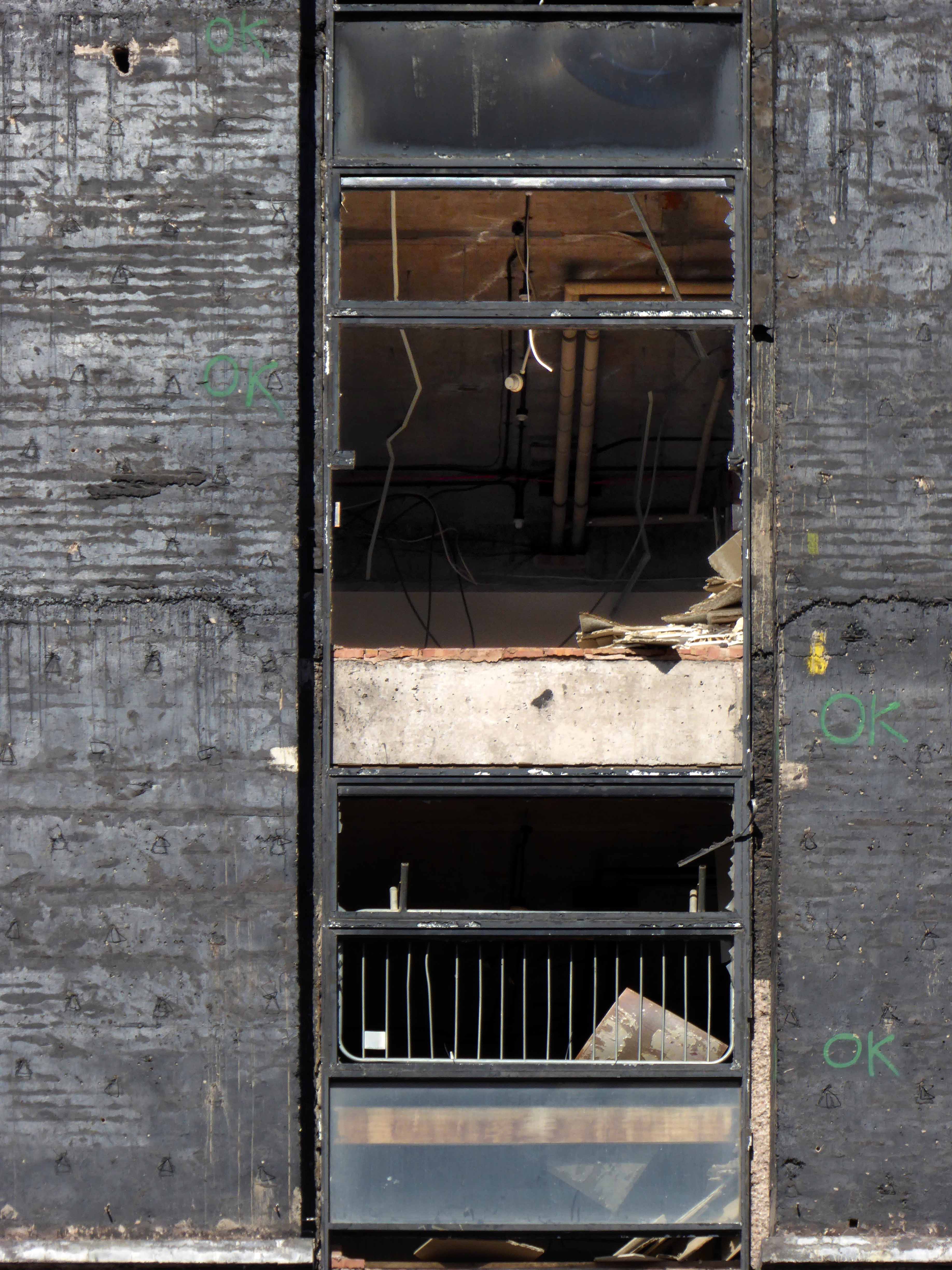
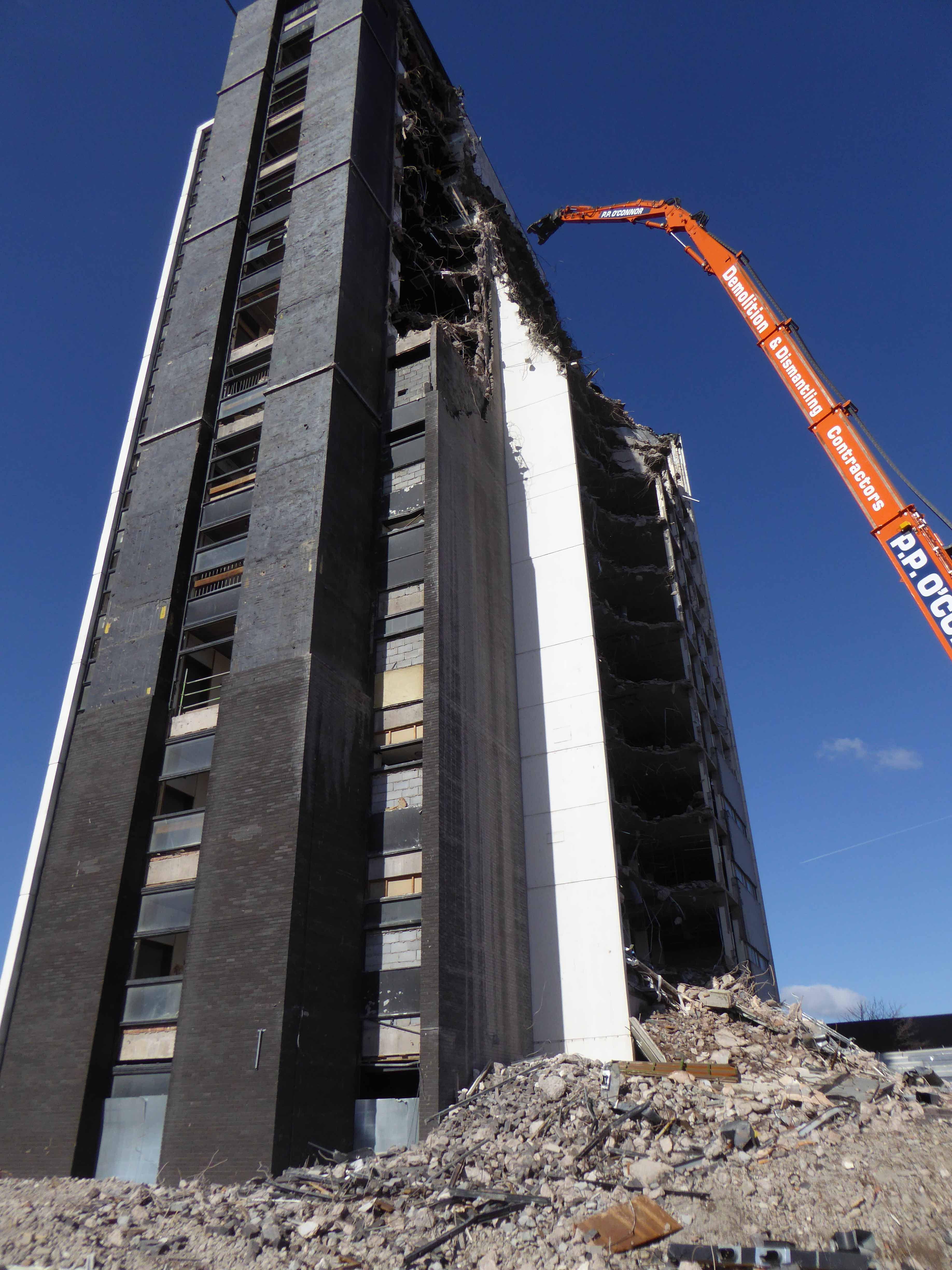
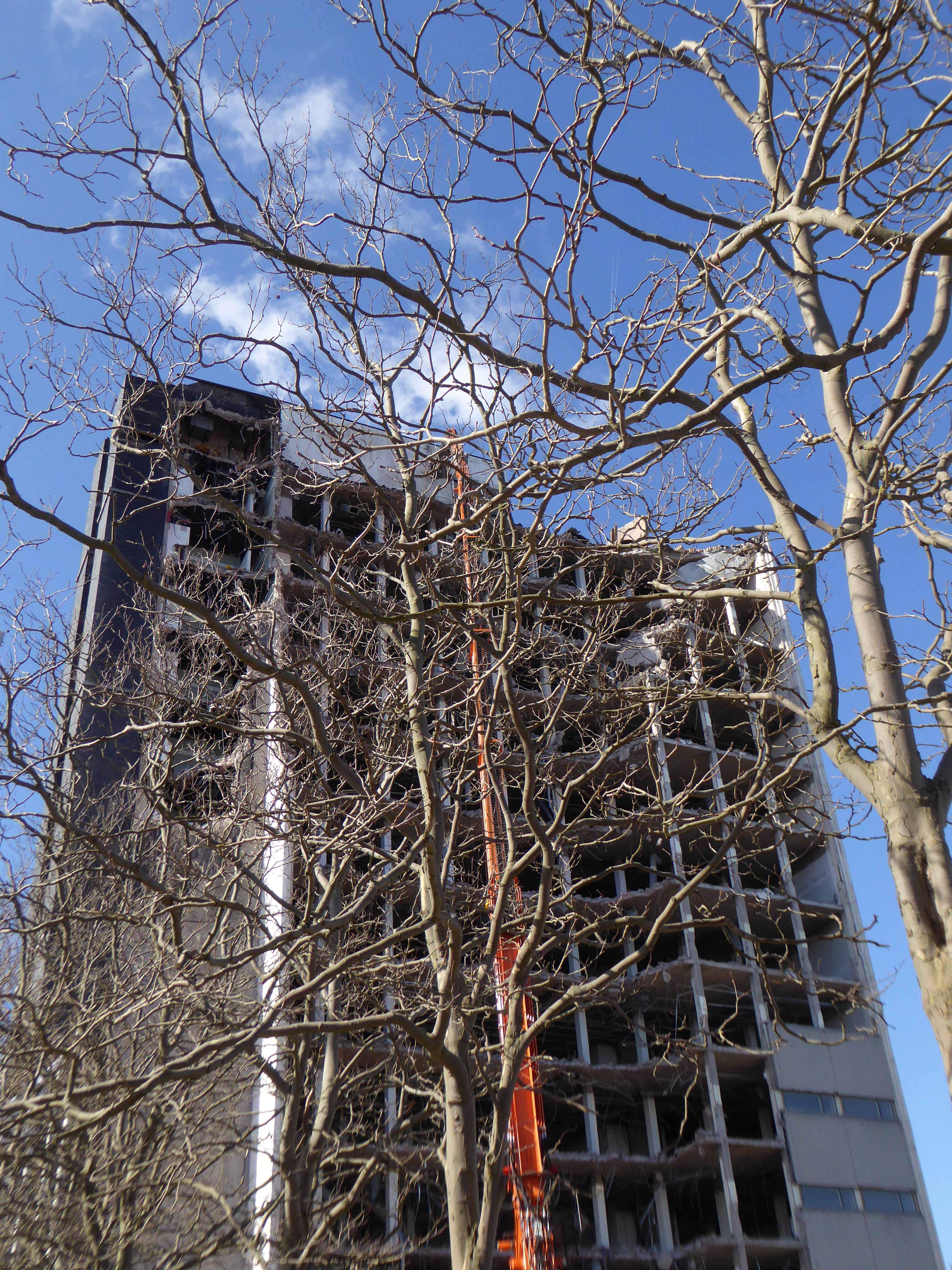
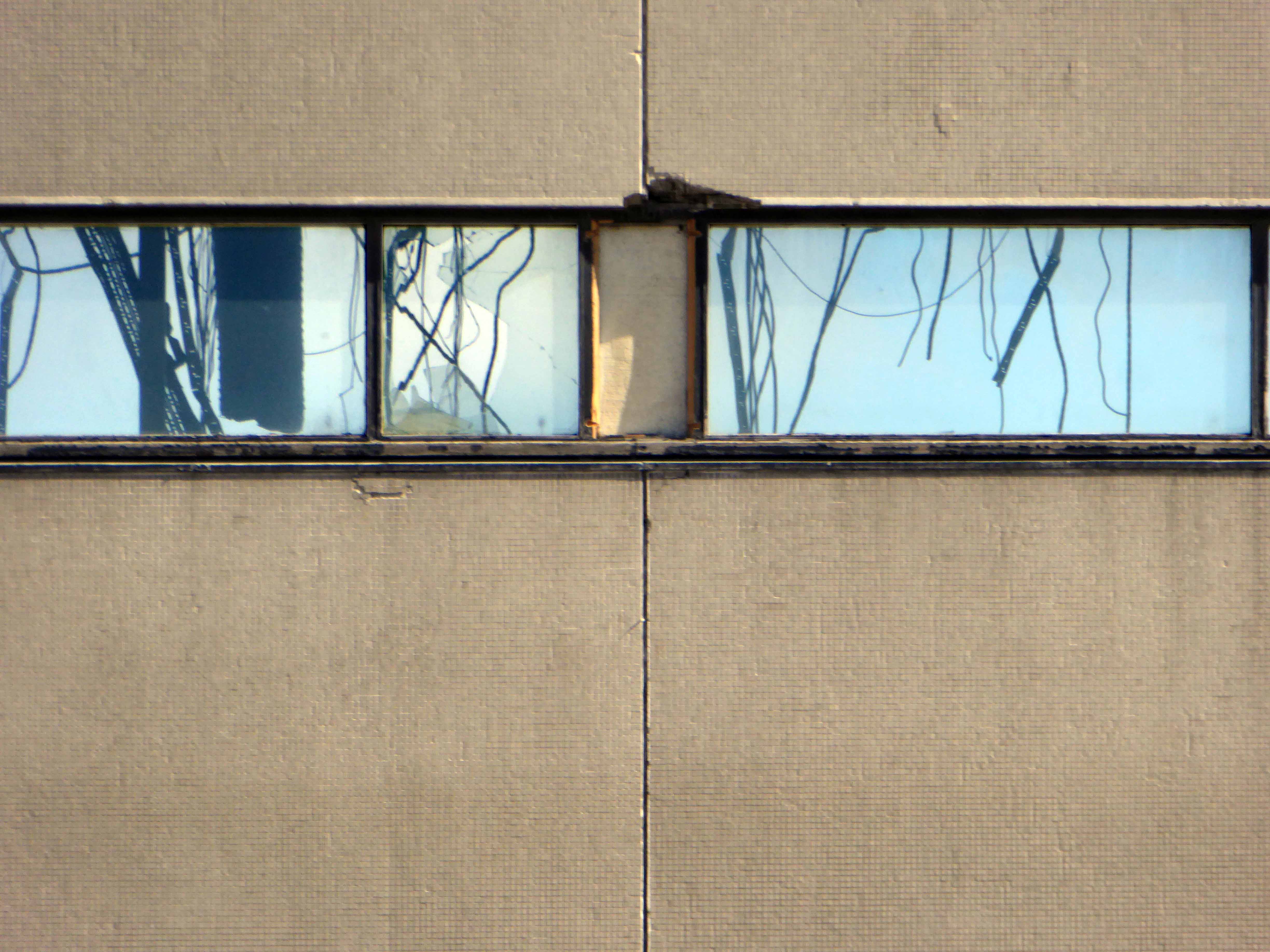
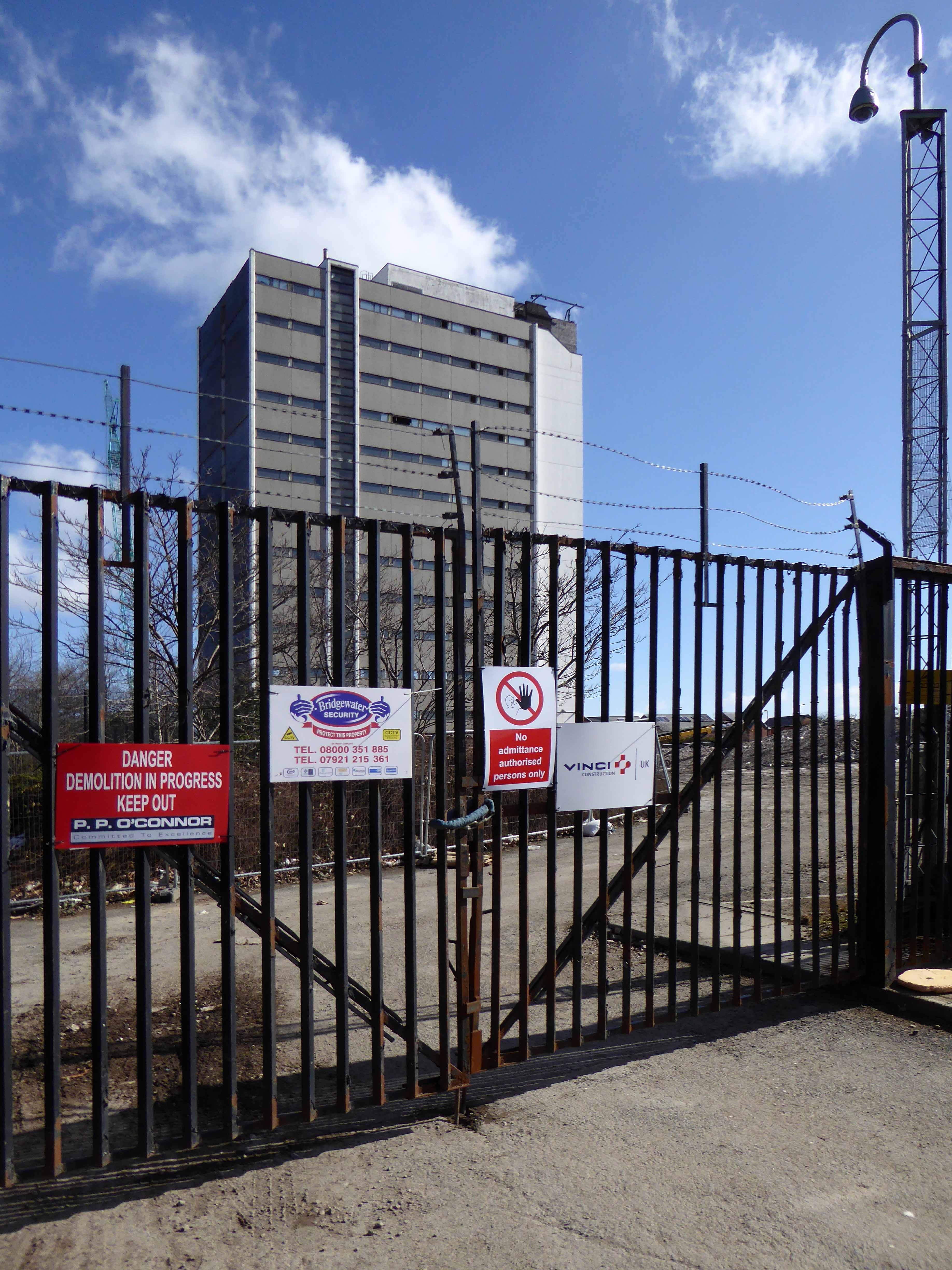
Two weeks into the demolition process the east elevation is no more, revealing a concrete honeycomb of torn steel and fresh air.

A few weeks time and it will be little more than so much dust and memories.

P1240074

P1240078

P1240079

P1240080

P1240084

P1240088

P1240089

P1240091

P1240092

P1240093

P1240099

P1240102

P1240105

P1240107

P1240108

P1240110

P1240113

London Road Fire Station – Manchester

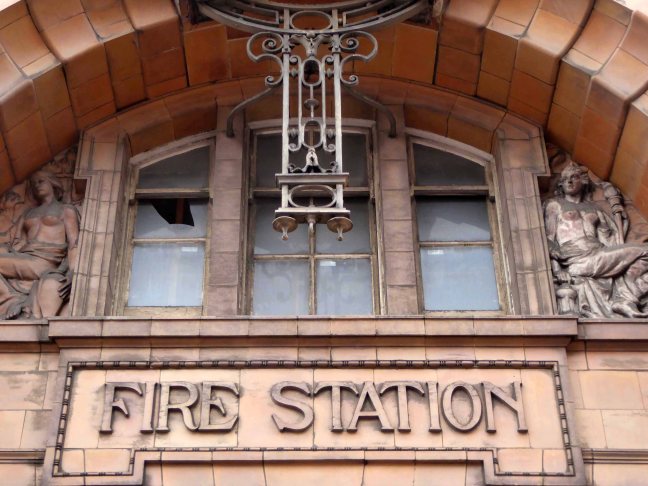
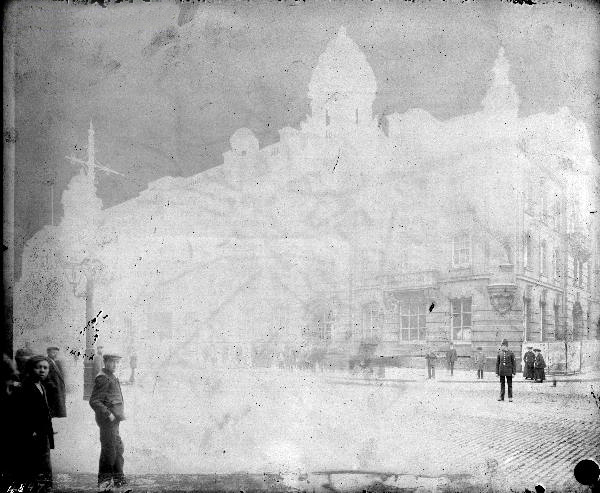
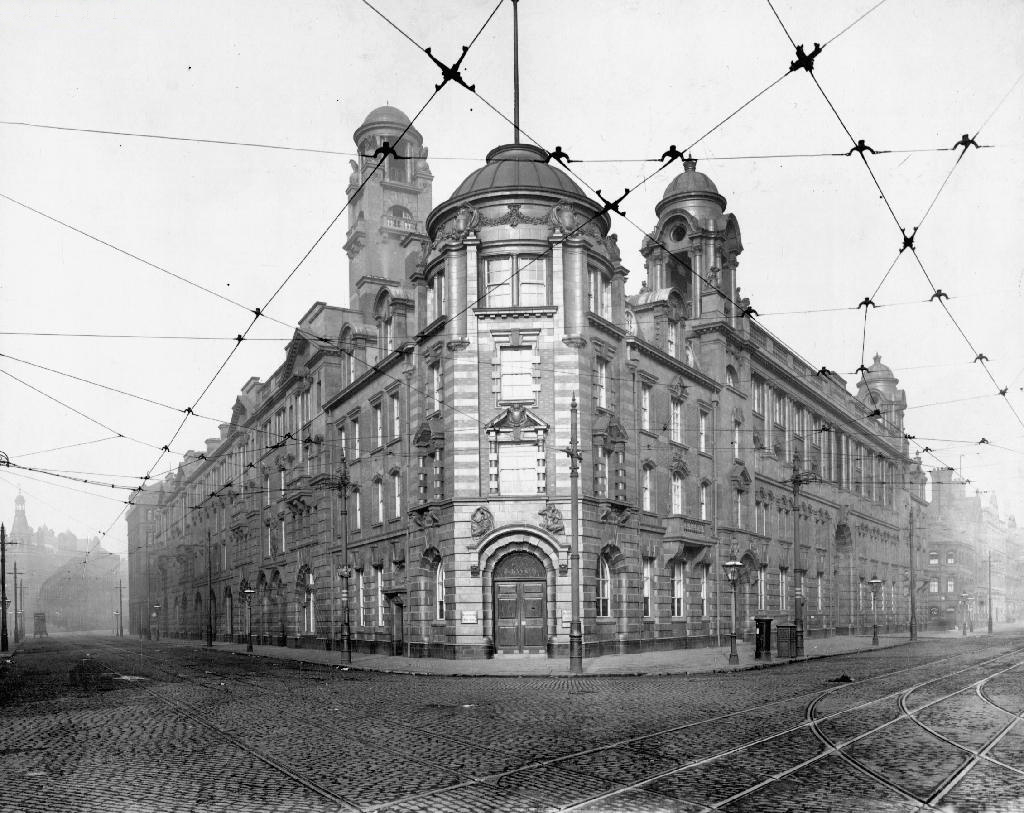
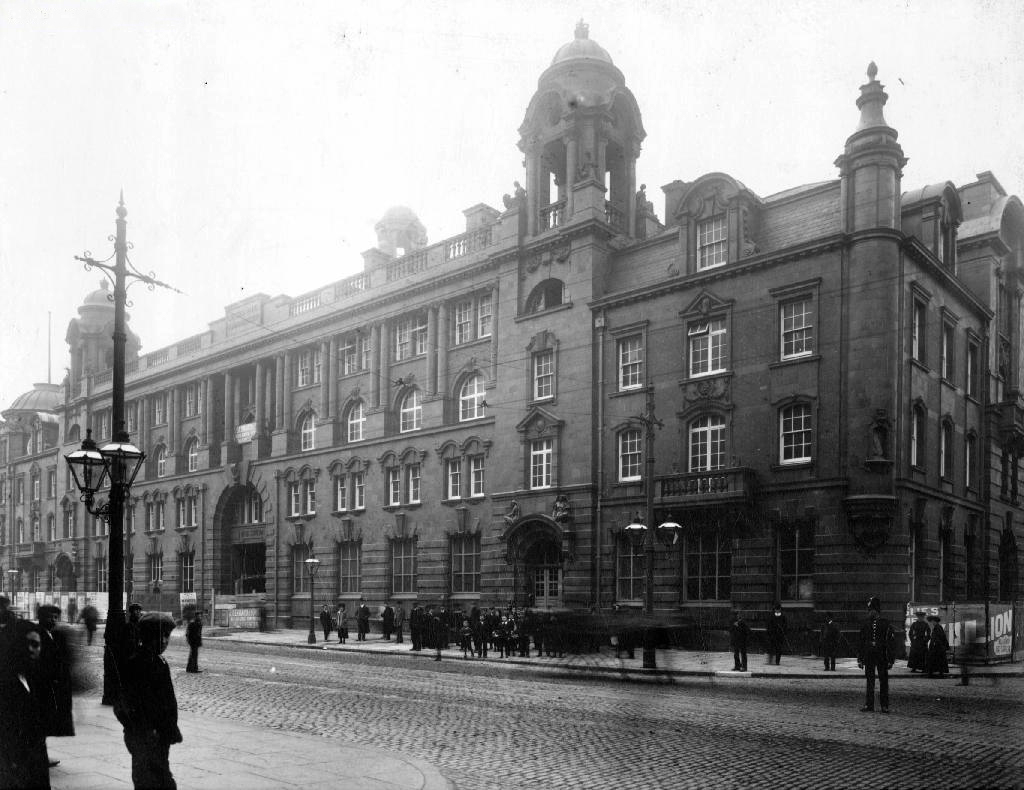
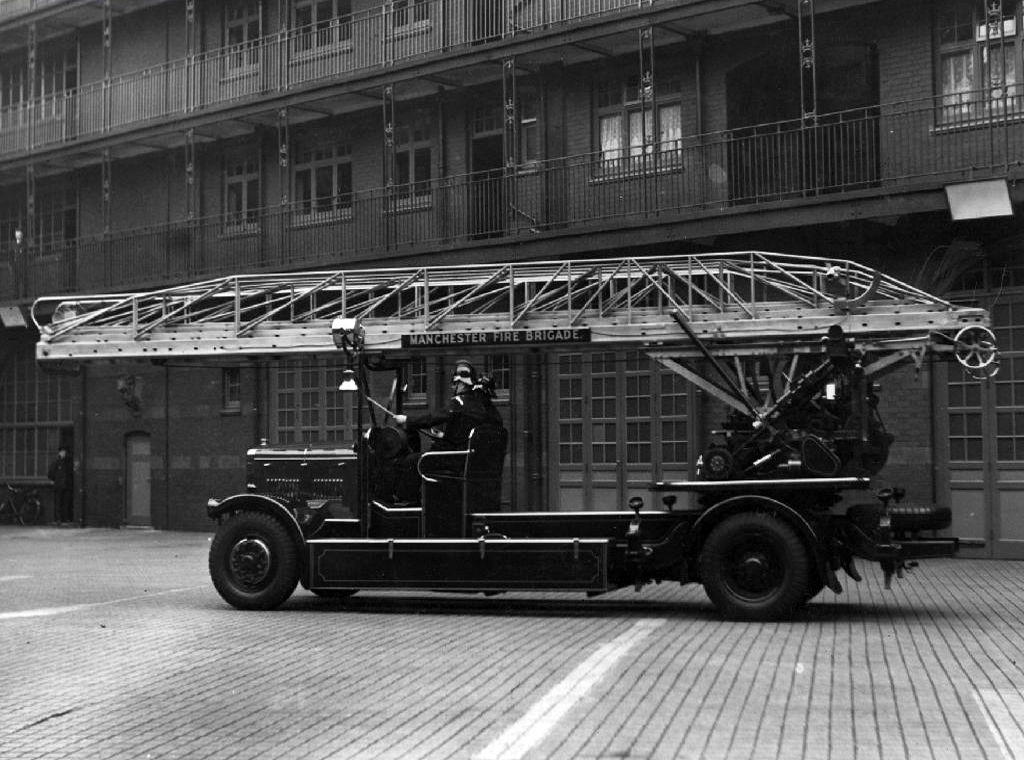
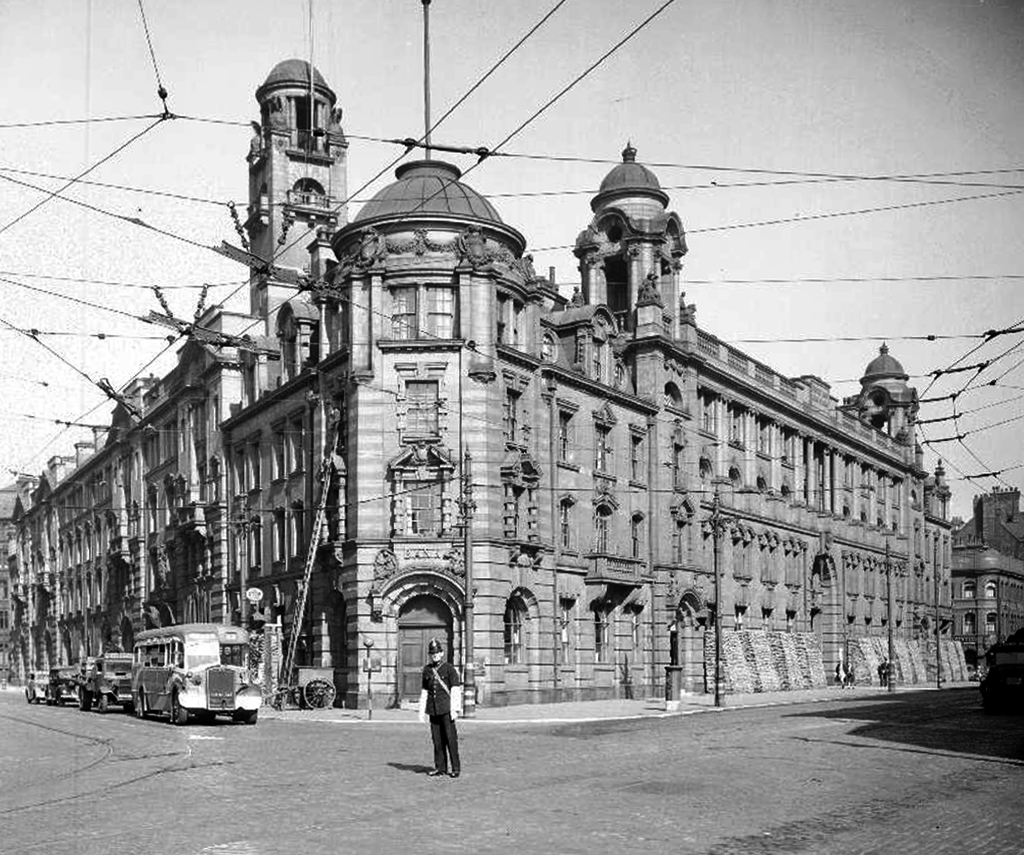
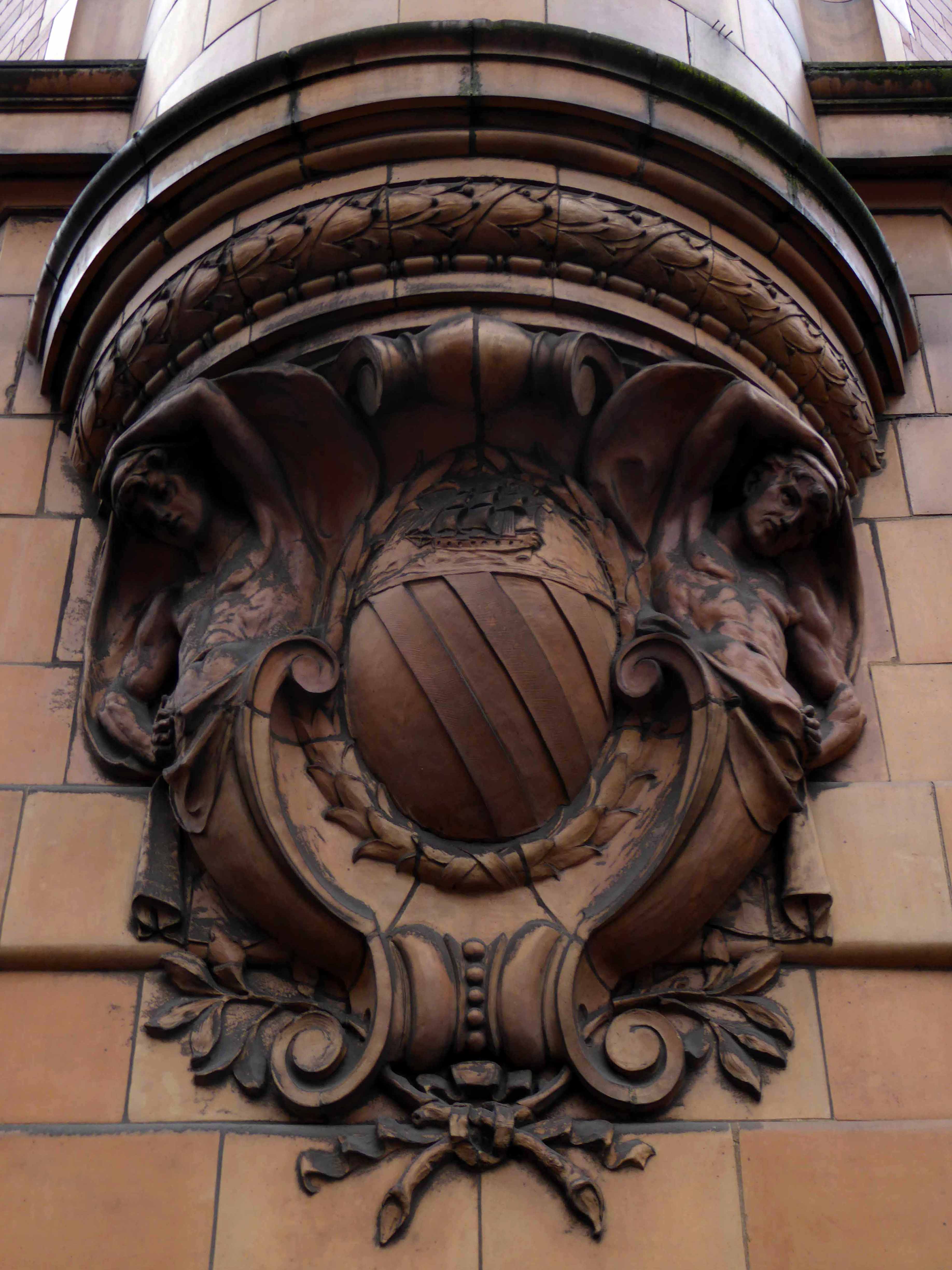
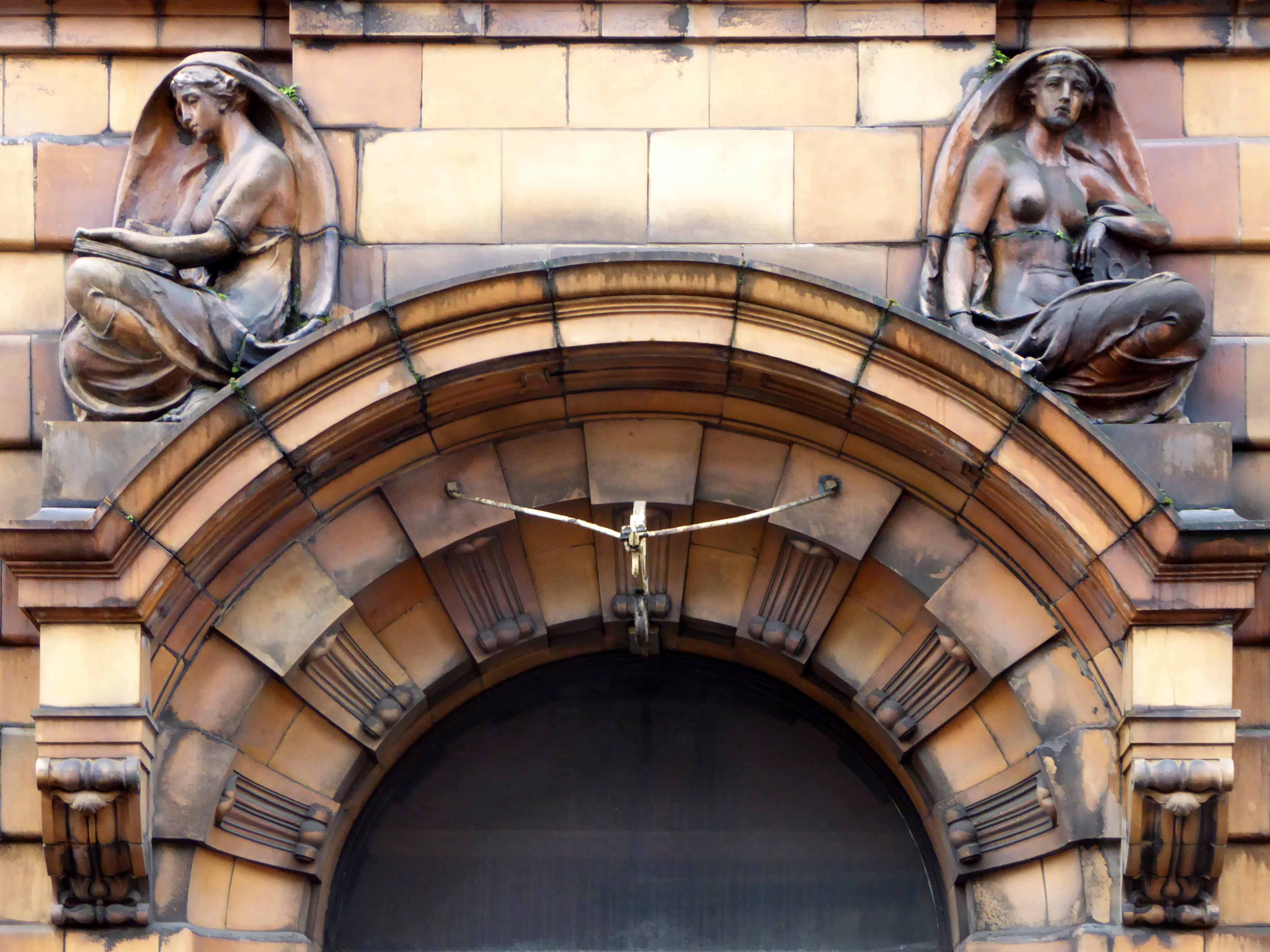
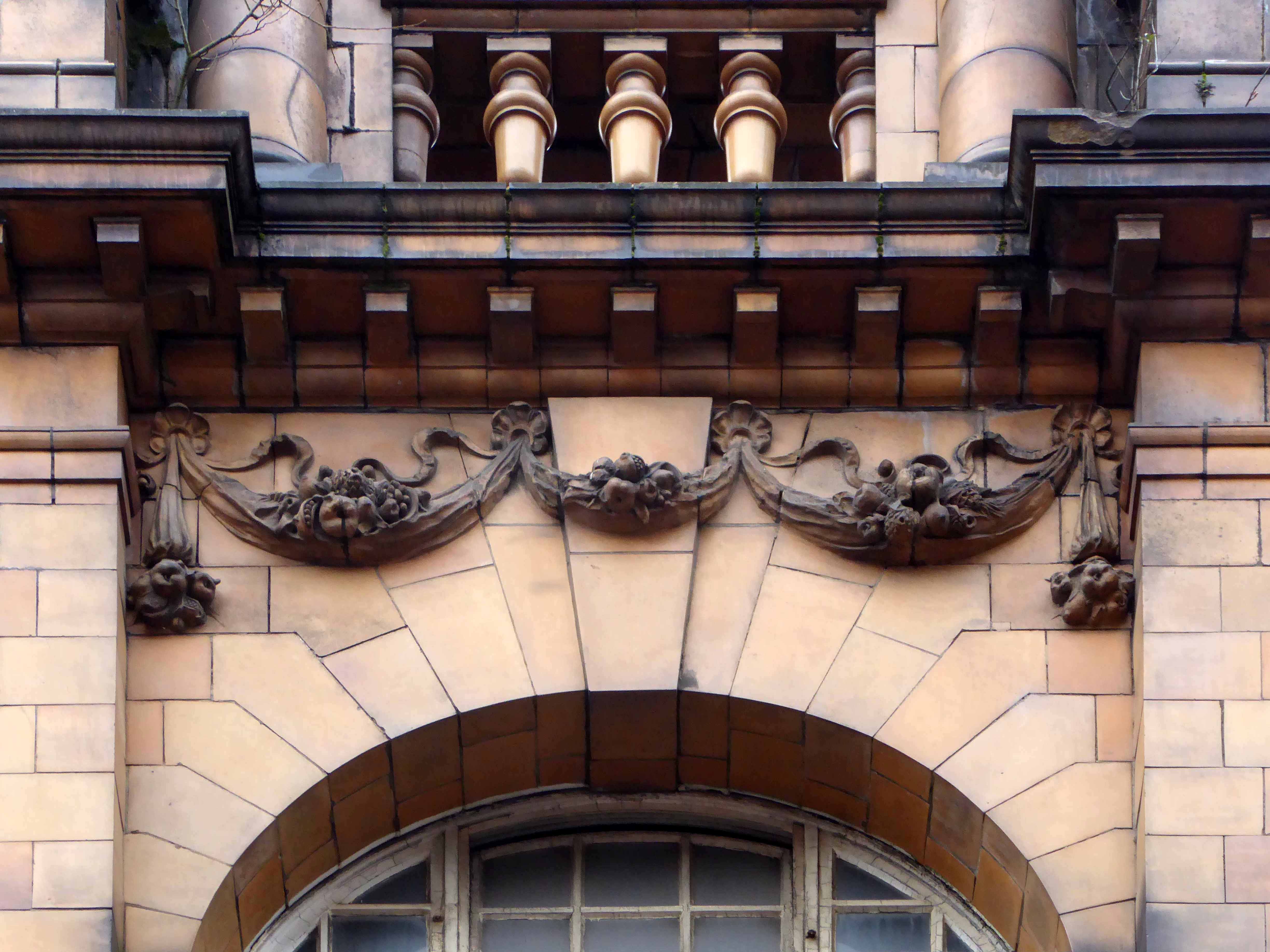
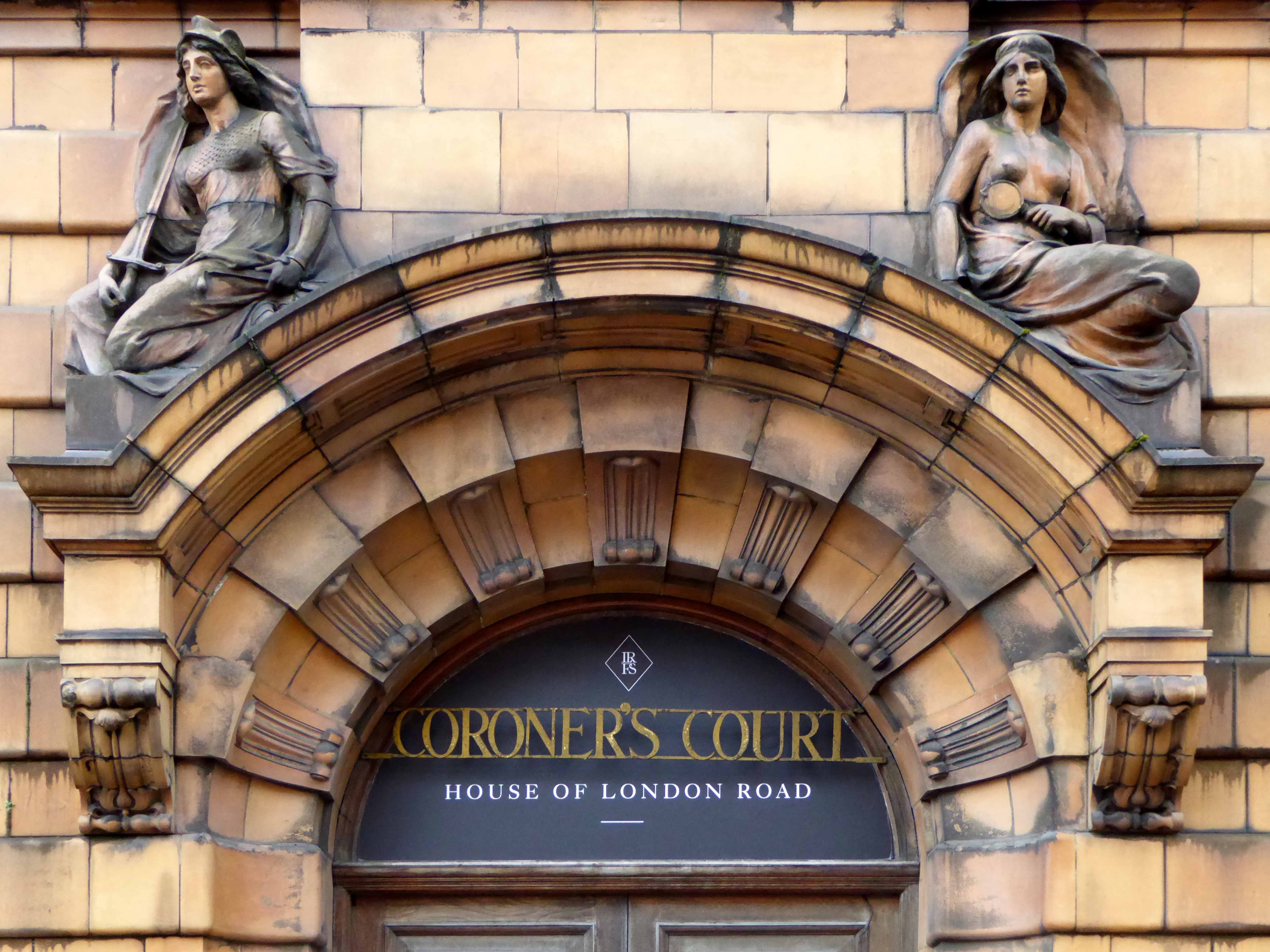
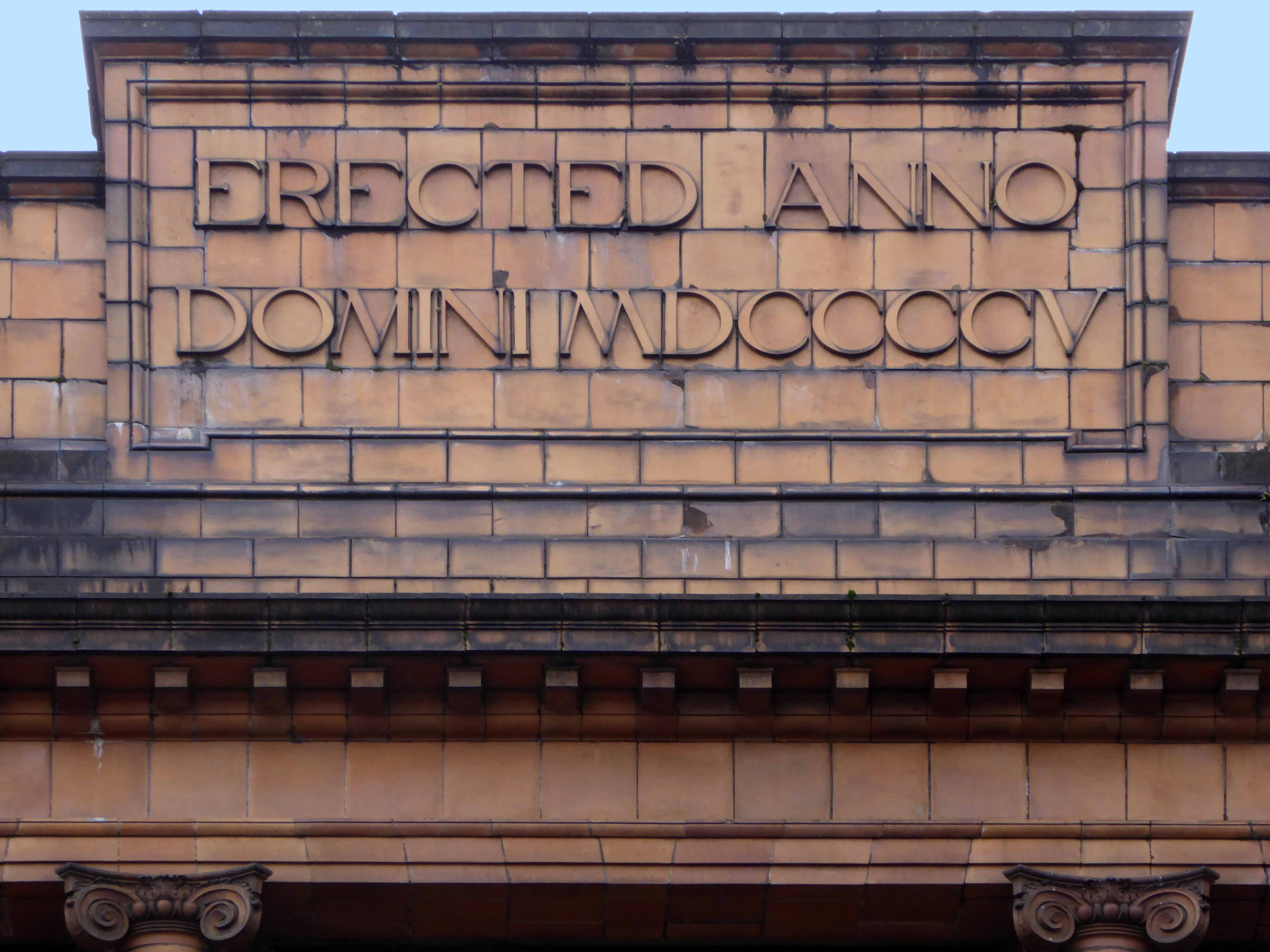
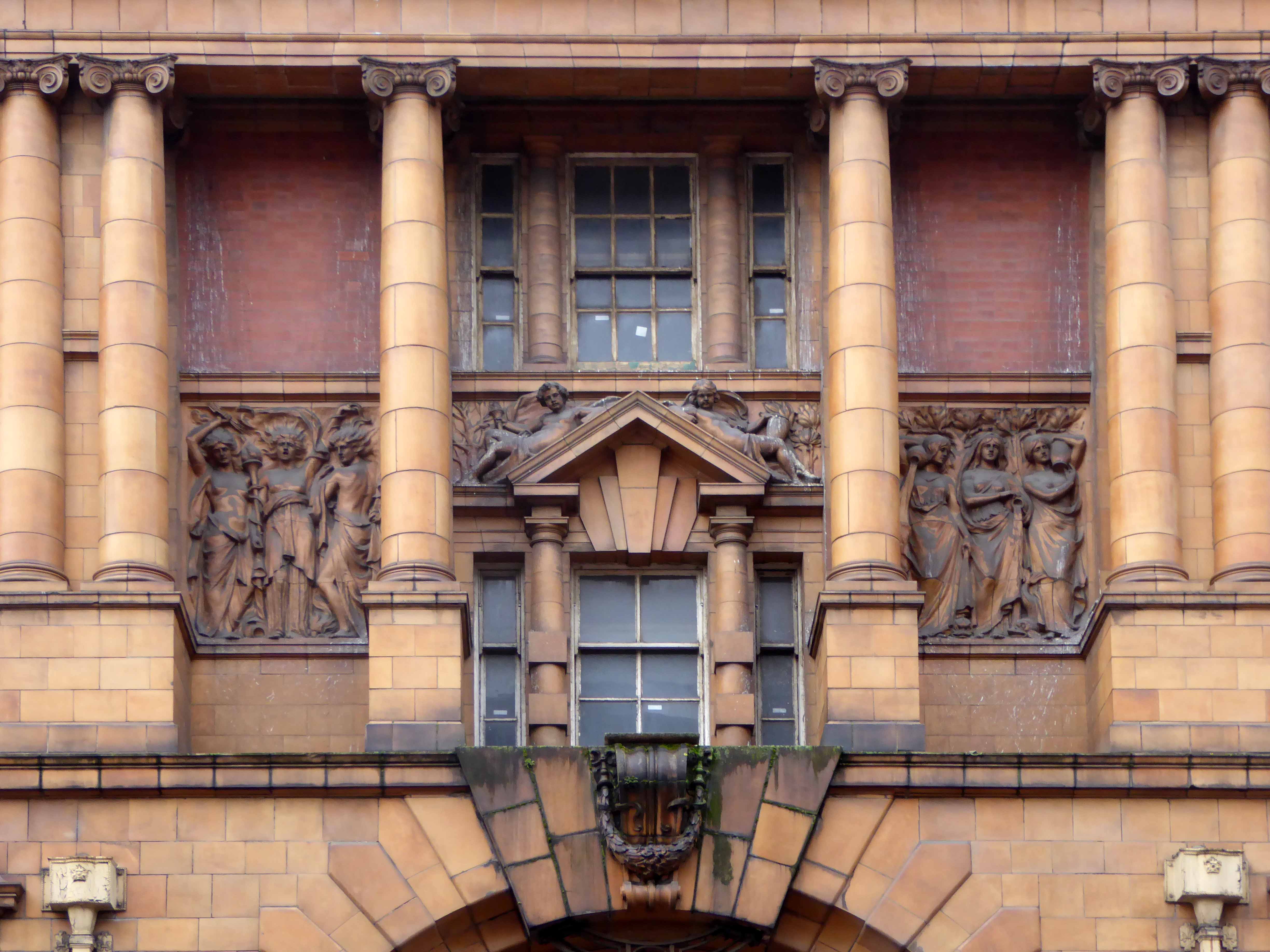
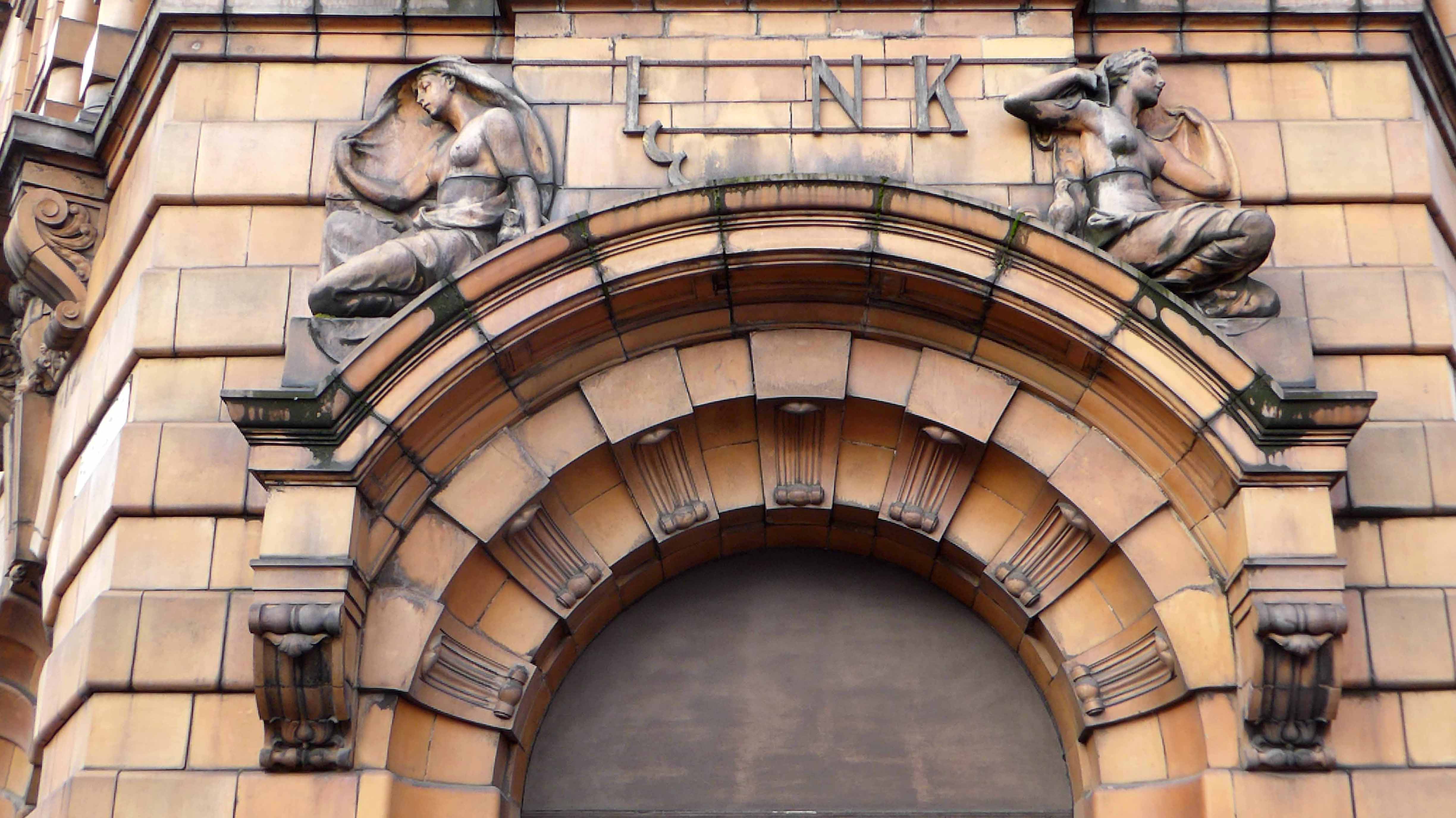
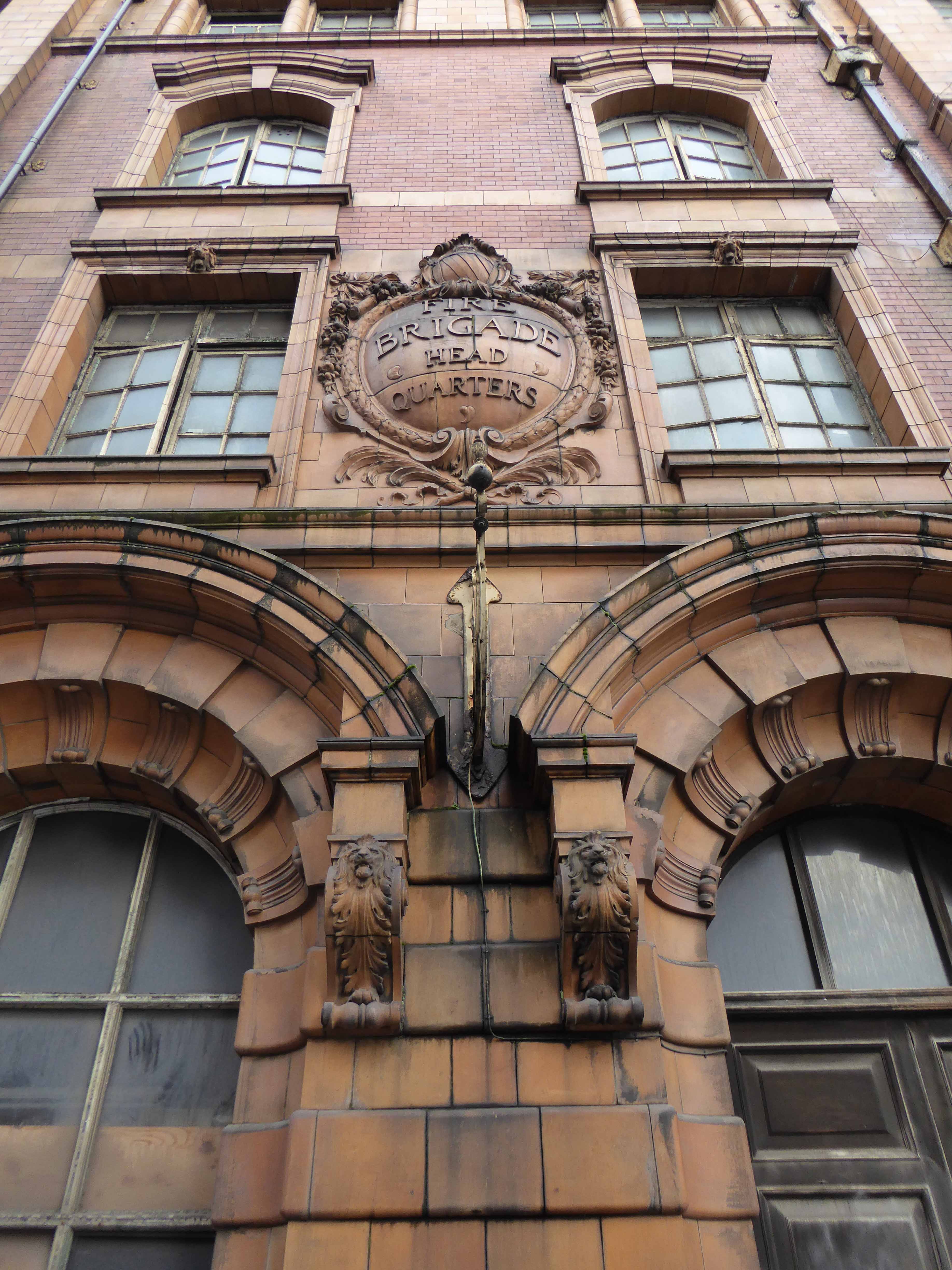
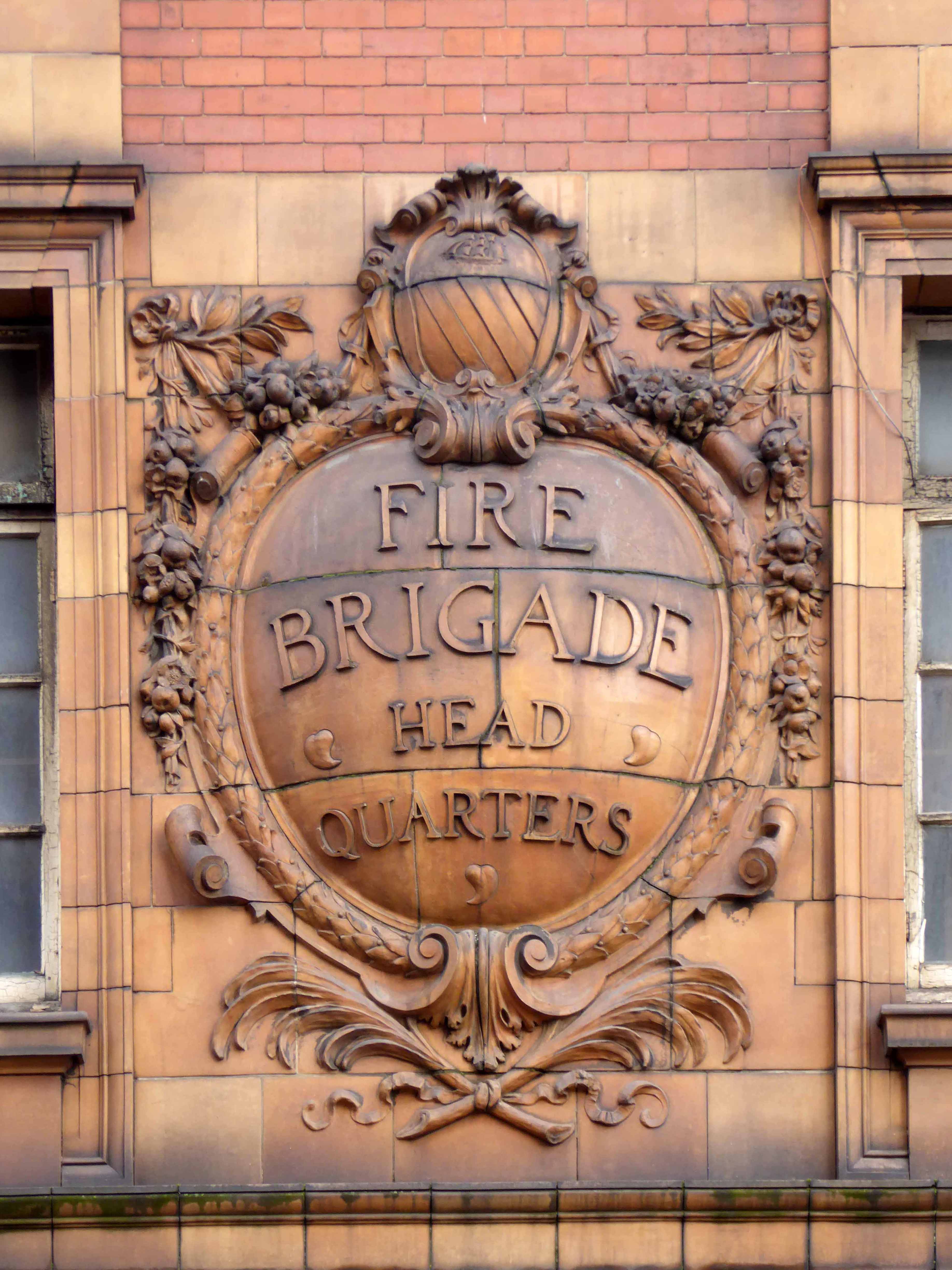
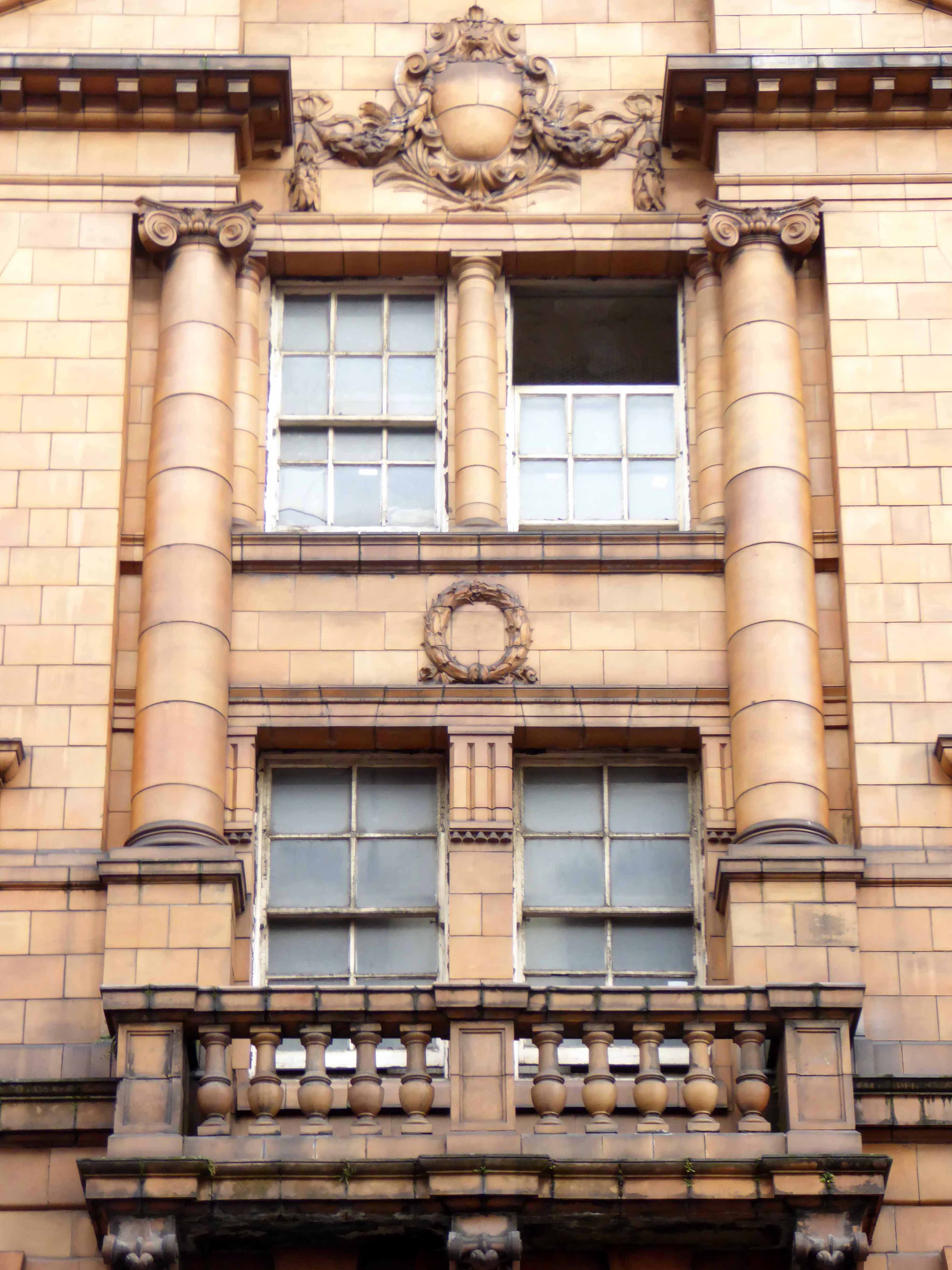
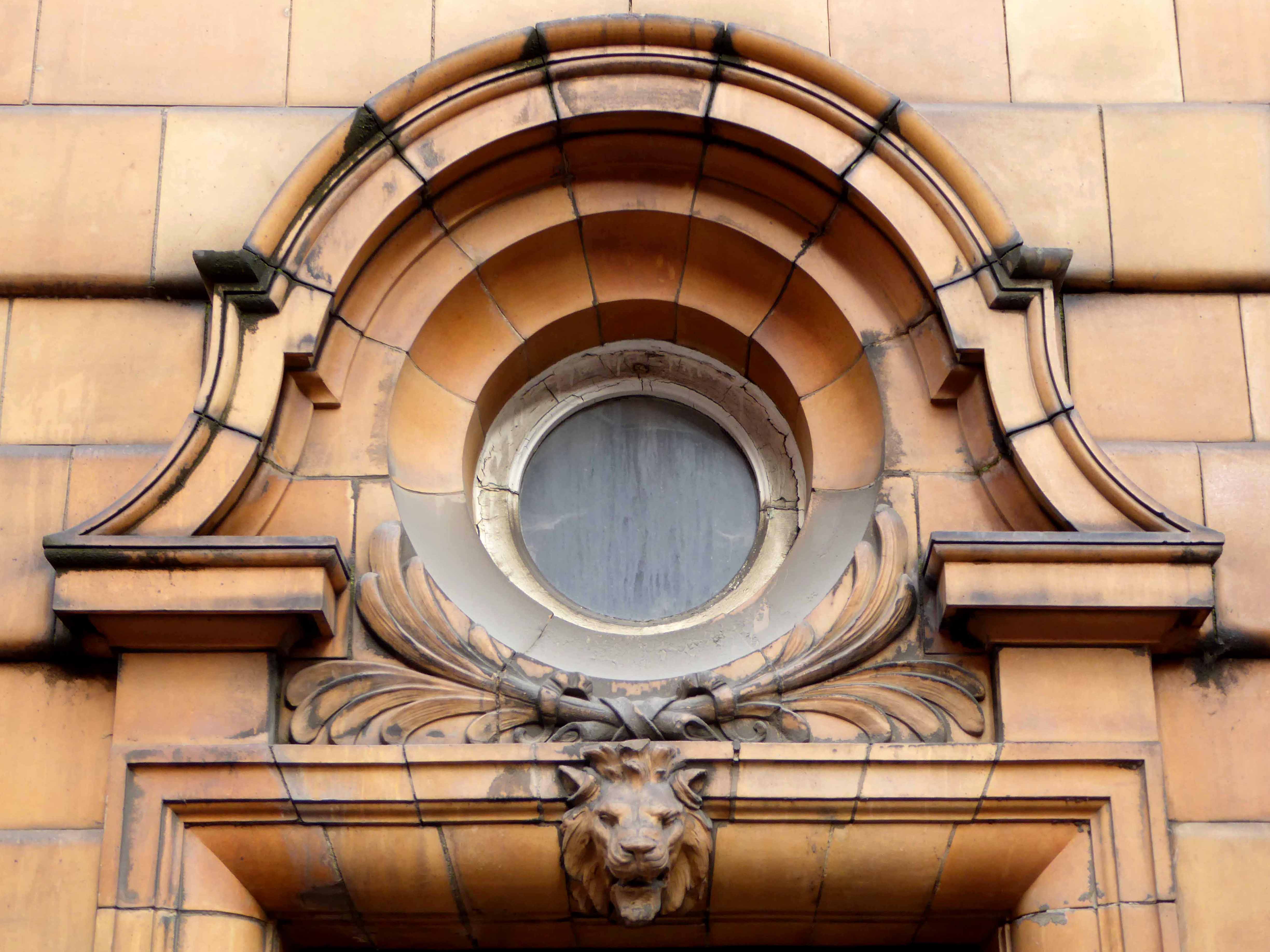
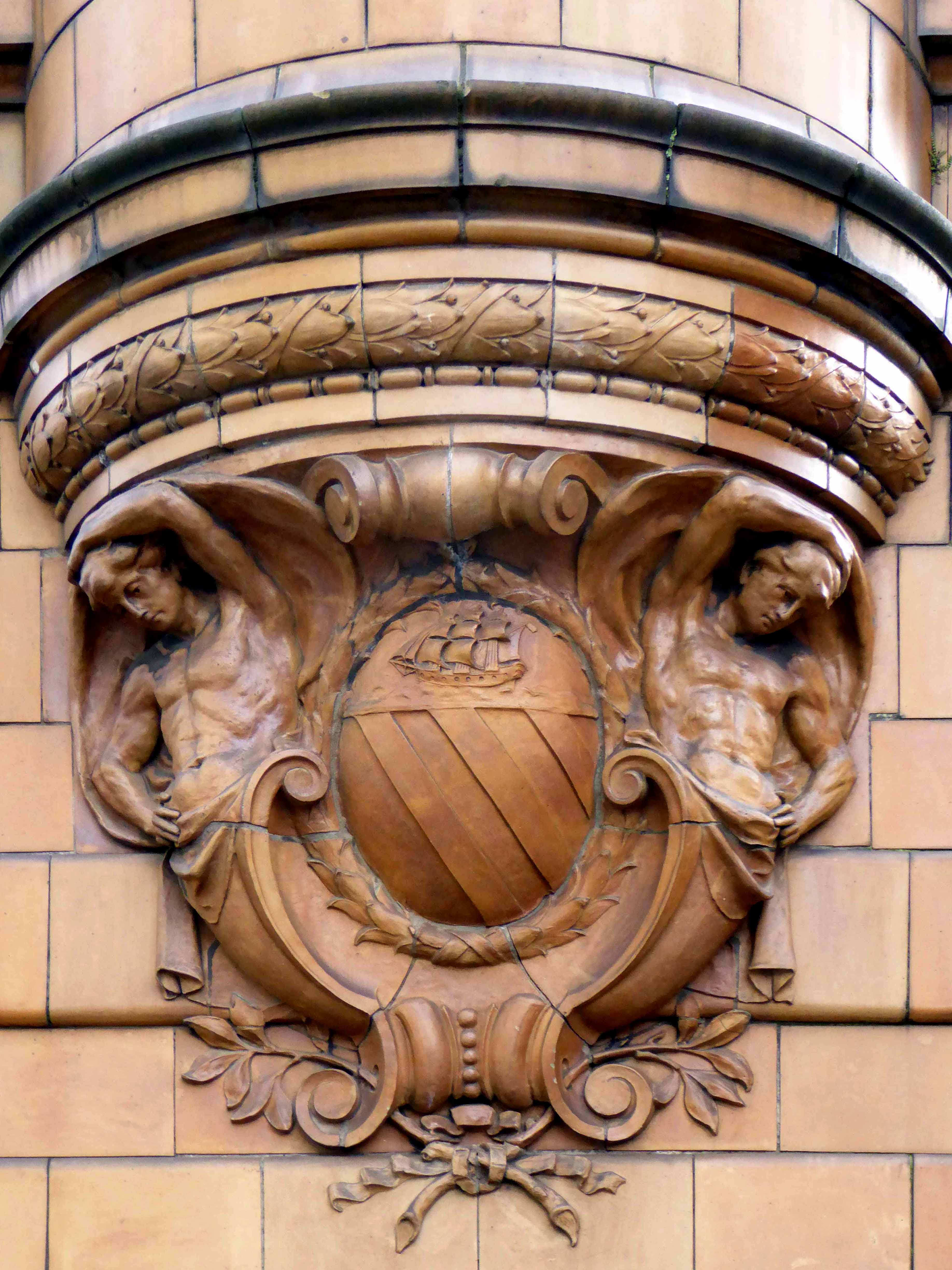
London Road Fire Station is a former fire station in Manchester, England. It was opened in 1906, on a site bounded by London Road, Whitworth Street, Minshull Street South and Fairfield Street. Designed in the Edwardian Baroque style by Woodhouse, Willoughby and Langham in red brick and terracotta, it cost £142,000 to build and was built by J. Gerrard and Sons of Swinton. It has been a Grade II* listed building since 1974.

Wikipedia

webmedia-1.php

1906

1906a

1938

1940

Manchester Local Image Collection

Despite its listing and prominence, opposite the rear corner of Piccadilly Station, this honeyed and red ochre delight has suffered nought but the indignity of abandonment since its closure in 1986, changing hands as quickly and venally as a worn deck of cards

The finest fire station in this round world stands empty.


P1230330

P1230334

P1230335

P1230336

P1230337

P1230338

P1230339

P1230340

P1230342

P1230343

P1230348

P1230349

P1230405

P1230407

P1230408

P1230409

P1230410

P1230412

P1230416

P1230418

P1230422

P1230424