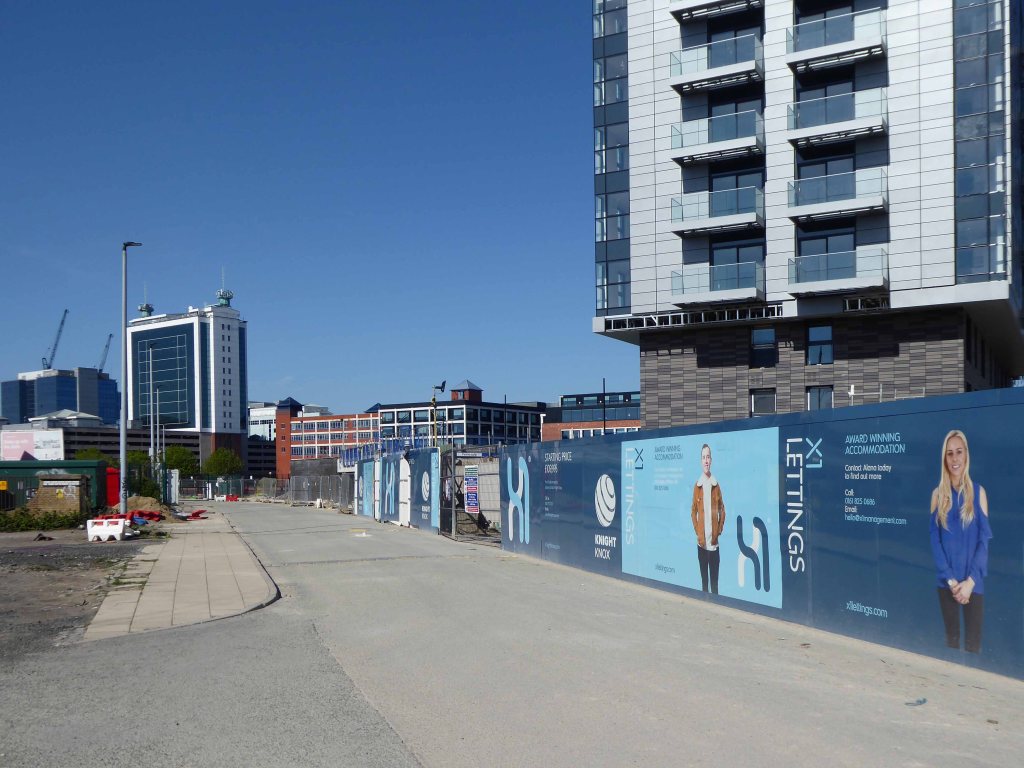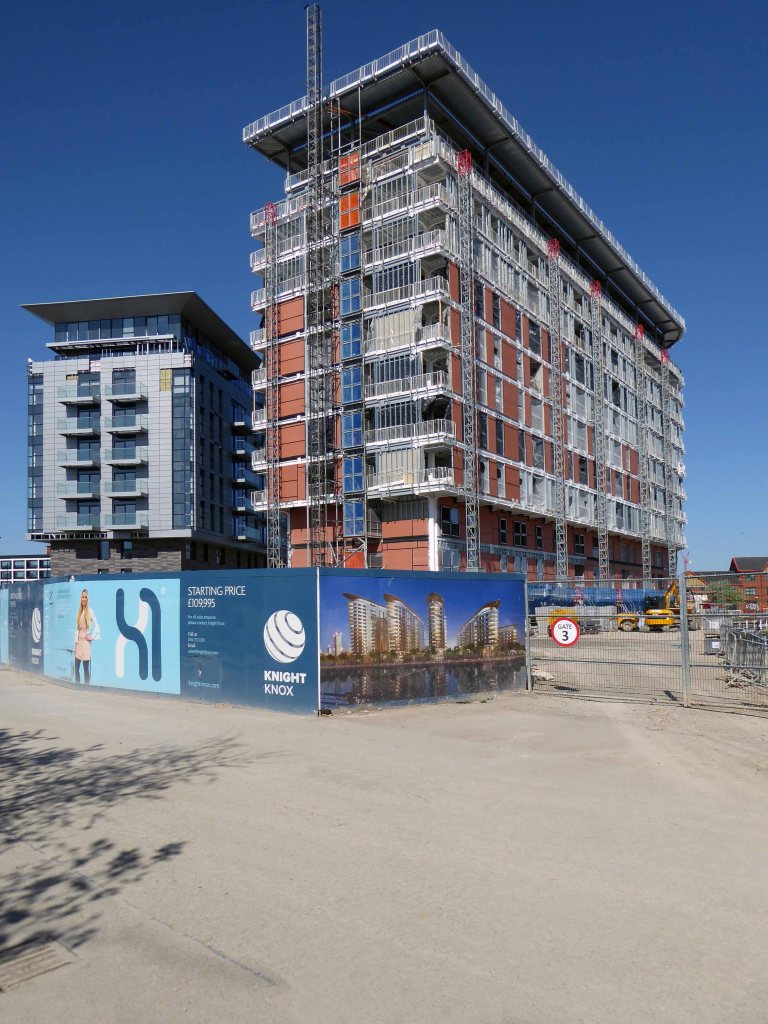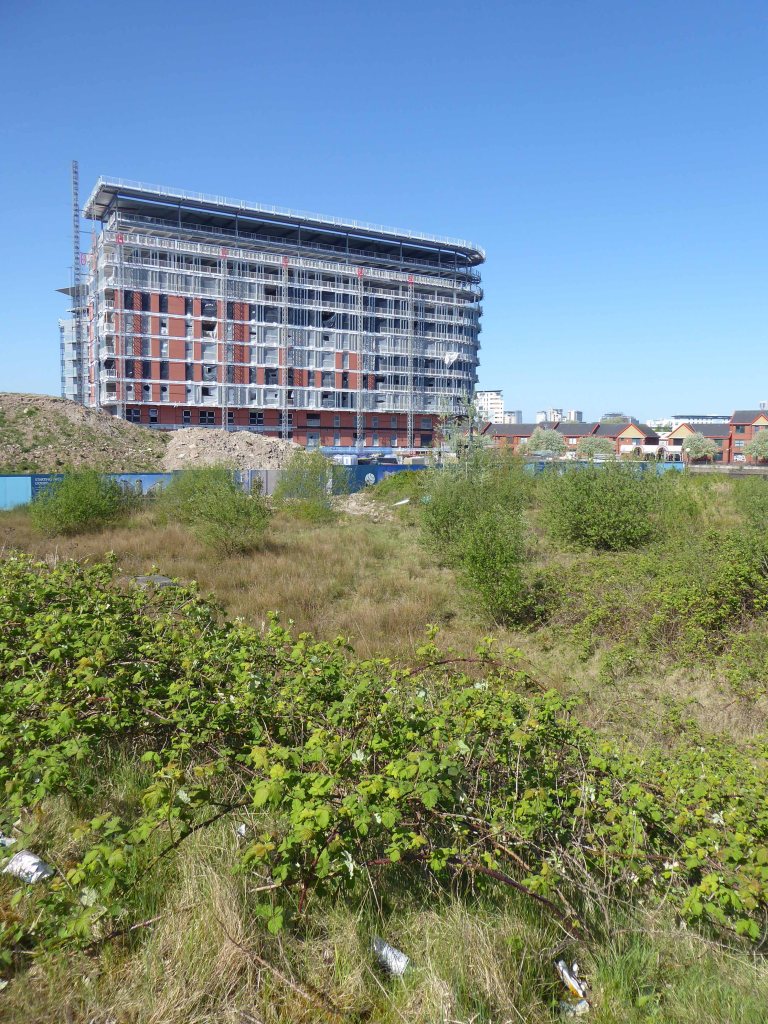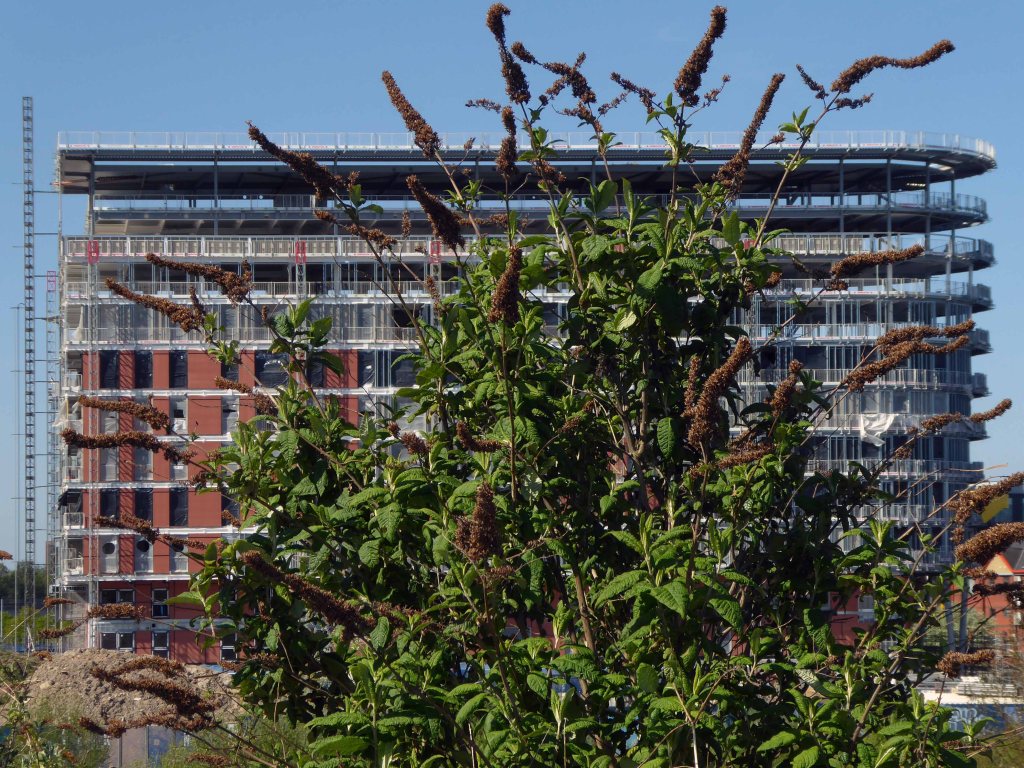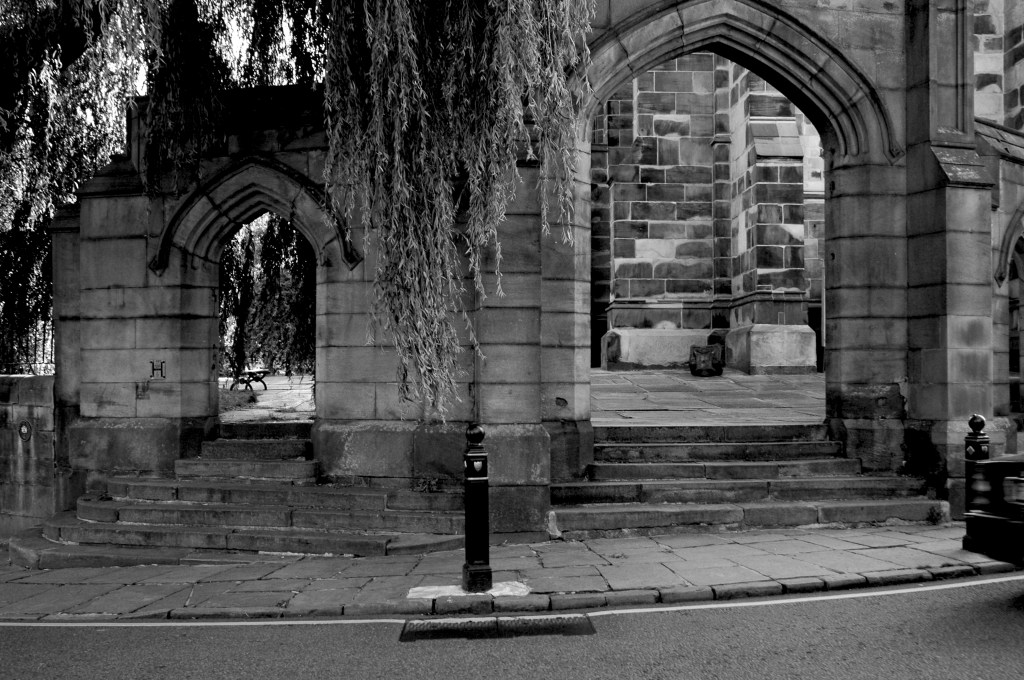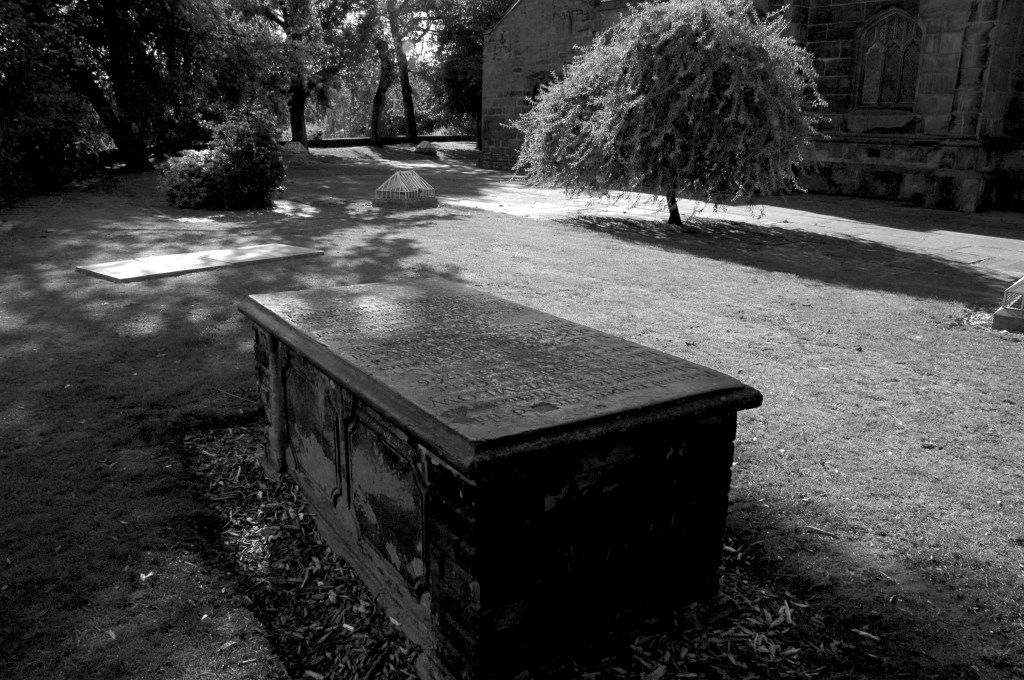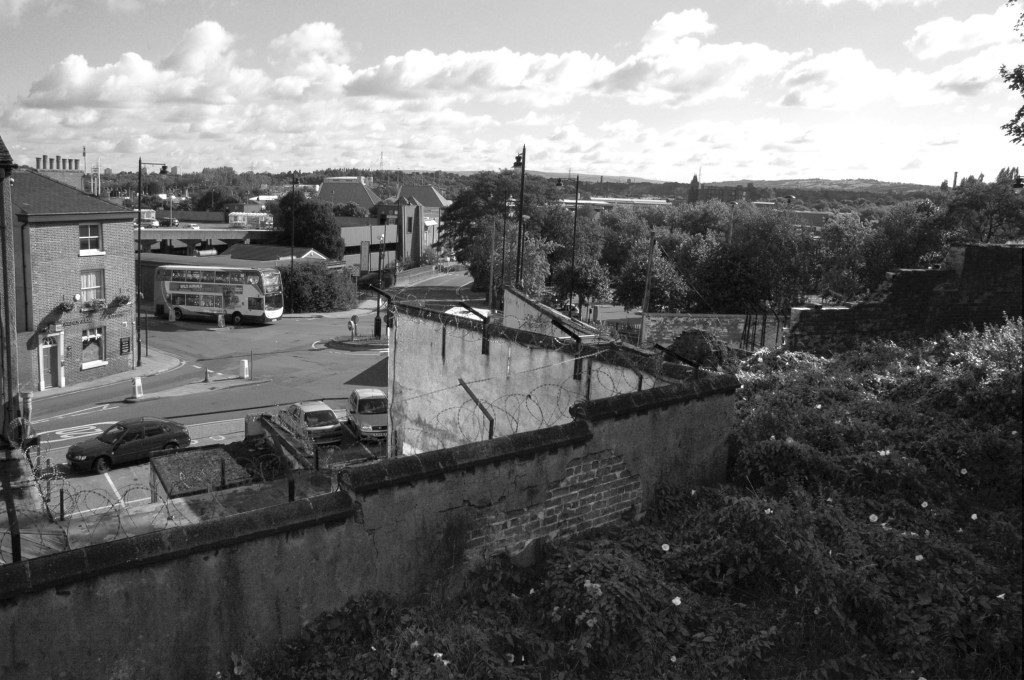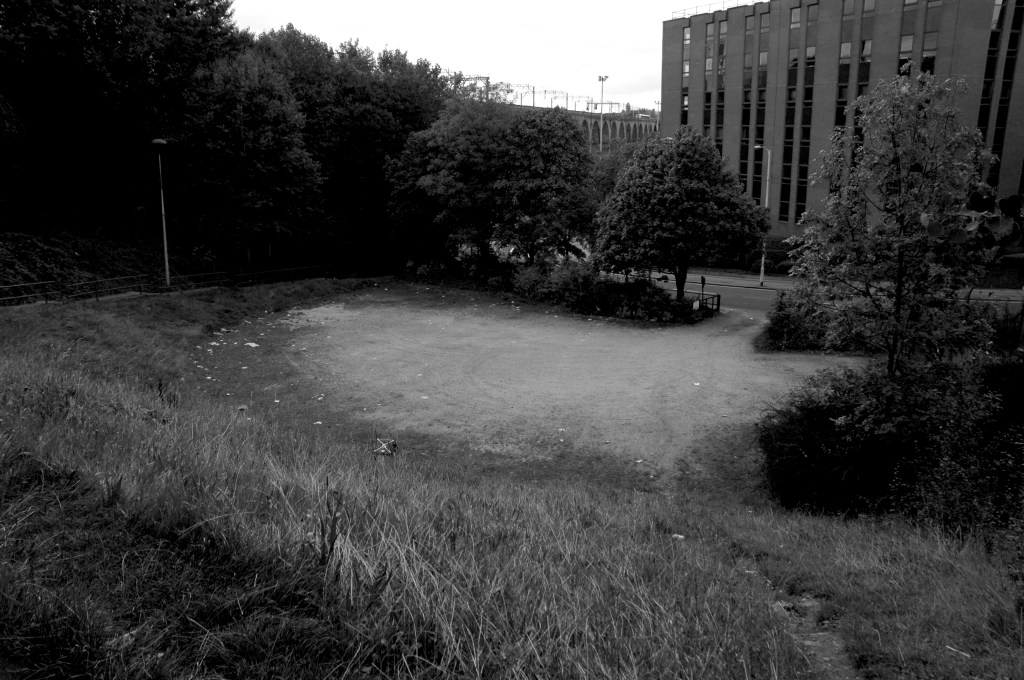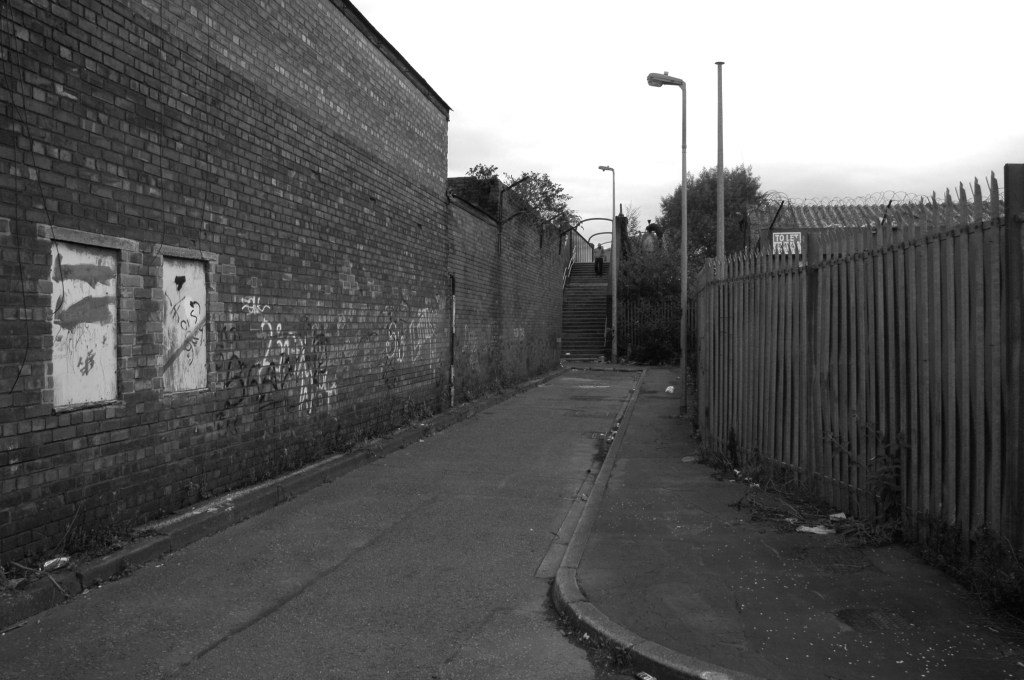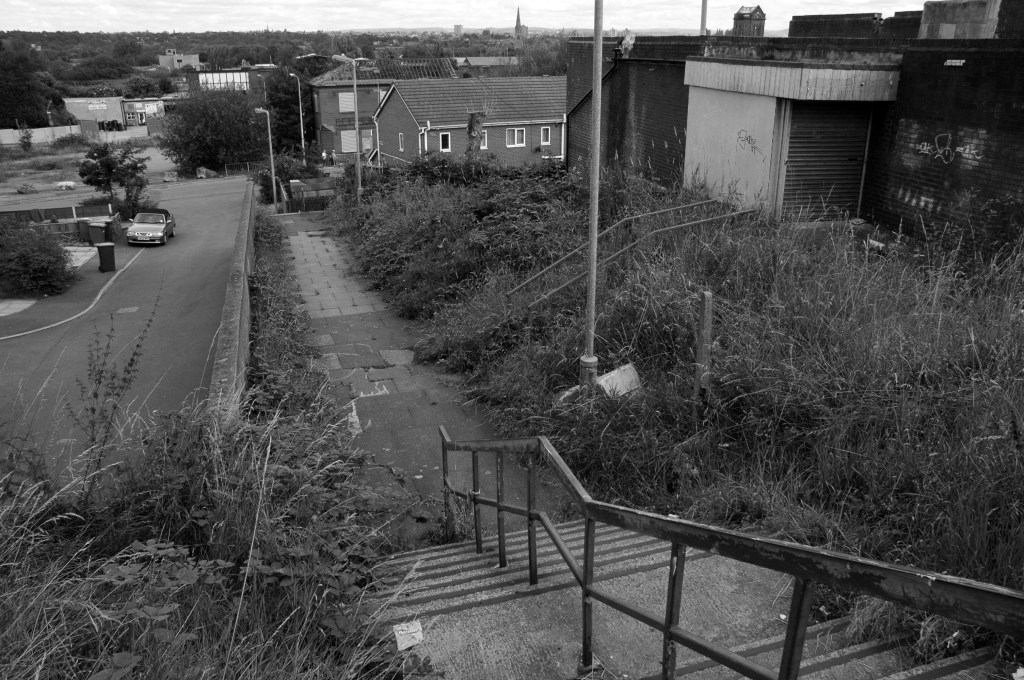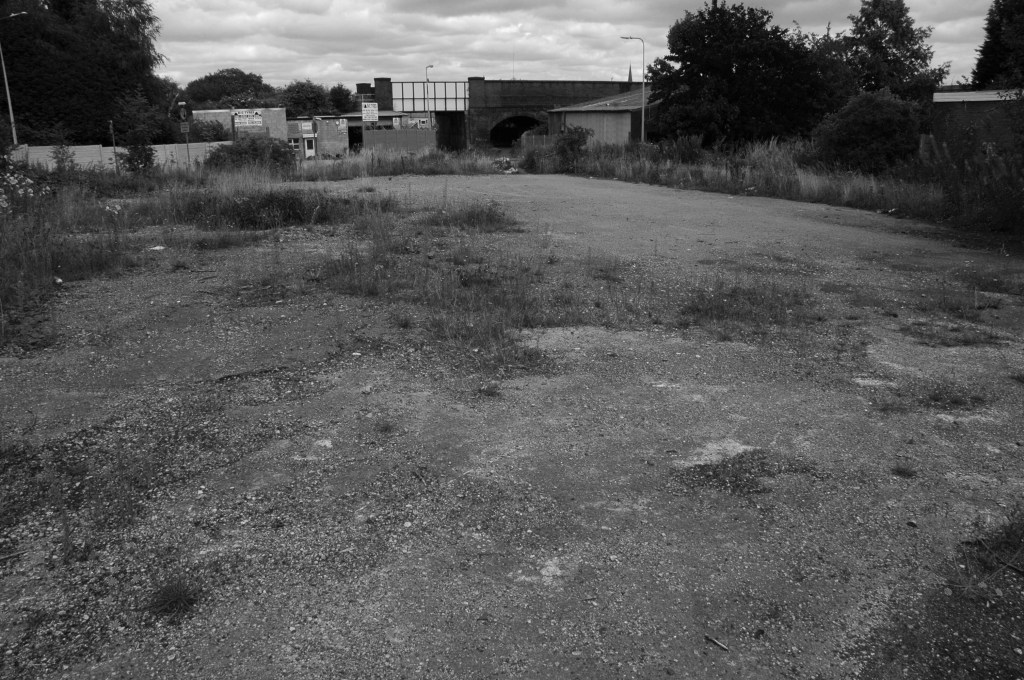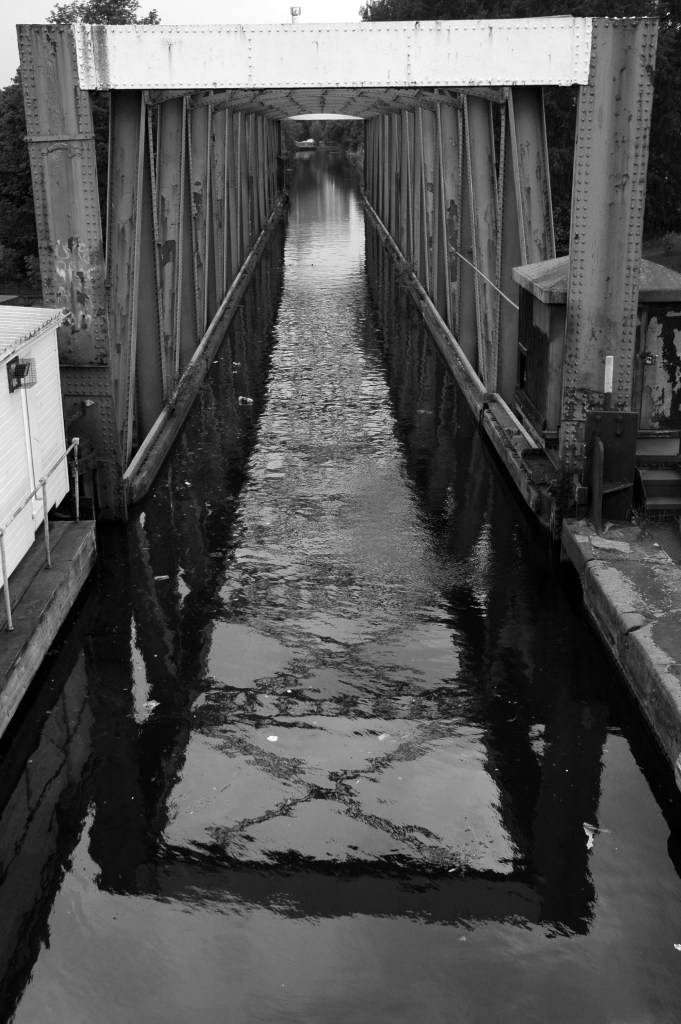
Pomona – Manchester

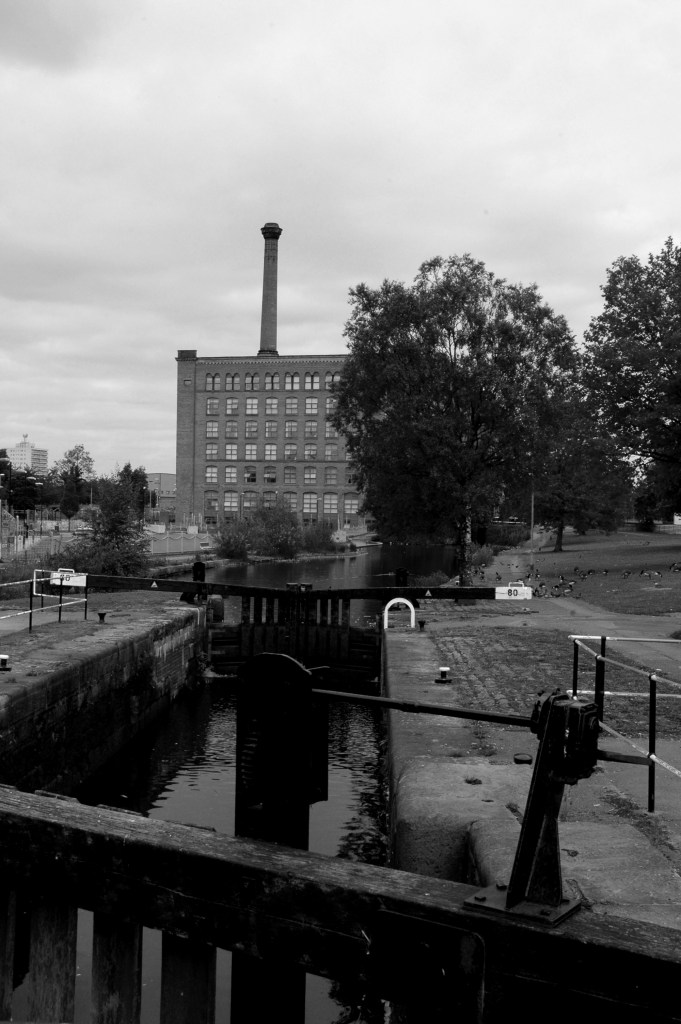
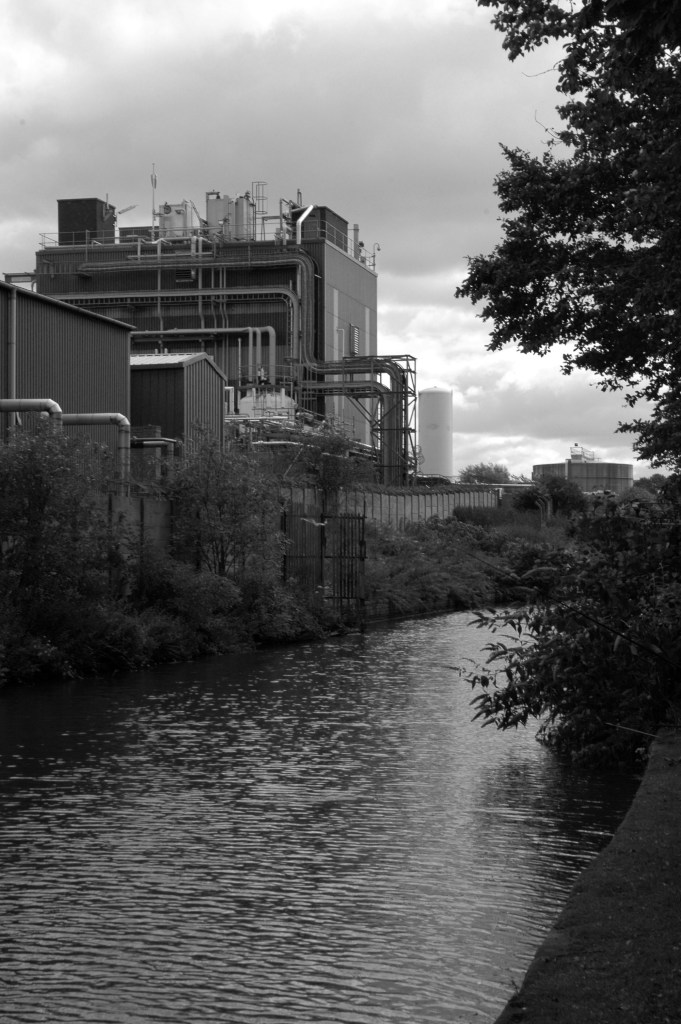
The River Irwell bisects Salford and Manchester, joining the rivers Irk and Medlock, and then turns west toward Irlam, as part of the Manchester Ship Canal. Its course ends just east of Irlam, where it empties into the Mersey.

Urban development is ever so often dependent upon rivers – for sustenance, commerce and amusement. The Irwell and latterly the developments of the canal system has provided all of these in superabundance.

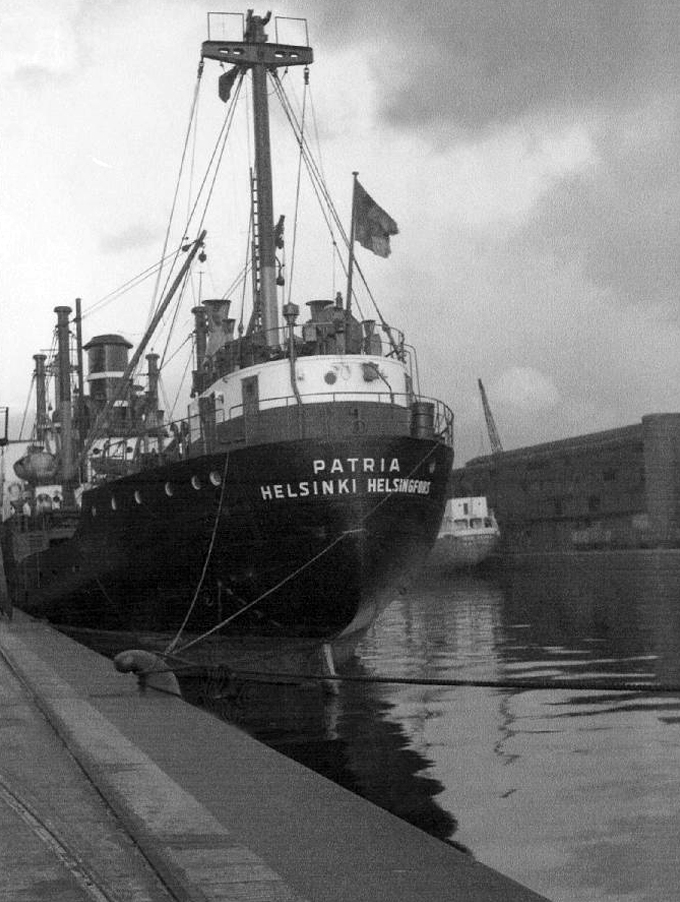
By 1870 the Pomona Gardens is thriving , boasting a concert hall and banqueting suite – further details here from Skyliner.

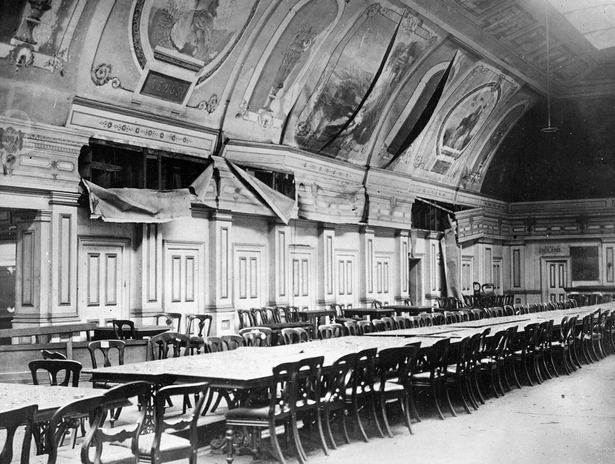
In the summer of 1887, a nearby chemicals factory exploded, damaging the palace – the area was under threat and destined to rot away to obscurity: the following year the gardens closed forever.
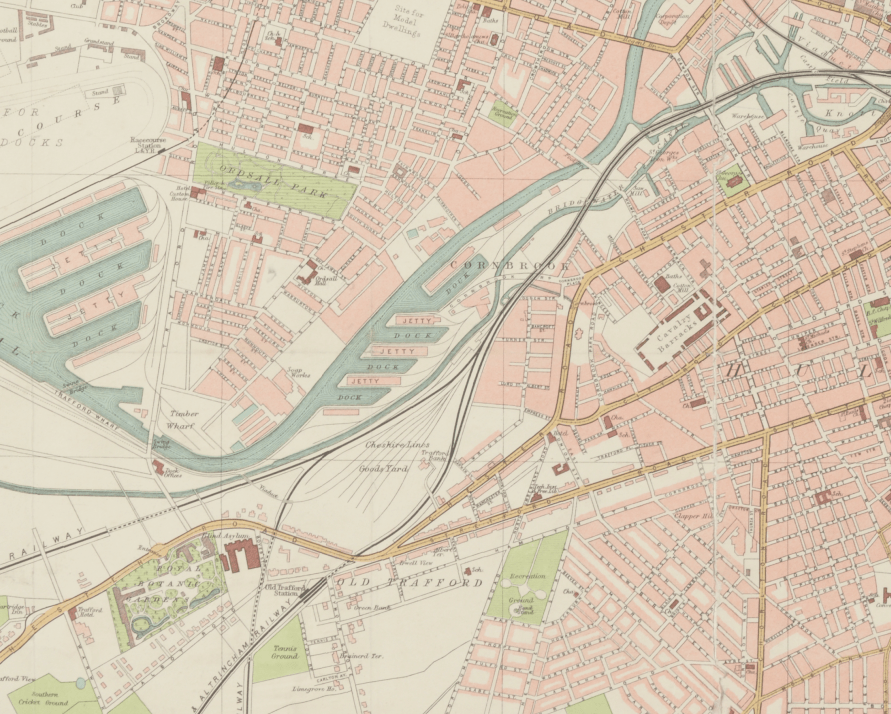
By 1900 the Ship Canal, docks and railways had arrived – Manchester and Salford are at the centre of an unprecedented growth in manufacture and trade.

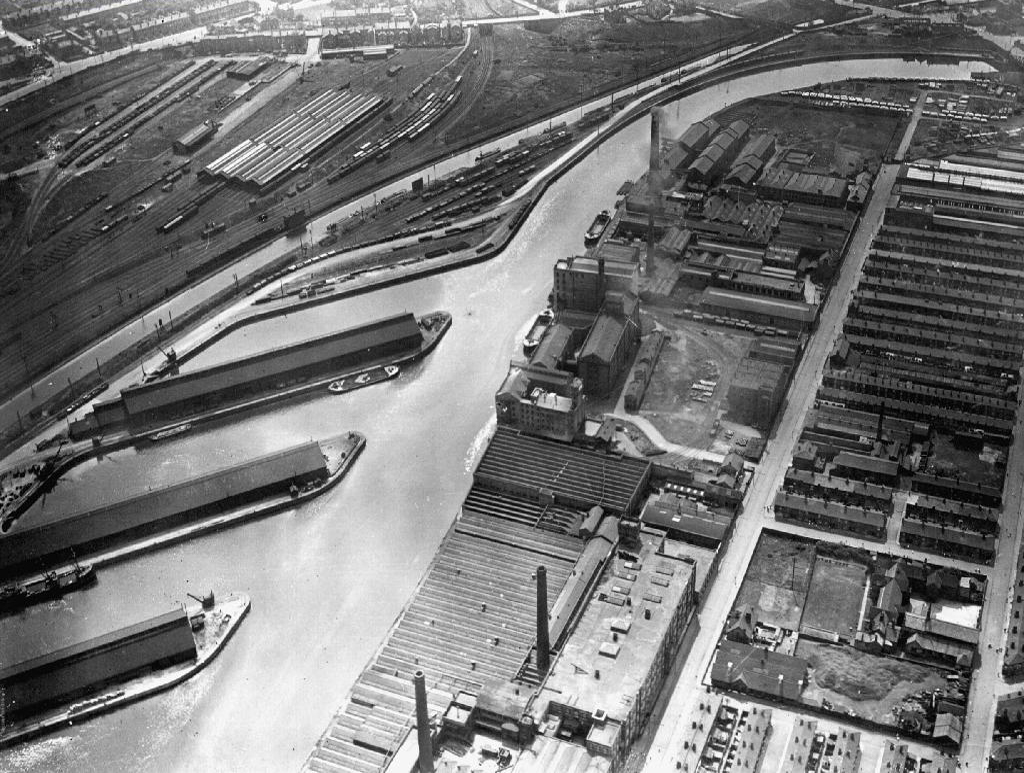
1891
1923
1950

During the 1970’s the docks began a rapid decline, largely due to containerisation. The increasing size of freight-carrying ships meant they could no longer navigate the ship canal and this, combined with increased trading with Europe and the east, saw use of Manchester Docks decrease. In 1982 the remaining docks closed and the area became derelict. Recognising the need to redevelop the area, Salford City Council purchased the docks in 1984 using a derelict land grant. The Salford Quays Development Plan was adopted in May 1985, proposing complete reclamation and development of the area for commercial, residential and leisure use.

Wikipedia

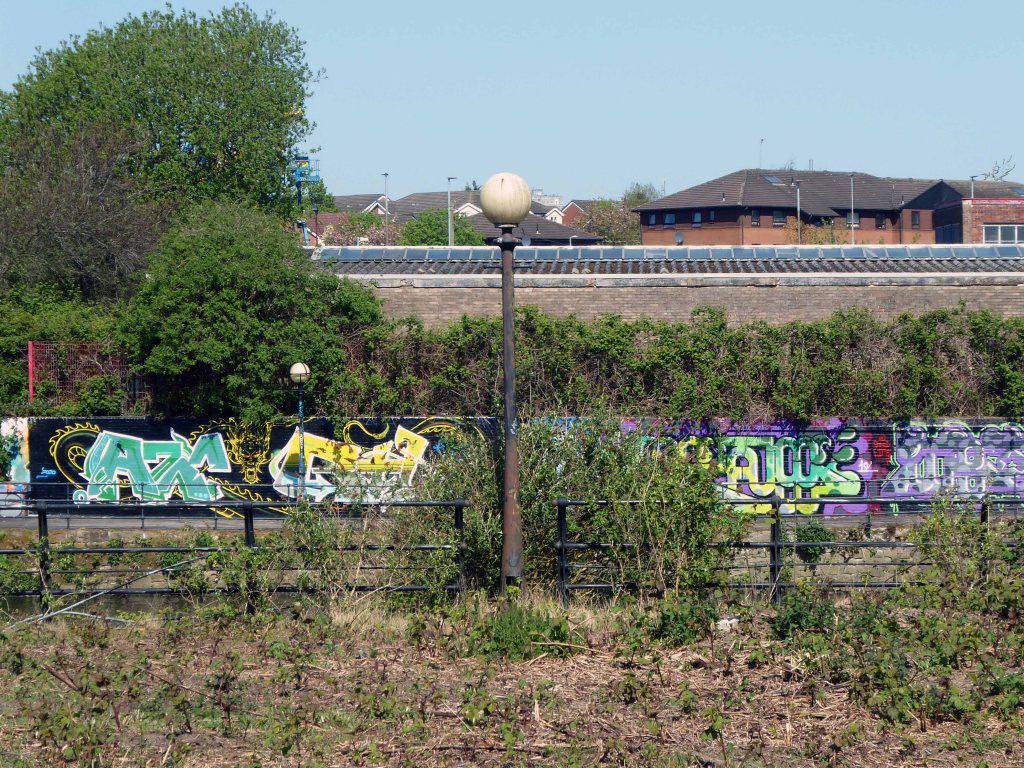
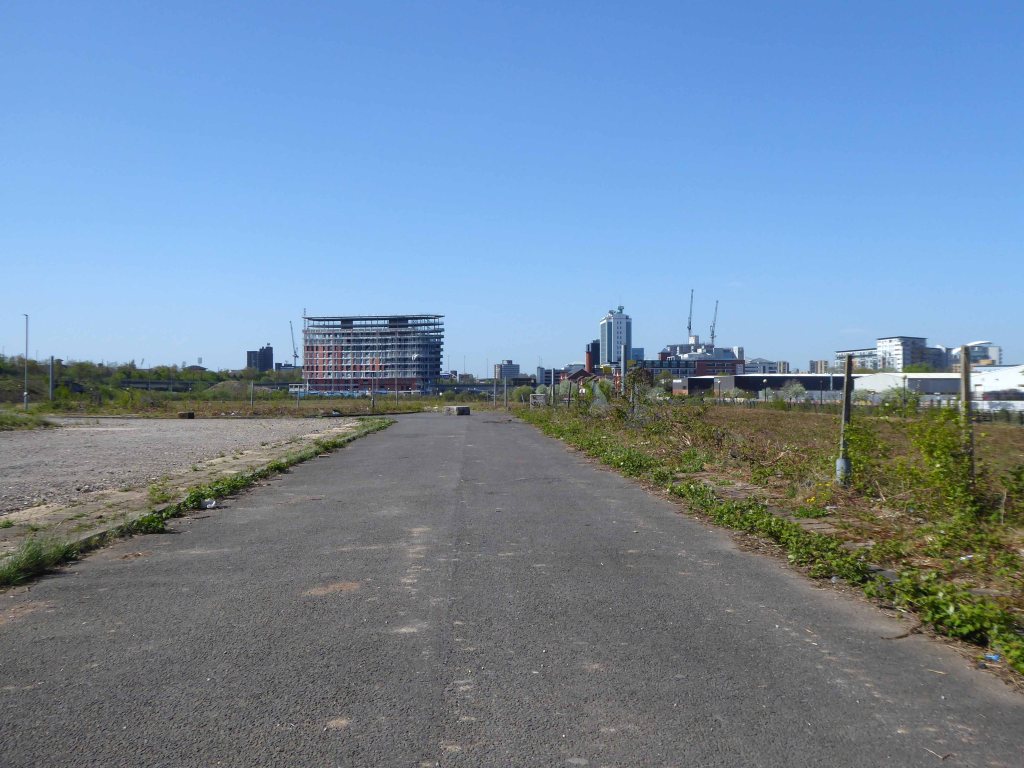
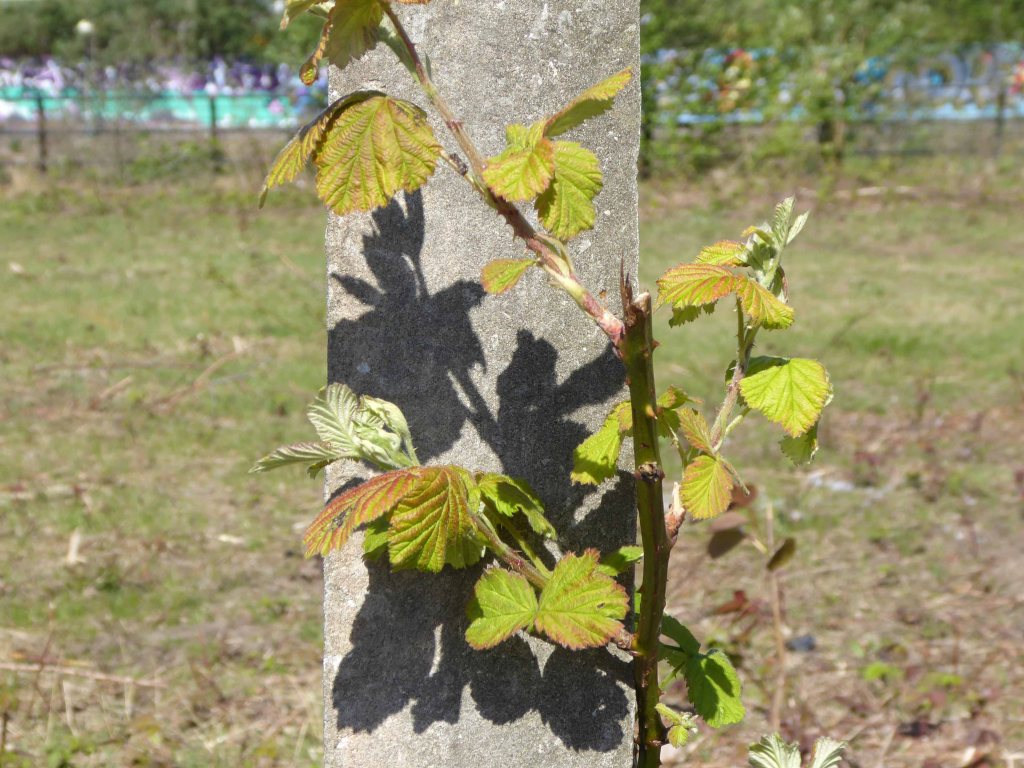
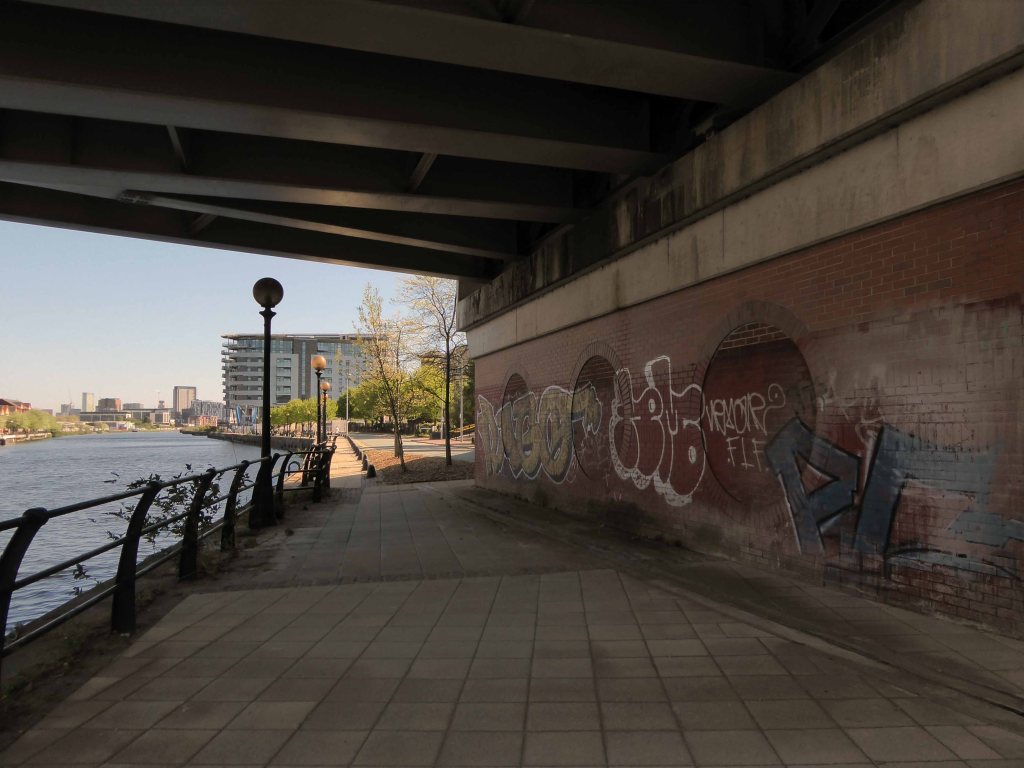
Manchester and Salford begin the long haul from post industrial decline to service centred cities – there were even seeds sewn for the development of a luxury marina. When I first visited Pomona the area was seriously overgrown and the underground wiring stripped out.
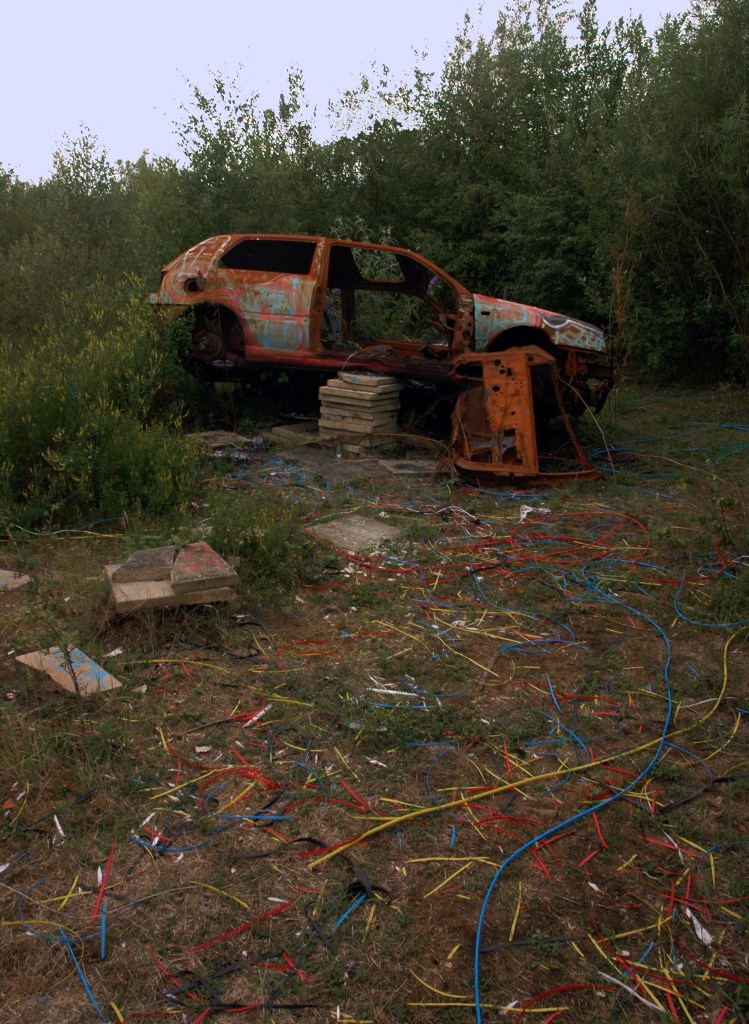
2010
2010
2020

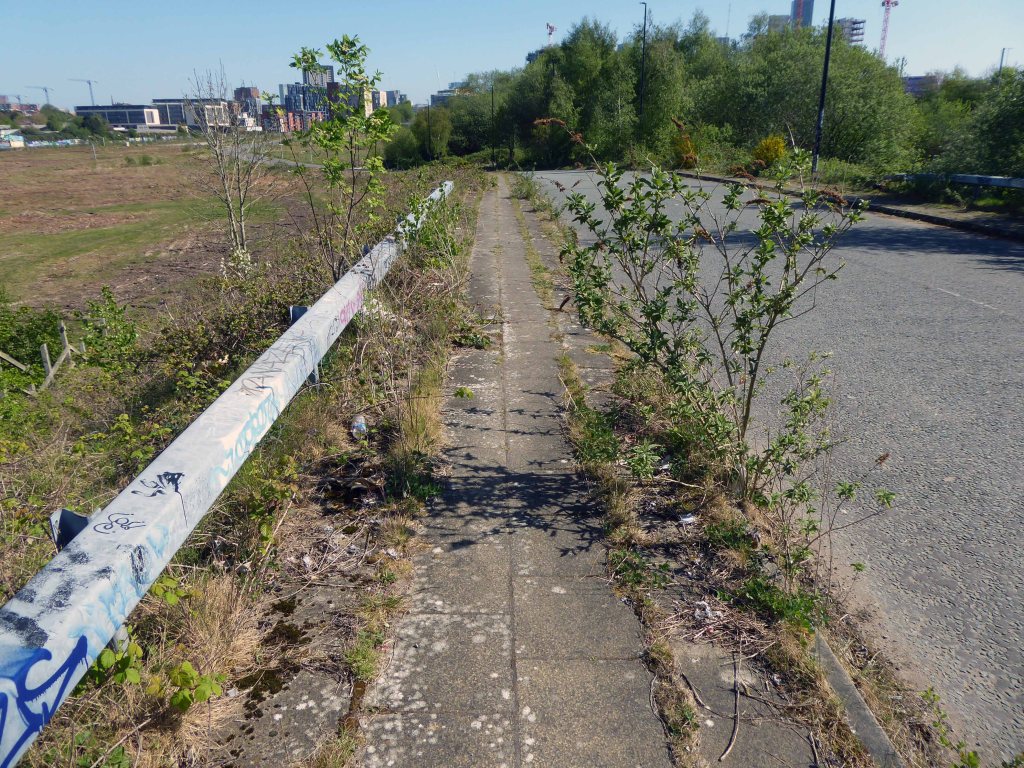
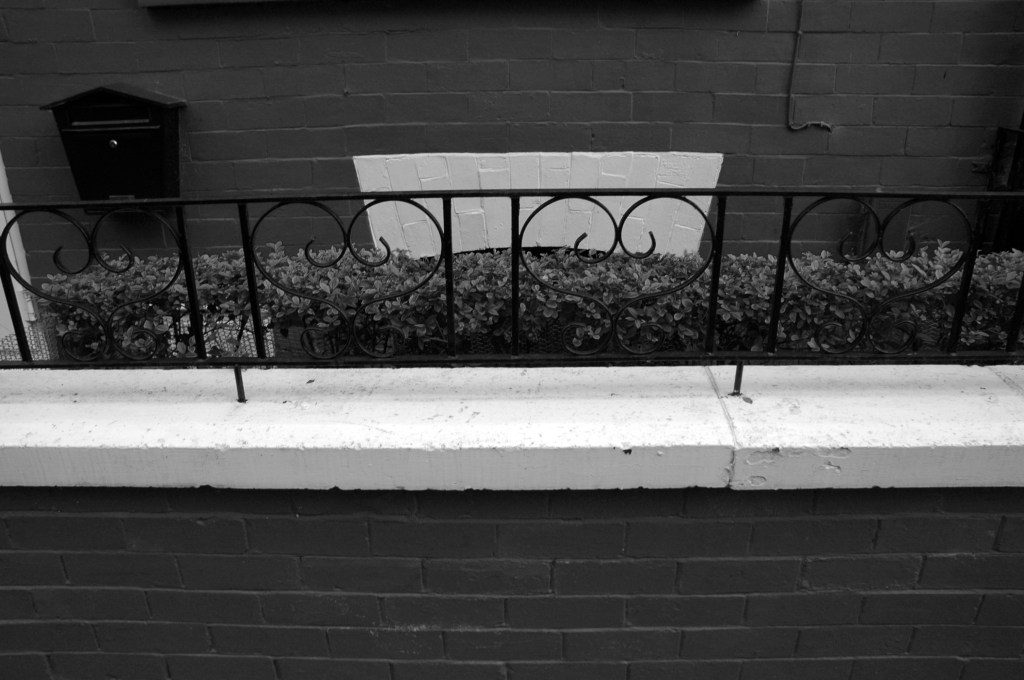
Remnant of the initial scheme – pedestrian access, balustrade and lighting.

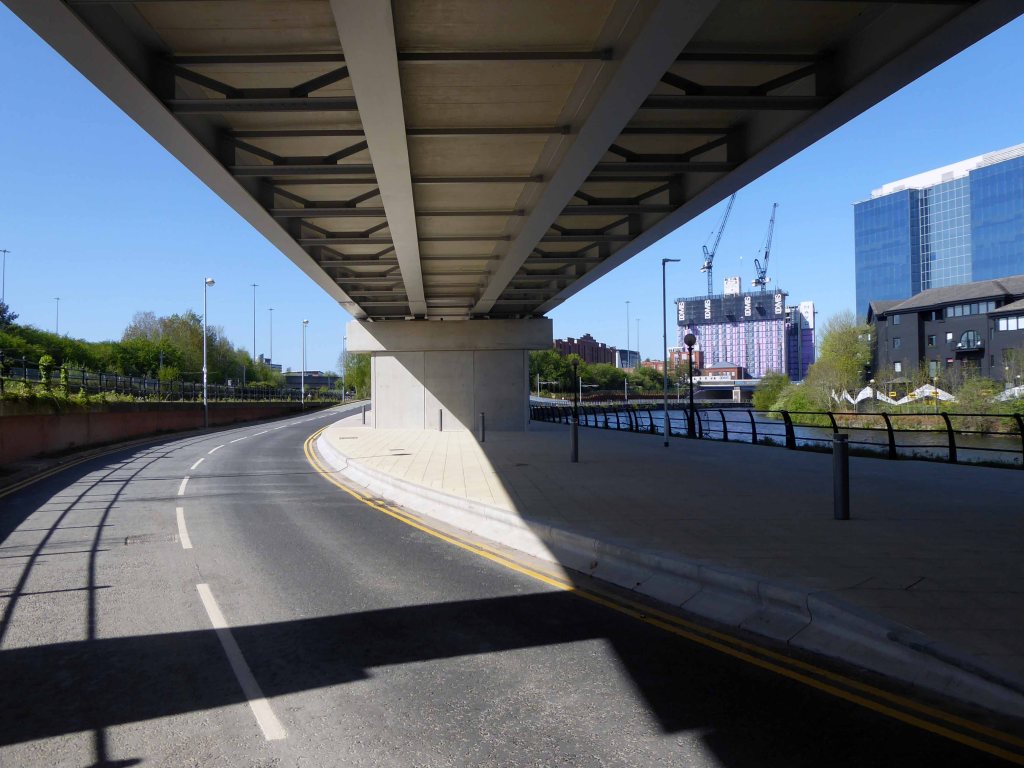
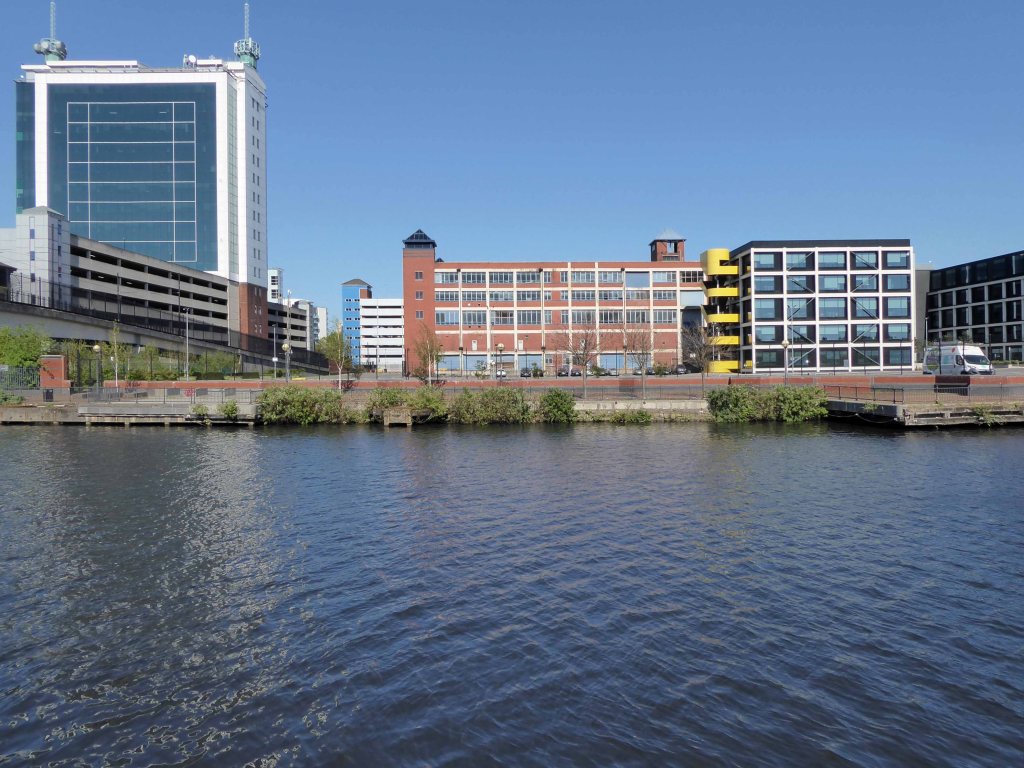
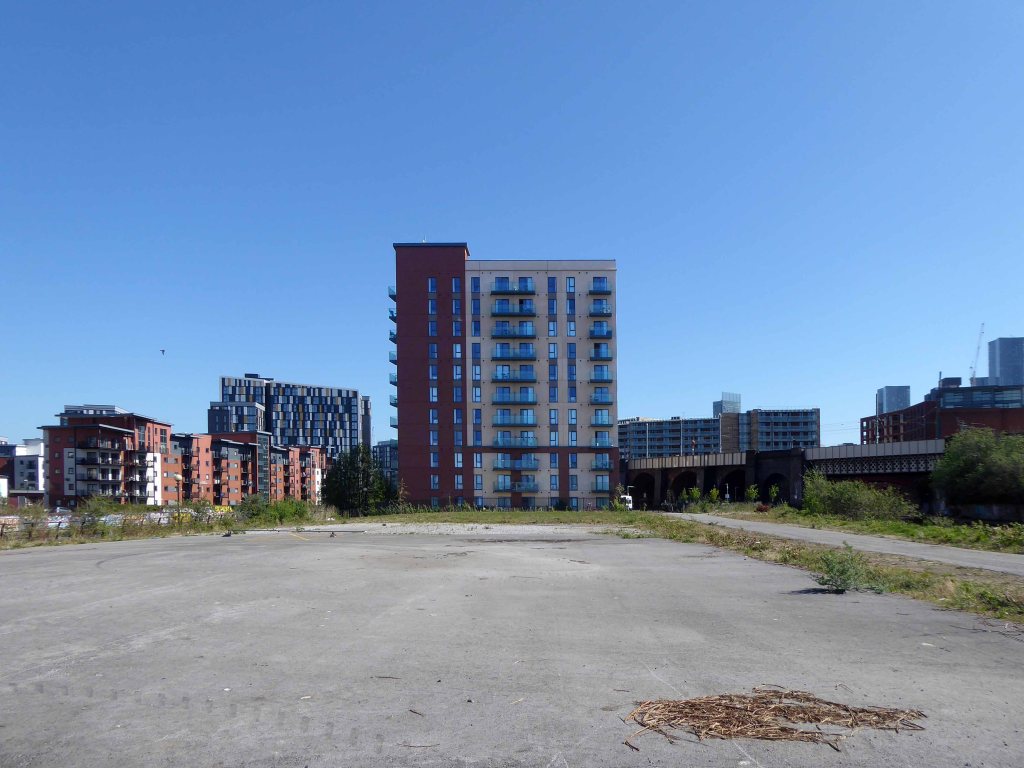
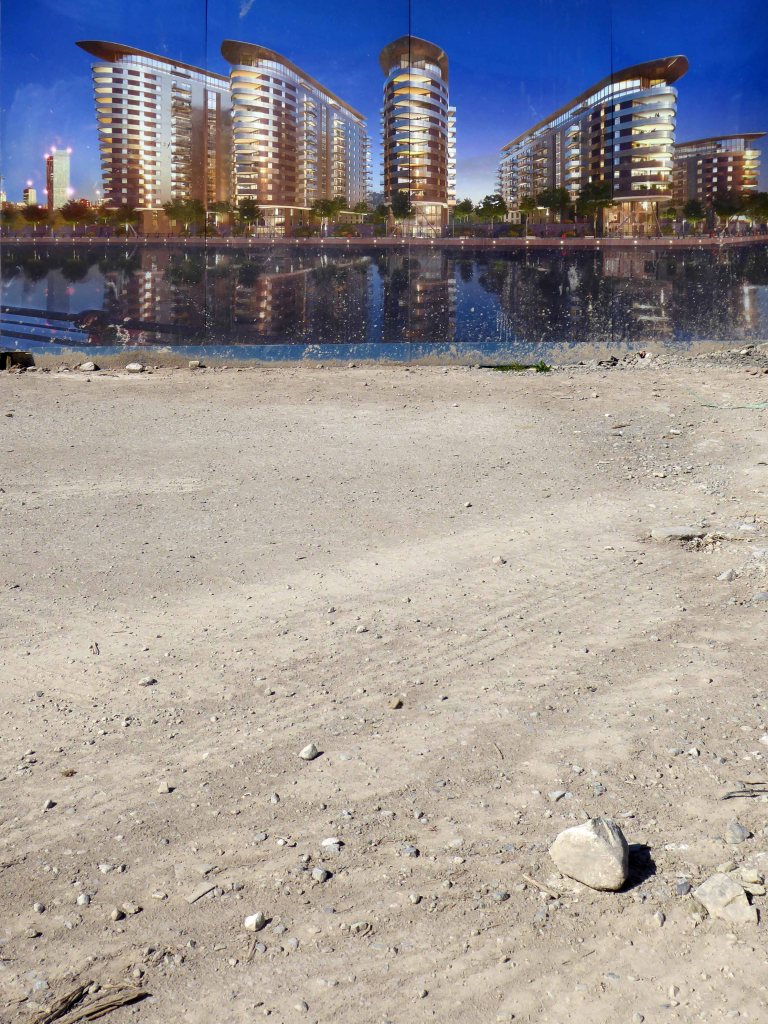
What would poor old Pomona make of all this?

There was a failed attempt to prevent further development and return the area to nature. Peel Holdings prevailed and pressed on relentlessly with their programme of urbanisation.
I have posted concerning Pomona posts previously.
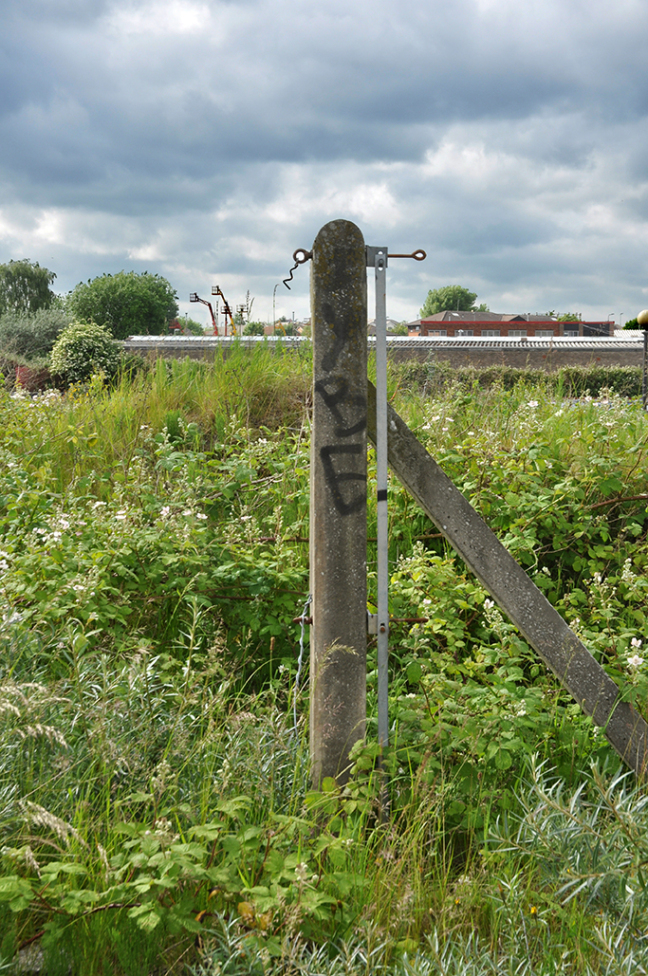
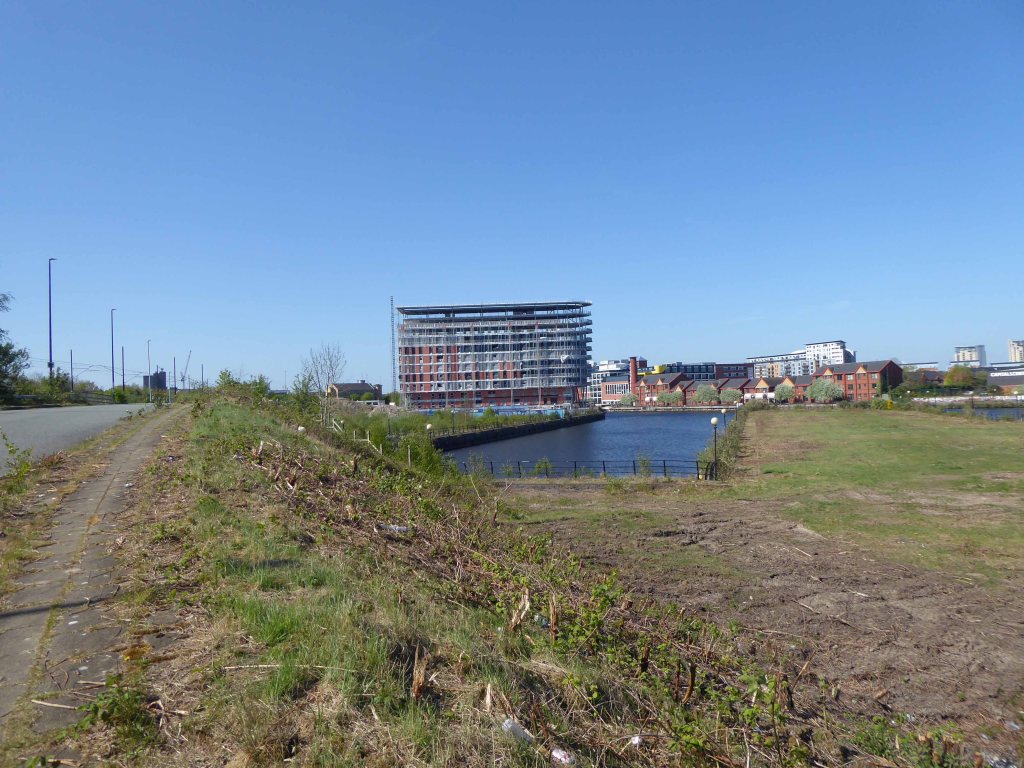
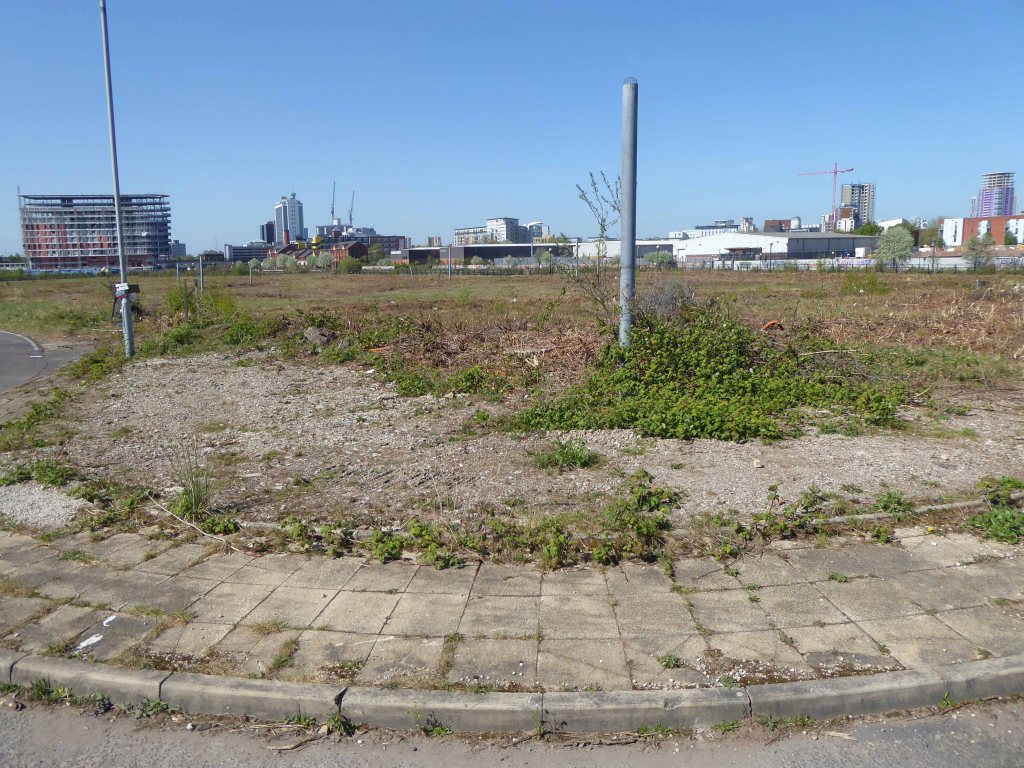
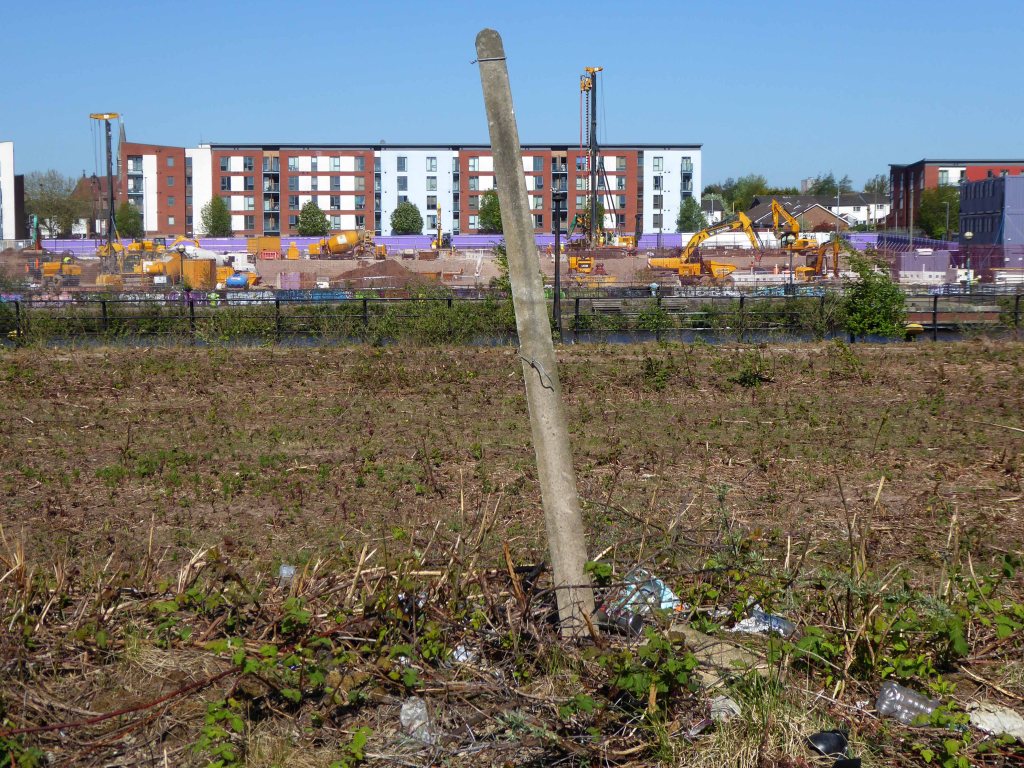
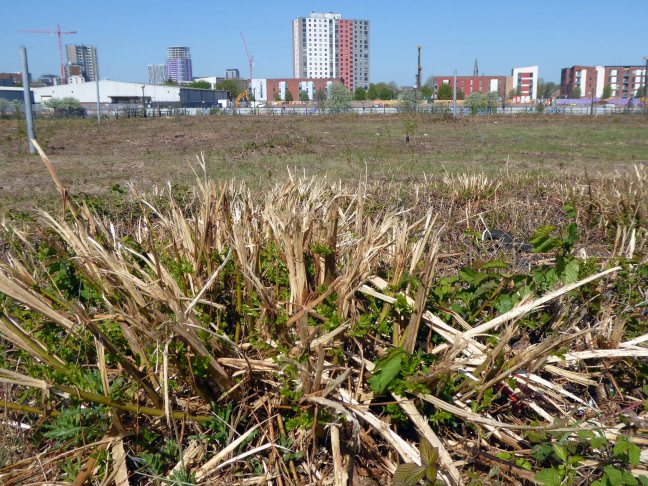
So it’s April 2020 – I’m on my way from somewhere else to somewhere else, I’ll cut across Pomona Island – the building site is in lockdown – ain’t nobody home.
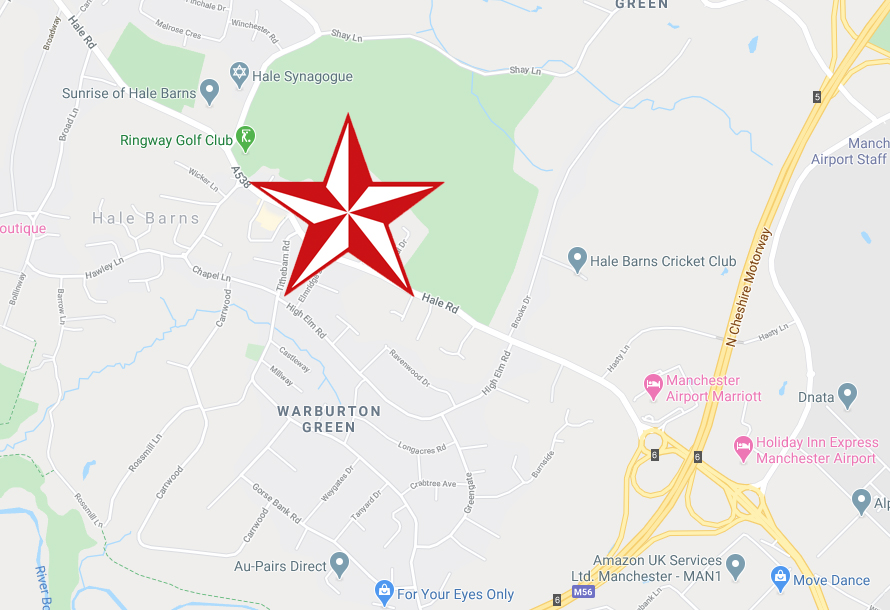
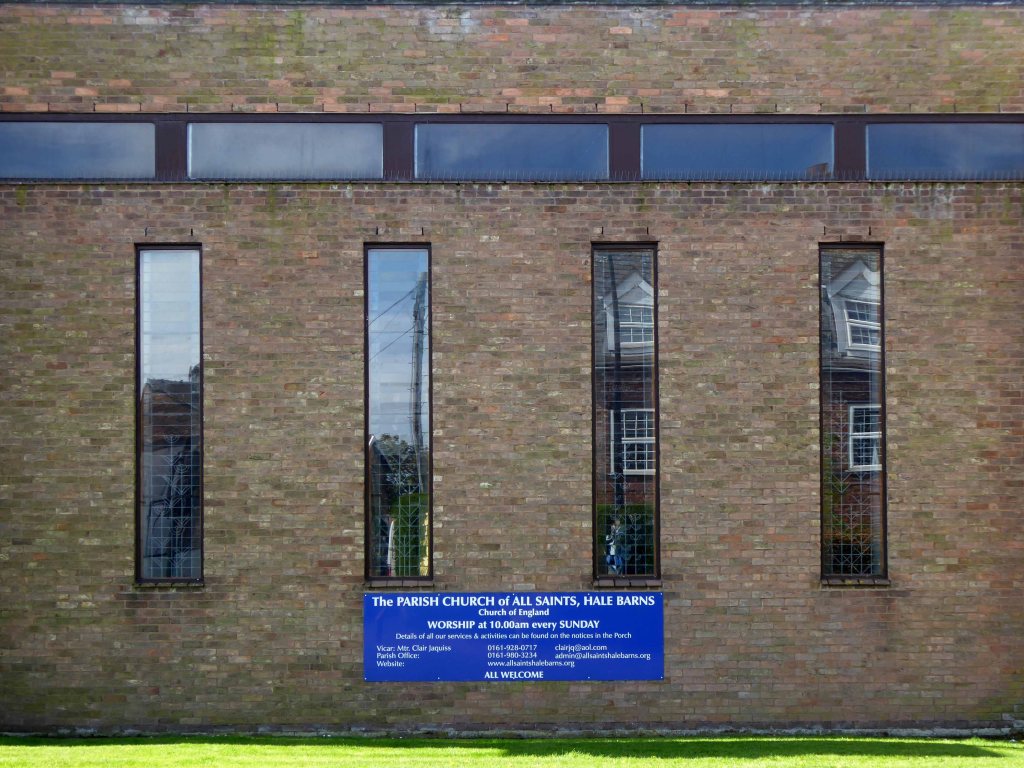
All Saints Church – Hale Barns

Hale Rd Hale Barns Altrincham WA15 8SP

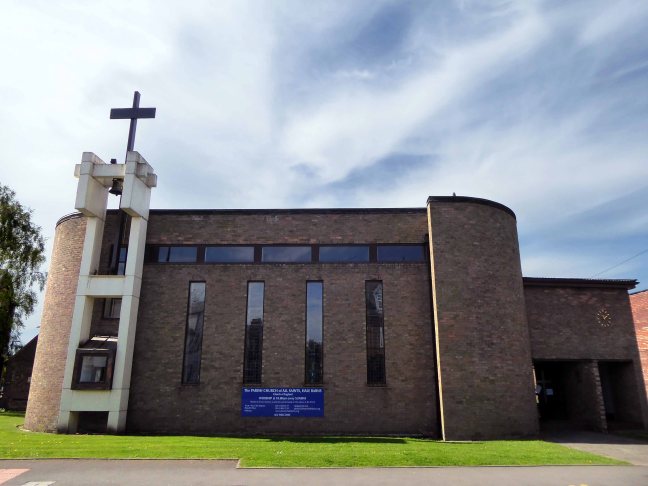
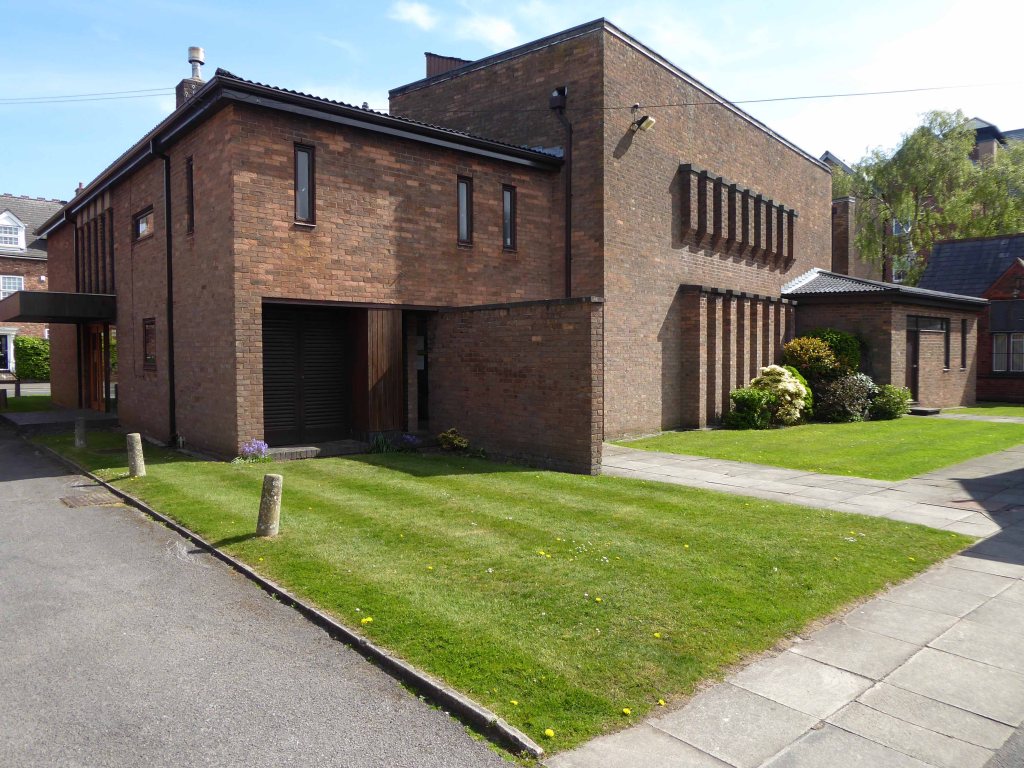
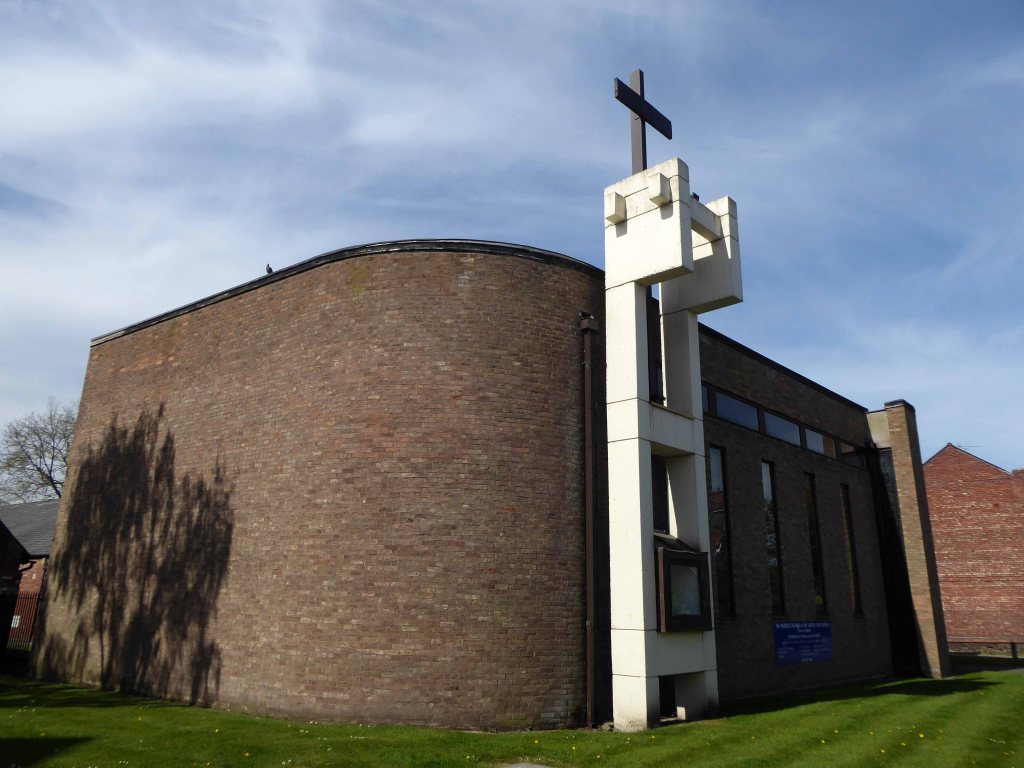
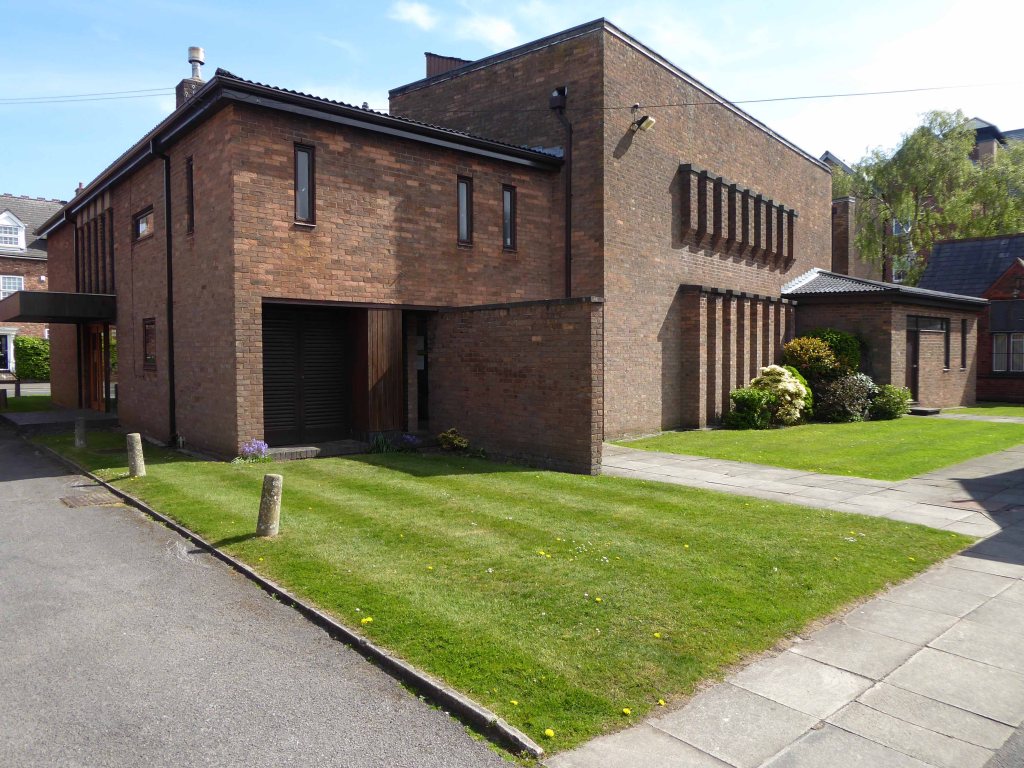
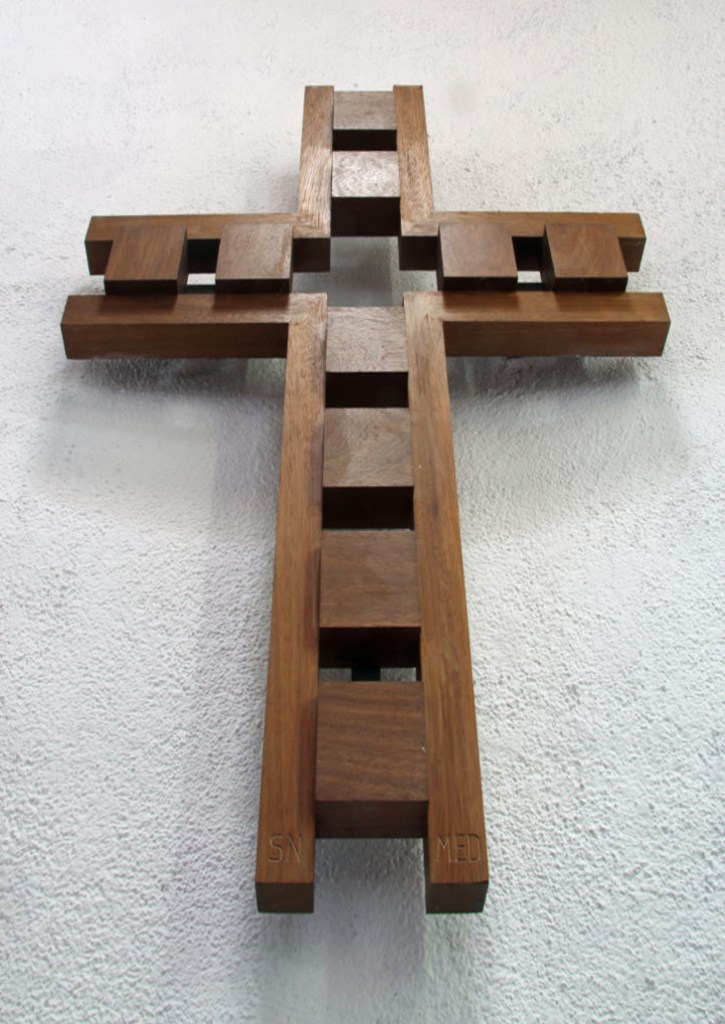
As Hale Barns grew in the 1950s and 1960s it was clear that the small daughter church was less than adequate in terms of size and facilities, and under the leadership of the Rev Fred Cox, the then Vicar, a new church was planned for the site. Designed by Brian Brunskill, All Saints Church was consecrated in 1967.

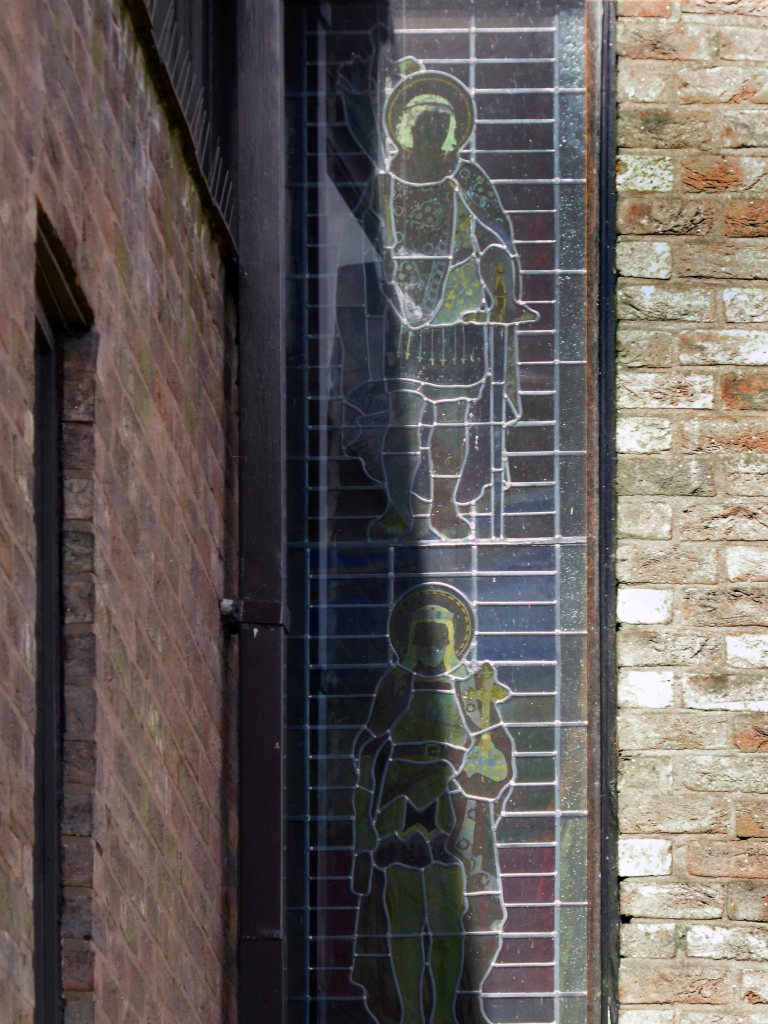
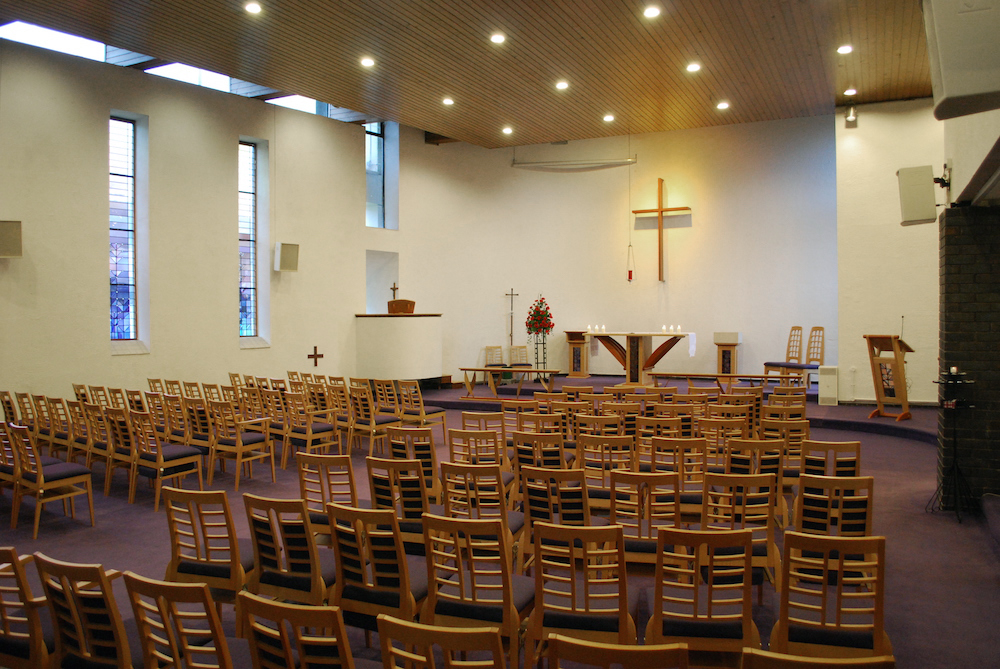
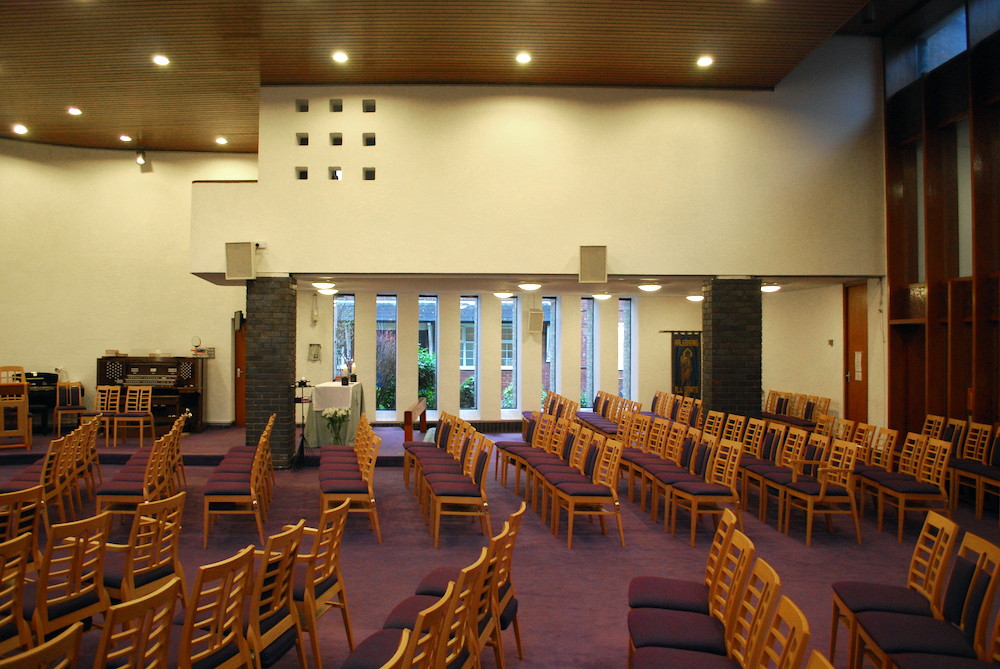
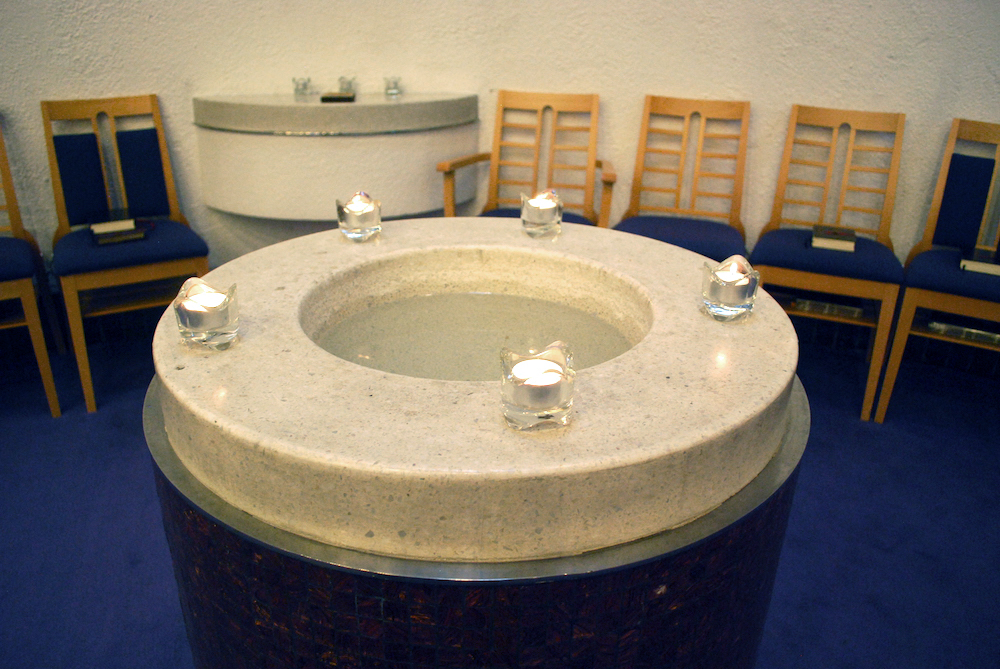
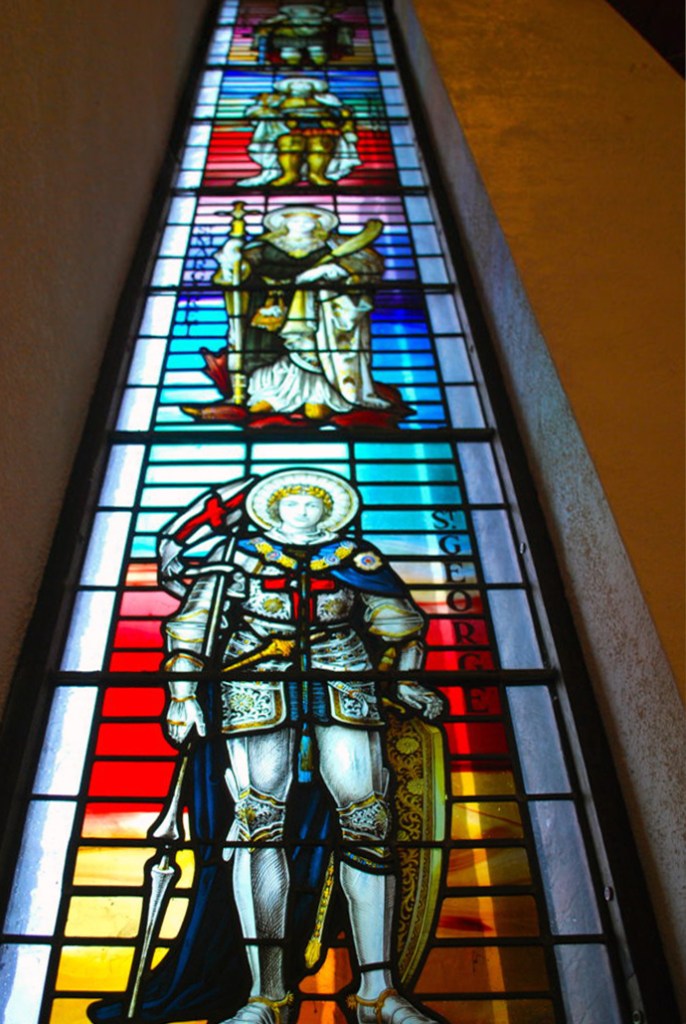
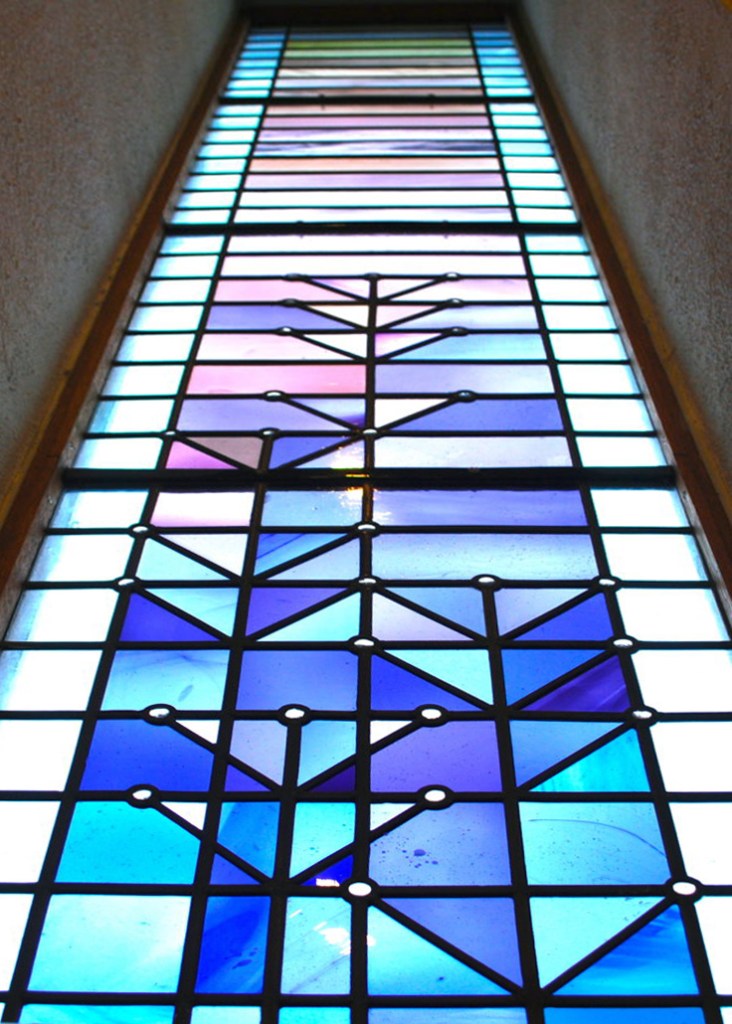
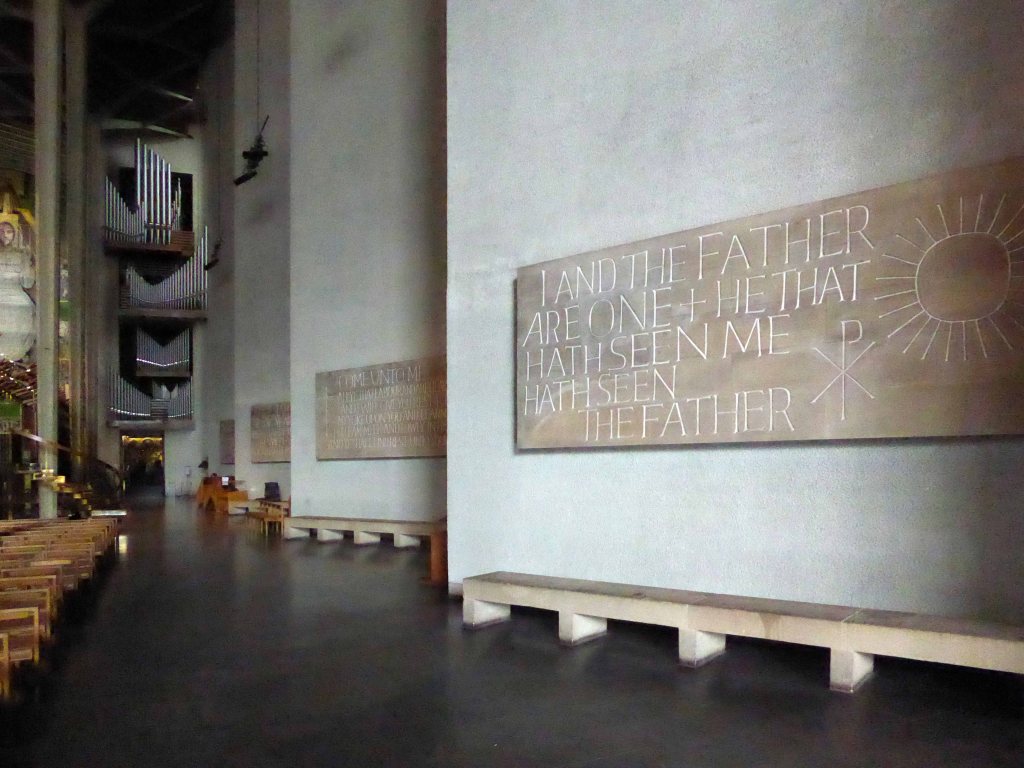
Outside it can seem a rather stark building, of brown brick, set back from the busy Hale Road but inside it is full of light and space.  The influence has clearly been that of the French architect Le Corbusier, and there is a wonderful interplay of curved and straight walling.  At first there was no stained glass, but in the early 1980s glass by the Japanese artist Sumiko was installed in the north windows.  This includes a stylised tree-of-life design. In the baptistry there is some Victorian glass brought from St Mary’s Church.

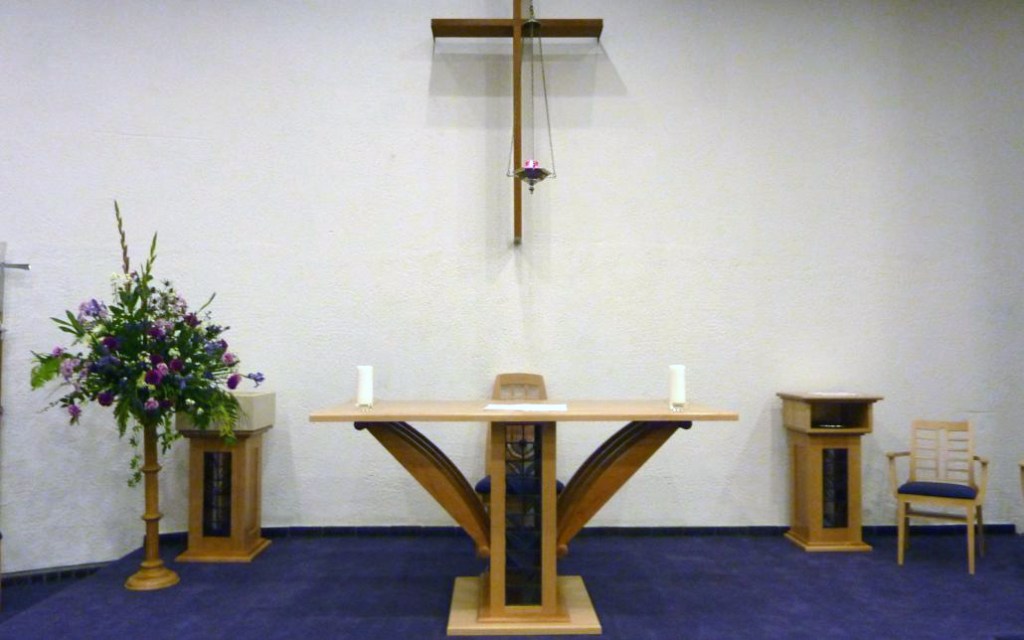
In 2009 a radical and daring re-ordering of the building was completed. The church was carpeted and new furniture of high quality, designed and made by Treske, woodcarvers  of Thirsk, North Yorkshire, was installed.  The tree-of-life design in the 1980s glass has been echoed in the glass inserts to the Lectern and High Altar and also in the metal uprights of the Altar Rail.  All the fittings are moveable, giving a flexible space.  This flexibility give opportunities to explore how the building itself can enrich worship at different seasons of the Church’s year. 

All Saints

My first time in Hale Barns – hence my first visit to All Saints.

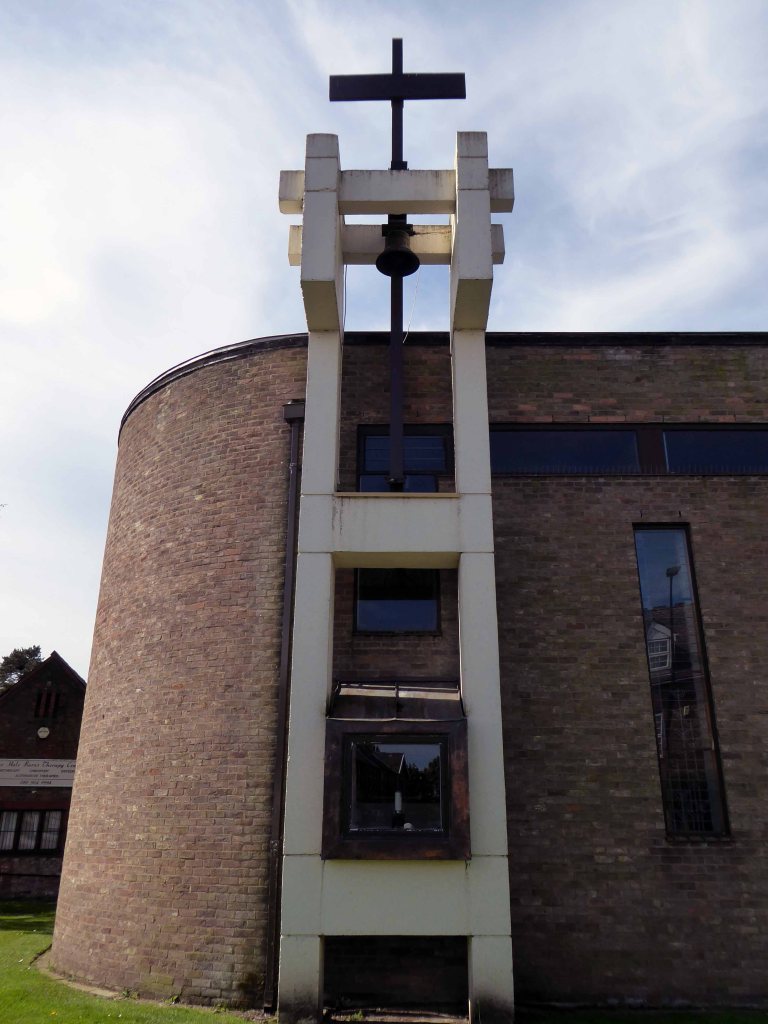
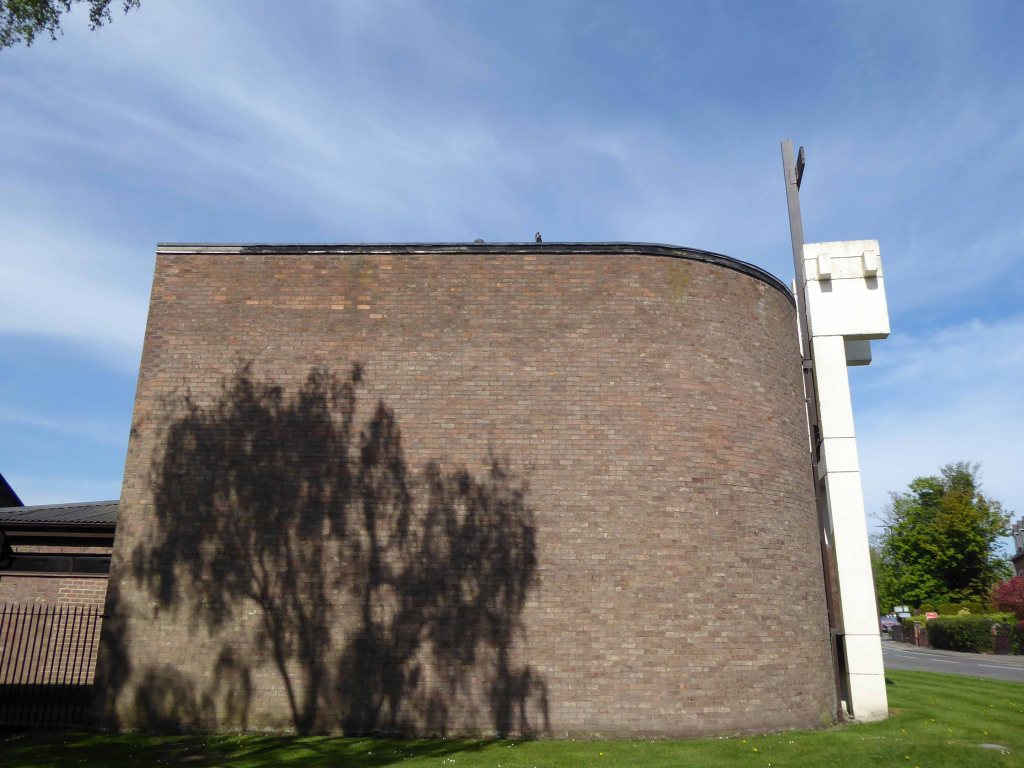
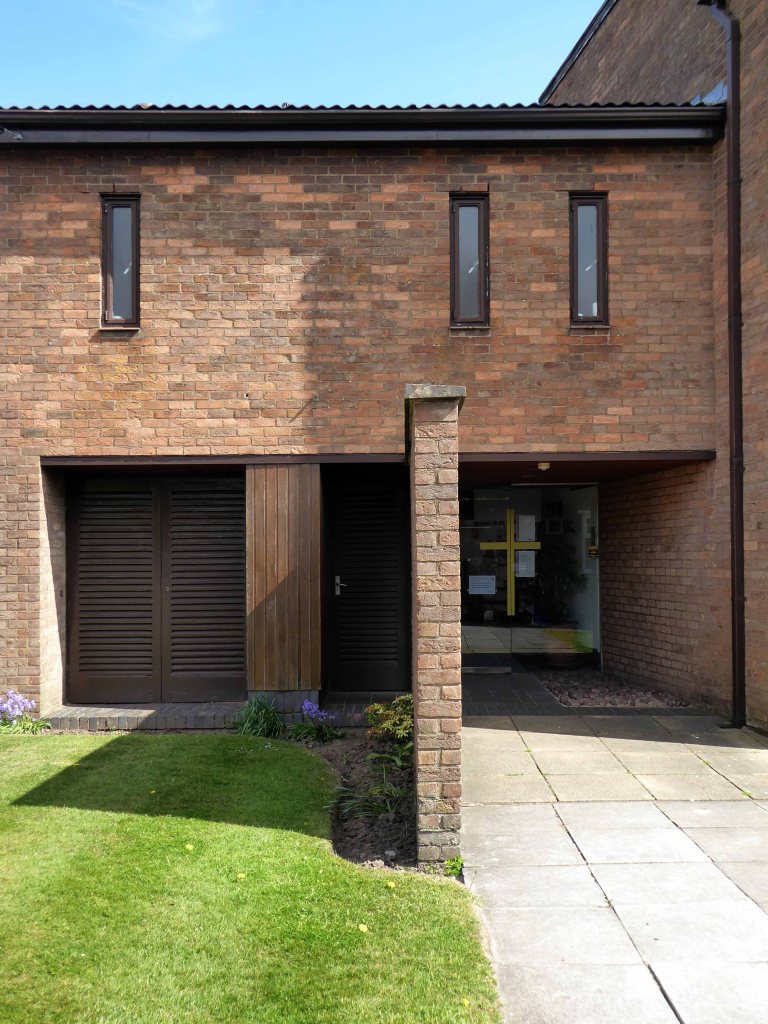
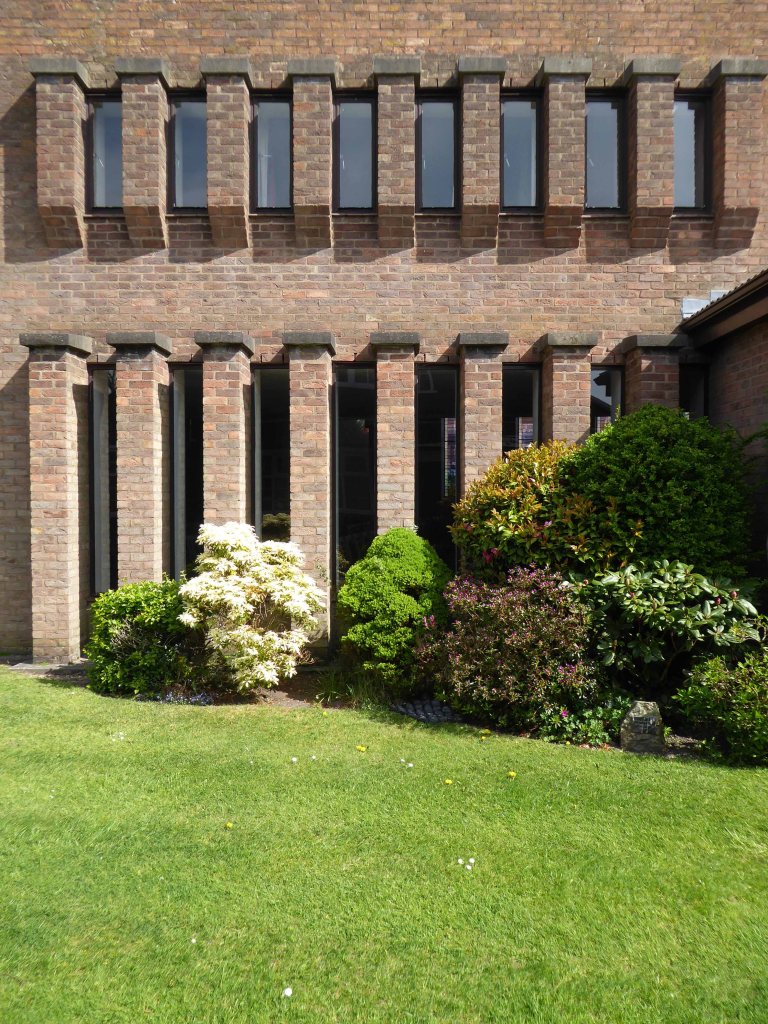
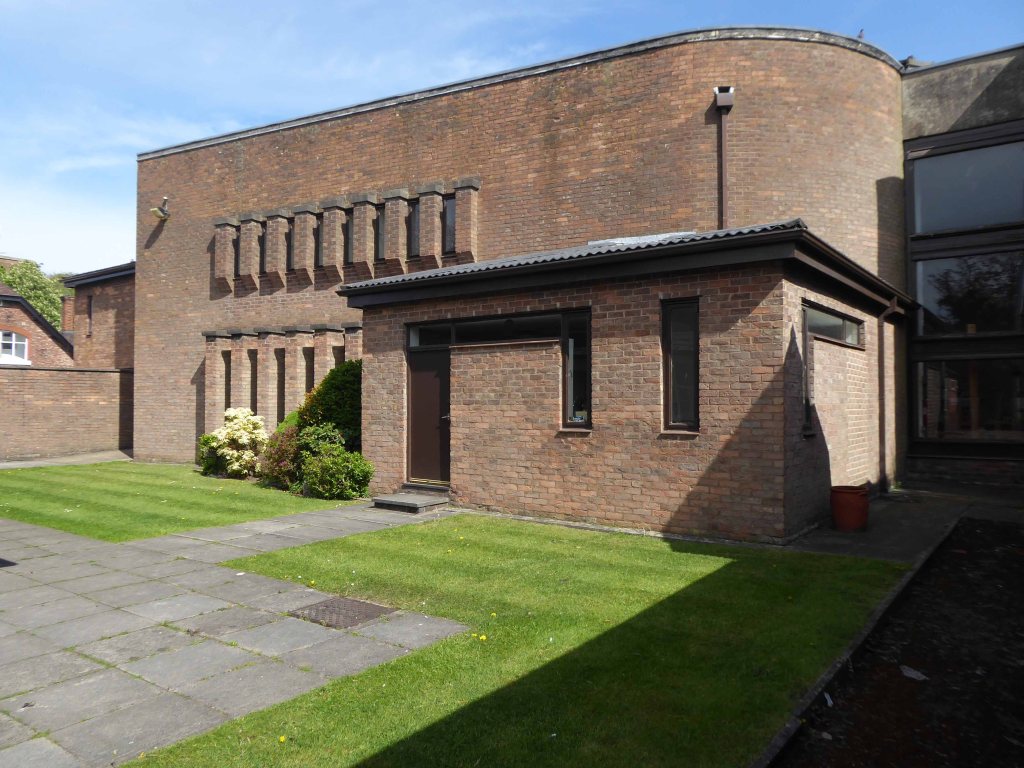
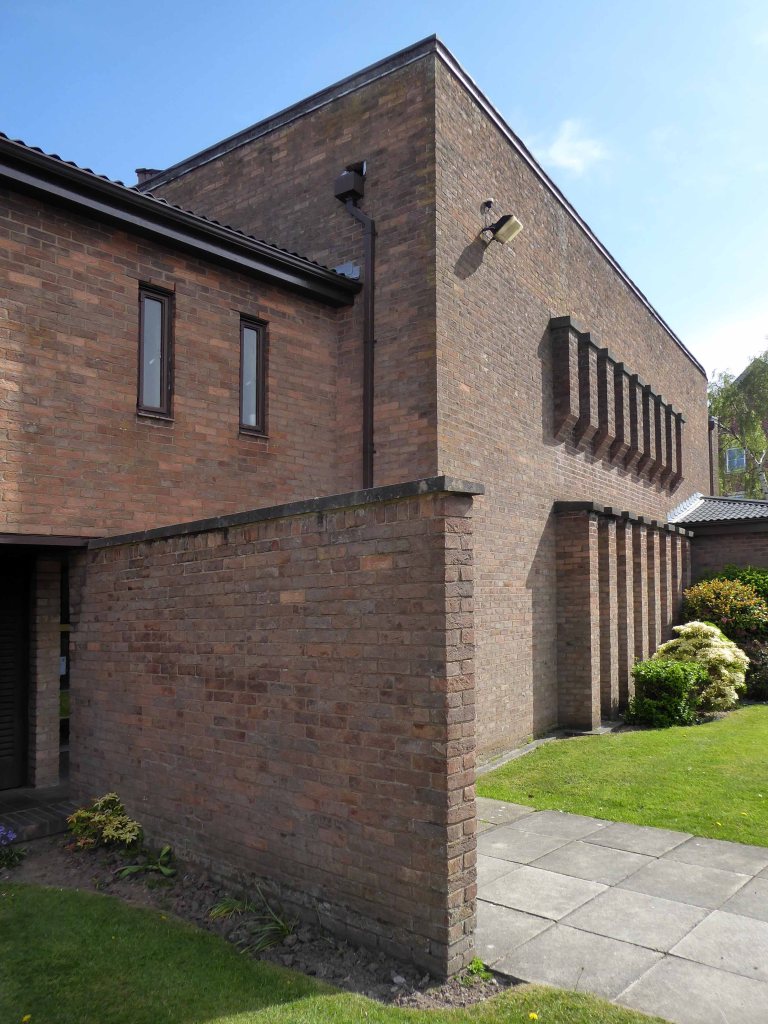
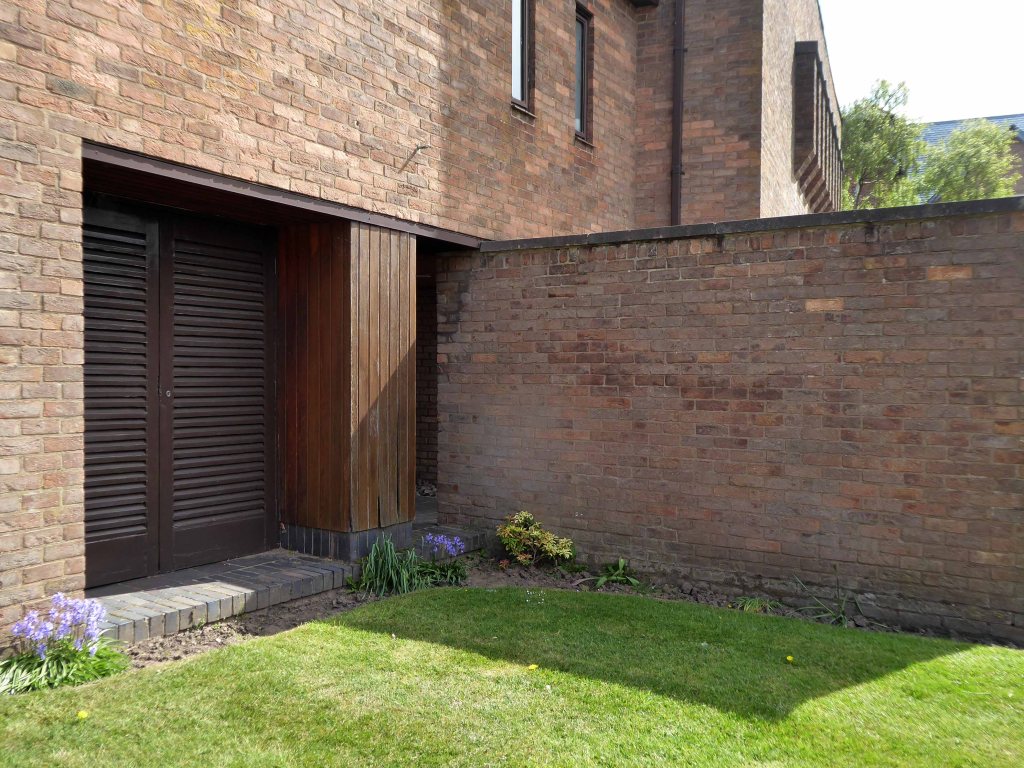
Small in scale, but large in ambition – a wonderful exercise in the calm controlled use of brick, rich in small details, along with an expressive mix of warm curves within a rigid grid.

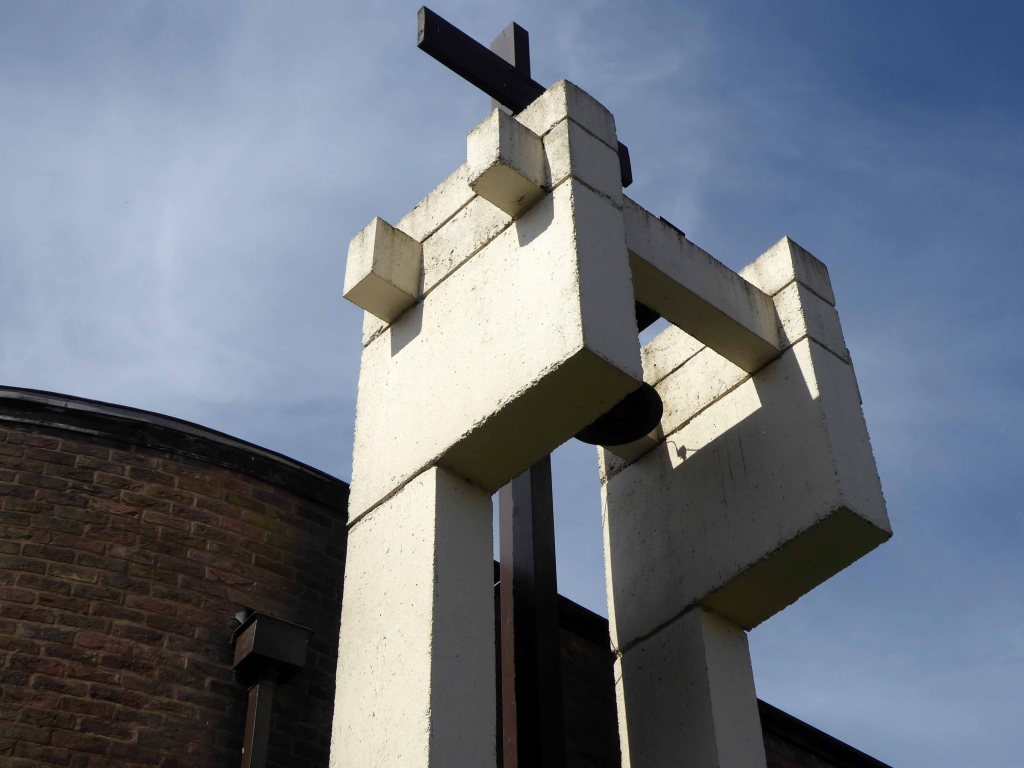
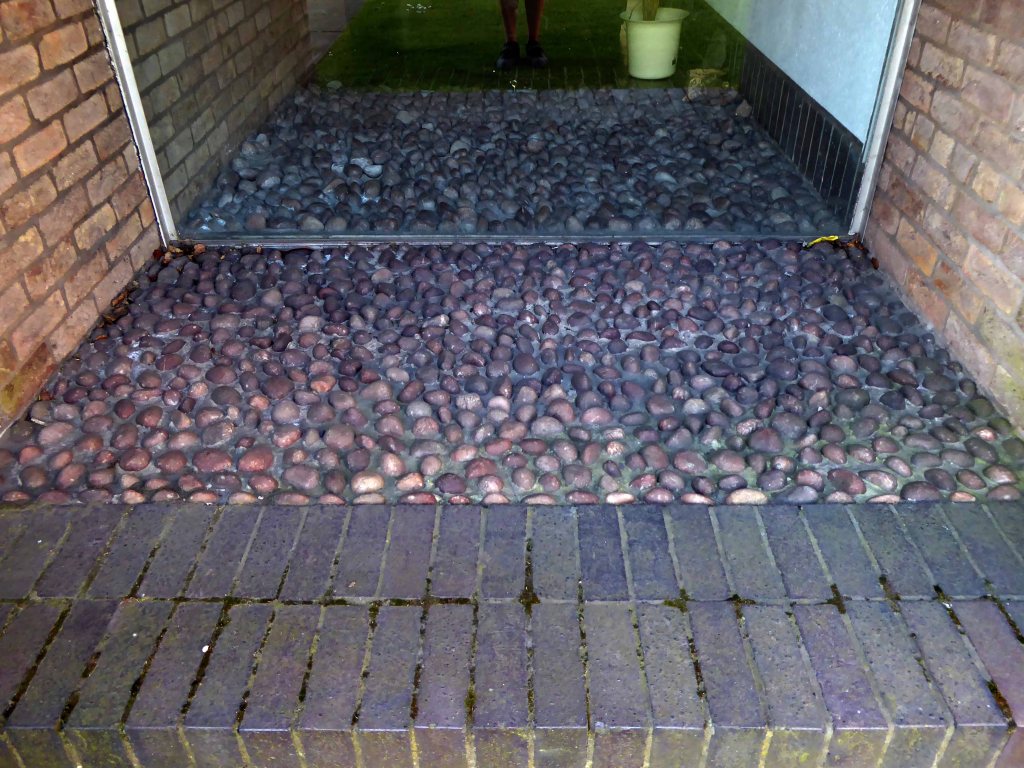
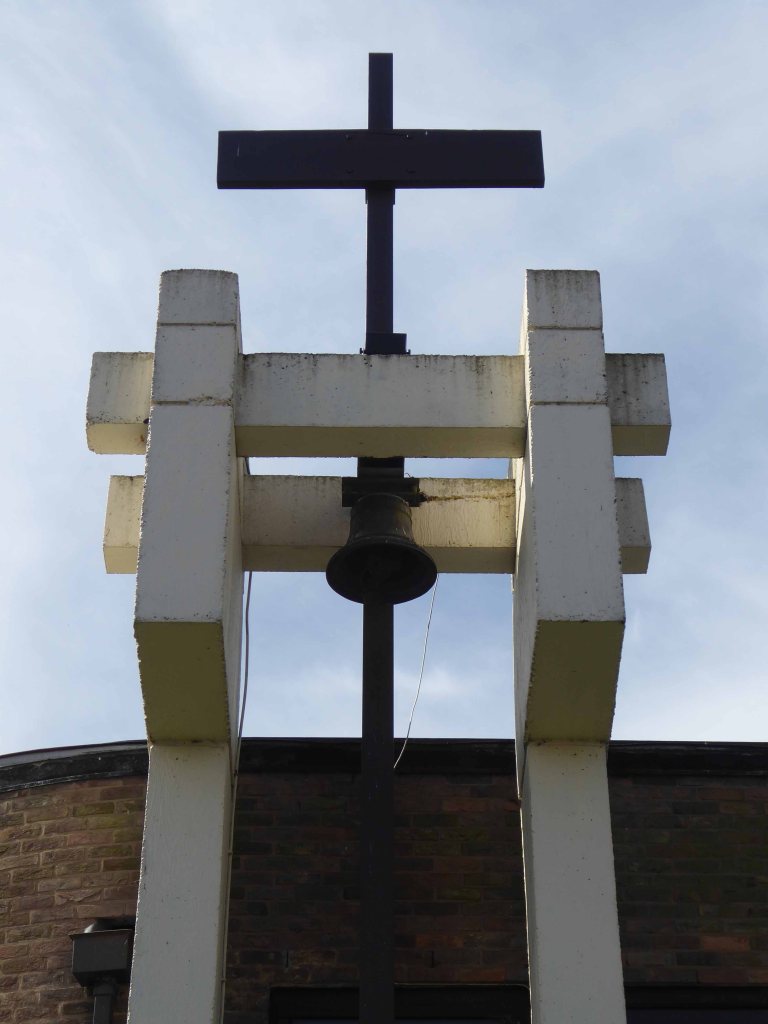
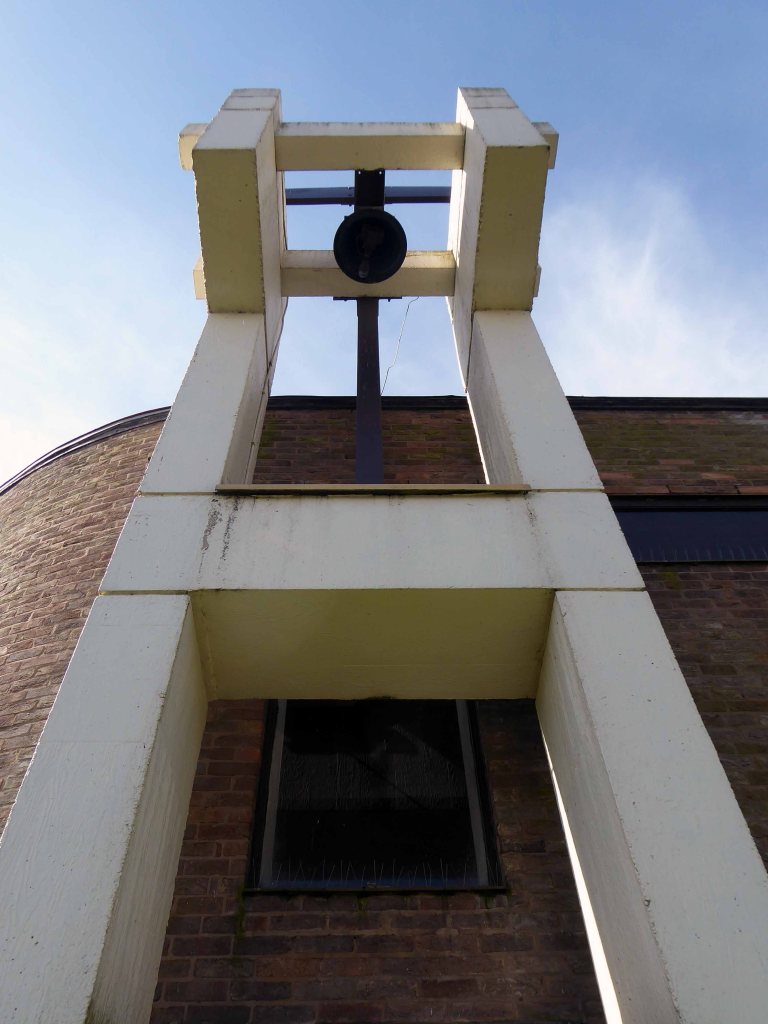
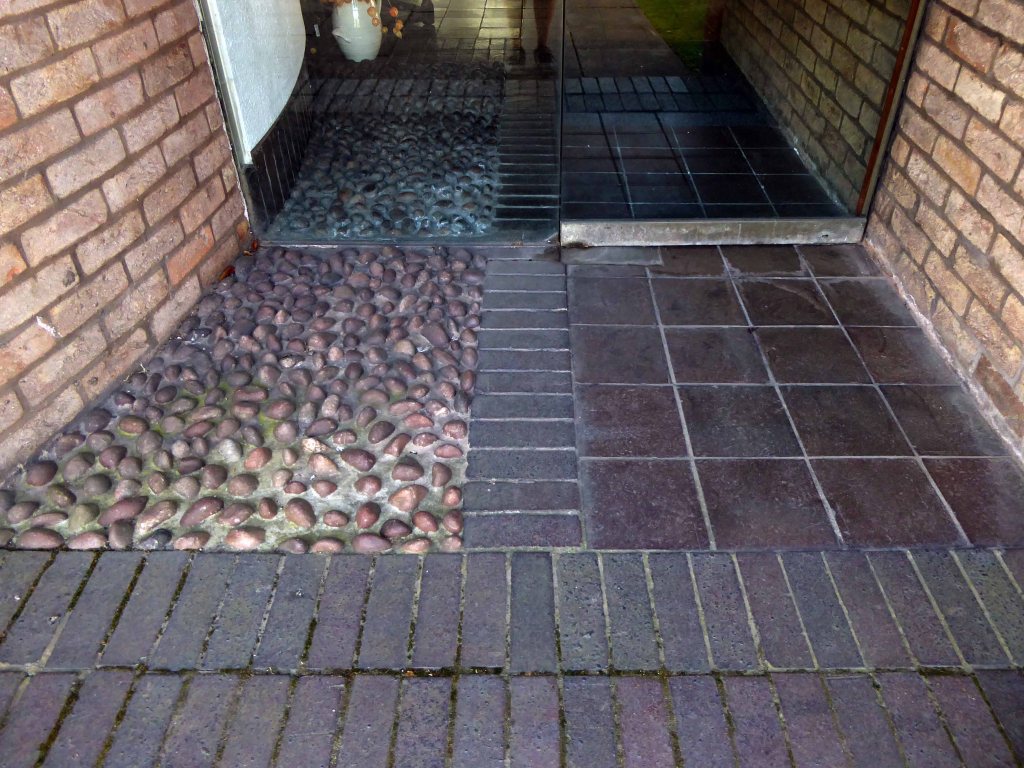
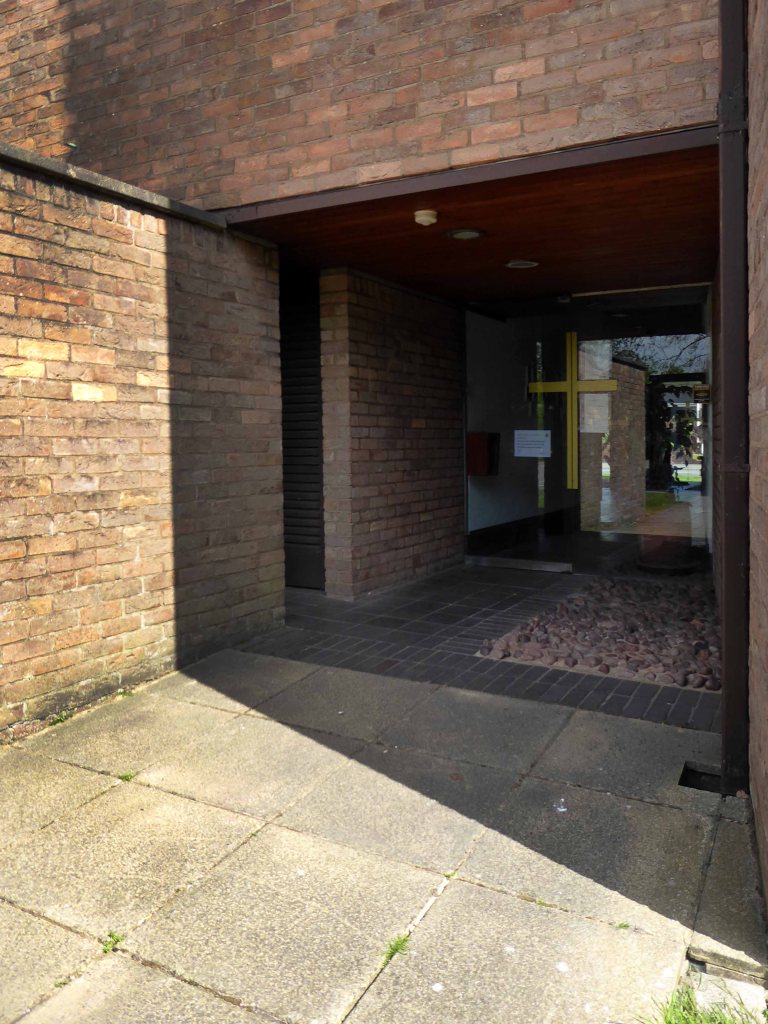
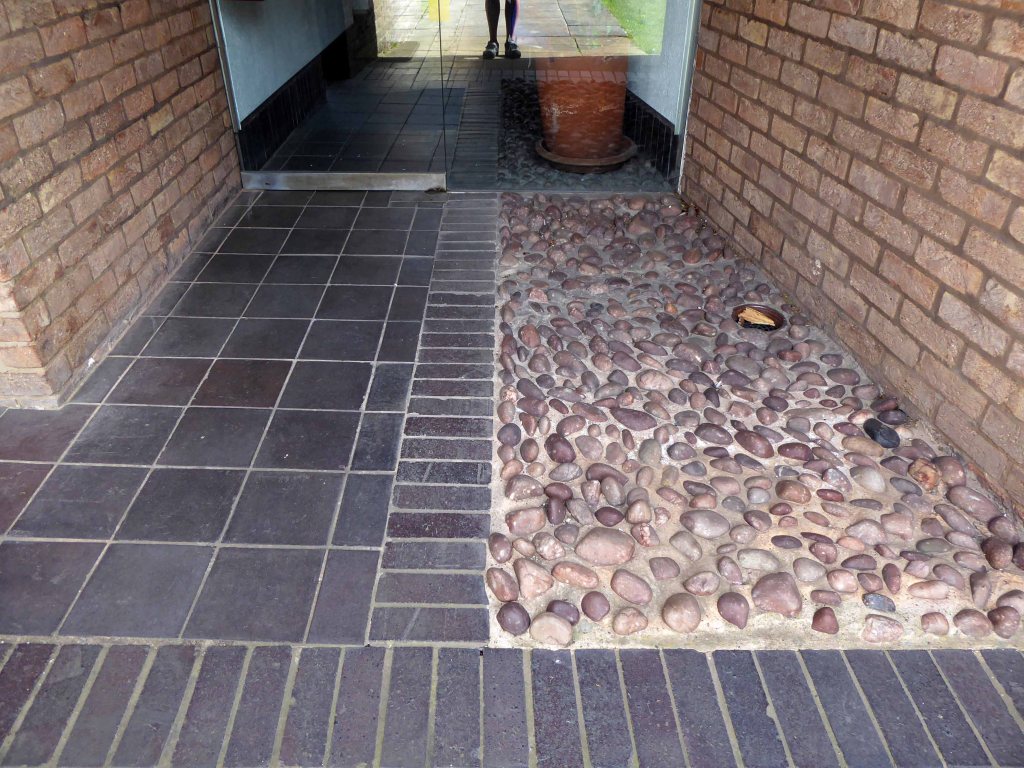
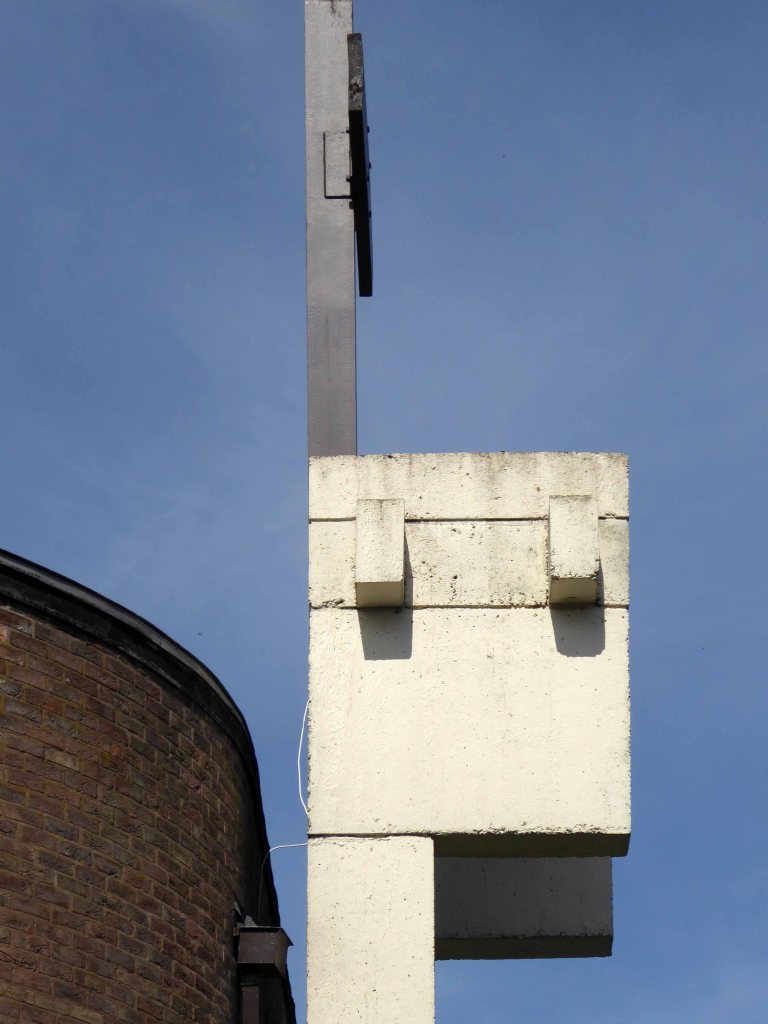
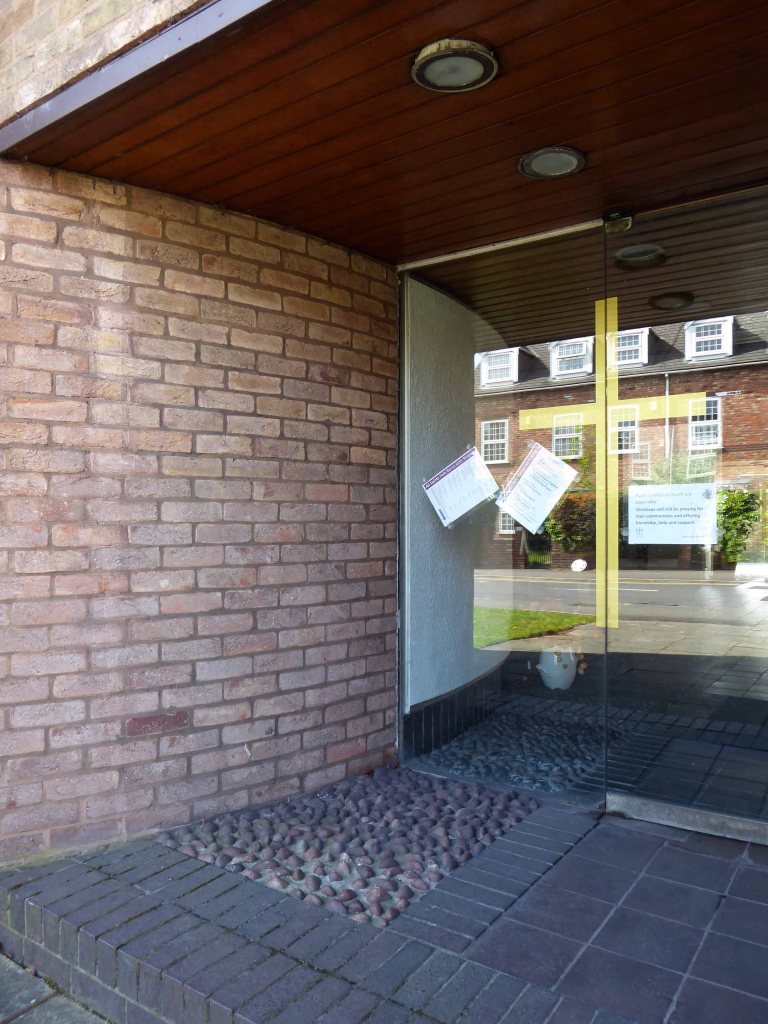
Of particular note is the sculptural concrete bell tower, the exterior use of pebbles in the porch which flow into the interior space, along with a discrete palette of grey tiling.

It demands to be circumnavigated – fresh surprises await around each turn, simple hard landscaping of flags, softer restrained planting and open areas of lawn, so very well tended.

Let’s take a look around.

Here are some images of the reworked interior taken from the All Saints gallery.

Renold House

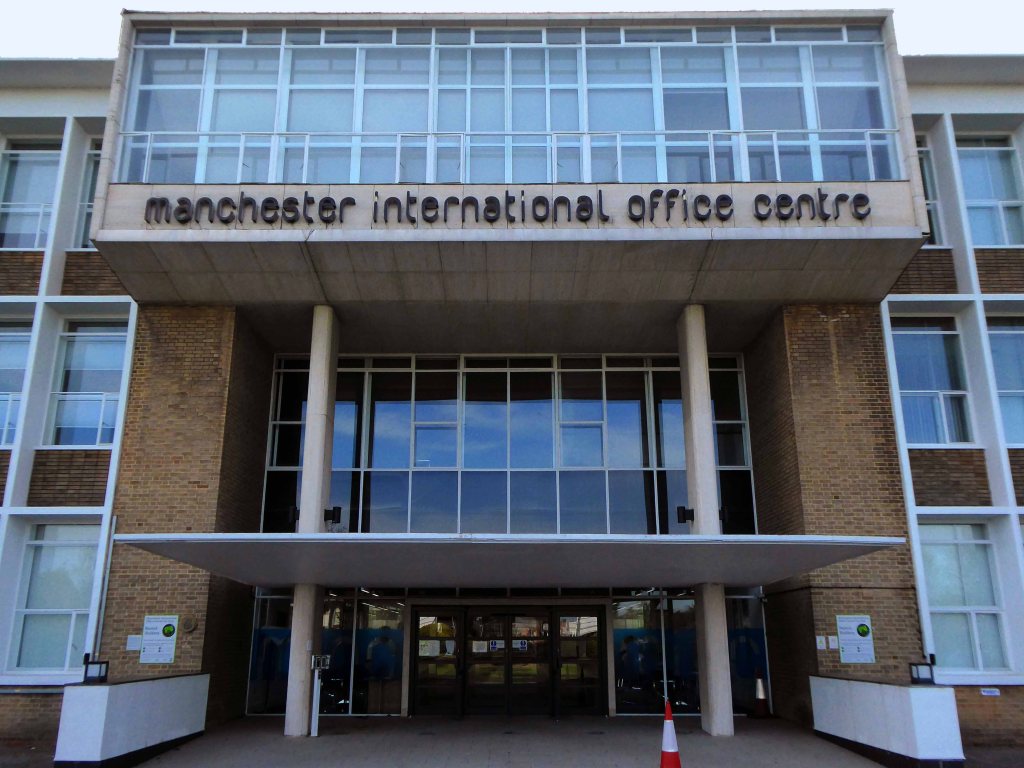
Manchester International Office Centre
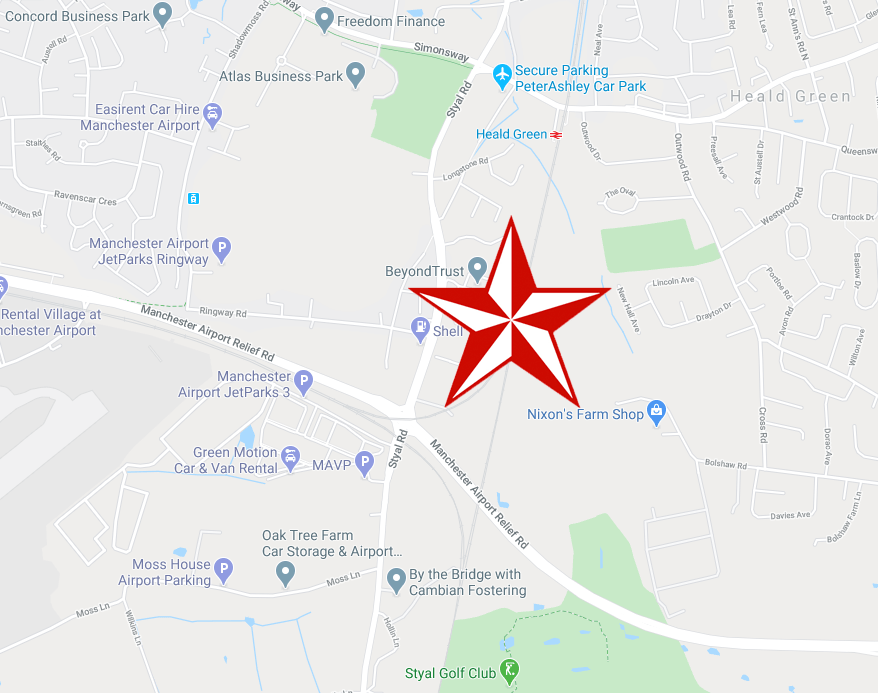
11 Styal Rd Wythenshawe Manchester M22 5WB

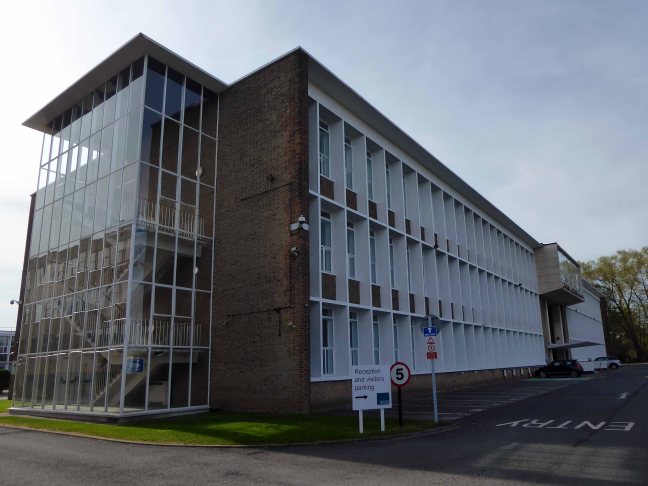
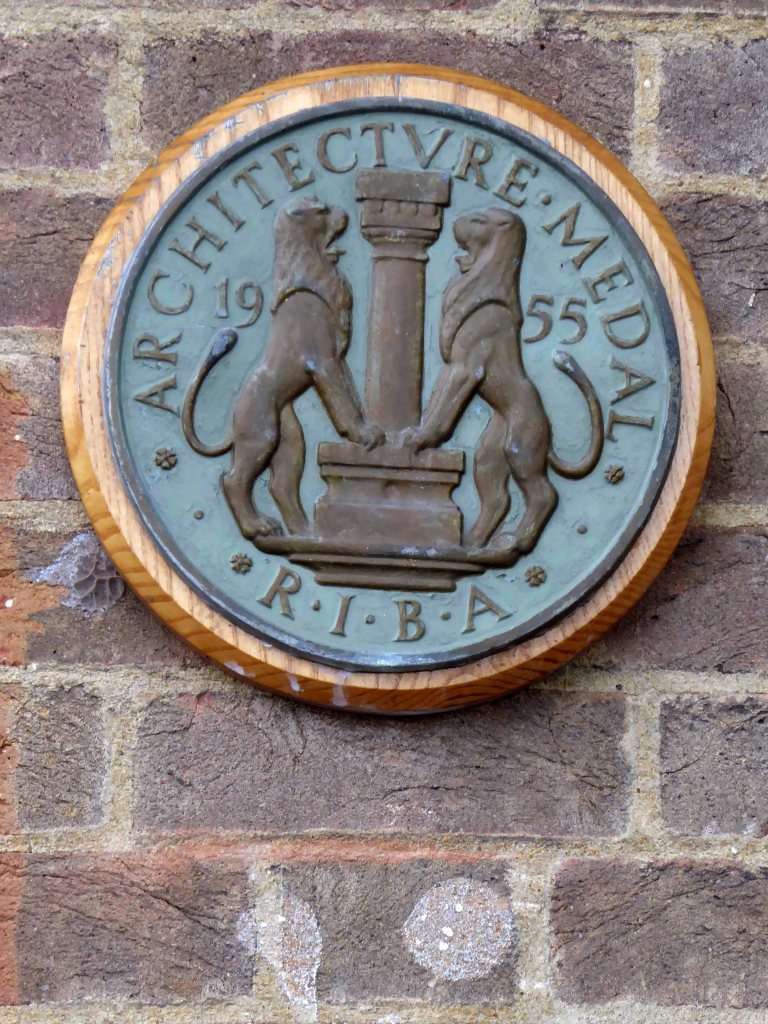
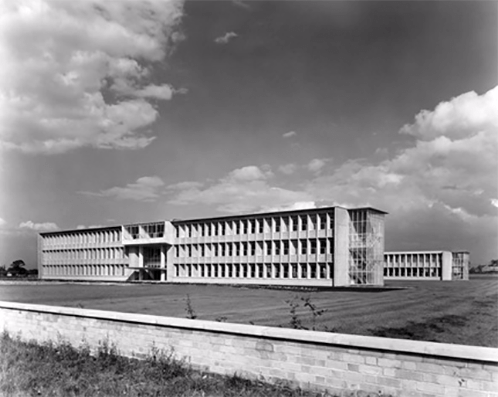
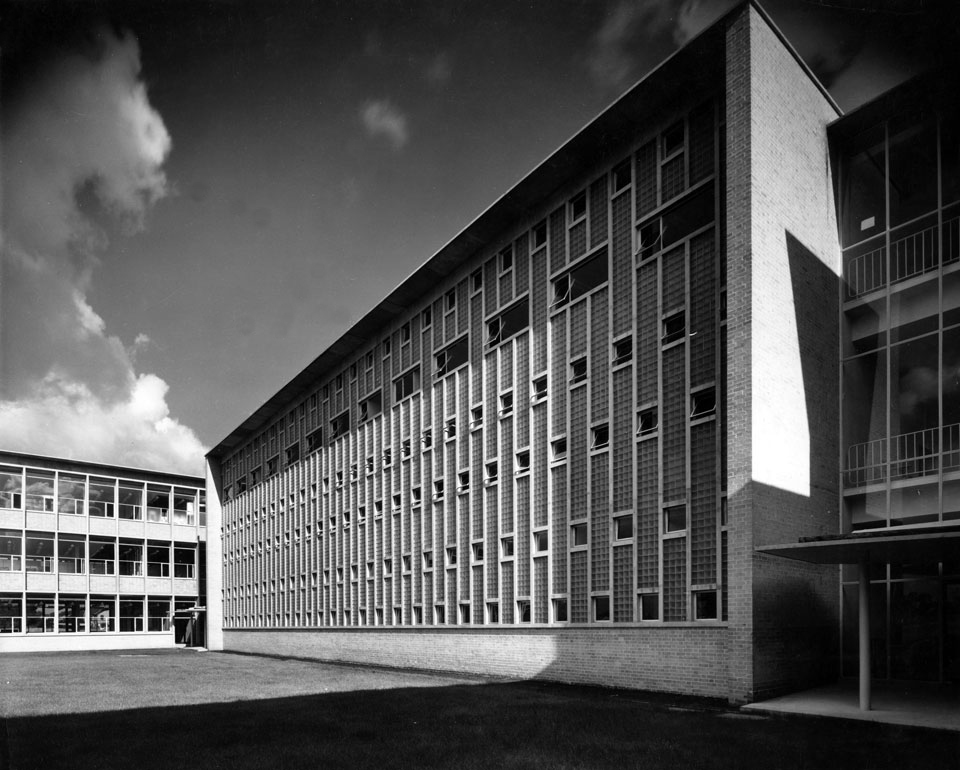
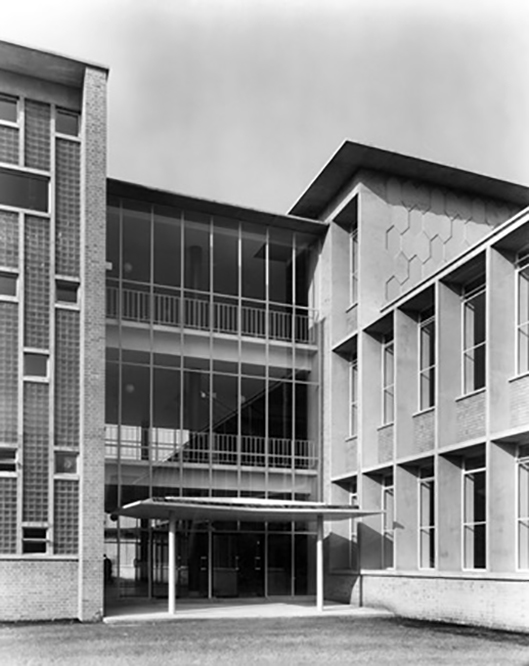
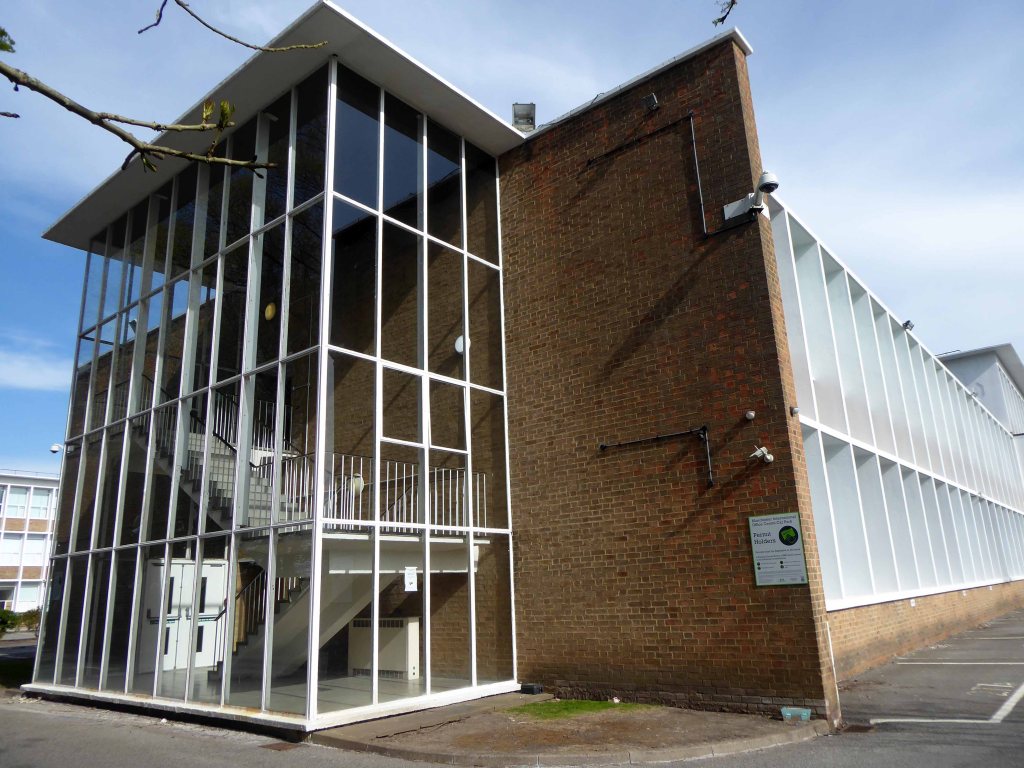
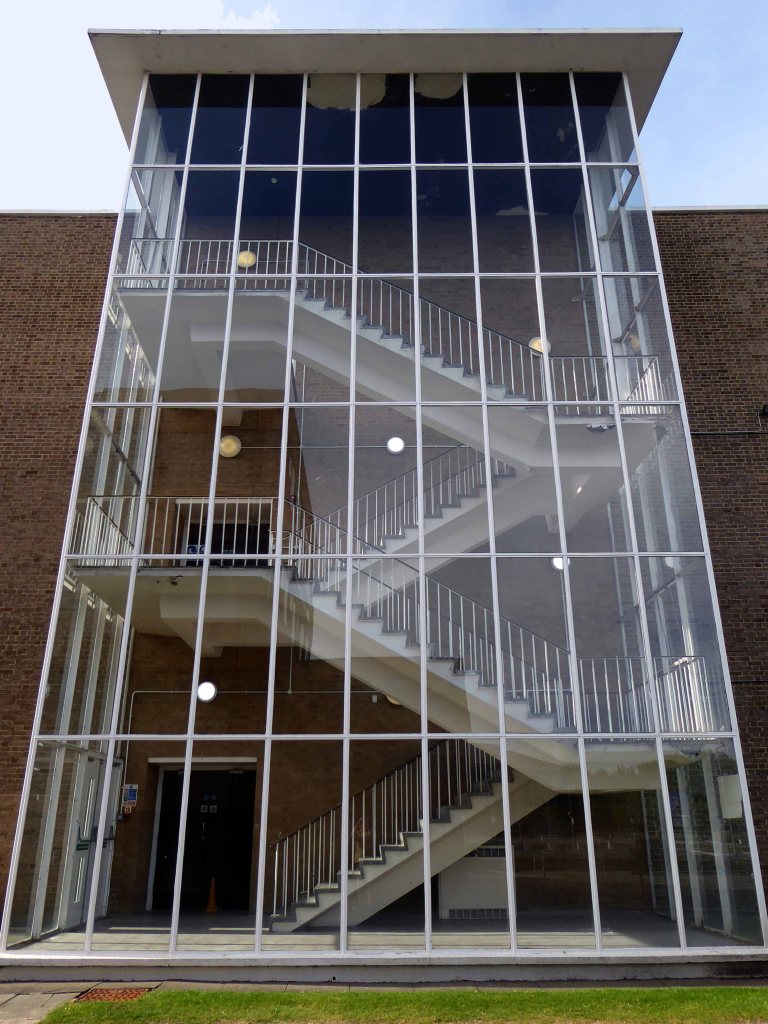
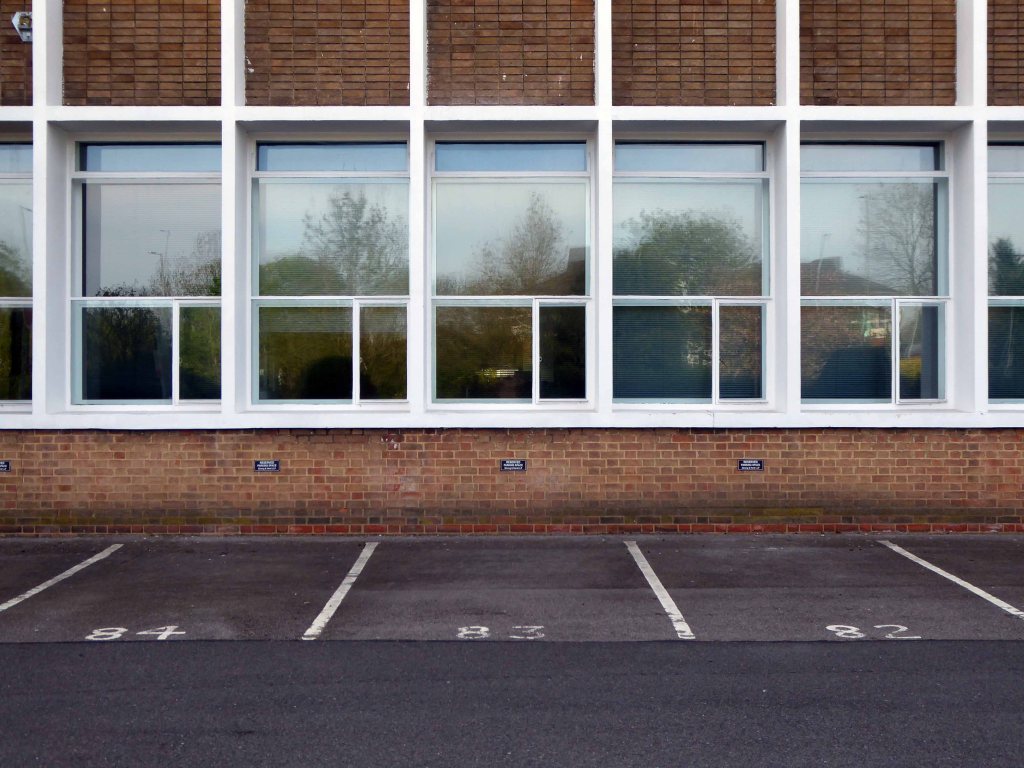
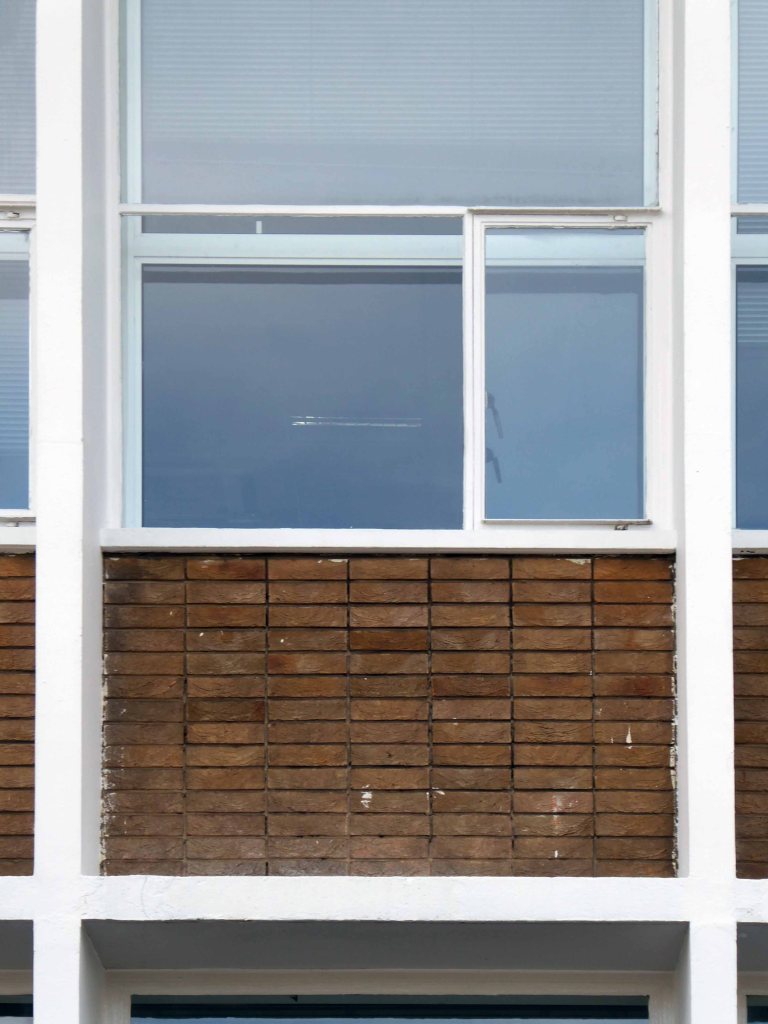
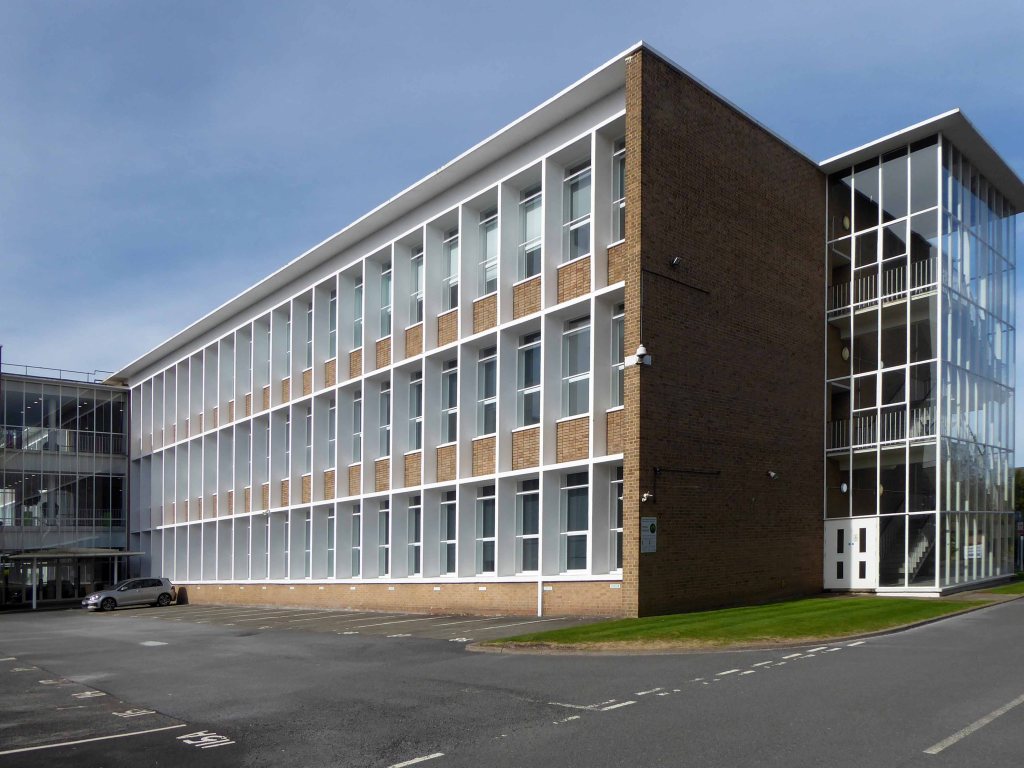
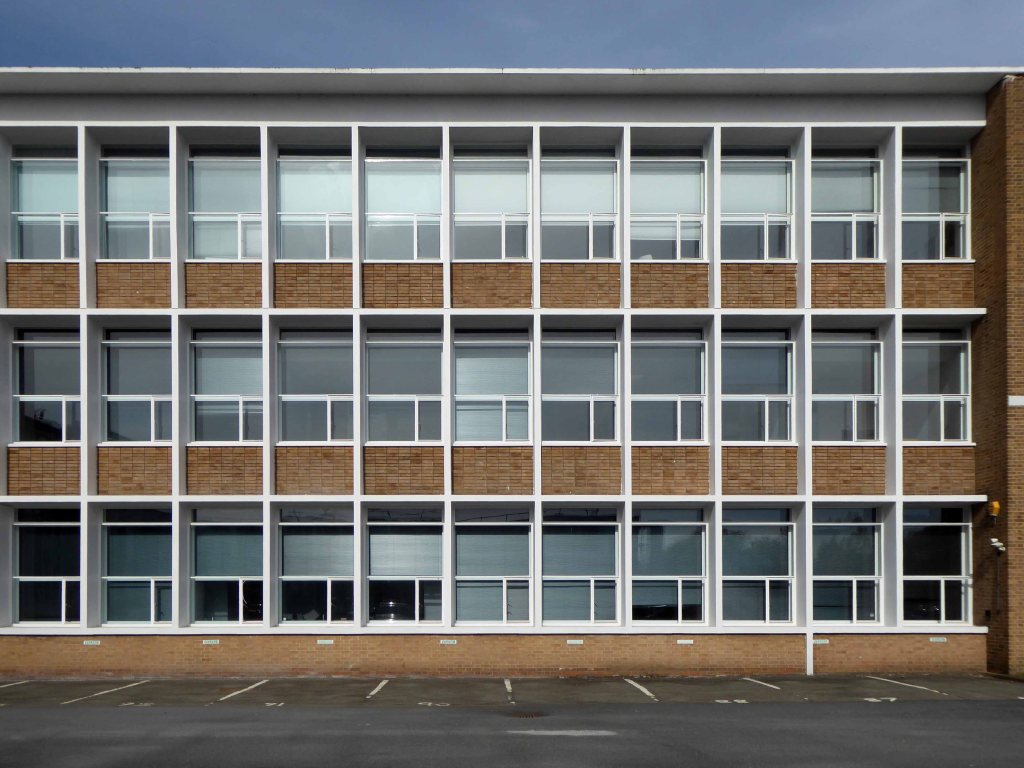
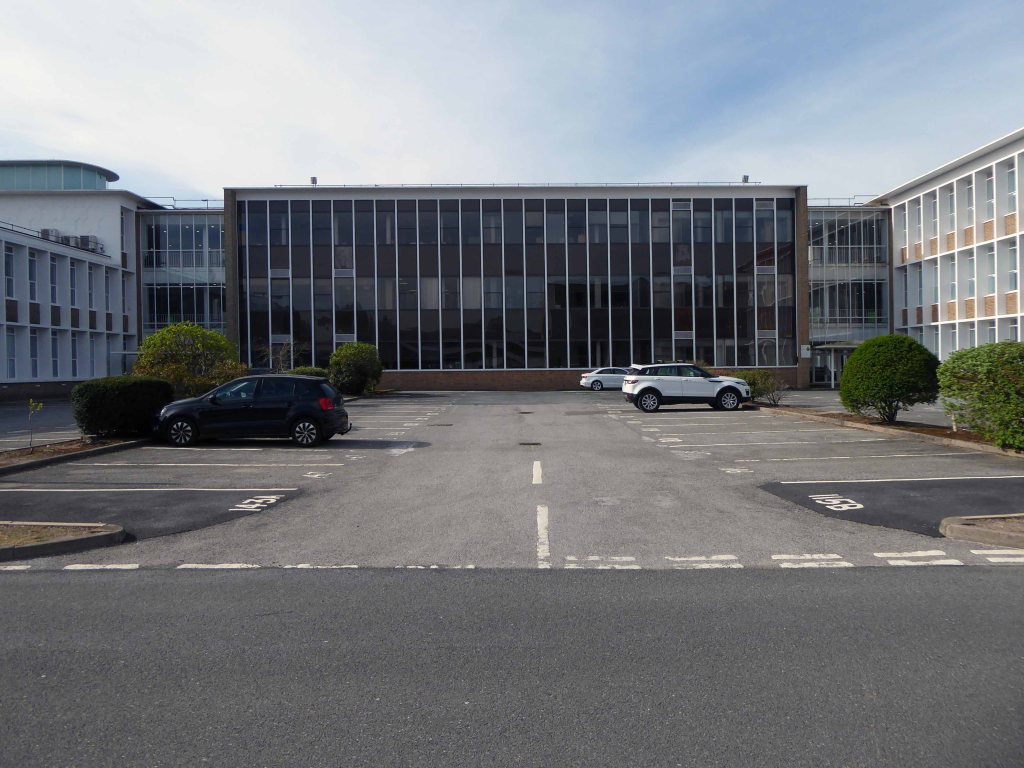
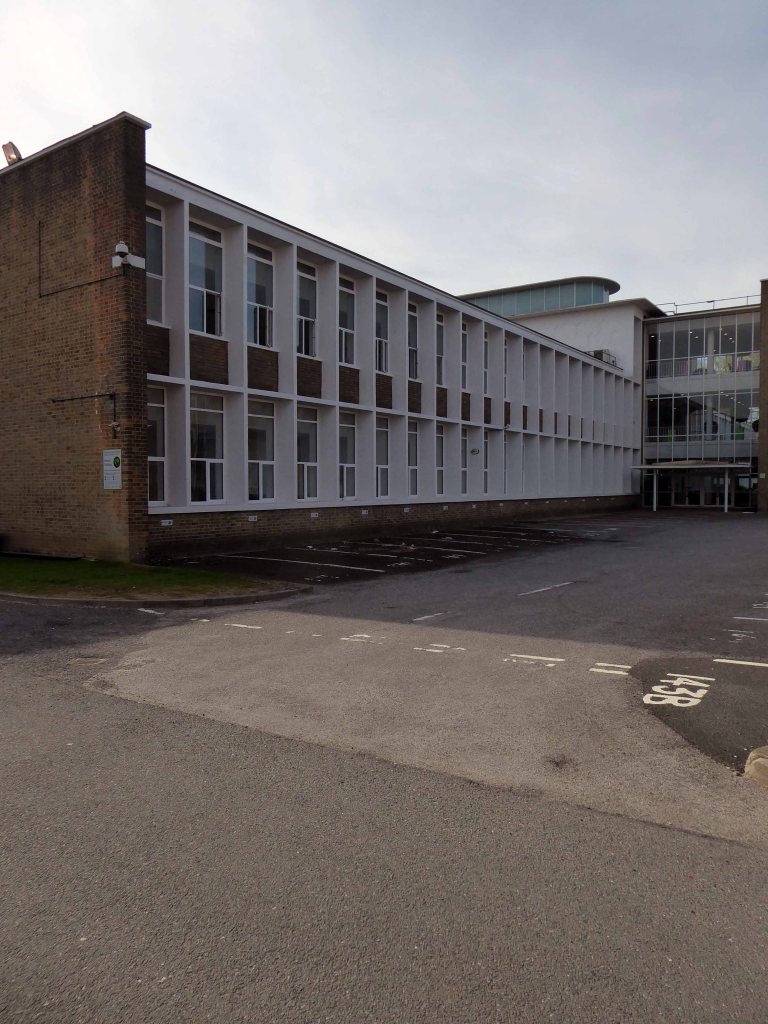
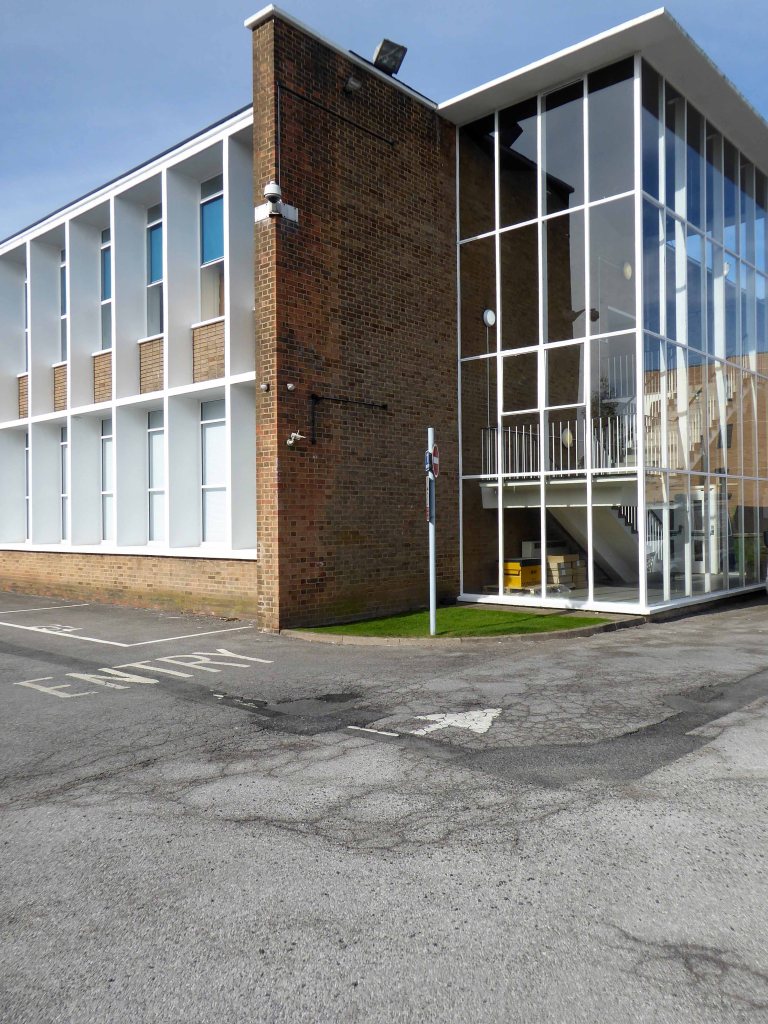
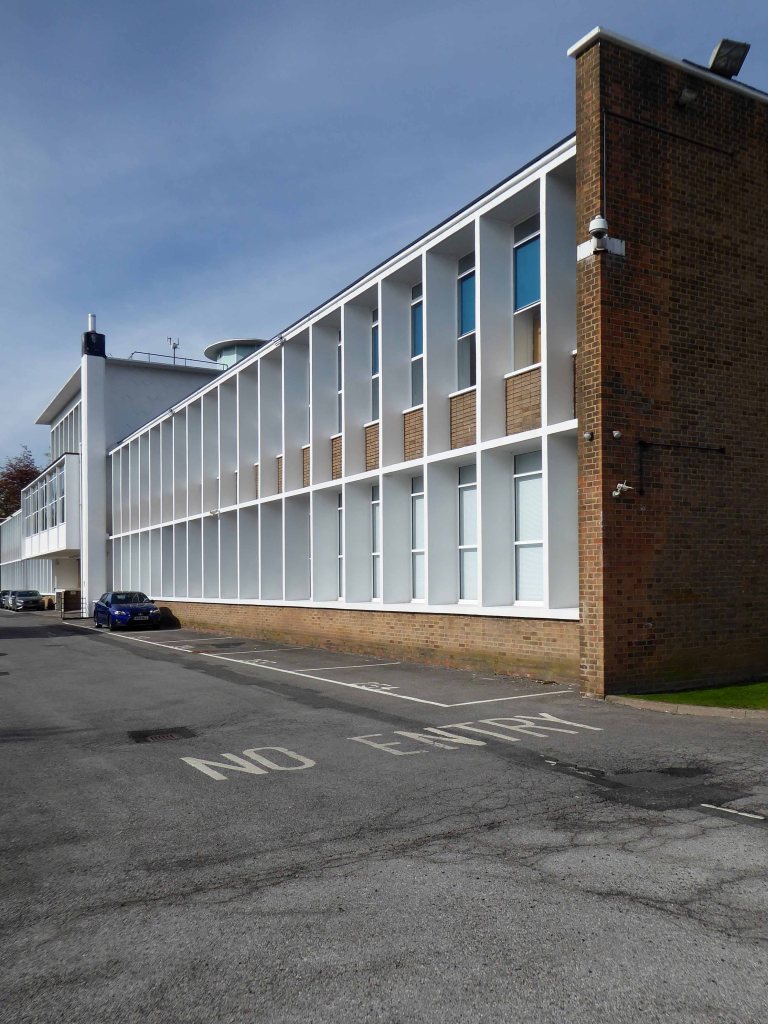
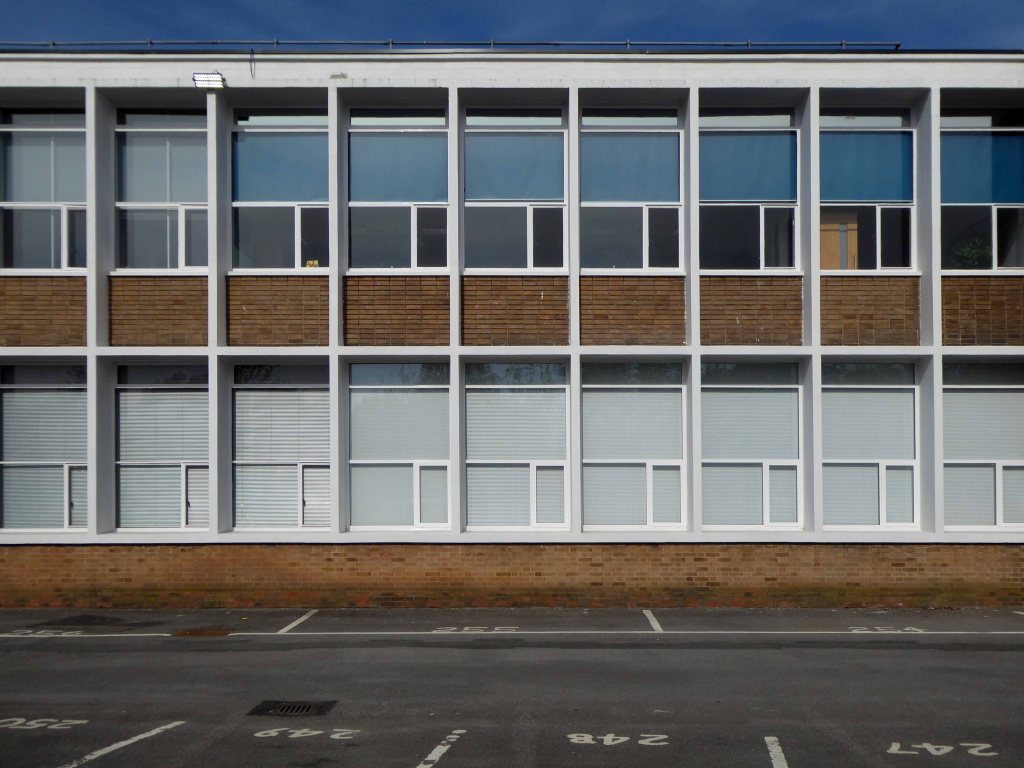
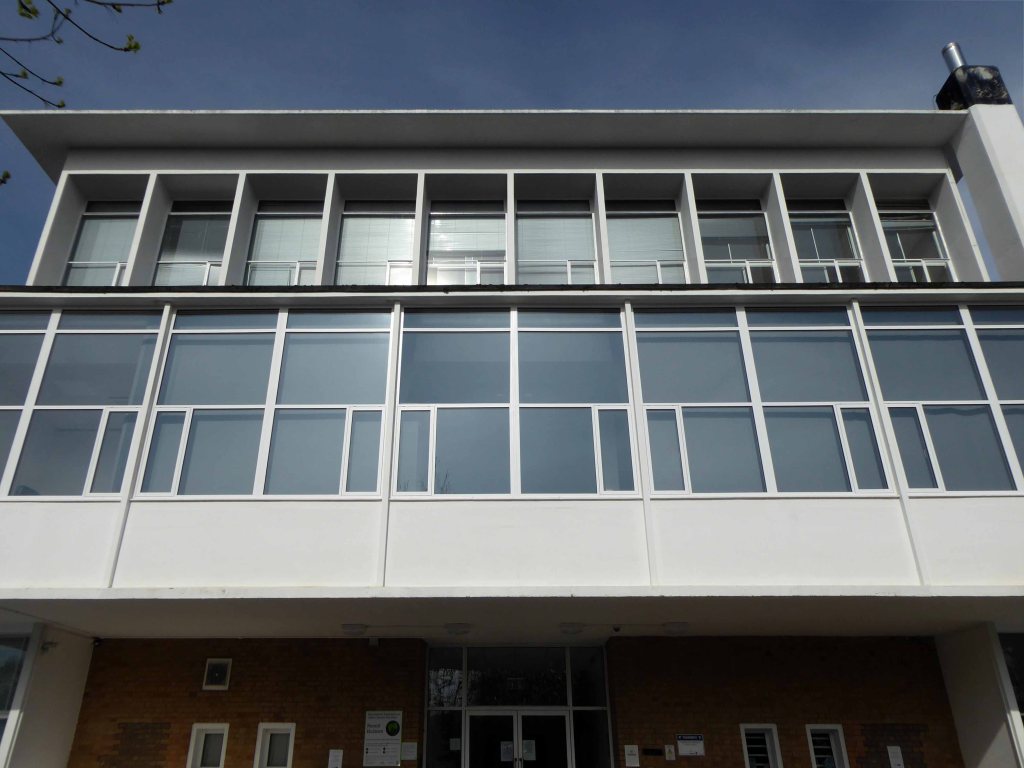
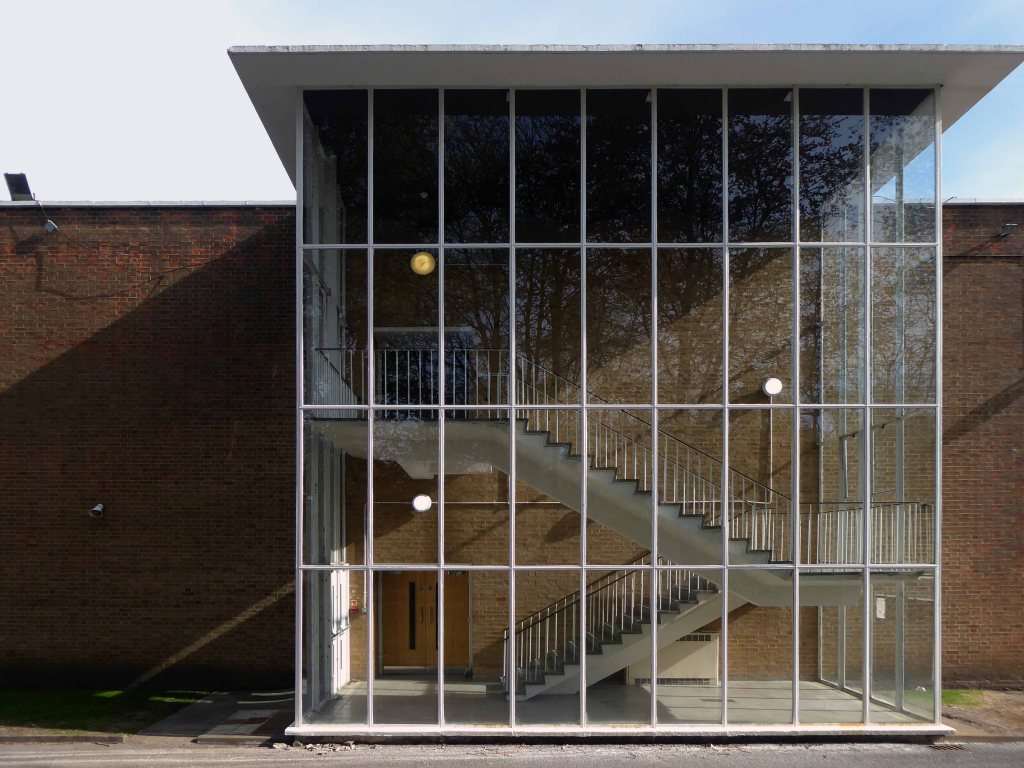
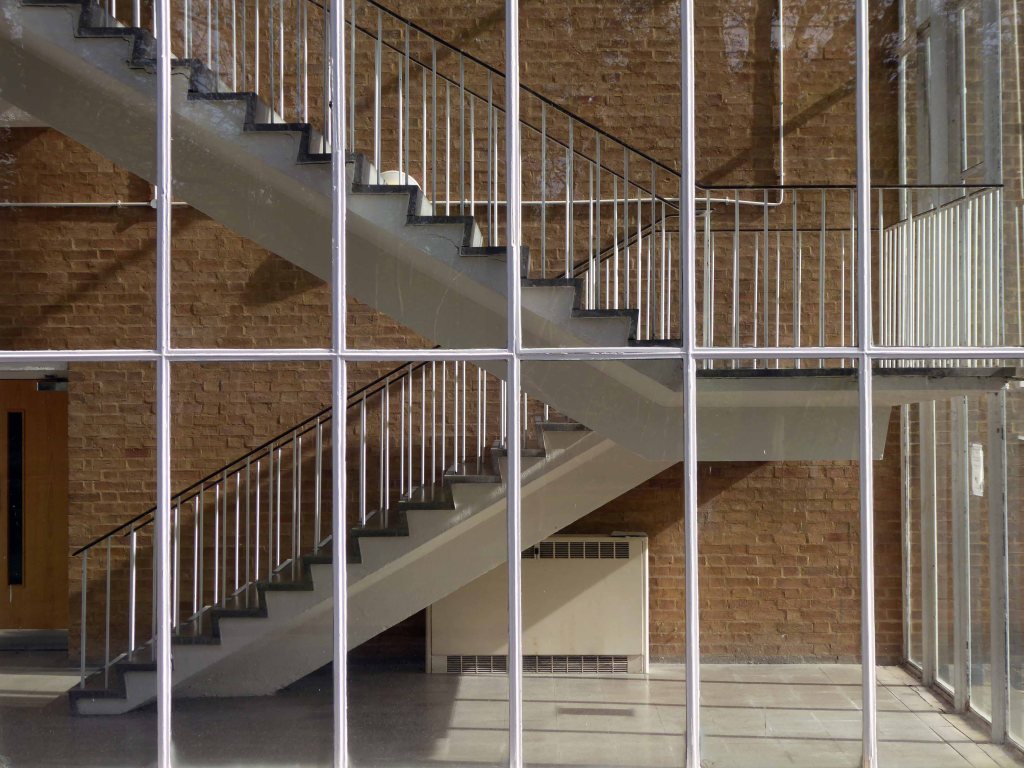
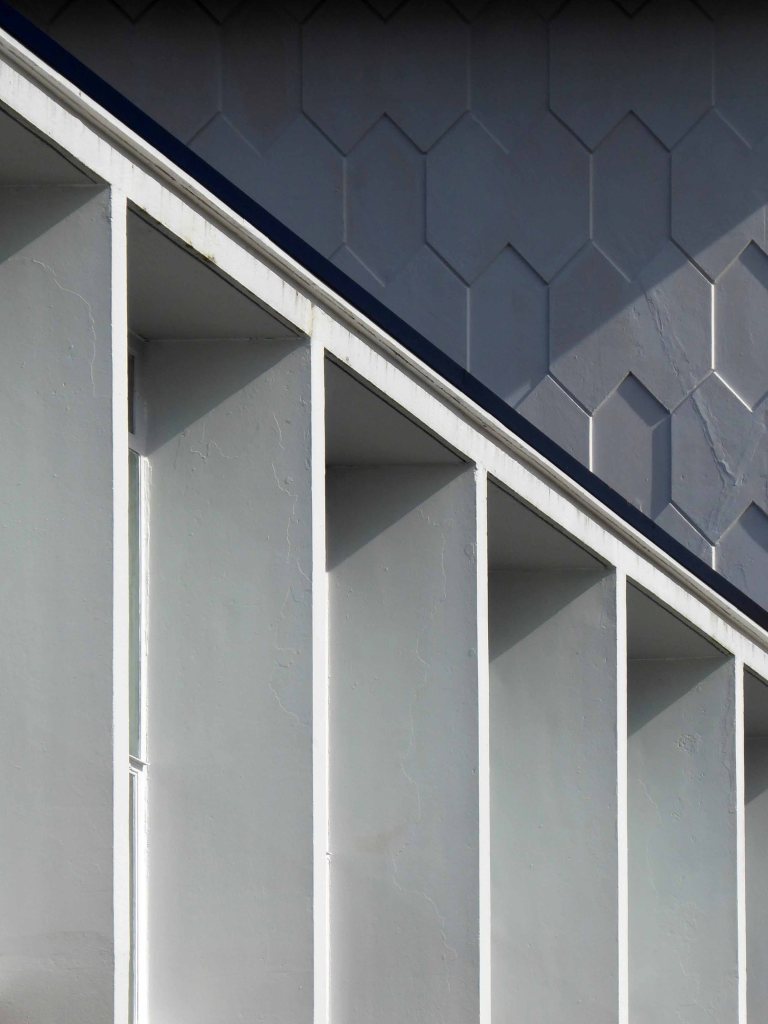
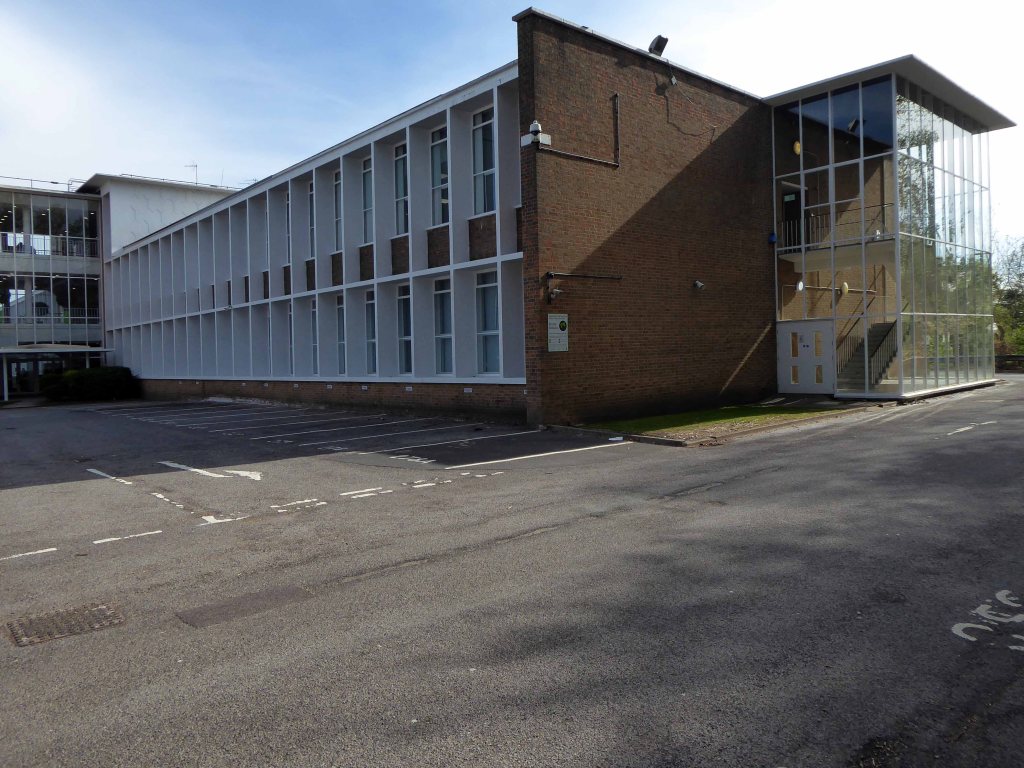
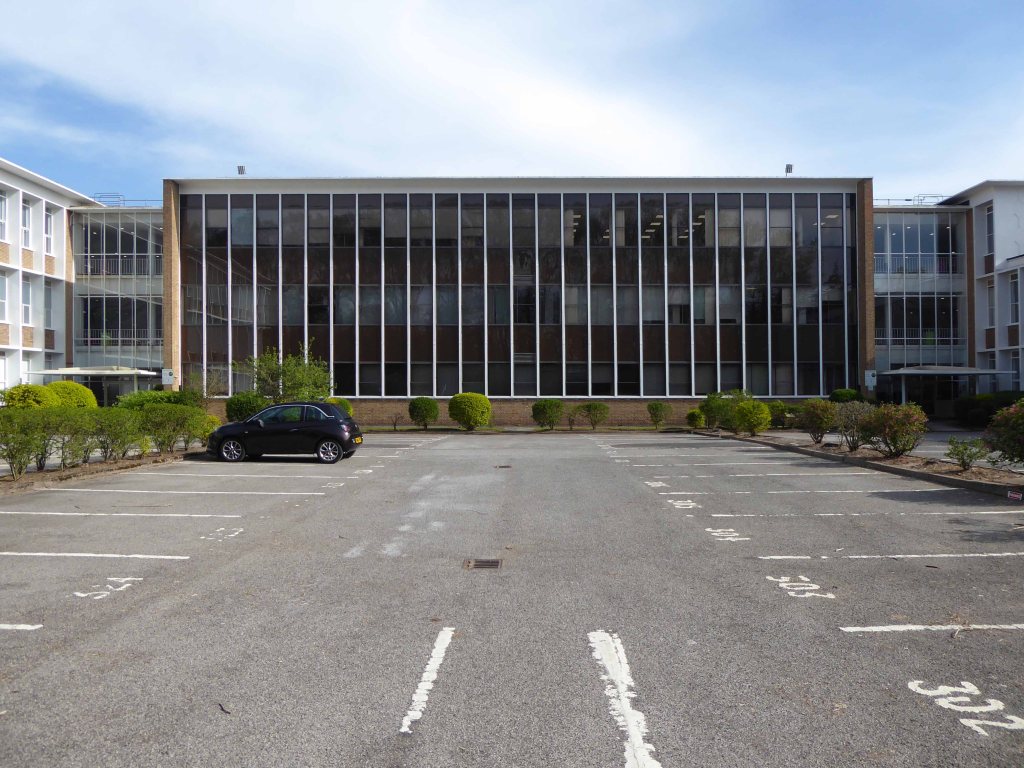
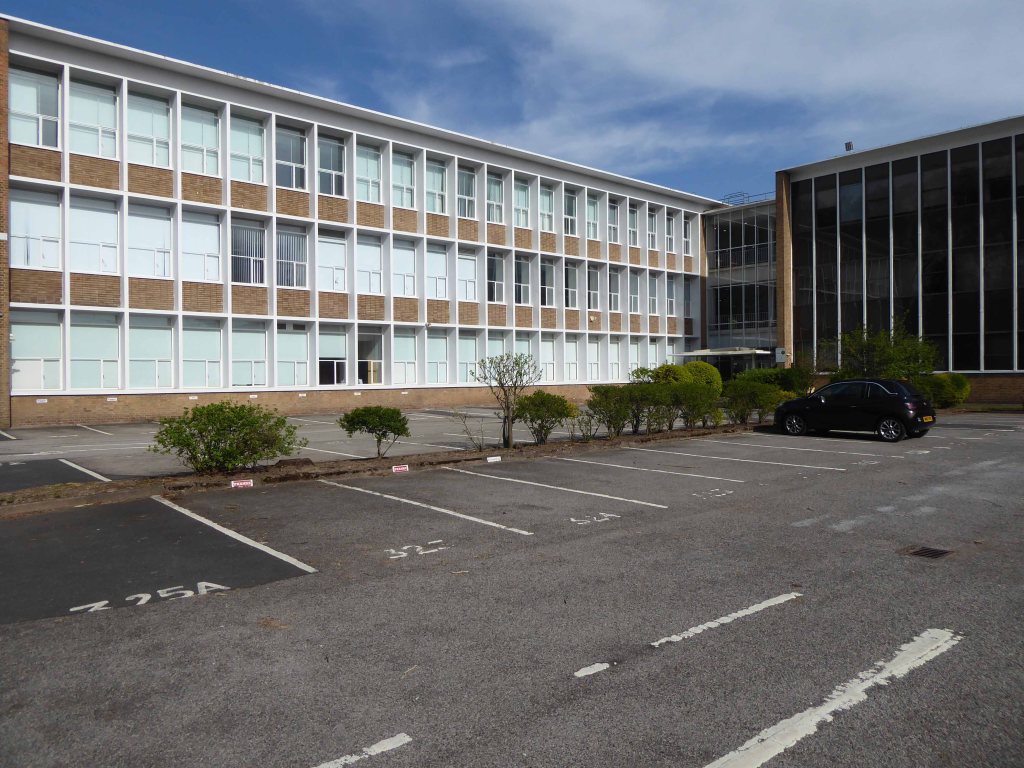
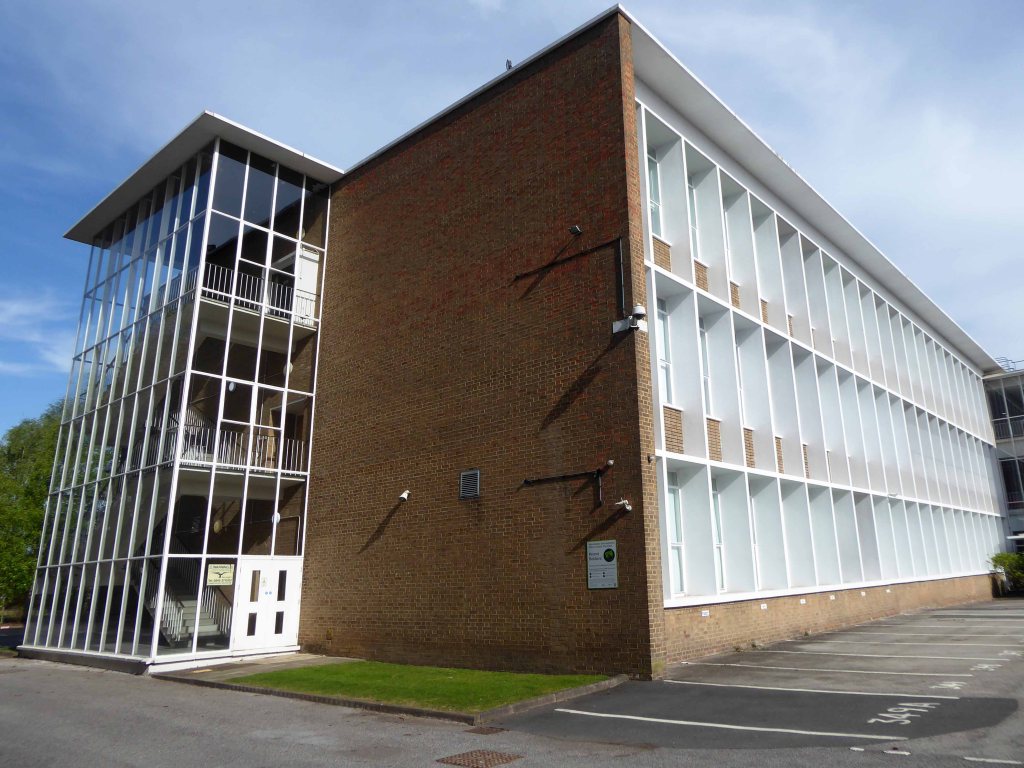
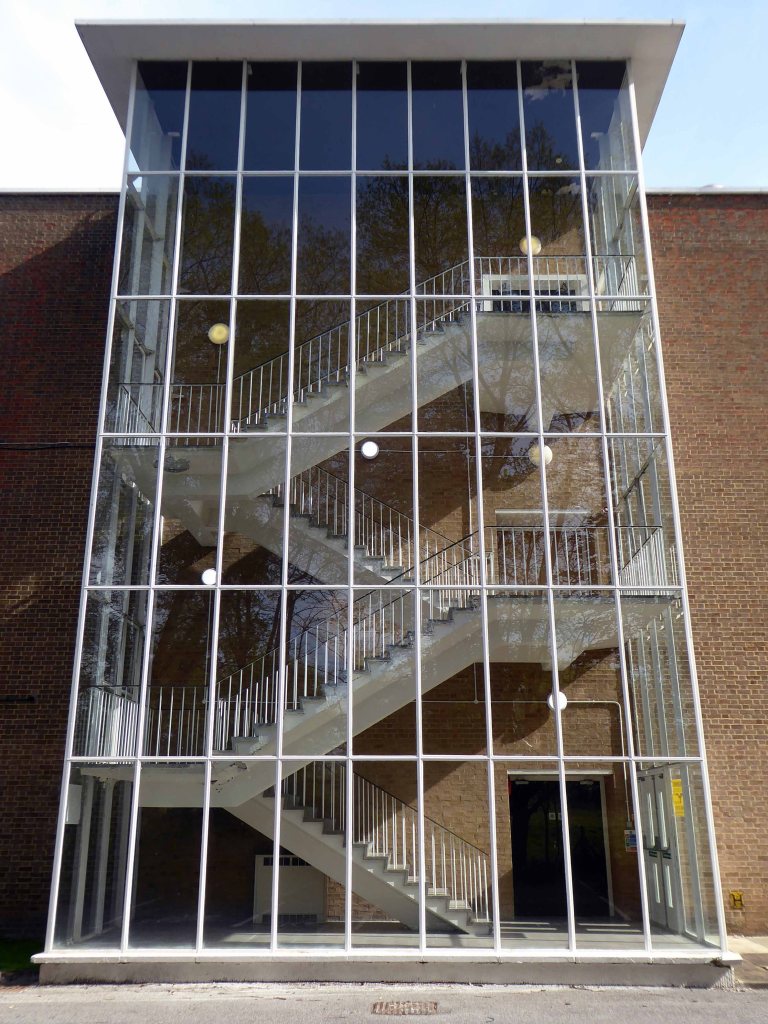
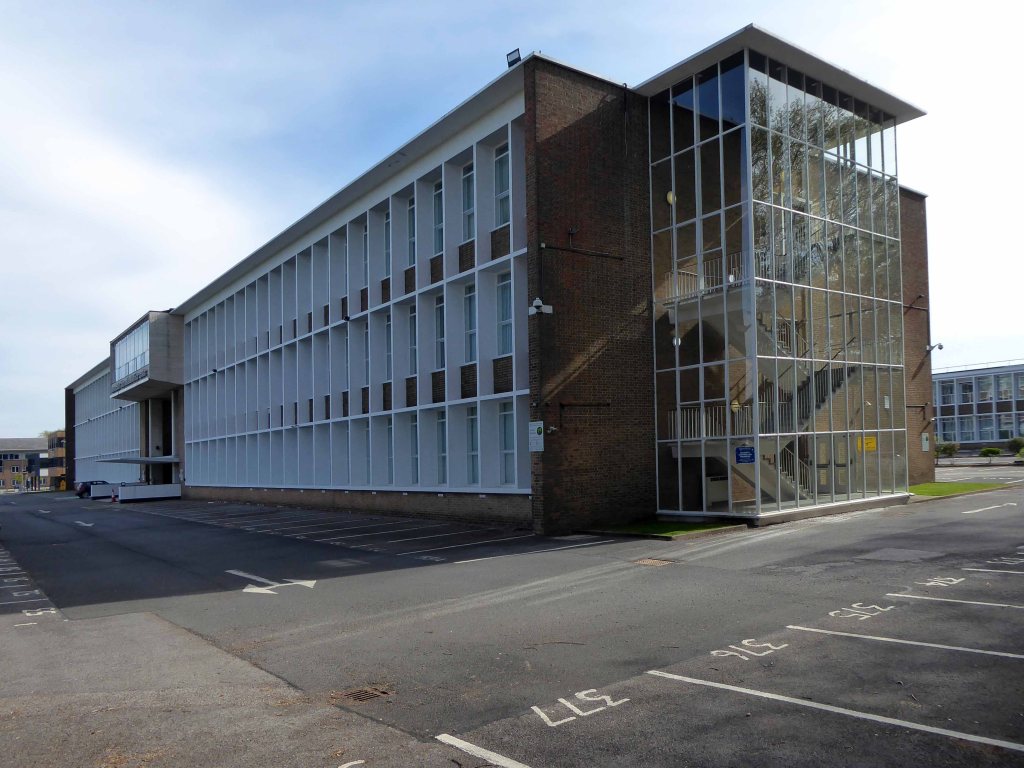
Renold Chains were once a huge firm employing thousands in south Manchester, their main factory at Burnage, now demolished to make way for a supermarket. This grouping was designed as the administrative headquarters for the company and was in receipt of an RIBA Architecture Bronze Medal in 1955. The scheme, of two parallel wings connected by a central hub running perpendicular, now seems fairly pedestrian, though still exudes some presence by virtue of the evident control in the design and construction of relief within the main façade. This building, though, actually points toward the moment where Cruickshank & Seward were turning, with the rest of the profession, toward new engineered, curtain walling solutions. The three storey glazed stair towers are made of a relatively fine steel section glazing bar and are clearly expressed at the ends of the blocks; these perhaps pre-empt the altogether more refined towers at the Renold Building and Roscoe Building of the Universities. The third floor boardroom was also positively expressed as a curved solid, cantilevered above the entrance canopy. That the building was developed in such close proximity to the airport has ensured its continued viability as office and conferencing space. The firm also delivered the adjacent building for the same client in the 1970s.

Mainstream Modern

Four weeks into a pandemic – cycling somewhere else. I turned off and into the grounds of the former Renold House, currently trading as Manchester International Office Ccentre.

Manchester International Office Centre (MIOC) is a prominent landmark office building extending to some 100,000 sq ft which provides occupiers with high quality space ranging from suites of 450 to 8,000 sq ft.

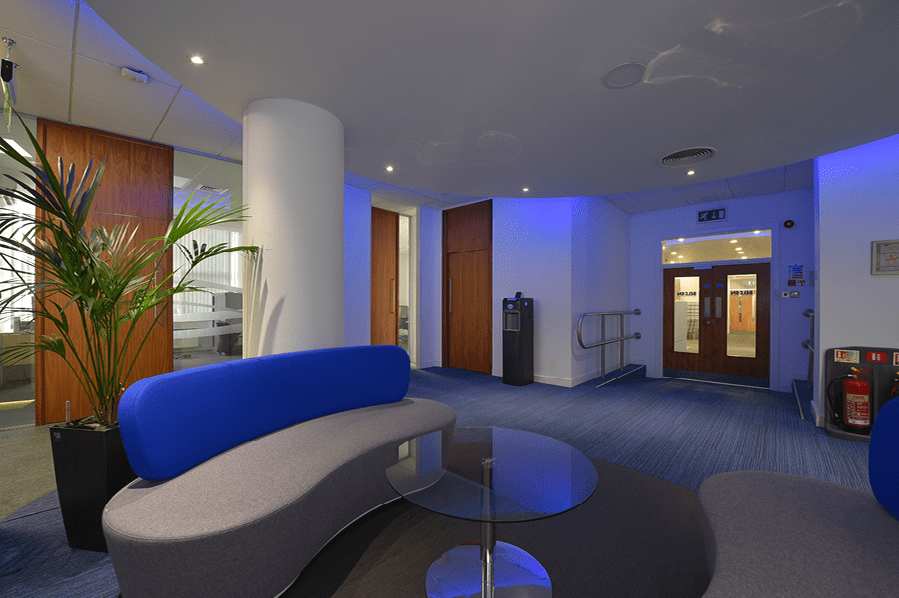
The building has undergone a complete internal transformation with a total refurbishment of the reception and common areas. The office suites provide a superb working environment in line with the demands of todays occupier.

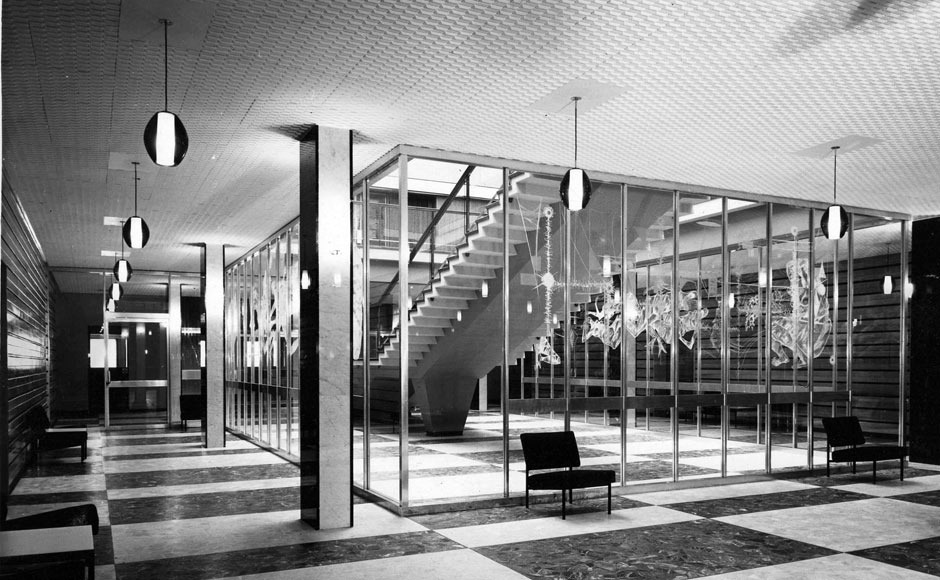
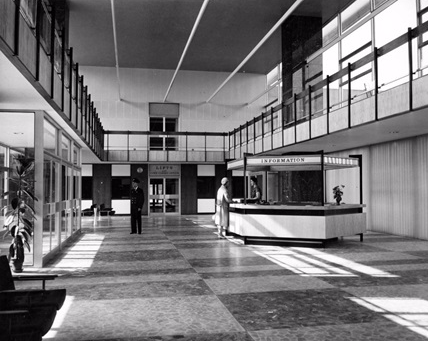
On arriving home I hungrily rustled up a few RIBA Archive images from 1954.

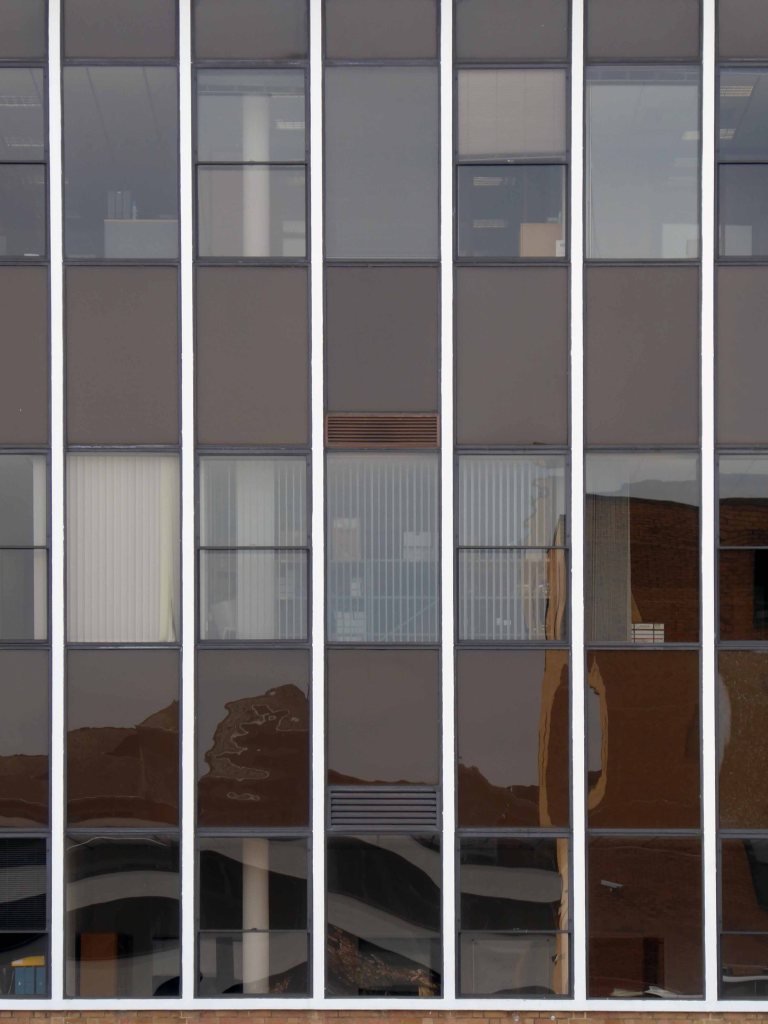
Much remains intact – though gone is the concrete grid and glass brick insertions of the 1954 central section – replaced with a slick glass and steel skin.

And there are unpleasant intrusions made by the fitting of contemporary security and lighting – using intrusive exterior conduit.

It’s a sunny day with a southwest light – there’s nobody about, let’s take a look around.

Manchester Liners – Tiles

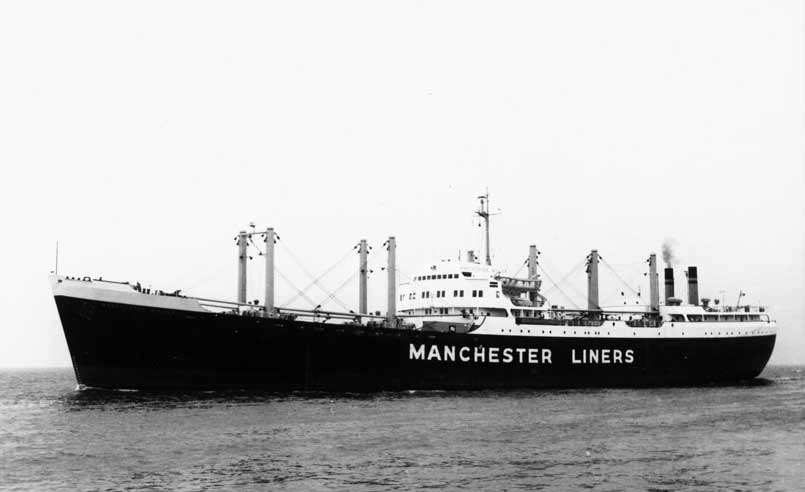
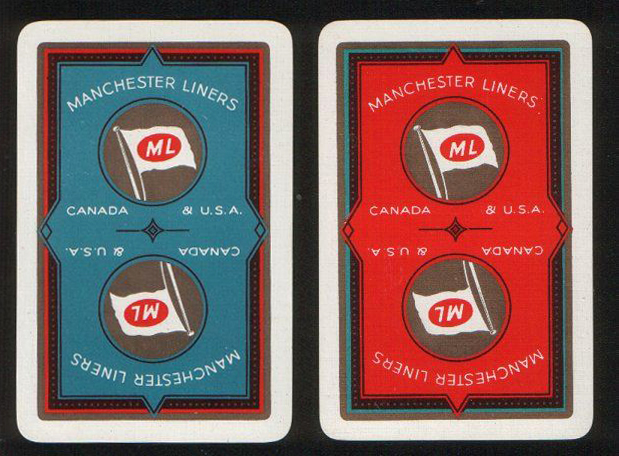
In 1898 Manchester Liners Ltd was launched, four second hand ships were purchased and the company naming policy of applying the prefix Manchester was established.

The company began to operate services to Canada and the USA. Manchester Liners started WW1 with 15 ships in its fleet. During the war 10 ships were lost to enemy action, but because of the purchase of replacements the fleet was at 12 in 1918. At the outbreak of WW2, Manchester Liners had 10 ships in service. War losses were 7 ships, but the delivery of war-standard ships maintained the fleet at 8, which was sufficient to resume a weekly service to Canada.

The Manchester dockworkers strike record became so bad, that in 1973 the company decided to move half of its container services to Felixstowe. Furthermore, to obtain lower costs per unit, container ships were becoming bigger than the Canal limits.

History

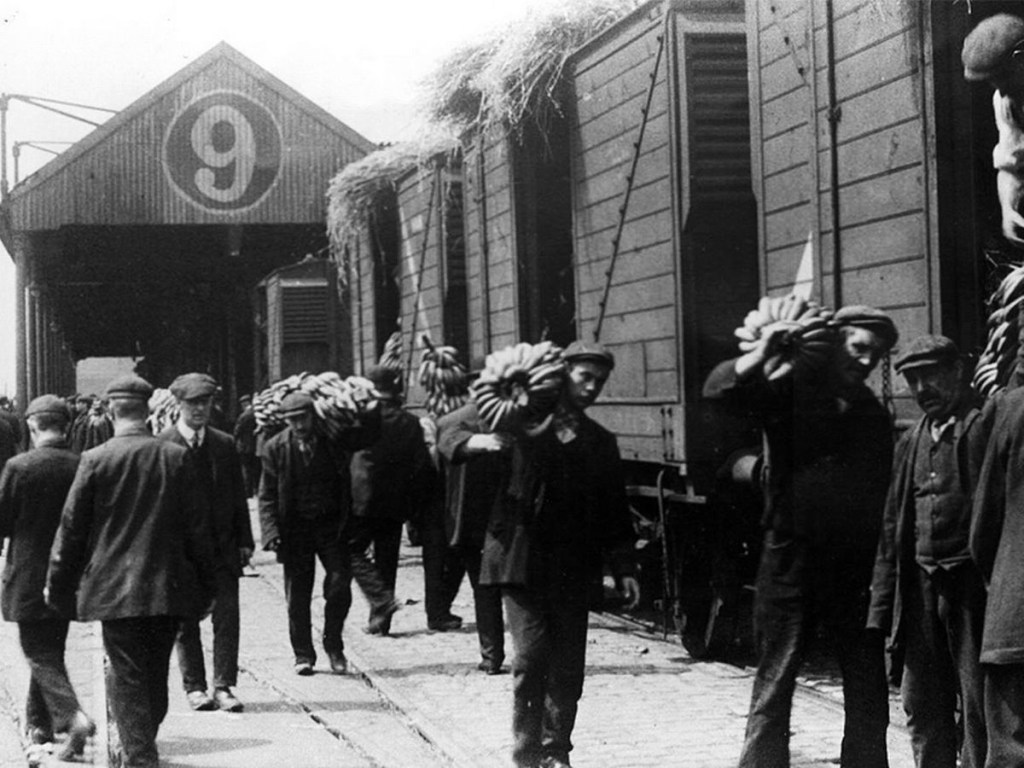
This was a history of economic growth and prosperity, for some. Tangible commerce, the wealth of a nation built on making things, moving things. Cranes, ships, stevedores and sailors, the world and his wife converging at the base of the Manchester Ship Canal.

All this is long gone, containerisation, recession and state engineered shifts in global manufacture and trade.

They took away the cranes.

The area is now awash with intangible activity – what goes on behind the smoked and mirrored glass?

Just who is moving what around, how, where and why?

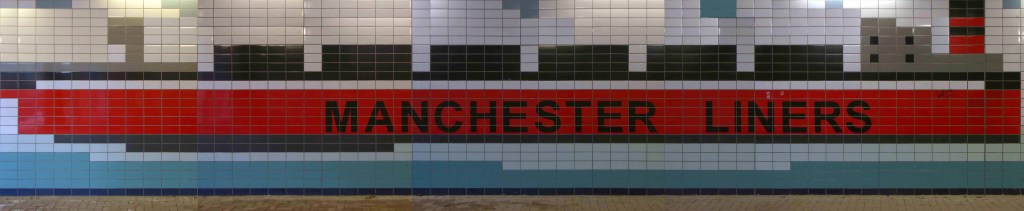
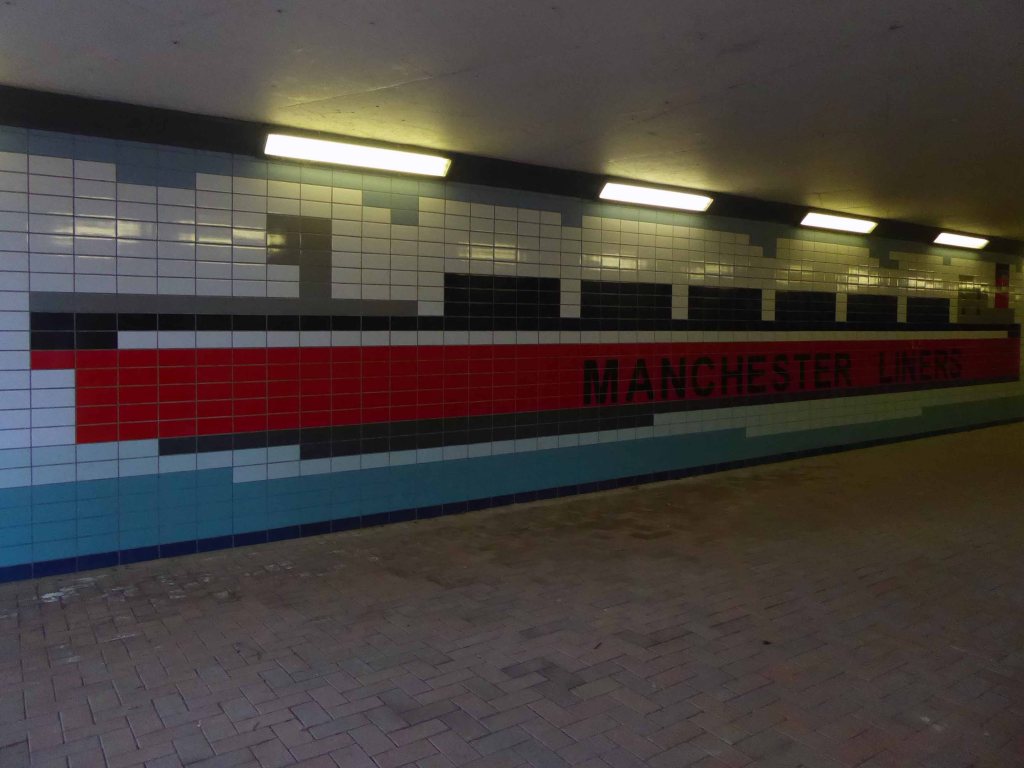
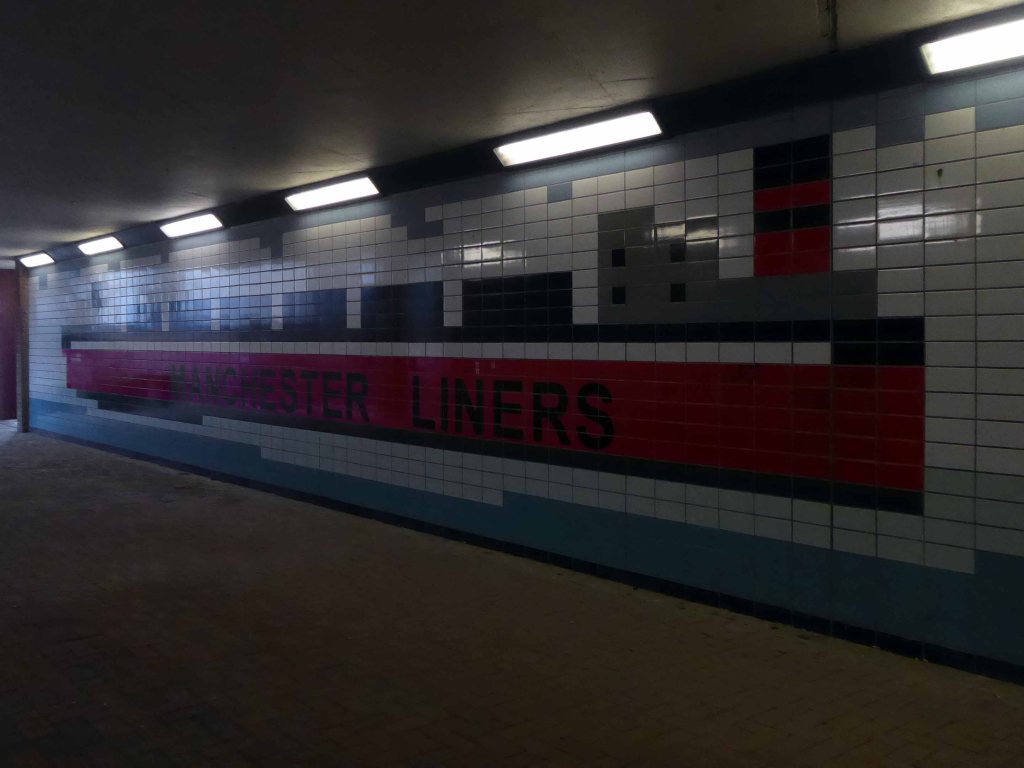
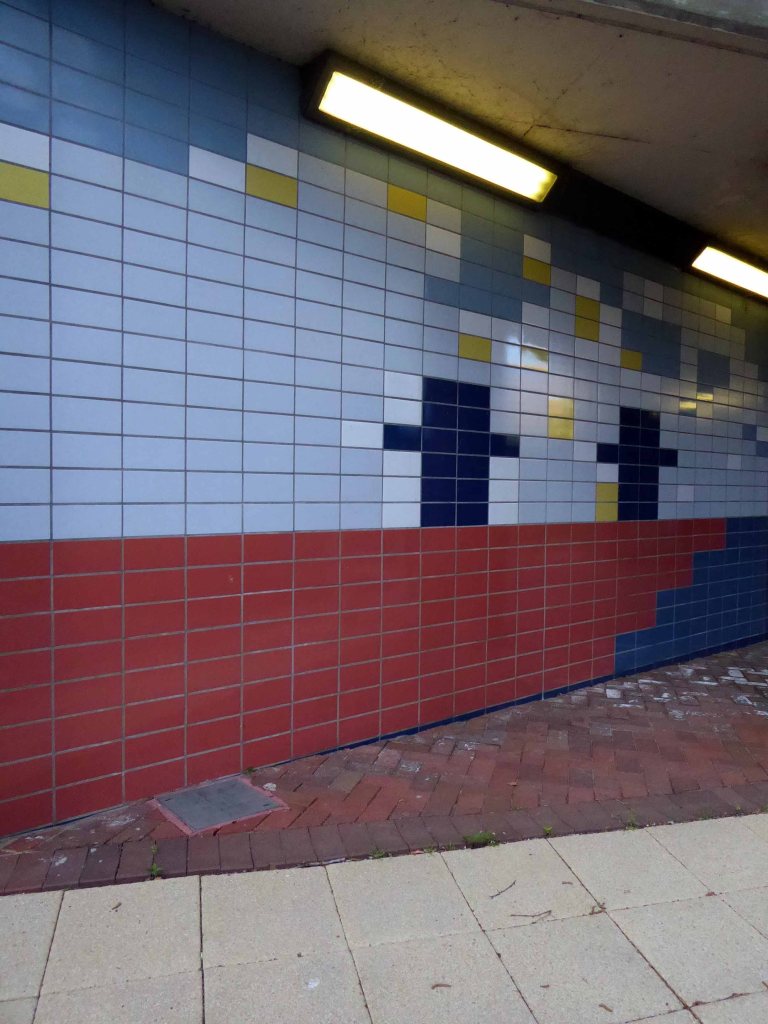
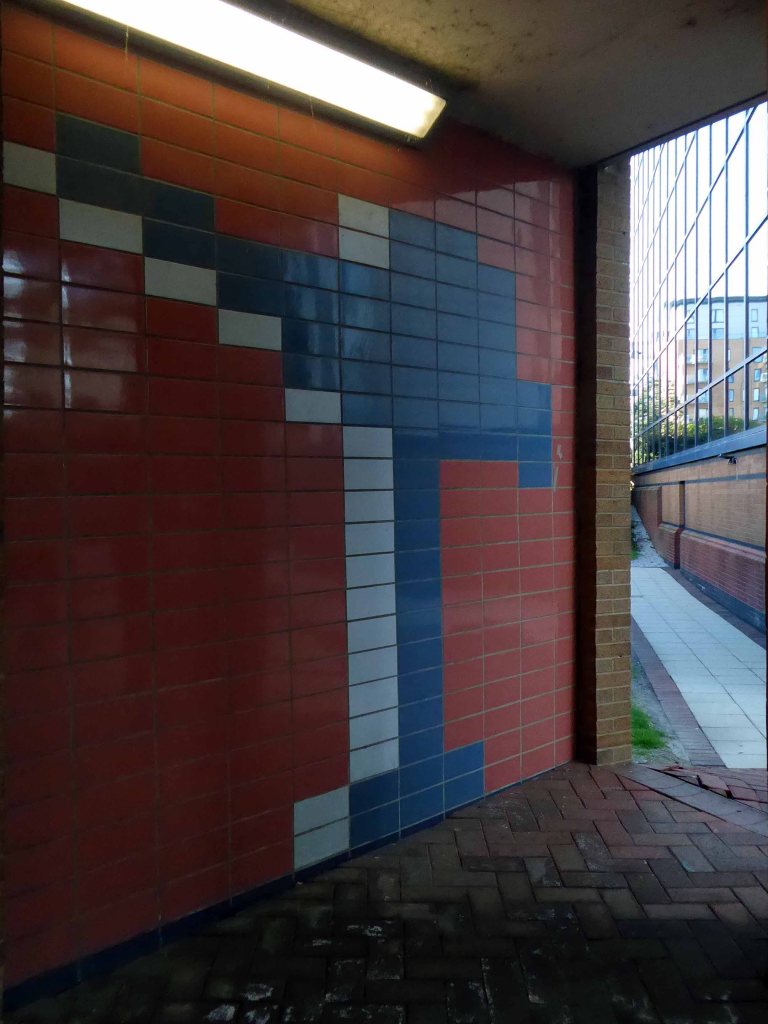
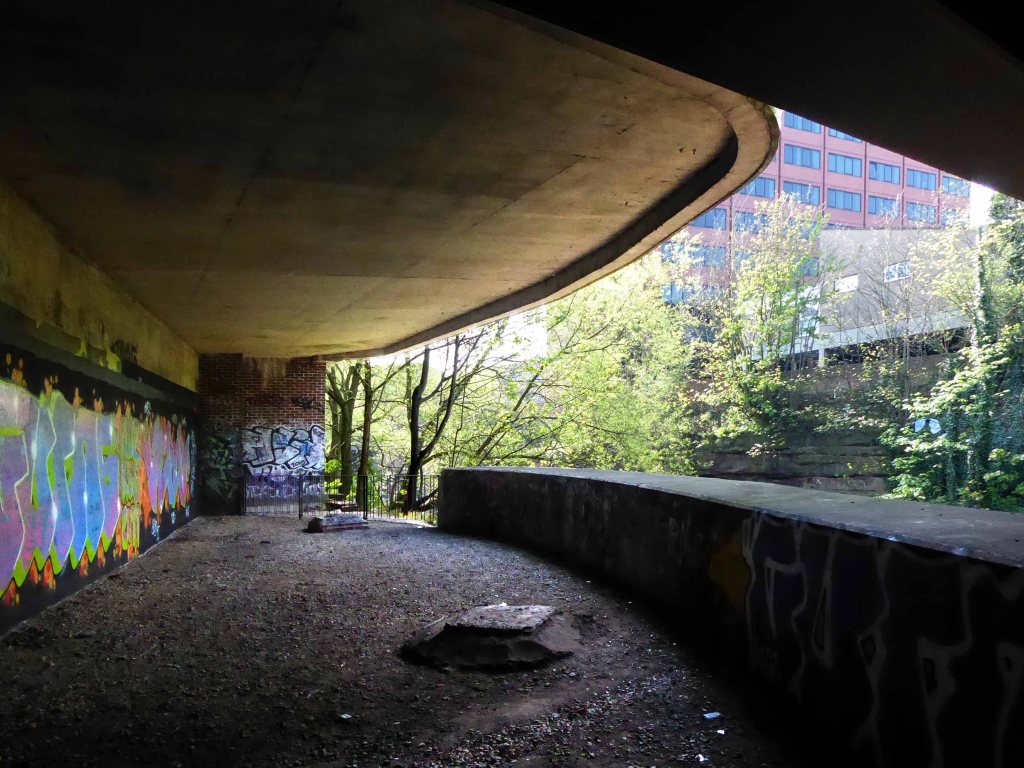
But hidden away between here and there is a tiled underpass.

A permissive path.

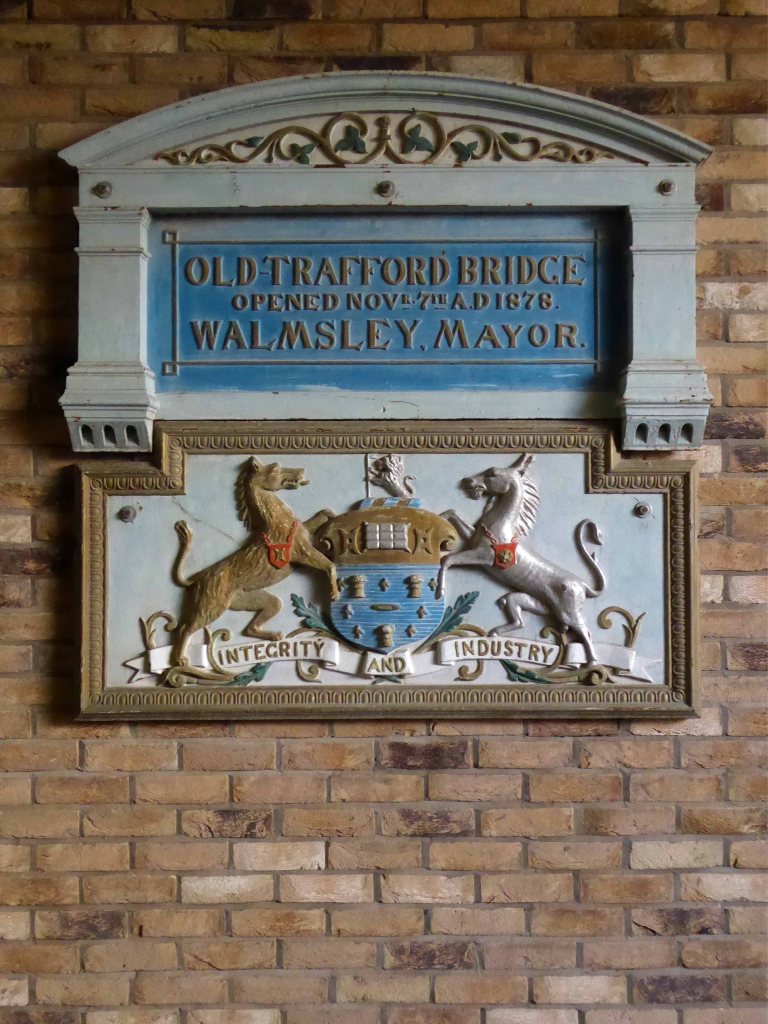
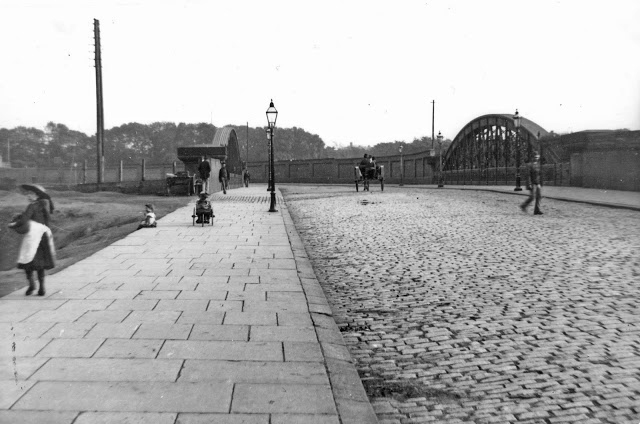
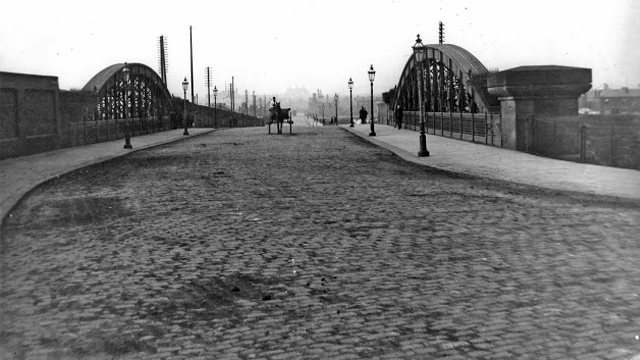
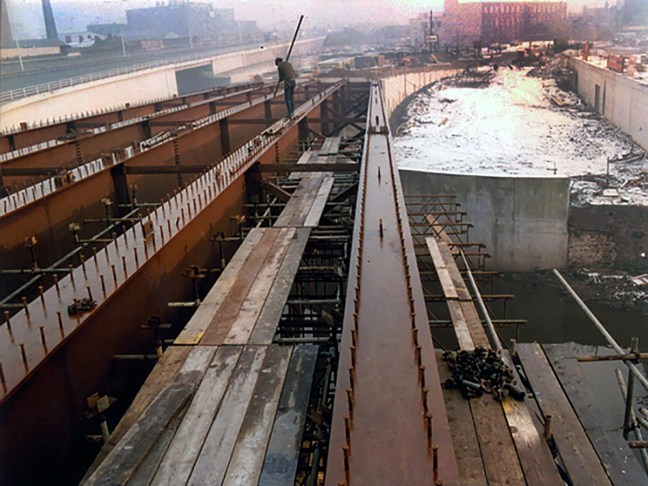
Where once there was a bridge – before the Manchester Ship Canal was built, the course of the River Irwell was approx. 50-100 yards further north of where the Ship Canal now passes under Trafford Road. This plaque is next to a pedestrian tunnel under Trafford Road, roughly on the line of the old navigation.

Archive photographs Salford History

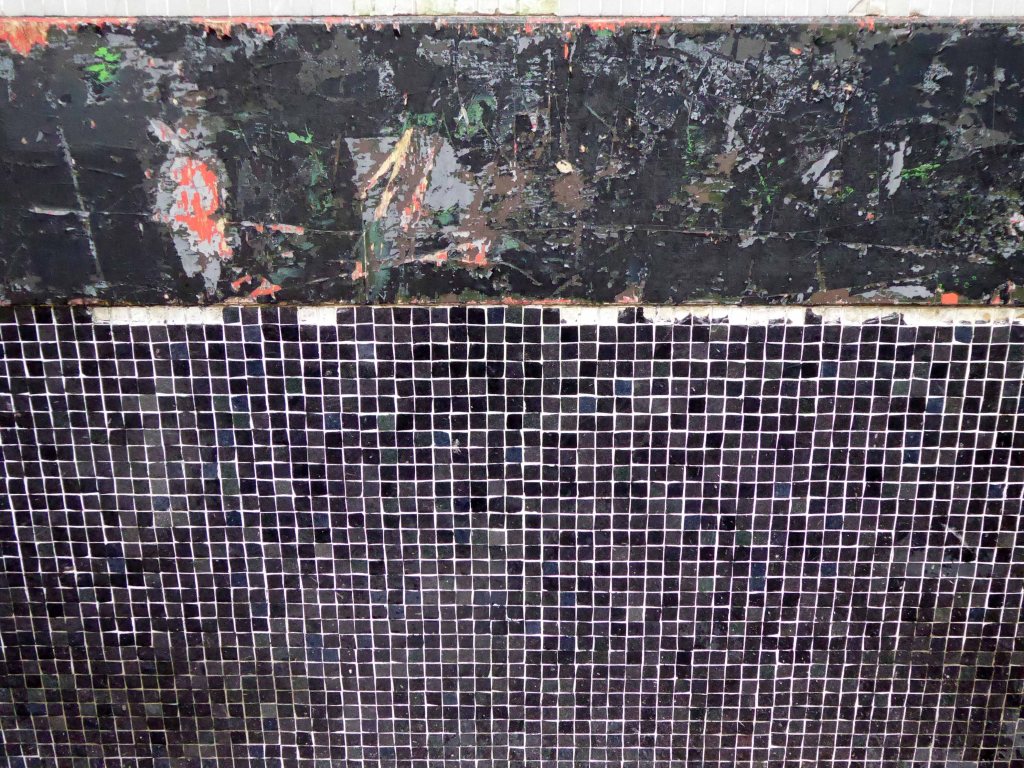
So here it is a hidden, harshly lit, slightly disabused tribute to the brave souls who sailed the seven seas, stayed ashore, weighed, loaded and shifted stuff.

We all deserve a better deal.

Concrete Island – Stockport

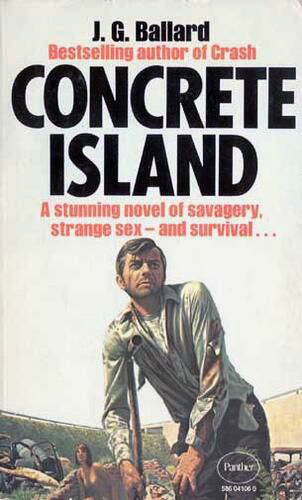
He reached the foot of the embankment, and waved with one arm, shouting at the few cars moving along the westbound carriageway. None of the drivers could see him, let alone hear his dry-throated croak, and Maitland stopped, conserving his strength. He tried to climb the embankment, but within a few steps collapsed in a heap on the muddy slope.

Deliberately, he turned his back to the motorway and for the first time began to inspect the island.

Maitland, poor man, you’re marooned here like Crusoe – If you don’t look out you’ll be beached here for ever. He had spoken no more than the truth. This patch of abandoned ground left over at the junction of three motorway routes was literally a deserted island.

JG Ballard Concrete Island

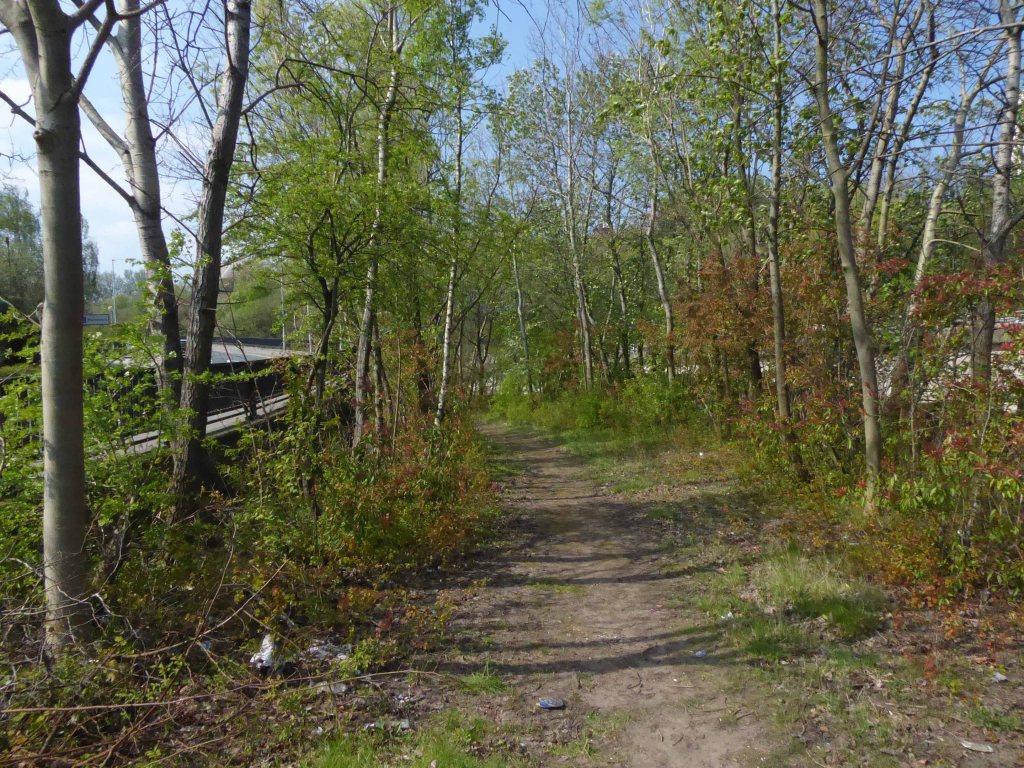
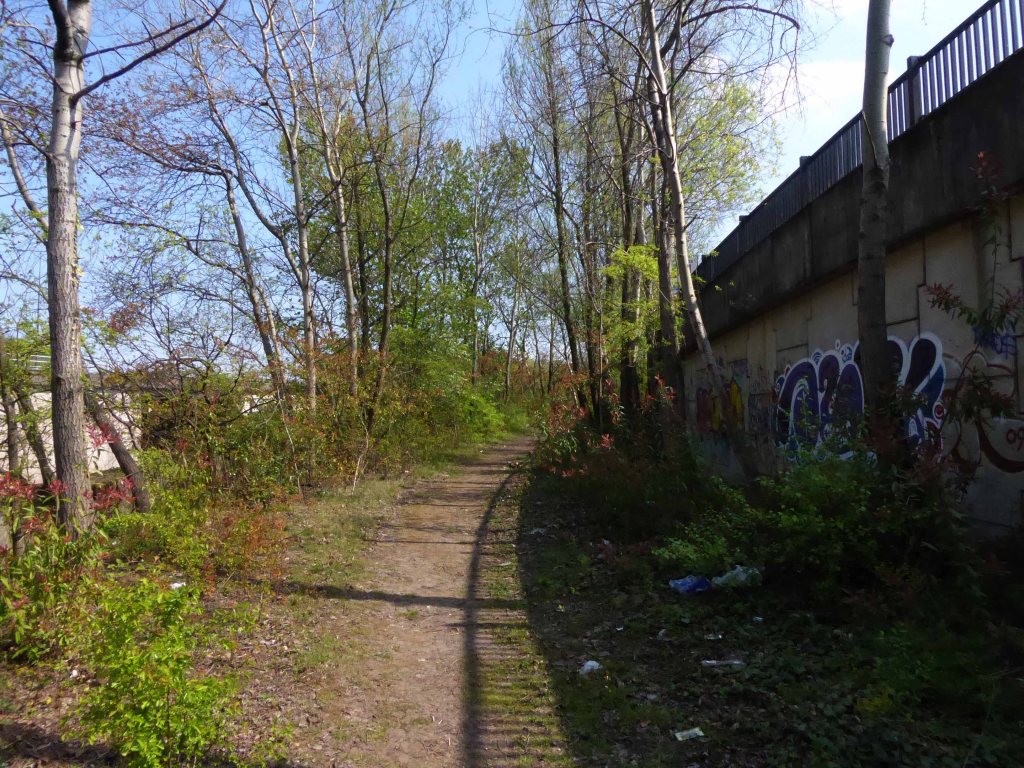
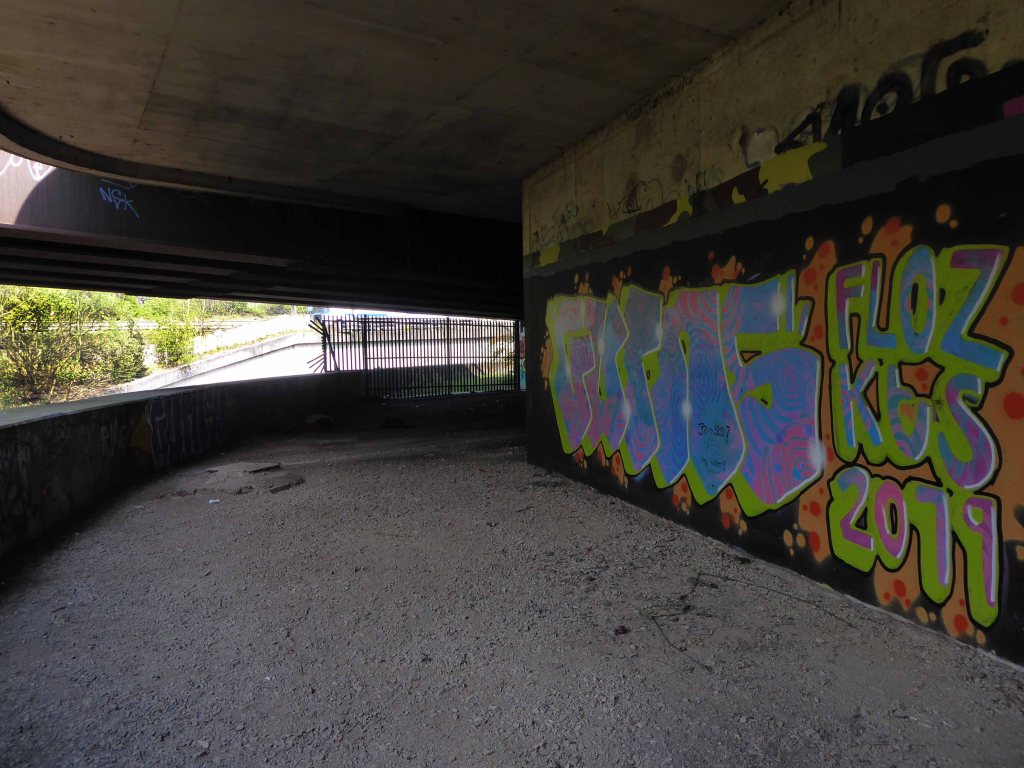
I’m in a different place – the same but different, whilst out walking I went through an open gate, following a well worn path, for the very first time.

Leading who knows where.

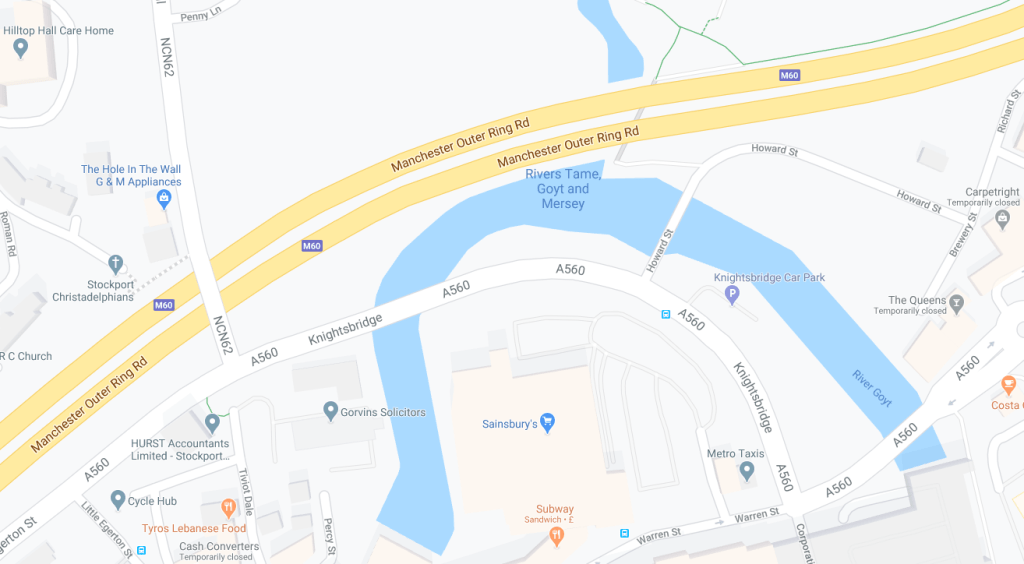
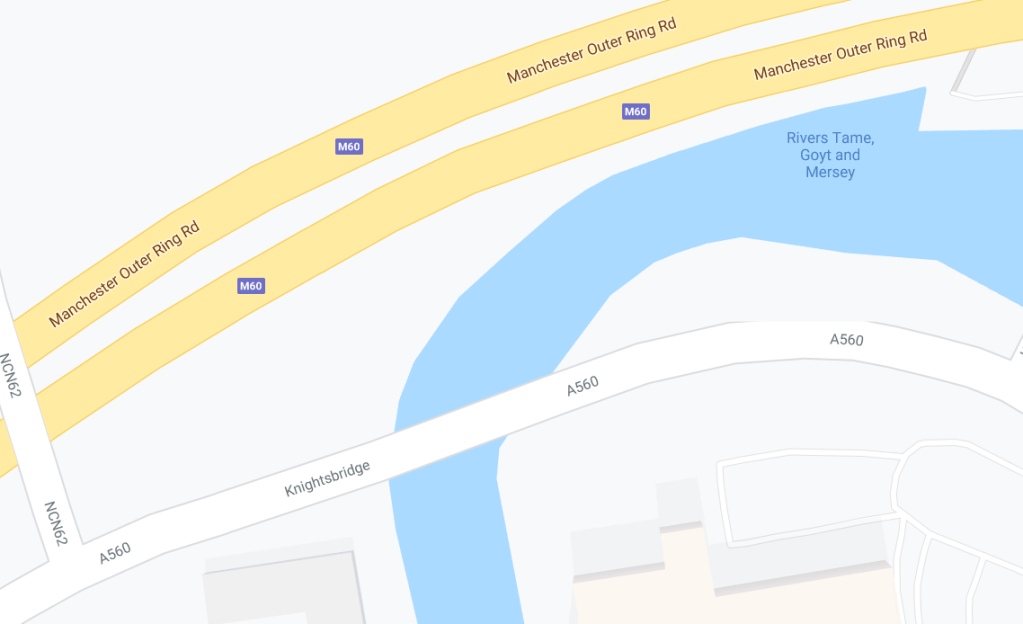
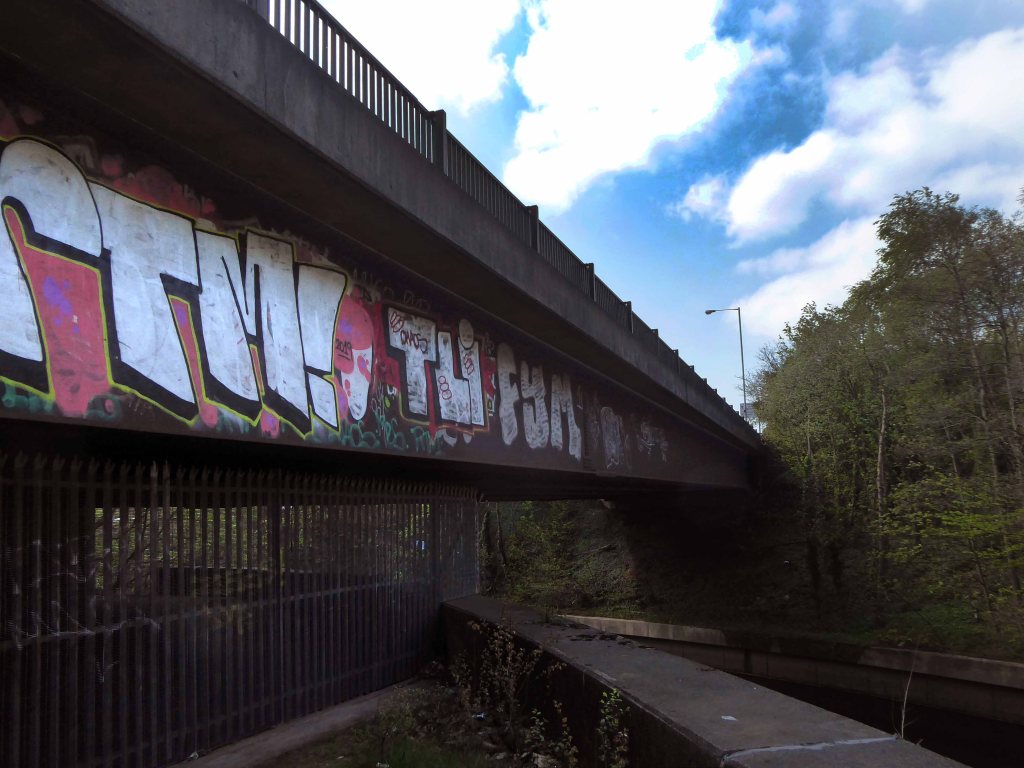
The confluence of three rivers, the meeting of motorway and main road.

I ventured further – where if anywhere are we going?

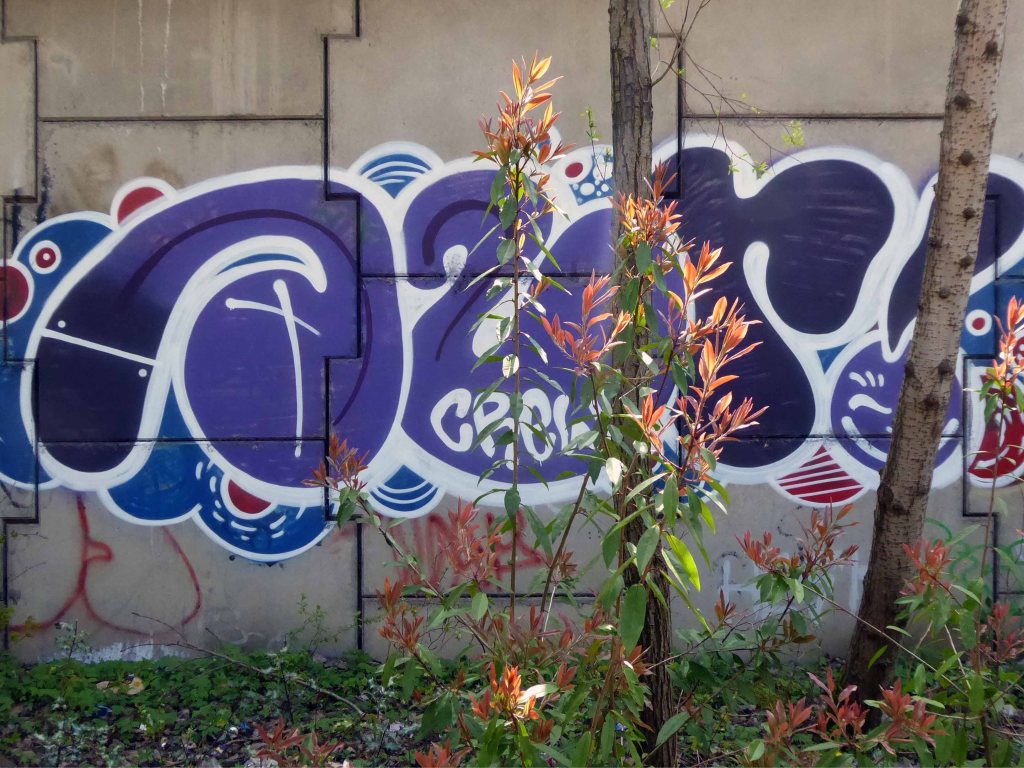
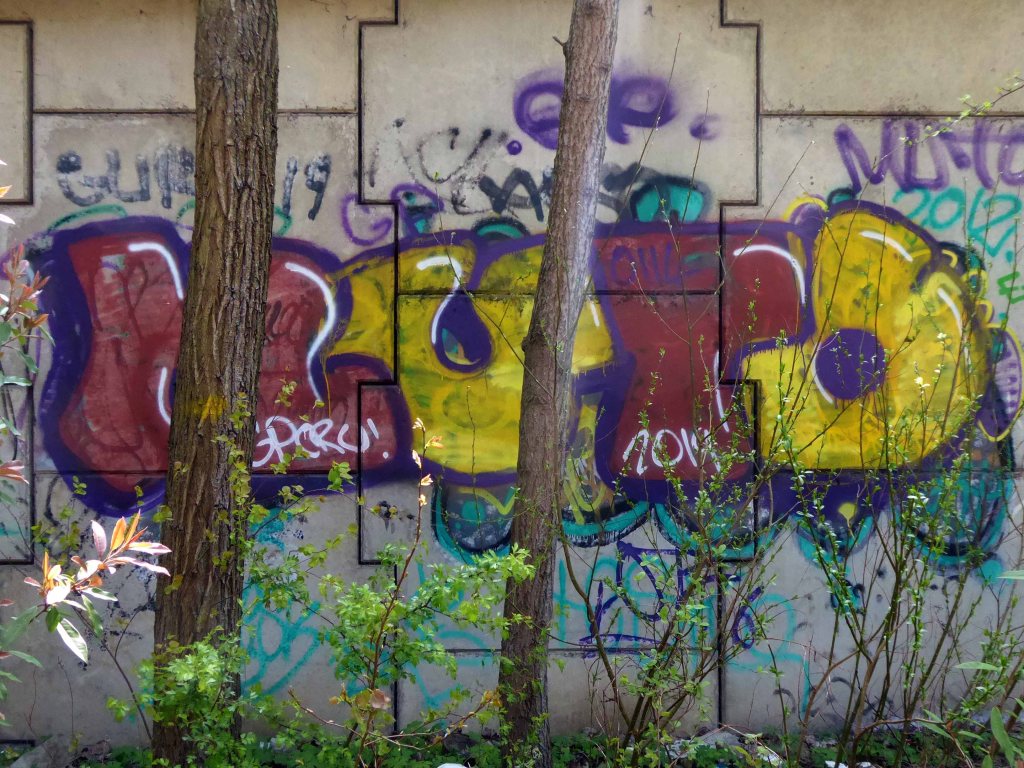
This tight tree lined and paint daubed triangle offers no answers.

Tamed thirty years or so ago, with concrete and steel.

Further and further.

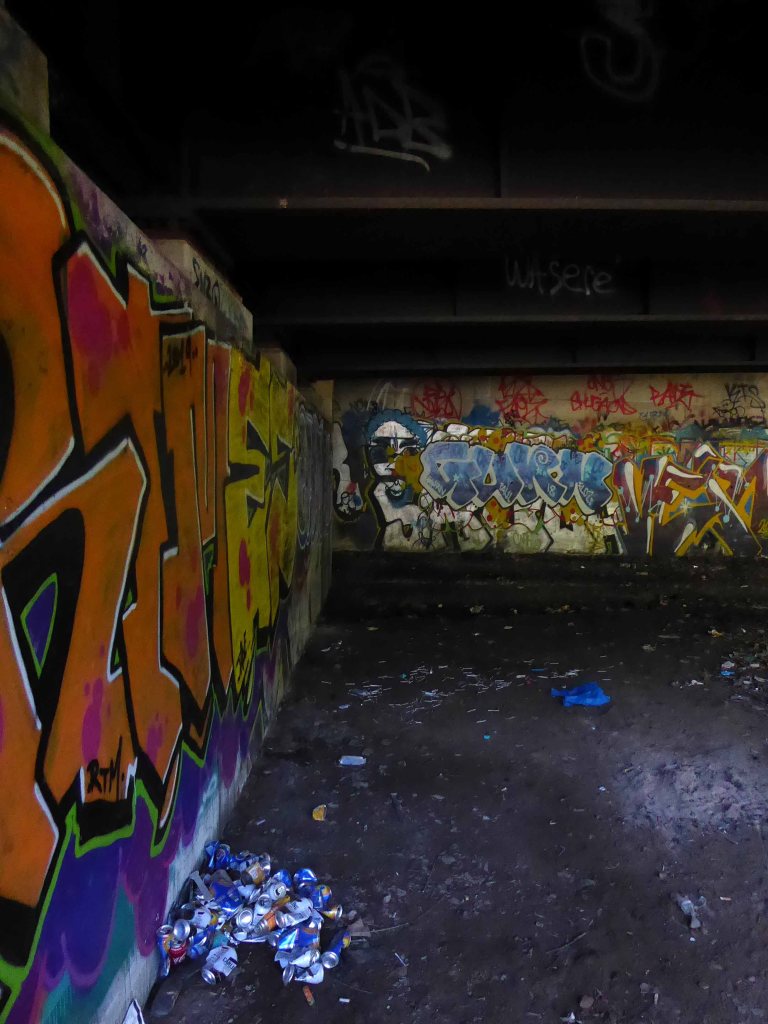
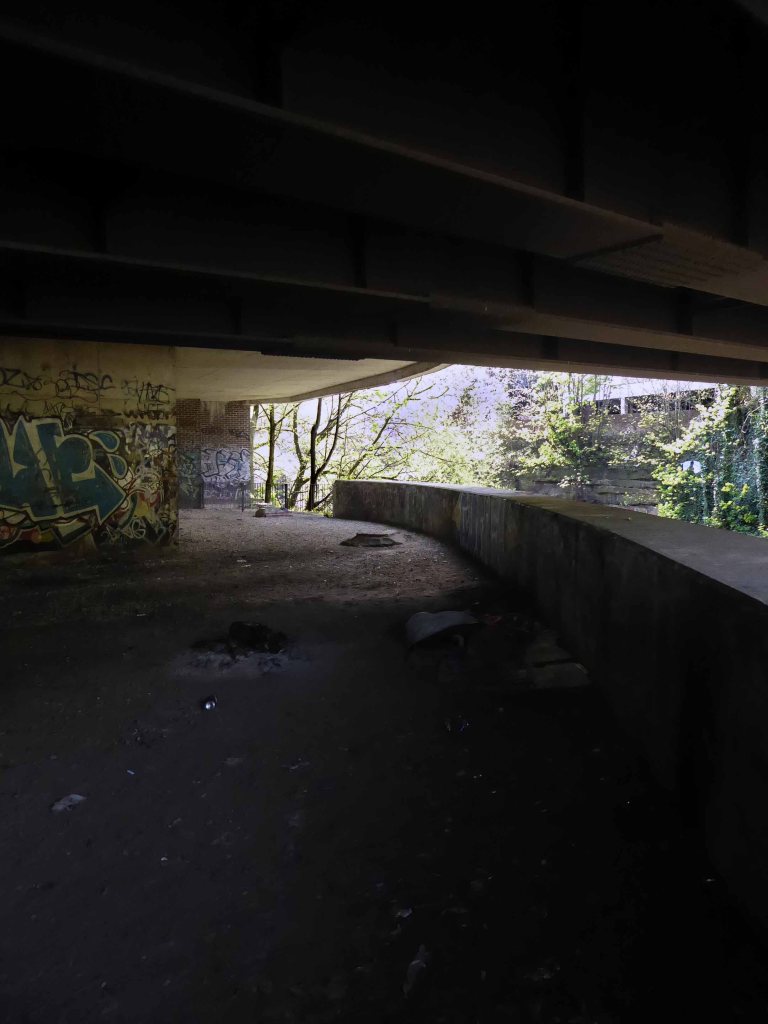
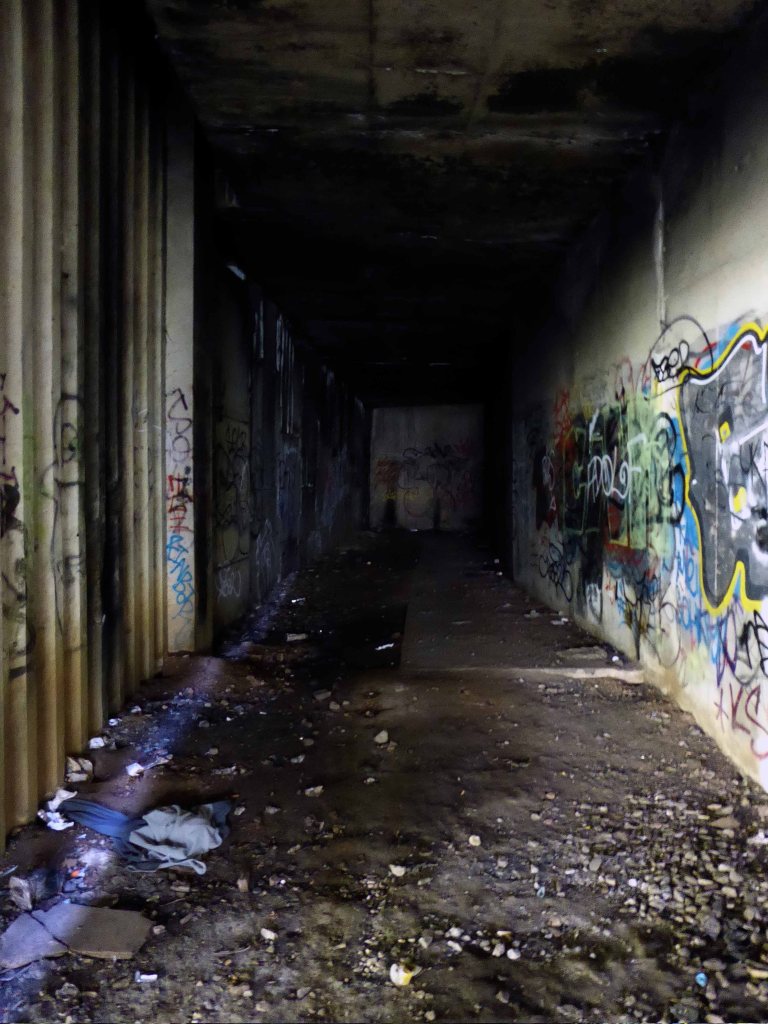
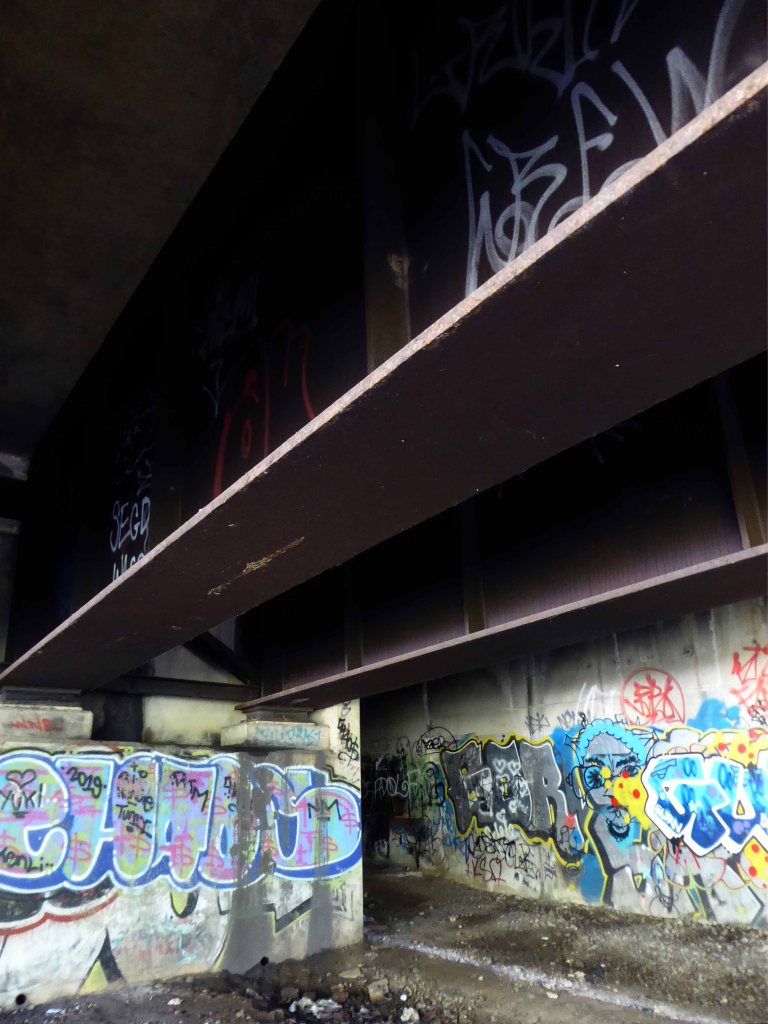
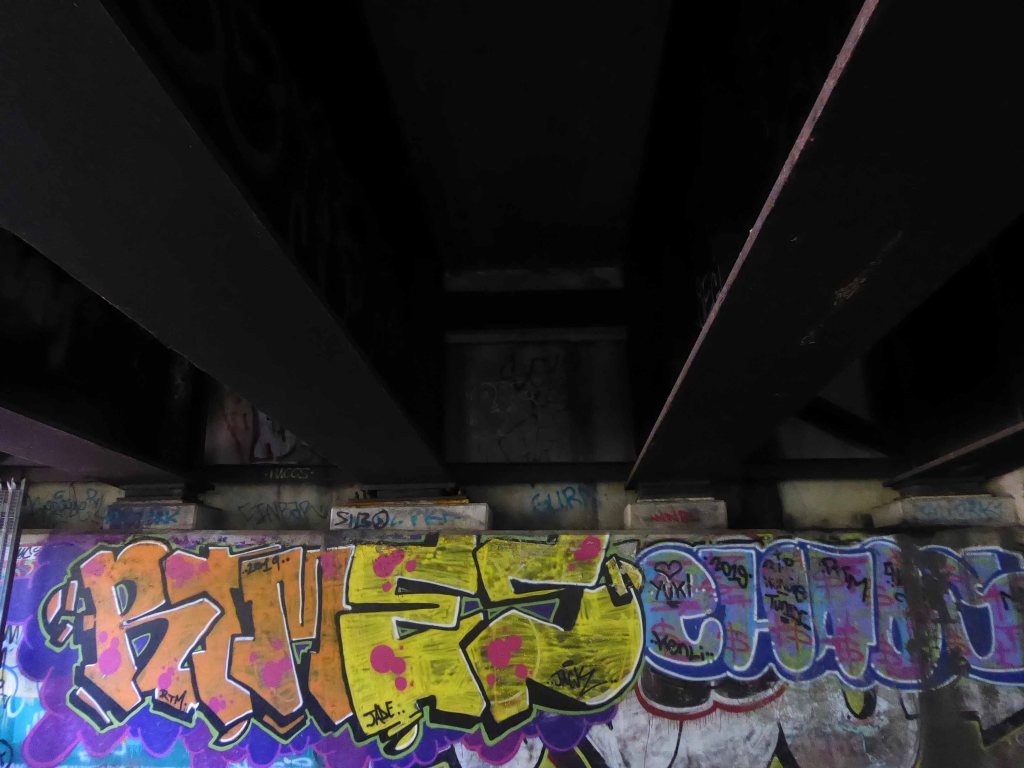
Into an underground world.

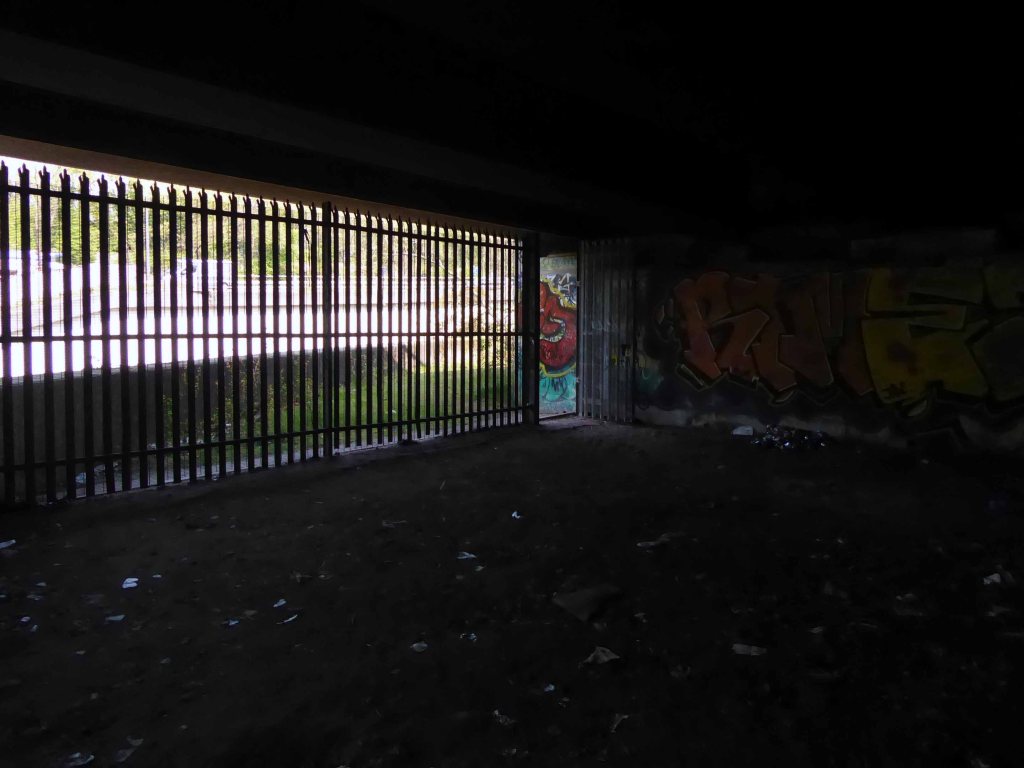
Through the railings and into a void – a void that had become home to the otherwise engaged, seeking solace somewhere, finding shelter from the storm. A storm of Twenty First Century austerity, man made – moving money around until those without are out, out in the open, nowhere else to go but here.

How often have I lain beneath rain on a strange roof, thinking of home. 
William C. Faulkner

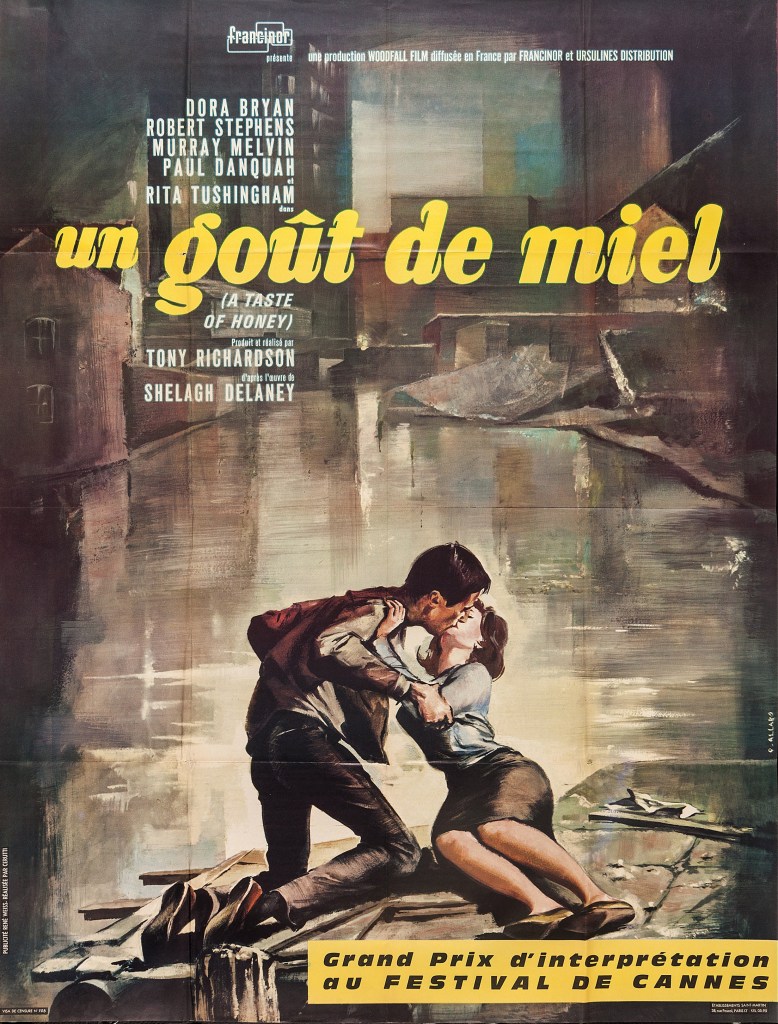
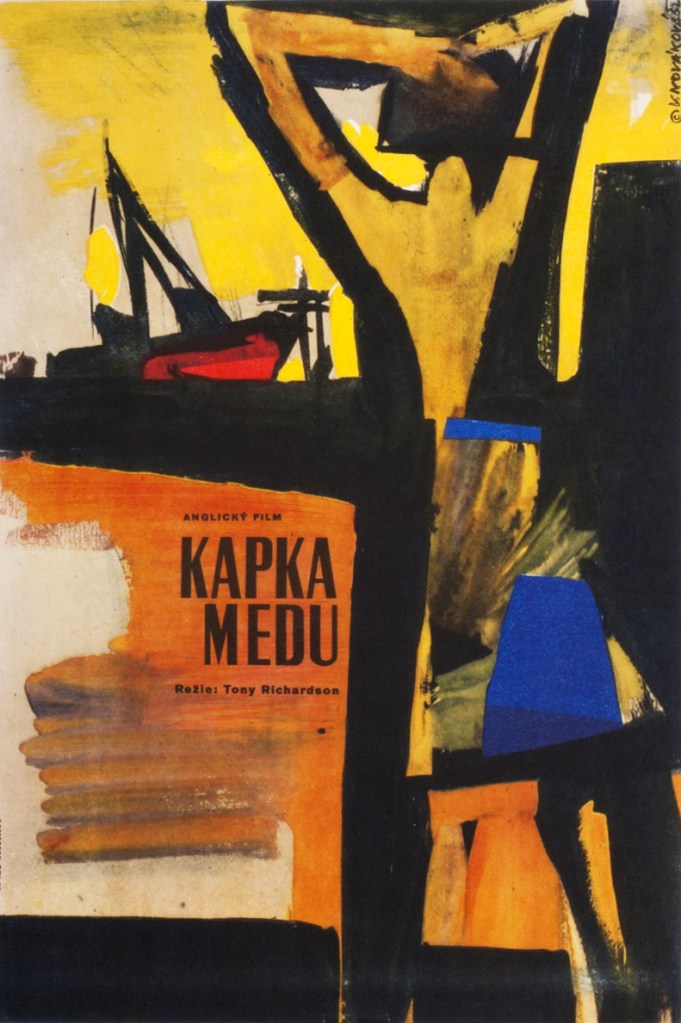
A Taste Of Honey

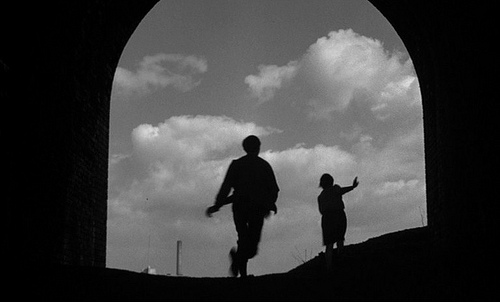
This is a film that has stayed with me for most of my life – first seen as a nipper, fascinated by the fact that it was shot in a very familiar landscape.

As years have passed I have watched and rewatched it, finally resolving to track down the local locations used in its filming.

Studying and pausing the DVD, making thumbnail sketches of frames, researching online – referring to Reelstreets.

I have previously written about the way in which the movie shaped a particular image of the North.

And examined particular areas of Manchester such as Barmouth Street.

The film generated world wide attention and remains just as popular today.

Still watched, still loved, still relevant – here are a selection of photographs I took in 2011 – cycling around Manchester, Salford and just a little closer to home in Stockport.

Larkhill Road scene of the moonlight flit

The descent from Larkhill Road

Stockport Viaduct

Stockport Parish Church

Stockport running for the bus to Castleton

Midway Longsight – where Dora Bryan sang

Barmouth Street were the school scenes were filmed.

Timpson’s shoe shop now demolished opposite the Etihad

Phillips Park the back of the gas works in Holt Town

The Devil’s Steps Holt Town

Rochdale Canal

Ashton Canal

All Souls Church Every Street Ancoats

Piccadilly Gardens as we view the city from a moving bus.

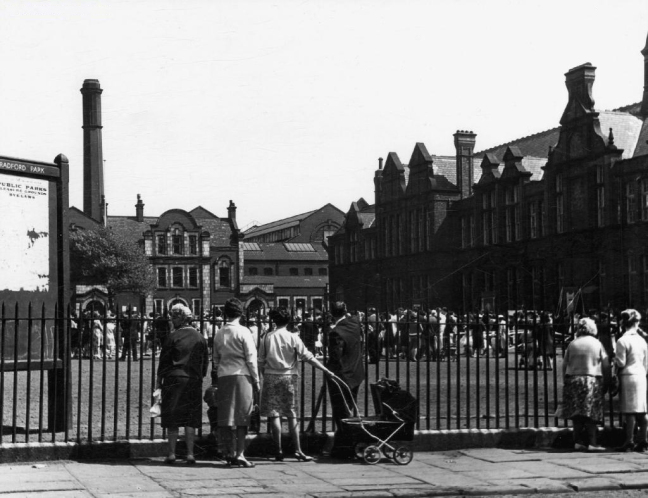
Manchester Art gallery – where they watched the Whit Walks.

Albert Square part of the earlier bus ride.

Trafford Swing Bridge

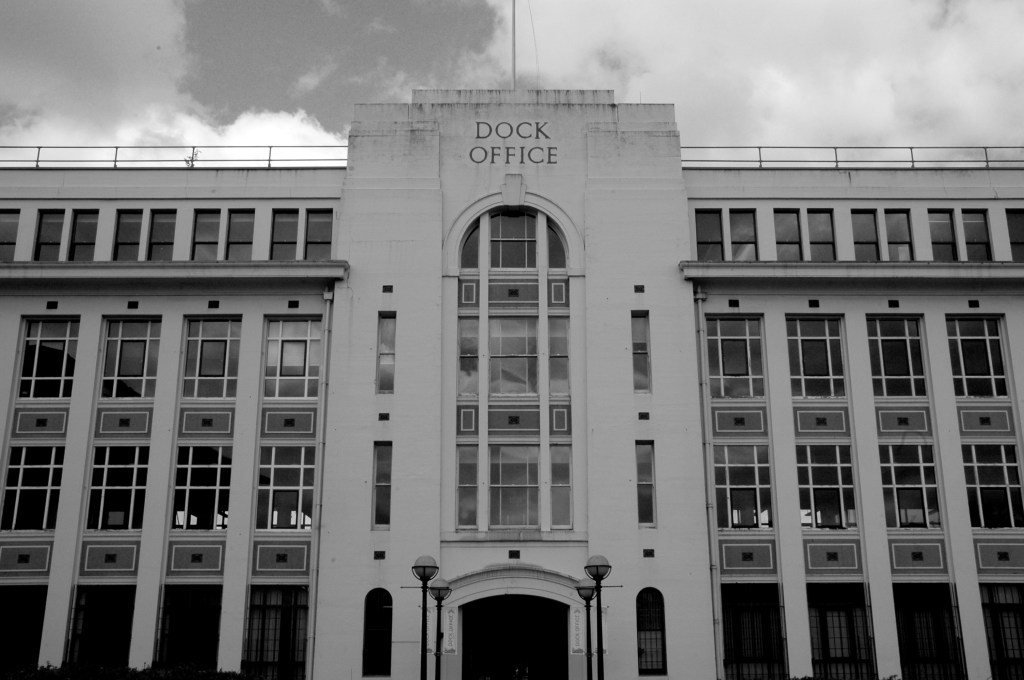
Dock Offices

Chimney Pot Park Salford

Pendleton

Barton Aqueduct

Through my tour I have attempted to capture a sense of the settings as they are – how, if at all, the areas have changed.

There may be some minor inaccuracies or omissions which I am happy to amend.

You may wish to visit the sites yourselves, the majority of which are easily accessible, above all watch the film and appreciate that which is around you.

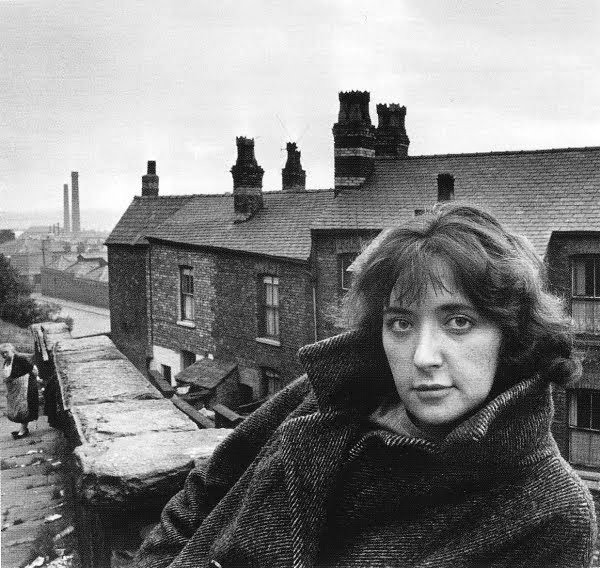
Portrait of Shelagh DelaneyArnold Newman

William Mitchell – Collyhurst

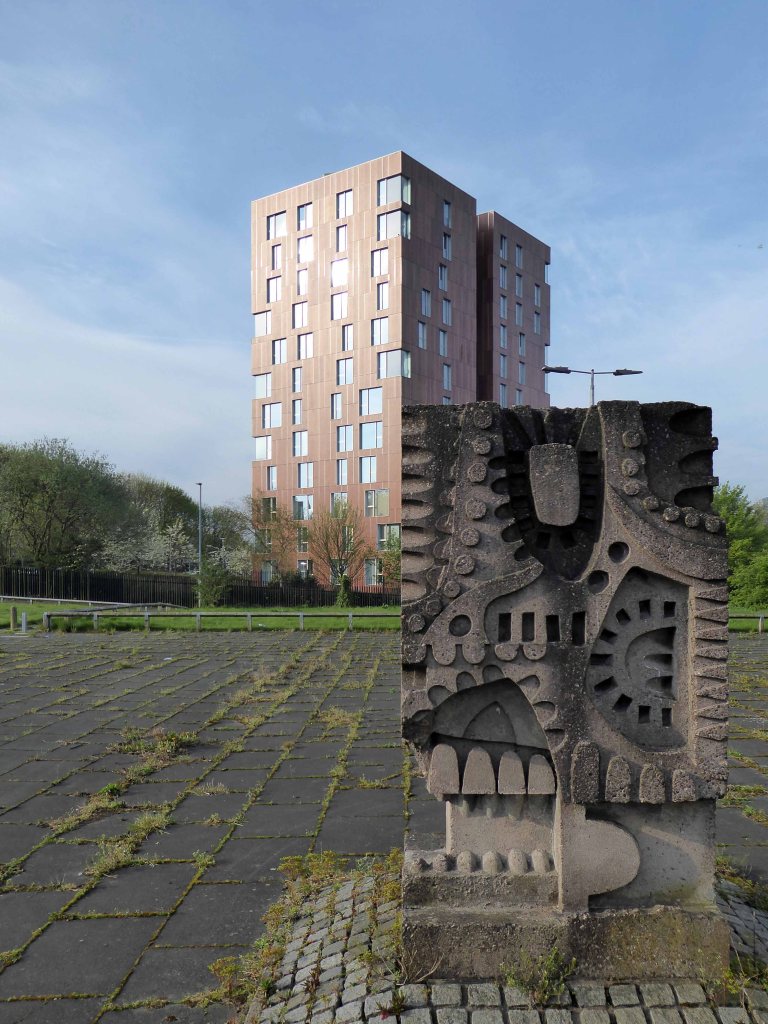
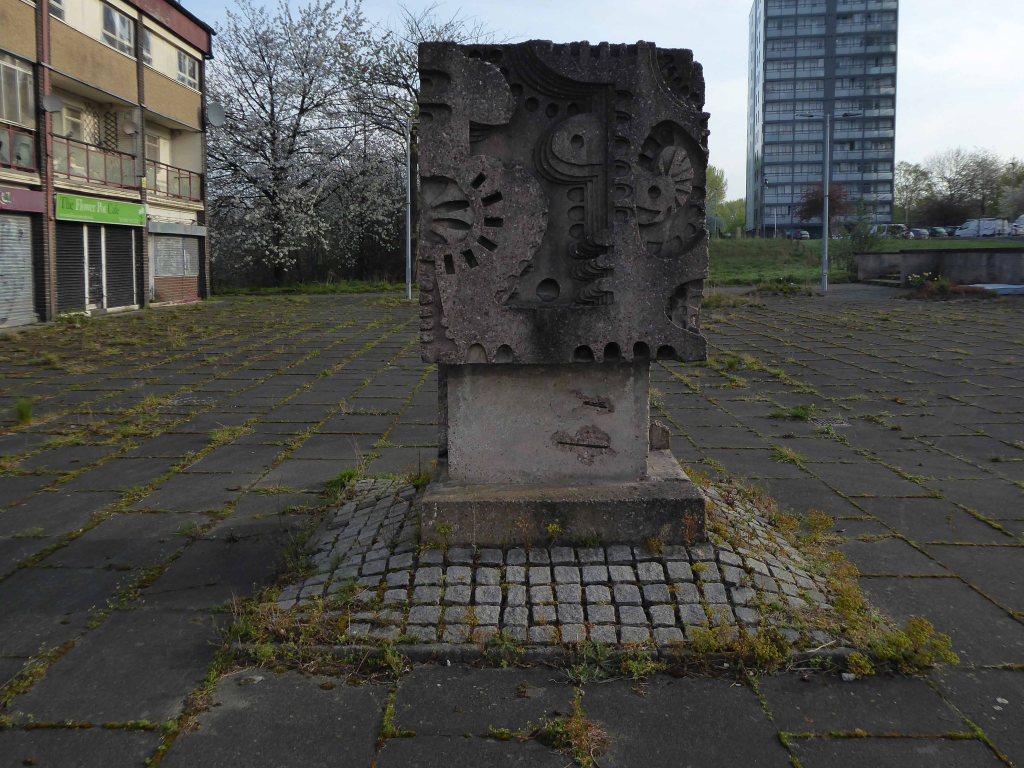
It’s April 2020 and I’m here again.

Having been before and before and before.

It’s lockdown so we can’t go far, so from home in Stockport to Collyhurst is within my daily exercise allowance.

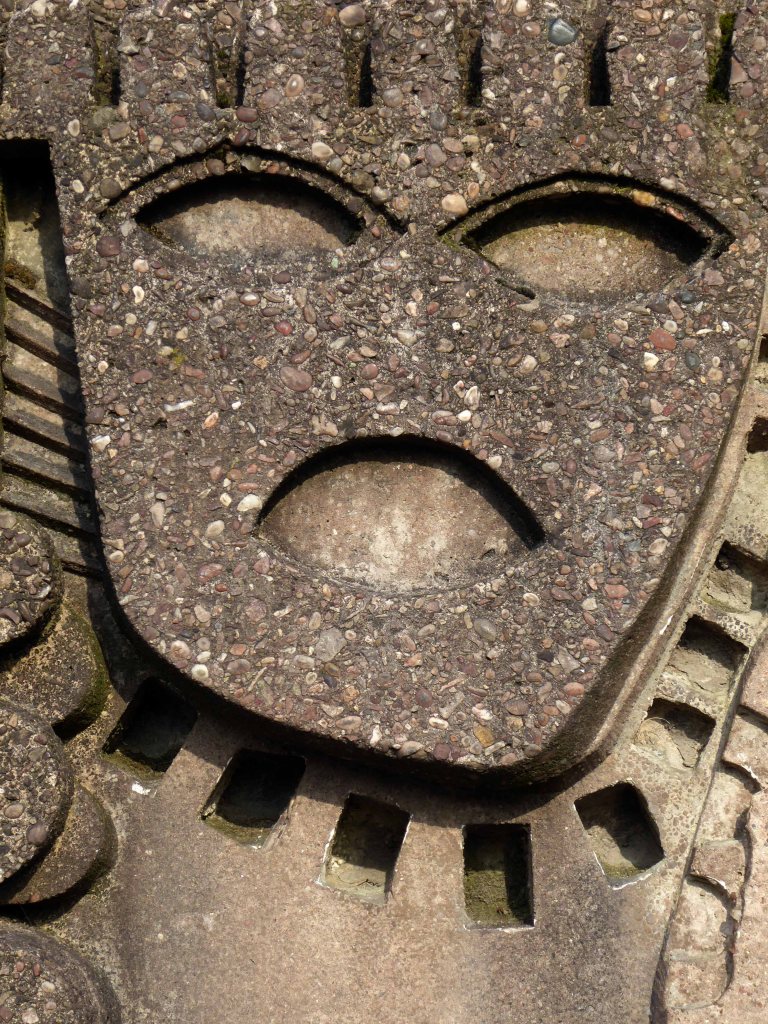
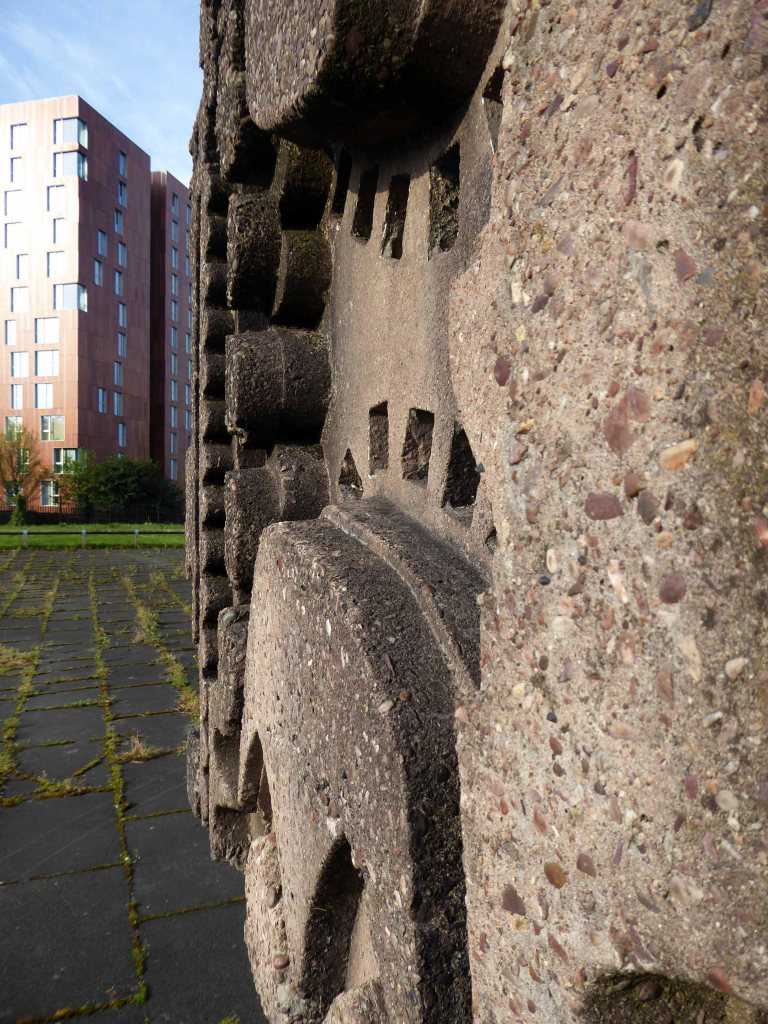
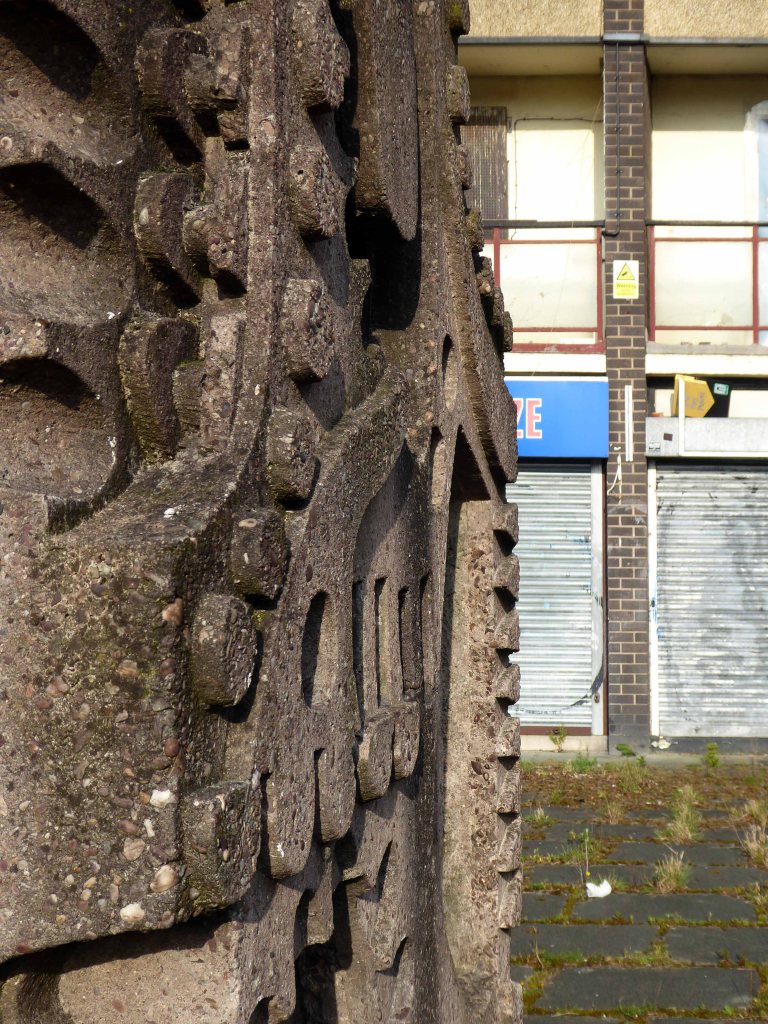
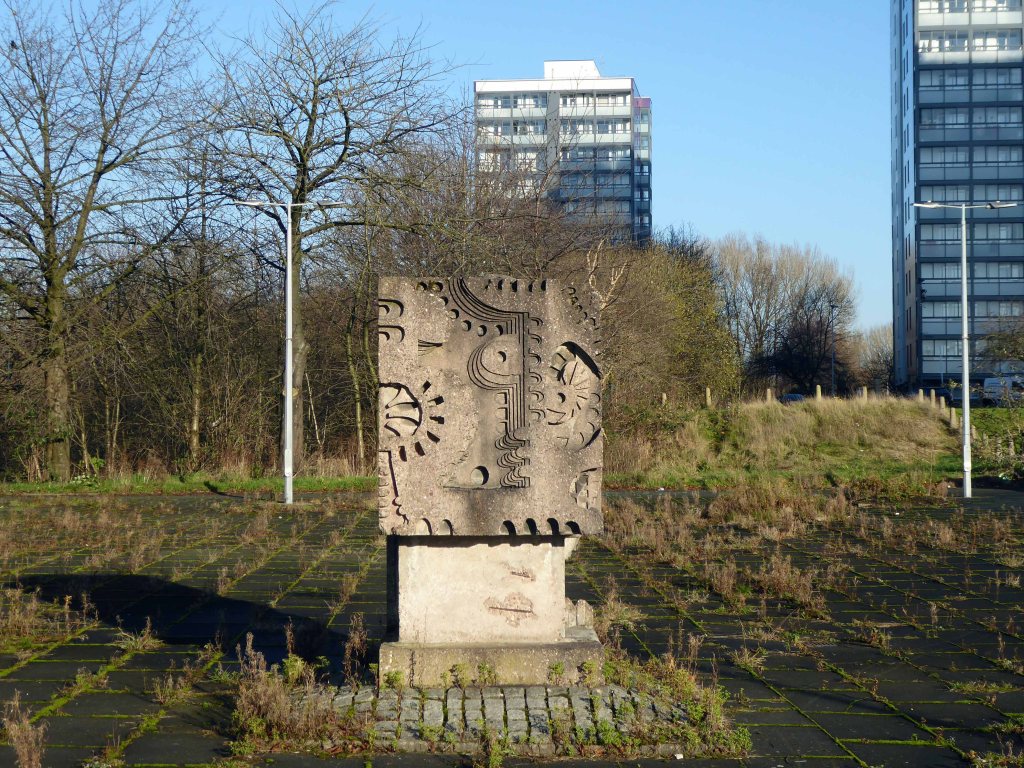
There is talk of relocation for the diminutive Mitchell totem, but as of today no sign of any action – all is in abeyance.

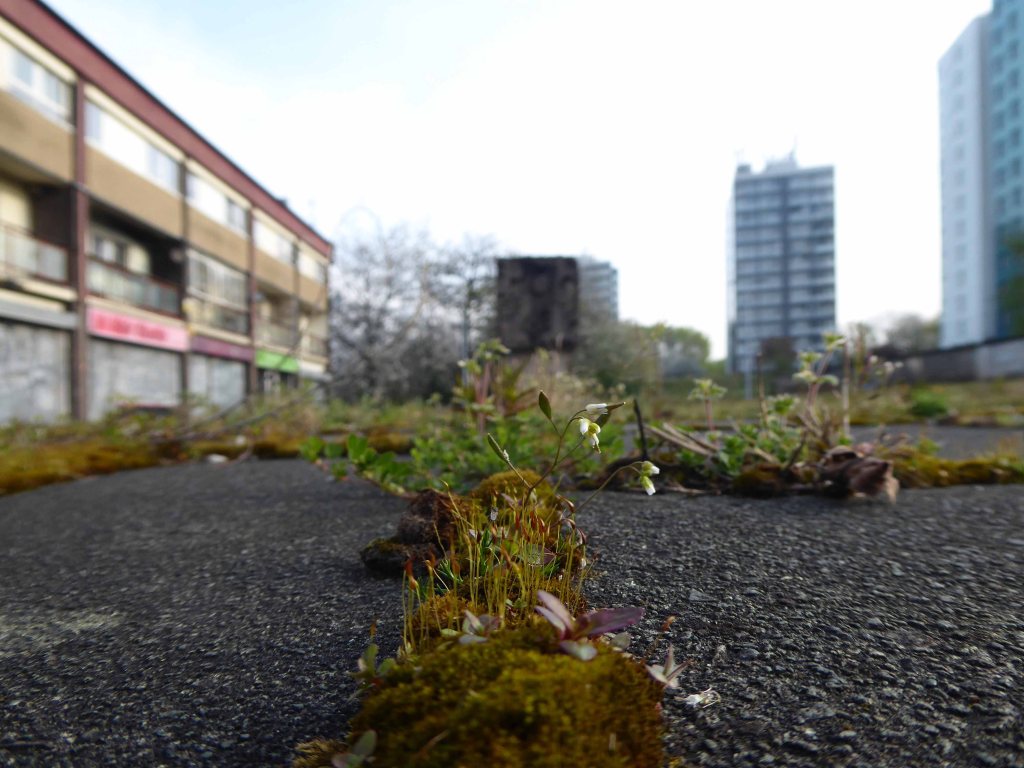
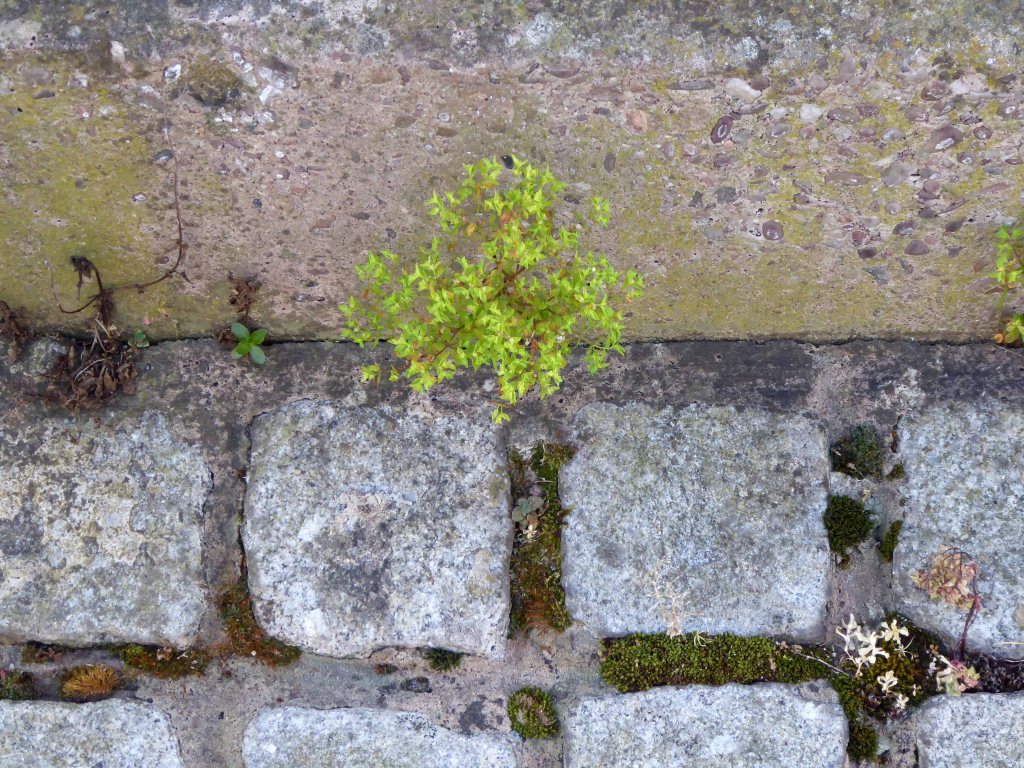
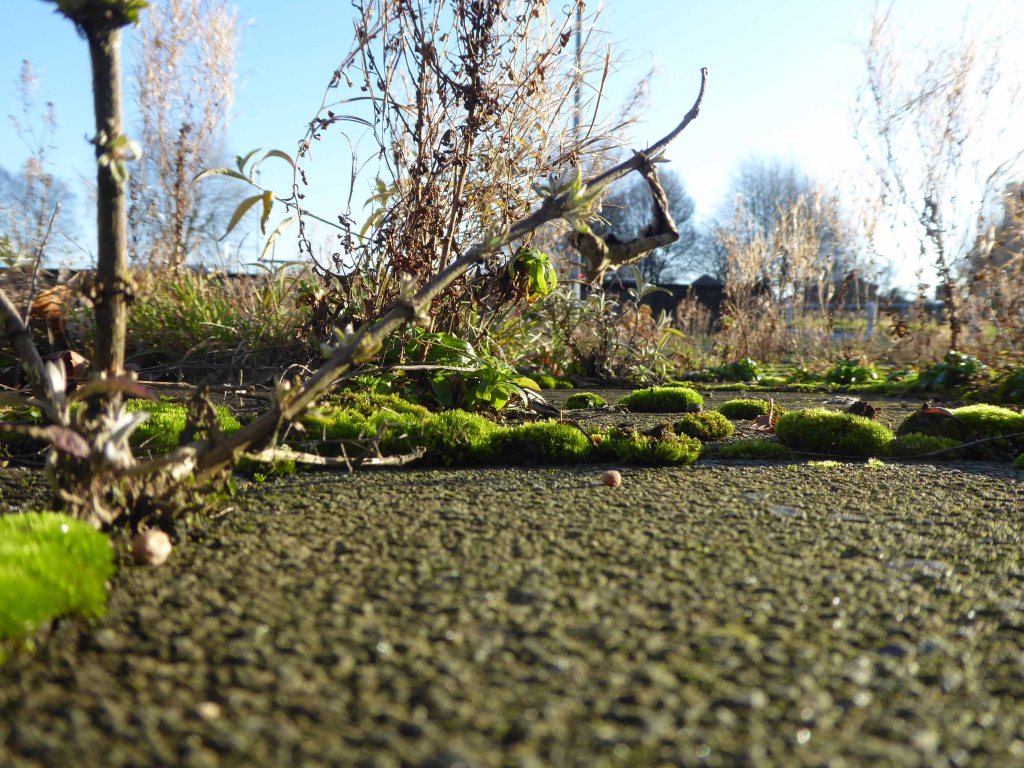
What we do see is the encroachment of flora, cleaner air, low or no level human activity encourages growth between the cracks.

And at the base of the plinth

I took the opportunity to get in close.

Move around in a merry dance.

Quite something to spend time in an ever changing urban space – devoid of company, save for the calming sound of birdsong and the distant rumble of a distant train.

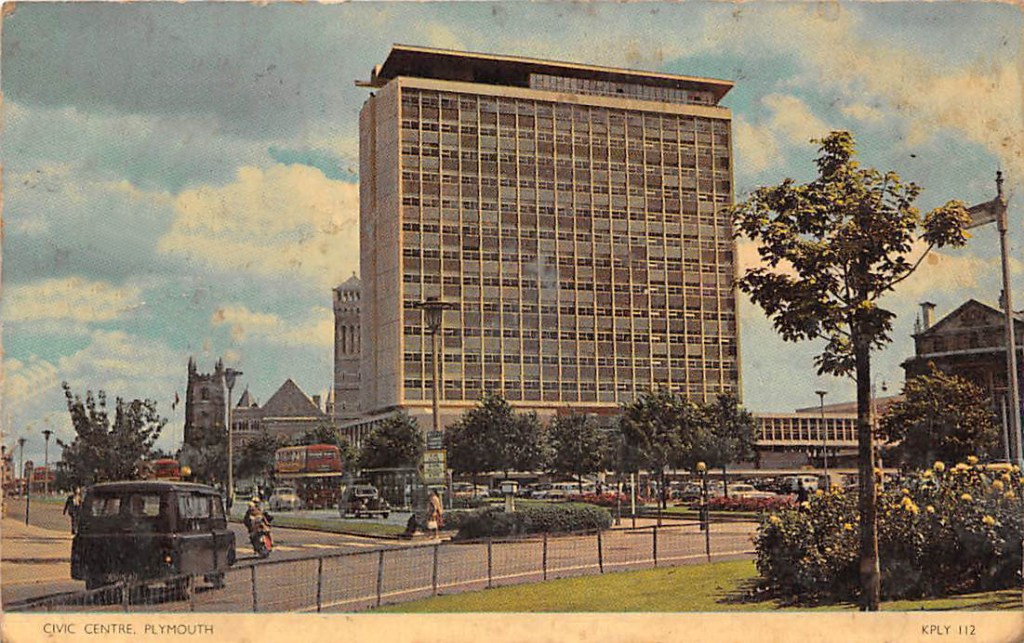
Civic Centre – Plymouth

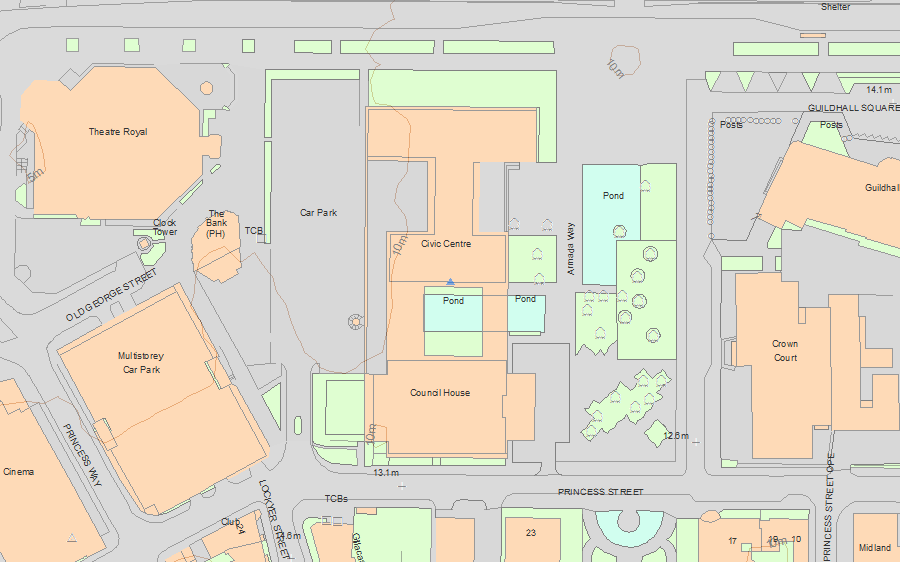
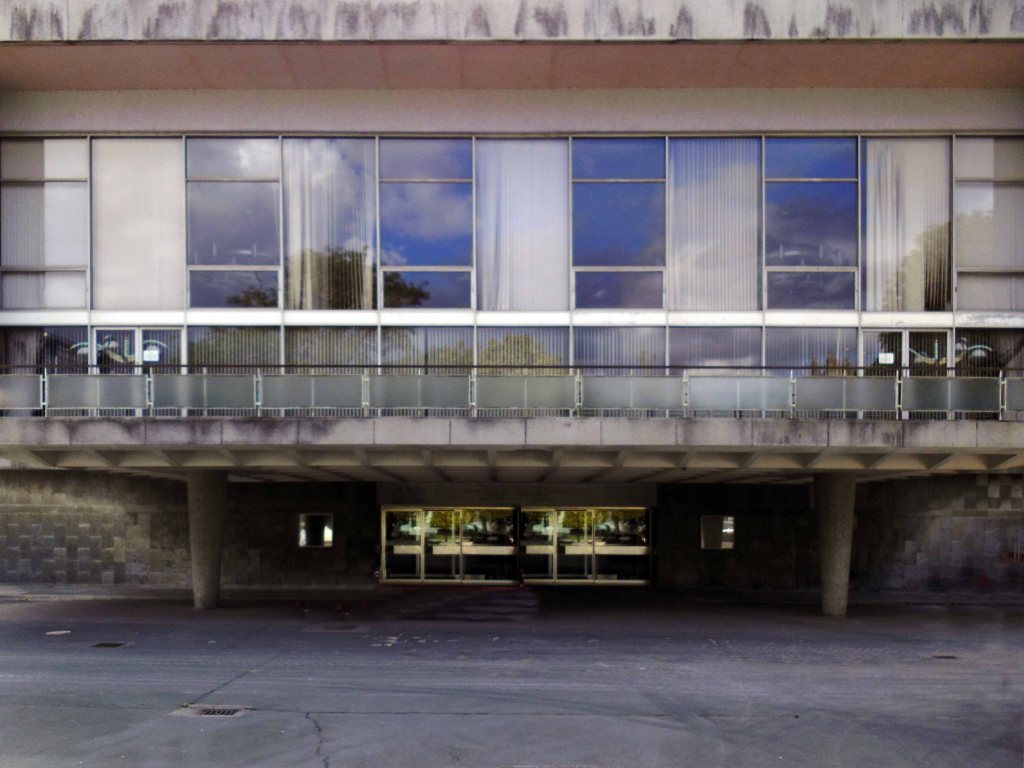
Council House former Civic CentreArmada Way Plymouth PL1 2AA

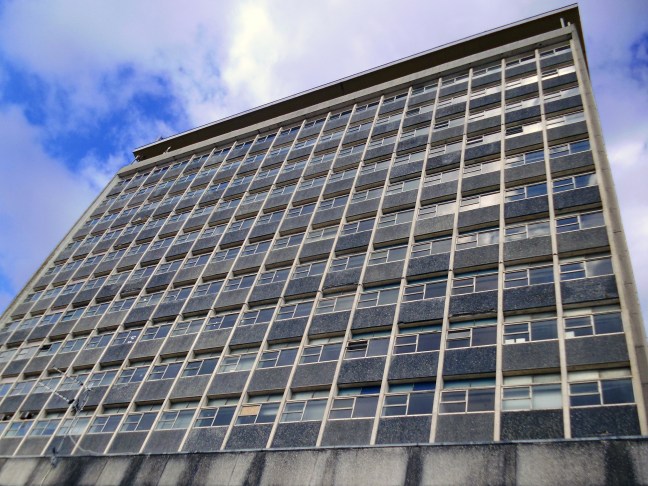
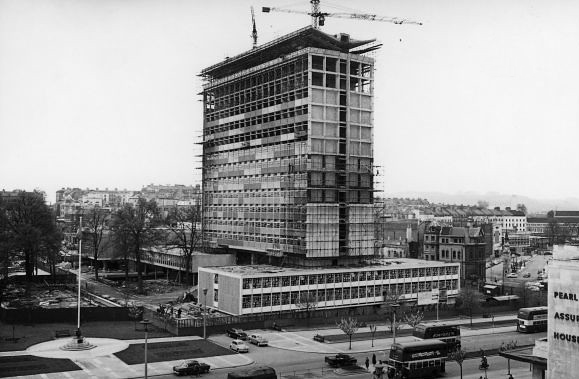
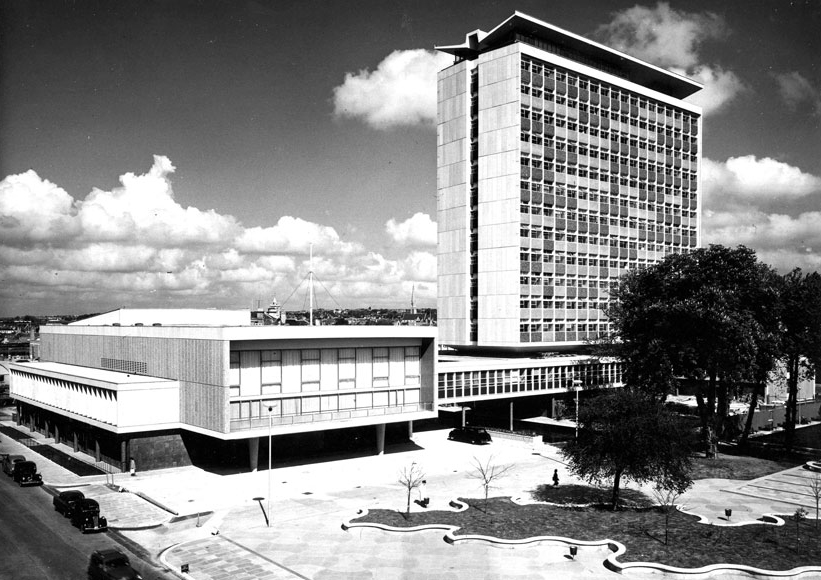
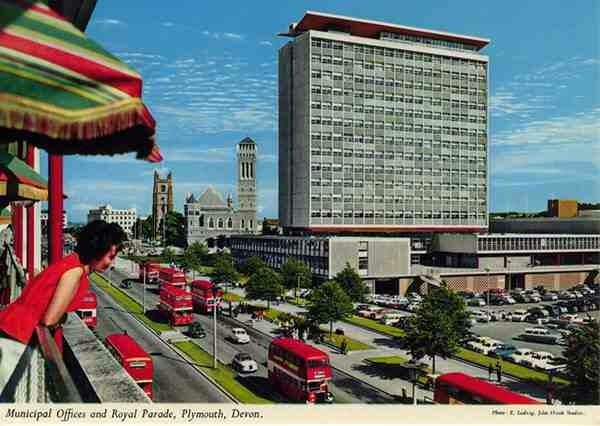
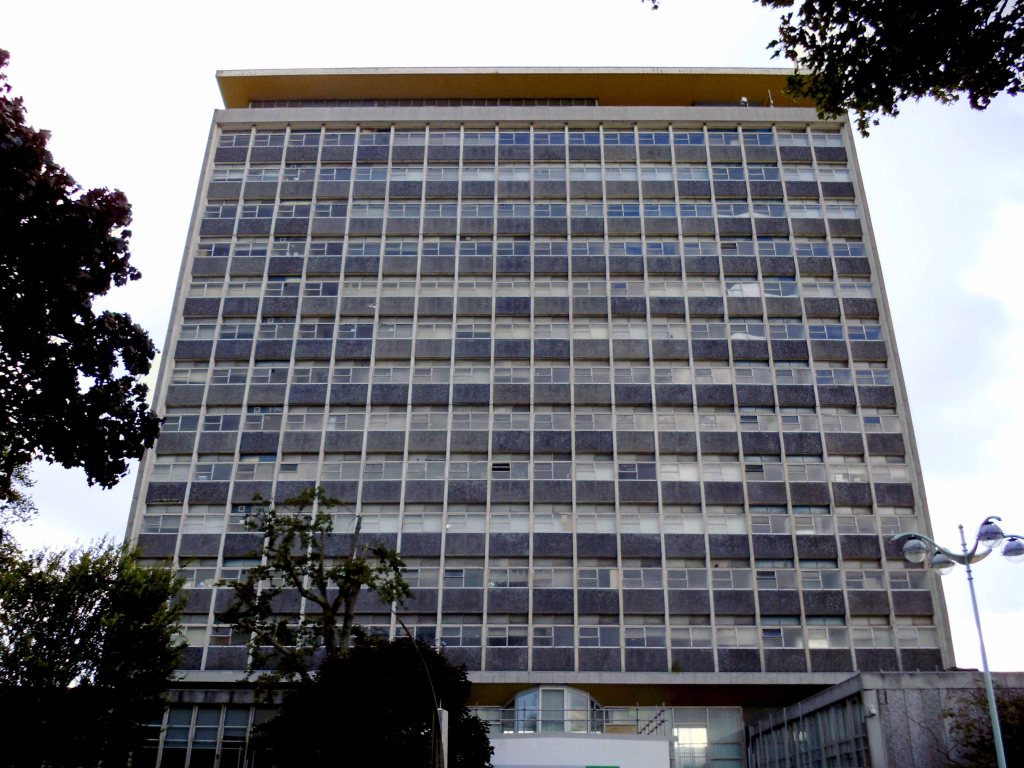
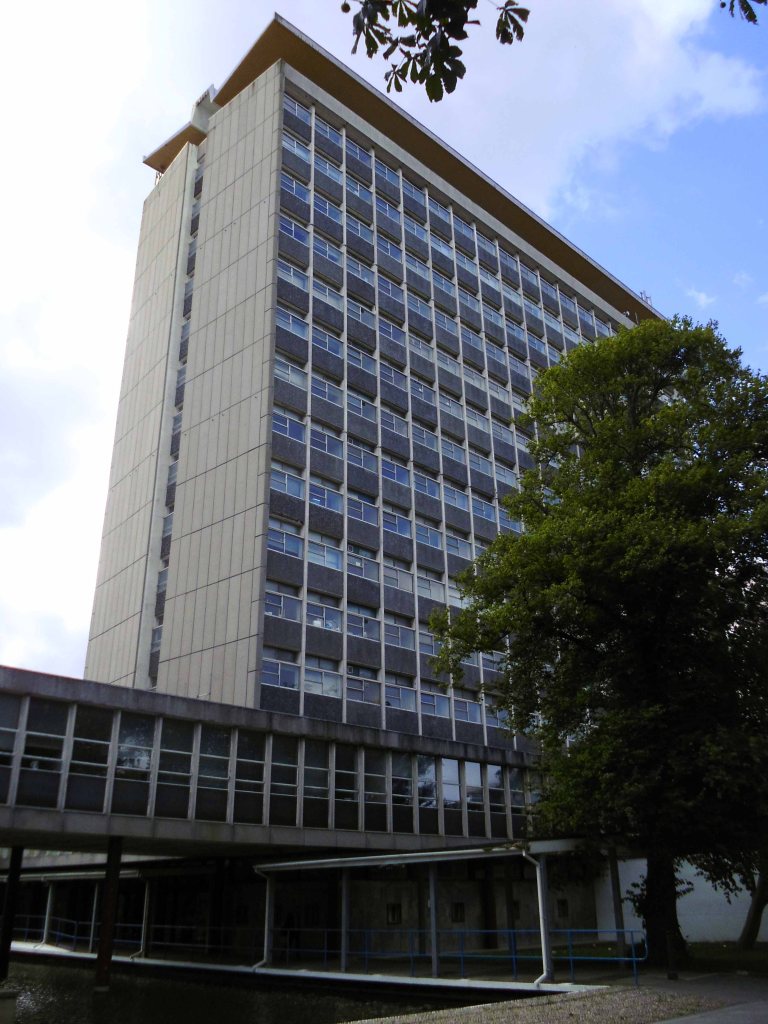
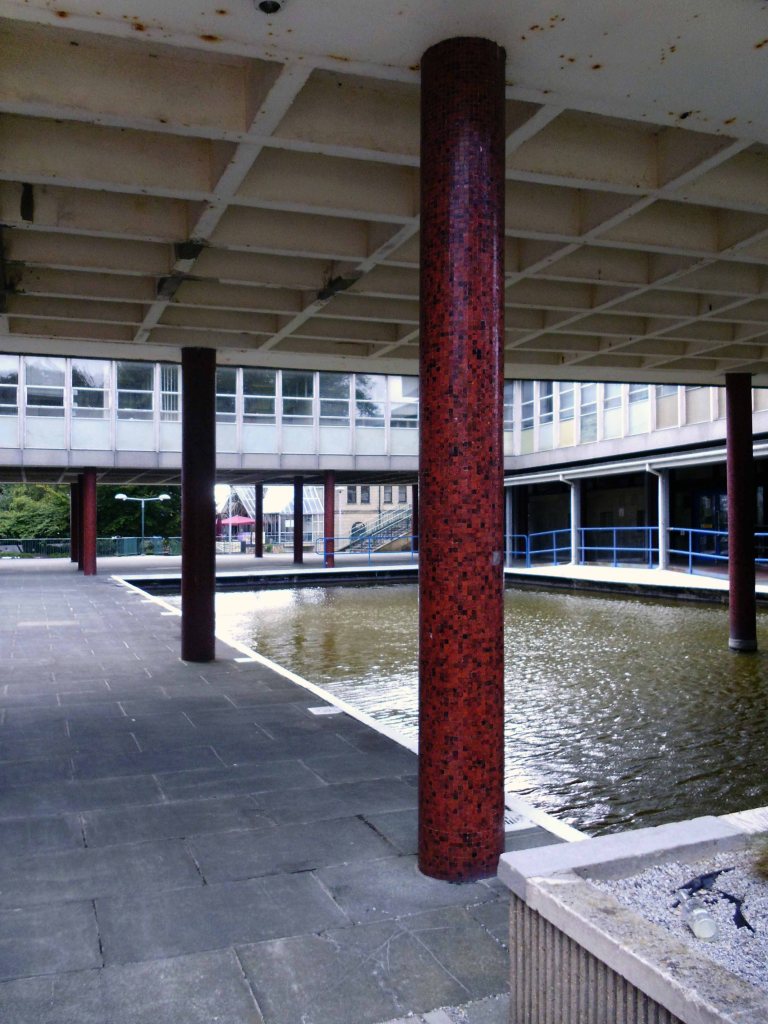
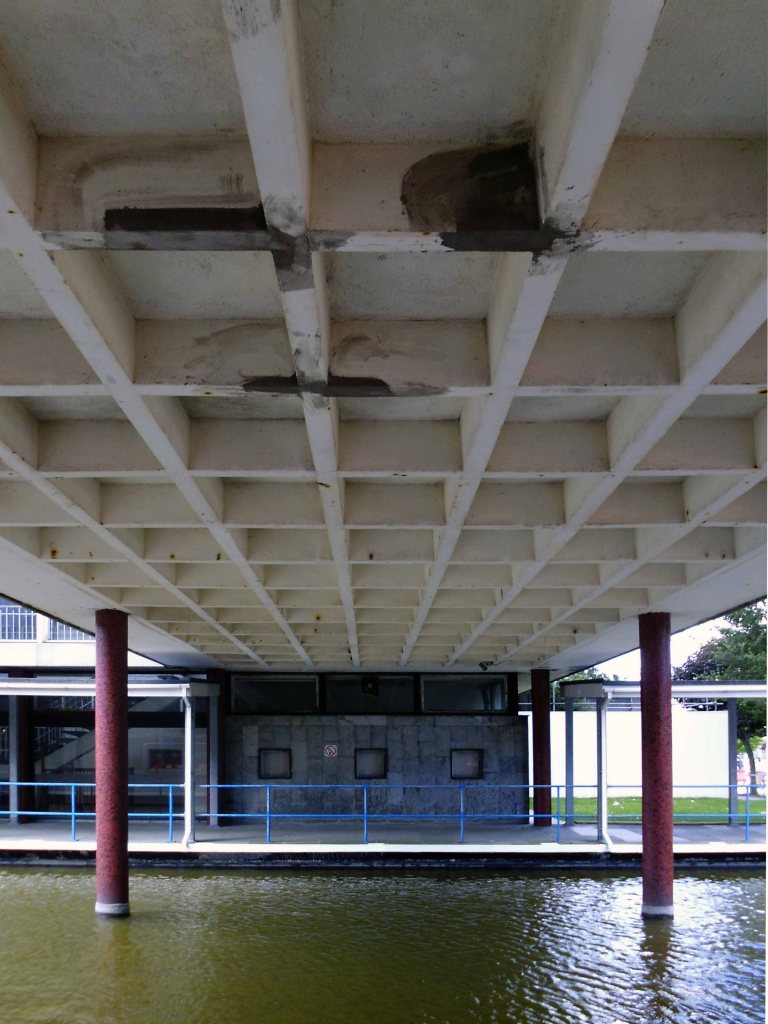
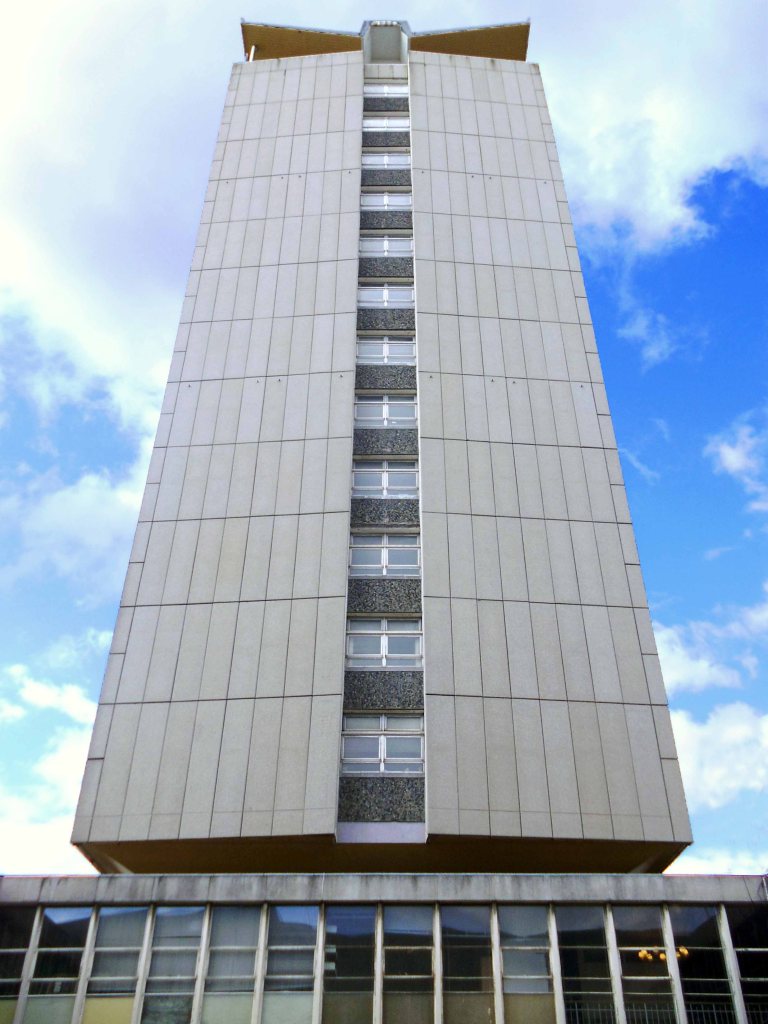
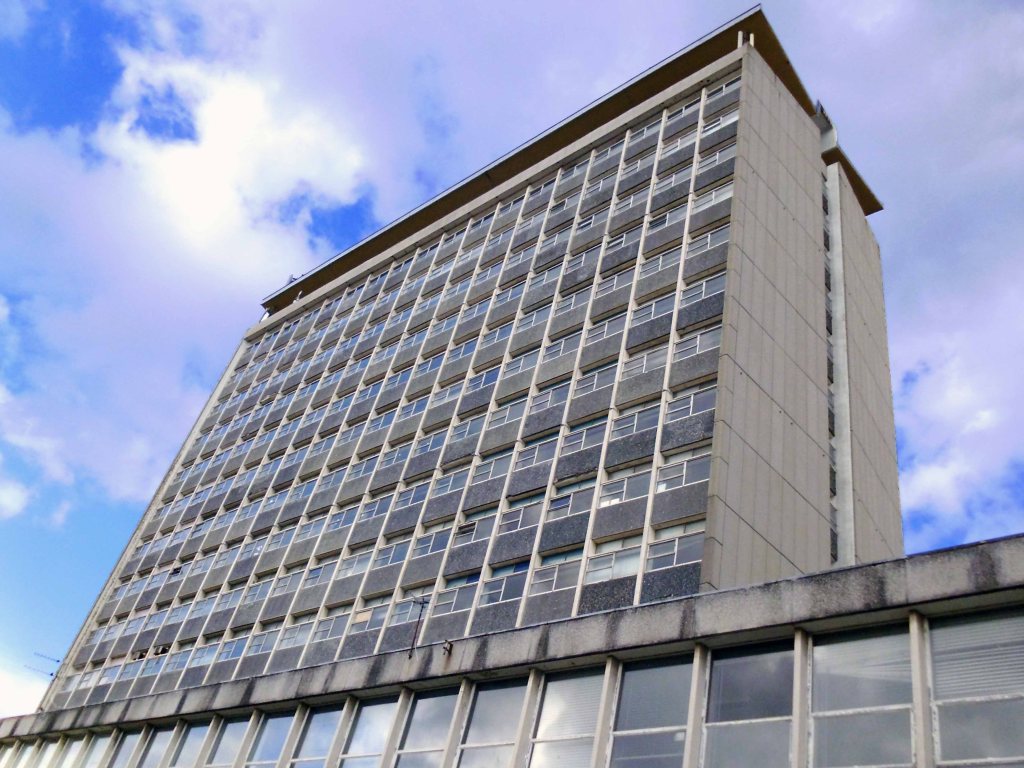
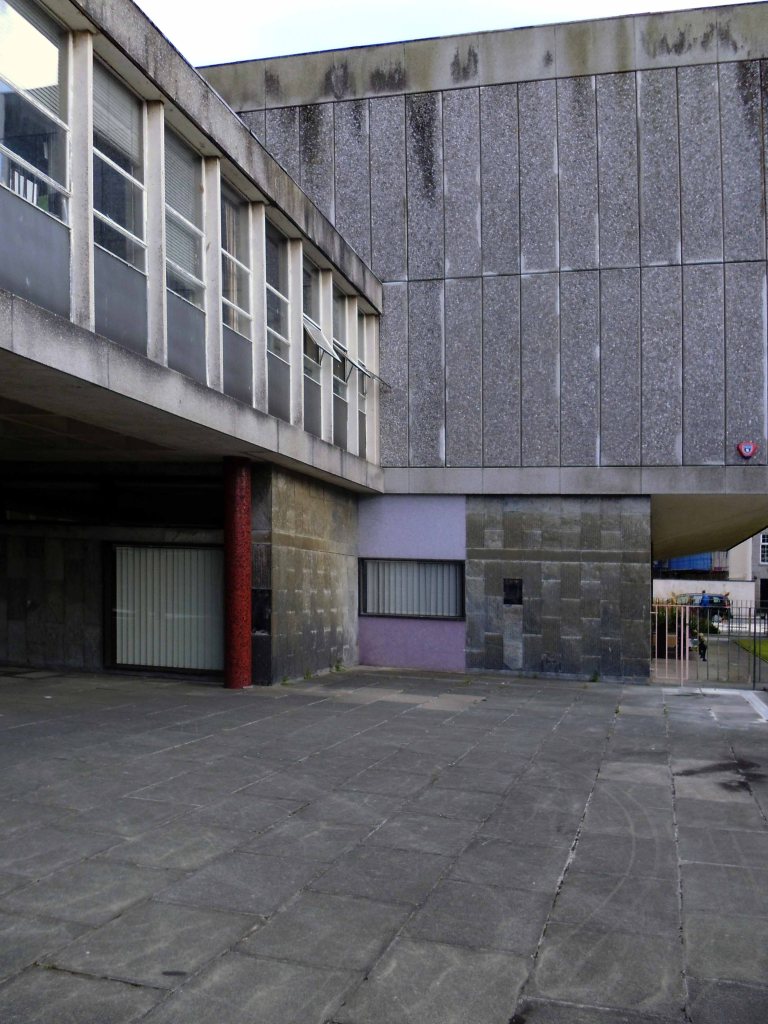
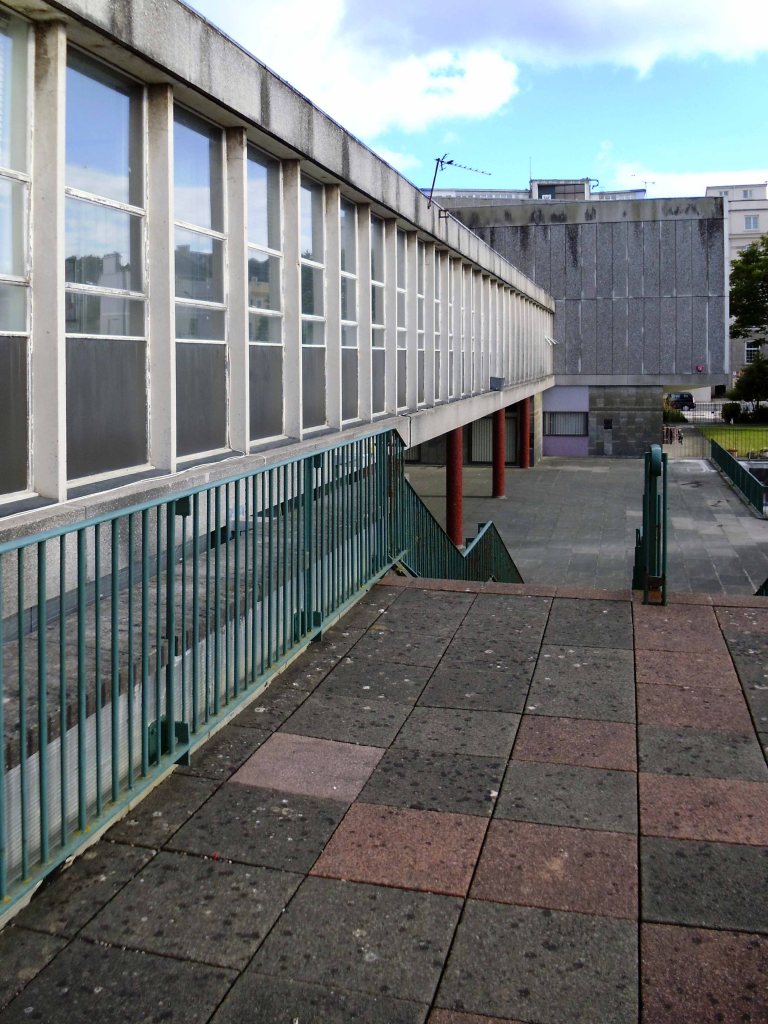
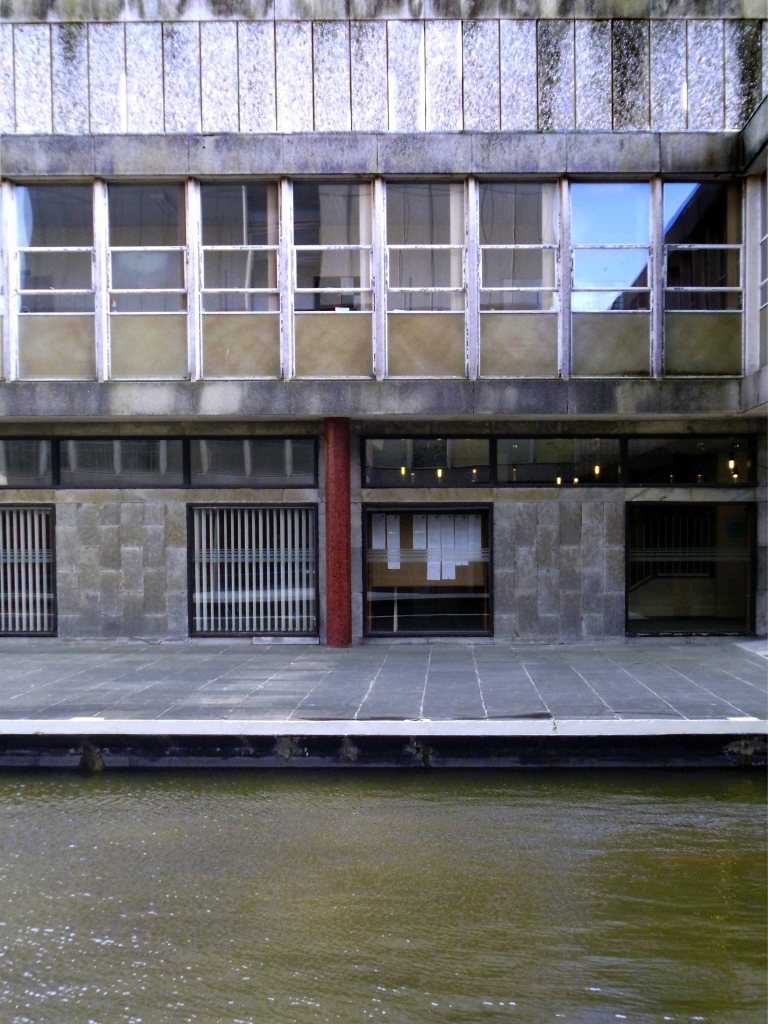
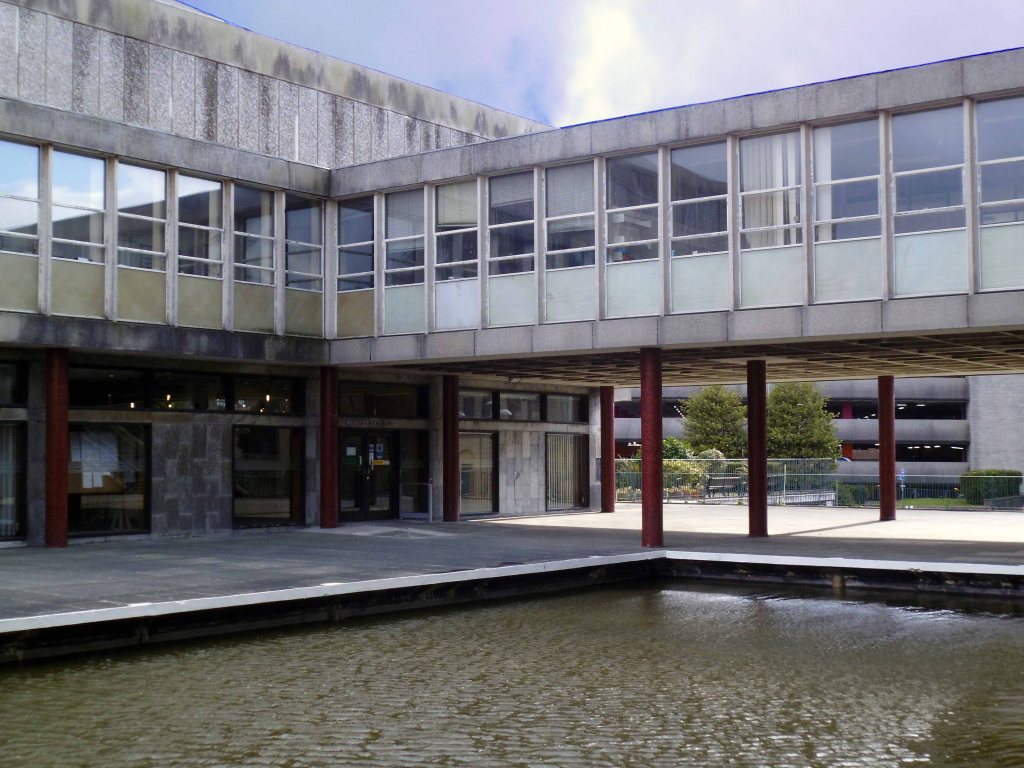
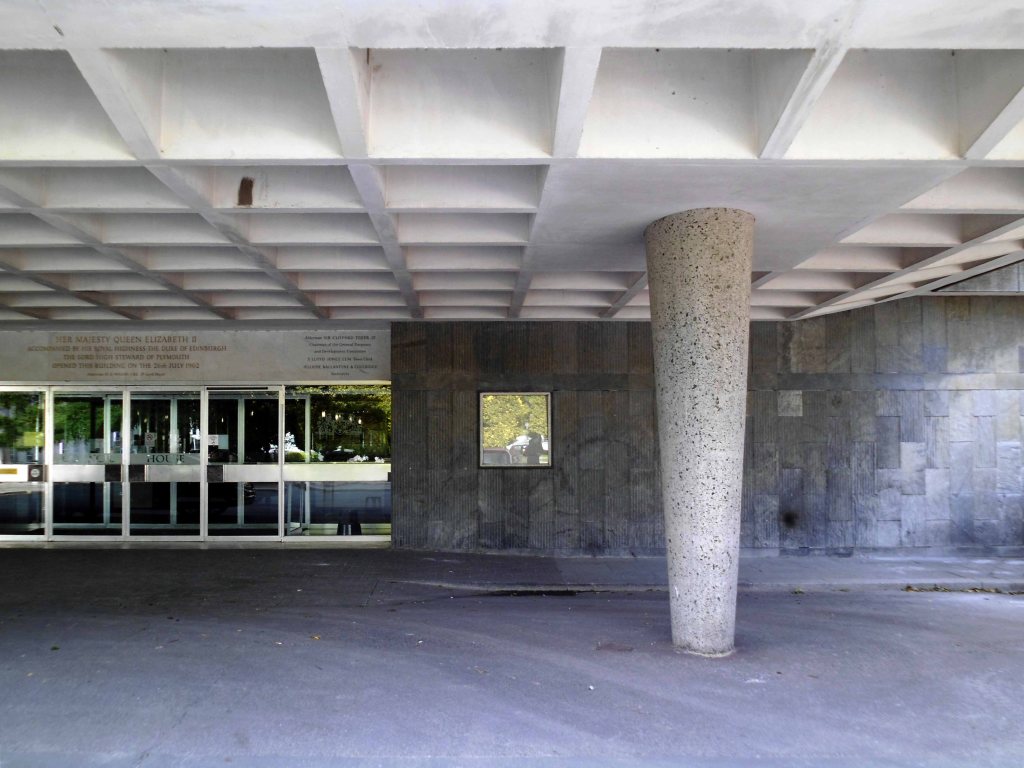
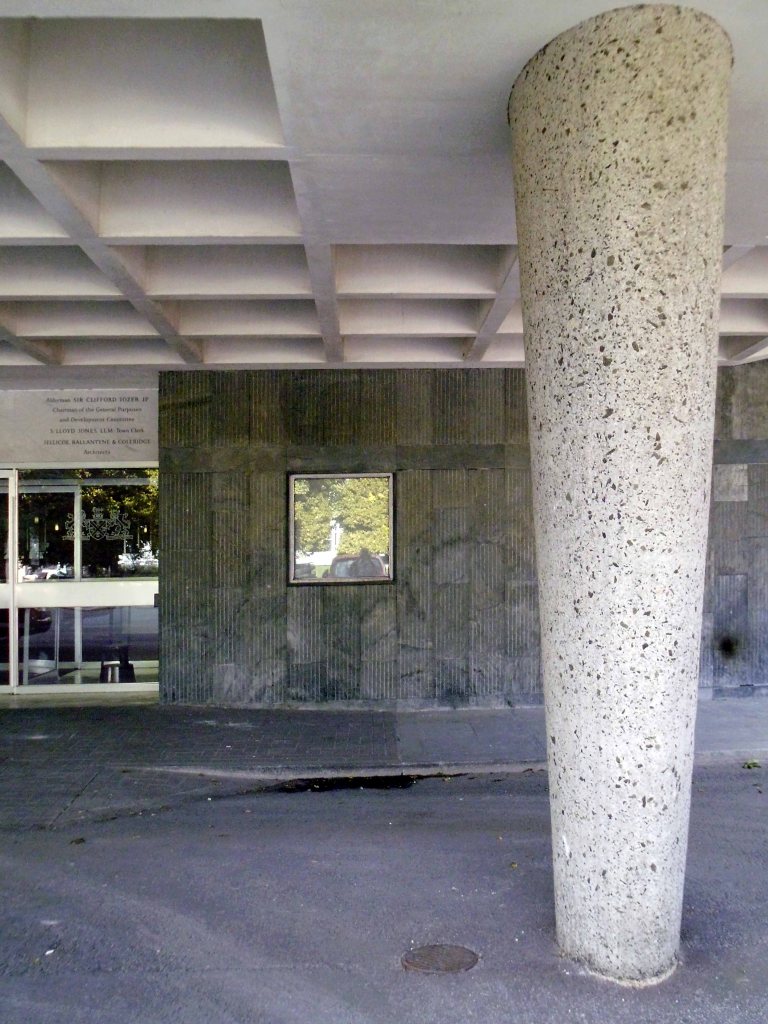
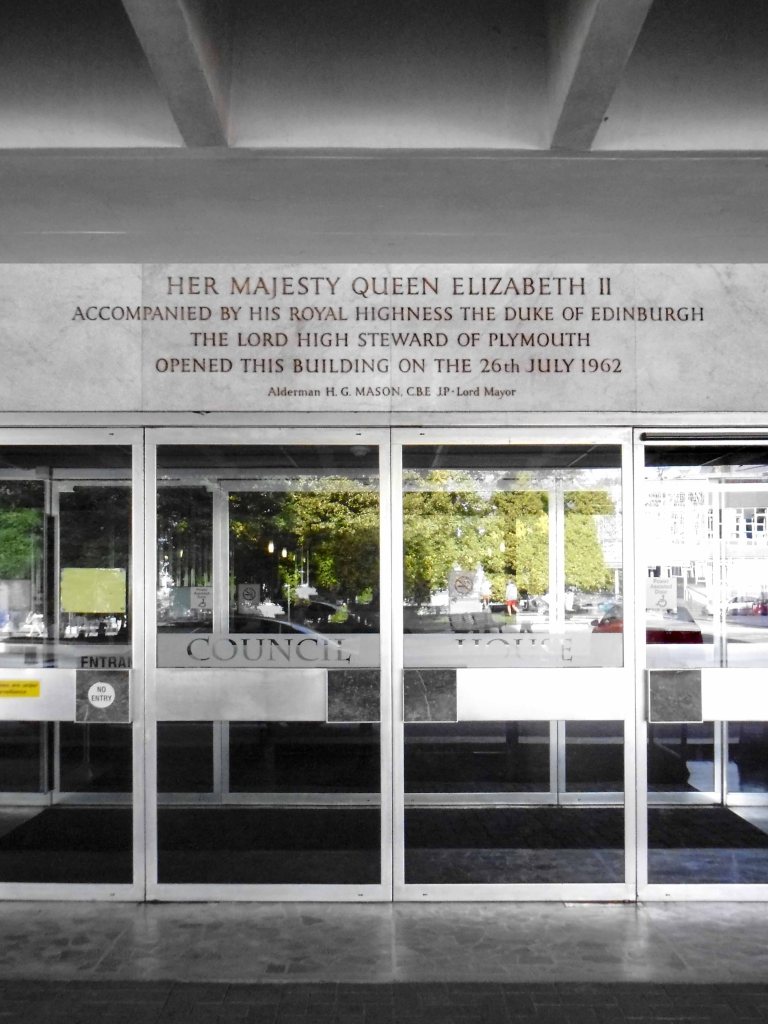
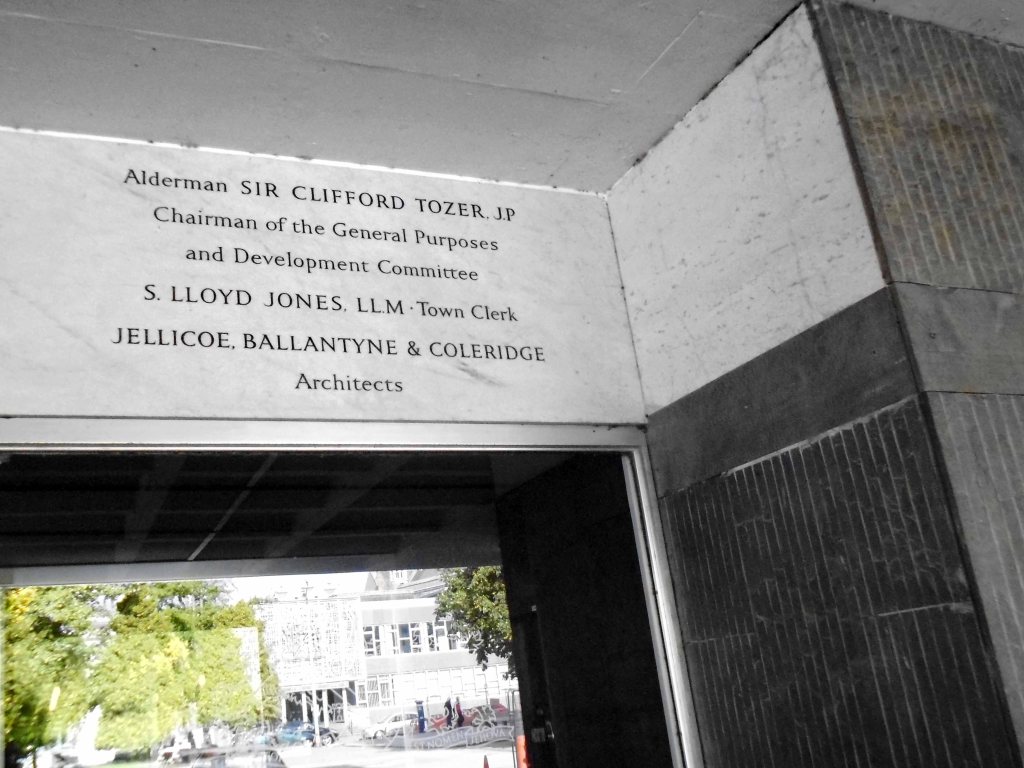
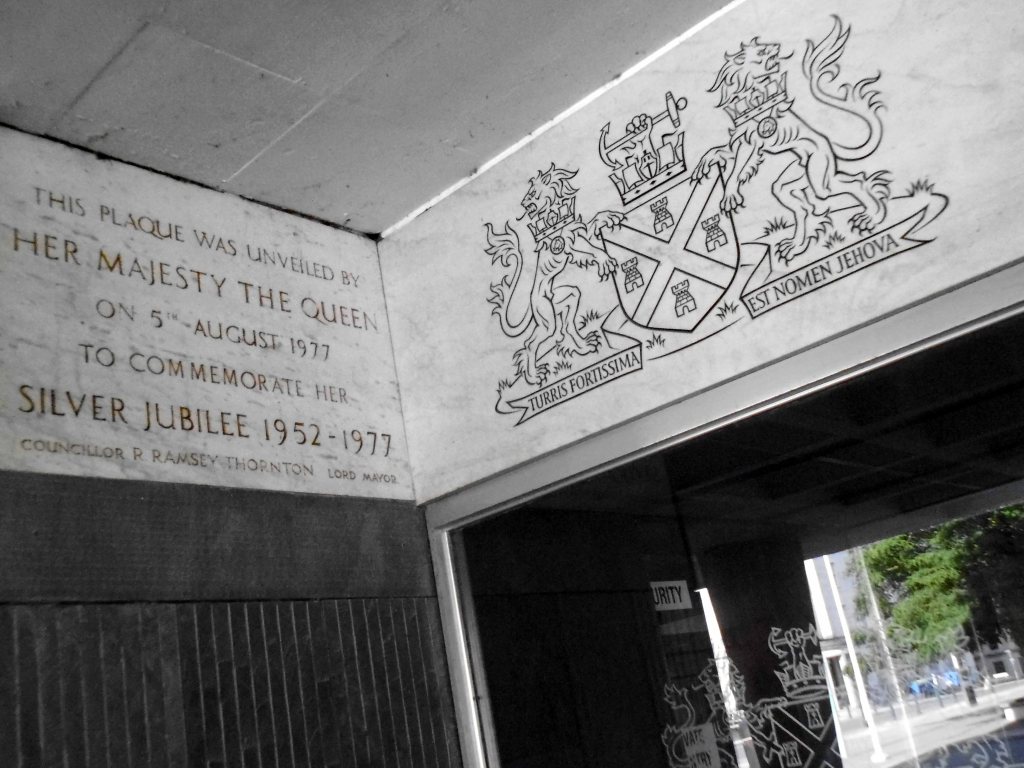
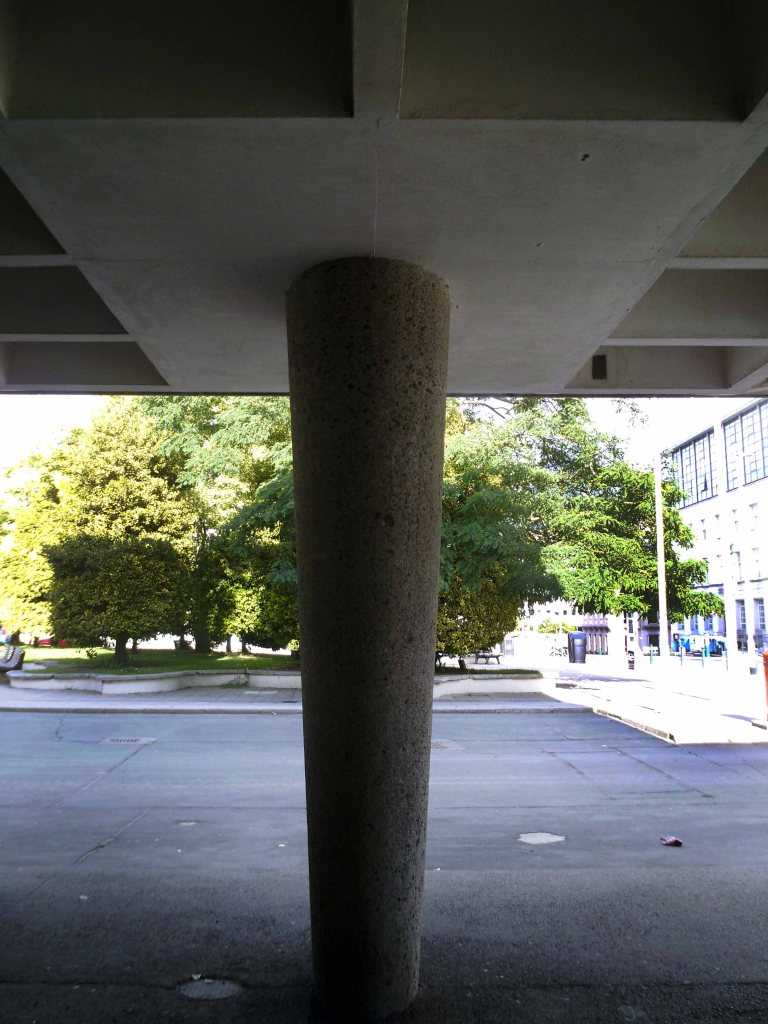
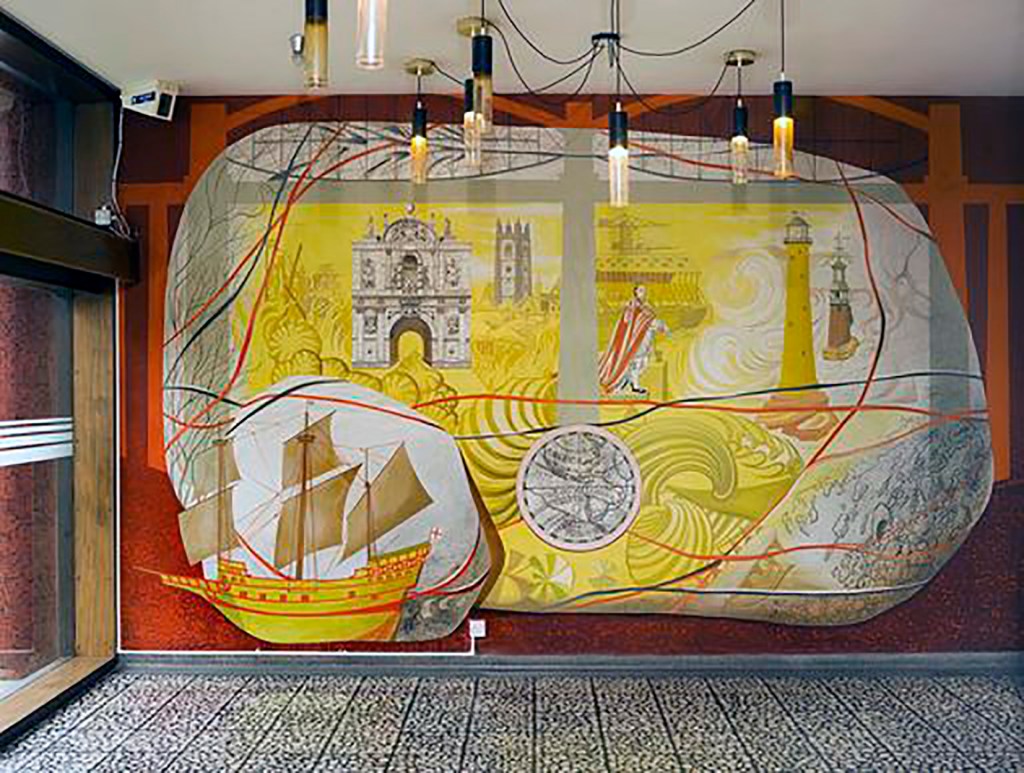
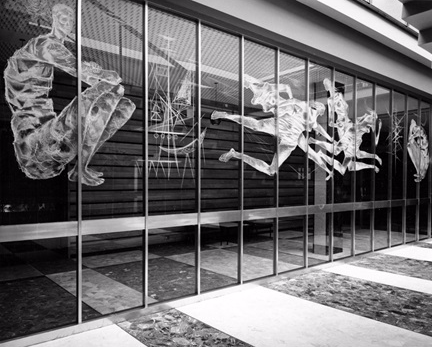
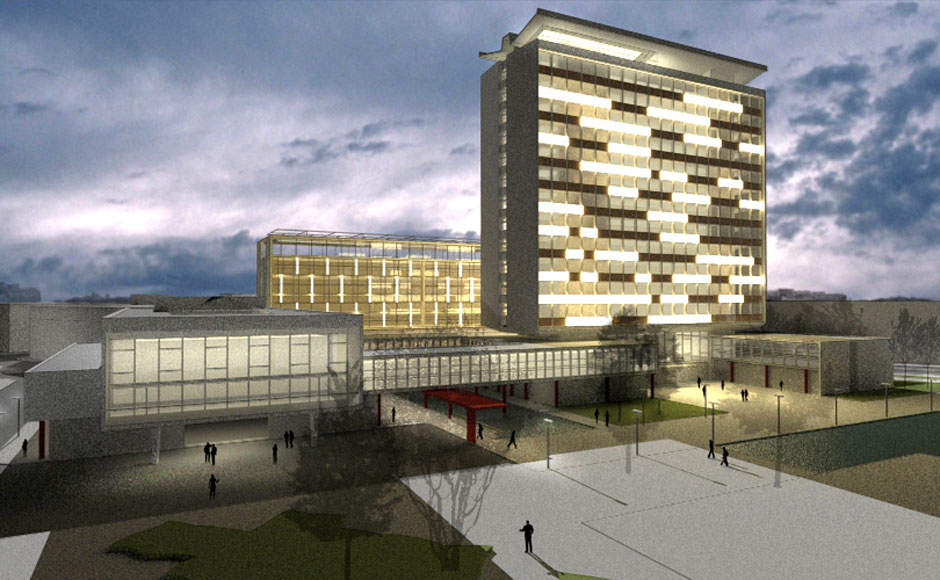
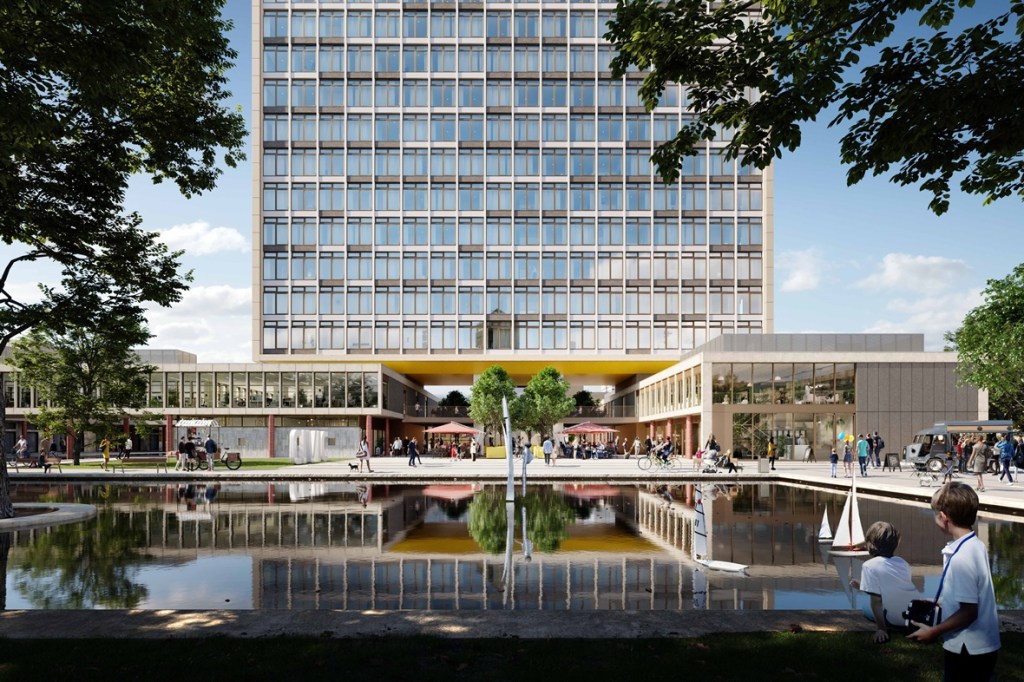
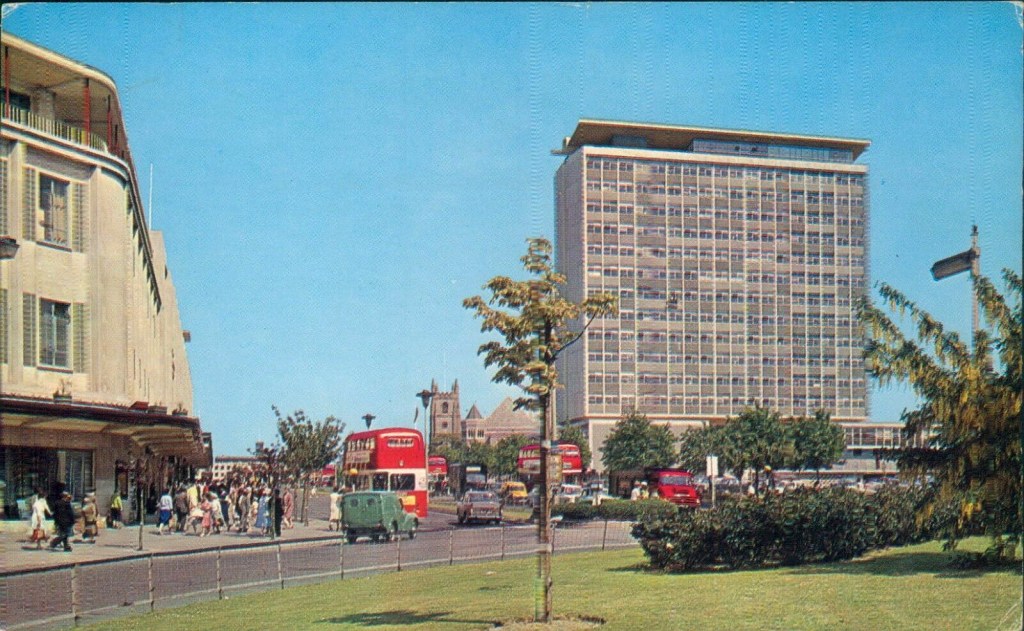
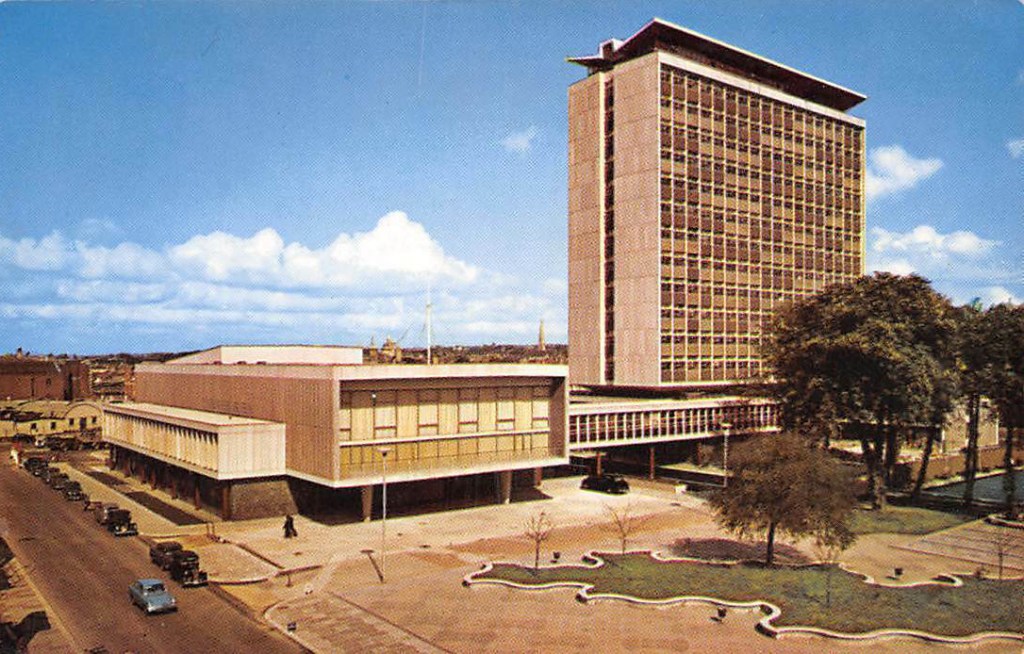
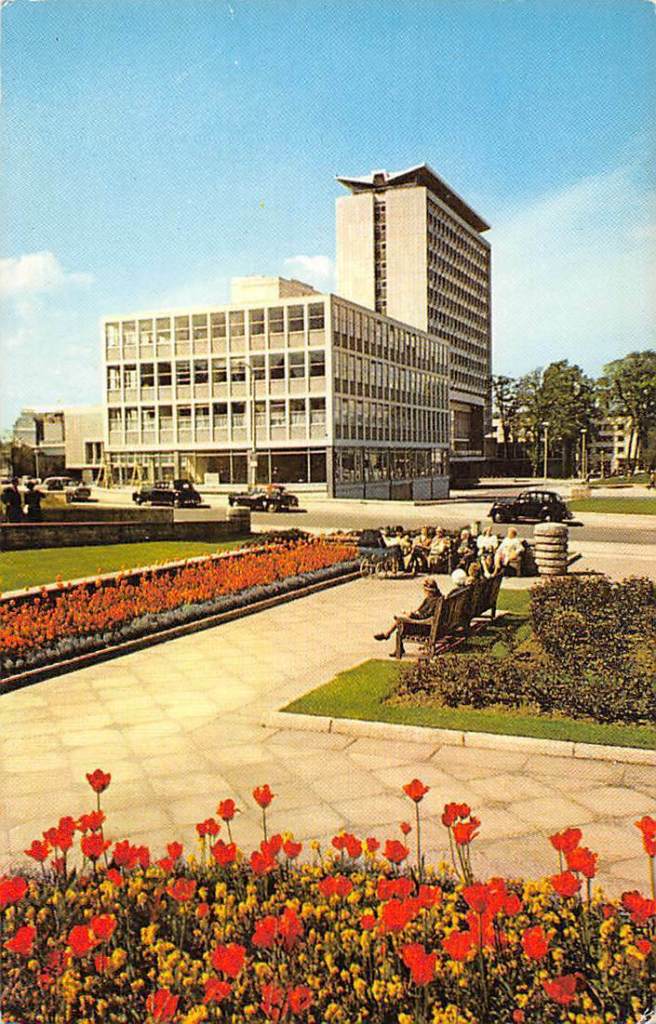
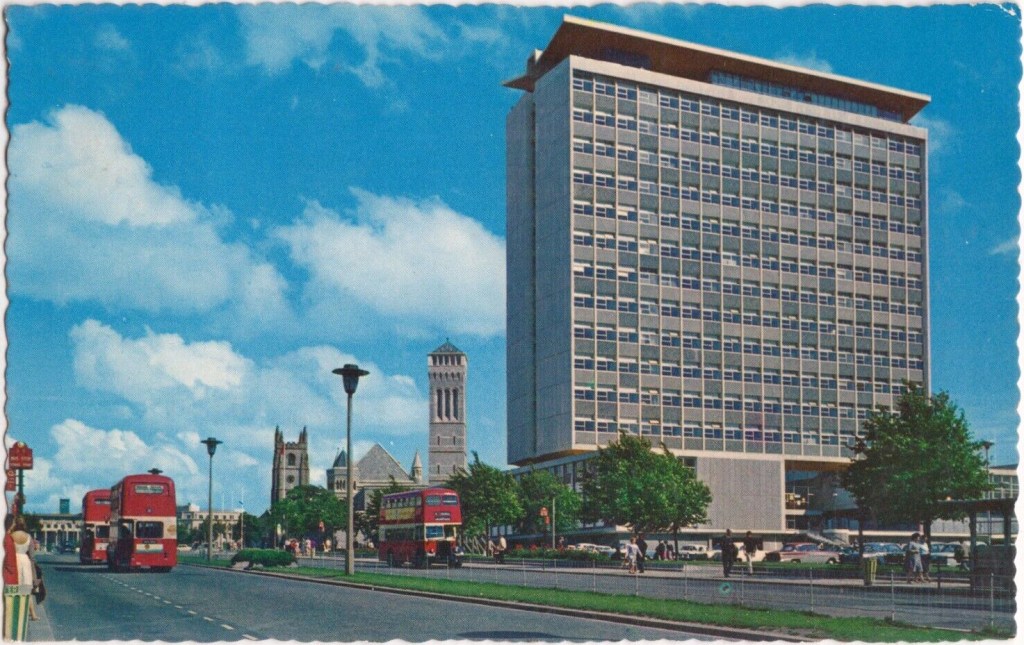
Former Civic Centre 1958-62 by Jellicoe, Ballantyne and Coleridge with city architect HJW Stirling. In-situ concrete structure with pre-cast aggregate panels. It comprises a fourteen storey slab block on a raised raft foundation which straddles a two storey block to the north and a bridge link to the two storey Council House to the south. The bridge link is elevated on pilotis to create an open courtyard with a reflecting pond, part of the designed landscape of the civic square. 

Current listing June 10th 2007 Historic England

I rode into town on my bicycle en route from Weston super Mare to Hastings one sunny afternoon in 2015. The pictures I took that day were largely left untouched, until today. I was prompted by an online postcard search to finally put them to some good use.

On the day of my visit the building was well and truly closed, and its future uncertain.

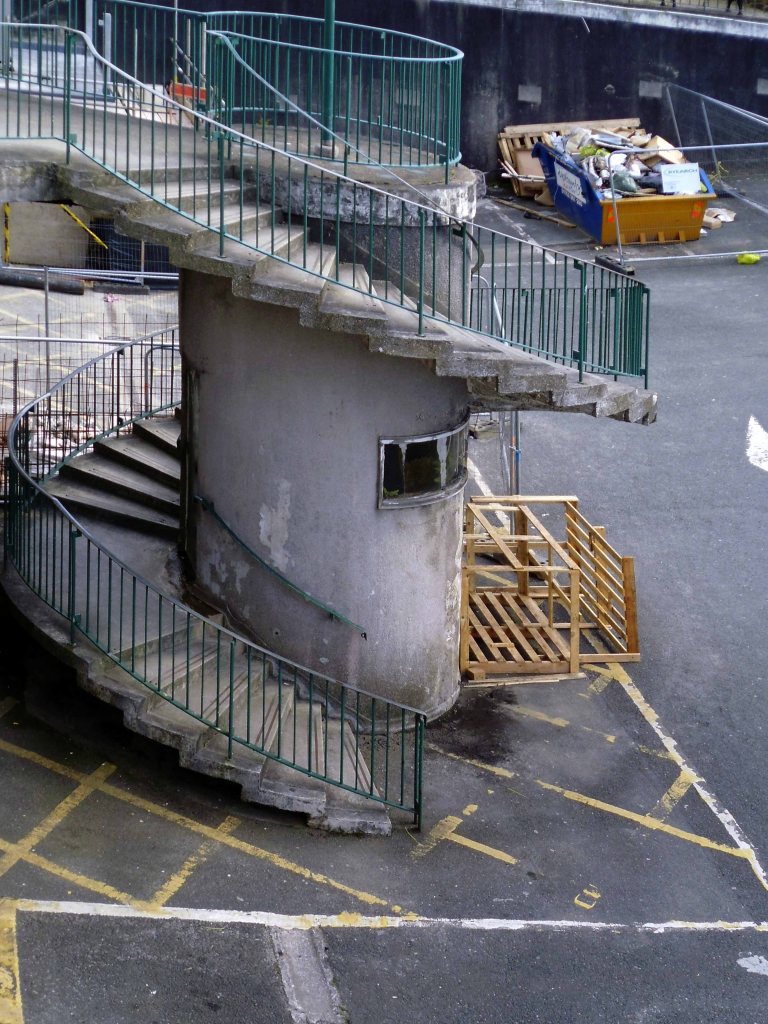
I took my time and explored the site, here is what I saw:

I subsequently found archival image of the interior – including examples of applied decorative arts.

The building has suffered of late, from poor maintenance and general neglect.

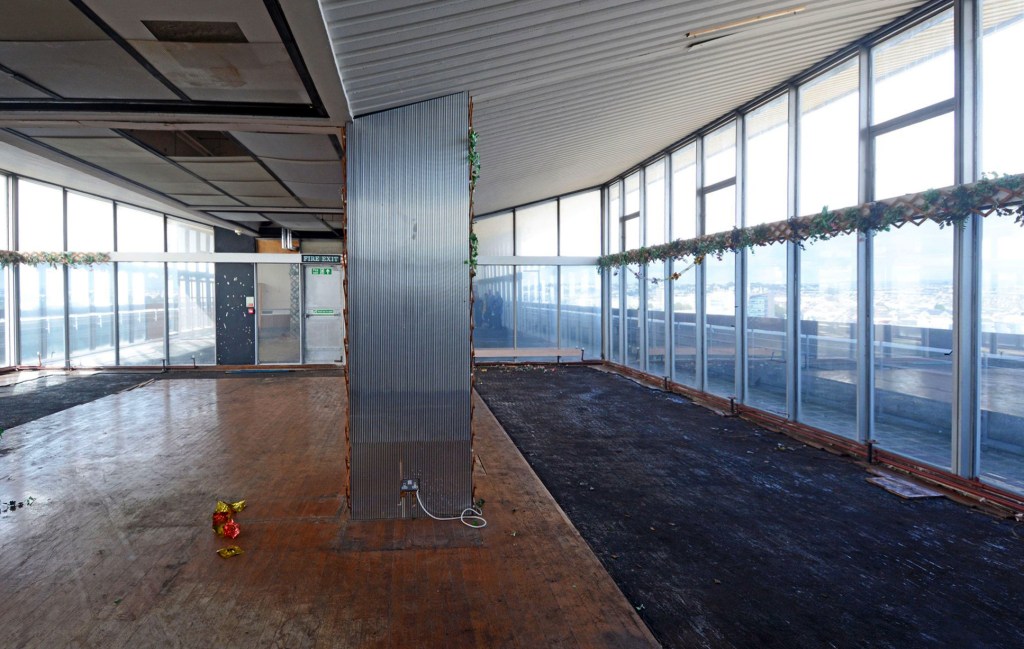
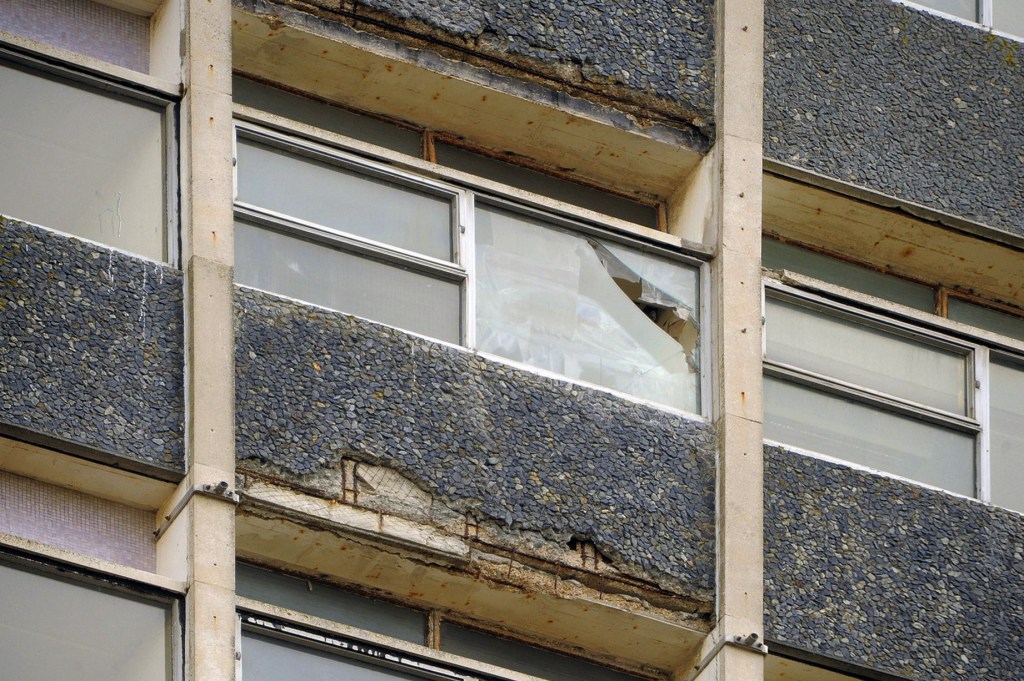
Love it or hate it, it’s one of Plymouth’s most iconic post-war buildings – and it towers over the city centre. But the Civic Centre has been empty since 2015, with sad images revealing parts of the outside literally crumbling.

Today is the day Plymouth will finally discover what developer Urban Splash plans to do with the landmark 14-storey tower block it bought for £1.

Plymouth Herald

Urban Splash are in the house – plans are to go ahead.

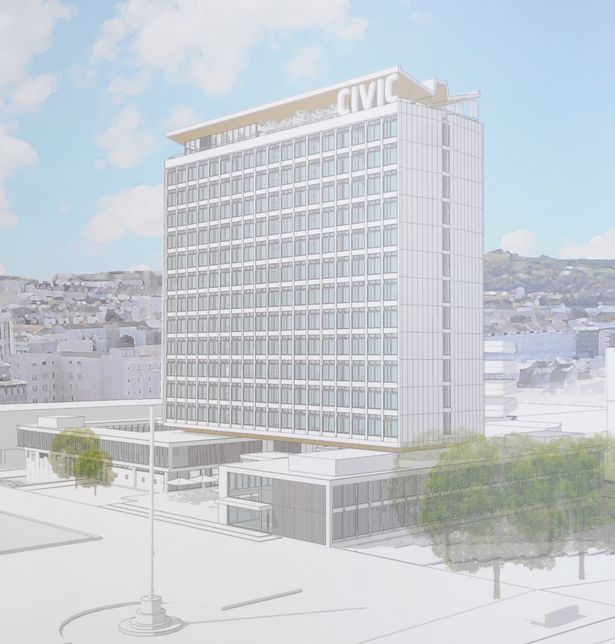
The proposal, by Gillespie Yunnie Architects, will see the 14-storey former council headquarters converted into 144 one and two-bedroom flats with the ground floors of the lower blocks providing about 4,600m² of office, retail and leisure space.

Unanimously approved last week, the scheme will open up the ground floor, making it ‘an active public space filled with outside seating for cafés, bars and restaurants’ and reuse the existing landscaped pools, while creating new pedestrian connections through the scheme from the Theatre Royal and Civic Square.

Architects Journal

Civic Centre Postcards – Newcastle and Plymouth

I’m more than partial to a picture postcard – I have penchant for the picaresque.

And in these troubled times there’s no safer way to travel.

I have some previous experience, exploring the precincts of our fair land – here and there.

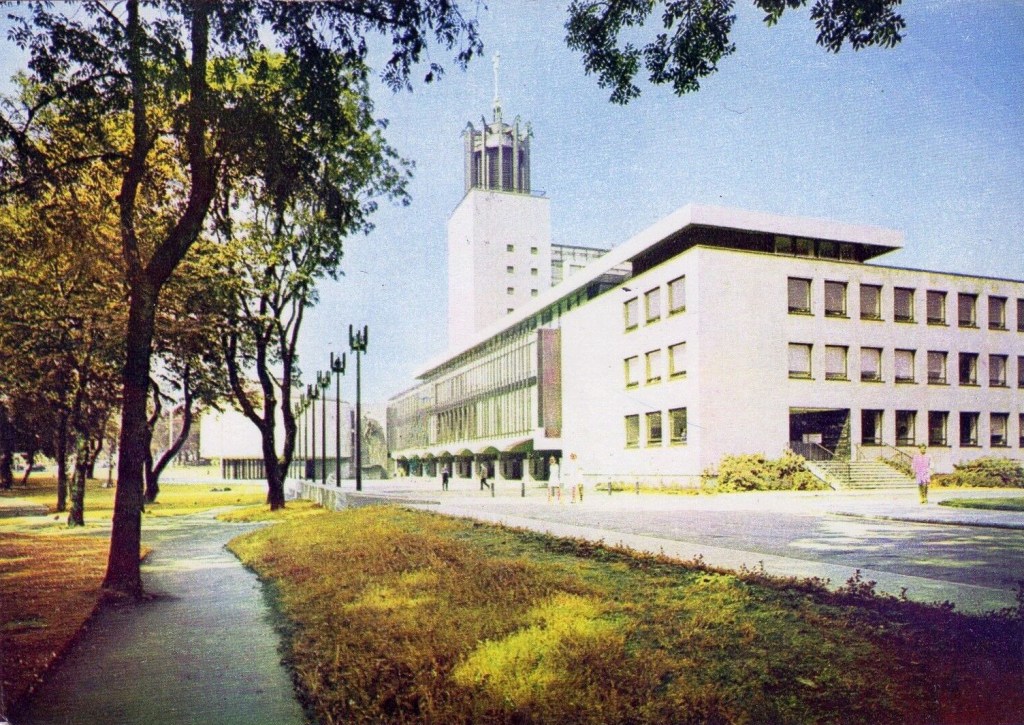
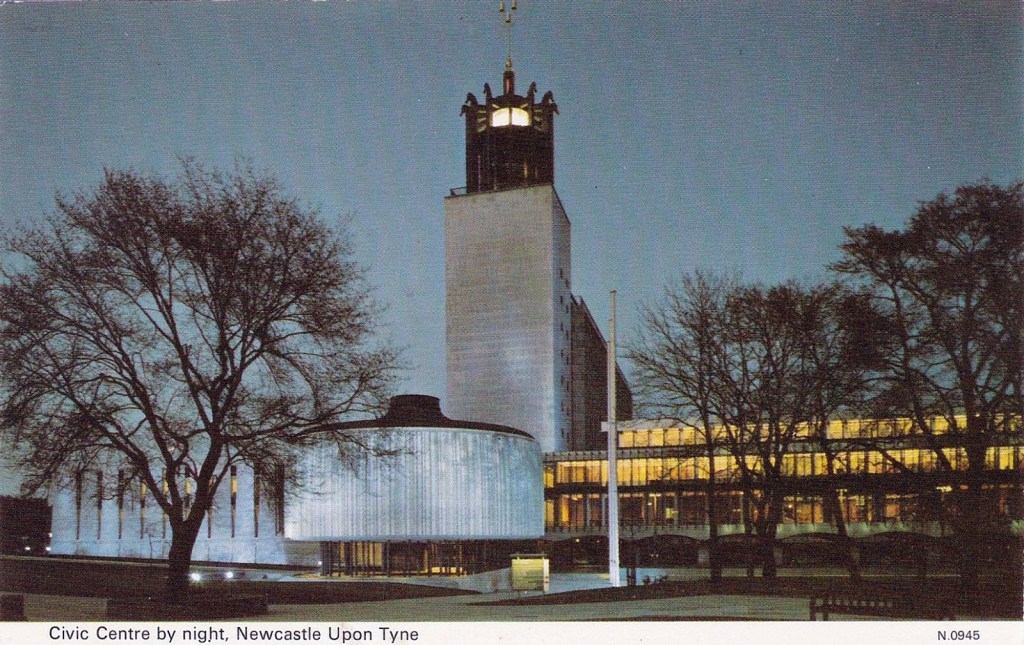
Prompted by a post from Natalie Bradbury – I became intrigued by Newcastle Civic Centre cards, I have visited the site, but in this instance, we are taken there thus:

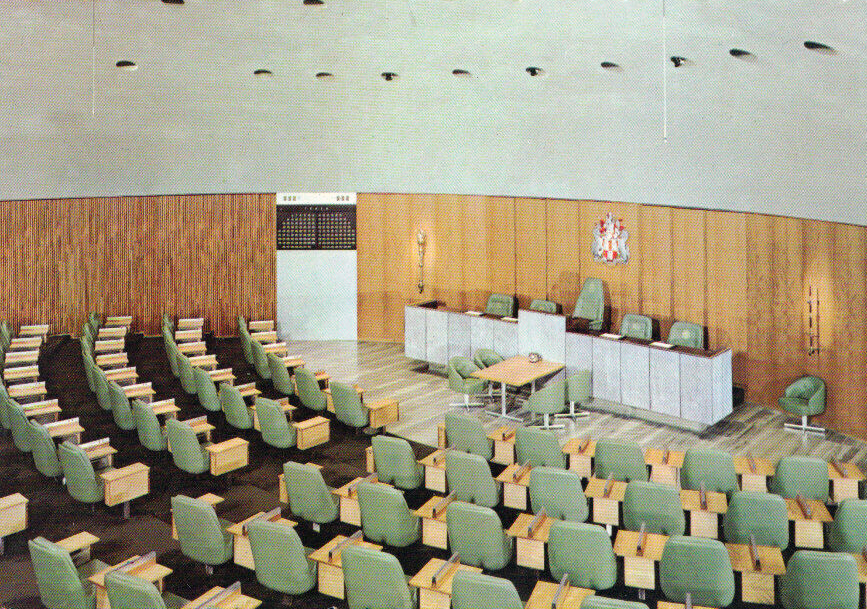
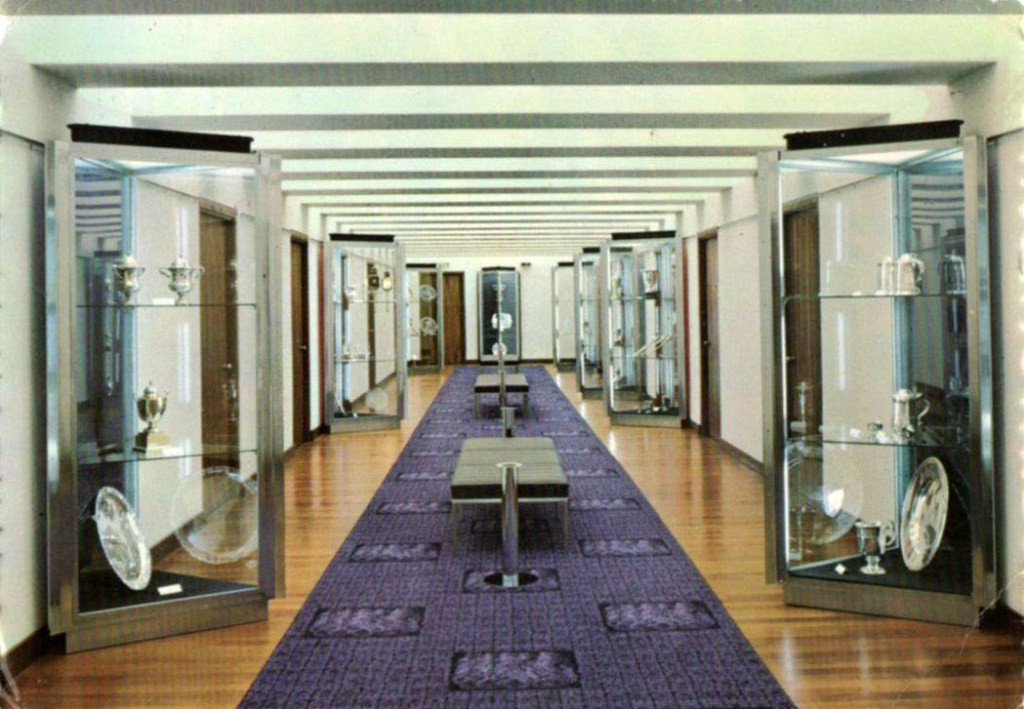
Let’s have a look inside:

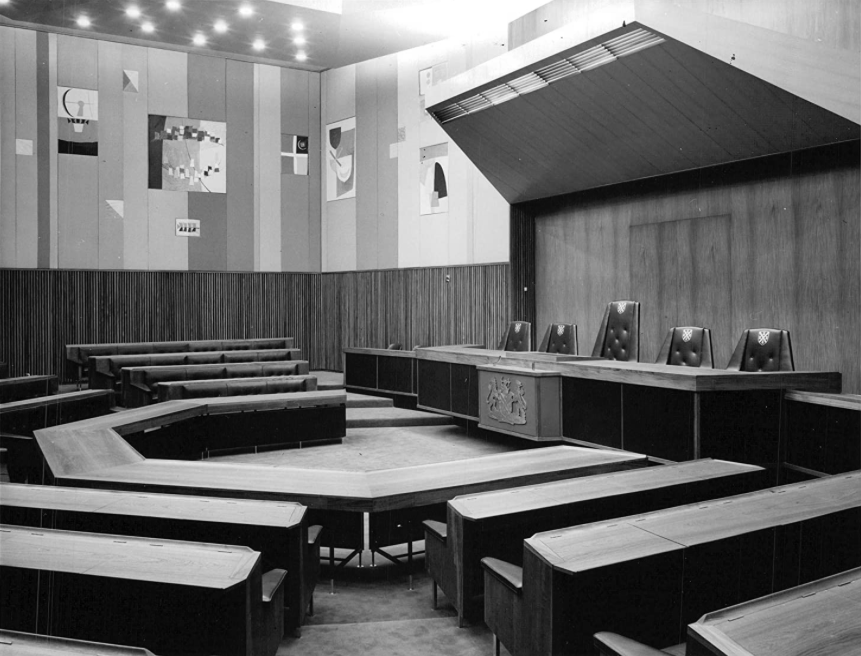
The Council Chamber

Grand Entrance Hall

Its extensive rooms.

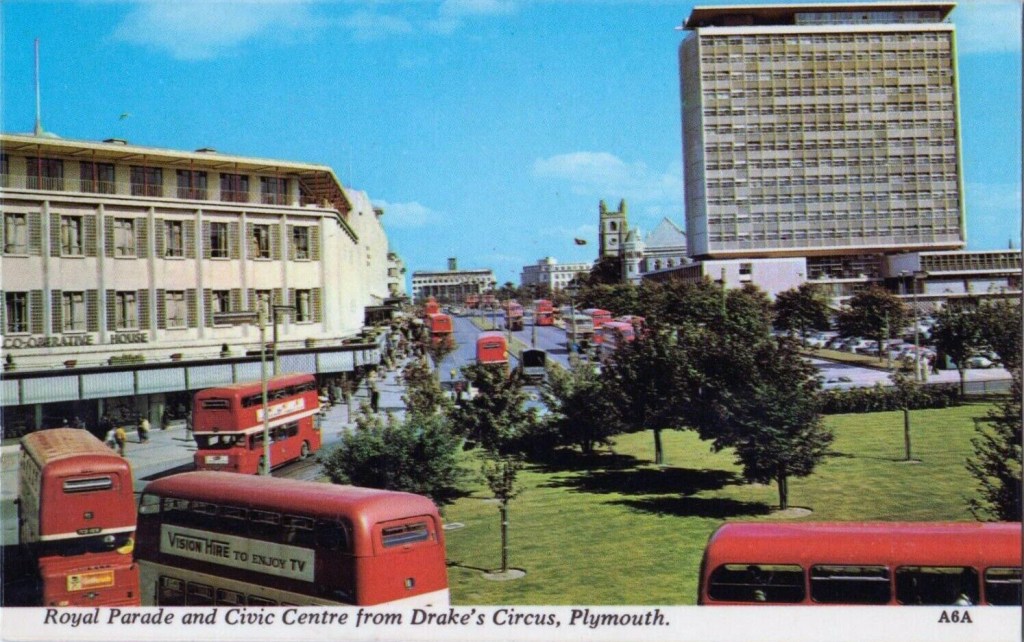
Which then led me to Plymouth – which I had visited some time ago, on my coastal cycle tour, another fine example of post-war Municipal Modernism.

Empty for some time it now seems that a change is going to come:

A long-awaited scheme to convert the empty Civic Centre tower block in Plymouth into flats is set to be given the go-ahead.

Planning applications to create 144 homes in the 14-floor landmark building in Armada Way are being recommended for approval. 

The scheme also proposes a mix of uses for the ground and first floors including shops, offices, cafes and restaurants, bars, hot food takeaway, art gallery, gym, creche and day nursery.

Plymouth Herald

Many of our fine Modernist civic buildings are under threat – as councils seek new premises for a new age.

Only the strong survive.

Coventry Cathedral

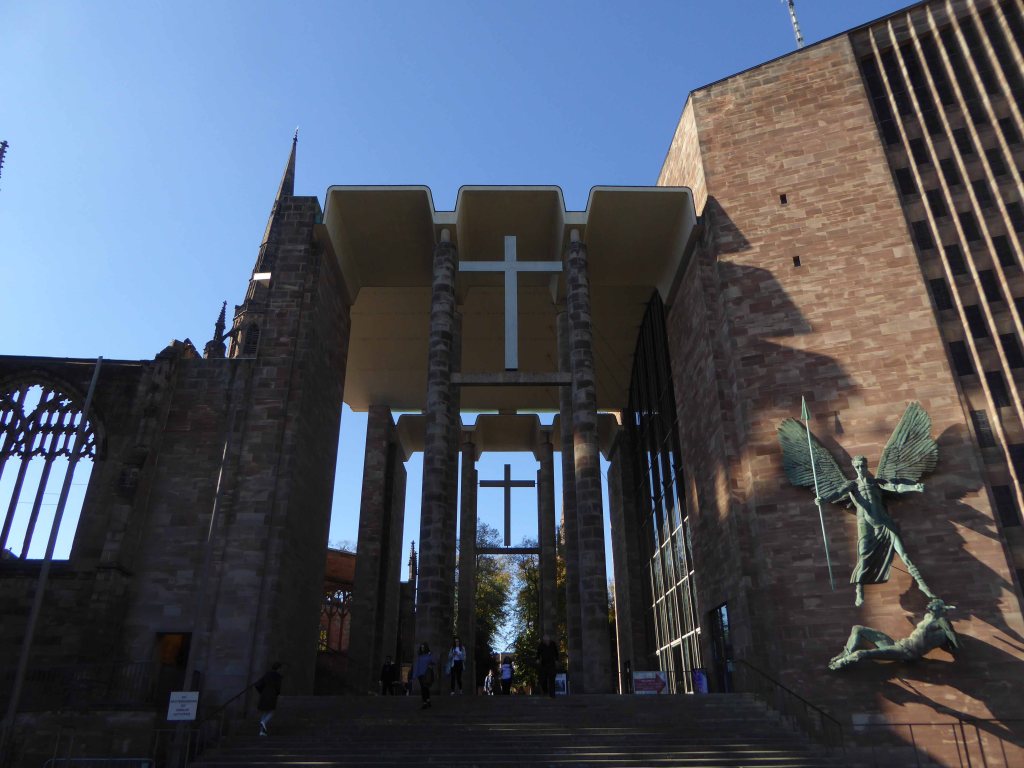
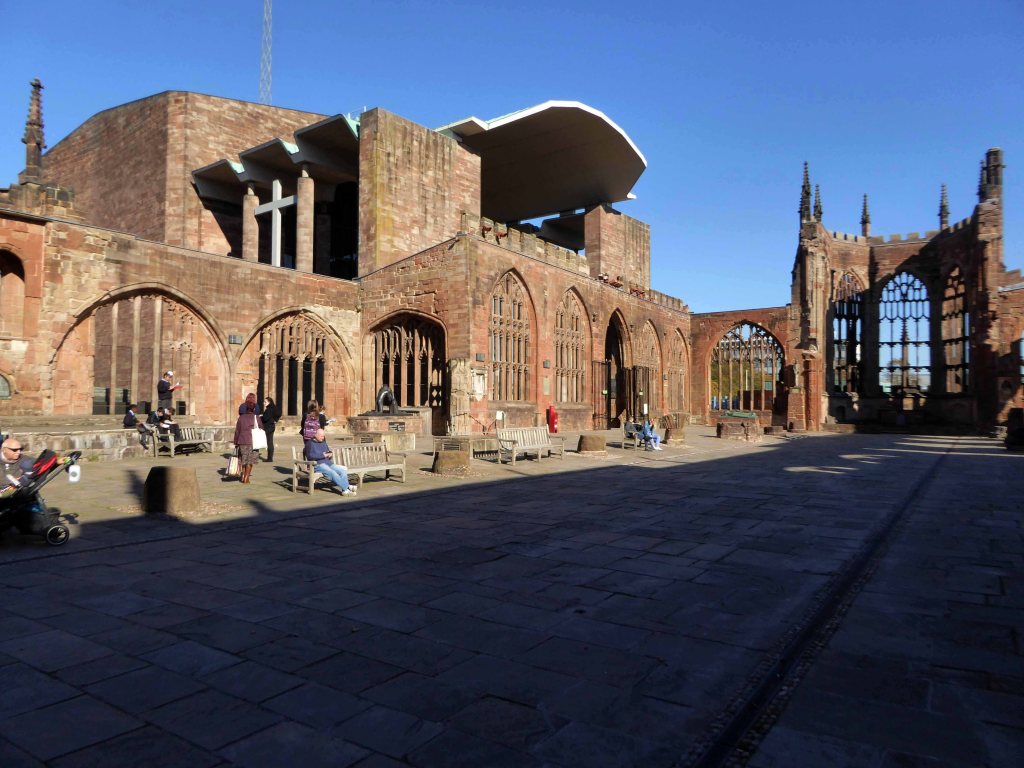
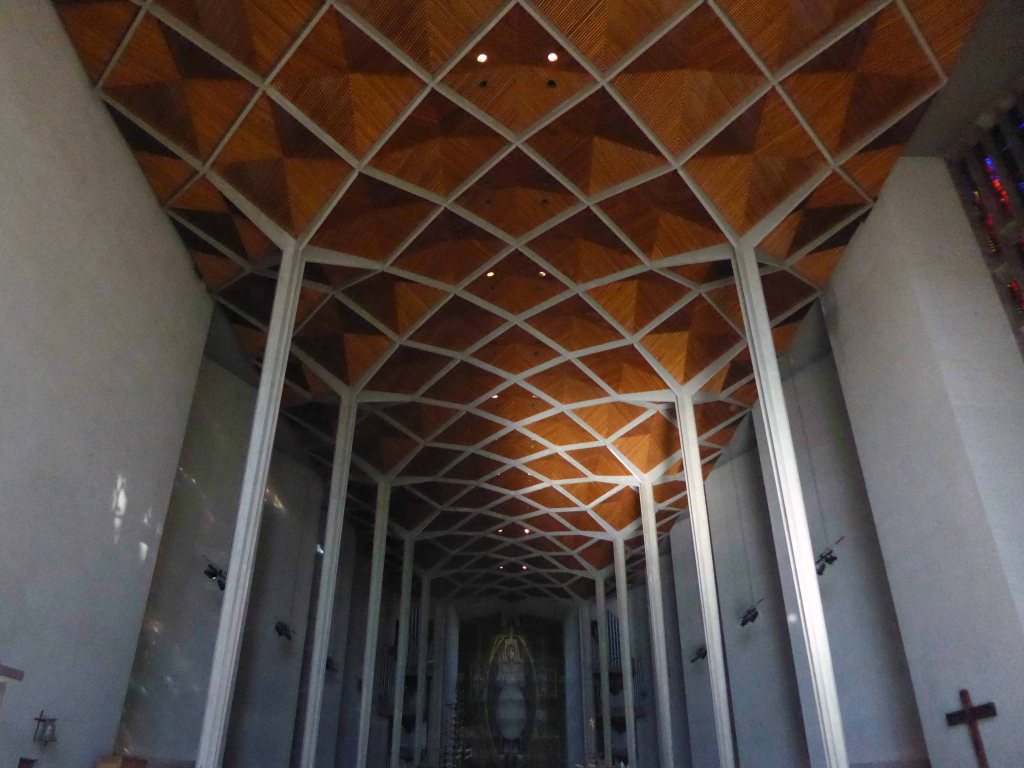
On the night of 14 November 1940, the city of Coventry was devastated by bombs dropped by the Luftwaffe. The Cathedral burned with the city, having been hit by several incendiary devices.

The decision to rebuild the cathedral was taken the morning after its destruction. Rebuilding would not be an act of defiance, but rather a sign of faith, trust and hope for the future of the world. It was the vision of the Provost at the time, Richard Howard, which led the people of Coventry away from feelings of bitterness and hatred. This has led to the cathedral’s Ministry of Peace and Reconciliation, which has provided spiritual and practical support, in areas of conflict throughout the world.

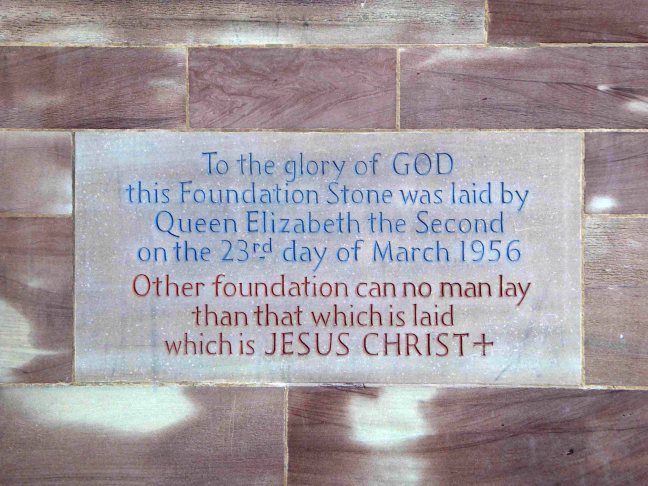
Her Majesty the Queen laid the foundation stone on 23 March 1956 and the building was consecrated on 25 May 1962, in her presence. The ruins remain hallowed ground and together the two create one living Cathedral.

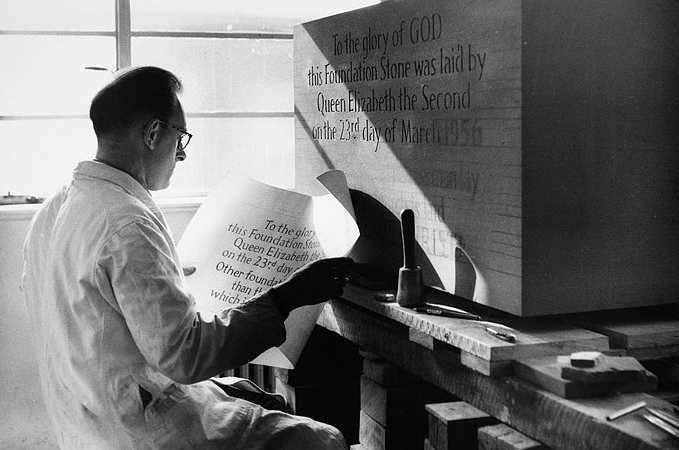
Ralph Beyer carving the foundation stone for Coventry Cathedral.

© Historic England Archive, John Laing Photographic Collection.

Coventry Cathderal

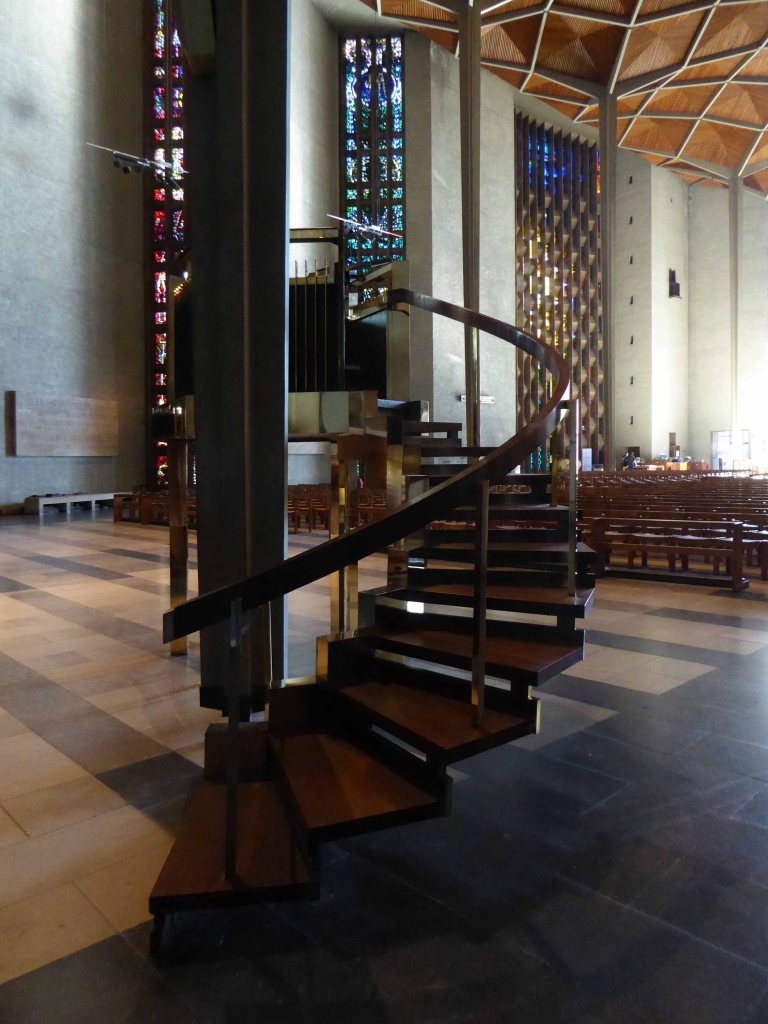
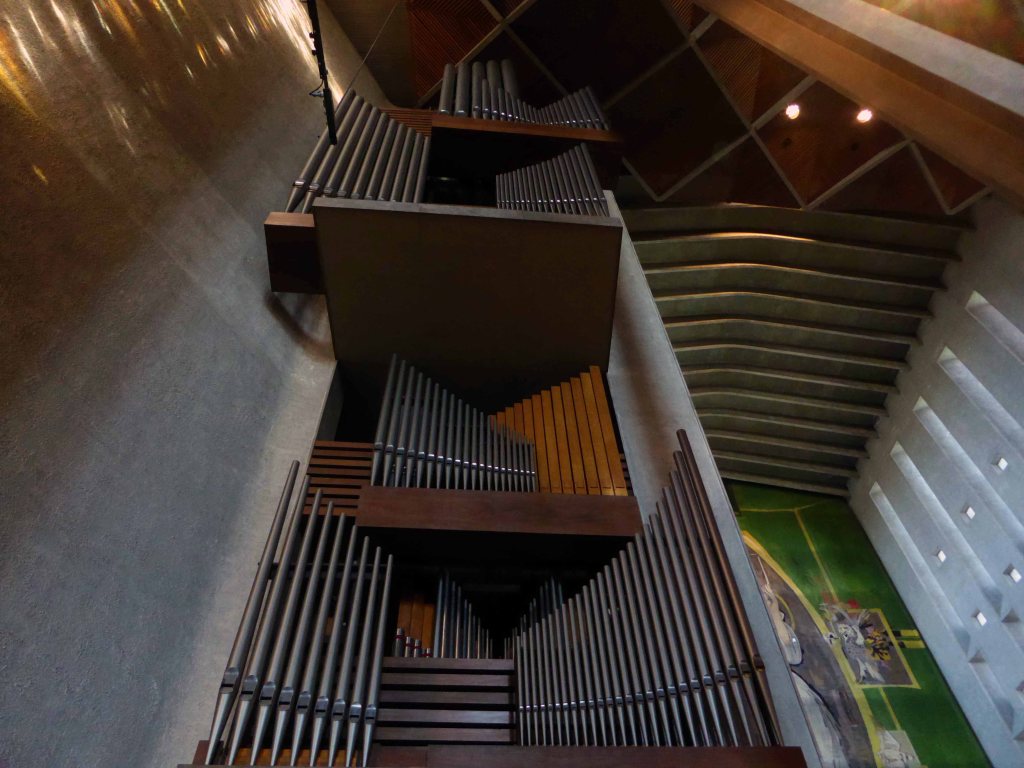
The new Cathedral was itself an inspiration to many fine artists of the post-war era. The architect, Sir Basil Spence, commissioned work from Graham Sutherland, John Piper, Ralph Beyer, John Hutton, Jacob Epstein, Elisabeth Frink and others – most still to reach the peak of their artistic careers.

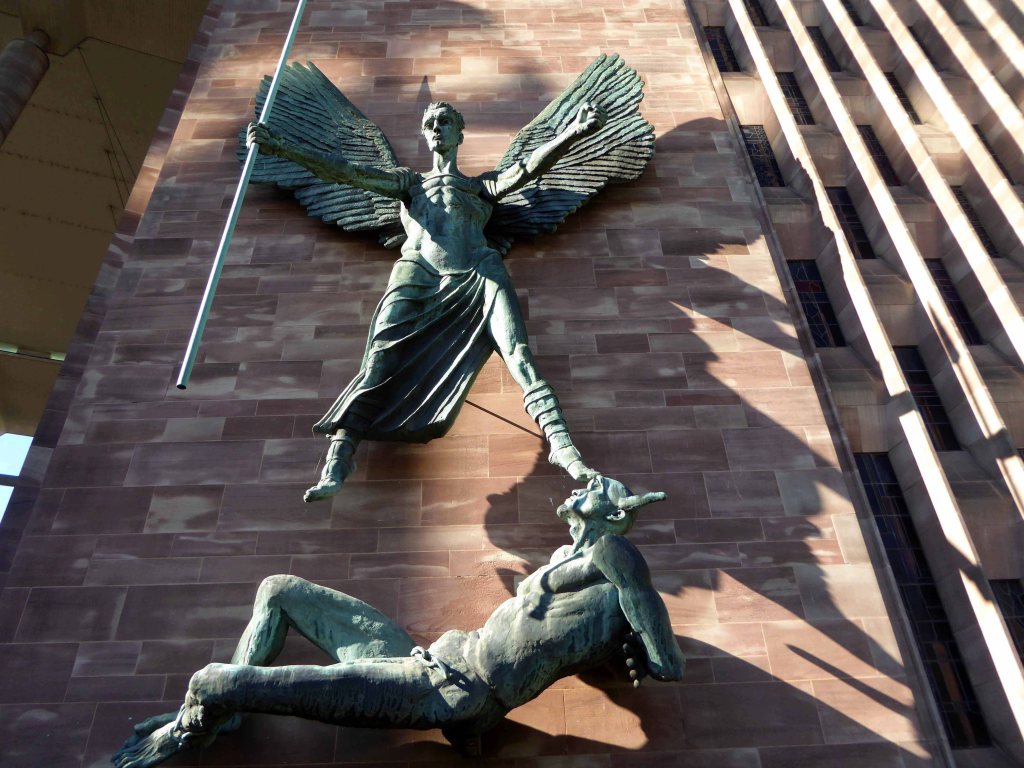
St. Michael and the Devil on the southern end of the east wall. It was sculpted by Sir Jacob Epstein, who, sadly, died in 1959, and therefore didn’t live to see his masterpiece mounted on the cathedral wall a year later.

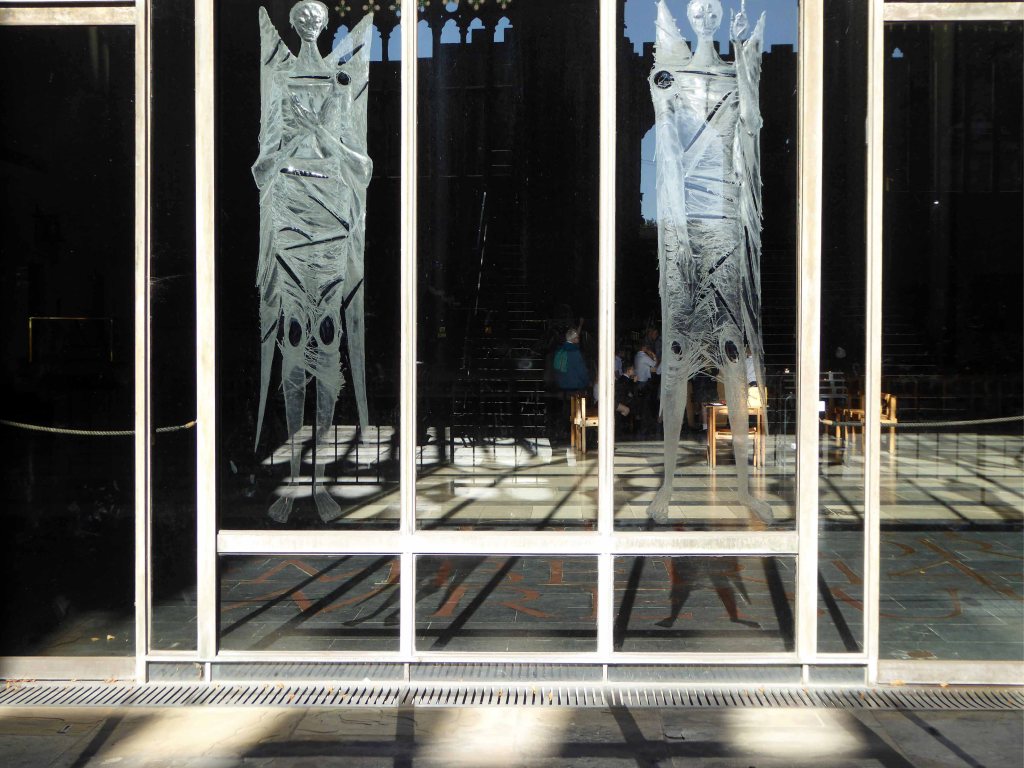
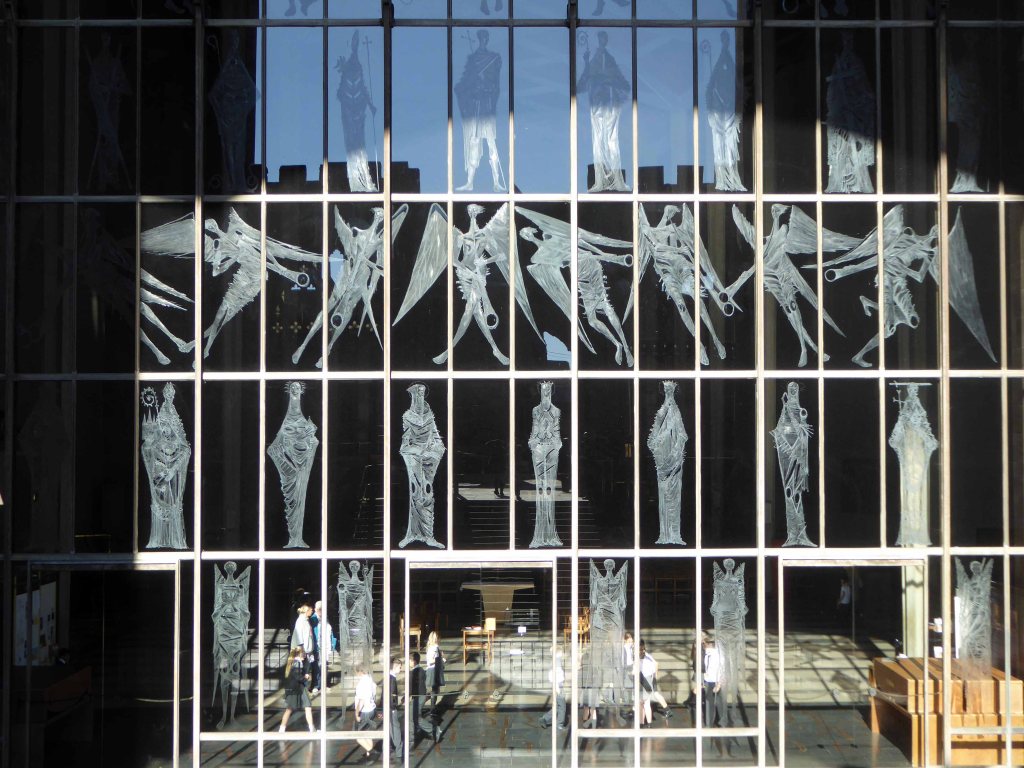
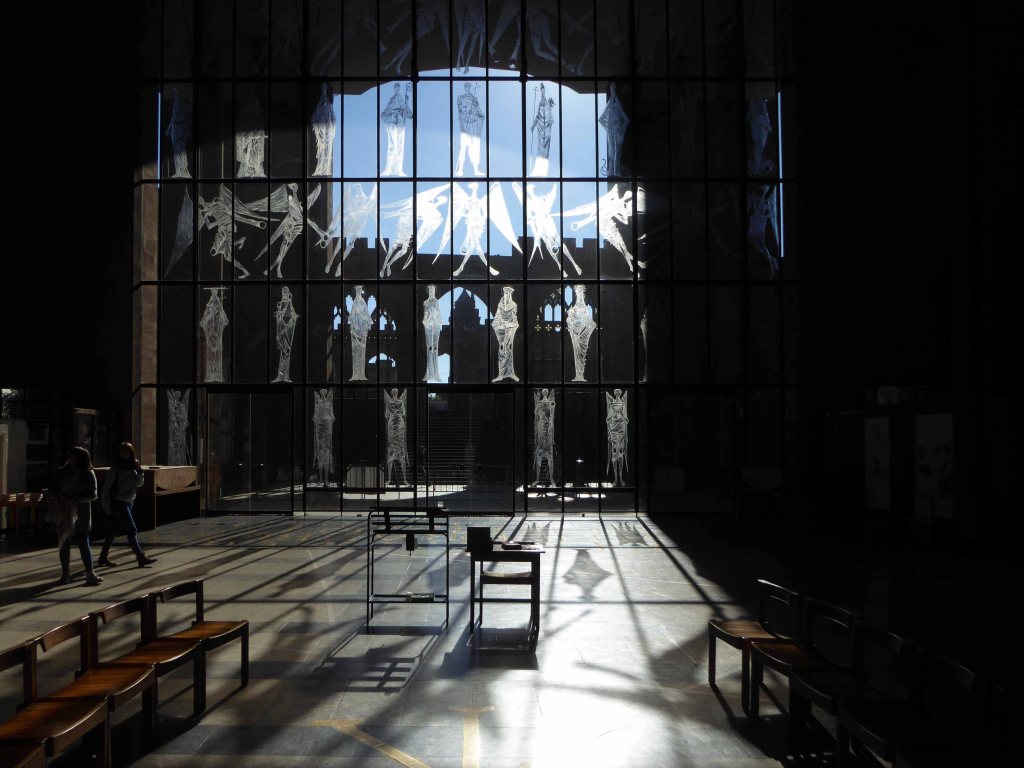
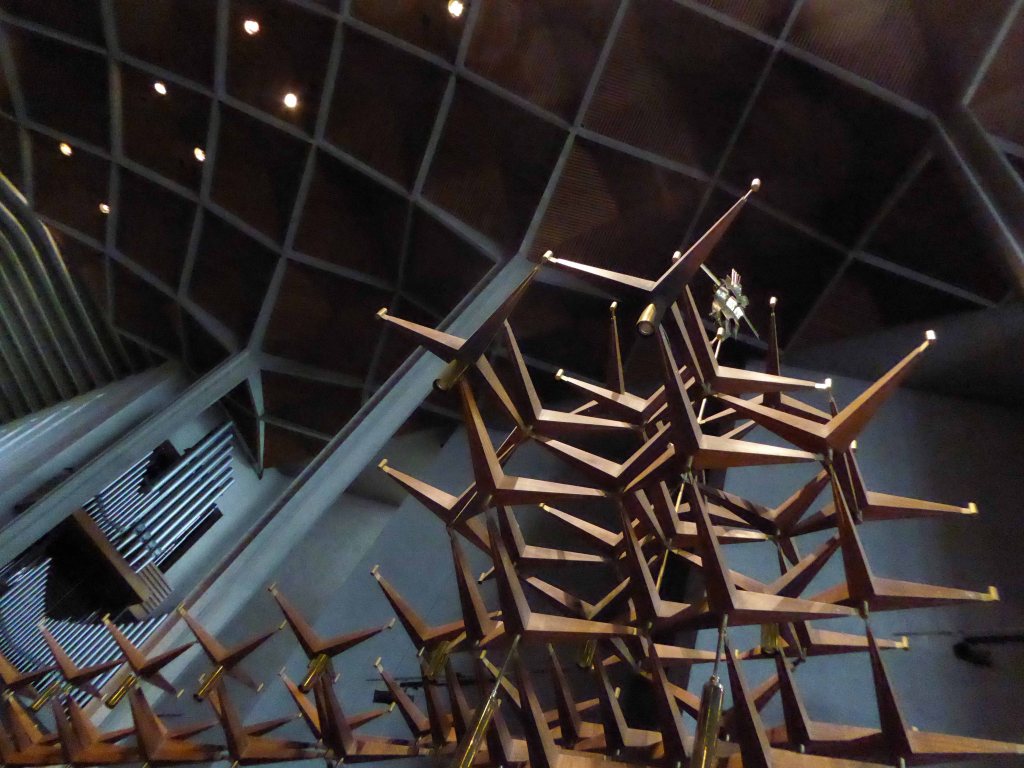
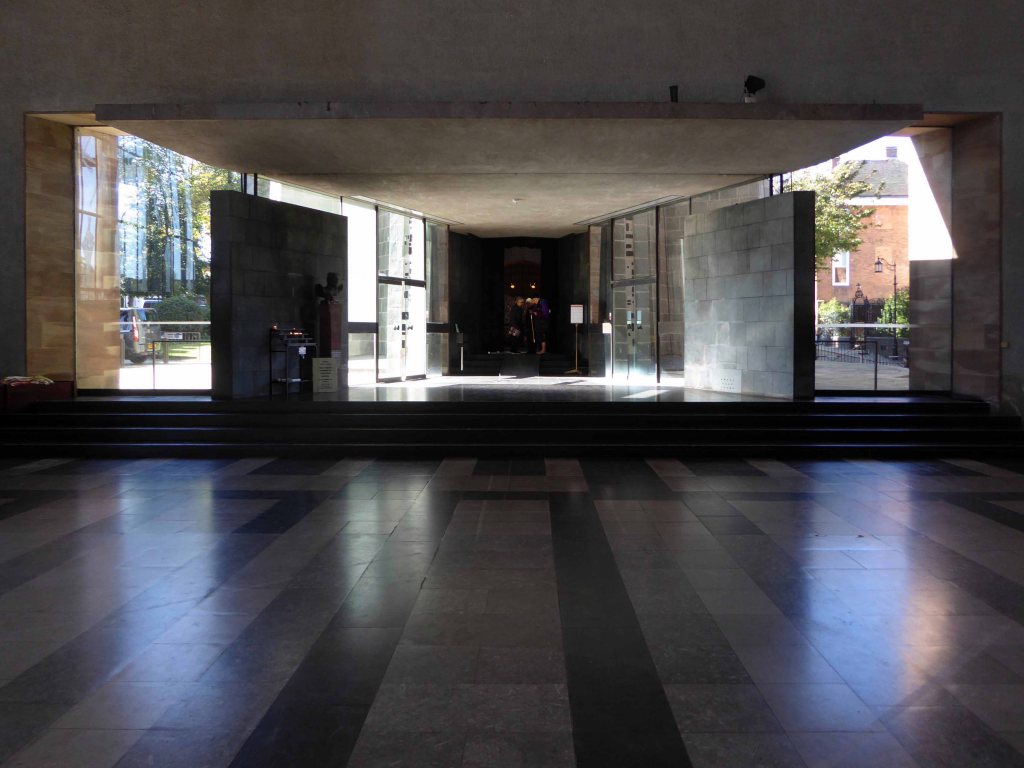
Entrance to the cathedral is through the Screen of Saints and Angels – it is seventy feet high and forty five feet wide and is supported by a bronze framework hung by wires from the roof for added strength.

This unique screen formed part of Sir Basil Spence’s first vision for the new cathedral. As he stared out from the ruins of the bombed cathedral, he saw the shape for the new church through a screen of saints. This transparent wall would link the old and new – making each mutually visible from within each other. Provost Howard set out to draw up a scheme consisting of all the saints who were responsible for the bringing of Christianity to Britain. As John Hutton began to make initial designs, he soon realised that row upon row of saints would need to be broken up in some way, and suggested that angels be inserted between the saints.

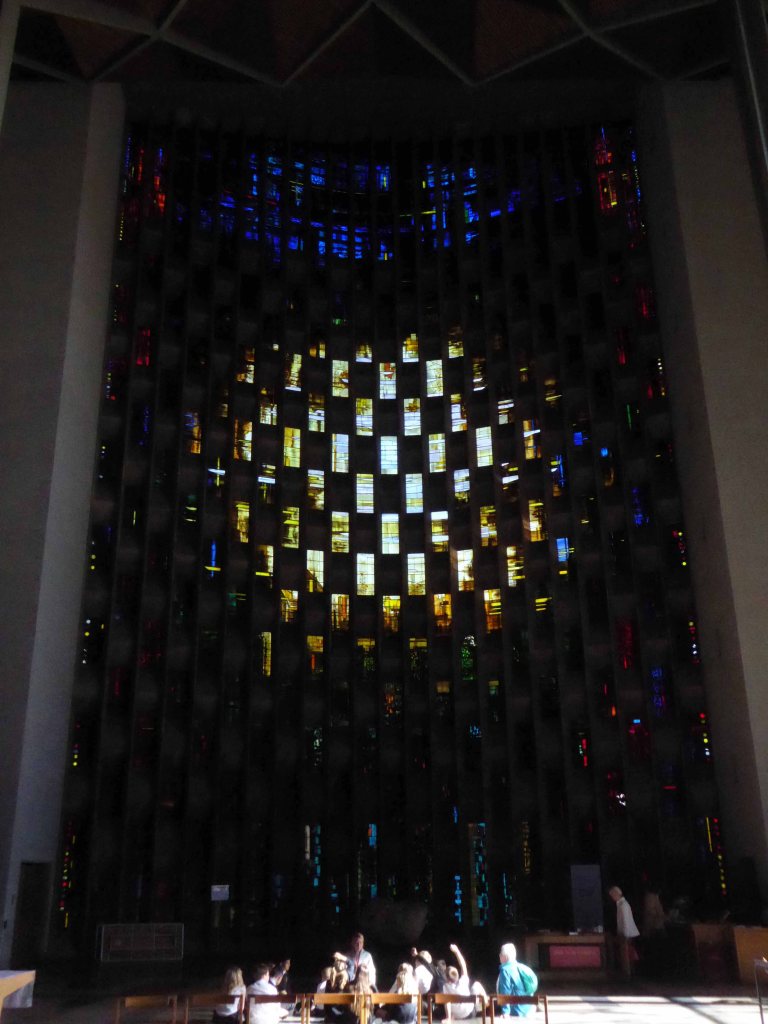
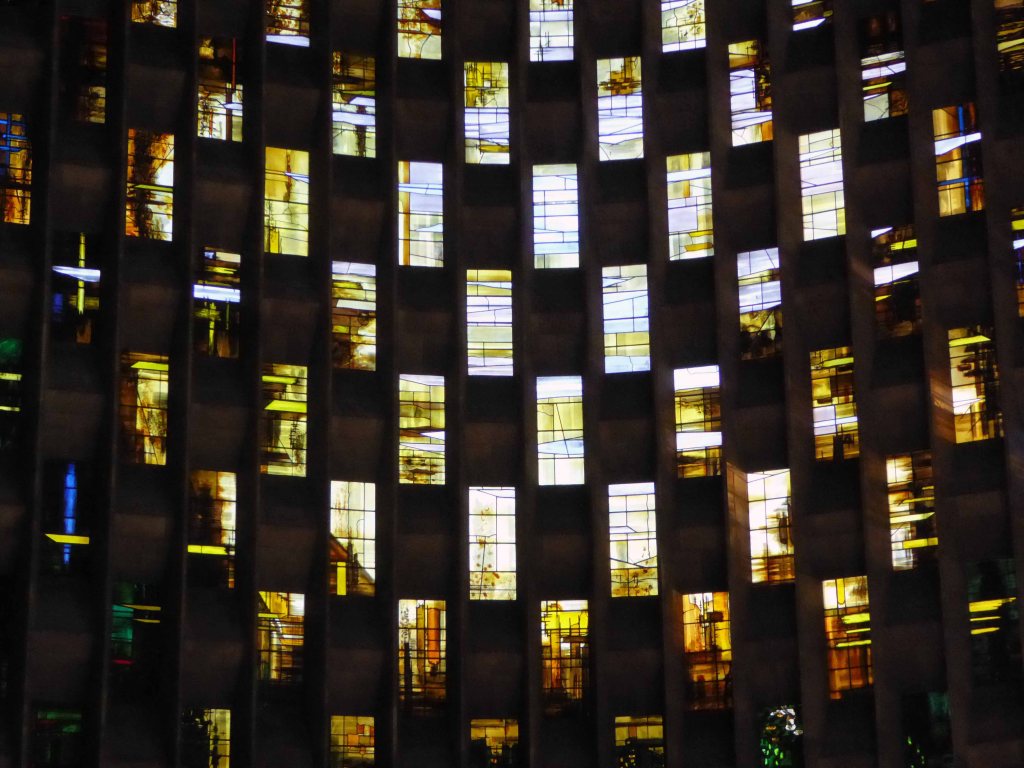
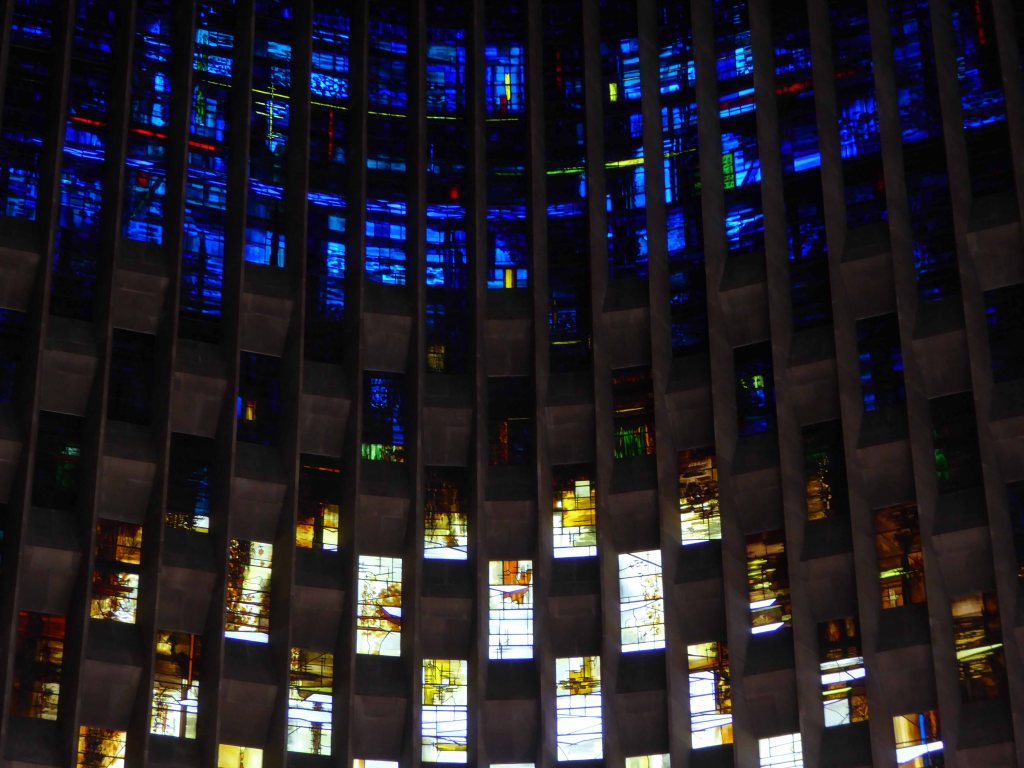
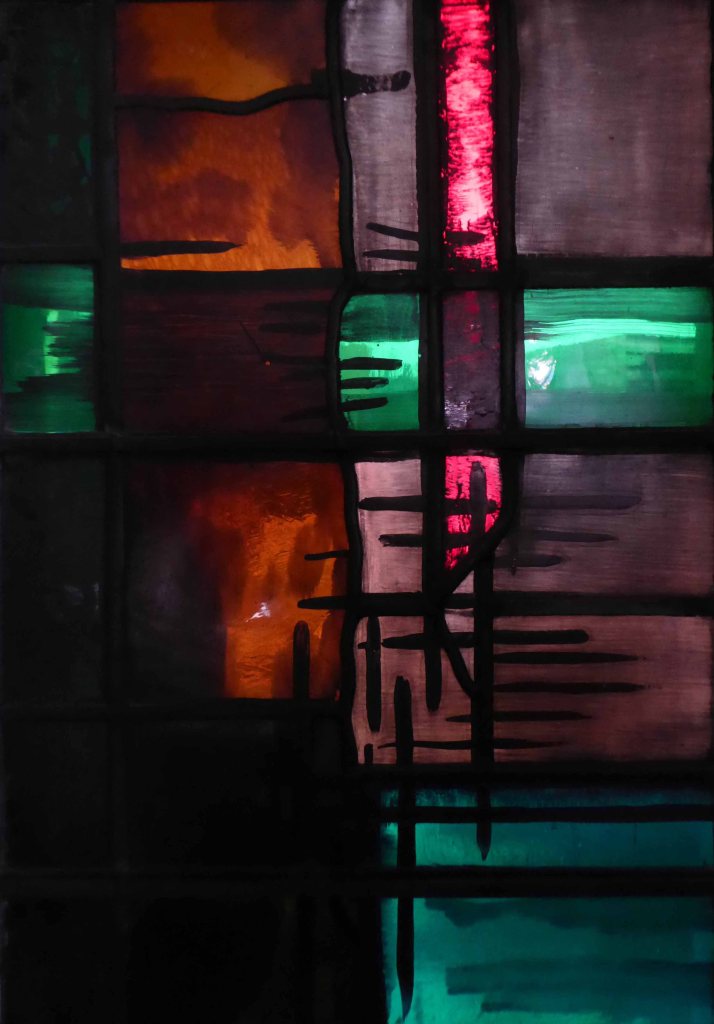
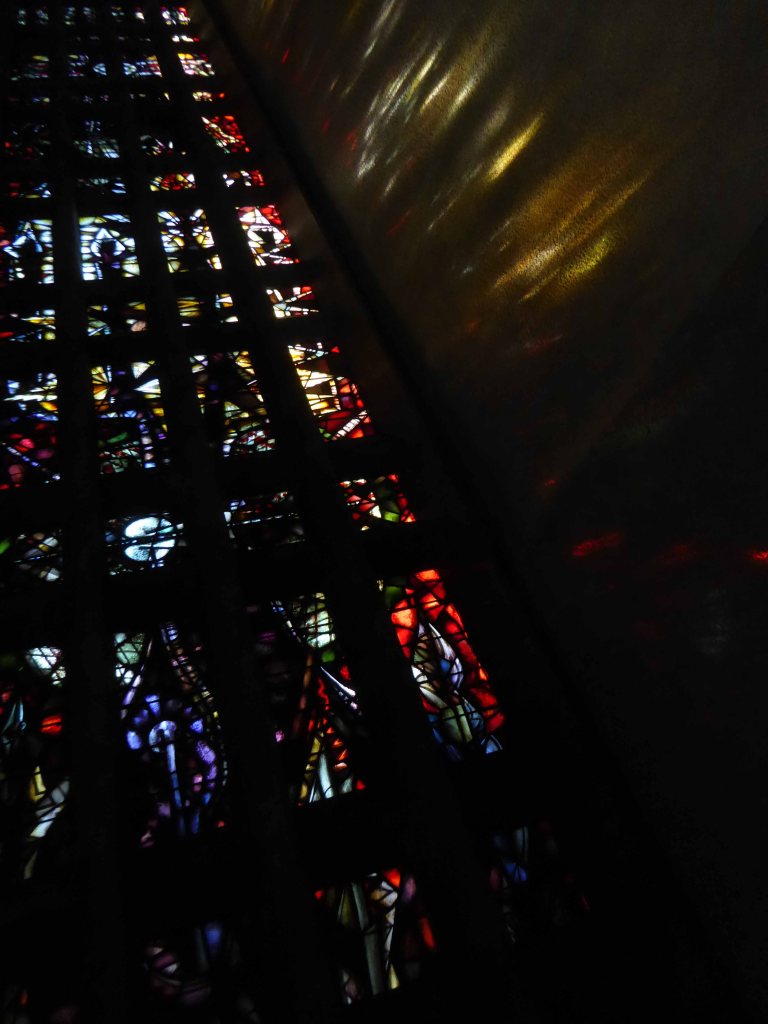
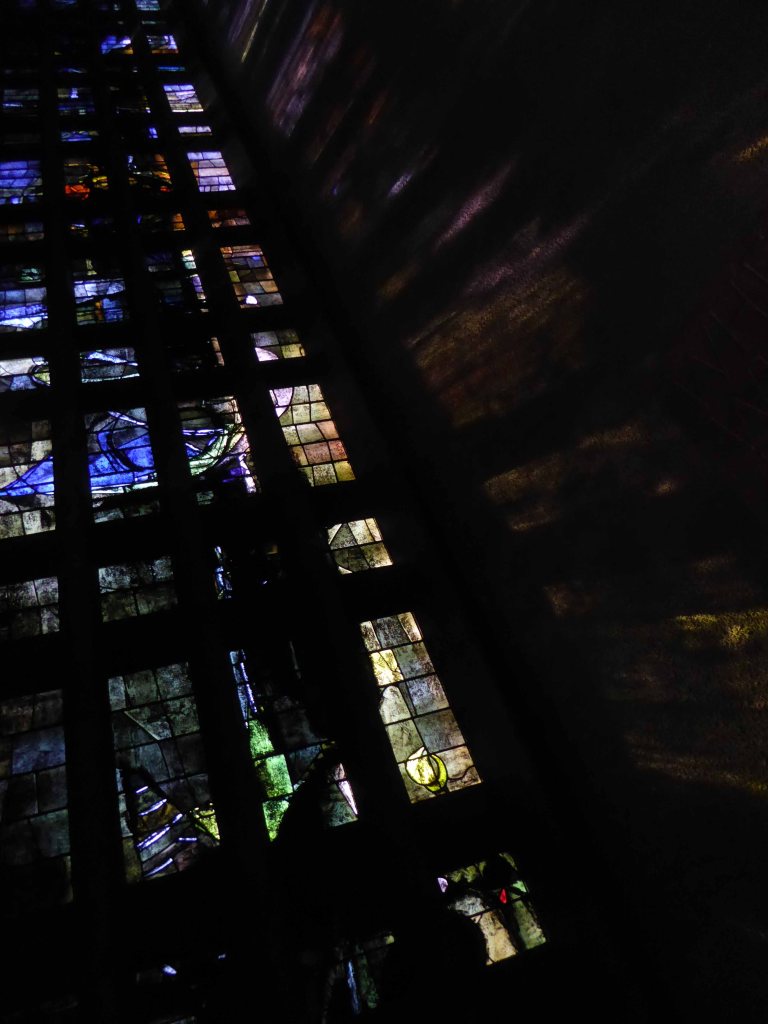
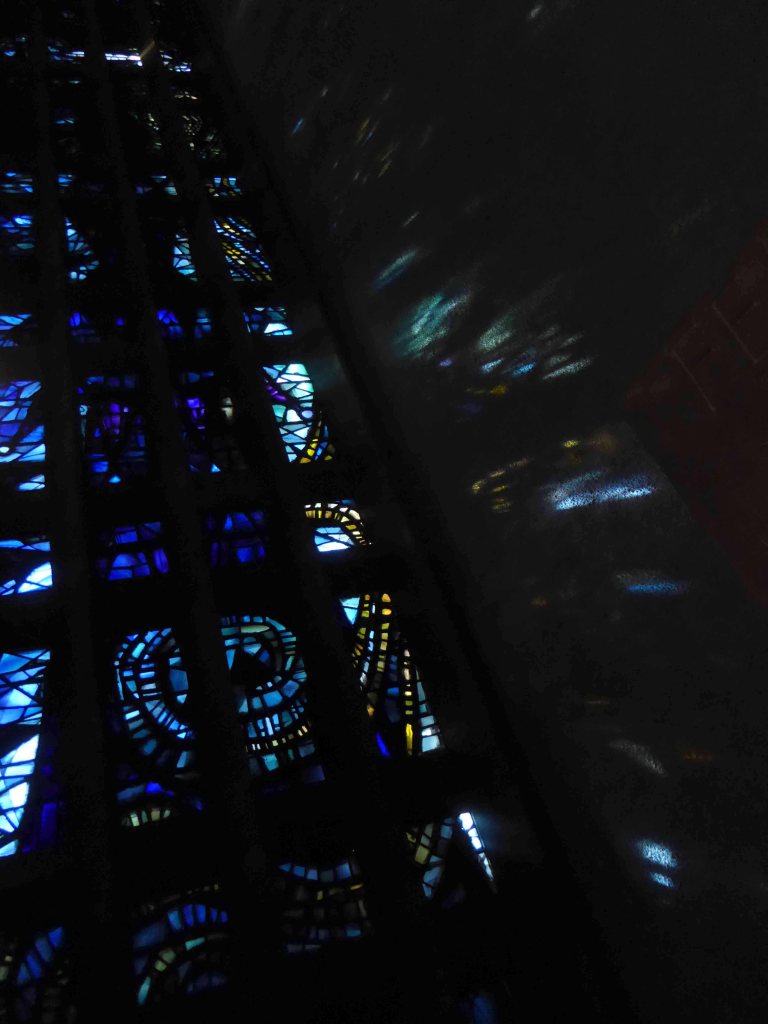
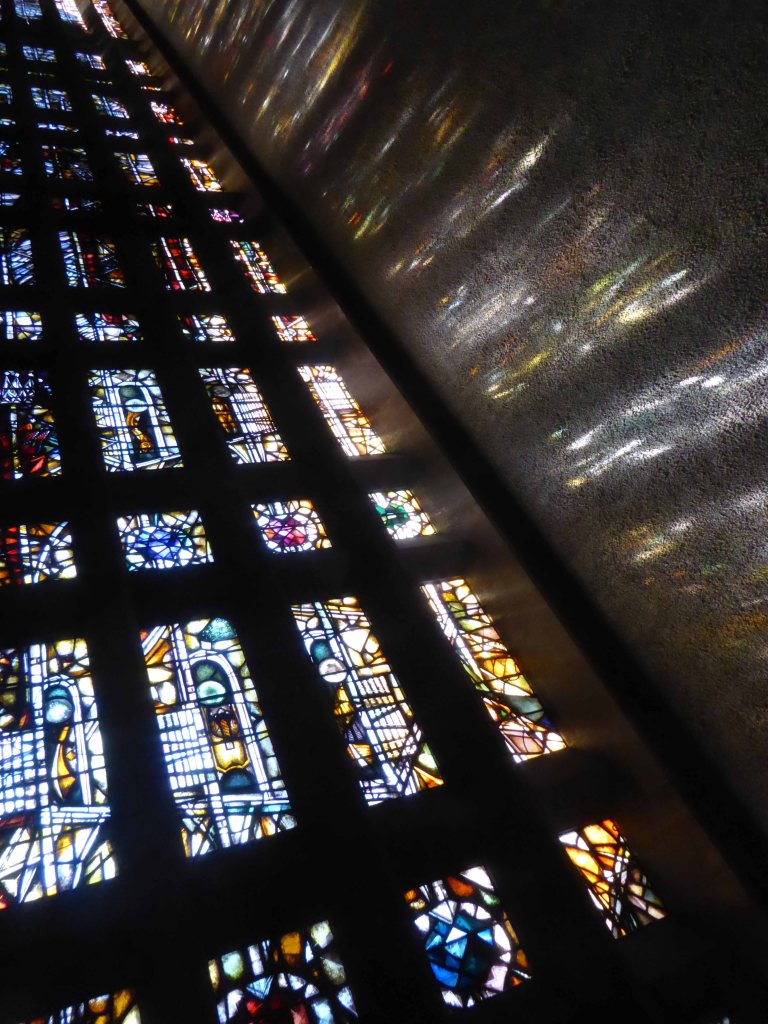
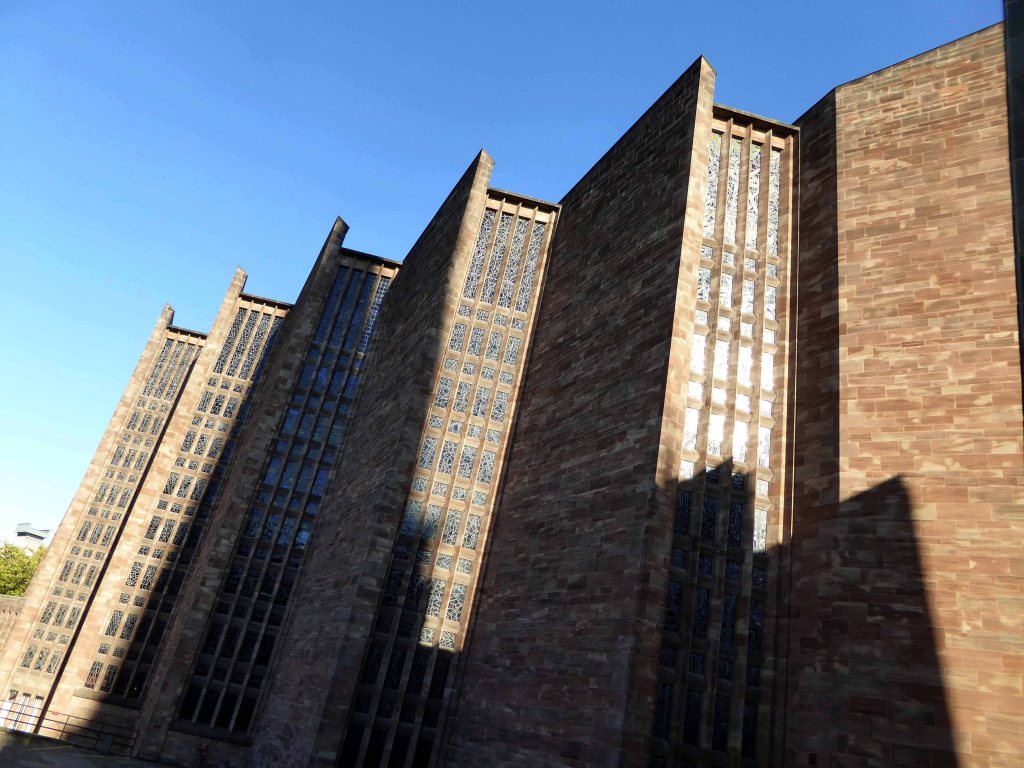
The eighty one foot high Baptistery Window containing a total of one hundred and ninety five lights of stained glass in bright primary colours designed by John Piper and Patrick Reyntiens, with the Stone of Bethlehem for a font just in front. Each individual window contains an abstract design, but the overall effect is breathtaking. Basil Spence himself designed the stone containing the glass.

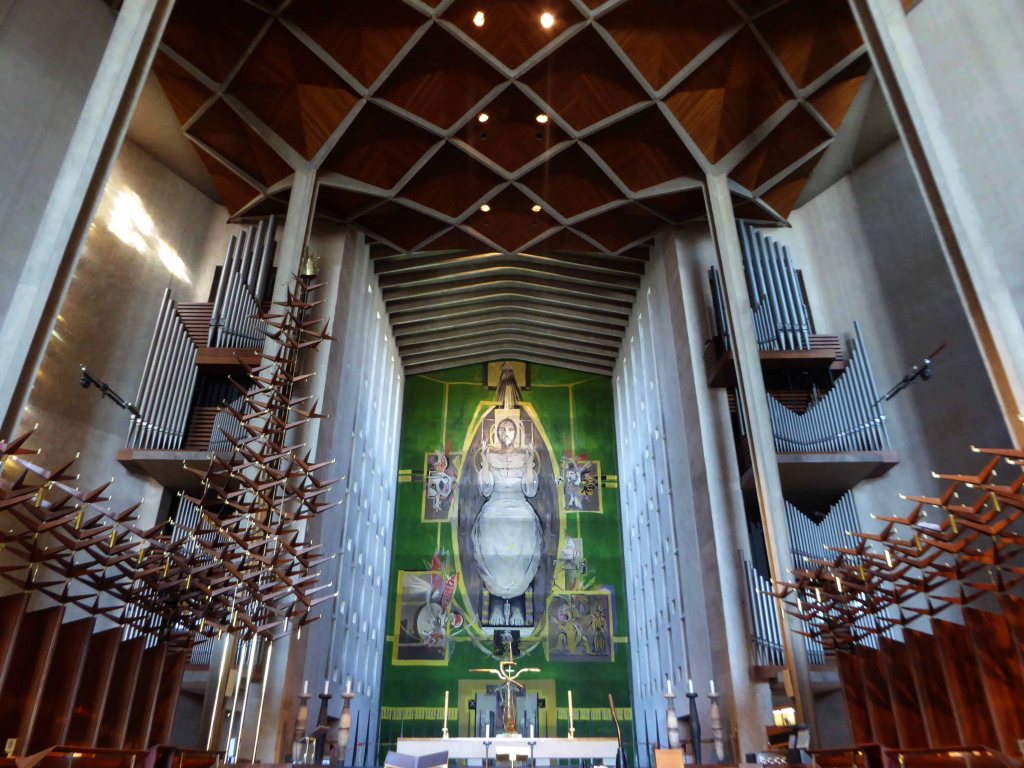
Study for the the seventy two foot high tapestry designed by Graham Sutherland – collection of The Herbert Art Gallery

The great tapestry was another example of a re-think in design. Basil Spence’s original intention was to depict the Crucifixion but Provost Howard suggested that the subject be Christ in Majesty and from there on, this idea prevailed

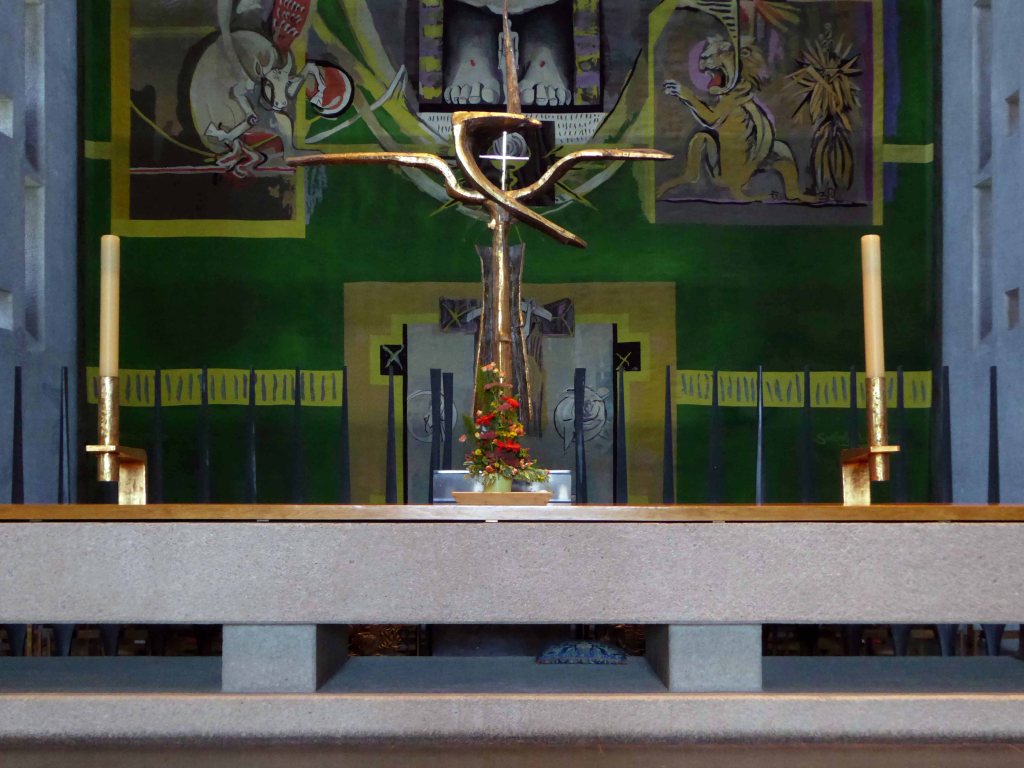
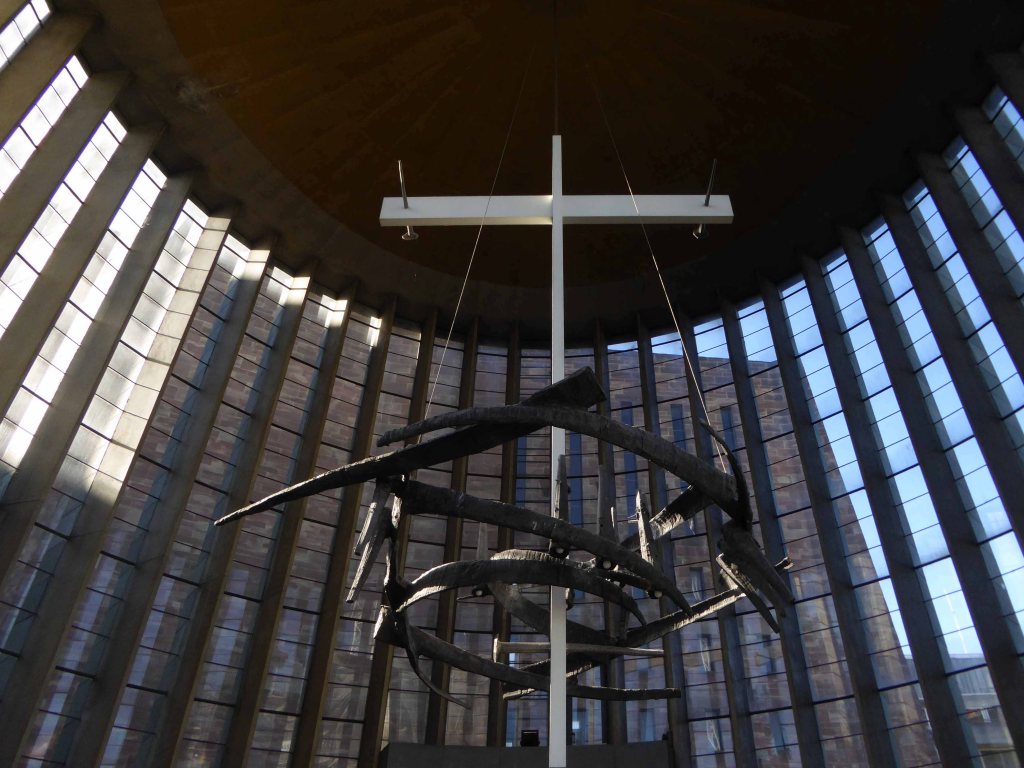
Altar cross and crown of thorns by Geoffrey Clarke, large ceramic candlesticks by Hans Coper.

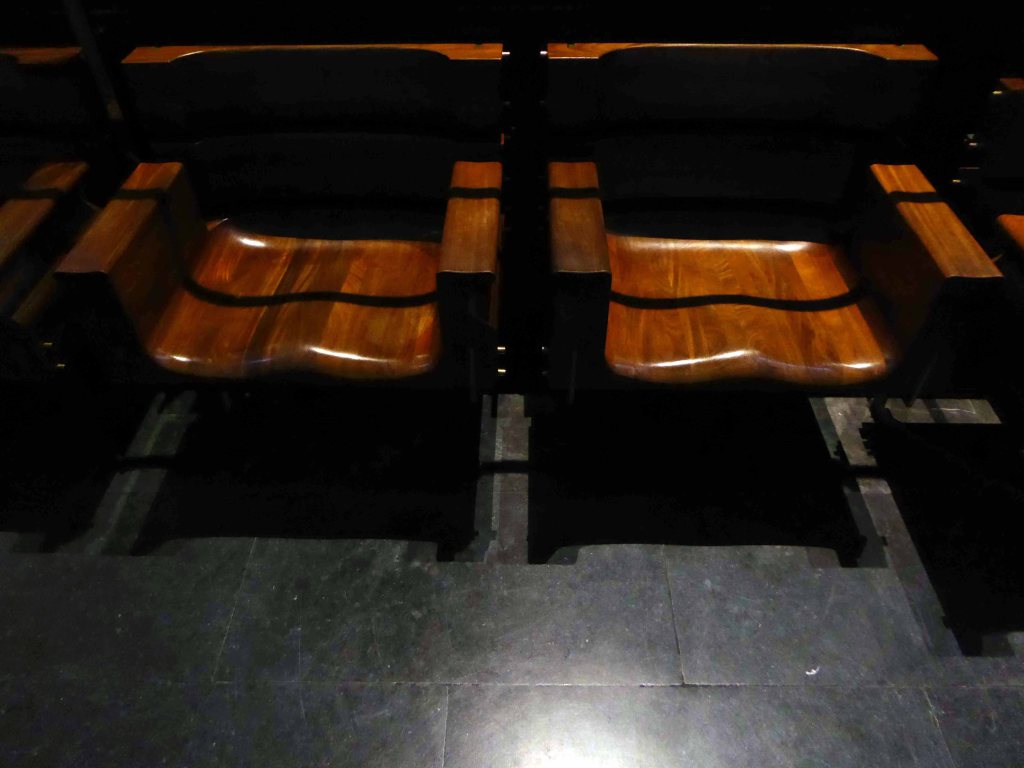
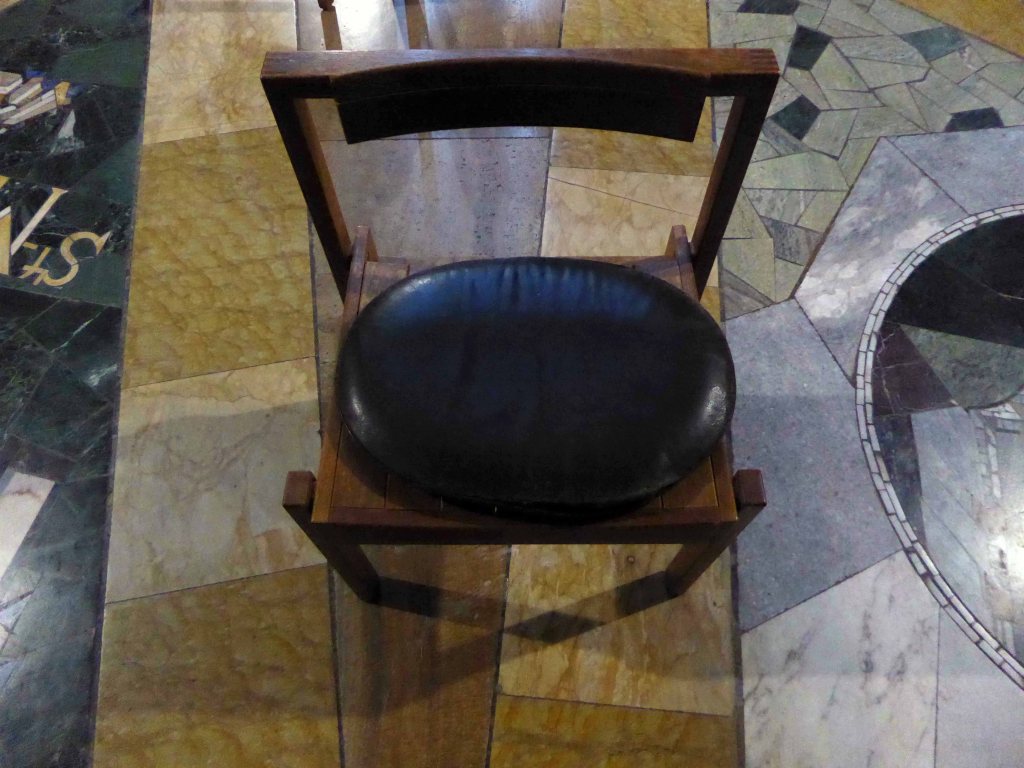
Chairs by Russell Hodgson and Leigh.

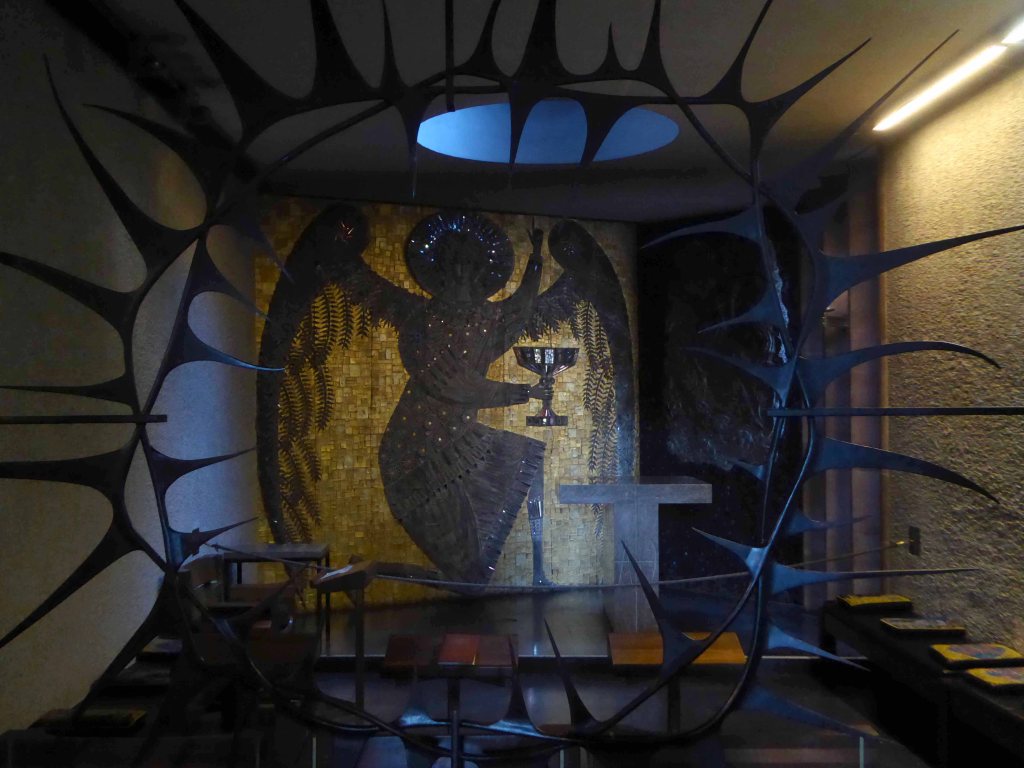
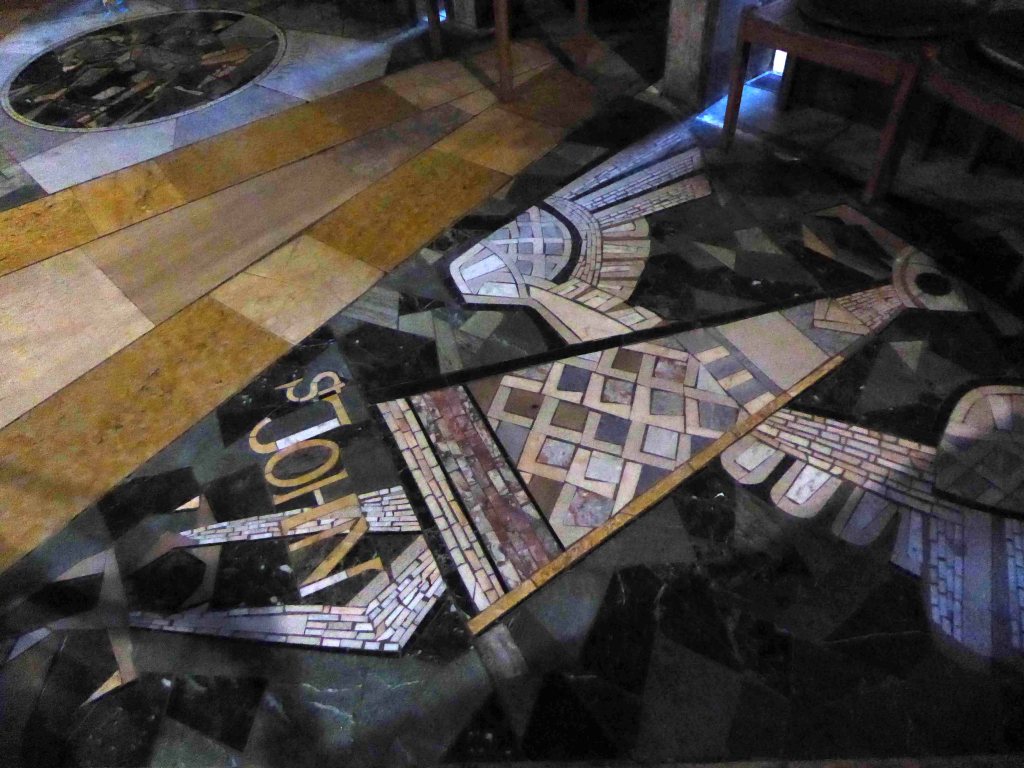
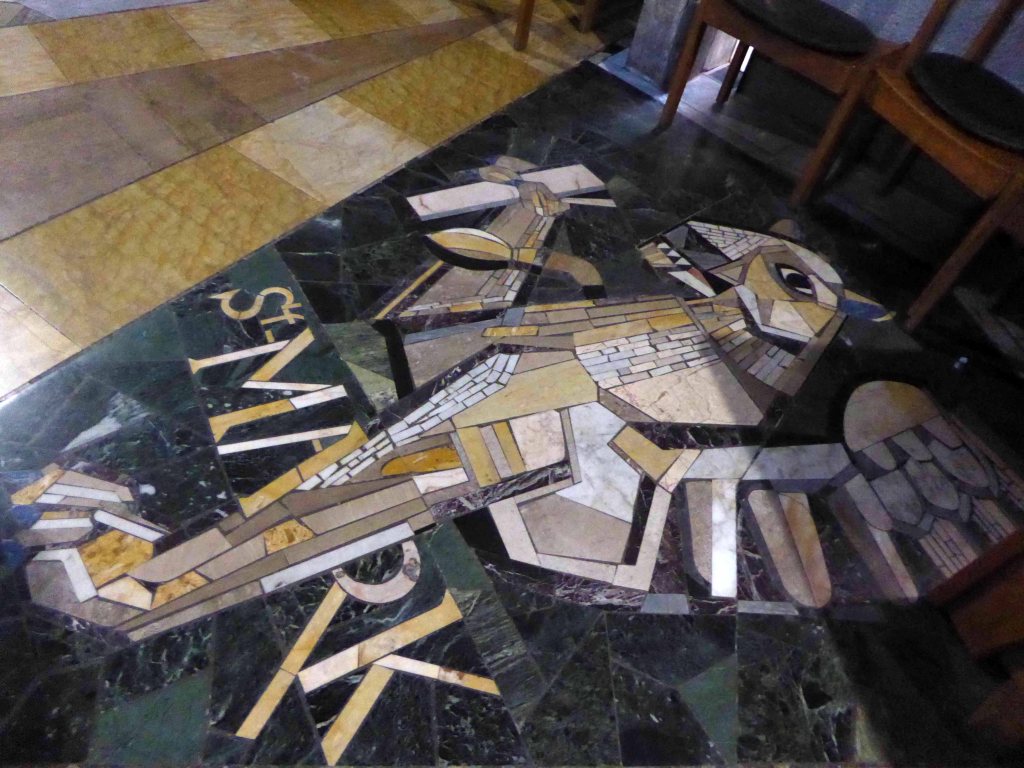
The Chapel of Christ in Gethsemane is approached by following the aisle from the Baptistery window towards the altar which is at the north end. The mosaic depicts the Angel of Agony by Steven Sykes and becomes more impressive when seen from a distance through the wrought iron crown of thorns designed by Basil Spence.

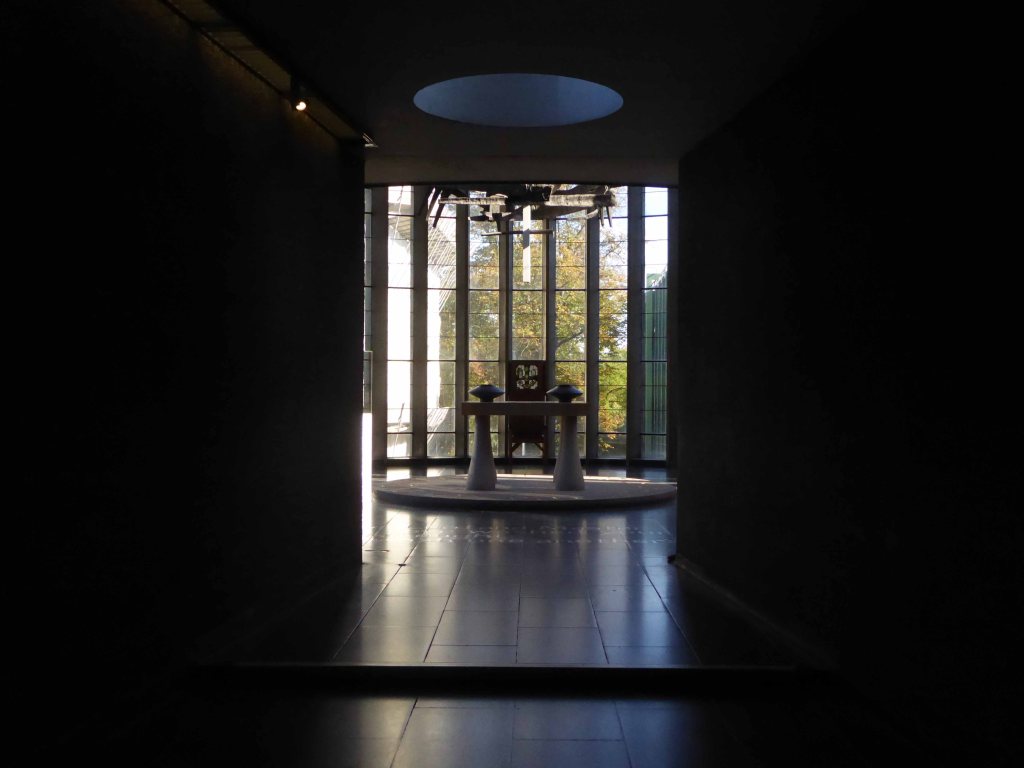
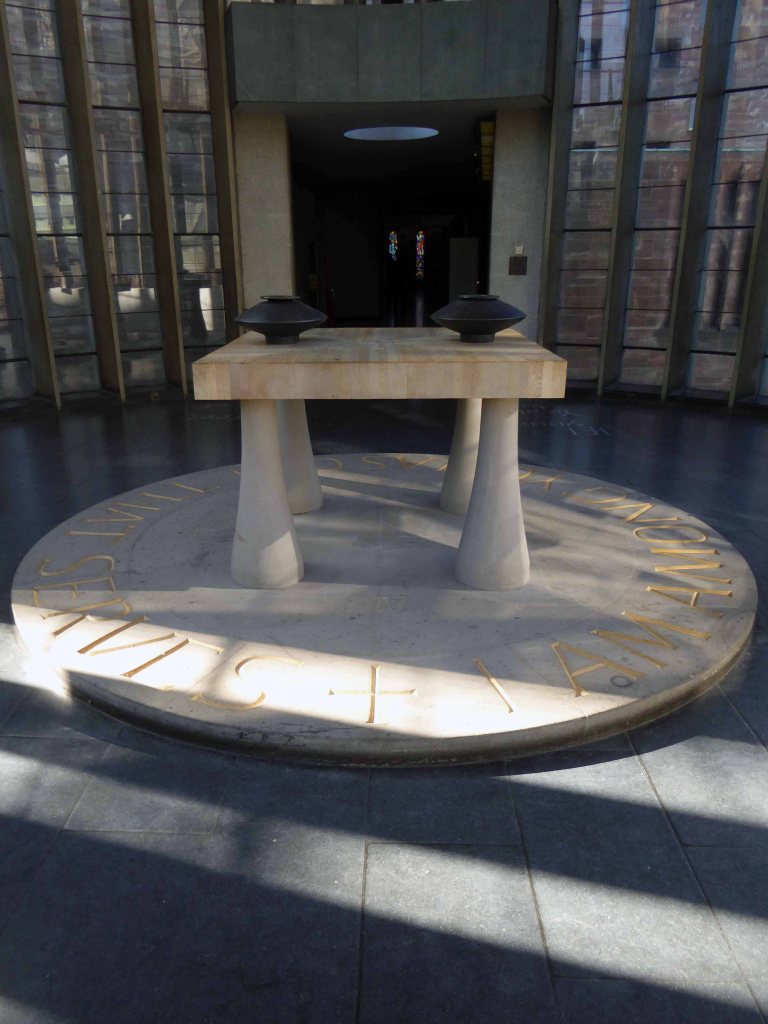
A short passageway takes you through to the Chapel of Christ the Servant – also known as the Chapel of Industry due to the view of Coventry workplaces from its narrow windows. 

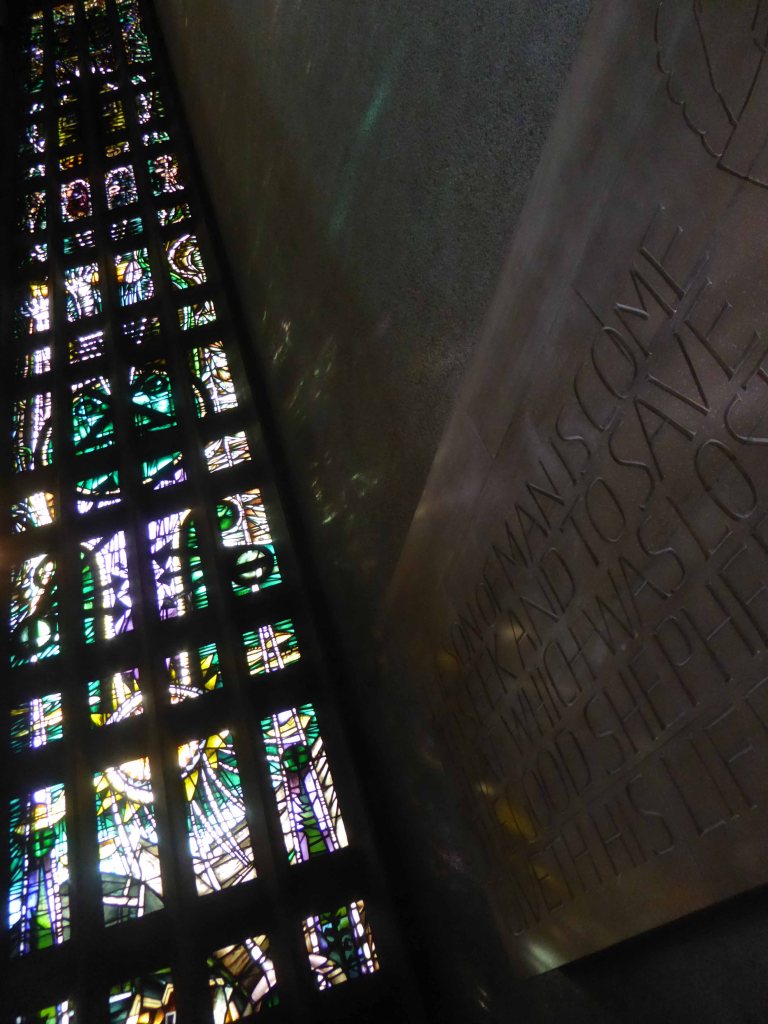
Monumental inscriptions to walls and floor by Ralph Beyer

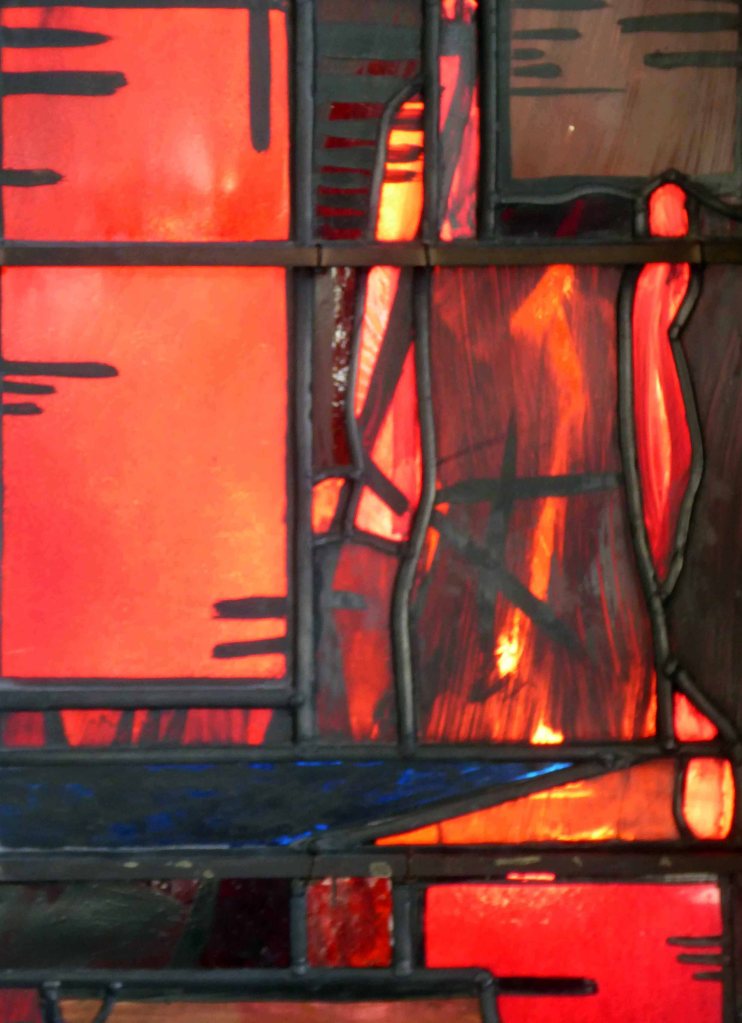
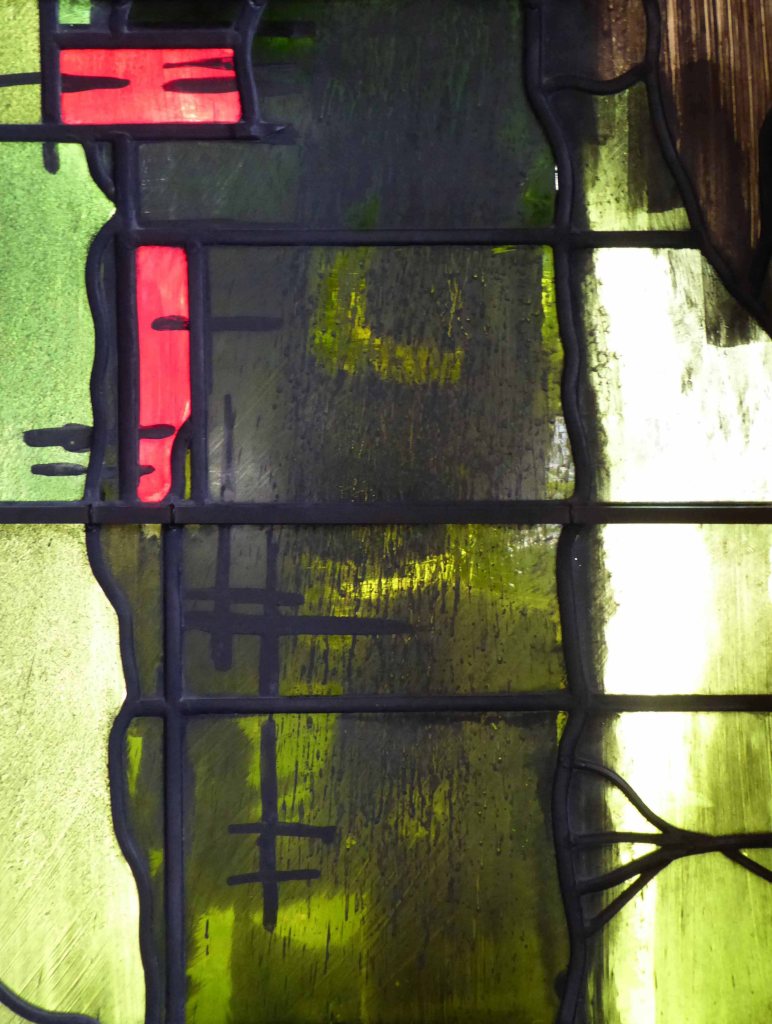
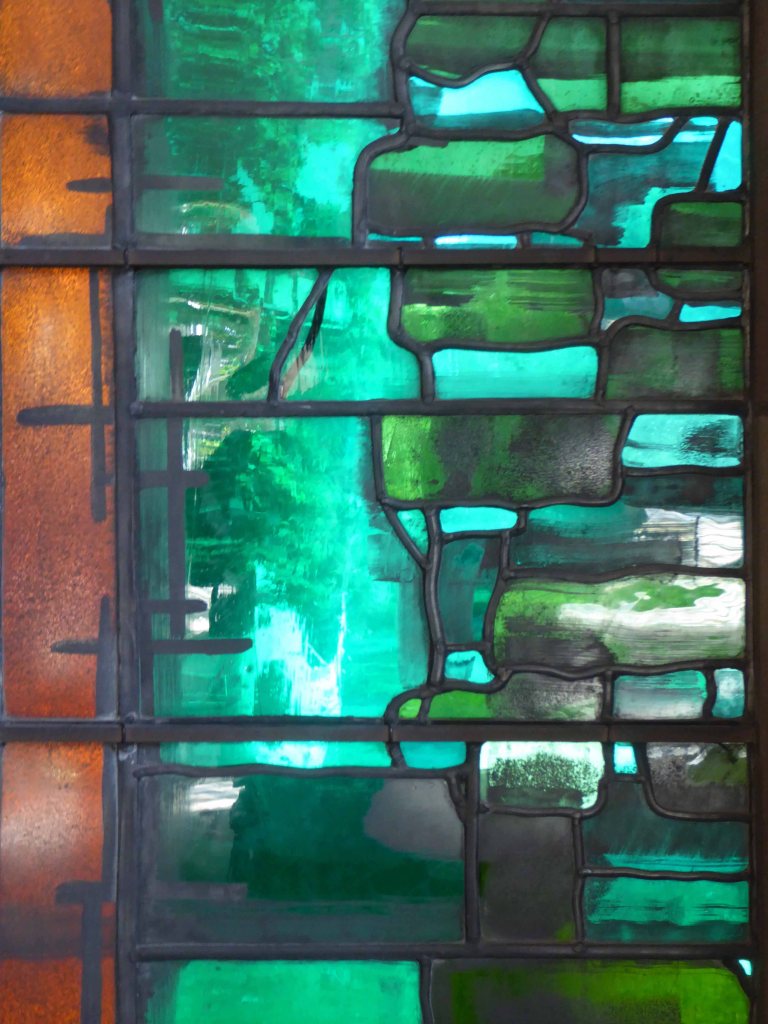
Stained glass to aisle walls by Lawrence Lee, Geoffrey Clarke and Keith New.

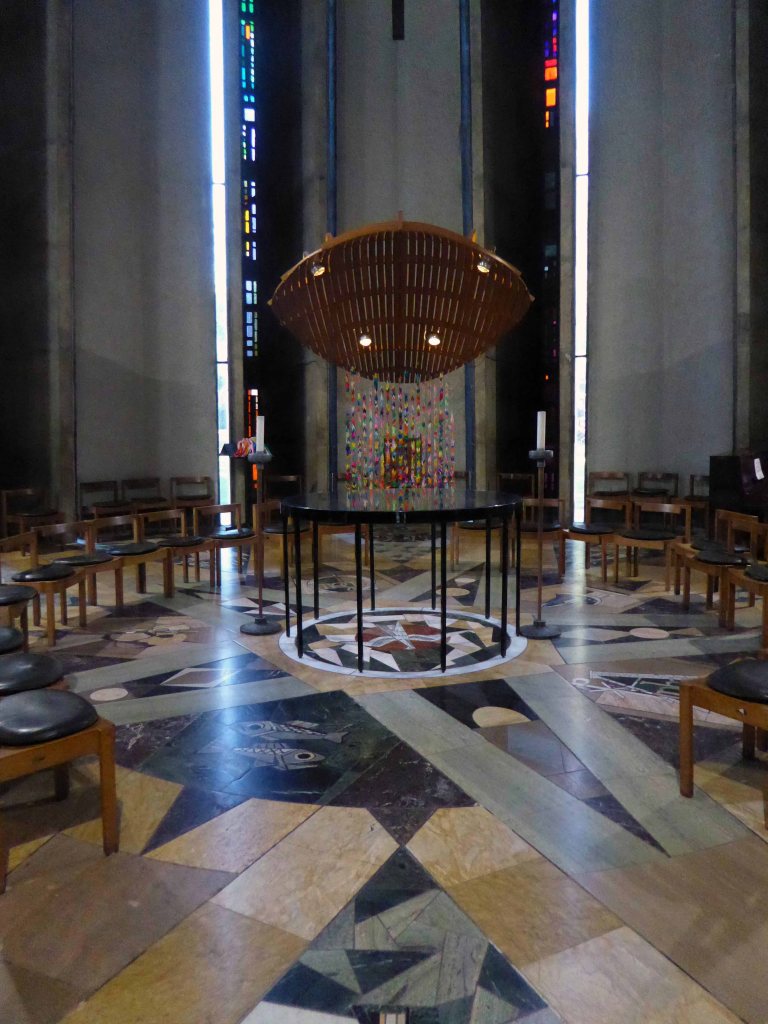
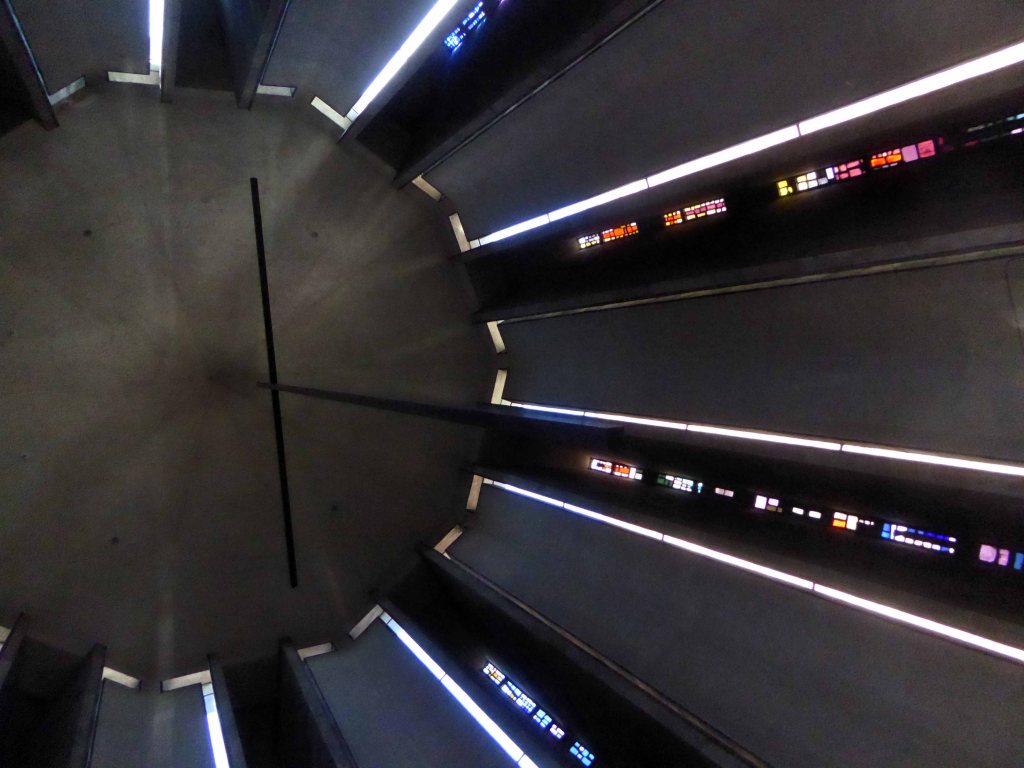
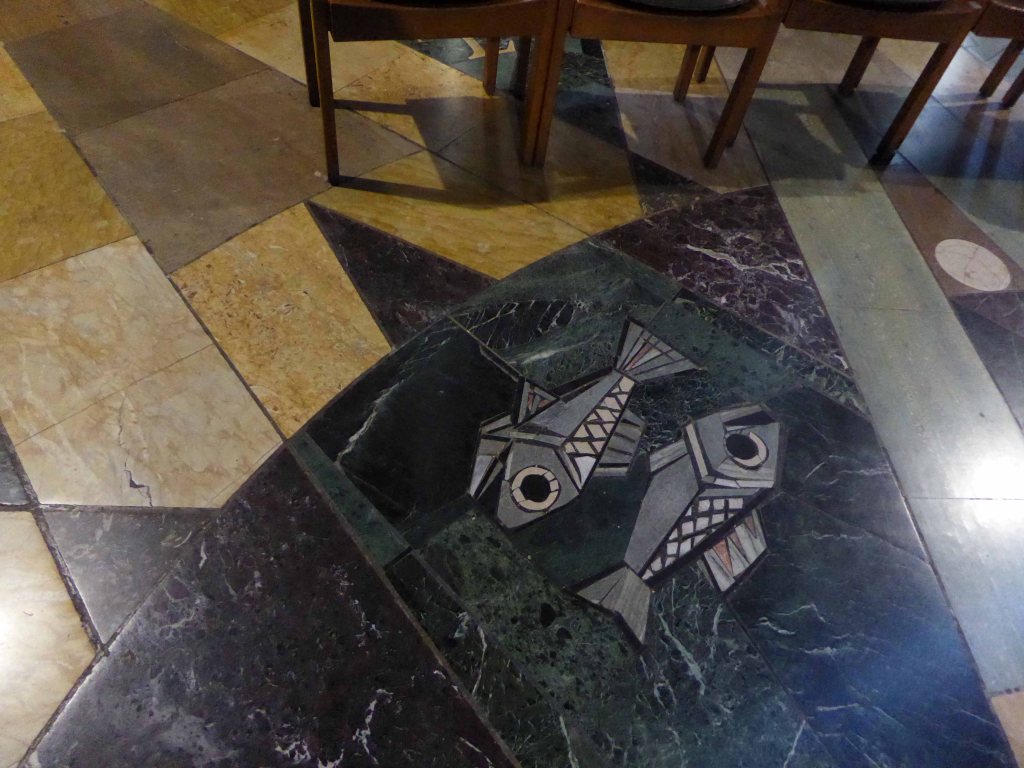
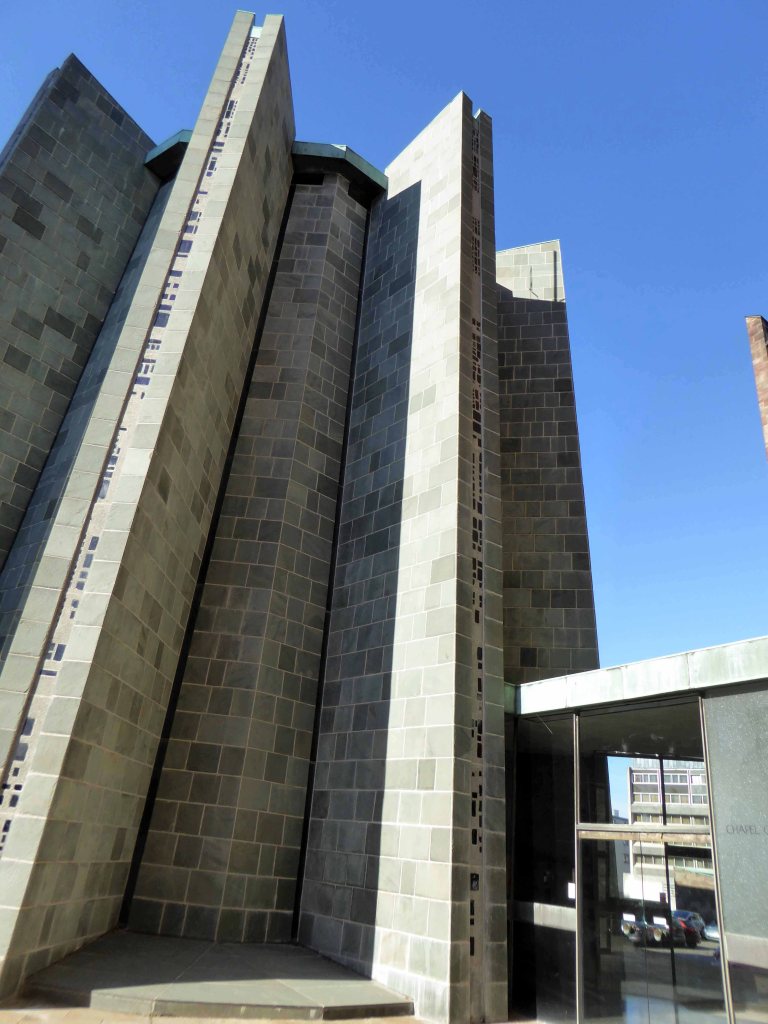
At the far end of the aisle, opposite the Baptistery Window is the Chapel of Unity, with its detailed mosaic floor, donated by the people of Sweden, representing the nations of the world and lit by shafts of light from the narrow stained glass windows around the circumference of the star shaped chapel. 

This design was Basil Spence’s vision of a chapel representing the star which began the story of Christ – from the outside it appears shaped similarly to a Crusader’s tent.

The chapel is intended for prayer by all denominations, not just Anglican, and for this reason was purposely built with no view of the great altar. 

Historic Coventry

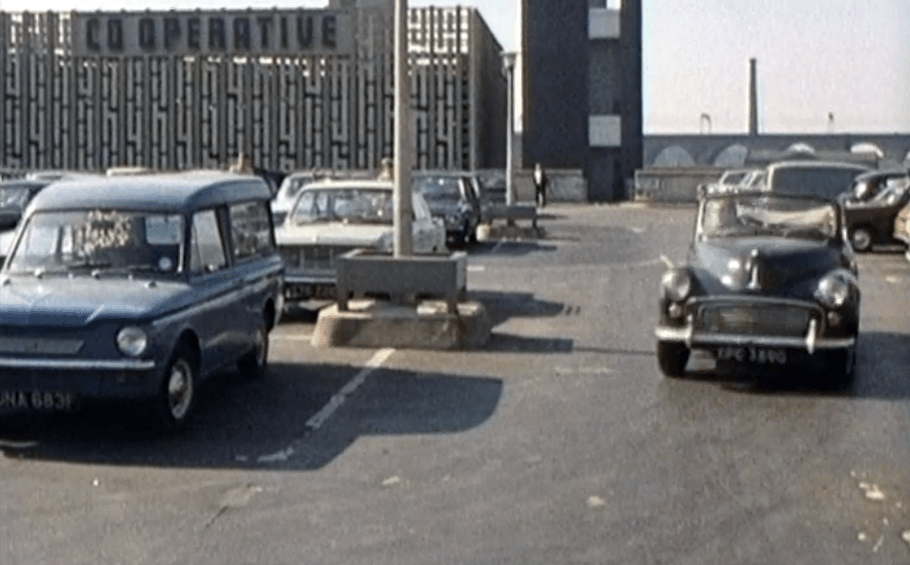
Merseyway – Alan Boyson Screen Wall

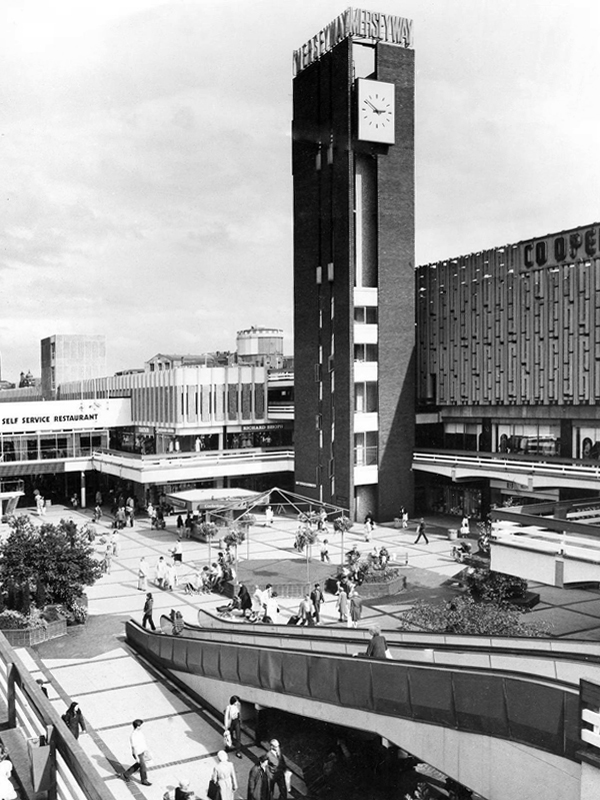
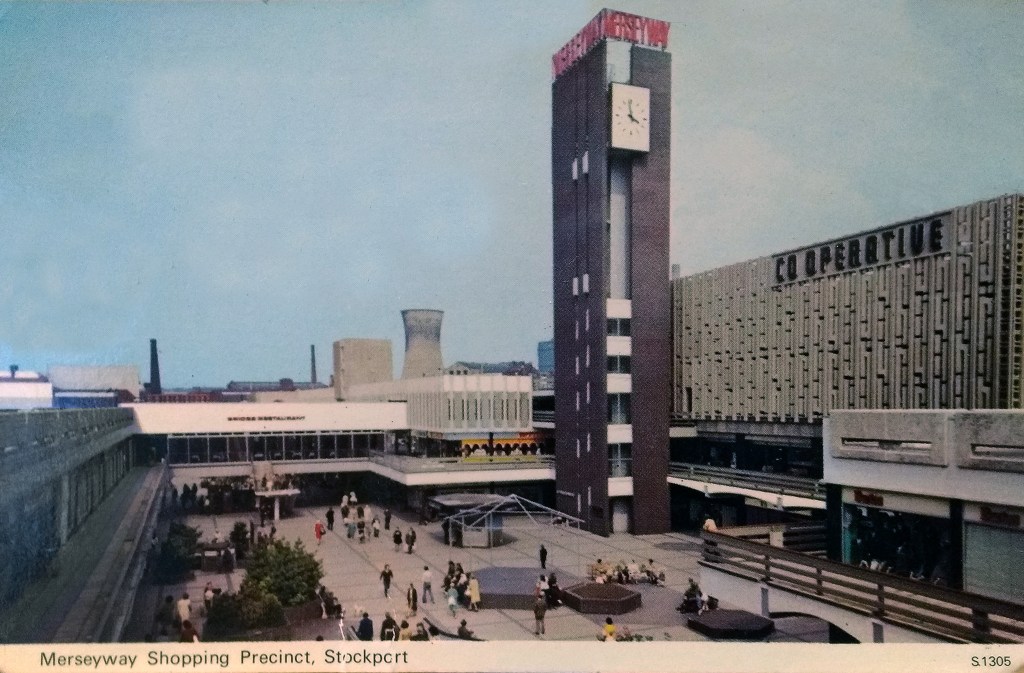
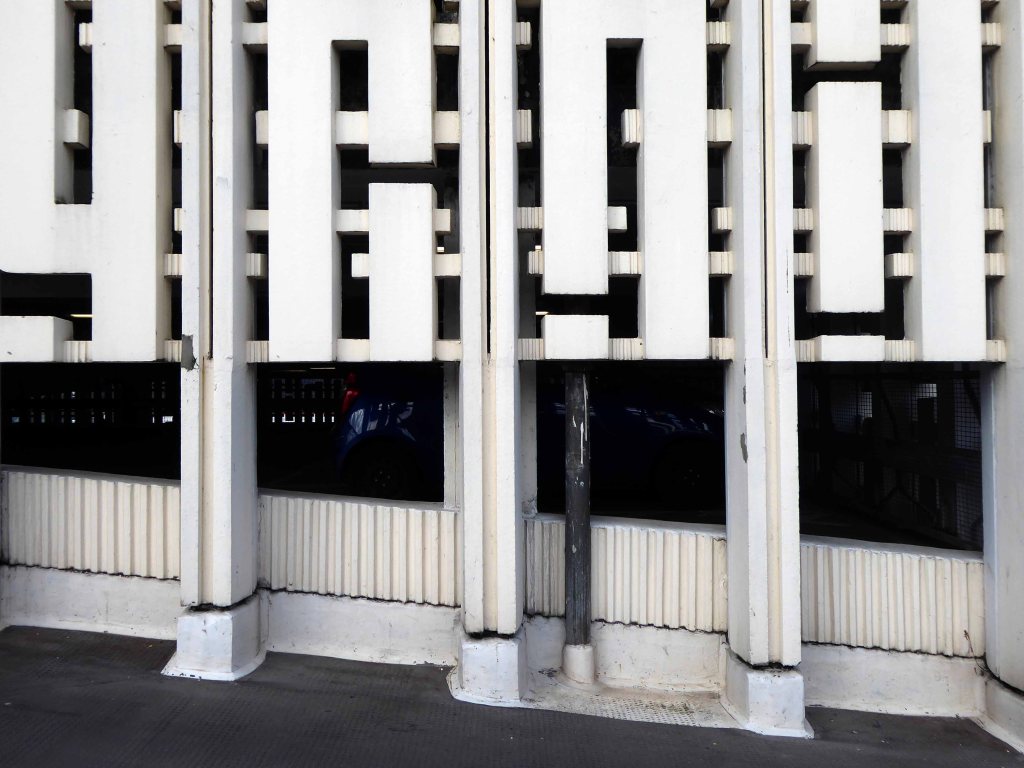
Deep in the heart of Stockport at the centre of our very own shopping centre – Merseyway.

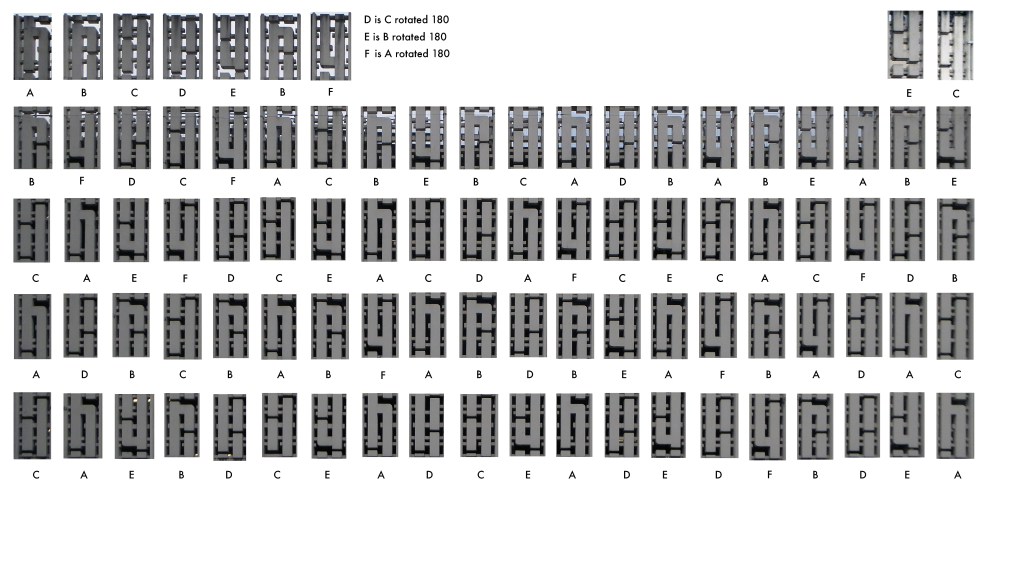
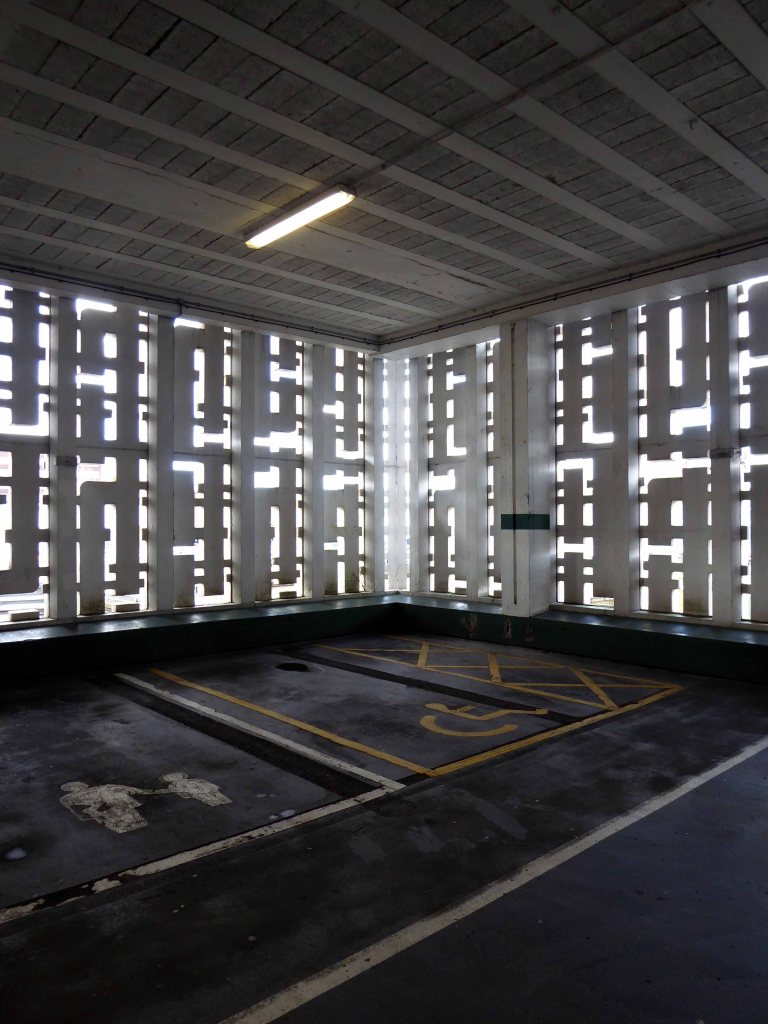
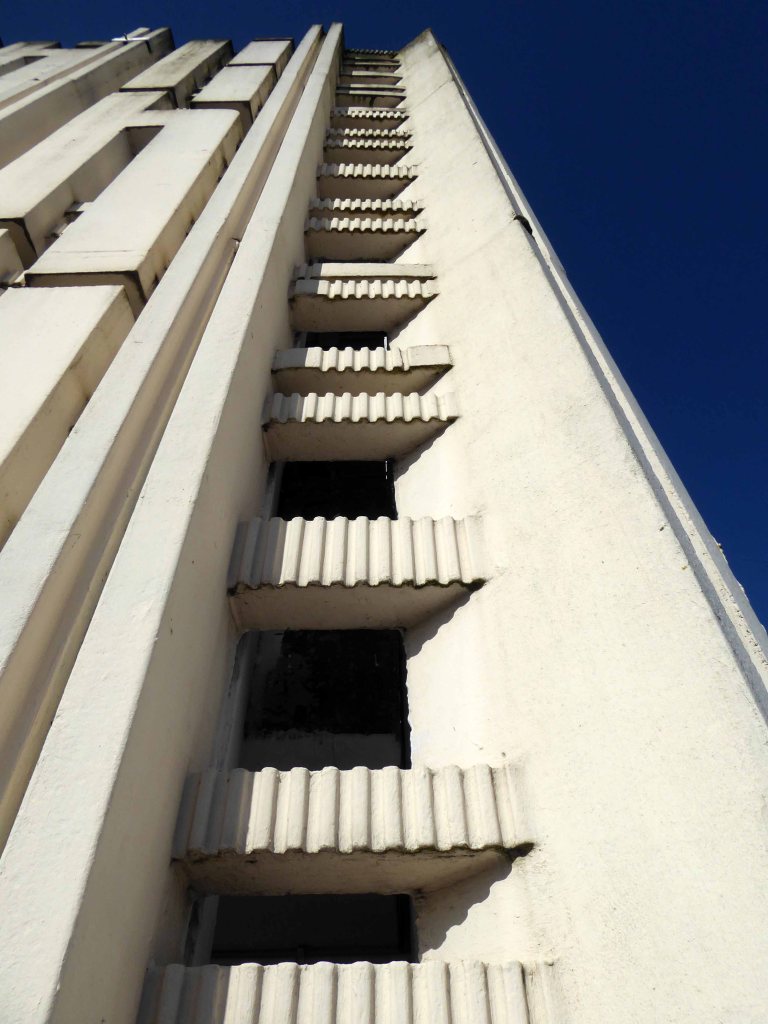
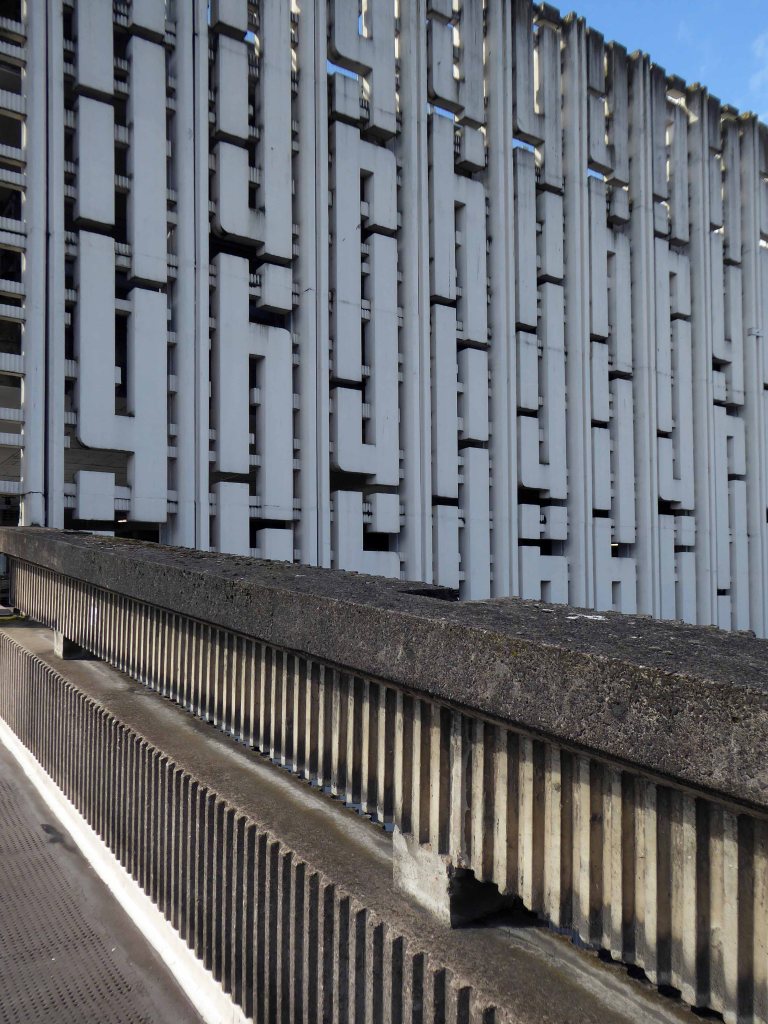
A pierced concrete relief screen wall surrounds the former Co-op, currently Primark, car park.

The work of Alan Boyson – today the 16th of March 2020 would have been his ninetieth birthday.

I’ve even gone so far as to analyse its structure:

So I went for a walk this morning, as I have on several previous occasions, to take a look around the site – inside and out.

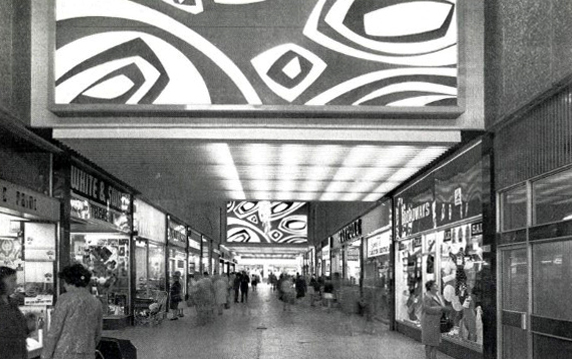
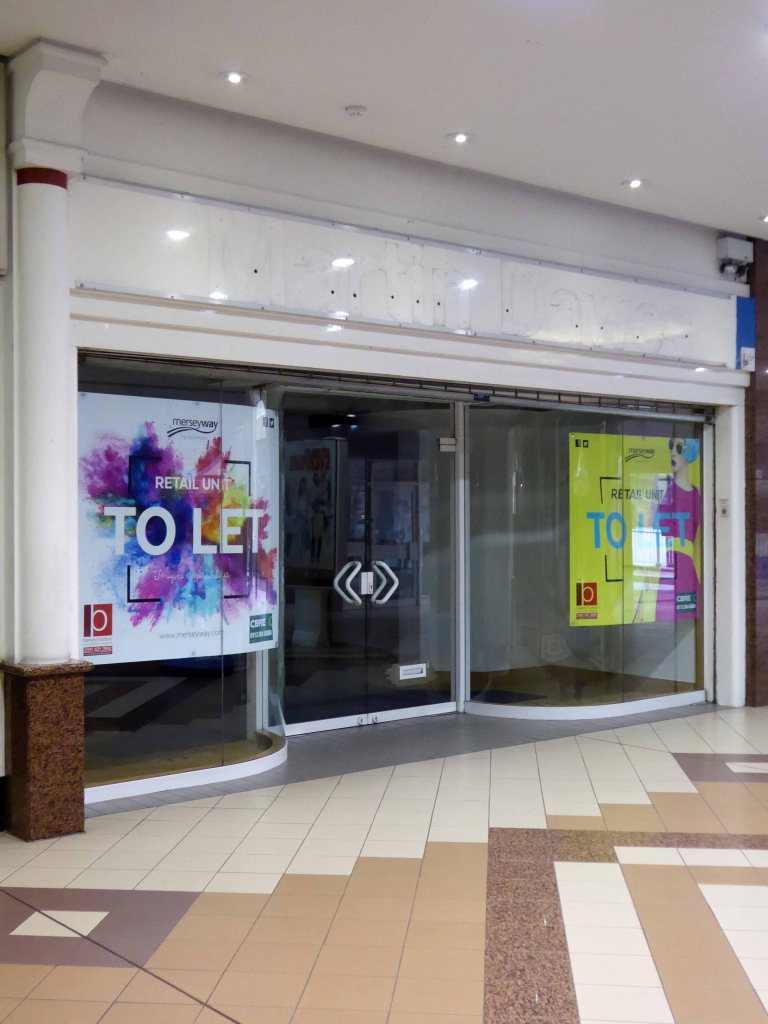
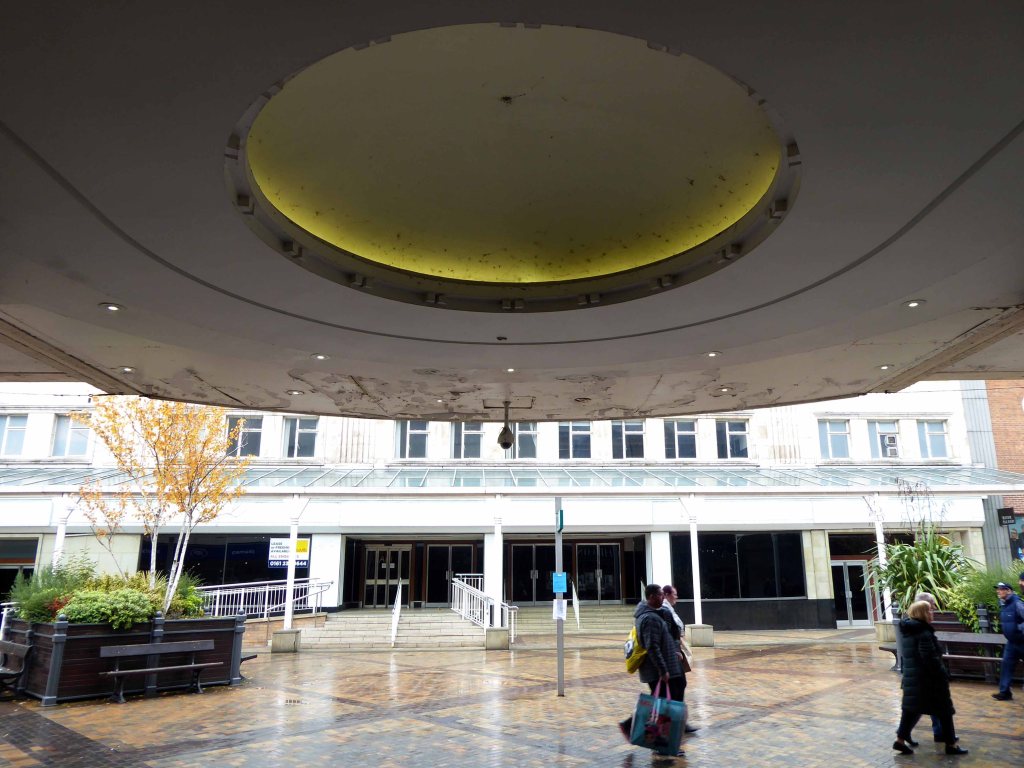
Merseyway – Adlington Walk

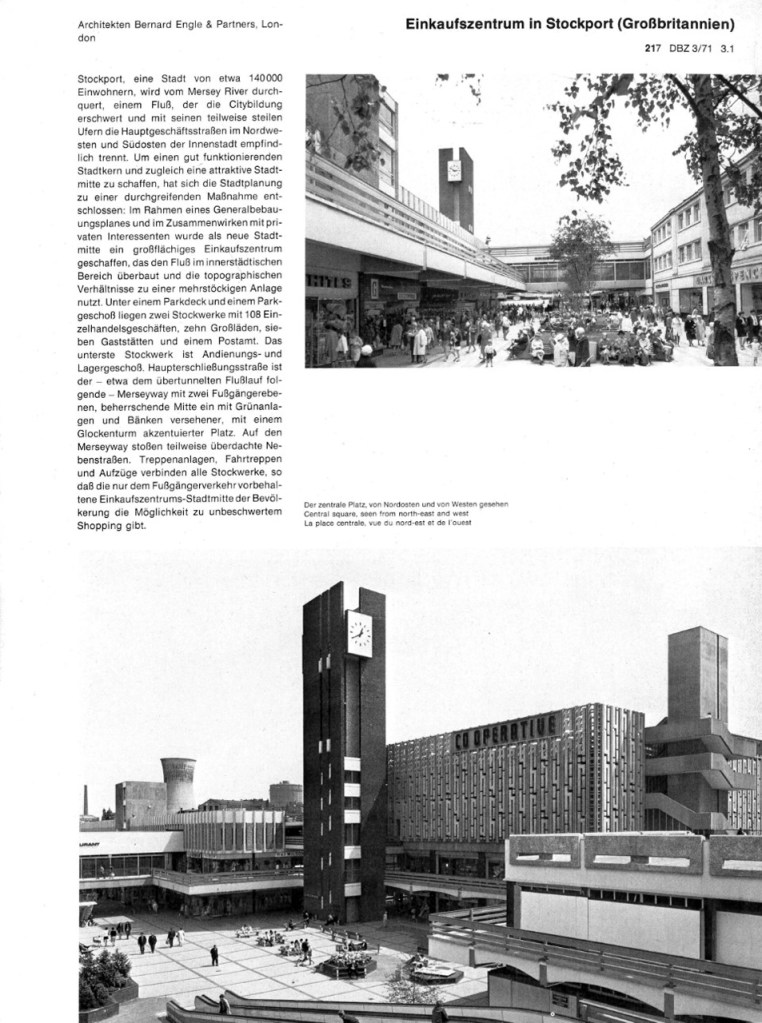
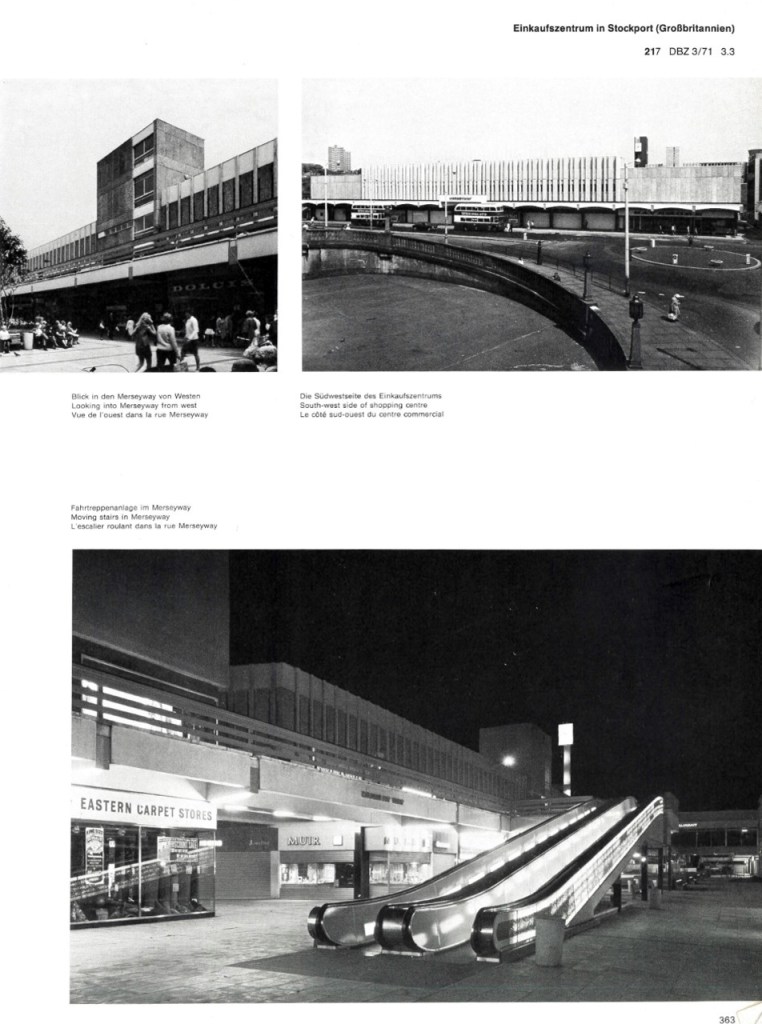
Once widely admired, Ian Nairn esteemed architectural writer, thought it an exemplary exposition of modern integrated shopping and parking, sitting perfectly in its particular topography – way back in 1972.

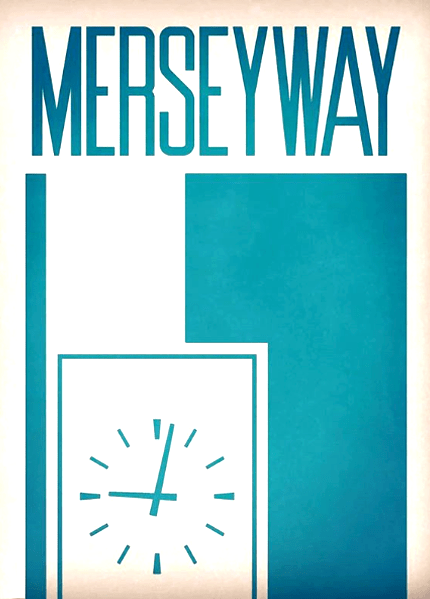
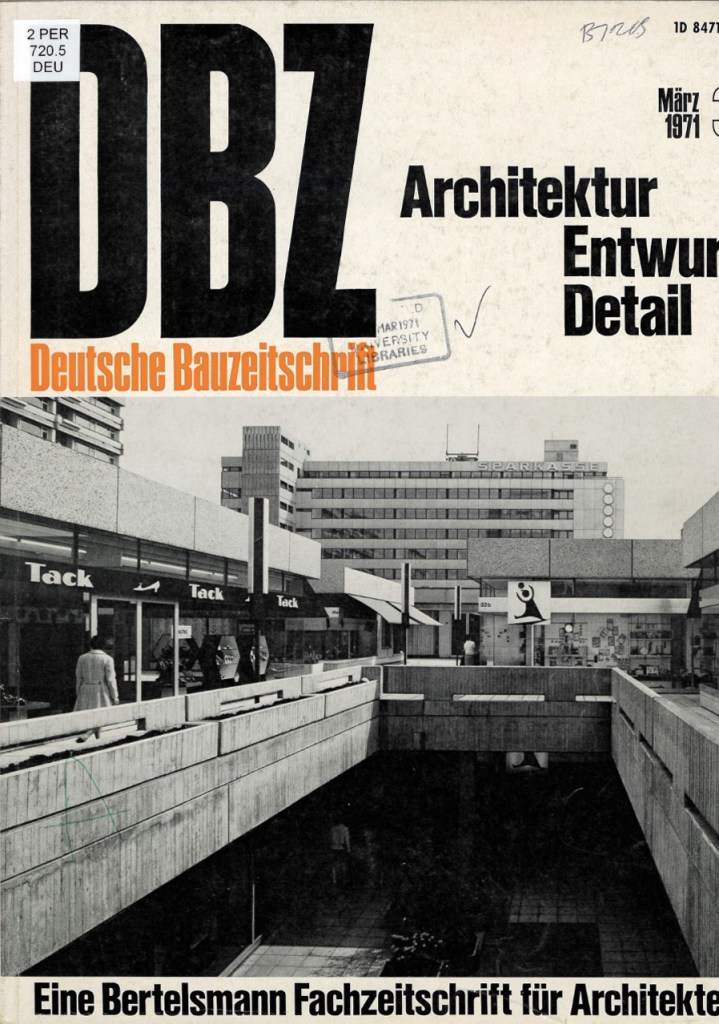
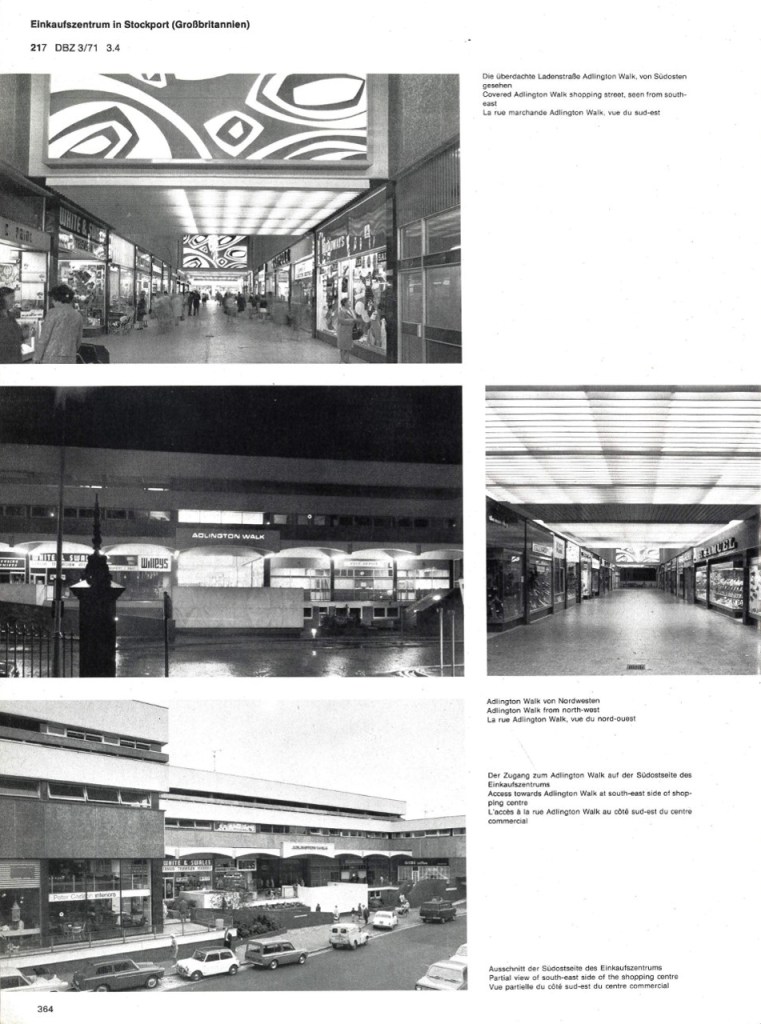
This German magazine dedicated several pages to coverage of Merseyway back in 1971.

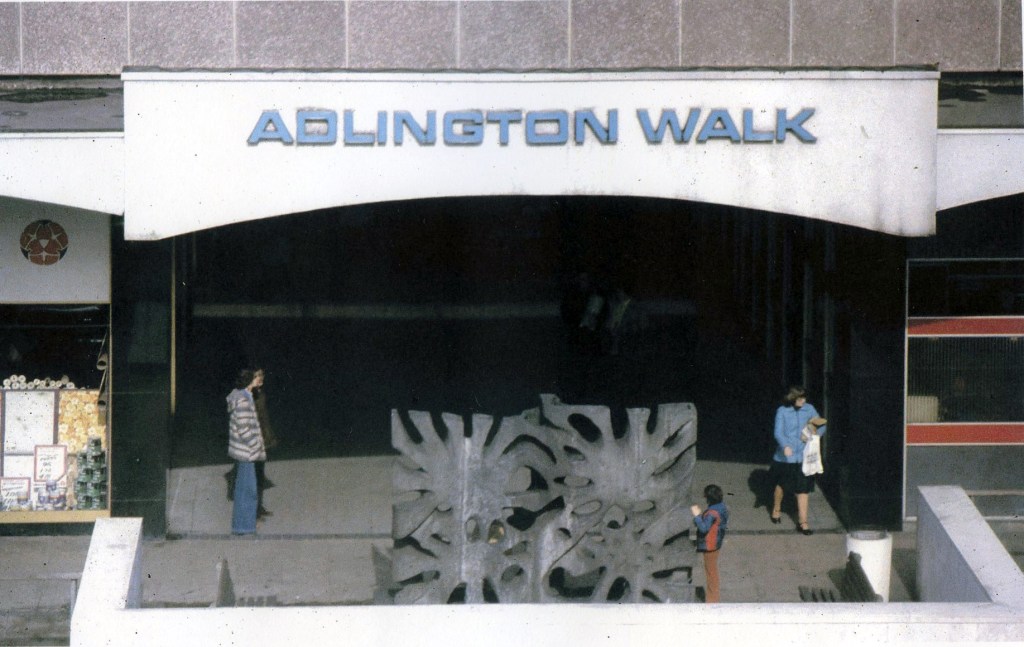
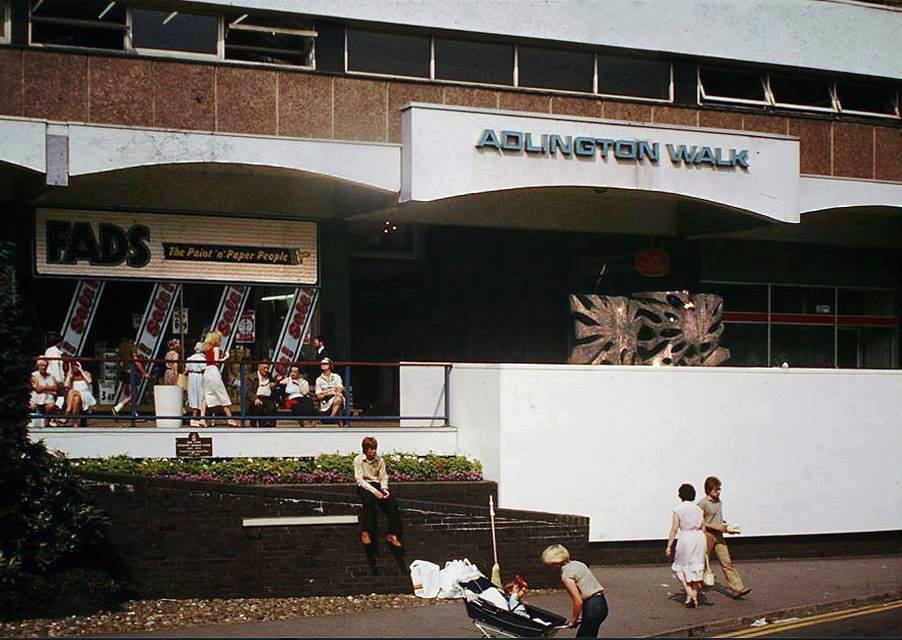
Note the long lost decorative panels of Adlington Walk.

Many thanks to Sean Madner for these archive images.

Mainstream Modern has recorded its conception and inception, as part of a wider appreciation of Greater Manchester’s architecture.

The architects were Bernard Engle and Partners in conjunction with officers of Stockport Corporation and the centre opened in 1965. The separation of pedestrians and cars, the service areas, the multi level street, the city block that negotiates difficult topography to its advantage, are all planning moves that are of the new, ordered and systemised, second wave modernism in the UK. The aggregate of the highways engineering, the urban planning and the shifting demands of retailers frequently arrived at a form and order such as this. In this way Merseyway is unremarkable, it’s like many other centres in many other towns – consider the rooftop landscape of Blackburn. It is, however, typical and has been typically added to and adjusted during its life and presents perhaps the face of the last retail metamorphosis before the out-of-town really made the grade.

Each successive remaking and remodelling has seriously compromised the integrity of the development. We are left with dog’s dinner of poorly realised Post Modern and Hi-Tech additions, along with a failure to maintain the best of the original scheme.
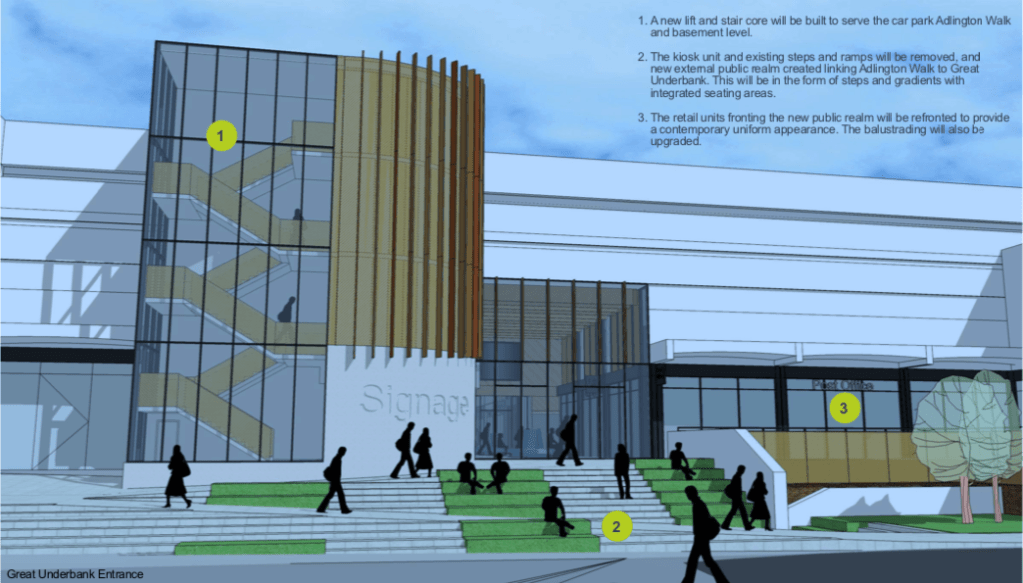
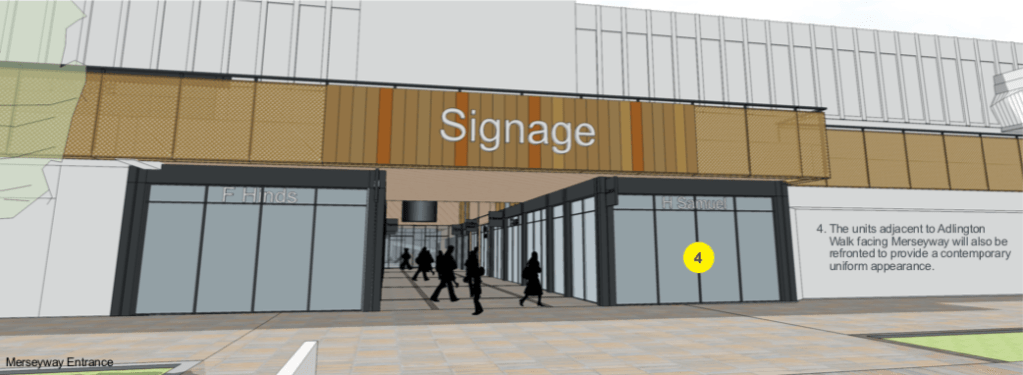
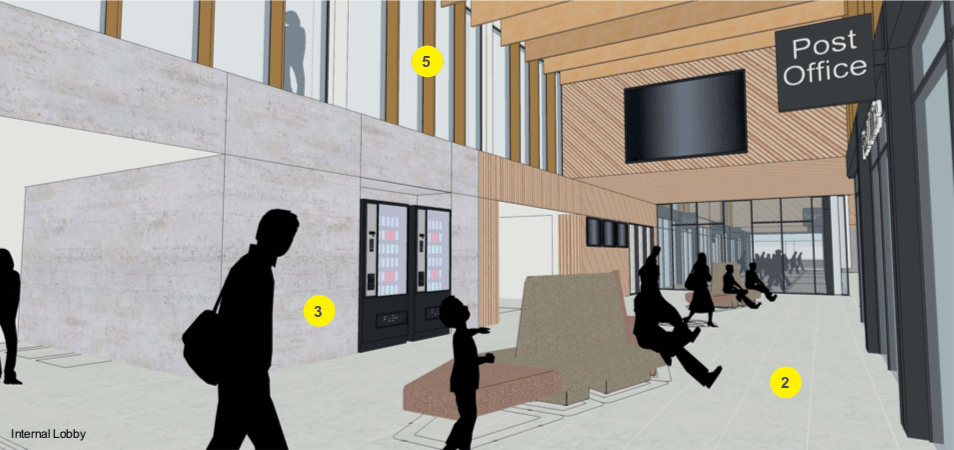
Plans are now afoot to revamp the precinct – starting with Adlington Walk.

Proposed facilities include a soft play space, new seating, buggy stores, high grade toilets, parent and child facilities and a multi faith prayer room.

Cecil Cinema – Hull

Anlaby Road and Ferensway Hull HU1 2NR

After you, Claude – no, after you Cecil

The Theatre De-Luxe was built in 1911 at the corner of Anlaby Road and Ferensway with its entrance in Anlaby Road and its auditorium along the side of the pavement in Ferensway. Kinematograph Year Book of 1914 lists 600 seats and the owners as National Electric Picture Theatres Ltd.

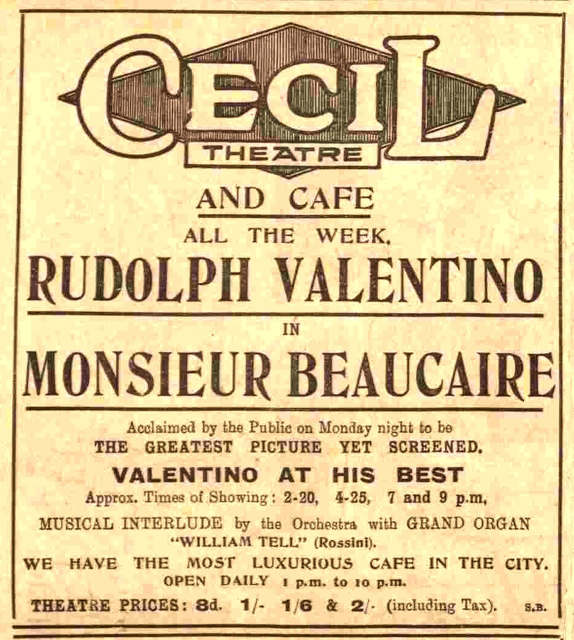
In 1925, the theatre was rebuilt to a radically altered ground-plan and renamed the Cecil Theatre. The opening night was Monday 28th September 1925. The entrance was in a curved façade at the Anlaby Road/Ferensway corner. The alignment of the new, larger, auditorium was at right angles to Ferensway, and parallel to Anlaby Road. Effectively, the length of the Theatre De-Luxe auditorium became the width of the Cecil Theatre’s. Seating was 1,700 with 700 of those in the balcony, according to the Hull Daily Mail. The Cecil Theatre was originally designed for silent movies with a full orchestra pit. KYB 1931 lists it having Western Electric sound installed; and a 1931 aerial view shows that a brick horn-chamber had been built onto the wall at the rear of the stage. It had a 35 feet wide proscenium. The cinema also had a café attached.
The Cecil Theatre’s demise came during bombing on the night of 7/8 May 1941 when German incendiary bombs reduced the building to a shell; and it remained like that until demolition in 1953.

Cinema Treasures

Work on the new Cecil Theatre was begun in April 1955 and it was opened on 28th November 1955 with 1,374 seats in the stalls and 678 in the balcony.

Architects: Gelder & Kitchca

At the time of opening it had the largest CinemaScope screen in the country measuring 57 feet wide, and the first film shown was Marilyn Monroe The Seven Year Itch. The proscenium was 60 feet wide, and the cinema was equipped with a Marshall Sykes 3Manual/15Ranks organ, which was opened by organist Vivian Newall.

There was also a 100-seat restaurant & bar which in 1971 was converted into a second screen seating 137 (Cecil 2). The following year the main auditorium was spilt into 2 smaller cinemas in the balcony (Cecil 1 & 3 each seating 307) and an entertainment hall in the former stalls which became a Mecca Bingo Club, with Mecca also operating the cinemas.

In the 1980’s it was taken over by the Cannon Cinemas chain. The cinema operation was closed on 23rd March 1992 and the cinemas were ‘For Sale and/or Lease. It was taken over by Take Two Cinemas and renamed Take Two Cinema. It was closed on 27th February 1997 and the two screens in the former circle were stripped out and converted into a snooker club.

Whilst bingo continues in the former stalls area of this post war 
cinema, the former mini cinemas in the circle still contain the snooker tables, but the space is unused. The screen in the former restaurant/cafe area remains basically intact, but is unused.

Cinema Treasures

I worked at the Cecil in the three years before it closed in the 90’s. MGM owned the place before the Virgin group bought it and closed it. It was a good place to work and an interesting building. Behind the scenes had remained unchanged since Anna Neagle first opened it. The organ had been removed however but the organ room was still in tact in the bingo section of the building. The fire exits led to long dark corridors that were always being infiltrated by kids sneeking in for a free shows. I understand that this was always the case. The resturant kitchen was fully intact and resembled something out of a Kubrick film – very spooky place!

Bilko2000

And so the projectors whirr no more, house is called at the Cecil – possibly the most oddly named cinema in the land.

Happily it remains an imposing presence in the centre of the city – a mammoth modern temple of entertainment – reflecting the ever changing tastes of the day and the morning after.

Hull to Hessle – Humber Estuary Walk

Overcast and grey – heading headlong into the prevailing westerly.

This is just the day to walk from Hull to Hessle.

From the recently renovated early morning, empty piazzas of Hull Marina to the foot of the Humber bridge.

To the left the interminable rippling brown surface of the river, relentlessly heading out to sea.

To the right a modern melange of working docks – shipping aggregates and timber, hither and thither.

The vacant haunts of fisher folk no longer casting nets, forever and a day.

Disused and decayed warehousing, betrayed by the coming of the container, home now to the Urbex snapper and itinerate tagger.

Out of town retail parks fuelled by debt.

Dried up reed beds swaying beneath the weight of the wind.

The suspended bed of the bridge, floating high above the waters, far below.

Take a walk with me now.

Alexandra Hotel – Hull

69 Hessle Road Kingston upon Hull HU3 2AB

Whilst walking the length of Hessle Road, up and back – taking the air, snaps, the sights and sounds, I came upon a fine Faience tiled frontage.

I began photographing, wandering dangerously into the space between the slip road and the flyover. A shout rang out, emanating from the boozer, the landlord called me over.

“Do you want to take a look inside?”

“Yes”.

A listed interior the new landlord is working hard along with Historic England to restore the capacious rooms to their former glory, including the entrance mosaic and ceiling – images P Hampel

Inheriting a whole heap of issues and a grey parrot called Sparky.

It all proved too much for the former landlord.

But the boozer is now up and running serving cask ale to throngs of first class thirsty customers.

The Yorkshire Brewhouse 1904 ended mid week when we’re normally closed but we were asked to open for a group of very thirsty sailors. We moved on to Reet, another Yorkshire Brewhouse beer and thanks to the football that one has gone too. It’s back to the YBH Faithful Stout once again. I’d come quick and get it while you can.

Once two pubs the Hessle Road Inn was subsumed by the Alexandra. The area was once home to the city’s Jewish Community – the cemetery survives next door.

There are Star of David motifs incorporated into the windows, sympathetic to this local heritage.

Built around 1895, designed by Smith, Brodrick and Walker, with late C20 alterations – British Listed Buildings.

It’s a fabulous pub which deserves to thrive – pop in for a pint if you’re passing, just watch out for low flying parrots.

Platform 13/14 Piccadilly – Concreter Planter

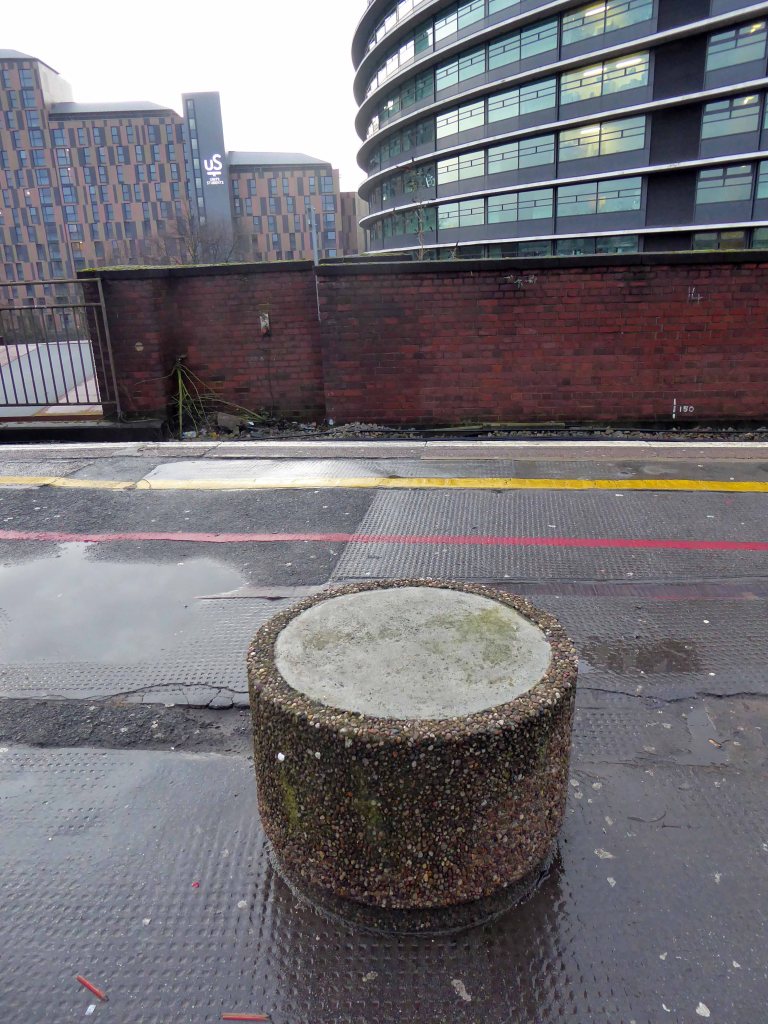
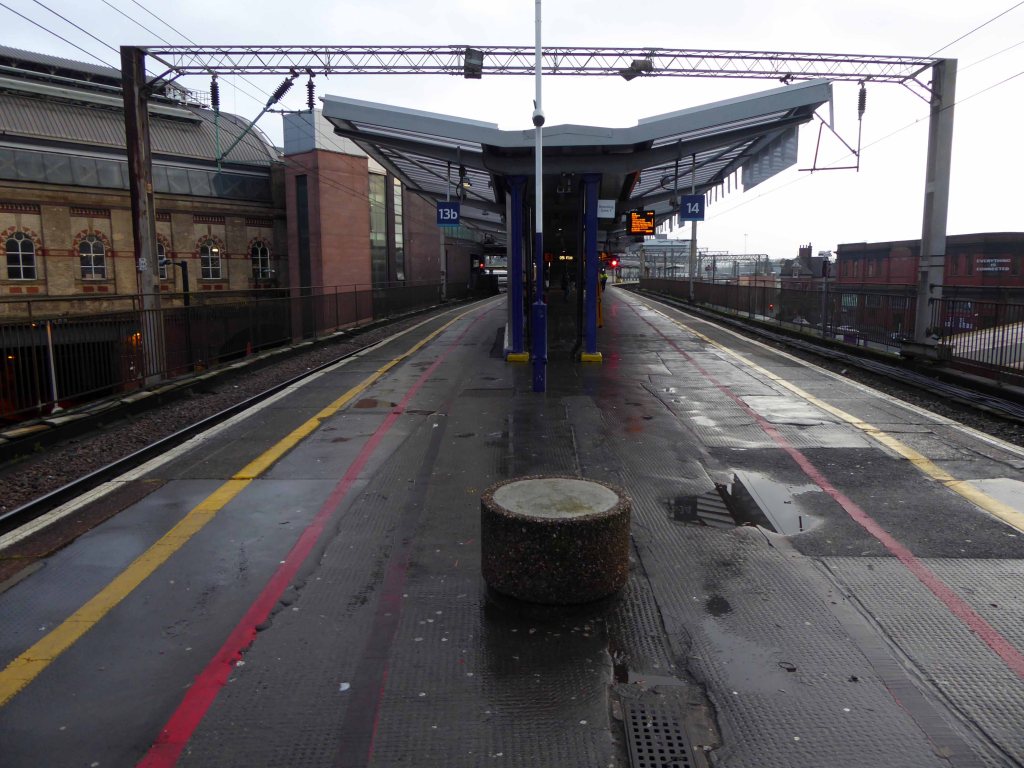
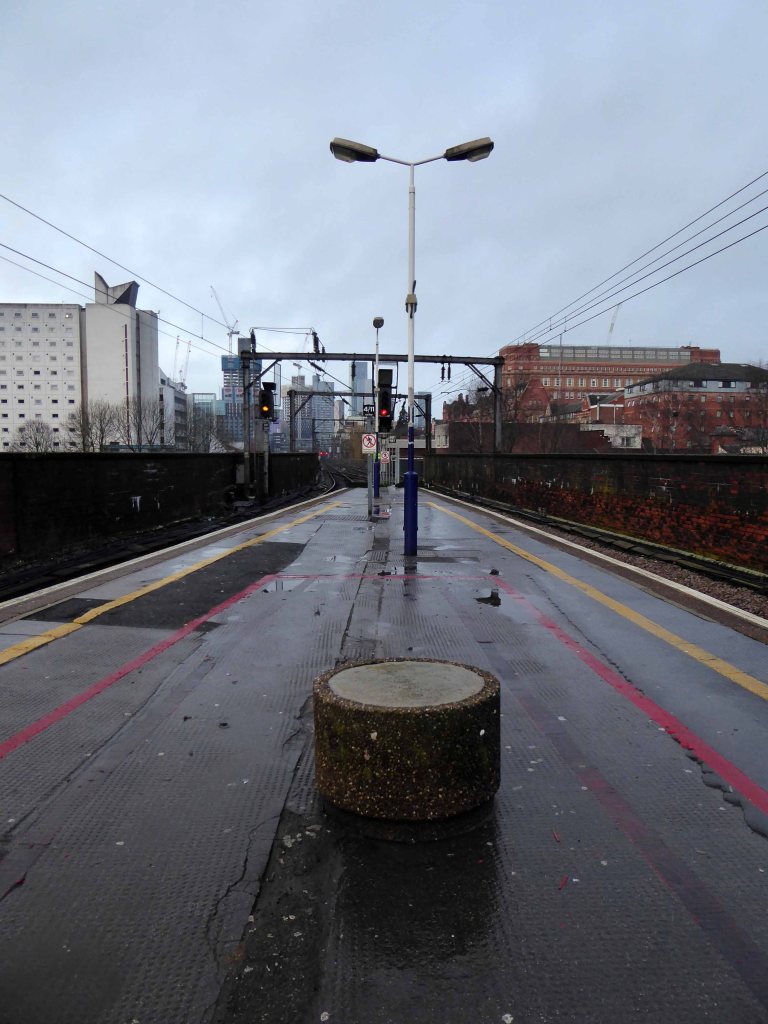
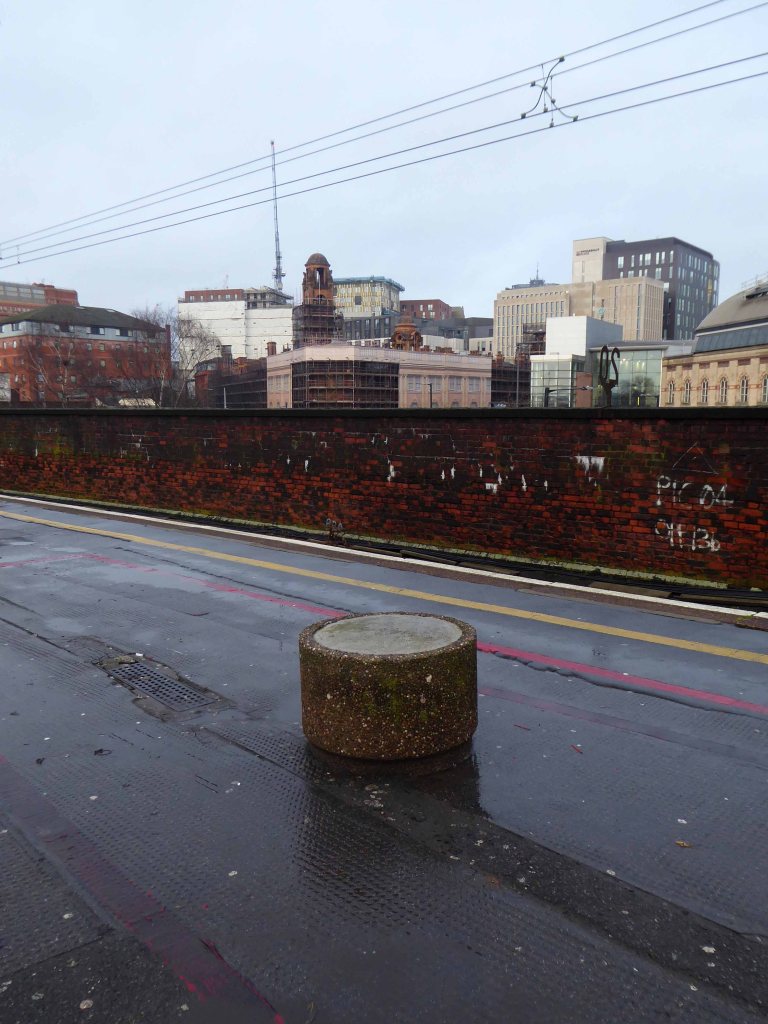
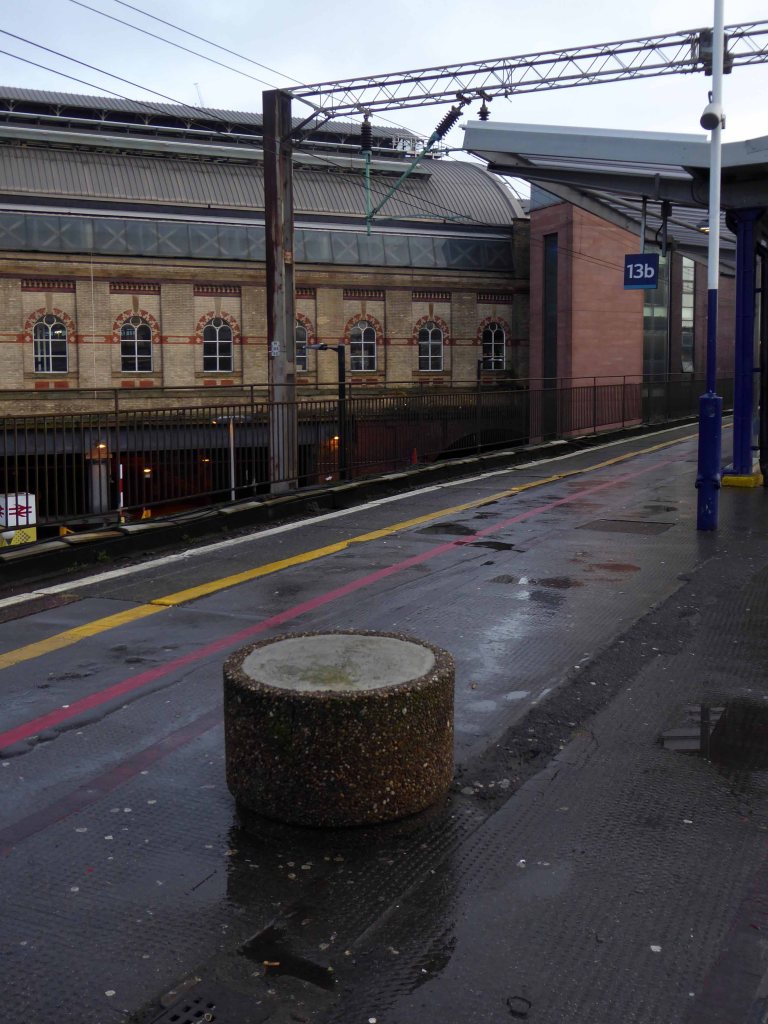
So here we are again at Piccadilly Station – stood standing at the western end of Platforms 13 and 14, waiting on a Southport train.

Time to spare and spend a few more magic moments with an old and trusted friend.

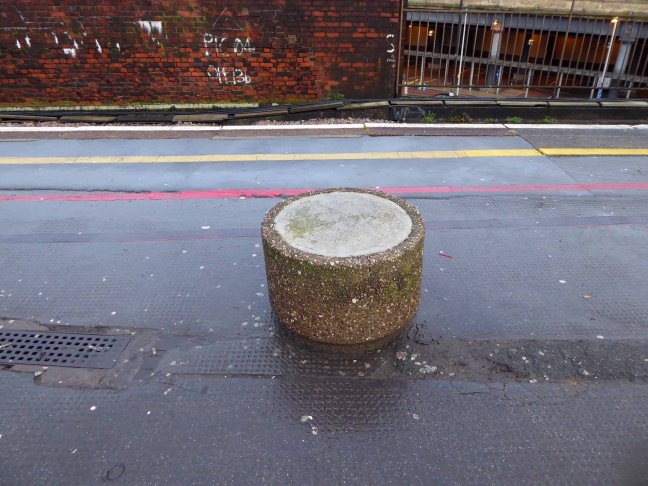
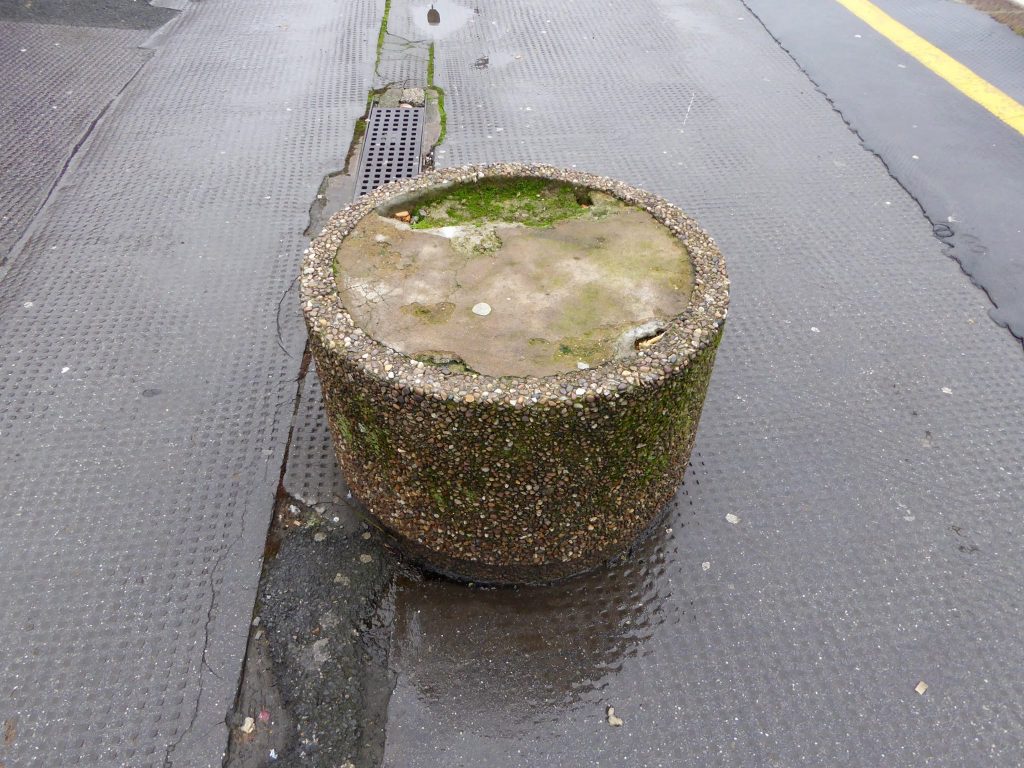
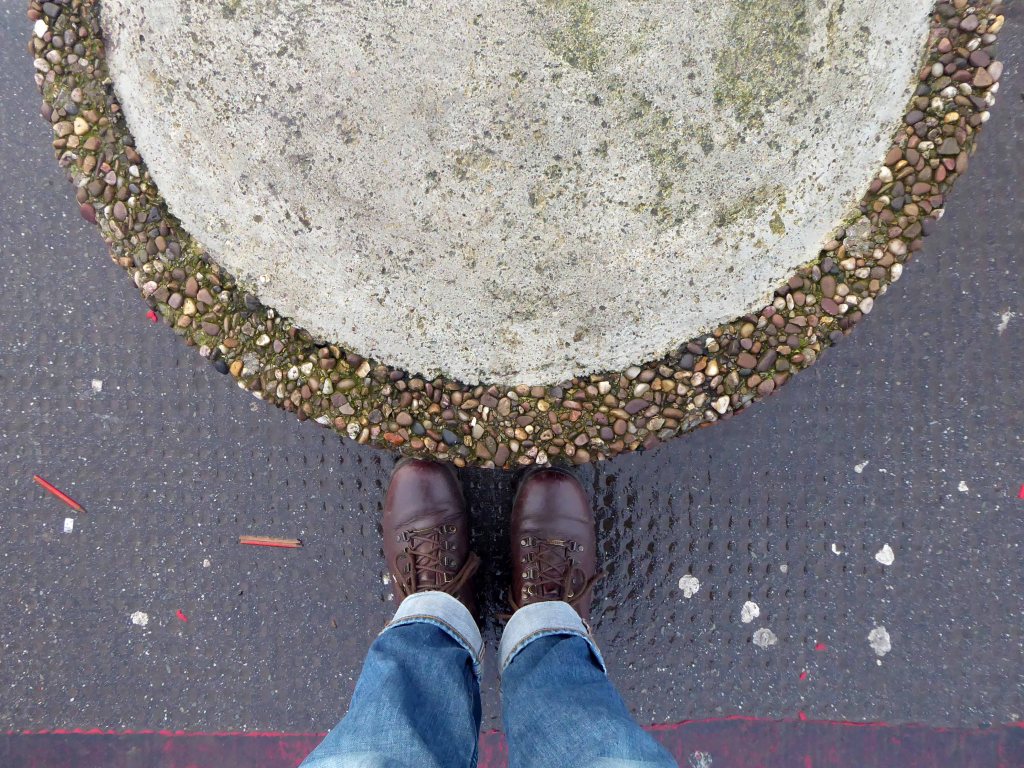
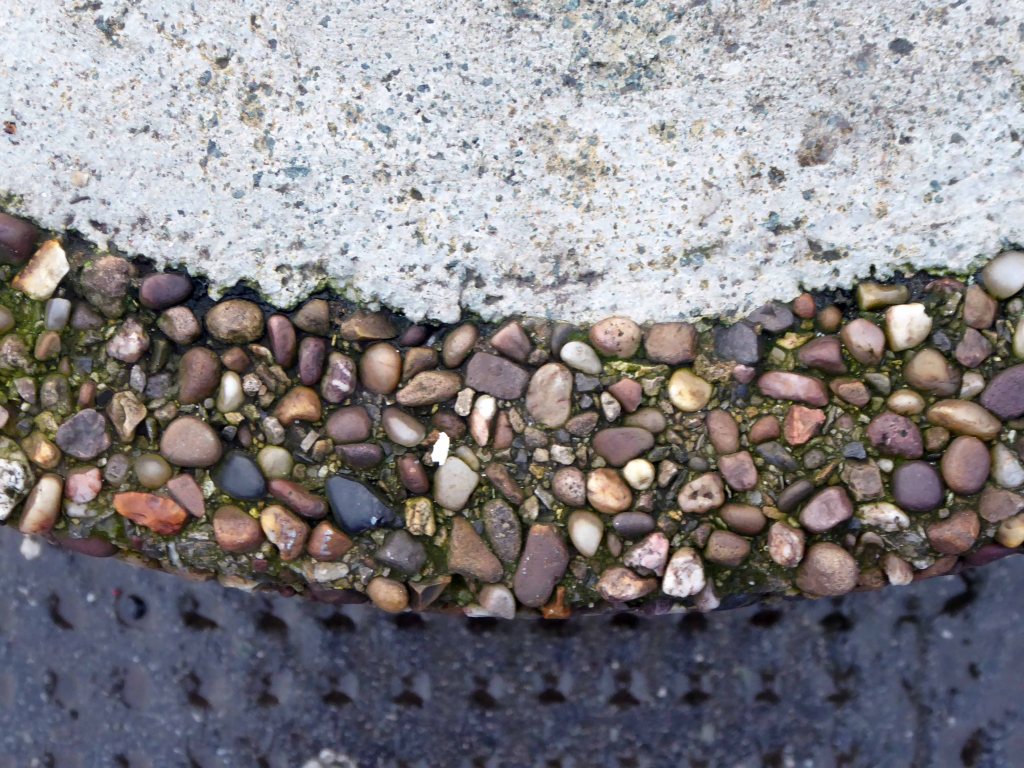
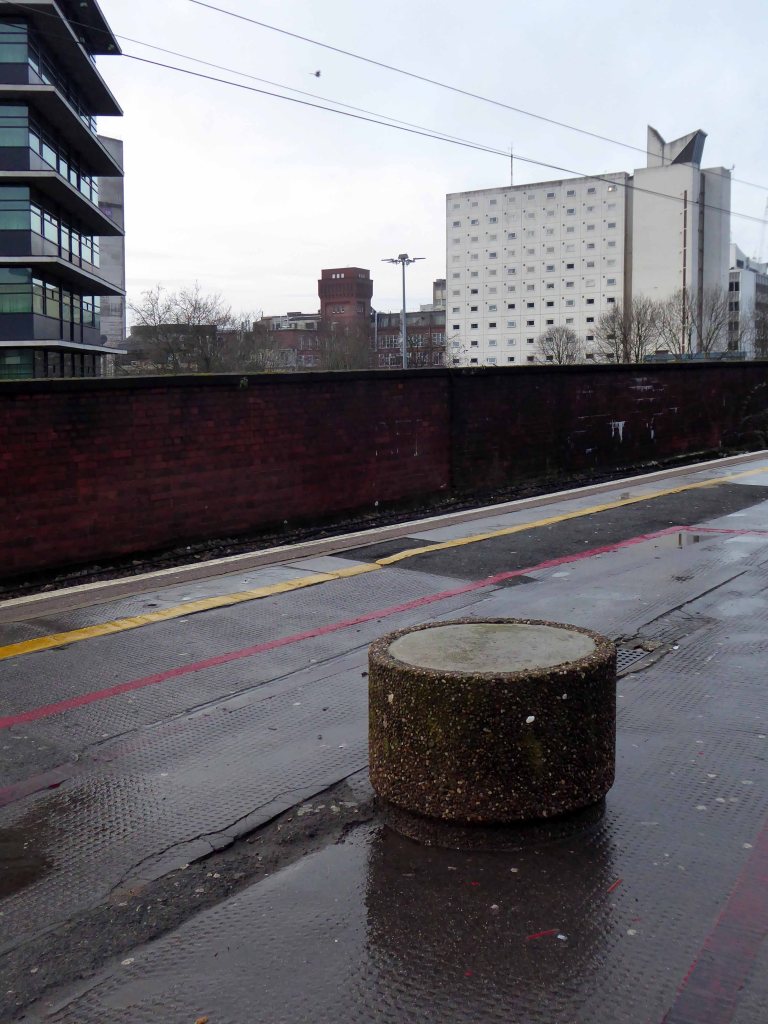
The back-filled concrete planter.

Seen here in a neglected and forlorn state, awaiting minor repairs to its upper sealed surface.

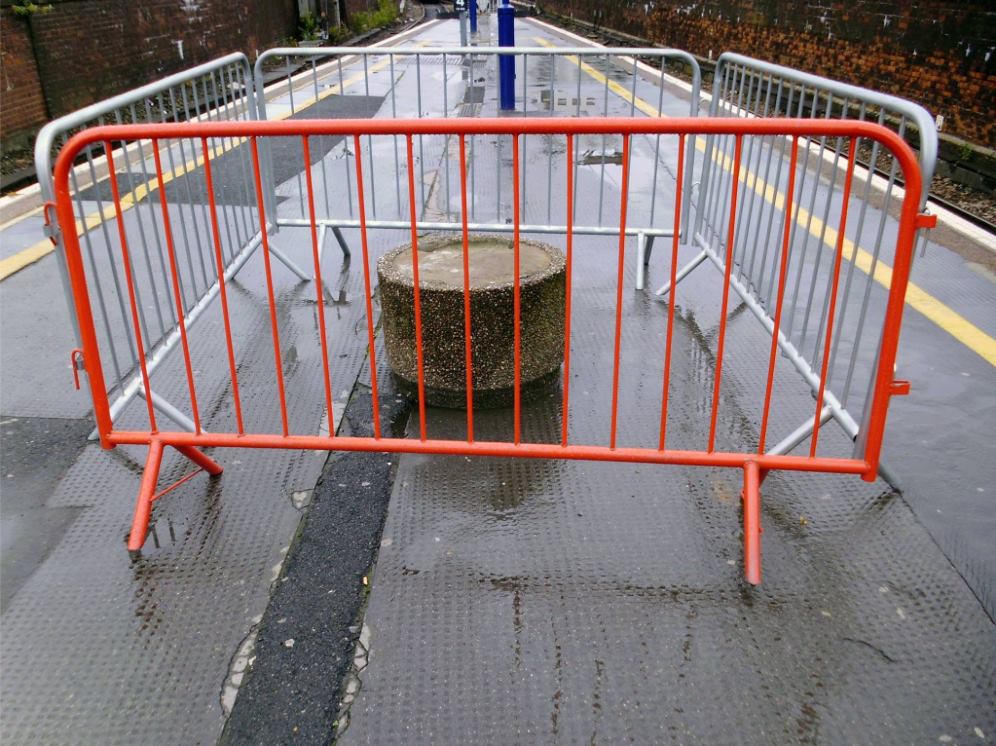
Once incarcerated and seemingly set for demolition, our diminutive concrete pal has lived to fight another day.

Standing alone in all elements, disabused by illicit smokers, grabbing a serruptitious chuff, whilst avoiding the ubiquitous Network Rail CCTV.

Sat upon by the indolent leg weary traveller, having missed yet another cancelled train.

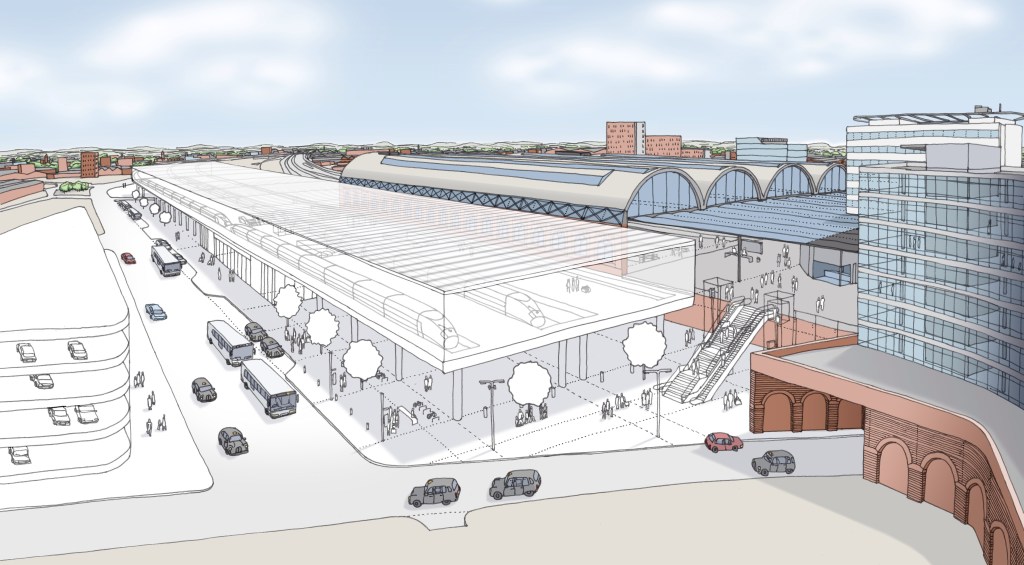
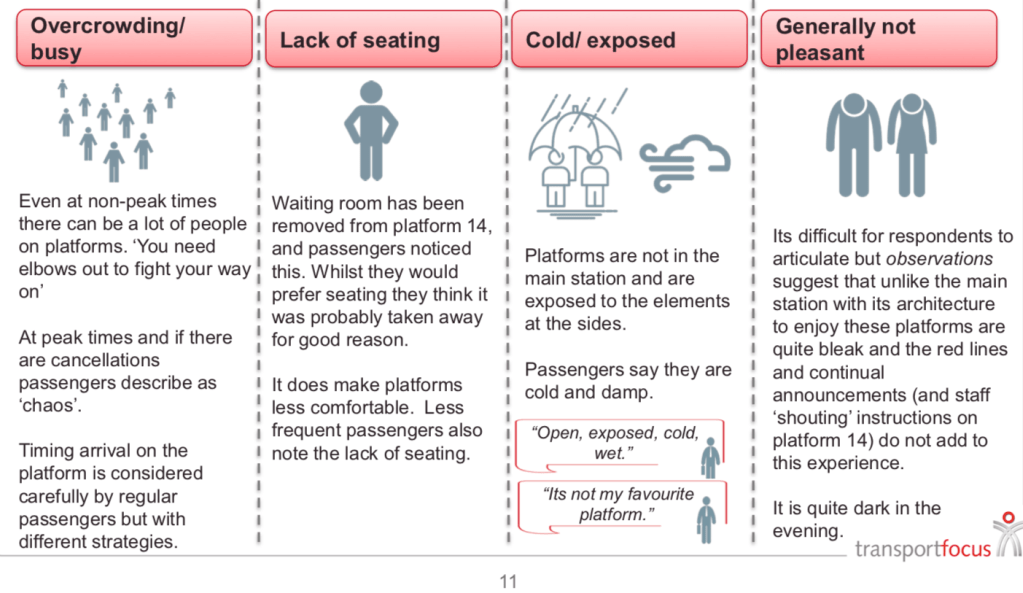
Your days may yet be numbered, as the platforms are part of a Station upgrade – the platforms are not thought to be commodious by the majority of train users.

I for one shall campaign for your preservation and reinstatement – right at the heart of matters.

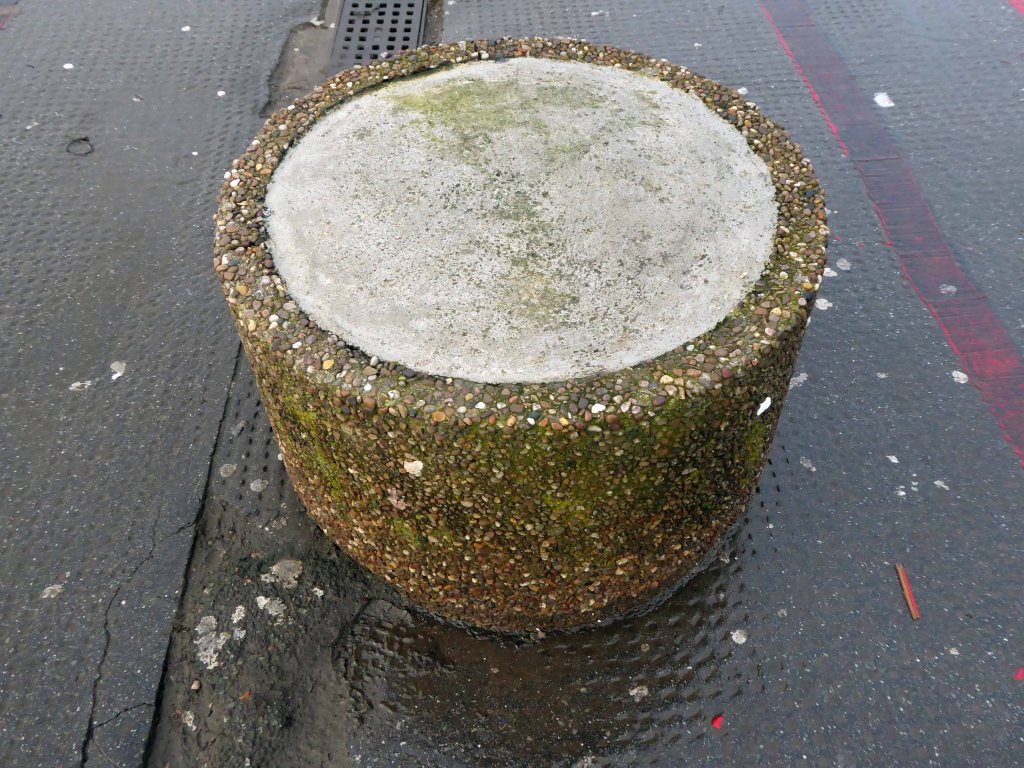
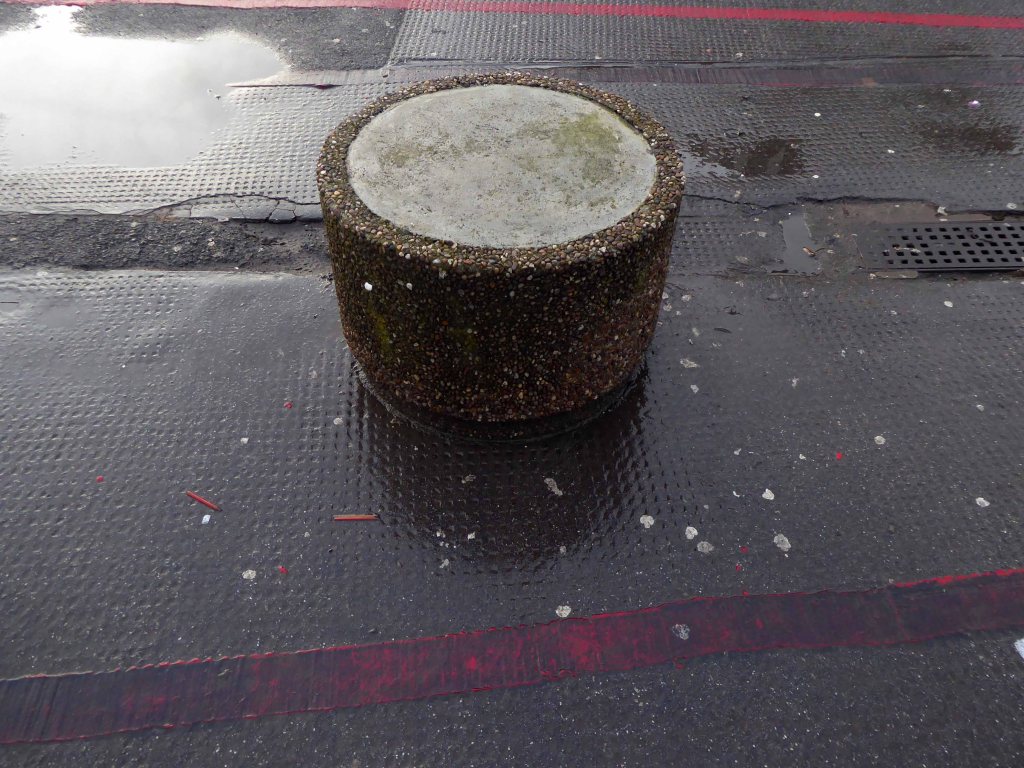
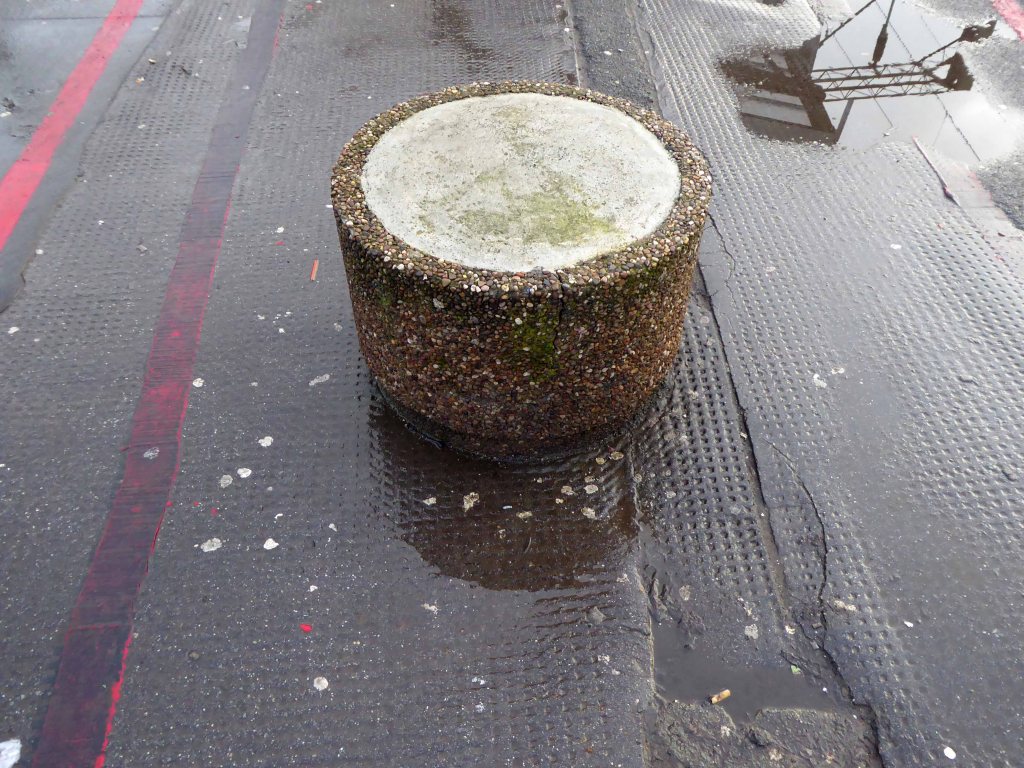
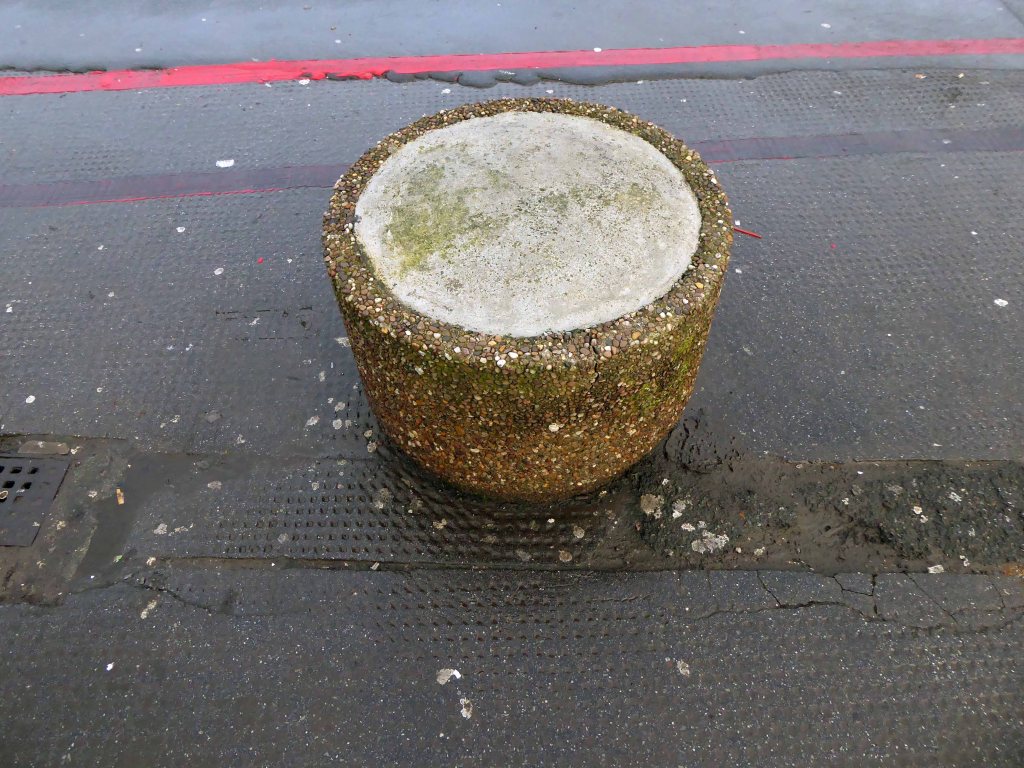
My personal, totemic modernist work of public art.

Somethings are worth fighting for!

Shopping Precincts – UK Again

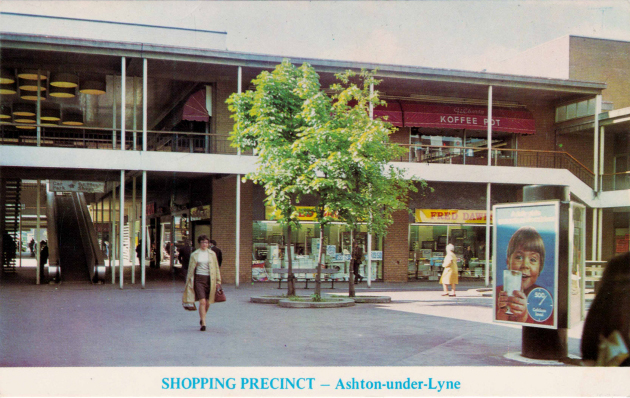
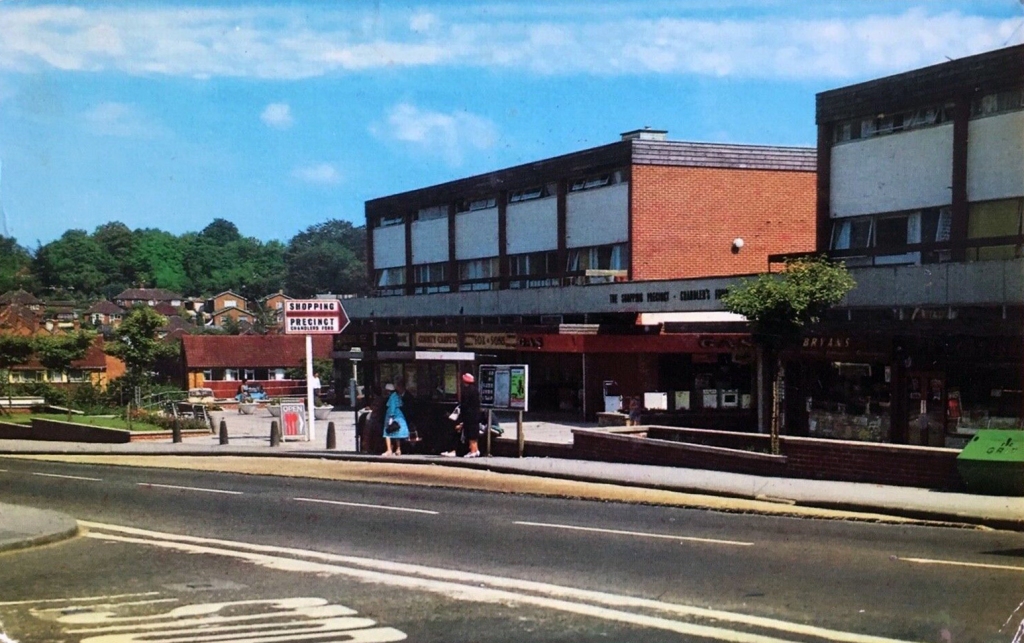
This time of year, with limited light and an inclement climate, it’s far easier to travel by picture postcard. Researching and searching eBay to bring you the finest four colour repro pictures of our retail realm.

We have of course been here before – via a previous post.

It is however important to keep abreast of current coming and goings, developments are ever so often overwritten by further developments.

Precincts my appear and disappear at will – so let’s take a look.

What the CMYK is going on?

Abingdon

Aylesbury

Blackburn

Bradford

Chandlers Ford

Coventry

Cwmbran

Derby

Eastbourne

Exeter

Gloucester

Grimsby

Hailsham

Irvine

Jarrow

Middlesborough

Portsmouth

Scarborough

Solihull

Southampton

Stockport

Torquay

Wakefield

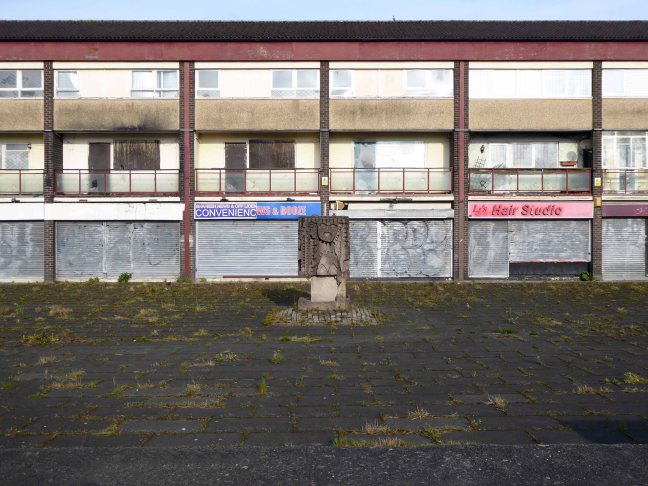
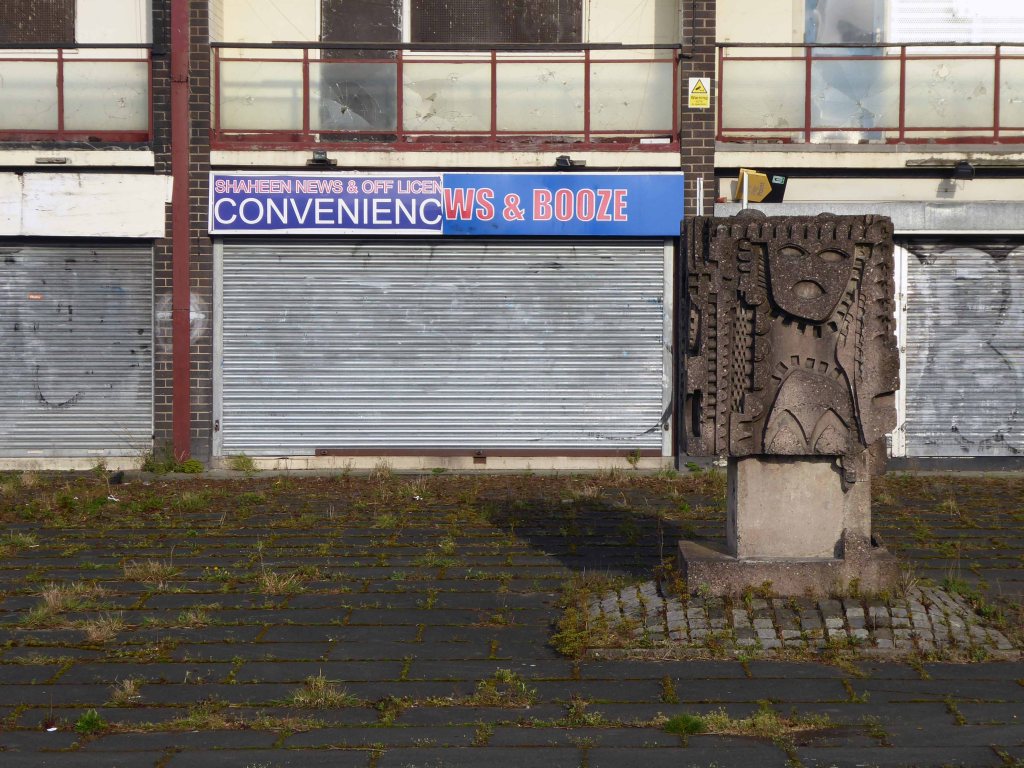
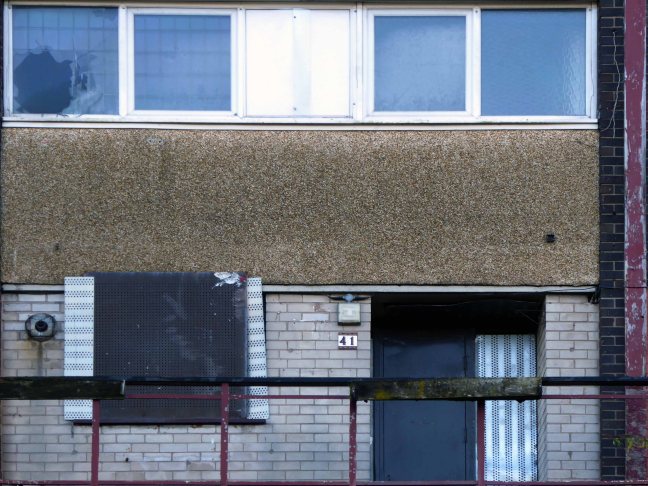
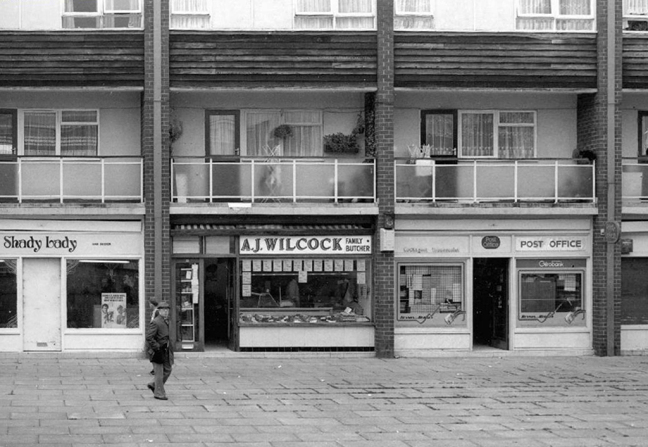
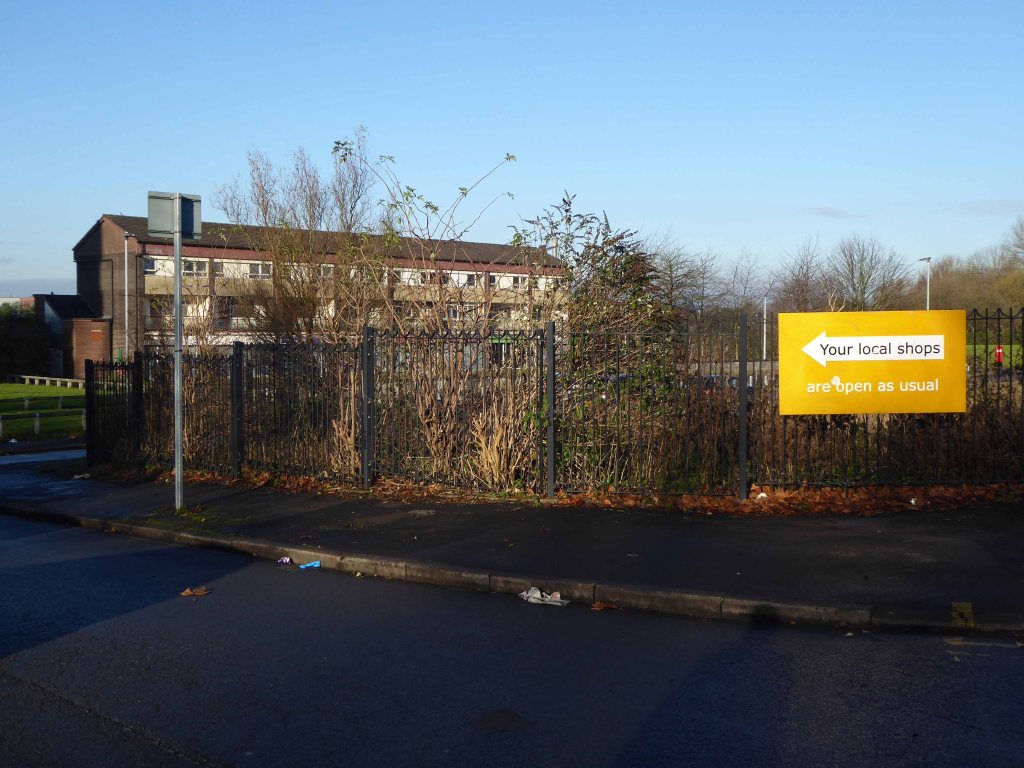
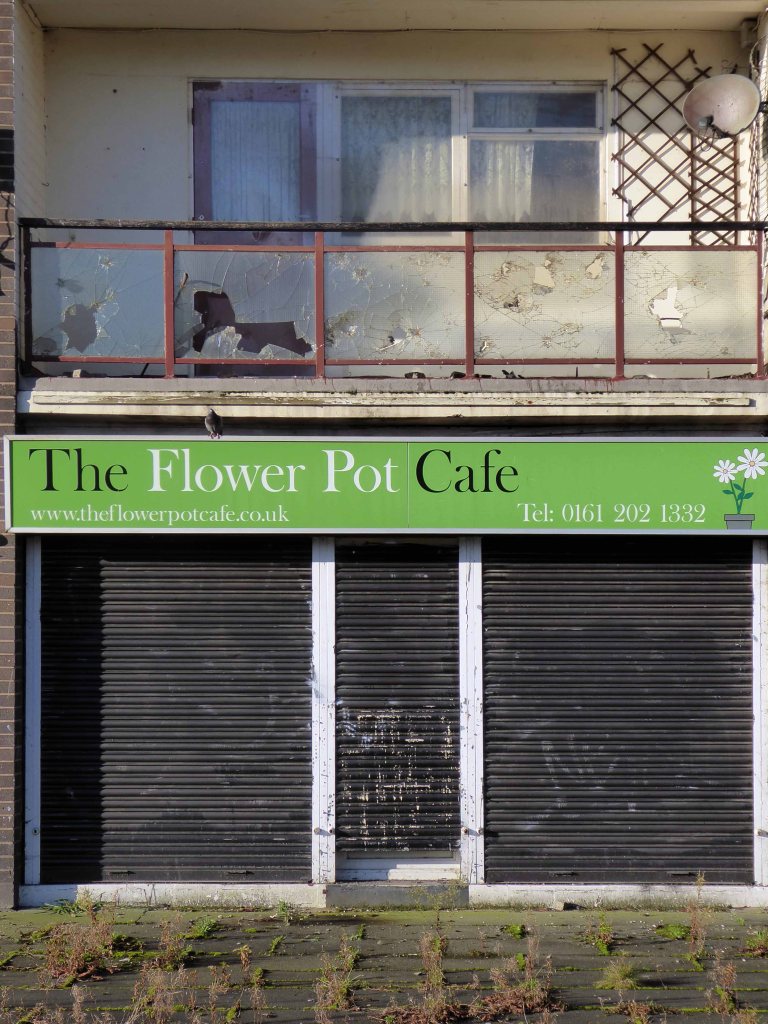
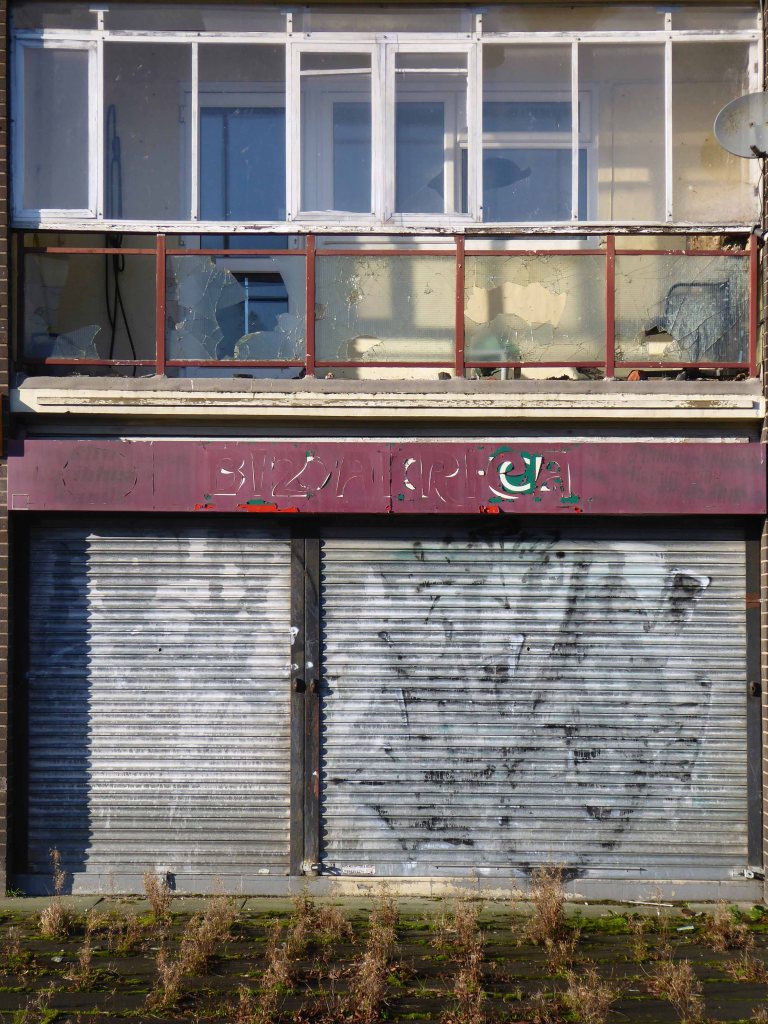
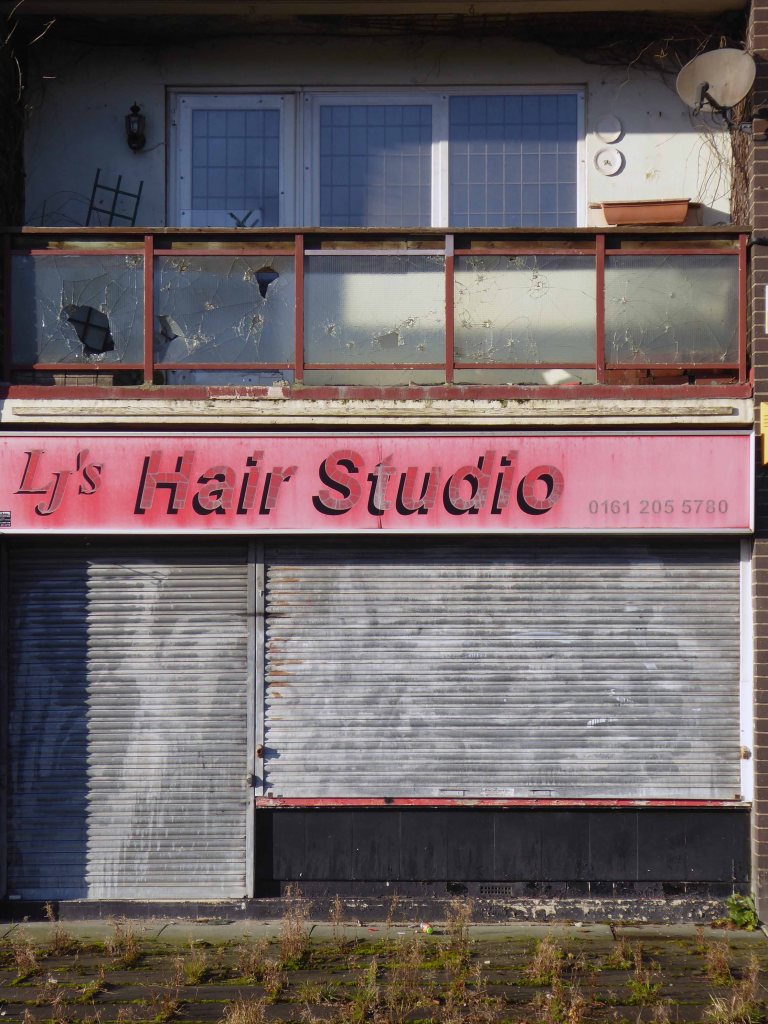
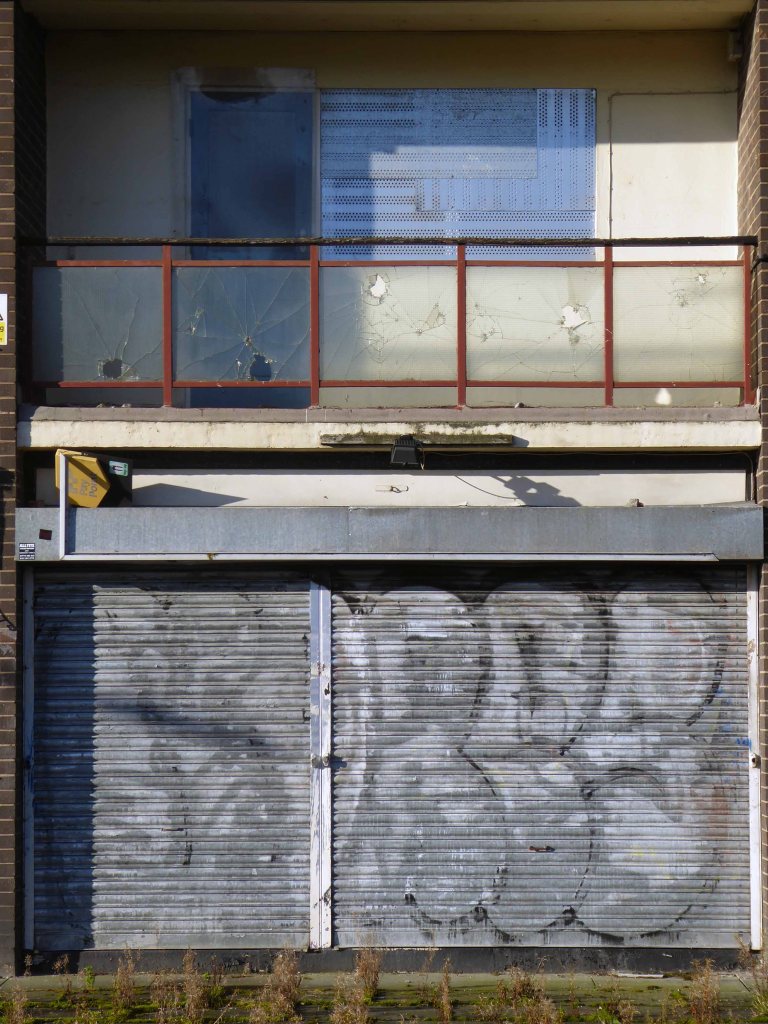
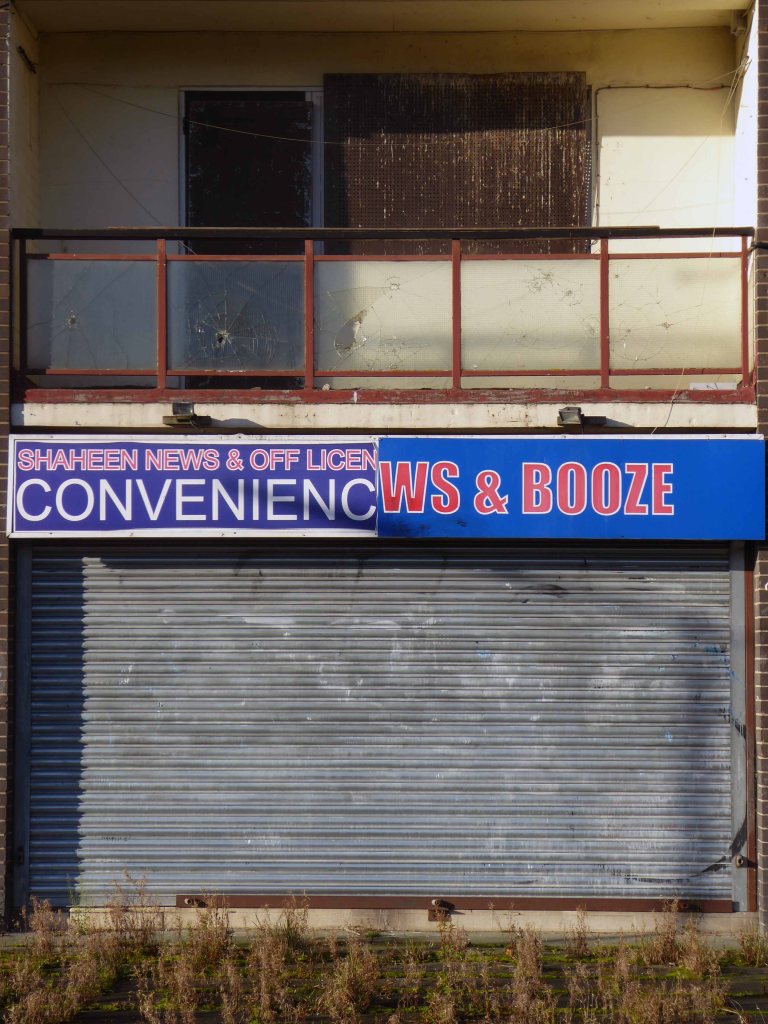
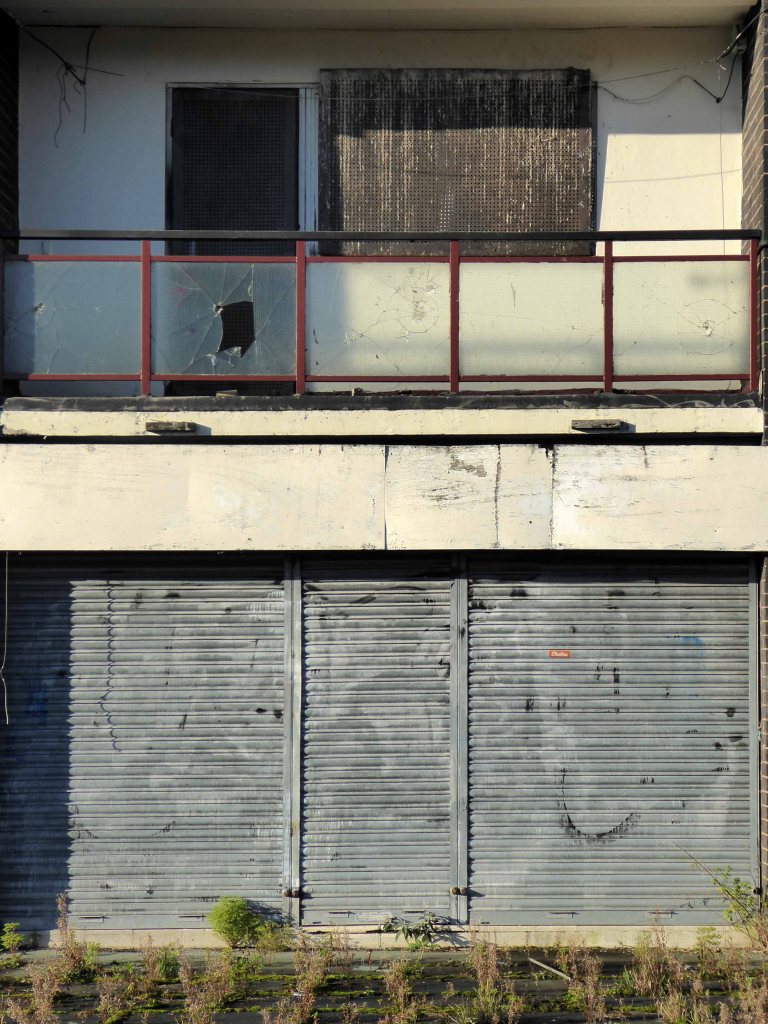
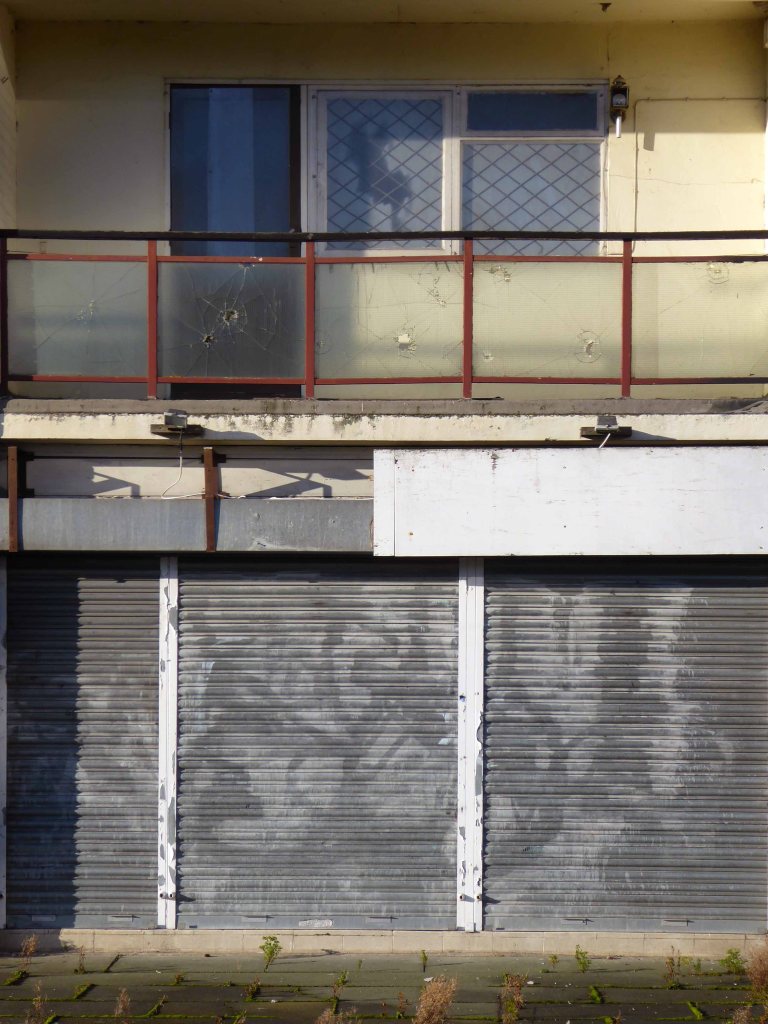
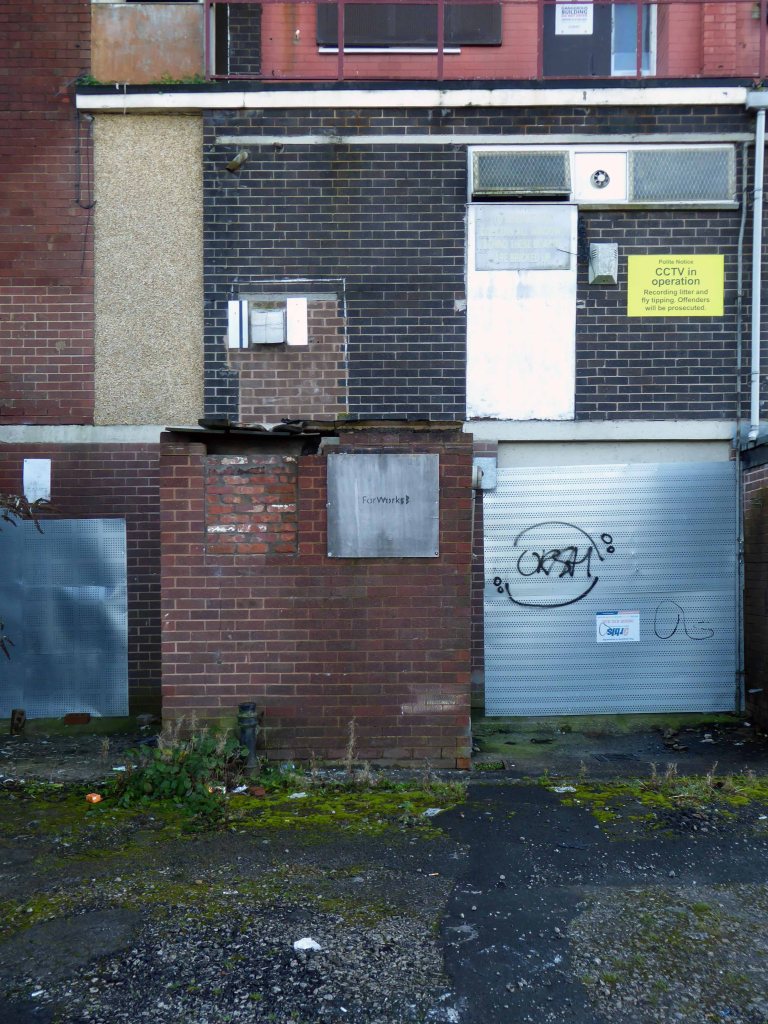
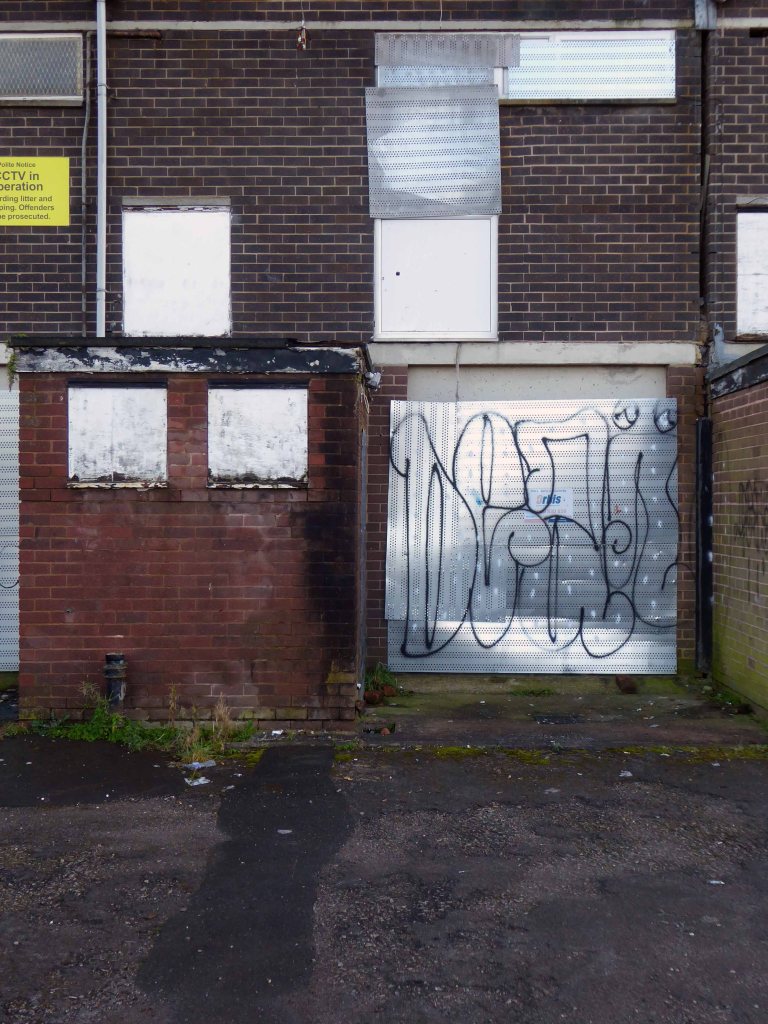
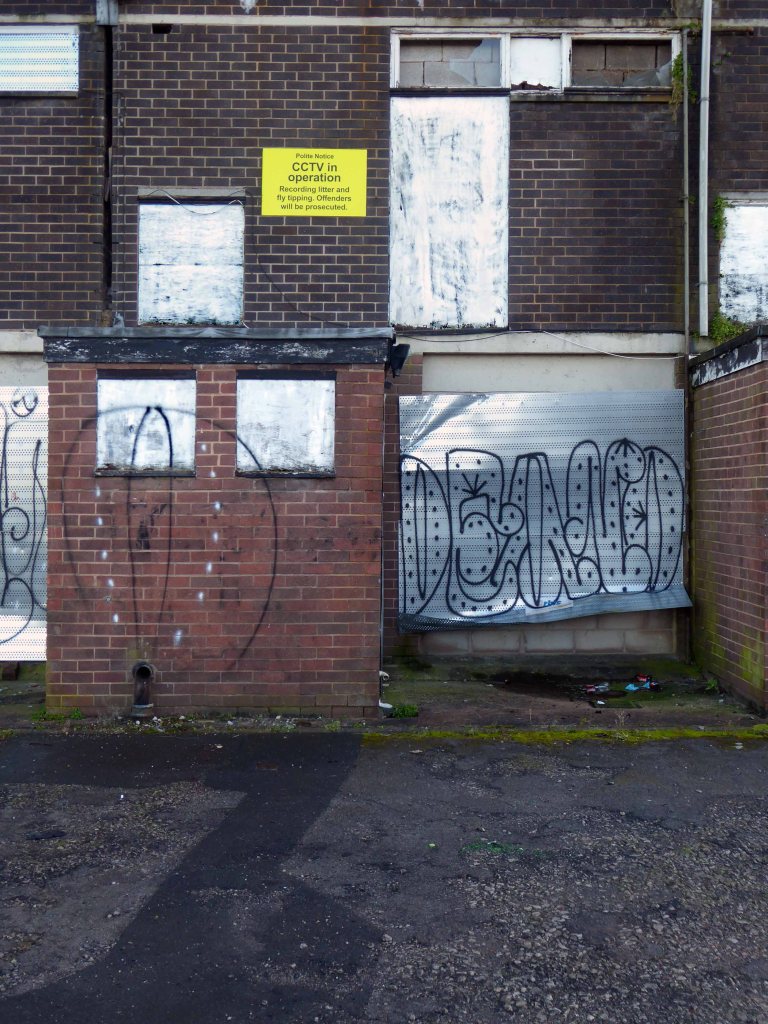
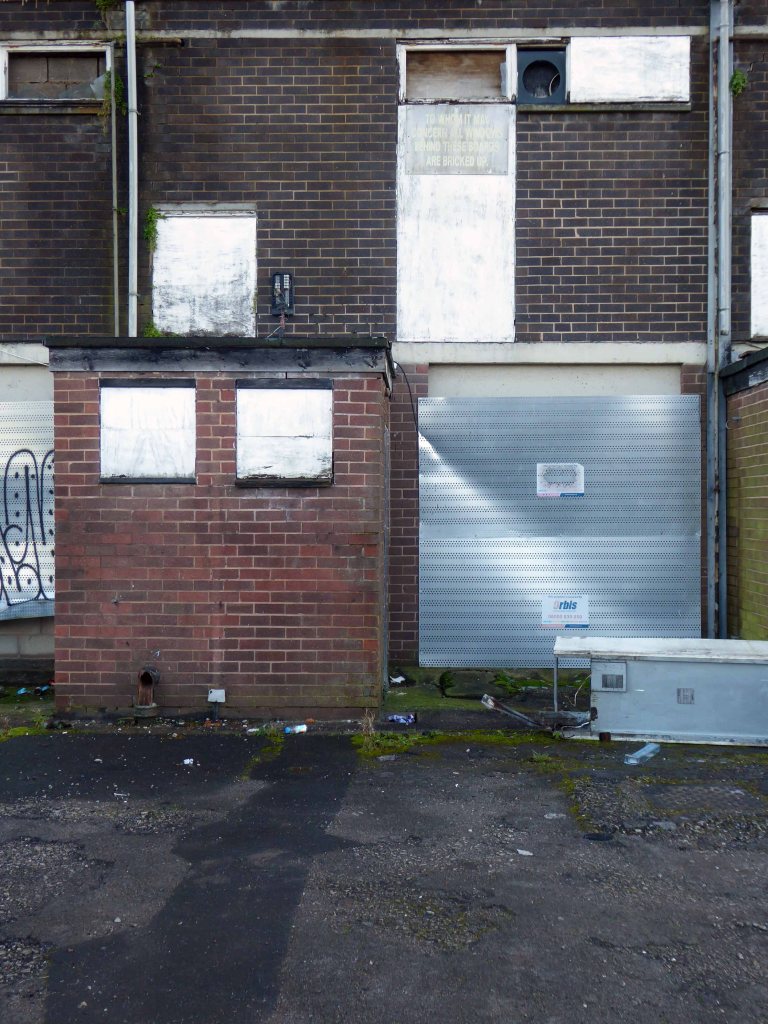
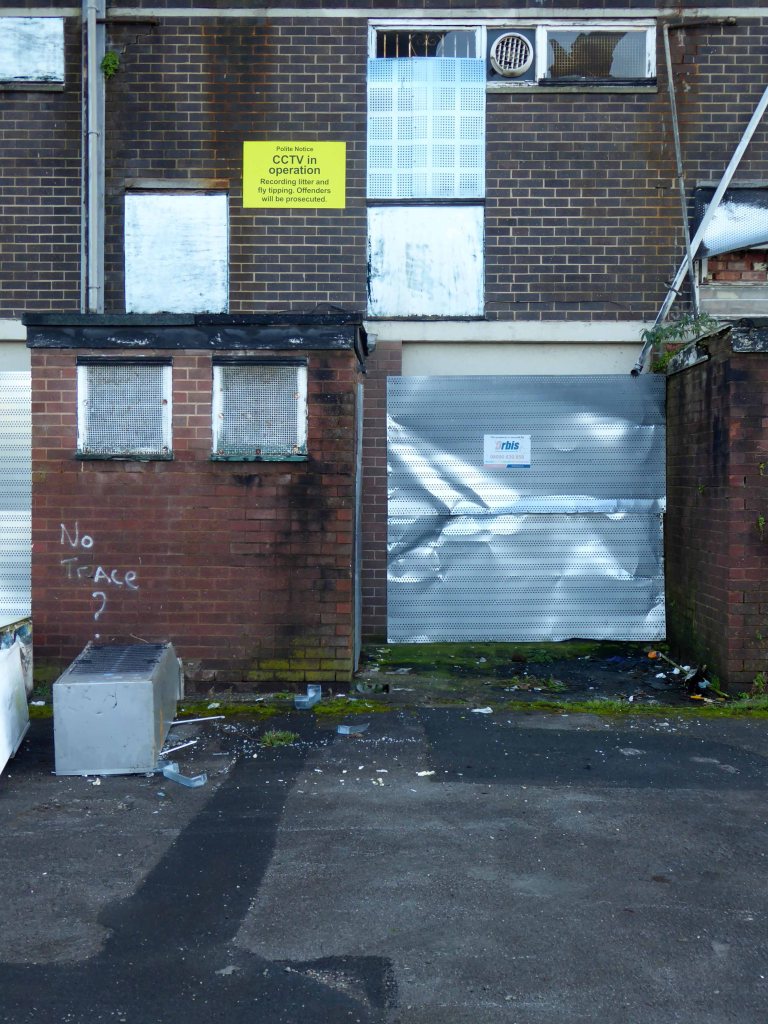
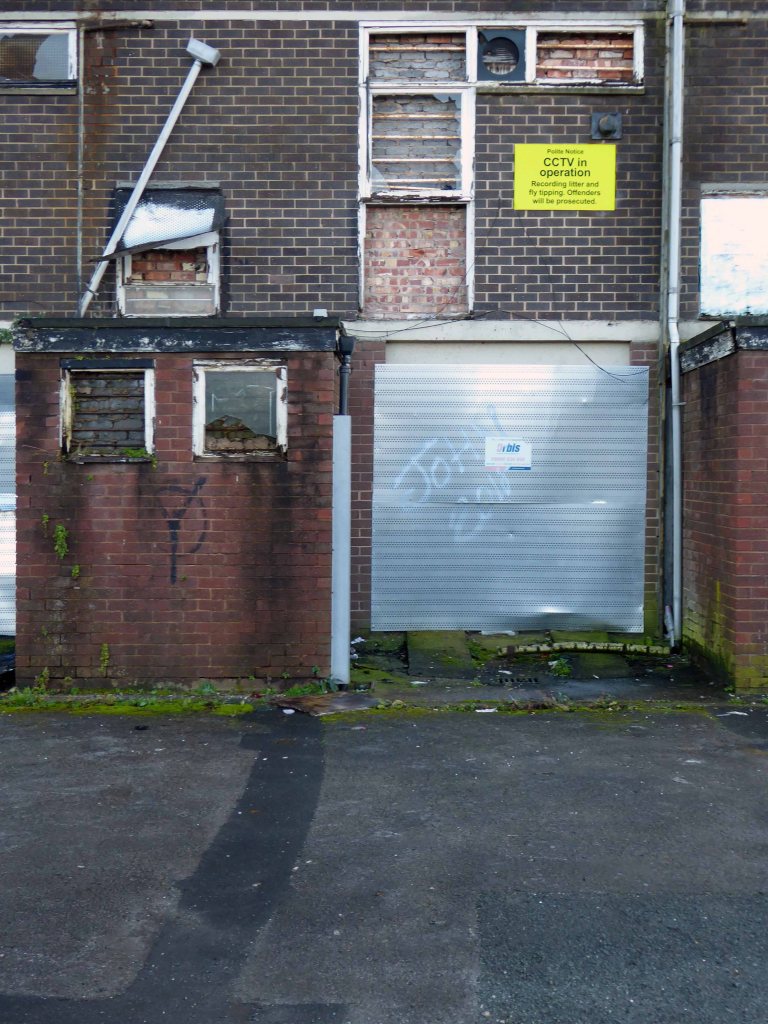
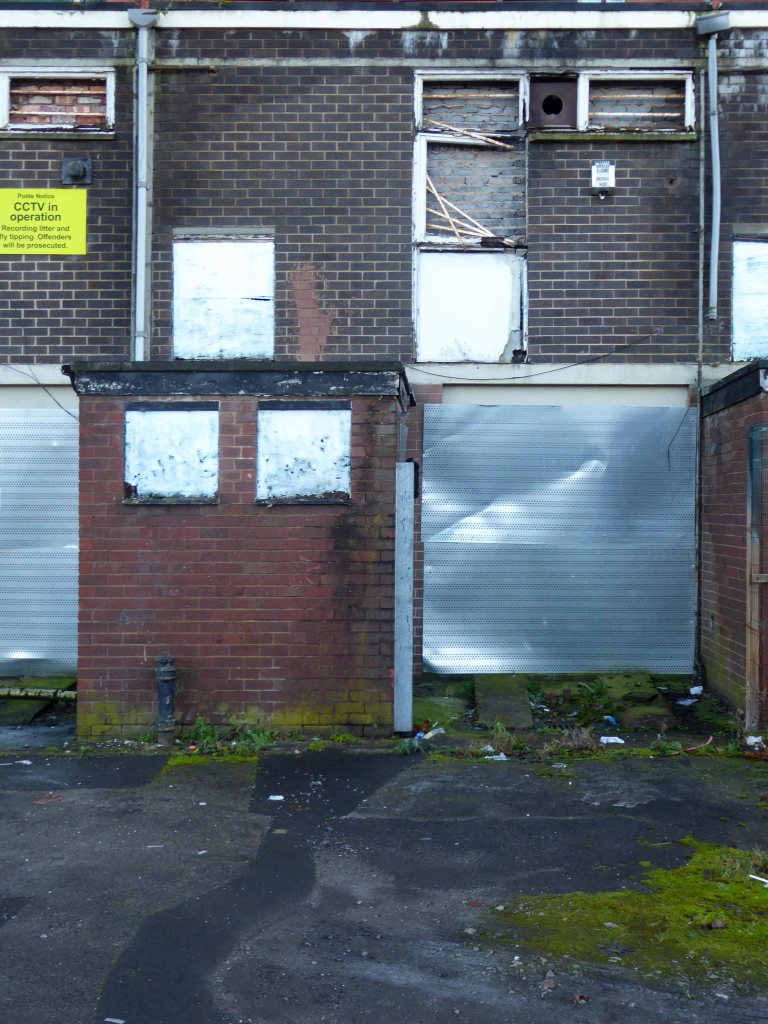
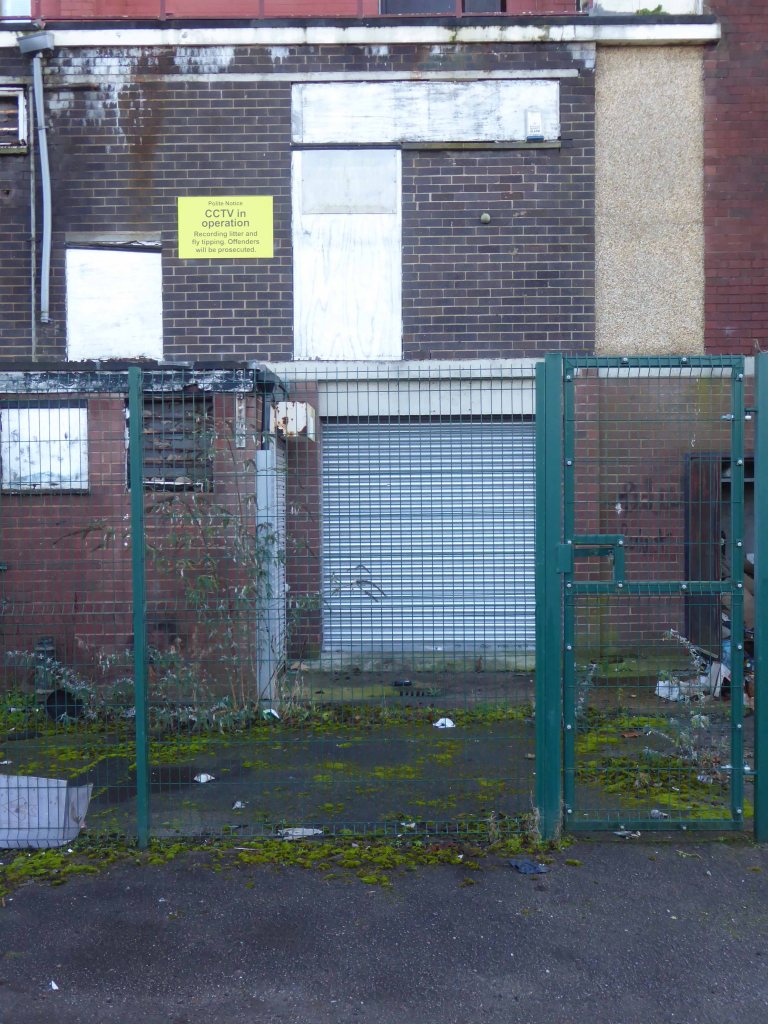
Eastford Square Collyhurst – Nobody Home

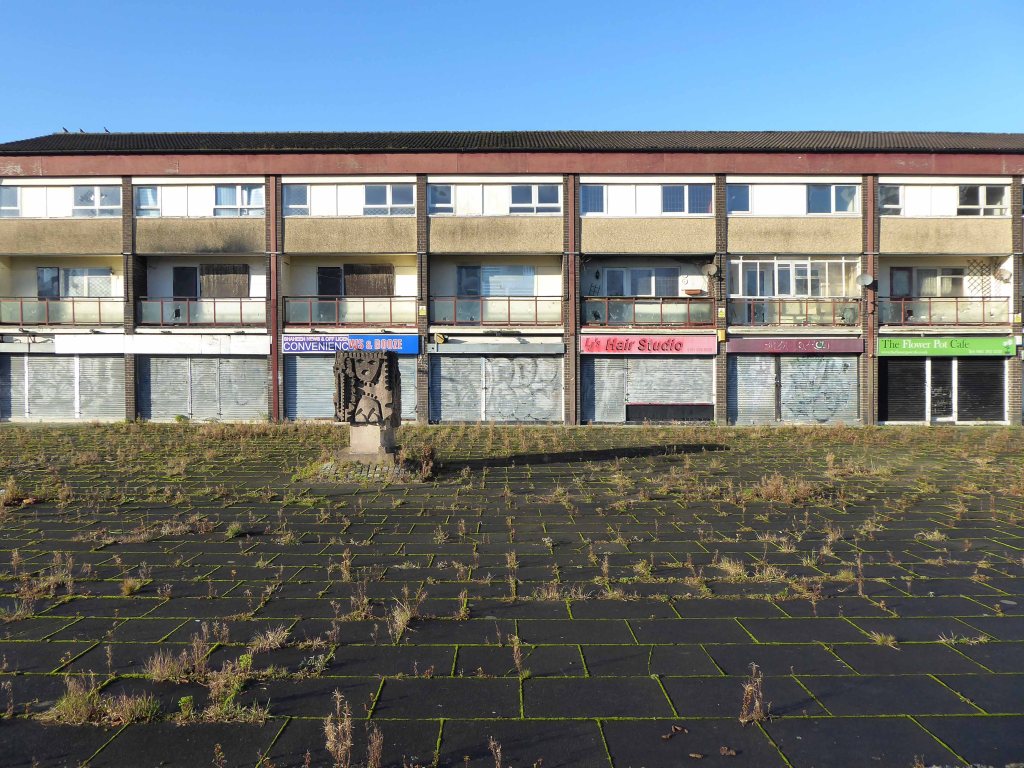
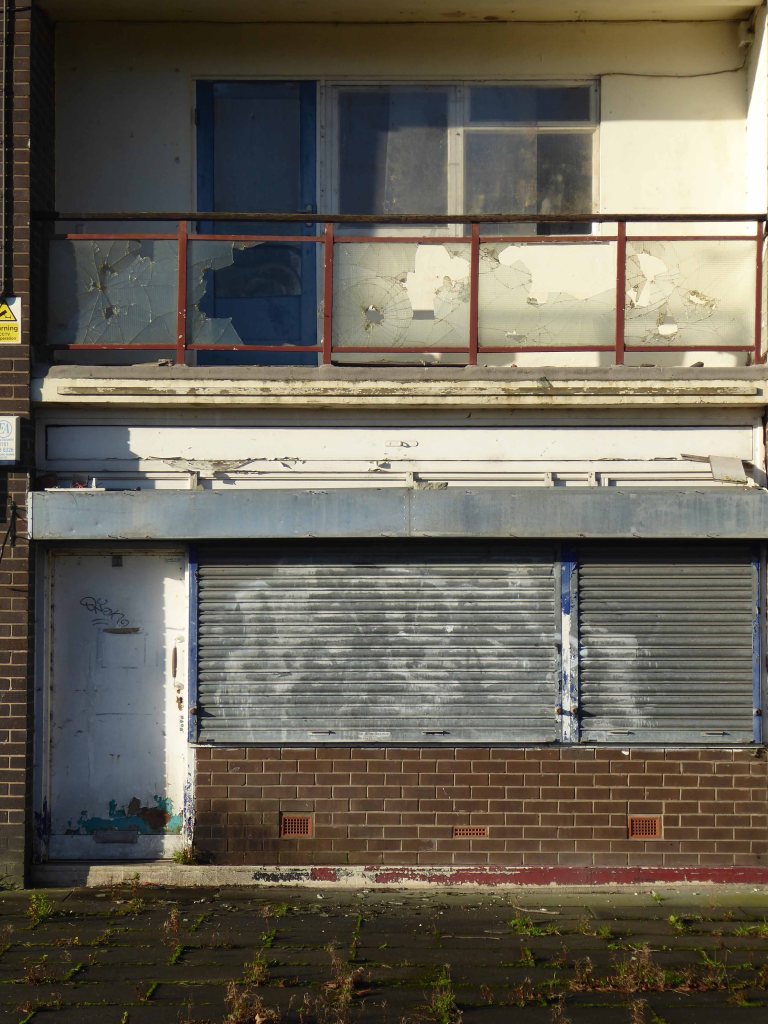
Stasis is the order of the day – the last stand for this forlorn stand of shops.

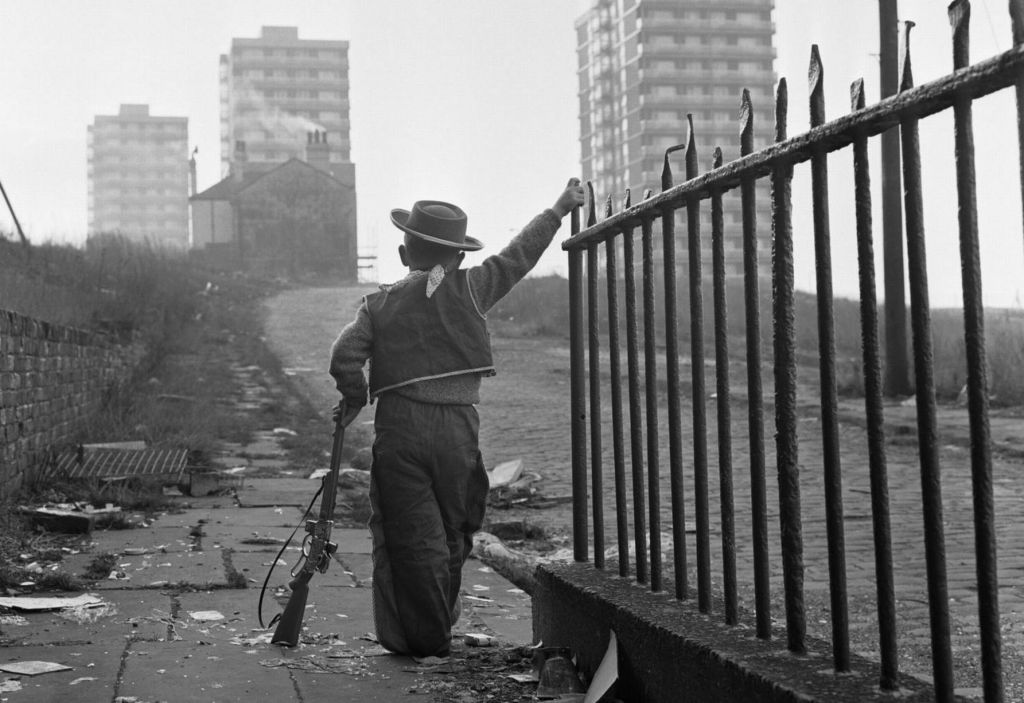
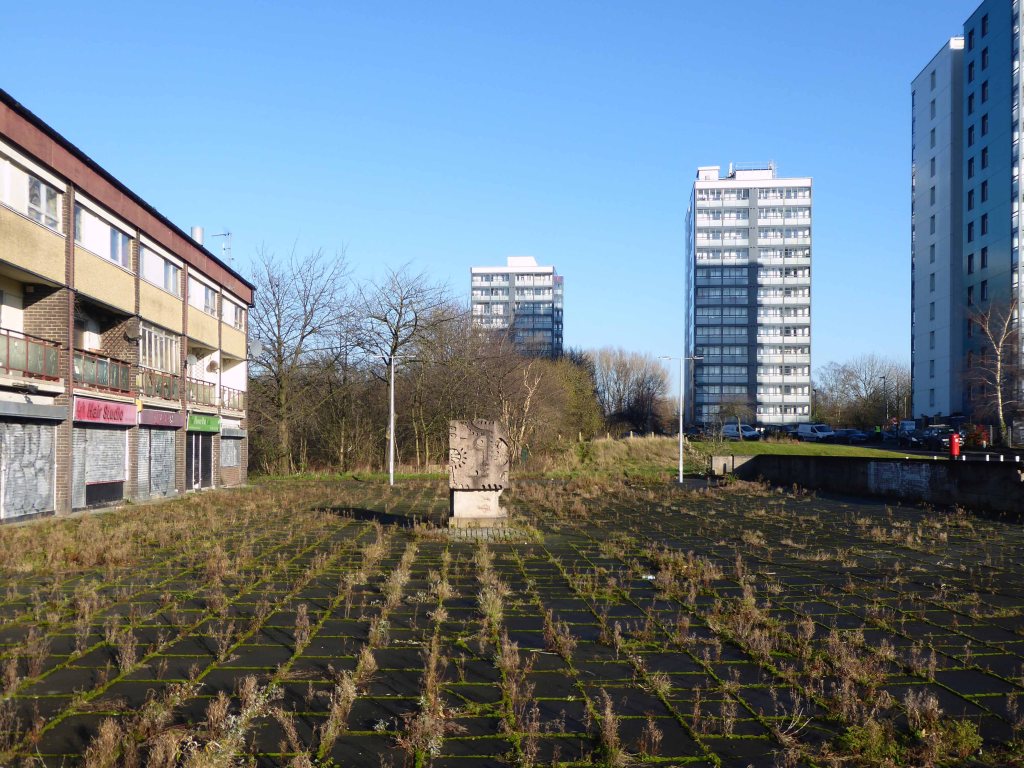
Once the realm of cobbles, railings, high rise arrivals and urban cowboys – an area overwhelmed by the weight of its past and the insubstantial promise of a sustainable future.

Where once productive and fulfilling lives were lived, buddleia now blooms, whilst thin grass entwines around forlorn fencing and betwixt ever widening cracks in the uneven paving.

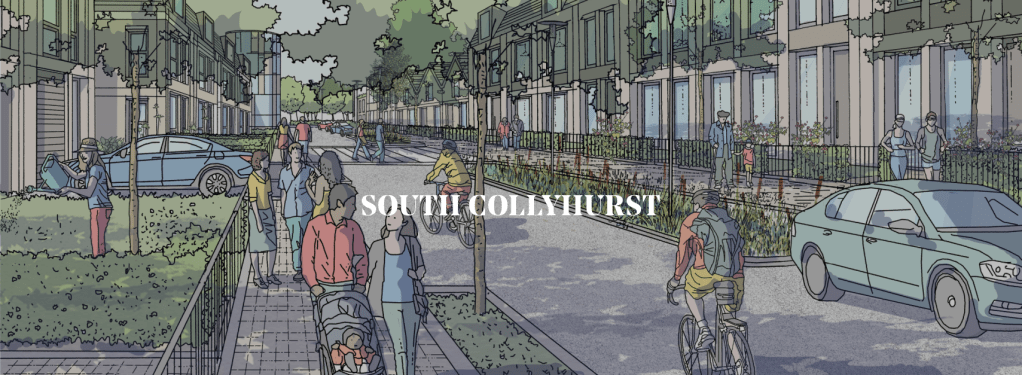
Development in South Collyhurst will take the form of residential-led, family-focused neighbourhoods. We’ll be providing a variety of housing types and tenures to encourage diversity, along with a mix of social and community infrastructure that supports a family lifestyle in close proximity to the city centre.

Northern Gateway

There are two ideas of government. There are those who believe that if you just legislate to make the well-to-do prosperous, that their prosperity will leak through on those below. The Democratic idea has been that if you legislate to make the masses prosperous their prosperity will find its way up and through every class that rests upon it.

William Jennings Bryan 1896

Indeed, You have turned the city into a heap of rubble, a fortified town into ruins; the fortress of strangers is a city no more; it will never be rebuilt.

Isiah 25:2

And they that shall be of thee shall build the old waste places: thou shalt raise up the foundations of many generations; and thou shalt be called, the repairer of the breach, the restorer of paths to dwell in.

Isiah 58:12

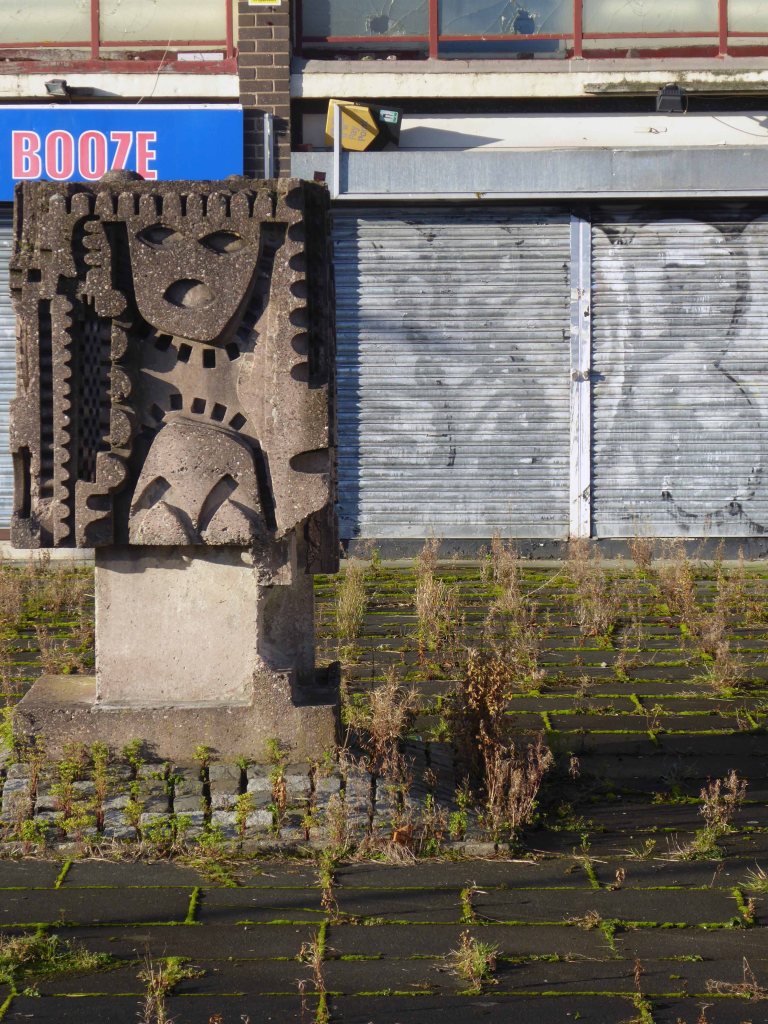
The putative William Mitchell cast concrete block stares stolidly at its surroundings, overseeing a slow and painful decline.

All that is solid melts into air, all that is holy is profaned, and man is at last compelled to face with sober senses his real conditions of life, and his relations with his kind.

Manifesto of the Communist Party

There’s no business like no business – it’s no better out the back.

This is an unprecedented opportunity to deliver a significant residential-led development connecting the north to the centre of Manchester. Working with our partners we’re re-imagining the essential neighbourhoods of our city.

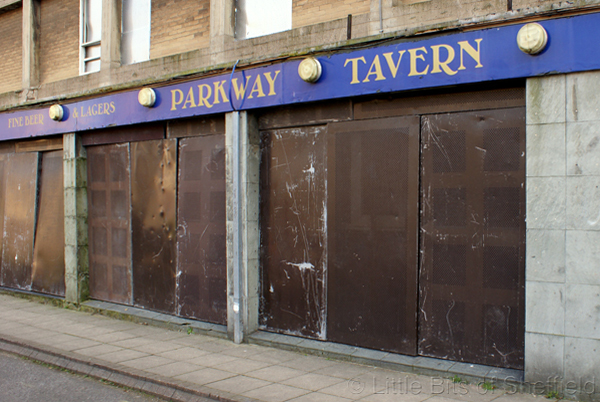
The Parkway Pub – Park Hill Sheffield

I’ve been here before, virtually – in my online guide to Park Hill Pubs.

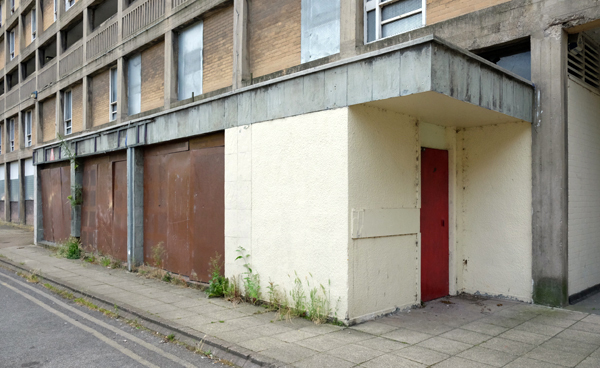
I’ve been here before, actually – on my visits to Park Hill Estate

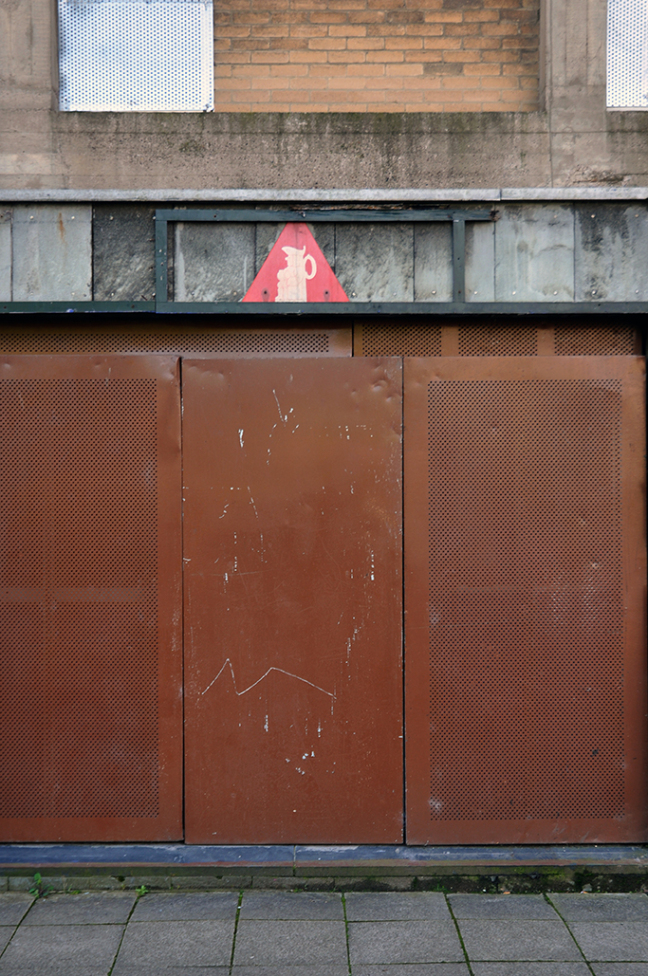
But hark, what news of the Parkway pub?

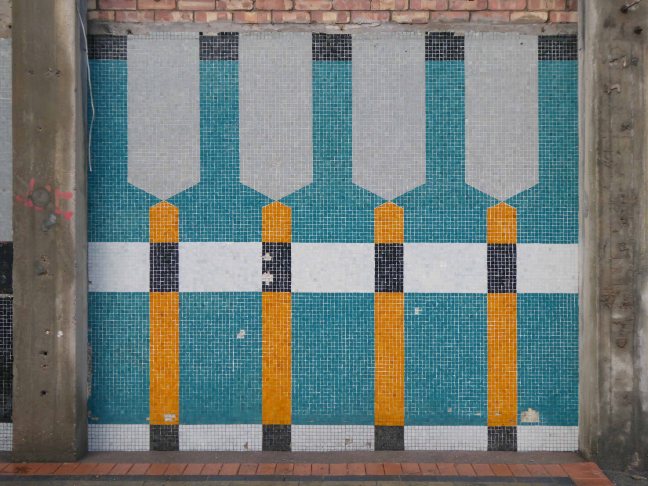
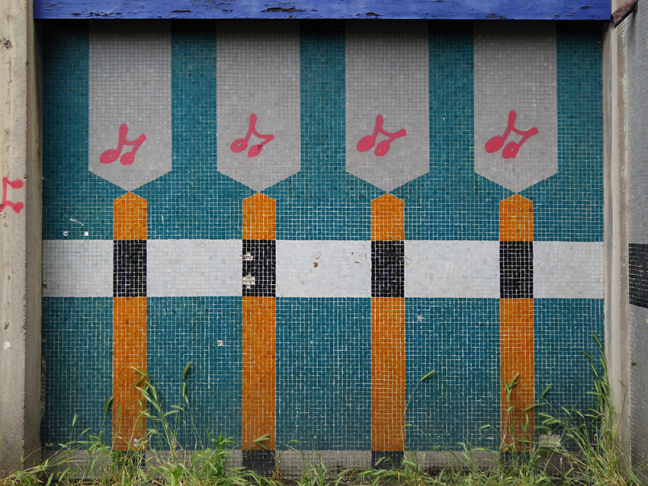
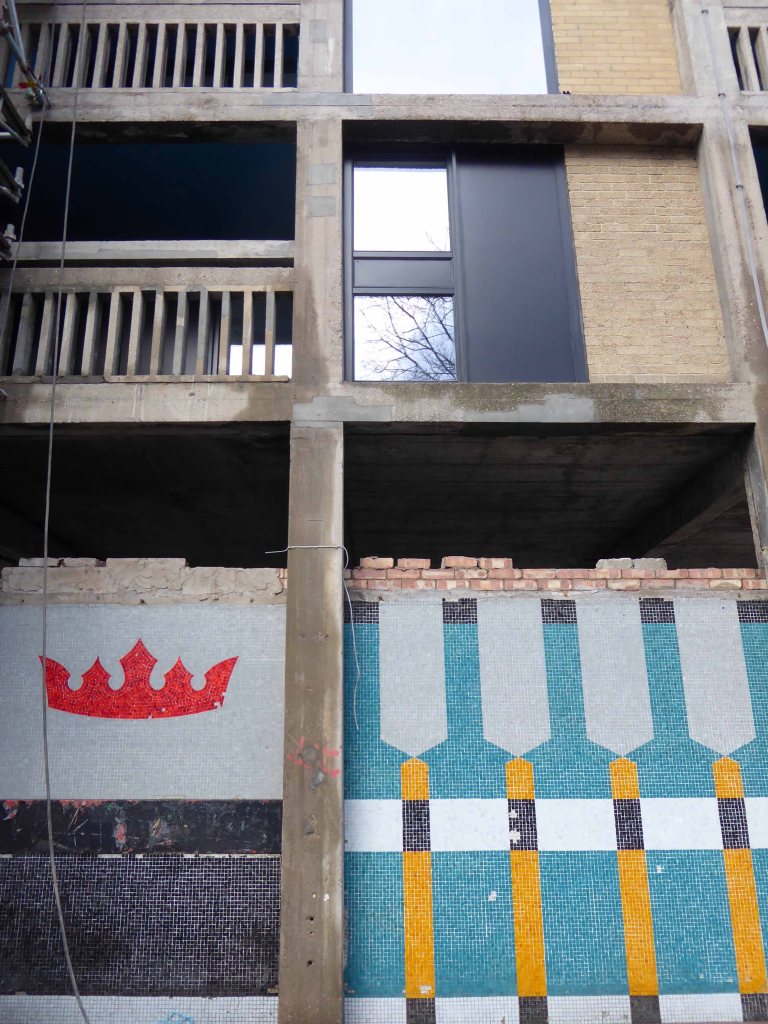
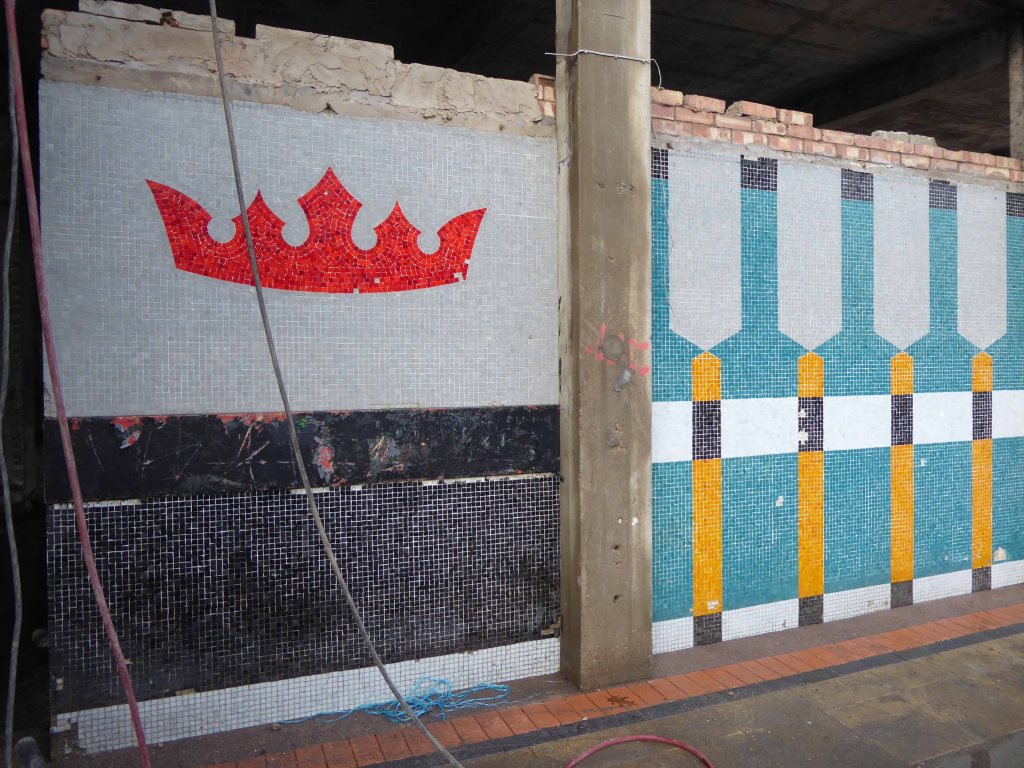
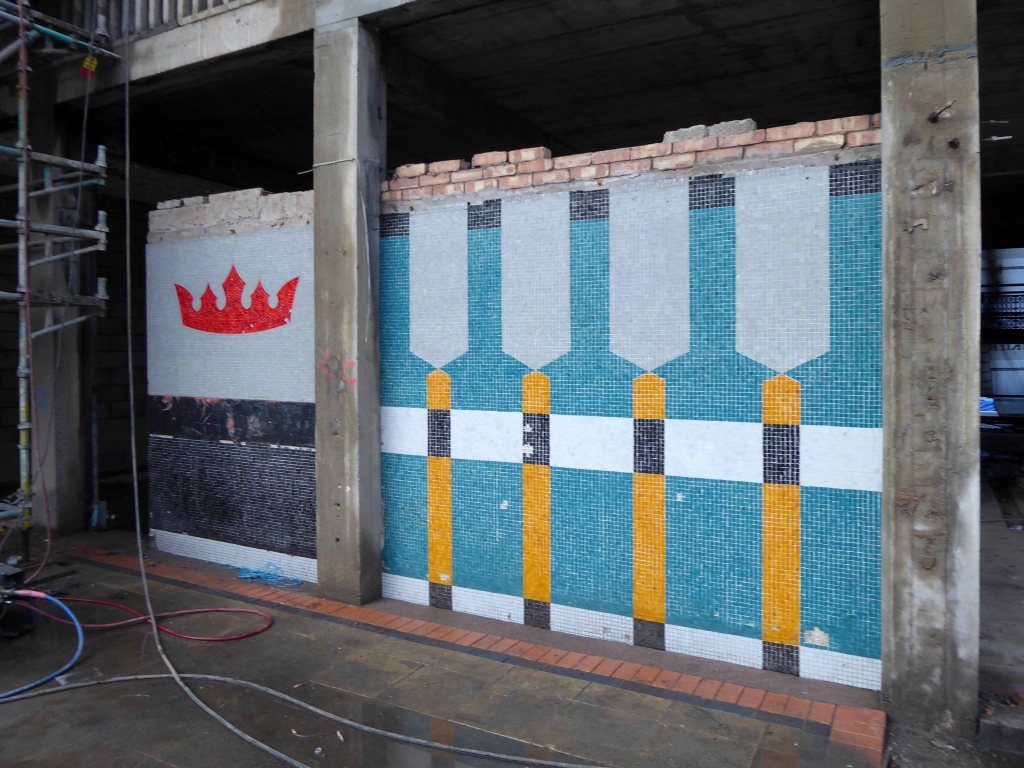
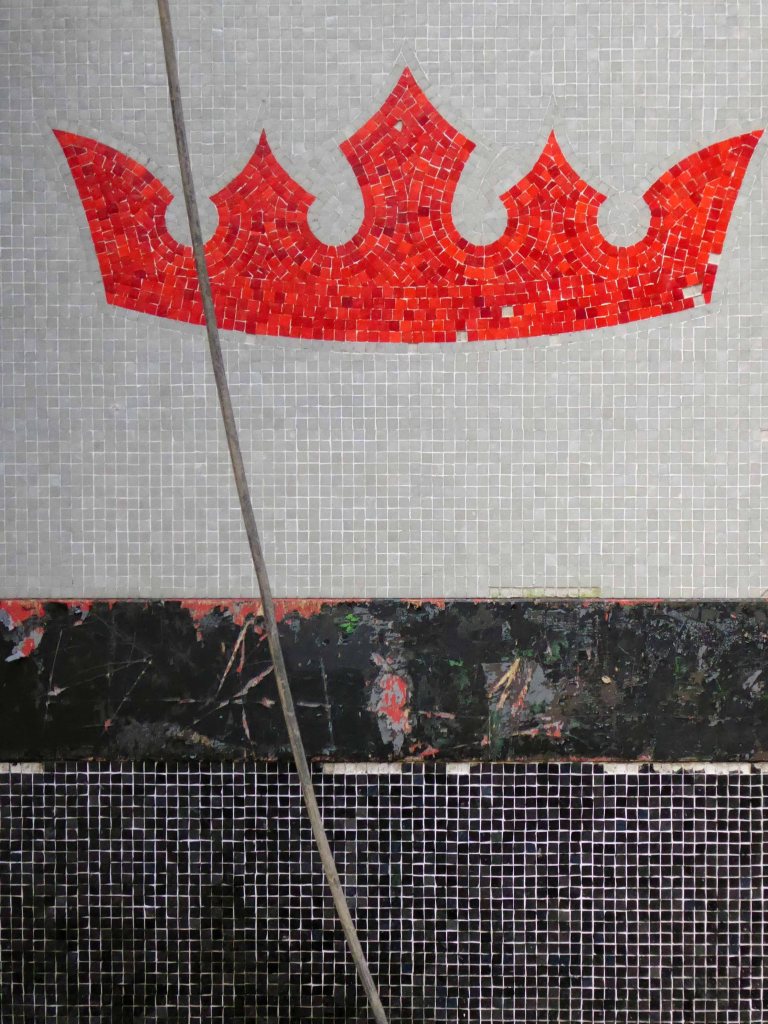
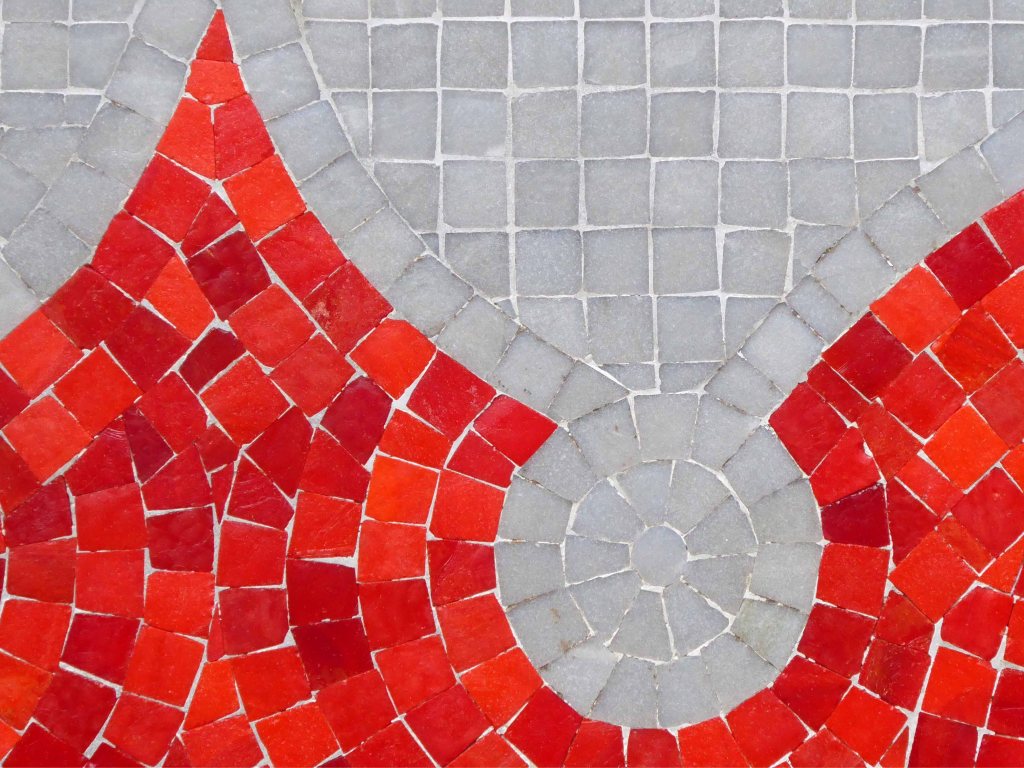
Your bold mosaic whilst once exposed, was sadly disabused, then unthinkingly covered.

Has subsequently been uncovered, steam cleaned and proudly on view, as a central part of the most recent of the estate’s phases of redevelopment.

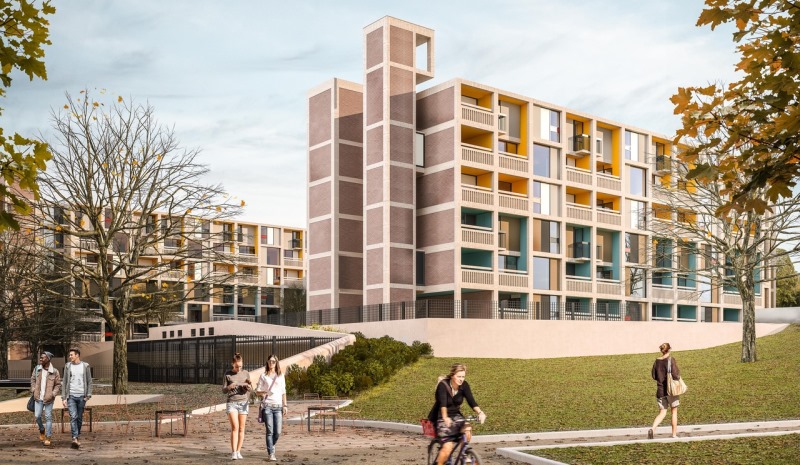
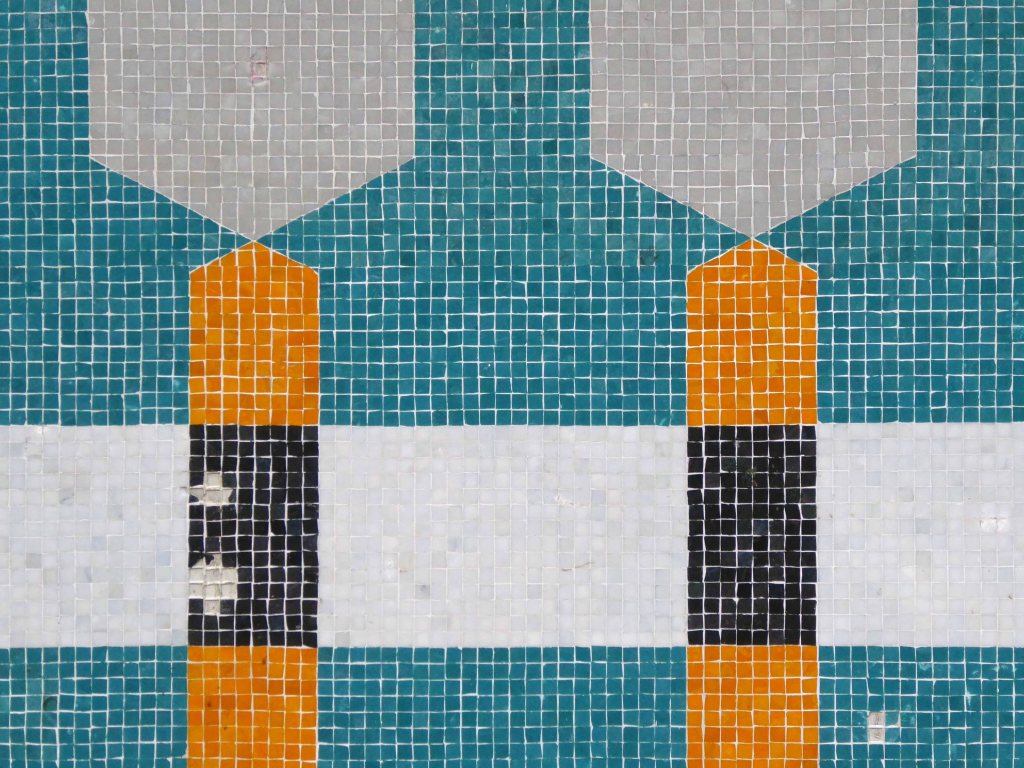
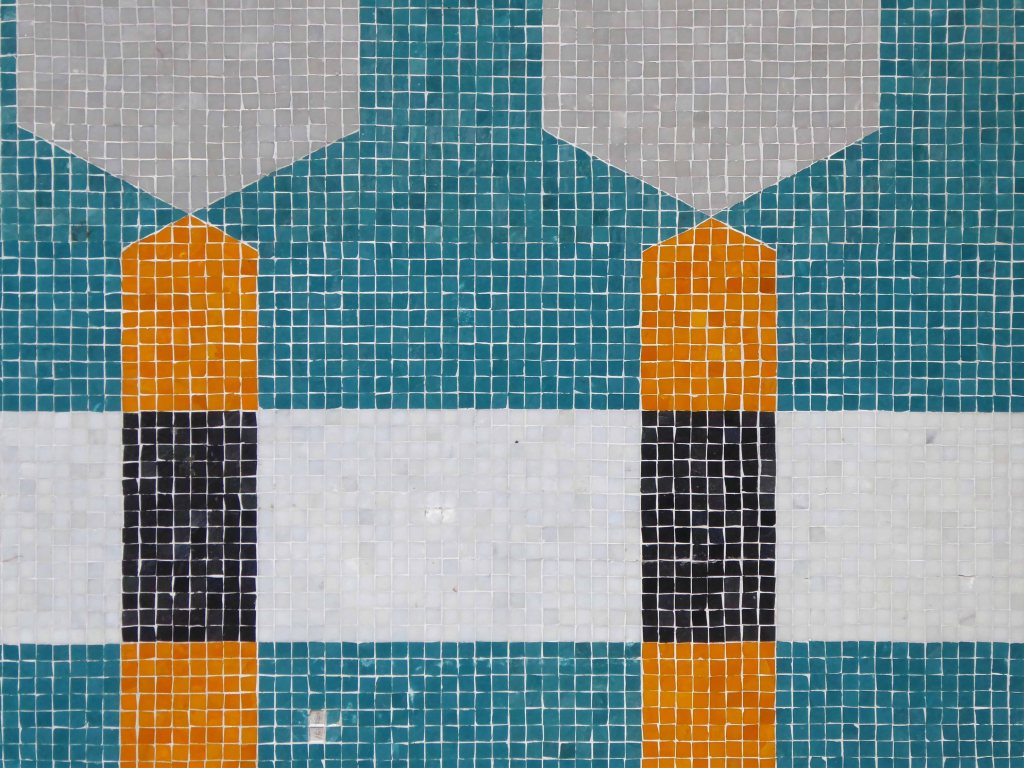
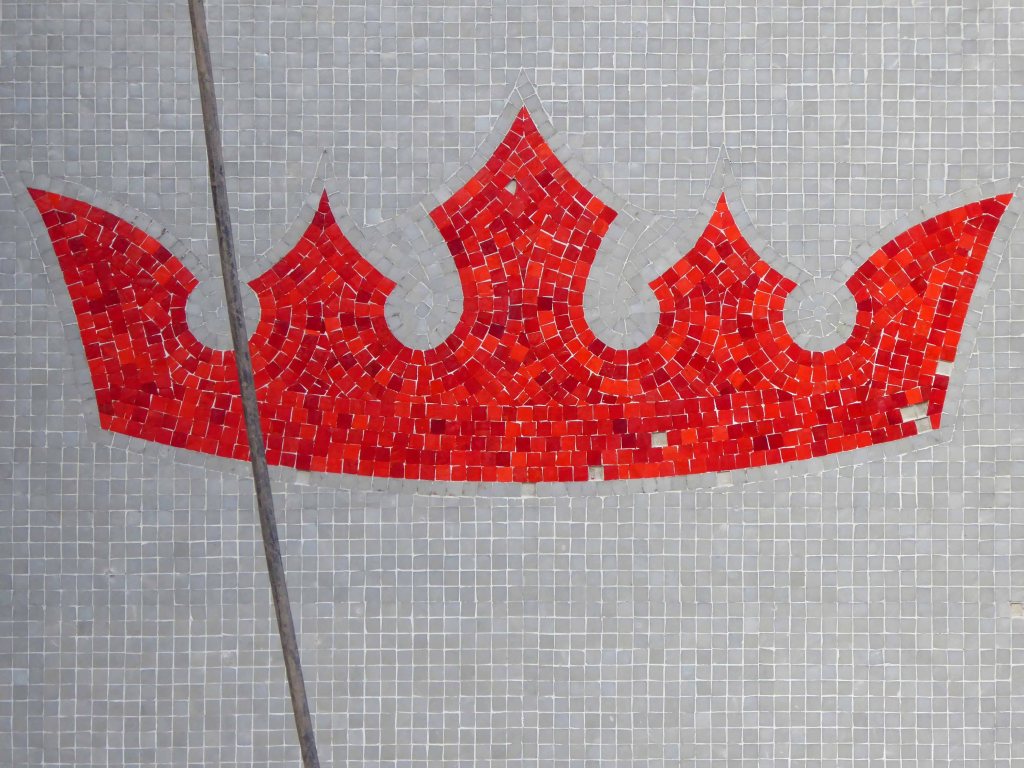
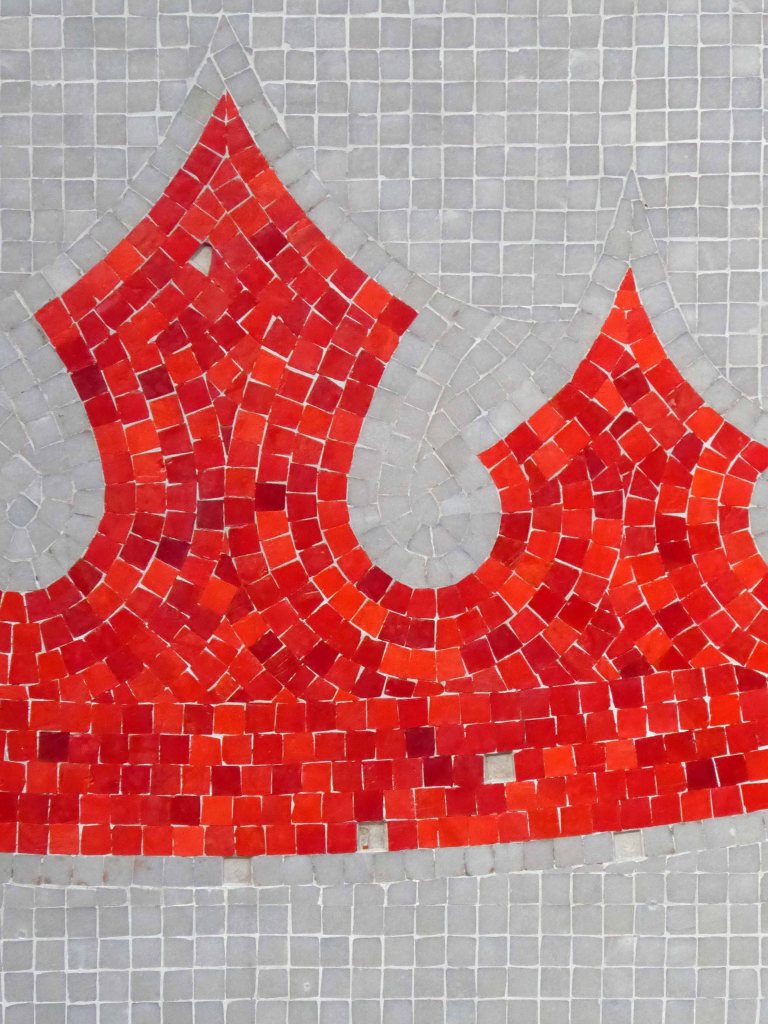
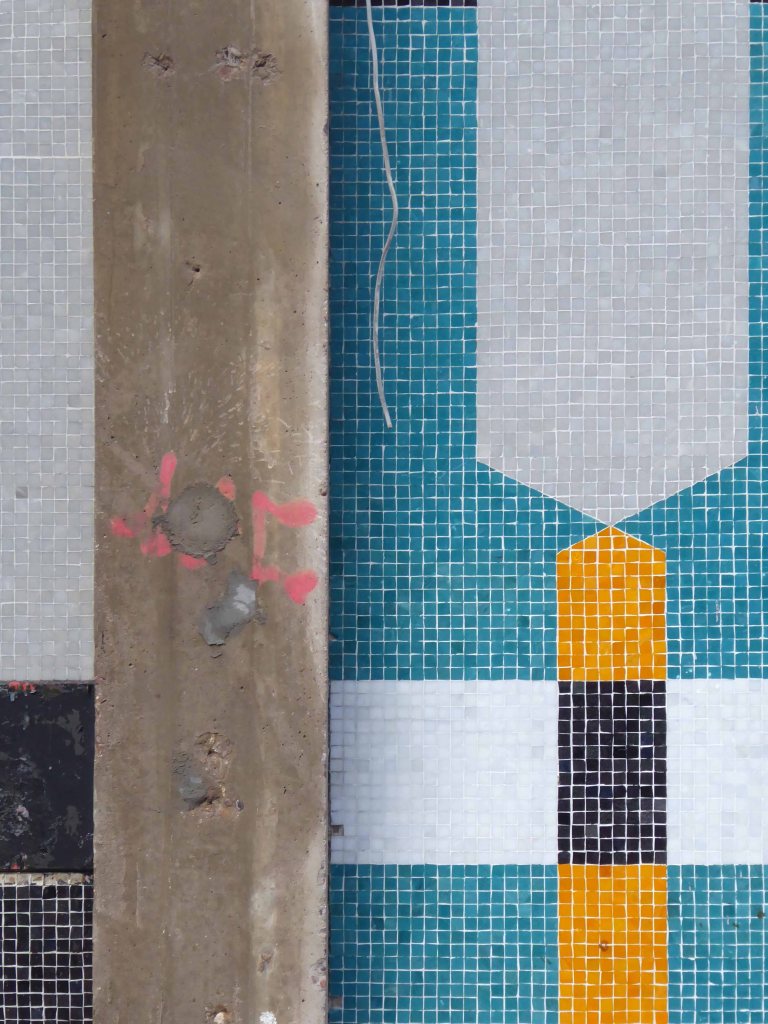
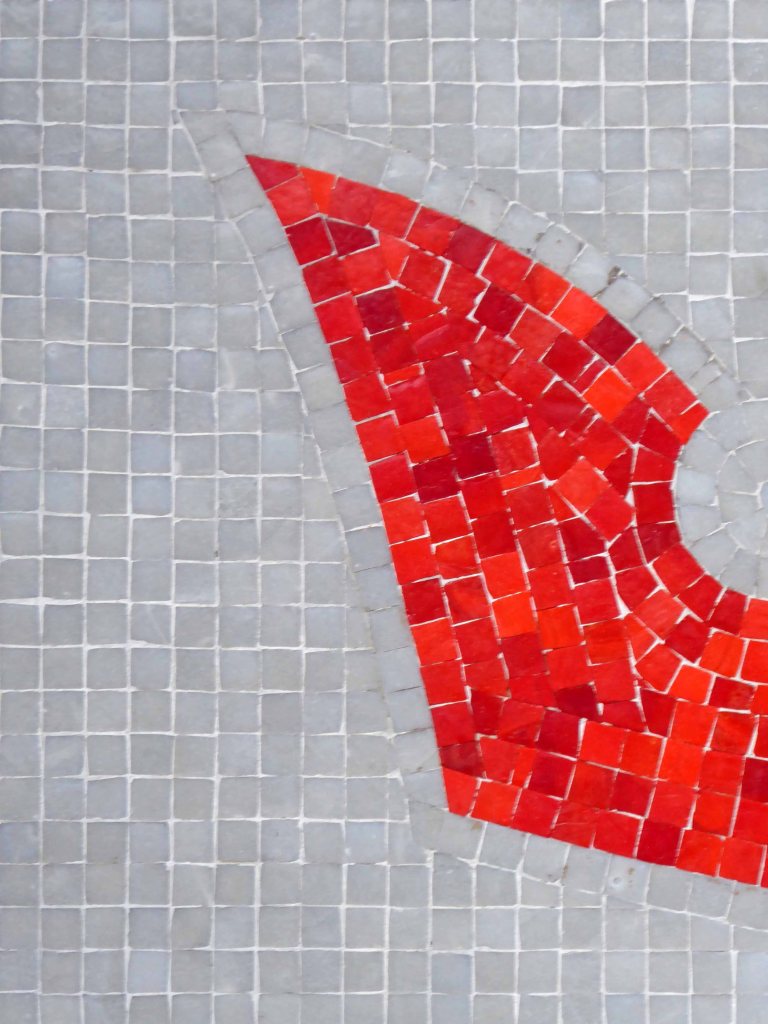
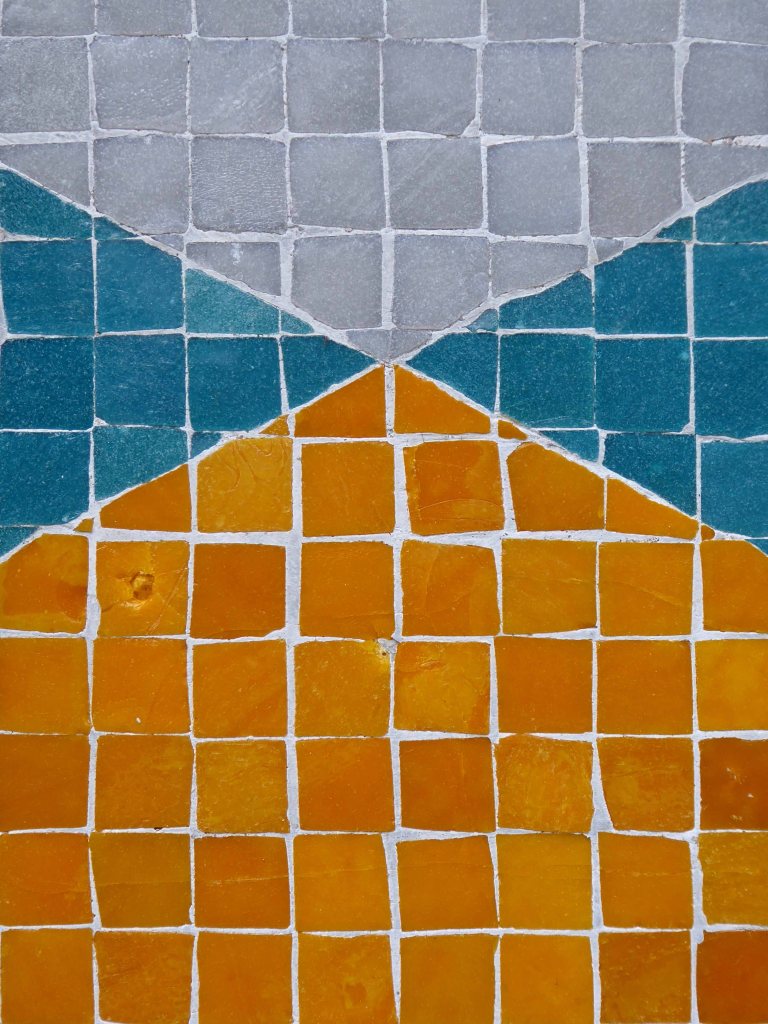
The block is to become student housing, the distinctive tan, turquoise blue and bold red colours of the mosaic, integrated into the banding of the newly refurbished building.

My face was a picture of delight, viewing the multicoloured tesserae – as we were privileged to be guided around the site by Kier Construction, Matthew Borland from Whittam Cox Architects, who are working with Alumno on Béton House and Urban Splash – my thanks to all and particularly PR Surriya Falconer.

So here it is living and breathing the South Yorkshire air once more.

Alas the Parkway is a pub no more – simply an empty shell.

But hush – can you not catch the chink of pint pots and gales of merry laughter, carried gently on the passing breeze?

Abbey Walk Car Park – Grimsby

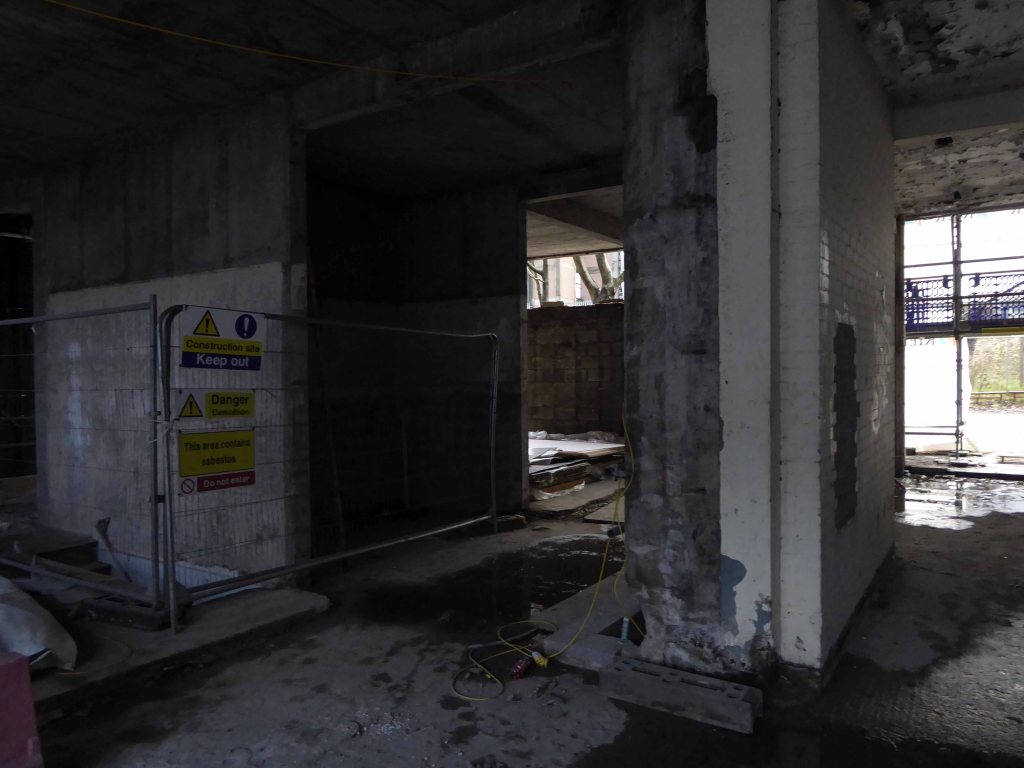
I was in town, just looking around, just looking for modernity, just looking.

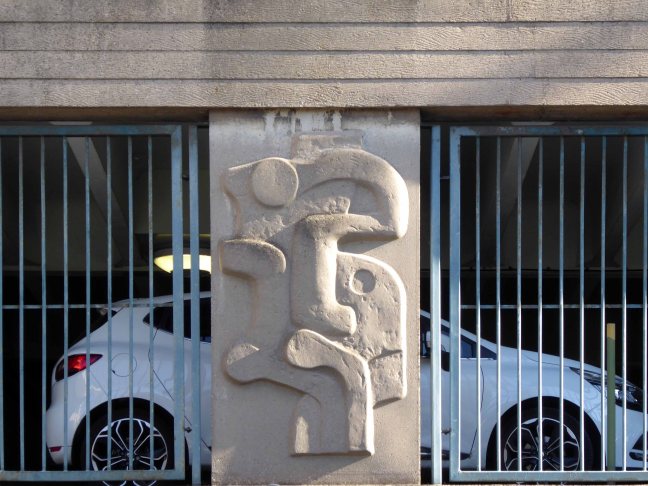
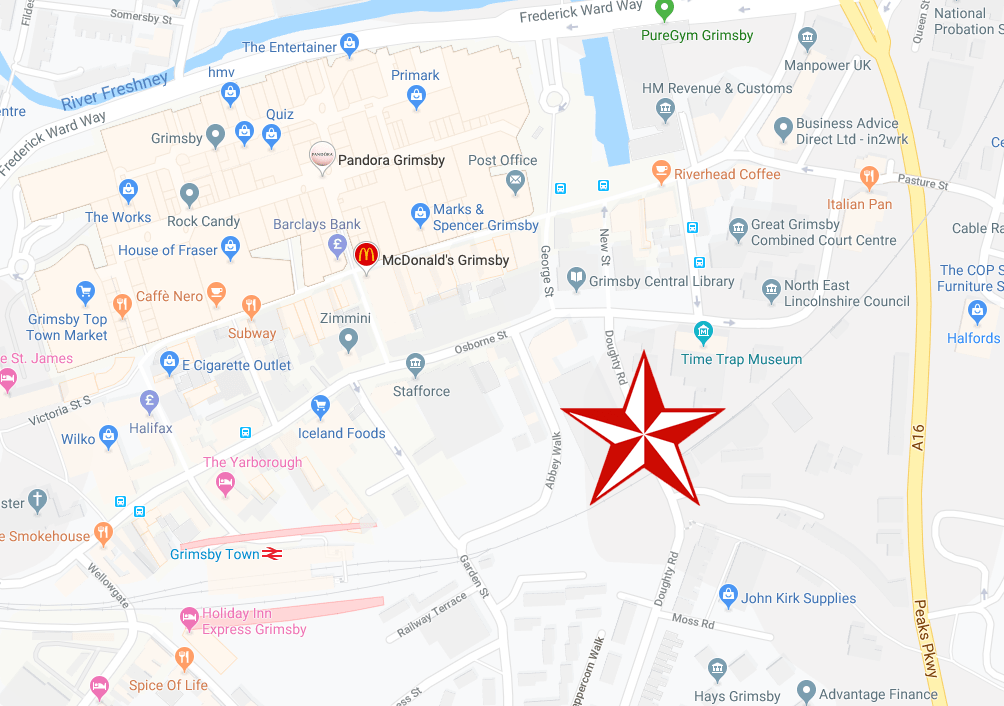
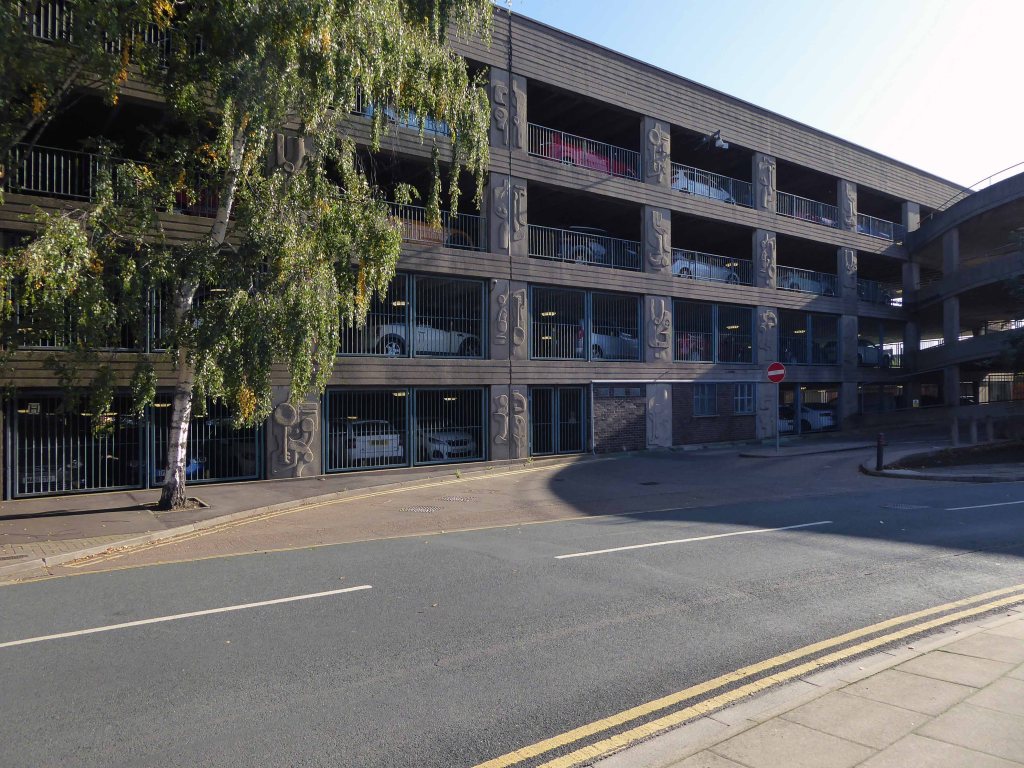
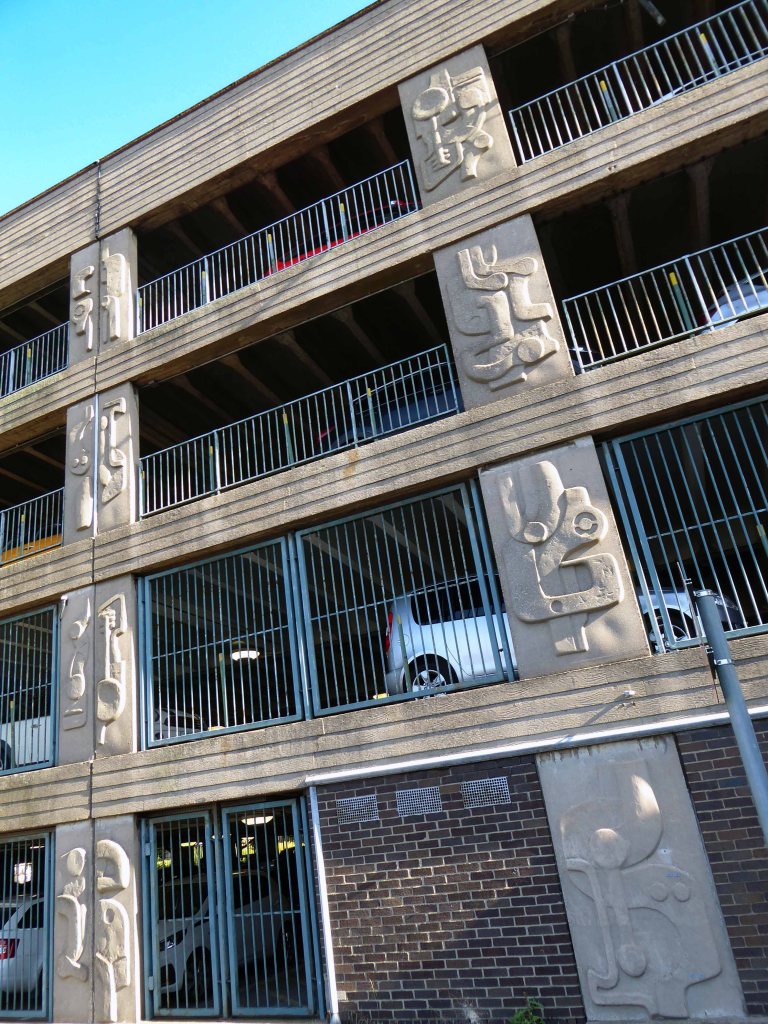
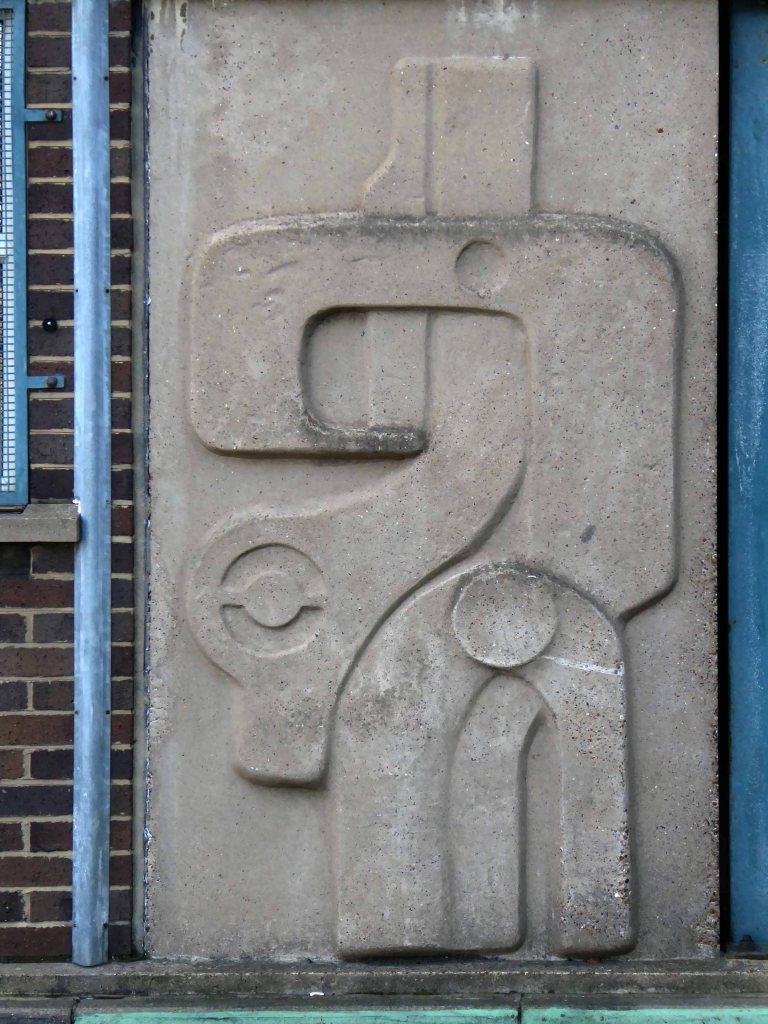
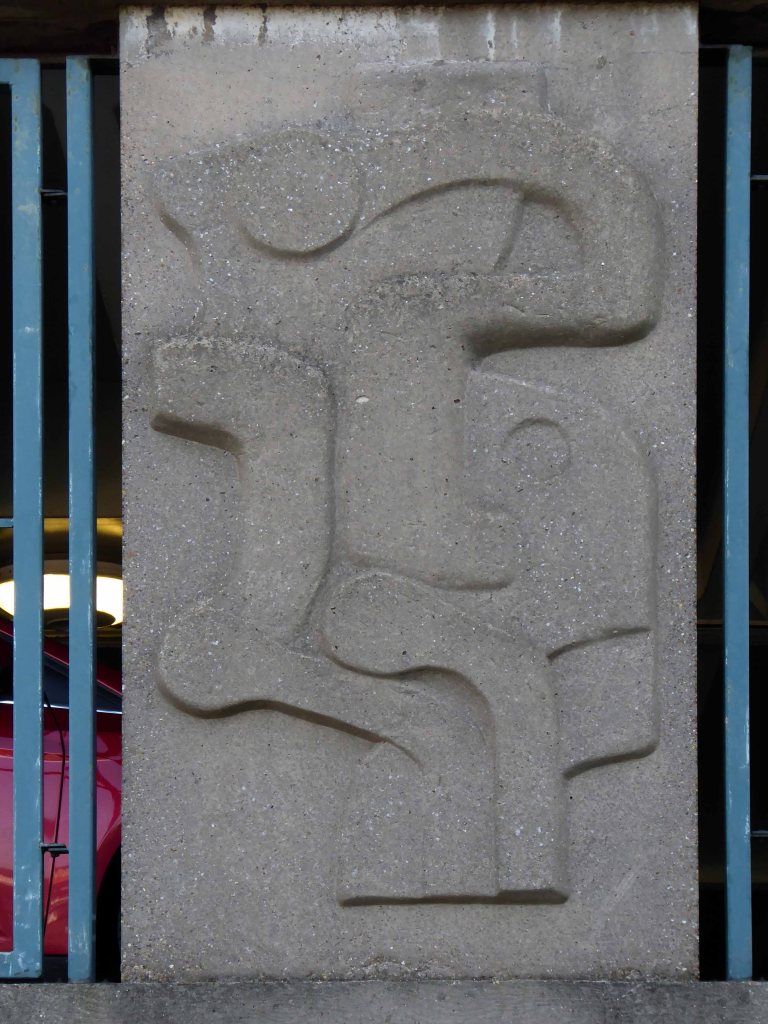
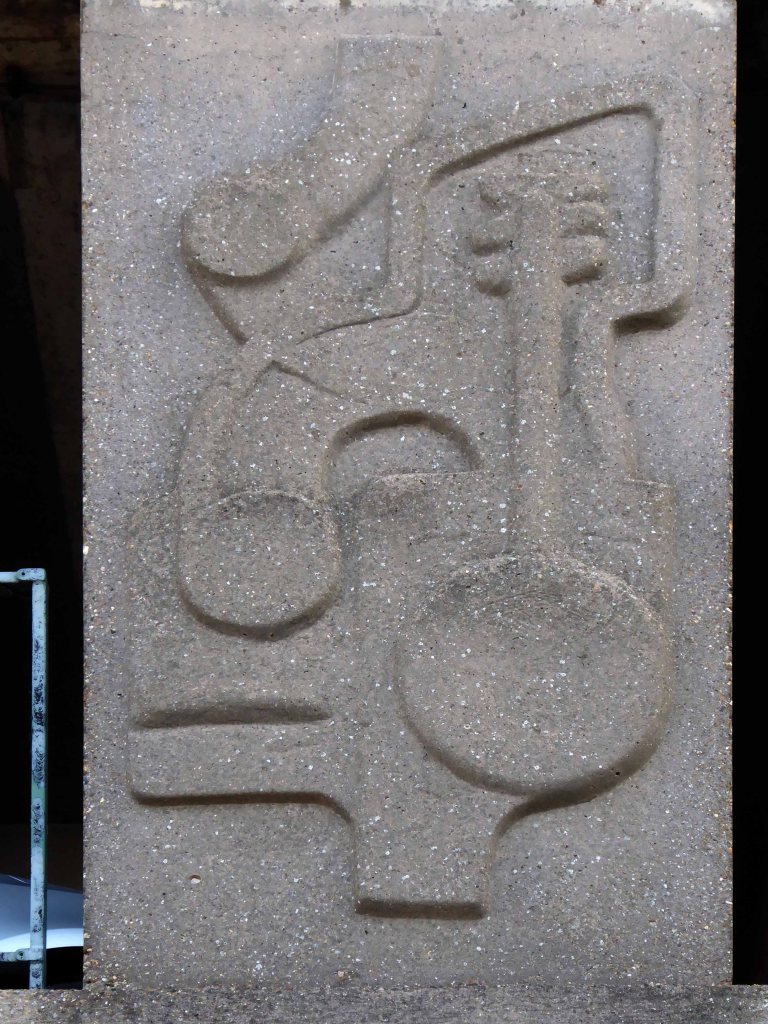
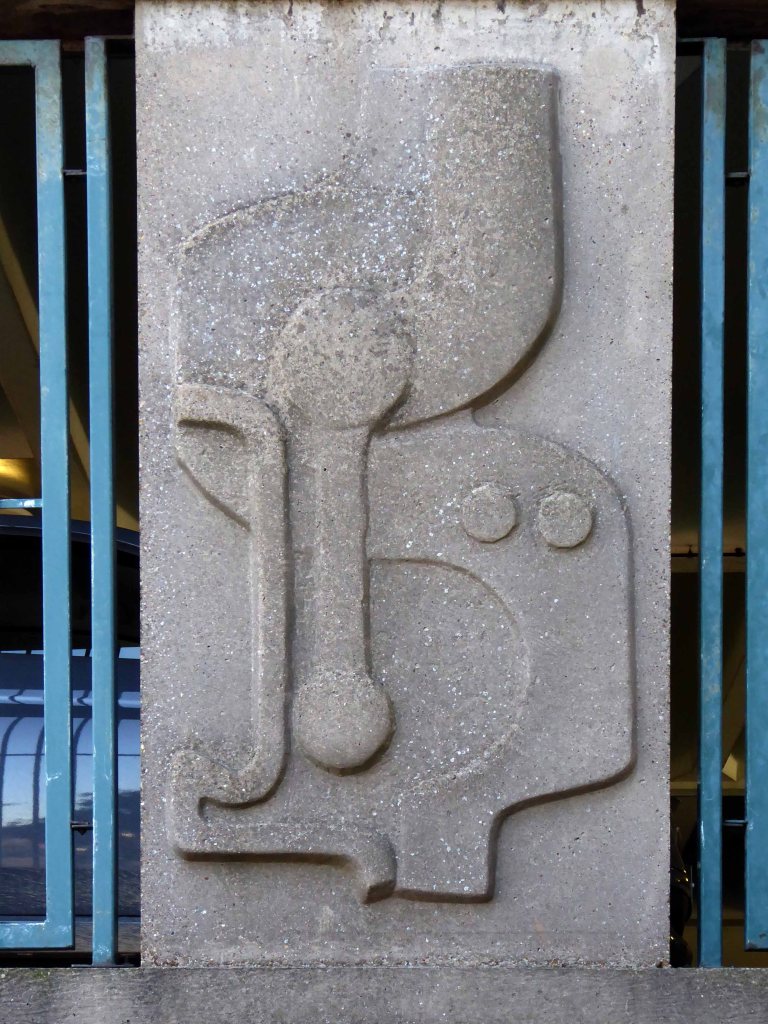
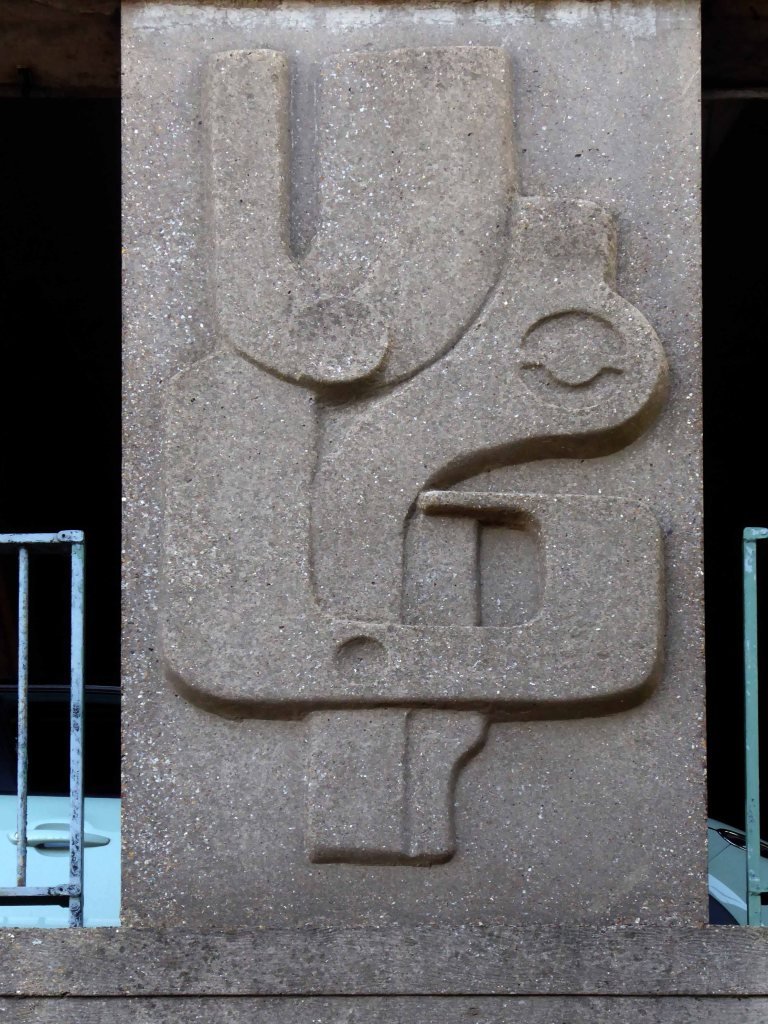
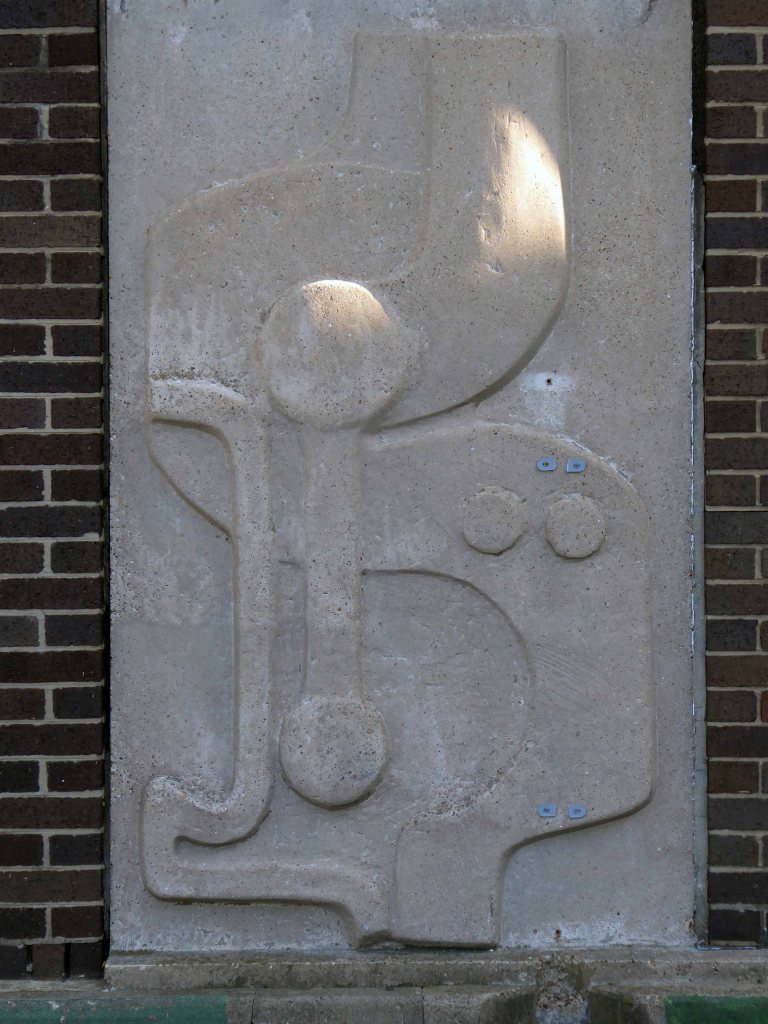
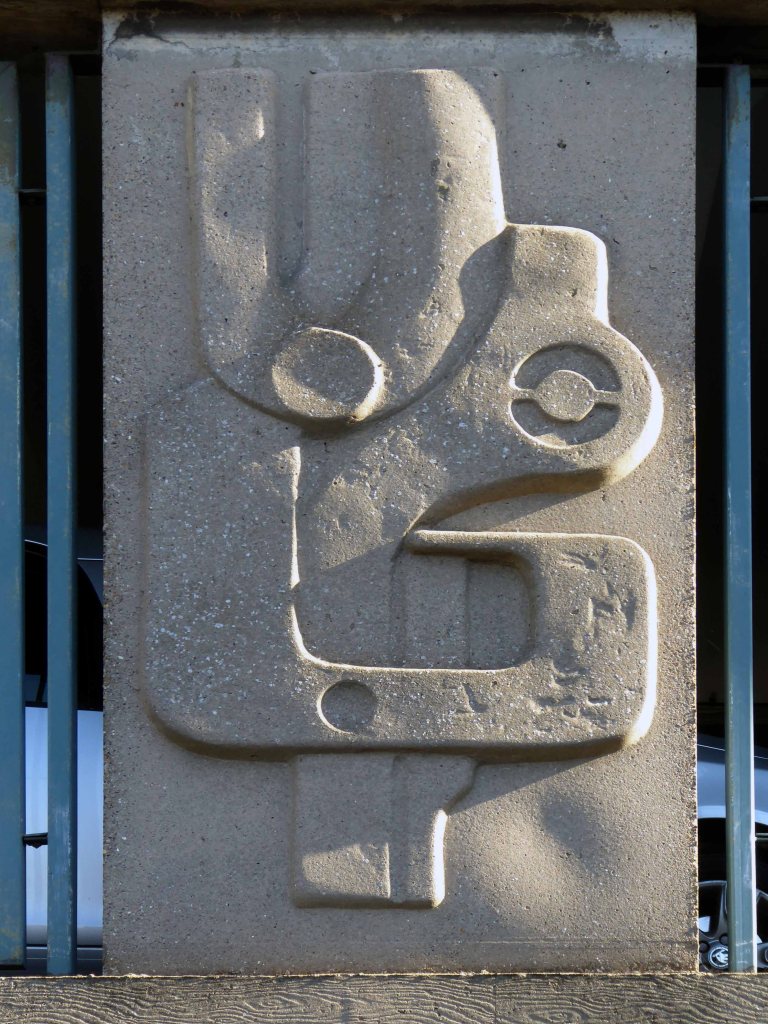
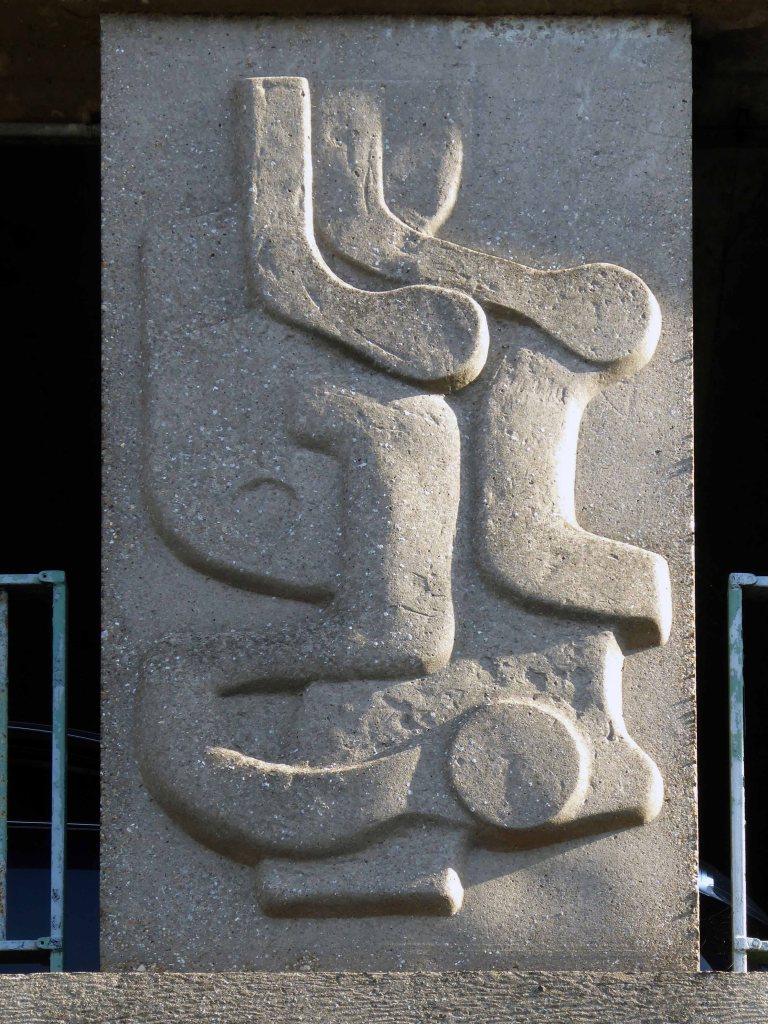
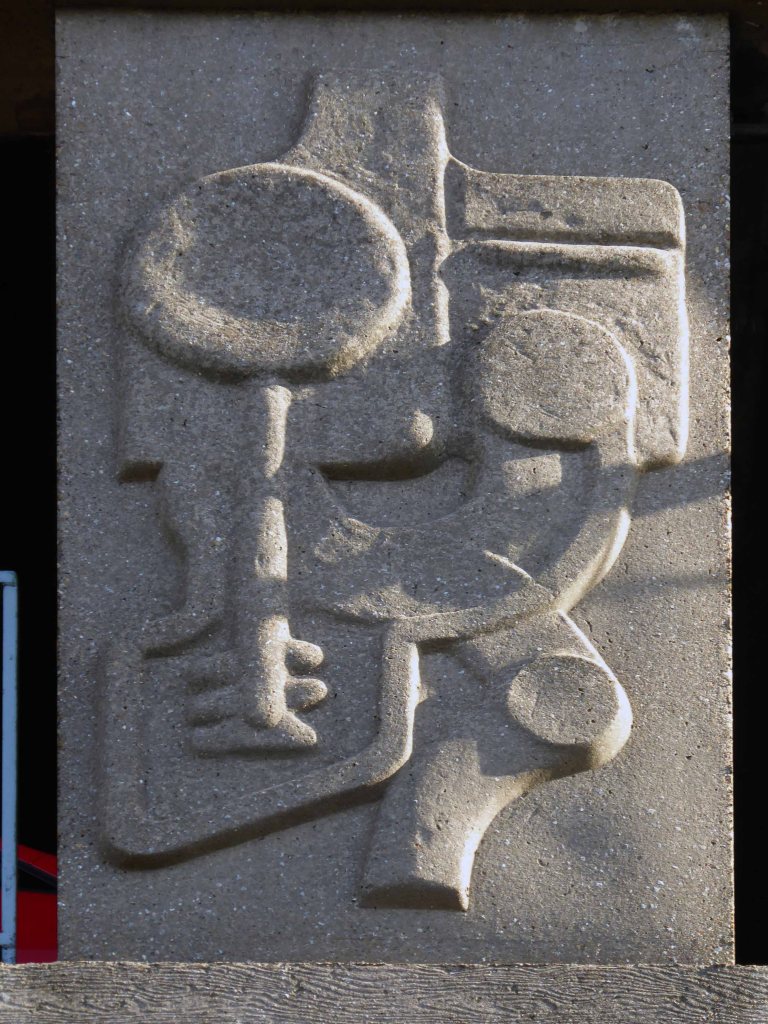
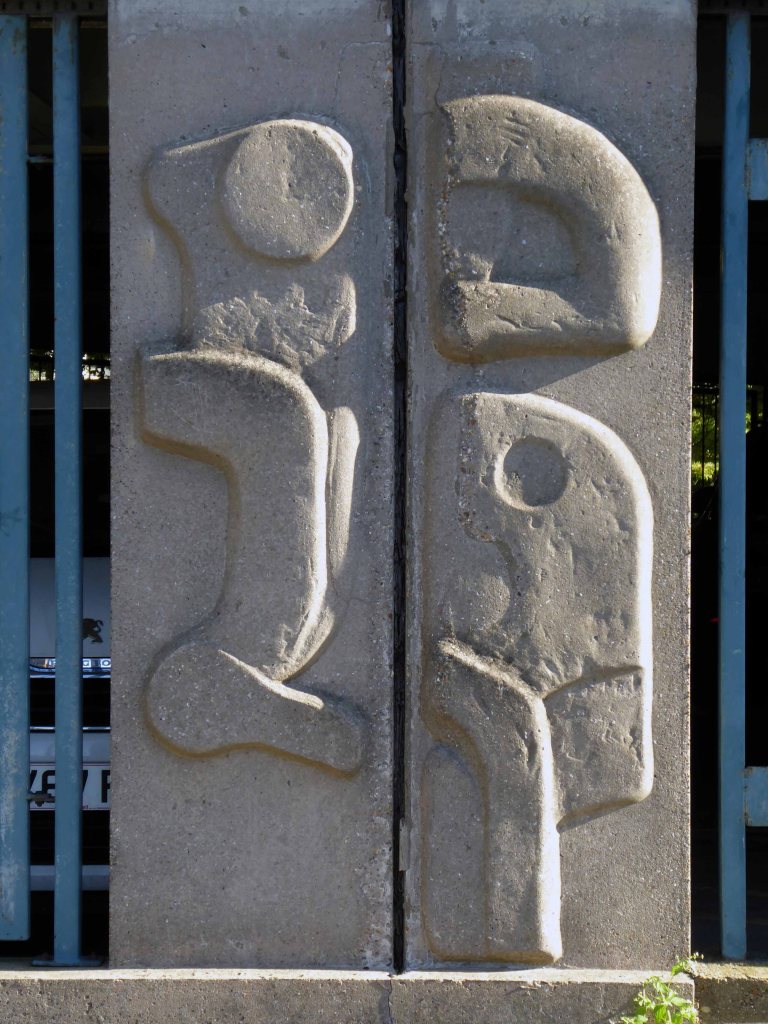
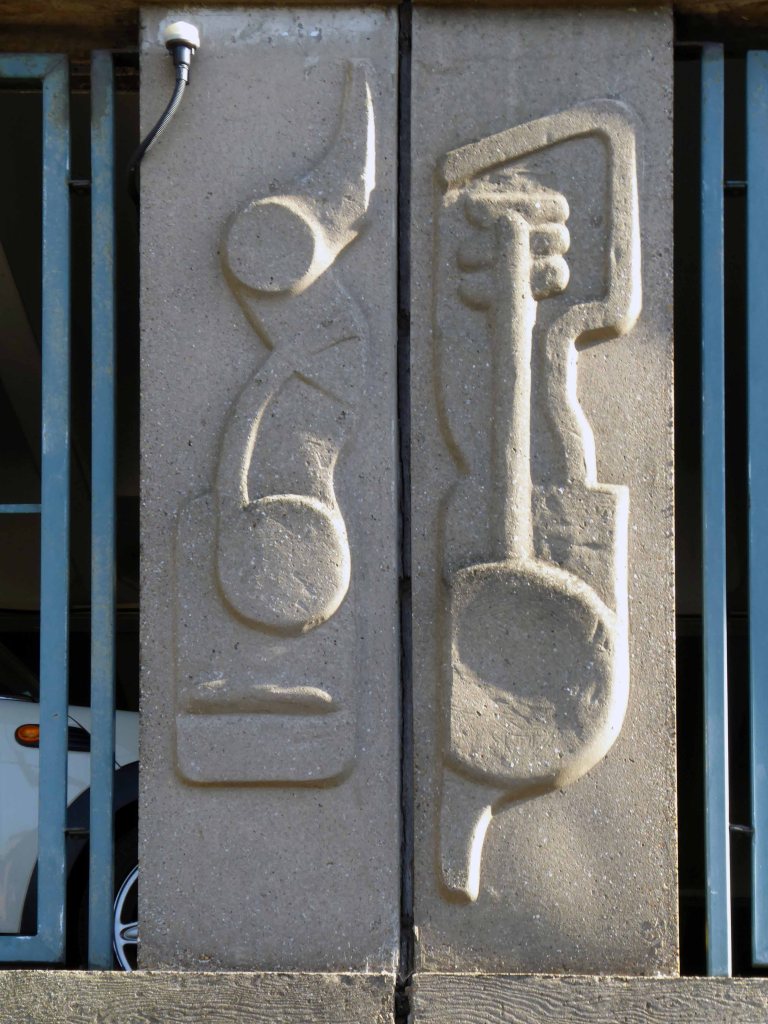
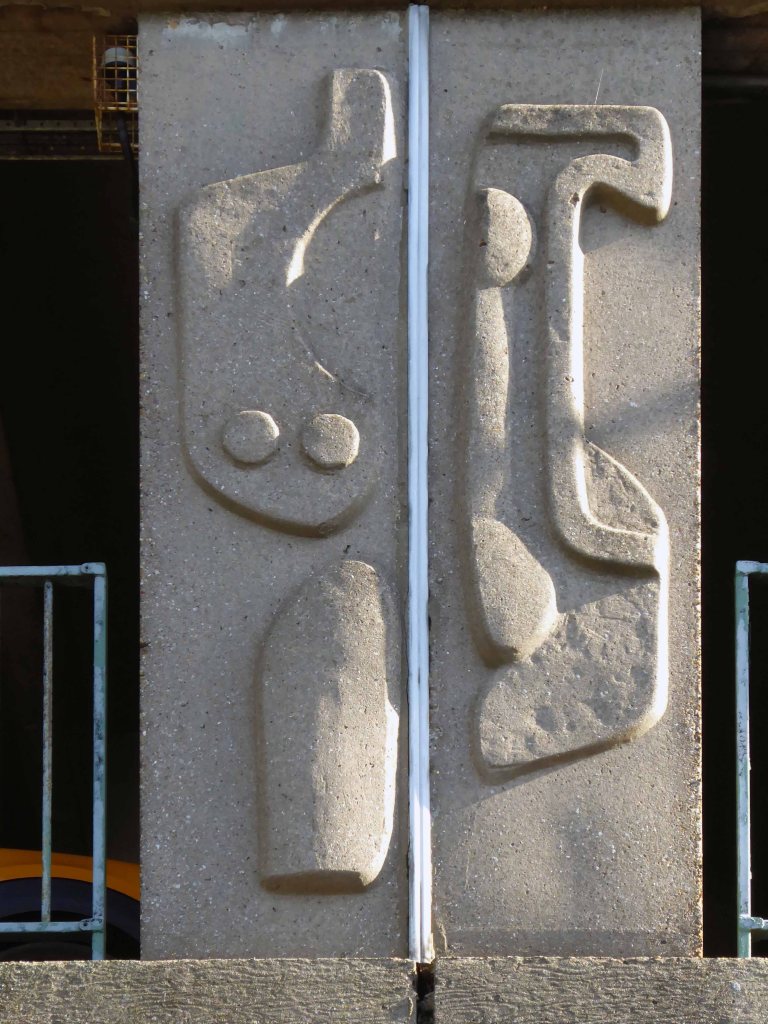
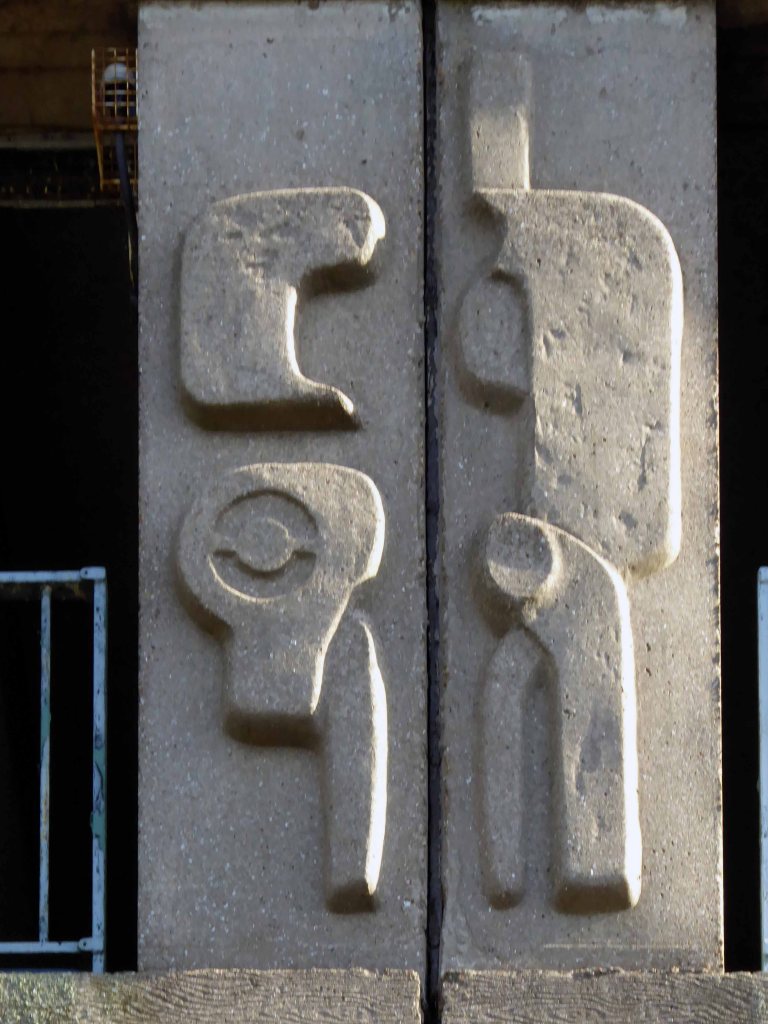
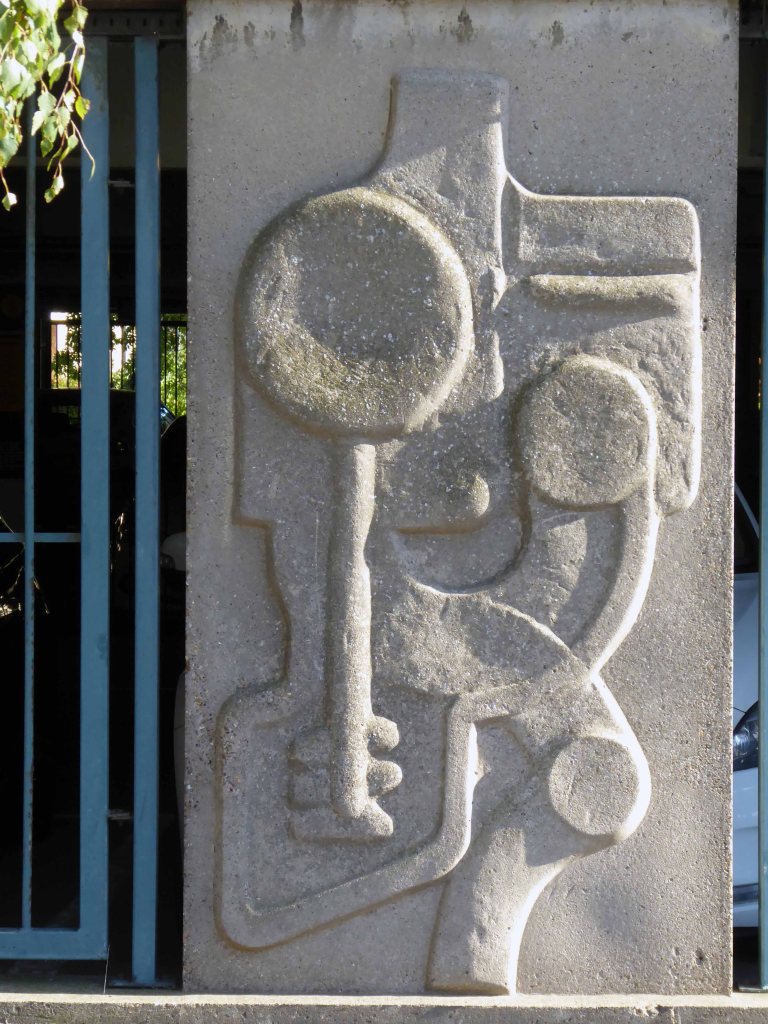
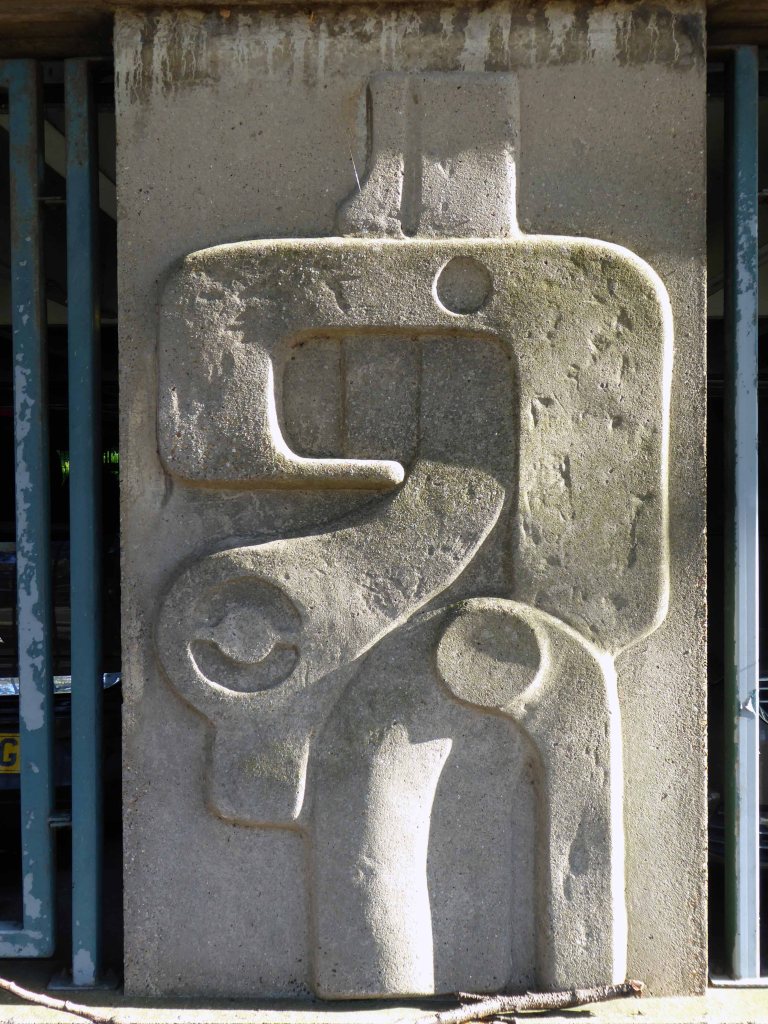
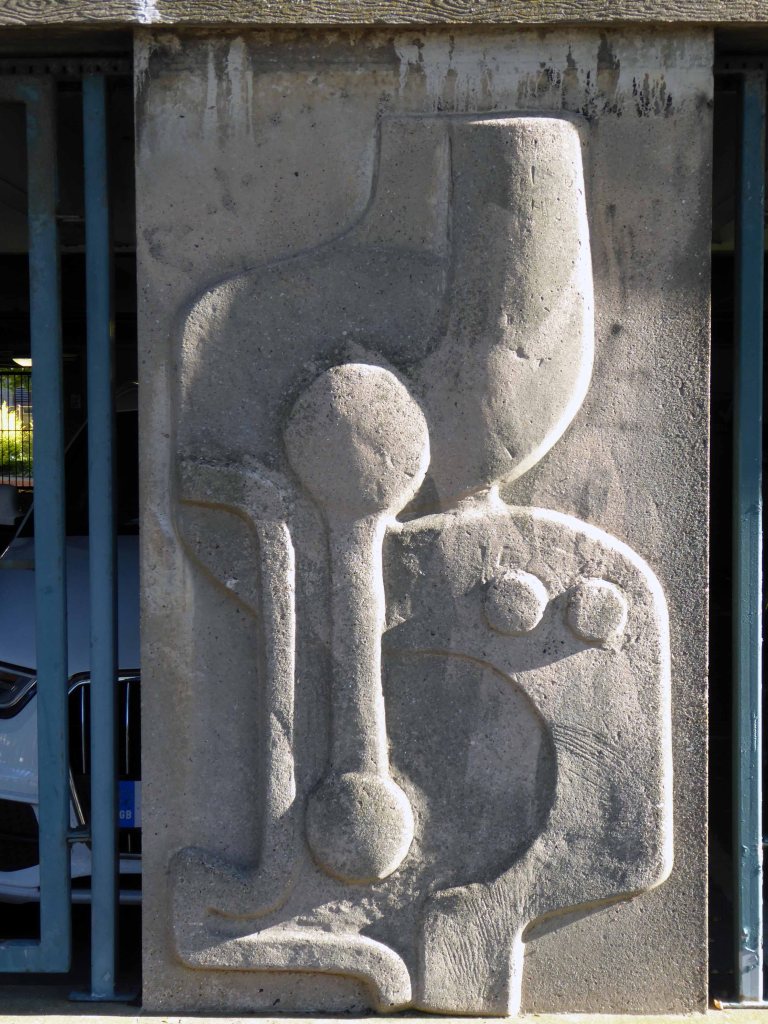
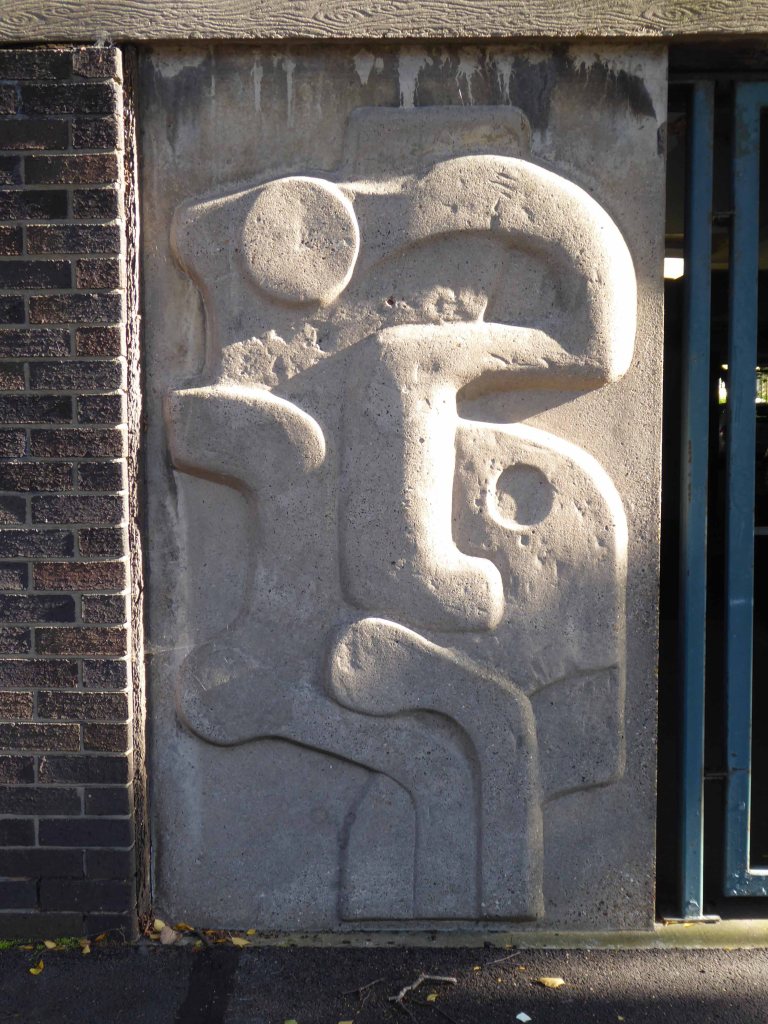
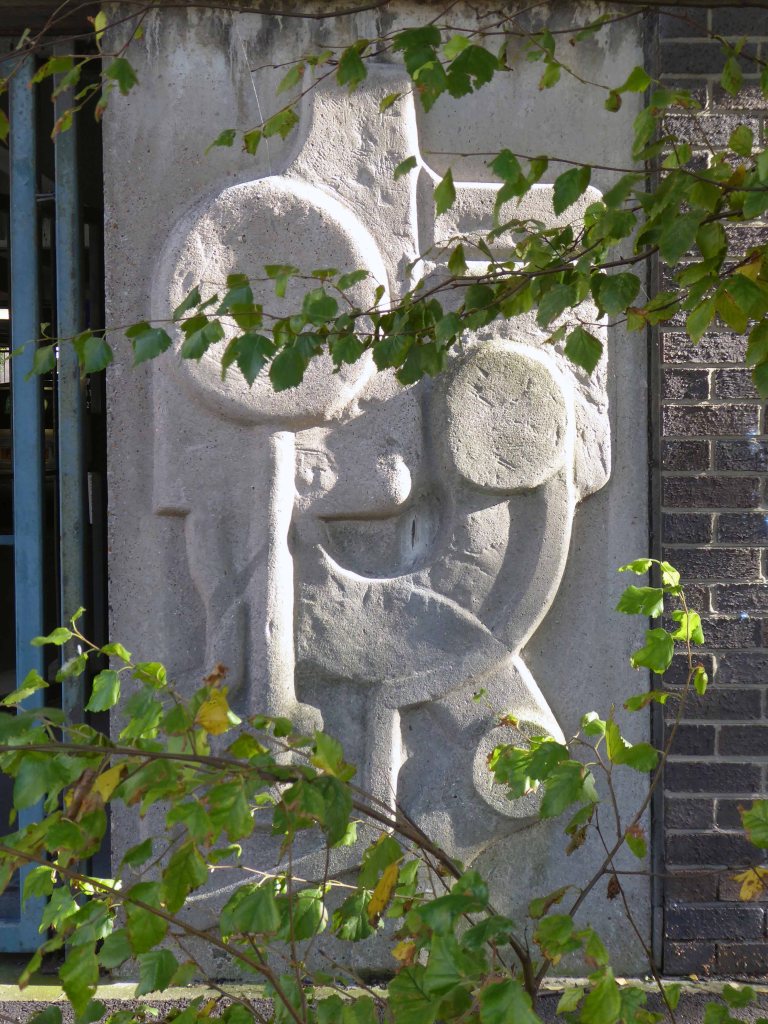
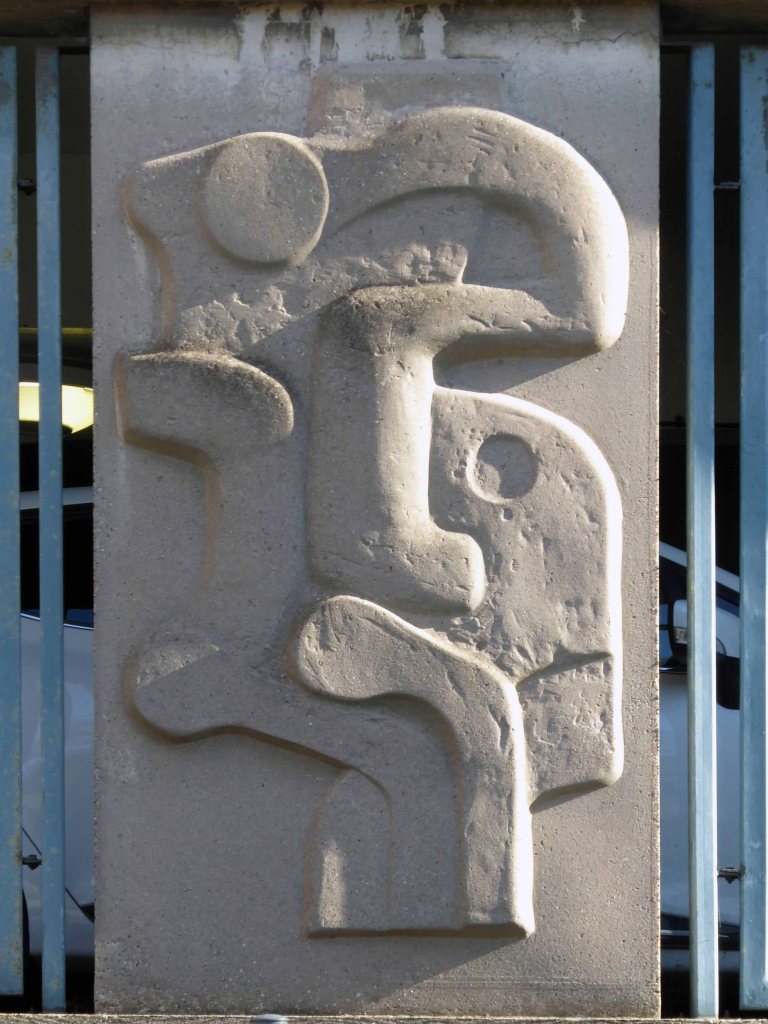
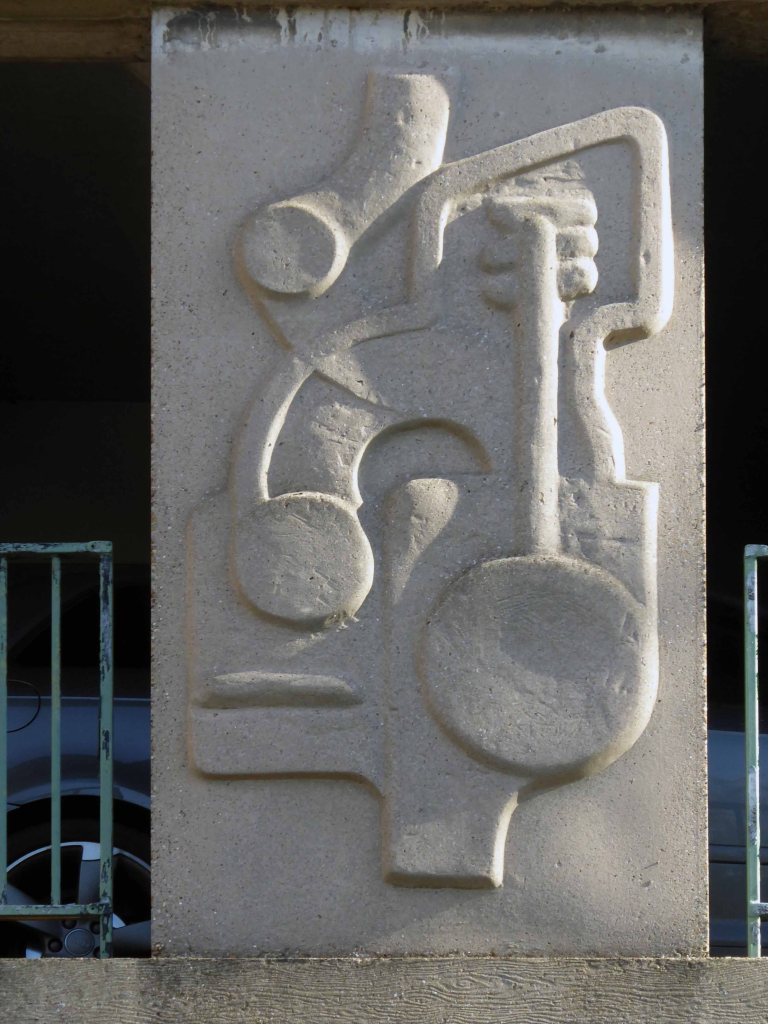
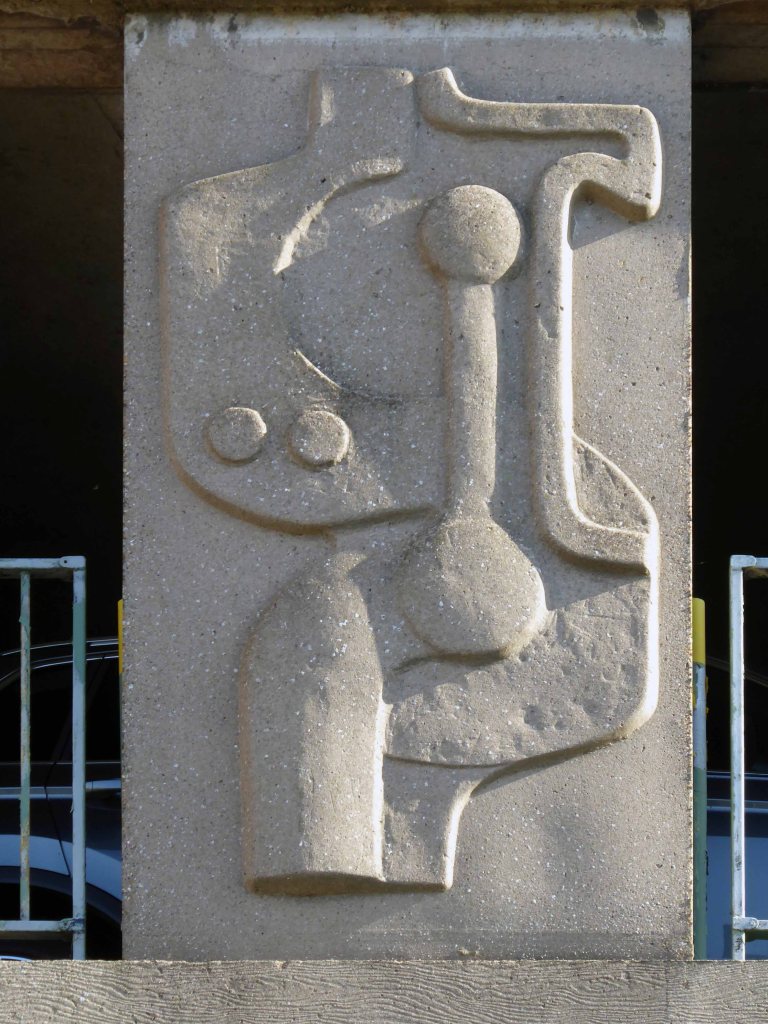
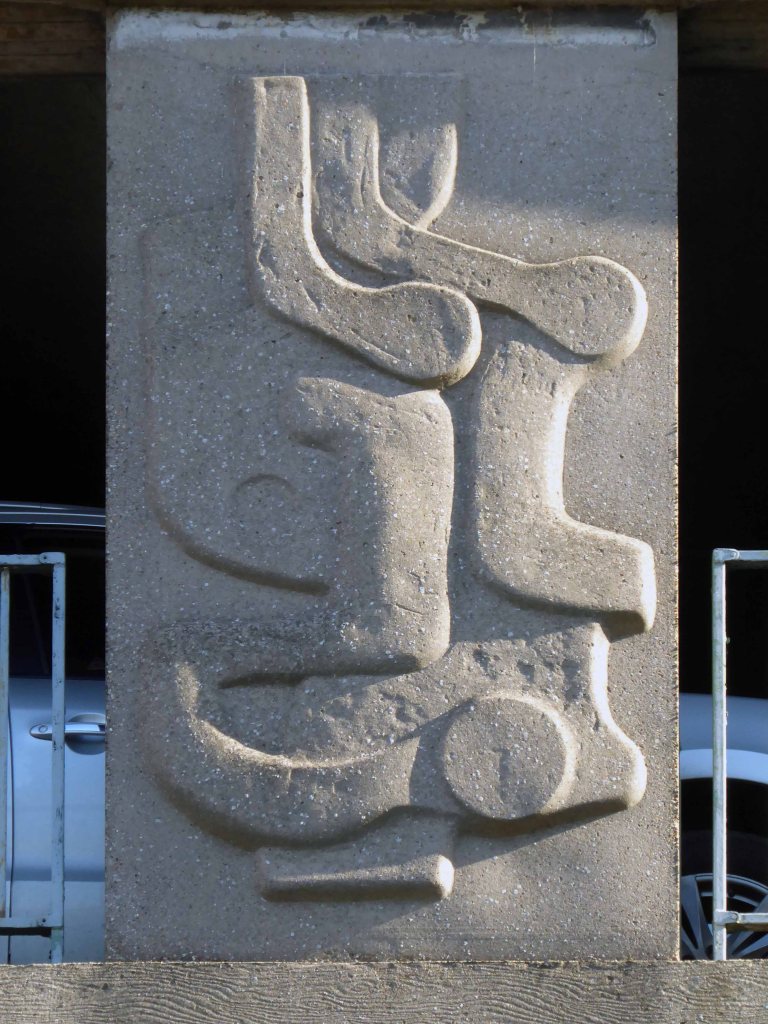
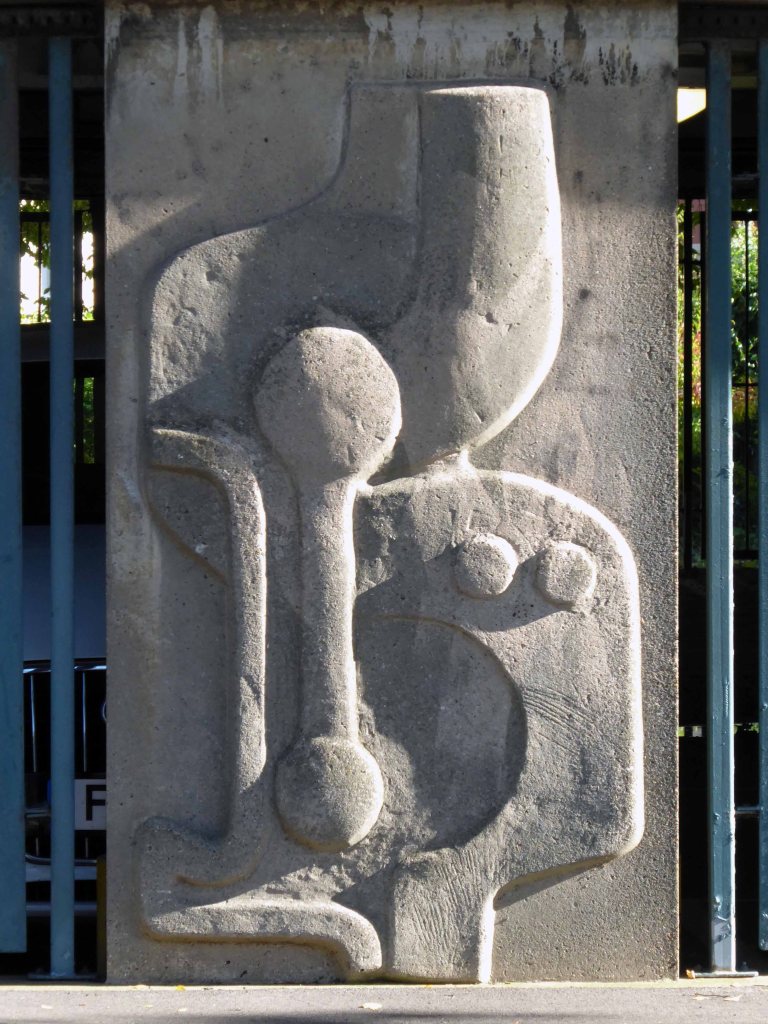
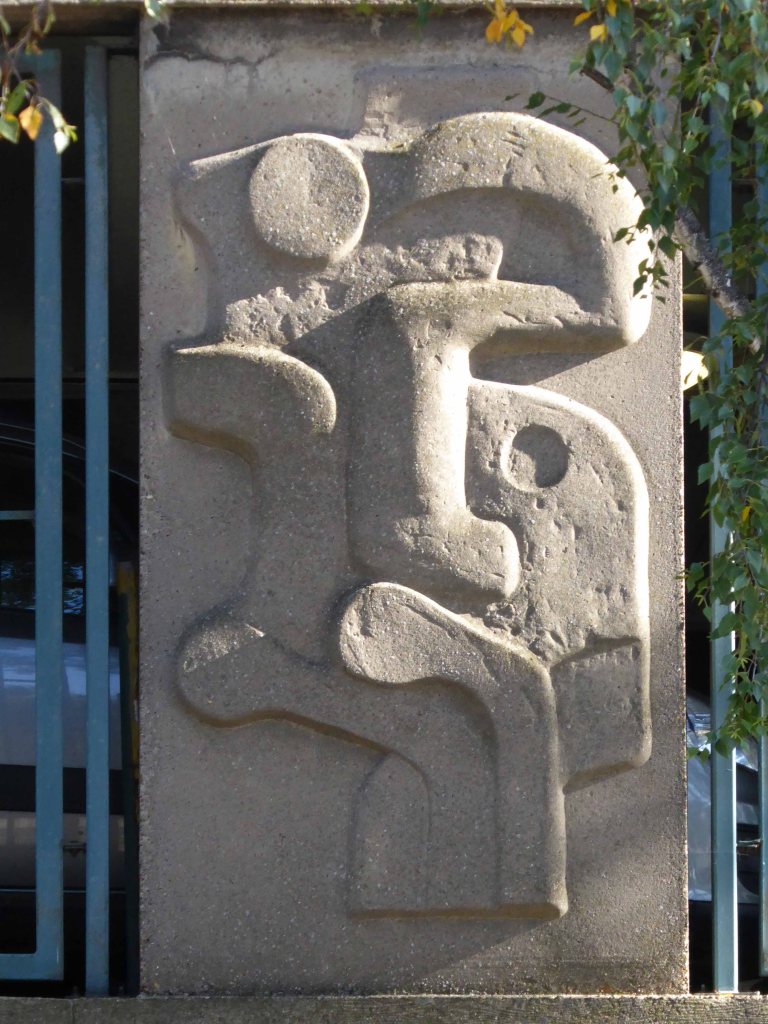
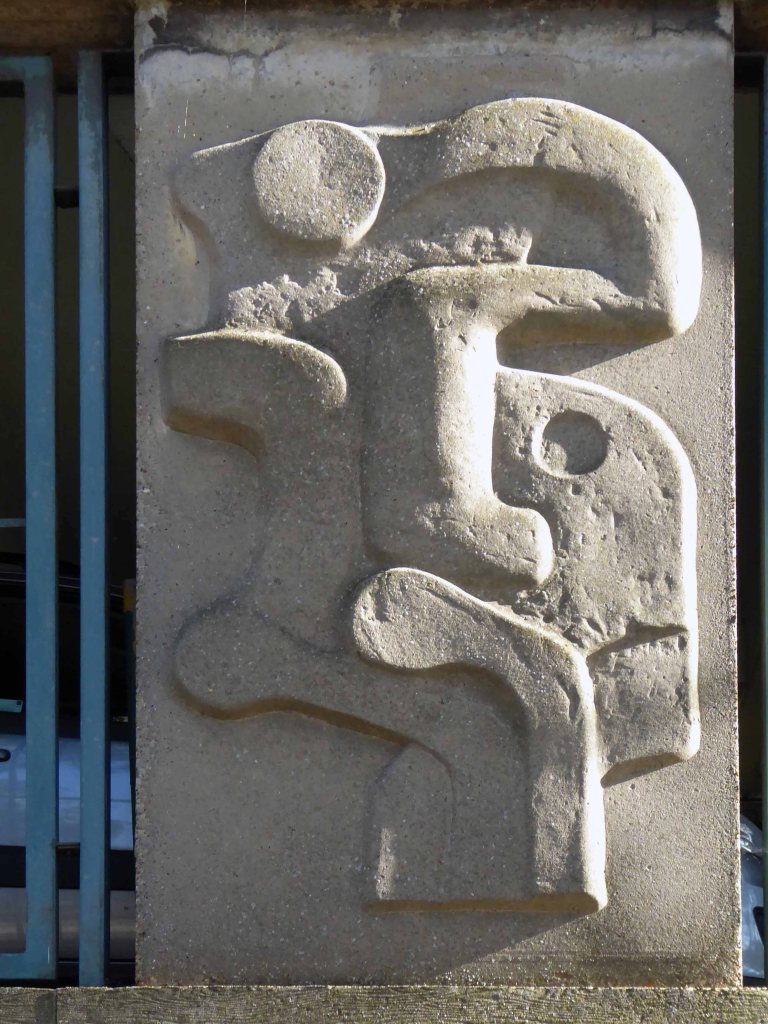
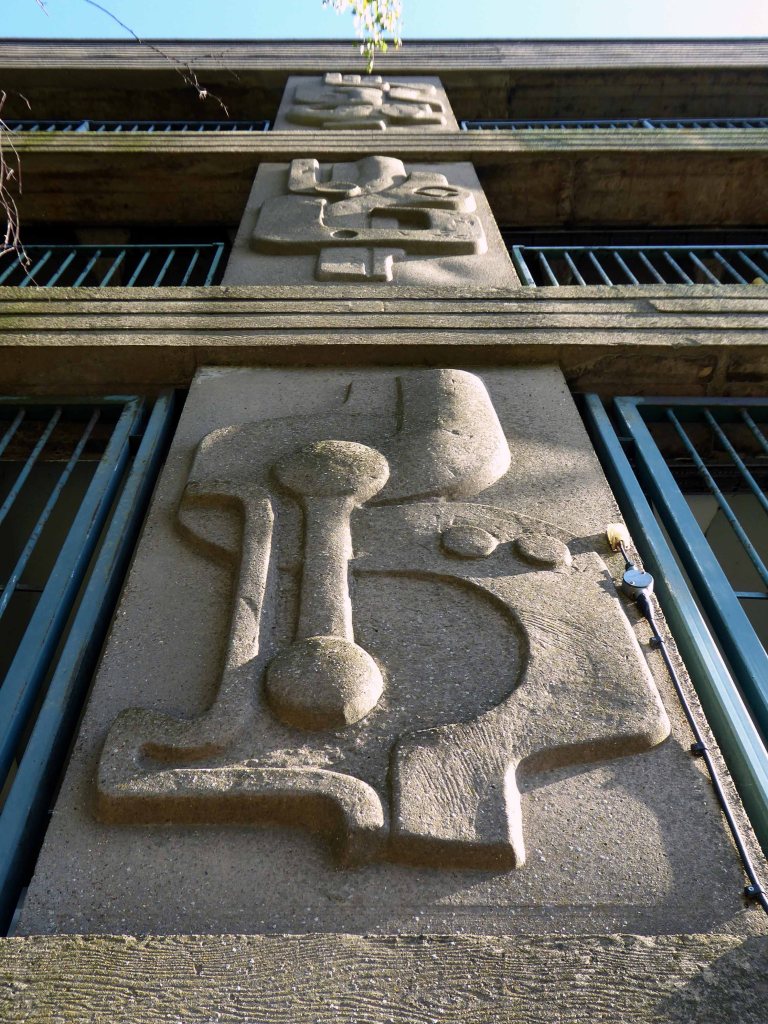
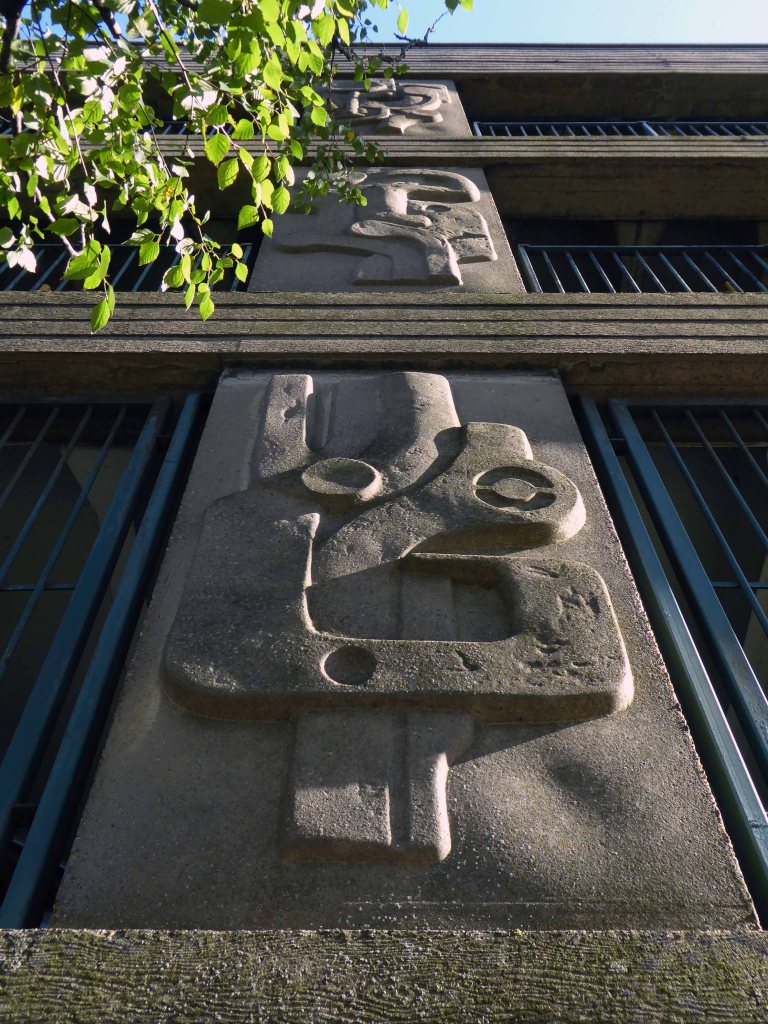
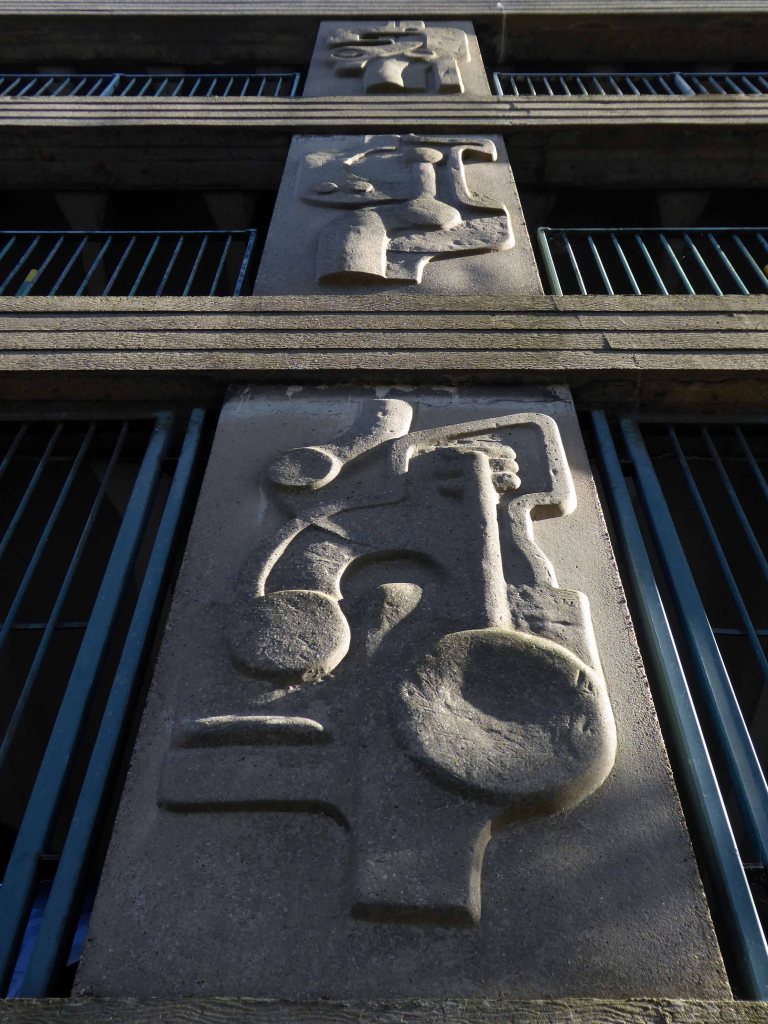
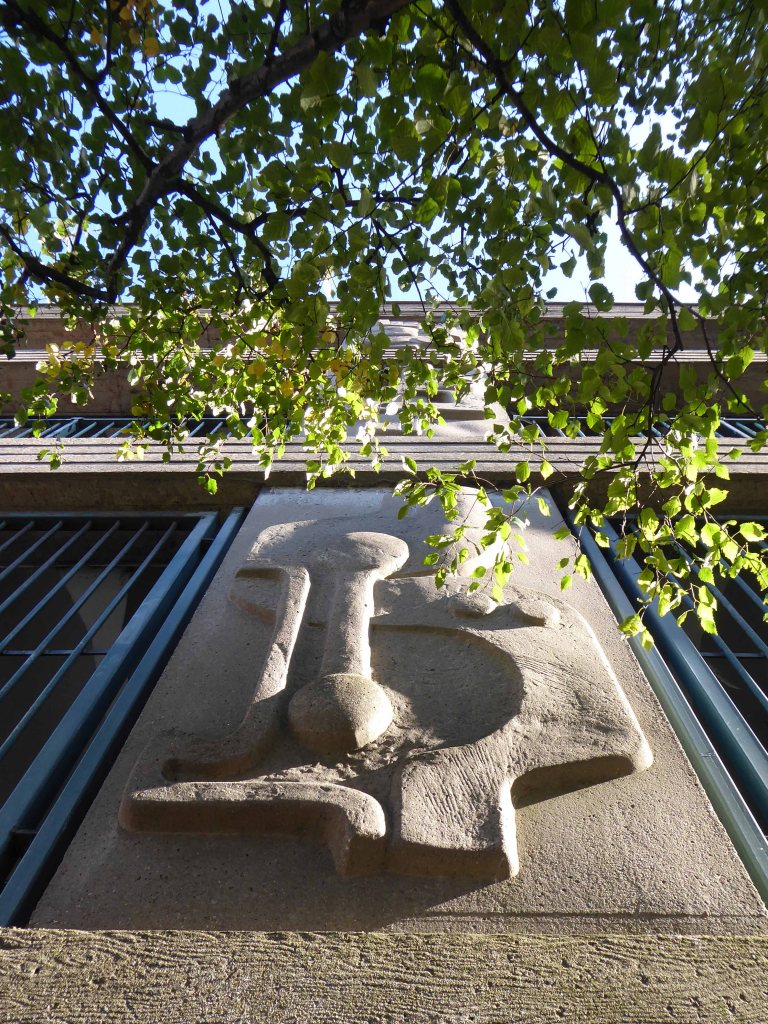
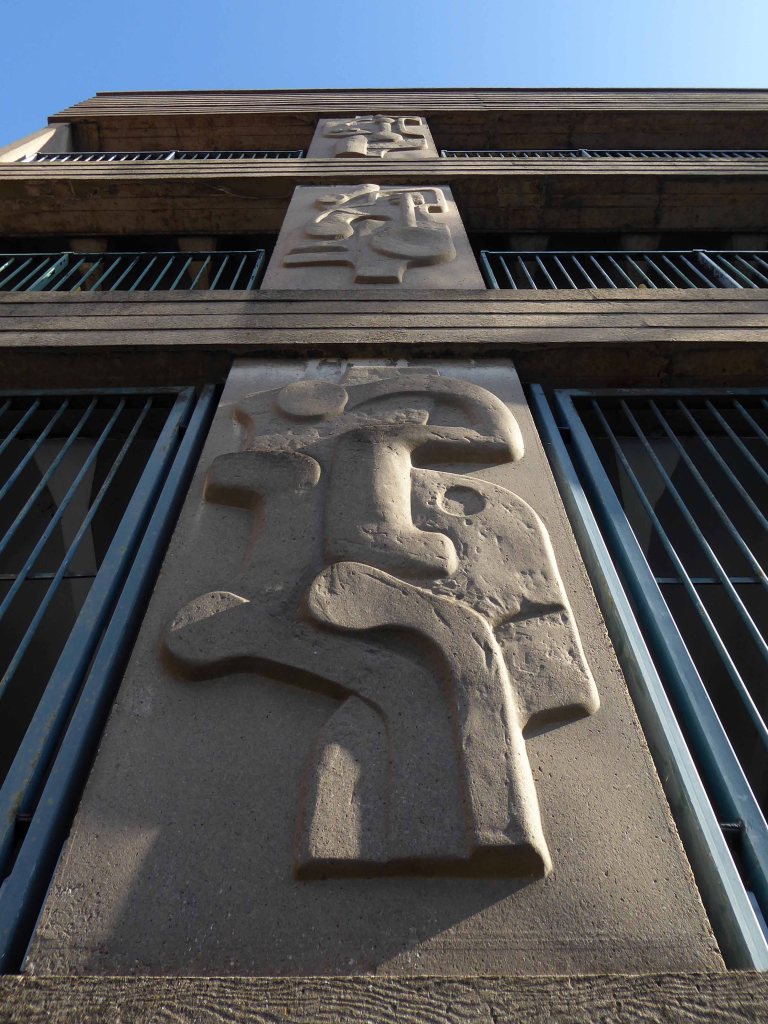
I found you by chance between the railway and the high street, so I took a good look around, fascinated by the concrete sculptural panels on your fascia columns, those facing Abbey Walk.

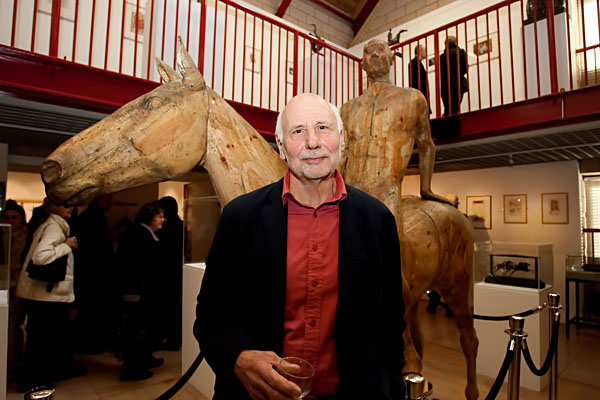
Research tells me that they the work of Harold Gosney – born in Sheffield, he studied at Grimsby School of Art and London’s Slade School of Fine Art.

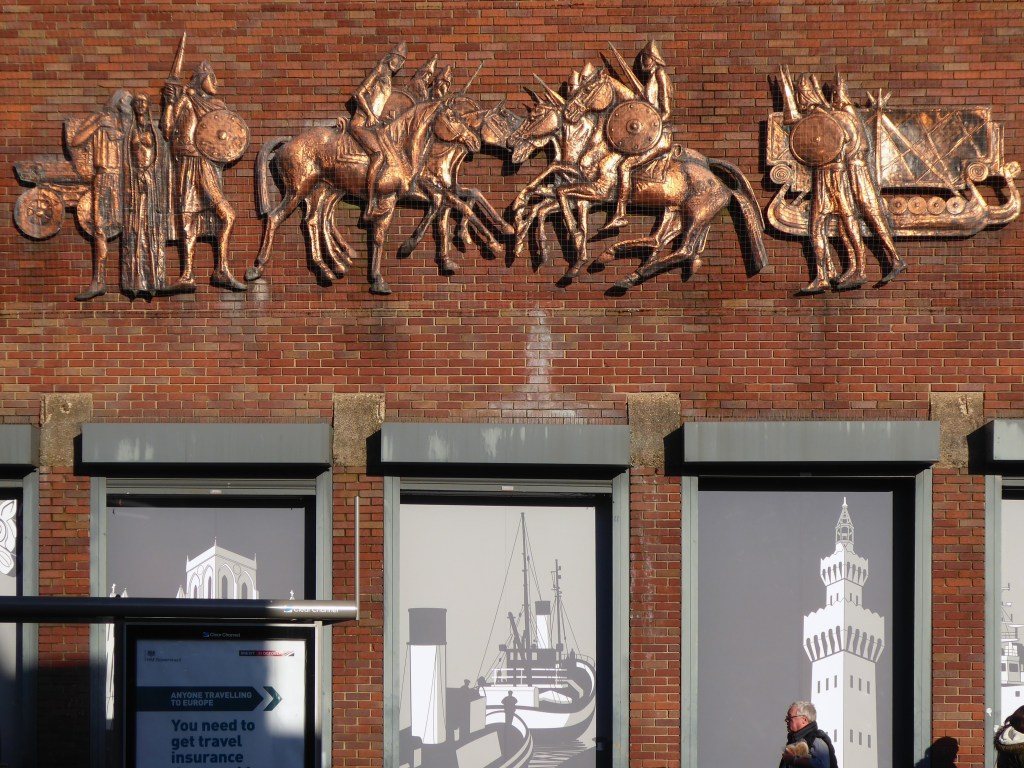
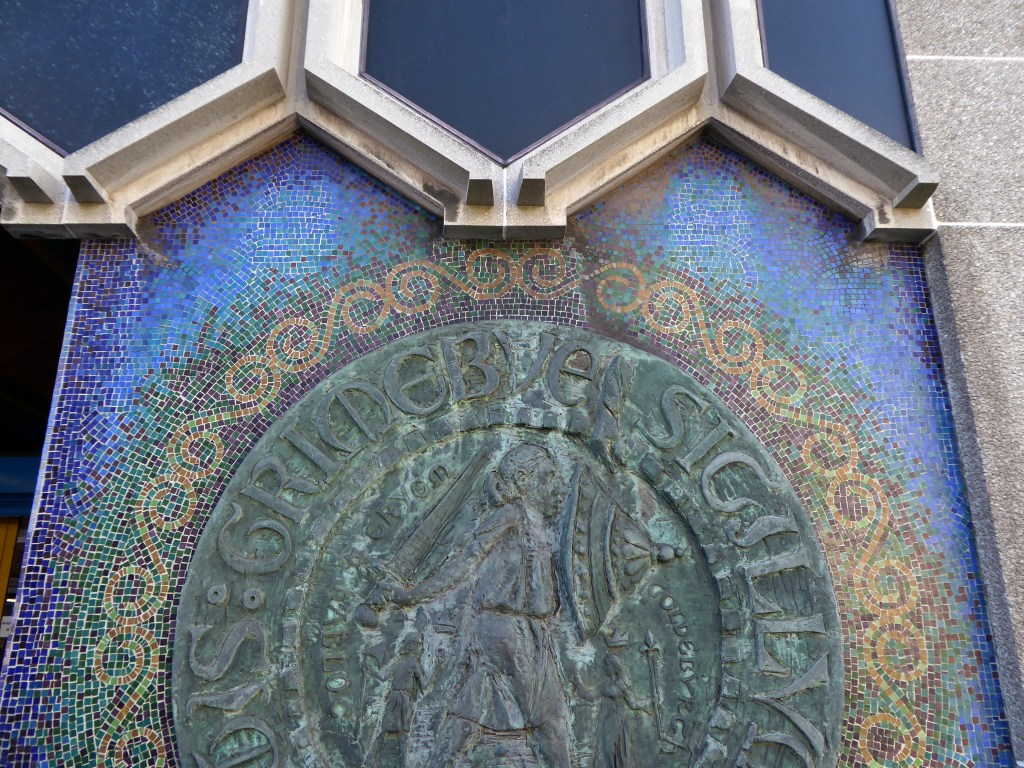
The majority of Gosney’s early commissions were collaborations with architects and he has made a significant contribution to public art in Grimsby. He is the artist responsible for the reliefs on the Abbey Walk car park, the large Grimsby seal by the entrance to the Grimsby Central Library and the Grim and Havelok themed copper relief on the side of Wilko store in Old Market Place.

Wikipedia

The car park has been the subject of some speculative repairs and refurbishment:

In total, the scheme will cost the council £1.54 million.

The authority will borrow £1.34 million to fund the project with a further £200,000 coming from a local transport grant. But the council said that the improvements made could help increase revenue from the car park of around £34,000 a year.

Councillor Matthew Patrick, portfolio holder for transport at the council, said that the work is essential to “brighten up” the building and attract people into Grimsby.

“It’s one of the largest car parks in the town,” he said.

“It will attract more people into the town centre and help to improve the offering of the car park.”

Lincolnshire Reporter

So here we are faced with a rare, precious and beautiful example of municipal modernism, a bold and brave attempt to decorate what is often the most functional of functional structures.

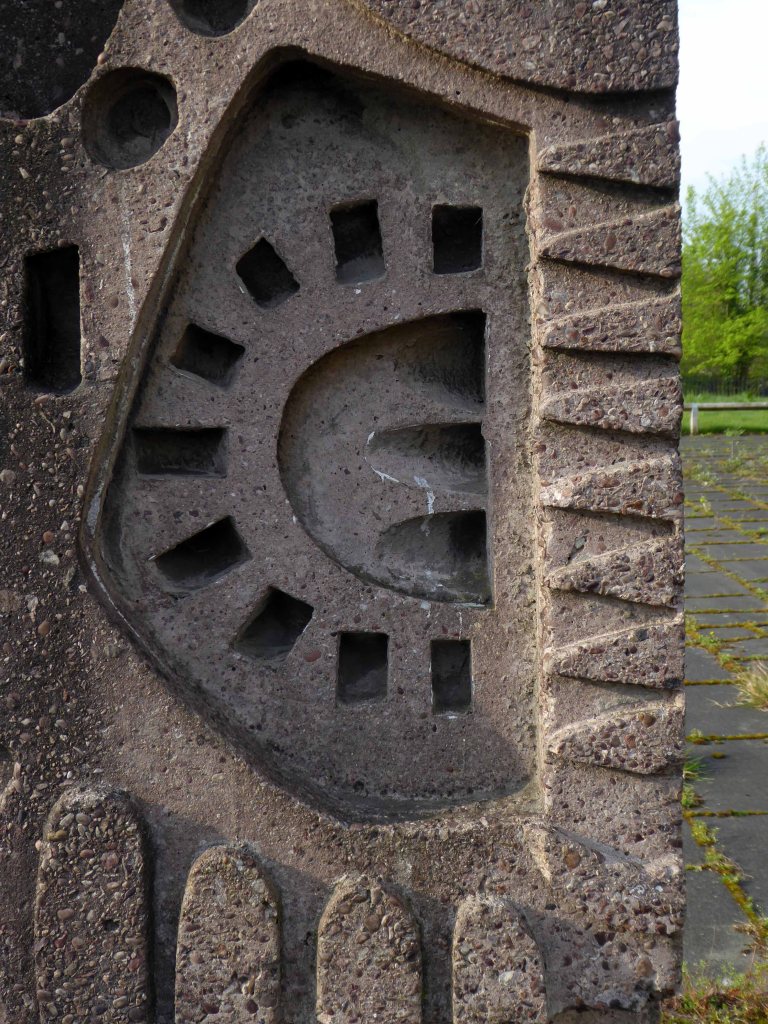
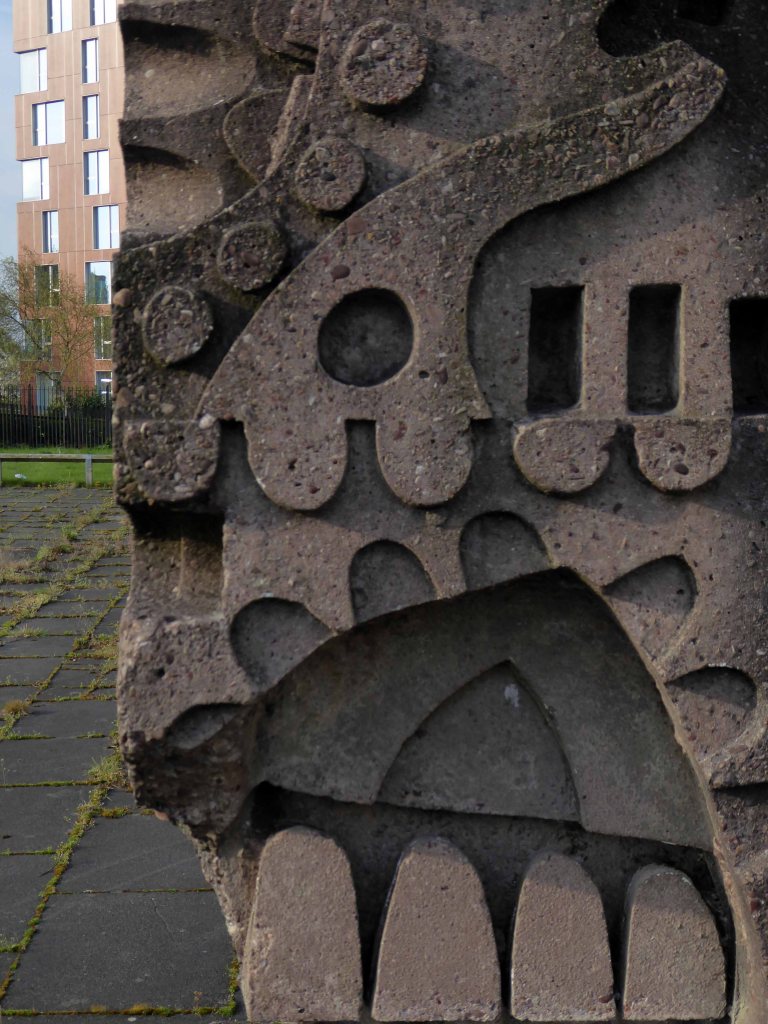
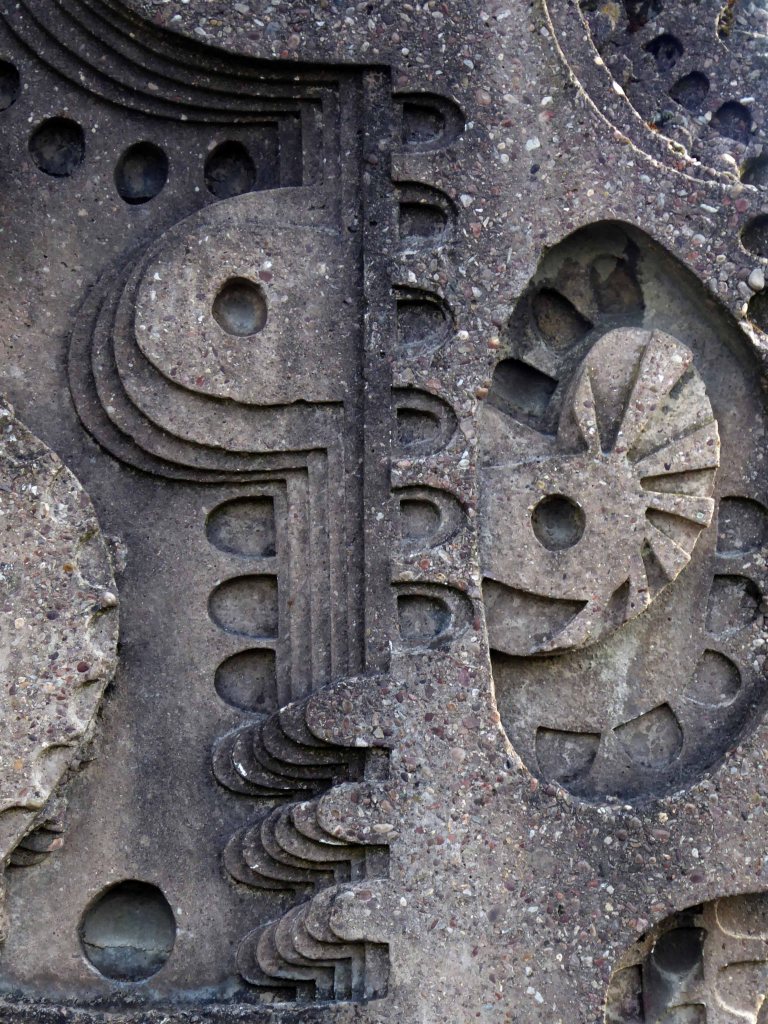
Owing something to the work of both Henry Moore and Pablo Picasso the imagery is derived from automotive parts, along with it seems to me, vague intimations of figuration.

Let’s talk a look!