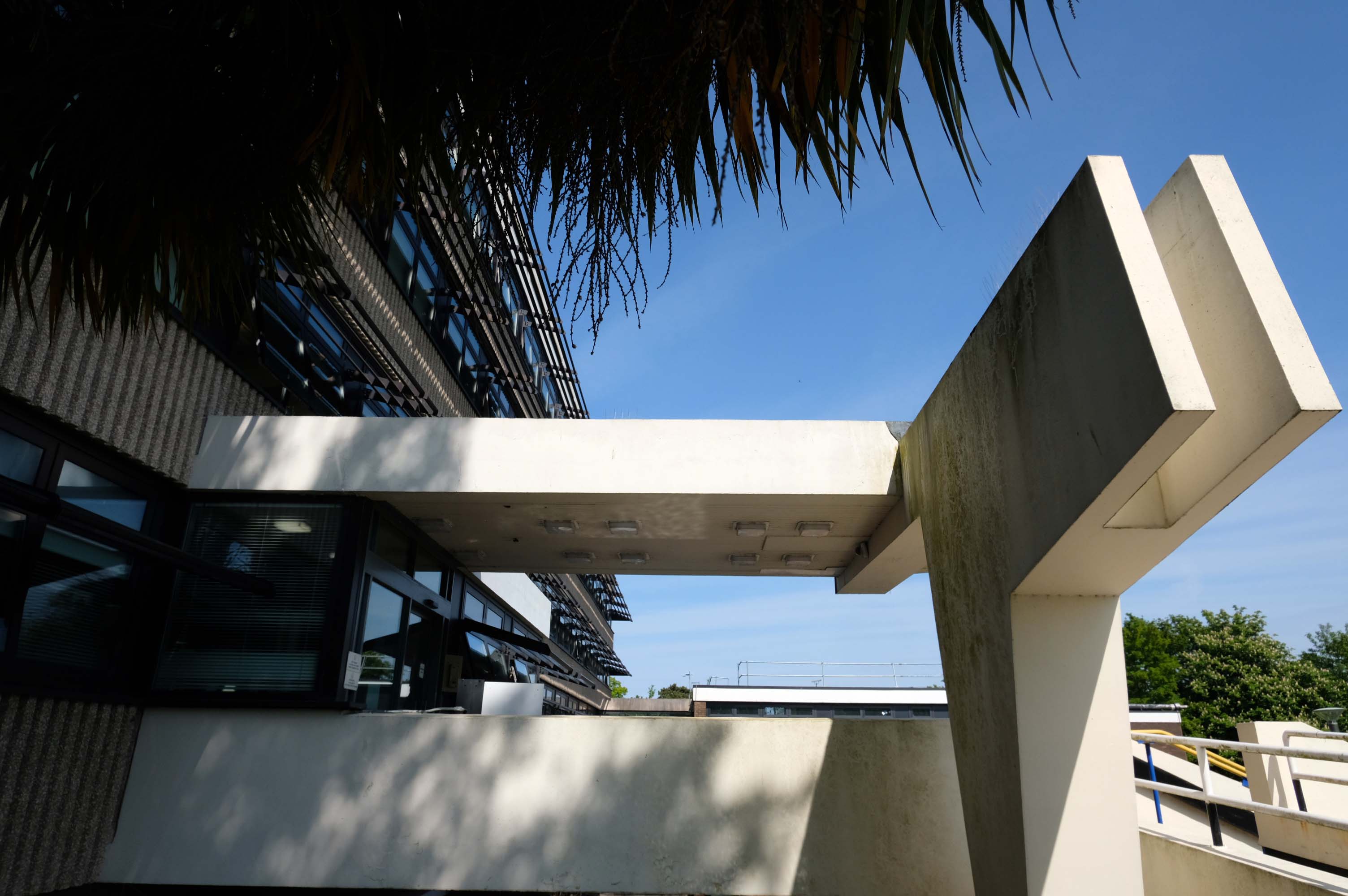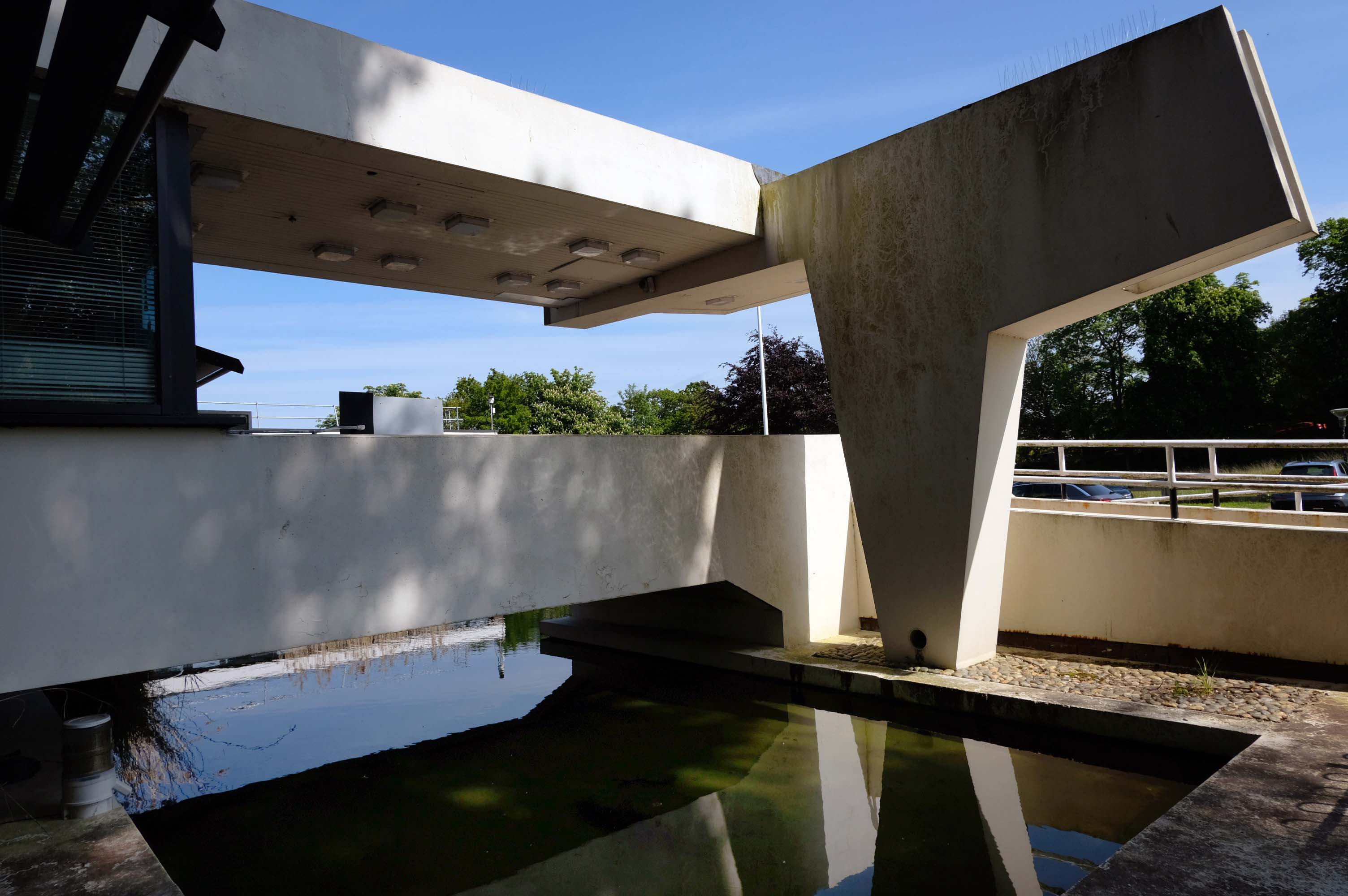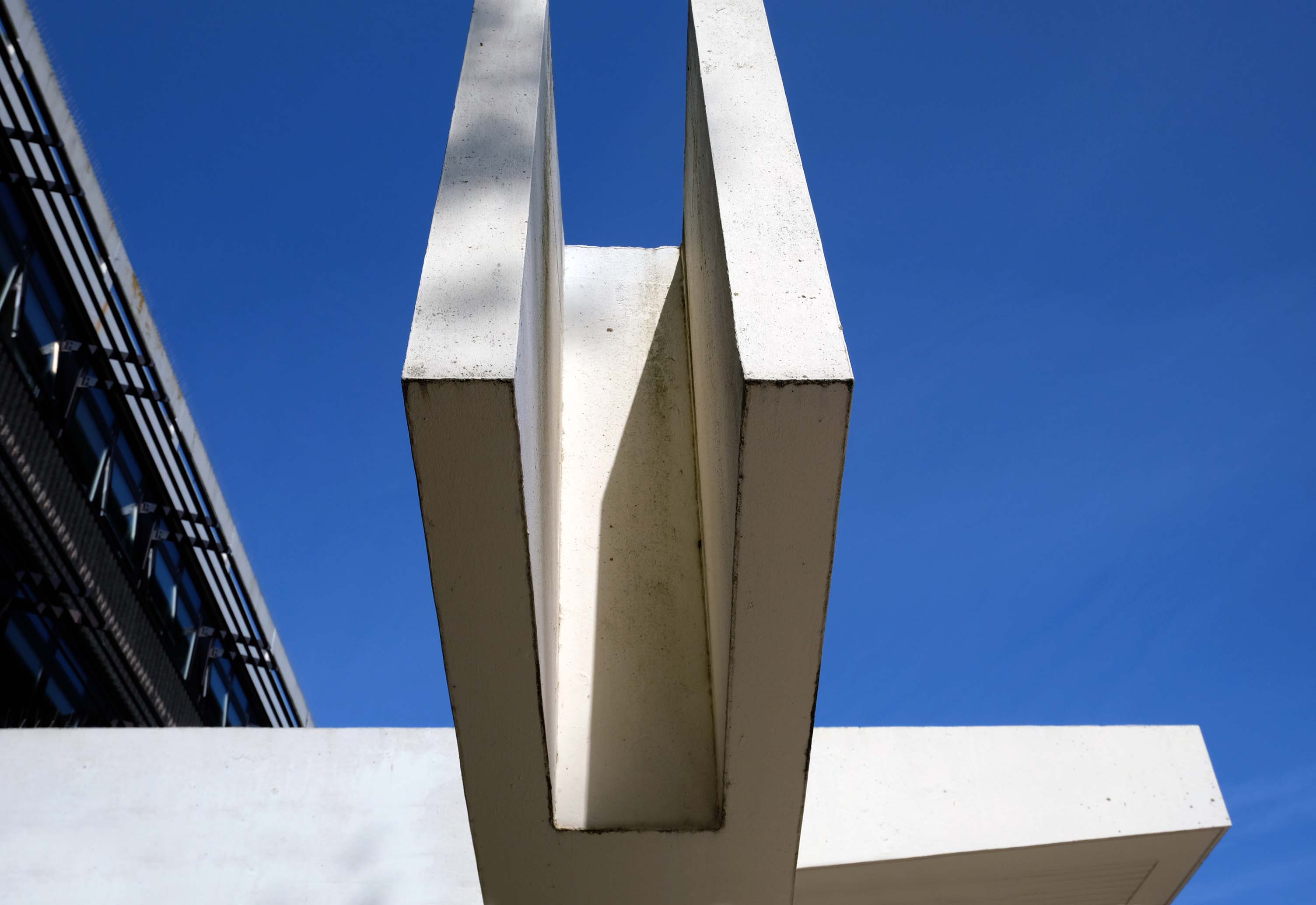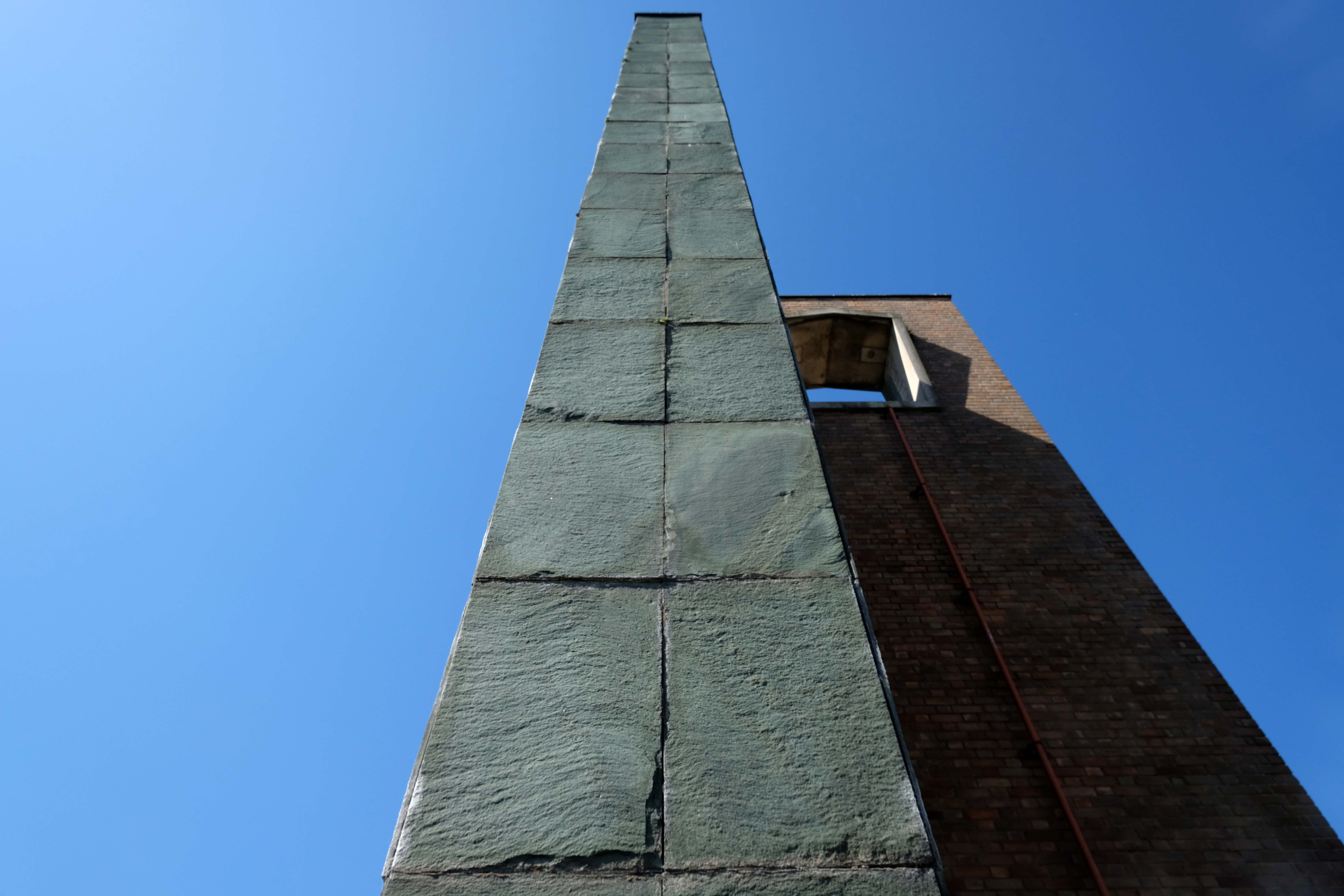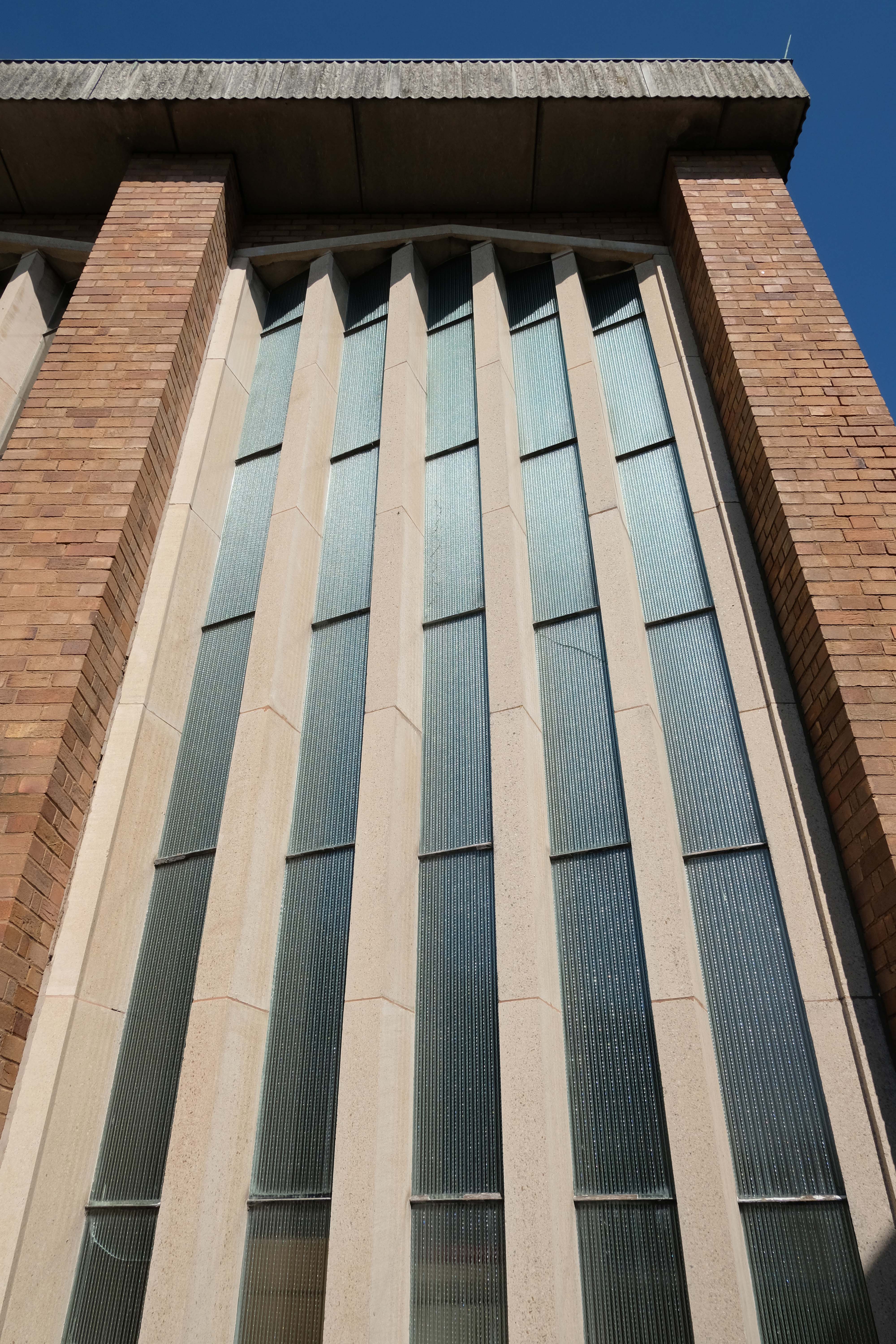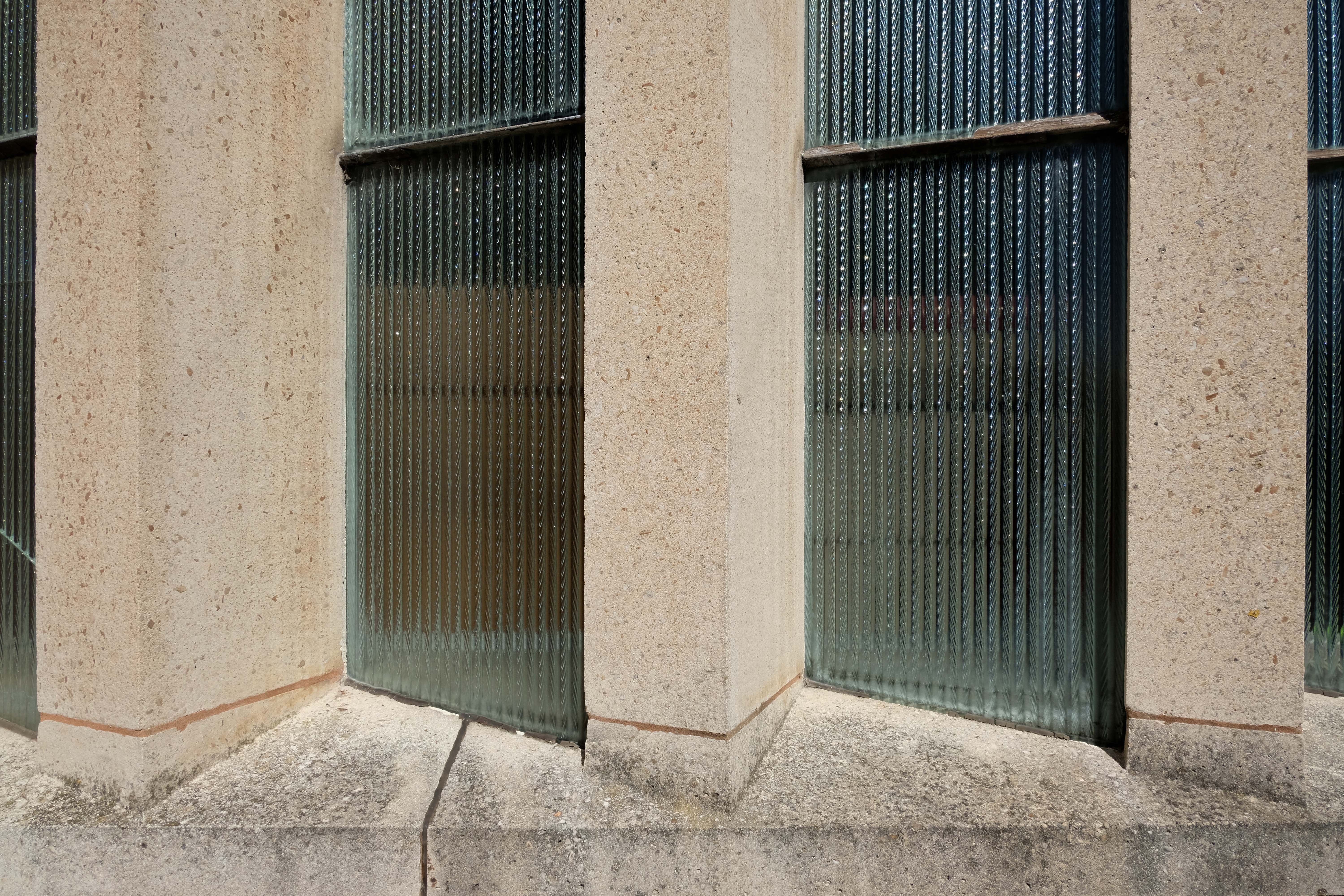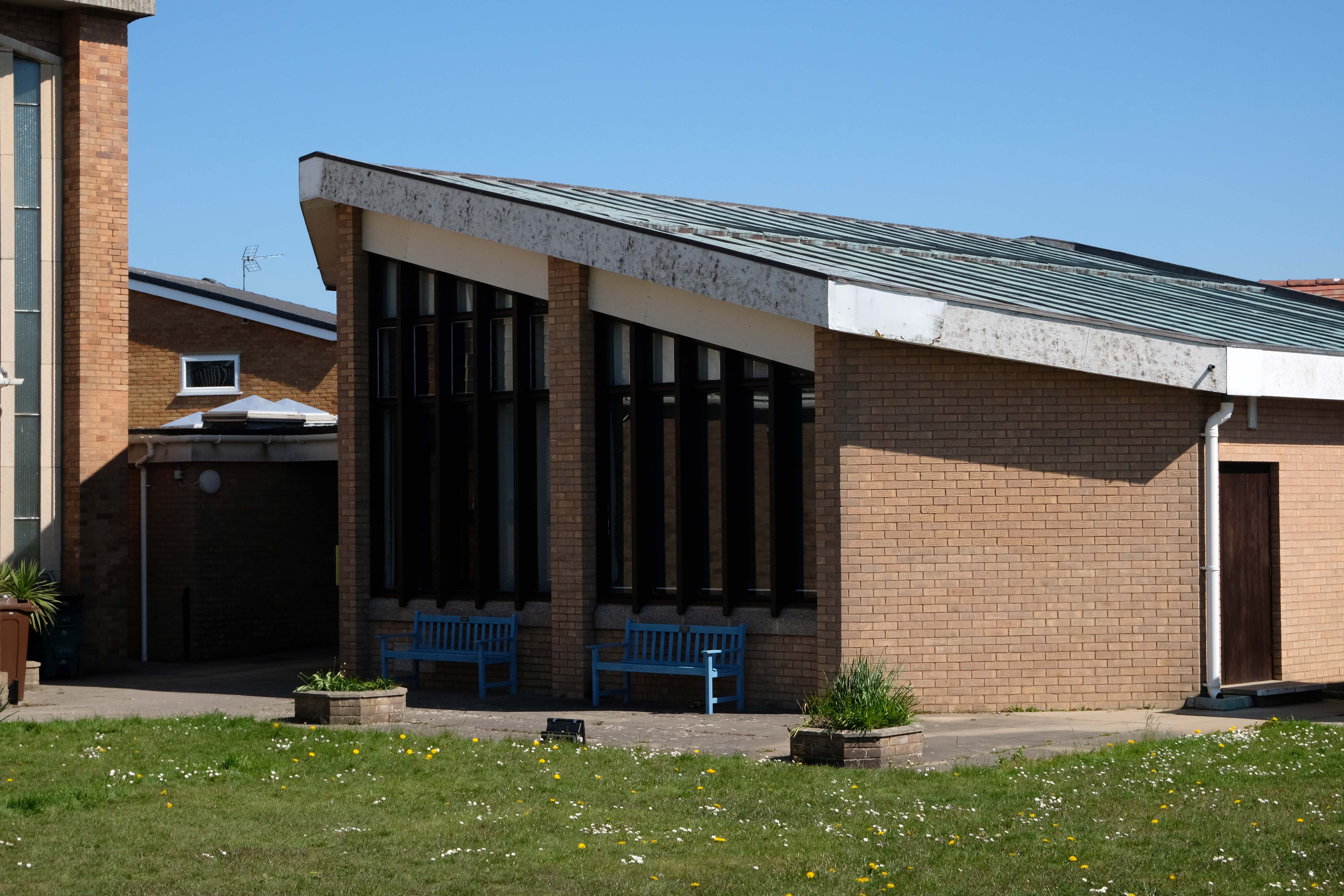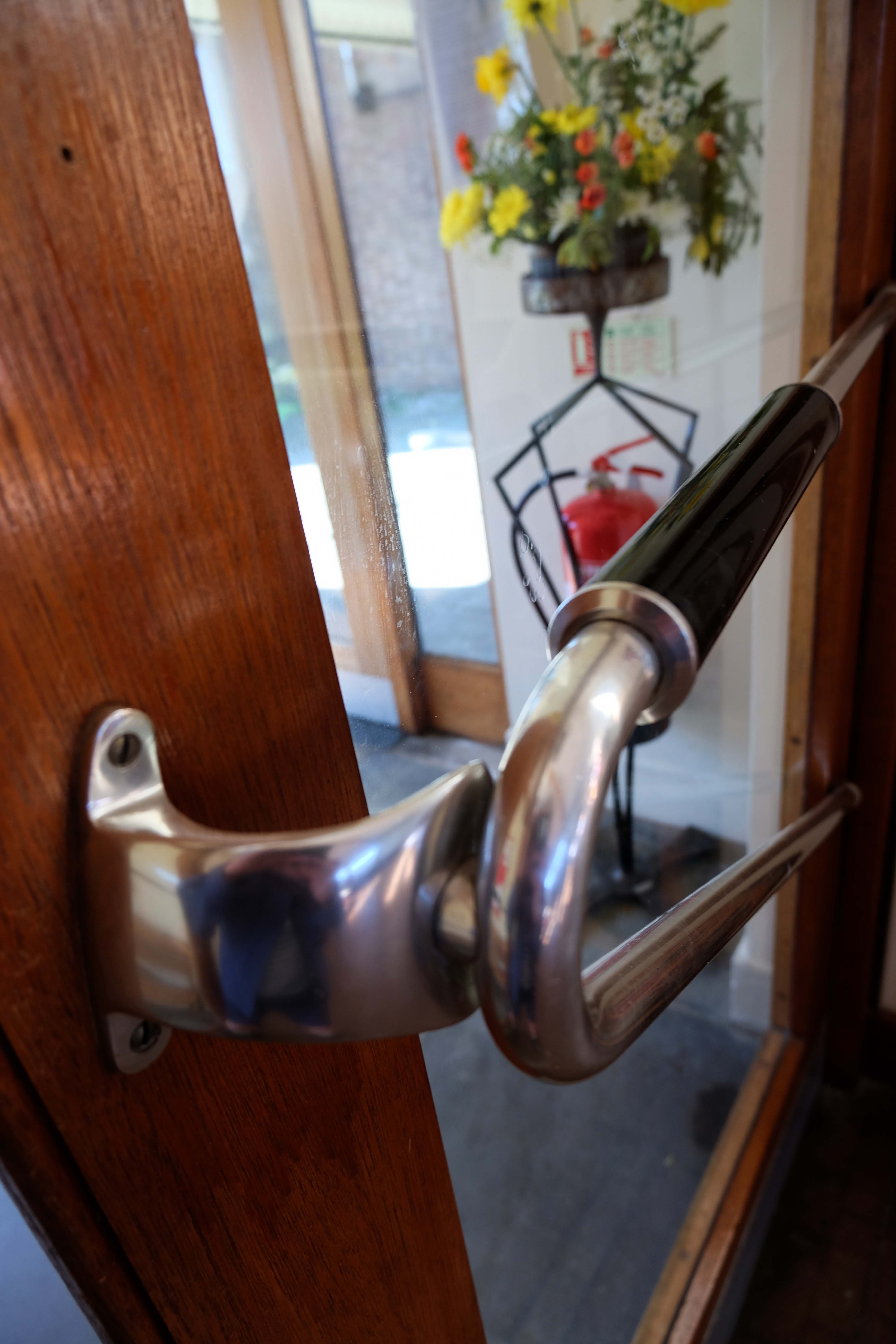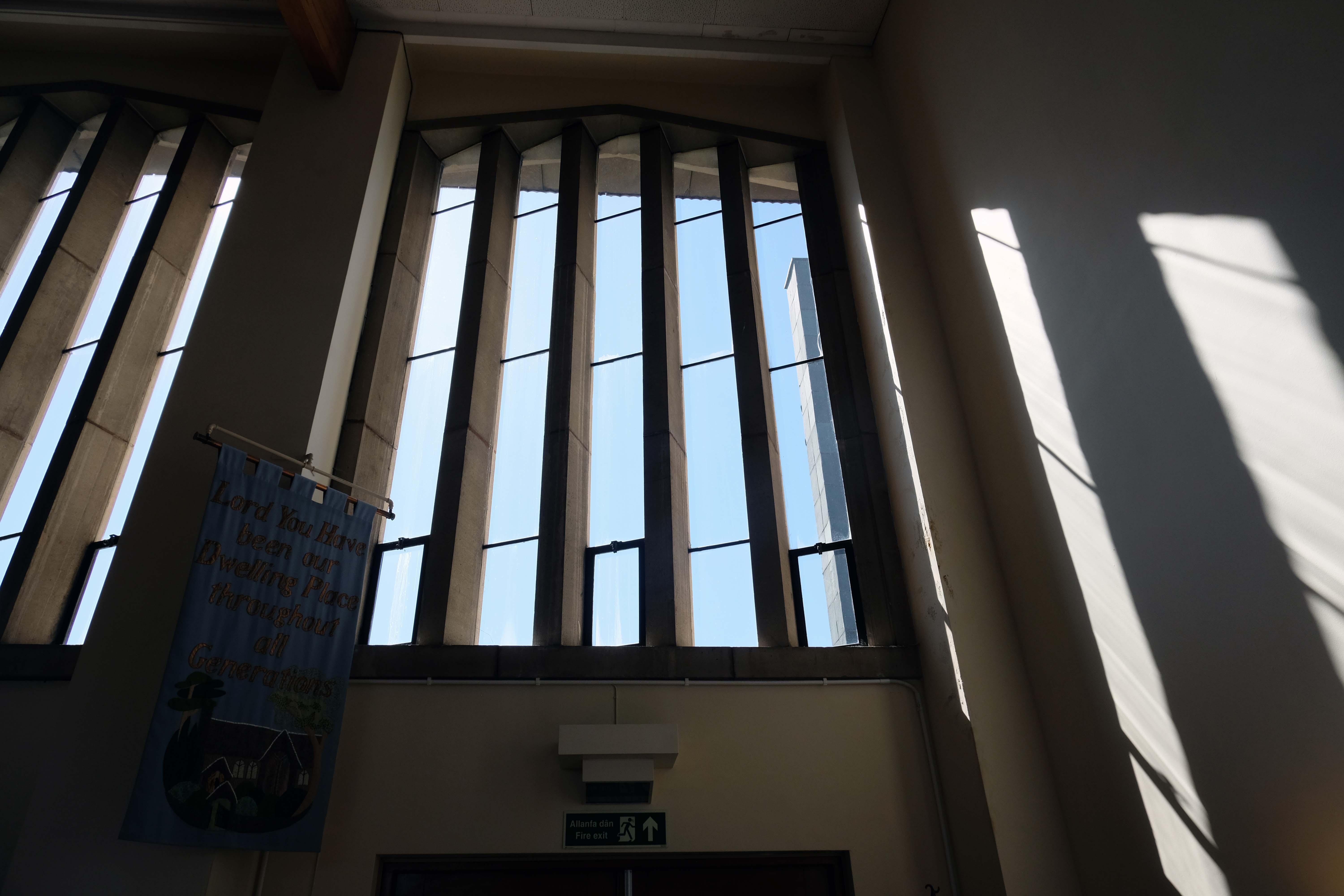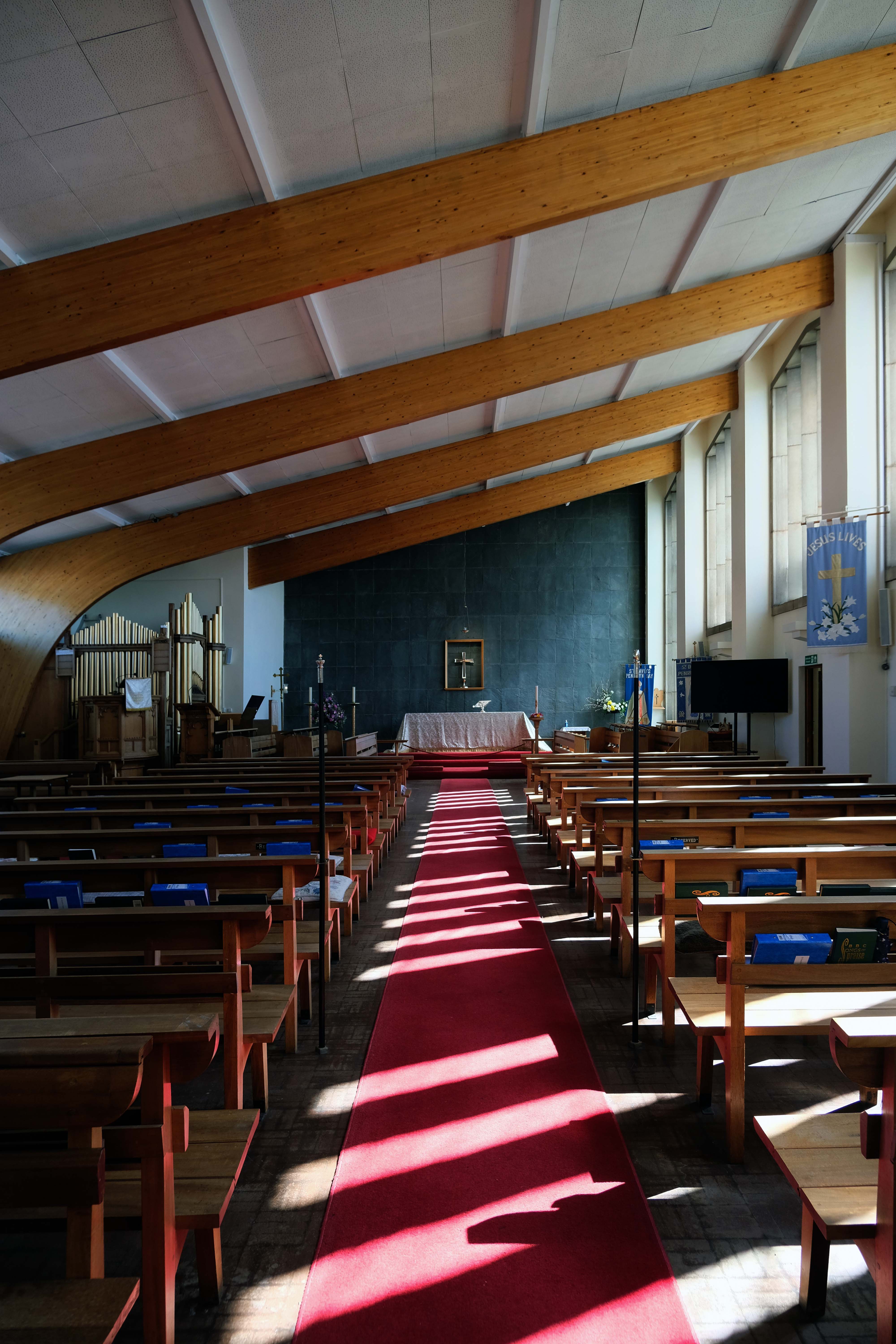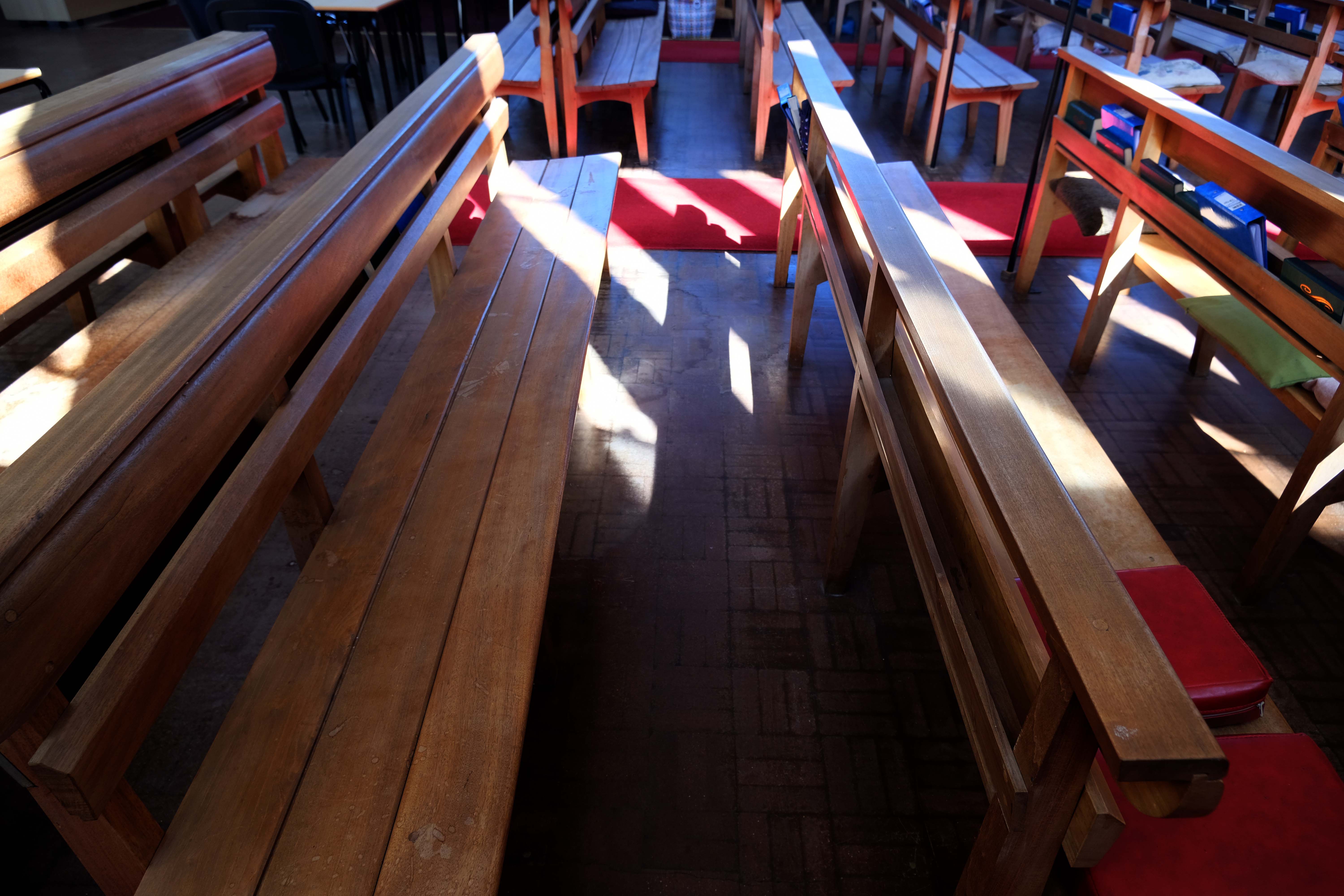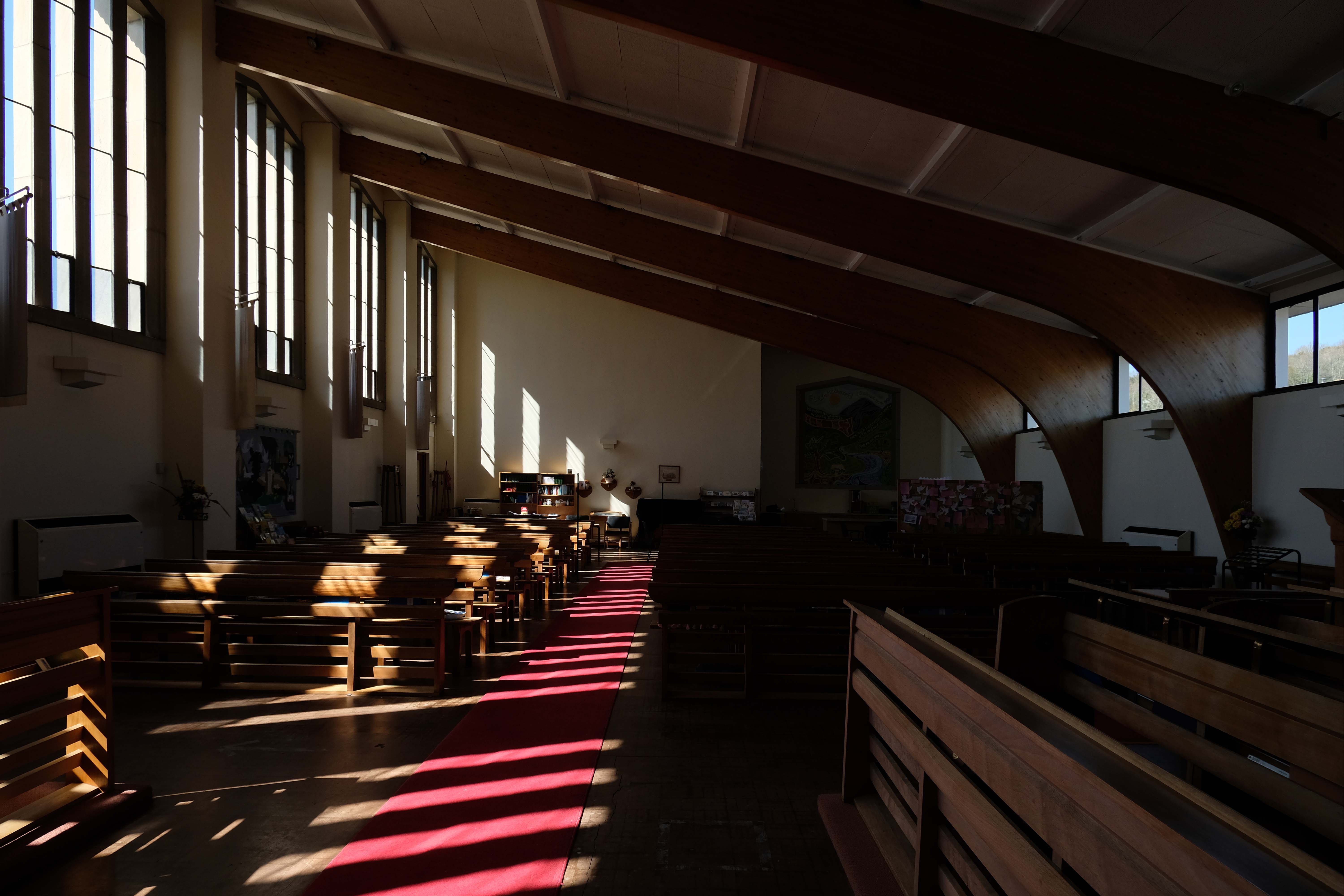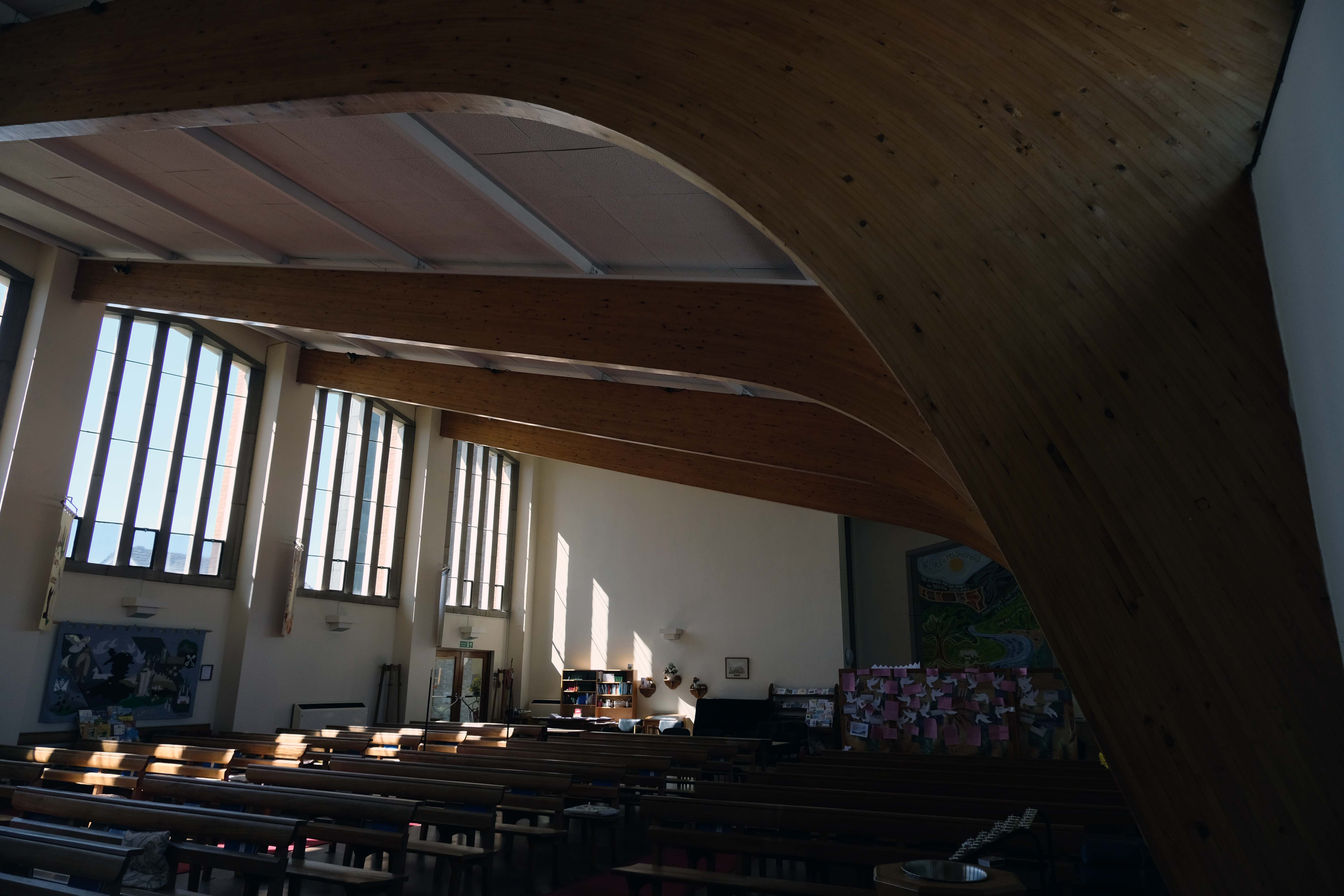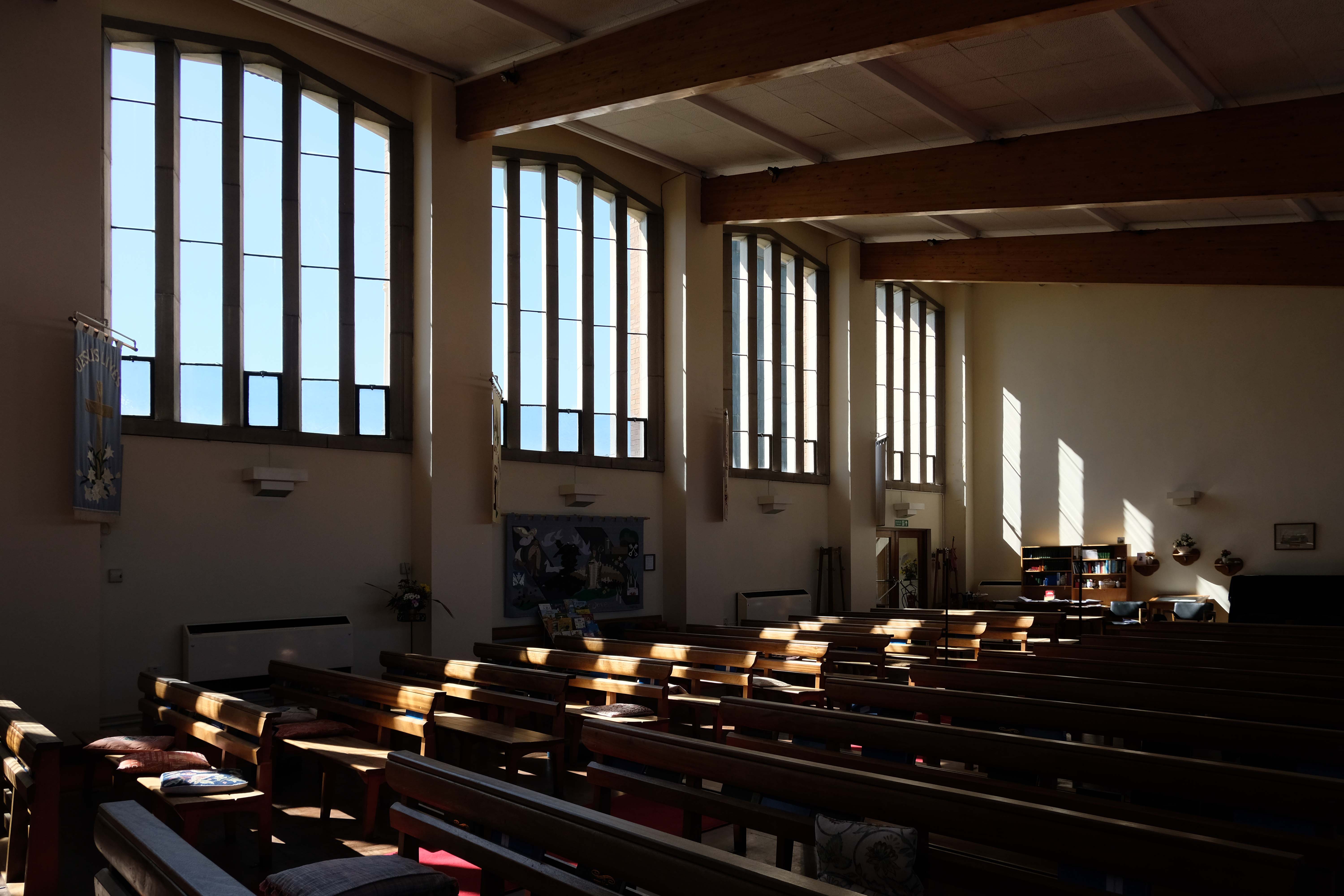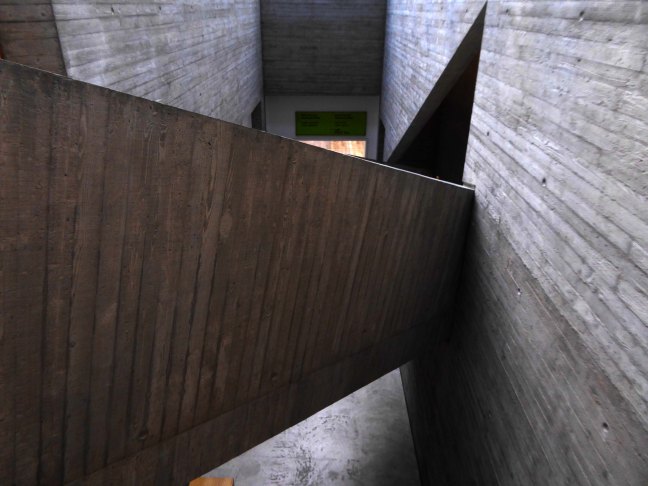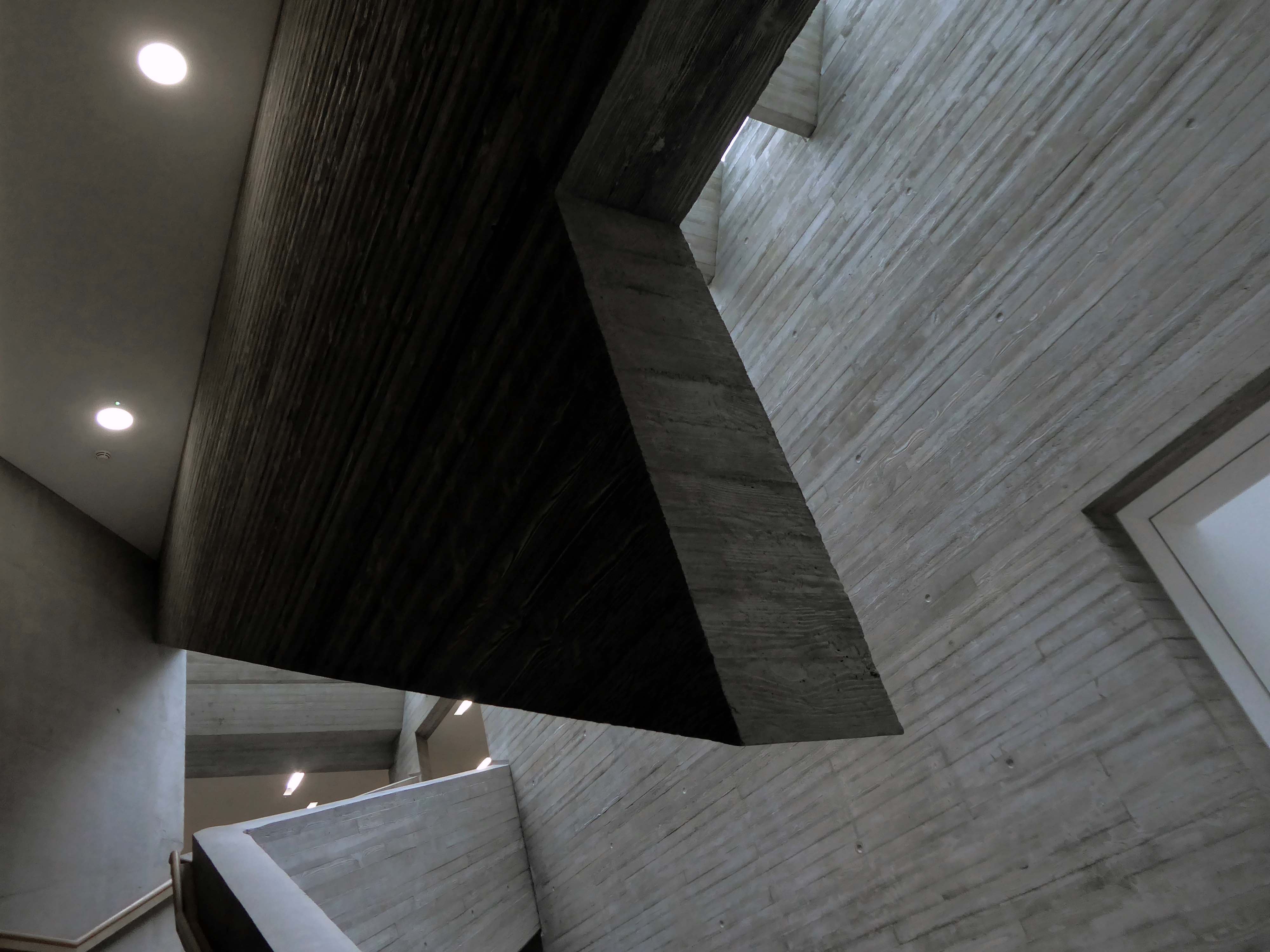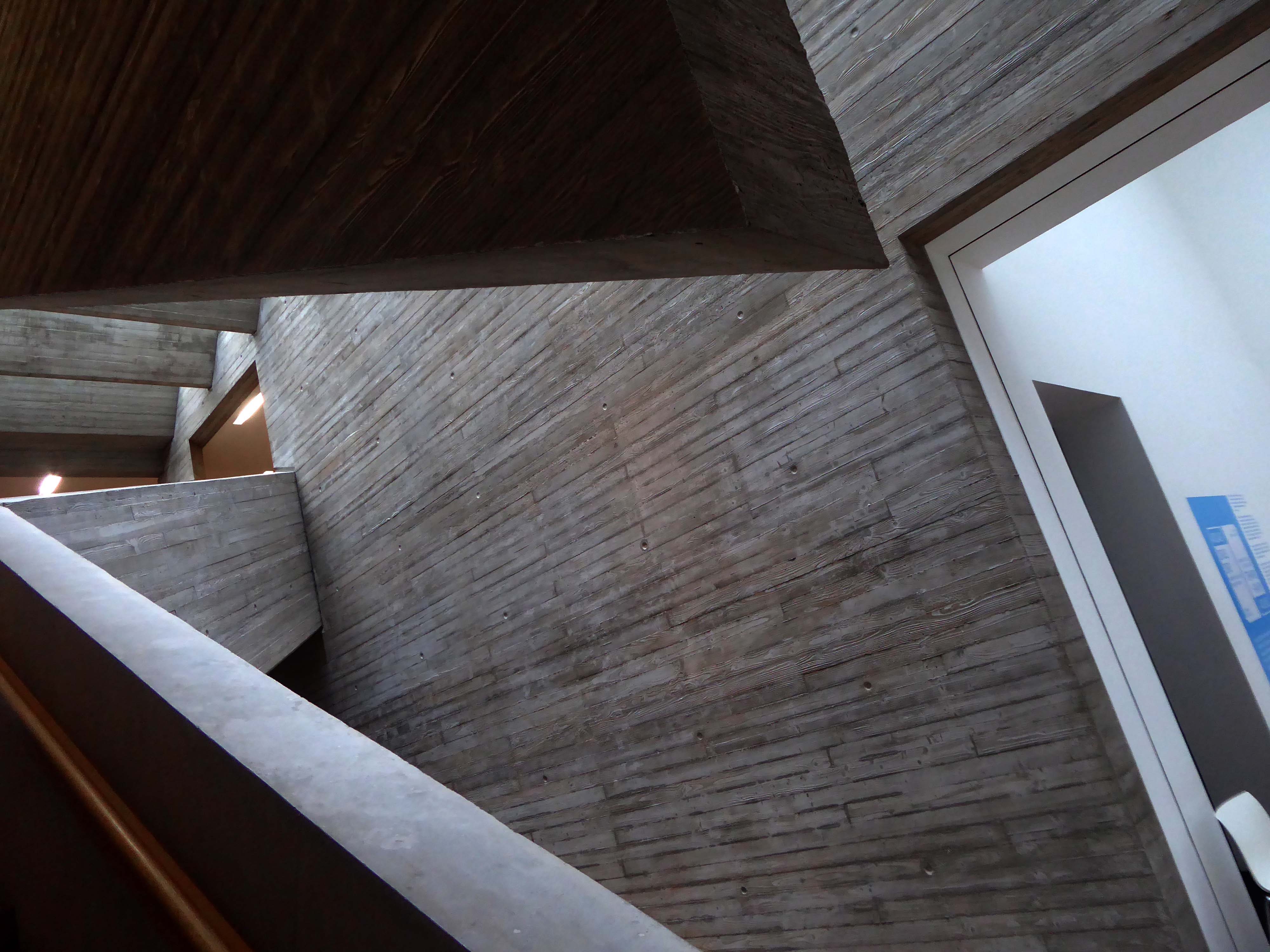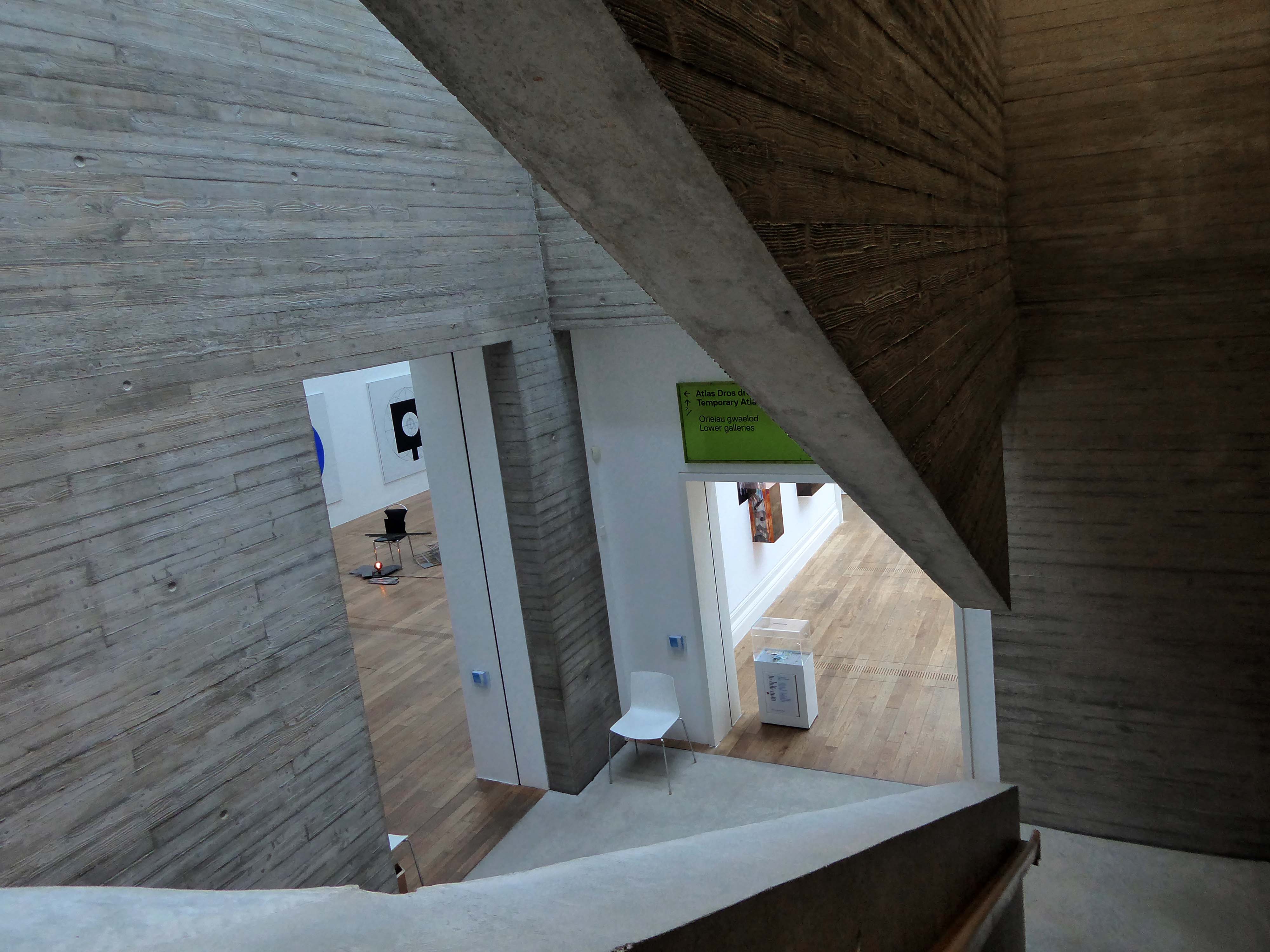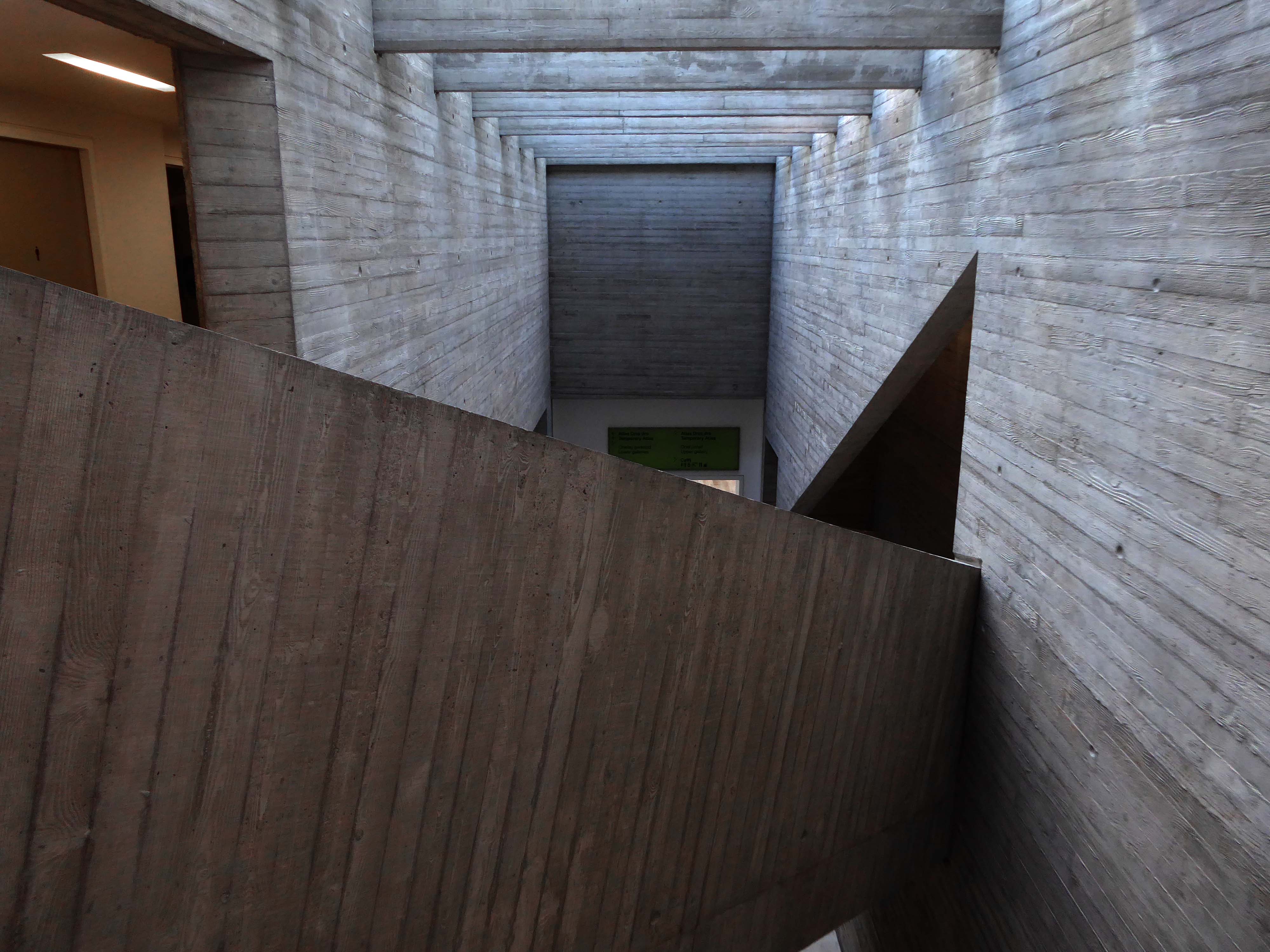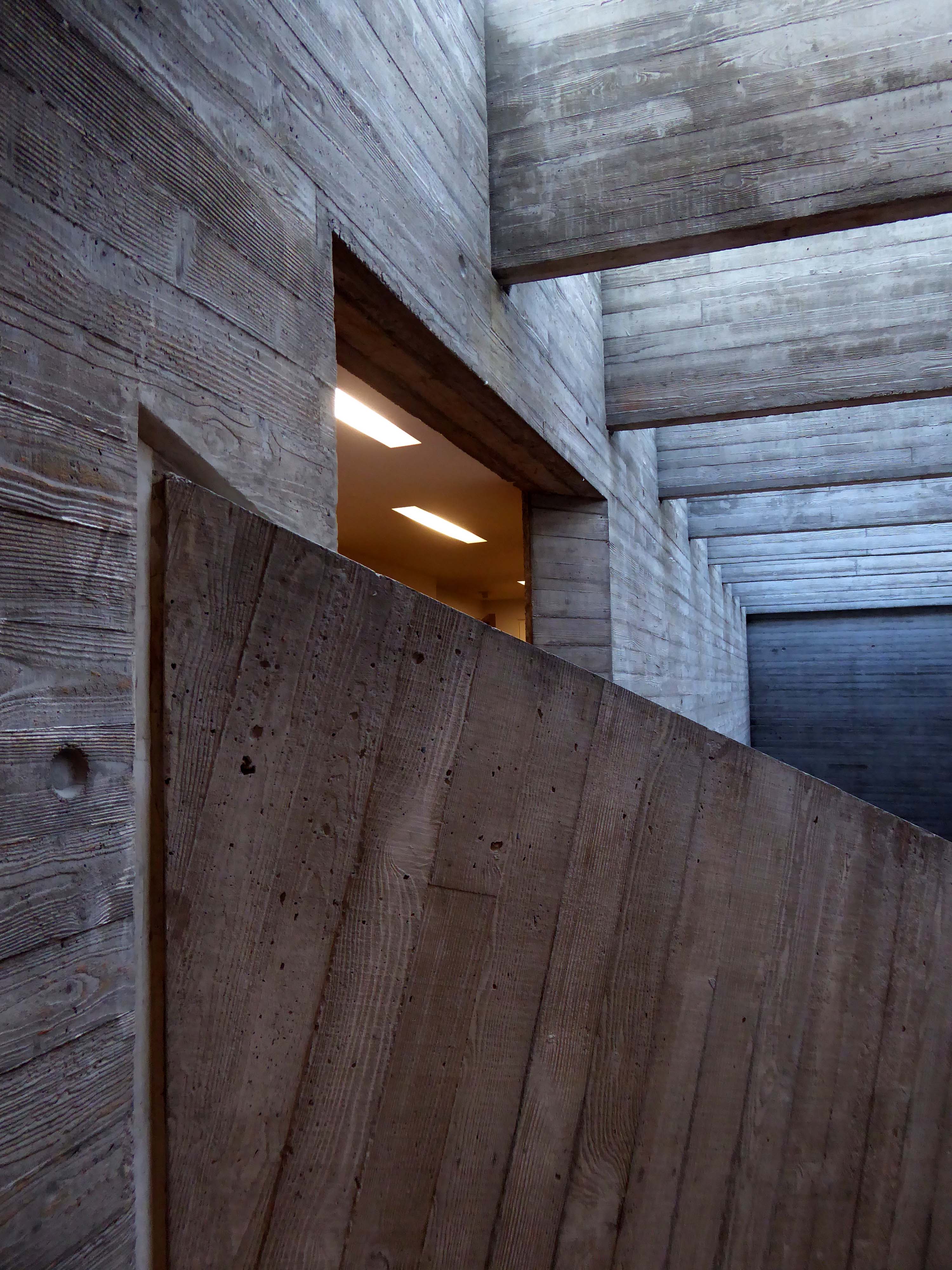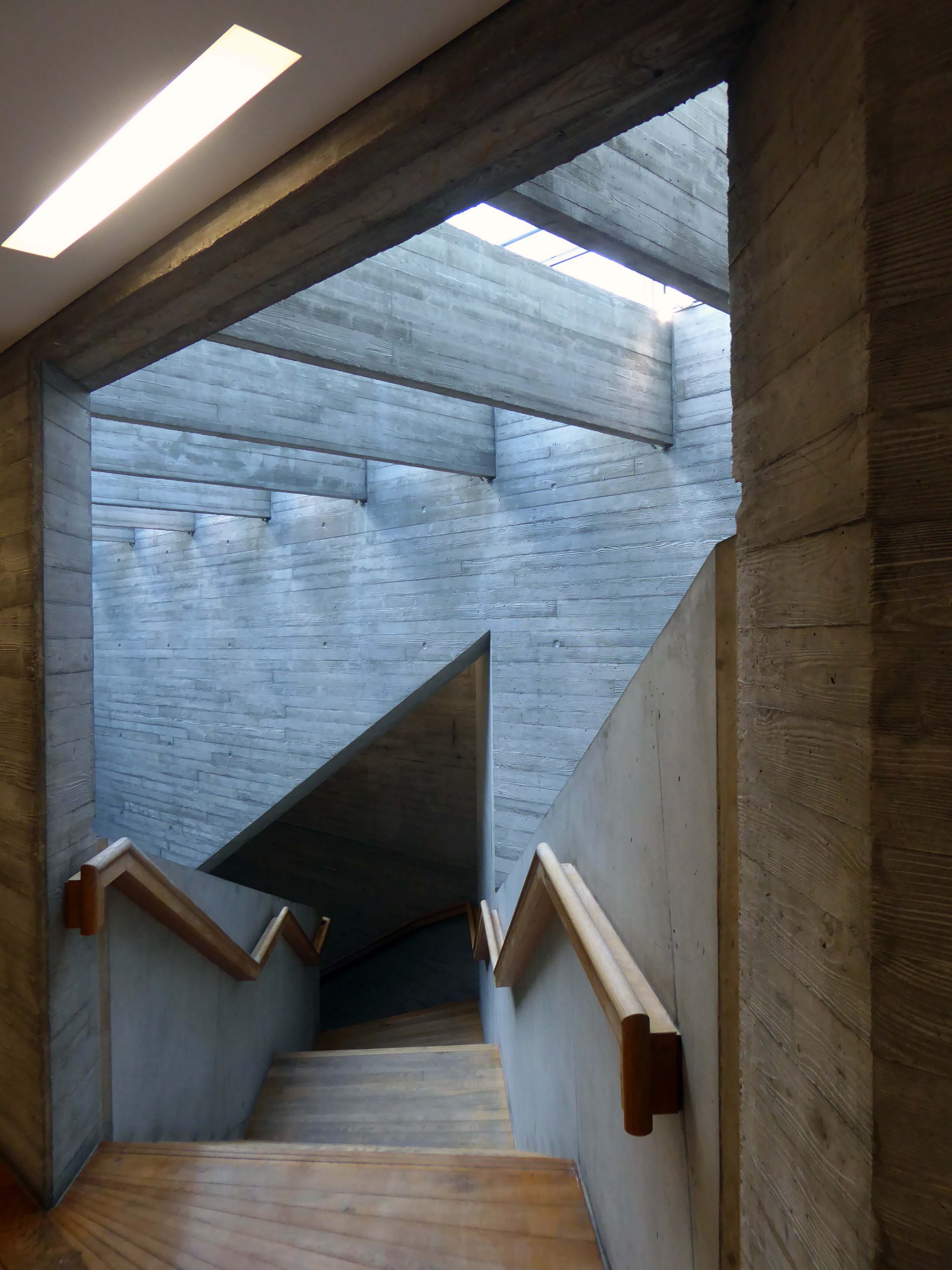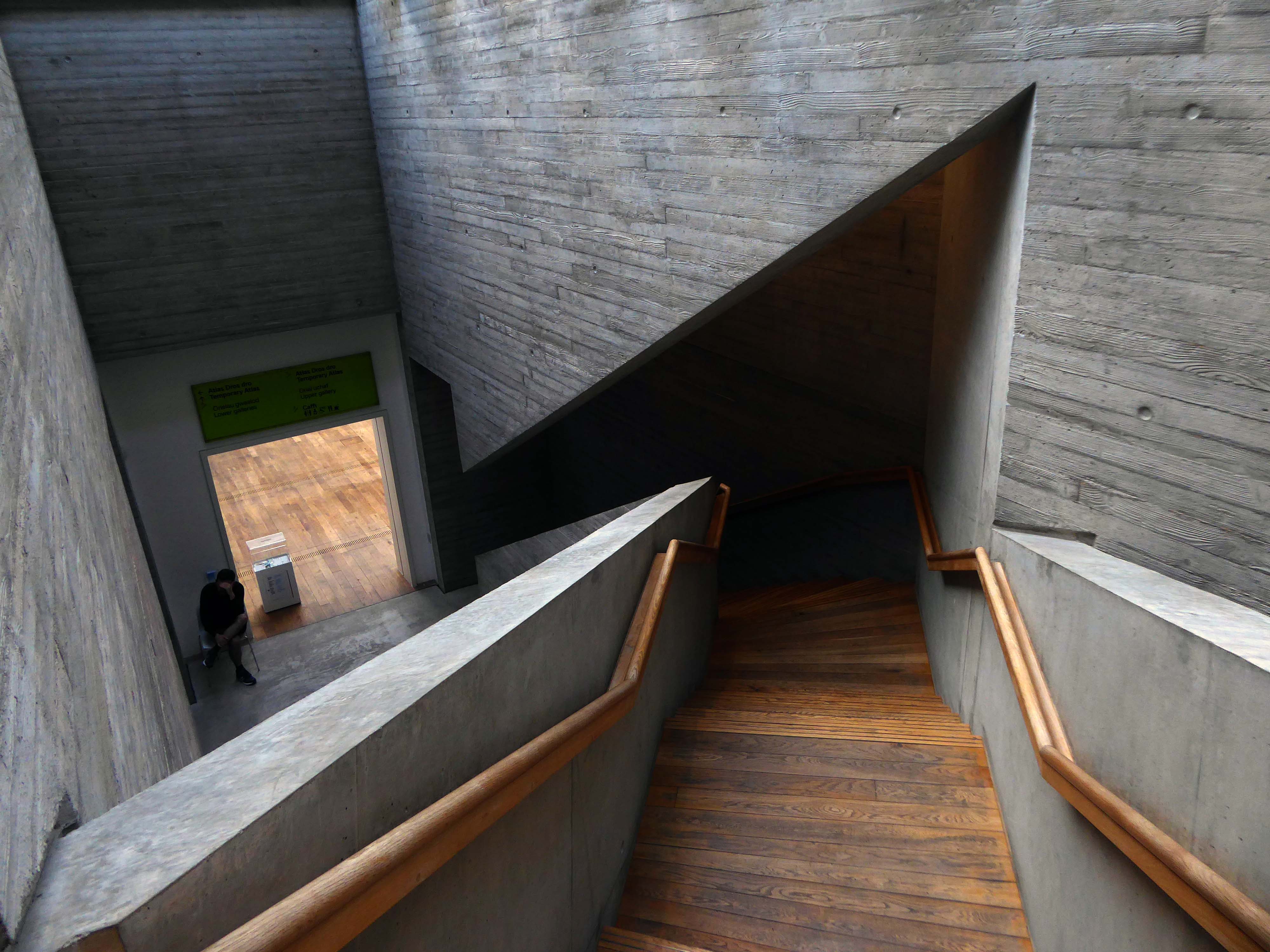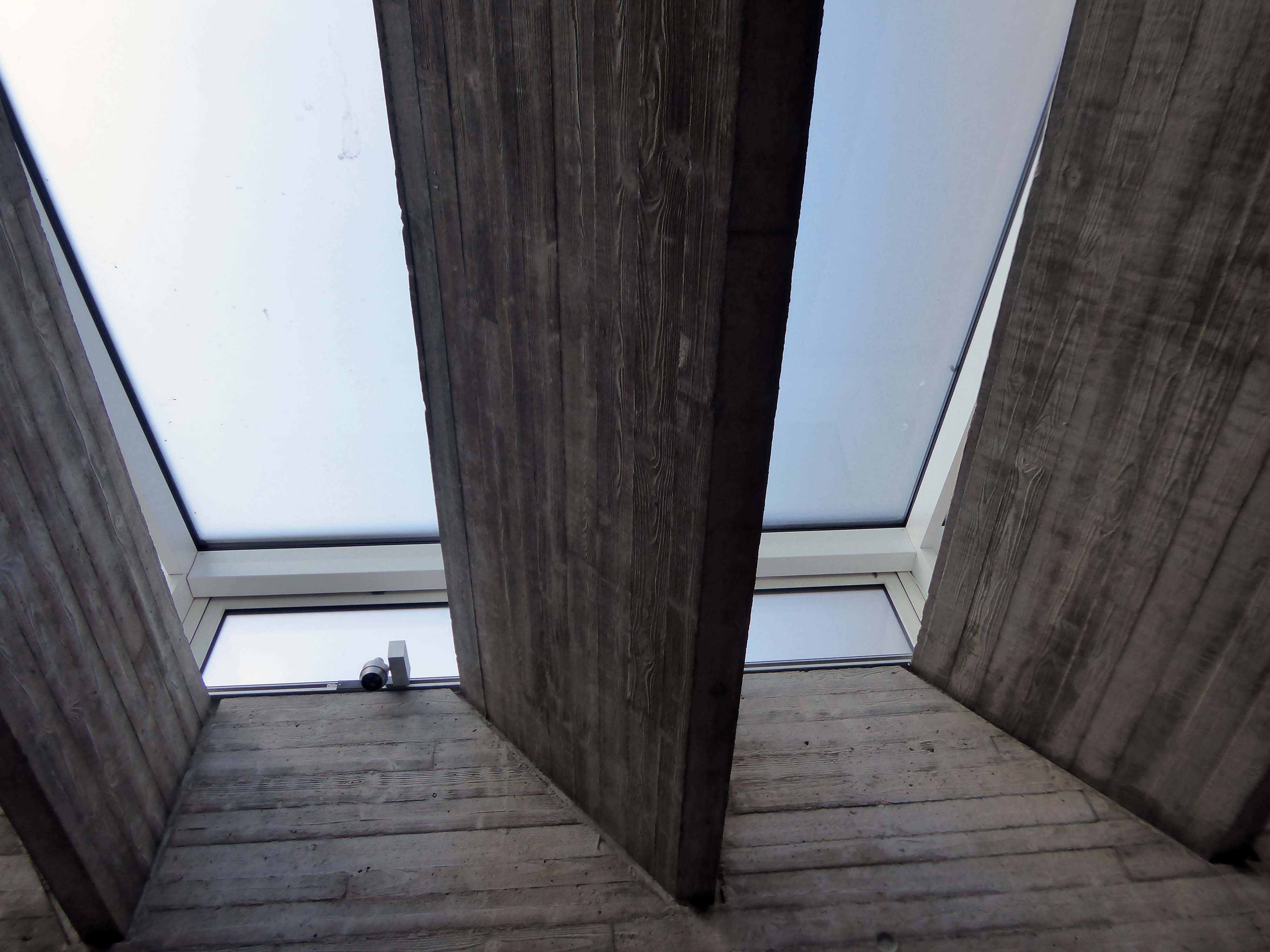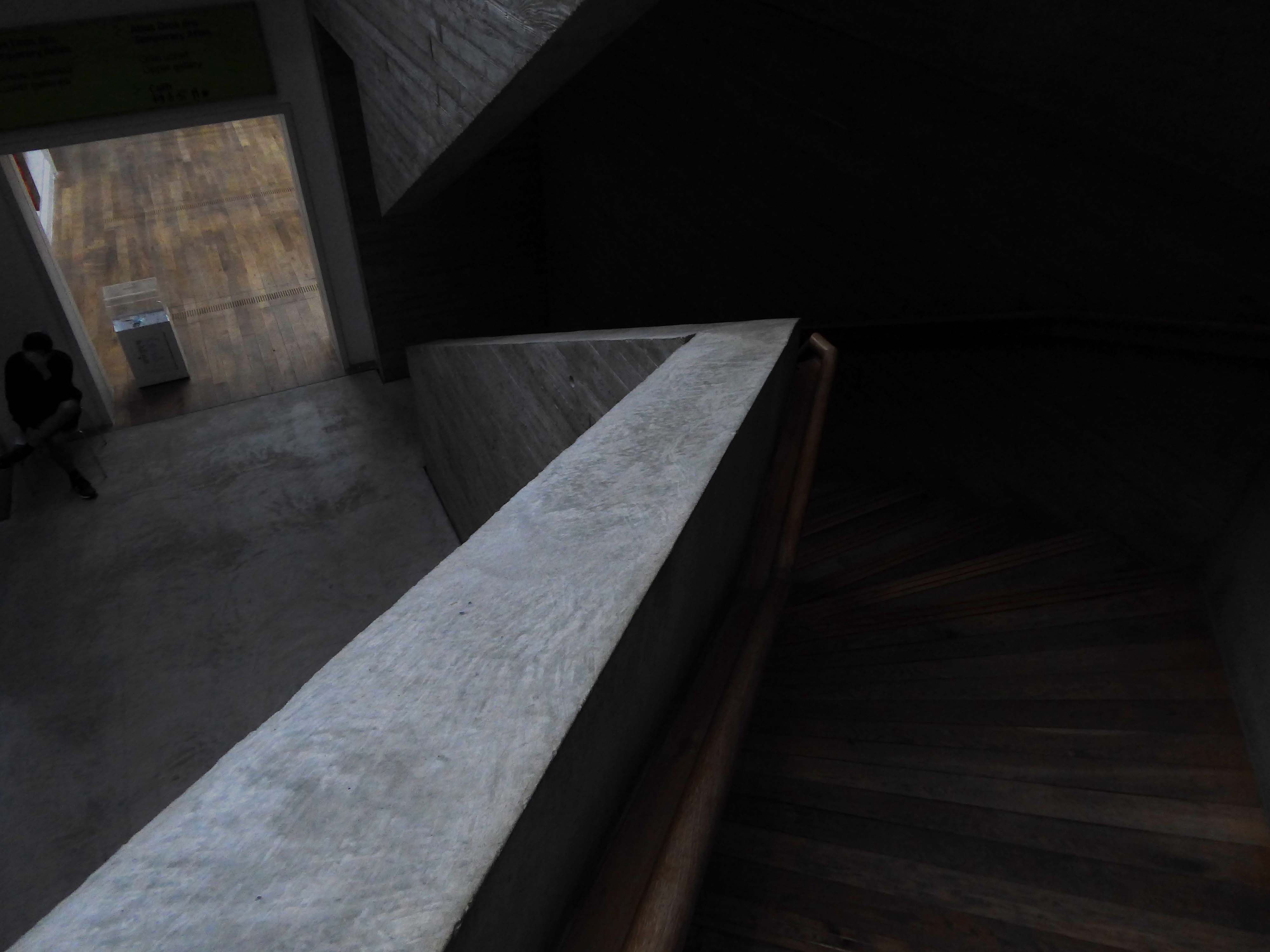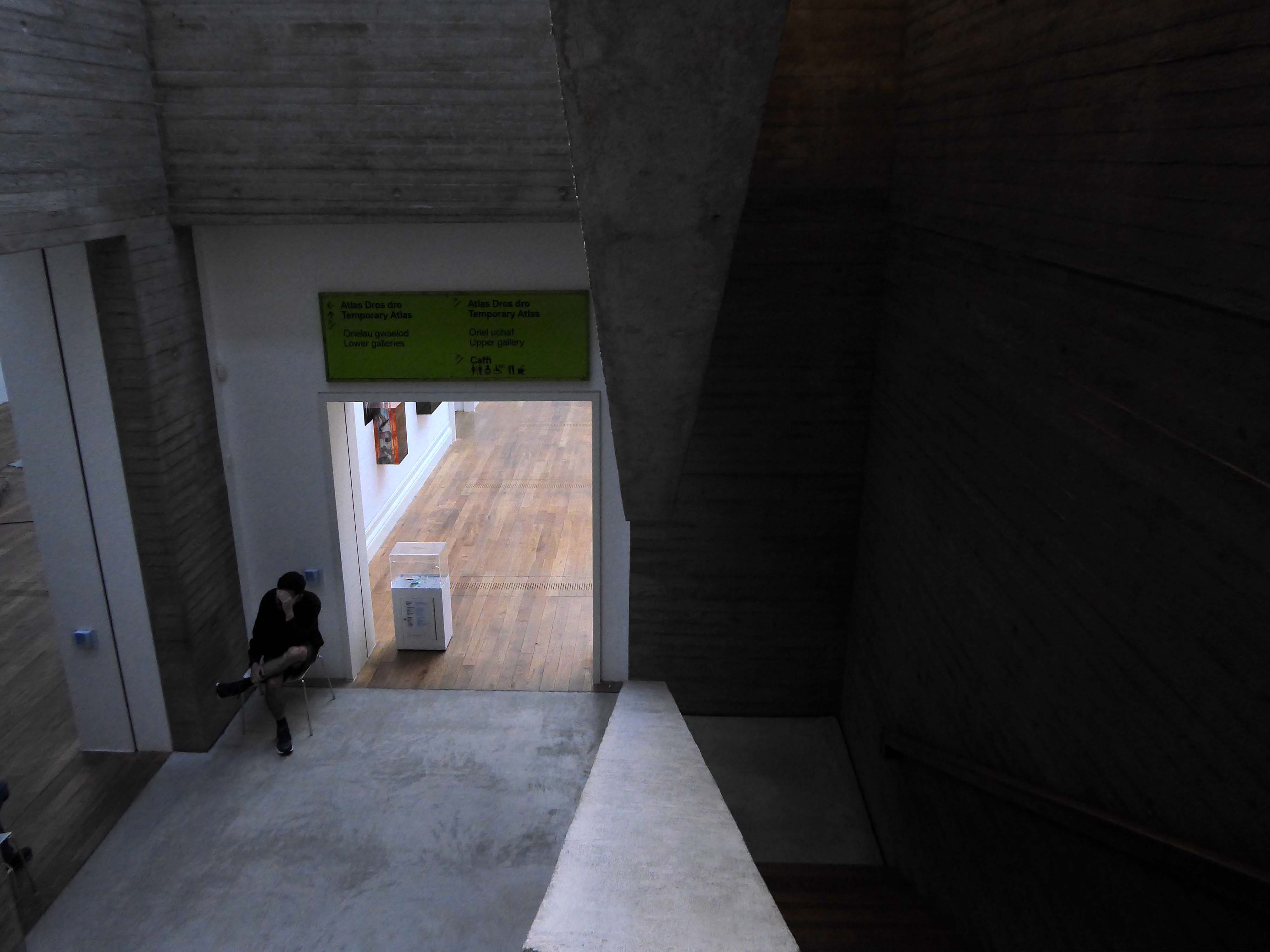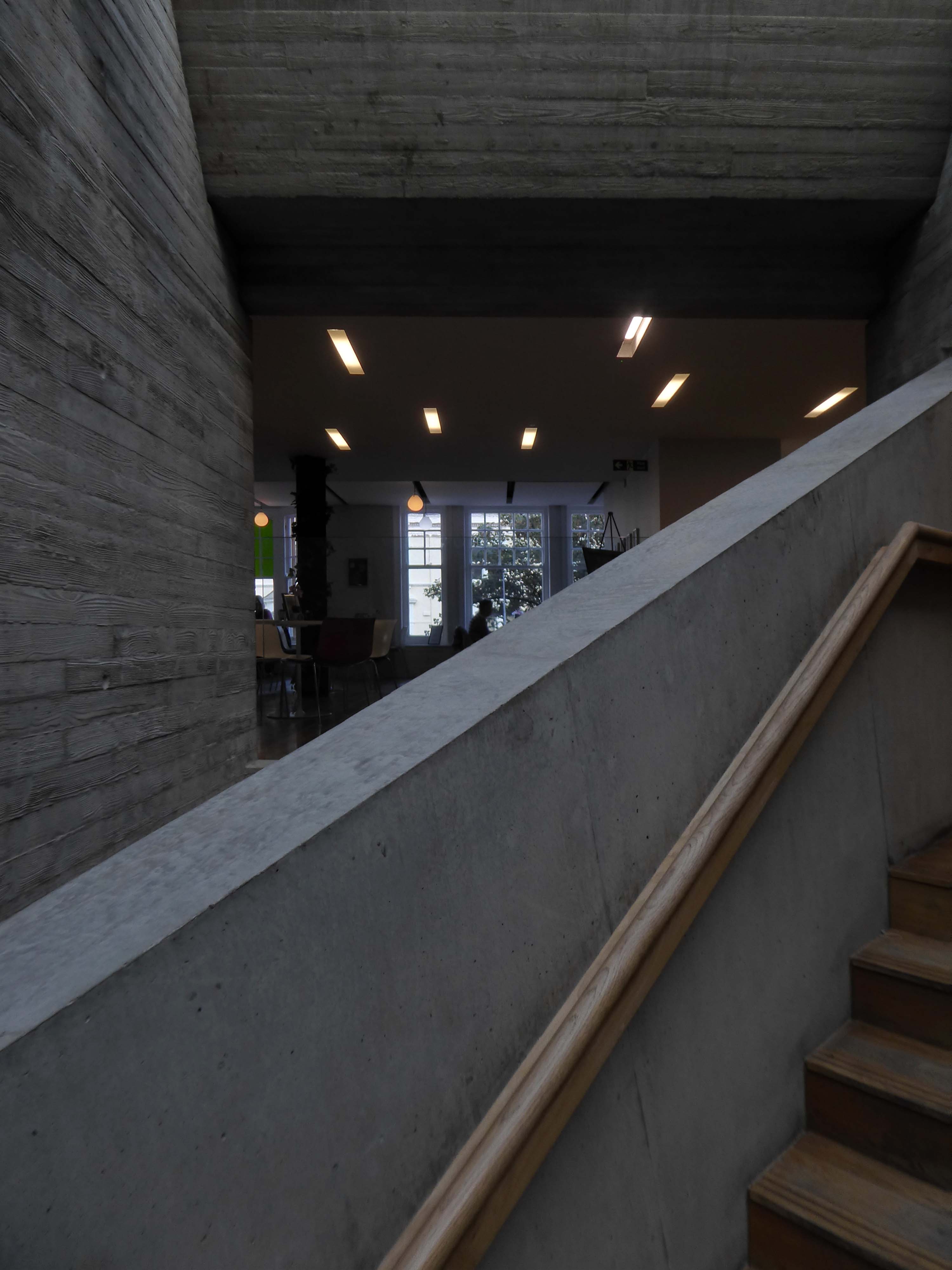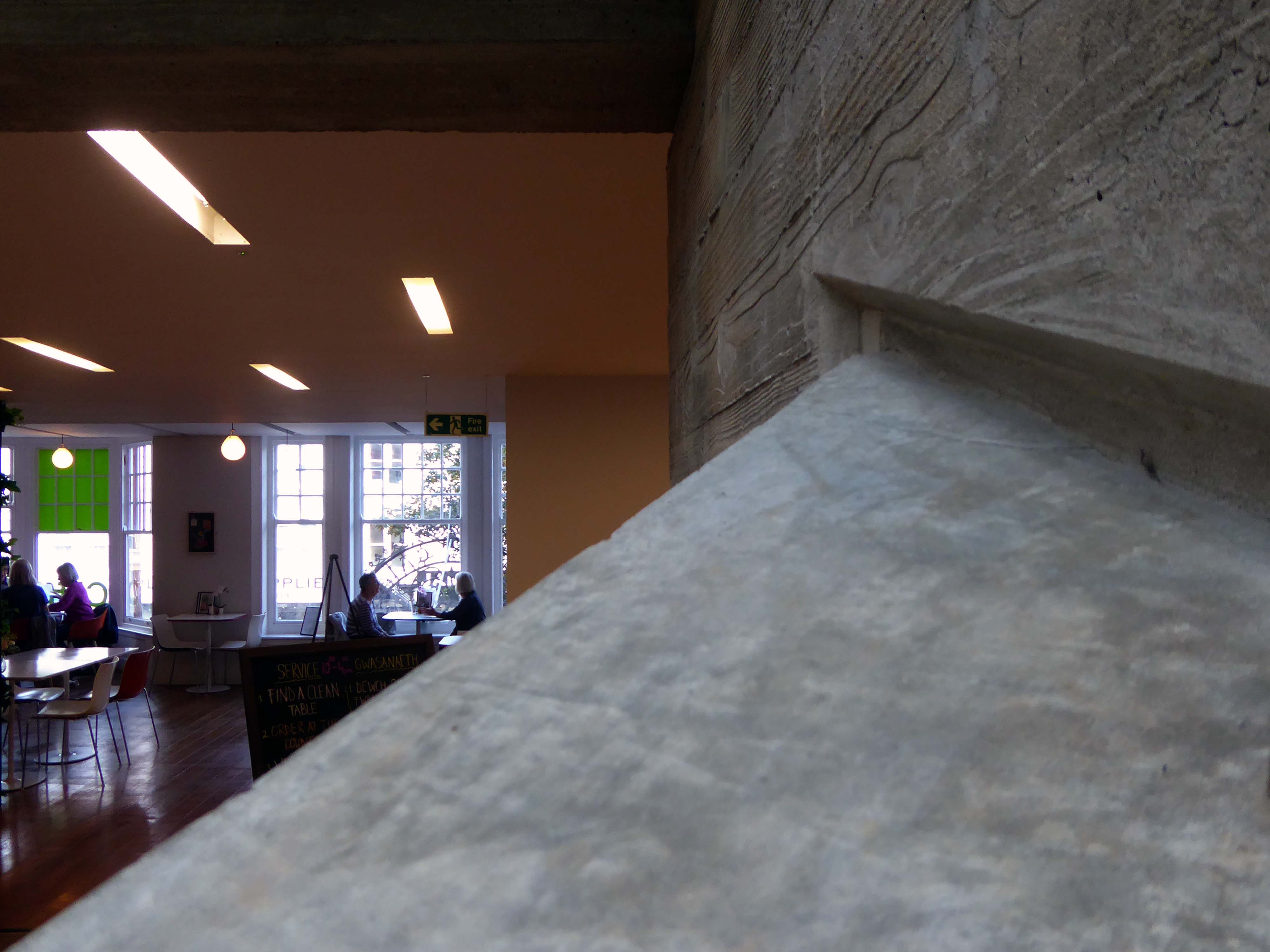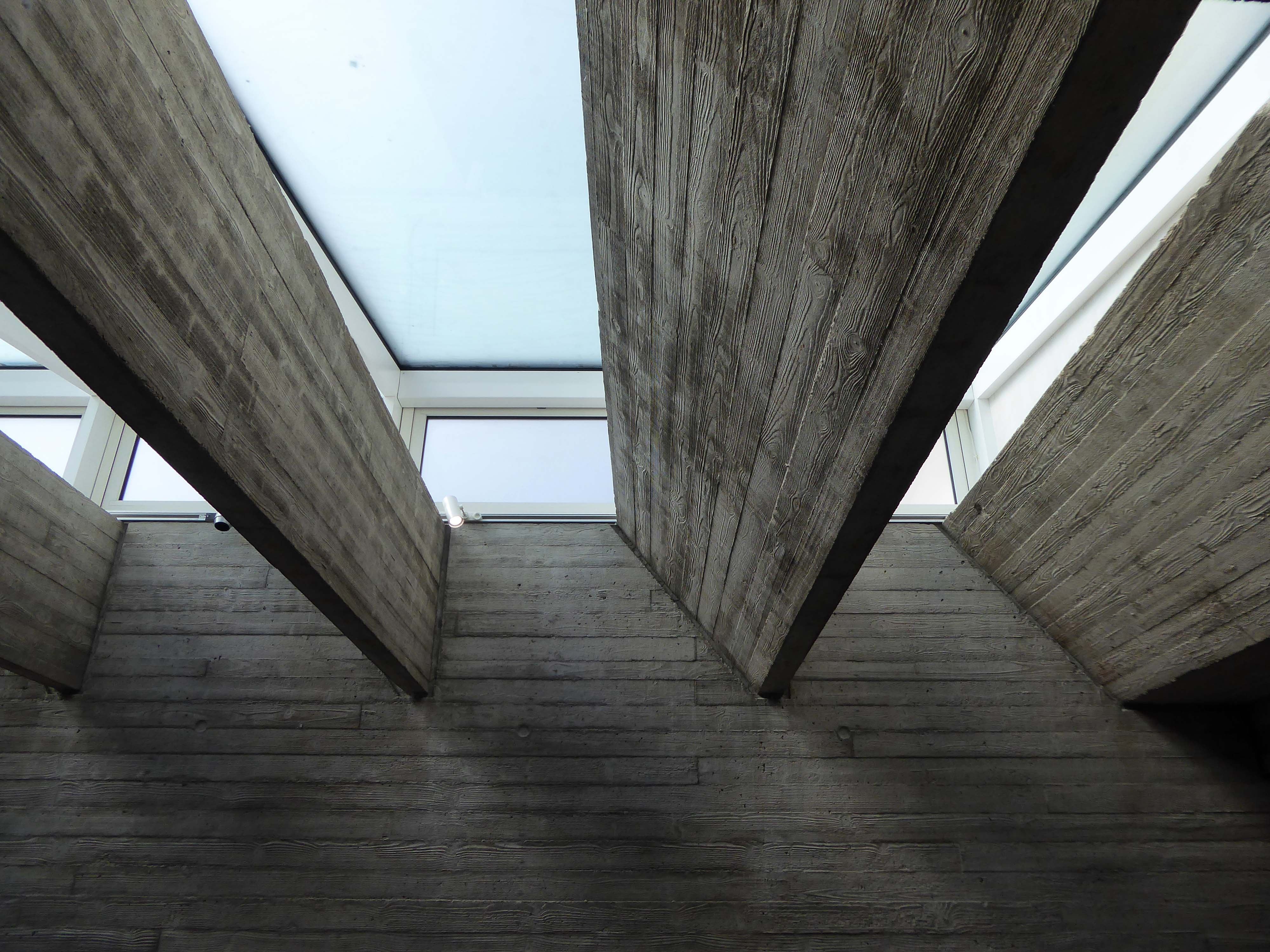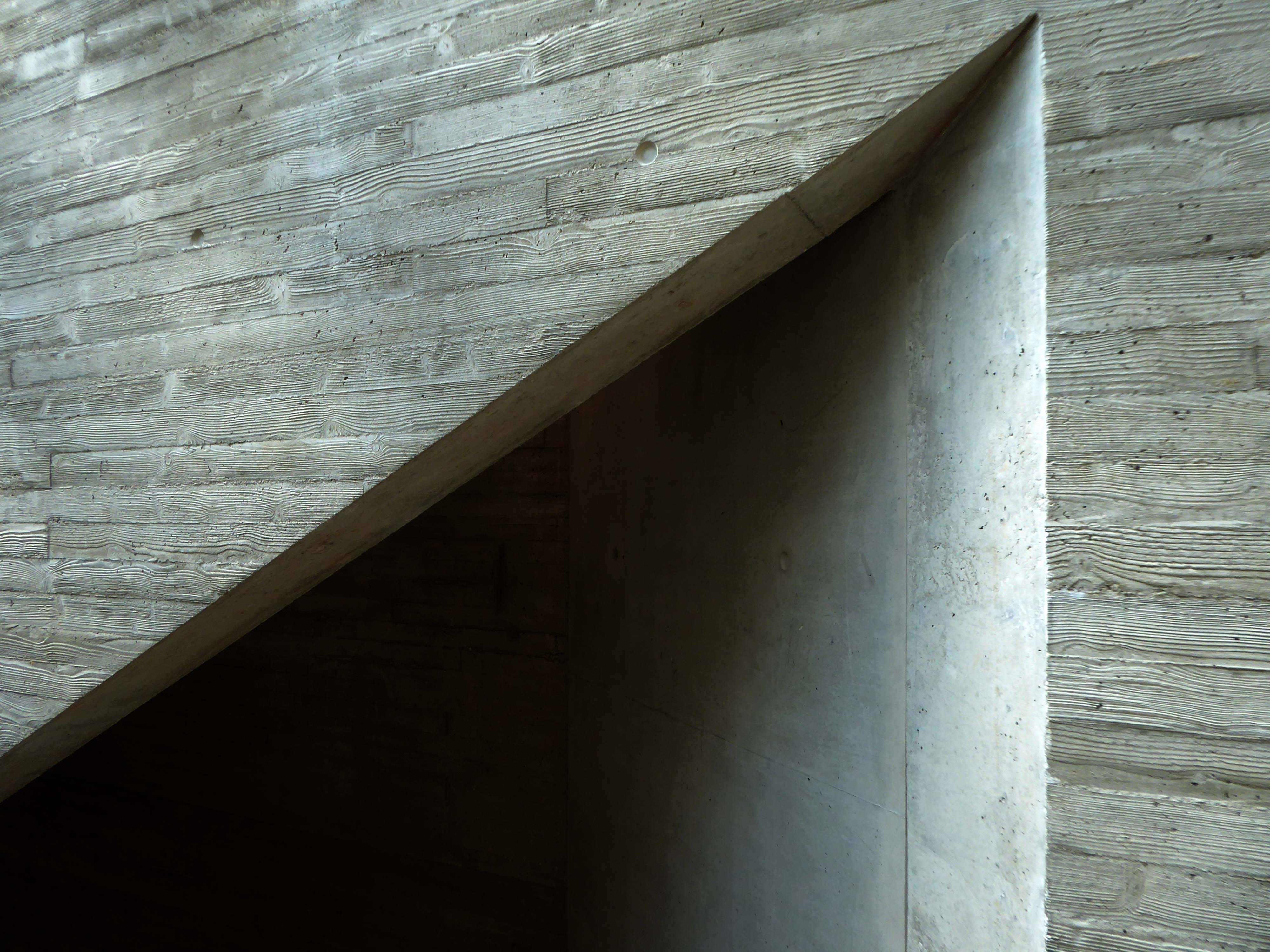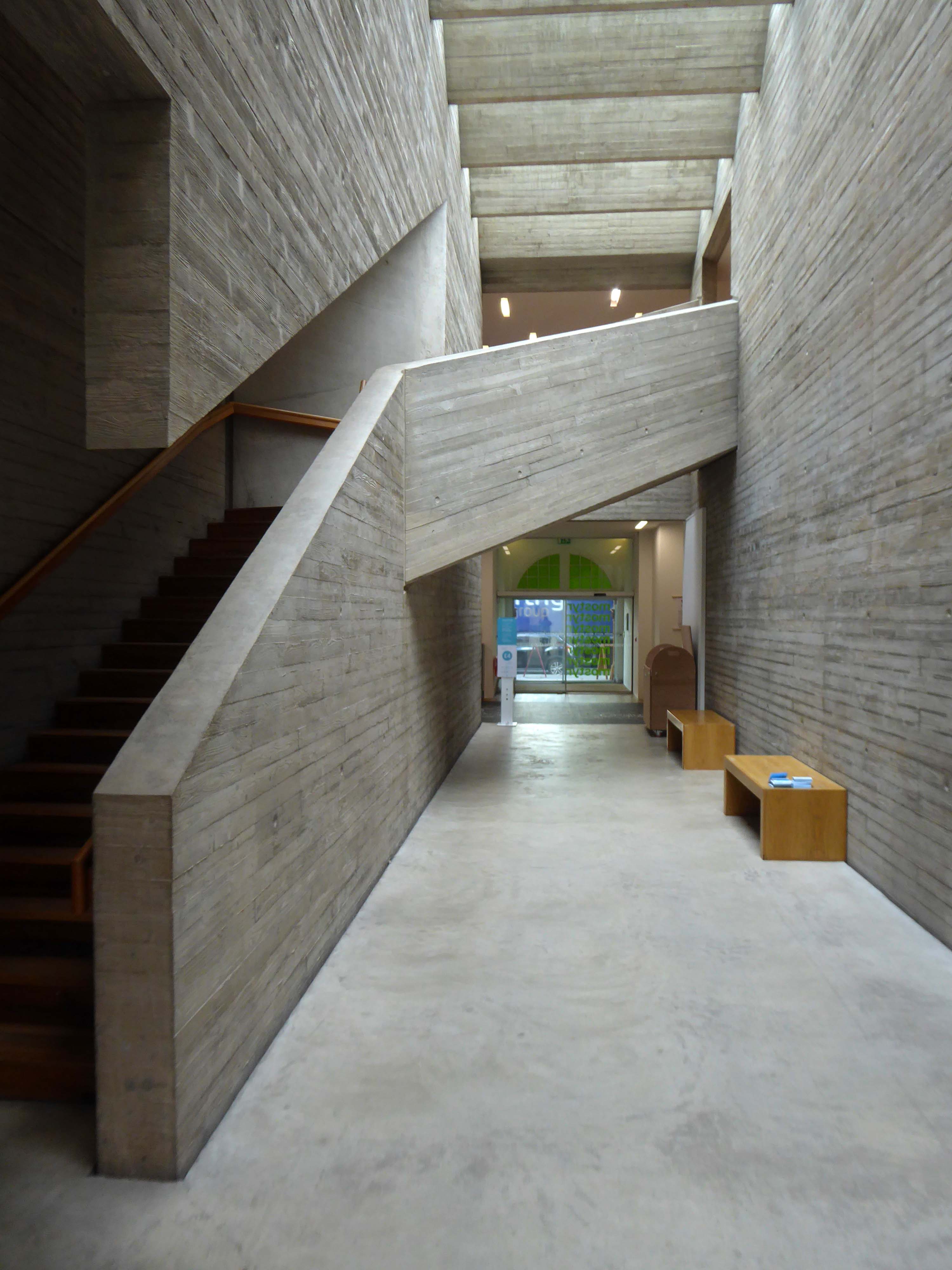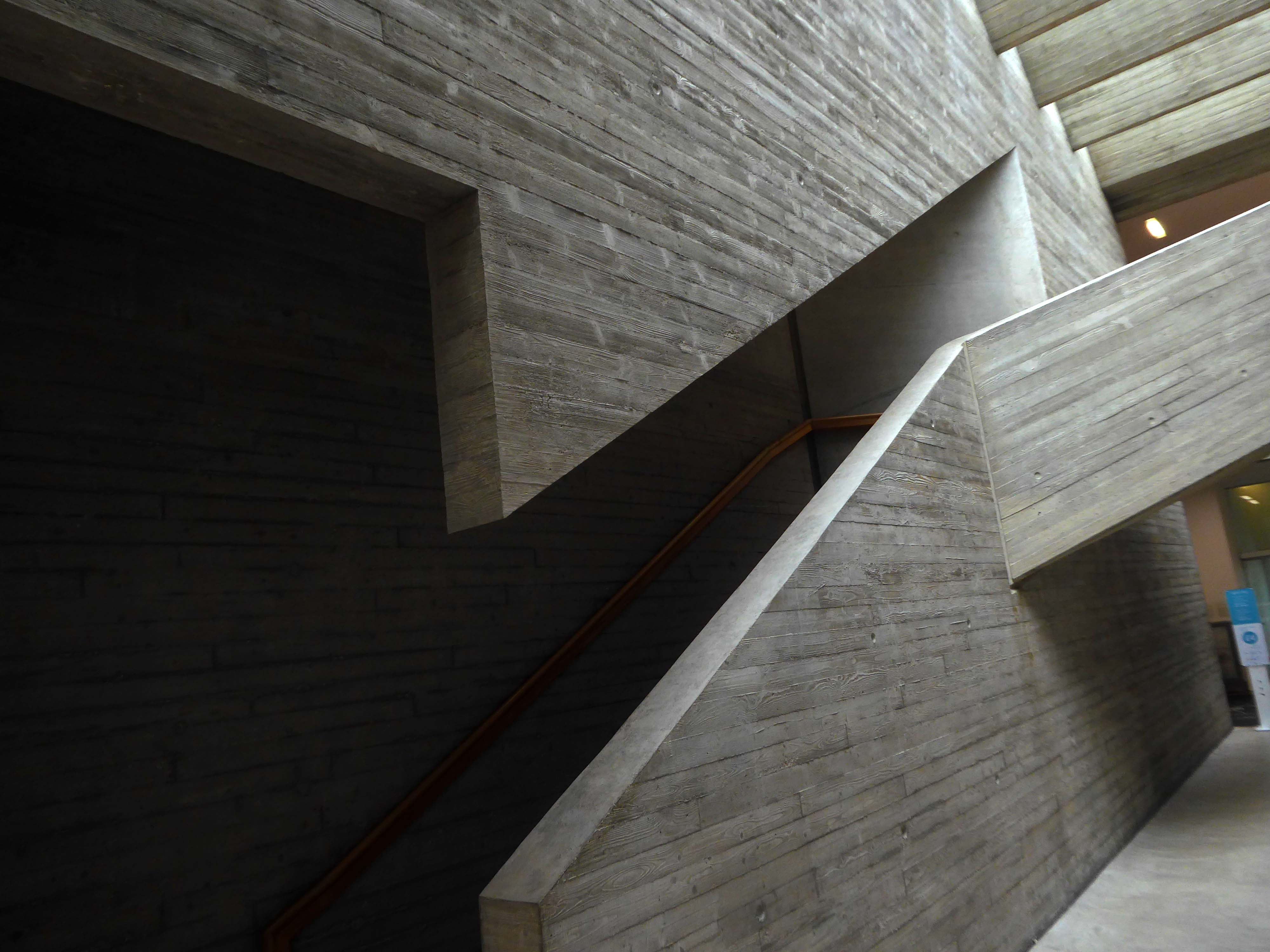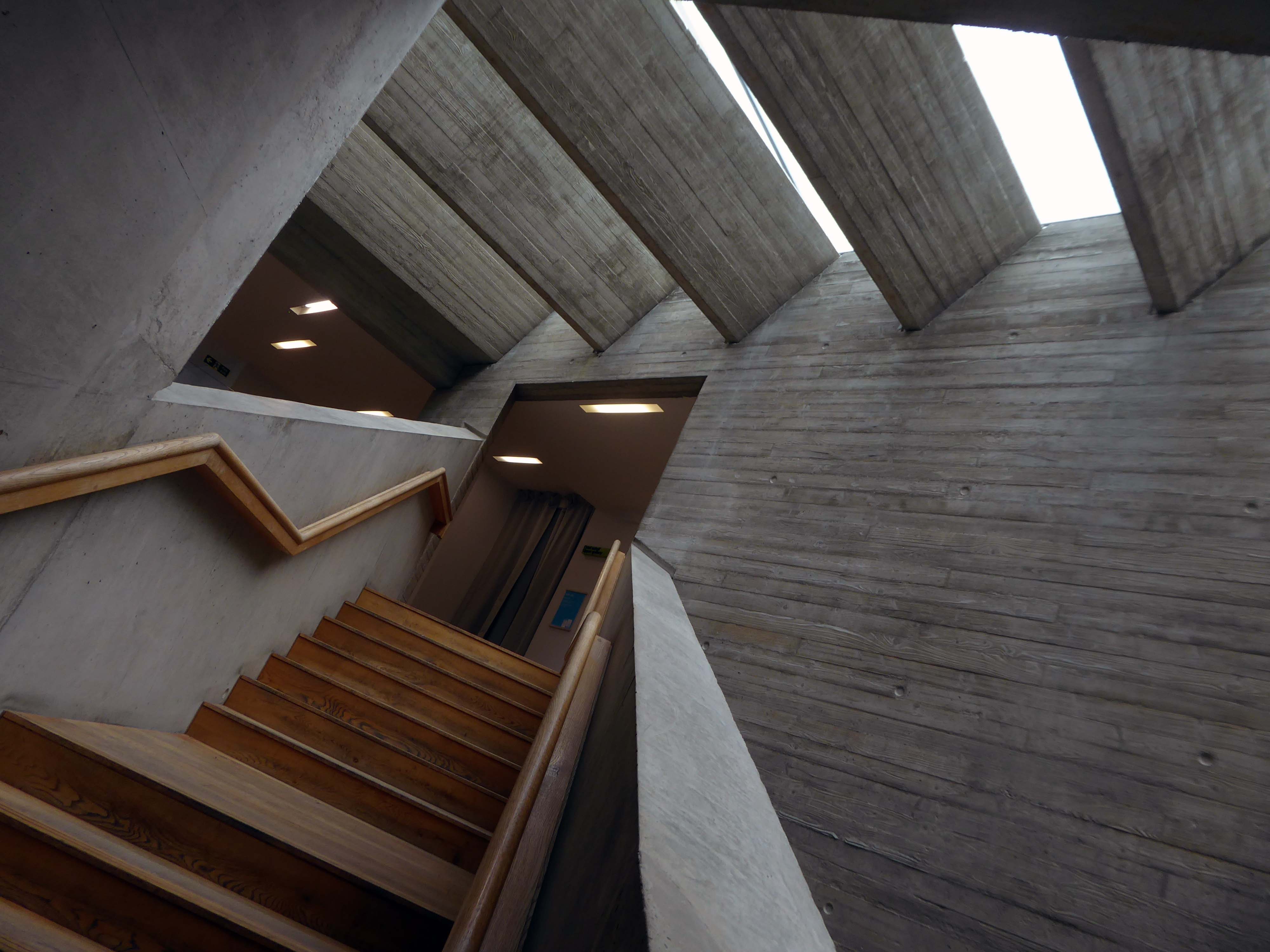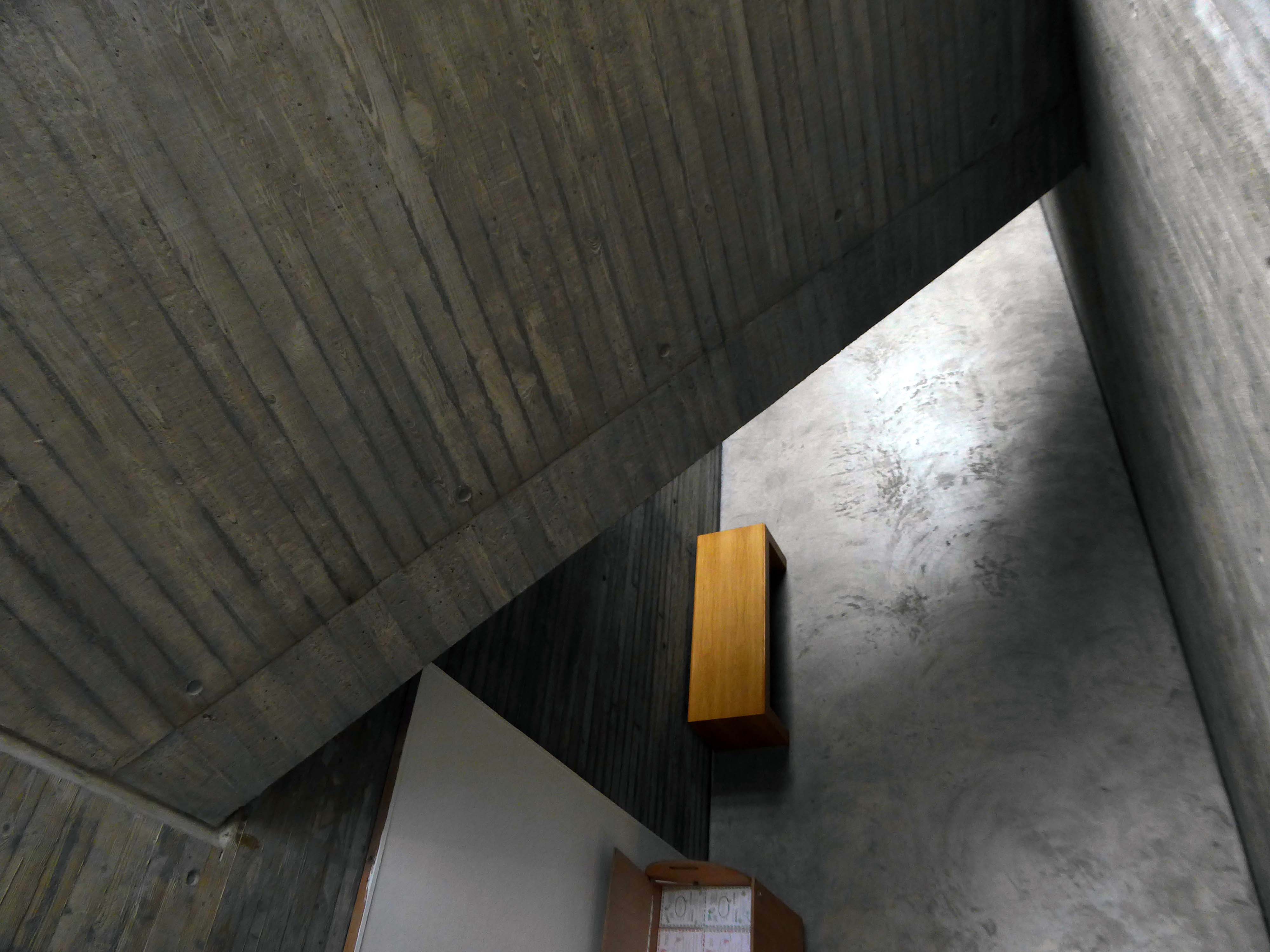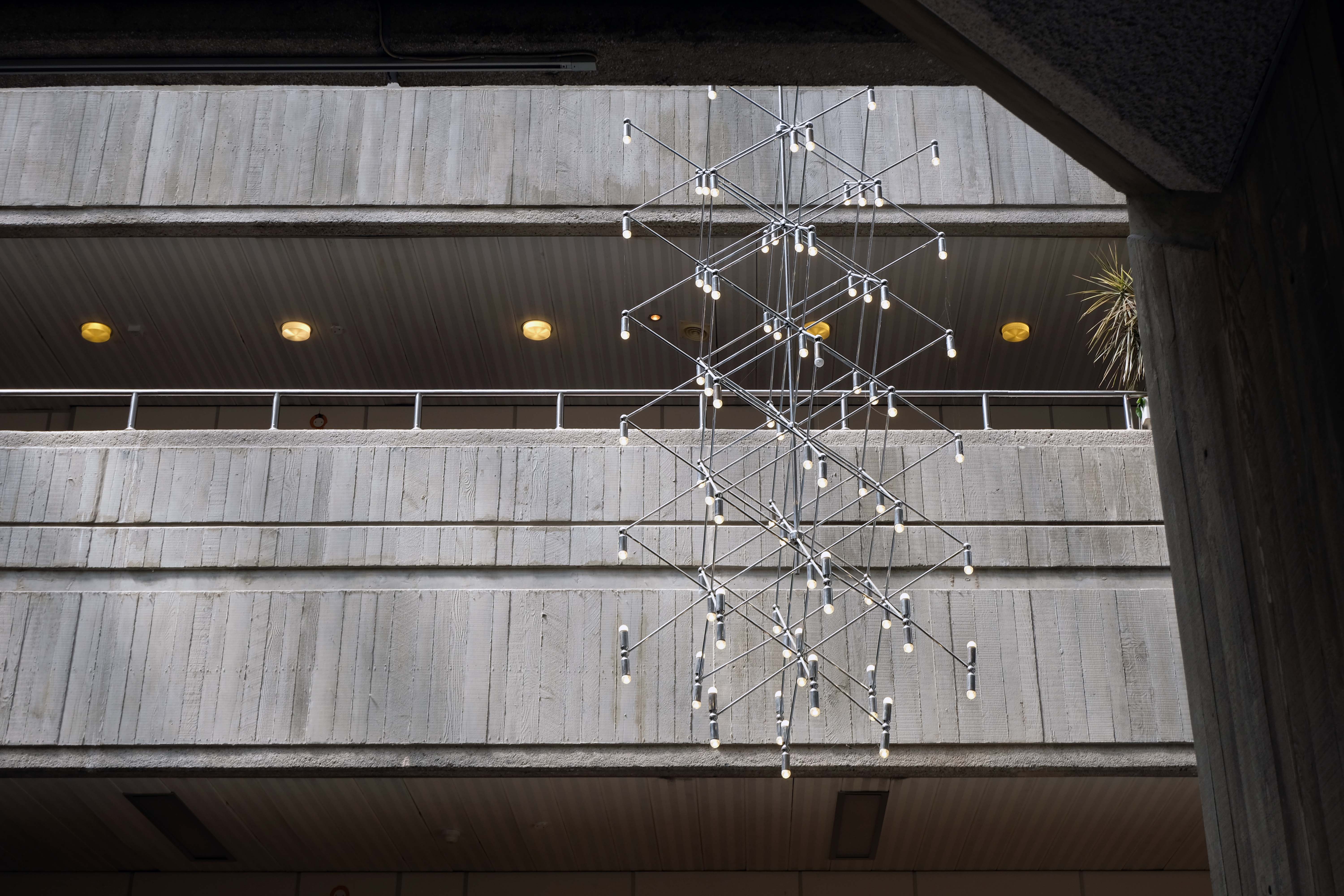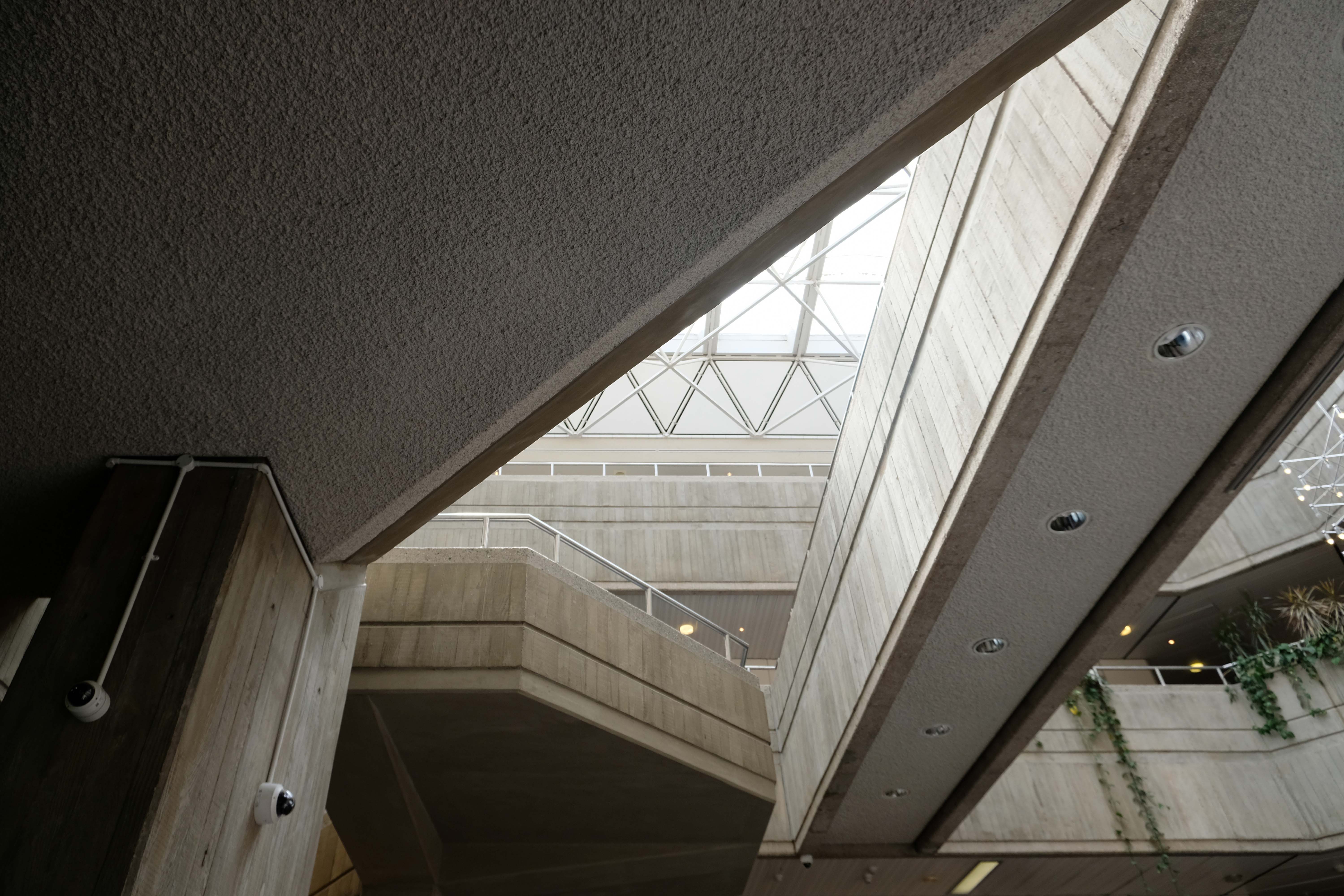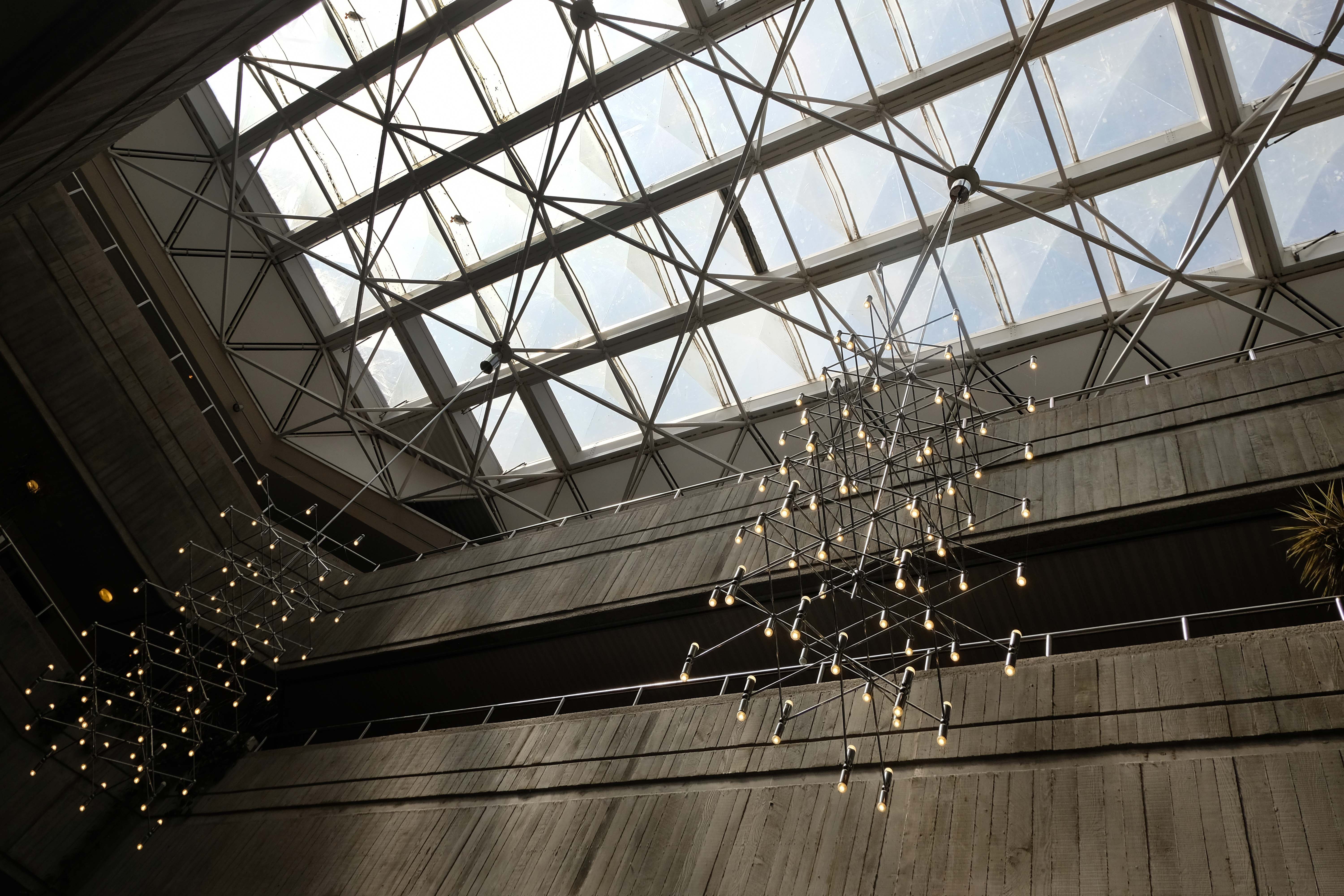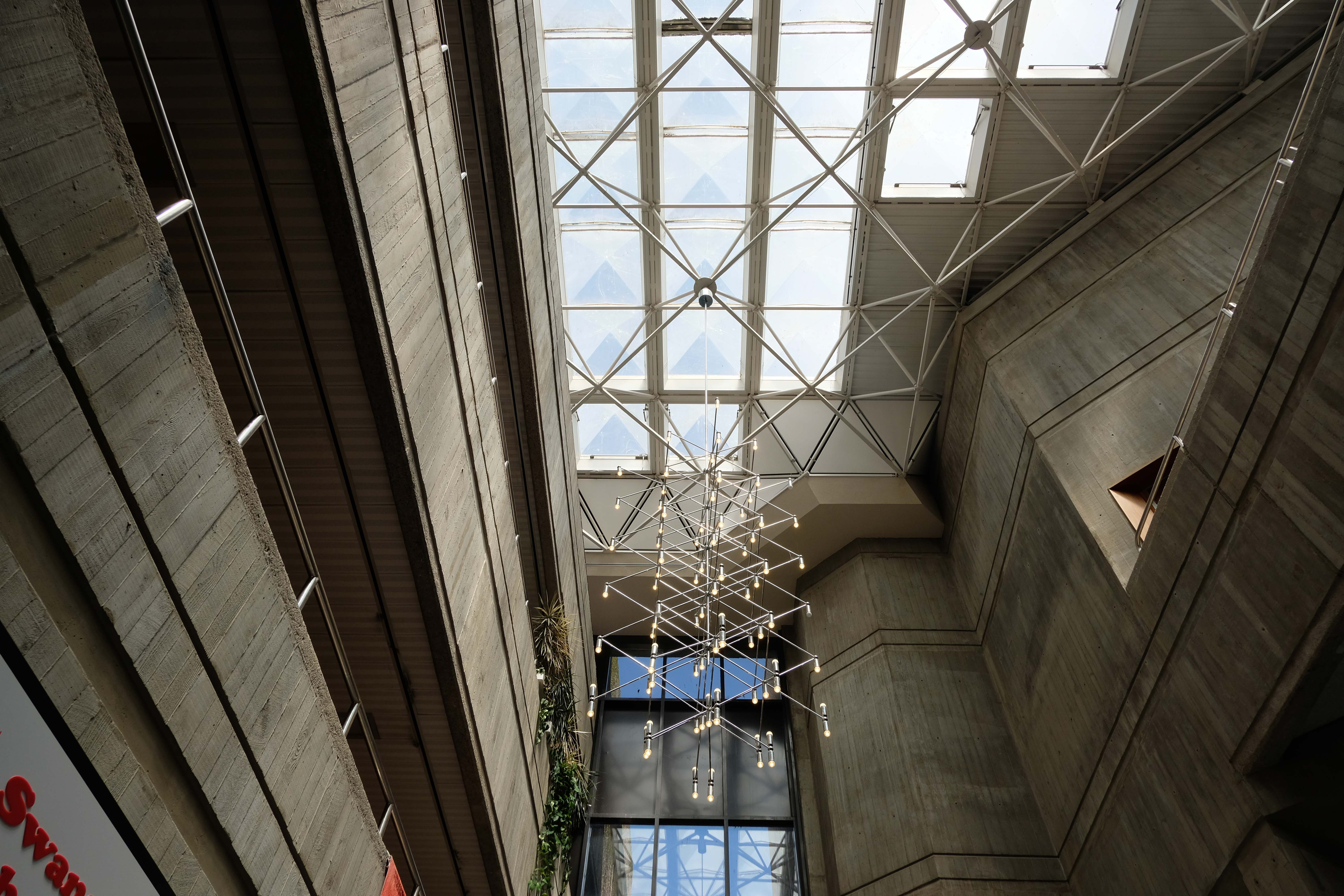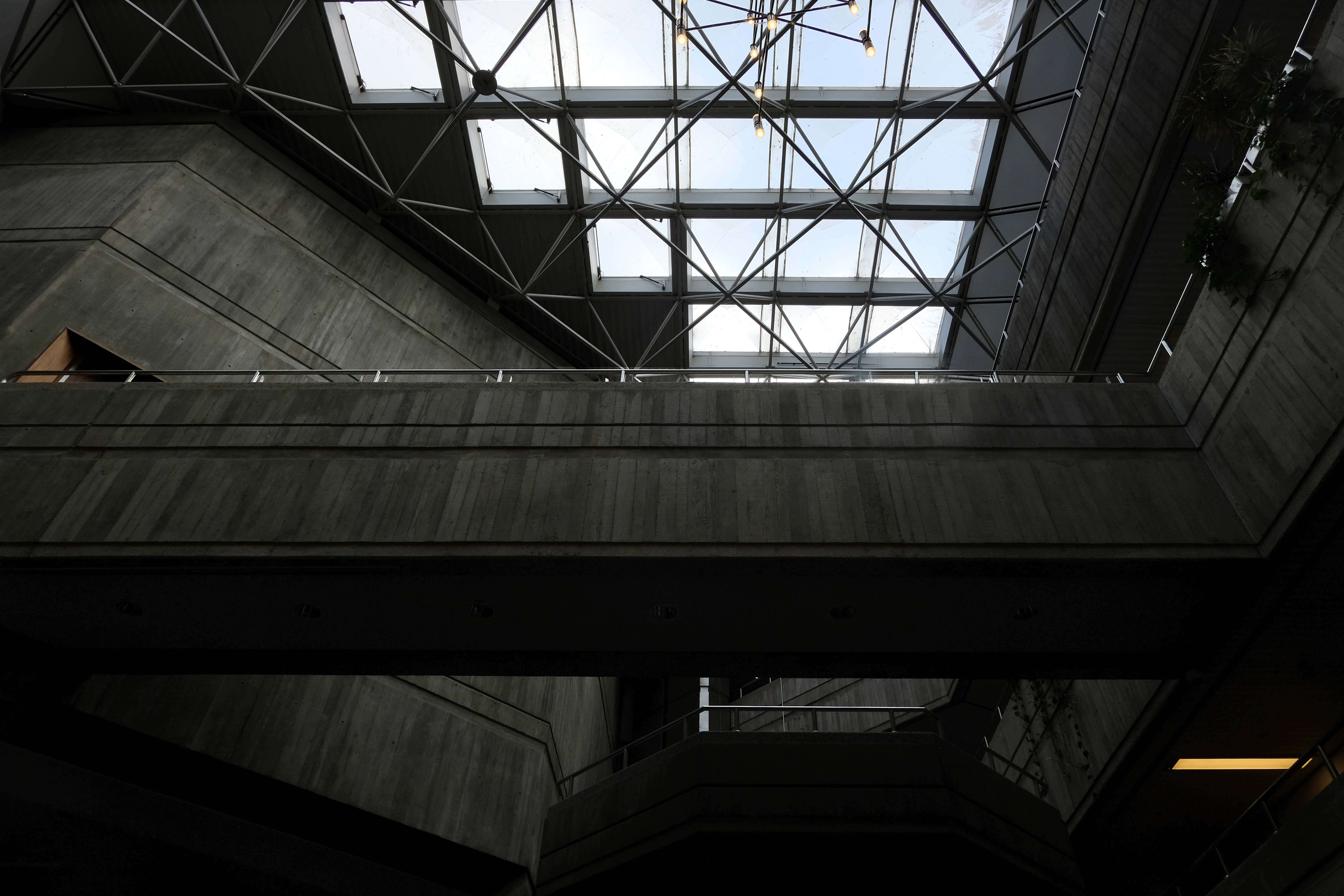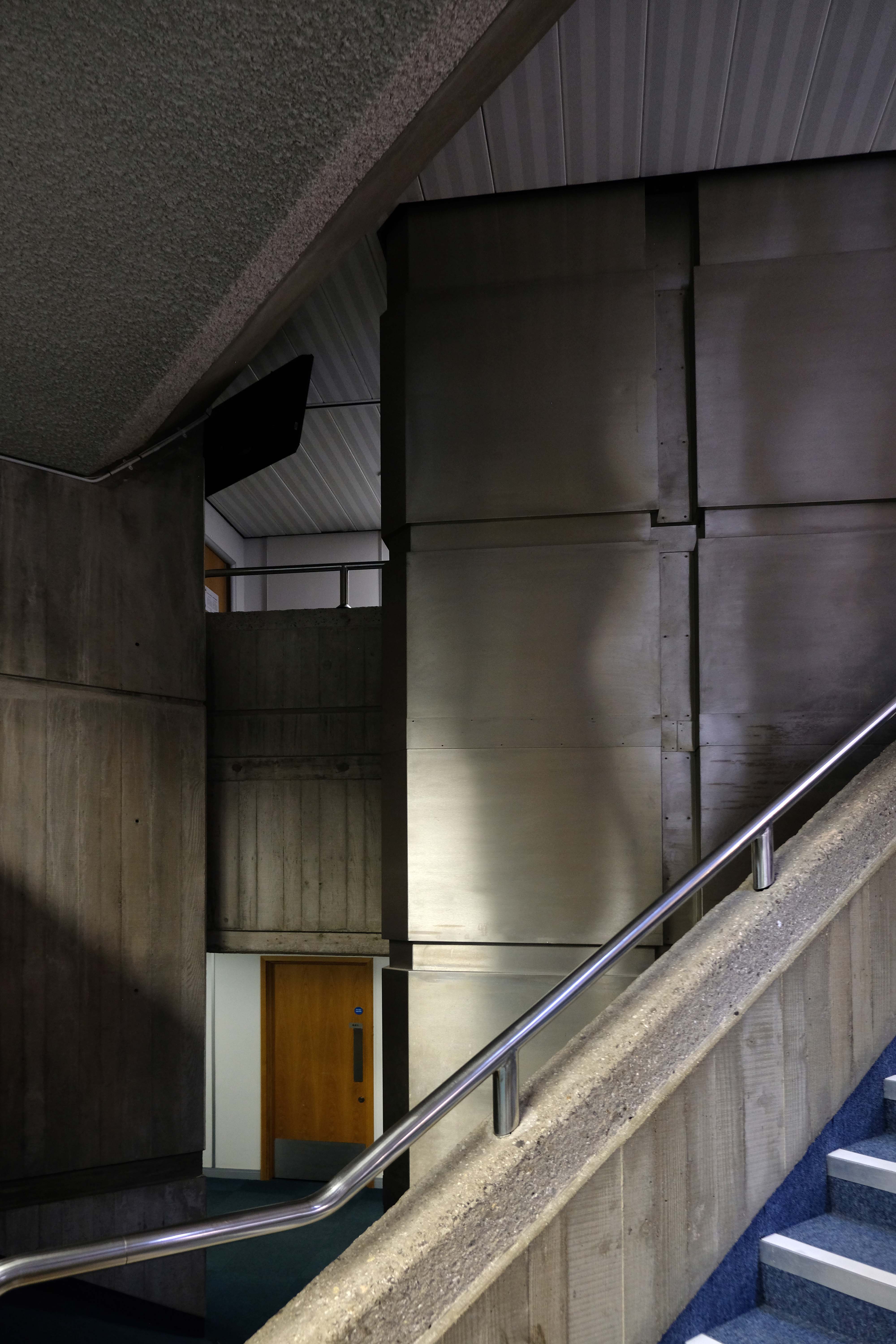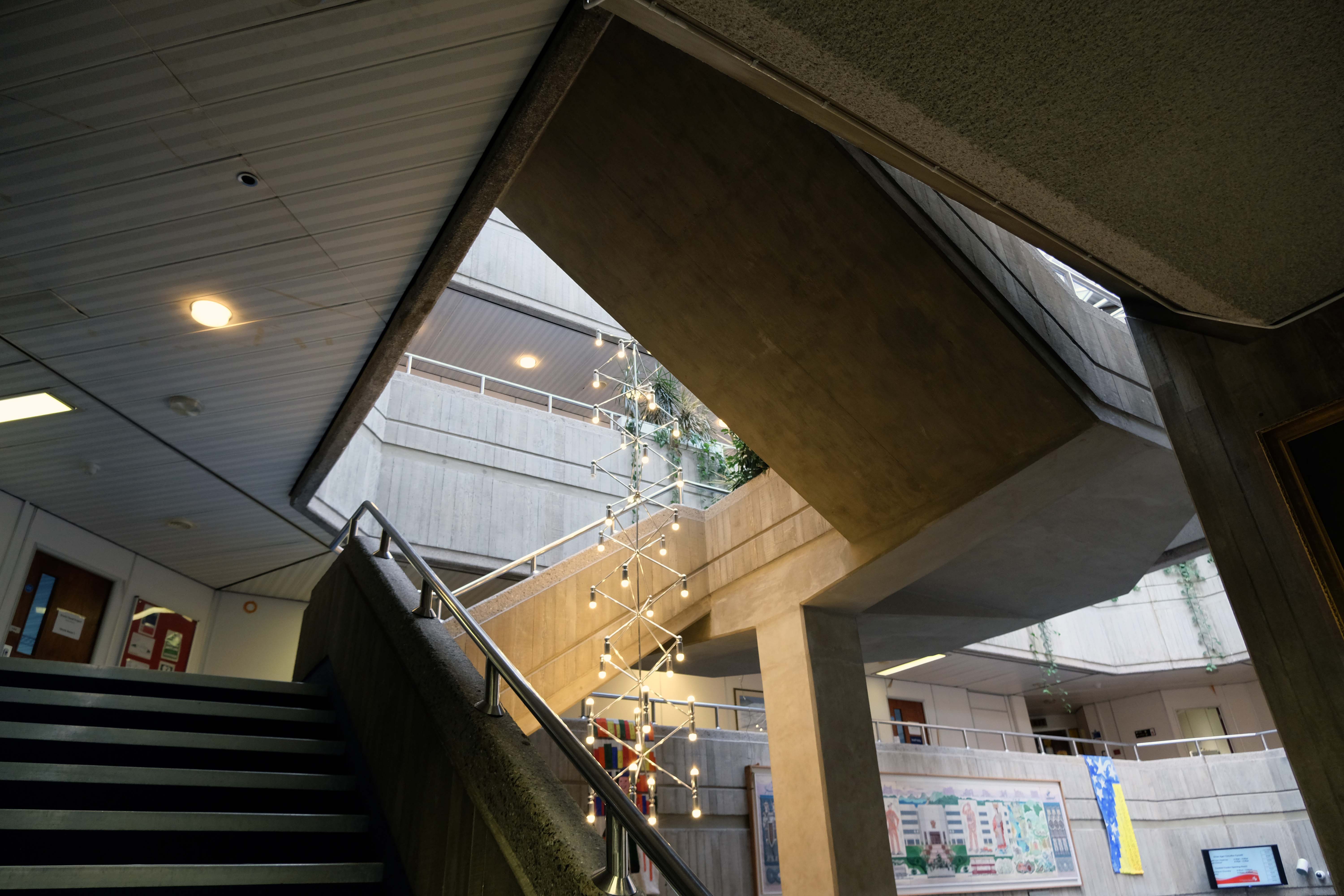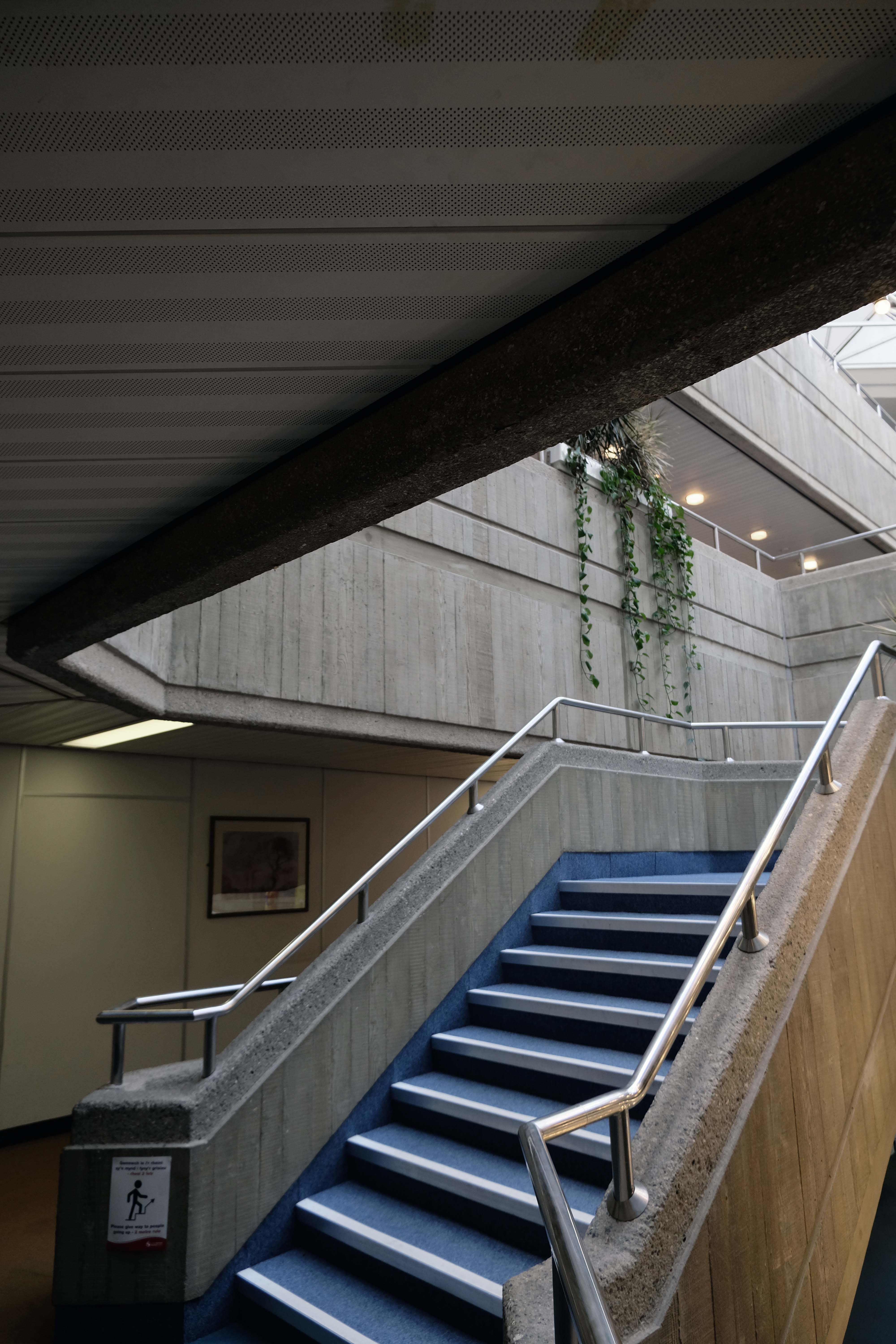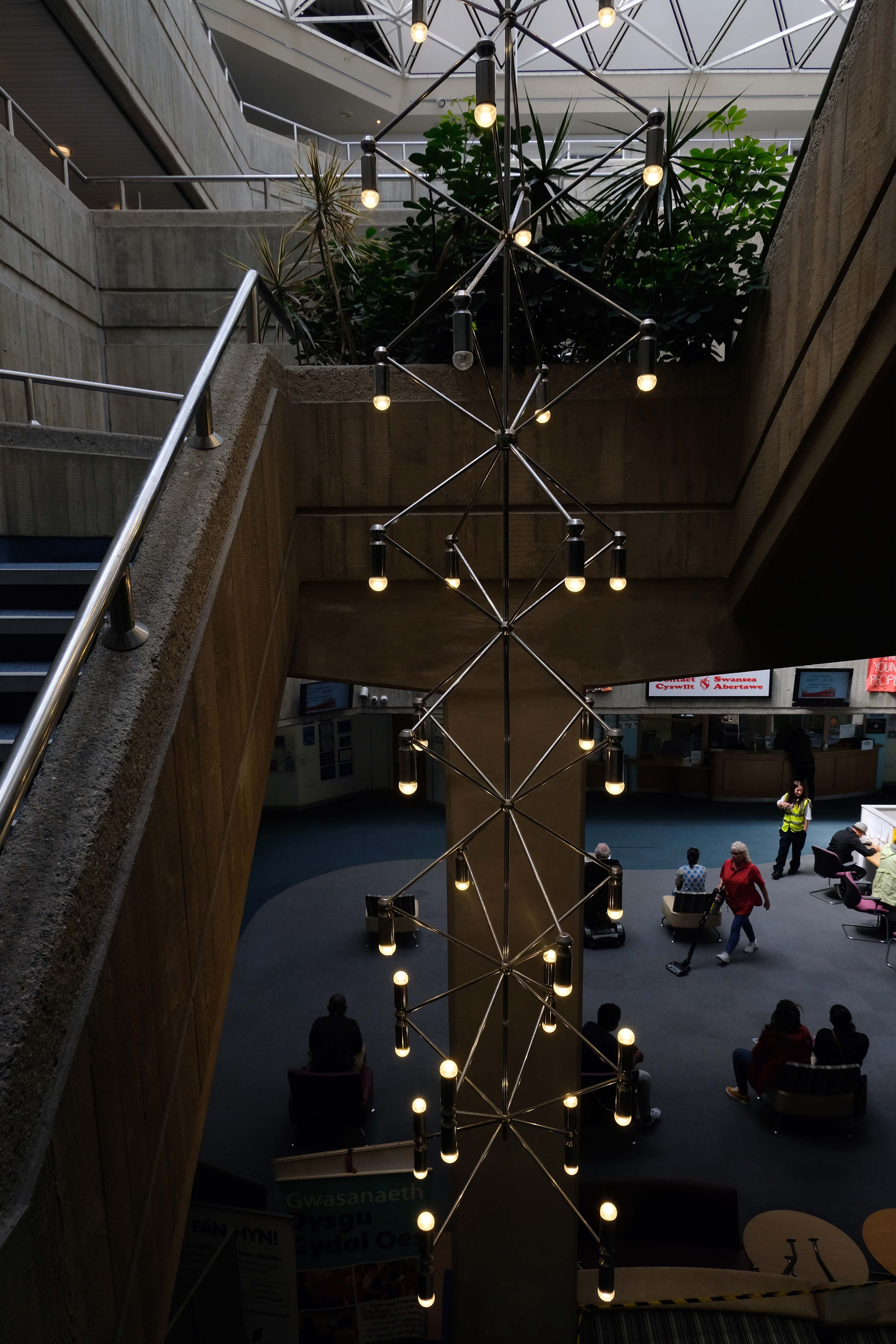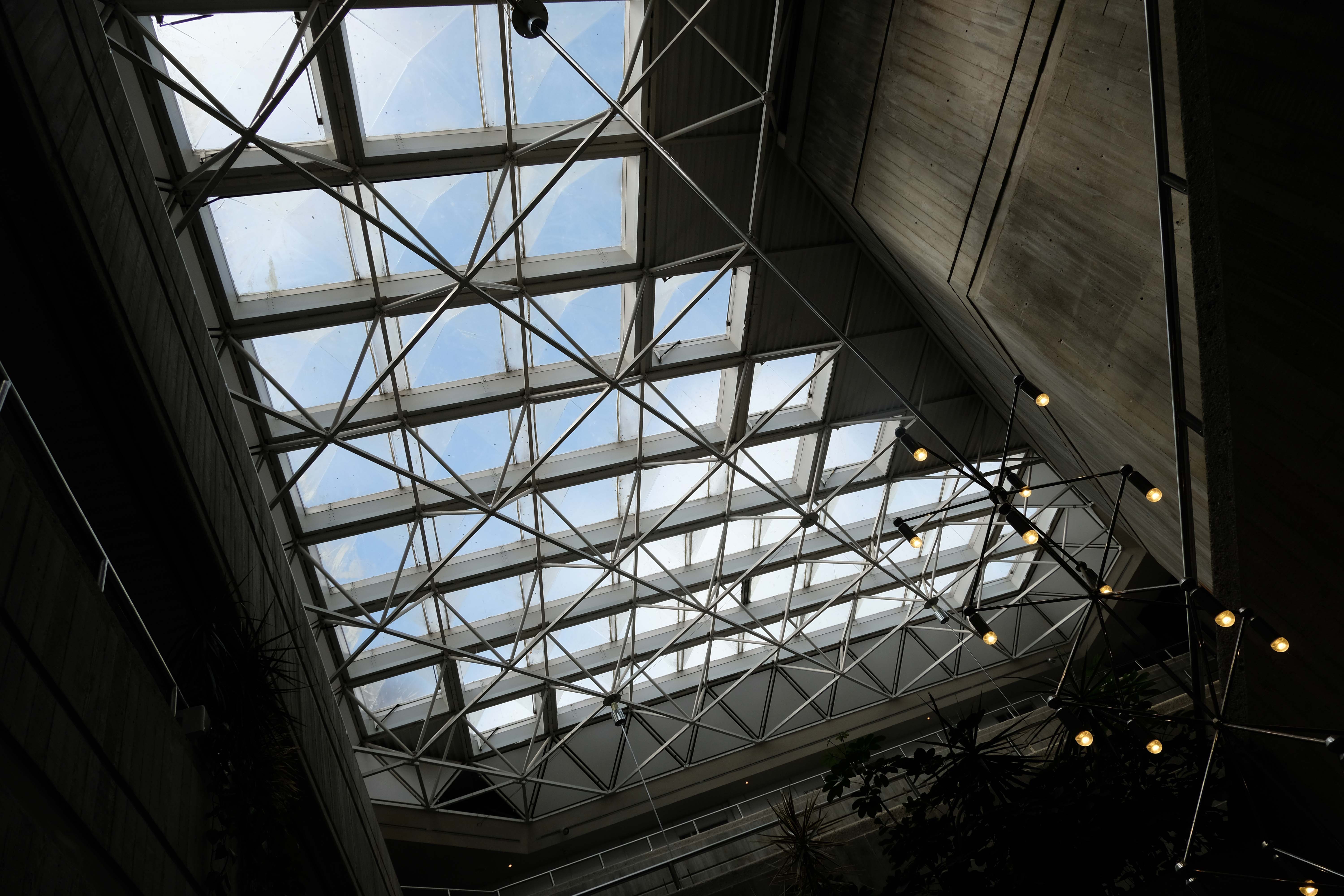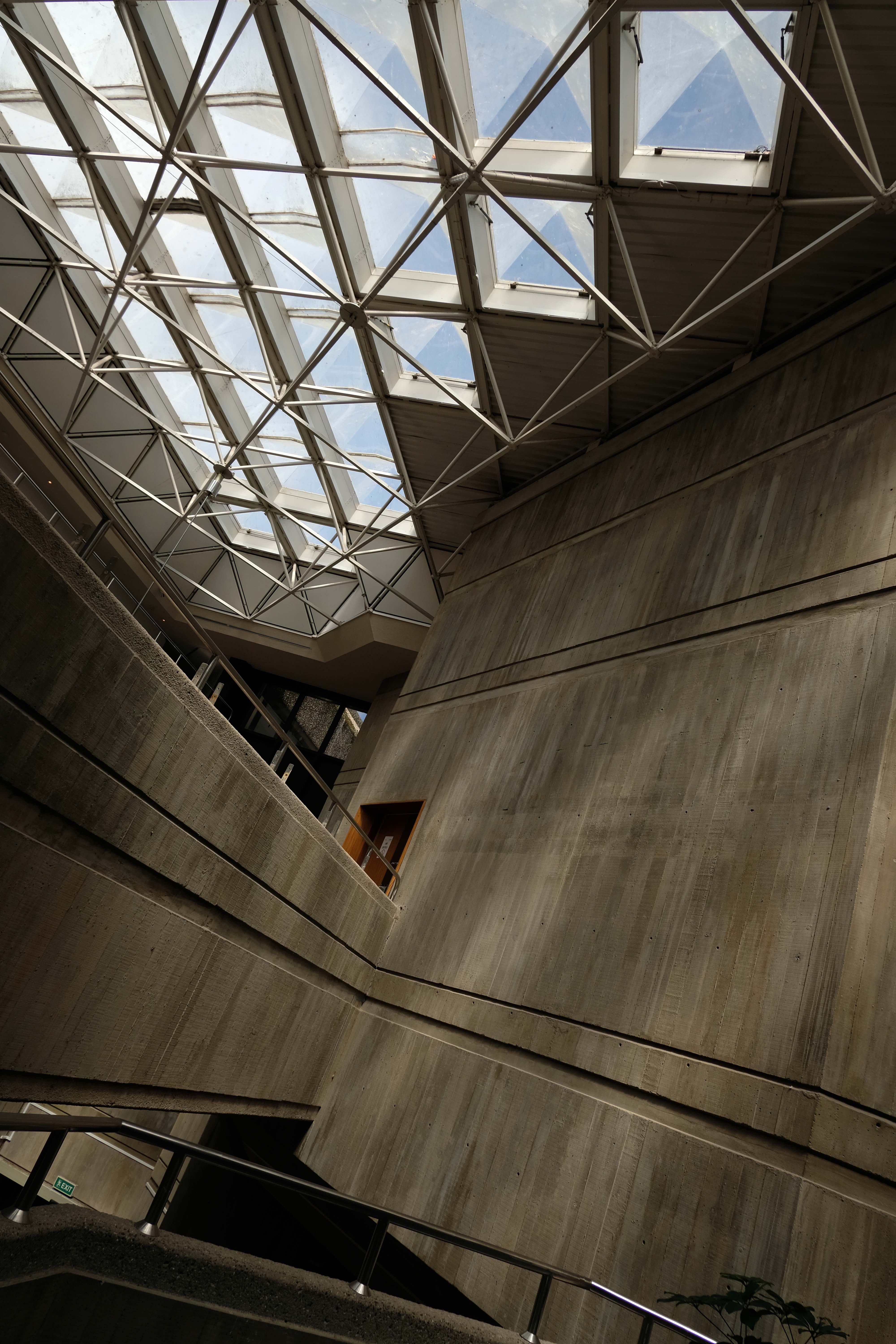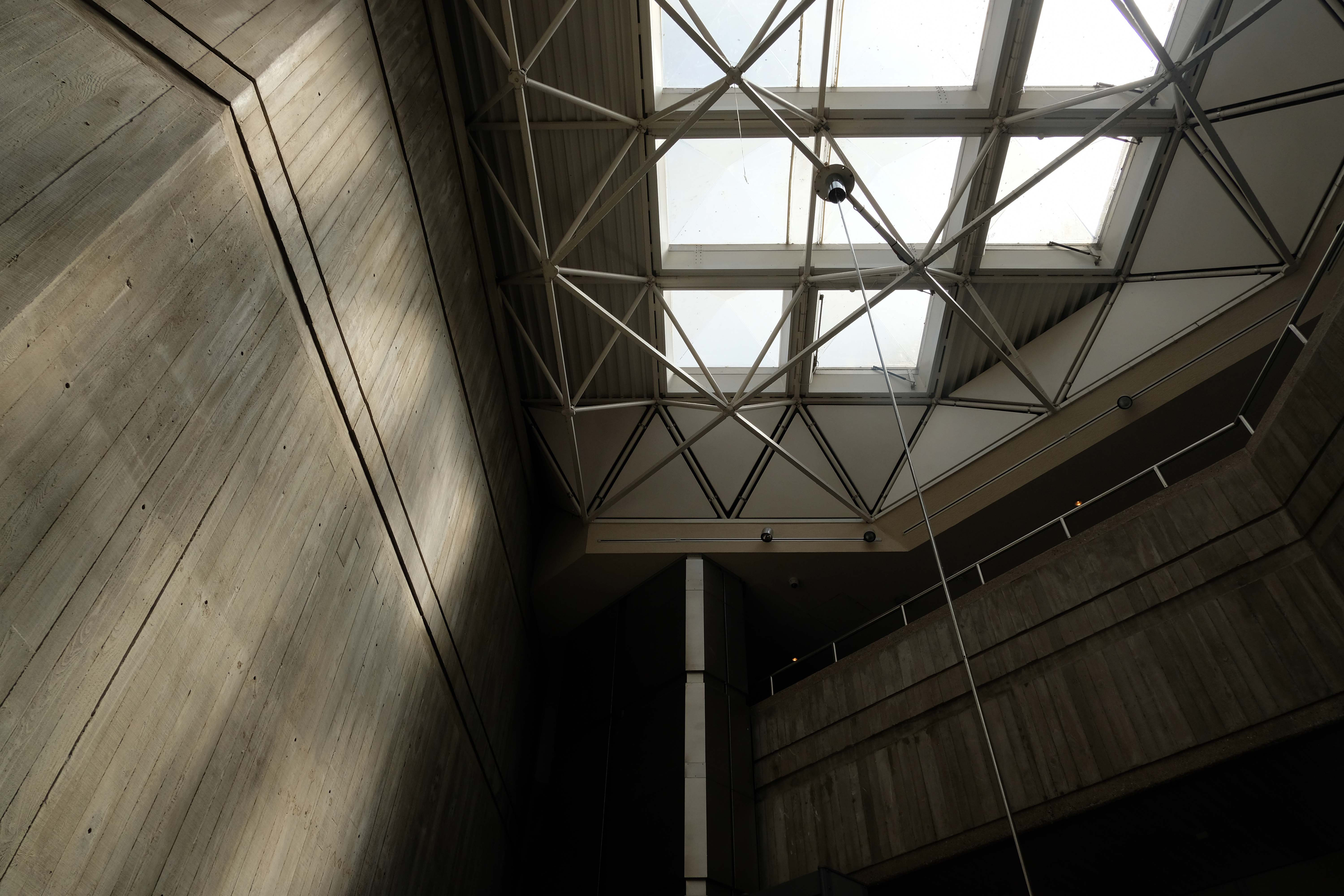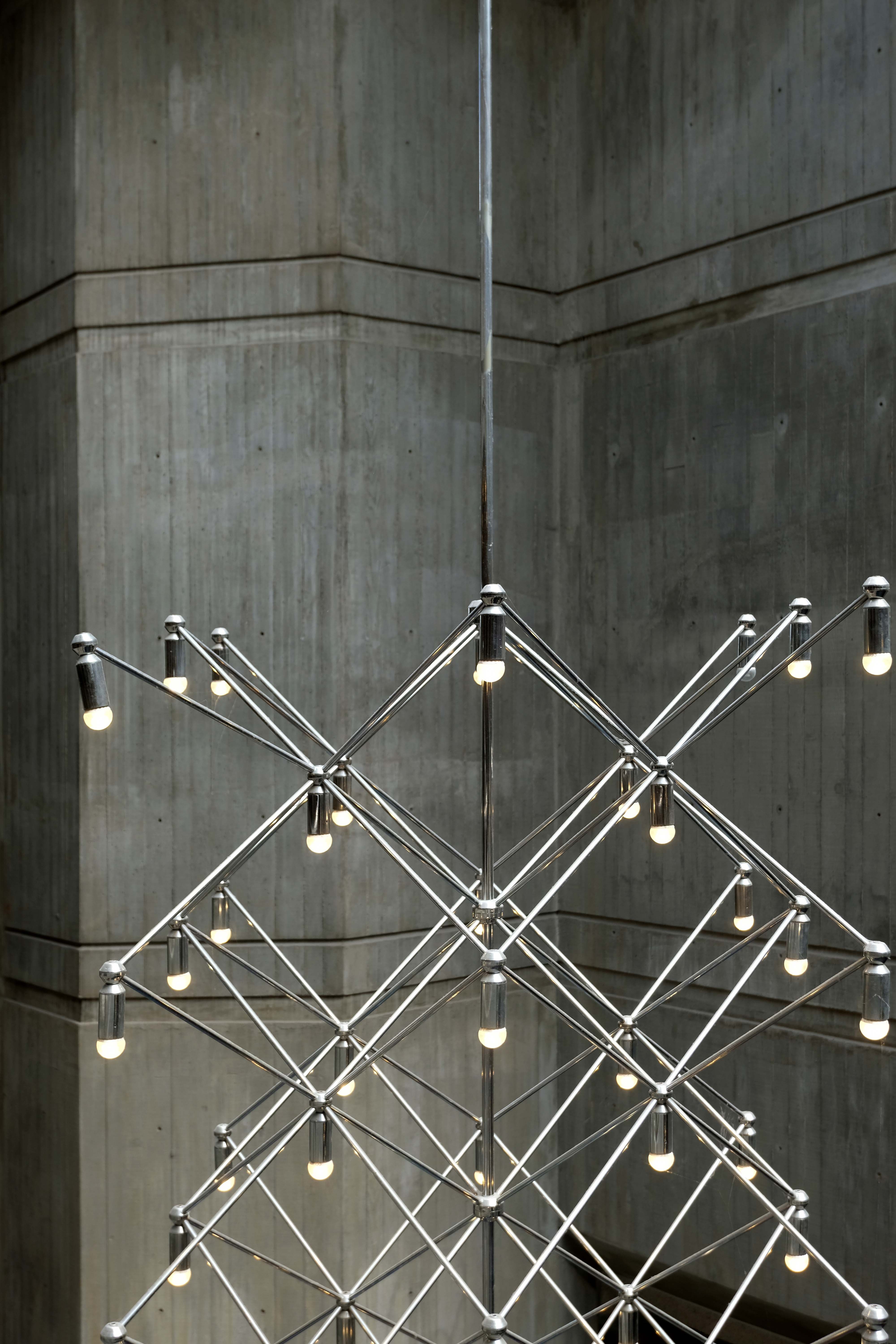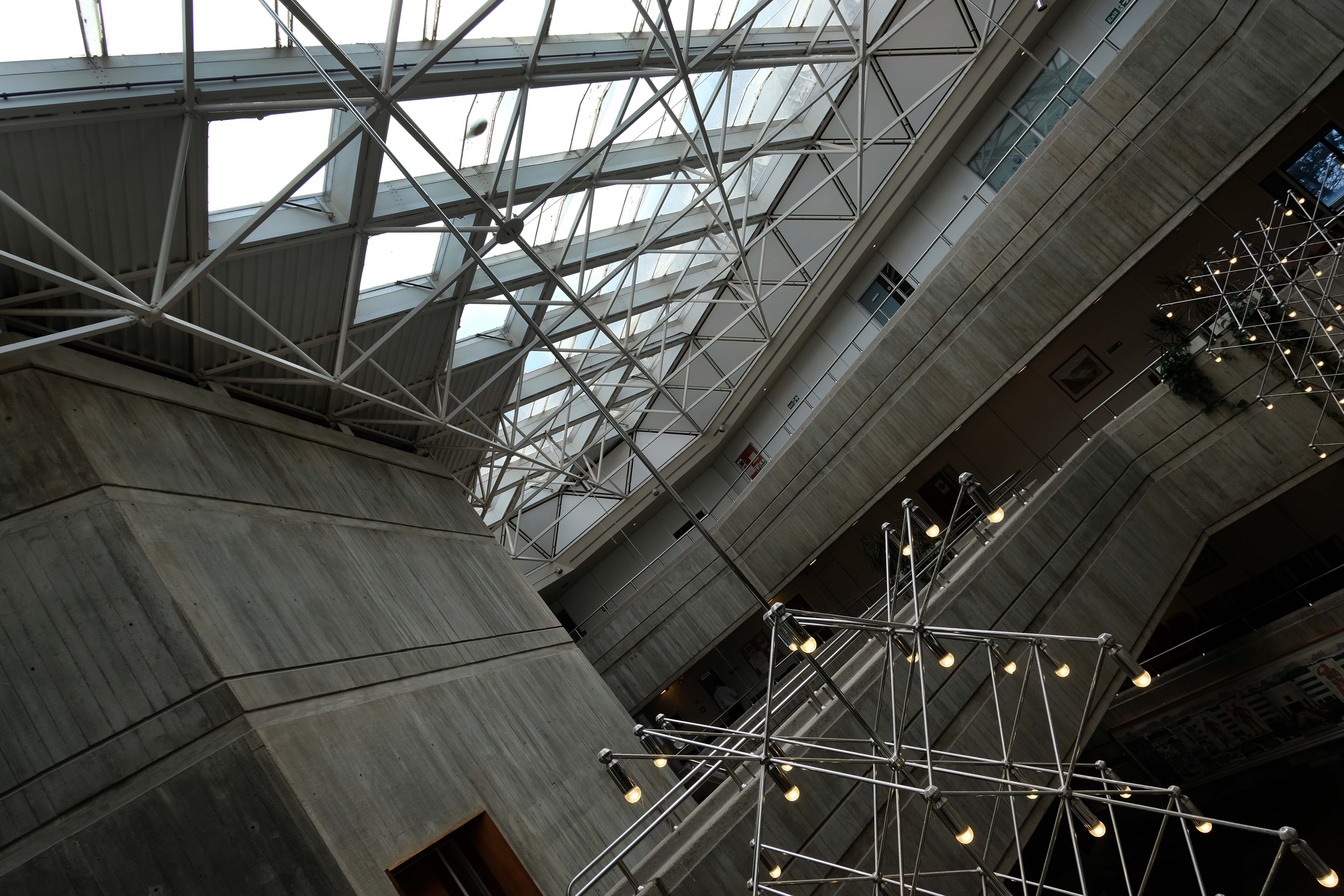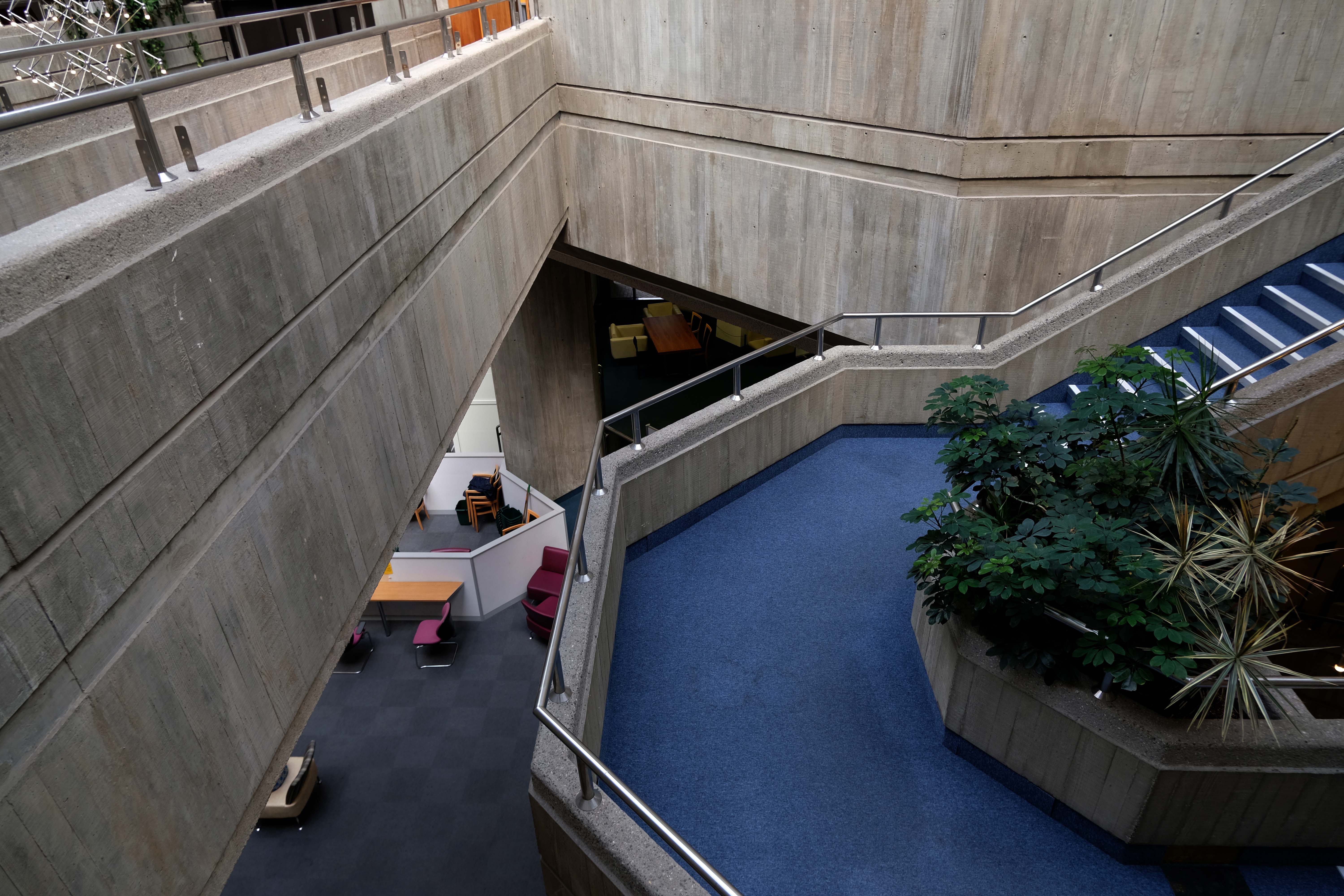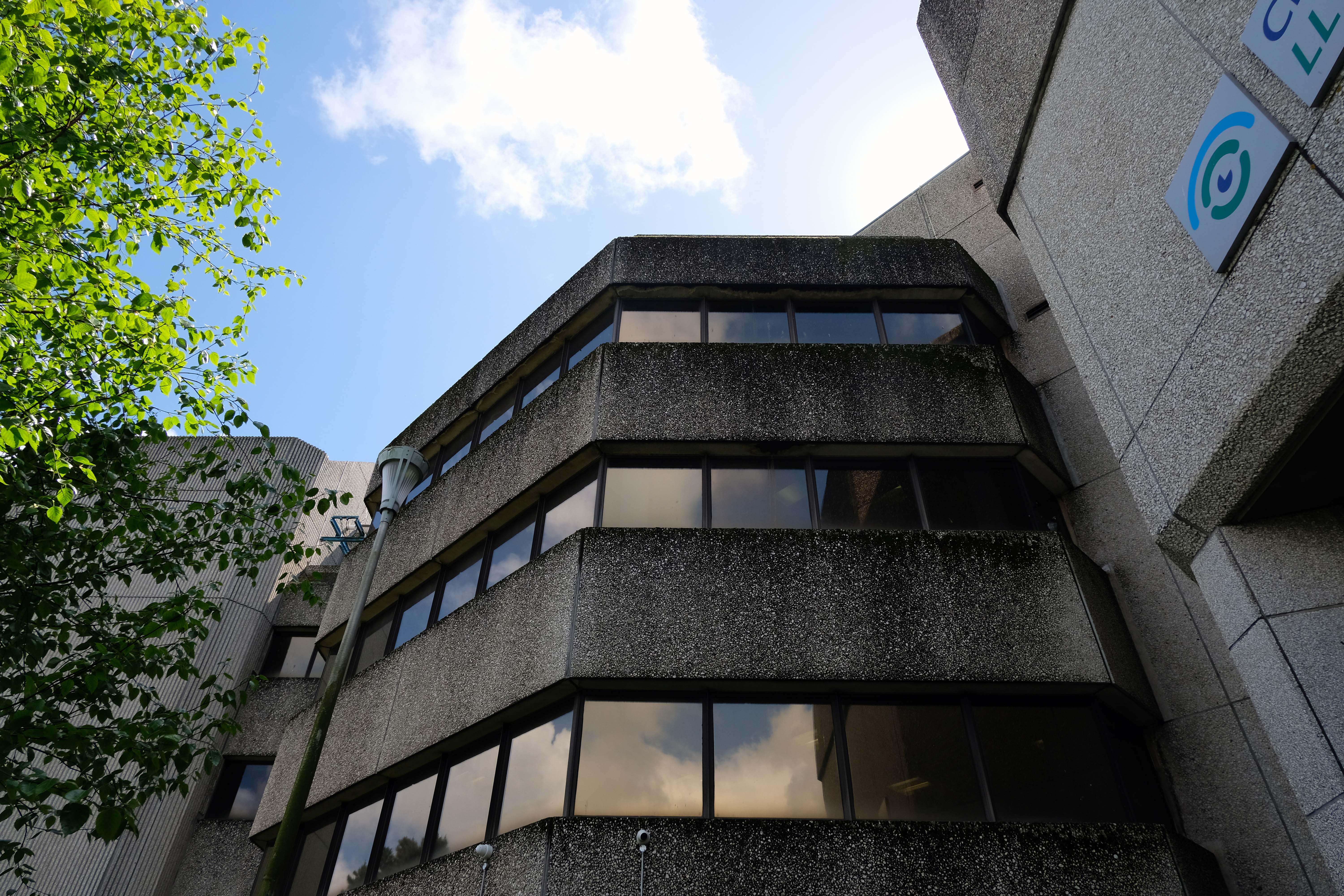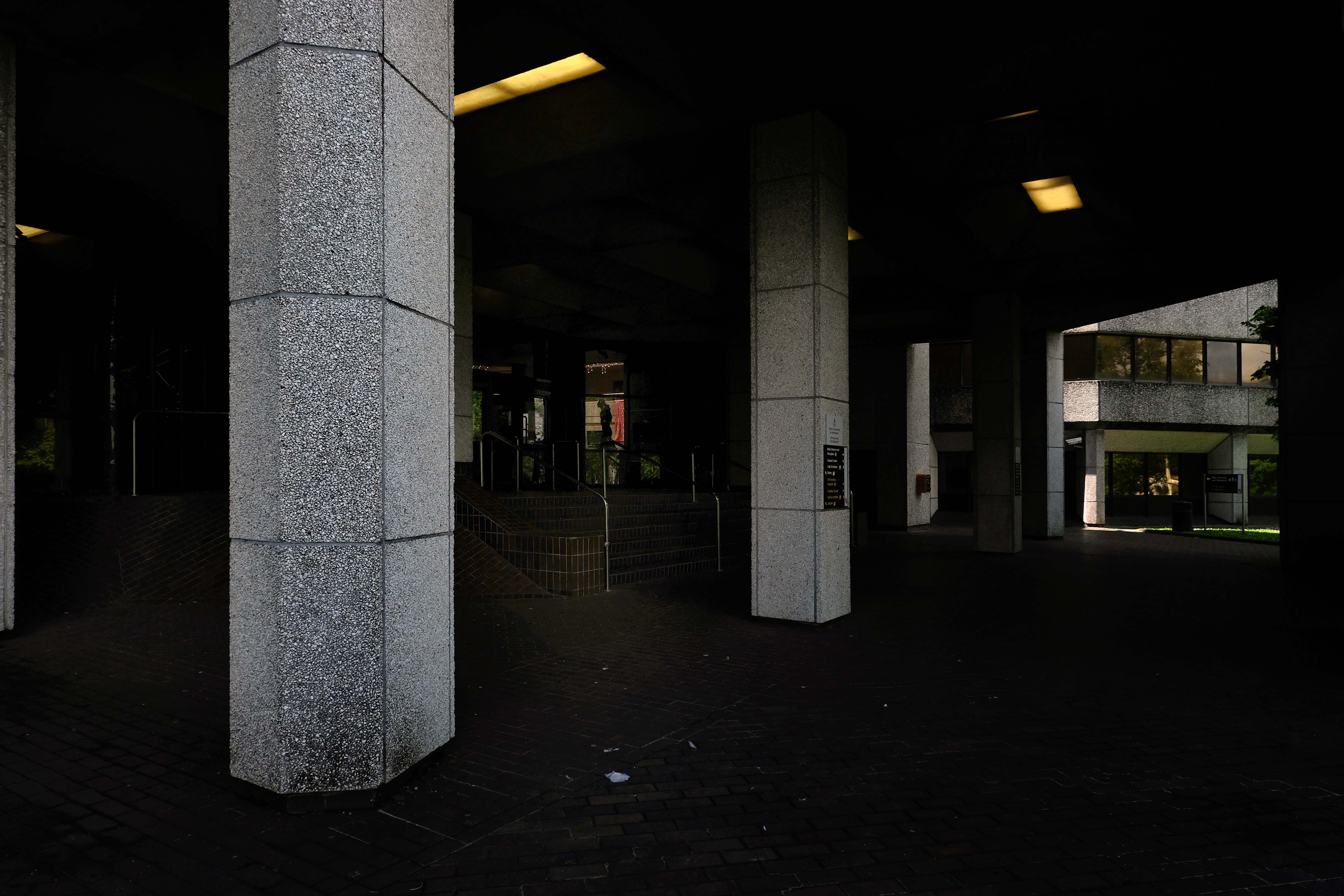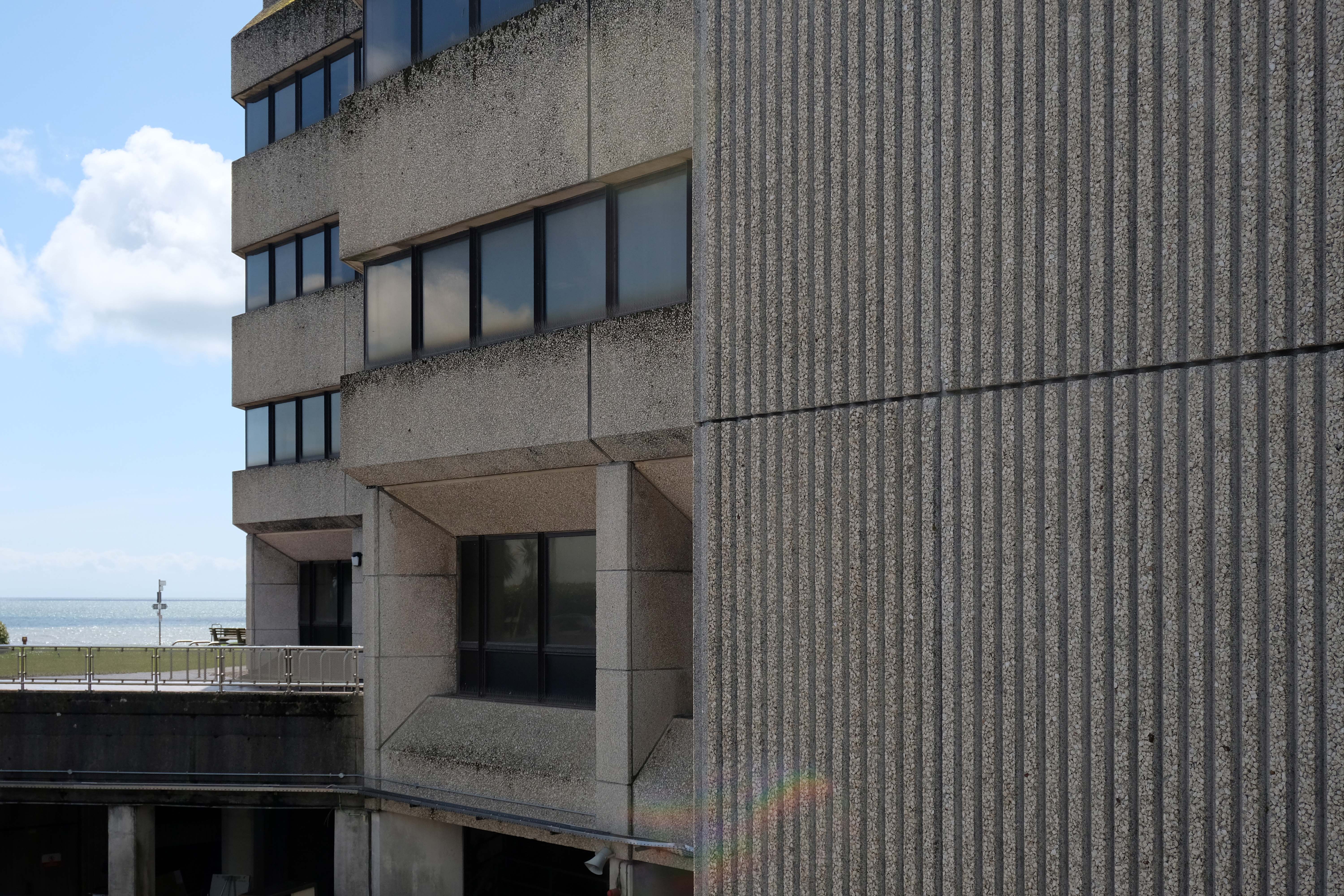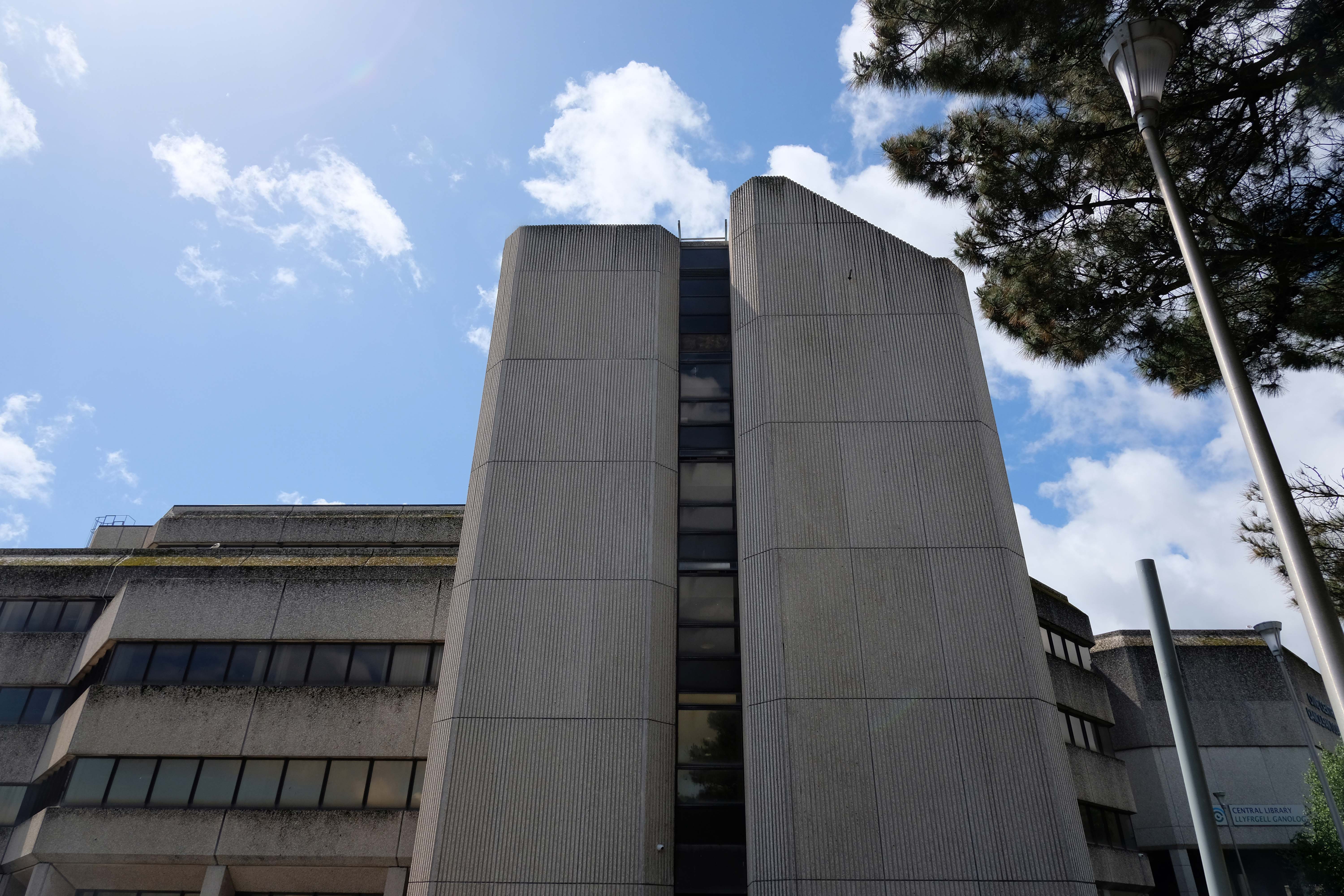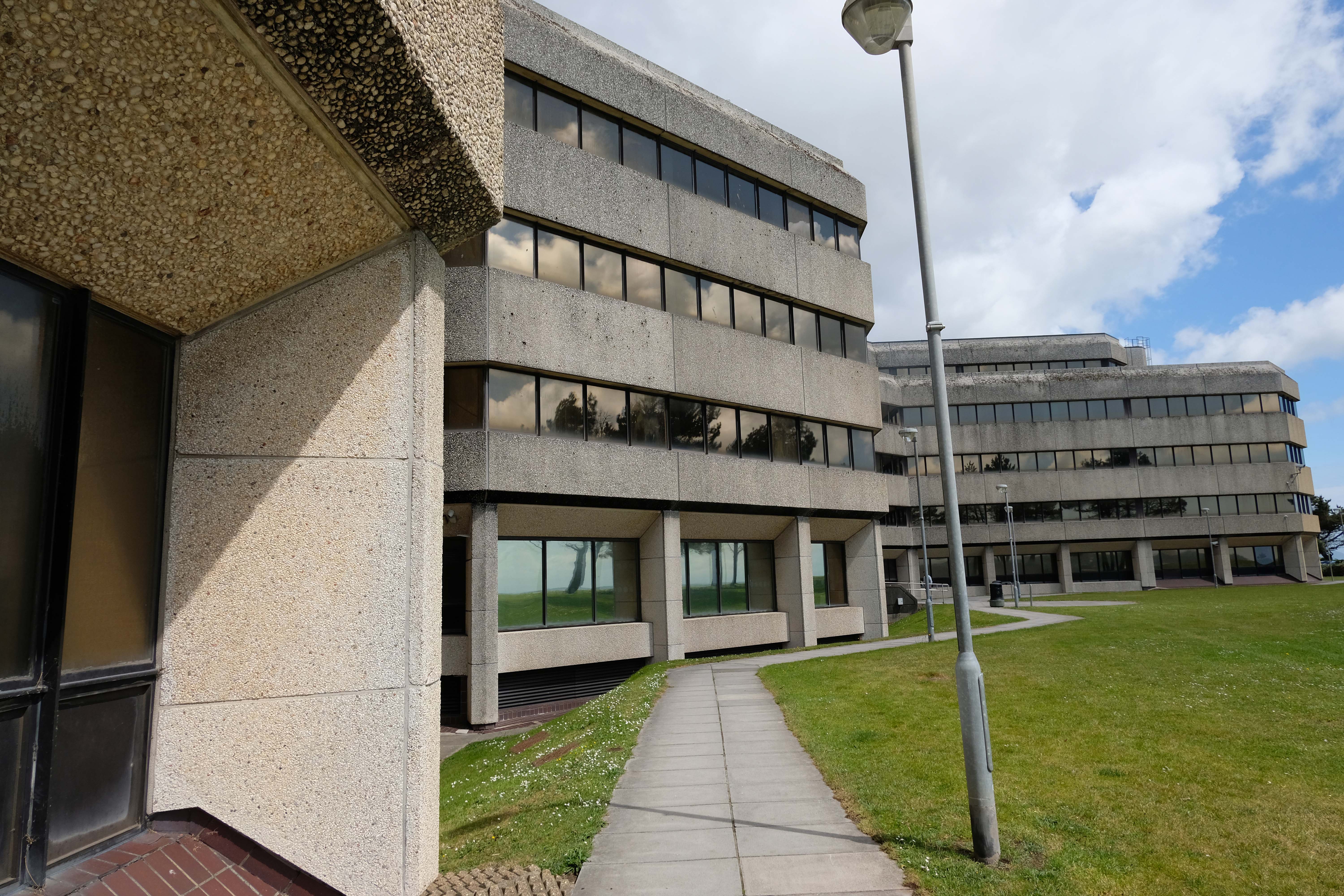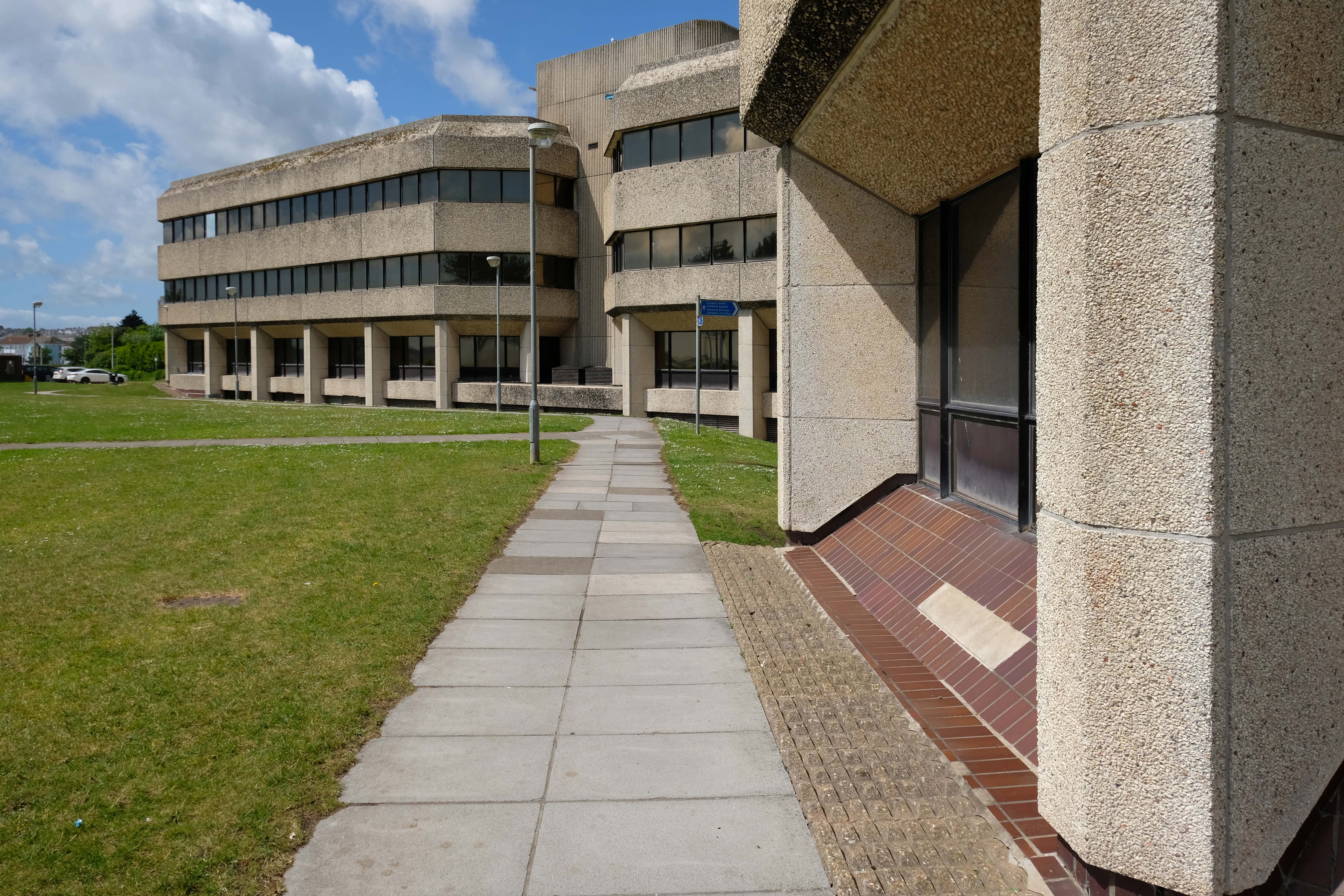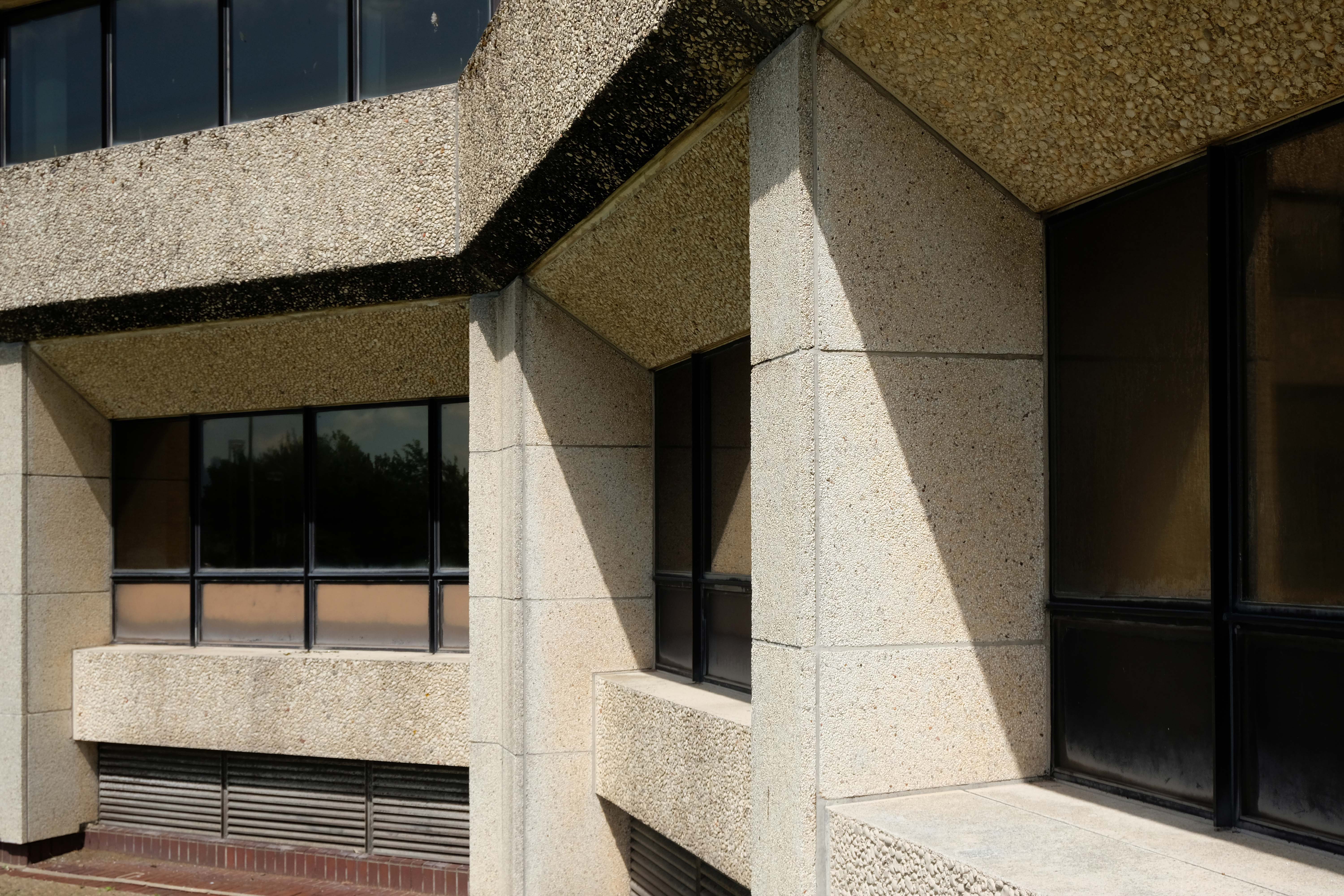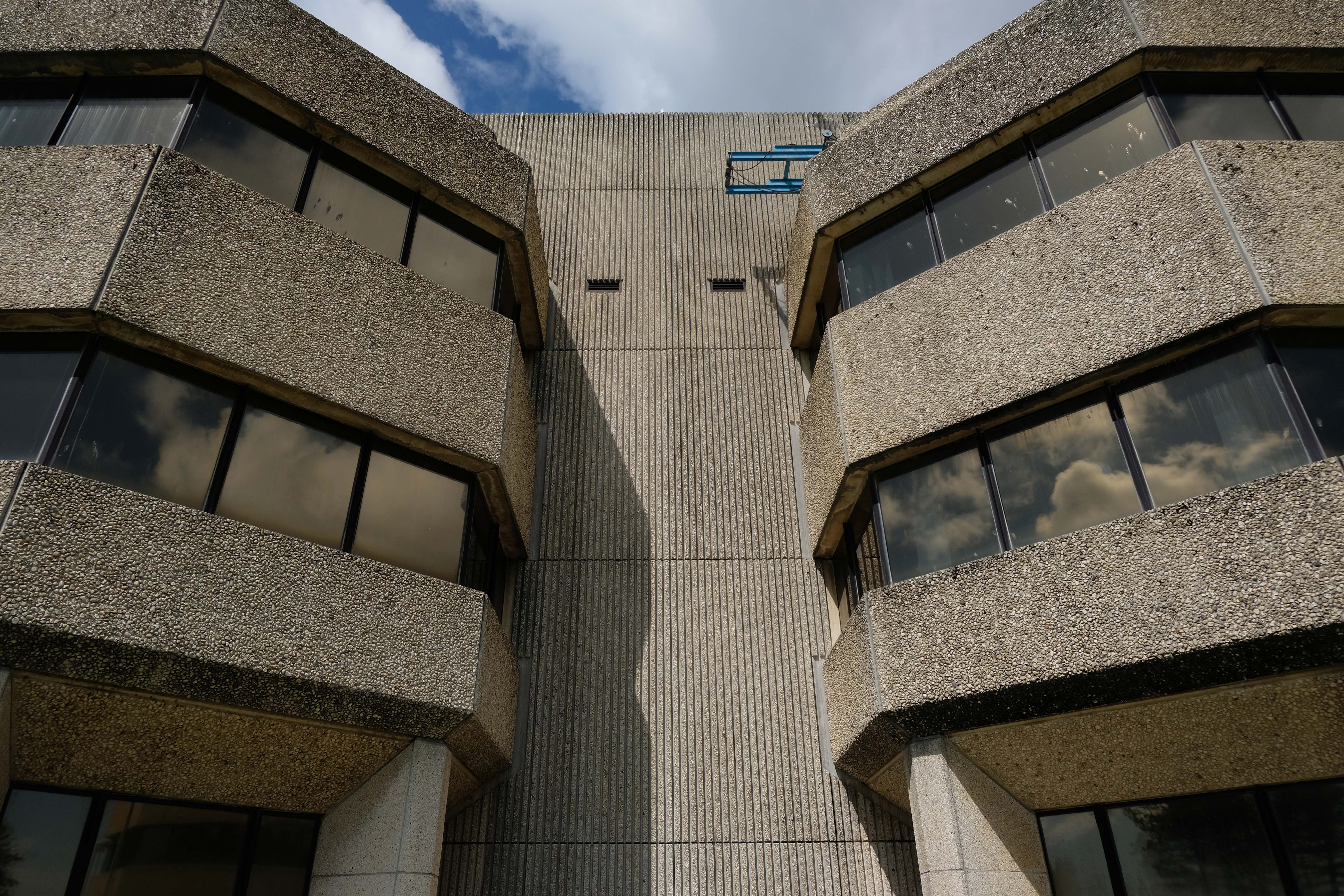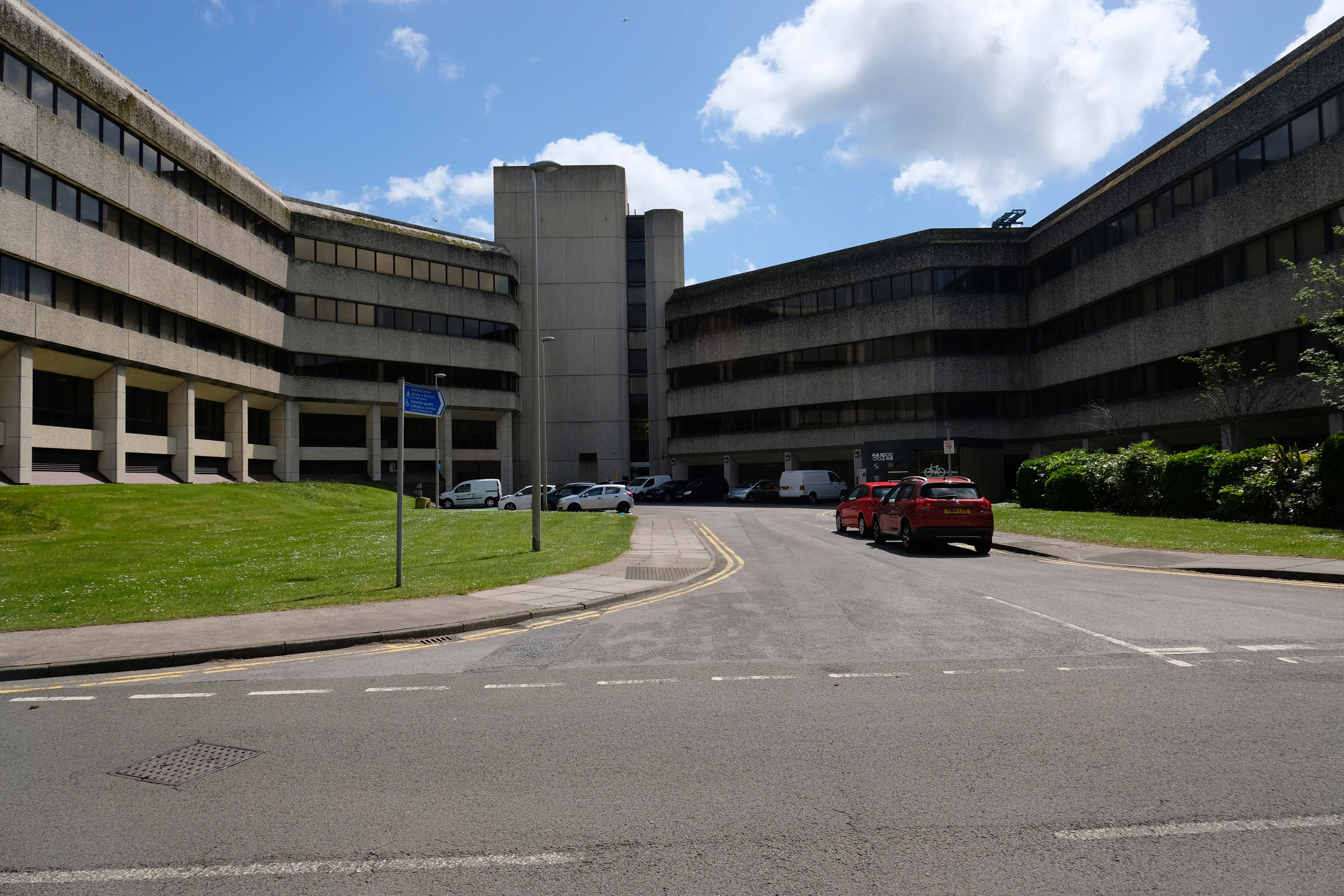
Scarborough Art Gallery

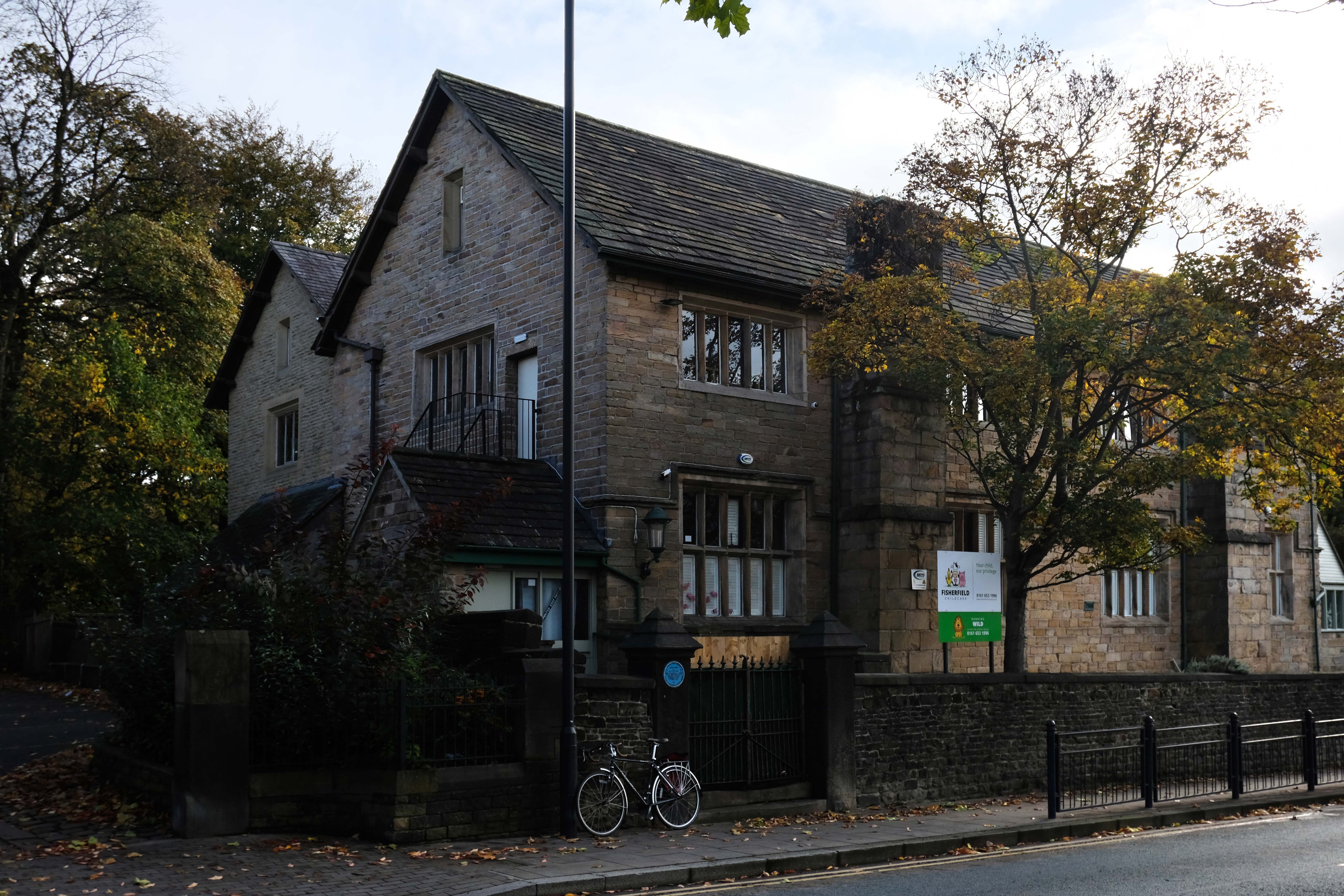
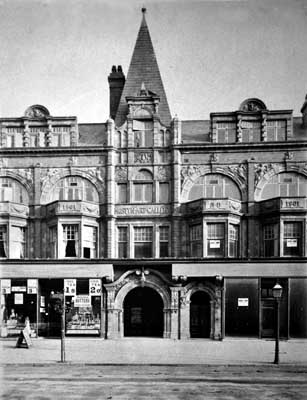
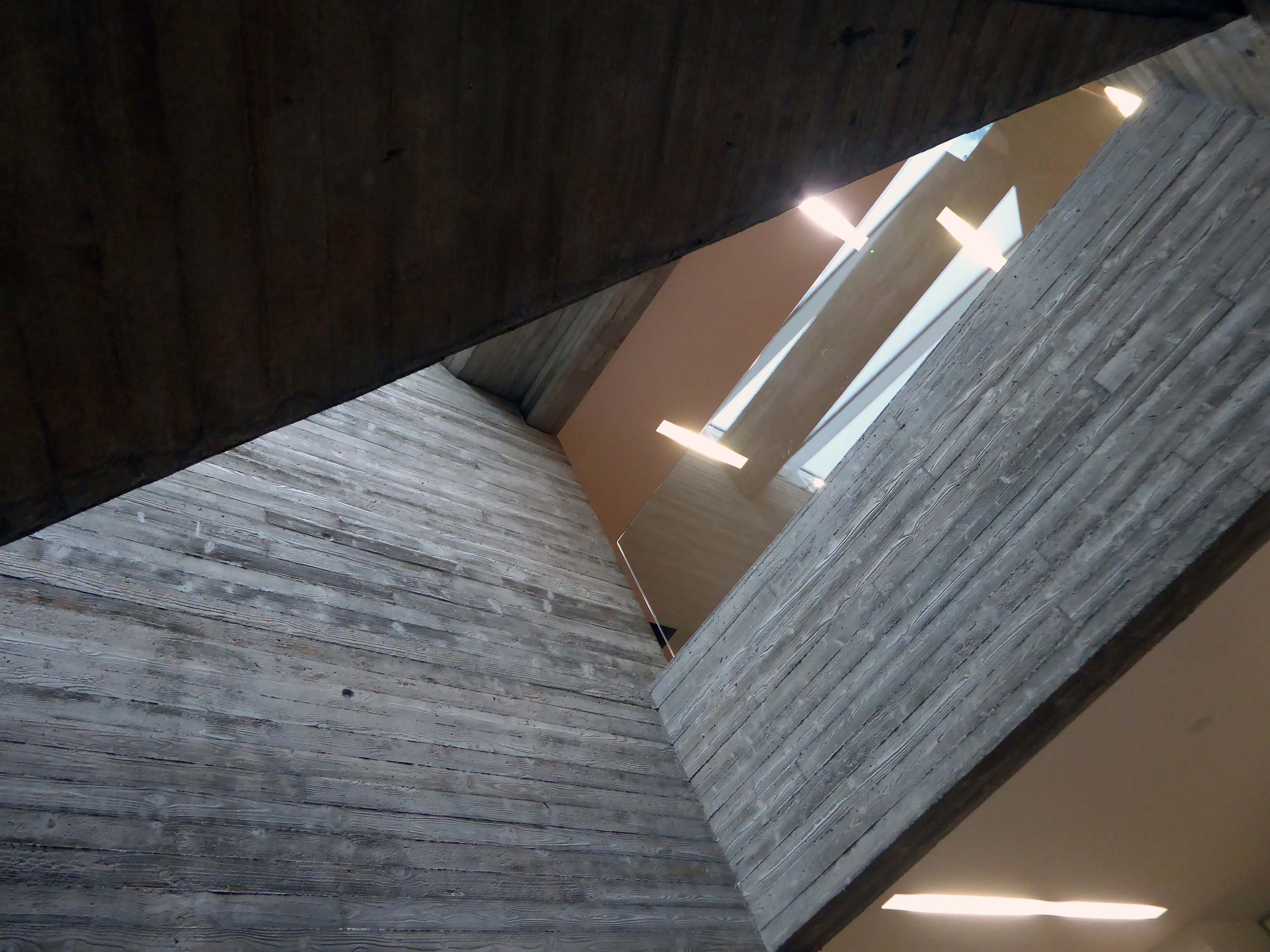
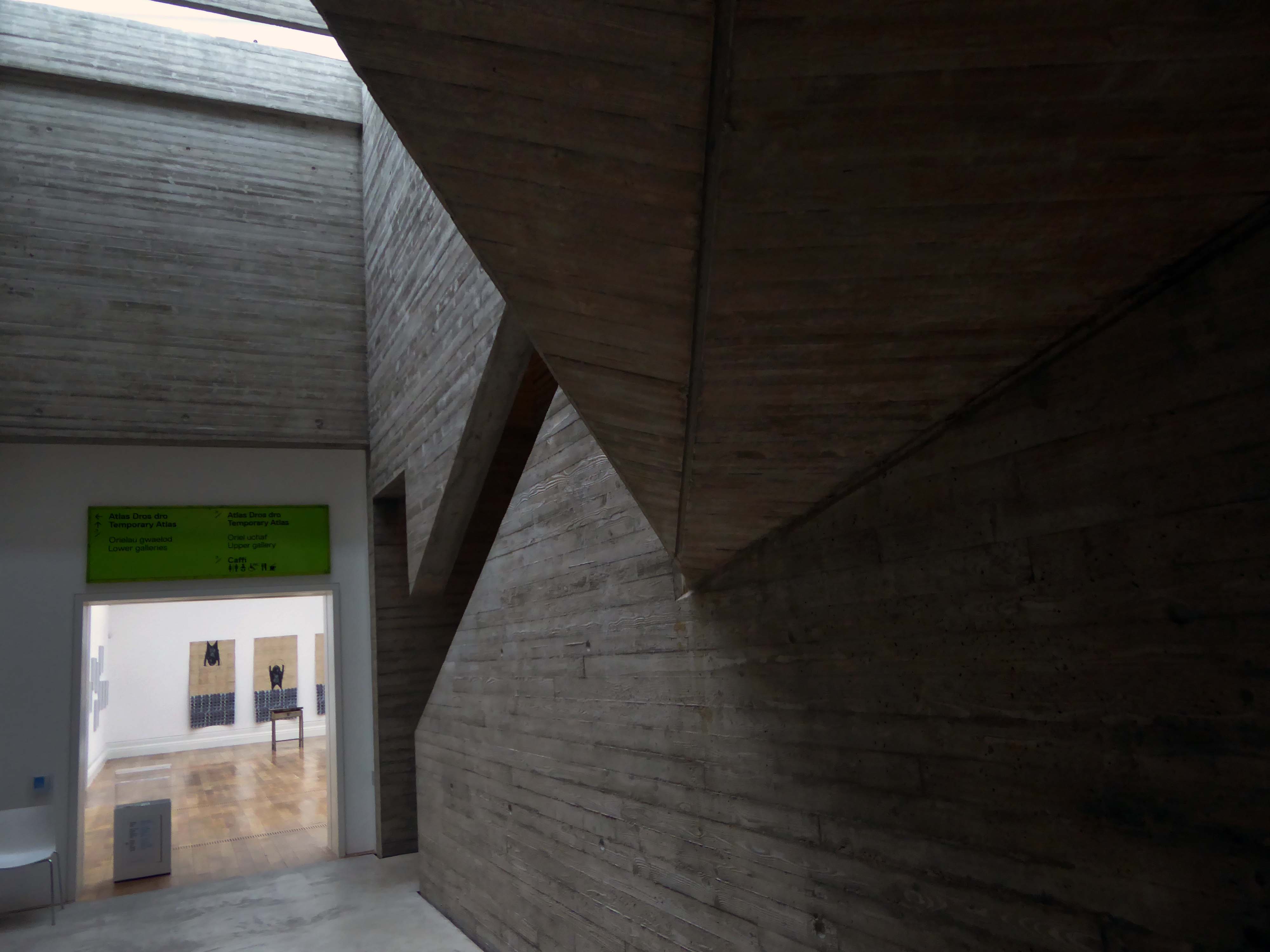
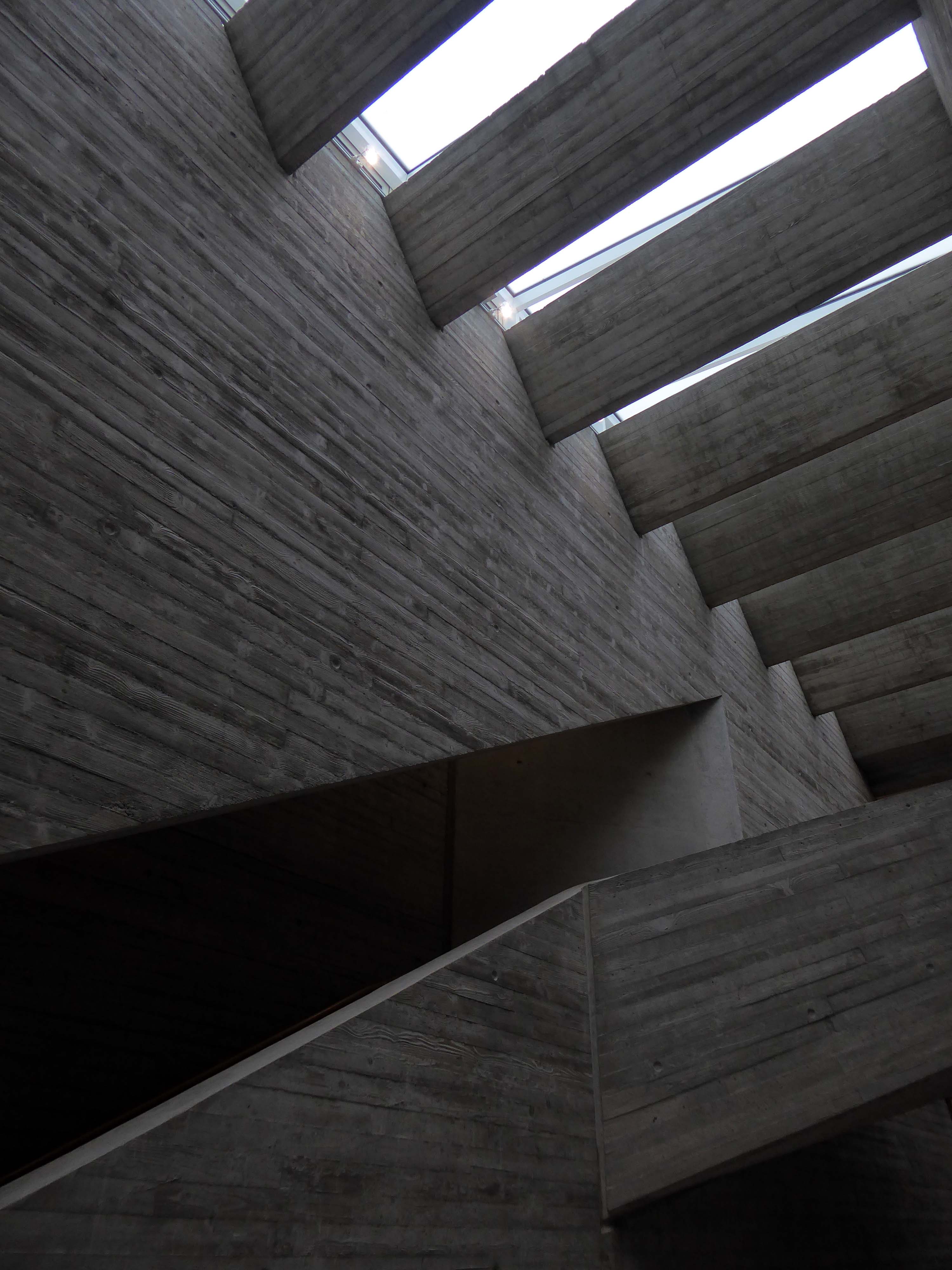
The history of the building which today houses Scarborough Art Gallery began in 1828, when local solicitor and Town Clerk, John Uppleby, in partnership with local builders John Barry and his brother William, bought the land on which The Crescent would be built from the wealthy local banker and shipowner, John Tindall. In 1830, the York architect Richard Hey Sharp and his brother Samuel were commissioned to draw up plans for the site.

Crescent Villa was the last of the villas to be built, erected in 1845 as a home for John Uppleby and his family. After John’s death in 1856, his wife and family continued to live in the house until her death in 1881, at which time it was bought by Edward Chivers Bower, father of the sculptor Lady Ethel Alice Chivers Harris and the great grandfather of Katharine, Duchess of Kent.

Bower renamed the house ‘Broxholme’ after his family seat near Doncaster.

Photo: Doc Brown

Following Henry Donner’s death, the house was purchased by Scarborough Corporation in 1942 for £3000 and for five years was used as a welfare clinic and children’s nursery. The clinic moved out in February 1947 and the Corporation decided to turn the building into a public art gallery.

The Scarborough Art Gallery opened to the public on 17 November 1947.

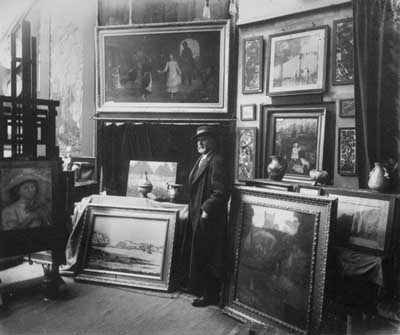
The permanent collection includes paintings donated by famous hotelier Tom Laughton, the brother of the film star and actor Charles Laughton.

Detail from a 1931 map of Scarborough by Edward Bawden – Scarborough Museums Trust collection

Both Eric Ravilious and Edward Bawden, who were close friends, became acquainted with Tom Laughton, who acted as a patron, particularly to Bawden and commissioned pieces from him to adorn his hotels.

Wikipedia

I visit Scarborough at least once a year – travelling by train from my home in Stockport and one occasion cycling from Hull.

Whilst visiting, a visit to the gallery is almost de rigueur.

This year I had a particular interest in the gallery’s photographic exhibition Squaring The Circles

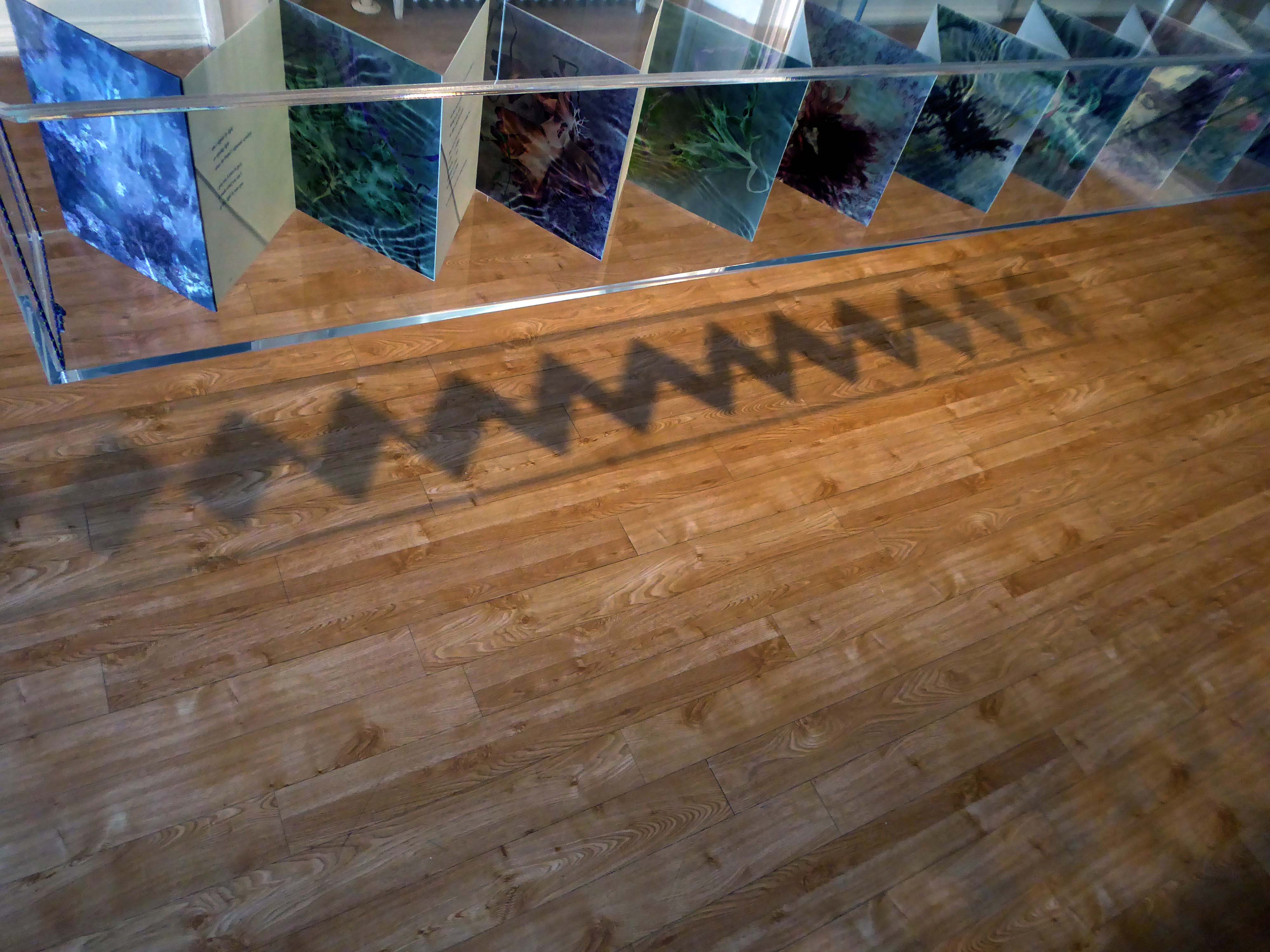
The works on show demonstrate radical and experimental investigations into the process of making photographs. From cyanotypes and daguerreotypes to pinhole and cameraless imagery, the exhibition blurs the boundaries between art and photography, resulting in an expressive, otherworldly, and inspiring display.

Exhibiting photographers include Takashi Arai, Angela Chalmers, David Chalmers, Susan Derges Hon FRPS, David George, Joy Gregory Hon FRPS, Tom Hunter Hon FRPS, Ian Phillips McLaren, Céline Bodin and Spencer Rowell.

Curated by Zelda Cheatle Hon FRPS.

I turned up paid my three pounds for an annual pass and looked around.

This is what I saw inside and out.

Angela Chalmers

Tom Hunter

Tom Hunter

Susan Derges

Céline Bodin

Tom Hunter

The show’s full title was Squaring the Circles of Confusion – here’s some information to dispel the confusion

Photopedagogy

Not top be confused with the Ball of Confusion.

Go see the show.

Postcards from Swansea

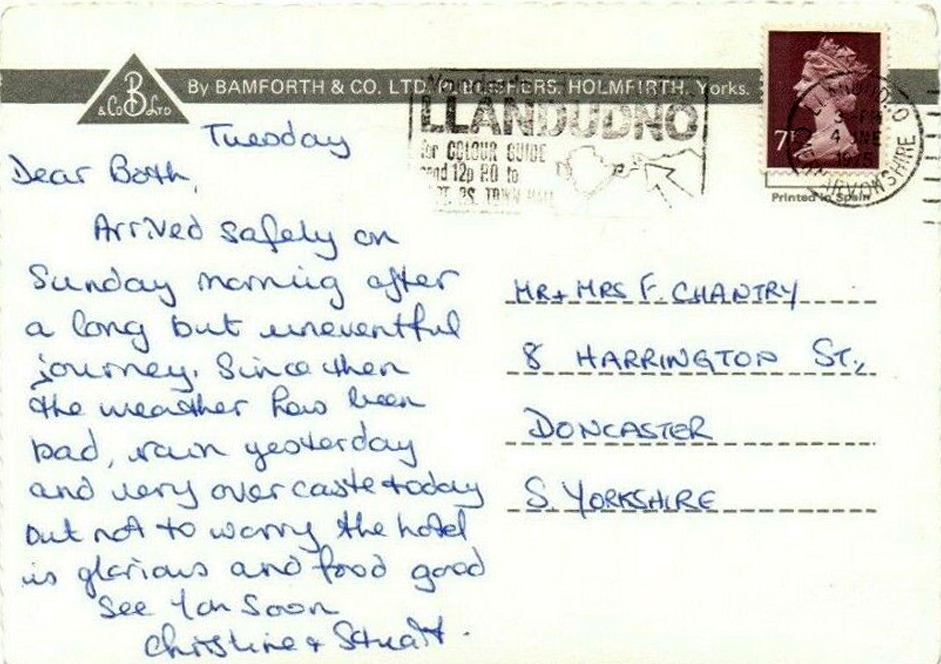
Obliquely beginning with a postcard to Swansea

A Swansea man has been left scratching his head after receiving a postcard from Spain 29 years after it was sent.

The card, dated September 25 1986, dropped through the letterbox of Gethin Davies from Bonymaen.

Bearing two 1980s Spanish stamps and a British second-class stamp, it was sent by someone called Phyl, to a Mrs E Leon.

Mr Davies now hopes to reunite it with the person it was intended for.

Princess of Wales Court

In his postcard, Phyl writes that the weather is nice, he has a self-catering apartment near a pond, but complains about the expensive cost of Spanish bread at £1 a loaf. 

Although it was delivered to the right address on the card, Mr Davies said he has no clue who either Phyl or Mrs Leon could be.

I’ve been baffled by it really.

I suppose Mrs Leon once lived in my flat, but I’ve asked around neighbours who have lived here twenty or thirty years, and none of them have ever heard of her.

The Post Office say they have no idea what could have happened to the postcard for twenty nine years, may be it got stuck in a sorting machine, may be given that it’s got both British and Spanish stamps on it, someone found it and posted it on.

Really I’d just like to find out who either Phyl or Mrs Leon are, so I could finally give it to them after all this time.

Curiously the story does not reproduce the picture of the picture postcard.

Dear Eddie, this is a very pleasant place and the weather is just right. The food is very expensive though over £1 for a loaf of bread! We have a self catering little apartment by the side of a pond complete with ducks.

Love Phil xxx

September 25th 1986

BBC Wales

My interest is in both sides of the subject – the choice of picture and the carefully composed message on the obverse.

I have written concerning shopping precincts and shopping precinct postcards and often make reference to postcards when compiling posts about places.

There is something very poignant about the handwritten reportage of holidays past and also a sadness attached to the blank other side -sentiments forever unsent.

I’ve looked at life from both sides now
From win and lose and still somehow
It’s life’s illusions I recall
I really don’t know life at all

We are all going somewhere or nowhere or other – we report back.
Having a nice relaxing holiday. Not had good weather. Got caught in rain on Friday have lost my voice. Uncle Jim laughing

Auntie Ethel & Jim

Hope Leslies finger is coming on alright

20th August 1968

Hello Sharon, hope you are as happy as can be. Sorry I can’t tell you anything about your country, as I’ve never been; not yet anyway.

Bye Don

23rd April 1979

Dear Rita, here we are enjoying our holiday with Frank, Jacky & Stuart. The weather has been very poor, but there is an improvement today. Hope all is well with you. Lynn her husband and the little ones are visiting on thursday, so we shall have a real tea-party.

Everyone joins in sending love to you.

Frank & Irene

July 23rd 1985

David, Best Wishes

From

Steve

Swansea University

Wish we were there?

Bonny Street Police Station – Blackpool 2022

I have been outside several times in 2016 again in 2020 – never inside.

Let’s take a look:

Photos – Blackpool Gazette

So whilst in town for a stroll I strolled by once again, the main block now tagged and tinned up.

Whilst the Courts are still in use, until they make their move in 2025, stasis seems to be the order of the day.

There are no signs as yet of the proposed redevelopment of the site.

Some day maybe

Councillors have approved a compulsory purchase order to complete the land assembly for the £300m Blackpool Central project but still hope to negotiate terms with property owners.

Blackpool Council’s executive unanimously agreed the recommendation towards enabling the Central Car Park to be transformed into a leisure destination boasting a flying theatre, virtual reality rides, a thrill and gaming zone, multi-media exhibition space and themed dining areas.

Lancs Live

Let’s veer off the promenade and assess the situation.

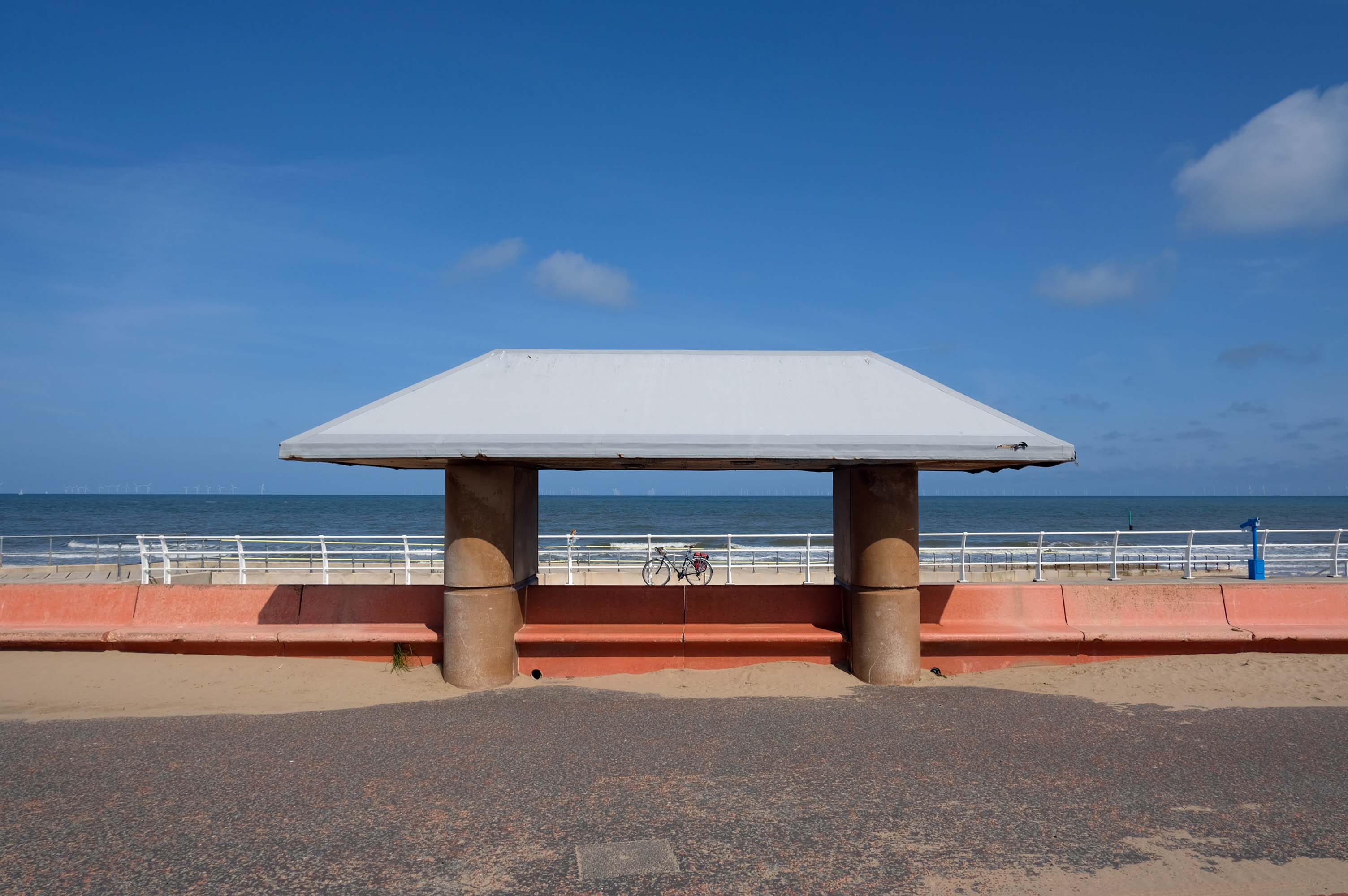
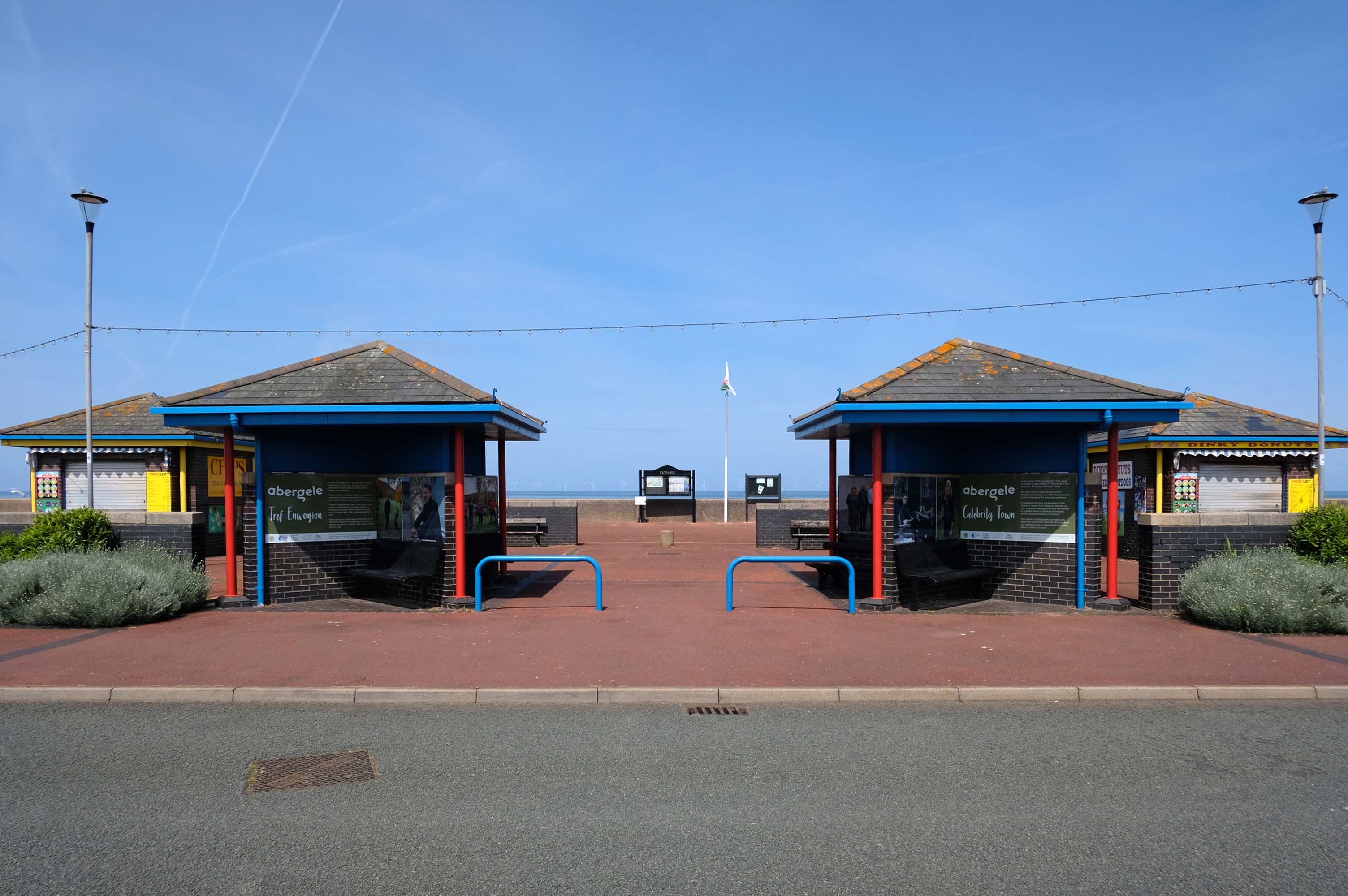
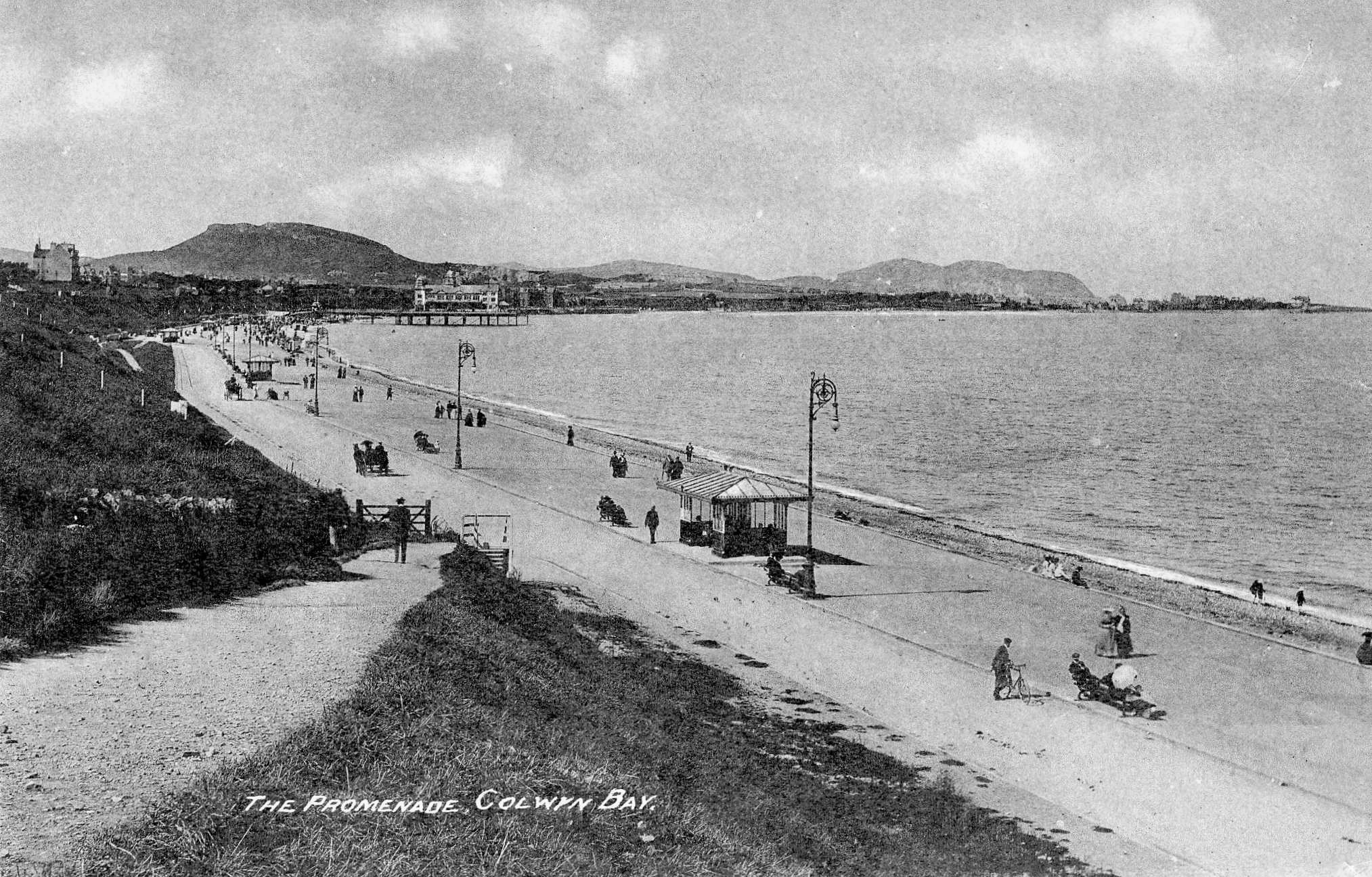
Seaside Shelters – Colwyn Bay

Here I go again – just like Archie Bell minus the Drells.

Here I go again, thinking with my heart

But every time I see ya, I keep running back for more

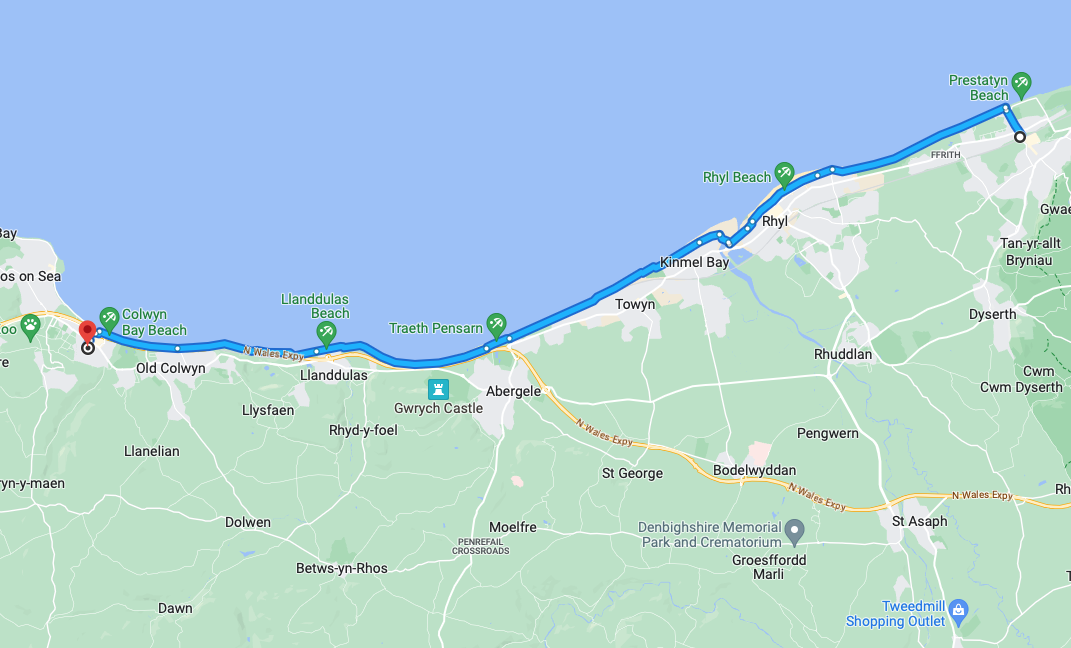
April and October 2019 walking from Rhos to Colwyn.

Pandemics come and almost go – as do seaside shelters it seems.

The shelters of 1860 are quite literally a thing of the past.

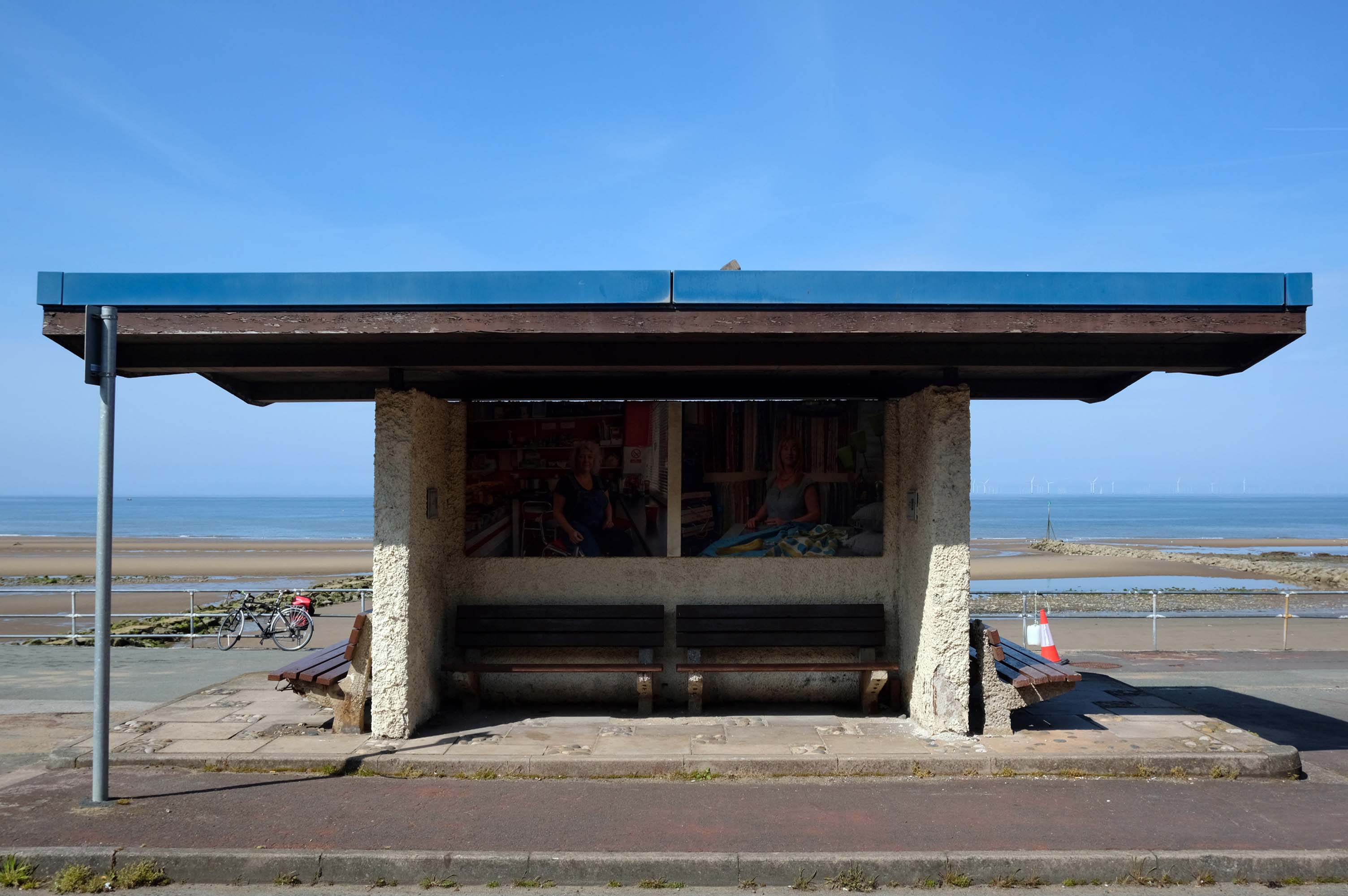
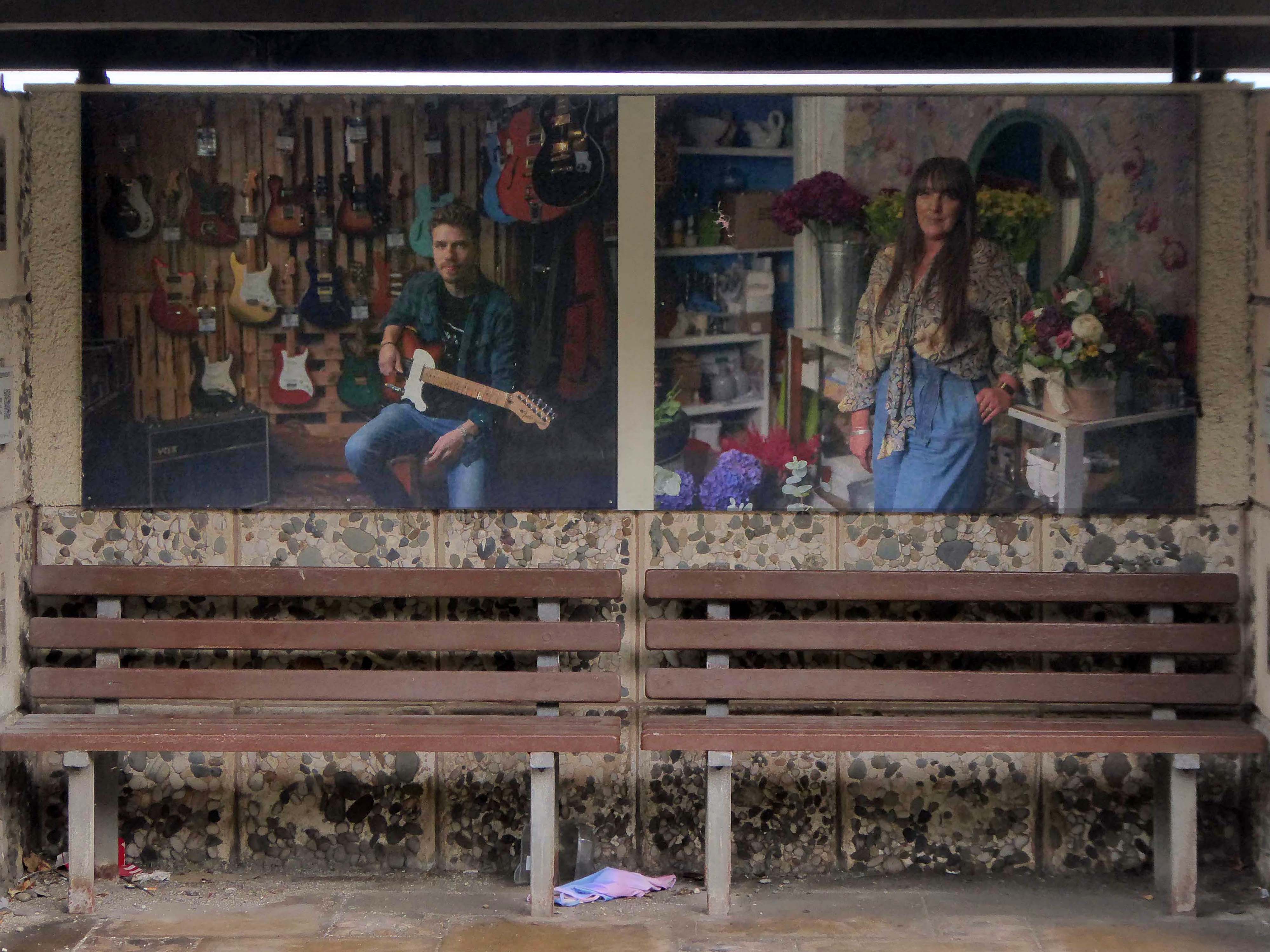
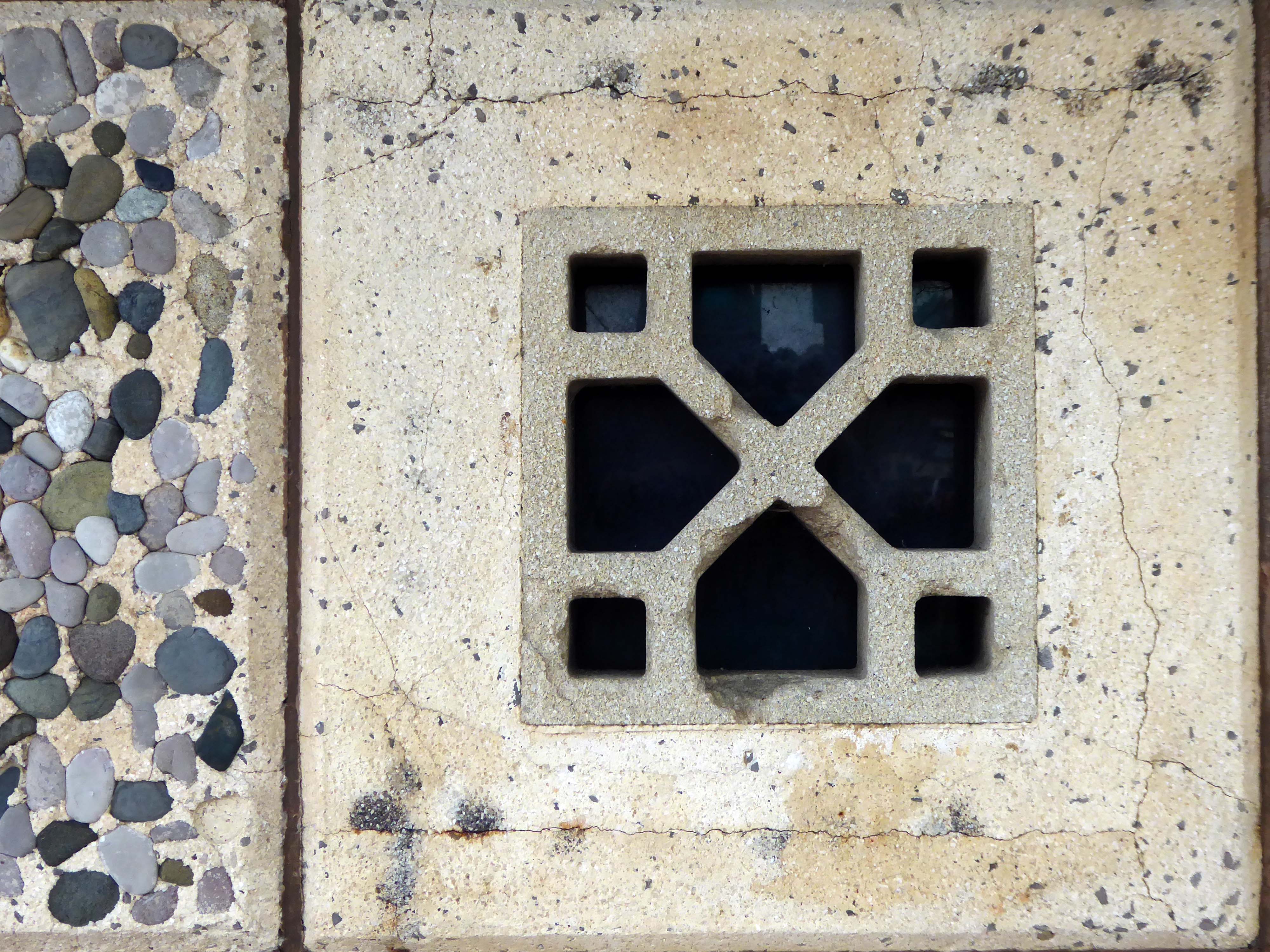
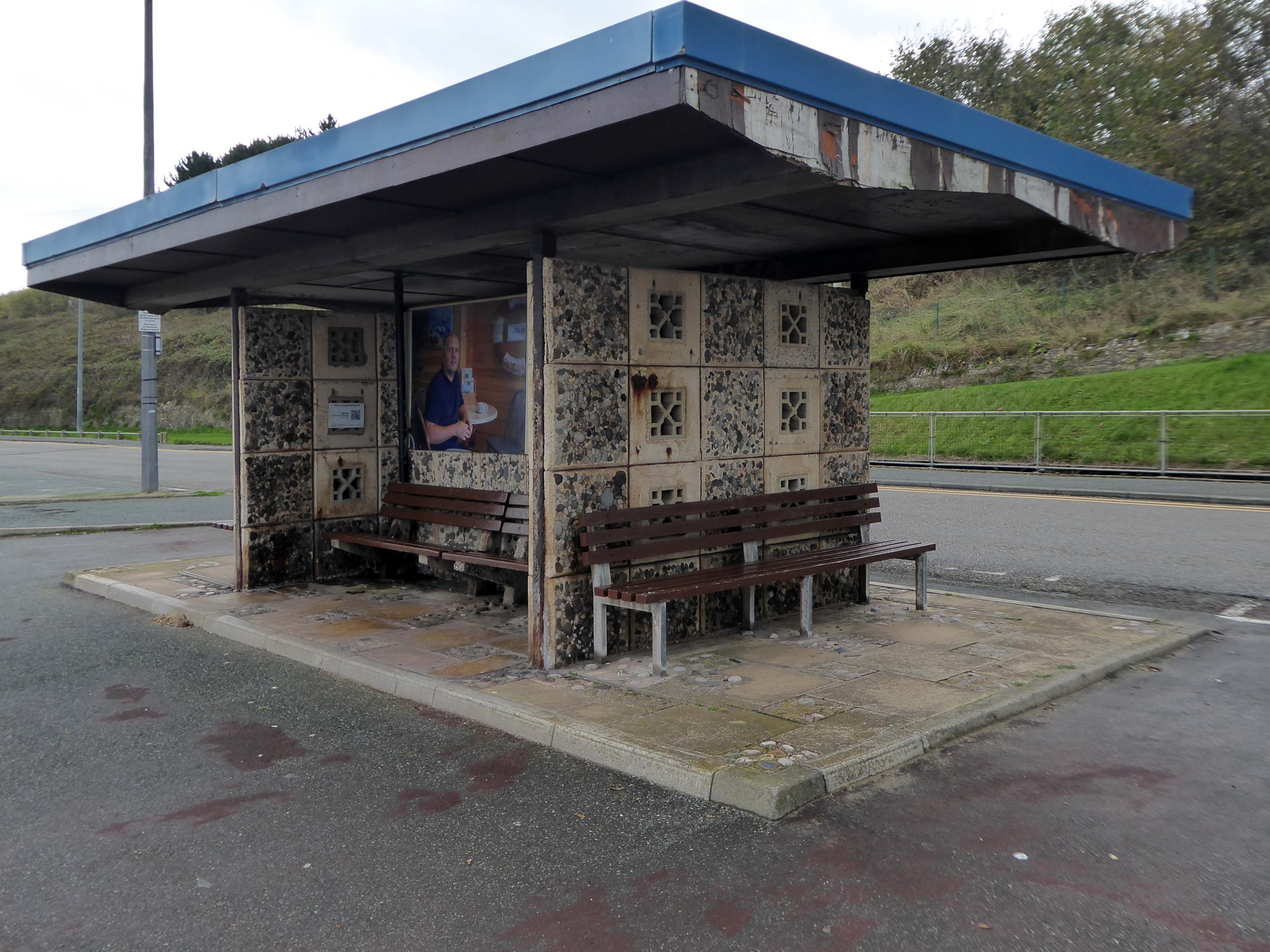
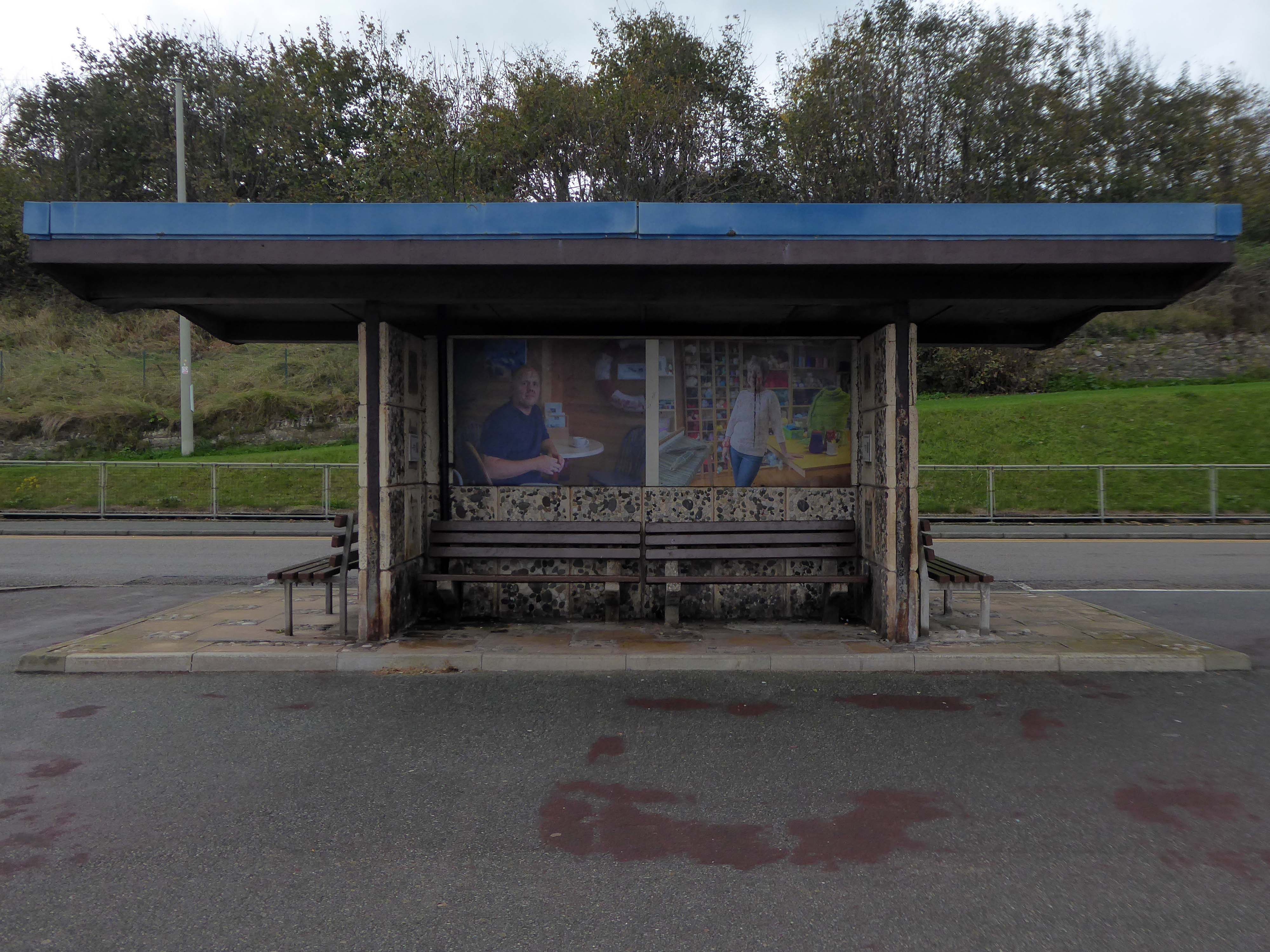
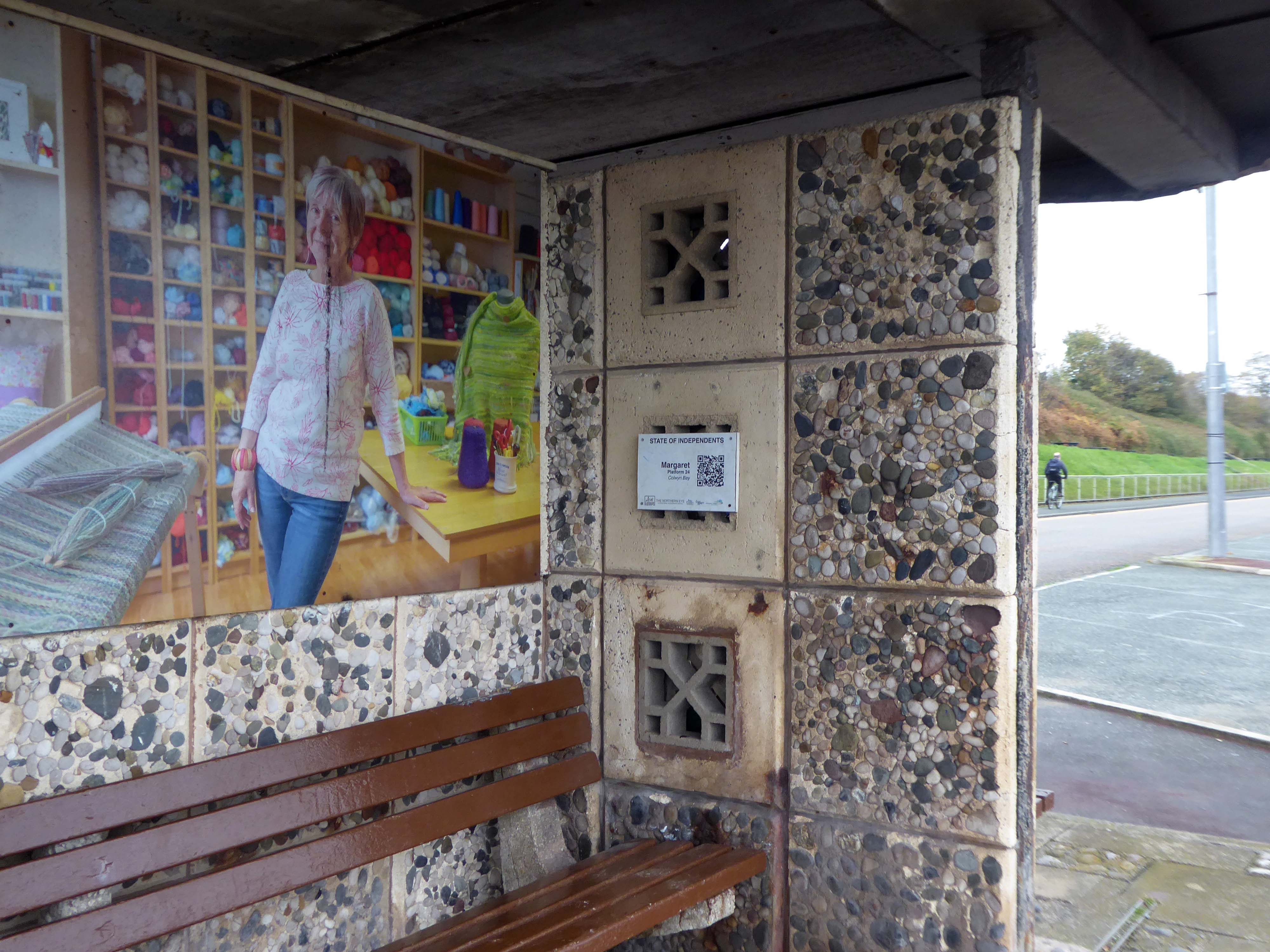
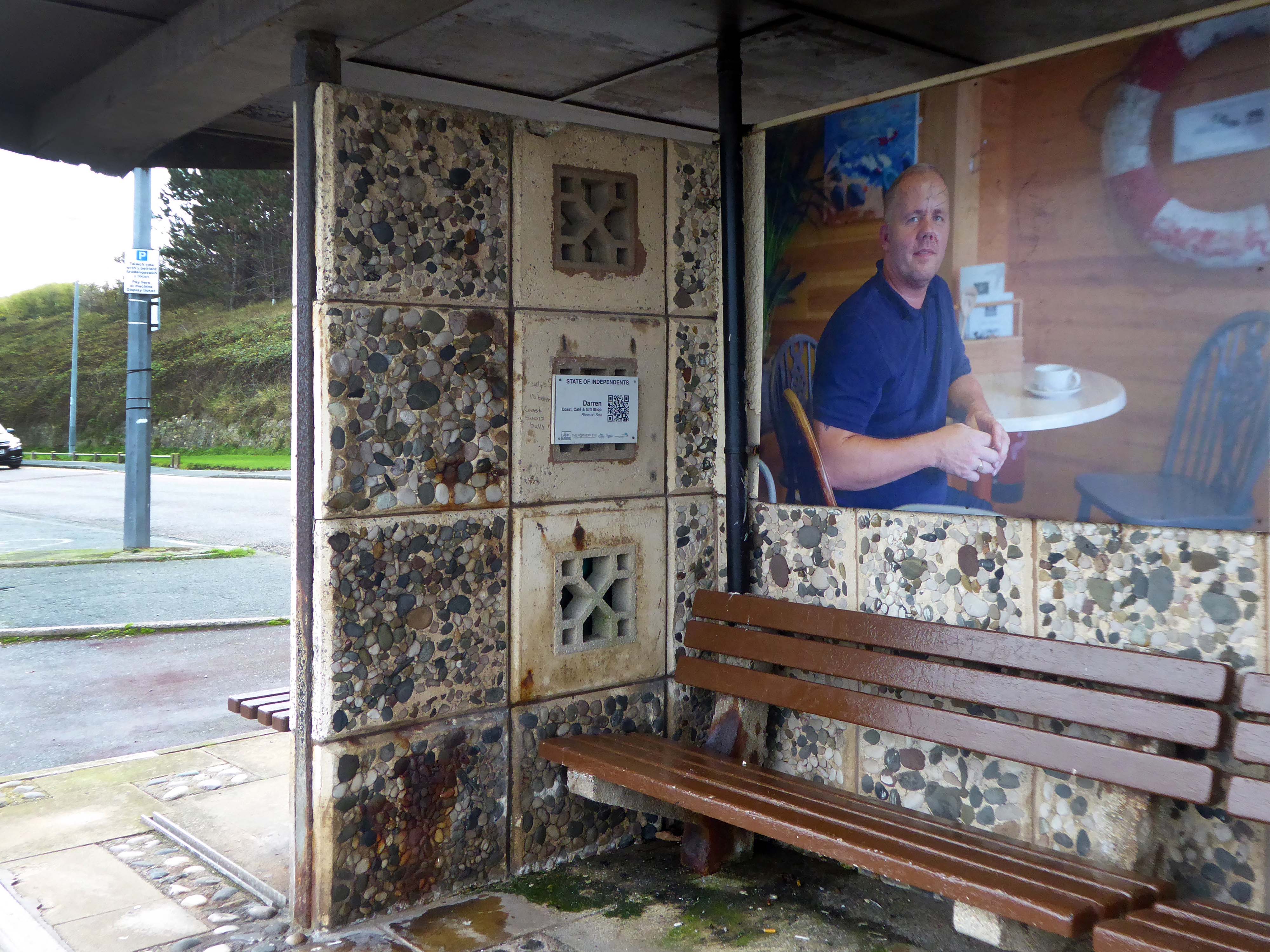
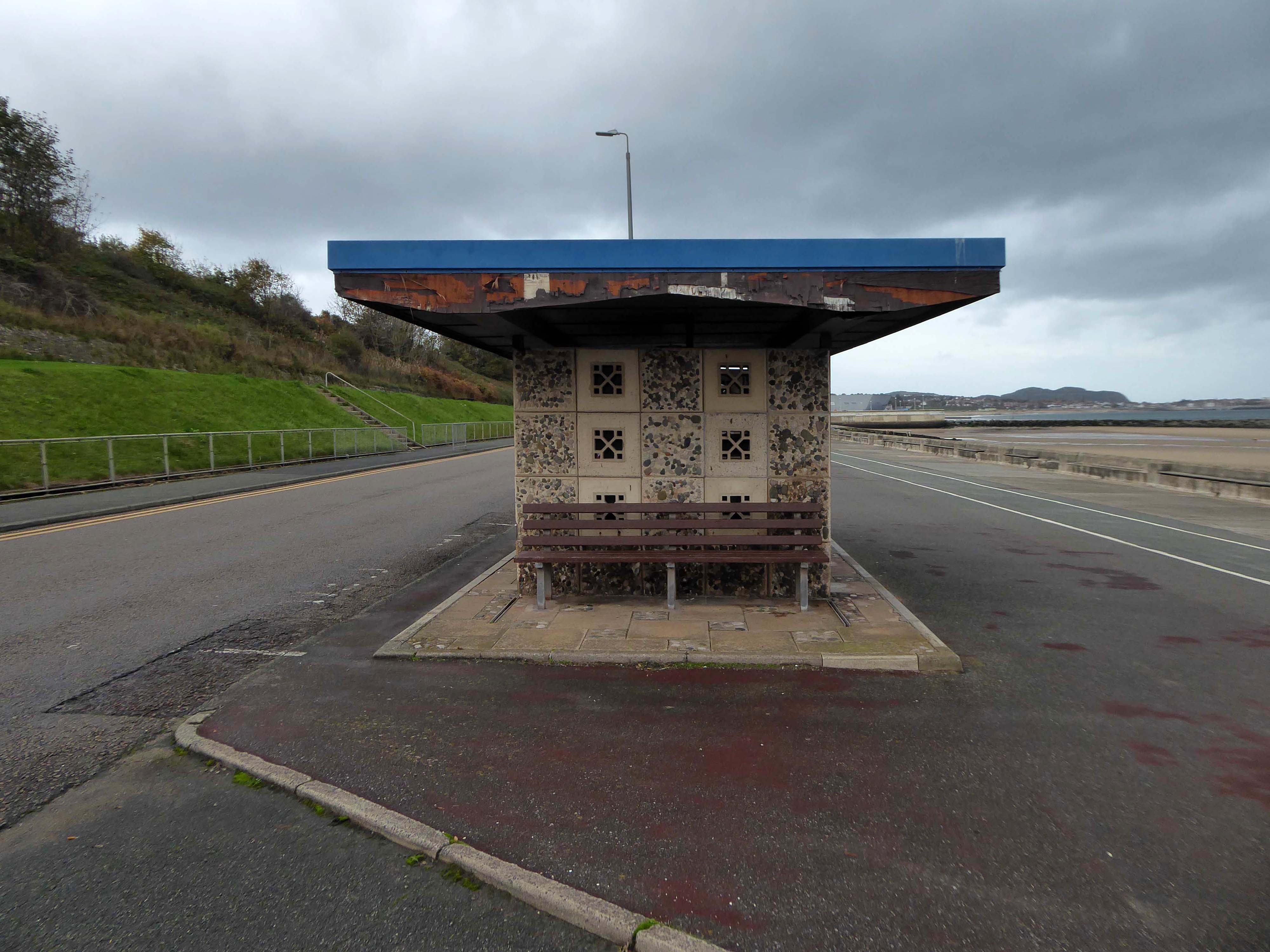
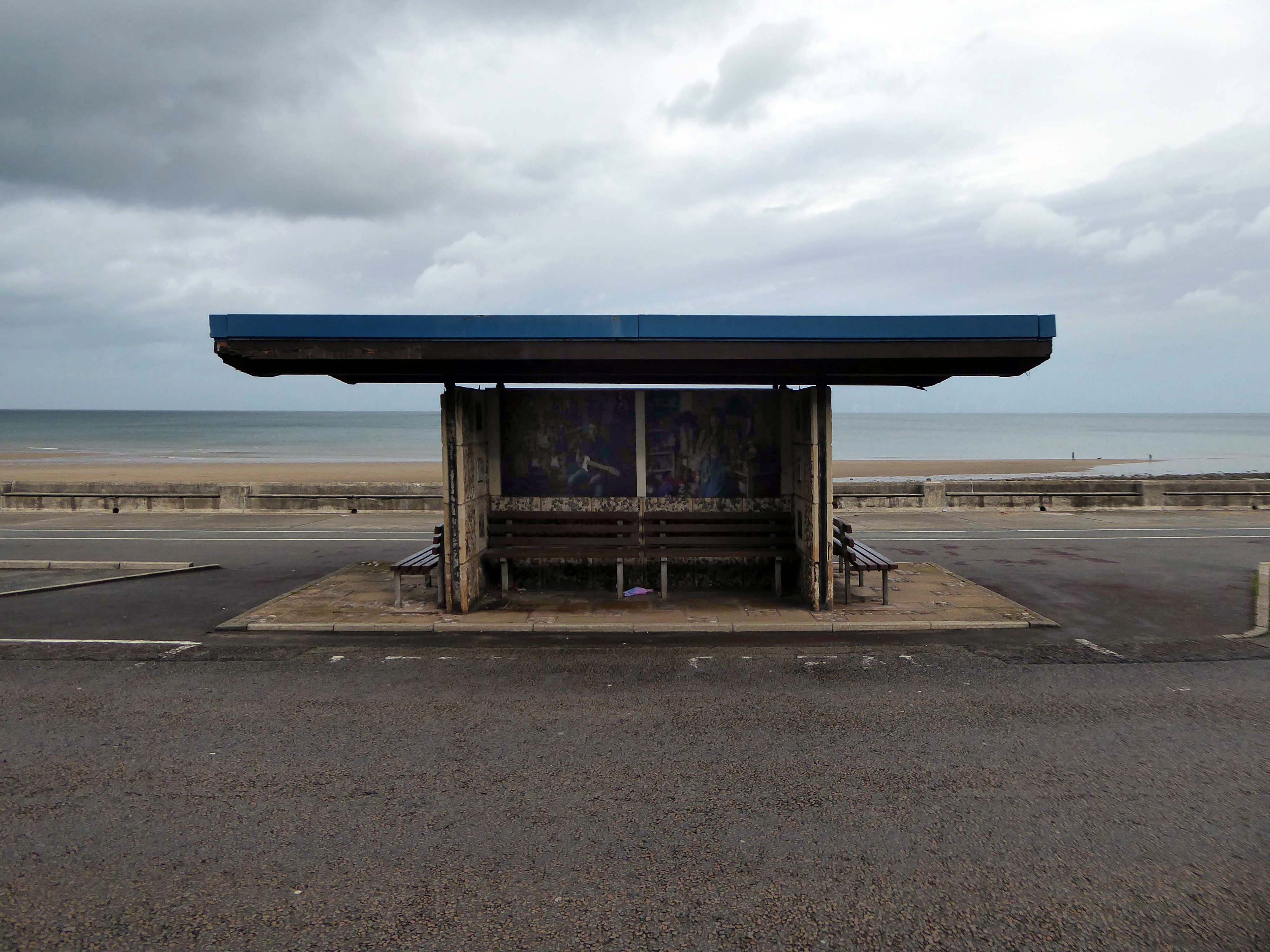
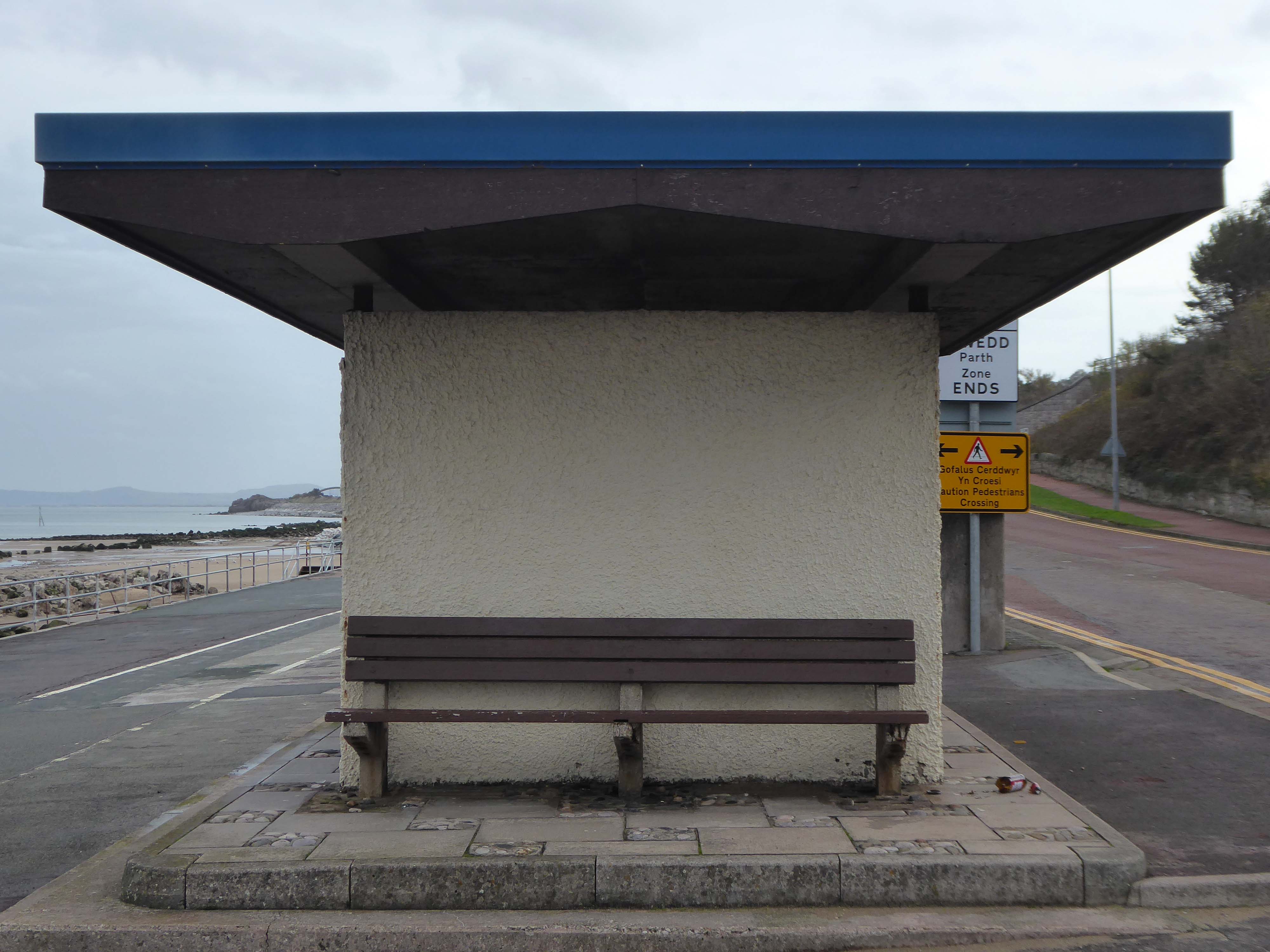
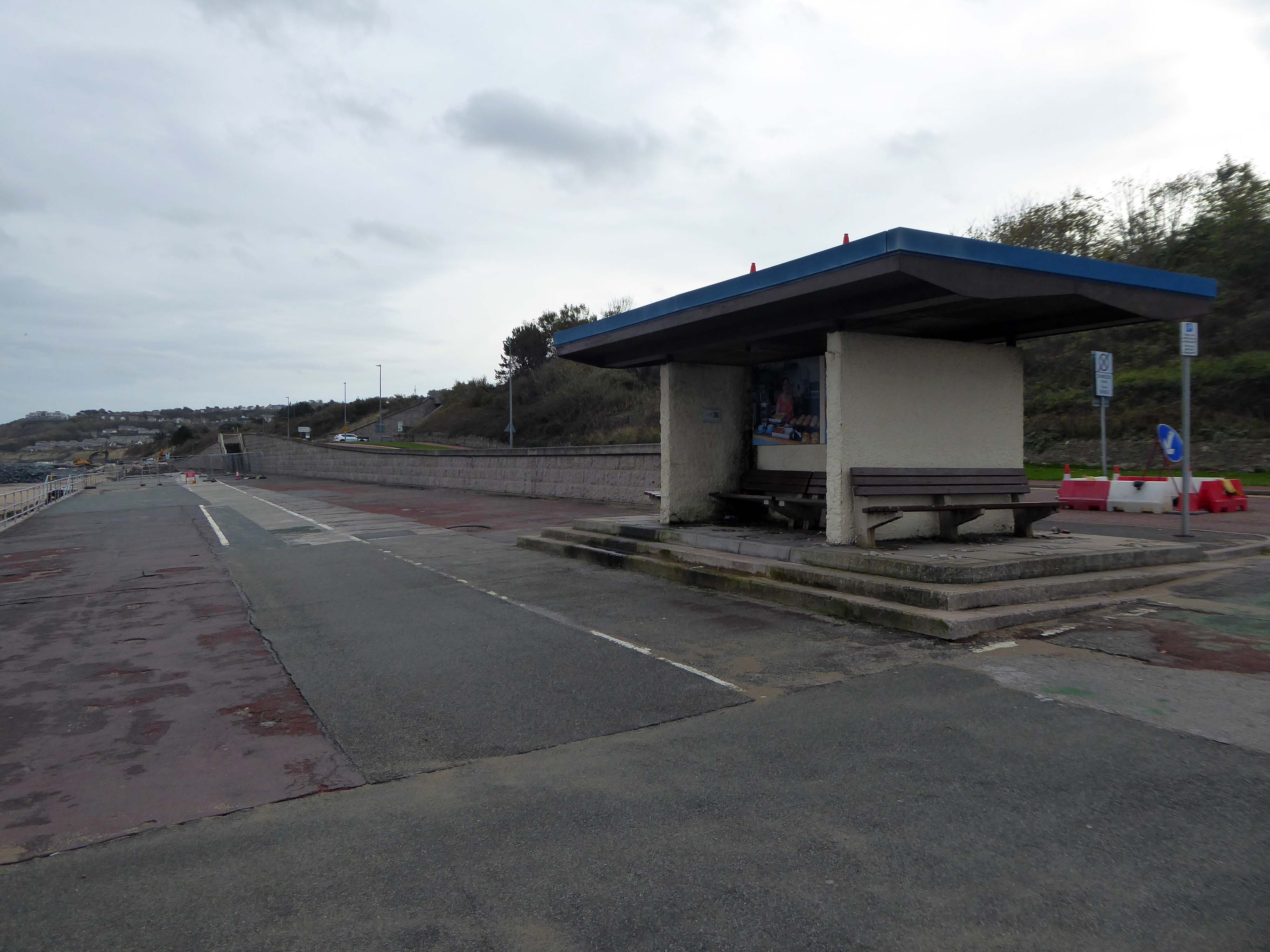
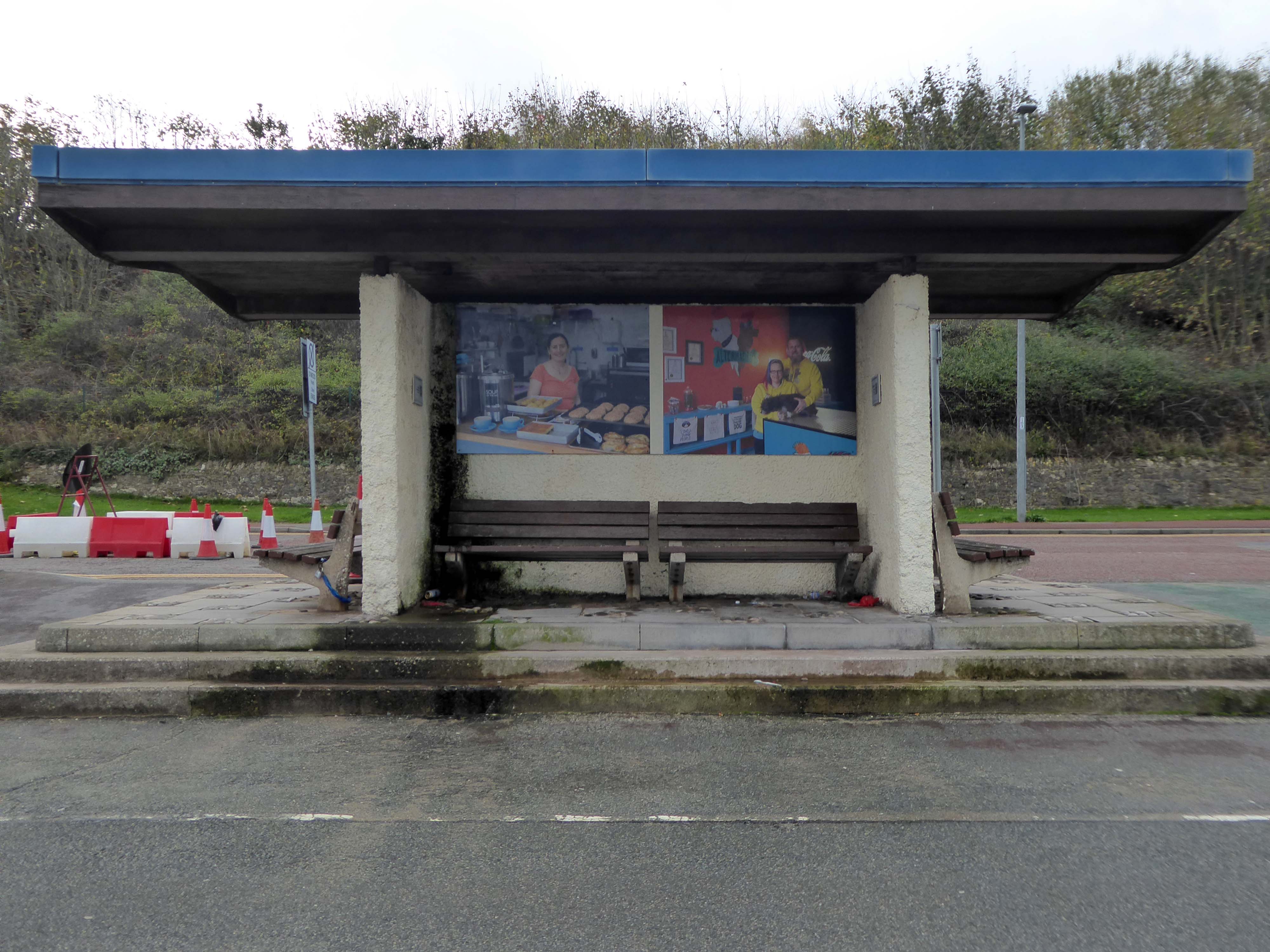
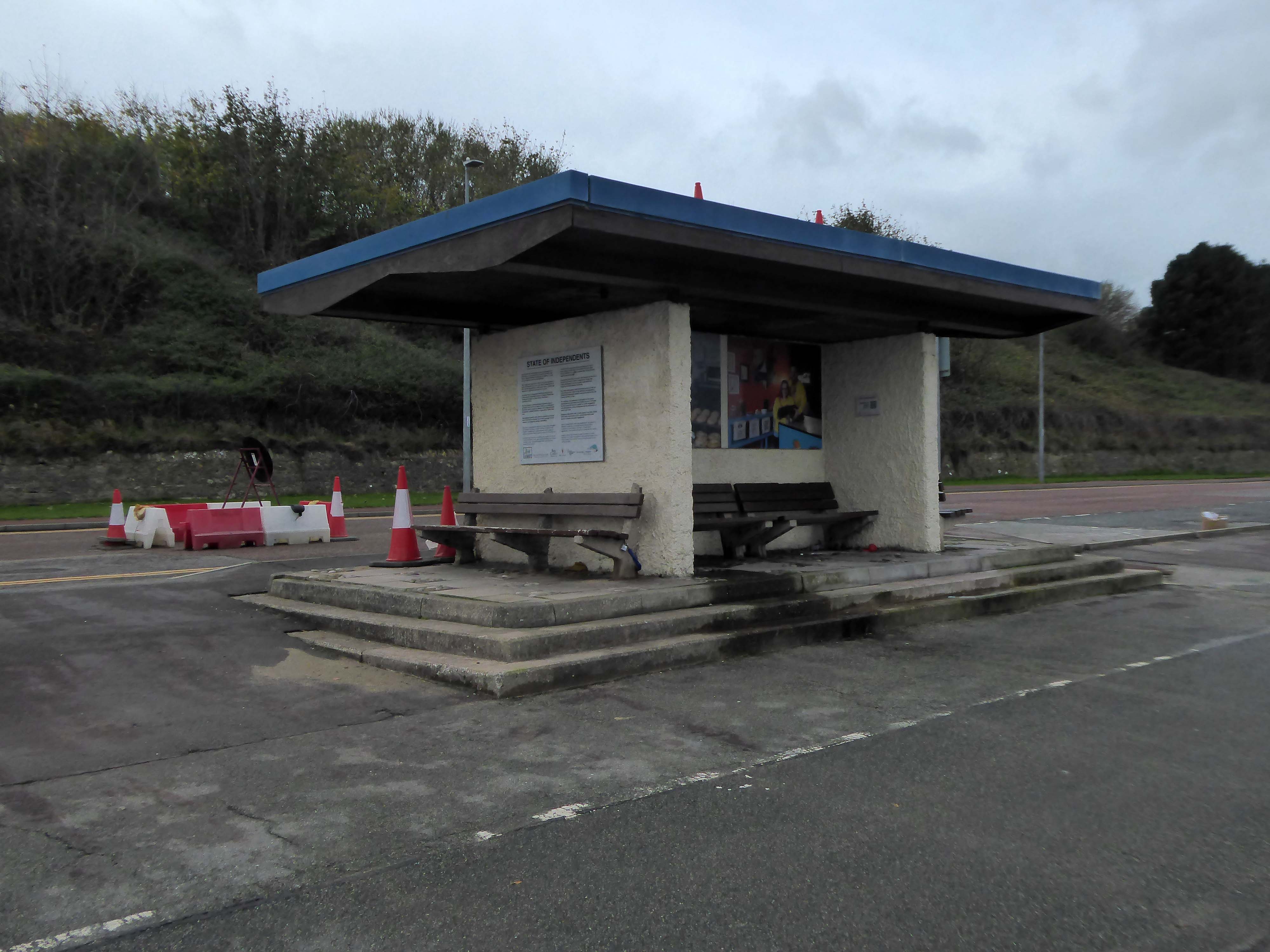
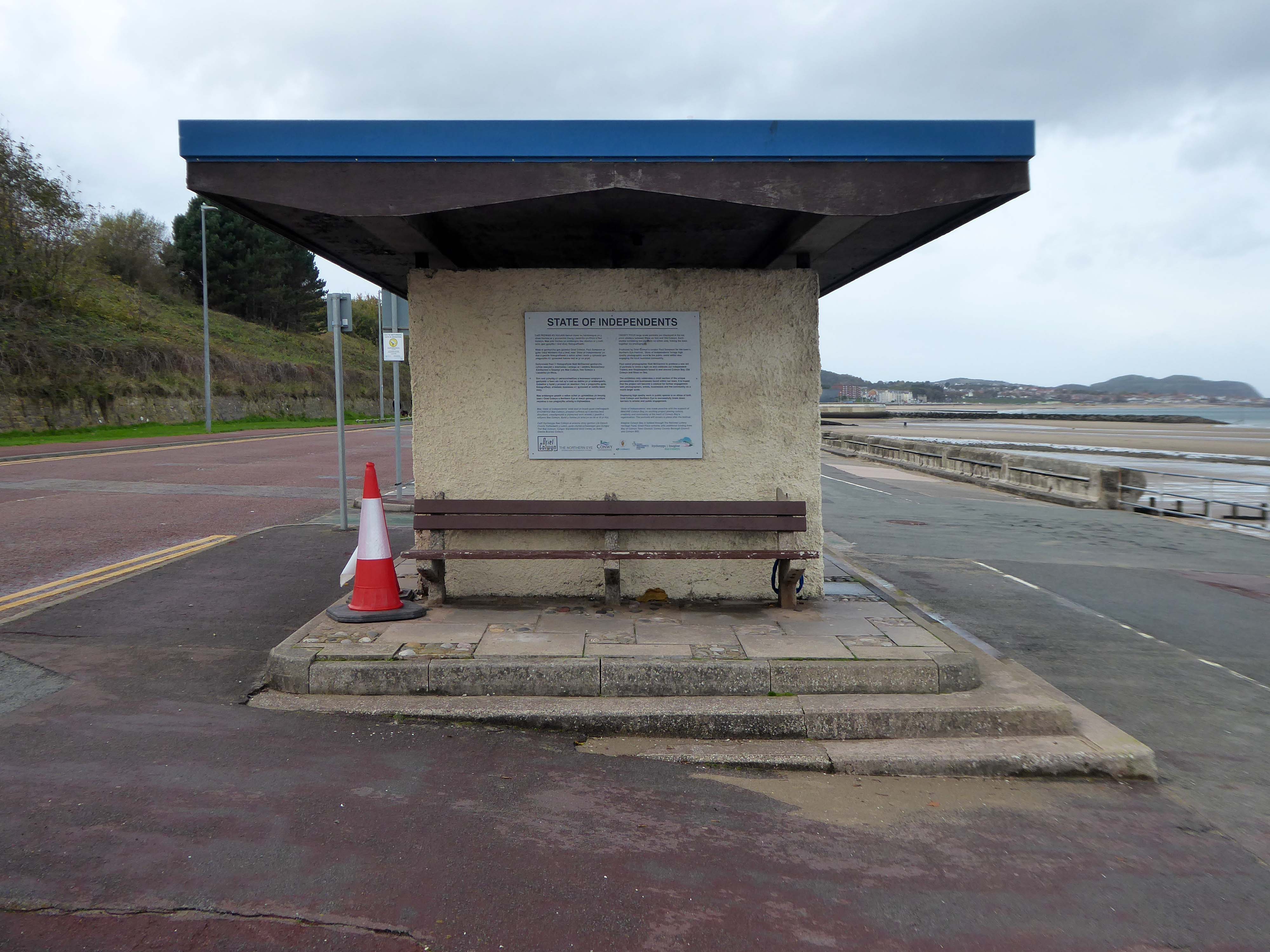
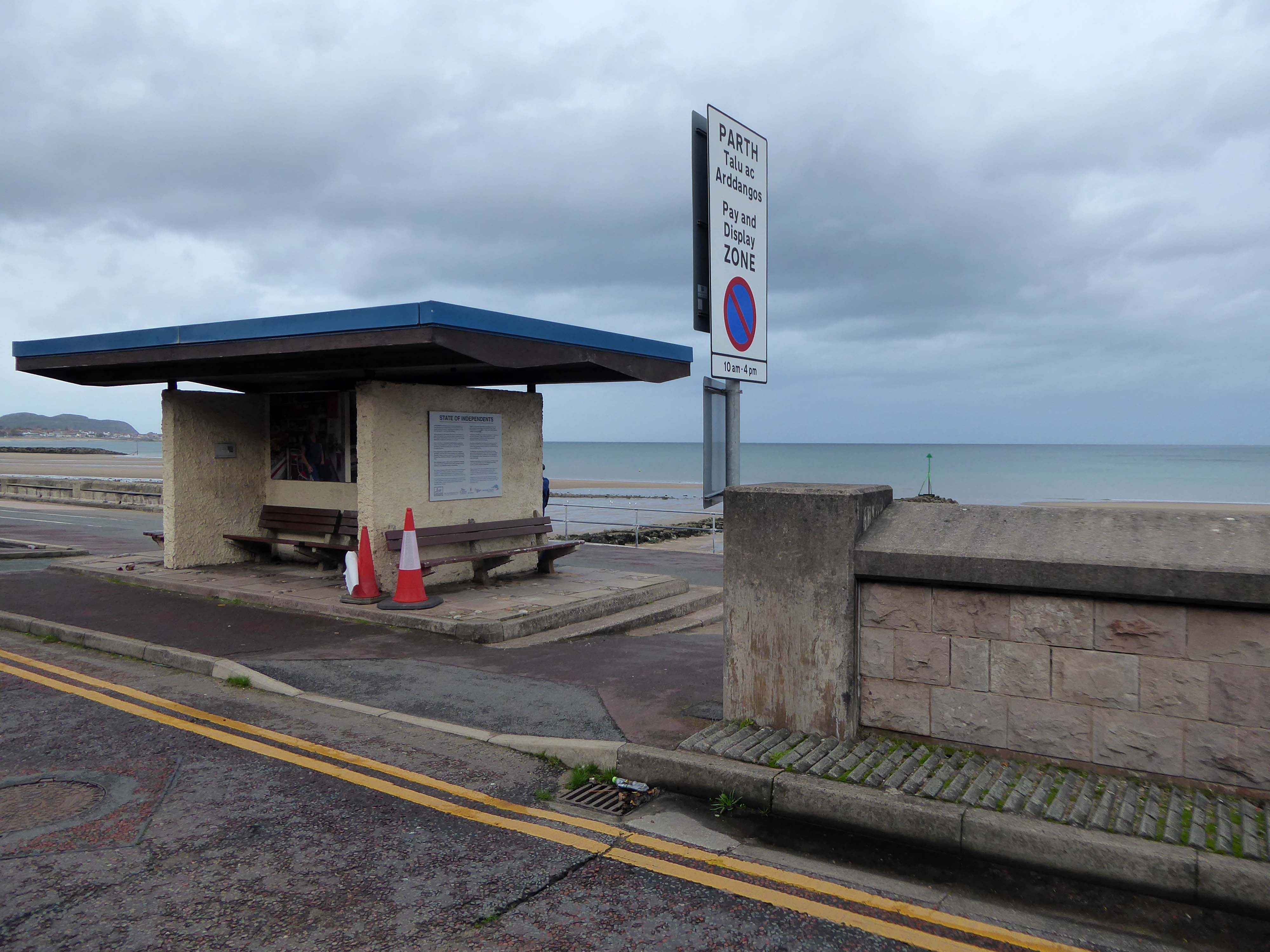
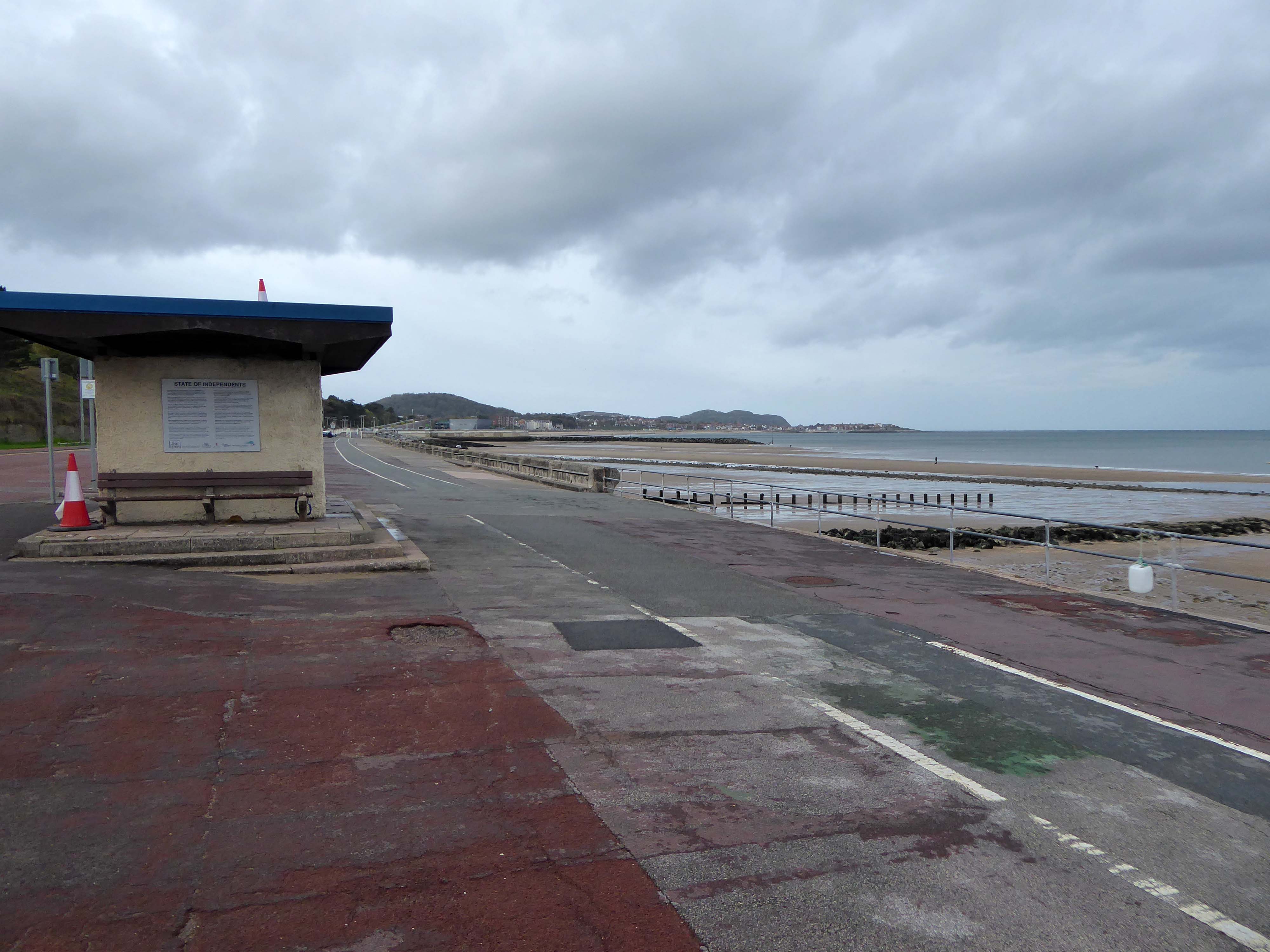
Thye have become host to Niall McDiarmid‘s snaps of local business folk – the project developed when local residents raised concerns about the appearance of the shelters on the promenade.

Cllr Roger Parry said

The shelters are nearing the end of their lifespan and these sections of the prom will be upgraded as part of the waterfront project.

In the meantime, State of Independents will make great use of the shelters; celebrating our hardworking local businesses and hopefully encouraging footfall from the promenade to our high streets.

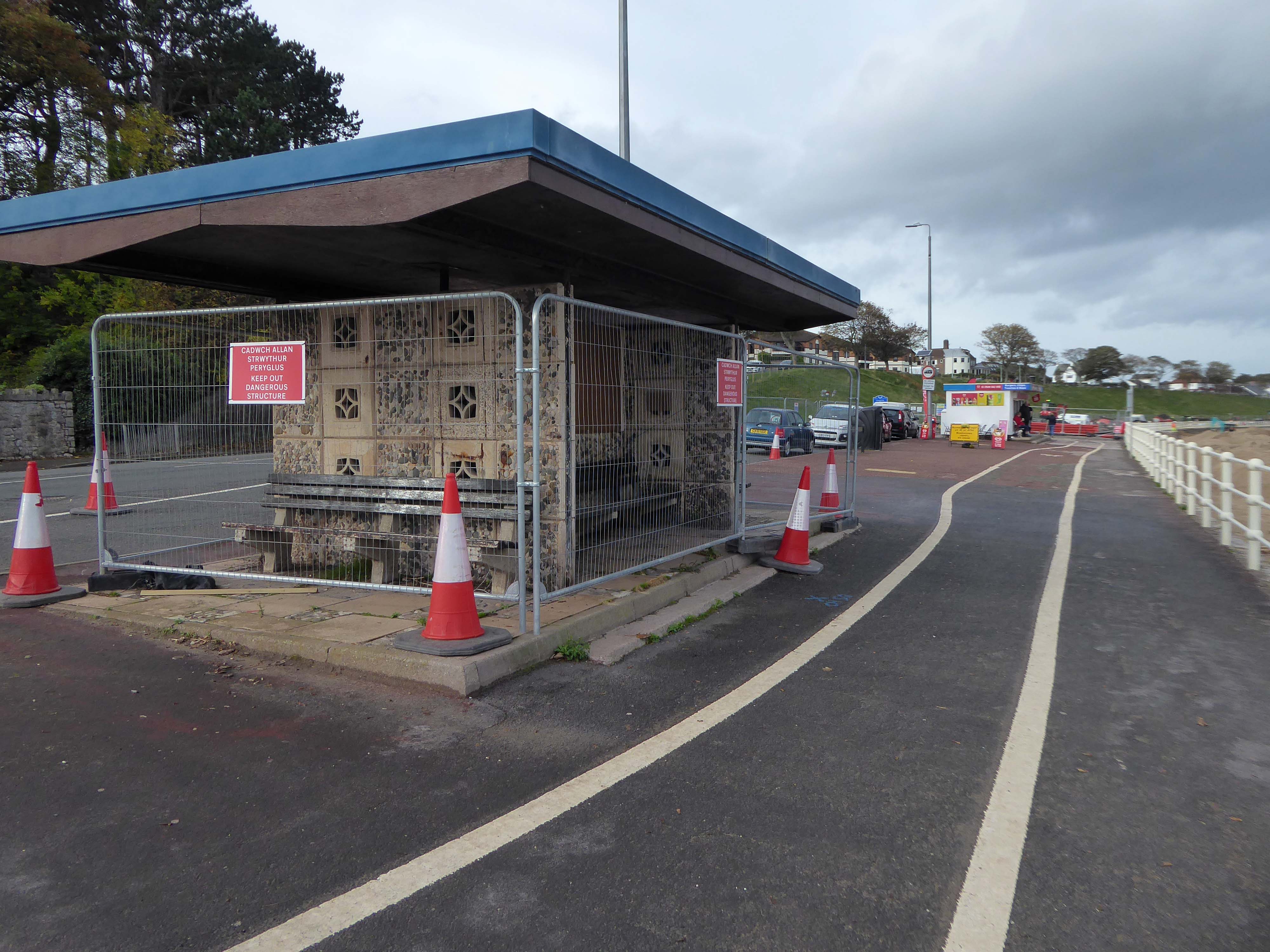
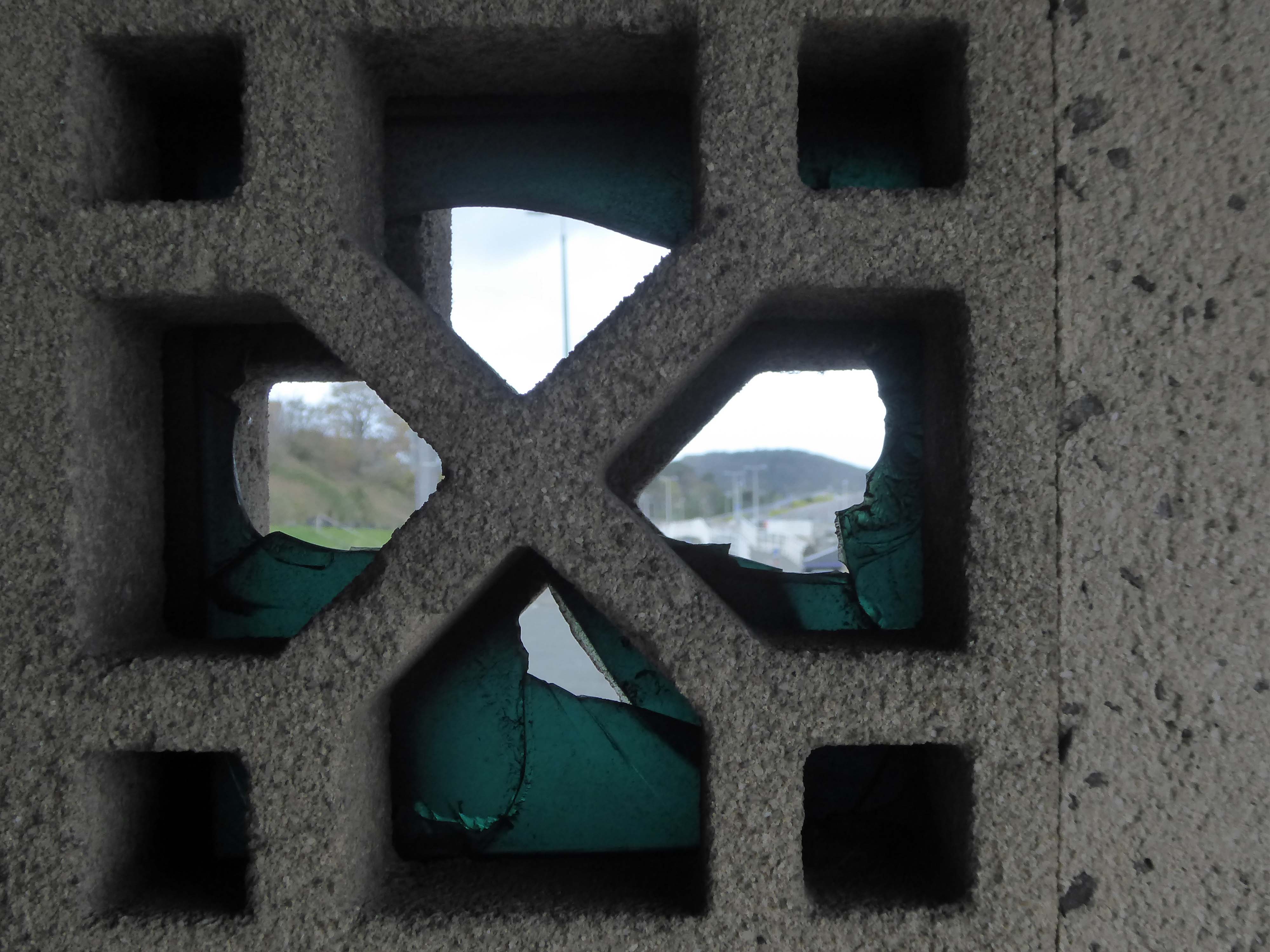
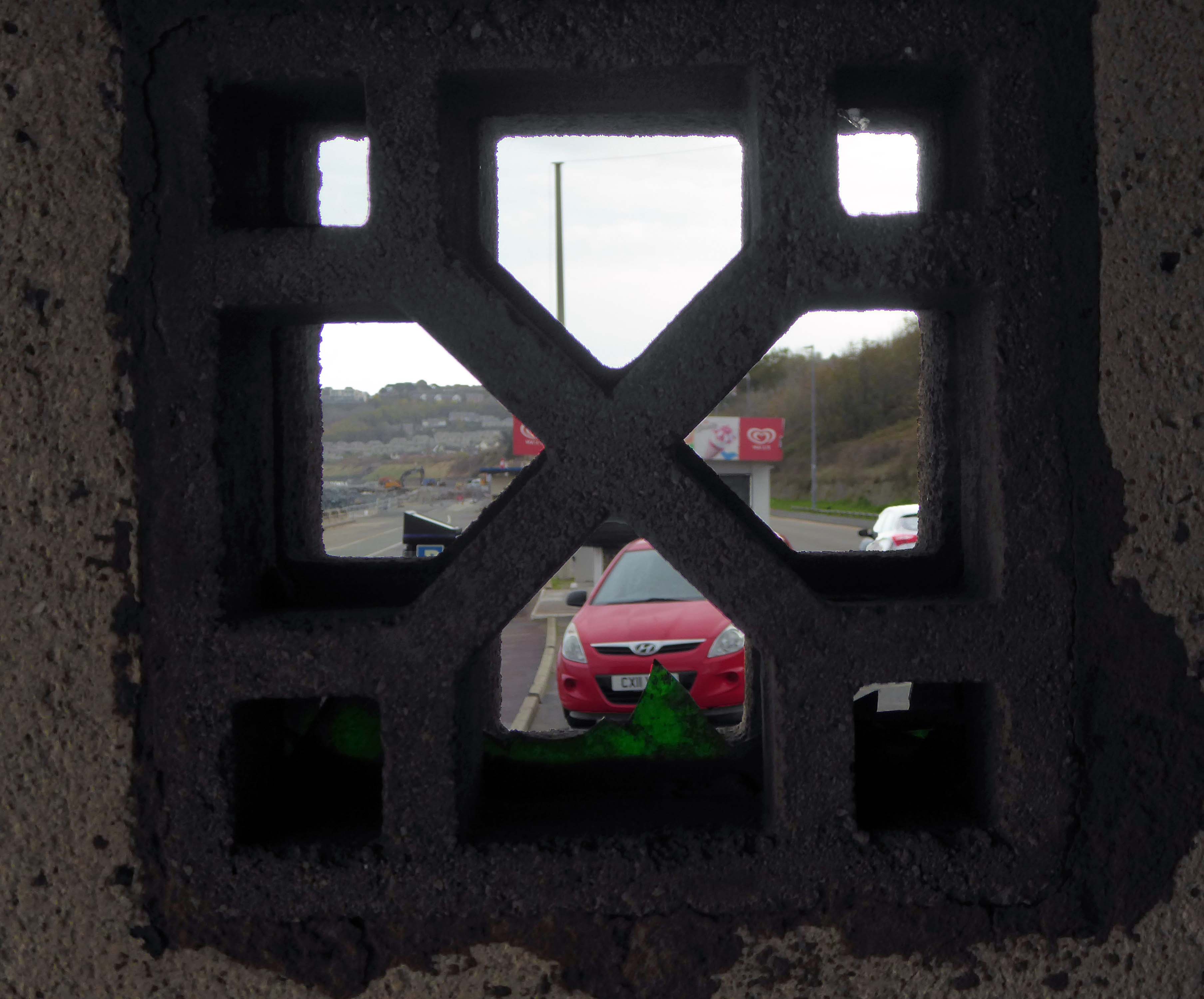
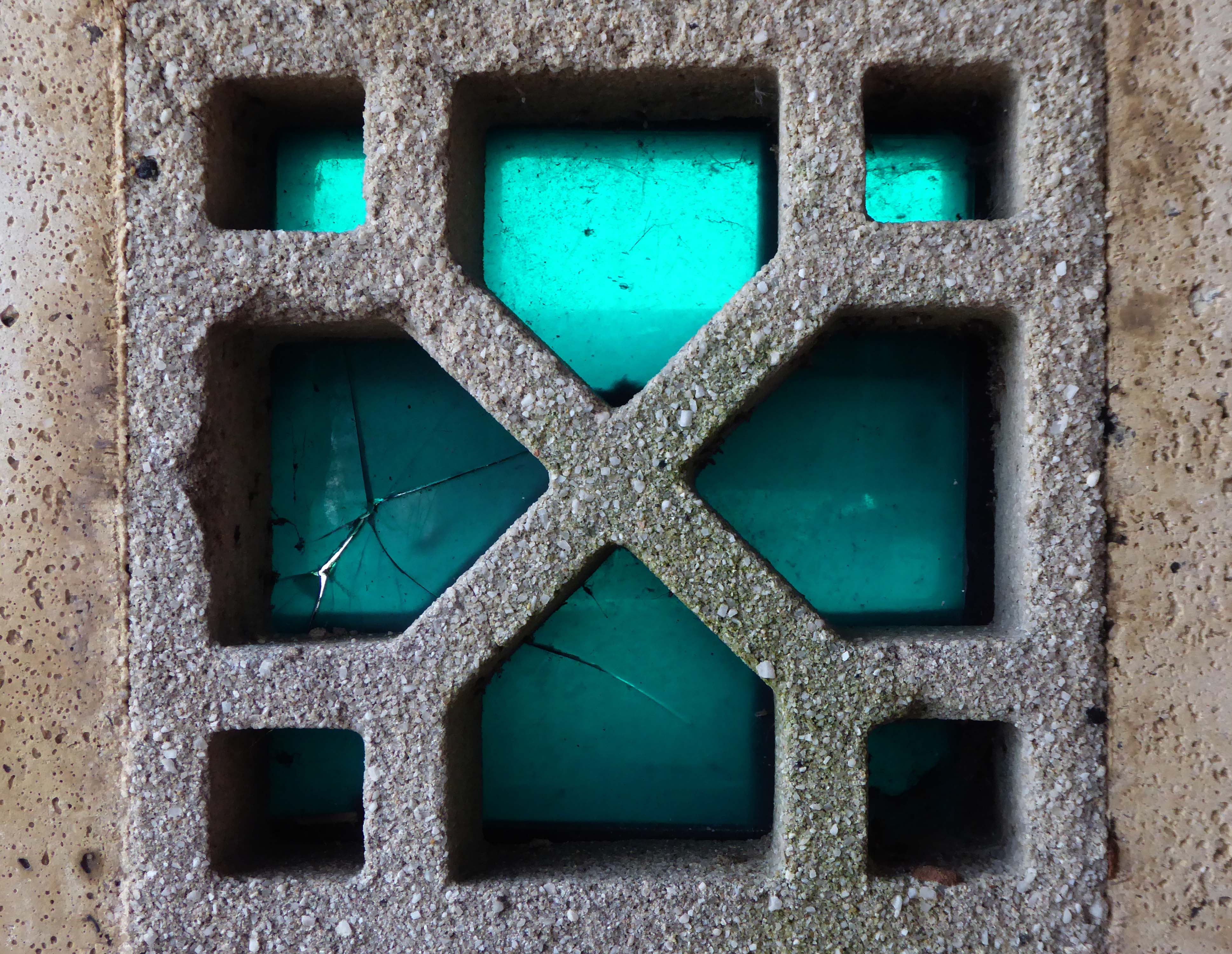
The last of the Rhos on Sea shelters is a dangerous customer suitably secured.

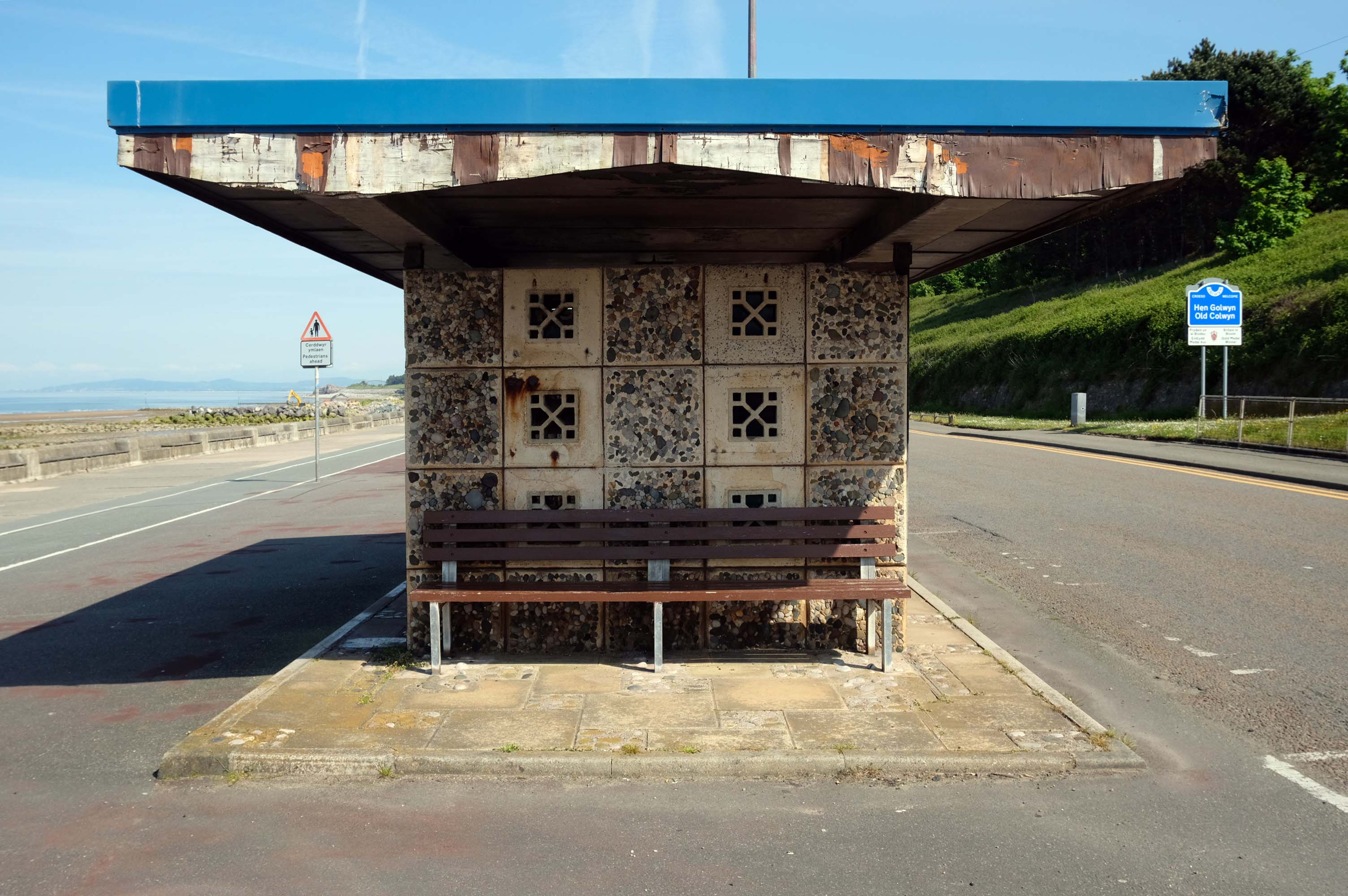
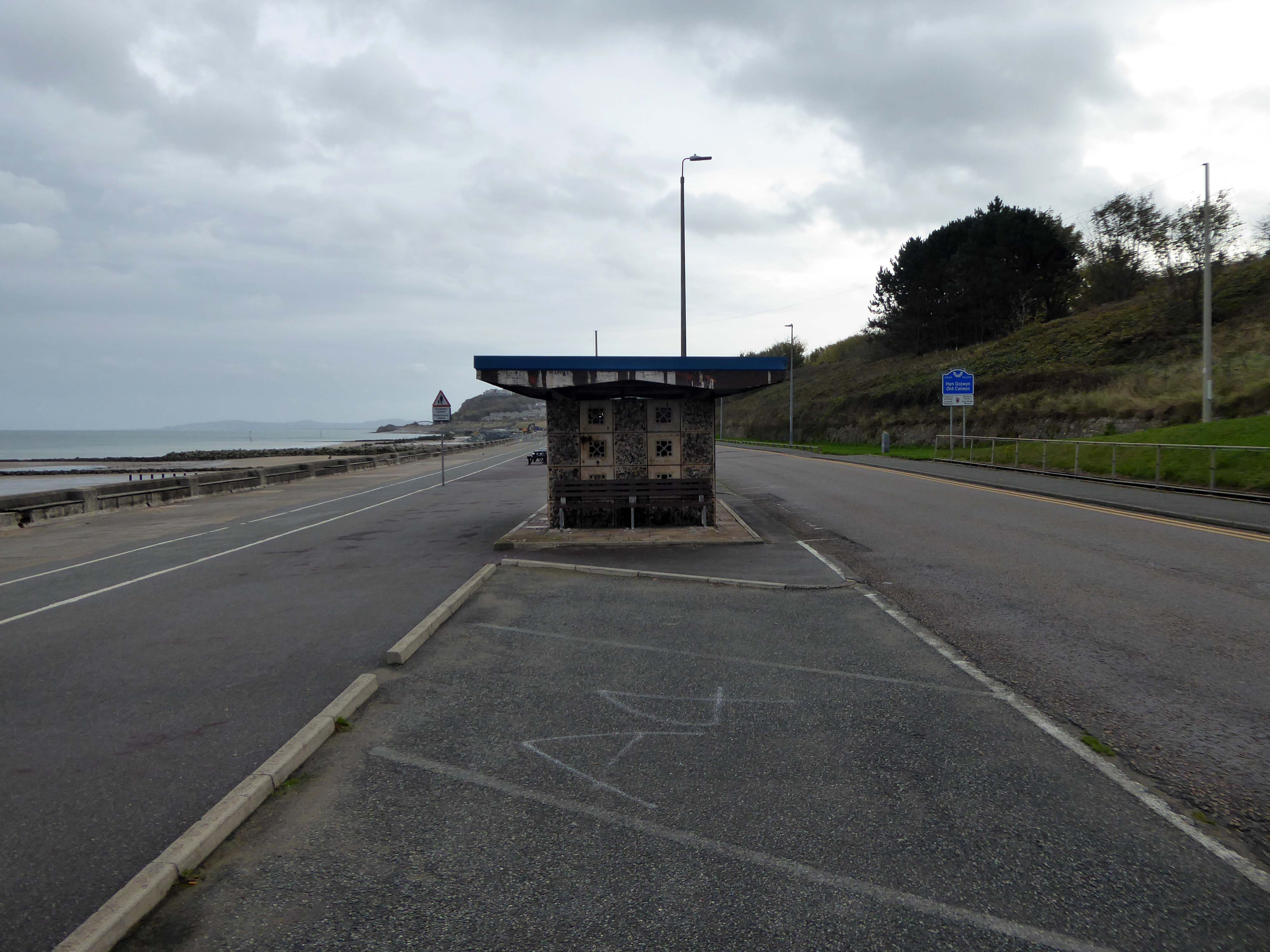
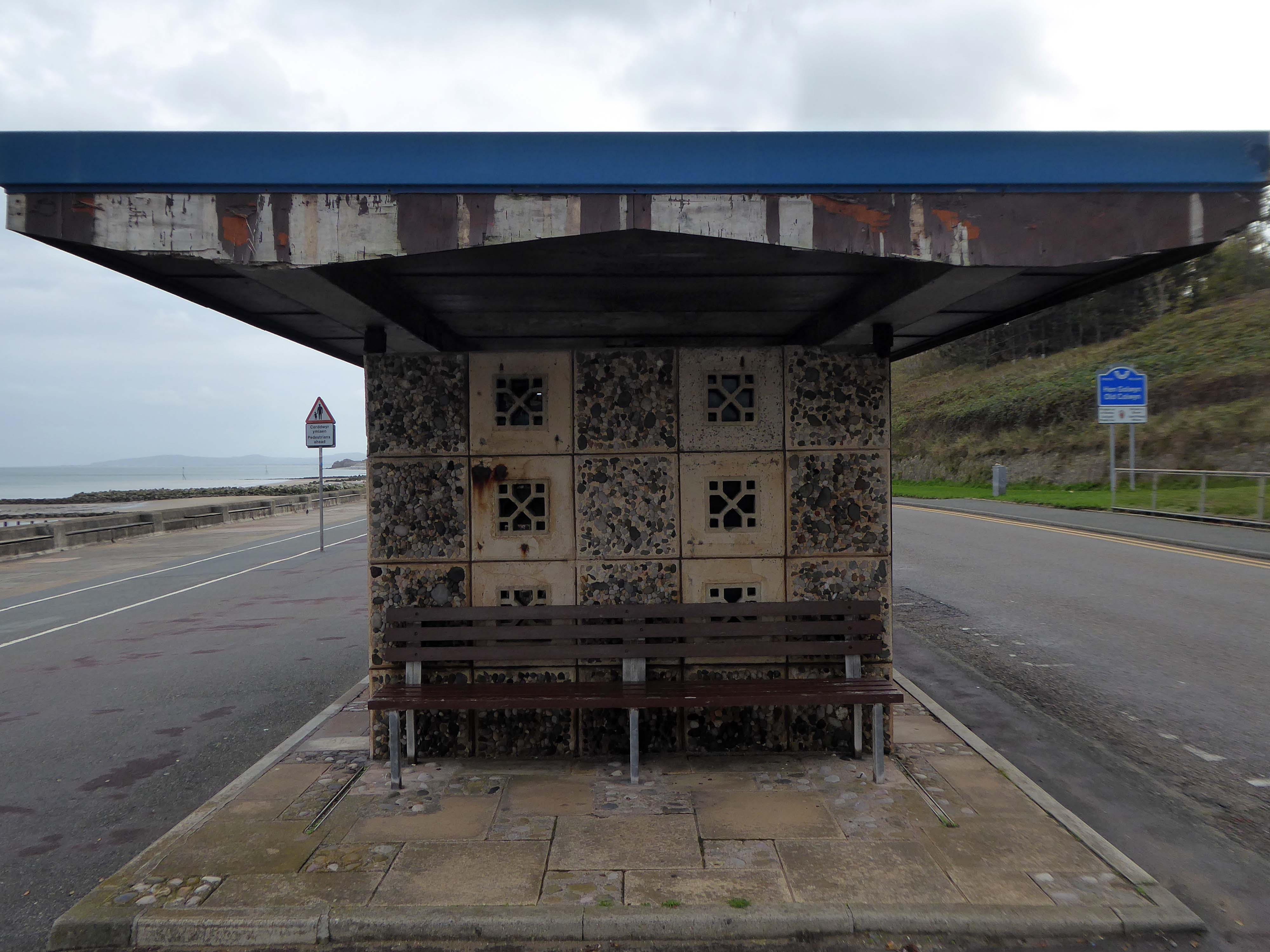
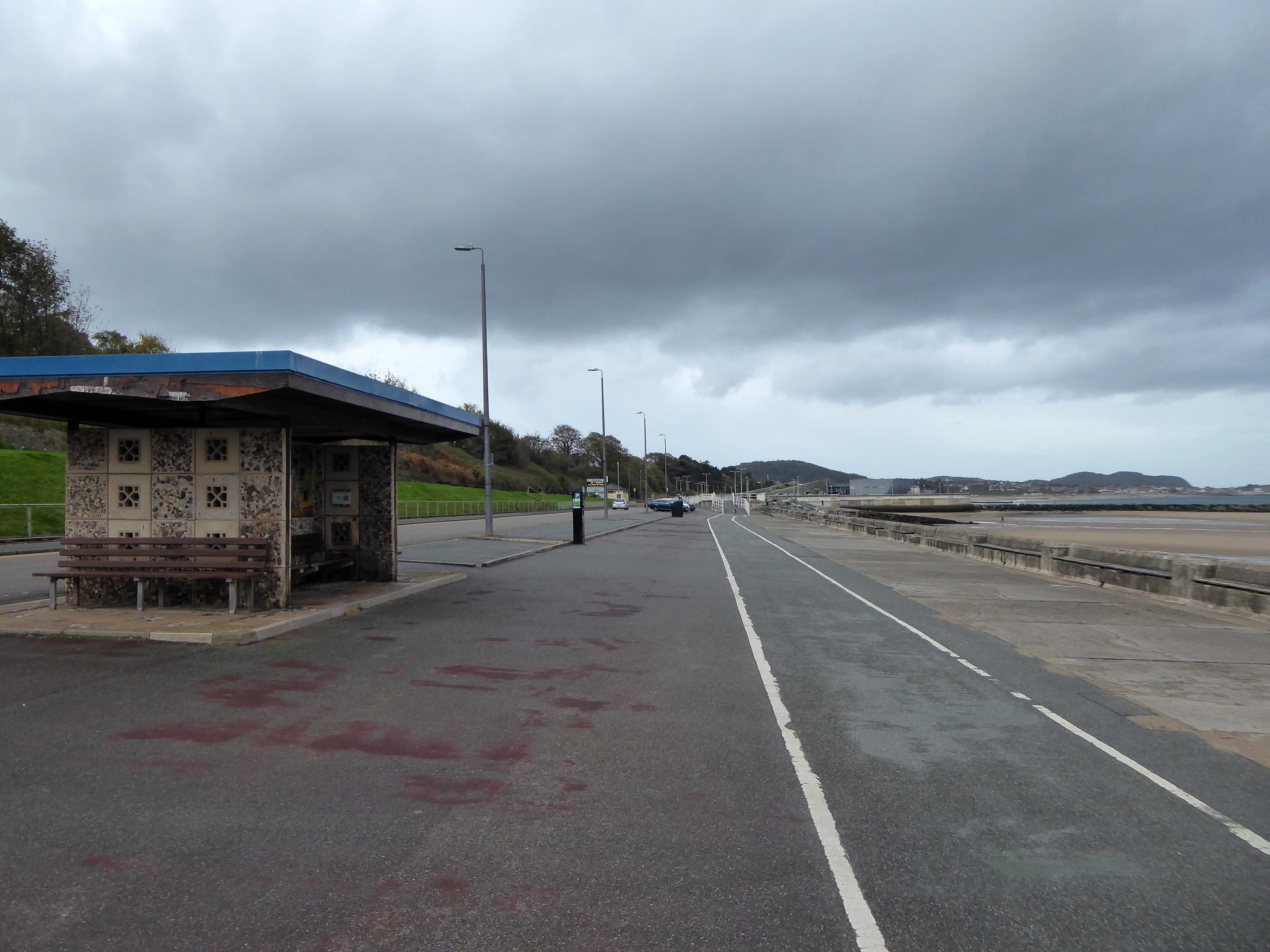
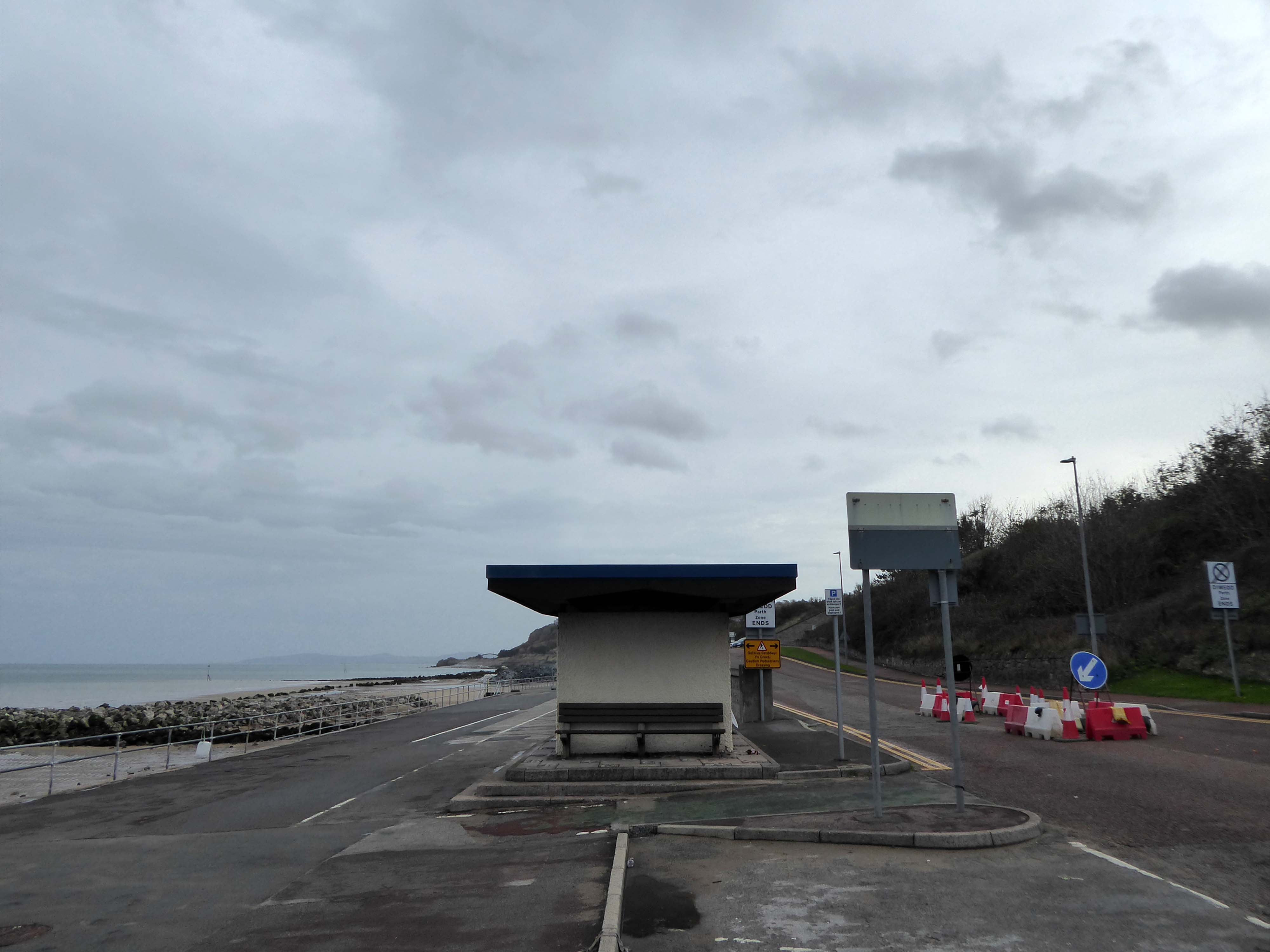
There remains two exemplars of the typology located at the Colwyn end of the bay.

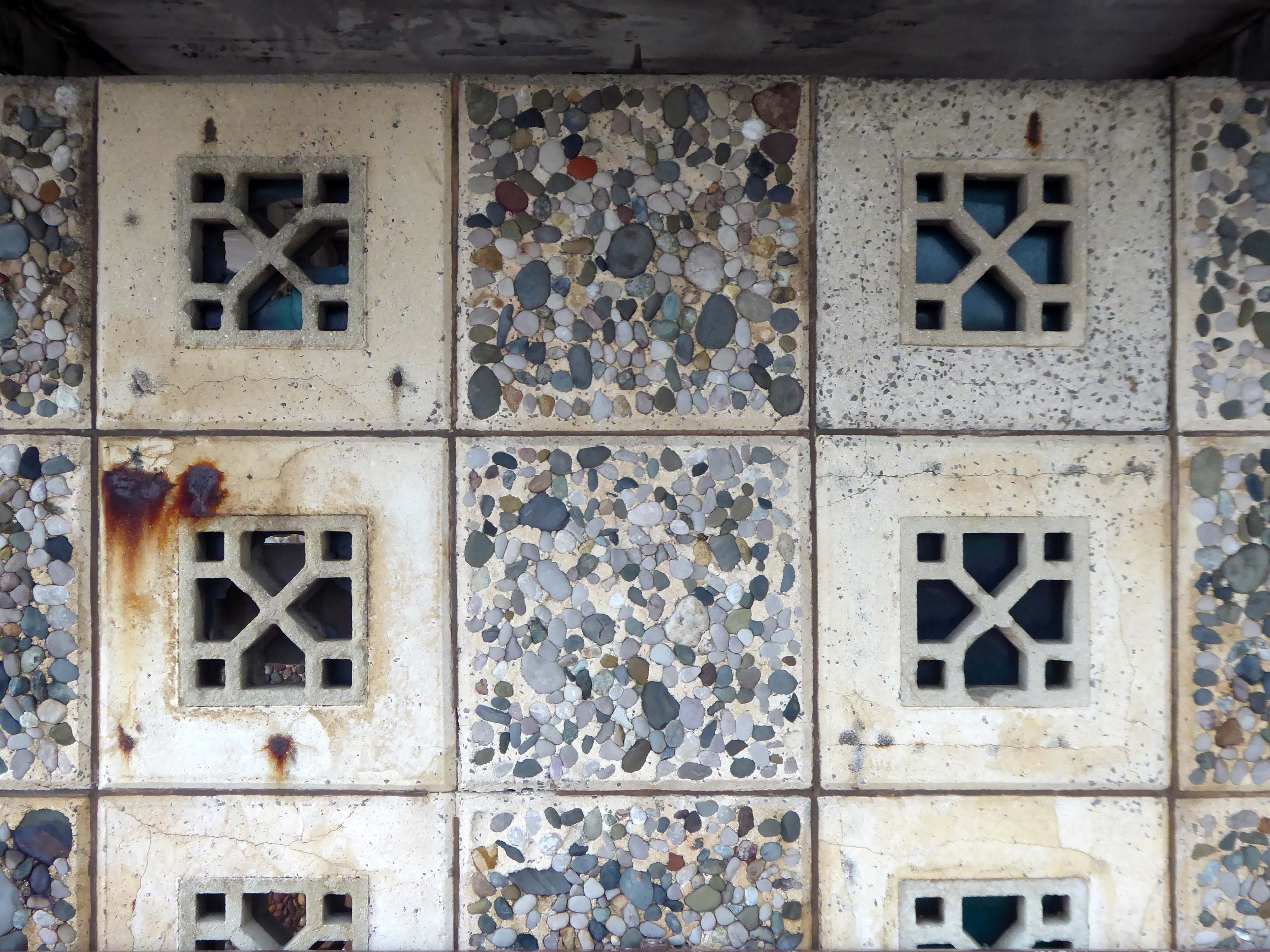
The second shelter lacks the pierced concrete blocks.

So work progresses on the coastal defences, the promenade is refashioned after a fashion in the fashion of the day.

There is no longer a place for these unique exemplars of Municipal Modernism.

Before the work began, the promenade was a tired, uninviting and underused public space. Poorly lit and often host to anti-social behaviour, the uneven surfacing and crumbling shelters were the results of years of patchwork repairs.

The project has transformed the area into a public space which the local community can take pride in and make use of all year round.

ice.org.uk

Desolate yet all undaunted, on this desert land enchanted

On this home by horror haunted – tell me truly, I implore

Is there, is there balm in Gilead?

Tell me, tell me, I implore

Quoth the Raven “Nevermore.”

Middleton Walk

Middleton has not the gloom of so many South Lancashire towns its size. It benefits from its position close to the hills, but it has also the advantage of a large medieval church on a hill and of a number of buildings by one of England’s most original architects of the period around 1900.

Nikolaus Pevsner – The Buildings of England

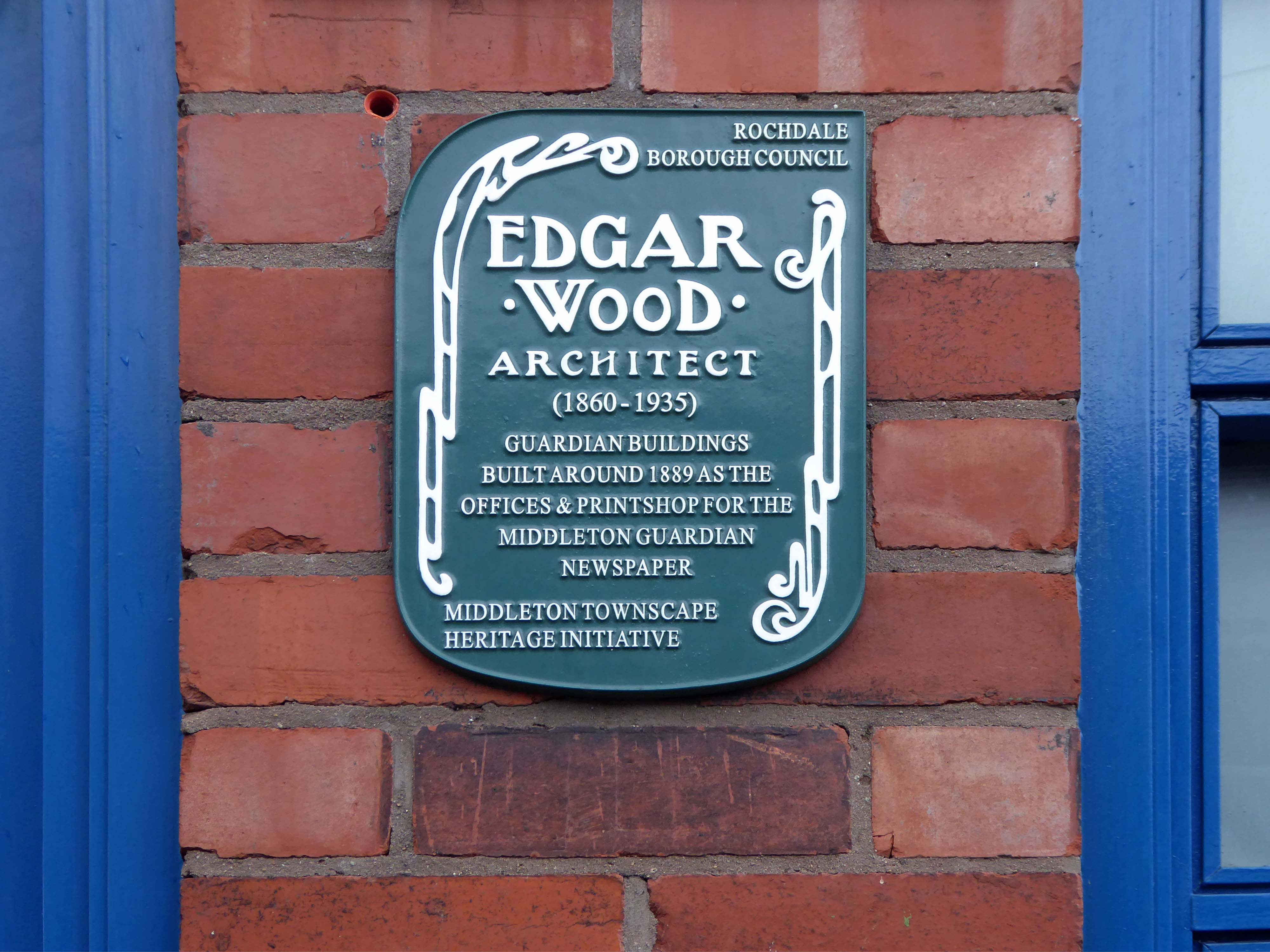
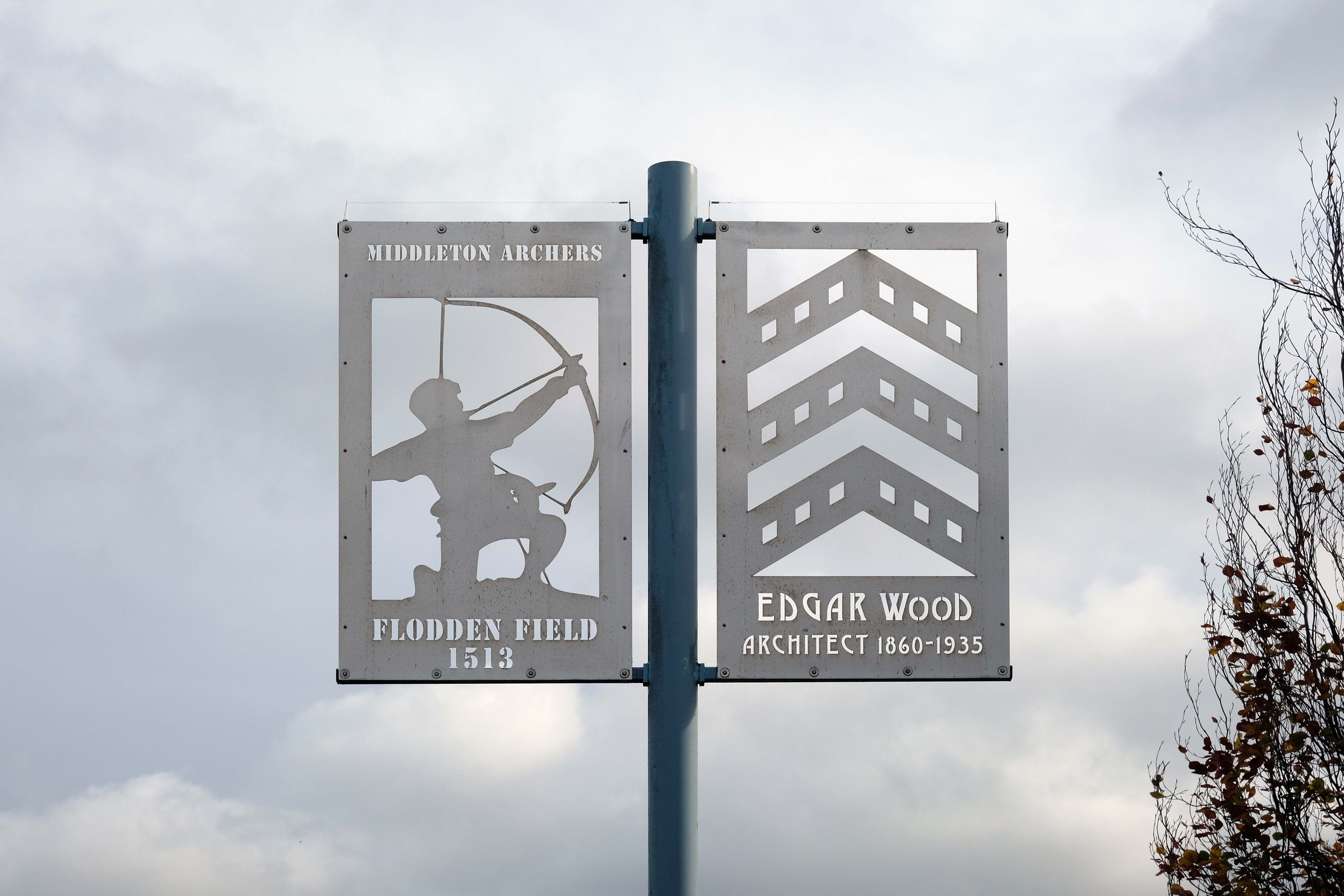
He refers to Edgar Wood 1860-1935

He was the most advanced English architect of his generation, stylistically moving through through art nouveau, vernacular, expressionist and finally art deco phases a decade or more before other designers. He became England’s uncontested pioneer of flat roofed modern buildings. He worked more like an artist than an architect, designing buildings, furniture, stained glass, sculpture, metal and plaster work.  His buildings are mostly clustered in the towns of Middleton, Rochdale, Oldham, Huddersfield and Hale.  Influenced by the writings of William Morris, he saw himself as an artisan serving the people of these localities.

We begin our tour at the Queen’s Jubilee Free Library of 1889 located on Long Street.

Sixty-seven sets of designs for the proposed free library at Middleton were received by the Corporation of that borough in response to their advertisement; and a joint committee comprising of six members of the Corporation and six non-members has awarded the premium to Mr Lawrence Booth, architect of this city.

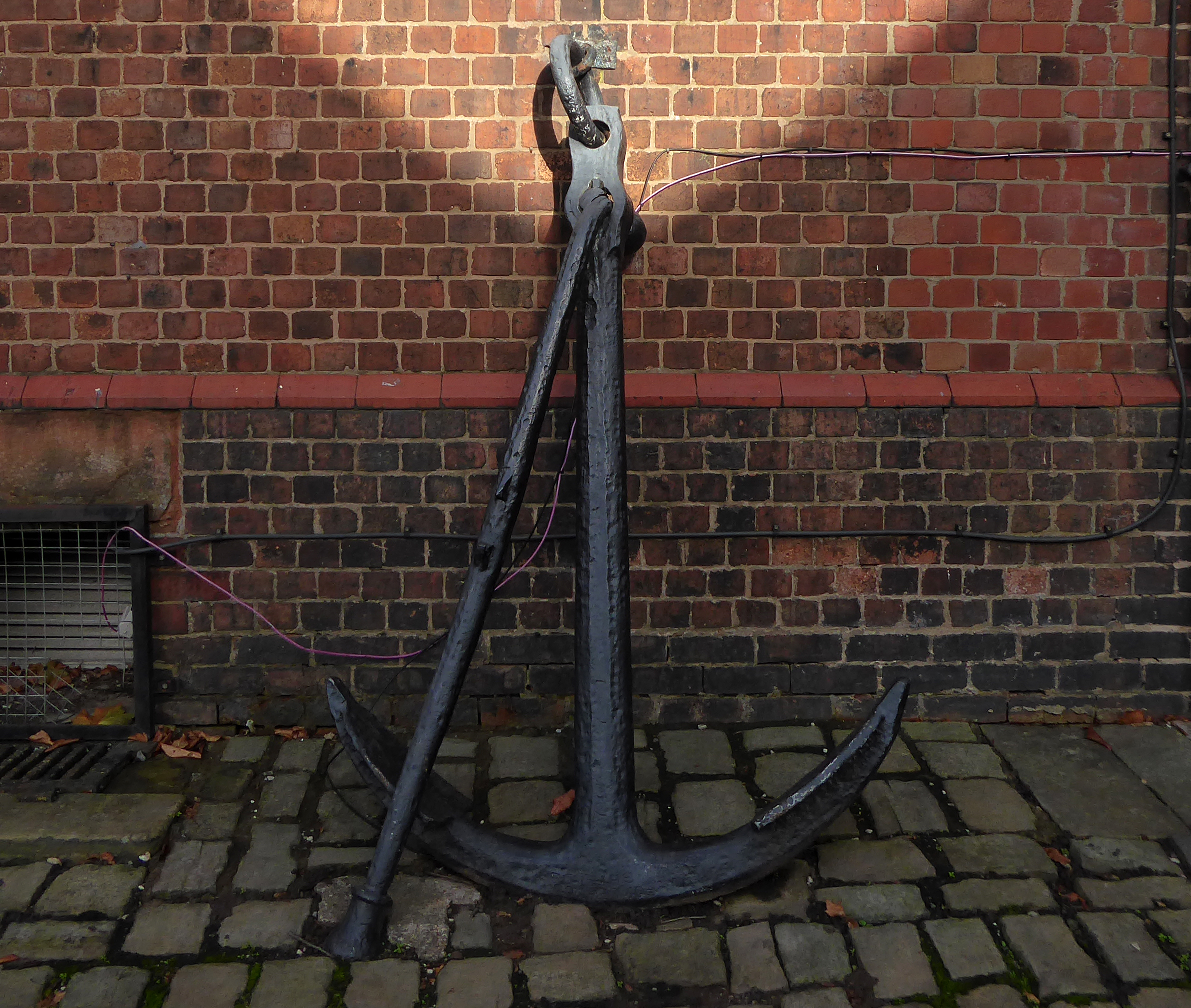
Curiously, we encounter an anchor.

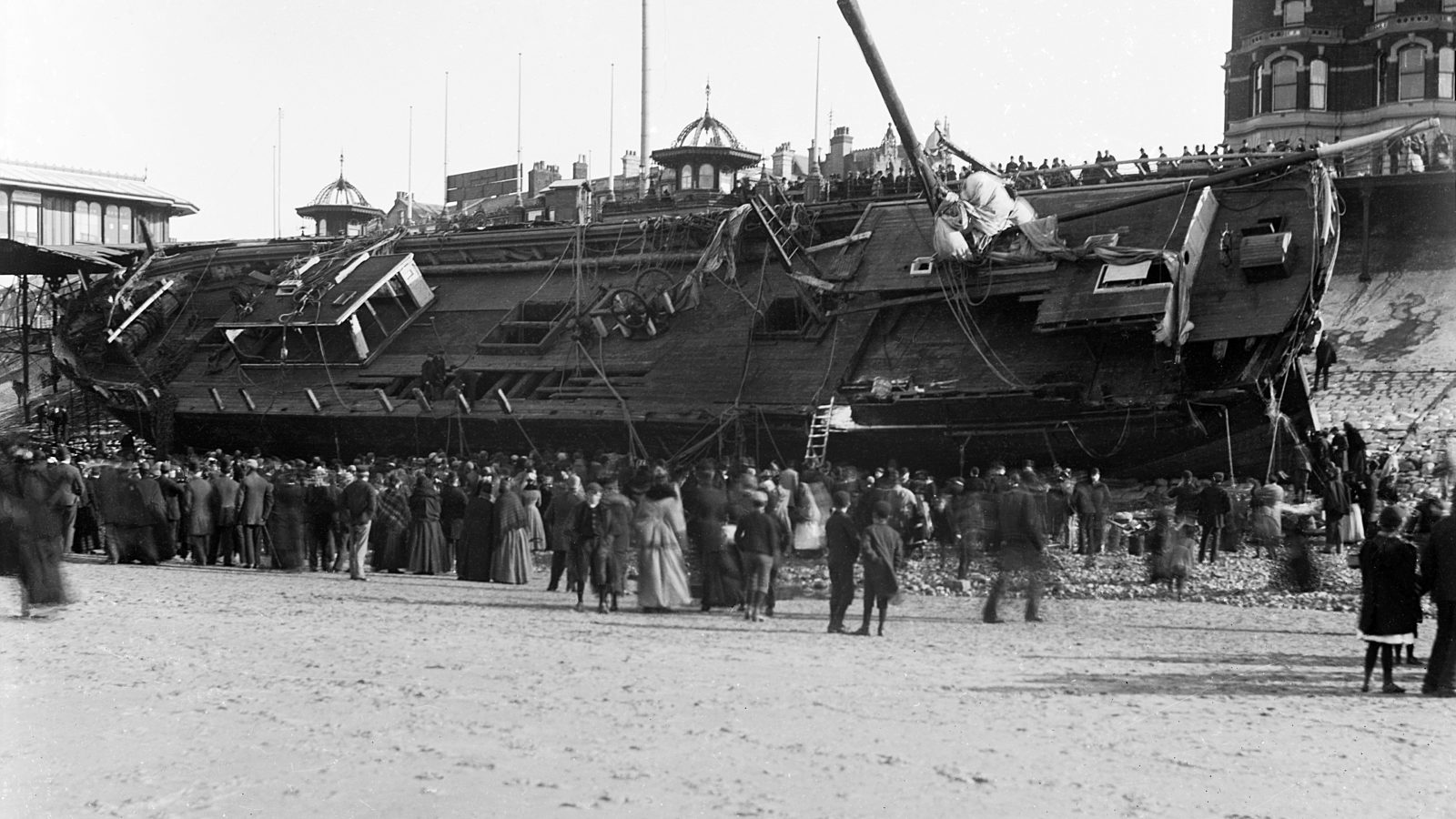
Around 10pm that evening when weather conditions deteriorated to near hurricane-force gales, with the Sirene making little headway despite tacking.

Losing her helm, her sails in tatters and within sight of the Great Orme, the gales drove her back through the night towards the Lancashire coast. Eventually, and with great difficulty, Captain Gjertsen and his crew managed to manoeuvre the stricken vessel between the Central and North Piers. Becoming increasingly unmanageable, and swept in by the rushing tide and gale force winds, the Sirene looked a doomed vessel. She was helpless in the close shore currents, and unable to drop anchor she was at the mercy of the waves. She was carried alongside the North Pier, tearing off a section of the pier superstructure and part of her own keel.

Thousands of people lined the Promenade to witness the spectacle as she came in on the south side of the pier; many more stood on the pier itself, but there was a mad rush for safety when the ship collided against the structure.

Heritage Blackpool

The captain and crew survived, including the ship’s cat, many offers were made for the cat, but the captain refused them.

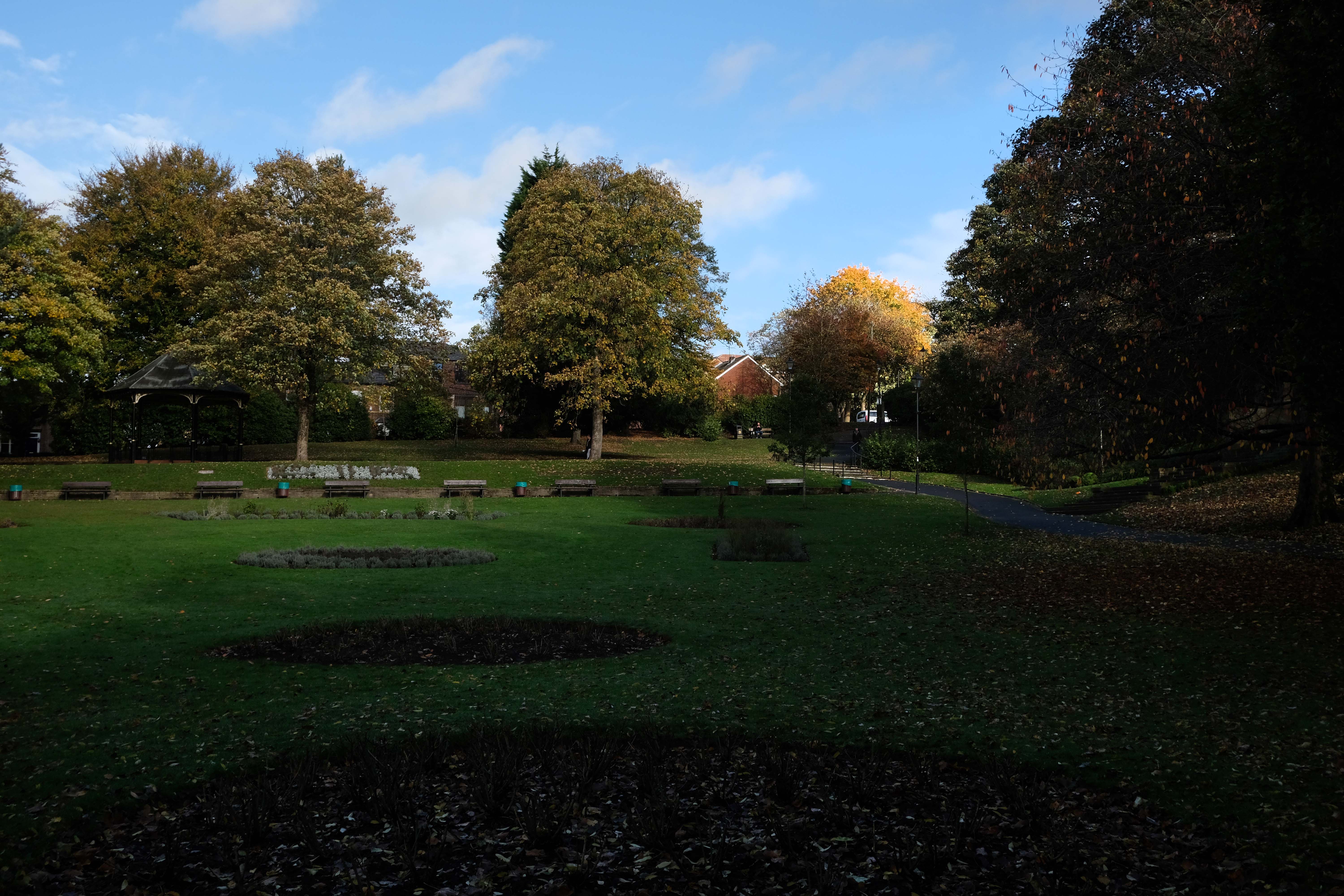
Onwards through Jubilee Park opened in 1889 to commemorate the Golden Jubilee of Queen Victoria.

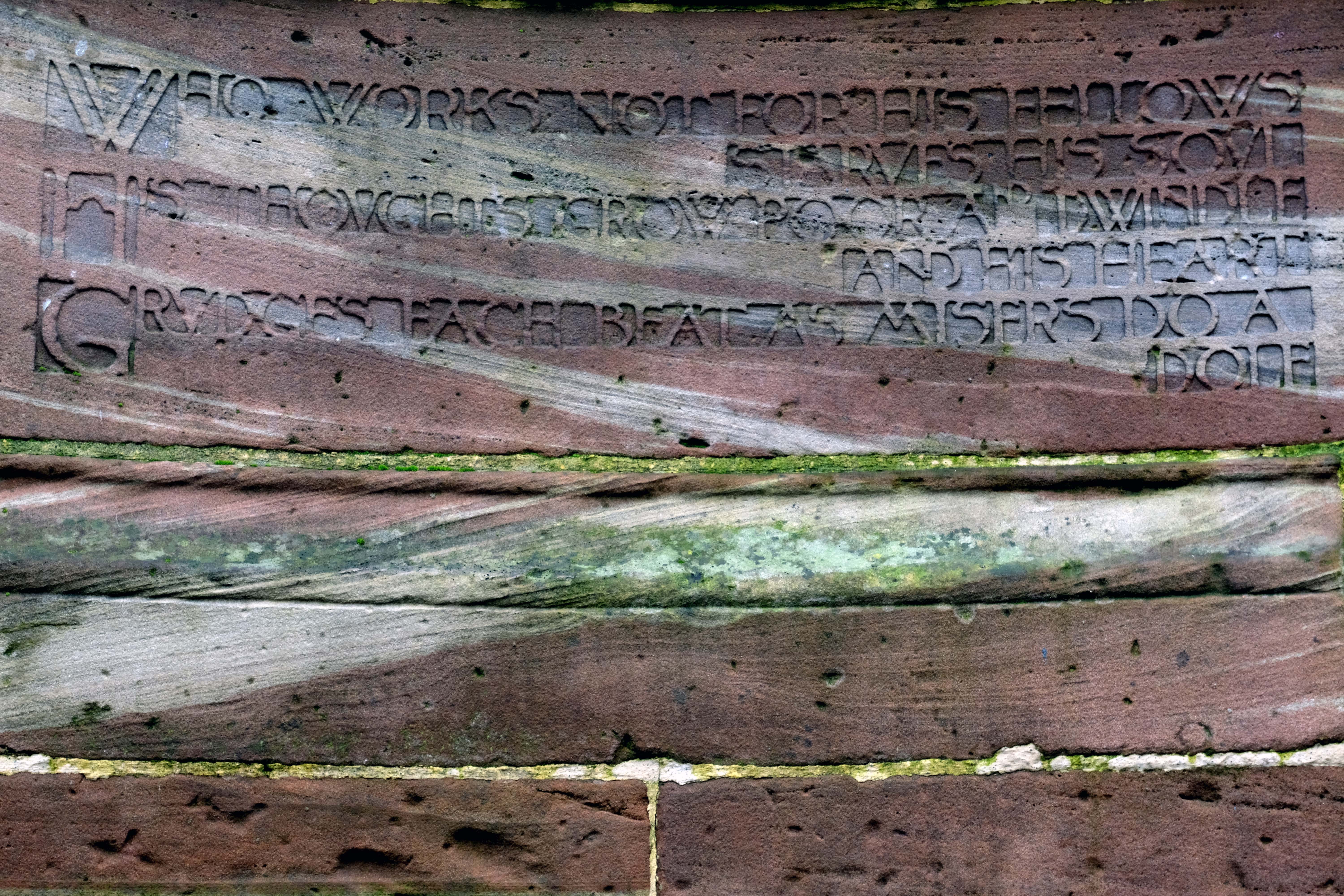
In 1906 Alderman Thomas Broadbent Wood commissioned his son, Edgar, to design a flight of steps to lead up to a contemplation spot in the park – the inscription reads:

Who works not for his fellows starves his soul.

His thoughts grow poor and dwindle and his heart grudges each beat, as misers do a dole.

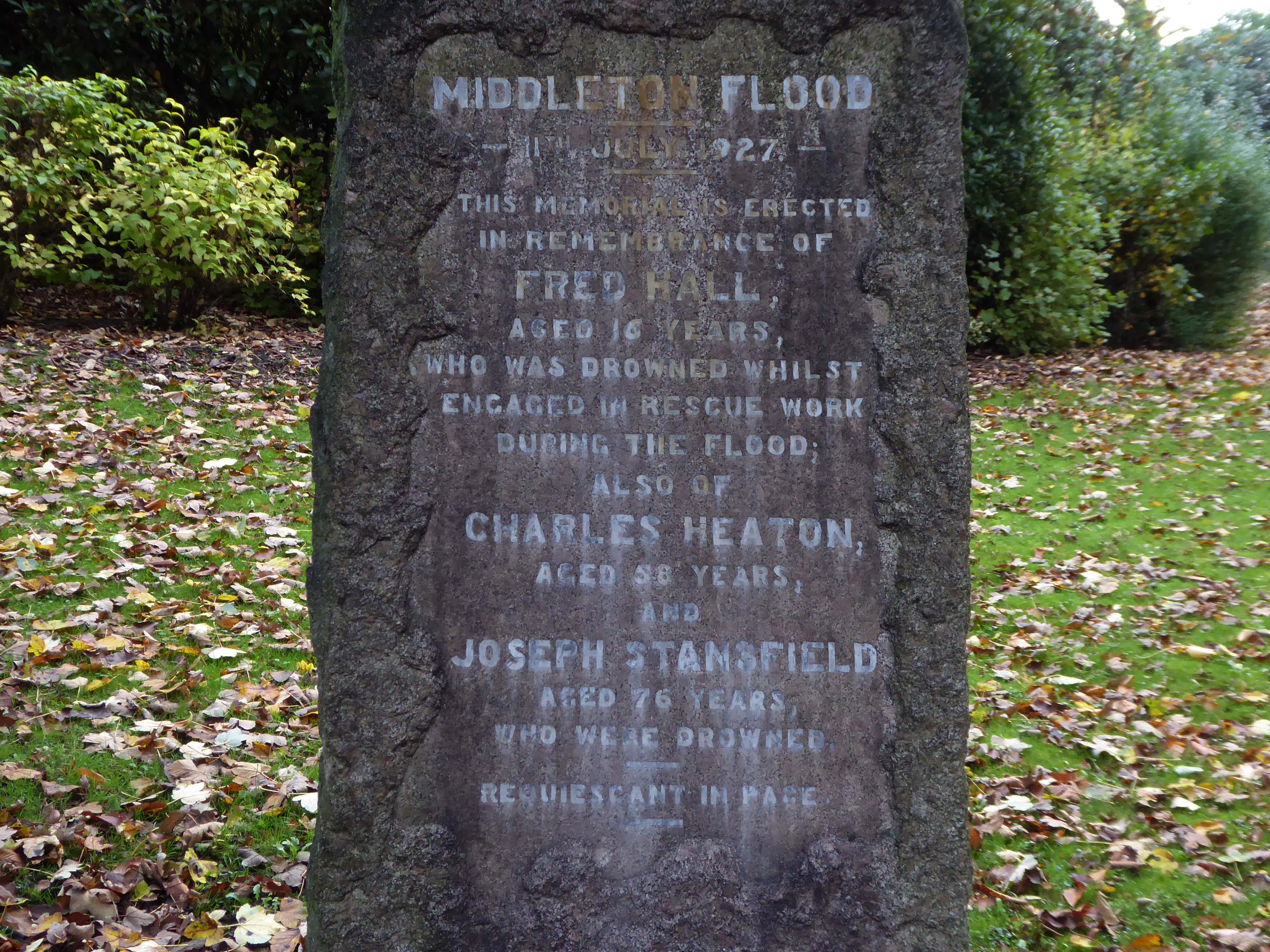
Nearby we find a memorial to the Middleton Flood – following torrential rain, the canal embankment at Mills Hill broke, flooding the already swollen River Irk, subsequently deluging the town.

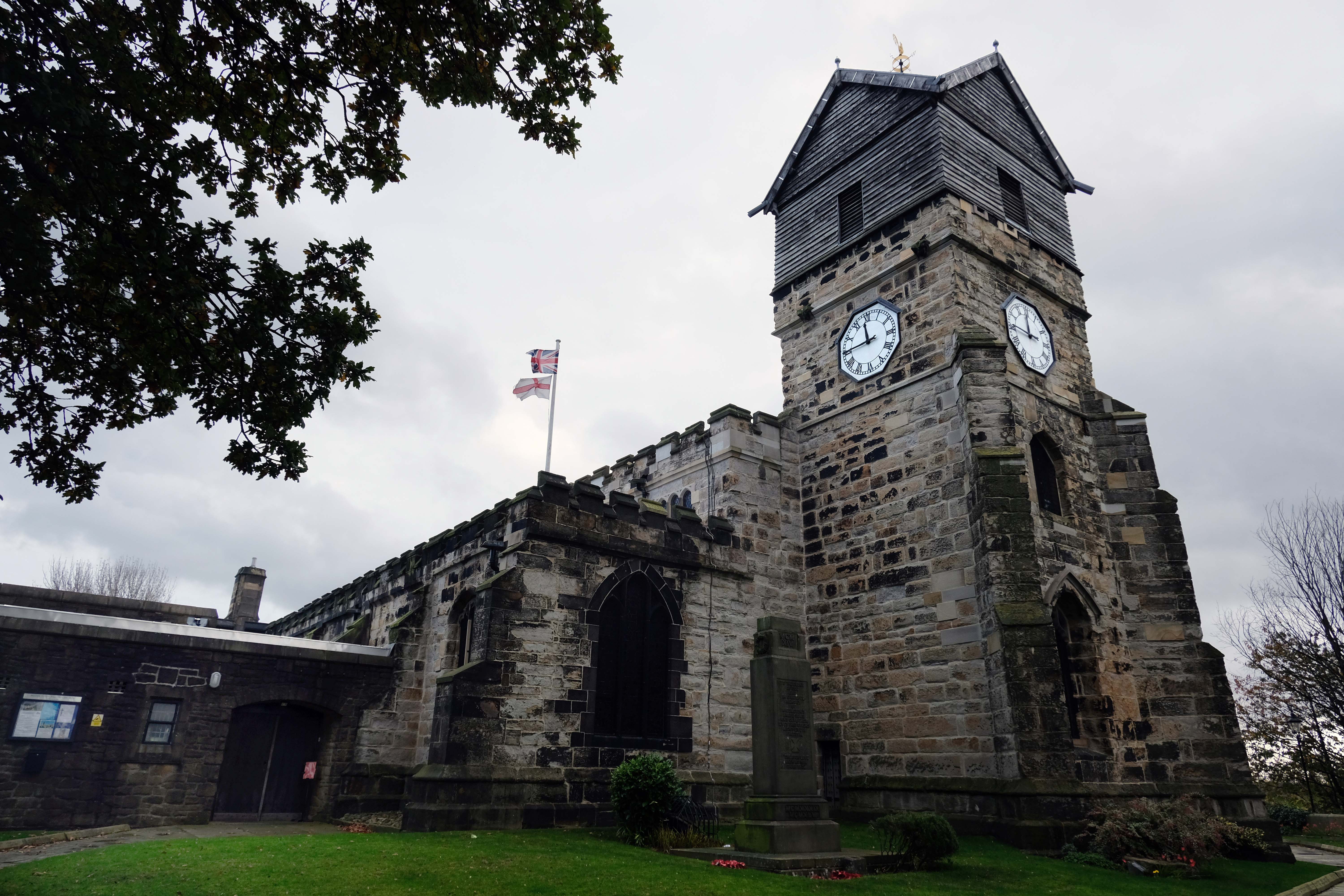
Up the hill to Grade 1 Listed Parish Church of St Leonard.

Much of the present building was erected in 1412 by Thomas Langley – born in Middleton in 1363, who was Bishop of Durham and Lord Chancellor of England. He re-used the Norman doorway from an earlier structure to create the tower arch. Also distinctive in this region is the weather-boarded top stage to the tower.

The church of St Leonard was enlarged in 1524 by Sir Richard Assheton, in celebration of the knighthood granted to him by Henry VIII of England for his part in the Battle of Flodden in 1513. The Flodden Window, in the sanctuary, is thought to be the oldest war memorial in the UK. It commemorates on it the names of the Middleton archers who fought at Flodden. The church also has one of the finest collections of monumental brasses in the north of England, including the only brass in the UK depicting an English Civil War officer in full armour, Major-General Ralph Assheton.  

George Pace designed a war memorial and, in 1958, added a choir vestry and installed new lighting.

Wikipedia

This image has an empty alt attribute; its file name is dscf3808.jpg

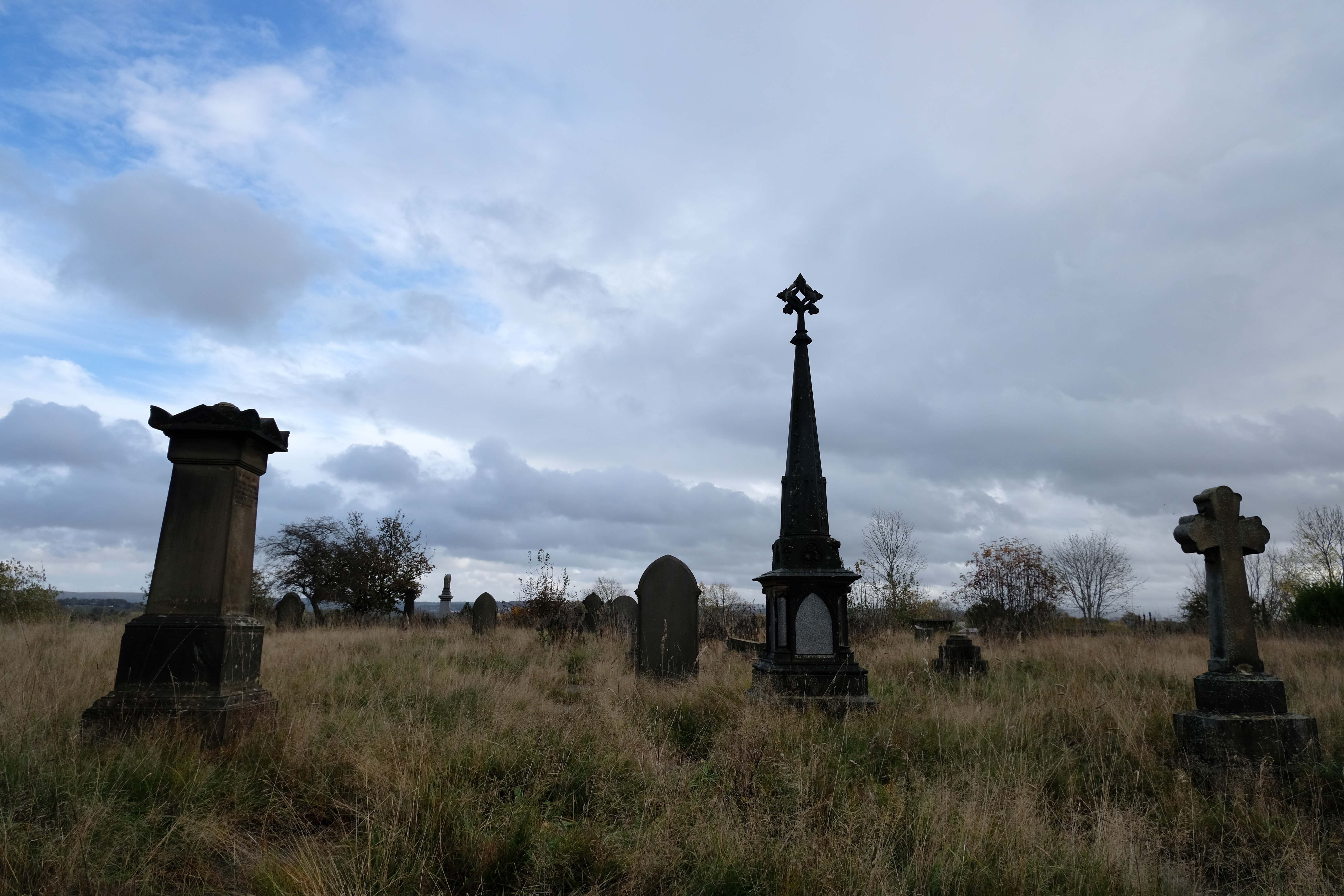
Middleton Old Cemetery once the Thornham and Middleton Burial Ground, which became the local authority cemetery in 1862.

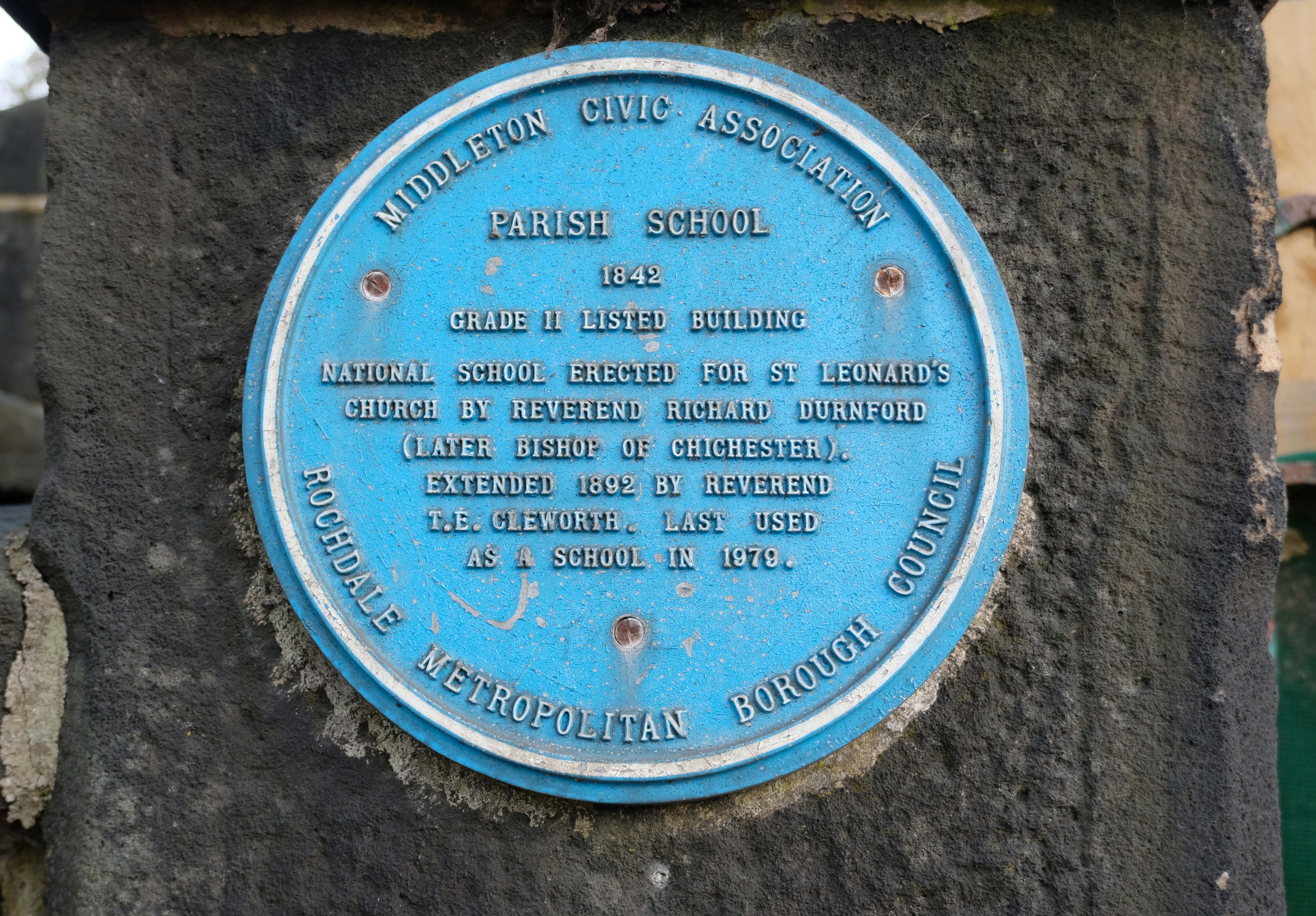
Retrace to the Library – adjacent is the Parish School 1842

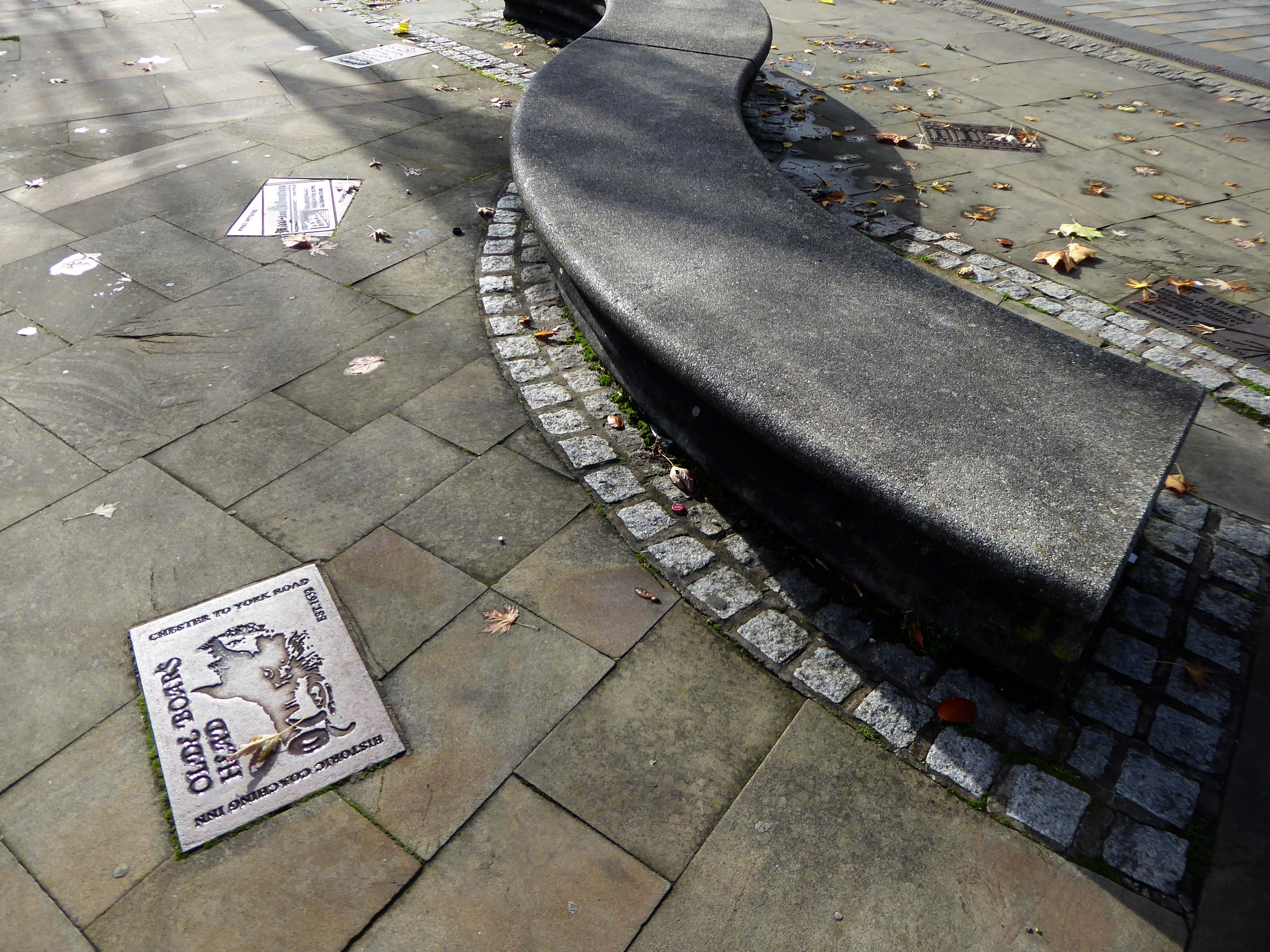
Across the road the Old Boar’s Head

Part of the timber framing to the right of the front door has recently been tree-ring dated and confirms a building date of 1622. The first tenant was Isaac Walkden, son of Middleton schoolmaster, Robert Walkden. Isaac died during a typhus epidemic in the summer of 1623. His will, preserved at Lancashire Archives, includes an inventory of all his possessions listed on a room by room basis. There were a total of 9 beds and 20 chairs or stools in the 6 rooms. This, together with barrels, brewing vessels, pots, glasses, etc, strongly suggest the building was an inn. The Walkden family went on to run the Boar’s Head until the end of the 17th century. They also farmed nearby land including what is now Jubilee library and park.

In 1888, the fledgling Middleton Corporation purchased the building from the church with the intention of demolishing it to build a town hall. Discussions were held in 1914 but, thankfully, the plan was abandoned due to an outcry from the public spearheaded by architect Edgar Wood.

Down the road is Wood’s Methodist Church and School Rooms 1897.

Tucked away is the Durnford Street Clinic.

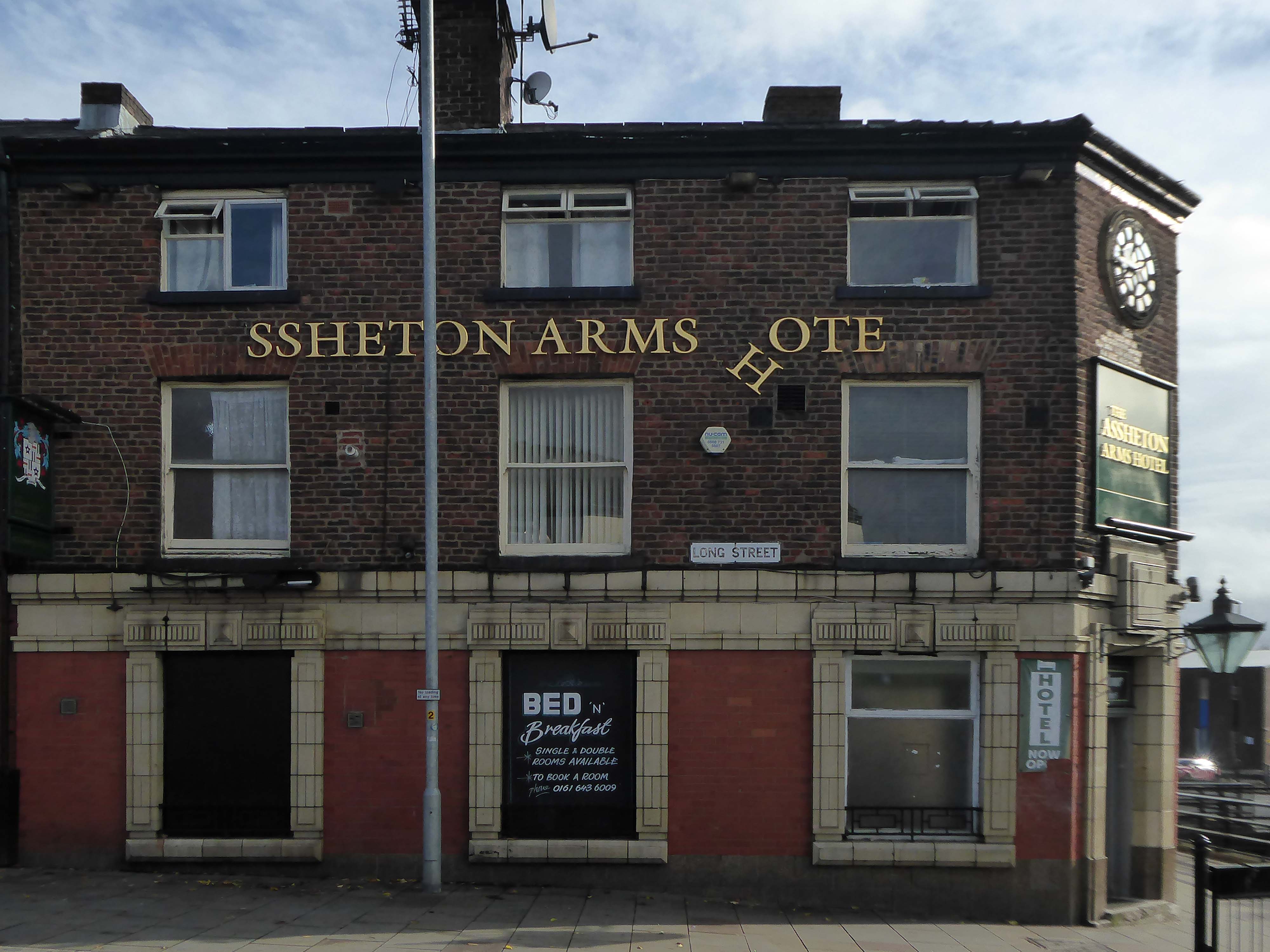
Further down Long Street to the Assheton Arms Hotel.

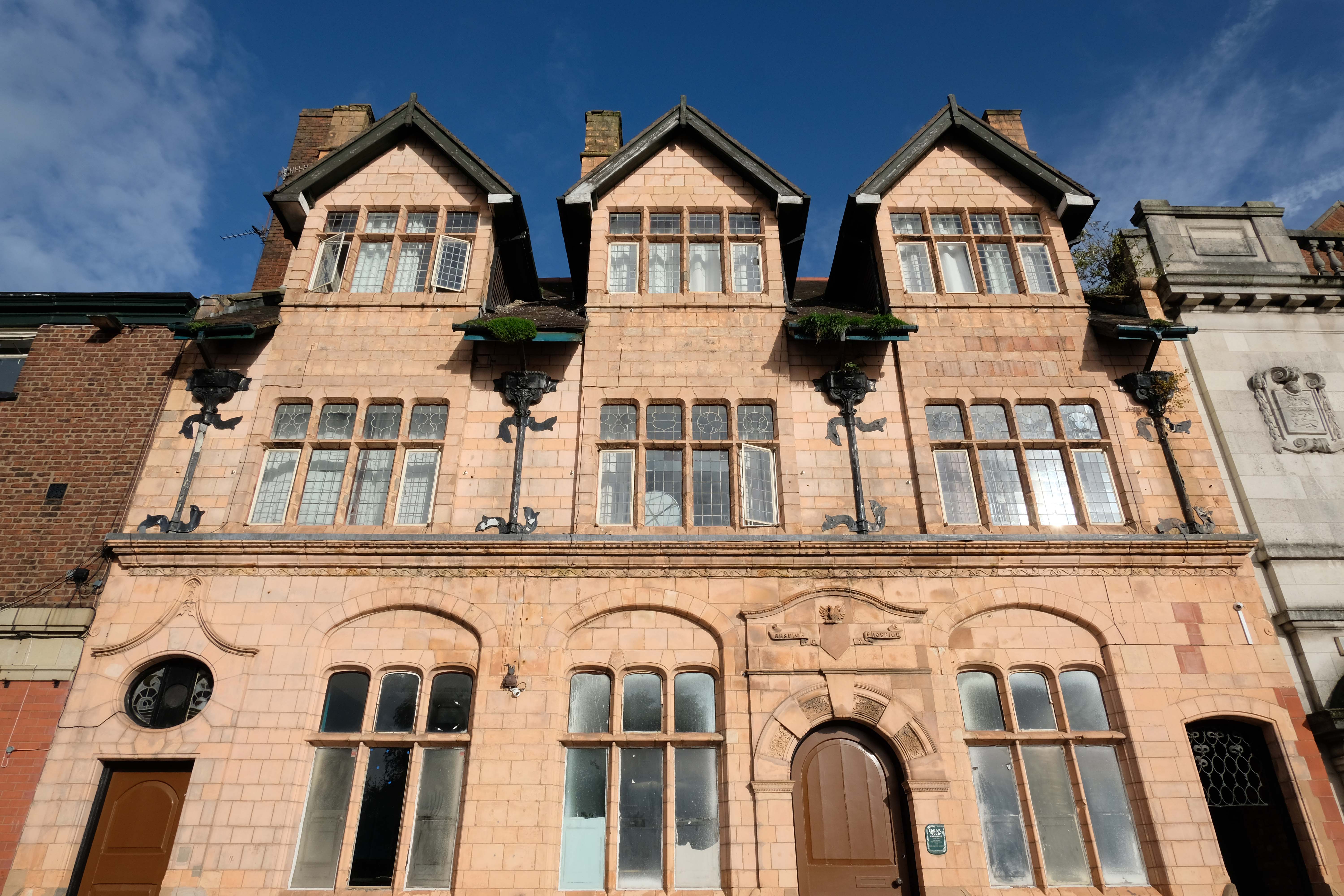
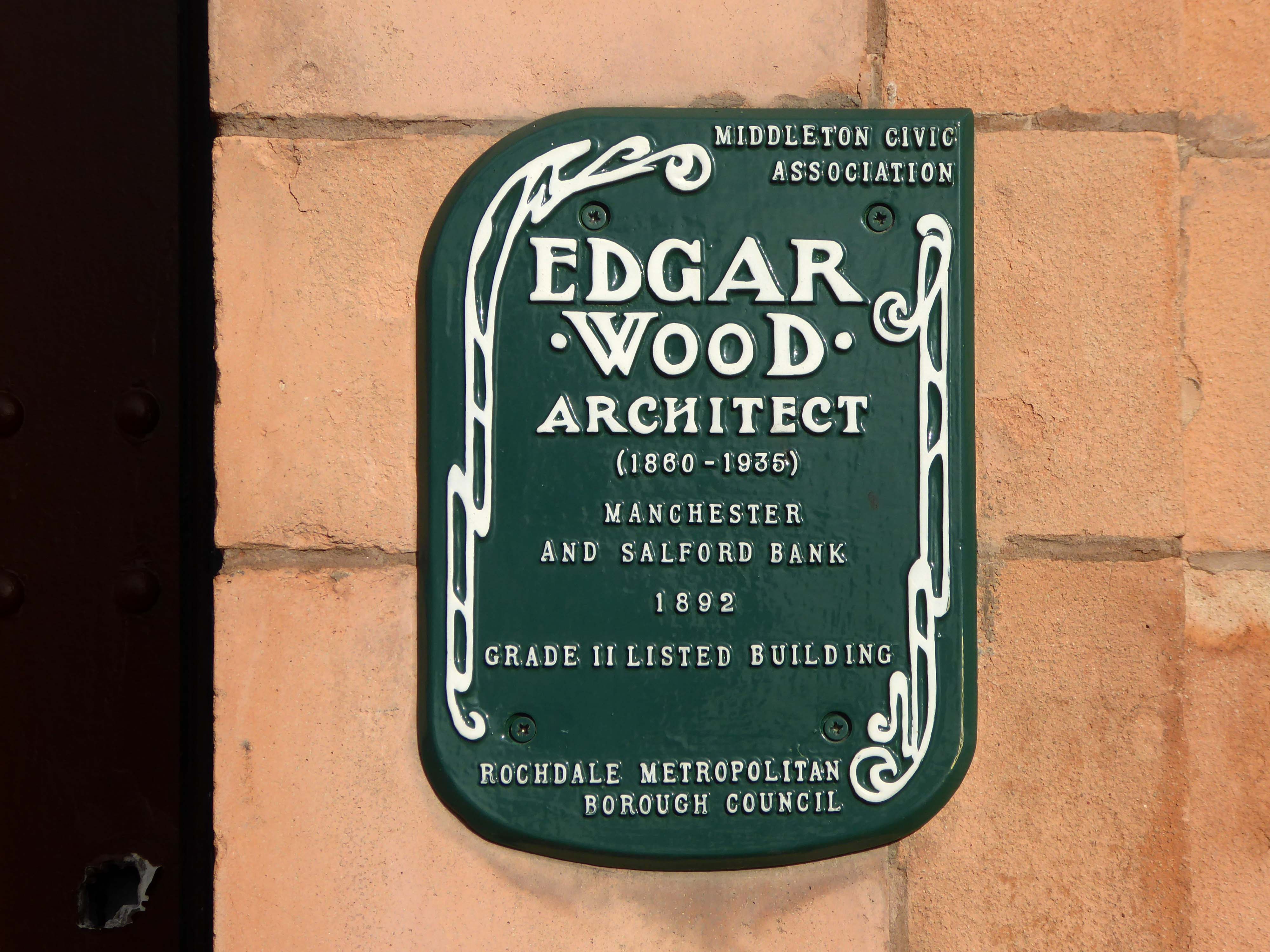
Then around the corner to the Manchester & Salford Bank again by Edgar Wood

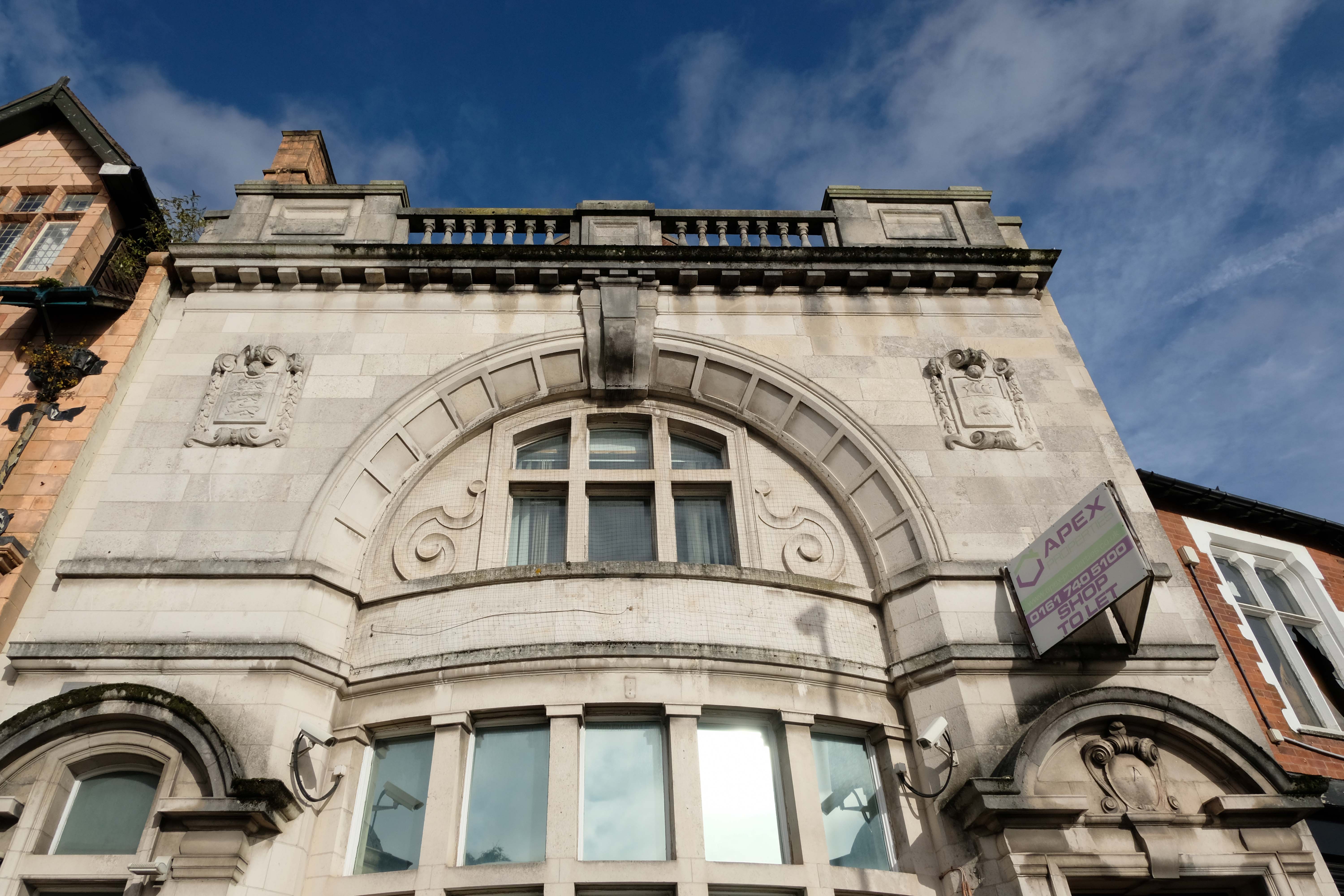
Next door the former Market Place Bank latterly RBS.

Plans to convert a long-vacant town centre bank into a nightclub have been revived despite previously being rejected over anti-social behaviour concerns.

An application to change the use of the former Royal Bank of Scotland, in Middleton, was refused by Rochdale council’s planning committee eighteen months ago, with members citing a history of alcohol-fuelled trouble in the area.

Rochdale Online

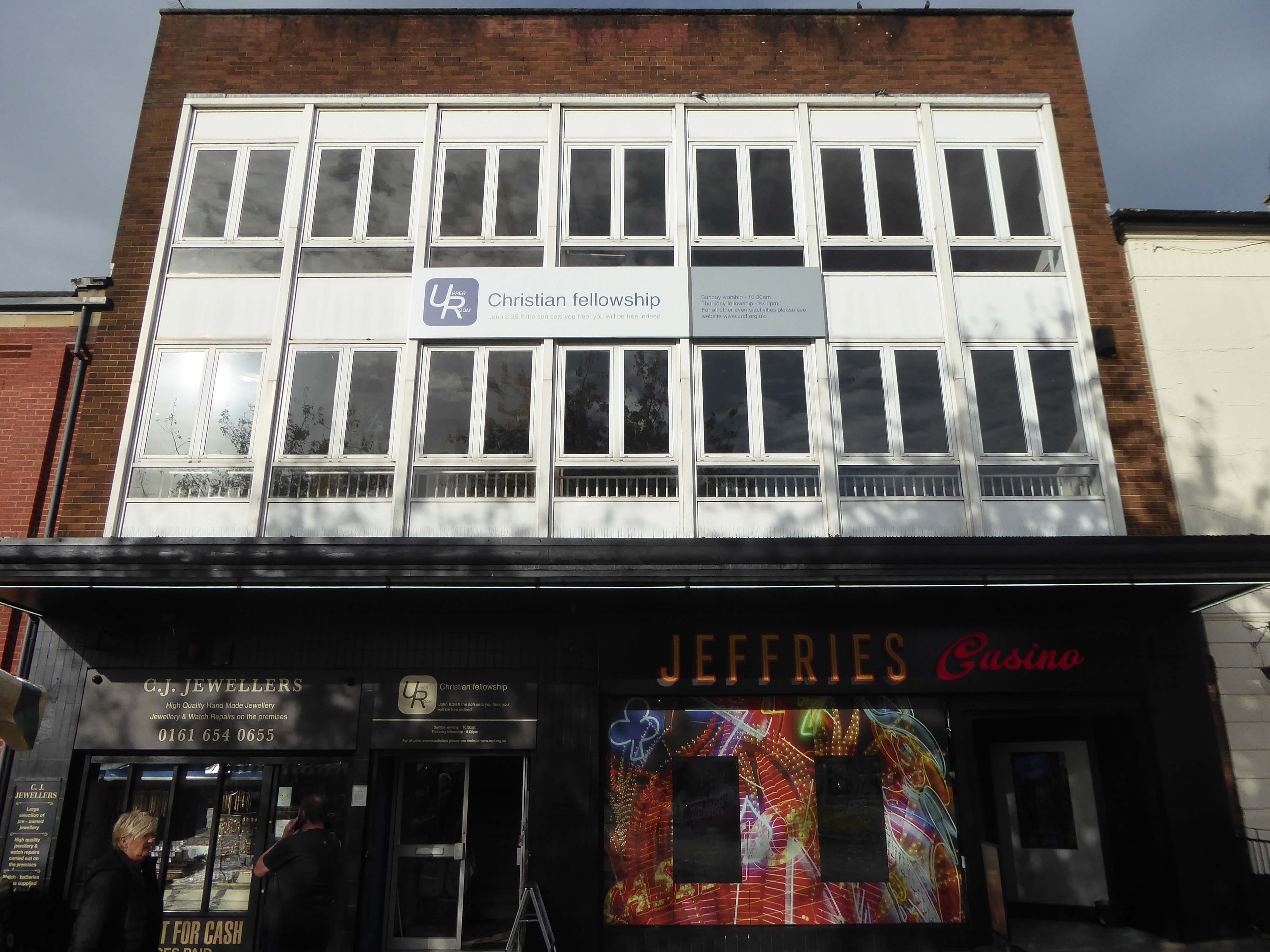
Further up Market Place the faience fronted Bricklayers Arms formerly a Bents and Gartsides boozer – delicensed in 2012 and Converted to a takeaway.

Moving along Wood’s much altered Guardian Buildings 1889.

The Guardian Buildings, were commissioned by Fred Bagot, the proprietor of the Middleton Guardian newspaper and a man with a reputation at the time for keeping a tight control of finances. In consequence, Guardian Buildings were one of Edgar Wood’s low budget buildings, of which there are several in and around Middleton. The building housed the operations of the newspaper with the cellar containing the printing machines and the tall ground floor housing a shop, office and more machines. The whole of the first floor, with its pair of oriel windows, was taken up by the composing room.

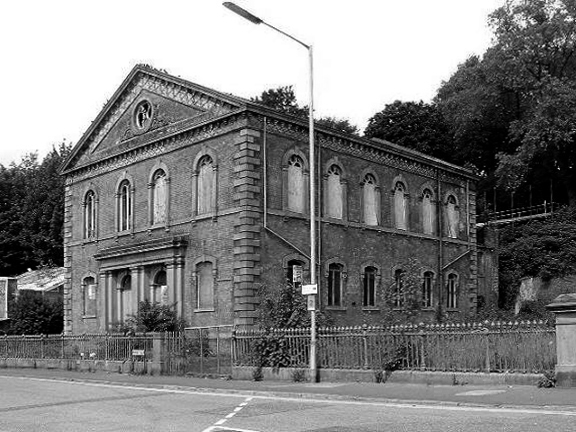
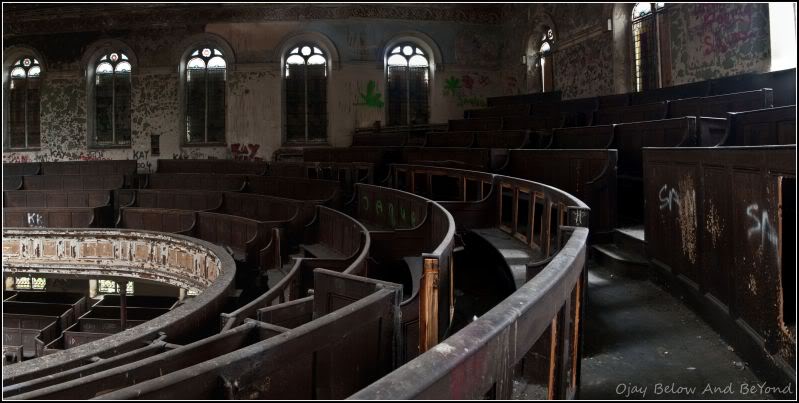
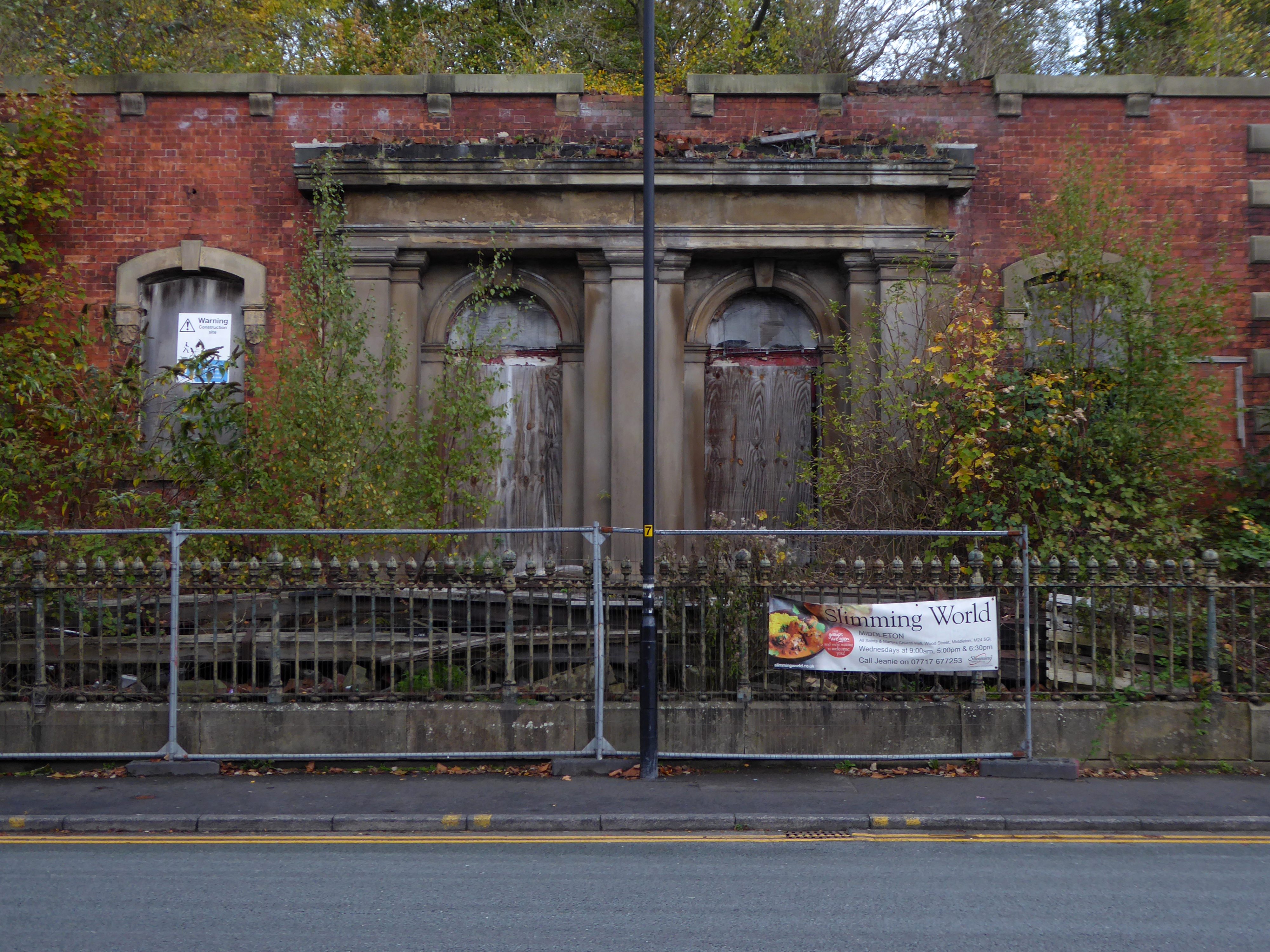
Time has not been kind to the Grade II Listed United Reformed Church 1860.

28 Days Later

It fell into disrepair after the church moved to smaller premises in Alkrington in the 1960s.

The building collapsed in July 2012, when it was hit by a fire.

On Townley Street Lodge Mill built in1839 beside the River Irk battling on despite recent setbacks.

In August 2019, Martin Cove and Paula Hickey opened a small ice cream shop on the ground floor of the mill – named the Ice Cream Shop at Lodge – selling locally-made ice cream from Birch Farm, Heywood.

Across the way the magnificent Sub Station and Electrical Department Offices.

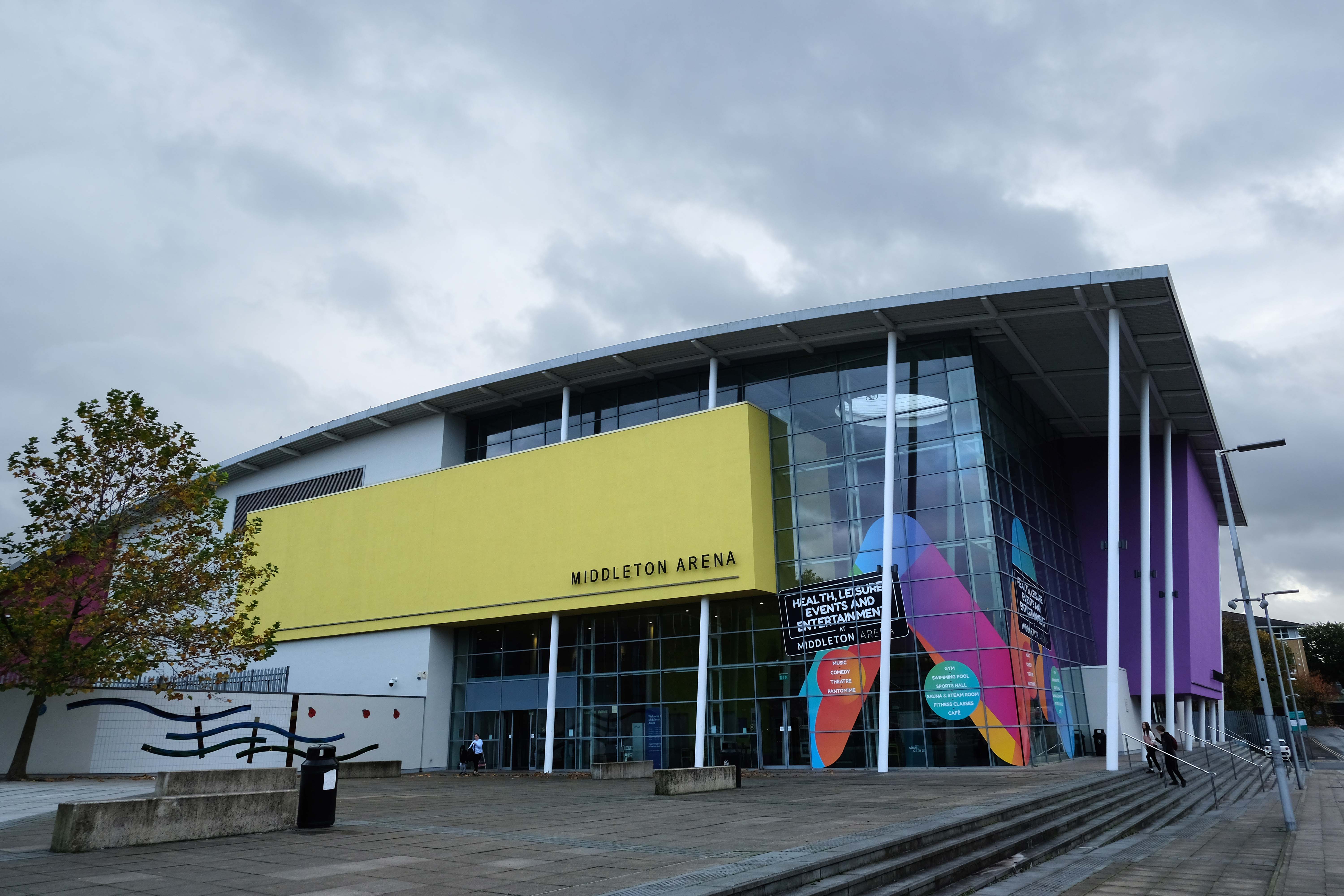
Then taking a turn around the banks of the Irk down Sharp Street onto Lance Corporal Joel Halliwell VC Way, where we find the Middleton ArenaBDP 2009

Then over the road to Oldham Road and Grade II Listed Warwick Mill 1907 G. Stott of J. Stott and Sons.

The mill recently changed ownership and new owner, Kam Lei Fong (UK) Ltd, has been working with Rochdale Borough Council over the past nine months on proposals to redevelop the site.

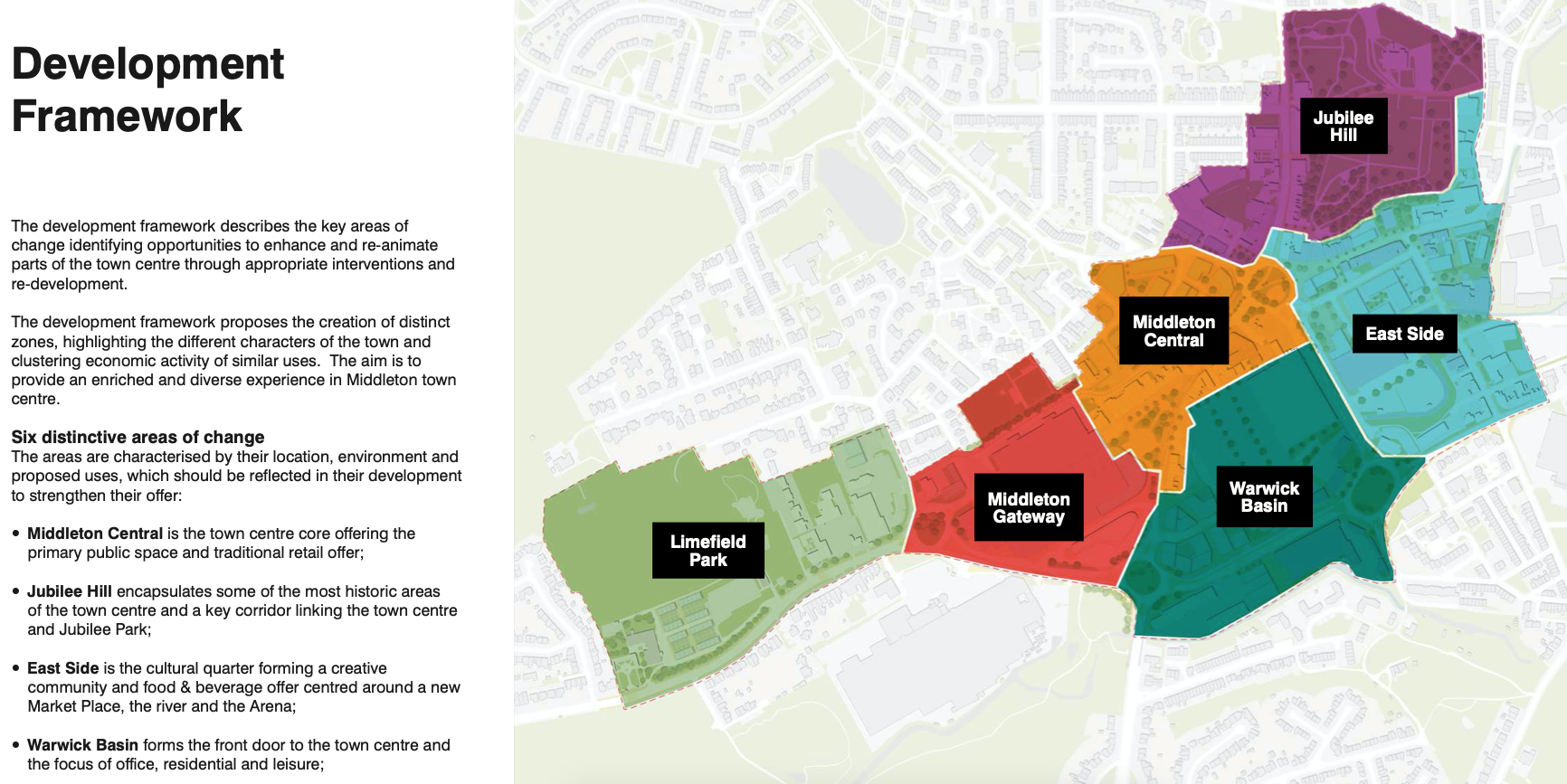
The plans will form the cornerstone of a new masterplan for Middleton town centre focusing on delivering new homes, business space, highway and environmental improvements, new walking and cycle routes to pave the way for the planned extension of the Metrolink into Middleton Town Centre.

The Business Desk

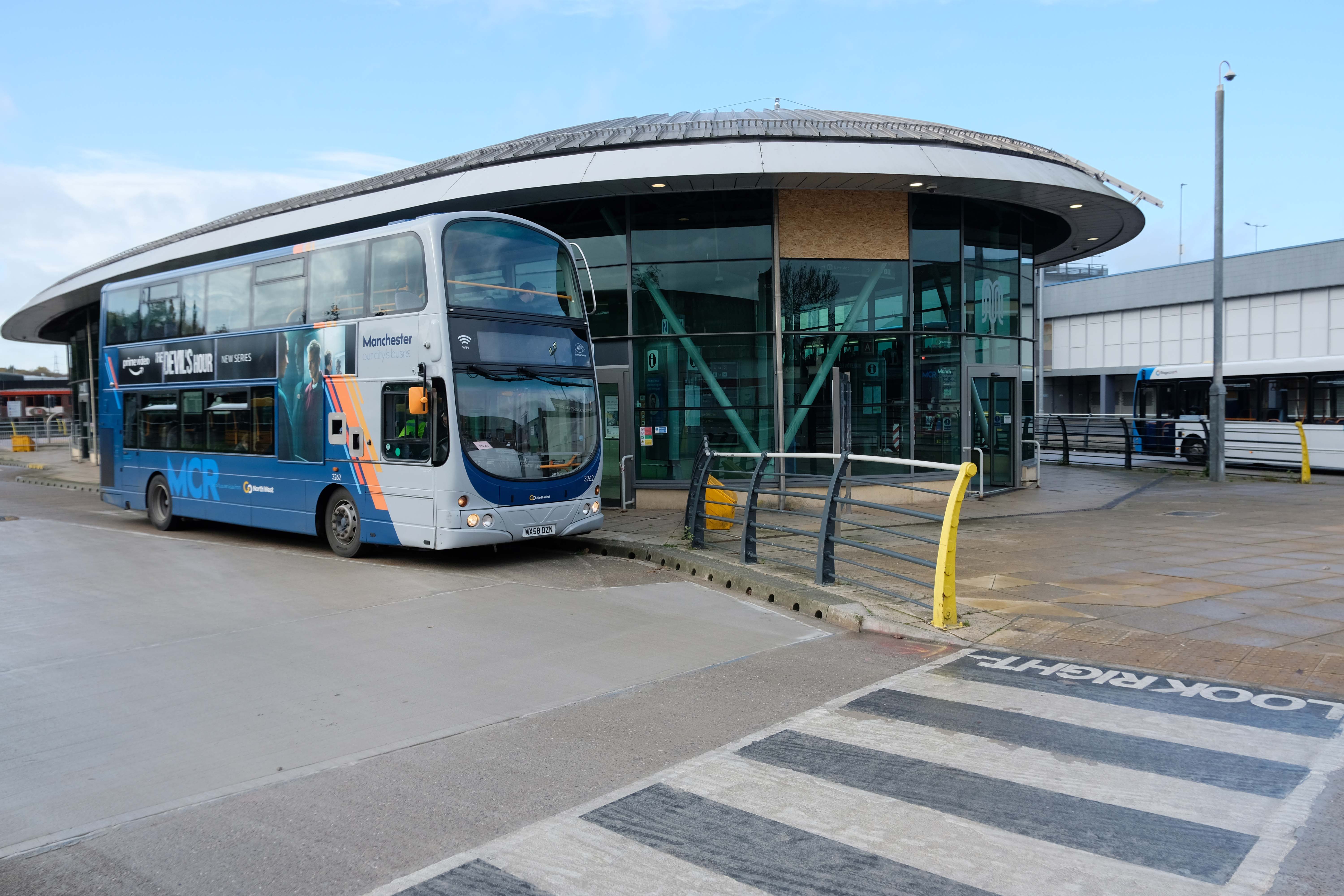
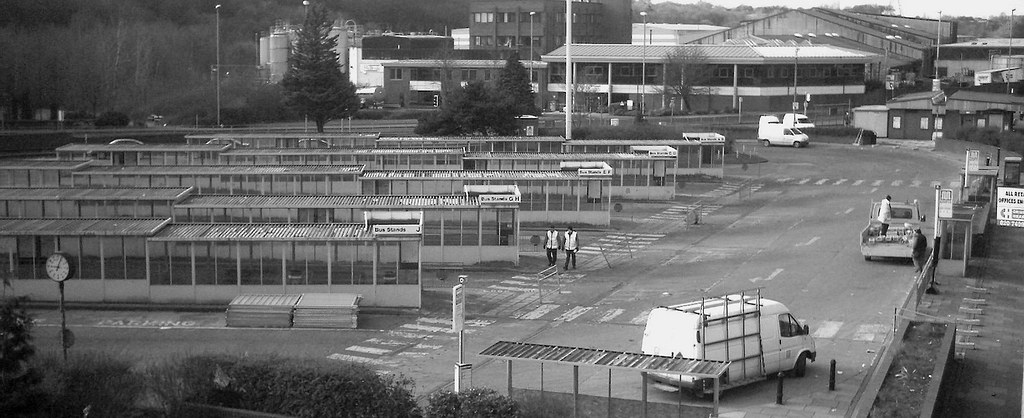
In 2005, the new Middleton Bus Station was opened – Jefferson Sheard Architects.

The station, with 13 stands, cost £4.5 million and replaced the previous station which dated to the 1970s.

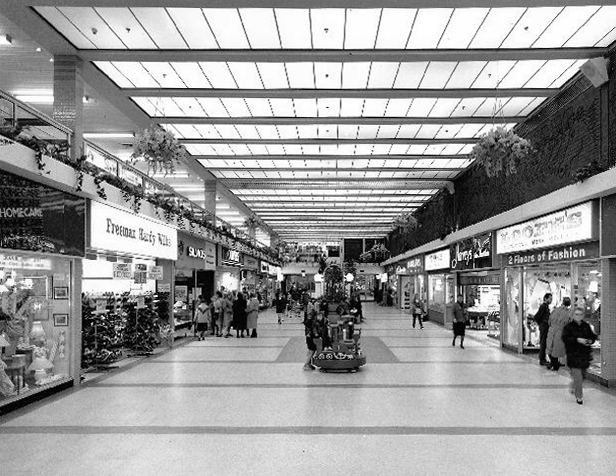
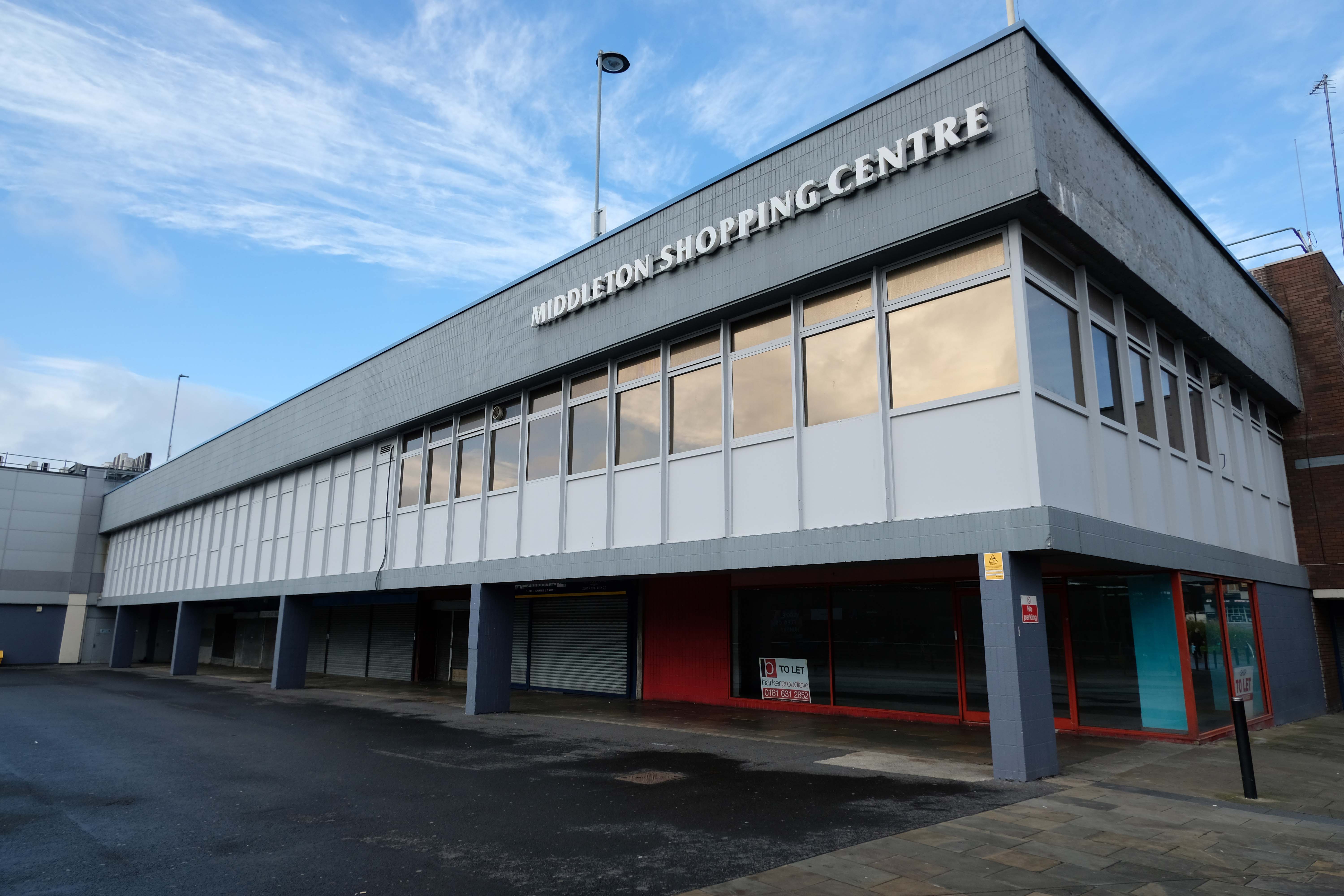
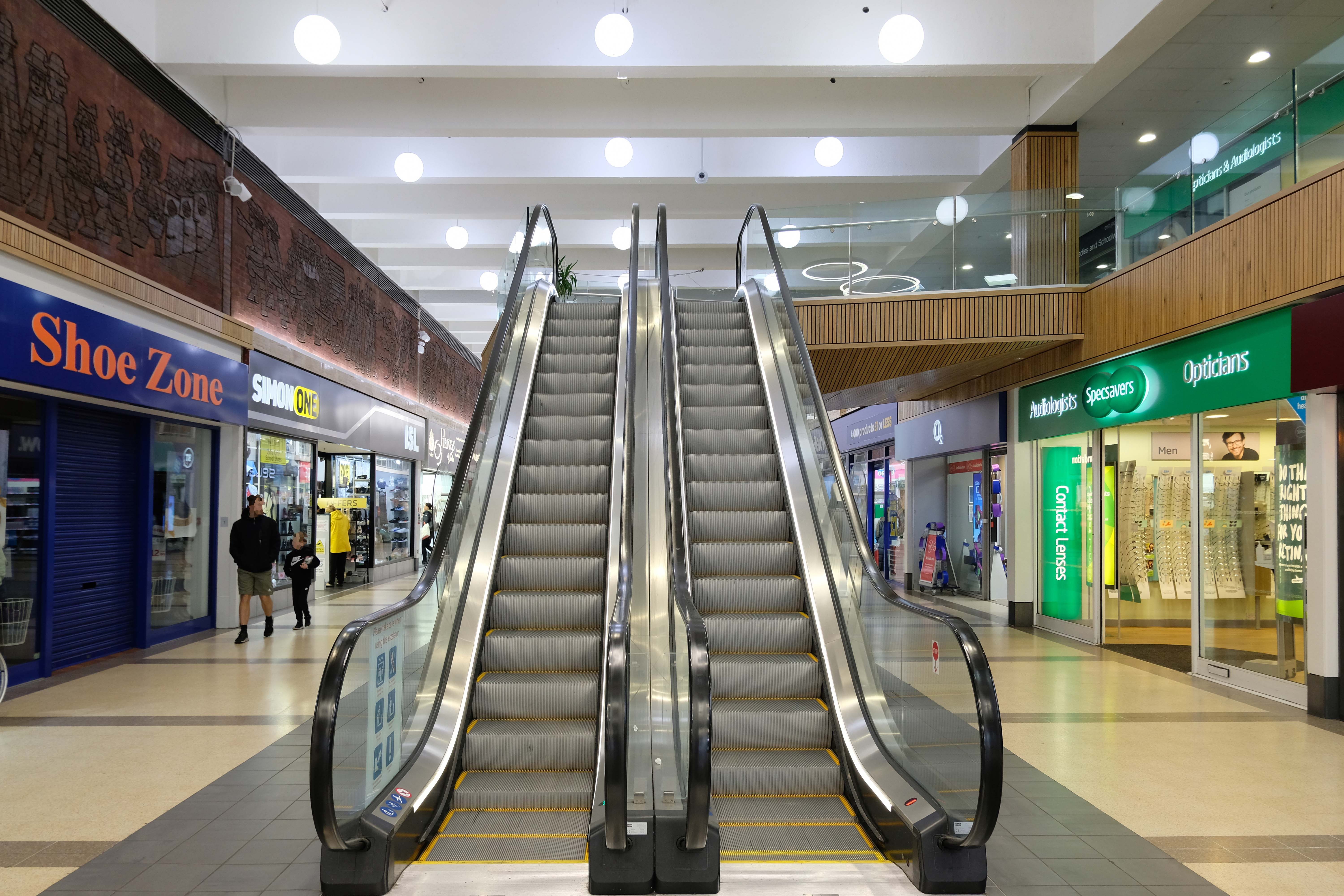
The Middleton Arndale Centre commenced trading in 1971, although it was officially opened by Her Royal Highness the Duchess of Kent in March 1972.

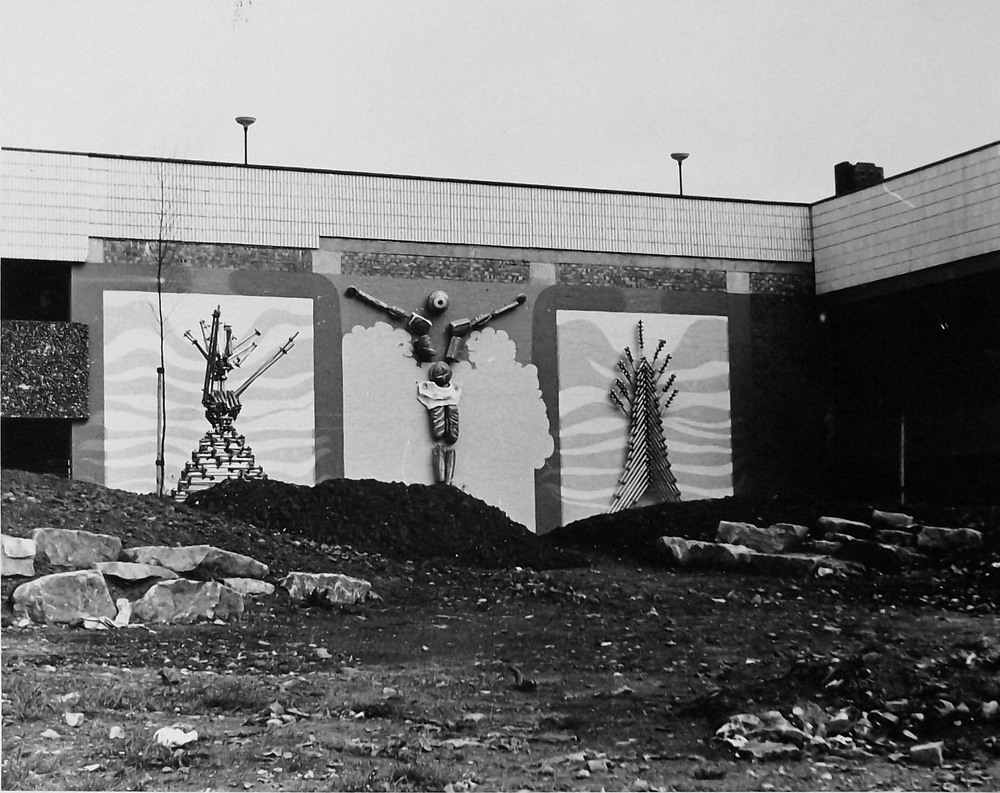
Once home to The Breadman designed by Rochdale’s town artist of the time, Michael Dames.

Photo: Local Image Collection – Touchstones

Now trading as the Middleton Shopping Centre

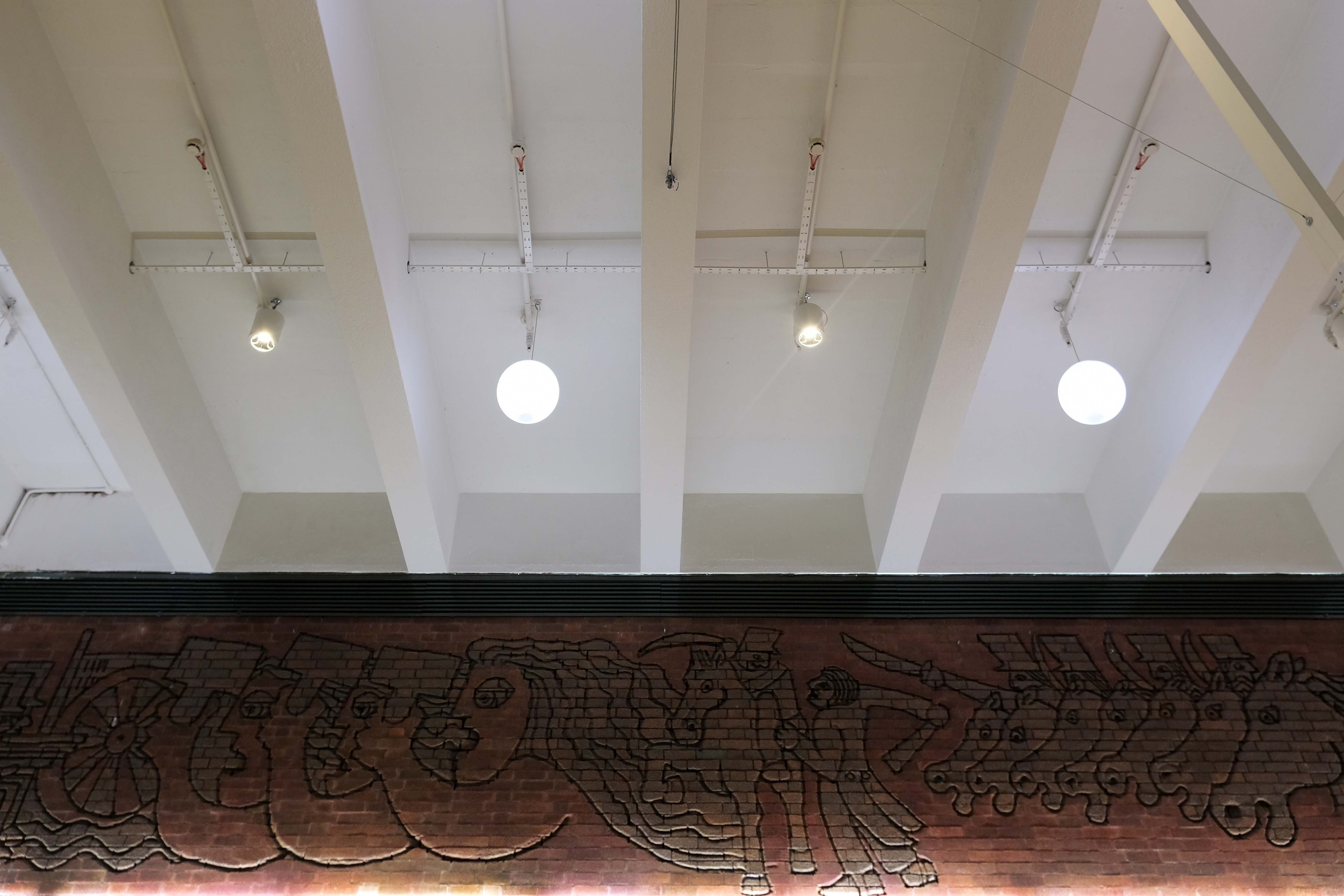
The brick reliefs illustrating the town’s history are by Fred Evans of Dunstable, who completed the work in one week during May 1972 using a high powered sandblasting blaster.

Thanks to Phil Machen for the top tip.

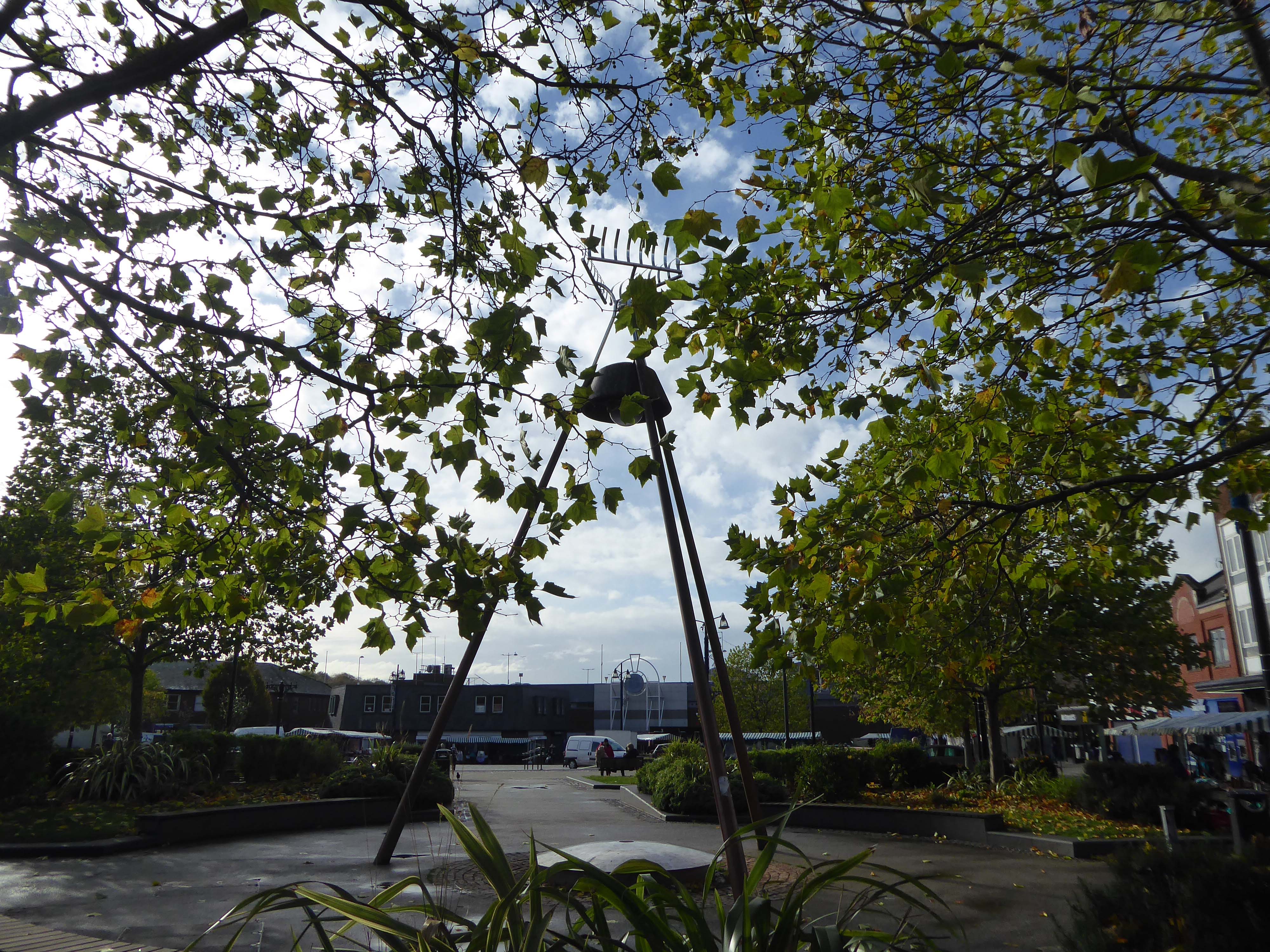
At the centre of the public domain the Middleton Moonraker 2001 by Terry Eaton

According to folklore, the legend has several different interpretations. One version is that a traveller came upon a drunken yokel trying to rake a reflection of the moon in a village pond, convinced it was cheese.

This version conveys the notion that the men were drunk and acting foolishly.

However, an alternative narrative – and perceived to be the most reliable version – tells a different story and dates back to the time when smuggling was a significant industry in rural England.

It appears that many residents wish to rid themselves of the Moon Raker moniker and presumably become Middletonians.

There’s so much more to Middleton’s history than the Moonraker. Why did they spend all that money on a fairytale?

There were 3,000 Lancaster bombers built in Middleton during World War Two, a magnificent contribution to the effort to beat Hitler.

The bulbs inside the moon which light it up at night haven’t worked for five years.

Bernard Wynne

Along Long Street the Cooperative store what was – next door the long gone Palace Cinema demolished in 2001.

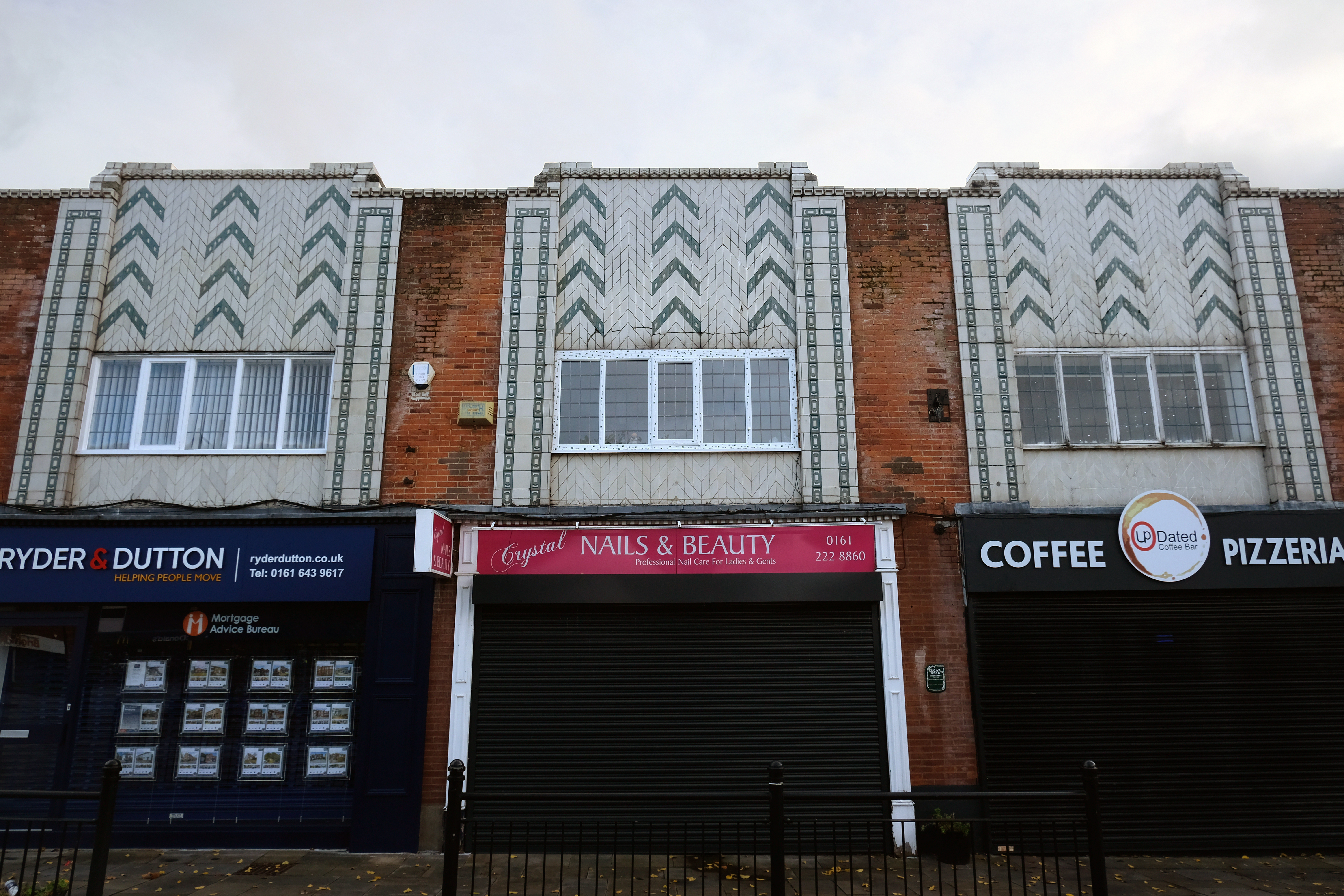
More Edgar Wood – three shops 1908.

Tim RushtonMiddleton Gateway

Middleton celebrates its history and rightly so – now is the time to take stock and plan for the future.

More green space, public transport, pedestrians and cyclists prioritised to meet the Green Agenda.

Mixed development for housing, retail and leisure in the town centre.

Take some time to explore and dream.

View the Masterplan click here

For more information on Edgar Wood click here

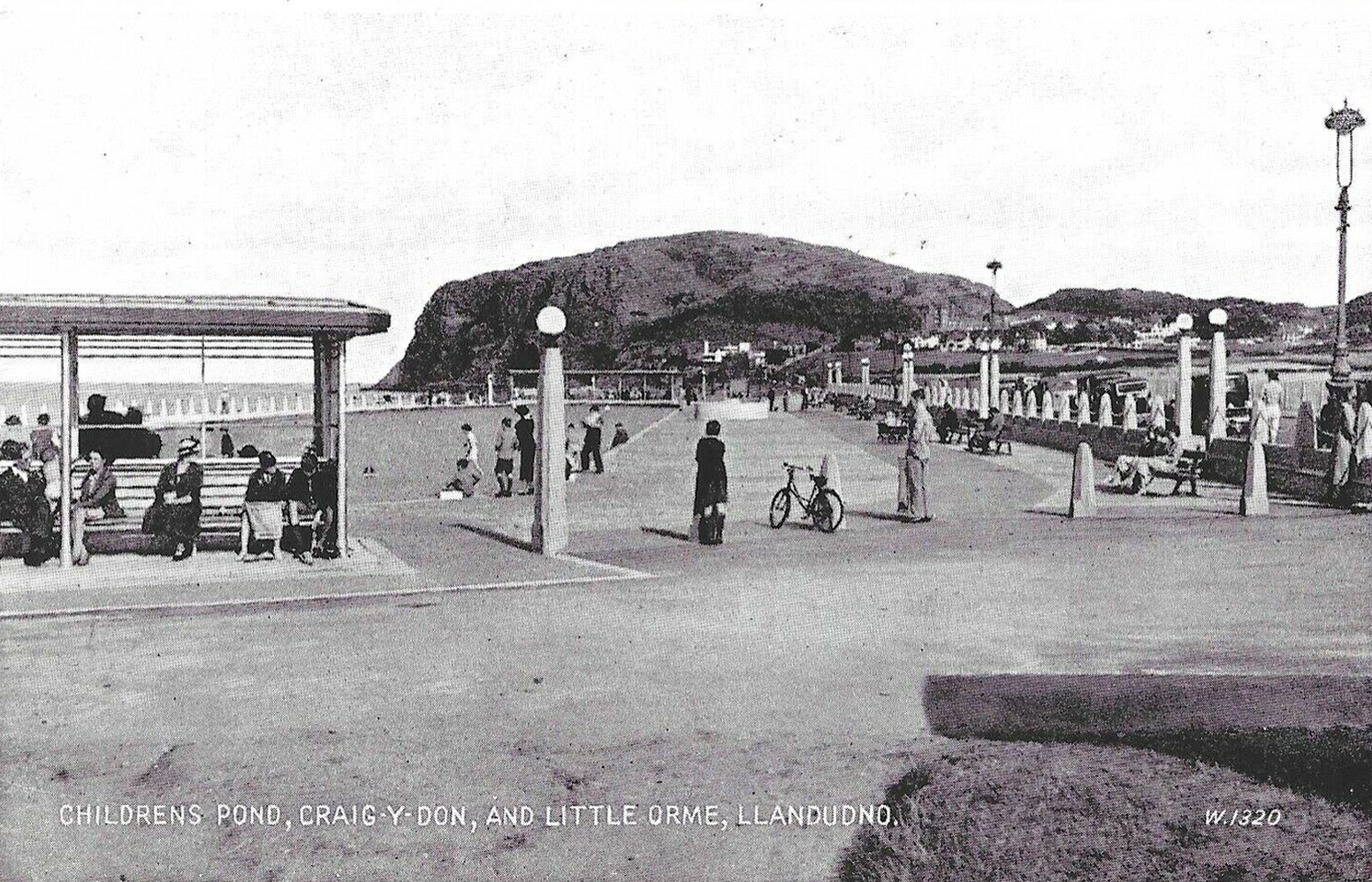
Oriel Mostyn – Llandudno

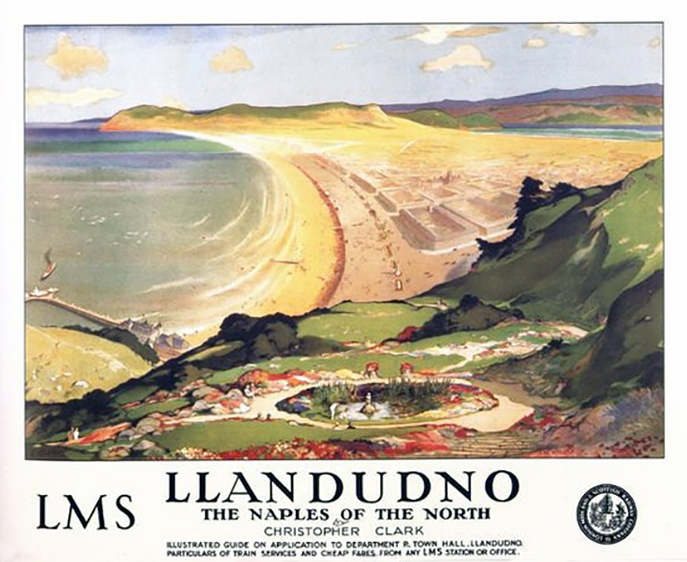
I have posted here previously regarding the Naples of the North.

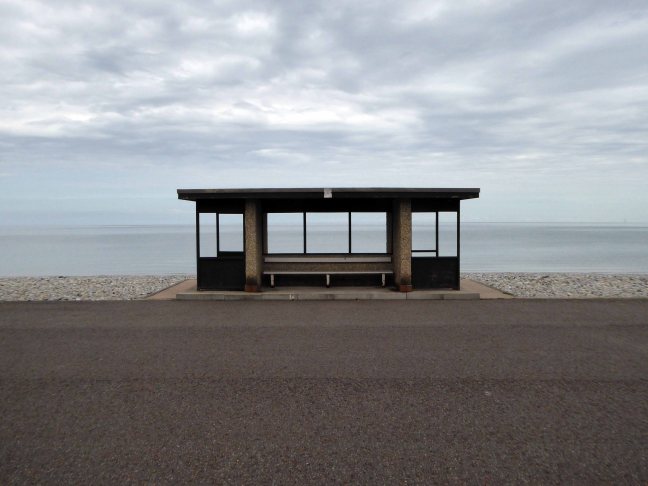
With particular reference to its seaside shelters.

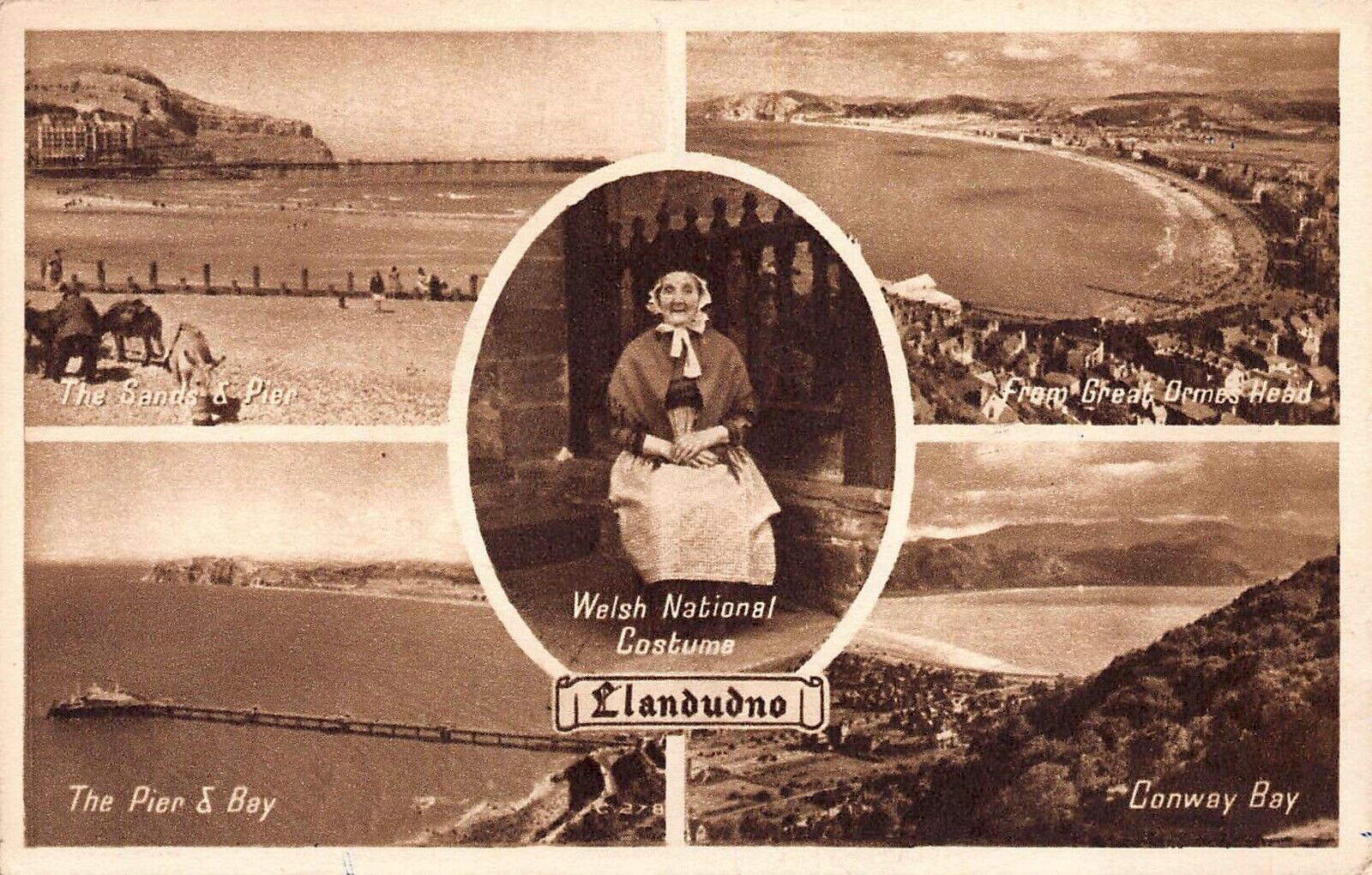
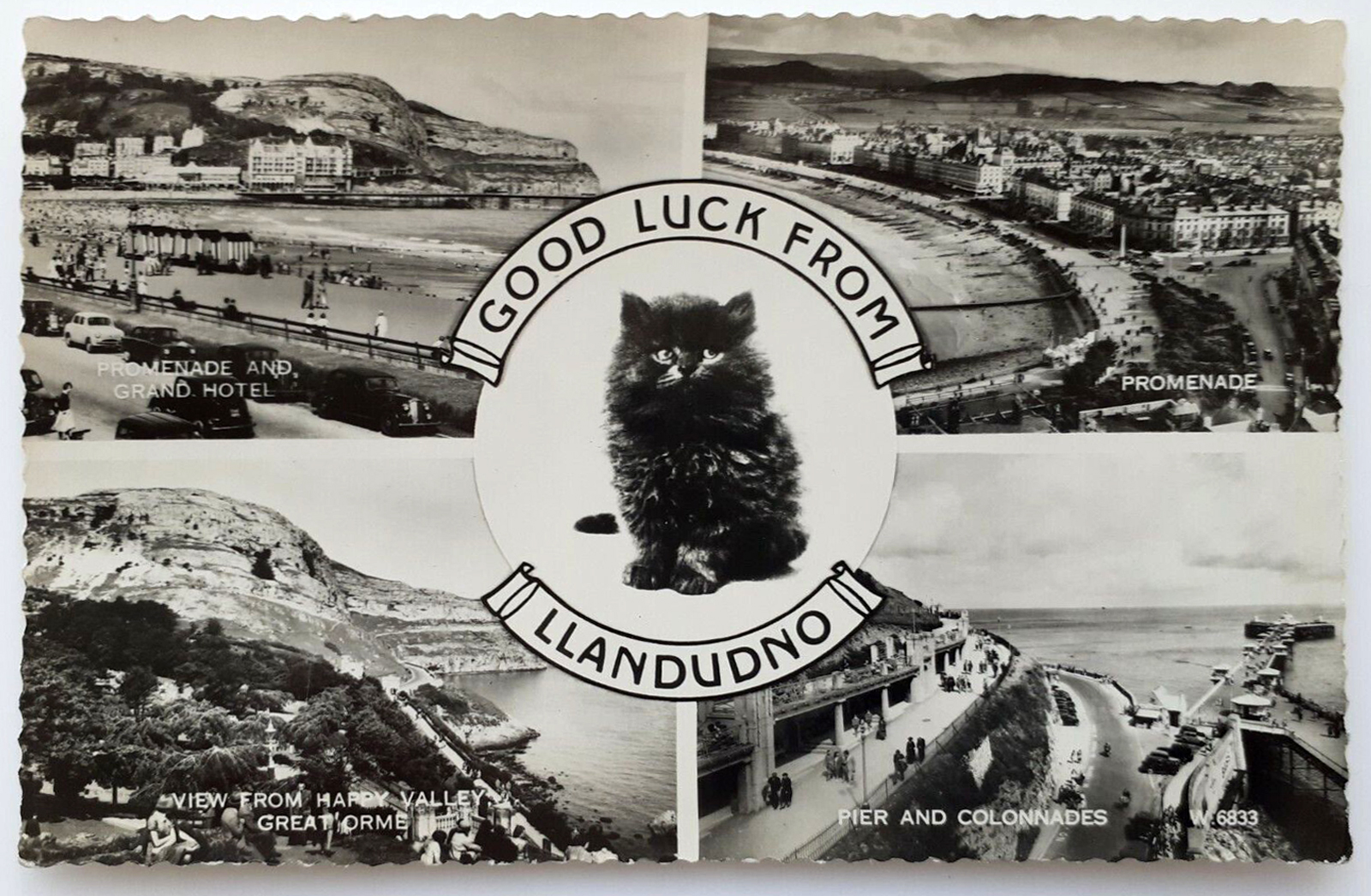
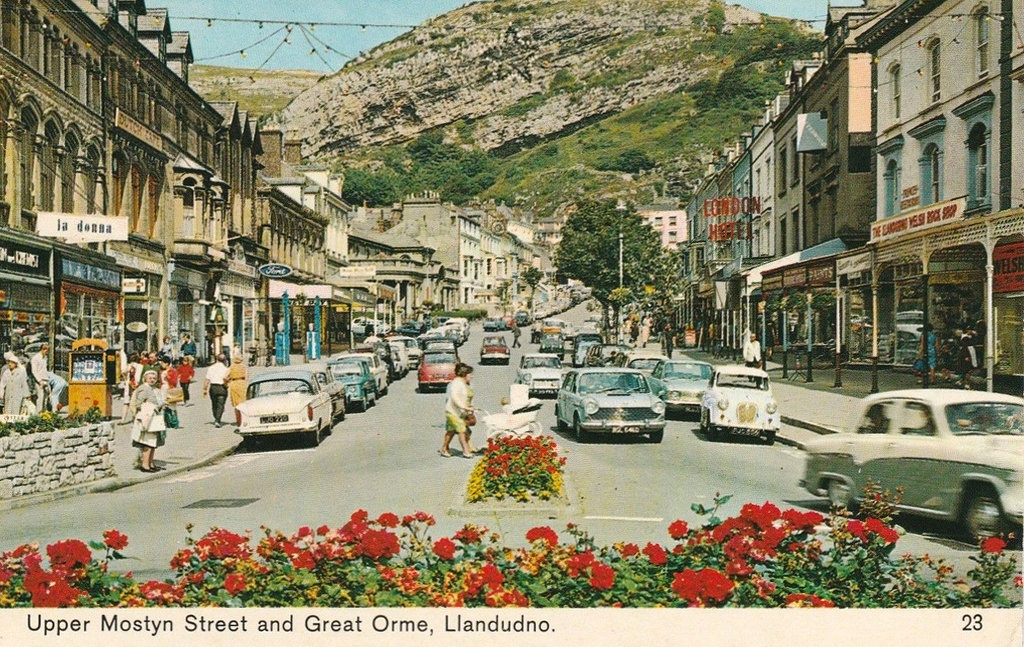
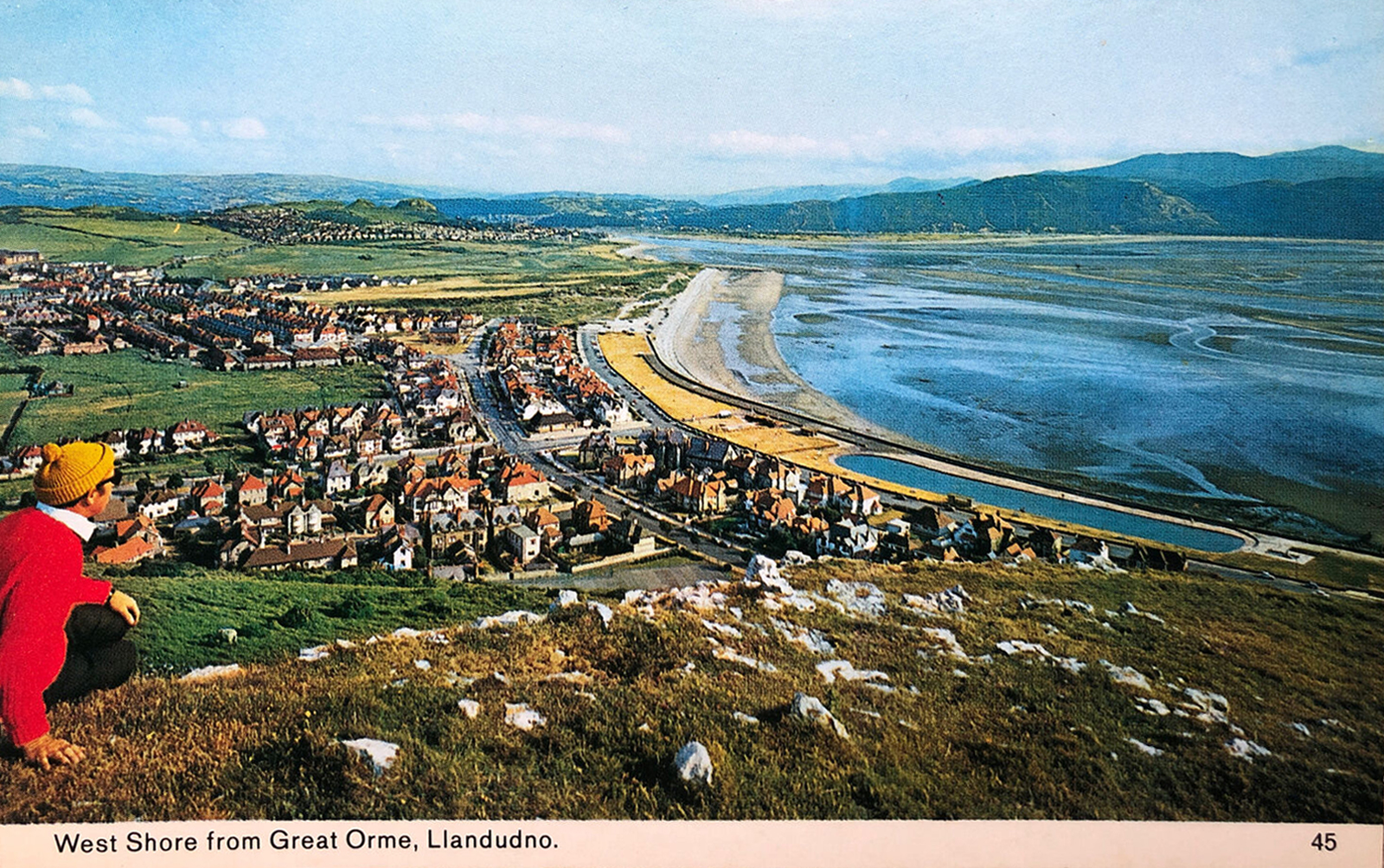
This is a town with a visual culture defined by carefully created picture postcards – conjuring images from land, sea, sand and sky.

New technology arrives, dragging Llandudno from the sepia soaked past into the CMYK age!

So it’s only right and proper that the town should have an art gallery.

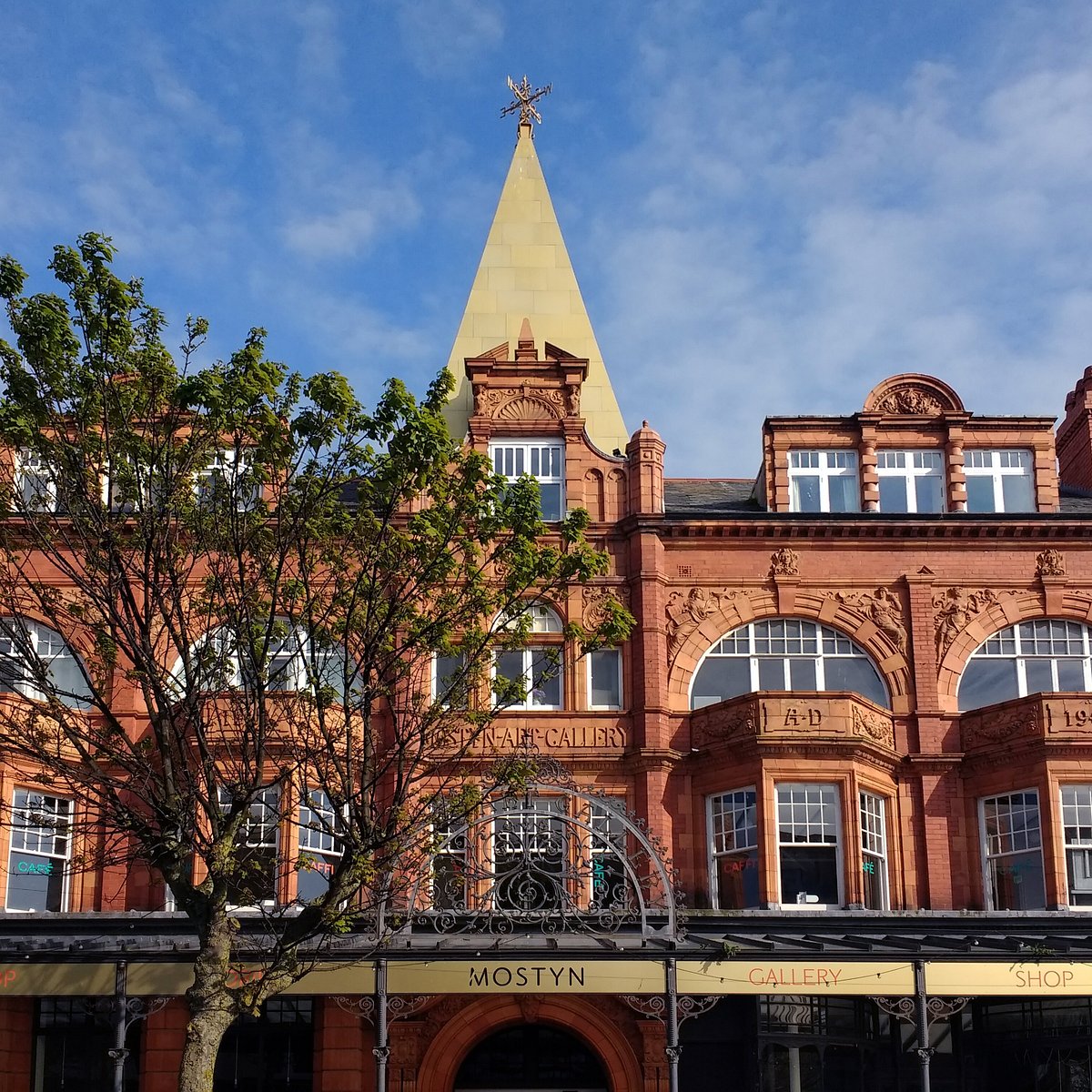
Oriel Mostyn Gallery was commissioned by Lady Augusta Mostyn after the Gwynedd Ladies’ Art Society asked her for better premises than their existing home, in a former cockpit in Conwy. The ladies’ gender prevented them from joining the Royal Cambrian Academy, also based in Conwy.

Designed by architect GA Humphreys, the new gallery opened in 1901. From 1901 to 1903, the gallery housed works by members of the GLAS. As a patron of the arts and president of the society, Lady Augusta was aware that the ladies needed more space to display their work and gave them the opportunity to rent a room in the new building.

Lady Augusta was keen for the gallery to be used by local people, so the society was asked to leave and a School of Art, Science and Technical Classes was set up. Alongside the many classes, there were art exhibitions, lectures. social events, and even a gallery choir and shooting range!

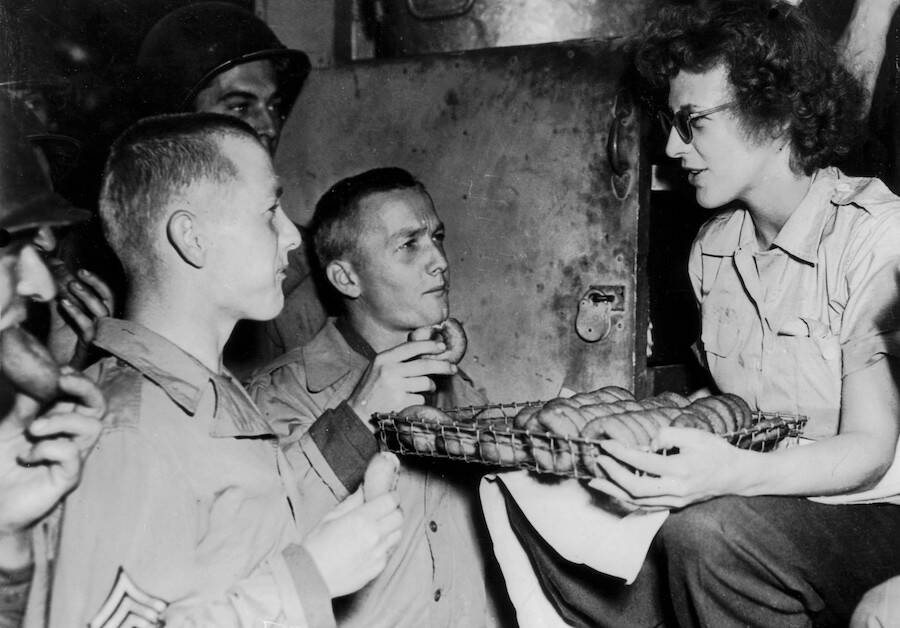
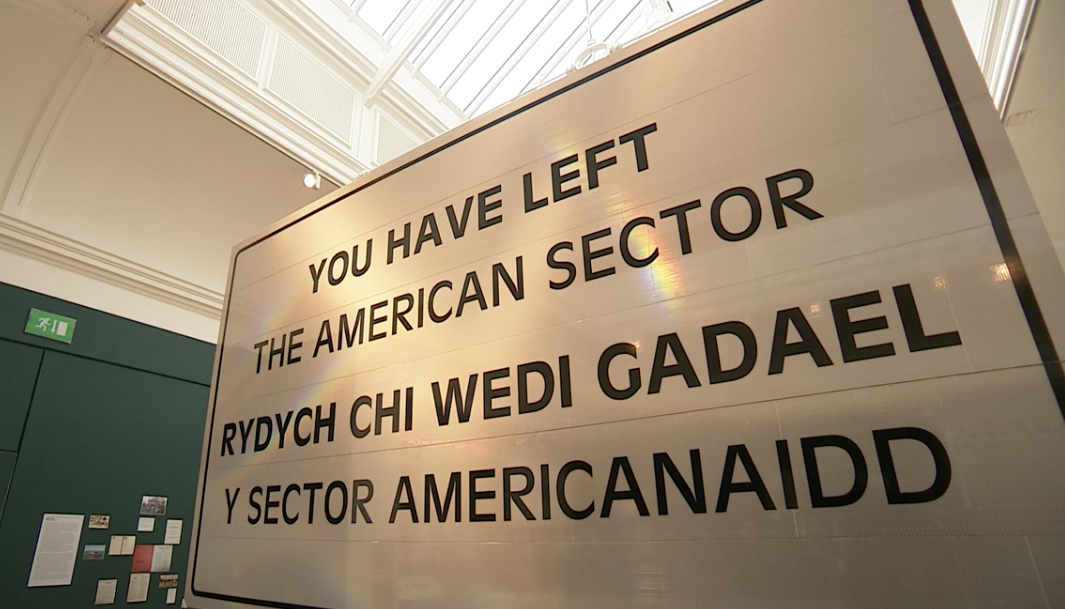
The current shop area was the location for a ‘Donut Dugout’ – a rest and recreation area for the many American servicemen in the town. Coffee and doughnuts were served and the men could read magazines from home.

After the war, Wagstaff’s Piano and Music Galleries occupied the building. In 1976 the artist Kyffin Williams, and others, suggested the building should become the proposed new public art gallery for North Wales. Architects Colwyn Foulkes supervised its restoration and it reopened, as Oriel Mostyn, in 11 August 1979.

History Points

Once the Post Office had vacated the adjacent building, expansion and development took place – Ellis Williams Architects were responsible for the design.

RL Davies undertook the construction work.

Acknowledged to be ‘one of the most beautiful galleries in Britain’, Mostyn in North Wales was an existing listed Victorian museum with two lantern galleries tucked behind a listed facade. We were appointed by Mostyn after winning the Architectural competition with a design combining a gallery space refurbishment with a gallery expansion and a new dramatic infill section linking new and old. The project has won a number of awards and increased footfall by over 60%.

Why not let your feet fall there soon – Oriel Mostyn is open.

The very first time I visited the town as a child back in the early 1960s, it rained almost every day.

Subsequent visits have almost always been bathed in warm sunshine.

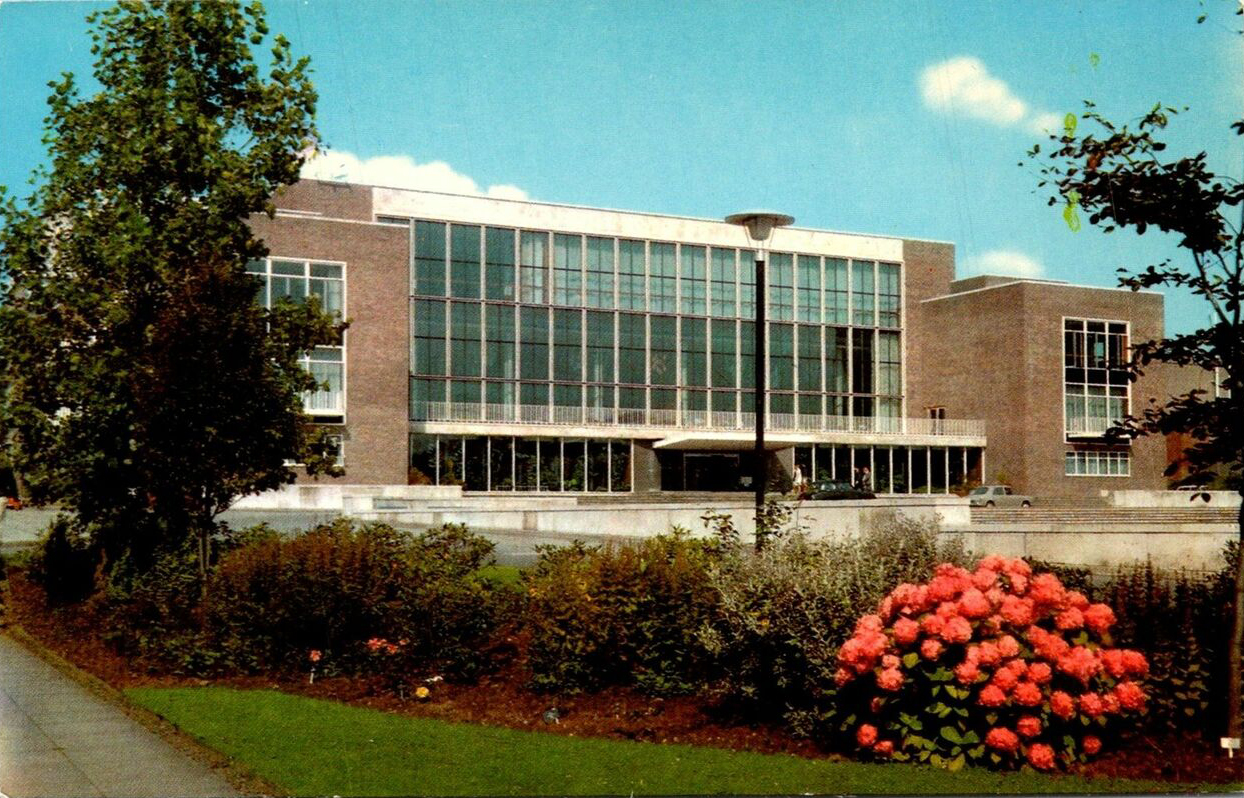
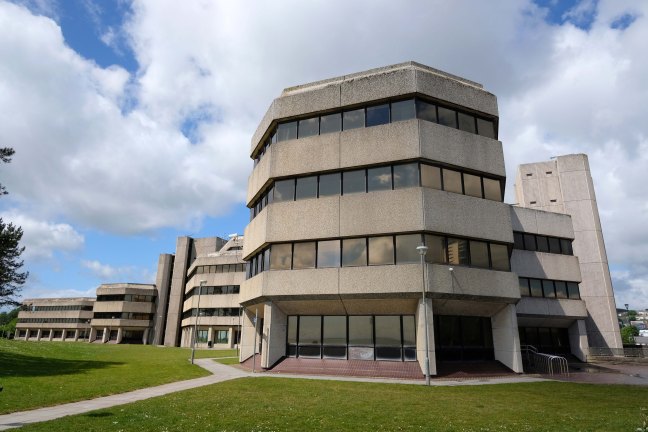
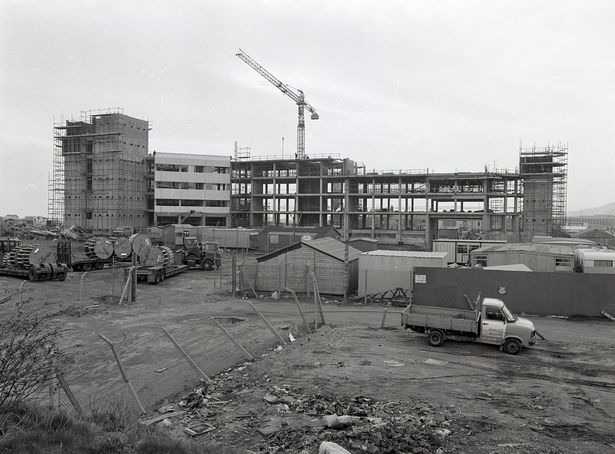
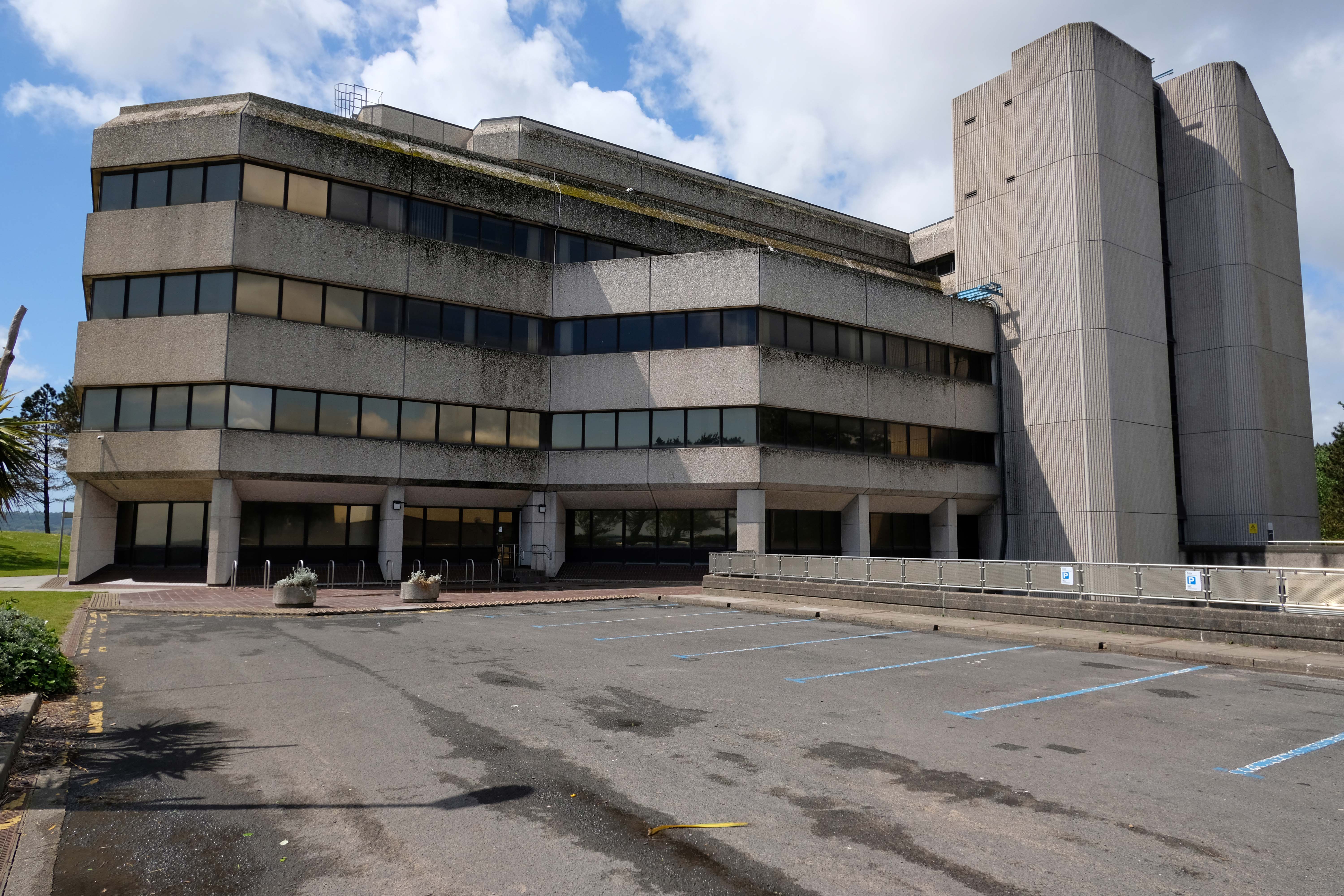
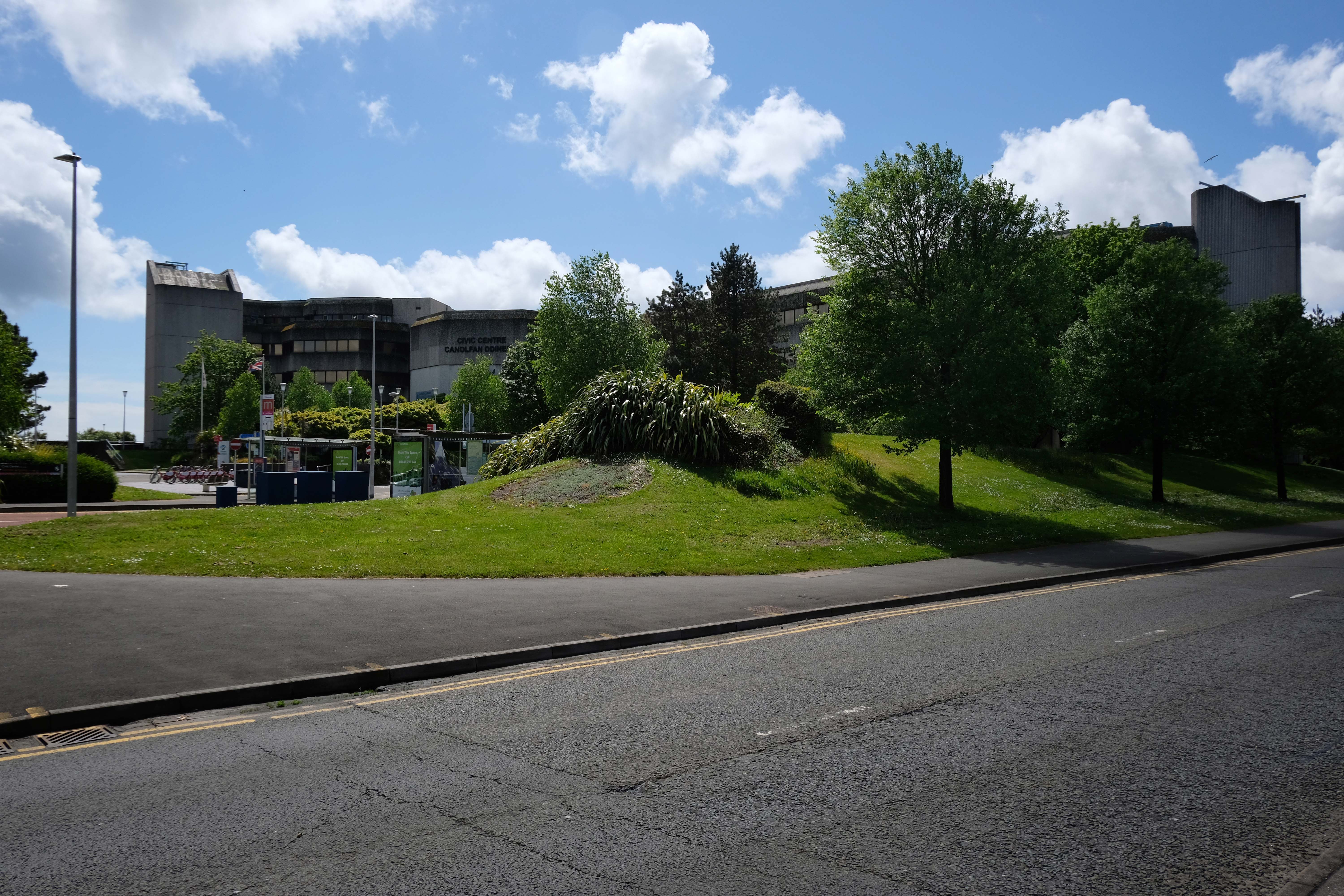
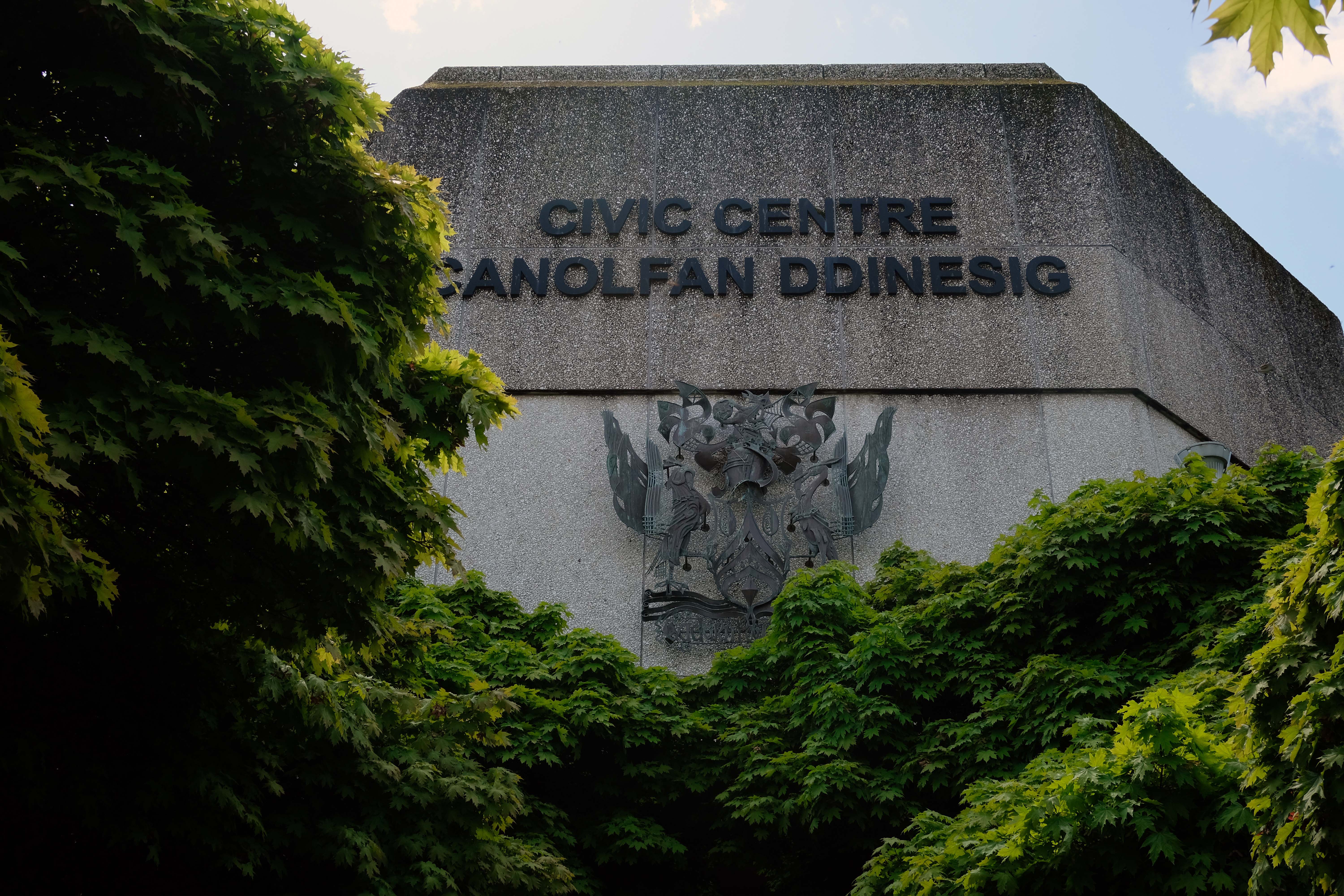
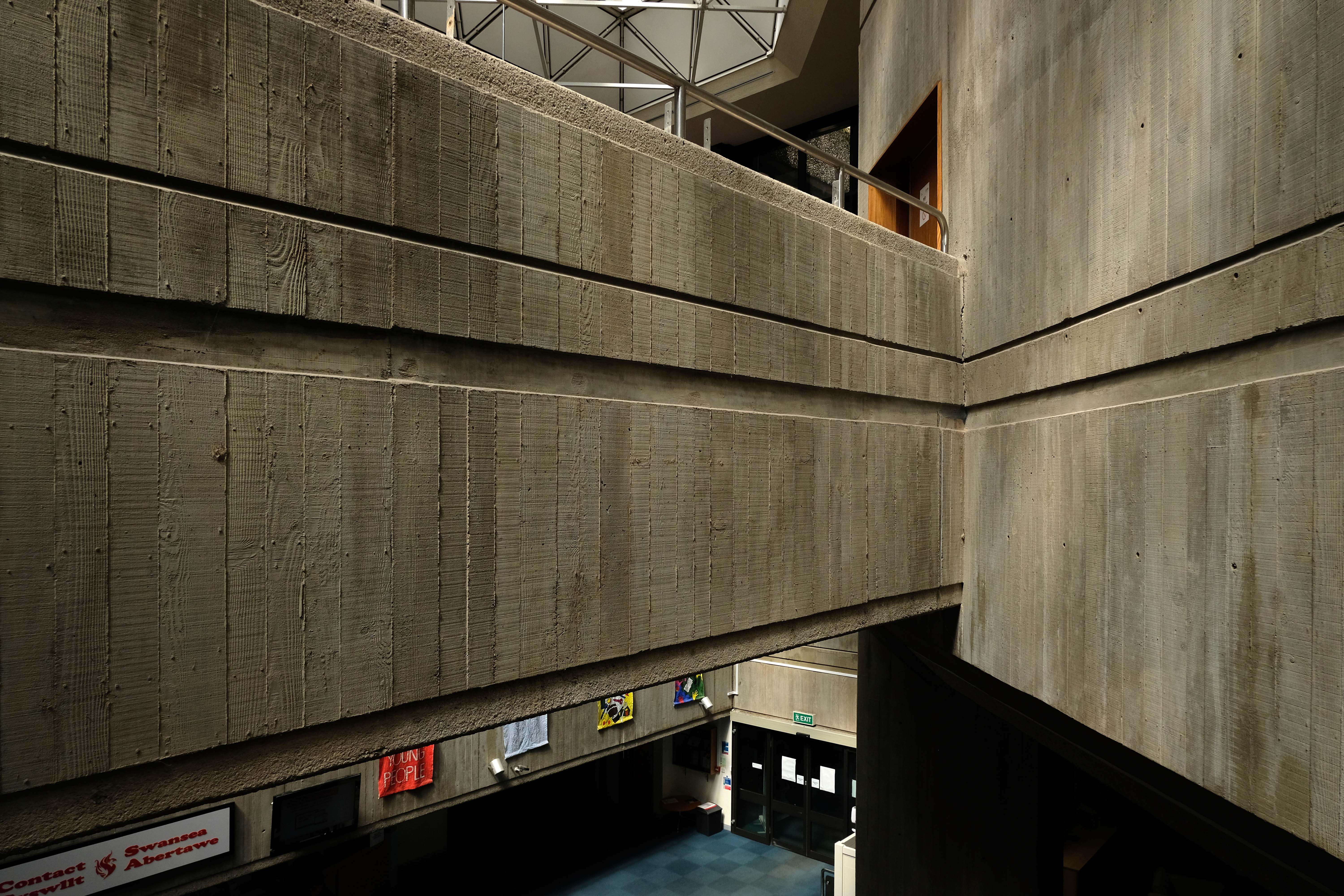
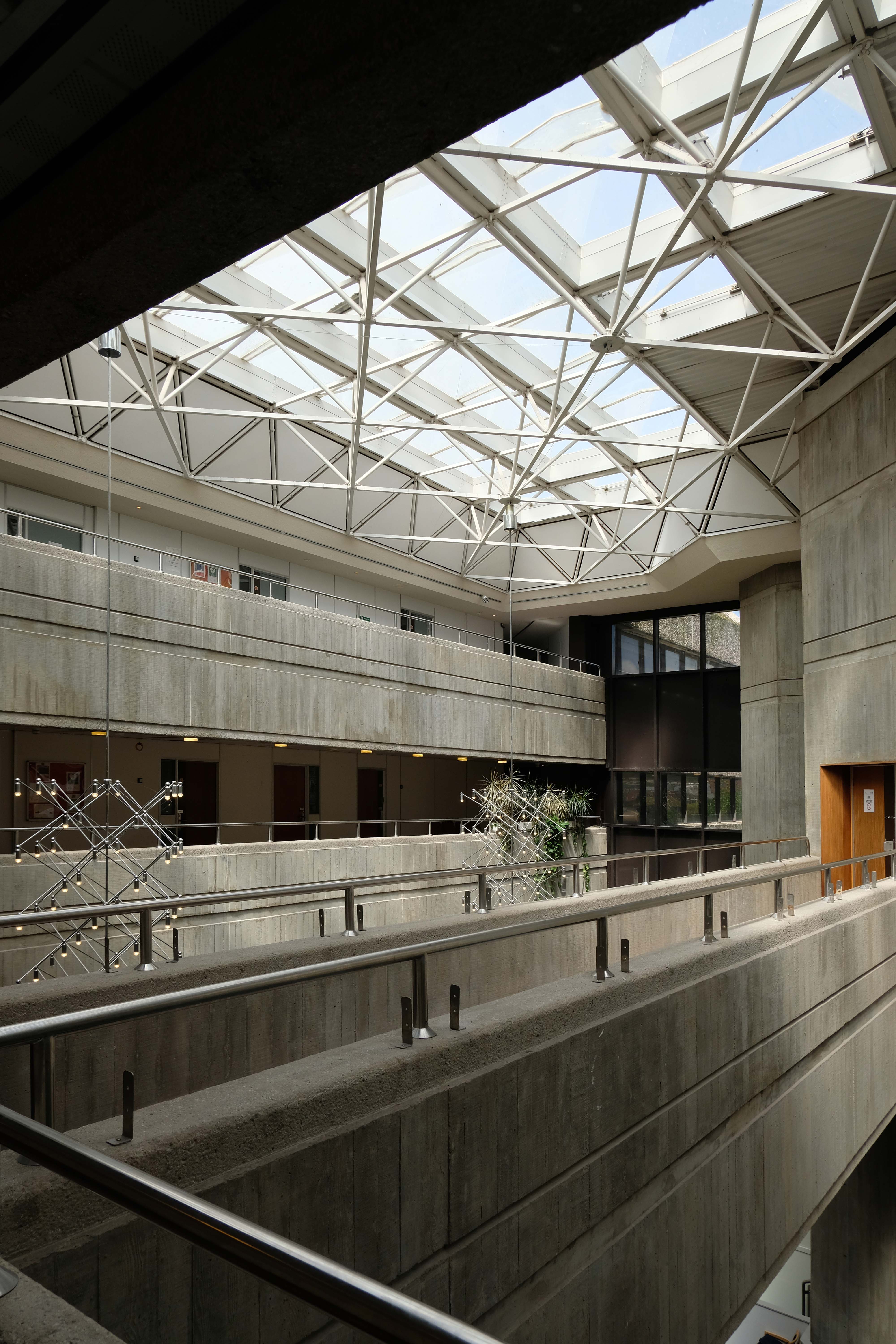
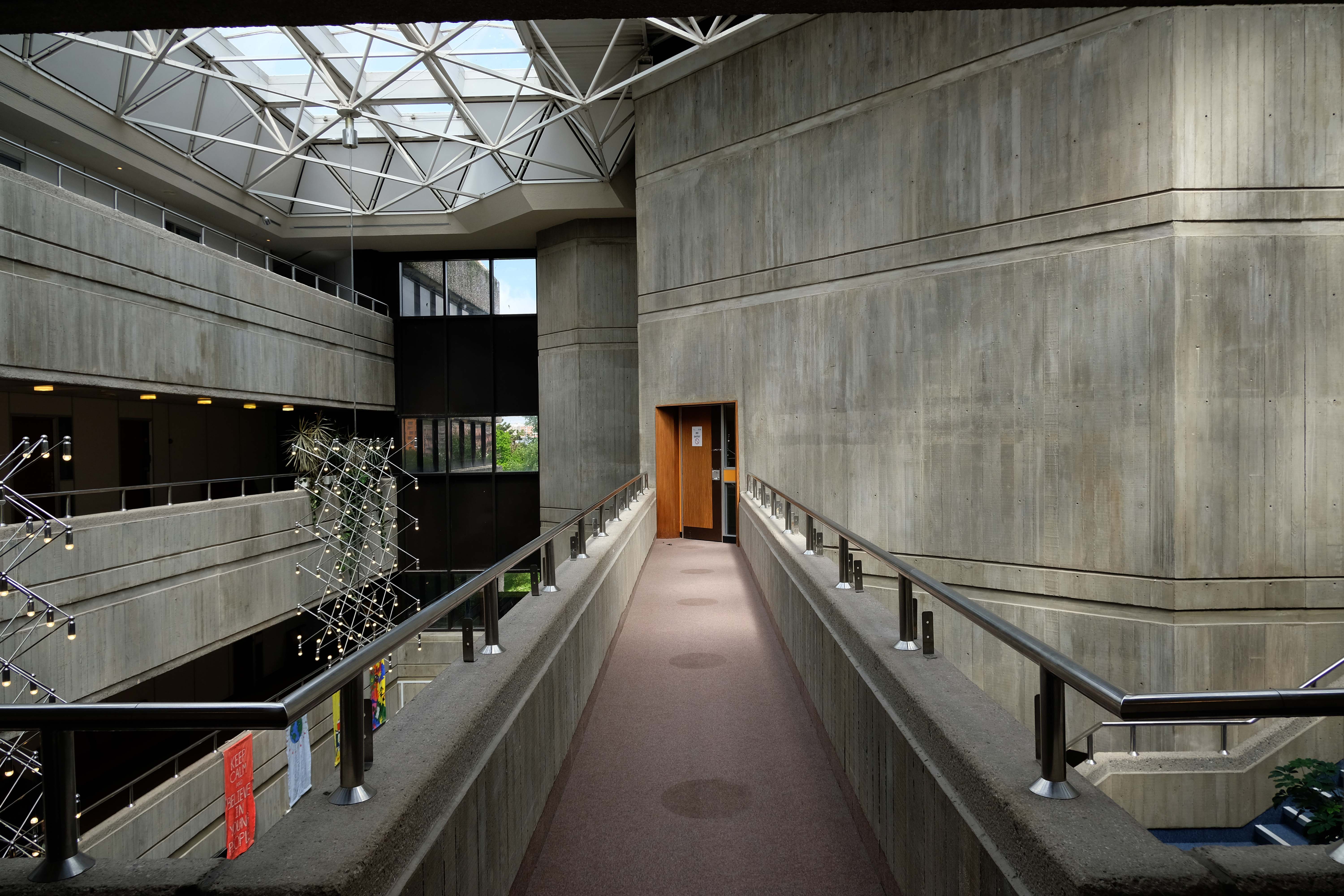
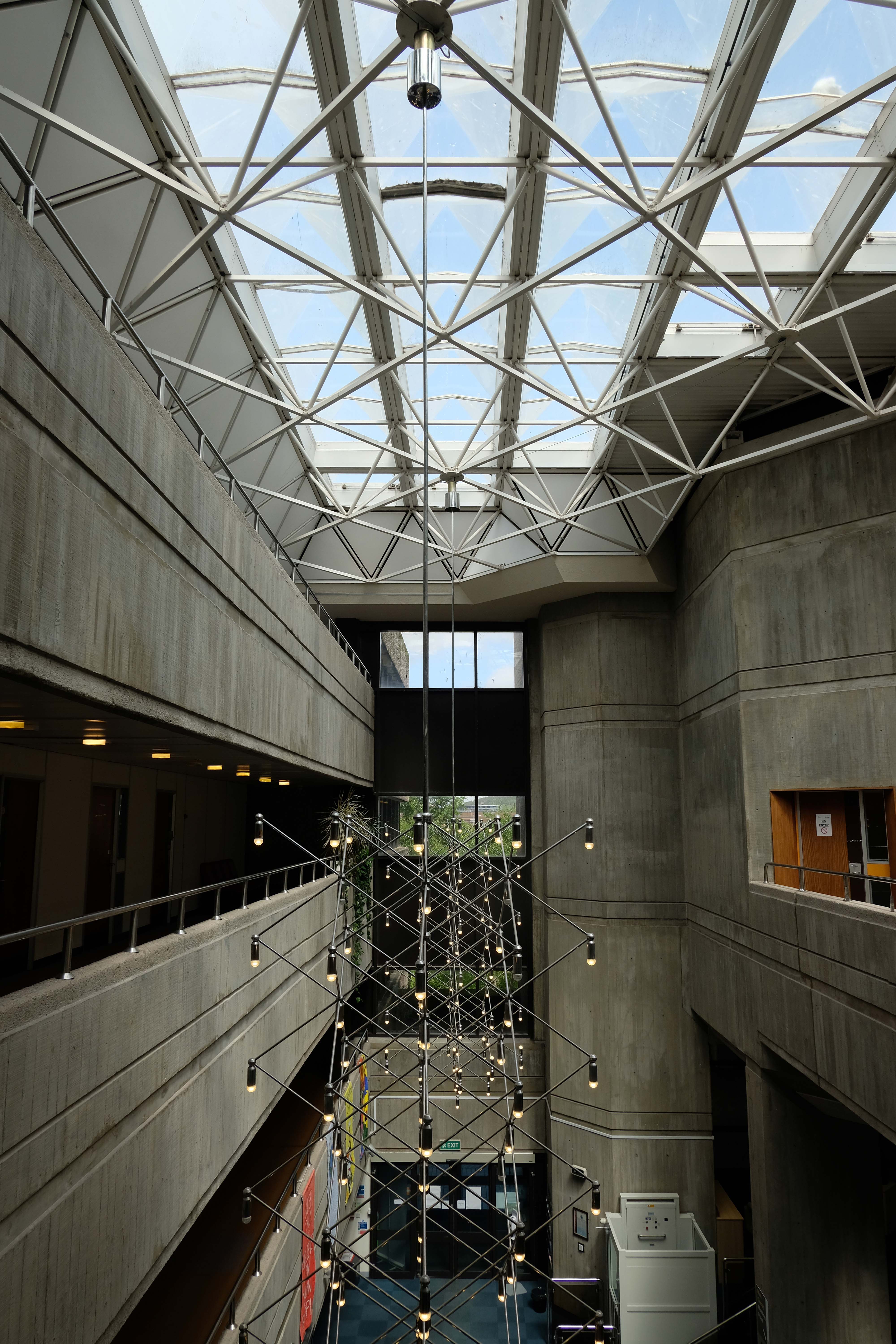
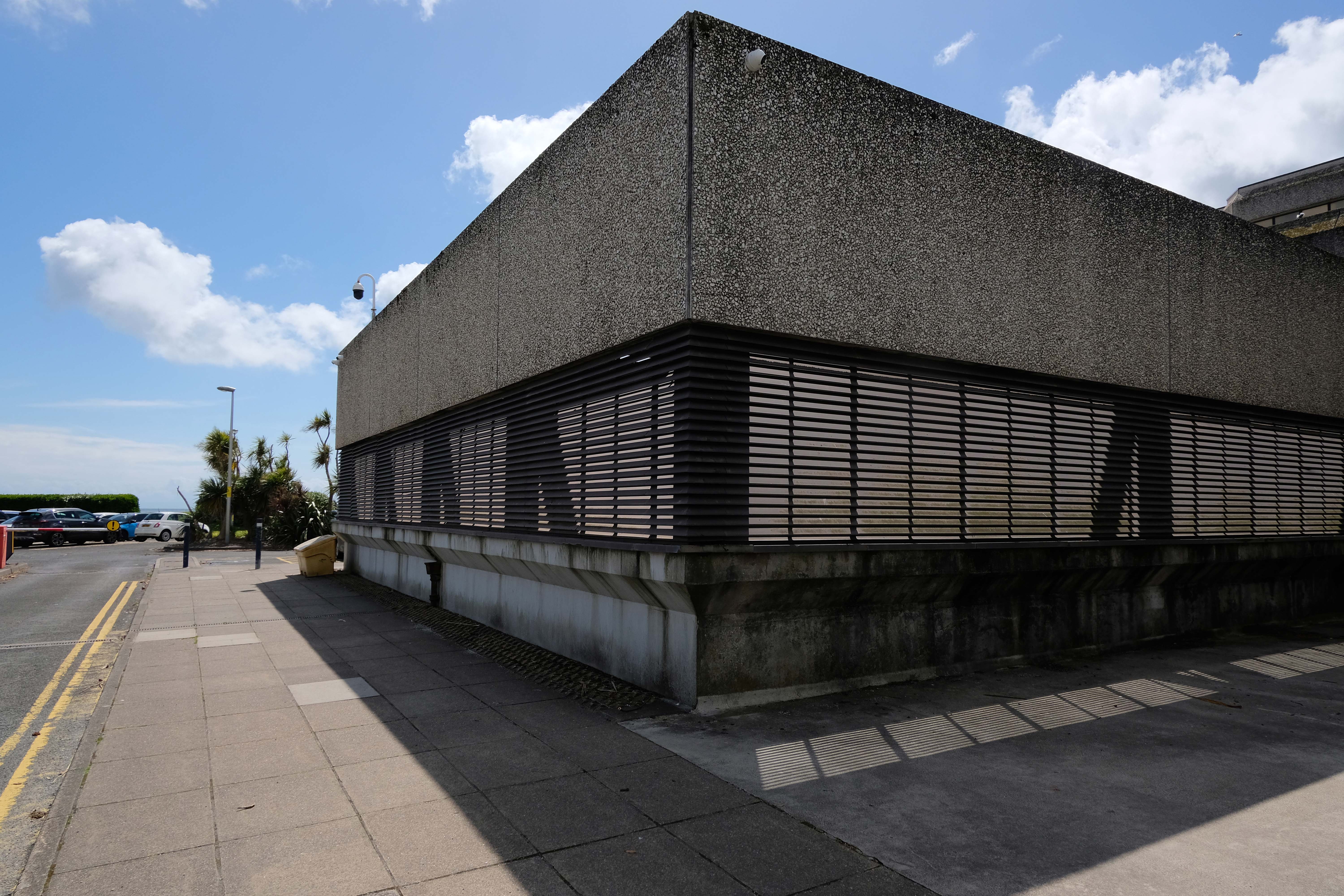
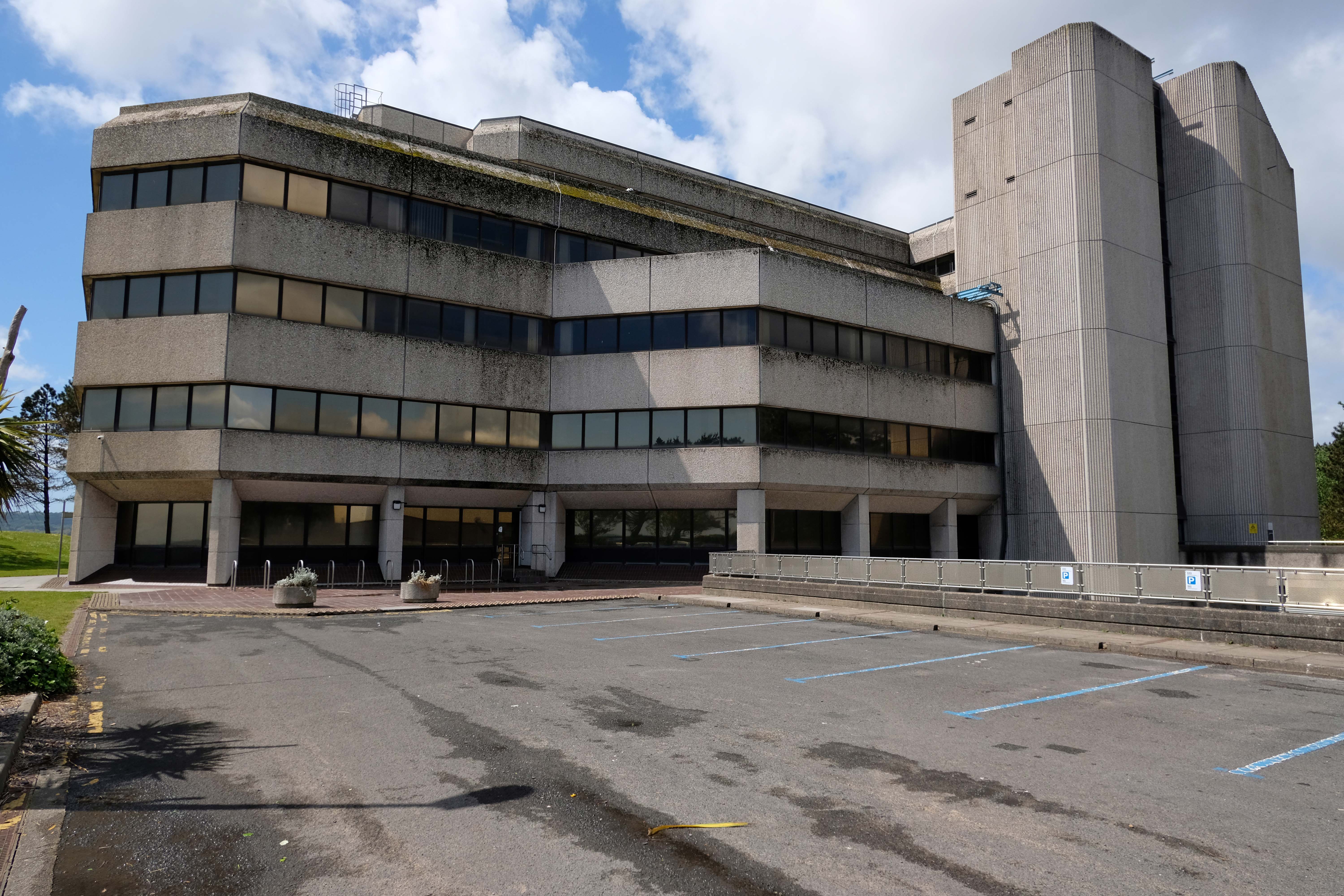
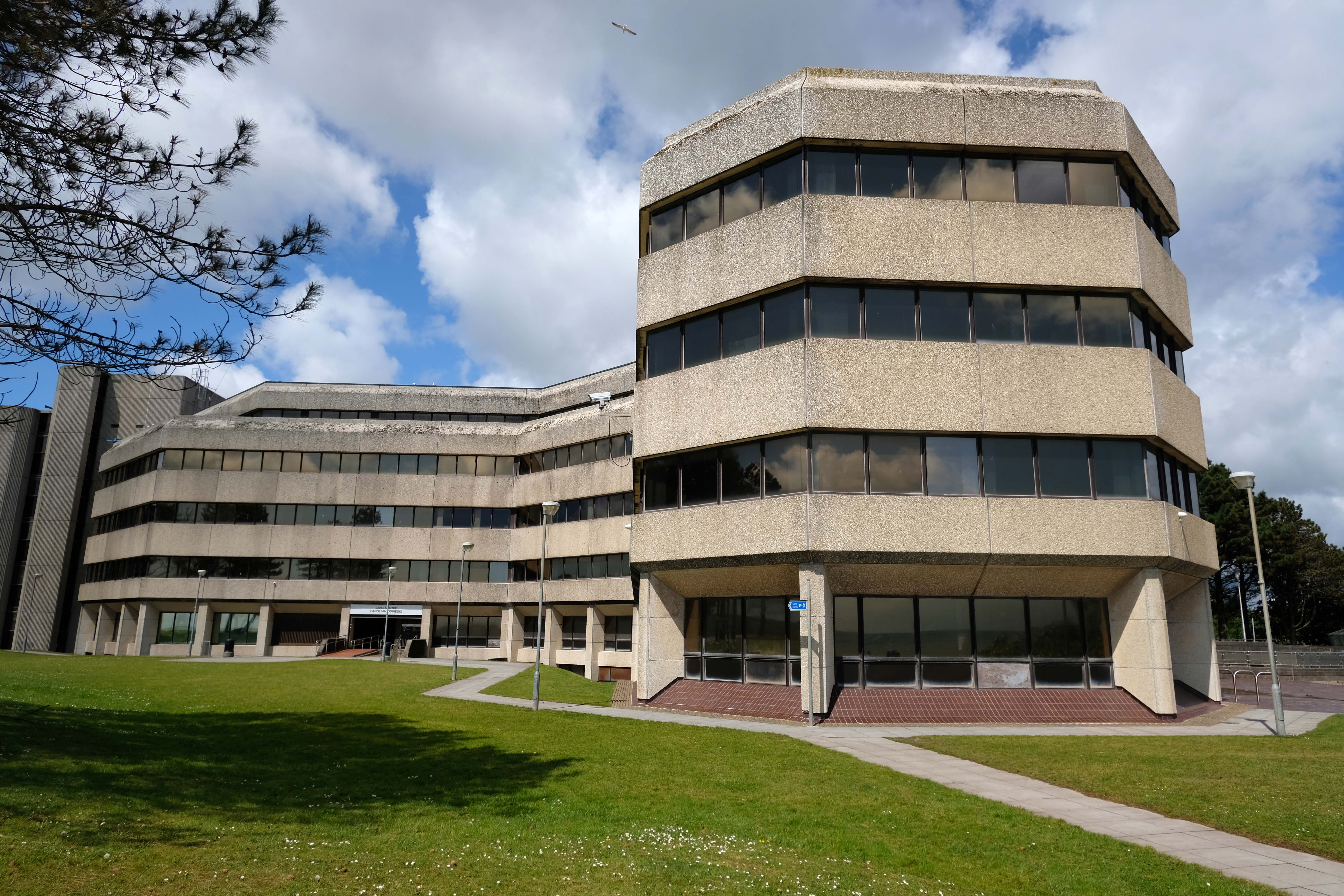
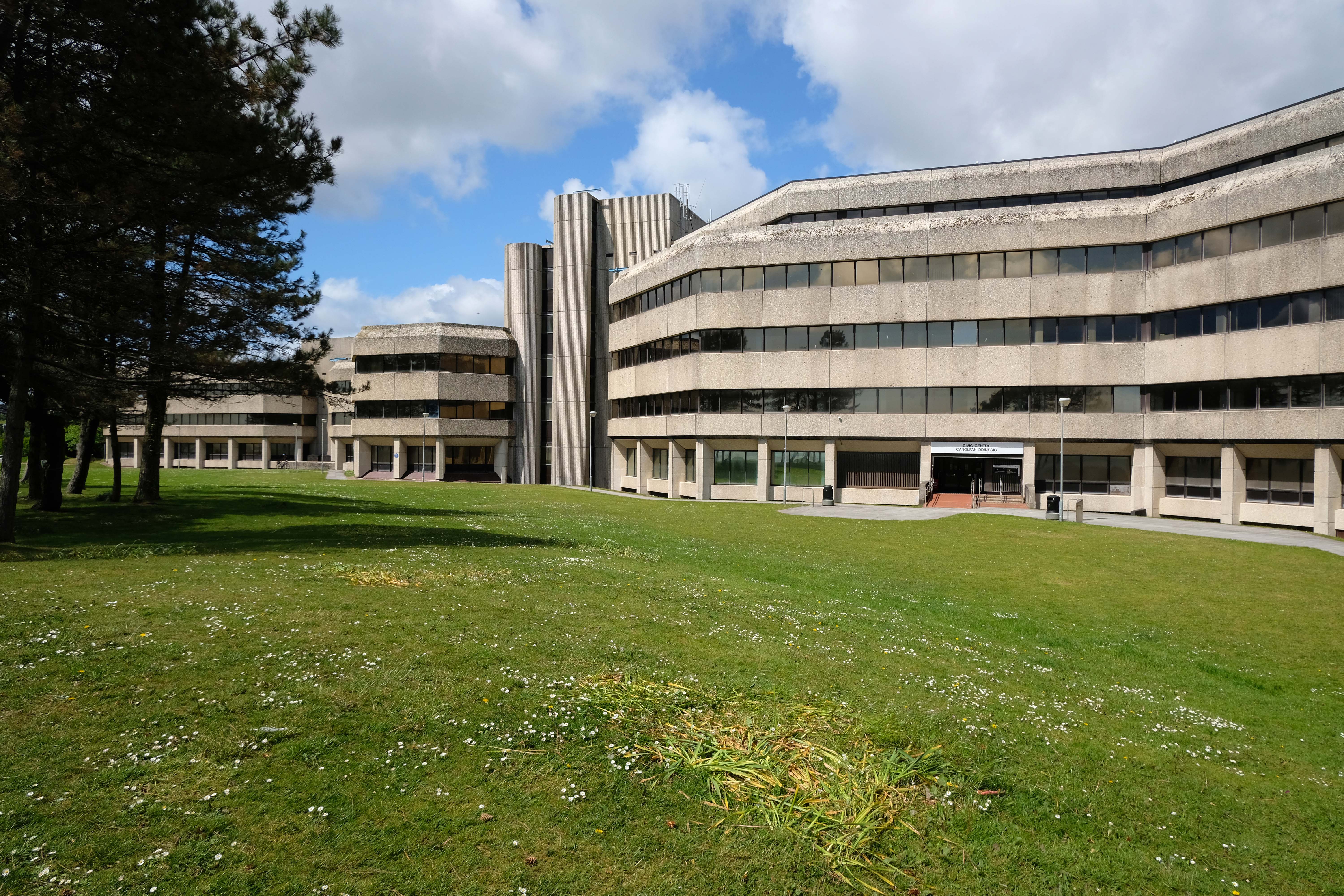
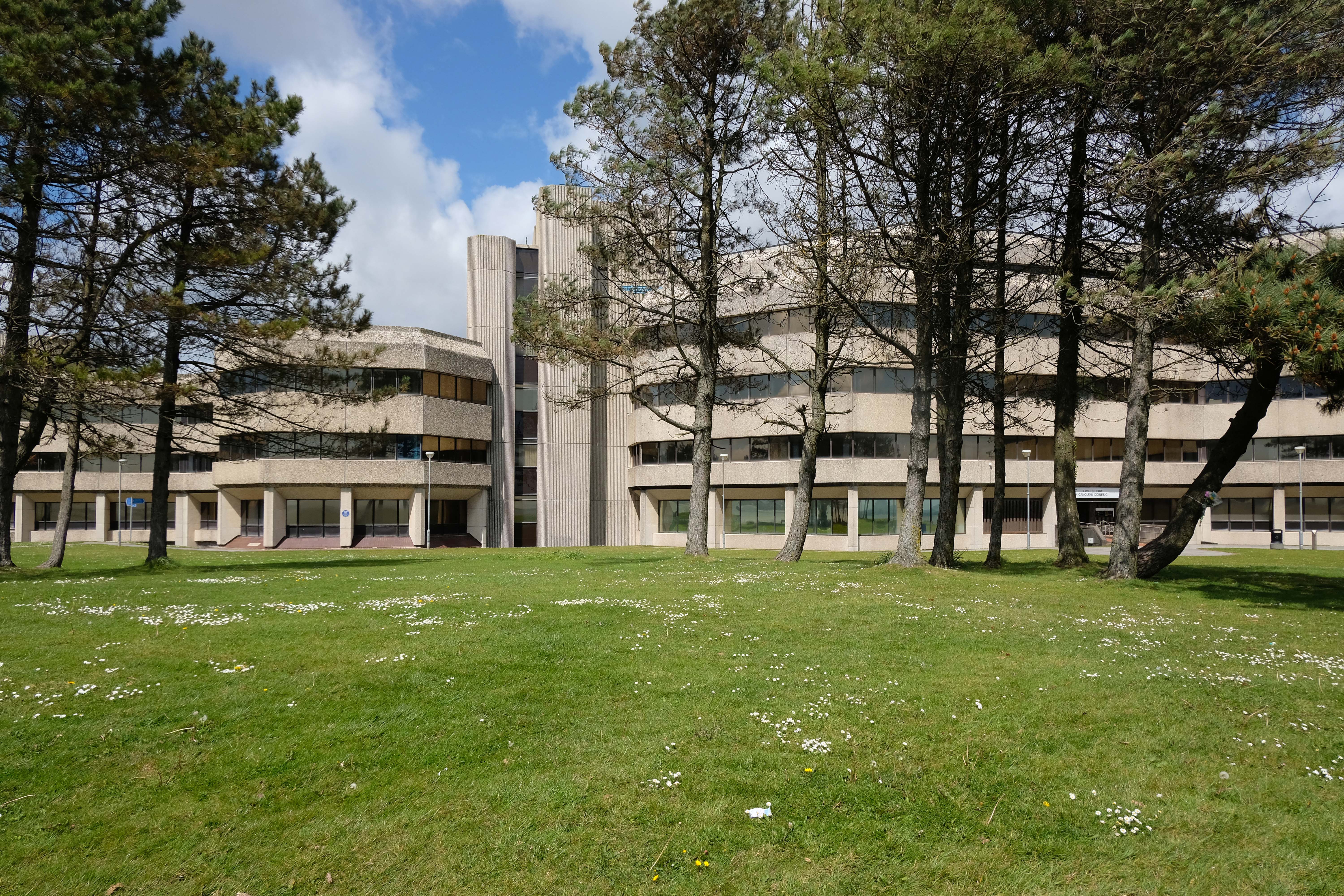
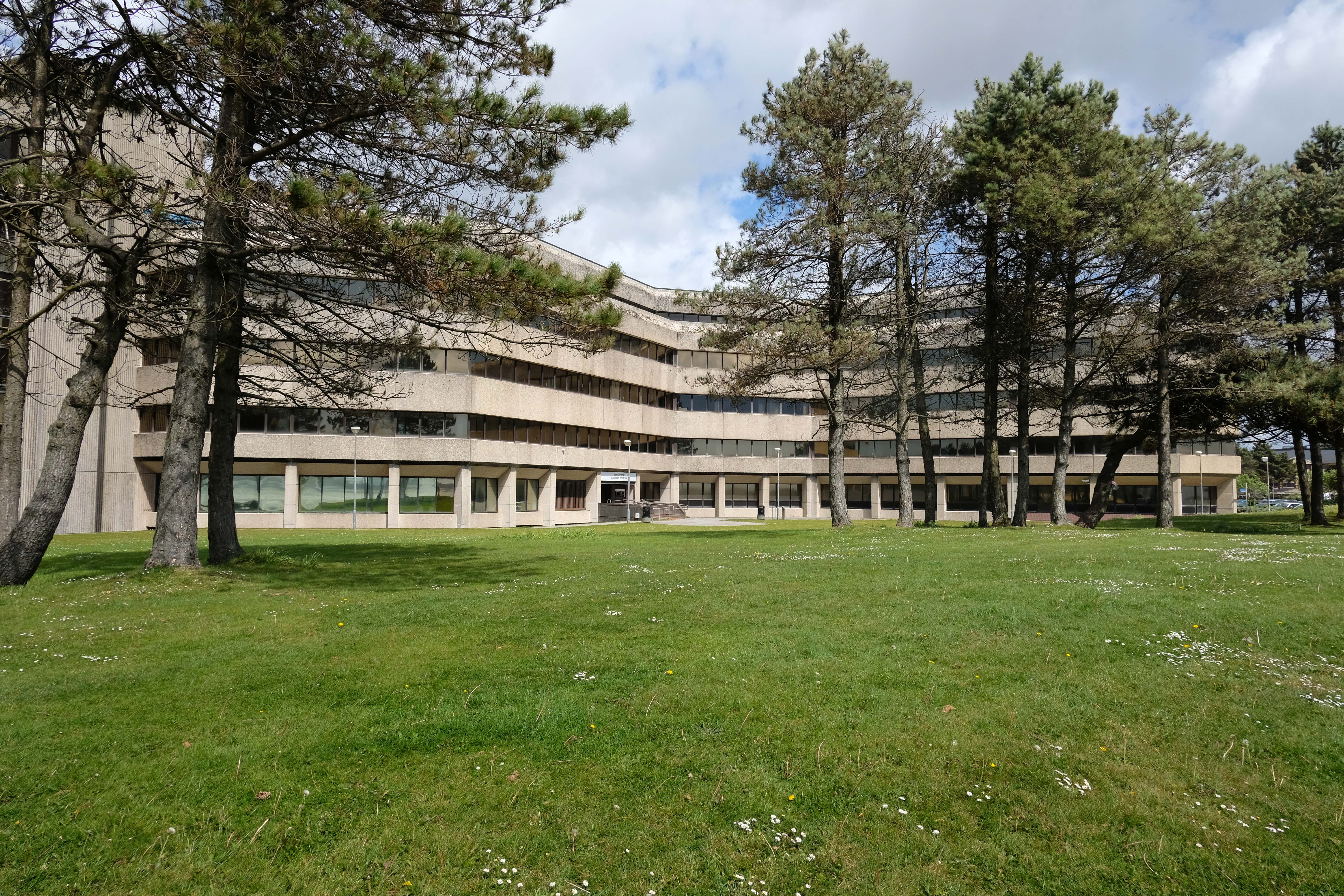
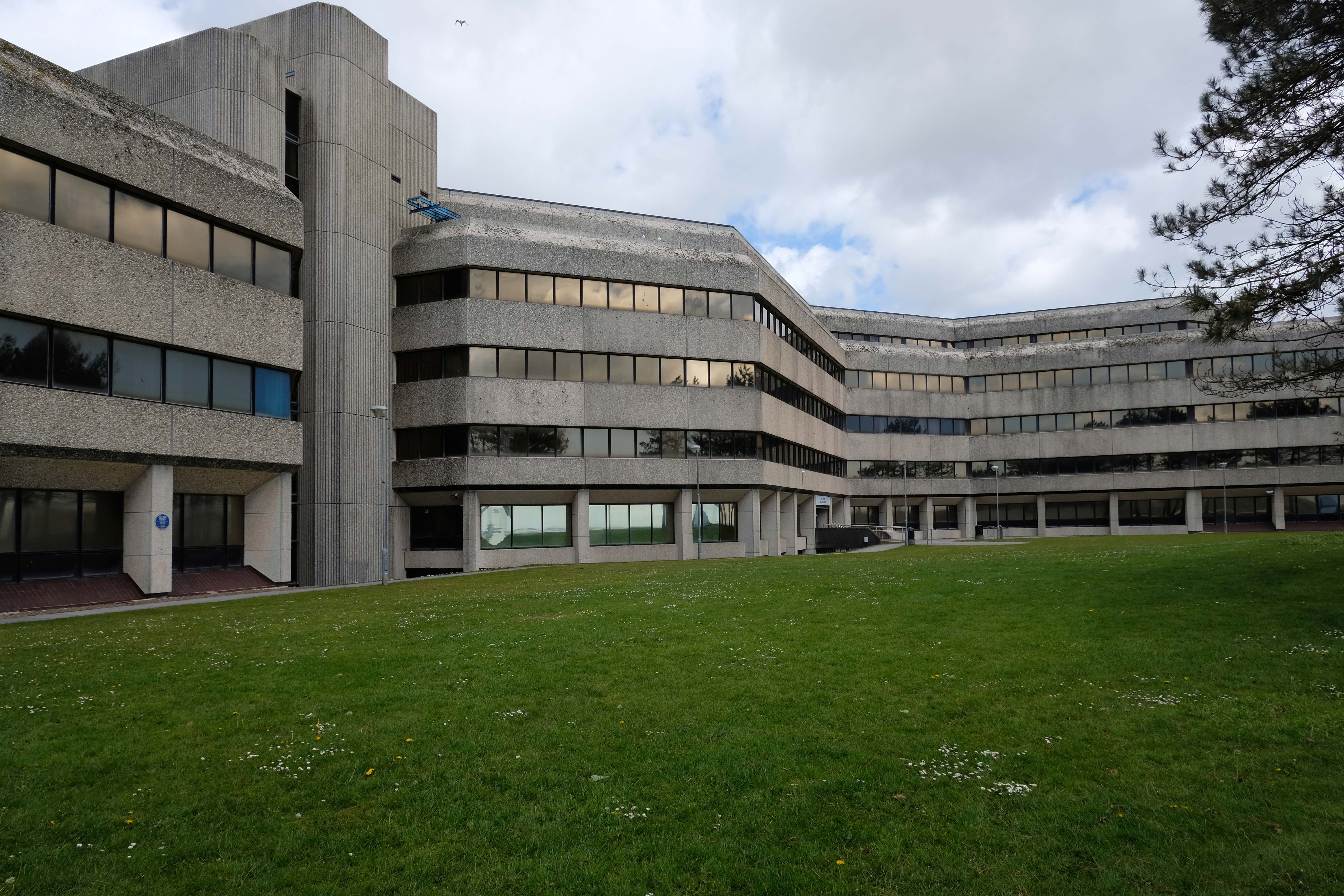
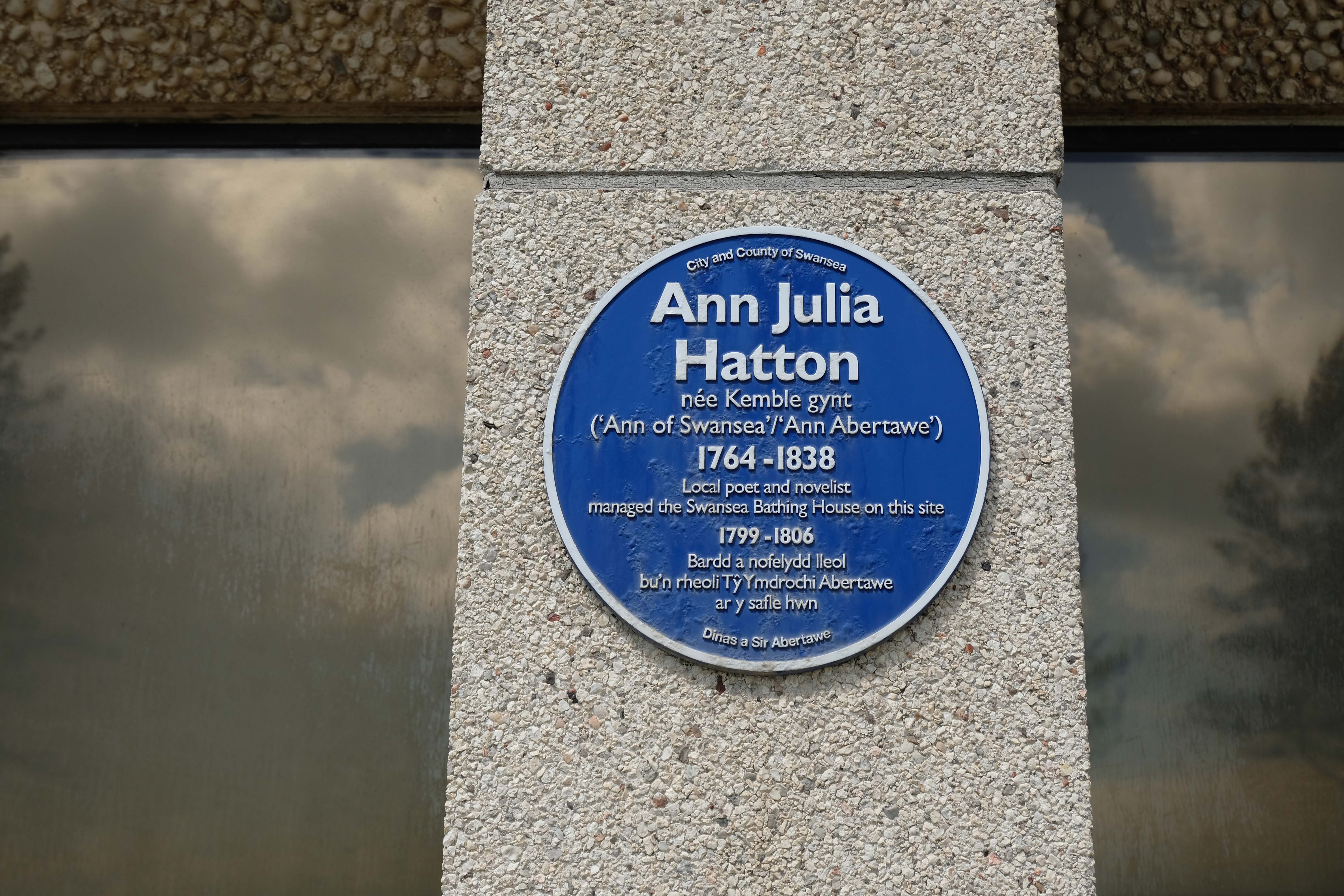
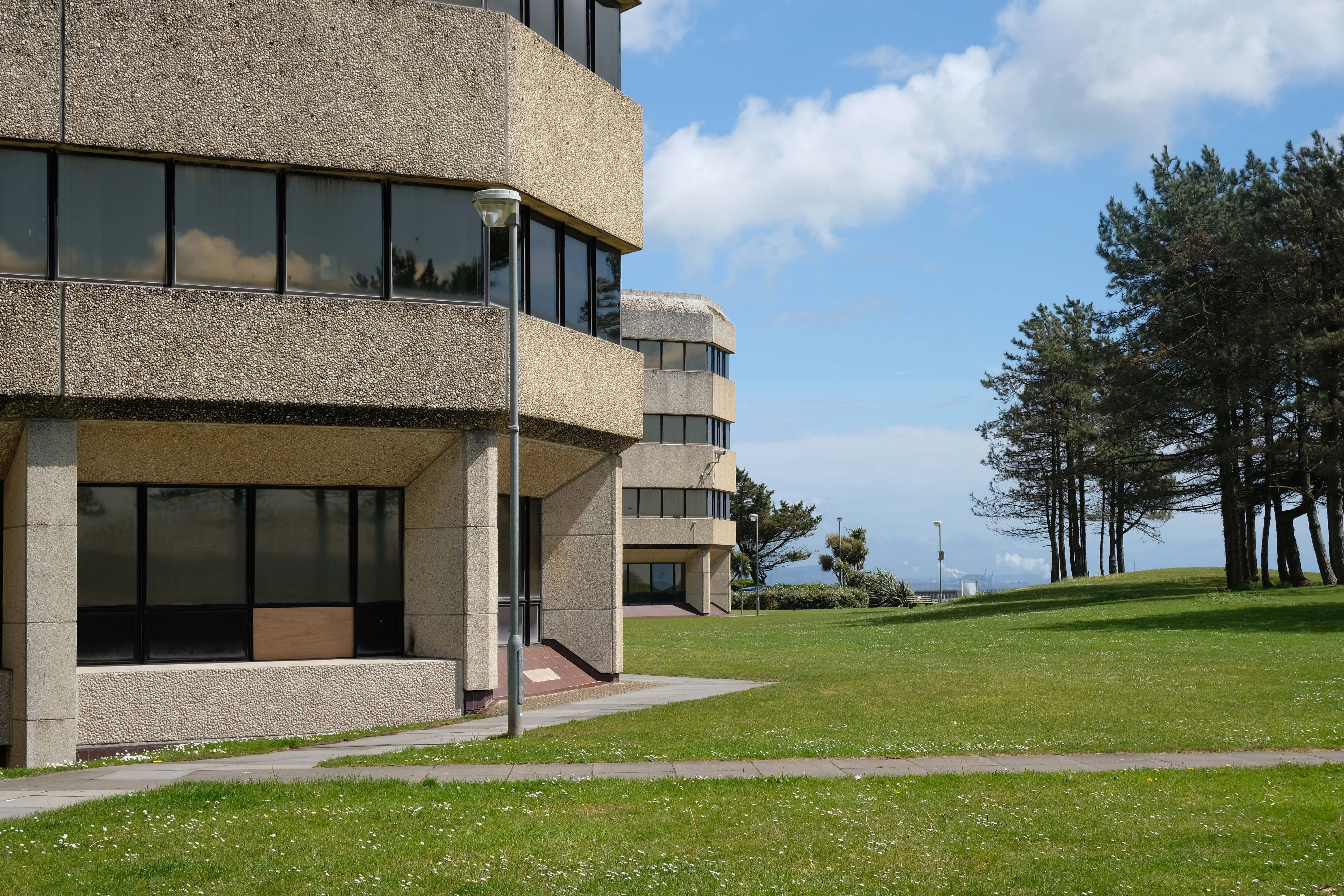
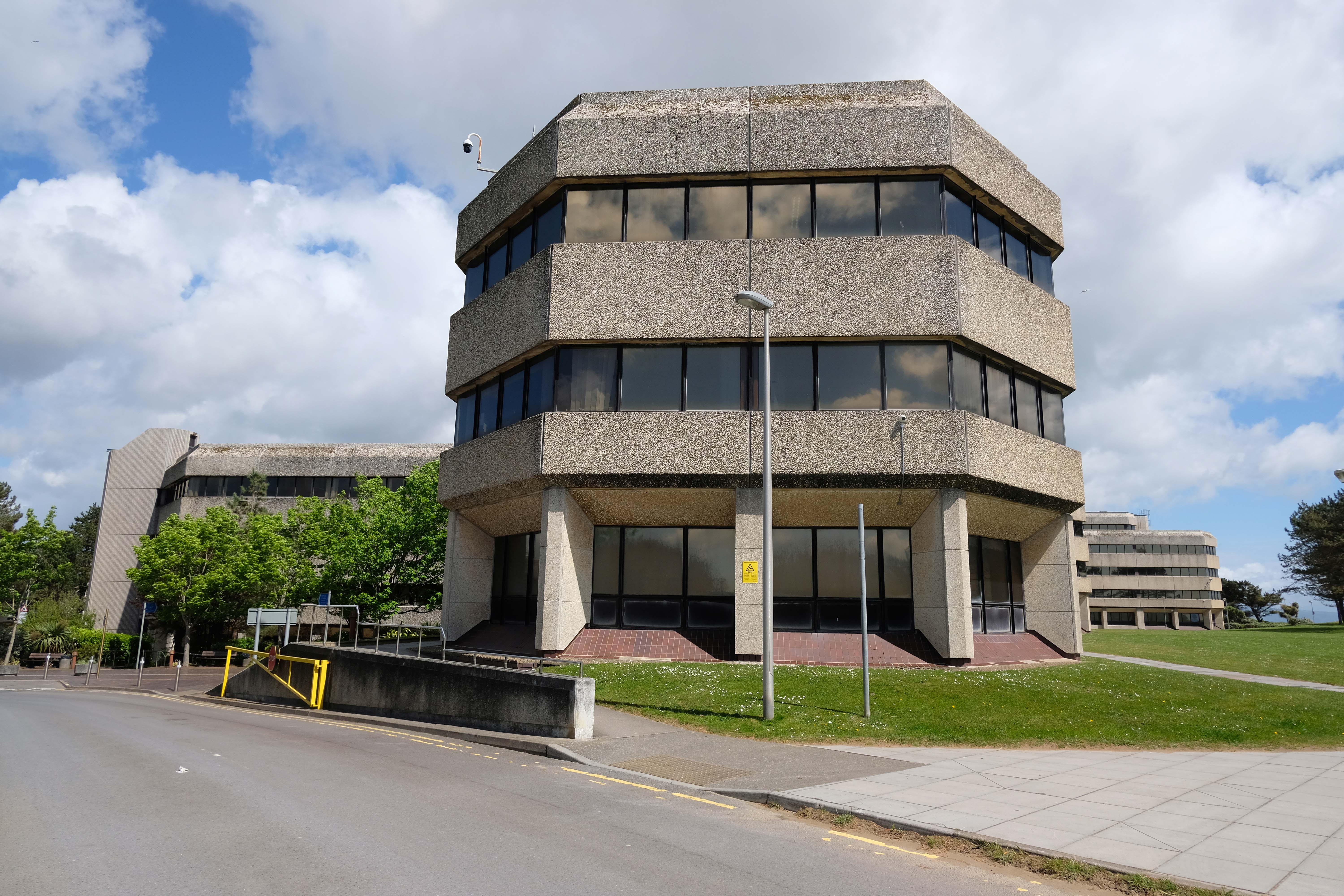
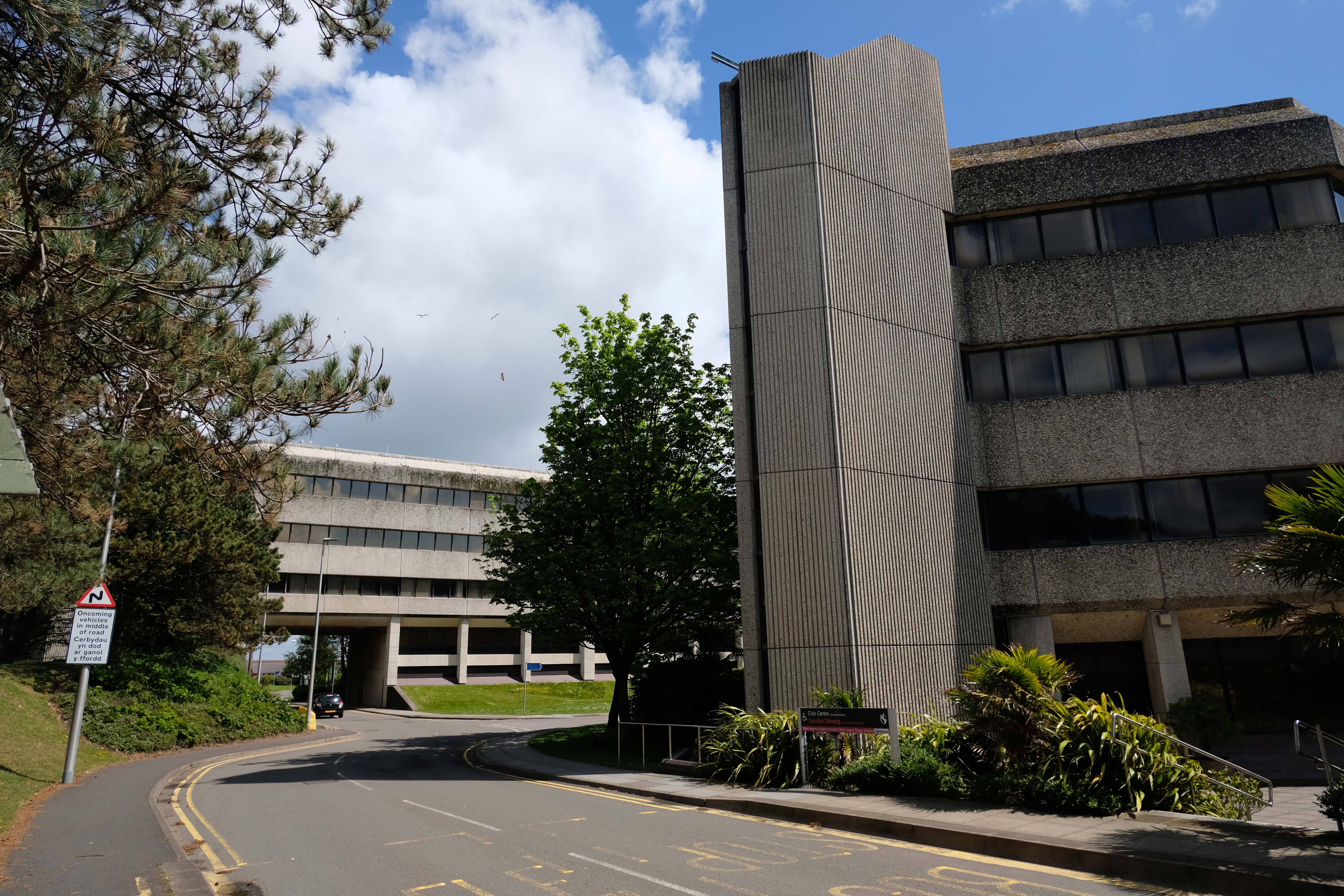
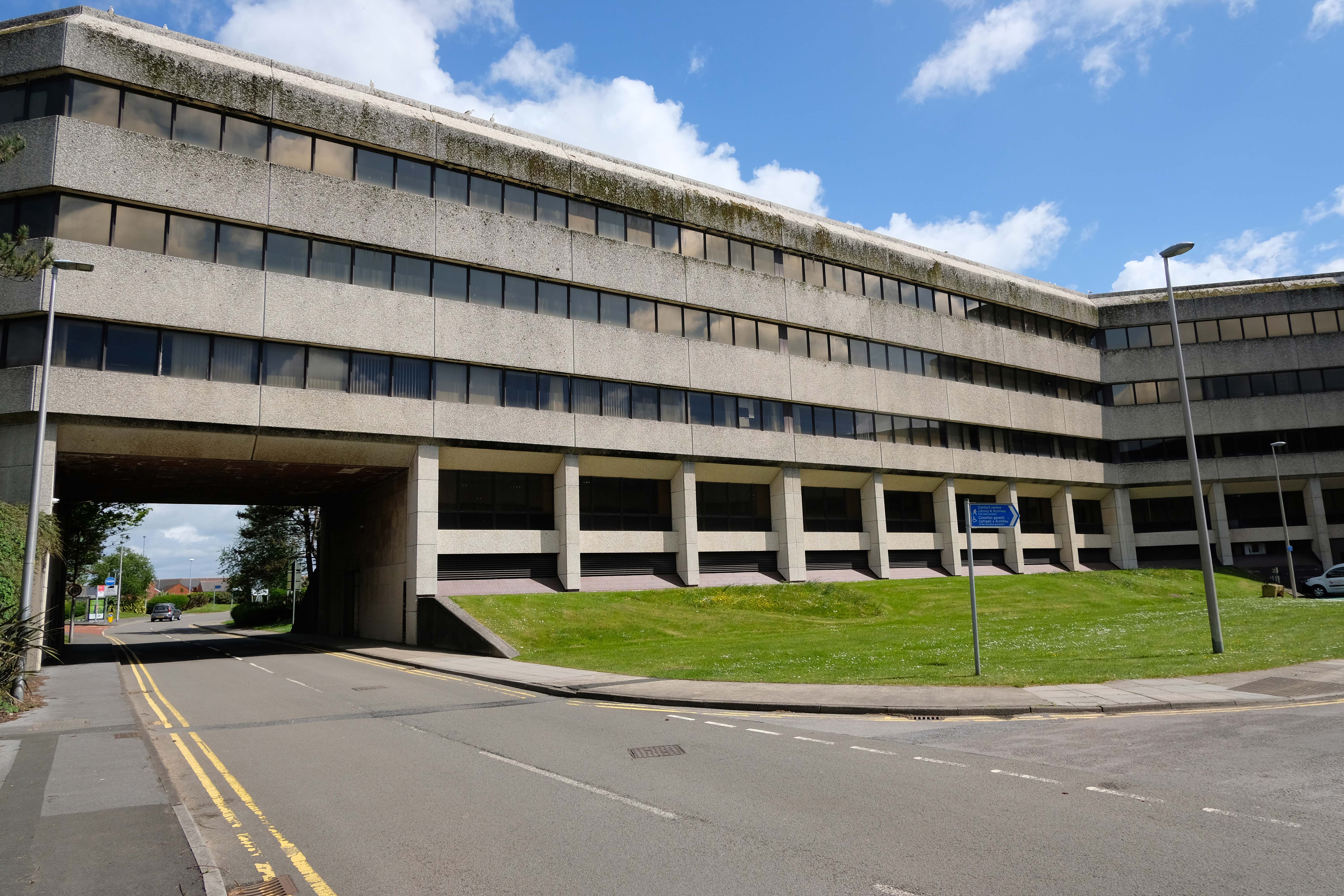
Swansea Civic Centre

Architects: J Webb as County Architect and CW Quick as the job architect of the West Glamorgan County Architects Department 1982

Canolfan Ddinesig Abertawe formerly known as County Hall.

Confused?

Don’t be, it’s all quite simple really.

Following the implementation of the Local Government Act 1972, which broke up Glamorgan County Council and established West Glamorgan County Council, the new county council initially met at Swansea Guildhall. Finding that this arrangement, which involved sharing facilities with Swansea Council, to be inadequate, county leaders procured a dedicated building, selecting a site formerly occupied by an old railway goods yard associated with the Mumbles Railway.

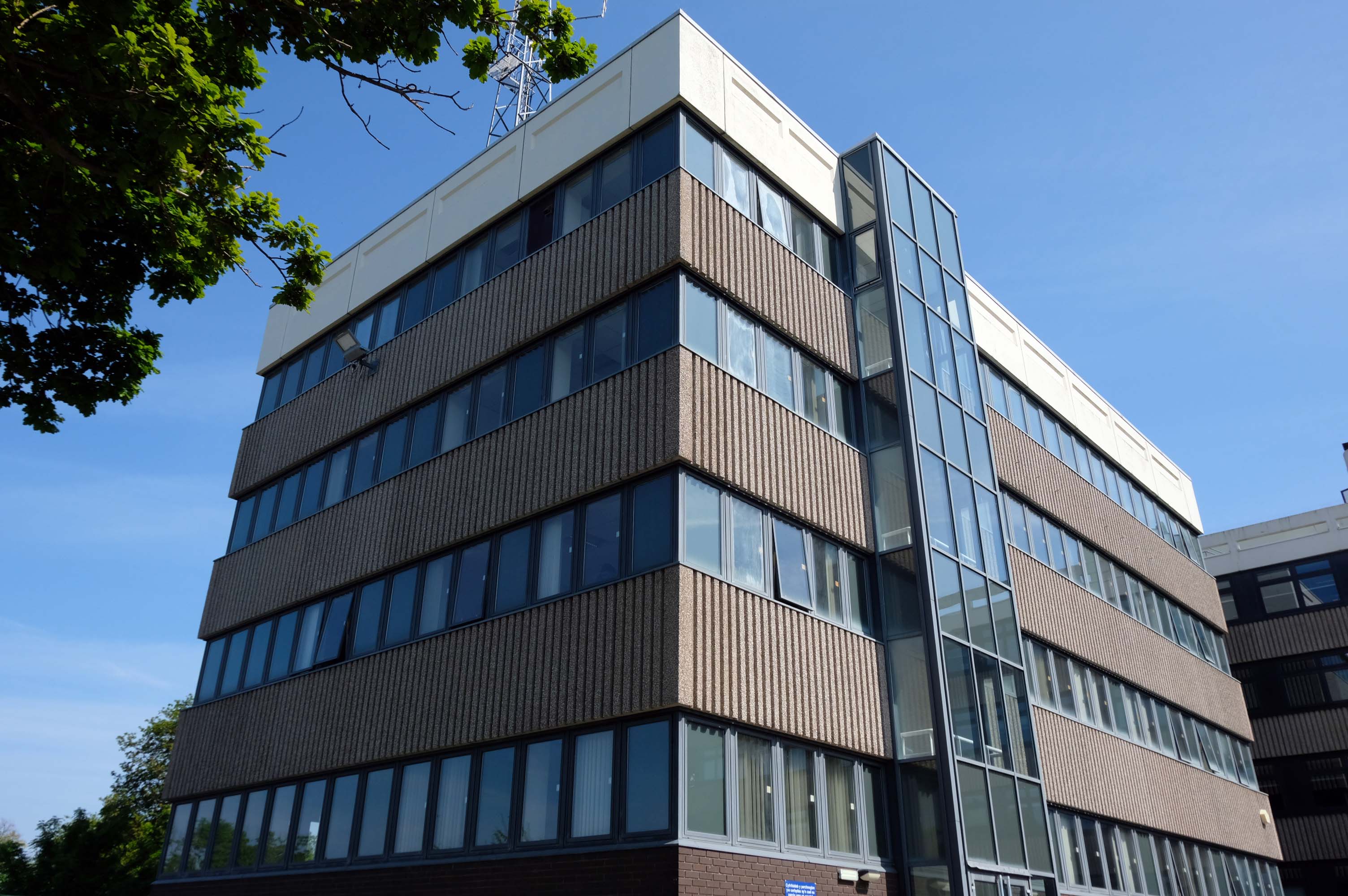
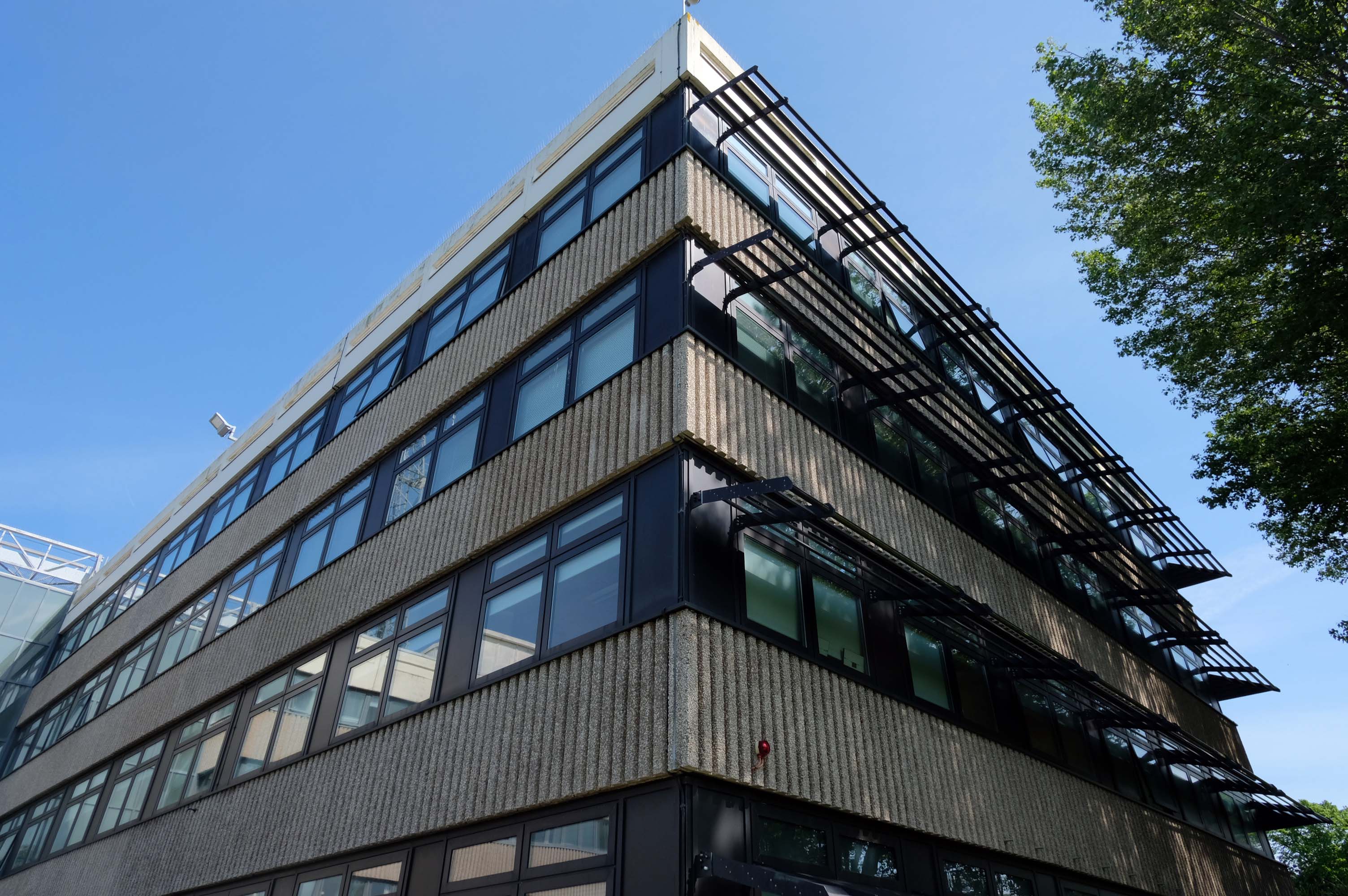
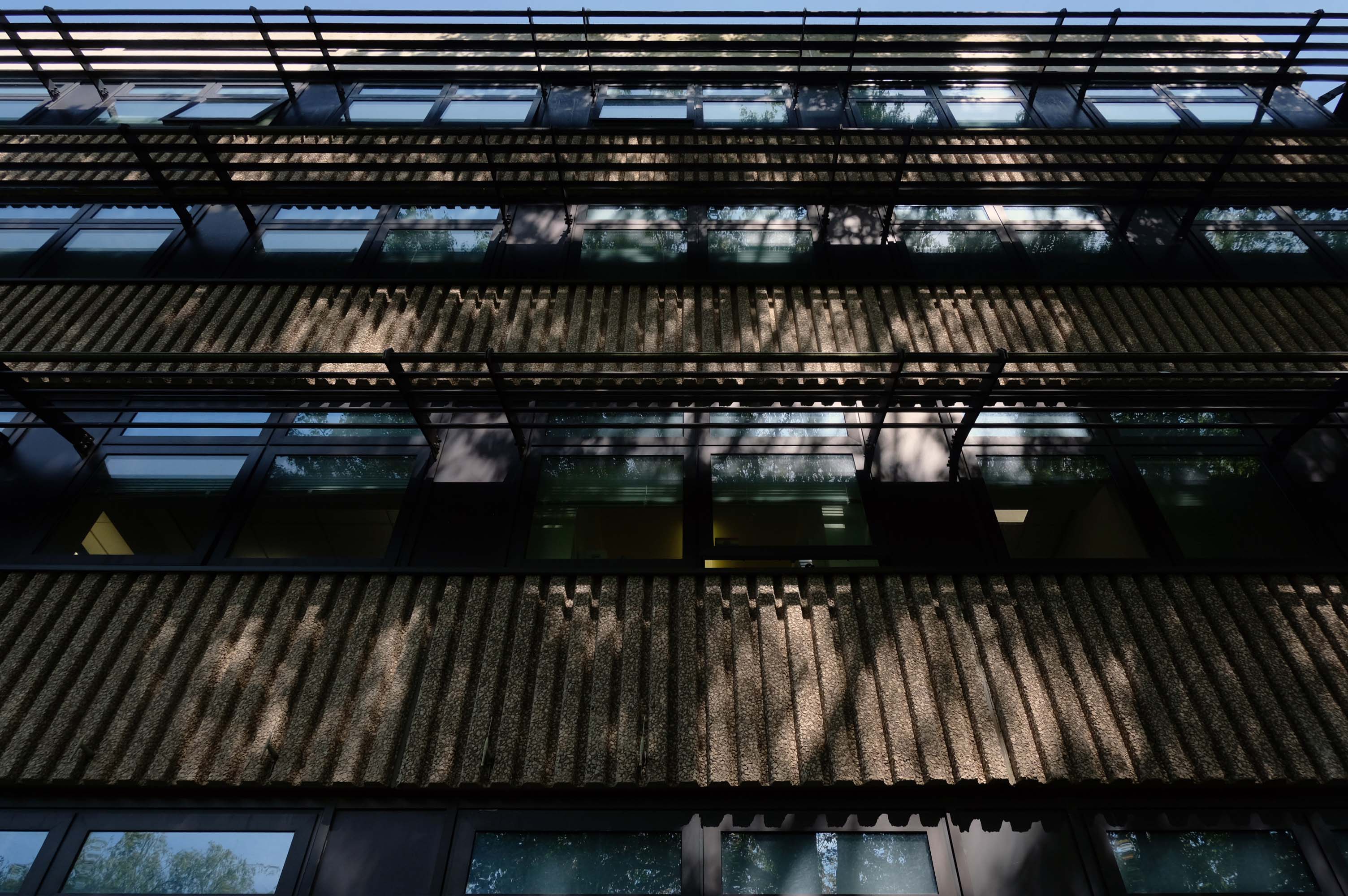
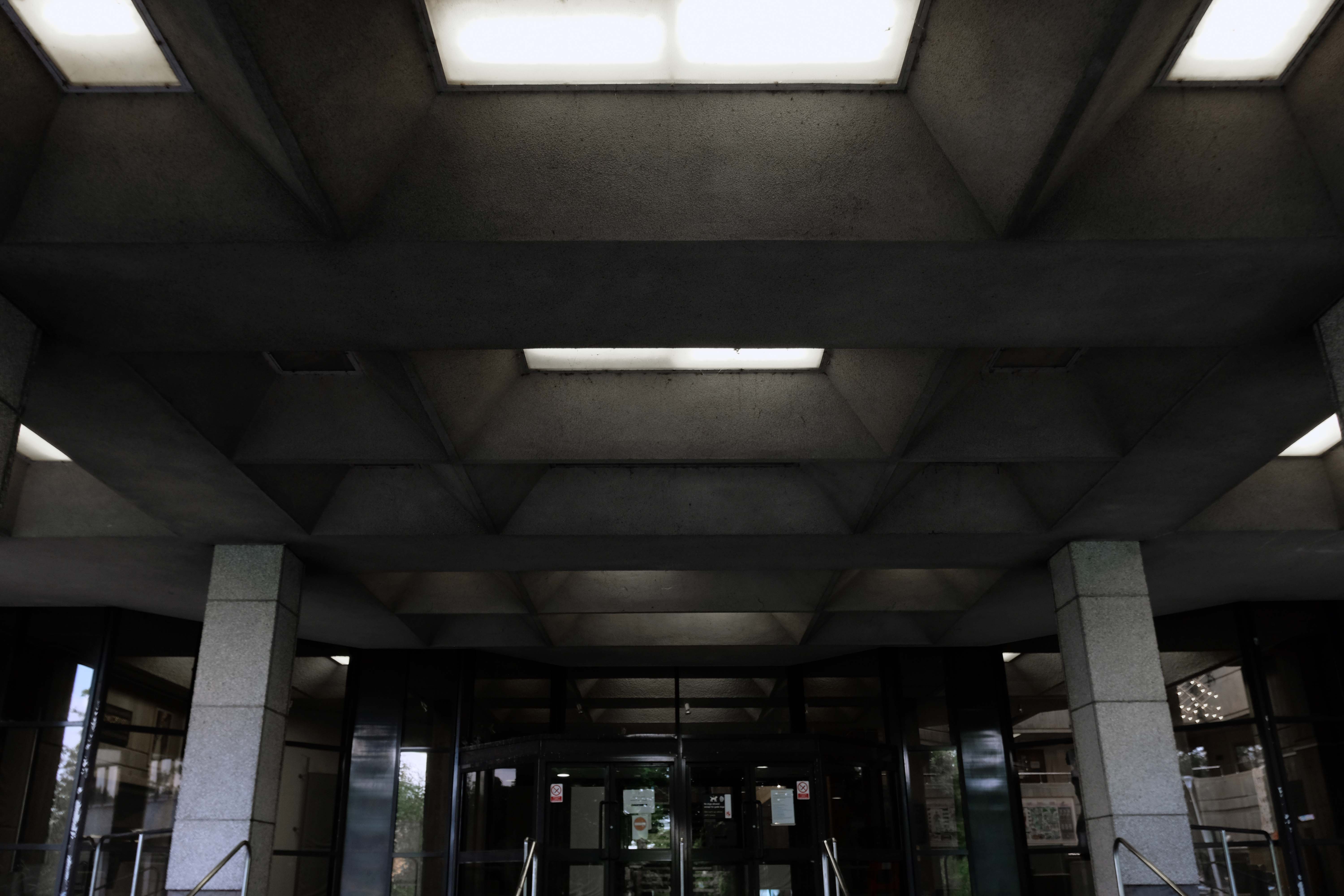
The design features continuous bands of glazing with deep washed calcined flint panels above and below.

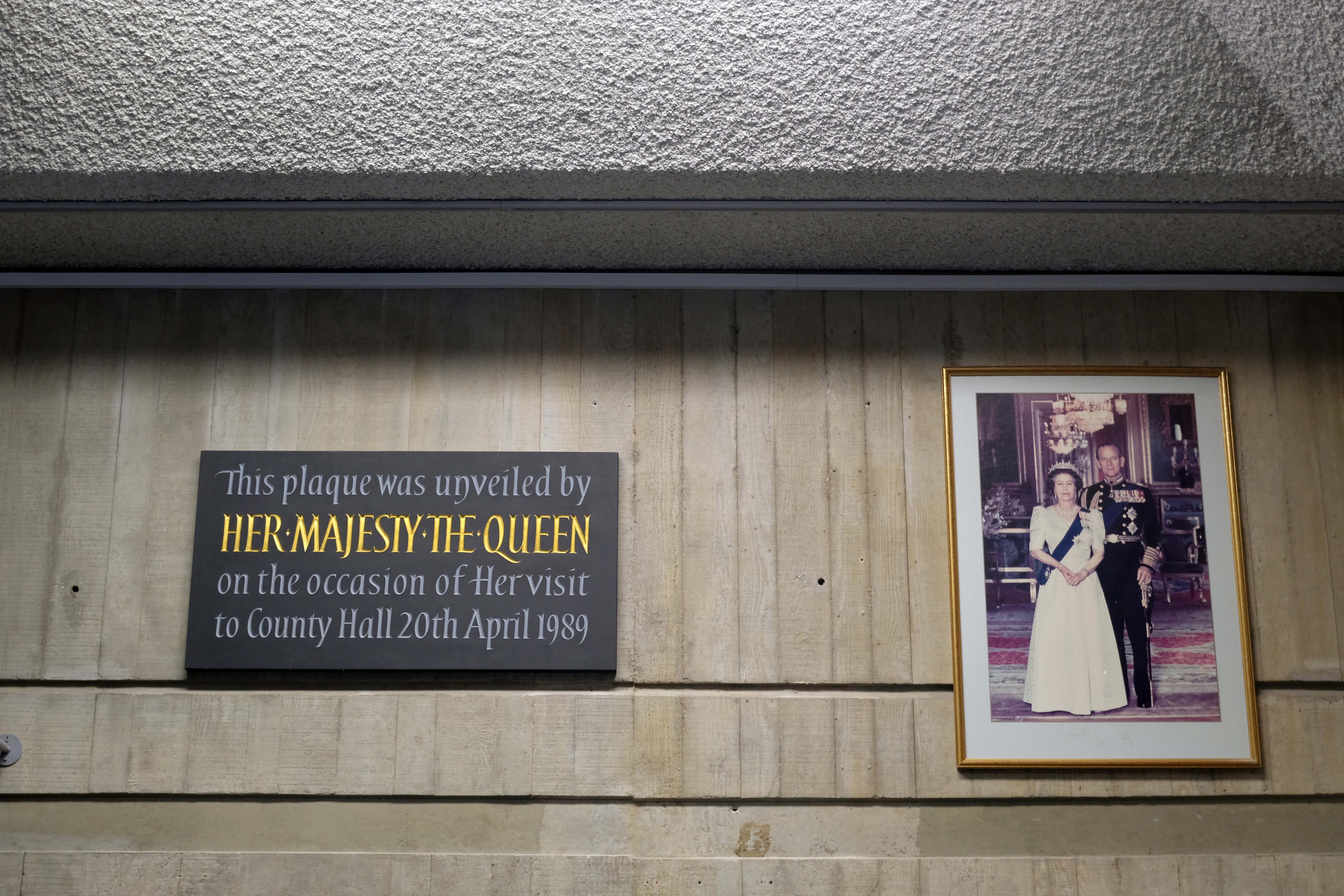
Queen Elizabeth II, accompanied by the Duke of Edinburgh, visited on 20 April 1989.

After local government re-organisation in 1996, which abolished West Glamorgan County Council, ownership of the building was transferred to Swansea Council. It was renamed Swansea Civic Centre on 19 March 2008, and Swansea Central Library moved into the complex as part of a redevelopment scheme.

See, simple!

Wikipedia

However.

In 2019 it was reported that Swansea Council leader Rob Stewart said:

As part of our city centre’s multi-million pound transformation, it remains our aim to vacate and demolish the civic centre.

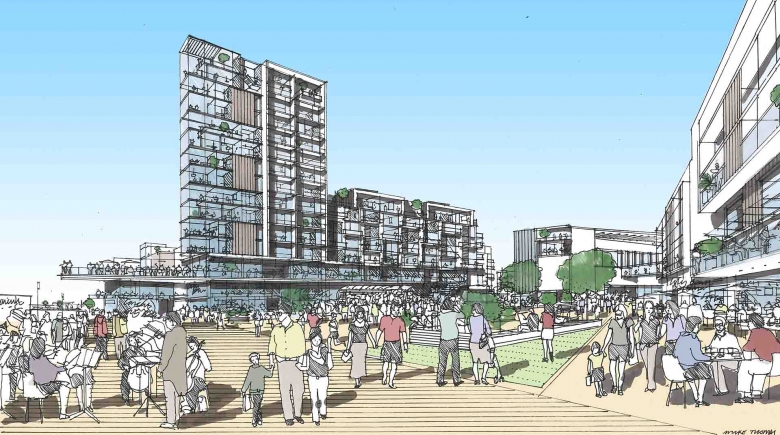
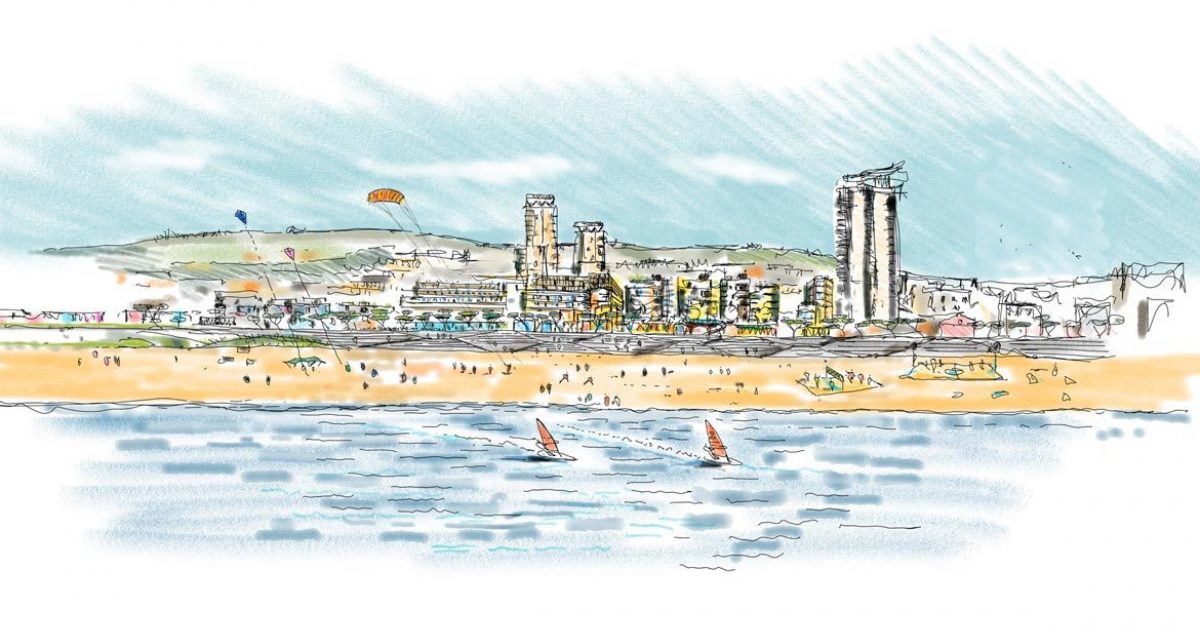
We want to reinvigorate that area and we continue to make progress on a master plan for it.

Powell and Dobson think that this seems like a swell idea

Urban Splash seem to have a slightly vaguer vision.

In March 2021, plans to find a new use for the location continued to still be a commitment of Swansea council, with the announcement of the transfer of the central library and other public services to the former BHS and now What! store on Oxford Street.

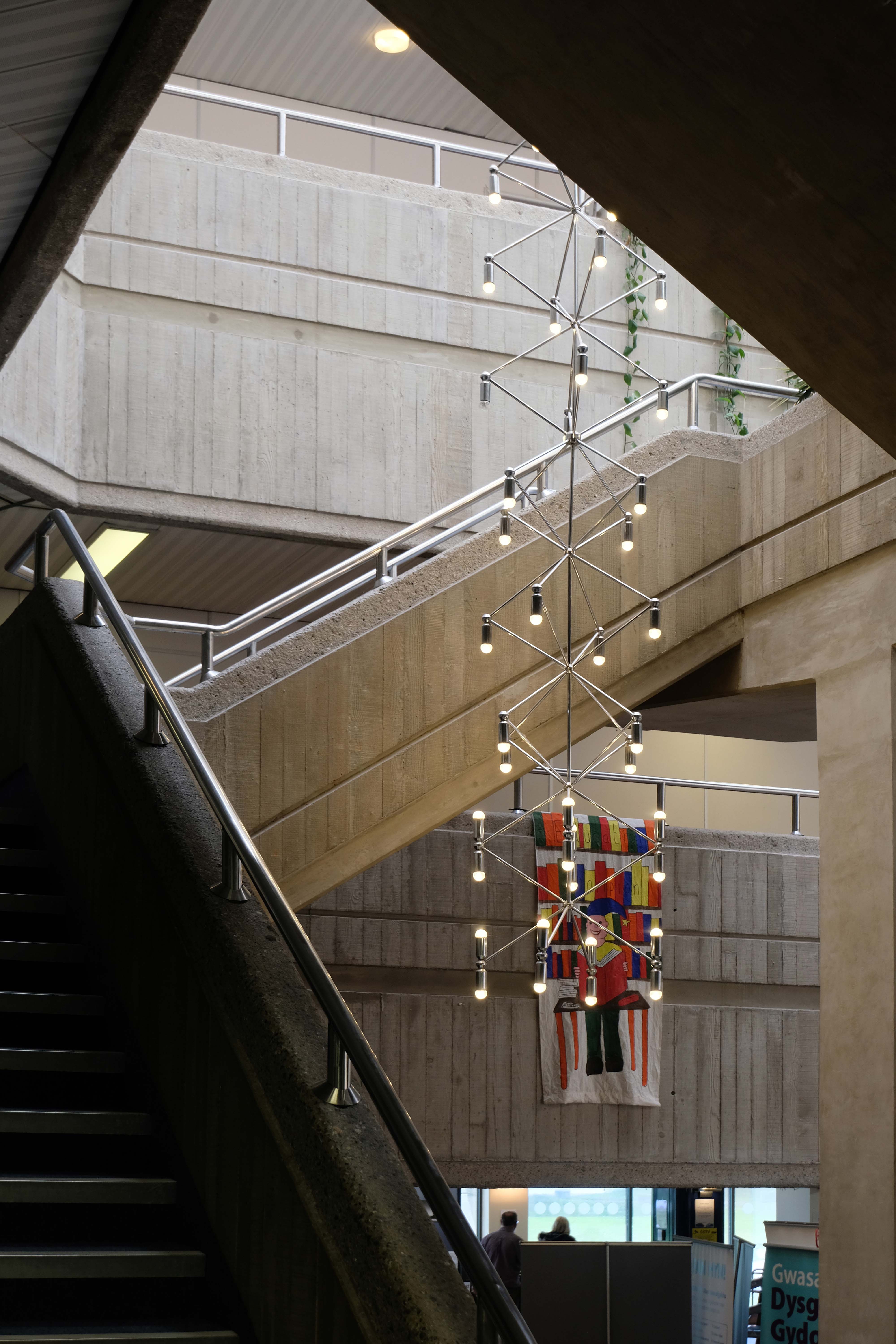
Swansea Civic Centre is at risk the Twentieth Century Society says so – they are strongly opposed to demolition of the iconic building and have submitted an application to have the building listed as Grade II.

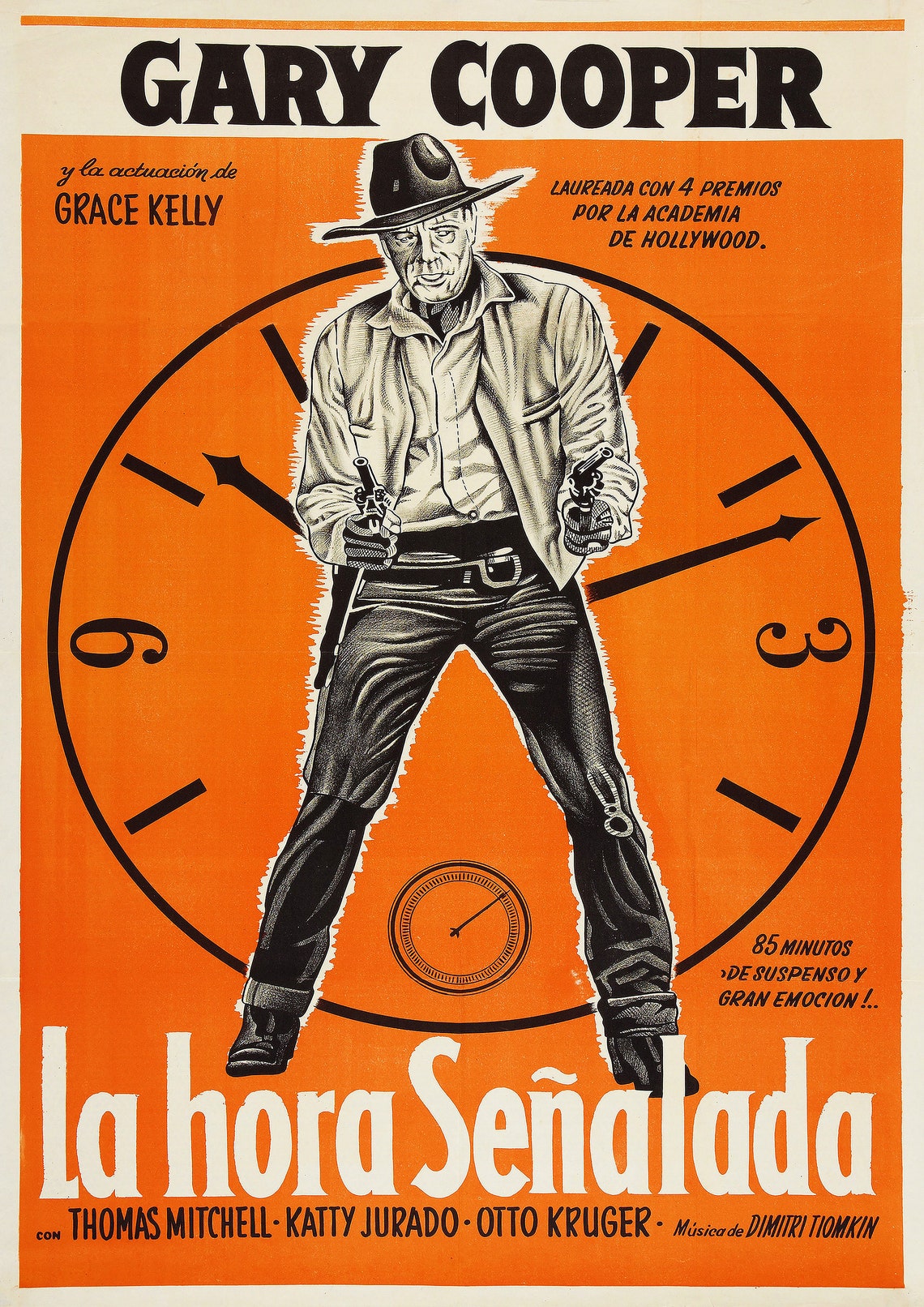
I do not know what fate awaits it, I only know it must be brave – to paraphrase Dimitri Zinovievich Tiomkin, Ned Washington, Gary Cooper and Frankie Laine – it’s High Noon and counting.

Any road up as of the 11th of May it looked just like this:

Diolch yn fawr once again to Catrin Saran James for acting as my spirit guide.

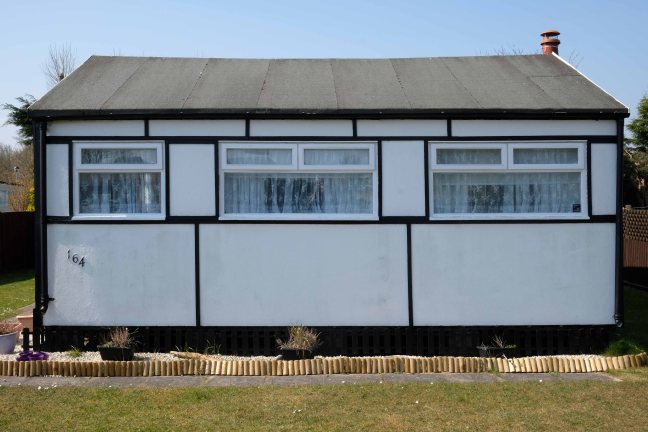
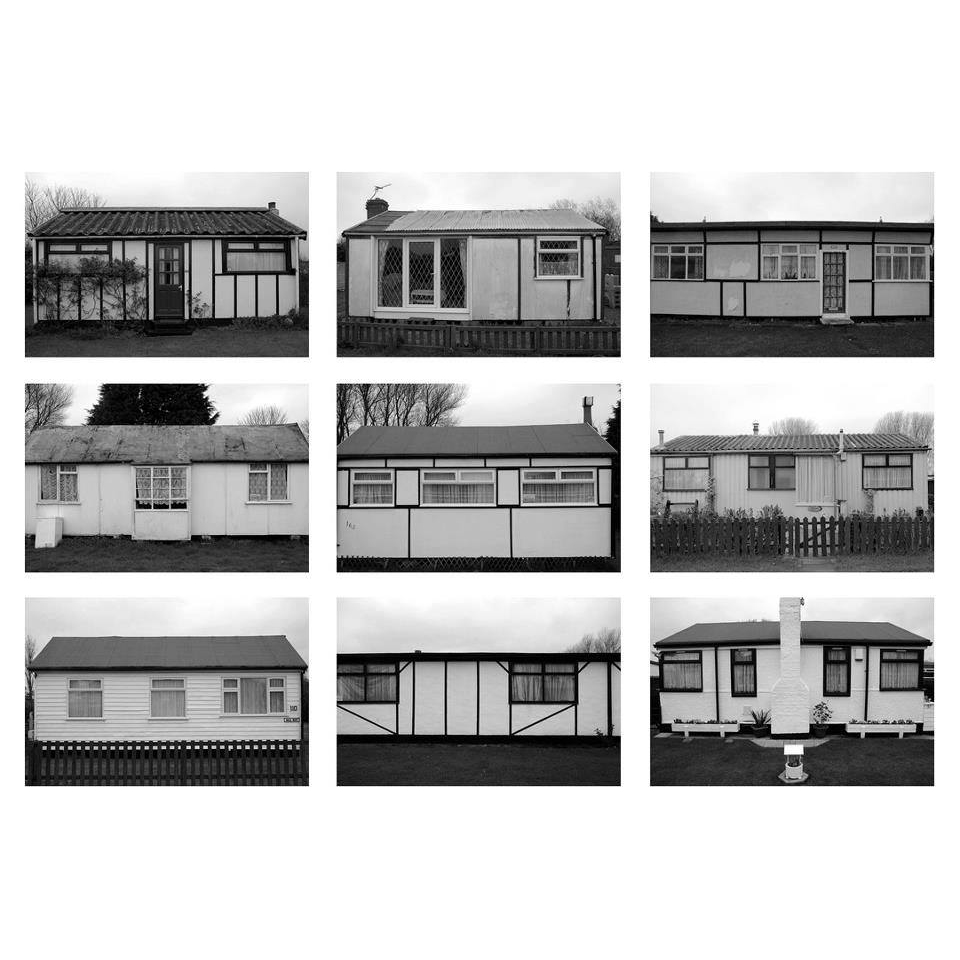
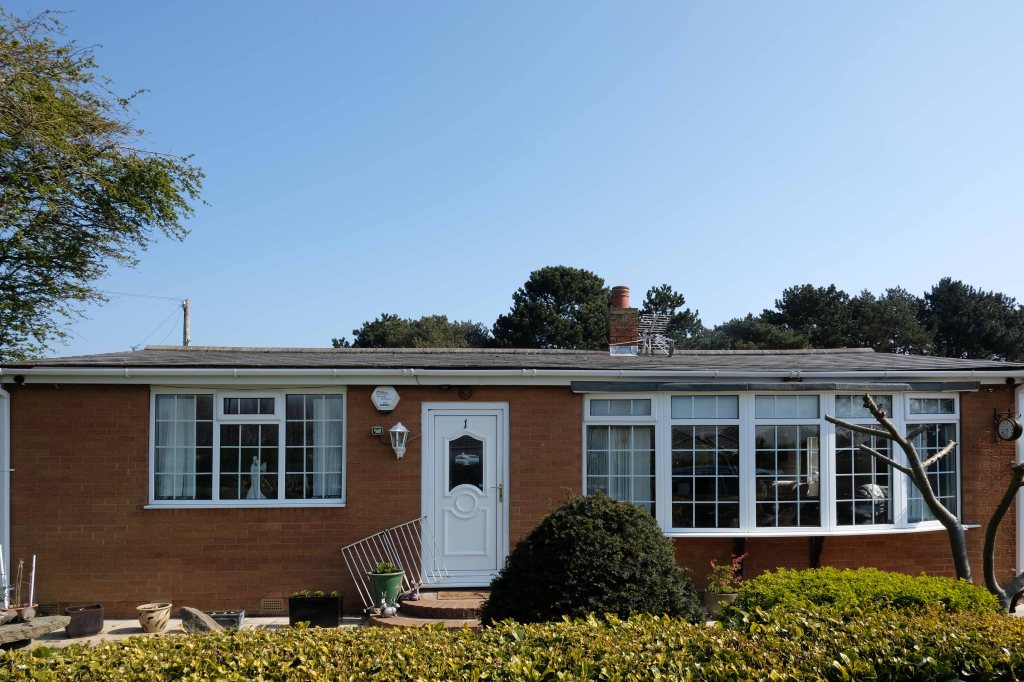
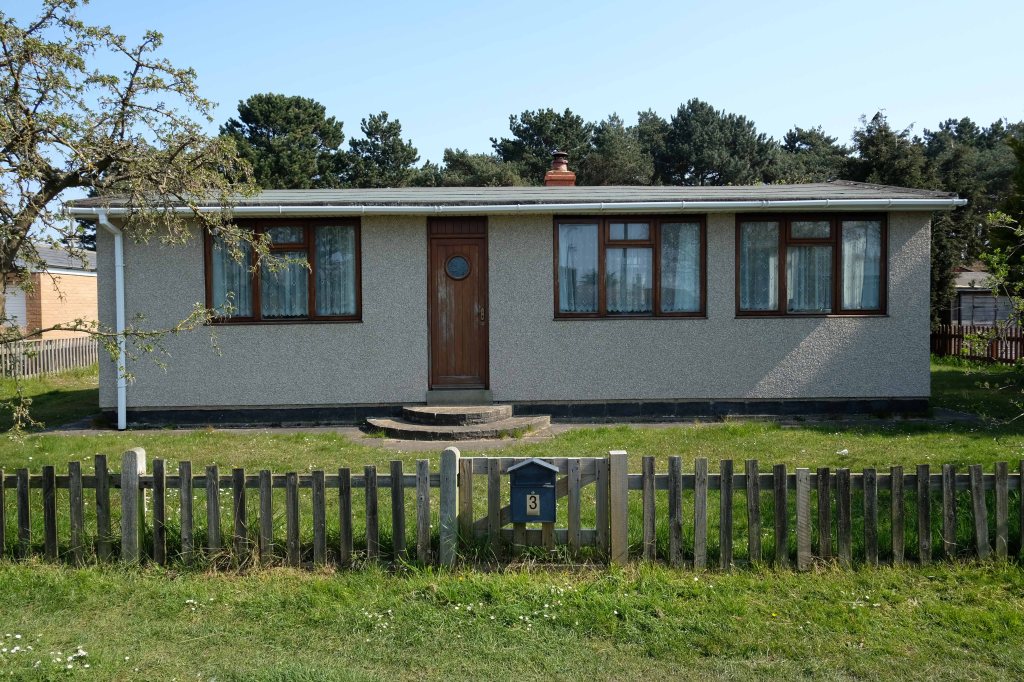
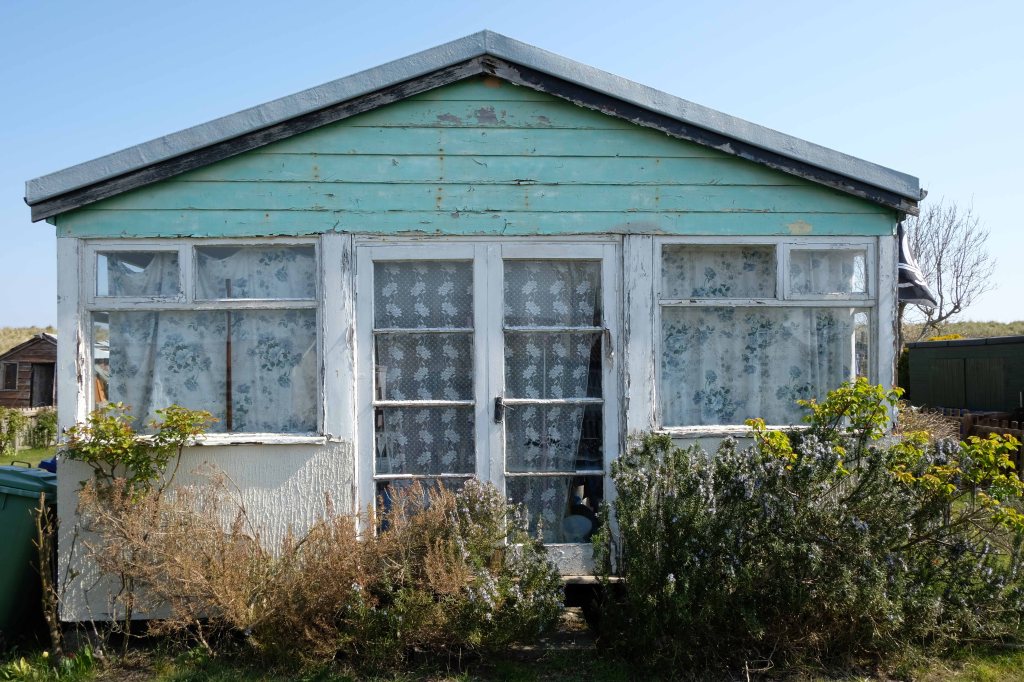
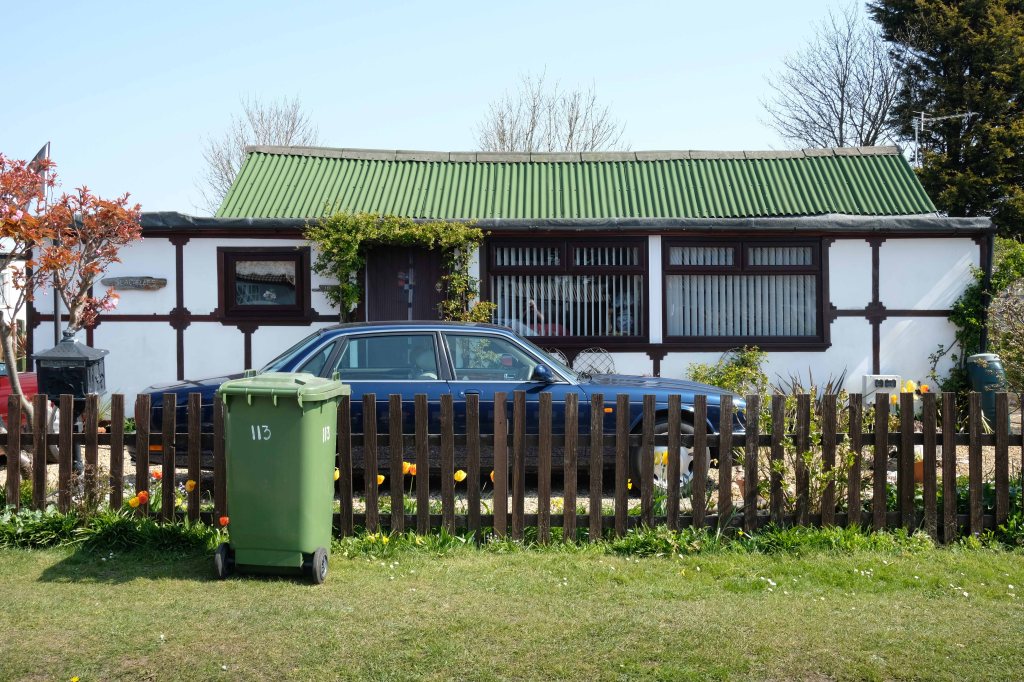
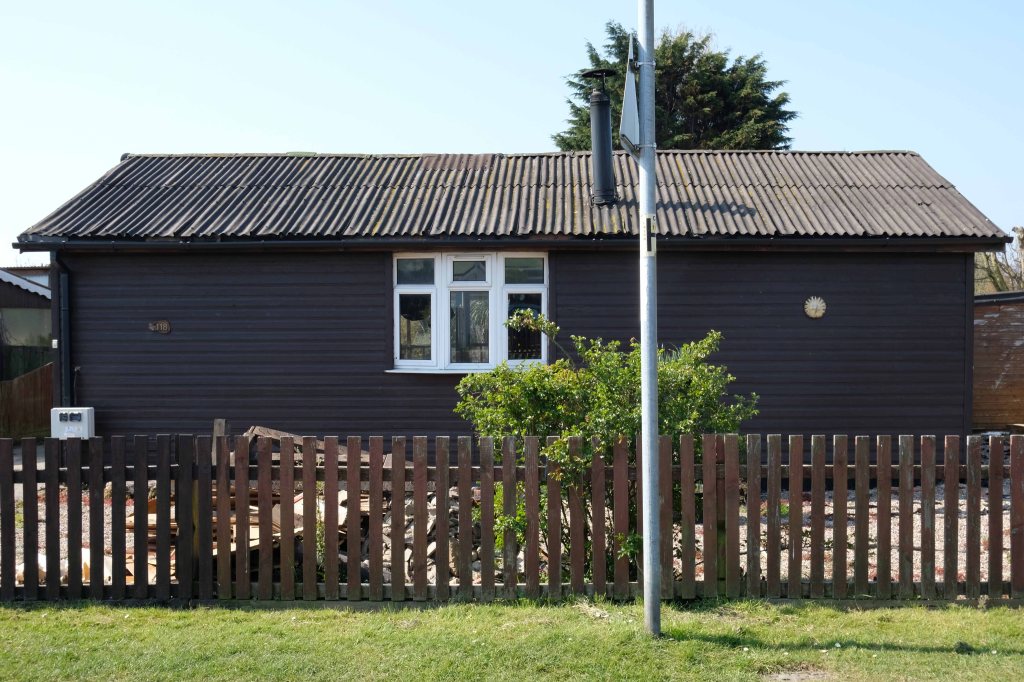
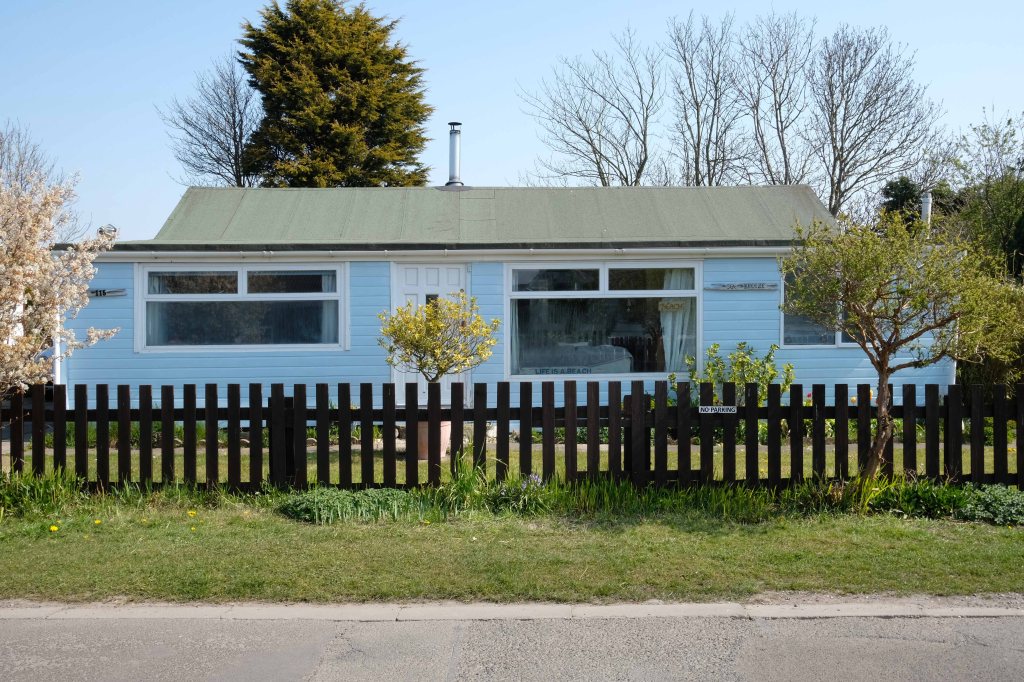
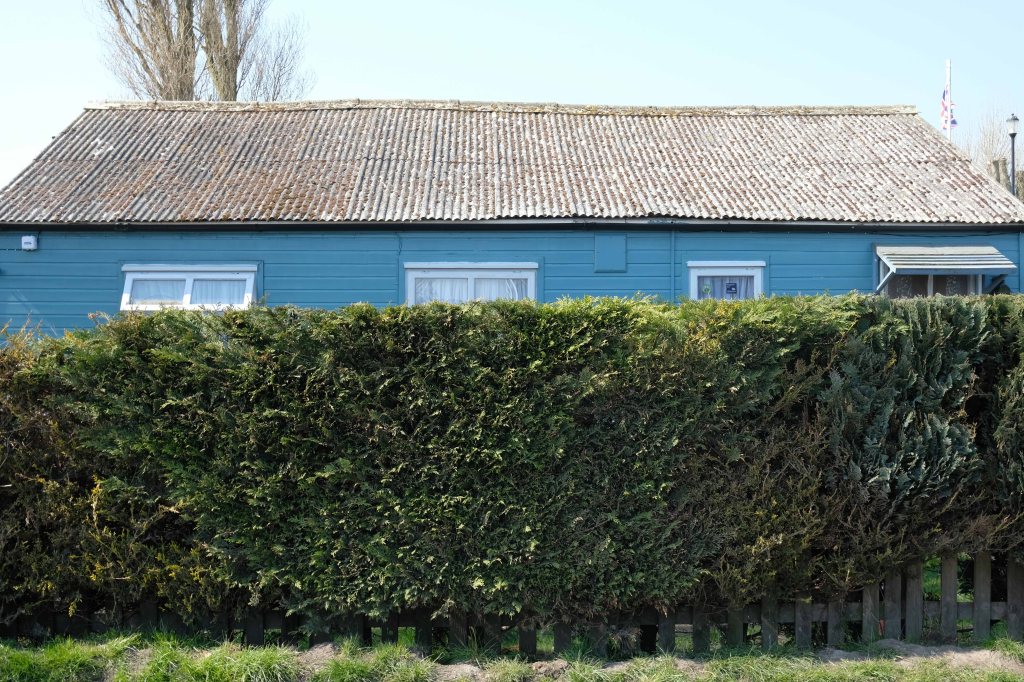
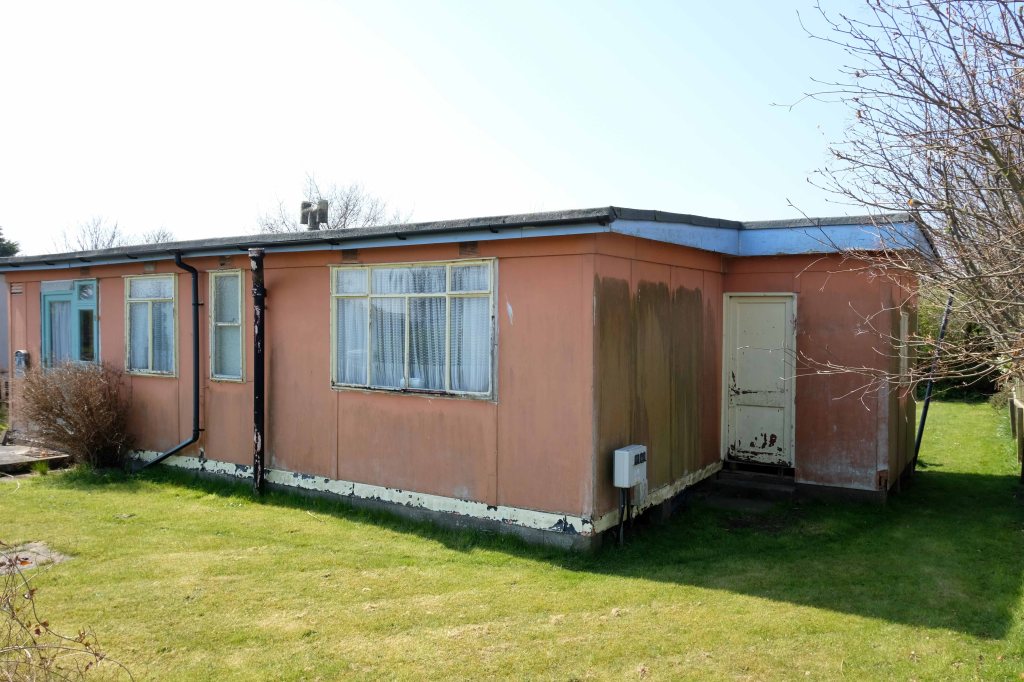
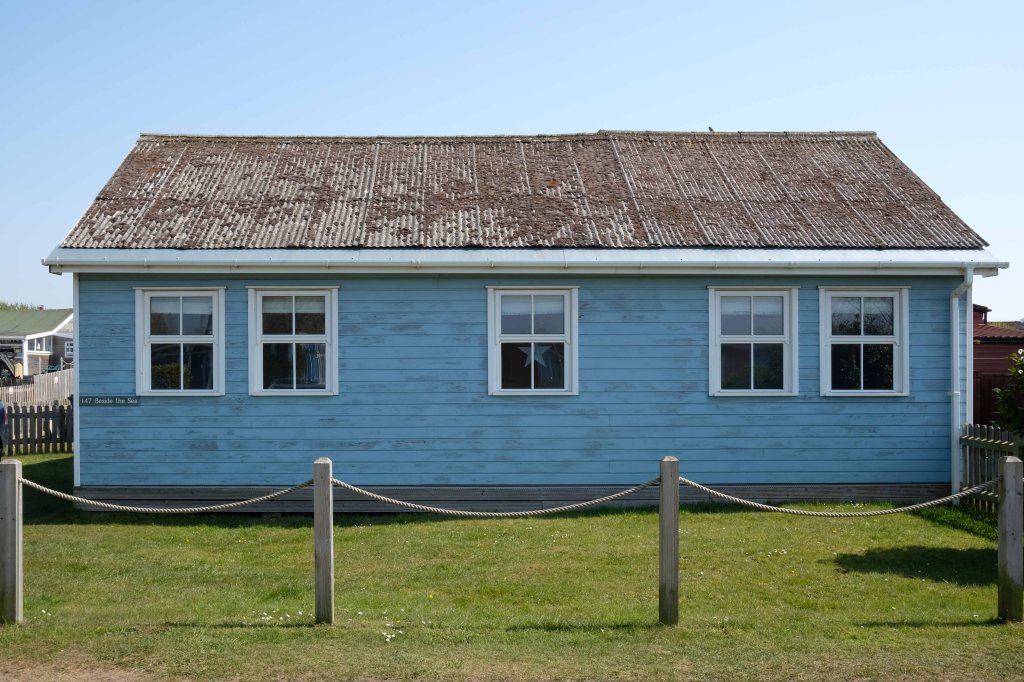
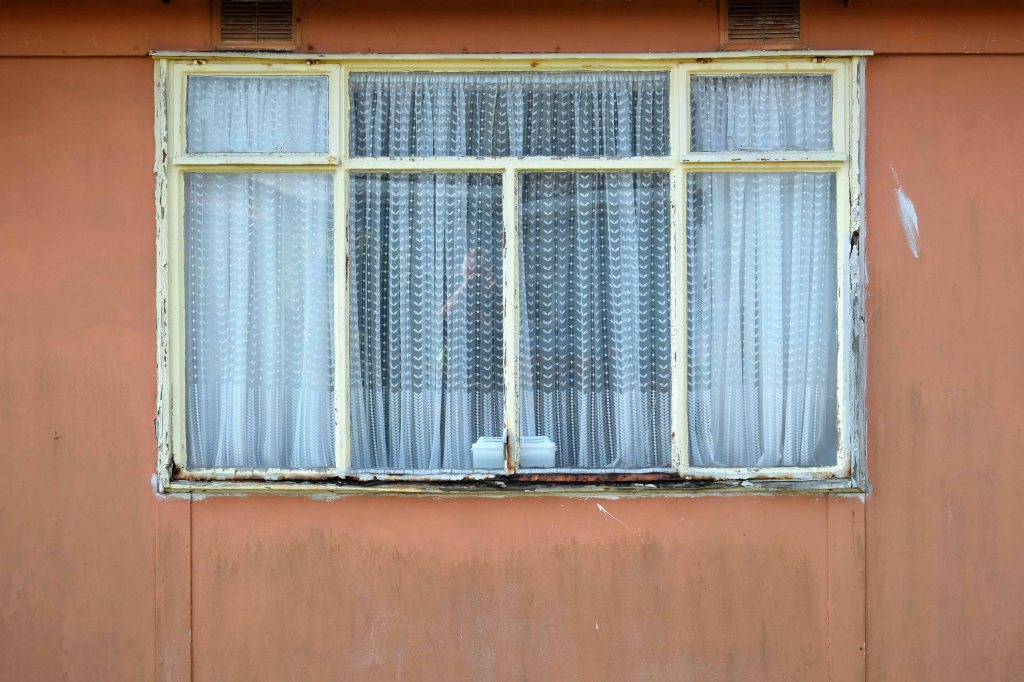
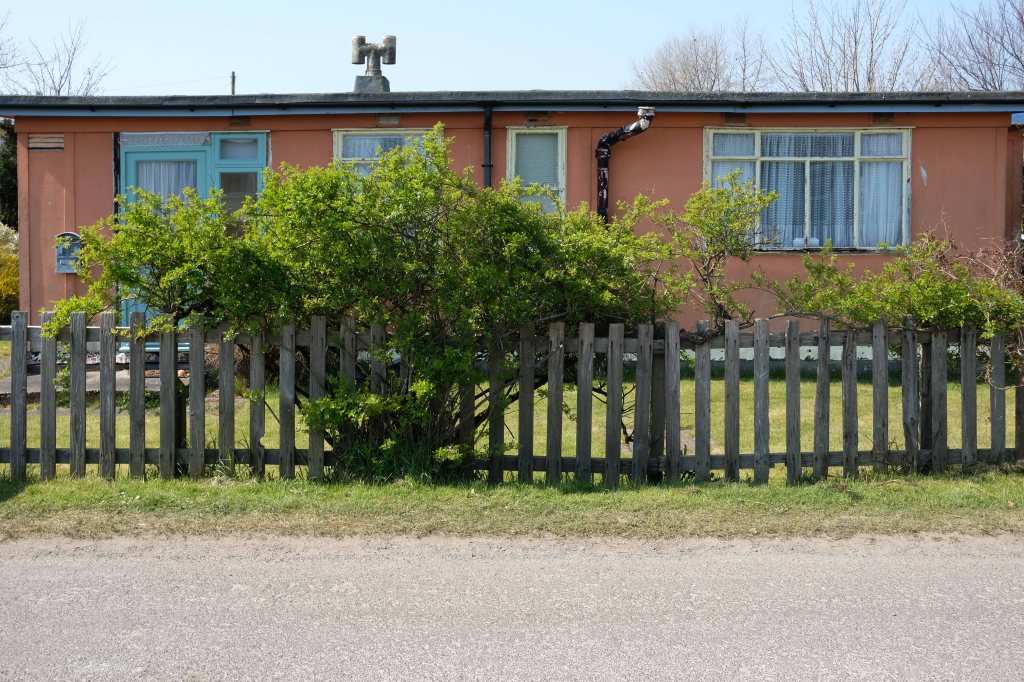
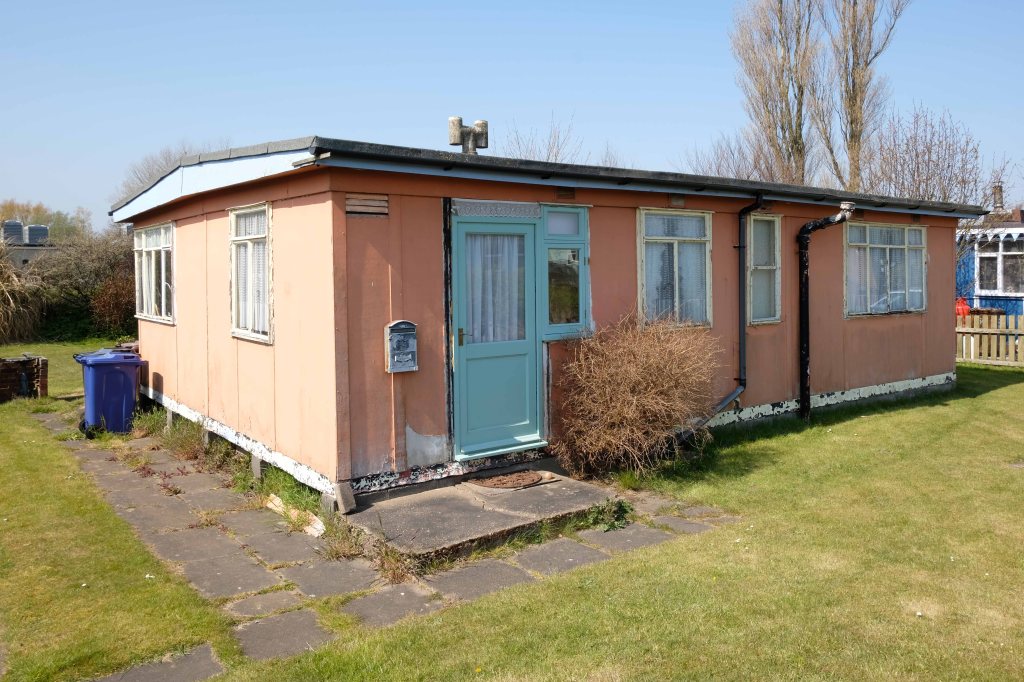
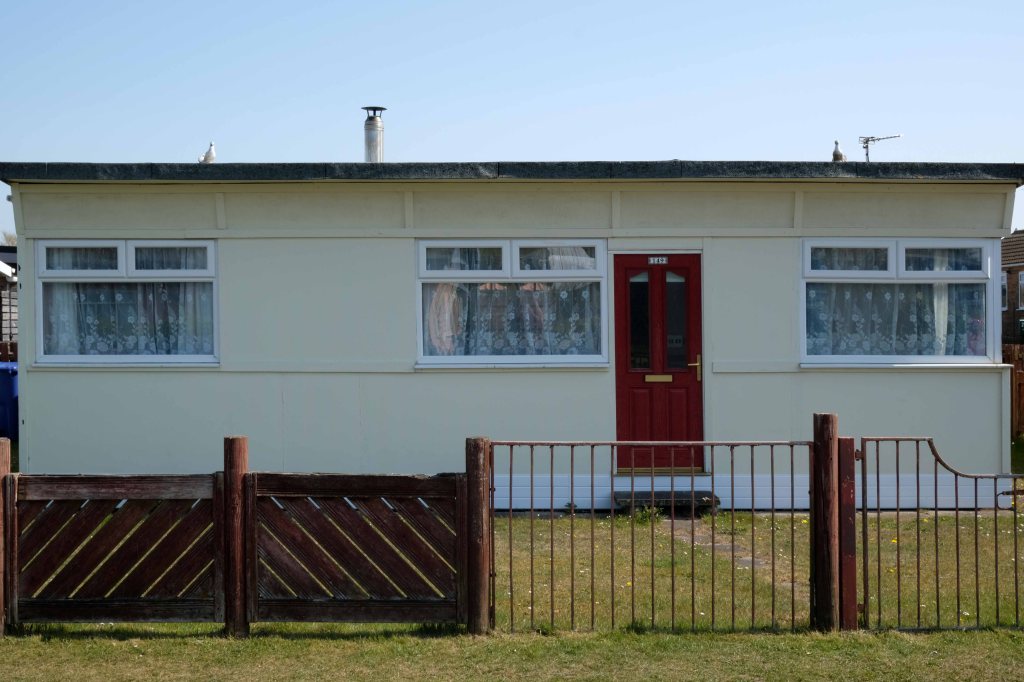
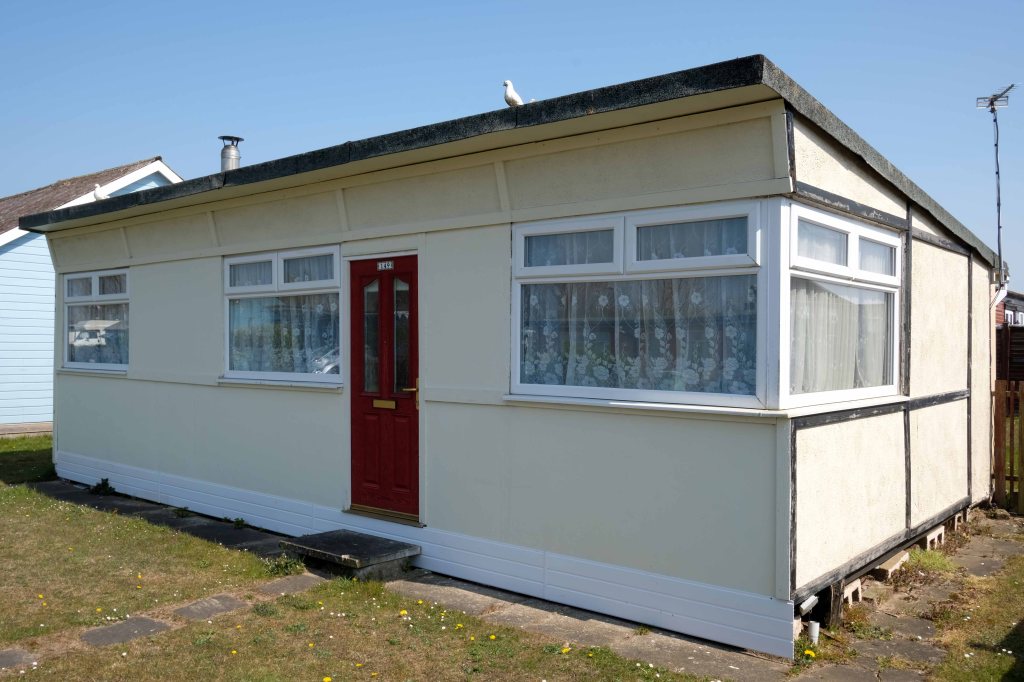
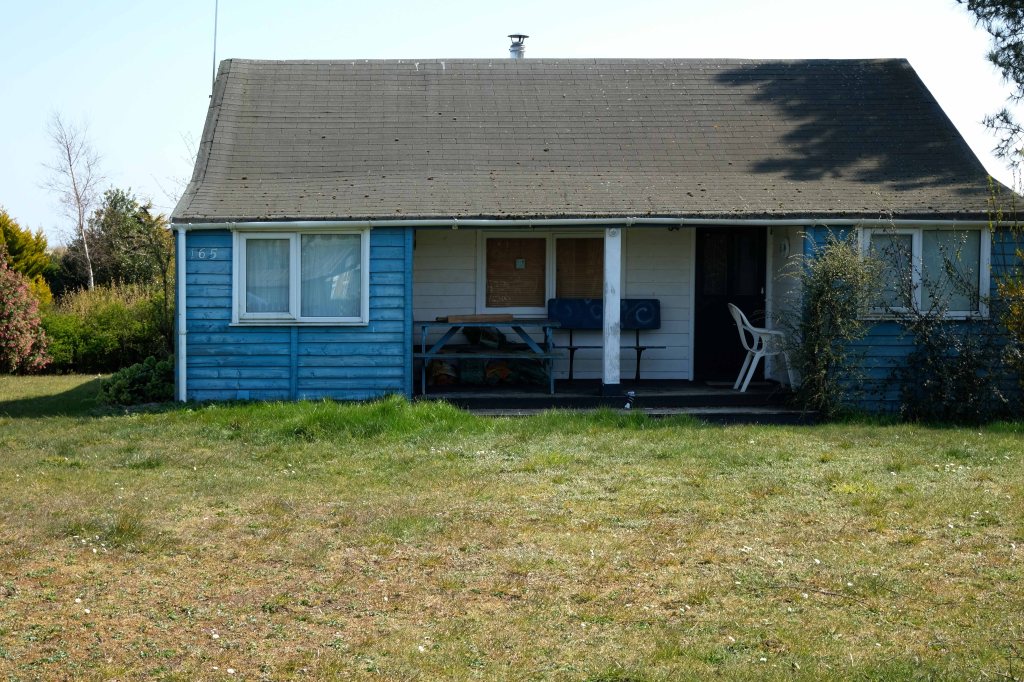
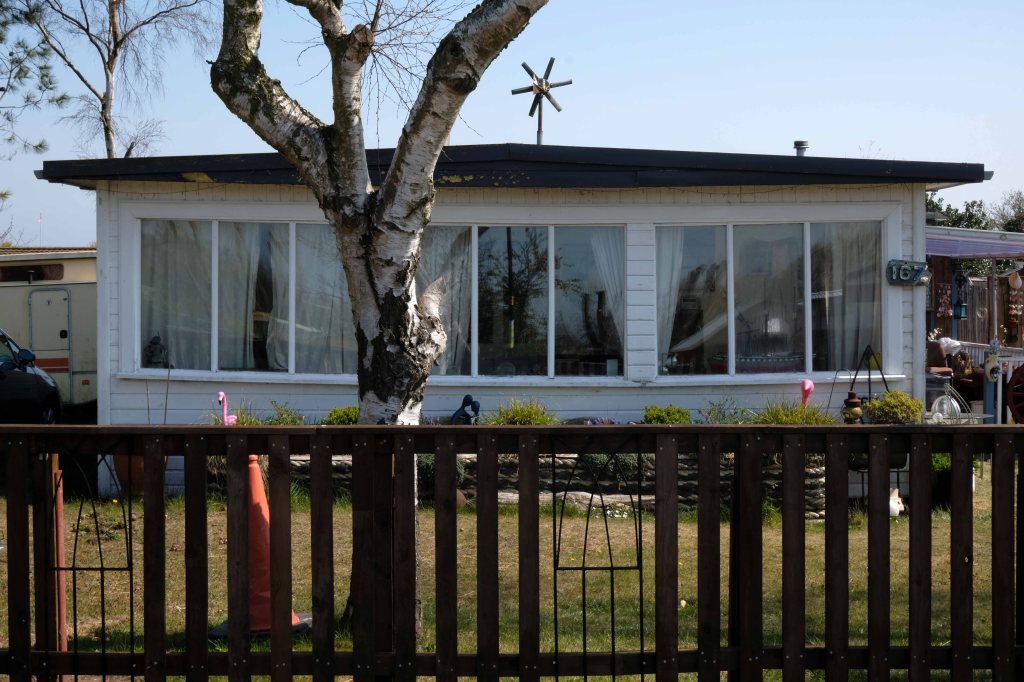
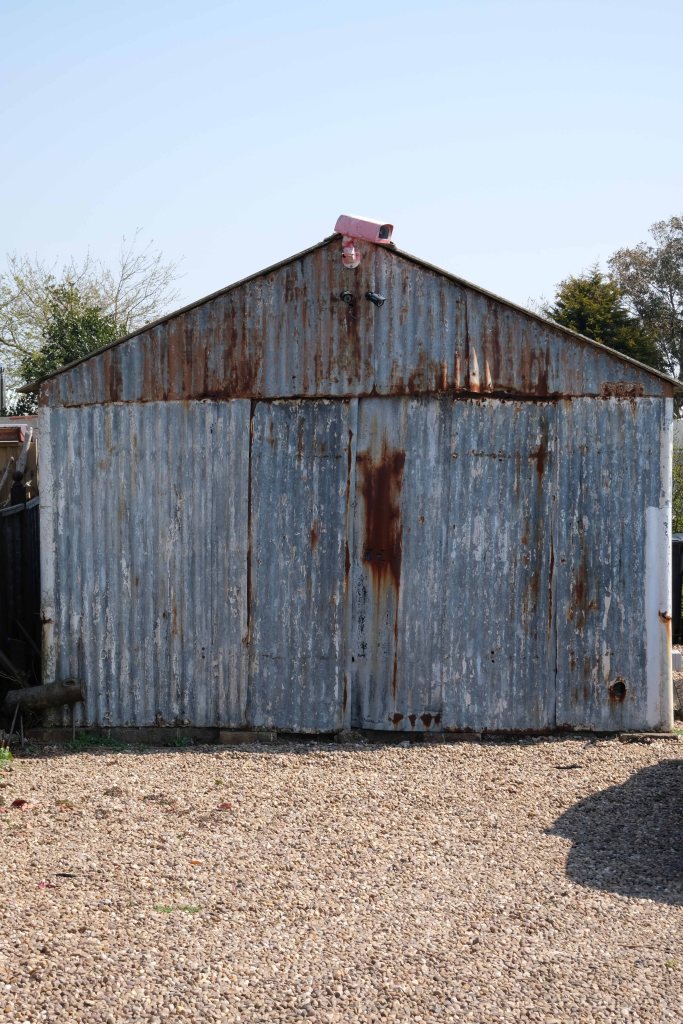
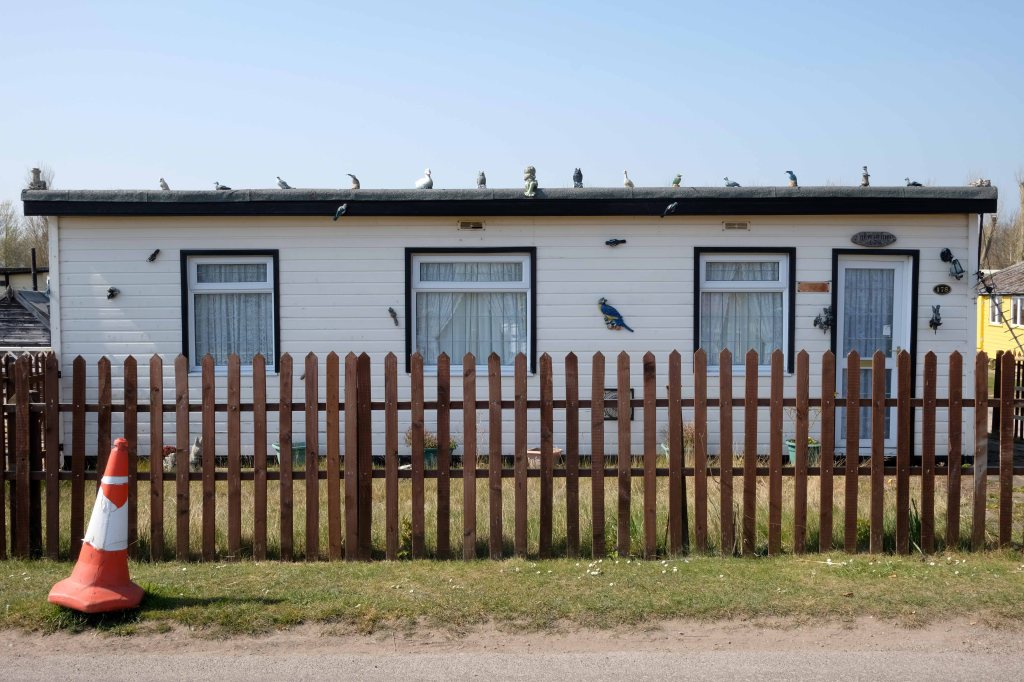
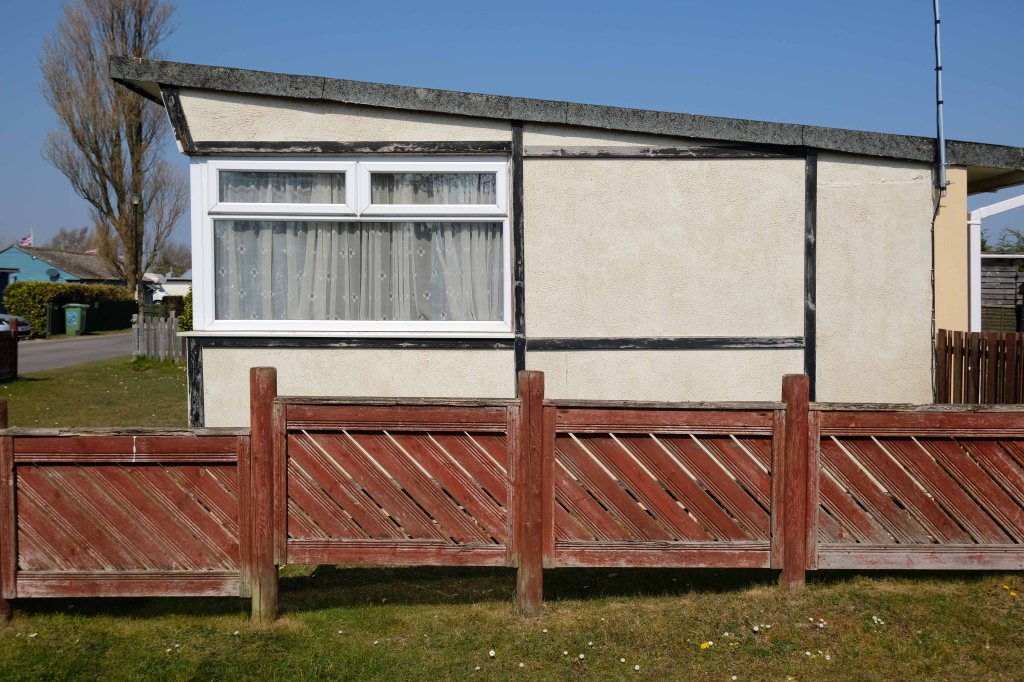
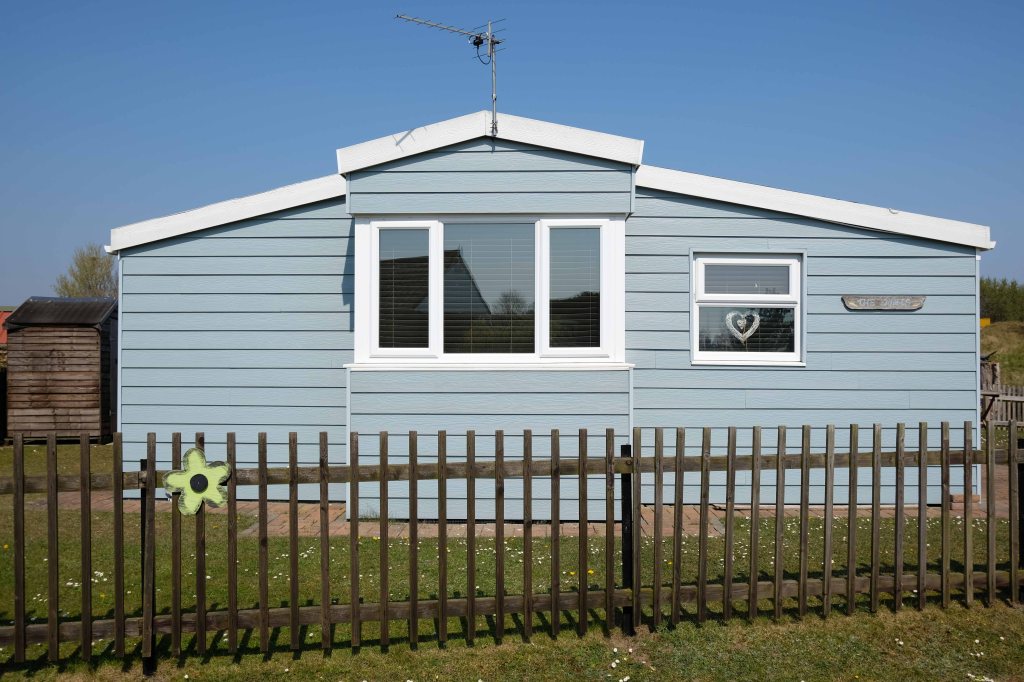
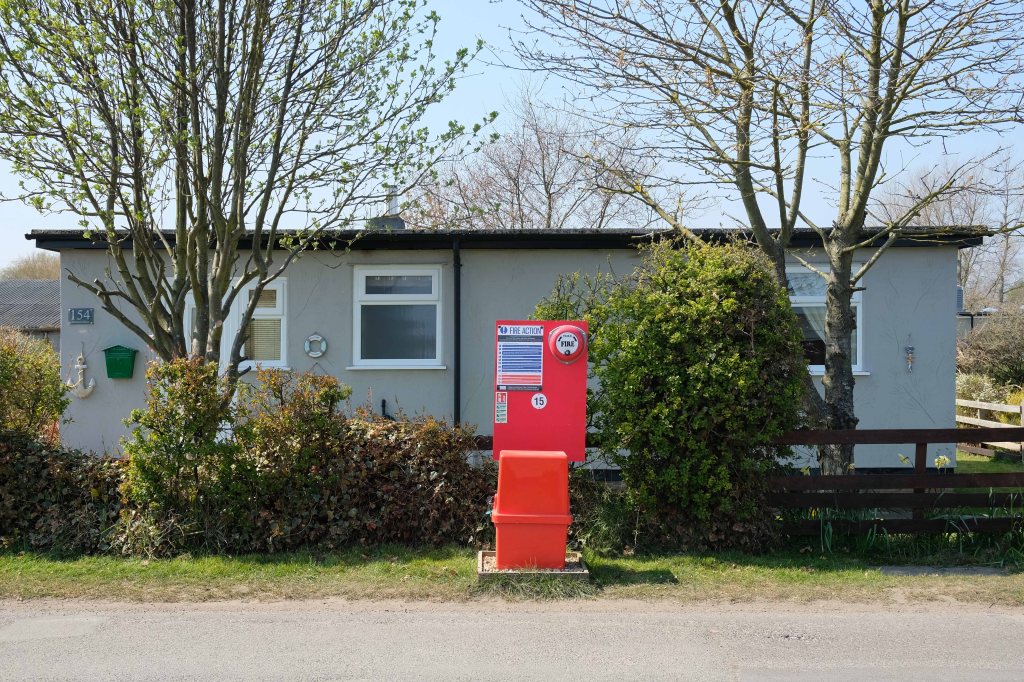
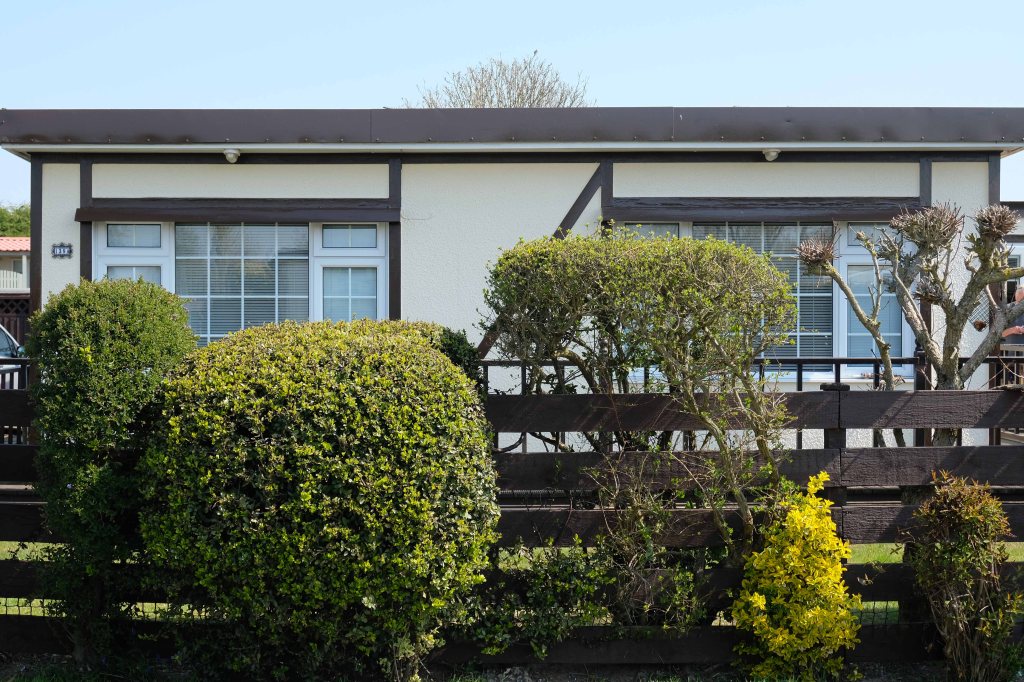
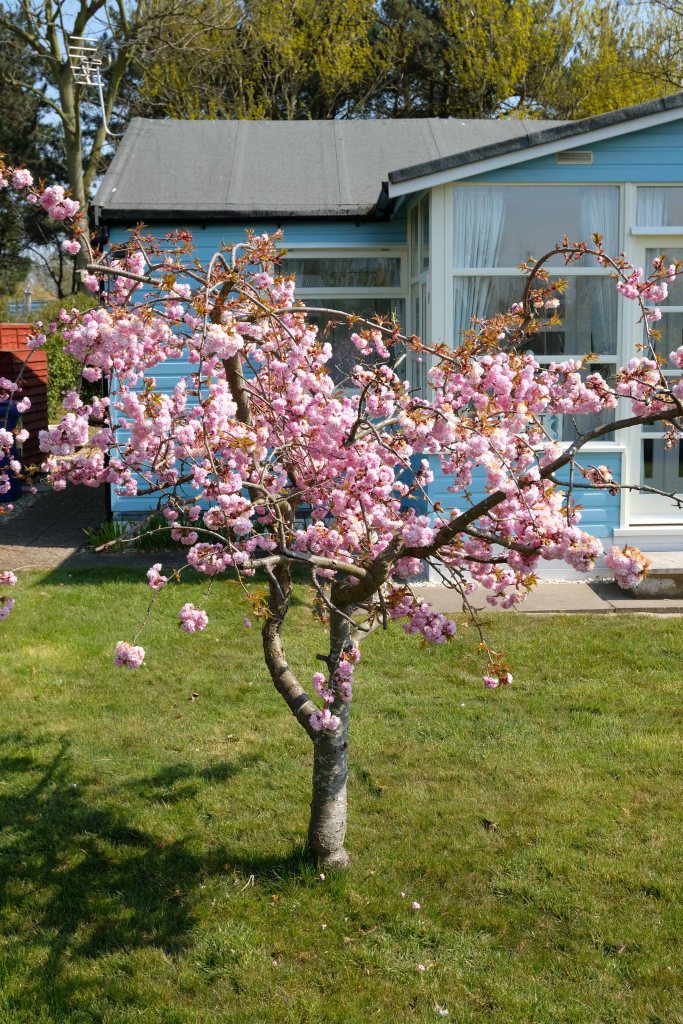
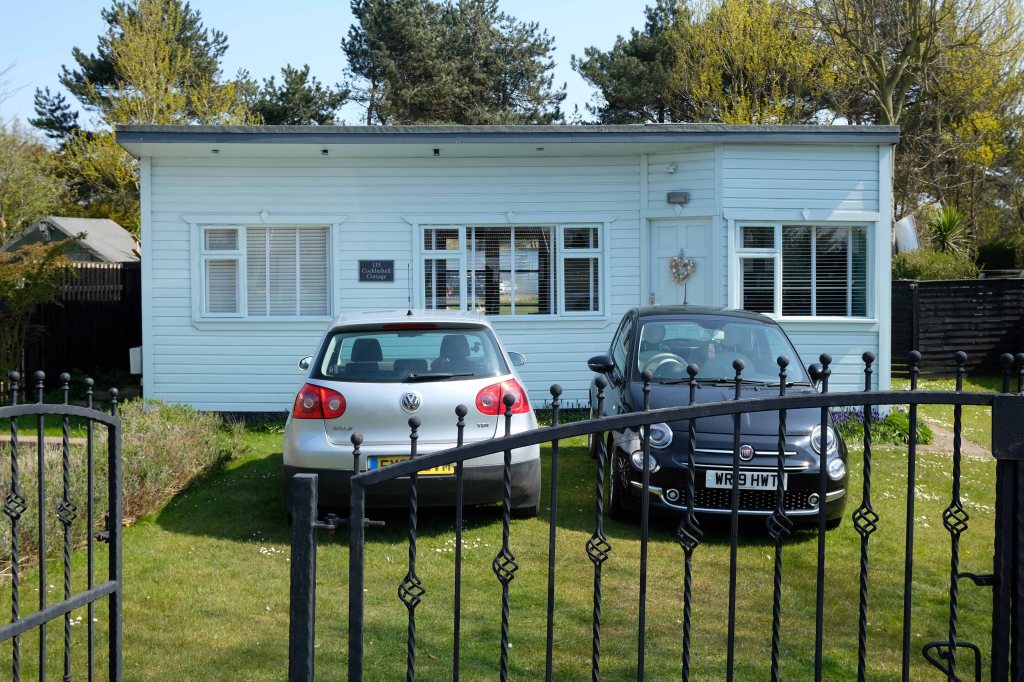
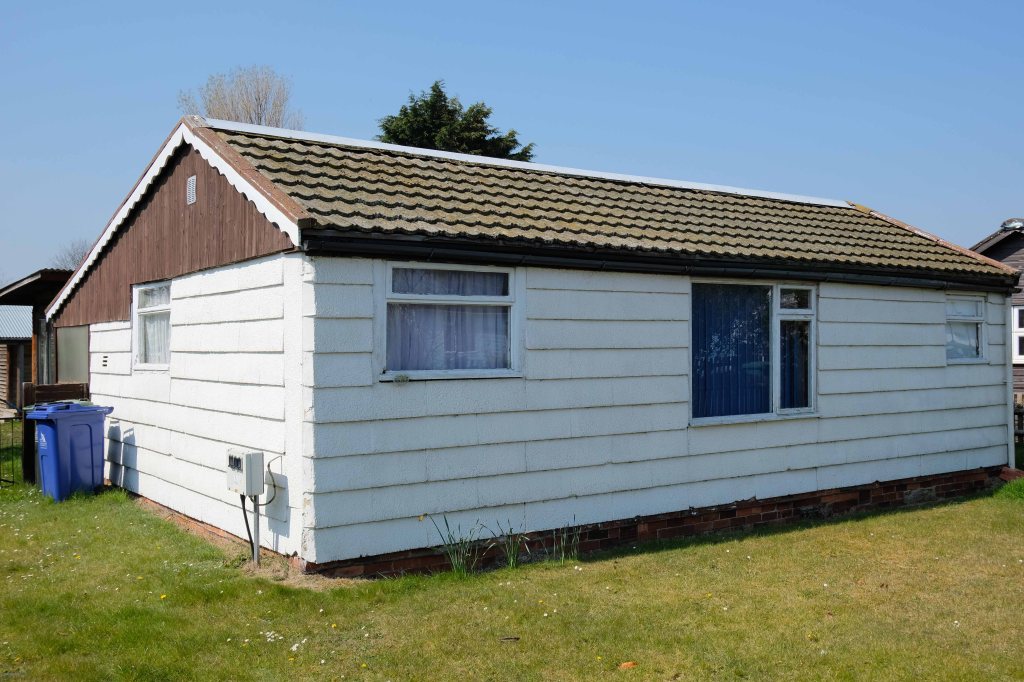
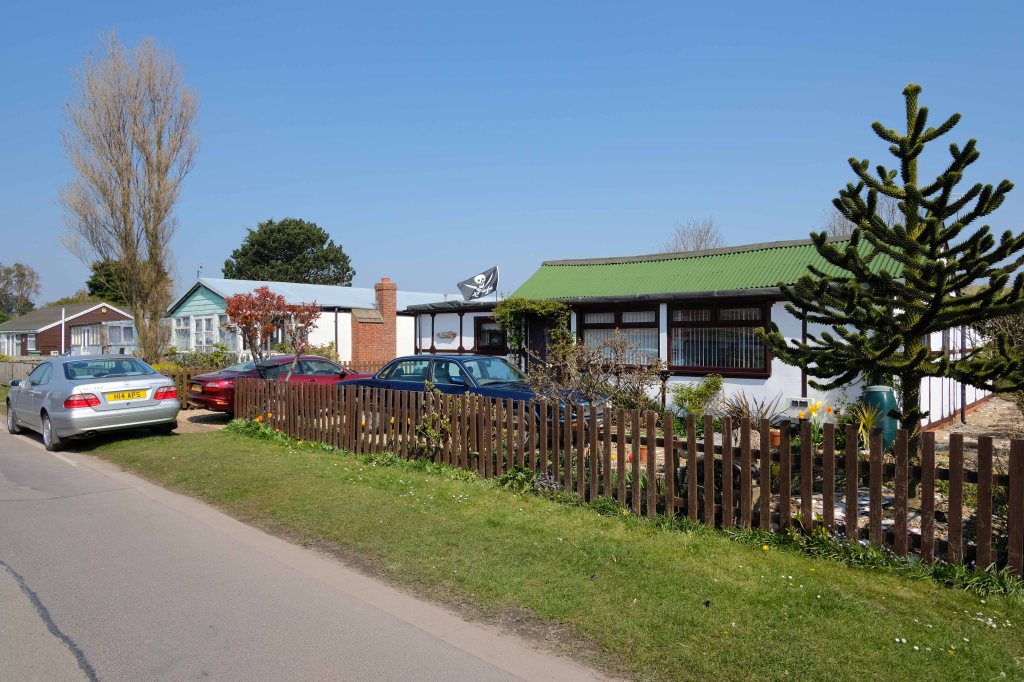
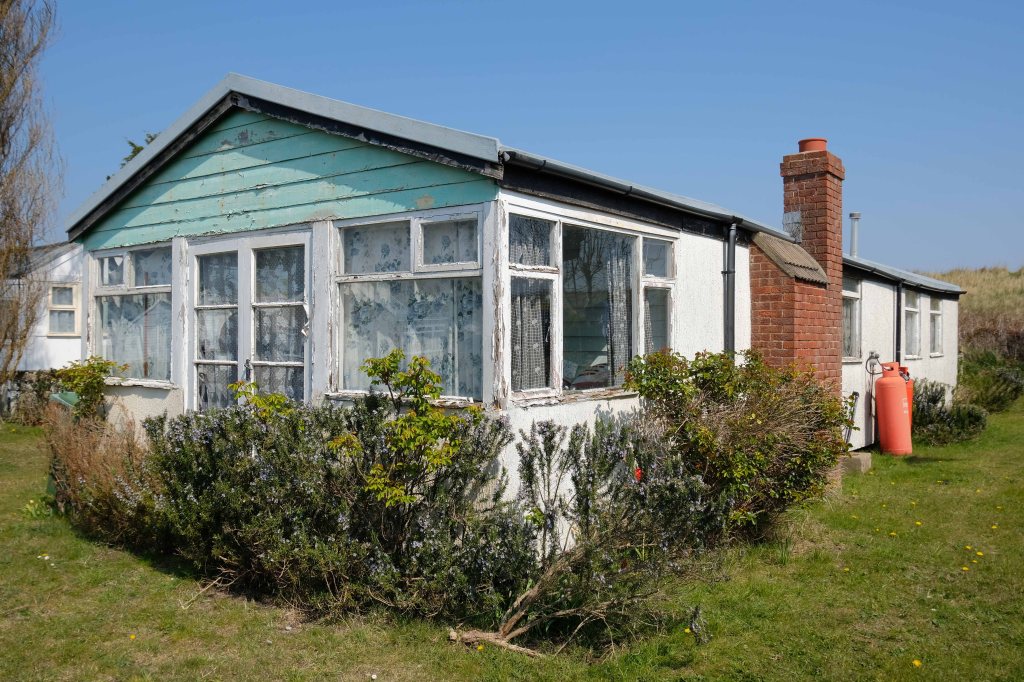
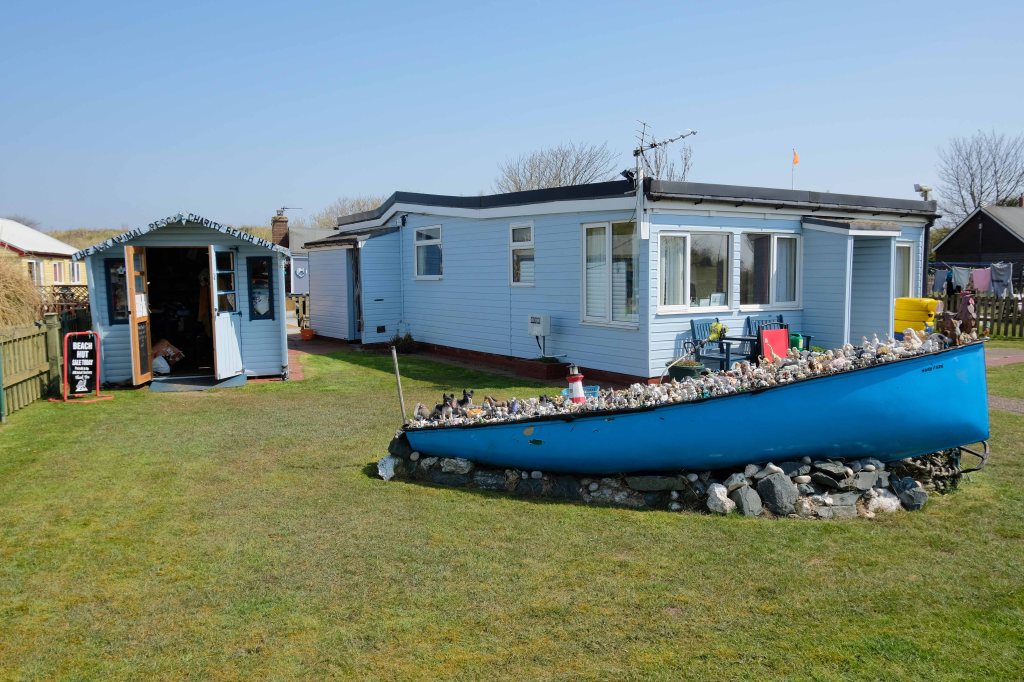
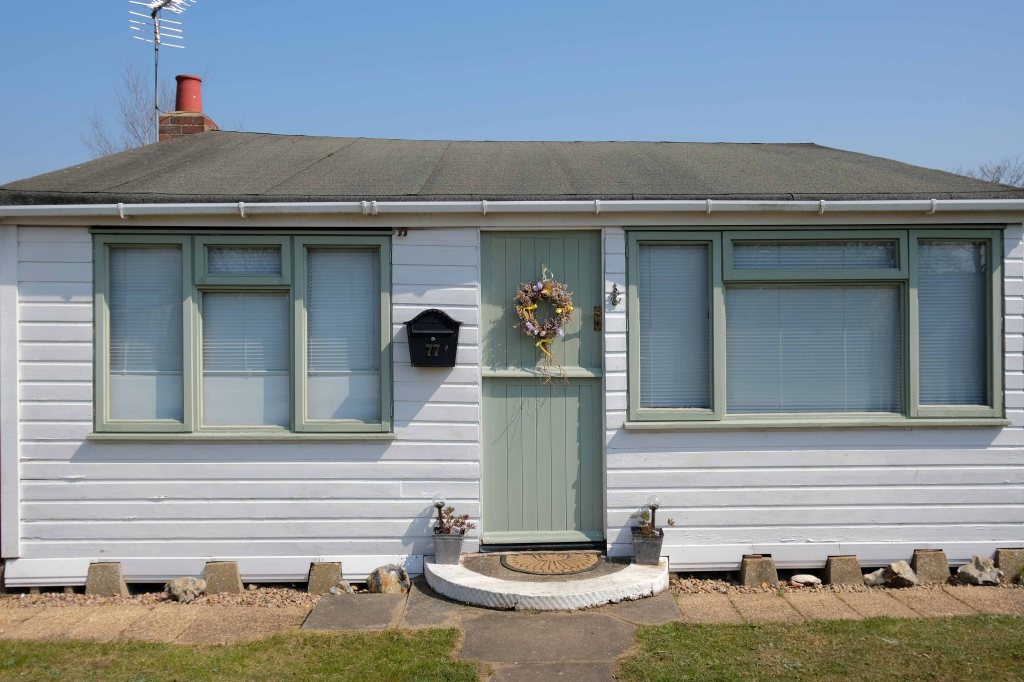
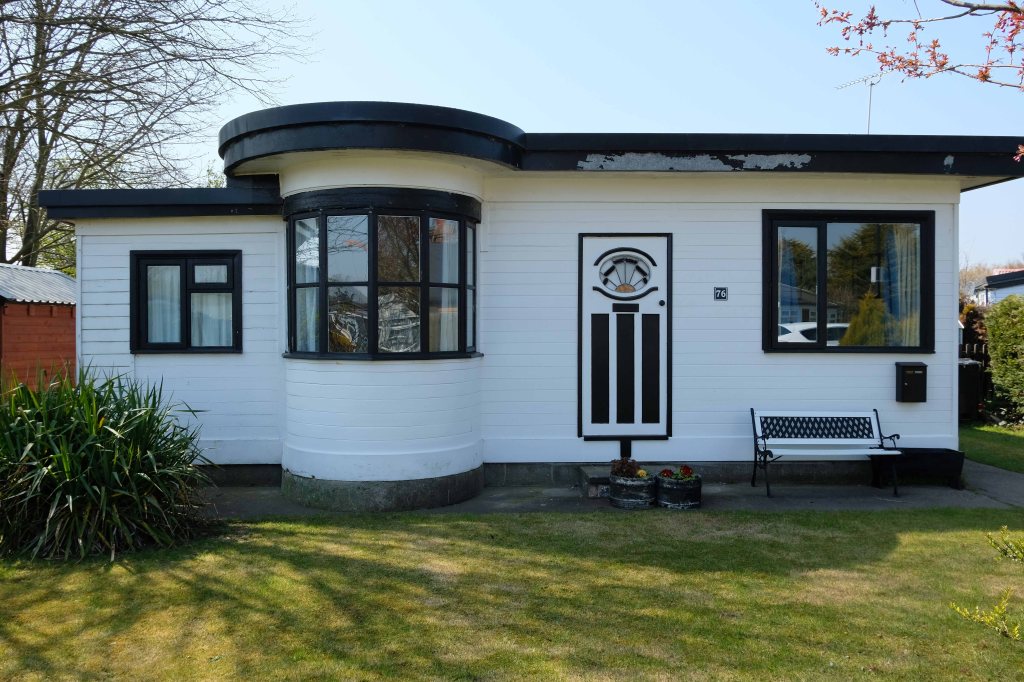
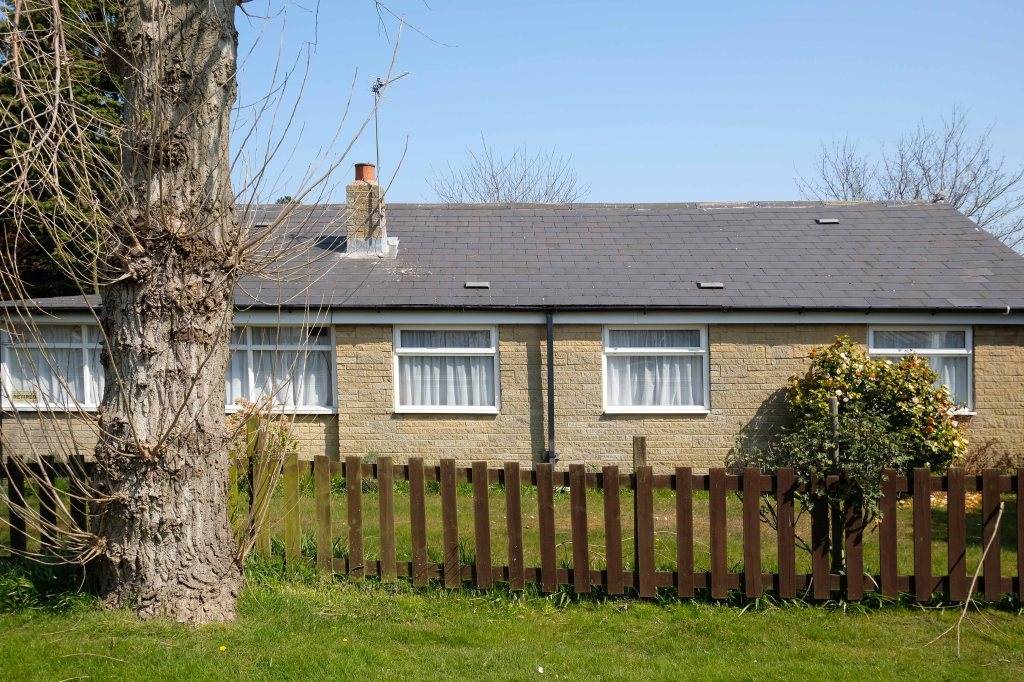
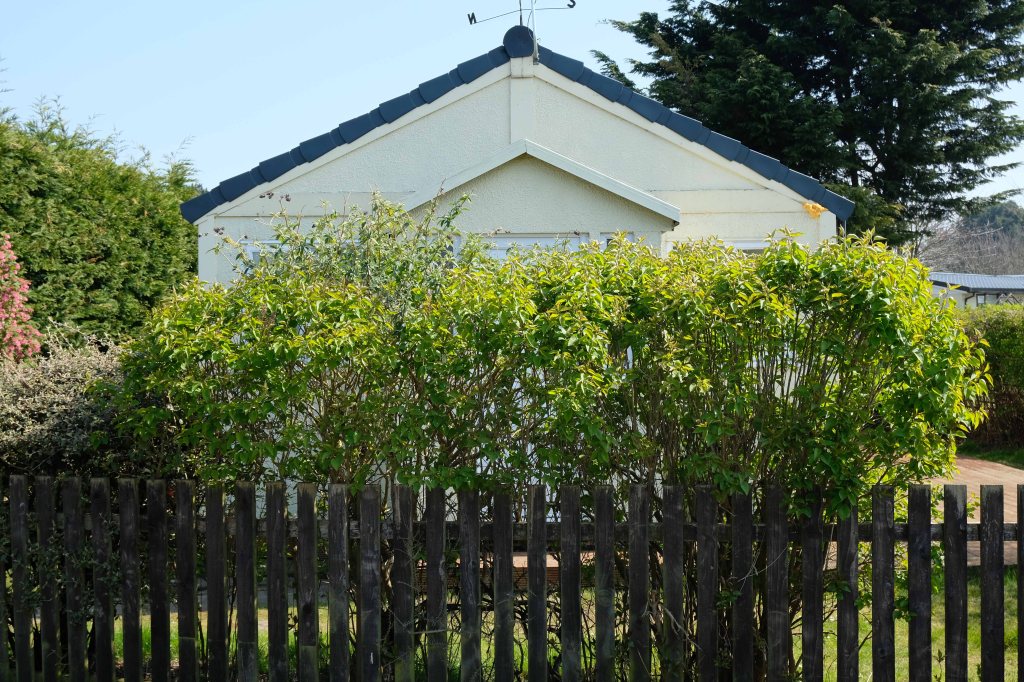
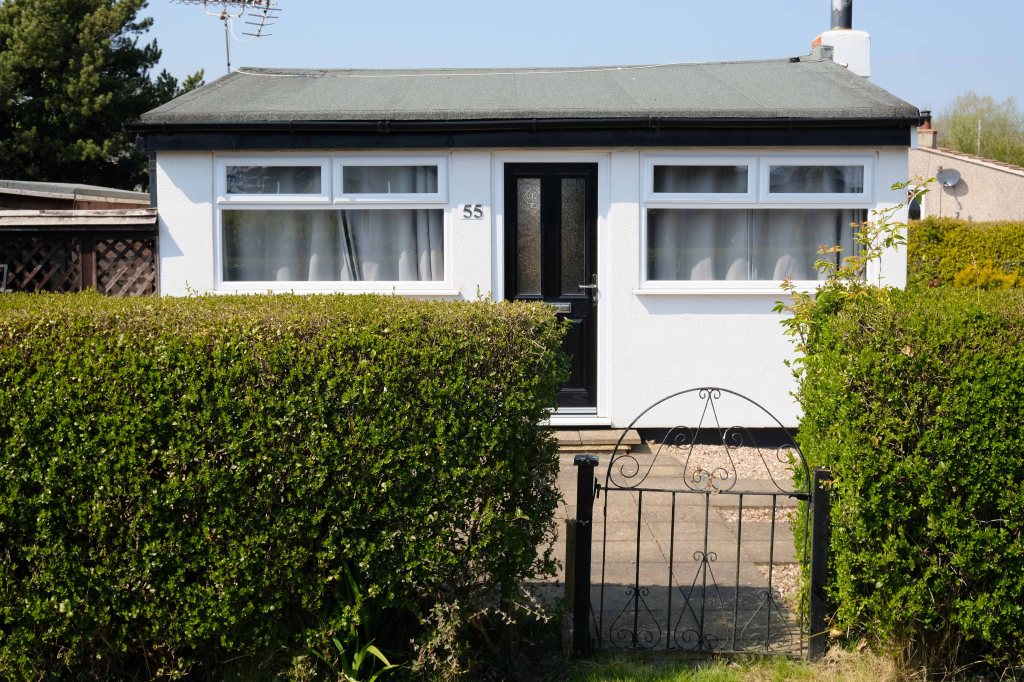
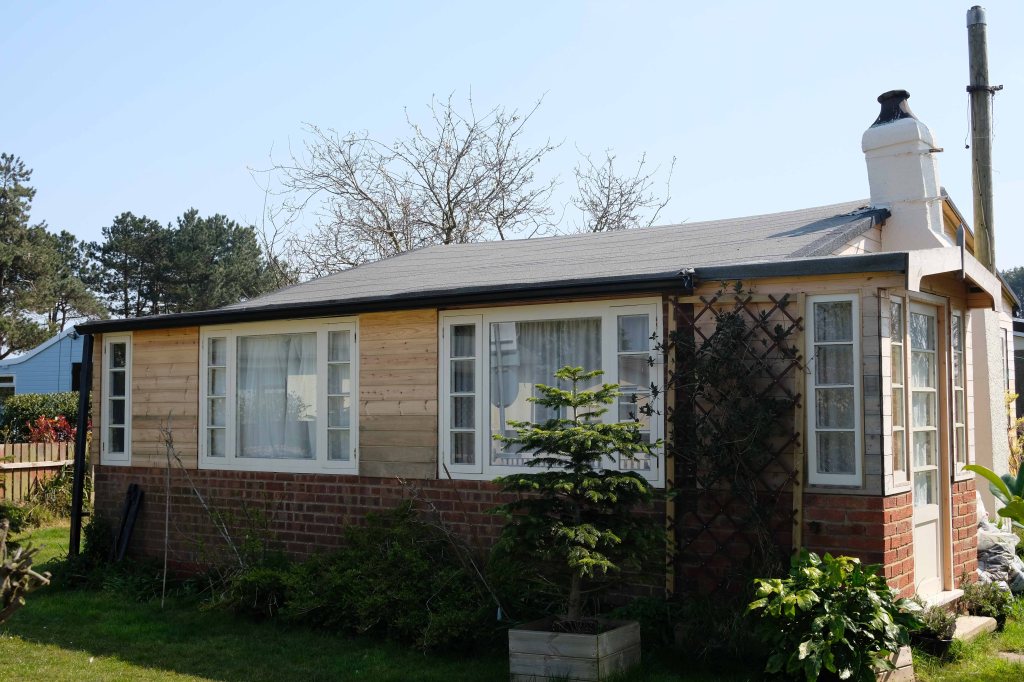
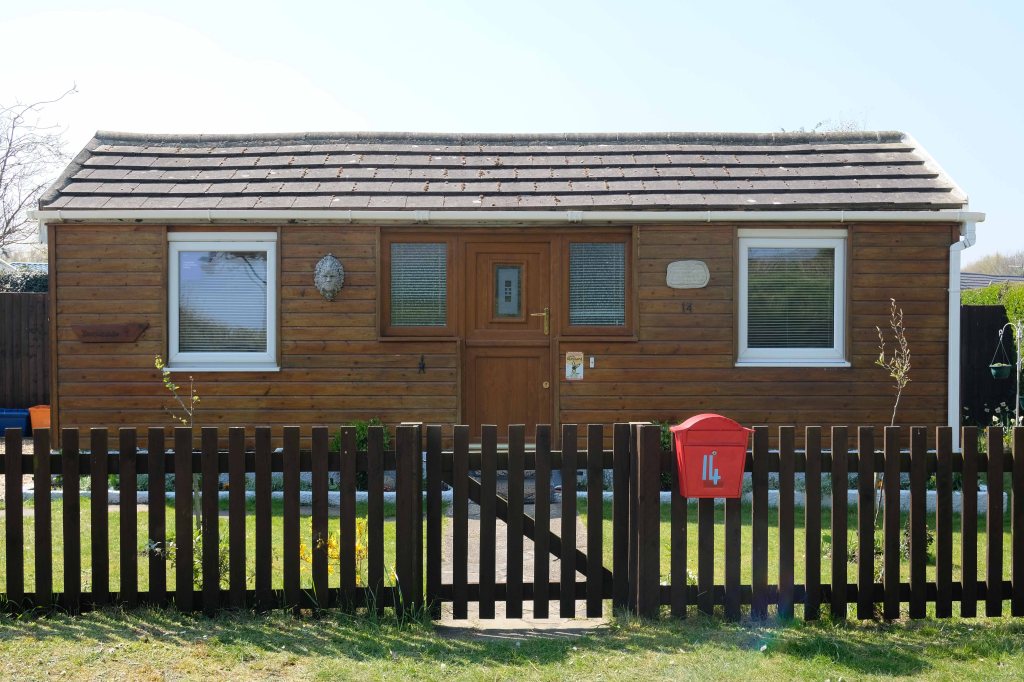
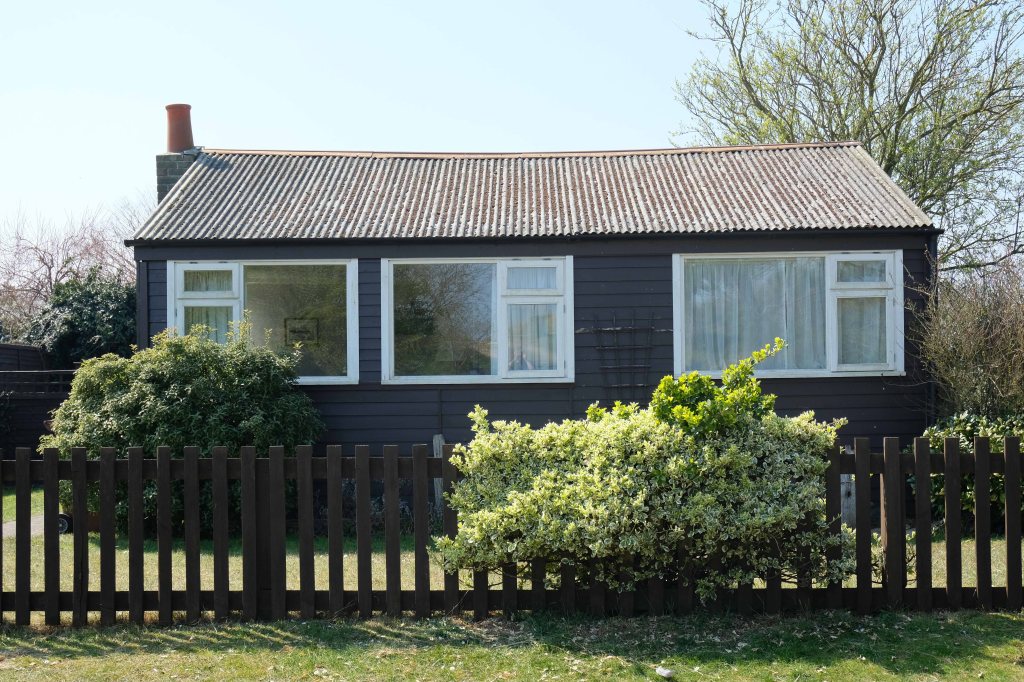
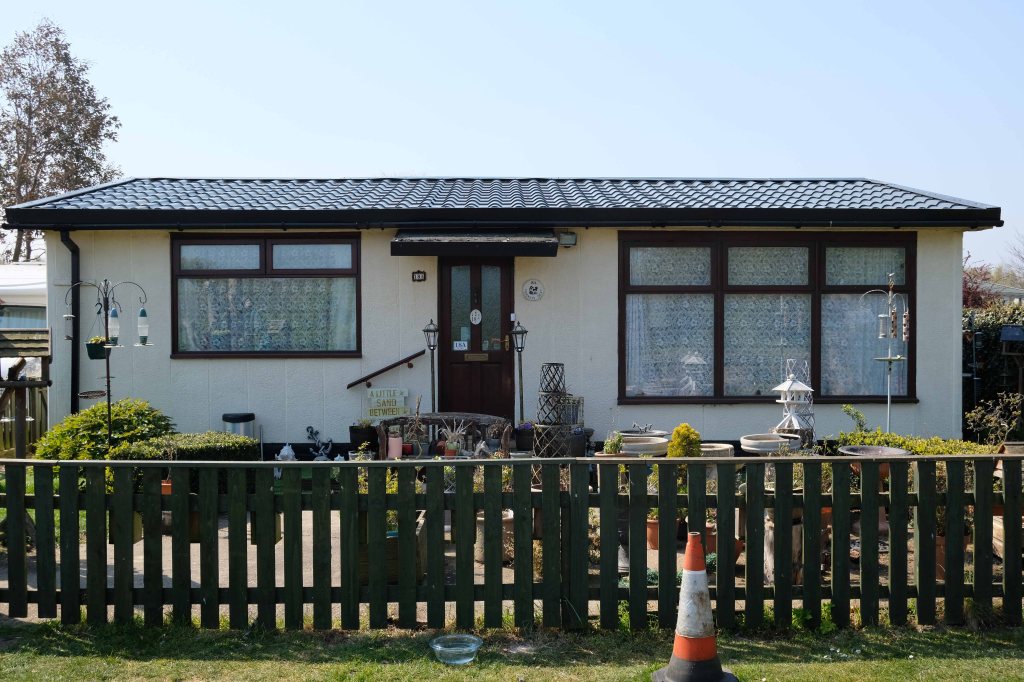
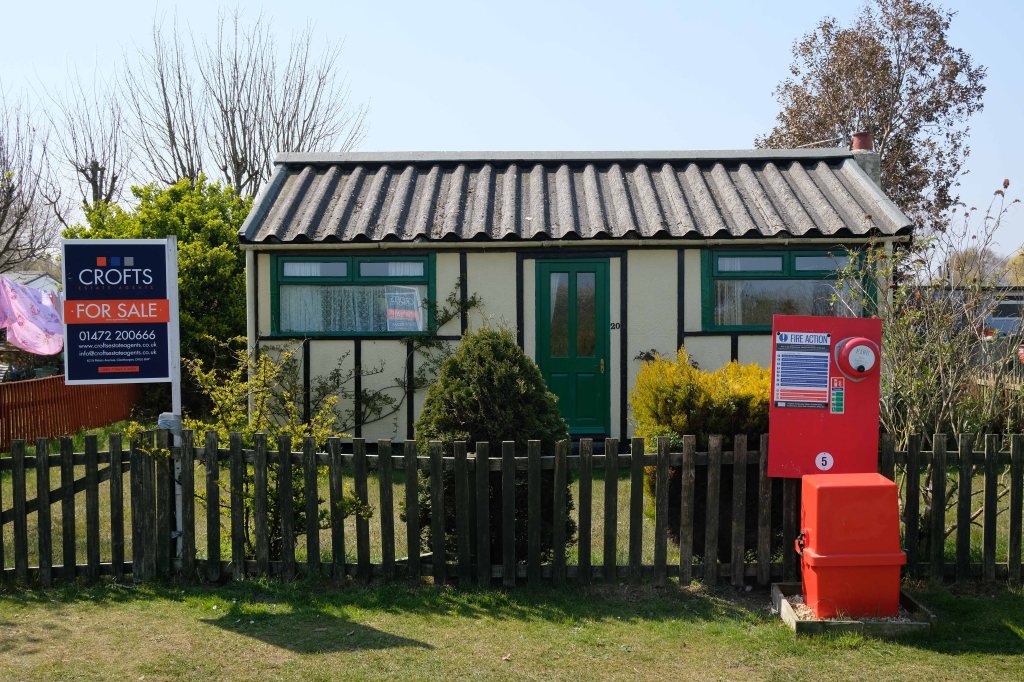
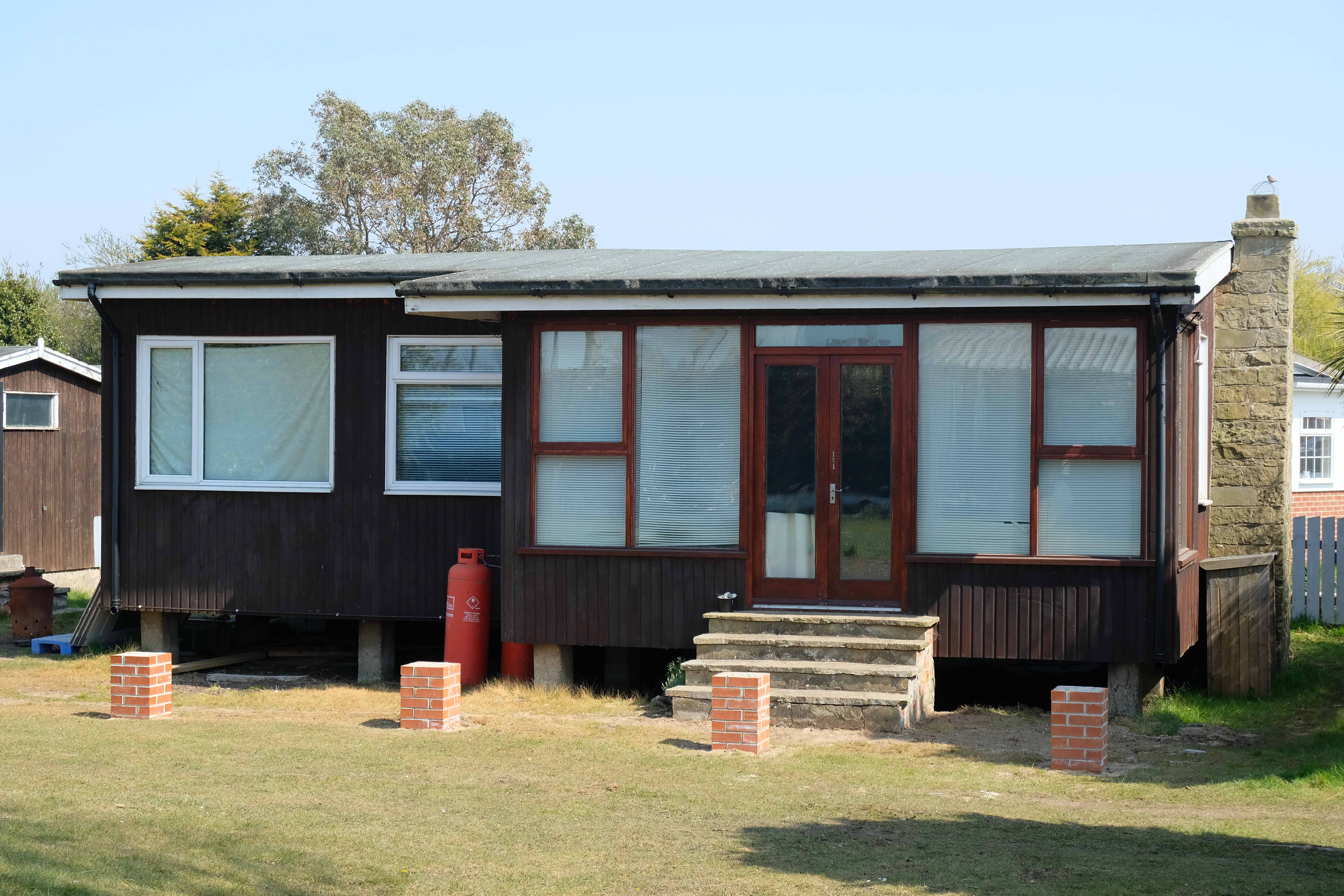
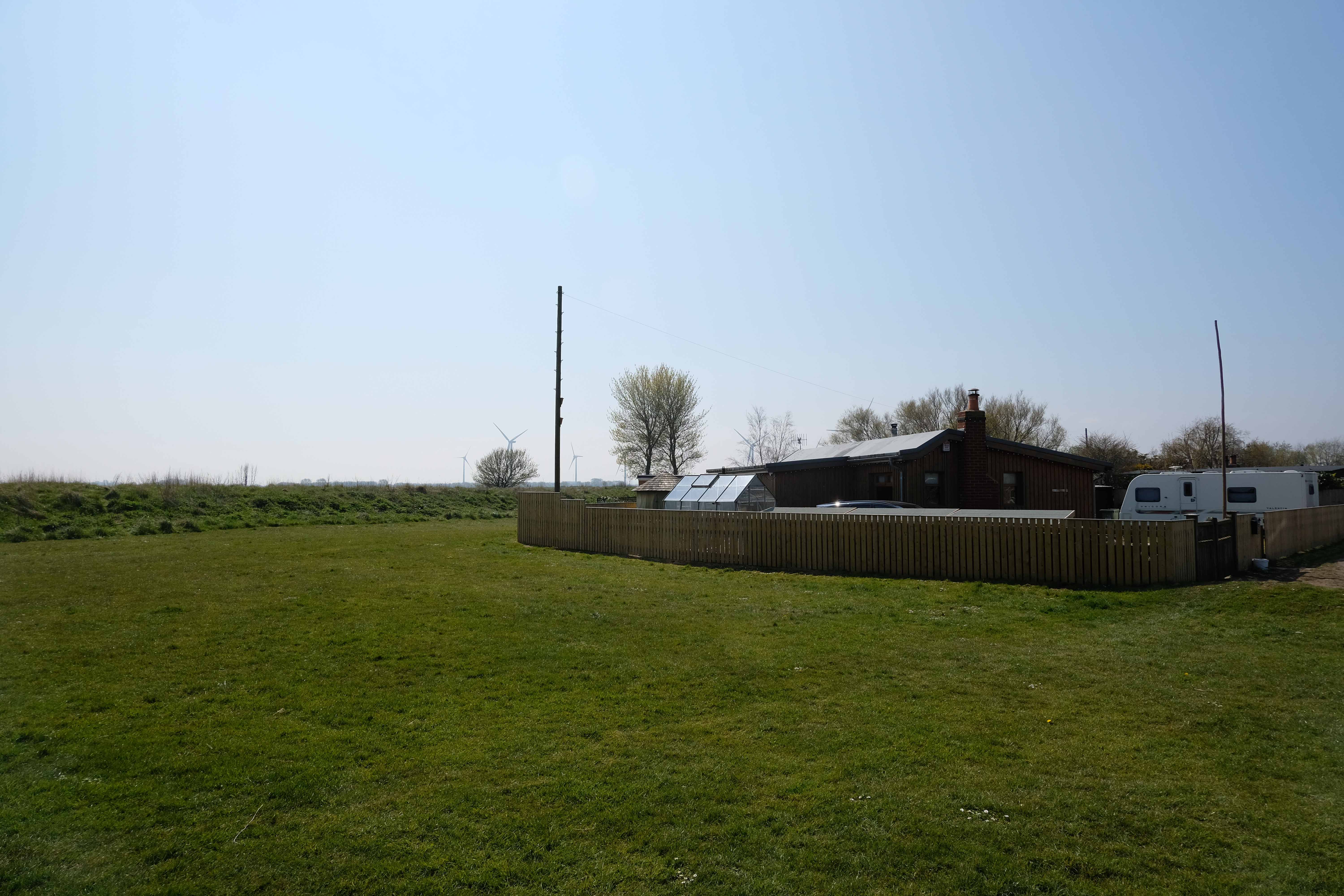
Humberston Fitties 2021

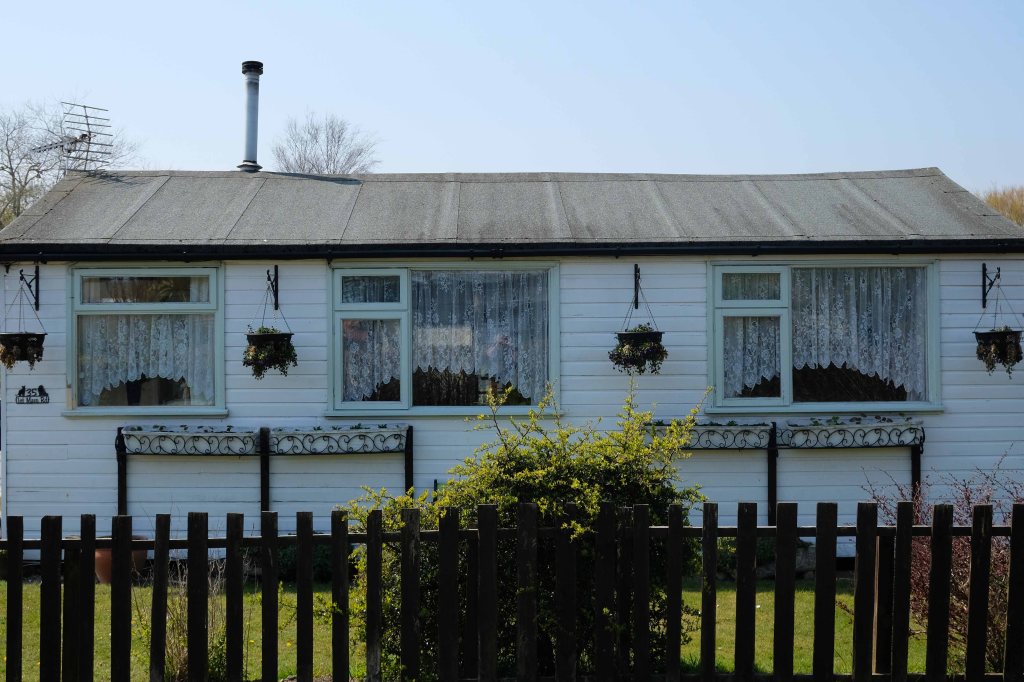
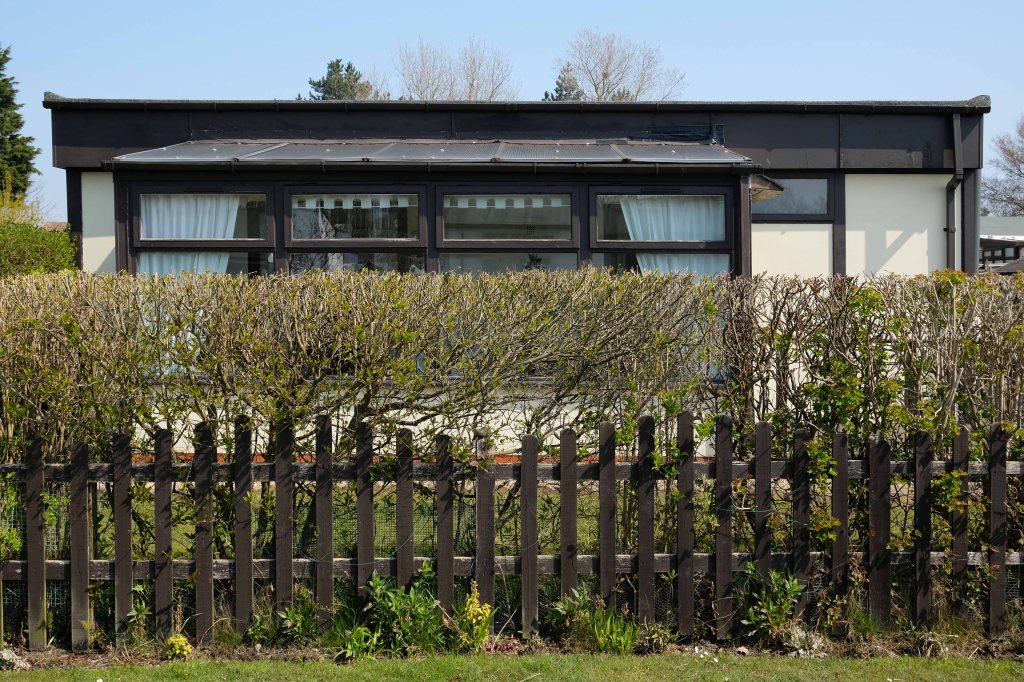
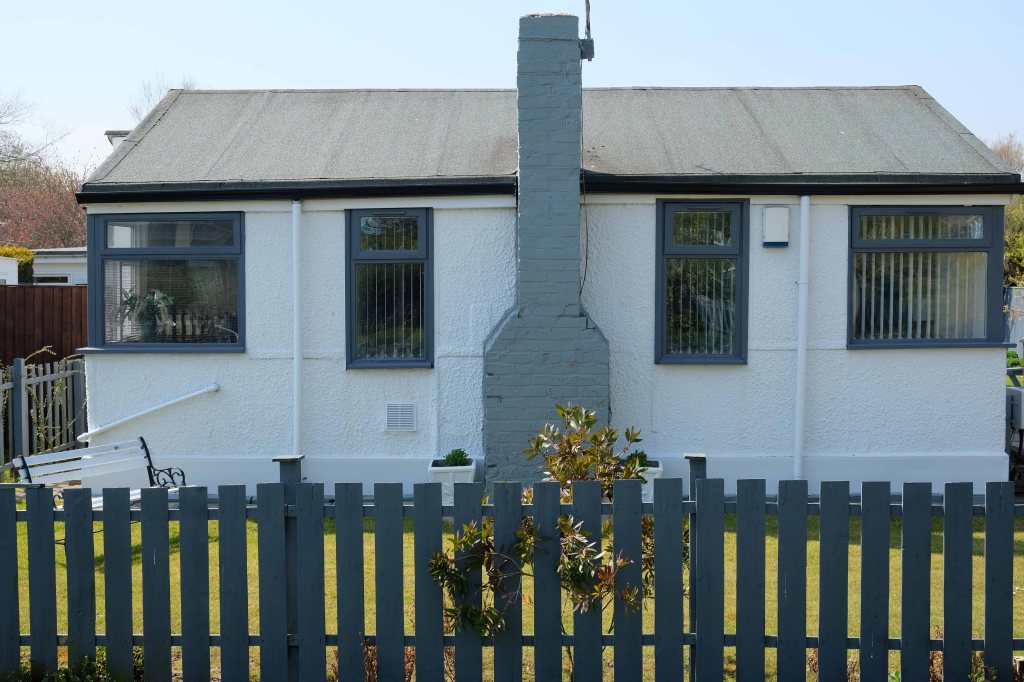
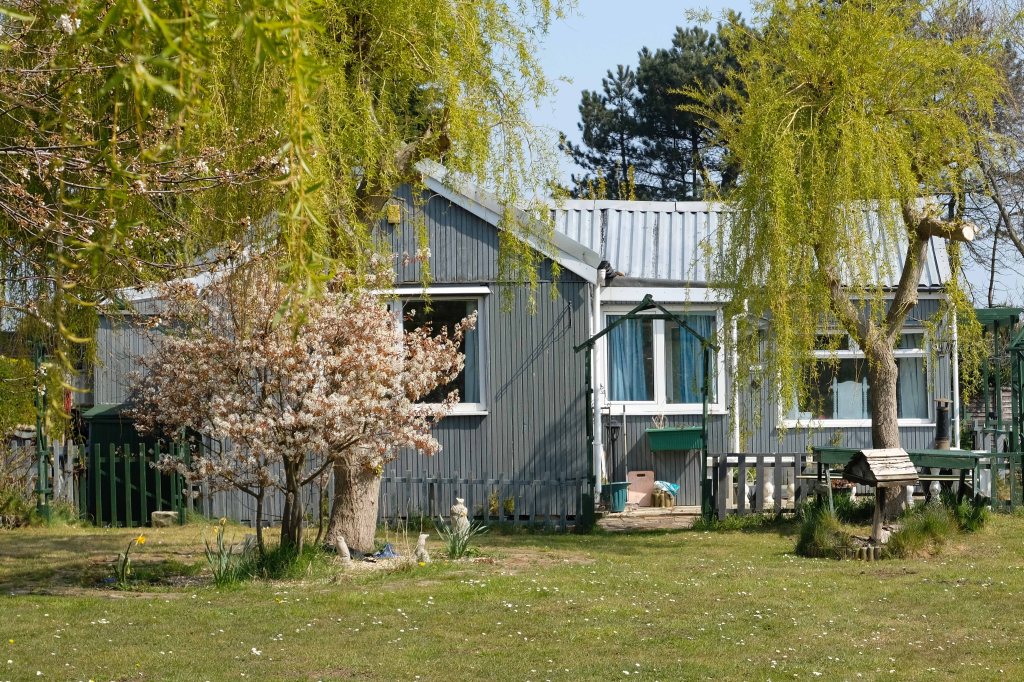
Here we are again.

Having visited in 2008, I returned in April 2021 to wander this magical area and take some more snaps.

Previously on Modern Mooch.

In the interim the ownership of the estate has changed hands, passing from the local authority to private ownership.

Tingdene are now responsible for the site.

Council chiefs remain tight-lipped on how much Northamptonshire-based Tingdene paid for the site but it is estimated to be more than £2 million.

Grimsby Telegraph

Accordingly costs have risen, some tenants are displeased.

During Covid restrictions the demand for coastal property has increased, the gentle gentrification has begun.

New build, restoration and the national pandemic of home improvement are all apparent, changing the nature of the formerly informal architecture.

Take a look

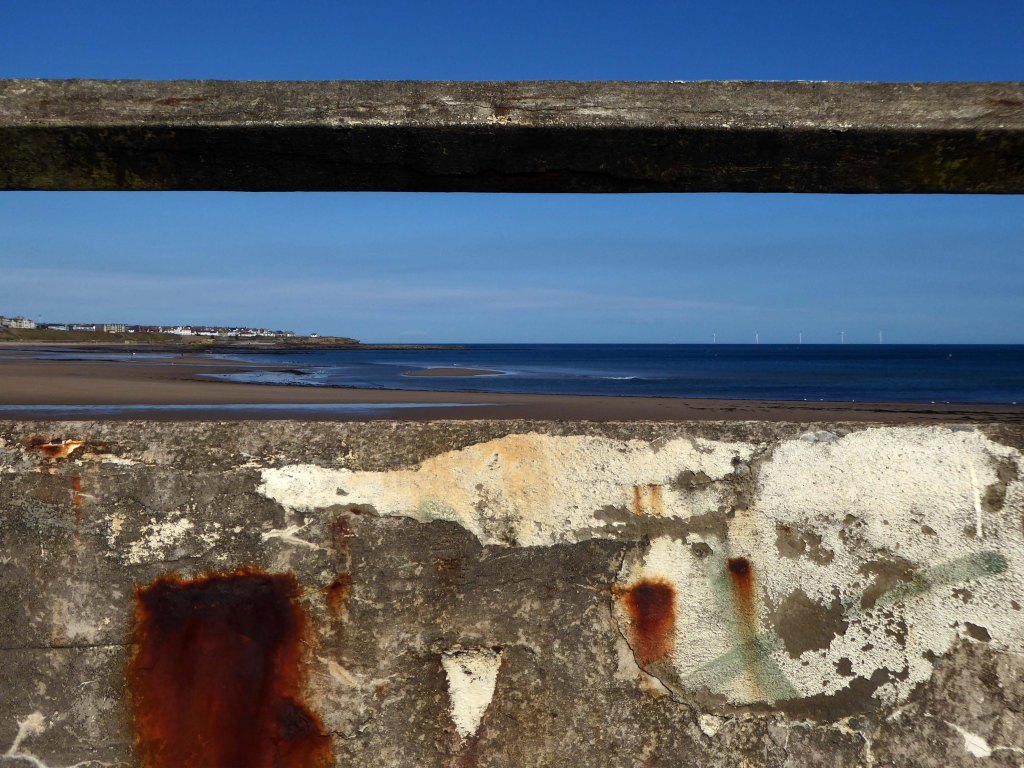
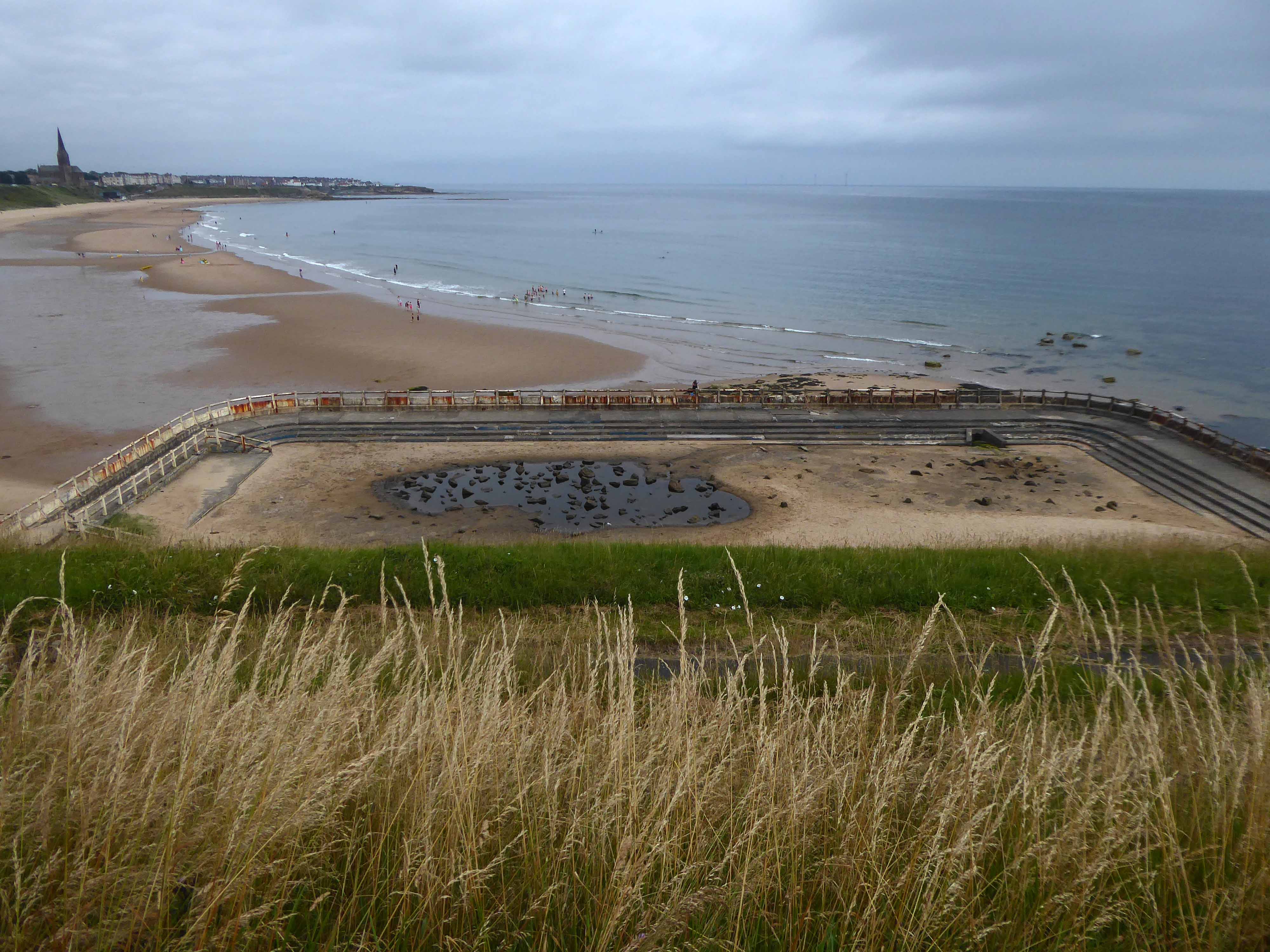
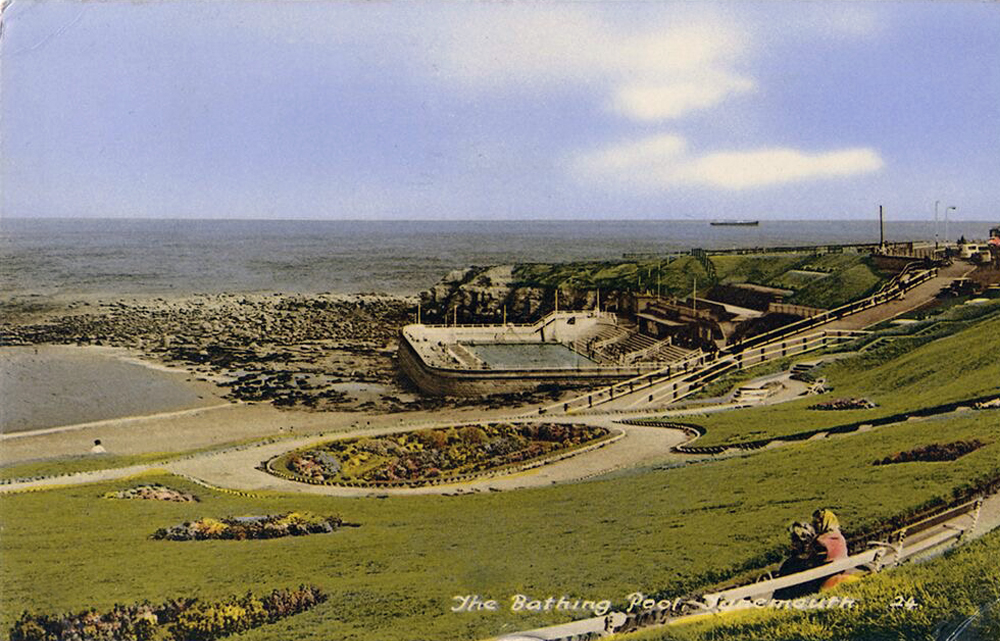
Bathing Pool – Tynemouth

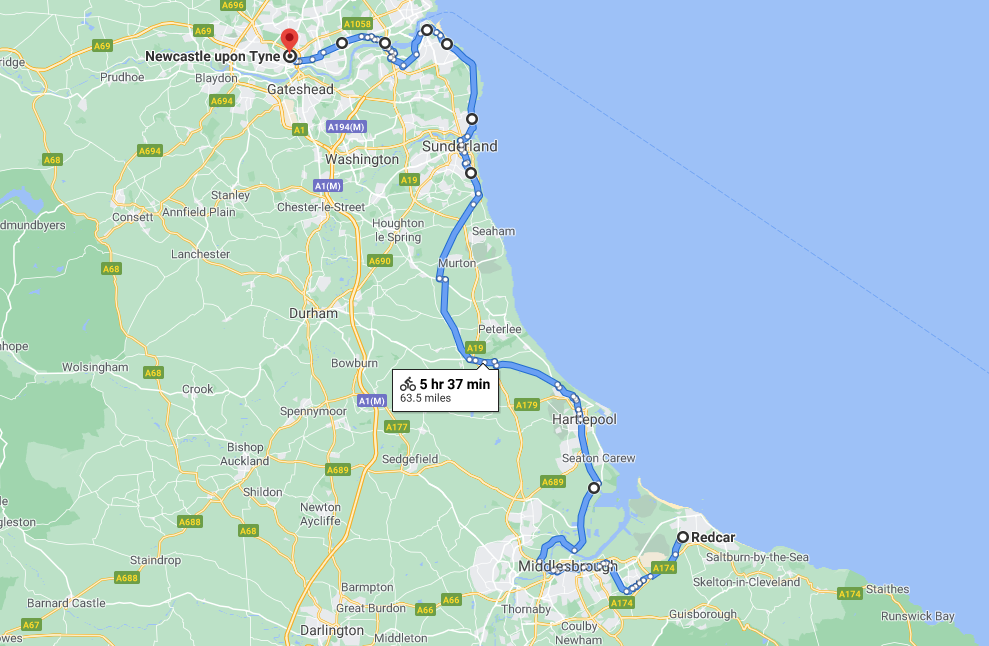
I had cycled by on a journey from Newcastle to Amble.

I returned to take a closer look.

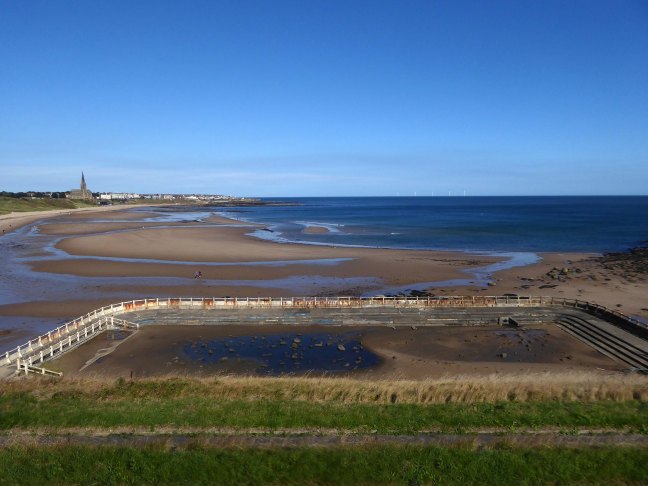
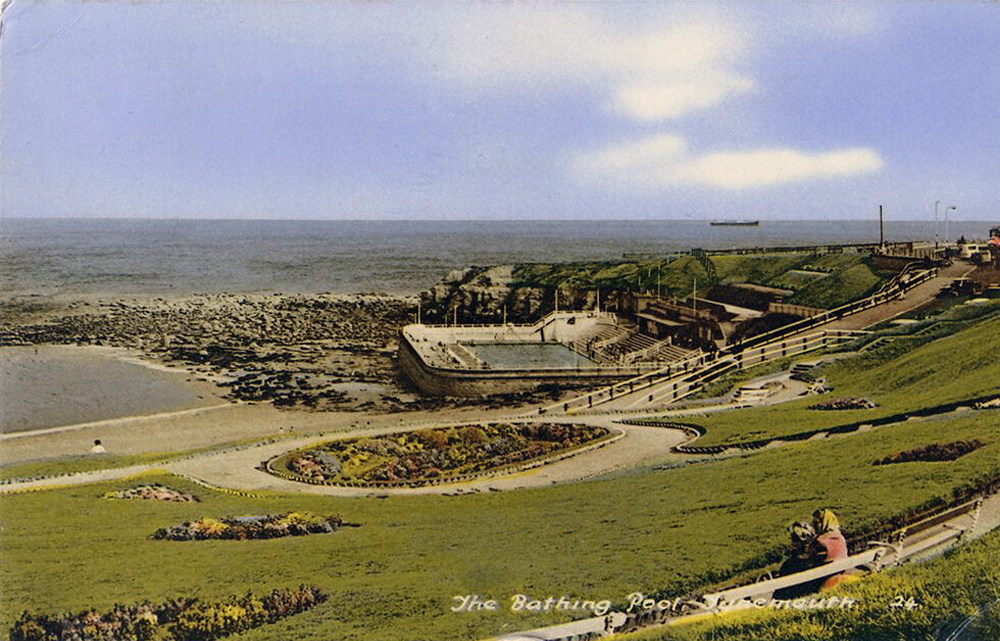
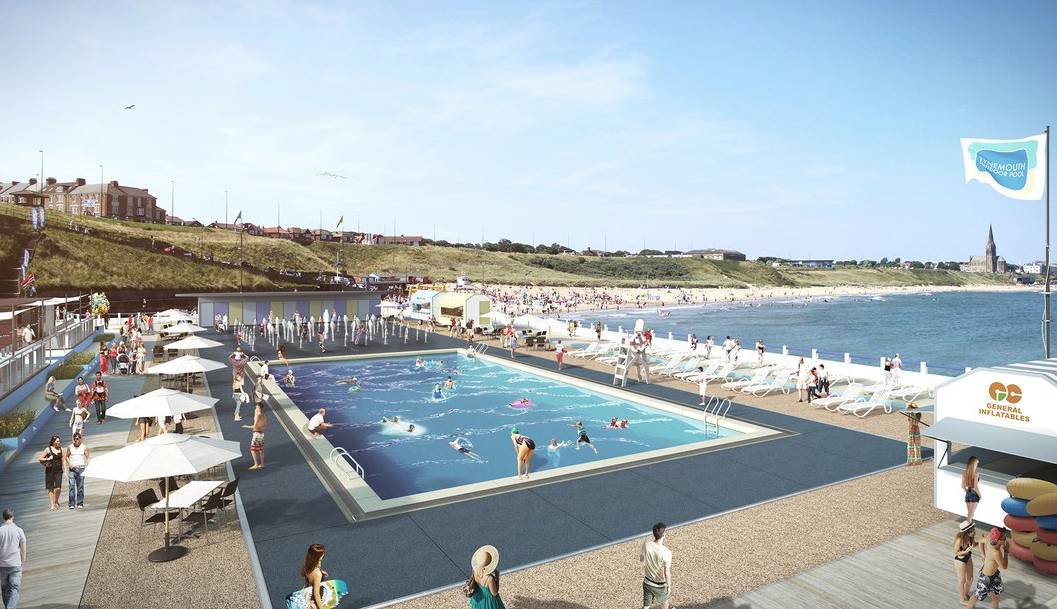
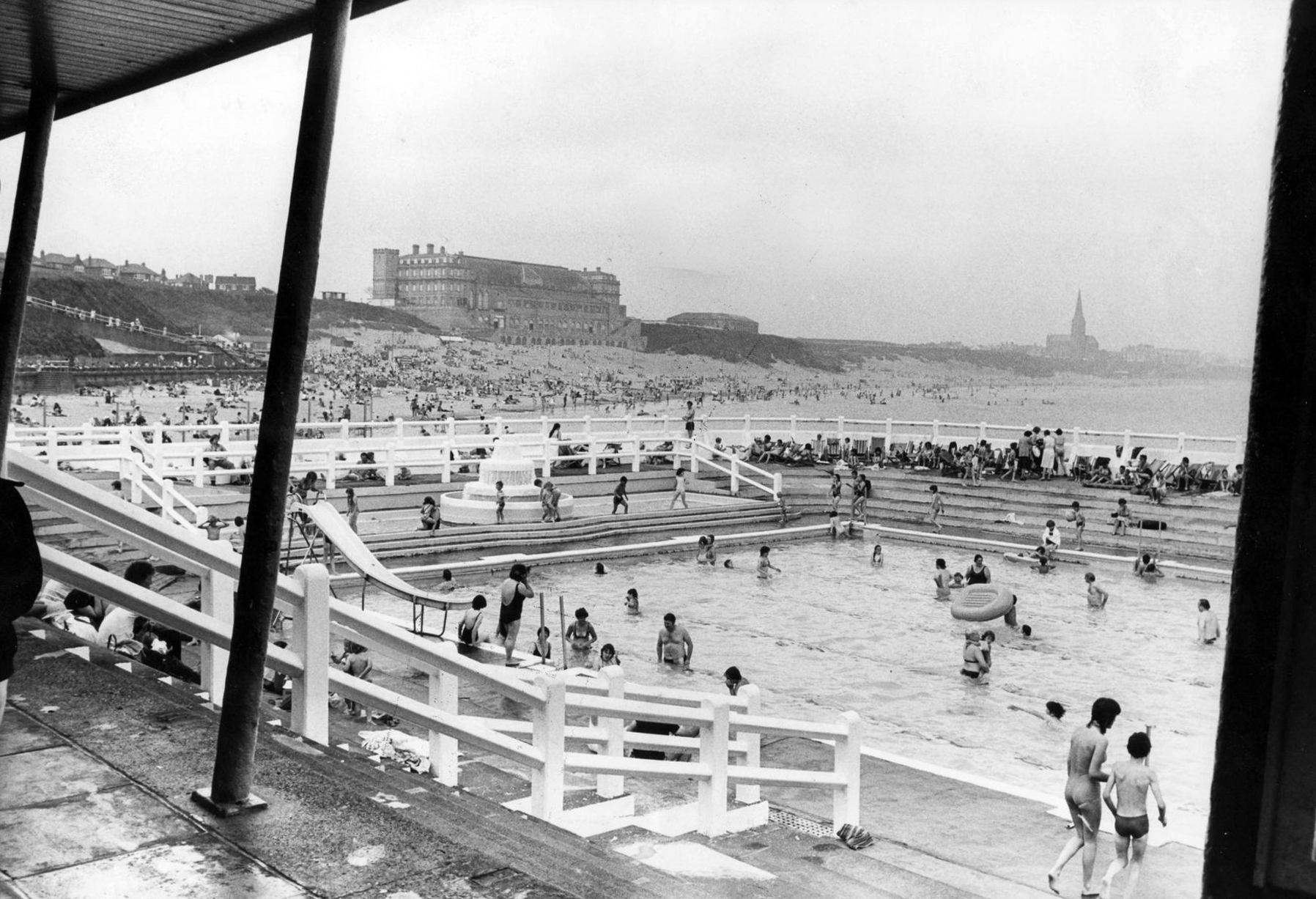
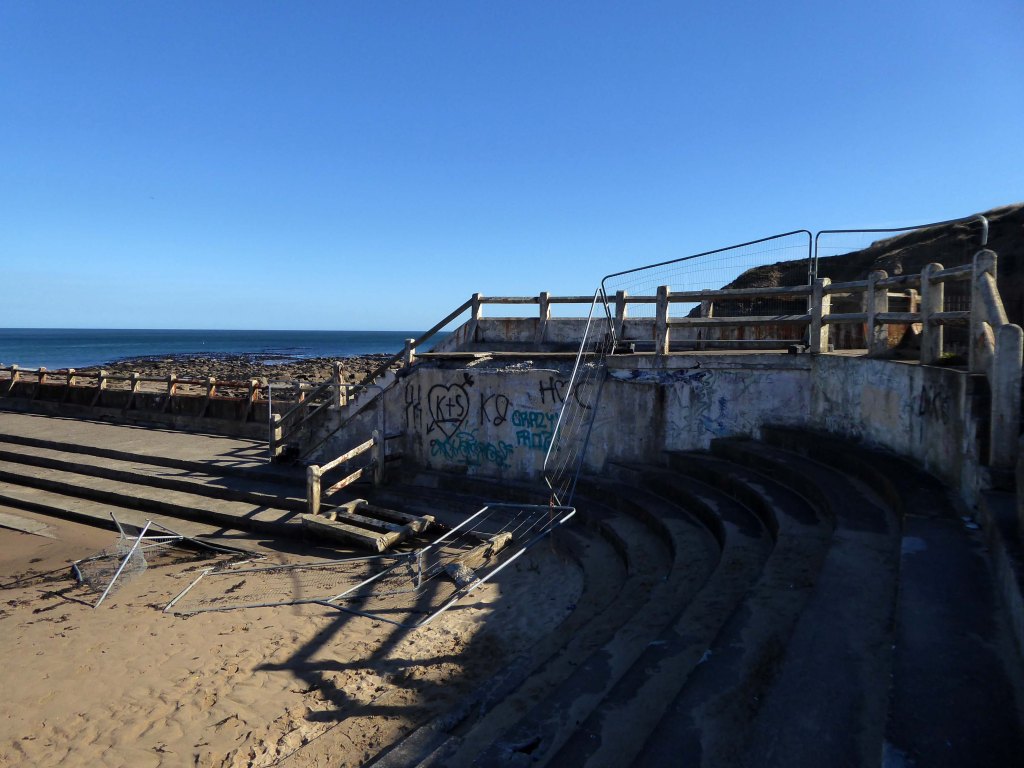
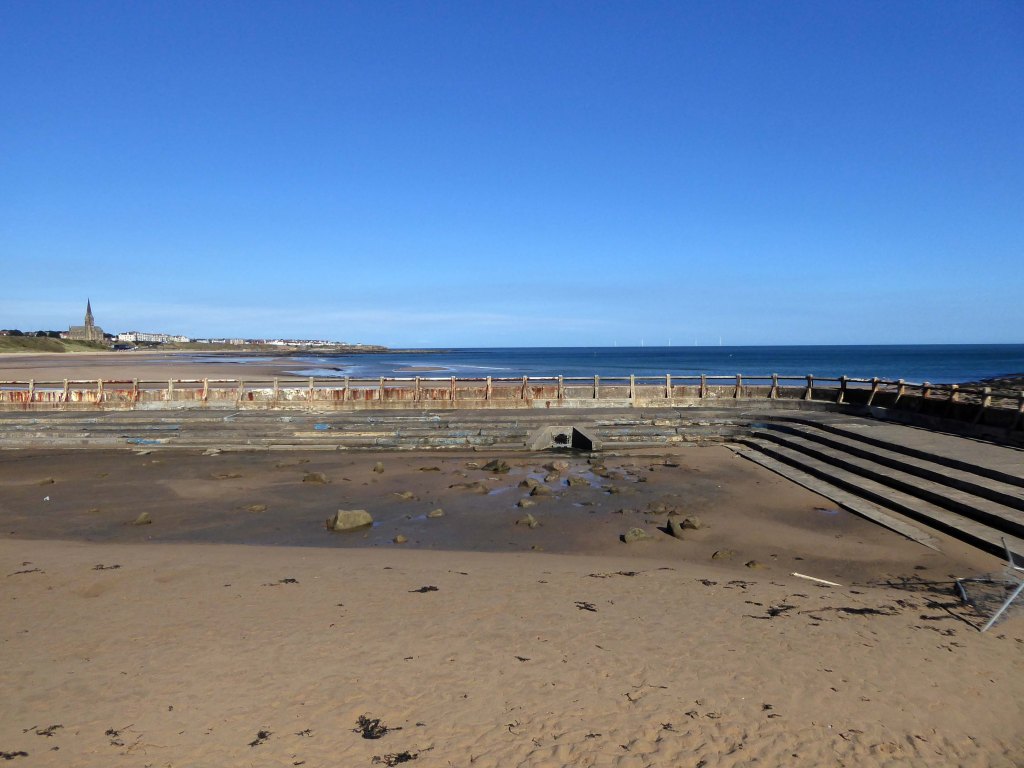
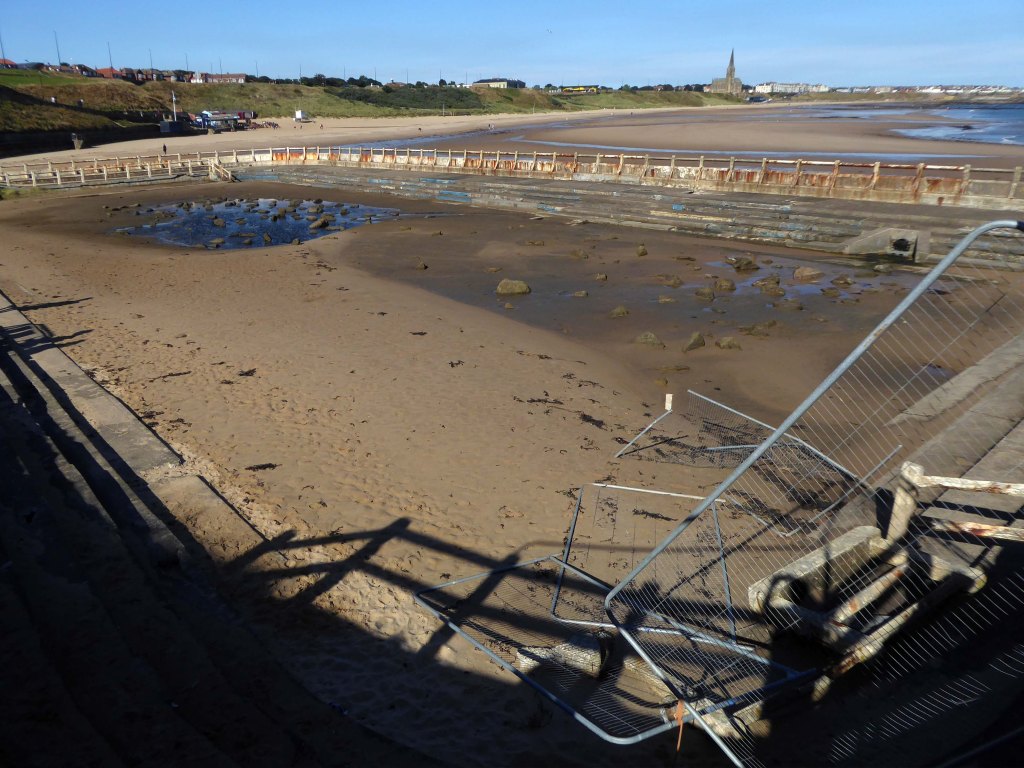
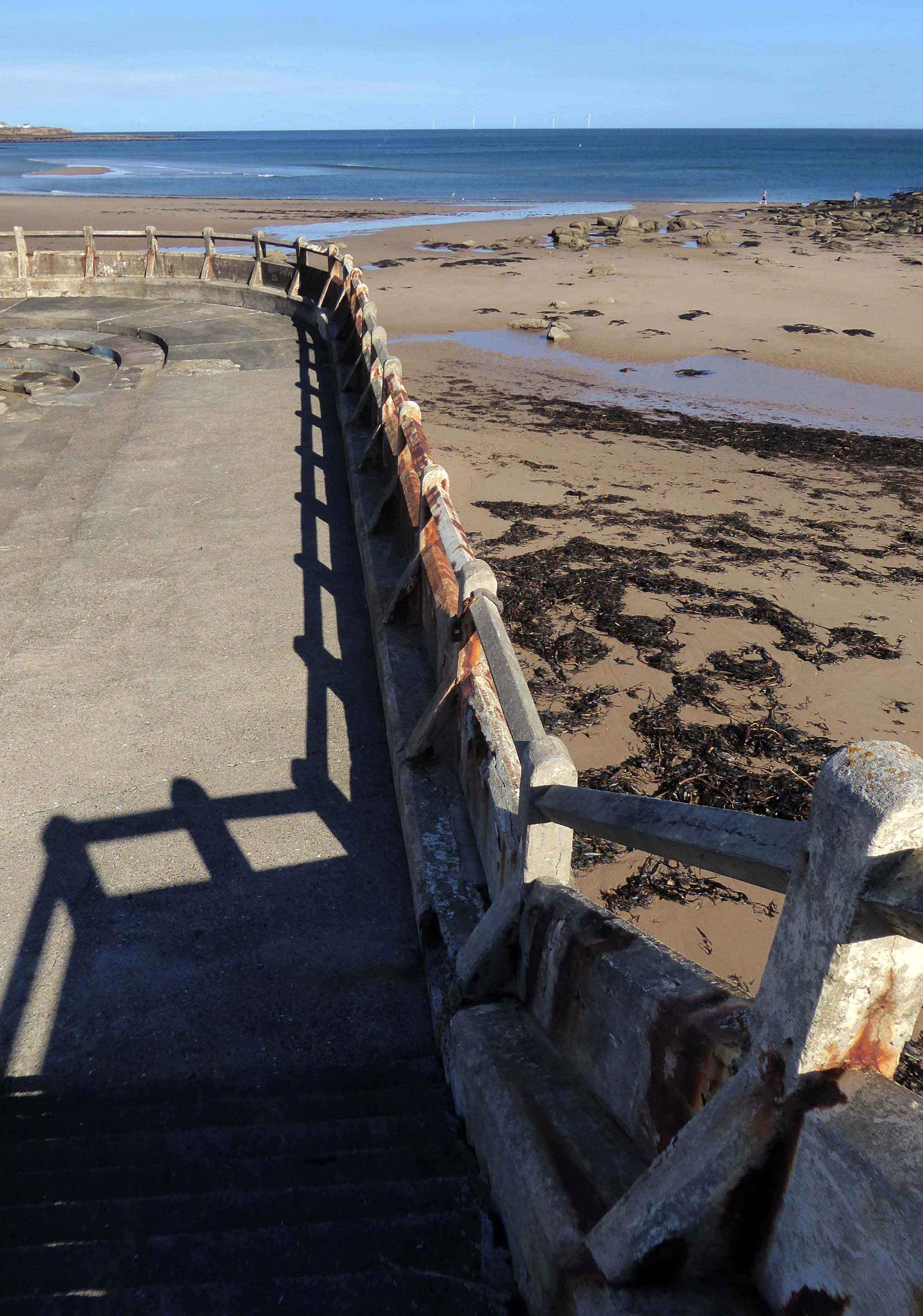
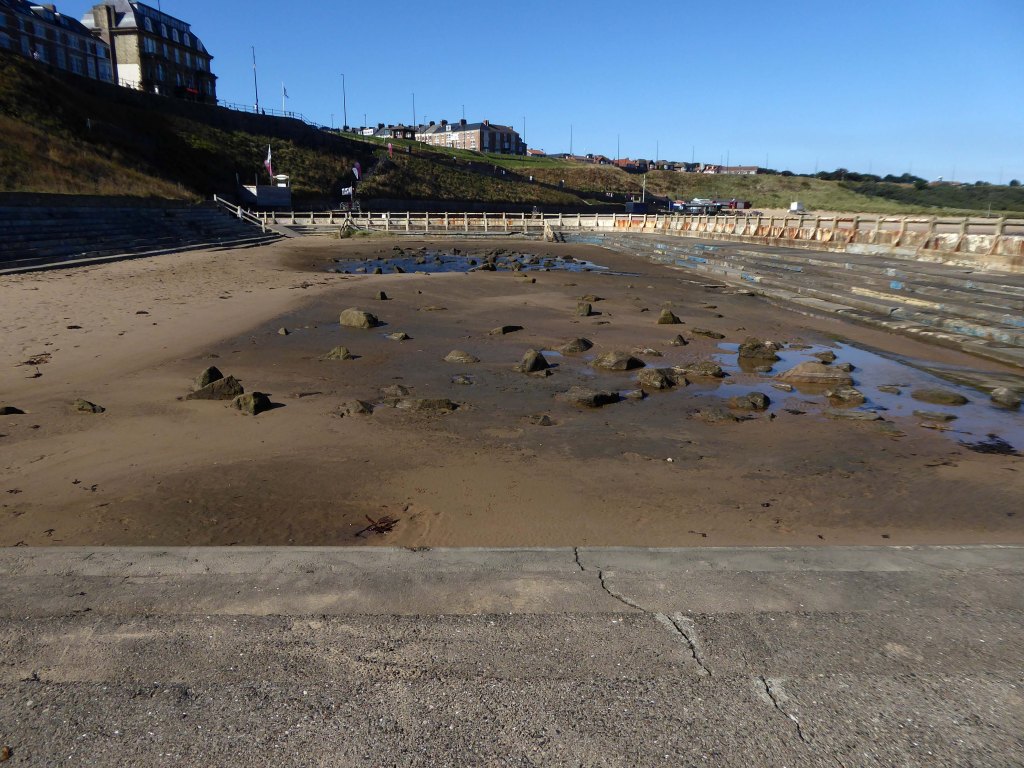
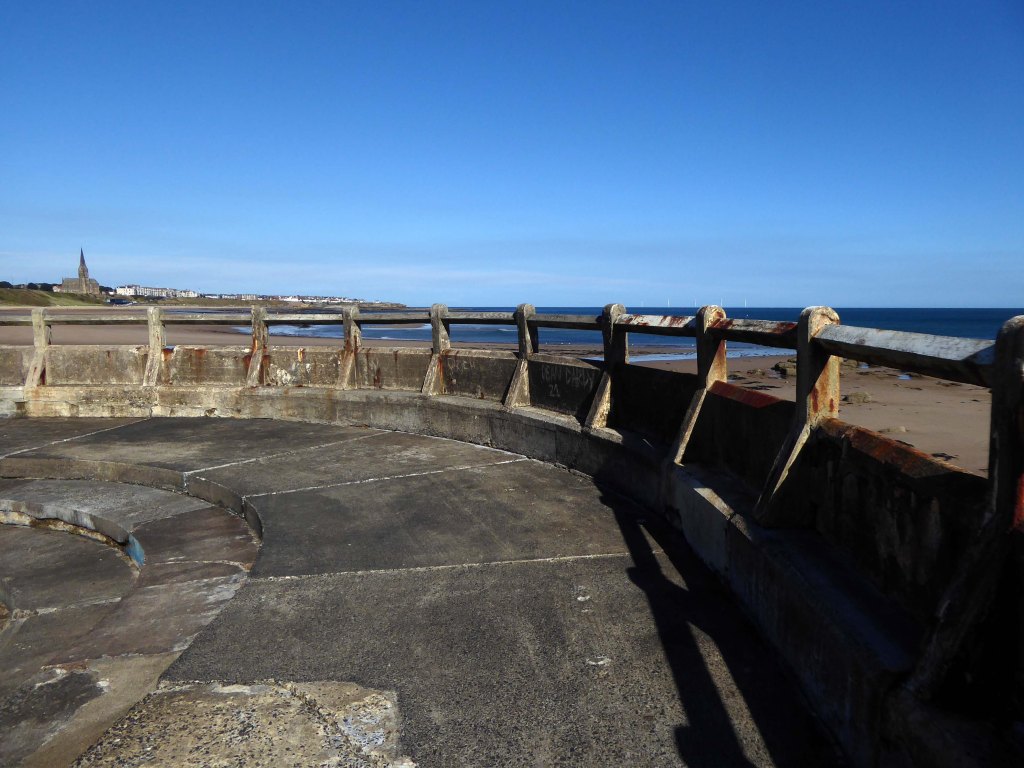
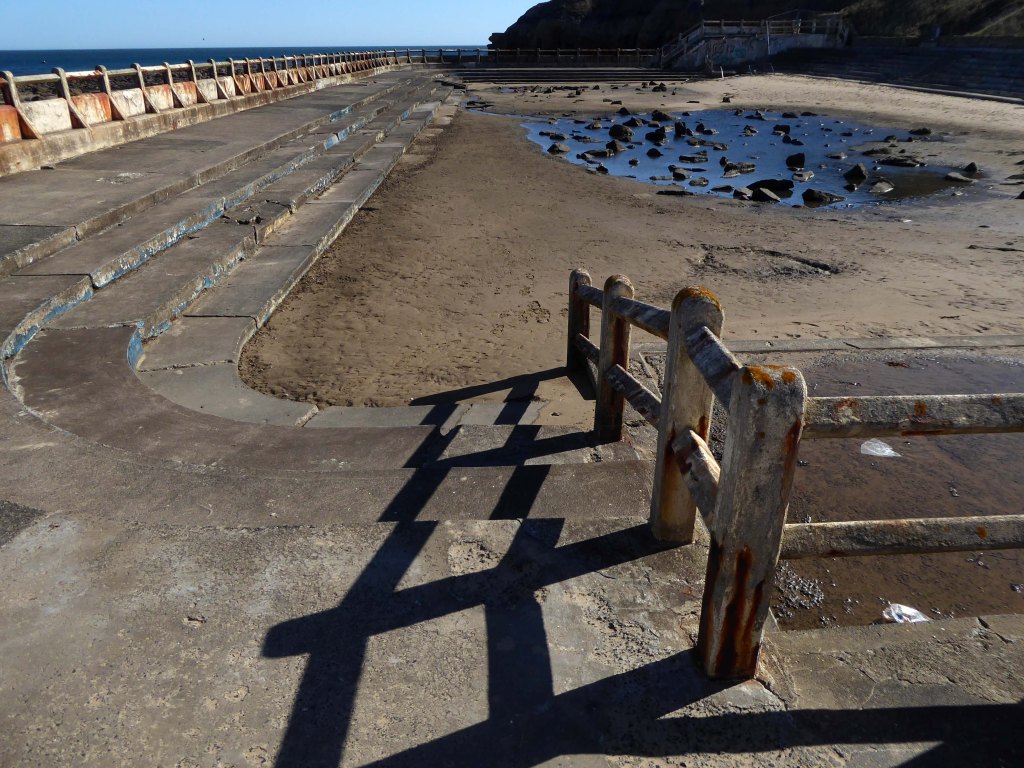
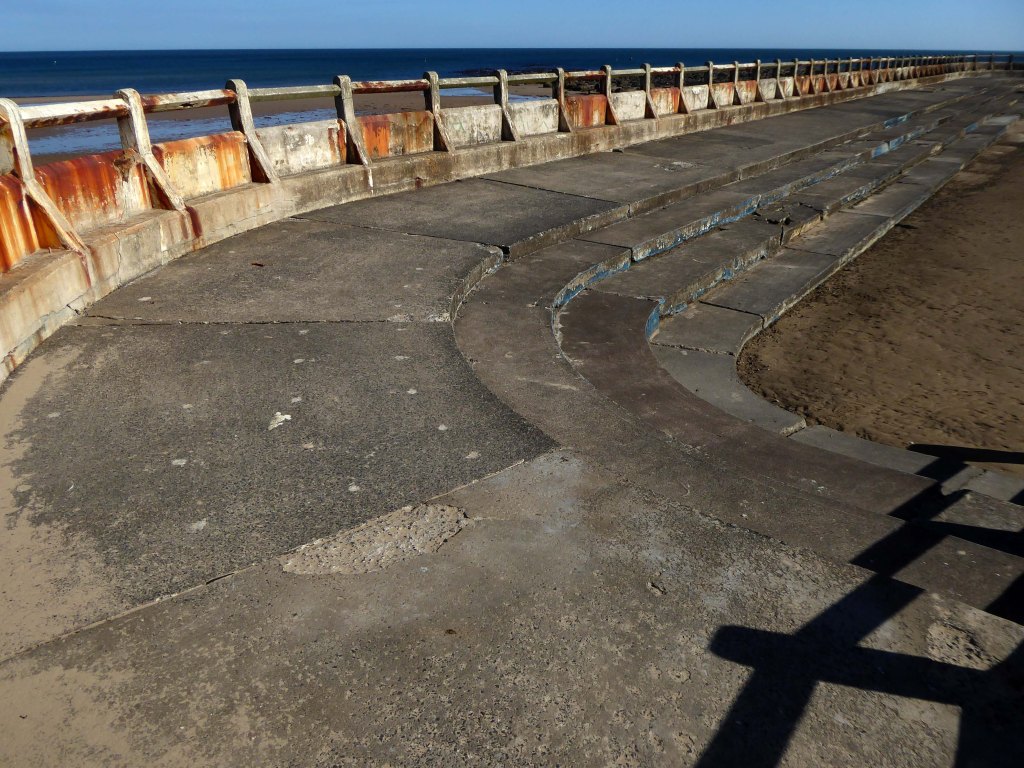
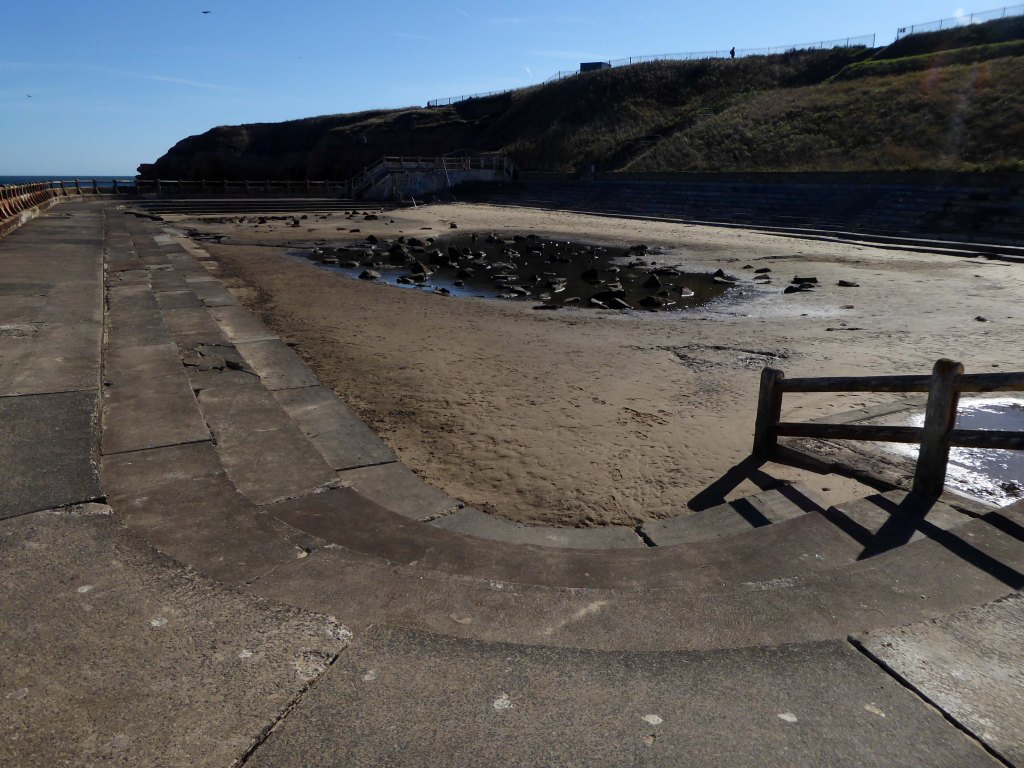
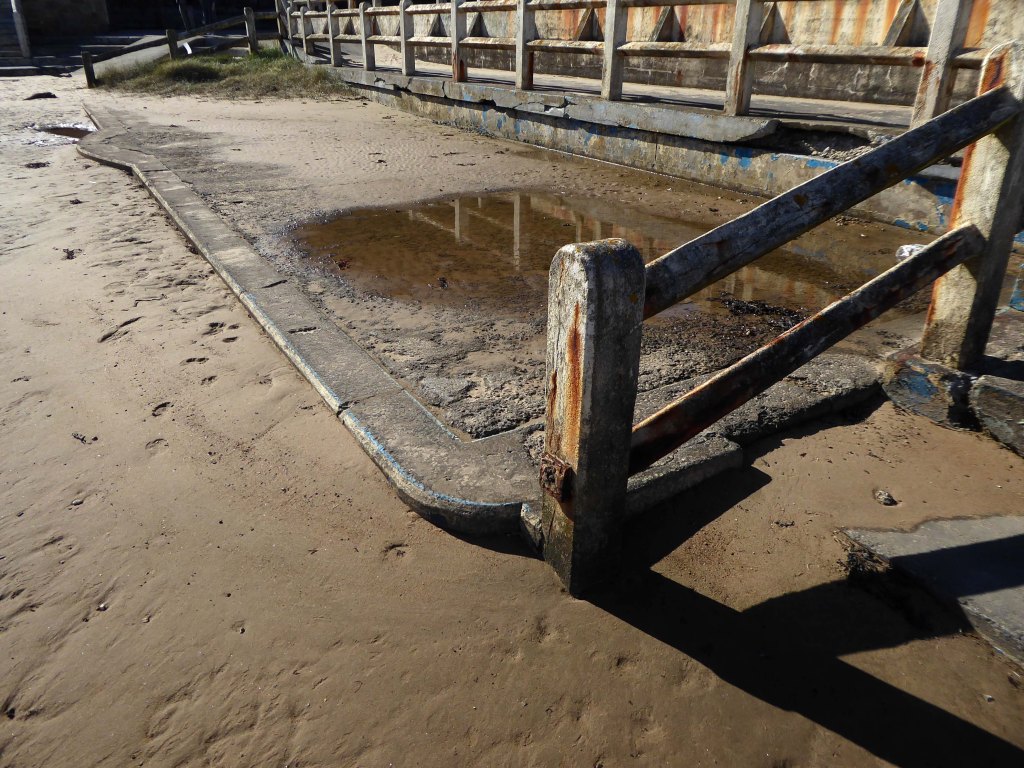
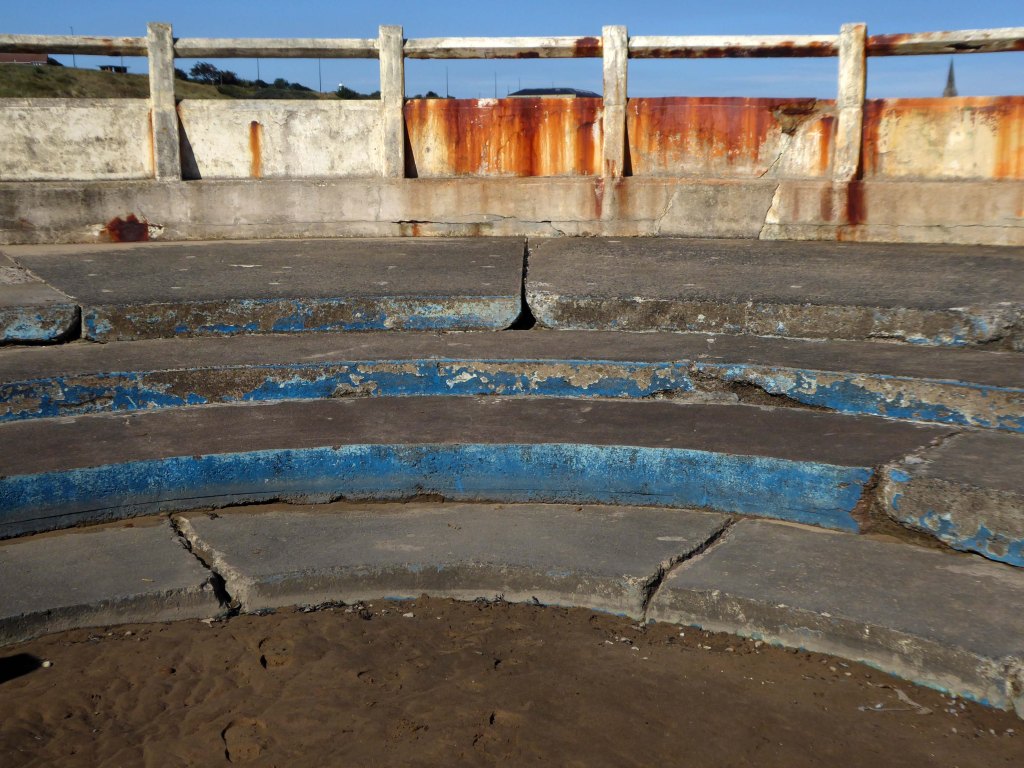
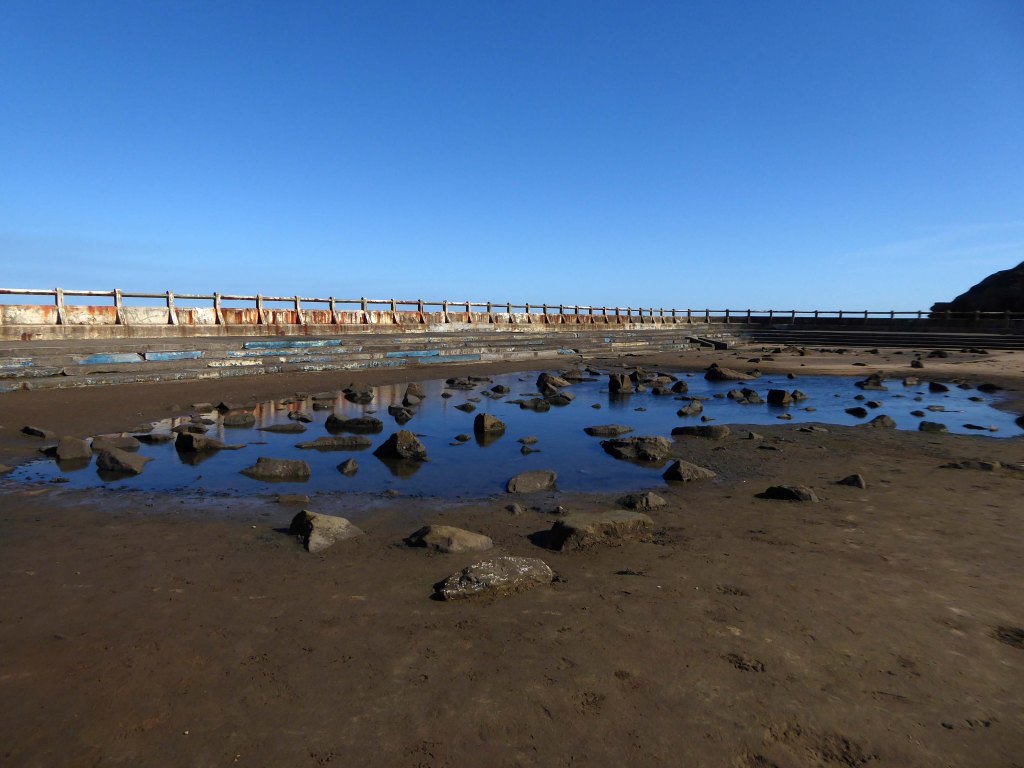
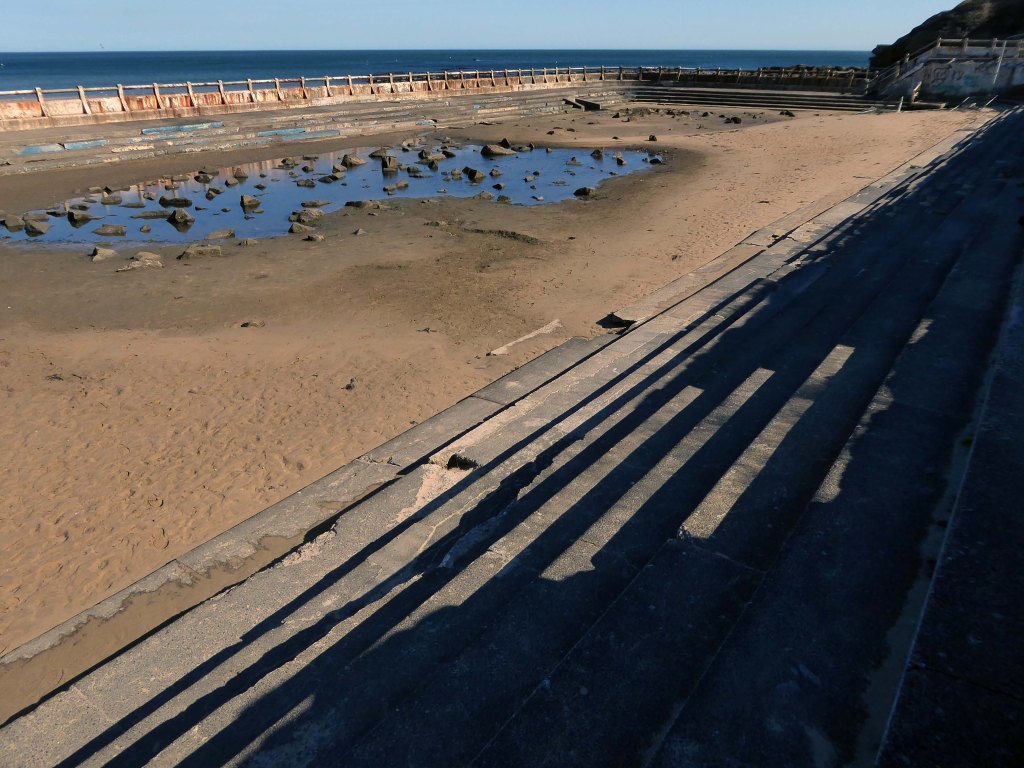
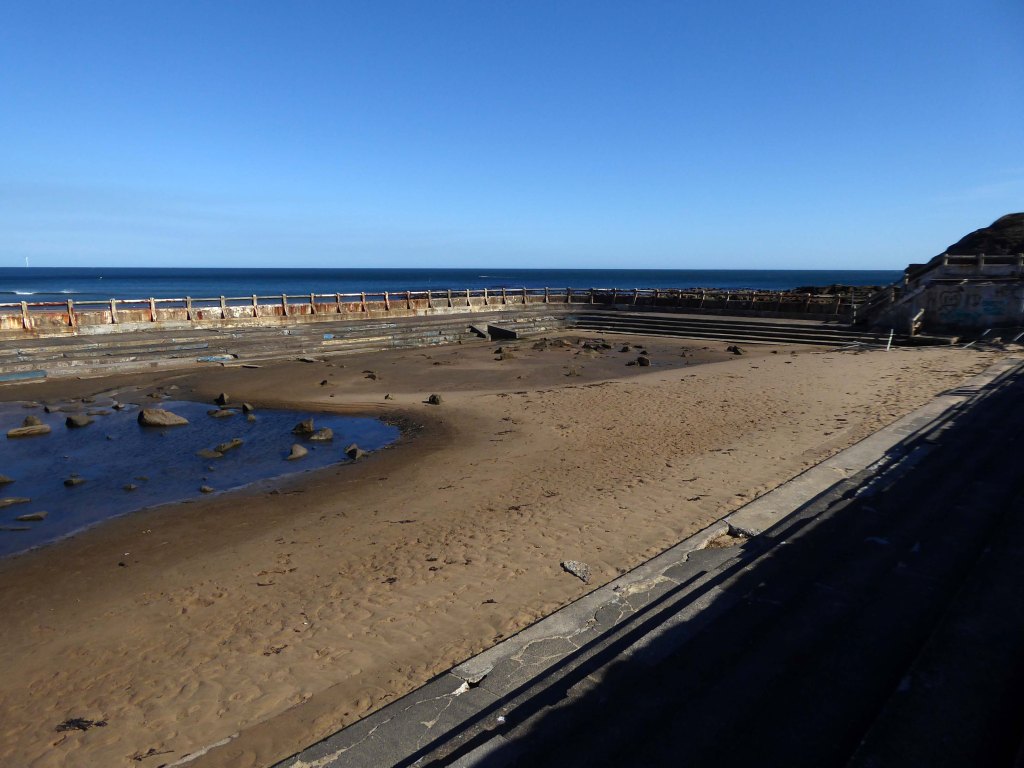
At the Southern end of Tynemouth Longsands beach, on the North East coast, lies the decaying remains of Tynemouth Outdoor Swimming Pool. A concrete, rectangular, salt water tidal pool, built in the 1920s. Popular with locals and holiday makers alike for over 50 years. It began to lose favour in the late 70s with the introduction of cheap package holidays abroad, just as other British coastal holiday destinations lost out.

The pool fell into disrepair, and in the mid 90s the Local Authority demolished the ancillary buildings and bulldozed the rubble into the pool, at a cost of £200,000, before filling with concrete and imported boulders to form an artificial ‘rock pool’.

The anticipated marine life they introduced never flourished and the pool remains an eyesore to this day.

Friends of Tynemouth Pool

There are plans for restoration and renewal.

So that once again the merry bathers may bathe merrily.

Chronicle Live

There’s still a long way to go.

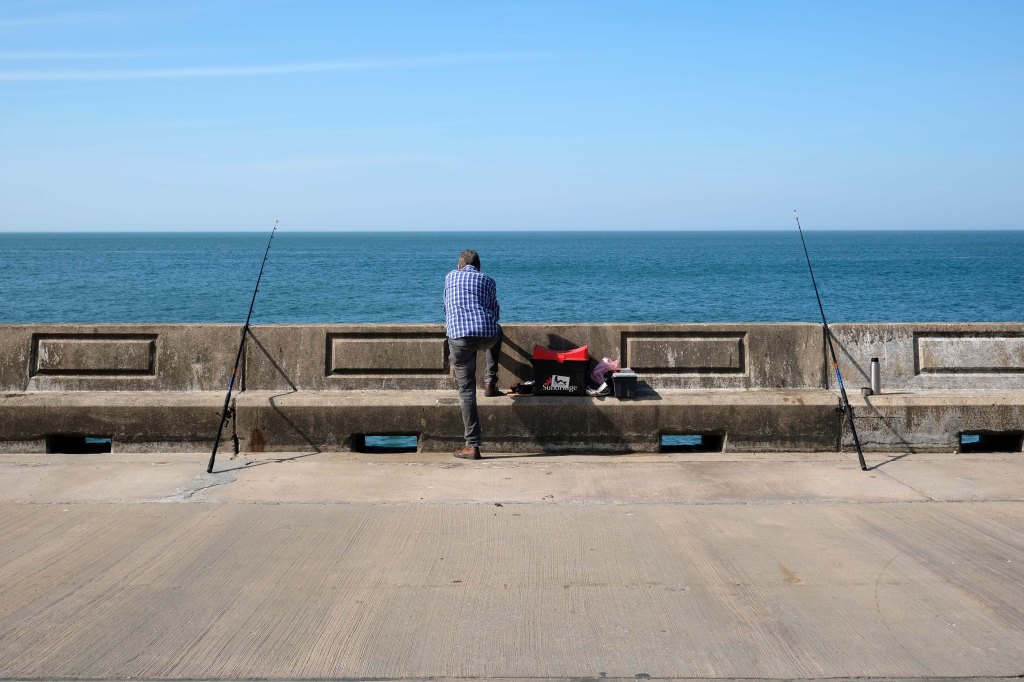
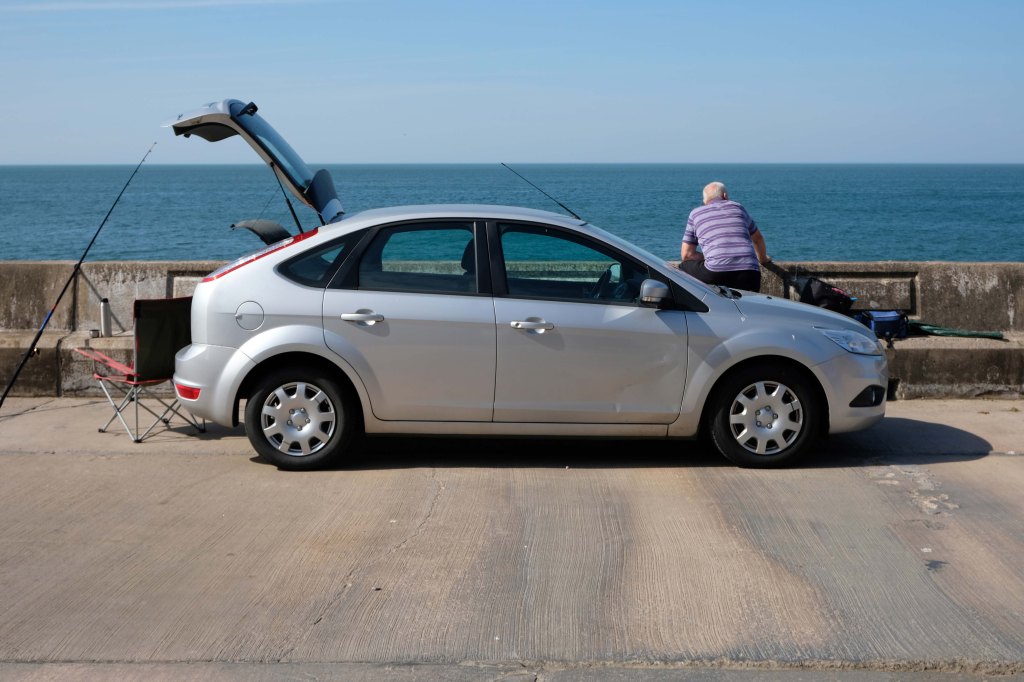
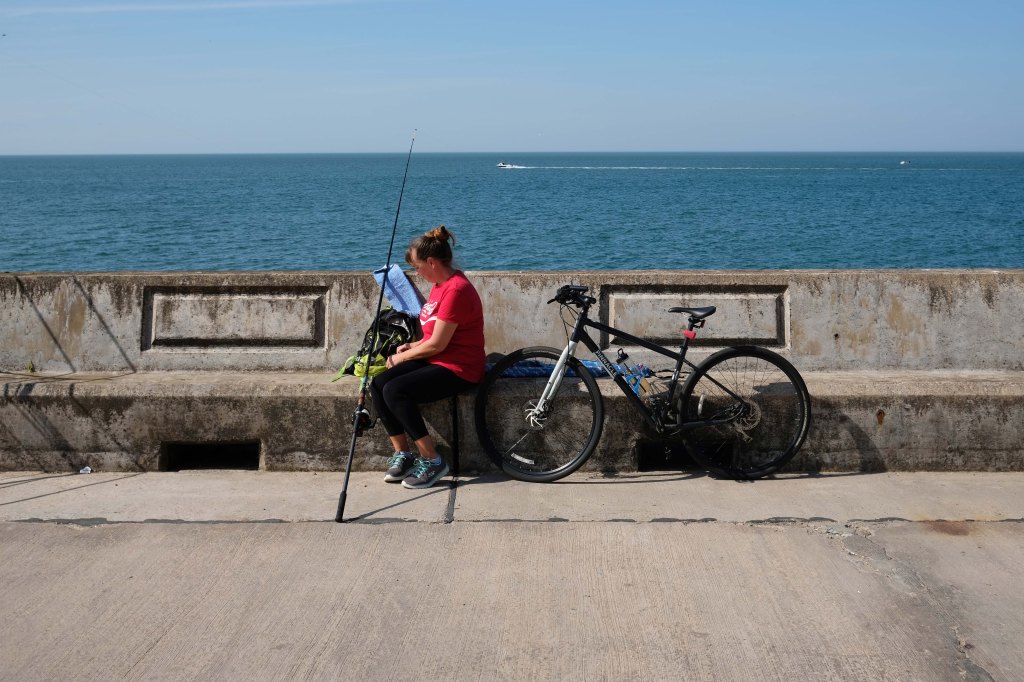
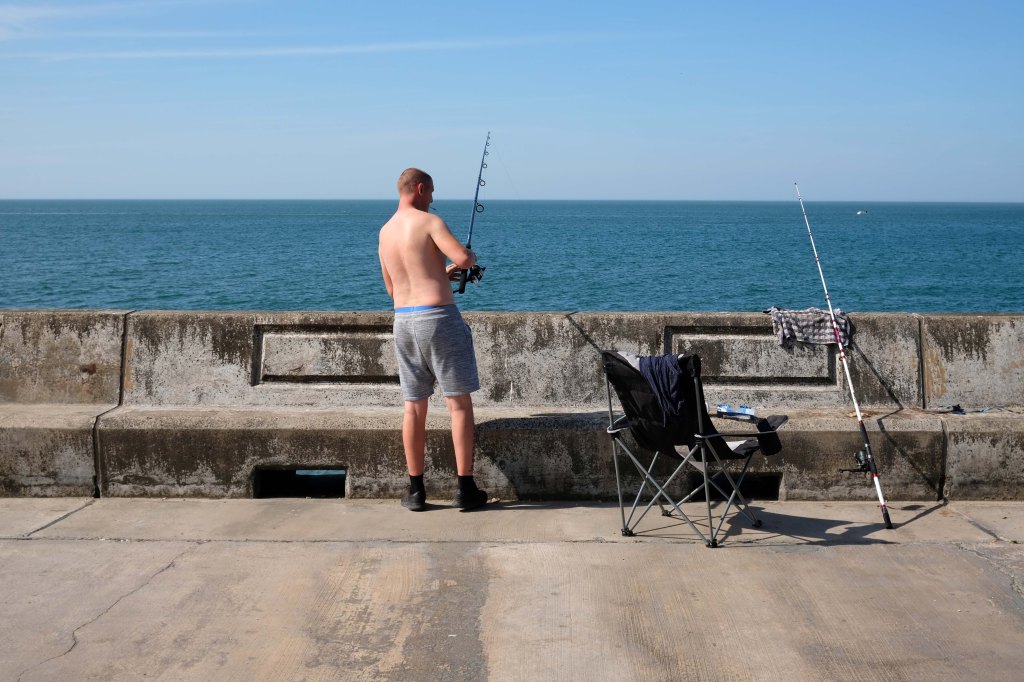
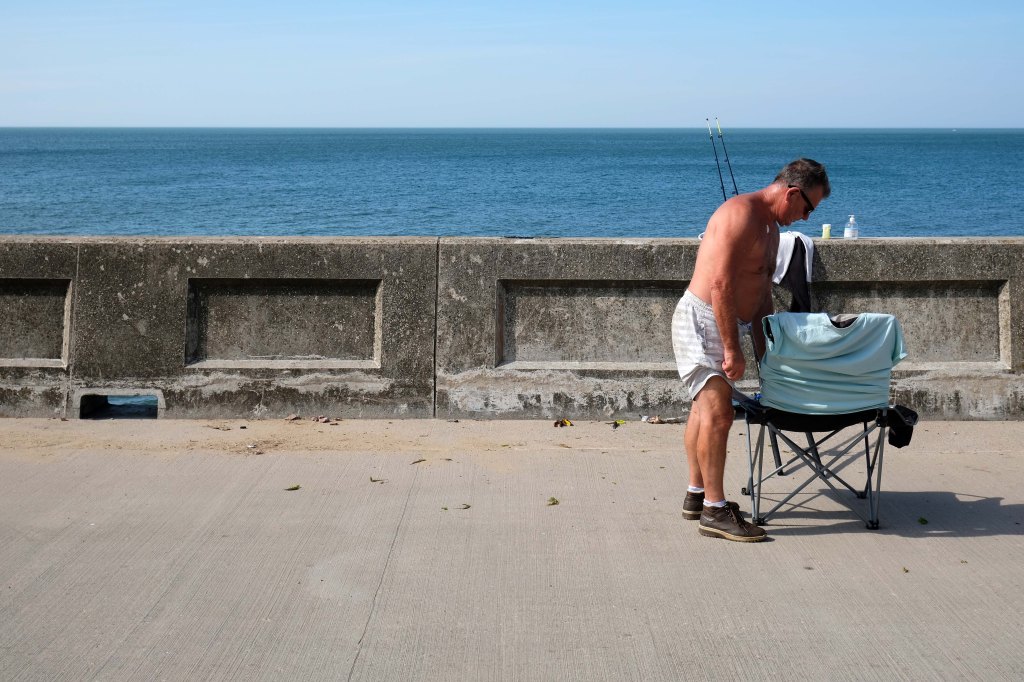
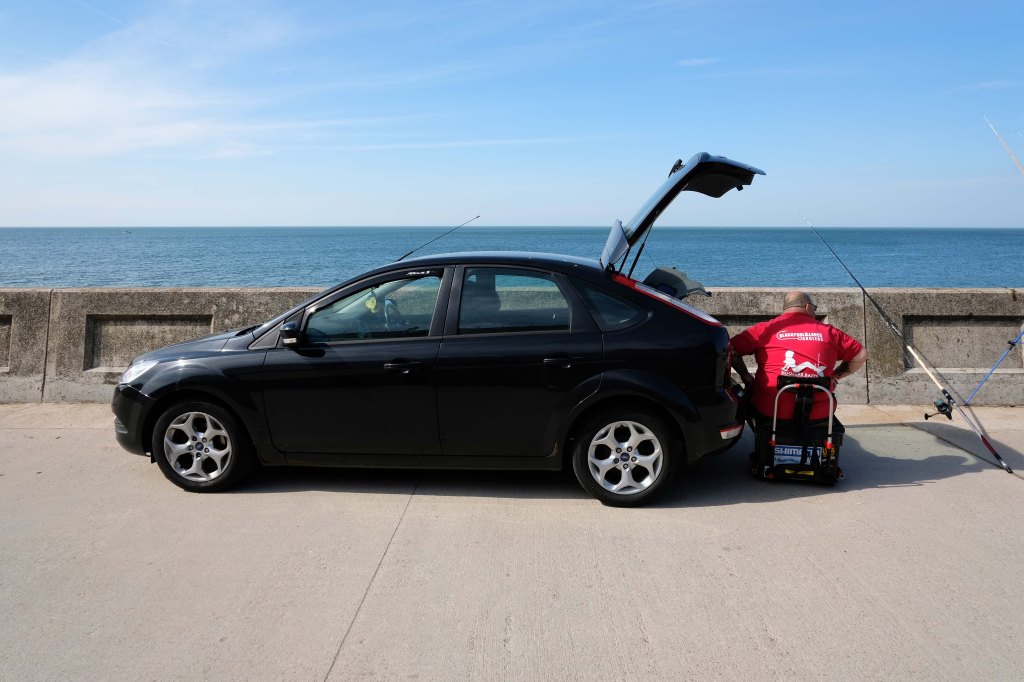
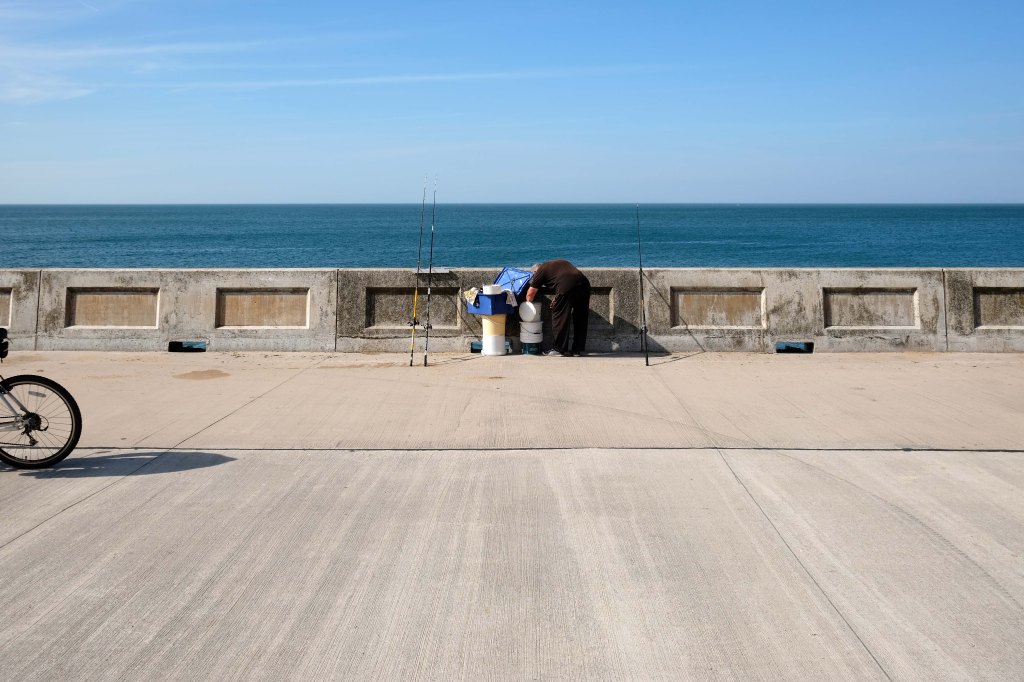
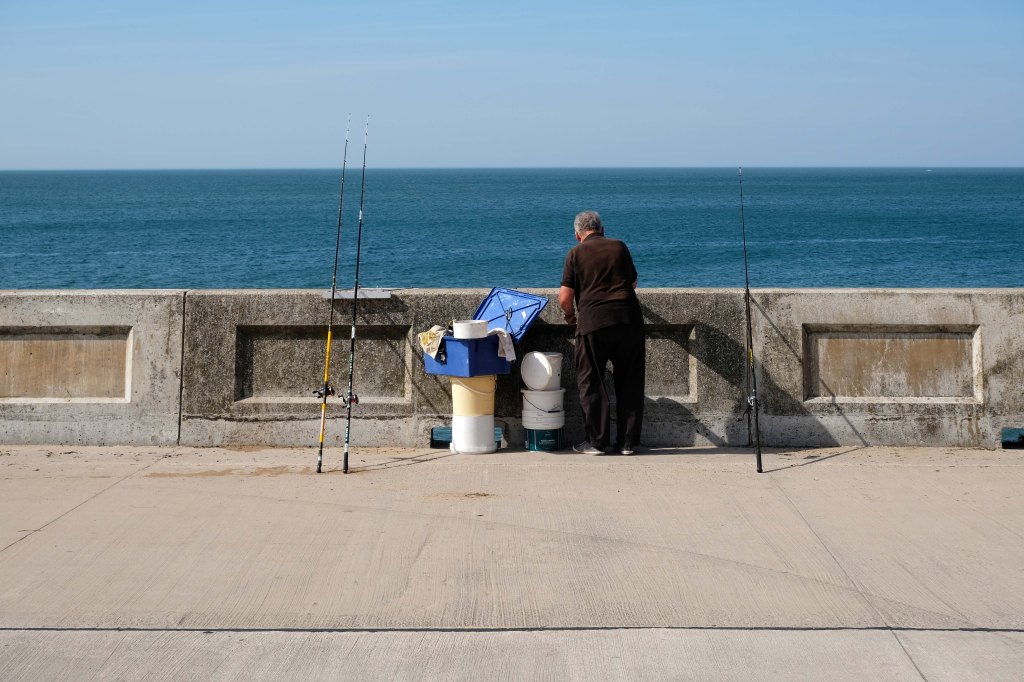
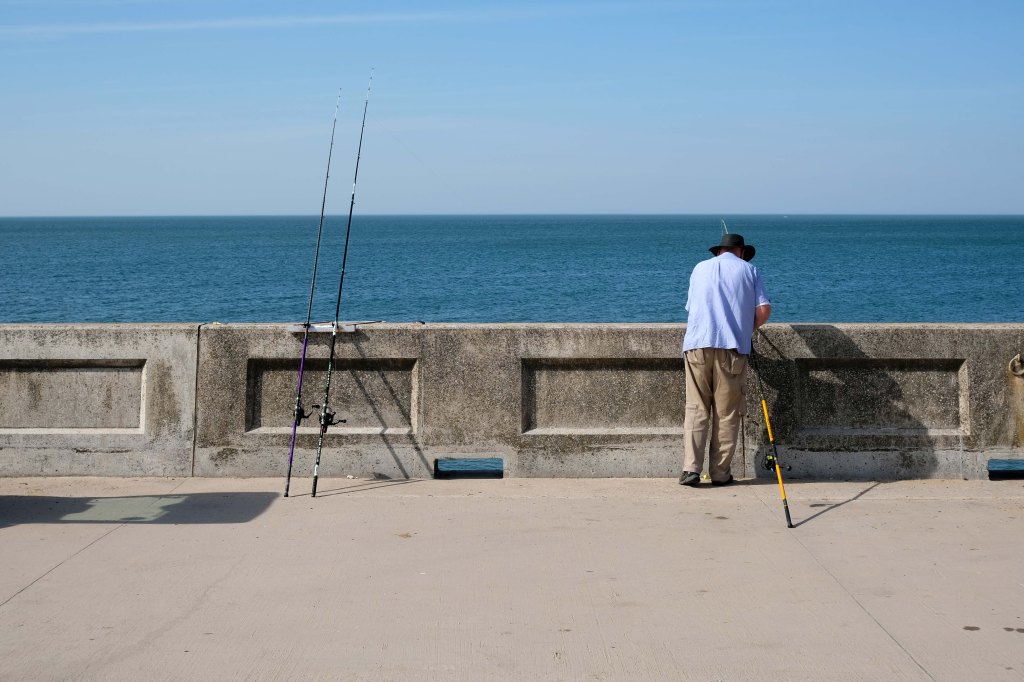
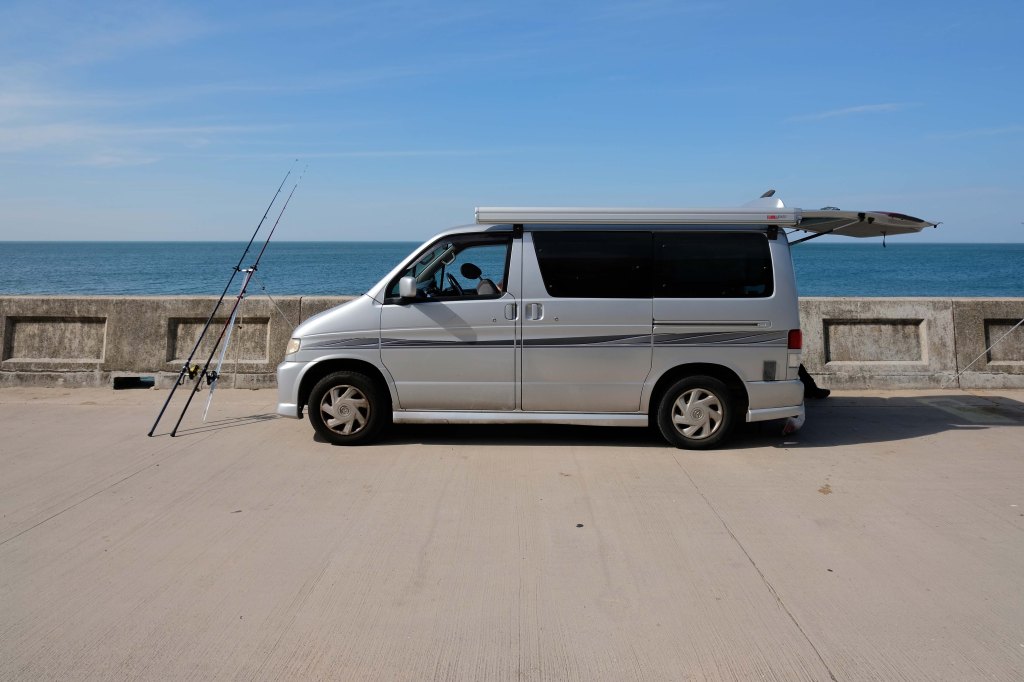
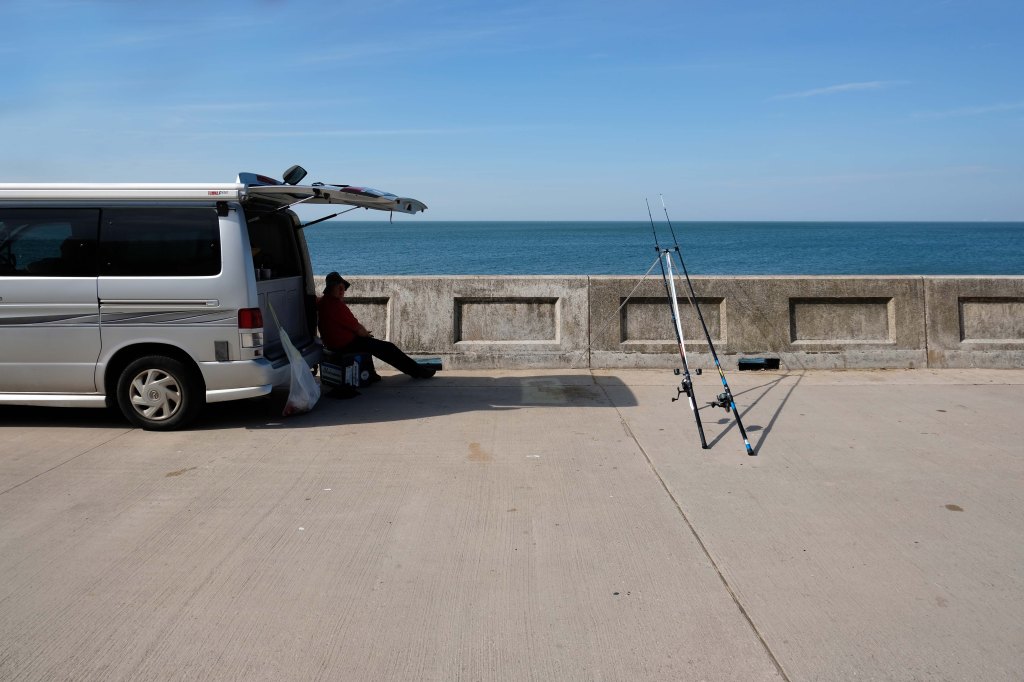
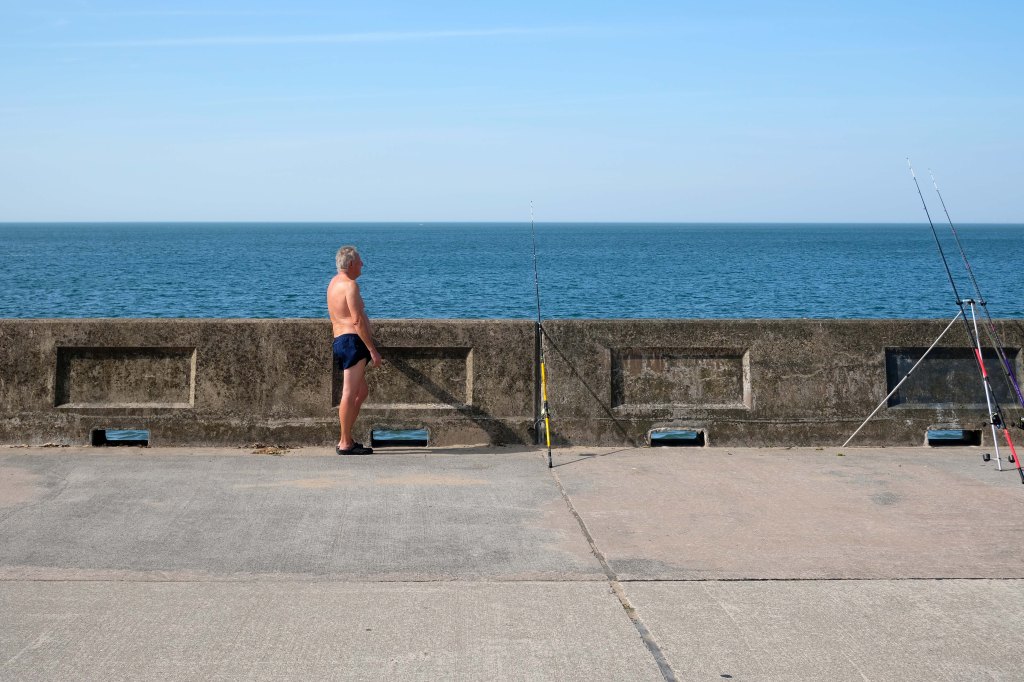
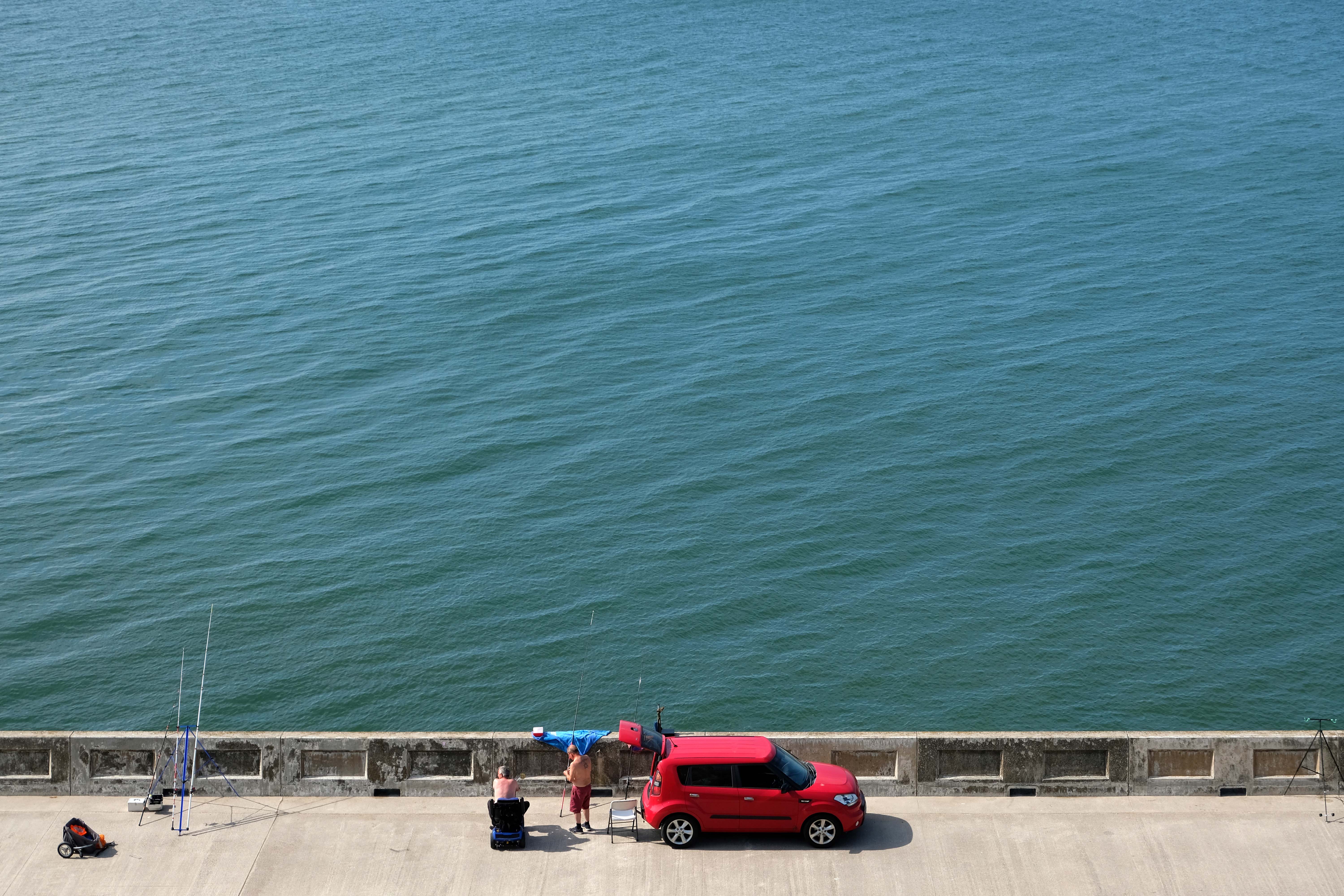
Sea Fishing – North Shore Blackpool

I love to walk the long concrete promenade along the North Shore.

In fact I’ve previously written all about it.

One very sunny post lockdown day I walked along again.

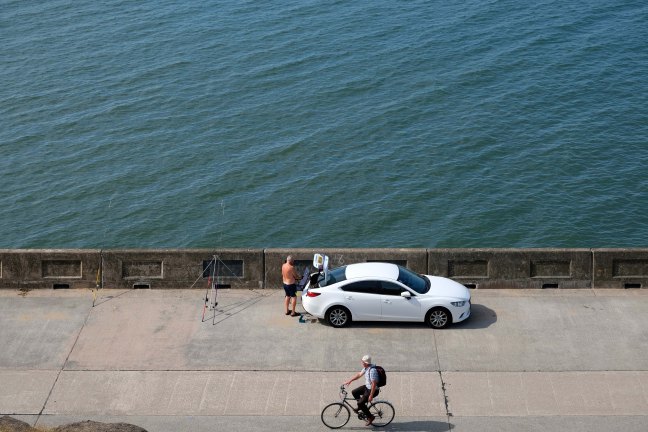
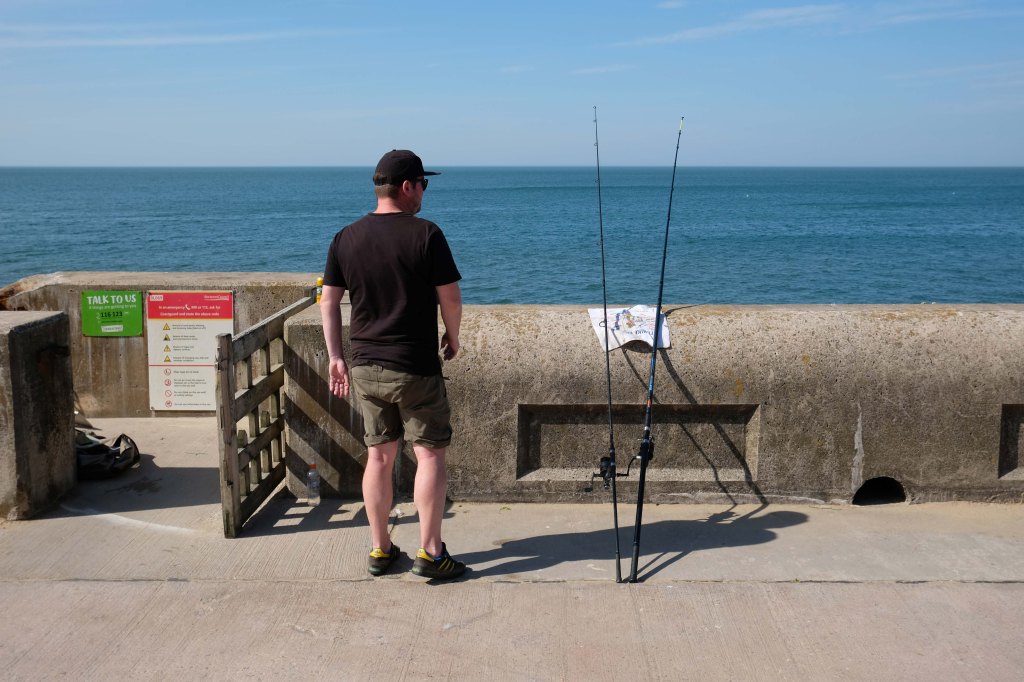
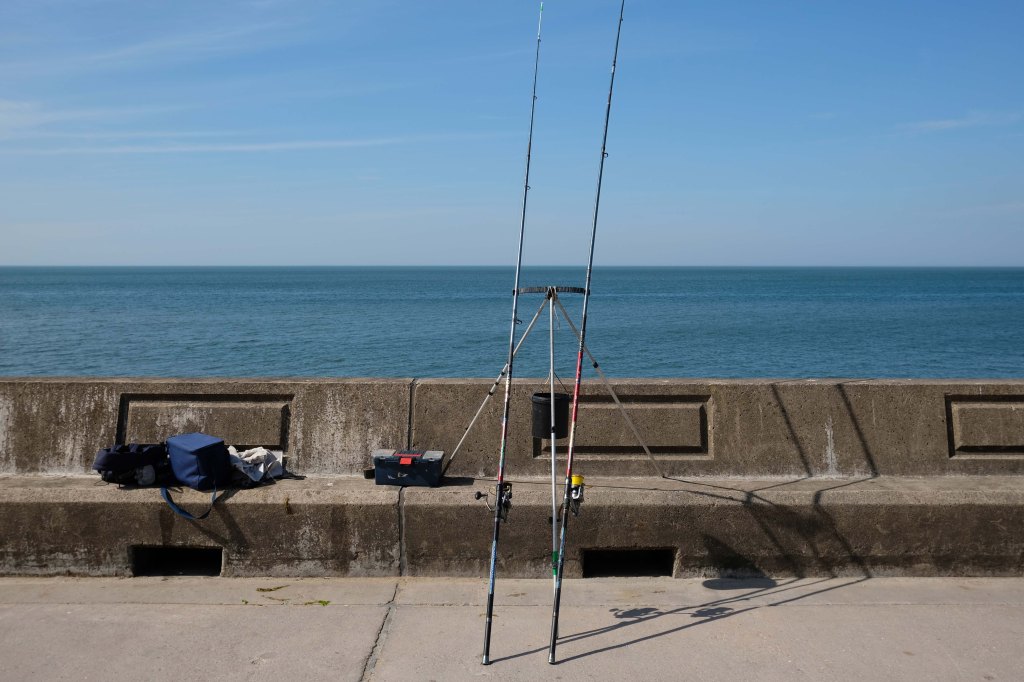
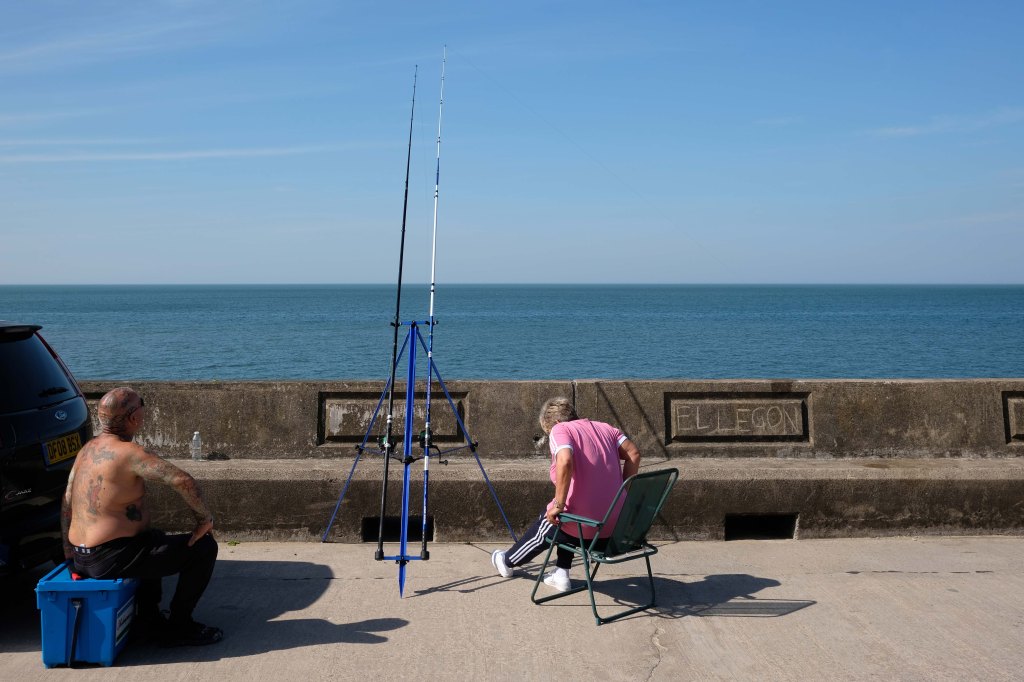
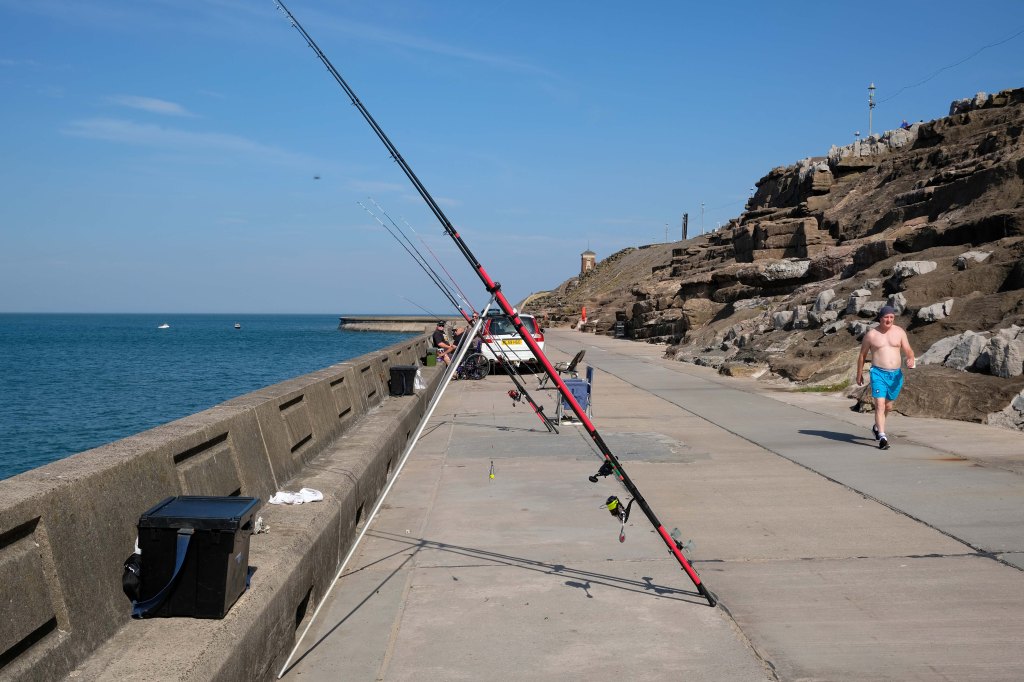
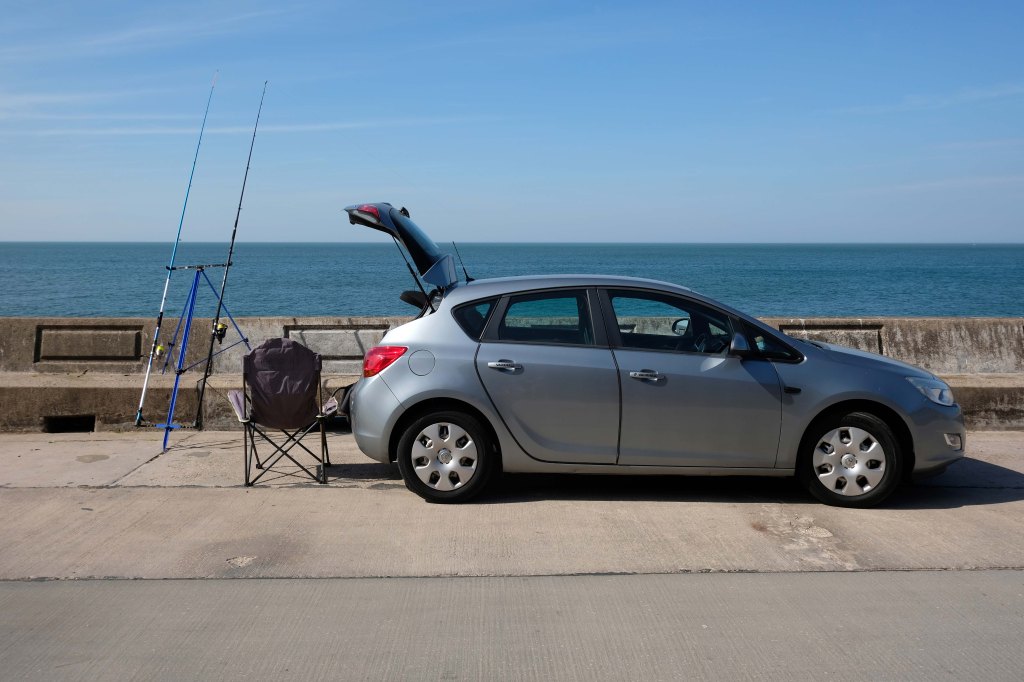
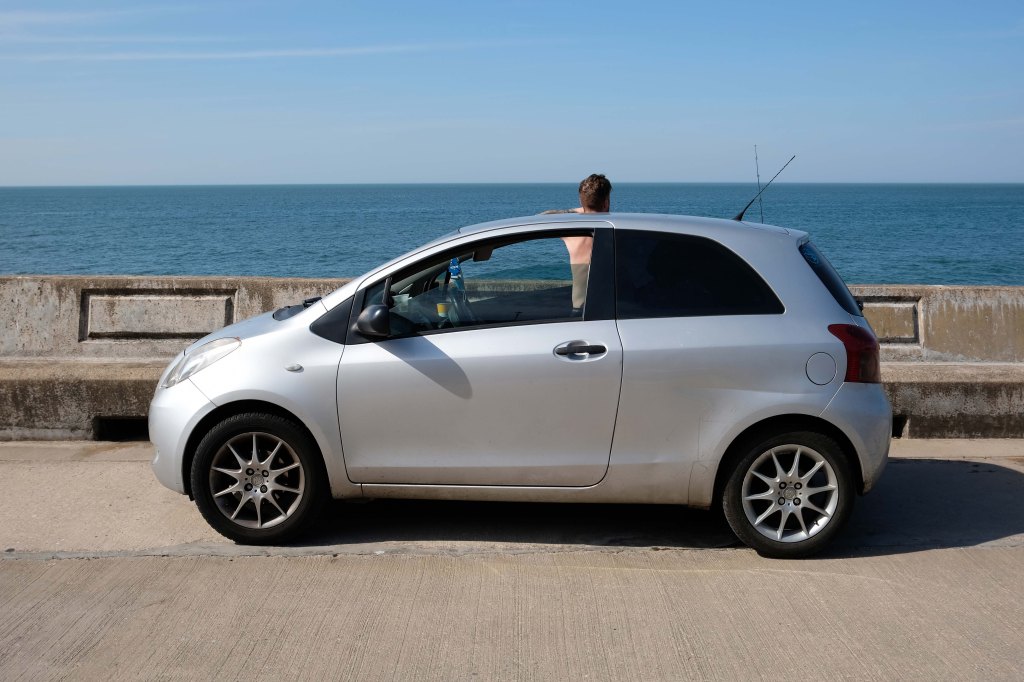
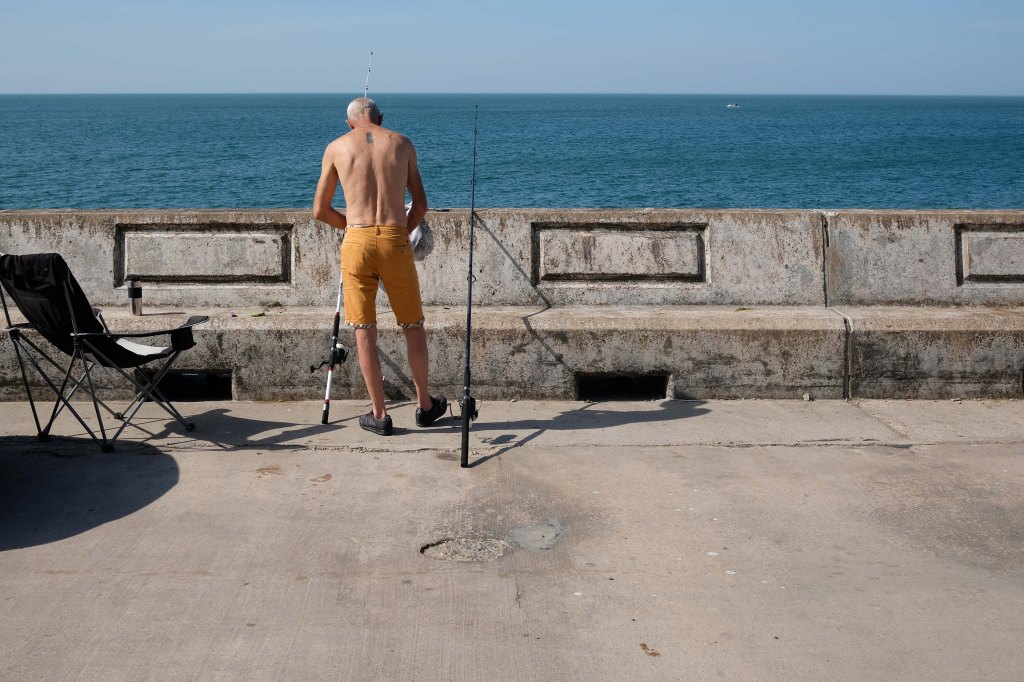
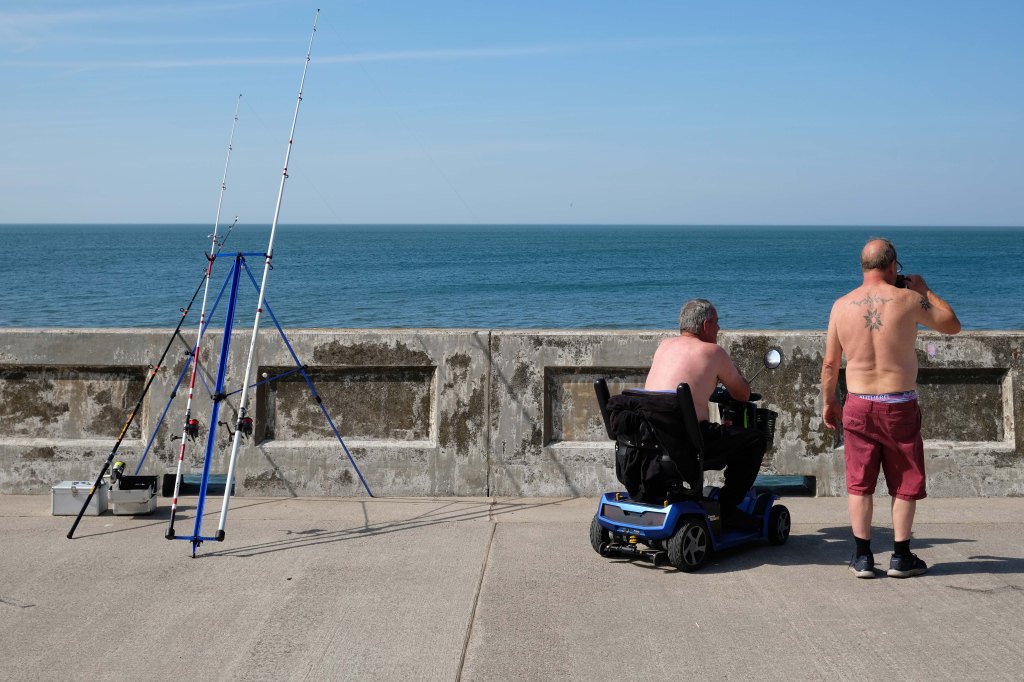
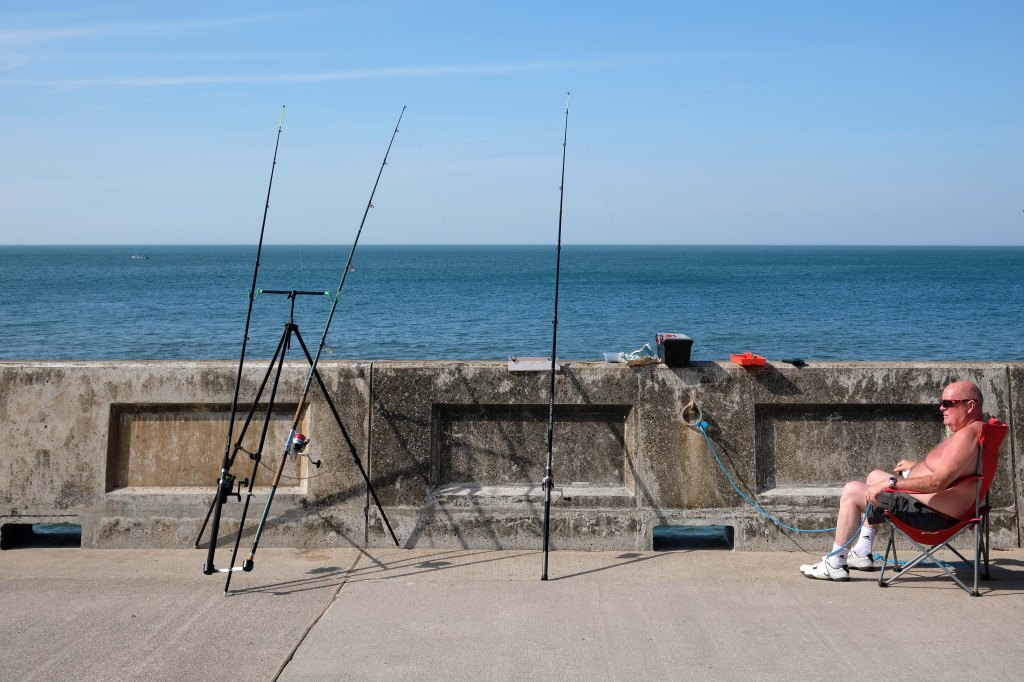
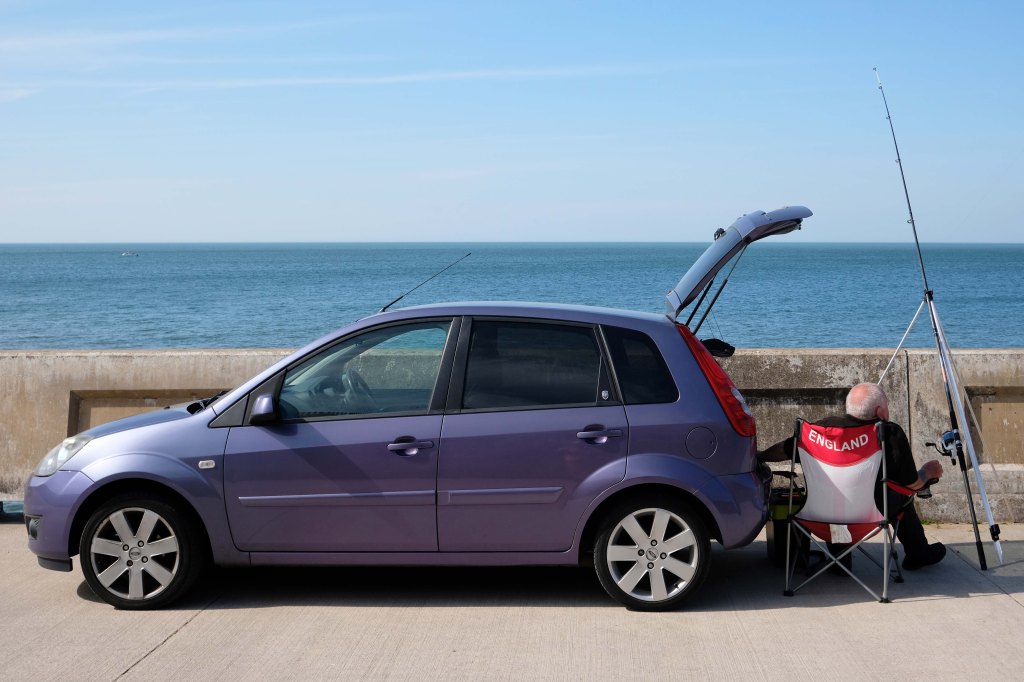
I was taken by the strung out procession of anglers casting from the sea wall.

So I took some pictures.

Our Lady Star Of The Sea – Amlwch

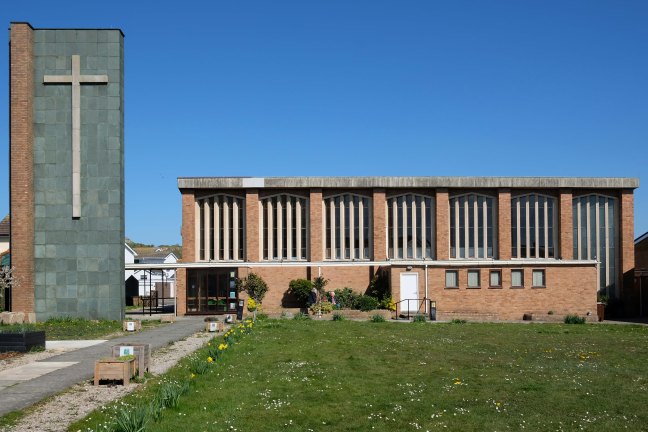
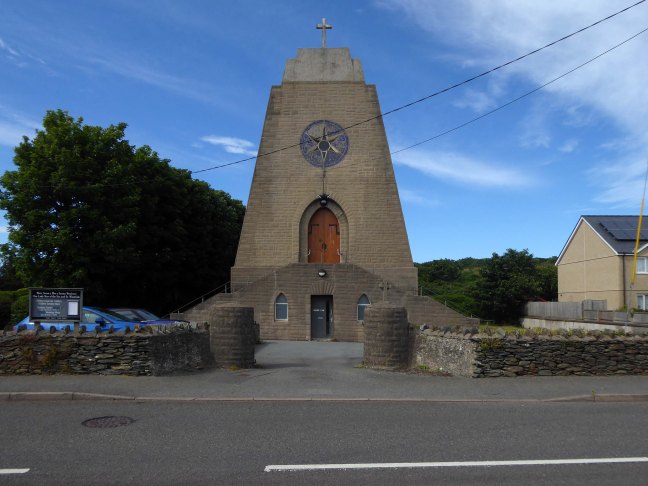
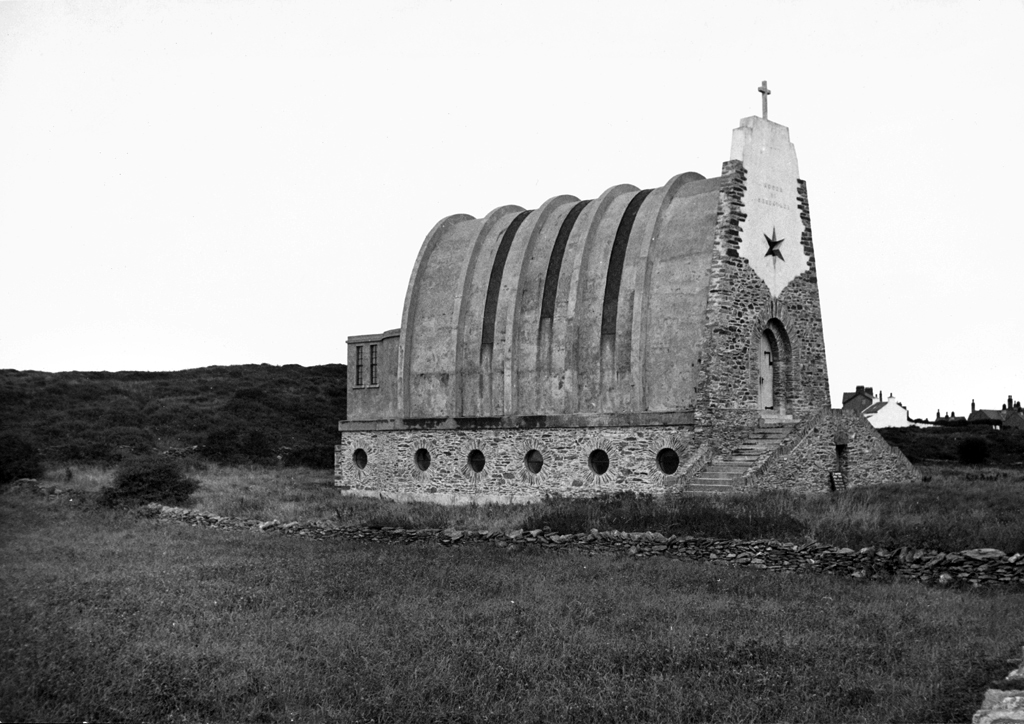
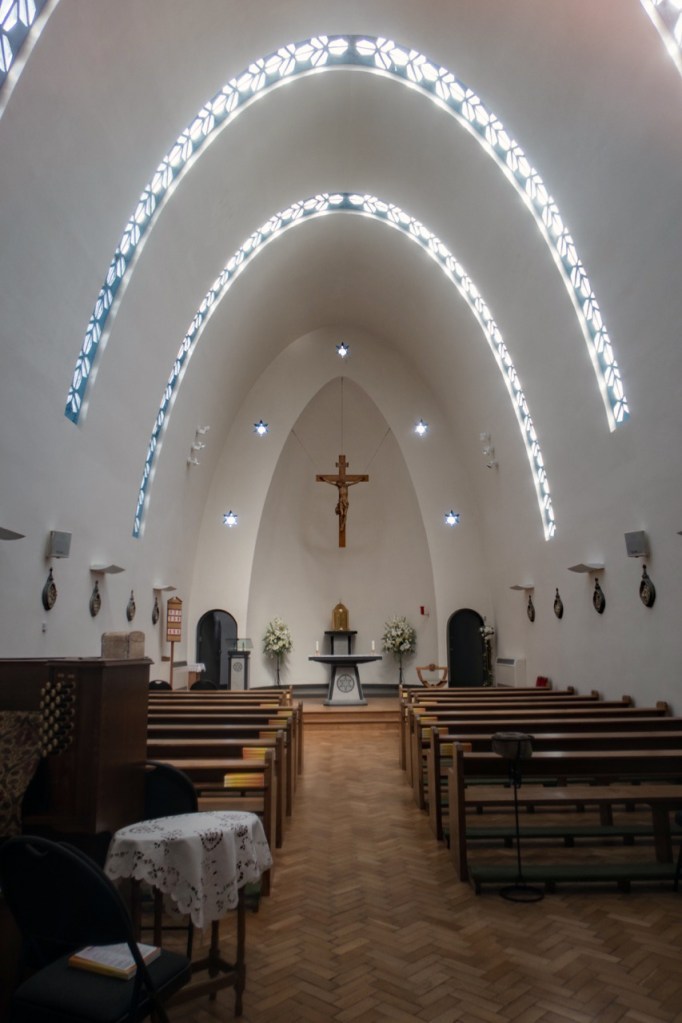
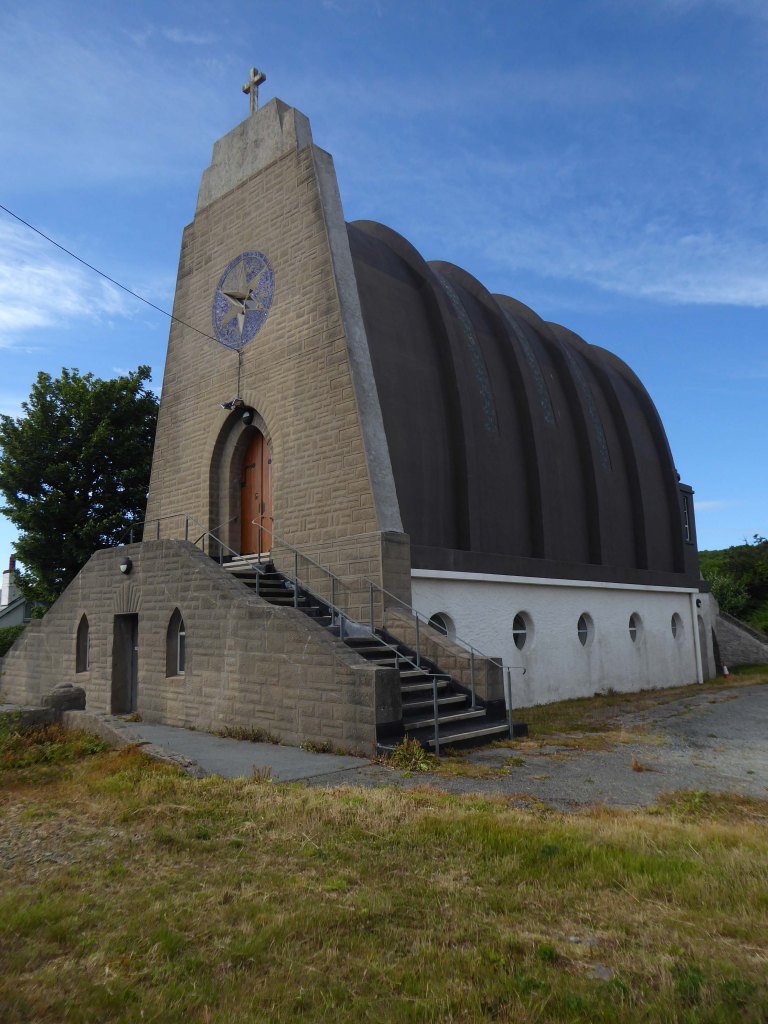
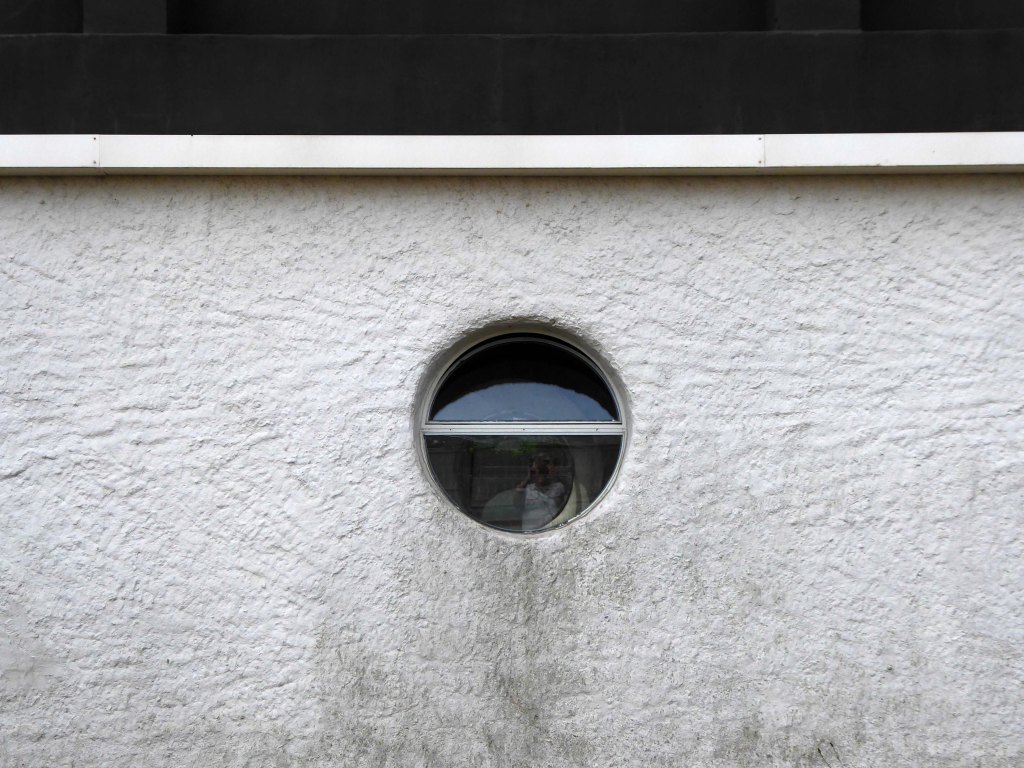
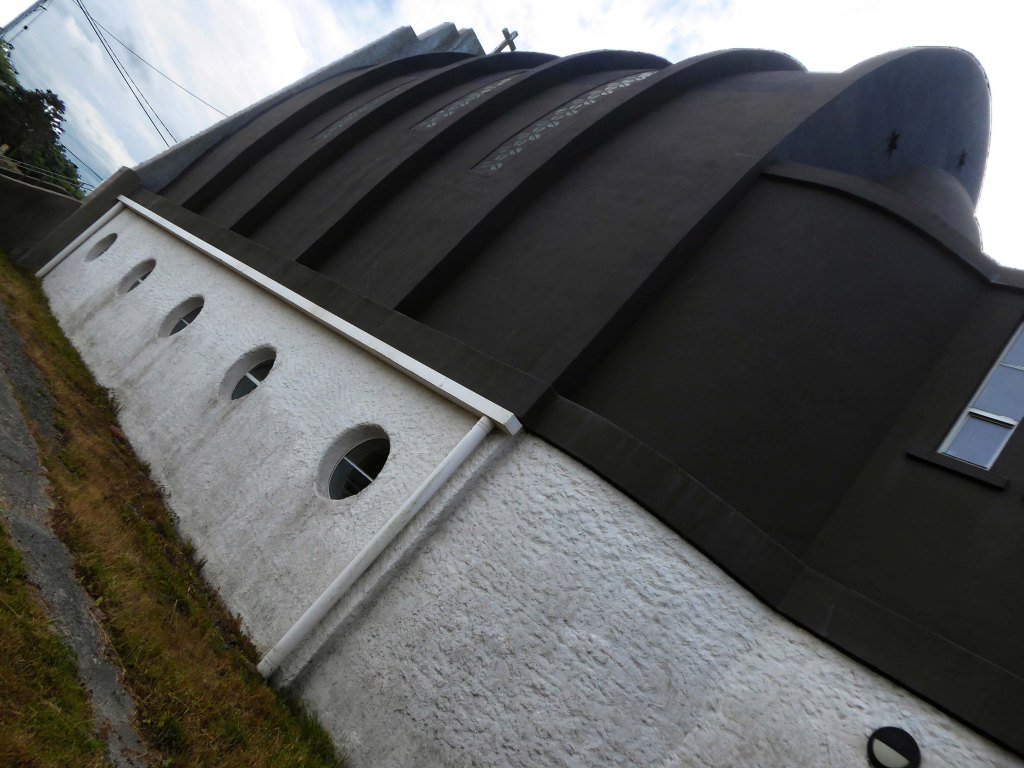
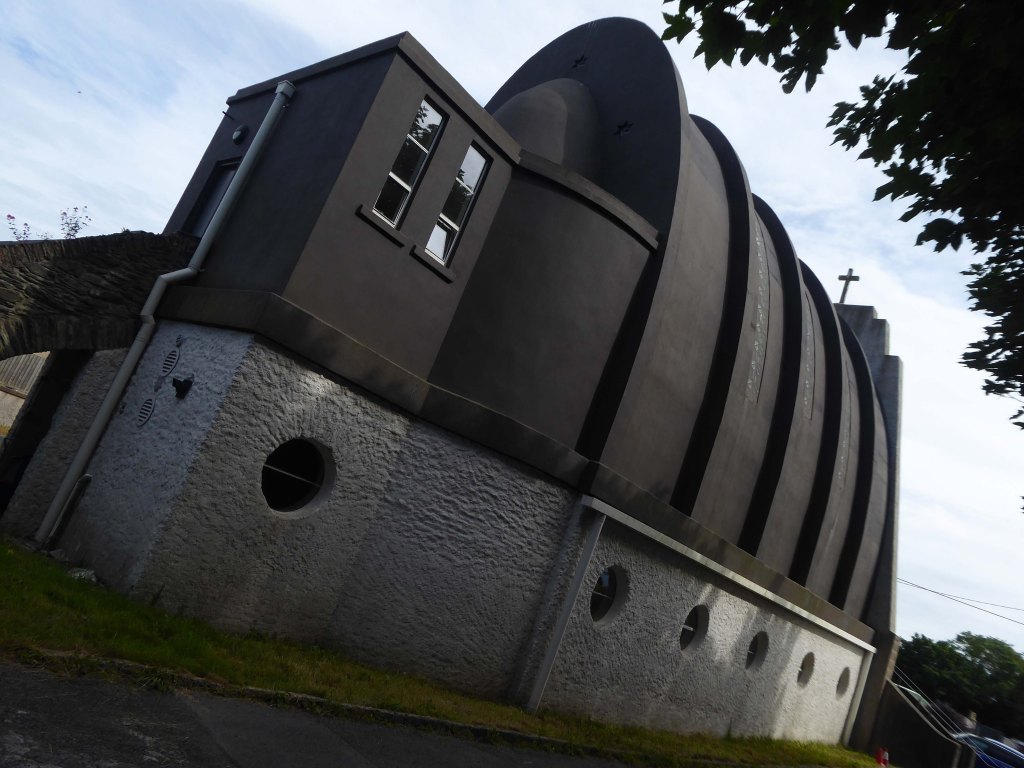
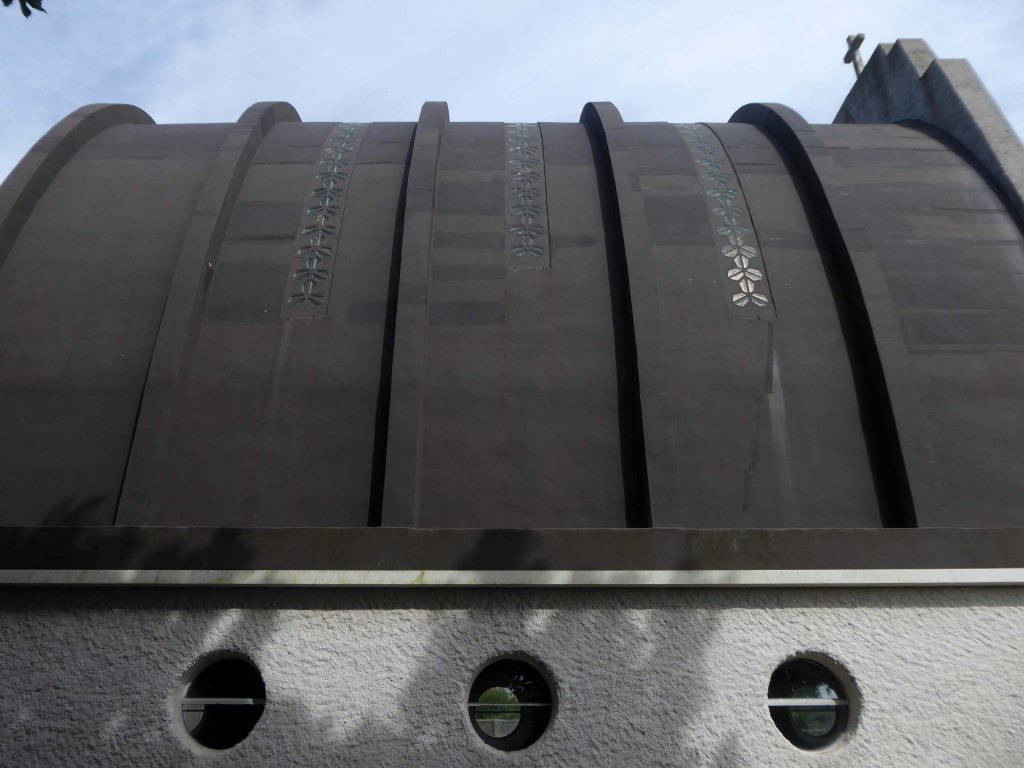
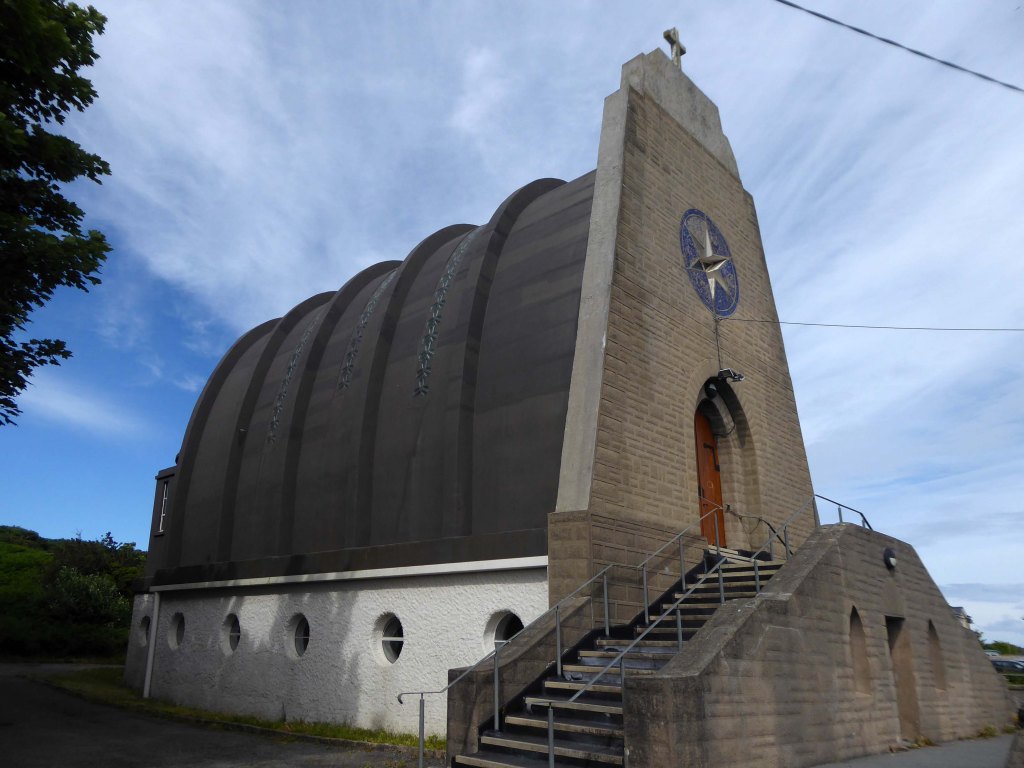
The Church of Our Lady Star of the Sea was built using reinforced concrete around 1937 and its dedication carries tribute to sailors lost at sea. The roof is designed to resemble the hull of a boat, and the windows in the crypt port holes. These aspects reflecting the maritime heritage of Amlwch. 

Designed by Giuseppe Rinvolucri, an Italian architect who was originally brought to Wales as a prisoner of war. He subsequently married a local woman, and lived and worked in north Wales, specialising in Roman Catholic churches. He also designed a number of other churches in Wales, including those at Abergele, and Porthmadog.

Coflein

Around 600,000 Italian soldiers were taken prisoner during the First World War, about half in the aftermath of Caporetto. Roughly one Italian soldier in seven was captured, a significantly higher number than in other armies on the Western Front.

About 100,000 Italian prisoners of war never returned home, having succumbed to hardship, hunger, cold and disease – mainly tuberculosis.

Uniquely among the Allied powers, Italy refused to assist its prisoners, and even hindered efforts by soldiers’ families to send them food.

Wikipedia

From the 1930s he was living at St Francis Grange, Glan Conwy, an art deco style dwelling overlooking the Conwy estuary.

Prior to the construction of adjacent houses and the treatment of the concrete shell.

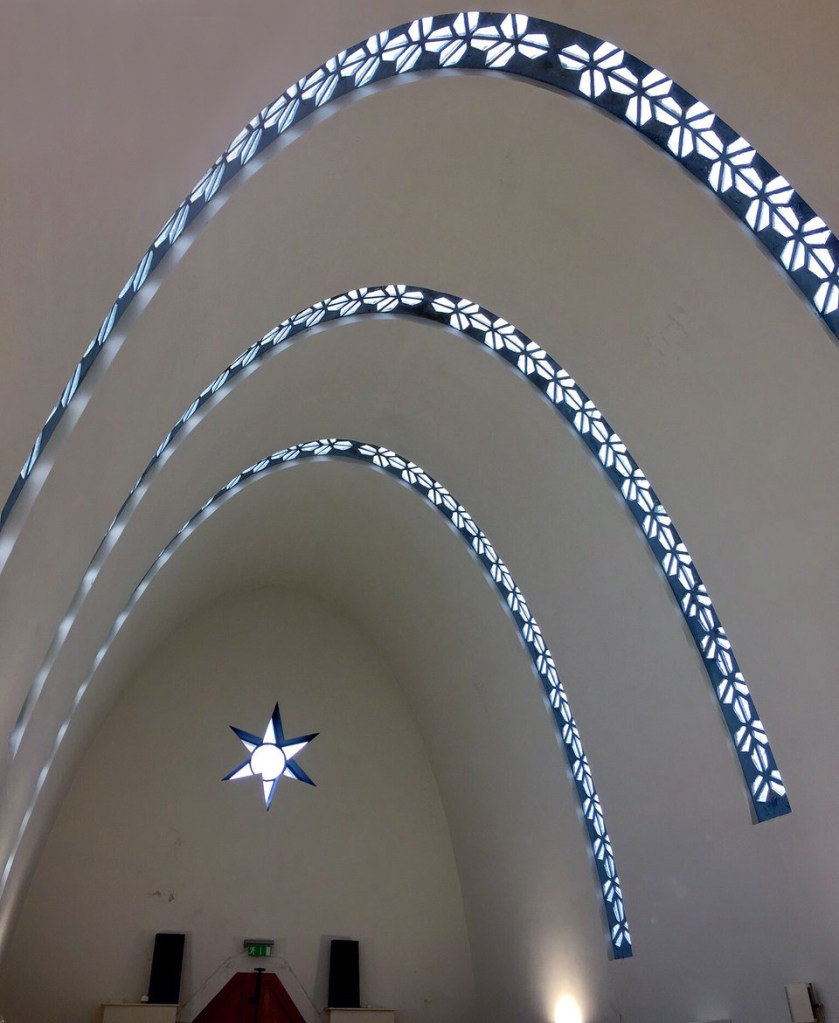
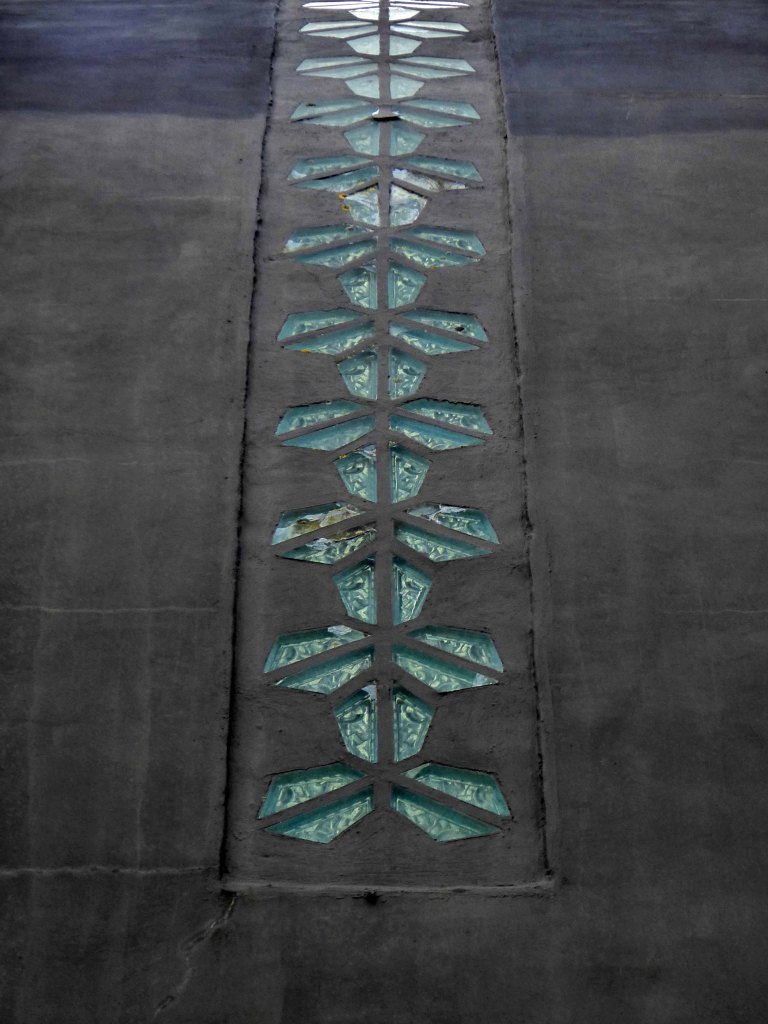
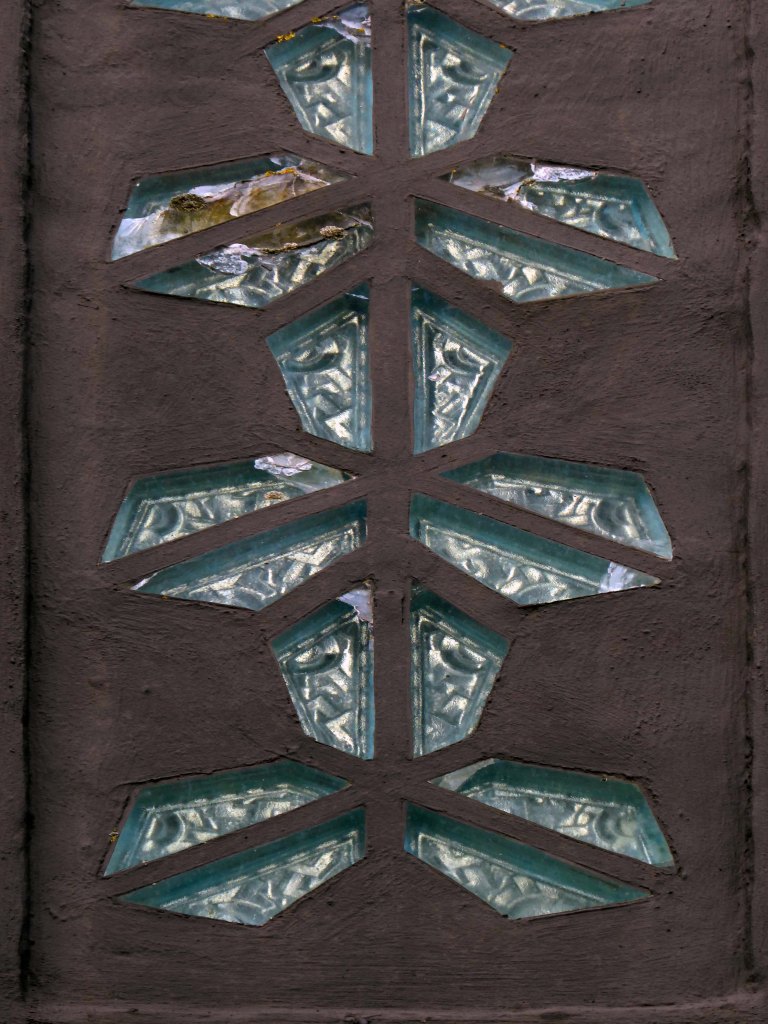
The main entrance leads into a small vestibule with raking sides; further doorways lead into the end of the main body of the church. The ribbing that is such a prominent feature of the exterior of the church also dominates the design of the interior; the body of the church illuminated by bands of geometrically patterned lights between the ribs. The lateral walls have marble panels which also follow the pattern of the ribs; to the top are paired panels, each with a moulded quatrefoil plaques depicting biblical scenes, plain paired panels below. The marbled panels continue at the far end of the church, raised up over round-headed doorways flanking a recess painted with a depiction of the crucifixion; star shaped lights follow the line of the domed arch.

British Listed Buildings

Robert Jones of Beaumaris: 

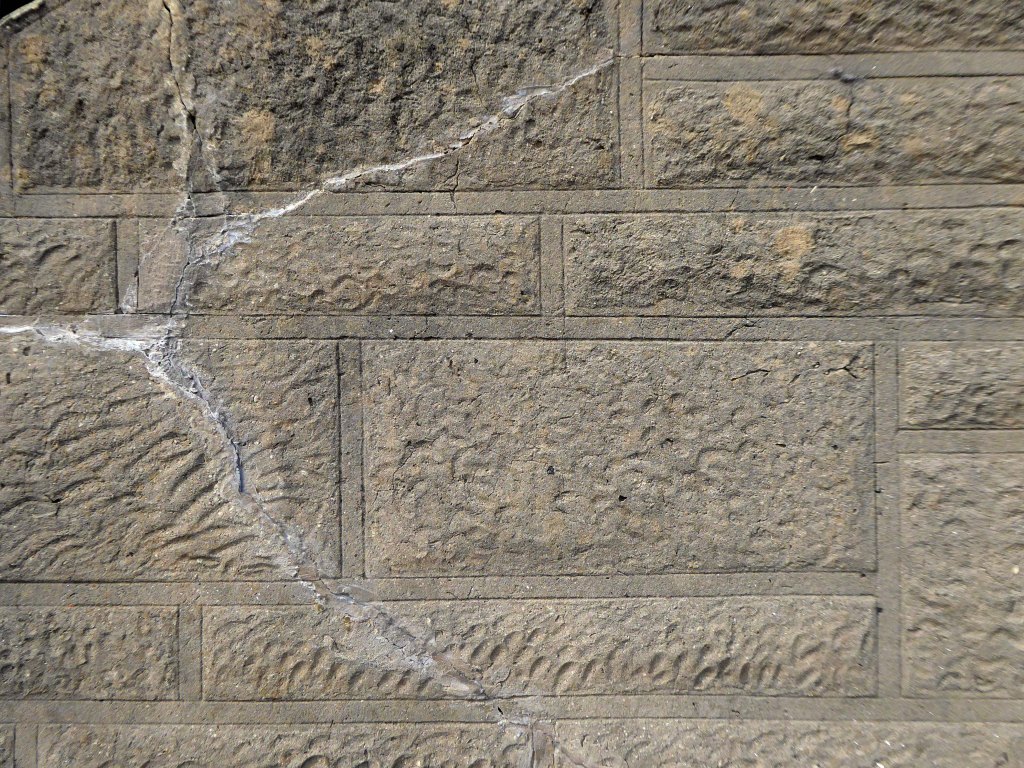
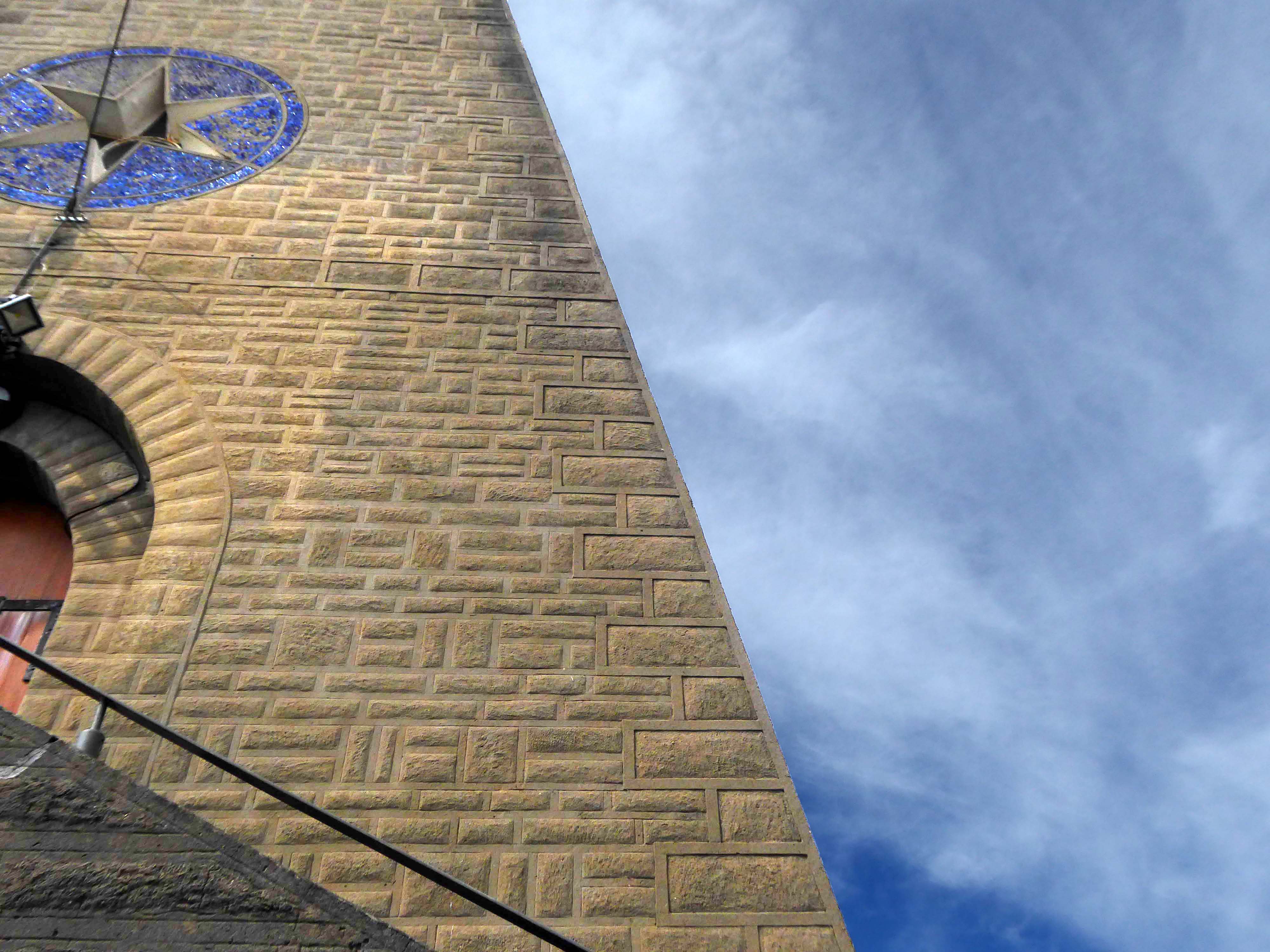
I think it is worthy of mention how the whole mass of imitation stone frontage was done by one plasterer long gone called Llew – Inja Rock, whose pretty unique style of work is still to be seen elsewhere around town today. He once showed me how it was done, all with a little teaspoon. What patience and what a proven good job to stand the trial of time of 40-plus years without a great deal, if any, remedial work. A sound memorial to a good working man.

BBC

For many years I have cycled y on my tours around Anglesey- often stopping to marvel at this concrete anachronism.

This time I stopped to walk around and take some snaps – here they are.

The Pevsner Buildings of Wales guide calls it:

A piece of Italian architectural daring of the 1930s – a soaring reinforced concrete and brick vault formed on six arches, expressed as ribs externally and internally, with a conical apse. Three transverse bands of glazing in geometric trefoils of white and blue.

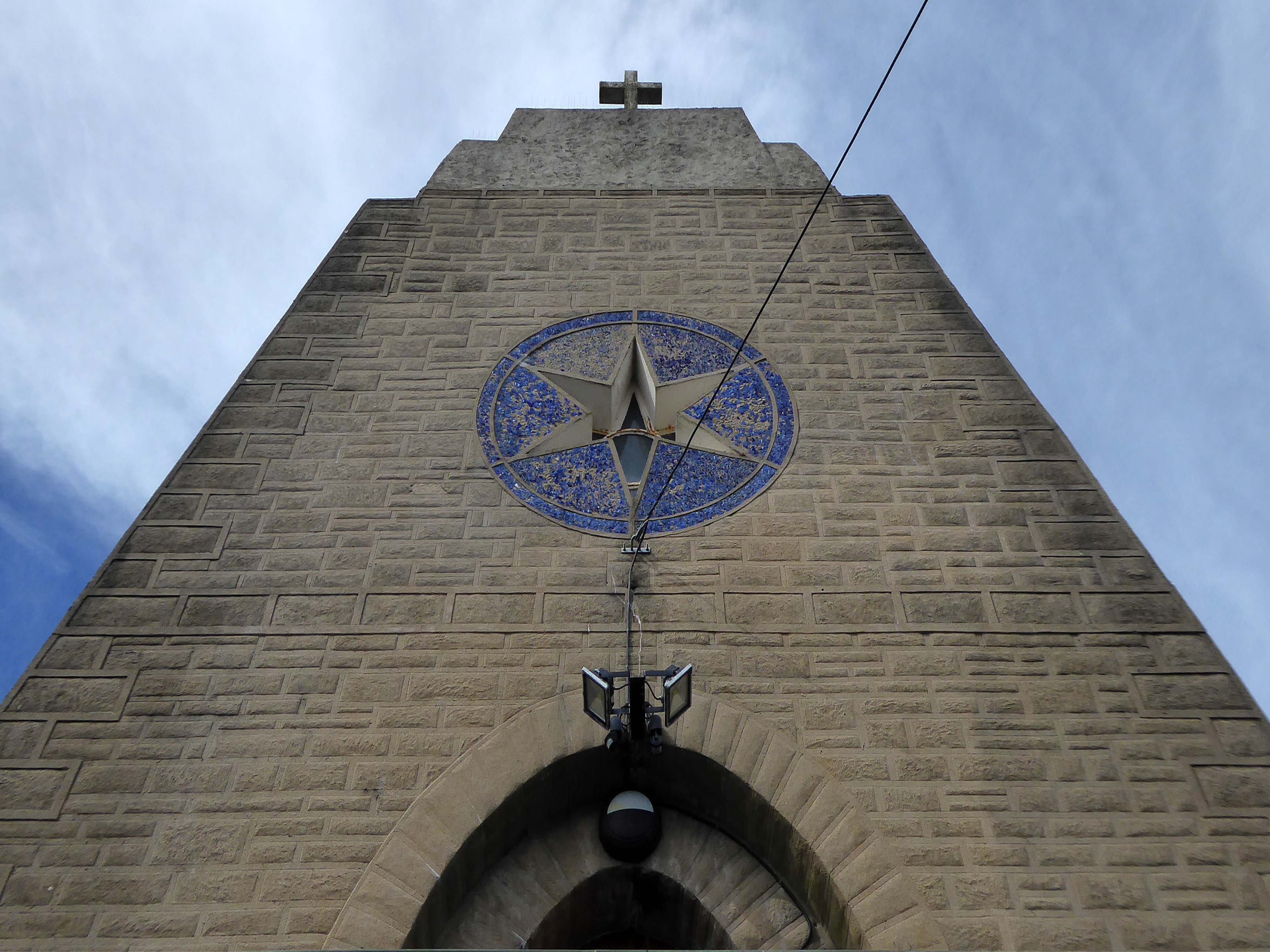
Five glass stars – made in France, perforate the East wall round the apse.

Rinvolucri’s team of builders constructed the innovative parabolic vault in six months in 1935.

The same guide calls it Futurist, closer to Freyssinet’s 1920s airship hangars at Orly, Paris, than to Catholic Church design, and unlike the conservatism of Anglesey building.

He died in 1962 and is buried in St Agnes Road Cemetery, Conwy with Mina, who died in 1991.

They had one son born in 1940.

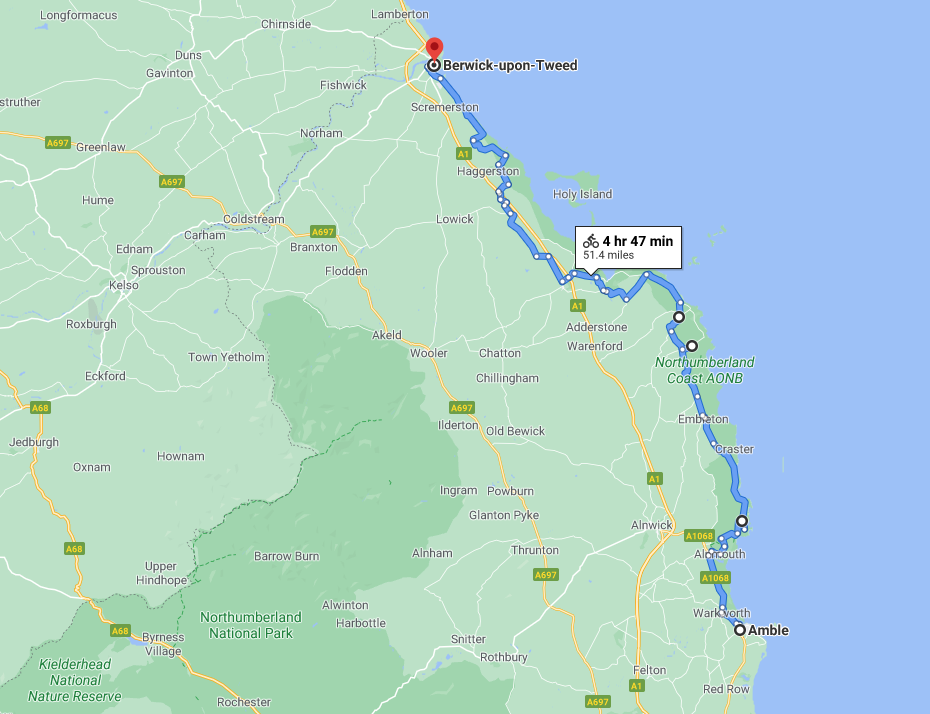
Amble to Berwick upon Tweed

The final day the first sight of cloud and sea mist.

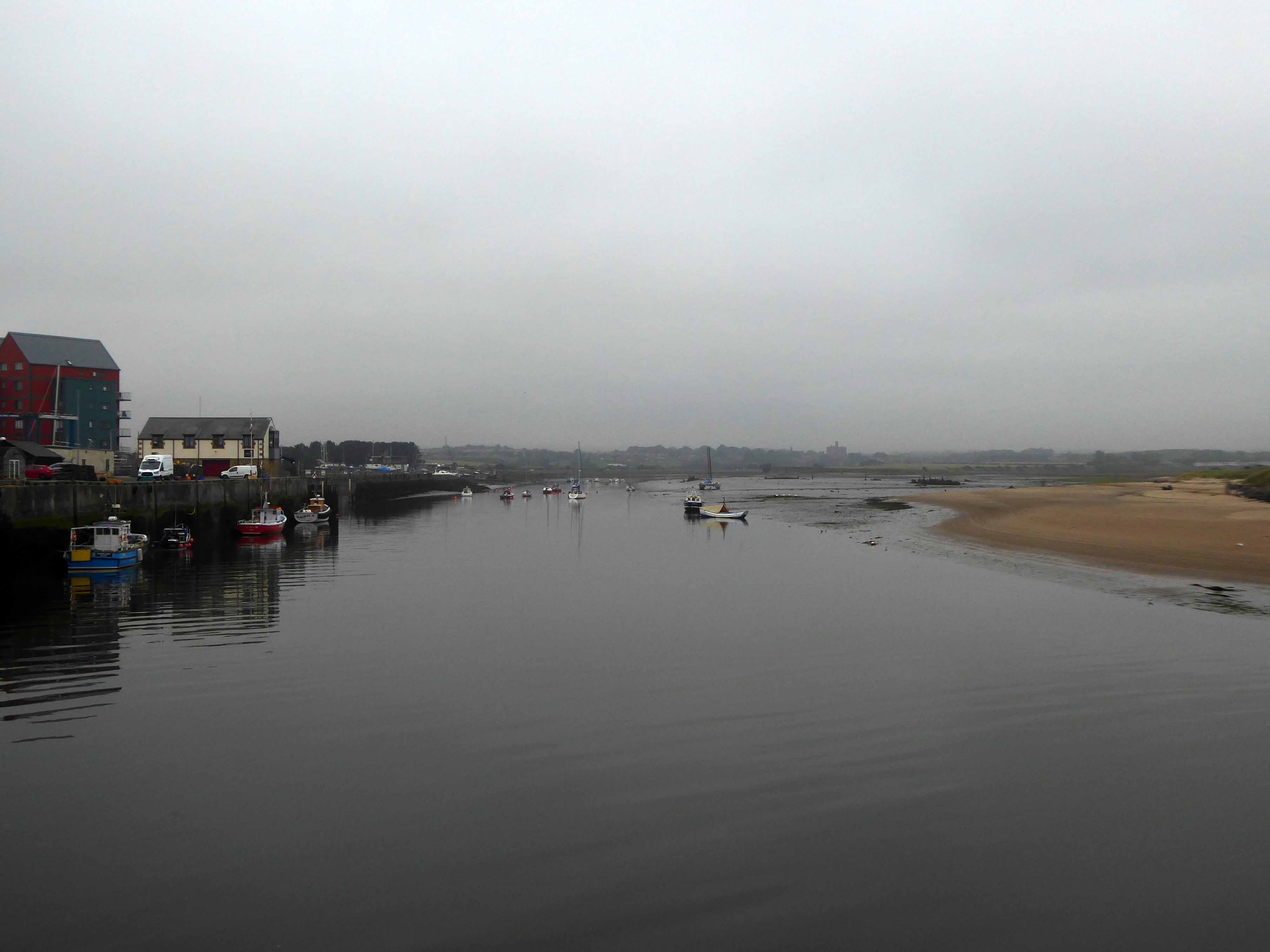
I awoke early and took an amble around Amble.

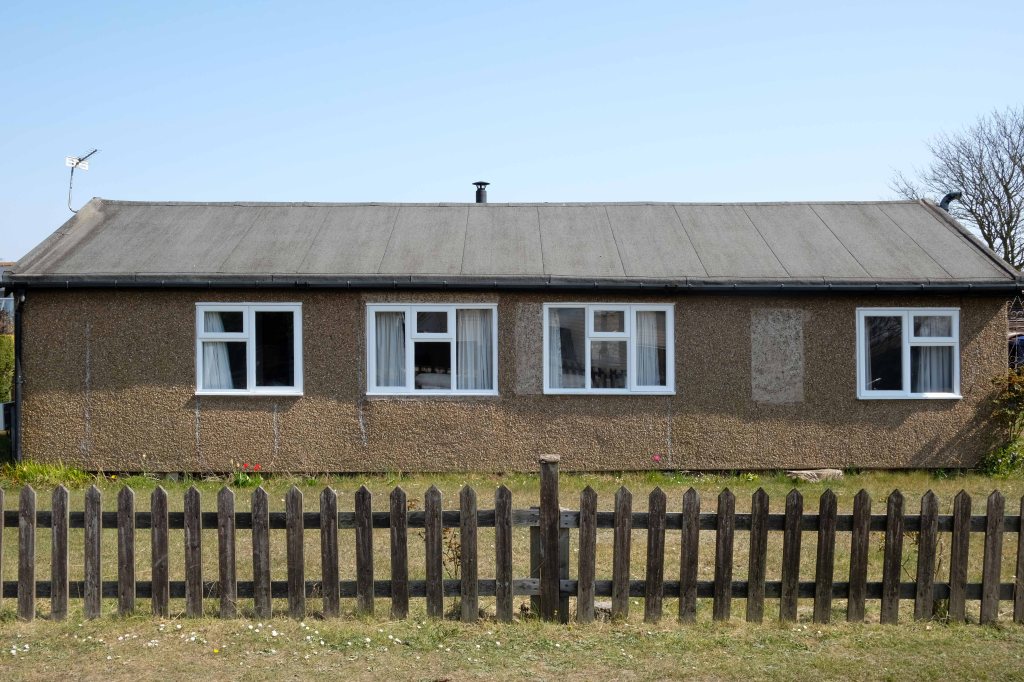
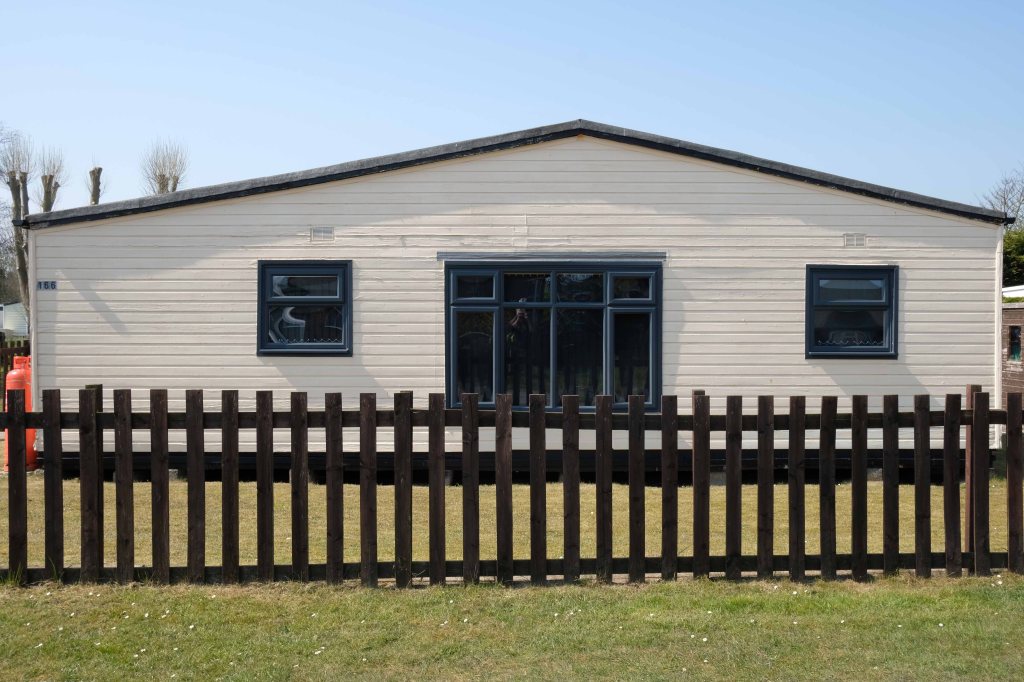
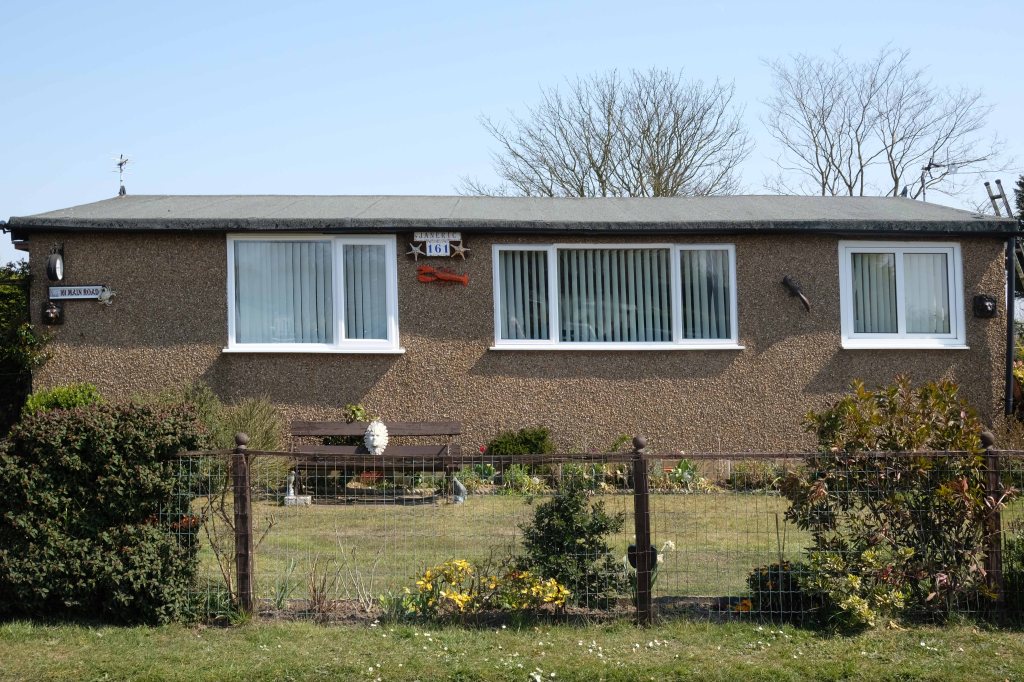
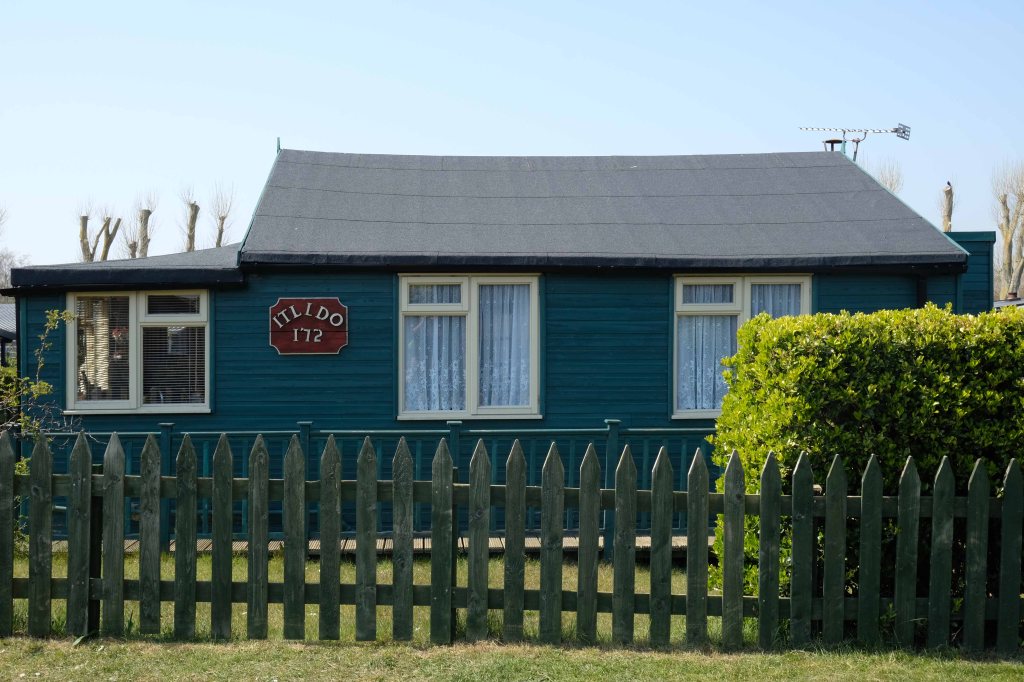
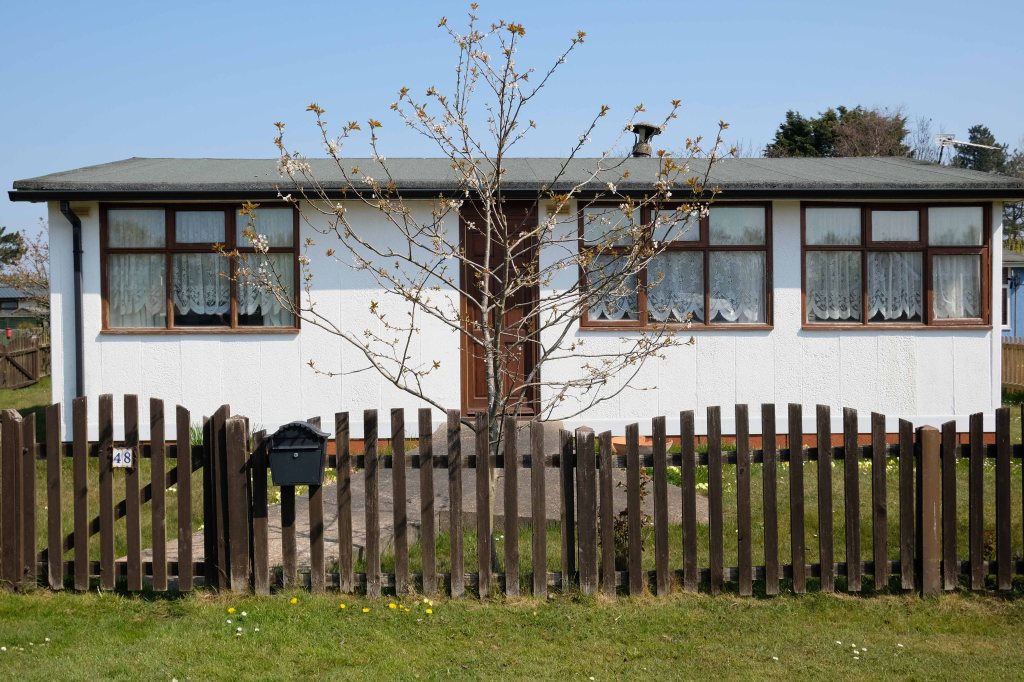
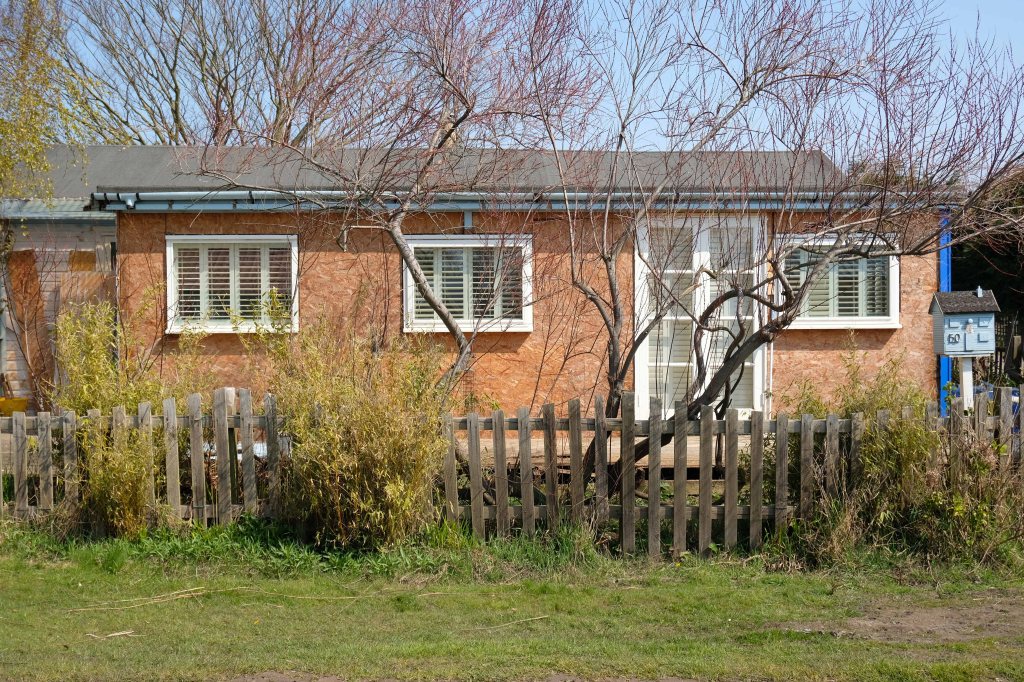
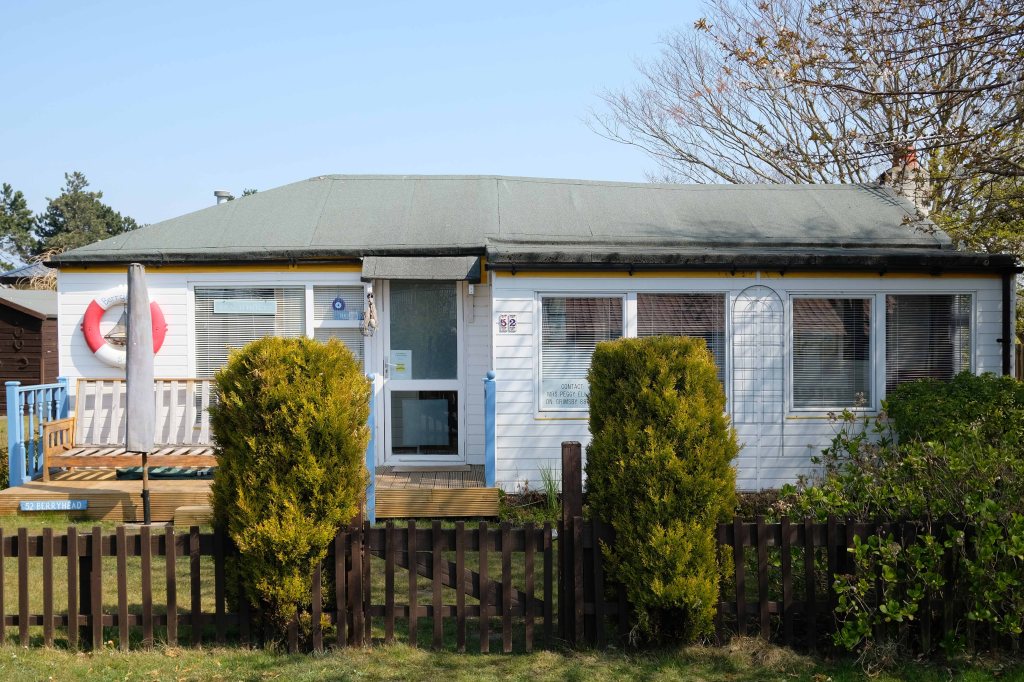
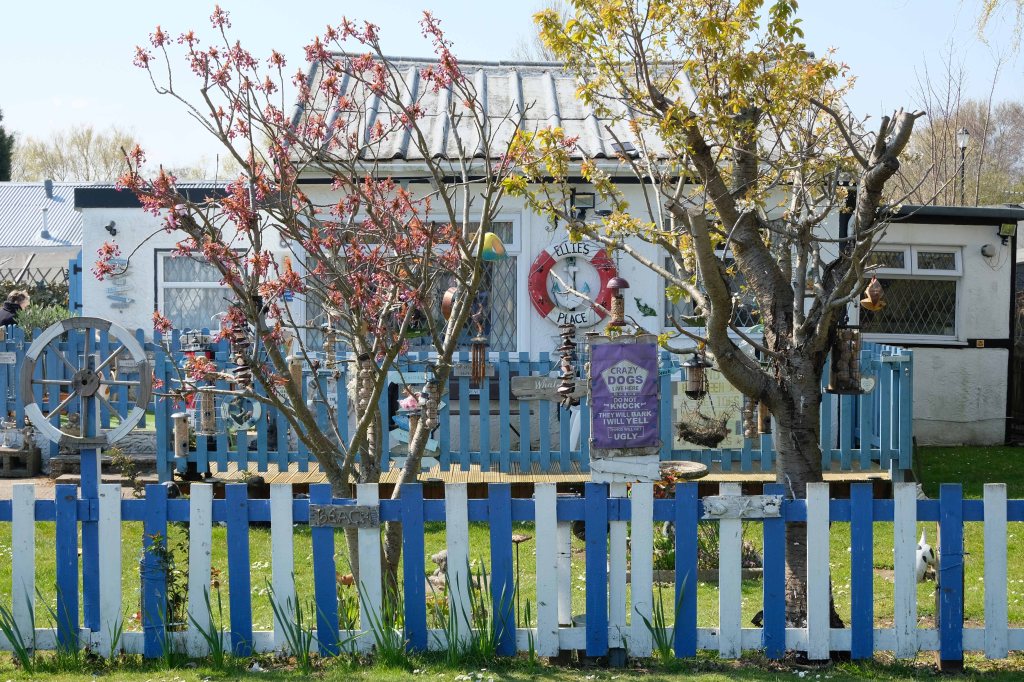
Then off on the road to Warkworth and beyond to Alnmouth – where I revisited a small group of asymmetric post-war dormer bungalows.

Stopping to view the flood plain of the River Aln, chatting perchance with the local environmental officer.

Who explained how the flood defences had been removed, as this encouraged the natural process of flooding and receding to proceed unhindered, thus preventing property from being interminably sodden.

We also discussed the decline in vernacular architecture and the fashion for all that is New England, much to the detriment of New Northumberland.

One day everywhere will look like a someone else’s vision of somewhere else.

The good folk of Craster have wisely prevented the local bus from entering the North Sea.

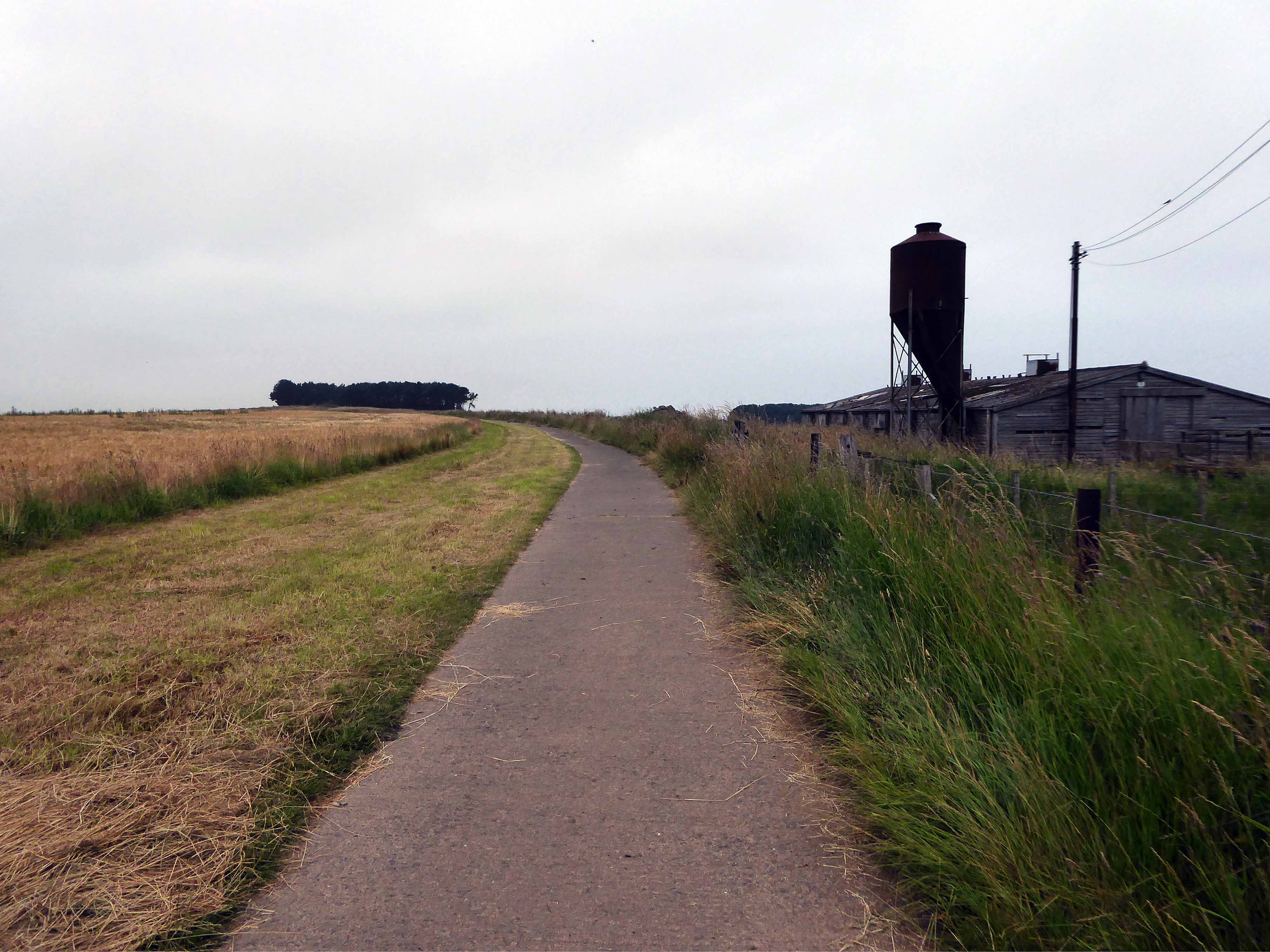
The way north took me over a well laid concrete track.
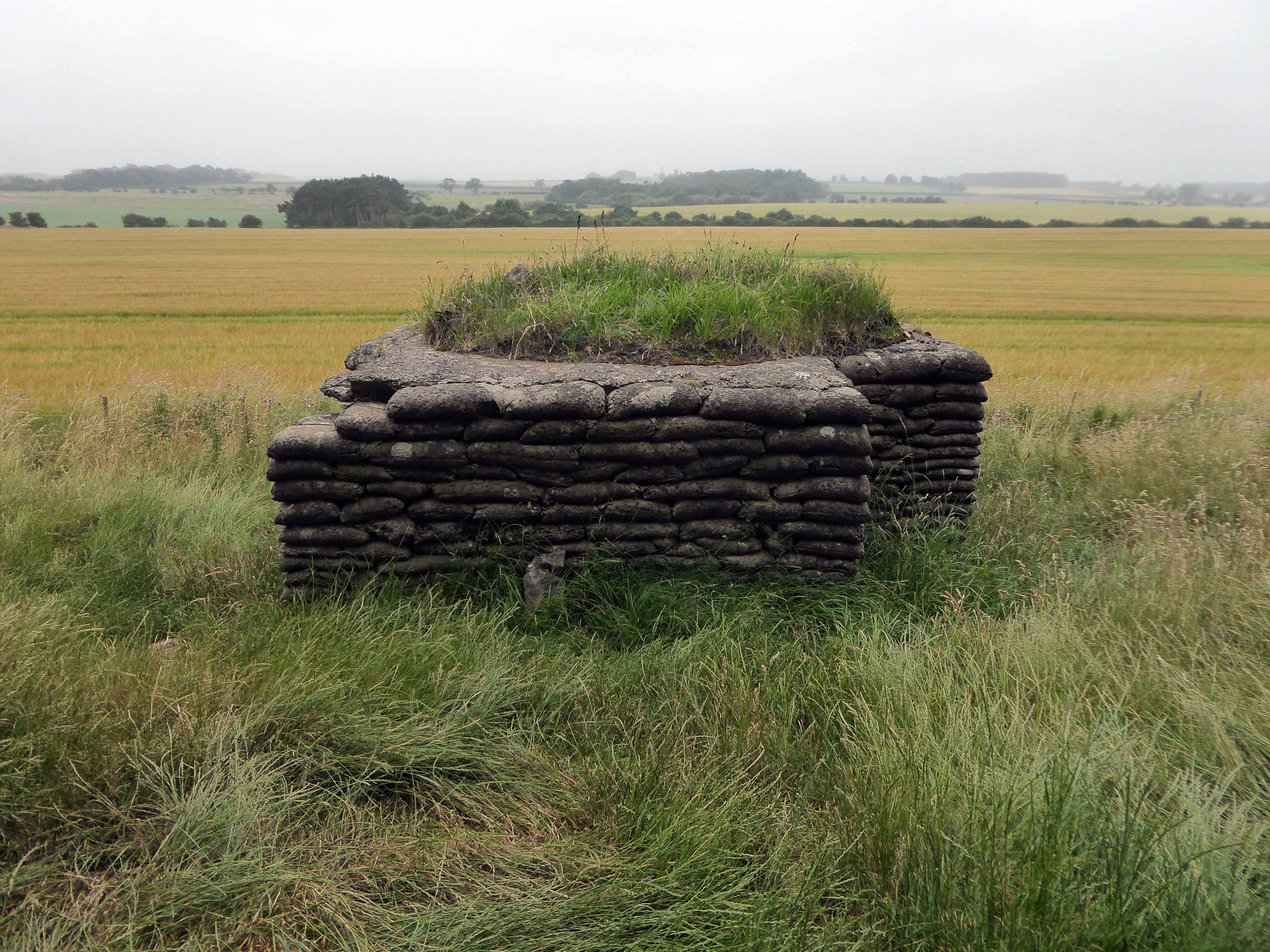
I came upon three wise men from Durham, Rochdale and Doncaster, gathered around a concrete-bag bunker.

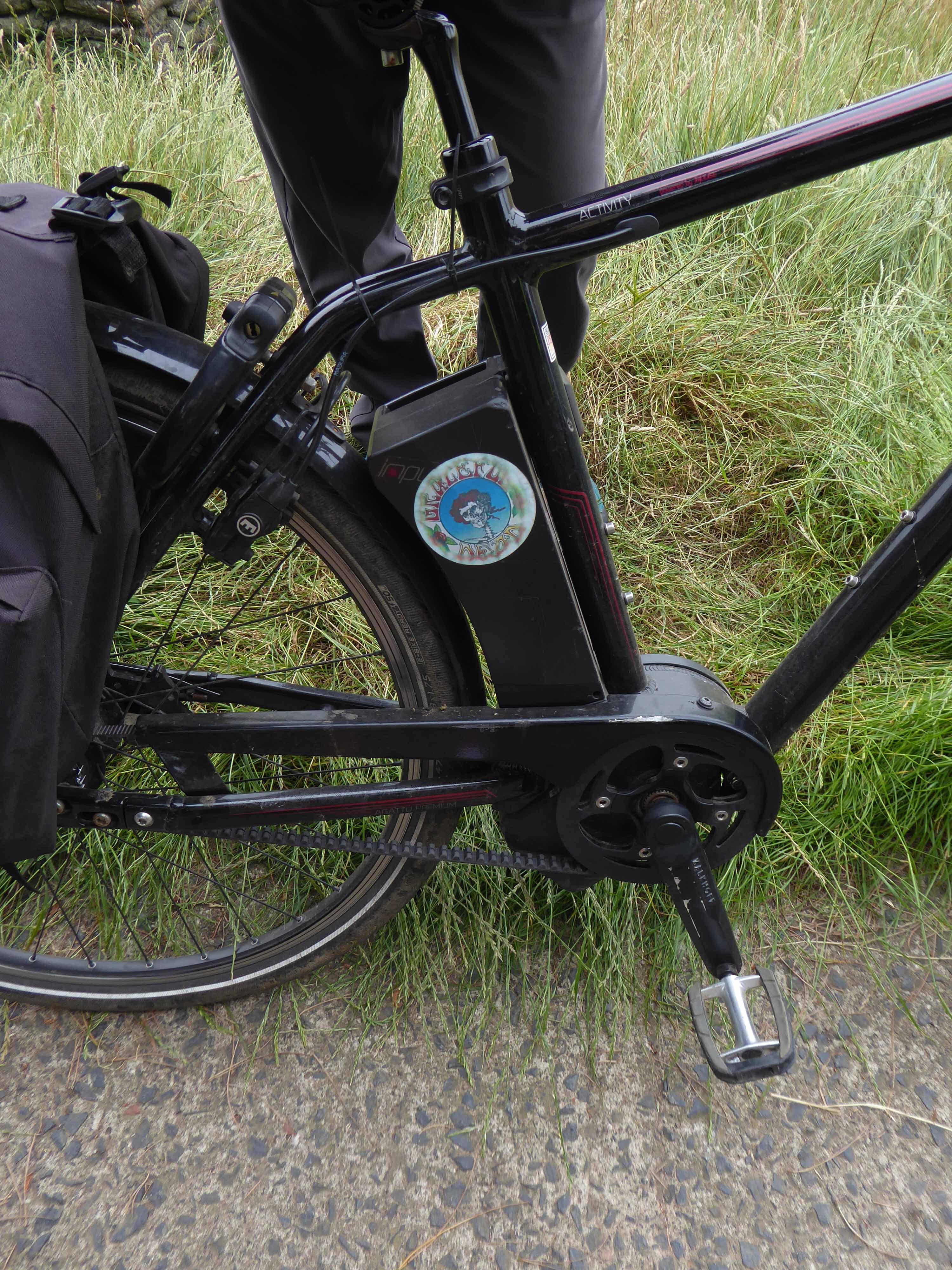
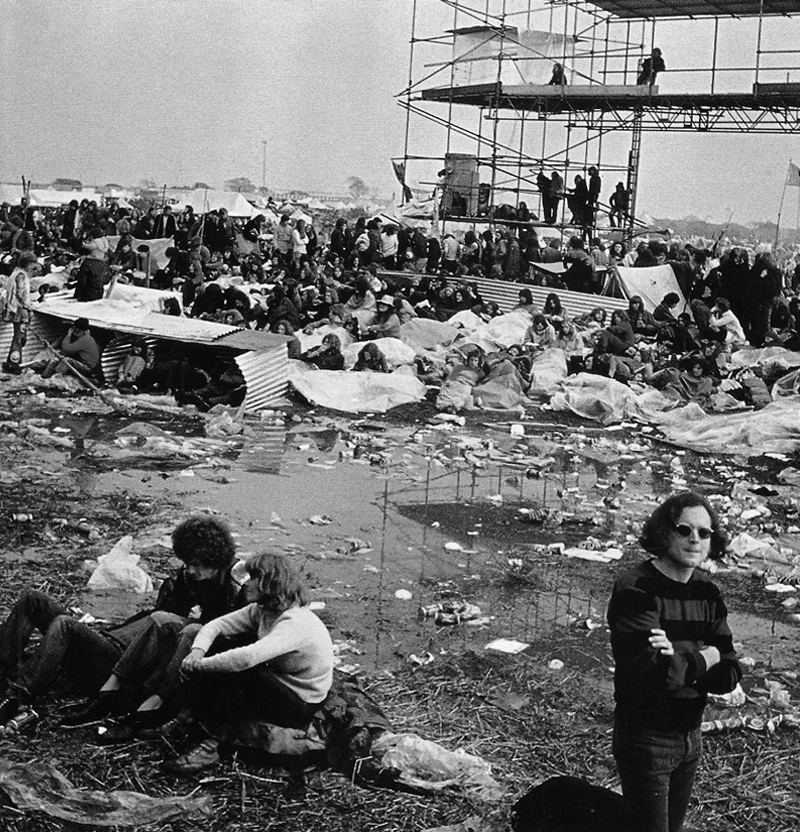
They were all Grateful Dead fans who like me had attended the Bickershaw Festival in 1972.

The first and last outdoor festival I ever done attended, unforgettable.

Weaving down and around quiet lanes I encountered this Walker Evans workshop.

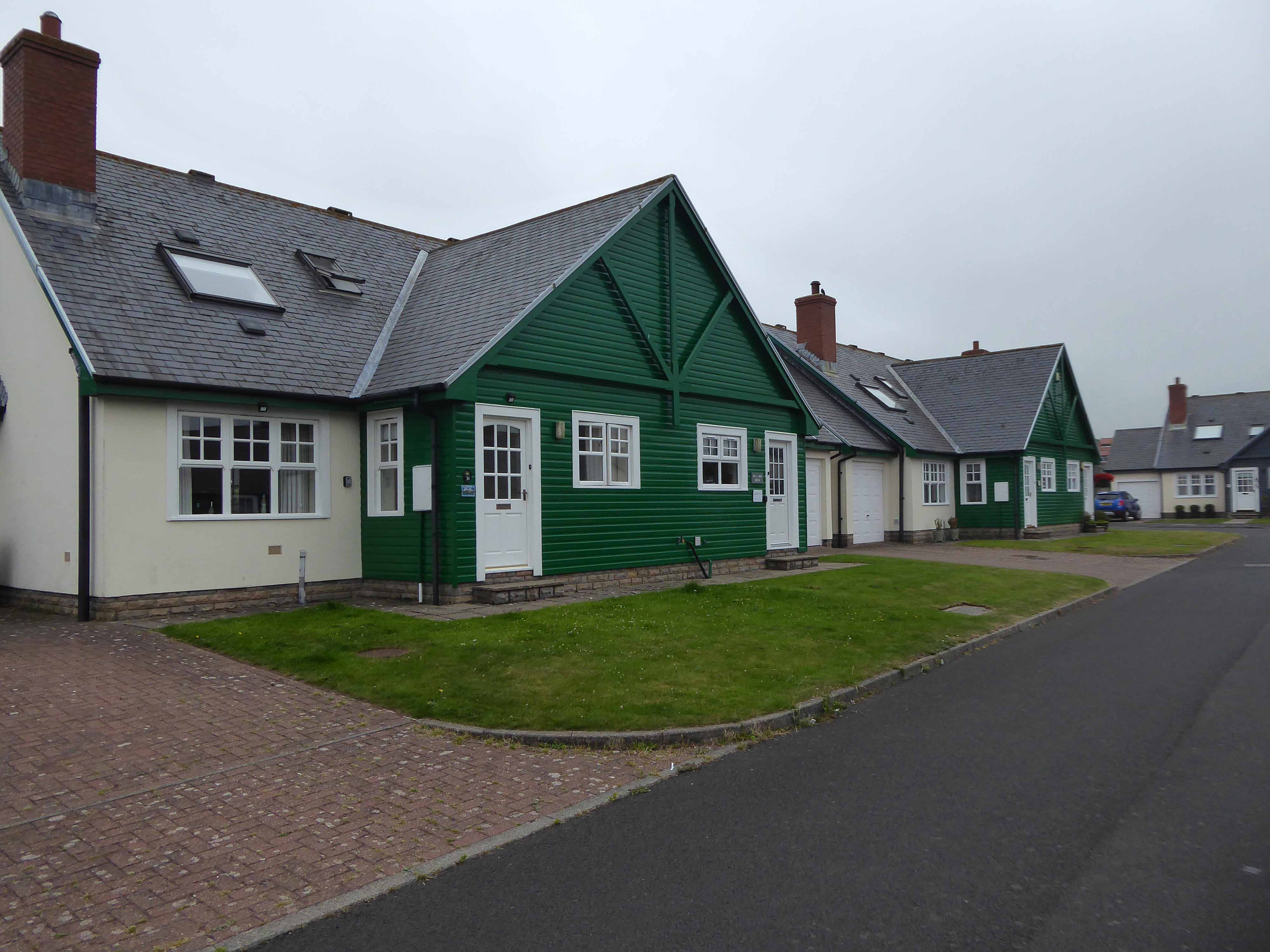
Armstrong Cottages is an estate originally built by Lord Armstrong for the workmen restoring Bamburgh Castle.

The 1901 Census lists the current inhabitants with their provenance and professions.

114 residents are listed for the 19 cottages, of whom 53 are working men employed in the building trade: their professions include stonemasons, joiners, plumbers, rope & pole scaffolders, blacksmiths, and plasterers.

Many come from Northumberland or Scotland, but a significant proportion are from further afield: Cumberland, Westmorland, Lancashire, Durham, Yorkshire, Derbyshire – and one from the Channel Islands.

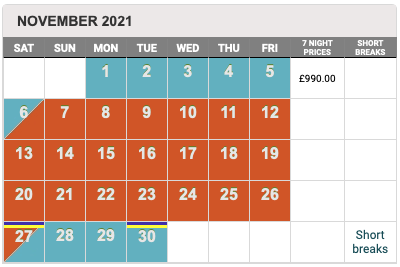
Seven nights in November will now cost you the best part of a thousand pounds.

The Armstrong family the former owners, made millions from the sale of armaments.

If I thought that war would be fomented, or the interests of humanity suffer, by what I have done, I would greatly regret it. I have no such apprehension.

He also said:

It is our province, as engineers to make the forces of matter obedient to the will of man; those who use the means we supply must be responsible for their legitimate application.

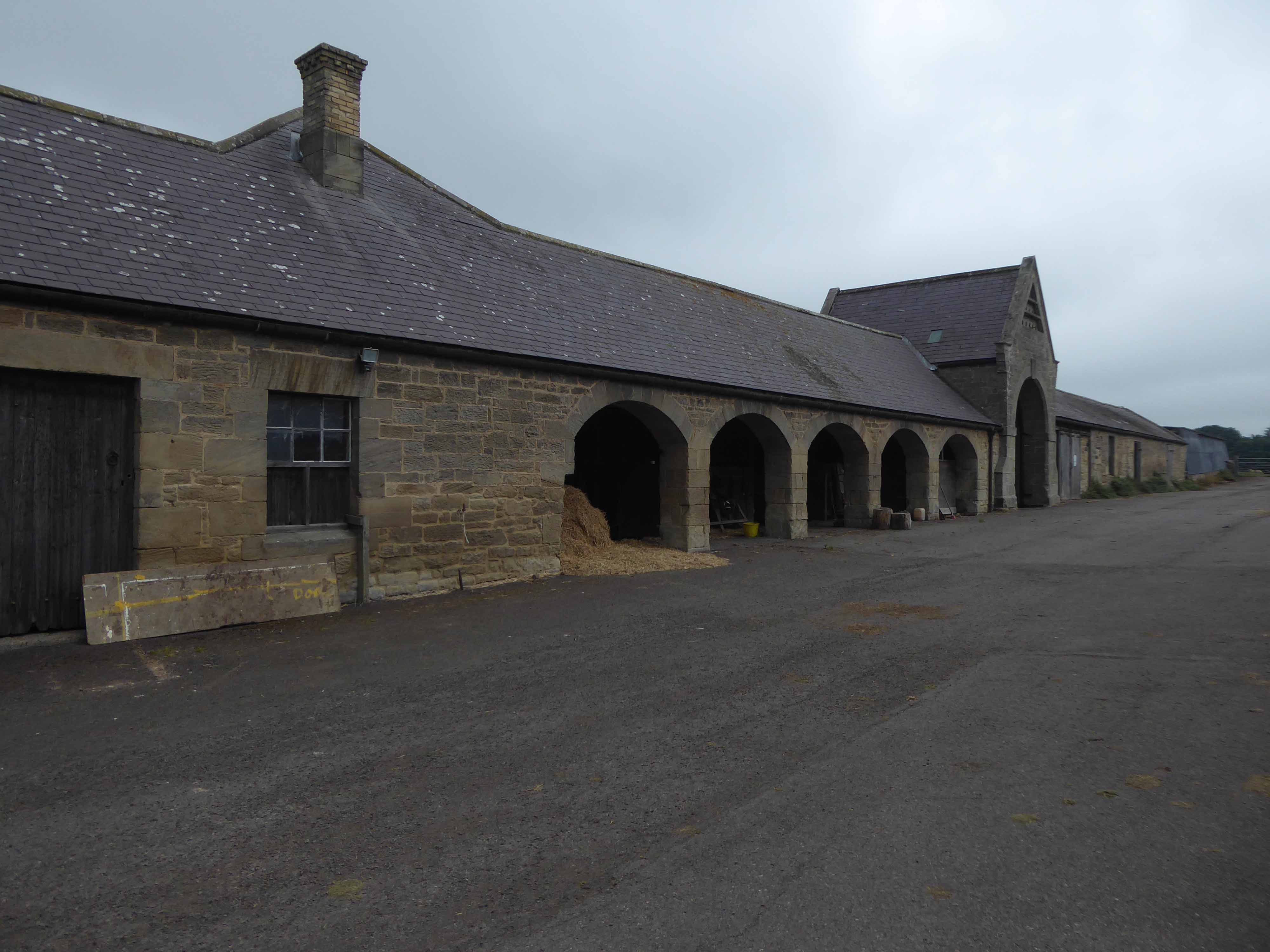
I paused a wee while to take a sip of water and admire the agrarian architecture.

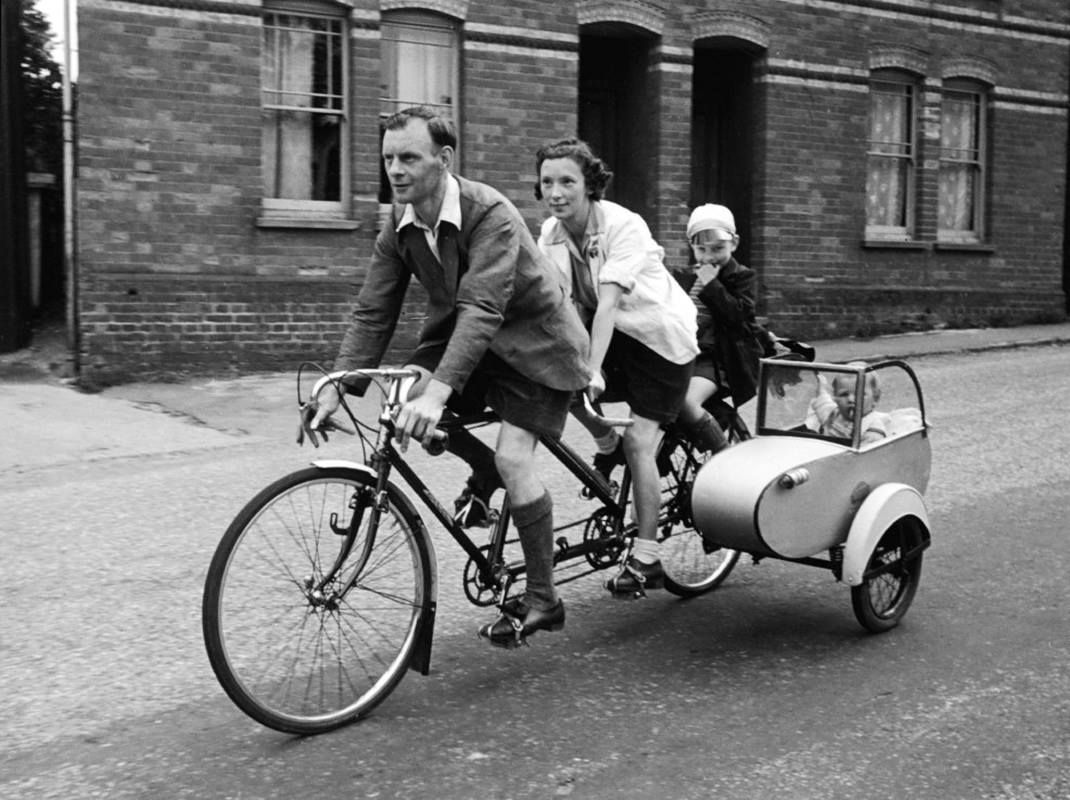
A couple on their bikes stopped to chat, as a babe in arms the lad had been transported by mam and dad, in a sidecar with tandem attached.

Such a delightful and poignant recollection – we wished each other well and went on our way.

I made my way from the rolling hills back down toward the coast.

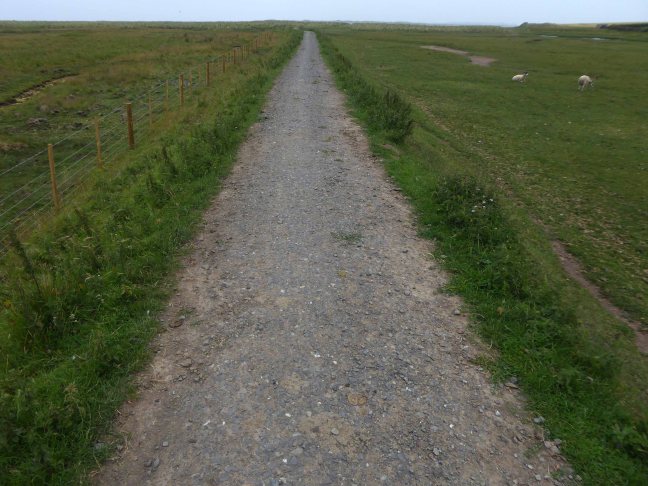
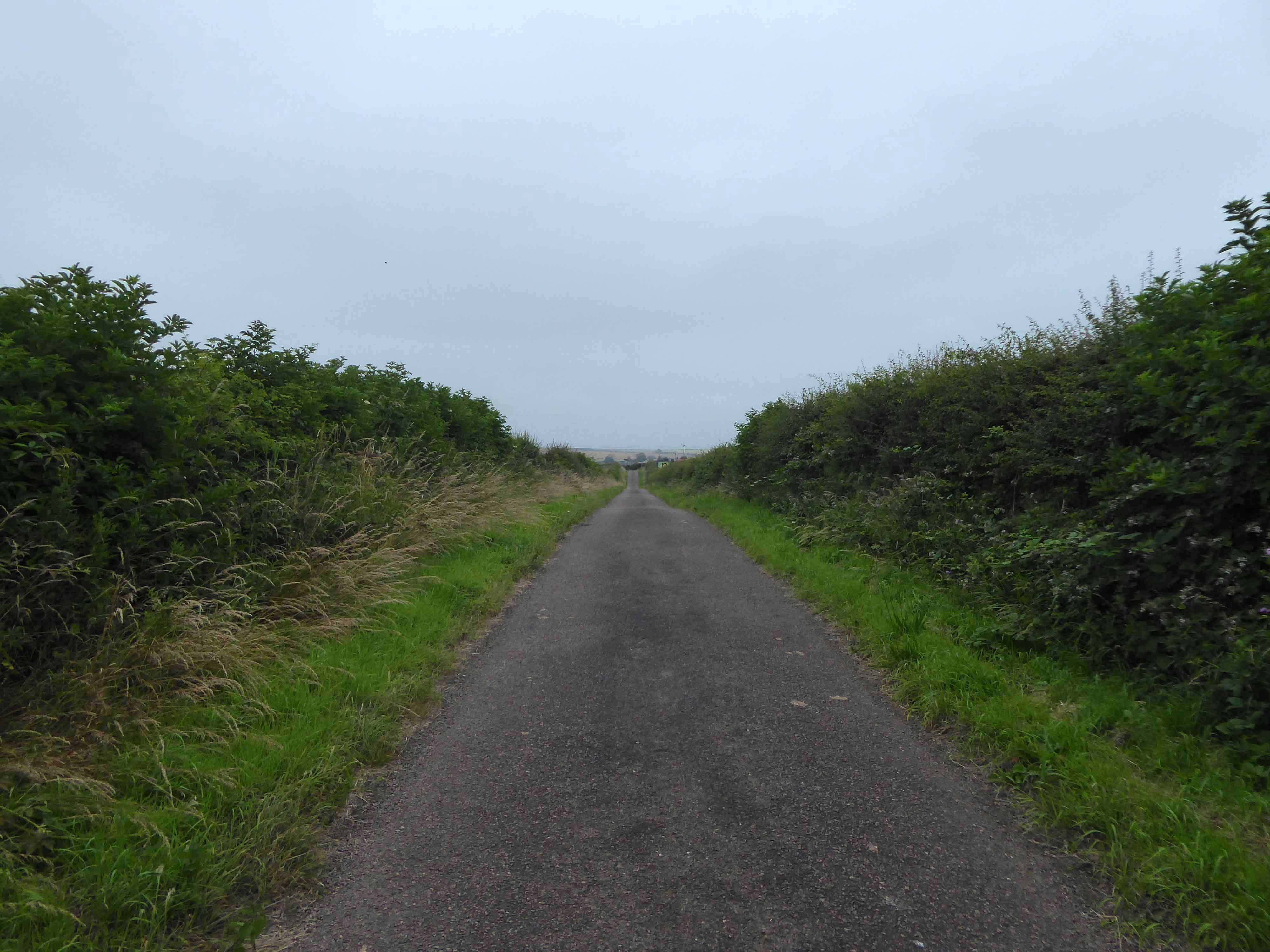
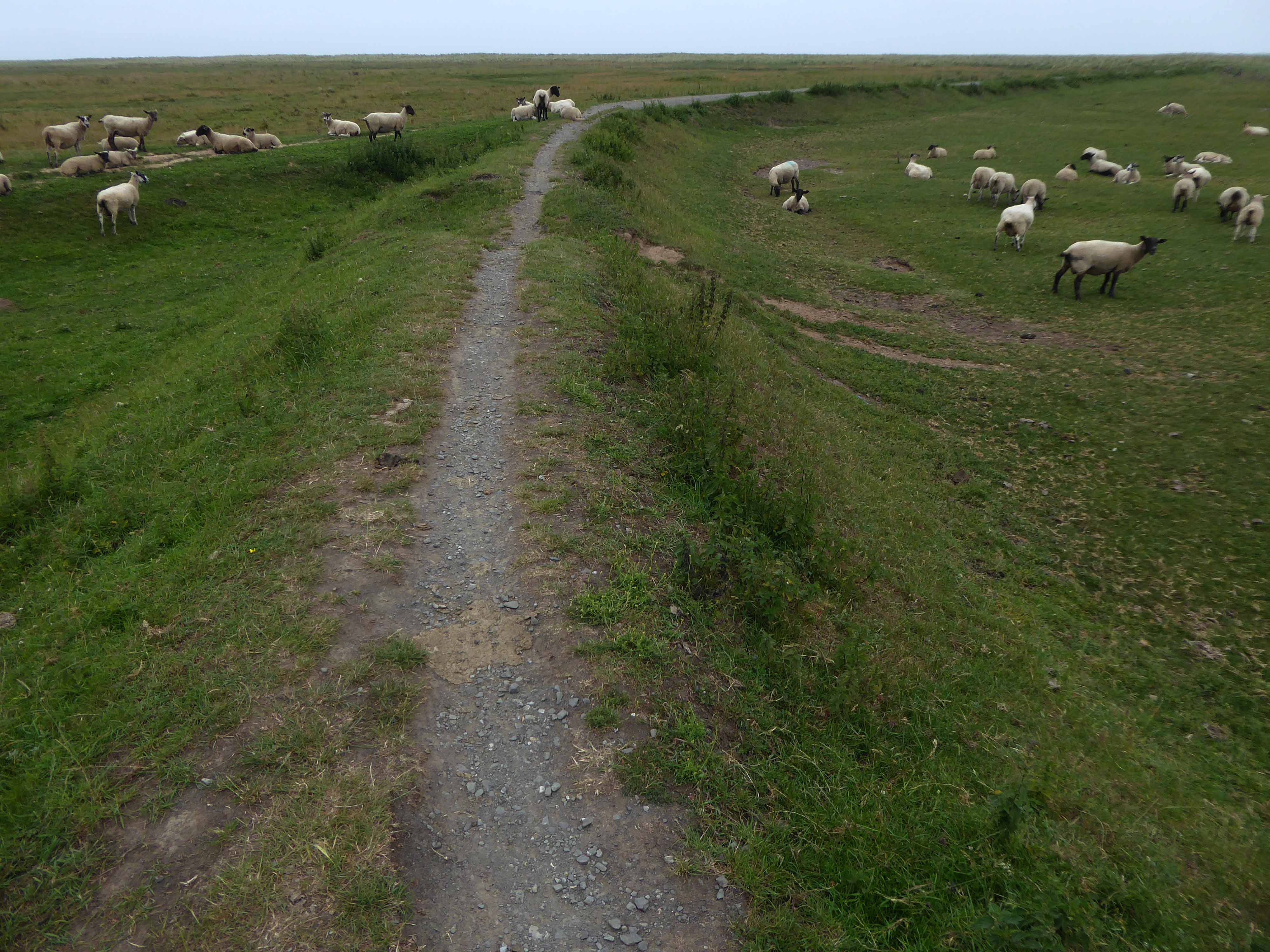
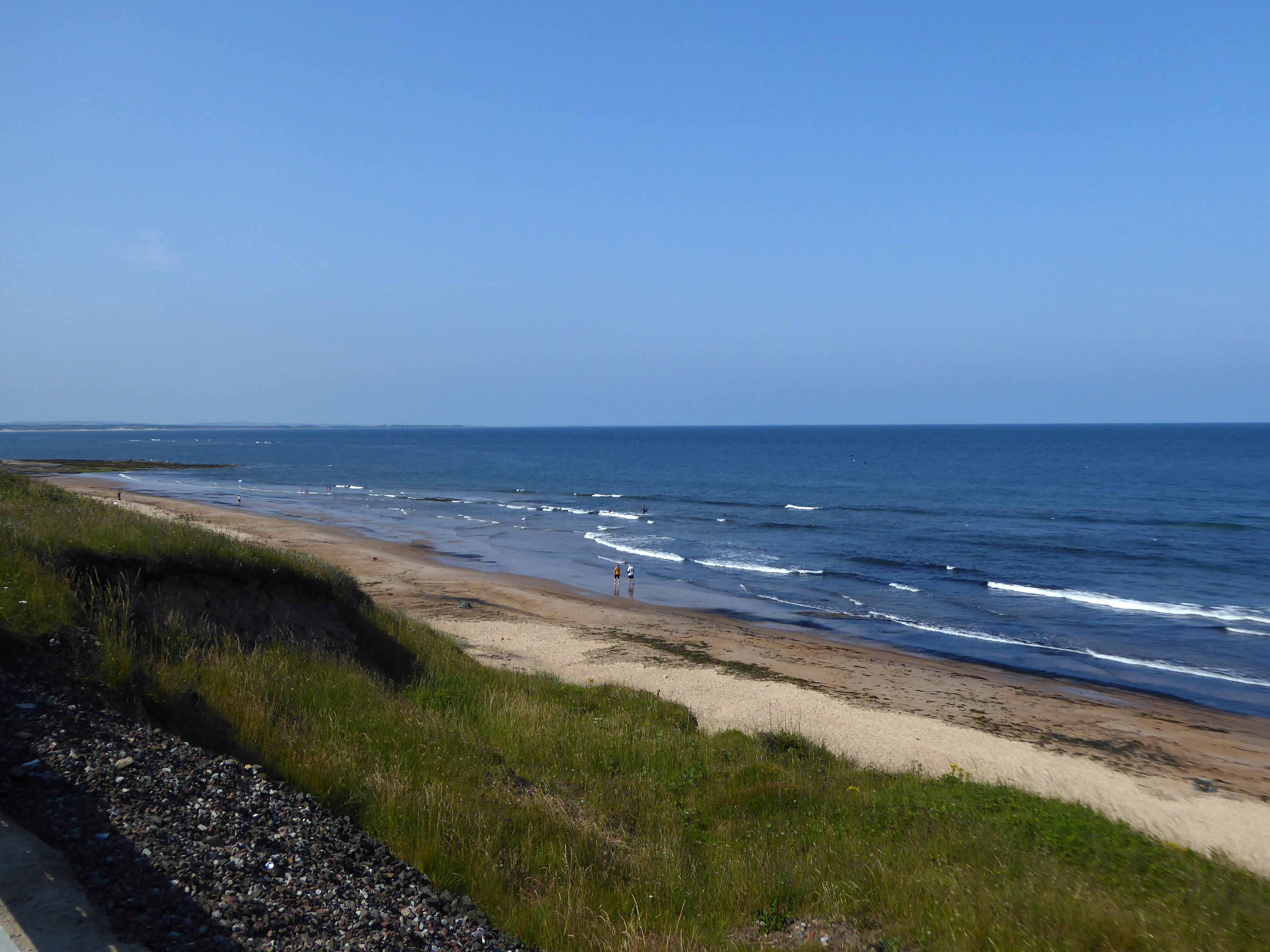
Where a permissive path hugged the shore, which I cautiously shared with some equally cautious sheep.

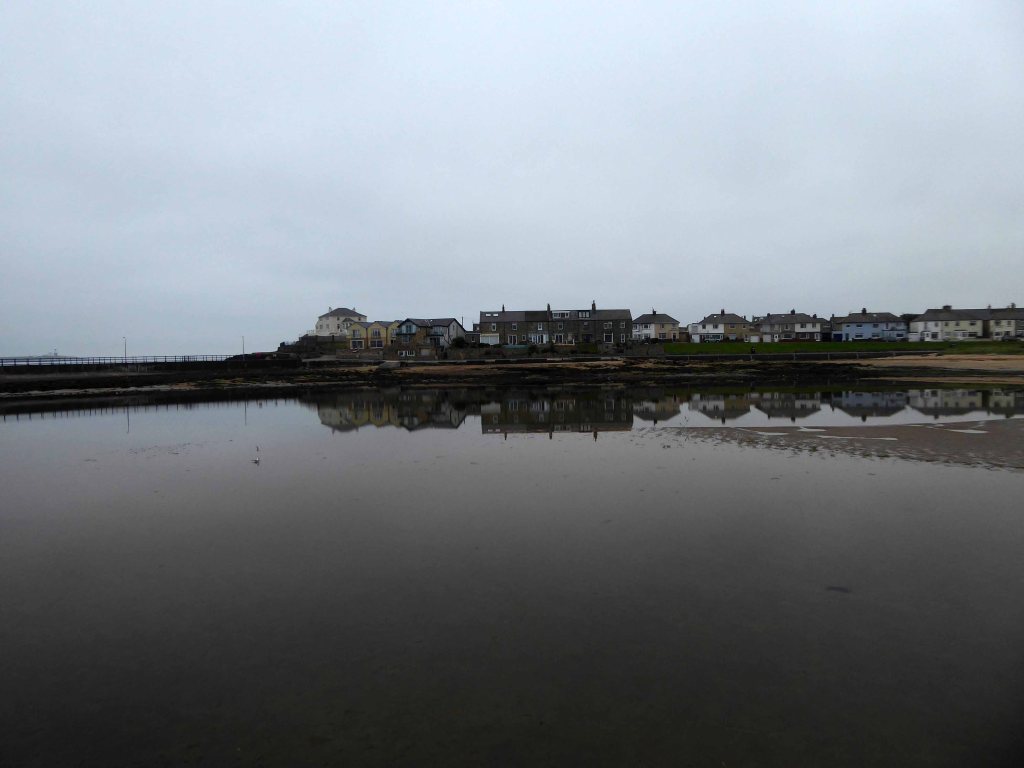
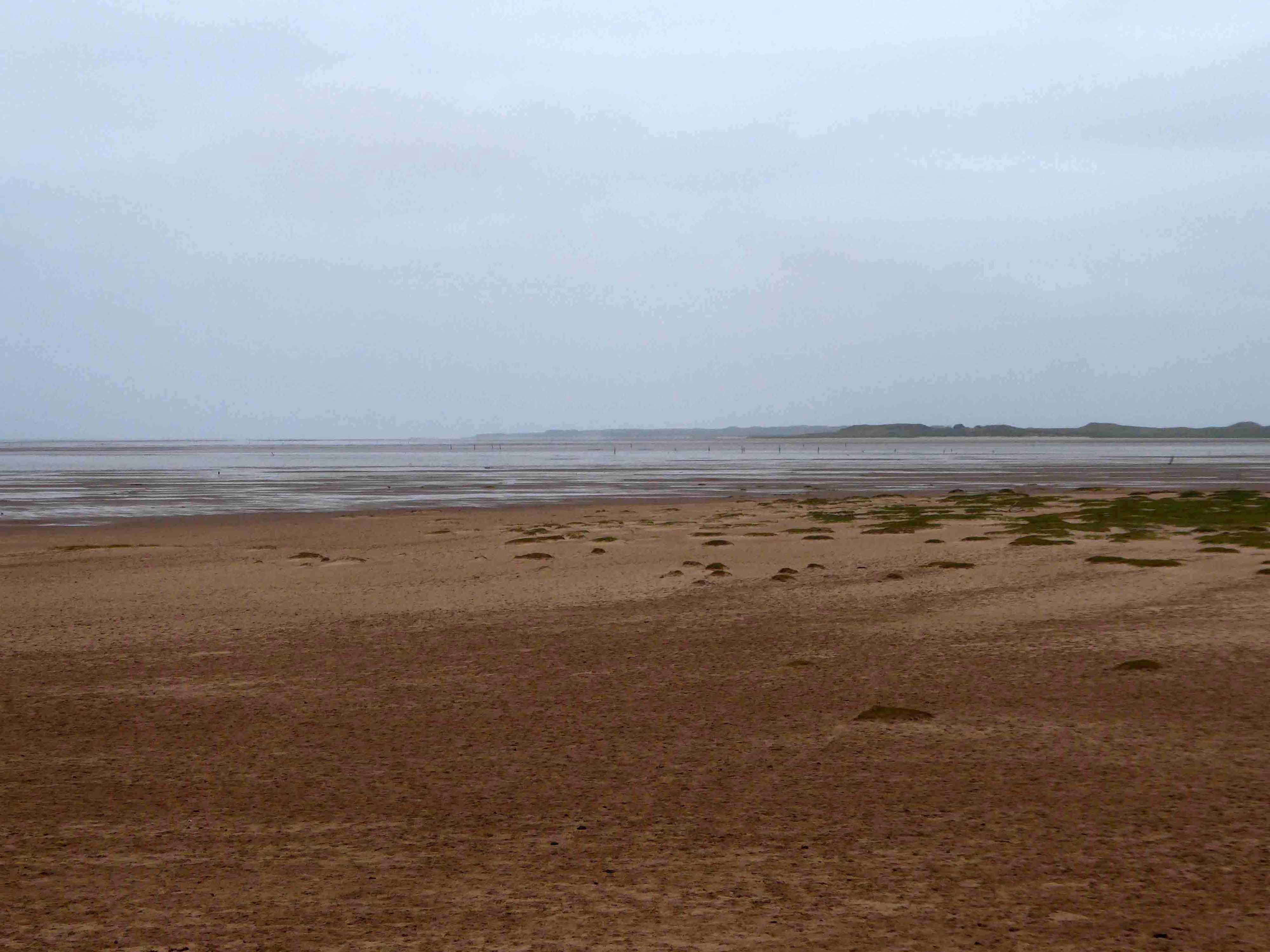
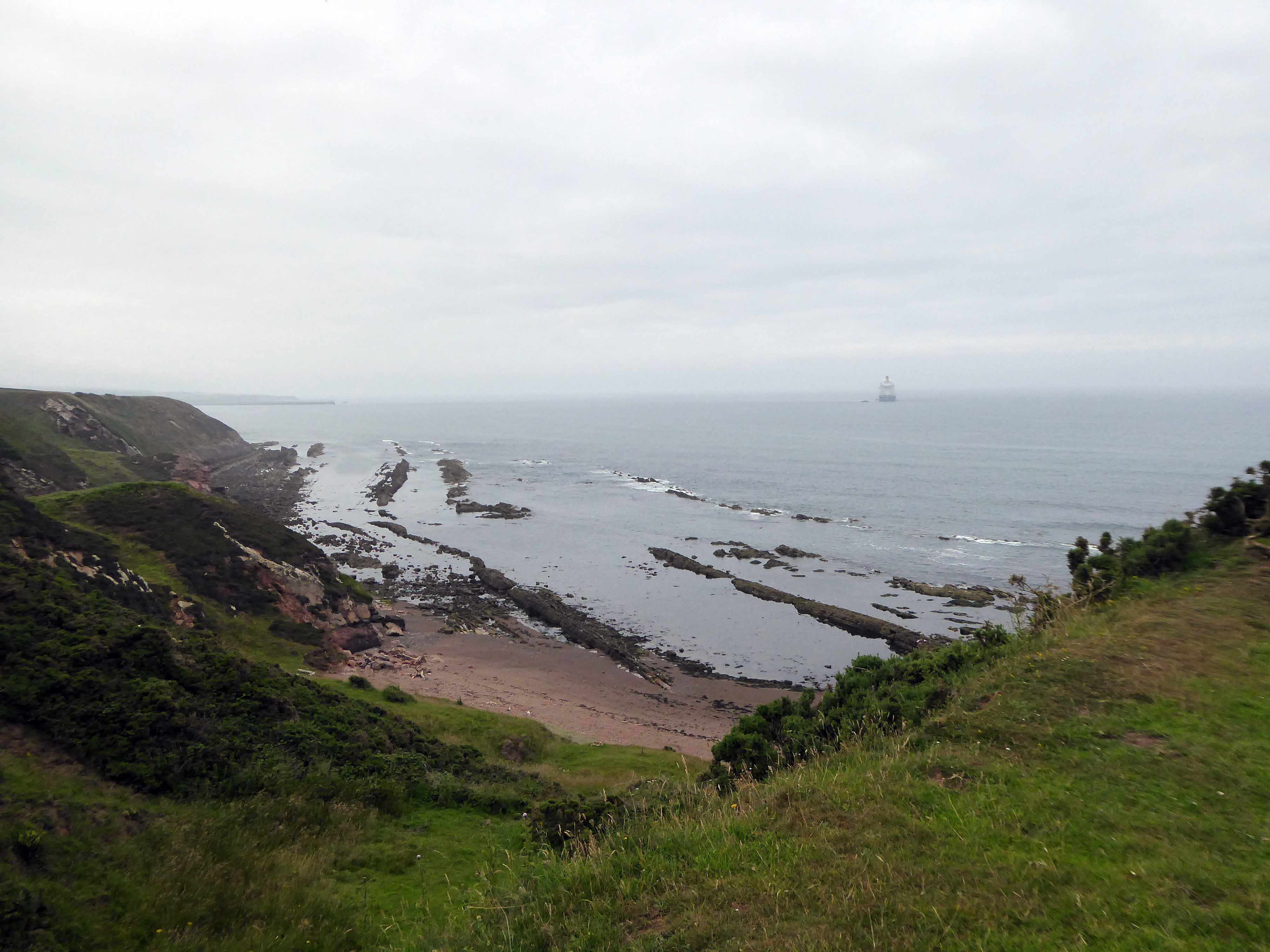
Looking back toward Lindisfarne.

Looking forward to the past.

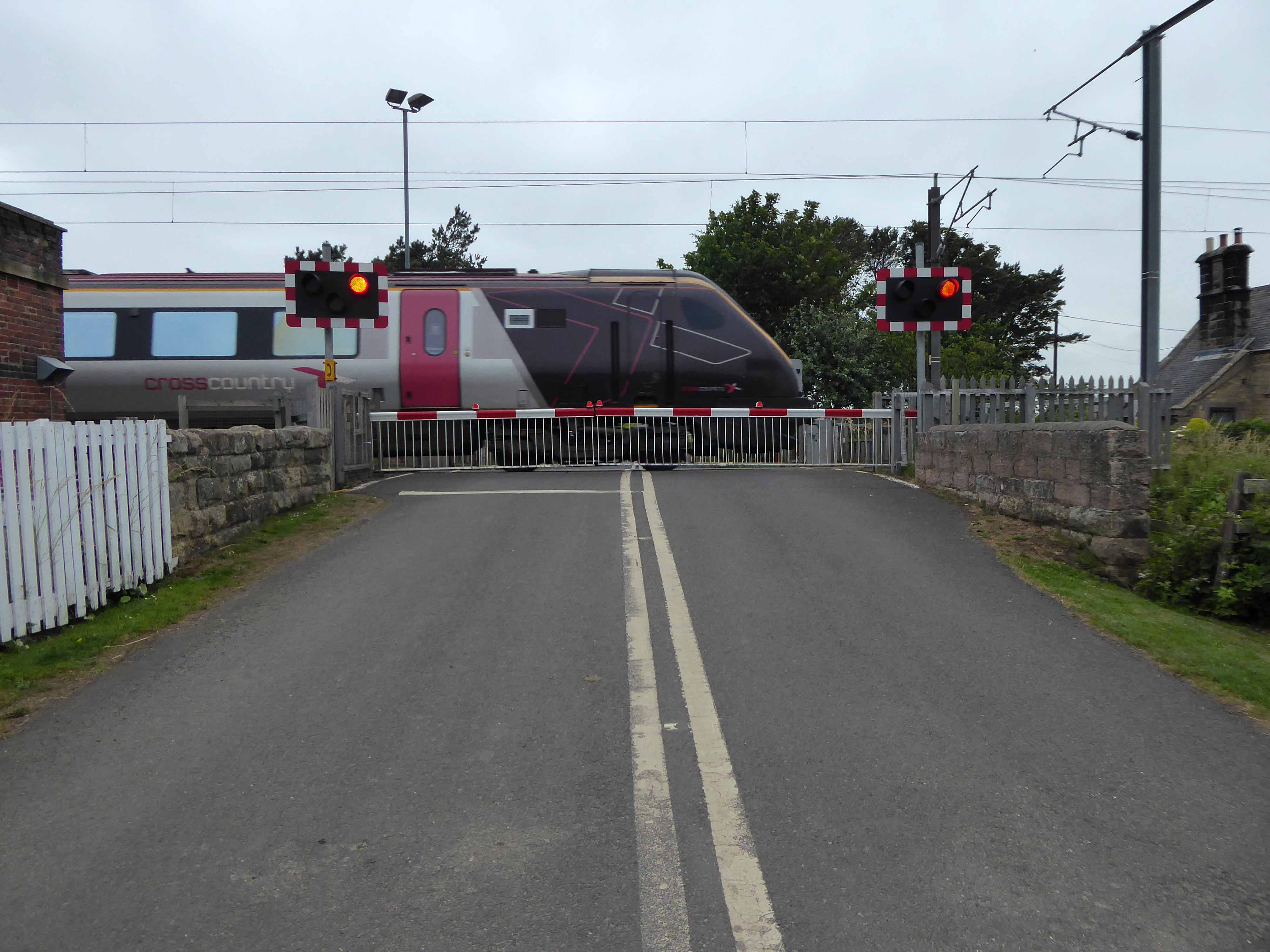
Pausing for the passing of a mainline train.

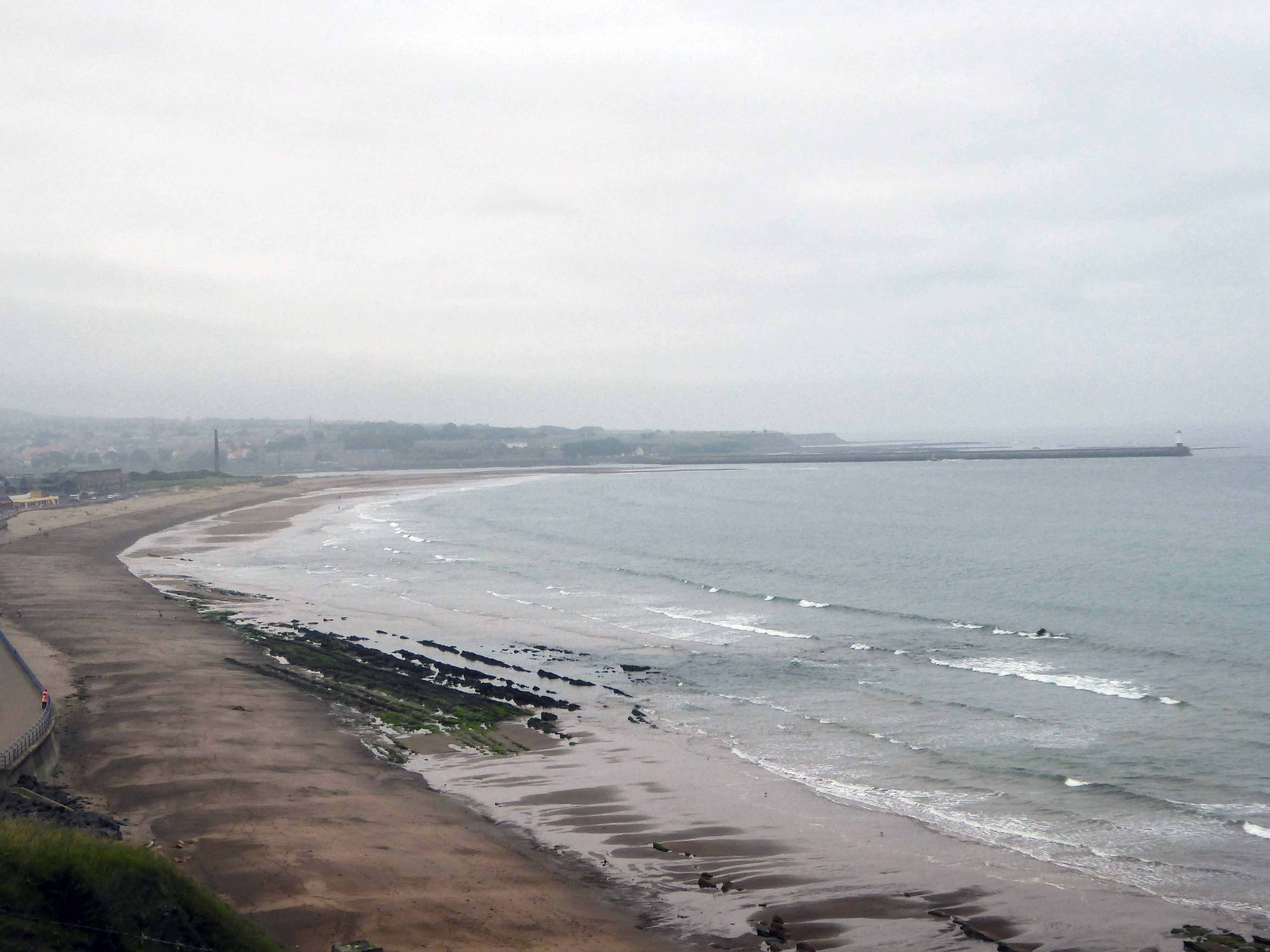
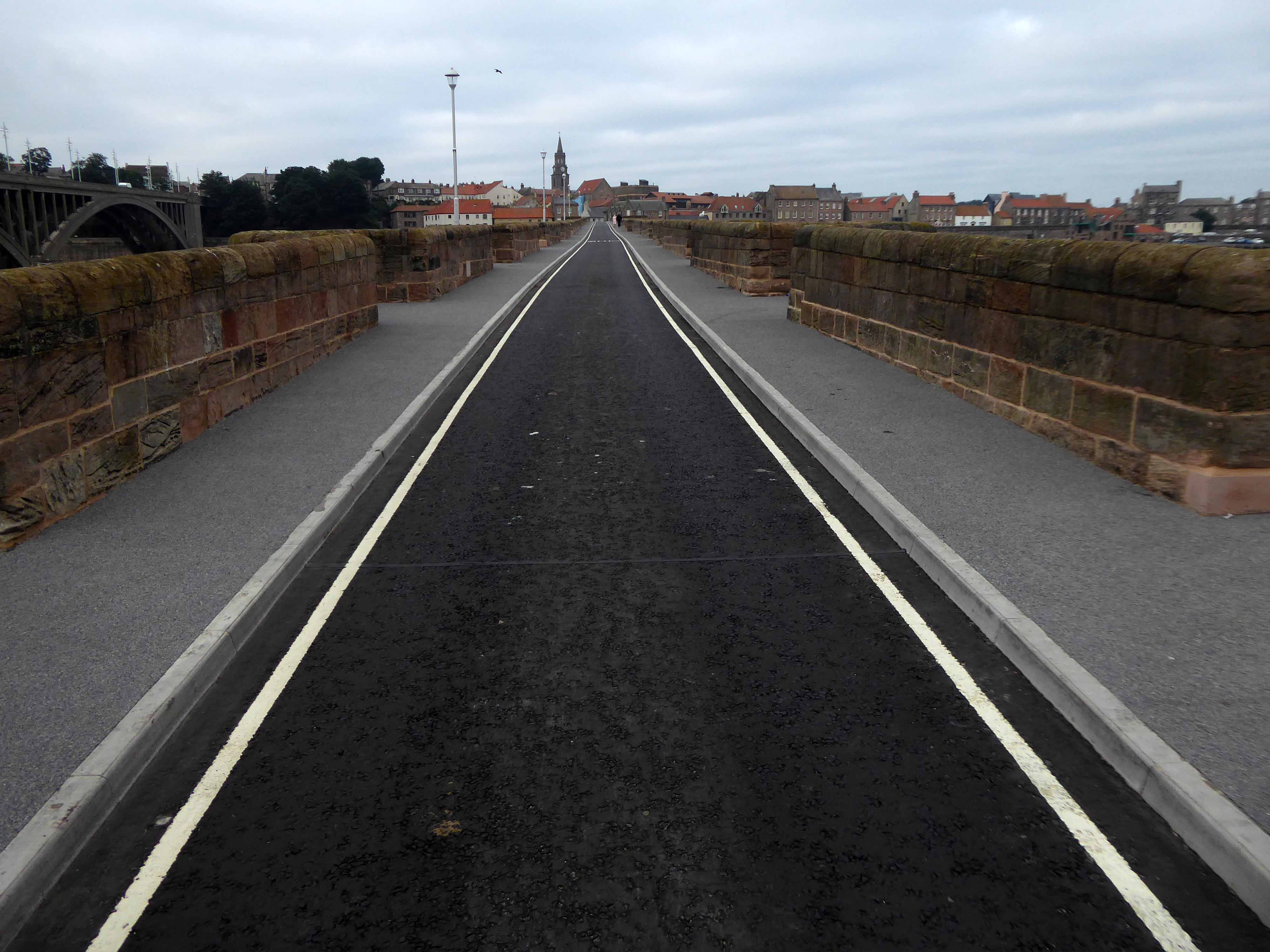
Berwick upon Tweed in view.

Come the evening I spent an hour or two in The Curfew, feasting on fine beer, company, haggis scotch egg and game pie.

Finishing with this well deserved and wonderful, bottle of Oude Geuze.

The final day – so many marvellous miles covered, forever stopping to chat, snap, look and learn.

No finer way to see the world, though so condensed and intense even at touring speed – apologies to all the things that I failed to see.

So long to Amble, Newcastle, Redcar, Scarborough and Hull.

Newcastle to Amble

Well here we are heading north for a fourth day – having bidden farewell to Hull, Scarborough and Redcar.

Passing a few familiar sights.

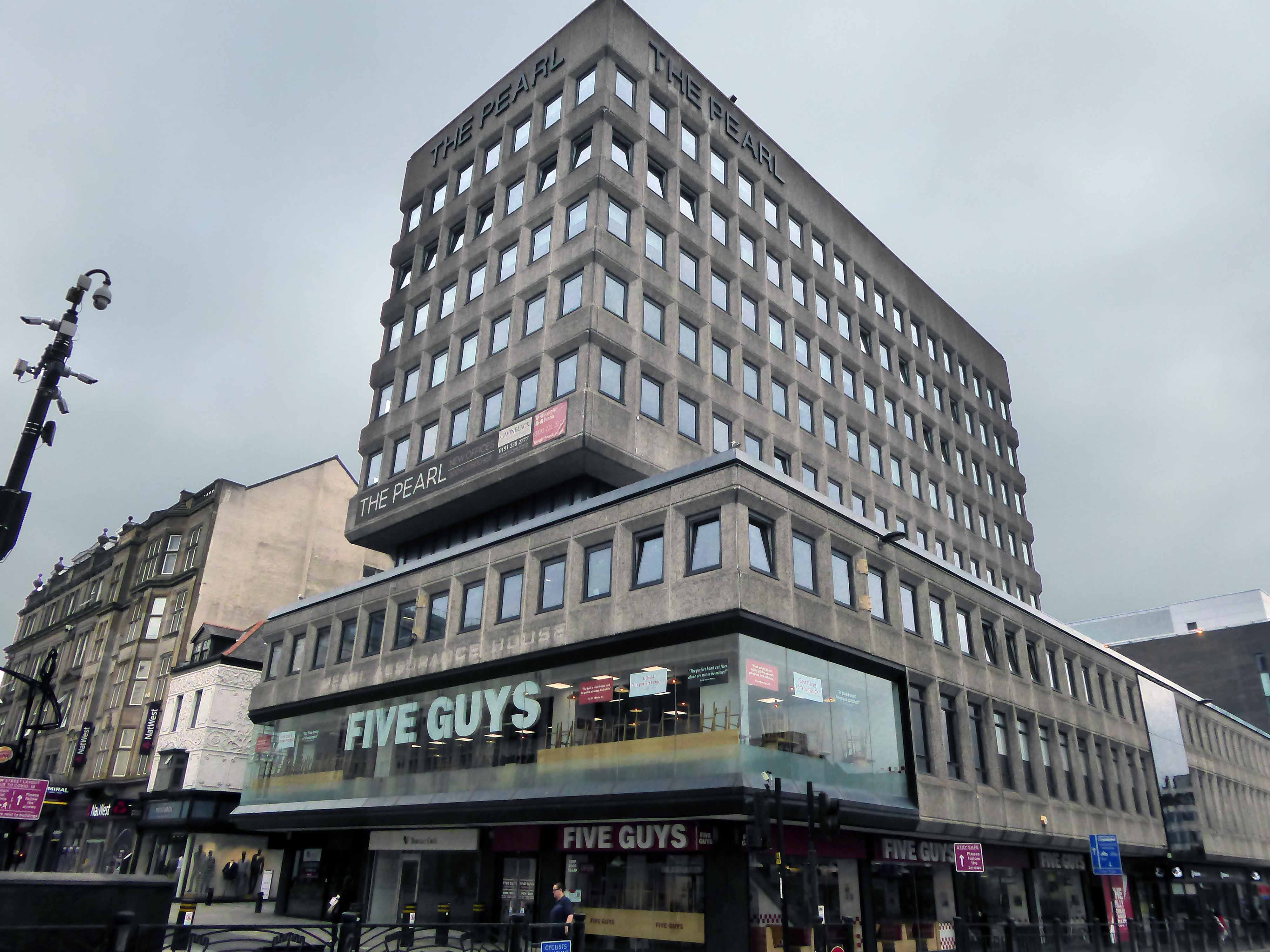
Pearl Assurance House Architect: T P Bennetts

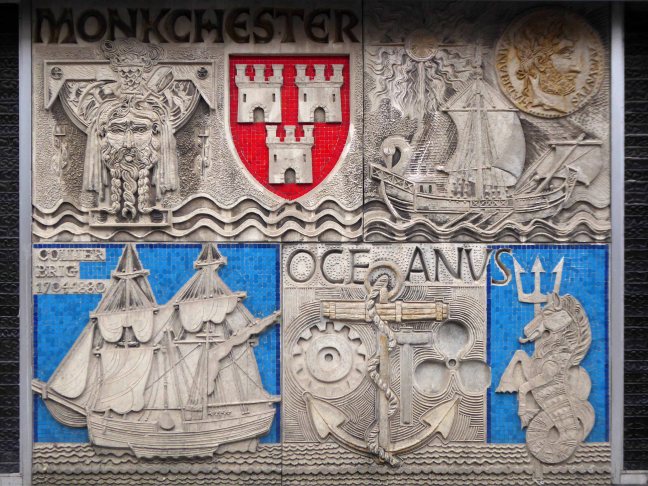
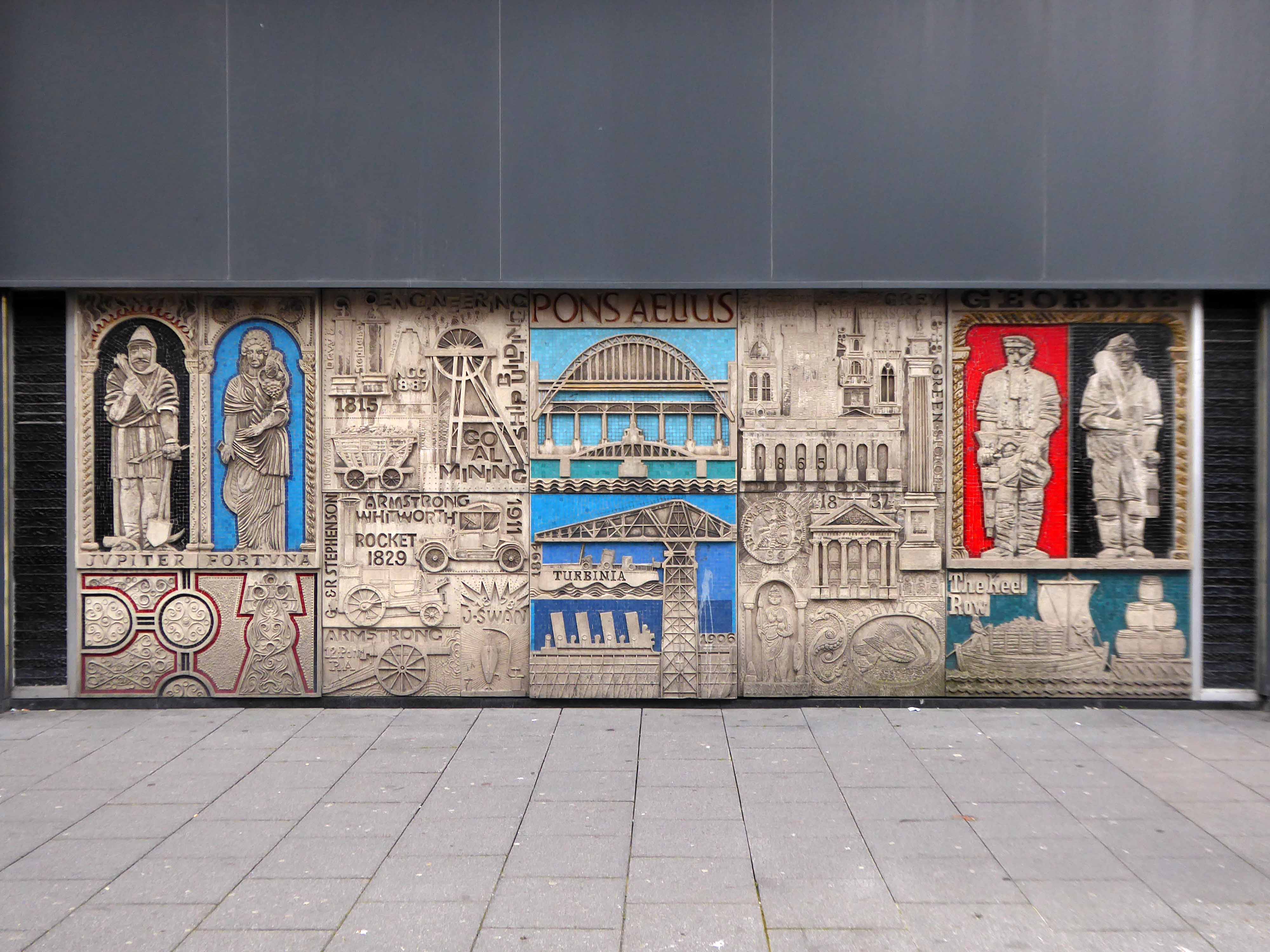
BHS Murals Joyce Pallot and Henry Collins.

The building was originally developed by C&A and it is thought that funding for the reliefs might have been provided by the store and/or Northern Arts. It became BHS which subsequently closed, the building is now occupied by Primark, C&A estates still own the site. 

Civic Centre entrance to the Council Chamber.

Taking a bold leap into the unknown I left the city centre, unwisely following unfamiliar roads, predictably becoming very lost.

I sought assistance from a passing fellow cyclist, very kindly he guided me to Tynemouth, following a mysterious and circuitous course across the undulating terrain – thanks.

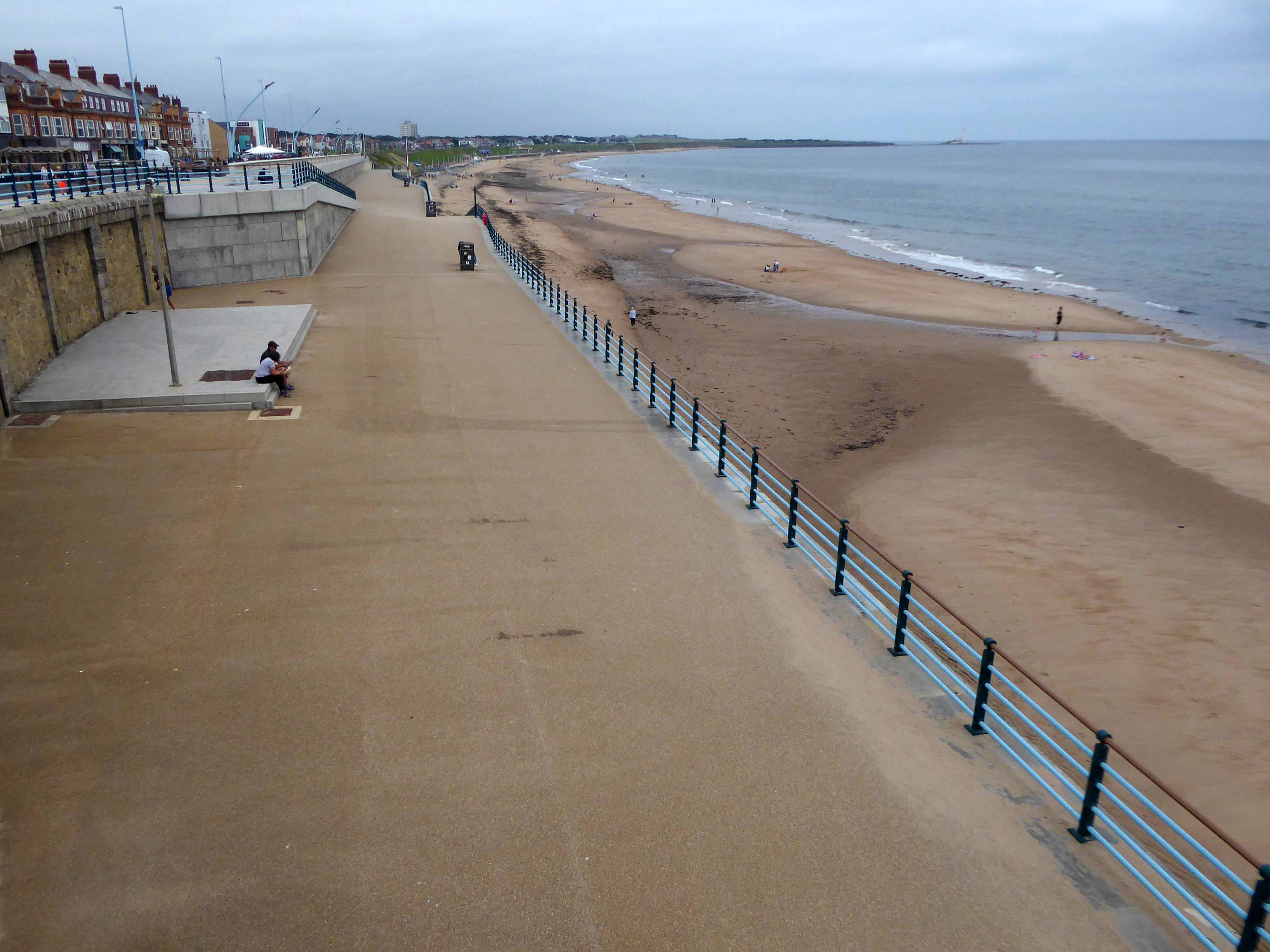
The city quickly becomes the seaside with its attendant retail bricolage.

An all too familiar redundant Lido – opened in 1925 and closed in the mid 90’s – but a Friends Group aims to breathe new life into the site.

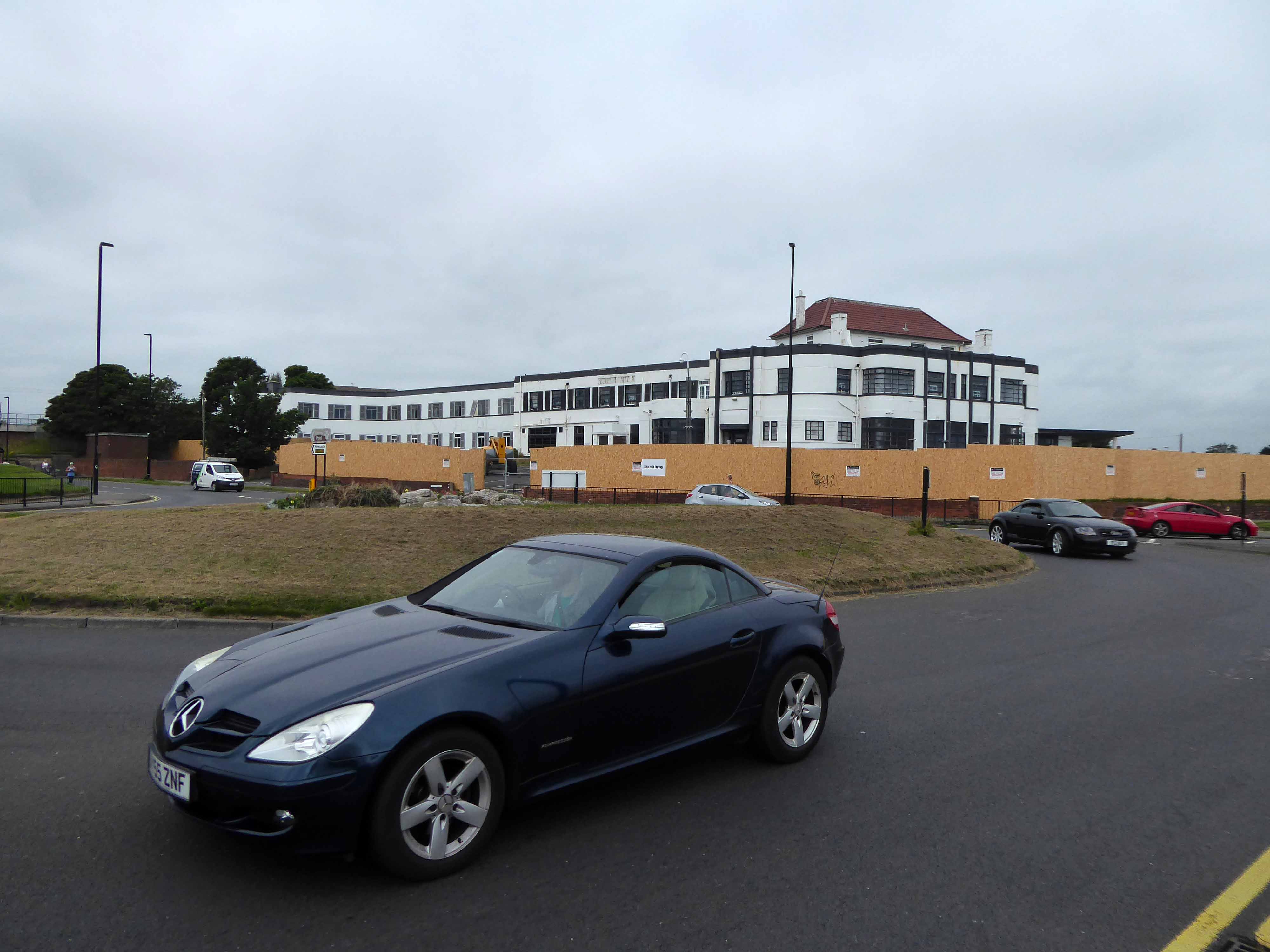
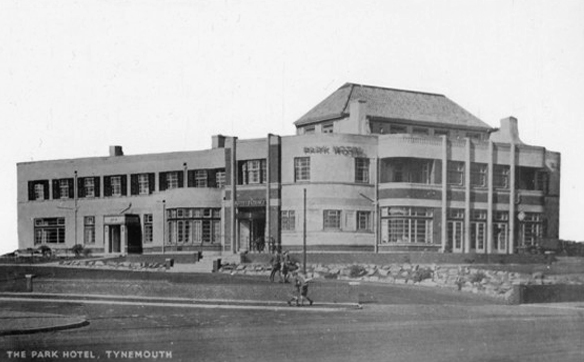
The Park Hotel built in the 1930’s and recently refurbished has been bought by The Inn Collection Group.

Chronicle Live

Much has been done to improve the promenade at Whitley Bay

The Whitley Bay Seafront Master Plan sets out our ambitious plans to regenerate the coastline between St Mary’s Lighthouse and Cullercoats Bay.

The proposals are a mix of council and private sector developments and involve more than £36m of new investment at the coast.

North Tyneside Gov

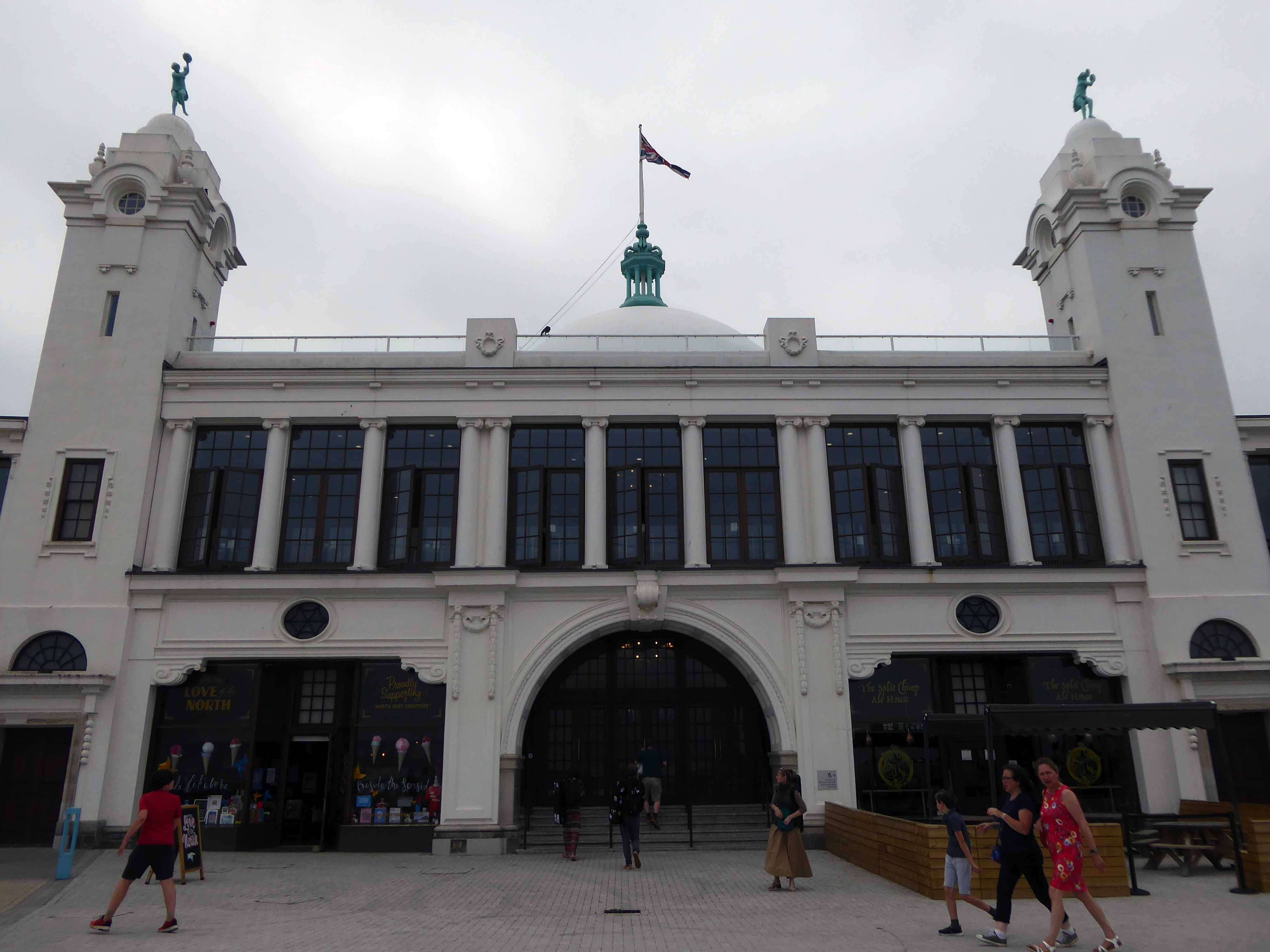
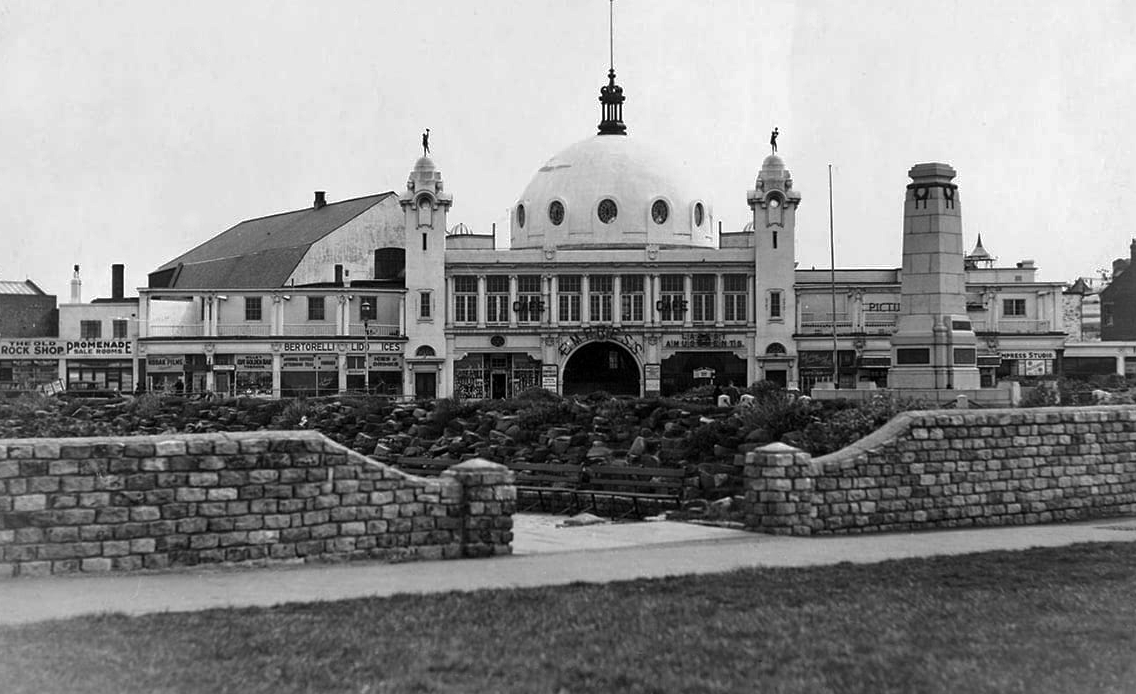
In 1908 the Spanish City was officially opened.

A simple three-arched entrance had been built facing the seafront and the area was now completely enclosed within a boundary. In 1909, large rides appeared, including a Figure Eight rollercoaster and a Water Chute. Elderton and Fail wanted to make a statement and create a new, grand entrance to the fairground. They hired the Newcastle architects Cackett& Burns Dick to survey the site and begin drawing up plans for new Pleasure Buildings.

Building began in February 1910 and the construction was completed by builders Davidson and Miller 60 days later. The use of the revolutionary reinforced concrete technique pioneered by Francois Hennebique was perfect for the job, being cheap and fast. The Dome and surrounding buildings – a theatre and two wings of shop units – opened on 14 May 1910 to great fanfare. Visitors marvelled at the great Spanish City Dome, the second largest in the country at the time after St. Paul’s Cathedral in London, which provided a spectacular meeting place with uninterrupted views from ground level to its ceiling, 75 feet above.

Telegraph-wire cyclists, acrobatic comedians, singing jockeys, mermaids, they all appeared at the Spanish City during its first decade. One of the wings hosted the menagerie, where visitors could see hyenas, antelopes and tigers! This was converted into the Picture House cinema in 1916.

Spanish City

Eventually the Master Plan will be fully implemented.

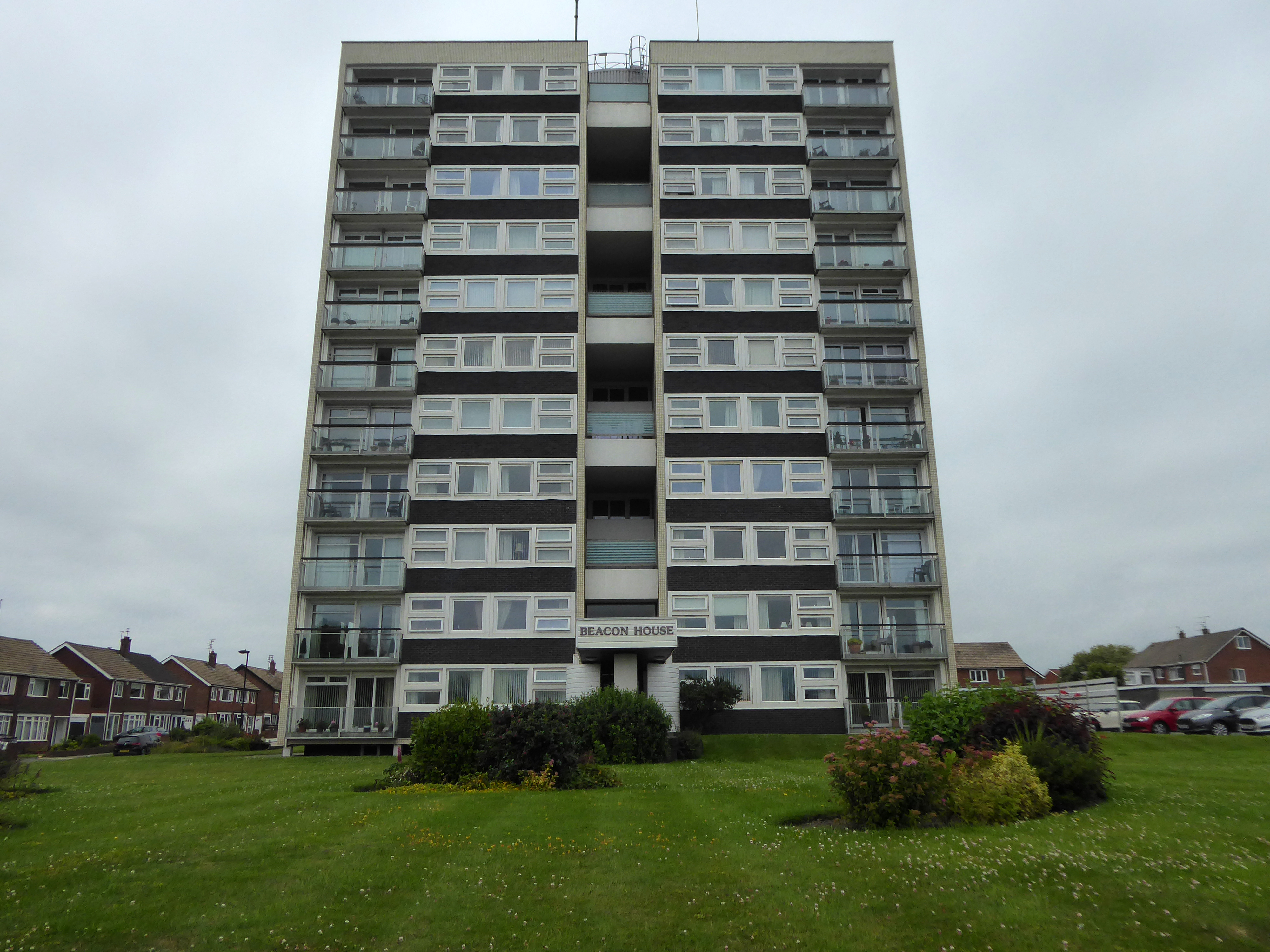
Beacon House beckoned and I took time to have a good old look around.

Ryder and Yates 1959

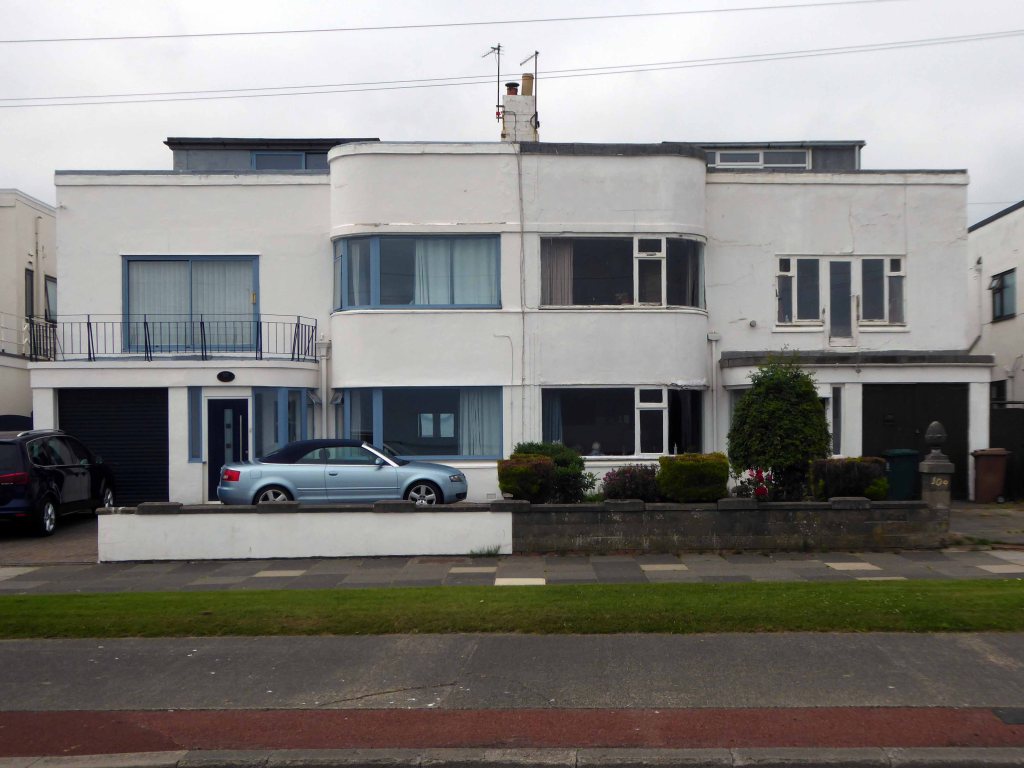
A little further along, a selection of Seaside Moderne semis in various states of amendment and alteration.

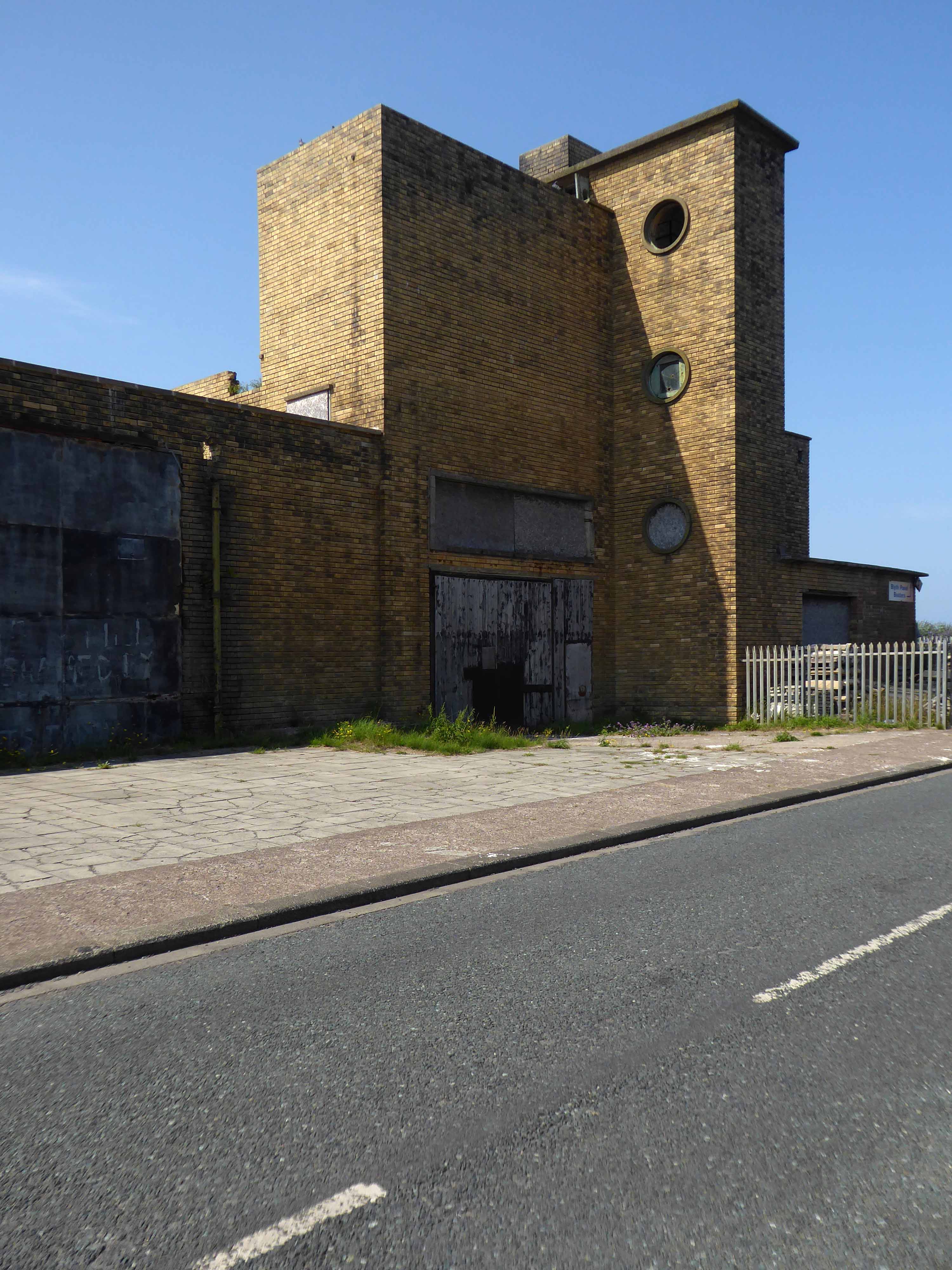
Before I knew it I was in Blyth.

The town edged with military installations

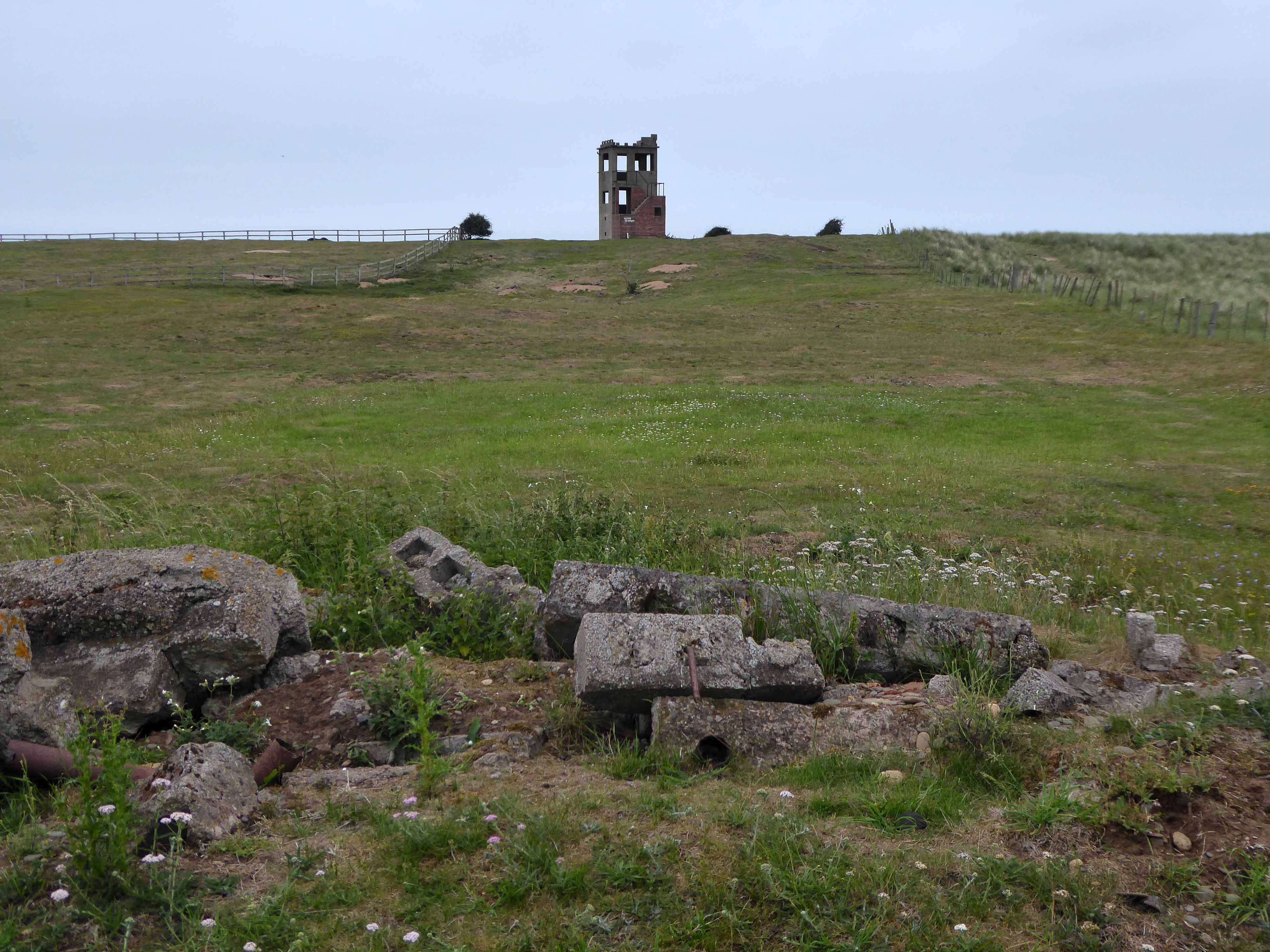
Gloucester Lodge Battery includes the buried, earthwork and standing remains of a multi-phase Second World War heavy anti-aircraft gun battery and radar site, as well as a Cold War heavy anti-aircraft gun and radar site. The battery occupies a level pasture field retaining extensive rig and furrow cultivation.

Historic England

During WW2 Blyth Harbour was used as a major submarine base and that combined with the heavy industry in the area it made a very good target for the Luftwaffe.

Derelict Places

827 men of the 225th Antiaircraft Artillery Searchlight Battalion of the U.S. Army, arrived at this location in early March 1944 and were attached to the 30th British AAA Brigade. Here they sharpened their skills in the high-altitude tracking of aircraft.

Skylighters

I headed into town.

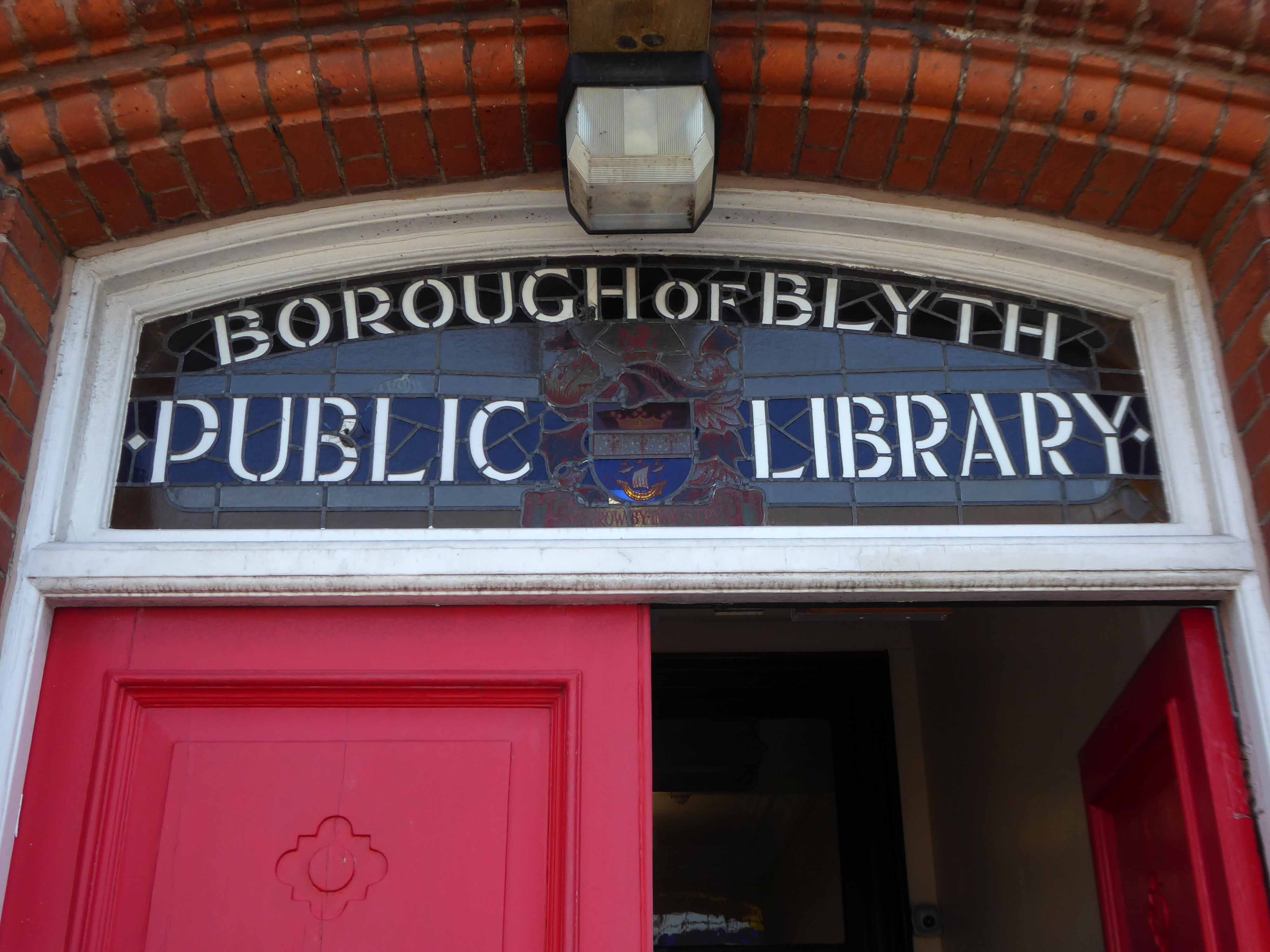
Uncovered this gem in the library porch.

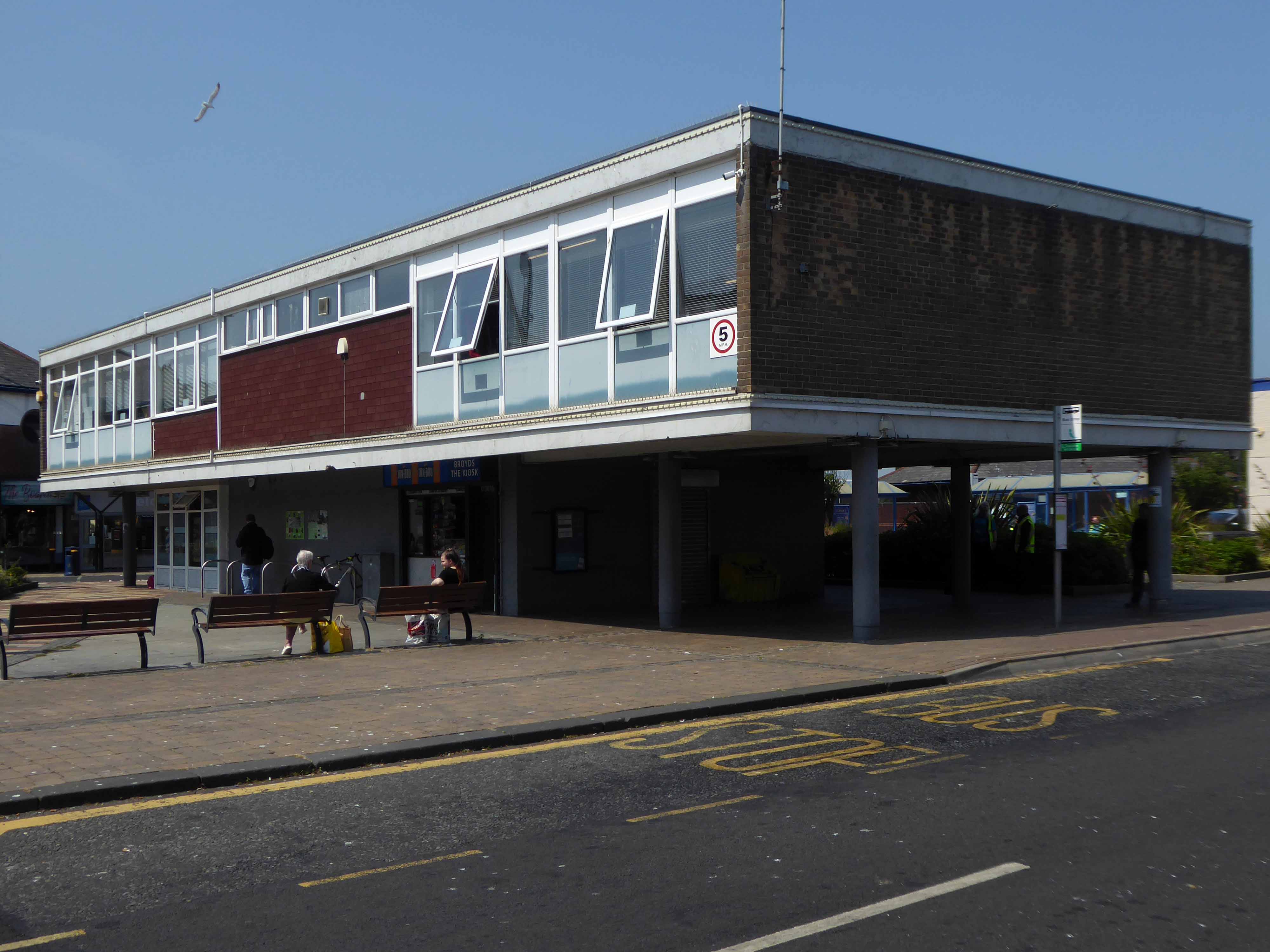
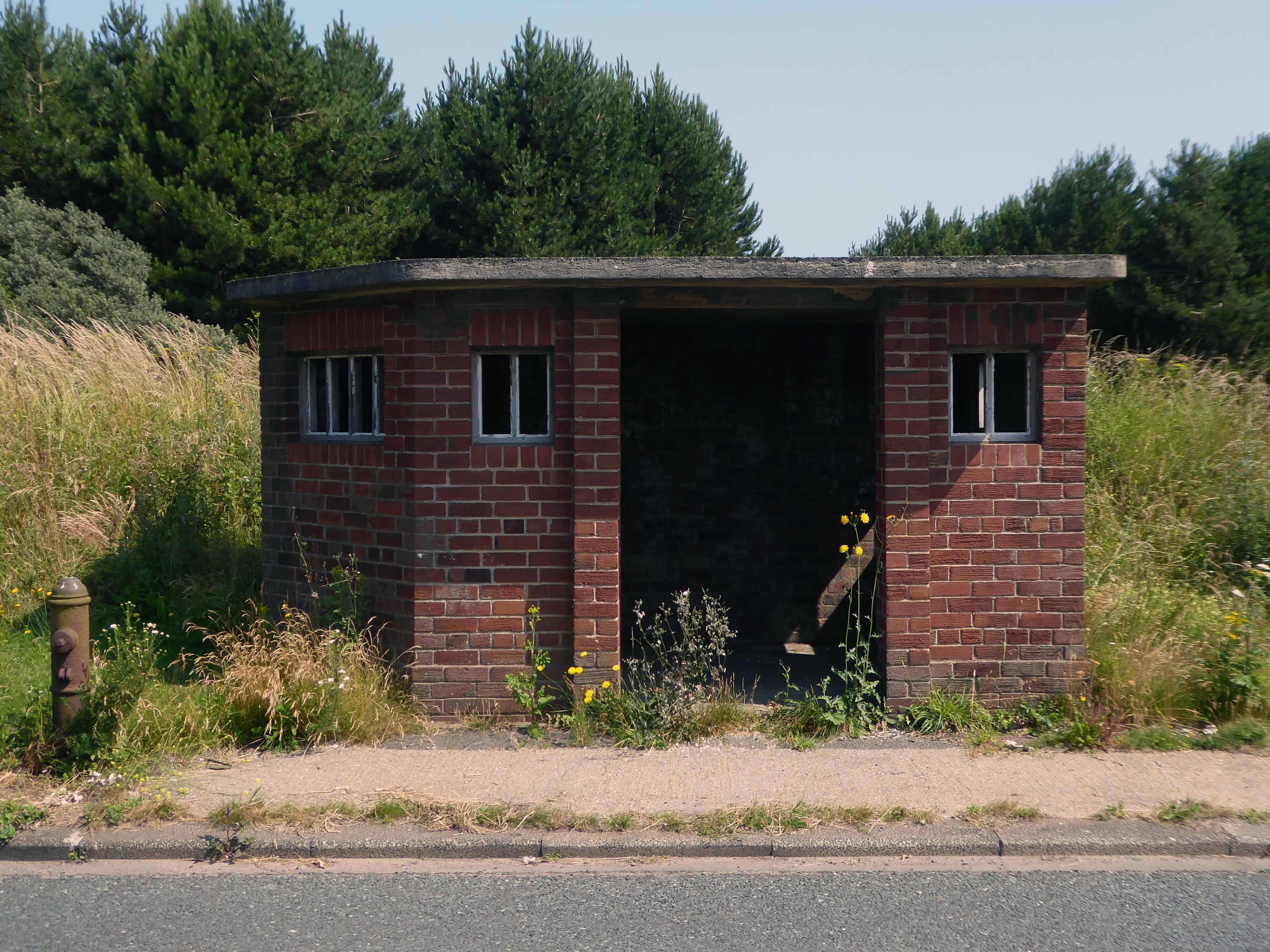
Stopped to admire the bus station.

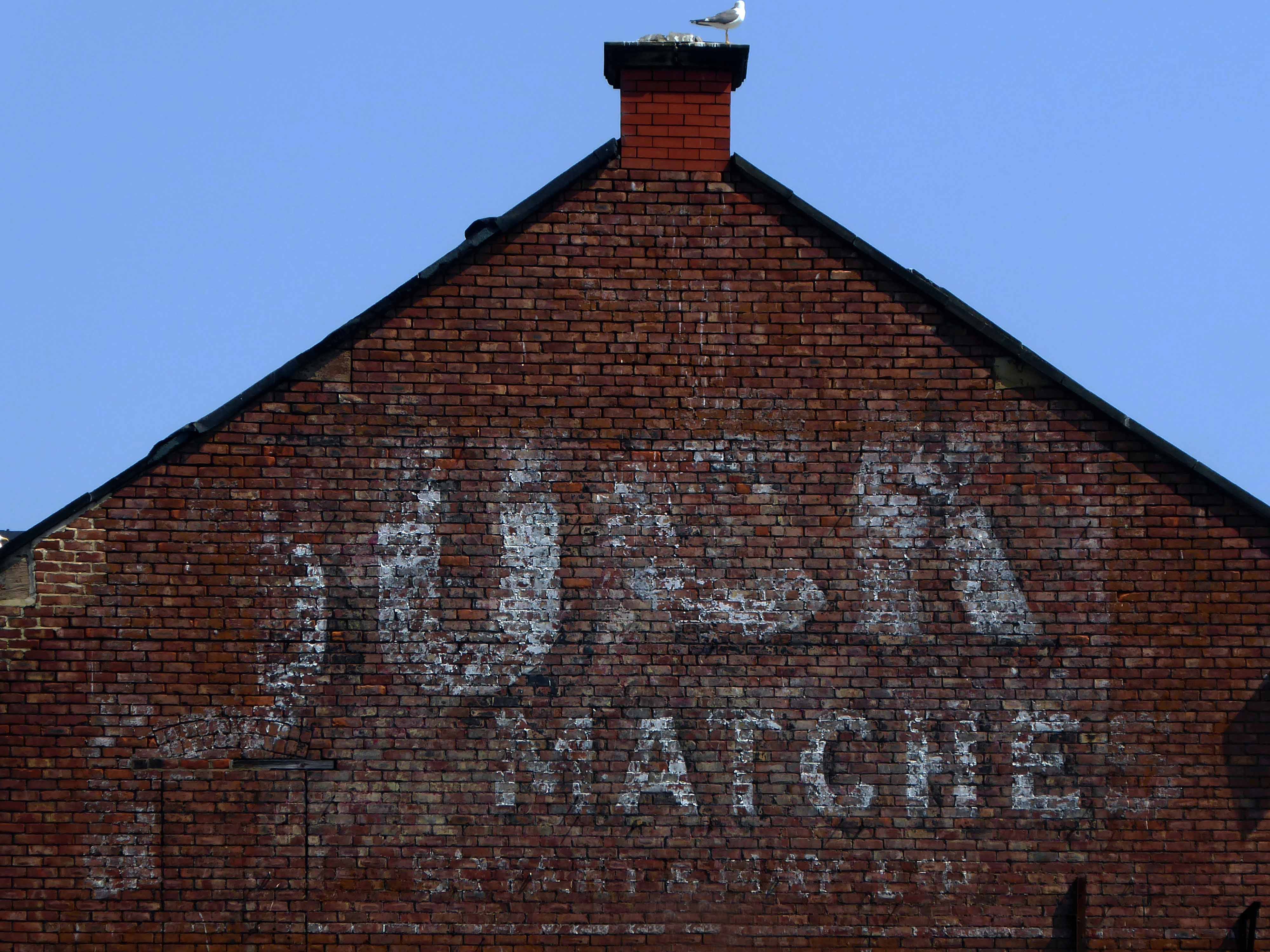
And found a post box marked Post Box.

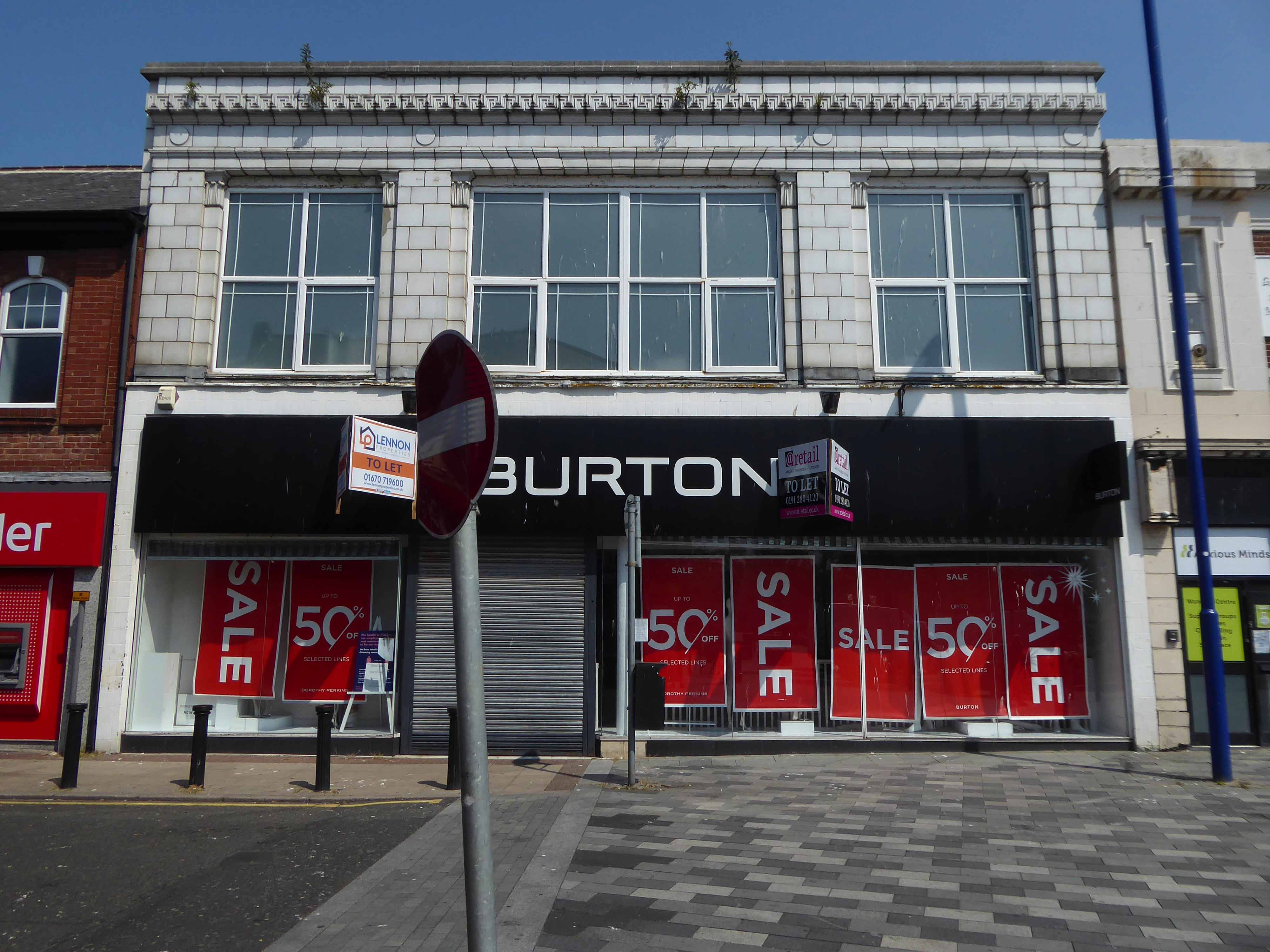
Burton’s gone for a Burton.

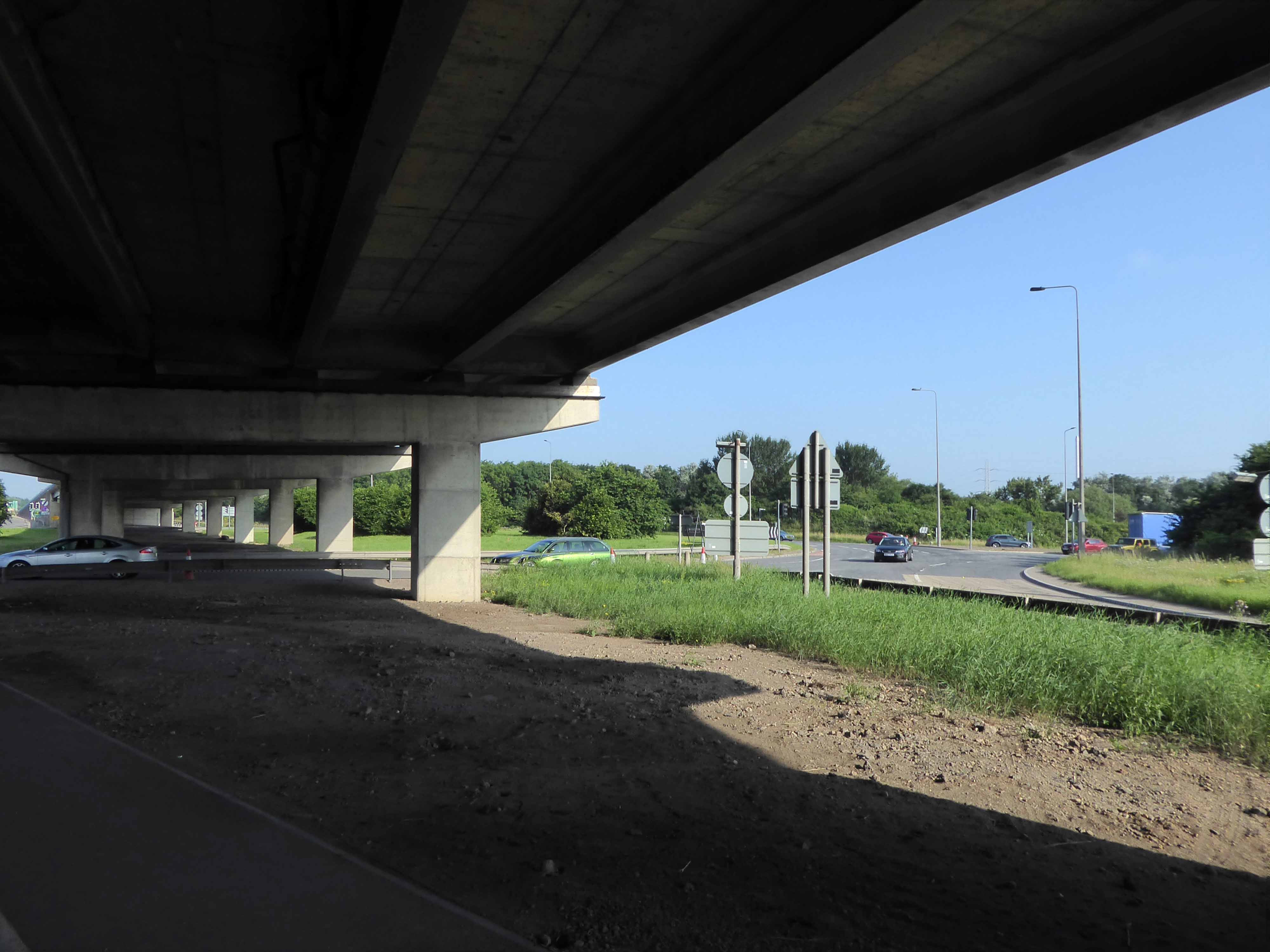
The cycle route took me off road along the estuary and under the flyover.

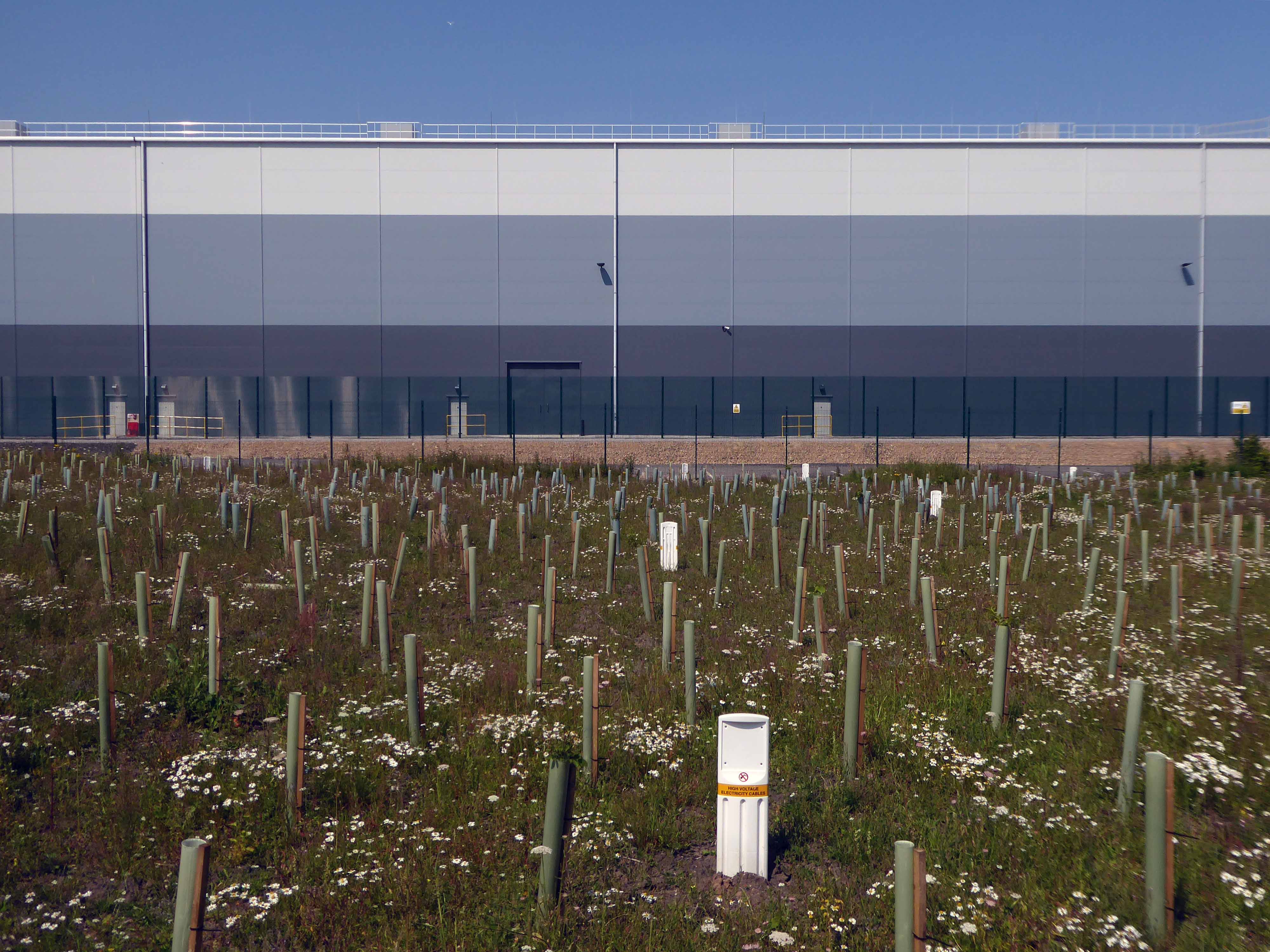
Encountering a brand new factory.

And the remnants of the old power station.

Blyth Power Station – also known as Cambois Power Station, refers to a pair of now demolished coal-fired power stationsThe two stations were built alongside each other on a site near Cambois in Northumberland, on the northern bank of the River Blyth, between its tidal estuary and the North Sea. The stations took their name from the town of Blyth on the opposite bank of the estuary. The power stations’ four large chimneys were a landmark of the Northumberland skyline for over 40 years.

After their closure in 2001, the stations were demolished over the course of two years, ending with the demolition of the stations’ chimneys on 7 December 2003.

Wikipedia

UK battery tech investor Britishvolt has unveiled plans to build what is claimed to be Britain’s first gigaplant at the former coal-fired power station in Blyth in Northumberland.

The £2.6 billion project at the 95-hectare Blyth Power Station site will use renewable energy from the UK and possibly hydro-electric power generated in Norway and transmitted 447 miles under the North Sea through the ‘world’s longest inter-connector’ from the North Sea Link project.

By 2027, the firm estimates the gigaplant will be producing around 300,000 lithium-ion batteries a year.

The project is predicted to create 3,000 new jobs in the North East and another 5,000 in the wider supply chain.

Energy News

Long gone is the Cambois Colliery, its pit head baths and the buses that bused the workers in and out.

One hundred and eleven men died there.

The route headed along the coast on unmade roads and paths, I bypassed the Lynemouth Pithead Baths – having visited some ten years ago.

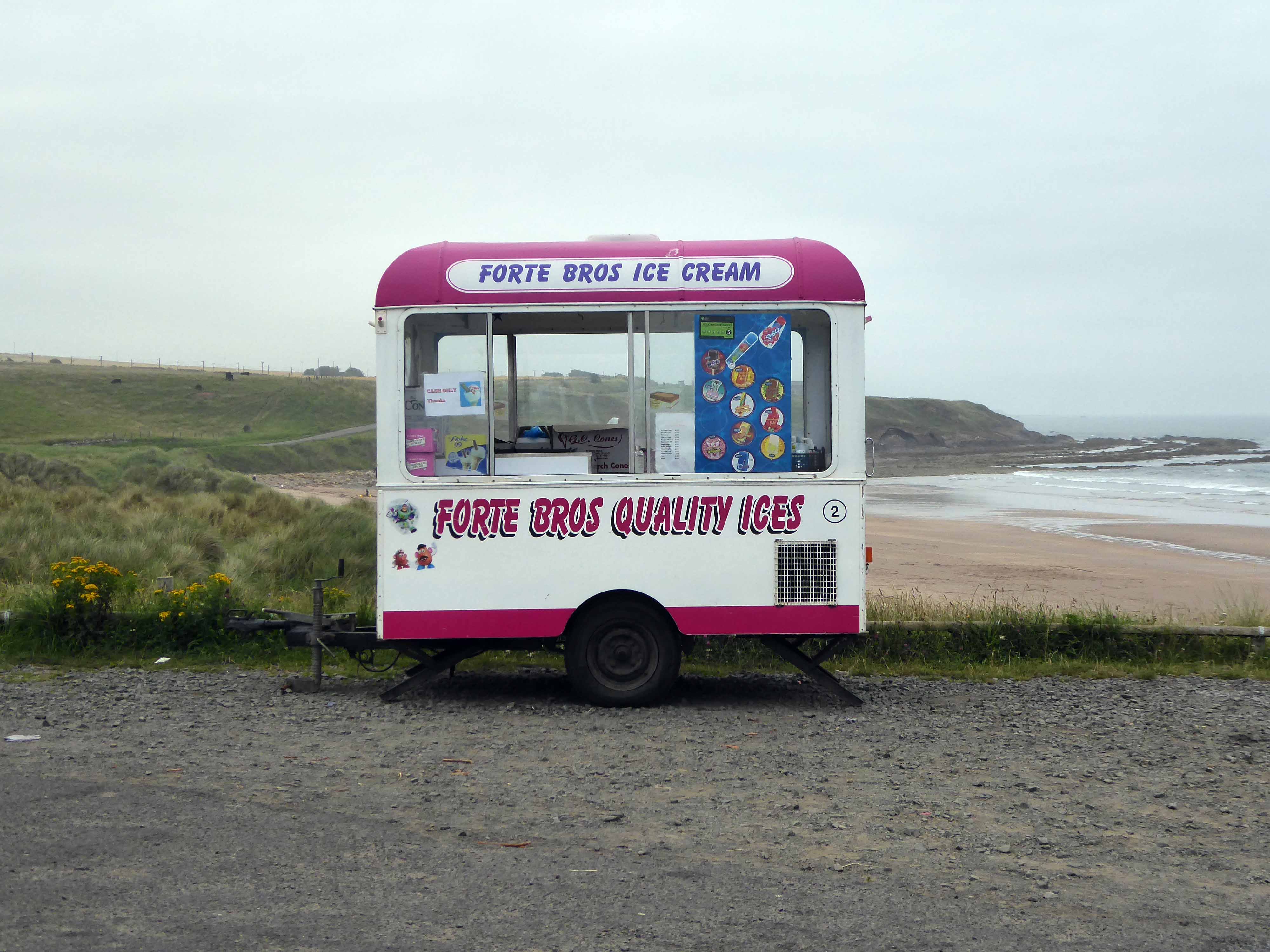
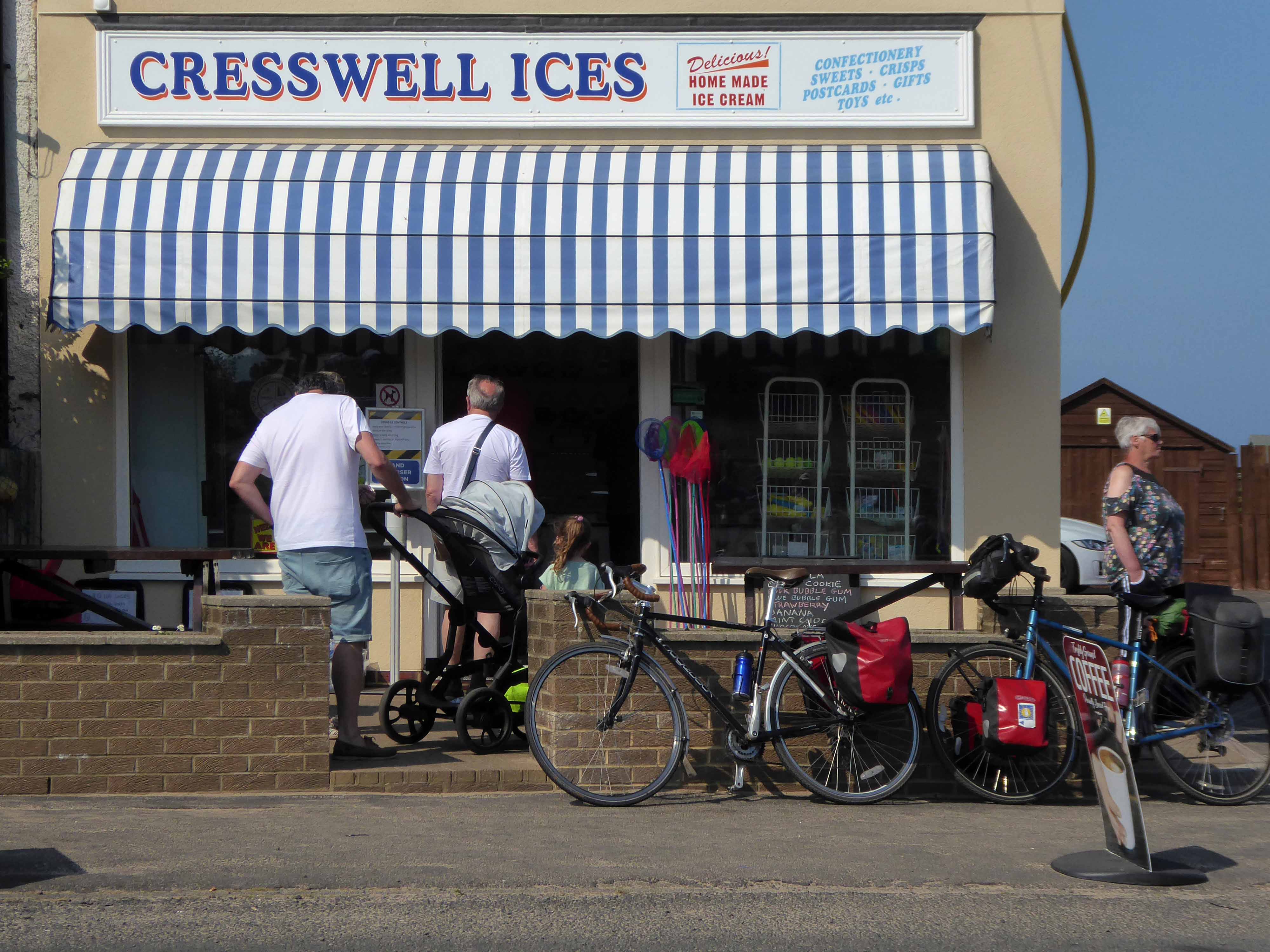
I was delighted to find that Creswell Ices were still in business and my temporary partner Adrian treats me to a tub.

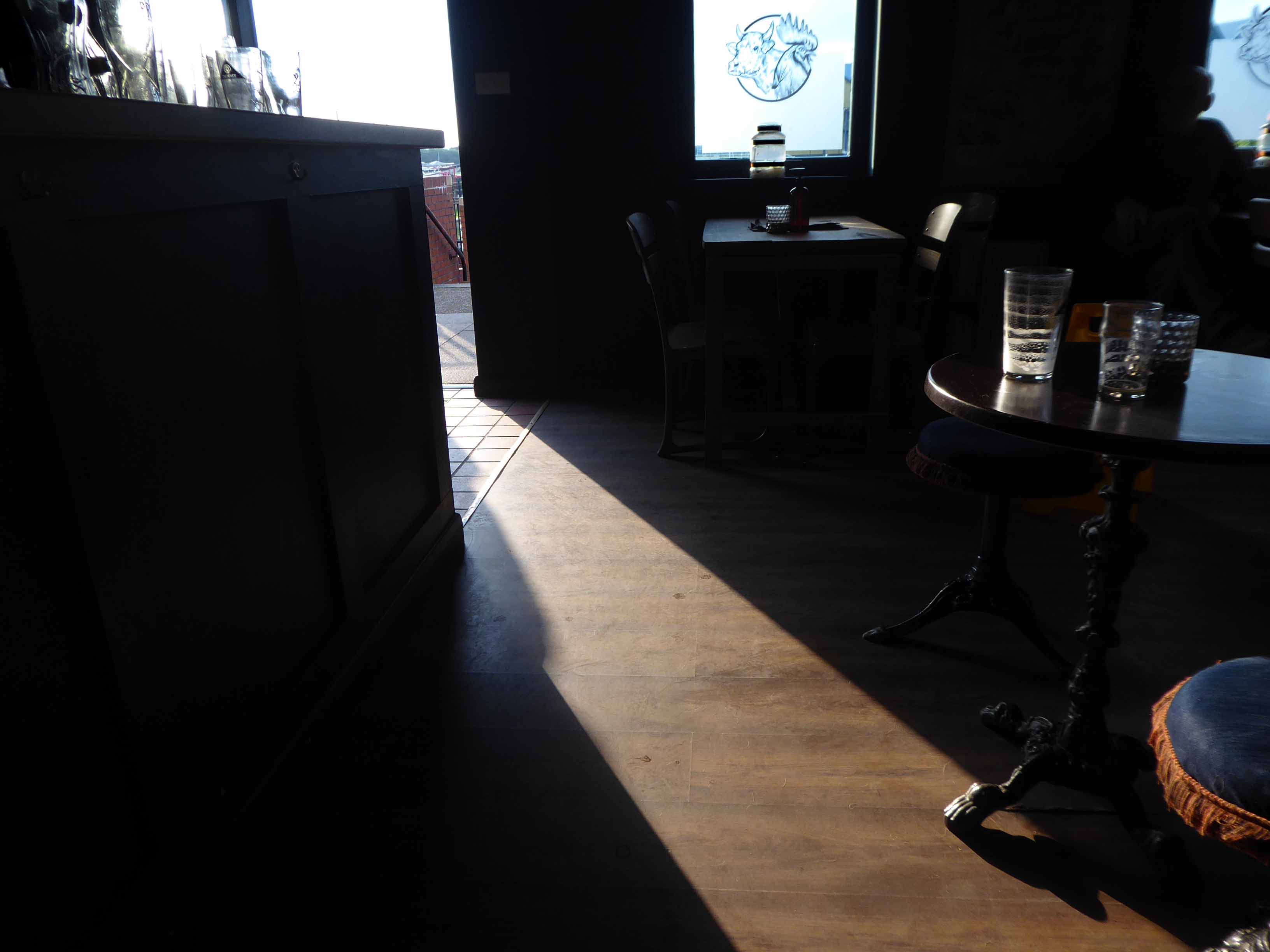
Having arrived in Amble I was delighted to find the Cock & Bull.

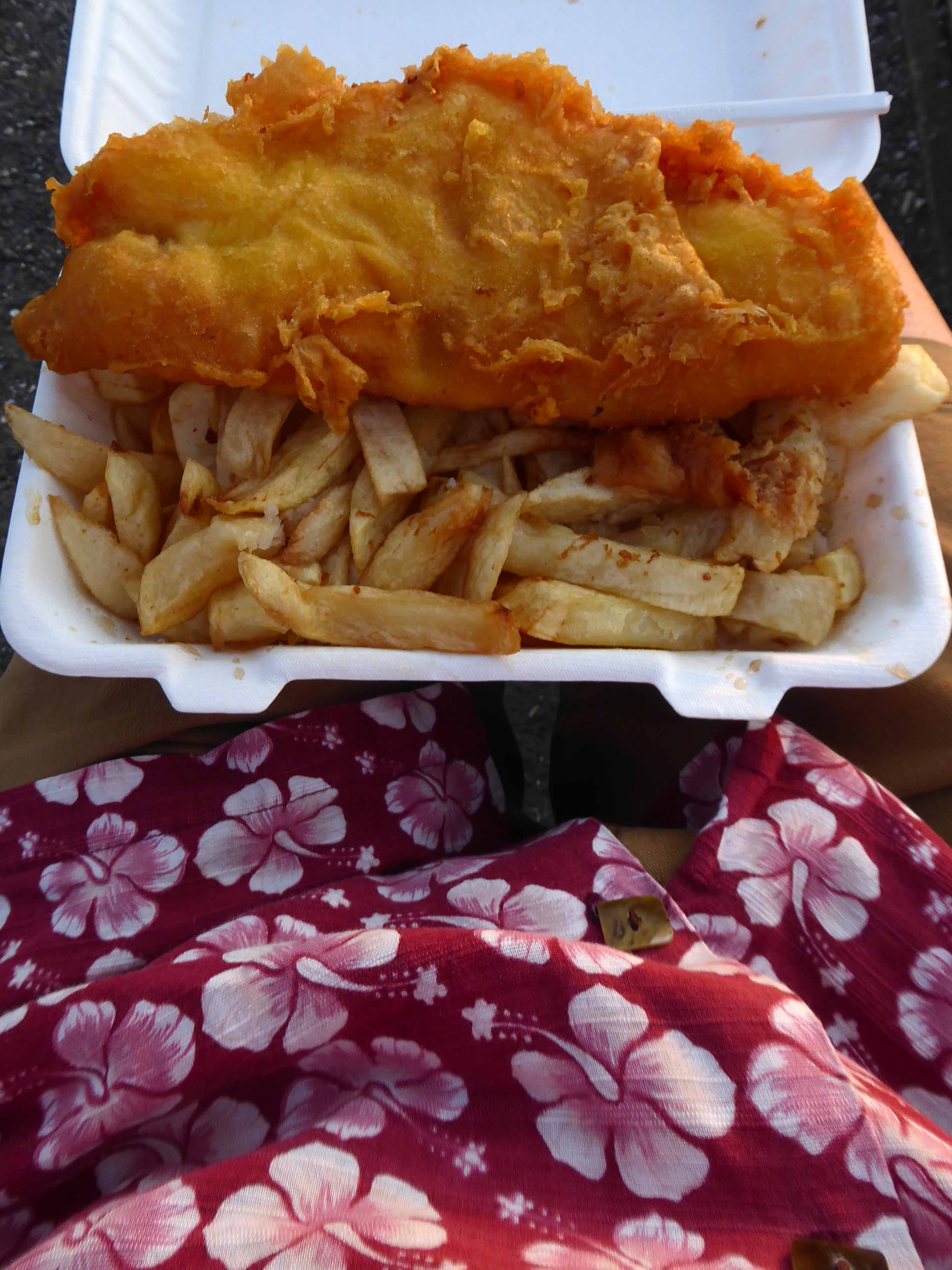
Following a few pints I feasted on fish and chips.

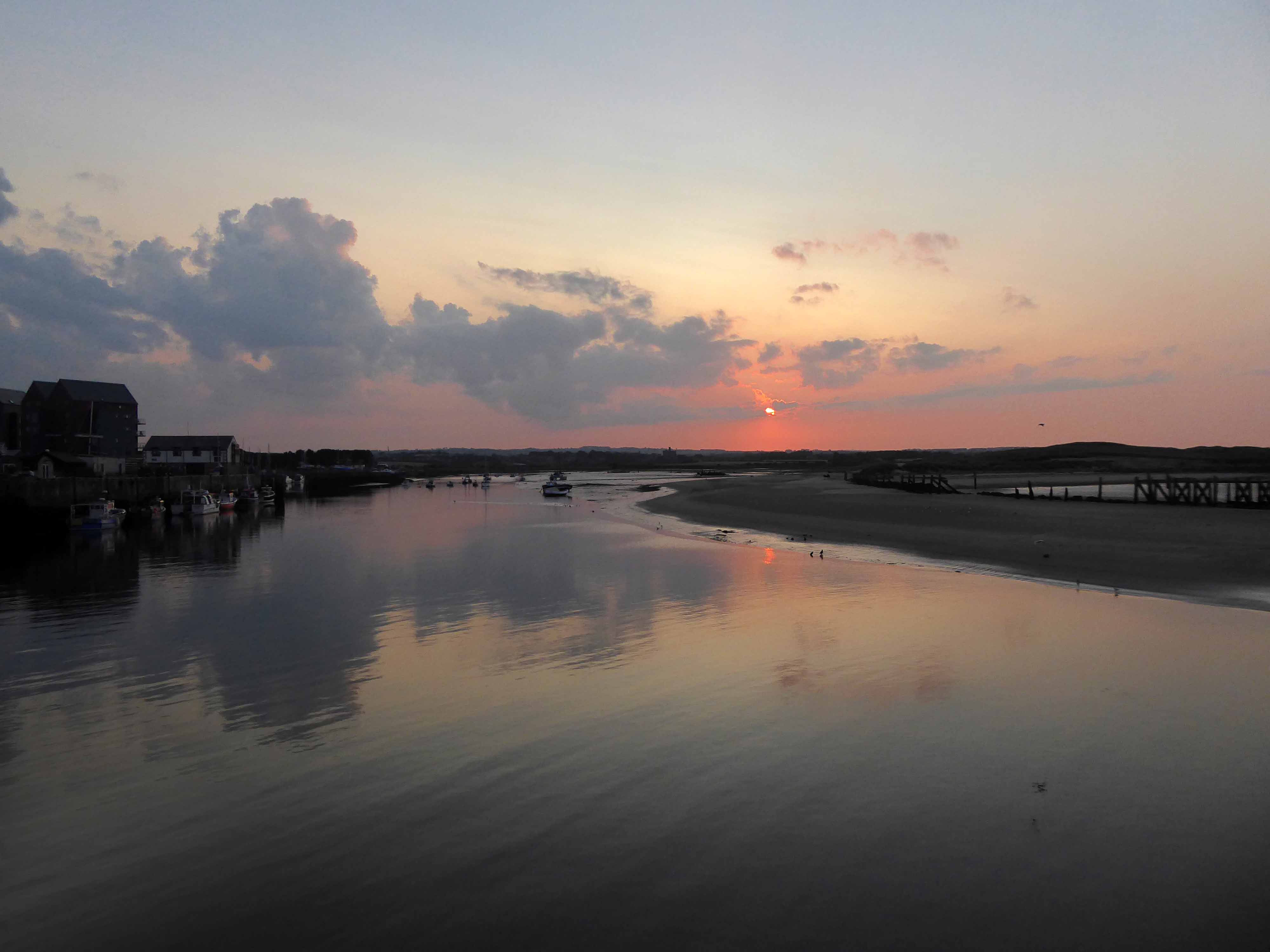
Then watched the sun set over the harbour.
Good night all.

Redcar to Newcastle

An early start on another sunny day, cycling along long straight roads out of town, towards Middlesborough.

Having previously visited Hull and Scarborough and all points in between.

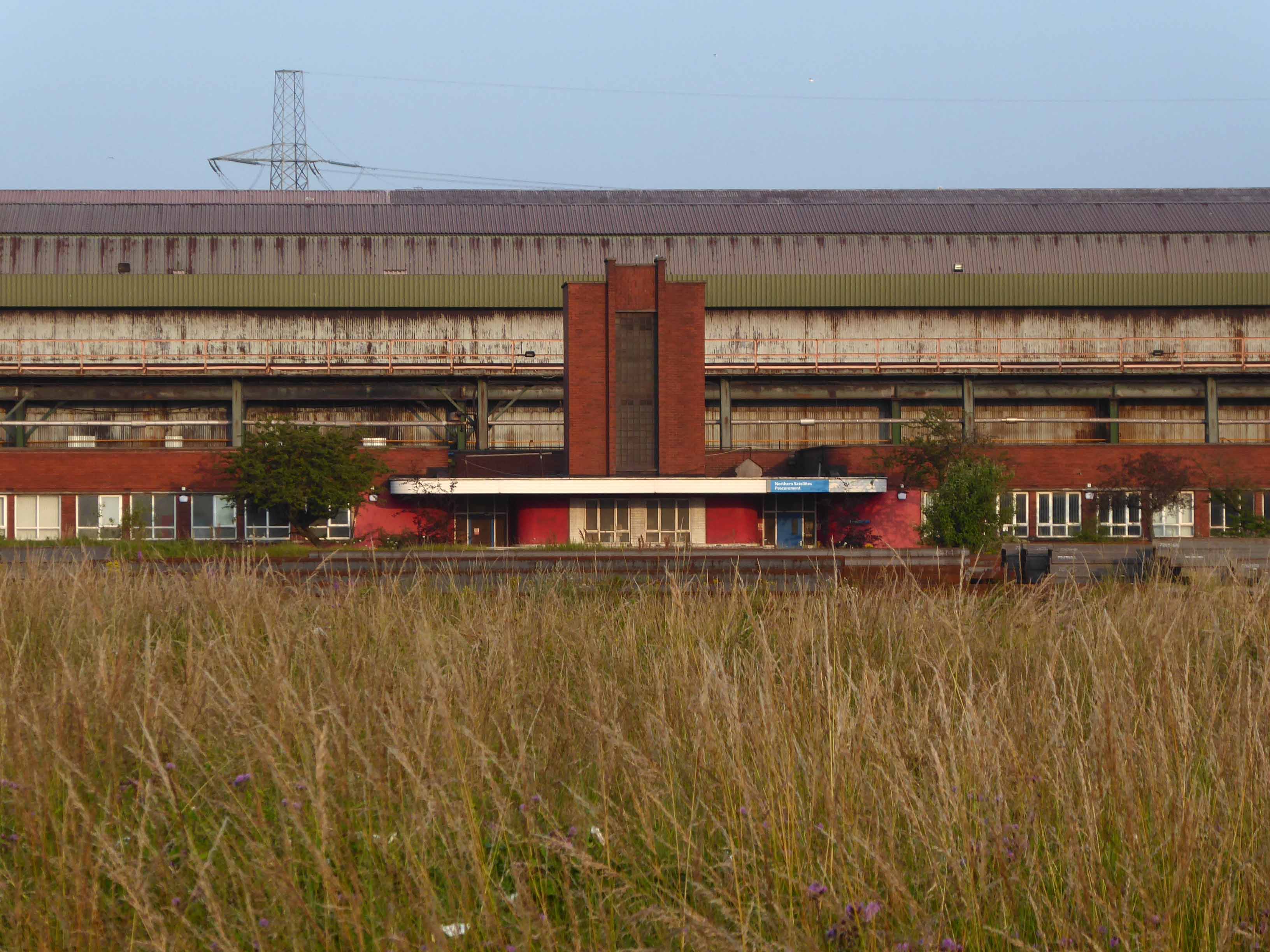
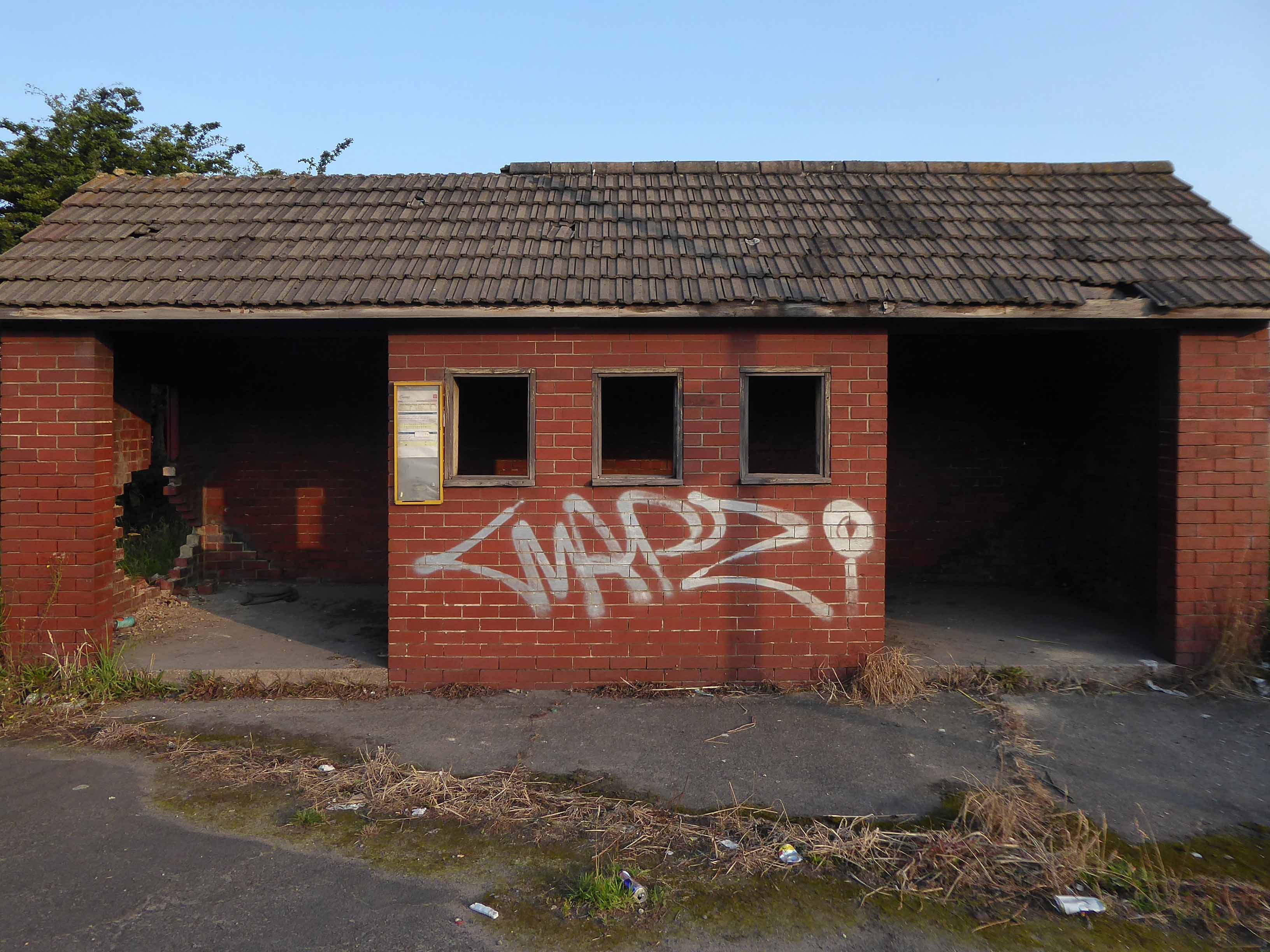
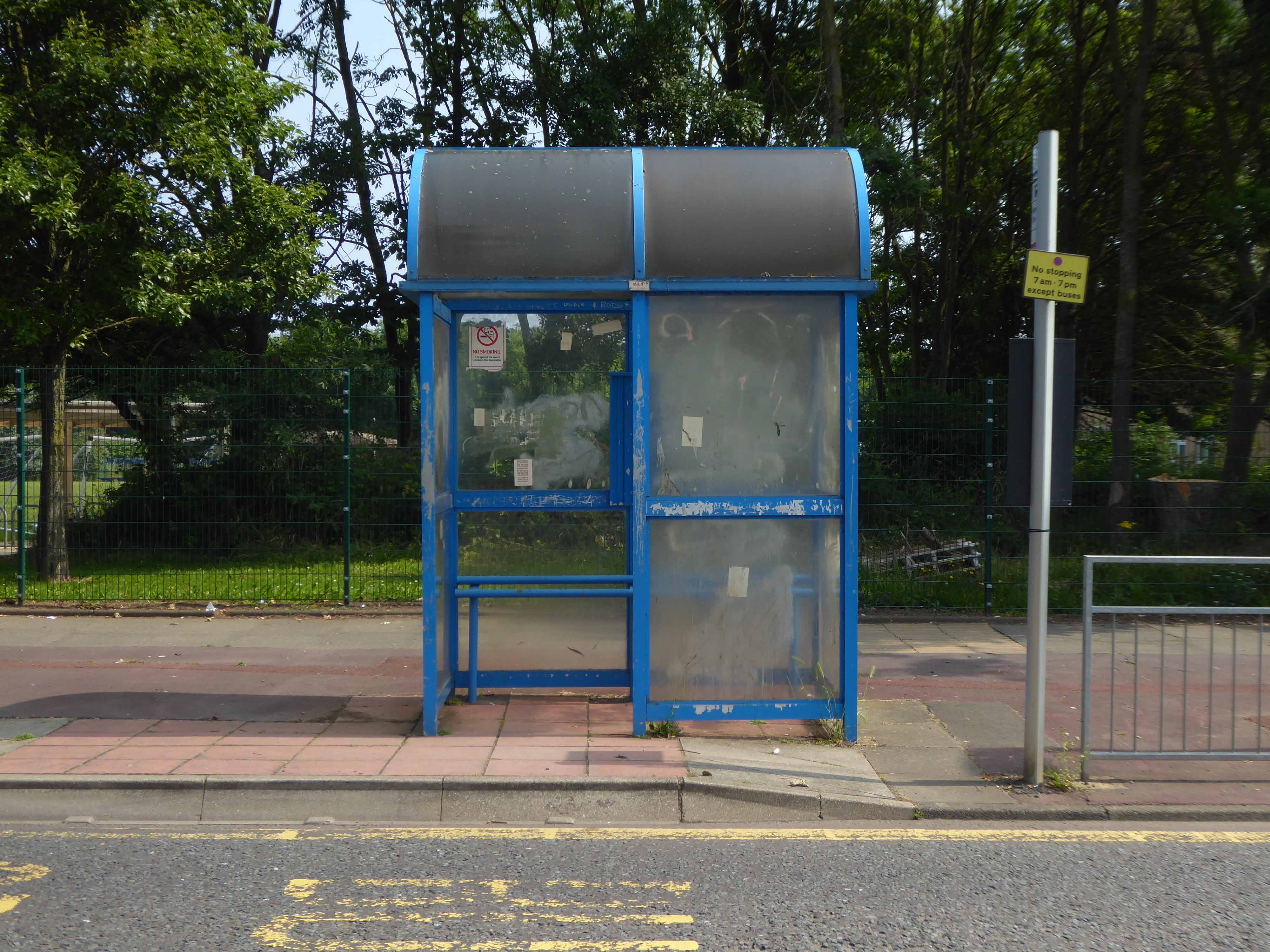
Slowly passing sleepy factories and desolate bus shelters.

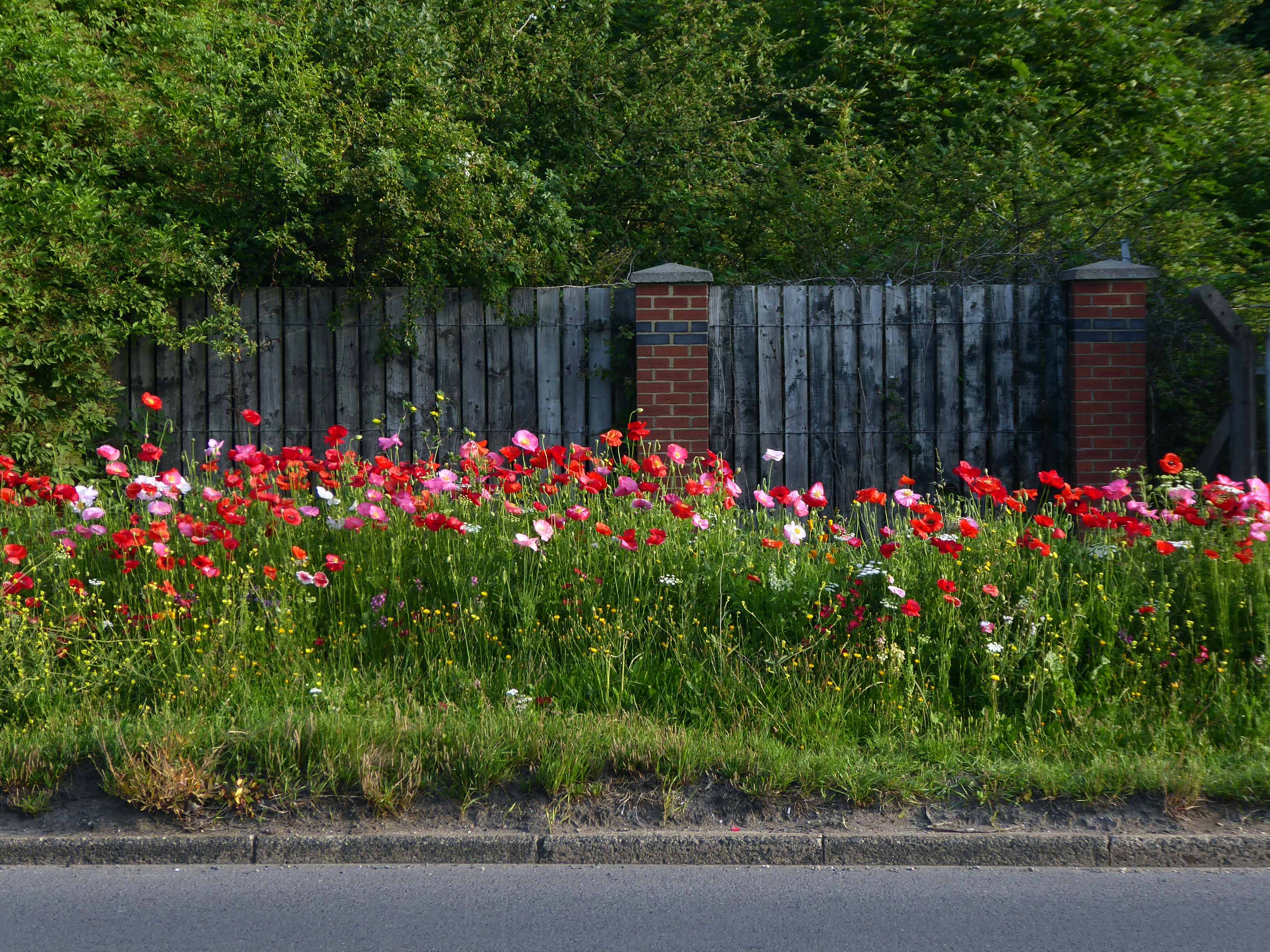
Bunker like social clubs and flower lined roads.

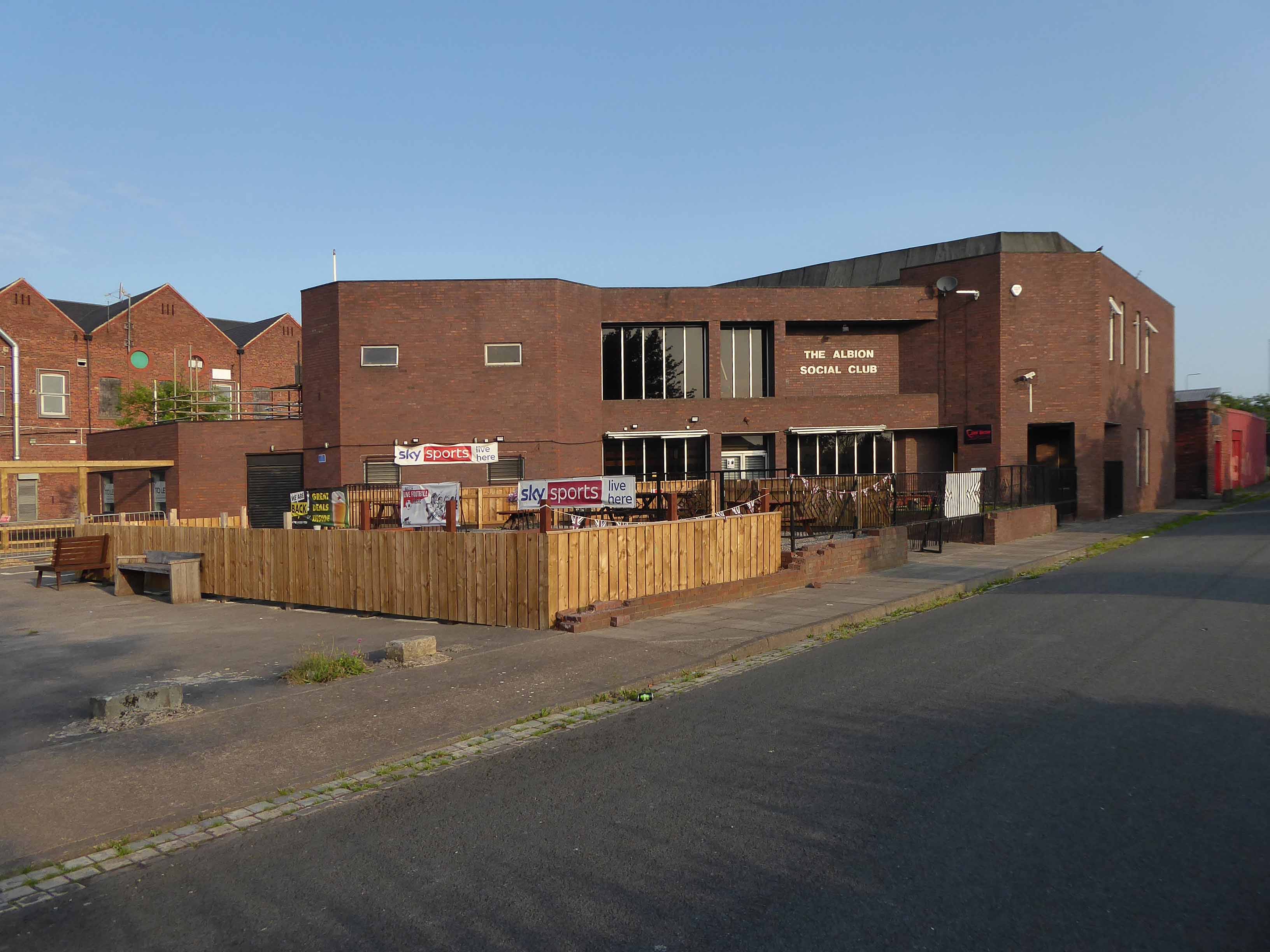
The Albion club in South Bank has stood empty for the last three years. 

Now local lad Mark Trainor has the keys – and says opening the doors to the club his own family frequented for years will be a dream come true.

He’s planning to cater for everyone, he says, and it won’t just be all about drinking.

Parents will be able to call in for a coffee after dropping the kids at school, there will be pool nights and Mark’s personal favourite – Pie Day Fridays.

Gazette

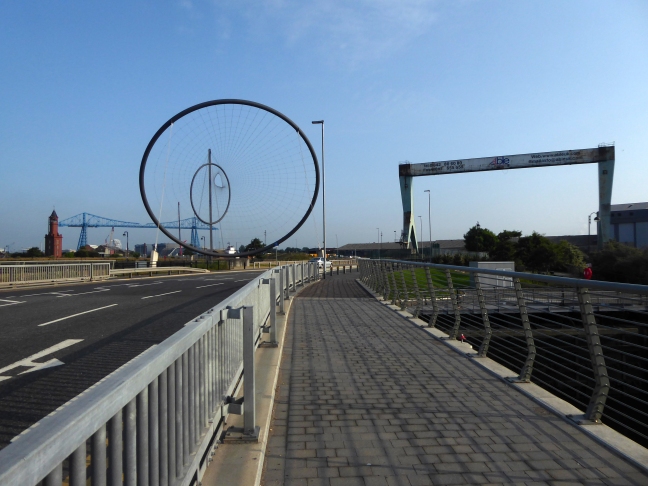
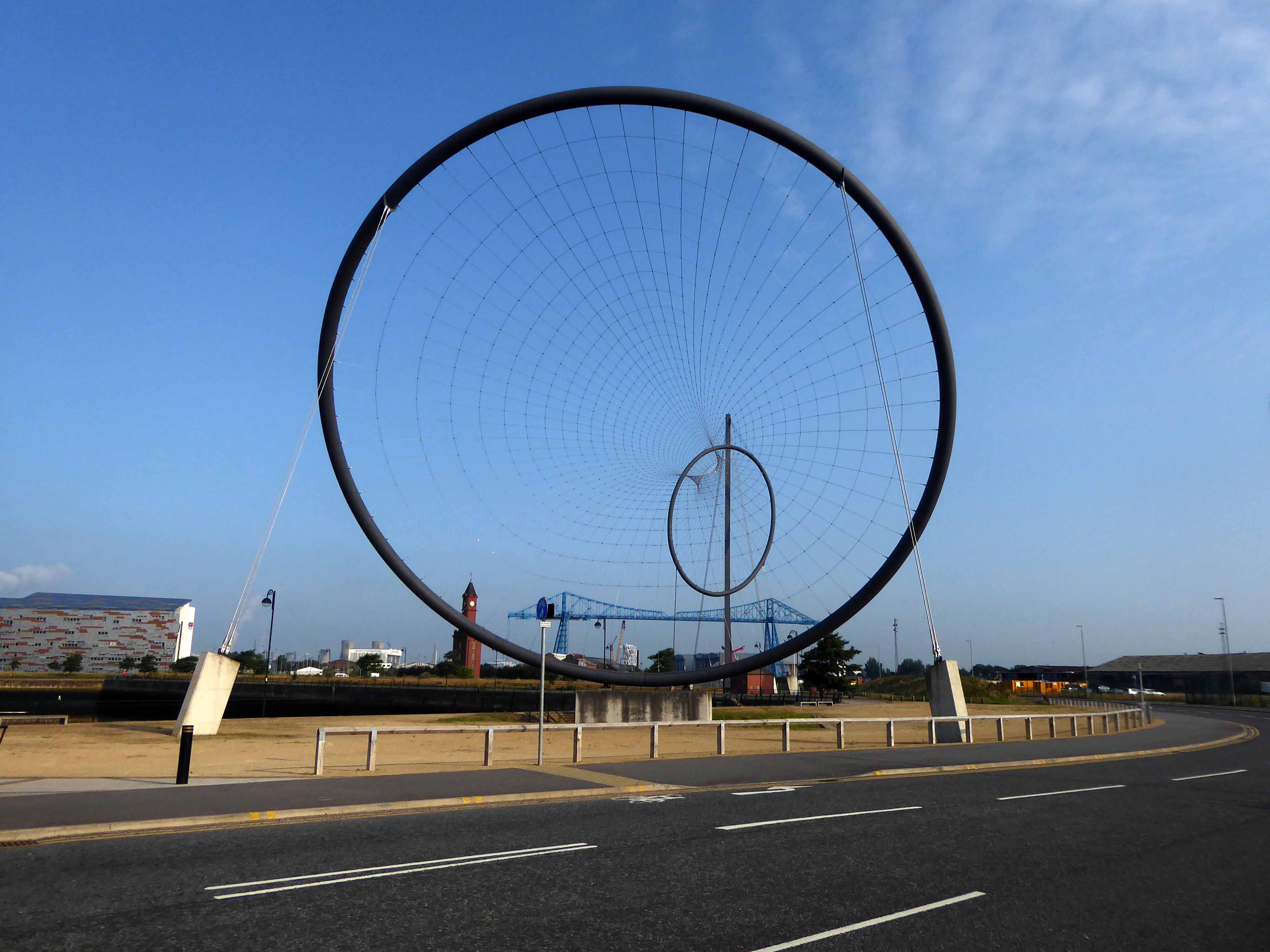
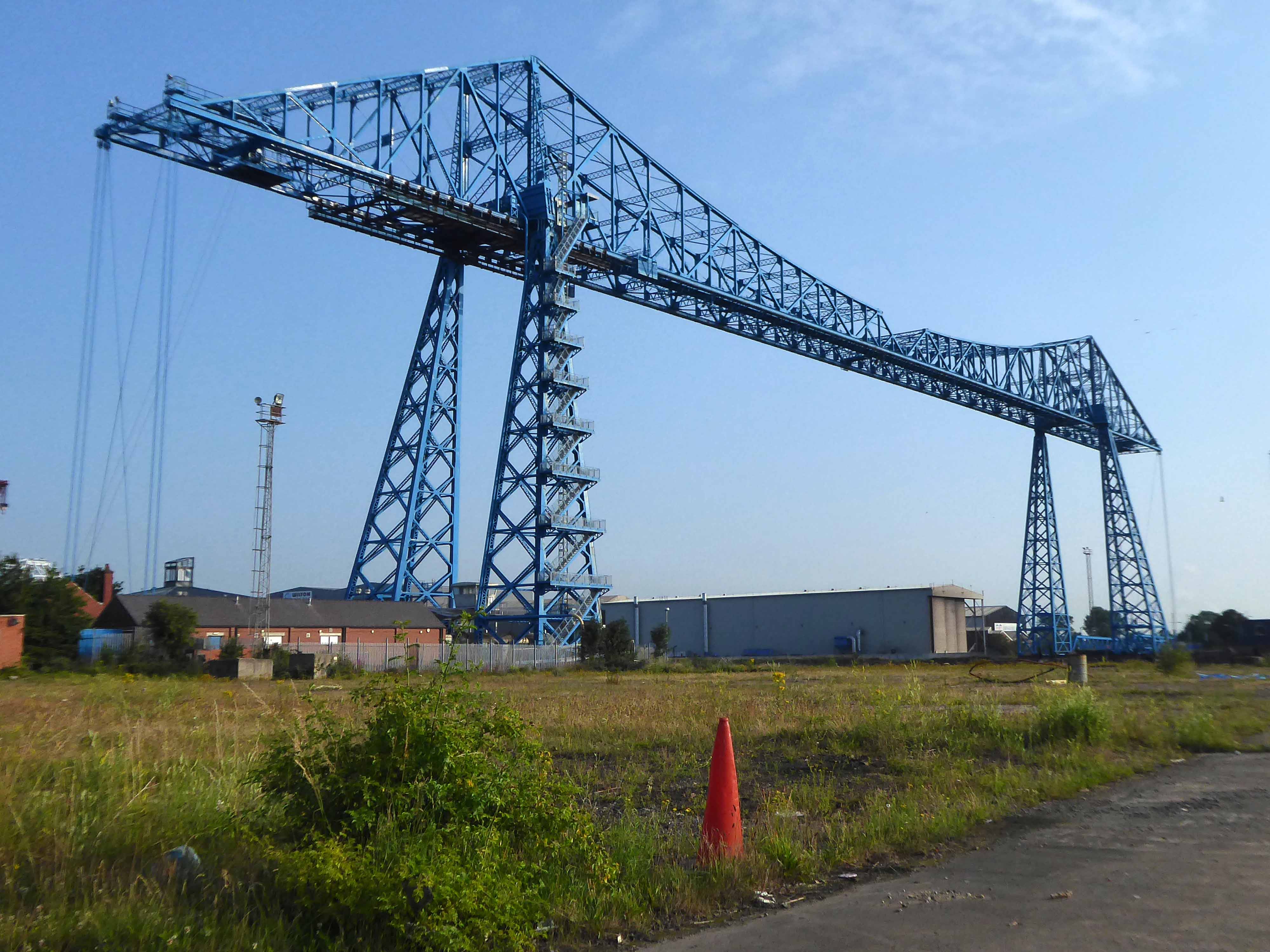
Public art framing the Transporter Bridge.

The £2.7m Temenos structure has taken four months to piece together on the banks of the River Tees near Middlesbrough’s Transporter Bridge.

Thousands of metres of steel wire have been woven between the two steel rings to create the 164ft high and 360ft long sculpture.

It was created by artist Anish Kapoor and structural designer Cecil Balmond.

BBC

Temenos is a Greek word meaning land cut off and assigned as a sanctuary or holy area.

Following a 1907 Act of Parliament the bridge was built at a cost of £68,026 6s 8d  by Sir William Arrol & Co. of Glasgow between 1910 and 1911 to replace the Hugh Bell and Erimus steam ferry services. A transporter bridge was chosen because Parliament ruled that the new scheme of crossing the river had to avoid affecting the river navigation. 

The opening ceremony on 17 October 1911 was performed by Prince Arthur of Connaught, at its opening the bridge was painted red.

In 1961 the bridge was painted blue.

In 1974, the comedy actor Terry Scott, travelling between his hotel in Middlesbrough and a performance at the Billingham Forum, mistook the bridge for a regular toll crossing and drove his Jaguar off the end of the roadway, landing in the safety netting beneath.

Wikipedia

The cycle track followed the river, which sports a fine array of industrial architecture.

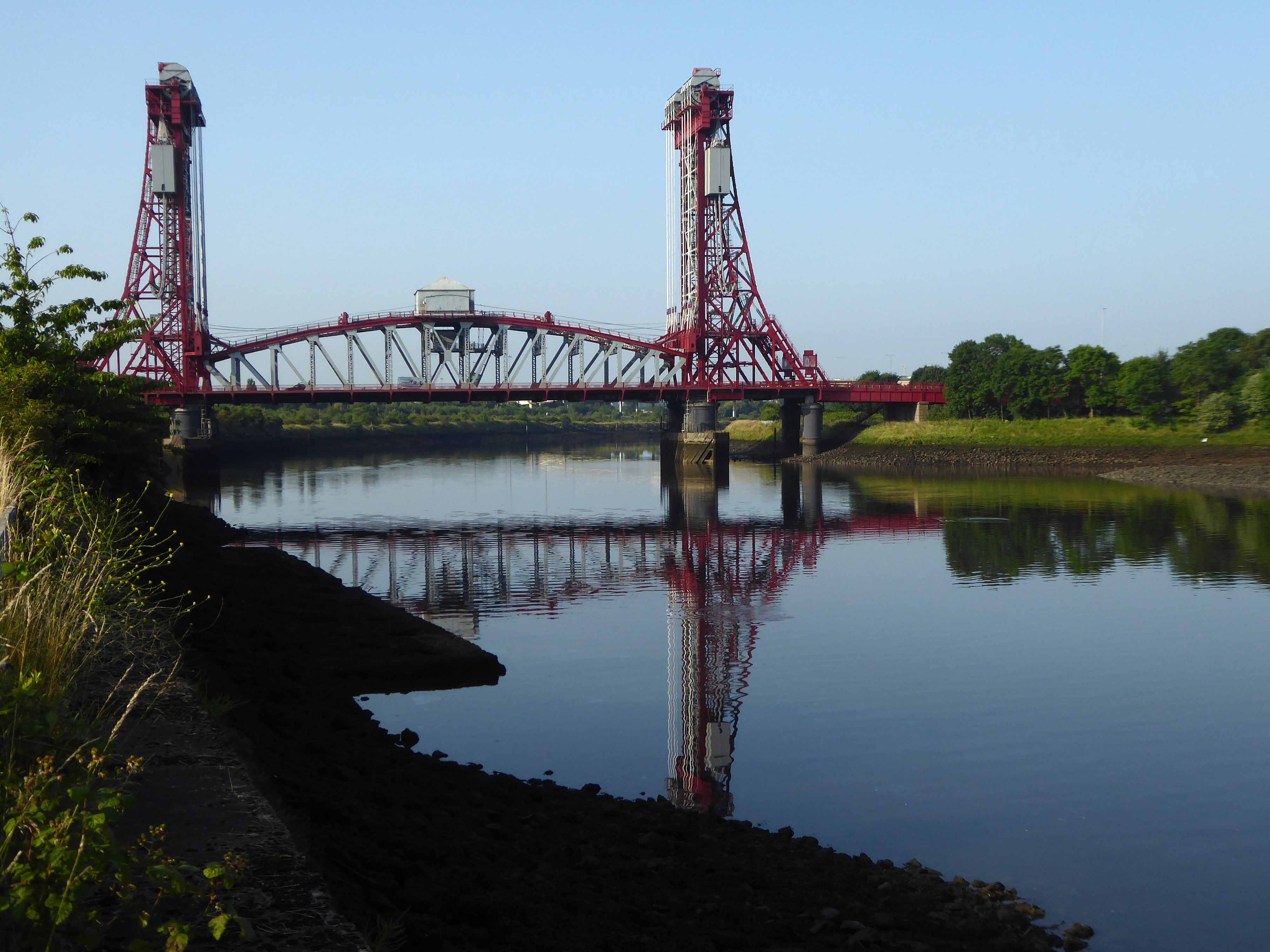
Tees Newport Bridge designed by Mott, Hay and Anderson and built by local company Dorman Long who have also been responsible for such structures as the Tyne Bridge and Sydney Harbour Bridge, it was the first large vertical-lift bridge in Britain.

Wikipedia

Crossing the river and heading for Hartlepool.

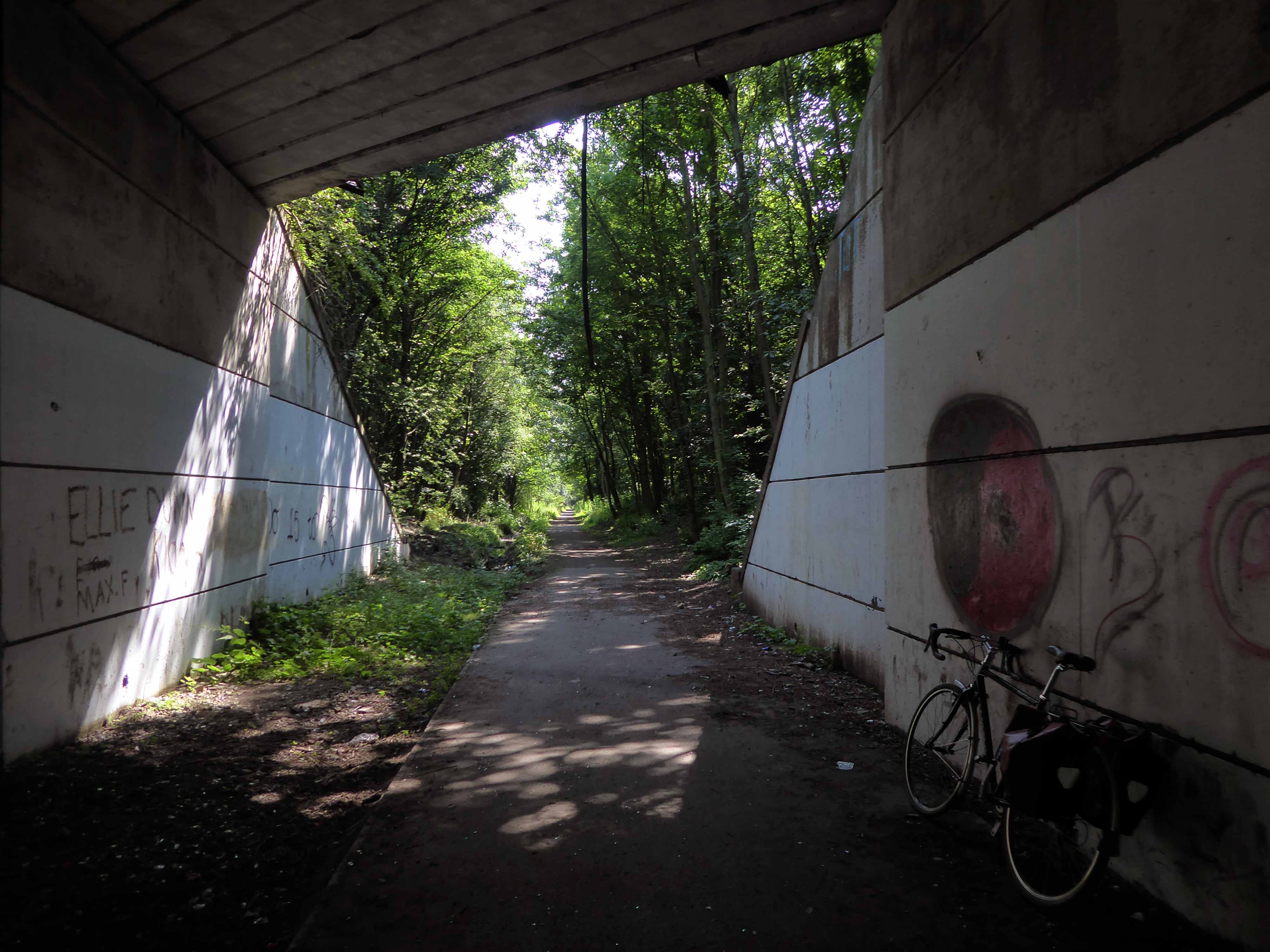
Negotiating underpasses and main road cycle lanes.

I was delighted to be drawn toward Dawson House here in Billingham.

Austere brick churches.

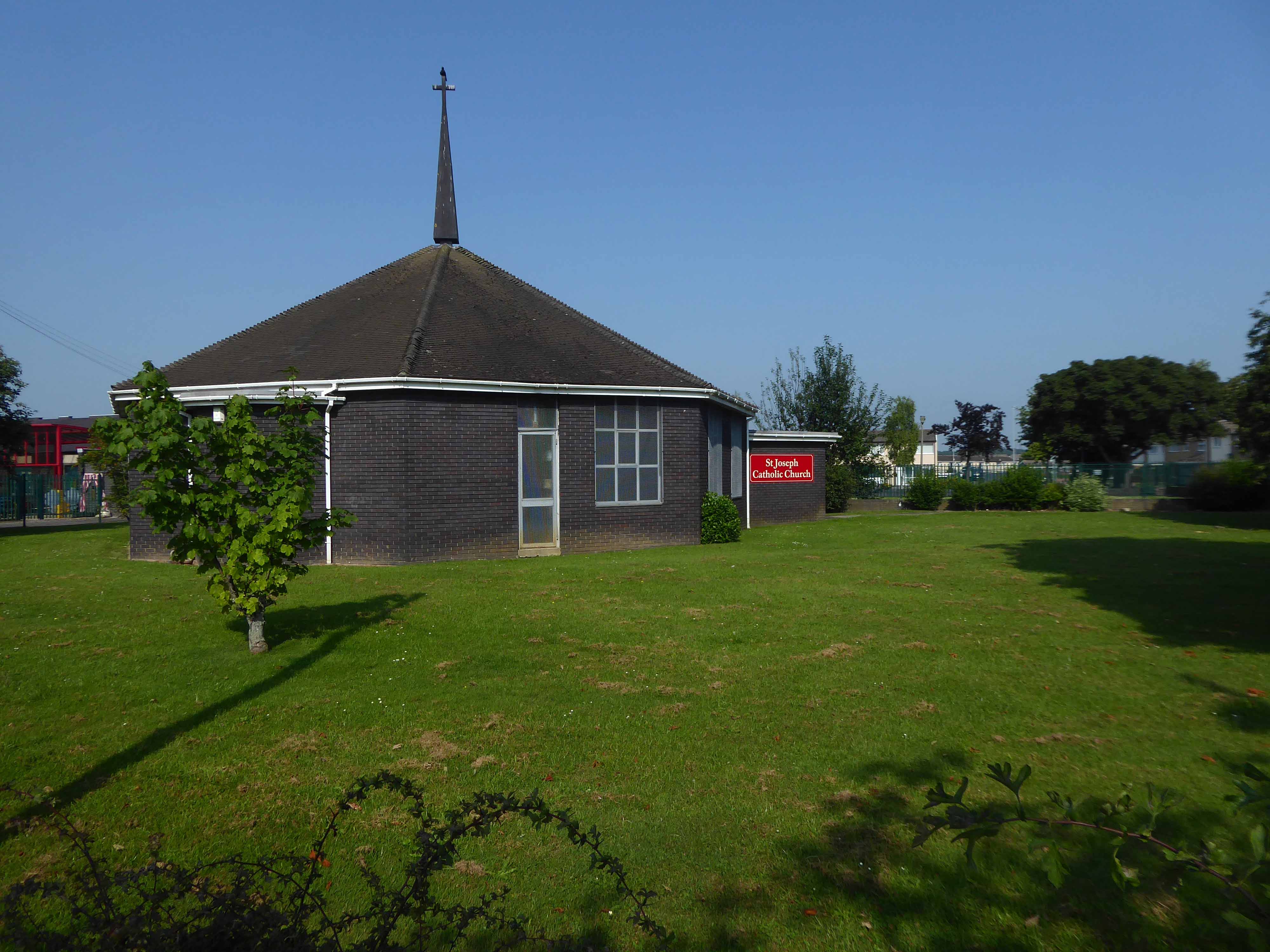
St Joseph RC Low Grange Avenue Billingham

A prefabricated polygonal structure of the 1970s, with laminated timber frame. The seating came from Pugin & Pugin’s church at Port Clarence. 

Taking Stock

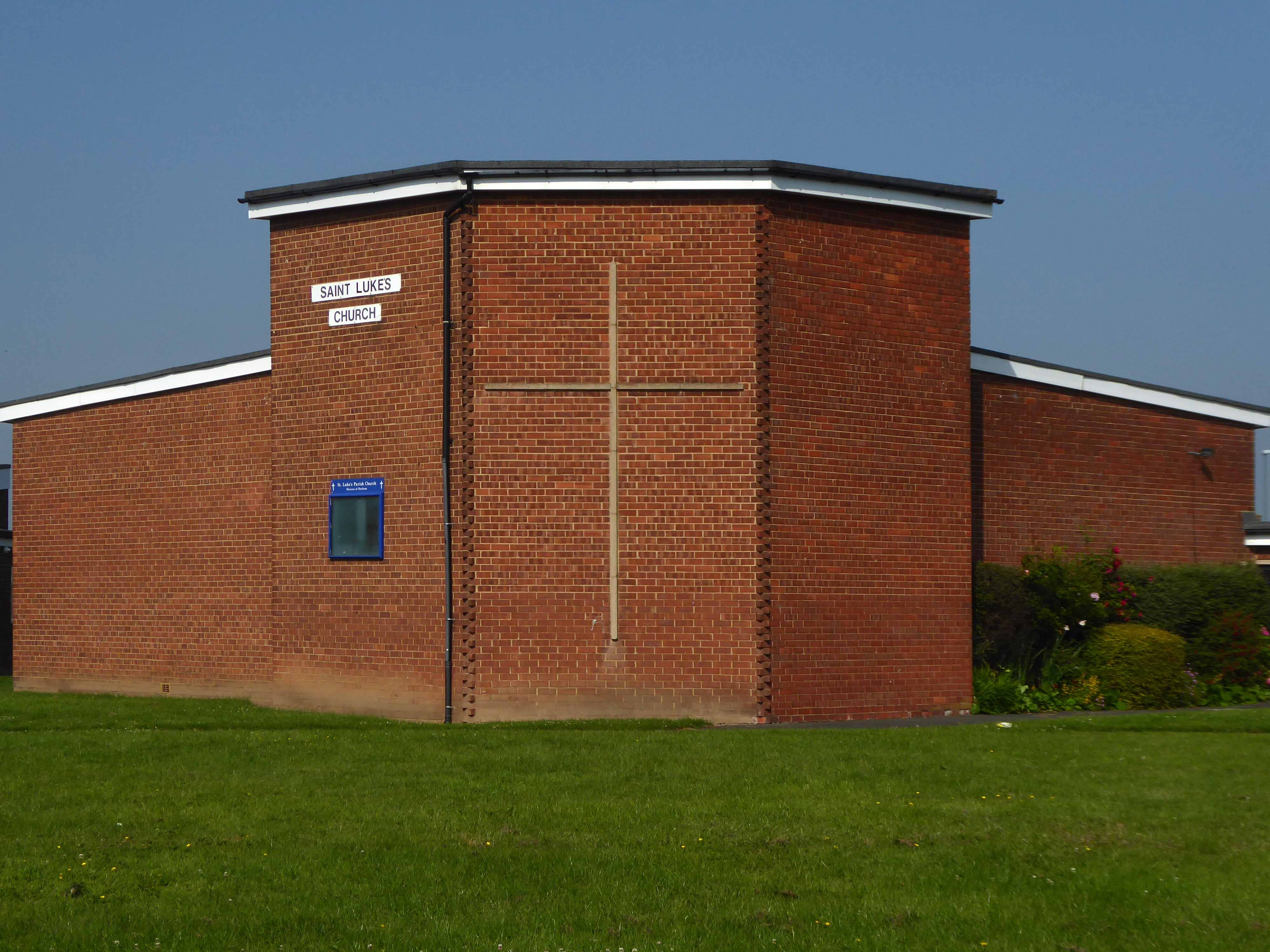
Just along the way Saint Lukes Billingham 1965.

In a slightly more upbeat mode St James the Apostle Owton Manor.

I convinced myself that this building on Station Road Seaton Carew was a former pub, I discovered following consultation with the local studies offices, that it was in fact a former children’s home destined to become a doctors.

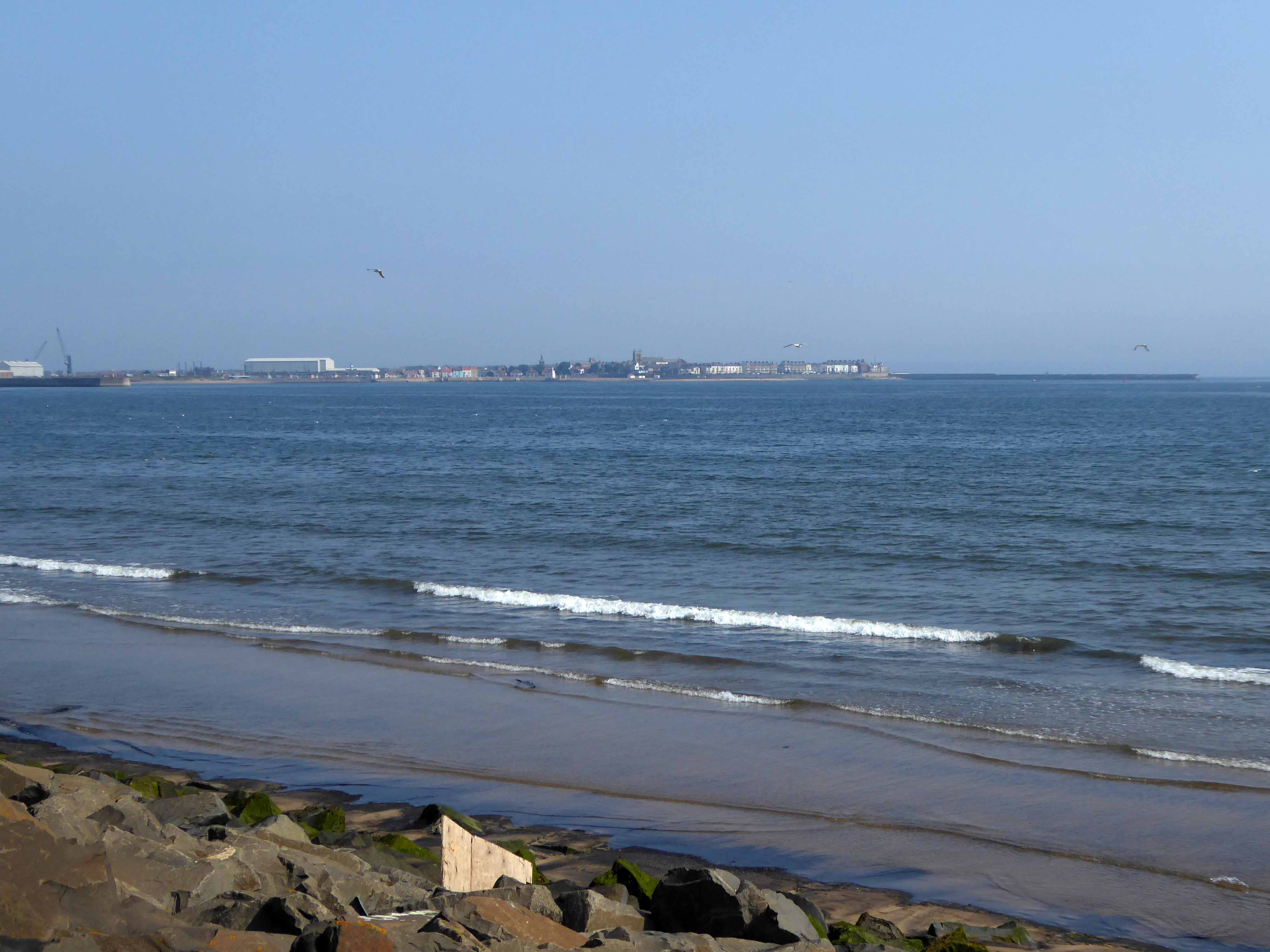
I found myself looking back across the estuary to Redcar.

Northward toward Hartlepool.

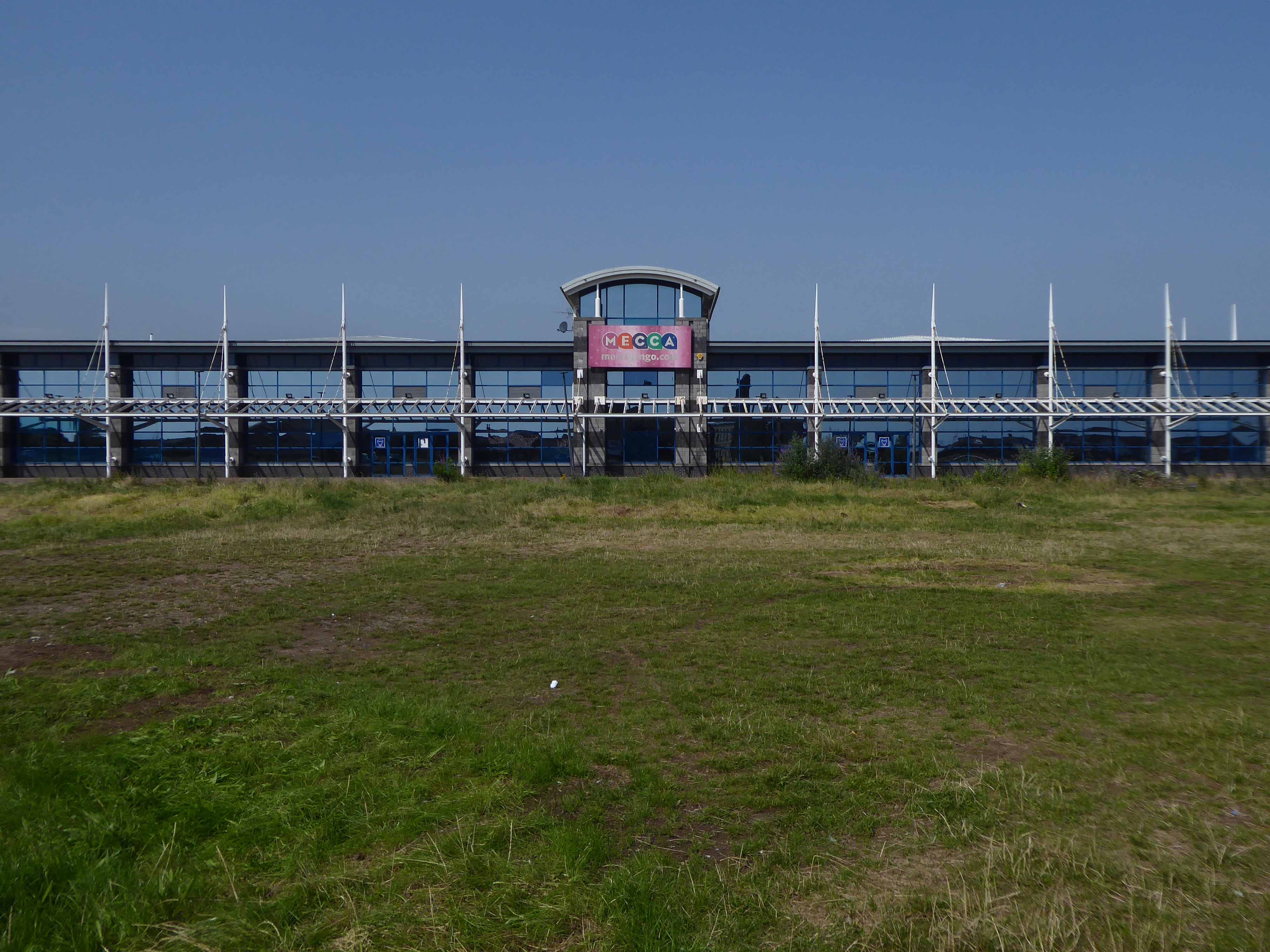
Where the bingo was closed and the circus had left town.

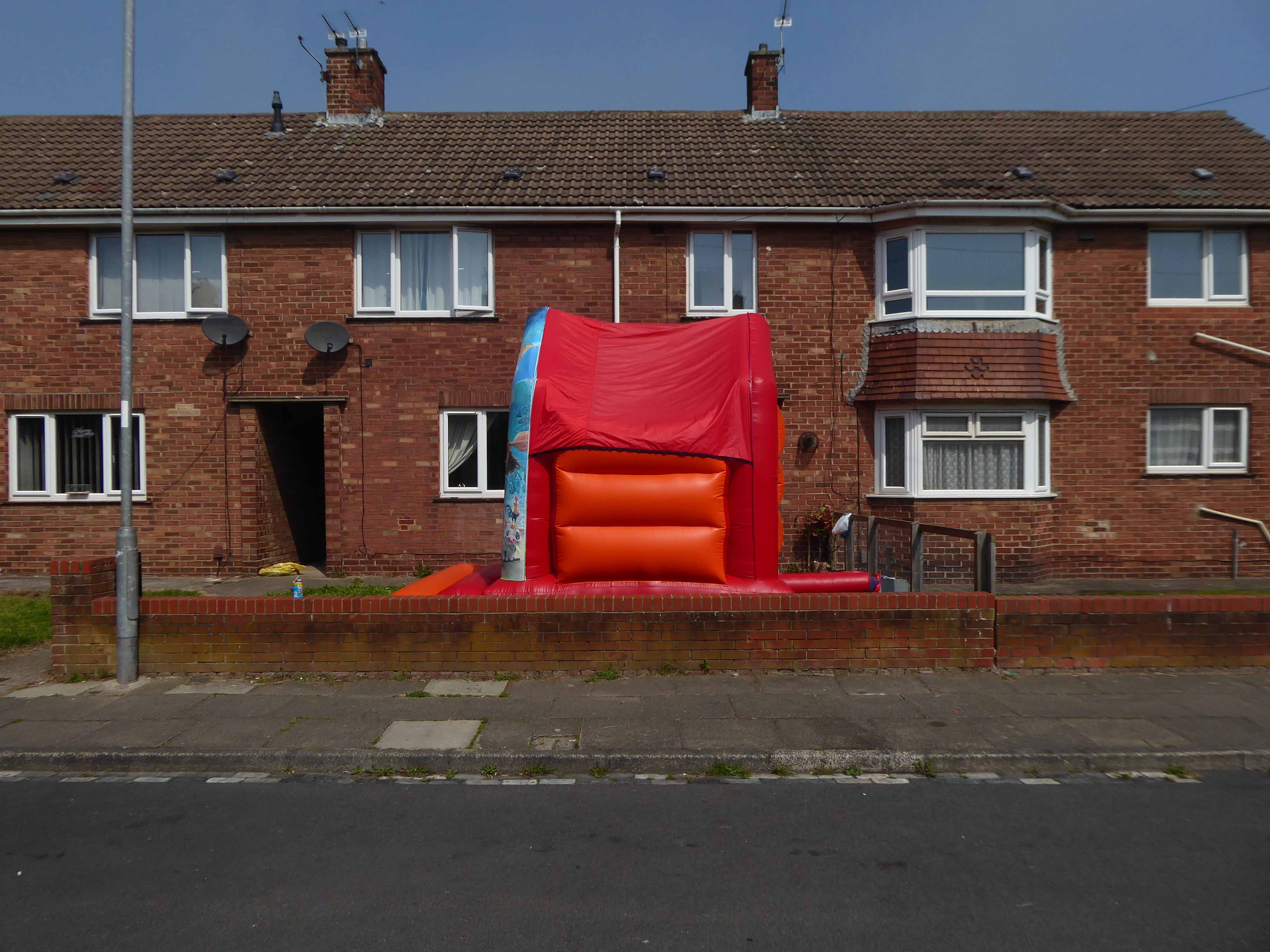
Every Englishman’s home is a bouncy castle.

St John Vianney located on King Oswy Drive West View Estate.

Architect: Crawford & Spencer Middlesbrough 1961.

A large post-war church built to serve a housing estate, economically built and with a functional interior. The campanile is a local landmark. 

The parish of St John Vianney was created in 1959 to serve the growing West View Estate, on the north side of Hartlepool. The church was opened by Bishop Cunningham on 4 April 1961. The presbytery was built at the same time.

Taking Stock

I found myself on yet another former railway line.

The Cycleway was once a railway line designed by George Stephenson to take coal from the Durham coal fields to the docks in Hartlepool, where the coal was then distributed throughout the world.

Tees Valley

The landscape opened up to coal scarred scrub, I lost the path and found a church, which imposed itself upon the hillside.

St Joseph RC Seaham County Durham

Architect: Anthony J. Rossi of Consett 1964

Taking Stock

Opening 1964

Seeking assistance from a passing cyclist I negotiated a safe passage to Sunderland.

The Sunderland Synagogue is a former synagogue building in Sunderland, England. The synagogue, on Ryhope Road, was designed by architect Marcus Kenneth Glass and completed in 1928. It is the last surviving synagogue to be designed by Glass.

The synagogue was listed as a Grade II historic structure in 1999.

Wikipedia

I crossed the Queen Alexandra Bridge

The steel truss bridge was designed by Charles A Harrison – a nephew of Robert Stephenson’s assistant.

It was built by Sir William Arrol between 1907 and 1909 and officially opened by The Earl of Durham, on behalf of Queen Alexandra on 10 June 1909.

Wikipedia

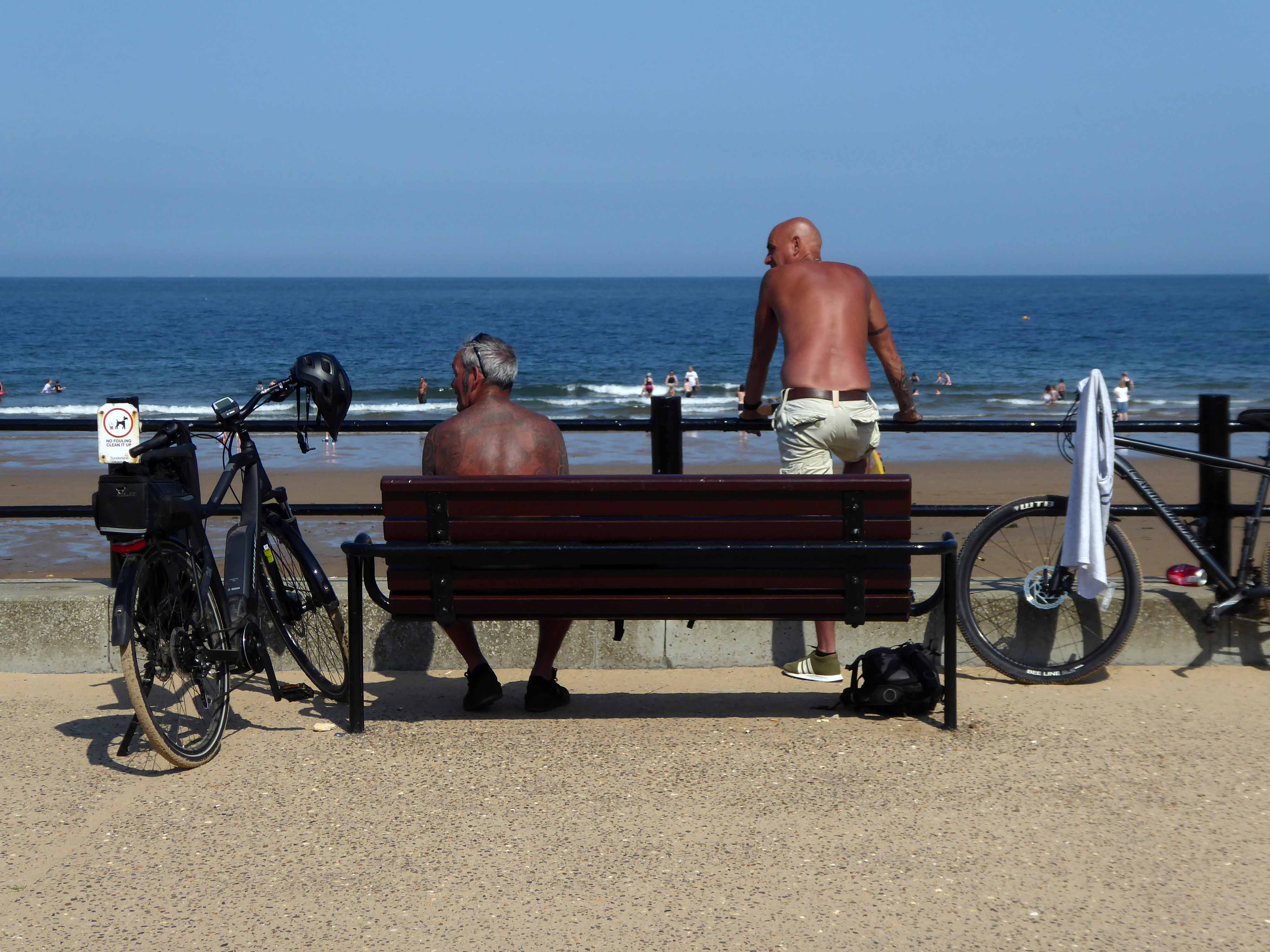
I took a right and arrived in Roker, where I saw these well tanned and tattooed cyclists taking a rest.

Pressed on, largely alongside the coast to South Shields.

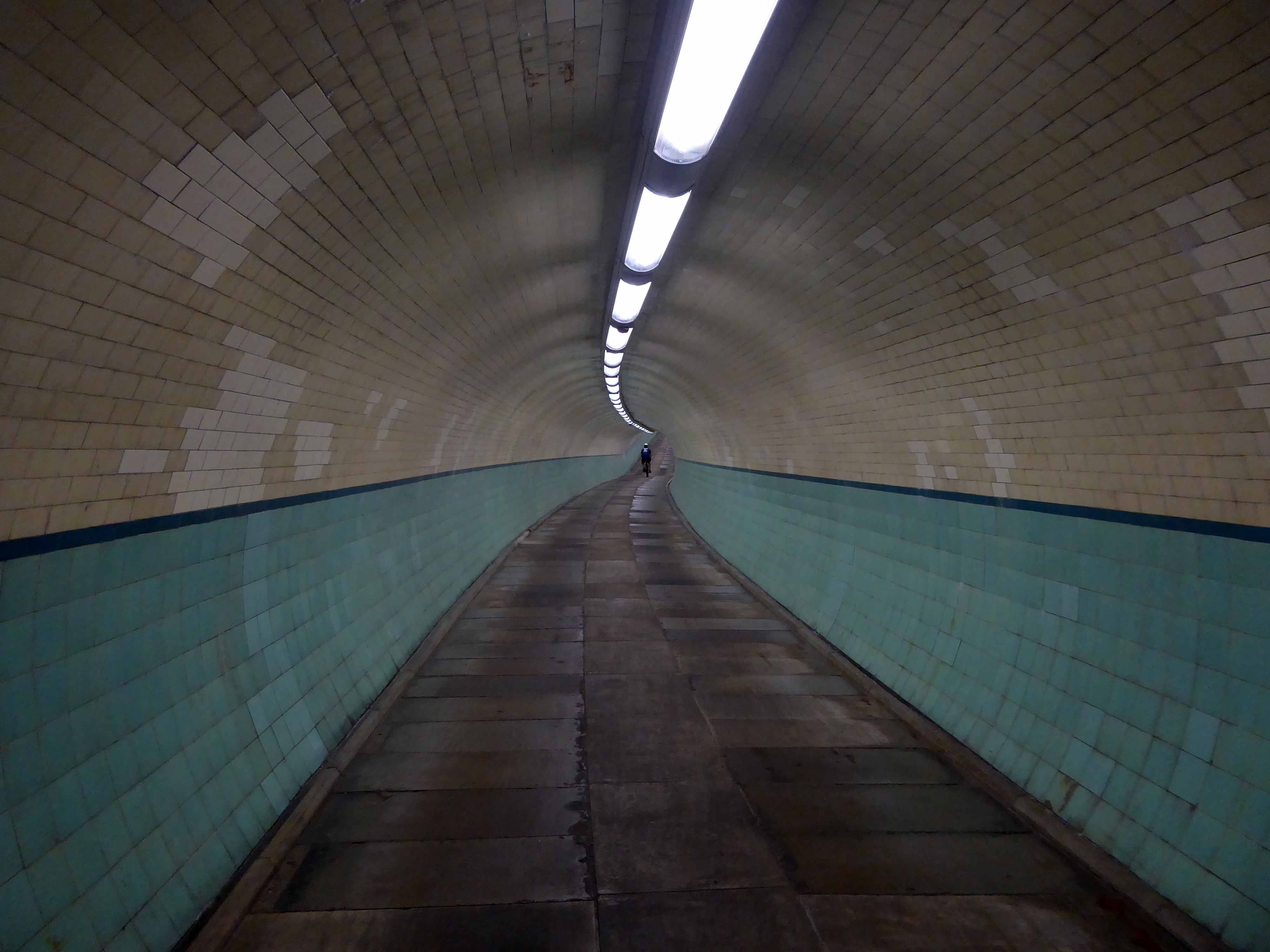
Under advisement from a jolly passing jogger I took the Tyne Pedestrian Tunnel.

Tyne Cyclist and Pedestrian Tunnel was Britain’s first purpose-built cycling tunnel. It runs under the River Tyne between Howdon and Jarrow, and was opened in 1951, heralded as a contribution to the Festival of Britain.

Wikipedia

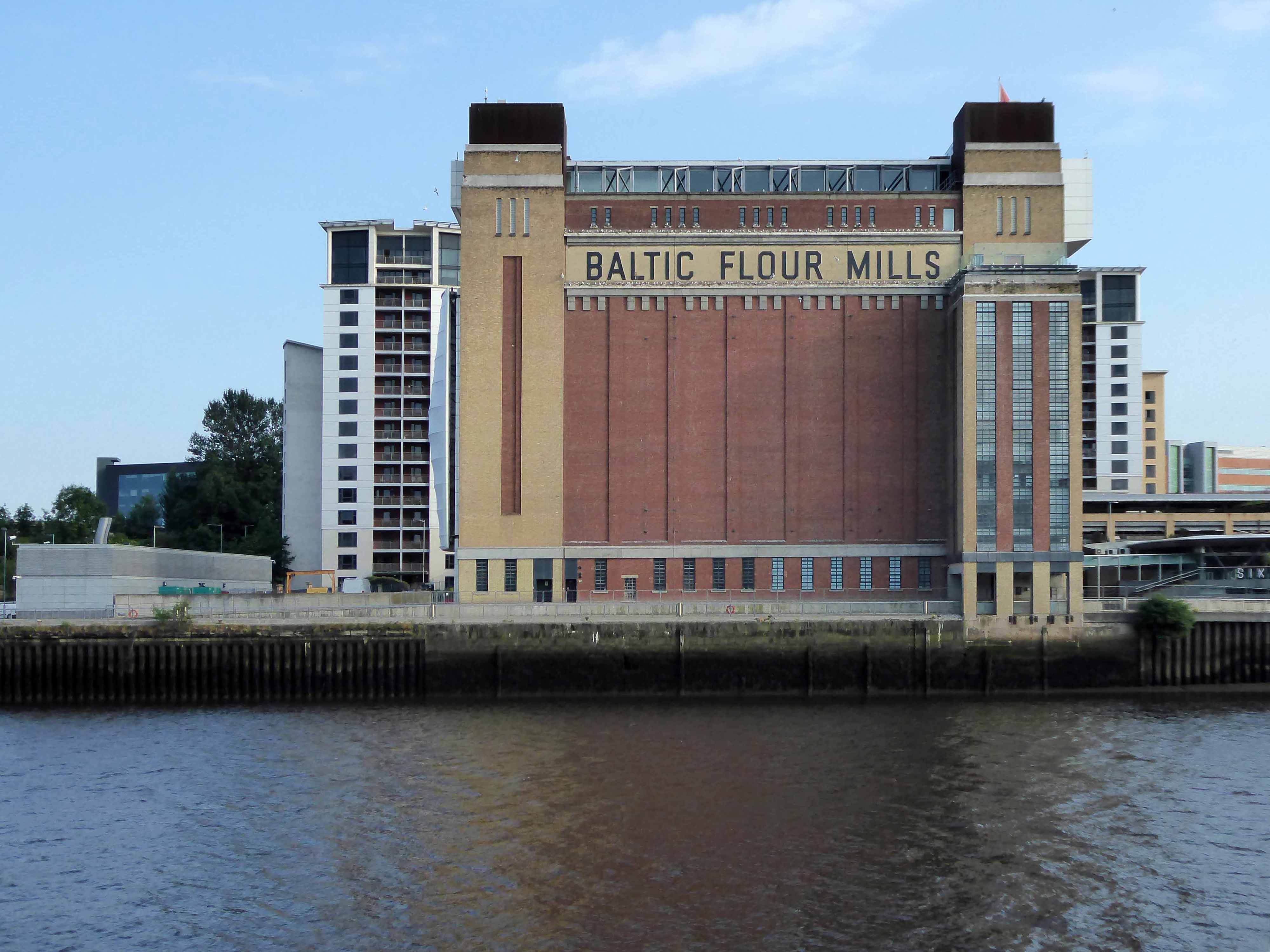
I cycled the banks of the Tyne, fetching up at the Quayside with a fine view of the Baltic.

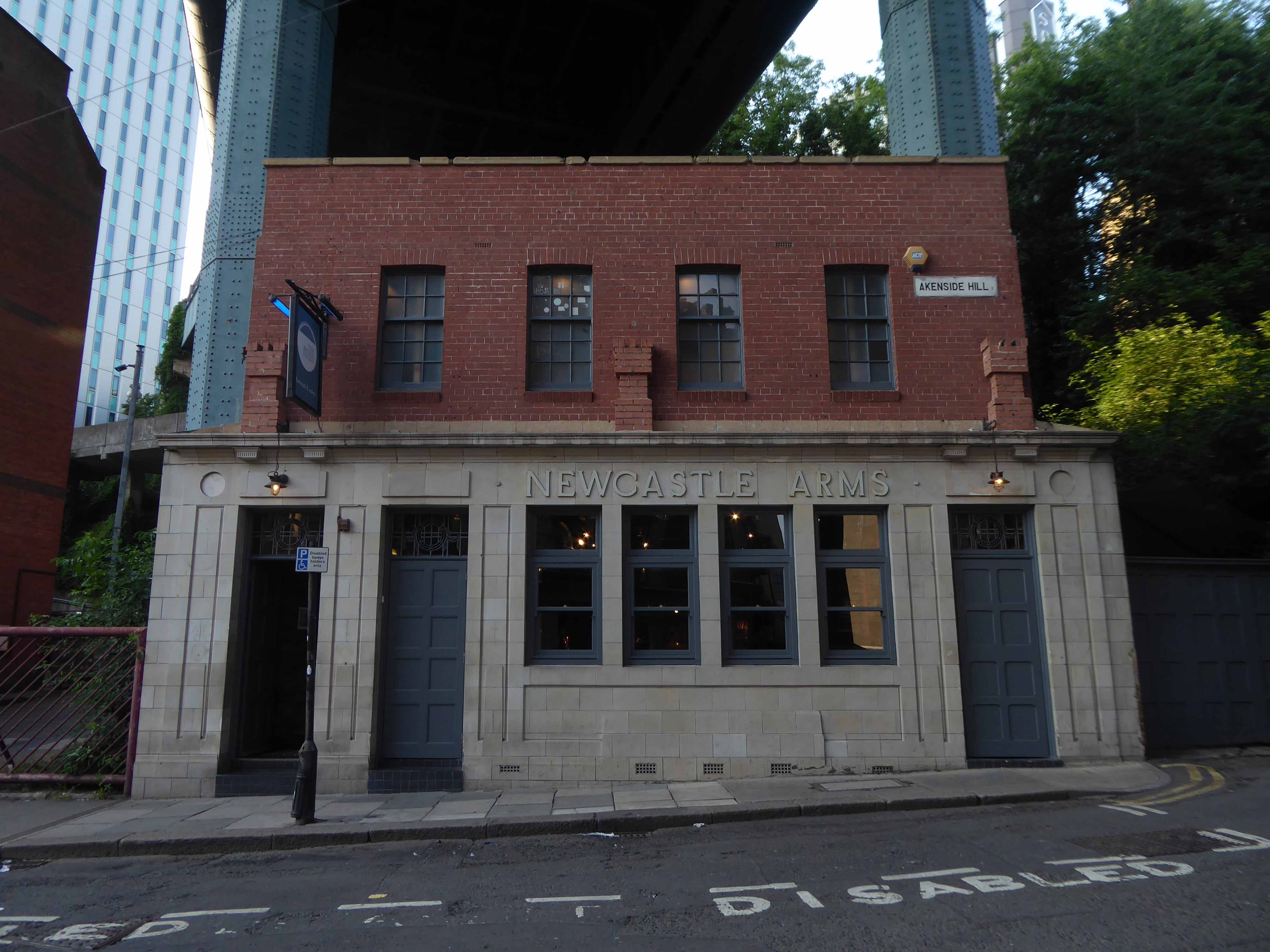
Washed and suitably brushed up I hastened to the Bridge Tavern – to take a glass or two.

A fine end to a very long day.

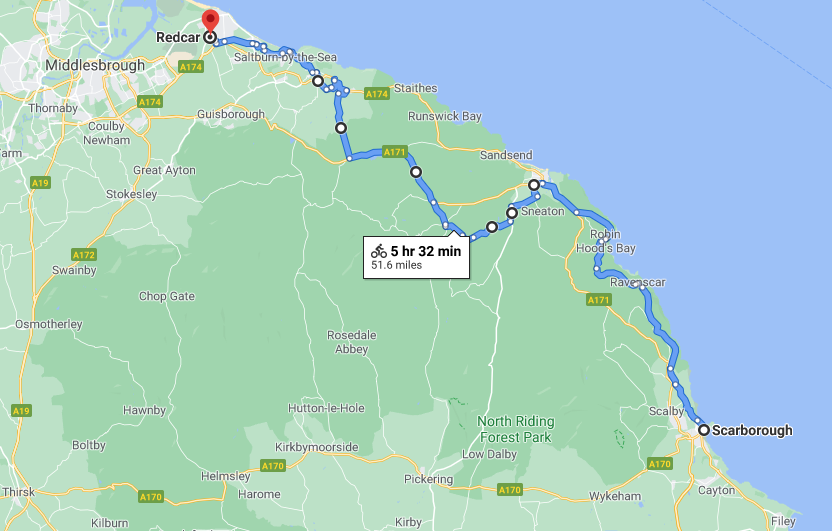
Scarborough to Redcar

Well it seems that I had already cycled from Hull to Scarborough, so it must be time to head for Redcar.

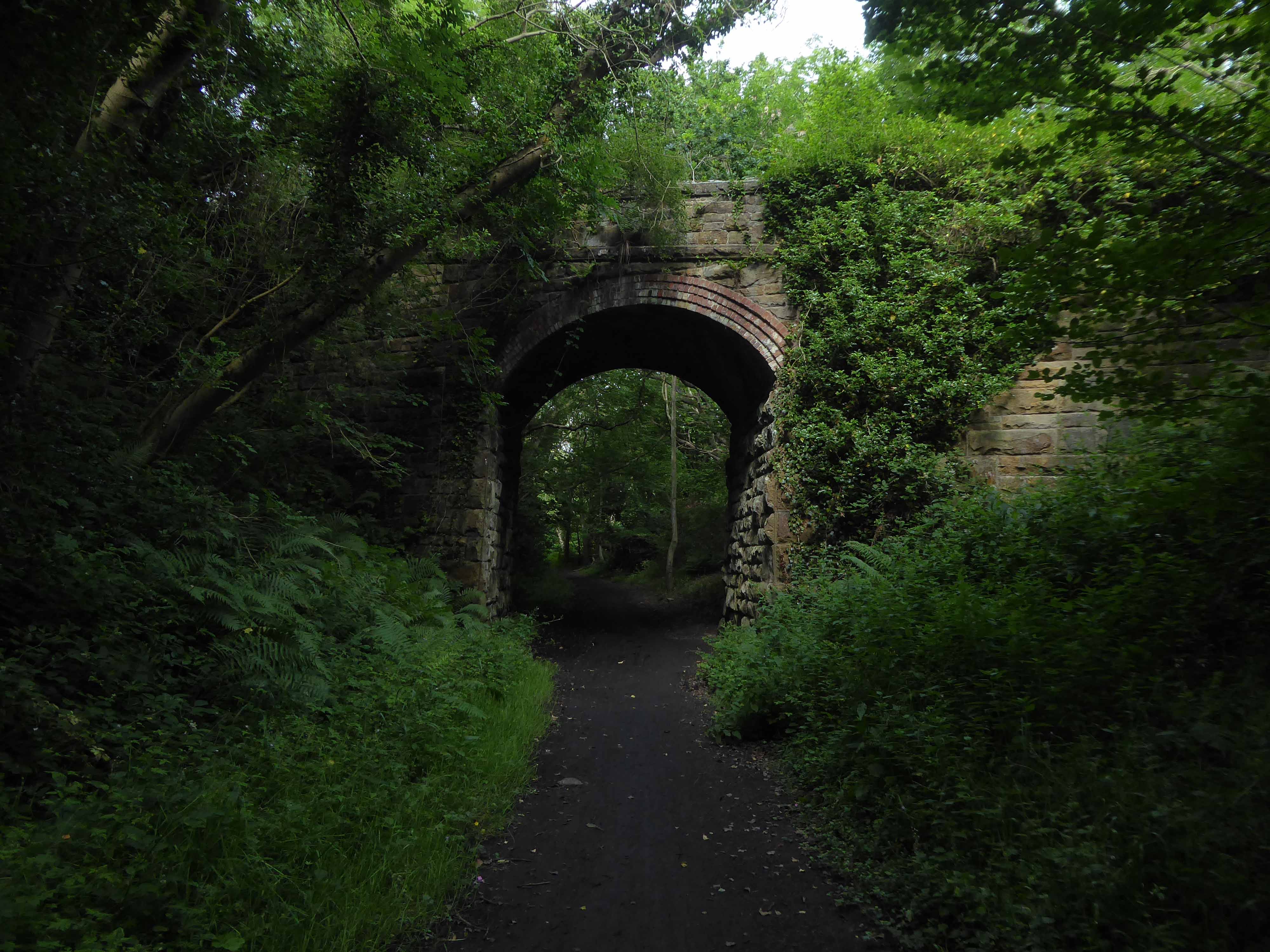
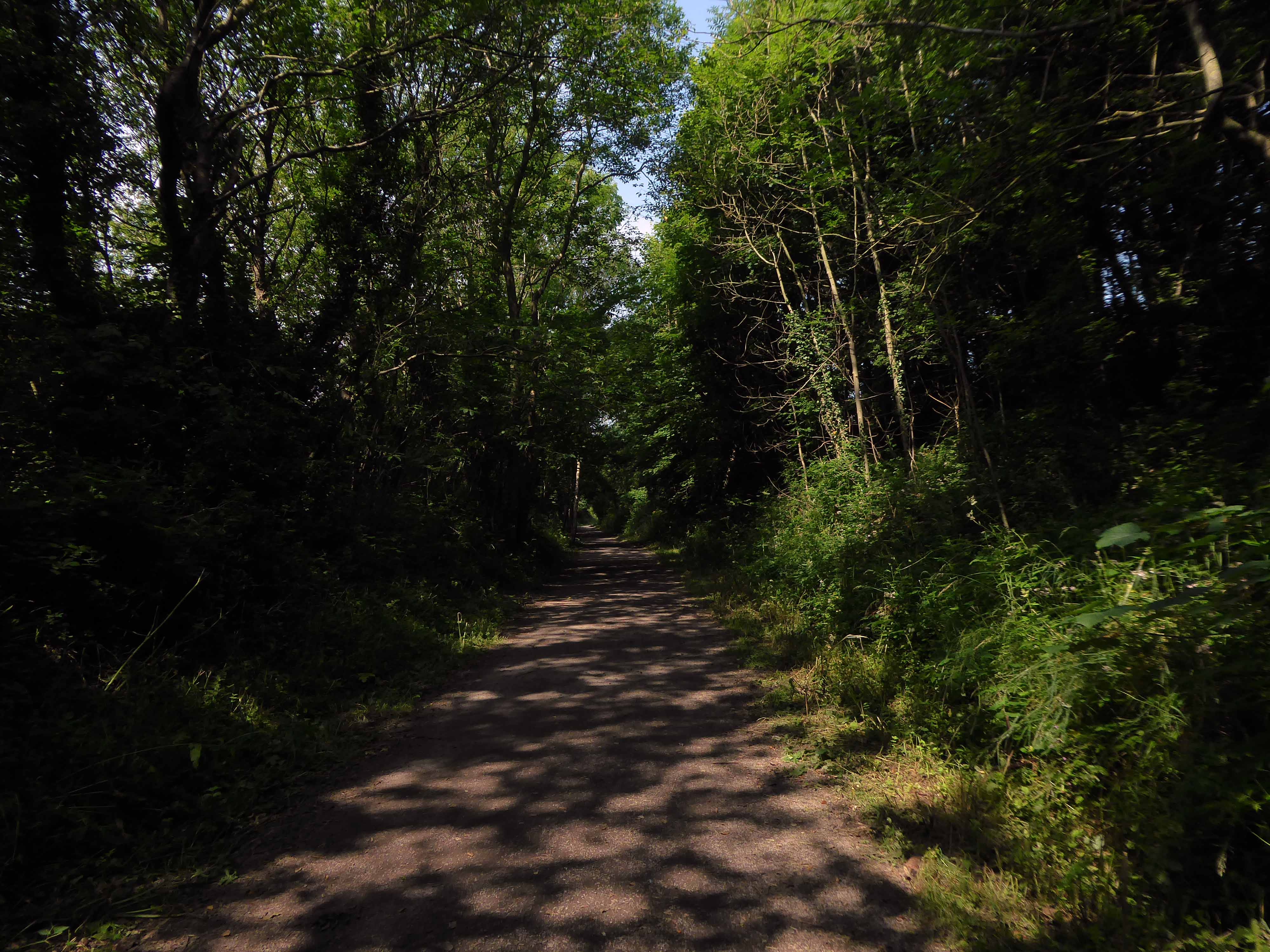
Leaving Scarborough by the Cinder Track under the expert guidance of Mr Ben Vickers.

This was the site of the Gallows Close Goods Yard.

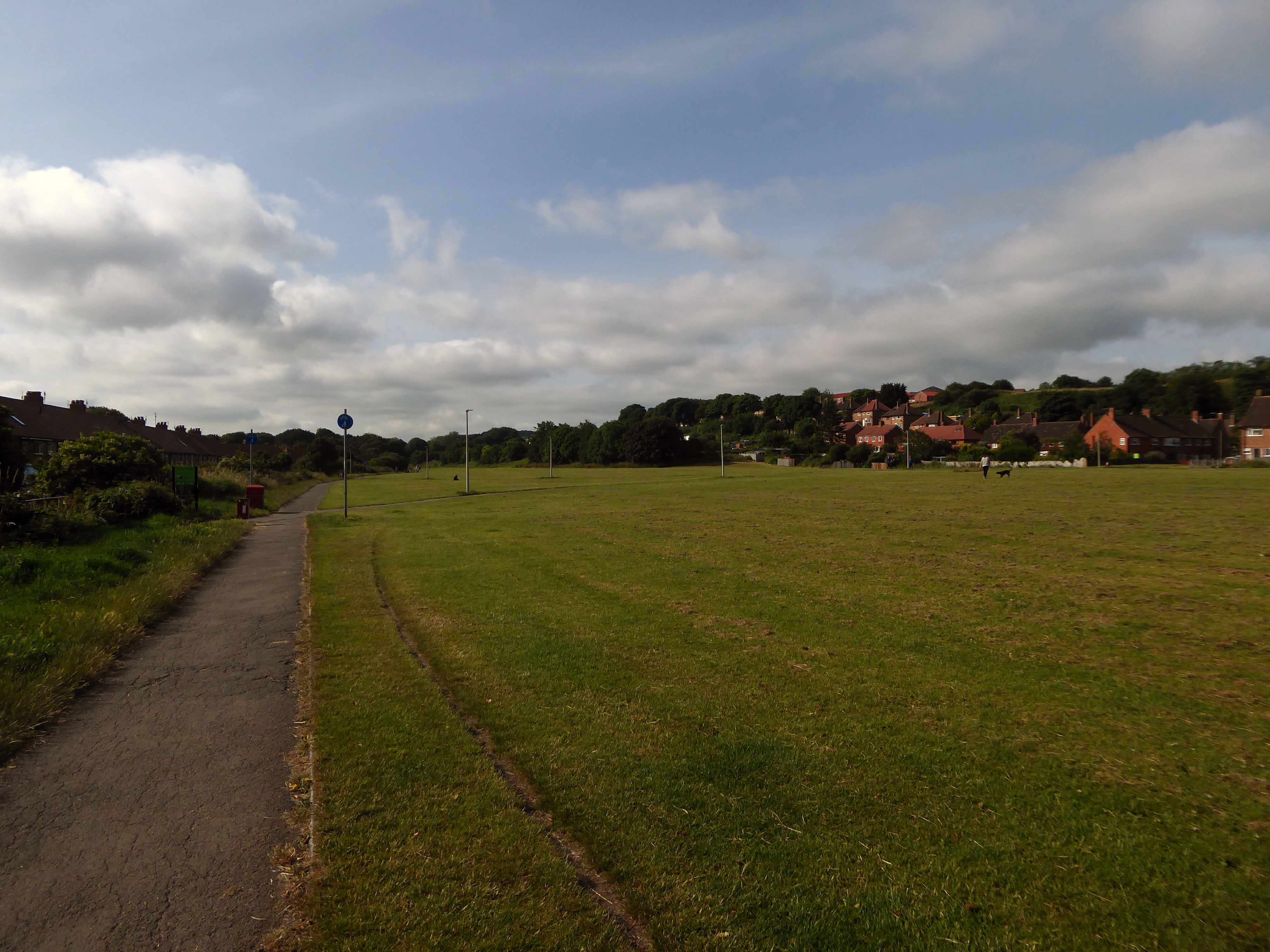
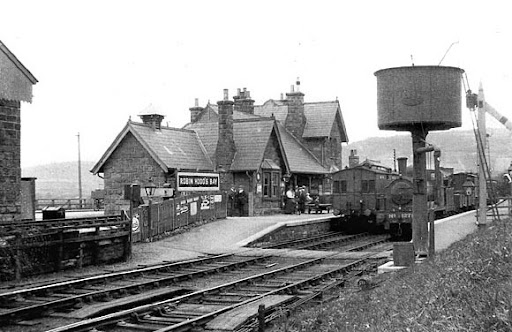
Formerly the Scarbough to Whitby Railway – the line opened in 1885 and closed in 1965 as part of the Beeching Axe.

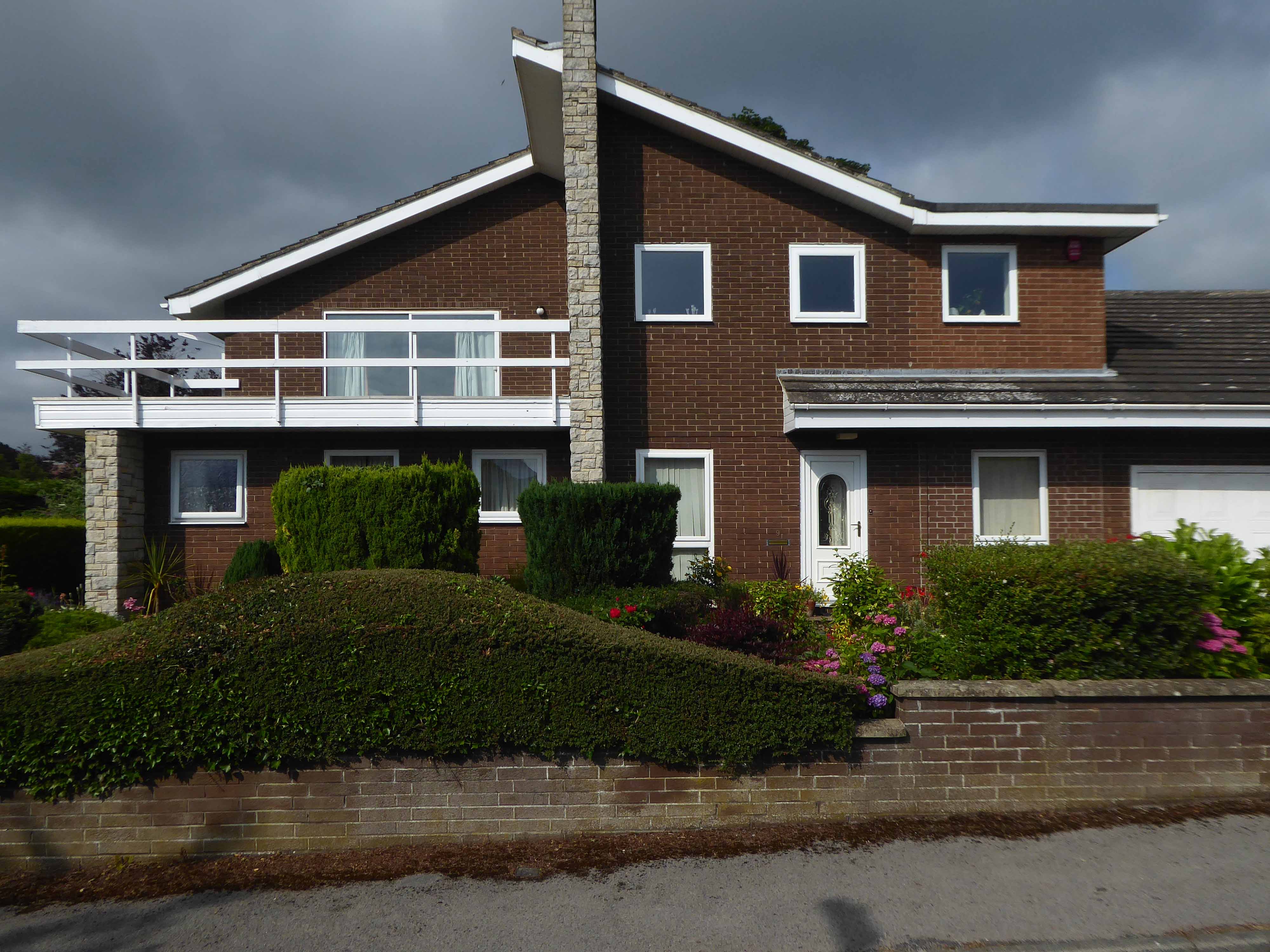
Yet again I chance upon a delightful post-war home.

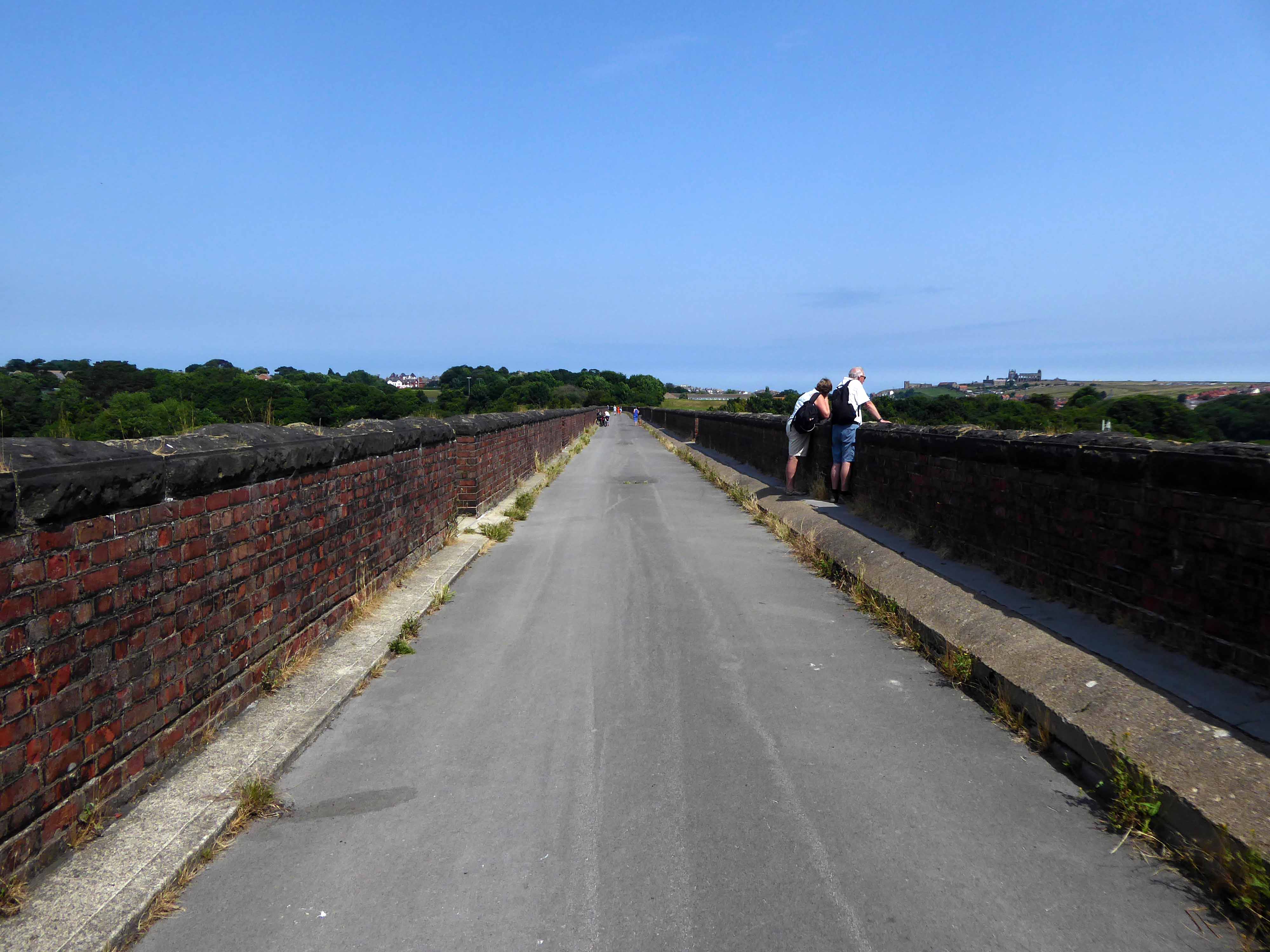
I parted company with the track dropping down to the Esk Valley from the Larpool Viaduct.

Construction began in October 1882 and was complete by October 1884.

Two men fell from the piers during construction, but recovered.

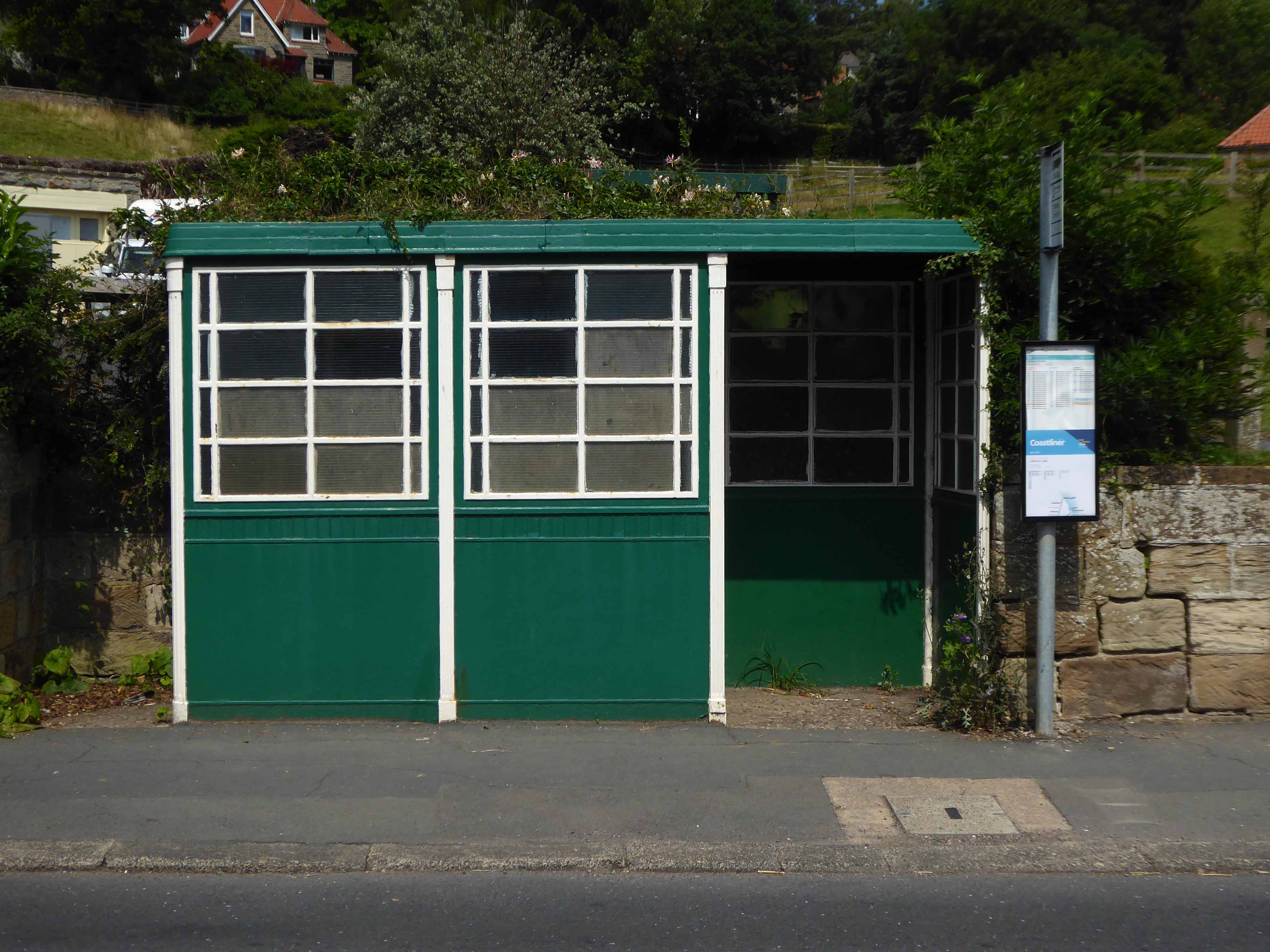
I found myself in Ruswarp, home to this enchanting bus shelter.

I bombed along the main road to Sleights.

There then followed a hesitant ascent, descent, ascent along a badly signed bridleway, fearing that I had climbed the hill in error I retraced, then retraced.

A difficult push ensued, a precipitous path, rough and untended, rising ever higher and higher.

Finally arriving at Aislaby, more than somewhat exhausted – the village is mentioned in the Domesday Book as Asuluesbi

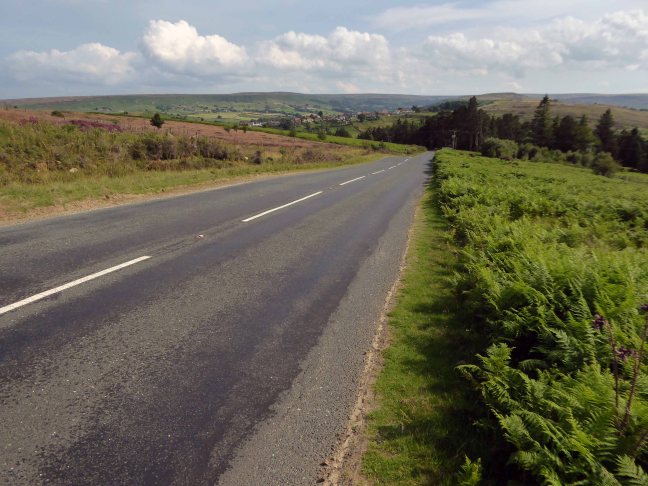
Pausing to catch my breath I took the wildly undulating road to Egton – along the way I was alerted to the presence of a tea stop by two touring cyclists from Nottingham.

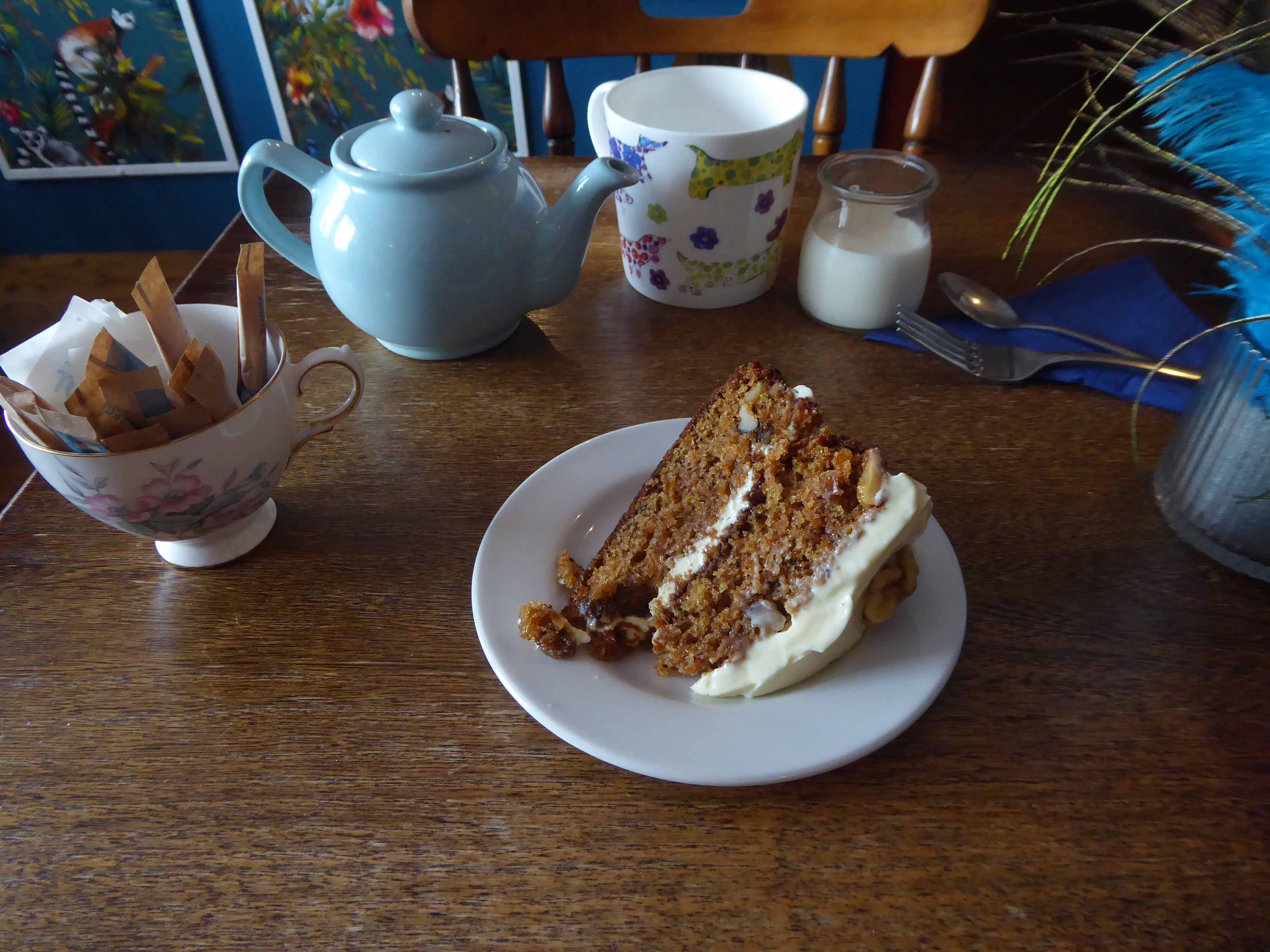
The Cake Club.

A welcome wet and a hunk of home made carrot cake.

Brewmeister Maria was good enough to suggest route through Castleton Moor and over the tops to Saltburn.

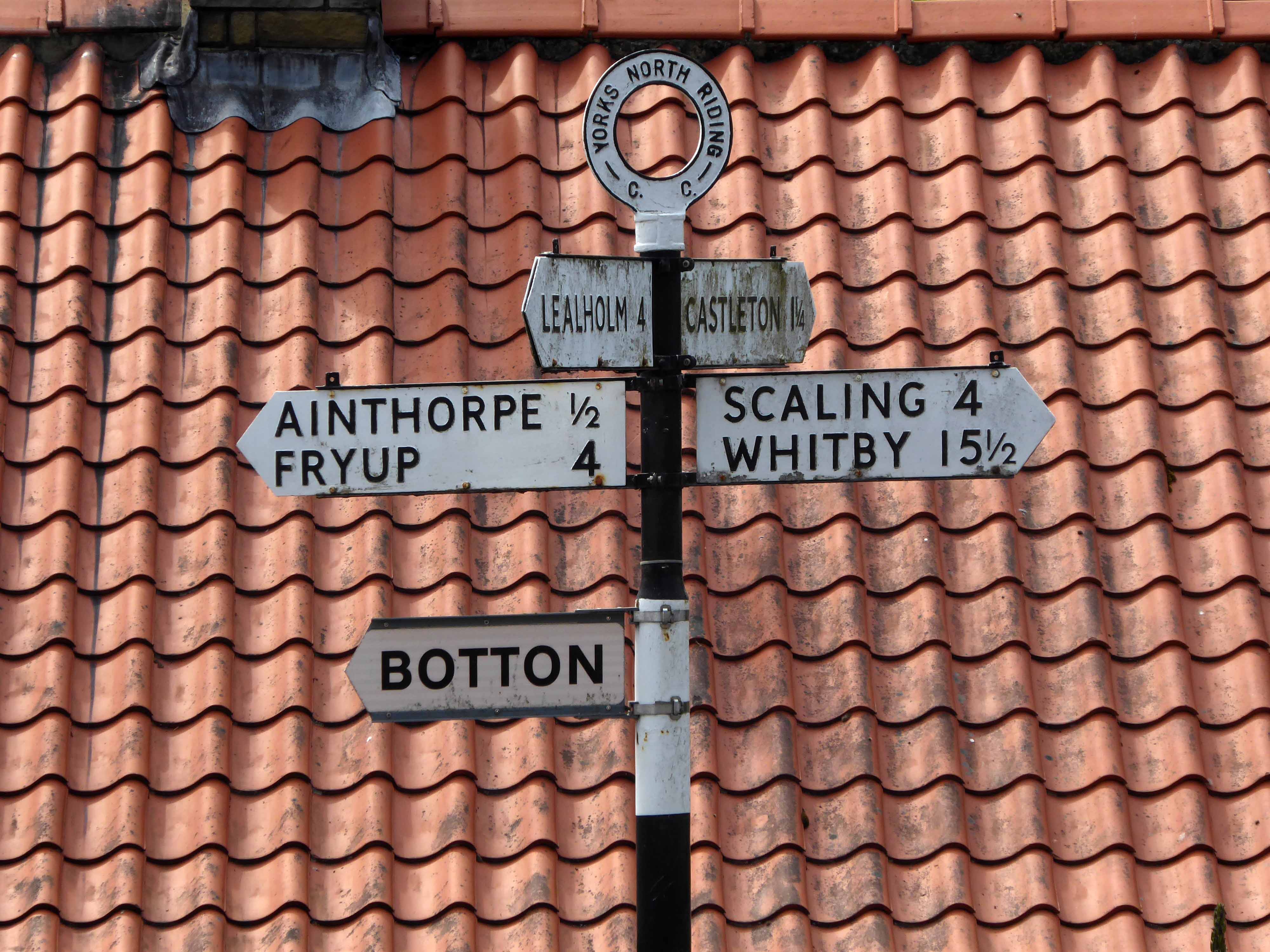
It was too hot a day for a detour to Fryup.

The curious name Fryup probably derives from the Old English reconstruction Frige-hop: Frige was an Anglo-Saxon goddess equated with the Old Norse Frigg; hop denoted a small valley.

An old woman at Fryup was well known locally for keeping the Mark’s e’en watch – 24 April, as she lived alongside a corpse road known as Old Hell Road.

The practice involved a village seer holding vigil between 11pm and 1am to watch for the wraiths of those who would die in the following 12 months.

Castleton Moor ghost.

In the village I was given further directions by two elderly gents, who had been engaged in a discussion concerning their long term mapping of acid rain levels in the area.

One was wearing a Marshall Jefferson t-shirt.

I climbed Langburn Bank onto the flatish open moorland.

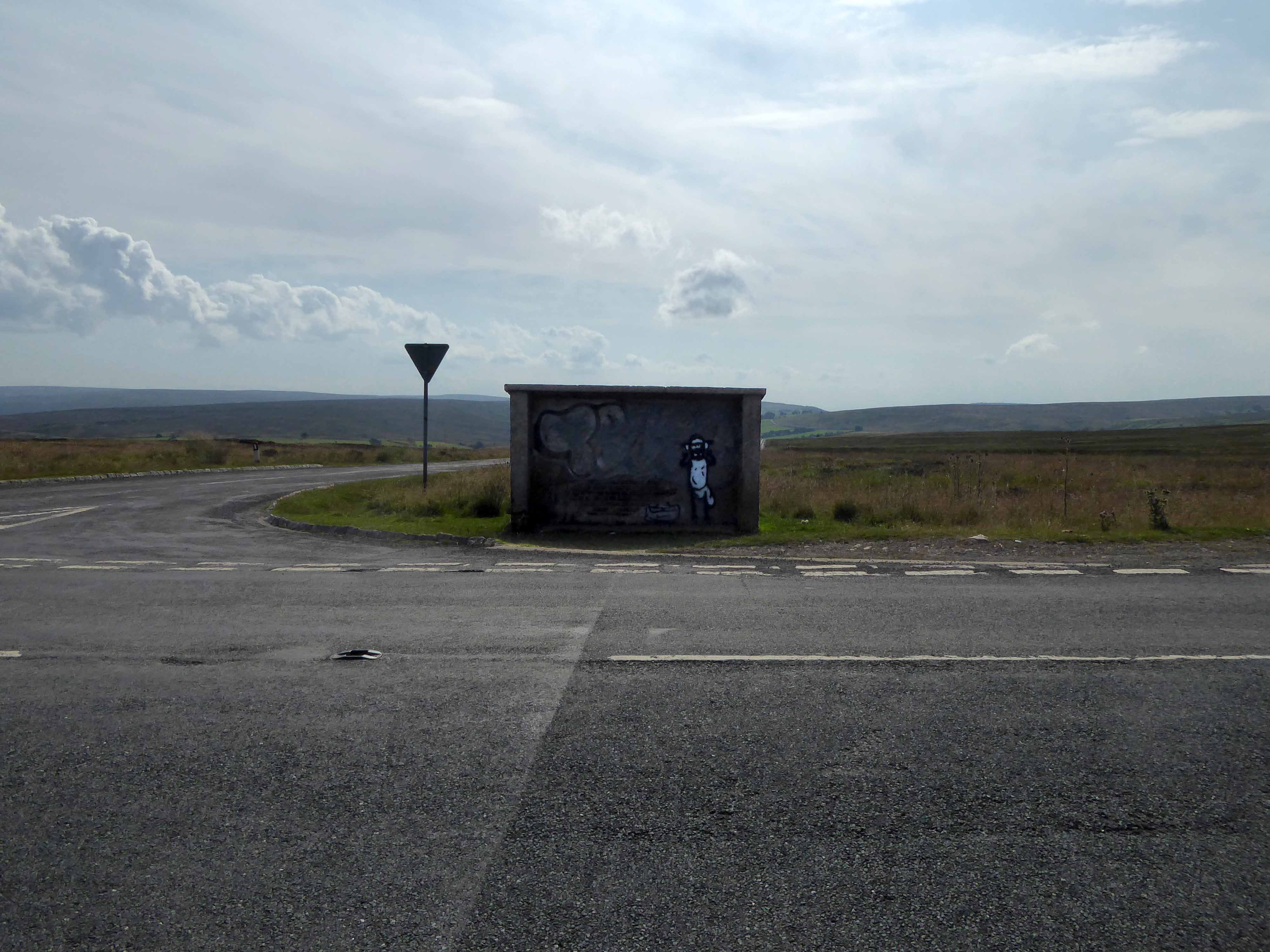
Taking a brief break to snap this concrete shelter.

There then followed a hair stirring series of hairpin descents to the coast at Saltburn.

Followed by an off road route to Redcar.

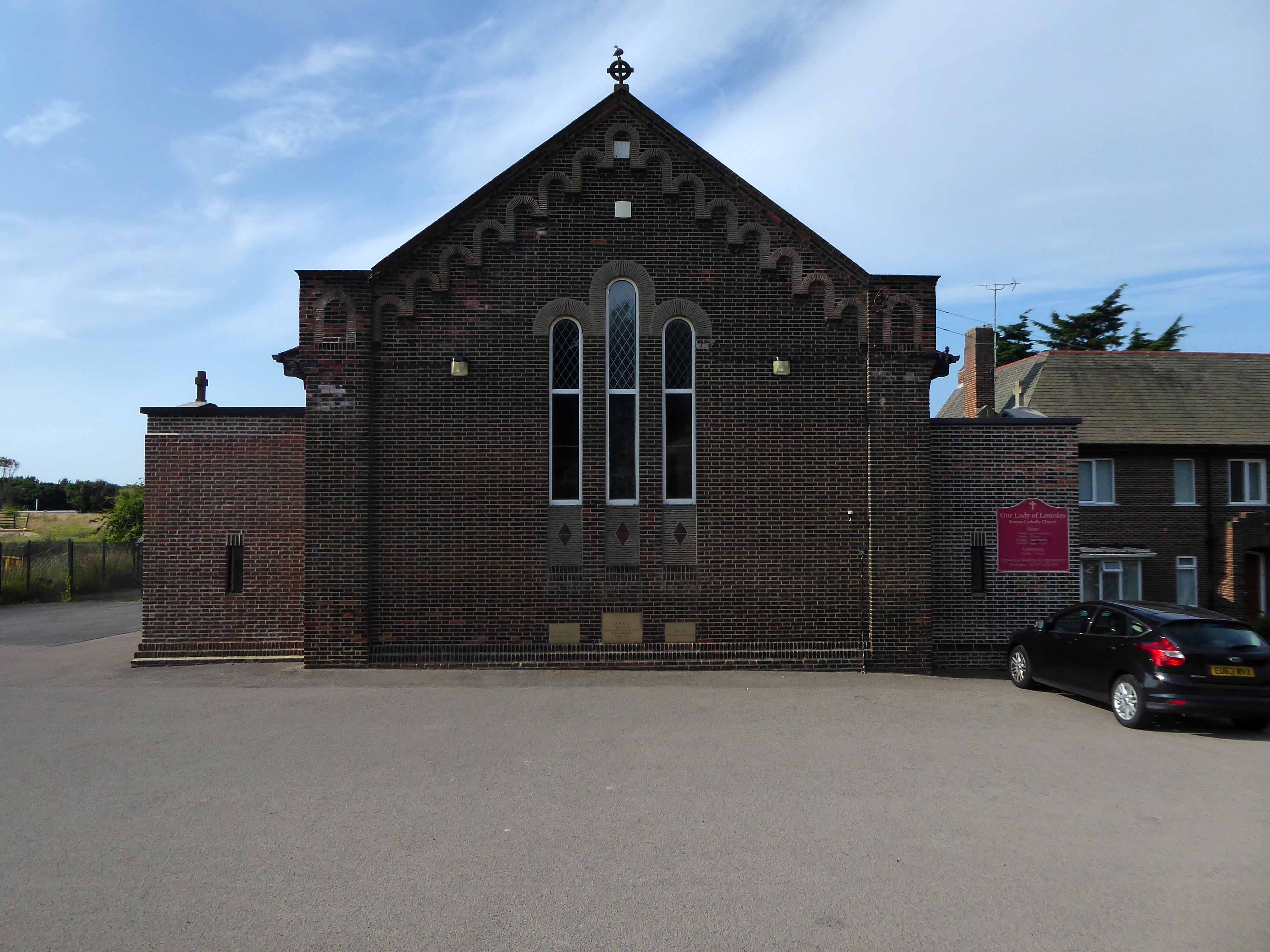
Our Lady of Lourdes – Architect: Kitching & Archibald 1928

Built in 1928, this church was designed with some care and is an attractive, if fairly modest, Lombard Romanesque-style essay in brick. The use of a semi-circular apse, narrow brickwork and use of tile for decorative effect give it a pleasing appearance, typical of restrained but elegant work between the wars.
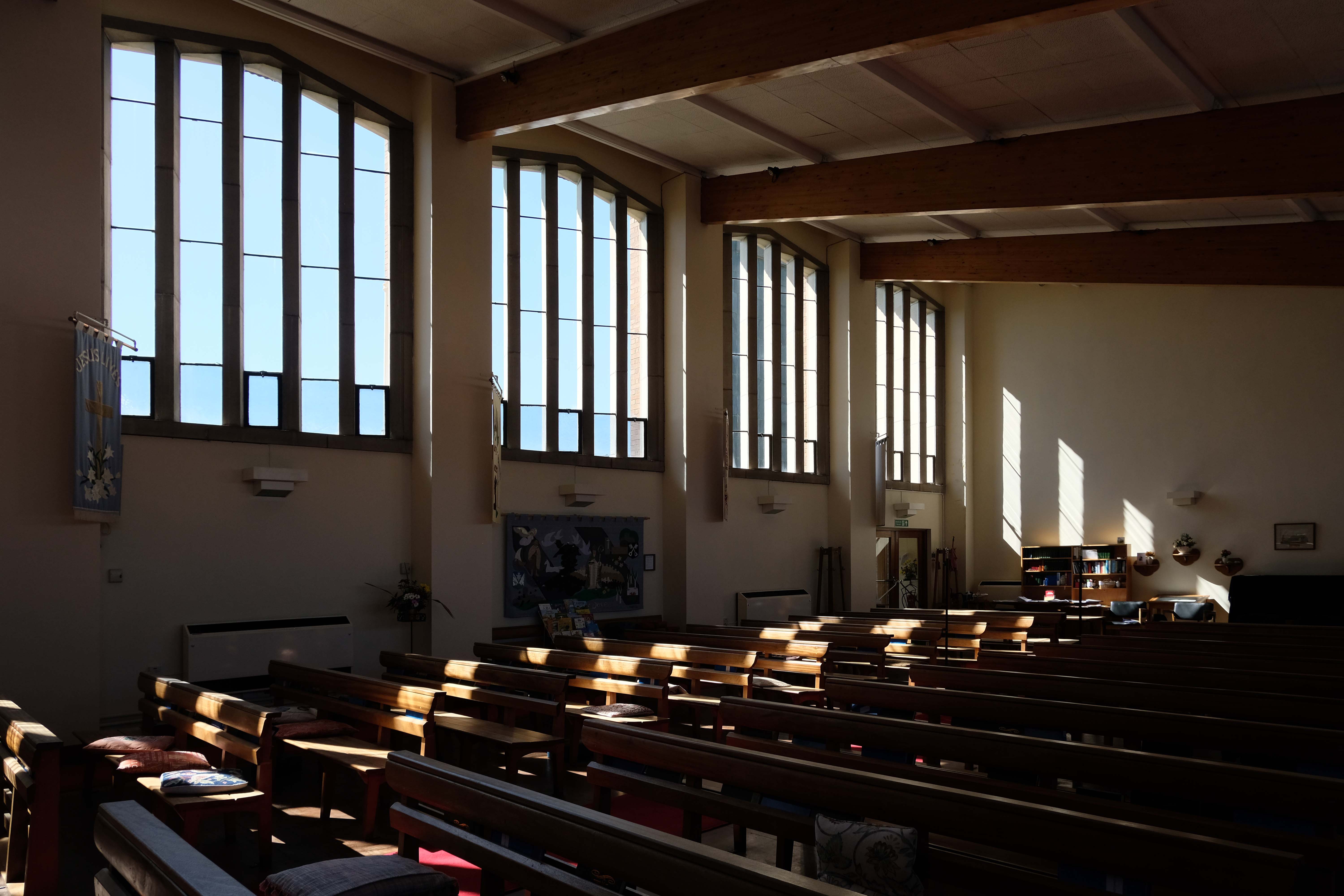
I arrived and took a look around, first time in town, here’s what I found.

Another long day – I went to sleep.

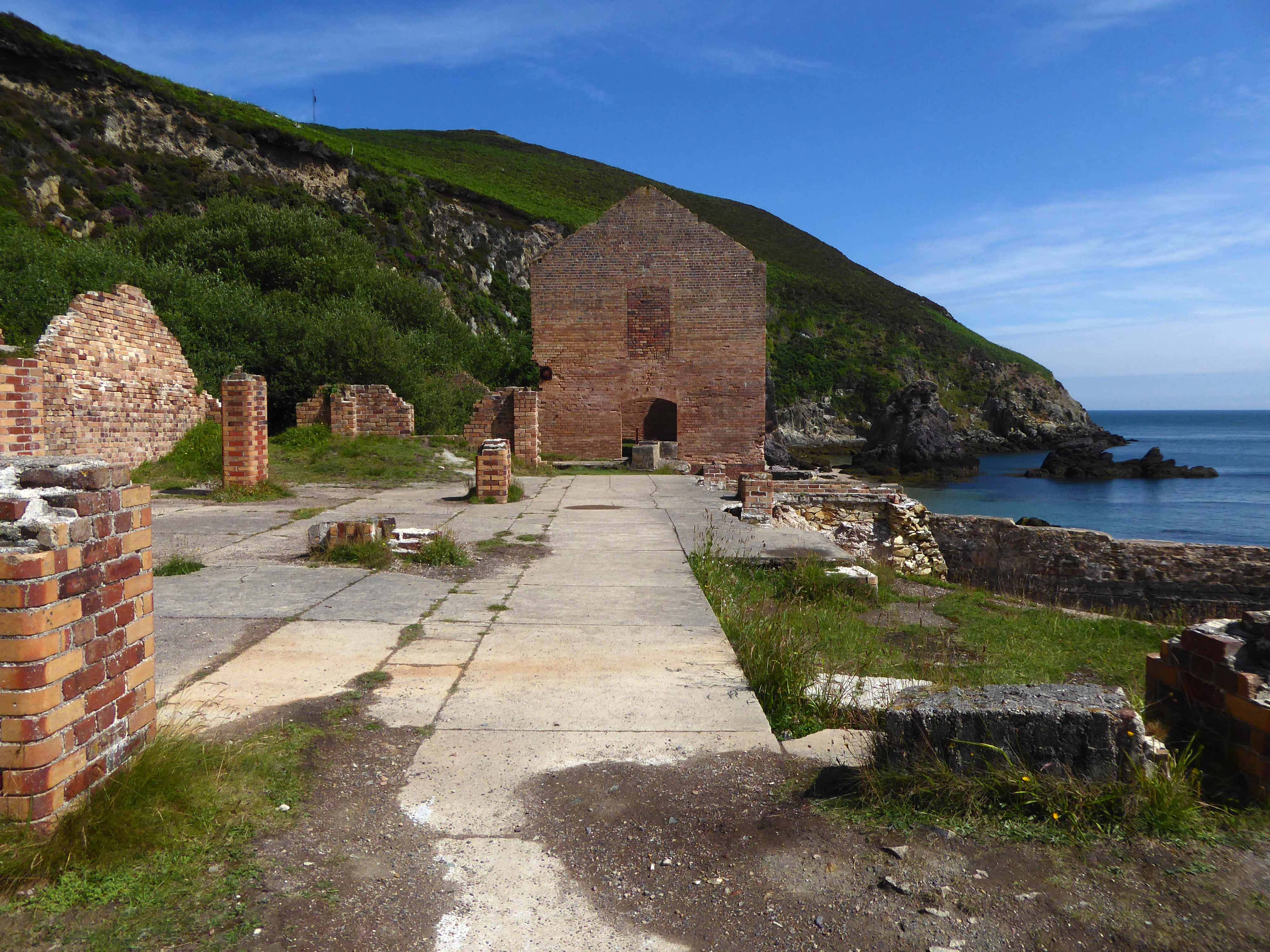
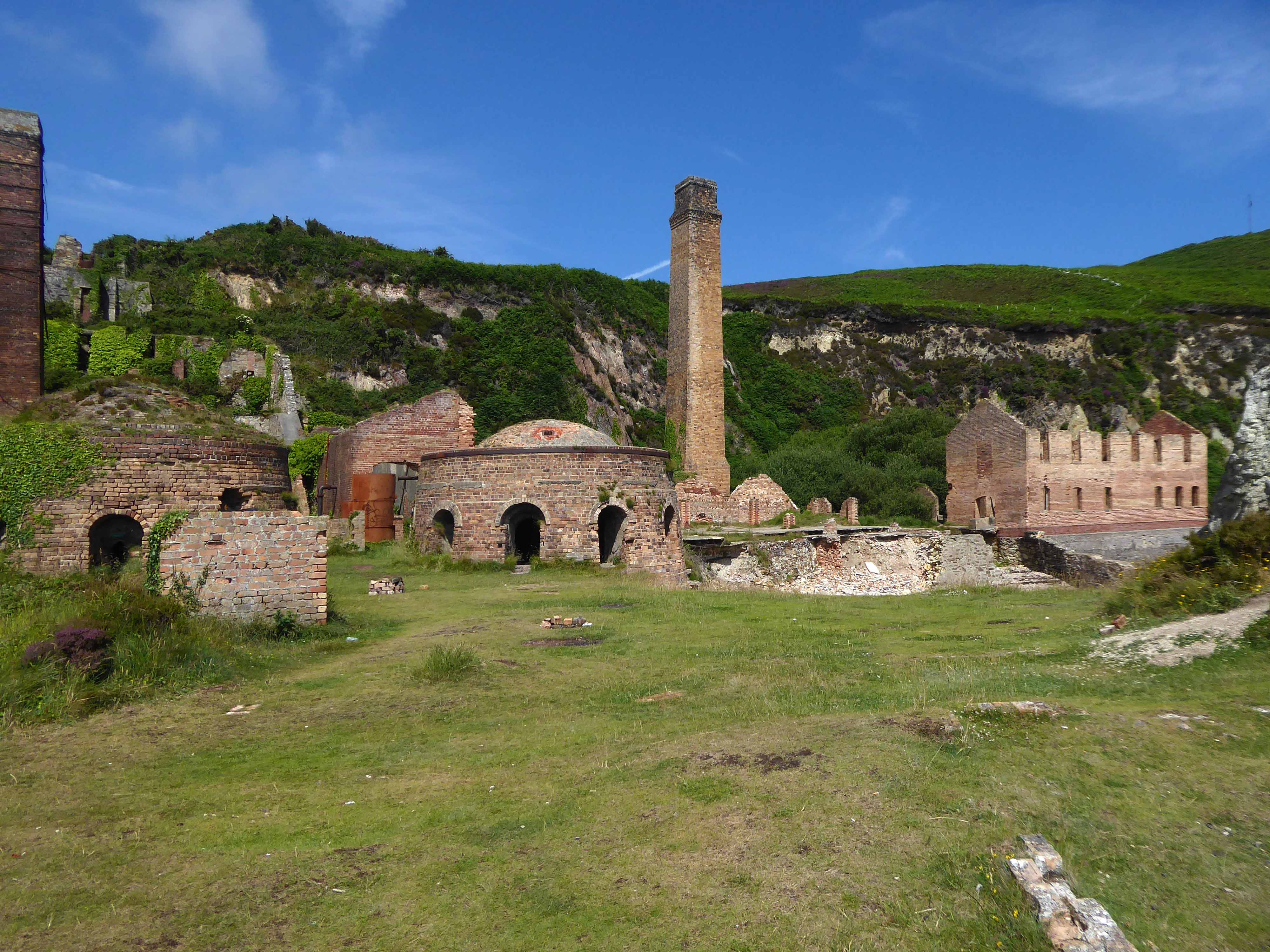
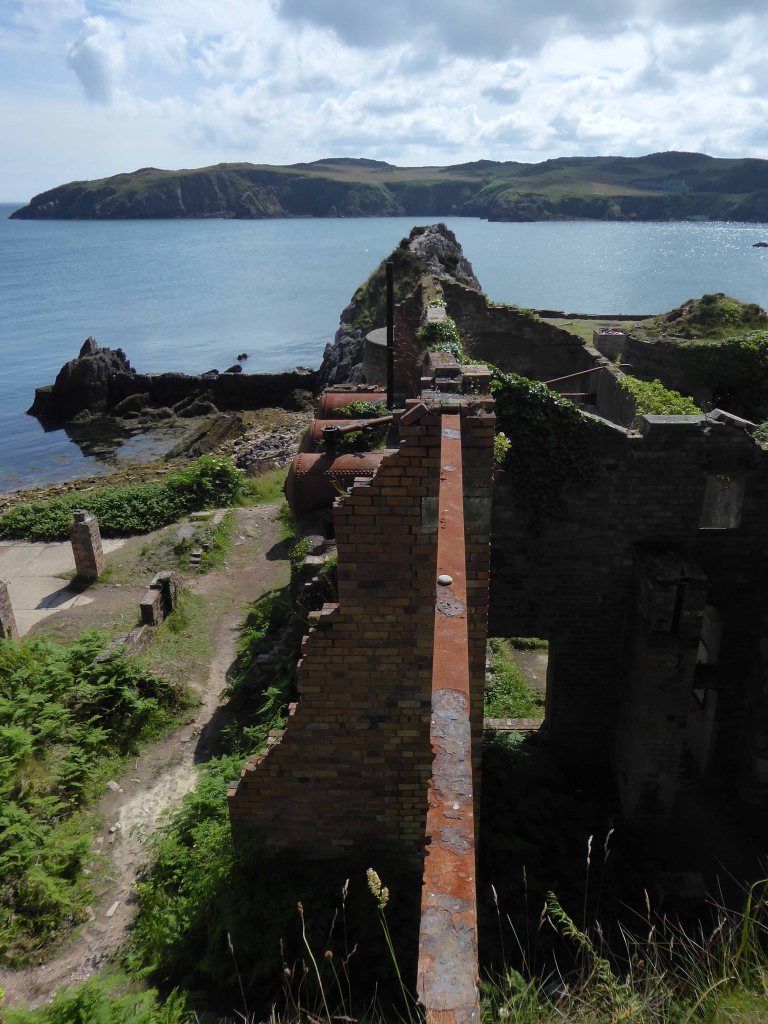
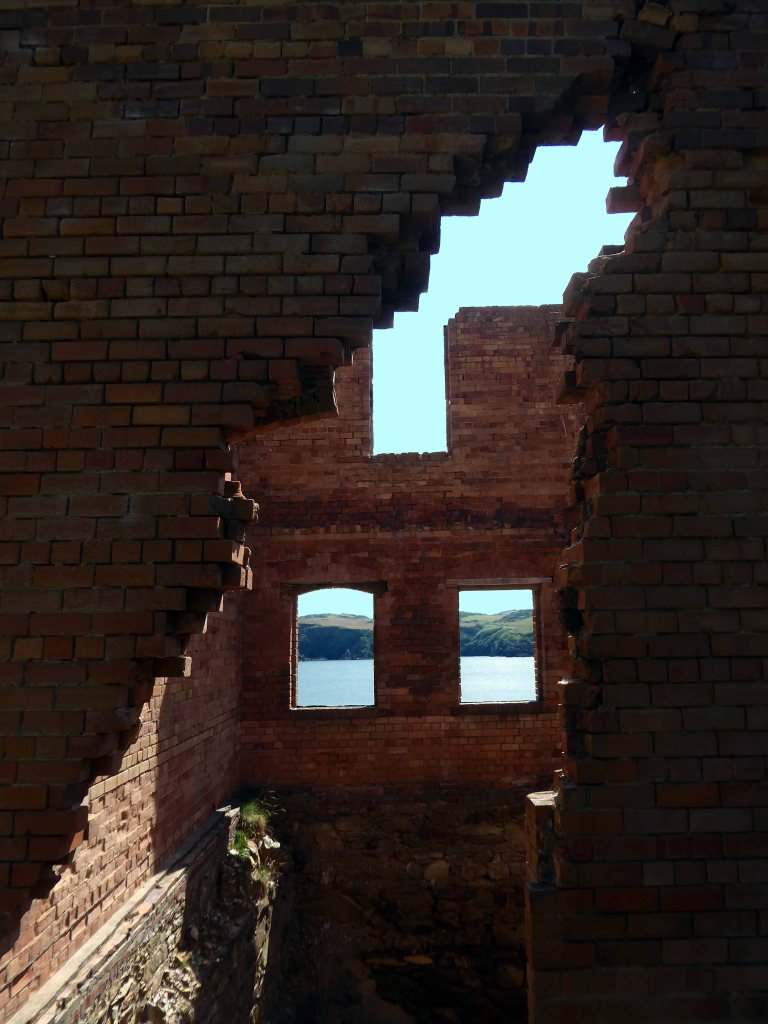
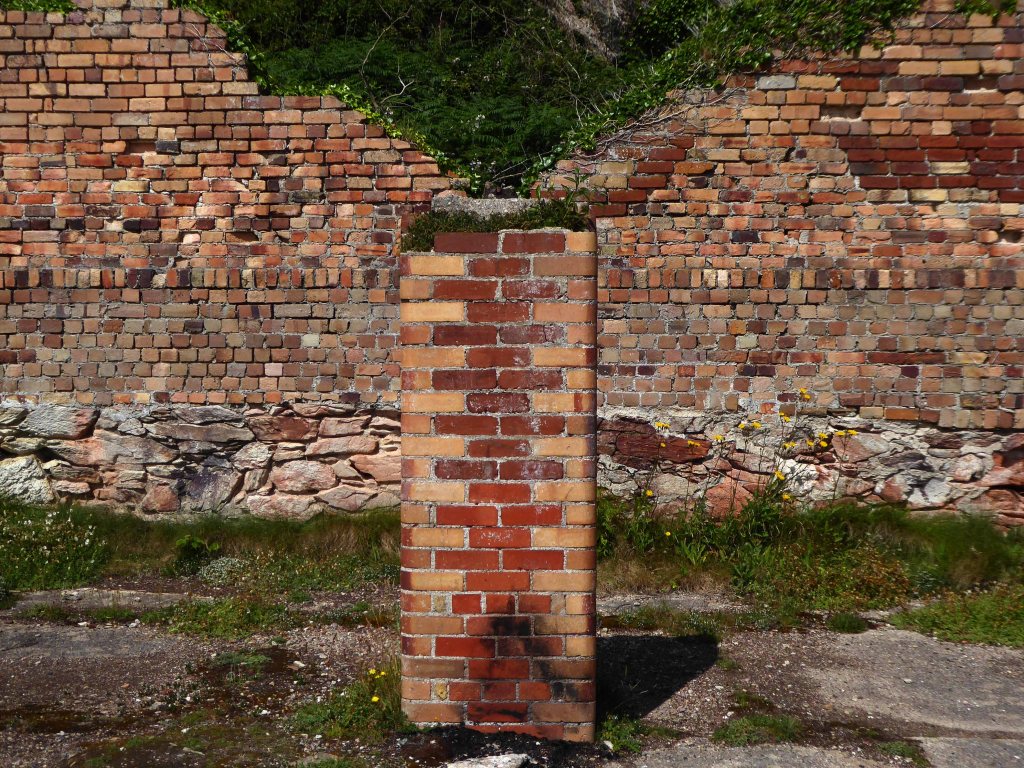
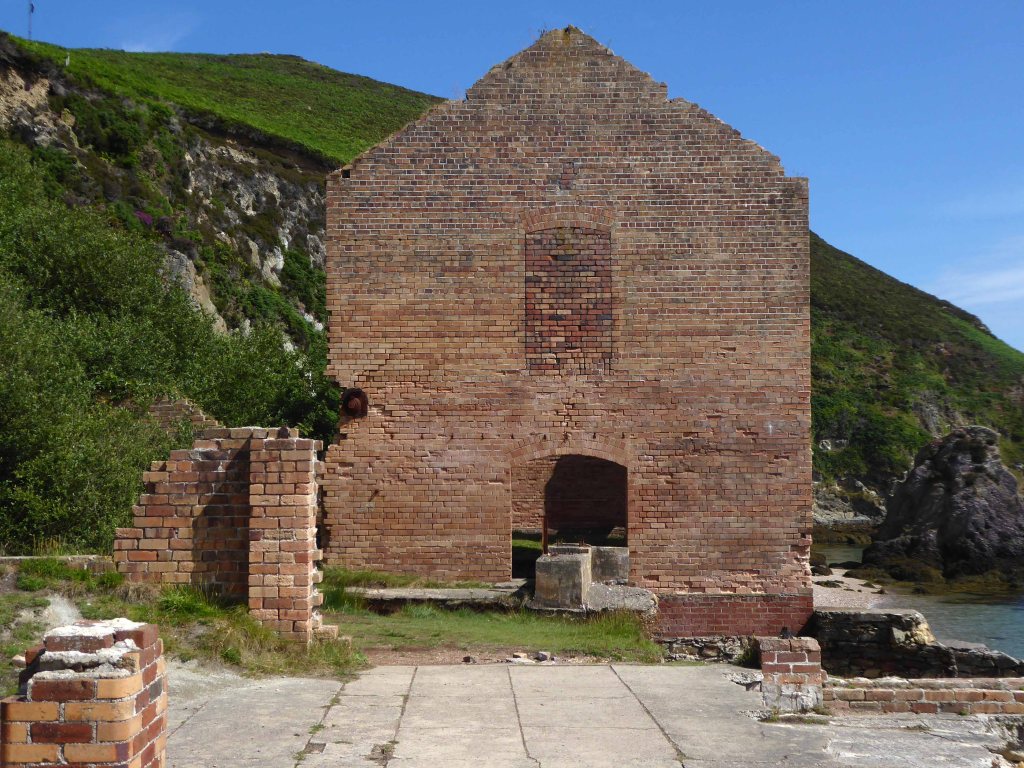
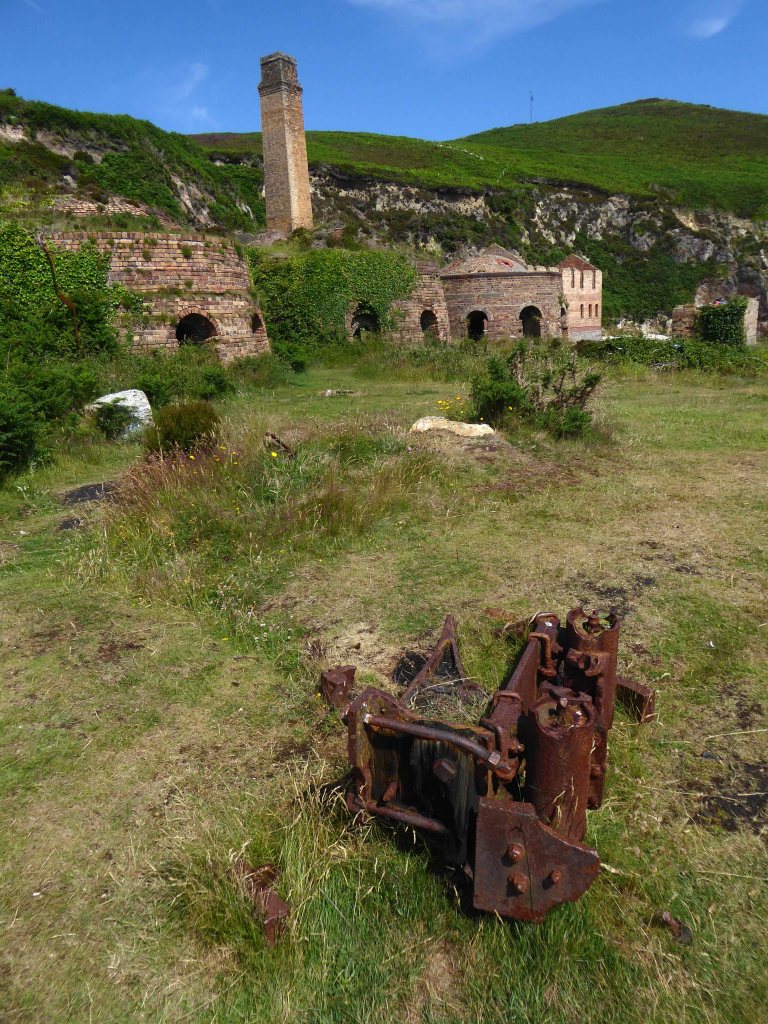
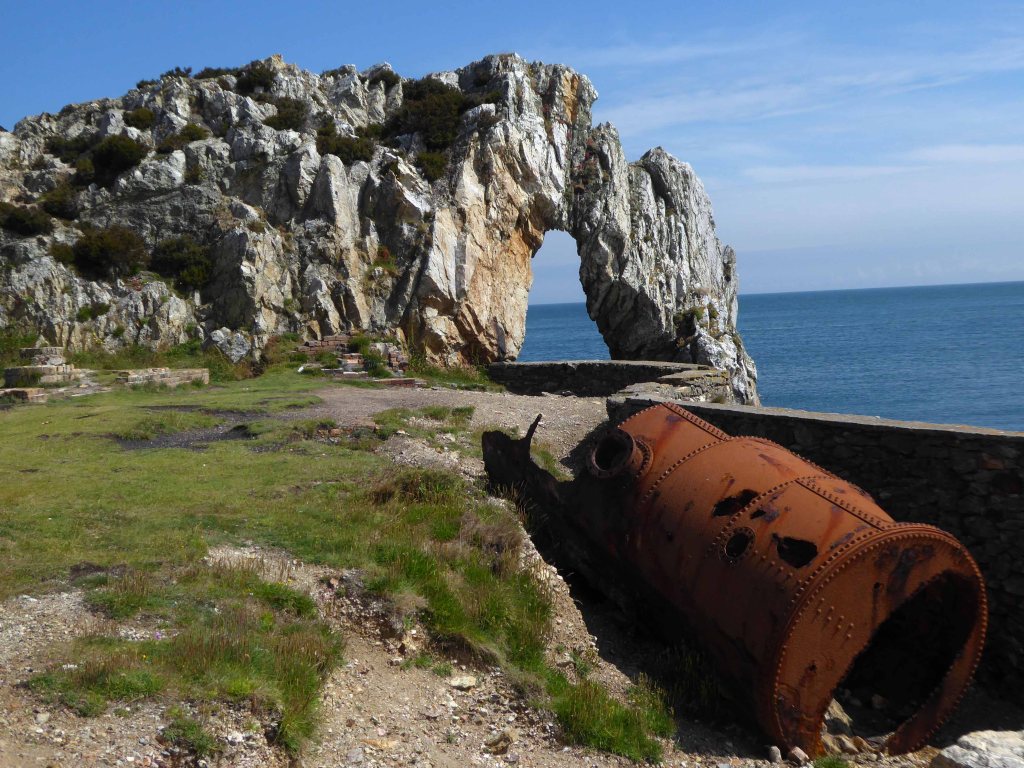
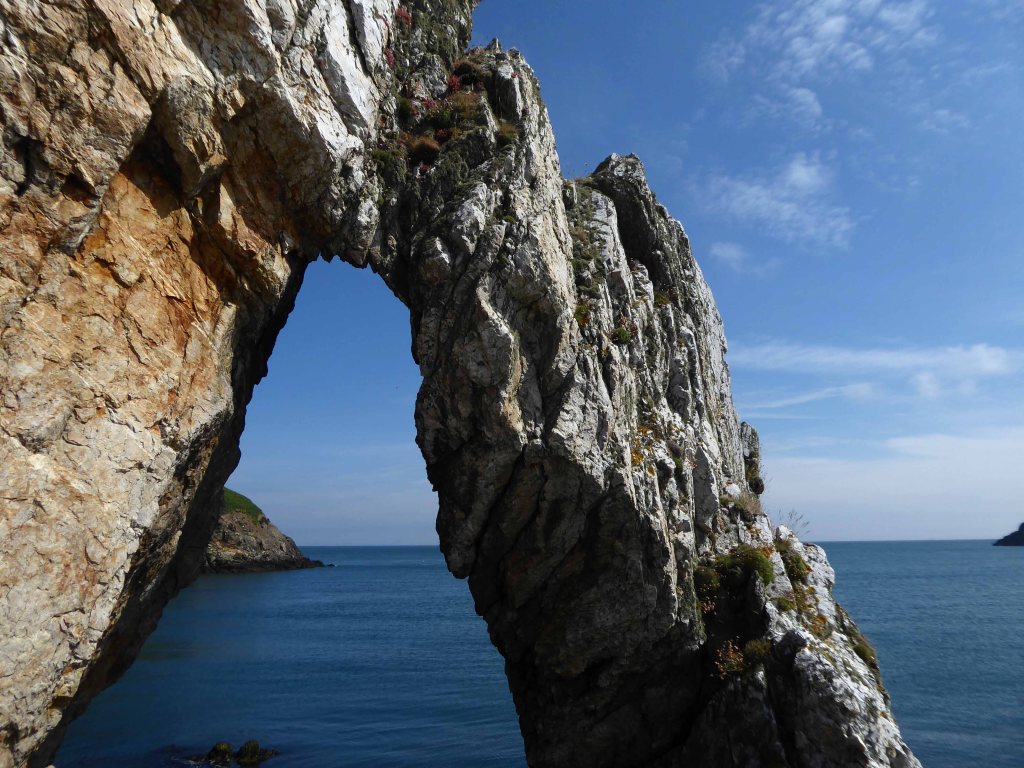
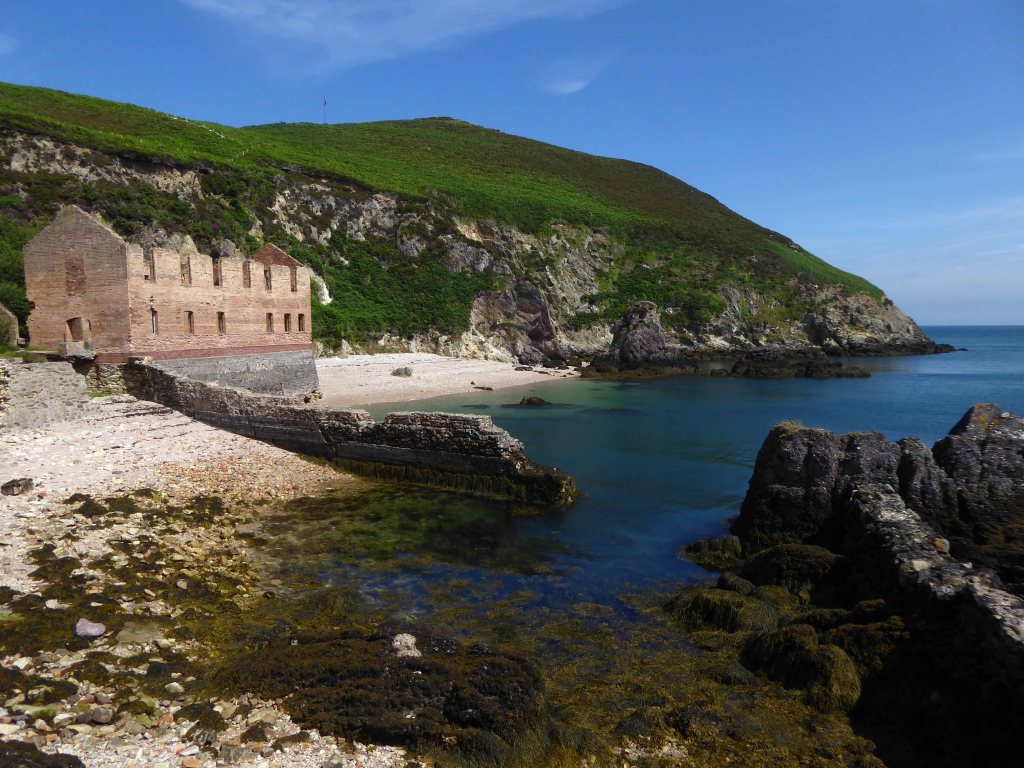
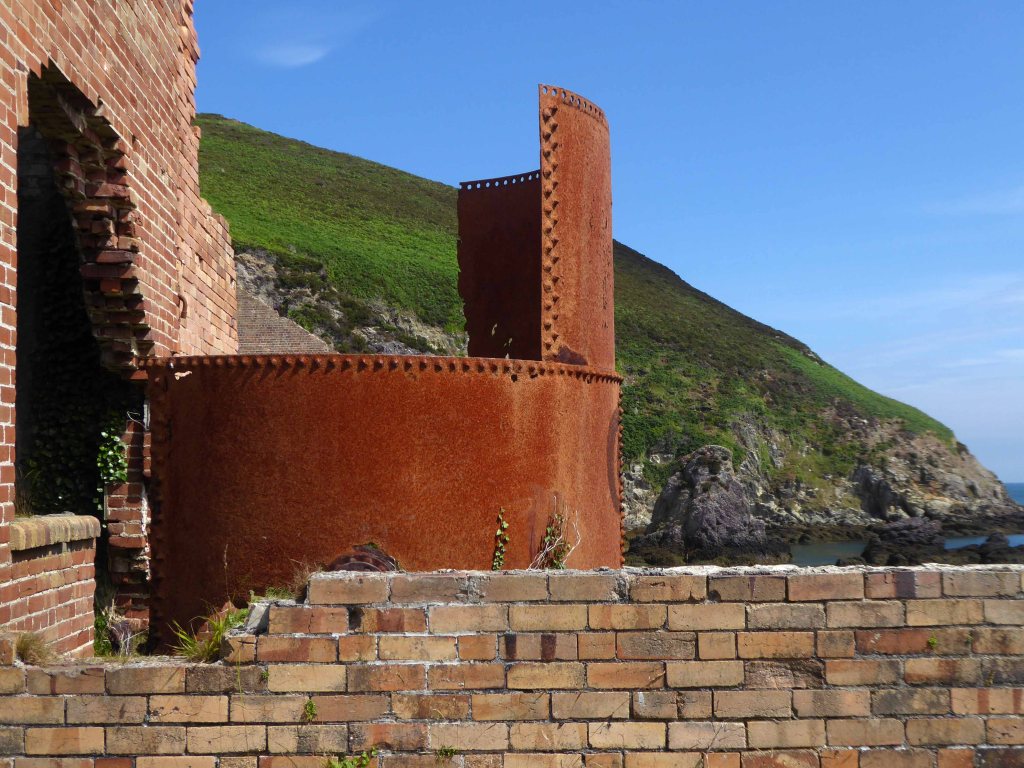
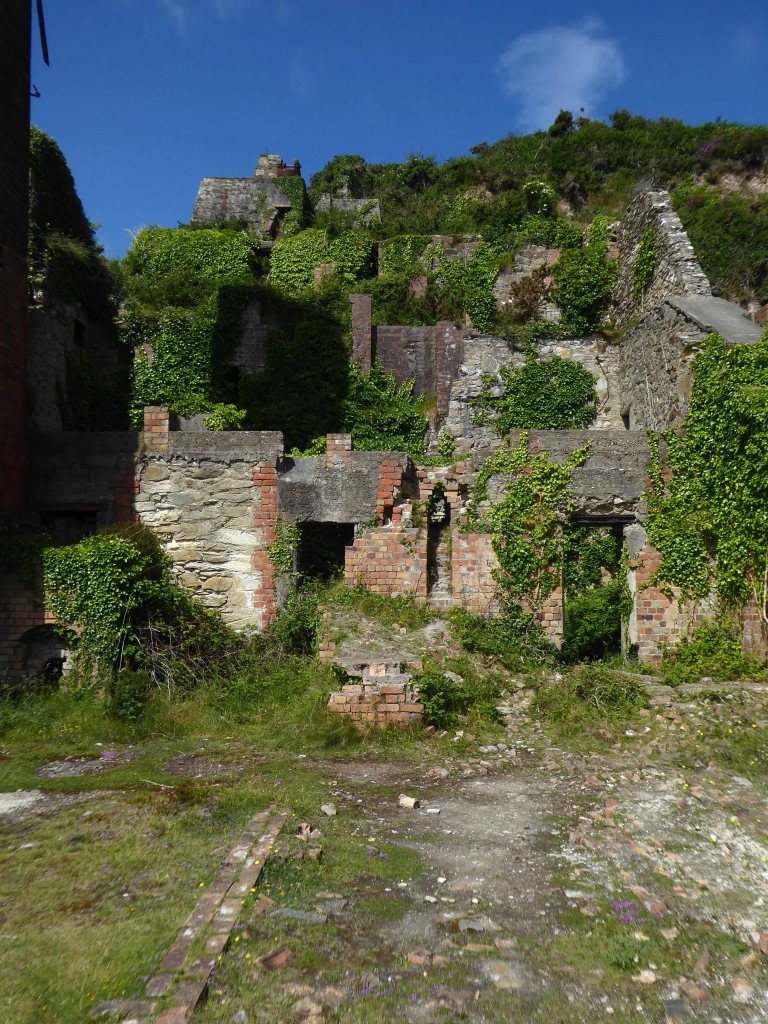
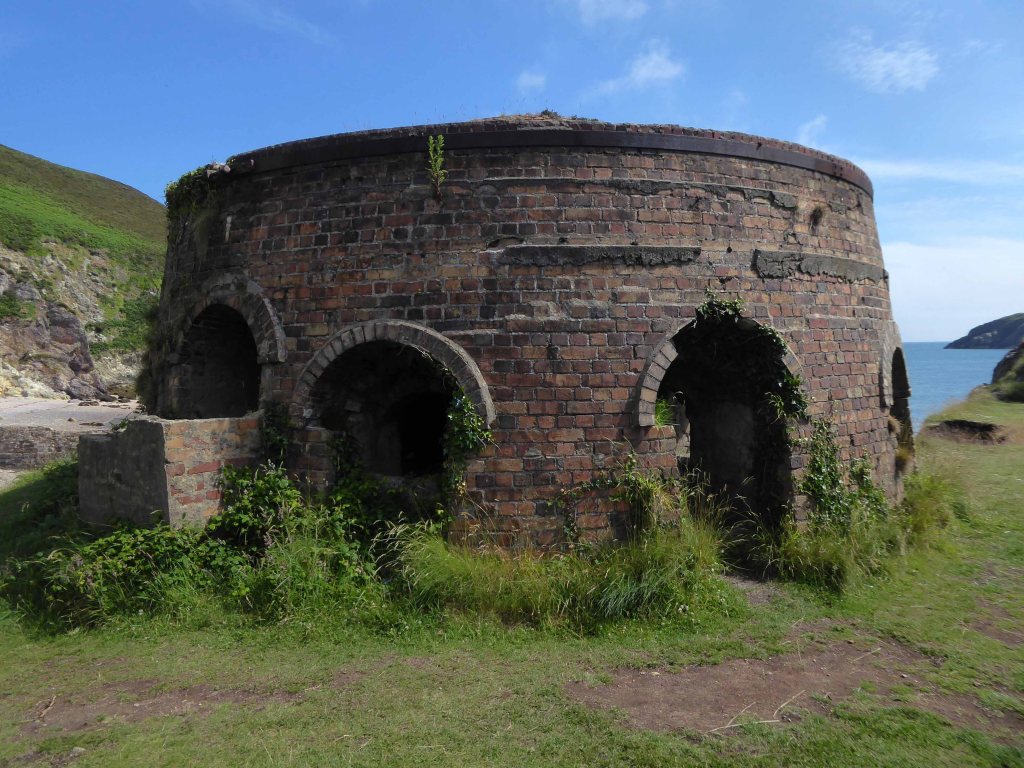
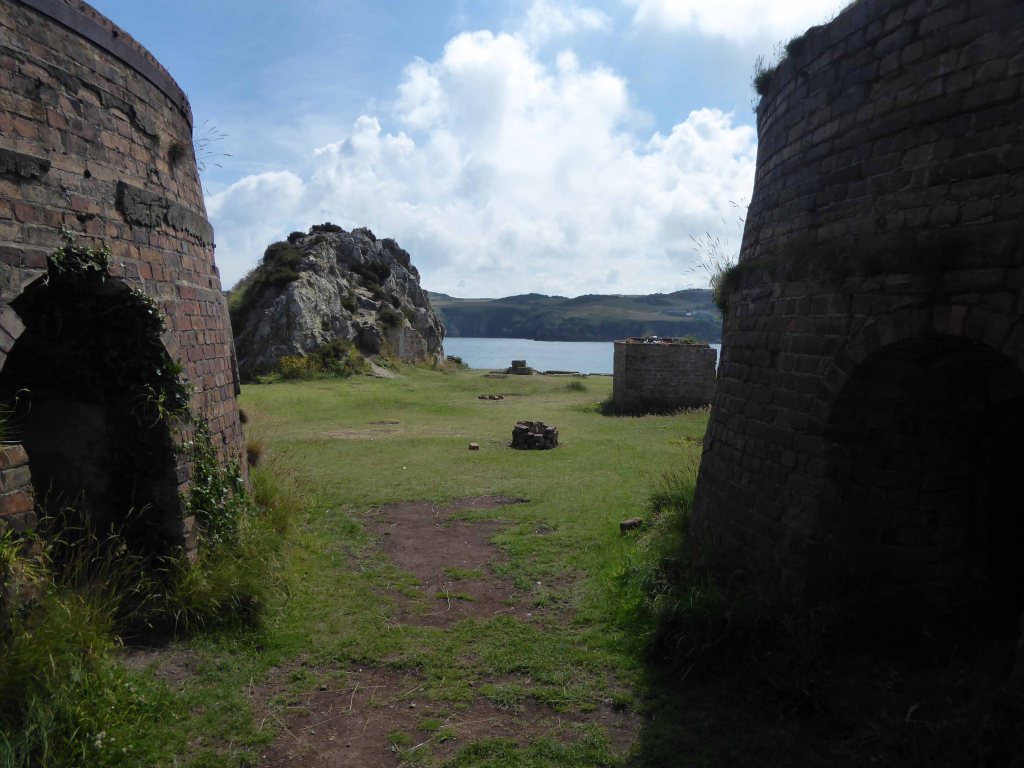
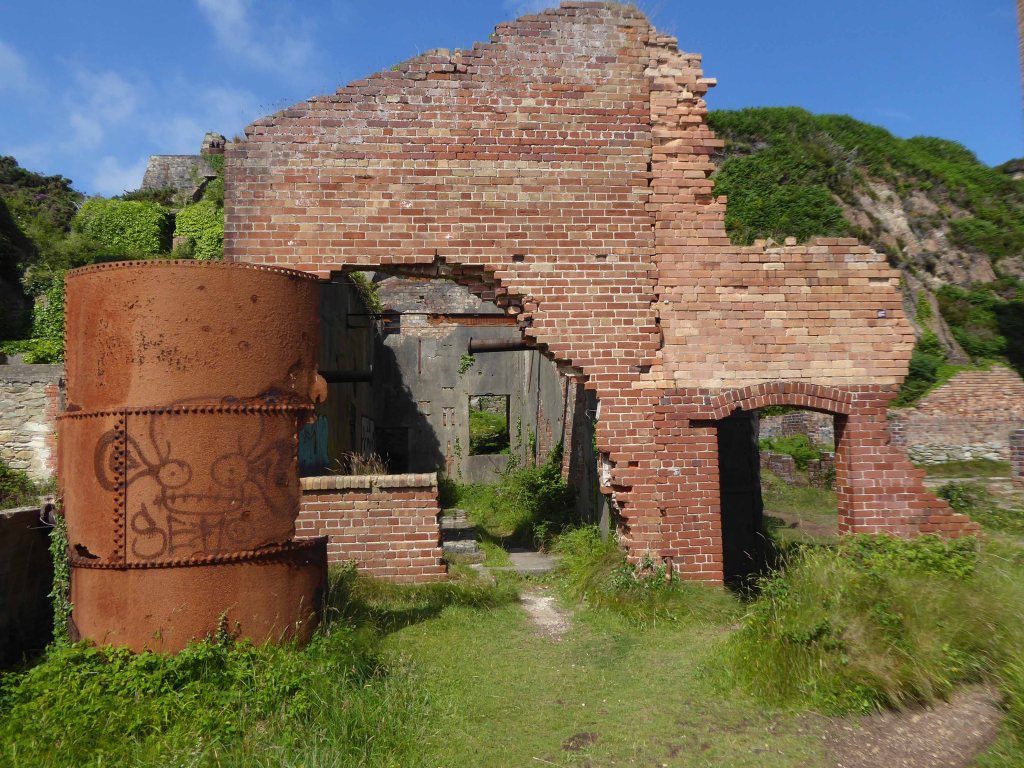
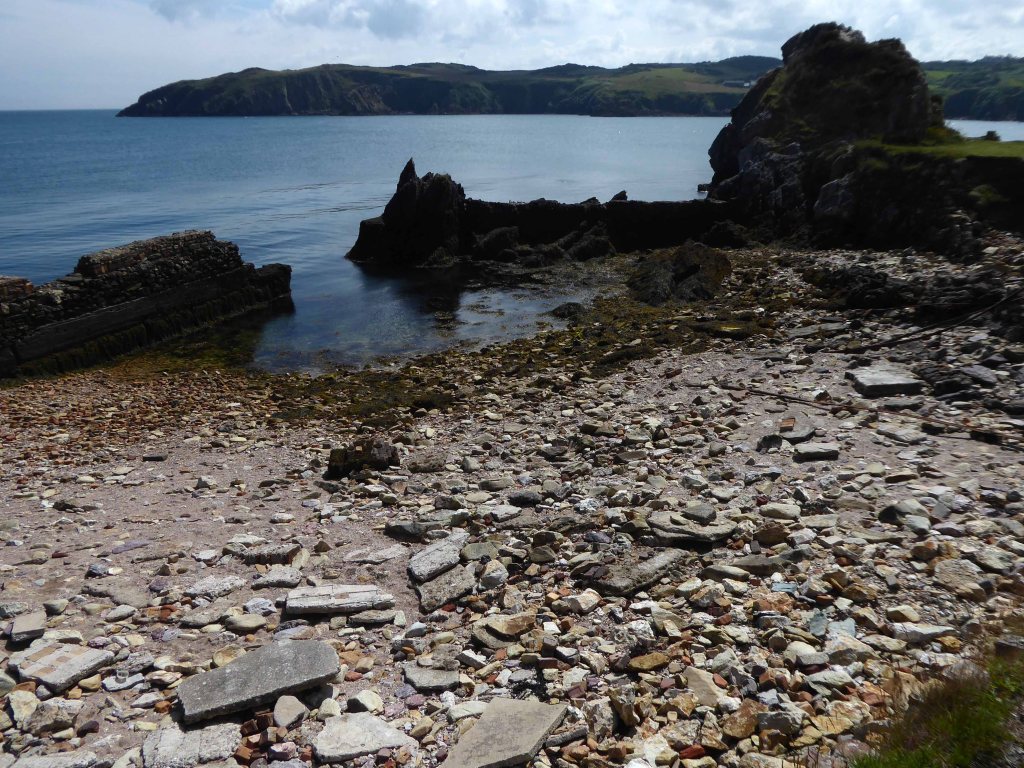
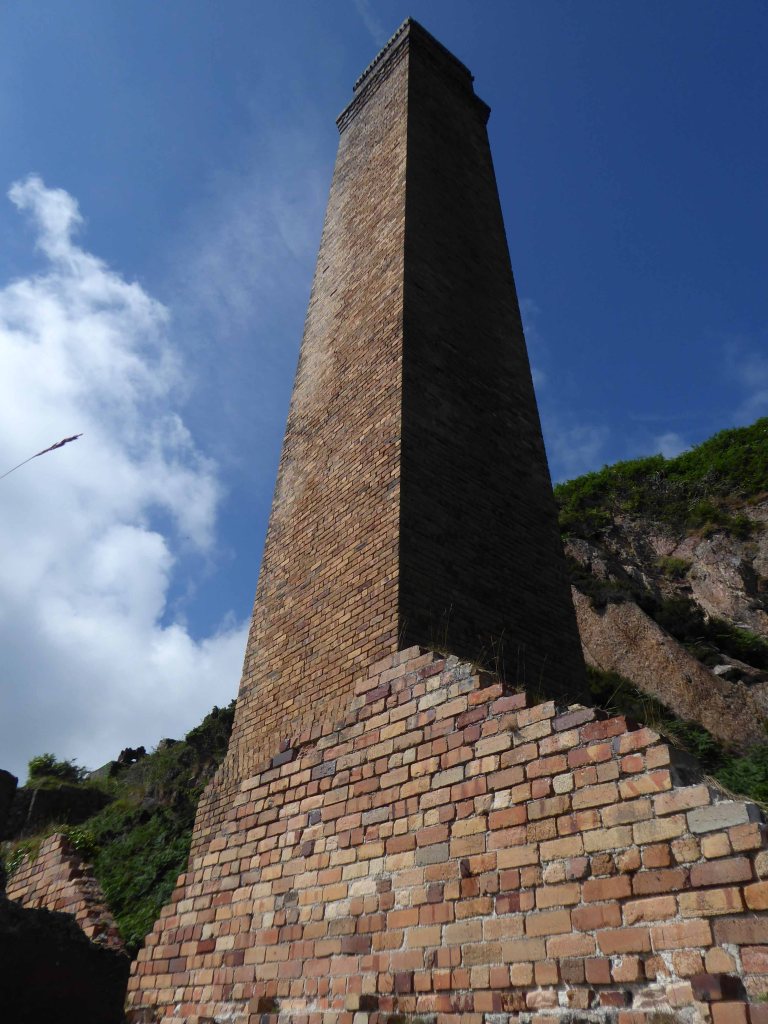
Porth Wen Brickworks – Anglesey

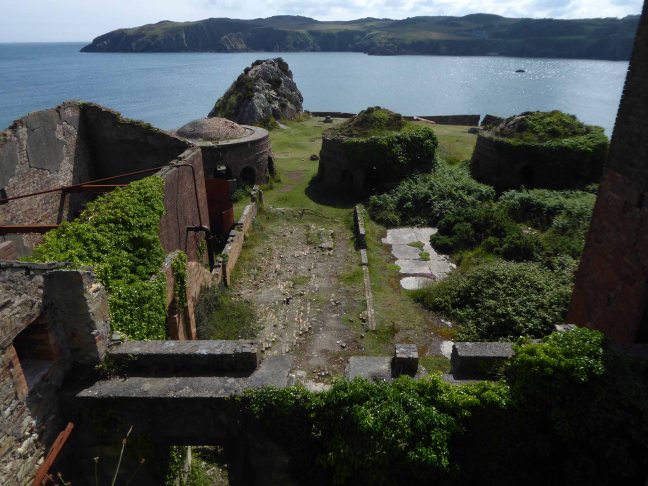
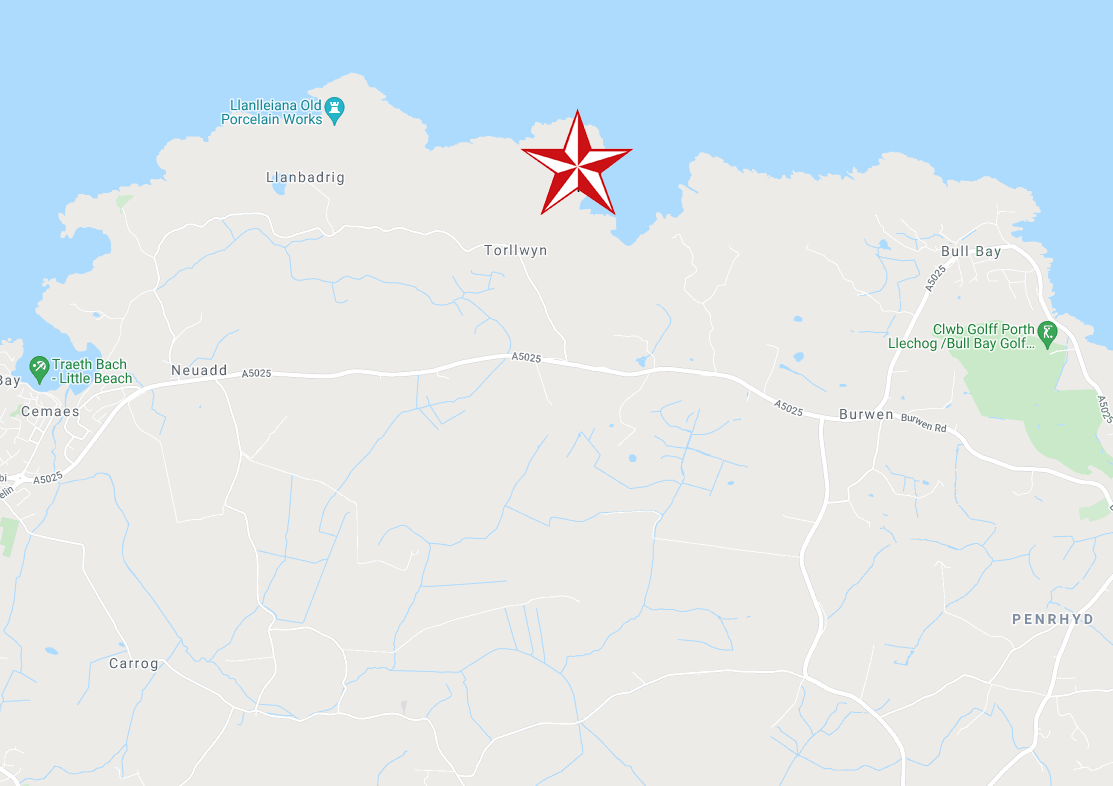
Located twixt Bull Bay and Cemaes Bay, accessed whilst walking the Anglesey Coastal Path.

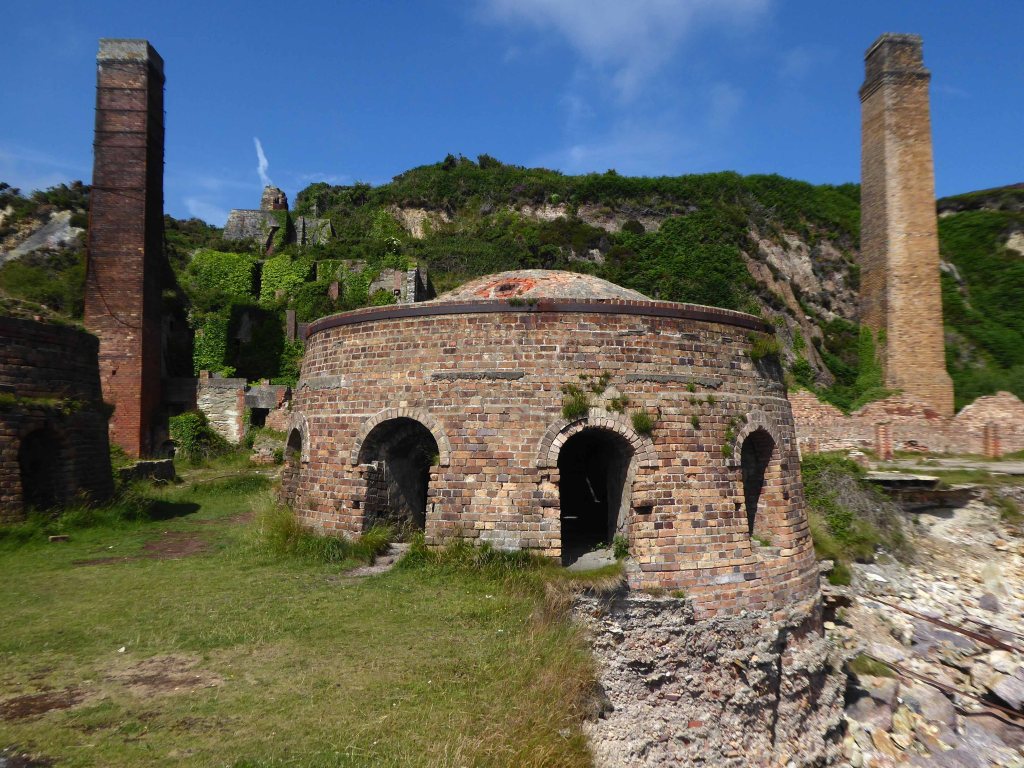
The area is rich in Quartzite, central to the production of Silica Bricks, which are resistant to high temperatures, much in demand at the height of the Industrial Revolution for lining steel furnaces.

The ore on the headland was first mined around 1850, with the ore being hewn out the living rock by hand.

A little railway brought the ore to the cliff above the brick works, then lowered by gravity to the works below, where the rocks would be pummelled and rendered to a size that could be further processed.

Mining by manual endeavour lasted from around 1850 to 1914, the hazardous harbour and alleged poor quality products hastening the enterprises’s demise.

Porth Wen brickworks was designated as a scheduled monument by Cadw in 1986 and classified as a post-medieval industrial brickworks.

Further information.

I first visited Porth Wen in the late Seventies, cycling to the nearest lane and walking across open fields.

It remains as incongruous today, set amongst coastal agriculture and the shiny sea.

Take care it’s a slippery slope – and the owners forbid access to their private property.

Octel Amlwch – Interiors

Having appraised the exteriors and pumping infrastructure, let us now consider the interior life of the site.

A site where a myriad working lives once unfolded – labourers, technicians, maintenance staff, administrators and managers.

They are now but fleeting shadows, their documents strewn across upturned furniture, empty lockers their standing open and untended, laboratories whose processes have ceased. A chaotic canteen with no-one to cook for, unsafe safety suits and unwashed washrooms.

Home now to pigeons, gulls and swallows alone.

The disconnected telephone remains unanswered.

Octel Amlwch – Pumping

We have taken a trip around the extant exteriors of the processing plant.

Now let’s turn our attention toward the epic infrastructure which extracted and pumped seawater.

Sea water is sucked in and then lifted 50ft into sea water ponds by huge pumps where any debris is removed. It is then passed to the seawater main where chlorine and dilute sulphuric acid are added which releases the bromine. It is literally blown out of the water. This water is passed into the top of a tower where it drops over 20ft through the packed section of the tower. There it is met by currents of air travelling upwards. Where it meets these air currents the bromine gets stripped out the water, which is returned to the sea. Whilst the wet bromine laden air passes from the top of the tower to be treated with sulphur dioxide and water. This produces mists of hydrobromic and sulphuric acids.

This mist passes into an absorber, and the acid coalesces. From here, it blows to a collecting tank. The bromine free air returns to the blowing out tower and the cycle begins again. The acidic product is referred to as primary acid liquor. This is now pumped to the steaming out tower. It enters the top and is treated with chlorine and steam, which releases the bromine as vapour. It is then condensed to a liquid. The bulk of bromine goes to dibromoethane, whilst the remainder is sold or used to make other intermediates.
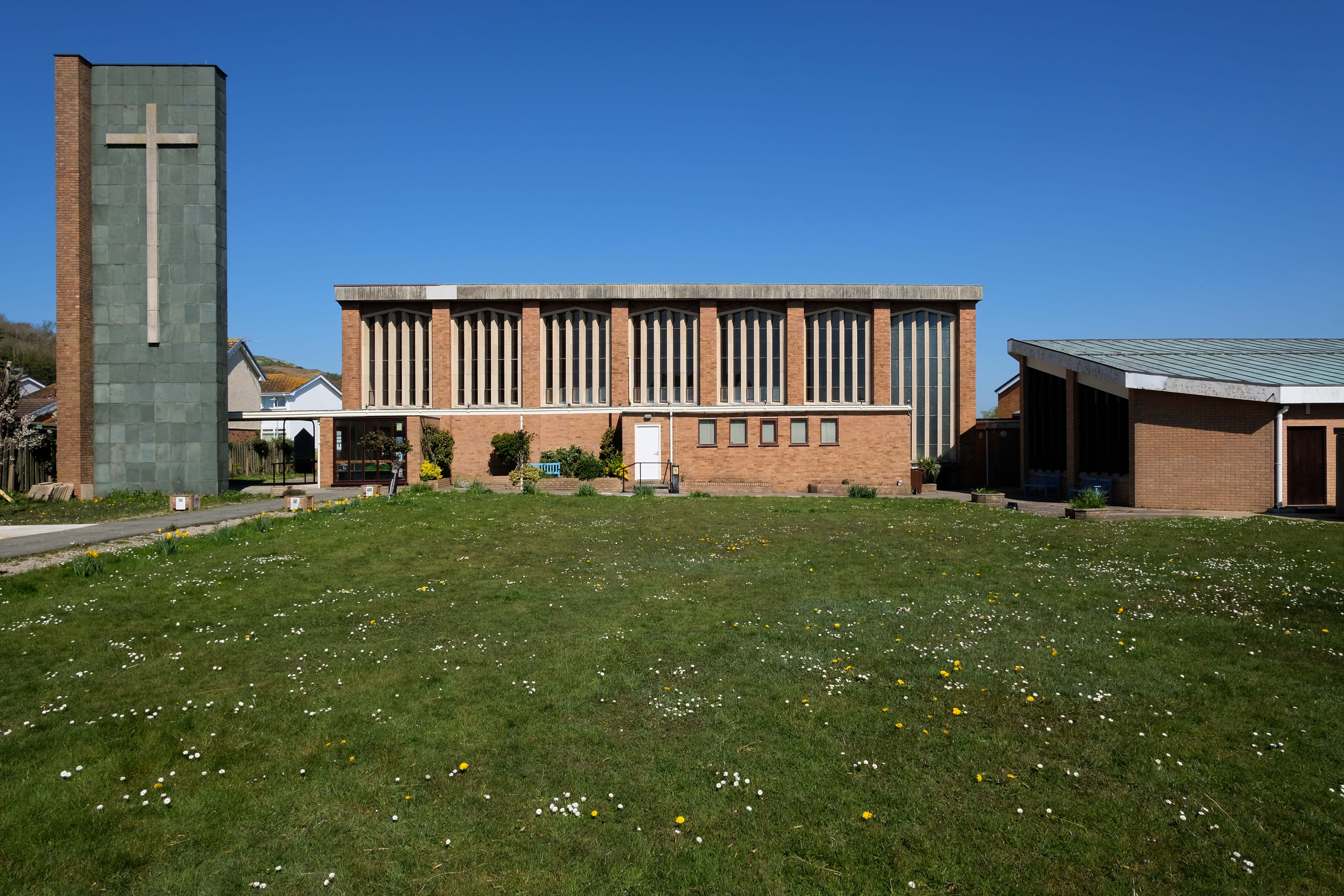
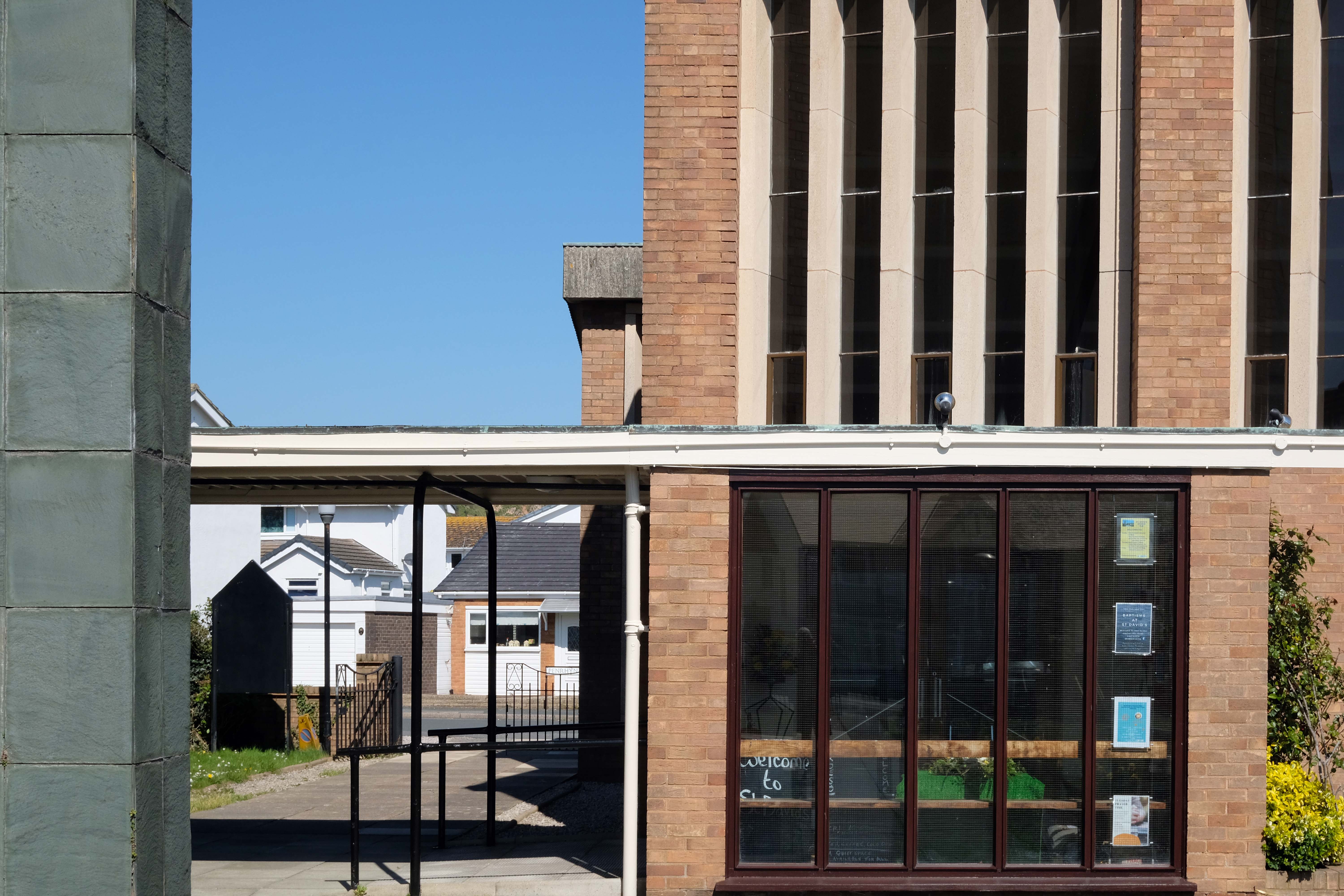
It takes about 22,000 tonnes of seawater to produce 1 tonne of bromine. Every minute 300,000 gallons of seawater are drawn in.

This now redundant technology has left a legacy of industrial dereliction amongst the ancient Pre-Cambrian rocks and sylvan seas of the Anglesey Coast.

This is a landscape which induces fear and fascination in equal measure.

Whatever is fitted in any sort to excite the ideas of pain, and danger, that is to say, whatever is in any sort terrible, or is conversant about terrible objects, or operates in a manner analogous to terror, is a source of the sublime; that is, it is productive of the strongest emotion which the mind is capable of feeling.

Edmund Burke

Octel Amlwch – Exteriors

Amlwch has been the centre of the world’s copper industry, a coastal town on Anglesey with a long history of trade, the coming and going of goods.

Once the site of a processing plant extracting bromine from sea water.

The Associated Octel factory was built to extract bromine from seawater and turn it into an additive for petrol engines. At the time, petrol used in road vehicles contained lead. Engine knocking was a common problem, when the mixture of air and fuel didn’t burn efficiently with each detonation. This could damage engine cylinders over time. The additive produced here reduced knocking and improved engine efficiency.

As the health effects of lead in vehicle exhaust gases became better understood, unleaded petrol was developed. It was introduced to UK filling stations in the 1980s, and leaded petrol was later phased out. As demand for anti-knock additive reduced, the Octel factory diversified into other bromine products and was taken over by Great Lakes Chemical Corporation. In 2003, the corporation decided to close the works with the loss of more than 100 jobs.

A detailed history of the site can be found here at Octel Amlwch.

The site has been subject to arson attacks and partial demolition, the extant buildings tagged, tattered and torn.

Slowly but surely nature breaks through the tarmac and concrete.

The gate is open, the lights are out, there’s nobody home.

Deal To Margate

We awoke, we dawdled around Deal, prior to our delightful breakfast.

Though the pier appeared to be closed.

Extending elegantly over a still, still sea.

The present pier, designed by Sir W. Halcrow & Partners, was opened on 19 November 1957 by the Duke of Edinburgh. Constructed predominantly from concrete-clad steel, it is 1,026 ft in length – a notice announces that it is the same length as the RMS Titanic, but that ship was just 882 feet, and ends in a three-tiered pier-head, featuring a cafe, bar, lounge, and fishing decks.

The lowest of the three tiers is underwater at all but the lowest part of the tidal range, and has become disused.

Wikipedia

Deal is home to some of the most extraordinary concrete shelters.

Home to some understated Seaside Moderne homes too.

Well fed, we set out along the private road that edges the golf course, encountering some informal agricultural architecture.

We took time to explore Pegwell Bay Hoverport – currently trading as a Country Park.

Pausing in Ramsgate to admire Edward Welby Pugin’s Grade II Listed – Granville Hotel.

The Granville development, so named after George Leverson Gower, second Earl Granville (1815-1891), was a venture undertaken by Edward Welby Pugin, together with investors Robert Sankey, George Burgess and John Barnet Hodgson on land acquired from the Mount Albion Estate in 1867. The scheme was to be an important new building in the eastward expansion of the town and the emergence of a fashionable new suburb. At the outset, the intention was to build a relatively restrained speculative terrace of large townhouses with some additional facilities. However, as the scheme progressed and it became apparent that buyers could not be secured, revised plans for an enlarged hotel complex were adopted in 1868 and brought to completion in 1869. These plans, which added a series of grand rooms including a banqueting hall, receptions rooms and an entrance hall in addition to a tunnel to connect to the railway line on the seafront, gardens, a complex of Turkish baths and a vast landmark tower (originally 170ft high, although truncated at a relatively early date), were remarkably ambitious. Ultimately, as it would transpire, the scheme was rather too ambitious on Pugin’s part; with his increasing reliance on loans eventually culminating in bankruptcy in October 1872, an event which precipitated his demise as an architect, tragically followed by his death just three years later.

Historic England

Overlooking the sea, the ornamental gardens were laid out and presented to the Borough of Ramsgate by Dame Janet Stancomb-Wills in 1920 and opened to the public in June 1923 by the Mayor of Ramsgate Alderman A. W. Larkin. They are maintained by Thanet District Council and were Grade II listed on 4 February 1988. 

The gardens were designed by the architects Sir John Burnet & Partners, and constructed by Pulham and Son. The main feature of the gardens, is a semi-circular shaped colonnade carved into the pulhamite recess.

On the upper terrace, approached by broad flights of steps, the gardens proper are reached. In the centre, and immediately over the shelter, is a circular pool enclosed on the north side by a semi-circular Roman seat.

Wikipedia

Broadstairs was alive with Bank Holiday activity.

On leaving the town we encounter this engaging flint church – Holy Trinity

Erected 1829-1830. David Barnes Architect, extended 1925.

Built of flint and rubble.

One of the first visitors to this church was Charles Dickens who offered a very unflattering description in his work, Our English Watering Place:

We have a church, by the bye, of course – a hideous temple of flint, like a petrified haystack.  Our chief clerical dignitary, who, to his honour, has done much for education, and has established excellent schools, is a sound, healthy gentleman, who has got into little local difficulties with the neighbouring farms, but has the pestilent trick of being right.
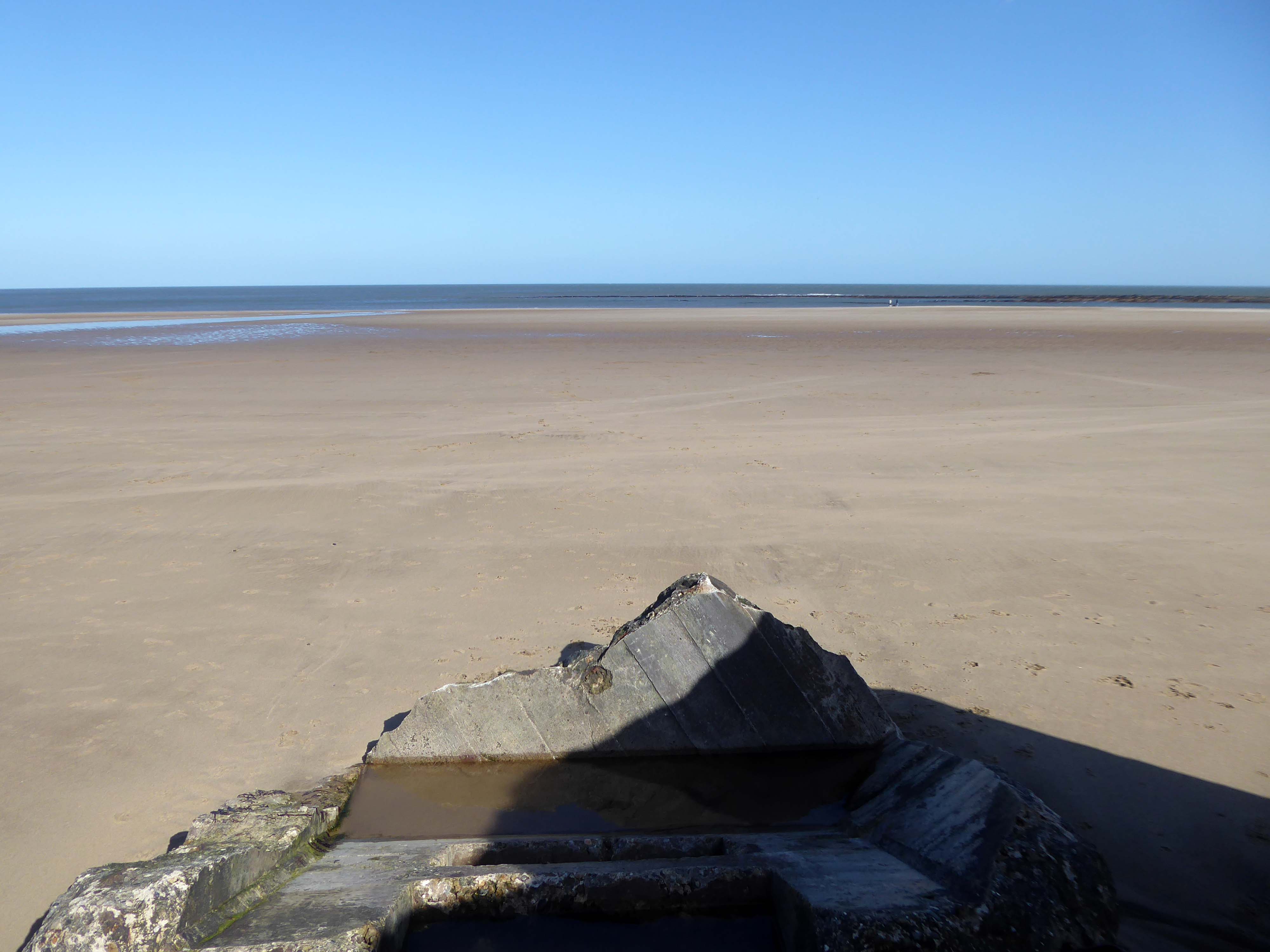
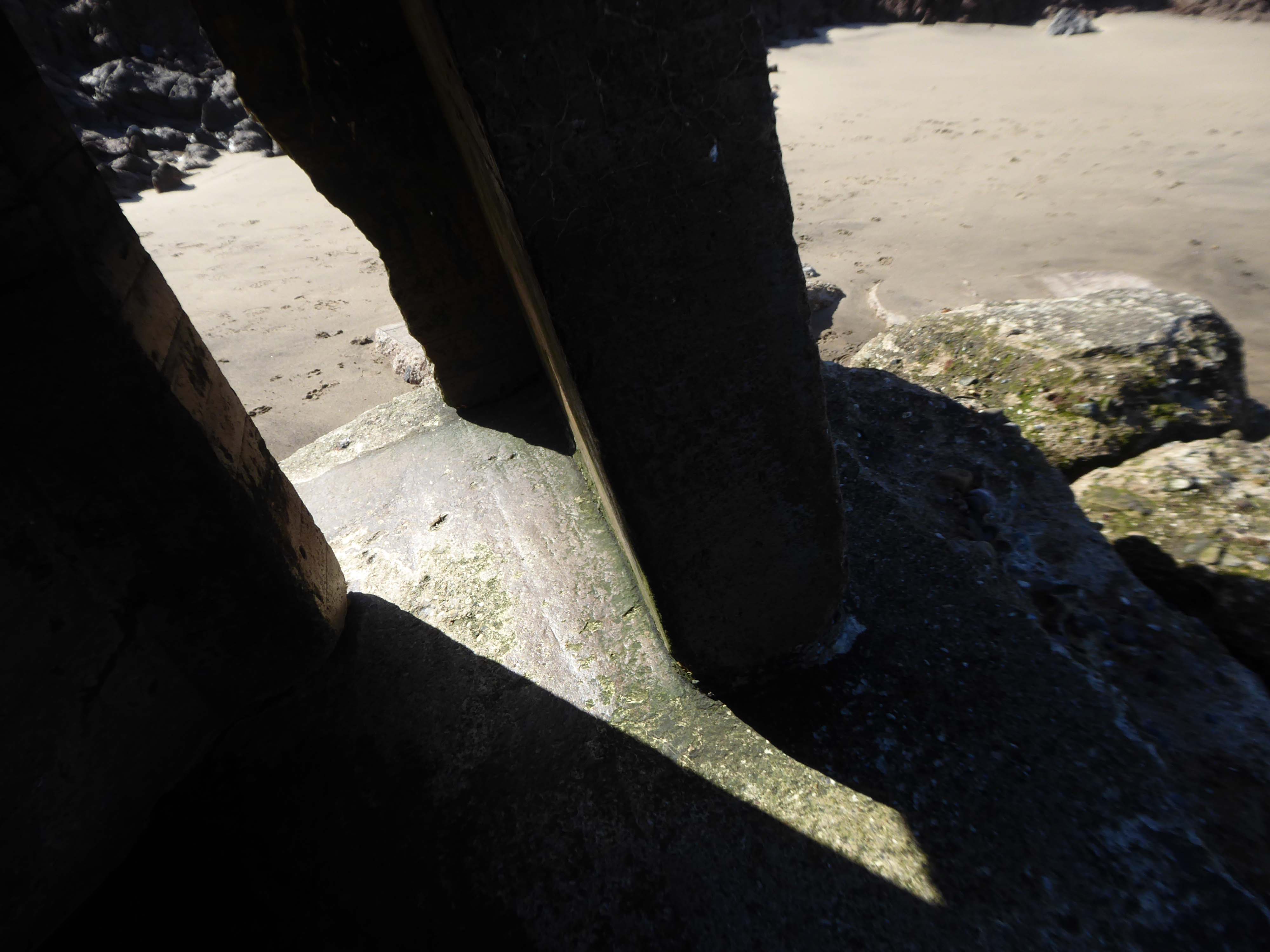
In Margate the tidal pools are full of waveless sea water and kiddy fun.

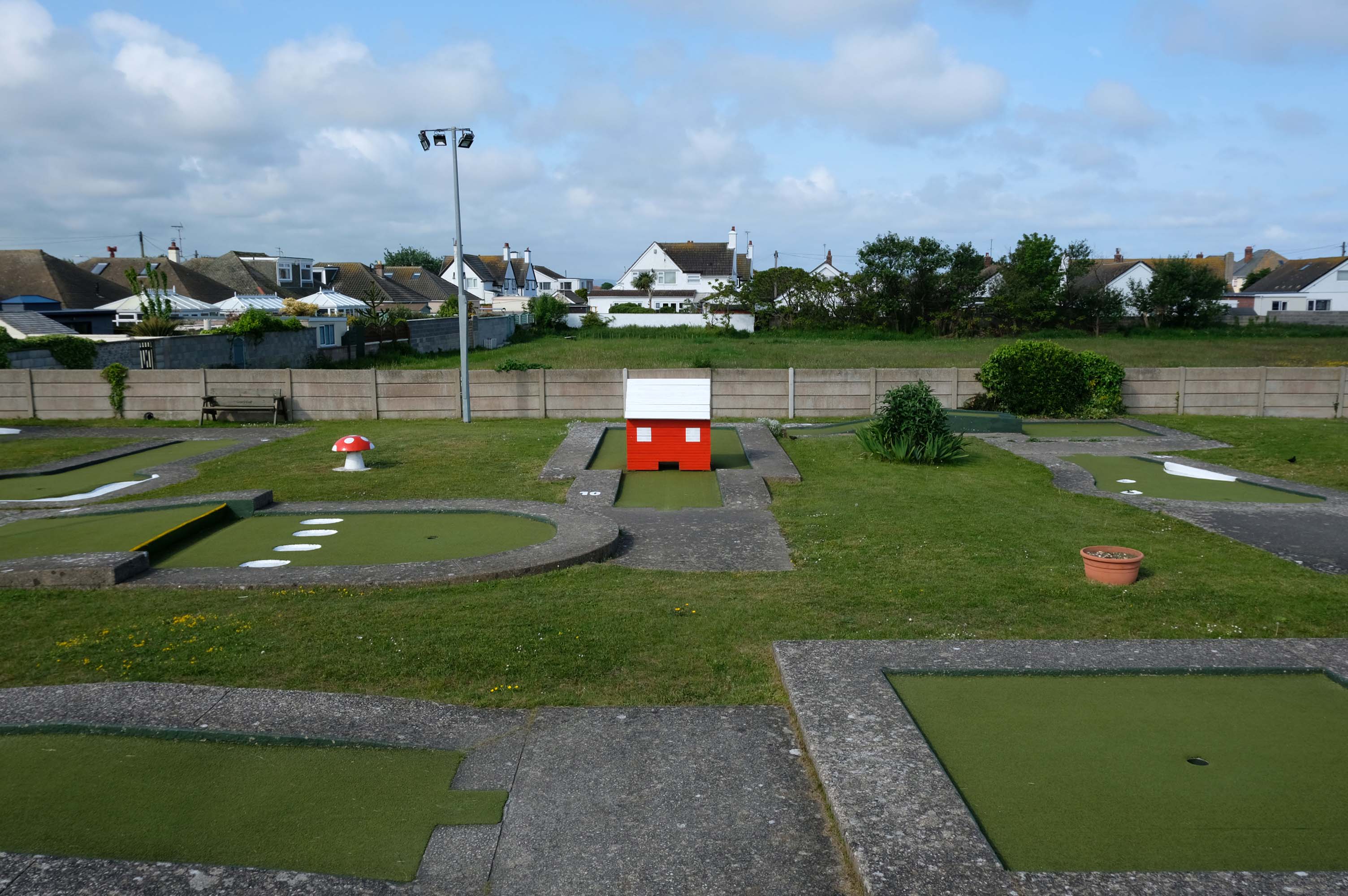
The former crazy golf course is undergoing an ongoing programme of involuntary rewilding.

The Turner Contemporary was hosting an impromptu al fresco sculpture show.

Dreamland was still dreaming.

And Arlington House staring steadfastly out to sea.

Time now for tea and a welcome plate of chish and fips at the Beano Cafe.

I miss my haddock and chips from Beano in Margate, brought to you with a smile and he remembers everyone.

Great customer service and friendly staff, see you soon.

The food is awful and the customer service is even worse: when we complained about the food the staff argued with us and wouldn’t do anything to change the food or refund, avoid at all costs!

Trip Advisor

Time for a wander around Cliftonville.

Discovering a shiny new launderette.

And a launderette that wasn’t a launderette – it’s a Werkhaus that isn’t a workhouse.

And a patriotic tea rooms.

So farewell then the south coast – we’re off home on the train in the morning.

But first a pint or two.