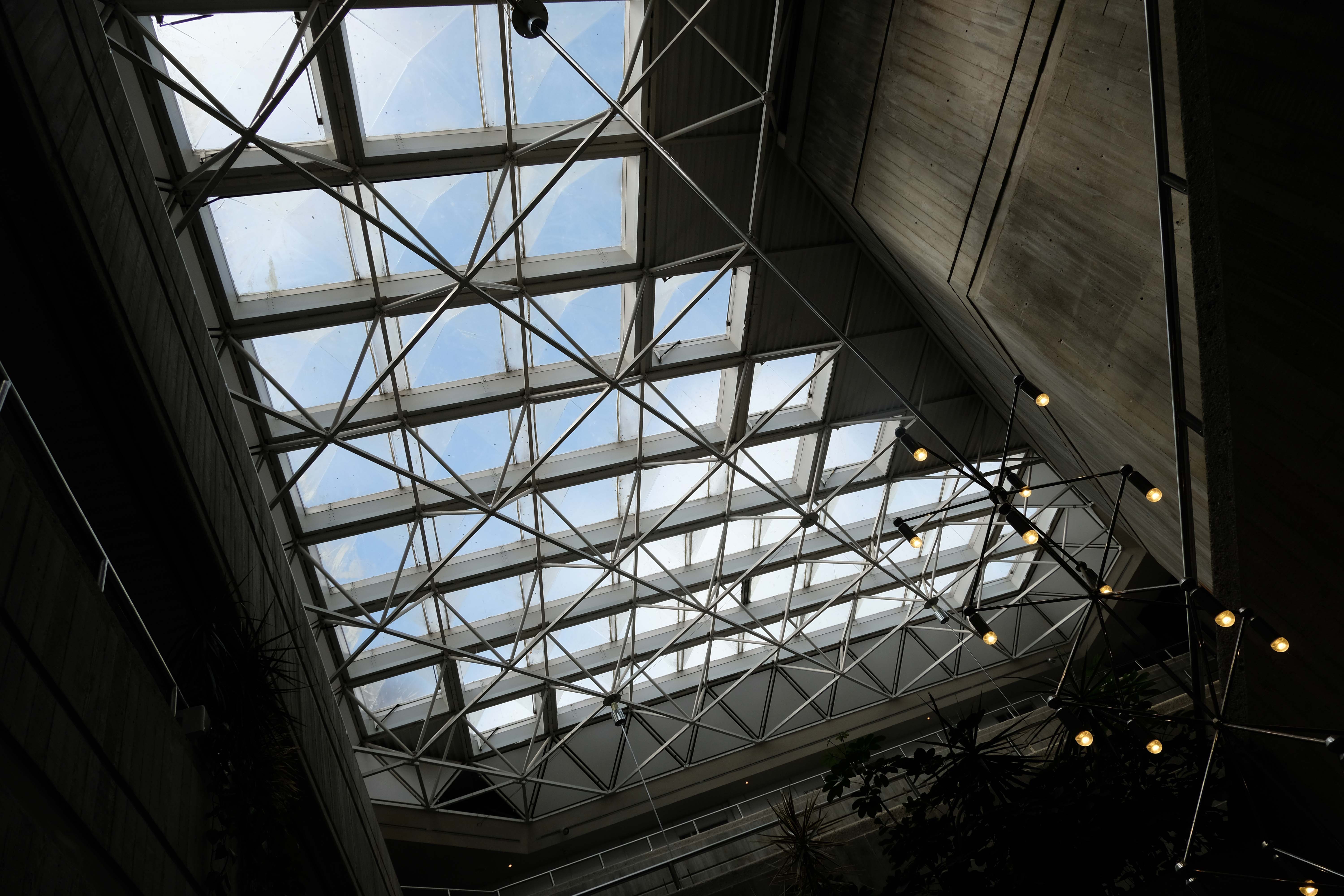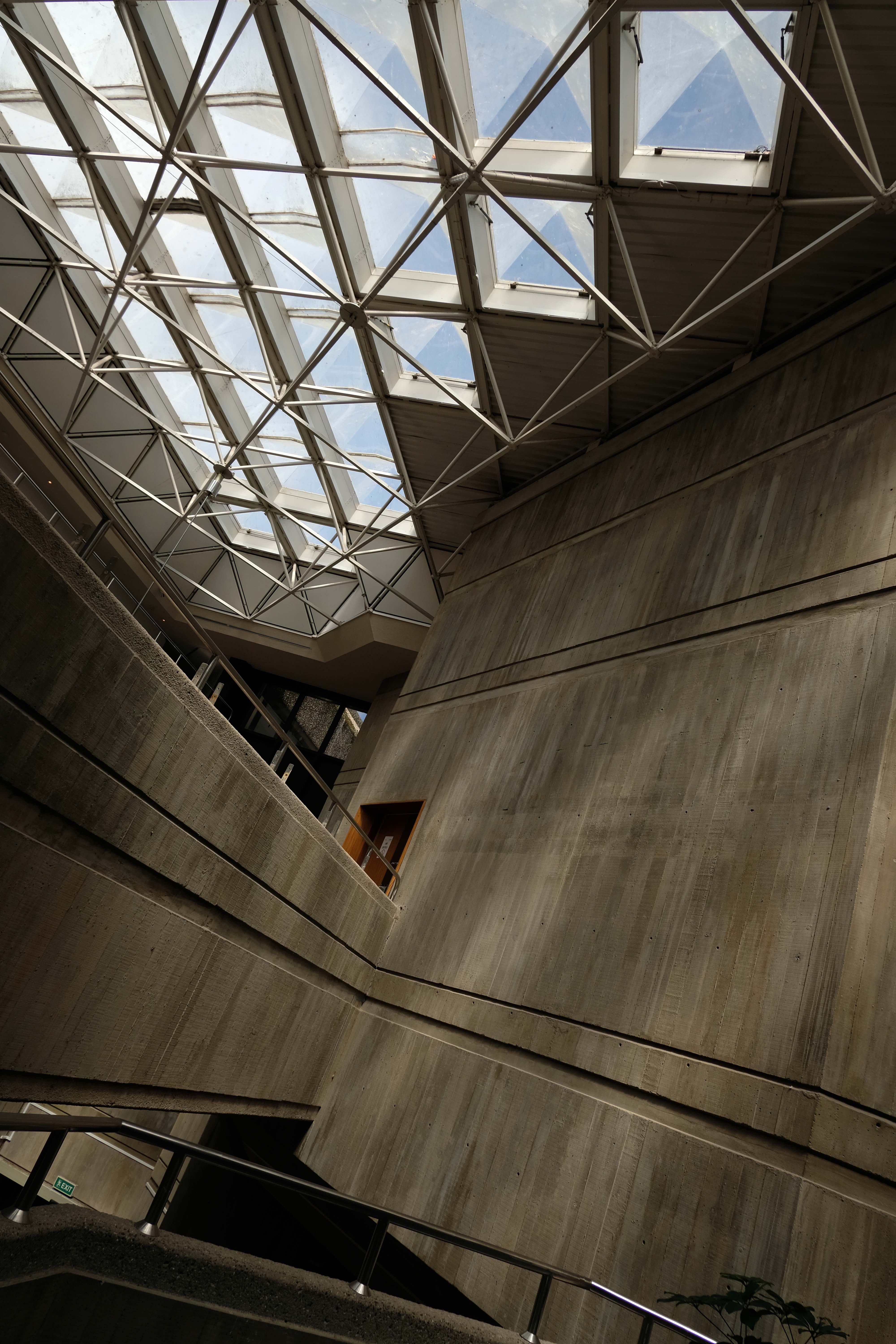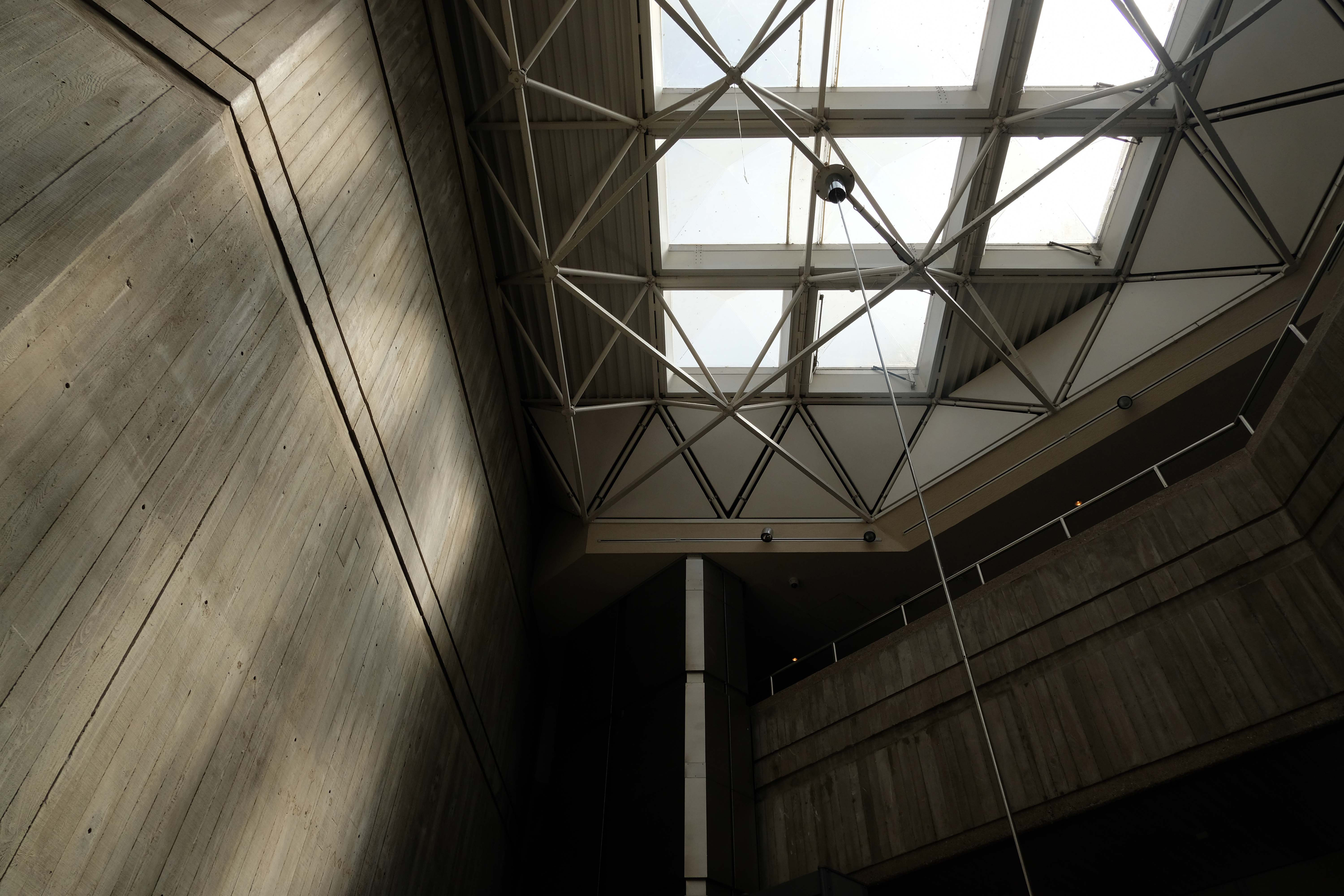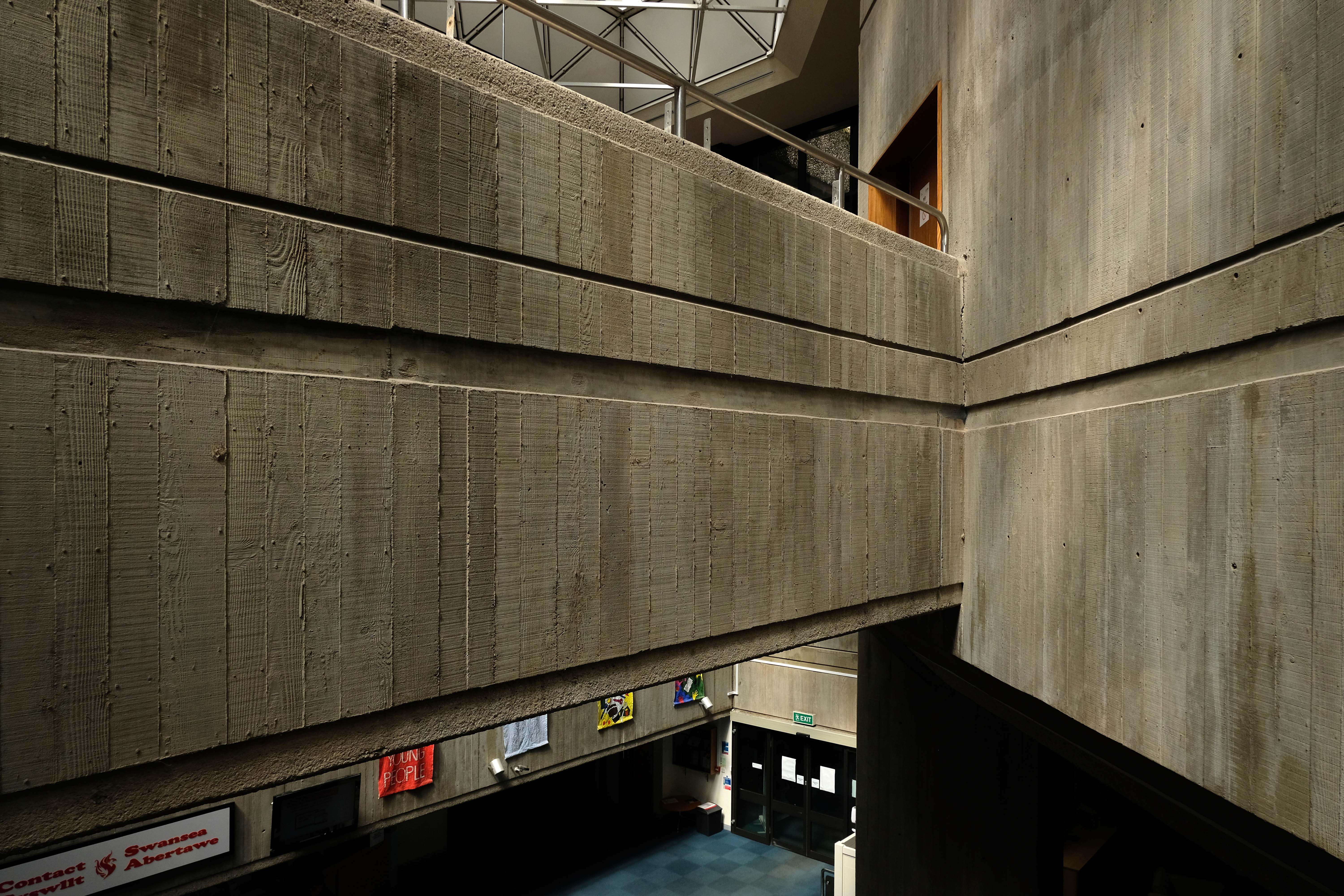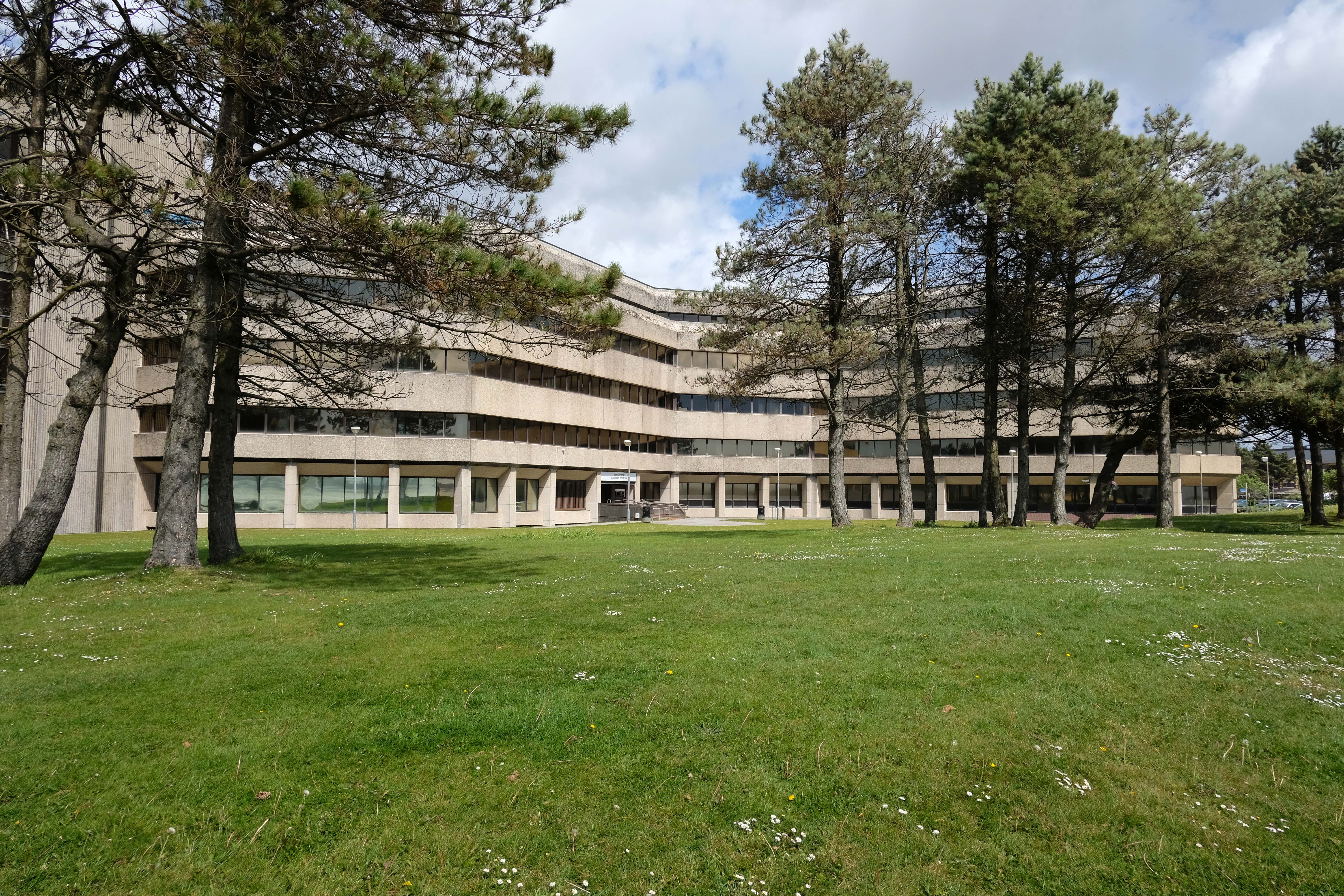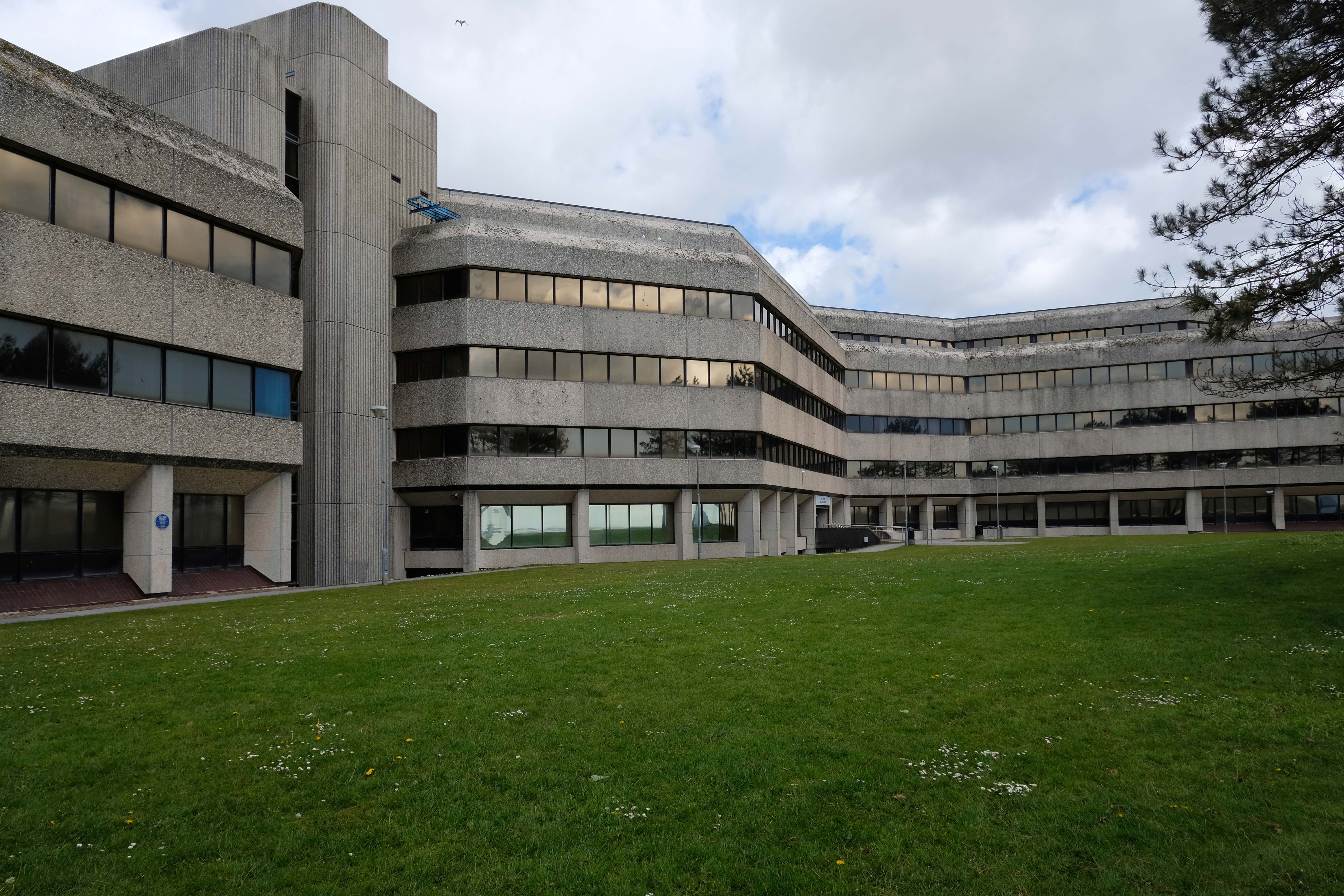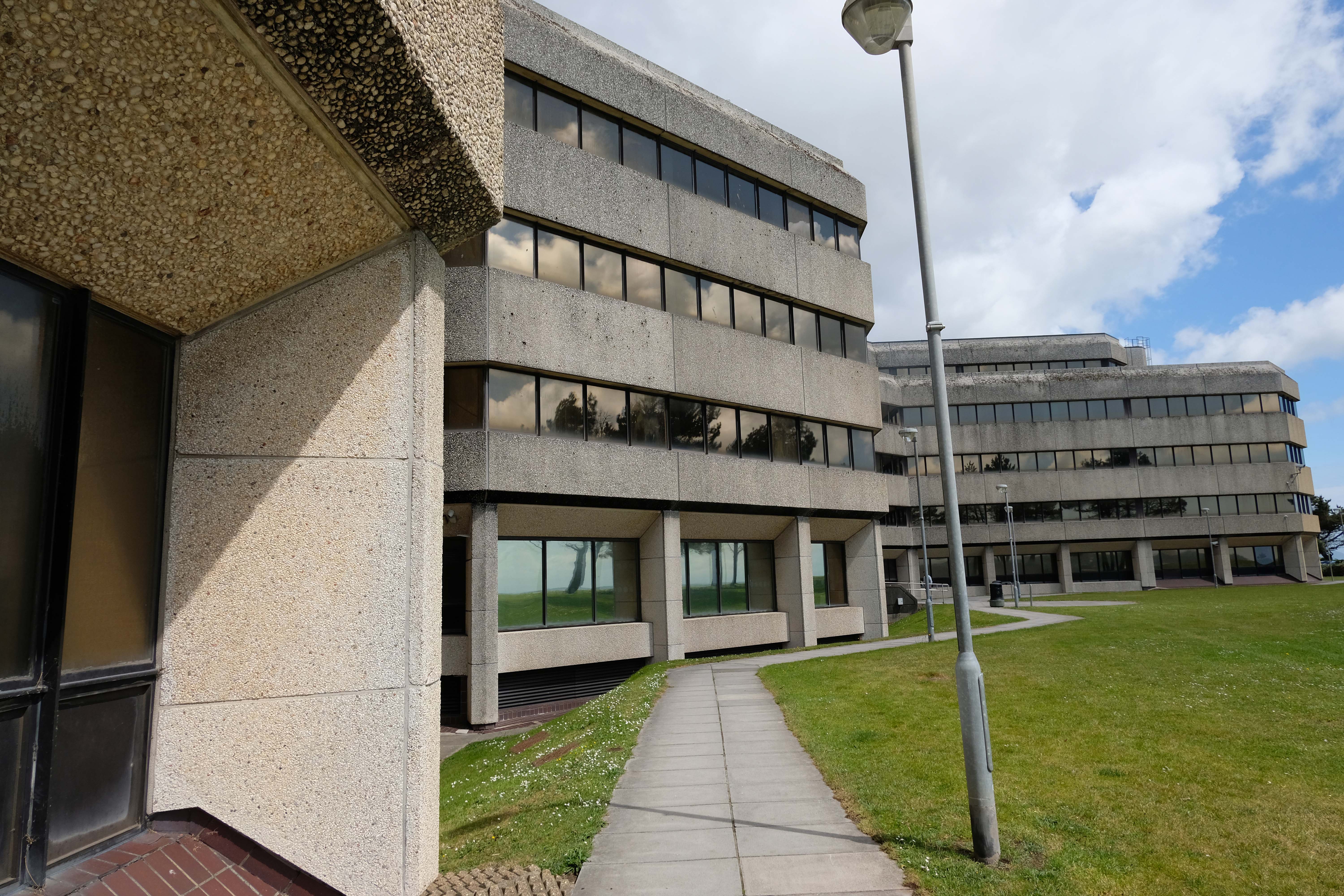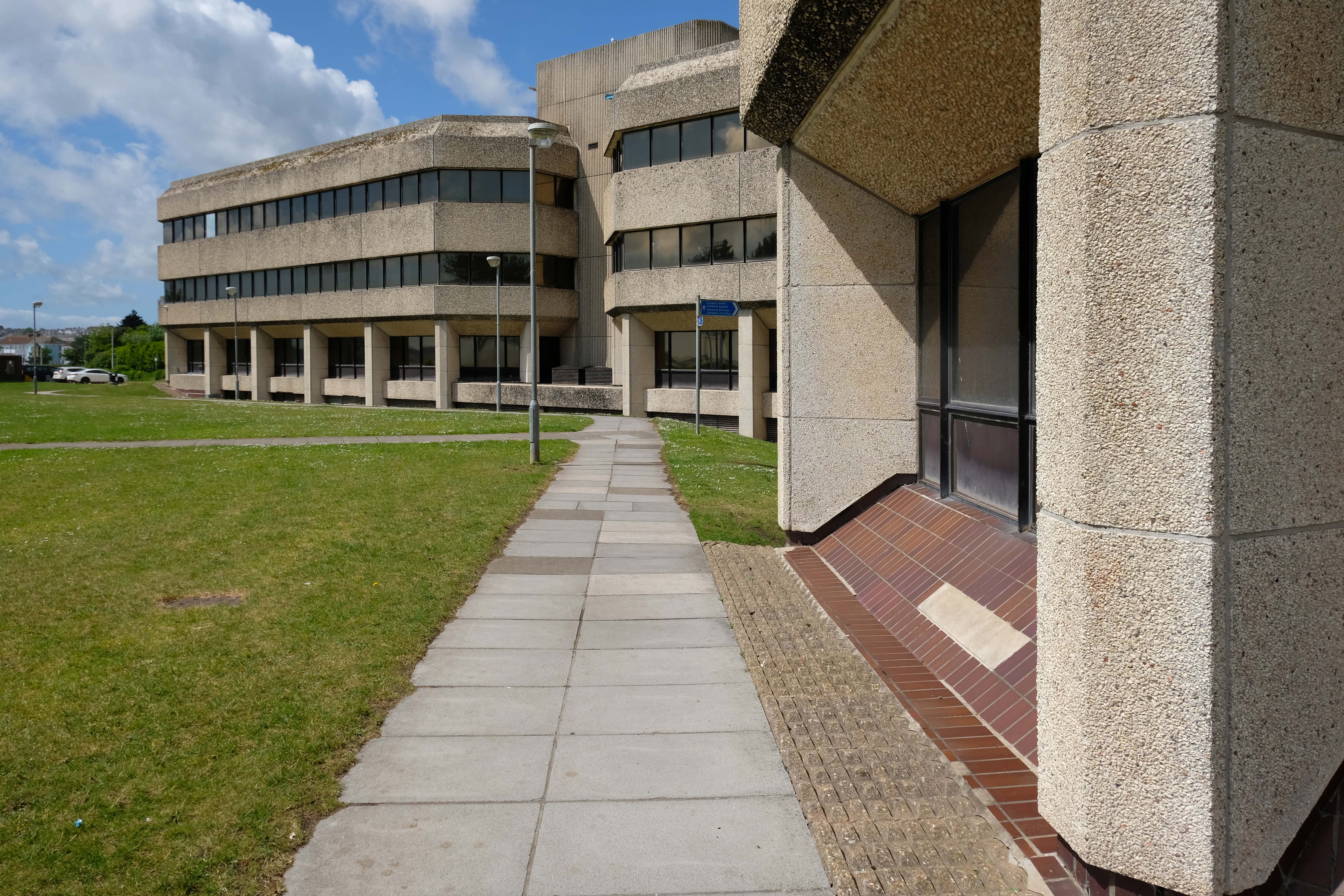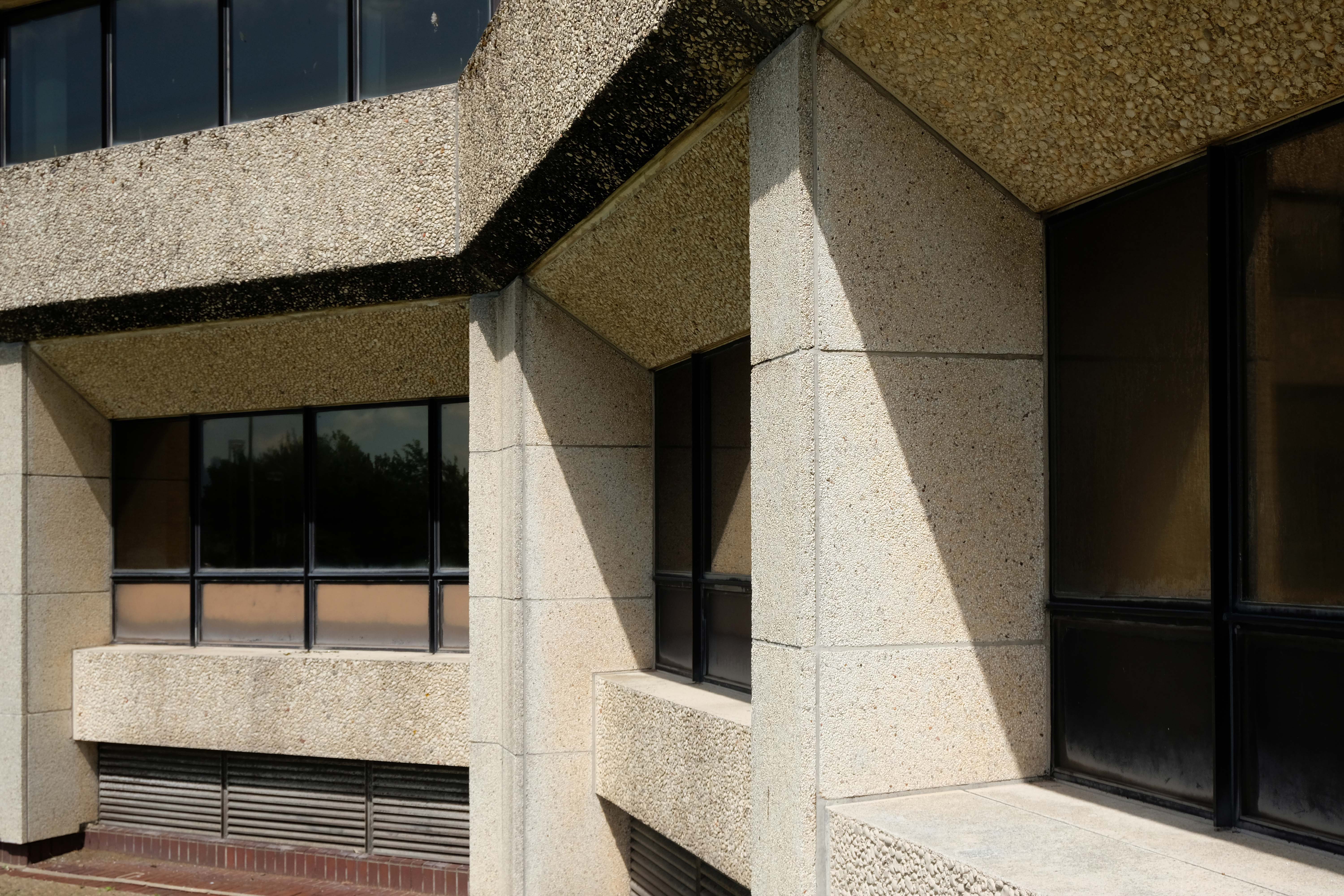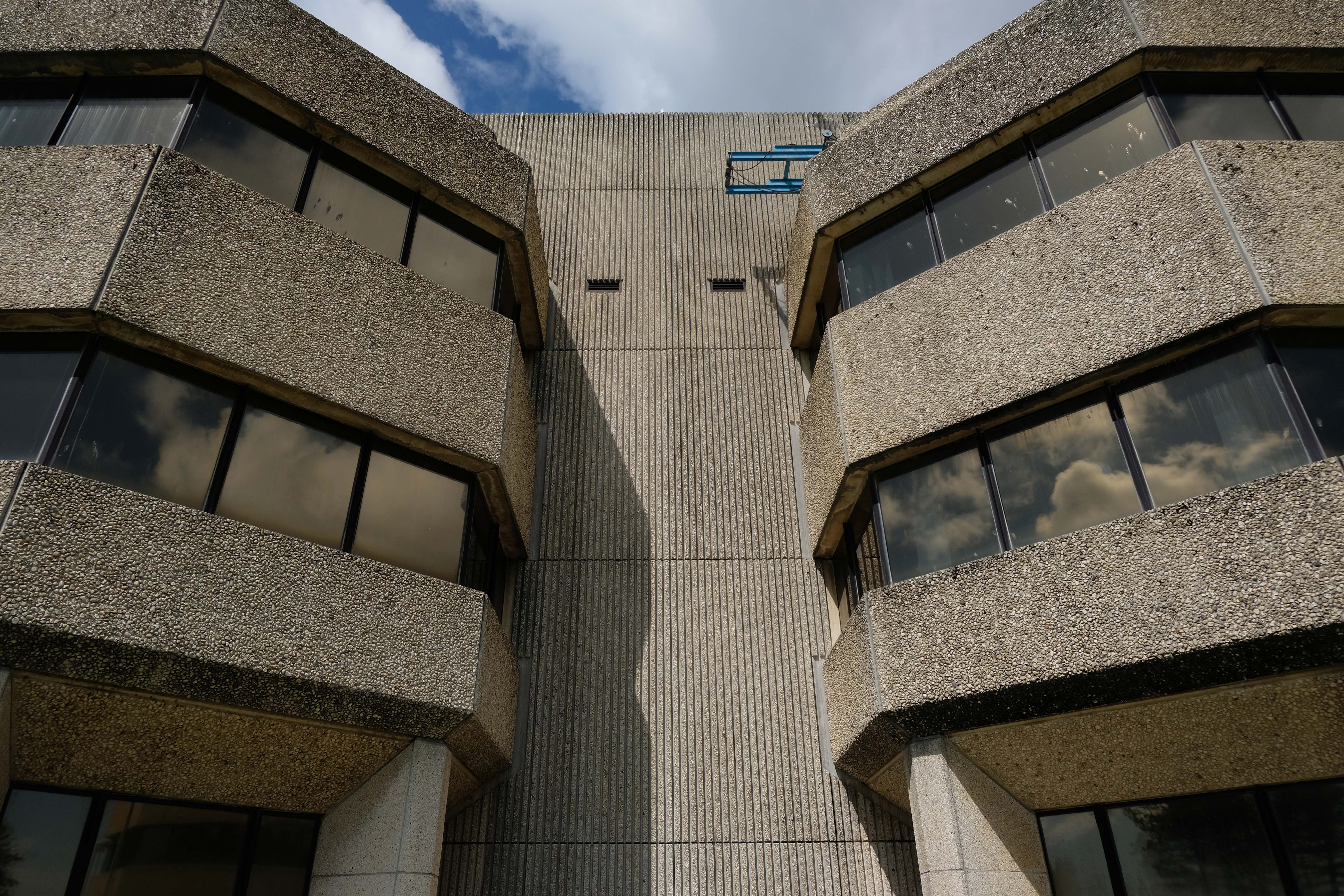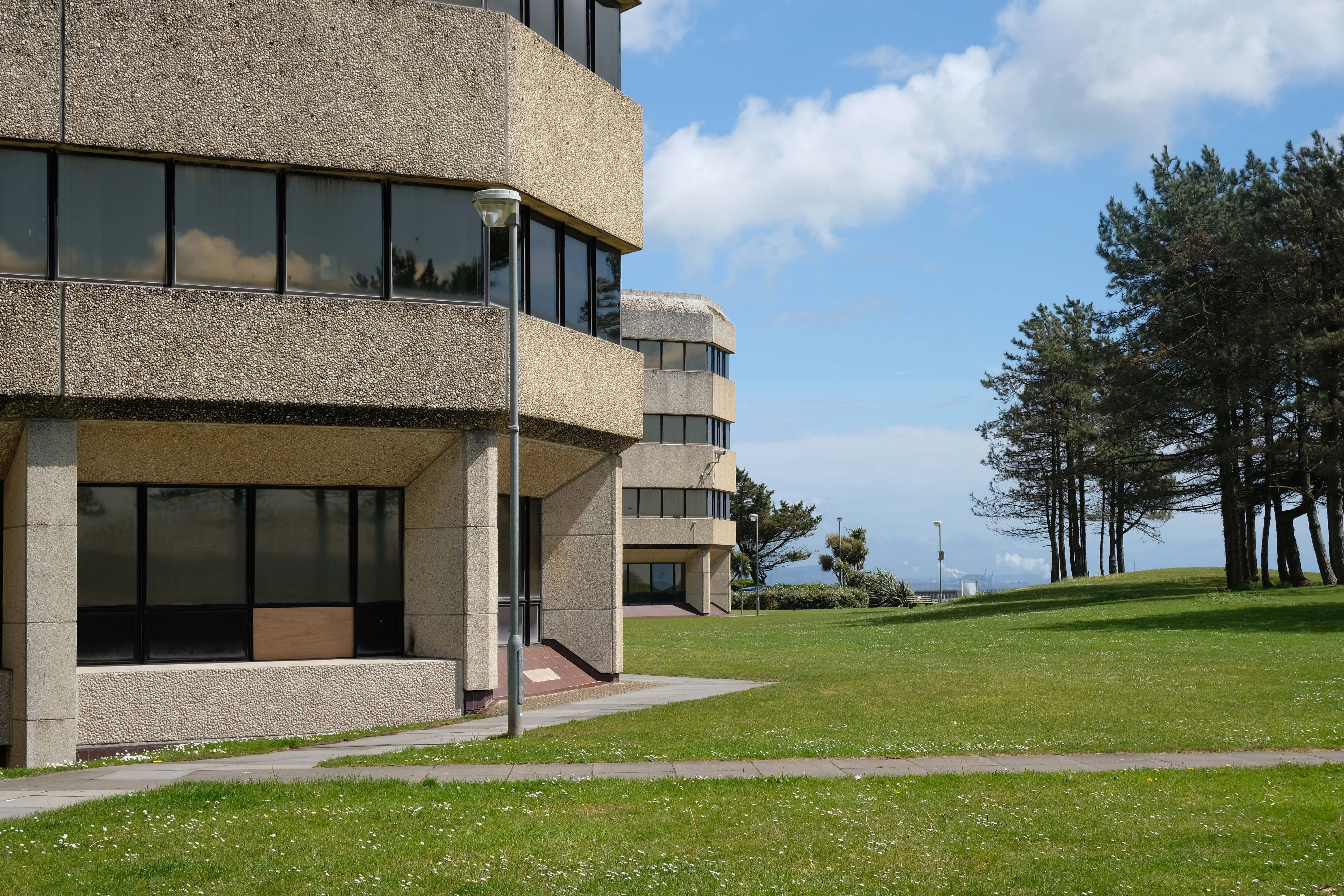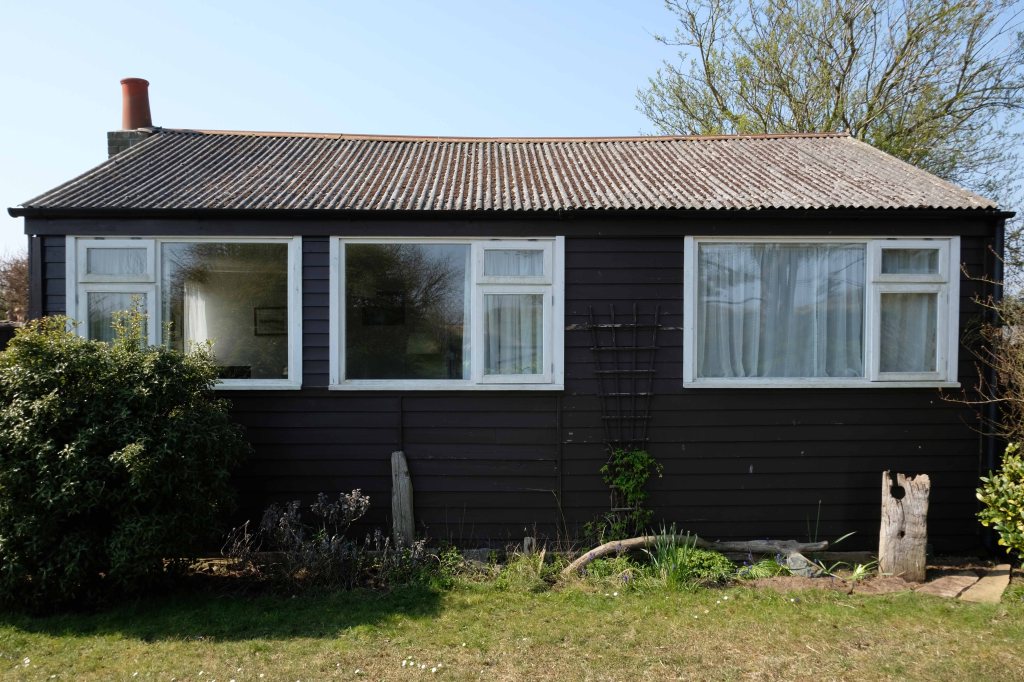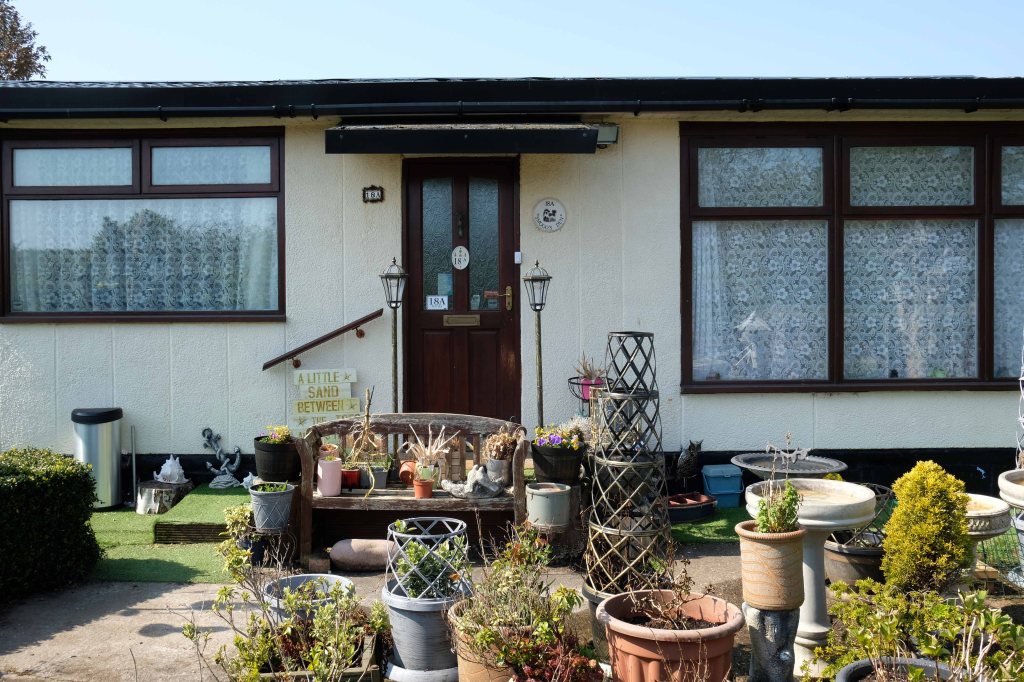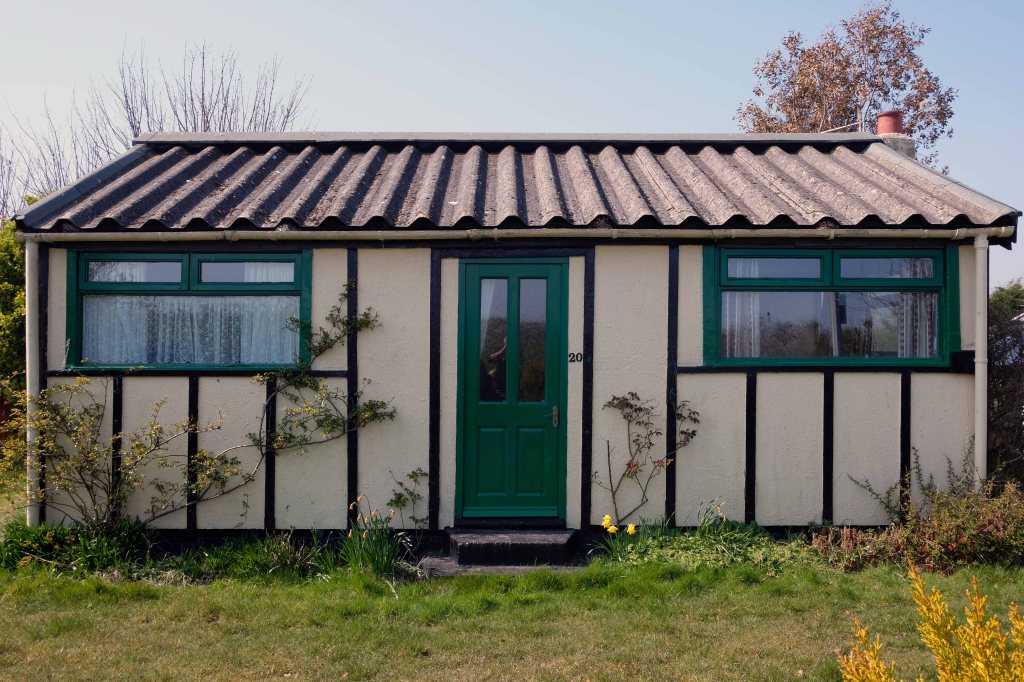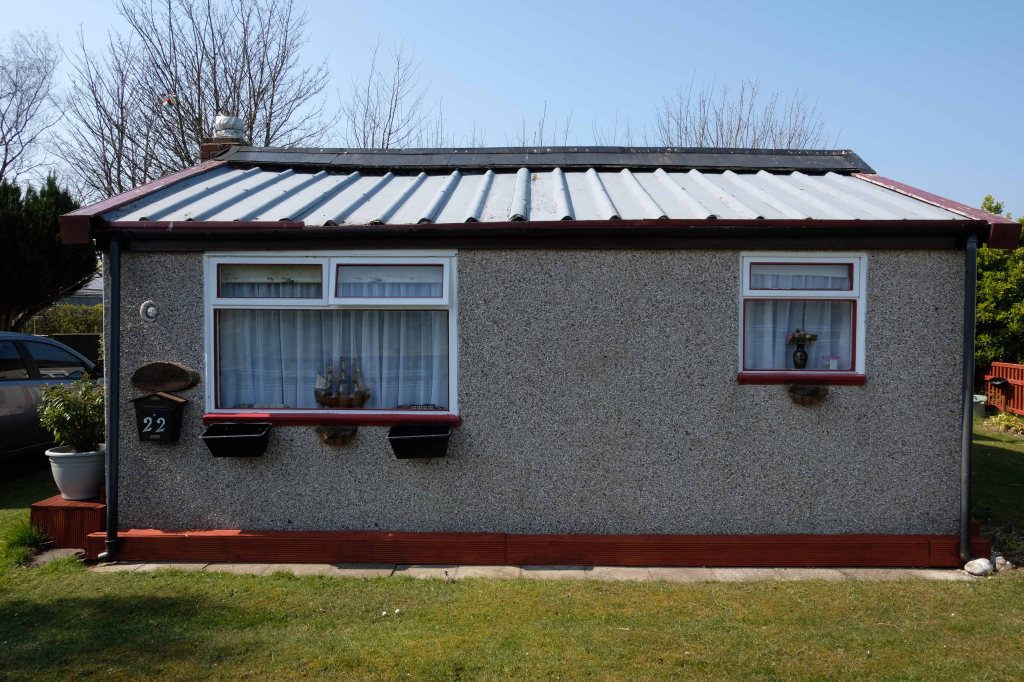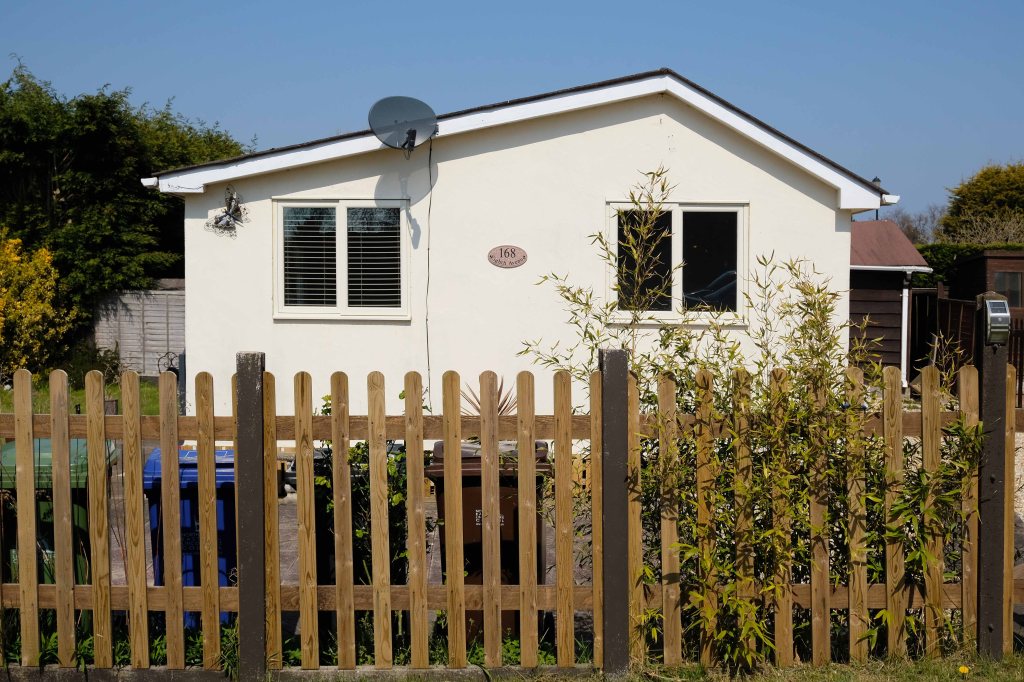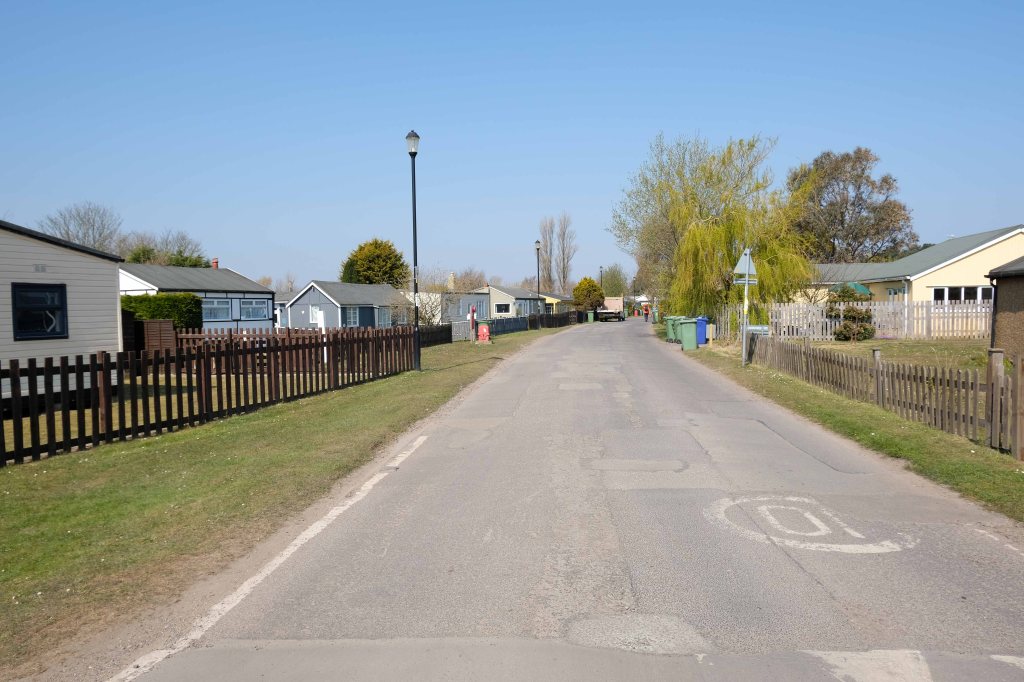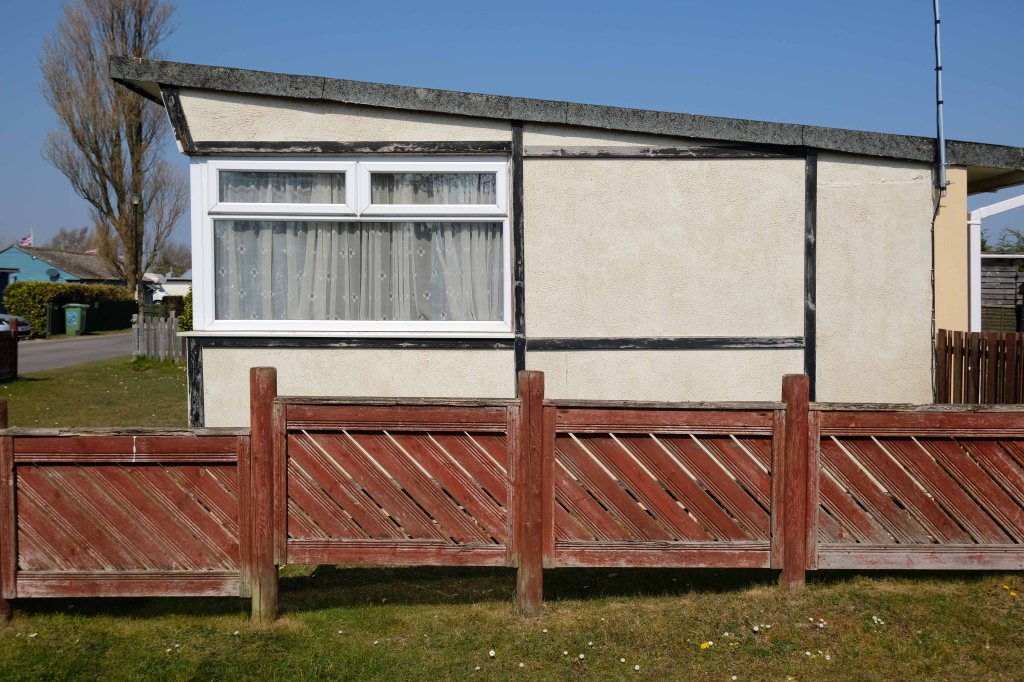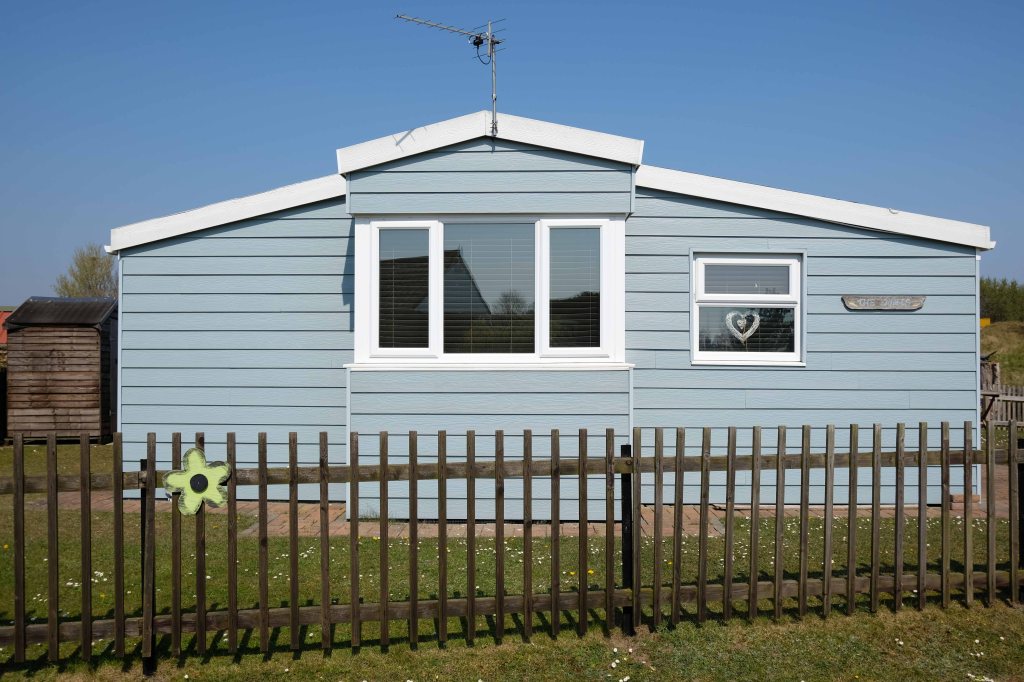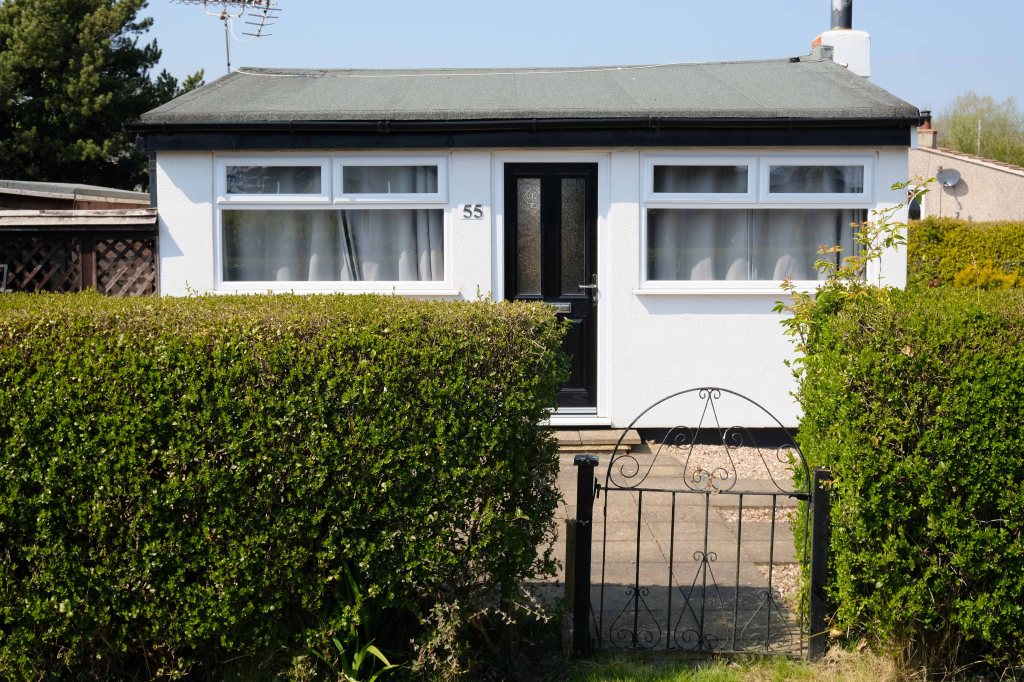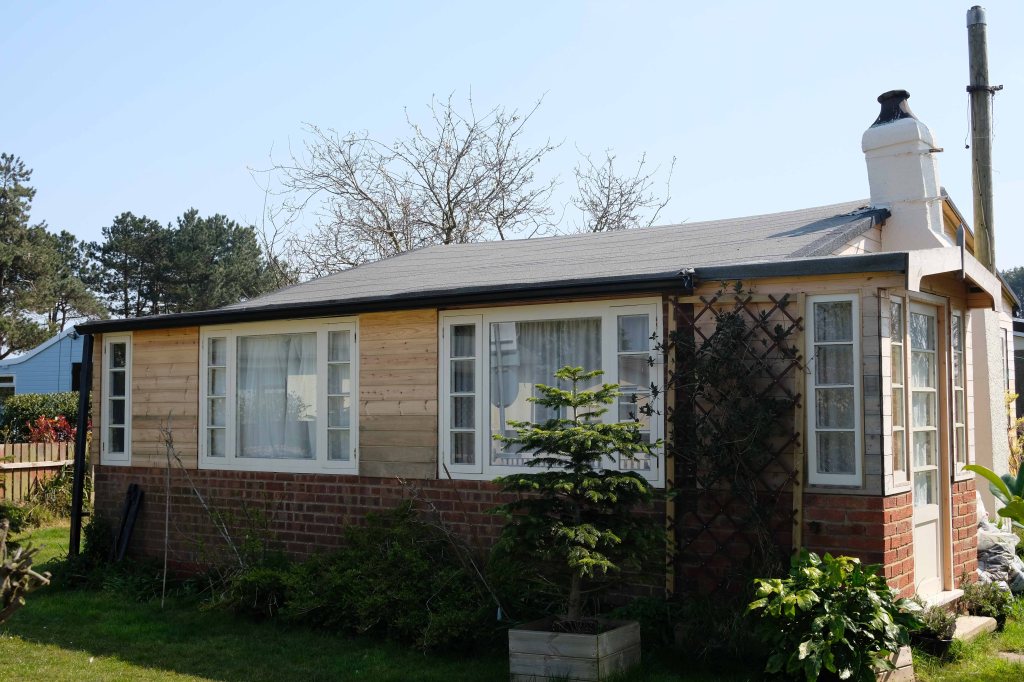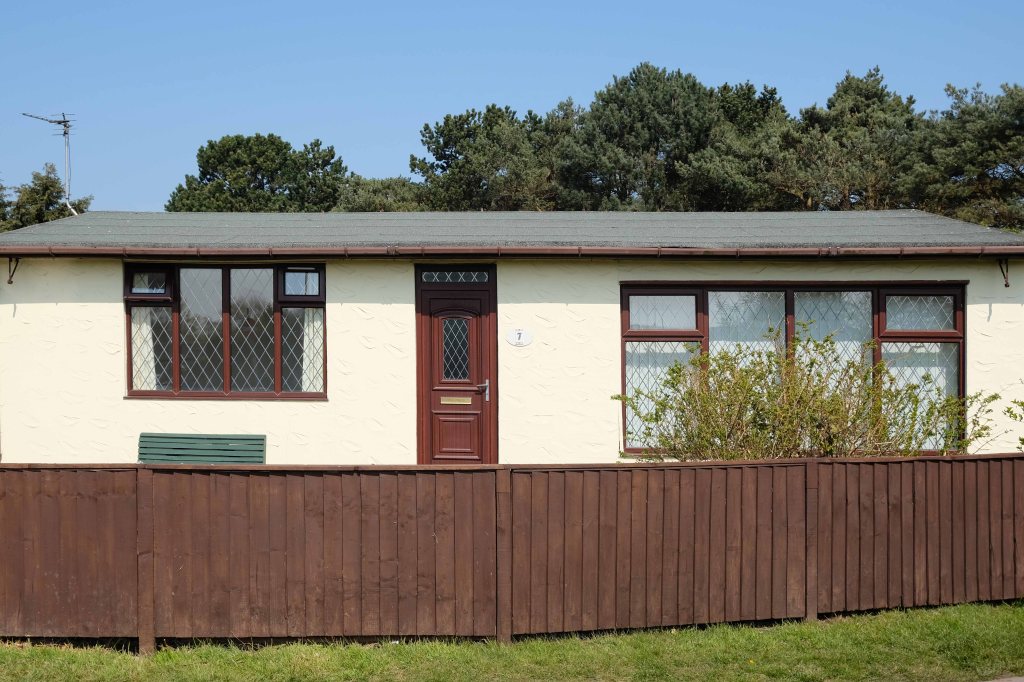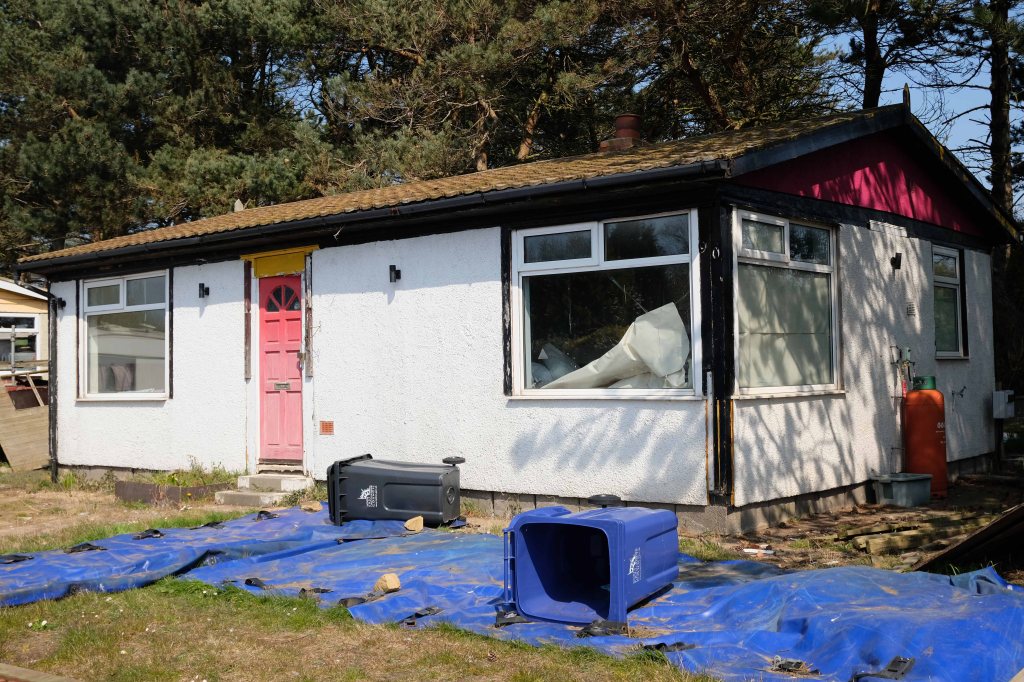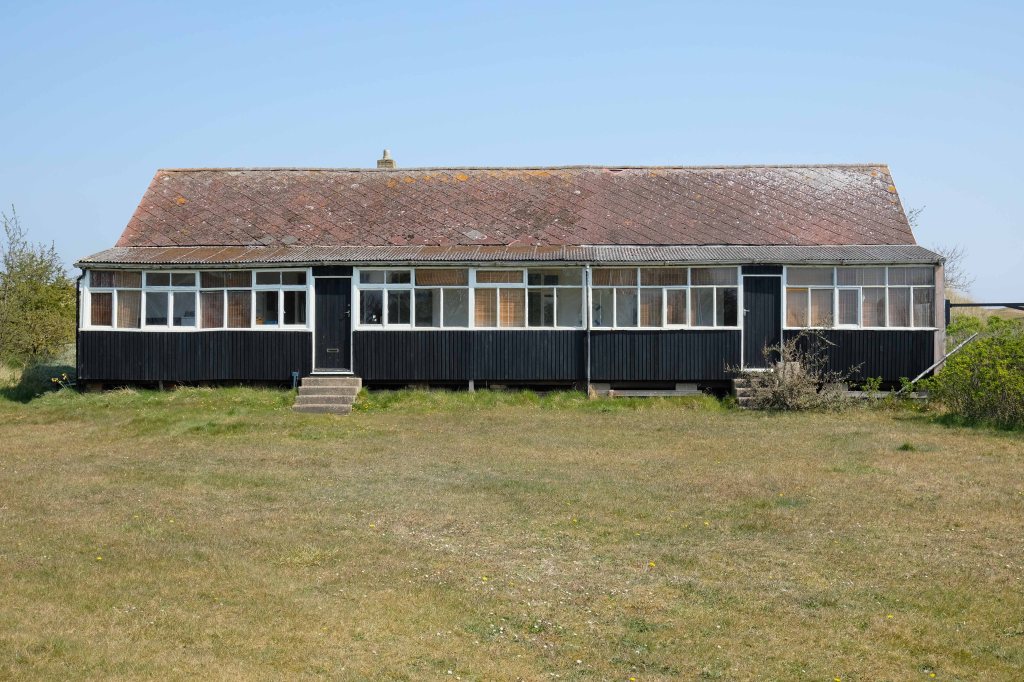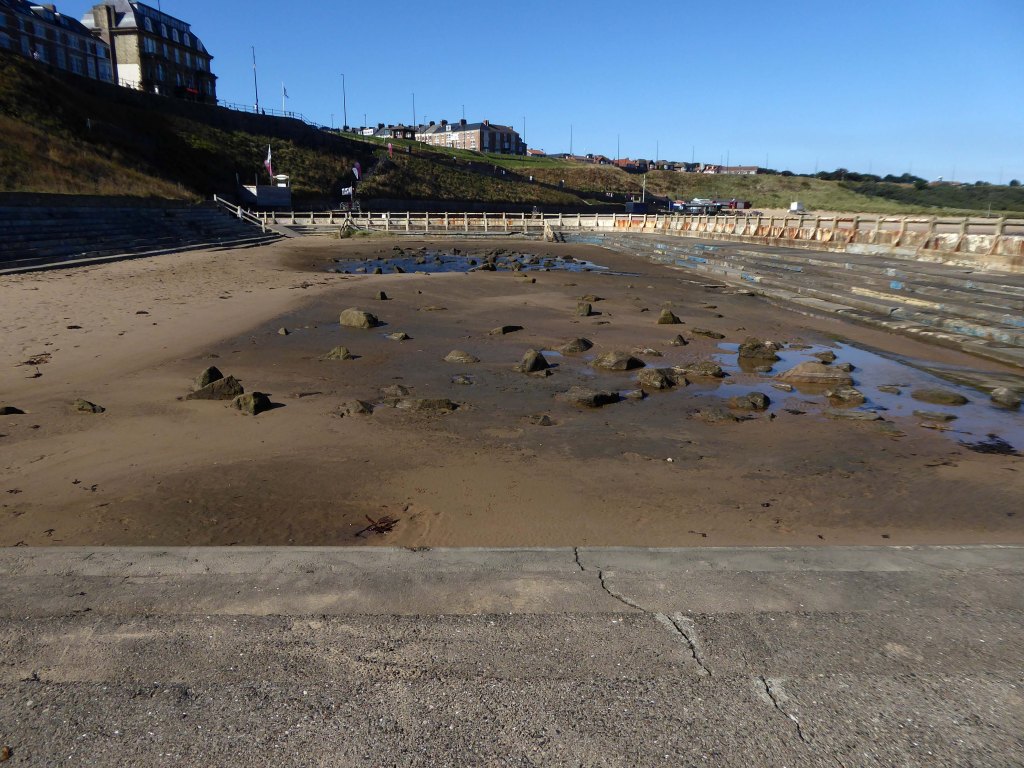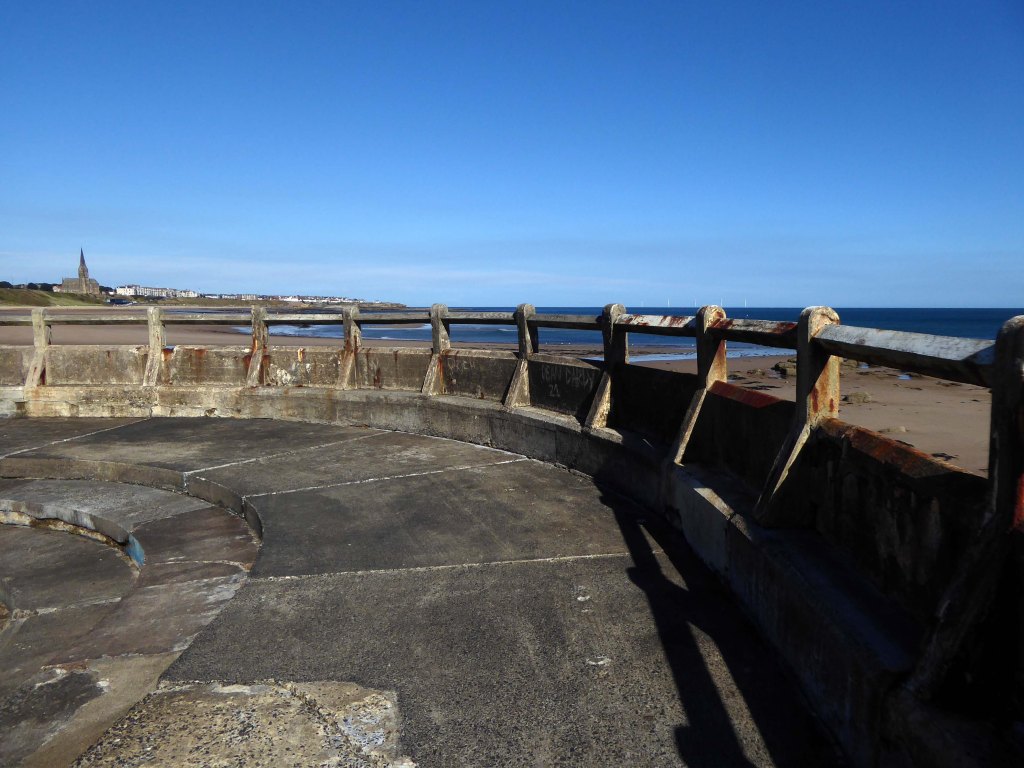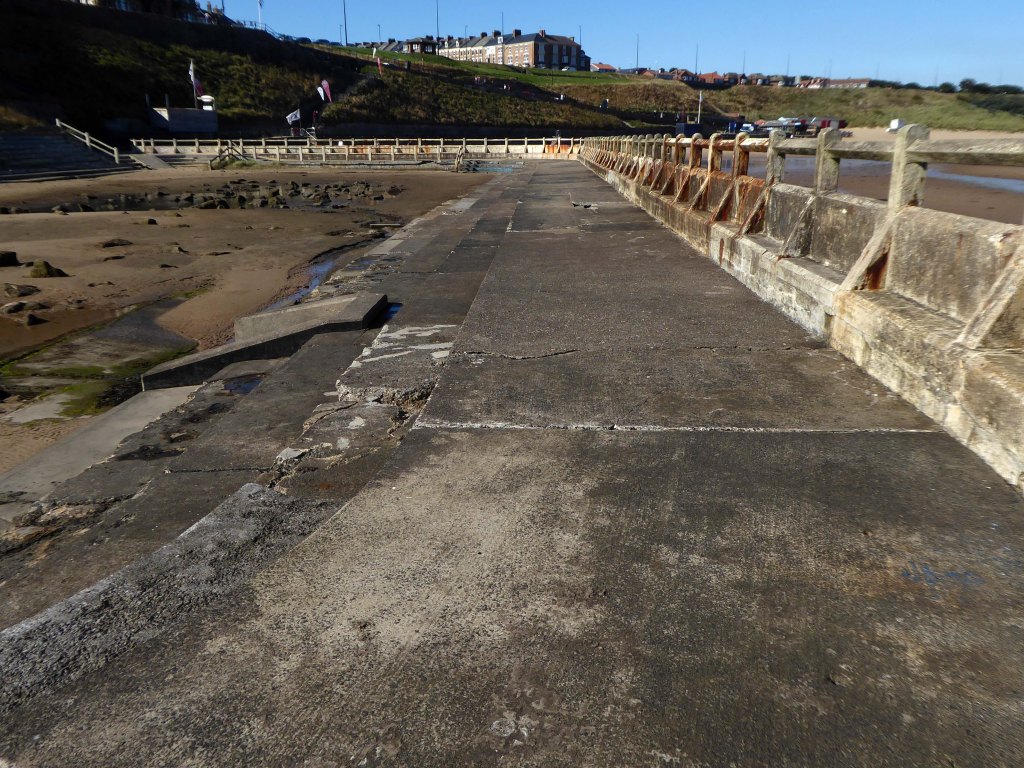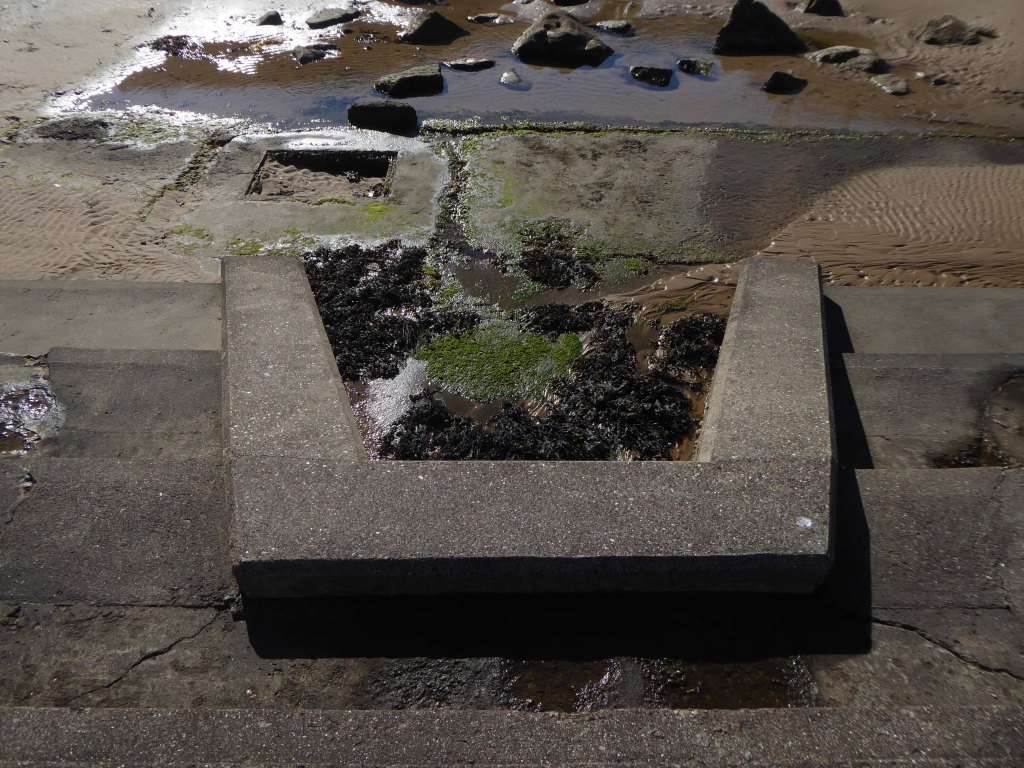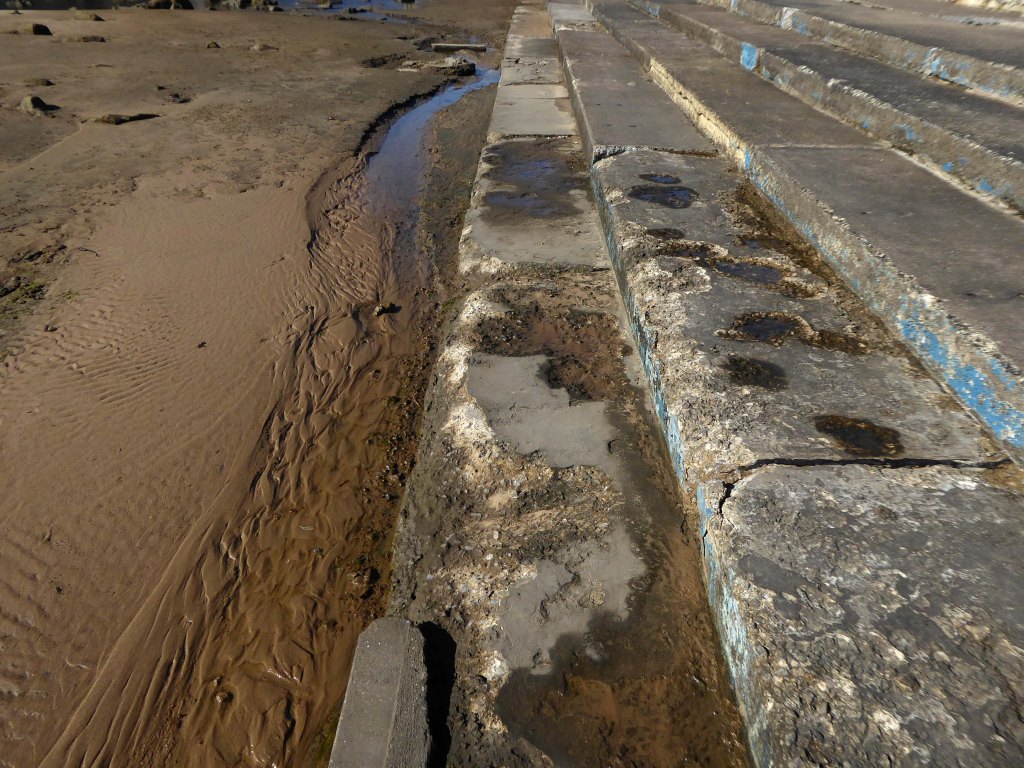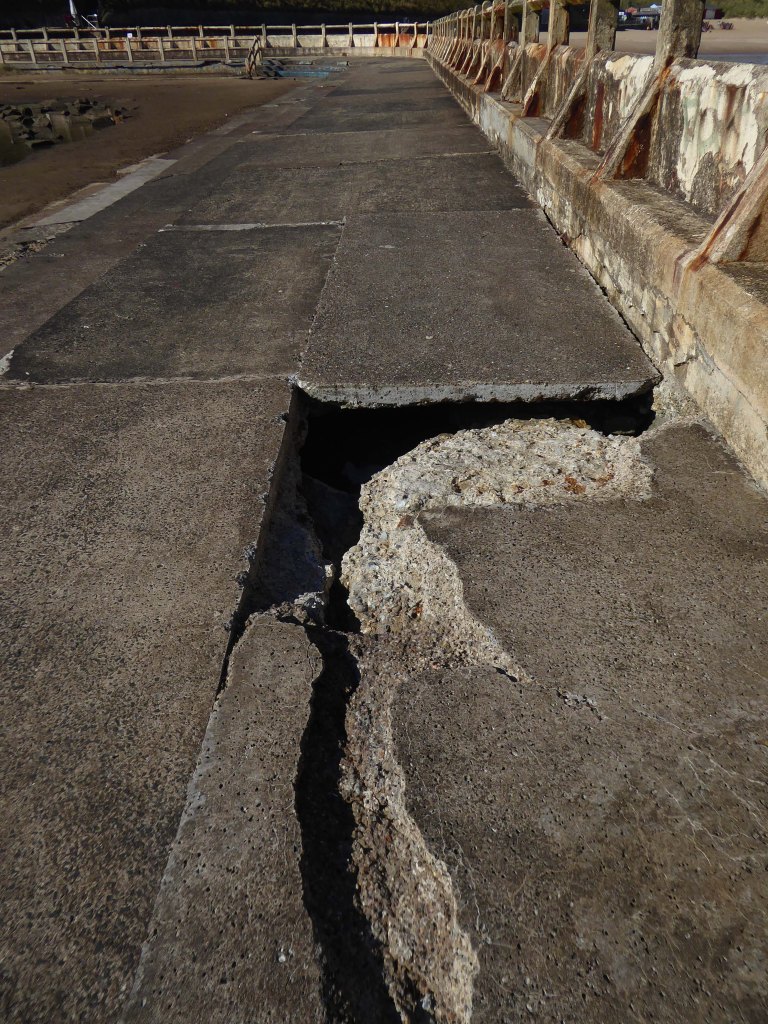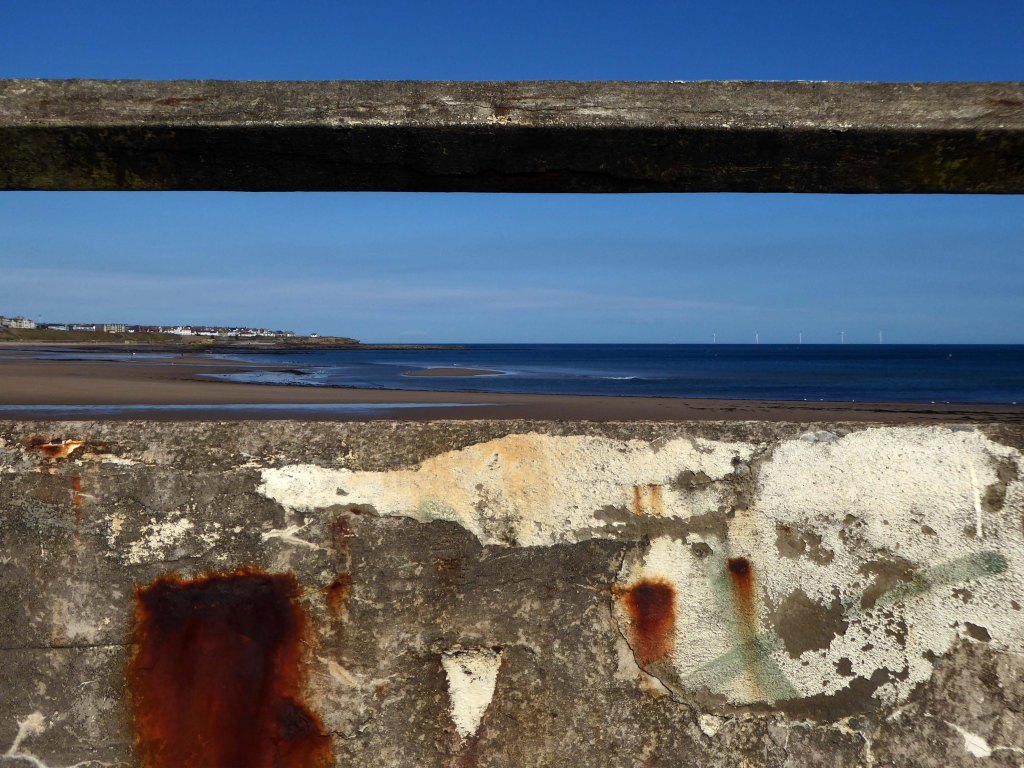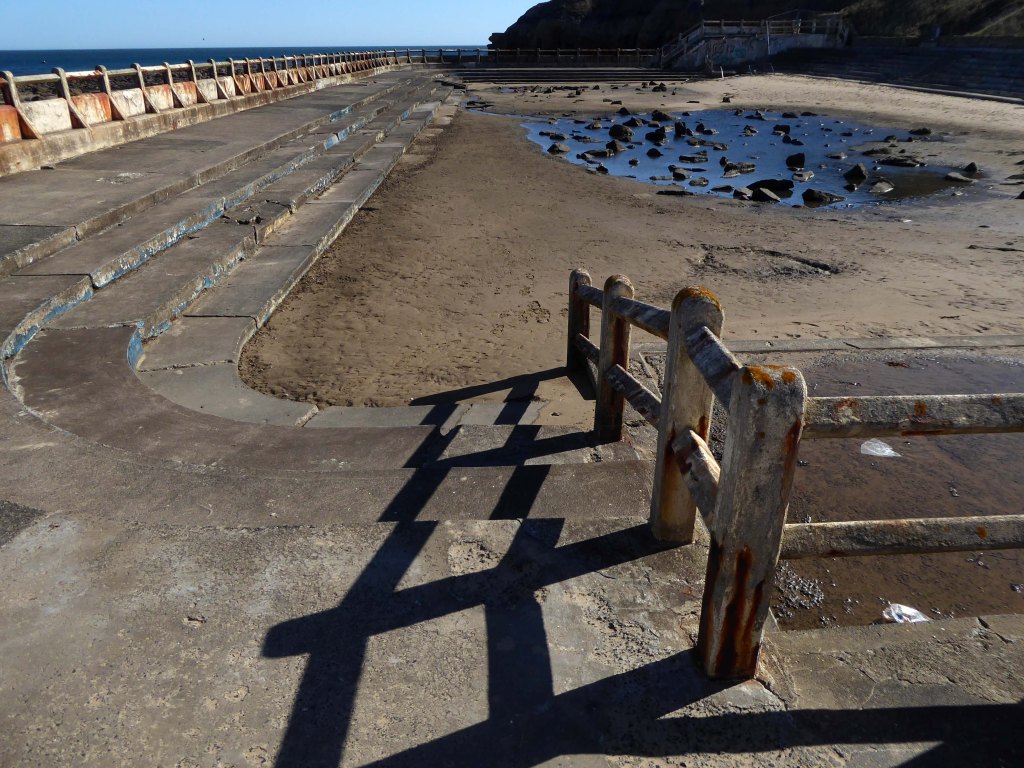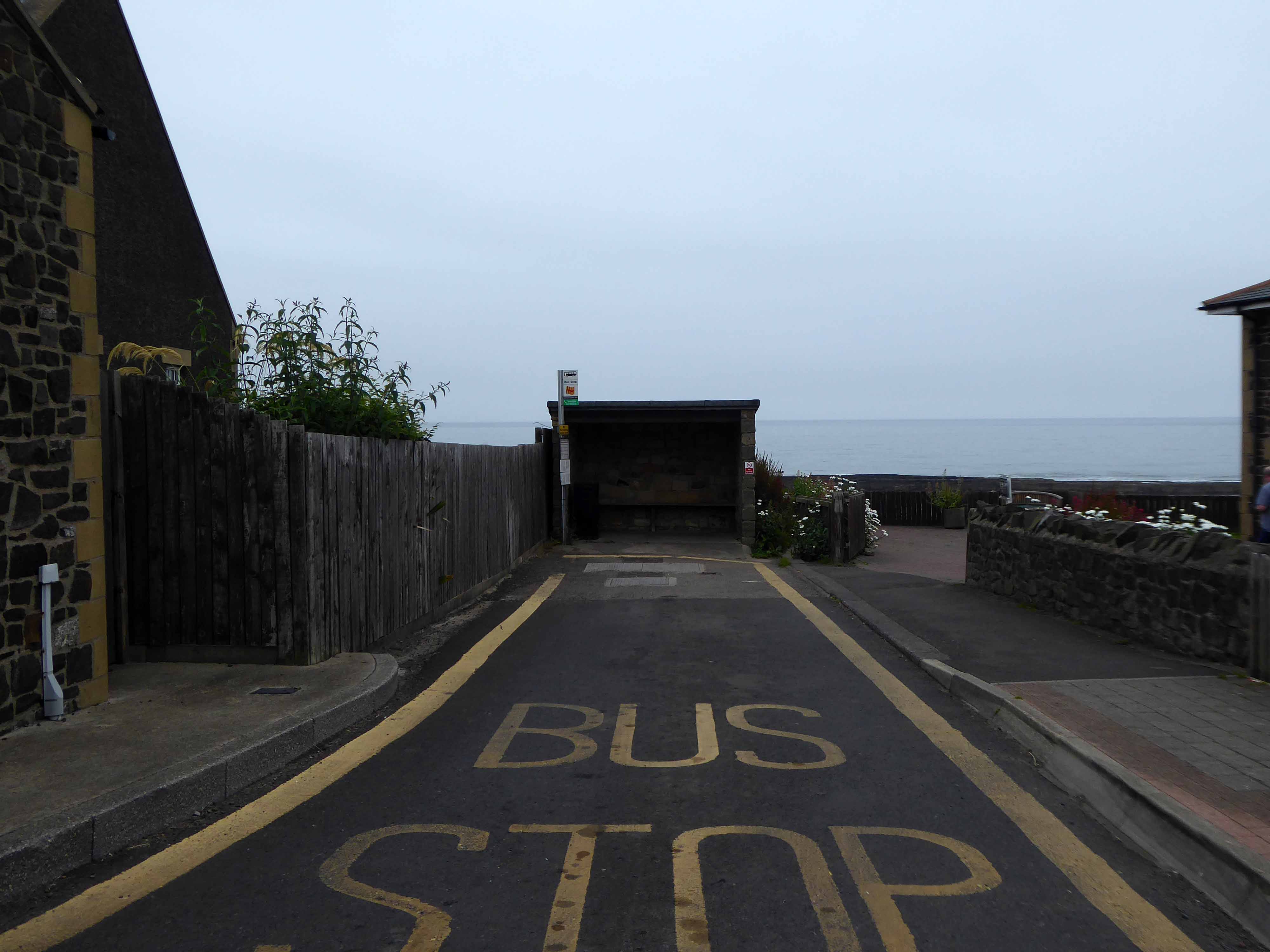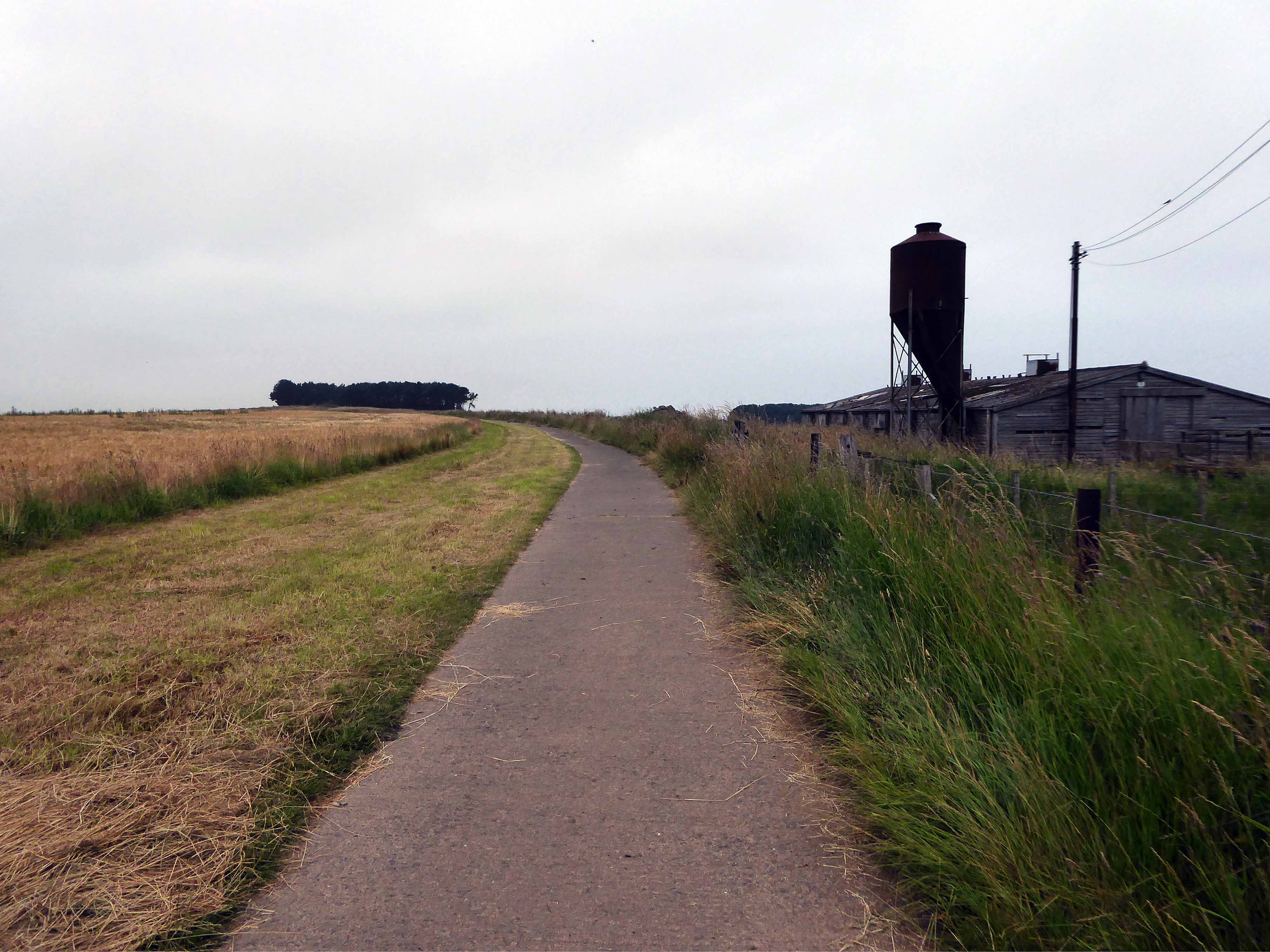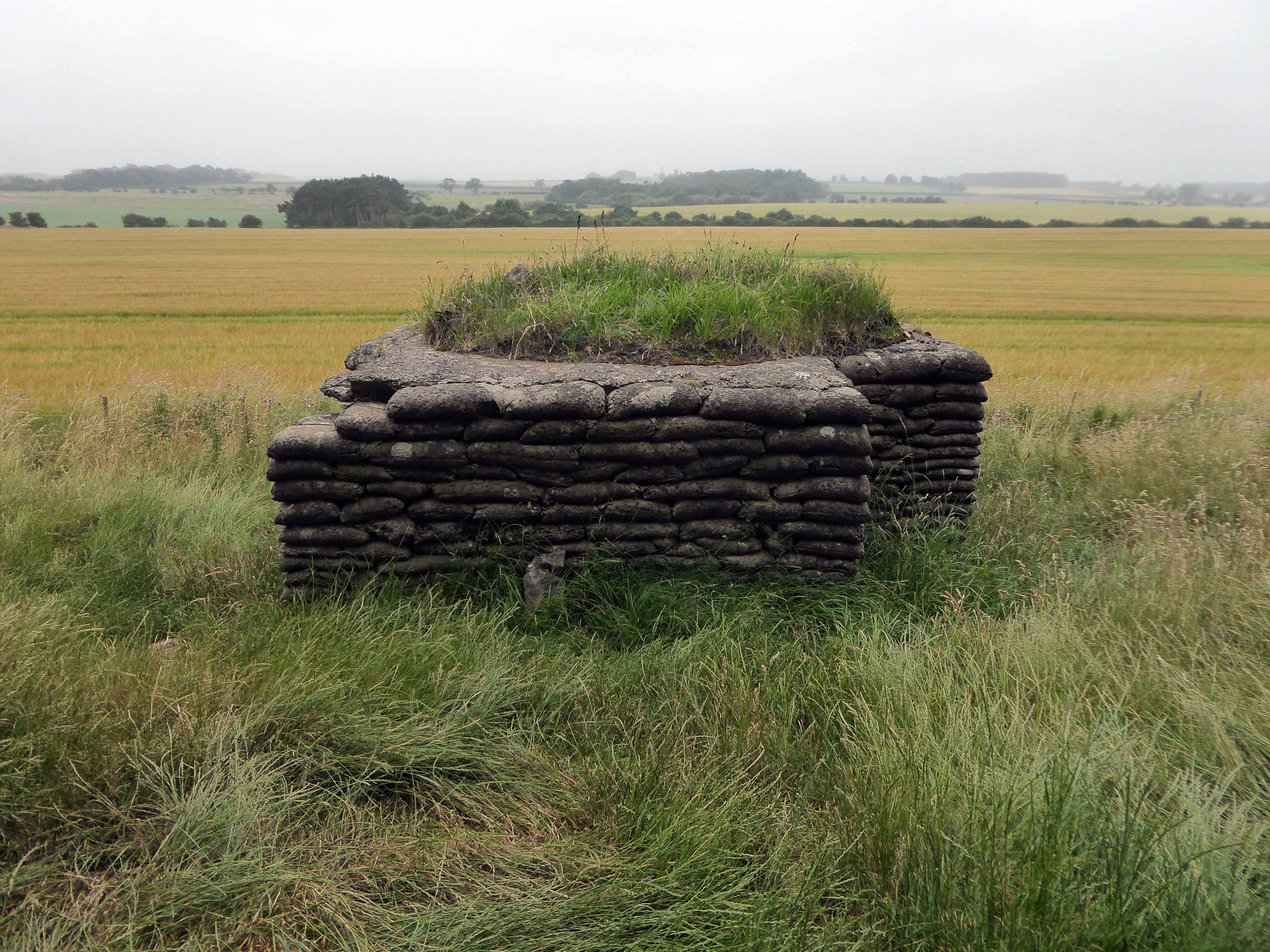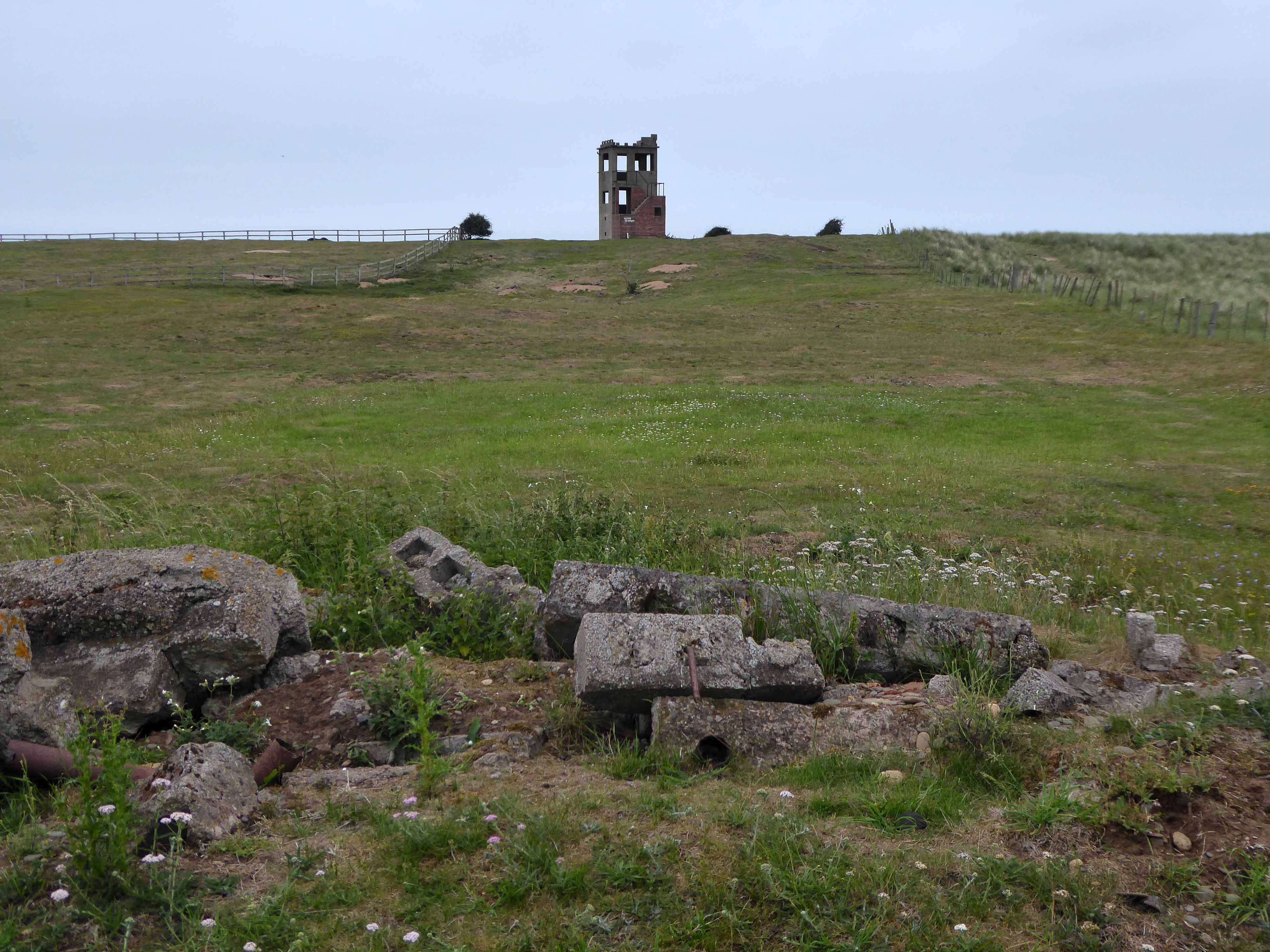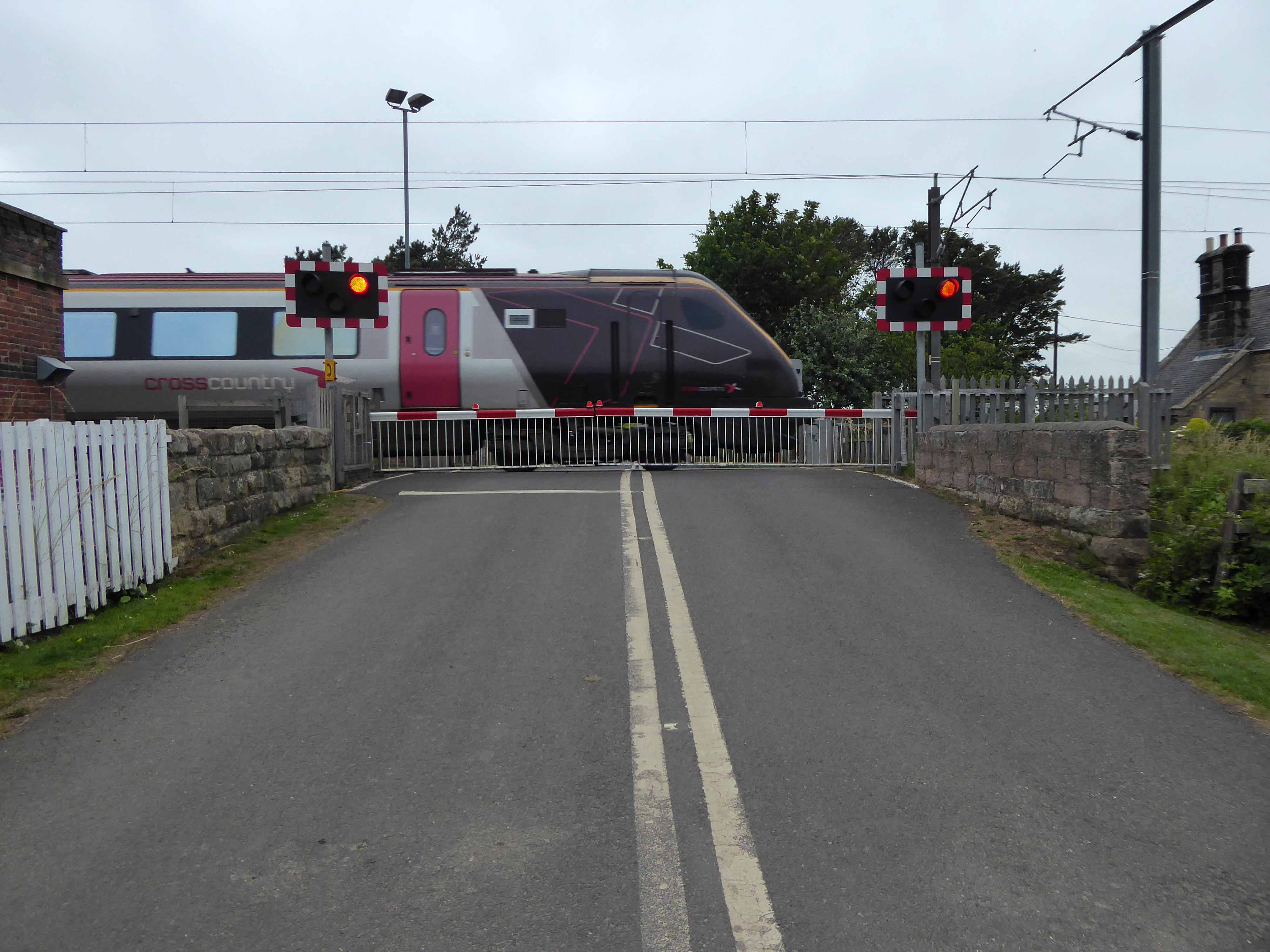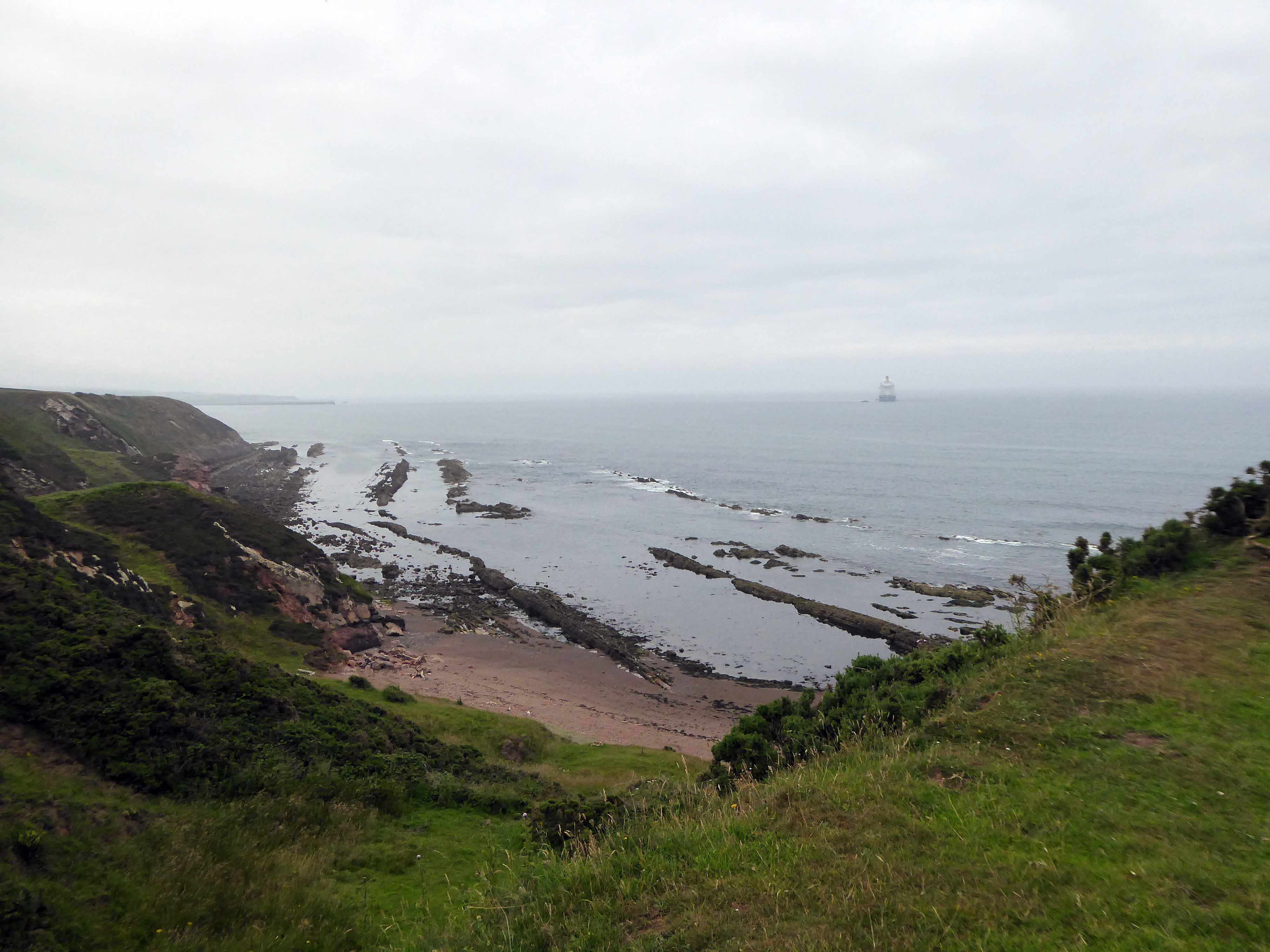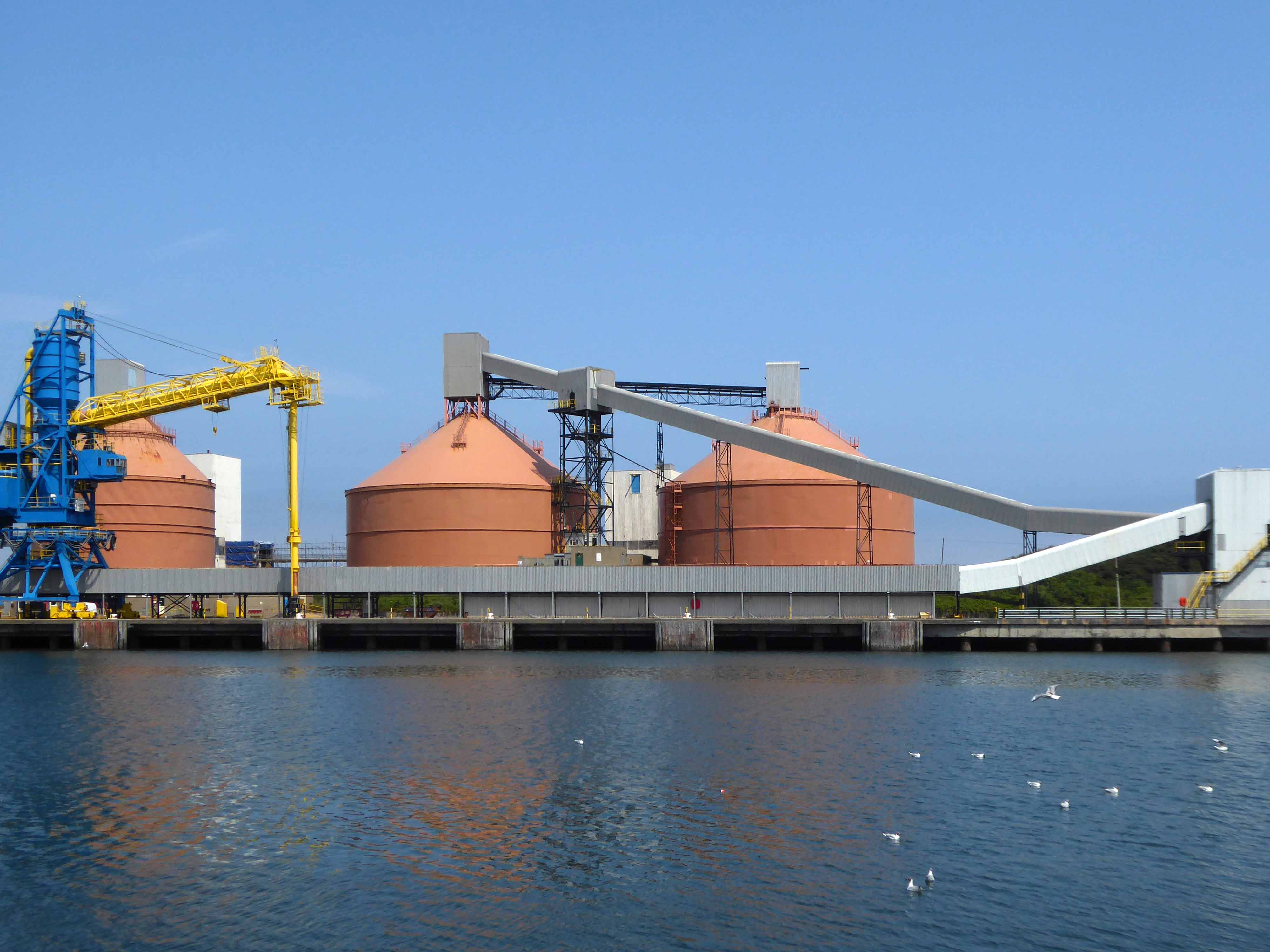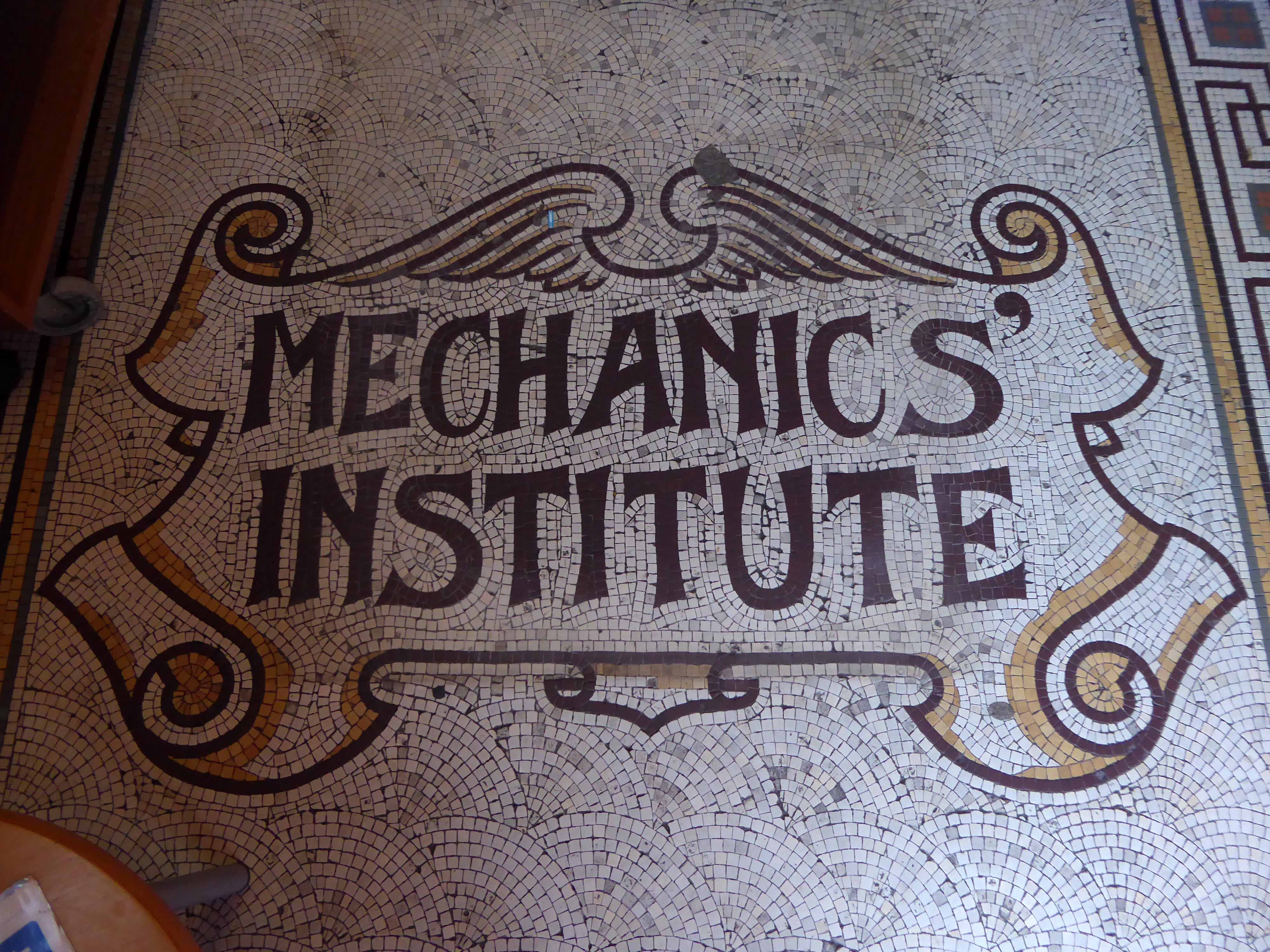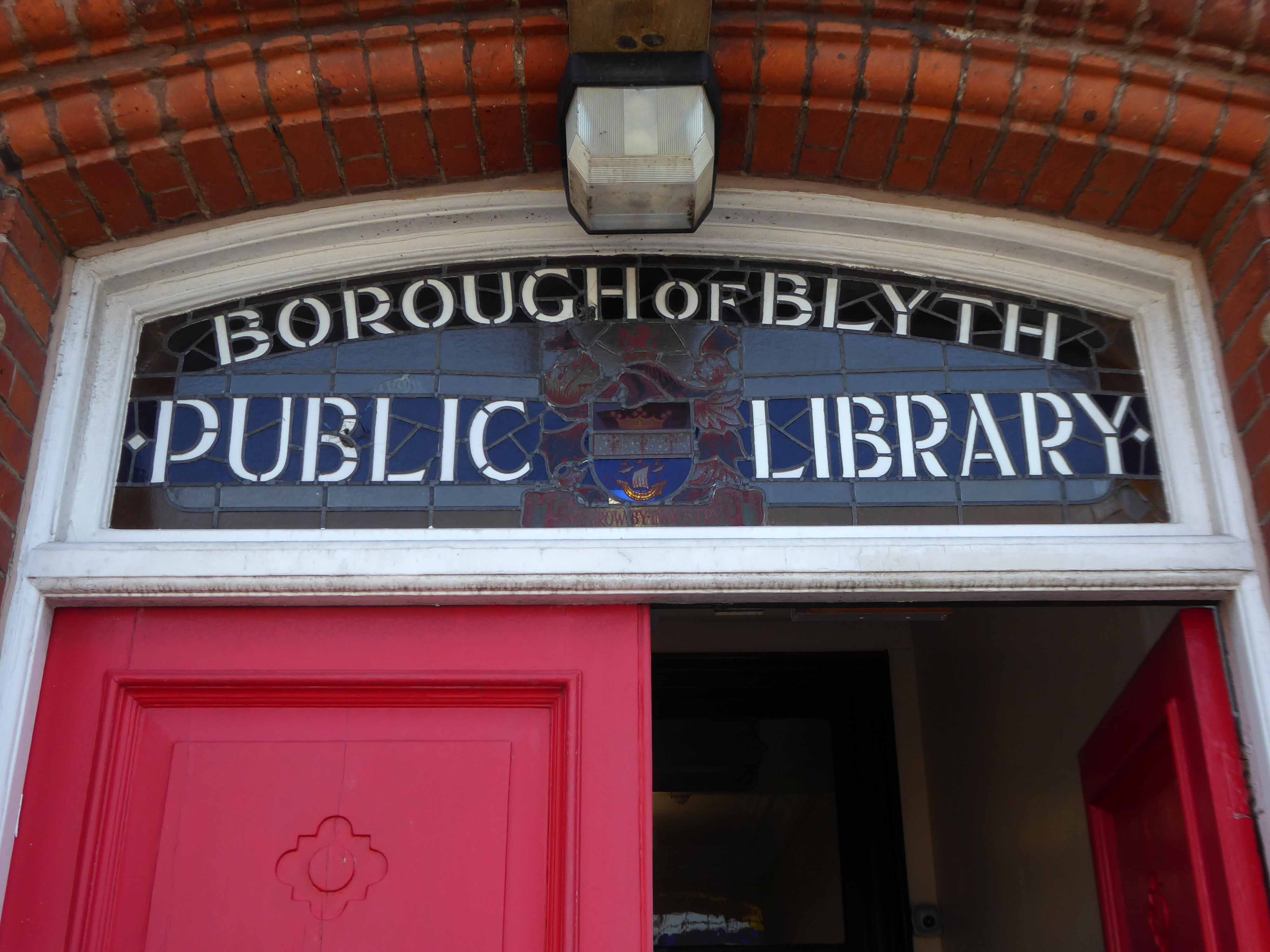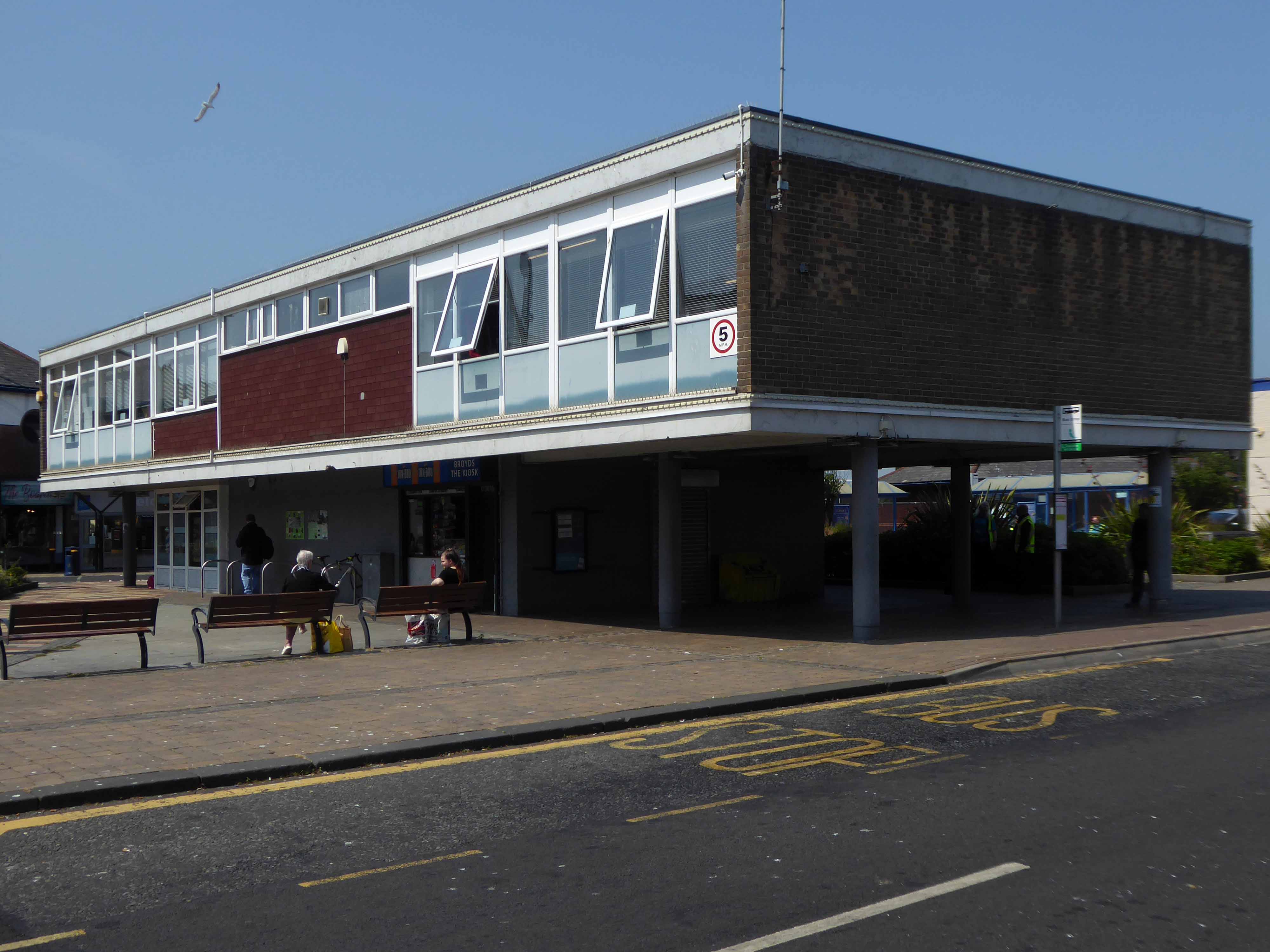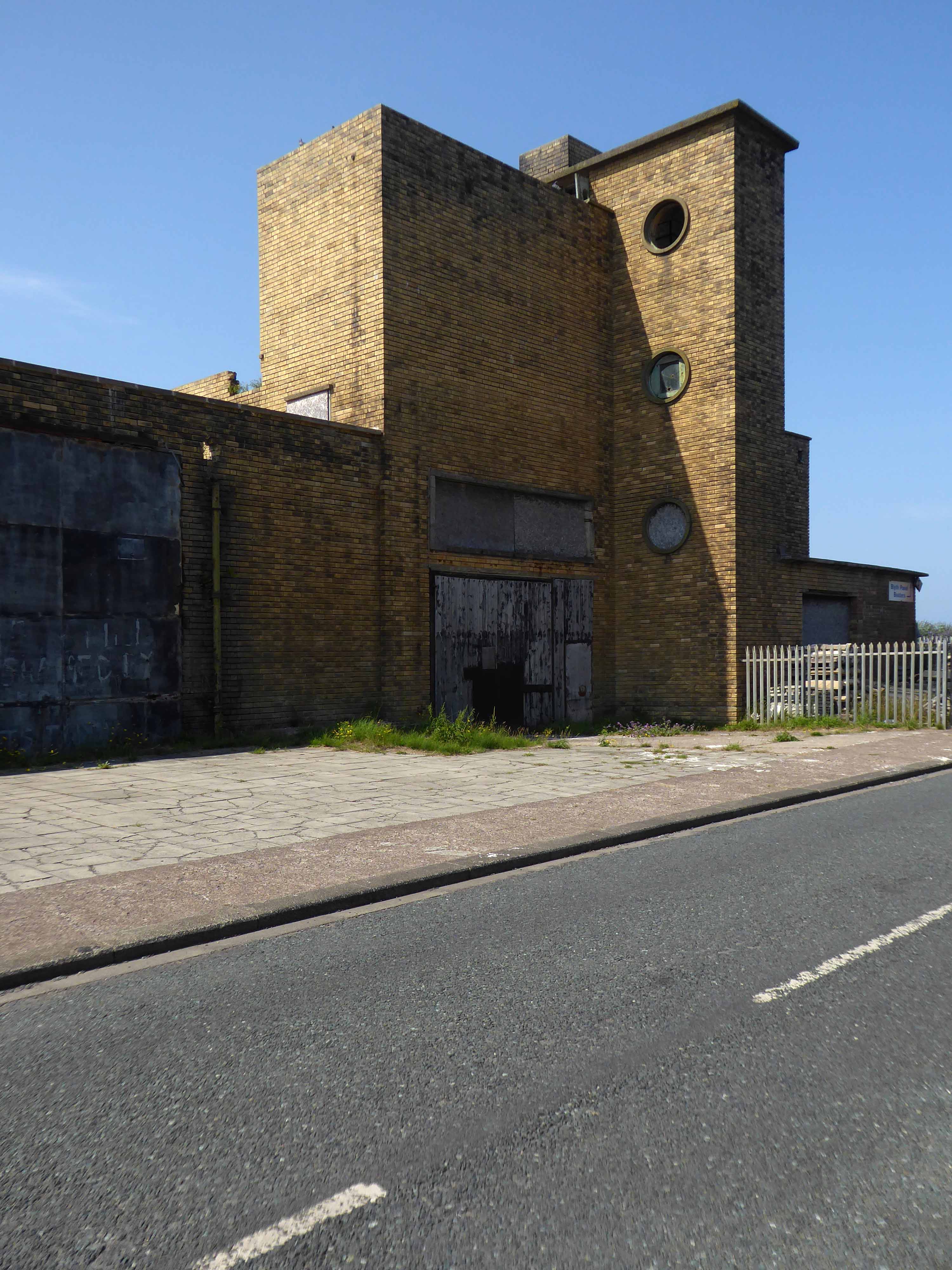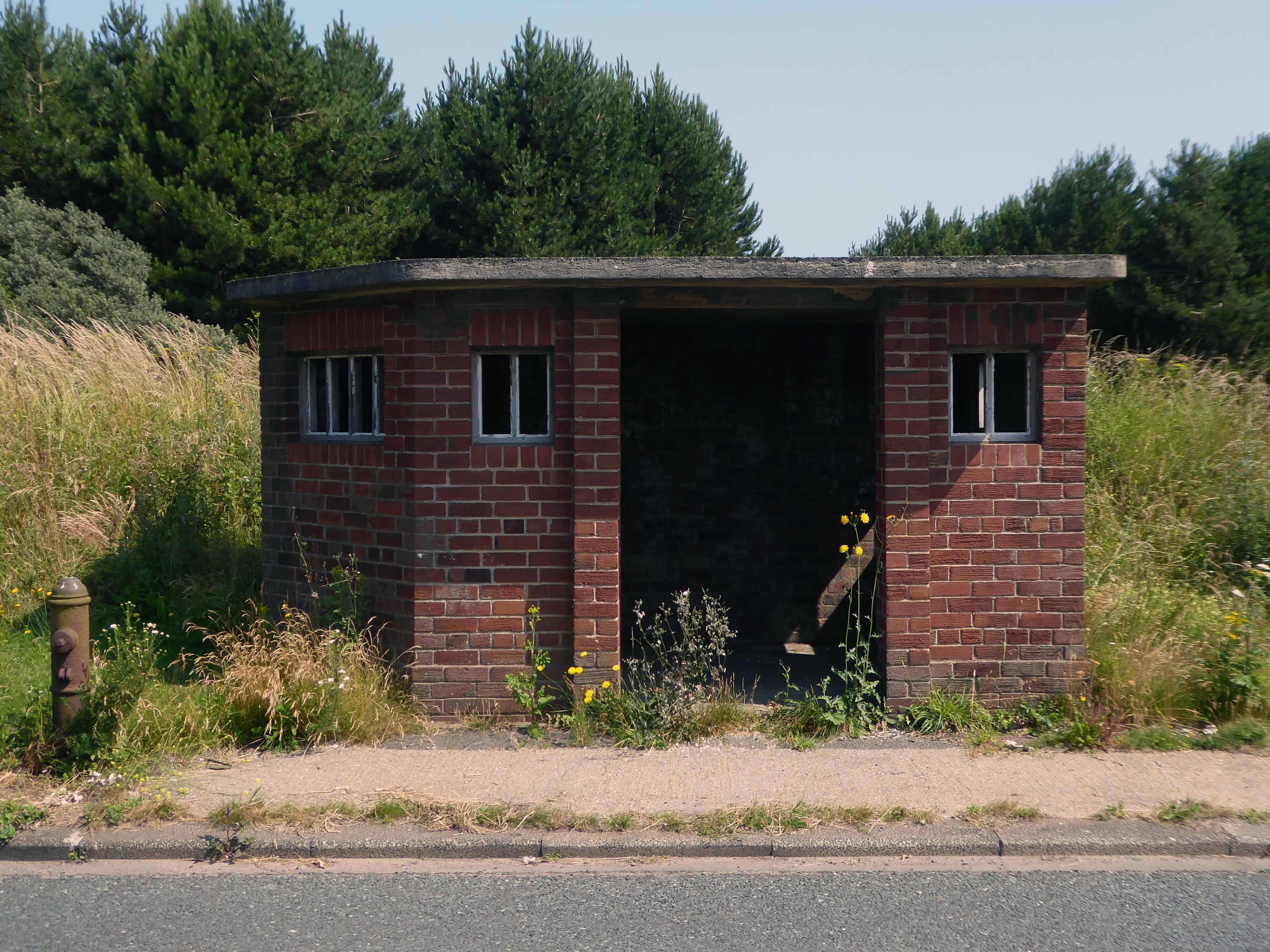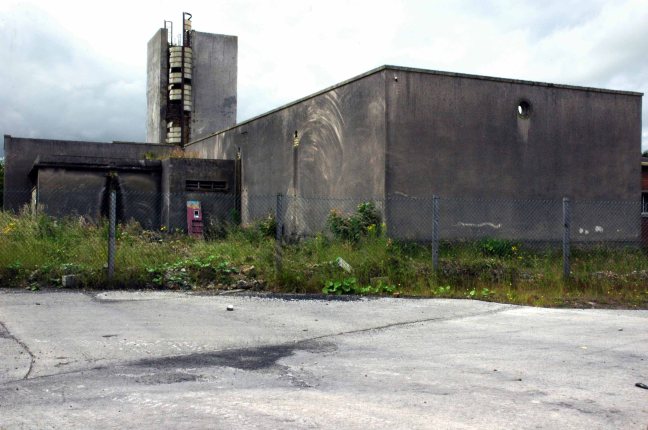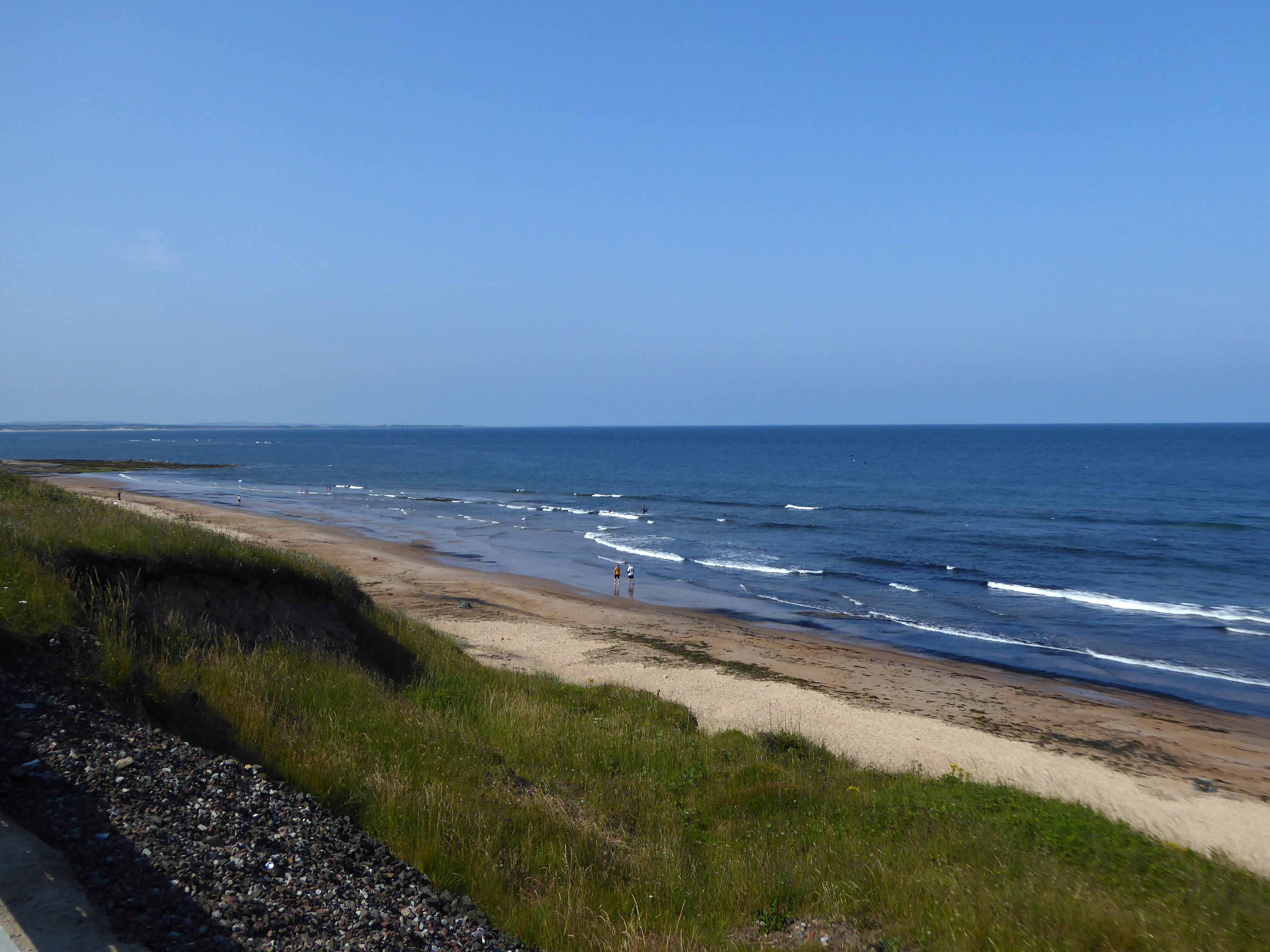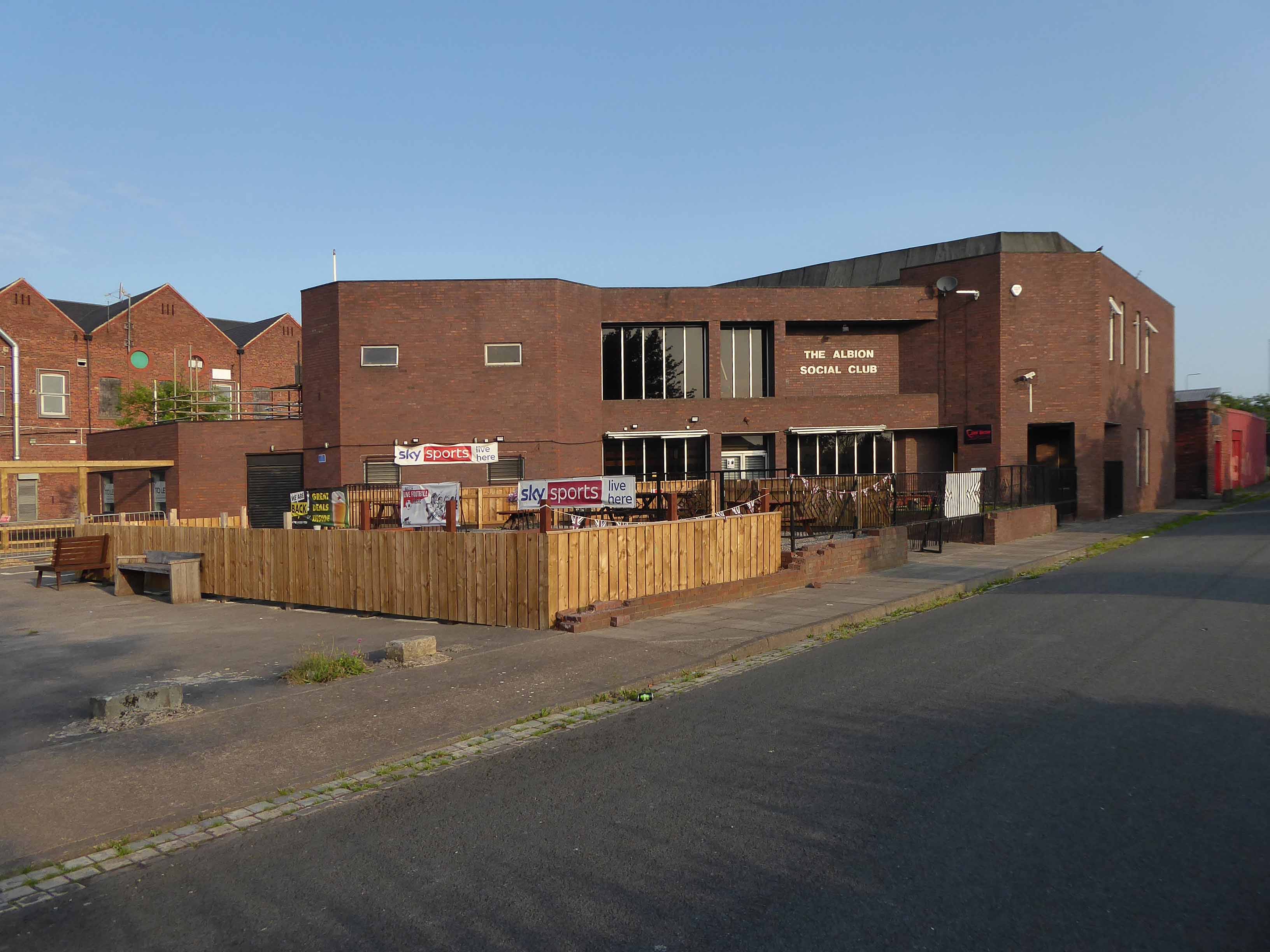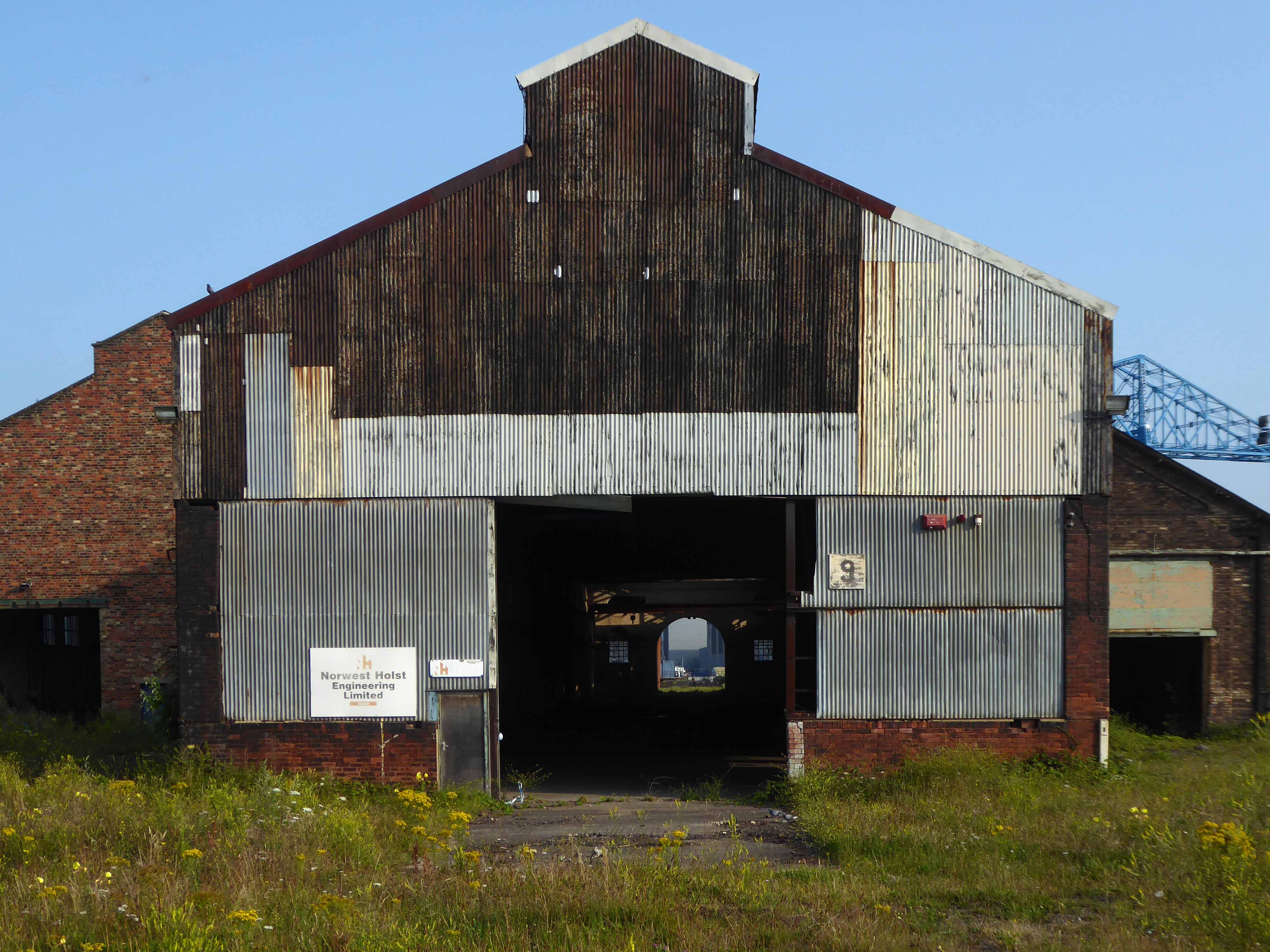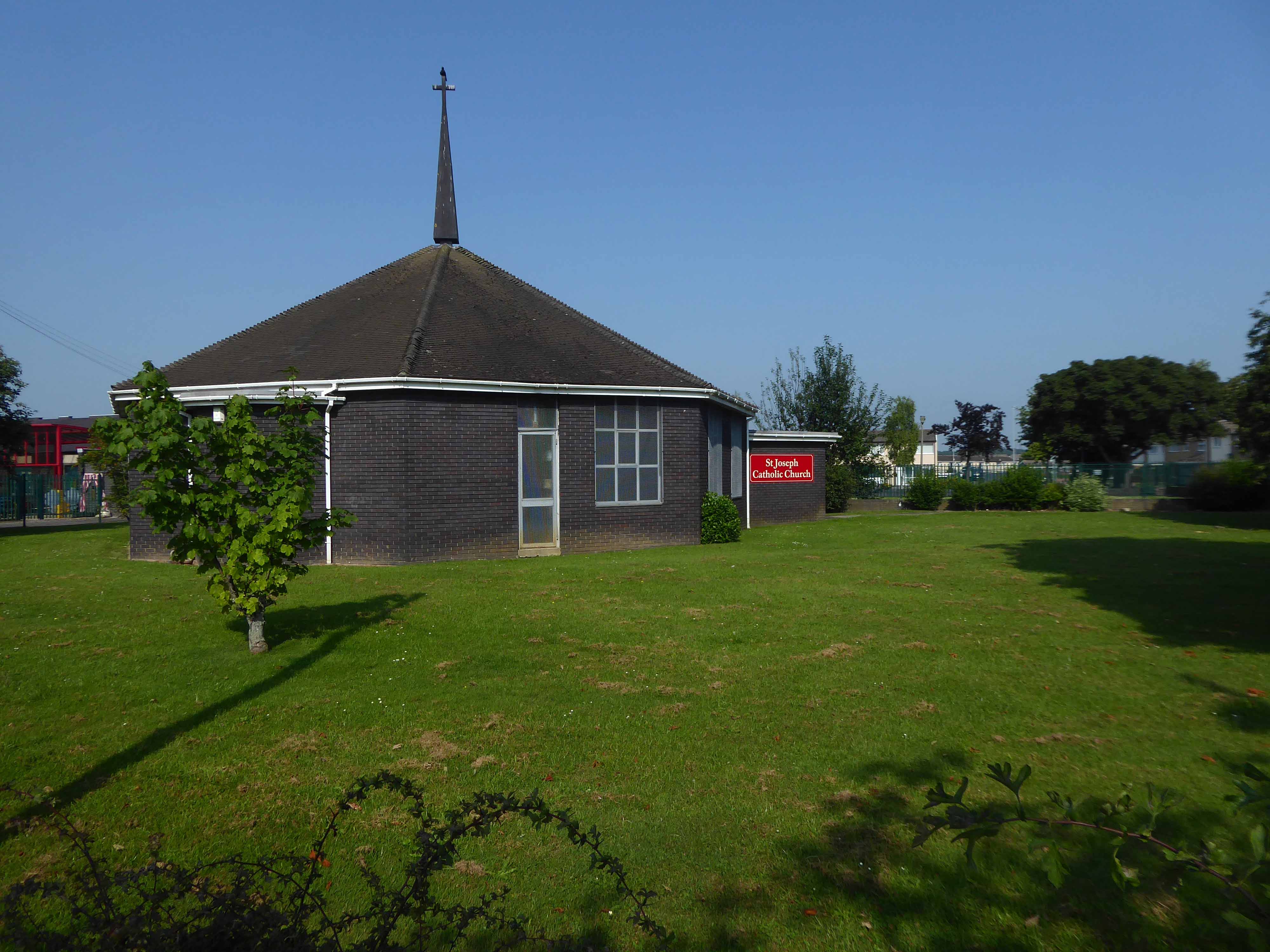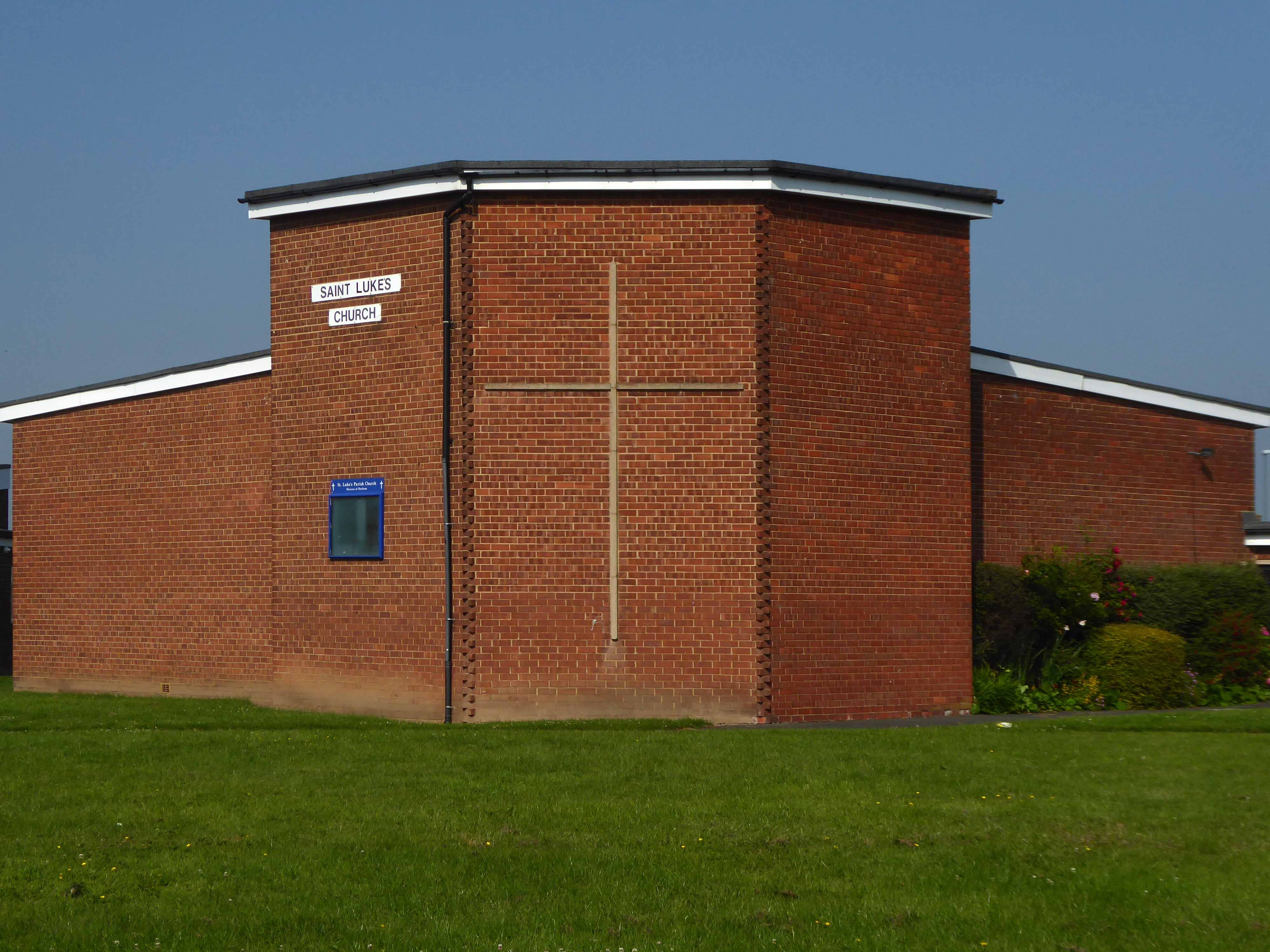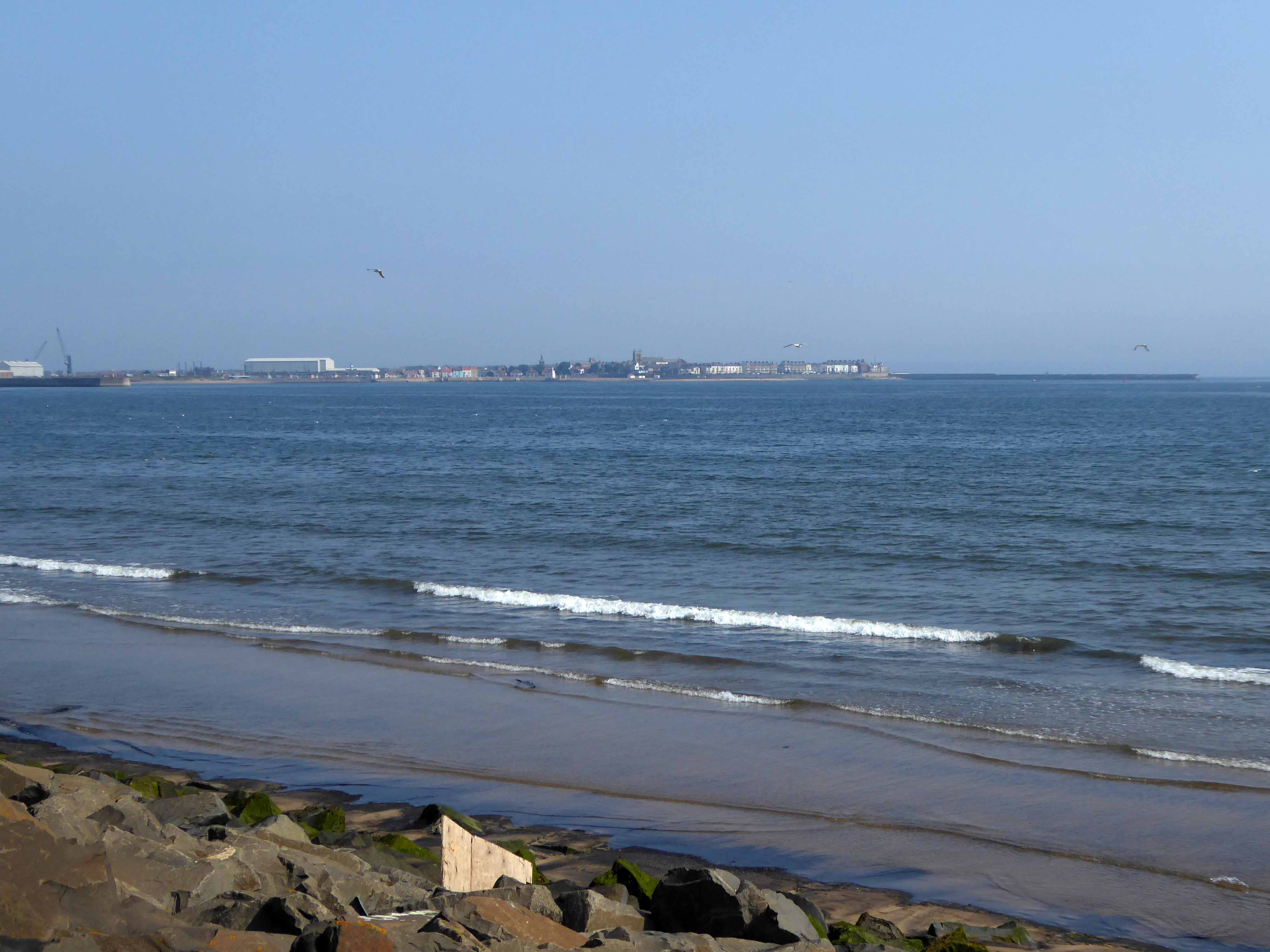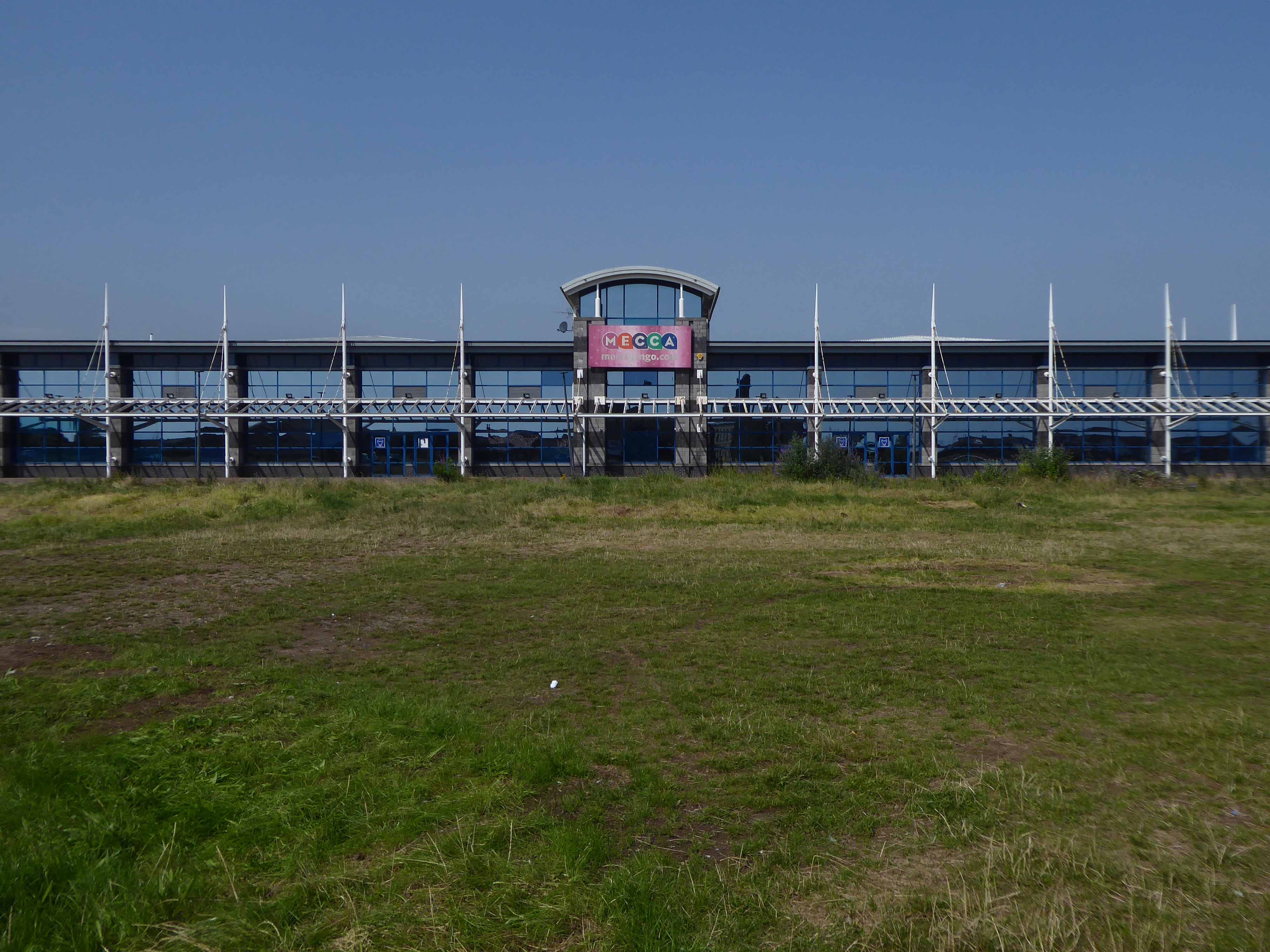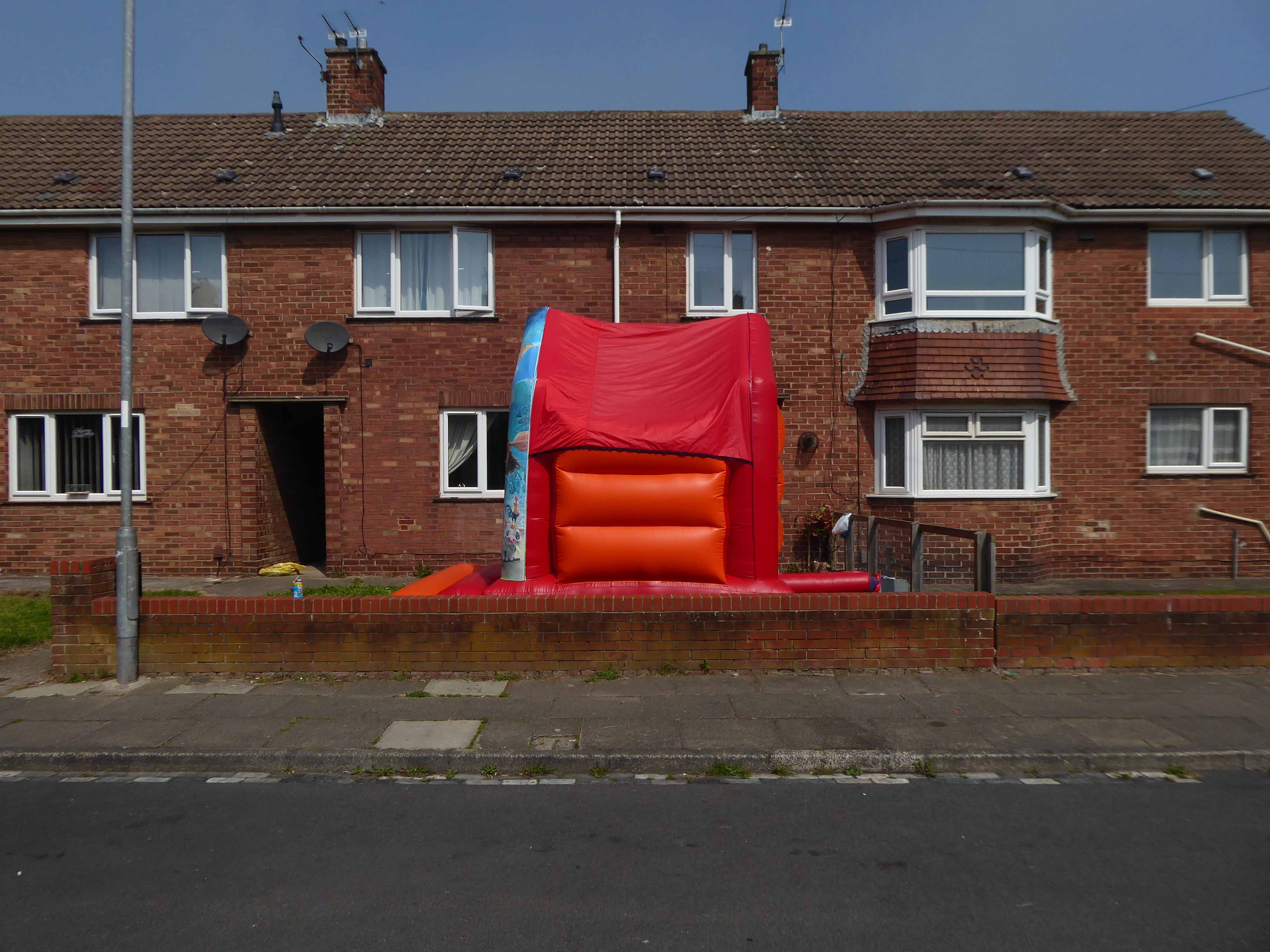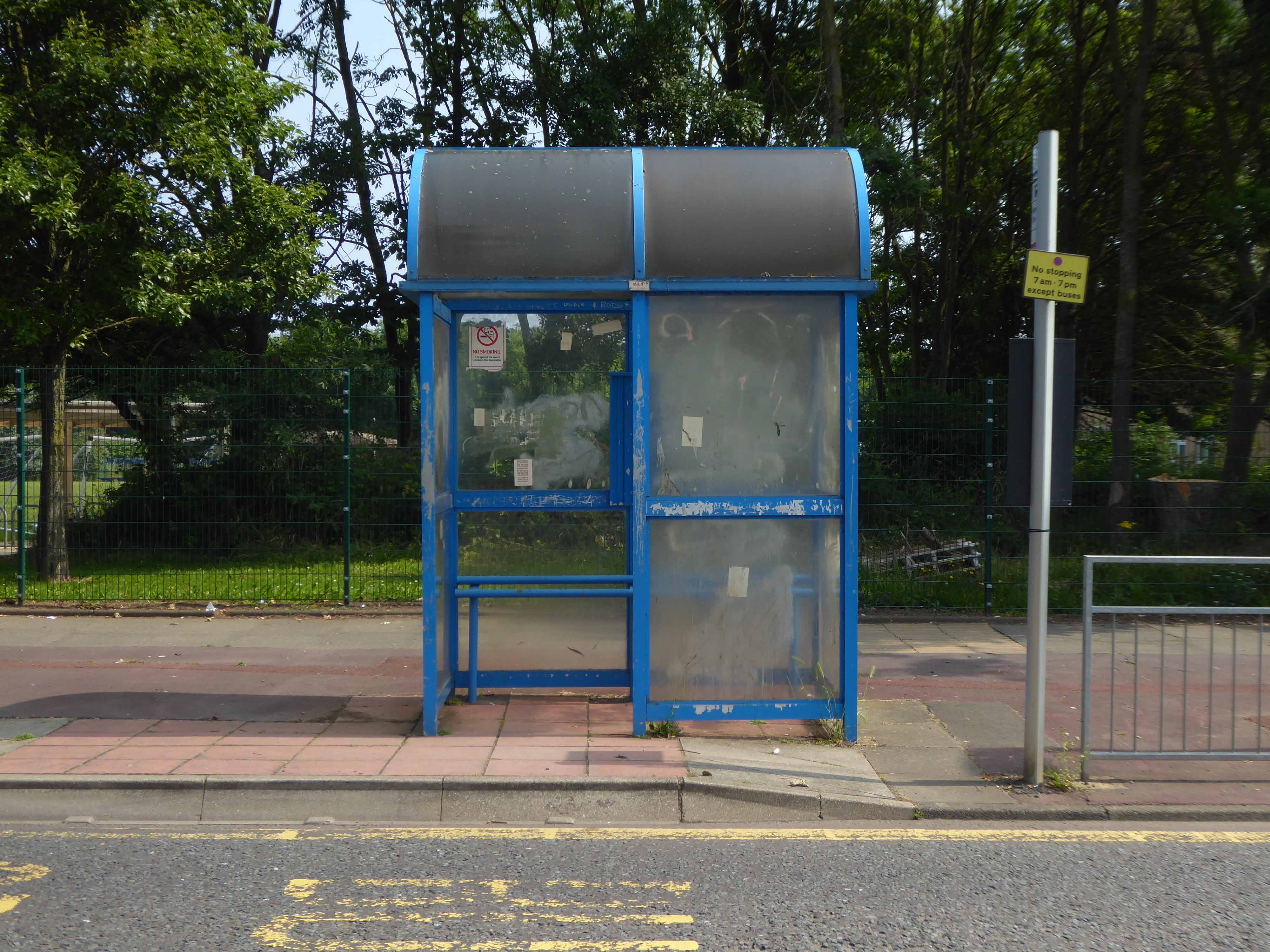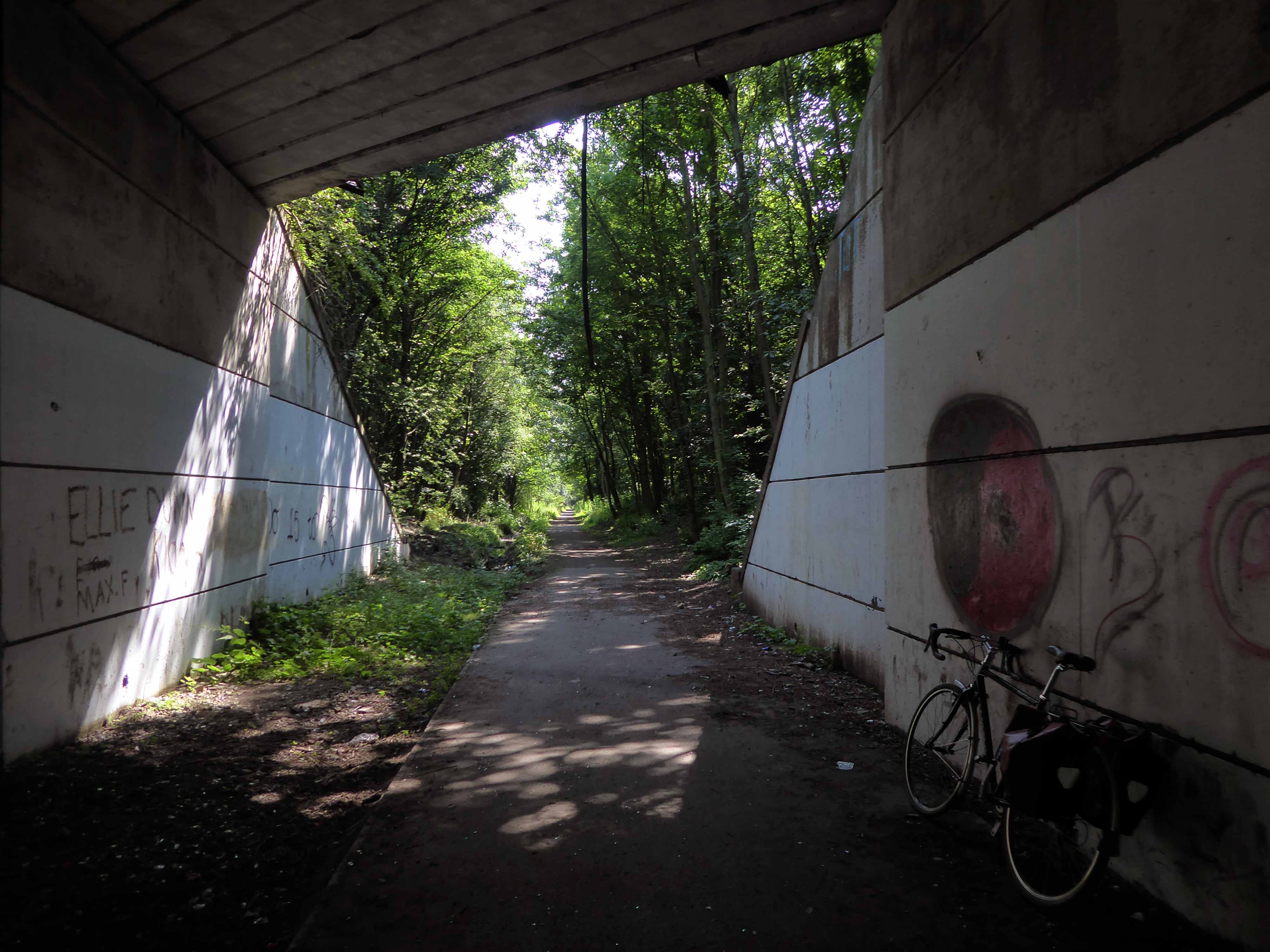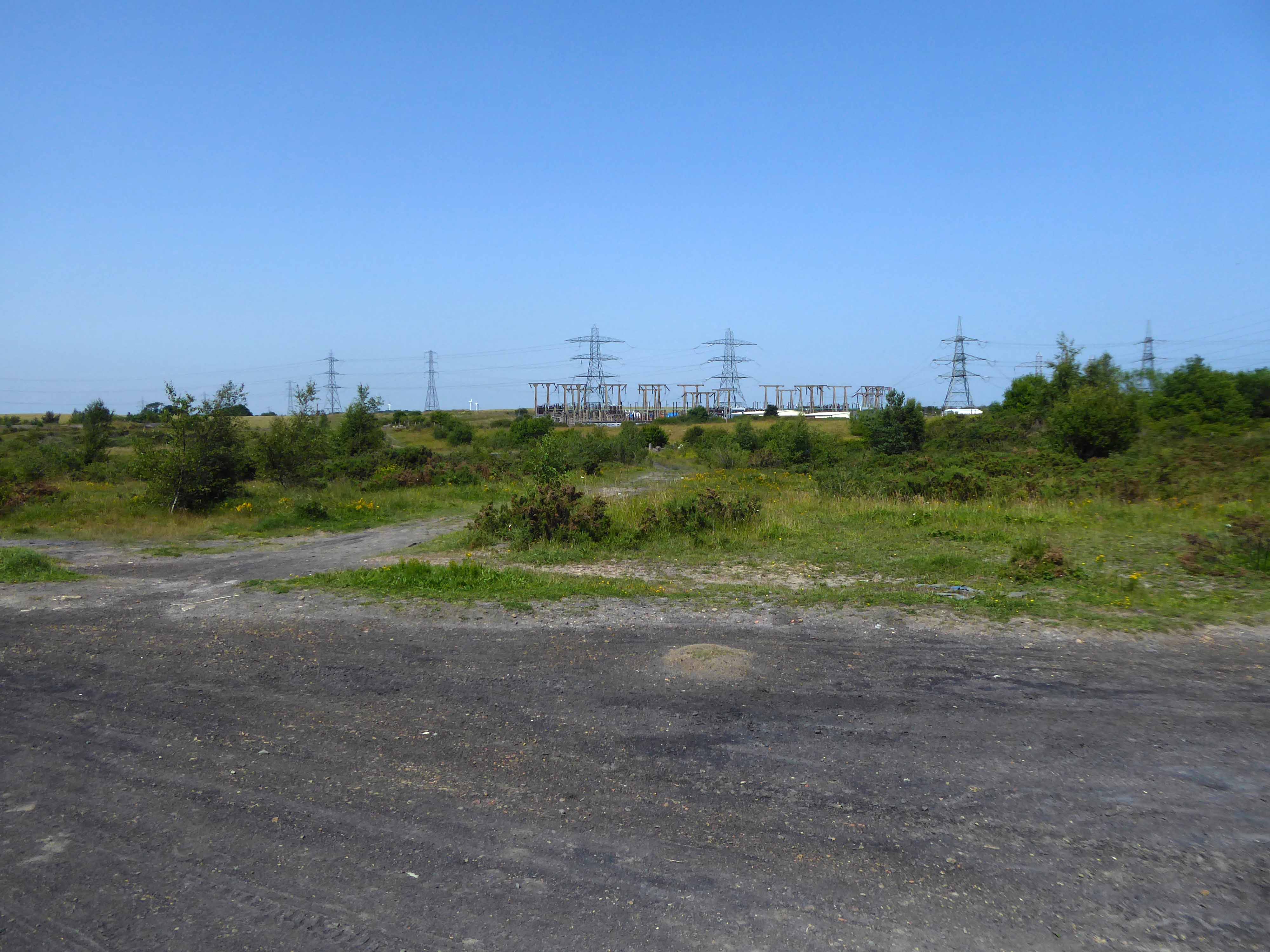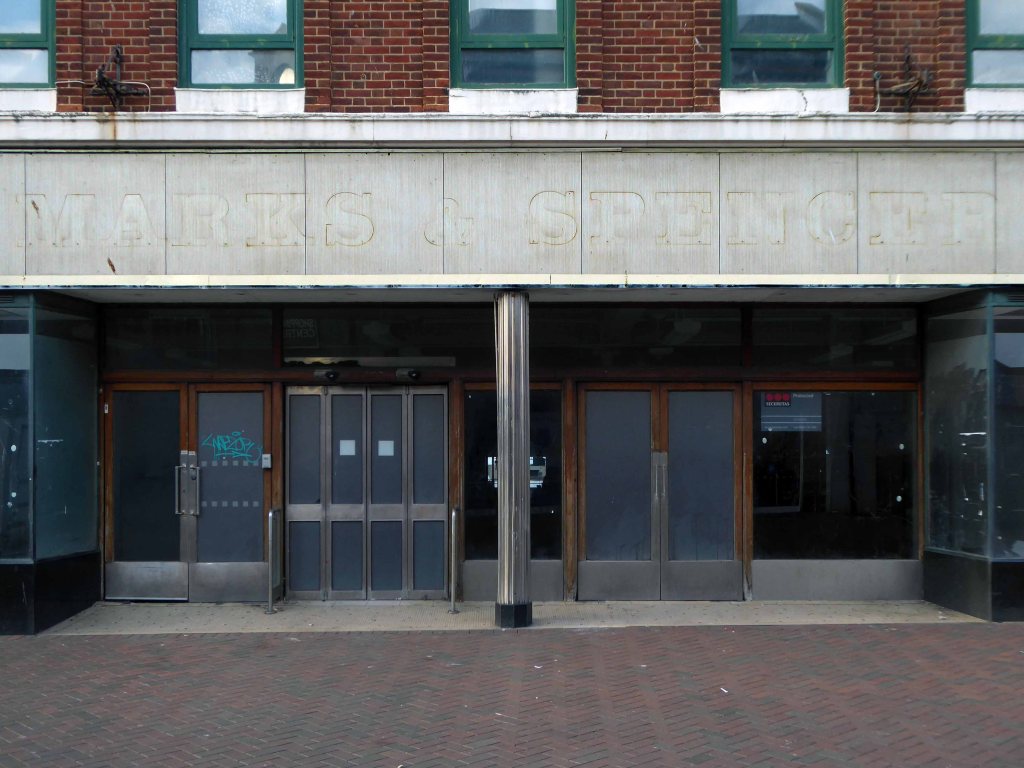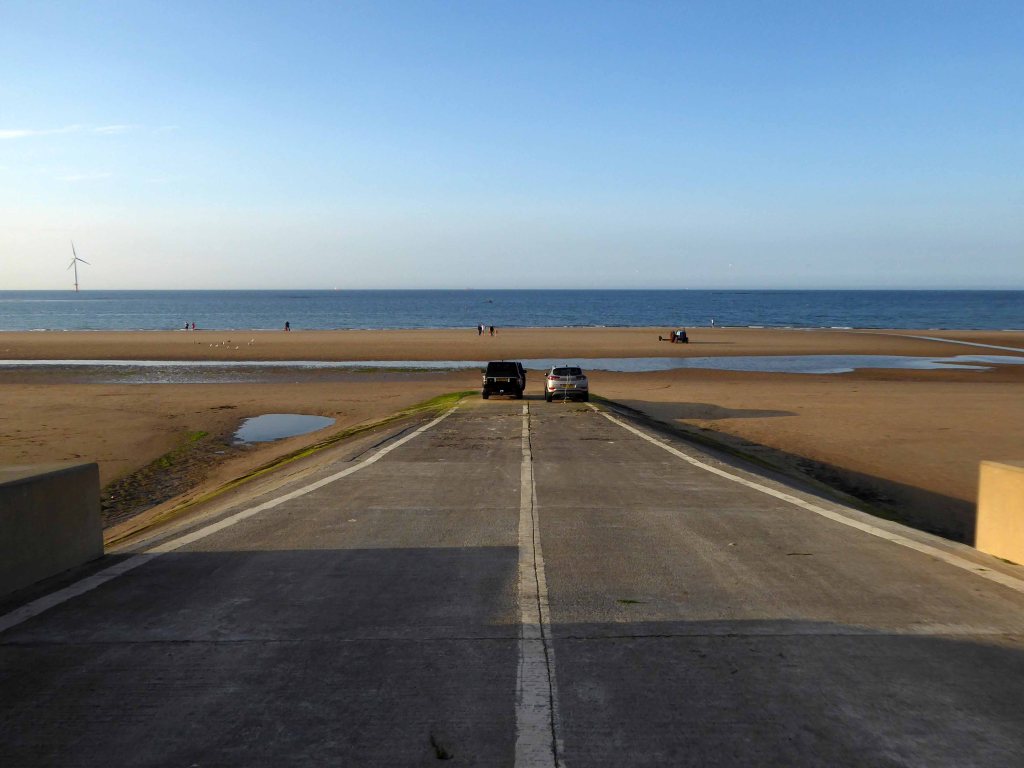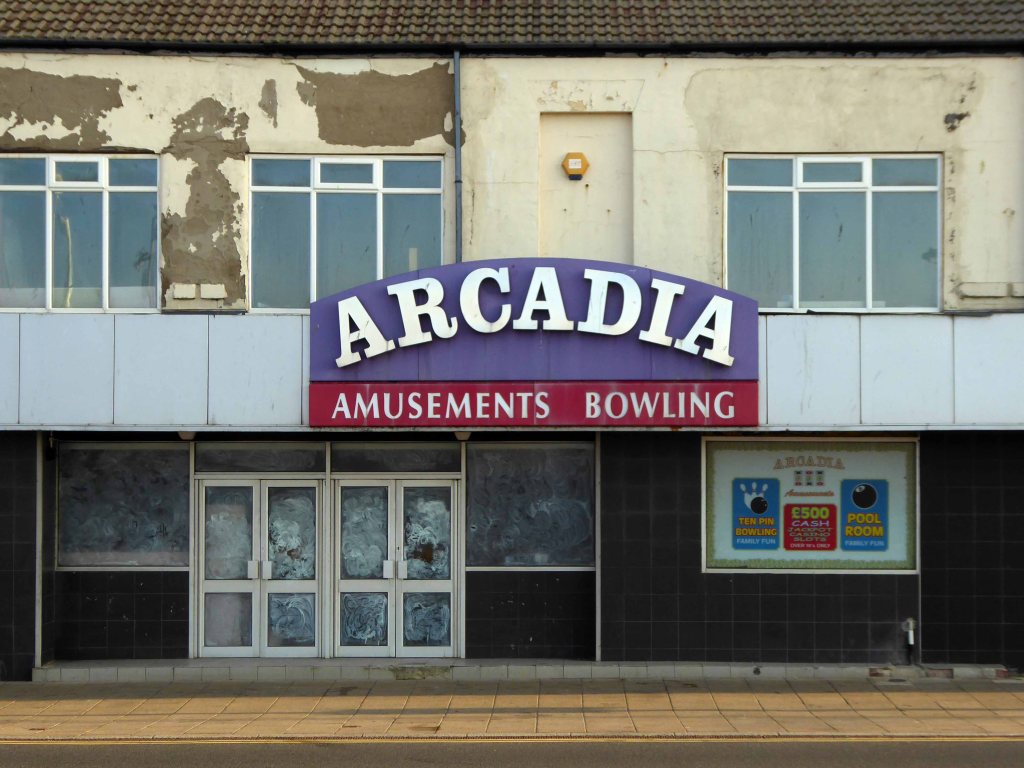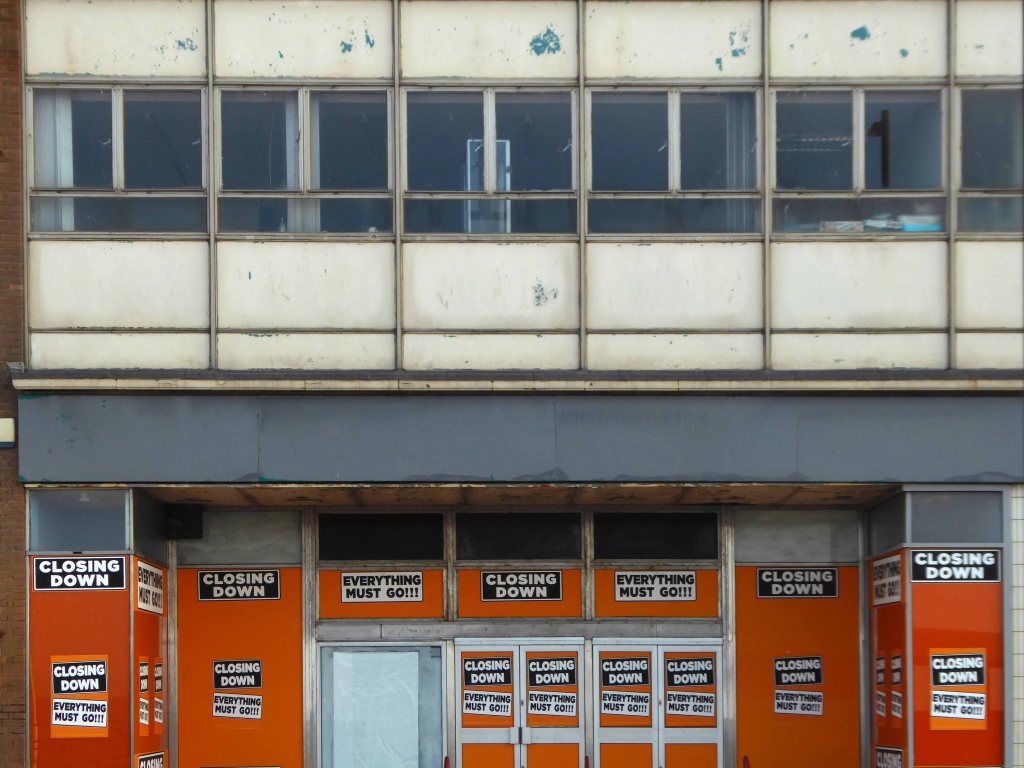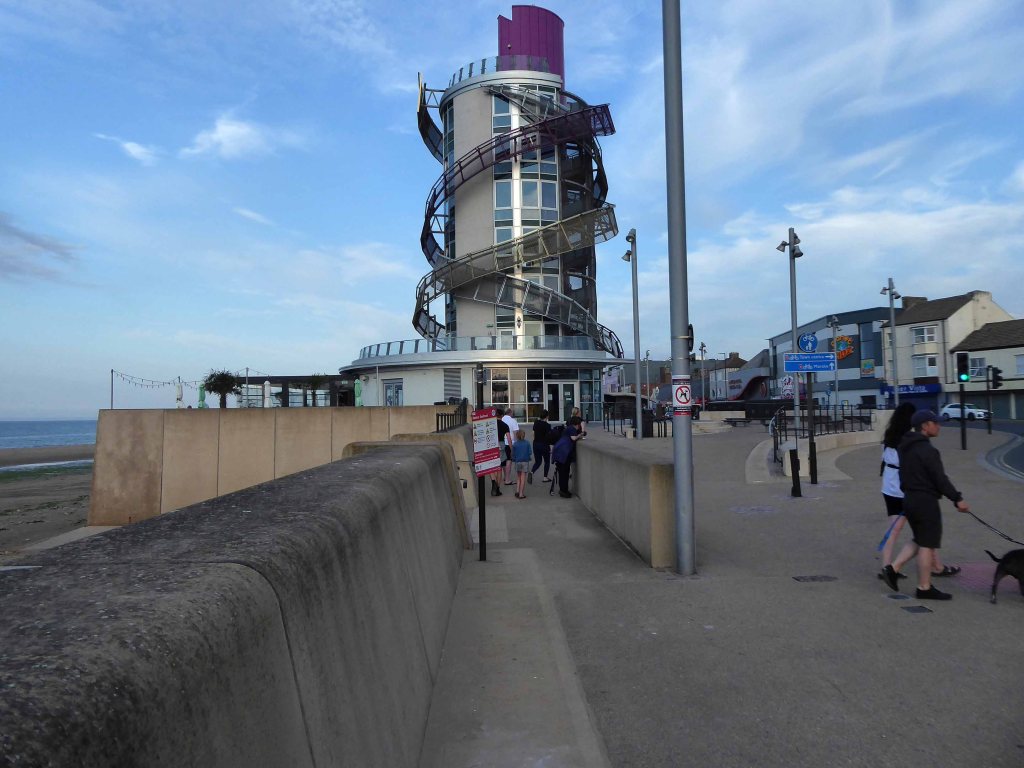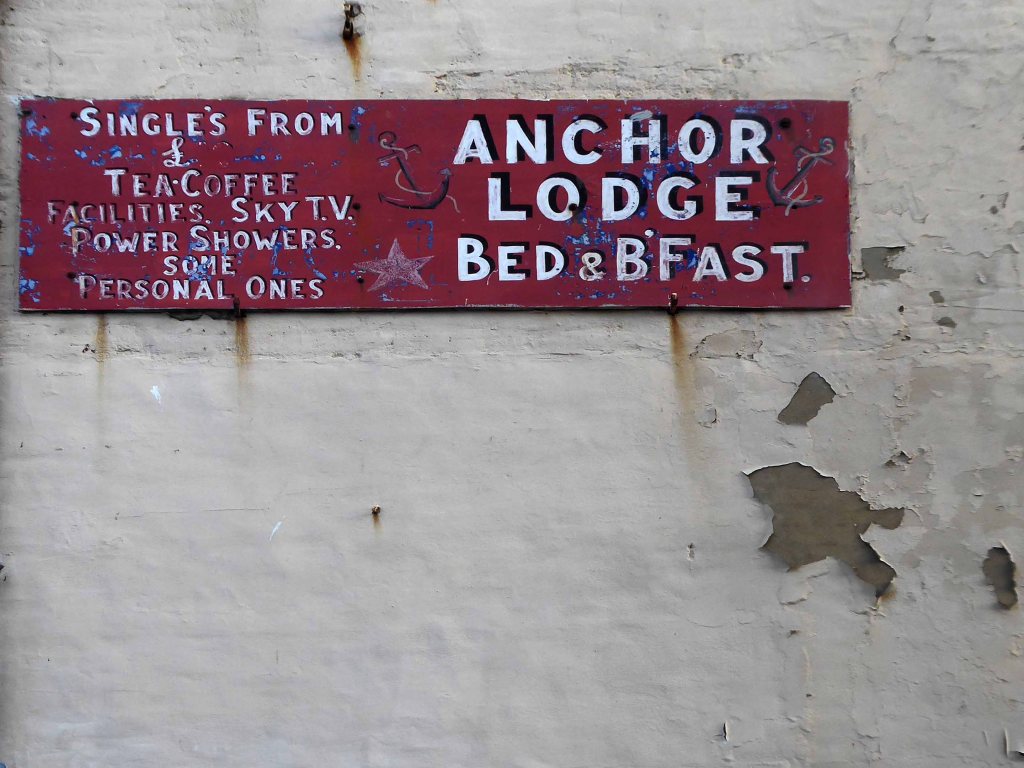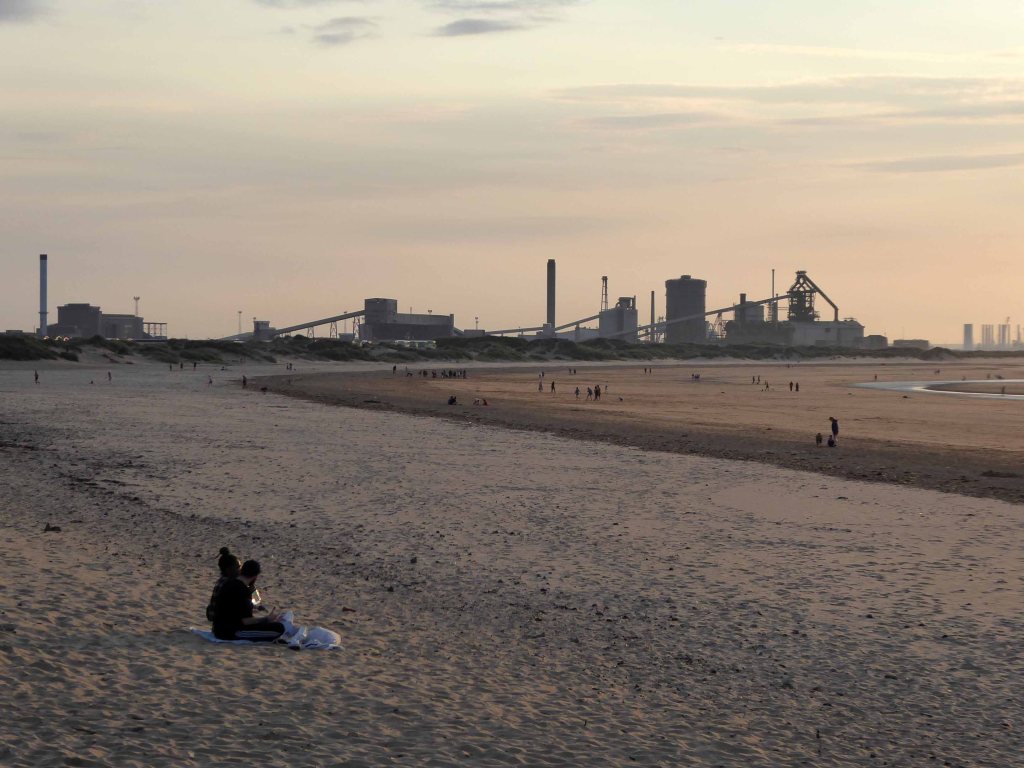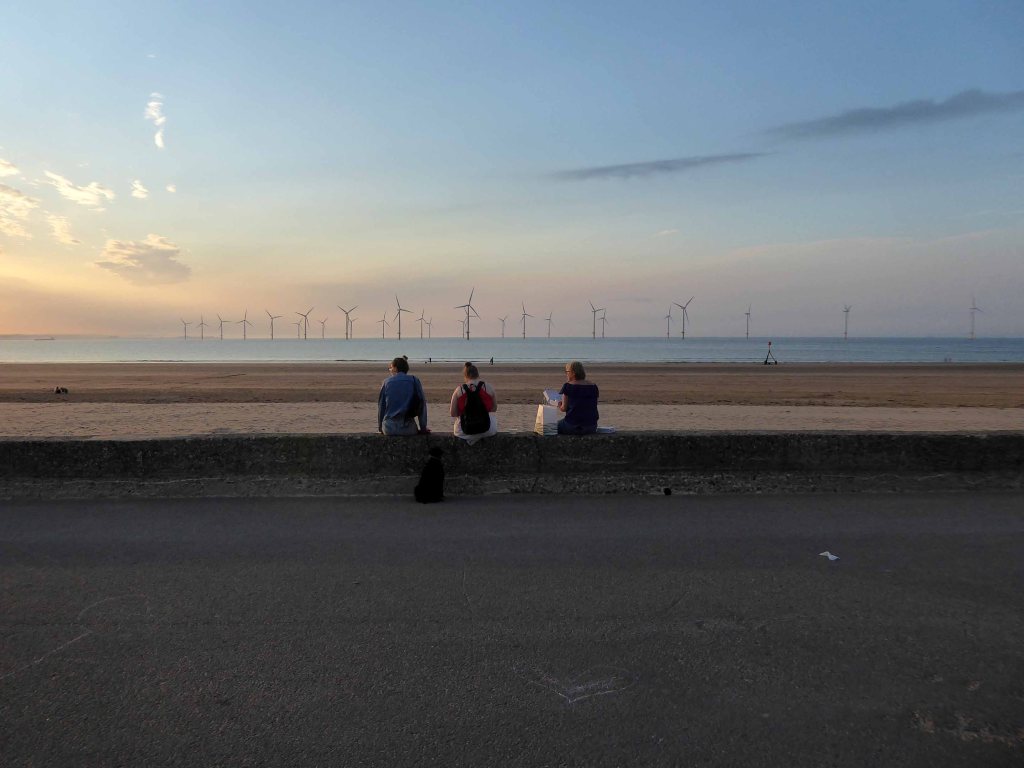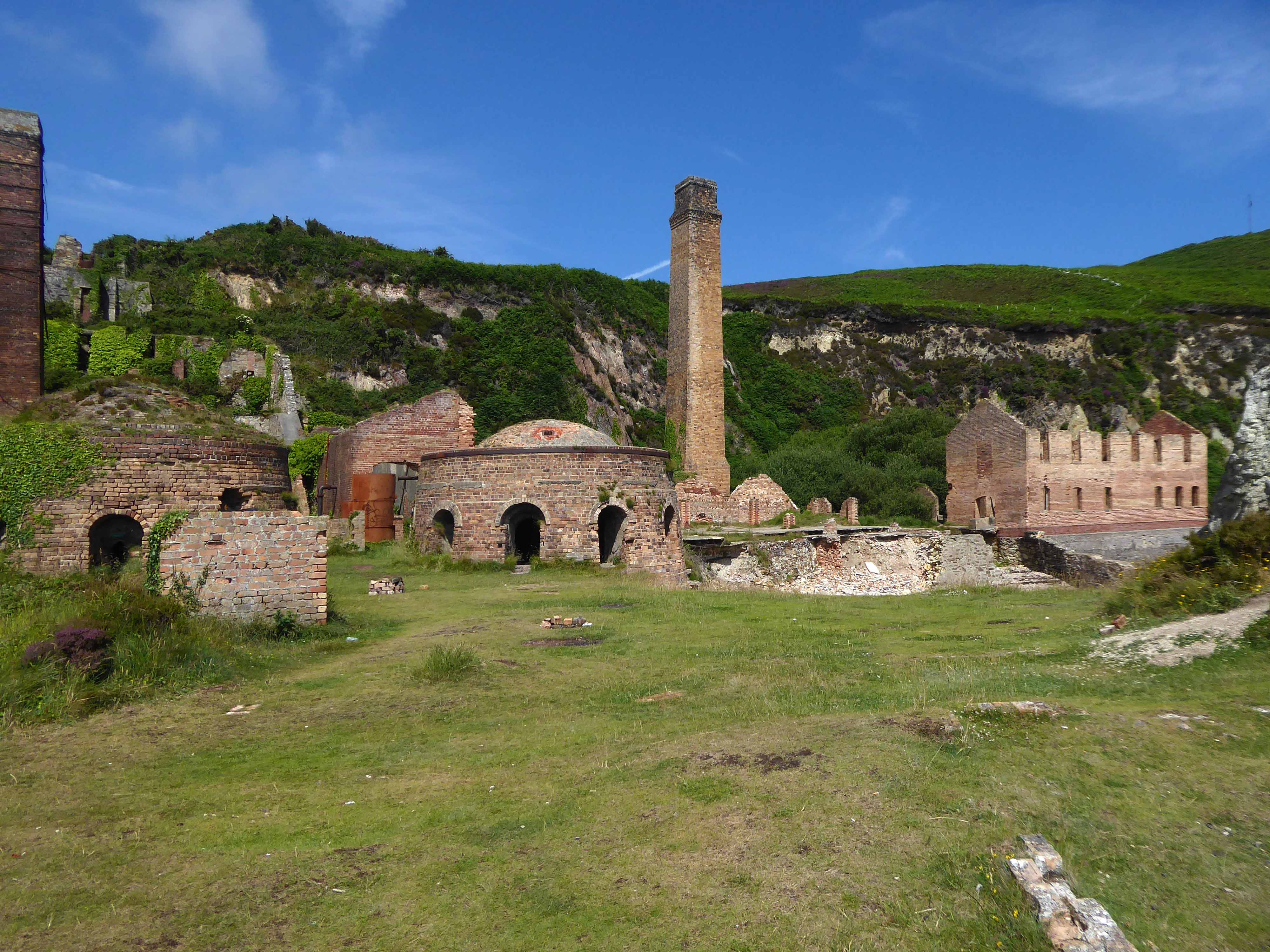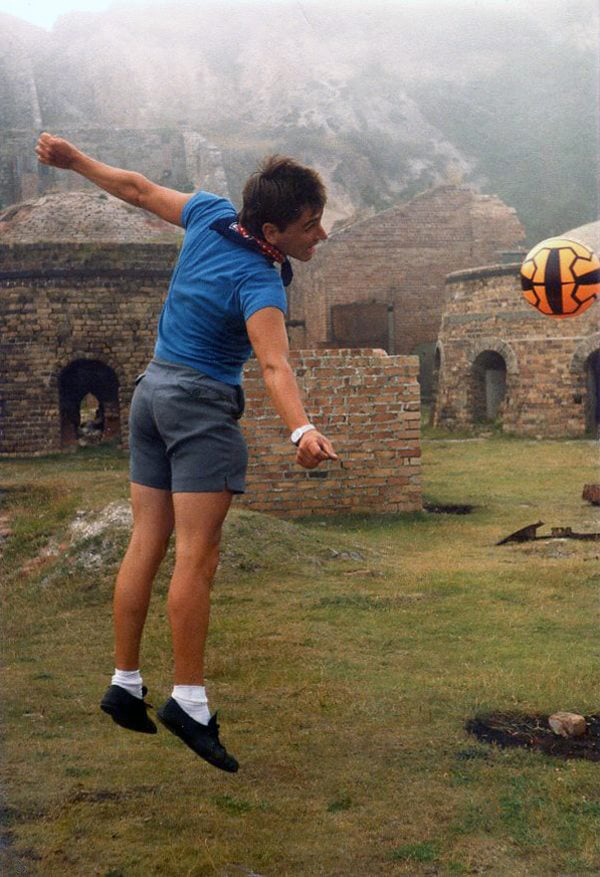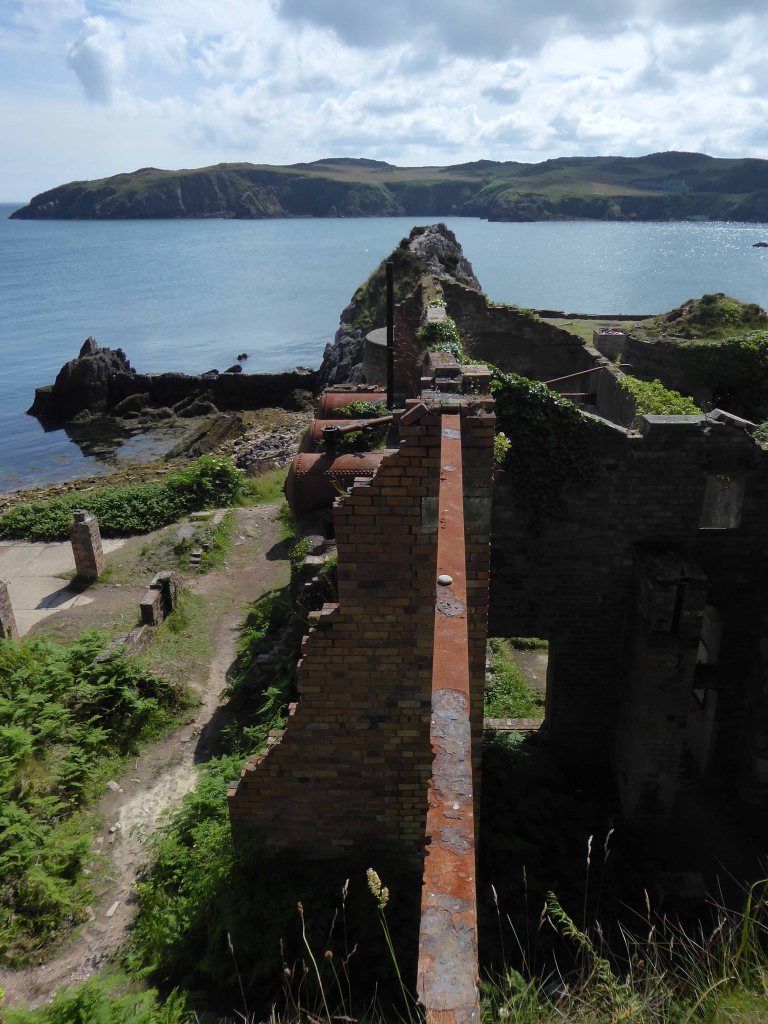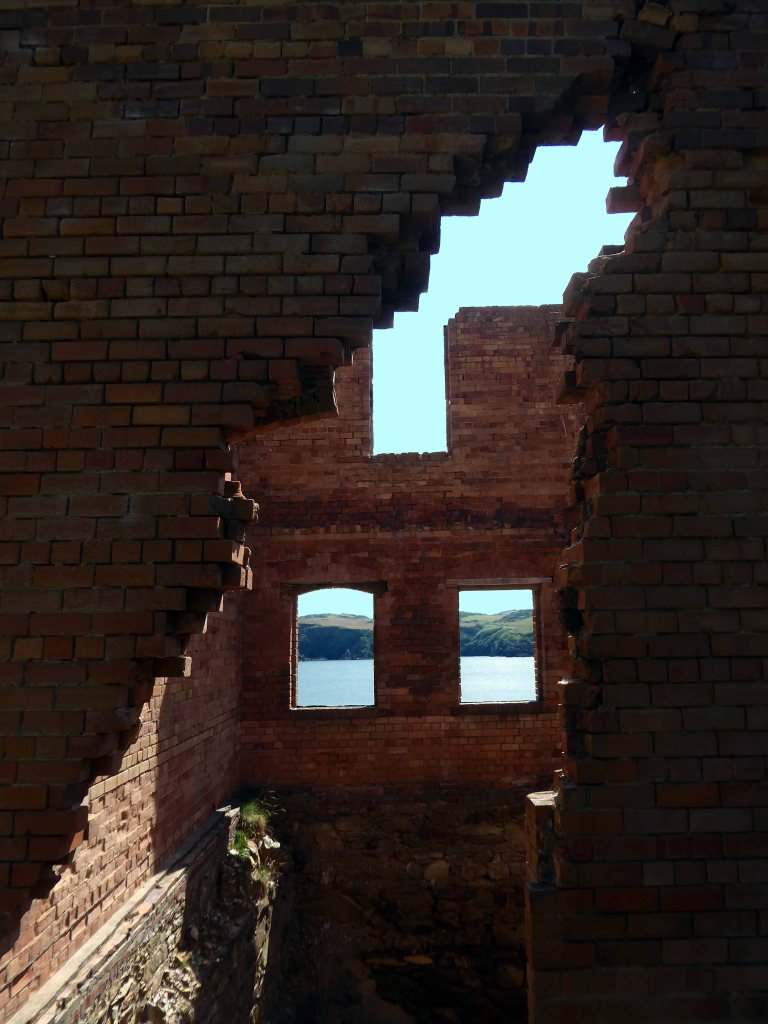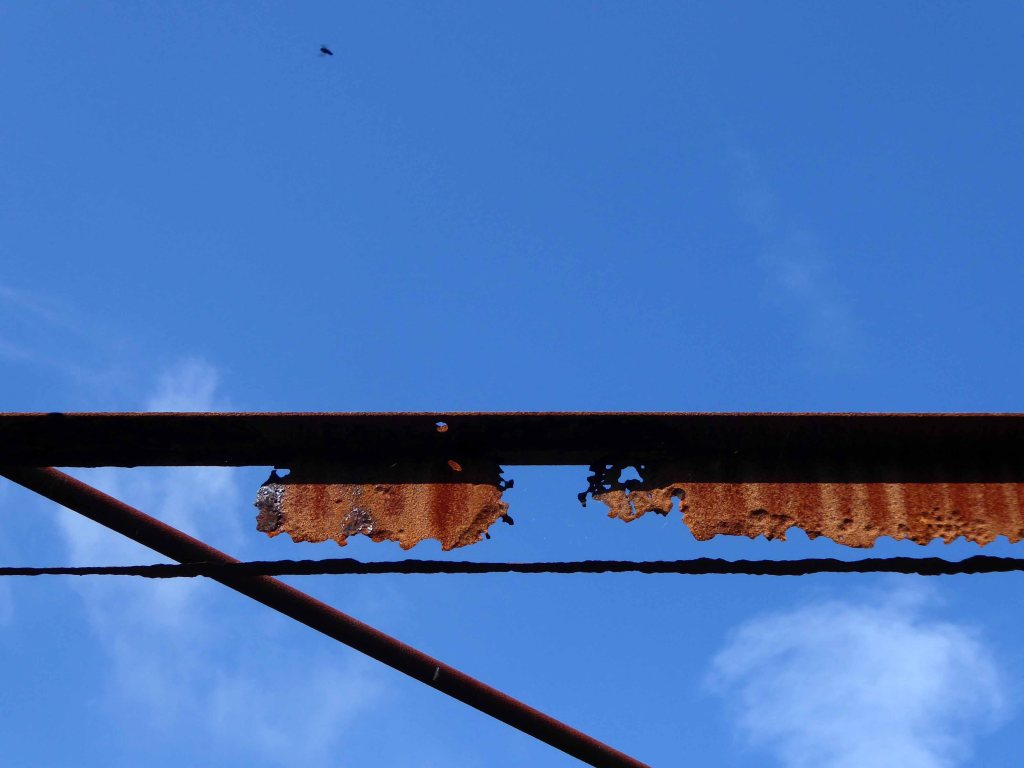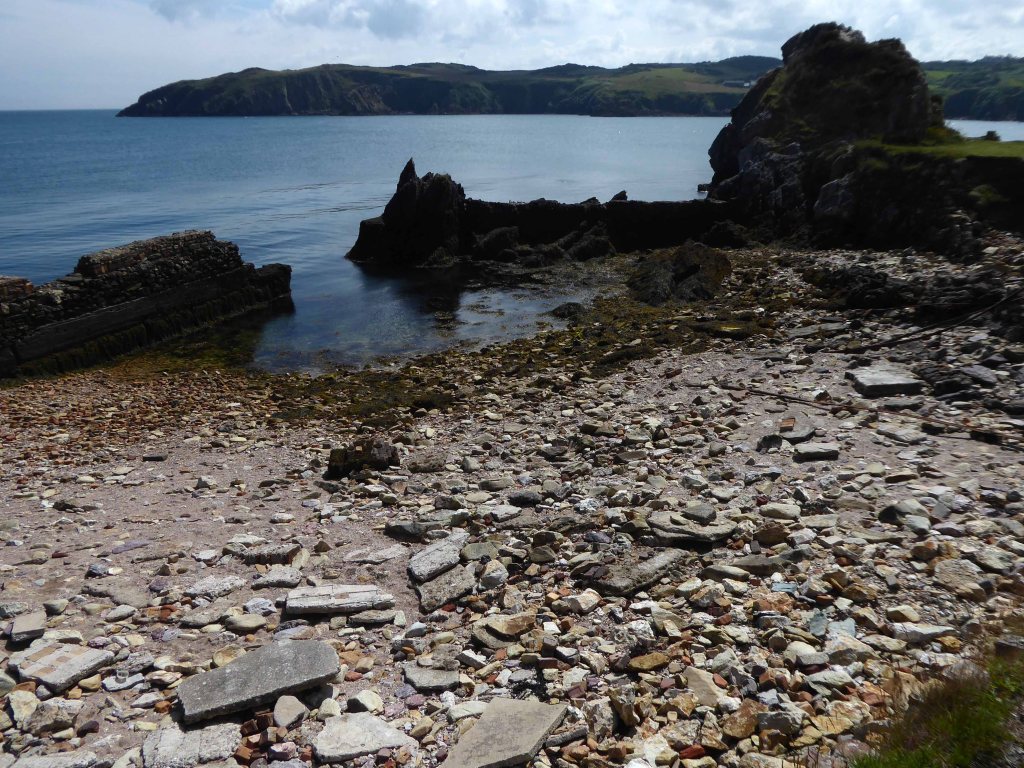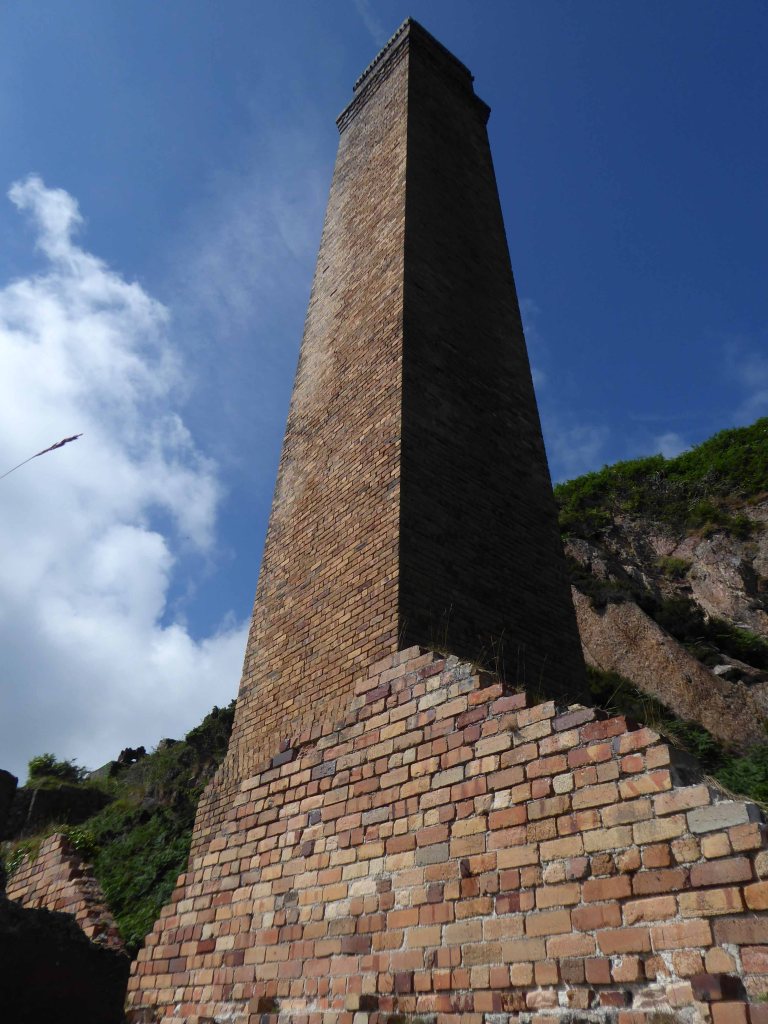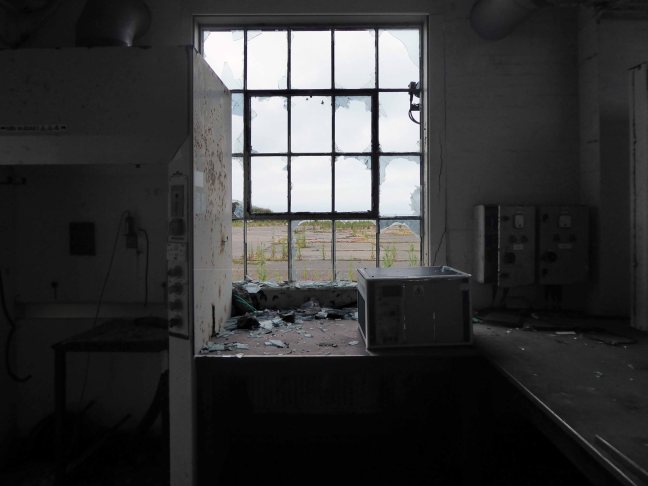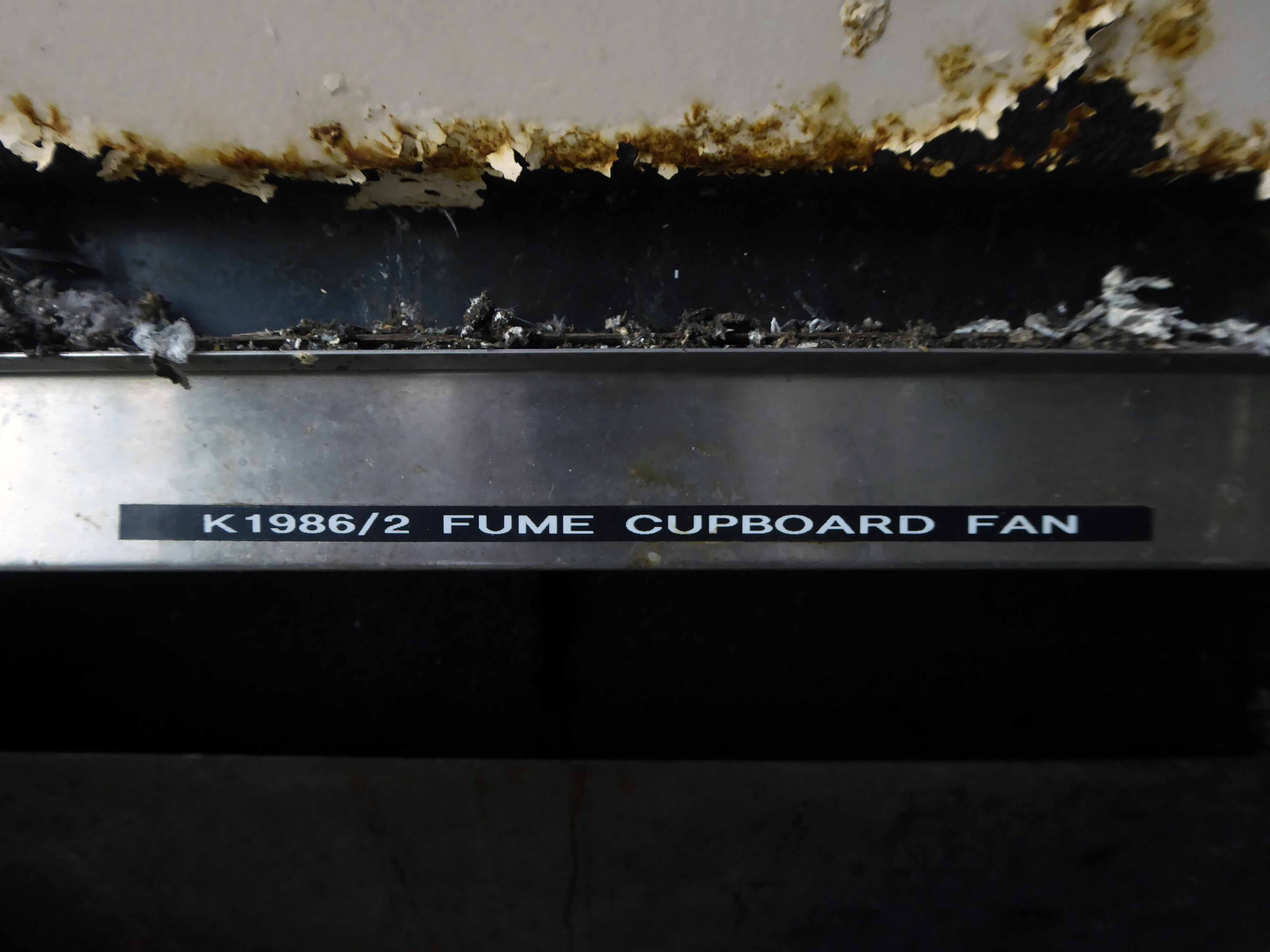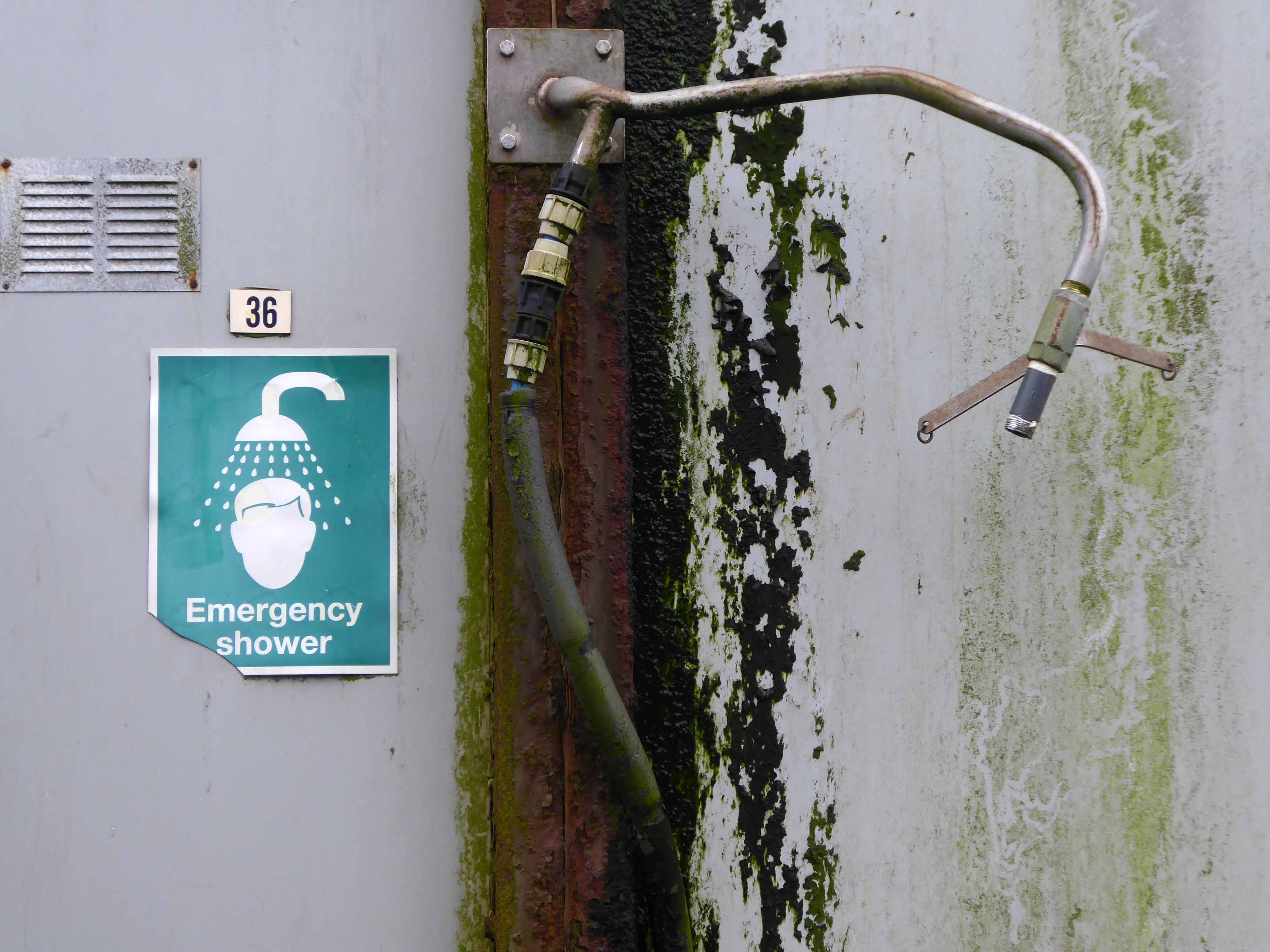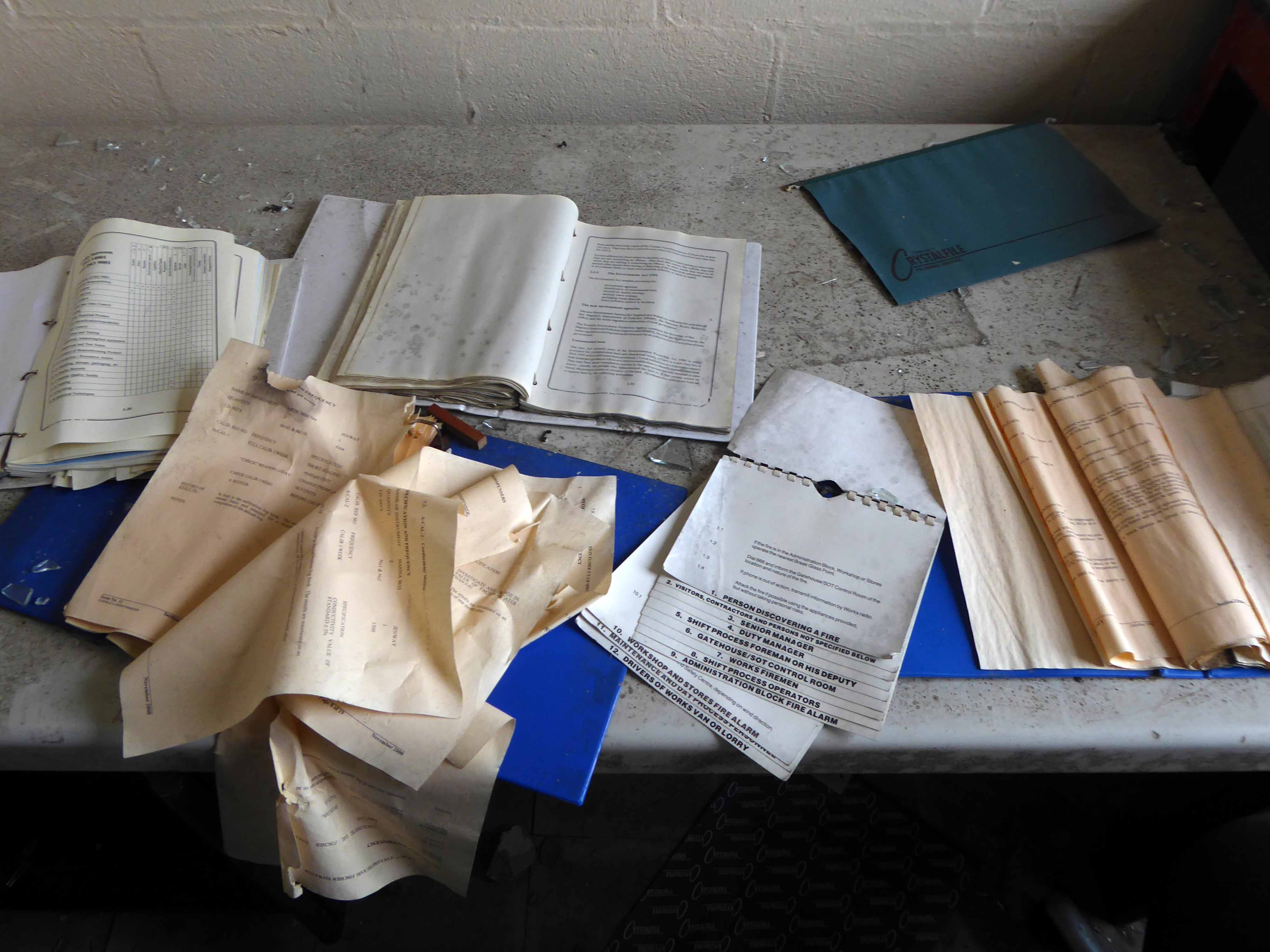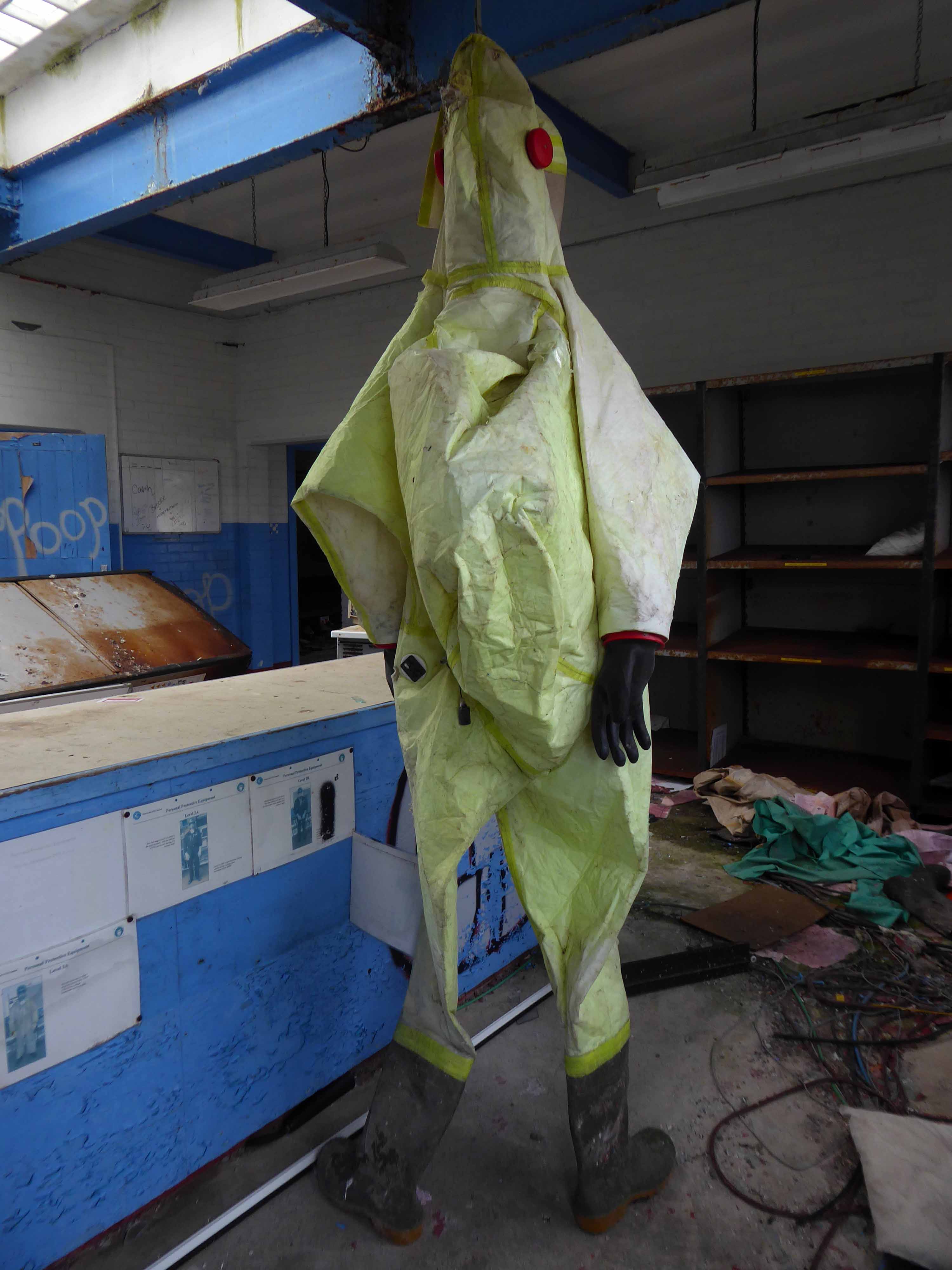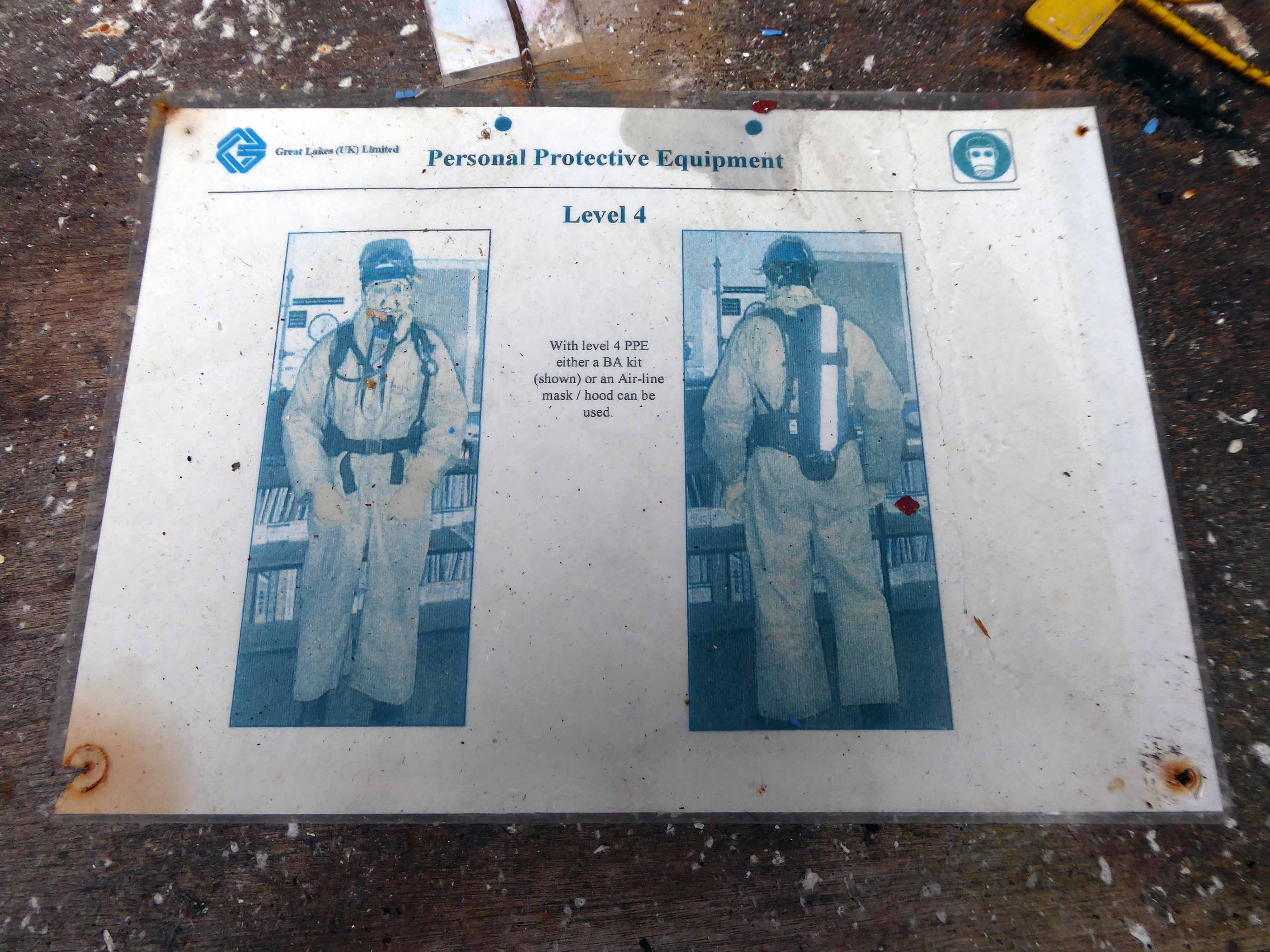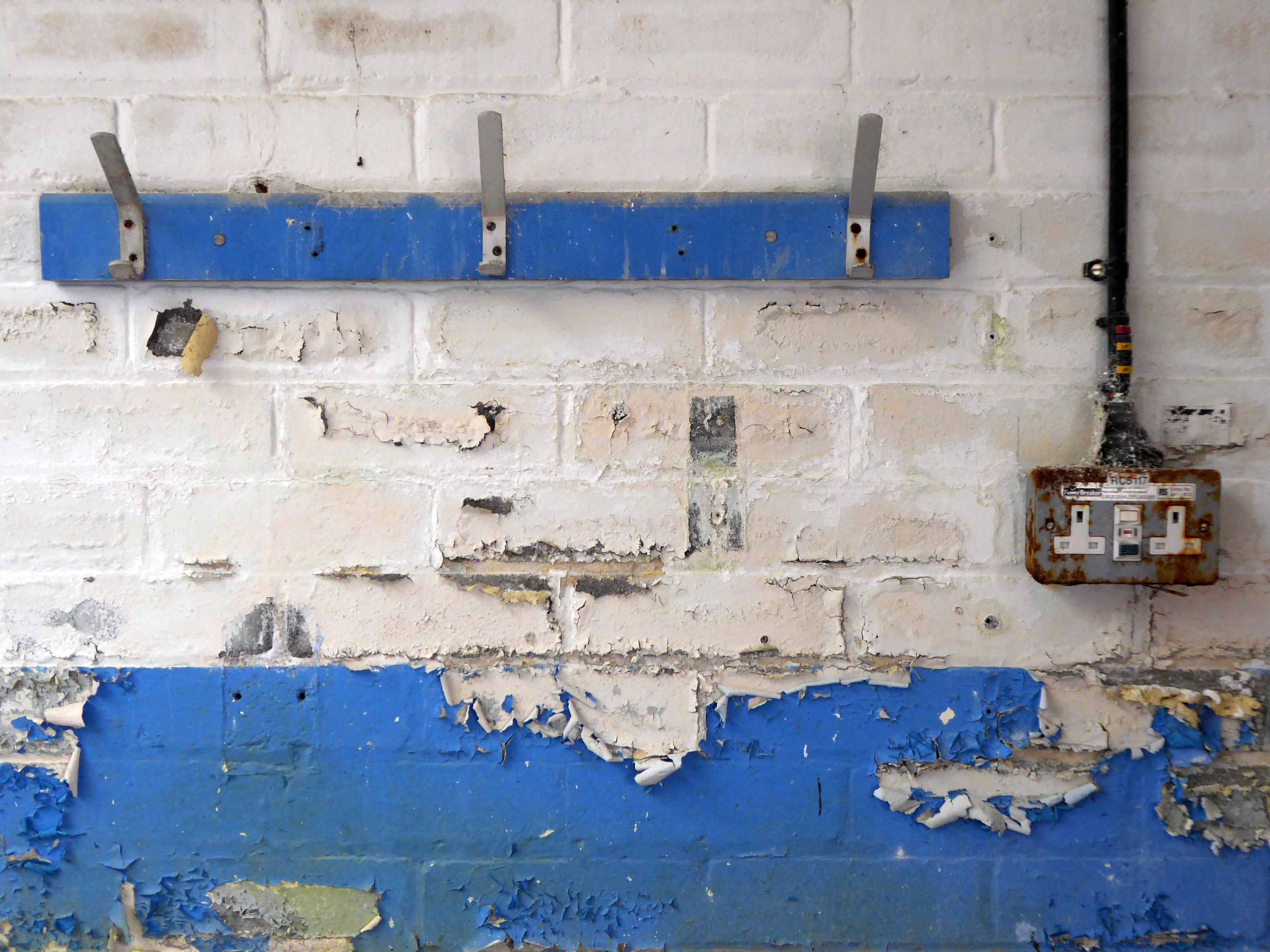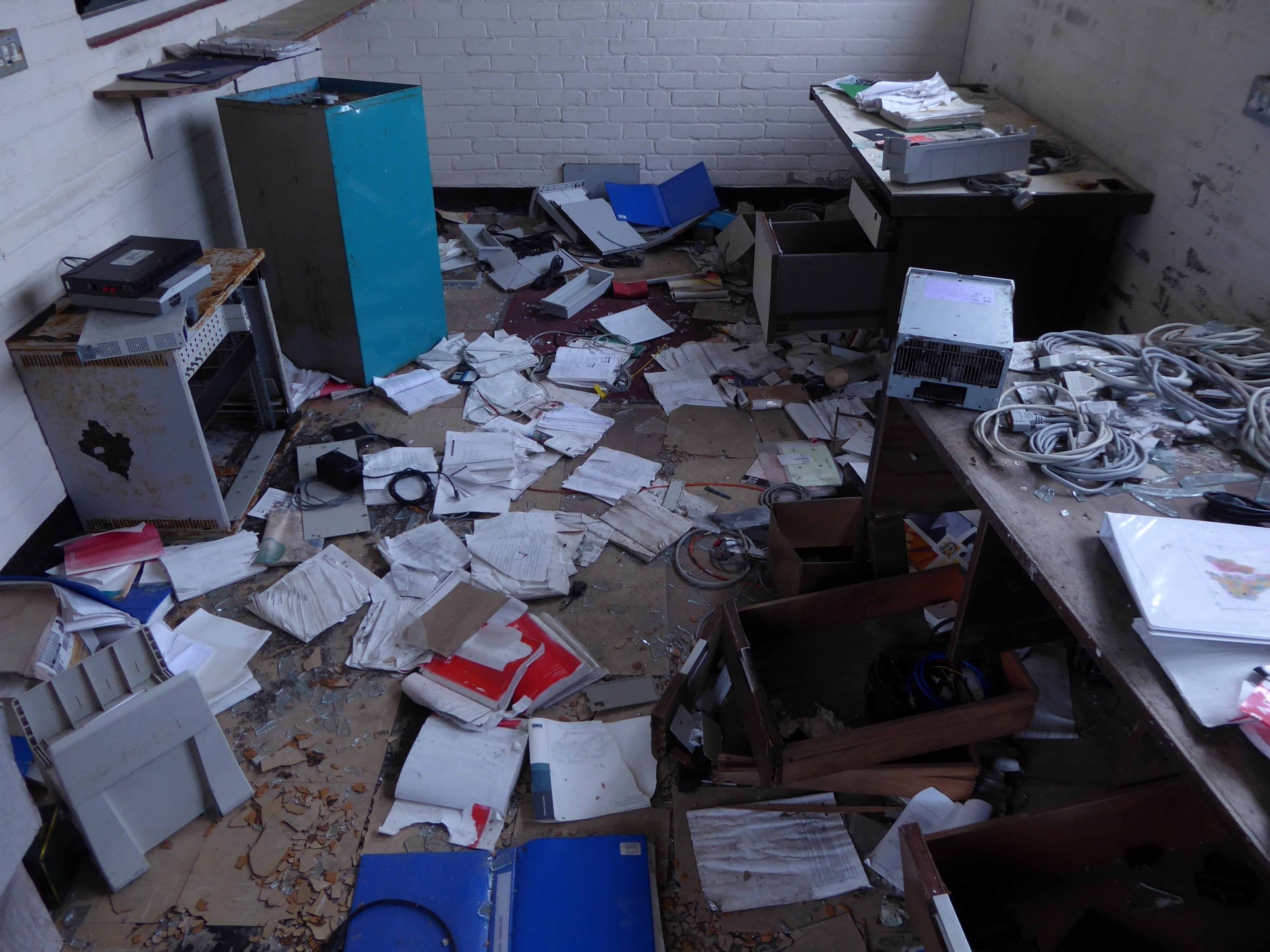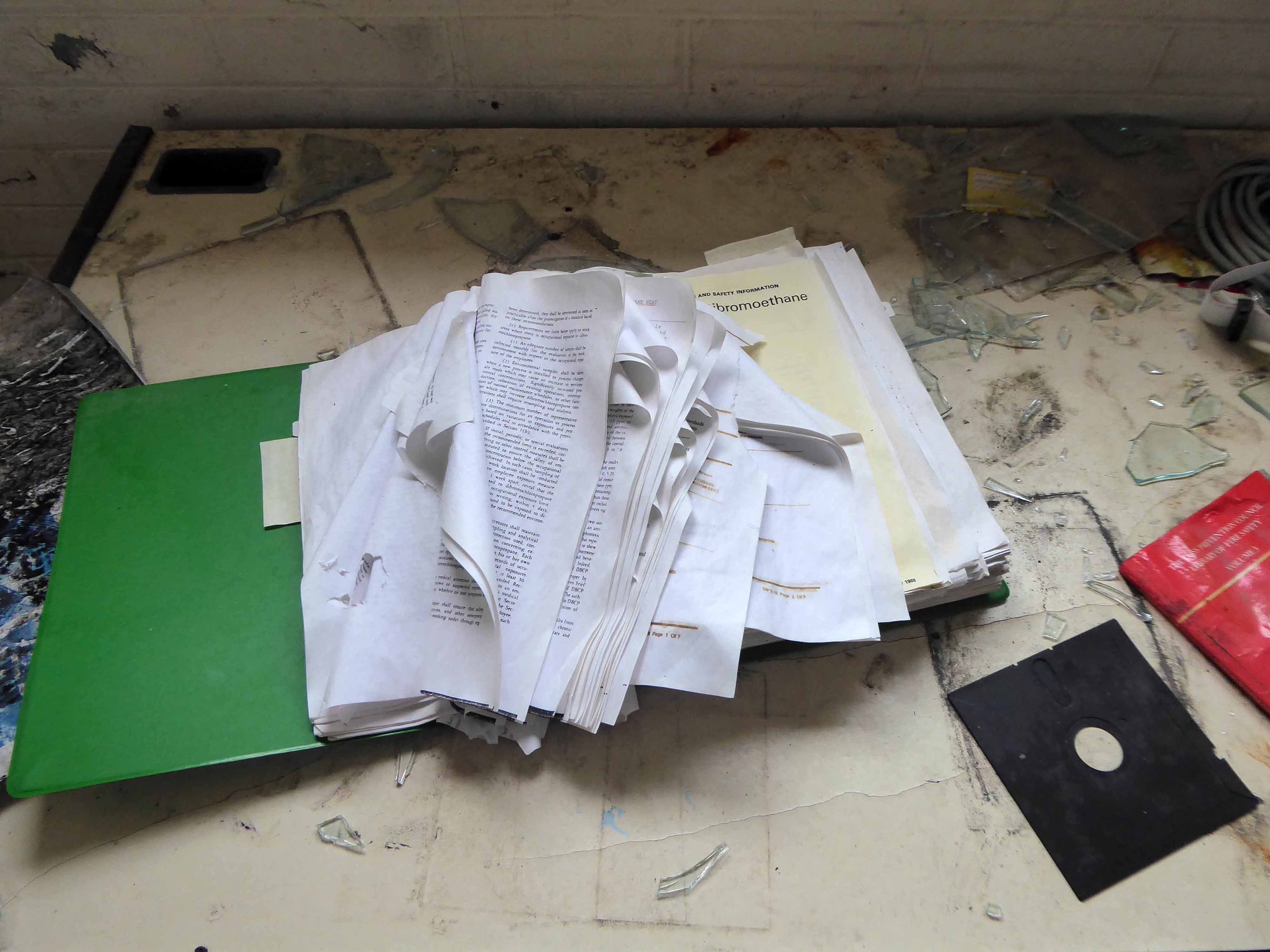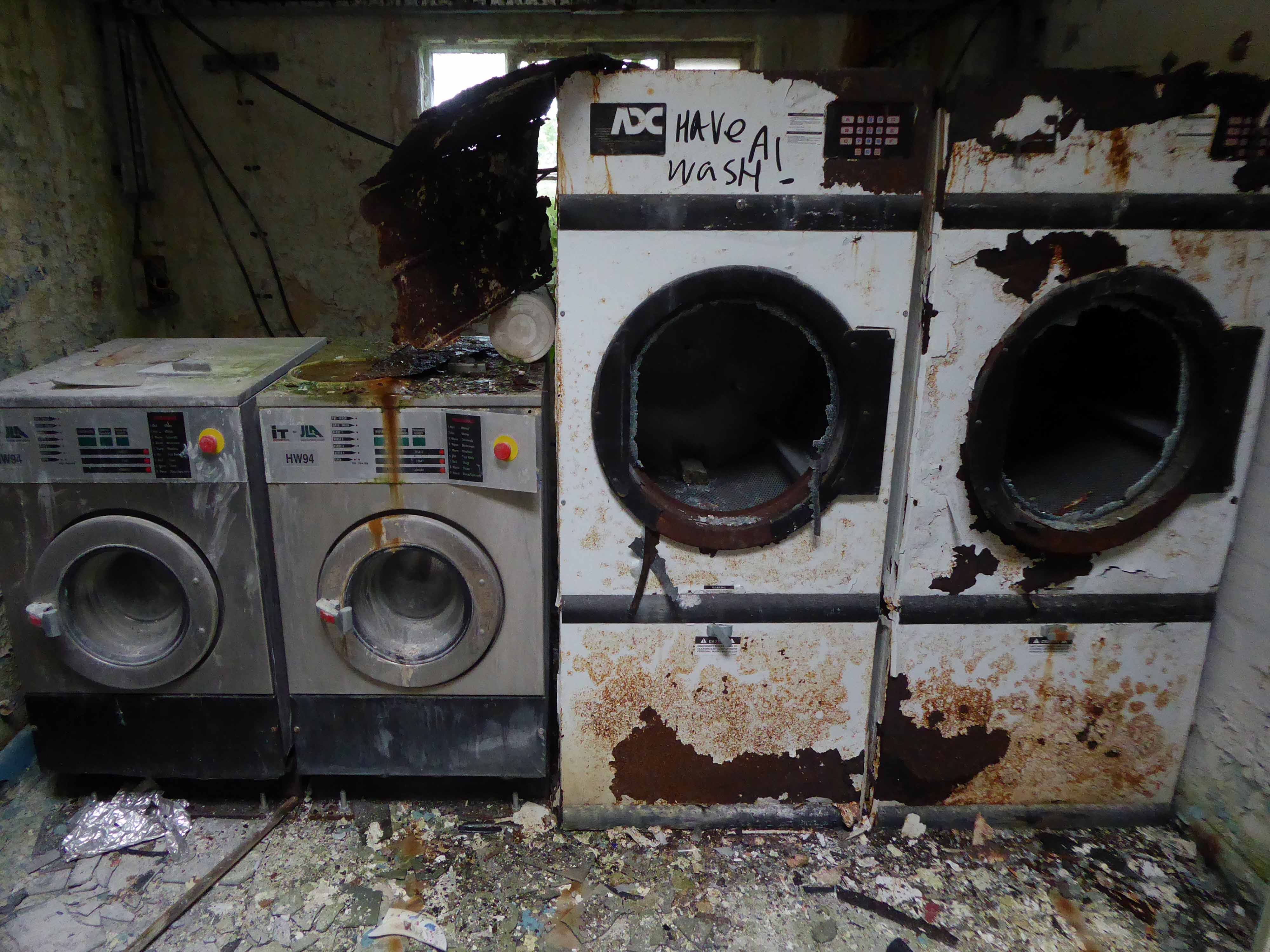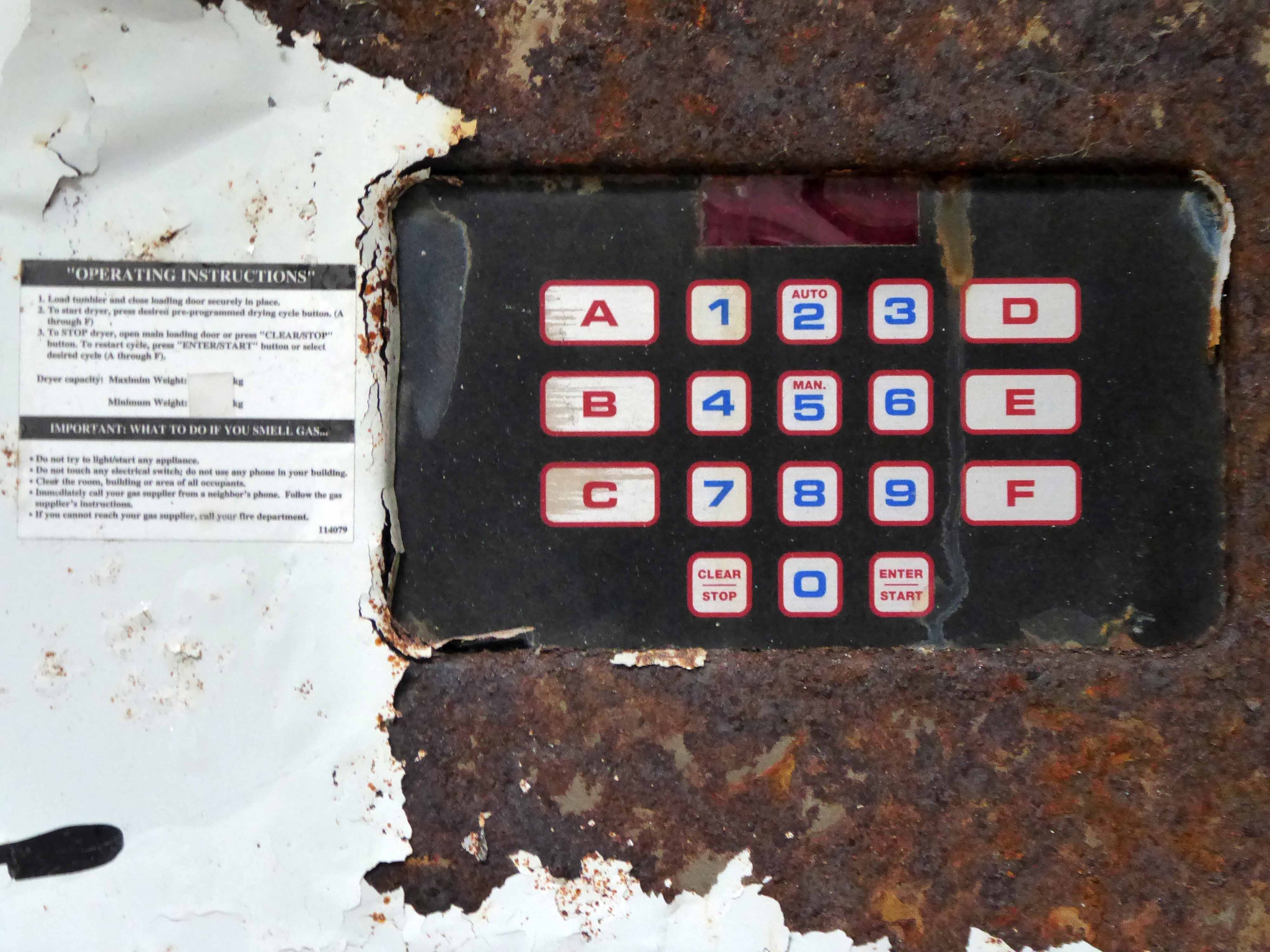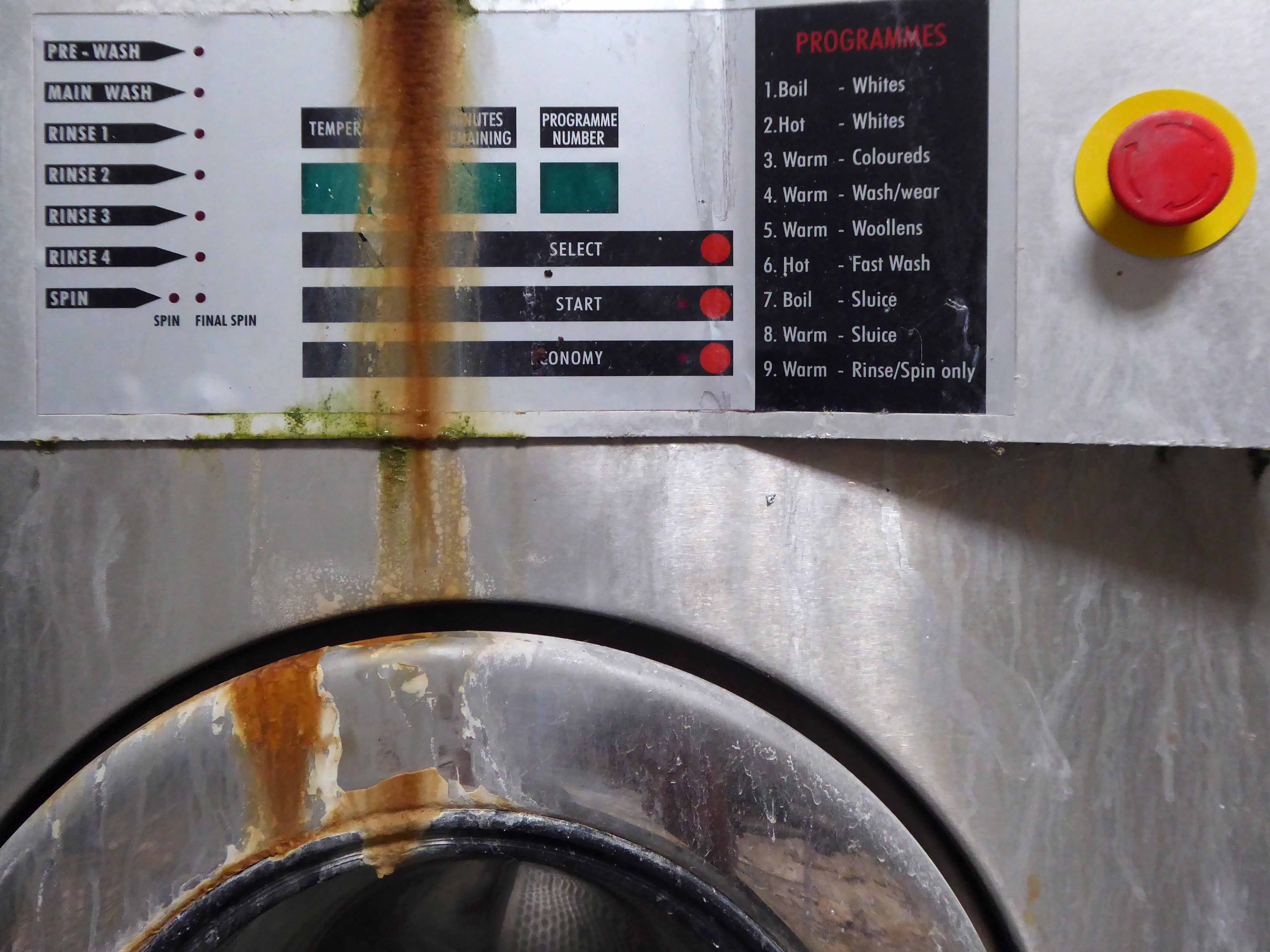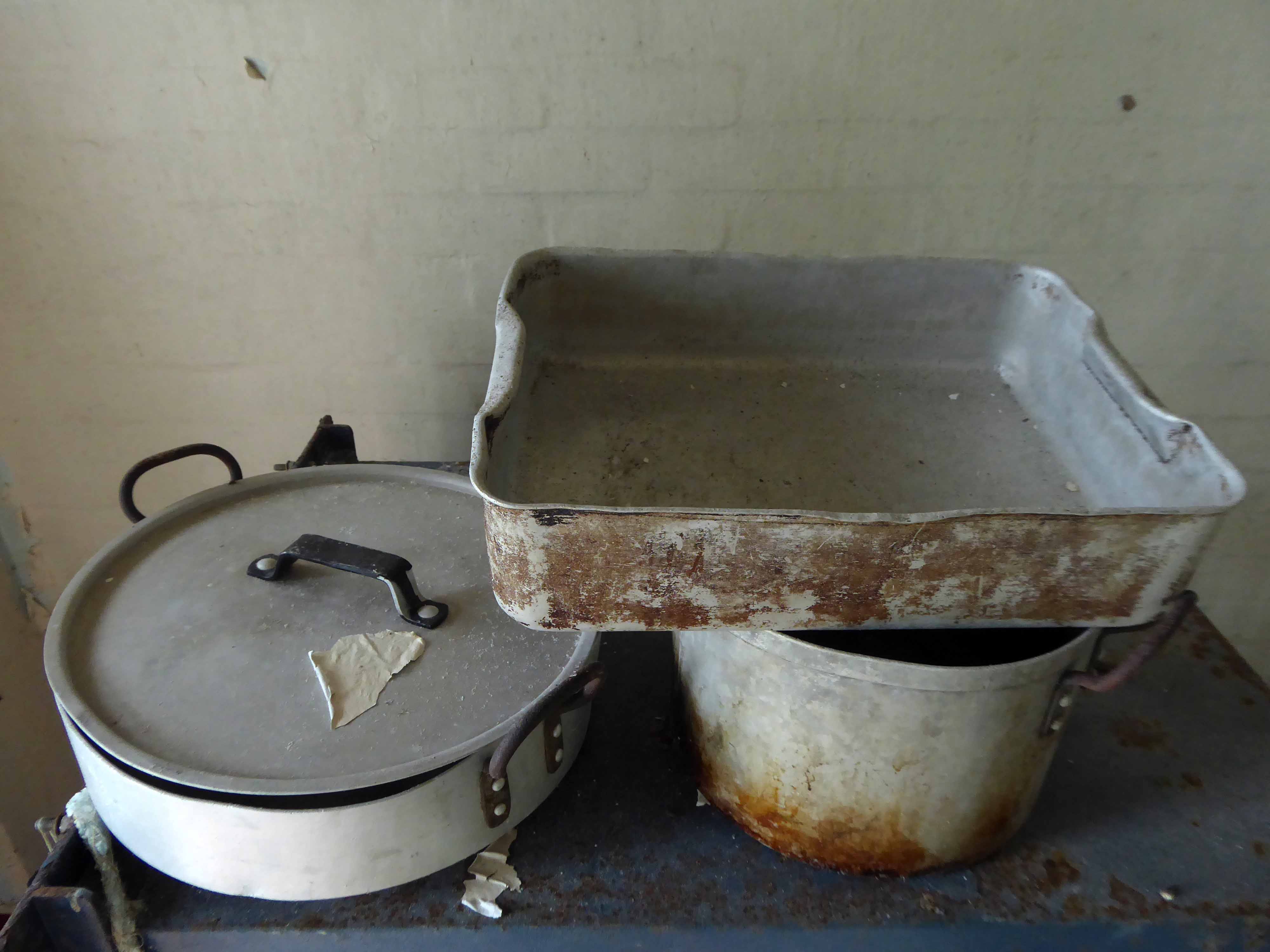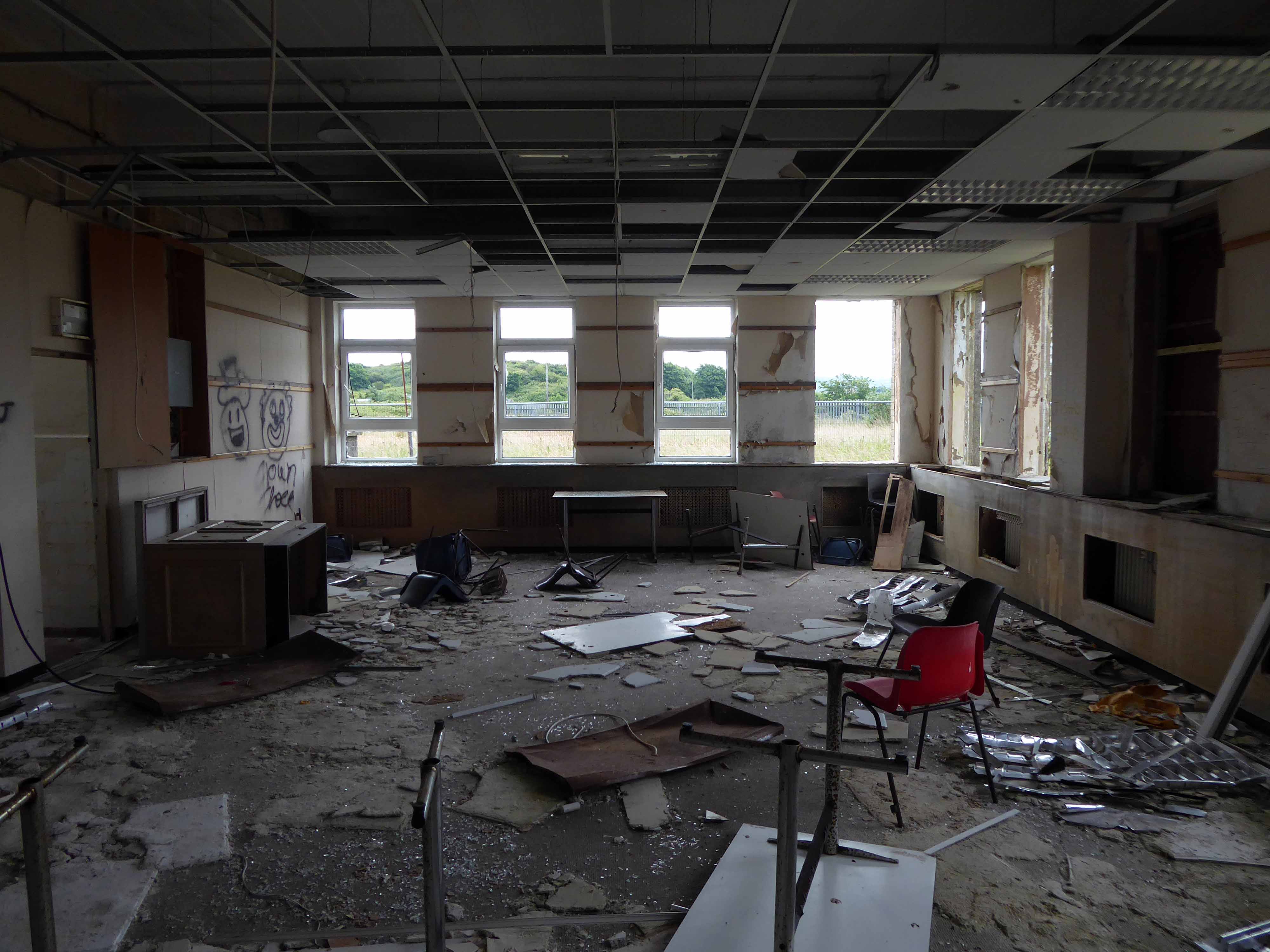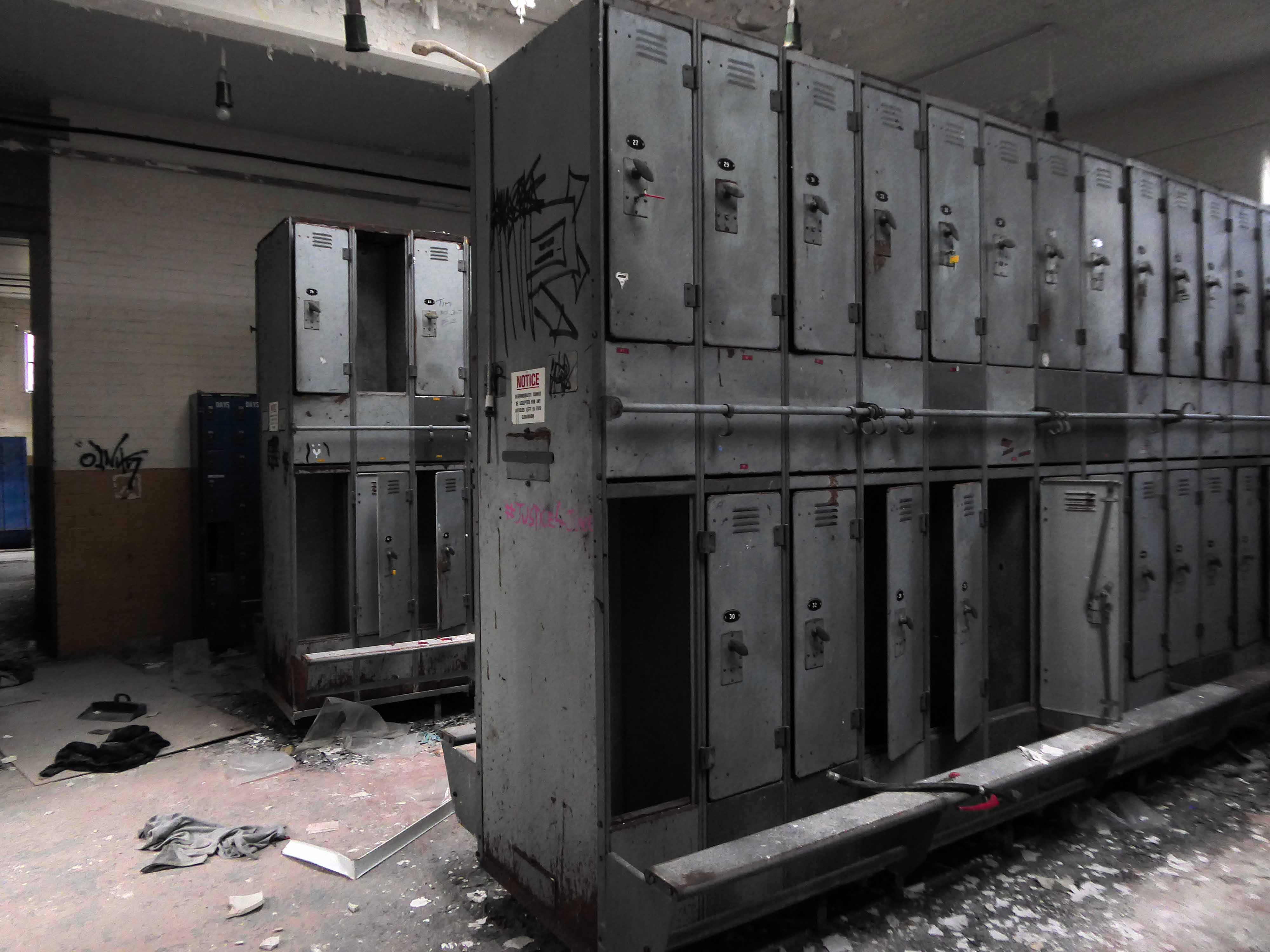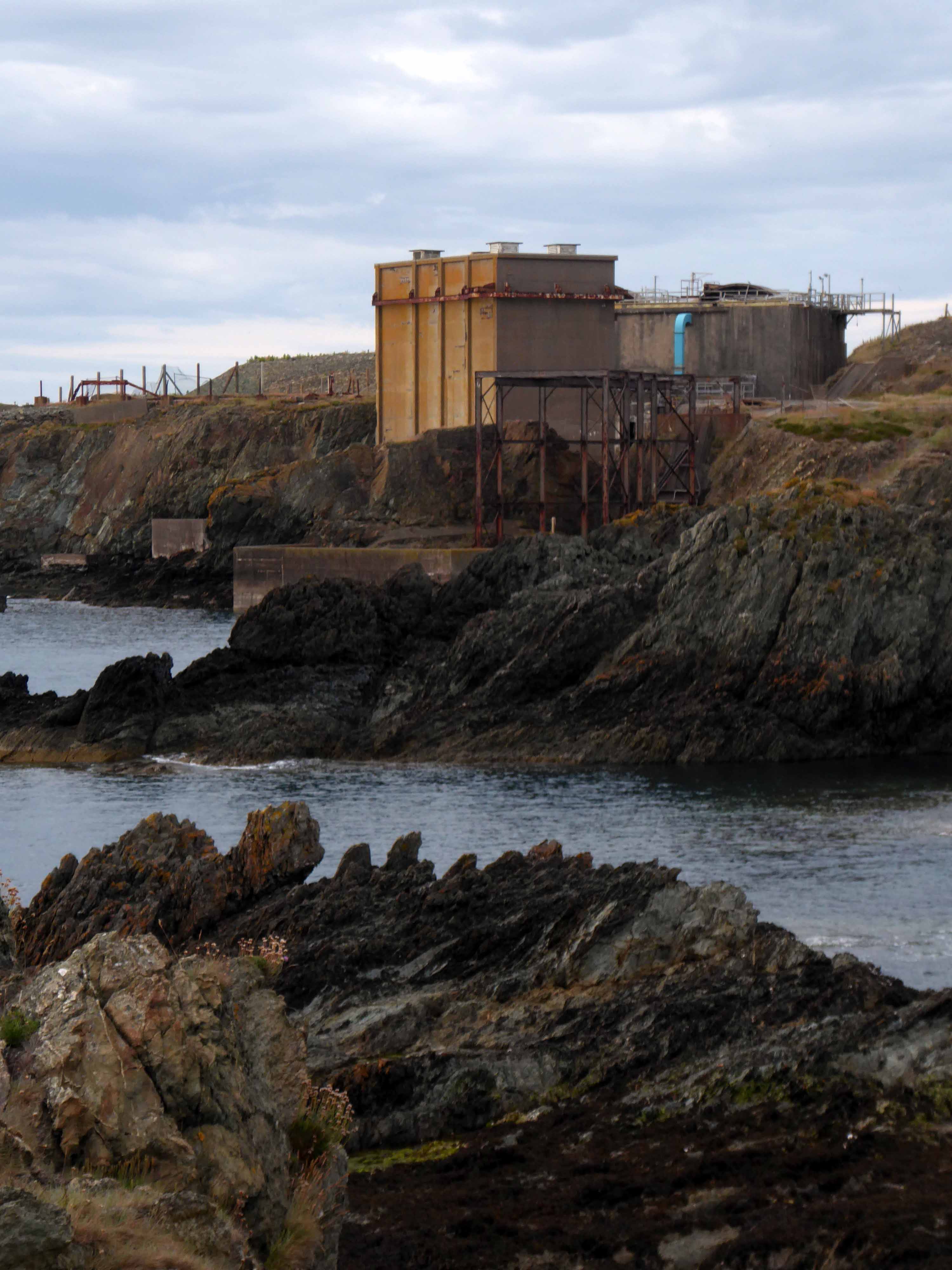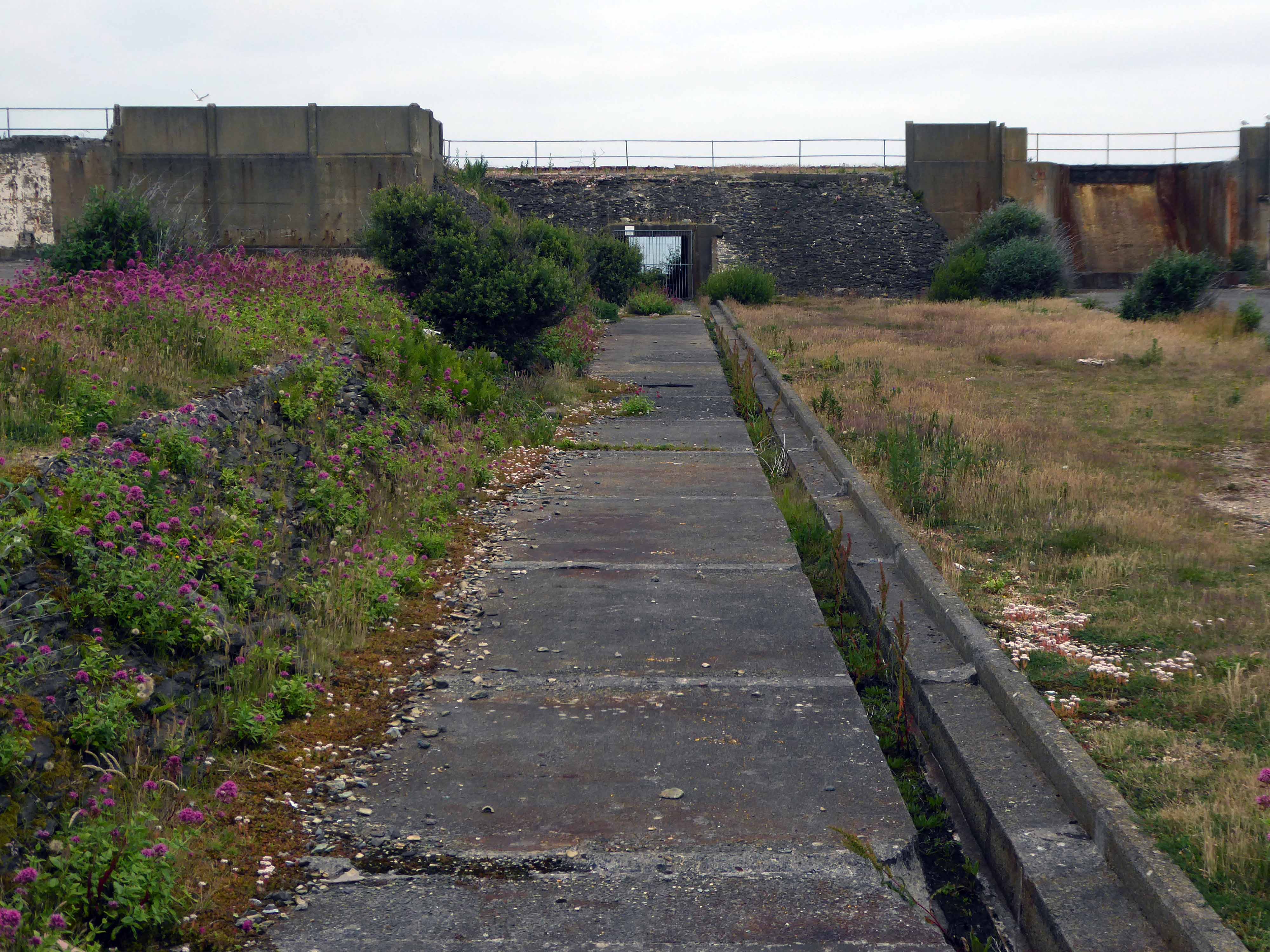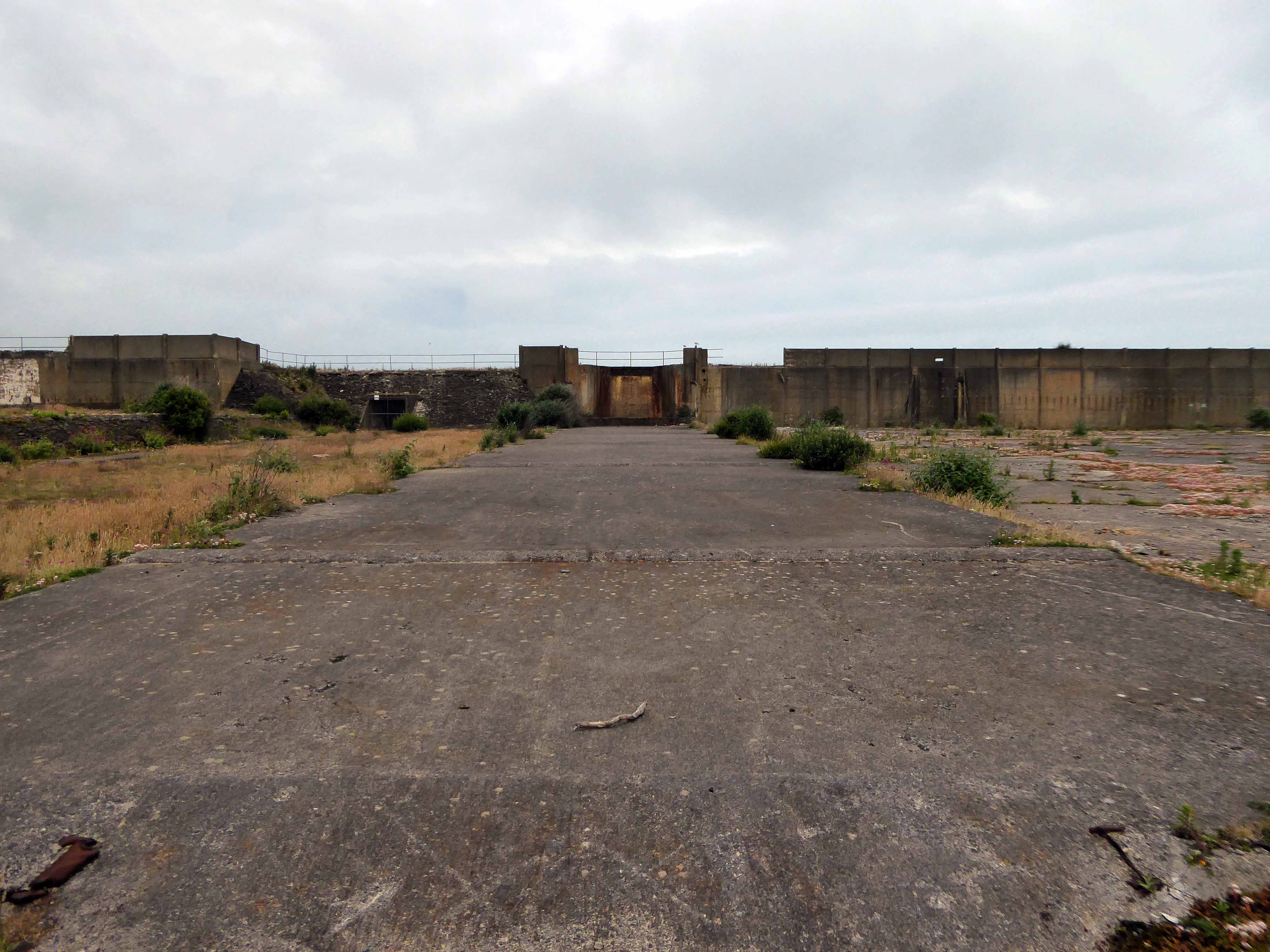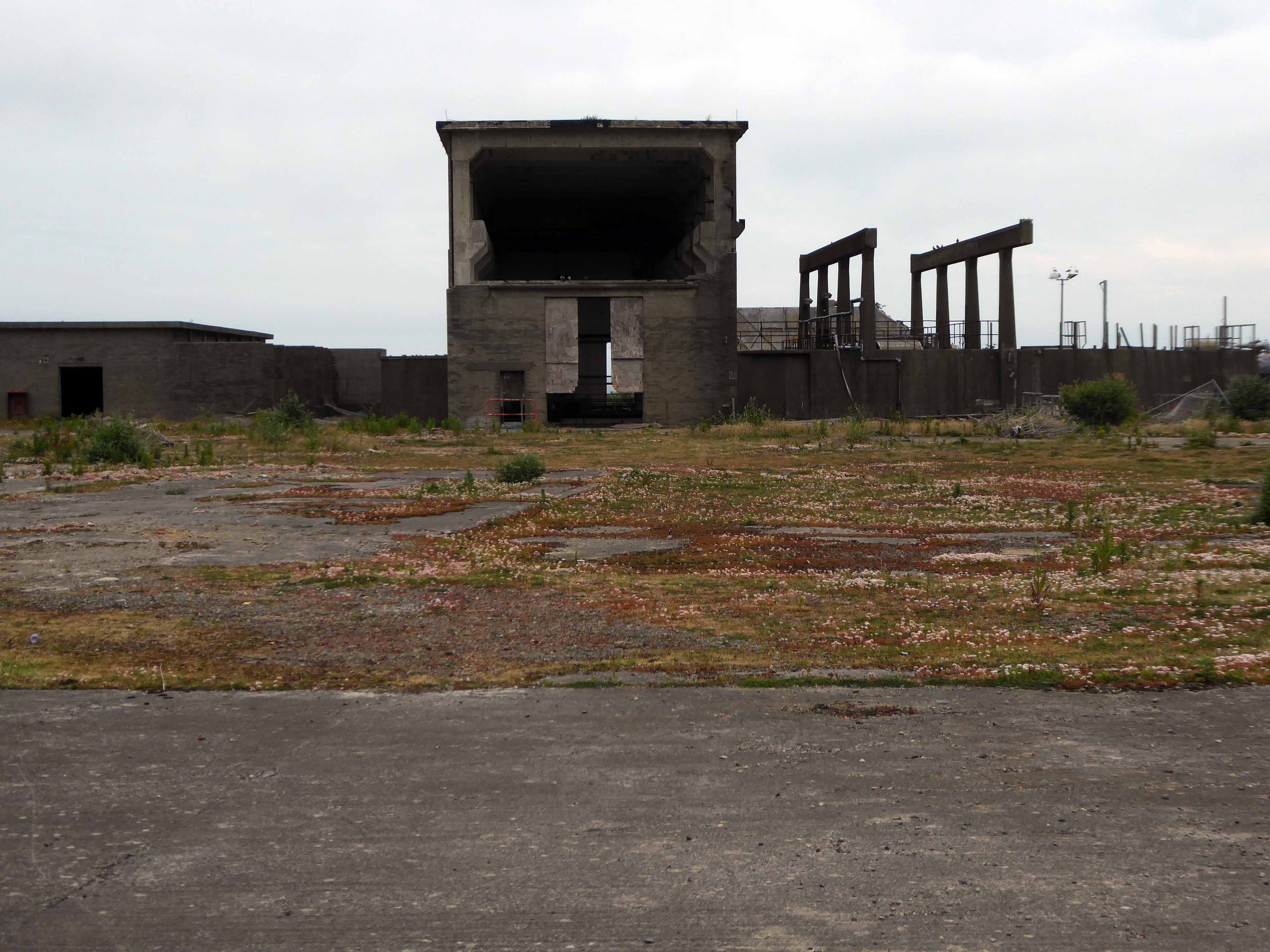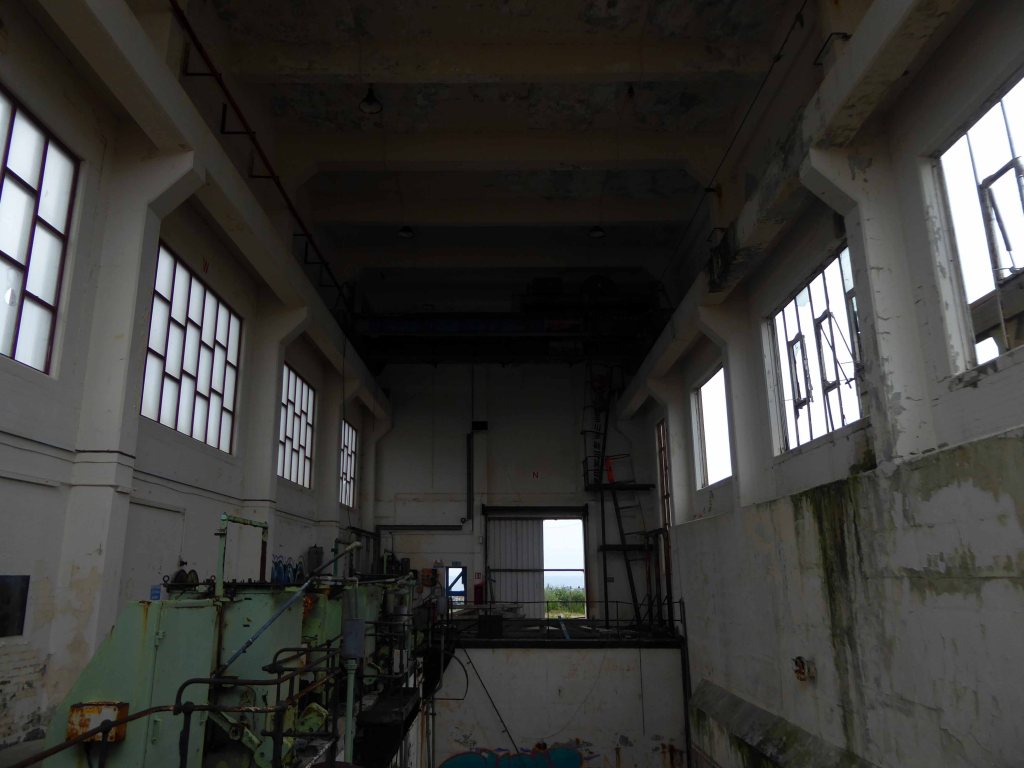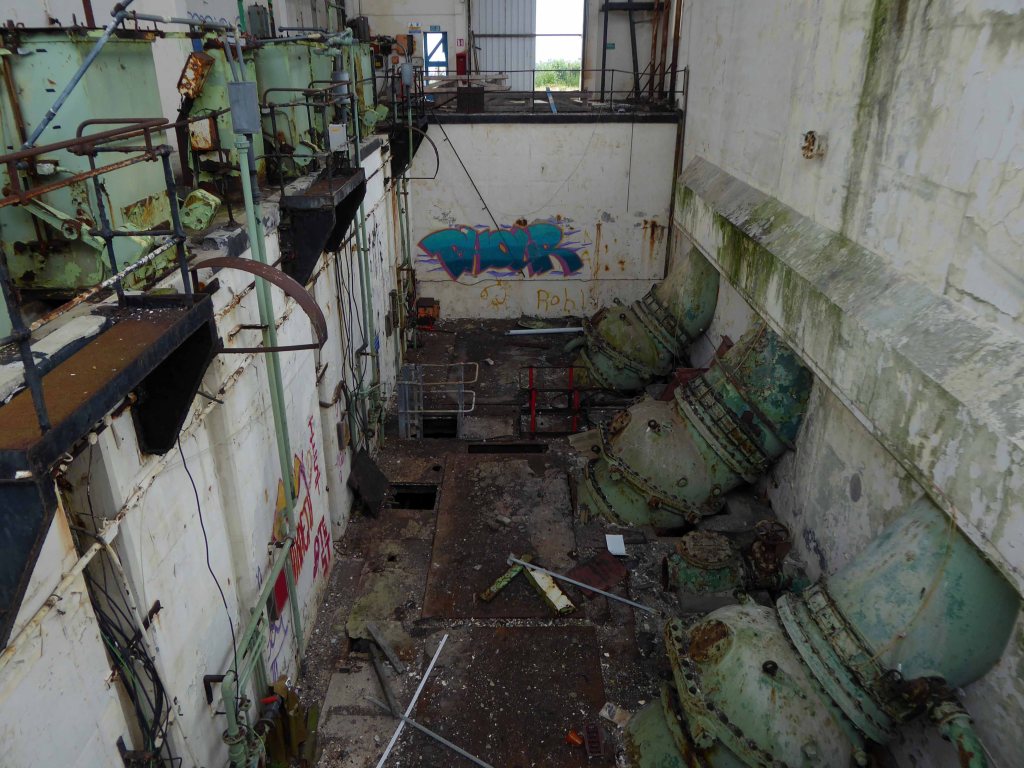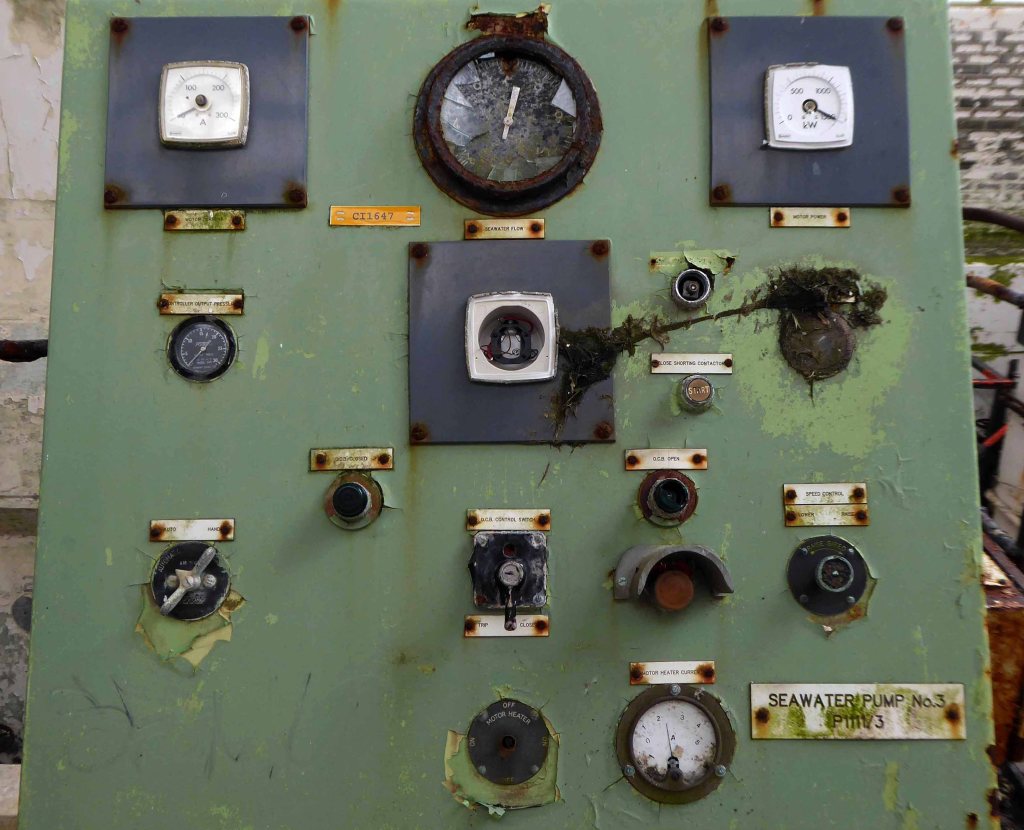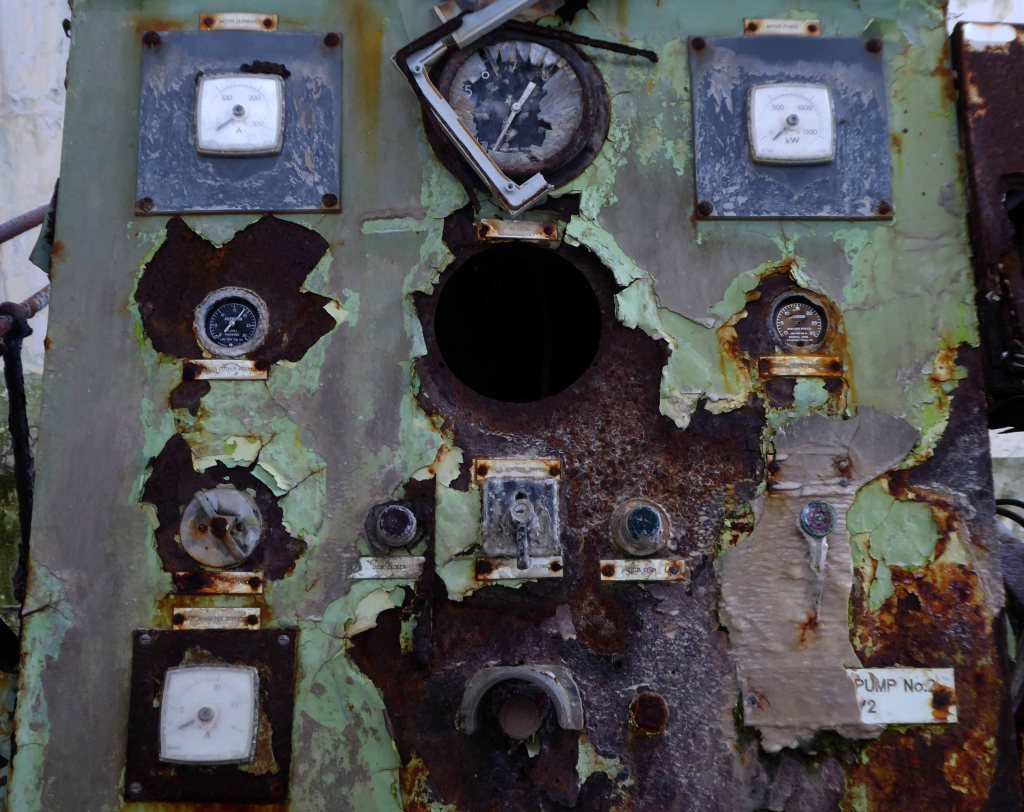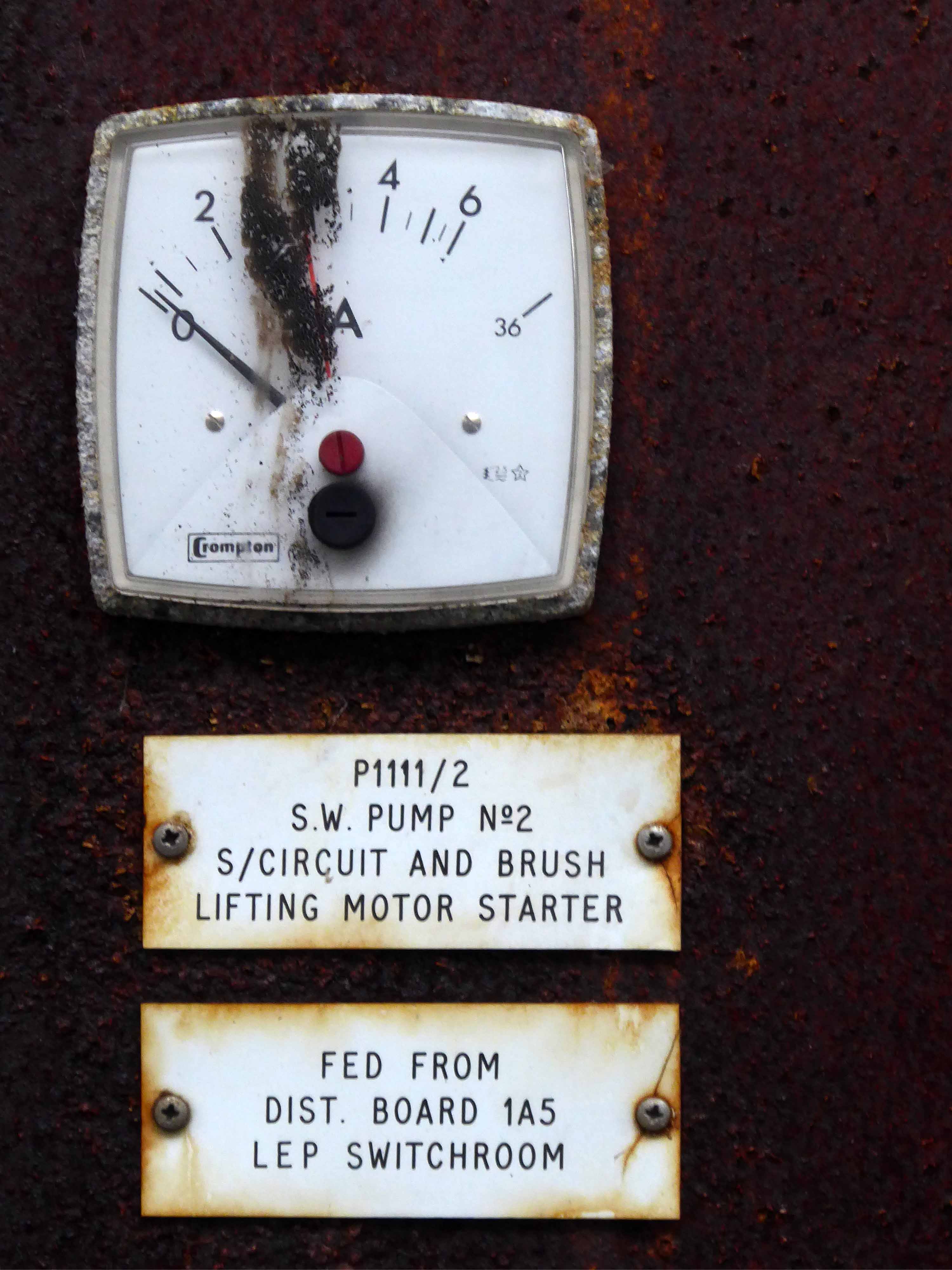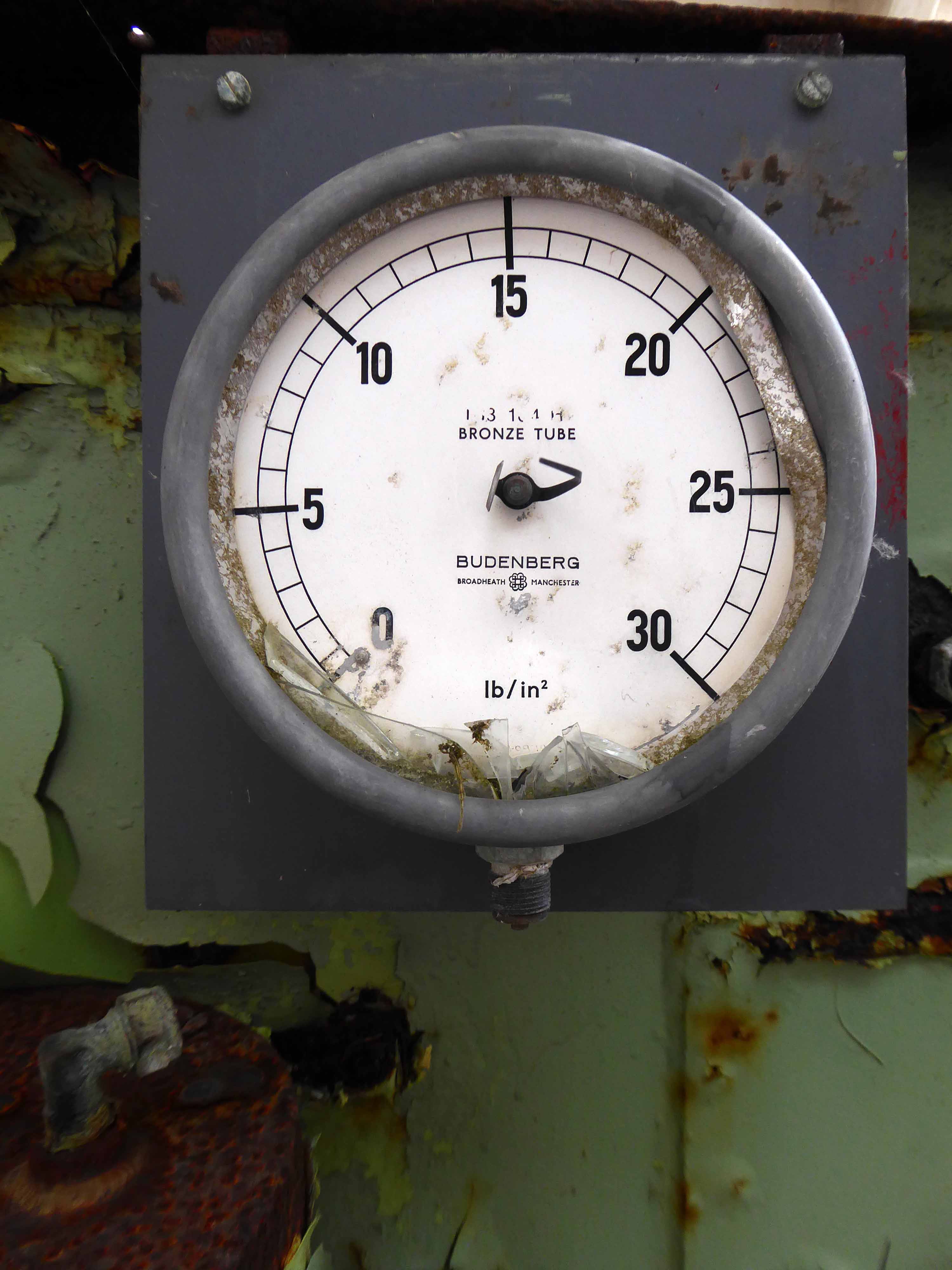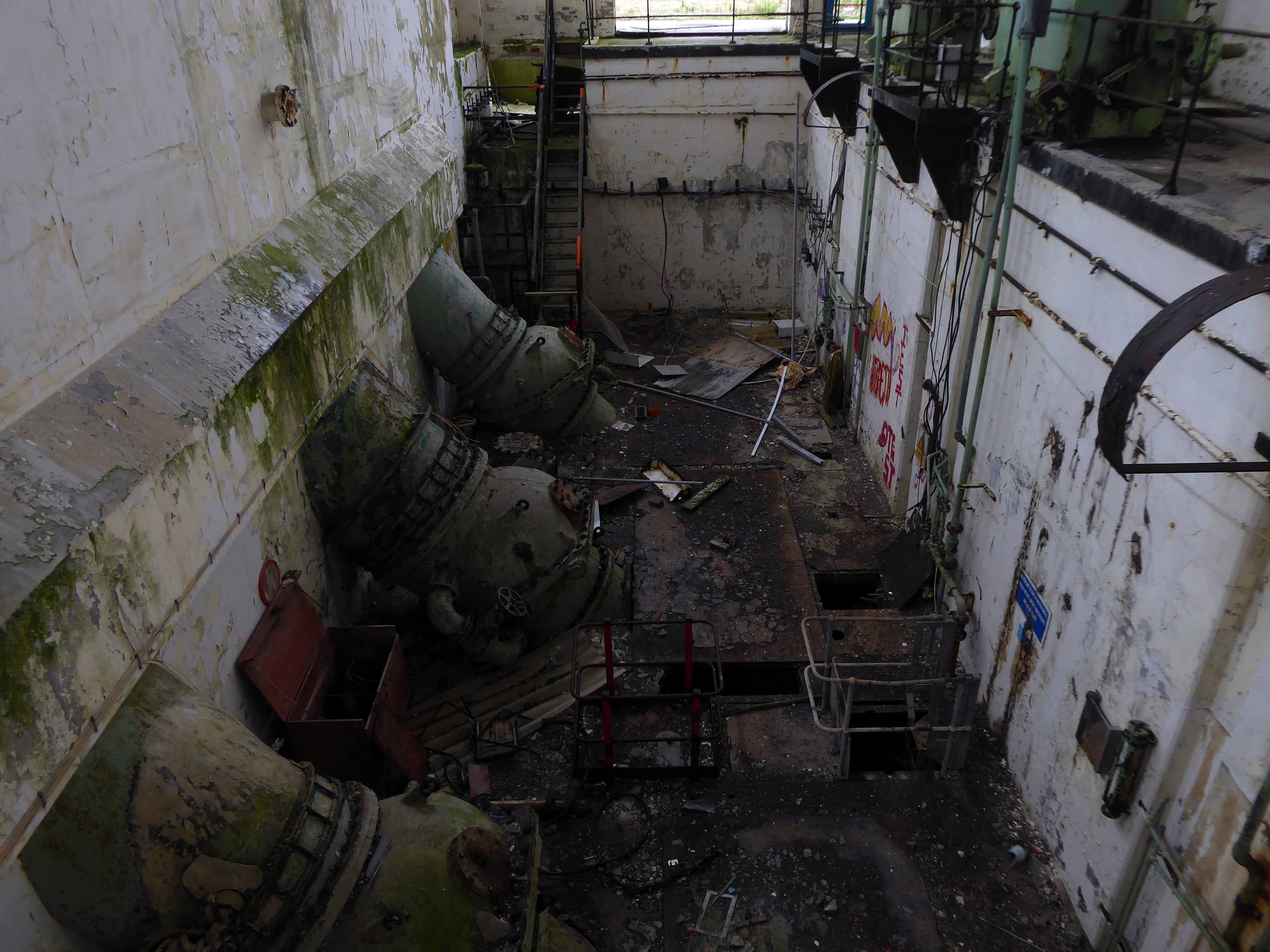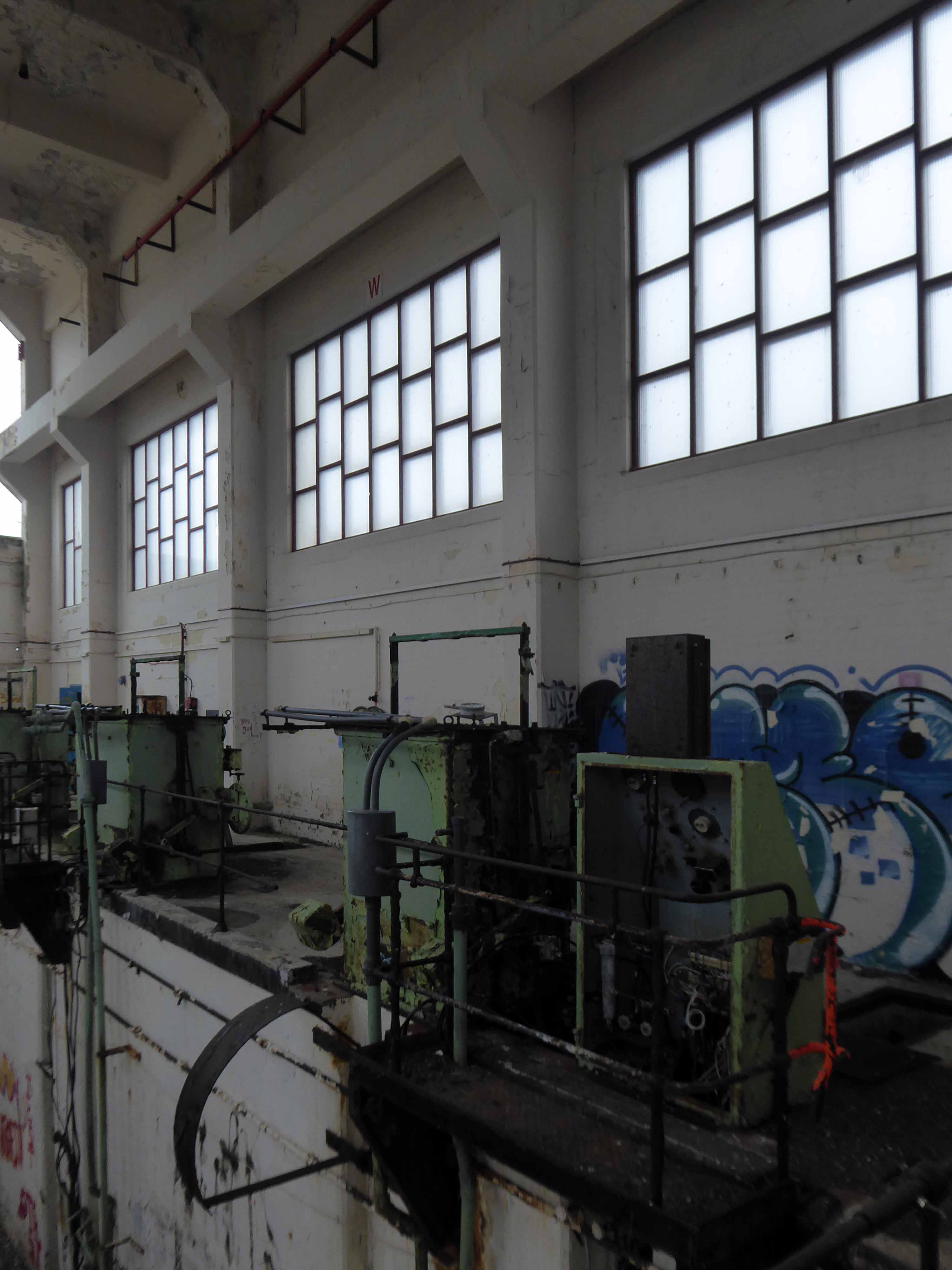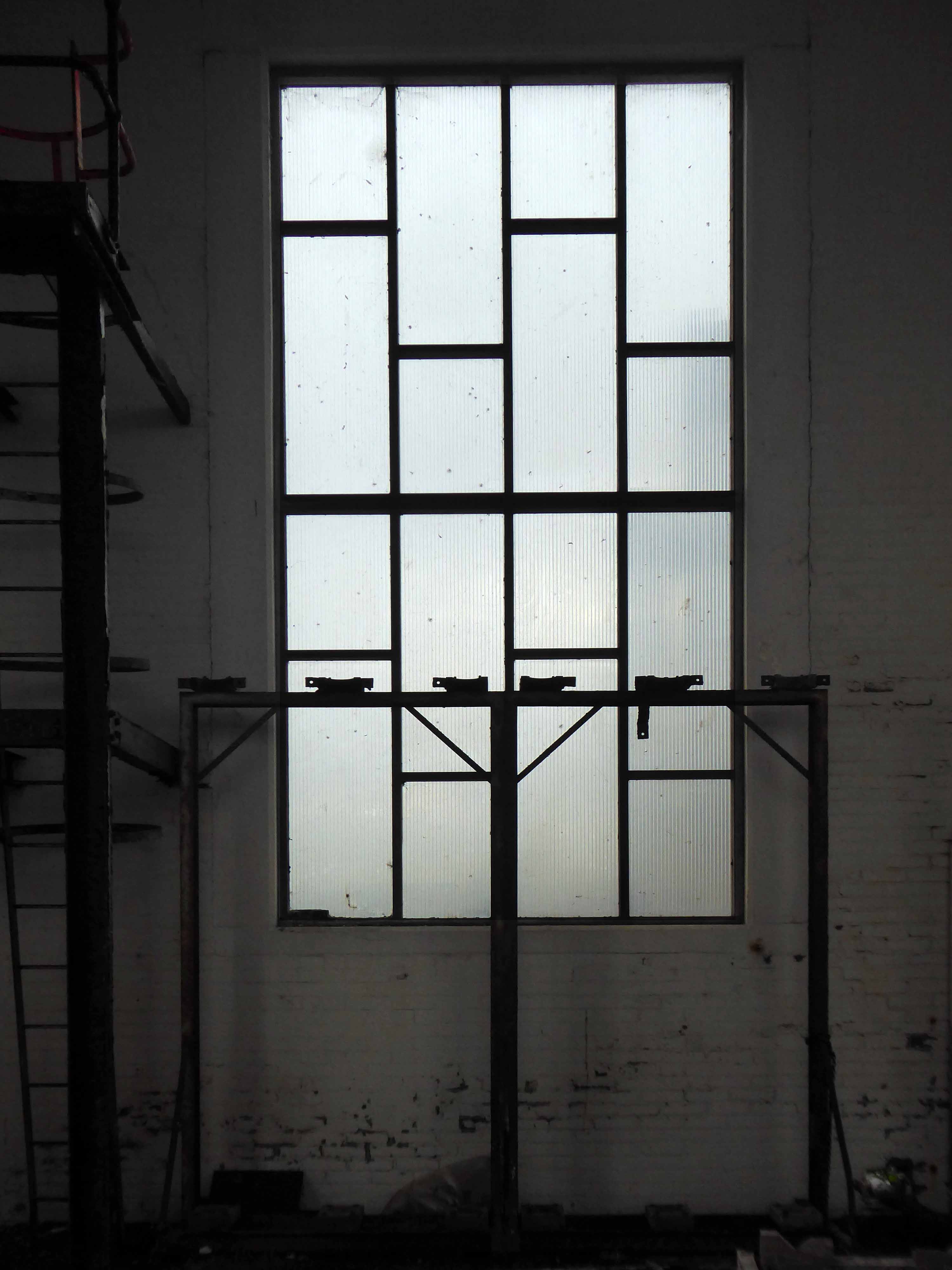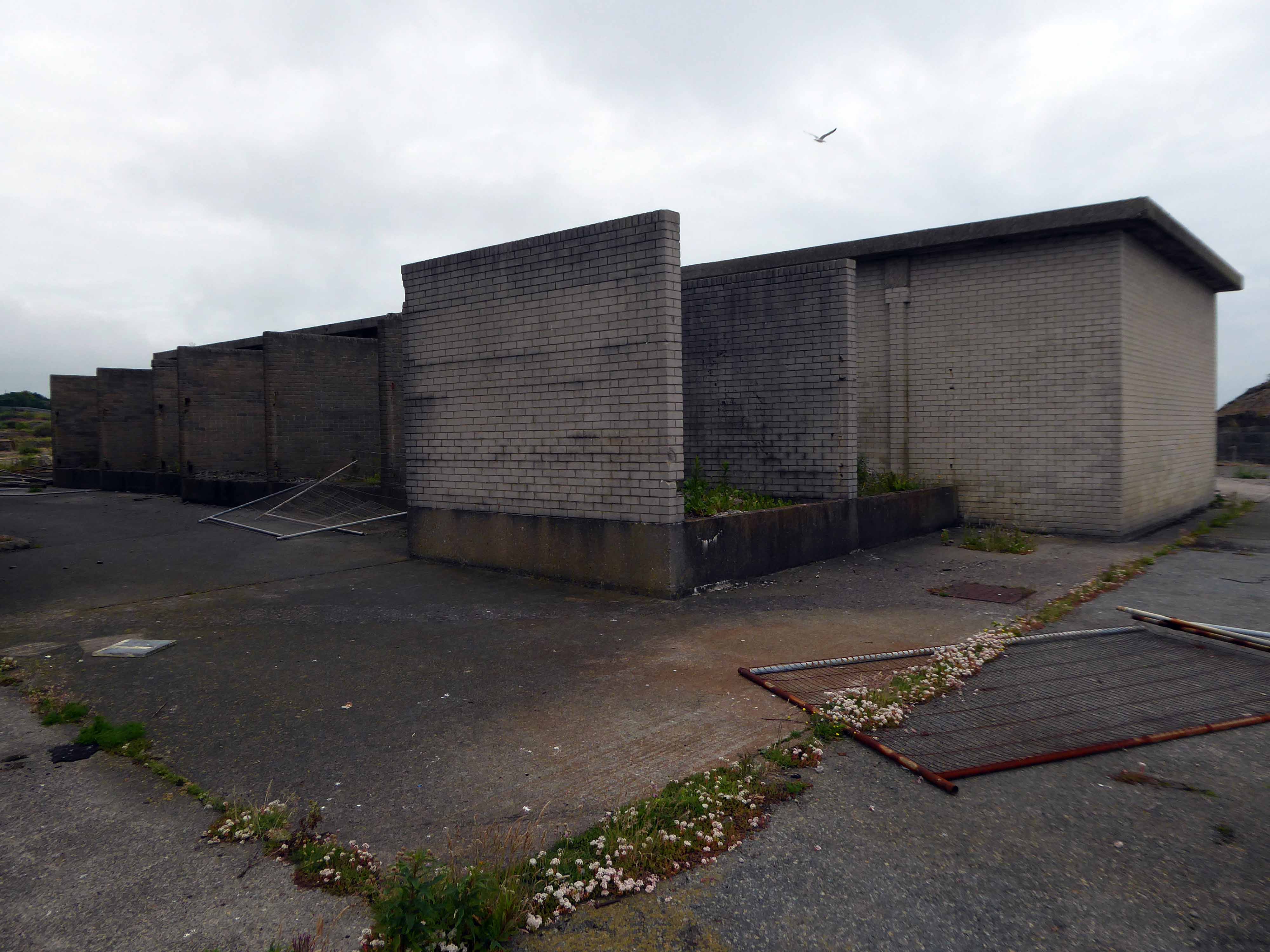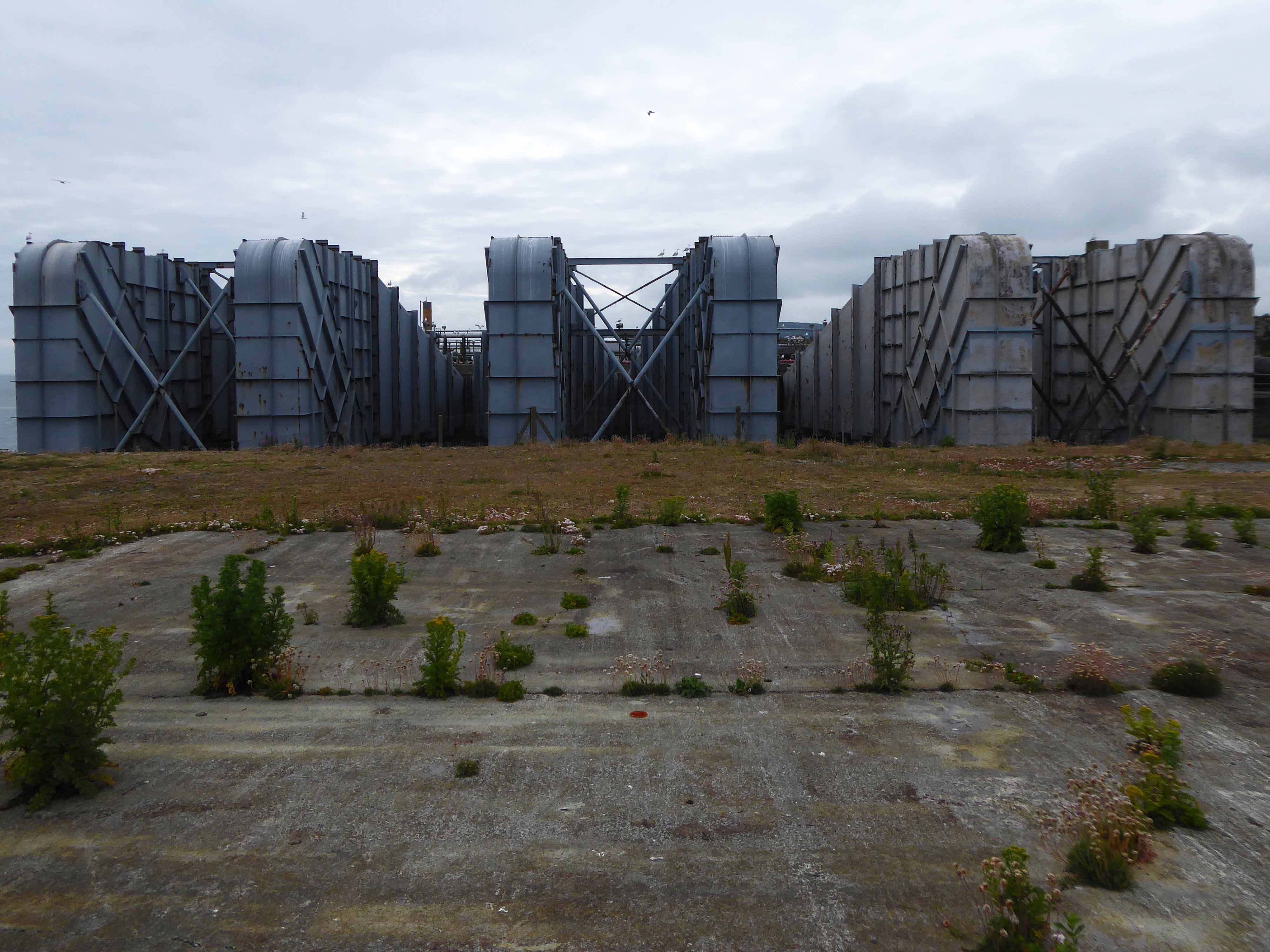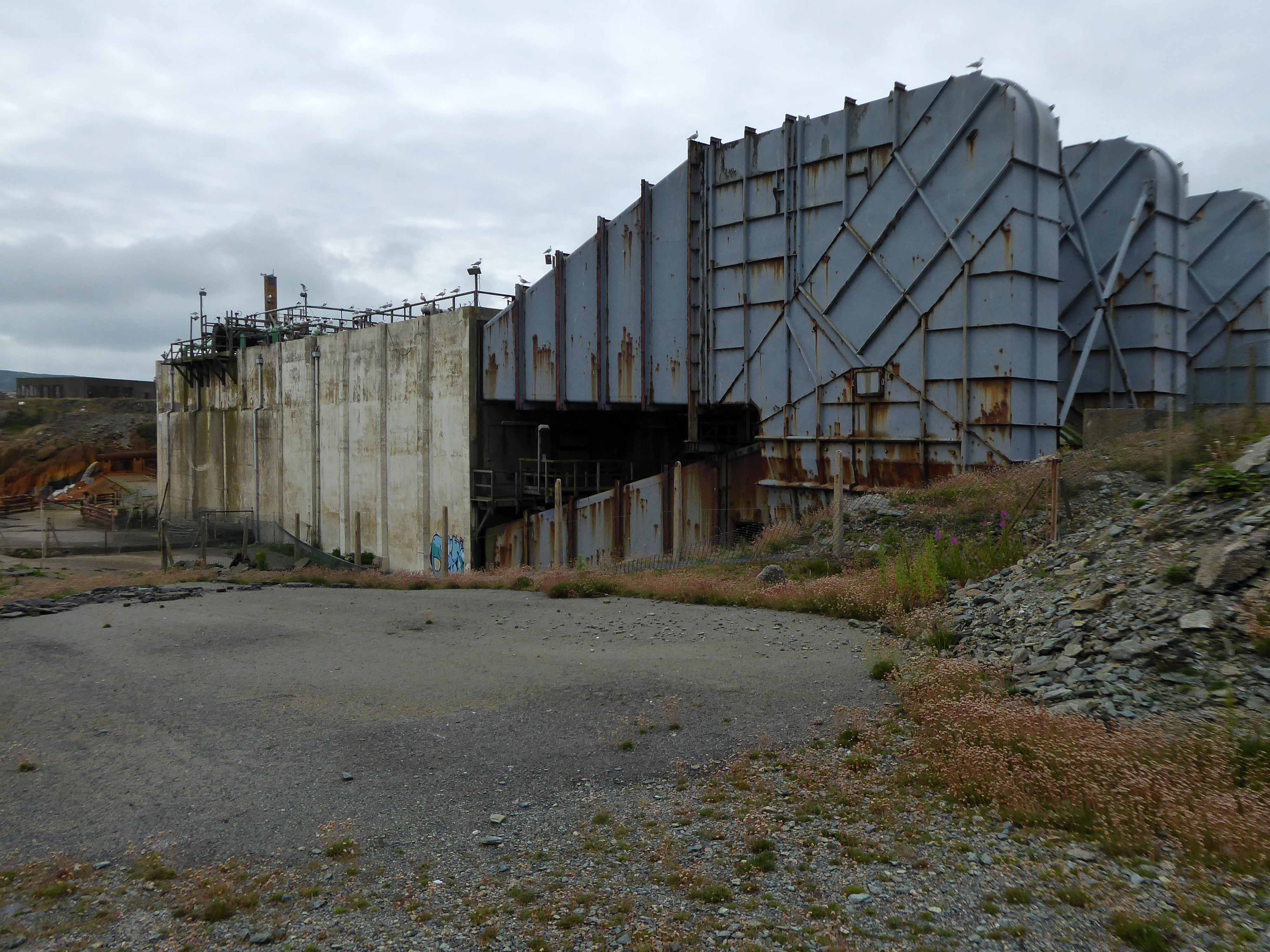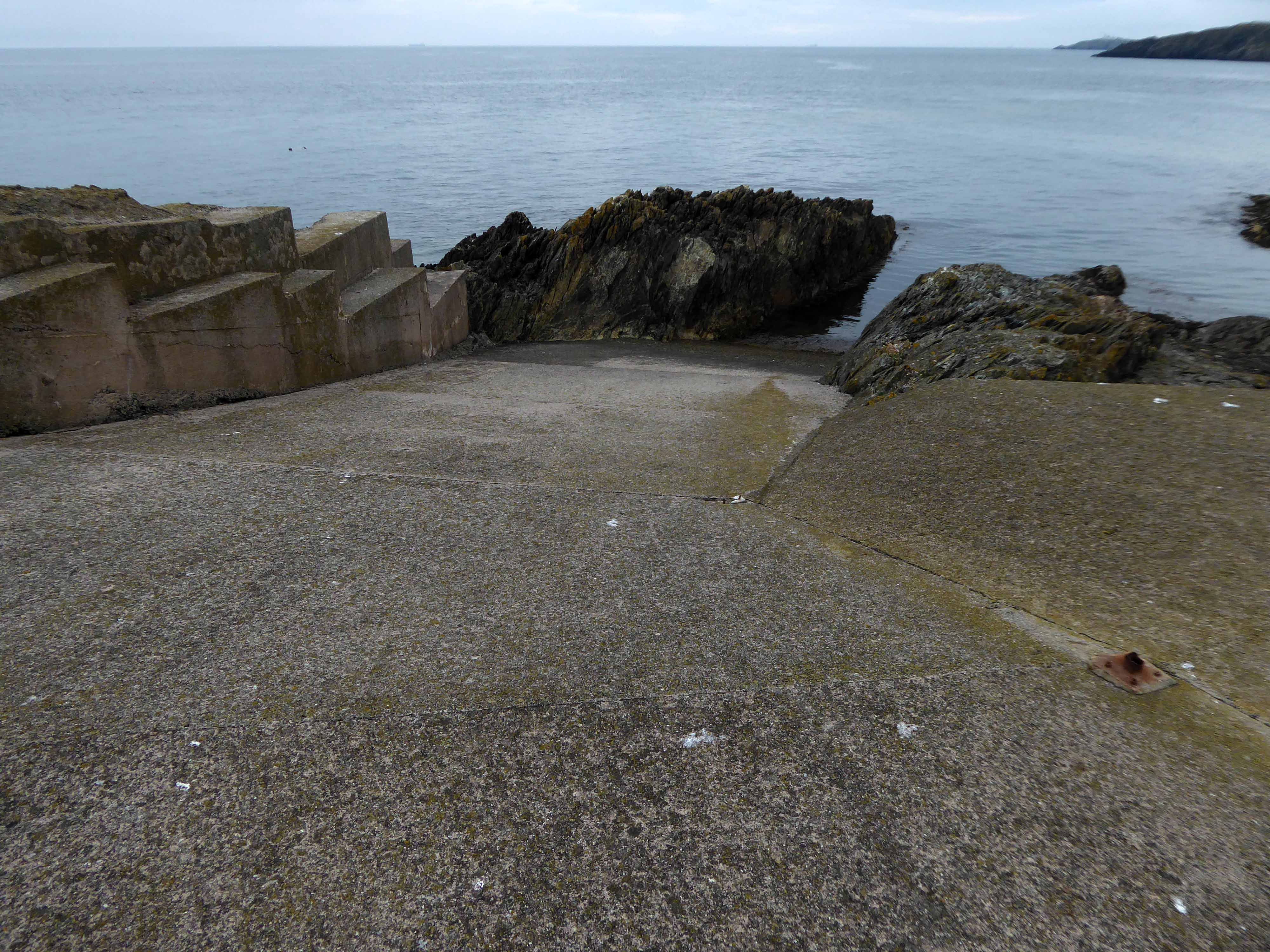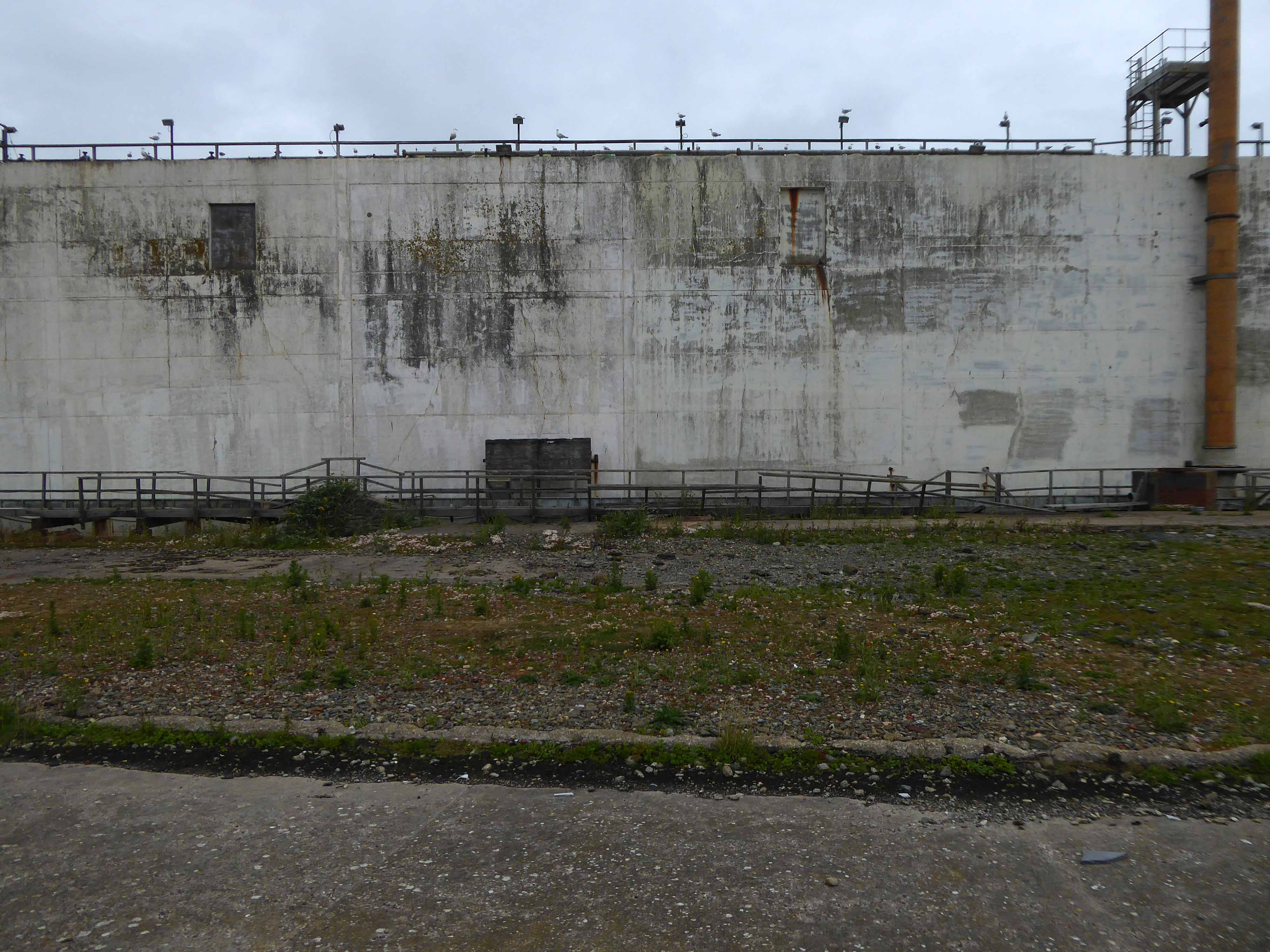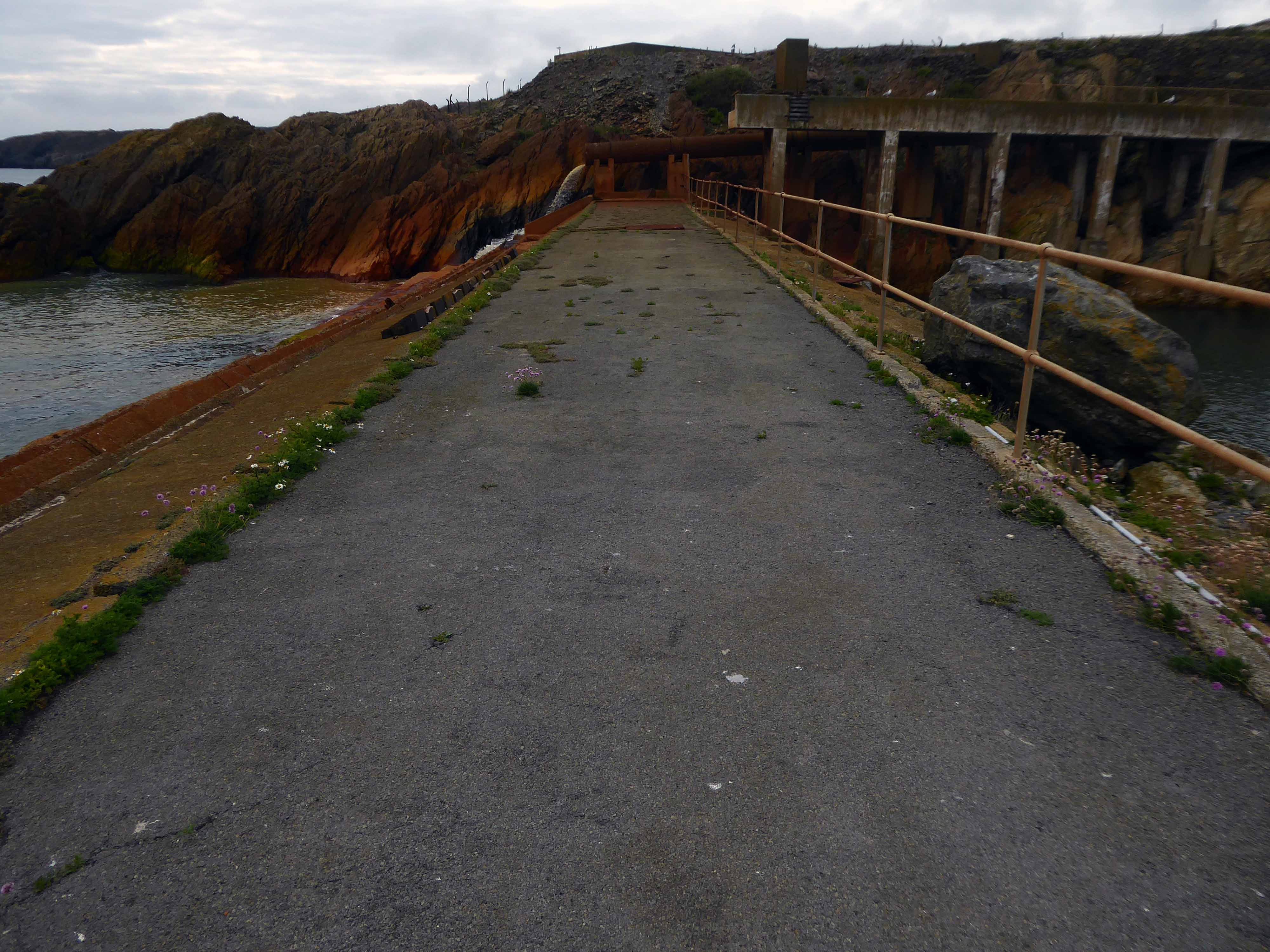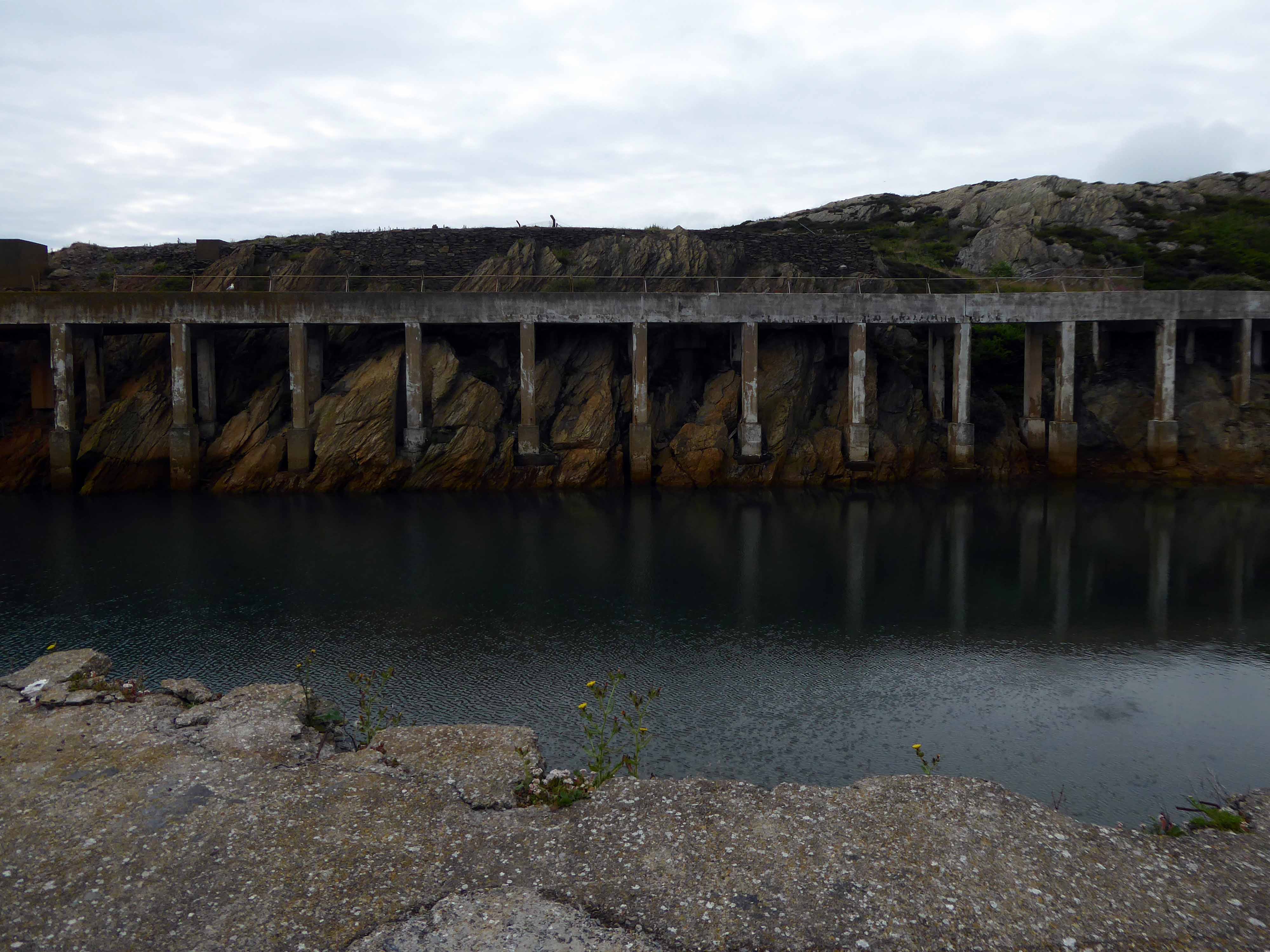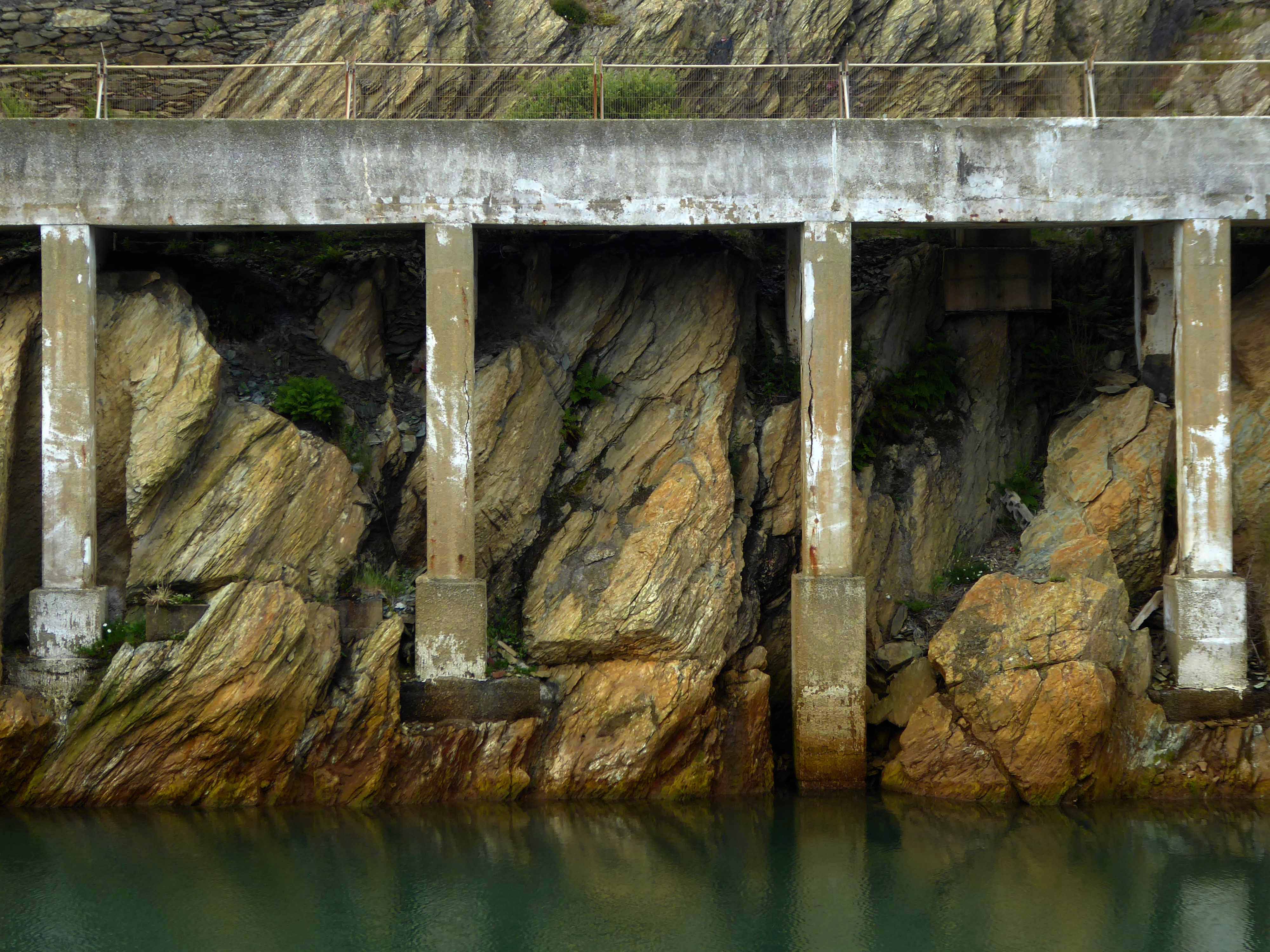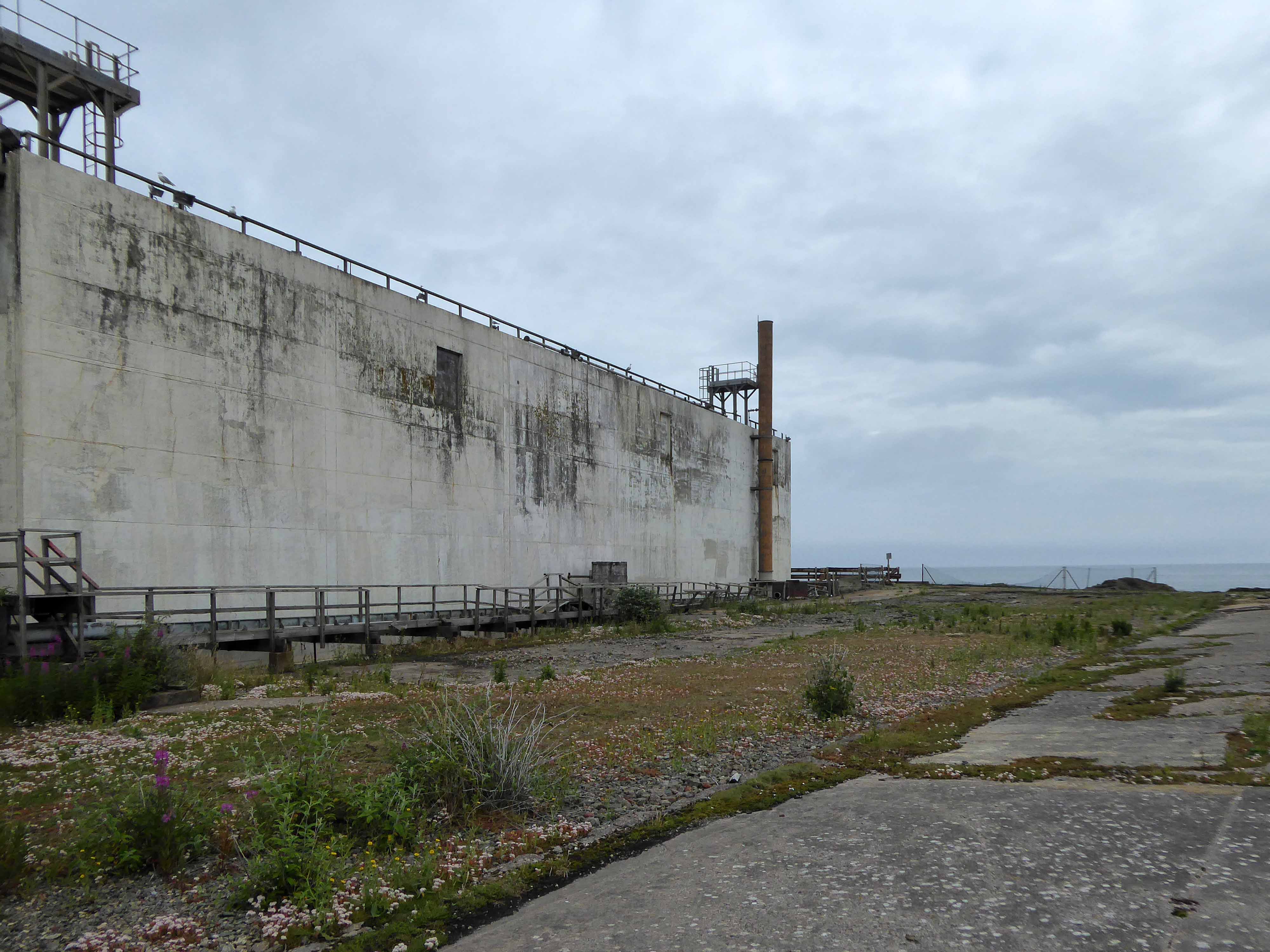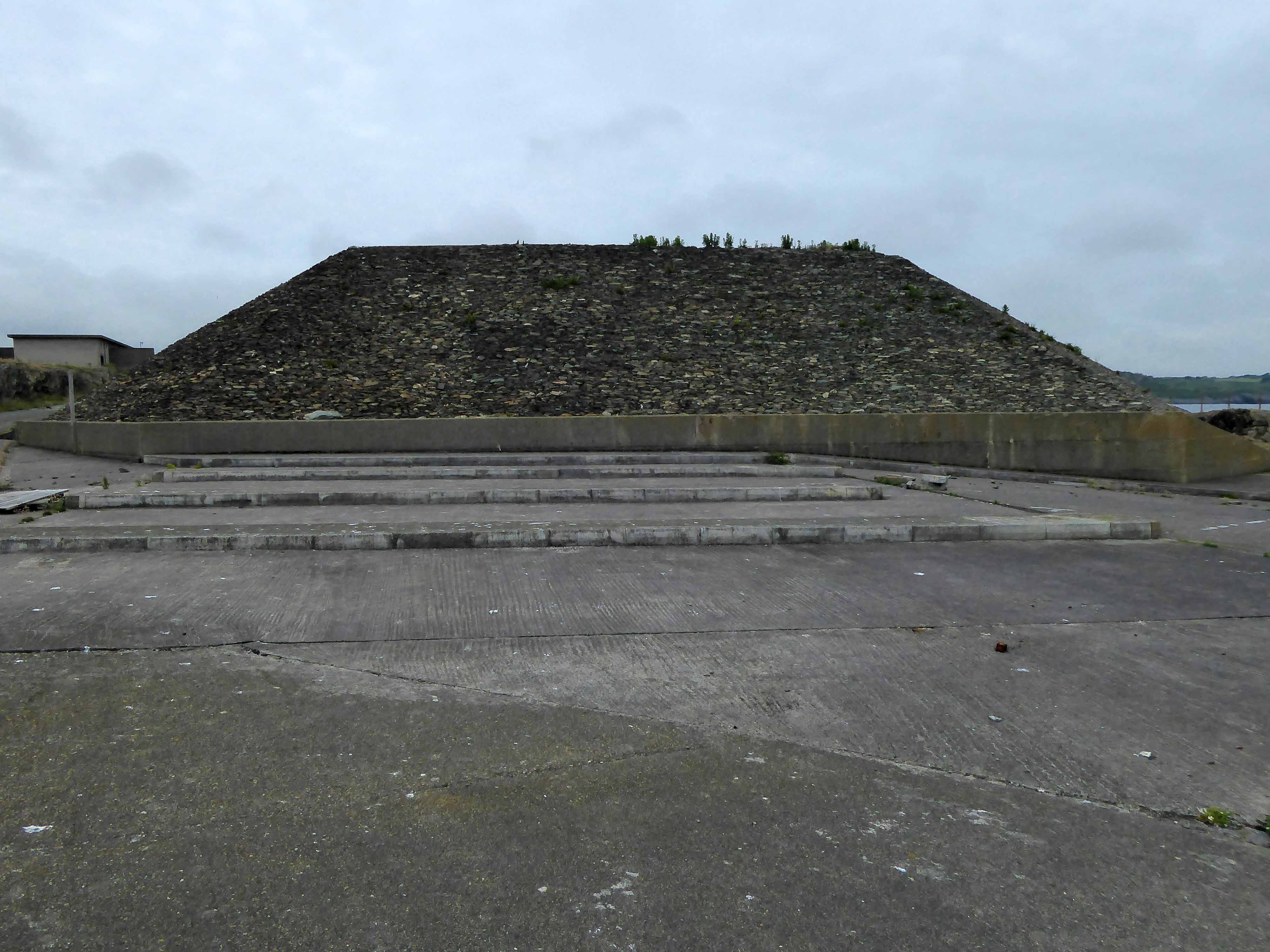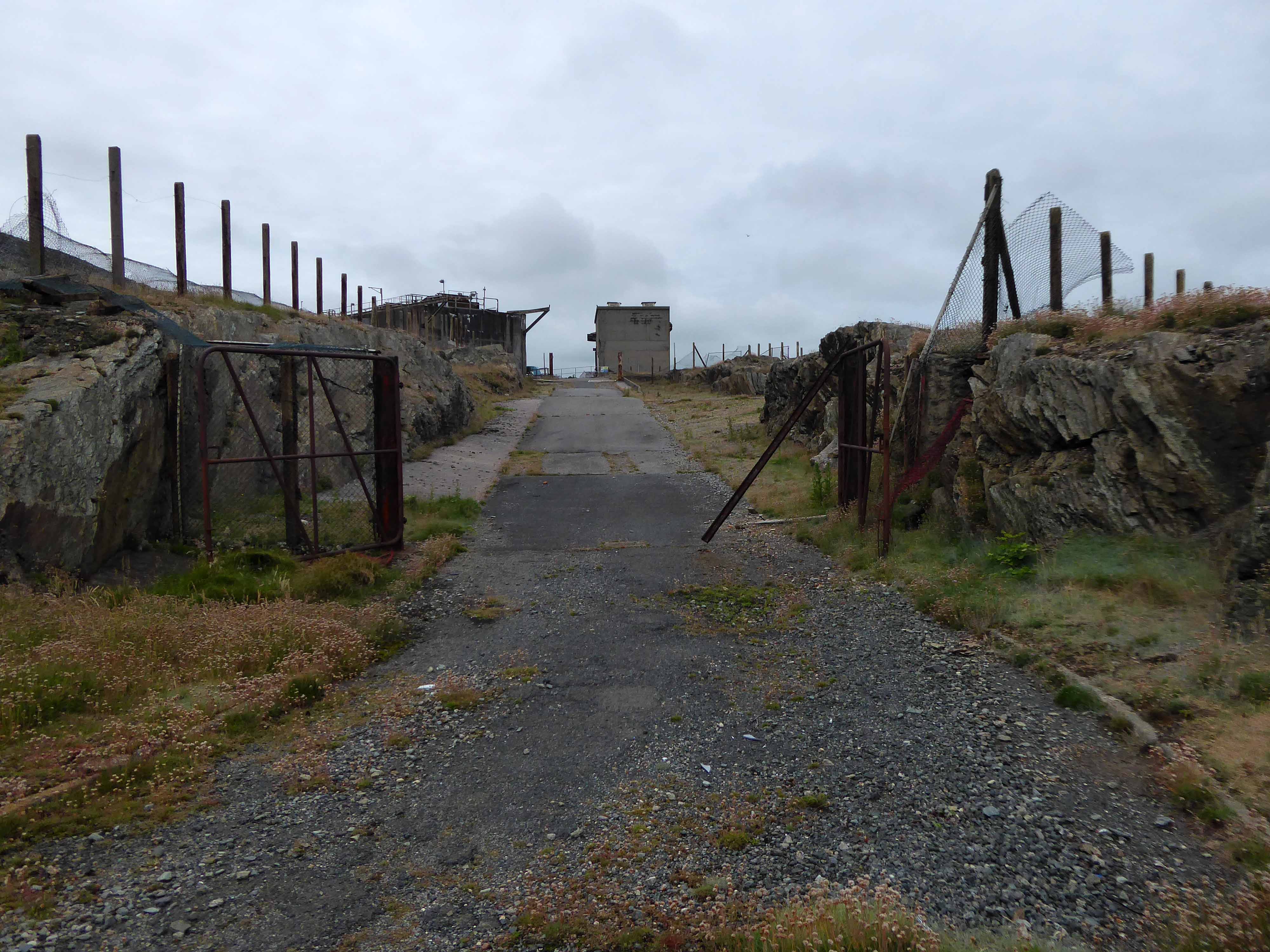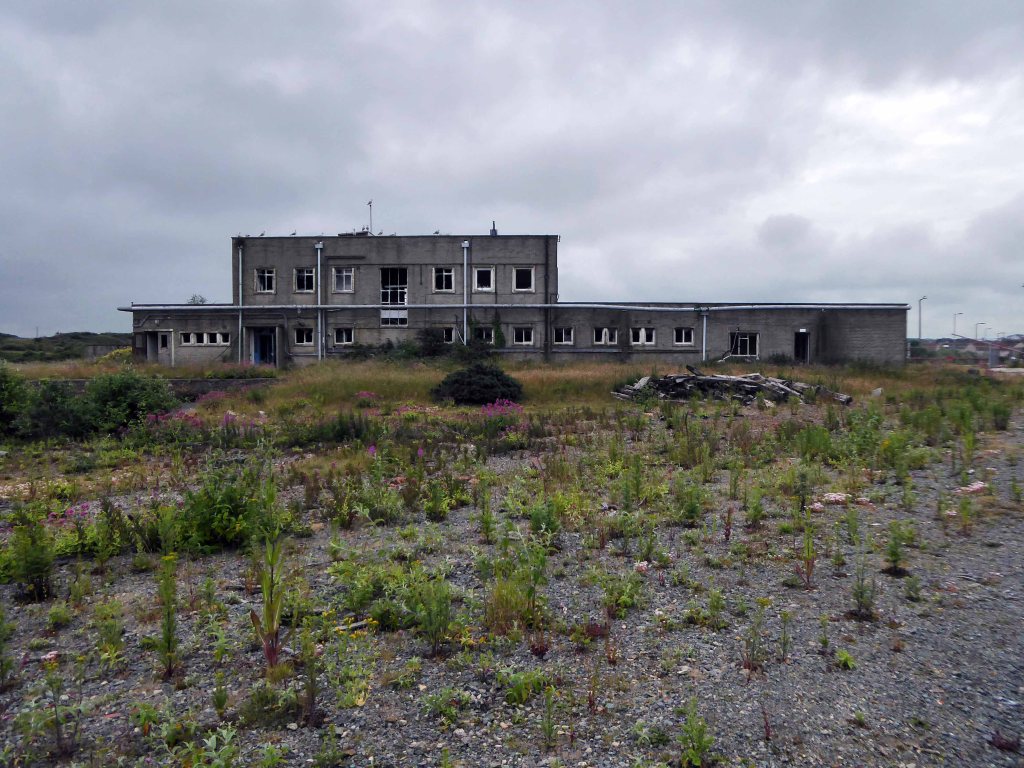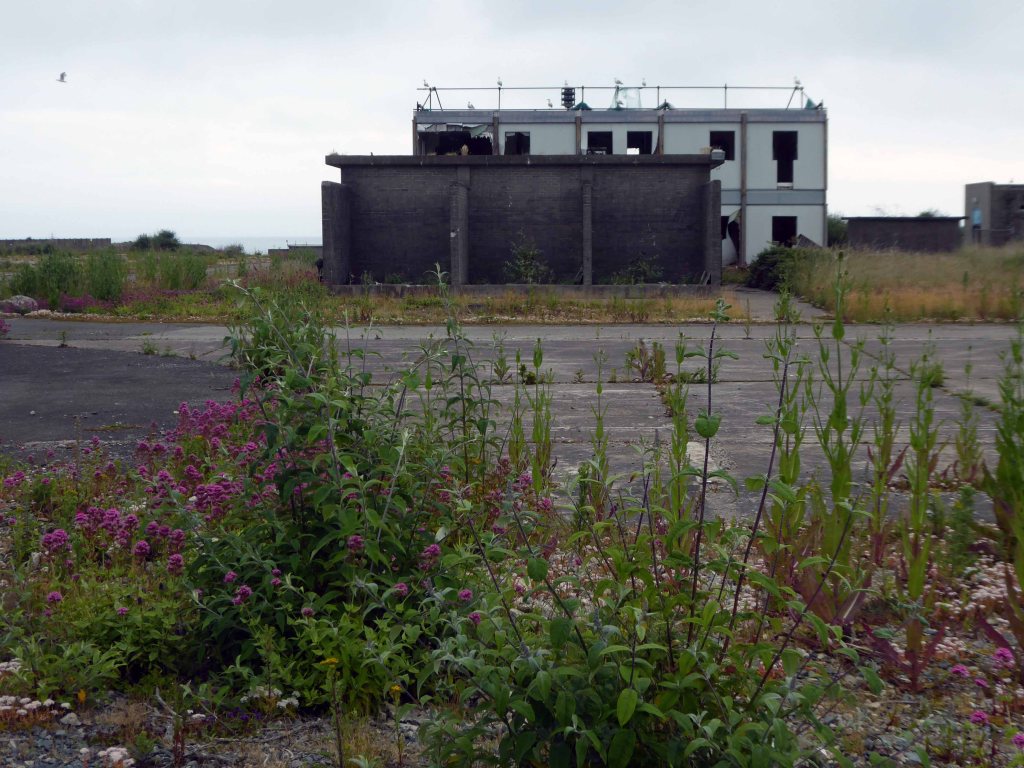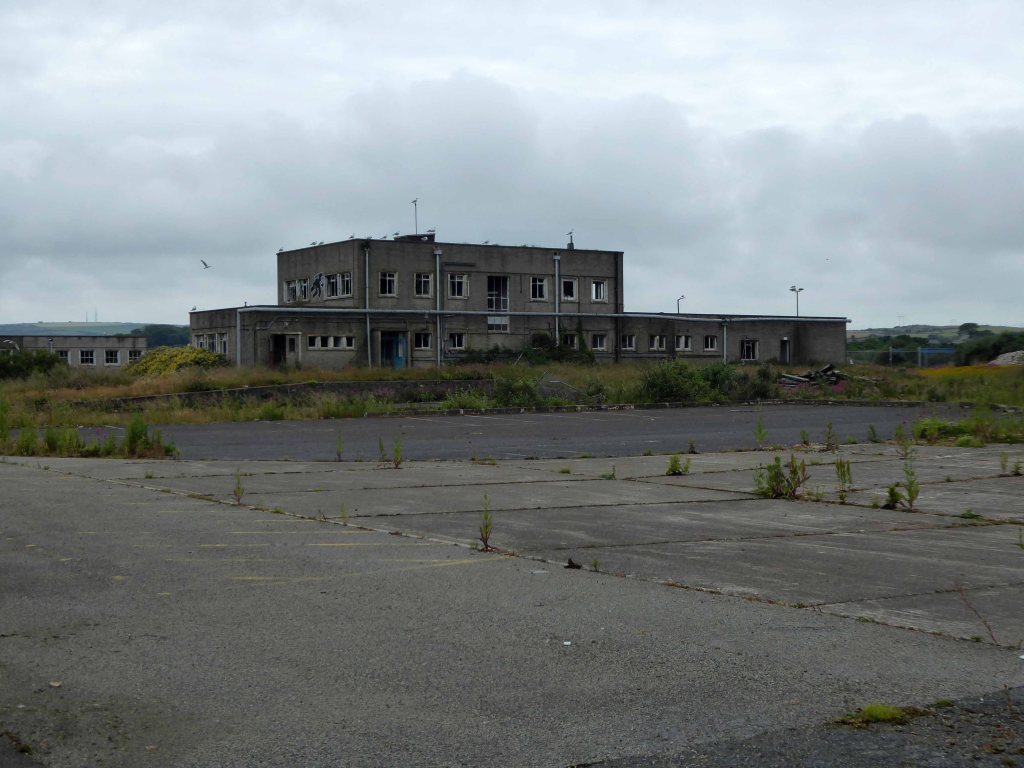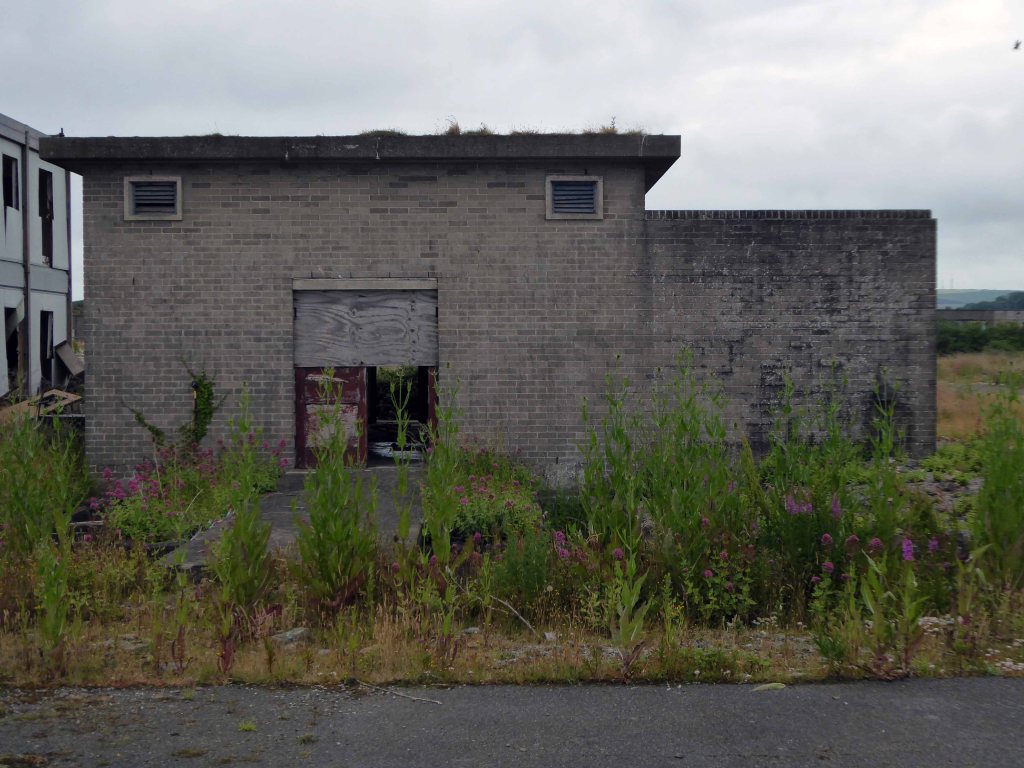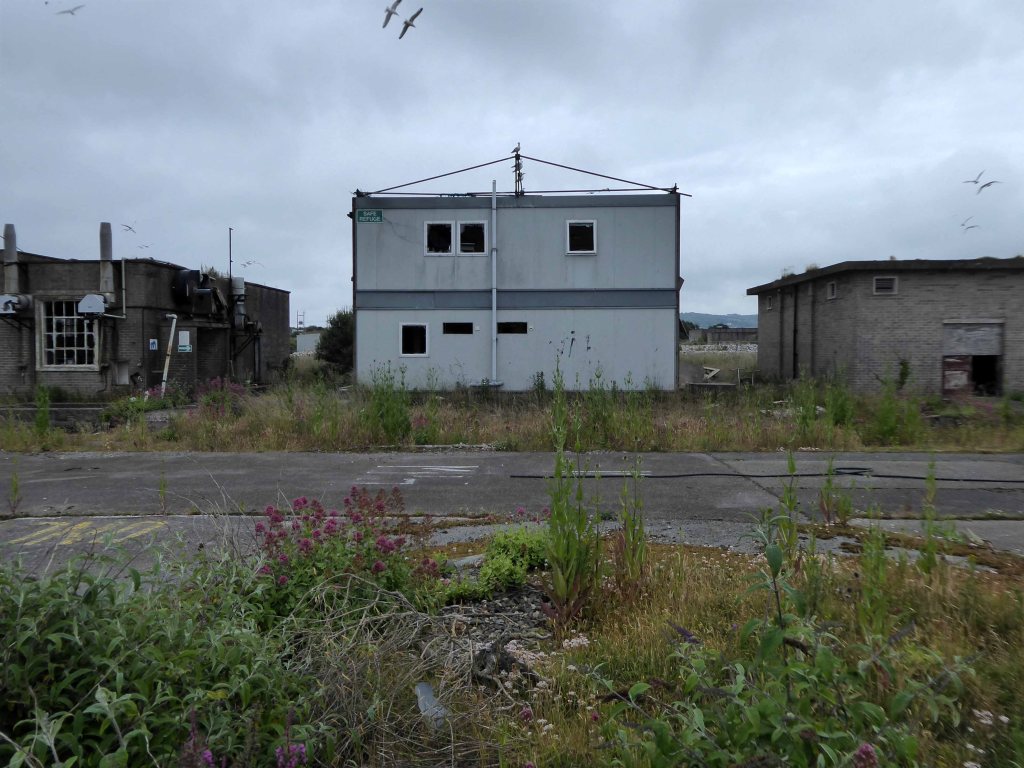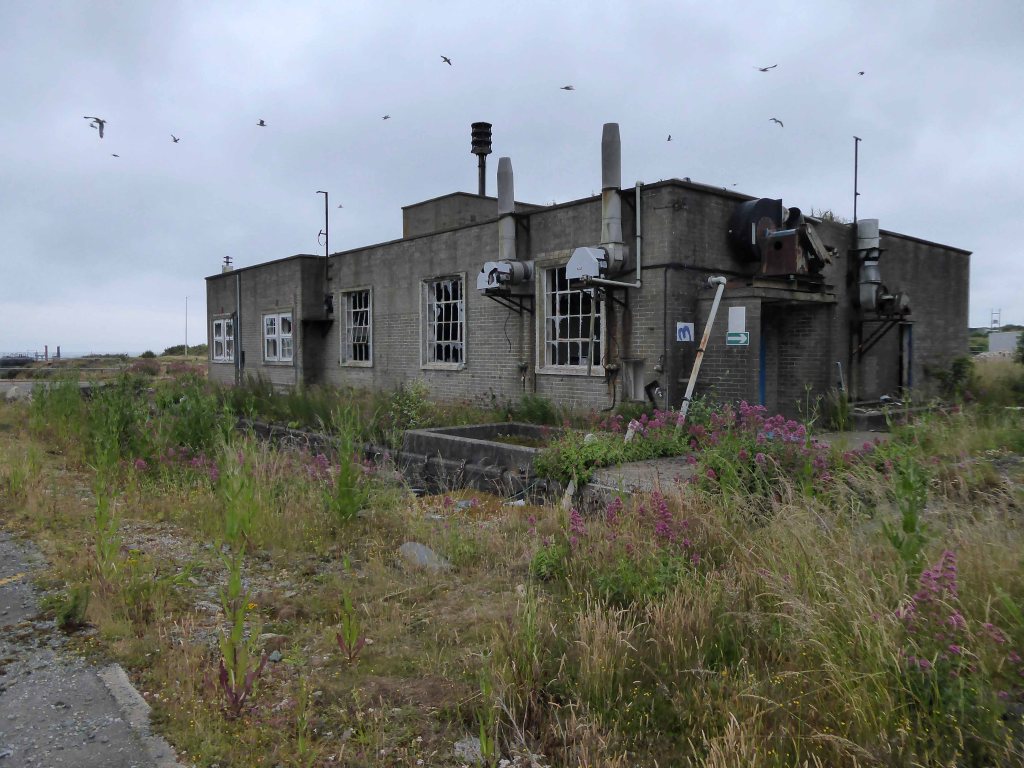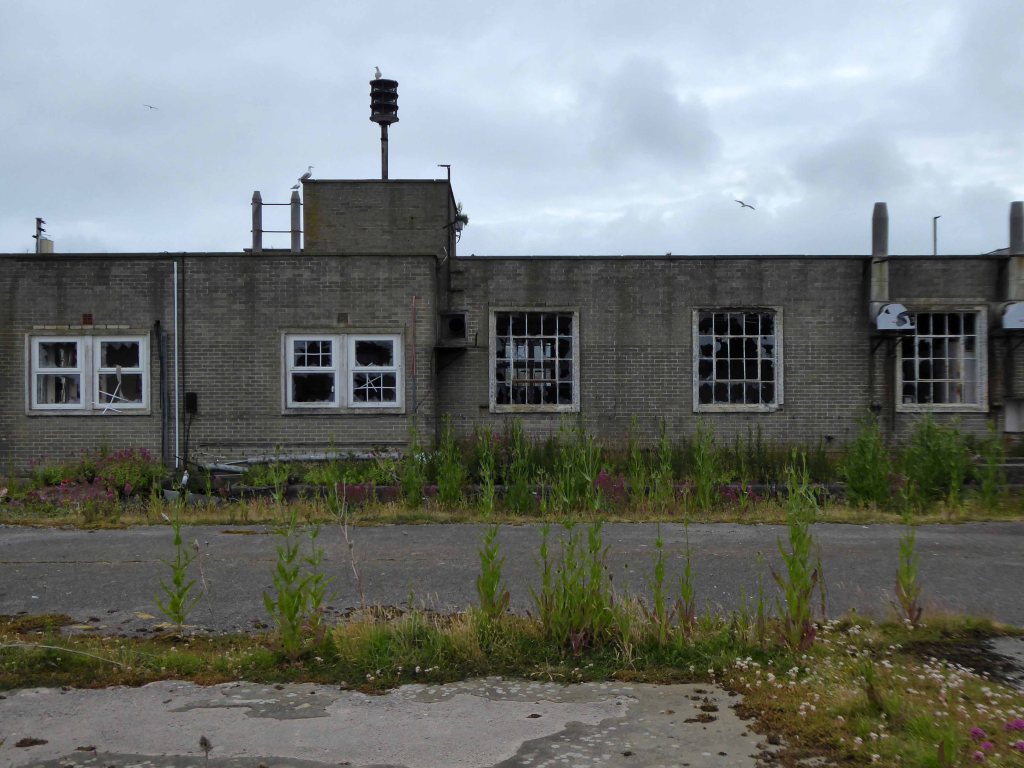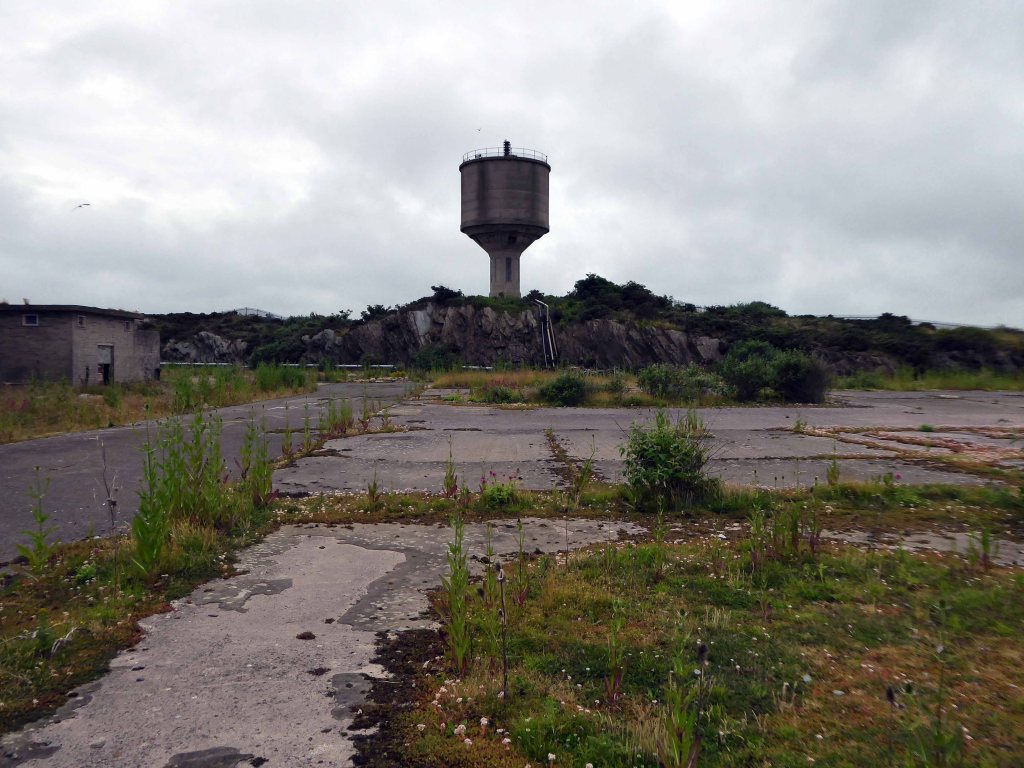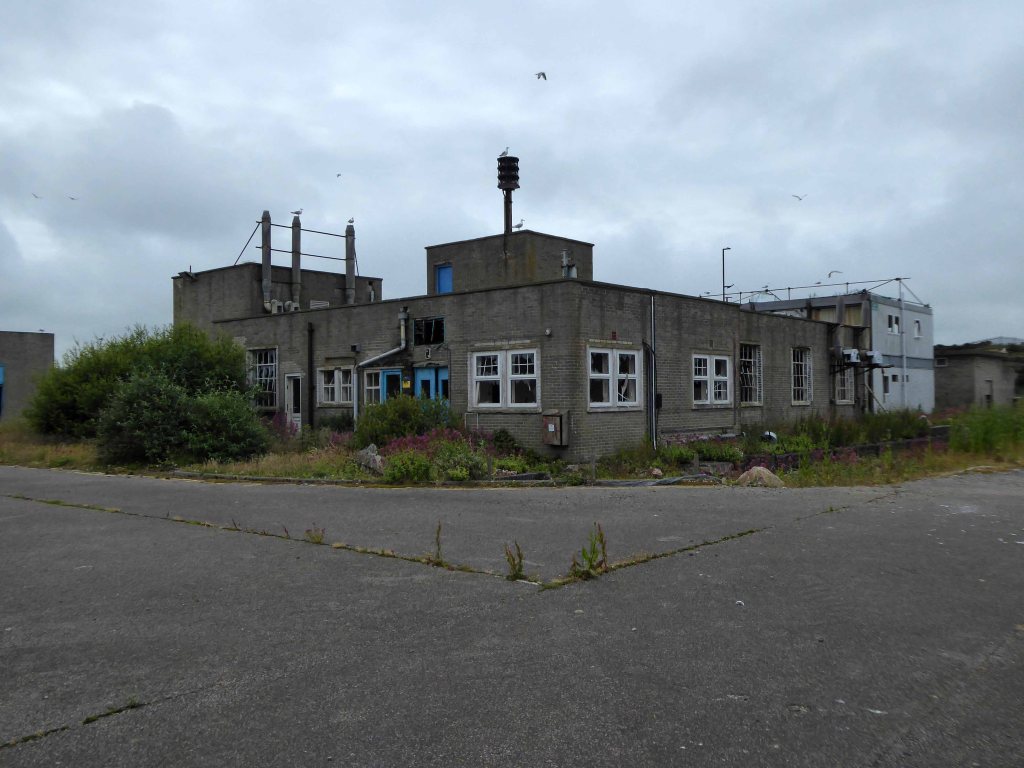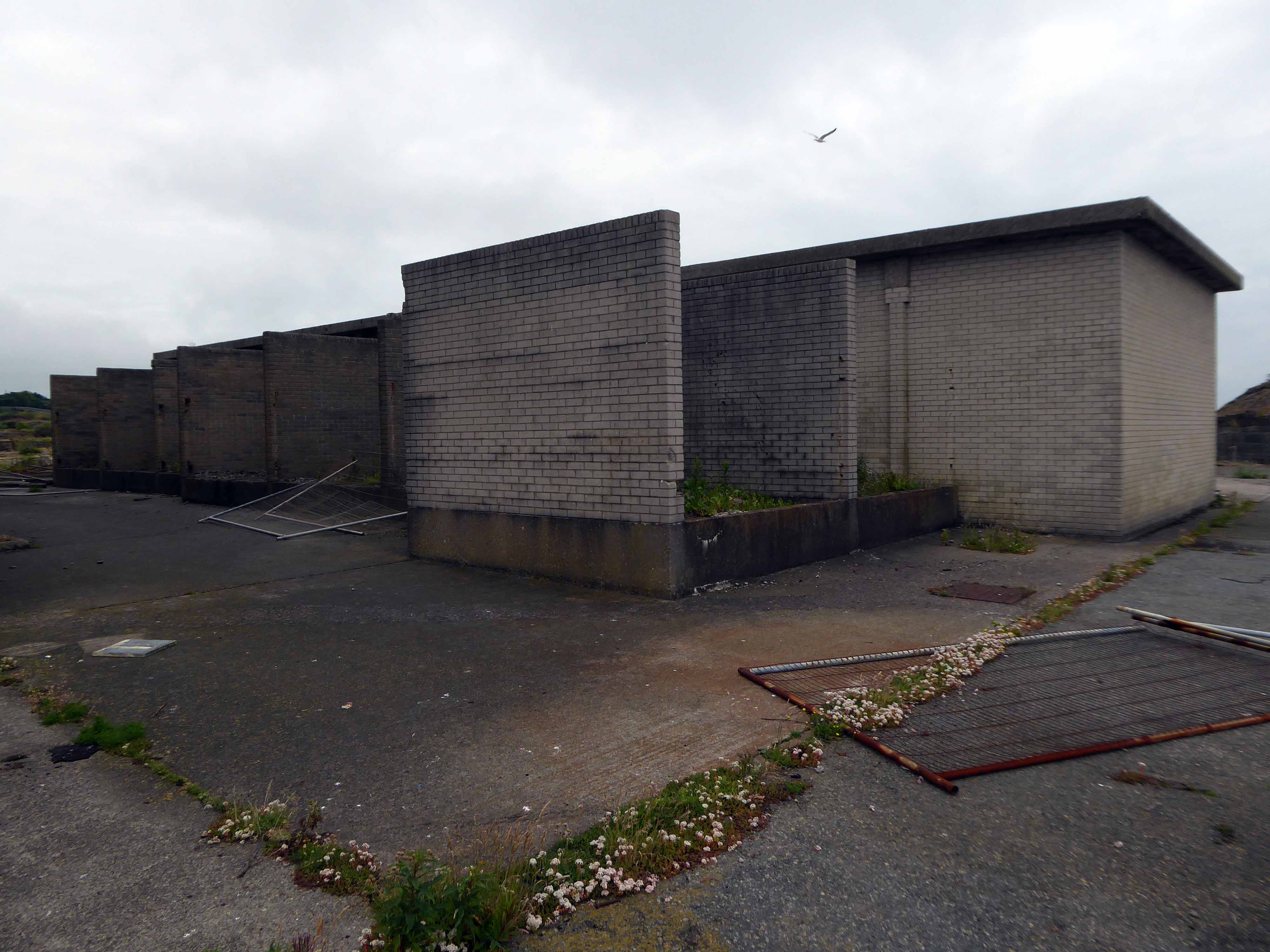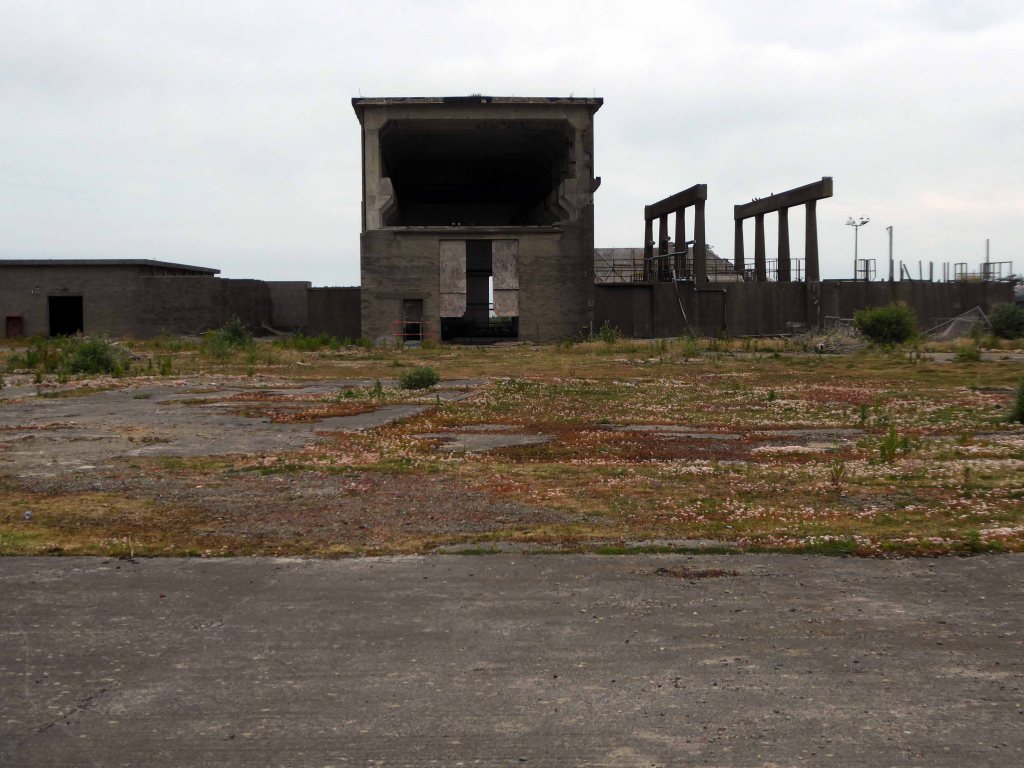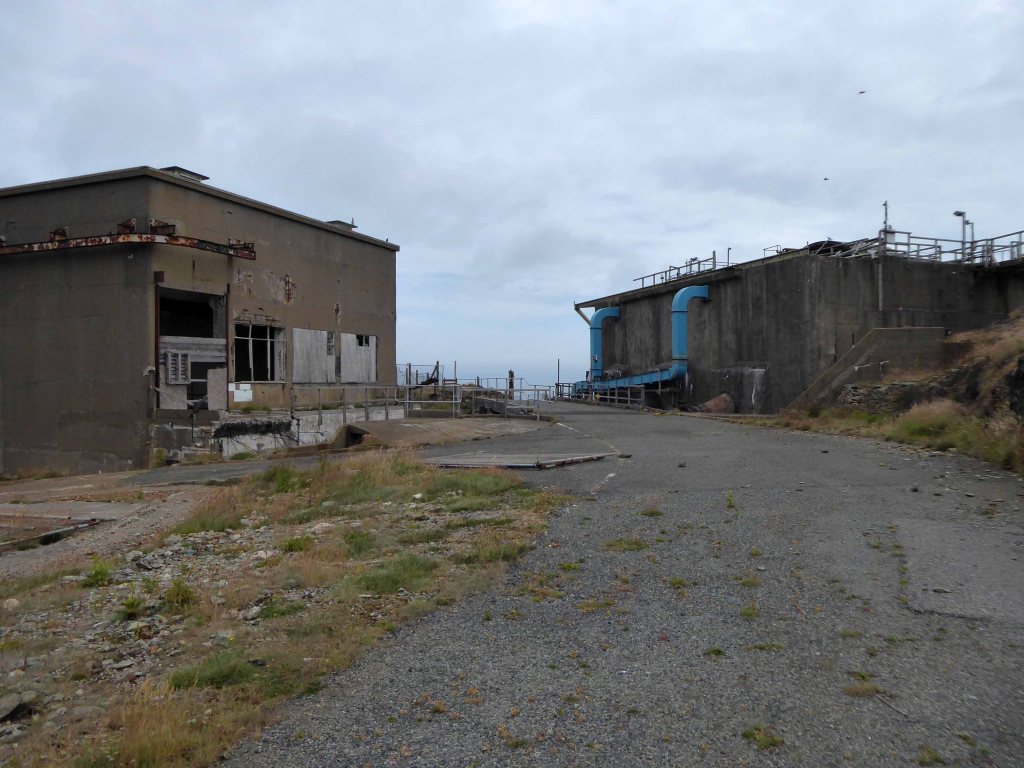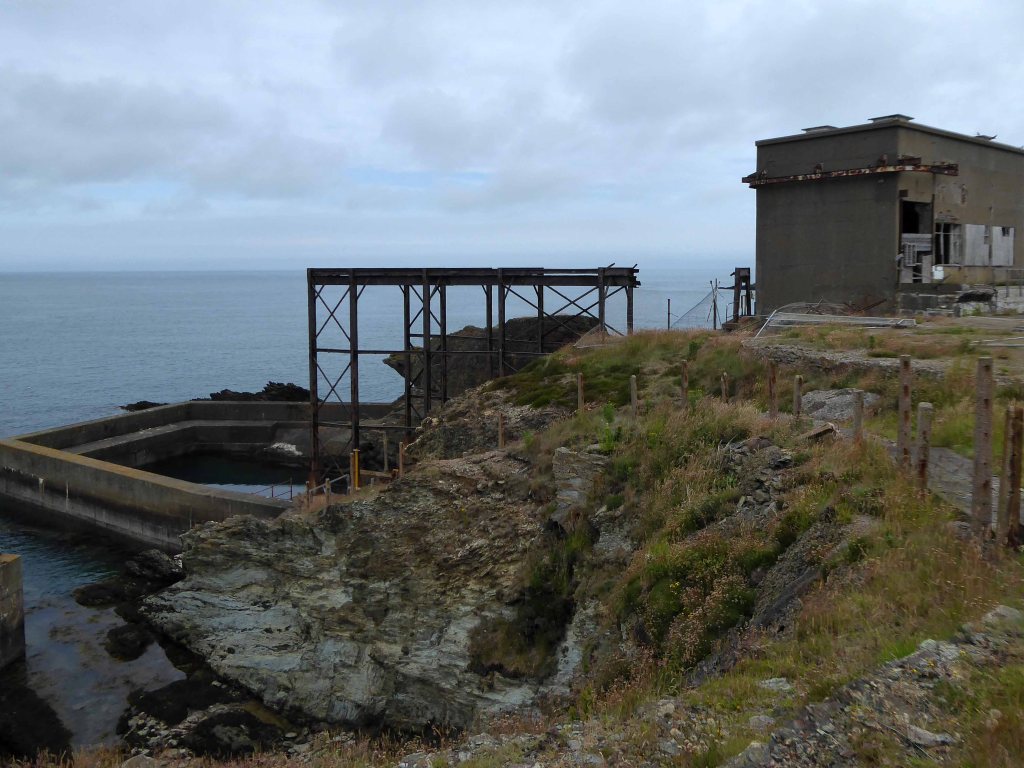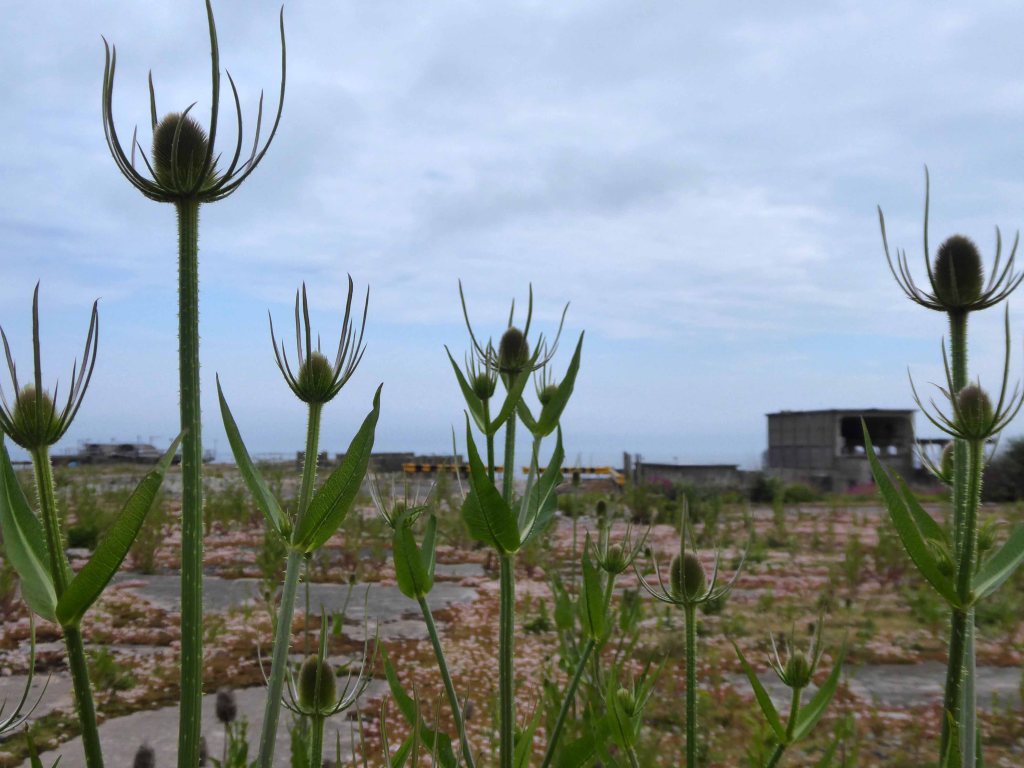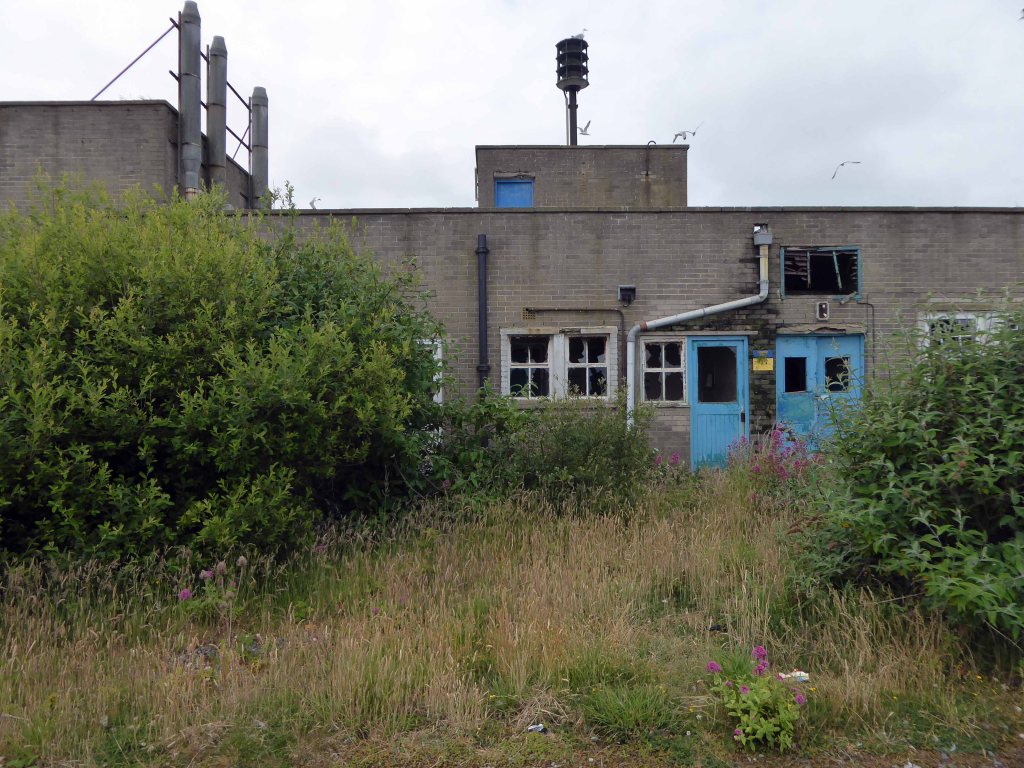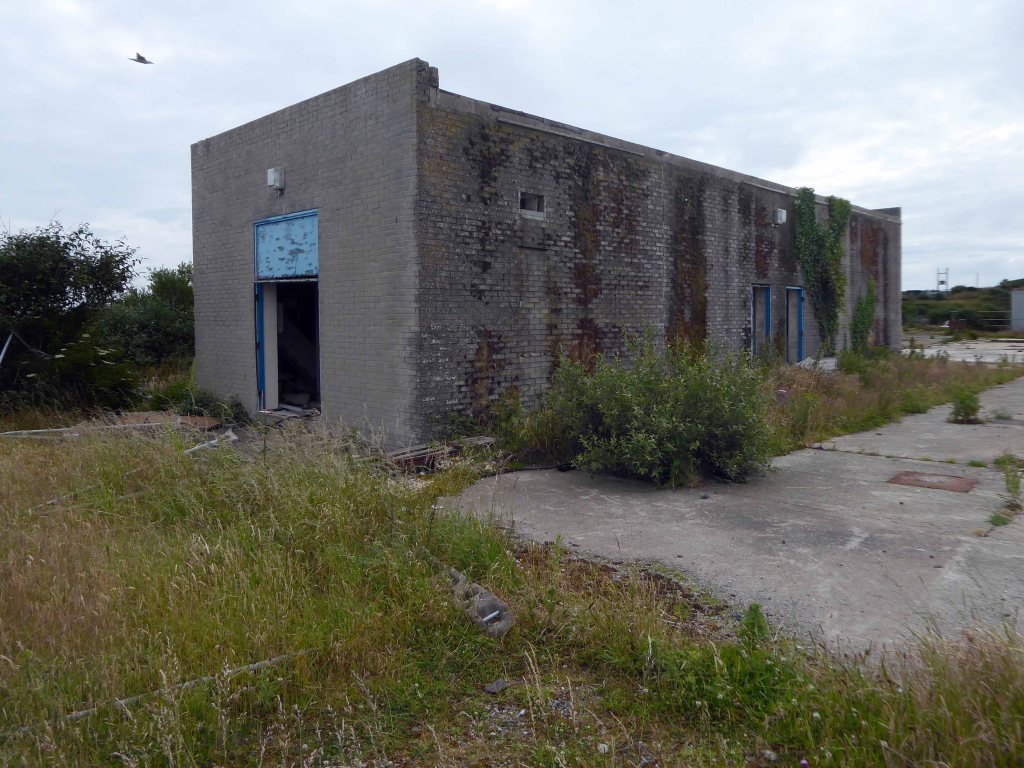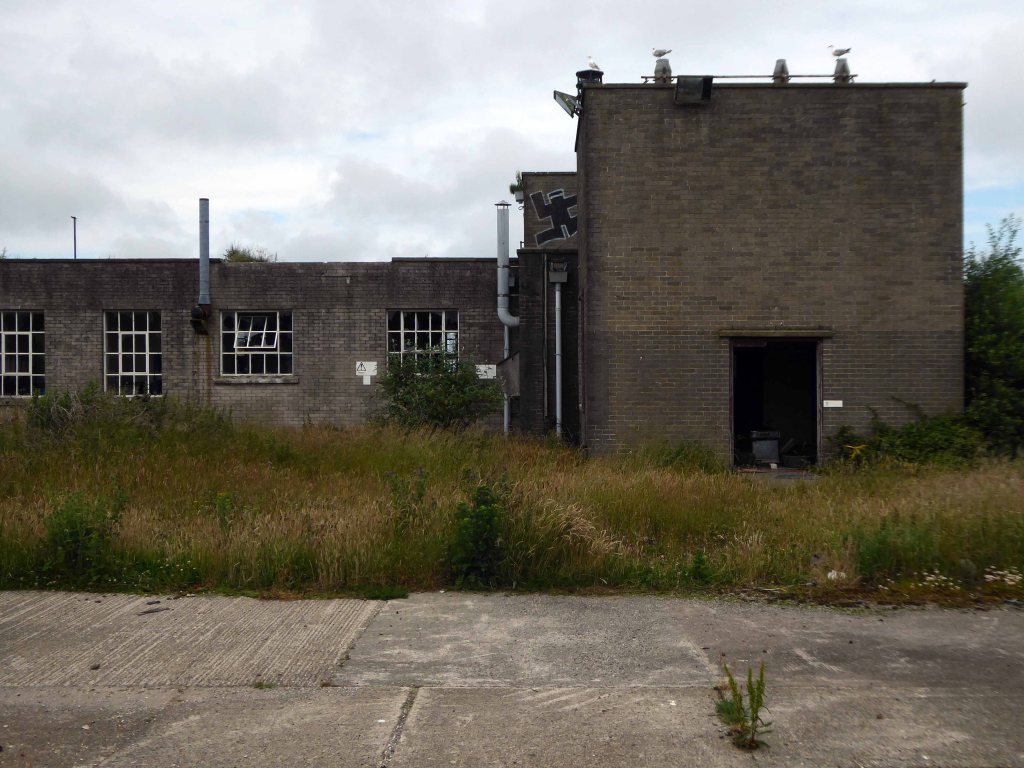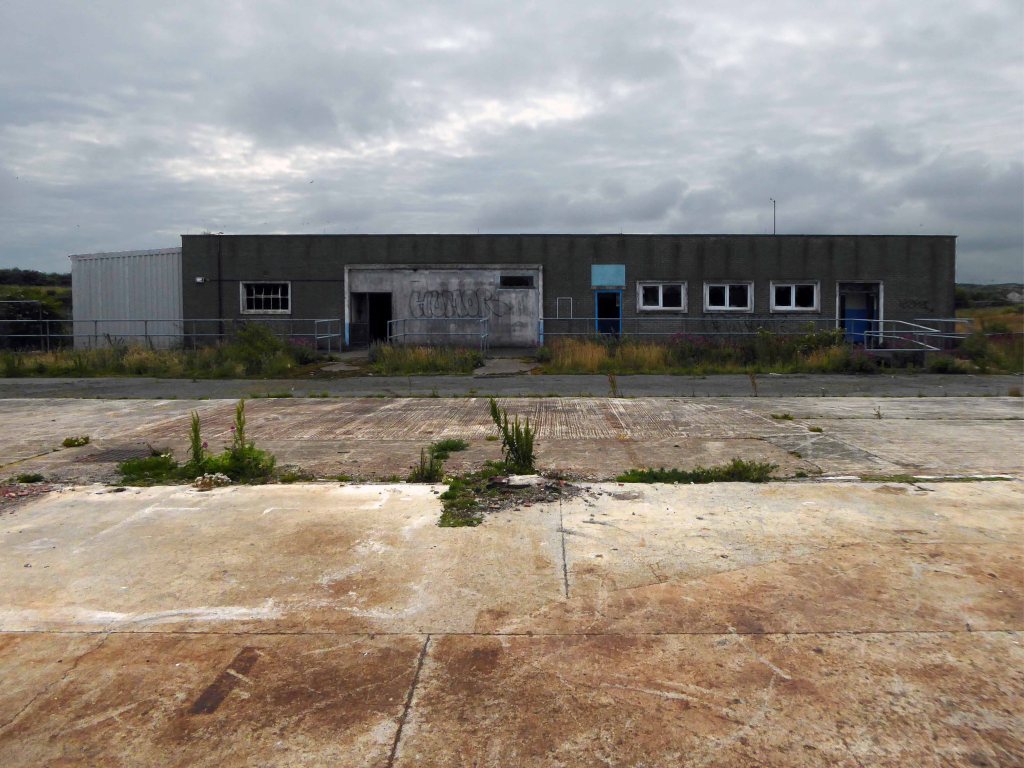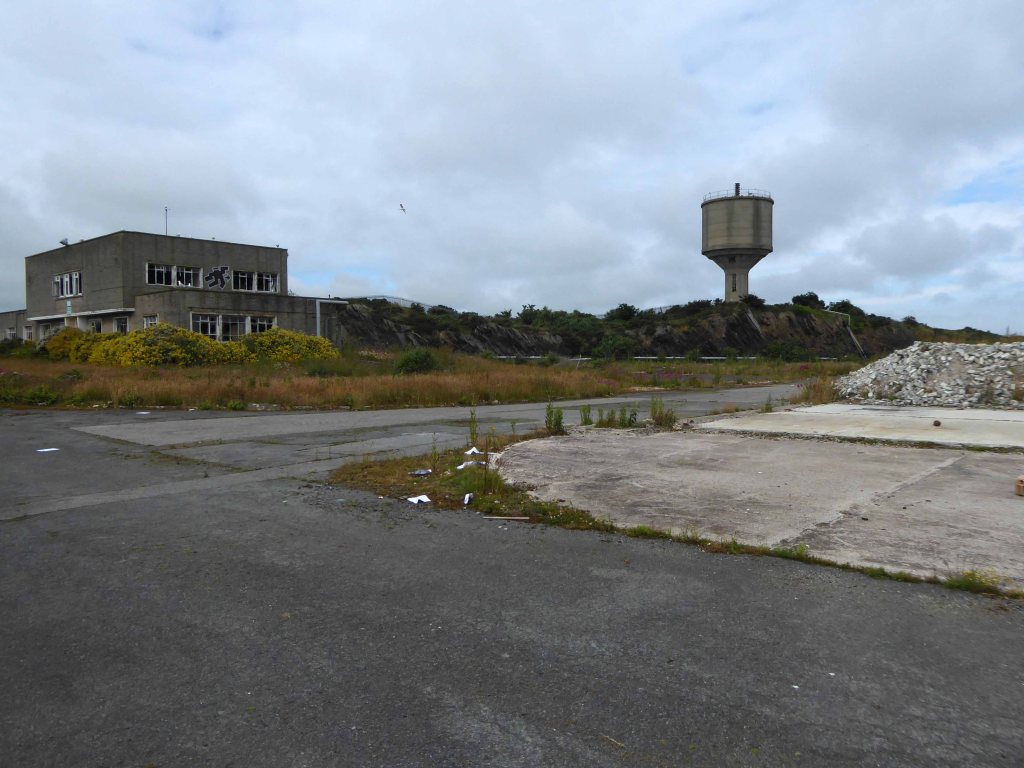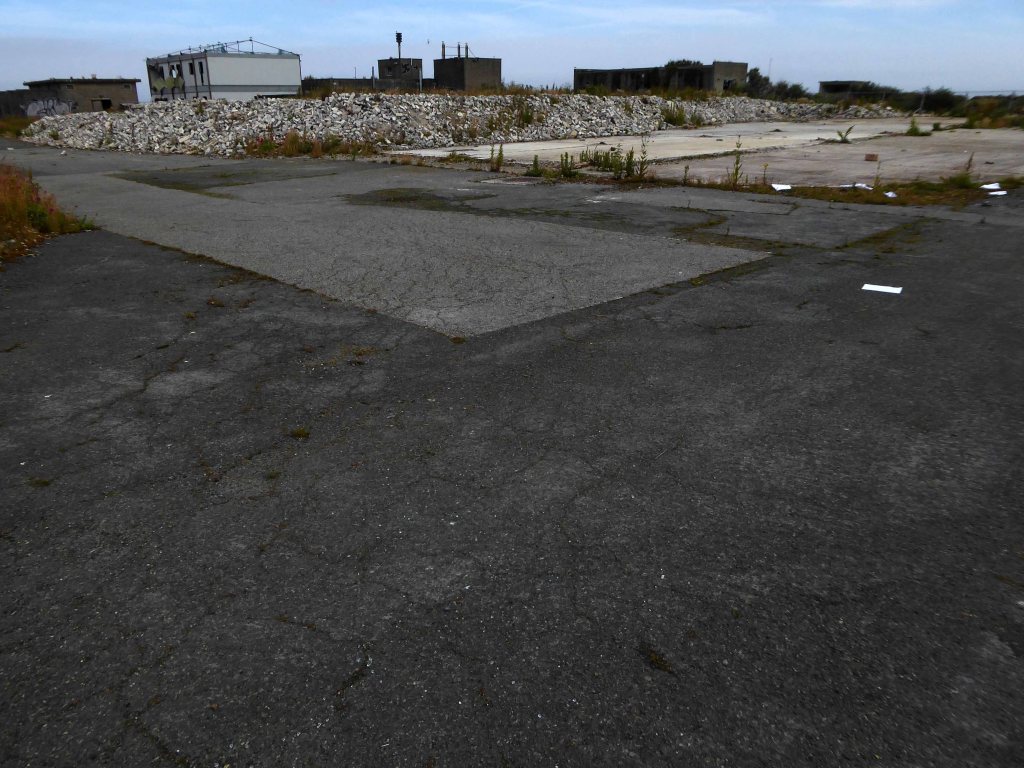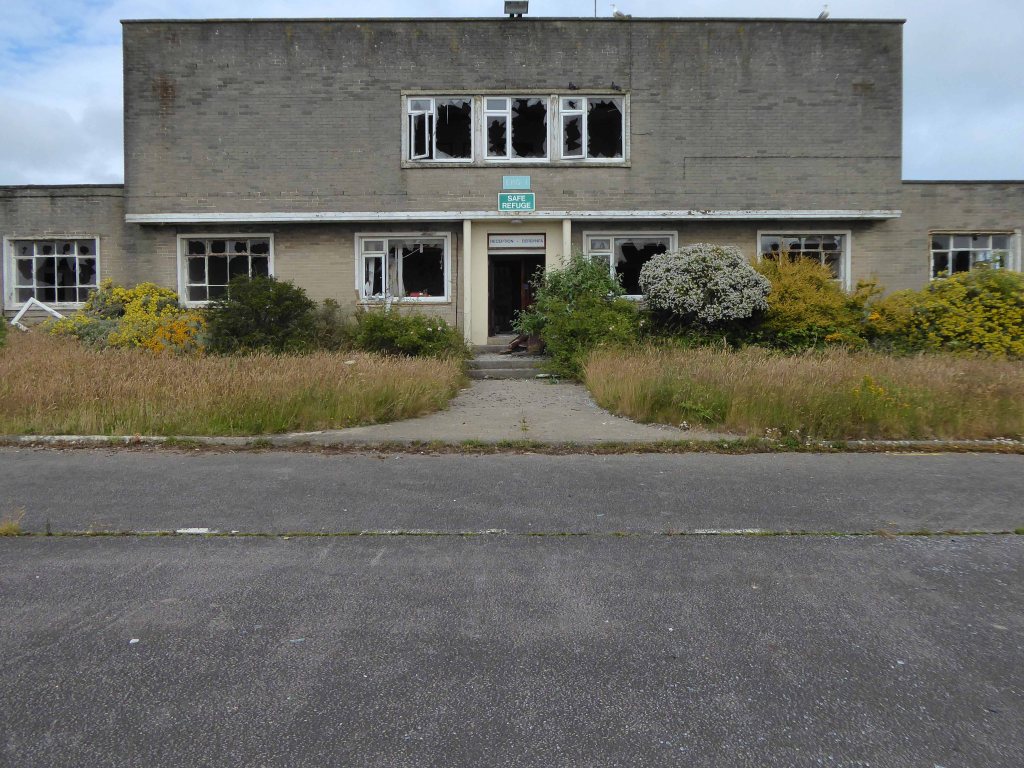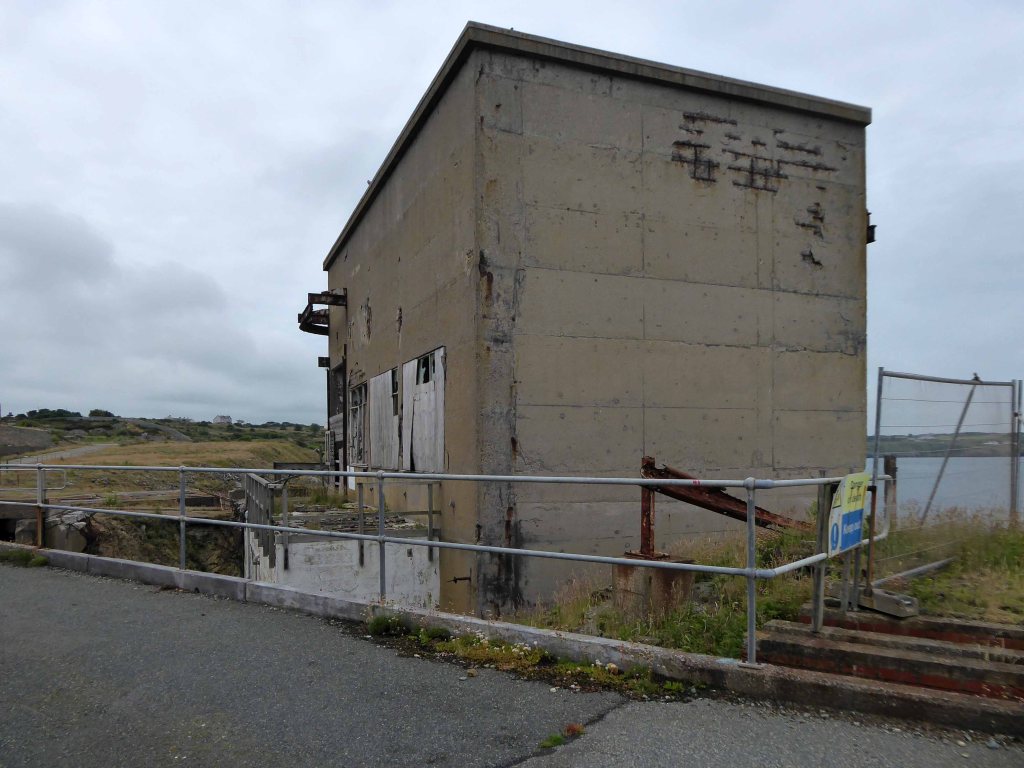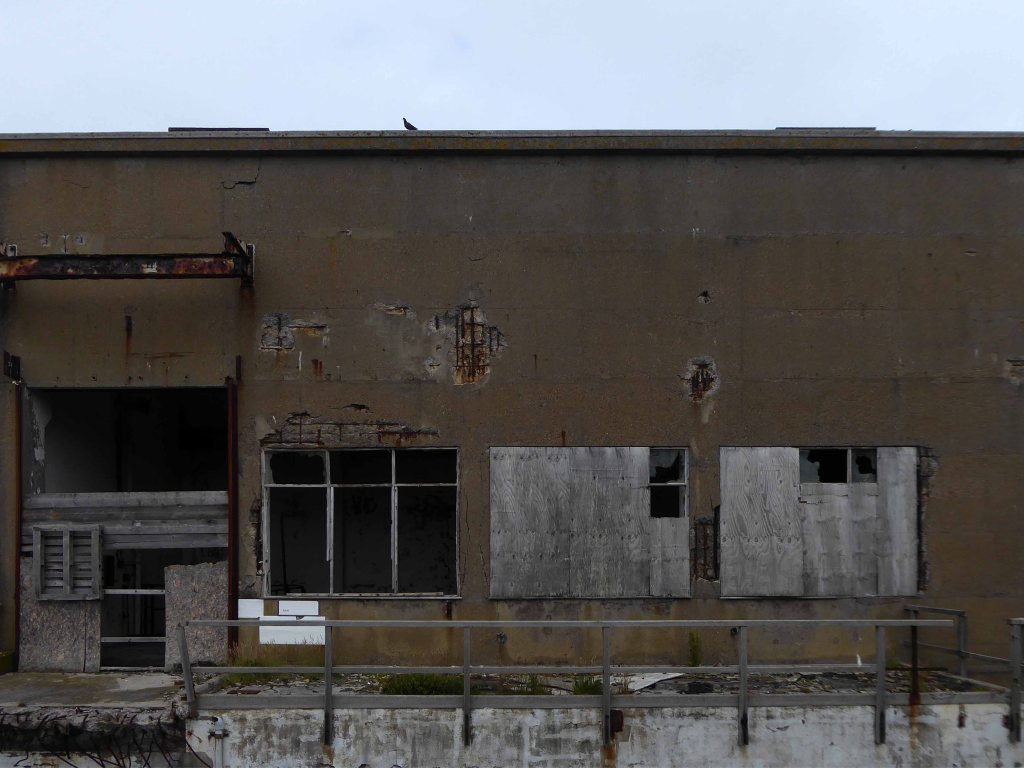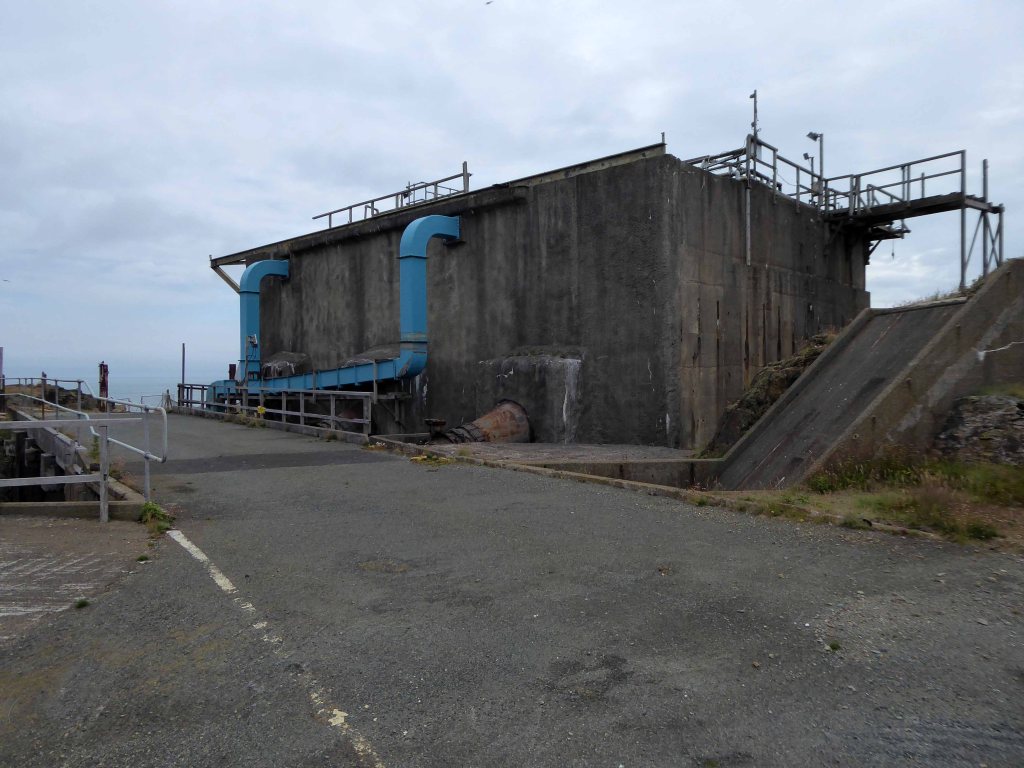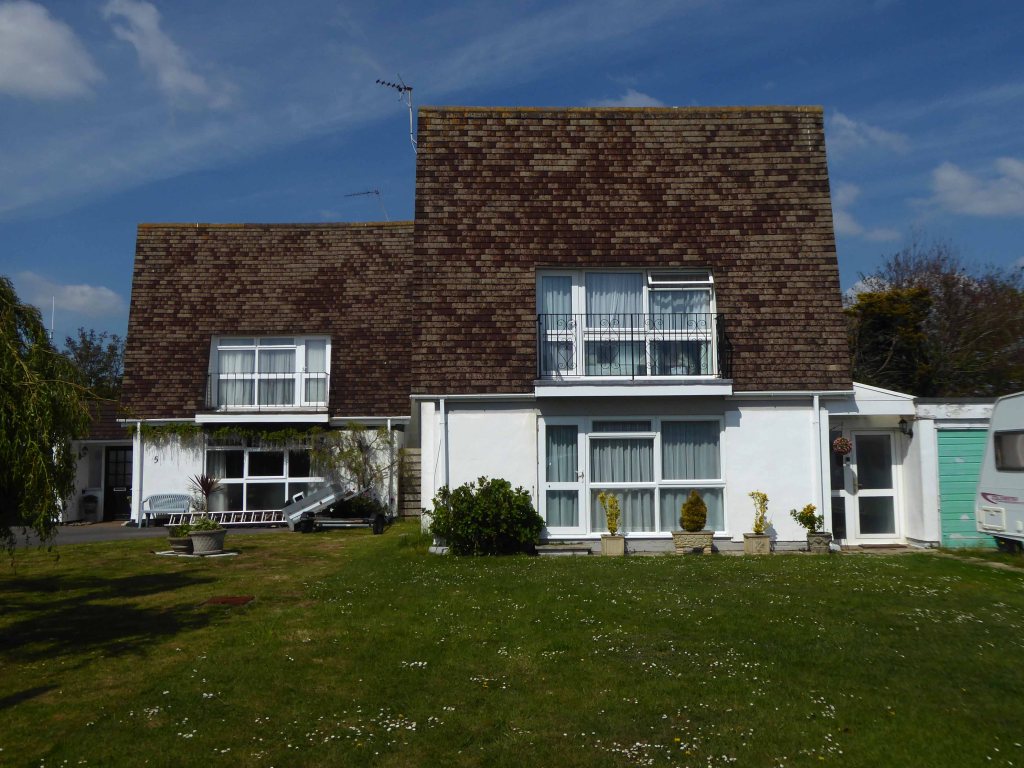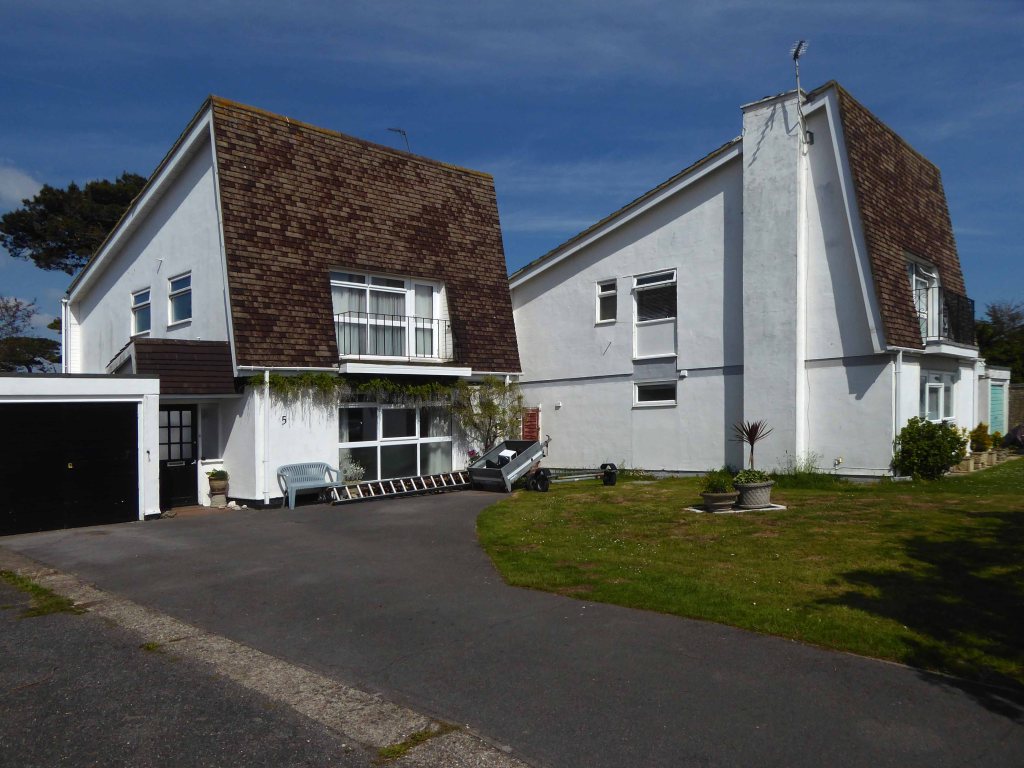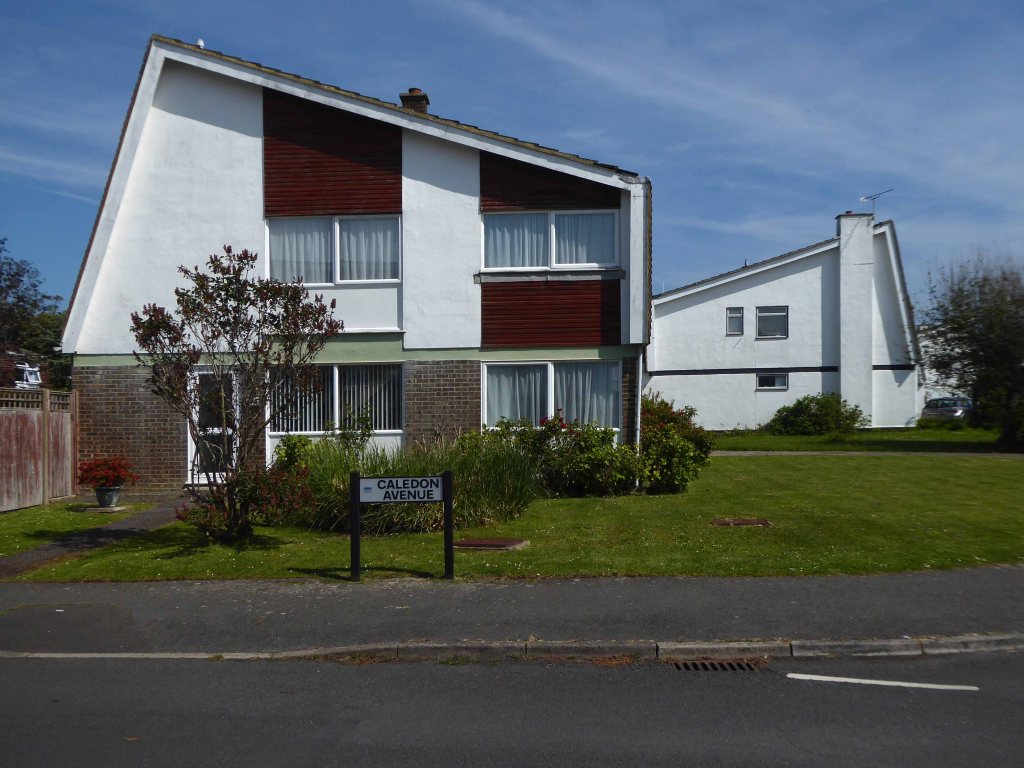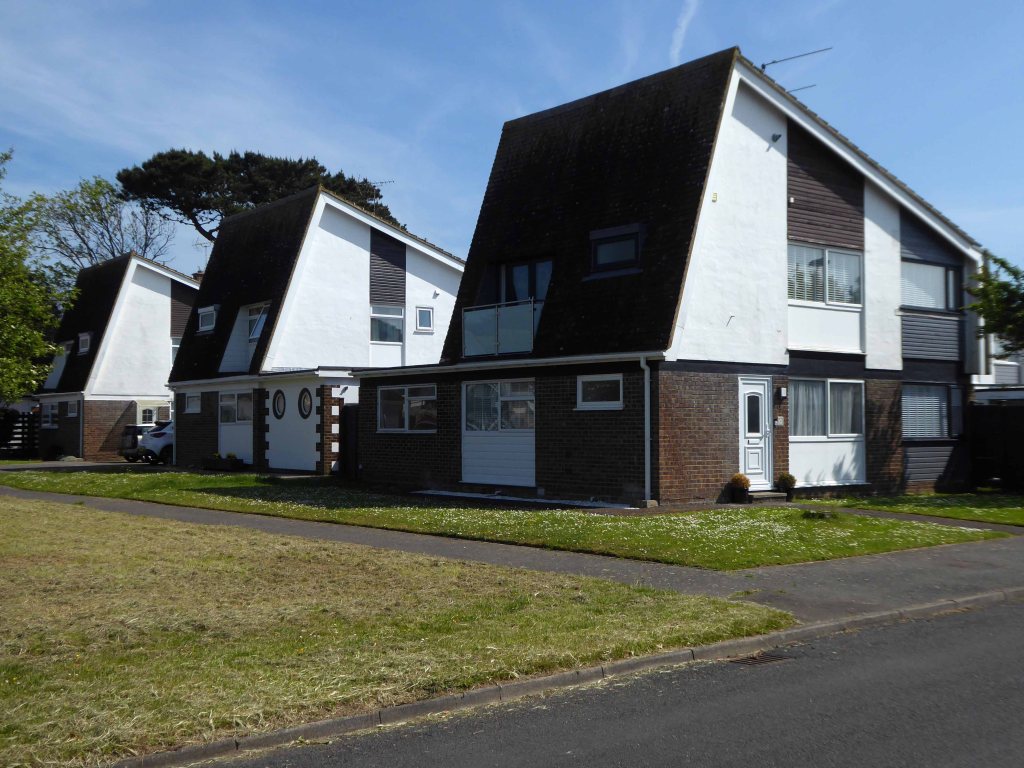
Octel Amlwch – Interiors

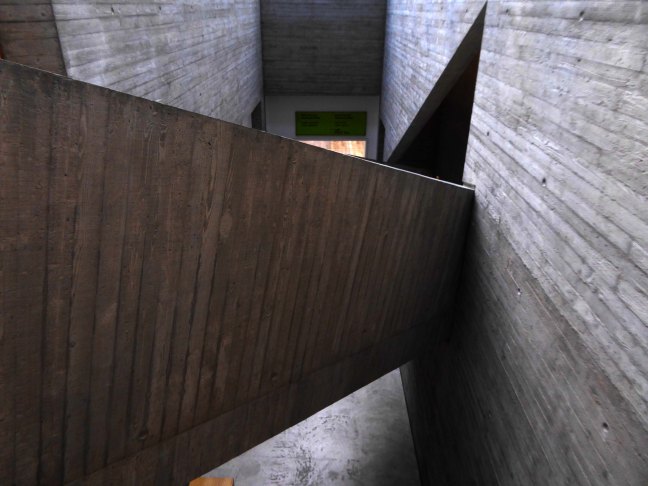
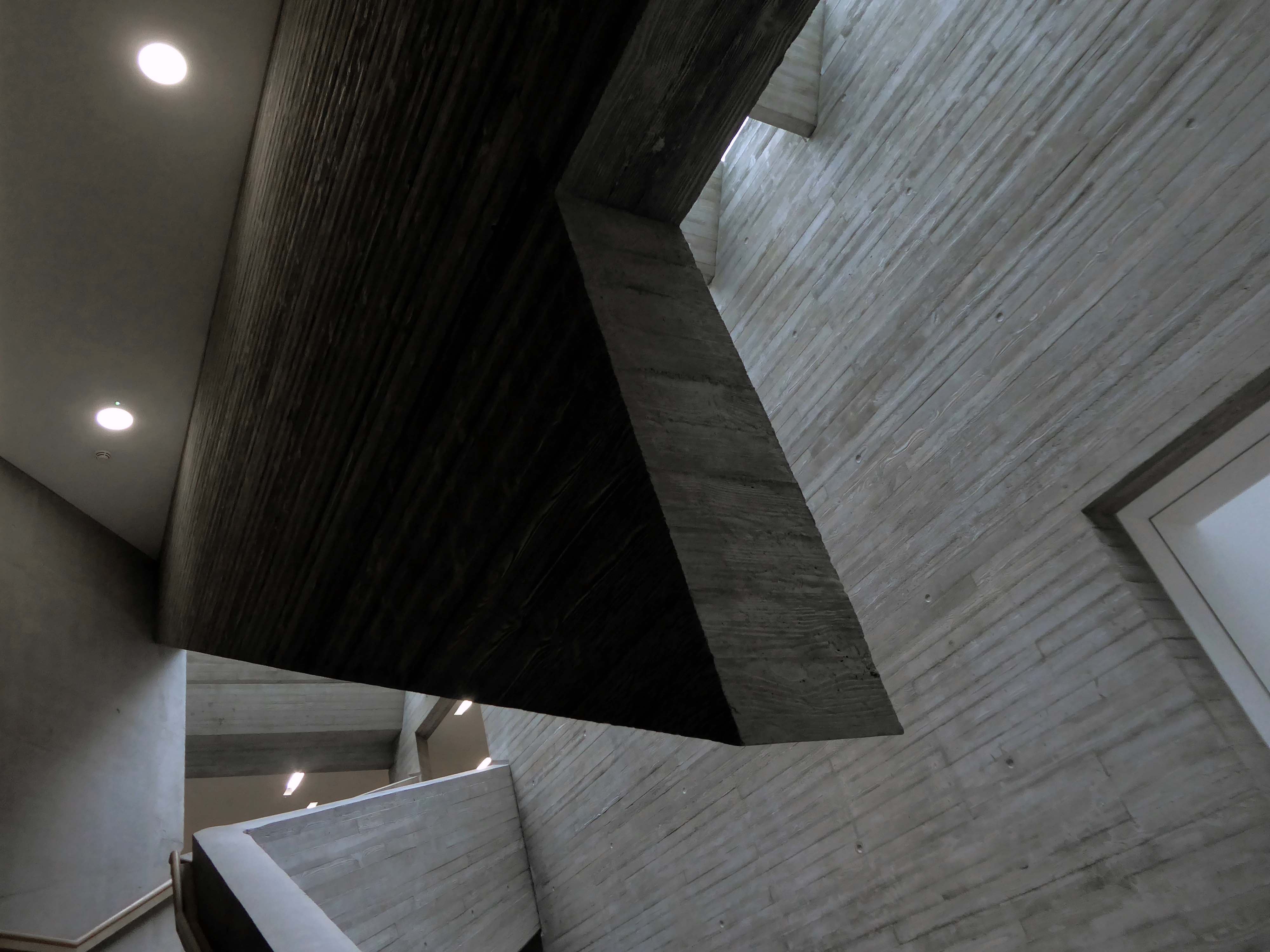
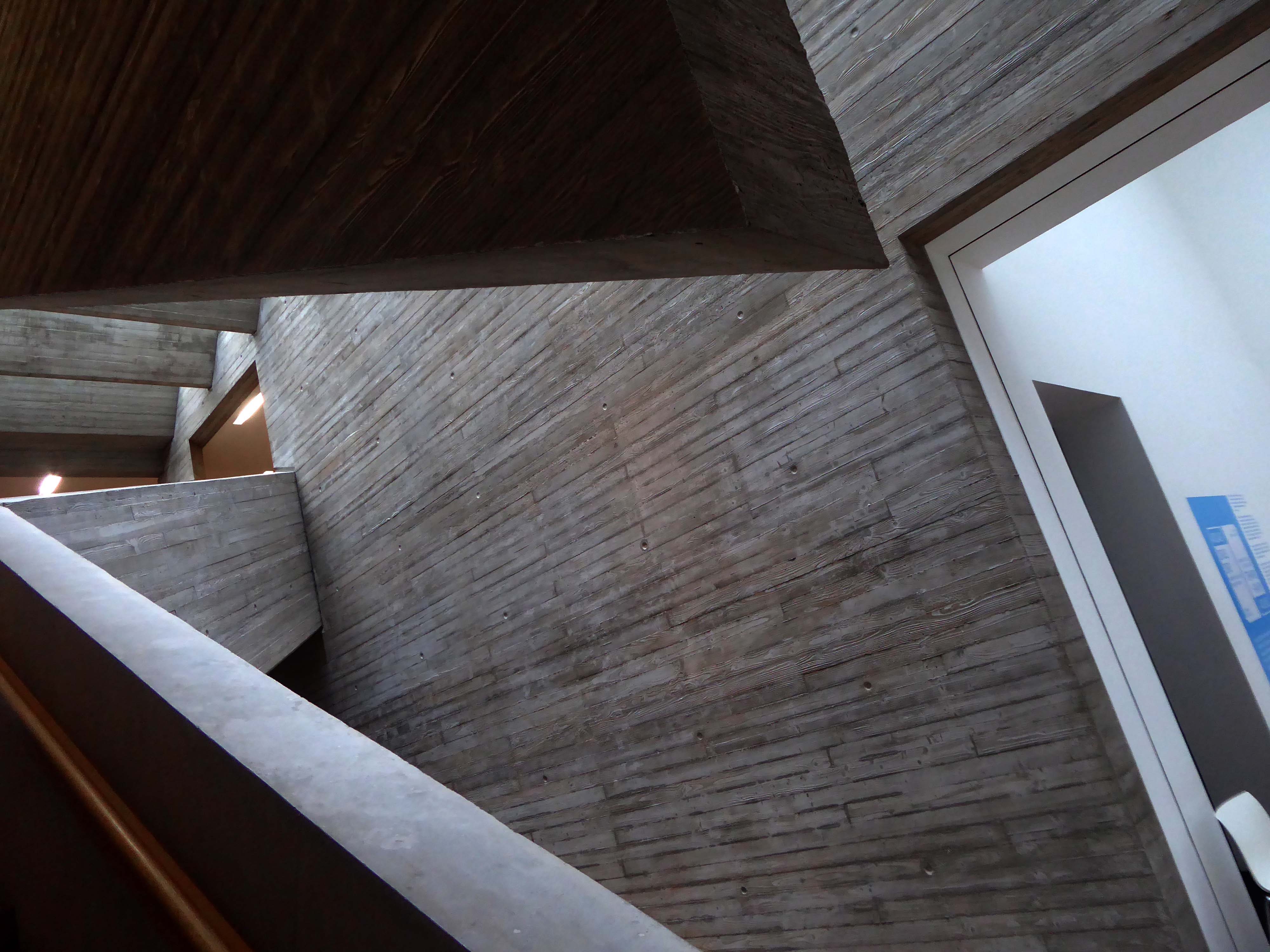
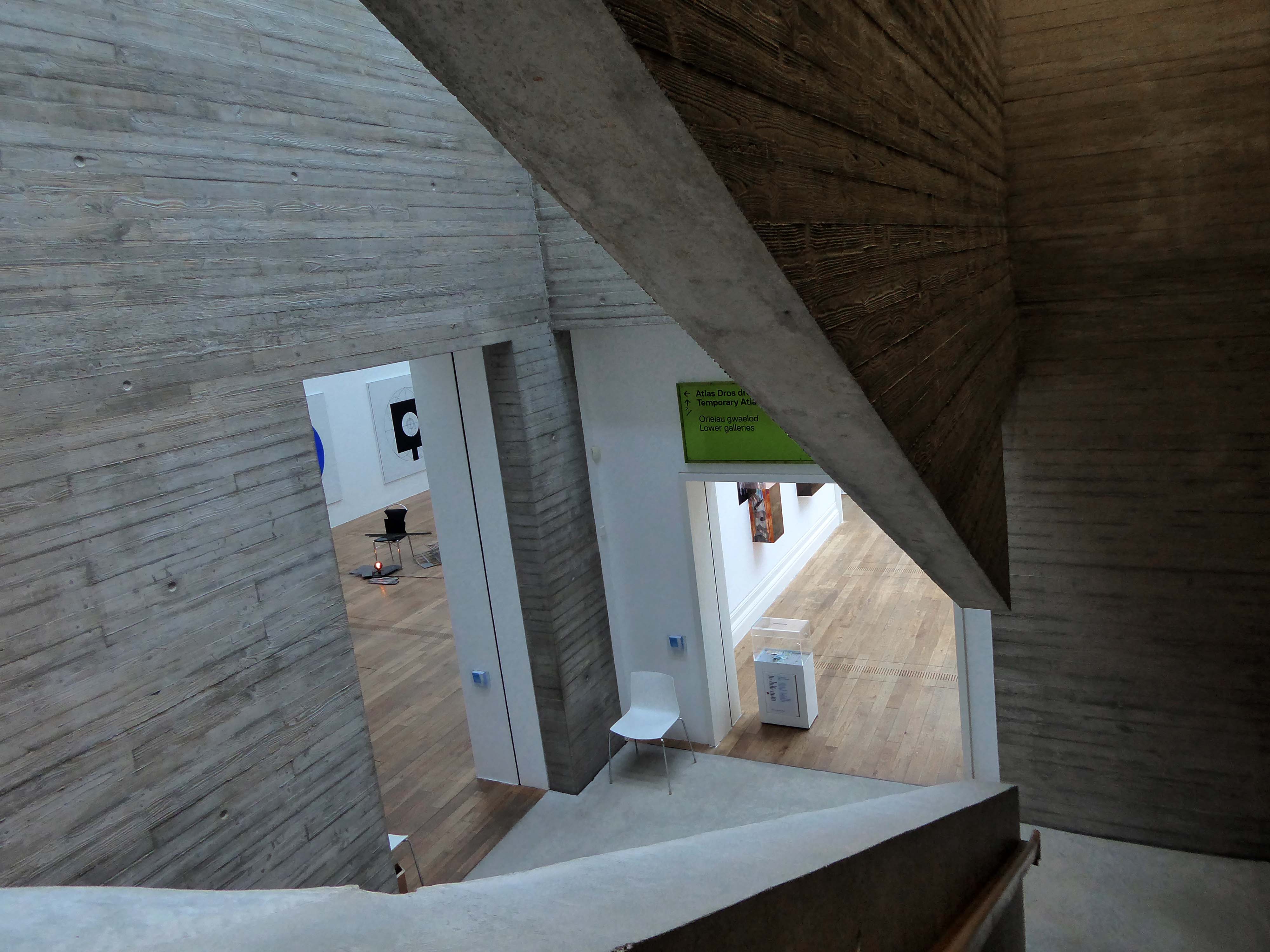
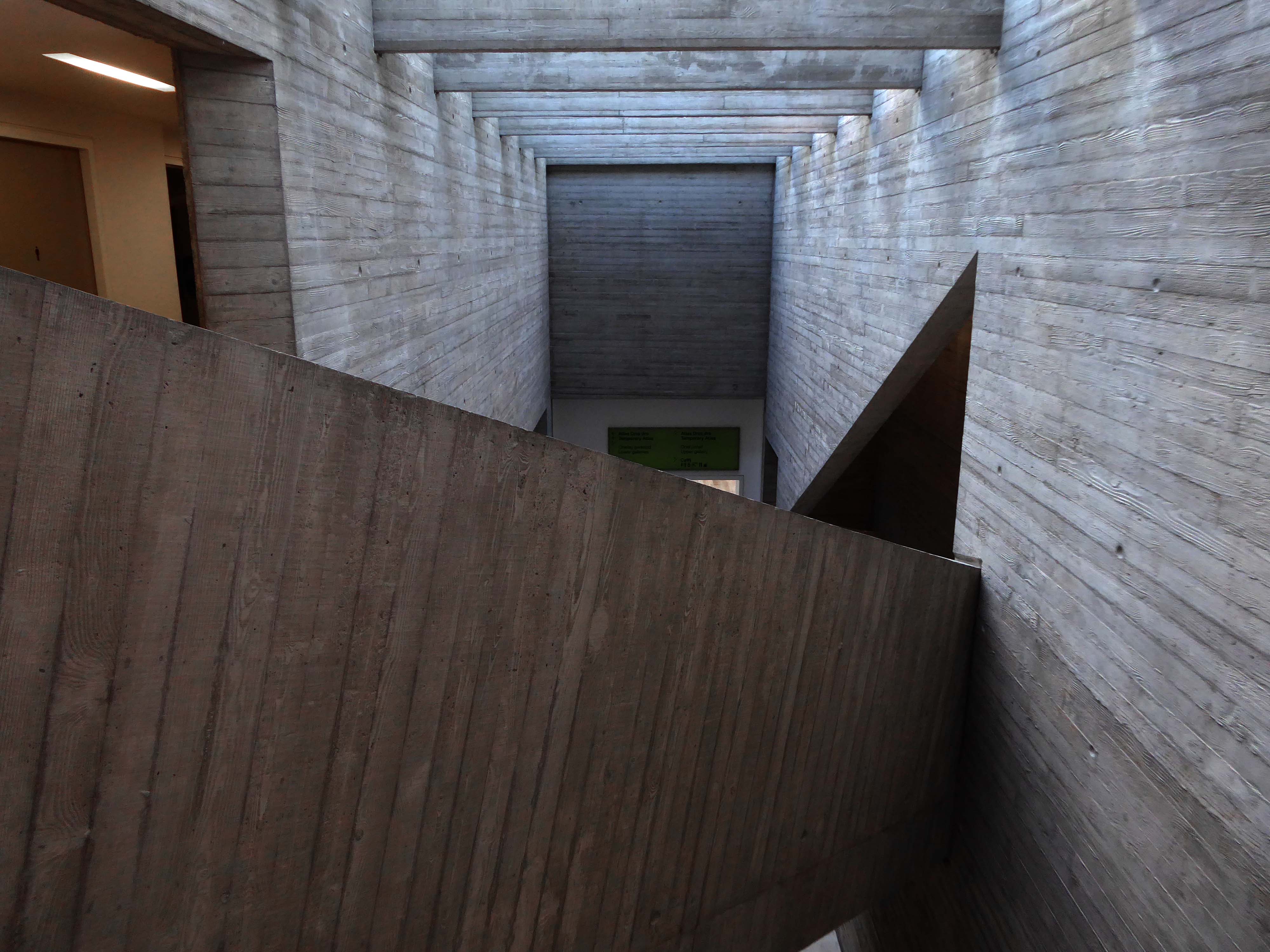
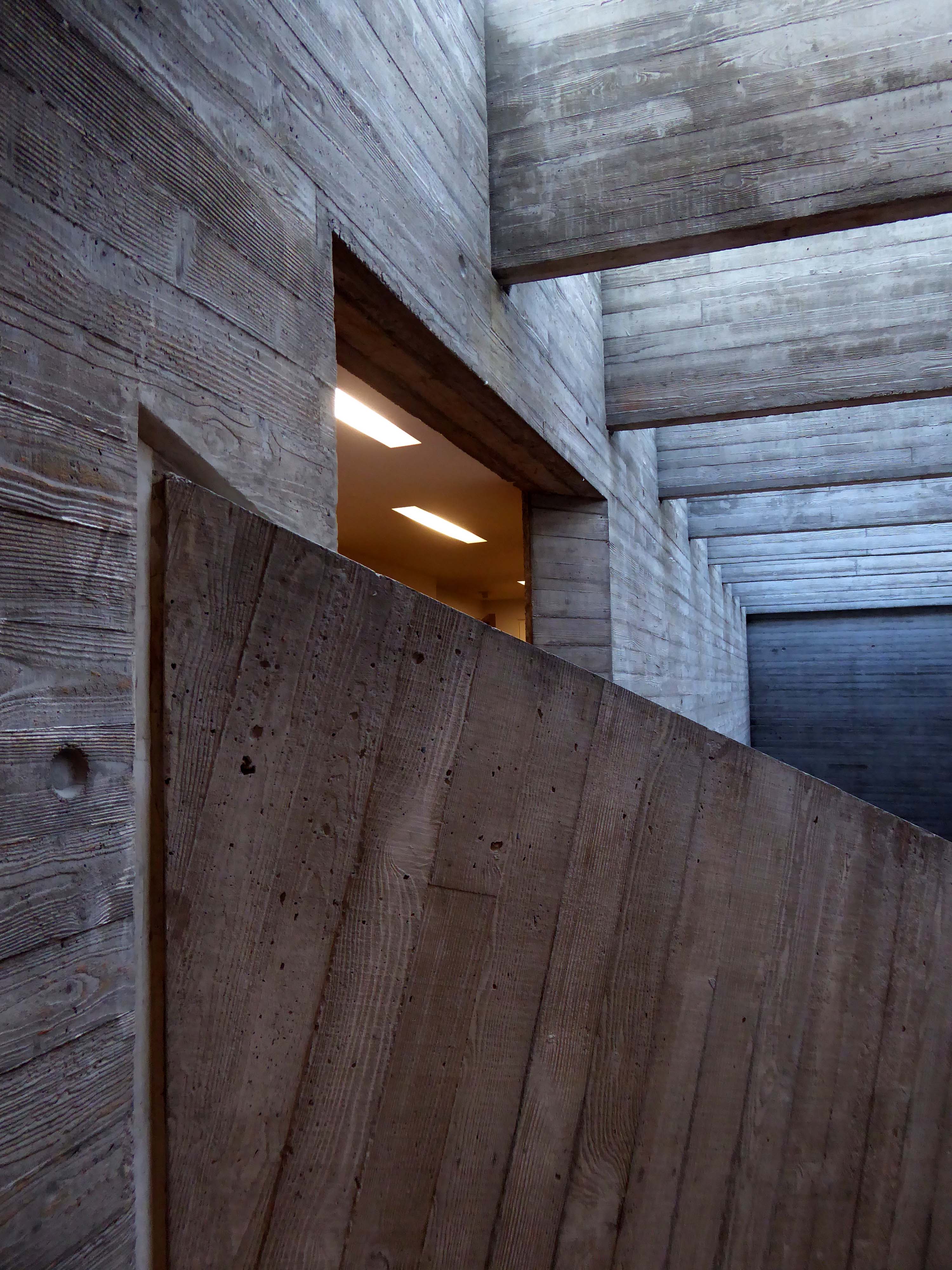
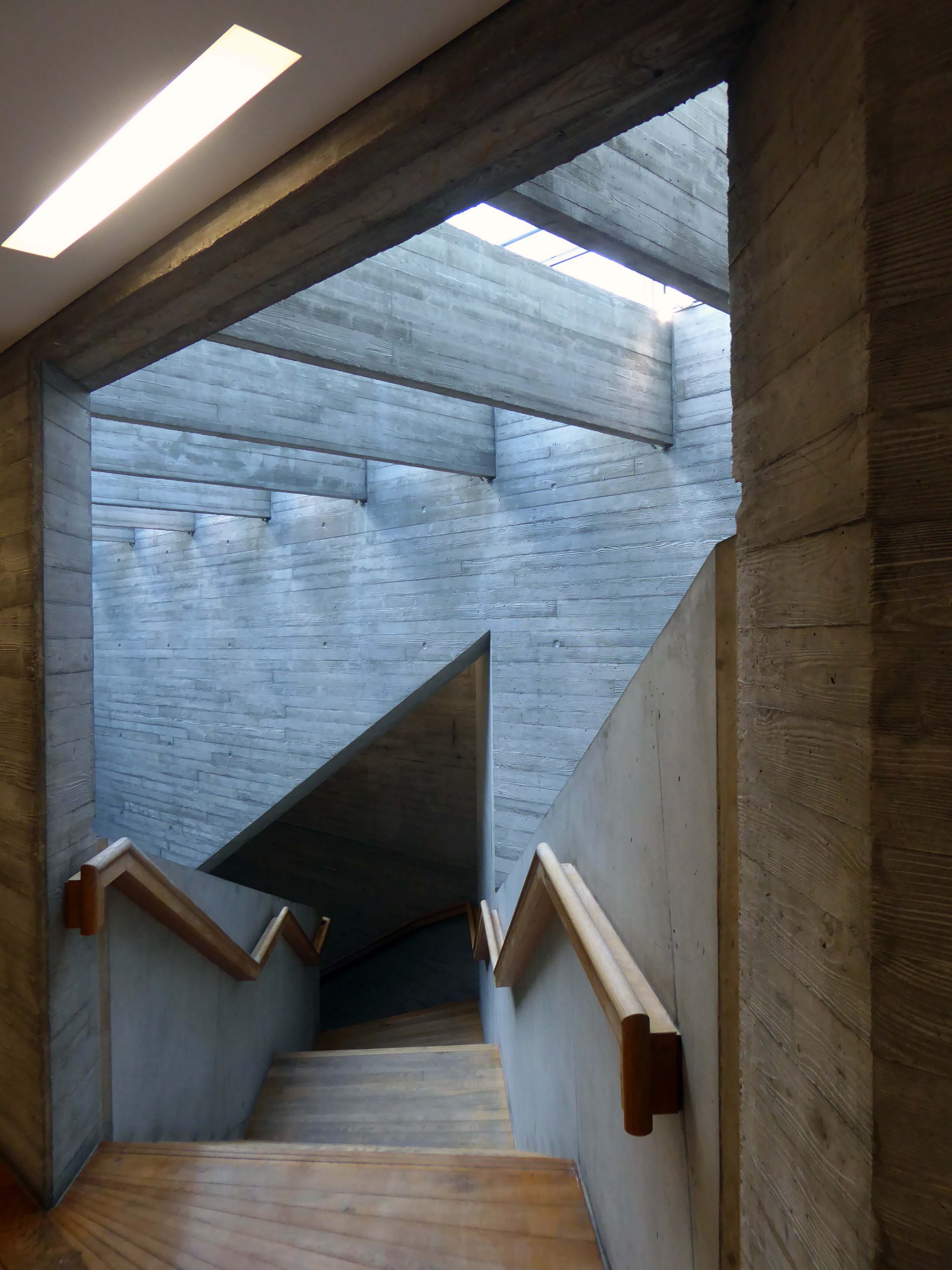
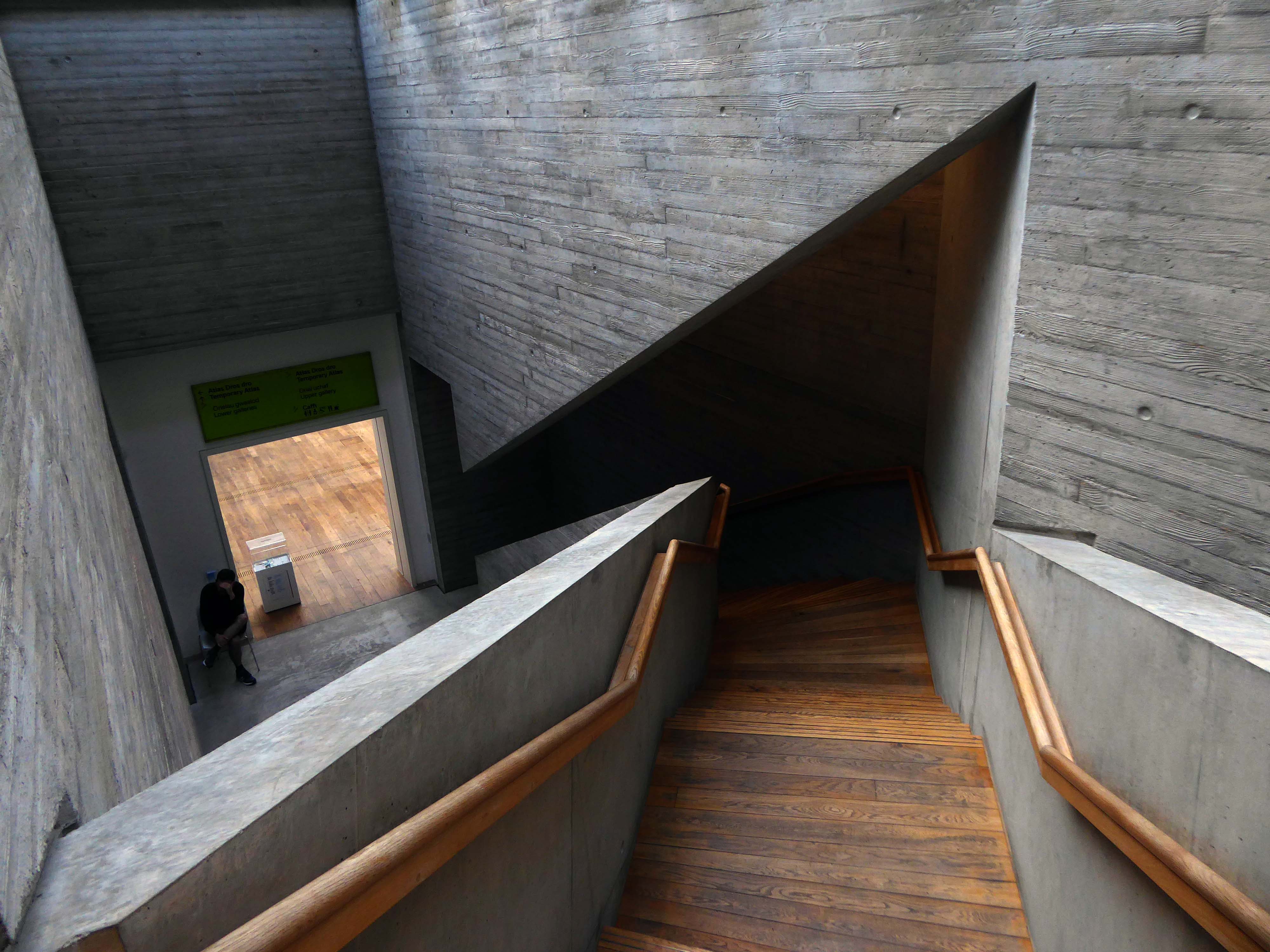
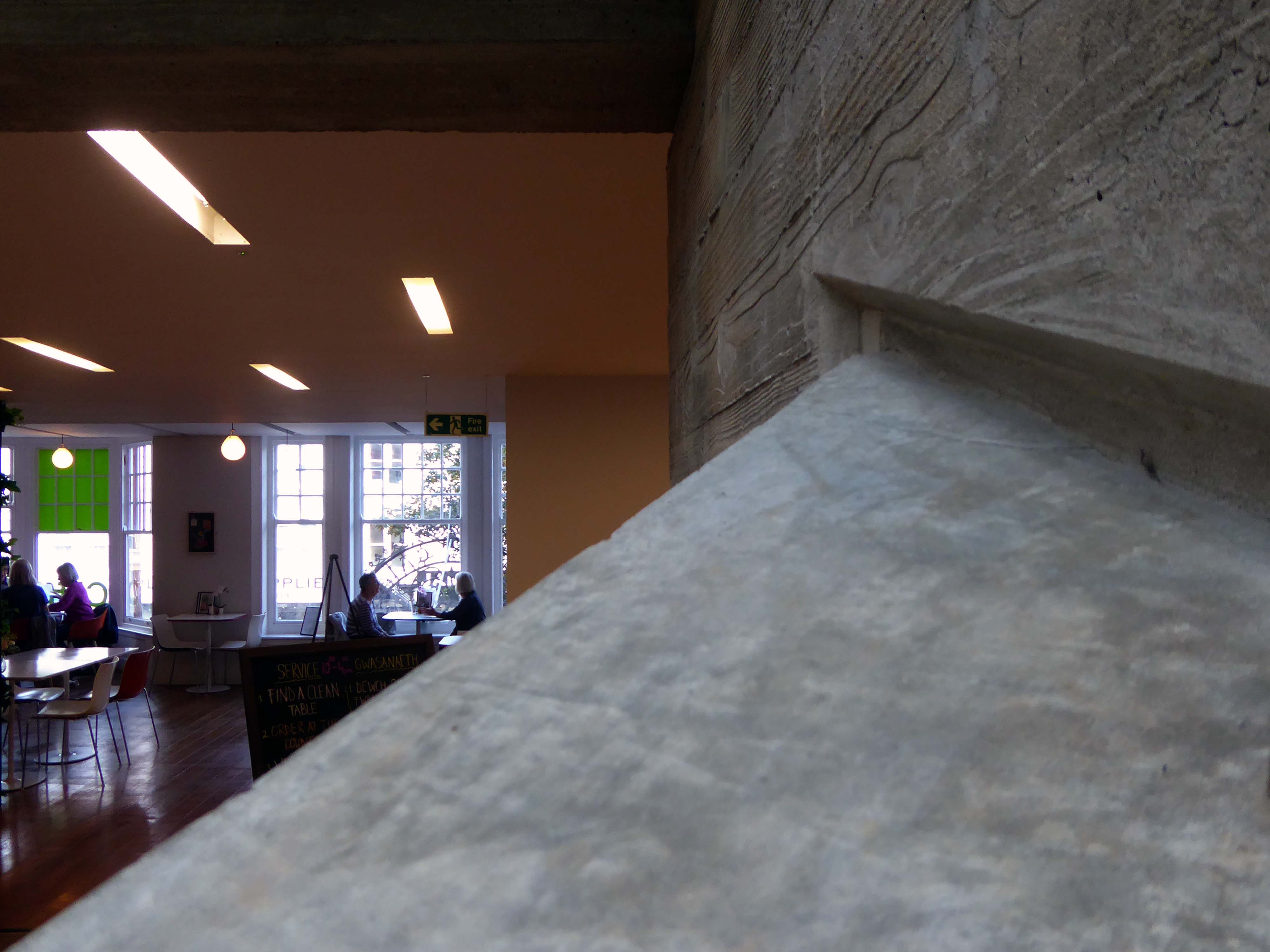
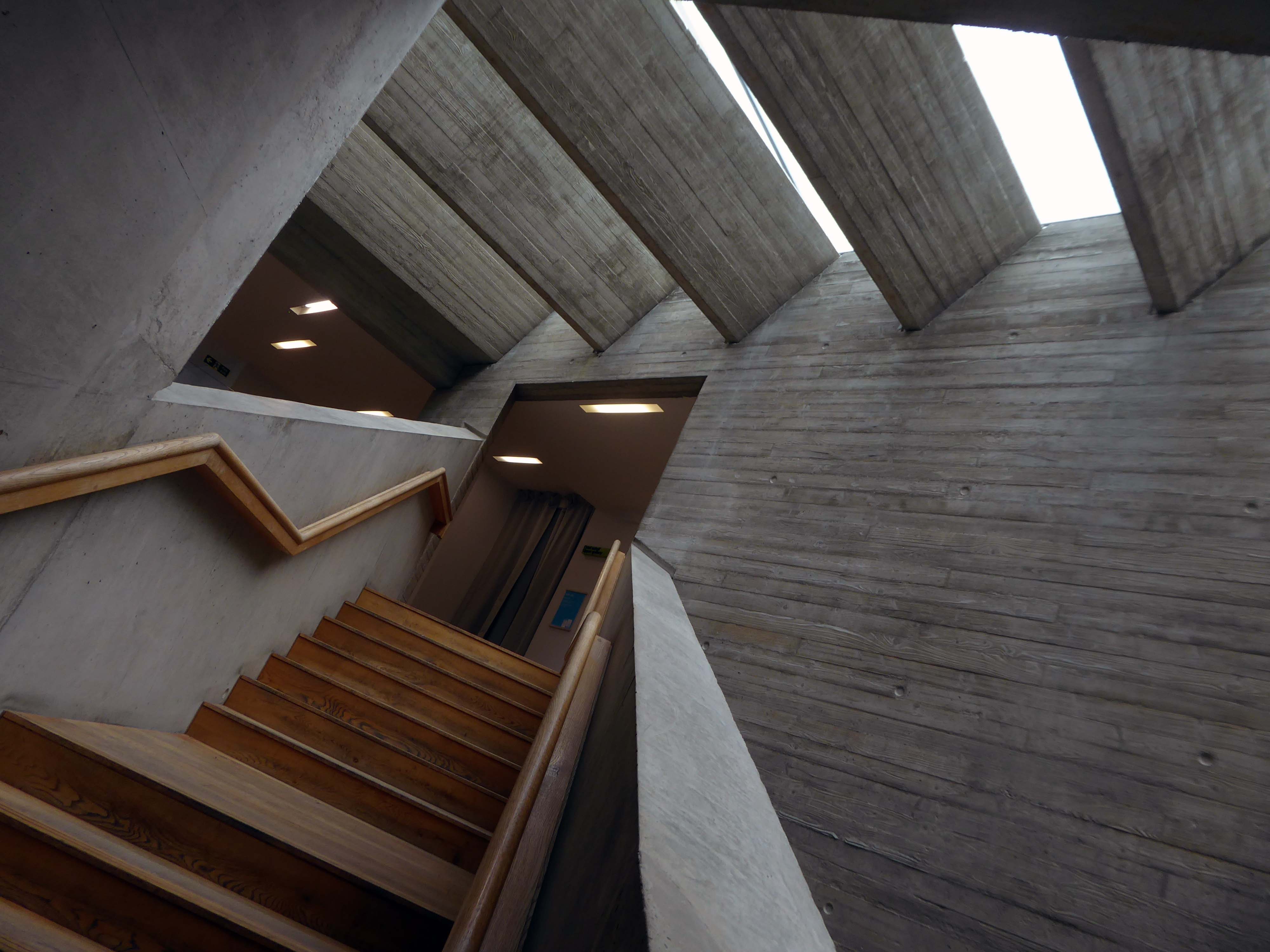
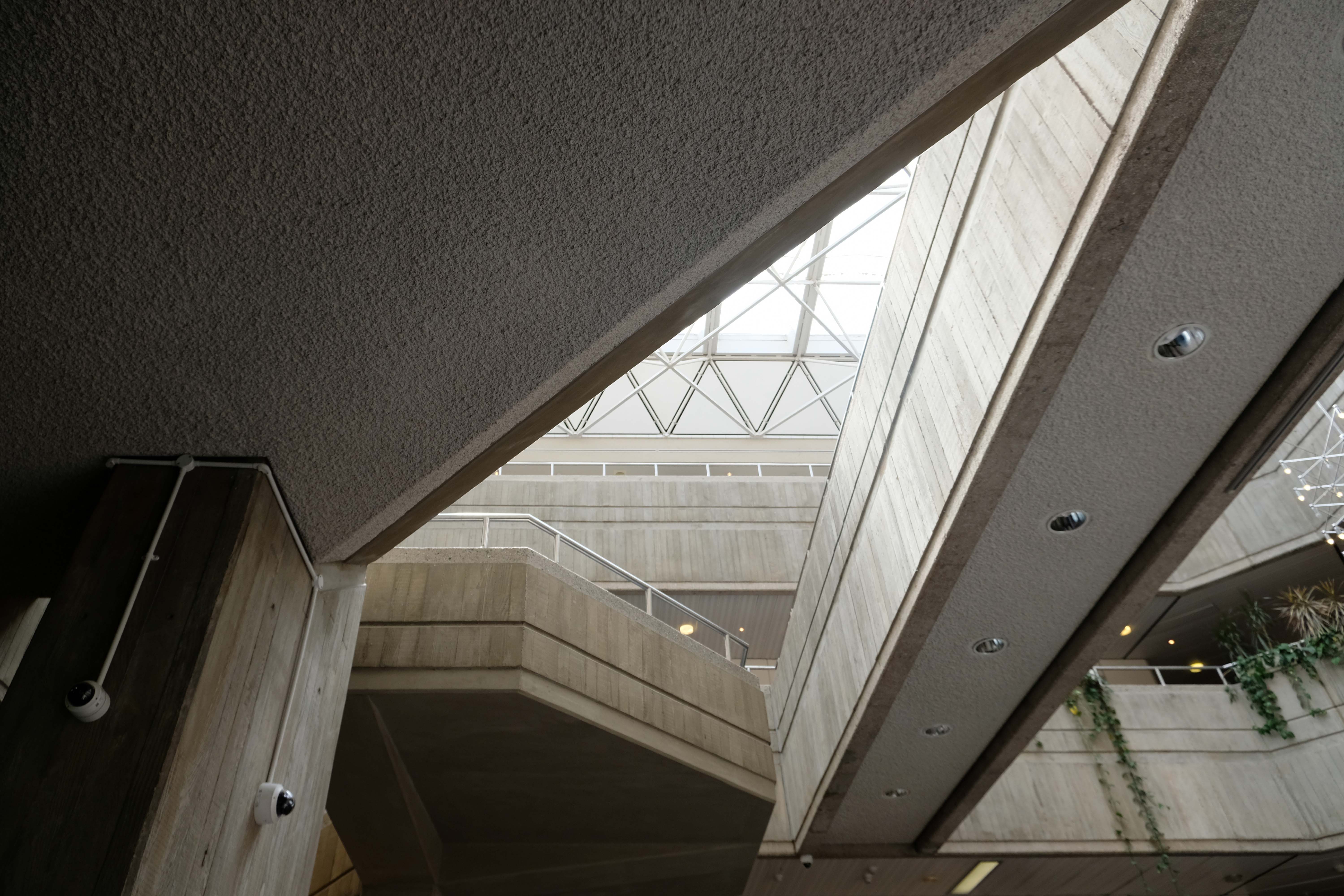
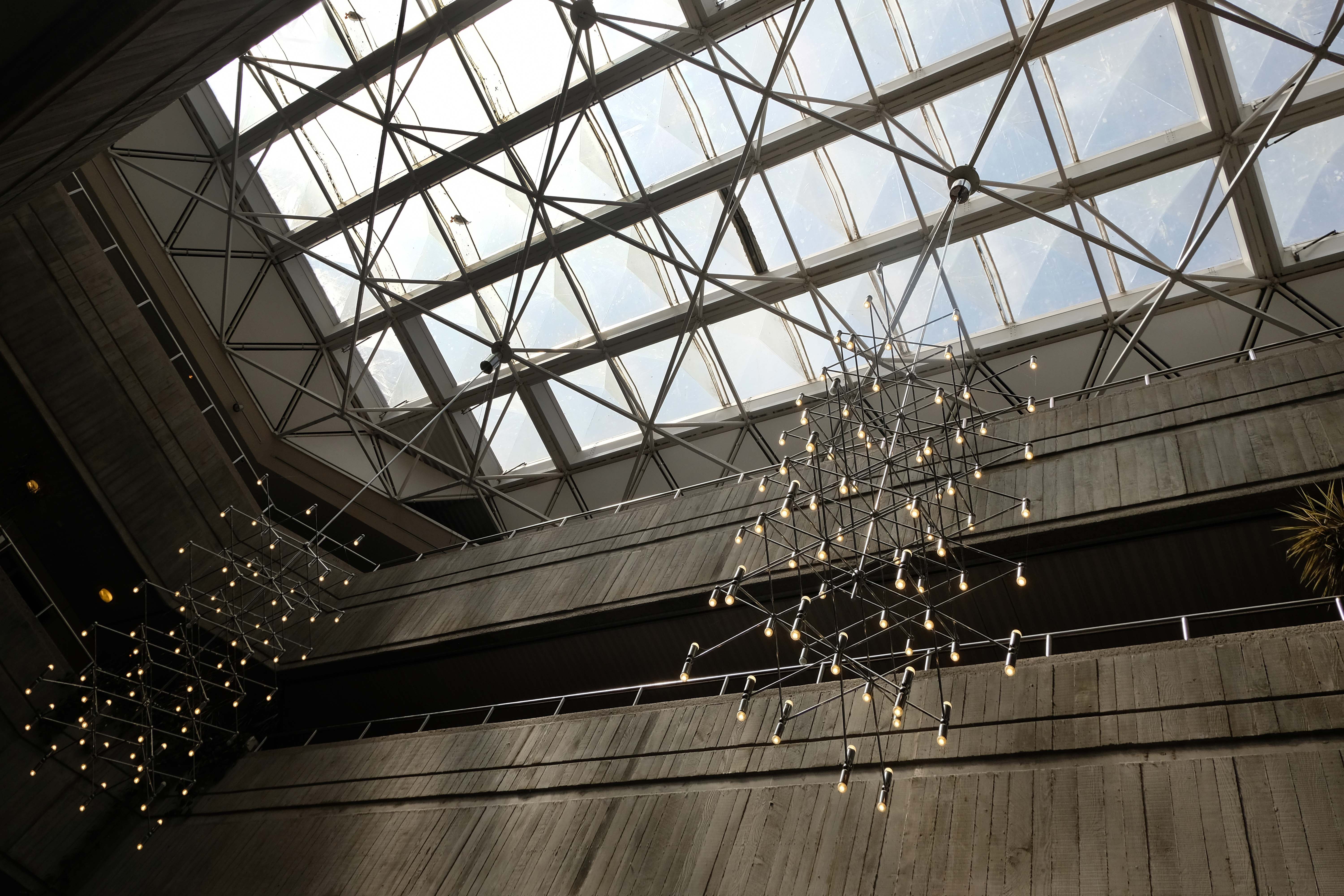
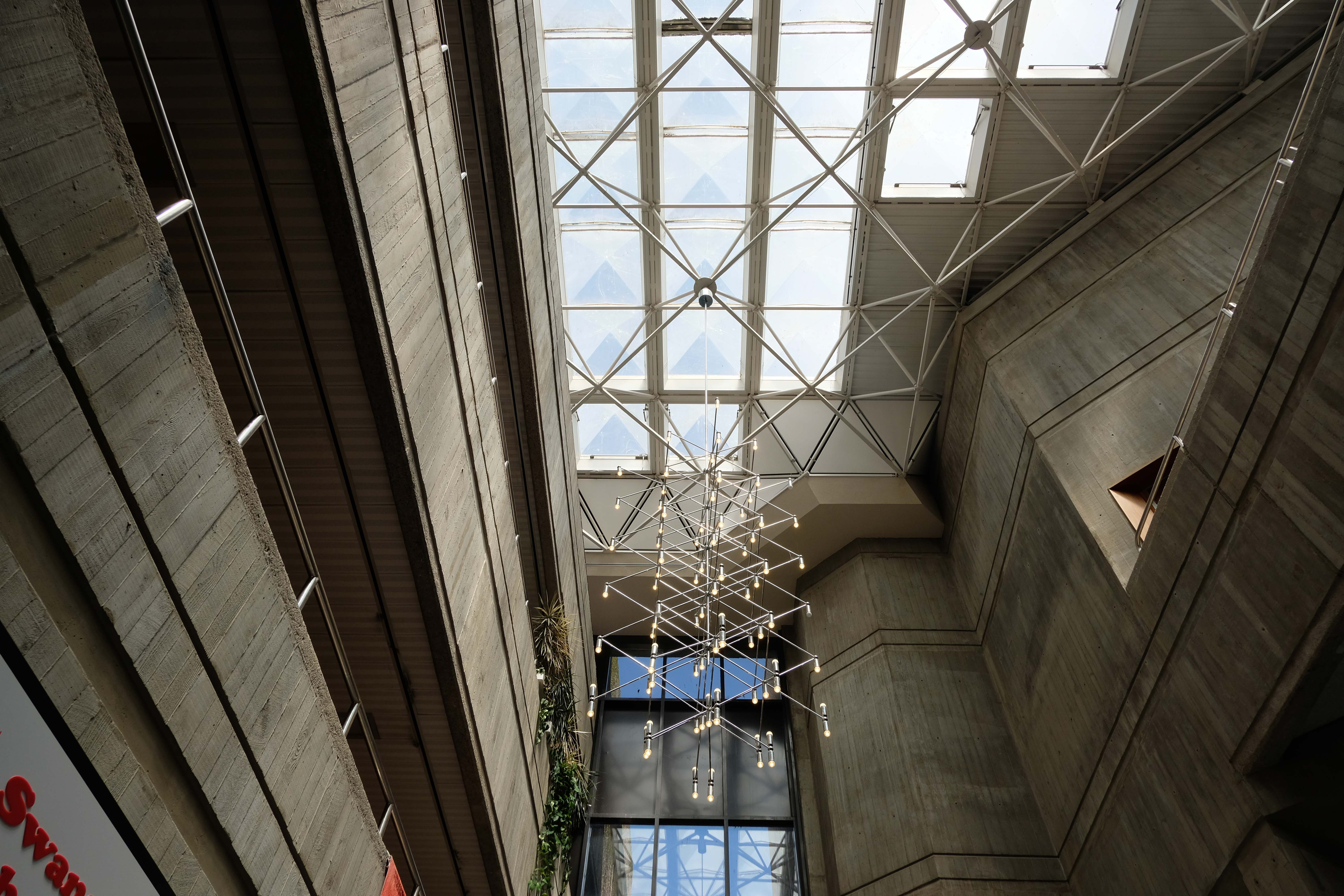
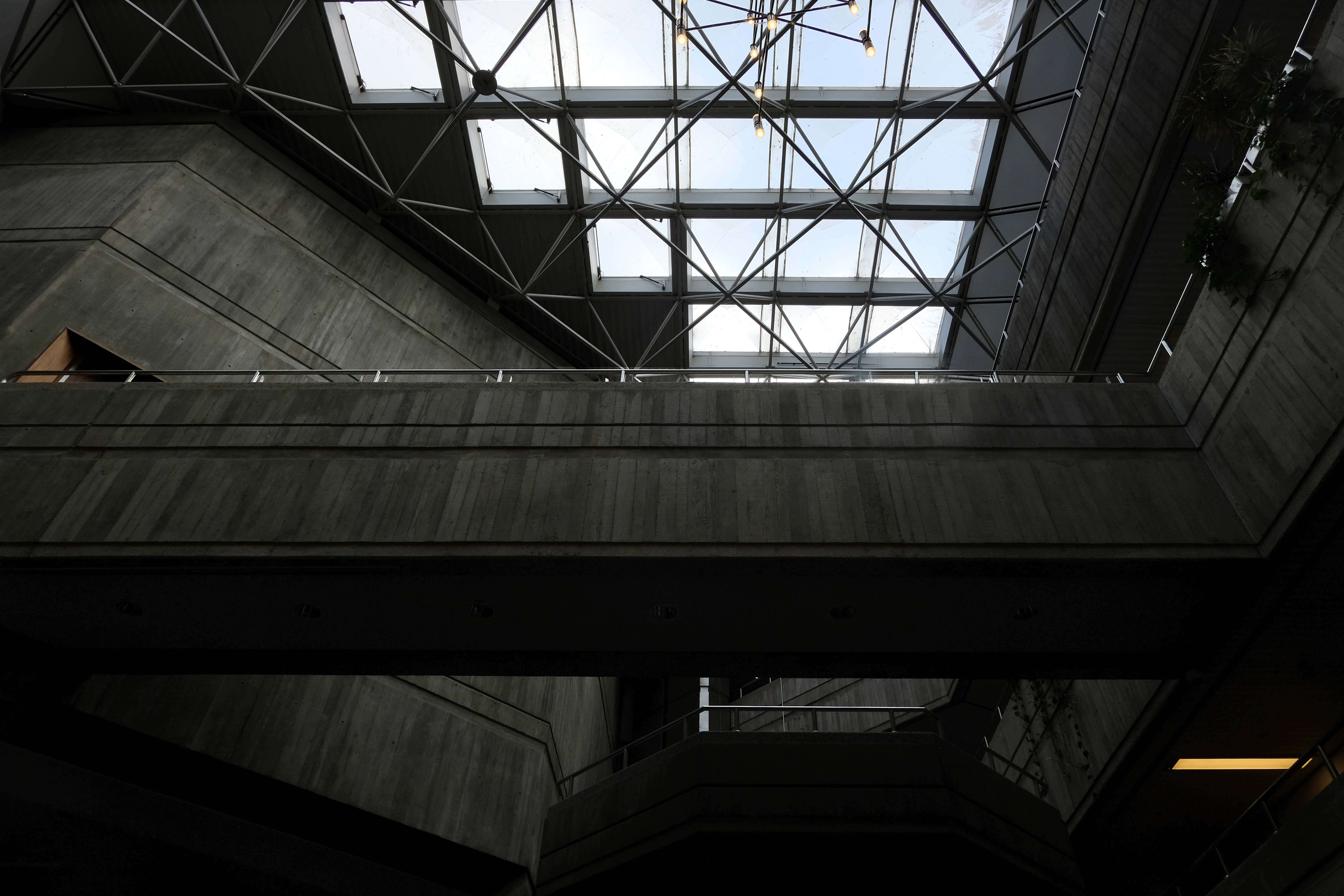
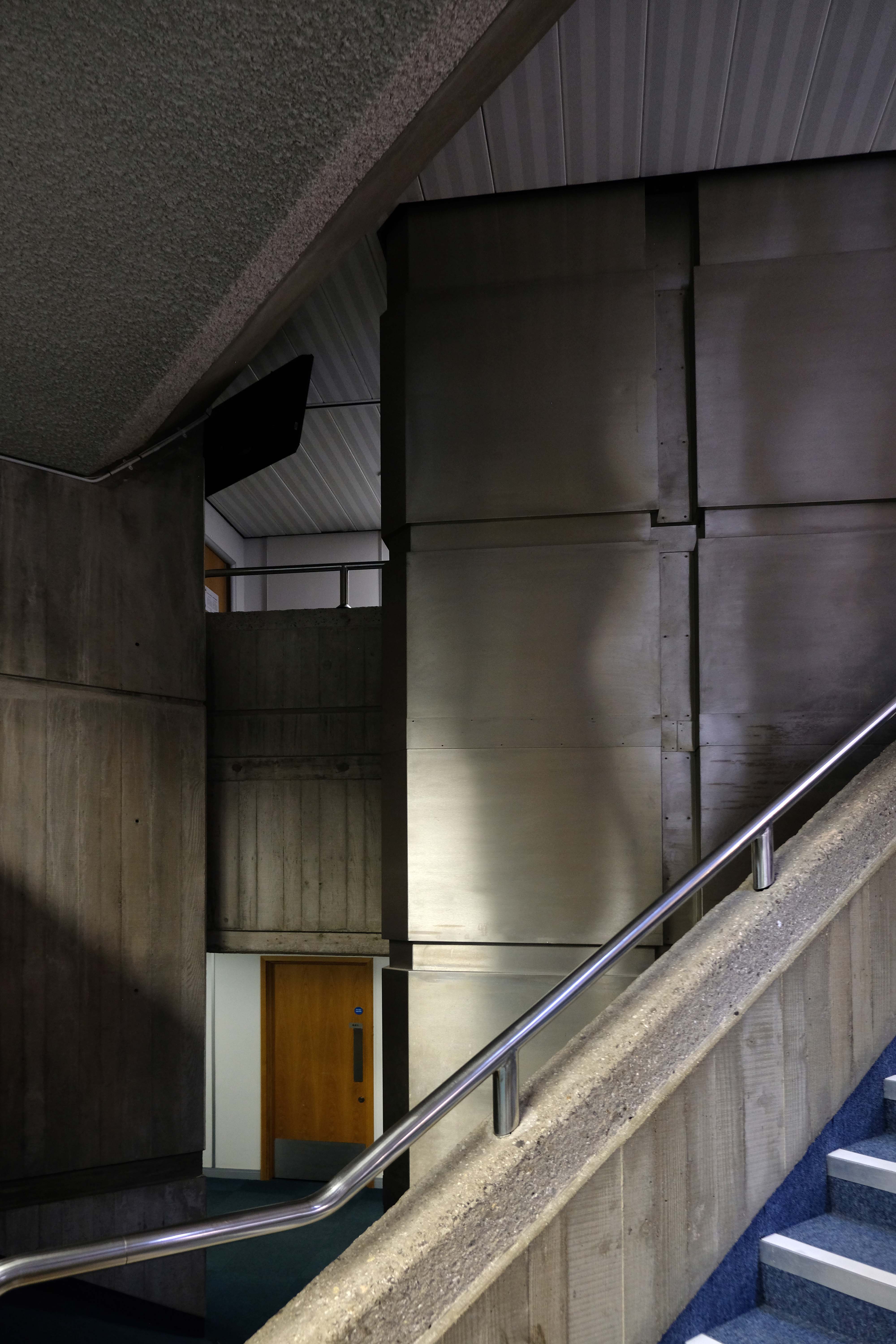
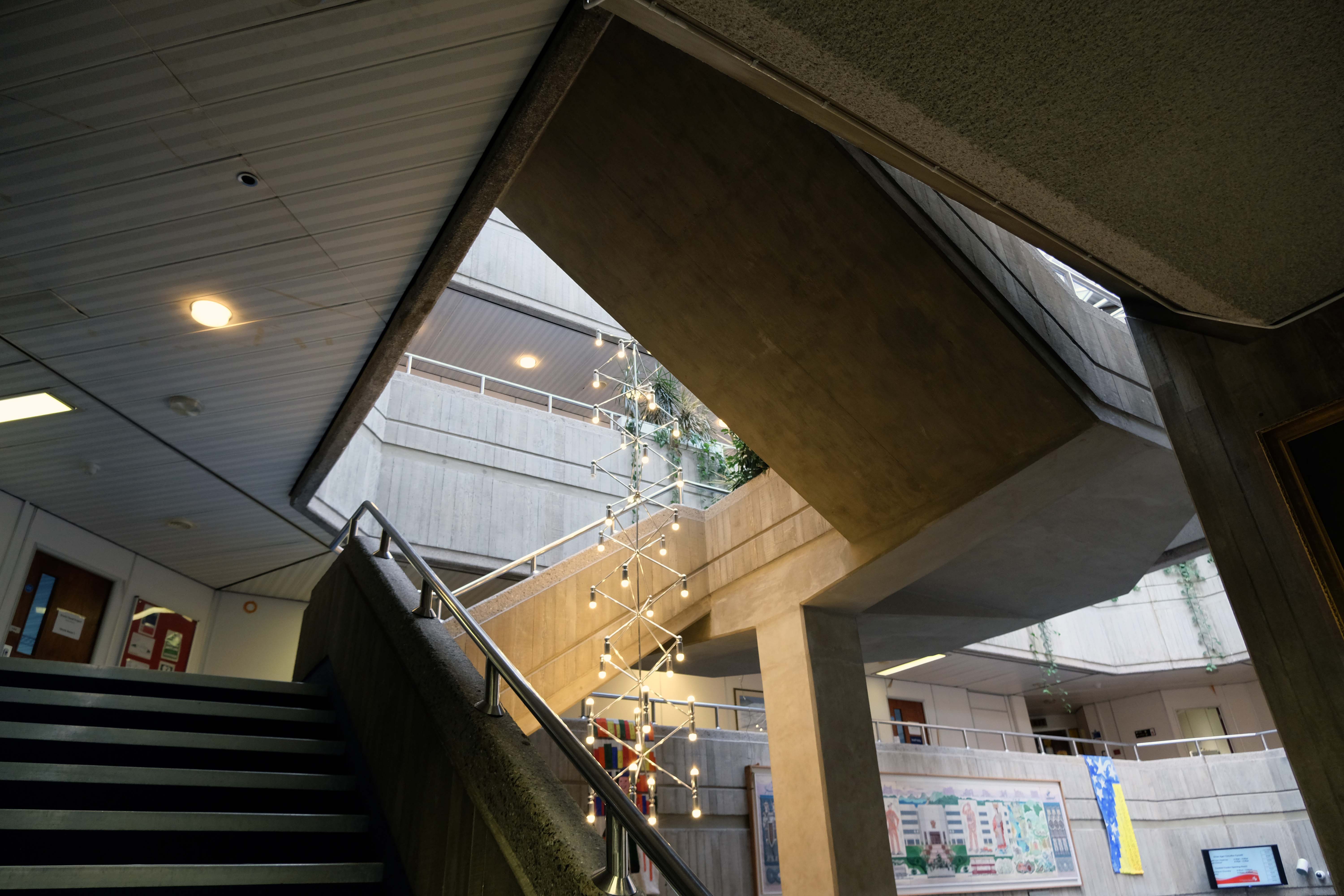
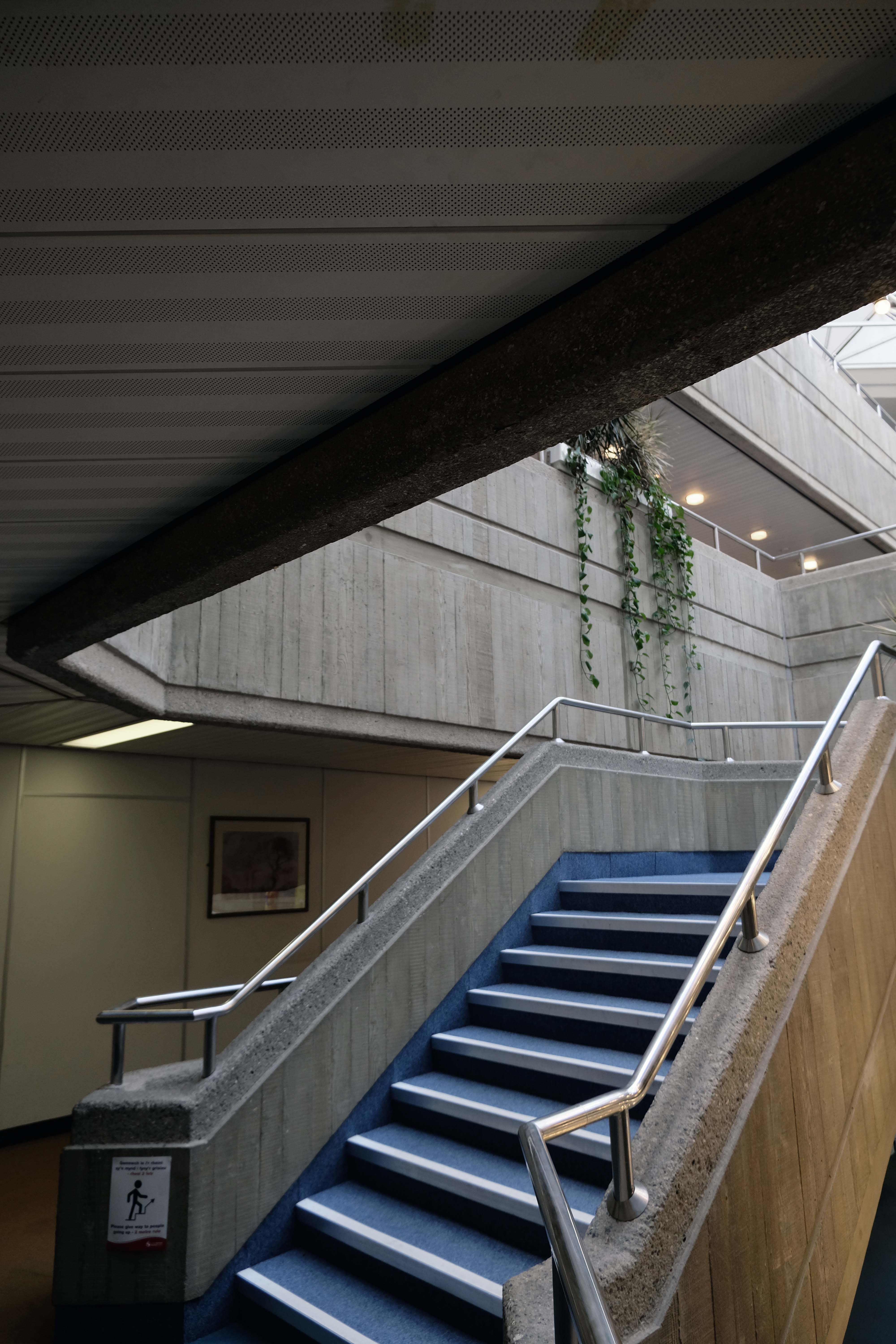
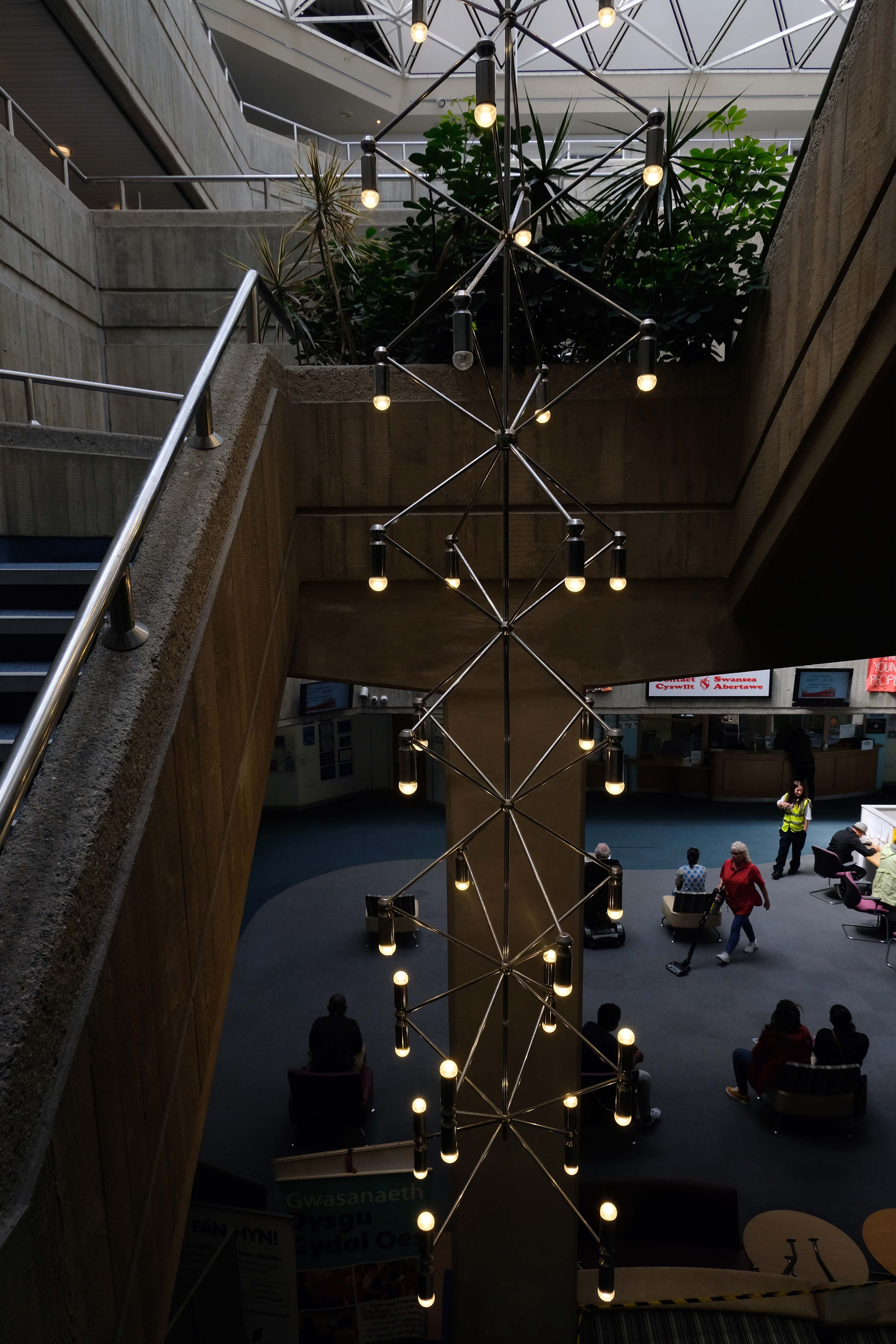
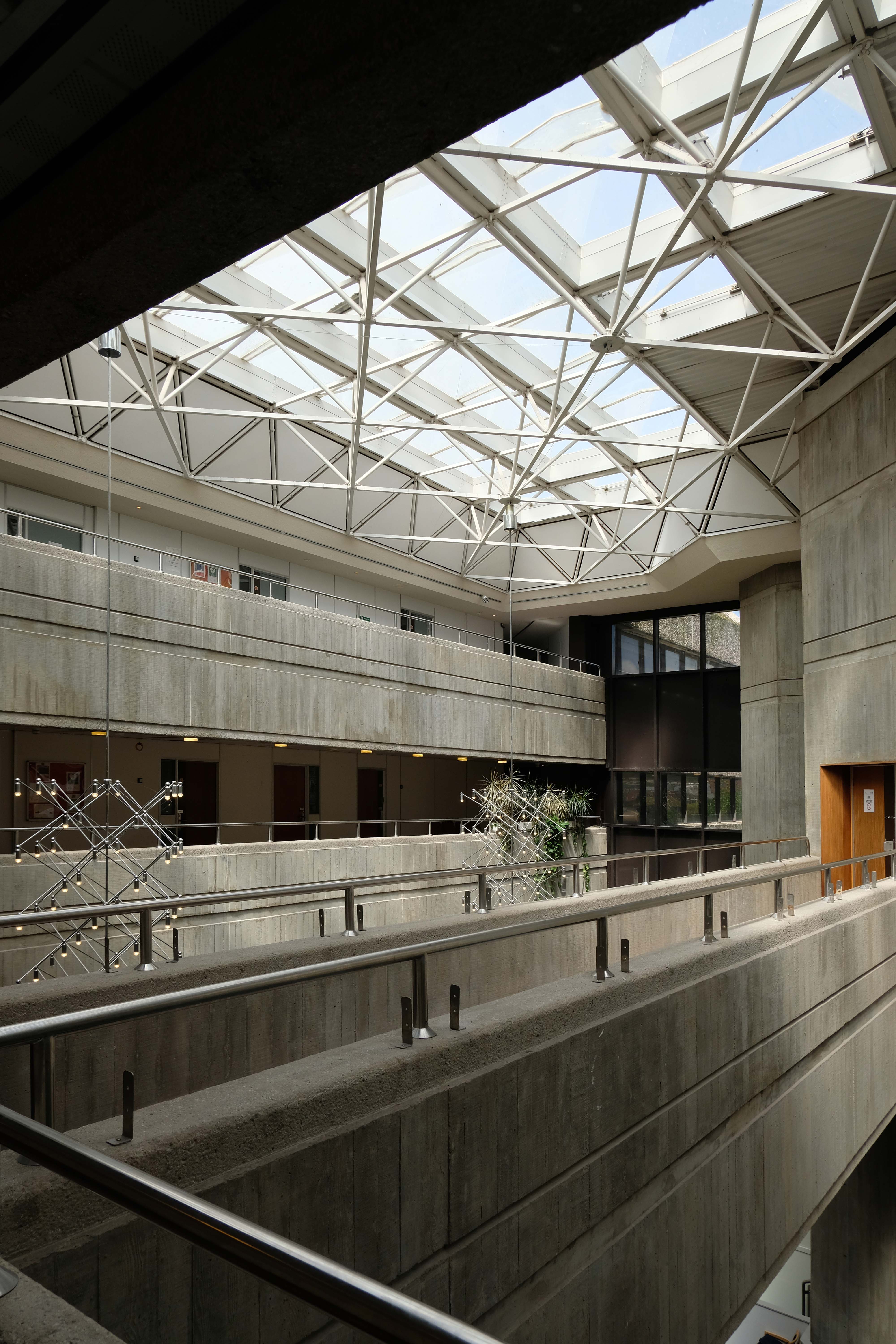
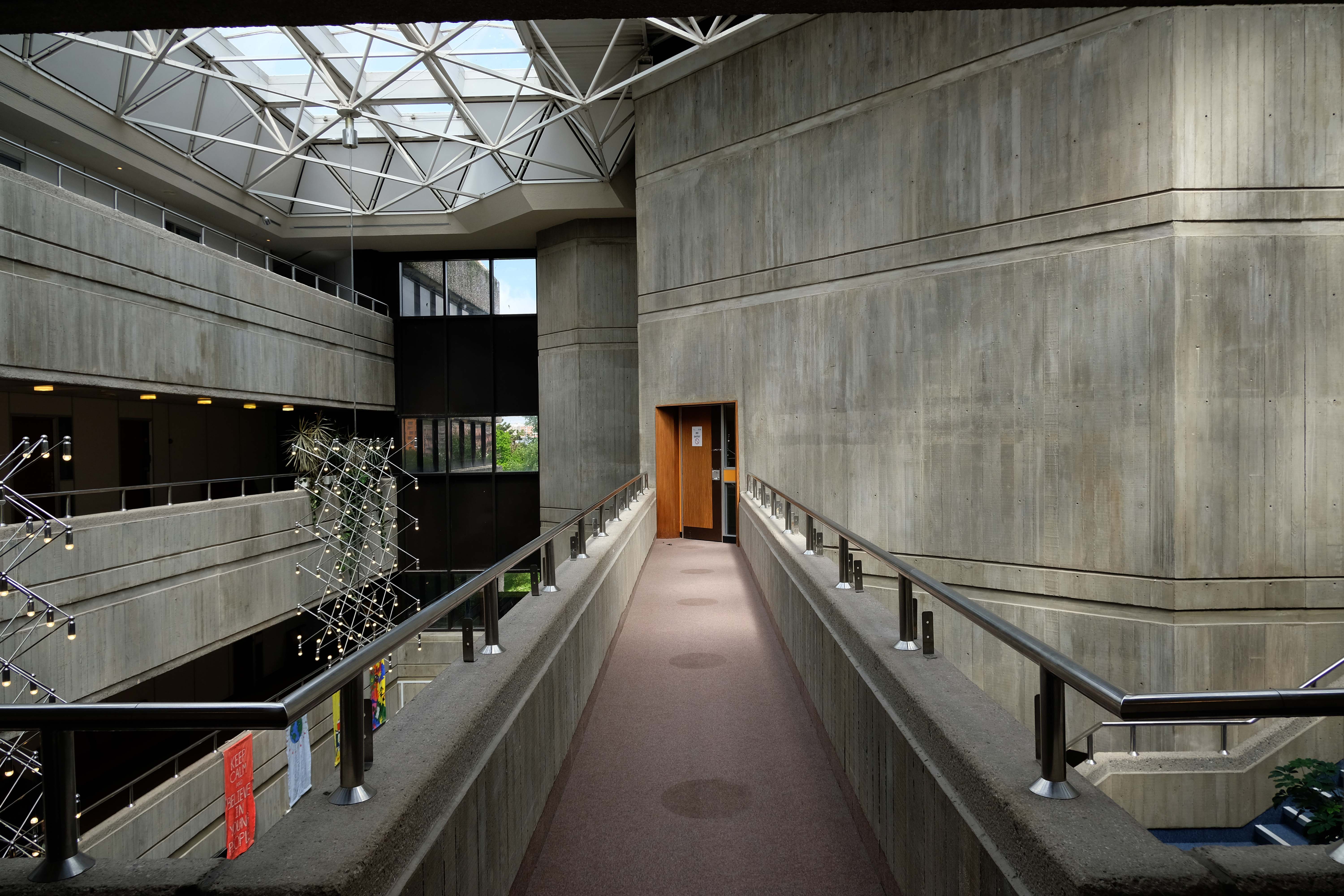
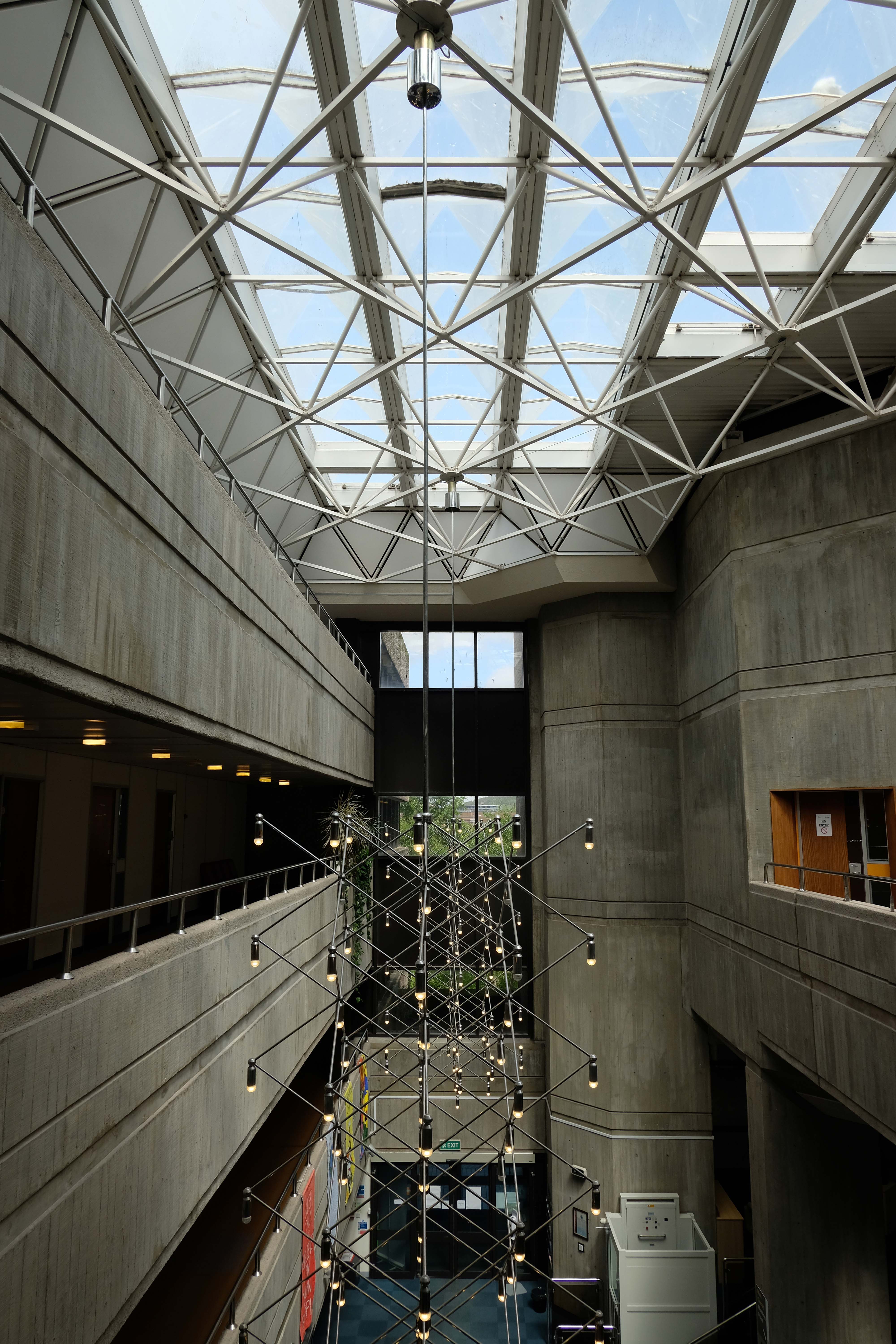
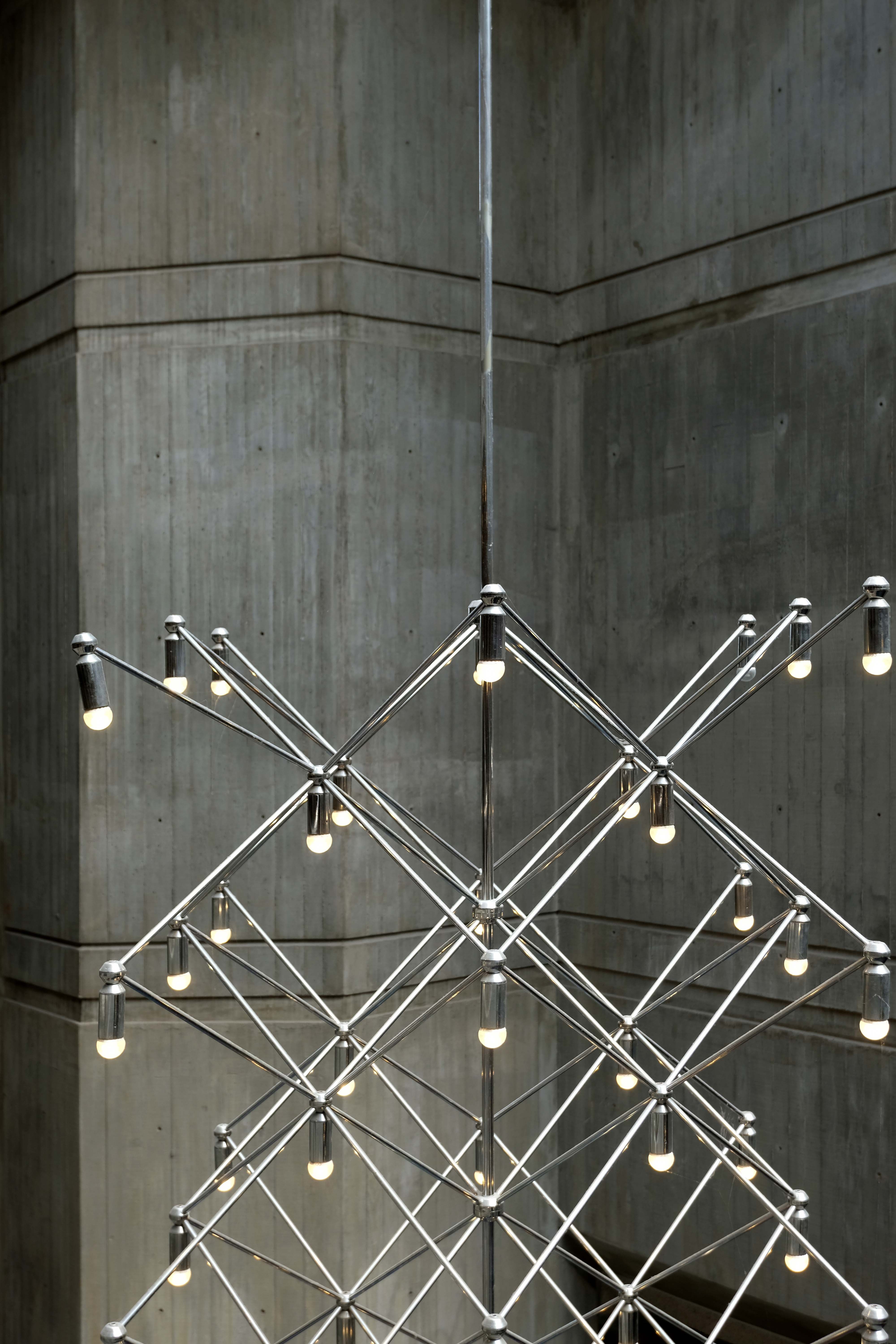
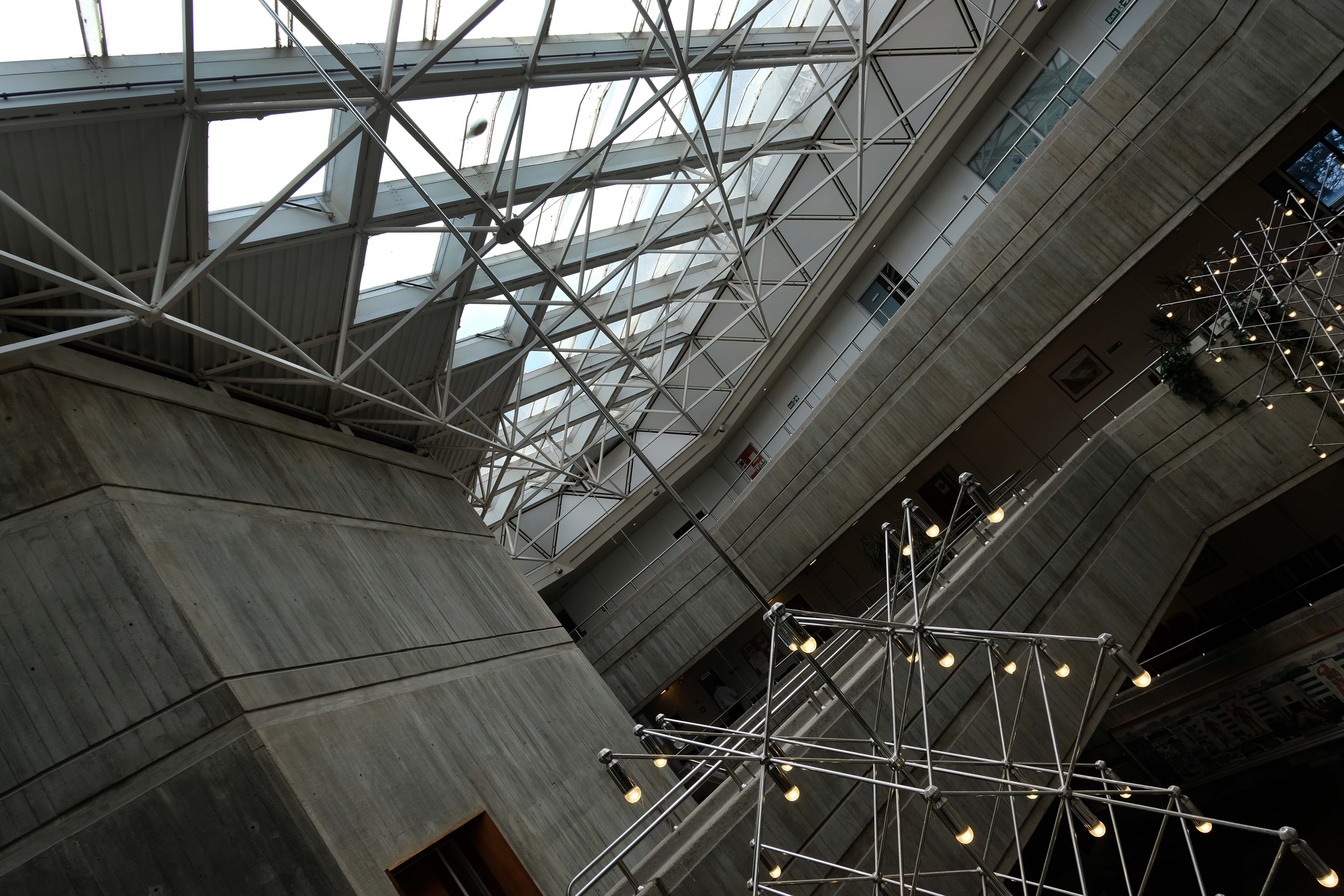
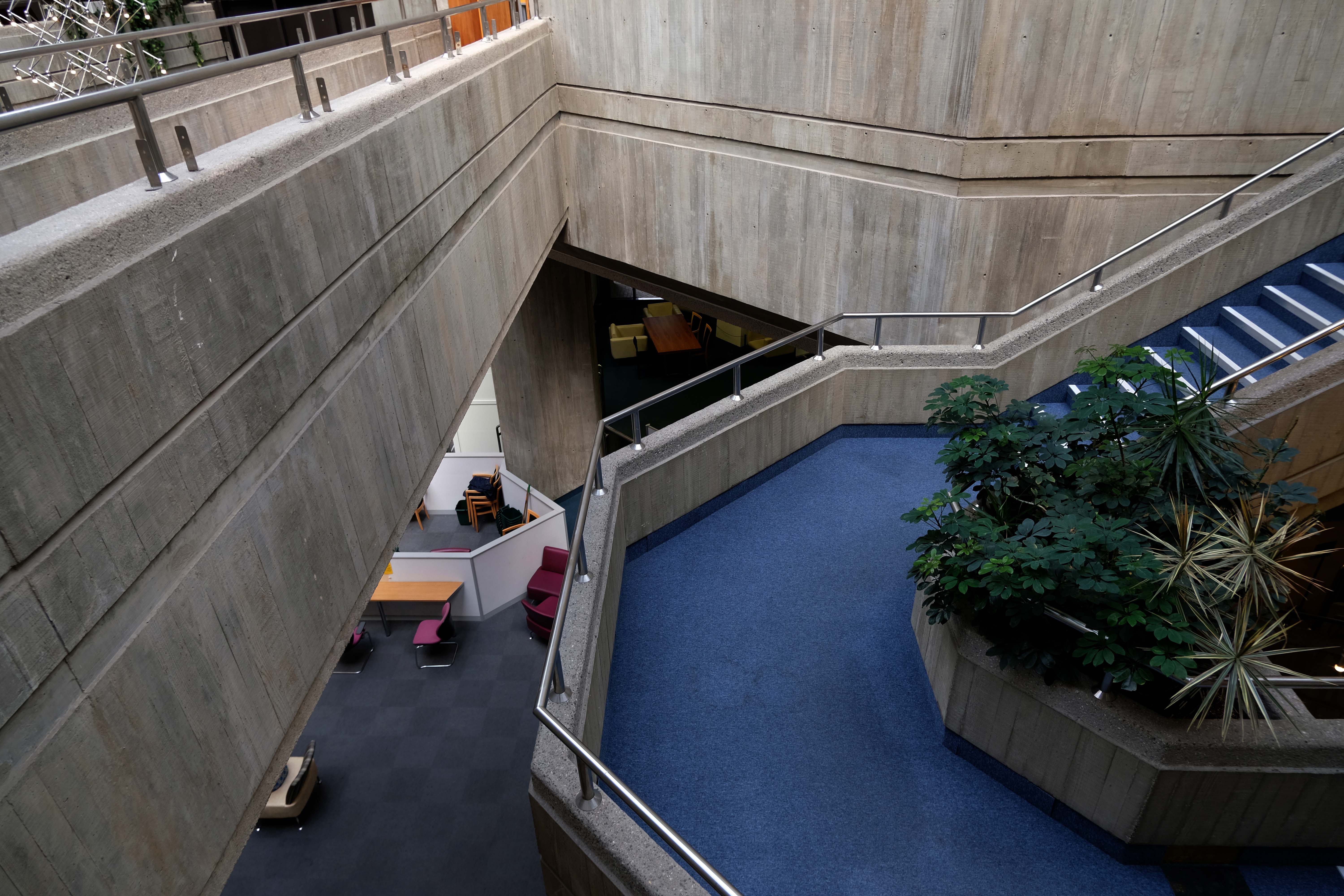
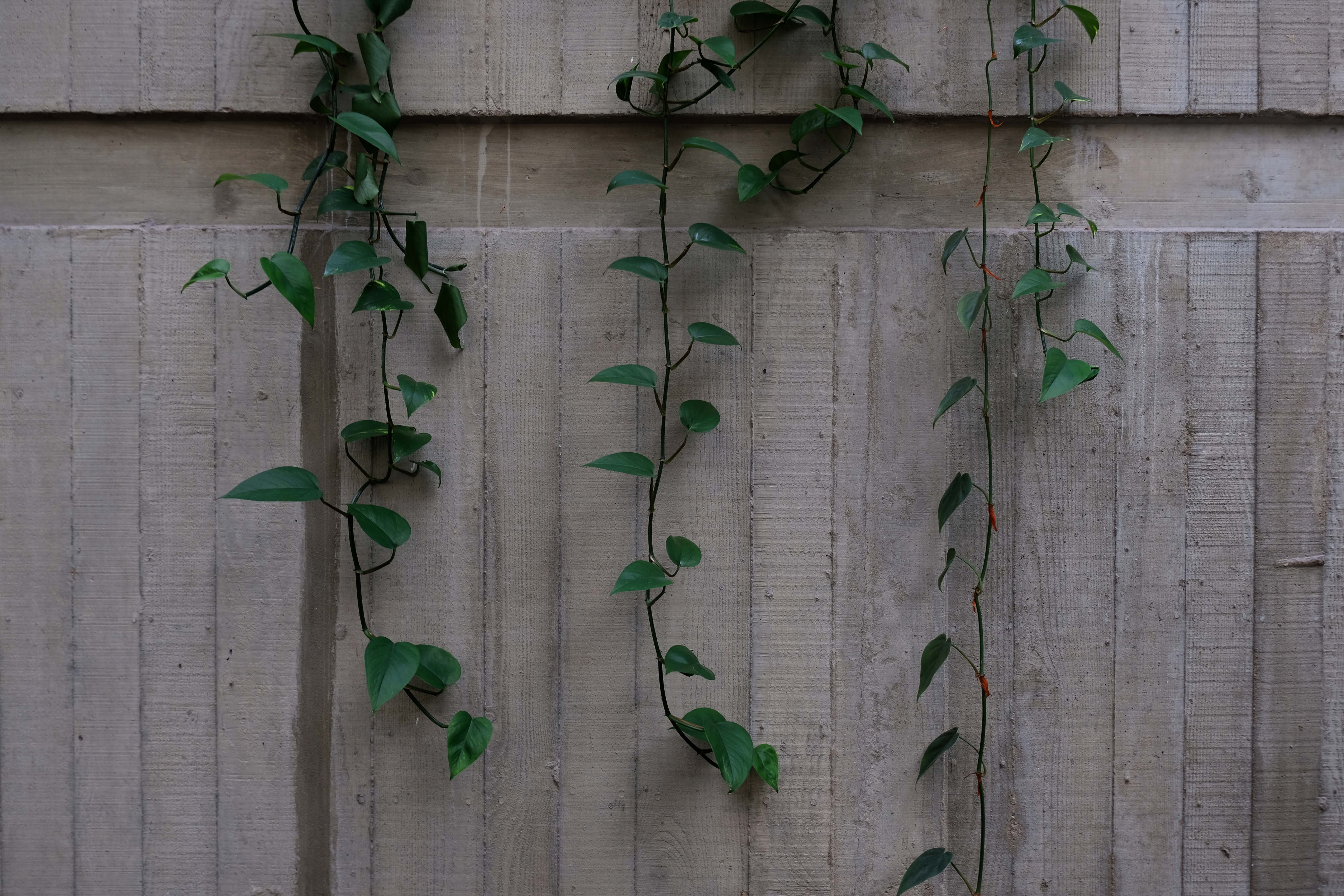
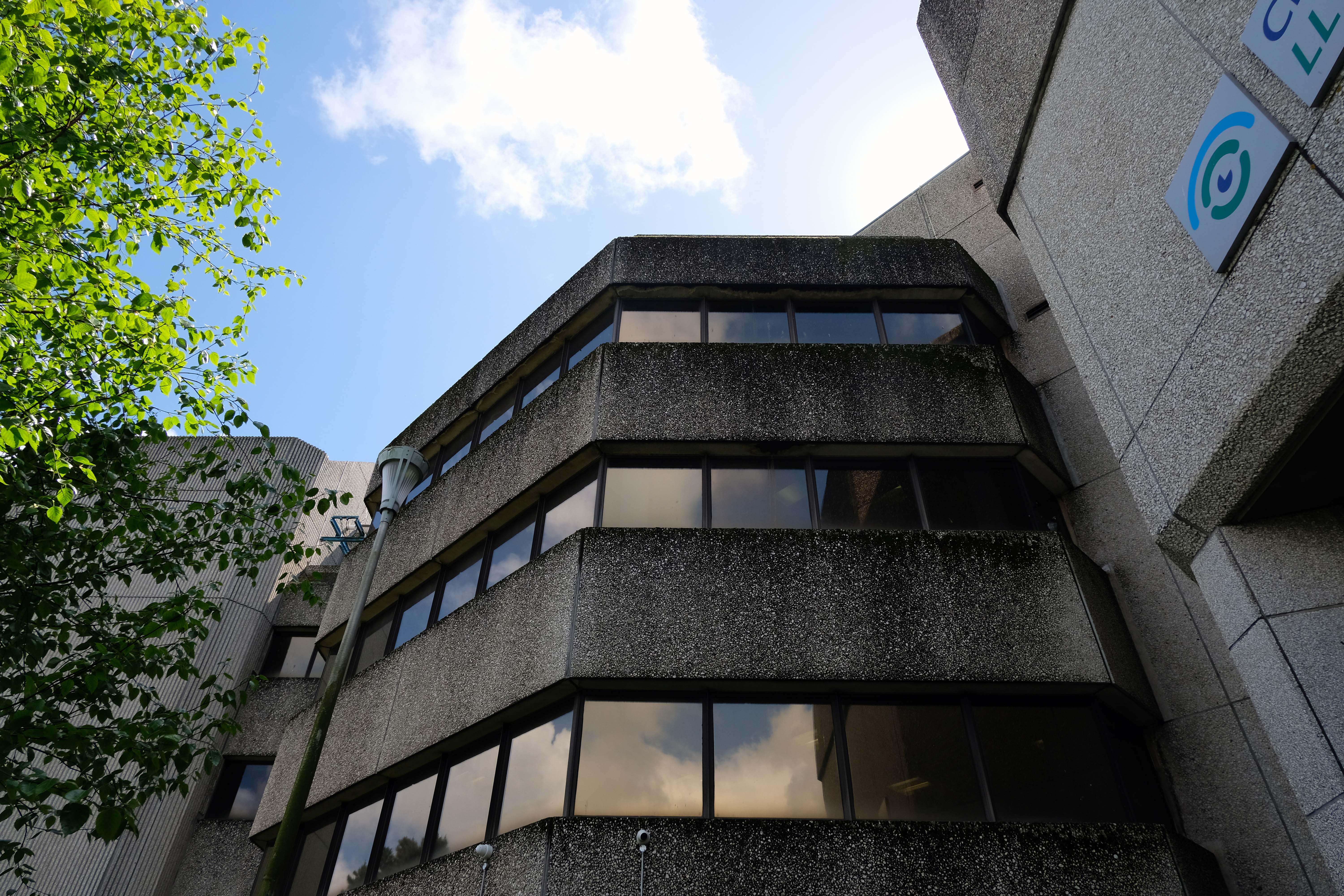
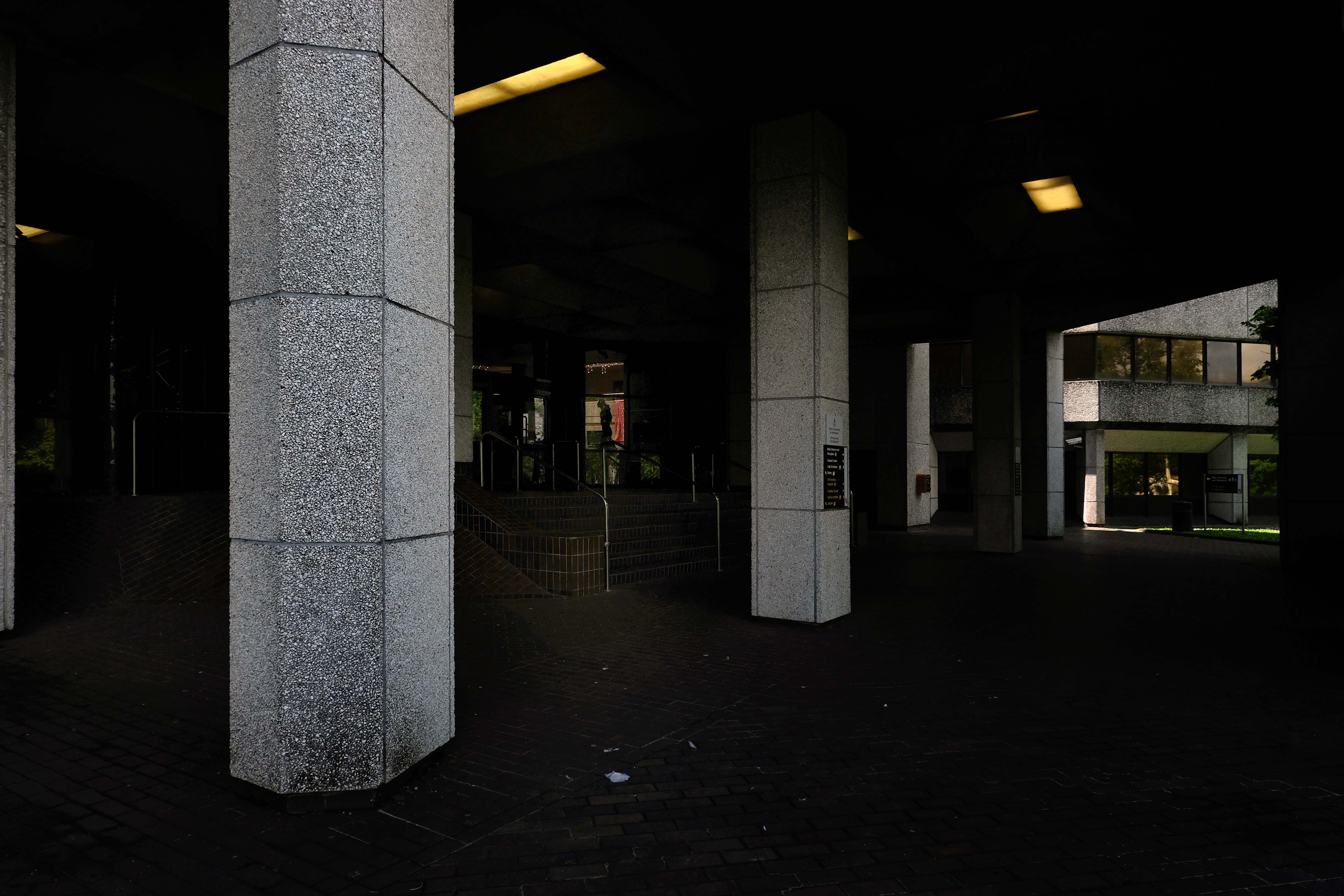
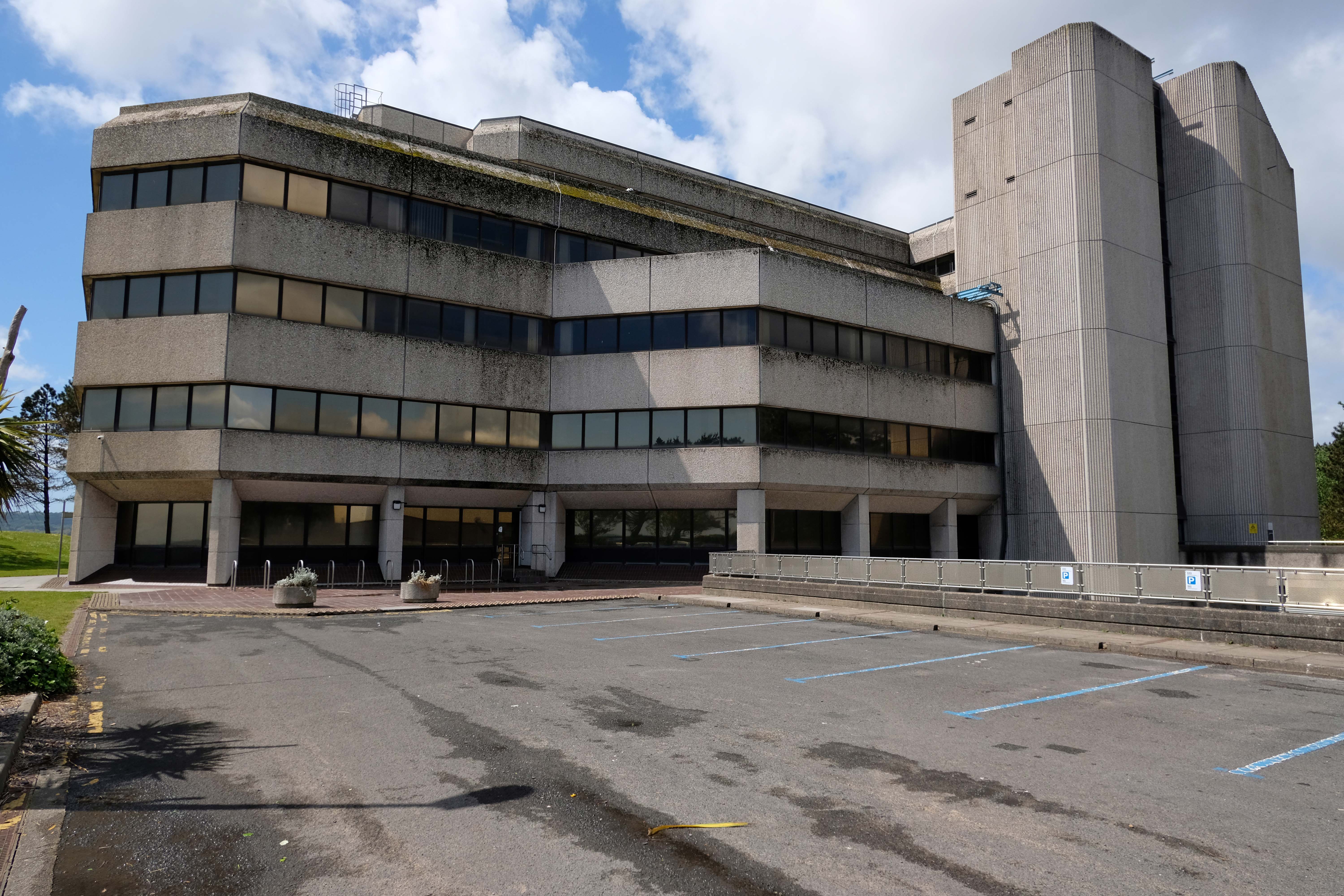
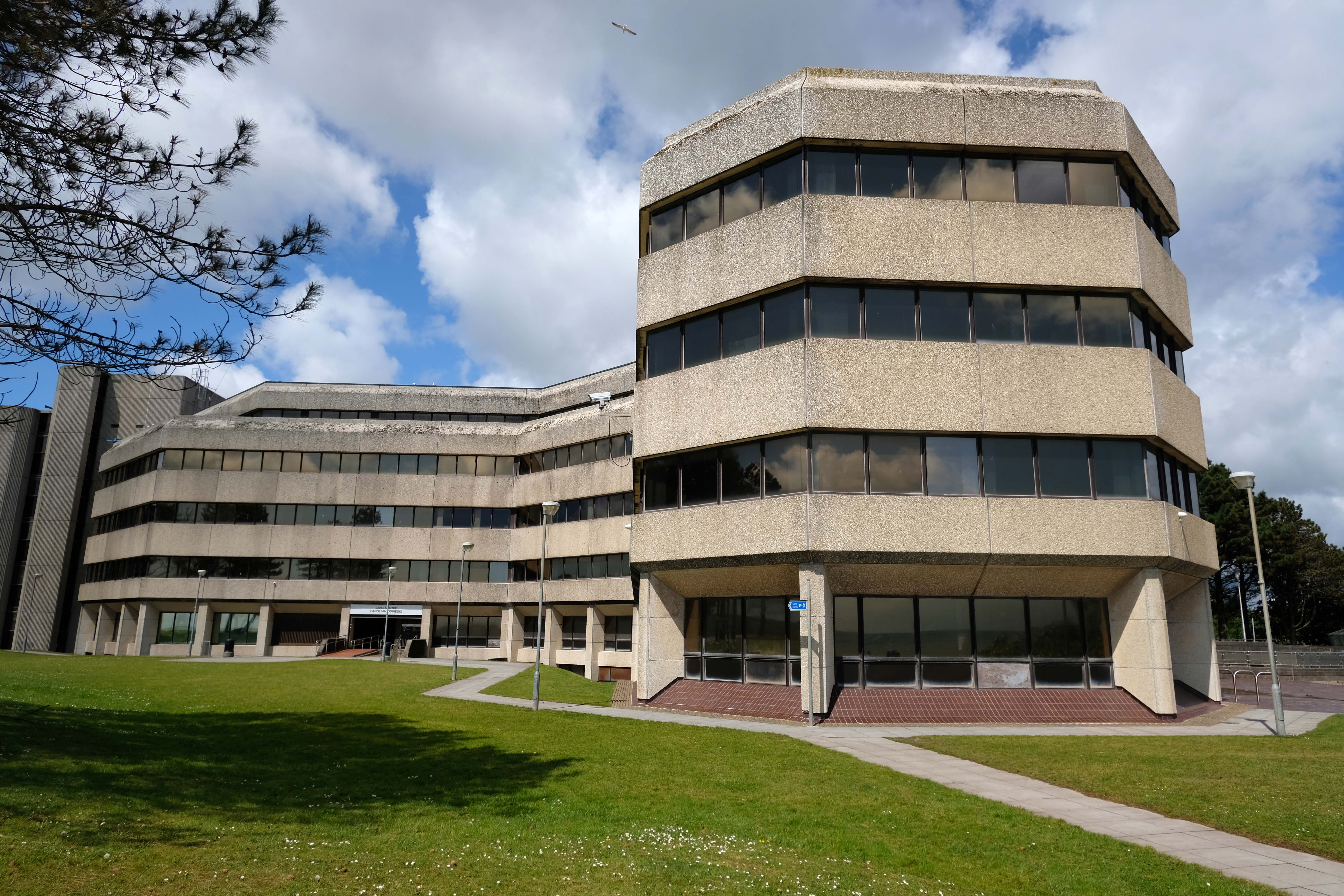
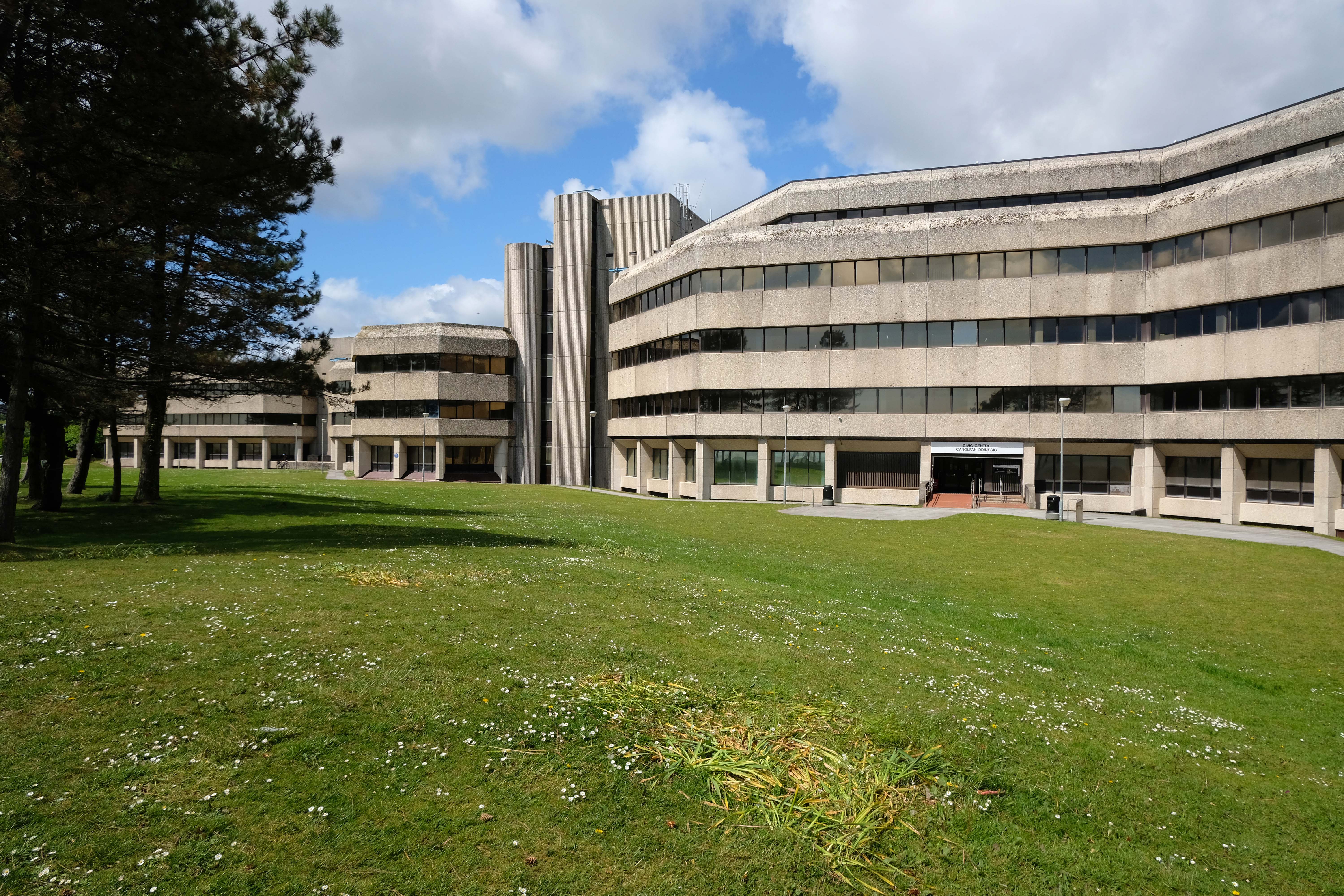
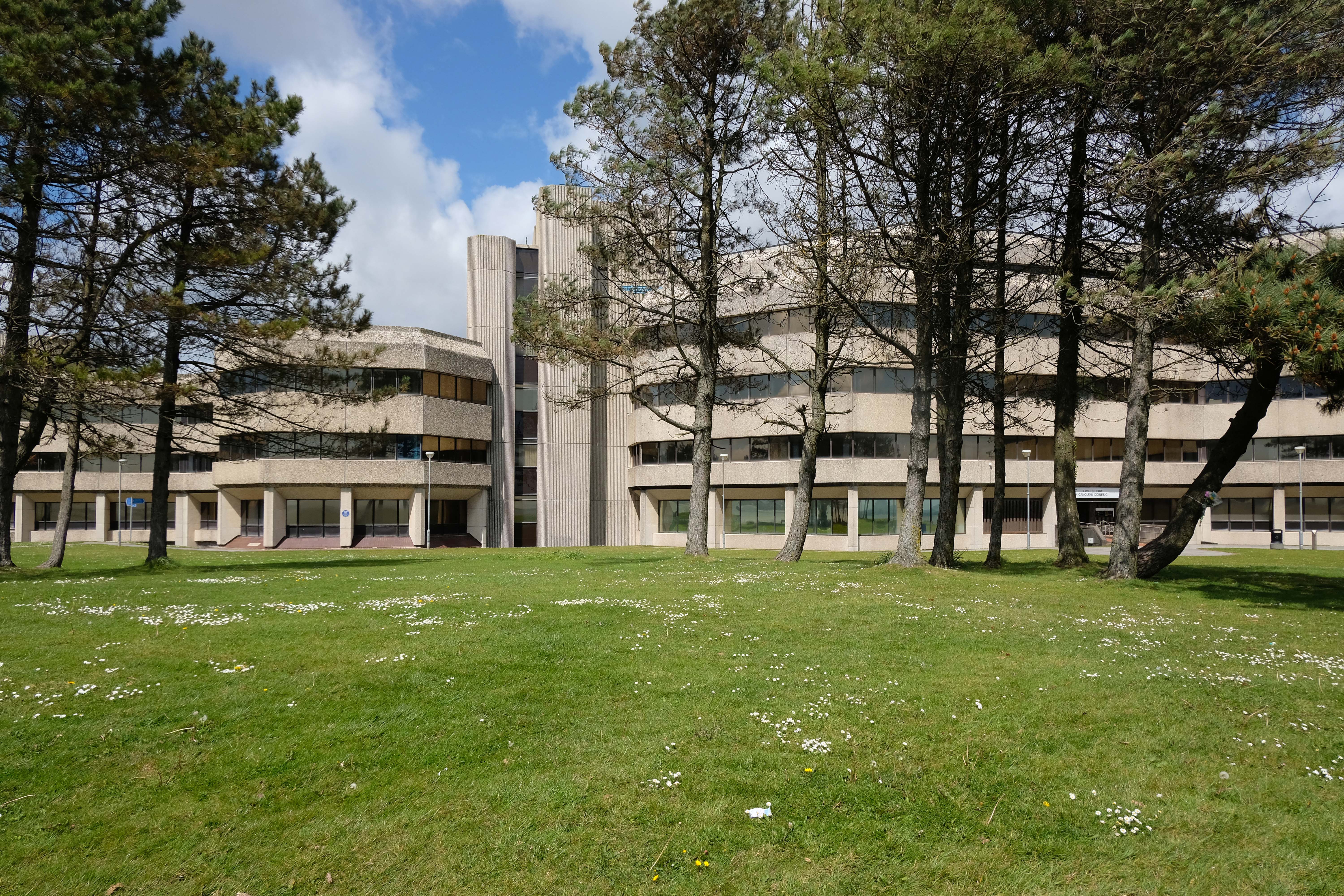
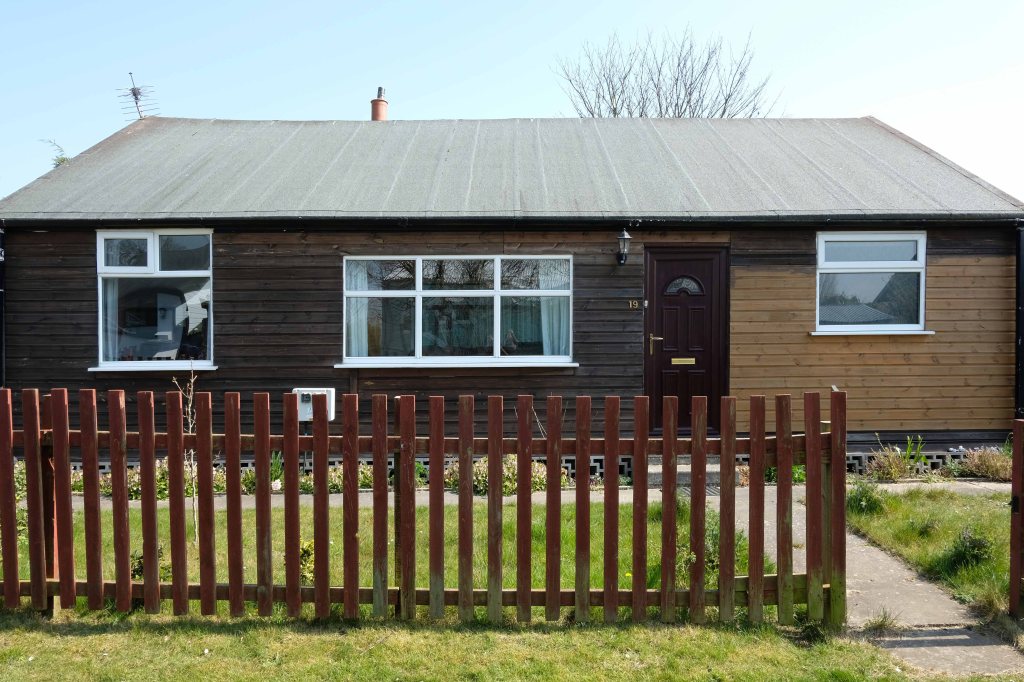
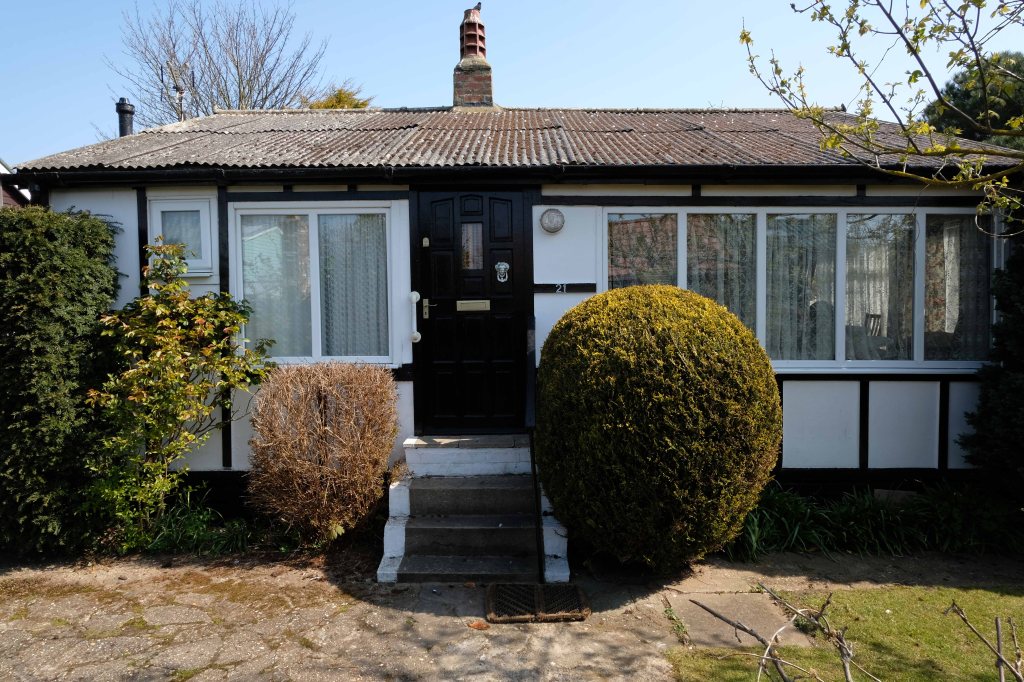
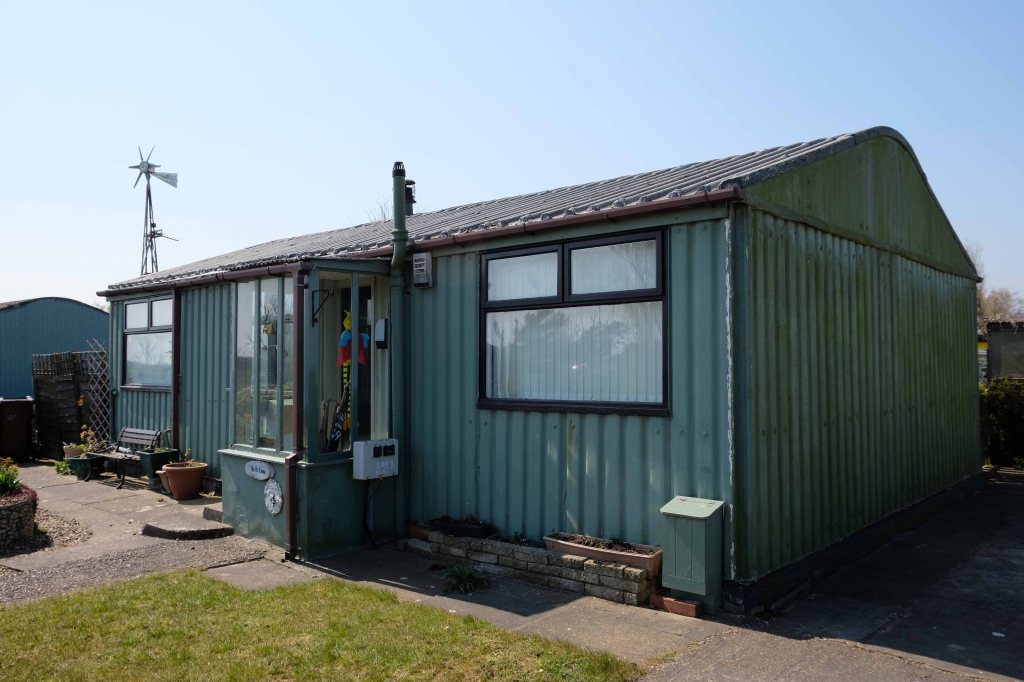
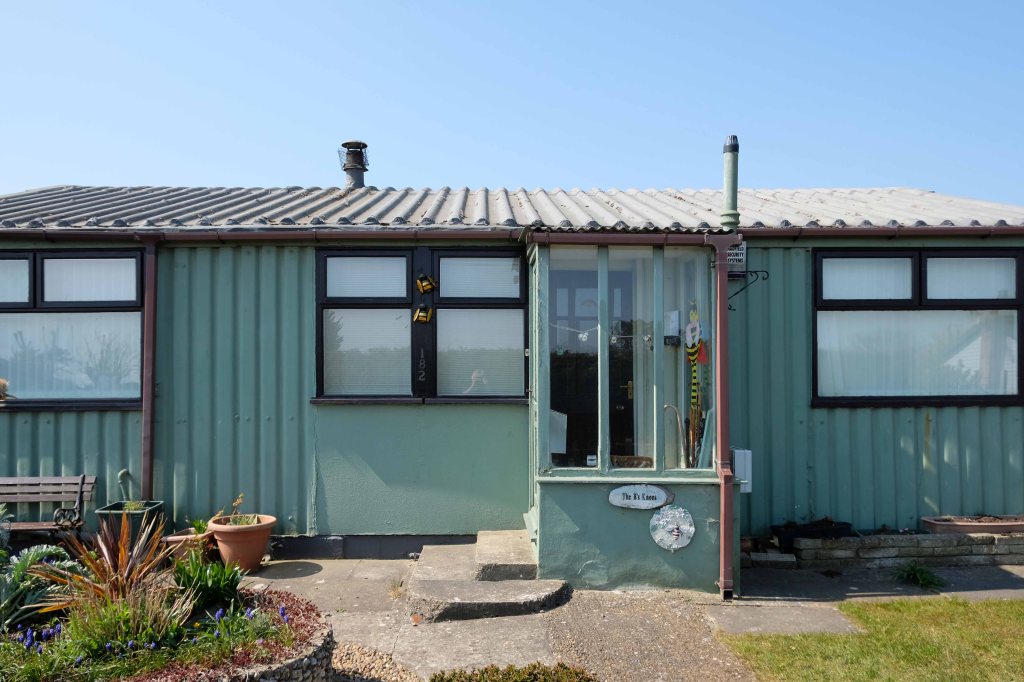
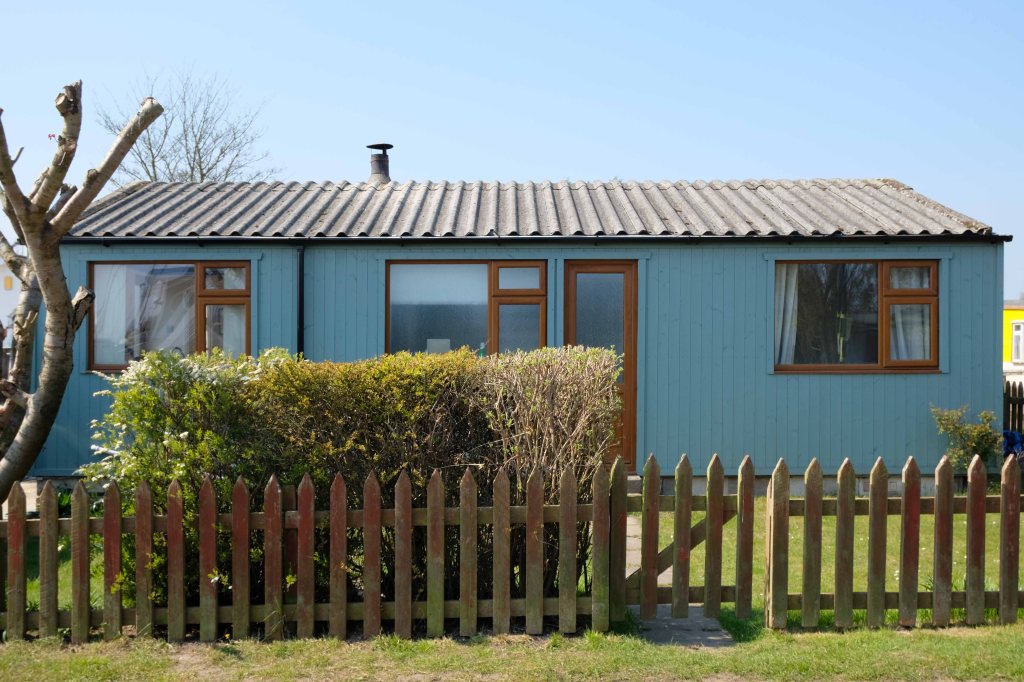
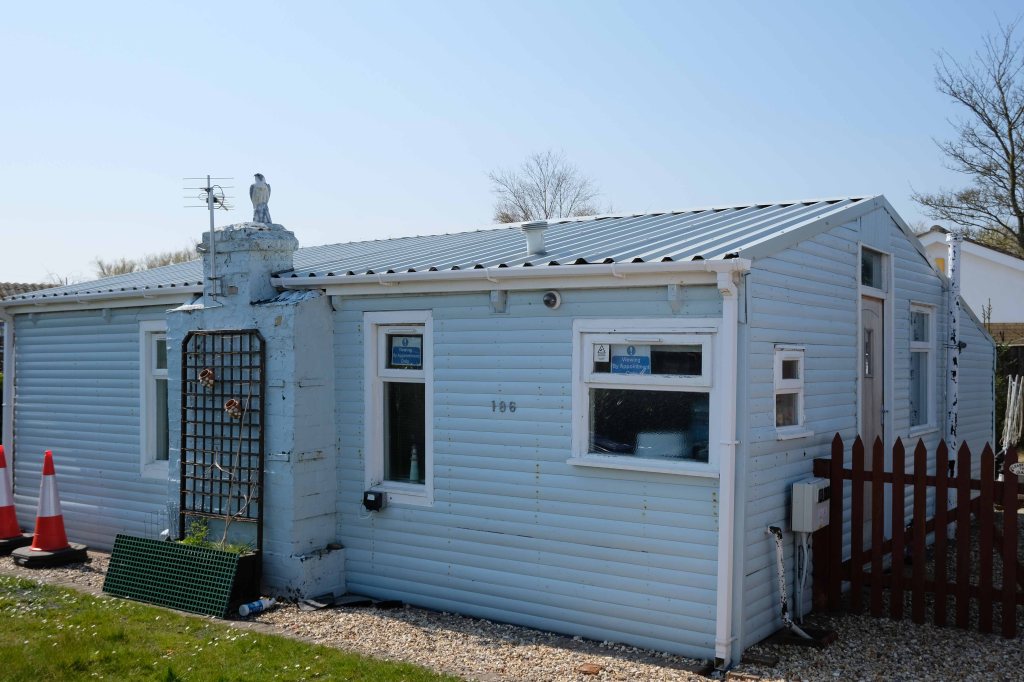
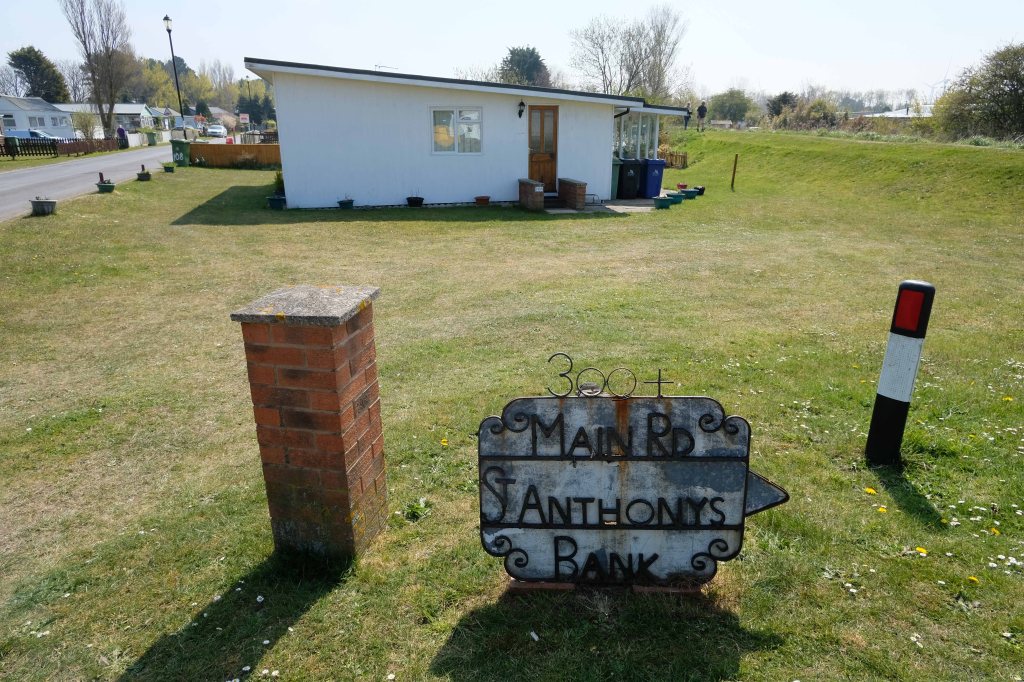
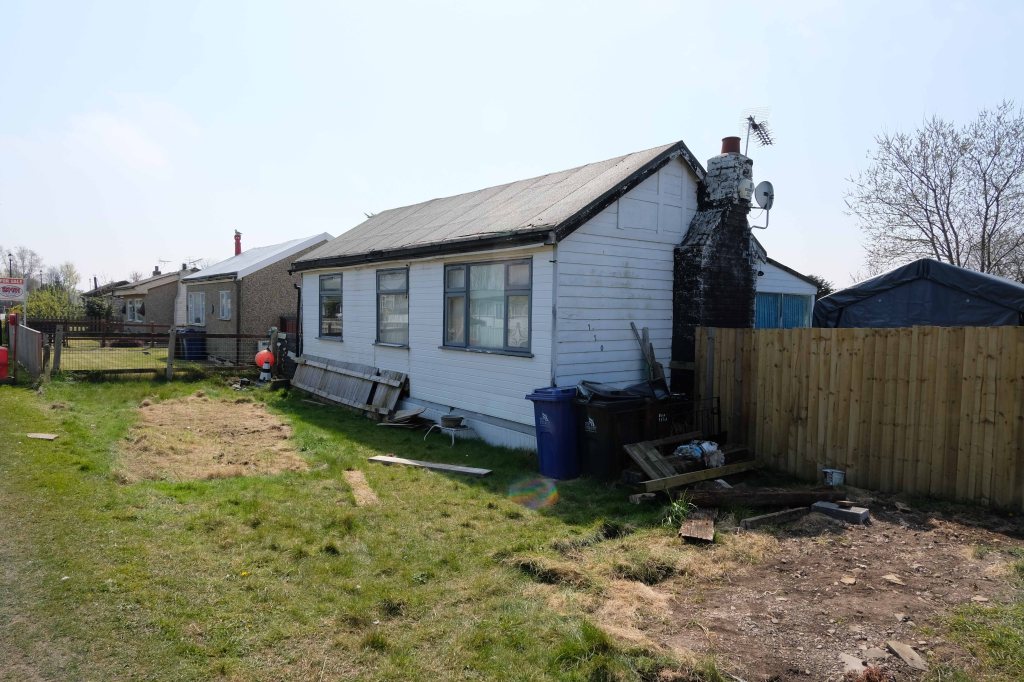
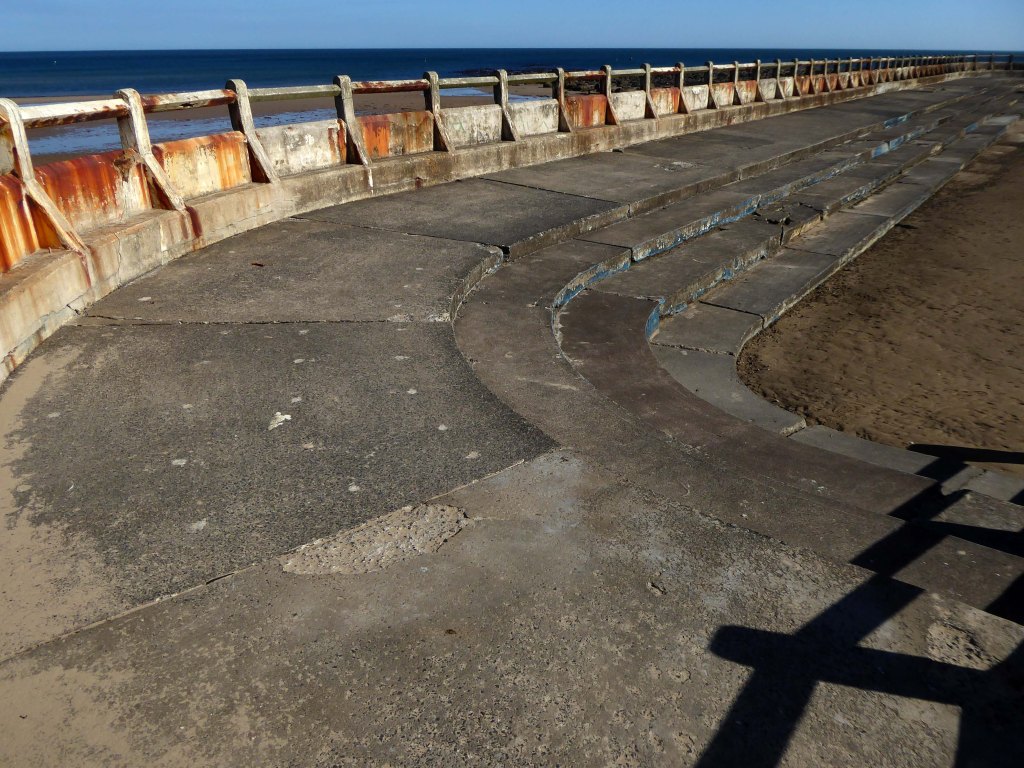
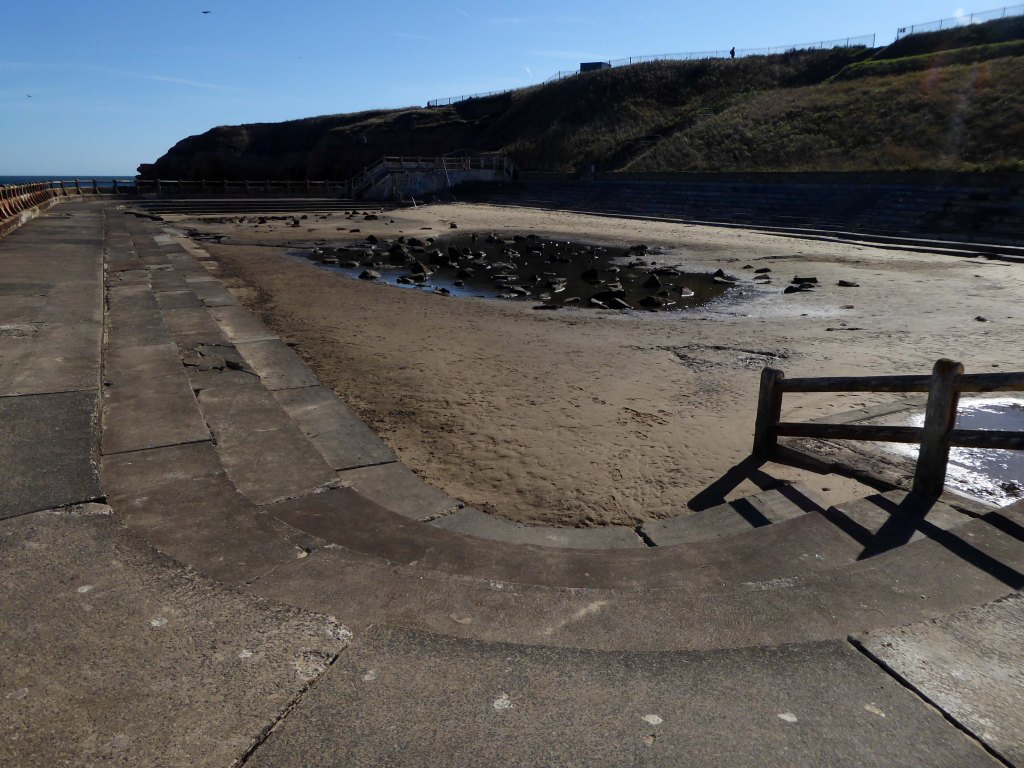
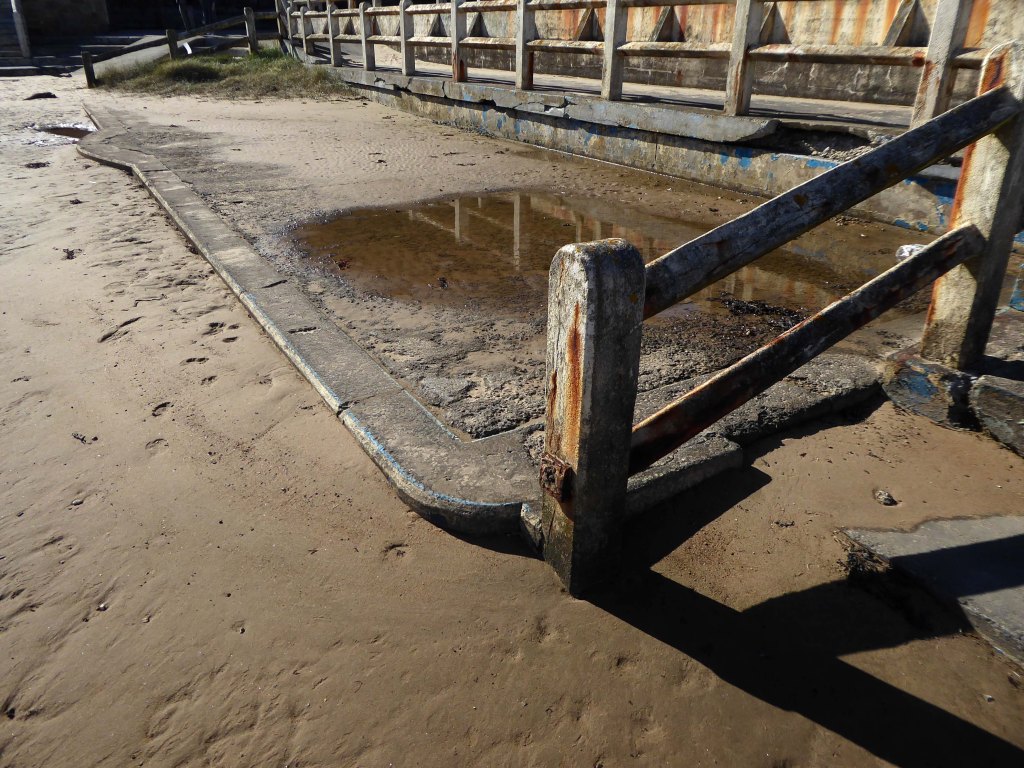
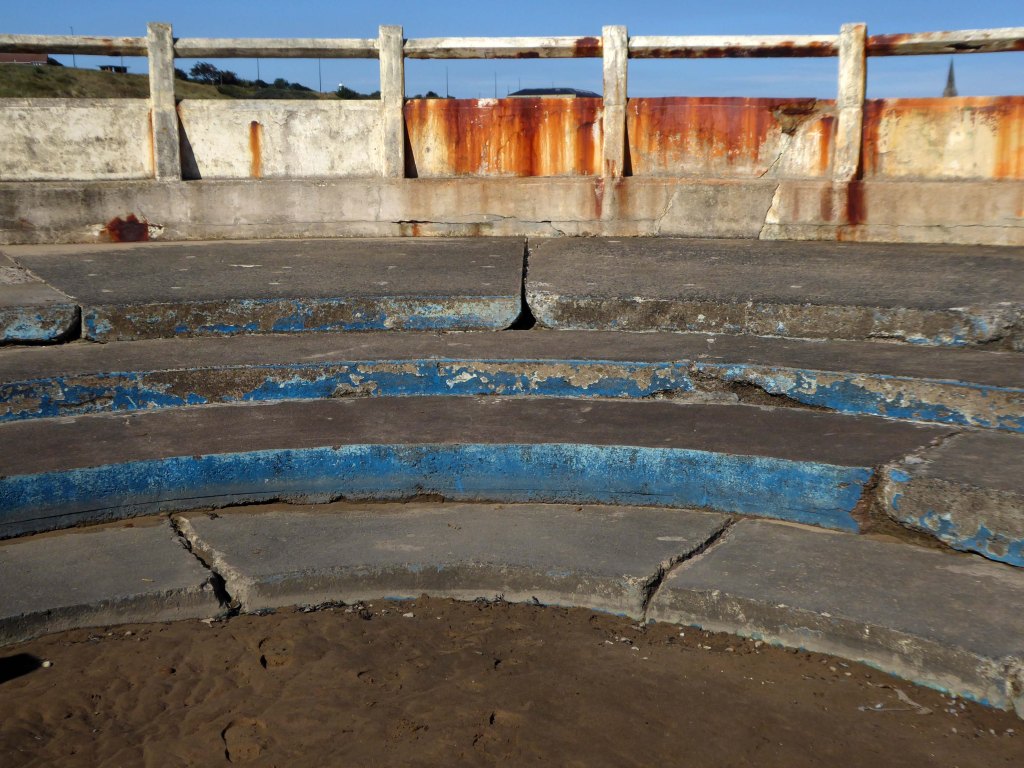
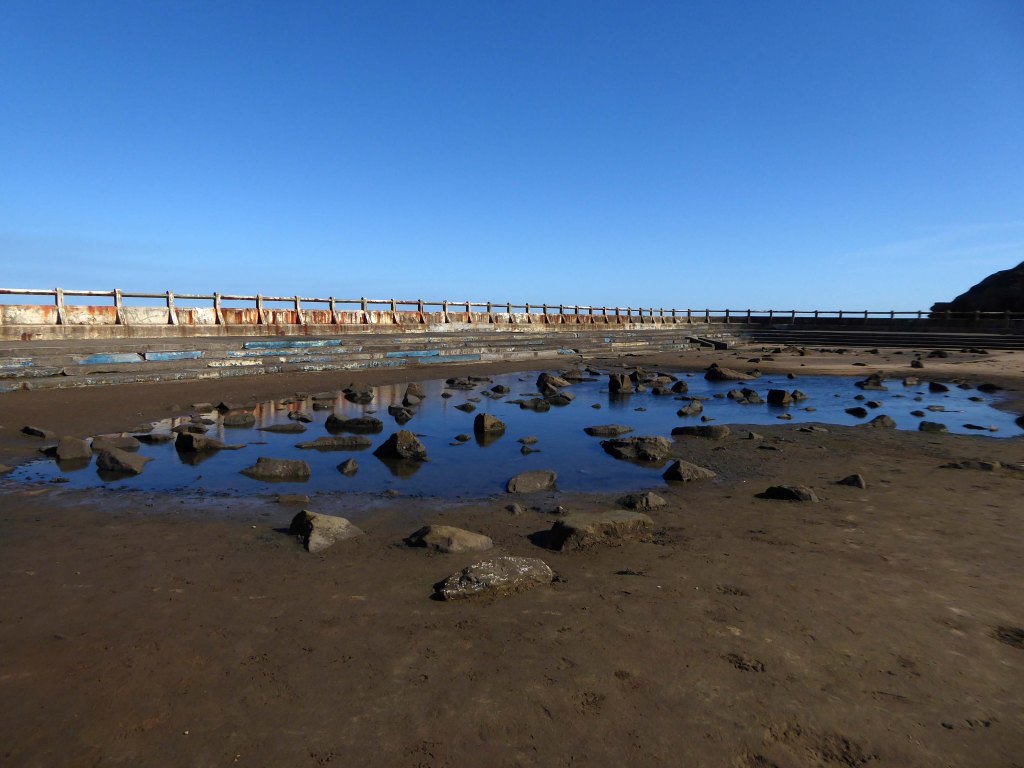
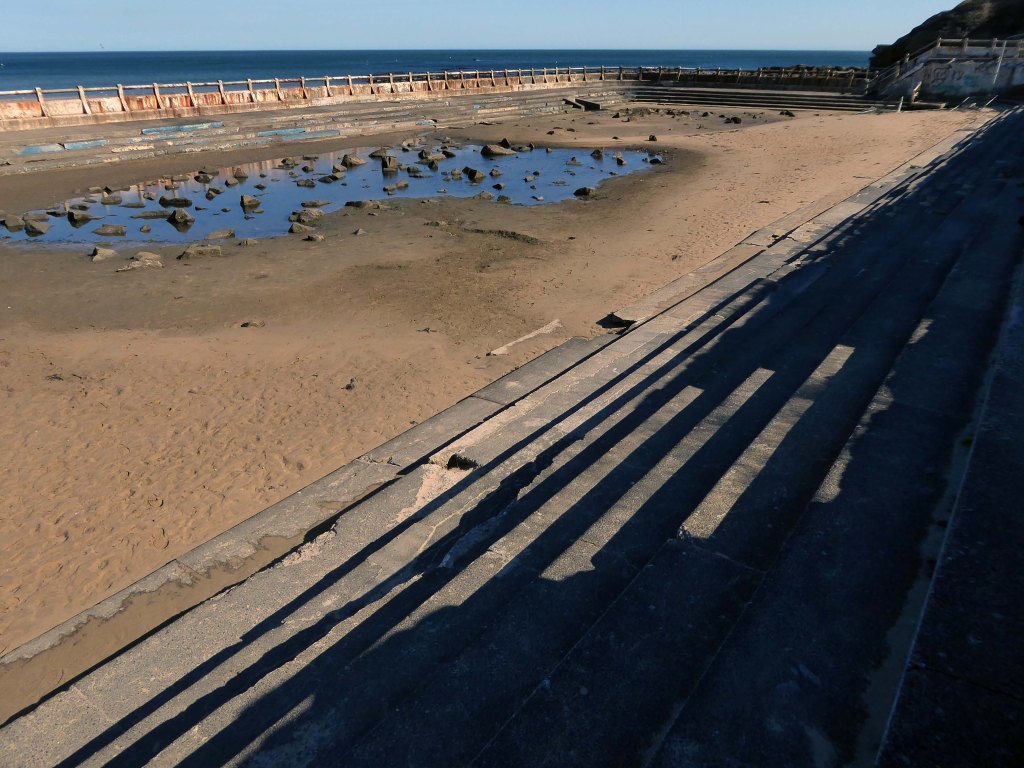
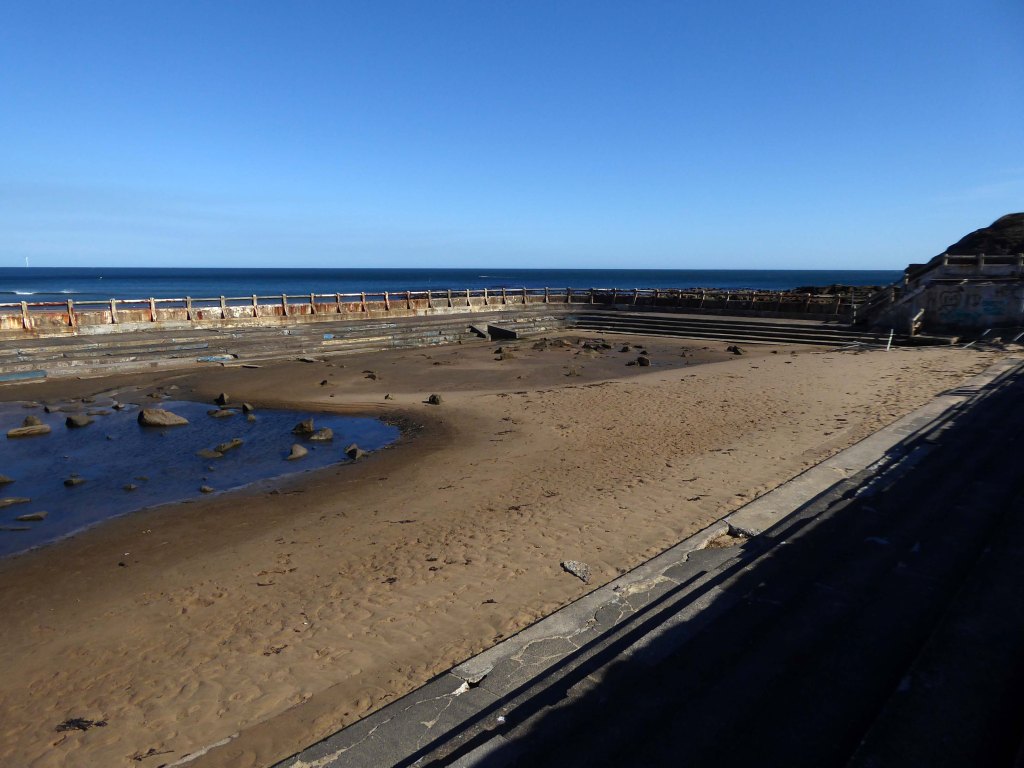
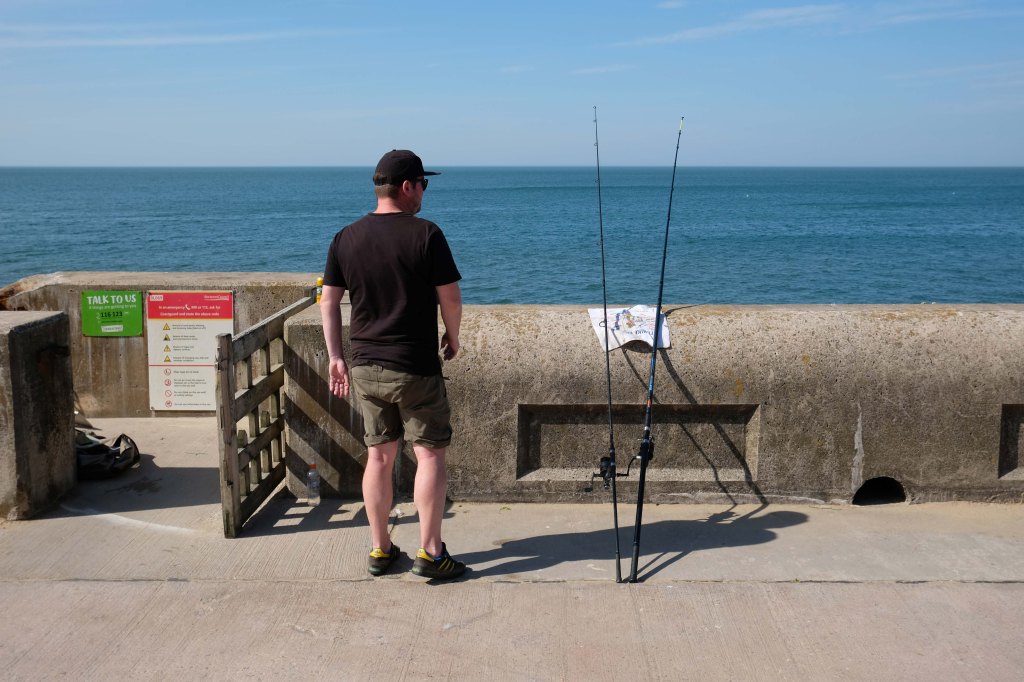
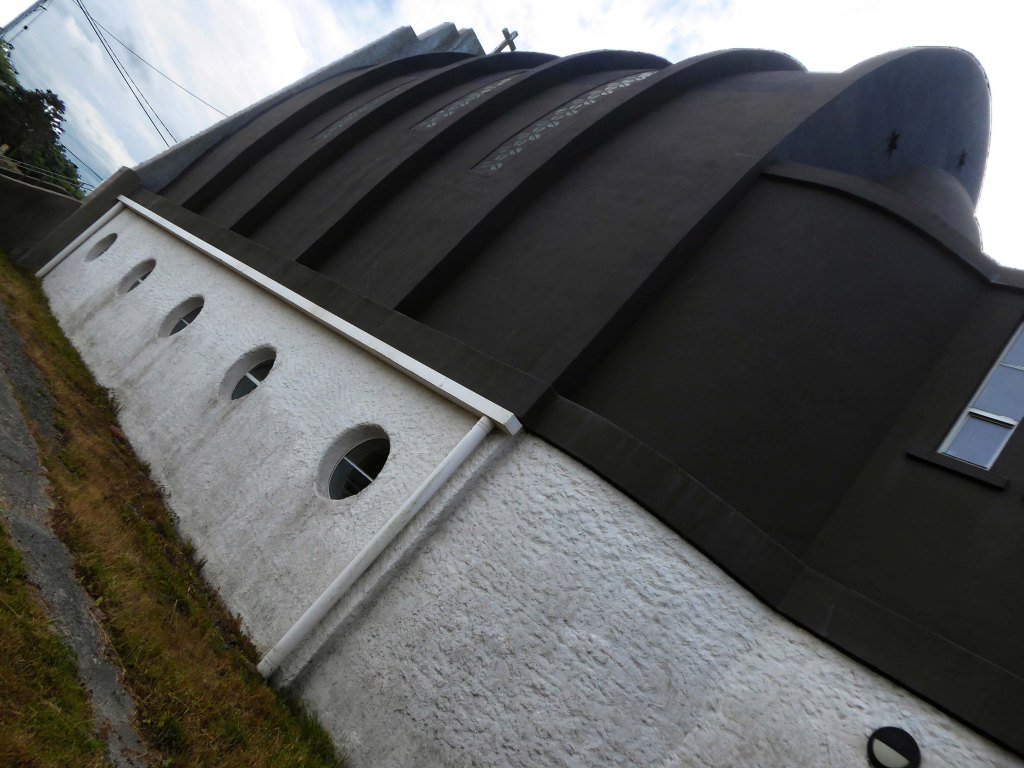
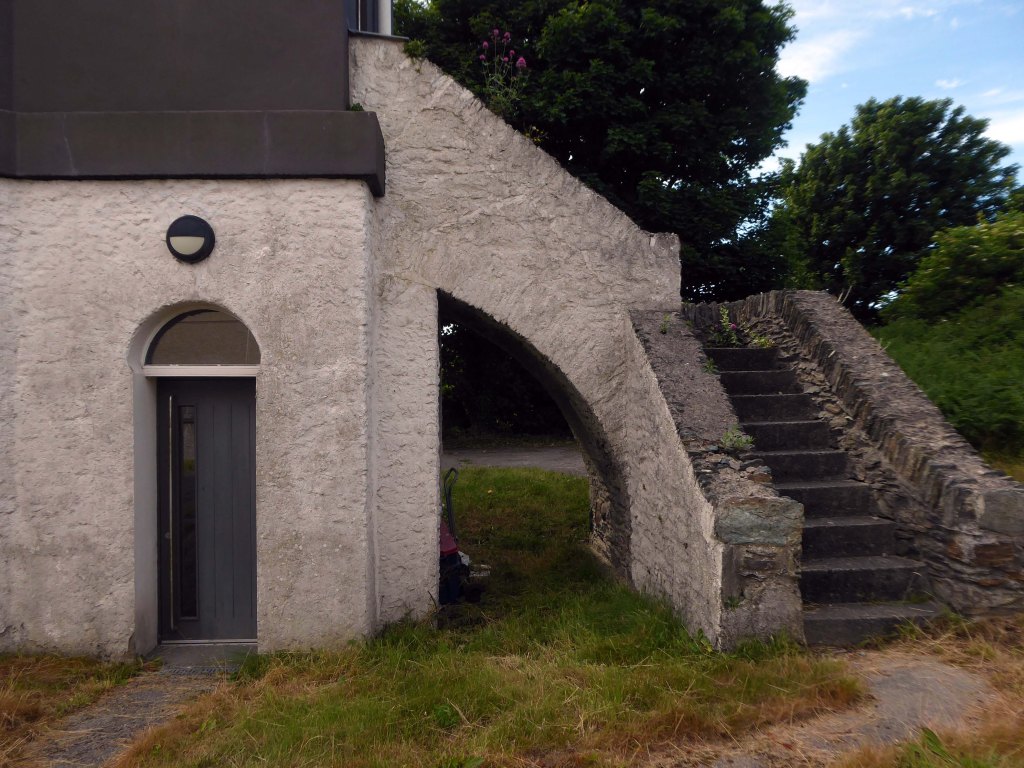
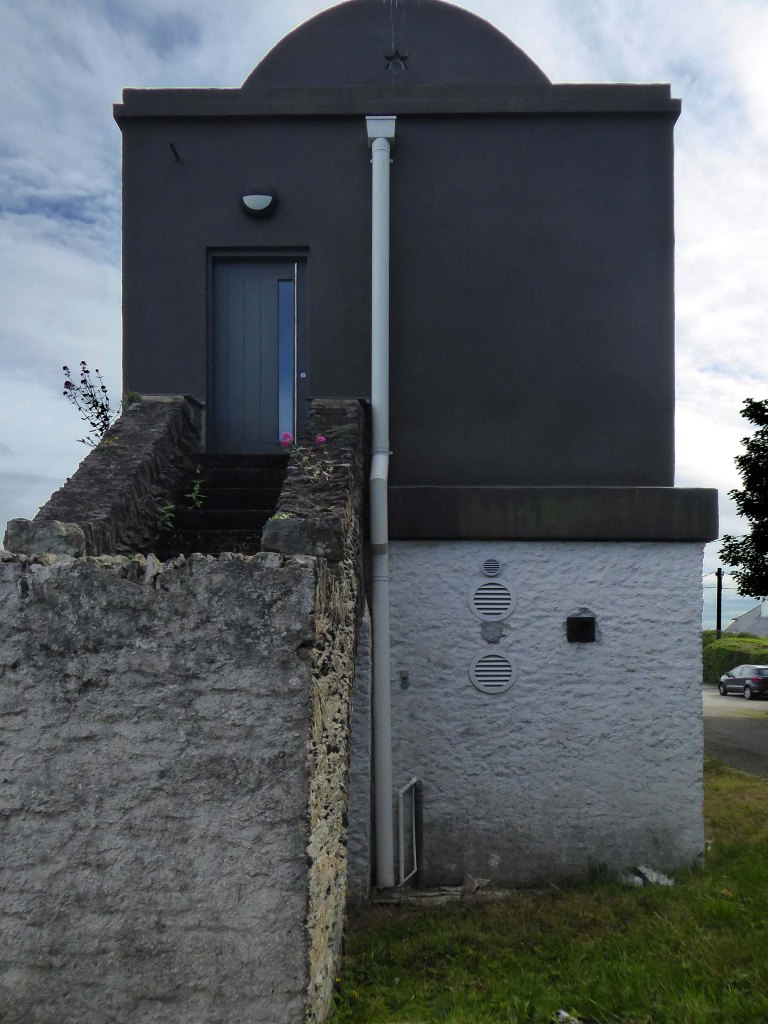
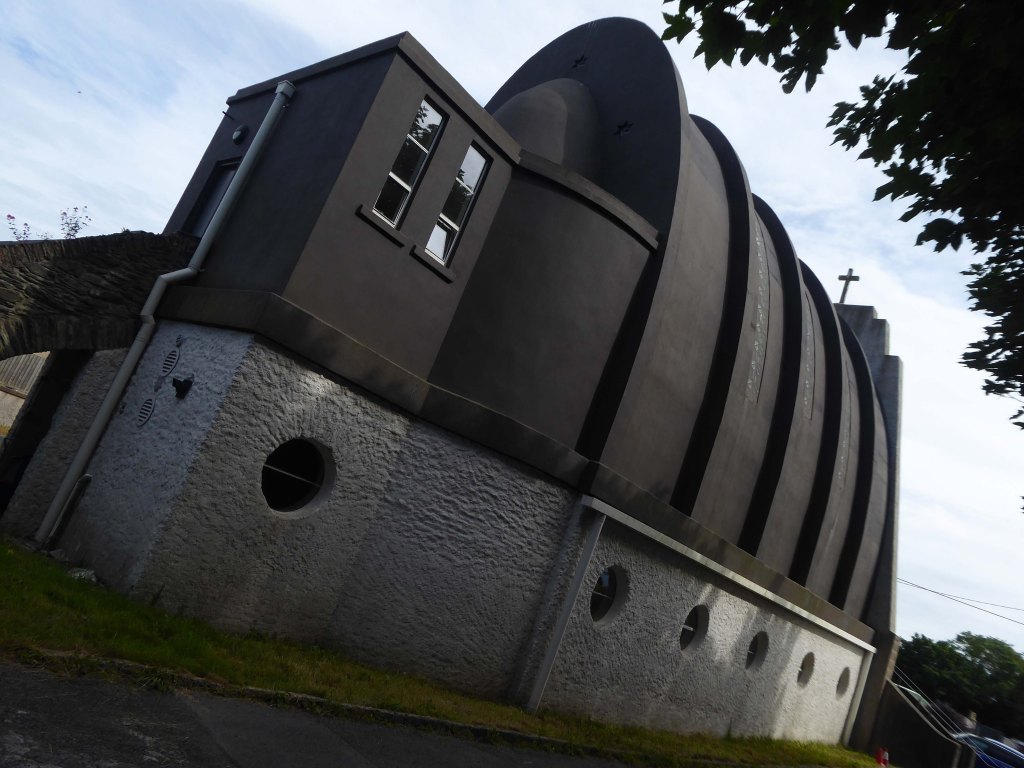
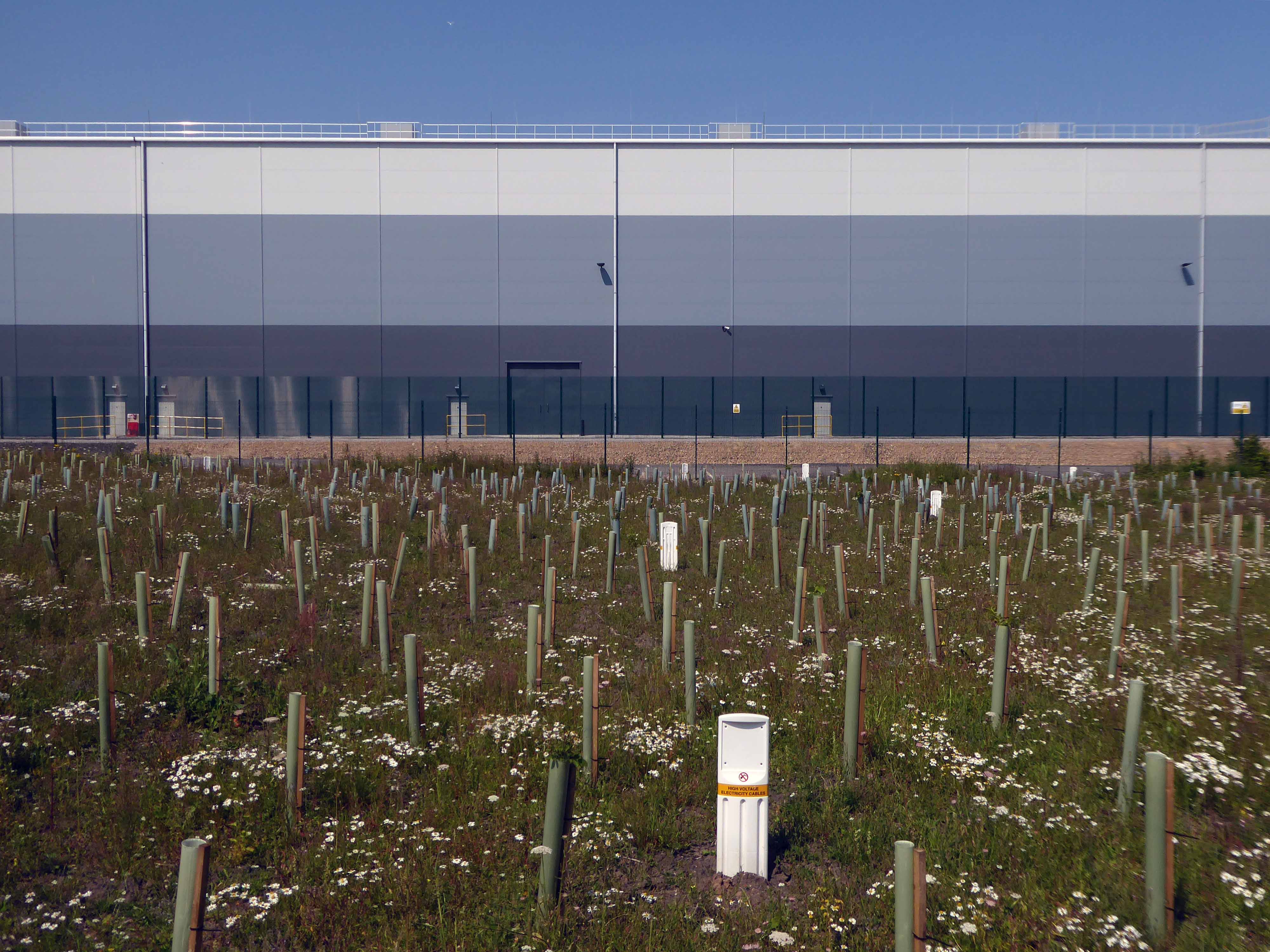
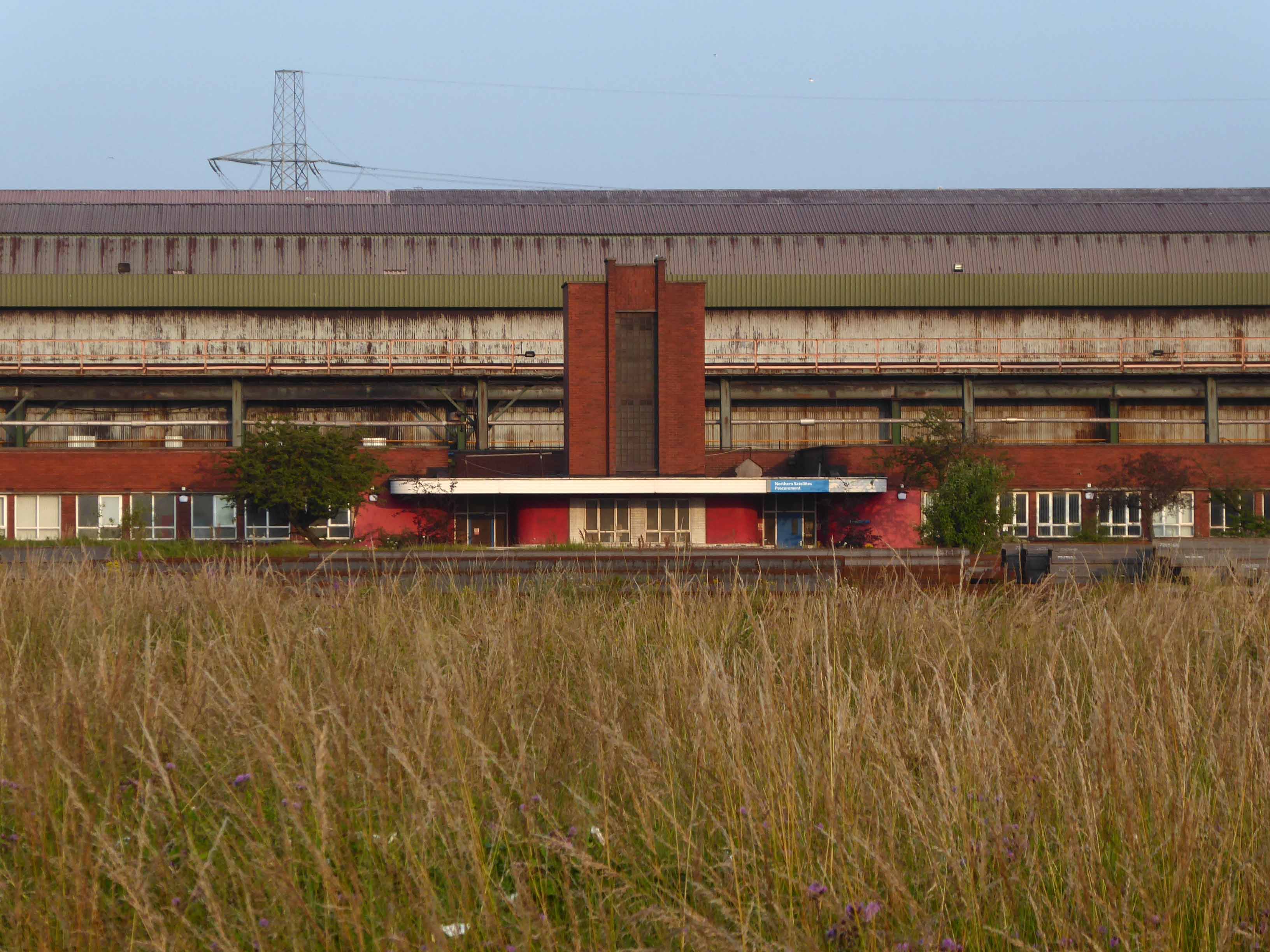
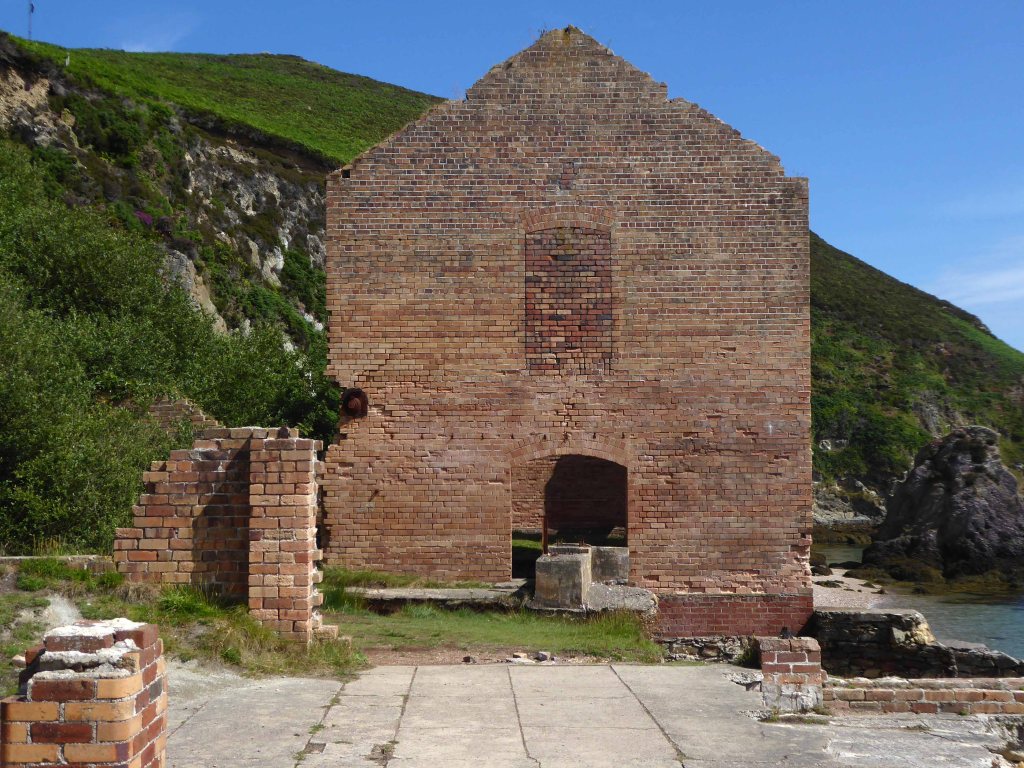
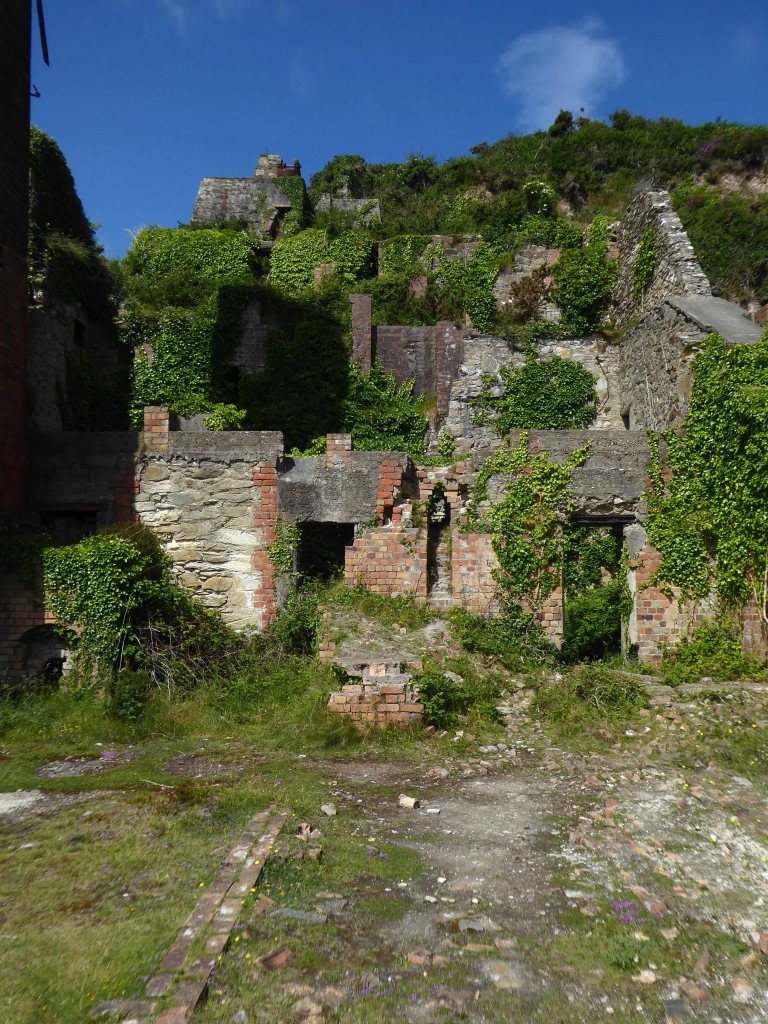
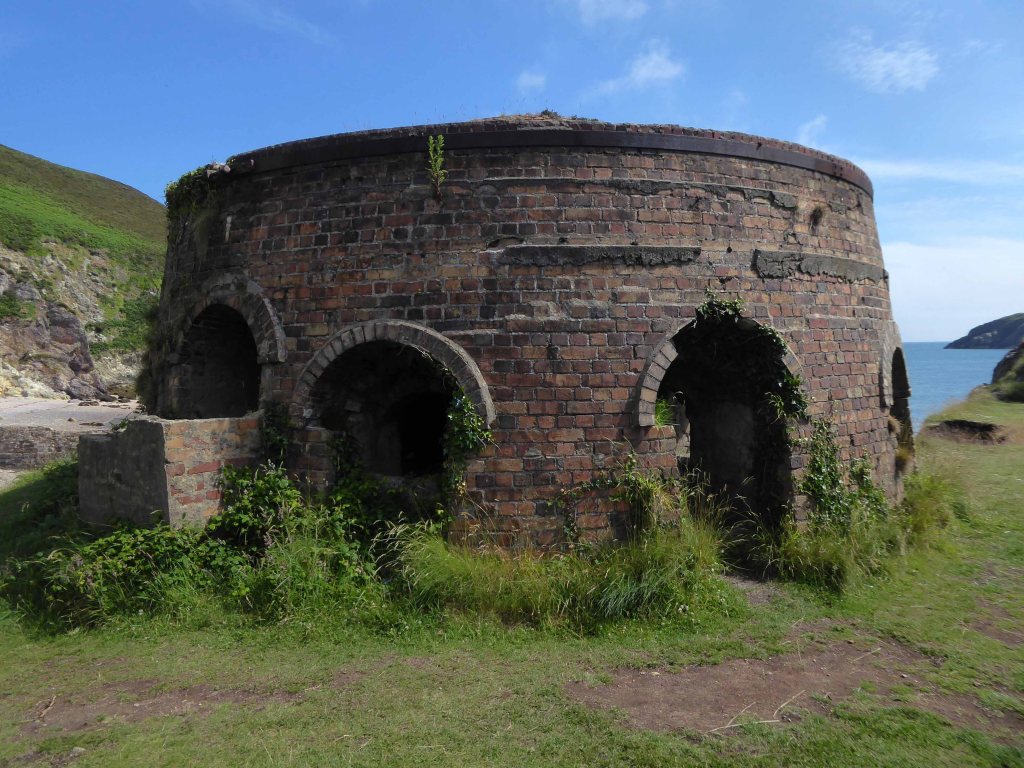
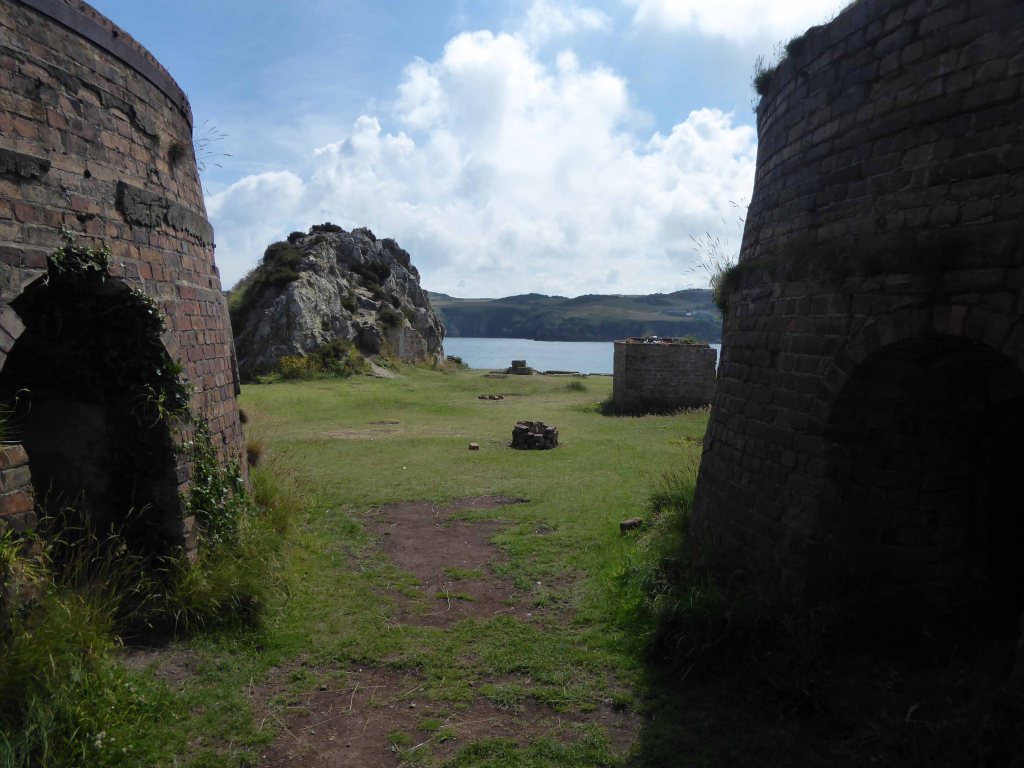
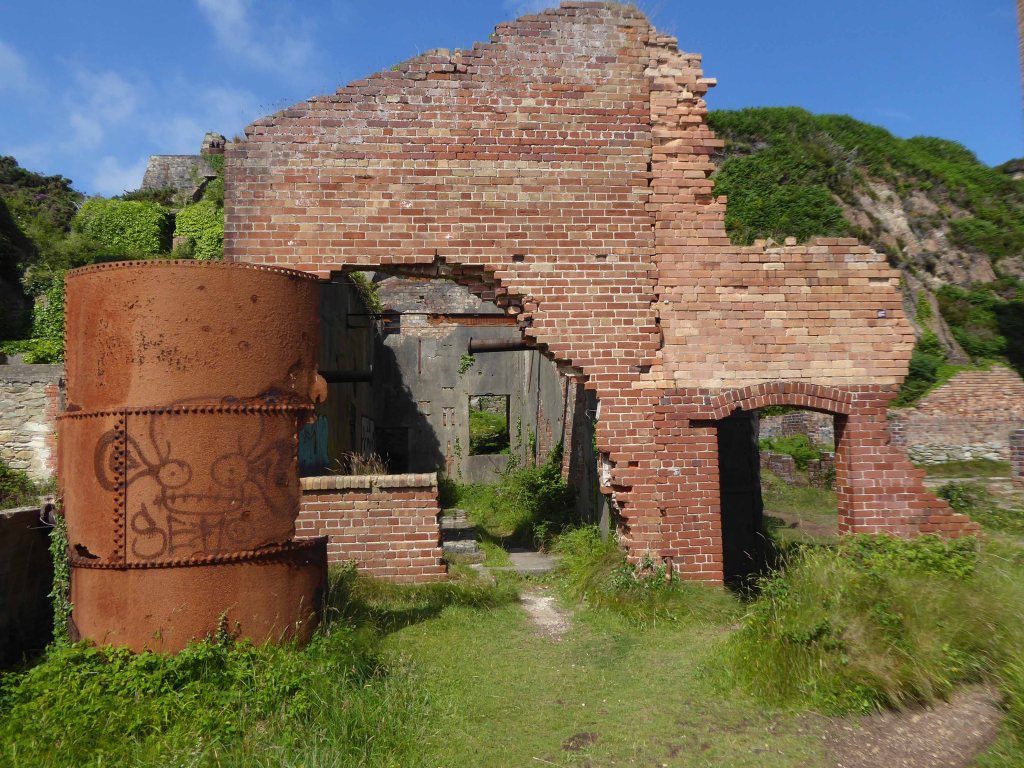
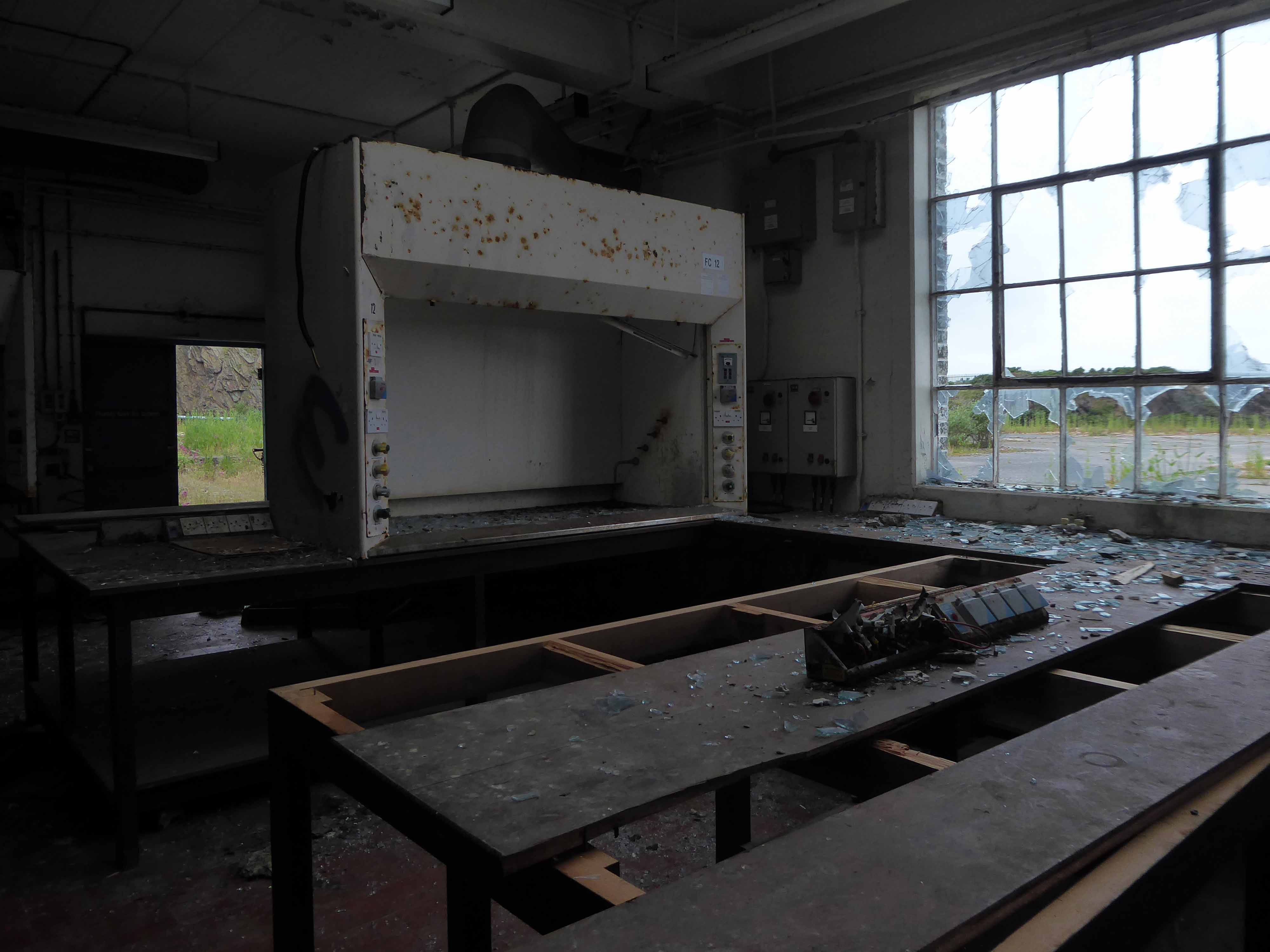
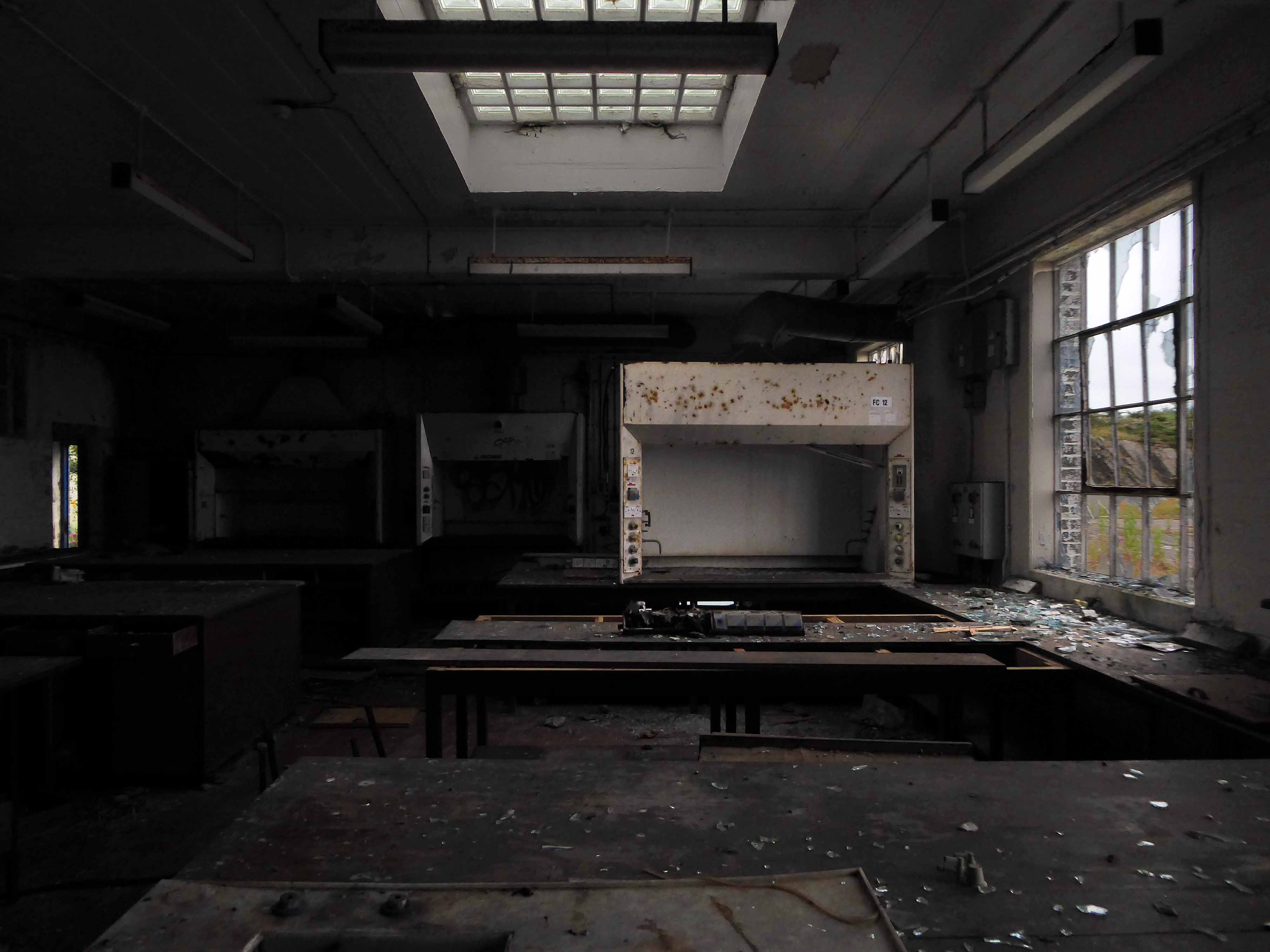
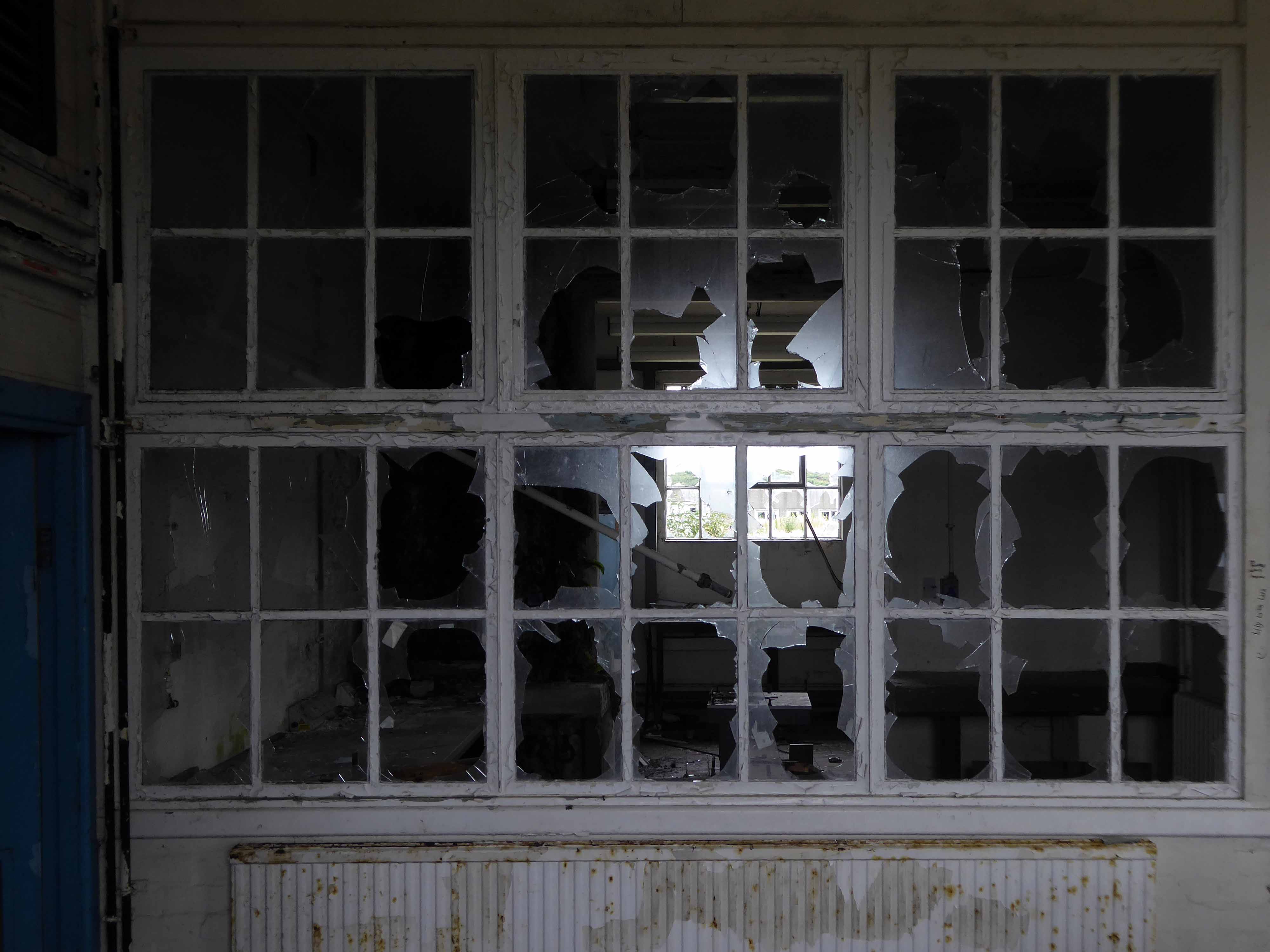
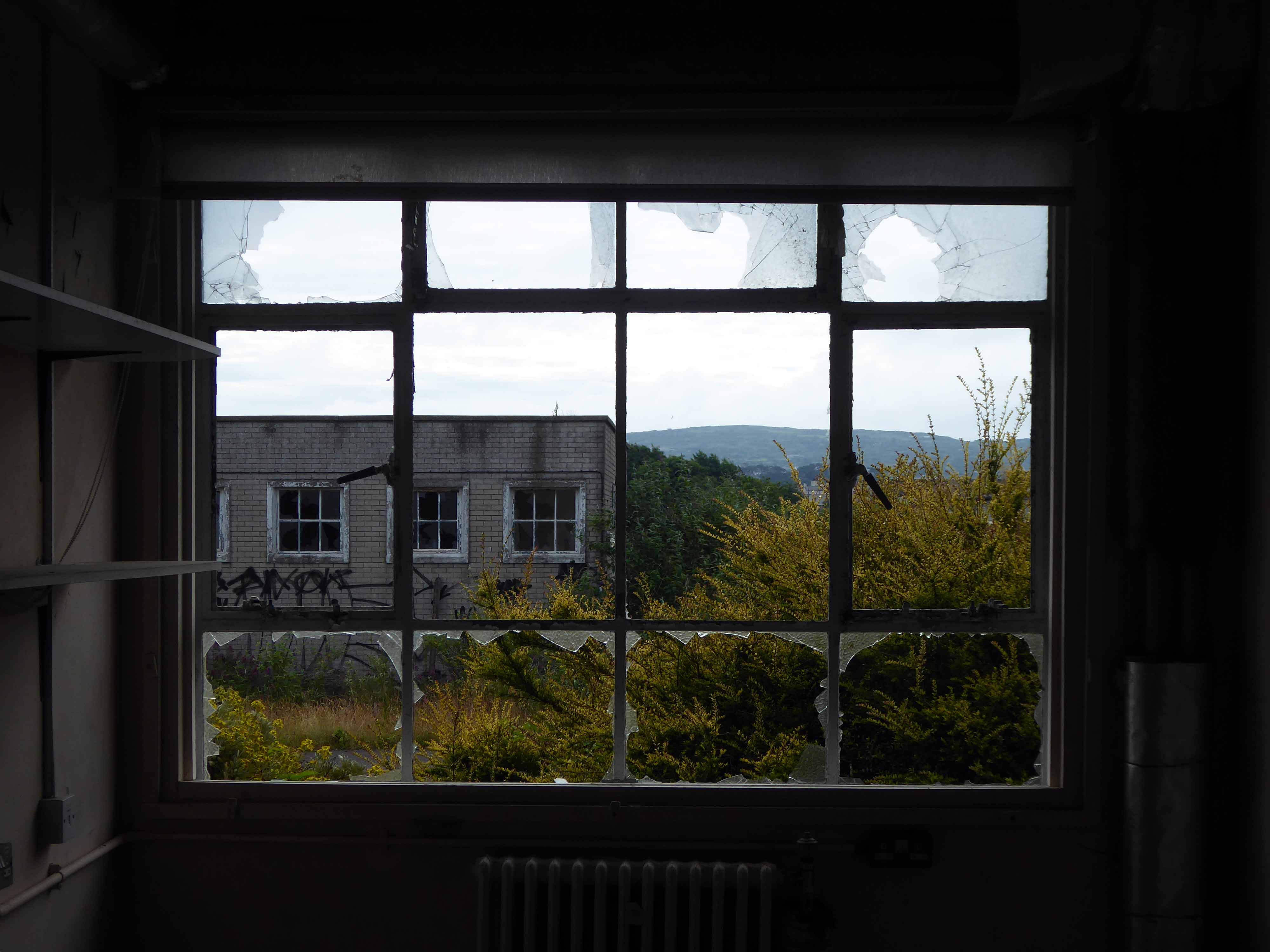
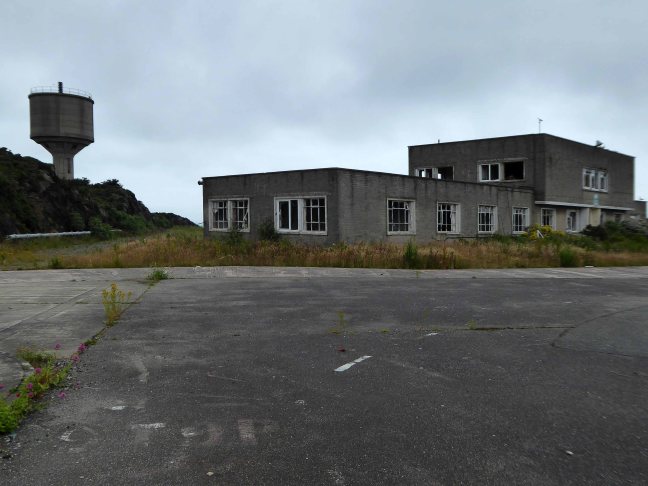
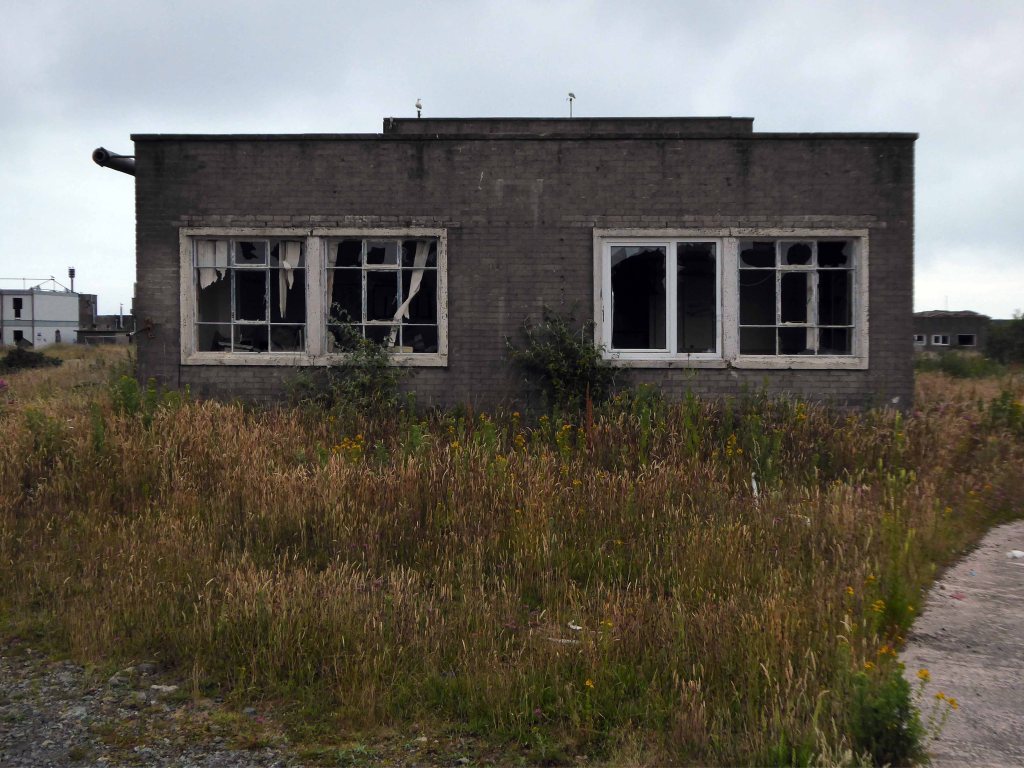
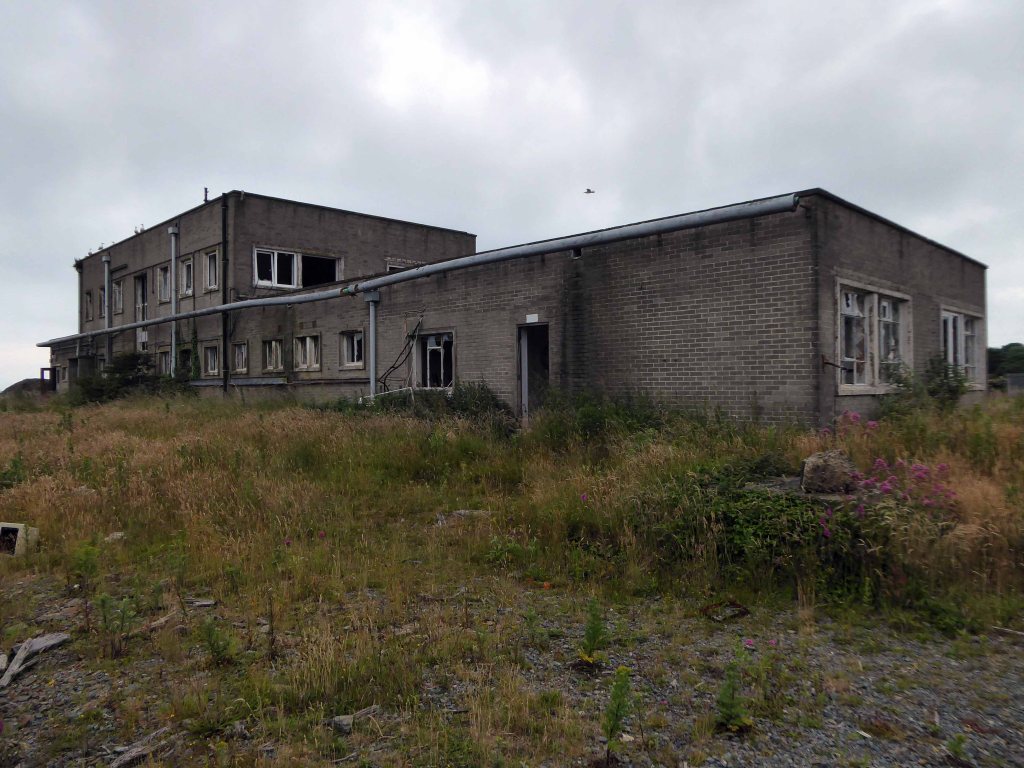
Having appraised the exteriors and pumping infrastructure, let us now consider the interior life of the site.

A site where a myriad working lives once unfolded – labourers, technicians, maintenance staff, administrators and managers.

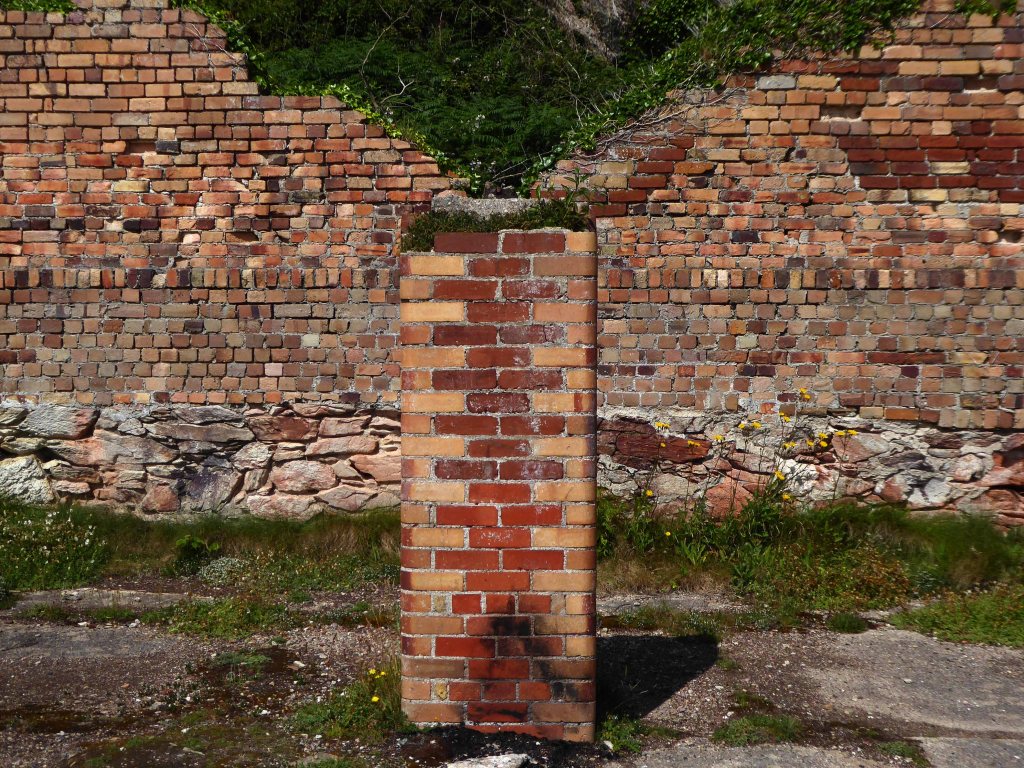
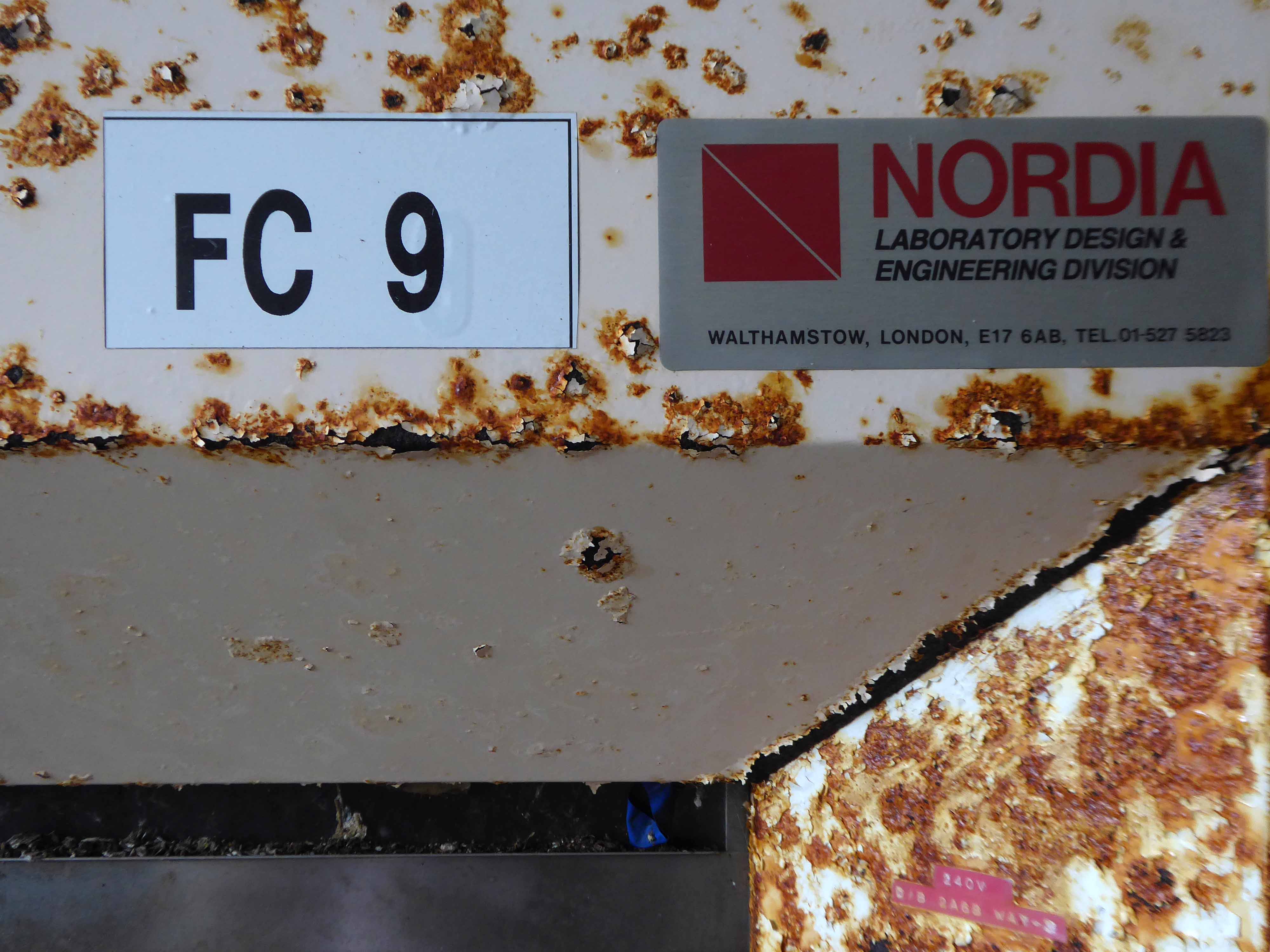
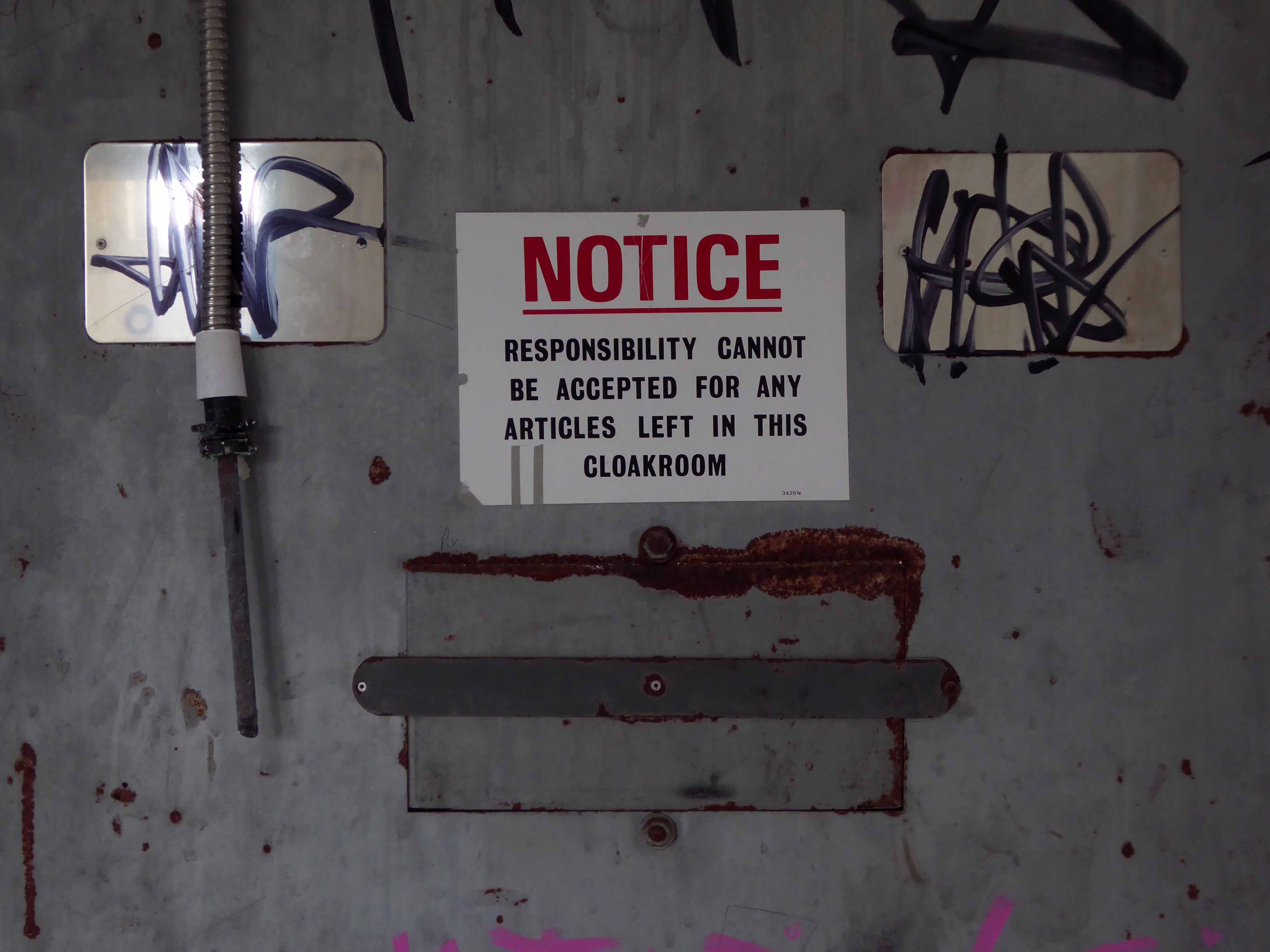
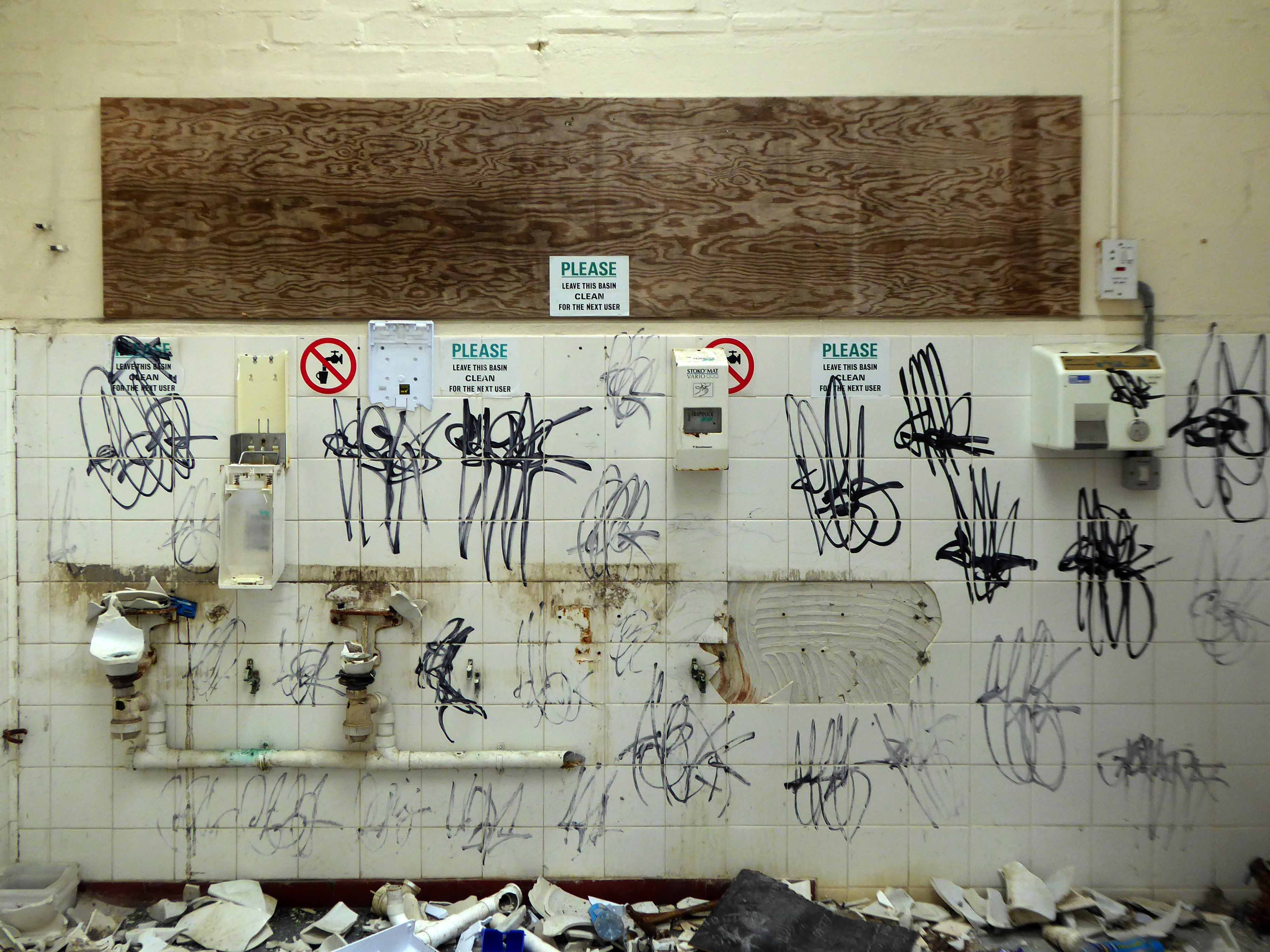
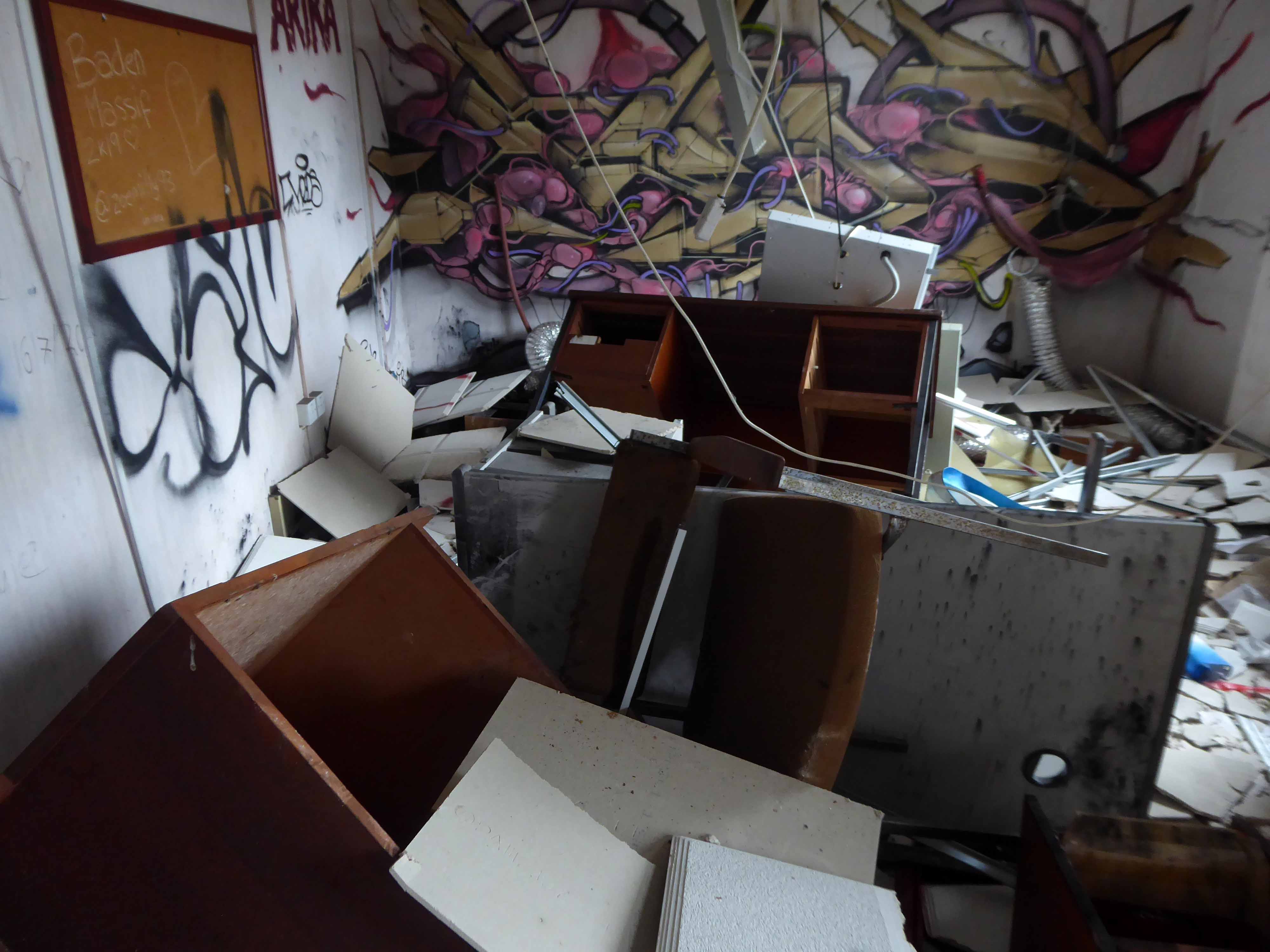
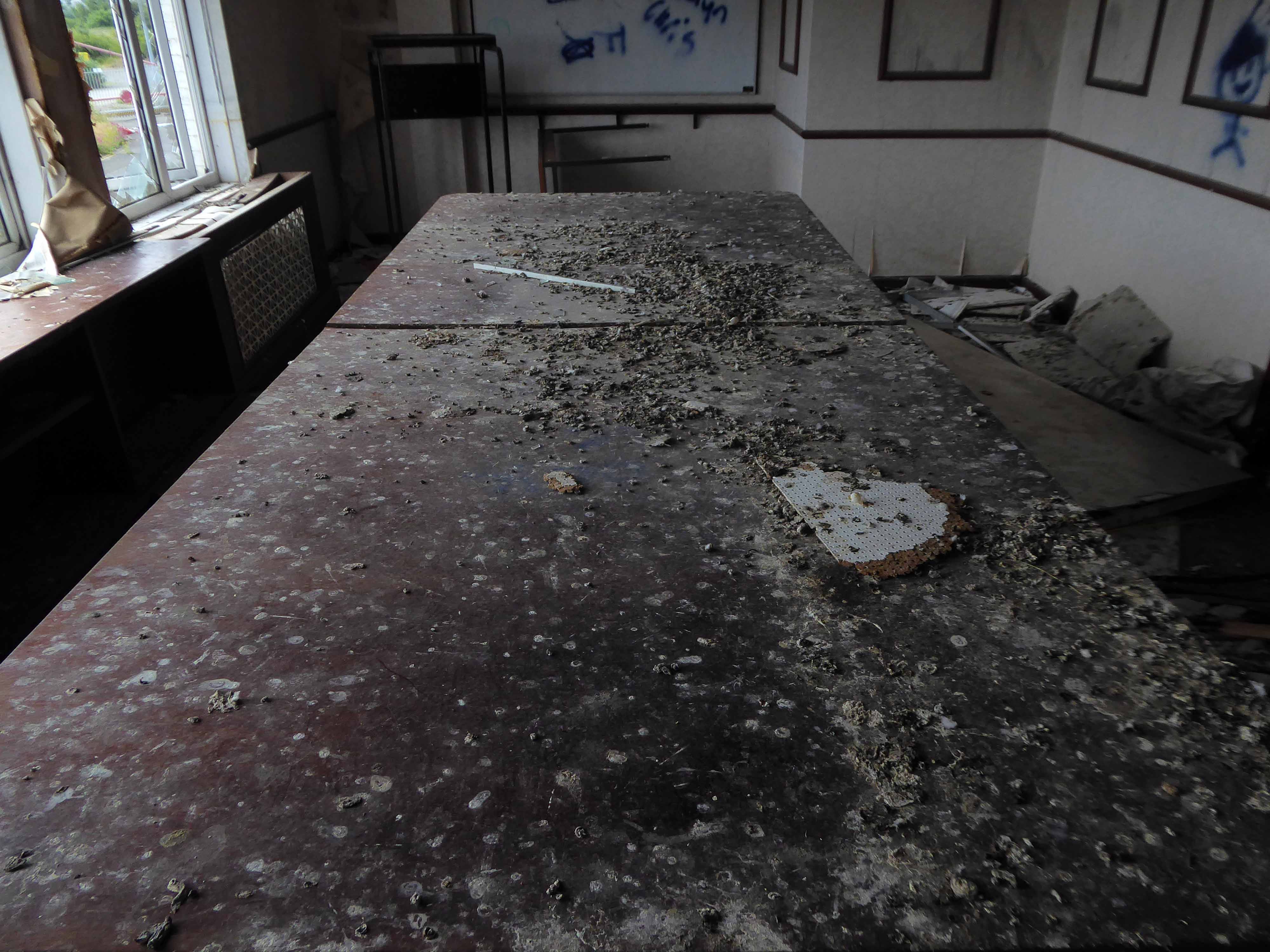
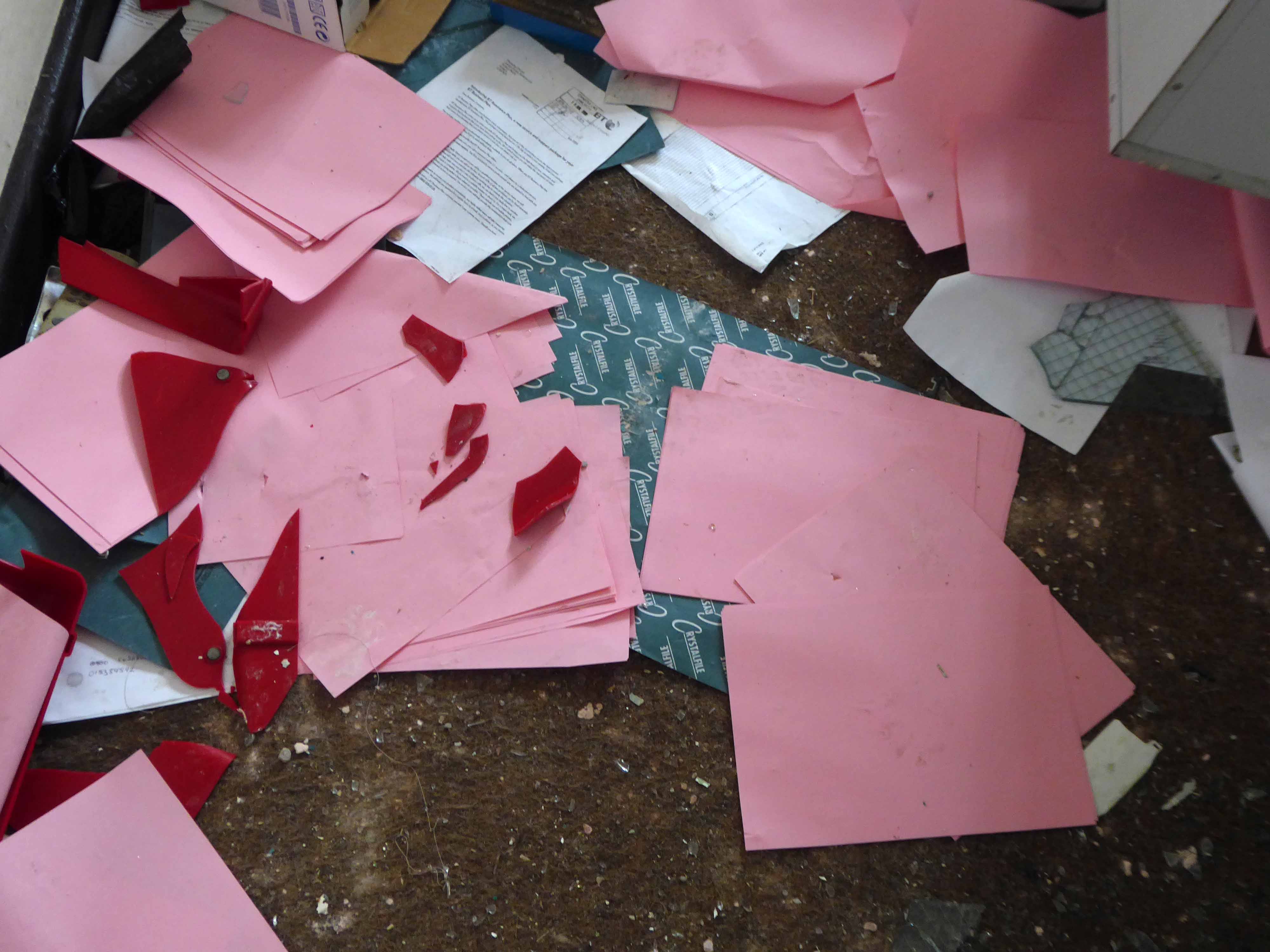
They are now but fleeting shadows, their documents strewn across upturned furniture, empty lockers their standing open and untended, laboratories whose processes have ceased. A chaotic canteen with no-one to cook for, unsafe safety suits and unwashed washrooms.

Home now to pigeons, gulls and swallows alone.

The disconnected telephone remains unanswered.

Octel Amlwch – Pumping

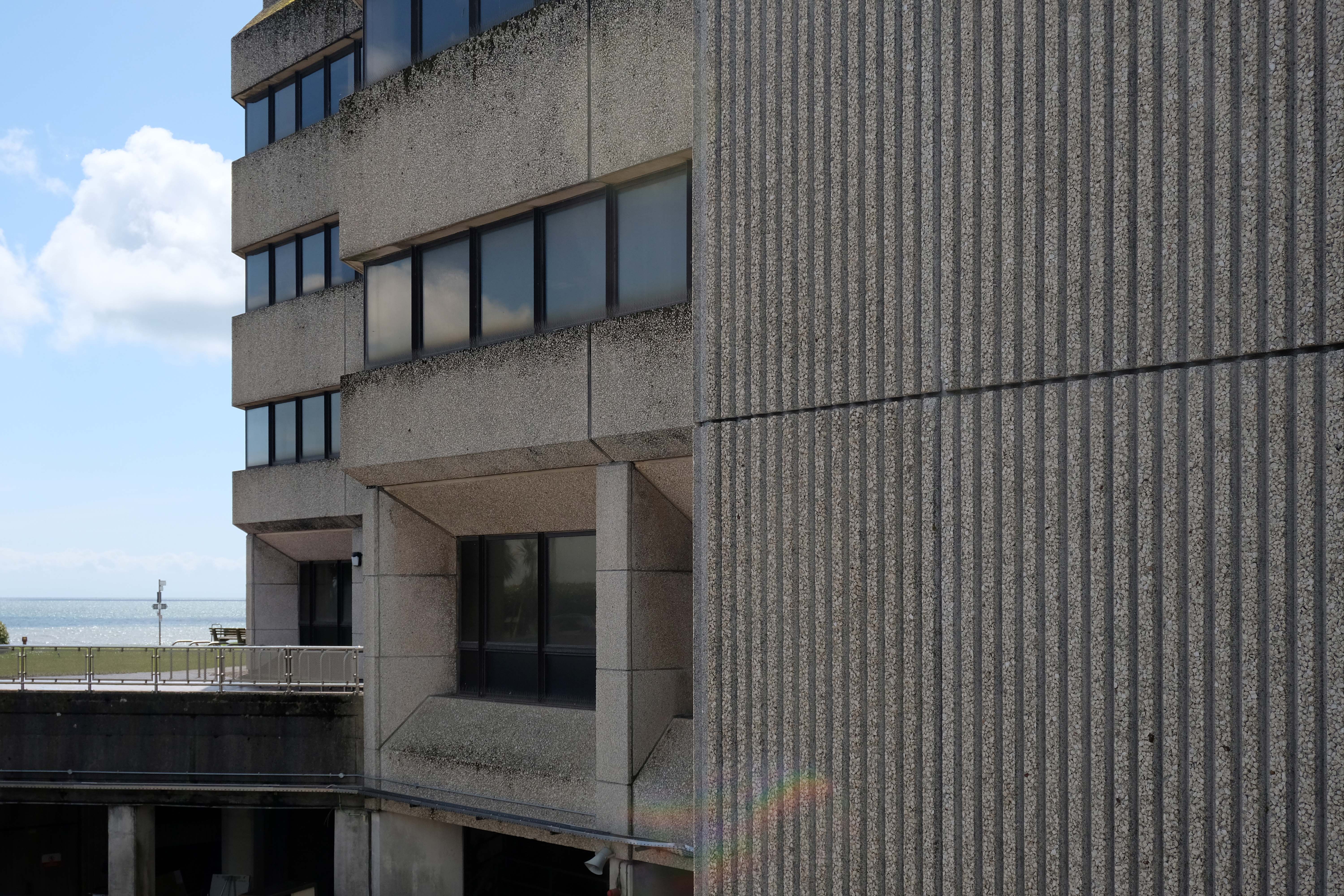
We have taken a trip around the extant exteriors of the processing plant.

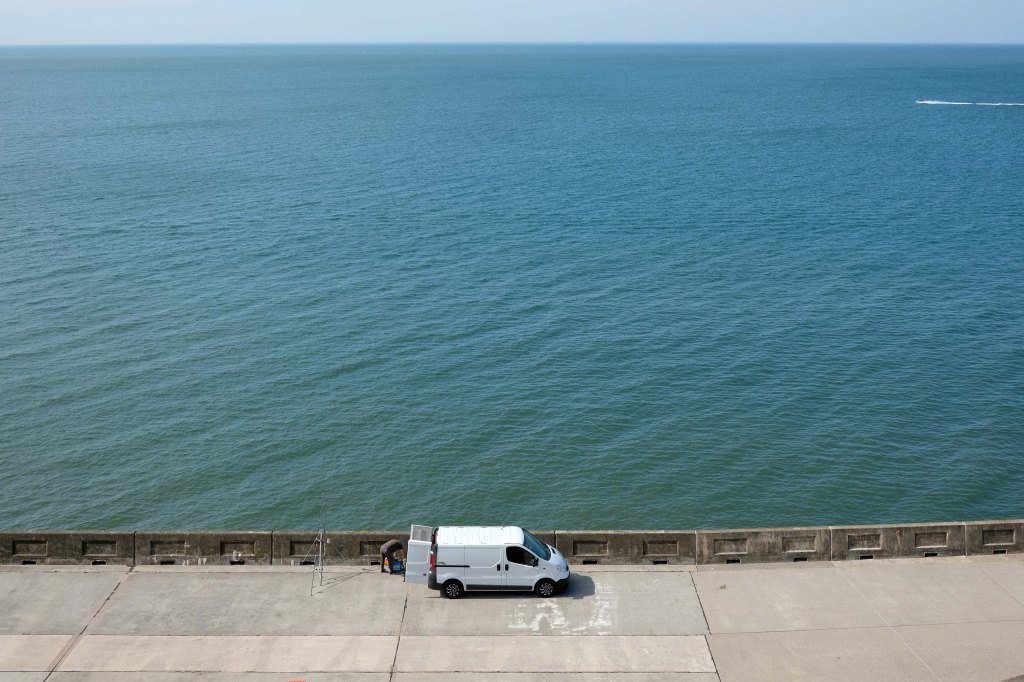
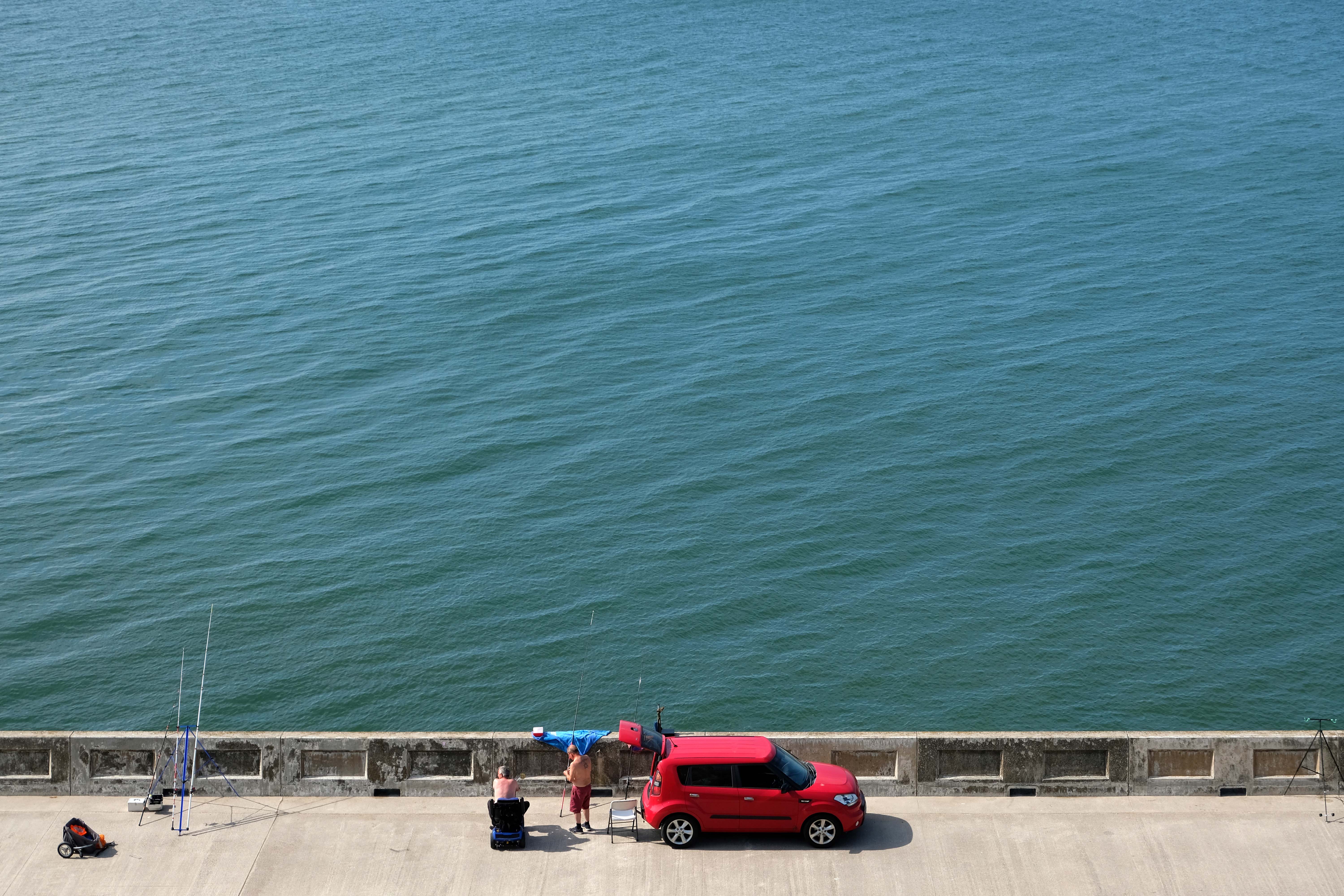
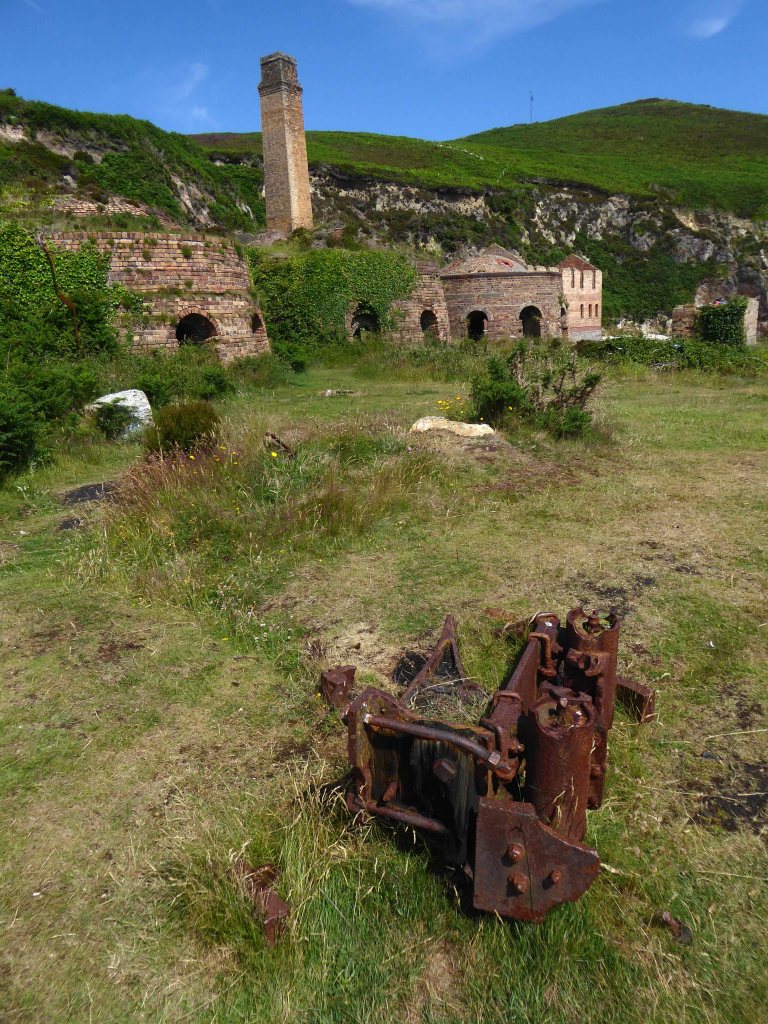
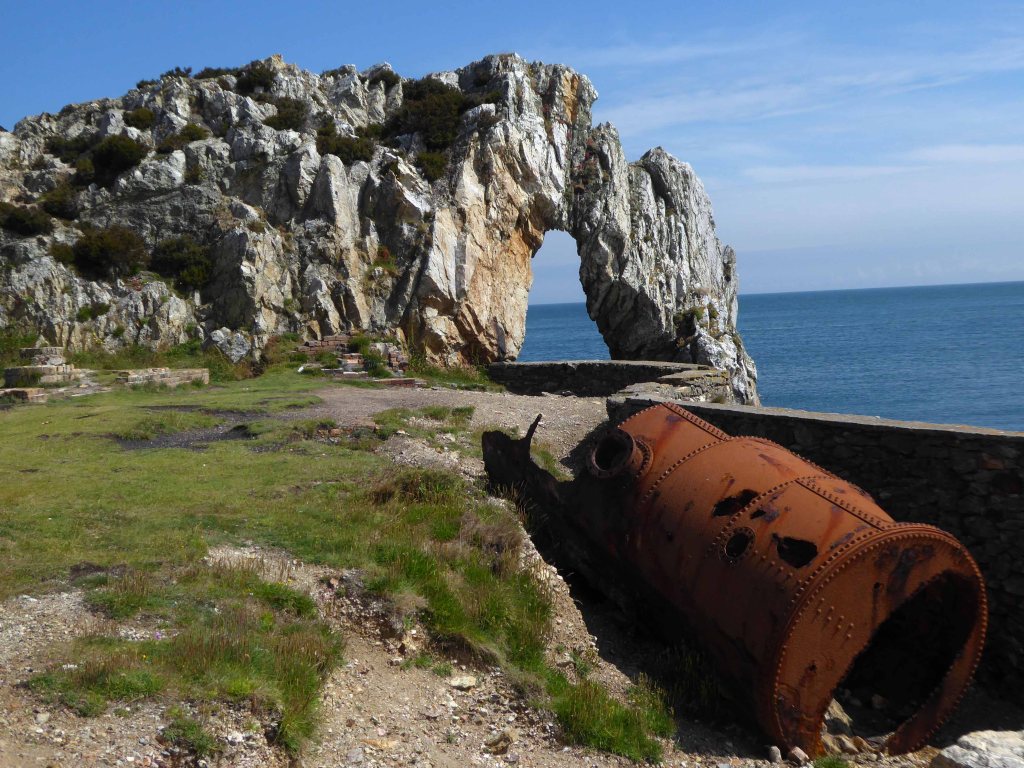
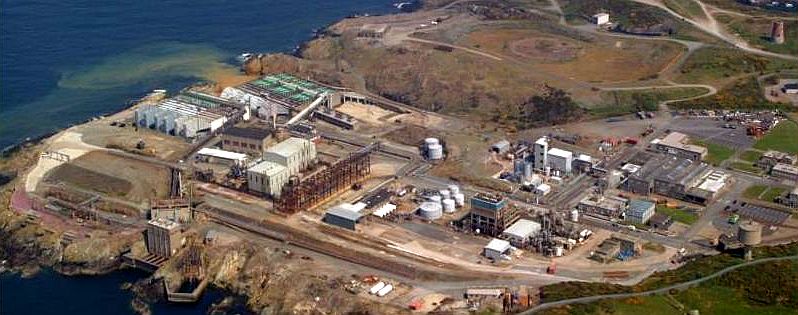
Now let’s turn our attention toward the epic infrastructure which extracted and pumped seawater.

Sea water is sucked in and then lifted 50ft into sea water ponds by huge pumps where any debris is removed. It is then passed to the seawater main where chlorine and dilute sulphuric acid are added which releases the bromine. It is literally blown out of the water. This water is passed into the top of a tower where it drops over 20ft through the packed section of the tower. There it is met by currents of air travelling upwards. Where it meets these air currents the bromine gets stripped out the water, which is returned to the sea. Whilst the wet bromine laden air passes from the top of the tower to be treated with sulphur dioxide and water. This produces mists of hydrobromic and sulphuric acids.

This mist passes into an absorber, and the acid coalesces. From here, it blows to a collecting tank. The bromine free air returns to the blowing out tower and the cycle begins again. The acidic product is referred to as primary acid liquor. This is now pumped to the steaming out tower. It enters the top and is treated with chlorine and steam, which releases the bromine as vapour. It is then condensed to a liquid. The bulk of bromine goes to dibromoethane, whilst the remainder is sold or used to make other intermediates.

It takes about 22,000 tonnes of seawater to produce 1 tonne of bromine. Every minute 300,000 gallons of seawater are drawn in.

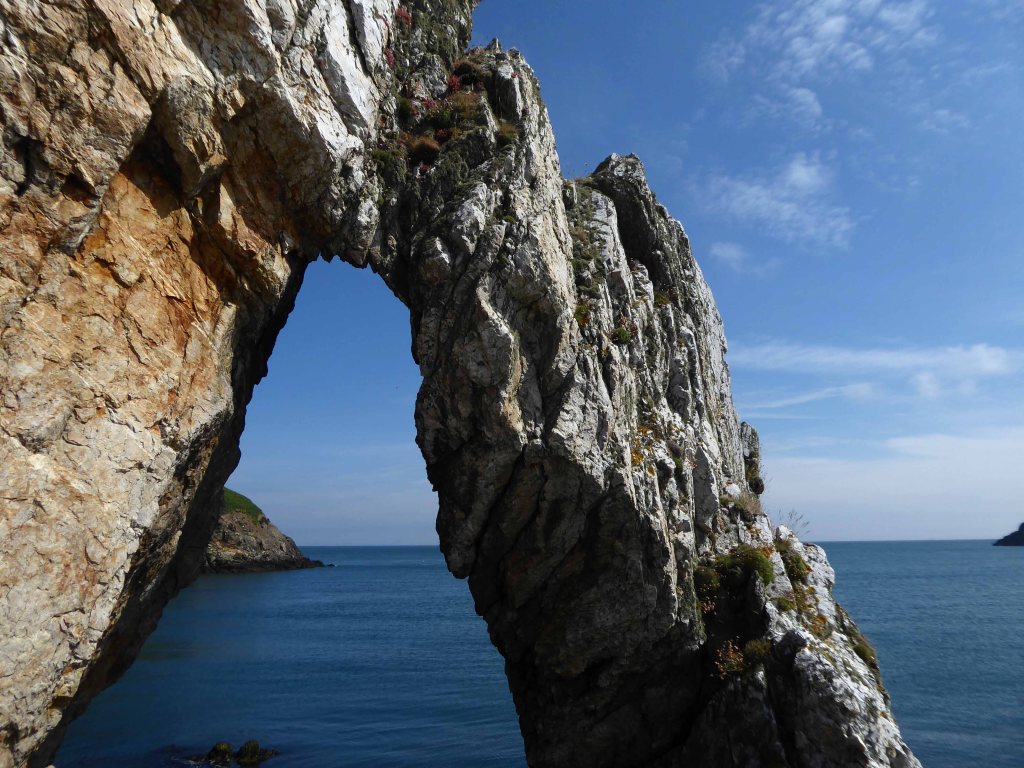
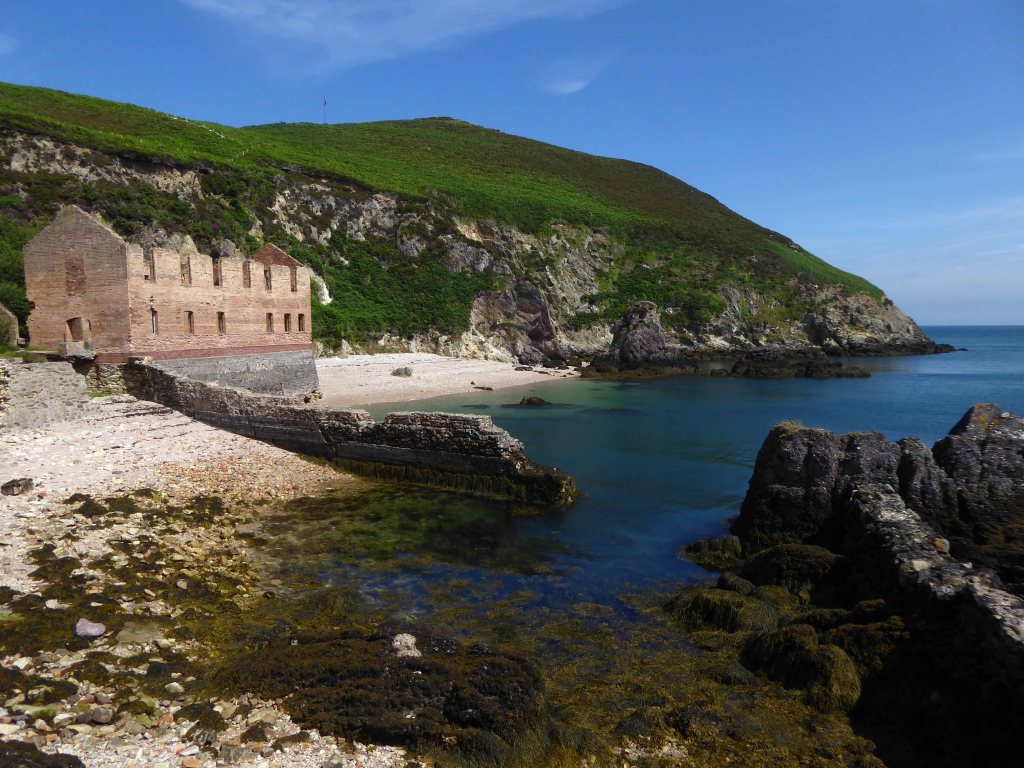
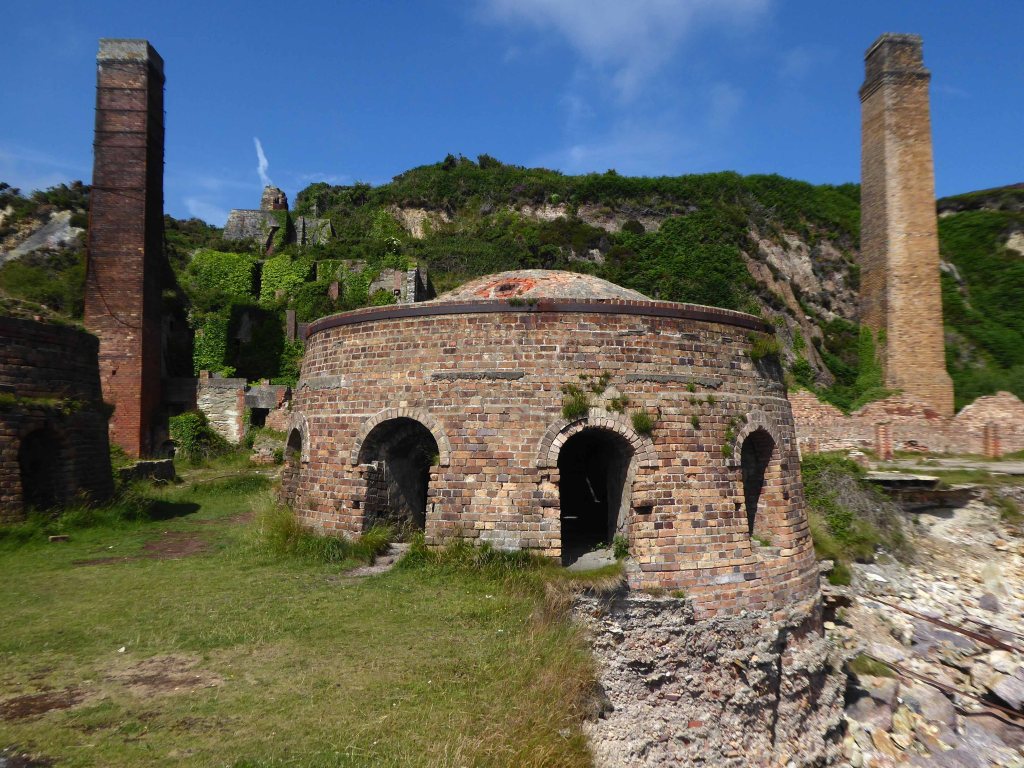
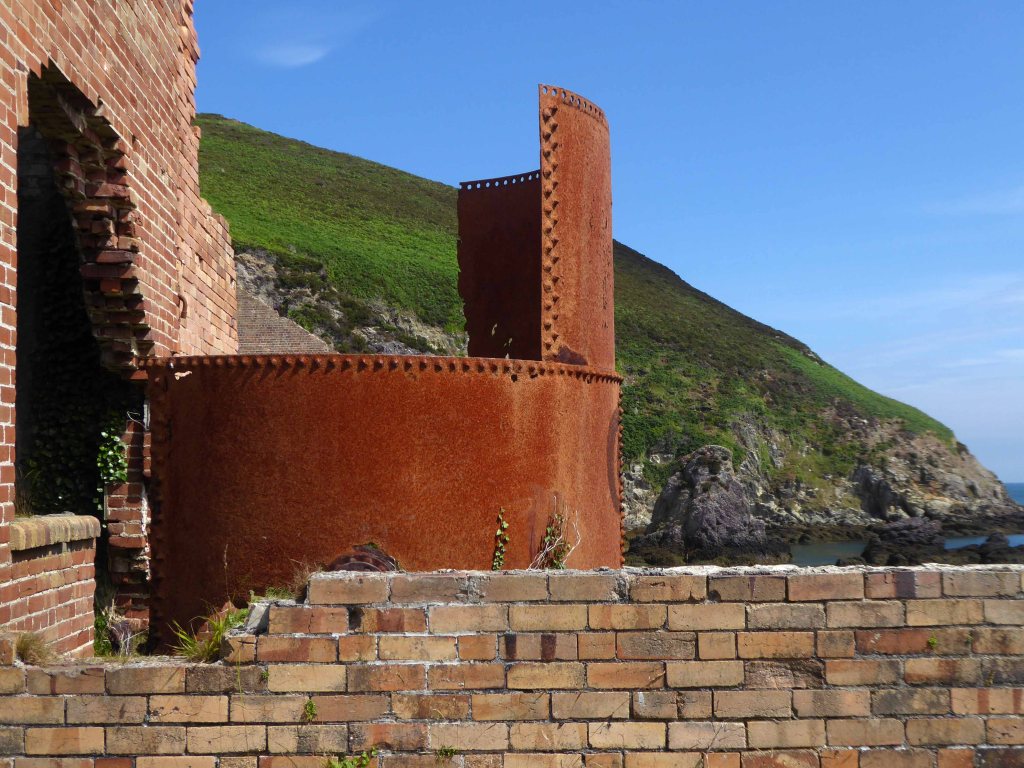
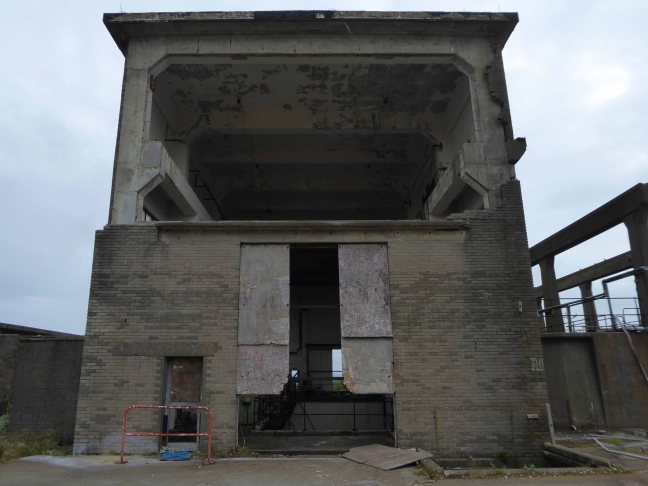
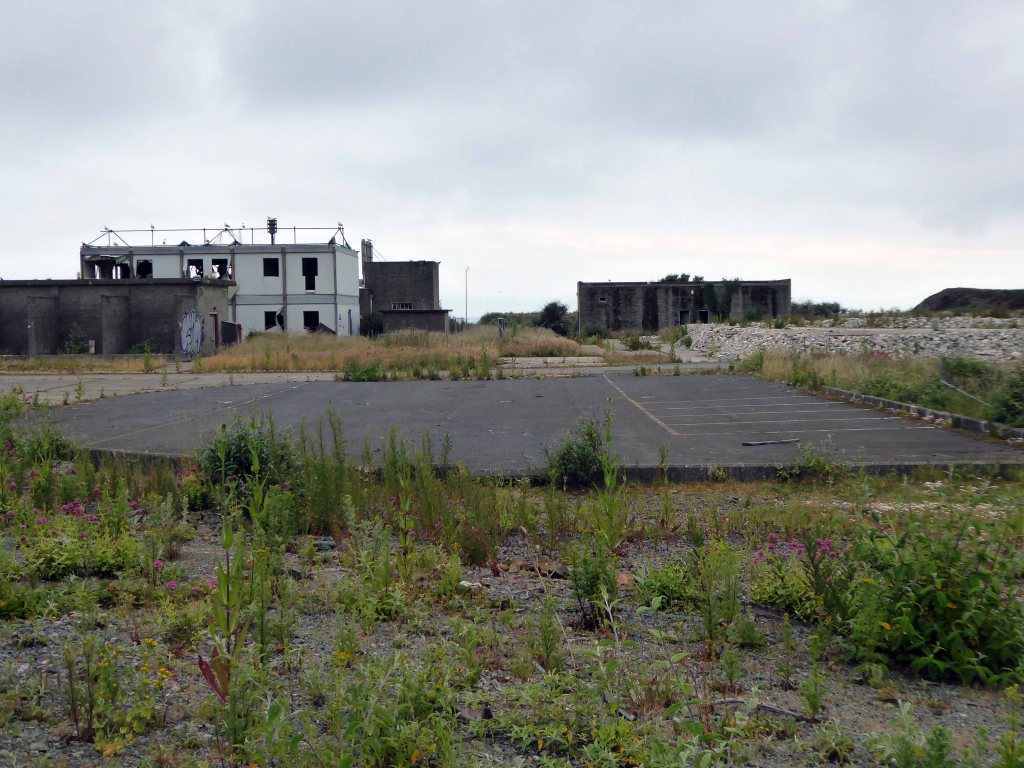
This now redundant technology has left a legacy of industrial dereliction amongst the ancient Pre-Cambrian rocks and sylvan seas of the Anglesey Coast.

This is a landscape which induces fear and fascination in equal measure.

Whatever is fitted in any sort to excite the ideas of pain, and danger, that is to say, whatever is in any sort terrible, or is conversant about terrible objects, or operates in a manner analogous to terror, is a source of the sublime; that is, it is productive of the strongest emotion which the mind is capable of feeling.

Edmund Burke

Octel Amlwch – Exteriors

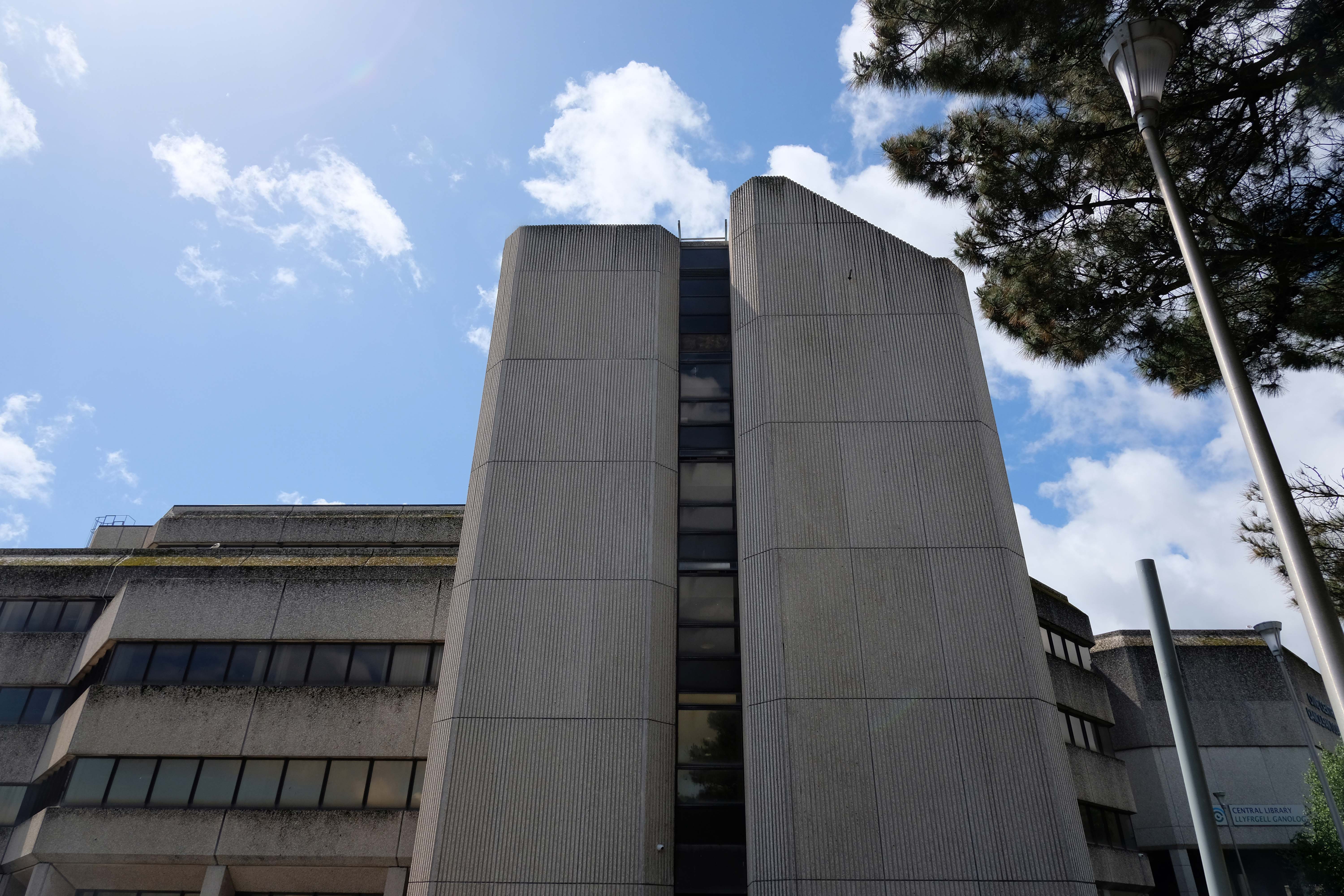
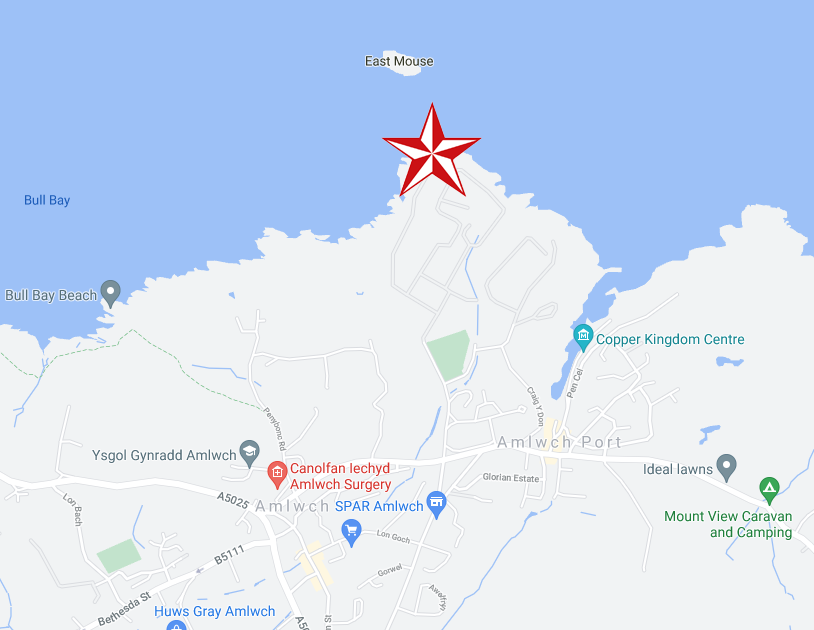
Amlwch has been the centre of the world’s copper industry, a coastal town on Anglesey with a long history of trade, the coming and going of goods.

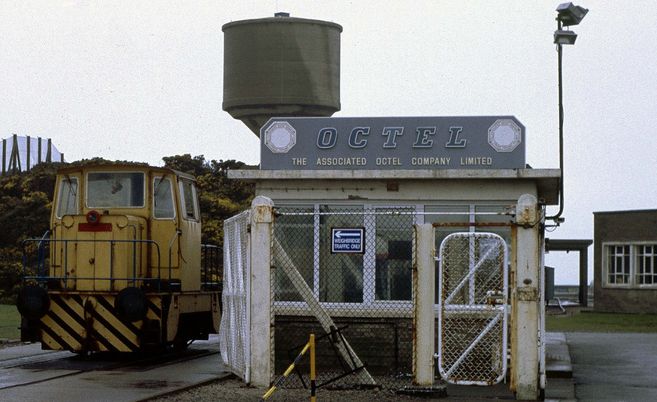
Once the site of a processing plant extracting bromine from sea water.

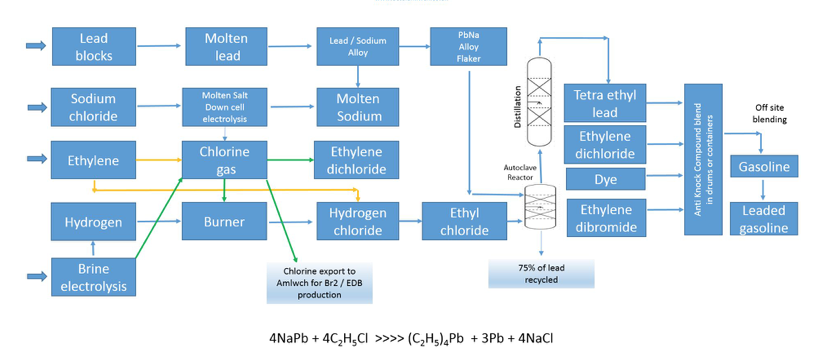
The Associated Octel factory was built to extract bromine from seawater and turn it into an additive for petrol engines. At the time, petrol used in road vehicles contained lead. Engine knocking was a common problem, when the mixture of air and fuel didn’t burn efficiently with each detonation. This could damage engine cylinders over time. The additive produced here reduced knocking and improved engine efficiency.
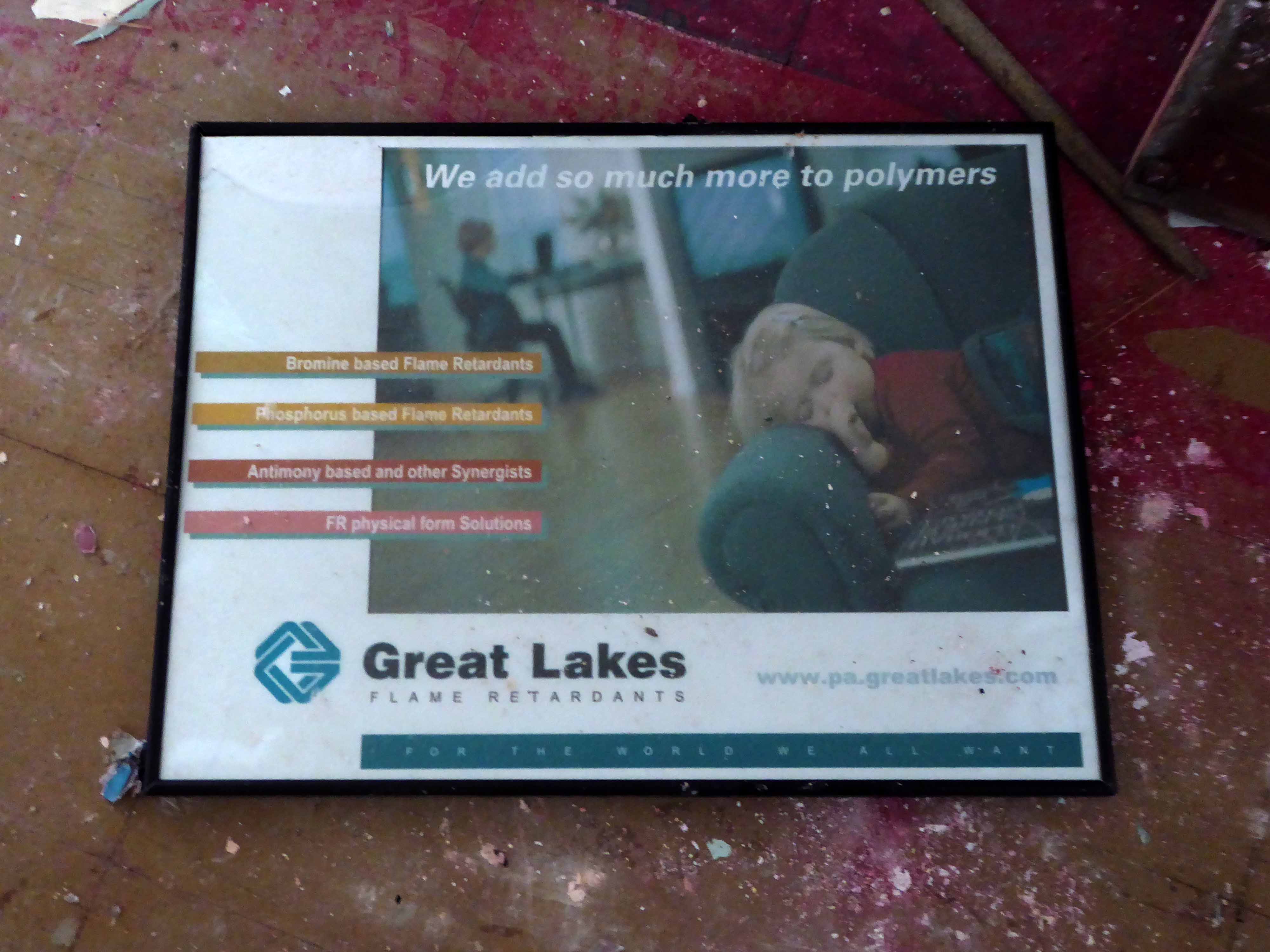
As the health effects of lead in vehicle exhaust gases became better understood, unleaded petrol was developed. It was introduced to UK filling stations in the 1980s, and leaded petrol was later phased out. As demand for anti-knock additive reduced, the Octel factory diversified into other bromine products and was taken over by Great Lakes Chemical Corporation. In 2003, the corporation decided to close the works with the loss of more than 100 jobs.

A detailed history of the site can be found here at Octel Amlwch.
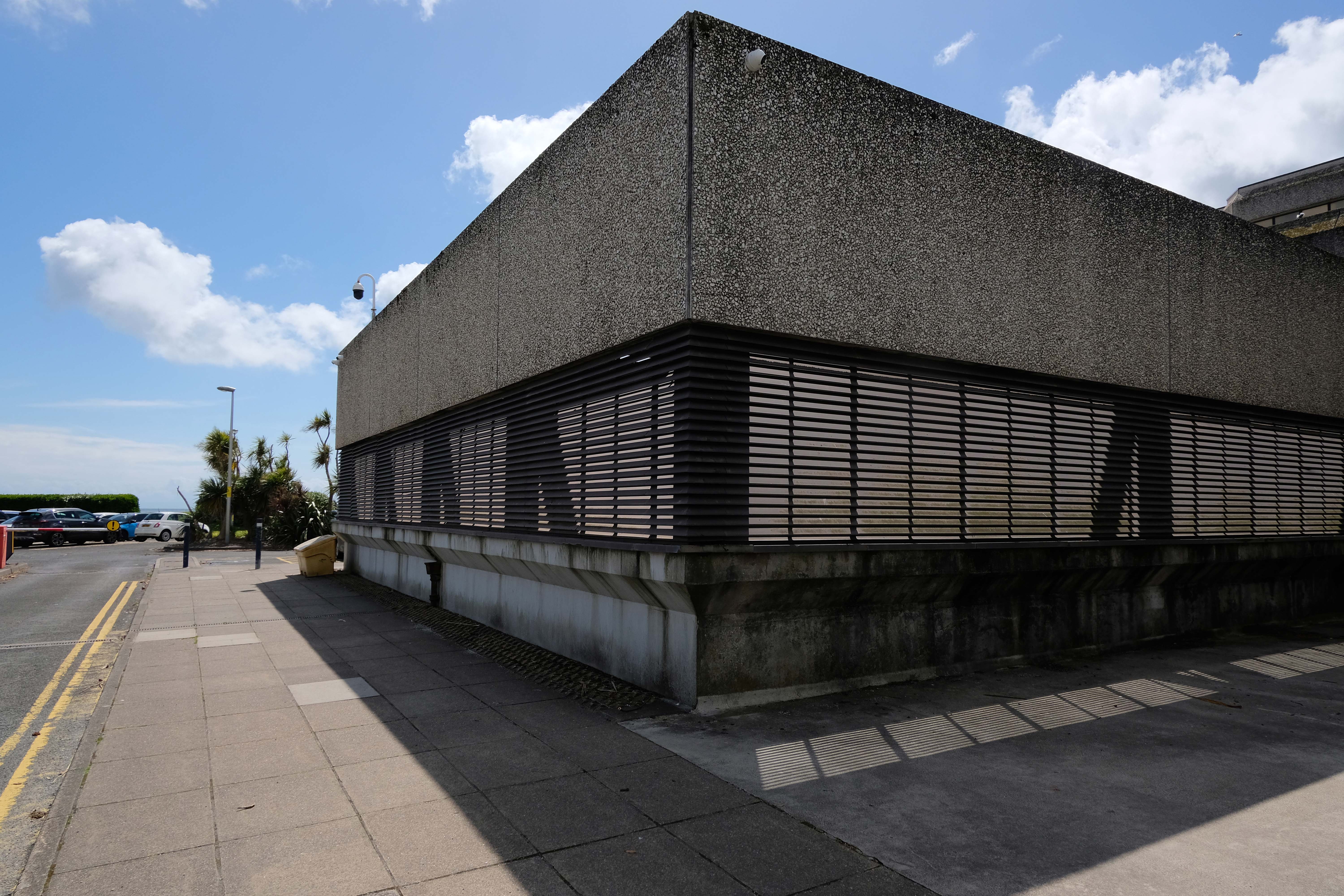
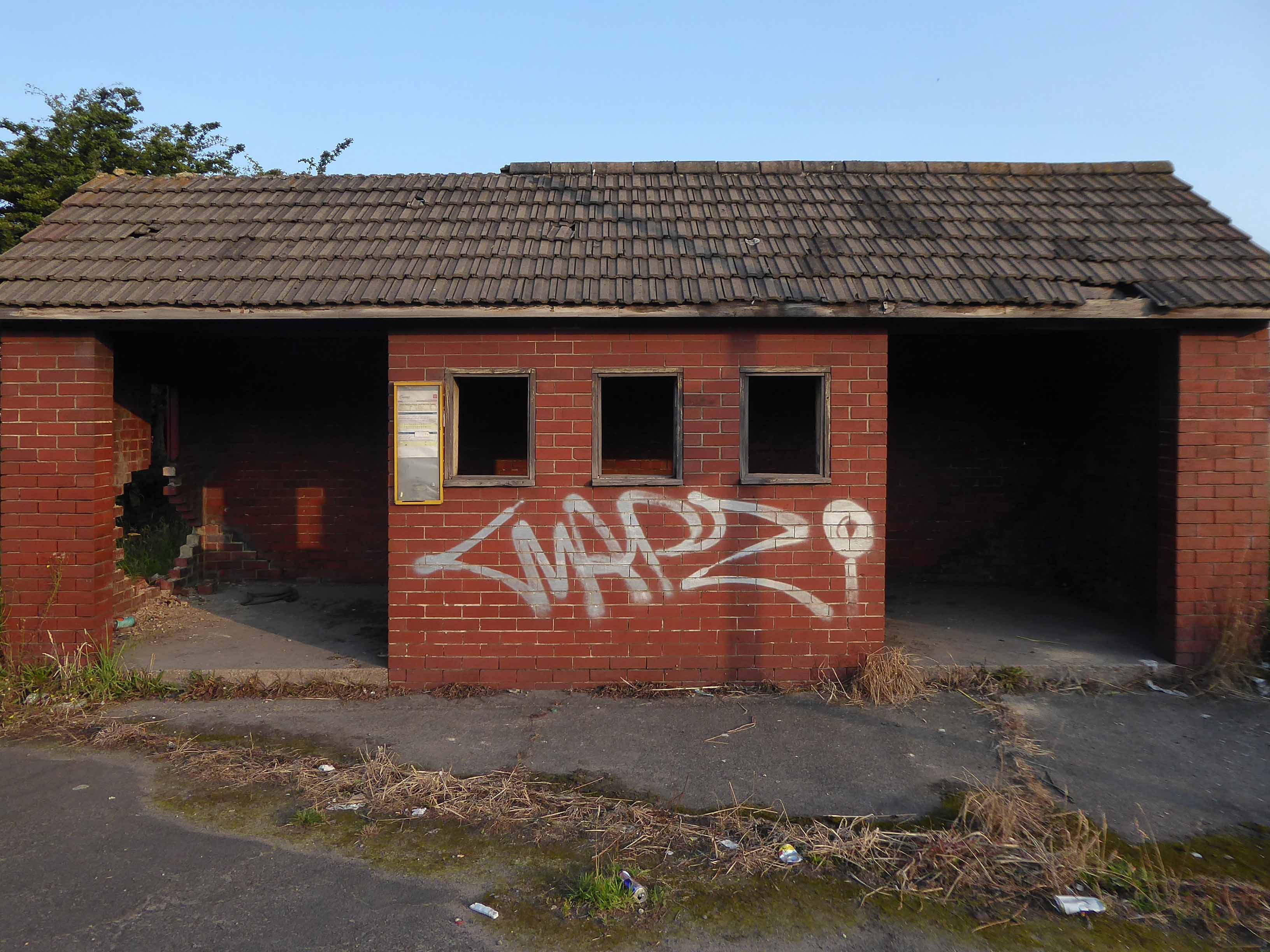
The site has been subject to arson attacks and partial demolition, the extant buildings tagged, tattered and torn.

Slowly but surely nature breaks through the tarmac and concrete.

The gate is open, the lights are out, there’s nobody home.

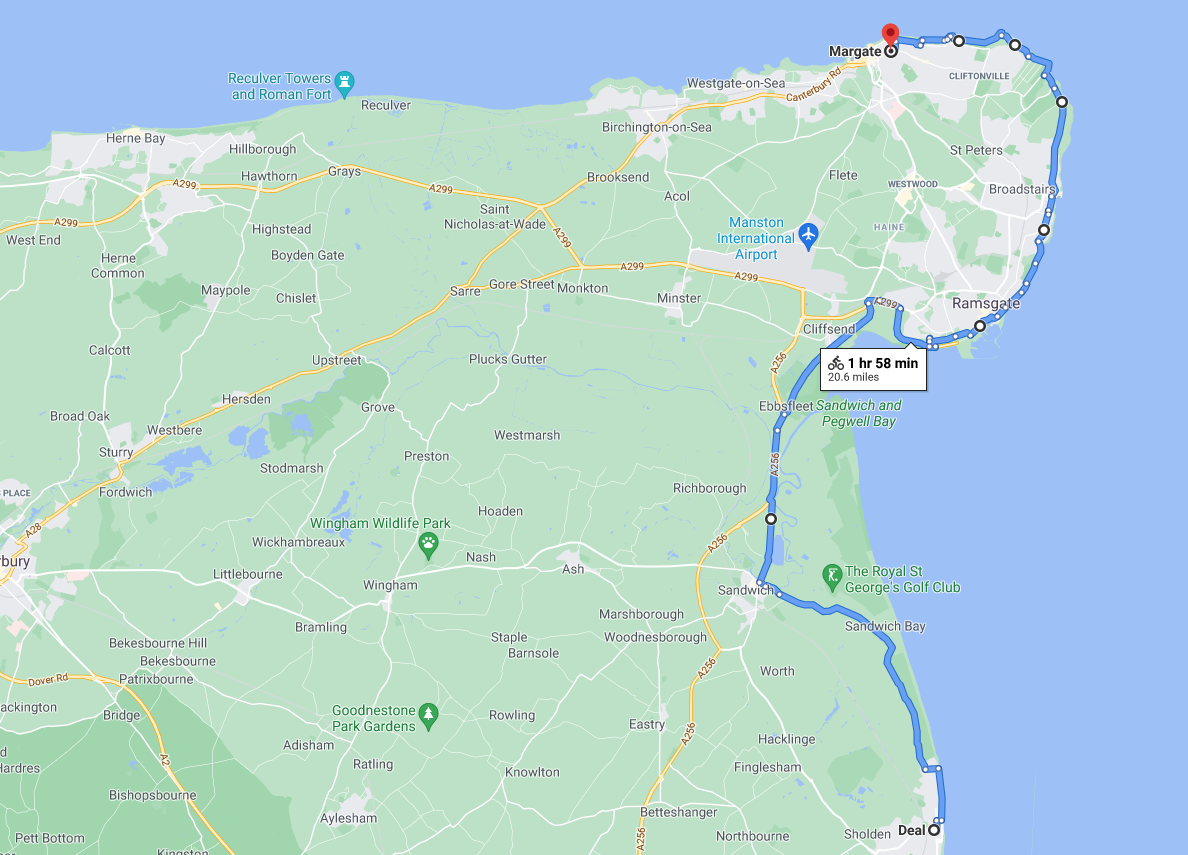
Deal To Margate

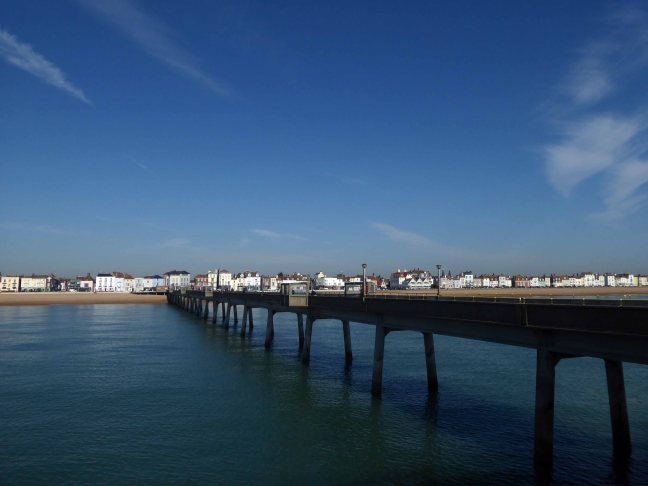
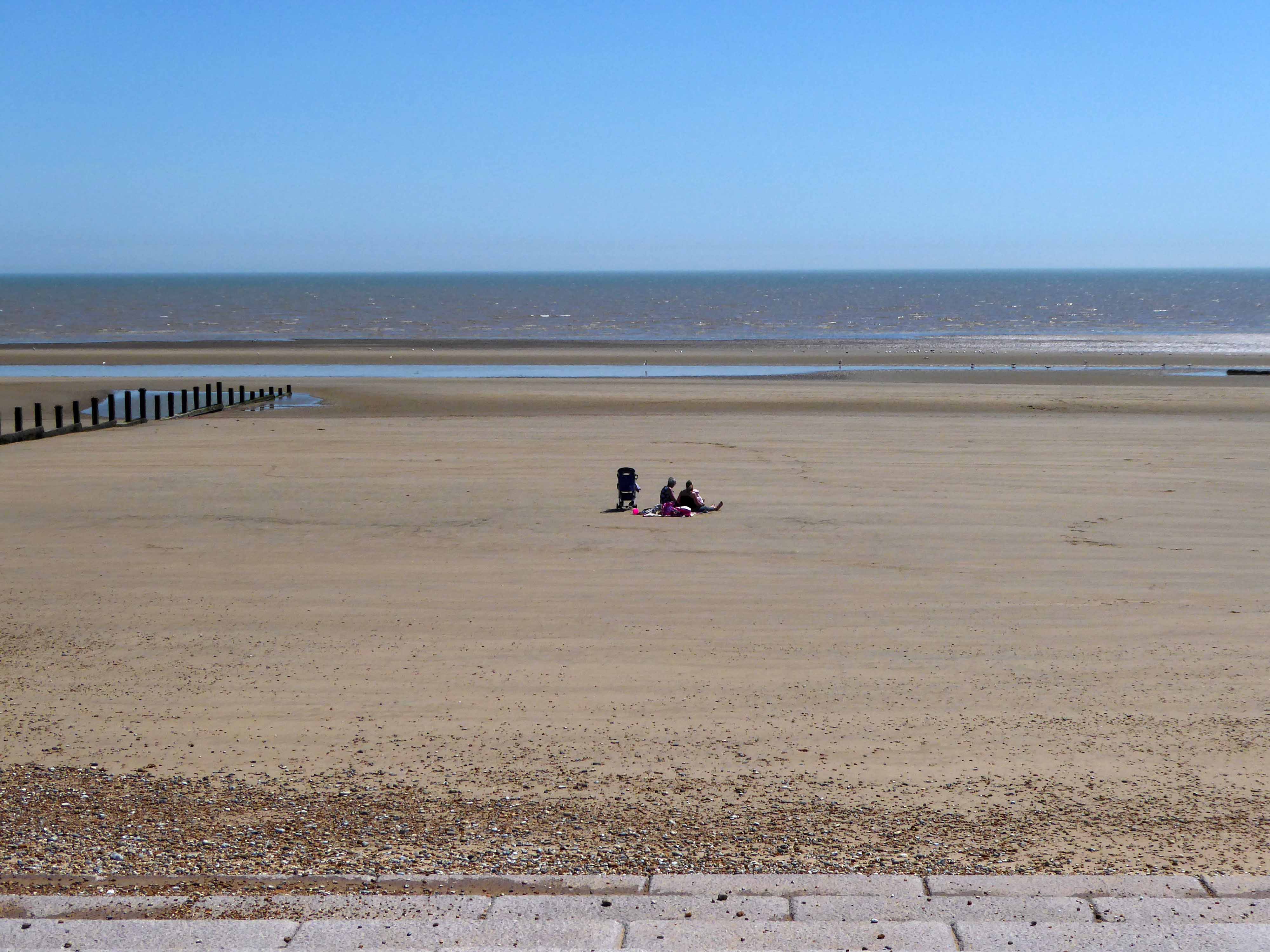
We awoke, we dawdled around Deal, prior to our delightful breakfast.

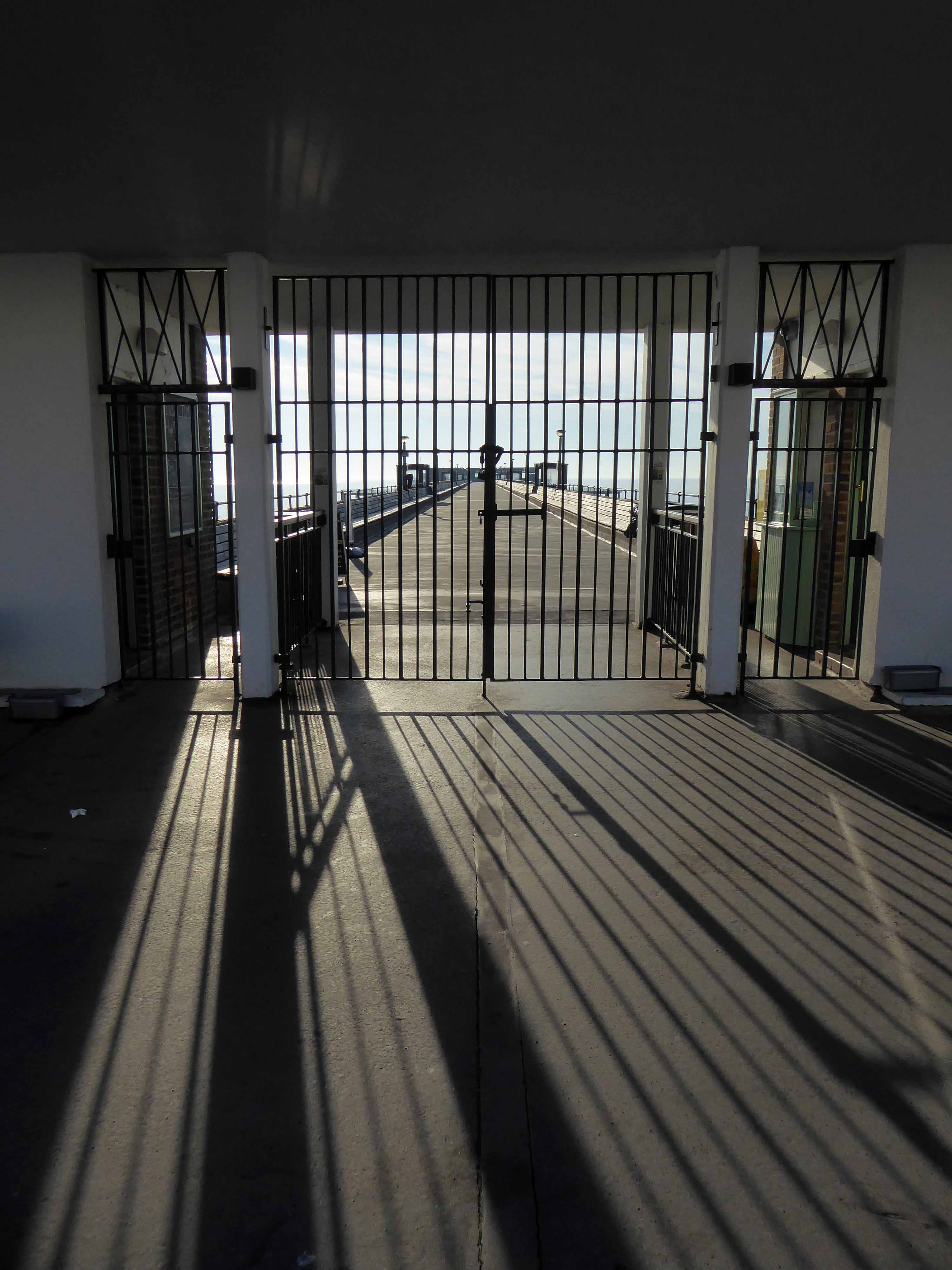
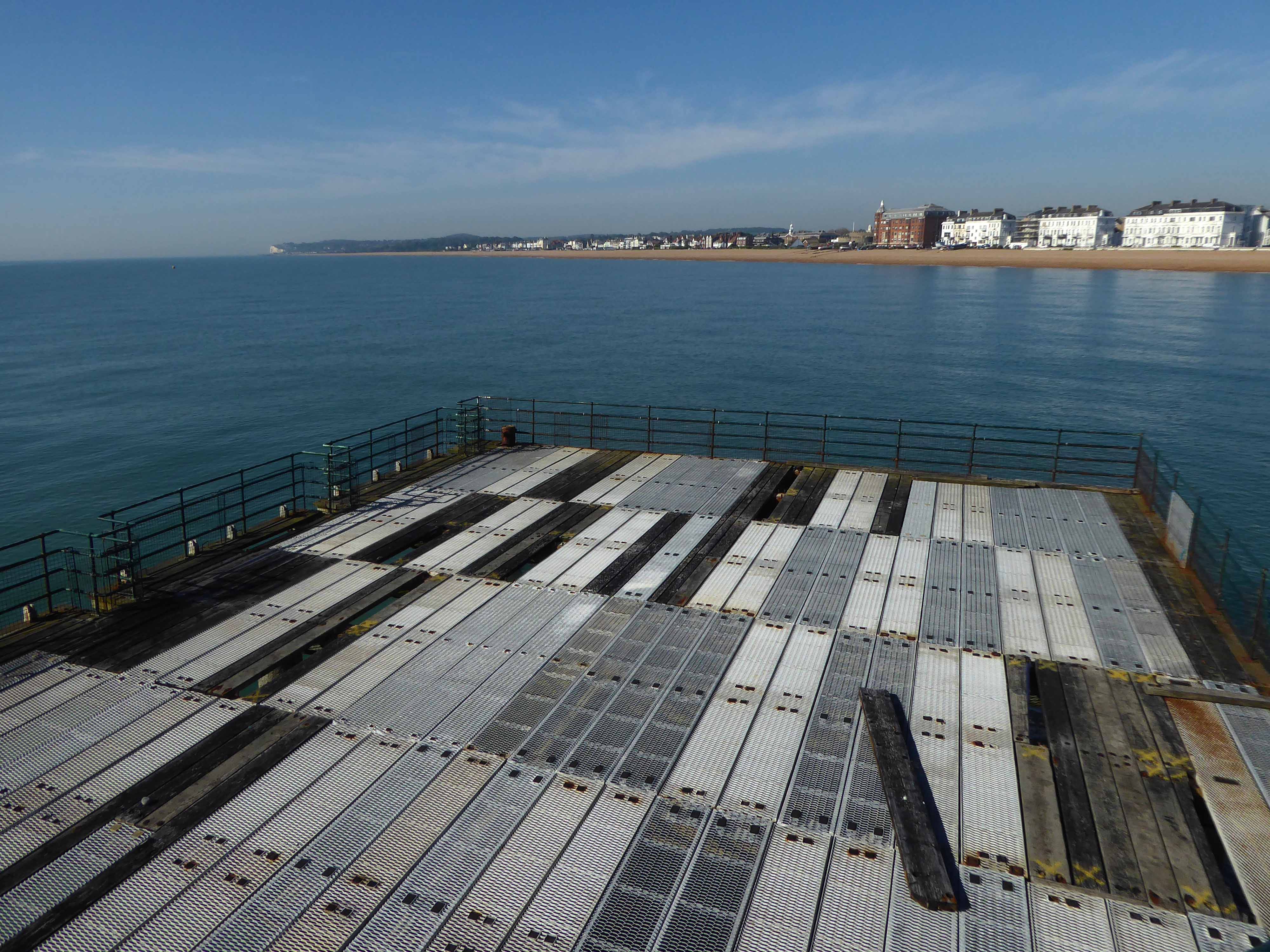
Though the pier appeared to be closed.

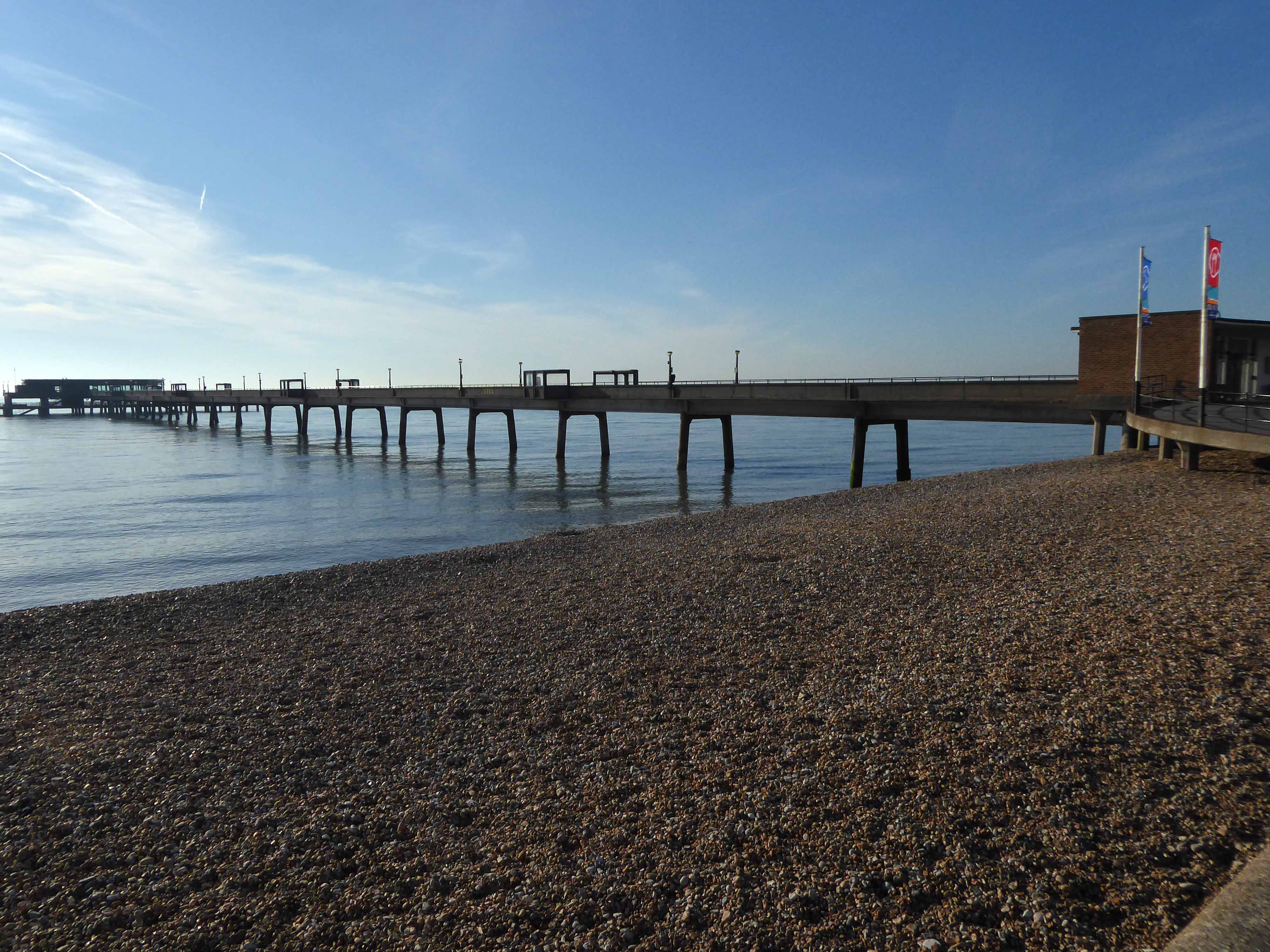
Extending elegantly over a still, still sea.

The present pier, designed by Sir W. Halcrow & Partners, was opened on 19 November 1957 by the Duke of Edinburgh. Constructed predominantly from concrete-clad steel, it is 1,026 ft in length – a notice announces that it is the same length as the RMS Titanic, but that ship was just 882 feet, and ends in a three-tiered pier-head, featuring a cafe, bar, lounge, and fishing decks.

The lowest of the three tiers is underwater at all but the lowest part of the tidal range, and has become disused.

Wikipedia

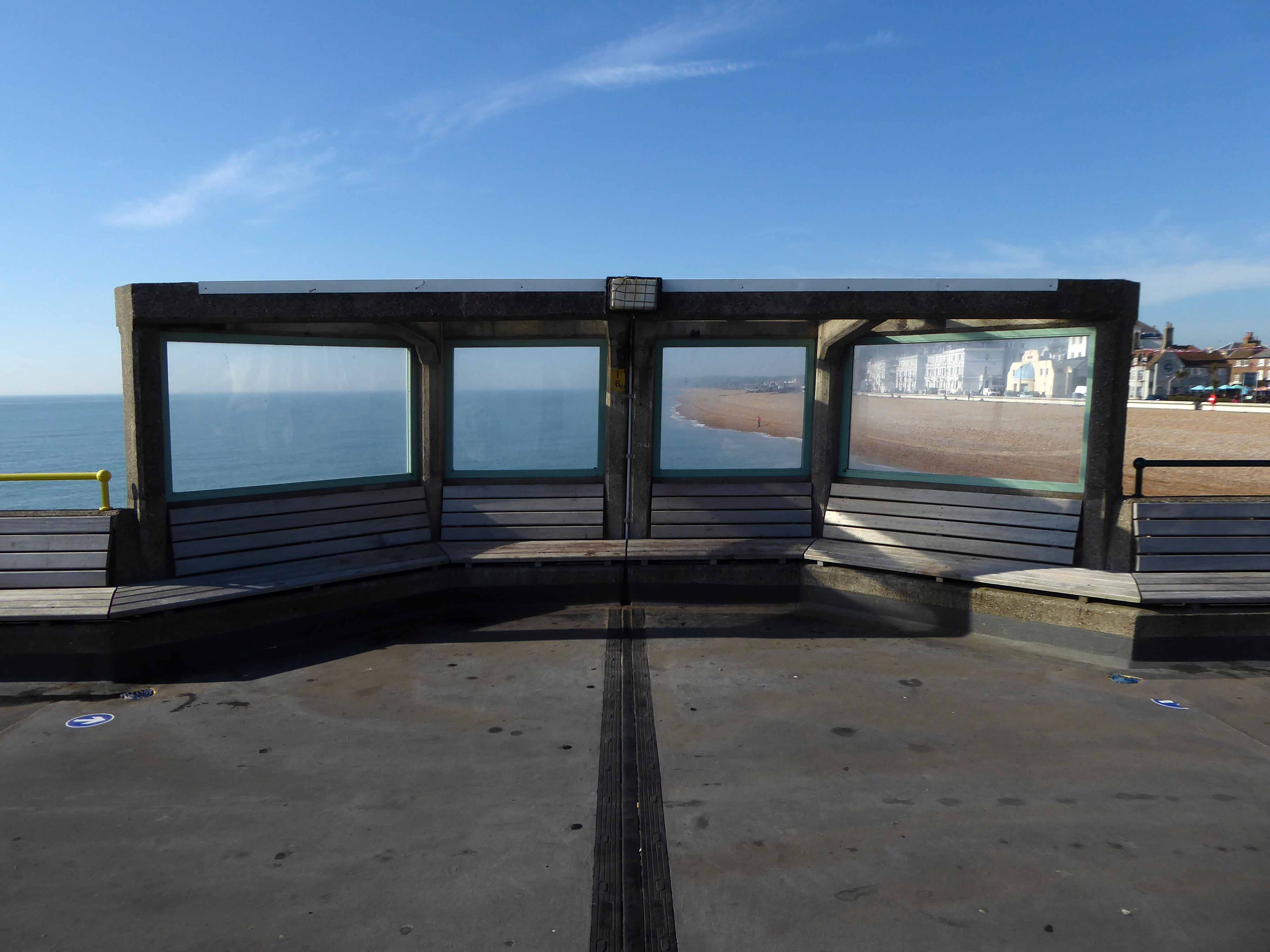
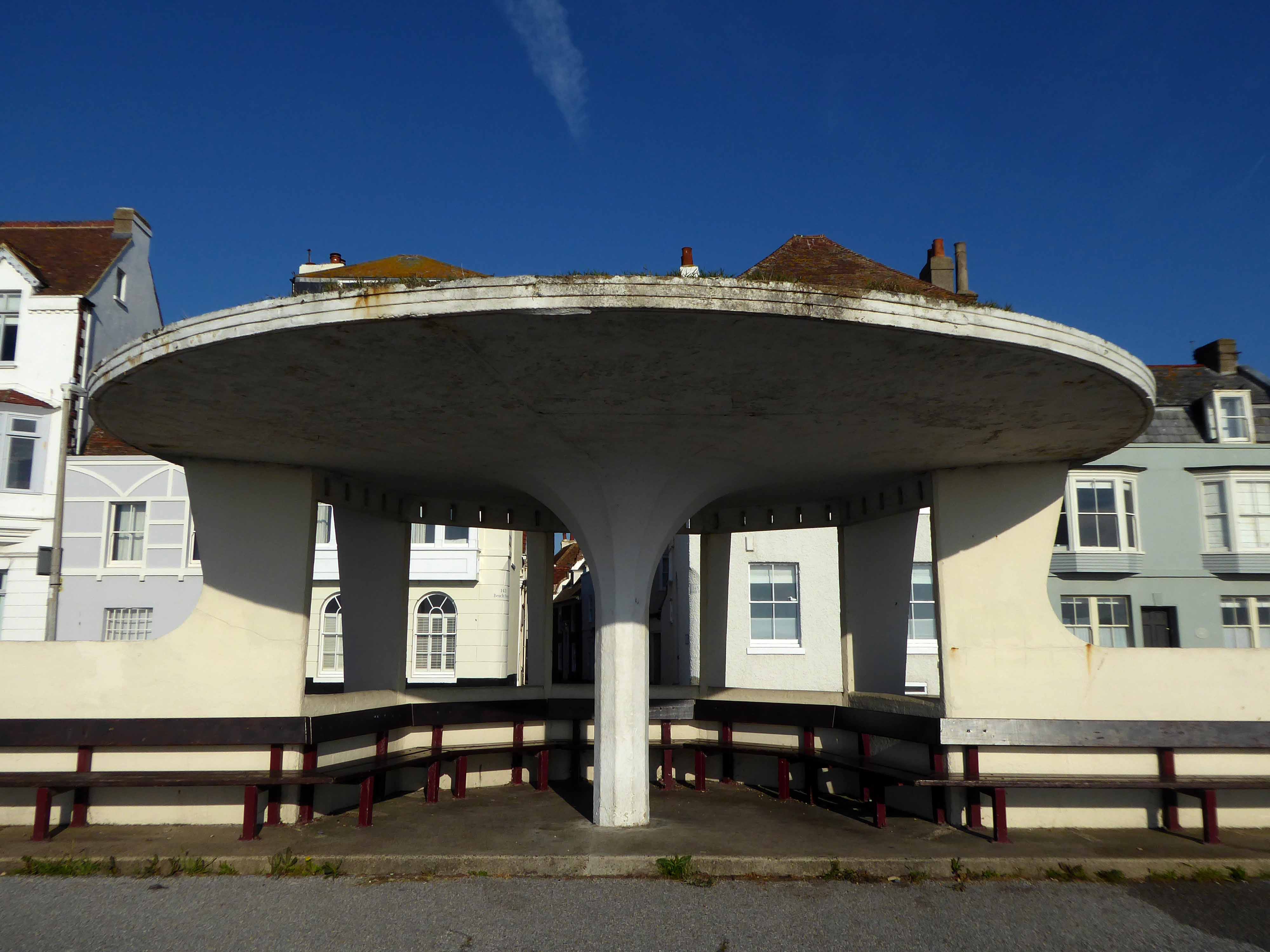
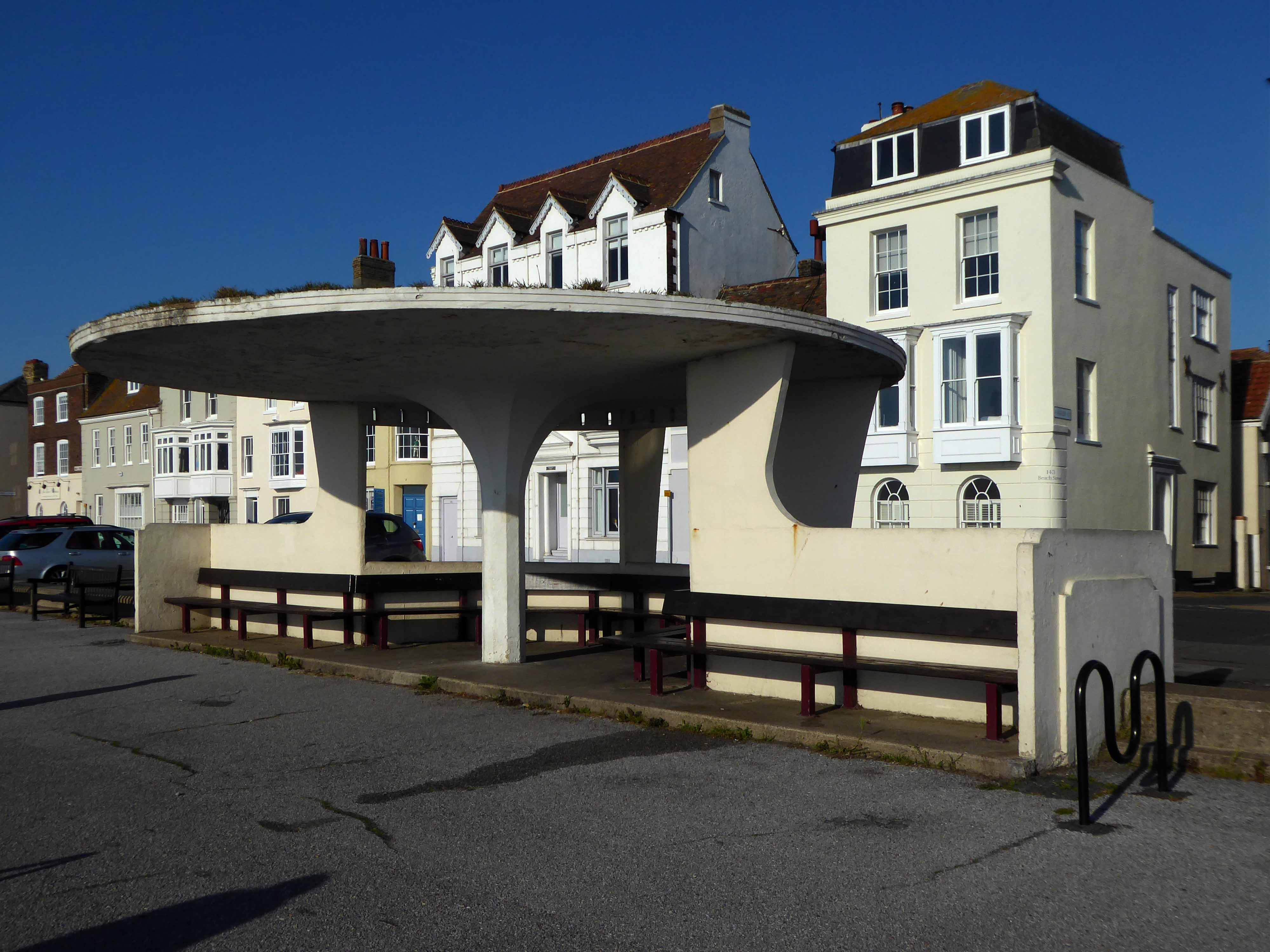
Deal is home to some of the most extraordinary concrete shelters.

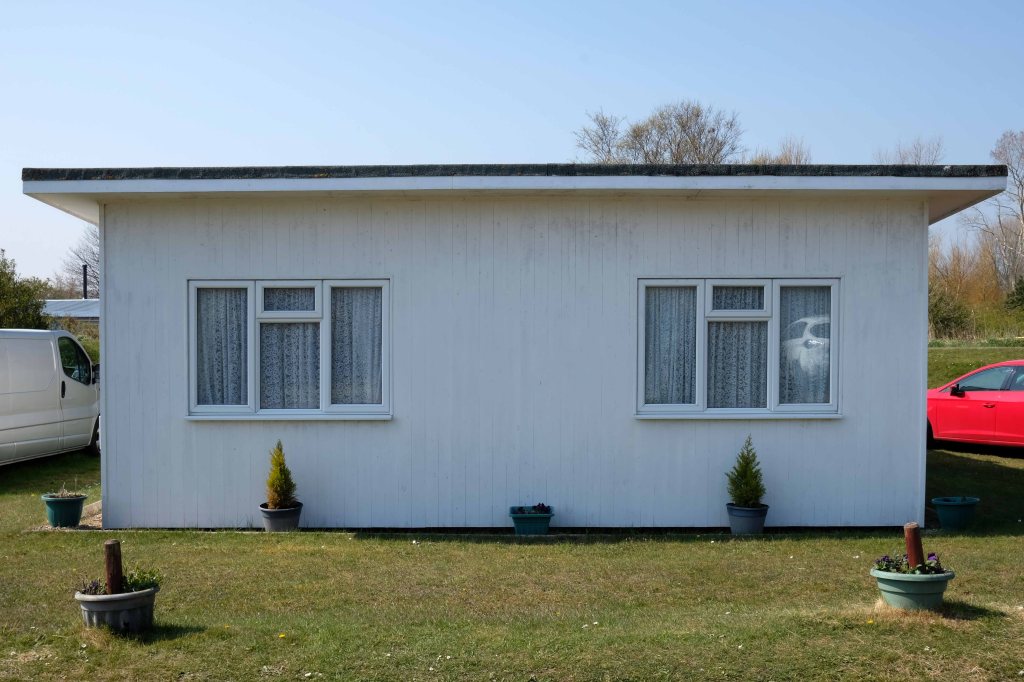
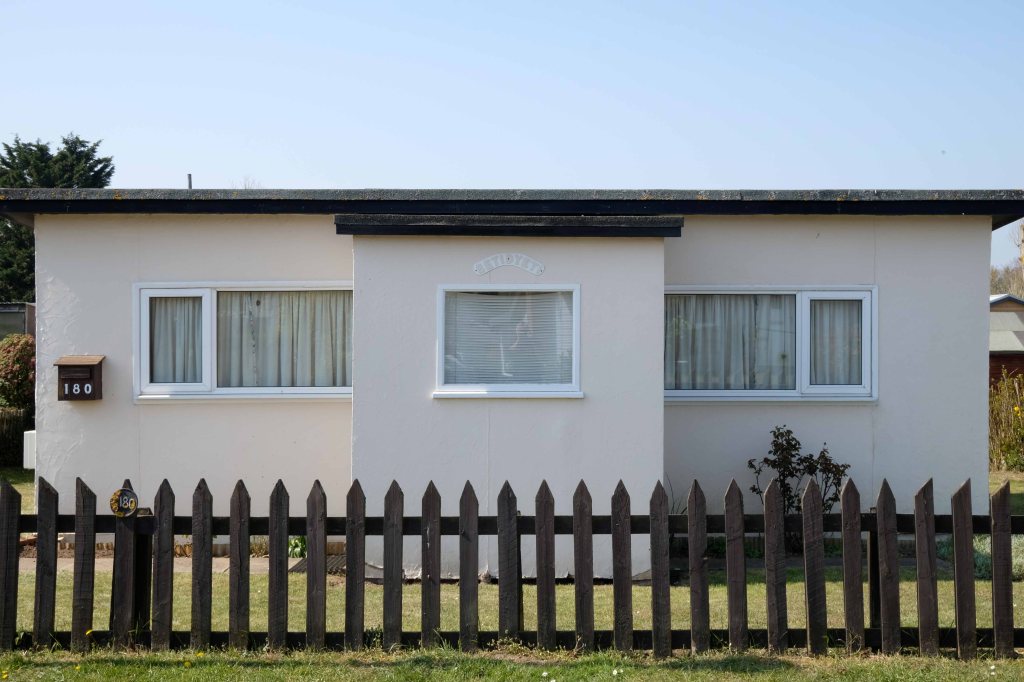
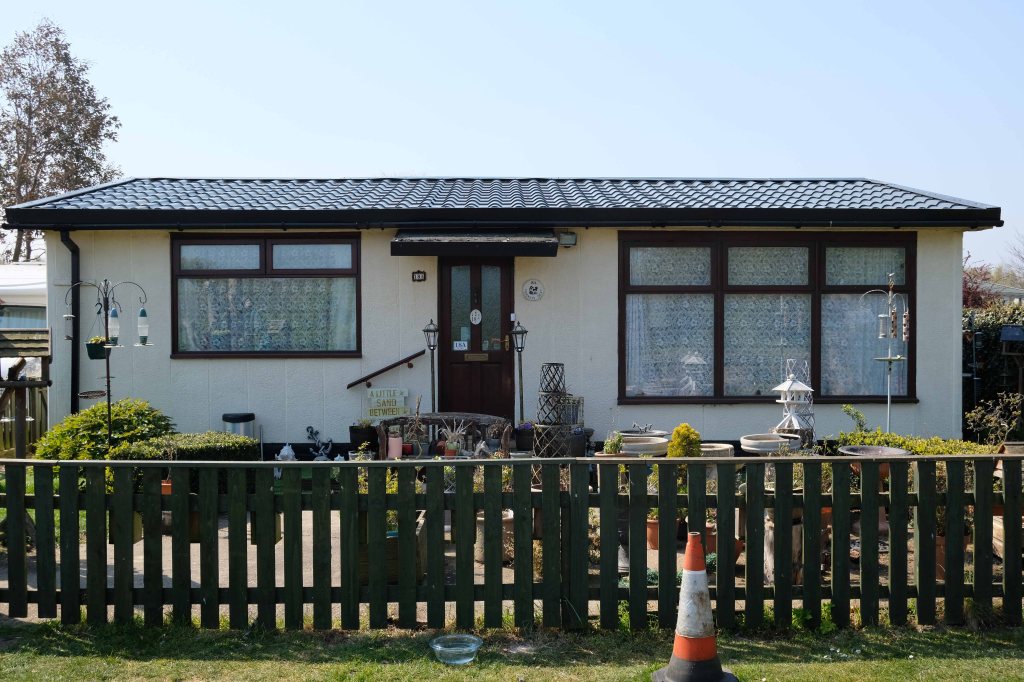
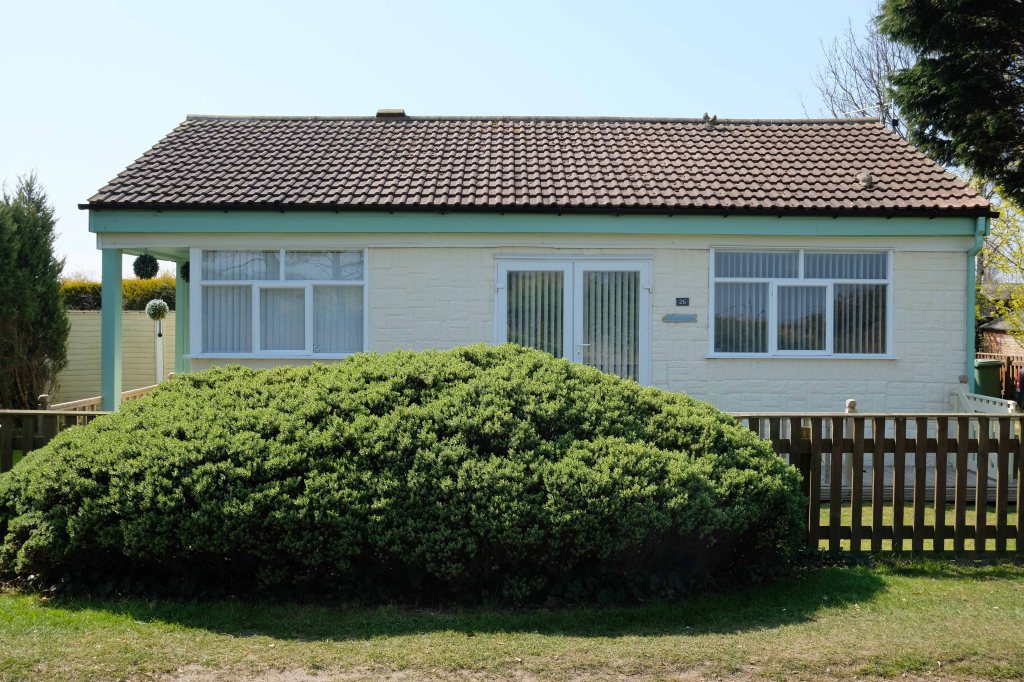
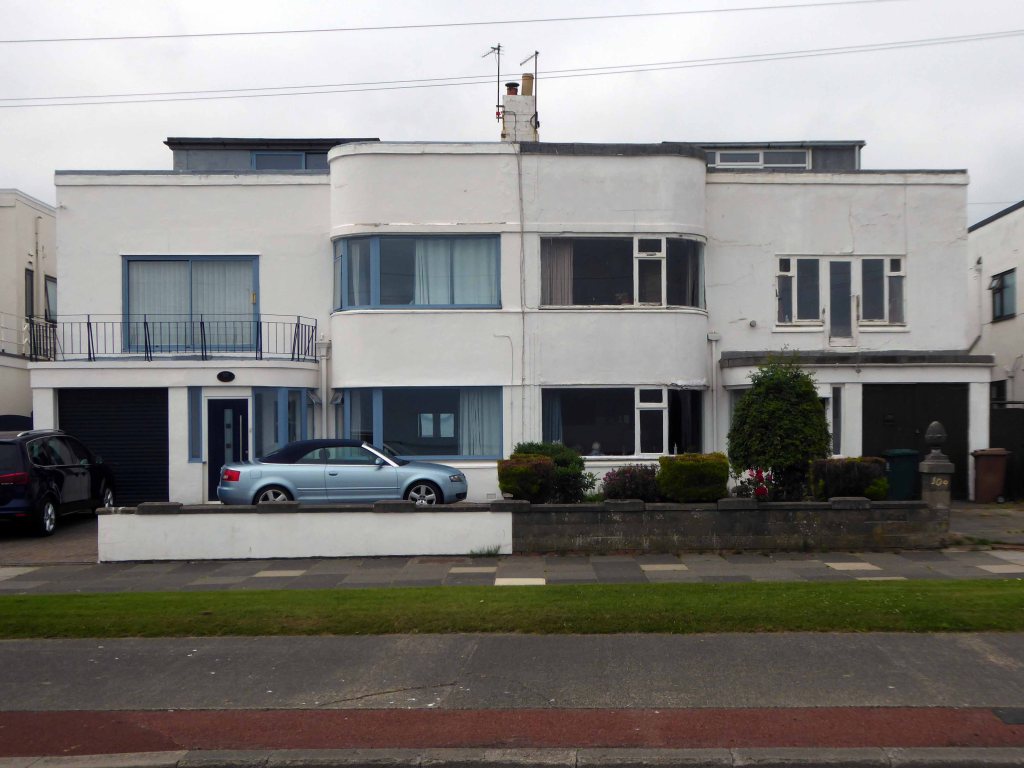
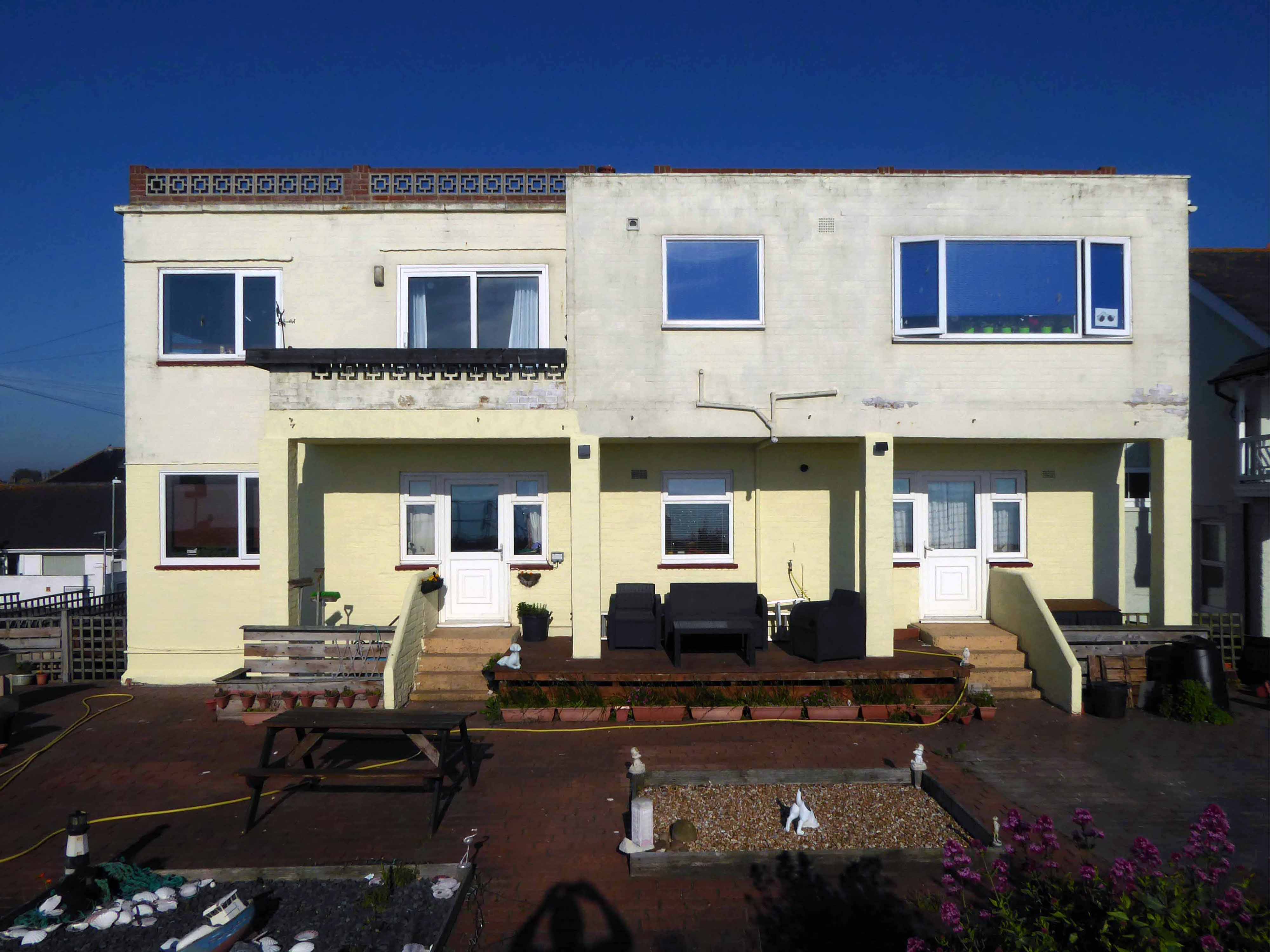
Home to some understated Seaside Moderne homes too.

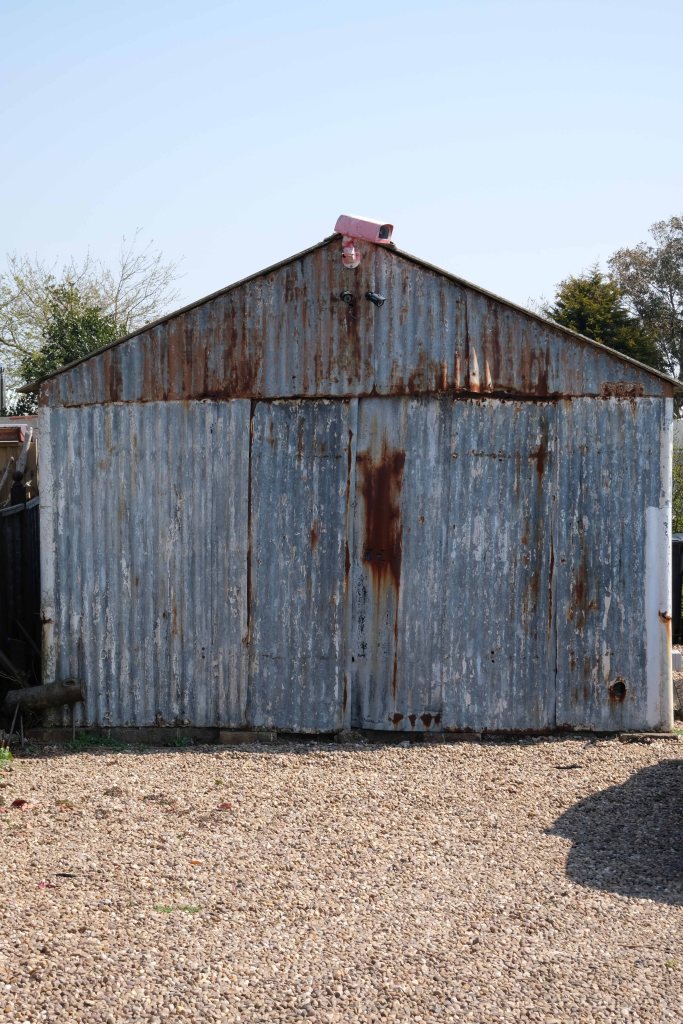
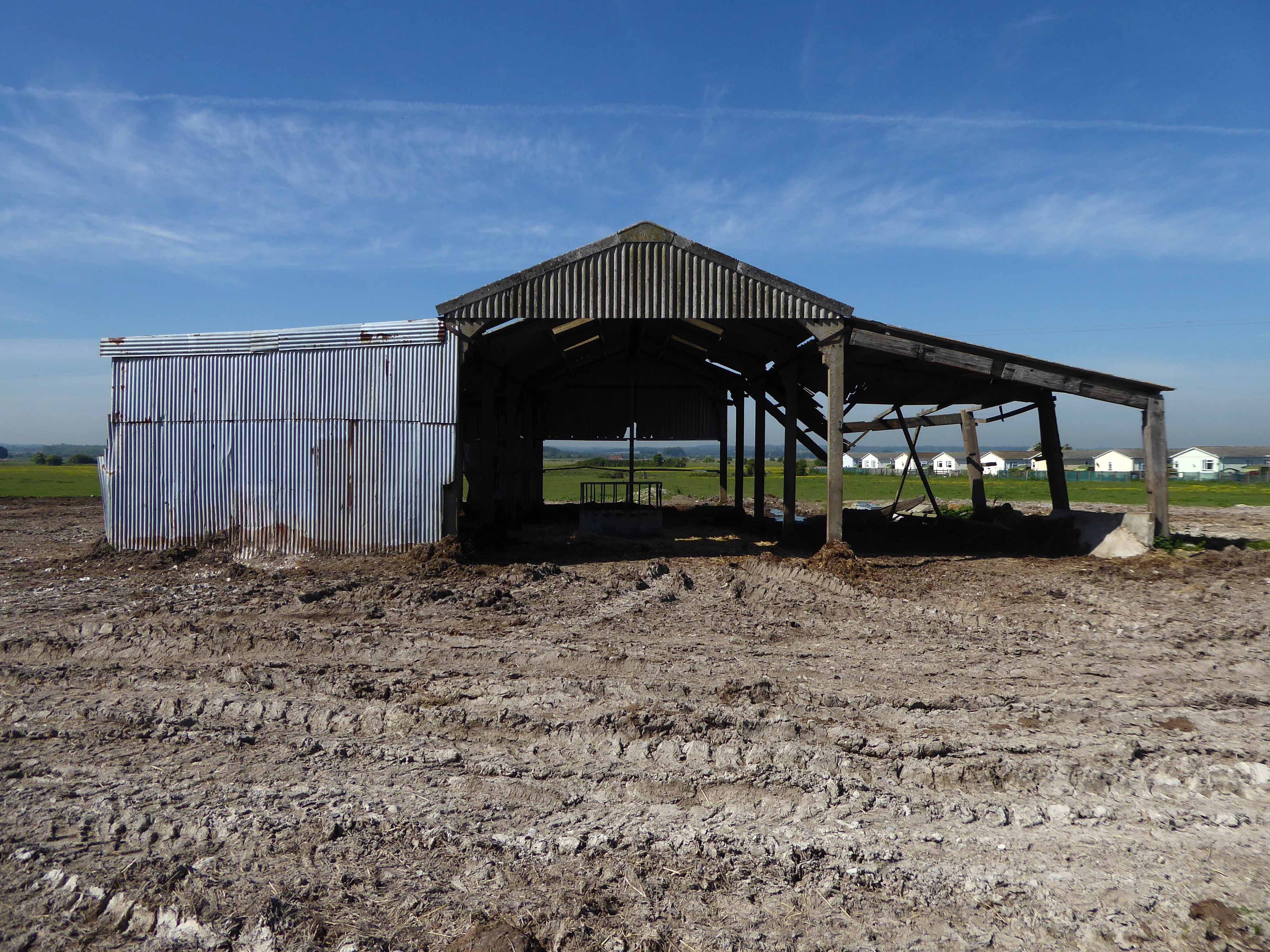
Well fed, we set out along the private road that edges the golf course, encountering some informal agricultural architecture.

We took time to explore Pegwell Bay Hoverport – currently trading as a Country Park.

Pausing in Ramsgate to admire Edward Welby Pugin’s Grade II Listed – Granville Hotel.

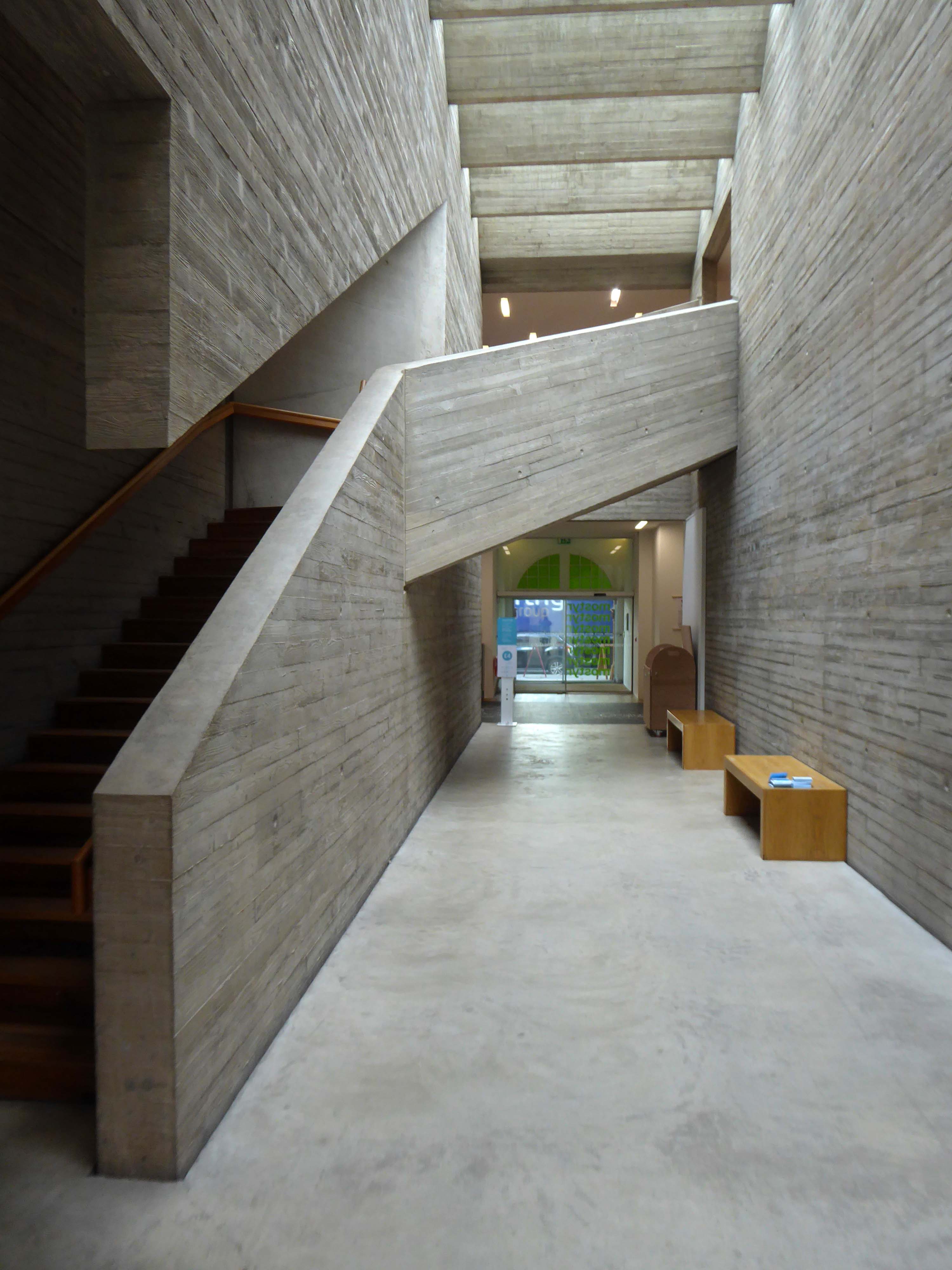
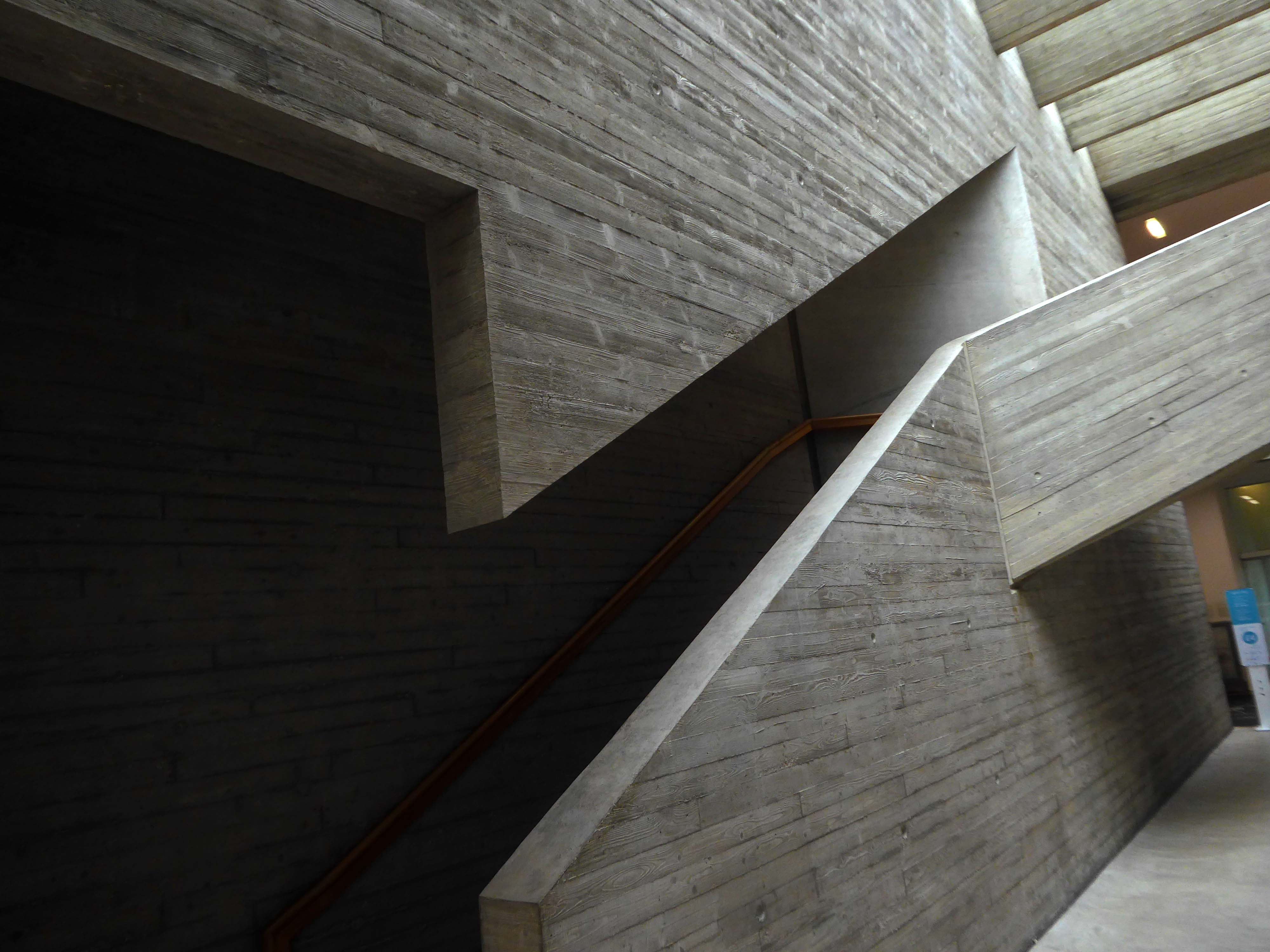
The Granville development, so named after George Leverson Gower, second Earl Granville (1815-1891), was a venture undertaken by Edward Welby Pugin, together with investors Robert Sankey, George Burgess and John Barnet Hodgson on land acquired from the Mount Albion Estate in 1867. The scheme was to be an important new building in the eastward expansion of the town and the emergence of a fashionable new suburb. At the outset, the intention was to build a relatively restrained speculative terrace of large townhouses with some additional facilities. However, as the scheme progressed and it became apparent that buyers could not be secured, revised plans for an enlarged hotel complex were adopted in 1868 and brought to completion in 1869. These plans, which added a series of grand rooms including a banqueting hall, receptions rooms and an entrance hall in addition to a tunnel to connect to the railway line on the seafront, gardens, a complex of Turkish baths and a vast landmark tower (originally 170ft high, although truncated at a relatively early date), were remarkably ambitious. Ultimately, as it would transpire, the scheme was rather too ambitious on Pugin’s part; with his increasing reliance on loans eventually culminating in bankruptcy in October 1872, an event which precipitated his demise as an architect, tragically followed by his death just three years later.
Historic England

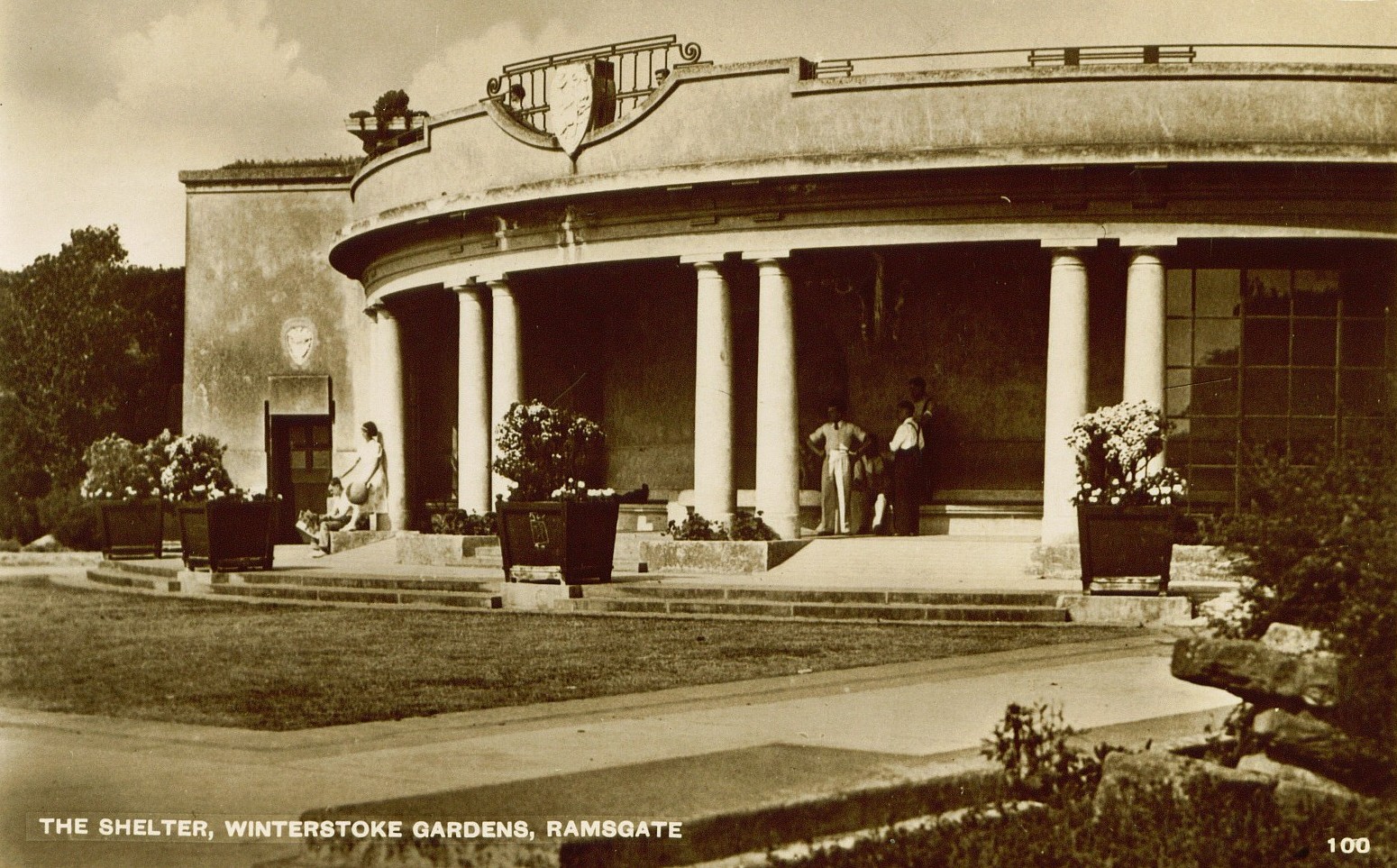
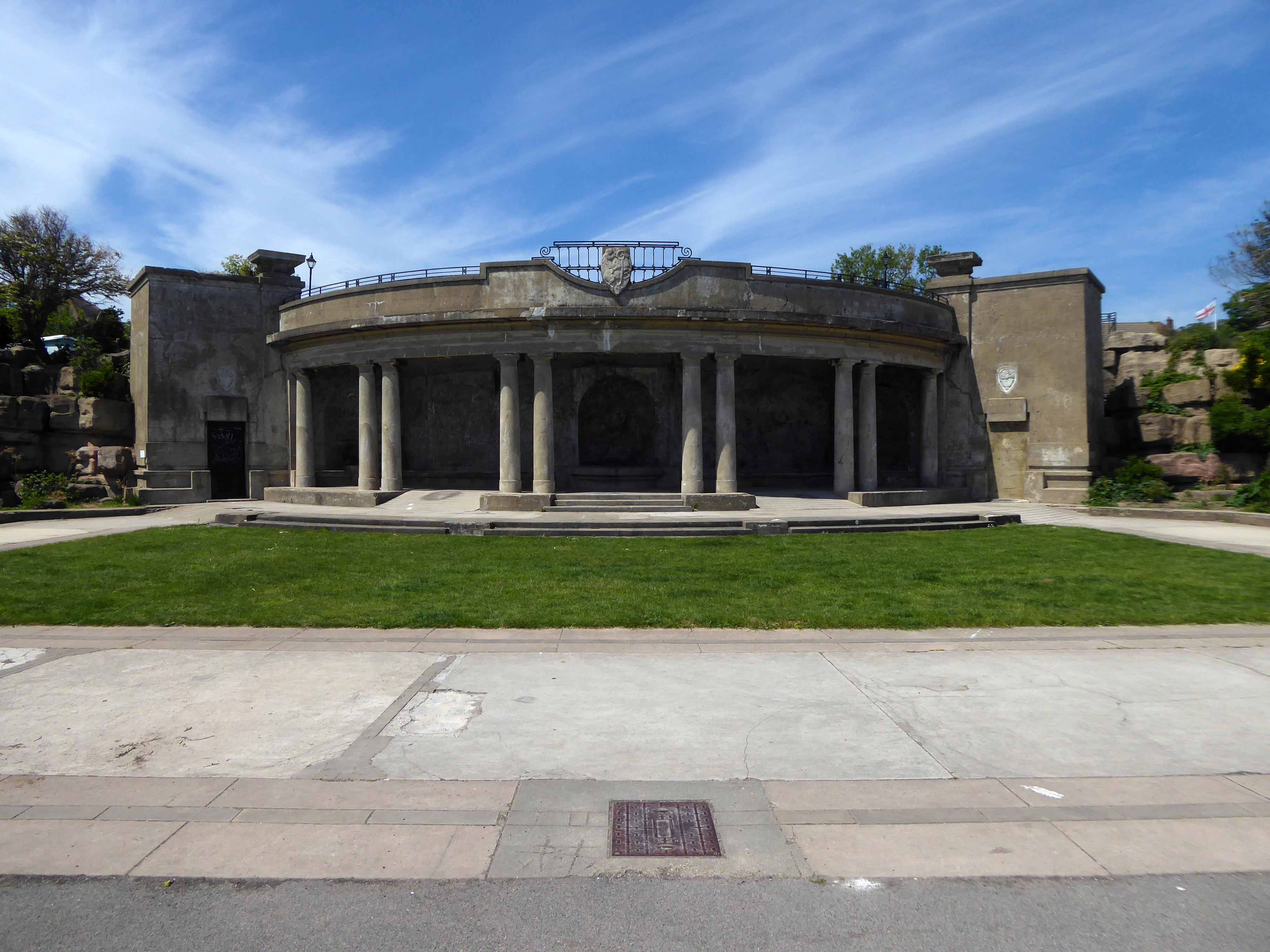
Overlooking the sea, the ornamental gardens were laid out and presented to the Borough of Ramsgate by Dame Janet Stancomb-Wills in 1920 and opened to the public in June 1923 by the Mayor of Ramsgate Alderman A. W. Larkin. They are maintained by Thanet District Council and were Grade II listed on 4 February 1988. 

The gardens were designed by the architects Sir John Burnet & Partners, and constructed by Pulham and Son. The main feature of the gardens, is a semi-circular shaped colonnade carved into the pulhamite recess.

On the upper terrace, approached by broad flights of steps, the gardens proper are reached. In the centre, and immediately over the shelter, is a circular pool enclosed on the north side by a semi-circular Roman seat.

Wikipedia

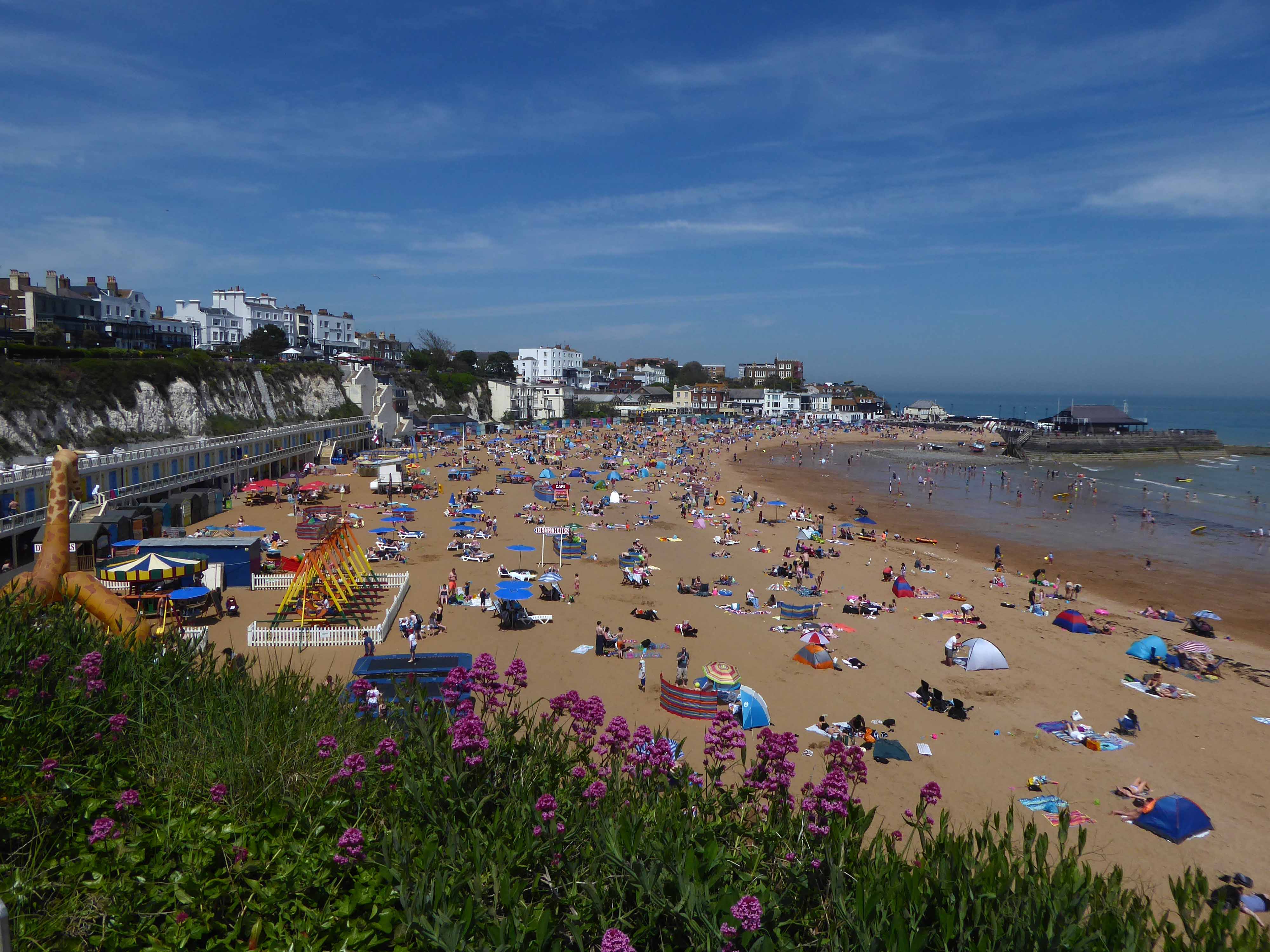
Broadstairs was alive with Bank Holiday activity.

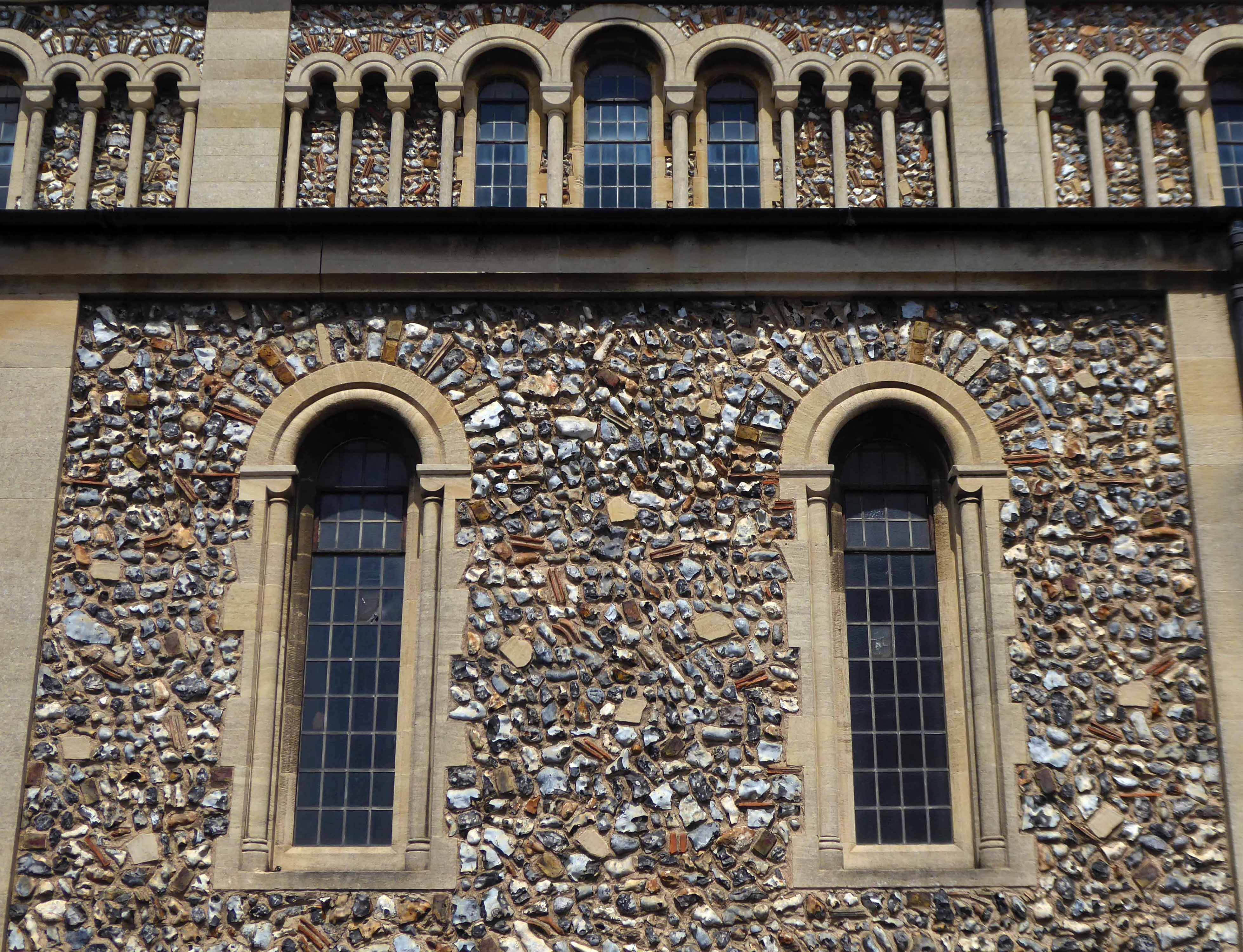
On leaving the town we encounter this engaging flint church – Holy Trinity

Erected 1829-1830. David Barnes Architect, extended 1925.

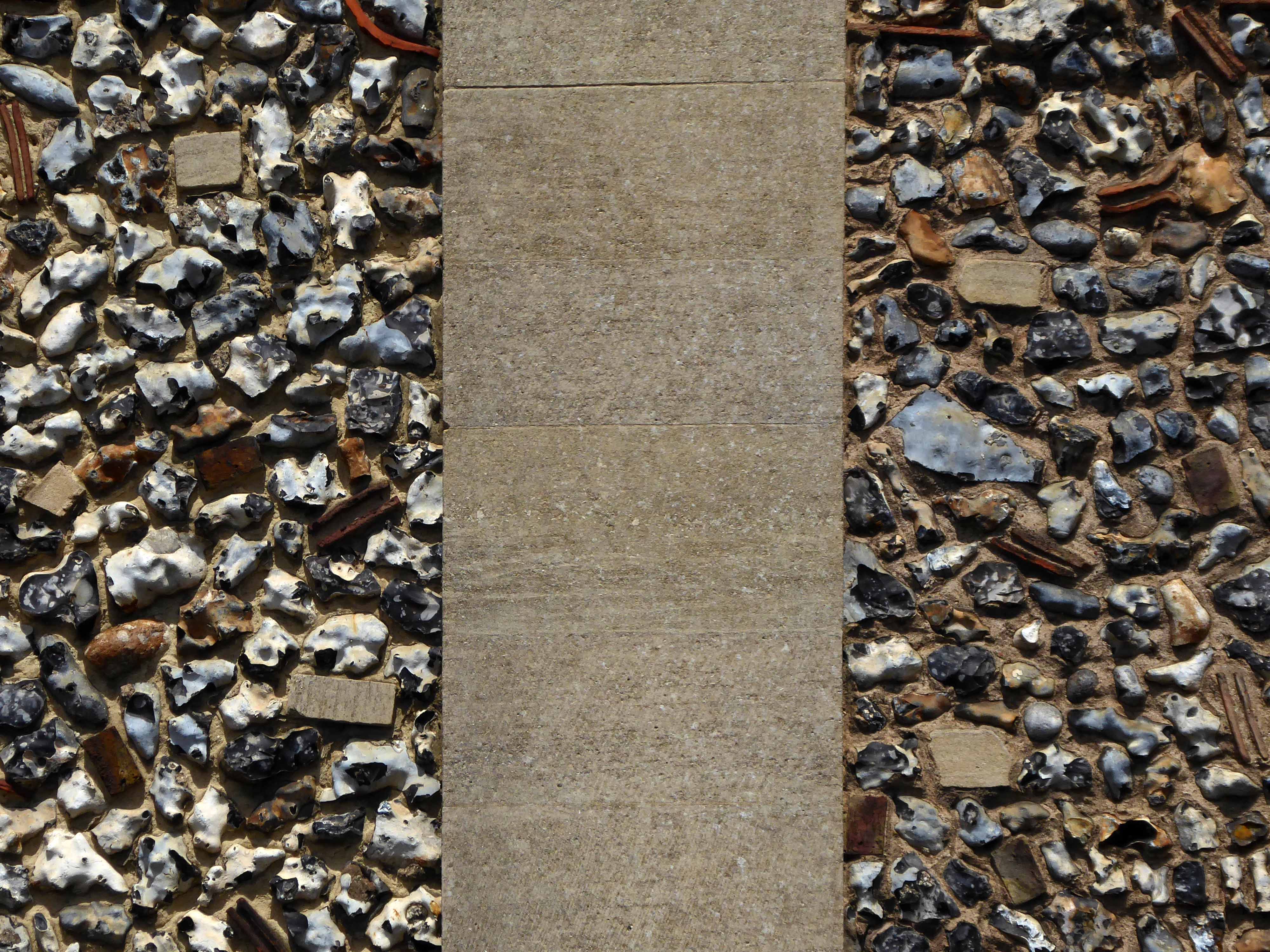
Built of flint and rubble.

One of the first visitors to this church was Charles Dickens who offered a very unflattering description in his work, Our English Watering Place:

We have a church, by the bye, of course – a hideous temple of flint, like a petrified haystack.  Our chief clerical dignitary, who, to his honour, has done much for education, and has established excellent schools, is a sound, healthy gentleman, who has got into little local difficulties with the neighbouring farms, but has the pestilent trick of being right.

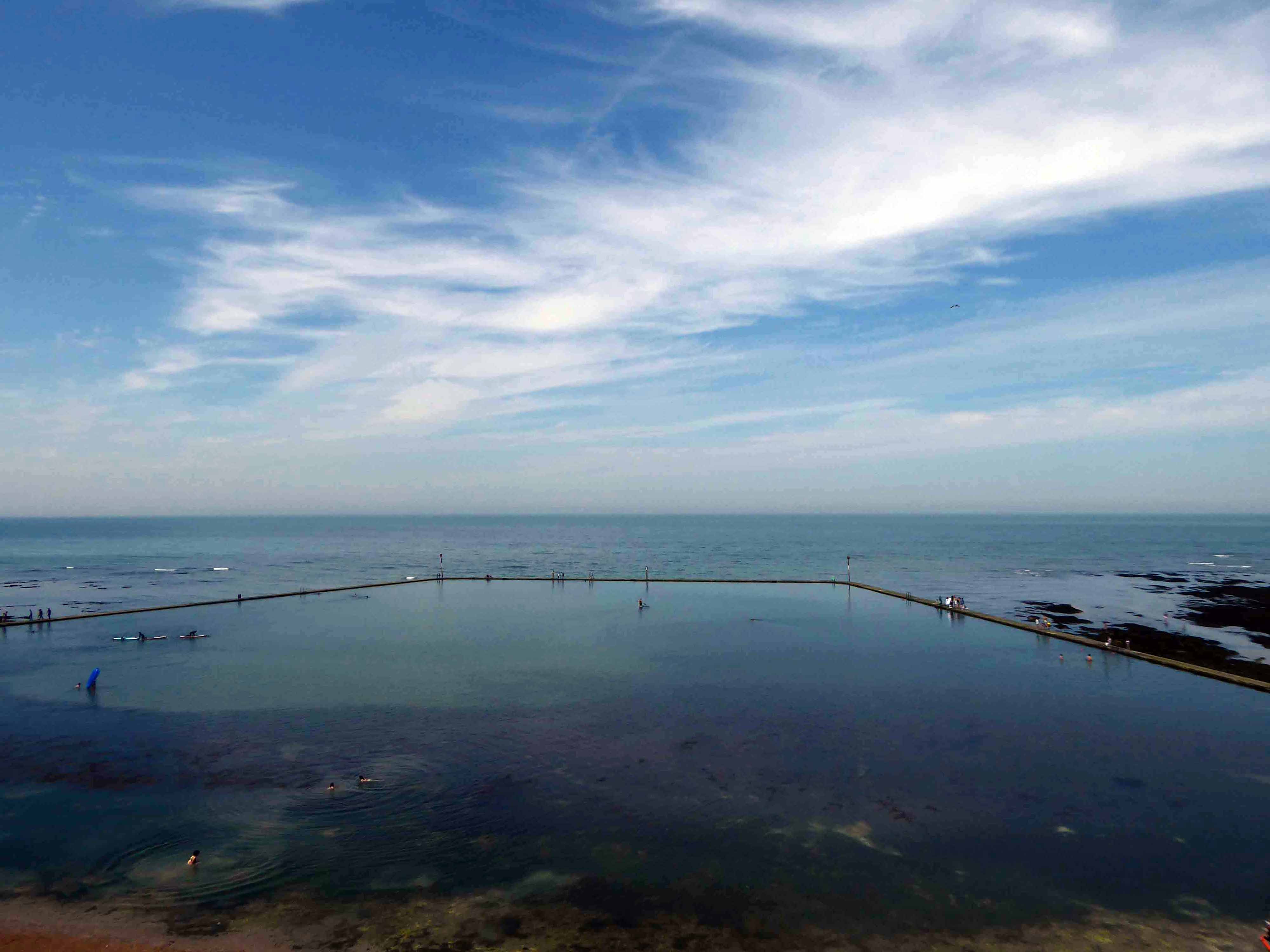
In Margate the tidal pools are full of waveless sea water and kiddy fun.

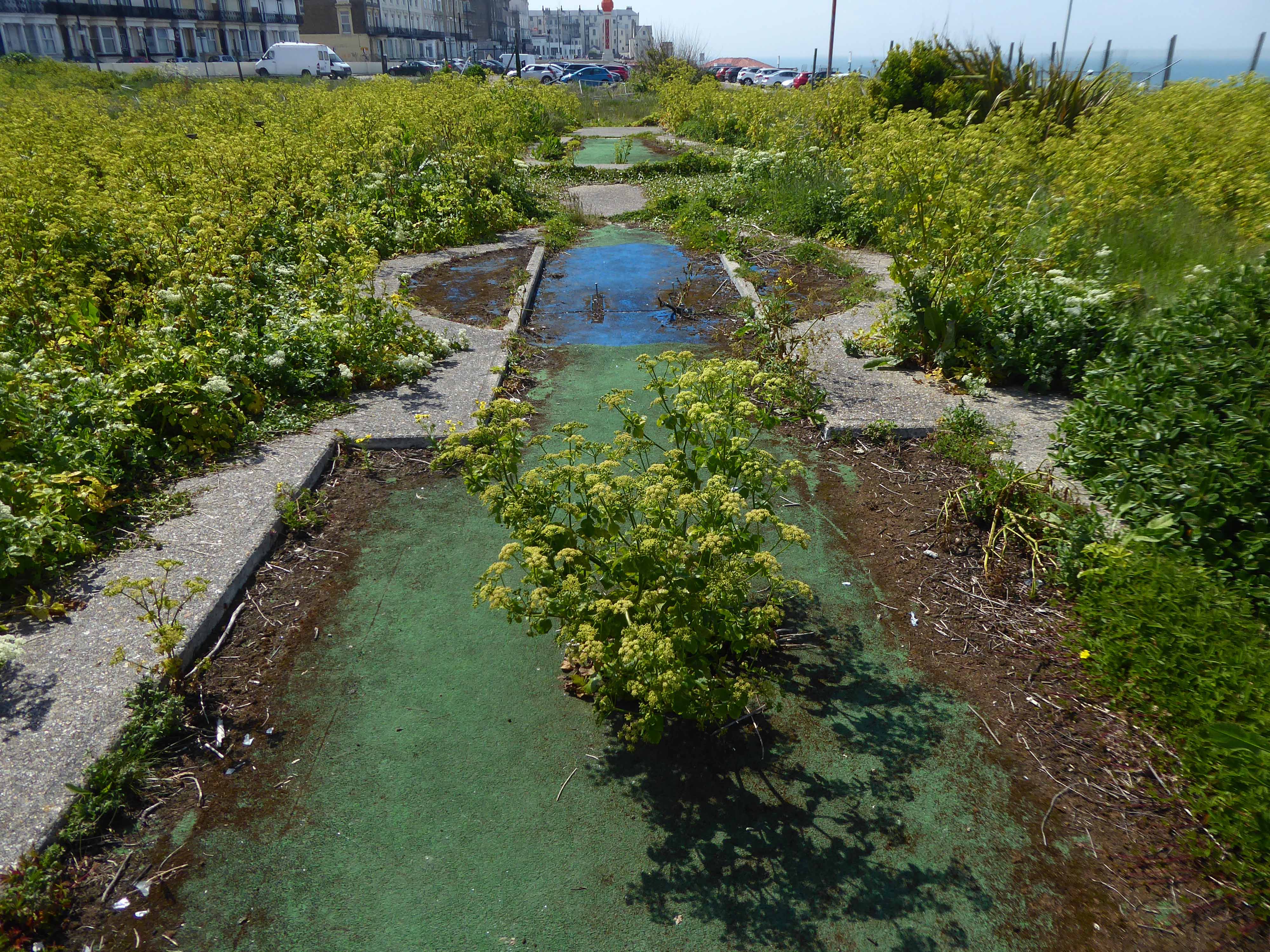
The former crazy golf course is undergoing an ongoing programme of involuntary rewilding.

The Turner Contemporary was hosting an impromptu al fresco sculpture show.

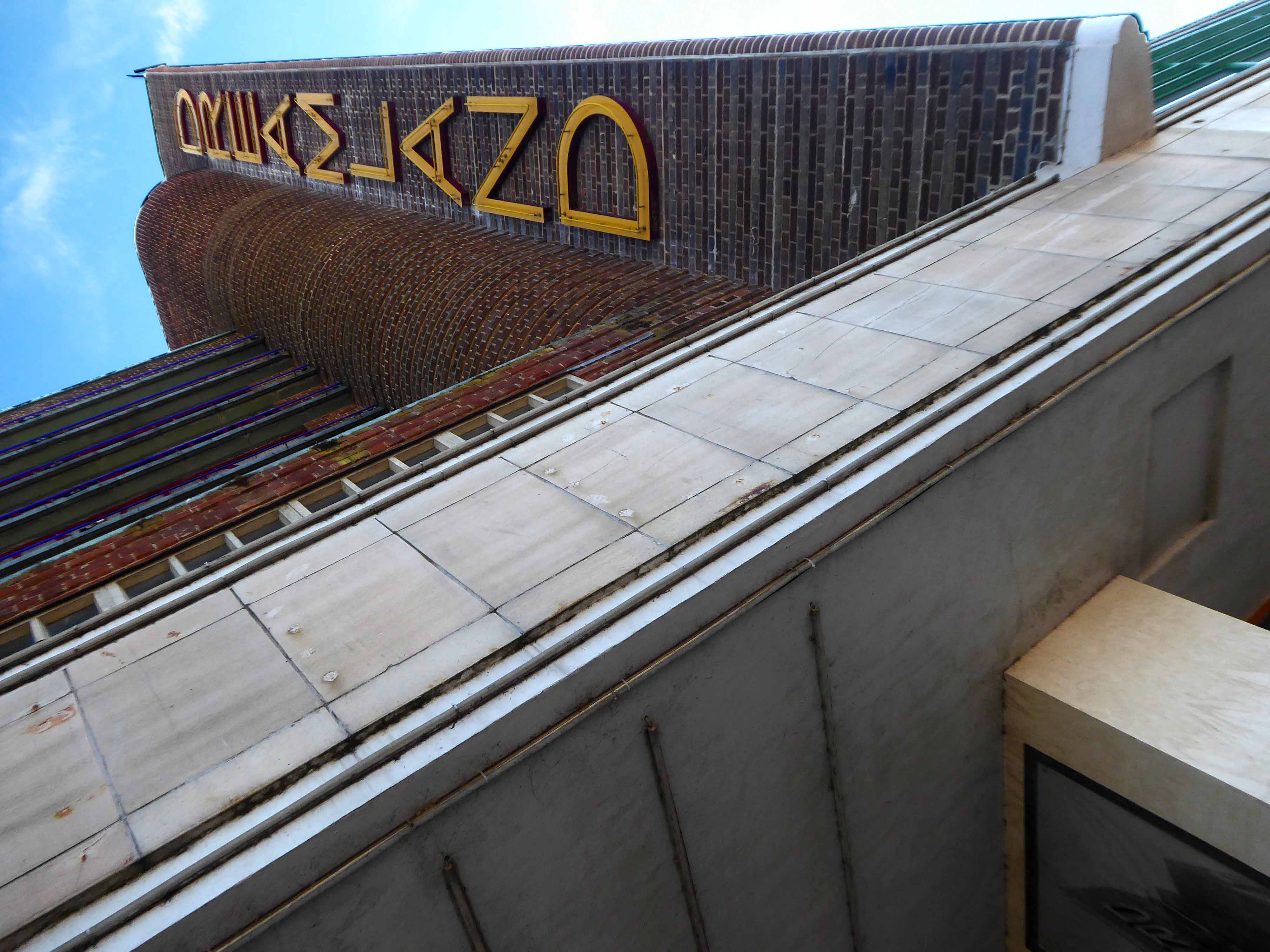
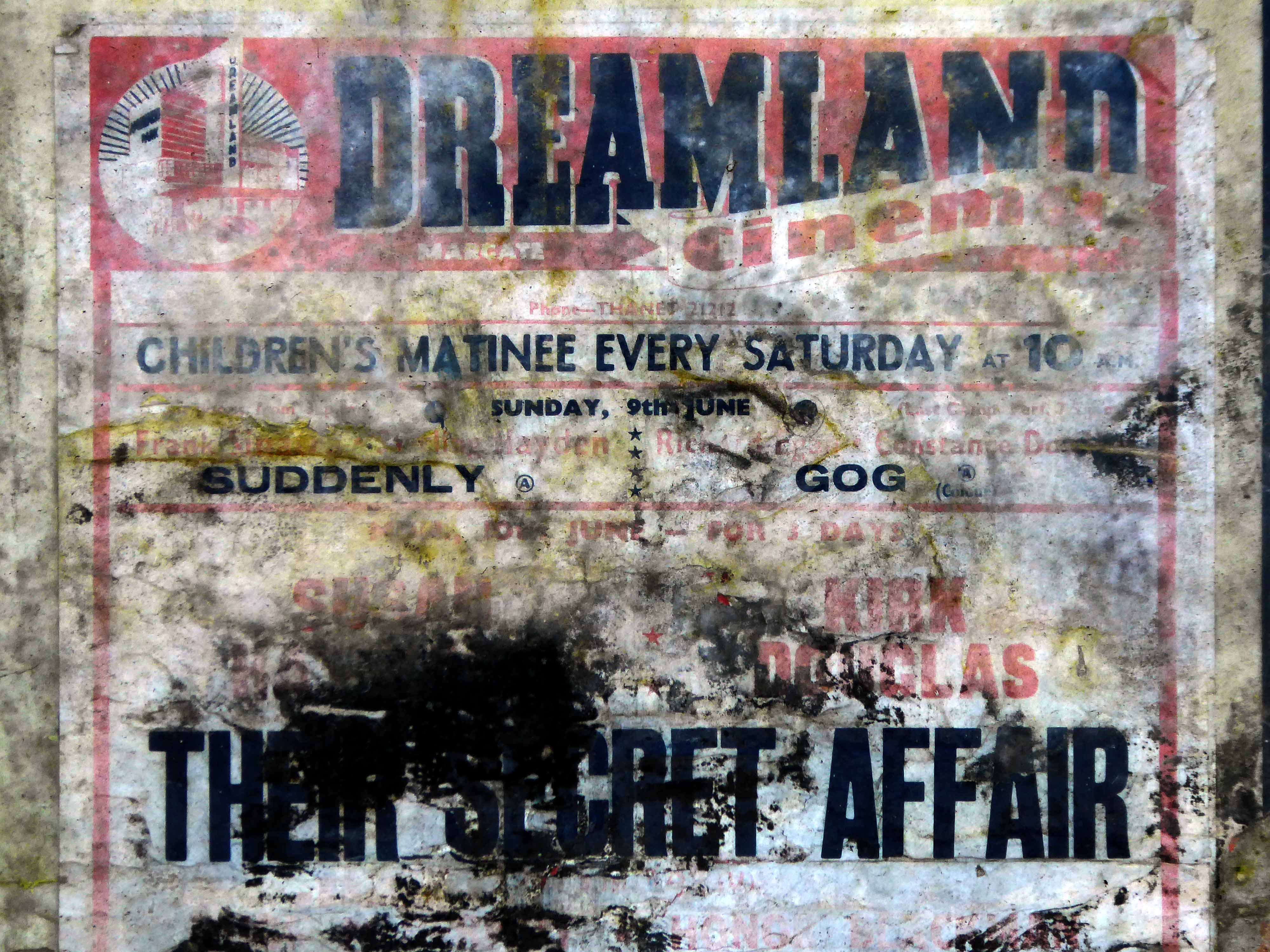
Dreamland was still dreaming.

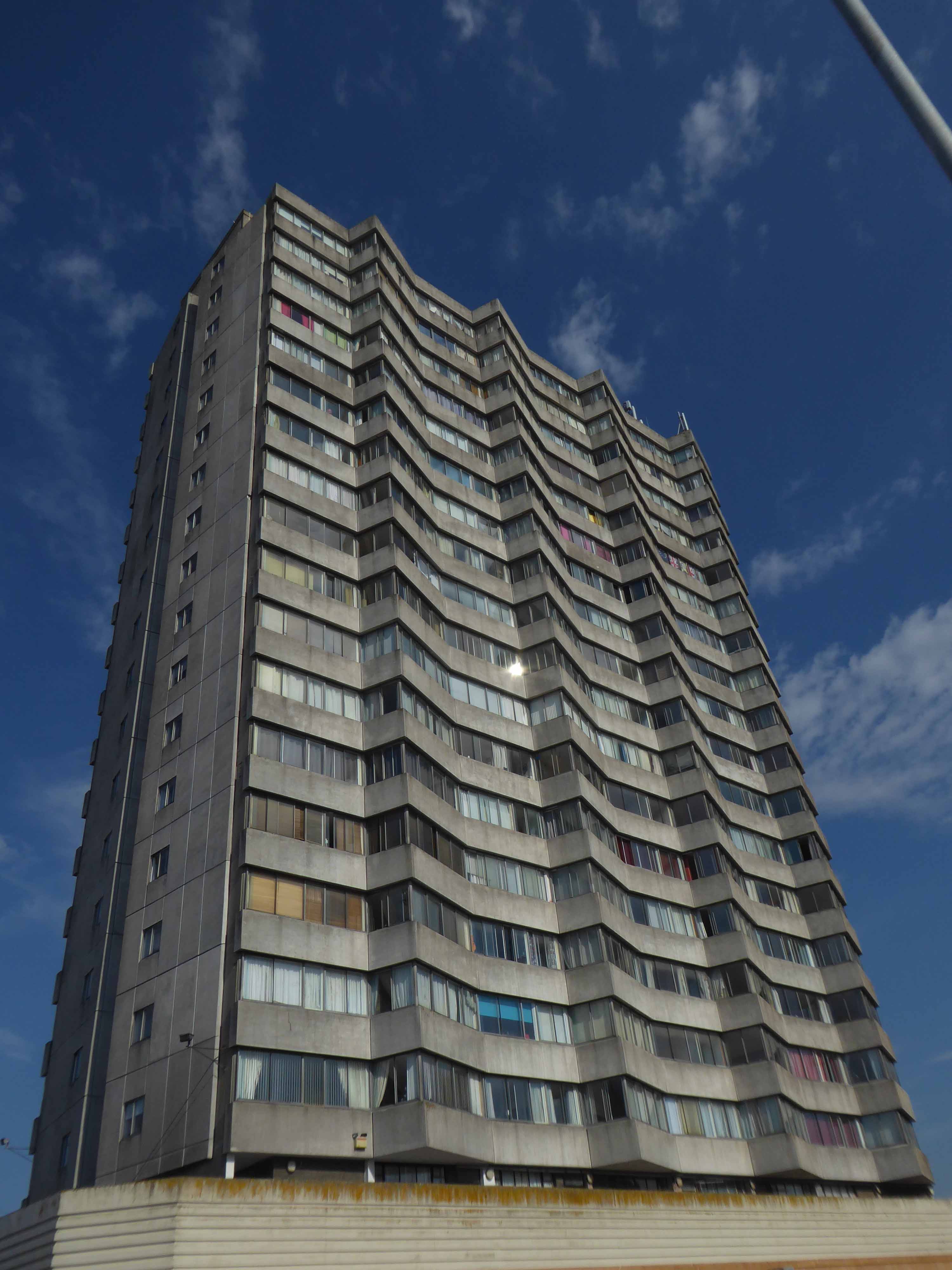
And Arlington House staring steadfastly out to sea.

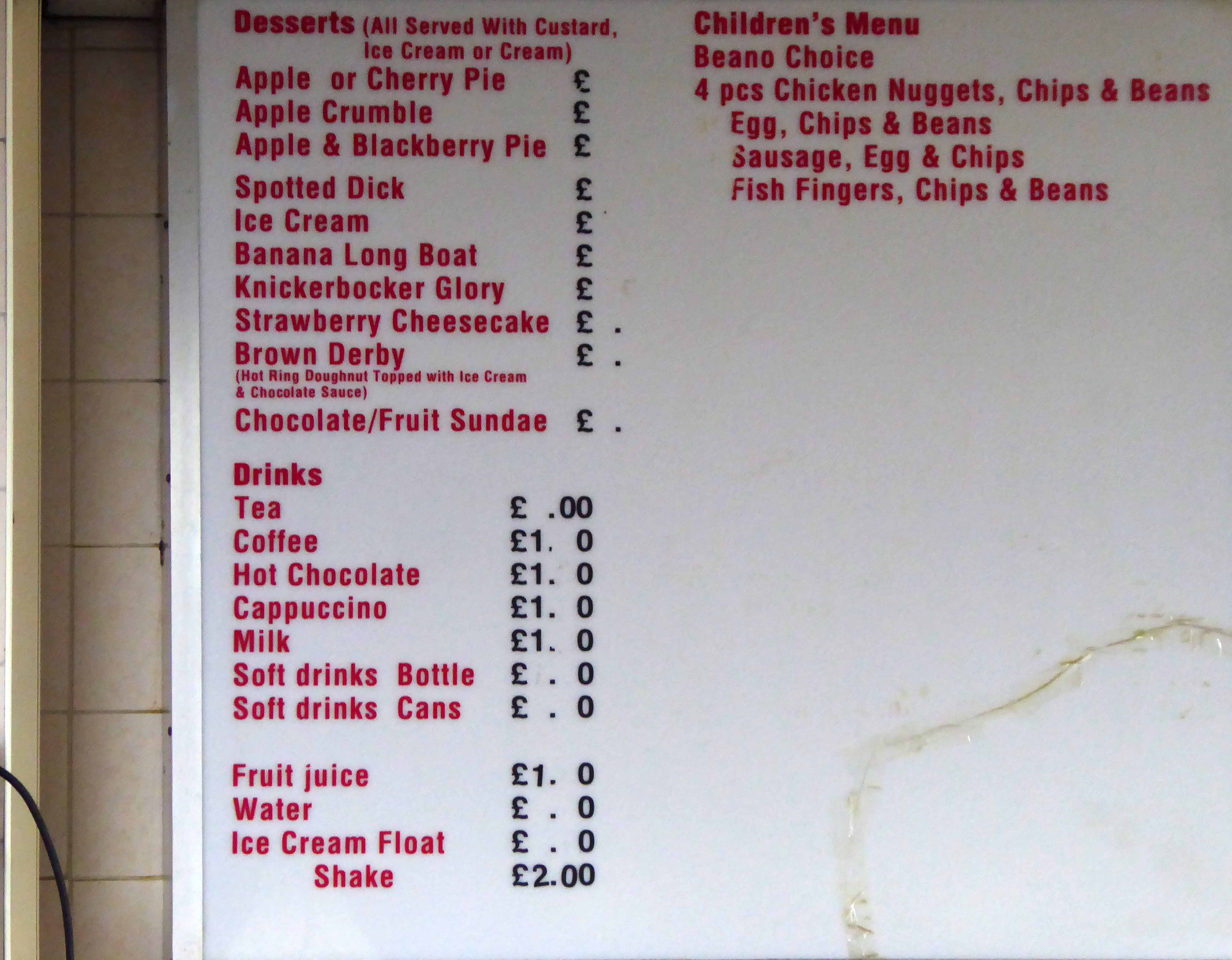
Time now for tea and a welcome plate of chish and fips at the Beano Cafe.

I miss my haddock and chips from Beano in Margate, brought to you with a smile and he remembers everyone.

Great customer service and friendly staff, see you soon.

The food is awful and the customer service is even worse: when we complained about the food the staff argued with us and wouldn’t do anything to change the food or refund, avoid at all costs!

Trip Advisor

Time for a wander around Cliftonville.

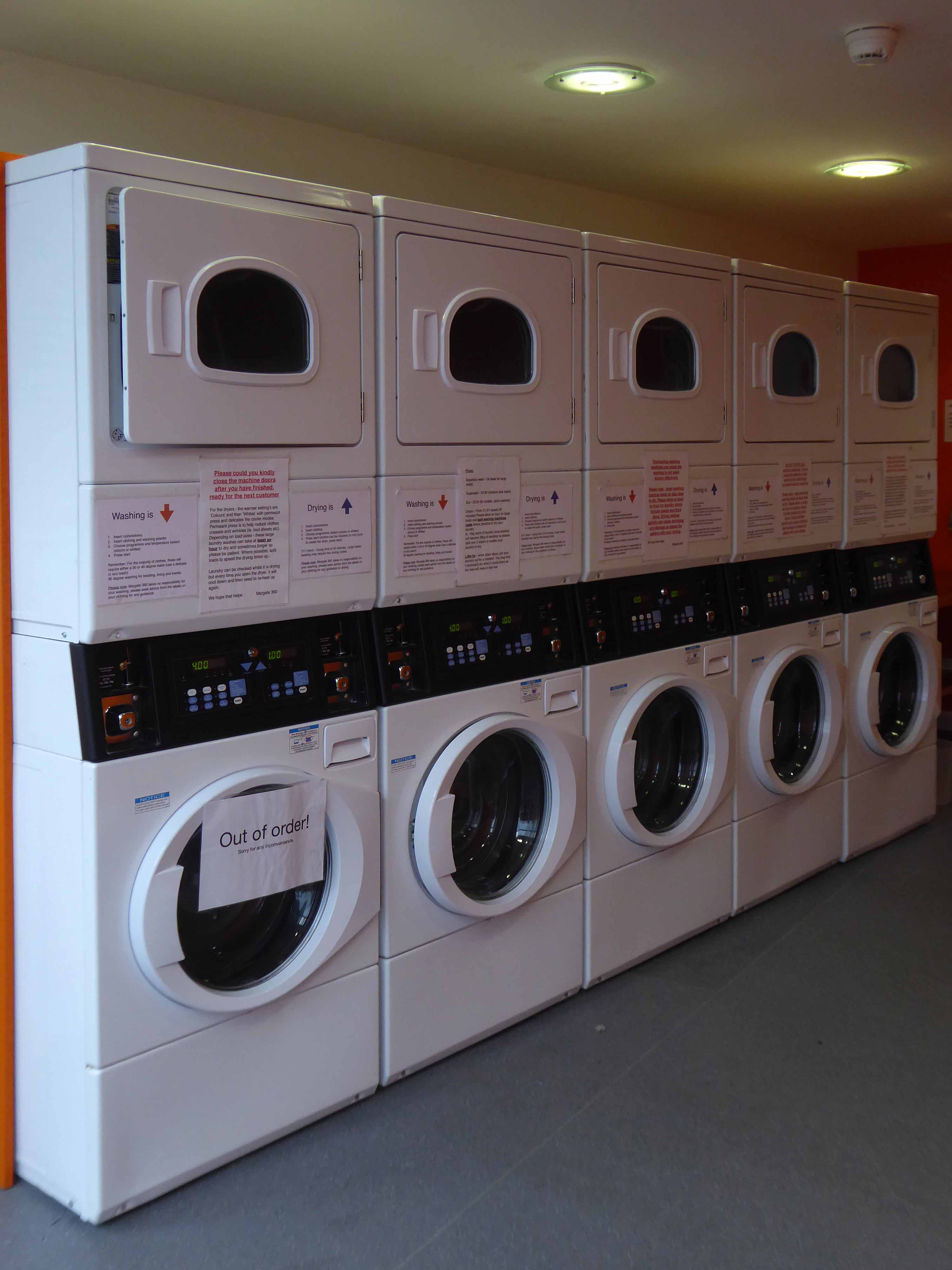
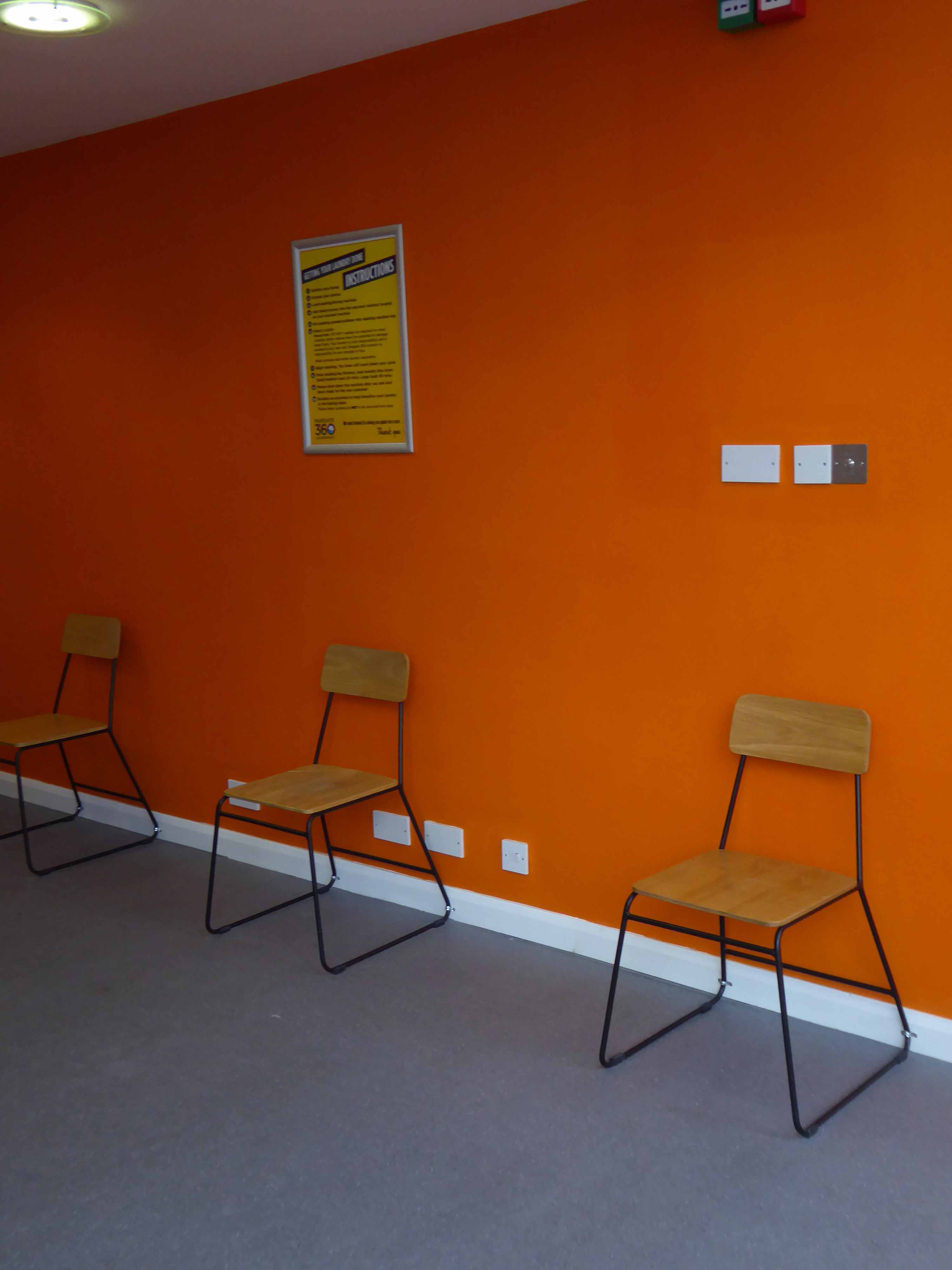
Discovering a shiny new launderette.

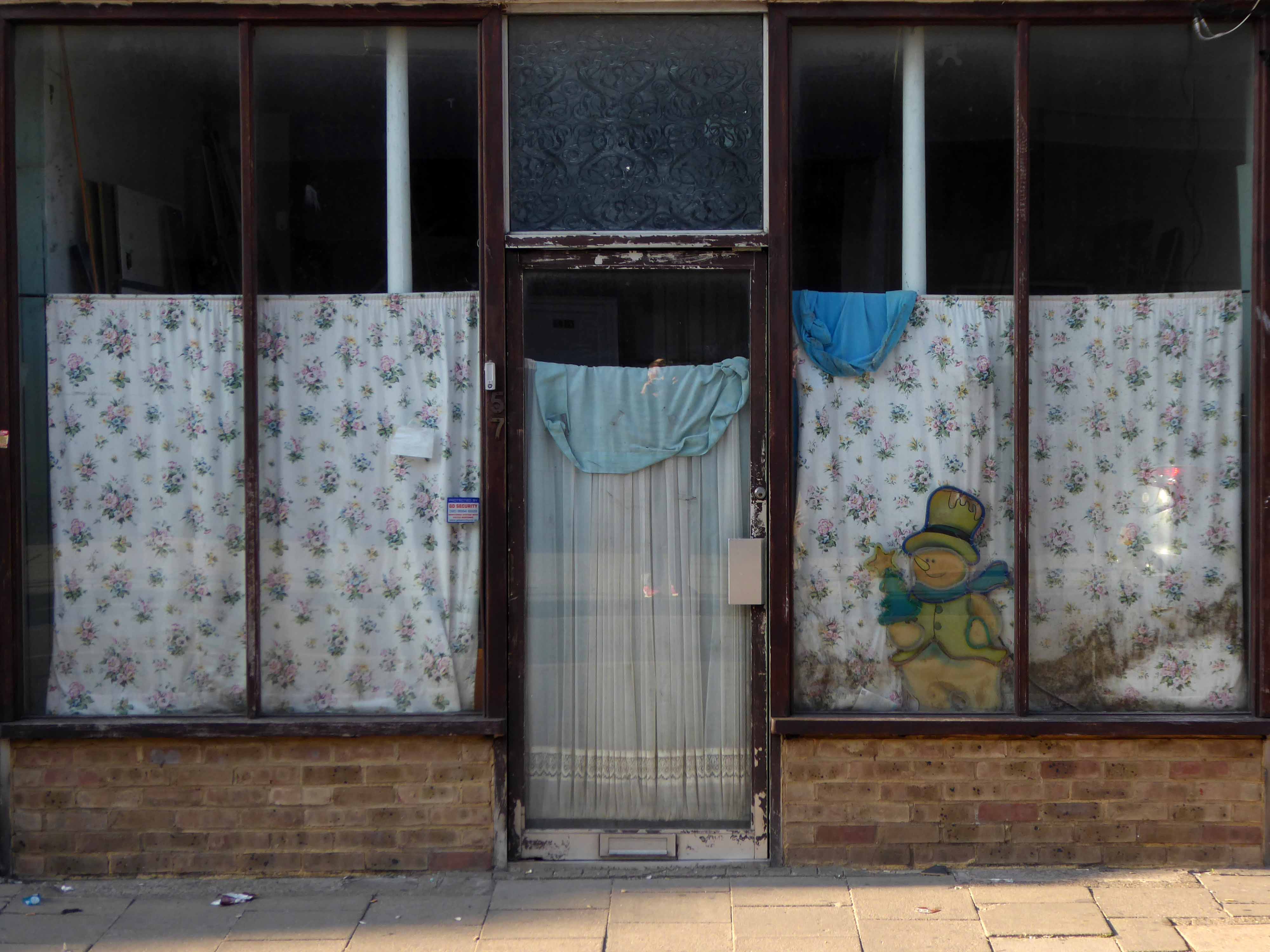
And a launderette that wasn’t a launderette – it’s a Werkhaus that isn’t a workhouse.

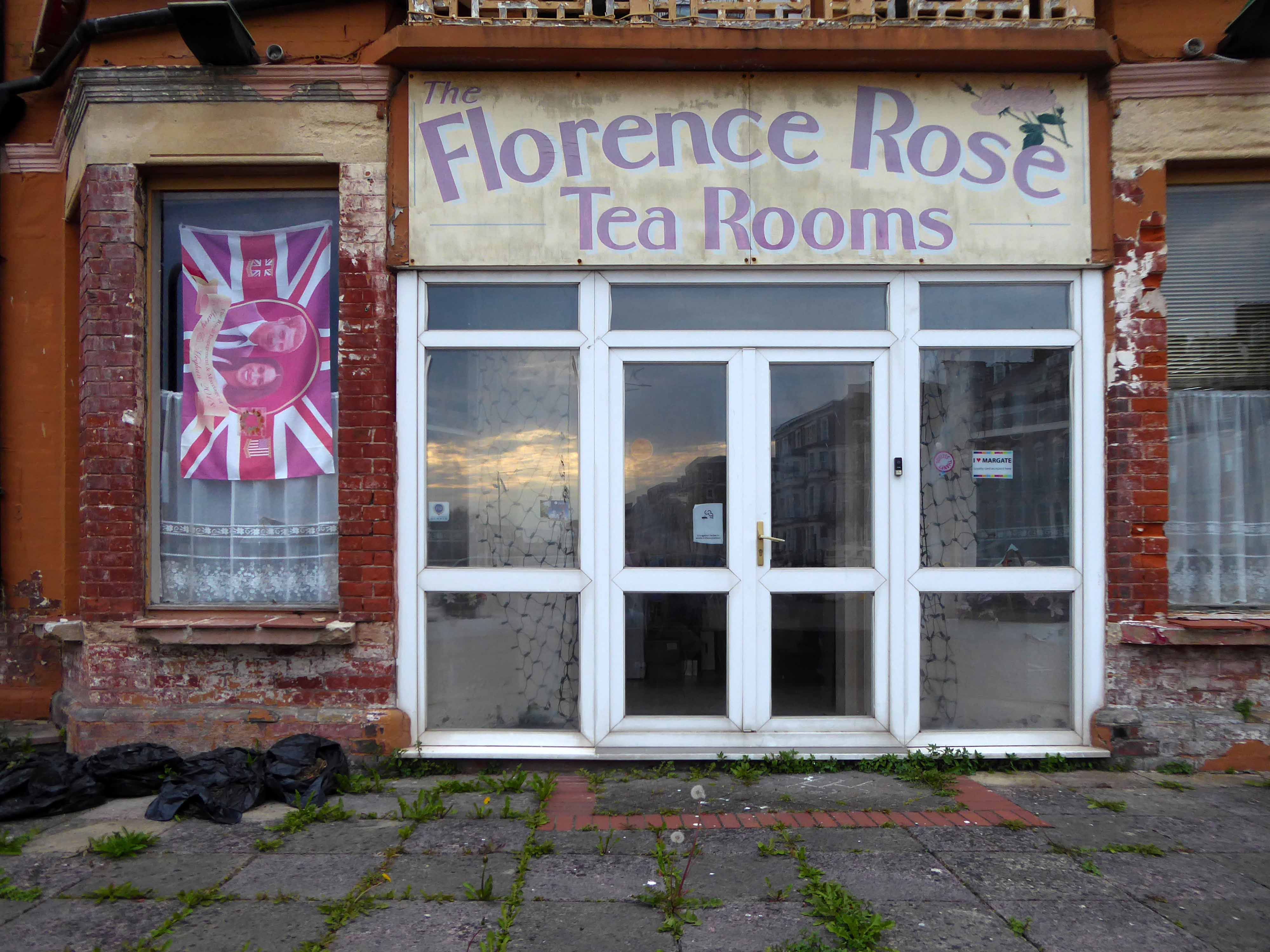
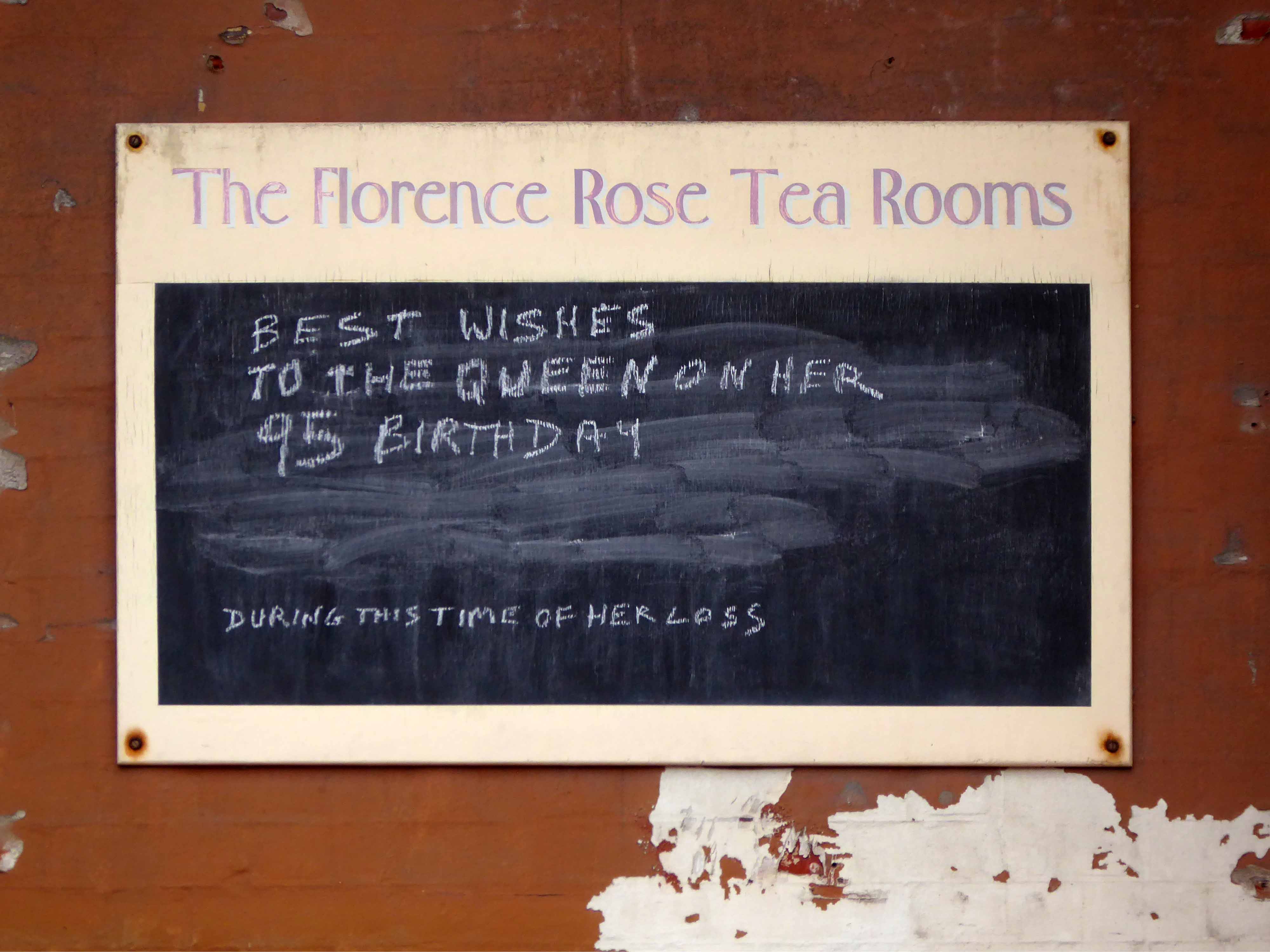
And a patriotic tea rooms.

So farewell then the south coast – we’re off home on the train in the morning.

But first a pint or two.

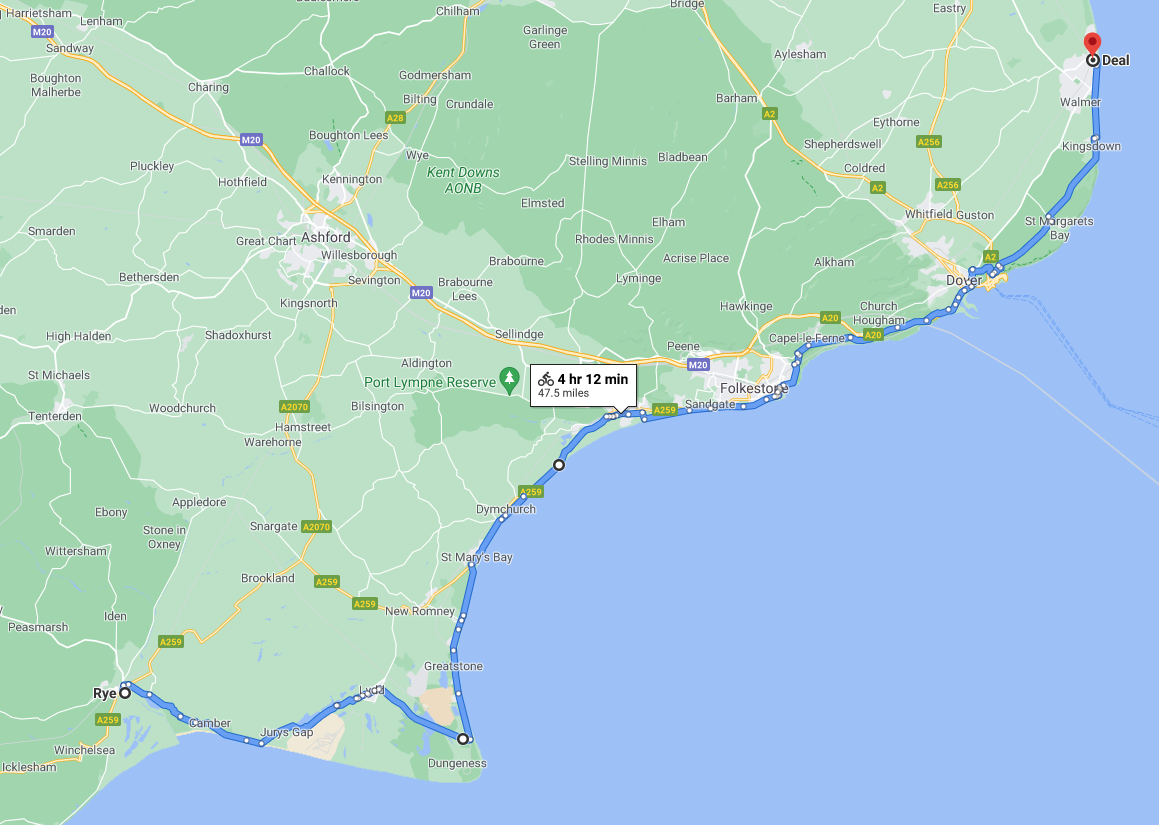
Rye To Deal

I’ve been here before on a longer Hastings to Margate leg, here’s a shorter hop.
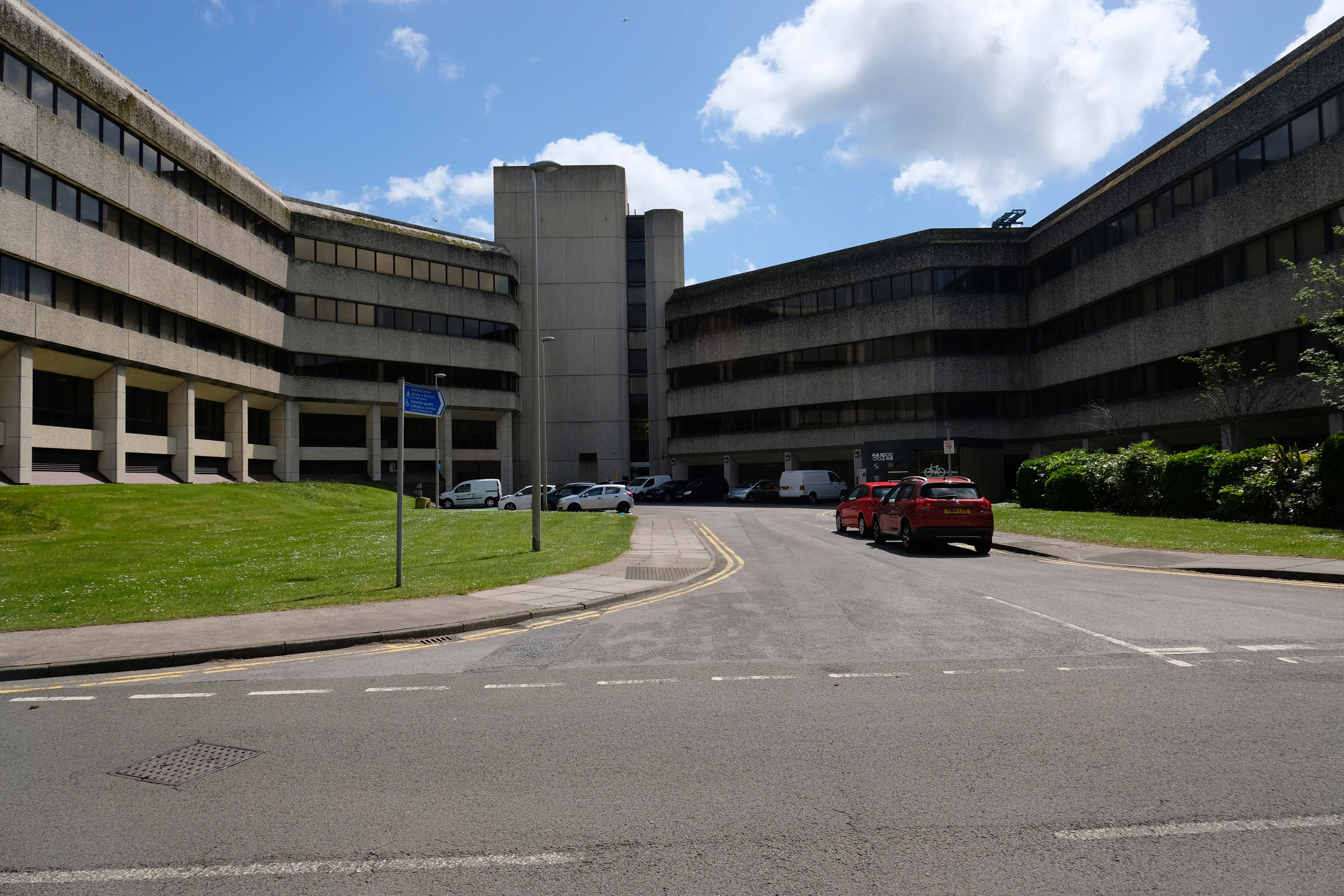
Late night arrival in Rye, early morning departure following a hearty hotel breakfast.

Firstly along tracks, then parallel to the road on sequestered farmland, through the flat salt marshes of Camber.

Where Tim stops, in order to fail to buy fruit.
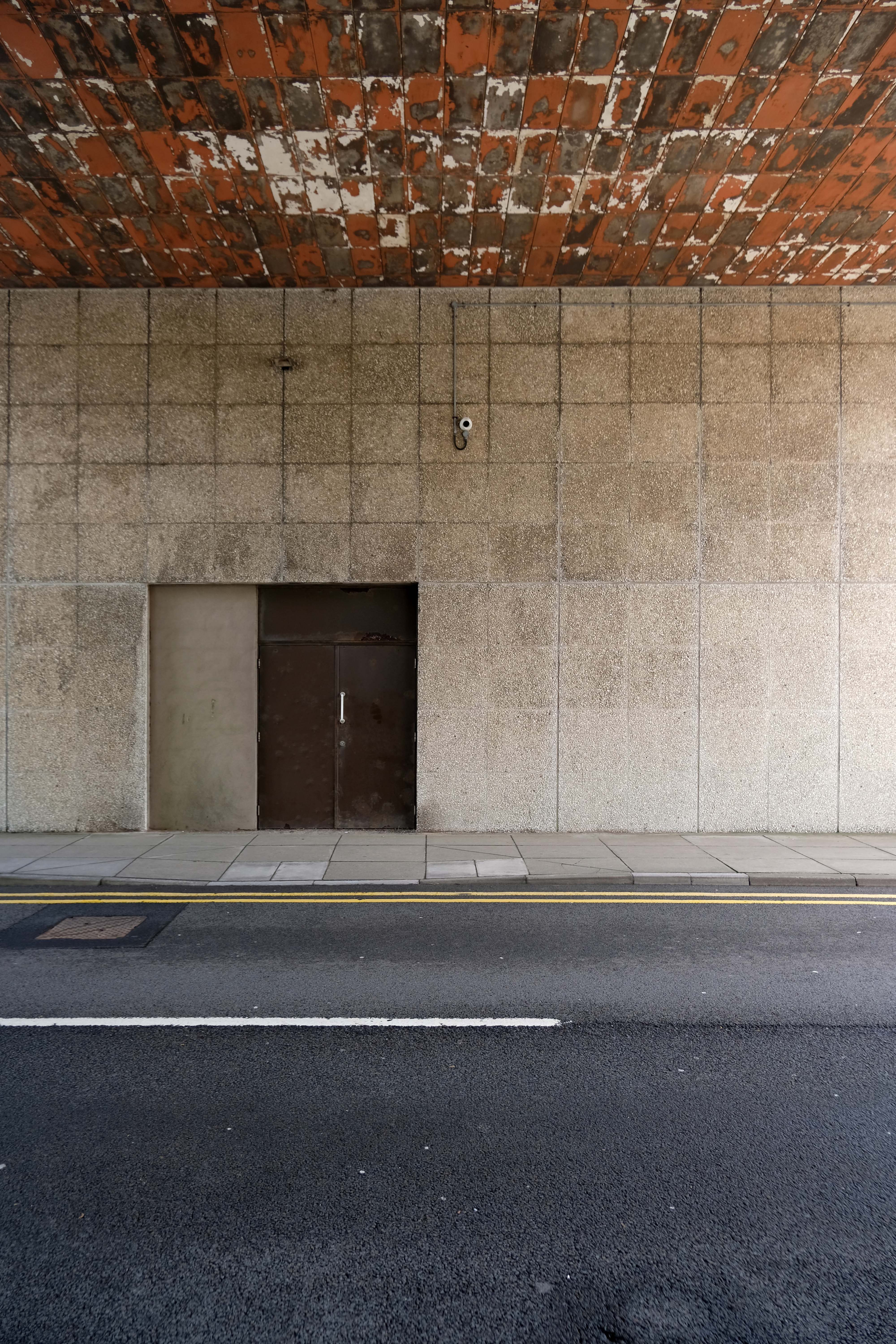
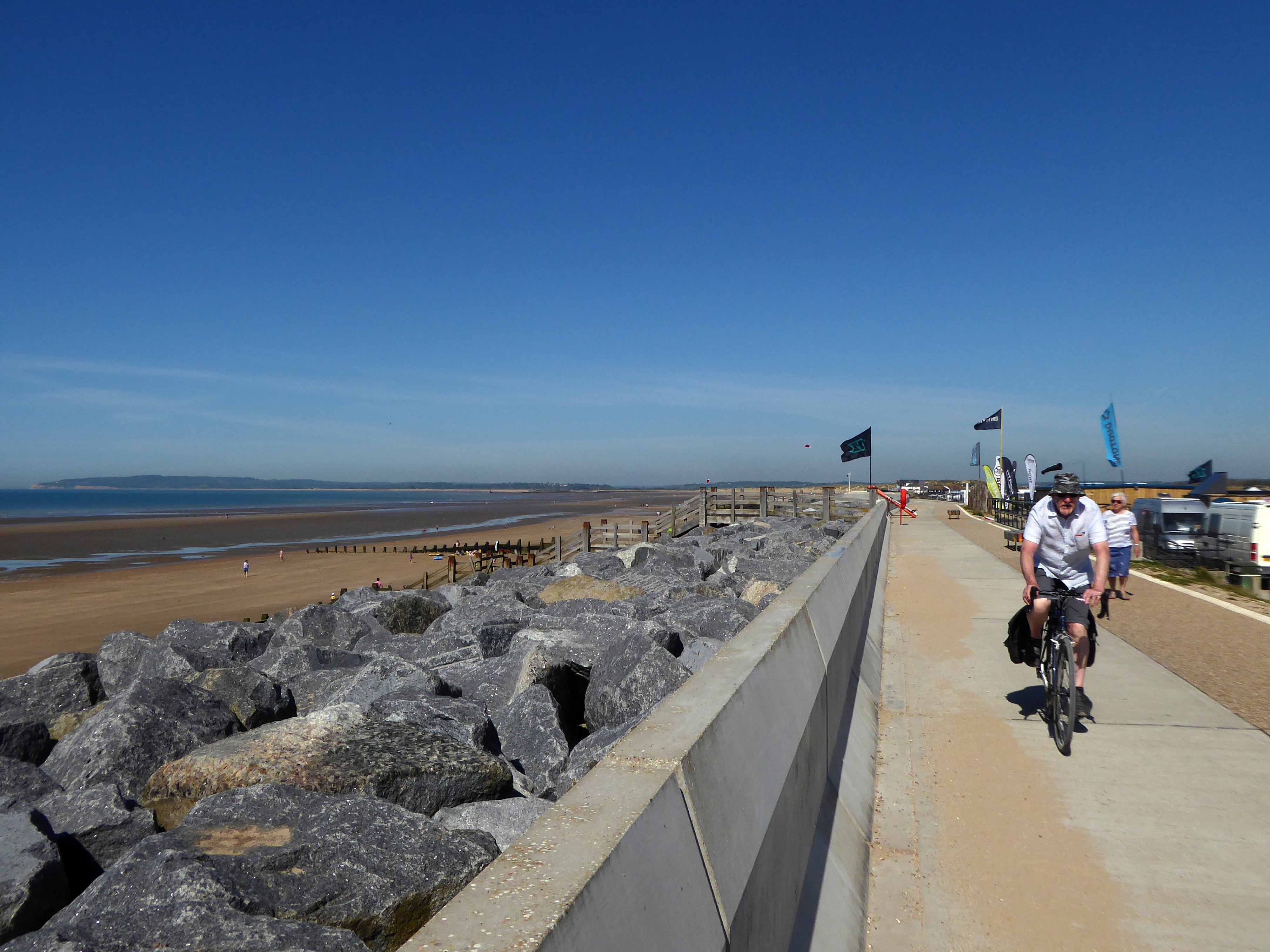
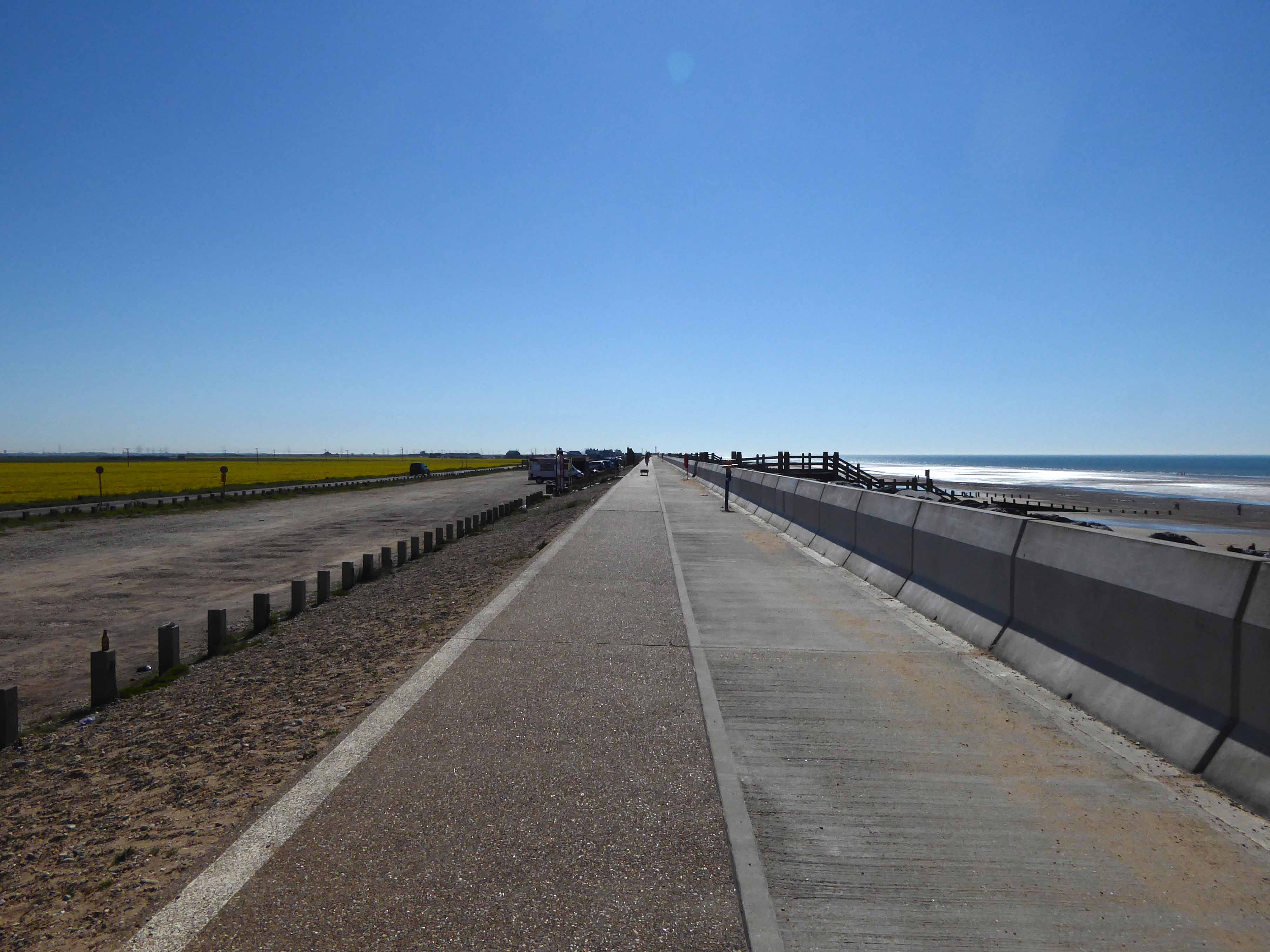
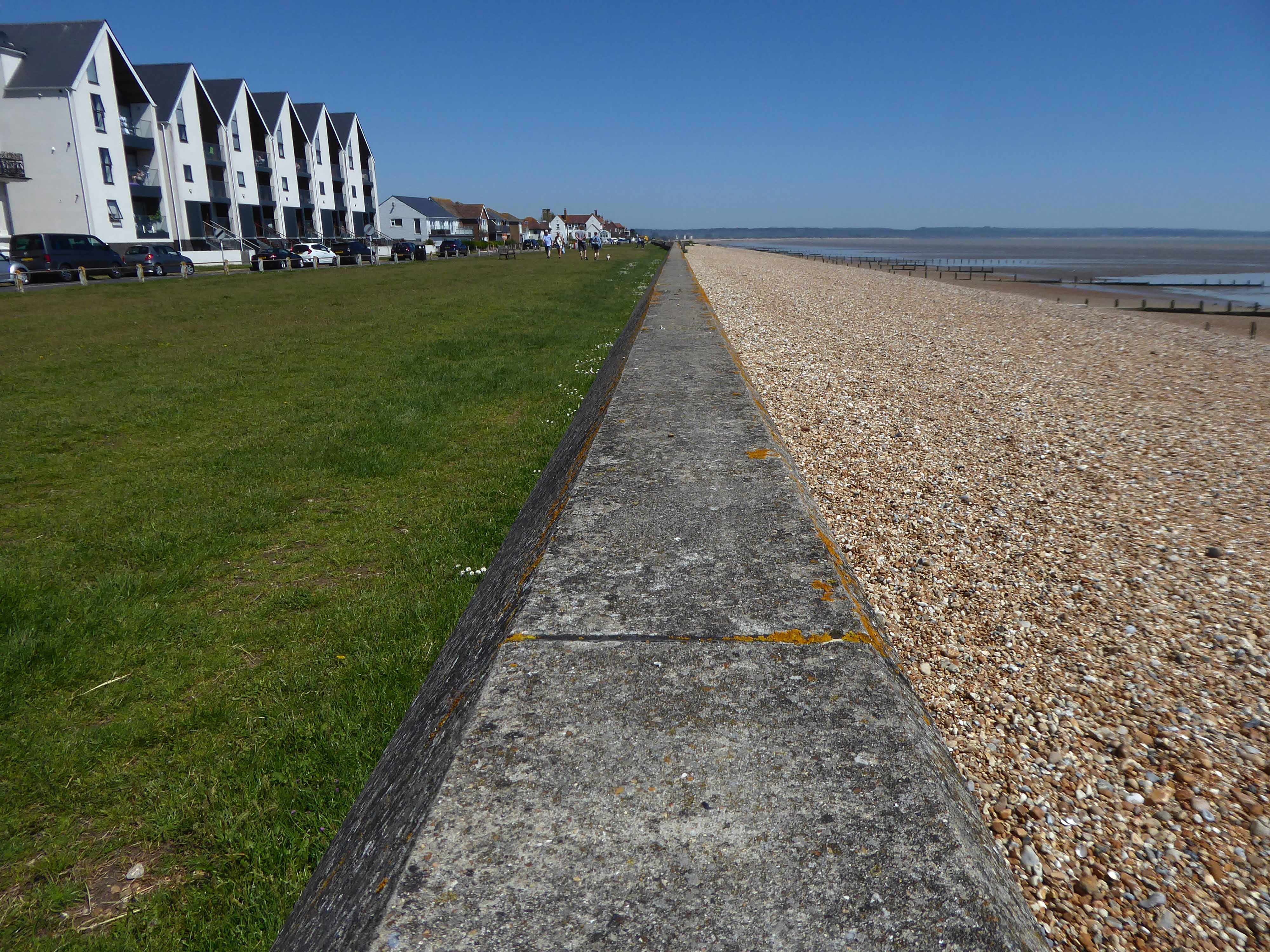
Brief relief from the track along the concrete sea defences and path.

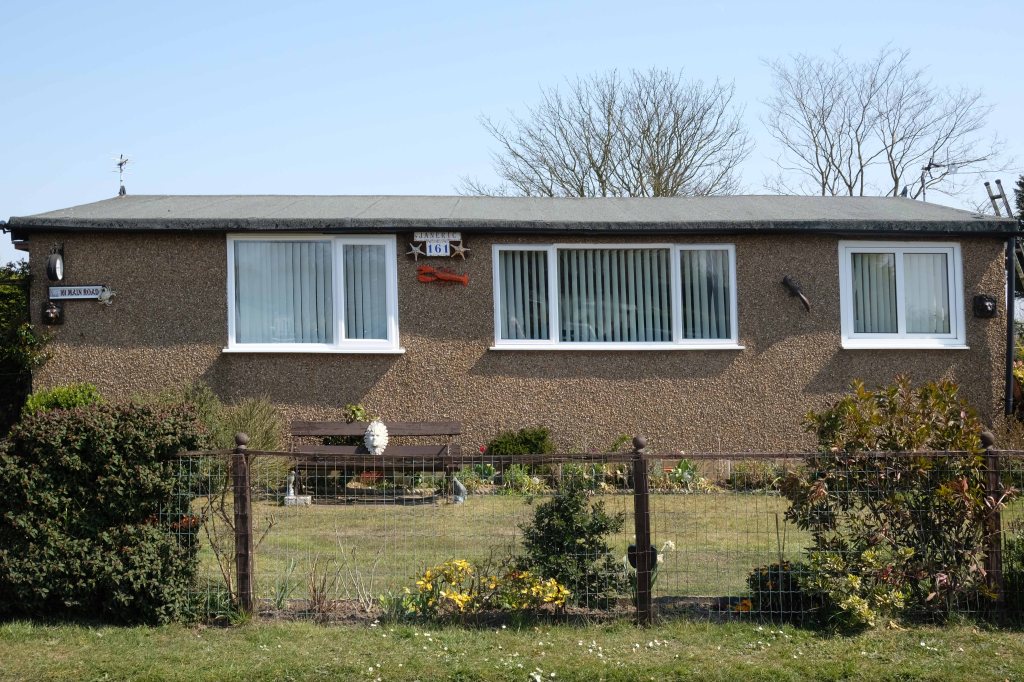
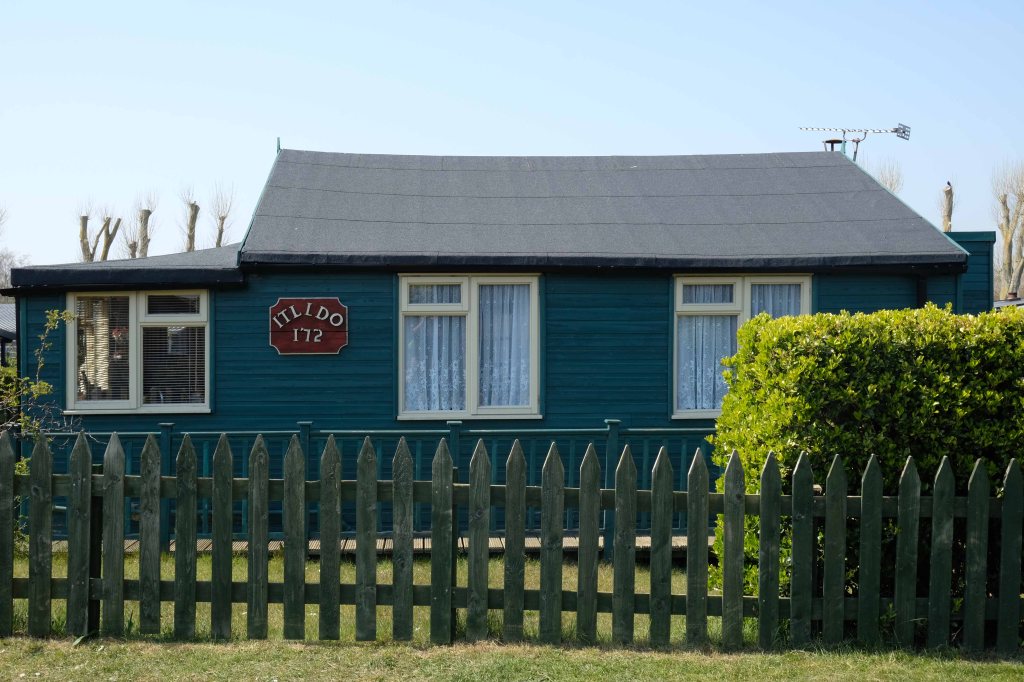
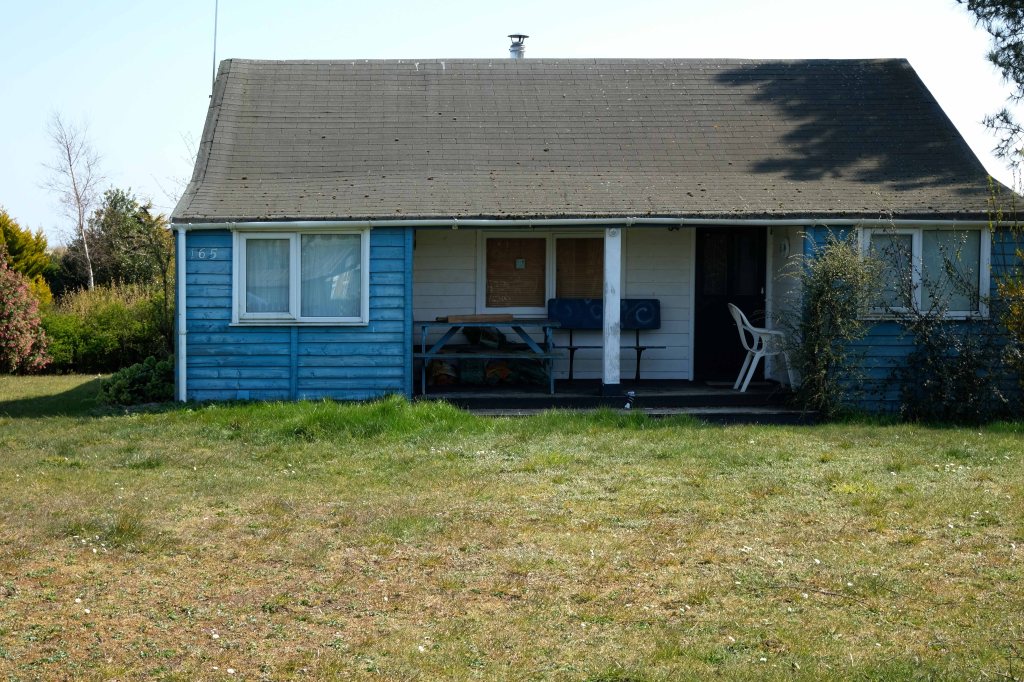
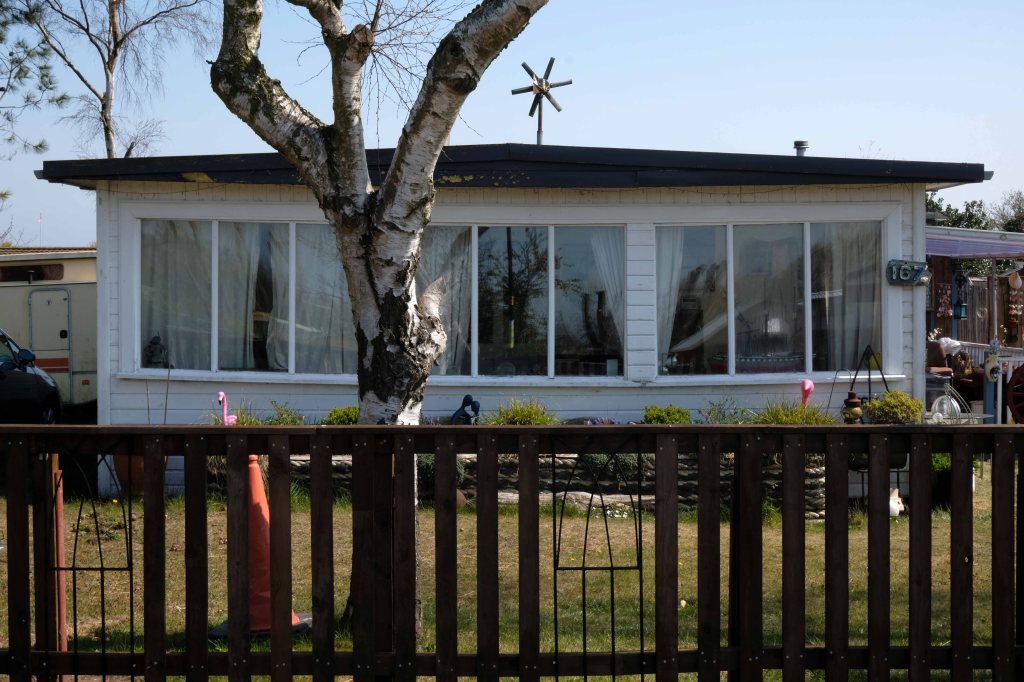
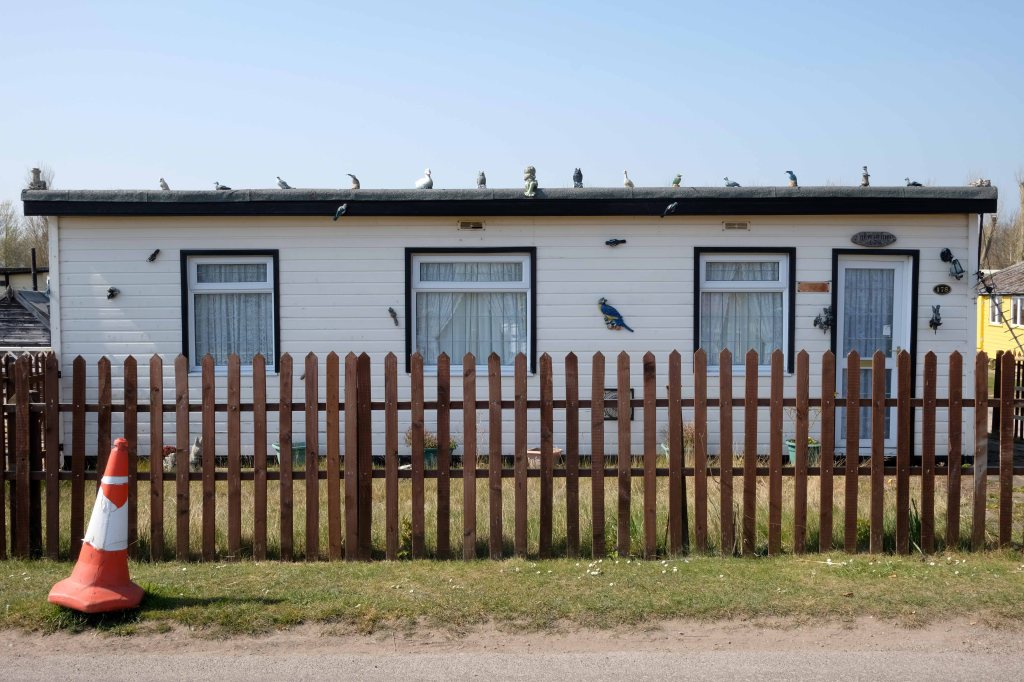
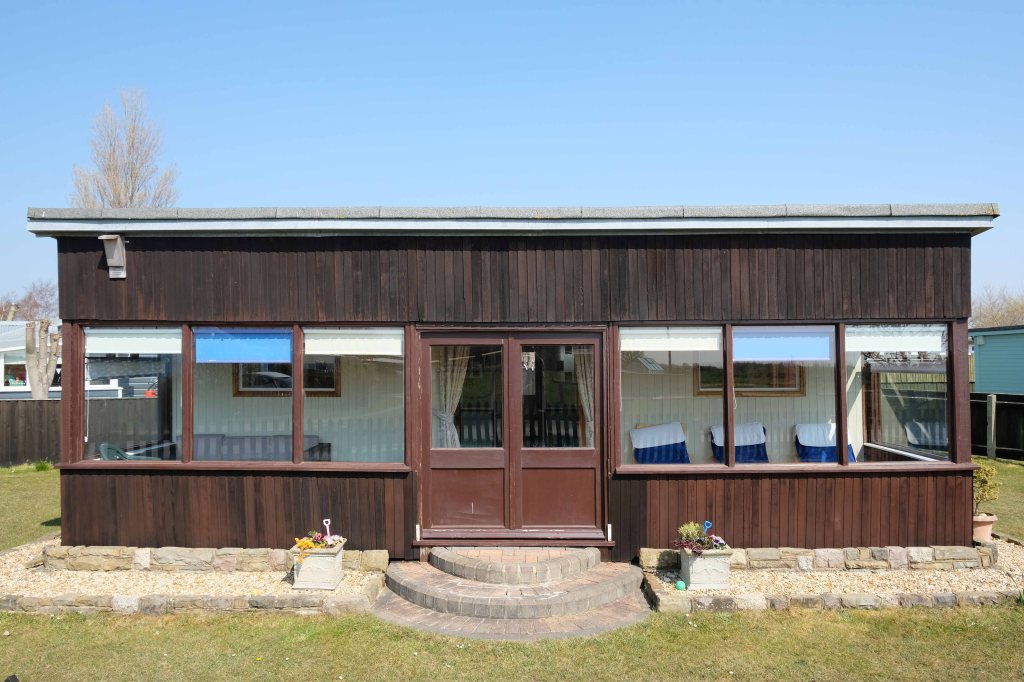
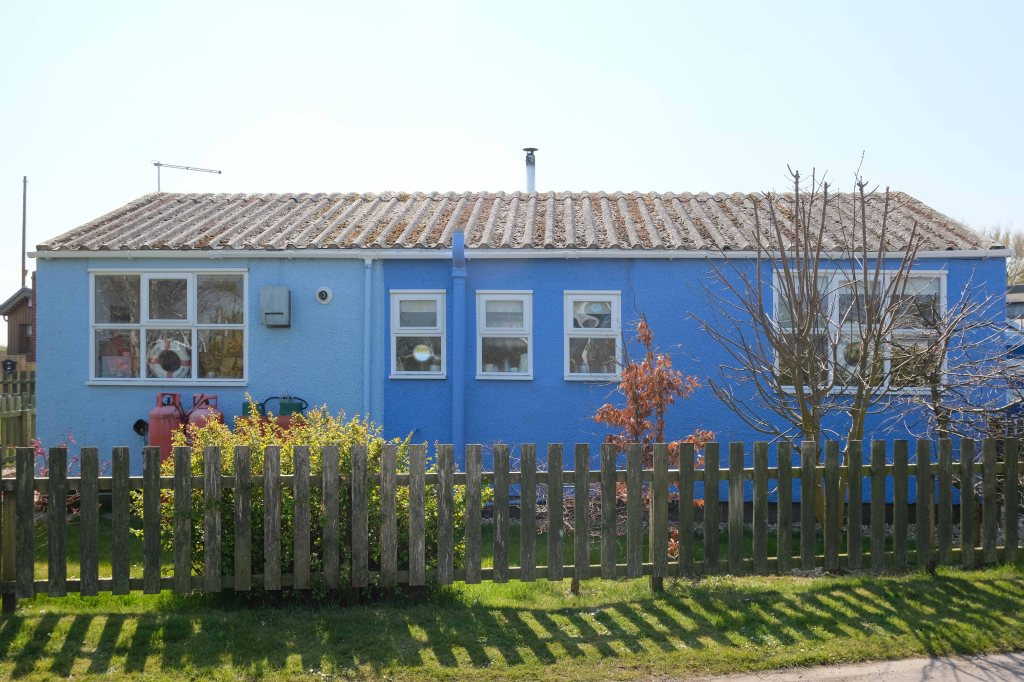
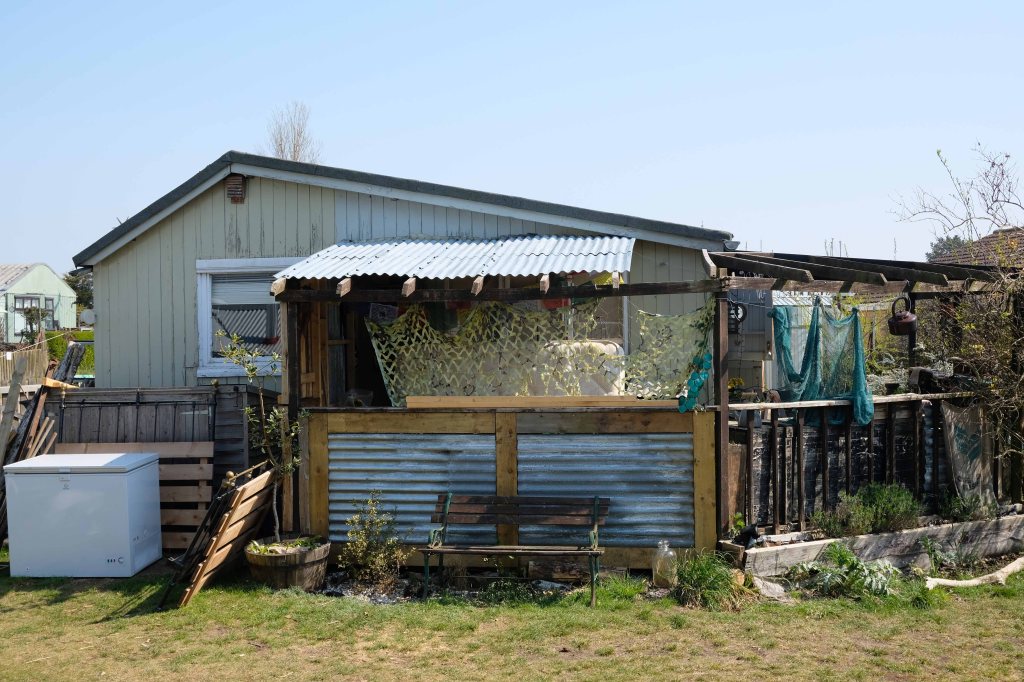
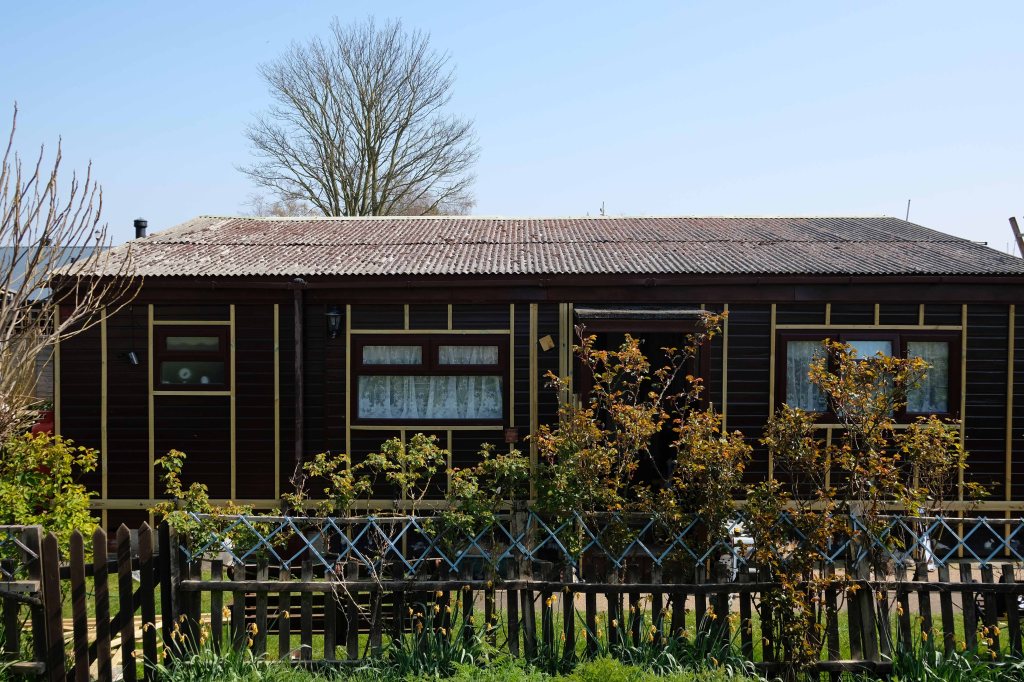
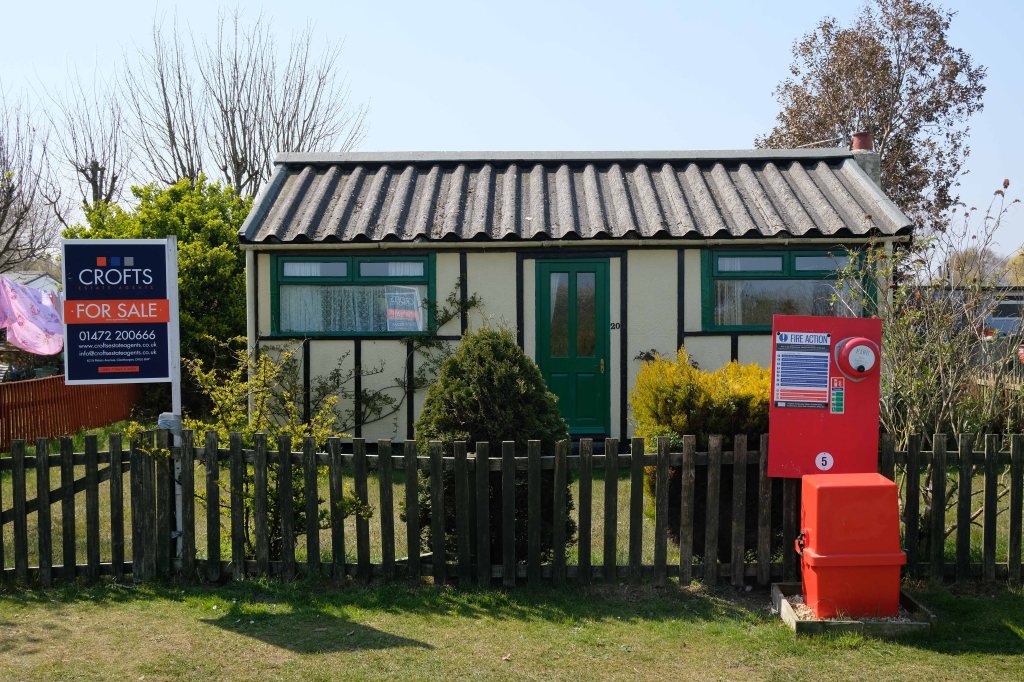
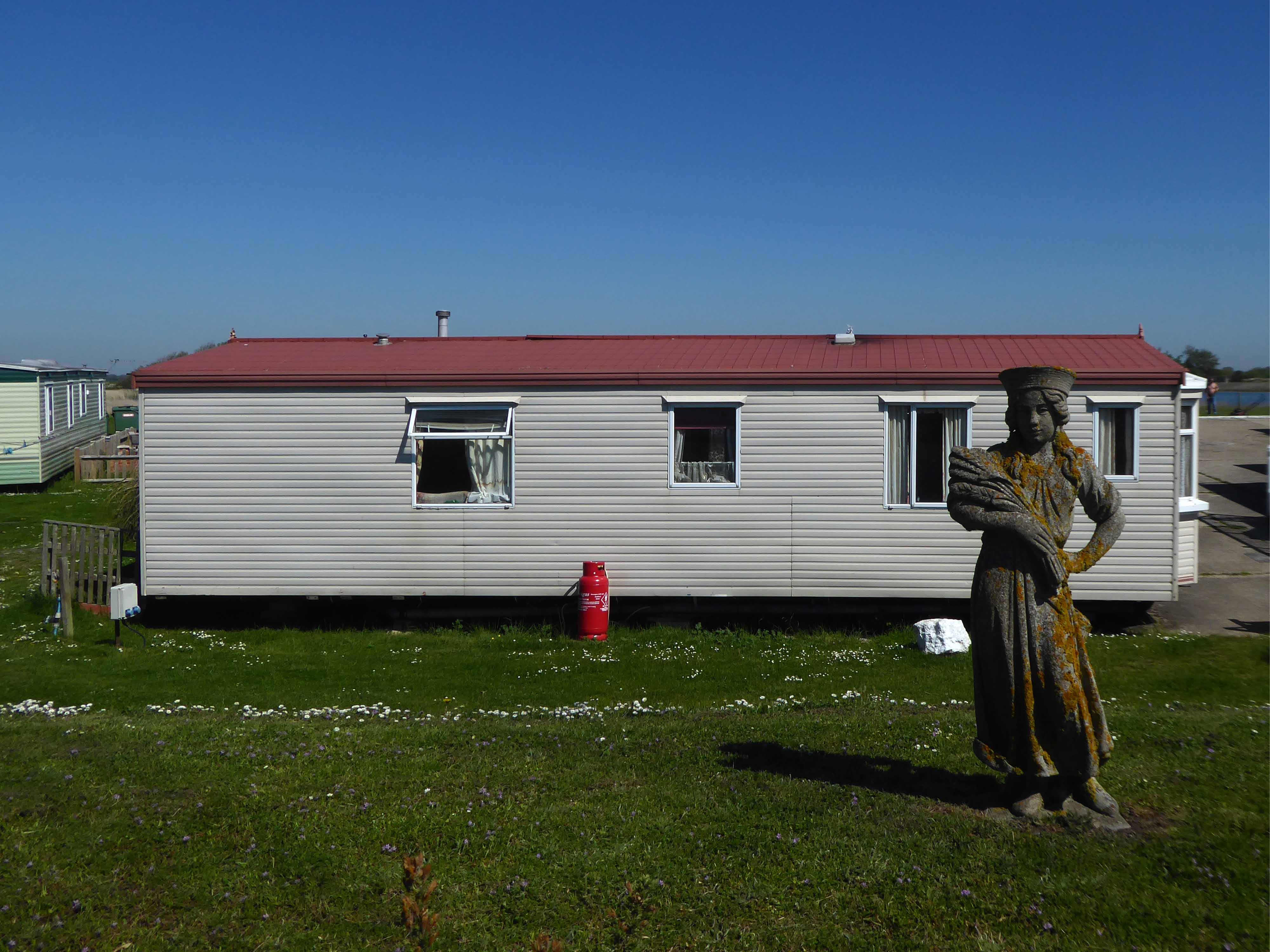
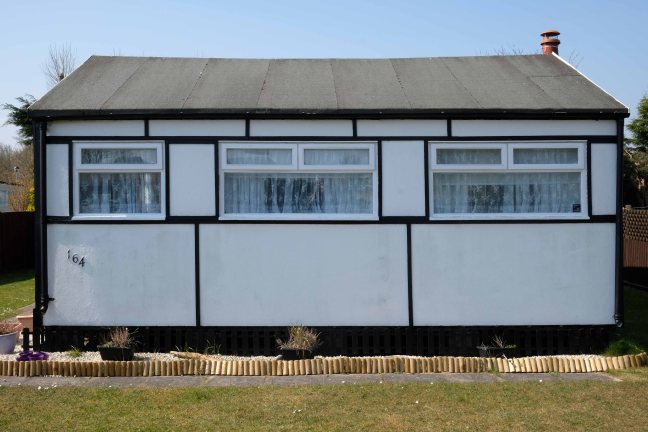
Passing the temporary dwellings, beside the shifting sands and shingle.

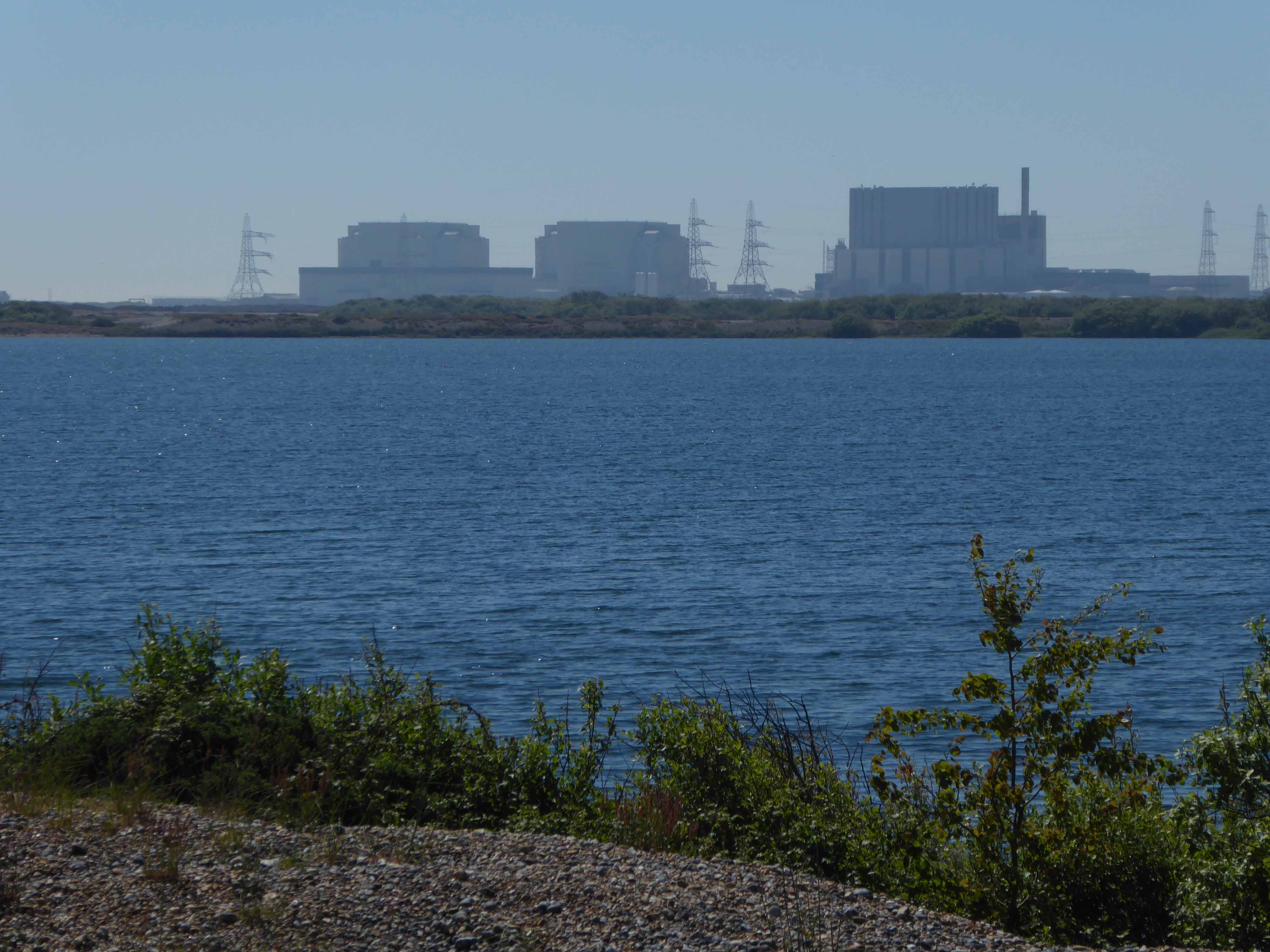
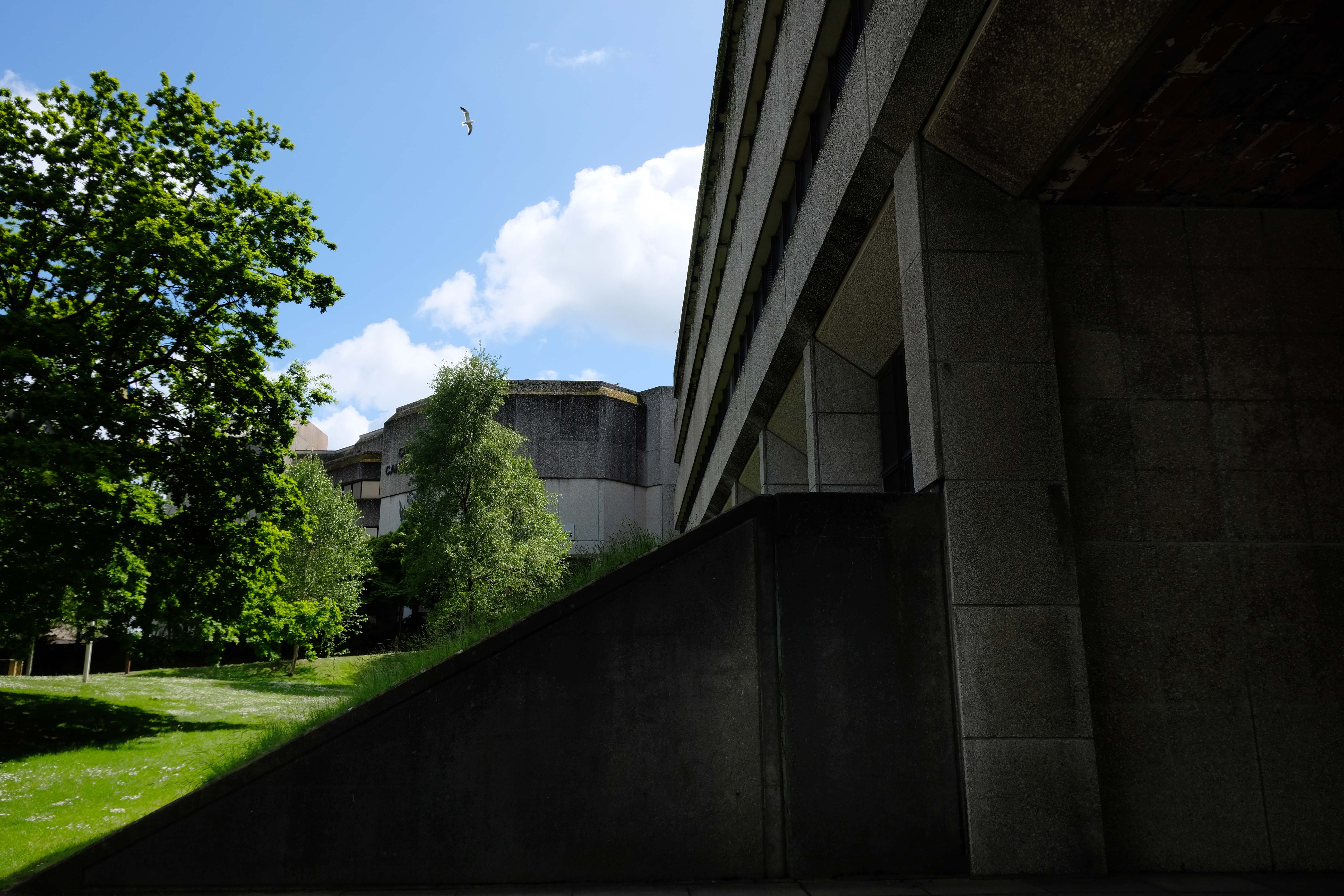
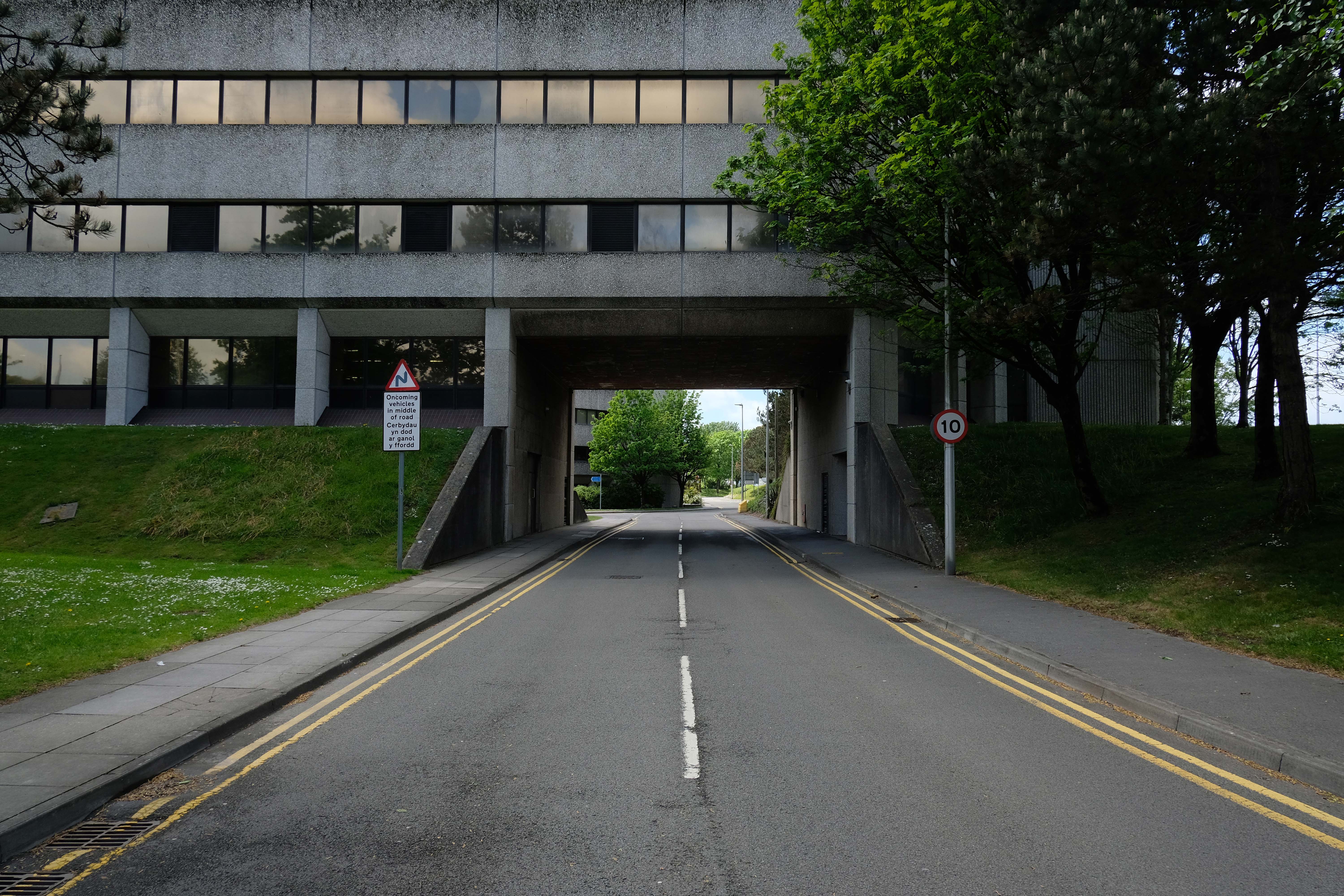
Glancing toward Dungeness Power Station.

Dungeness nuclear power station comprises a pair of non operational nuclear power stations, located on the Dungeness headland in the south of Kent. Dungeness A is a legacy Magnox power station that was connected to the National Grid in 1965 and has reached the end of its life. Dungeness B is an advanced gas-cooled reactor (AGR) power station consisting of two 1,496 MWt reactors, which began operation in 1983 and 1985 respectively, and have been non-operational since 2018 due to ongoing safety concerns.

There were many problems during construction of the second power station, which was the first full-scale AGR. It was supposed to be completed in 1970, but the project collapsed in 1969. The CEGB took over project management and appointed British Nuclear Design and Construction (BNDC) as main contractor. There were more problems and by 1975 the CEGB was reporting that the power station would not be completed until 1977 and the cost had risen to £280 million. By completion the cost had risen to £685 million, four times the initial estimate in inflation-adjusted terms.
In March 2009, serious problems were found when Unit B21 was shut down for maintenance, and the reactor remained out of action for almost 18 months. In 2015, the plant was given a second ten-year life extension, taking the proposed closure date to 2028. In September 2018, both units were shut down and were expected to restart in December 2020. On 7 June 2021, EDF announced that Dungeness B would move into the defuelling phase with immediate effect.

Wikipedia

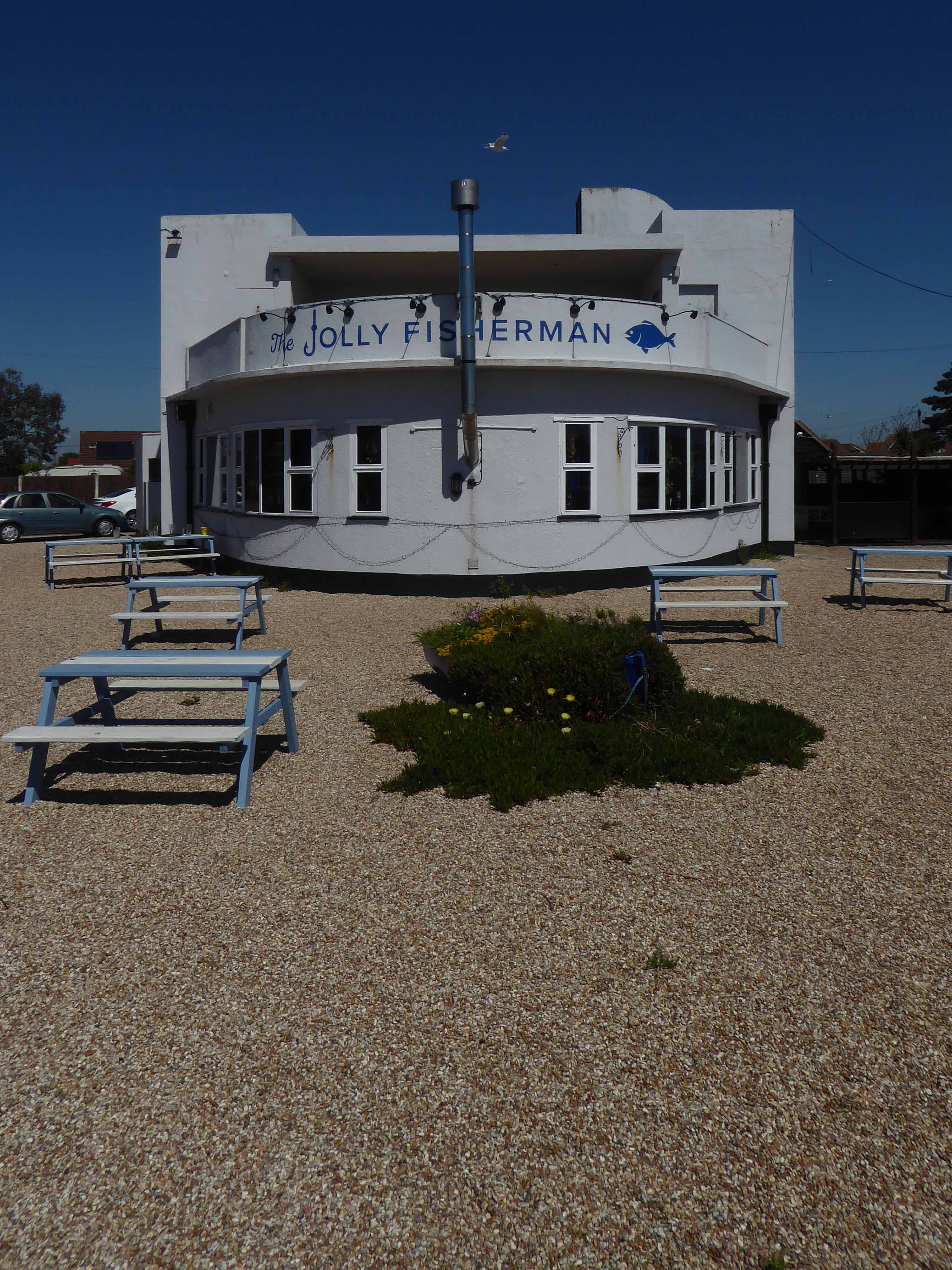
Pausing for a moment to take a drink, sadly not a drink in the Jolly Fisherman – unlike another comical pair.

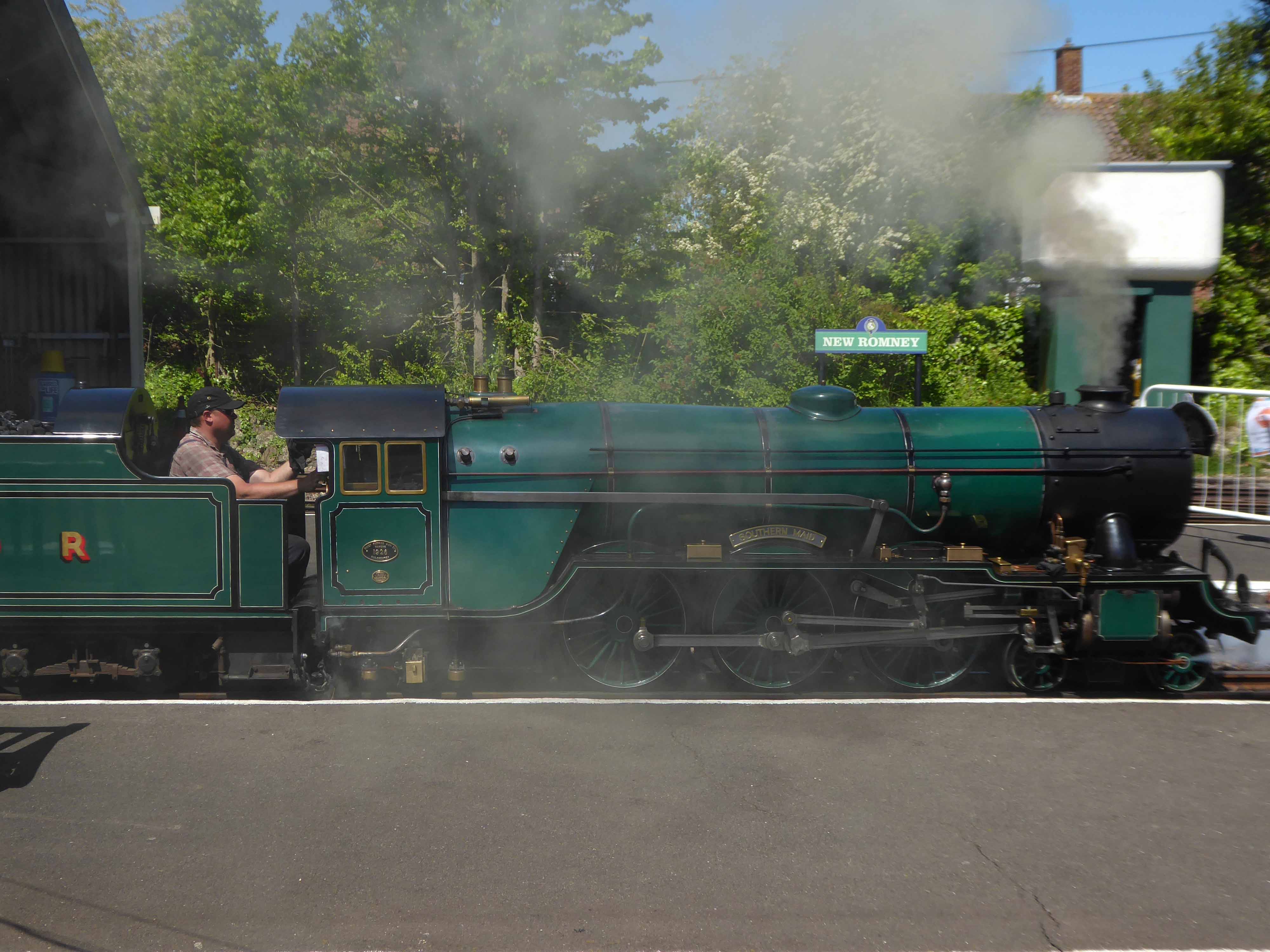
During their 1947 UK tour, Stan Laurel and Oliver Hardy were invited to re-open the Romney, Hythe and Dymchurch Light Railway.

After travelling down by regular train, the pair performed a couple of skits to entertain the crowds – and the gathered news crews – before riding the light railway.

The duo then lunched with dignitaries at the Jolly Fisherman, before returning for tea at the railway’s restaurant at Hythe.

Dover Kent

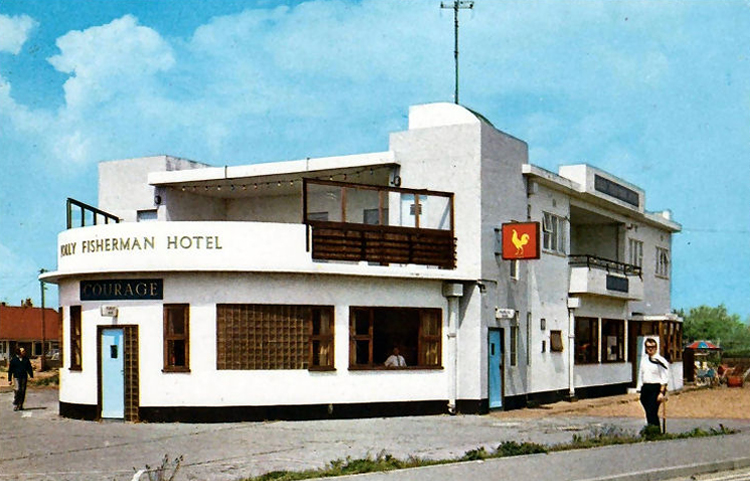
The original pub

On Monday and inquest was held on the body of Mr. John Adams, landlord of the “Jolly Fisherman,” who was found drowned in a well near his house.

From the evidence it appeared that the deceased left home on Saturday morning for the purpose, according to his usual custom, of walking to New Romney, to see if there were any letters for Dungeness. Not returning at the usual time, his wife became alarmed, and a messenger was dispatched to Romney to see if he had been to the Post-office. It was ascertained he had not, and the search was forthwith made.

About 2 o’clock one of the coastguardsmen, Edward Hooker, bethought him to look into the well, which is about 250 yards from the deceased’s house. In doing so he was horrified to find the poor fellow head downwards, partly immersed in water. Assistance was at once procured, and he was removed to his house, quite dead. There was about 4 feet of water in the well.

In the absence of any testimony to establish the inference of suicide, and open verdict of Found Drowned was returned. The deceased was about 50 years of age.

It has been stated that the deceased had of late, been rather abstracted, but no evidence was adduced to establish the truth of this assertion.

The present Jolly Fisherman pub is located in the centre of Greatstone at the junction of Dunes Road and The Parade.

This was built by the brewers Style and Winch Ltd, who owned the old Jolly Fisherman, in about 1935 as a pub and hotel.

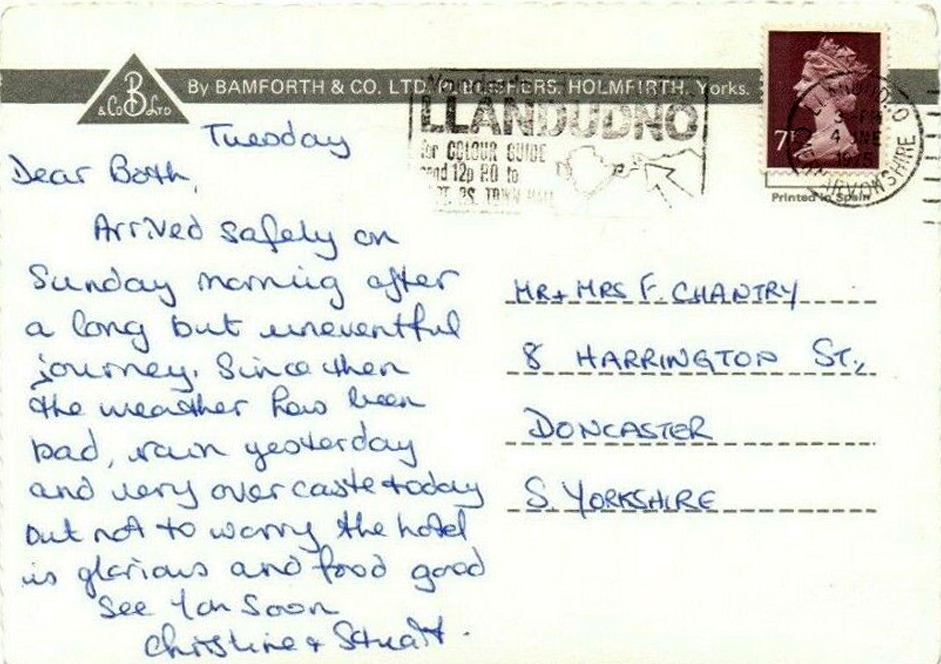
Postcard of 1975

Here we are now taking time out at New Romney, in order to view the locomotives in steam, at the Romney, Hythe and Dymchurch Light Railway.

The RH&DR was the culmination of the dreams of Captain J. E. P. Howey — a racing driver, millionaire land owner, former Army Officer and miniature railway aficionado and Count Louis Zborowski — eminently well-known racing driver of his day – famous for owning and racing the Chitty Bang Bang Mercedes.

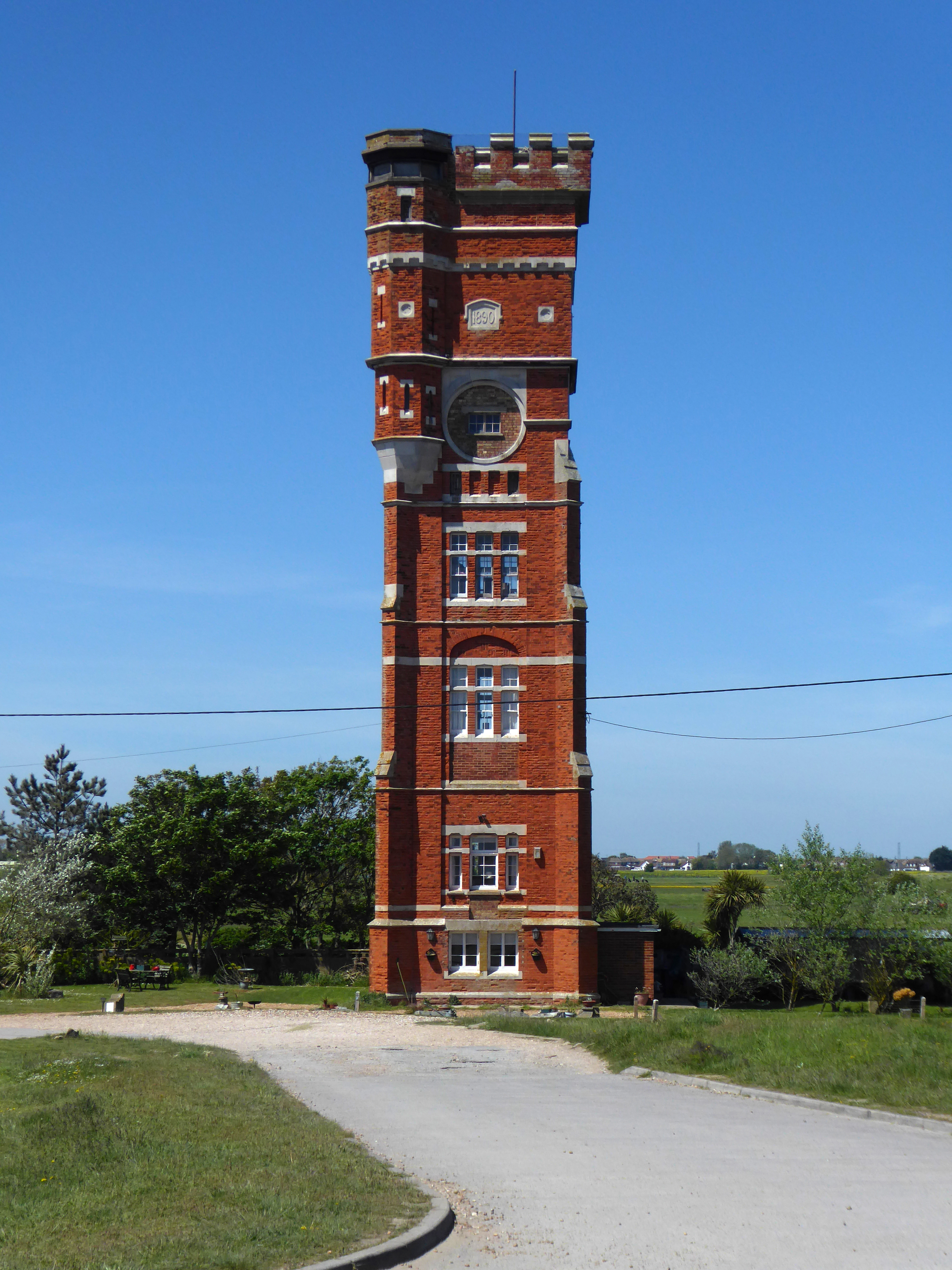
The 120ft Grade II Listed water tower at Littlestone was built in 1890 by Henry Tubbs to supply water to his properties in Littlestone, including Littlestone Golf Club and his proposed housing development. 

Henry Tubbs wanted to turn Littlestone into a major resort, and embarked on an ambitious building programme, including the Marine Parade and Grand Hotel. His plans for a pier were not realised, however, and it was eventually built at Eastbourne instead.

The tower is constructed in red brick which shows the external features of the tower very well. It narrows at about the third story and its appearance changes depending on your viewpoint. At the top there is a sort of turret, giving the building a slightly military look.

The military used the Tower during World War Two as a lookout post and they made some changes to the structure, partly the reason for its slightly wobbly look. The Army also added a substantial concrete stairway inside.

Unfortunately the water tower didn’t function properly and the water was found to contain too much salt to be of any use. In 1902 the Littlestone and District Water Company built a tower at Dungeness to supply all of New Romney, Littlestone, Greatstone and Lydd. The tower at Littlestone fell into disuse, but now serves as a residence.

The Romney Marsh

The failed resort of Littlestone continues to fail.

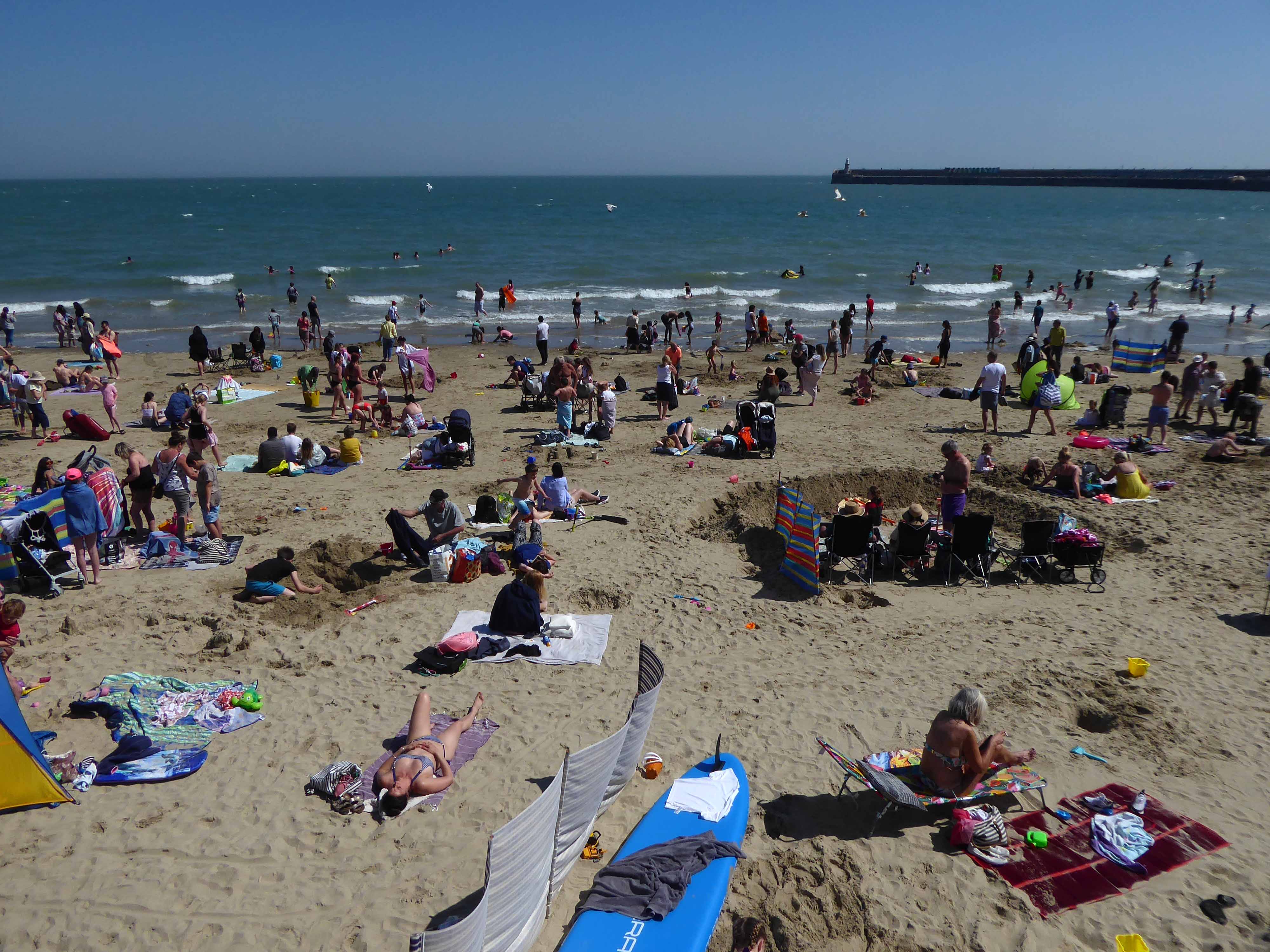
Whilst Folkestone thrives.

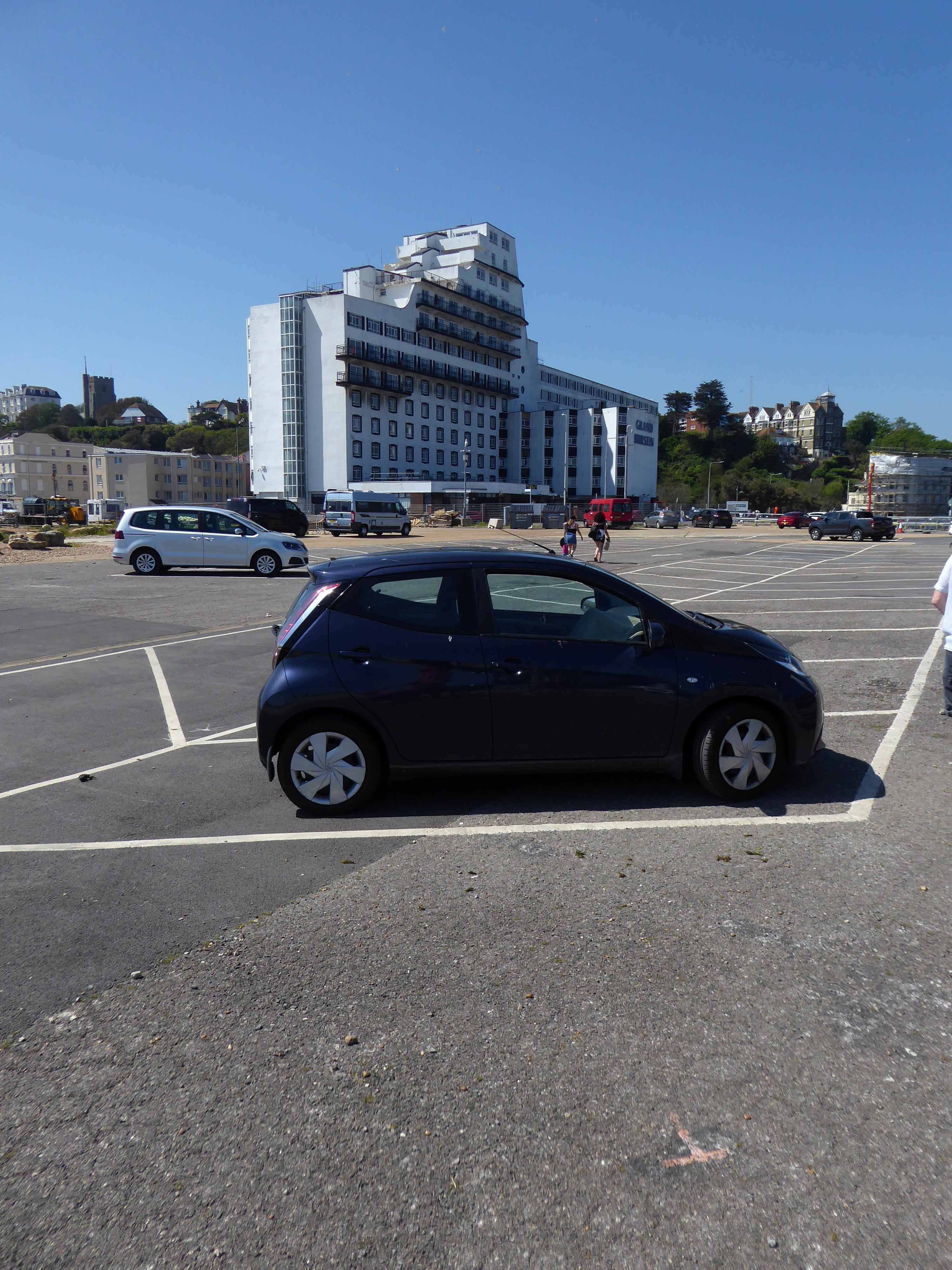
Even the Grand Burstin has been improved.

23 November 2009 

This place has got to be up for Worst Hotel in the UK. 

We made the mistake of staying there for our first anniversary, and we sorely regretted it. First, after the initial shock that awaits anyone entering the lobby, we were given probably the filthiest room in hotel history.

It reeked of smoke and urine.

The management’s disorganisation landed us free meals, even if they paid us £10 per person to eat that stuff it wouldn’t be worth it:

Canned fruits, red meat galore with no other option, greasy bacon, value bread, omelet made with the least real eggs possible, all served with the same urine smell in the restaurant and by the most apathetic staff ever.

We left as soon as possible.

Seeing that place in the rear-view mirror was the highlight of our visit.

Trip Advisor

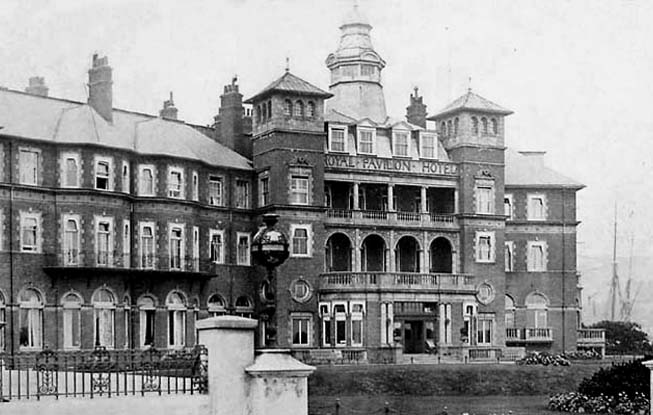
The current hotel was built in 1984 from the foundations of the Royal Pavilion Hotel, originally built in 1843, parts of which form the new Burstin Hotel, such as the Victorian restaurant.

It’s along climb out of Folkestone, there are no snaps – simply memories of a weary ascent.

Eventually we top out and roll along over the white cliffs of Dover.

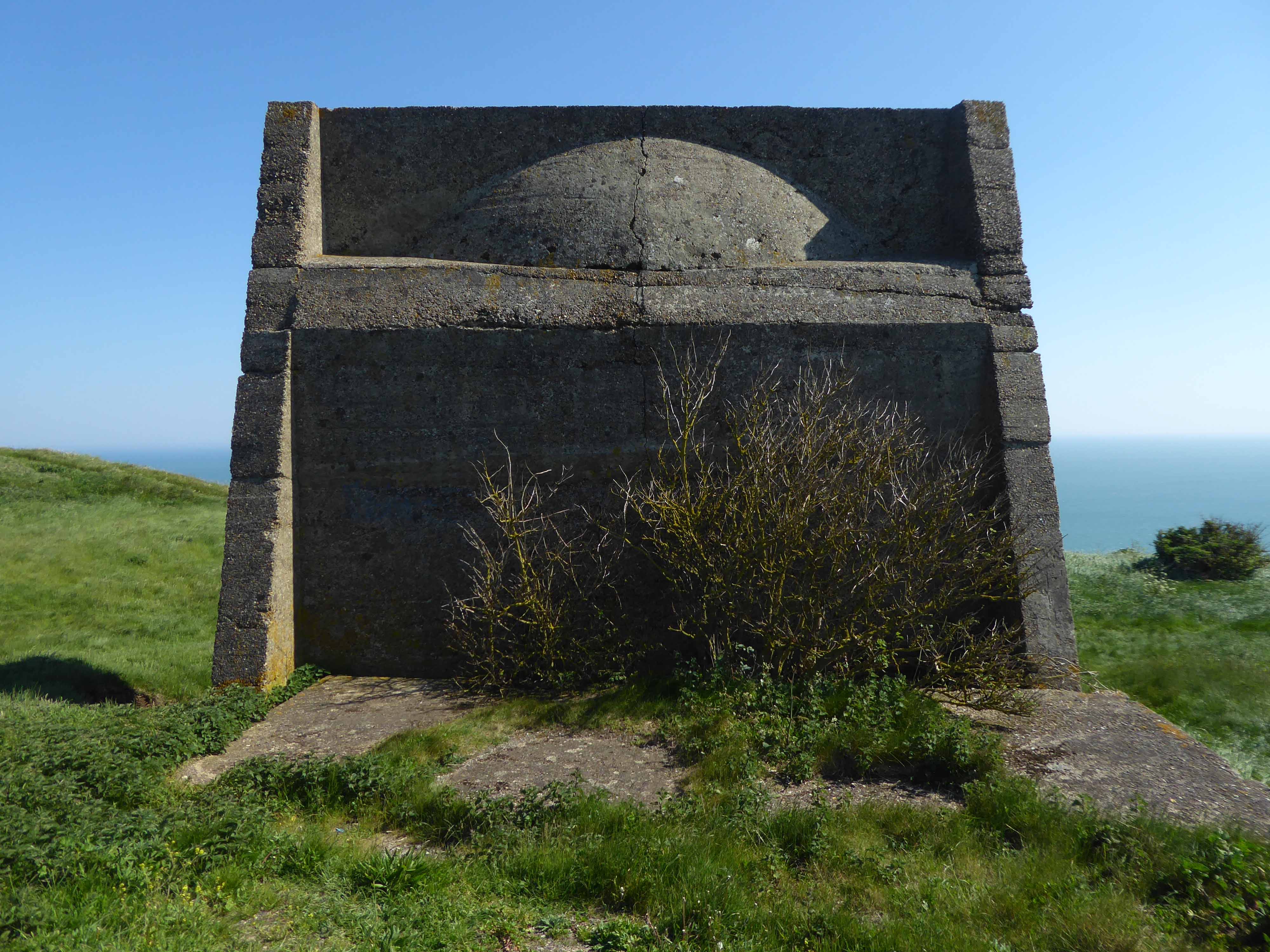
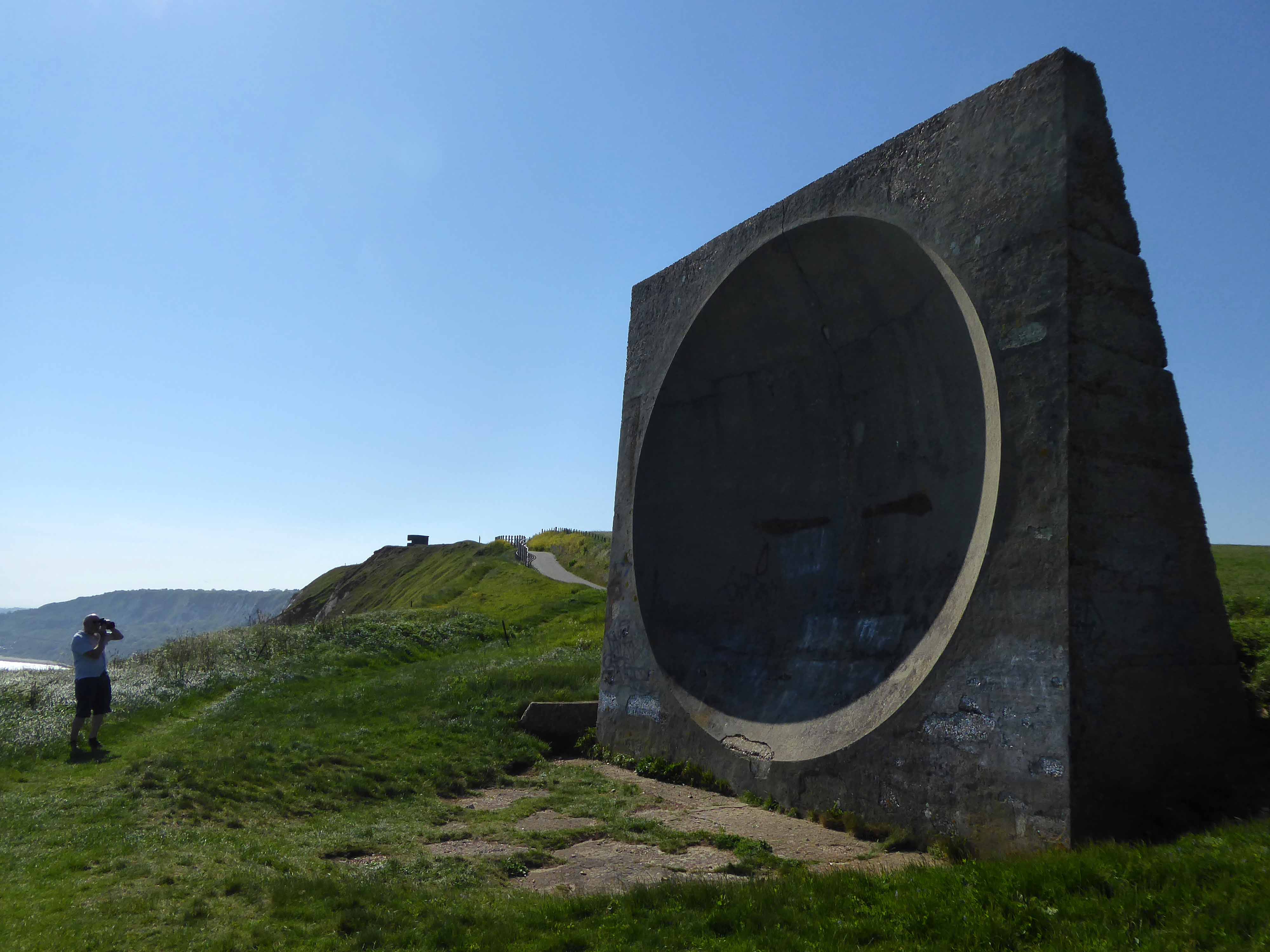
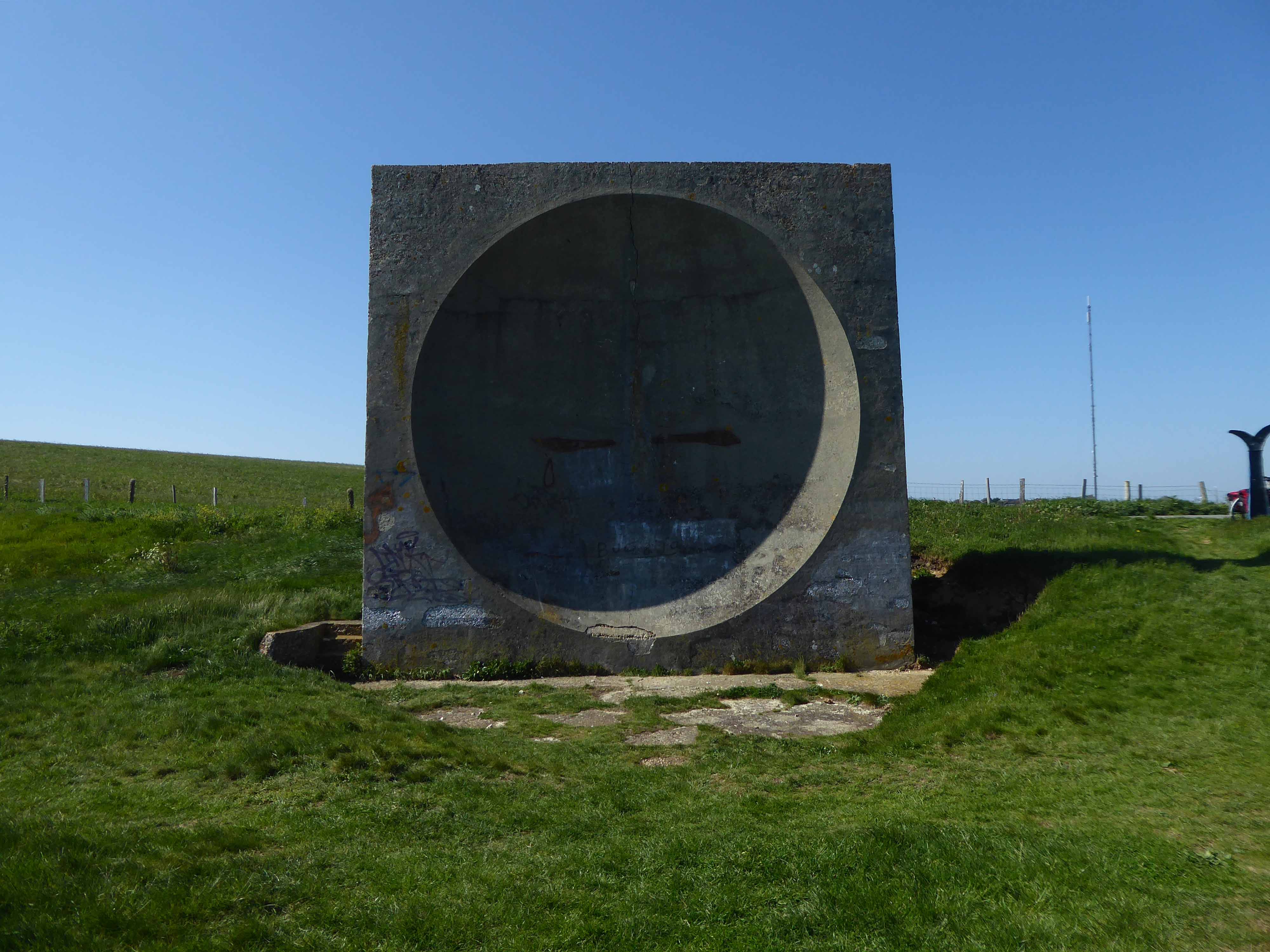
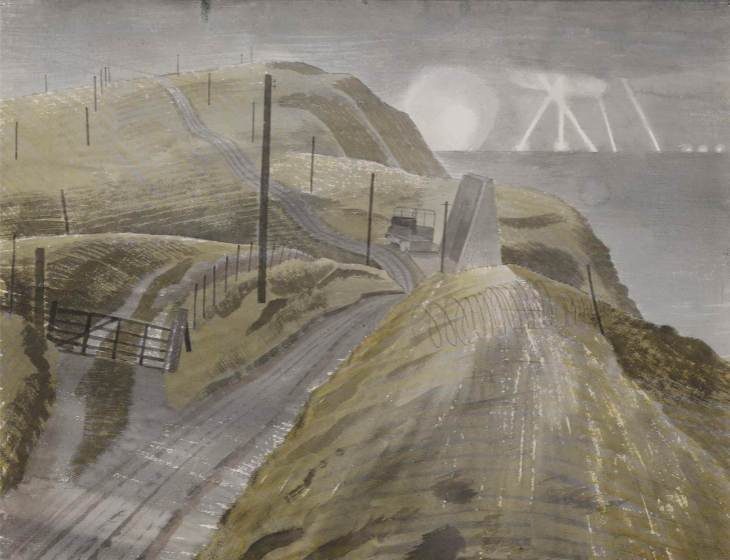
Where we discover this delightful concrete listening post.

Abbot’s Cliff Acoustic Mirrors 

Before the advent of radar, there was an experimental programme during the 1920s and 30s in which a number of concrete sound reflectors, in a variety of shapes, were built at coastal locations in order to provide early warning of approaching enemy aircraft. A microphone, placed at a focal point, was used to detect the sound waves arriving at and concentrated by the acoustic mirror. These concrete structures were in fixed positions and were spherical, rather than paraboloidal, reflectors. This meant that direction finding could be achieved by altering the position of the microphone rather than moving the mirror.

Graham Stephen

Eric Ravilious Abbot’s Cliff – 1941

Descending into Dover, ascending again, hot and weary.

Appreciating the slow traffic free drag down to St Margarets Bay – sadly no photos, suffice to say one of the most elegant lanes of the trip, once home to Sir Noël Pierce Coward.

In Coward’s seven years in the Bay he entertained a large array of famous friends from the arts, film and stage.  Katherine Hepburn stayed  here with Spencer Tracey and swam daily from the shore. Daphne Du Maurier, Ian Fleming, Gertrude Lawrence and John Mills all came to relax, play Canasta and Scrabble or join Coward in his painting studio where he produced oils of the Bay.

St Margarets History

Arriving in Deal we quickly buzzed off to the Green Berry, one of my favourite pubs.

Followed by a twilight kebab on the prom.

Finally fetching up in the Wetherspoons.

The Sir Norman Wisdom

Brighton To Rye

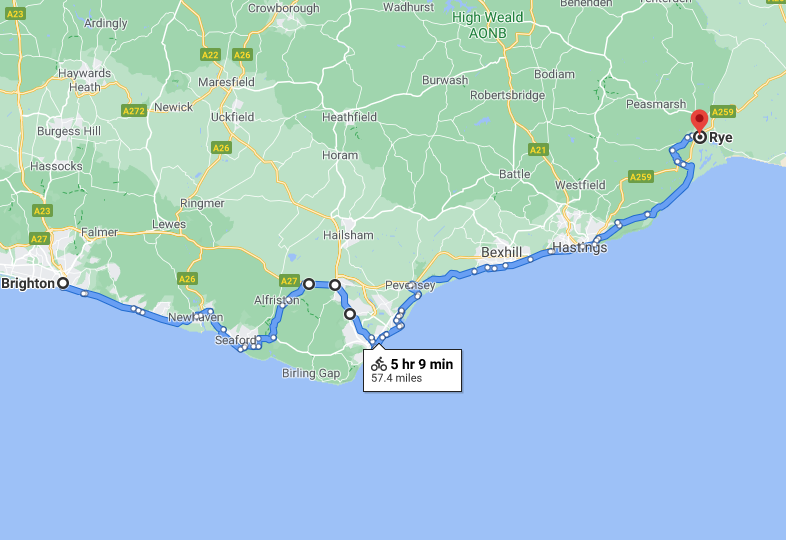
The longest day the least snaps – preoccupied with the avoidance of the main road over to Eastbourne, we took an arduous route over the South Downs Way.

Further preoccupied by and appointment with John Nash at the Towner at One PM.

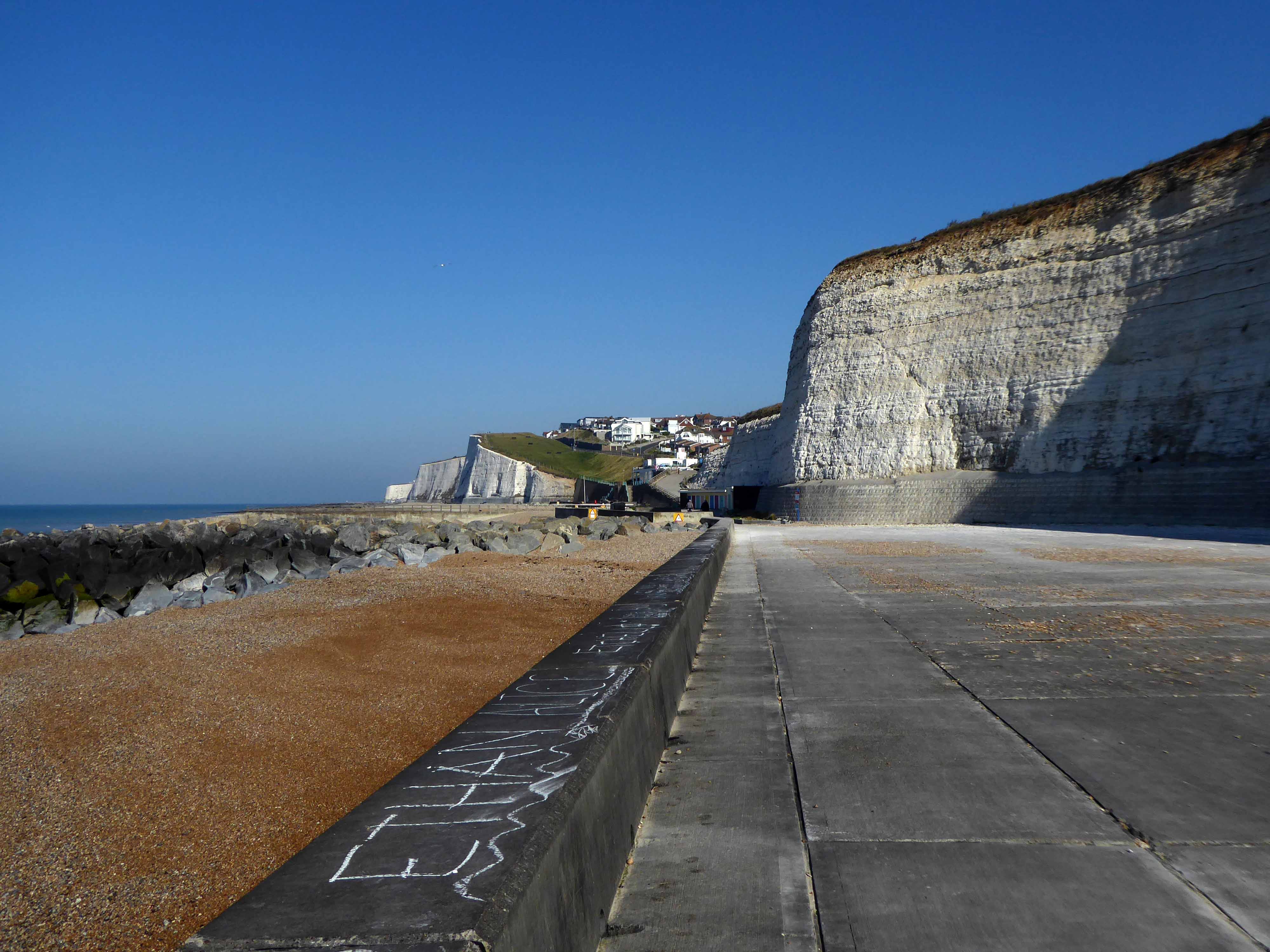
Firstly however a leisurely ride along the Undercliff – designed by Borough Engineer David Edwards as a public amenity, was begun in 1928 and opened in July 1933.

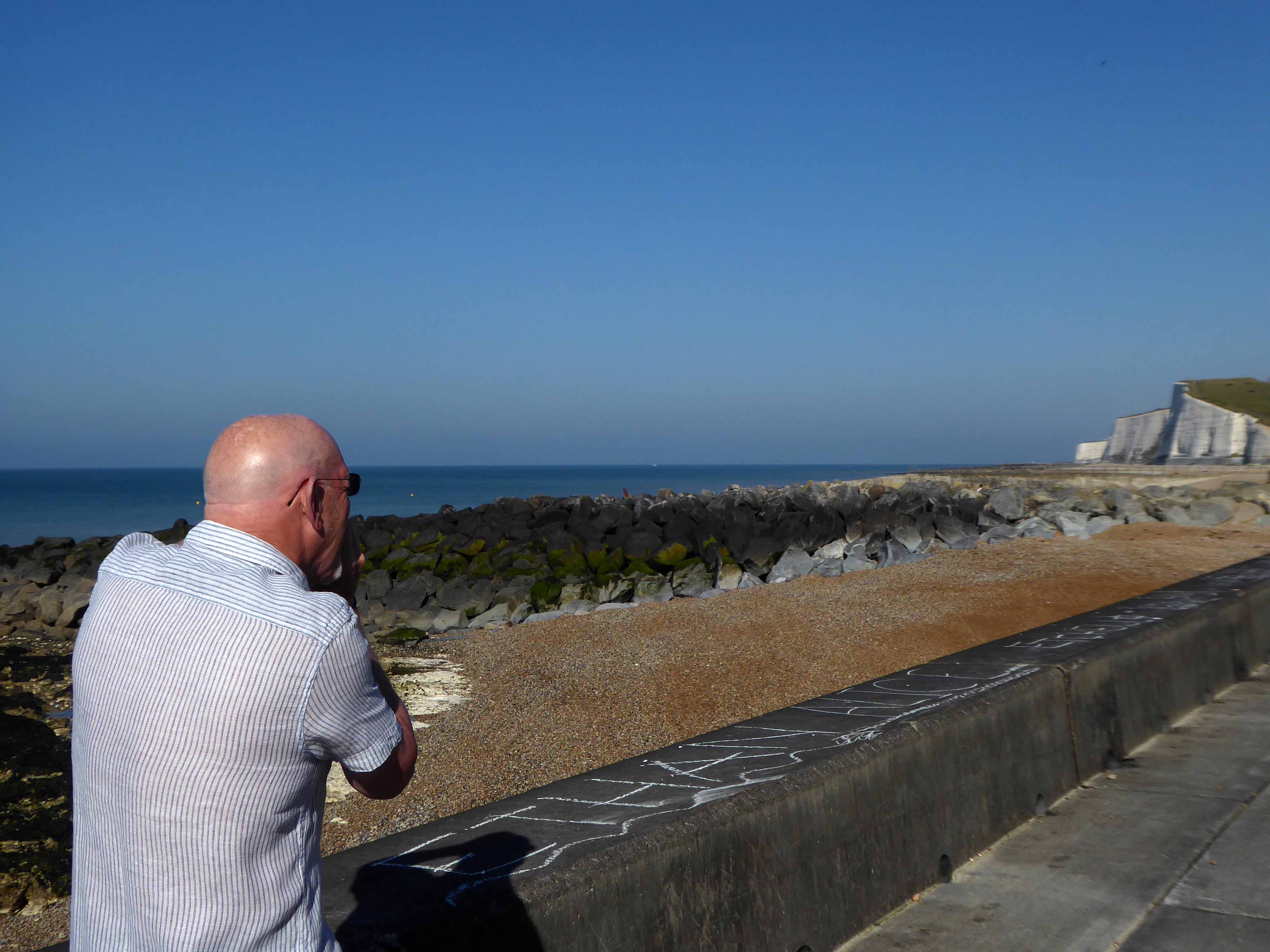
Mr Tim Rushton apprehends the view.

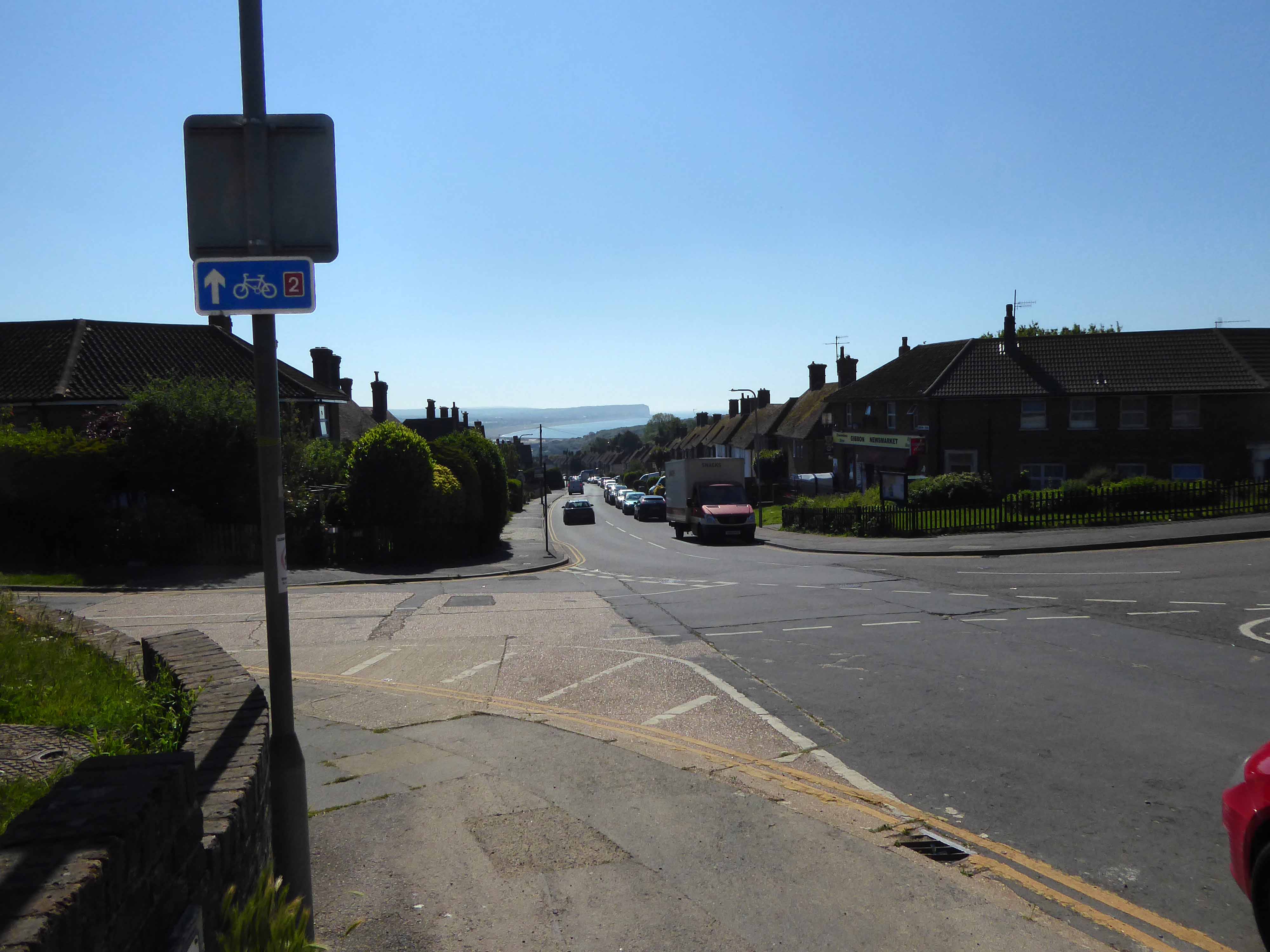
Sustrans have the habit of heading away from the A roads and onto the backstreets of Britain.

To fill in the gaps on our snap-less journey, here’s my previous trip.

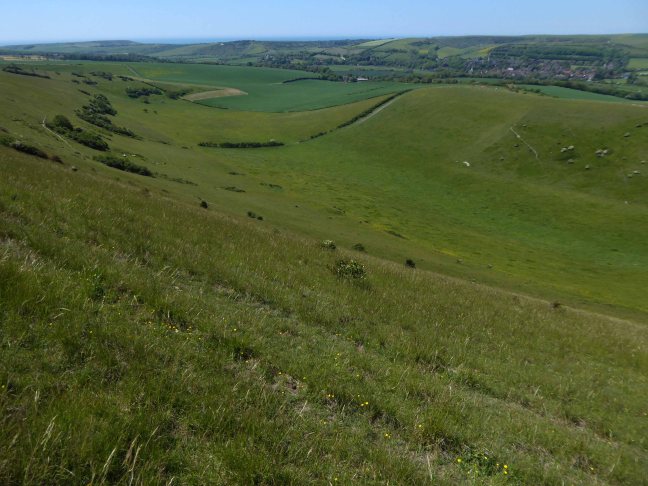
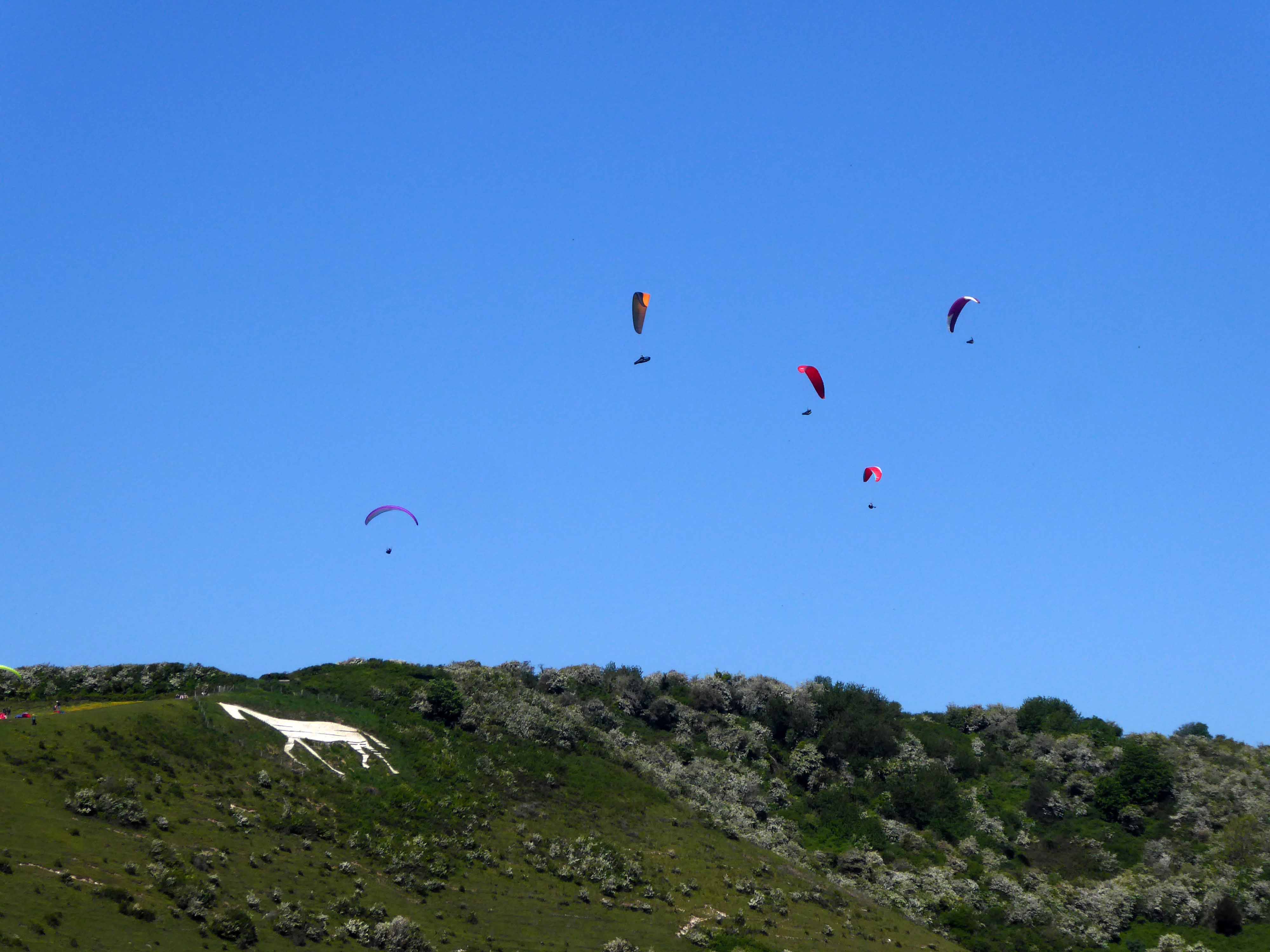
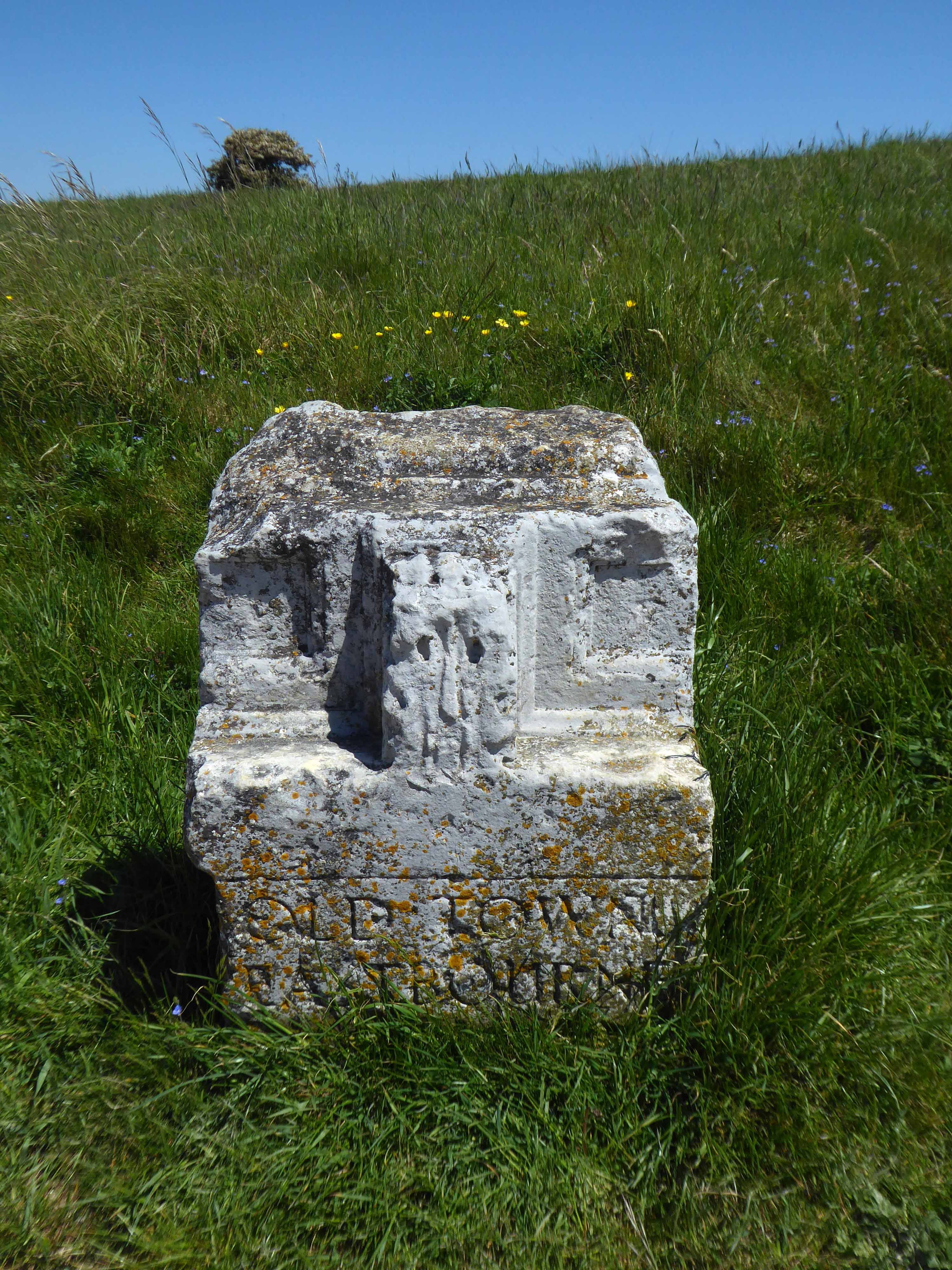
Leaving the coast for the soft rolling Sussex hills, where we encounter the Litlington White Horse.

The Litlington White Horse is a chalk hill figure depicting a horse, situated on Hindover Hill in the South Downs, looking over the River Cuckmere to the west of the village of Litlington and north of East Blatchington in East Sussex. 

The current horse was cut in 1924 by John T, Ade, Mr Bovis and Eric Hobbis in a single night and stands at 93 feet long and 65 feet high. A previous horse was cut in either 1838 or 1860 on the same site. Since 1991, the horse has been owned by the National Trust, who regularly clean and maintain the horse along with local volunteers.

Local legend suggests that the horse was originally cut as a memorial to a local girl whose horse bolted when riding along the brow of Hindover Hill, throwing her down the hill which resulted in her death.

However, there is no evidence to suggest this to be true.

Viewing from the air – the lone pursuit of the paraglider.

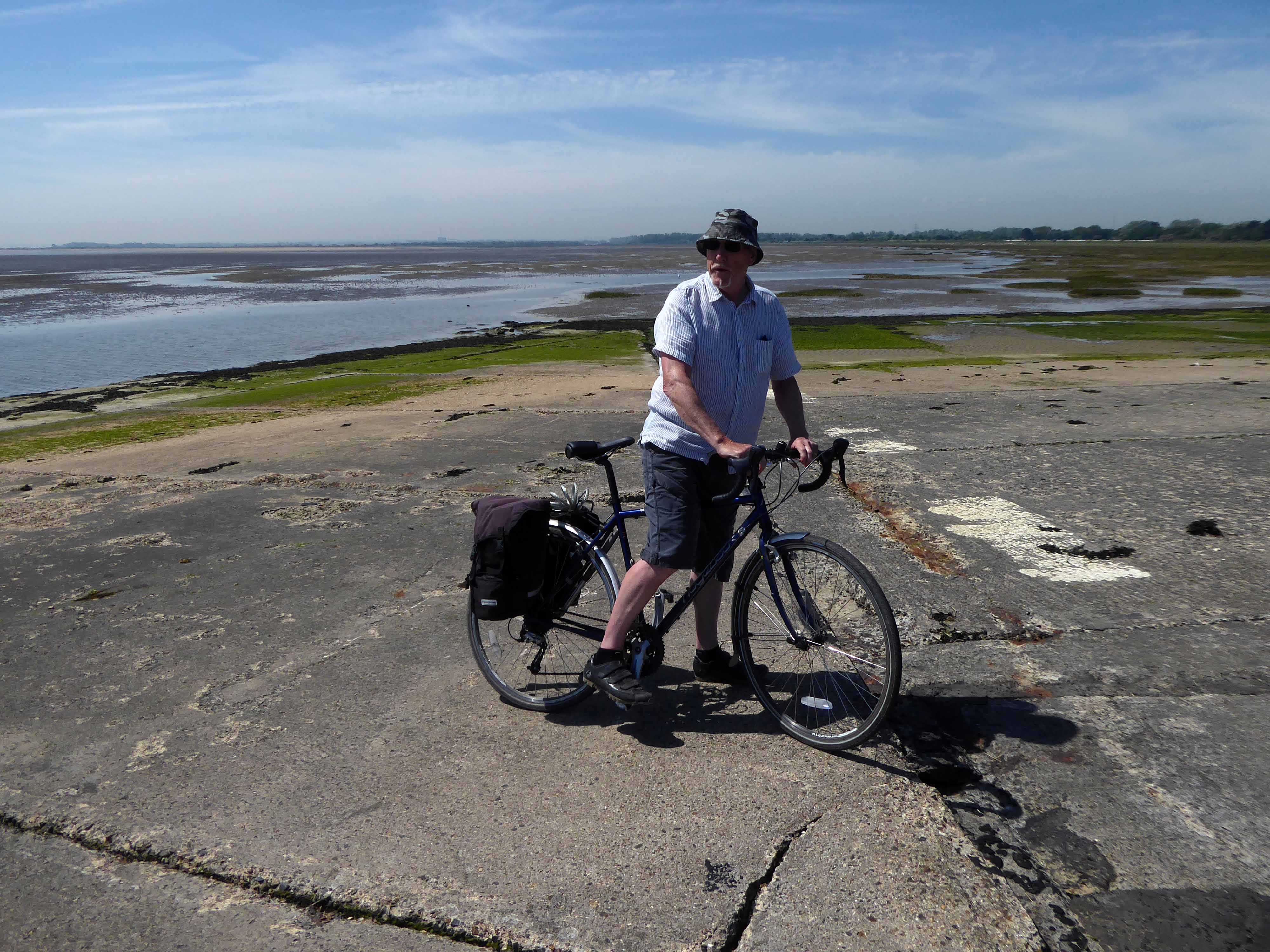
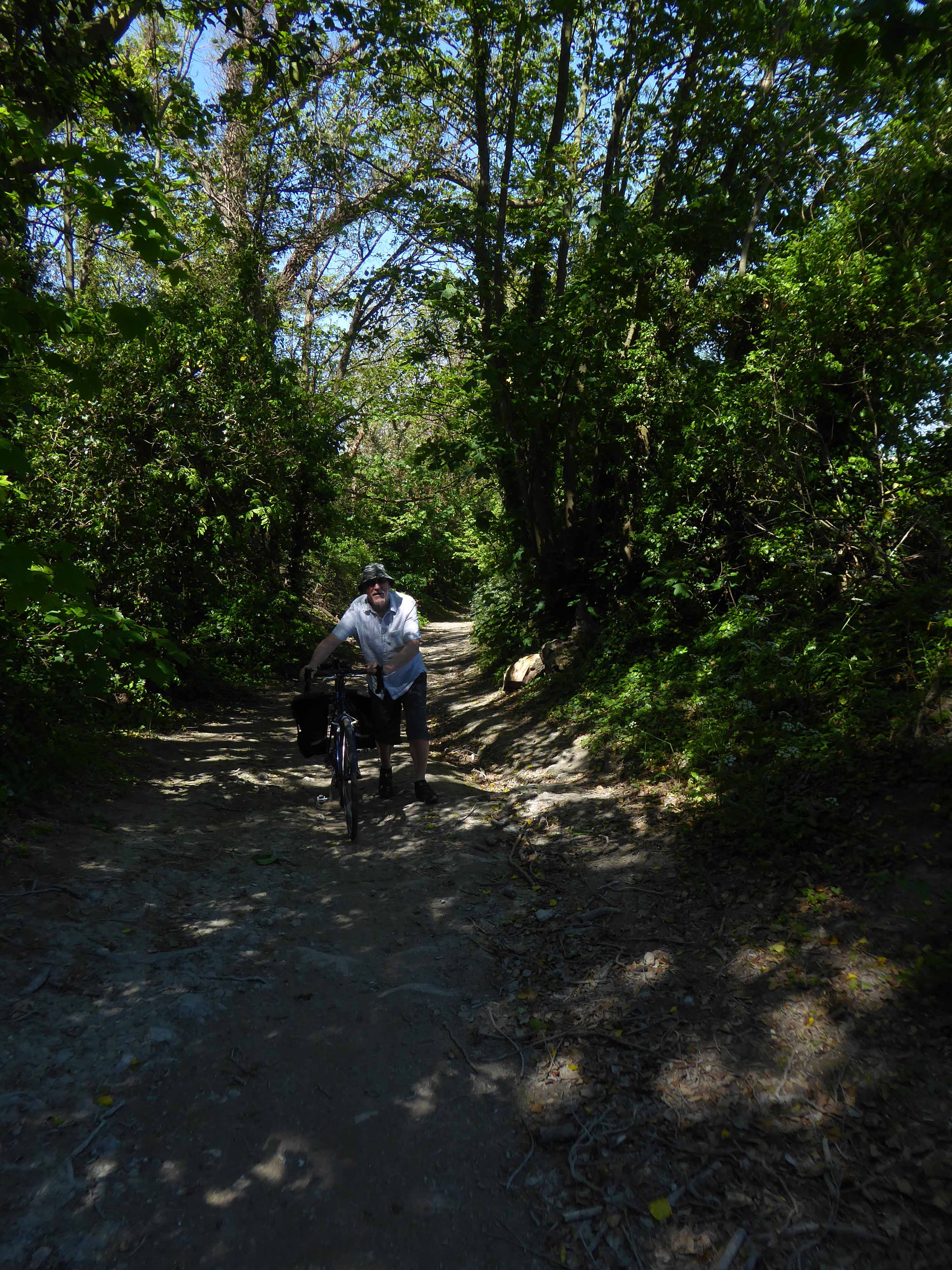
Viewing from Terra Firma the lone pursuit of the camo-bucket hatted cyclist.

Who subsequently discovers the heady heights of the Downs.

Which seem to have more in the way of ups than downs.

Though when the gradient eases, graced with the sweetest sweeping green bowls.

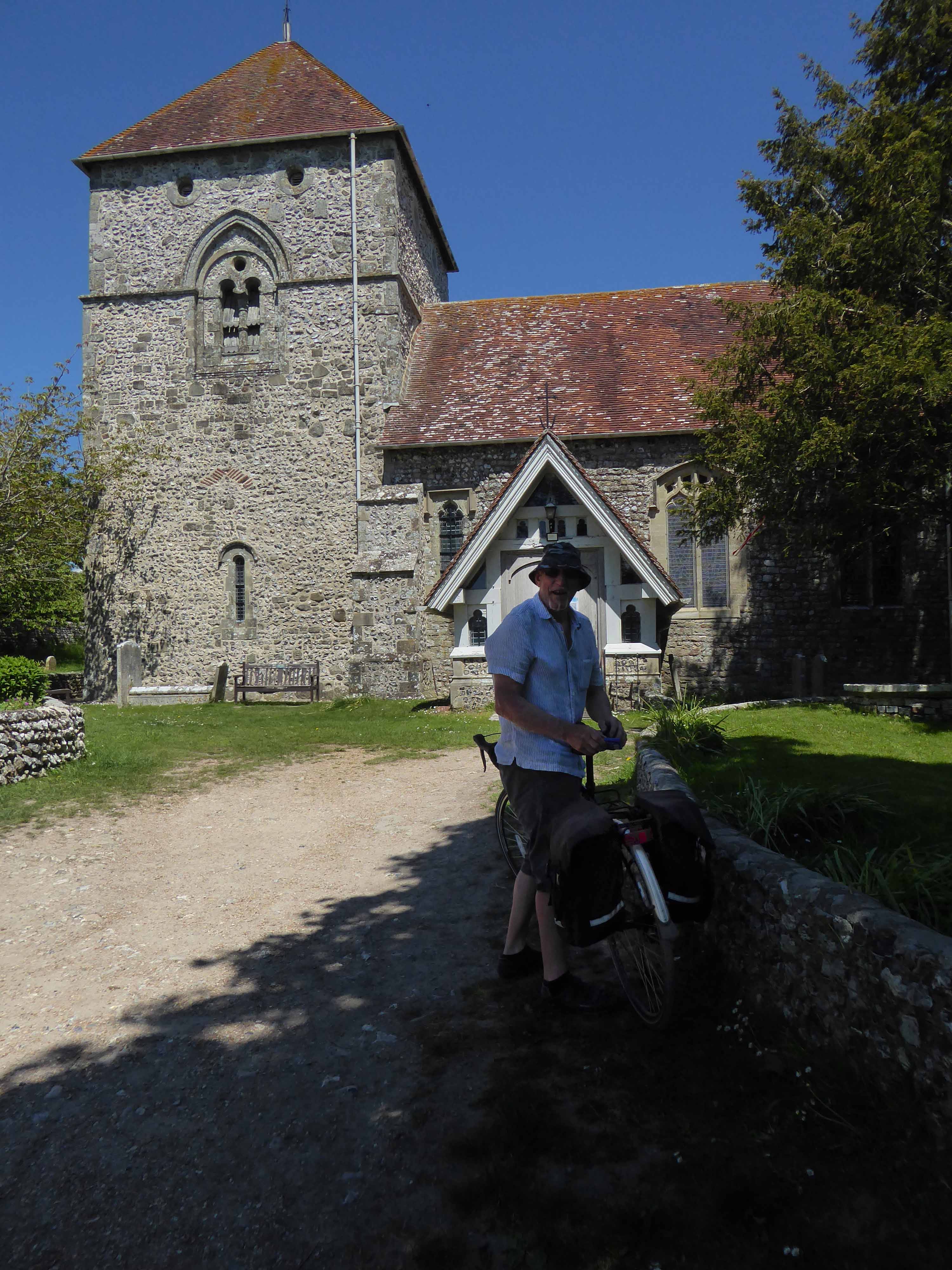
We then descend to Jevington Church – St Andrew.

The restored tower is 11th Century

The nave is 12th Century, with a later 13th Century chancel and north aisle. 

Most windows are 14th or 15th Century. 

A C11 carving shows Viking influence.

Having descended, we are now faced with another lengthy ascent and the prospect of our late arrival in Eastbourne.

Against all odds we are almost on time and permitted entry to the John Nash Exhibition.

The Landscape of Love and Solace.

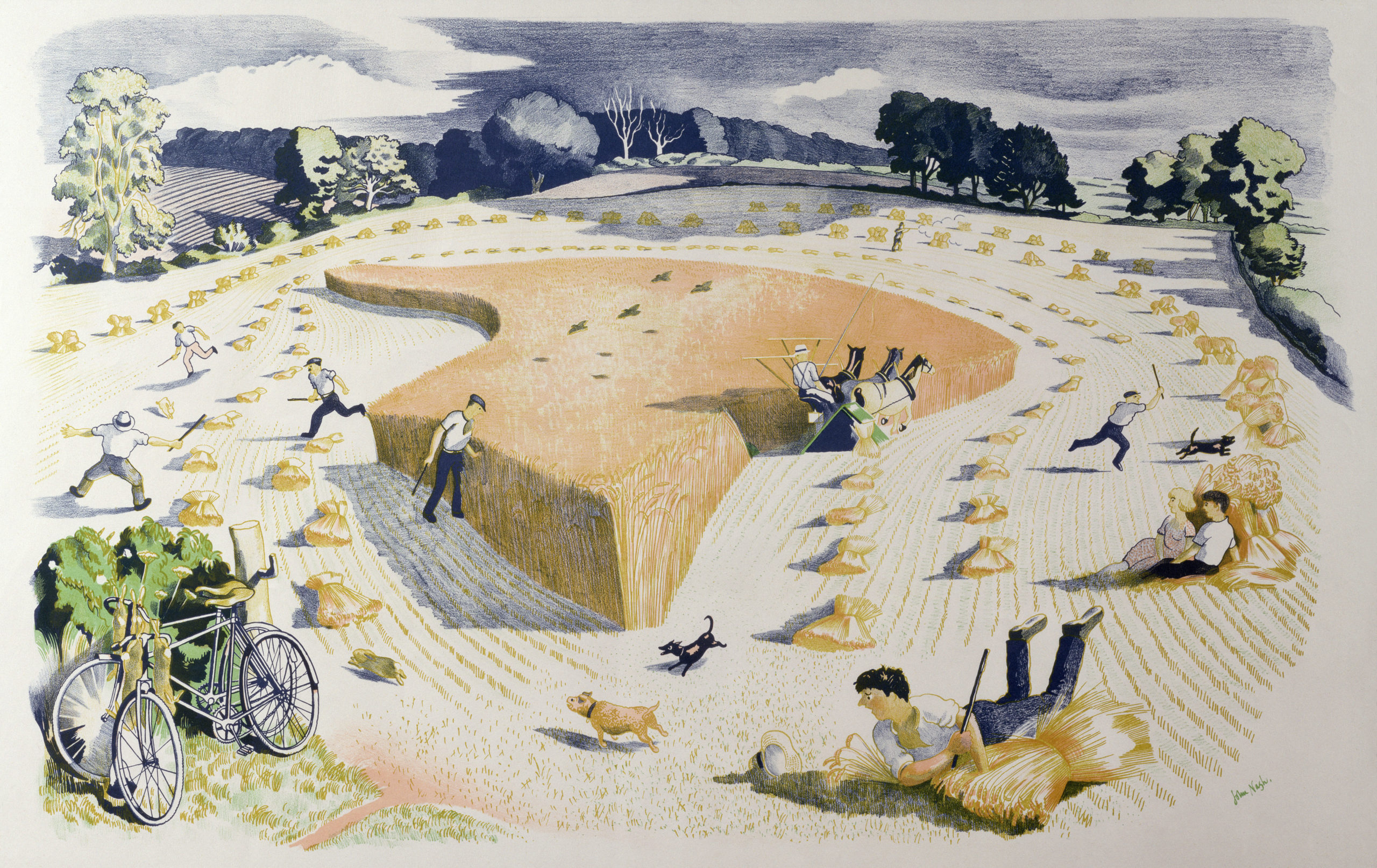
Harvesting printed at The Baynard Press for School Prints Ltd.

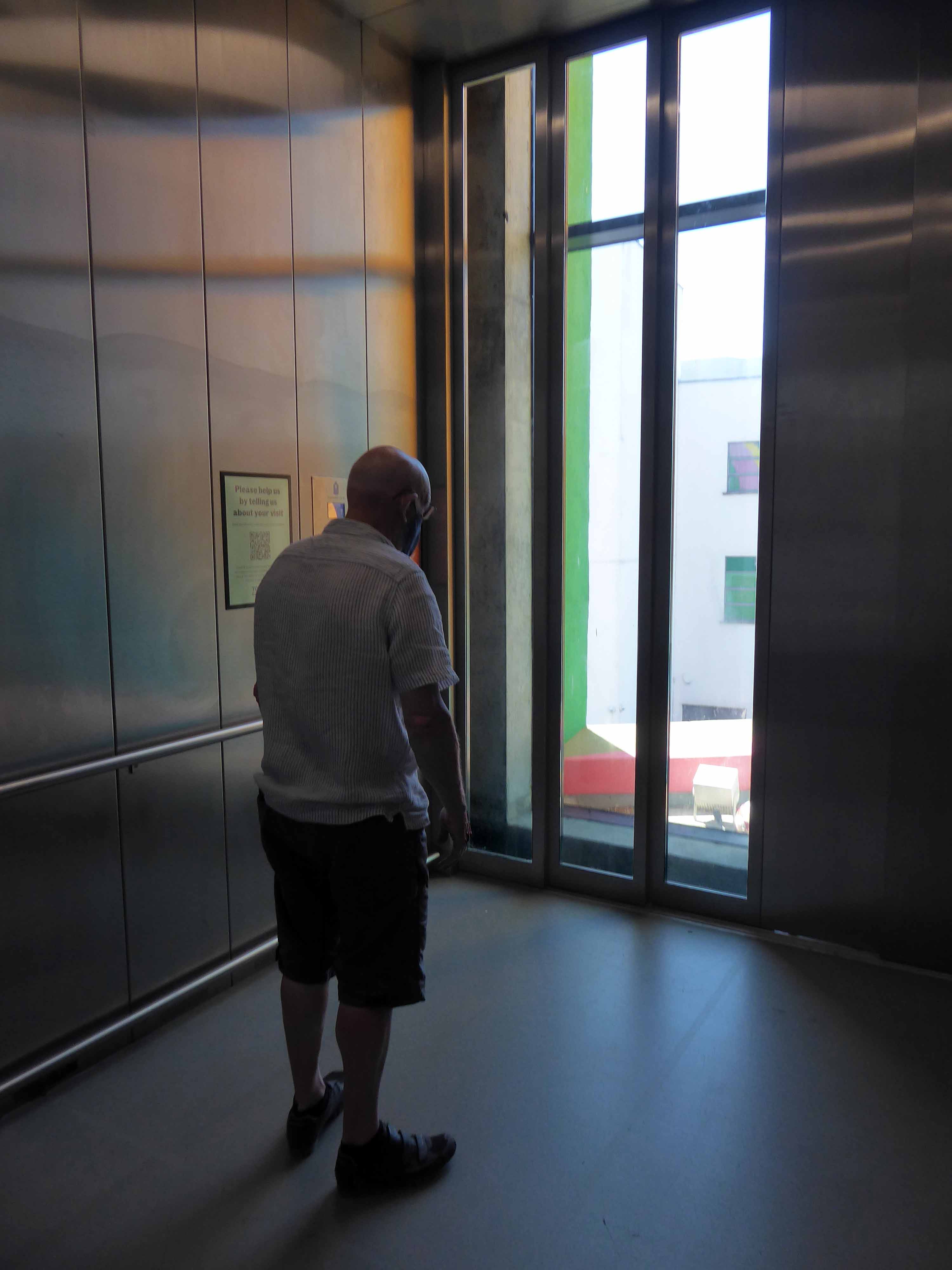
Ascending with ease in the capacious elevator.

A wonderful show – so much to see, prints and watercolours in superabundance.

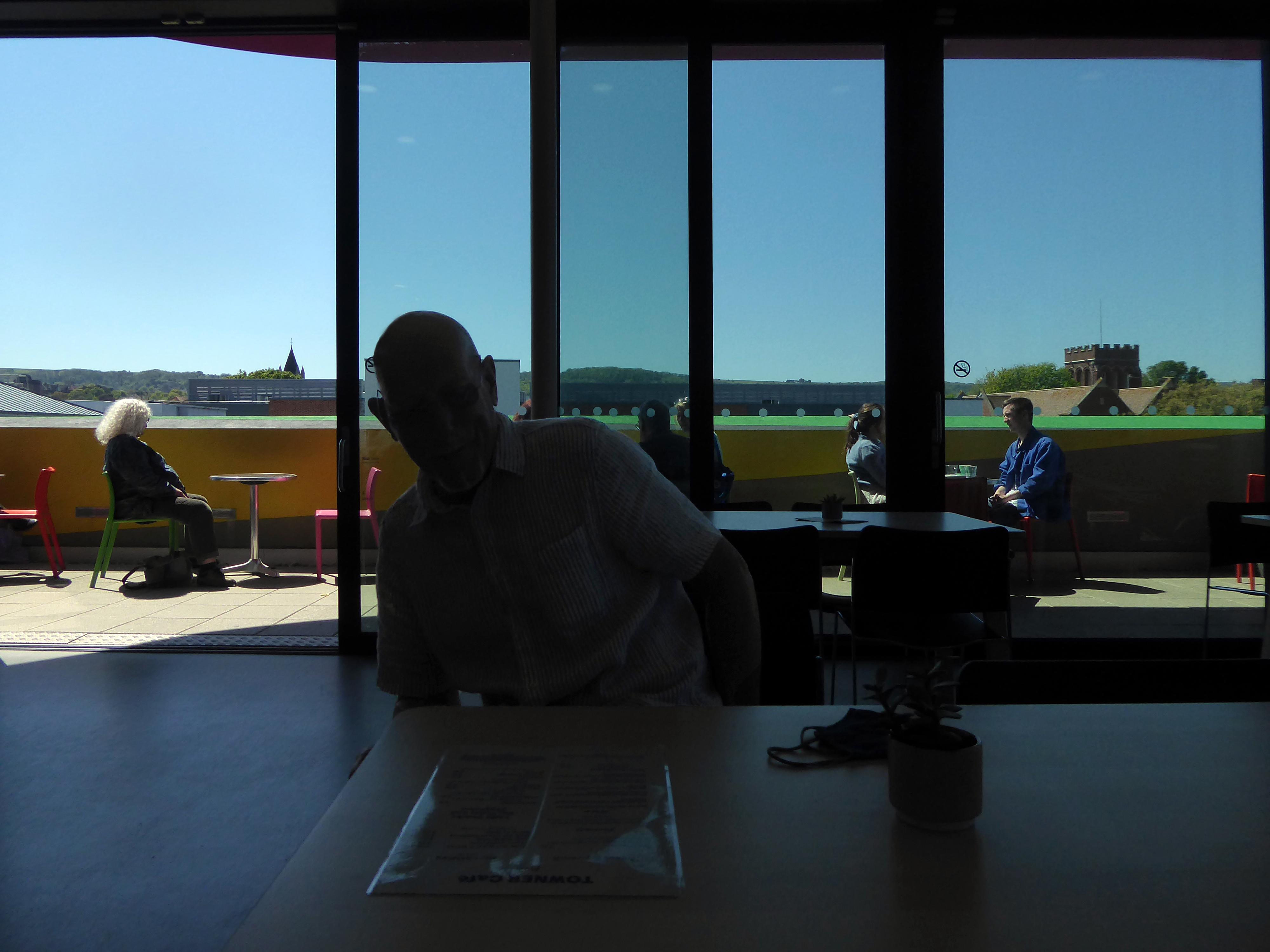
Followed by tea and a bun in the smart café.

We hastened to Hastings, pausing briefly to say hello to Pauline, then onward to Rye.

Once again walking the climbs, before dropping down to Winchelsea, where we were met by a relentless easterly headwind.

Our weary legs propelling us ever so slowly through an area of marsh and shingle, softly edged by the sea.

On 15th November 1928 at 6.45am the ‘Mary Stanford’ lifeboat with her crew of 17 was launched to save a stricken vessel. A south-westerly gale with winds in excess of 80 miles per hour was raging in the English Channel. Not one of these brave Rye Harbour men ever returned.

The impact of the disaster on the Rye Harbour community was devastating and deeply affected all who lived there. The disaster was also felt worldwide, and was front page news over the days that followed. The funeral was attended by hundreds including the Latvian Minister. An annual memorial service is held at Rye Harbour church to this day.

The Lifeboat House still stands, but was never used again.

Winchelsea

Portsmouth To Brighton

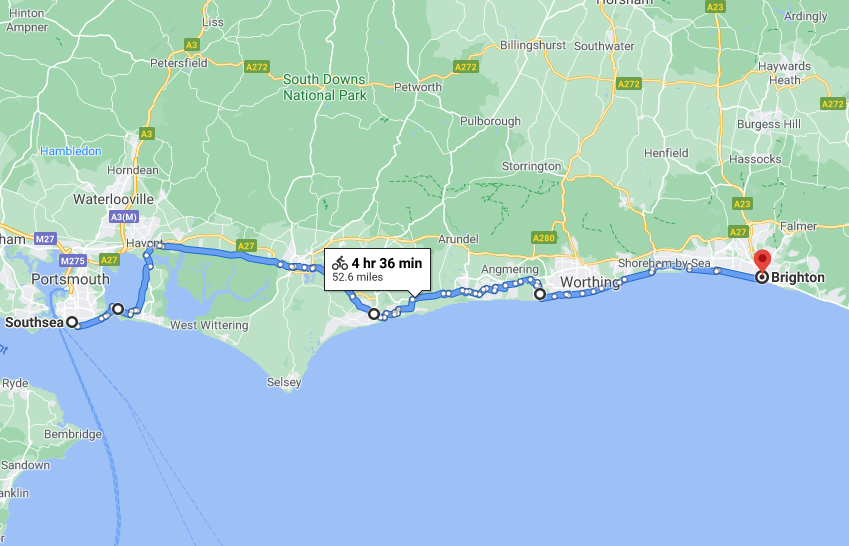
Having cycled along the Solent to Pompey – we set out Brighton bound one sunny Sunday morning in the merry month of May.

Heading for the Hayling Island Ferry.

Determined to make good time as we had an appointment a Pallant House, we pedalled purposefully along the Hayling Billy Line.

Ever onward, passing several examples of well kept, post war houses and former tin tabs.

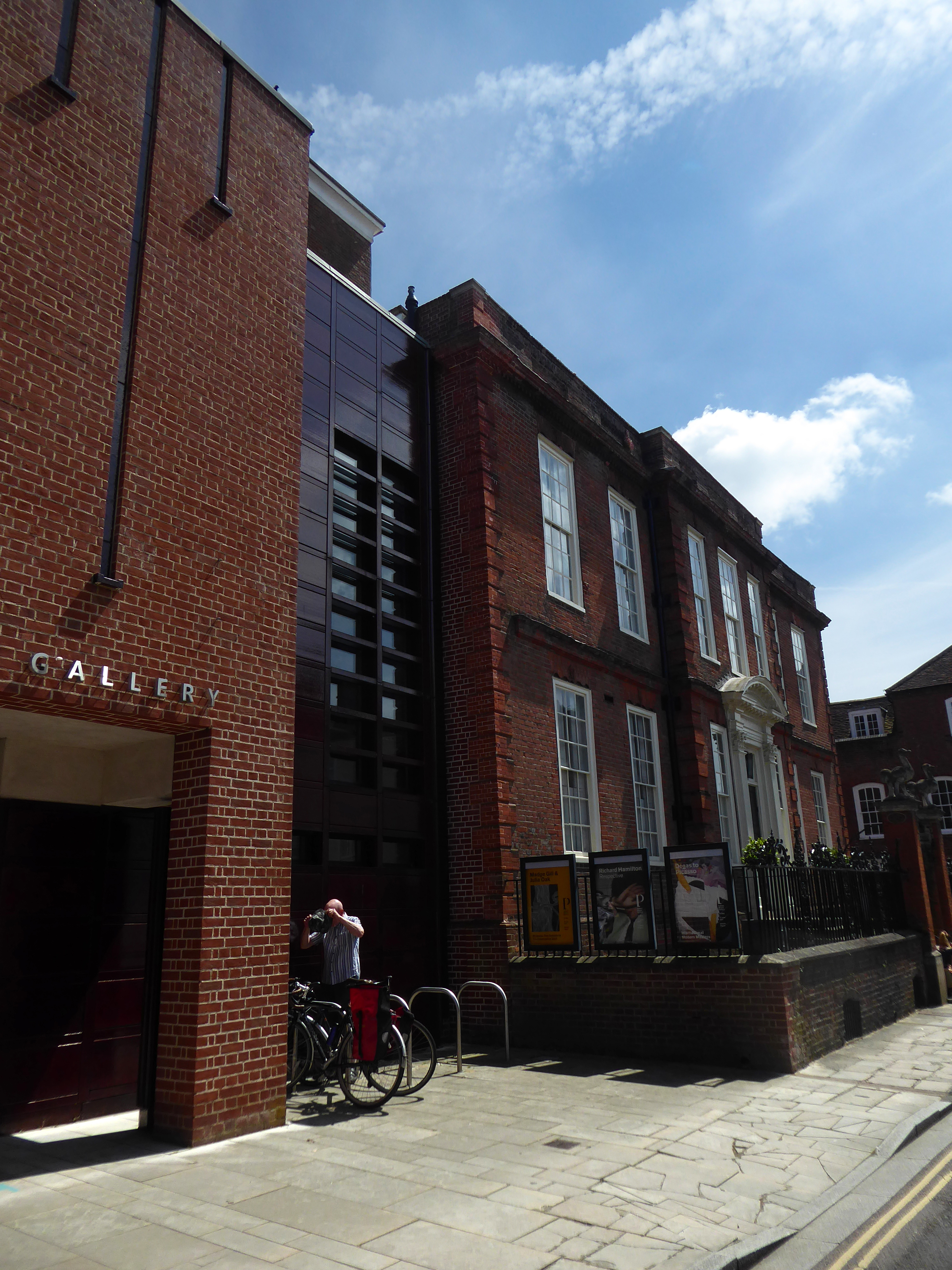
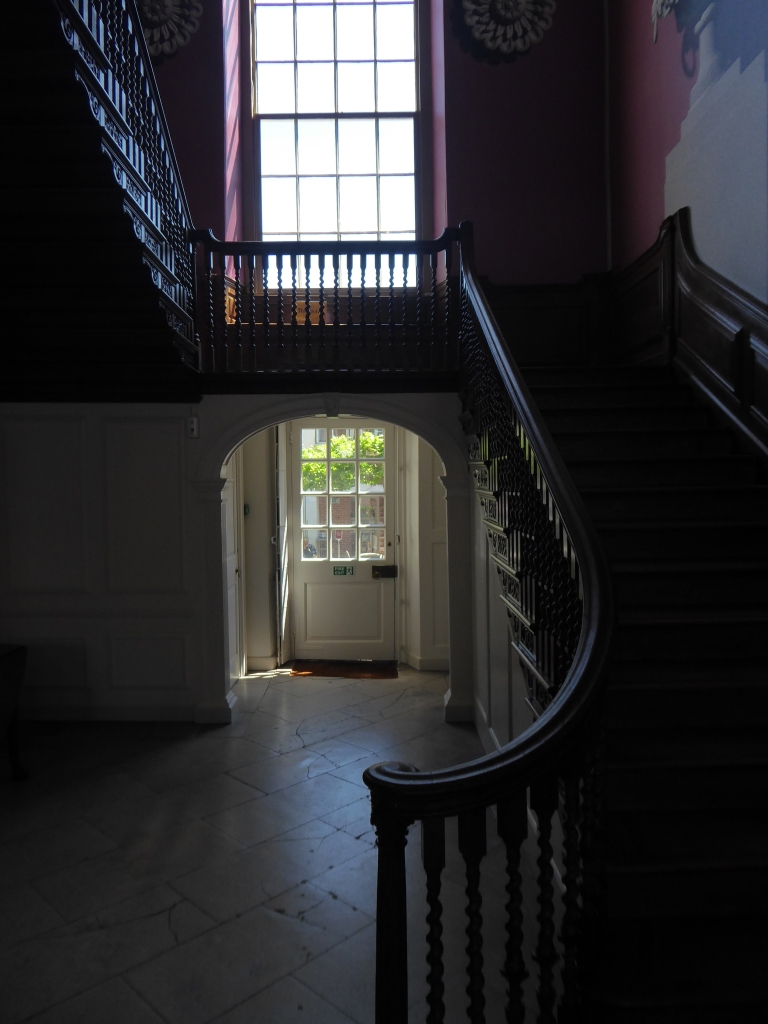
We eventually rolled into Chichester, finding our way to the gallery which I had previously only ever dreamt of visiting.

What wonders await at Pallant House?

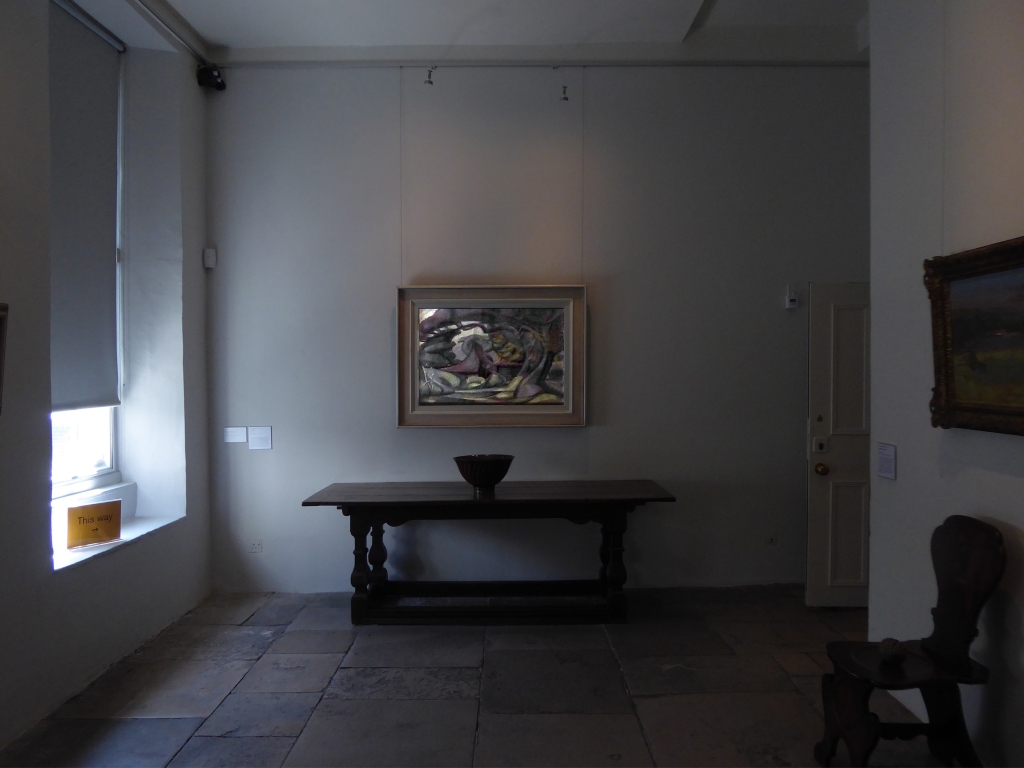
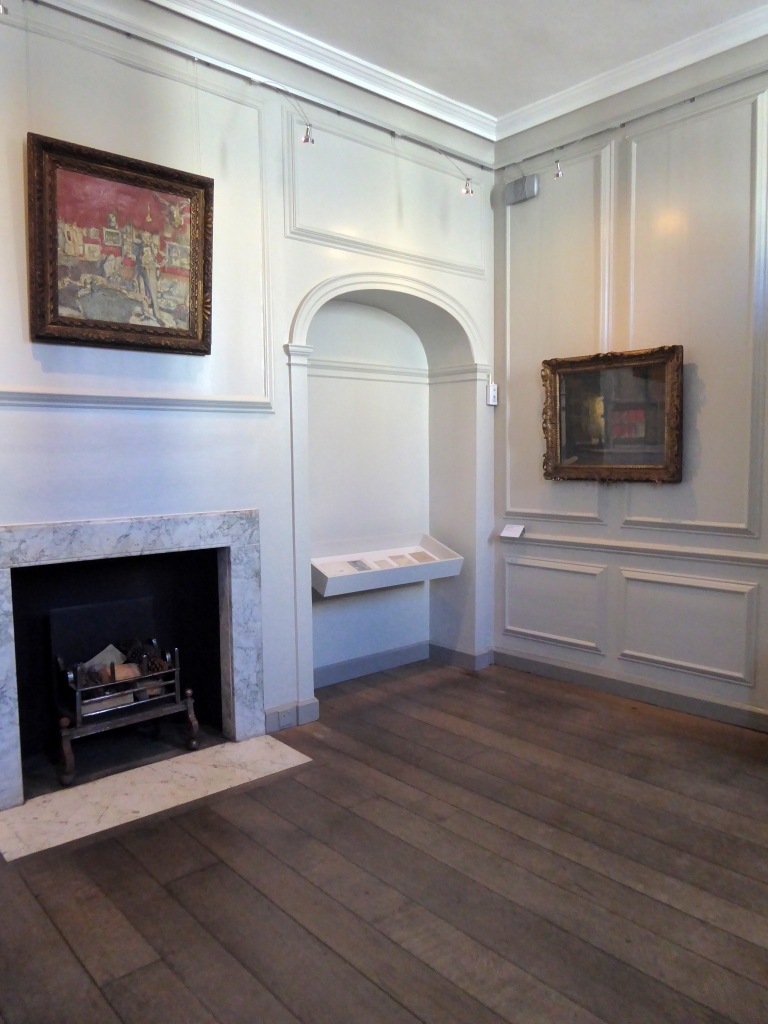
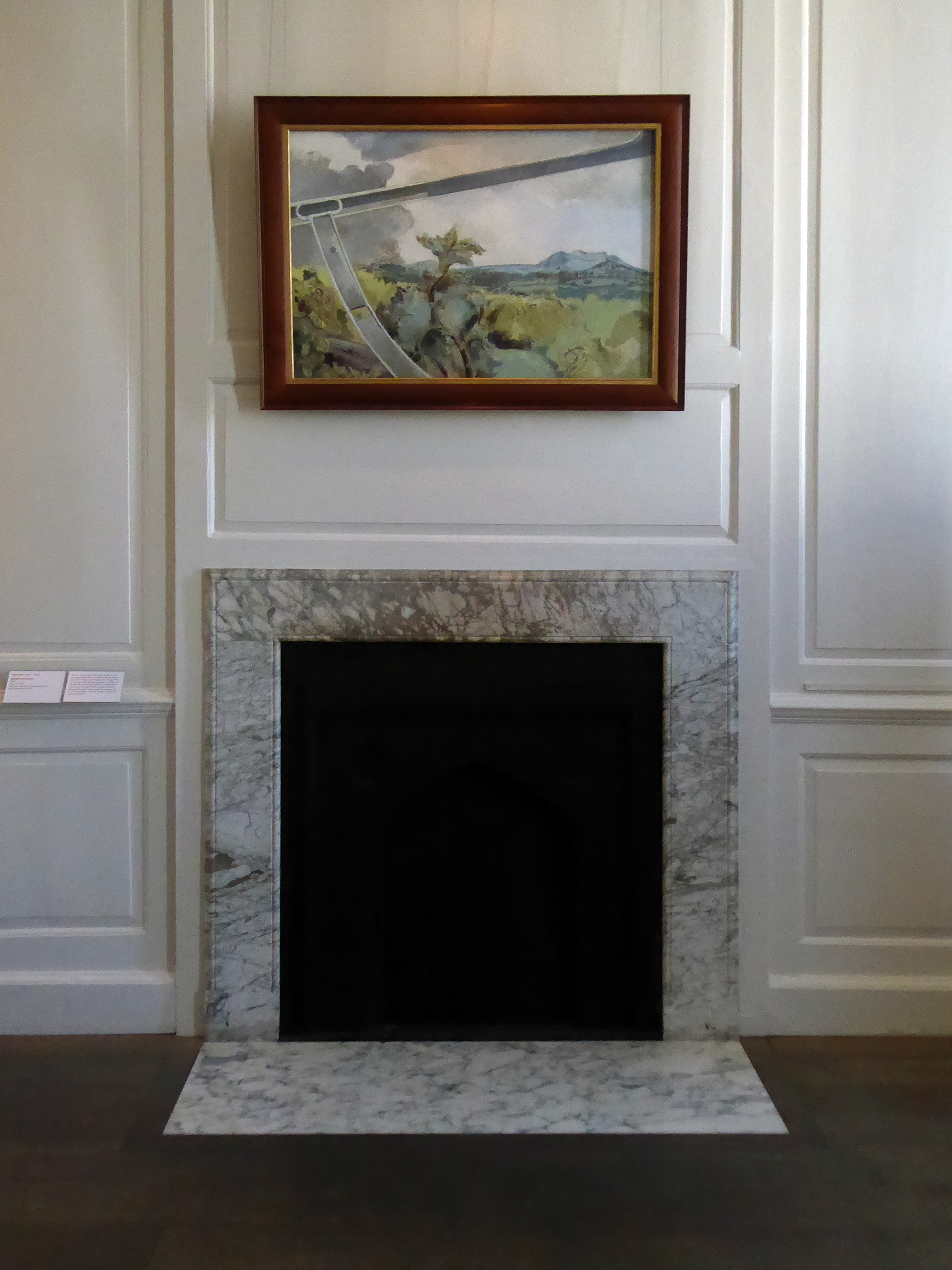
Inside we found the best of Twentieth Century British Art, displayed in period surroundings.

Suitably satiated we sat headed further east – to Bognor and beyond!

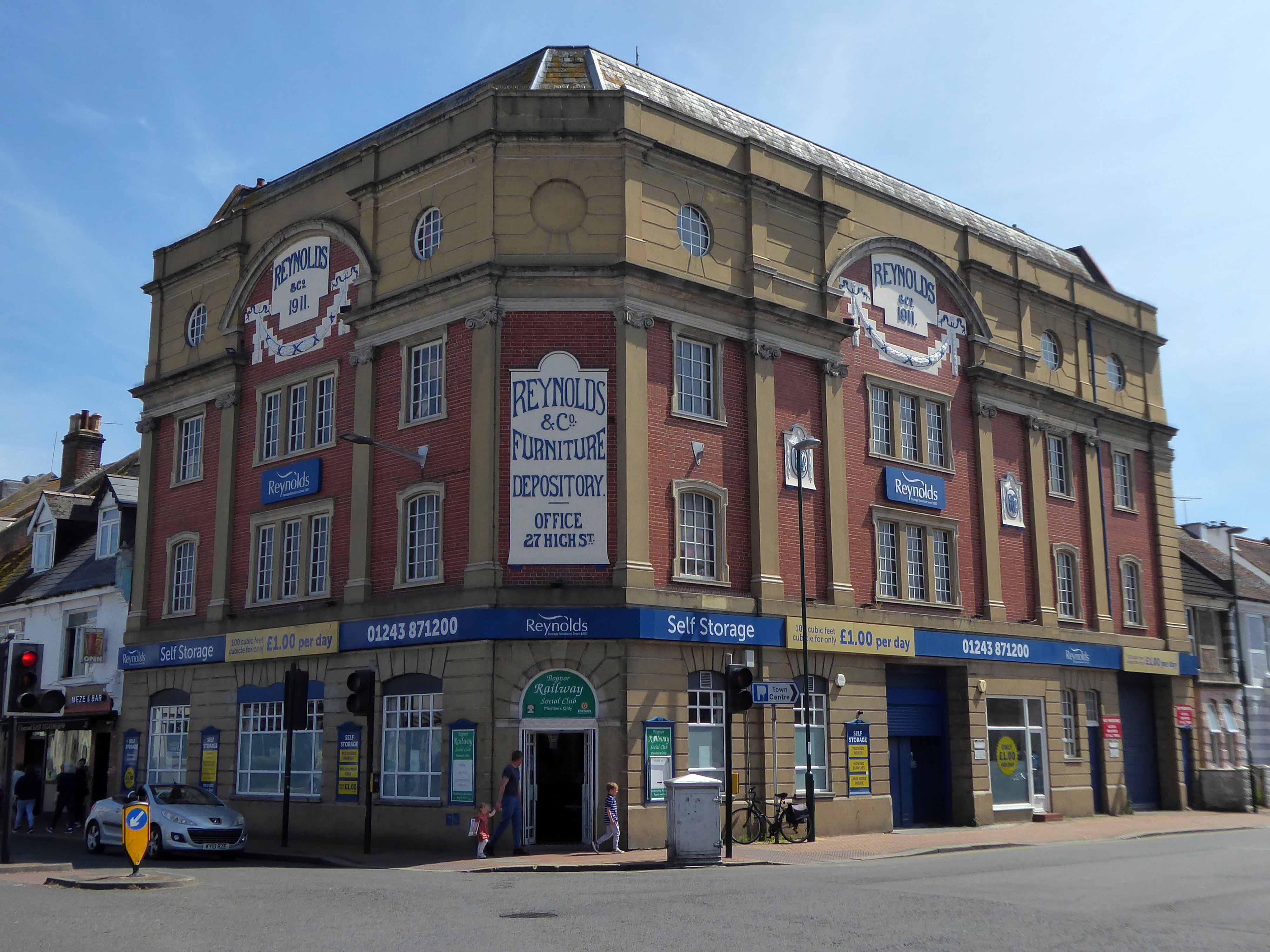
Reynolds Furniture Depository and a crowded Bank Holiday weekend seafront.

Since 1867 Reynolds has grown from a small shop to the largest furniture store in Sussex, with over 30,000 sq ft on four floors.

The Funeral Service now has three offices in Bognor Regis, Chichester and Littlehampton and the purpose built storage facility in Canada Grove continues to thrive.

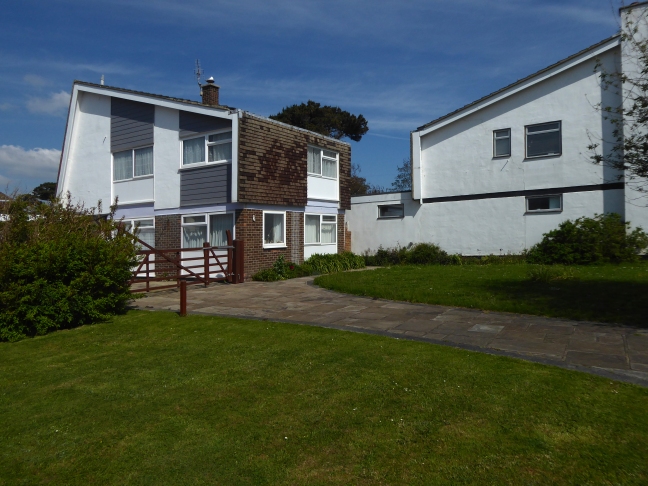
We soon found ourselves in Felpham, amongst yet more interesting housing.

We traversed the River Arun at Littlehampton.

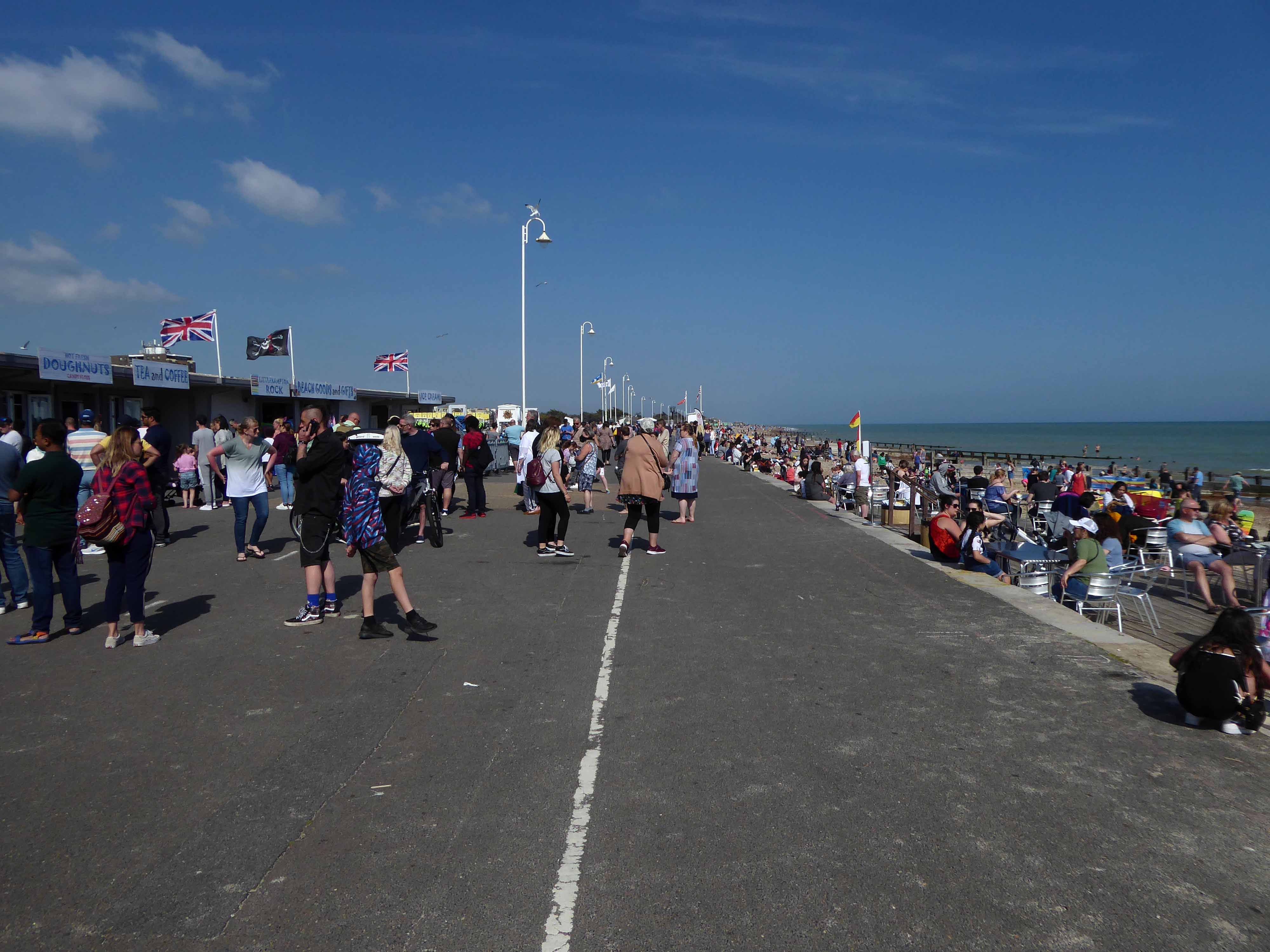
Then meshed with the milieu on the prom.

The day grew much hotter and we grew ever so slightly loster.

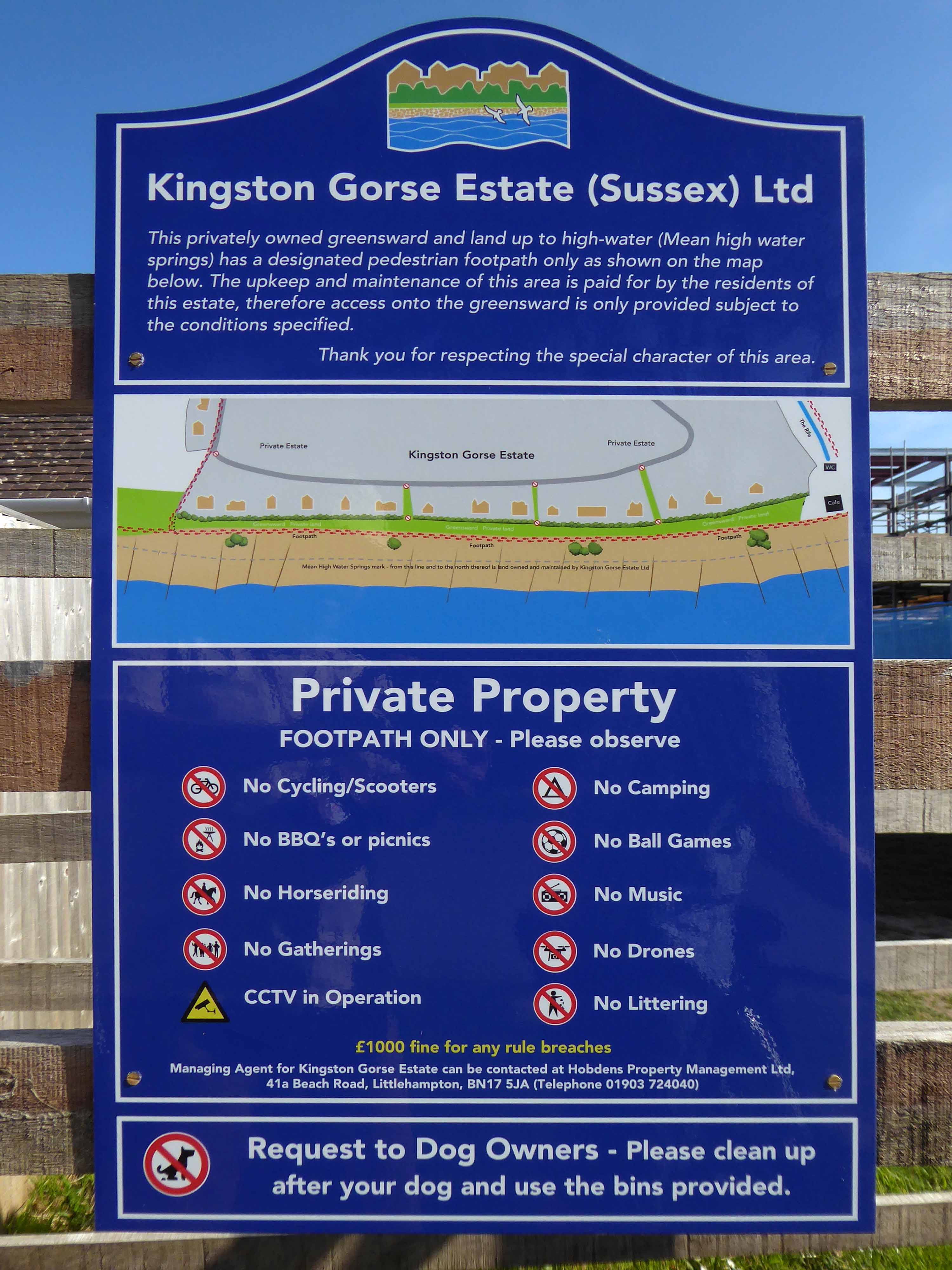
Finding our way back to the coast through the Kingston Gorse Estate – where almost everything is comprehensively prohibited.

Kingston Gorse is a beautiful seaside location close to Goring-by-Sea in West Sussex. In Kingston Gorse, there is a gorgeous housing development with a number of three, four and five bedroom homes.

In 1918 JA Candy, who owned East Kingston Farm, sold the land on which Kingston Gorse now stands to the local builder G Pesket.

In the 1920s he constructed the infrastructure and developed approx. 30 plots including Imray, which he occupied.

Kingston Gorse

The estate was once home to Bud Flanagan who then sold his house to Teddy Knox.

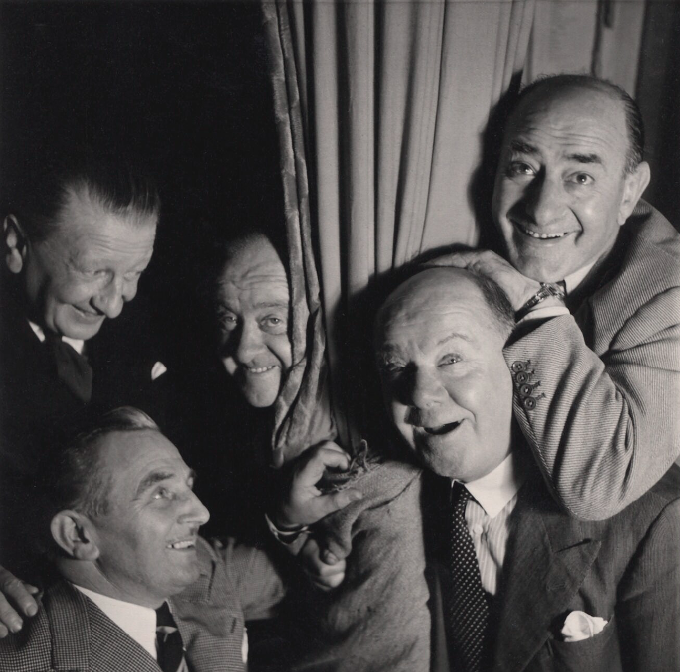
The Crazy Gang Bud Flanagan Jimmy Nervo Teddy Knox Charlie Naughton Jimmy Gold

by Cecil Beaton

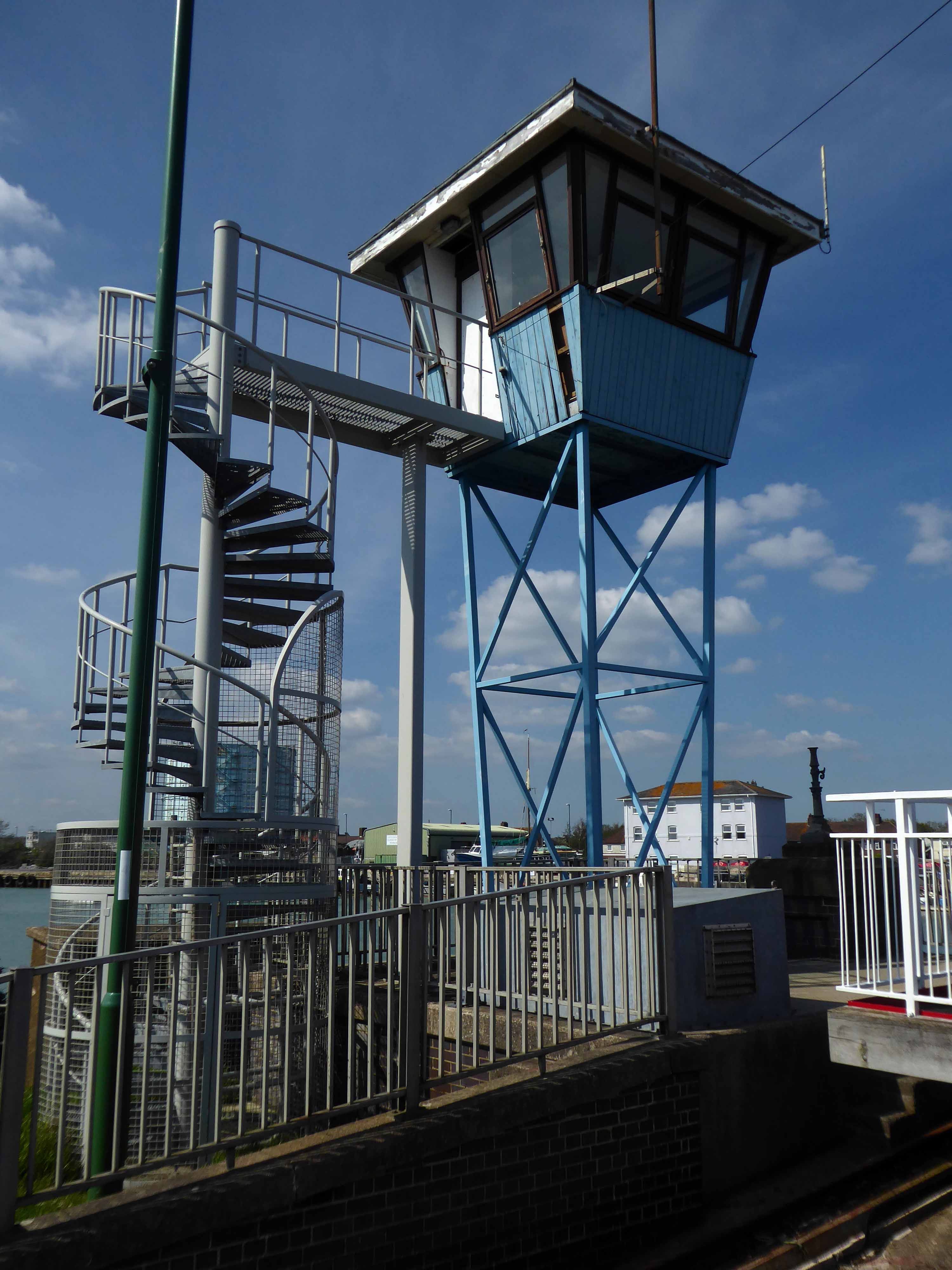
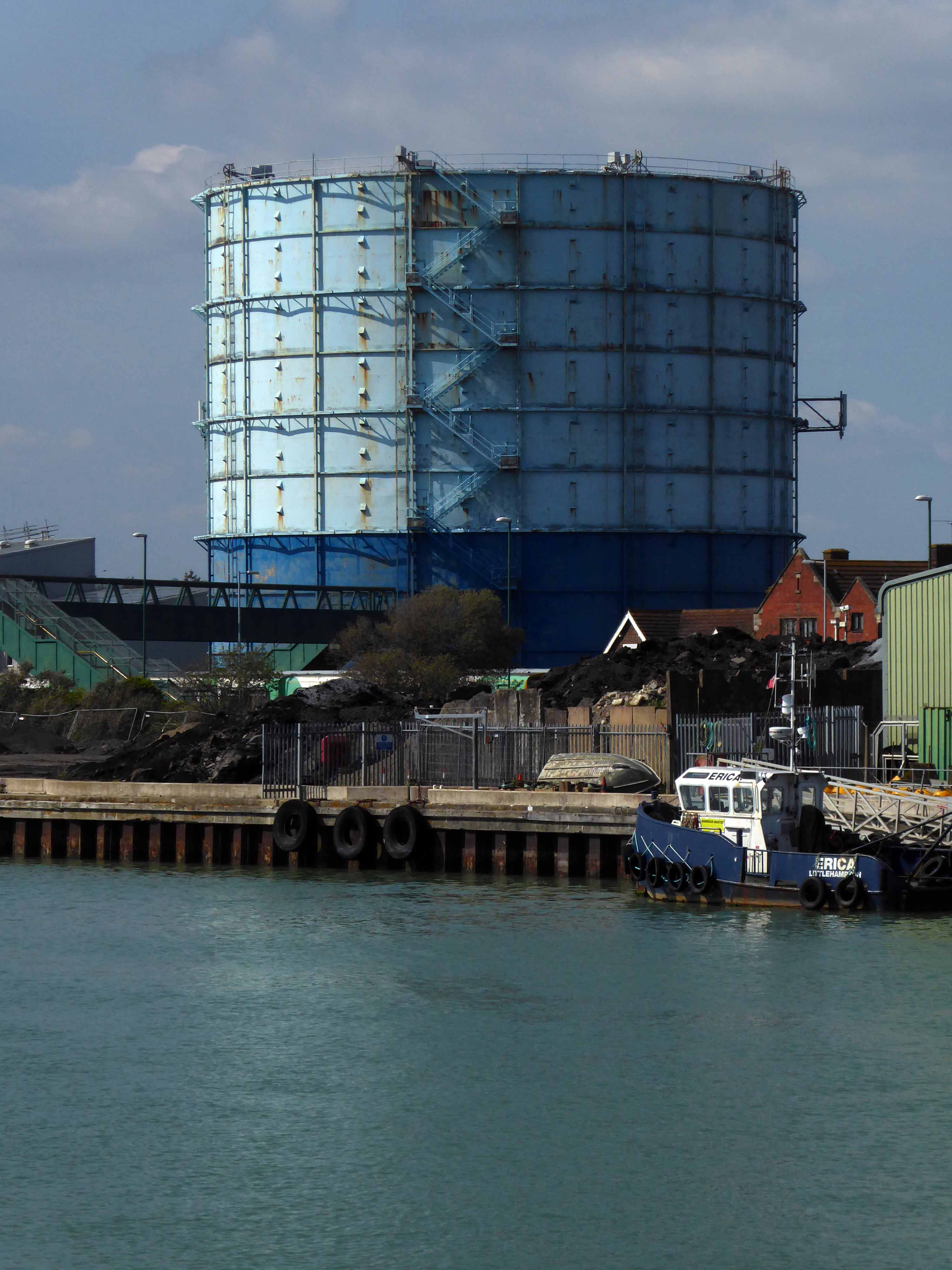
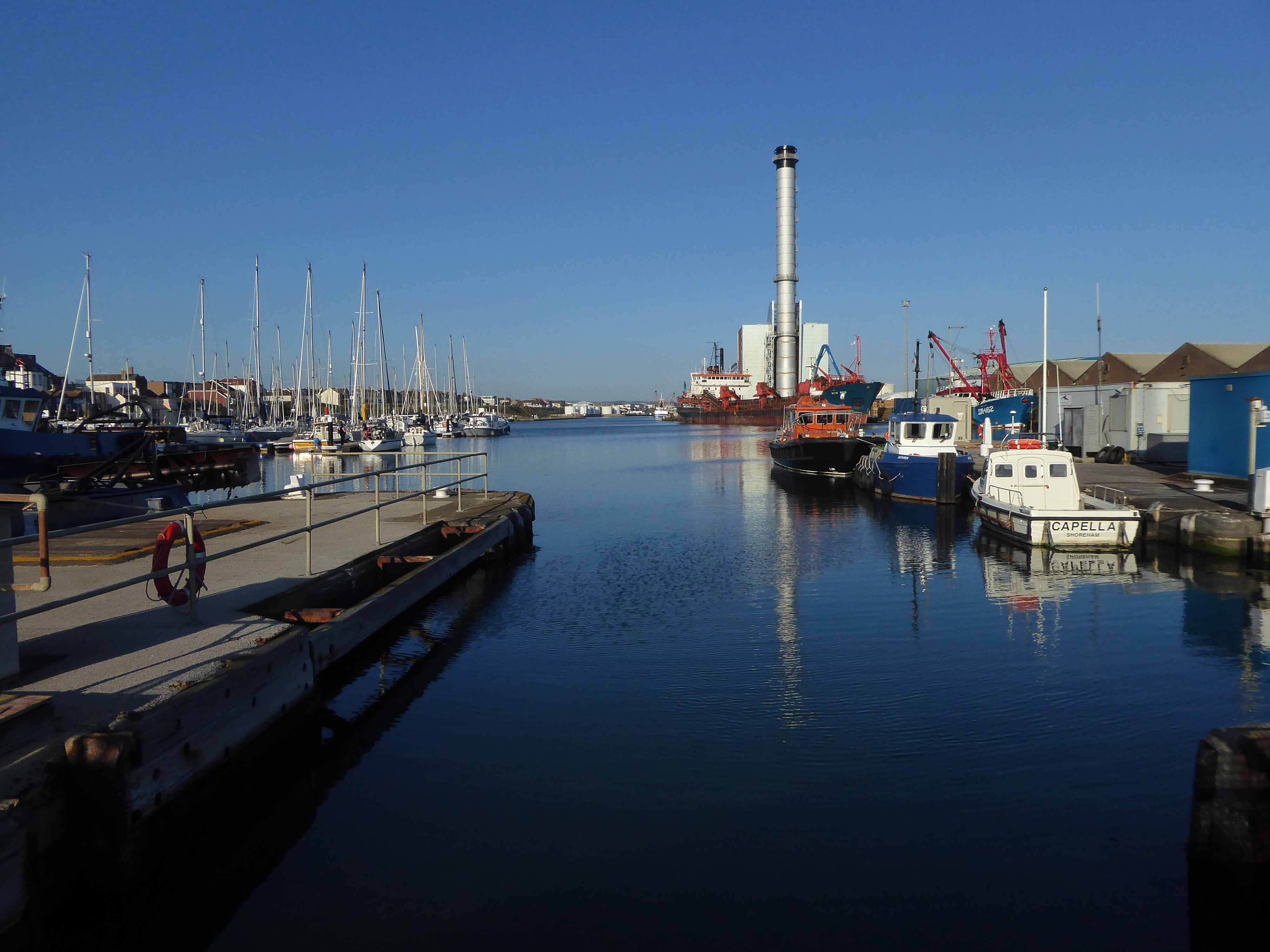
At Southwick we crossed the River Adur via the docks’ locks.

Proceeding towards our overnight digs more than somewhat weary – it’s been a long day.

There are more snaps here taken on my previous trip.

Porstmouth

Having cycled here from Southampton, we now had time to cool our heels and look around.

Tim Rushton and I were Fine Art students here in the 1970’s, eager to take a trip down Memory Lane to Lion Terrace.

We’ll get there in a bit.

We took a look along The Hard discovering pubs that we never went in which are no longer pubs.

This pub was built in 1900, possibly on the site of an earlier pub. For most of its history it was tied to the Brickwood’s Brewery of Portsmouth. 

The pub closed in 1970 to become a restaurant, before becoming an estate agents offices.

The pub sign appeared in the 1971 film Carry On At Your Convenience.

Many Brickwoods’ pubs were ever so elegantly tiled, though the beer was largely undrinkable.

Just along the way another pub which we never really knew, though still a pub for all that.

Across the water in Gosport our old pals Harbour and Seaward Towers.

Along the way some high quality hard landscaping.

Beneath our feet the smiling face of Pompey!

We resisted the charming period charms of the Clarence Pier

The pier was originally constructed and opened in 1861 by the Prince and Princess of Wales and boasted a regular ferry service to the Isle of Wight.

It was damaged by air raids during World War II and was reopened in its current form on 1 June 1961 after being rebuilt by local architects AE Cogswell & Sons and R Lewis Reynish.

Mind the Baby Mr. Bean an episode of British TV comedy series Mr. Bean was filmed on location at Clarence Pier.

Wikipedia

Tim wisely eschews the Wimpy.

Lyons obtained a licence to use the Wimpy brand in the United Kingdom from Edward Gold’s Chicago based Wimpy Grills Inc. and, in 1954, the first Wimpy Bar was established at the Lyons Corner House in Coventry Street, London. The bar began as a special fast food section within traditional Corner House restaurants, but the success soon led to the establishment of separate Wimpy restaurants serving only hamburger-based meals.

In a 1955 newspaper column, Art Buchwald, syndicated writer for the Washington Post, wrote about the recent opening of a Wimpy’s Hamburger Parlor on Coventry Street and about the influence of American culture on the British.

Buchwald wrote:

Food served at the table within ten minutes of ordering and with atomic age efficiency. No cutlery needed or given. Drinks served in a bottle with a straw. Condiments in pre-packaged single serving packets.

In addition to familiar Wimpy burgers and milkshakes, the British franchise had served ham or sardine rolls called Torpedoes and a cold frankfurter with pickled cucumber sandwiches called Freddies.

During the 1970s Wimpy refused entry to women on their own after midnight.

Moving along eye spy the Isle of Wight Ferry through the Hovertravel window.

Hovertravel is now the world’s oldest hovercraft operator, and this service is believed to be unique in western Europe. 

It is the world’s only commercial passenger hovercraft service.

The operator’s principal service operates between Southsea Common on the English mainland and Ryde Transport Interchange on the Isle of Wight: the crossing time of less than 10 minutes makes it the fastest route across The Solent from land to land. 

This service commenced operations in 1965, Hovertravel currently operates two 12000TD hovercraft on a single route between Ryde and Southsea.

Wikipedia 

We took a turn into the back streets to visit our old home 20 Shaftesbury Road, where Catherine Lusher, Tim and I lived in the basement flats.

Liz Bavister and Trish Frowd lived above

The former Debenham’s is to become flats.

Hampshire Live

Nearby Knight and Lea has been listed

The Knight & Lee building, which is located between two conservation areas on a prominent corner of Palmerston Road and Clarendon Road in Southsea, Portsmouth, was designed by Cotton, Ballard and Blow.

C20

Notable surviving original interior features include spiral staircases with terrazzo flooring in the northwestern and southwestern corner customer entrance vestibules.

A little Stymie Bold Italic aka Profil for your delectation along with a delightful low concrete fence.

A ghostly sign.

The Wheelbarrow where we drank, currently home to Joe and his pizzas.

The former Duchess of Fife in Castle Road long gone Long’s pub

Long & Co Ltd Southsea Brewery

Founded by William Tollervey 1814 and was acquired by Samuel Long in 1839. Registered in March 1924. 

Acquired by Brickwoods Ltd 1933 when brewing ceased.

The Barley Mow my favourite local where we would take a drink later.

Later.

The evening was enlivened by the arrival of a drunken wedding party the bride all in white, veil askew.

The besuited groom three sheets to the wind, mayhem ensued, we departed.

The Grade II Listed India Arms – North part 1902 by AE Cogswell; south part formerly Fishmonger and Game shop 1900, which formed the extension to the public house c1980.

Once part of the long gone Gales Brewery estate.

Founded 1847 when Richard Gale acquired the Ship & Bell home brew house.

Registered in April 1888 with 80 public houses. 

Acquired by Fuller, Smith & Turner Ltd in 2005 with 111 houses and closed.

Now we is at the Borough Arms and other favourite – purveyors of strong rough cider.

Built in 1899 architect AE Cogswell as the Old Vic now listed but no longer a pub

Along with the adjacent Wiltshire Lamb which since the 1980s this pub has had a variety of names including, Drummond’s, Tut ‘n’ Shive, Monty’s and now Hampshire Boulevard, usually shortened to HB.

The Norrish Central Library: city architect Ken Norrish 1976 – is all that remains this Brutal part of Portsmouth.

It faces the stylish new Civic Centre: Teggin & Taylor 1976 – a piazza completed by the adjacent Guildhall.

Alas no more:

The Tricorn Centre was a shopping, nightclub and car park complex, it was designed in the Brutalist style by Owen Luder and Rodney Gordon and took its name from the site’s shape which from the air resembled a tricorn hat.

Constructed in the mid-1960s, it was demolished in 2004.

Next we are by the former Portsmouth Polytechnic Fine Art block in Lion Terrace.

The ground floor corner housed the print room where I learnt my craft under the tutelage of Ian Hunter who we hooked up with for a pint and a chat.

Thanks ever so Ian for everything.

The happy days came to an end when the department was acrimoniously closed during a Hampshire shuffle.

We also cycled out to Langstone Harbour in search of the Arundel Canal lock gates, where Tim had languidly drawn away the hours, too many summers long ago.

After some circuitous searching we finally found them.

We ended a long day in the Barley Mow sharing yet another pint, one of many in our almost fifty year friendship.

Southampton to Portsmouth

We arrived safely by train from Stockport at Southampton Central.

Following lengthy consideration we headed off on our bikes.

Whilst halting to review our progress, I realised that I had lost the map, a map vital to our further progress.

Returning to the station I found it nestled against the kerb.

Further assessment of our onward journey resulted in yet another retracing of steps.

In the shadow of Southampton Station dwarfed by Norwich House.

Resolute, we confront the fact that we are unsure of the route and following close scrutiny of the map, our environs and the surrounding signage, we proceed eastward towards our destination.

Wyndham Court – architects Lyons Israel Ellis, E.D. Lyons being the partner in charge along with Frank Linden and Aubrey Hume.

Leaving the city and heading along the Weston Shore – Southampton Water.

To our right several Seaside Moderne shelters

Tim feasts on a Mint Club biscuit.

To our left are the tower blocks of Weston Farm Foreshore – L. Berger City Architect 1963

Seen here in 1985 – Tower Block.

In the distance Canberra Towers Ryder and Yates 1967

Residents living on the second floor of 24-floor block Canberra Towers, on Kingsclere Avenue in Weston, were told to evacuate as flames erupted inside a kitchen.

The Daily Echo spoke to the residents of the affected flat, who said the cat knocked paper that was on top of the microwave, which then fell onto the toaster.

Tracey Long said:

I’ve got two cats, and Sponge was the one who knocked the paper.

He knocked paper off the microwave and into the toaster, it was quite scary.

I lost him in the flat but now I’ve found him again.

Daily Echo

Arriving just in time to be too late, next thing you know we’re bobbing along on the Hamble Warsash Ferry.

The obliging ferry folk having taken us across the estuary, despite our tardiness.

The village and the River featured in the 1980s BBC television series Howards’ Way.

Sadly little evidence of the successful TV show remains, however happily Henry VIII’s Dock and an Iron Age Fort have prevailed.

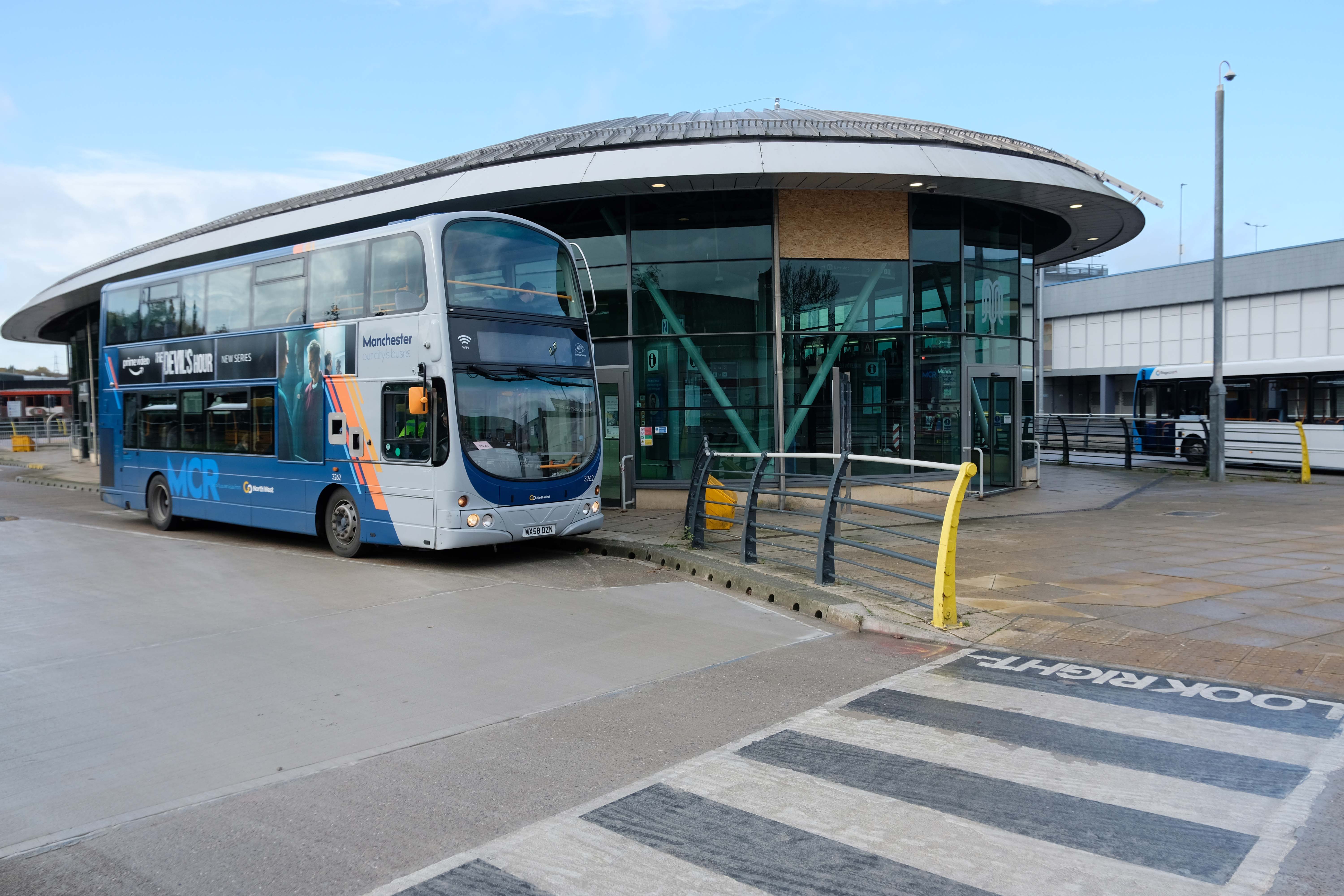
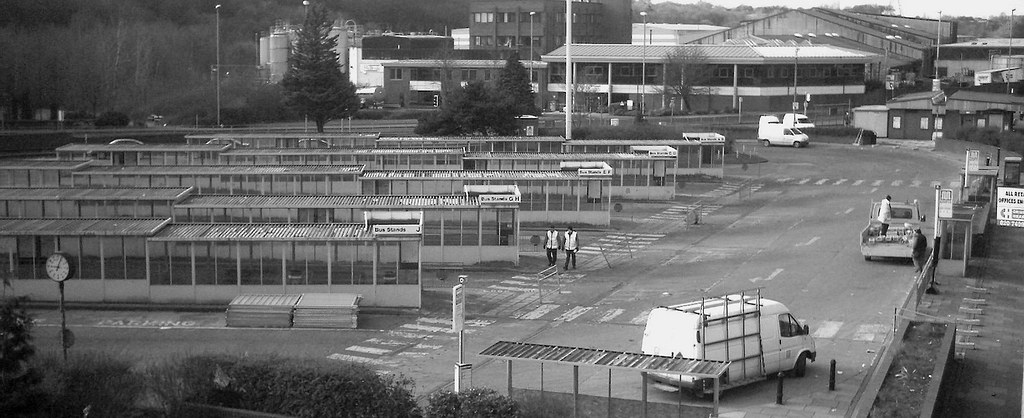
Onward to Gosport where we happen upon a diminutive yet perfectly formed Bus Station.

Originally built in the 1970s, the bus station was described in 2012 as knackered by the council chief executive at the time, Ian Lycett, and an investment plan was drawn up.

Talk of redevelopment then resurfaced in 2015, before the site was put on the market in 2016.

The News

Keith Carter, retiring owner of Keith’s Heel Bar in Gosport Precinct, has described the bus station as a missed opportunity.

The nearby Harbour and Seaward Towers have faired a little better, newly clad and their tiled murals intact.

While working for George Wimpey and Co. Ltd, and together with J E Tyrrell, Chief Architectural Assistant to Gosport Borough Council, Kenneth Barden was responsible for tiled murals on Seaward Tower and Harbour Tower, two sixteen-storey tower blocks built in 1963 on the Esplanade in Gosport. 

They really are something they really are.

And so following a ride on the Gosport Ferry we arrive at Portsmouth Harbour.

The land where British Rail signage refuses to die!

I have passed this way before on a Bournemouth to Pompey trip and both Tim and I were students at the Poly here in the 70s – more of which later.

Seaward Tower Harbour Tower – Gosport

While working for George Wimpey and Co. Ltd, and together with J E Tyrrell, Chief Architectural Assistant to Gosport Borough Council, Kenneth Barden was responsible for tiled murals on Seaward Tower and Harbour Tower, two sixteen-storey tower blocks built in 1963 on the Esplanade in Gosport.

The surfaces of the tower blocks are covered in mosaic murals designed by Barden that rise the full 135 foot height of the buildings. They were controversial initially but are now a tourist attraction.

The tiles were produced by Carter and Co of Poole

Wikipedia

He was also responsible for the unlisted and under threat ceramic murals in Halifax Swimming Baths.

C20

Whilst cycling form Southampton to Margate I took the opportunity to walk around and snap the blocks, one sunny day in May.

Here they are unclad in 1984

Tower Block

Brochure courtesy of Peter Blake

The work seems unrivalled in both scale and vision a lasting testament to good design.

Bonny Street Police Station – Blackpool

We are here are again – you Bonny Street bobbies, it seems, are not.

Departed for pastures new – to Marton near to the big Tesco. 

As well as a front counter, the new headquarters provides a base for some of the local policing and immediate response teams, an investigations hub and 42 custody cells.

Live Blackpool

On my previous visit I was in fact apprehended by a uniformed officer, perturbed by my super-snappy happy behaviour. Following a protracted discussion, I convinced the eager young boy in blue, that my intentions were entirely honourable.

Having visited the Morecambe site un-accosted.

And witnessed Bury’s demise.

I’m something of a Roger Booth aficionado, largely still at large.

Whilst Richard Brook is something of an expert.

Suffice to say I pay a visit to see my old pal the cop shop, whenever I find myself in town, stop to chat and snap – how are things, what’s happening?

Blackpool Central that’s what!

It seems that you are to become an Alien Diner.

Themed bar and event restaurant concept with roller coaster service, hourly special effects shows and exploration tours.

The £300m Blackpool Central development will bring world-class visitor attractions to a landmark site on the famous Golden Mile. Along with new hotels, restaurants, food market, event square, residential apartments and multi-storey parking.

Chariots of the Gods inspires the masterplan for the long-awaited redevelopment. It’s the global publishing phenomenon, written by Swiss author Erich Von Däniken. Exploring alien encounters and unsolved mysteries of ancient civilisations.

Chariots Of The Gods will be the main theme for Blackpool Central. Including the anchor attraction – the UK’s first flying theatre.

A fully-immersive thrill ride that will create the incredible sensation of human flight.

Time it seems changes everything, stranger than fiction.

The Bonny Street Beast’s days are numbered – your local Brutalist pal is no more, wither Wilko’s?

Your piazza planters are waterlogged.

Your lower portals tinned up.

Your curious sculptural infrastructure sunken garden neglected and forlorn.

Your low lying out-rigger stares blankly yet ominously into space.

Likewise your tinted windows.

Your subterranean car park access aromatic and alienating.

So farewell old pal, who knows what fate awaits you, I only know you must be strong.

Not until we have taken a look into the future shall we be strong and bold enough to investigate our past honestly and impartially. 

How often the pillars of our wisdom have crumbled into dust! 
 

Erich von Däniken

North Shore Blackpool

Here we are again, having posted a post way back when – on Seaside Moderne.

Where the whole tale is told – the tale of Borough Architect John Charles Robinson‘s inter-war Deco dream tempered by Municipal Classicism. A stretch of Pulhamite artificial rock cliffs 100ft high between the new gardens and the lower promenade constructed in 1923. The lower promenade at sea level was remodelled during 1923–5 with a colonnaded middle walk.

So here we are again September 2020, a country in Covid crisis bereft of crowds.

I took a short walk along its length – to the lift and back.

The Cabin Lift is designated at Grade II for the following principal reasons: * It is a nationally rare type of seaside structure that is of interest as part of the history and development of certain seaside resorts * It is of a well-executed design and uses good-quality material to good effect that can be particularly appreciated from the upper promenade * It is a conspicuous and eye-catching structure especially when viewed to maximum effect from the lower promenade * The Cabin Lift’s architectural merit contributes significantly to Blackpool’s importance as a holiday resort of national and international renown.

Historic England

This is where they stop to stare, to stare at the sea, shaking solace in distant waves, lapping gently on soft sands.

The rusting rails, beleaguered benches and stolid junction boxes, calmly resist the erosion of sea and salt airs with grace.

Returning to the tower and the outstretched pier, southbound.

Ernest Whiteley – Bridlington

67 Promenade Bridlington YO15 2QE

Ernest Whiteley opened the shop on Easter Sunday 1901

His first week’s taking were £7 14s 1d.

He thought that he had done very well – says granddaughter Ann Clough.

Grandad lost his sight in 1940, I became his eyes. When he lost his sight and he handed over the till keys to mother, they had a little weep. He handed over to my mother because father had died three months before.

Ann has run the shop for the last sixty years, along with Sue, a full-timer for some thirty years.

The rep isn’t coming any more, ordering is online, that’s no good to us.

This is a cash only low-tech, high stock operation.

If they don’t have it – it probably doesn’t exist.

Along with Walton’s of Ashton under Lyne and the Wool Shop of Exmouth, this is one of a kind. A family business lovingly preserved and well run, trading traditional goods, in a kind and caring manner, to happy shoppers.

From the outside little has changed sine the 1930s, wide glass, well arranged windows, displaying a wide array of wondrous haberdashery.

All contained within an arcade with Art Deco detailing.

There are many, many mannequins from another age.

One man from Scotland stayed for hours, he had a fetish for the mannequins, we couldn’t get rid of him.

The side of the shop is largely given over to net curtains of every size, shape and design, labelled Monica, Daisy, Andrea, Vicky or Sarah.

The names were chosen by Sue, it’s a lot easier for people to say, I want Vicky, 36 deep, than the one with the squiggly flowers, or to remember the manufacturer’s number.

Inside is a haven of domesticity, dusters abound, along with all the other attendant cloths and towels to ensure household cleanliness.

Not forgetting the correct clothing for those domestic chores.

The original display units are a delight.

Almost every surface is awash with lady’s unmentionables – winter draws on, wrap up.

There are covers and doilies of every description.

And the finest display of sensibly priced handkerchiefs, fancy and plain.

Every sign and tag hand written with pride.

It was, as ever a privilege and a joy to spend a short time in another world, thanks ever so to Ann and Sue for their time and patience.

If your passing pop in spend a pound or two – I bought three dish cloths.

One customer told me he was going to a party dressed in a white mini-dress, purple wig, thigh boots and black tights, he came to look at nighties and tried one on in the changing cubicle. You’ve got to be broad-minded. It can be very disconcerting when you hear a man zipping up a corset.

Yorkshire Post

Ann Clough and her grandfather Ernest.

Water Pumping Plant – Bridlington

Walking the wet walkway of Bridlington’s south shore, I was pleasantly surprised by this semi-distant concrete construction.

Which cleverly accommodates a convenient public convenience.

The pumping station is the most immediately obvious aspect of the scheme , situated as it is on the promenade.

Hanson UK supplied the concrete, with a range of complex mixes required.

You’re trying to make concrete with as little water in it as possible, but it still has to move to be placed into position. The only way to achieve this is with powerful admixtures, which deflocculate the cement despite the lack of water in it to lubricate it.

This difficulty also applied to almost all the concrete above ground level for durability reasons – anything that could come into contact with seawater had to be able to withstand it.

The final major complication was the aesthetic requirements from the local council. All the visible concrete had to match an older Victorian Spa, located a little way up the beach, which had previously been refurbished using Hanson concrete.

We were asked to match the colour, shading and texture of the new concrete to the spa.

The team was forced to use white cement, which had been used in the spa, but because of durability requirements they needed to use a cement replacement to improve the overall chemical resistance of the product. They used ground granulated blast furnace slag to replace 55 per cent of the white cement, which is white in colour itself. This had the added sustainability benefit of replacing imported white cement with a local waste byproduct.

Hanson UK

All this to house the Yorkshire Water treatment plan and allow Bridlington to regain its Blue Flag status.

The extended pipework carrying the waste water far far away.

At the Headworks the Arup design concept was to extend the pumping station using pre-cast concrete panels that are sensitive to the existing facade. The development of 2015 succeeds in integrating a Brutalist aesthetic, into a largely Victorian setting. Incorporating several levels of seating and associated street furniture, affording some shelter and clear sight lines with transparent panels.

UK Water Projects

The artwork in front of the huts on Bridlington Promenade by Rachel Welford looks fantastic. The huts built by our contractors Morgan Sindall Grontmij (MGJV) were completed in August and they’re available for hire through the East Riding of Yorkshire Council. The beach huts are larger than the other beach huts on the Promenade and include disabled access and are especially suitable for family groups. Complementary artwork, also designed by Rachel Welford has been incorporated in the glass balustrade in front of the huts.

Yorkshire Water

South Bay Scarborough – Chalets

The world is inherently unstable, along comes a train a resort appears, along comes a ‘plane a resort disappears, along comes a virus and people disappear.

Whole chunks of the land fall in the sea, eventually.

The South Bay Gardens were slipping away.

Some of the oldest sun bathing chalets almost became an Arts Hub.

Seaside chalets were under threat, with the cause believed to be the failure of a retaining wall.

The swimming pool has been and gone, only an empty shell remains.

There are speculative plans and piecemeal repairs, but these are difficult times, and attracting substantial finance and flocks of tourists to revitalise the town, is no simple matter.

From 2011 I have visited South Bay, intrigued by all the above, but there’s a special place in my heart for these concrete chalets.

They never get a mention.

Here they are some years ago.

The primary coloured paint almost still fresh on their well locked doors.

They stand forlorn on the concrete shore overlooking an indifferent North Sea, hoping for a future in an uncertain age.

As I snapped I chatted to a local ANTIFA Anarcho Punk – ex Mansfield Miner and political activist, he feared that they would be swamped by some tidal wave of gentrification.

If so when, not soon.

As a post script I have been informed that the site was used as a kid’s den in the CBBC TV series All at Sea!

Boyes Bridlington

29 King Street Bridlington East Riding of Yorkshire YO15 2DN

Supplier of a variety of discounted homewares and DIY products, toys, clothes and stationery.

In 1881 William Boyes opened a small store in Eastborough, Scarborough selling odd lots and remnants from merchants. There was great poverty in the working classes and housewives were even keener for a bargain than they are today. When customers found that they could buy enough material to make a coat or a dress cheaper than anywhere else, they soon spread the word and trade increased to such an extent that William had to look for larger premises.

William rented a large warehouse just off the main street where business continued to grow. By 1886 he purchased further units in Market Street and Queen Street and knocked them into one large store and named it ‘The Remnant Warehouse’. Older customers in Scarborough still refer to the shop as ‘The Rem’. As time went on William expanded his range and bought other clearance lines from merchants developing the warehouse into a department store.

Business continued to grow and go from strength to strength and in 1910 the expansion of the company started. Today W Boyes and Co Ltd operate over 60 stores throughout Yorkshire, the North East, Lincolnshire and Nottinghamshire & Leicestershire.

Boyes

In 1969 Hammonds of Hull purchased the Carltons department store located in Bridlington, and within a year had demolished and rebuilt the store. The company’s independence did not last much longer, as in 1972 House of Fraser purchased the business for £8 million. The stores were then grouped under the Binns brand. The Bridlington store was closed in 1995 and the store stood empty for three years until Boyes opened in 1998 

My sincere thanks to Kate Yorke for her detective work.

I have been here before, enchanted by the exterior tiles, of unknown origin – yet strongly redolent of William Mitchell’s work.

These are on the southern face of the building.

On the opposing side.

They flow through into the entrance lobby.

Exploring further I encountered these striking ceramic tiles on the stairwells.

With a matching set on the others side of the store.

It’s a constant delight to discover the decorative art of the Sixties preserved in situ. Remnants of a time when investment in original work was de rigueur, reflecting the pride which companies had in their buildings and the respect they held for their customers.

The stores trade as Boyes – pronounced Boys but often mispronounced as Boys-es.

It is still owned and family run with Andrew Boyes and his son Richard as joint managing directors.

The Scarborough store was home to a number of animals in the past, including monkeys, chipmunks and budgies. The animals were used as way of encouraging customers to visit the store and purchase something whilst they visited. Two of the monkeys, Jacko and Dinah, are famous to a generation of Scarborough shoppers.

Wikipedia

Scarborough Technical College

Gollins Melvin Ward & Partners 1961

Scarborough TEC formerly known as Yorkshire Coast College, Scarborough Technical College, Scarborough Technical Institute, and Scarborough School of Art is a further education college located on Lady Edith’s Drive Scarborough. It is a constituent college of the Grimsby Institute of Further & Higher Education.

Yorkshire Coast College was originally an independently controlled institution, but due to consistently poor results and long-term financial difficulties was taken over by the Grimsby Institute in January 2010.

In November 2016, the name was changed from Yorkshire Coast College to Scarborough TEC, with the TEC standing for Training, Education, Careers.

Wikipedia

Now it’s closed, the land to be sold for a housing development.

Colleges, once under the stewardship of the local authority are now independent businesses and as such subject to mergers and acquisition, for better or for worse.

1961

This is a building of architectural significance, GMW being responsible for several other ground breaking curtain wall towers and blocks – including Castrol House, now Marathon House one of the first curtain wall buildings in the UK, along with the Arts Tower in Sheffield.

In August 2015, GMW was taken over by another business, Scott Brownrigg, “as part of plans to move into the airport sector.”

It represents a time when vocational education was in the ascendancy, building for a manufacturing future with forward thinking, open, democratic and accessible architecture.

That optimism along with the attendant architecture are no longer, it seems – dish of the day.

It was a proud boast for many people in Scarborough that Robert Allen Palmer, the pop music icon, was raised and schooled there. Robert went to Scarborough Boys’ High School and studied art at Scarborough Technical College.

Photograph copyright Brian Cooke 2011

He played in his his first band there, The Mandrakes evolving from a gathering of pupils from the Scarborough High School for Boys during the summer of 1964.  Meetings and practice under the work in progress title of The Titans, first in the crypt of a church and then a former chicken hut, took place.  Allen – to become Robert in 1969 Palmer, joined after a successful audition and the first gig took place in a local youth club towards the end of the year.

British Music Archive

Robert’s Mum says fame never changed him, “He never seemed any different, he took us on Concorde two or three times and the Orient Express and we always celebrated birthdays, anniversaries and Christmas, everything, together.”

BBC

So I bowled up last Thursday following a tip from local lad Mr Ben Vickers, it rained and rained, armed with a Poundland one pound umbrella I took my chances and took some snaps.

Broken and boarded windows, spooky drips dripping and ghosts for company, heavy hearted marking the passing of an abandoned future and rapidly receding past.

Underpass – Scarborough Again

I’ve been here before on a much sunnier day.

Avoiding heavy showers and even heavier seas, I’m here again.

Three ways in and out of a doughnut on Scarborough’s South Bay.

One way in and out of the North Sea.

The underpass it seems is generally under threat, unsafe, often unloved and underground – often underused.

Once thought to be the answer to the threat posed to the pedestrian, by increased motor traffic, they are now deemed unsafe – poorly lit, badly maintained and scenes of anti-social activity.

Havens for those who are a threat to themselves.

Don’t let that put you off, get down and get with it!

Why not treat yourself to a walk around the South Bay Underground Car Park?

Then get out of it rapido.

The Trawl – Bridlington

5-7 Cliff Street Town Centre Bridlington YO15 2NJ

The best chippy in Bridlington

I first bowled up in 2011 – walking the wild streets of East Yorkshire – eager to eat.

I was instantly enchanted by your fragrant fish and chips, peg board menu and marvellous tiles.

It would have been rude not to walk right in, sit right down and order a Haddock Special with tea – so I did.

Delightful.

Fast forward to 2014 and here we are again, some minor adjustments to prices and layout, but essentially business as usual.

One more time please – a Haddock Special with tea.

2020 and this time it’s serious I’m going in, armed with an insatiable curiosity, a Panasonic Lumix TZ70 and a healthy appetite – in that order.

I ordered a Haddock Special with tea.

The food was as ever superb, served with winning smile and cooked to perfection by the same owner who had dealt a winning hand nine years ago.

Whilst I awaited my food, I sat patiently taking in my surroundings and a few snaps.

Noting the notice my host observed that she loved children but couldn’t eat a whole one.

For the very first time I noticed the illustrative pictorial panels adorning the range counter.

And the menu above the entrance.

Replete, enough is as good as a feast – I complimented the chef, thanked all and sundry, exited stage right.

Once out on the streets once more, I surveyed the fascia, its tiles and newish fascia.

One thing is for sure I will return, if the good Lord’s willin’ and the creeks don’t rise.

So a big Bird goodbye from the old fish.

And hello to the new.

Hastings 2015

I had completed my journey from Weston super Mare, with a final day’s cycle ride from Eastbourne and had two days to spare.

So I took some time to have a mooch around and this dear readers is what I did see.

I have snapped the seafront shelters previously and put together one post after another.

These are an integral part of Sidney Little’s concrete promenade scheme

Lurched toward London Road Launderette in St Leonards – which was featured in my 2020 book eight laundrettes.

Next door is this Post Office mosaic.

Back to the front for a more traditional seaside shelter.

Exploring the backstreets in search of fitness for purpose and secret signs.

Then diving in for a delicious dosa at the long gone St Len’s Lakshmi Mahal – since moved to Bexhill on Sea.

Snapping the plaques at the White Rock Theatre.

Currently closed but hopefully open in time for the We Love The Spice Girls.

Popped into Arthur Green – former gent’s outfitters, current bric a brac brokers.

Before we know it, we’re in another laundrette, once more without washing in the Wash Inn.

Back along the front to the well appointed and freshly painted Marine Court.

Time to pop into the not always open subsequently closed St Leonard’s Church.

When World War II broke out, Hastings and St Leonards-on-Sea were considered vulnerable to attacks and invasion from abroad. On the night of Saturday 29 July 1944 a doodlebug was hit over the English Channel. Damaged, it nevertheless continued to fly towards the coastline of St Leonards-on-Sea. It was approaching Marine Court which was hosting a servicemen’s party – but it veered and crashed in front of the doors of St Leonard’s Church, making a deep crater. The tower fell into this, and the rest of the church was brought down as well. Although there were no casualties, the church was completely destroyed. Although the problem of rock falls and subsidence associated with the cliffs had continued throughout the life of the church, the War Damage Commission would only pay for it to be rebuilt on the same site. The architectural partnership of brothers Giles and Adrian Gilbert Scott were commissioned to design the new building.

Patrick Reyntiens stained glass

The unique features were inspired by Canon Cuthbert Griffiths, rector from 1929 to 1961. Following a dream, he went to Israel and had the prow of a Galilean fishing boat constructed to form the pulpit.

Marble work on the floor depicts locally caught skate and herring.

Beyond the communion rail are loaves and fishes set in different marble patterns bordered by scallop shells, a copy of the Byzantine mosaic in the Church of the Feeding of the Five Thousand in Galilee.

The structure set into shifting cliffs is subject to subsidence.

Procedures have been completed for St Leonard’s Parish Church on Marina to be closed for worship. 

The service will be next Saturday August 4 2018 at 3pm. 

Because the building cannot be used the service will be at St Ethelburga’s in St Saviour’s Road.

St Leonard’s has been called the church with an inbuilt message.  Even the very stones cry out to those who have eyes to see, ears to hear and a heart to understand and accept the Good News of the Gospel.

St Leonards Church