J H Wherritt is a cherished gift shop located at 5-7 Eastborough in the heart of Scarborough. Known as a hidden gem and a fantastic treasure trove by visitors, this highly-rated establishment boasts an impressive 5/5 stars from numerous positive reviews. It’s the perfect place to discover a diverse range of gifts, souvenirs, toys, watches, and clocks, catering to all tastes and ages.
Customers consistently praise the shop for its extensive selection of goods, often finding unique items that are not widely available elsewhere. The dedicated team at J H Wherritt is renowned for being lovely, kind, helpful, and obliging, ensuring a pleasant and satisfying shopping experience for everyone. Visitors frequently highlight the reasonable prices and excellent value offered on all purchases.
Yorkshire.com
From being a very young youngster I have always adored the seaside souvenir shops. The dazzling array of knick-knacks and gee gaws, and Wherritt’s truly merits the sobriquet Aladdin’s Cave.
Sadly the shop is now for sale:
•Business & stock available by separate negotiation
•Upper floors in need of major refurbishment
• Very inviting shop frontage with 2 entrance doors
•Shop located on busy tourist route
Guide price £175,000
We can only hope that whosoever takes the business on will maintain the wide range of stock and friendly welcome.
On Wednesday 21st January, I boarded the 9.33 for Blackpool from Platform 14 Manchester Piccadilly station.
10.35 the train terminated at Preston – thus far and no further.
Thinking on my feet, I legged it rapido to Preston Bus Station and just about caught the 68 bus to Blackpool.
Already an hour or two behind time I elected to alight at Squires Gate, and take a walk along the South Promenade toward the town centre.
The promenade is home to a plethora of public art works and sculptural shelters.
The Great Promenade Show originated from the major redevelopment undertaken by the then Department for Environment, Food and Rural Affairs to replace and strengthen the 2km long South Promenade’s seawall flood defences. This £20 million project entailed removing the existing Victorian promenade and replacing it with a new well-designed concrete promenade on two levels. The upper level was to incorporate ’roundels’ every hundred metres, on which it was intended to site specially designed features, including wind shelters and visual displays possibly representative of the history of Blackpool. A Millennium Lottery bid was made by the Council to this end, though a commitment to start building had to be made before the outcome of the bid was known. The bid was unsuccessful, but the sites for visual features along the new promenade remained, as did the Council’s commitment to occupying them. At this point, responsibility for managing the project shifted from the Council’s Technical Services Department to its Education, Leisure and Cultural Services Division.
Like a sinister exhibit in one of Blackpool ‘s Victorian freak shows, the skeleton of a killer whale made from pulsating dark blue neon can be viewed through portholes within a metal tank like a decompression chamber.
The work was subsequently removed.
The structure has been on display for the public to enjoy for over 15 years and was deemed unsightly due to corrosion, which is why the decision was taken to remove it. PTSG Building Access Specialists Ltd planned the decommissioning and contract crane lift from start to completion.
Designed to be viewed in motion from the adjacent tram track and road, the photographic image of a swimming child laser cut into an 8m long curved stainless steel screen gradually resolves and disappears again as the viewer moves past.
Glam Rocks by Peter Freeman
Inspired by Las Vegas and the Blackpool Illuminations, three large pebble-like modelled shapes glitter after dark, as hundreds of fibre optic light points on their surface slowly change colour and sparkle.
They Shoot Horses, Don’t They? by Michael Trainor and The Art Department
Blackpool is known as the “ballroom capital of Britain”. This rotating ball 6m in diameter, covered in almost 47,000 mirrors, has been claimed as the world’s largest mirror ball, and is named after the 1969 film about a depression era ballroom marathon in the USA.
Desire by Chris Knight
An abstract sculpture 8m high, contrasting rusty corten steel with shiny stainless steel spikes, inspired by the town’s reputation as a destination for ‘dirty weekends’, and its hidden ‘fetish scene’. It casts the shadow of a spiky heart on the promenade.
Swivelling Wind Shelters by Ian McChesney with Atelier One
Three 8m high, stainless steel shelters turn like weather vanes, keeping their occupants away from the prevailing wind. Designed by architect Ian McChesney, in collaboration with engineers Atelier One, the graceful sculptural form of the shelters, shaped like whales’ flukes, is structured like an aircraft wing, vibrating in strong gusts of wind.
Sandcastle the UK’s largest indoor water park.
Sandcastle opened on 26 June 1986 on the site of the former South Shore Open Air Baths as a joint public/private partnership. Operation of the facility was taken back into Blackpool Council ownership in 2003. A significant investment in new attractions costing £5.5M was also agreed, which was delivered in two phases, with the second opening in 2006 on time and on budget.
In 2012, Sandcastle opened two new Aztec-themed slides, one with a chamber called ‘Aztec Falls’, and a toboggan-like slide called ‘Montazooma’.
Situated adjacent to the South Pier at Blackpool was the open- air swimming bath. Elliptical in form, it was designed in the renaissance style of architecture, with white ivory terracotta, known as ‘Marmola’. It was said to be the largest and finest of its kind in the world and similar in design to the colosseum of ancient Rome.
Built at a cost of around £70,000, Designed by JC Robinson – Borough Architect, it was officially opened on the 9th June 1923, the same day as the first Blackpool Carnival, by the Mayor of Blackpool, Councillor Henry Brooks. The opening ceremony was followed by a short swimming exhibition in which Blackpool swimmer Lucy Morton took part. The following year Lucy was to win a gold medal in the 1924 Paris Olympics.
Sadly in 1983, following years of neglect and falling attendances, the bath was demolished.
Built to the designs of Joseph Emberton for Leonard Thompson; restored and altered 1972 and 1977-9 by Keith Ingham. Reinforced concrete in the International Modern style. Circular plan, the circle broken by three principal projections marking the main entrance and foyer, the main exit and the main public stairs. The key to the plan were the central kitchens on the ground and first floors, serving (on the former) a number of restaurants and (on the latter) a banqueting room. Kitchens now on first floor only. The result is a sequence of intriguingly curved rooms; originally there was no public access to this inner core area or directly across the building, but this has now been provided. The basement contained stores, a billiard room and sports facilities, now in mixed use. Between ground and first floor is a mezzanine office range, with private flat over. Top floor built as roof garden, provided with a glazed curtain wall in c.1940 by Emberton and largely infilled as an extra floor in 1972.
Time for the train home to Stockport – but you can bet I’ll be back.
And true to my word I have been back, several times – on this occasion alone and on foot.
An almost overcast mid-grey day in November, alighting at Rhyl Station and loafing along to Colwyn Bay – this what I done seen.
1907
Former Bee and Station Hotel immediately opposite the Station.
The Bee and Station Hotel was built in the 1860s. The decorative tile work of the exterior was probably added during remodelling c.1890. Inside, the lobby is also richly decorated with brightly coloured tiling. The building was listed in 1991 as an excellent example of pub of the late 19th century with a complete tiled frontage and a rare surviving internal layout throughout.
The pub closed in 2005. The building reopened in 2013 after being refurbished and given a modern extension by Denbighshire County Council, under the Townscape Heritage Initiative, to provide new offices for small businesses
Onward to the seafront, home to the defunct Skytower.
The tower first operated at the 1988 Glasgow Garden Festival, where it was known as the Clydesdale Bank Tower and was opened by Prince Charles and Princess Diana. Following the festival, it was dismantled and reassembled on the Rhyl seafront.
The tower last operated in 2010. The following year, a safety report found that £400,000 worth of repairs were required to keep the ride operational. After standing but not operating for seven years, in 2017 work was carried out to turn the tower into a beacon.
Much has been done to improve the promenade, with sumptuous hard landscaping, coastal defences and seafront shelters.
The £66m Central Rhyl Coastal Defences Scheme will protect almost 600 properties in Rhyl from flooding and coastal erosion for decades to come.
85% of the construction costs have been funded by the Welsh Government, with the Deputy First Minister labelling the project a ‘significant milestone’ in efforts to protect Welsh communities from the growing threats of climate change. Denbighshire County Council contributed the remaining 15%.
Over the estuary to Rhyl Harbour home to Doris Day.
Rhyl Harbour is located on the spectacular North Wales Coast and has undergone a dramatic refurbishment which has hugely improved the facilities on offer. The original timber yard which was used by sailing ships up until the Second World War, has been redeveloped and now offers storage for over 150 boats.
The foreshore home from home for thousands of caravan dwellers.
Golden Sands Holiday Park Rhyl has over 85 years history of fun filled holidays. Wonderfully located right next to the beach in Kinmel Bay in North Wales, it’s the perfect place for a family seaside holiday. It’s also an excellent base for exploring the beauty of North Wales. The town of Rhyl is closest, though also nearby are Prestatyn, Colwyn Bay and Llandudno – with the Great Orme. Blue Flag beaches offering wonderful seaside holiday traditions along with stunning Snowdonia National Park are within an easy drive.
Fast food is often nutritionally poor and high in calories. Evidence demonstrates that overeating commercial fast food products can negatively impact health in both the short and long term.
However:
Baysville is lovely and clean, lots of tables and a good choice of foods from ice cream, donuts, burgers, hot and cold drinks and a bar. The staff are pleasant and welcoming.
Researchers have found people who drink up to three cups of coffee a day could have a healthier heart and a lower risk of dying of any cause.
But too much caffeine can produce anxiety, sleeplessness, agitation, palpitations, diarrhoea and restlessness. In individuals with a mental health condition caffeine can worsen psychosis and result in the need for higher amounts of medication.
Possibly wiser to take a leisurely ride on your electric bicycle, followed by an hour or two of beach casting .
The coastal housing at Kinmel bay is undergoing a cosmetic upheaval, the determinedly down home bungalow swamped by the relentless monotone tide of home improvements.
The Sandy Cove Estate consists of 250 bungalows that were built in the 1930s by the Kinmel Estates Ltd, who sadly went into liquidation around 1947, before the estate was completed. This left the estate with only dirt tracks for roads with no sidewalks or pavements, no drainage for surface water or any adequate street lighting. After the liquidation of the company the roads and communal greens were escheated to the Crown who then offered the land free of charge to successive Councils for the to incorperate into the towns that were developing. This was refused by the Councils.
Fifty or more homes are ready for you to choose from, gardens and tennis courts have been provided for the sole use, in perpetuity of residents.
Onward now to Towyn.
The town made national headlines in 1990 when a combination of gale-force winds, a high tide and rough seas caused Towyn’s flood defences to be breached at about 11.00am on 26 February. 4 square miles of land was flooded, affecting 2,800 properties and causing areas of the resort to be evacuated. Further flooding occurred later the same week, on 1 March, shortly after the site of the disaster was visited by Prince Charles and Princess Diana.
Scientific experts also believe that the silt left behind from the flooding had left the town with a higher concentration of radioactivity, over ten times the governmental safety limits, most likely originating from the nuclear processing plant at Sellafield which had been dispersed into the Irish Sea over many years since its construction. The National Radiological Protection Board stated that there was a “small risk” to the people there, while the Welsh Office claimed there was no danger to the public. The coastal defences have since been reconstructed and significantly enhanced.
The People of the First Nation here at Knightly’s Fun Park are now safe from the threat of flood.
Knightly’s Funfair has a fantastic range of rides for the whole family! Experience high speed thrills and heart pumping excitement! We’ve got rides for the little ones too as well as games and food stalls to keep the whole family entertained all day!
We also welcome dogs, so you don’t have to leave your furry friends behind!
The monotone gentrified home is accompanied by the monotone SUV – the Land Rover Discovery Sport.
The joy of Discovery Sport is in finding that no adventure is out of reach. Offering the ultimate in comfort, while having the toughness to cope with family life.
According to a Europe-wide study, which included the UK, when vehicles are 300kg heavier, the risk of fatal injuries is 30% higher for vulnerable road users.
Pedestrians and cyclists are also 30% more likely to be killed if they’re hit by a car with a bonnet that’s 10cm higher than average.
E25 is Spirulina Extract Phycocyanin, when taken as directed, Spirulina generally doesn’t cause side effects. In some people, it may cause mild side effects, including headaches, diarrhoea, bloating and gas.
Here we are now at Abergele and Pensarn which have quiet sandy beaches close to historic sites and wooded hills. From here, you can escape the stresses of everyday life. Enjoy sea views, historic places such as Gwrych Castle – home to ITV’s I’m a Celebrity 2020 and 2021 TV series, and a range of things to do providing fun for all the family.
Pensarn Pleasure Beach Amusement Arcade, operated by Laurence Williams Amusements, offers a charming family-friendly experience. Visitors often highlight its nostalgic appeal with fun penny machines and small shops selling drinks and handmade goods.
While many appreciate the charm of the arcade, some mention that certain machines are quite dated and do not work properly, this aspect may affect overall enjoyment for some users.
The reviews indicate a good variety of activities including classic penny slots and local shops offering food and unique handmade items like dog harnesses, catering to diverse interests.
Such a pleasant stretch of coast to stretch your legs along.
Or to stretch your wings for that matter, should you happen to be a cormorant.
Coastal defences from the giant concrete bobbers and jacks.
A tetrapod is a form of wave-dissipating concrete block used to prevent erosion caused by weather and longshore drift, primarily to enforce coastal structures such as seawalls and breakwaters. Tetrapods are made of concrete, and use a tetrahedral shape to dissipate the force of incoming waves by allowing water to flow around rather than against them, and to reduce displacement by interlocking.
Tetrapods were originally developed in 1950 by Pierre Danel and Paul Anglès d’Auriac of Laboratoire Dauphinois d’Hydraulique in Grenoble,who received a patent for the design. The French invention was named tétrapode, derived from Greek tetra ‘four’ and pode ‘foot’.
Tetrapods were first used at the thermal power station in Roches Noires in Casablanca, to protect the sea water intake.
Next we pass Raynes Jetty the quarry conveyor belt – shifting and shipping limestone out to sea.
Limestone from Raynes quarry, to the south, is transported by conveyor belts to the jetty, crossing the A55 Expressway and railway. From the jetty it is loaded into coastal freighters which take it to other parts of the British Isles. Limestone from this quarry is a pure form of the rock, making it ideal for the chemical and cement industries.
Limestone forming an important constituent part of the nearby concrete Rainbow Bridge – linking Old Colwyn’s pedestrians to the shore.
On the site of Colwyn Bay Pier is a seriously truncated pier.
It was conceived in the late 19th century, when Colwyn Bay wanted to catch up with other towns which had piers where steamers deposited and collected passengers. However, it was found that the proposed pier would have to extend almost half a mile to reach the area where the water was deep enough for ships. This was too costly, so the pier was built purely for entertainments. The councillors saved face by saying this would avoid day trippers arriving by steamer and lowering the tone of Colwyn Bay!
The pier was less than 100 metres long when it opened in 1900. The pavilion had a 2,500-seat theatre, shops and a restaurant. The opening performance featured Adelina Patti, one of the world’s most renowned operatic sopranos in her day.
The final pavilion, opened in 1934, incorporated Art Deco features and murals by Eric Ravilious and Mary Adshead.
Both walls of the last remaining Eric Ravilious mural have been successfully removed, and were placed safely in storage. But with CCBC staff set to relocate to new Colwyn Bay offices a more permanent home is needed for the murals.
Many of those features were destroyed or obscured in post-war refurbishments. Entertainers who performed at the pier in this period included comedians Ken Dodd and Morecambe and Wise, and singers Harry Secombe and Elvis Costello.
The new promenade, measuring 2.3 miles long, has been designed to protect the town and its infrastructure from the effects of the sea. The project was split into two phases; the first, to remove what was originally there and to construct the new raised promenade including a road, cycleway and car parking. The second phase was to transform the promenade with further development as well as reinforce the defence structures.
This is the last of the Sixties concrete shelters – which once stretched all the way to Rhos on Sea.
New shelters have appeared
A Conwy County Borough Council spokesperson said:
The shelters include new features such as solar power lighting and are designed to be accessible for wheelchair and mobility scooter users.
The closed design of the old shelters made anti-social behaviour easier and led to their condition deteriorating.
And a new pier has appeared.
Construction on the new Pier at Colwyn Bay commenced in July 2020. Despite being initially slated for completion in the summer, the erection of scaffolding and subsequent work on the 45-meter truncated Colwyn Bay pier were delayed. However, the project timeline was expedited, and the construction was successfully finished in July 2021.
Here we are again and the local community are hard at work funding the pool’s transformation.
We’re the Friends of Tynemouth Outdoor Pool and we’re aiming to transform the incredible eyesore that sits at the end of one of the country’s favourite beaches into a brand new outdoor pool that’s modern, safe and, most importantly, heated.
At the Southern end of Tynemouth Longsands beach, on the North East coast, lies the decaying remains of Tynemouth Outdoor Swimming Pool. A concrete, rectangular, salt water tidal pool, built in the 1920s. Popular with locals and holiday makers alike for over 50 years. It began to lose favour in the late 70s with the introduction of cheap package holidays abroad, just as other British coastal holiday destinations lost out.
The pool fell into disrepair, and in the mid 90s the Local Authority demolished the ancillary buildings and bulldozed the rubble into the pool, at a cost of £200,000, before filling with concrete and imported boulders to form an artificial ‘rock pool’.
The anticipated marine life they introduced never flourished and the pool remains an eyesore to this day.
There is evidence that the current town location has been occupied since prehistoric times. Prehistoric tools found in the caves of Graig Fawr, in the nearby village of Meliden, have revealed the existence of early human habitation in the area.
“Sunny Prestatyn” became famous for its beach, clean seas and promenade entertainers, and visiting for a bathe was considered very healthy by city-dwelling Victorians.
The town is at the northern end of the Offa’s Dyke Path, although not on Offa’s Dyke itself.
The holiday camp in Prestatyn was built by the London Midland and Scottish Railway Co. in 1939. The main buildings were in classic 1930s style, featuring rounded building ends, steel framed windows and porthole windows. Chalets showed an early form of sectionalised building method.
Requisitioned as a military camp until after the Second World War, it reopened as a holiday camp in the early 1950s. The site was demolished and cleared between February and March 2001.
Prestatyn offers the opportunity to engage in an impromptu game of Crazy Golf – though the facility was closed on the morning of my visit.
The crazy golf was fantastic the kids didn’t want to leave plus the lady was so helpful plus the price were very reasonable – would highly recommended.
The promenade is dominated by a tight knit group of modern leisure facilities.
An expansive car park fronts directly onto the seafront.
There have been serious reinforcements made to the seawalls – ensuring that the passing cyclist will not be washed away, by the crashing waves of the incoming tide.
The reinforcement work demands that we temporarily detour onto the Rhyl Coast Road, where we encounter Pirate Island Adventure Golf.
Uncover hidden treasure on the North Welsh Coast at Pirate Island Adventure Golf at Lyons Robin Hood Holiday Park.
Make friends with the great white shark, octopus, and the resident pirates who guard the Island.
This 18-hole course is a fun and crazy challenge for all the family, with stunning views of Rhyl seafront to boot. Plus, it’s located just a stone’s throw away from Sherwoods Sports Bar where refreshments are served.
Rhyl
Rhyl Sands: David Cox 1854
The Welsh orthography has proved difficult for English writers to transliterate as Rhyl’s opening voiceless alveolar trill is uncommon in the English language.
I nipped into town for a tub from Sidoli’s – £1.83 well spent.
The promenade is home to a series of entertainments including the Rhyl Pavilion Theatre
The theatre, owned and operated by Denbighshire Council, has also been re-clad as part of the project, designed by architects Space & Place.
It forms part of a wider redevelopment of Rhyl’s seafront, which includes the demolition of the Sun Centre and the construction of a £15m water park.
There is a also a becalmed Post Modernist Piazza – named Rhyl Events Arena.
The playful nursery geometry of the SeaQuarium.
The functionalist Vue Cinema.
Tickets were £5.99 for a standard seat, the staff said not to bother upgrading as the premium seats were rubbish, sound was okay and picture quality was okay.
Food price was expensive so it maybe cheap to get in, but £16.99 for a large popcorn and drink ups the price, would go again if in the area.
Much of the coast is fringed with chalets and static caravans.
Kinmel Bay
Home to The Frothy Coffee.
There aren’t enough food, service, value or atmosphere ratings for The Frothy Coffee, yet – be one of the first to write a review!
Kinmel Bay beach is popular with tourists and the local population. In addition to various small shops and takeaway outlets, there is also an Asda superstore that opened in 1981, which includes a large petrol filling station.
The concrete shore is softened by grasses and wild flowers – with views of the mountains beyond.
Here we are in Towyn
The town made national headlines in 1990 when a combination of gale-force winds, a high tide and rough seas caused Towyn’s flood defences to be breached at about 11.00am on 26 February. Four square miles of land was flooded, affecting 2,800 properties and causing areas of the resort to be evacuated. Further flooding occurred later the same week, on 1 March, shortly after the site of the disaster was visited by Prince Charles and Princess Diana.
Scientific experts also believe that the silt left behind from the flooding had left the town with a higher concentration of radioactivity, over ten times the governmental safety limits, most likely originating from the nuclear processing plant at Sellafield which had been dispersed into the Irish Sea over many years since its construction.
Excitements galore, await at the well maintained funfair.
Motor cars to the fore, as the intrepid sea-anglers prepare for a day of sea-angling.
Abergele where Family Fun can be found in the form of Kiddies Karts.
In 2020/21 Abergele hosted the 20th and 21st editions of I’m a Celebrity Get Me Out of Here! at Gwrych Castle, due to the Covid pandemic restrictions in Australia.
I failed to avail myself with a chilly treat courtesy of Danny’s Whippy, having already had my 99 tub, from Sidoli’s in Rhyl.
Local brewery Purple Moose’s delivery van driver takes a timely break, whilst fellow cyclists stop for a cig and a chat.
Rugged rocks, sadly lacking ragged rascals, as the Little Orme comes into view.
Cast concrete defences, and Raynes Quarry jetty at Llandulas.
The quarry was originally known as Llysfaen Limeworks, being close to Llysfaen railway station. James Trevelyan Raynes of Rock Ferry, Birkenhead, took over the quarry in the 1870s, adding large new limekilns. Lime from the quarry was shipped to various alkali works. Alkali was used for soap, textiles and many other goods.
Quarrying in this area has also produced porcelain-like limestone for high quality architectural uses. St Margaret’s Church – also known as the Marble Church in Bodelwyddan, was built with limestone from Llanddulas.
In November 2011 one of the freighters, MV Swanland, sank in stormy weather on the Irish Sea after collecting 3,000 tons of stone from Raynes jetty bound for the Isle of Wight.
Two crewmen were rescued but five, all Russian, were lost.
Almost the end of the line here in Old Colwyn – where there are the last of a series of shelters.
Formerly lining the prom all the way to Rhos on Sea
Cutting under the A55 Expressway to Colwyn Bay.
During World War II the Colwyn Bay Hotel, Marine Road – now demolished, was the headquarters of the Ministry of Food. This also housed the Cocoa & Chocolate division and was the communications hub for the ministry, they continued to use the hotel until 1953.
The soft clays of the cliffs are subject to constant erosion.
In 2008 fresh landslips have occurred around Cayton Bay. The bungalows built on the old holiday camp at Osgodby Point have started to suffer serious erosion. The cliffs around the Cornelian and Cayton areas are just made of soil. So erosion is to be expected. It may taken time. But there is not much which can be done to prevent the seas moving in.
The Pumping Station was partially demolished in 1956.
Several well worn layers of geological time have been hanging around for a while now.
Whilst the long-gone critters are but fossilised versions of their former selves.
The rocks found at Cayton Bay are Jurassic aged from the Callovian stage. At the north end of Cayton Bay, the Cornbrash Formation can be seen, comprised of red-brown, sandy, nodular, bioturbated limestone with oysters and other bivalves.The Cornbrash lies beneath the start of the Cayton Clay Formation. Walking south towards Tenant’s Cliffs, Lower Calcareous Grit is brought to beach level, followed by a calcareous limestone. At the waterworks, low tides reveals a section in the Middle and Upper Jurassic rocks.
On scouring tides, argillaceous limestone and calcareous sandstone can be seen layered along the Upper Leaf of the Hambleton Oolite, which is seen excellently in the low cliff on the southern side of the Brigg. The tough, impure limestone contains well-preserved bivalves and ammonites. The sequence is shown in the diagram but faulting has caused unconformities.
During scouring, Oxford Clay can be seen along the foreshore south of the argillaceous limestone. Walking further south, Red Cliff is reached, where rocks of the Osgodby Formation slope above the Oxford Clay.
Originally the first Trade Union holiday camp in the North of England, owned by NALGO it opened its doors in 1933. It had 124 wooden bungalows, accommodating 252 visitors. A dining hall with waiter service, a rest room along with recreation rooms for playing cards, billiards, a theatre for indoor shows and dancing was also provided. The new centre also provided Tennis courts, Bowling greens along with a children’s play area. The visitors could walk to the beach where there was a sun terrace and beach house which also had a small shop.
Click here to see photos of the NALGO camp from the 1930s.
One of the earliest visitors were the family of poet Philip Larkin and during the Second World War it became a home for evacuated children from Middlesbrough.
The NALGO camp closed in 1974 and was later sold.
The wide sandy bay was an ideal location for WW2 pillboxes and gun emplacements – anticipating a possible North Sea invasion.
They too are built quite literally on shifting sands.
The pillbox – one of many built along the coast to defend against an invasion during World War II – had started to break down, leaving one large piece of stone in a precarious position.
Rob Shaw, of Ganton, noticed the large slab was propped up dangerously against another piece of stone last September.
He said he reported his concerns to Scarborough Borough Council then, but that nothing was done until last month.
The dad-of-two said before the work:
I used to work in construction and I would have been fired if I had left a lump of concrete like that, it could weigh four or five tonnes.
It just needs lying flat on the sand so it can’t fall on anyone.
A spokesperson for Scarborough Borough Council said the council had assessed the pillbox and arrangements had been made for the problem section to be removed.
The Scarborough News
This unstable cliff-top structure was allegedly hastened bay-wards by the Council.
Claims that we pushed the pillbox off the cliff are untrue – our colleagues have many amazing talents but pushing huge concrete structures is not one of them. The structure people can see at the base of the cliff is the other section of the pillbox that has been on the beach for many years.
In his postcard, Phyl writes that the weather is nice, he has a self-catering apartment near a pond, but complains about the expensive cost of Spanish bread at £1 a loaf.
Although it was delivered to the right address on the card, Mr Davies said he has no clue who either Phyl or Mrs Leon could be.
I’ve been baffled by it really.
I suppose Mrs Leon once lived in my flat, but I’ve asked around neighbours who have lived here twenty or thirty years, and none of them have ever heard of her.
The Post Office say they have no idea what could have happened to the postcard for twenty nine years, may be it got stuck in a sorting machine, may be given that it’s got both British and Spanish stamps on it, someone found it and posted it on.
Really I’d just like to find out who either Phyl or Mrs Leon are, so I could finally give it to them after all this time.
Curiously the story does not reproduce the picture of the picture postcard.
Dear Eddie, this is a very pleasant place and the weather is just right. The food is very expensive though over £1 for a loaf of bread! We have a self catering little apartment by the side of a pond complete with ducks.
There is something very poignant about the handwritten reportage of holidays past and also a sadness attached to the blank other side -sentiments forever unsent.
I’ve looked at life from both sides now From win and lose and still somehow It’s life’s illusions I recall I really don’t know life at all
We are all going somewhere or nowhere or other – we report back.
Having a nice relaxing holiday. Not had good weather. Got caught in rain on Friday have lost my voice. Uncle Jim laughing
Auntie Ethel & Jim
Hope Leslies finger is coming on alright
20th August 1968
Hello Sharon, hope you are as happy as can be. Sorry I can’t tell you anything about your country, as I’ve never been; not yet anyway.
Bye Don
23rd April 1979
Dear Rita, here we are enjoying our holiday with Frank, Jacky & Stuart. The weather has been very poor, but there is an improvement today. Hope all is well with you. Lynn her husband and the little ones are visiting on thursday, so we shall have a real tea-party.
This is a town with a visual culture defined by carefully created picture postcards – conjuring images from land, sea, sand and sky.
New technology arrives, dragging Llandudno from the sepia soaked past into the CMYK age!
So it’s only right and proper that the town should have an art gallery.
Oriel Mostyn Gallery was commissioned by Lady Augusta Mostyn after the Gwynedd Ladies’ Art Society asked her for better premises than their existing home, in a former cockpit in Conwy. The ladies’ gender prevented them from joining the Royal Cambrian Academy, also based in Conwy.
Designed by architect GA Humphreys, the new gallery opened in 1901. From 1901 to 1903, the gallery housed works by members of the GLAS. As a patron of the arts and president of the society, Lady Augusta was aware that the ladies needed more space to display their work and gave them the opportunity to rent a room in the new building.
Lady Augusta was keen for the gallery to be used by local people, so the society was asked to leave and a School of Art, Science and Technical Classes was set up. Alongside the many classes, there were art exhibitions, lectures. social events, and even a gallery choir and shooting range!
The current shop area was the location for a ‘Donut Dugout’ – a rest and recreation area for the many American servicemen in the town. Coffee and doughnuts were served and the men could read magazines from home.
After the war, Wagstaff’s Piano and Music Galleries occupied the building. In 1976 the artist Kyffin Williams, and others, suggested the building should become the proposed new public art gallery for North Wales. Architects Colwyn Foulkes supervised its restoration and it reopened, as Oriel Mostyn, in 11 August 1979.
Once the Post Office had vacated the adjacent building, expansion and development took place – Ellis Williams Architects were responsible for the design.
Acknowledged to be ‘one of the most beautiful galleries in Britain’, Mostyn in North Wales was an existing listed Victorian museum with two lantern galleries tucked behind a listed facade. We were appointed by Mostyn after winning the Architectural competition with a design combining a gallery space refurbishment with a gallery expansion and a new dramatic infill section linking new and old. The project has won a number of awards and increased footfall by over 60%.
Why not let your feet fall there soon – Oriel Mostynis open.
The very first time I visited the town as a child back in the early 1960s, it rained almost every day.
Subsequent visits have almost always been bathed in warm sunshine.
Lately I have been frequenting bad houses Places no respectable man would be seen I hate myself for my weakness My past sickens me I tell myself I will not go Even as I drive there
The final day the first sight of cloud and sea mist.
I awoke early and took an amble around Amble.
Then off on the road to Warkworth and beyond to Alnmouth – where I revisited a small group of asymmetric post-war dormer bungalows.
Stopping to view the flood plain of the River Aln, chatting perchance with the local environmental officer.
Who explained how the flood defences had been removed, as this encouraged the natural process of flooding and receding to proceed unhindered, thus preventing property from being interminably sodden.
We also discussed the decline in vernacular architecture and the fashion for all that is New England, much to the detriment of New Northumberland.
One day everywhere will look like a someone else’s vision of somewhere else.
The good folk of Craster have wisely prevented the local bus from entering the North Sea.
The way north took me over a well laid concrete track.
I came upon three wise men from Durham, Rochdale and Doncaster, gathered around a concrete-bag bunker.
They were all Grateful Dead fans who like me had attended the Bickershaw Festival in 1972.
The first and last outdoor festival I ever done attended, unforgettable.
Weaving down and around quiet lanes I encountered this Walker Evans workshop.
Armstrong Cottages is an estate originally built by Lord Armstrong for the workmen restoring Bamburgh Castle.
The 1901 Census lists the current inhabitants with their provenance and professions.
114 residents are listed for the 19 cottages, of whom 53 are working men employed in the building trade: their professions include stonemasons, joiners, plumbers, rope & pole scaffolders, blacksmiths, and plasterers.
Many come from Northumberland or Scotland, but a significant proportion are from further afield: Cumberland, Westmorland, Lancashire, Durham, Yorkshire, Derbyshire – and one from the Channel Islands.
Seven nights in November will now cost you the best part of a thousand pounds.
The Armstrong family the former owners, made millions from the sale of armaments.
If I thought that war would be fomented, or the interests of humanity suffer, by what I have done, I would greatly regret it. I have no such apprehension.
He also said:
It is our province, as engineers to make the forces of matter obedient to the will of man; those who use the means we supply must be responsible for their legitimate application.
I paused a wee while to take a sip of water and admire the agrarian architecture.
A couple on their bikes stopped to chat, as a babe in arms the lad had been transported by mam and dad, in a sidecar with tandem attached.
Such a delightful and poignant recollection – we wished each other well and went on our way.
I made my way from the rolling hills back down toward the coast.
Where a permissive path hugged the shore, which I cautiously shared with some equally cautious sheep.
Looking back toward Lindisfarne.
Looking forward to the past.
Pausing for the passing of a mainline train.
Berwick upon Tweed in view.
Come the evening I spent an hour or two in The Curfew, feasting on fine beer, company, haggis scotch egg and game pie.
Finishing with this well deserved and wonderful, bottle of Oude Geuze.
The final day – so many marvellous miles covered, forever stopping to chat, snap, look and learn.
No finer way to see the world, though so condensed and intense even at touring speed – apologies to all the things that I failed to see.
We awoke, we dawdled around Deal, prior to our delightful breakfast.
Though the pier appeared to be closed.
Extending elegantly over a still, still sea.
The present pier, designed by Sir W. Halcrow & Partners, was opened on 19 November 1957 by the Duke of Edinburgh. Constructed predominantly from concrete-clad steel, it is 1,026 ft in length – a notice announces that it is the same length as the RMS Titanic, but that ship was just 882 feet, and ends in a three-tiered pier-head, featuring a cafe, bar, lounge, and fishing decks.
The lowest of the three tiers is underwater at all but the lowest part of the tidal range, and has become disused.
Pausing in Ramsgate to admire Edward Welby Pugin’s Grade II Listed – Granville Hotel.
The Granville development, so named after George Leverson Gower, second Earl Granville (1815-1891), was a venture undertaken by Edward Welby Pugin, together with investors Robert Sankey, George Burgess and John Barnet Hodgson on land acquired from the Mount Albion Estate in 1867. The scheme was to be an important new building in the eastward expansion of the town and the emergence of a fashionable new suburb. At the outset, the intention was to build a relatively restrained speculative terrace of large townhouses with some additional facilities. However, as the scheme progressed and it became apparent that buyers could not be secured, revised plans for an enlarged hotel complex were adopted in 1868 and brought to completion in 1869. These plans, which added a series of grand rooms including a banqueting hall, receptions rooms and an entrance hall in addition to a tunnel to connect to the railway line on the seafront, gardens, a complex of Turkish baths and a vast landmark tower (originally 170ft high, although truncated at a relatively early date), were remarkably ambitious. Ultimately, as it would transpire, the scheme was rather too ambitious on Pugin’s part; with his increasing reliance on loans eventually culminating in bankruptcy in October 1872, an event which precipitated his demise as an architect, tragically followed by his death just three years later.
Overlooking the sea, the ornamental gardens were laid out and presented to the Borough of Ramsgate by Dame Janet Stancomb-Wills in 1920 and opened to the public in June 1923 by the Mayor of Ramsgate Alderman A. W. Larkin. They are maintained by Thanet District Council and were Grade II listed on 4 February 1988.
The gardens were designed by the architects Sir John Burnet & Partners, and constructed by Pulham and Son. The main feature of the gardens, is a semi-circular shaped colonnade carved into the pulhamite recess.
On the upper terrace, approached by broad flights of steps, the gardens proper are reached. In the centre, and immediately over the shelter, is a circular pool enclosed on the north side by a semi-circular Roman seat.
On leaving the town we encounter this engaging flint church – Holy Trinity
Erected 1829-1830. David Barnes Architect, extended 1925.
Built of flint and rubble.
One of the first visitors to this church was Charles Dickens who offered a very unflattering description in his work, Our English Watering Place:
We have a church, by the bye, of course – a hideous temple of flint, like a petrified haystack. Our chief clerical dignitary, who, to his honour, has done much for education, and has established excellent schools, is a sound, healthy gentleman, who has got into little local difficulties with the neighbouring farms, but has the pestilent trick of being right.
In Margate the tidal pools are full of waveless sea water and kiddy fun.
The former crazy golf course is undergoing an ongoing programme of involuntary rewilding.
Time now for tea and a welcome plate of chish and fips at the Beano Cafe.
I miss my haddock and chips from Beano in Margate, brought to you with a smile and he remembers everyone.
Great customer service and friendly staff, see you soon.
The food is awful and the customer service is even worse: when we complained about the food the staff argued with us and wouldn’t do anything to change the food or refund, avoid at all costs!
Dungeness nuclear power station comprises a pair of non operational nuclear power stations, located on the Dungeness headland in the south of Kent. Dungeness A is a legacy Magnox power station that was connected to the National Grid in 1965 and has reached the end of its life. Dungeness B is an advanced gas-cooled reactor (AGR) power station consisting of two 1,496 MWt reactors, which began operation in 1983 and 1985 respectively, and have been non-operational since 2018 due to ongoing safety concerns.
There were many problems during construction of the second power station, which was the first full-scale AGR. It was supposed to be completed in 1970, but the project collapsed in 1969. The CEGB took over project management and appointed British Nuclear Design and Construction (BNDC) as main contractor. There were more problems and by 1975 the CEGB was reporting that the power station would not be completed until 1977 and the cost had risen to £280 million. By completion the cost had risen to £685 million, four times the initial estimate in inflation-adjusted terms.
In March 2009, serious problems were found when Unit B21 was shut down for maintenance, and the reactor remained out of action for almost 18 months. In 2015, the plant was given a second ten-year life extension, taking the proposed closure date to 2028. In September 2018, both units were shut down and were expected to restart in December 2020. On 7 June 2021, EDF announced that Dungeness B would move into the defuelling phase with immediate effect.
Wikipedia
Pausing for a moment to take a drink, sadly not a drink in the Jolly Fisherman – unlike another comical pair.
During their 1947 UK tour, Stan Laurel and Oliver Hardy were invited to re-open the Romney, Hythe and Dymchurch Light Railway.
After travelling down by regular train, the pair performed a couple of skits to entertain the crowds – and the gathered news crews – before riding the light railway.
The duo then lunched with dignitaries at the Jolly Fisherman, before returning for tea at the railway’s restaurant at Hythe.
On Monday and inquest was held on the body of Mr. John Adams, landlord of the “Jolly Fisherman,” who was found drowned in a well near his house.
From the evidence it appeared that the deceased left home on Saturday morning for the purpose, according to his usual custom, of walking to New Romney, to see if there were any letters for Dungeness. Not returning at the usual time, his wife became alarmed, and a messenger was dispatched to Romney to see if he had been to the Post-office. It was ascertained he had not, and the search was forthwith made.
About 2 o’clock one of the coastguardsmen, Edward Hooker, bethought him to look into the well, which is about 250 yards from the deceased’s house. In doing so he was horrified to find the poor fellow head downwards, partly immersed in water. Assistance was at once procured, and he was removed to his house, quite dead. There was about 4 feet of water in the well.
In the absence of any testimony to establish the inference of suicide, and open verdict of Found Drowned was returned. The deceased was about 50 years of age.
It has been stated that the deceased had of late, been rather abstracted, but no evidence was adduced to establish the truth of this assertion.
The present Jolly Fisherman pub is located in the centre of Greatstone at the junction of Dunes Road and The Parade.
This was built by the brewers Style and Winch Ltd, who owned the old Jolly Fisherman, in about 1935 as a pub and hotel.
The RH&DR was the culmination of the dreams of Captain J. E. P. Howey — a racing driver, millionaire land owner, former Army Officer and miniature railway aficionado and Count Louis Zborowski — eminently well-known racing driver of his day – famous for owning and racing the Chitty Bang Bang Mercedes.
The 120ft Grade II Listed water tower at Littlestone was built in 1890 by Henry Tubbs to supply water to his properties in Littlestone, including Littlestone Golf Club and his proposed housing development.
Henry Tubbs wanted to turn Littlestone into a major resort, and embarked on an ambitious building programme, including the Marine Parade and Grand Hotel. His plans for a pier were not realised, however, and it was eventually built at Eastbourne instead.
The tower is constructed in red brick which shows the external features of the tower very well. It narrows at about the third story and its appearance changes depending on your viewpoint. At the top there is a sort of turret, giving the building a slightly military look.
The military used the Tower during World War Two as a lookout post and they made some changes to the structure, partly the reason for its slightly wobbly look. The Army also added a substantial concrete stairway inside.
Unfortunately the water tower didn’t function properly and the water was found to contain too much salt to be of any use. In 1902 the Littlestone and District Water Company built a tower at Dungeness to supply all of New Romney, Littlestone, Greatstone and Lydd. The tower at Littlestone fell into disuse, but now serves as a residence.
The failed resort of Littlestone continues to fail.
Whilst Folkestone thrives.
Even the Grand Burstin has been improved.
23 November 2009
This place has got to be up for Worst Hotel in the UK.
We made the mistake of staying there for our first anniversary, and we sorely regretted it. First, after the initial shock that awaits anyone entering the lobby, we were given probably the filthiest room in hotel history.
It reeked of smoke and urine.
The management’s disorganisation landed us free meals, even if they paid us £10 per person to eat that stuff it wouldn’t be worth it:
Canned fruits, red meat galore with no other option, greasy bacon, value bread, omelet made with the least real eggs possible, all served with the same urine smell in the restaurant and by the most apathetic staff ever.
We left as soon as possible.
Seeing that place in the rear-view mirror was the highlight of our visit.
The current hotel was built in 1984 from the foundations of the Royal Pavilion Hotel, originally built in 1843, parts of which form the new Burstin Hotel, such as the Victorian restaurant.
It’s along climb out of Folkestone, there are no snaps – simply memories of a weary ascent.
Eventually we top out and roll along over the white cliffs of Dover.
Where we discover this delightful concrete listening post.
Abbot’s Cliff Acoustic Mirrors
Before the advent of radar, there was an experimental programme during the 1920s and 30s in which a number of concrete sound reflectors, in a variety of shapes, were built at coastal locations in order to provide early warning of approaching enemy aircraft. A microphone, placed at a focal point, was used to detect the sound waves arriving at and concentrated by the acoustic mirror. These concrete structures were in fixed positions and were spherical, rather than paraboloidal, reflectors. This meant that direction finding could be achieved by altering the position of the microphone rather than moving the mirror.
Descending into Dover, ascending again, hot and weary.
Appreciating the slow traffic free drag down to St Margarets Bay – sadly no photos, suffice to say one of the most elegant lanes of the trip, once home to Sir Noël Pierce Coward.
In Coward’s seven years in the Bay he entertained a large array of famous friends from the arts, film and stage. Katherine Hepburn stayed here with Spencer Tracey and swam daily from the shore. Daphne Du Maurier, Ian Fleming, Gertrude Lawrence and John Mills all came to relax, play Canasta and Scrabble or join Coward in his painting studio where he produced oils of the Bay.
Since 1867 Reynolds has grown from a small shop to the largest furniture store in Sussex, with over 30,000 sq ft on four floors.
The Funeral Service now has three offices in Bognor Regis, Chichester and Littlehampton and the purpose built storage facility in Canada Grove continues to thrive.
We soon found ourselves in Felpham, amongst yet more interesting housing.
We traversed the River Arun at Littlehampton.
Then meshed with the milieu on the prom.
The day grew much hotter and we grew ever so slightly loster.
Finding our way back to the coast through the Kingston Gorse Estate – where almost everything is comprehensively prohibited.
Kingston Gorse is a beautiful seaside location close to Goring-by-Sea in West Sussex. In Kingston Gorse, there is a gorgeous housing development with a number of three, four and five bedroom homes.
In 1918 JA Candy, who owned East Kingston Farm, sold the land on which Kingston Gorse now stands to the local builder G Pesket.
In the 1920s he constructed the infrastructure and developed approx. 30 plots including Imray, which he occupied.
We resisted the charming period charms of the Clarence Pier
The pier was originally constructed and opened in 1861 by the Prince and Princess of Wales and boasted a regular ferry service to the Isle of Wight.
It was damaged by air raids during World War II and was reopened in its current form on 1 June 1961 after being rebuilt by local architects AE Cogswell & Sons and R Lewis Reynish.
Mind the Baby Mr. Bean an episode of British TV comedy series Mr. Bean was filmed on location at Clarence Pier.
Lyons obtained a licence to use the Wimpy brand in the United Kingdom from Edward Gold’s Chicago based Wimpy Grills Inc. and, in 1954, the first Wimpy Bar was established at the Lyons Corner House in Coventry Street, London.The bar began as a special fast food section within traditional Corner House restaurants, but the success soon led to the establishment of separate Wimpy restaurants serving only hamburger-based meals.
In a 1955 newspaper column, Art Buchwald, syndicated writer for the Washington Post, wrote about the recent opening of a Wimpy’s Hamburger Parlor on Coventry Street and about the influence of American culture on the British.
Buchwald wrote:
Food served at the table within ten minutes of ordering and with atomic age efficiency. No cutlery needed or given. Drinks served in a bottle with a straw. Condiments in pre-packaged single serving packets.
In addition to familiar Wimpy burgers and milkshakes, the British franchise had served ham or sardine rolls called Torpedoes and a cold frankfurter with pickled cucumber sandwiches called Freddies.
During the 1970s Wimpy refused entry to women on their own after midnight.
Moving along eye spy the Isle of Wight Ferry through the Hovertravel window.
Hovertravel is now the world’s oldest hovercraft operator, and this service is believed to be unique in western Europe.
It is the world’s only commercial passenger hovercraft service.
The operator’s principal service operates between Southsea Common on the English mainland and Ryde Transport Interchange on the Isle of Wight: the crossing time of less than 10 minutes makes it the fastest route across The Solent from land to land.
This service commenced operations in 1965, Hovertravel currently operates two 12000TD hovercraft on a single route between Ryde and Southsea.
The Knight & Lee building, which is located between two conservation areas on a prominent corner of Palmerston Road and Clarendon Road in Southsea, Portsmouth, was designed by Cotton, Ballard and Blow.
Notable surviving original interior features include spiral staircases with terrazzo flooring in the northwestern and southwestern corner customer entrance vestibules.
A little Stymie Bold Italic aka Profil for your delectation along with a delightful low concrete fence.
A ghostly sign.
The Wheelbarrow where we drank, currently home to Joe and his pizzas.
The former Duchess of Fife in Castle Road long gone Long’s pub
Founded by William Tollervey 1814 and was acquired by Samuel Long in 1839. Registered in March 1924.
Acquired by Brickwoods Ltd 1933 when brewing ceased.
The Barley Mow my favourite local where we would take a drink later.
Later.
The evening was enlivened by the arrival of a drunken wedding party the bride all in white, veil askew.
The besuited groom three sheets to the wind, mayhem ensued, we departed.
The Grade II Listed India Arms – North part 1902 by AE Cogswell; south part formerly Fishmonger and Game shop 1900, which formed the extension to the public house c1980.
Founded 1847 when Richard Gale acquired the Ship & Bell home brew house.
Registered in April 1888 with 80 public houses.
Acquired by Fuller, Smith & Turner Ltd in 2005 with 111 houses and closed.
Now we is at the Borough Arms and other favourite – purveyors of strong rough cider.
Built in 1899 architect AE Cogswell as the Old Vic now listed but no longer a pub
Along with the adjacent Wiltshire Lamb which since the 1980s this pub has had a variety of names including, Drummond’s, Tut ‘n’ Shive, Monty’s and now Hampshire Boulevard, usually shortened to HB.
The Norrish Central Library: city architect Ken Norrish 1976 – is all that remains this Brutal part of Portsmouth.
It faces the stylish new Civic Centre: Teggin & Taylor 1976 – a piazza completed by the adjacent Guildhall.
Alas no more:
The Tricorn Centrewas a shopping, nightclub and car park complex, it was designed in the Brutalist style byOwen Luder andRodney Gordon and took its name from the site’s shape which from the air resembled a tricorn hat.
Constructed in the mid-1960s, it was demolished in 2004.
Next we are by the former Portsmouth Polytechnic Fine Art block in Lion Terrace.
The ground floor corner housed the print room where I learnt my craft under the tutelage of Ian Hunter who we hooked up with for a pint and a chat.
Thanks ever so Ian for everything.
The happy days came to an end when the department was acrimoniously closed during a Hampshire shuffle.
We also cycled out to Langstone Harbour in search of the Arundel Canal lock gates, where Tim had languidly drawn away the hours, too many summers long ago.
After some circuitous searching we finally found them.
We ended a long day in the Barley Mow sharing yet another pint, one of many in our almost fifty year friendship.
We are here are again – you Bonny Street bobbies, it seems, are not.
Departed for pastures new – to Marton near to the big Tesco.
As well as a front counter, the new headquarters provides a base for some of the local policing and immediate response teams, an investigations hub and 42 custody cells.
On my previous visit I was in fact apprehended by a uniformed officer, perturbed by my super-snappy happy behaviour. Following a protracted discussion, I convinced the eager young boy in blue, that my intentions were entirely honourable.
Themed bar and event restaurant concept with roller coaster service, hourly special effects shows and exploration tours.
The £300m Blackpool Central development will bring world-class visitor attractions to a landmark site on the famous Golden Mile. Along with new hotels, restaurants, food market, event square, residential apartments and multi-storey parking.
Chariots of the Gods inspires the masterplan for the long-awaited redevelopment. It’s the global publishing phenomenon, written by Swiss author Erich Von Däniken. Exploring alien encounters and unsolved mysteries of ancient civilisations.
Chariots Of The Gods will be the main theme for Blackpool Central. Including the anchor attraction – the UK’s first flying theatre.
A fully-immersive thrill ride that will create the incredible sensation of human flight.
Time it seems changes everything, stranger than fiction.
The Bonny Street Beast’s days are numbered – your local Brutalist pal is no more, wither Wilko’s?
Your piazza planters are waterlogged.
Your lower portals tinned up.
Your curious sculptural infrastructure sunken garden neglected and forlorn.
Your low lying out-rigger stares blankly yet ominously into space.
Likewise your tinted windows.
Your subterranean car park access aromatic and alienating.
So farewell old pal, who knows what fate awaits you, I only know you must be strong.
Not until we have taken a look into the future shall we be strong and bold enough to investigate our past honestly and impartially.
How often the pillars of our wisdom have crumbled into dust!
The world is inherently unstable, along comes a train a resort appears, along comes a ‘plane a resort disappears, along comes a virus and people disappear.
Some of the oldest sun bathing chalets almost became an Arts Hub.
Seaside chalets were under threat, with the cause believed to be the failure of a retaining wall.
The swimming pool has been and gone, only an empty shell remains.
There are speculative plans and piecemeal repairs, but these are difficult times, and attracting substantial finance and flocks of tourists to revitalise the town, is no simple matter.
From 2011 I have visited South Bay, intrigued by all the above, but there’s a special place in my heart for these concrete chalets.
They never get a mention.
Here they are some years ago.
The primary coloured paint almost still fresh on their well locked doors.
They stand forlorn on the concrete shore overlooking an indifferent North Sea, hoping for a future in an uncertain age.
As I snapped I chatted to a local ANTIFA Anarcho Punk – ex Mansfield Miner and political activist, he feared that they would be swamped by some tidal wave of gentrification.
If so when, not soon.
As a post script I have been informed that the site was used as a kid’s den in the CBBC TV series All at Sea!
Another day another breakfast – reduced rations and rashers, the now inevitable hash brown and a far too common failure to recognise my preference for tinned tomatoes.
Soldier on.
Friday 31st July 2015 leaving town beneath the bright morning sun.
Following a shady lane.
Crossing a drain.
Noting one curious prefabricated concrete lean to too.
A beautiful coastal town with a regency feel which is ideal for visitors of all ages. Sat in the middle of spectacular countryside Sidmouth is home to beautiful beaches, stylish eating places and great shopping, with everything from unusual gifts, designer clothing and lifestyle goods available.
The day of my visit the Folk Festival was in full swing – I encountered hardened drunken cider drinkers, drunk in the park and more tie-dyed clothing, than you would consider it humanly possible to produce.
With a hey nonny no I left town – up a very steep hill.
At the top of the hill, I unexpectedly came upon an observatory.
It is both a historical observatory and home to an active amateur astronomical society. It is a centre for amateur astronomy, meteorology, radio astronomy, and the promotion of science education.
The observatory is regularly open to the public, staffed entirely by volunteers, and each summer hosts the South West Astronomy Fair.
Norman Lockyer was a Victorian amateur astronomer, who discovered the element Helium in the Sun’s corona in 1868 and was one of the founders of the science journal Nature in 1869. He became the director of the Solar Physics Observatory at South Kensington and the first professor of astronomical physics in the Normal School of Science – now the Royal College of Science, in 1887, he was knighted in 1897.
Using one’s own skill and ingenuity it is entirely possible to deduce that one arrived at such an august hill top observatory – at exactly X o’clock!
We’re now on the road to Beer, more of which in a moment first we’re on the way to Branscombe.
Characteristic Saxon chiselling on stones hidden in the turret staircase suggest the probability of an earlier, 10th century, Church on the site. Saint Winifred’s is among the oldest and most architecturally significant parish churches of Devon. The 12th century square central tower is one of only four completely Norman towers in Devon.
The church contains a rare surviving example of wall painting, dated about 1450 and discovered in 1911, the couple in this fragment illustrate Lust.
Sadly much of our ecclesiastical art was removed, destroyed or over painted during the Reformation, exacerbated by Cromwell and a general disdain for pictures and such.
Lust was also to be removed, destroyed or over painted.
The reverence for royal succession was and is actively encouraged.
The beautiful picturesque village of Beer is located on the UNESCO World Heritage Jurassic Coast in Devon. Surrounded by white chalk cliffs, the shingle beach is lined with fishing boats still bringing in their daily catches and is famous for its mackerel.
On the edge of the South West Coast Path, Beer has some of the most stunning coastal walks in the county, one of the best being from Seaton to Beer with dramatic views across the Jurassic Coastline. Beer was also named recently by Countryfile as the Top Picnic spot in the UK from Jubilee Gardens at the top of the headland, chose for its stunning view of the beach and village from the hillside.
A narrow lane leads to the bay, clogged with oversized Toytown motor cars, full of folk in search of something which they’re doing their level best to remove, destroy or over paint.
Toytown is home to Larry the Lamb,and his clever sidekick, Dennis the Dachshund. Each day a misunderstanding, often arising from a device created by the inventor, Mr. Inventor, occurs which involves Ernest the Policeman, the disgruntled Mr Growser the Grocer and the Mayor.
Delightful home compromised by the curse of the ubiquitous uPVC.
Whether you are looking for interesting attractions, wanting to explore stunning natural landscapes, experience thrilling outdoor activities, or just wanting somewhere to stay, eat or shop, you’ll find it all in Seaton.
I found a pie shop and a pastie.
I found an ironmongers with a Stymie Bold Italic/Profil fascia.
Frequented by men who tend to adopt a combative stance when confronted with displays of ironmongery.
I found the road to Lyme Regis and the Regent Cinema.
1985
The Regent Cinema opened on 11th October 1937 with Hugh Wakefield in The Limping Man. It was built for and was operated by an independent exhibitor.
Bristol based architect William Henry Watkins designed a splendid Art Deco style inside the cinema which has seating on a stadium plan, originally the seating capacity was for 560. It has a raised section at the rear, rather than an overhanging balcony. Lighting in the auditorium is of a ‘Holophane’ type, which changes colours on the ceiling. The proscenium opening is 35 feet wide. There was a cafe located on the first floor level.
In recent Years it has been operated by the independent Scott Cinemas chain. The Regent Cinema has been recently restored. From October 2000, English Heritage gave it a Grade II Listed building status.
2016 – Following the devastating fire at the Regent Cinema on Tuesday 22nd March, we can now confirm that the auditorium block of the Regent has been damaged beyond repair, and will have to be rebuilt. Damage to front of house areas is largely cosmetic, and will be attended to as part of the wider build scheme. We have every intention to rebuild the cinema to its former glory.
2019 – The WTW-Scott Cinema group is still actively engaged in a potential rebuild scheme for the Lyme Regis cinema. We’re currently working on our fourth set of design proposals, from which we need to reach the point where the rebuild scheme is both financially and architecturally viable. At present, we have not consulted with local authorities as there is little point in wasting everybody’s time presenting a scheme design that isn’t viable. New build cinemas are architecturally very complicated, and the Lyme Regis venue being a listed building presents challenges to overcome, all of which add significantly to any build schedule. Once we have a viable, workable scheme, we look forward to working with the local authority and Historic England to progress this.
The remainder of my time in Lyme was spent desperately seeking a bed for the night, to no avail. Following multiple enquiries and dead end directions to no-go destinations, I headed out of town.
Bridport bound – where I chanced upon a Pub/B&B the magnificent Lord Nelson where the owners allowed me to store my bike in the ninepin bowling alley.
I sat in the beer garden at the Lord Nelson and boozed – chatting to a local lad that worked in the local brewery, brewing the local beer, that was served in this very same local pub.
Palmers Ales are brewed in one of Britain’s oldest and prettiest breweries and have been since 1794. The only thatched brewery in the UK, Palmers sits adjacent to the river Brit just a mile from Dorset’s Jurassic Coast. All our fine ales are brewed using water from our own naturally rising spring.
Our Head Brewer uses only the finest Maris Otter malt and carefully selected whole leaf hops to produce ales in a way they have been made for generations. Palmers historic brewhouse has a traditional Mash Tun, an open top Copper, along with top fermentation, this is the way ale should be brewed.
I finished up somewhere else, sat outside chatting to someone else, about something else.
Drew up a list of buildings, made plans – dream on.
The best laid schemes o’ mice an’ men gang aft a-gley.
However, whilst on my 2015 cycle tour of the south west coast I arrived almost accidentally yet serendipitously outside Babbacombe Model Village.
A good place to visit as dogs are welcome and this is important to us. The models were very cleverly designed and each one is recognisable and very funny anecdotes and labels. It was much bigger than it looked but flowed easily and was fun and charming to walk around. There is also a free mini crazy golf room which makes a change to not charge for something like this and a joy to see. I really enjoyed myself and it is all so well maintained you can feel the passion of the people creating it.
I went in – how could I have done otherwise?
Many of the buildings reflect the areas’ Seaside Moderne styles, from the holiday chalets to the substantial Modernist Villa, plus all the up to the minute services and infrastructure one would expect in a modern model village.
Let’s take a look:
Other model villages are available – Bondville Bridlington and virtually in Hastings
Day three Wednesday 3rd September – leaving Southend under a cloud.
The huge slab of the Civic Centre shrouded in sea mist
Oops actually Alexander House – built around 1970 to house the then new V.A.T. HQ.
Designed by borough architect – PF Burridge.
Queen Mum Opens Civic Centre – It took a while to get there, since 1958 when the council agreed to embark on a quest to build a new home for itself; but on 31st October 1967 HRH the Queen Mother did the honours and formally opened the spanking new Civic Centre. During its build Southend was classed as being in the top ten in the country for full employment, due to this workers were hard to come by and bus loads of workers were brought in to complete this and the many other projects shooting up along Victoria Avenue at the same time.
Cllr Beryl Scholfield commented later on the day – The Queen Mother opened the Civic Centre in 1967, when my husband was chairman of the town hall committee, and we had lunch with her at Porters. We were presented to her when she came in. There were no more than about 30 of us there. It was a most exciting day.
She was as natural as you see her on the television.
Postscript 2002
A Union Jack lowered to half-mast in tribute to the Queen Mum has been stolen from Southend’s Civic Centre. A council spokeswoman today denounced the theft as – a despicable act at a time of great sadness and national mourning.
The outrage has caused extra sadness for royalist residents in the town because of the Queen Mother’s special place in the history of the Civic Centre.
The Leda and the Swan statue by Lucette Cartwright, which used to be in the Civic Centre atrium, gets a polish in May 1987.
A bronze statue depicting a mythological rape has finally found a new home at the mayor of Southend’s official residence. The controversial statue of Leda and the Swan was specially commissioned by Southend Council in the Sixties and first stood outside the courthouse in Victoria Avenue.
Later it was moved to the Civic Square and then to the courtyard of the Palace Theatre, in Westcliff. Later, it was moved to the Civic Centre when it caused outrage among staff. Workers claimed the statue, representing the rape of Leda by the Greek god Zeus disguised as a swan, glorified rape as an art form.
Last week, the statue was removed from the Civic Centre and is now at the mayor’s residence, Porters, in Southend.
Rob Tinlin, Southend Council’s chief executive and town clerk said – The statue of Leda and the Swan was located at the Civic Centre until a suitable location was found. The statue is permanently on display in the garden of the mayor’s residence, Porters in Southchurch Road.
It is in an appropriately landscaped area next to the pond.
Photo Phil Parsons
Misty eyed I missed the sculptural fountain – William Mitchell I presume?
Said farewell to Neptunes unilluminating assorted fish.
Heading out of town past noisy scenes of quiet despair, no more fancy goods, no more confectionary – shake that.
Heading inland, away from the wibbly wobbly estuarine coast of higgledy piggledy Essex, through freshly mown pasture and solitary haywains.
This is Constable country:
Like many artists practising at the time, Constable used sketches as source material for fully worked-up compositions. He did not find the production of finished paintings easy, which probably contributed to his late recognition by the art establishment.
Passing by solitary bus shelters, patiently awaiting passengers.
Waterworks works in the palatial neo-classical manner, with a restrained nod to incipient Art Deco.
Encountering the occasional leafy lane.
I eventually found myself on the outskirts of Colchester, outside St Theresa Of Lisieux .
A striking pre-cast concrete frame design of 1971, with a dramatic and well-lit interior, lively modulation of wall surfaces and some furnishings and artworks of note.
Architect – JH Dabrowski
The entrance façade has a large gable and projecting entrance canopy, above which is a bronze statue of the Risen Christ, by local artist Tita Madden – 1977
This is a large modern church, built with a pre-cast concrete frame with a crossover roof beam system, allowing for dramatic internal effects. Within the bays created by the frame, the walling is mostly brick, with some pre-cast concrete panels, and large areas of glazing. Concrete is also used for the window mullions and surrounds. Each bay has the brickwork slightly angled or faceted, giving the design a great sense of movement and liveliness, both inside and out.
£240,000 will get you an Art Deco maisonette in Vint Crescent from Wowhaus:
This one is a ground floor apartment, which has undergone a complete refurbishment, but with one on keeping those period features to the fore – period features such as original radiators and those distinctive windows and doors are intact, rubbing shoulders with some new, high-end finishes like oak floors and updated kitchen and bathroom.
Foolishly I became more than somewhat lost and on making enquiries concerning my whereabouts and destination, I was met with gently derisive laughter. Therefore, I bypassed Colchester, took the wrong route along a mainly main road and ended up much too quickly in Clacton.
Home to several shops to let, as we shall subsequently see.
Also home to a fabulous concrete frieze on the exterior wall of the library.
Quickly ensconced in my bijou digs – I hit the town to take a look around.
I was staying right opposite this here boozer – a little too early for a pint, I’ll pop back in a bit.
Seaside shelter in a faux vernacular manner, calm seas ‘neath an azure sky – perfect.
Artifice and authenticity the sunbathing citizens sit beside an inflatable pool – perched above the sea on the pier.
Clacton Pier, which opened on 27 July 1871 was officially the first building erected in the then-new resort of Clacton-on-Sea. A wooden structure 160 yards in length and 4 yards wide, the pier served as a landing point for goods and passengers, a docking point for steamships operated by the Woolwich Steam Packet Company, and a popular spot for promenading.By 1893, Clacton had become such a popular destination for day trippers that the pier was lengthened to 1180 ft (360m) and entertainment facilities, including a pavilion and a waiting room, were added to accommodate them.
Early one morning, six o’clock on Saturday 30th August 2014 to be precise – I set out on my bike from my humble Stockport home, Pendolino’d to Euston, London Bridged to Hastings.
It was my intention to follow the coast to Cleethorpes, so I did.
Five hundred miles or so in seven highly pleasurable days awheel, largely in bright late summer sun. Into each life however, some rain must fall, so it did.
Kent, Essex, Suffolk, Norfolk and Lincolnshire flashed by slowly in lazy succession, to the right the sea – you can’t get lost, though I did. Following Sustrans signs is relatively easy, as long as they actually exist, when I reached Kings Lynn I decided to buy a map.
I set out at eight o’clock on Monday 1st September – I had taken early retirement in March. I would have normally been enrolling new students and teaching photography in a Manchester Further Education College, as I had done for the previous thirty years.
Not today thanks.
With the wind and my former career behind me, I cycled on with an unsurpassable sense of lightness and elation.
The building was designed by architects Kenneth Dalgleish and Roger K Pullen, with overt references to the Cunard White-Star Line Queen Mary, which had entered commercial transatlantic service in 1936. The east end of Marine Court is shaped to imitate the curved, stacked bridge front of the Queen Mary; the eastern restaurant served to imitate the fo’c’sle deck of the ship.
Heading towards Hythe on the coastal defence path.
Out of Tune Folkestone Seafront, opposite The Leas Lift – is home to AK Dolven’s installation. It features a 16th-century tenor bell from Scraptoft Church in Leicestershire, which had been removed for not being in tune with the others. It is suspended from a steel cable strung between two 20m high steel beams, placed 30m apart.
For Folkestone Triennial 2014, Alex Hartley’s response to the title Lookout is inspired by the imposing architecture of the Grand Burstin Hotel, which overlooks the Harbour. For his project Vigil, Hartley will use state of the art climbing technology to make a lookout point suspended from the highest point of the hotel. This climber’s camp will be inhabited for the duration of the Triennial, by the artist and by volunteers, all of whom will keep a log of what they observe.
The current hotel was built in 1984 from the foundations of the Royal Pavilion Hotel, originally built in 1843. Out of the 4,094 reviews currently on TripAdvisor 974 are of the terrible rating which doesn’t inspire much hope.
The most recent review is titled – Dirty Dated Hotel With Clueless Staff.
Before the advent of radar, there was an experimental programme during the 1920s and 30s in which a number of concrete sound reflectors, in a variety of shapes, were built at coastal locations in order to provide early warning of approaching enemy aircraft. A microphone, placed at a focal point, was used to detect the sound waves arriving at and concentrated by the acoustic mirror. These concrete structures were in fixed positions and were spherical, rather than paraboloidal, reflectors. This meant that direction finding could be achieved by altering the position of the microphone rather than moving the mirror.
Charles Stewart Rolls was a Welsh motoring and aviation pioneer. With Henry Royce, he co-founded the Rolls-Royce car manufacturing firm. He was the first Briton to be killed in an aeronautical accident with a powered aircraft, when the tail of his Wright Flyer broke off during a flying display in Bournemouth.
In September 1953 it was announced that Roger K Pullen and Kenneth Dalglish had won and were to receive 100 guineas, for a design for the Gateway Flats.
Behind the Art Deco facade of the Regent was once a grand ironwork and glass Pavilion, built to house regular performances by military bands, which the Edwardian holidaymakers loved. The Lord Warden of the Cinque ports, Lord Beauchamp, officially opened the Pavilion Theatre on Deal’s seafront in 1928.
Deal Pier was designed by Eugenius Birch and opened on 8th November 1864, in 1954 work started on Deal’s third and present-day pier. The new pier took three years to build and was formally opened by the Duke of Edinburgh on 19 November 1957. It was the first seaside pleasure pier of any size to be built since 1910. Designed by Sir W Halcrow and Partners, the 1026ft-long structure comprises steel piles surrounded by concrete casings for the main supports. The pier head originally had three levels but, these days, the lower deck normally remains submerged.
The building was designed by David Chipperfield – It was built on the raised promenade following a flood risk analysis. Construction started in 2008, and was completed for opening in April 2011, at a cost of £17.5 million. The gallery opened on 16 April 2011.


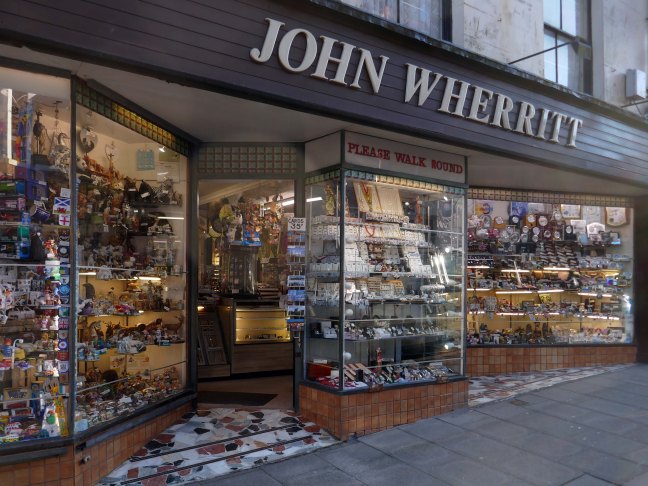
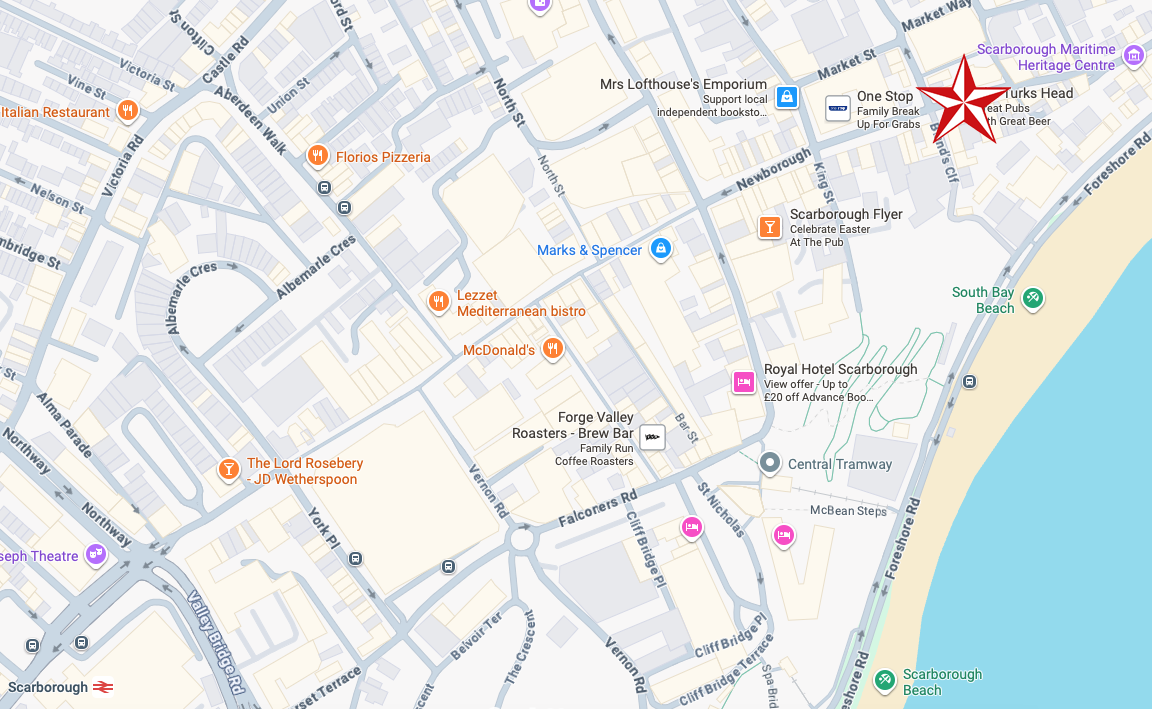
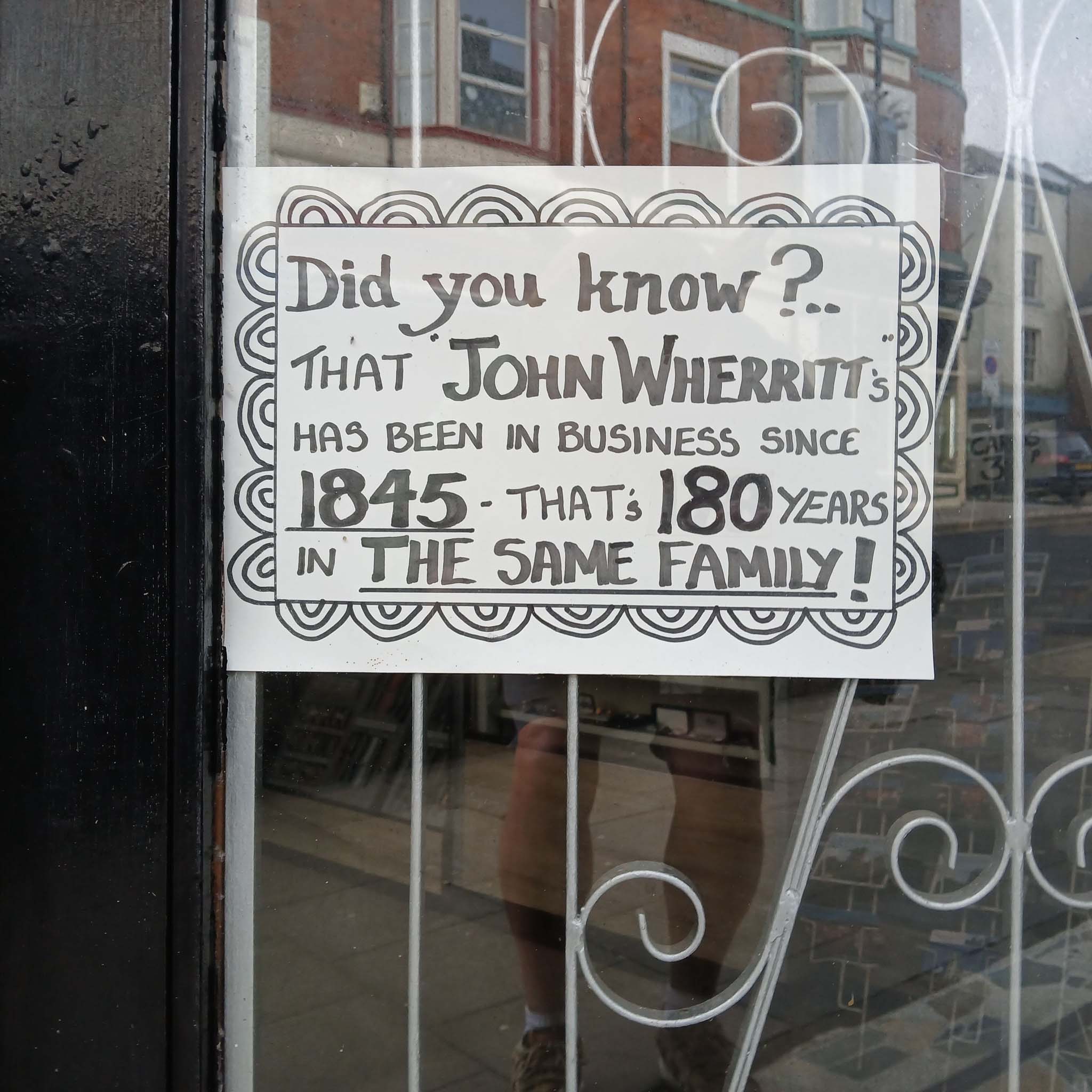
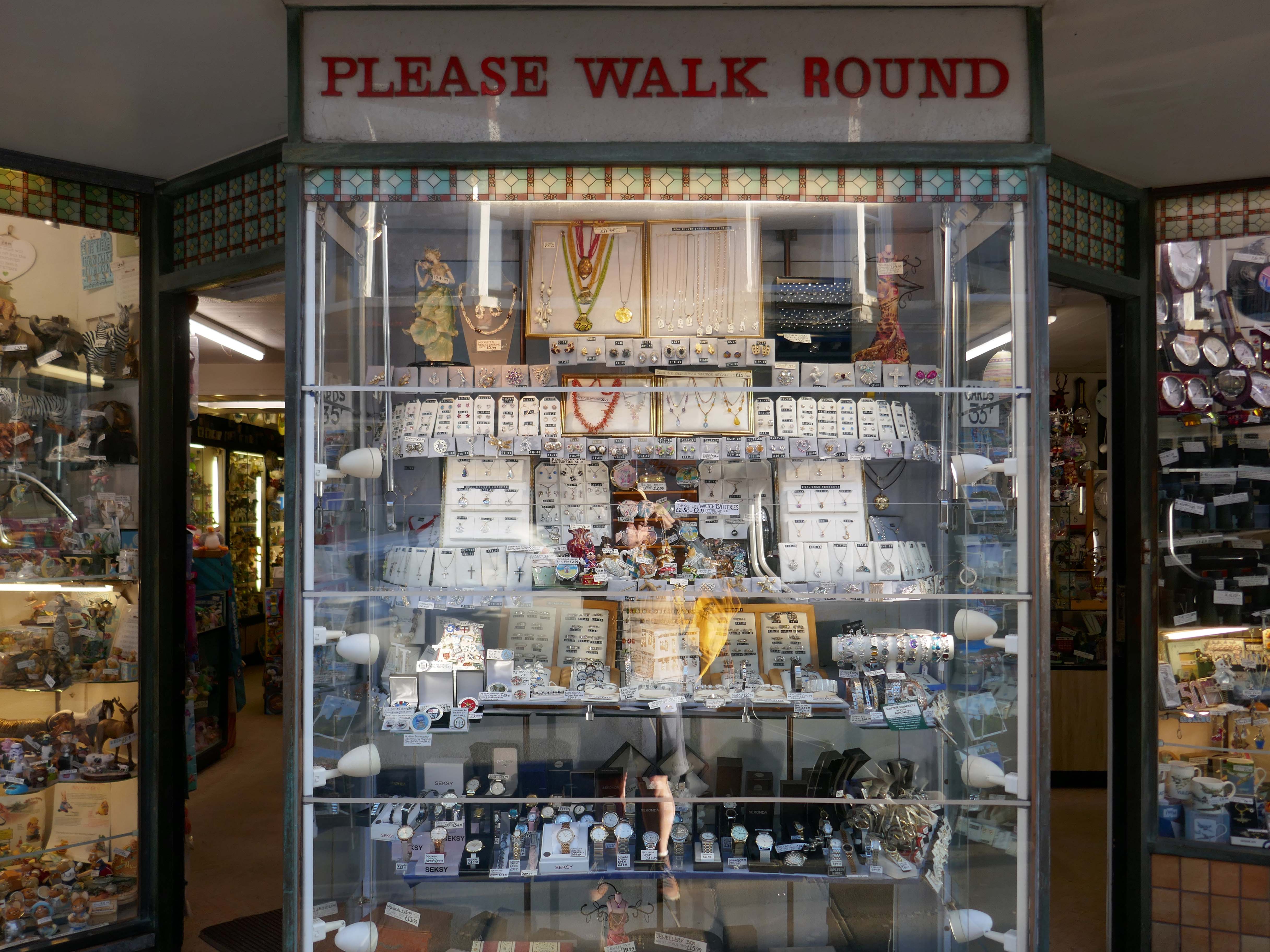
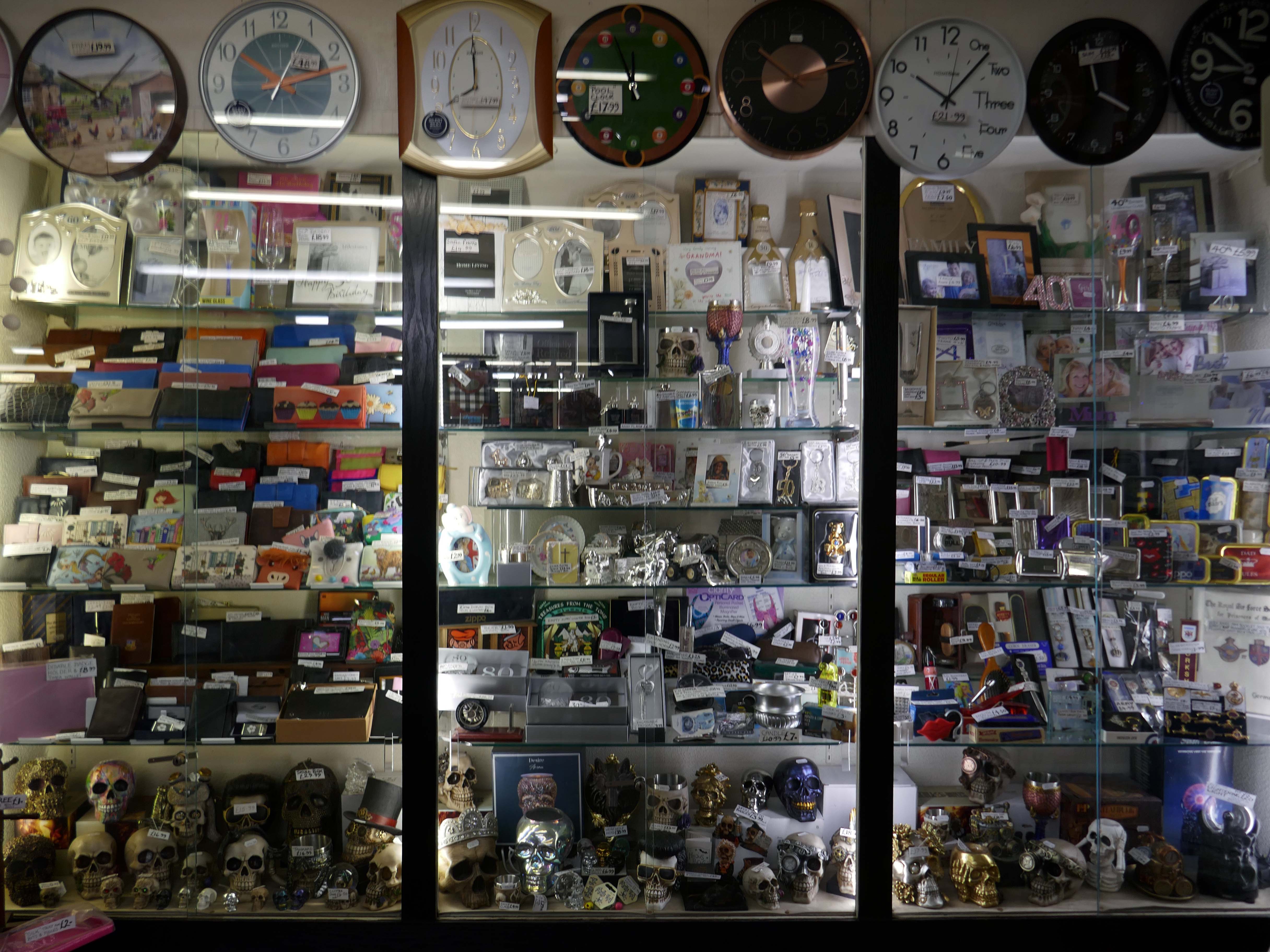
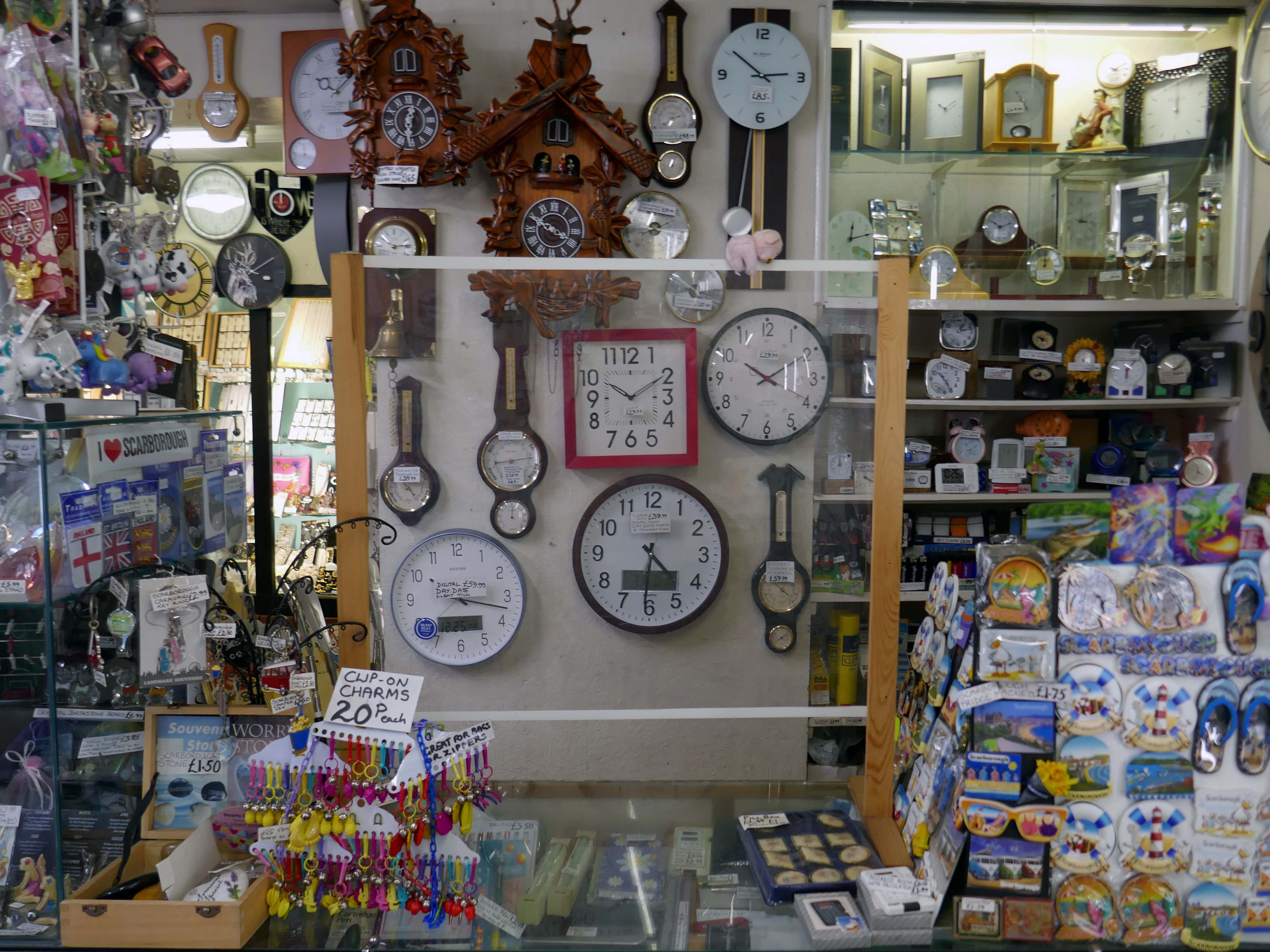
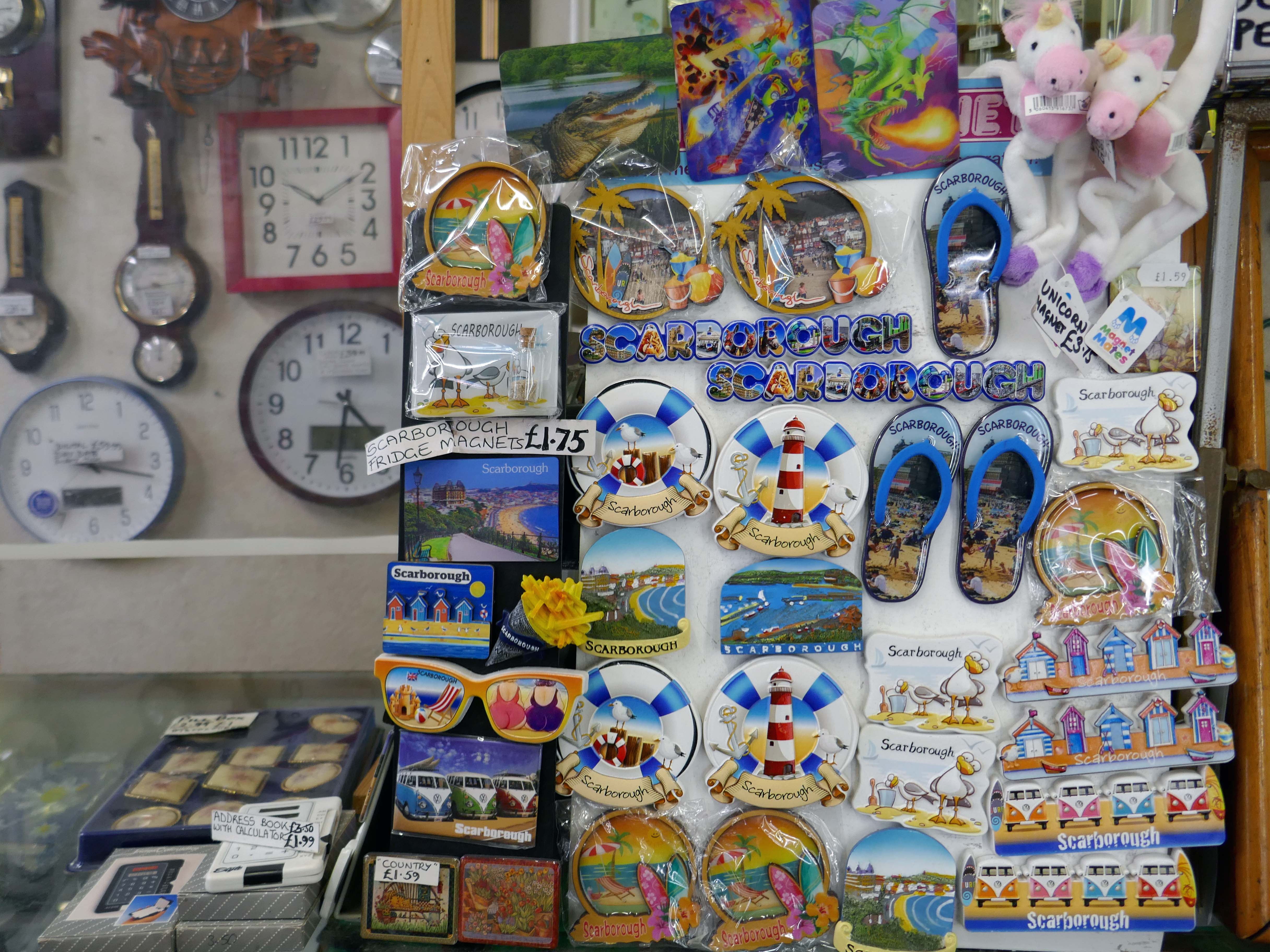
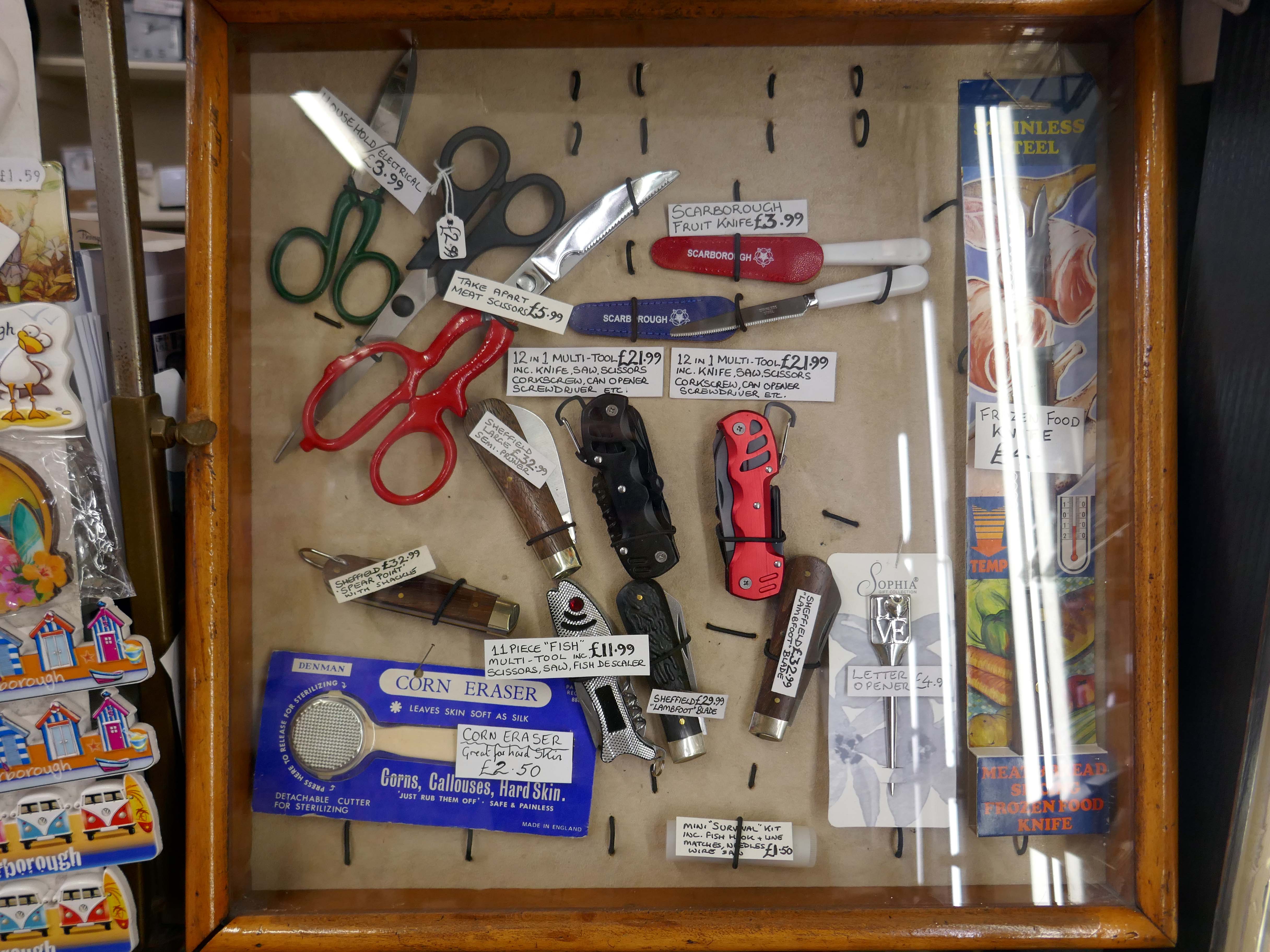
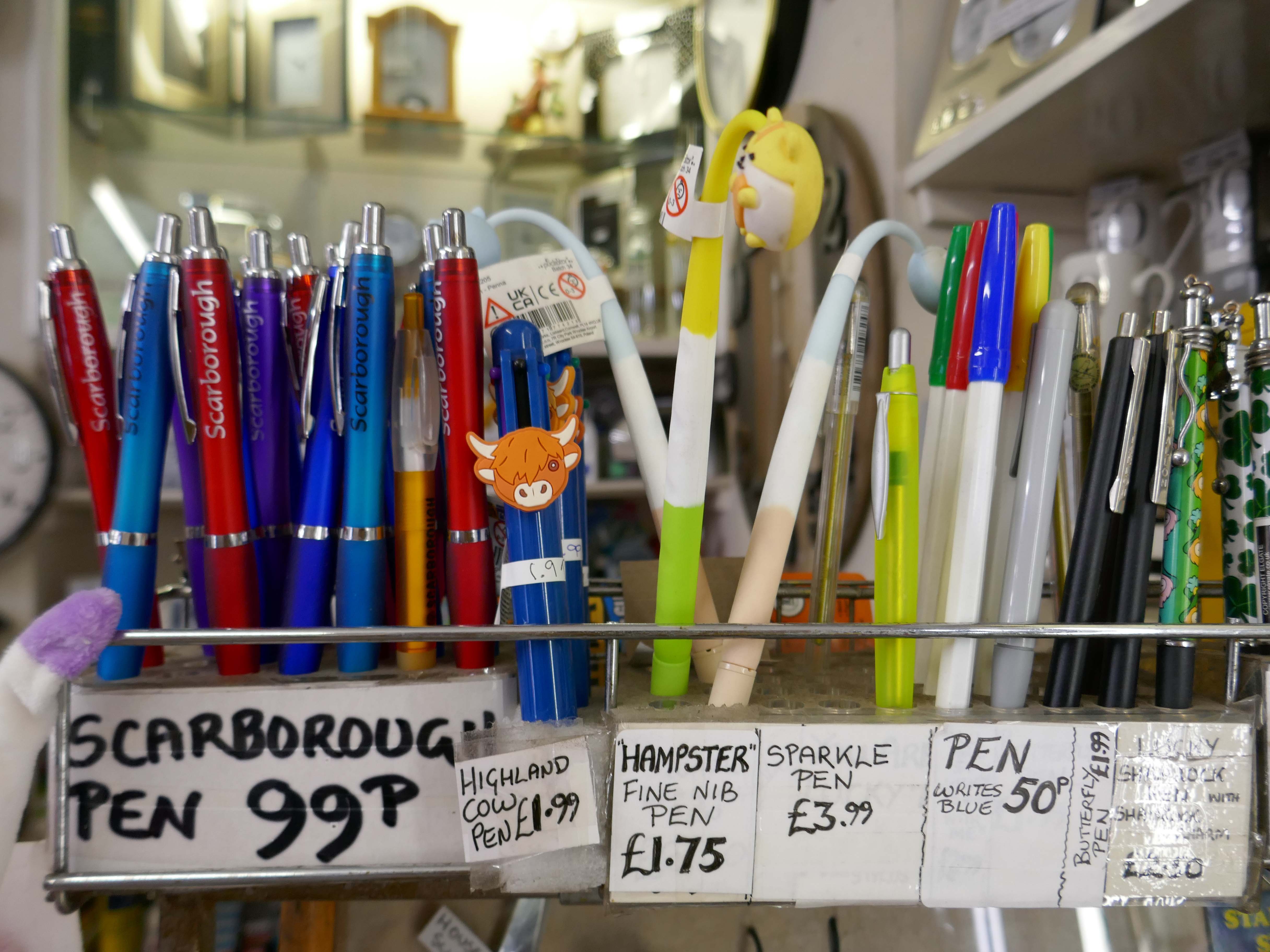
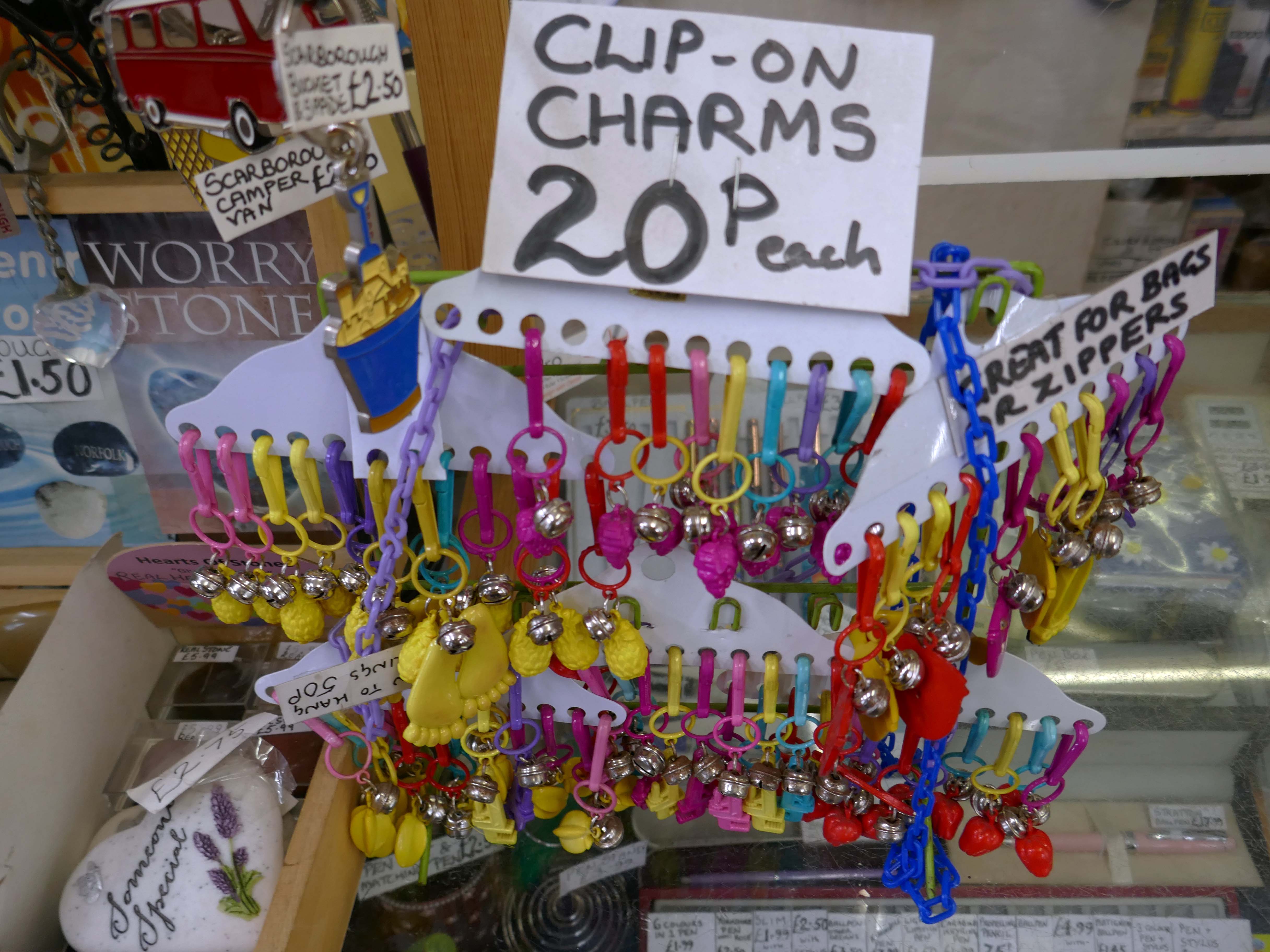
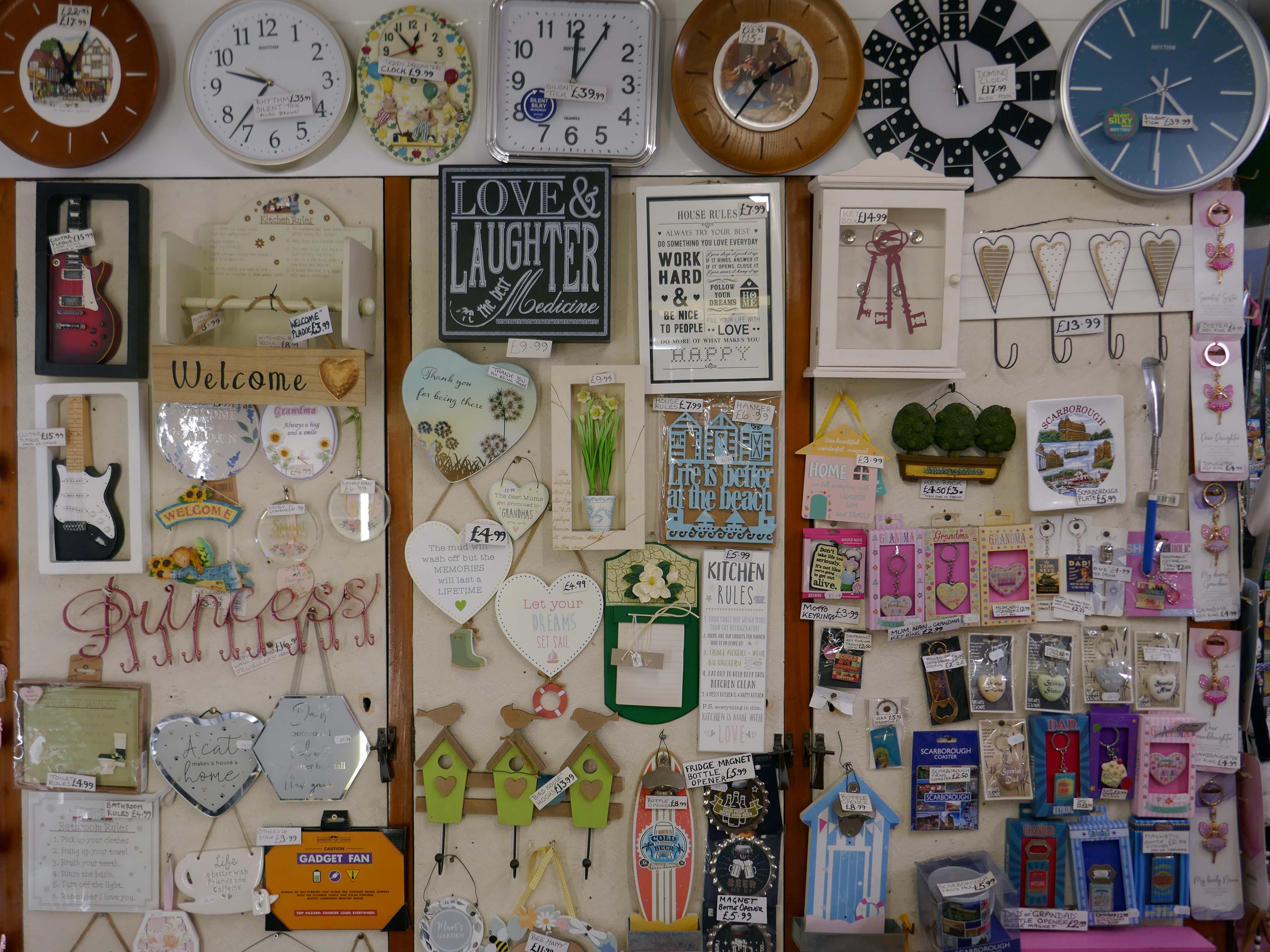
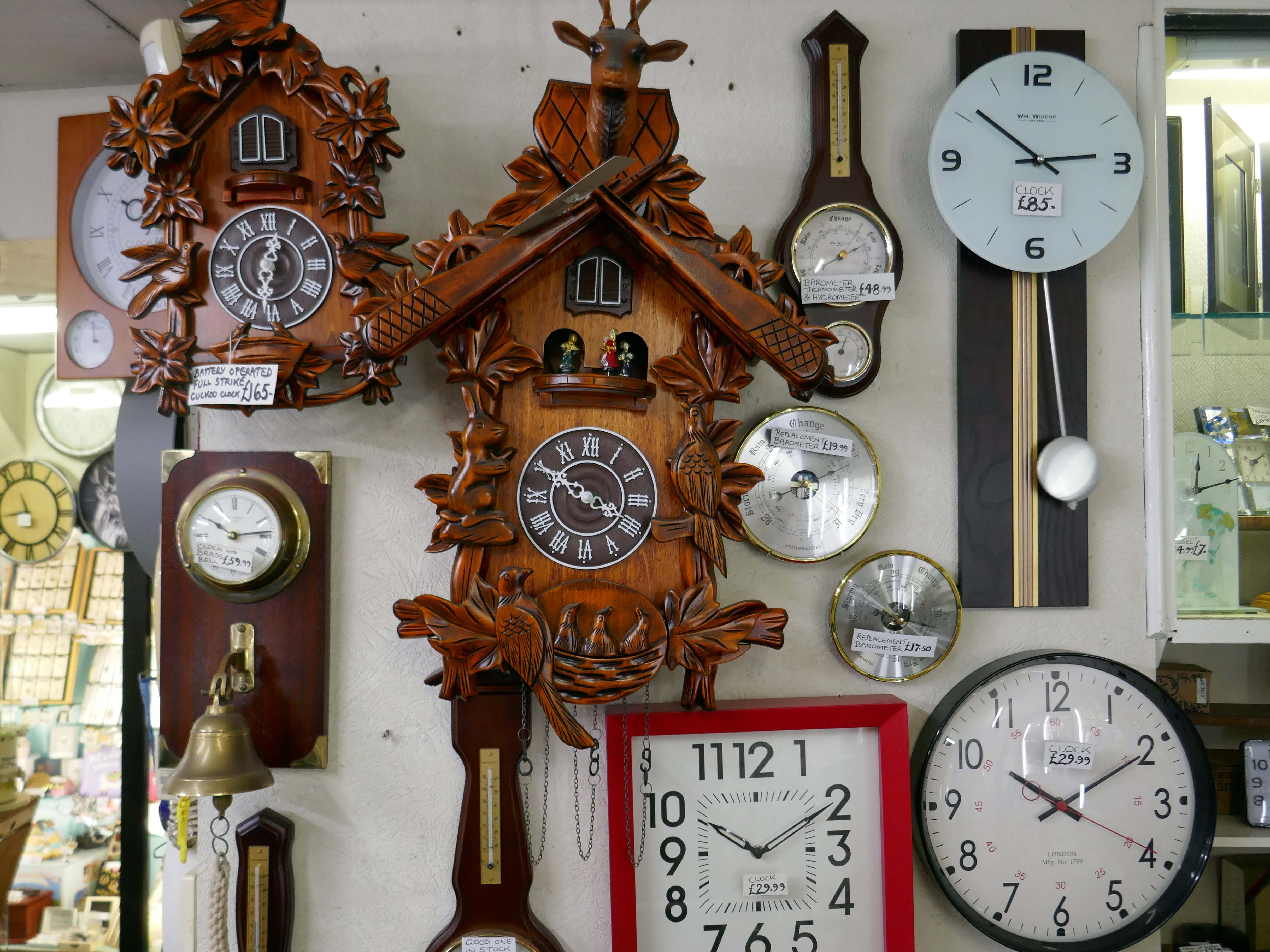
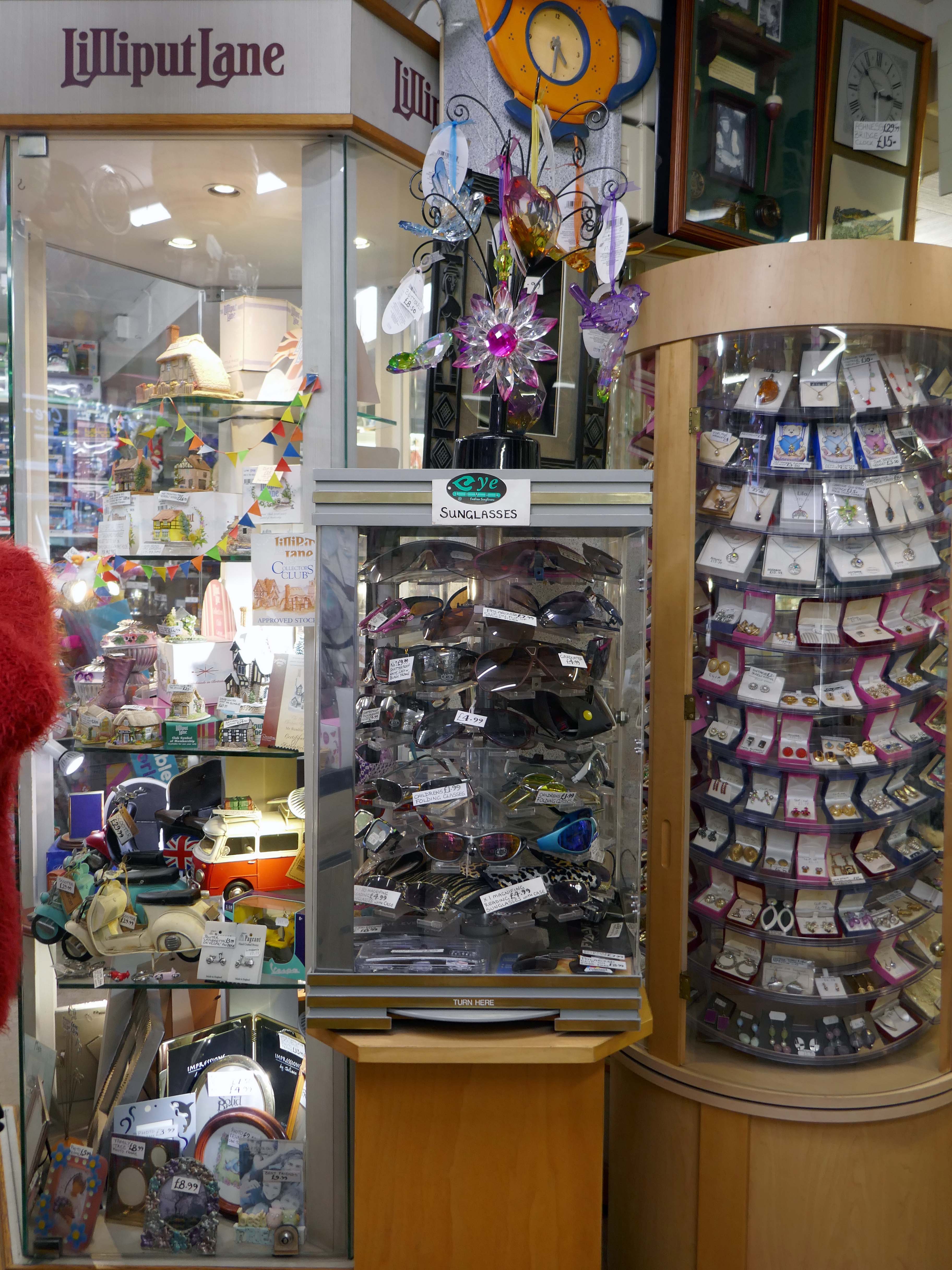
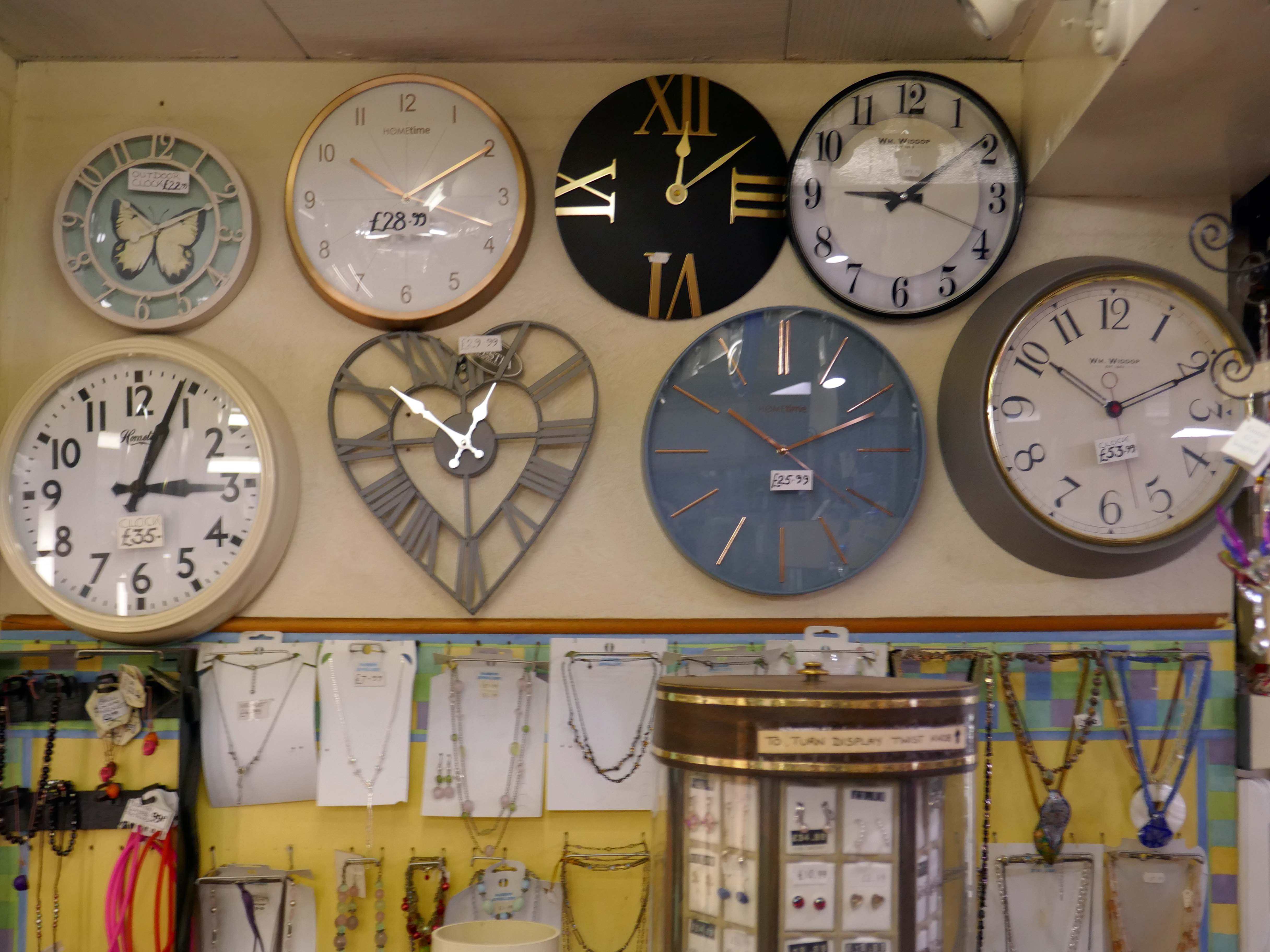
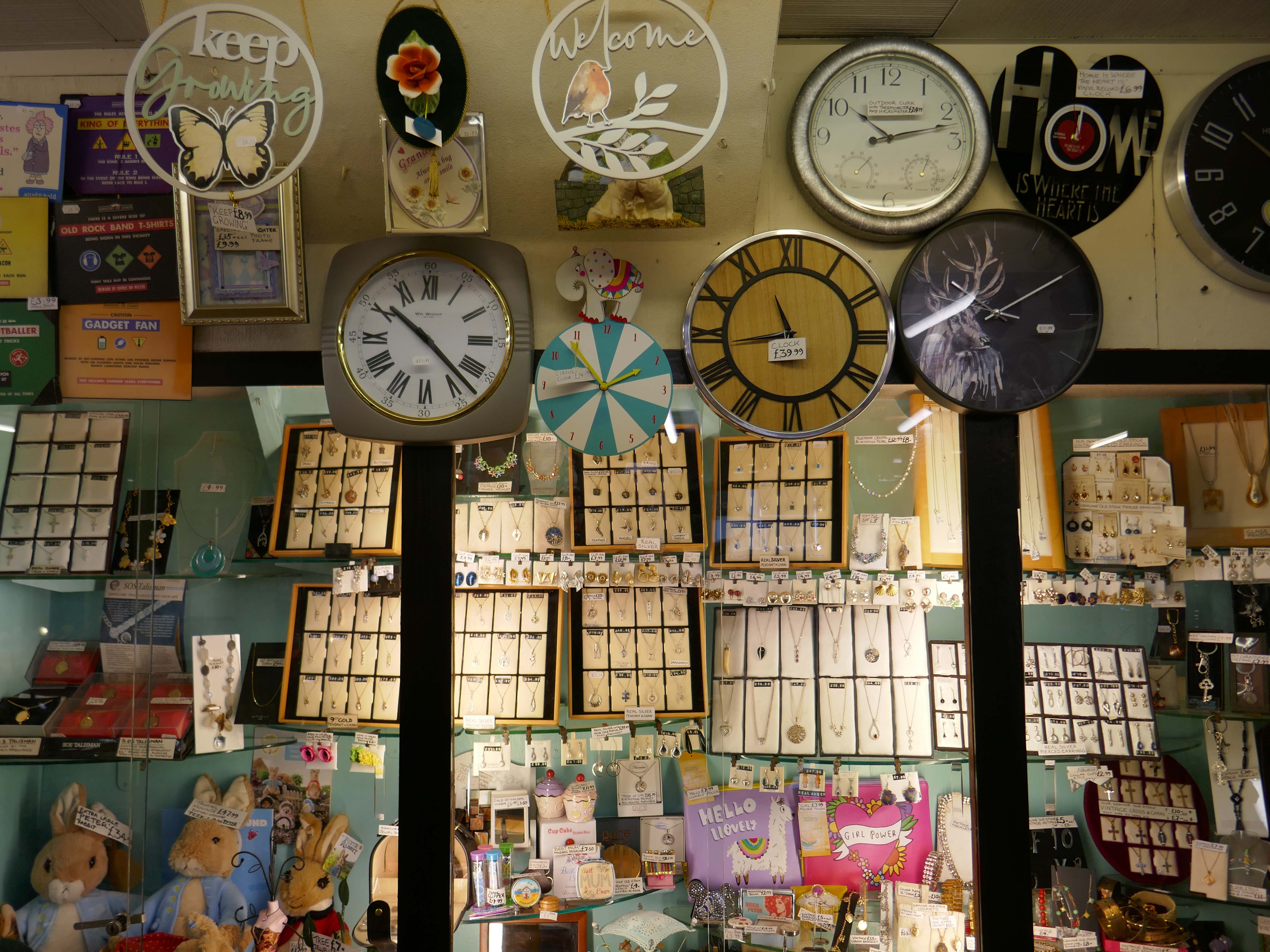
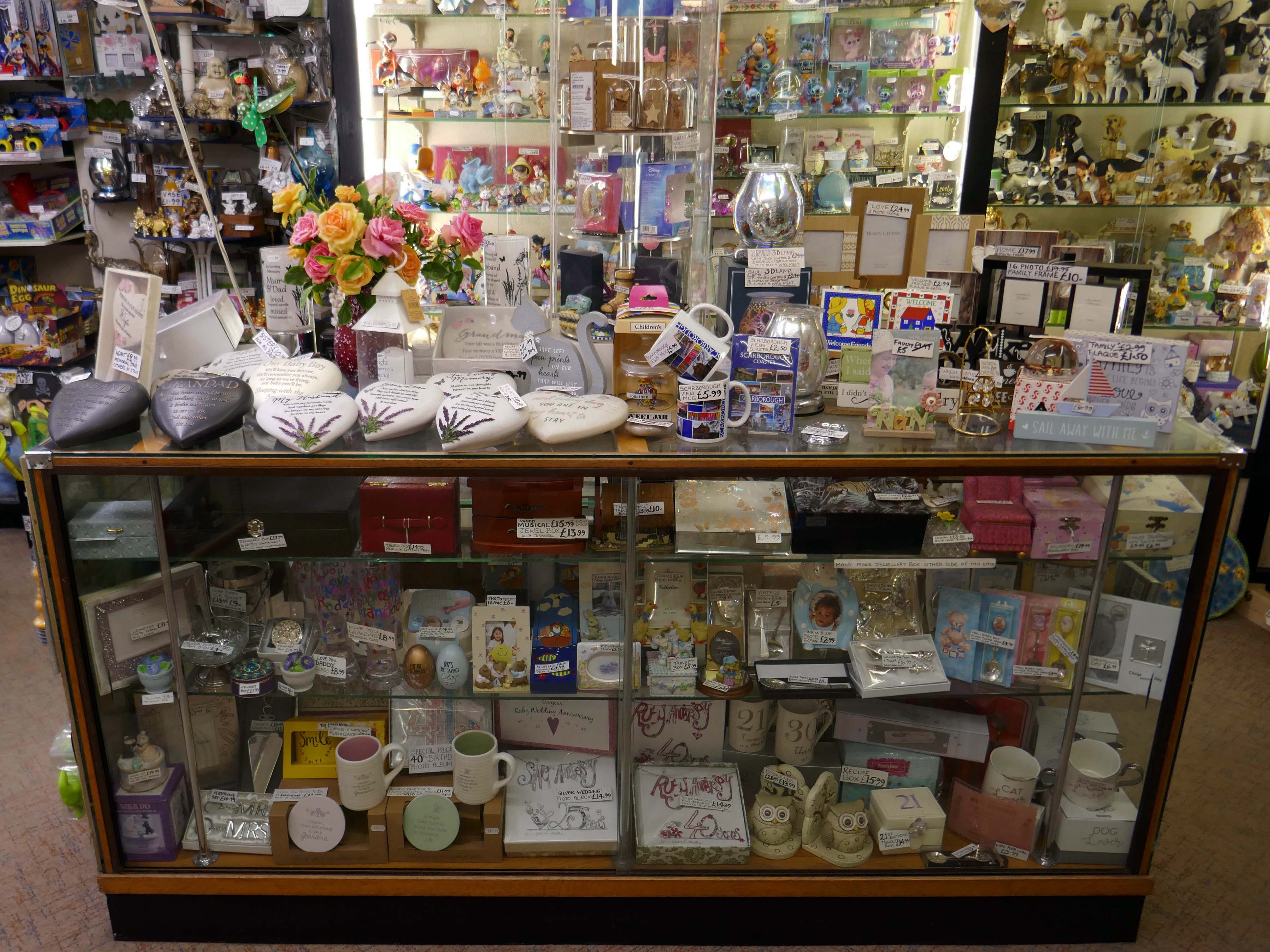
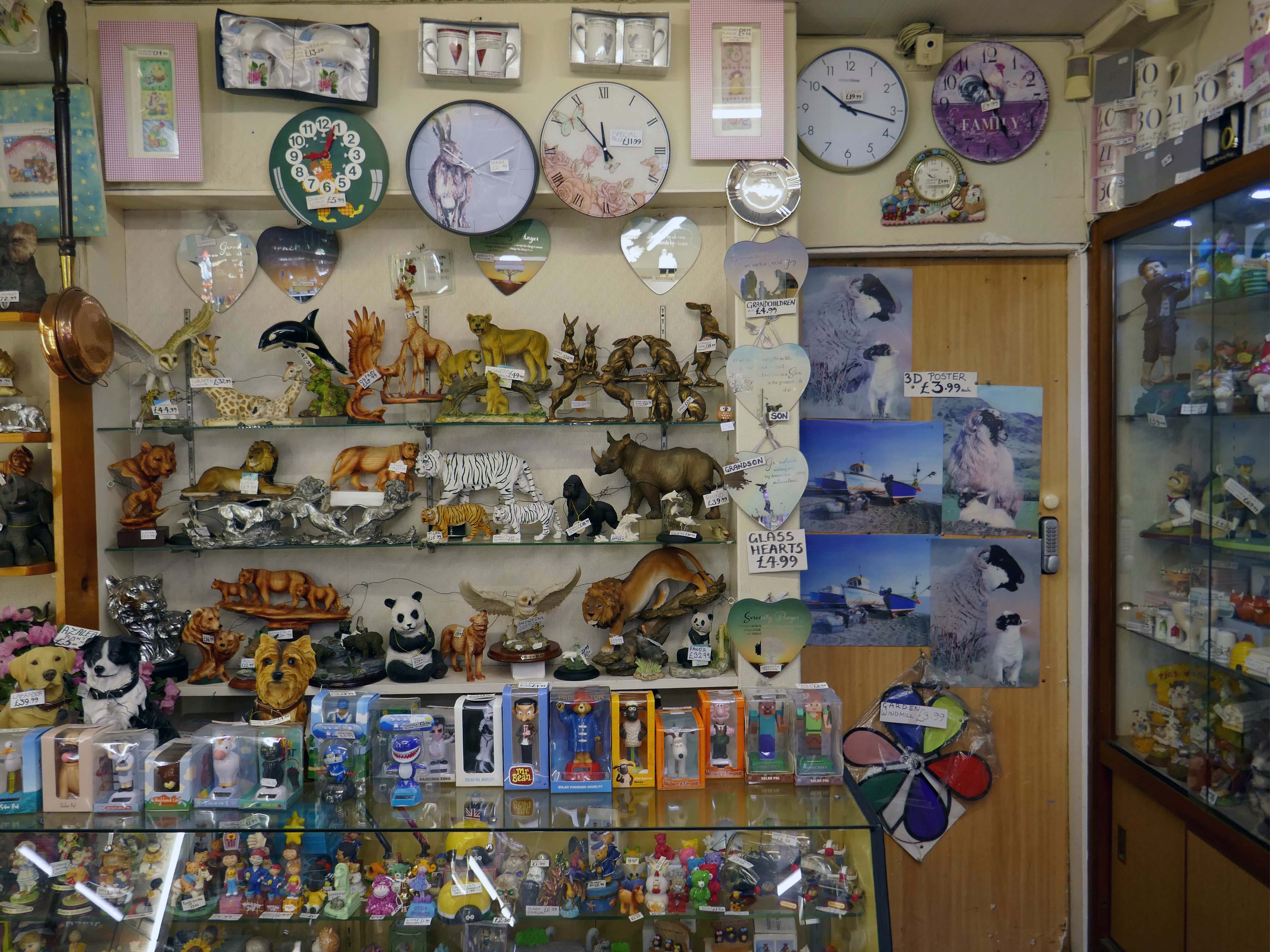
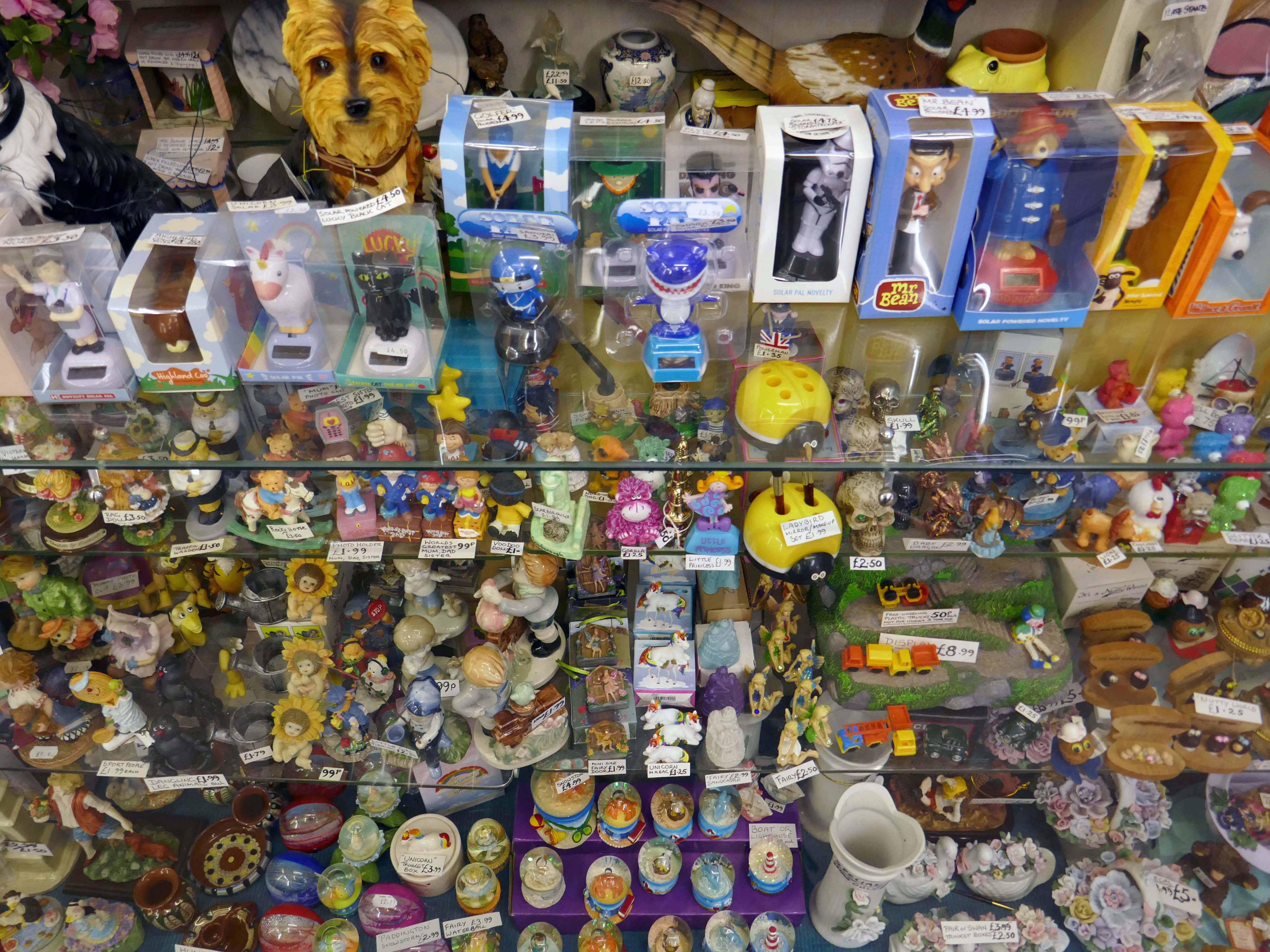
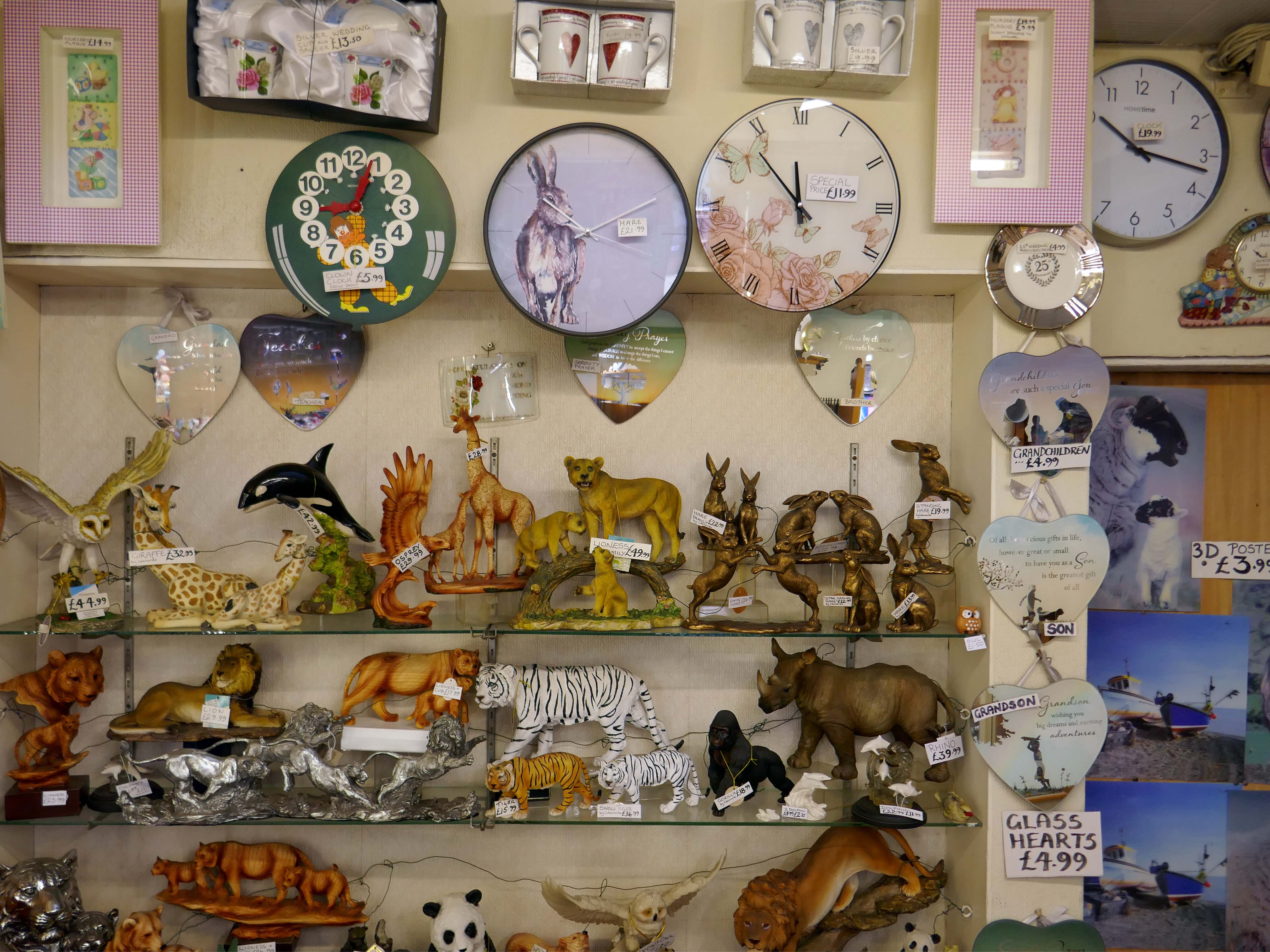
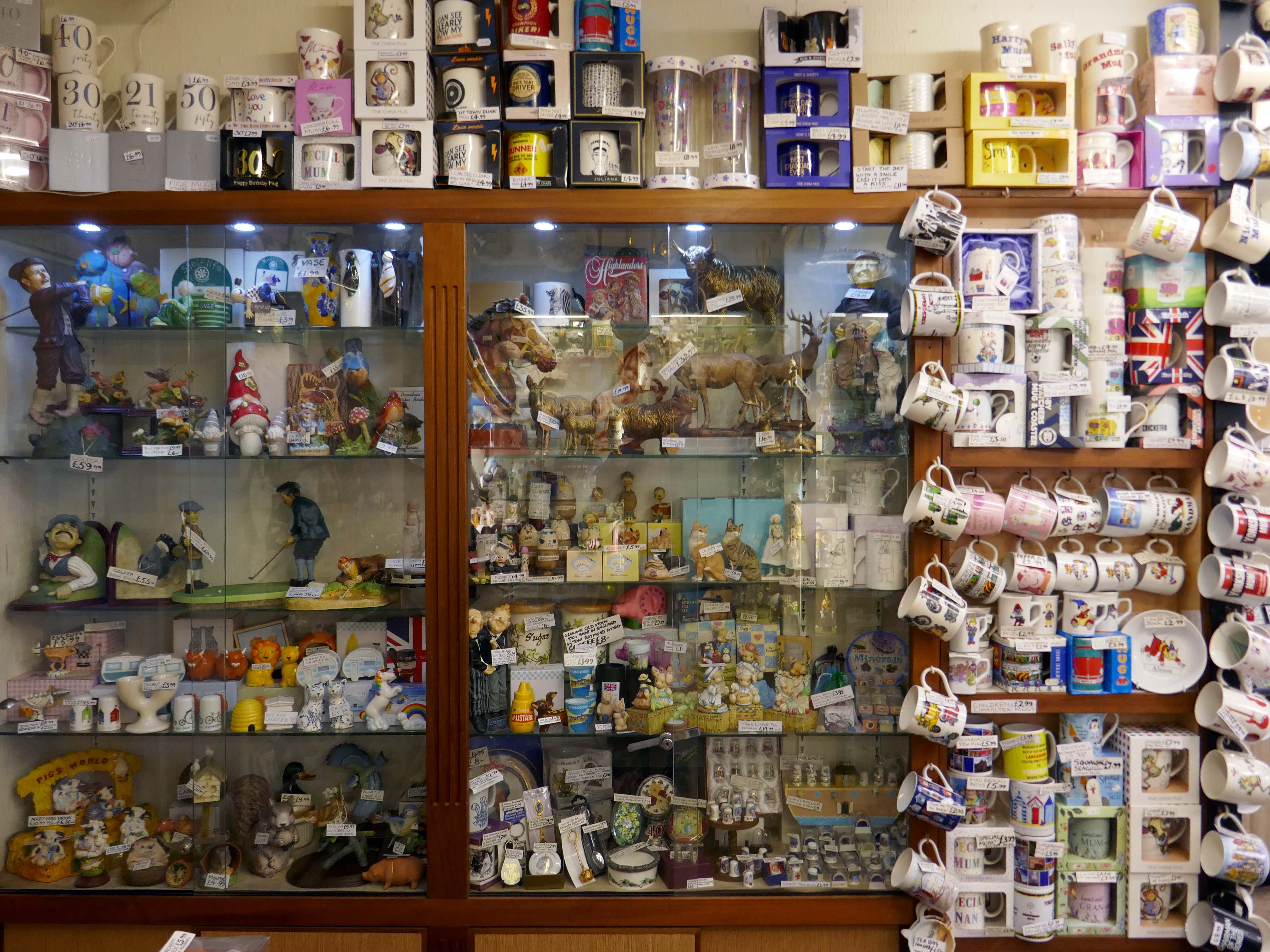
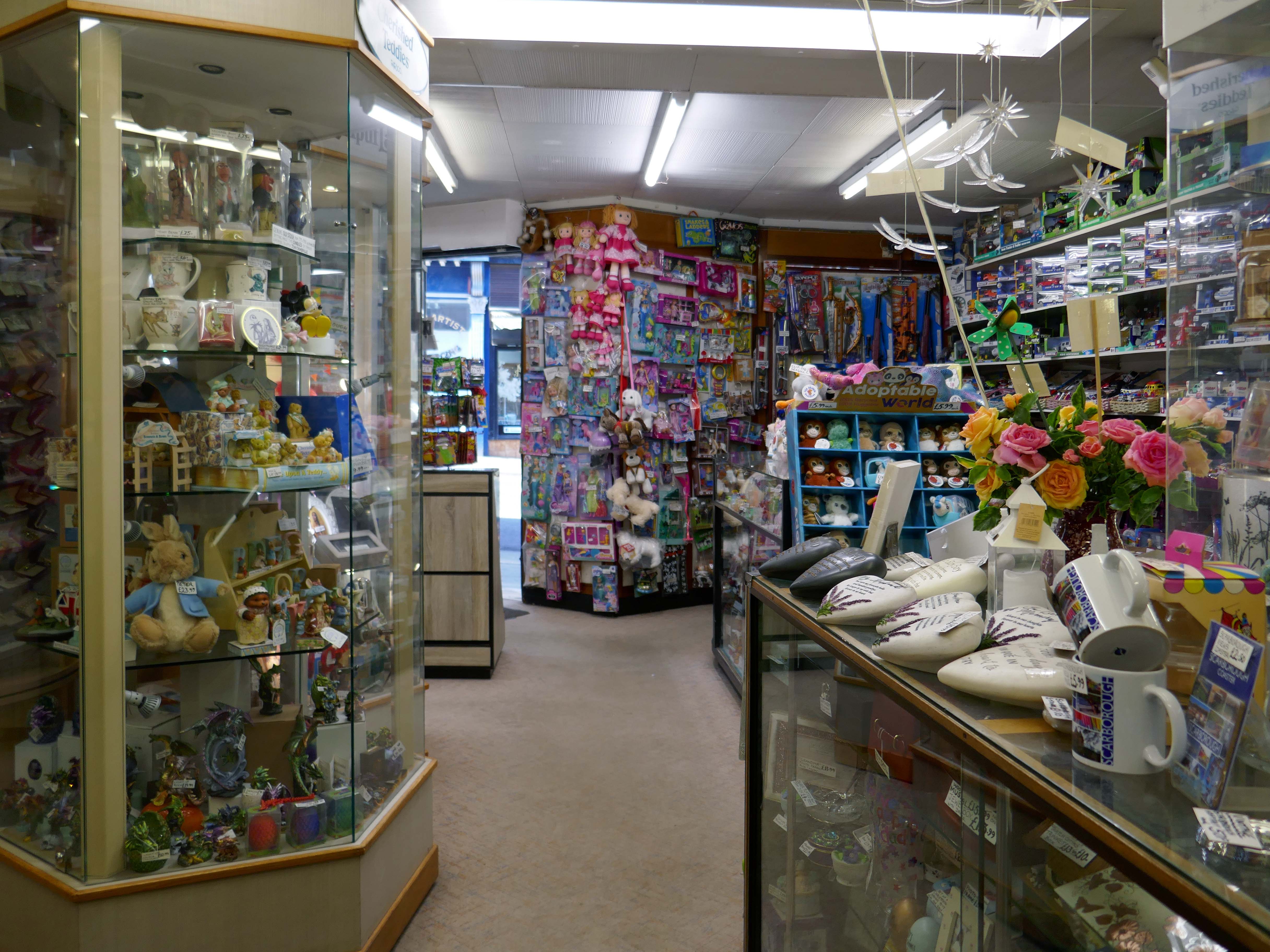
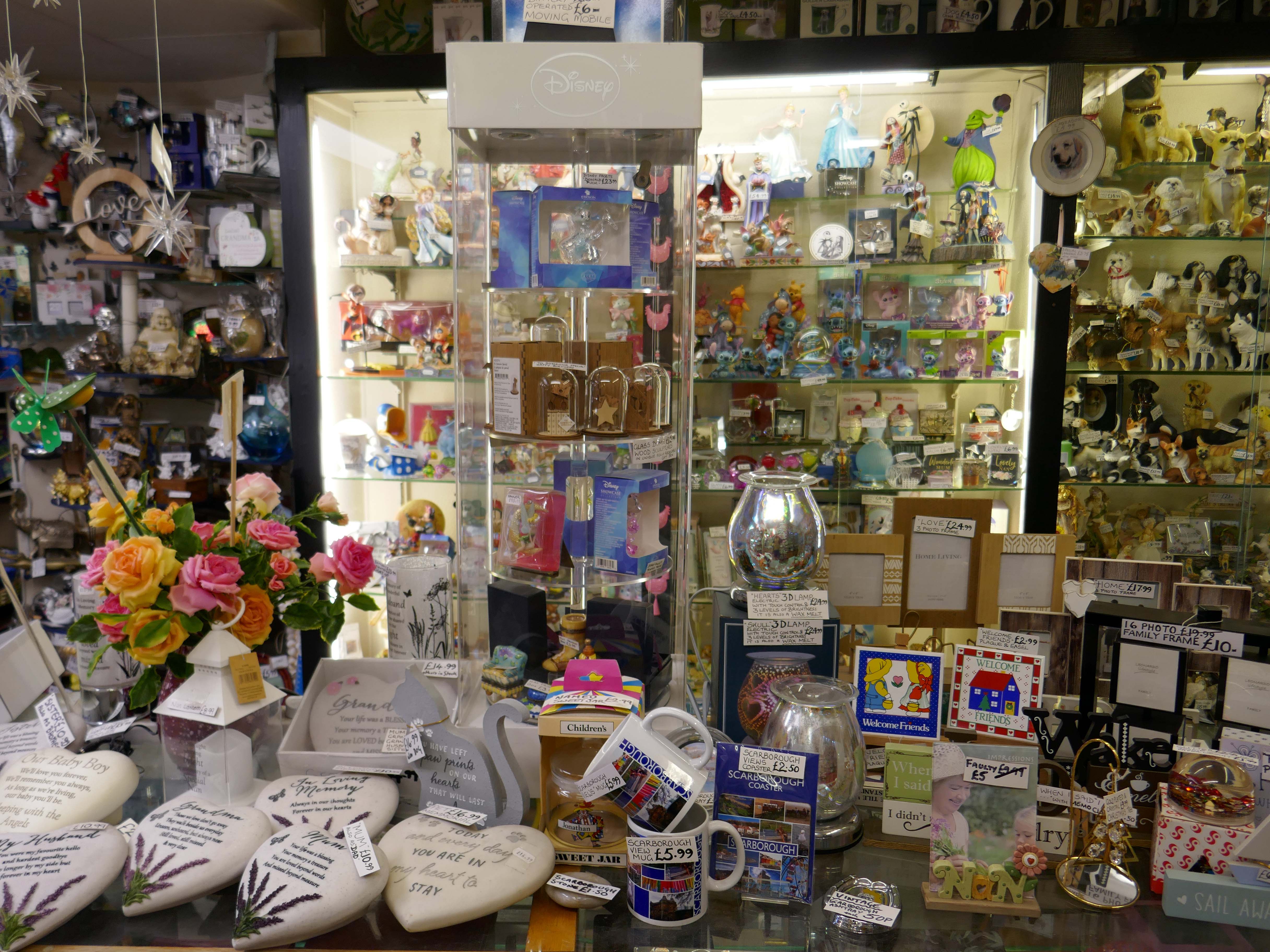
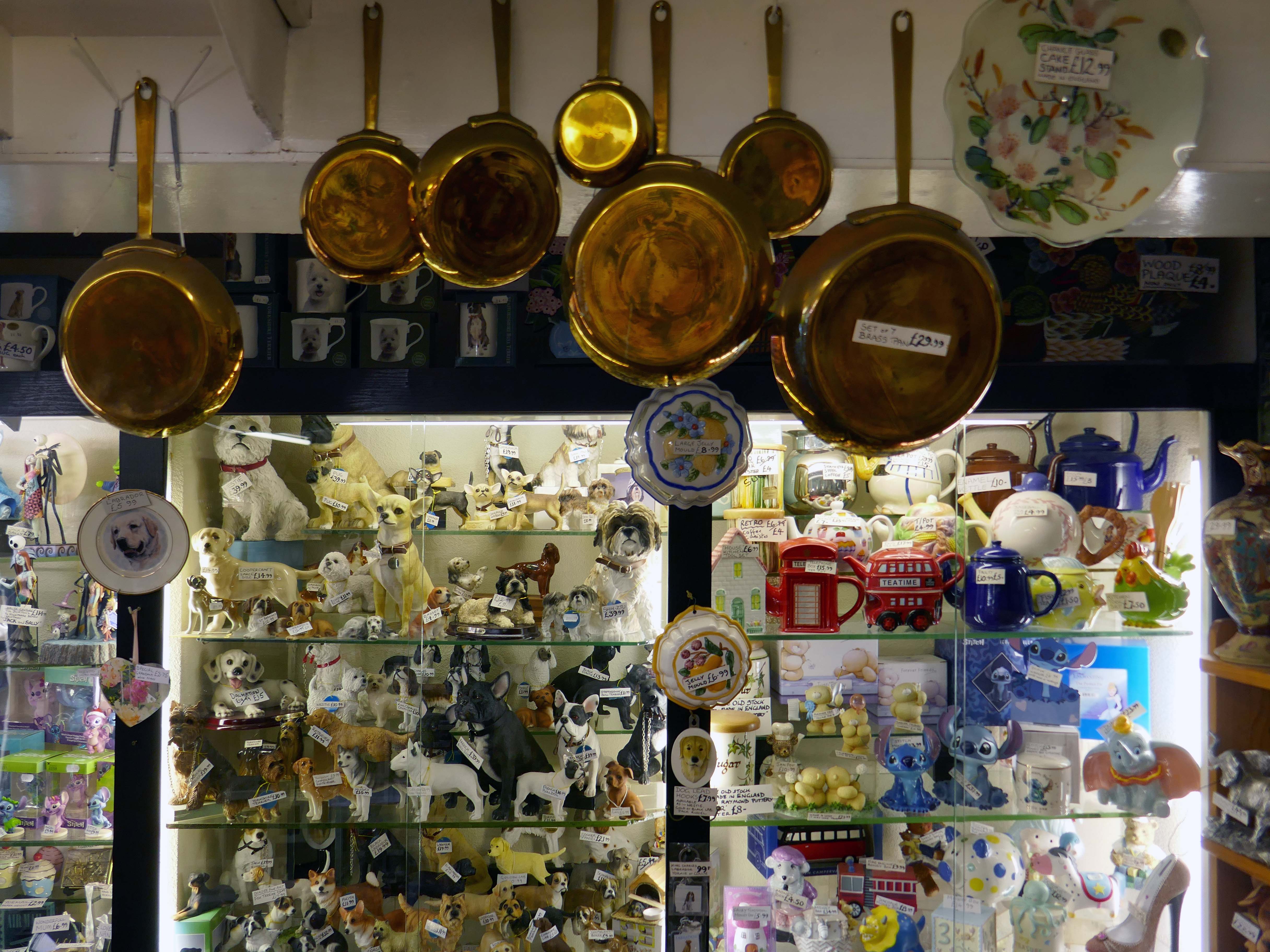
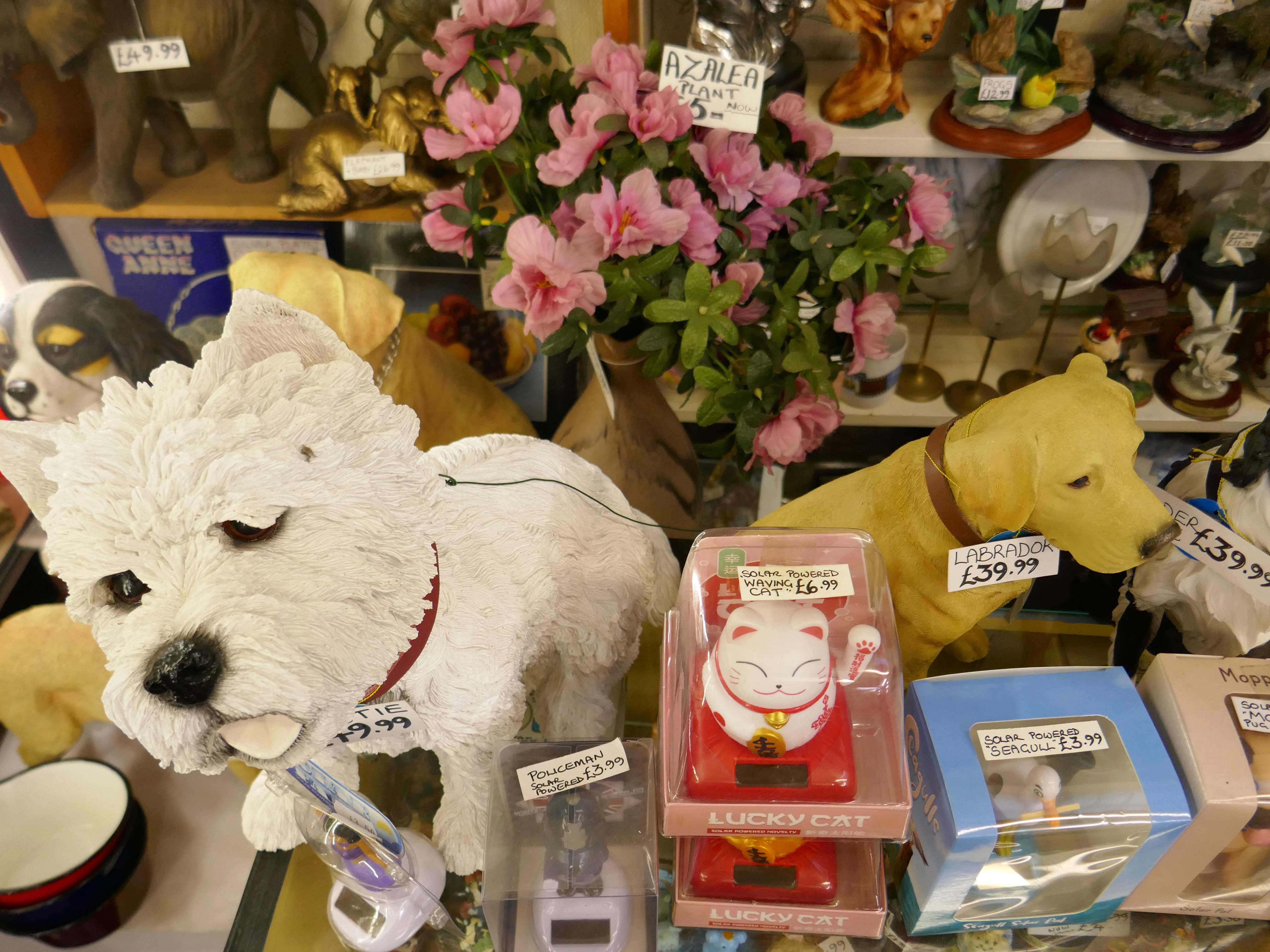
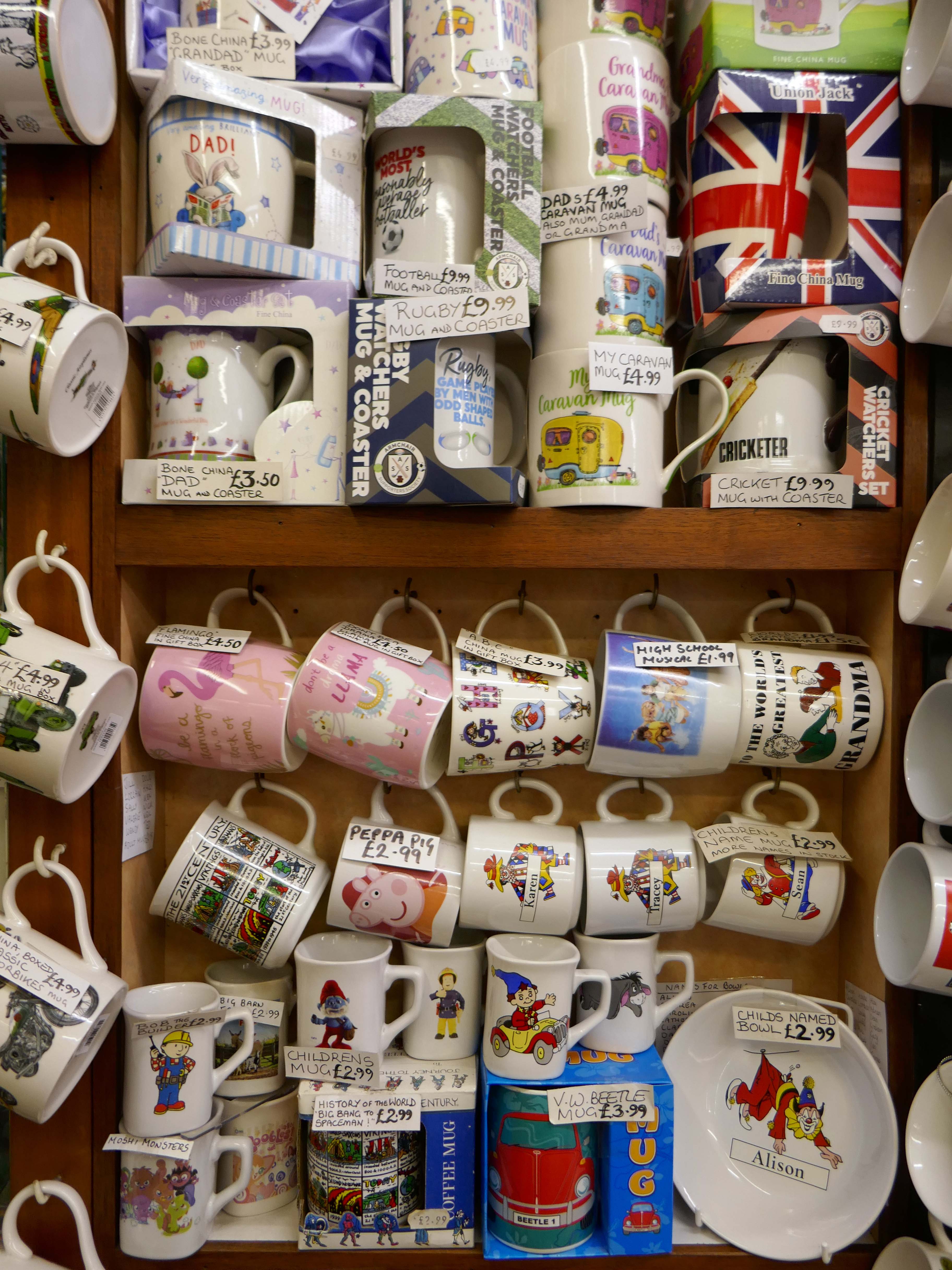
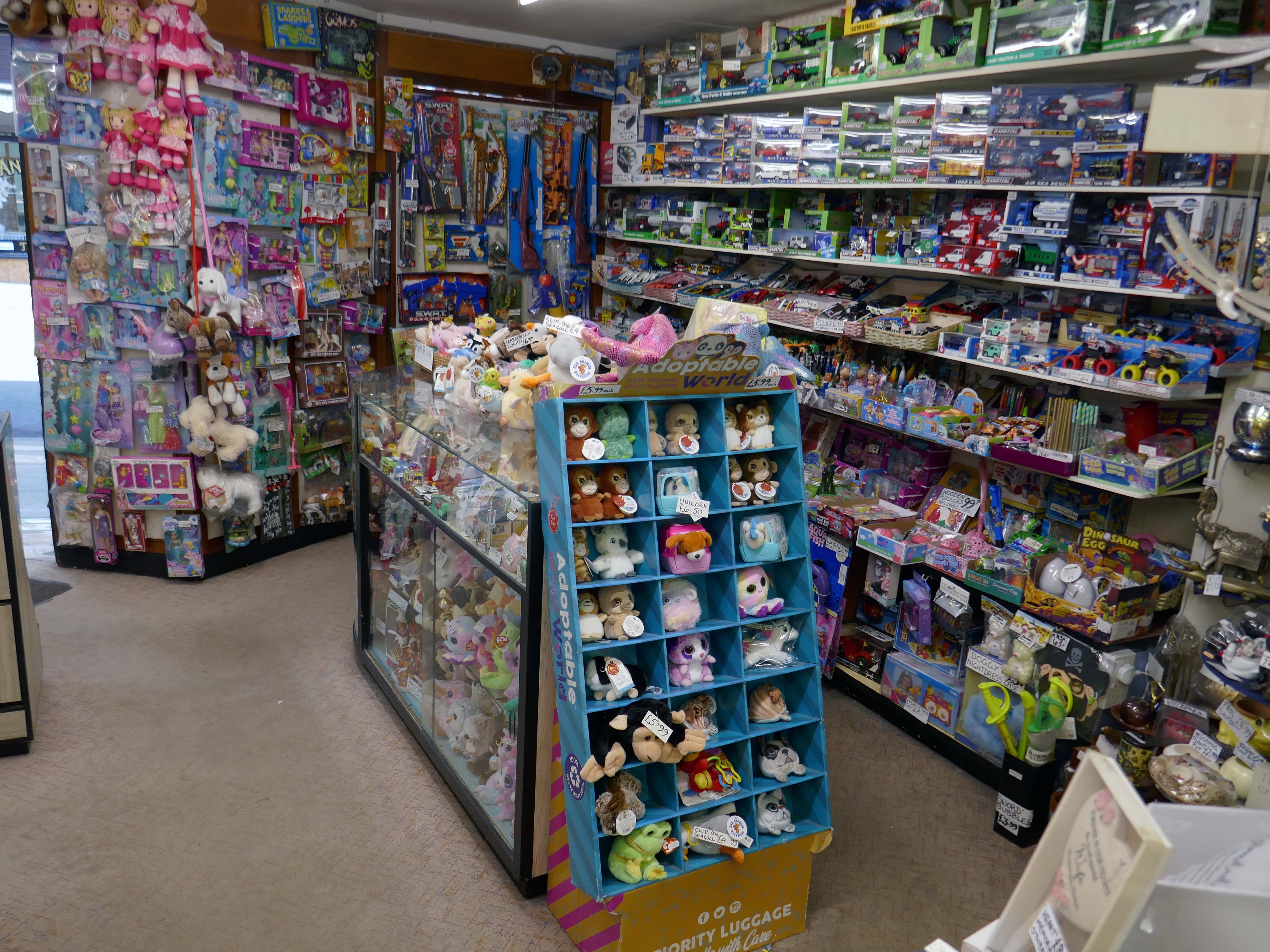

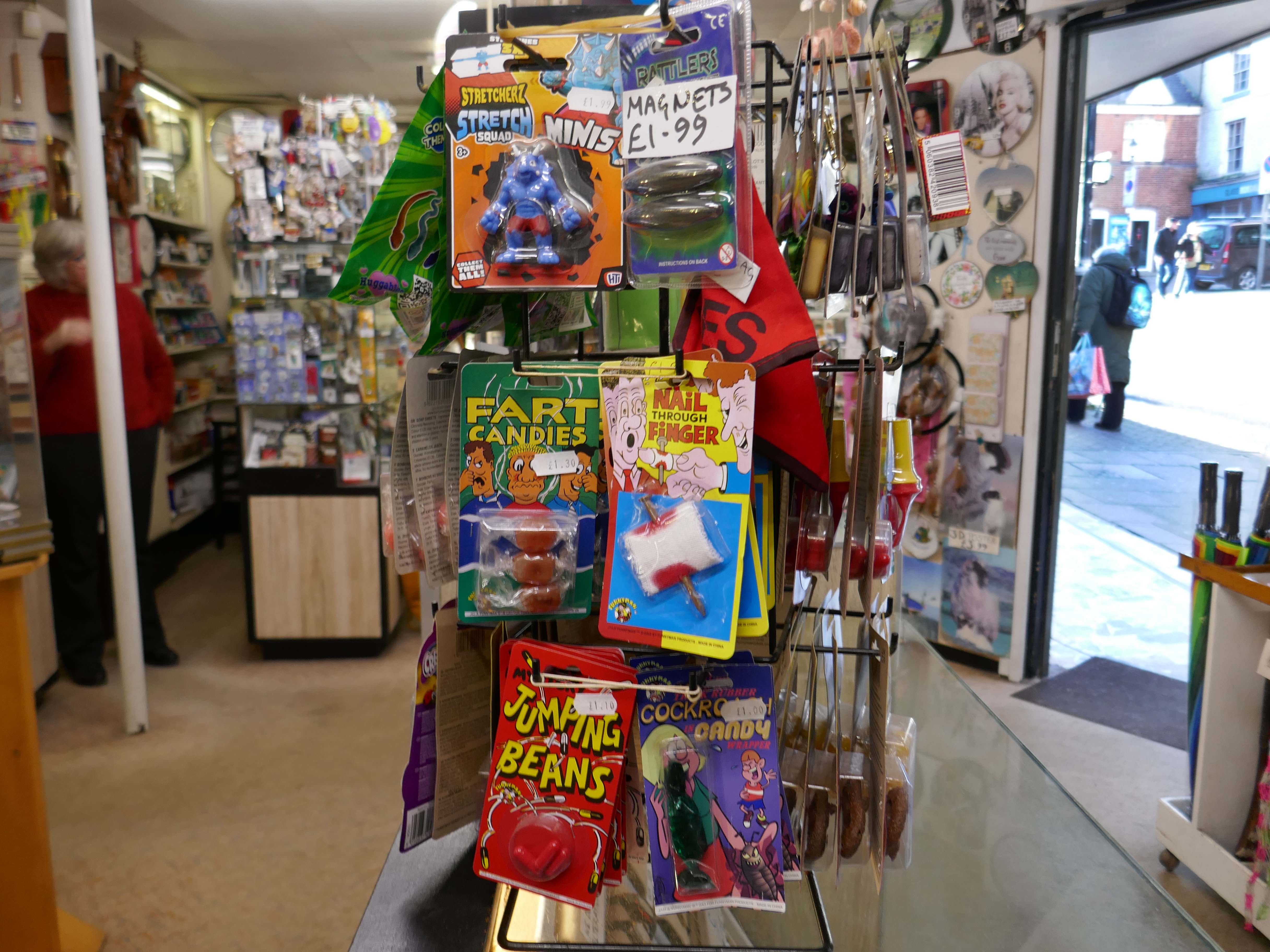
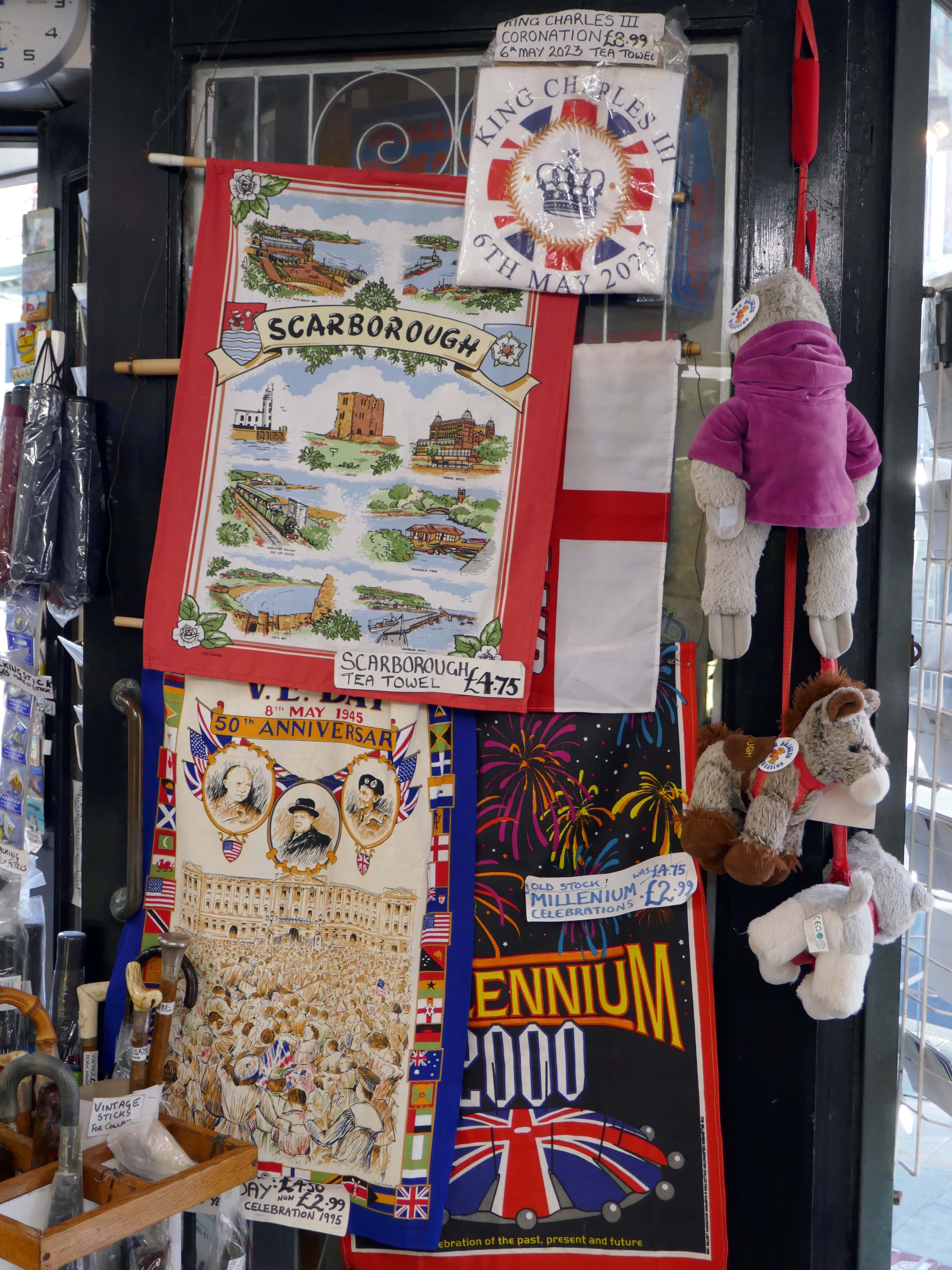
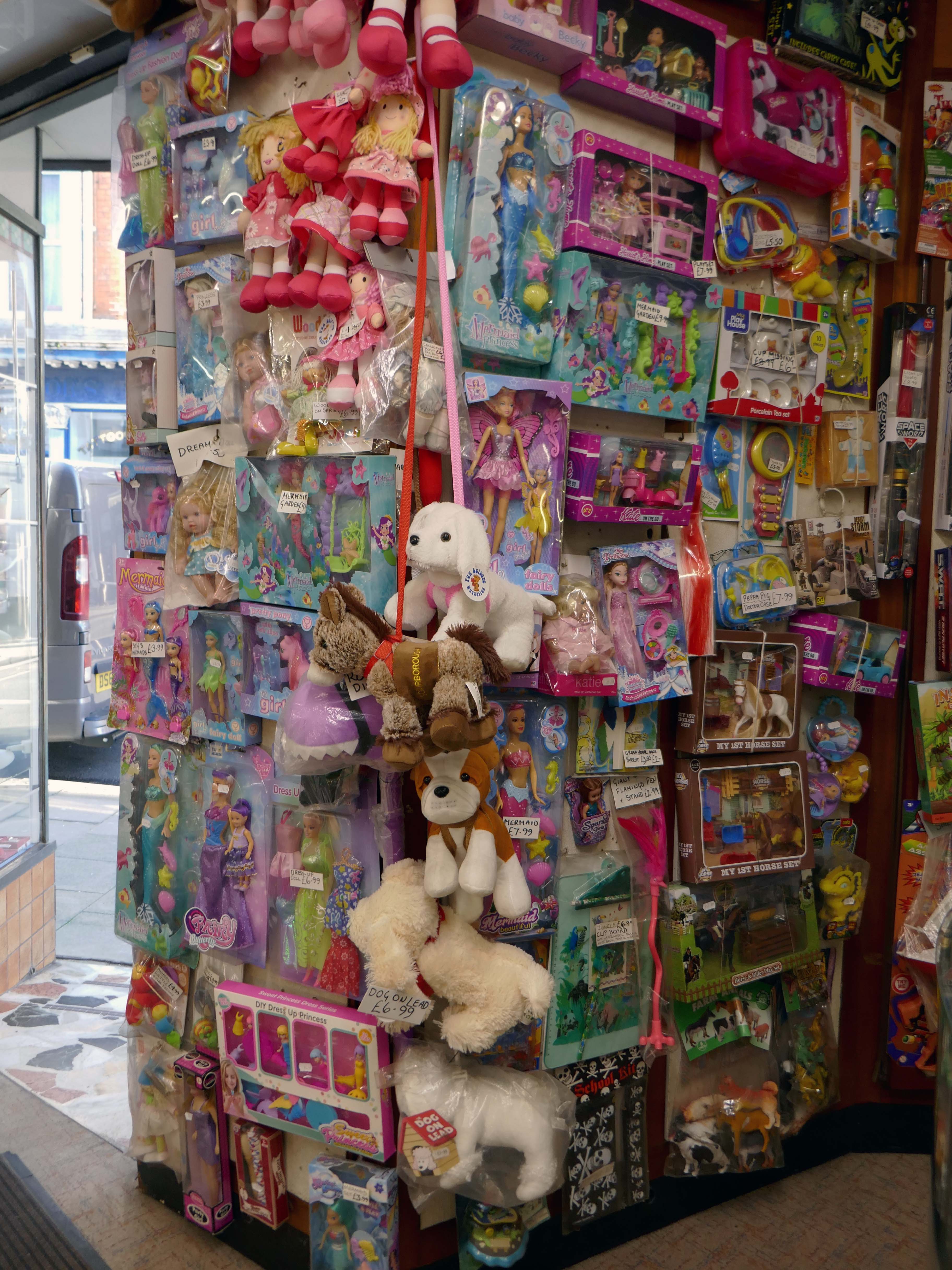
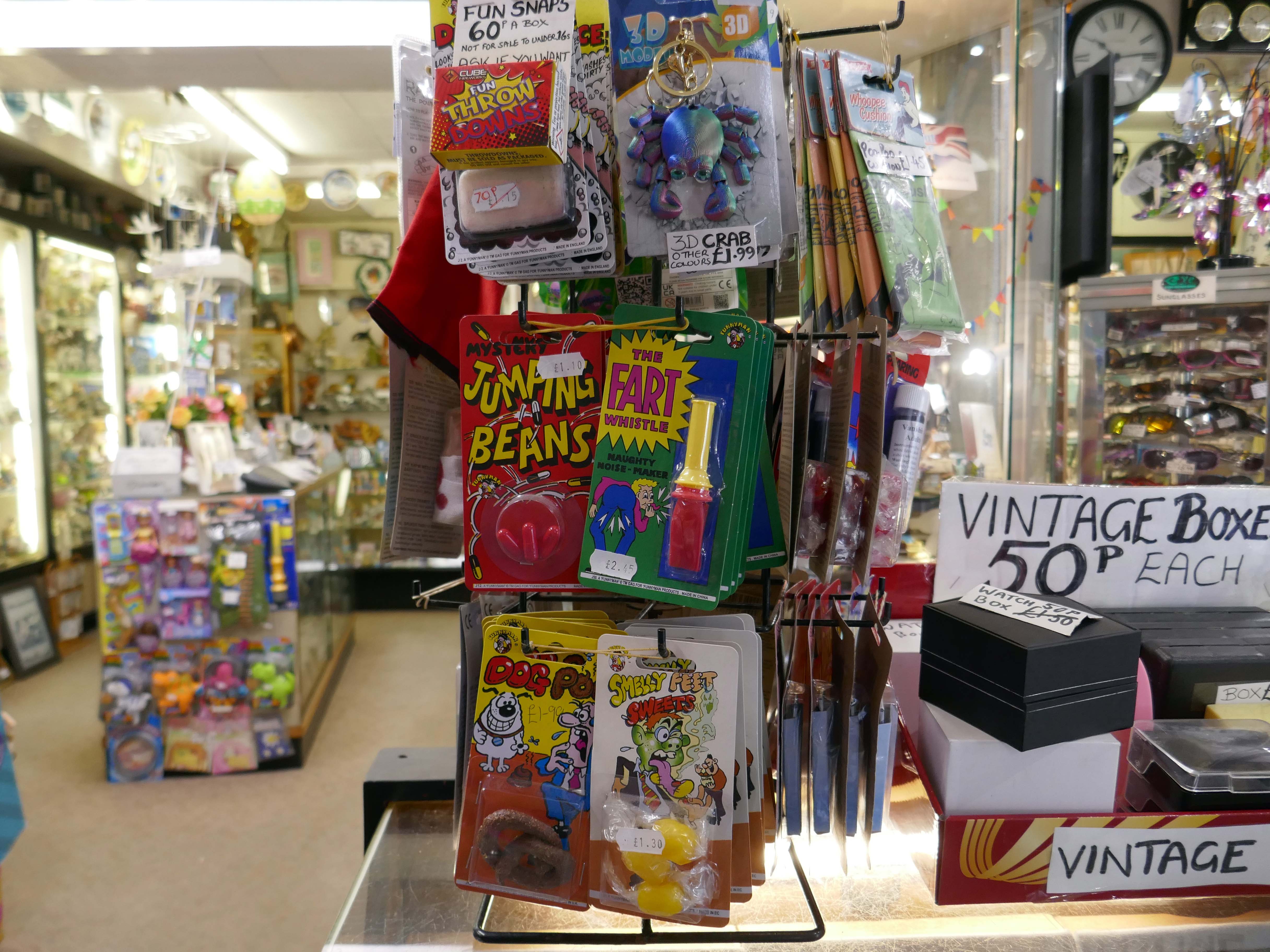
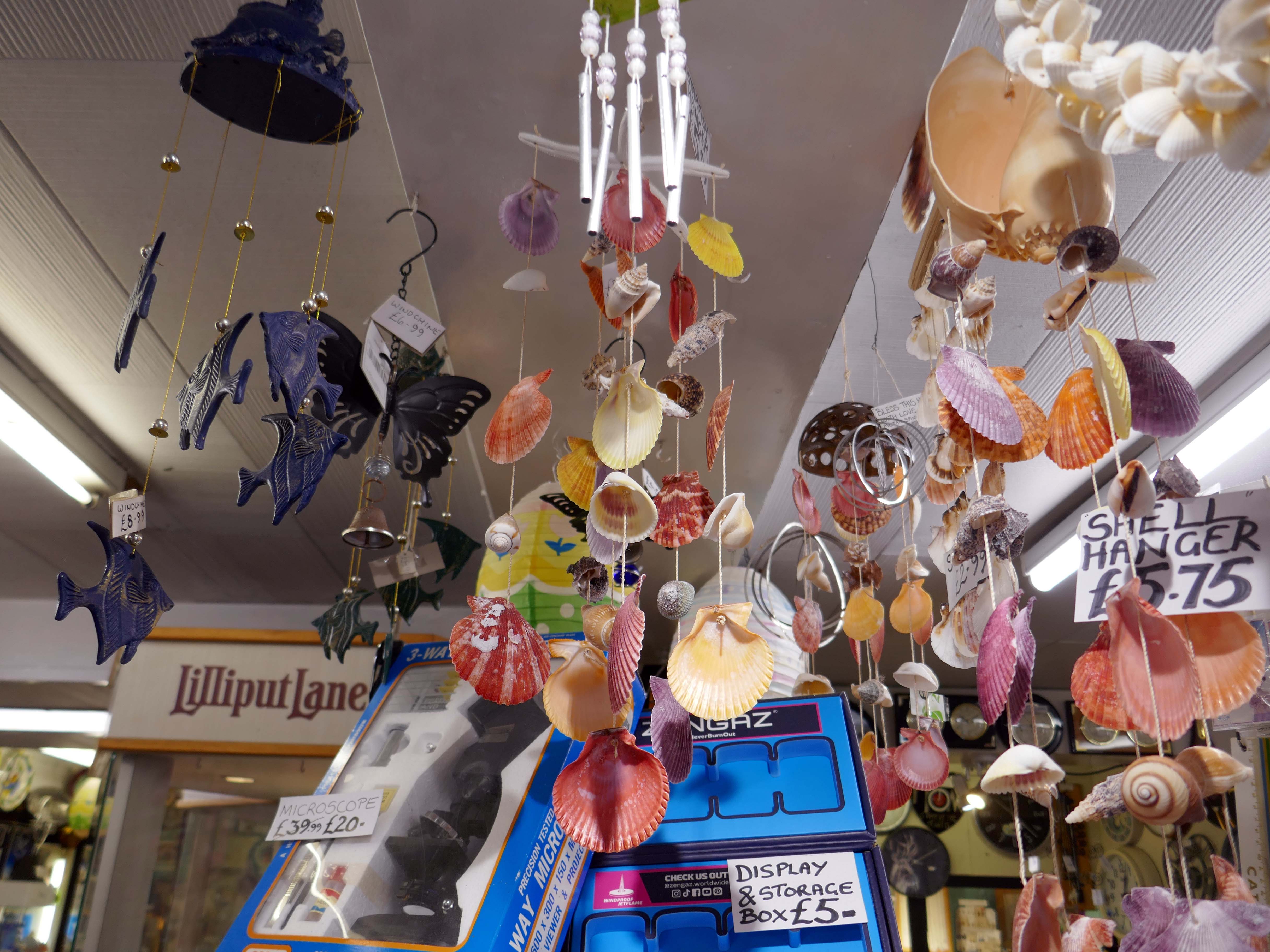
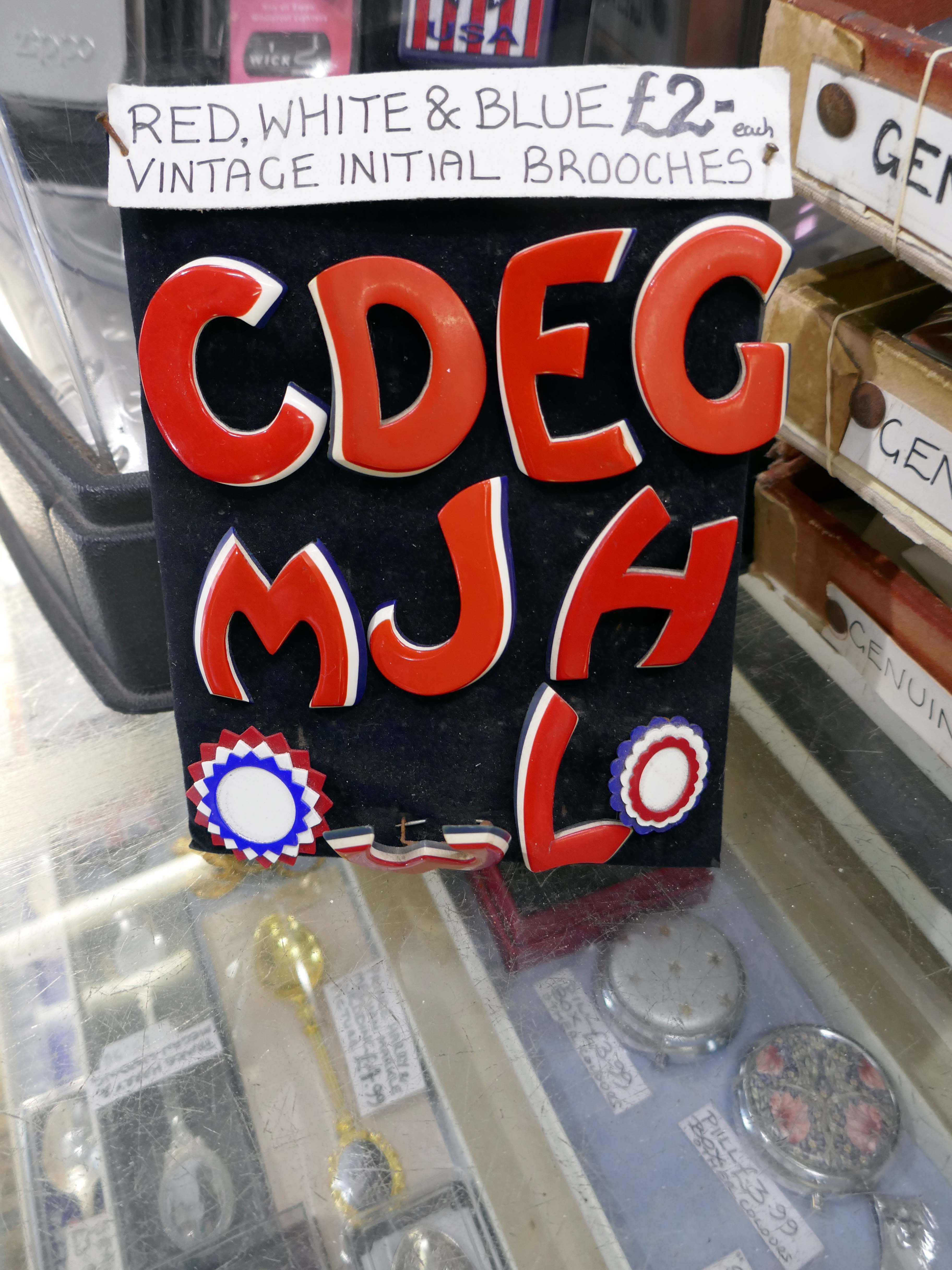
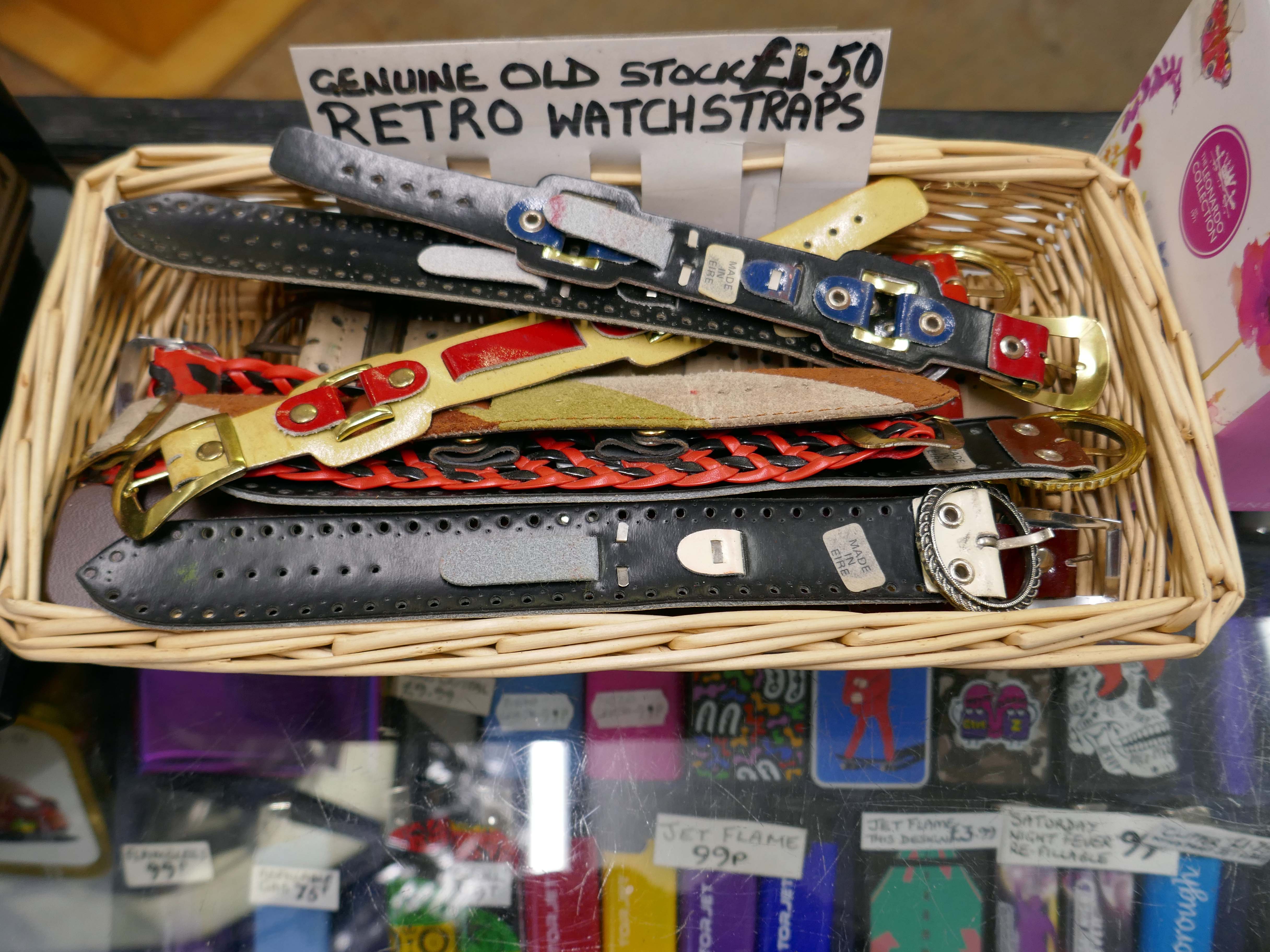
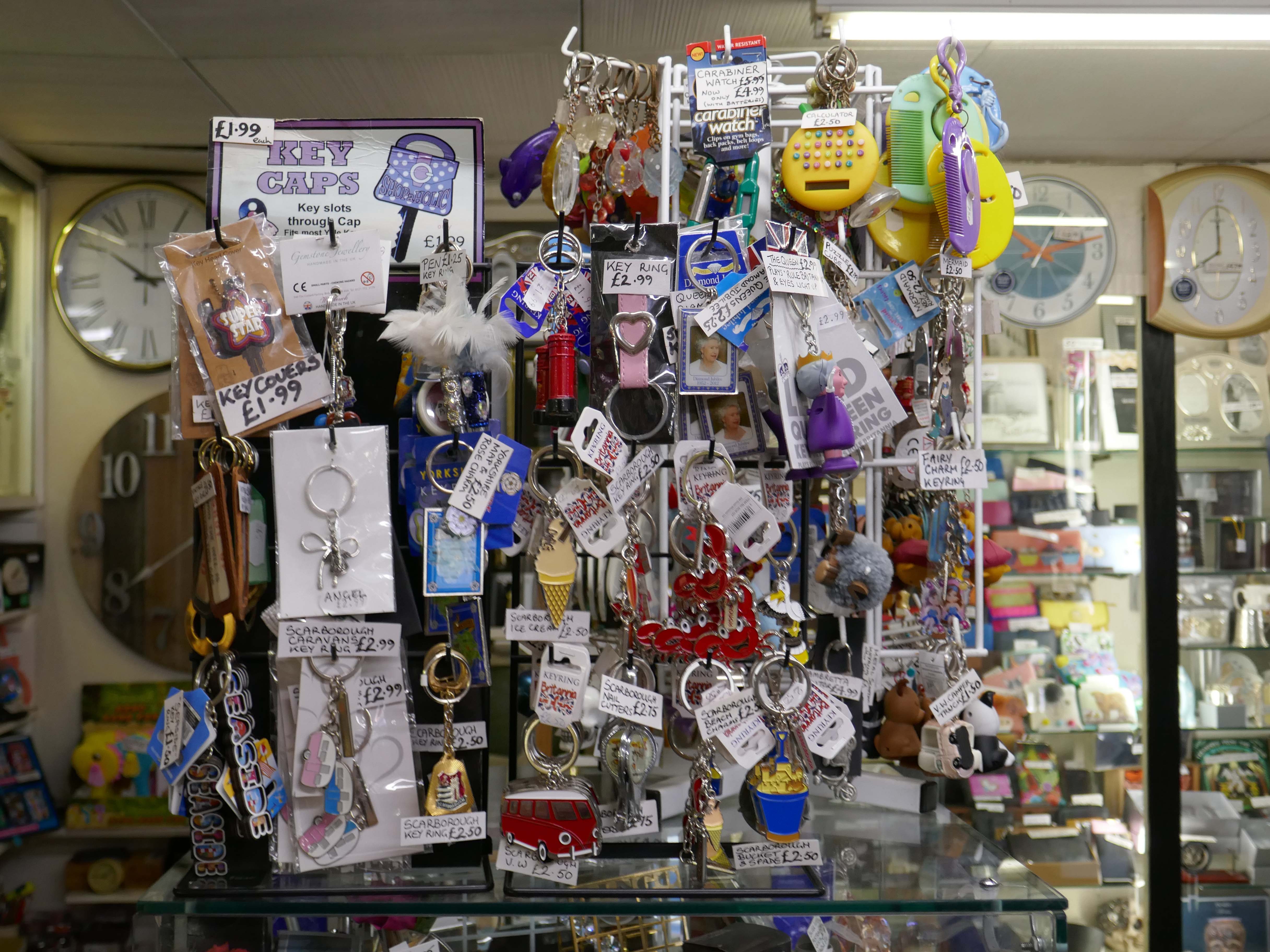
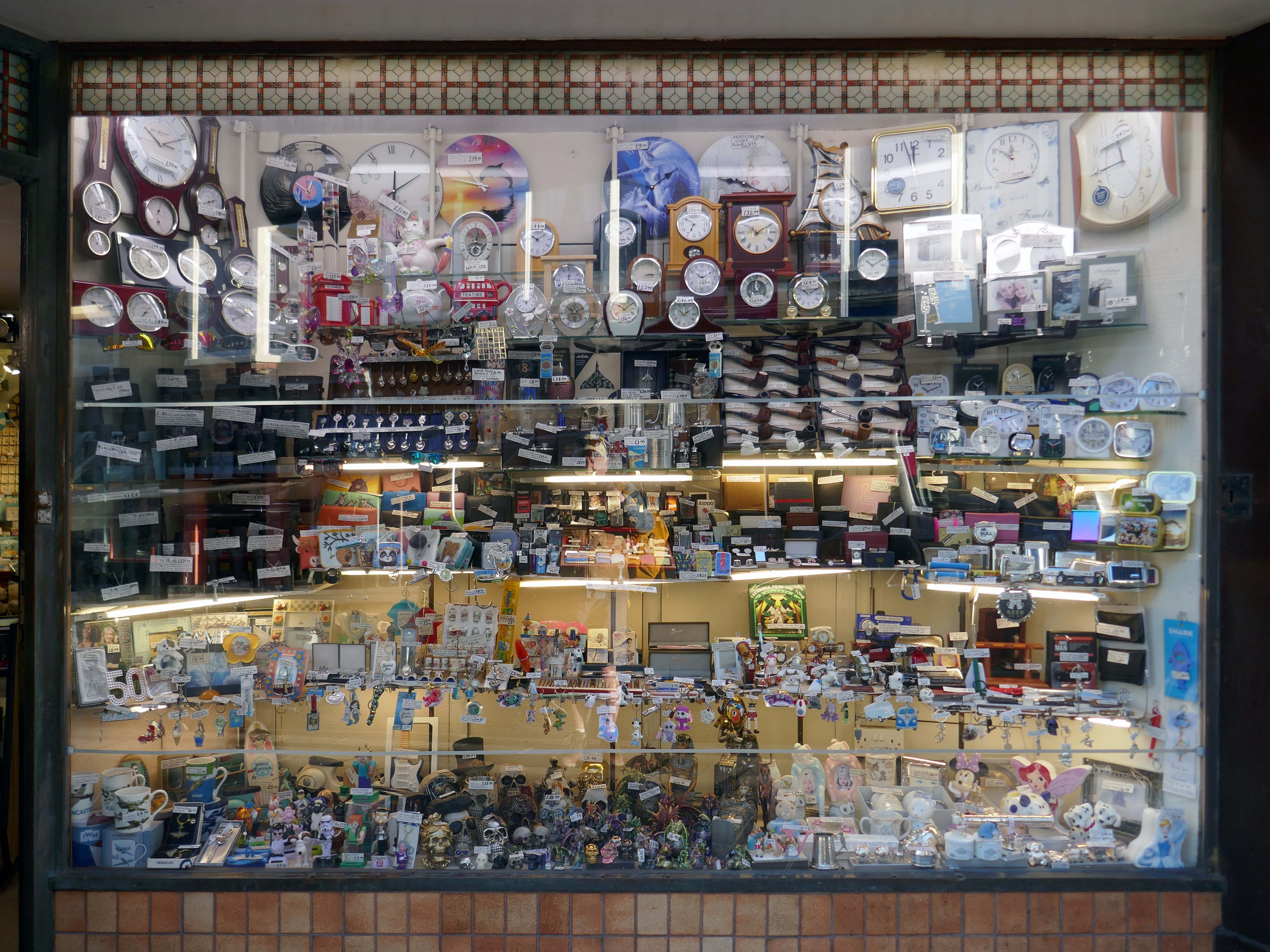
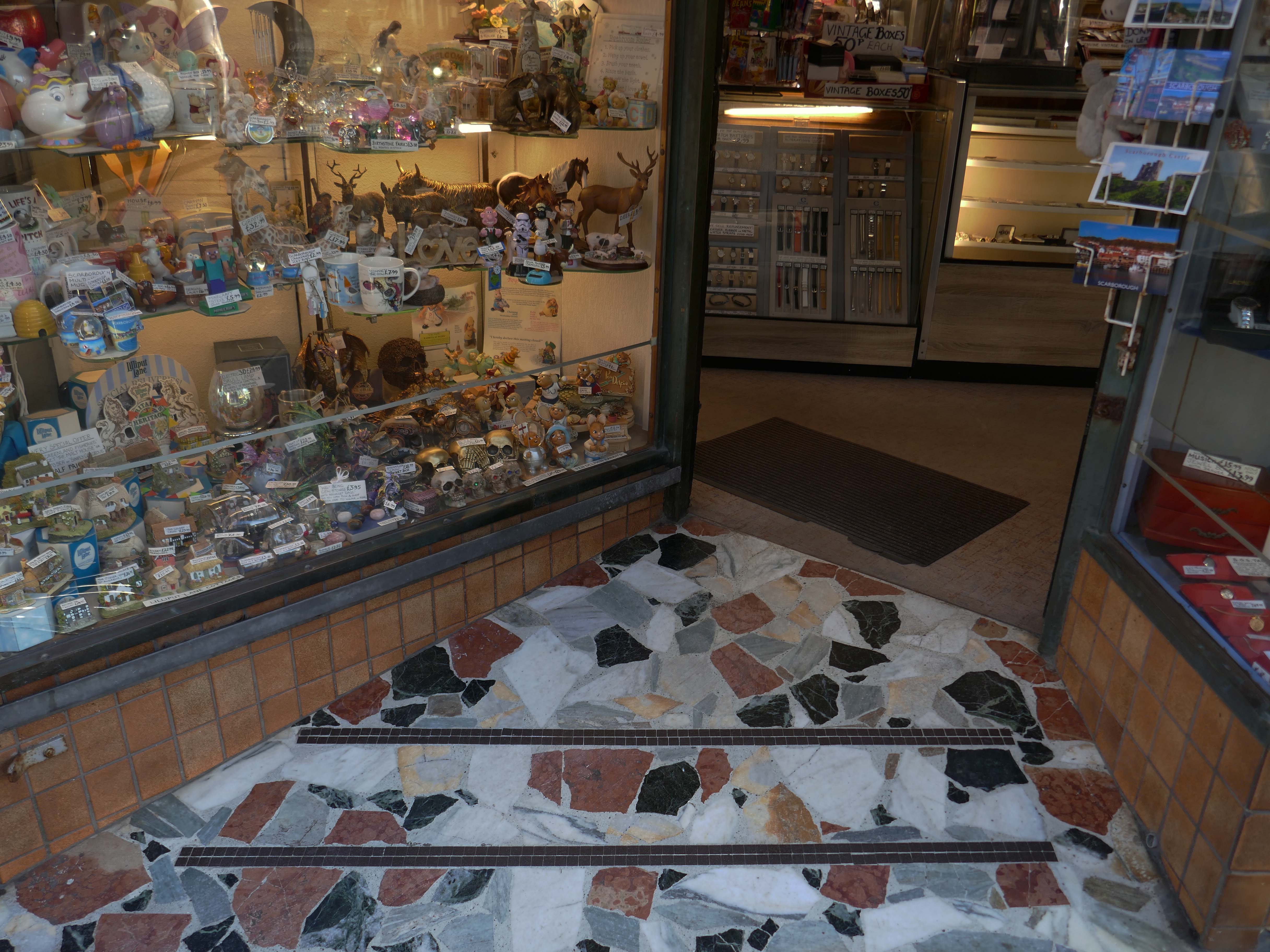
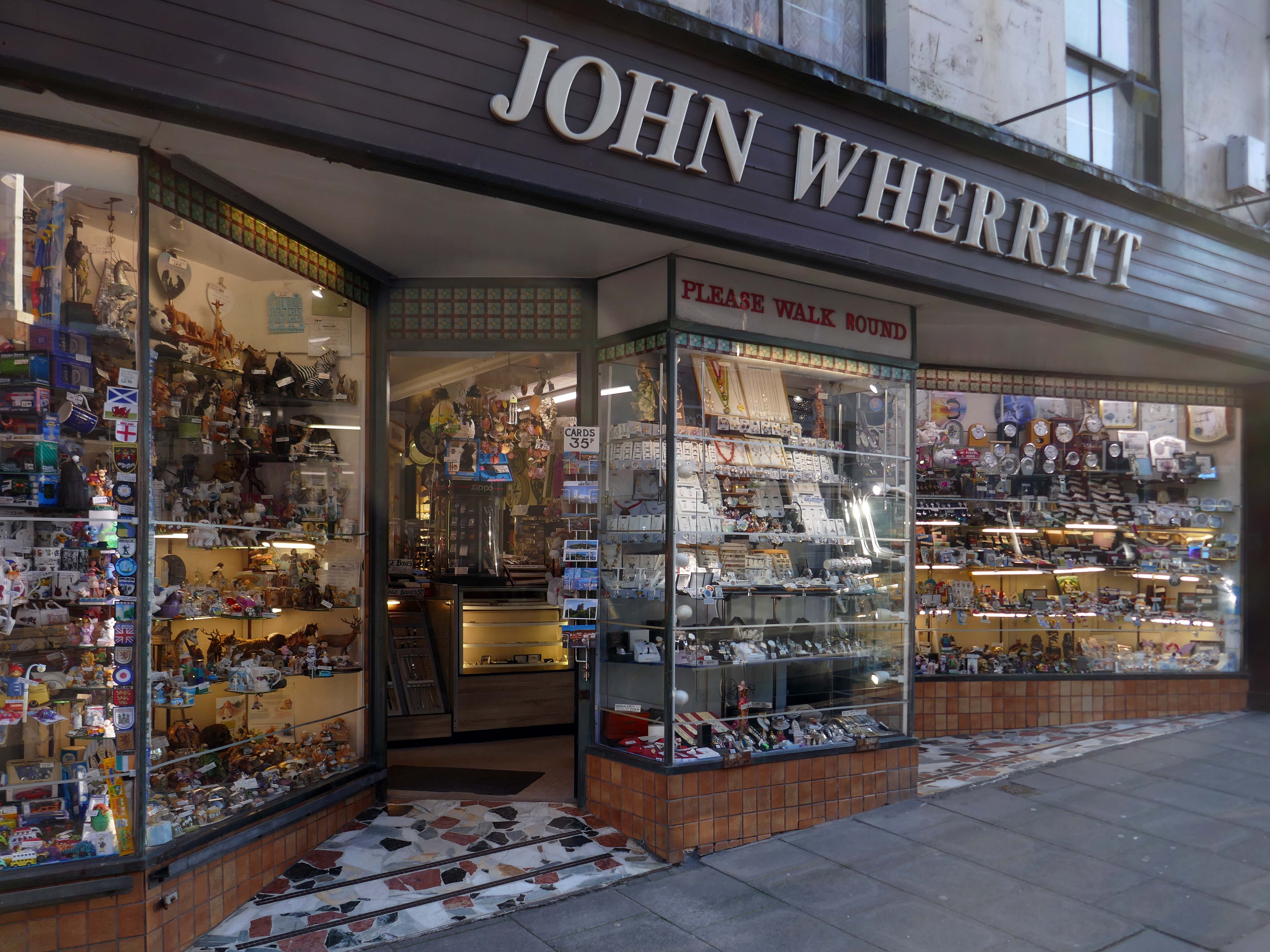
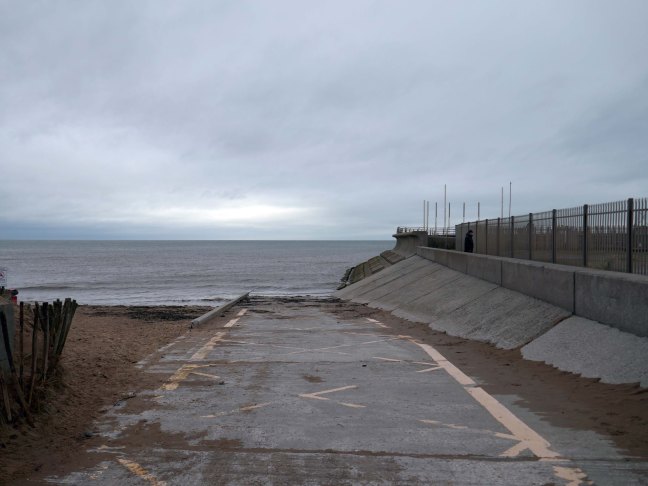
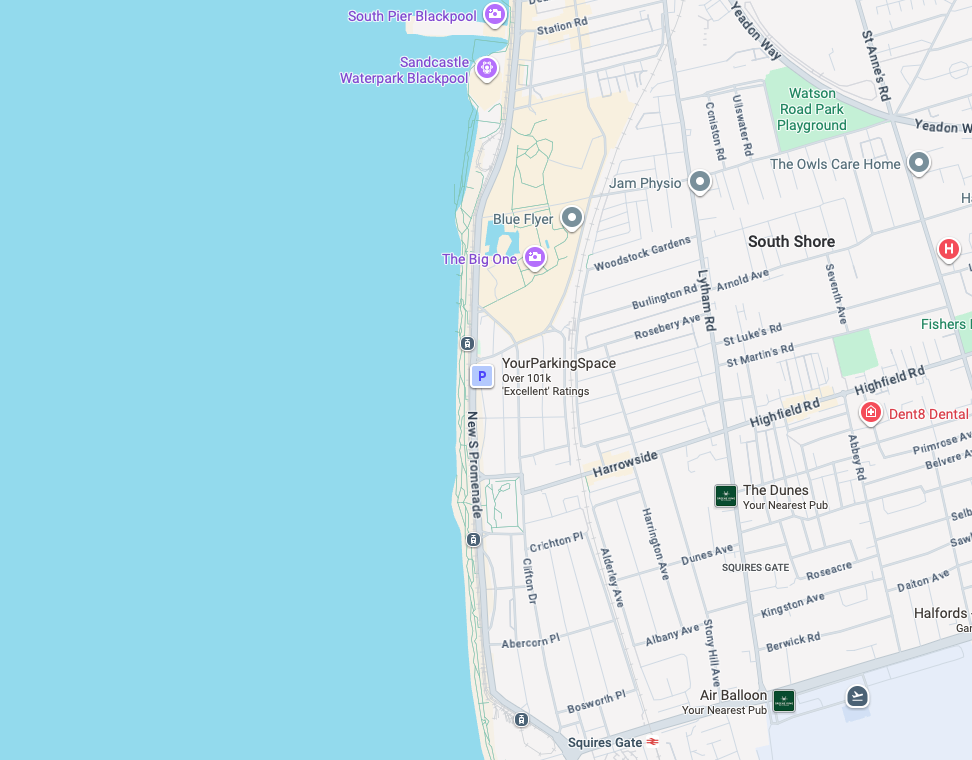
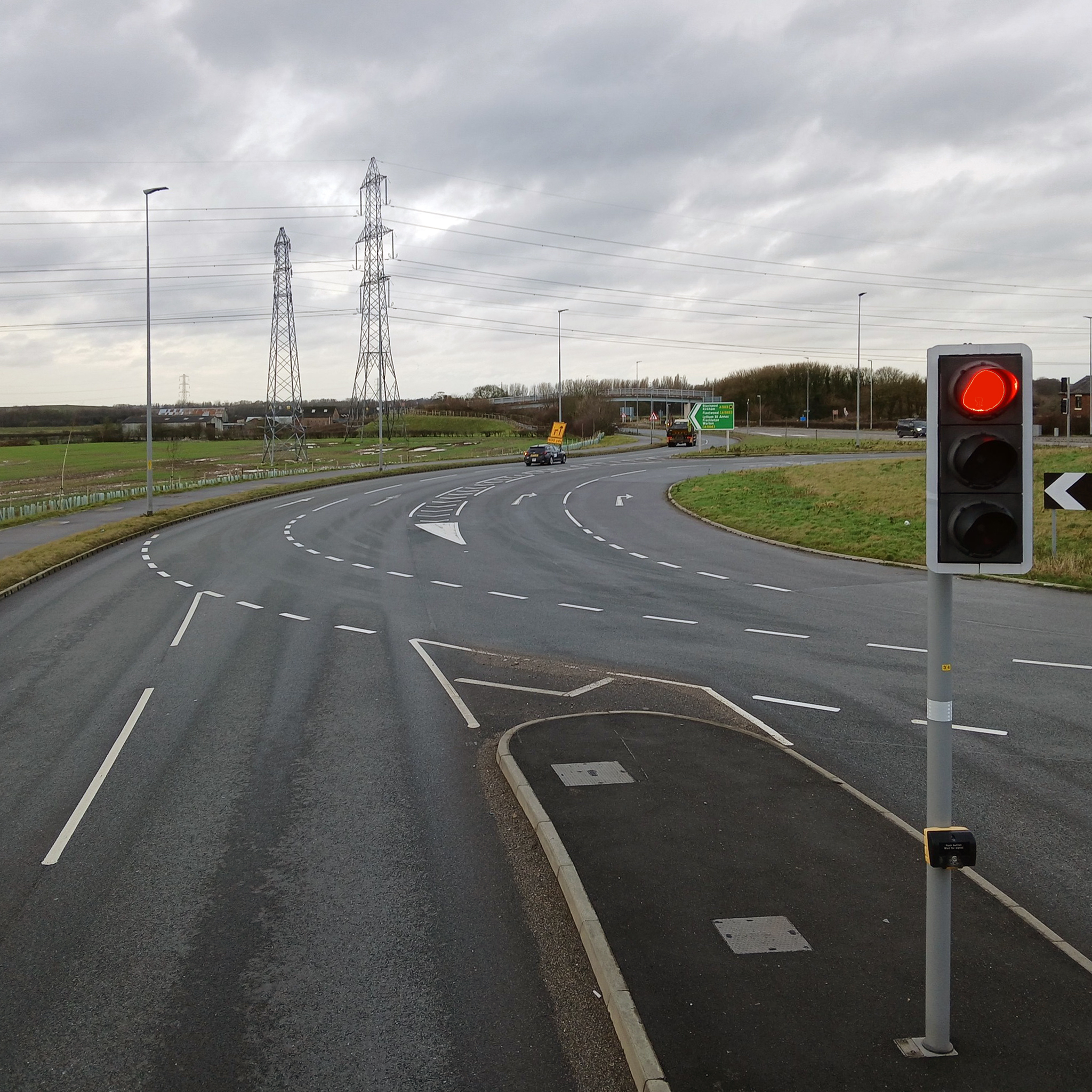


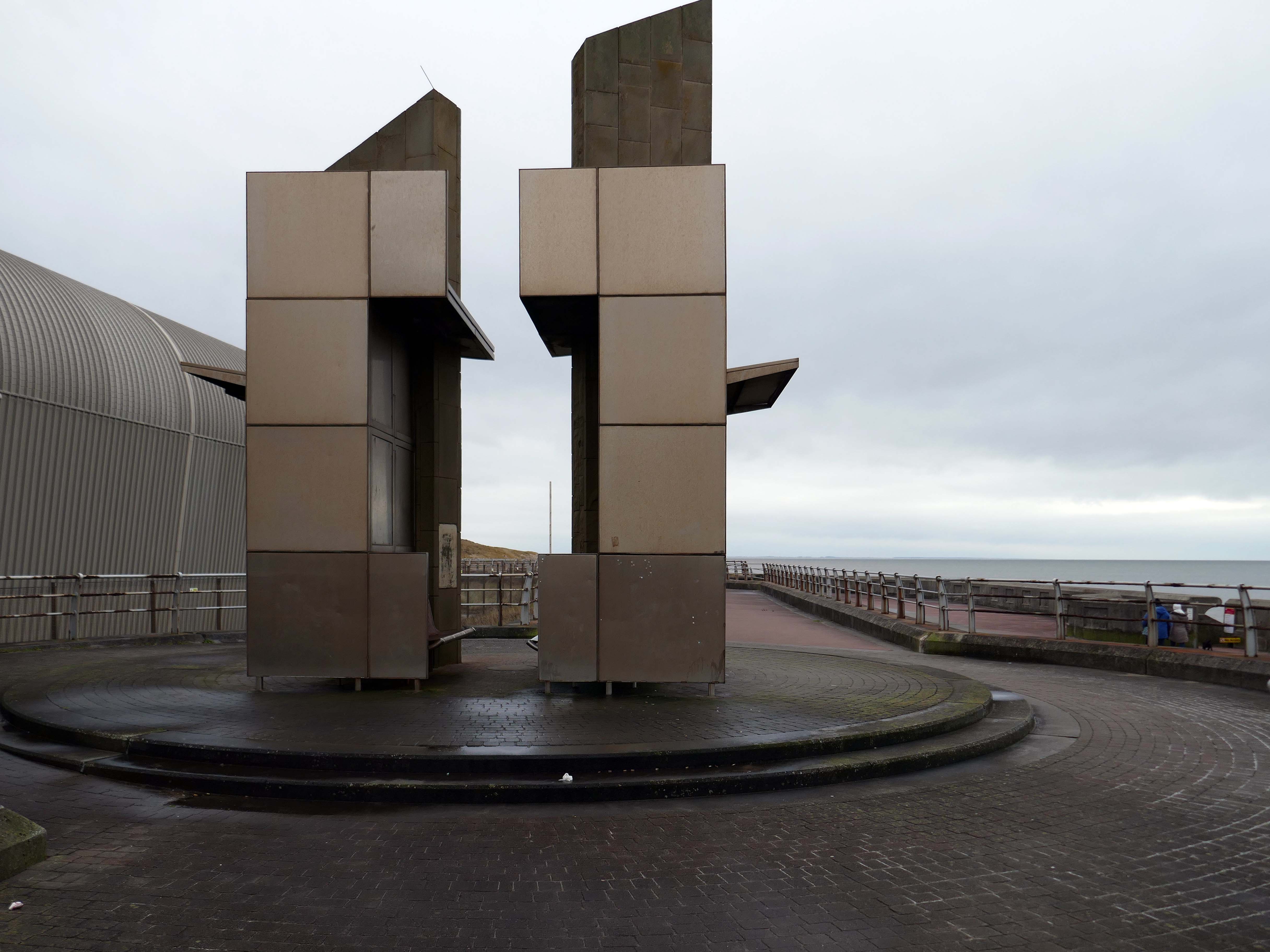

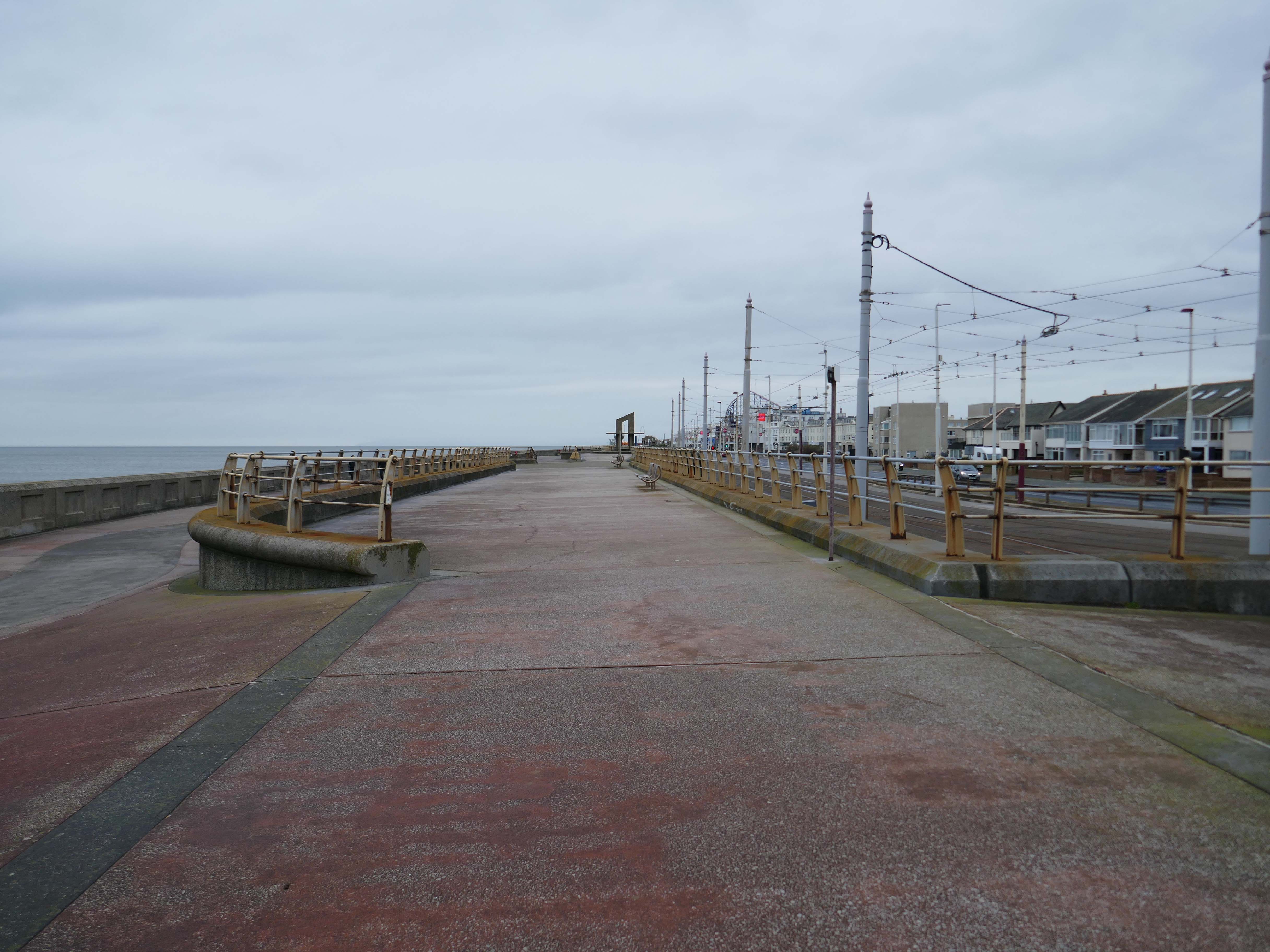
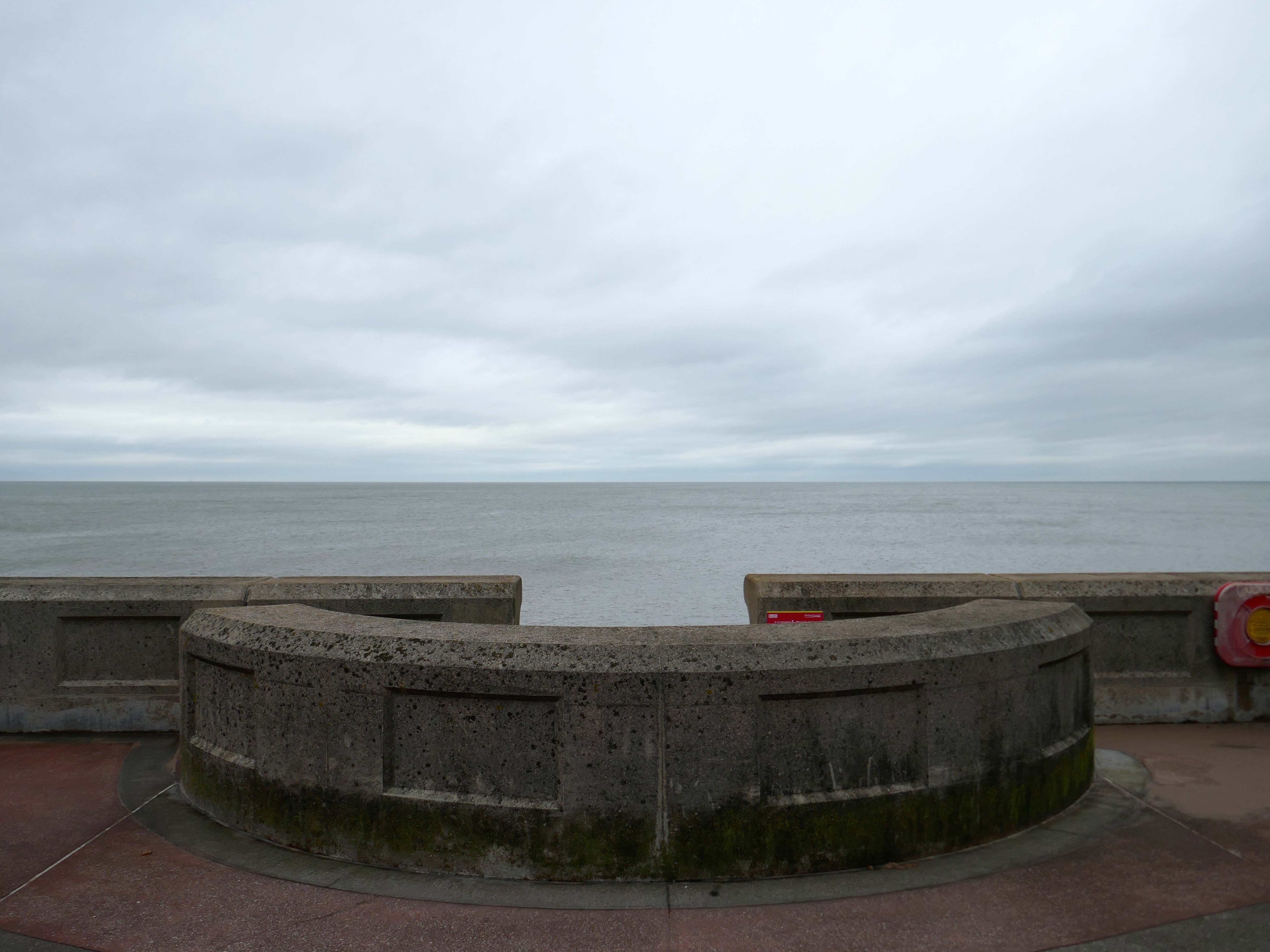
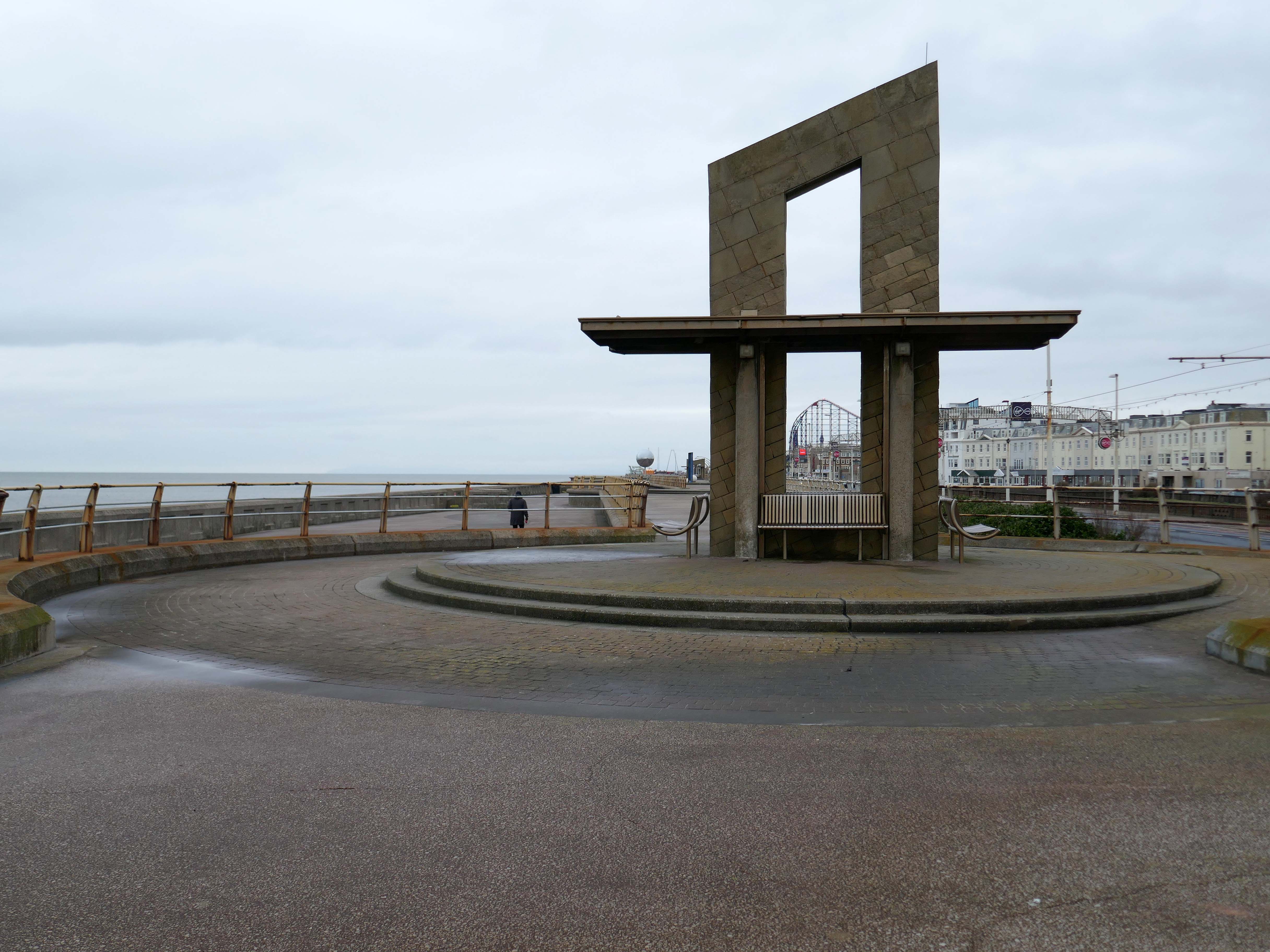
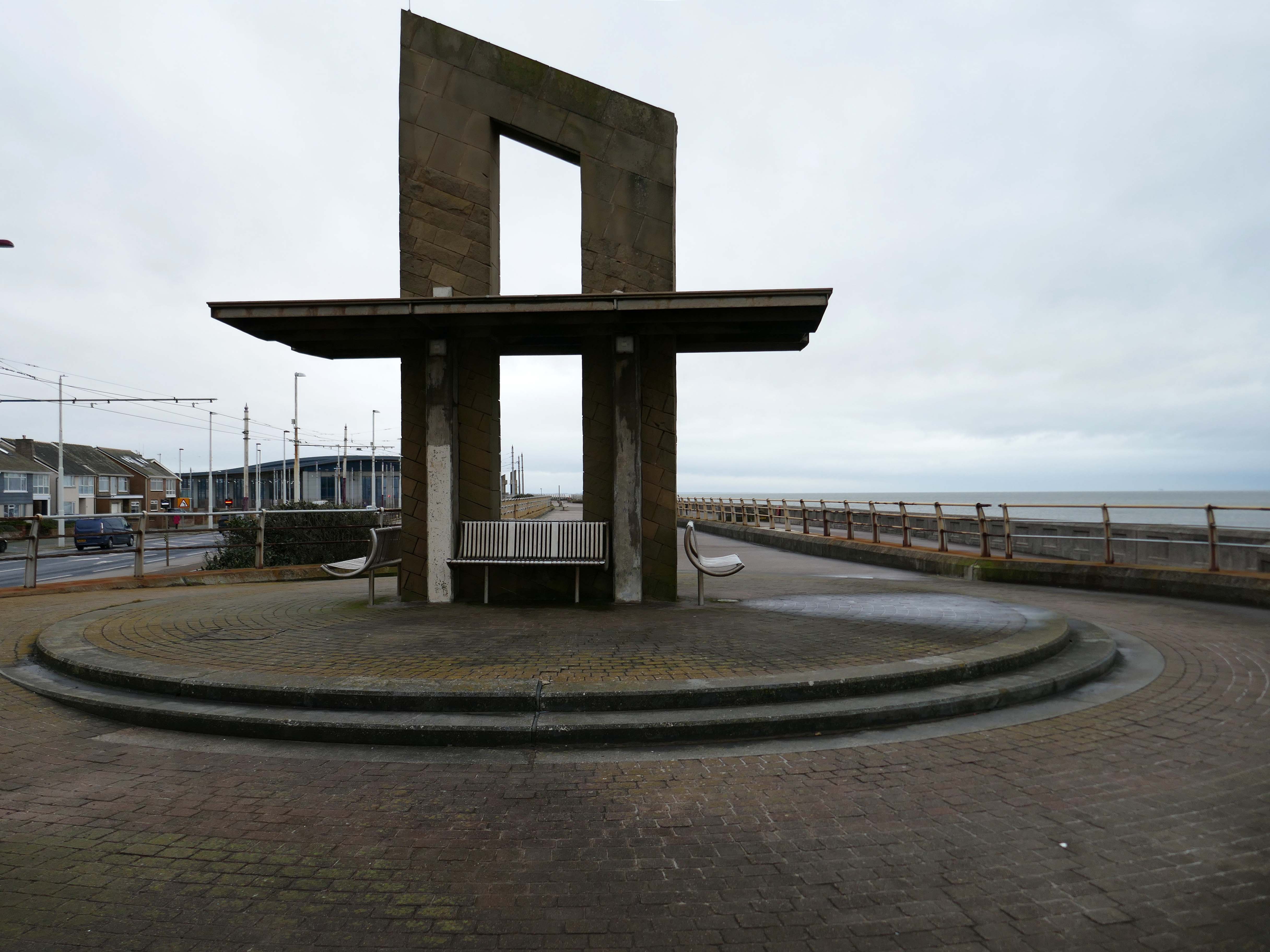
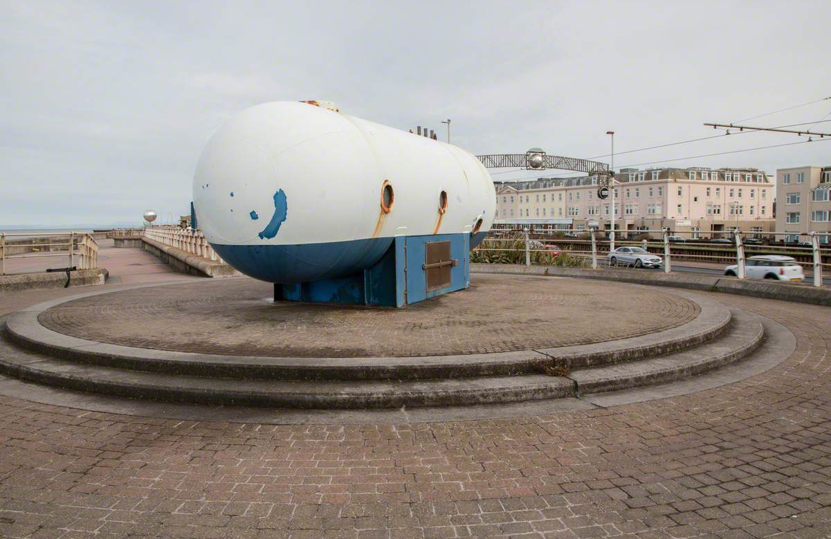
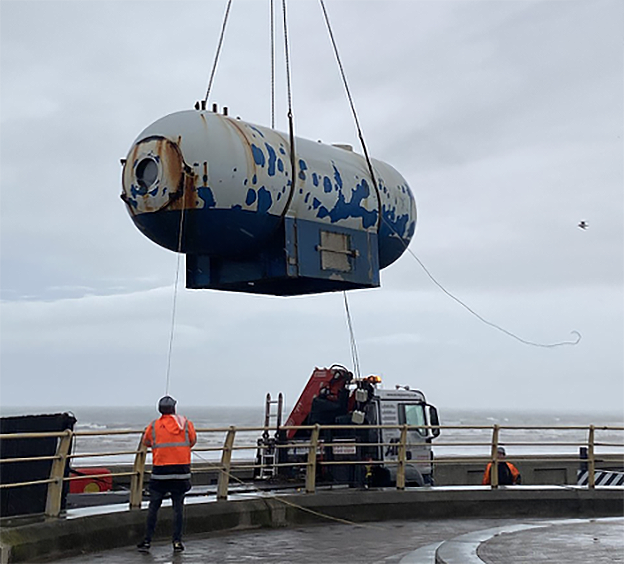
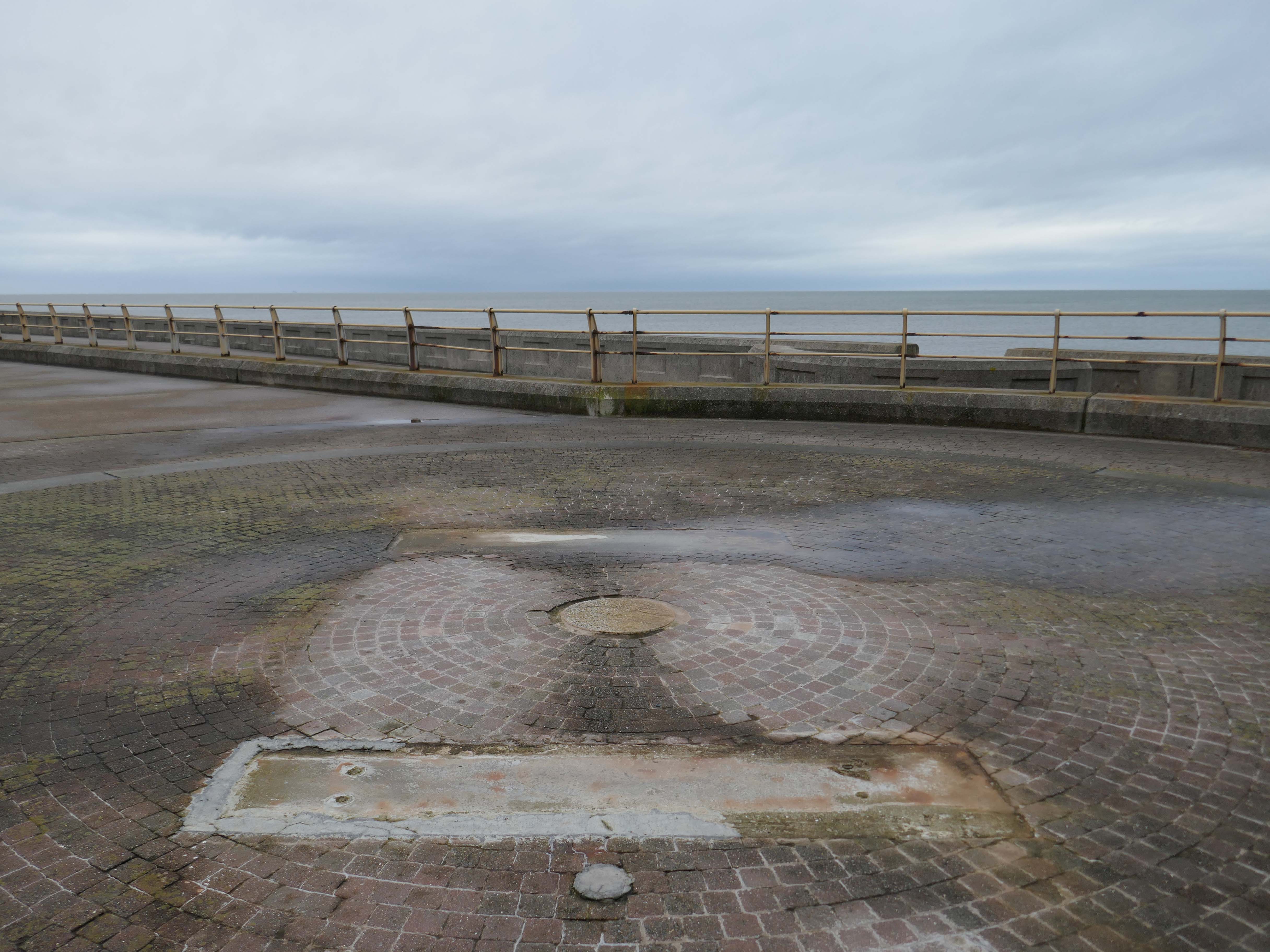

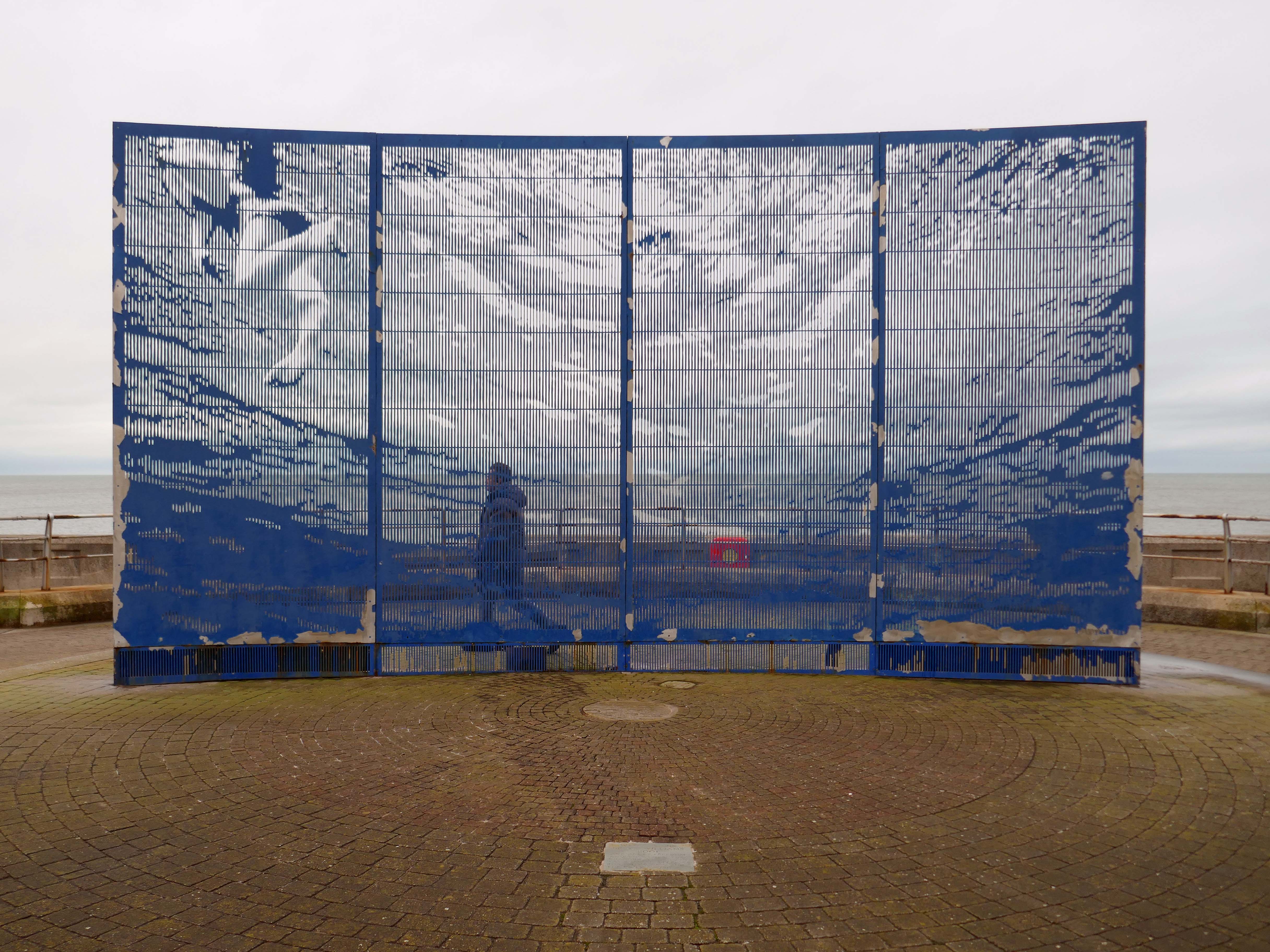
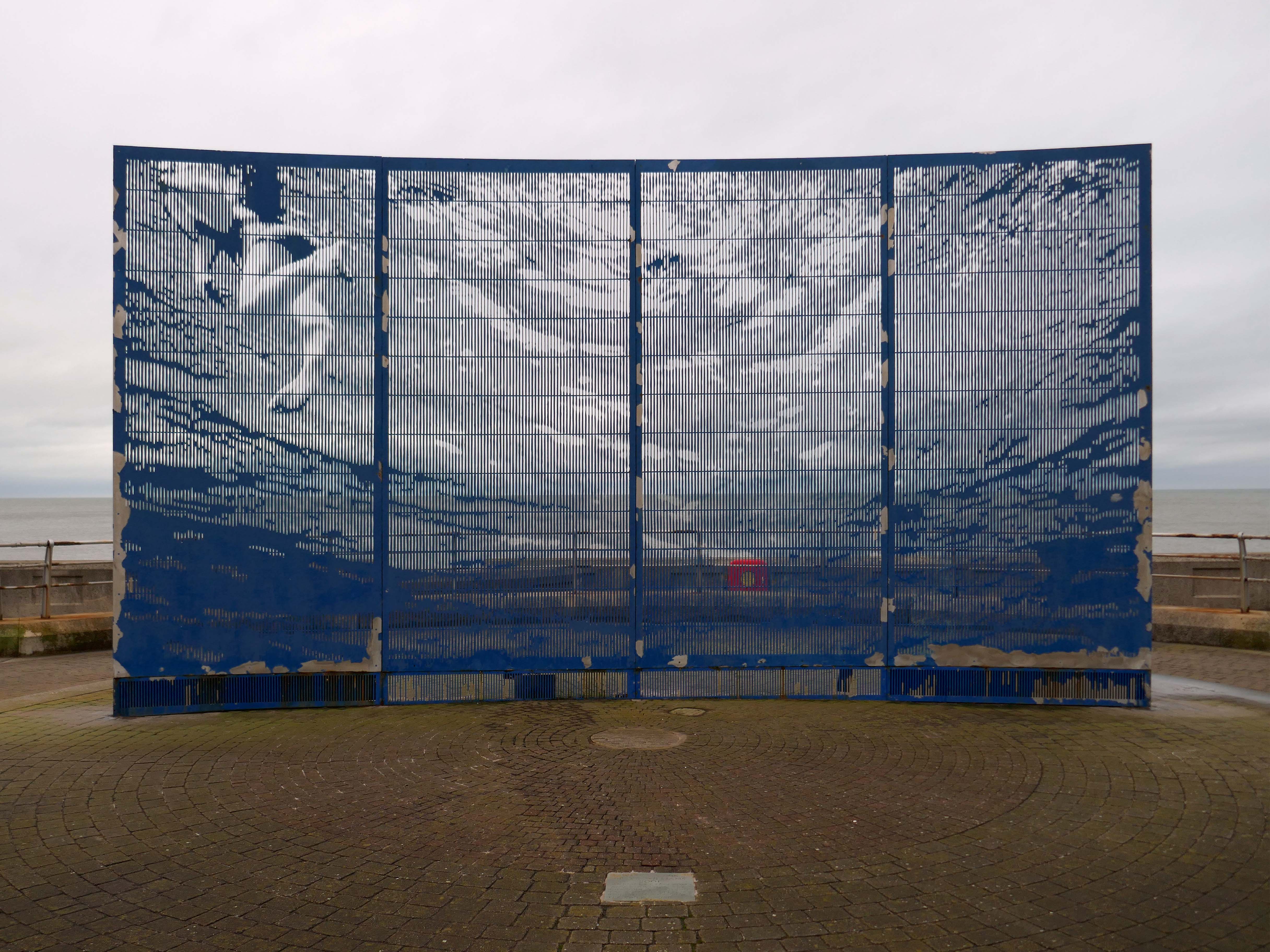
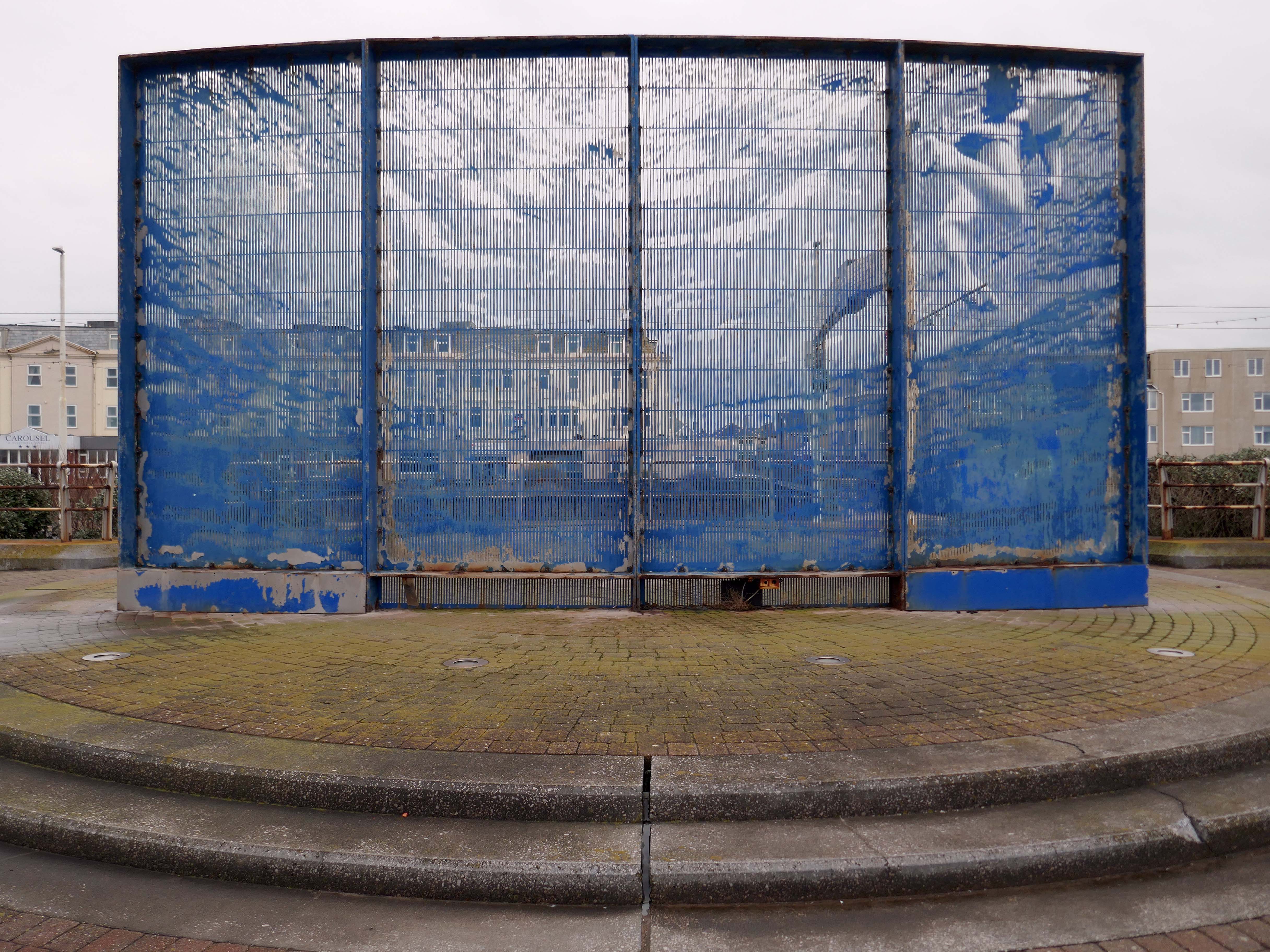
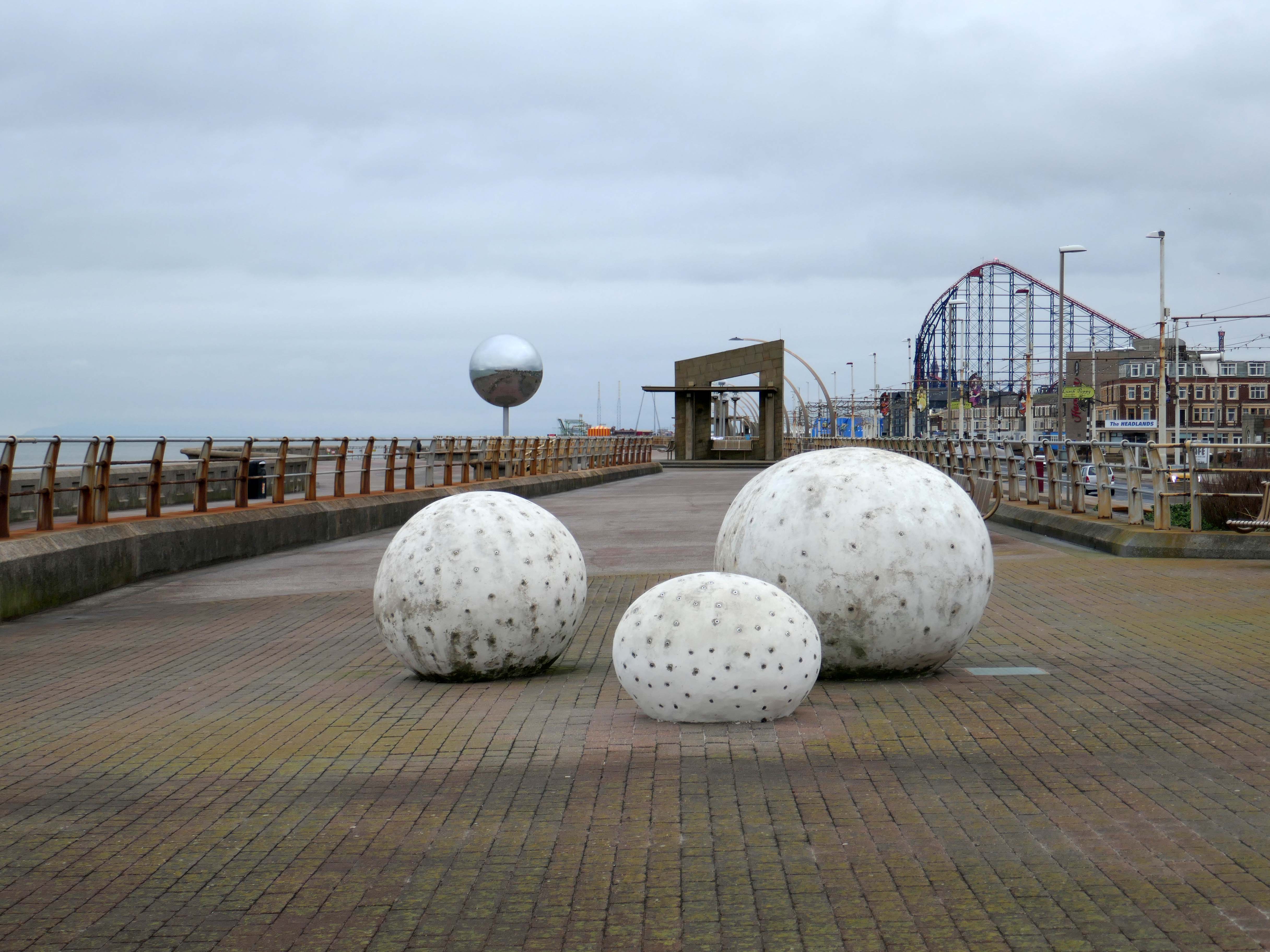
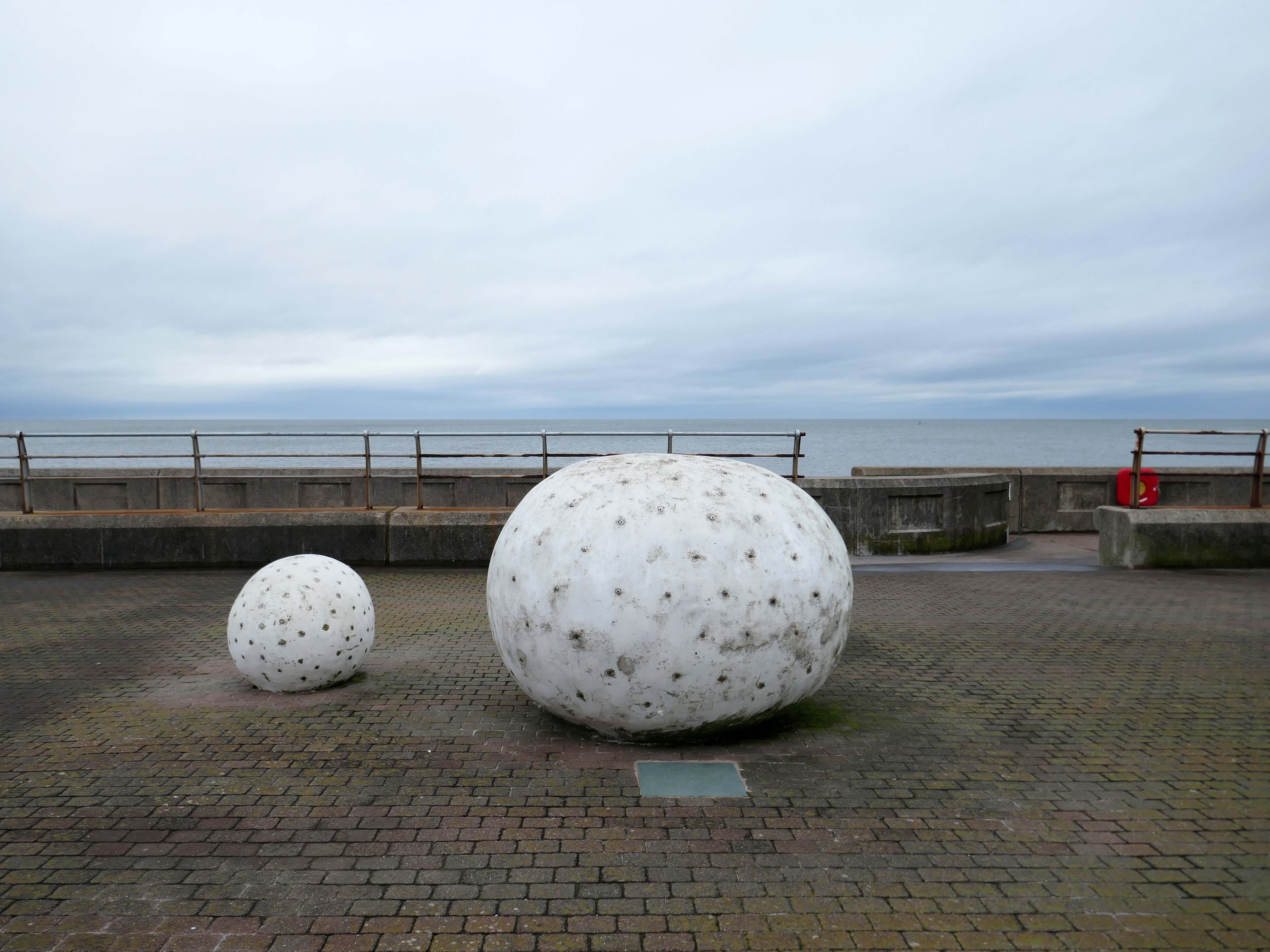
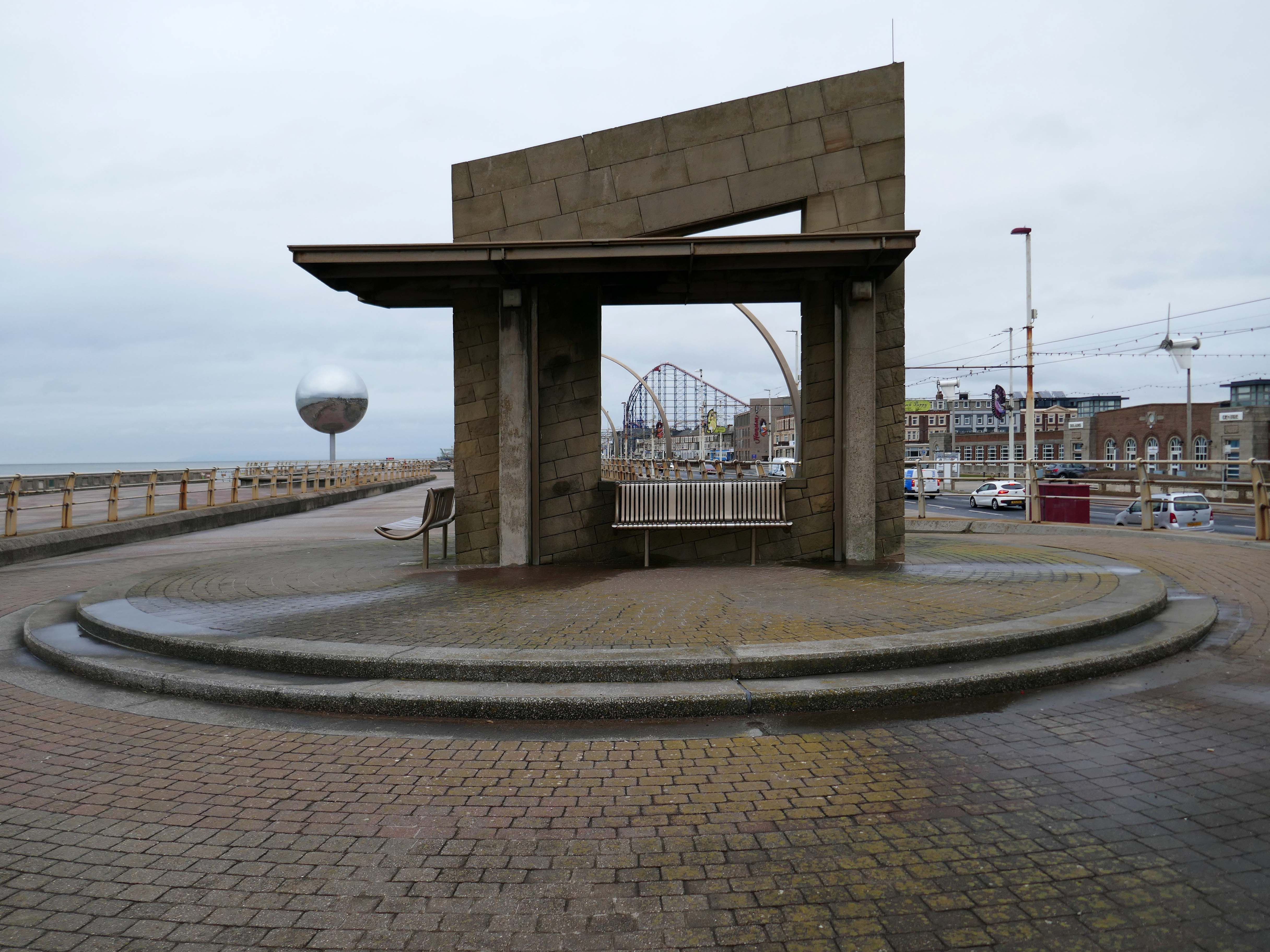
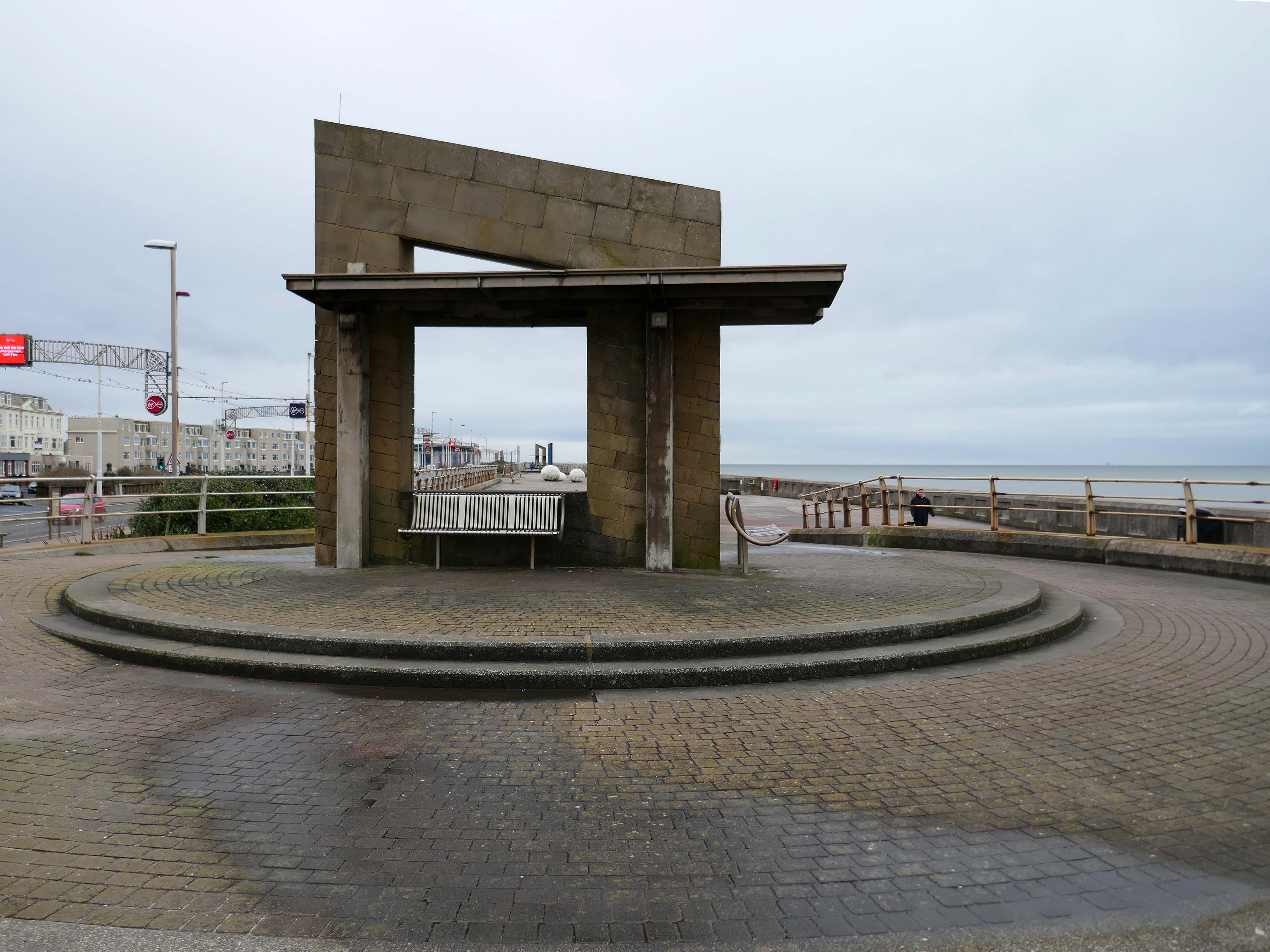
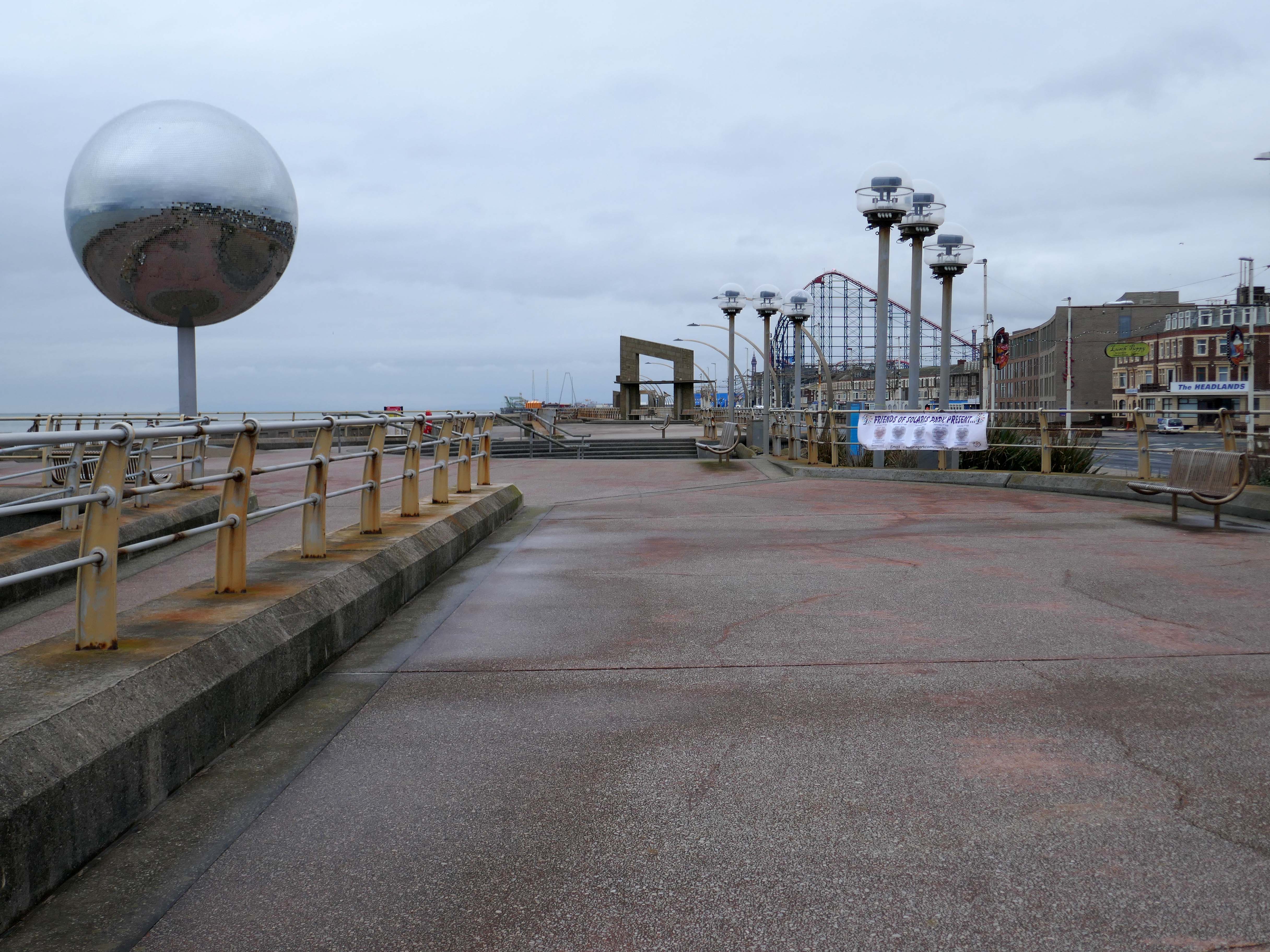
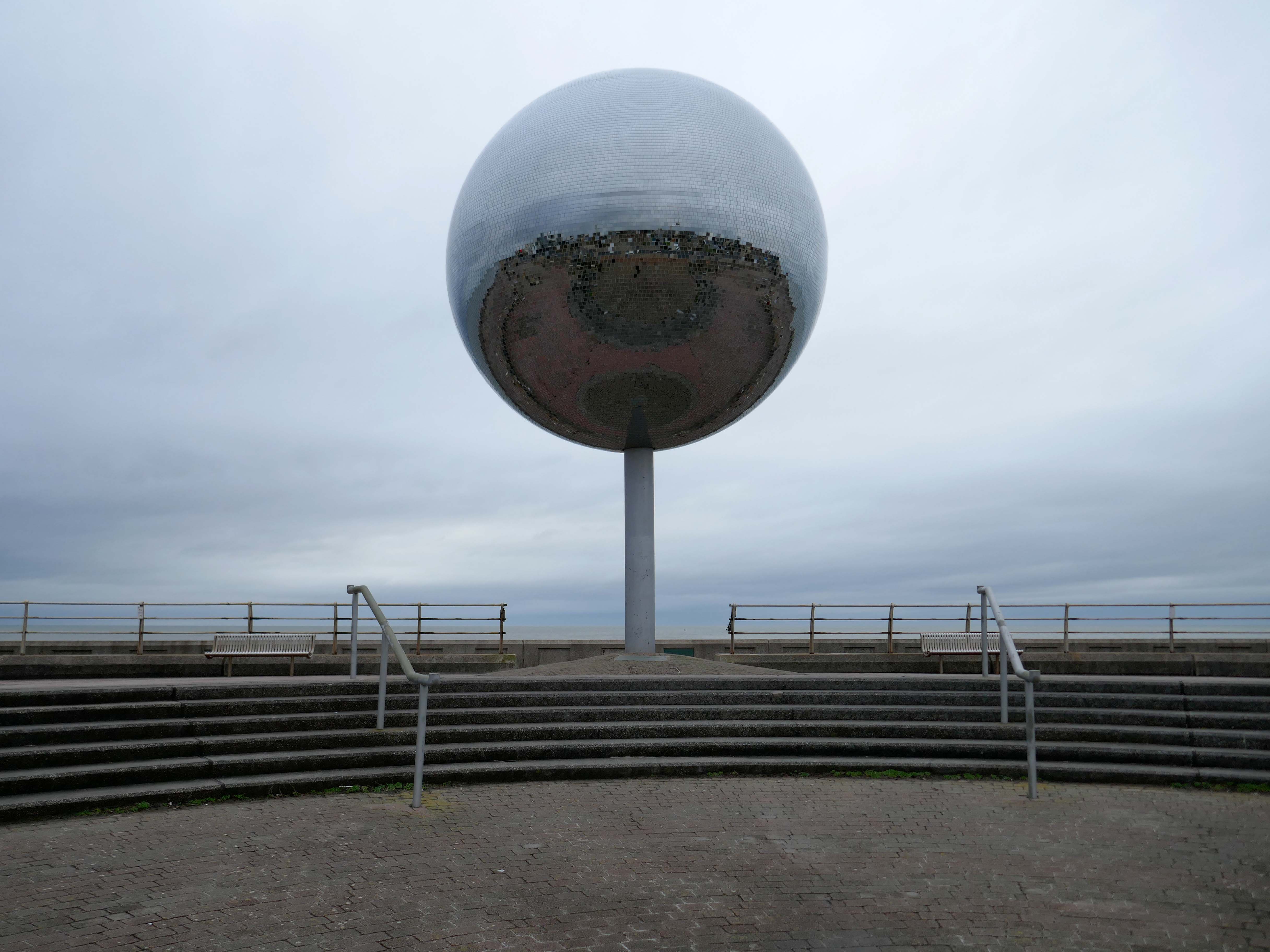


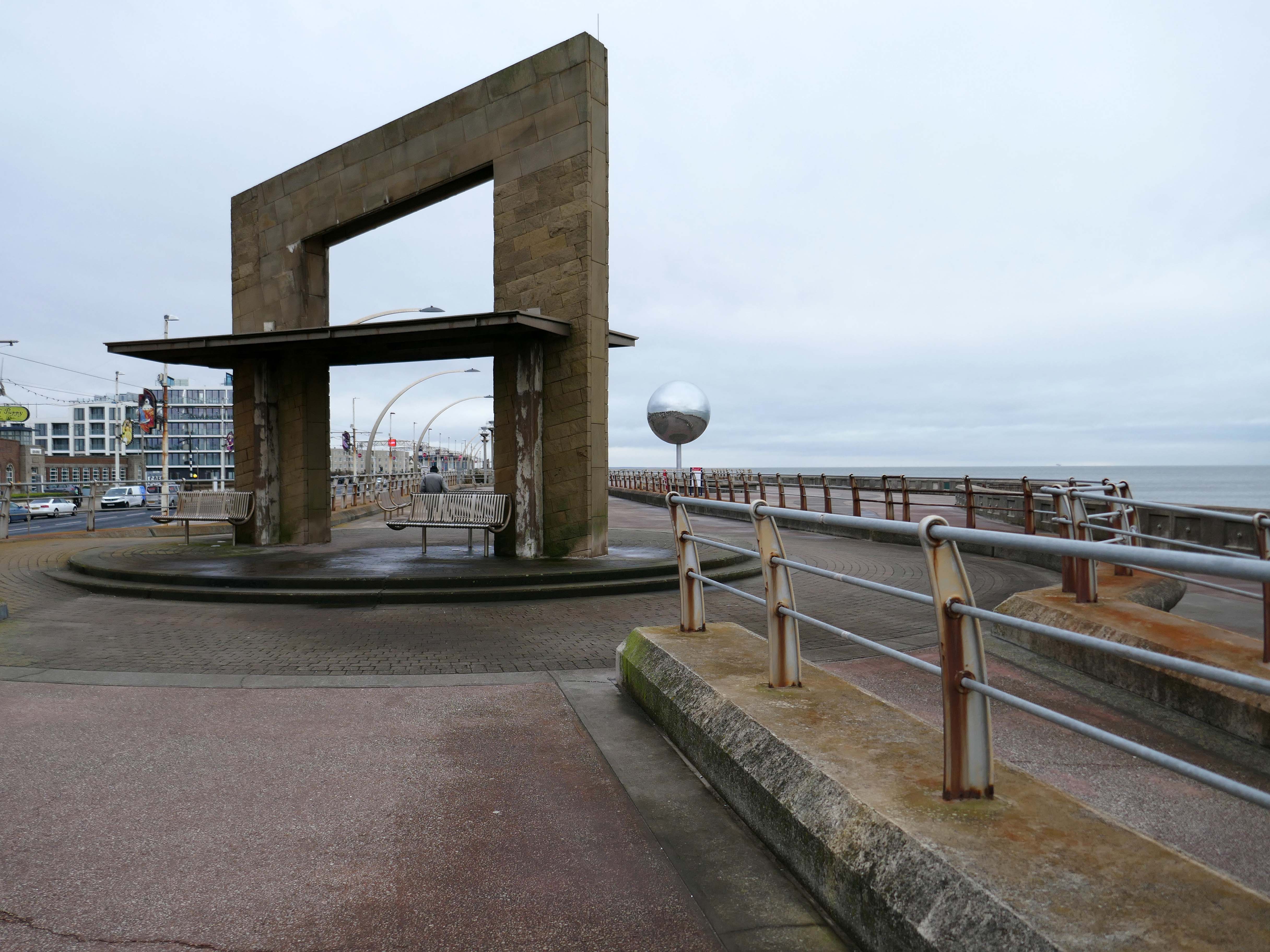
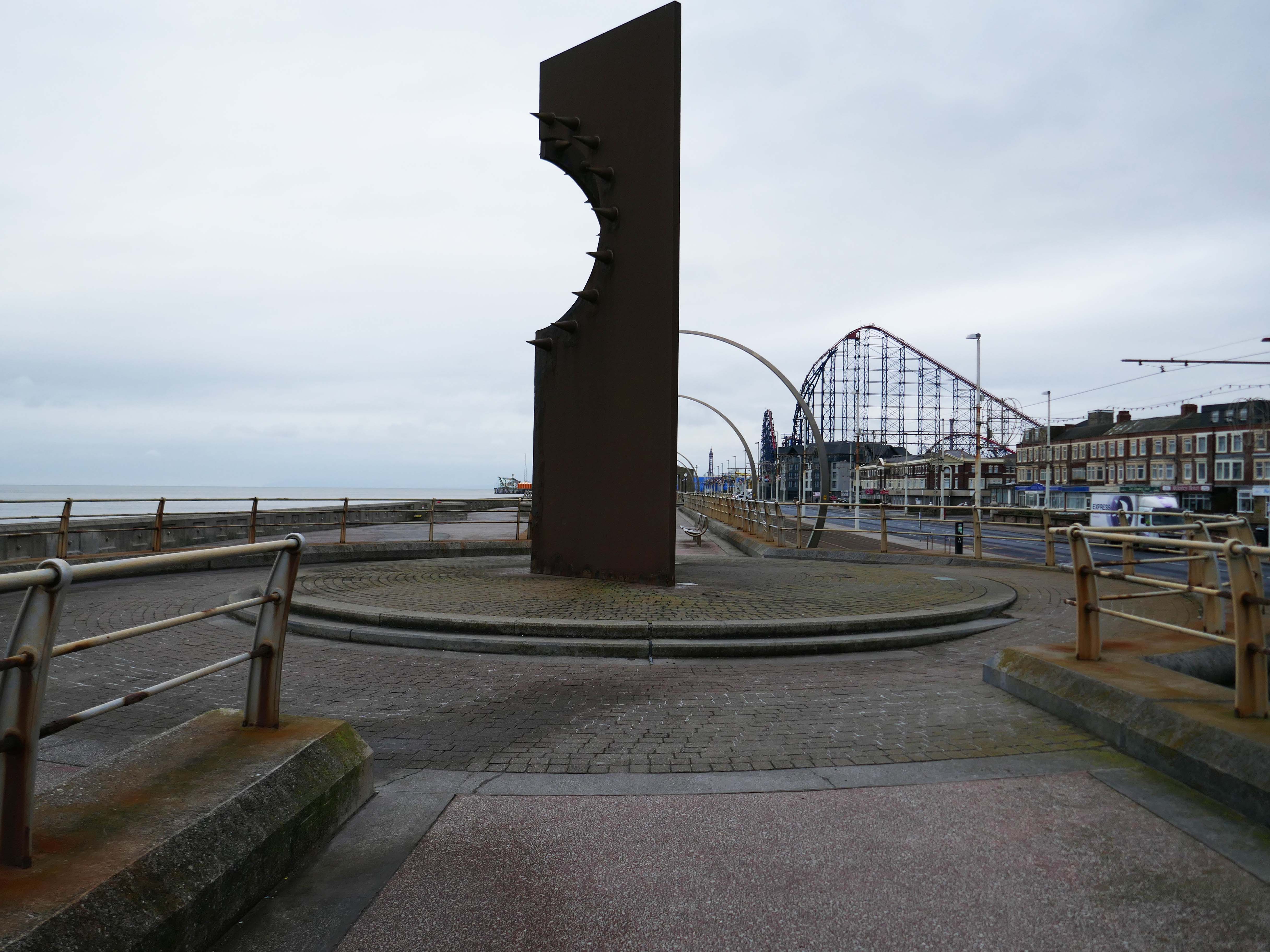
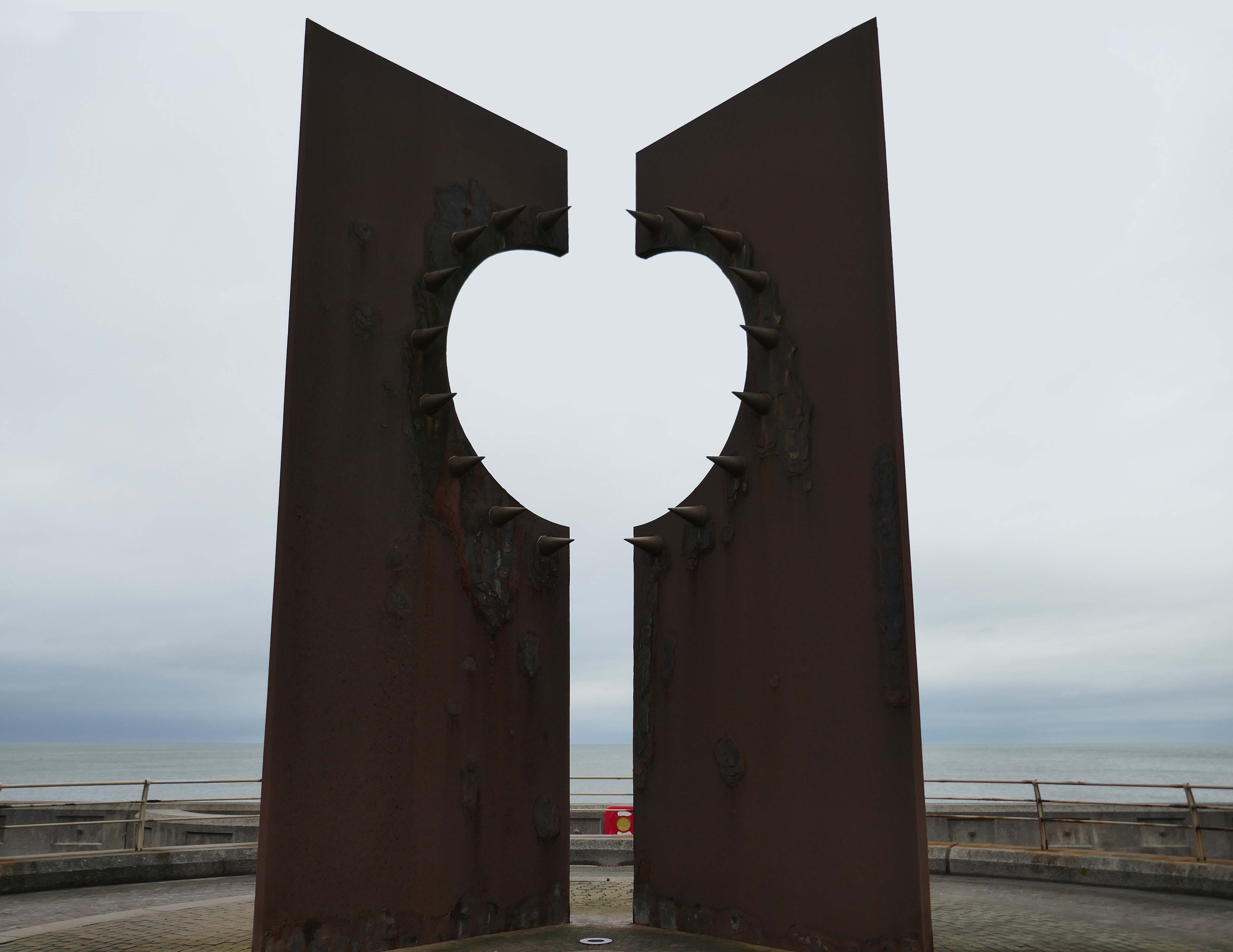
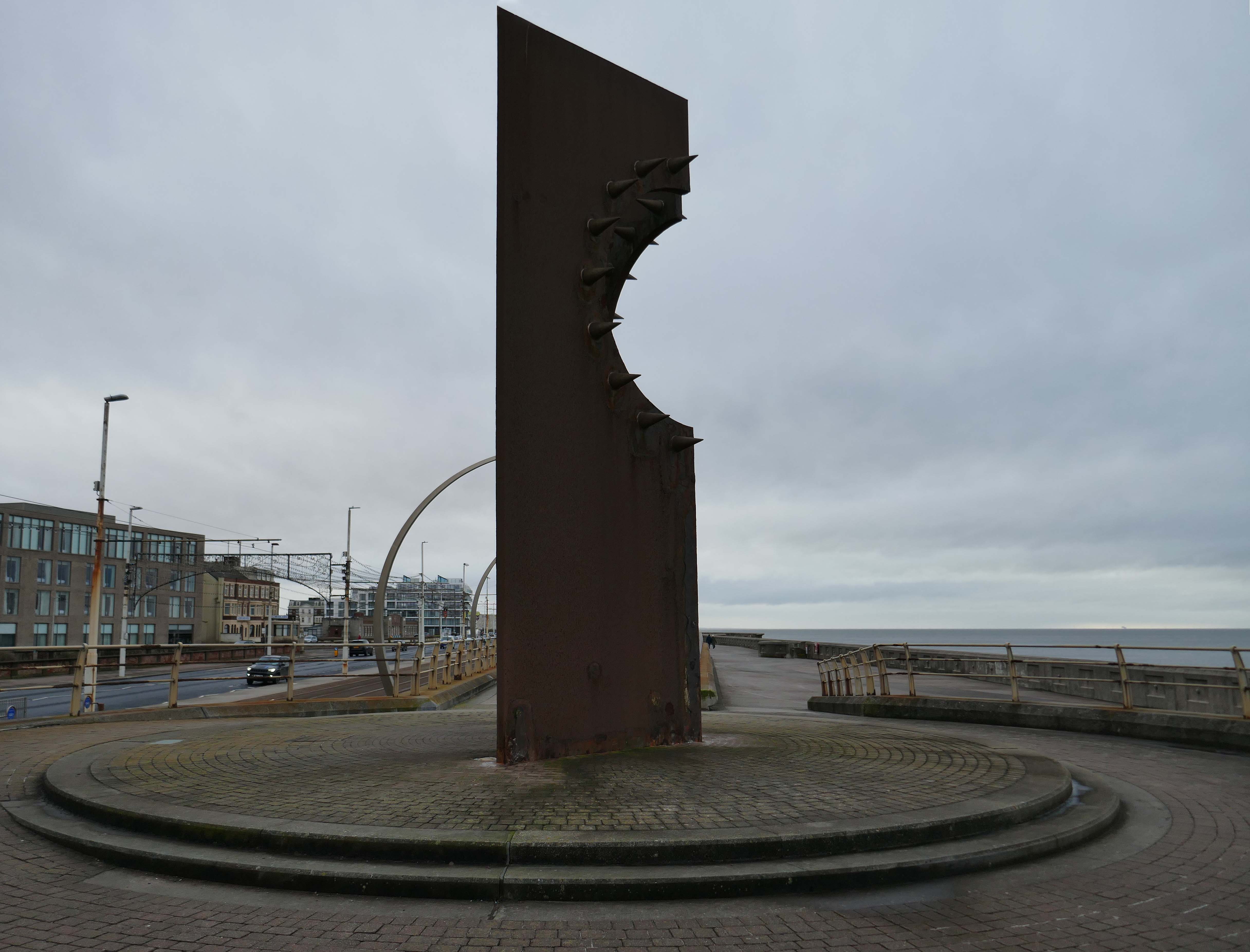
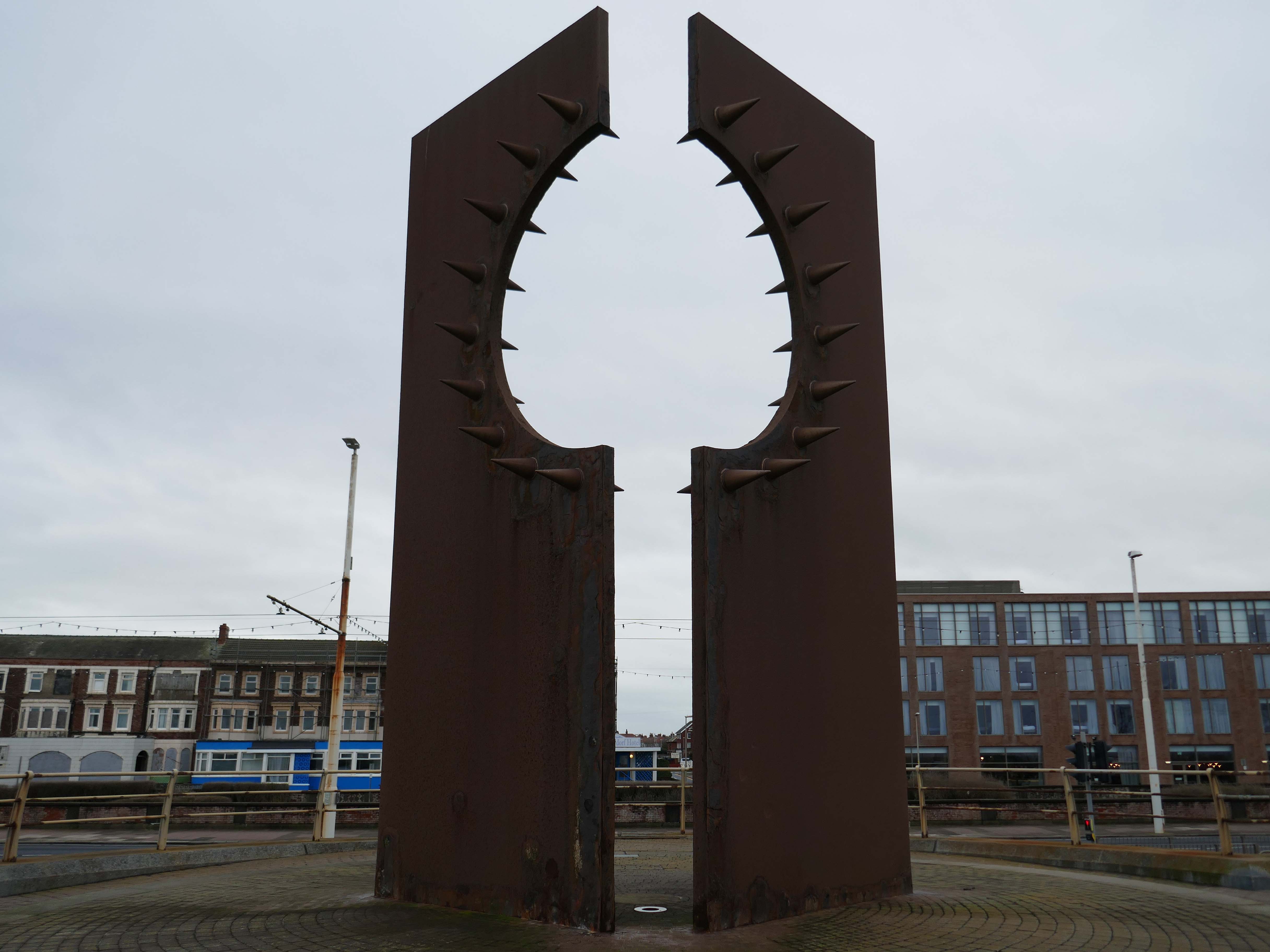
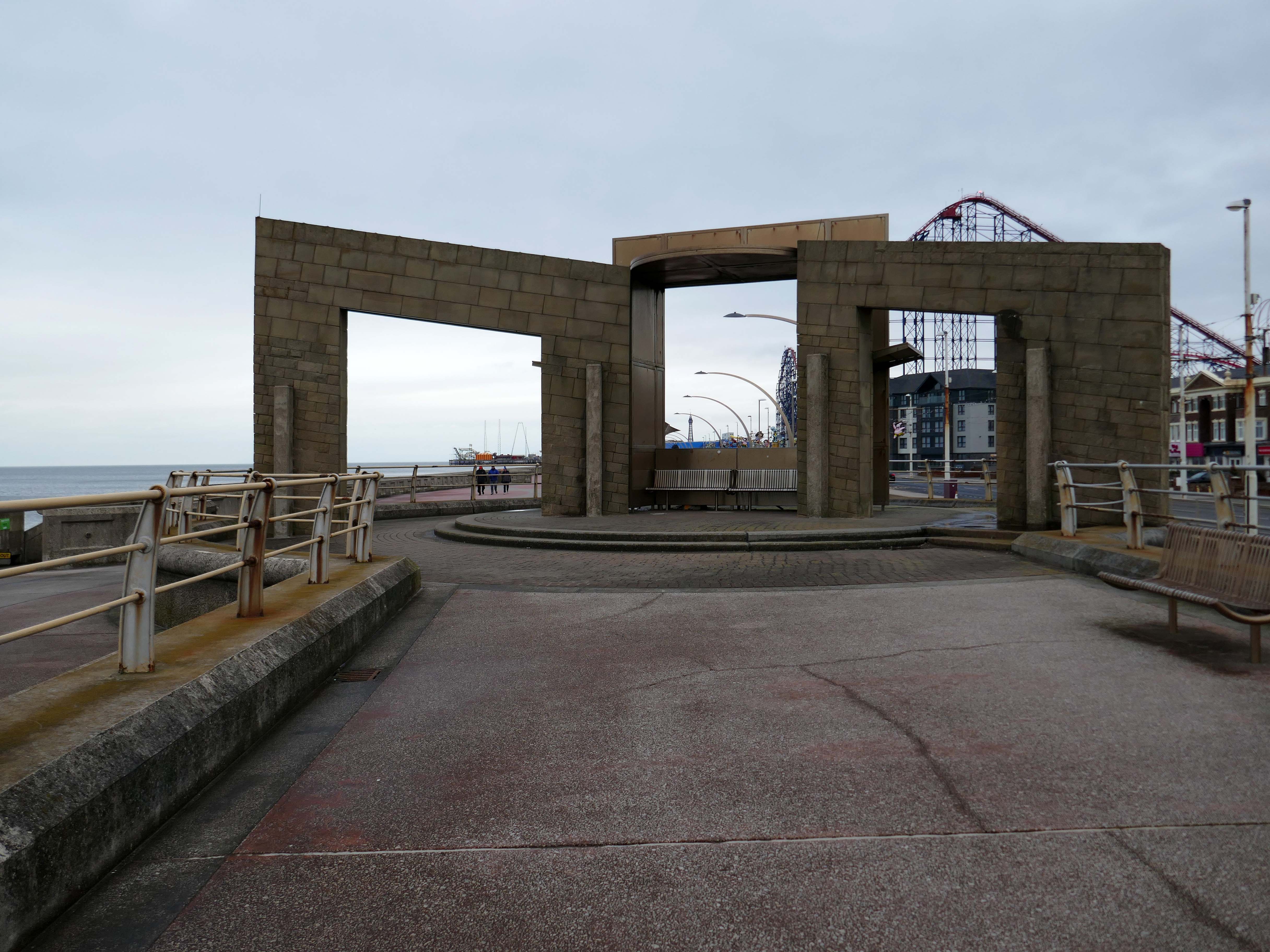
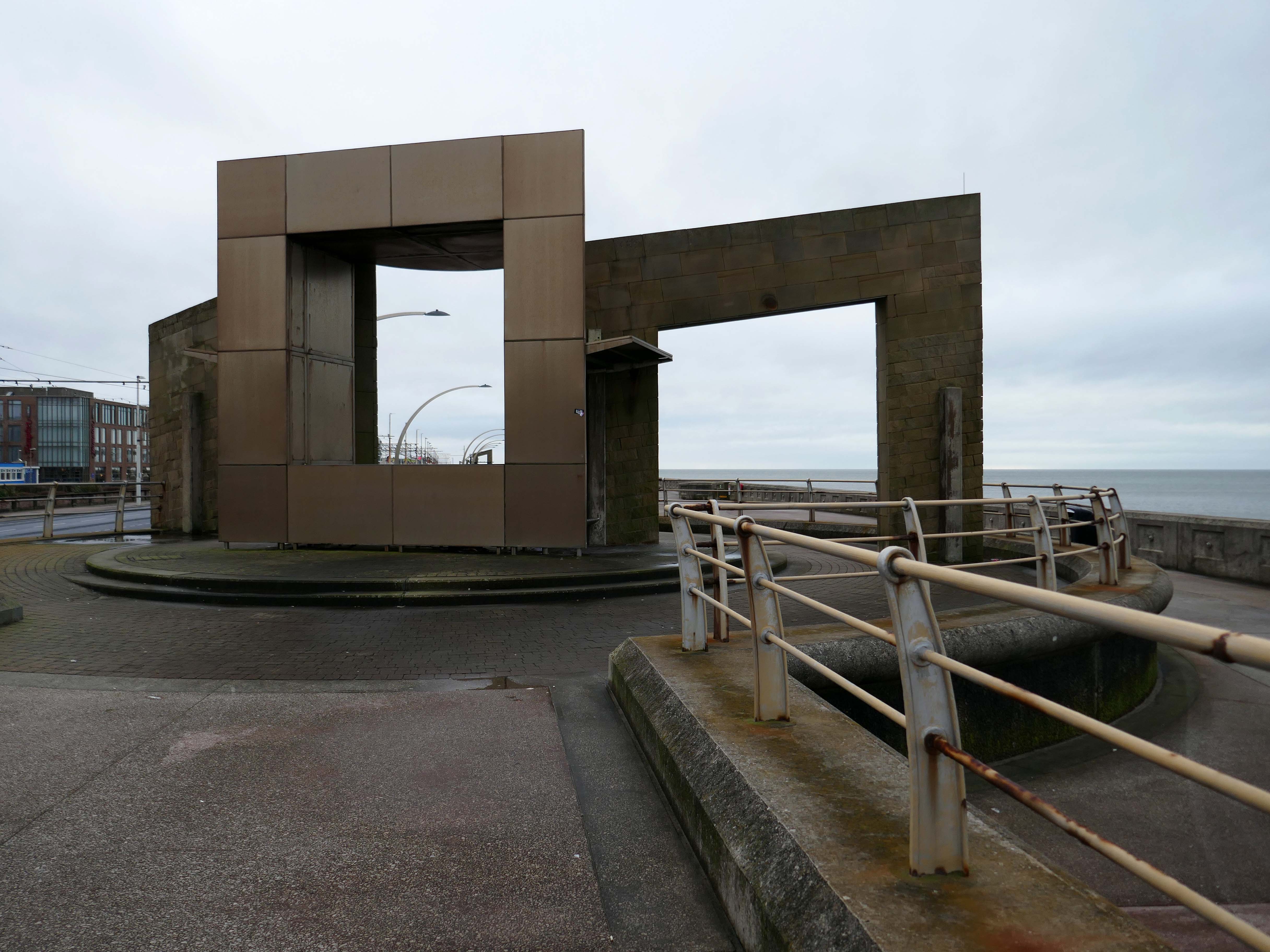
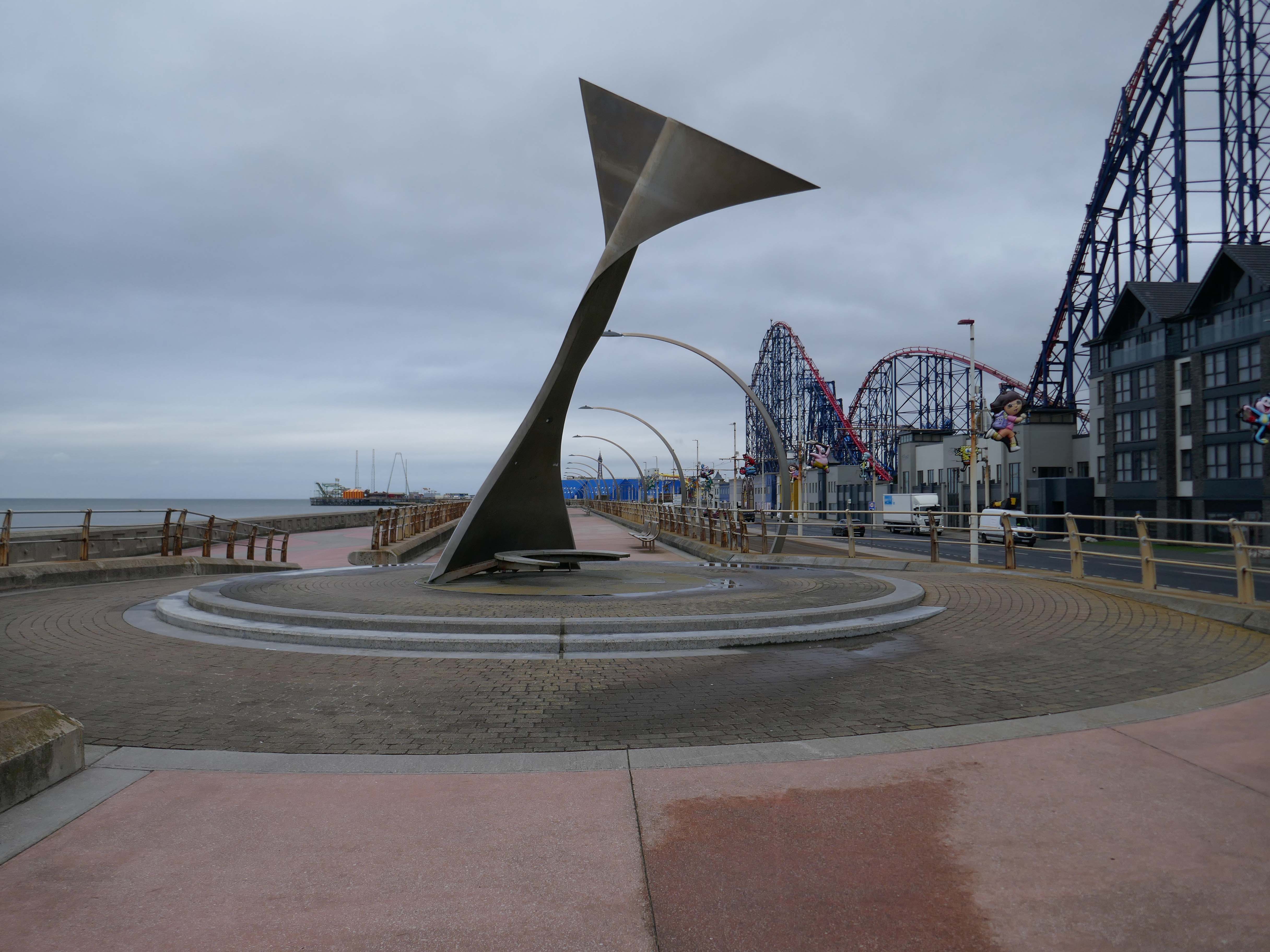

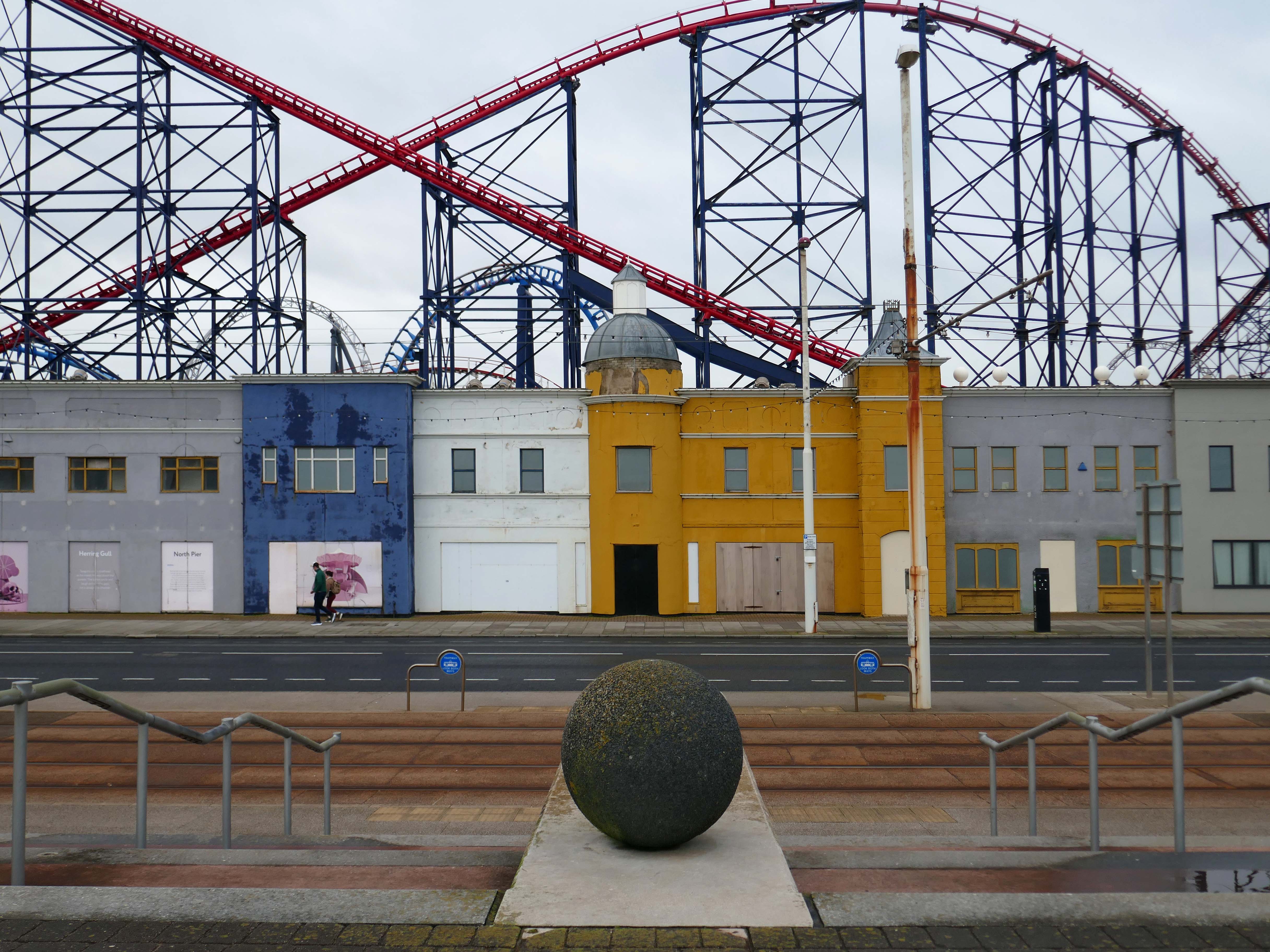
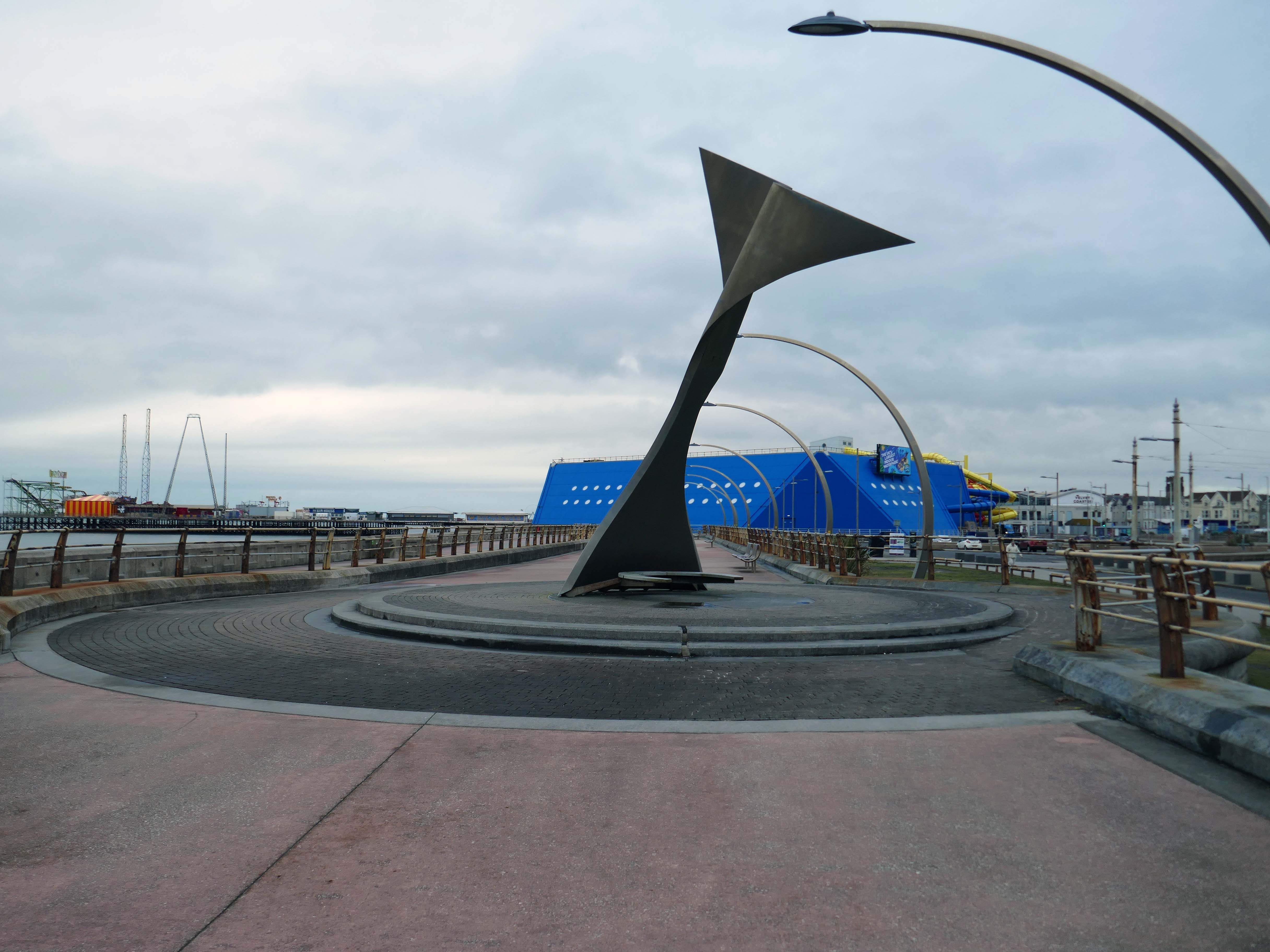
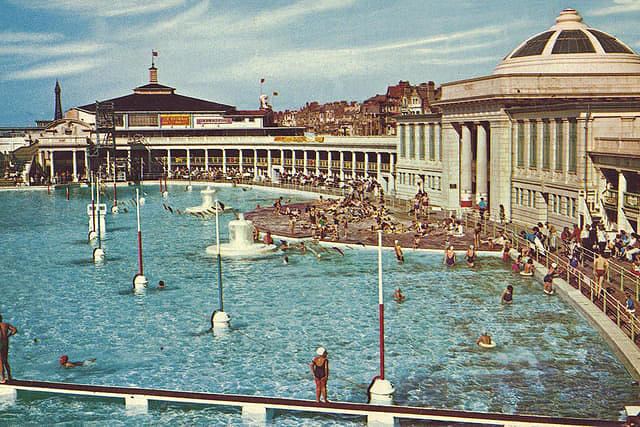
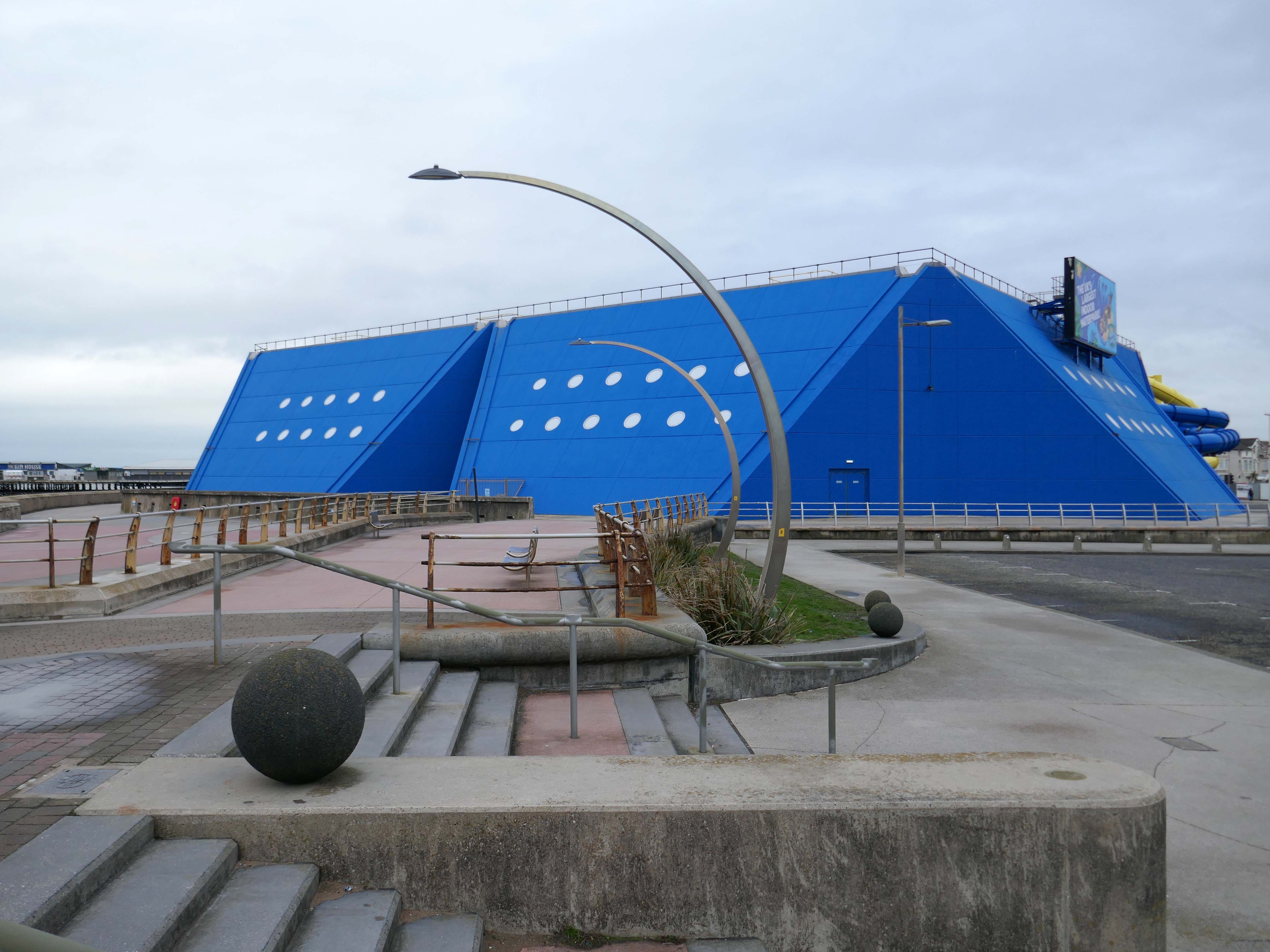
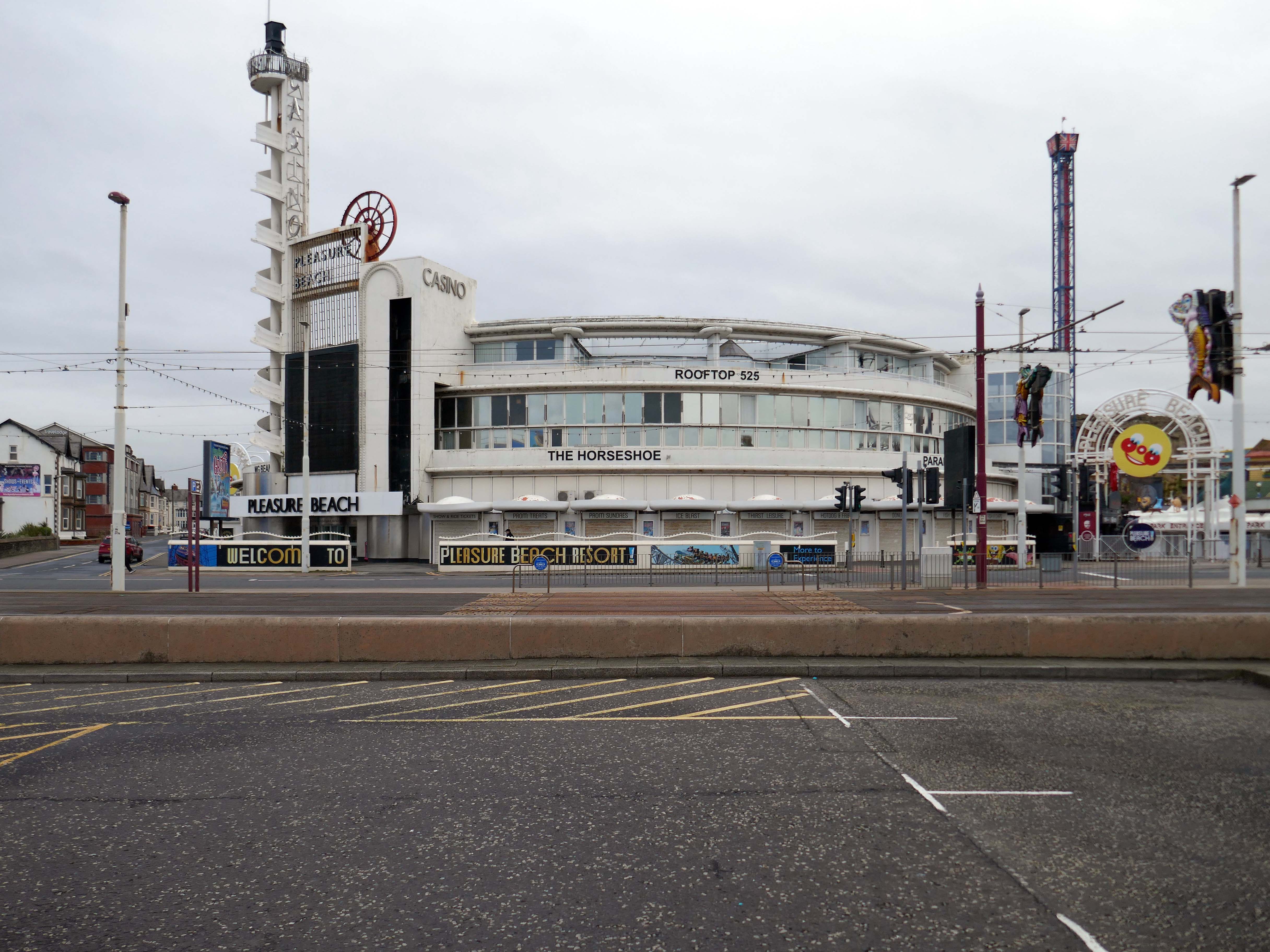
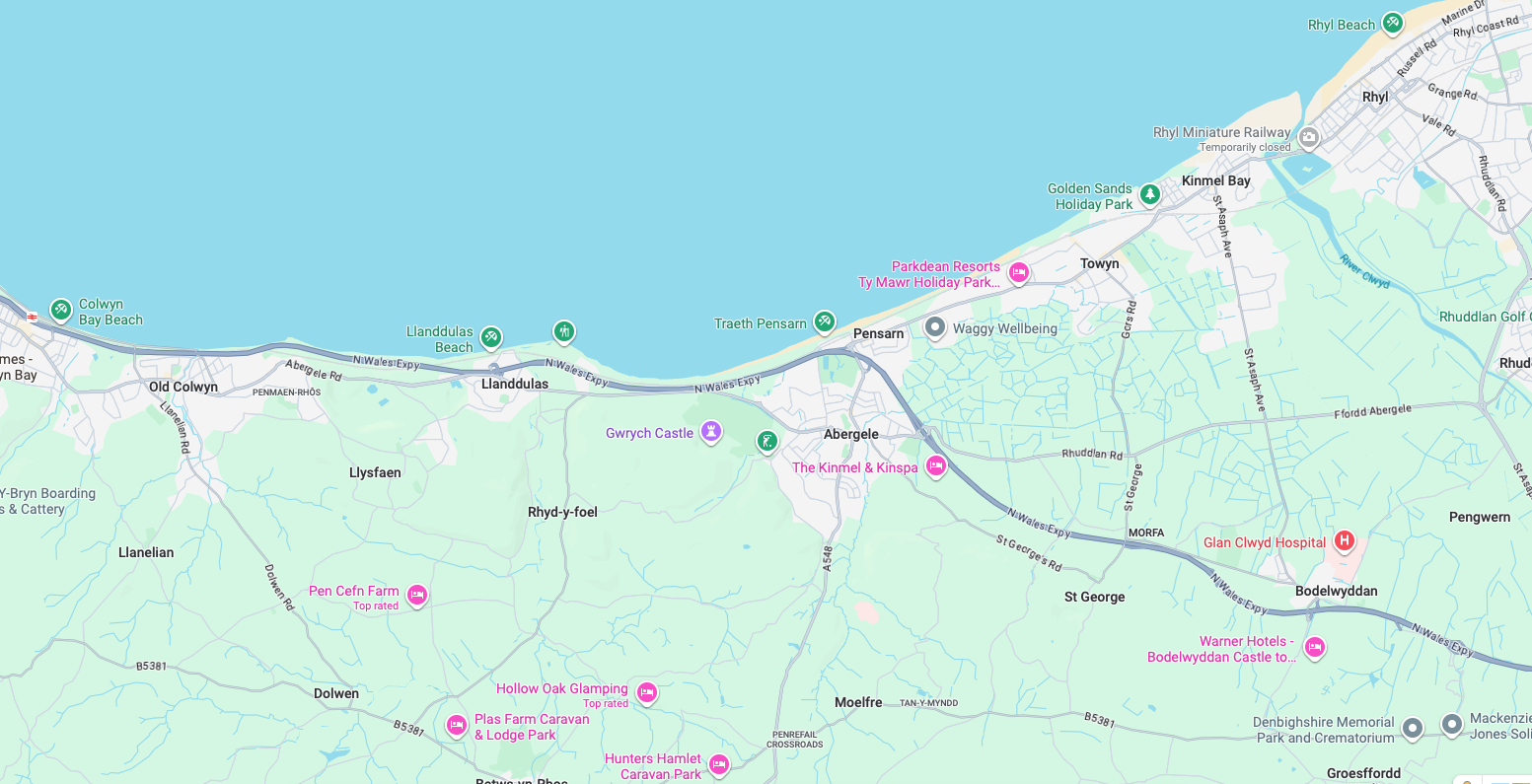
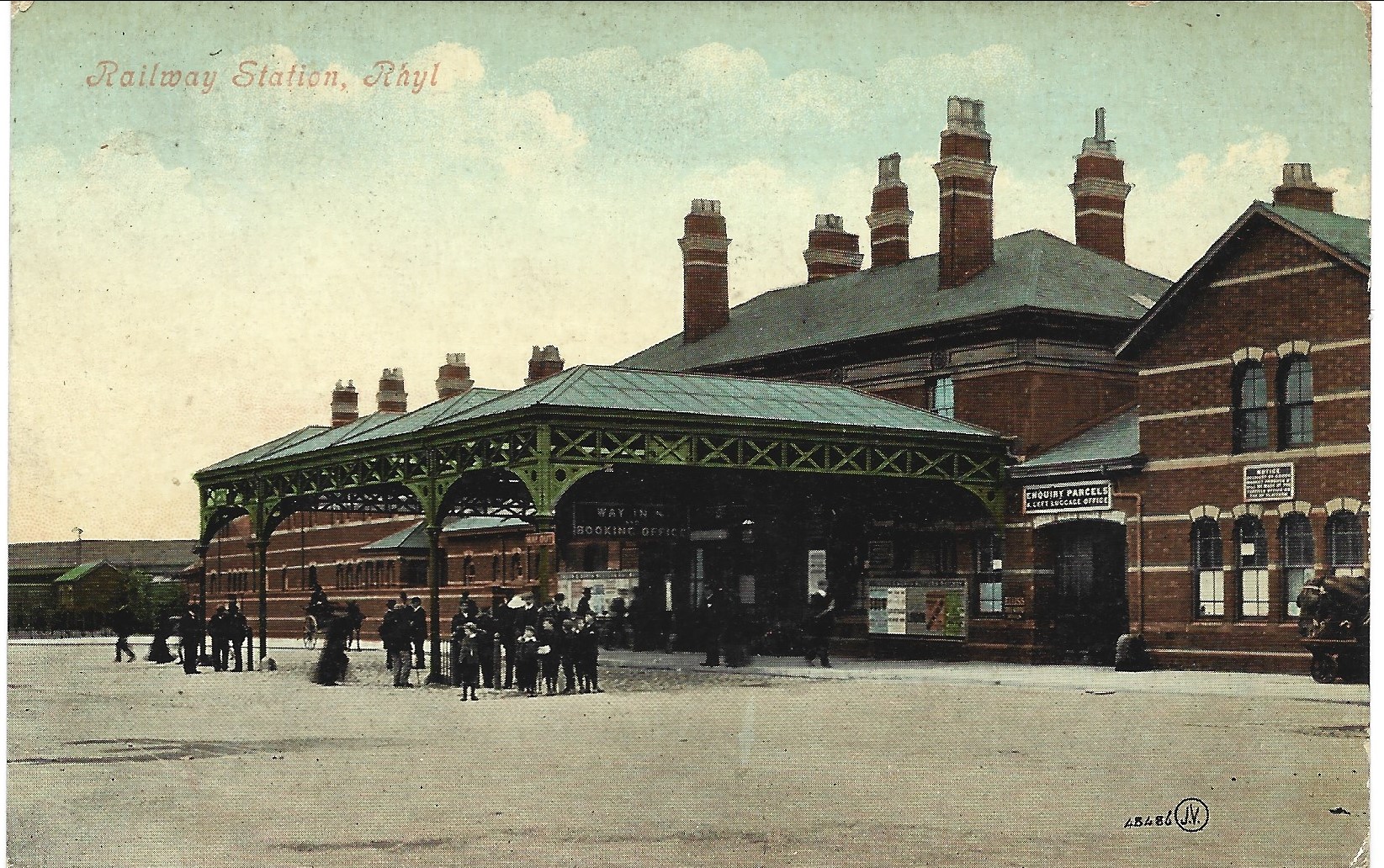
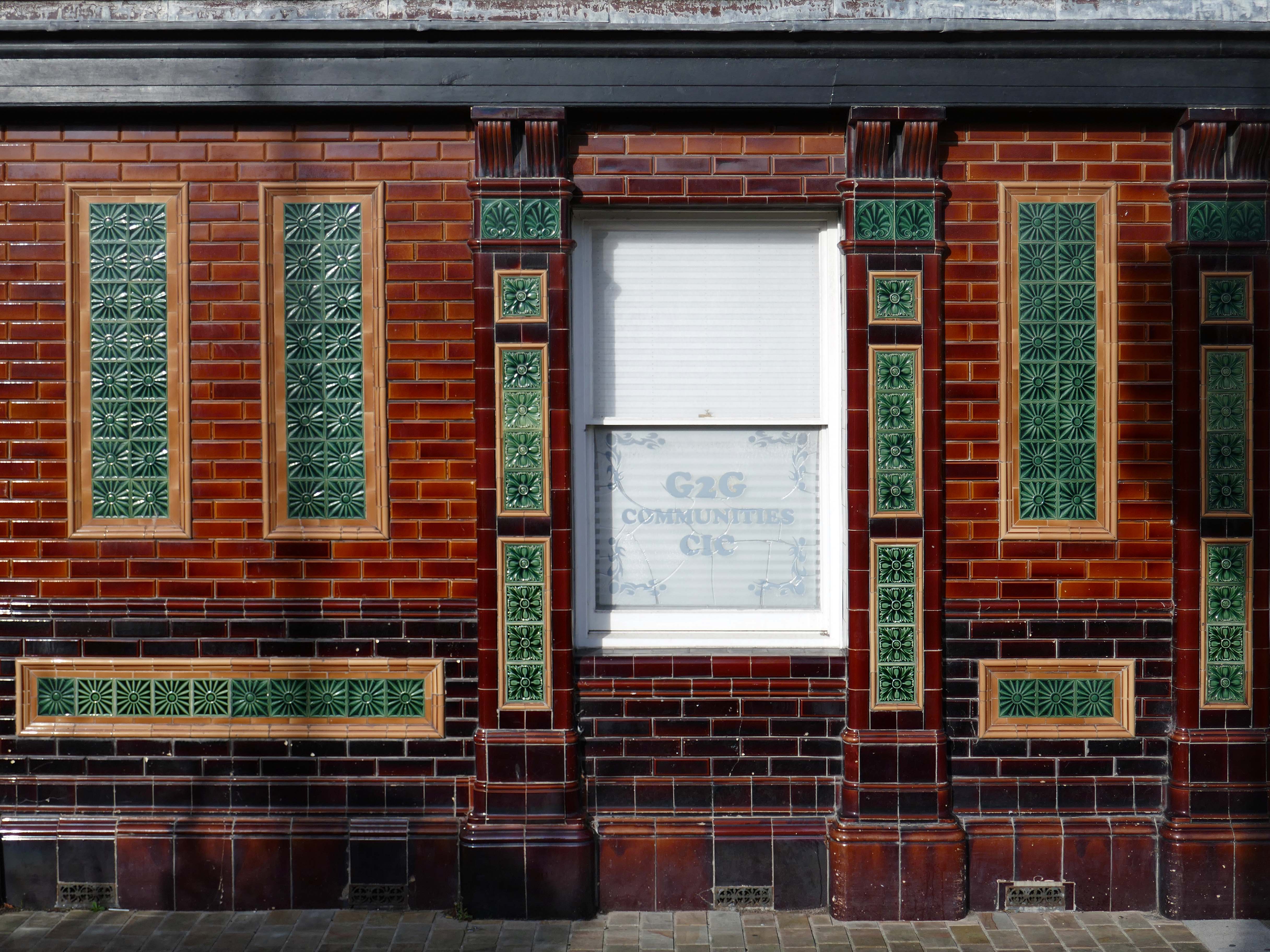
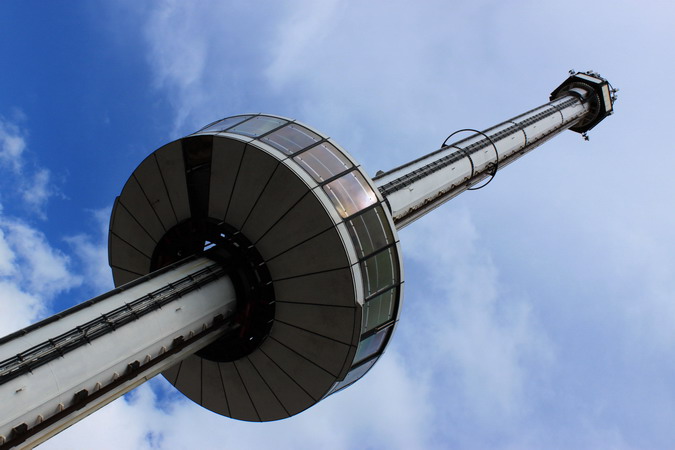
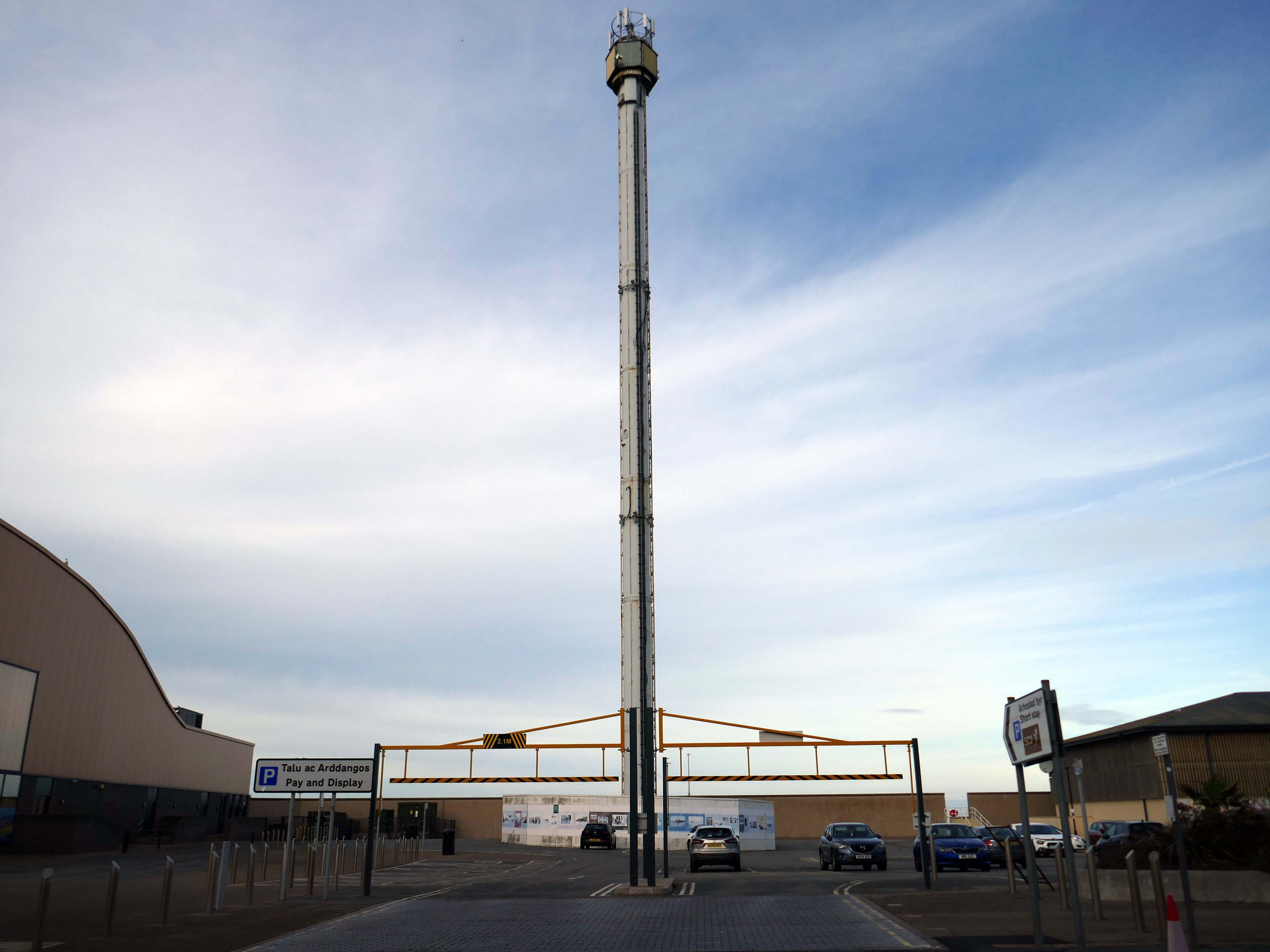
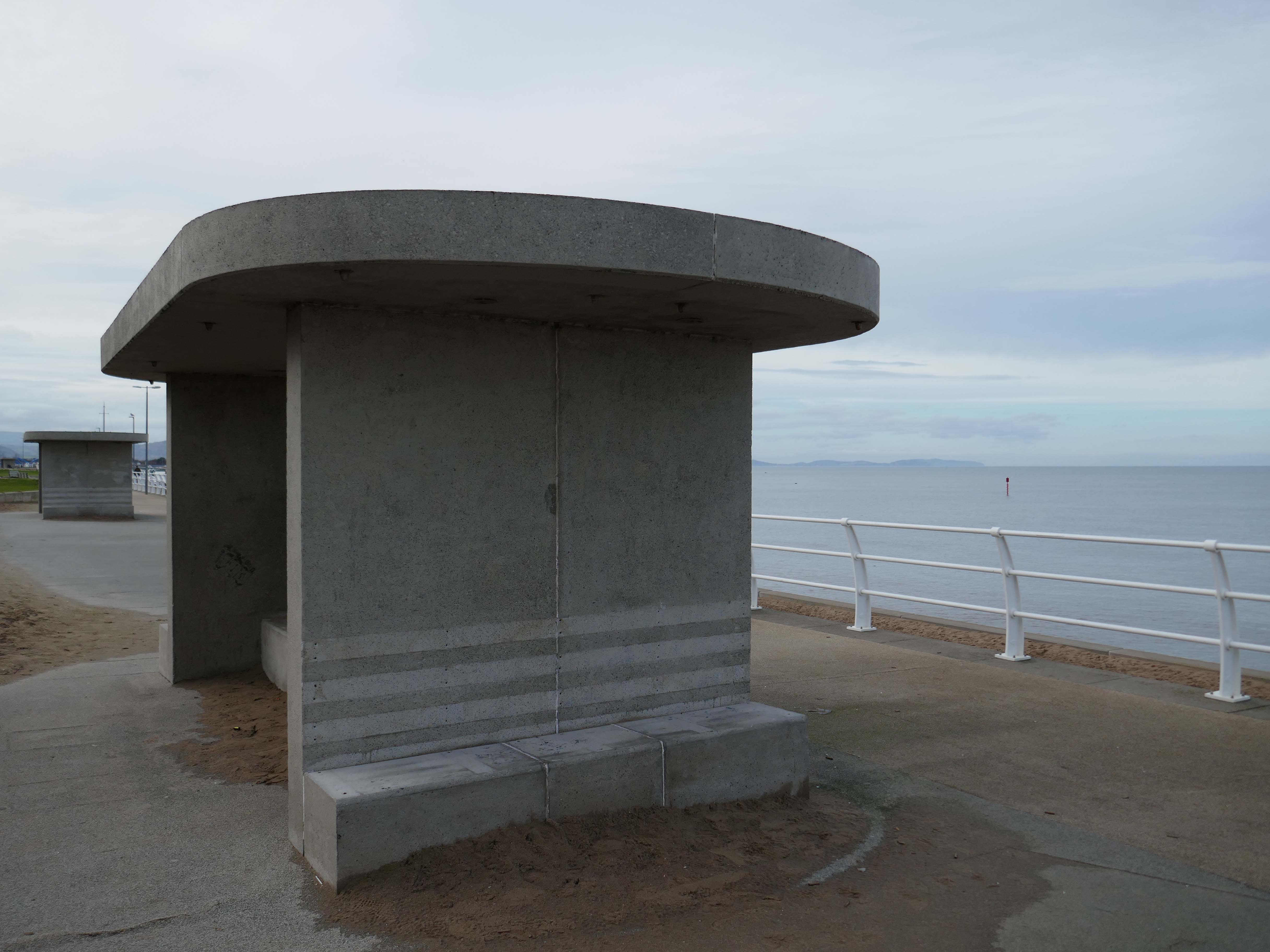
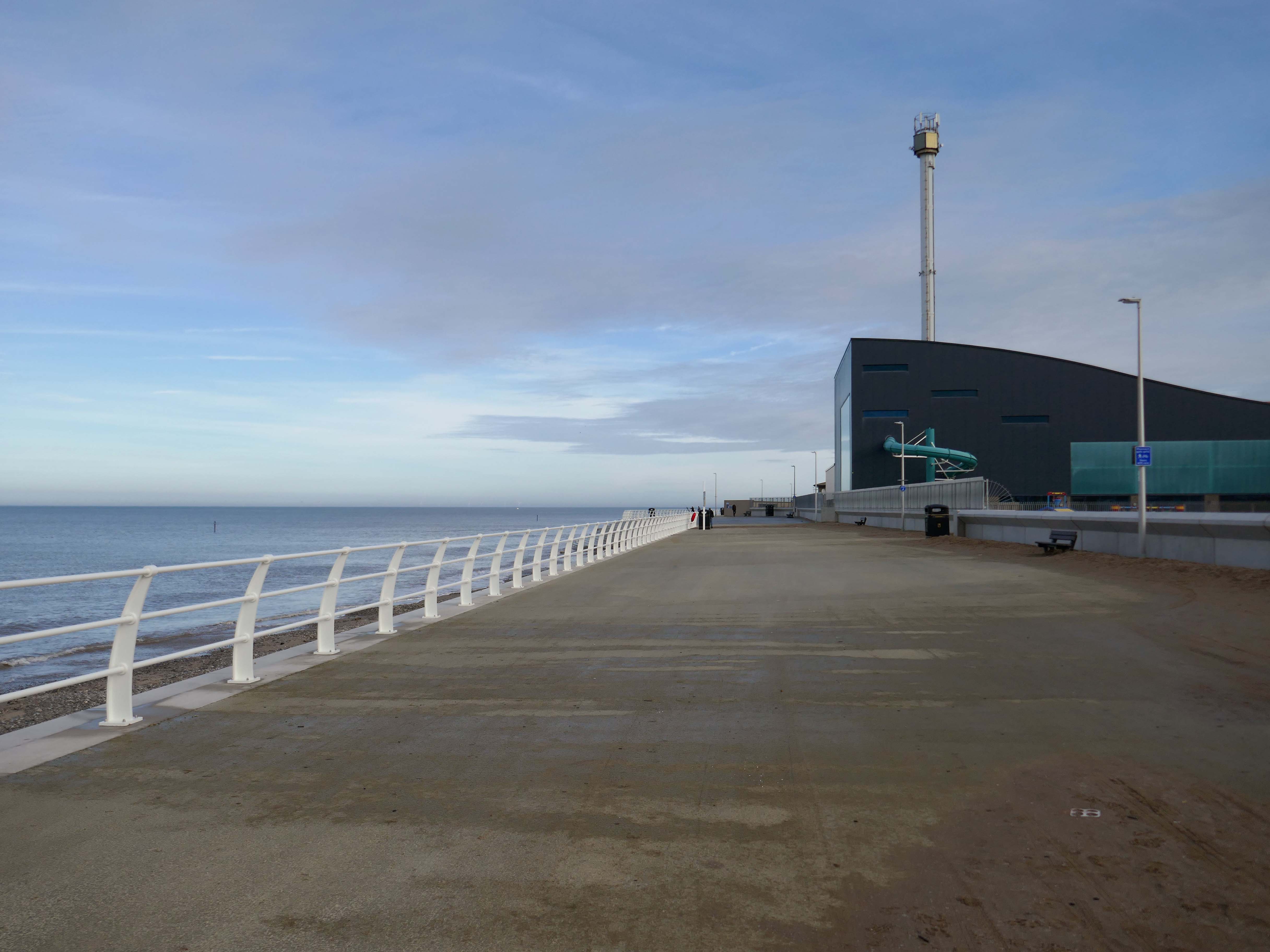
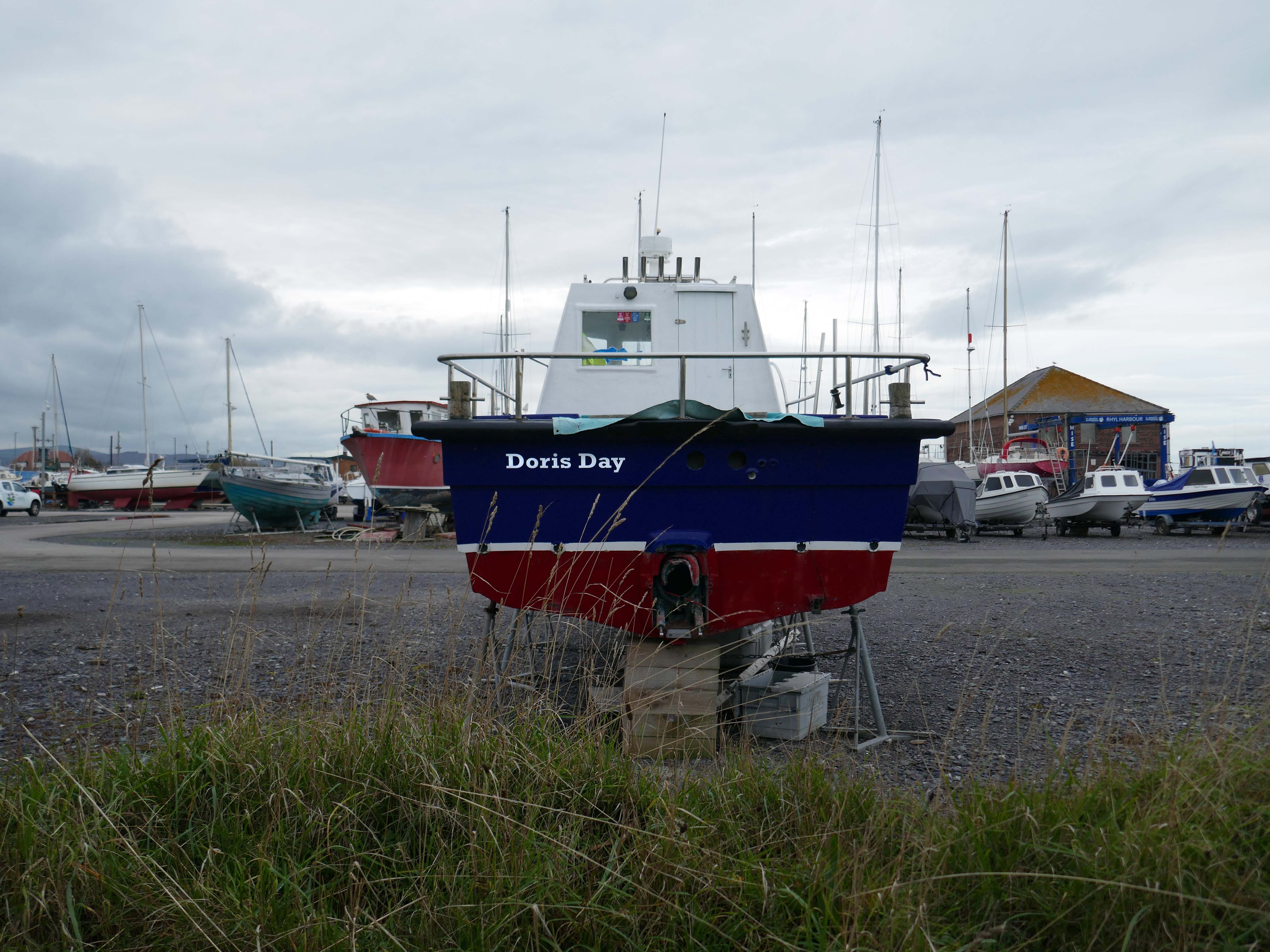
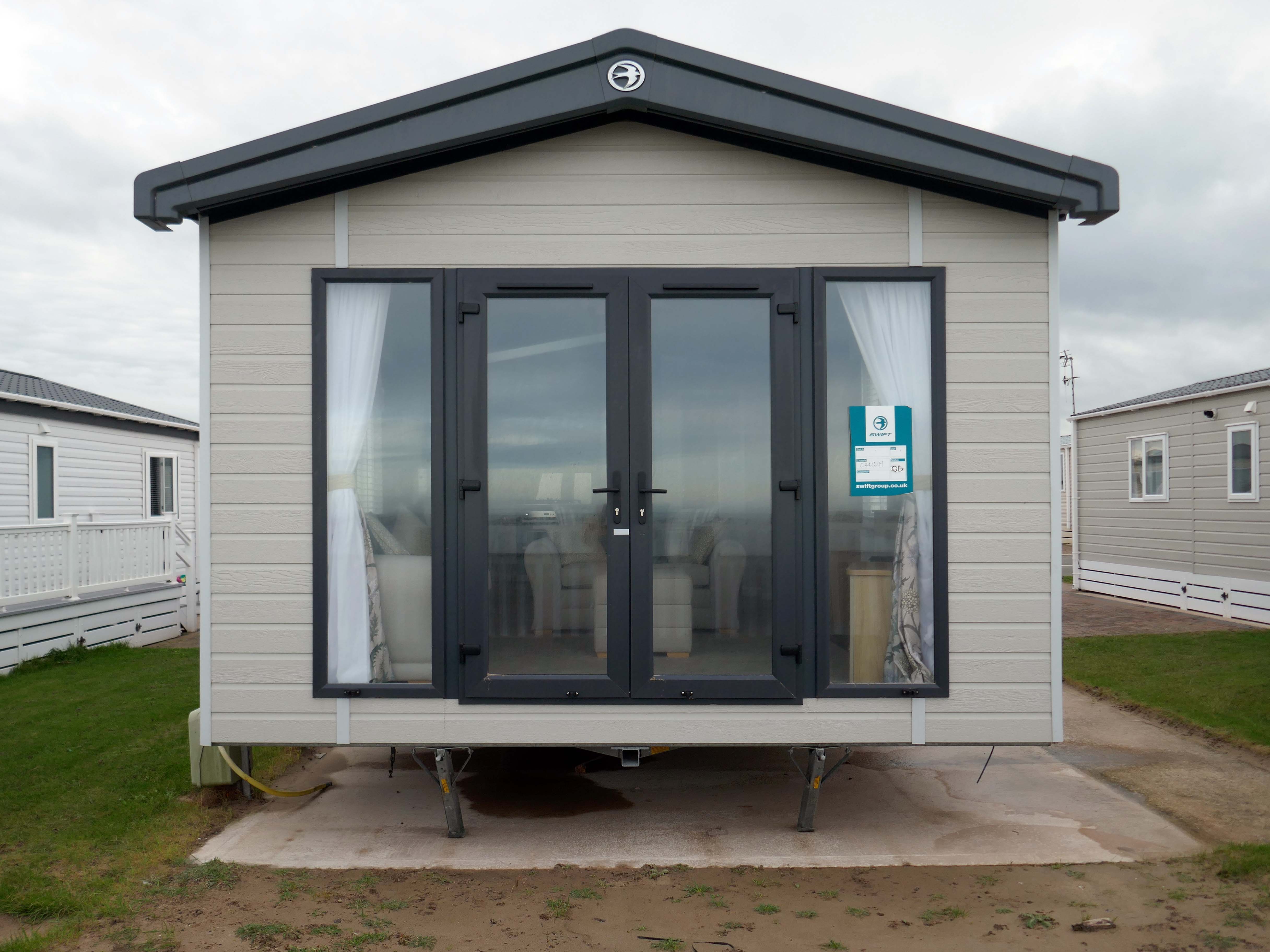
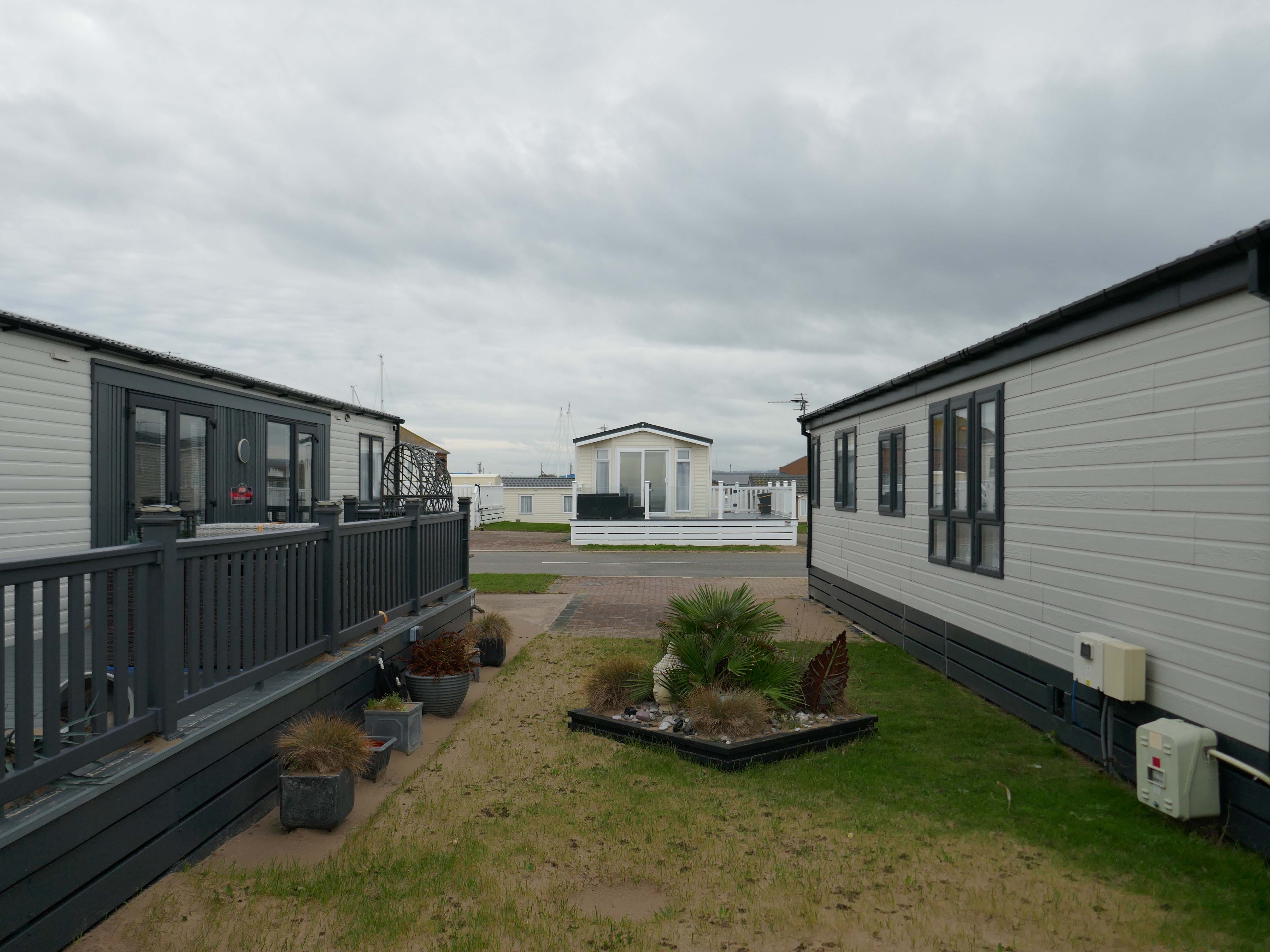
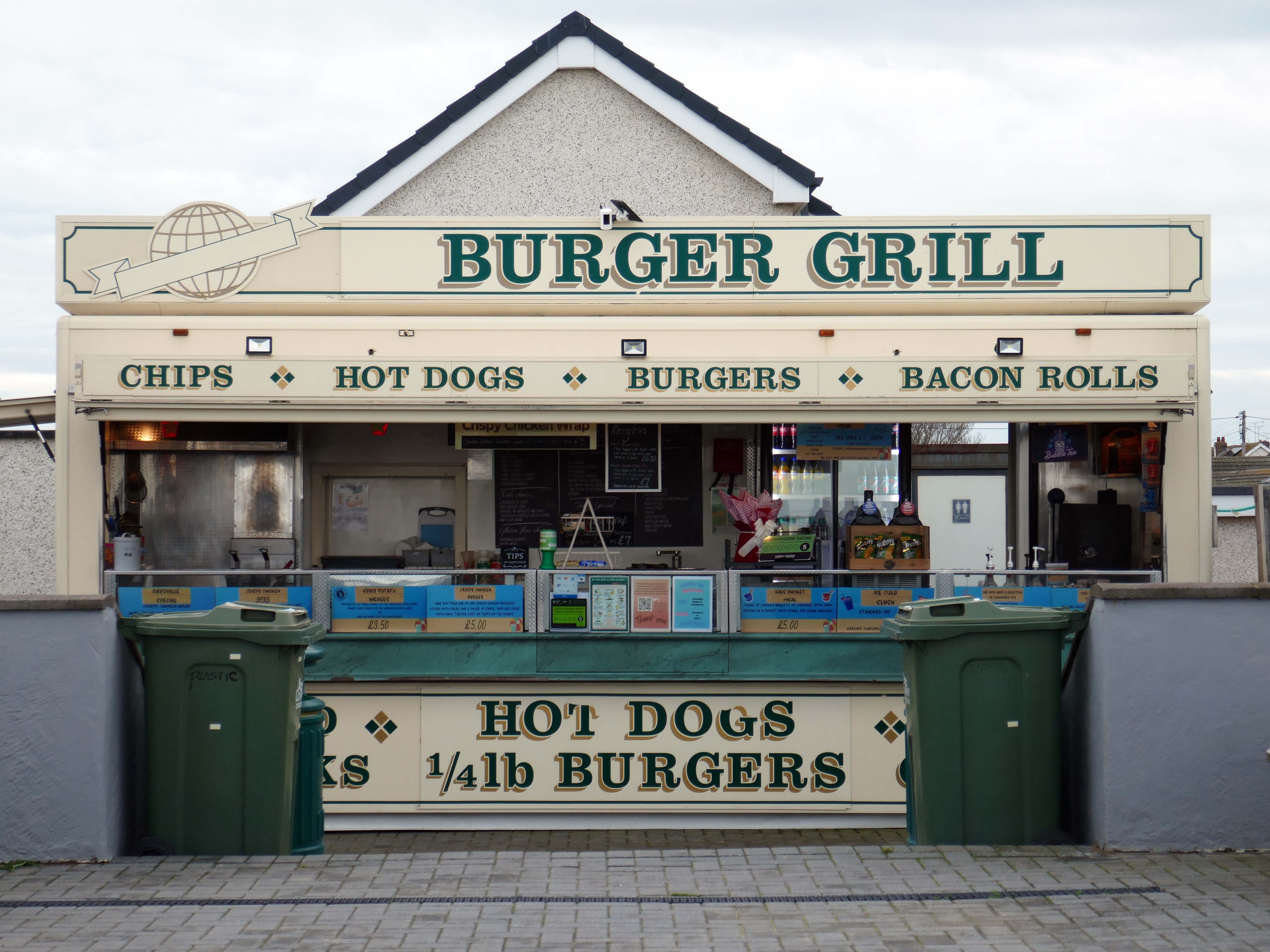
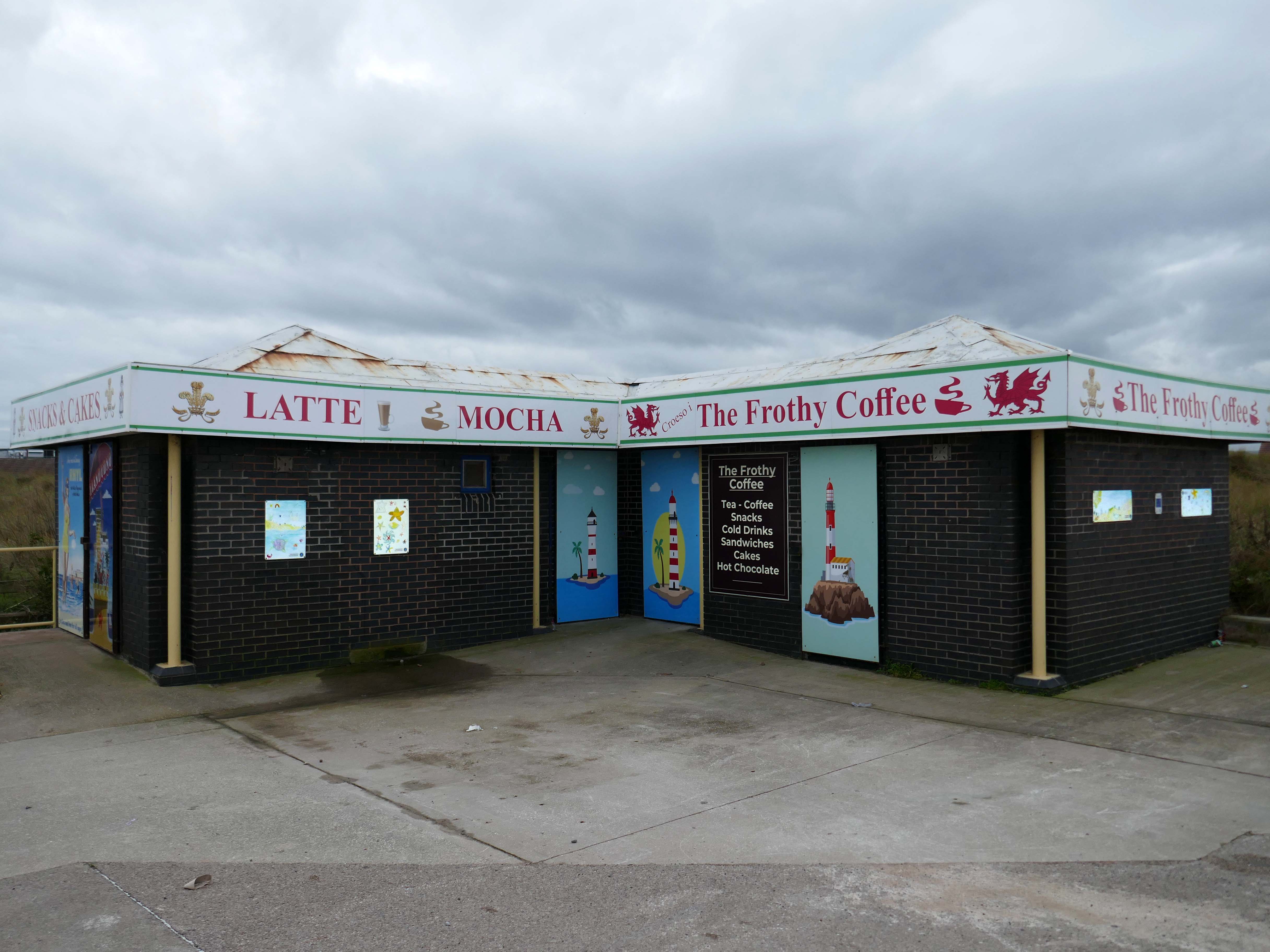
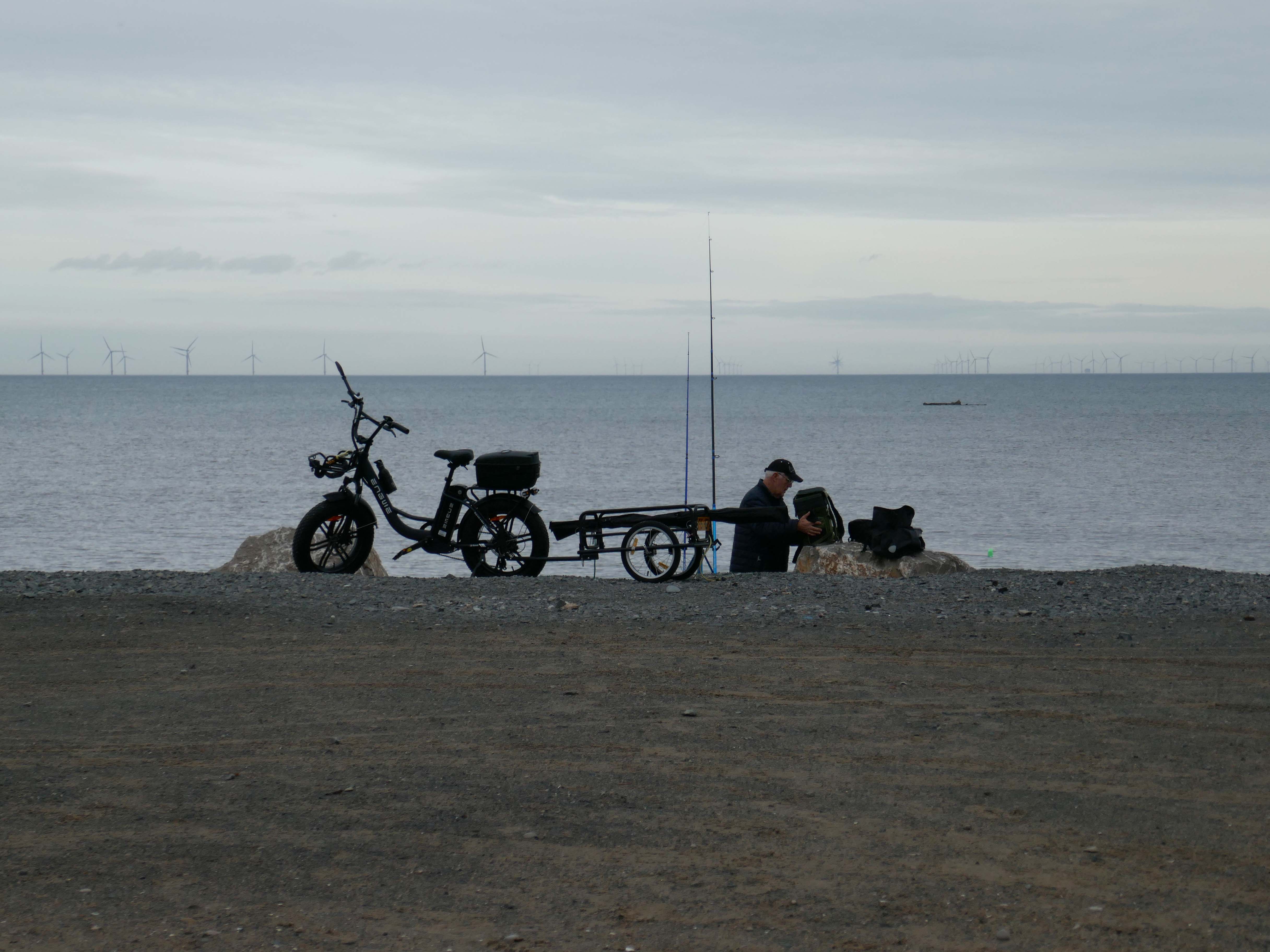
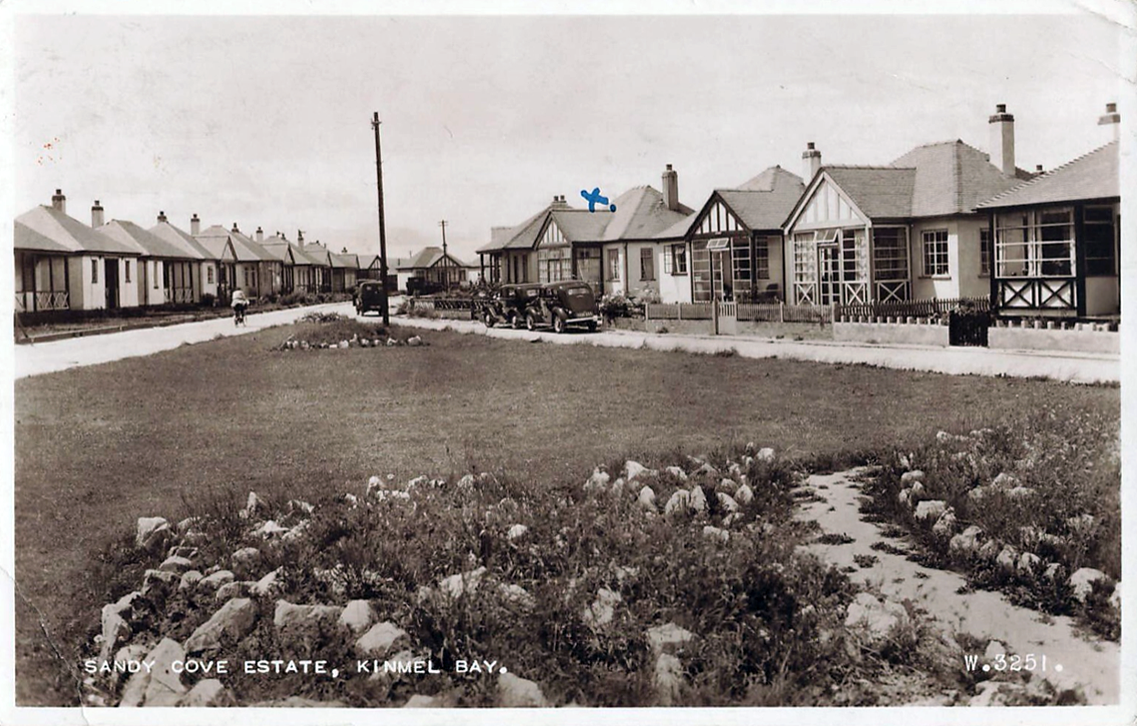
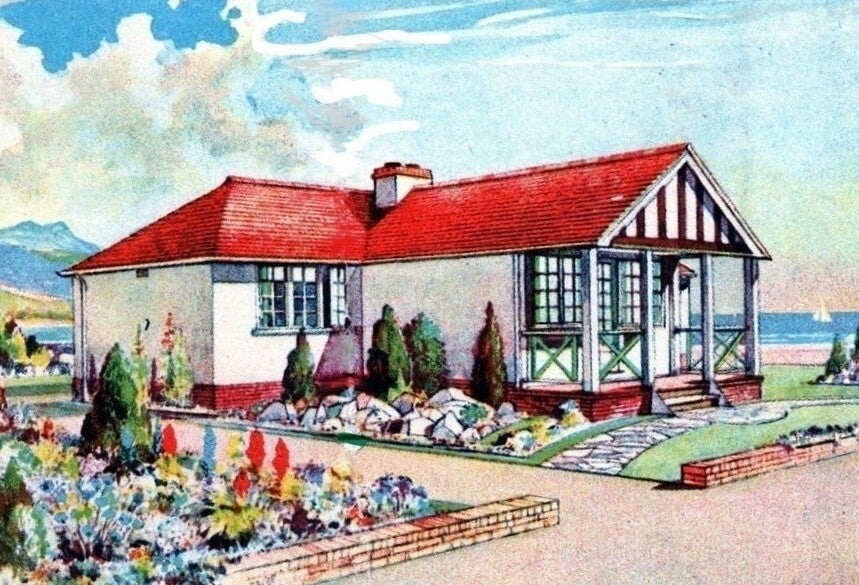
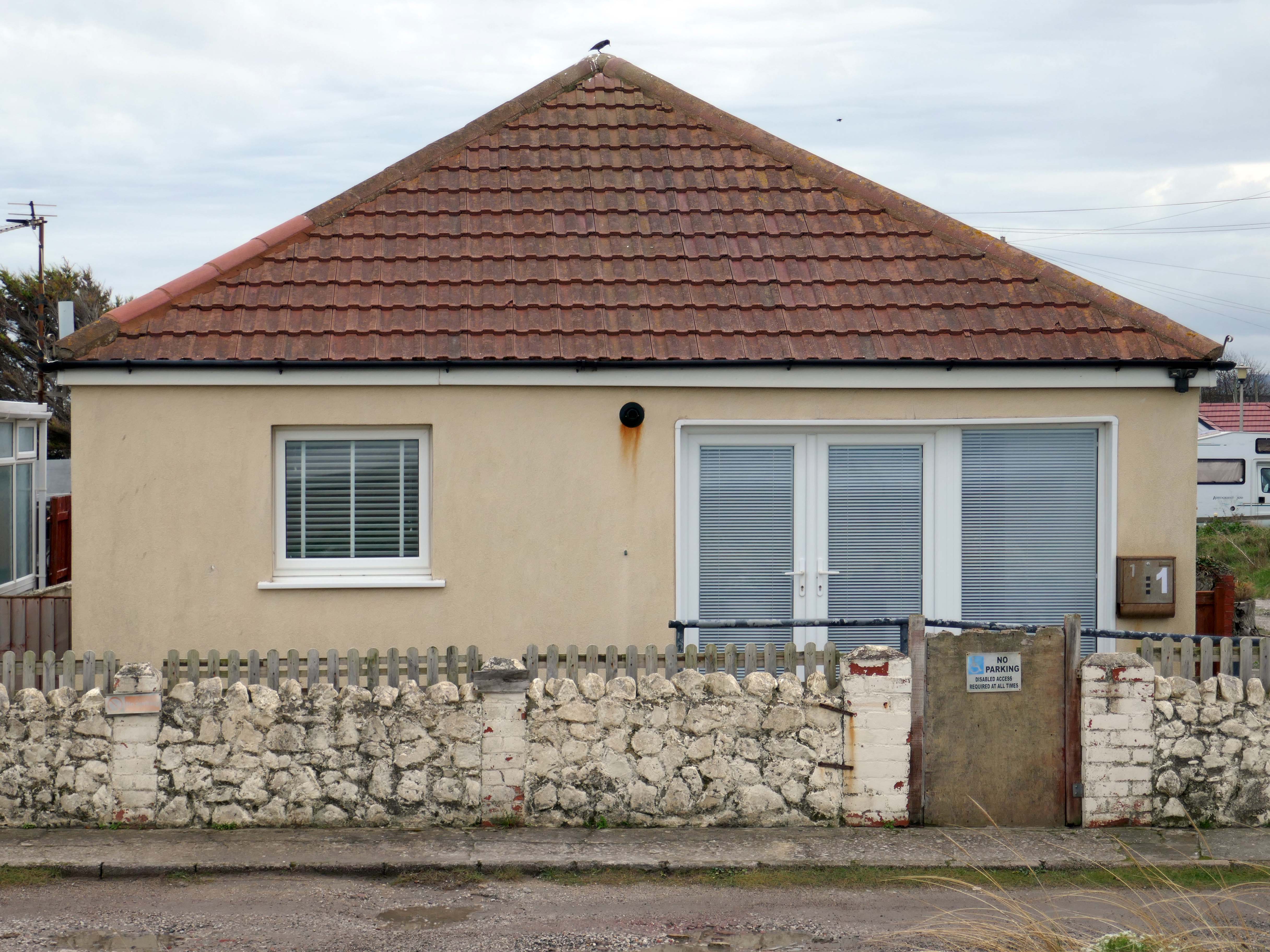
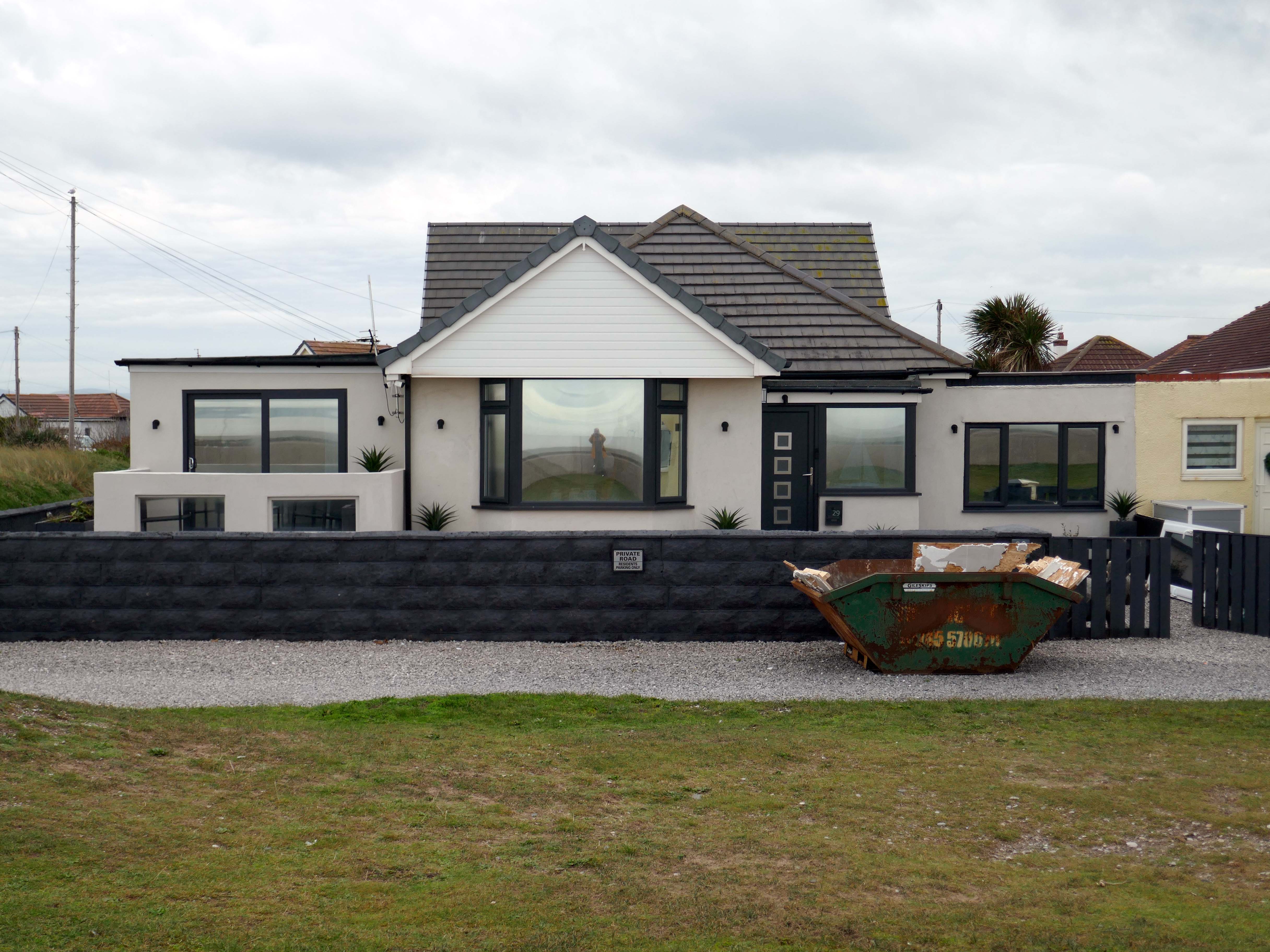
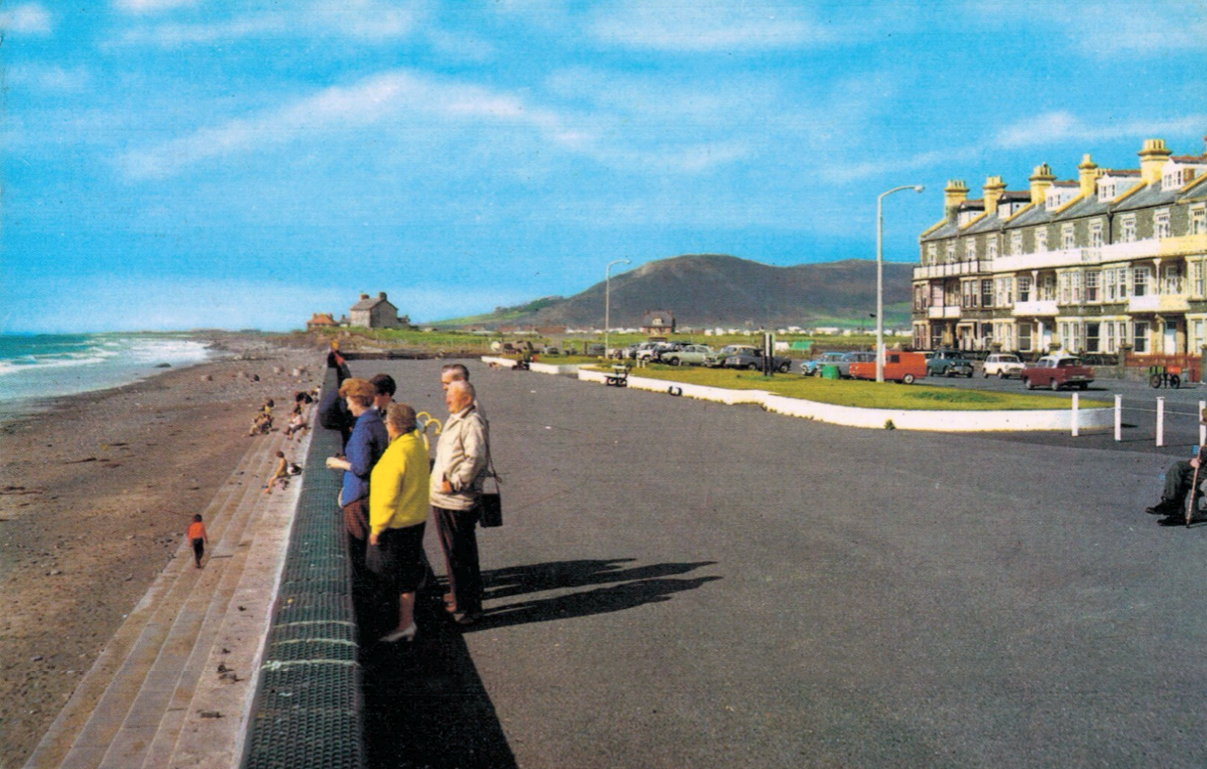
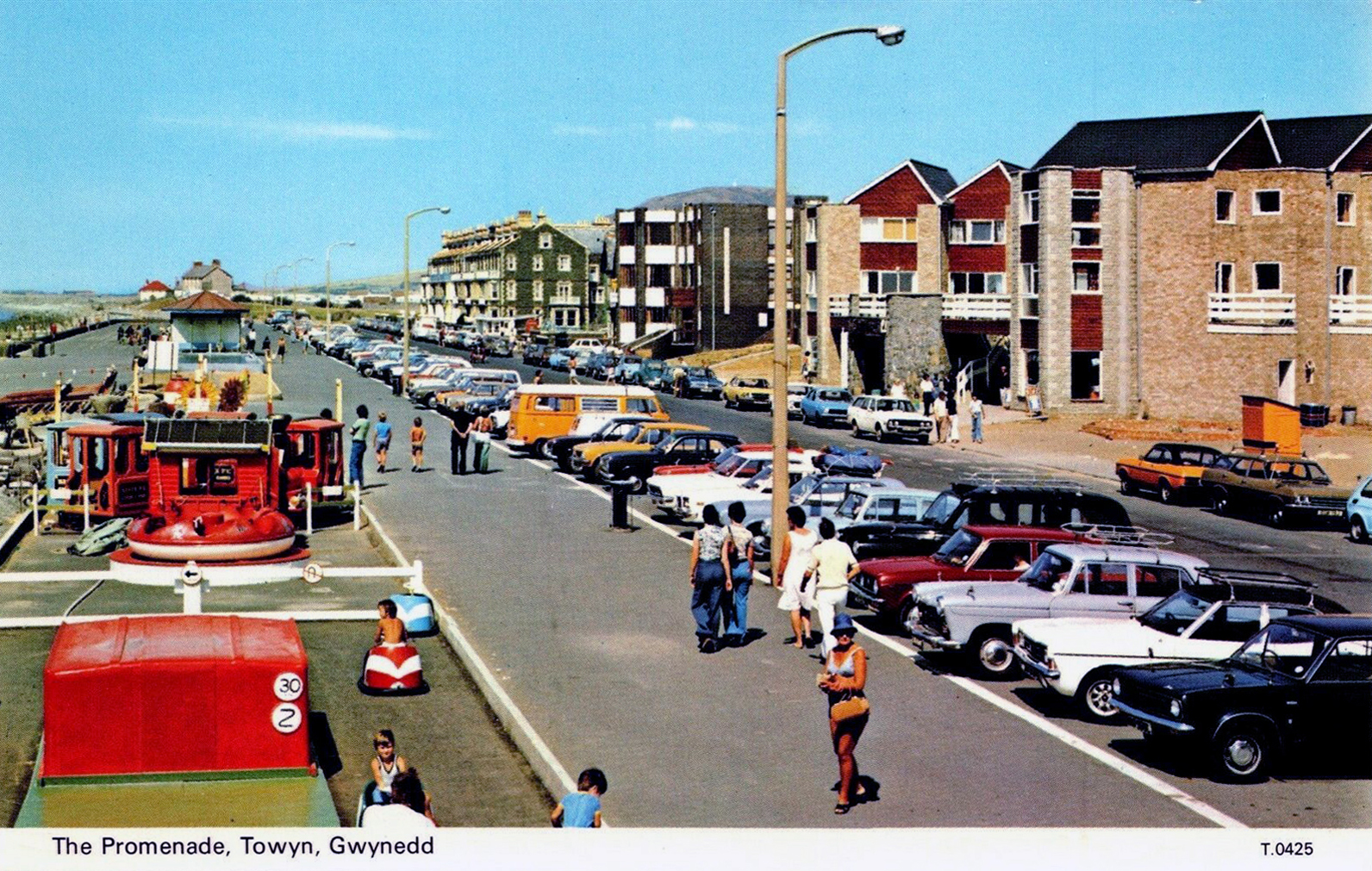
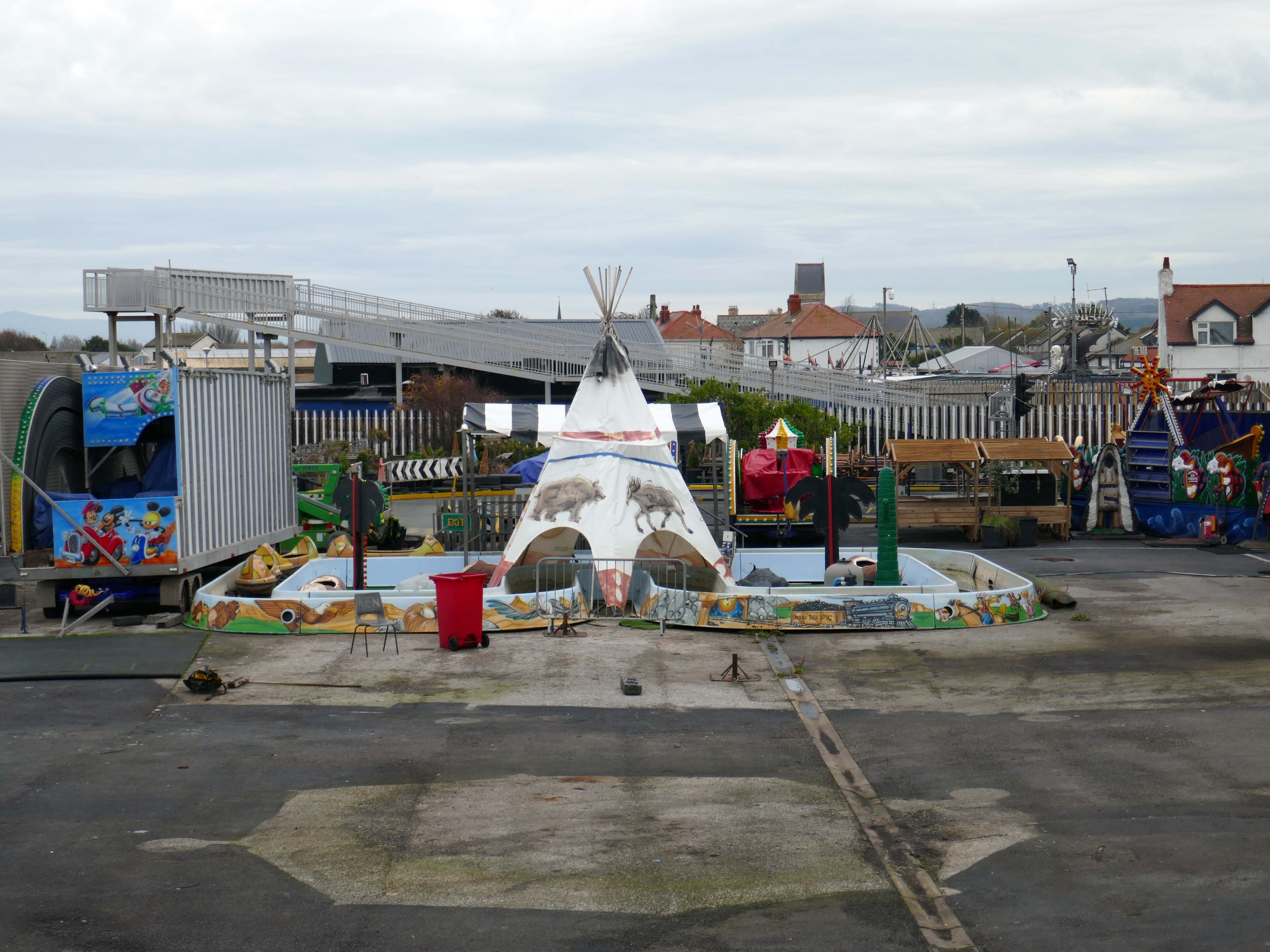
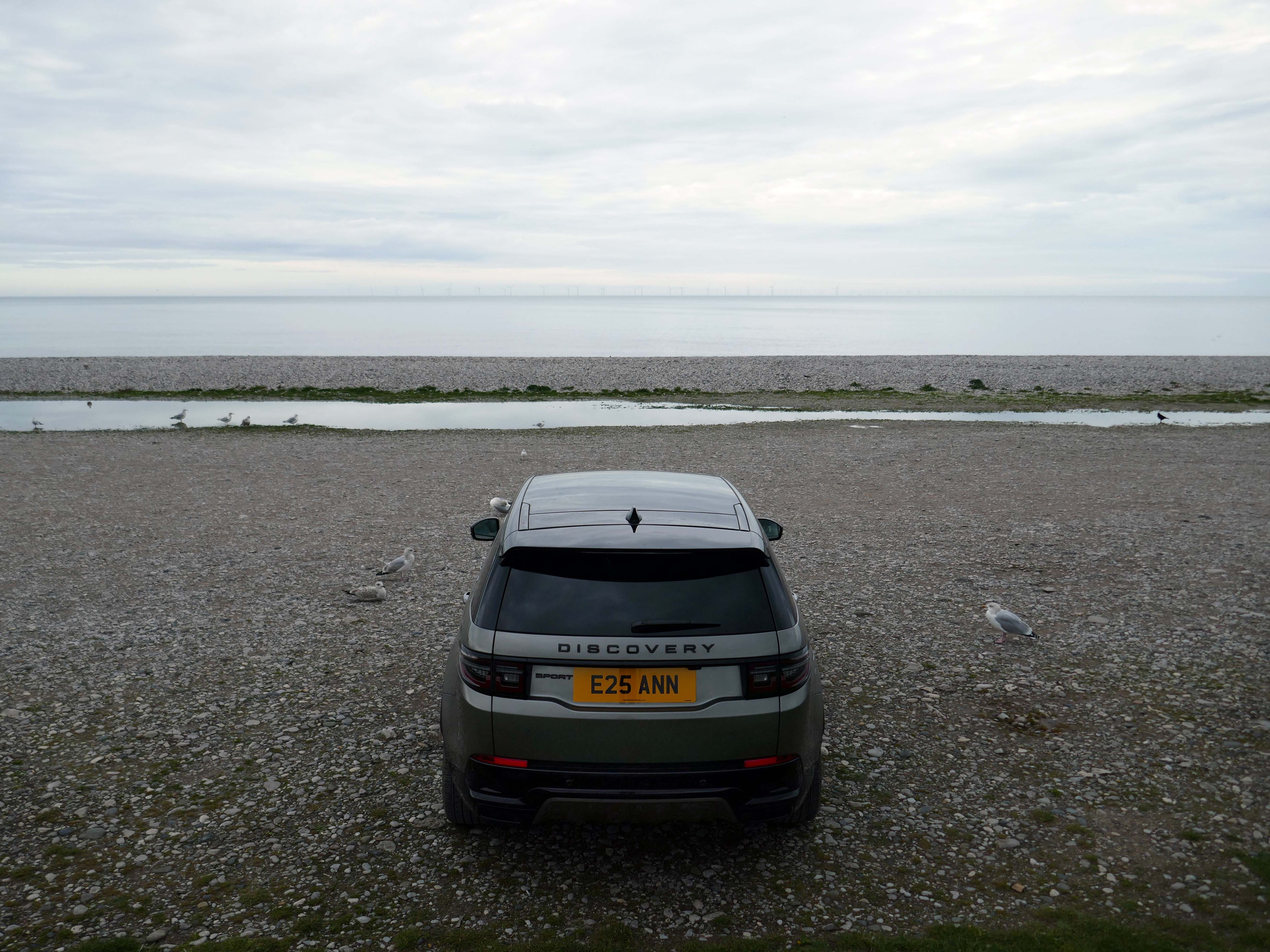
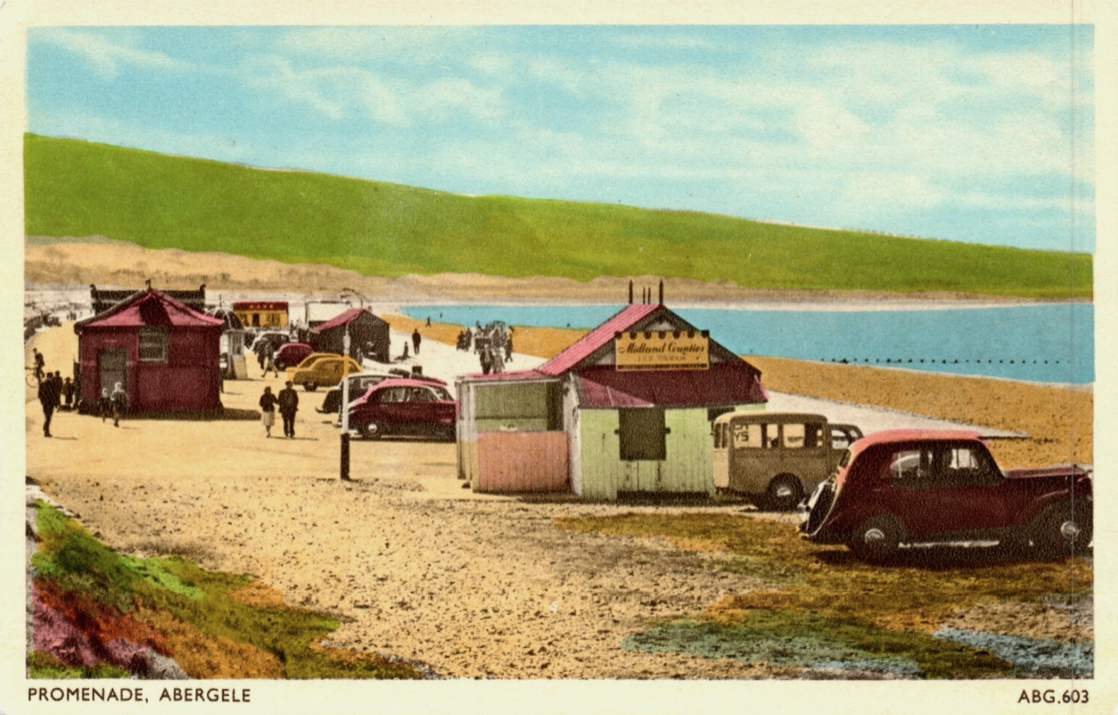
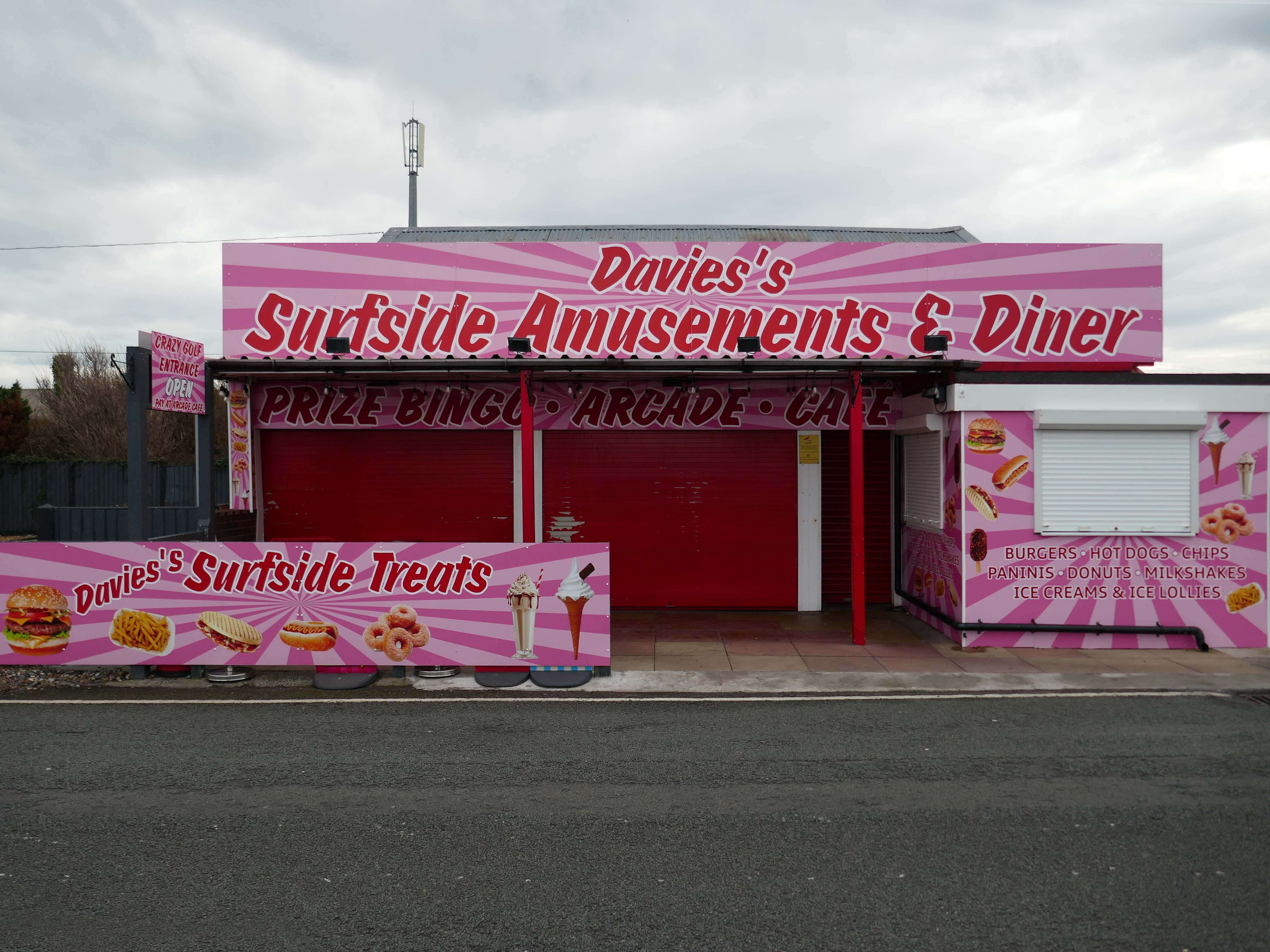
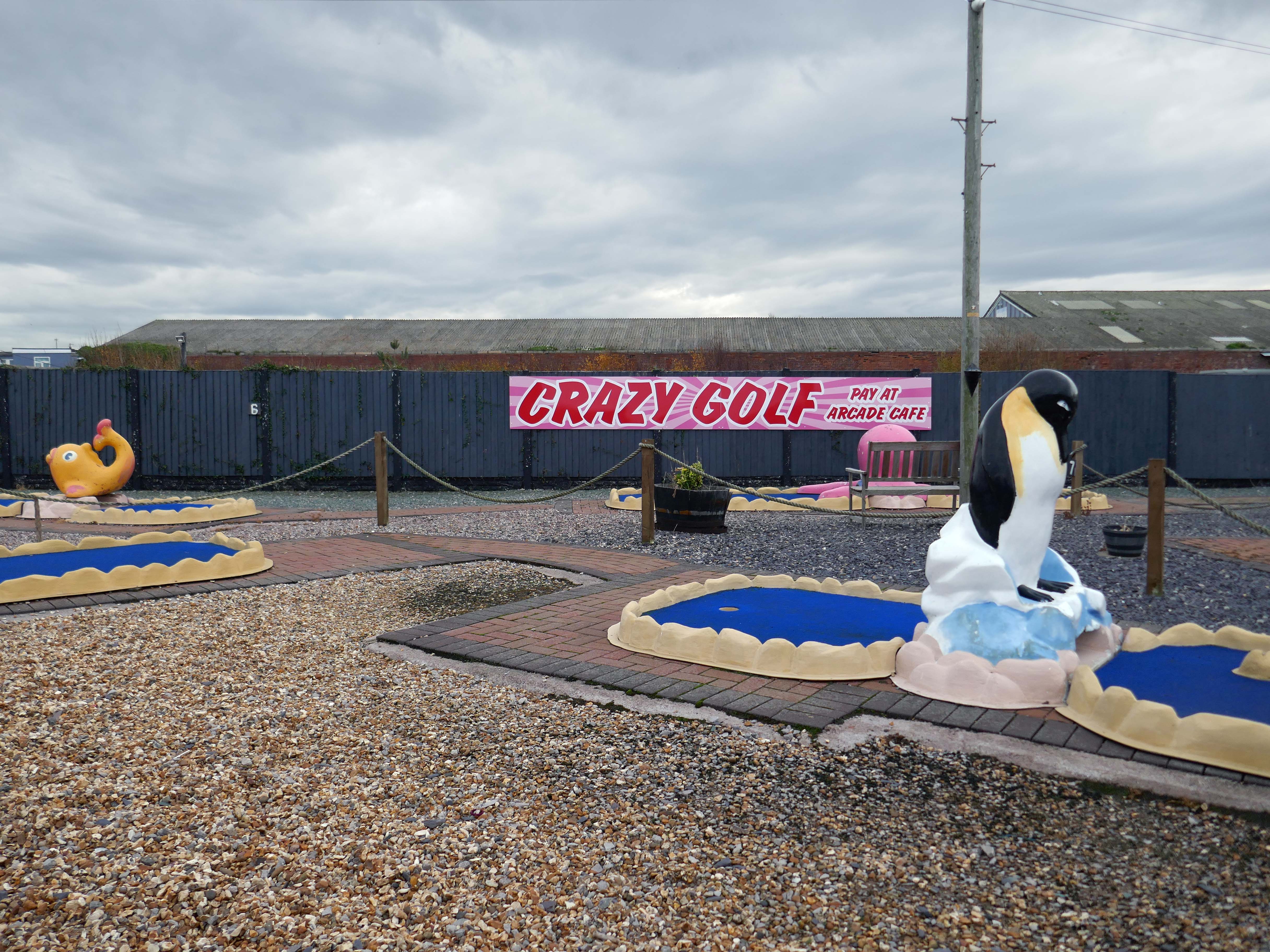
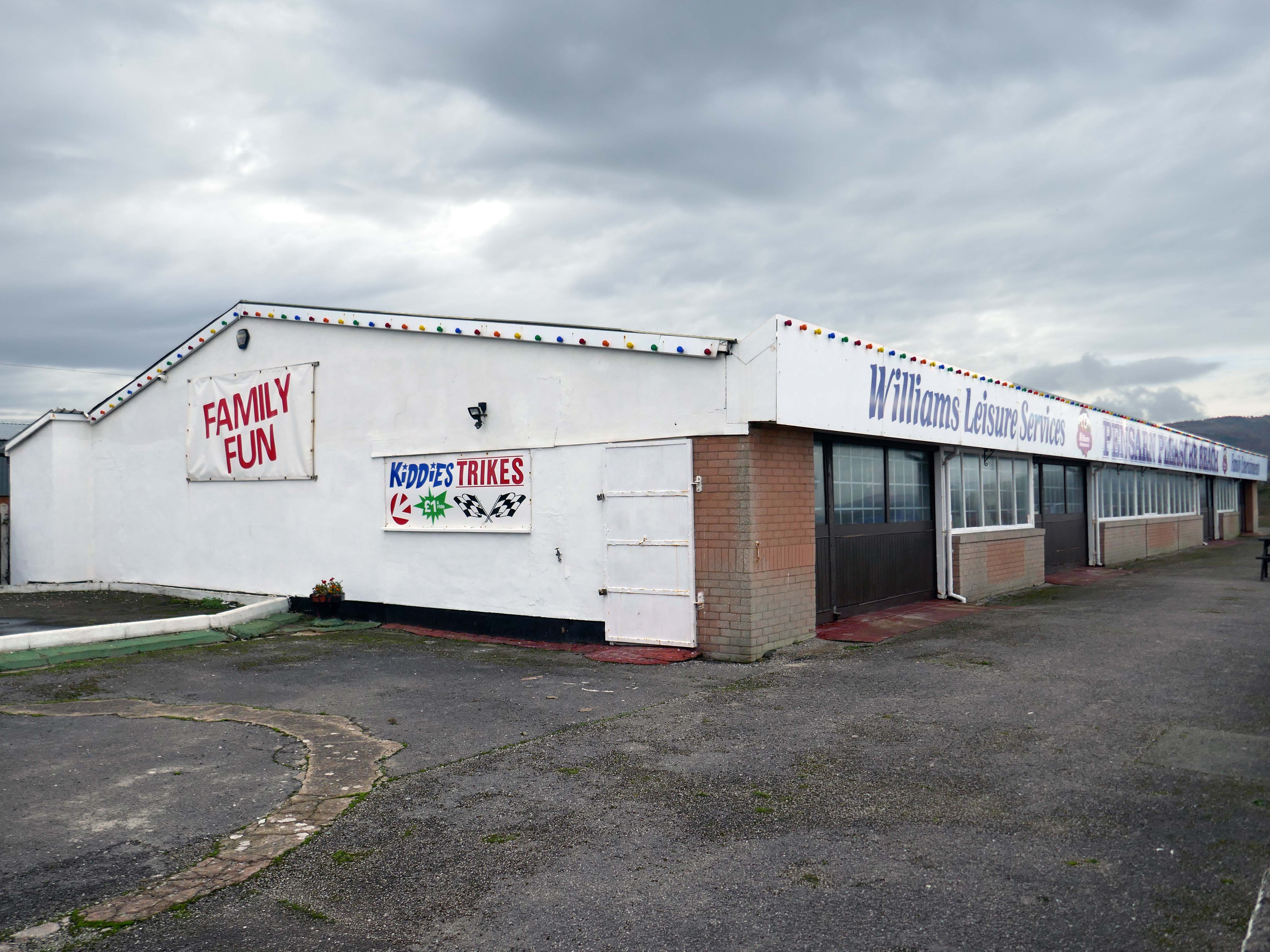
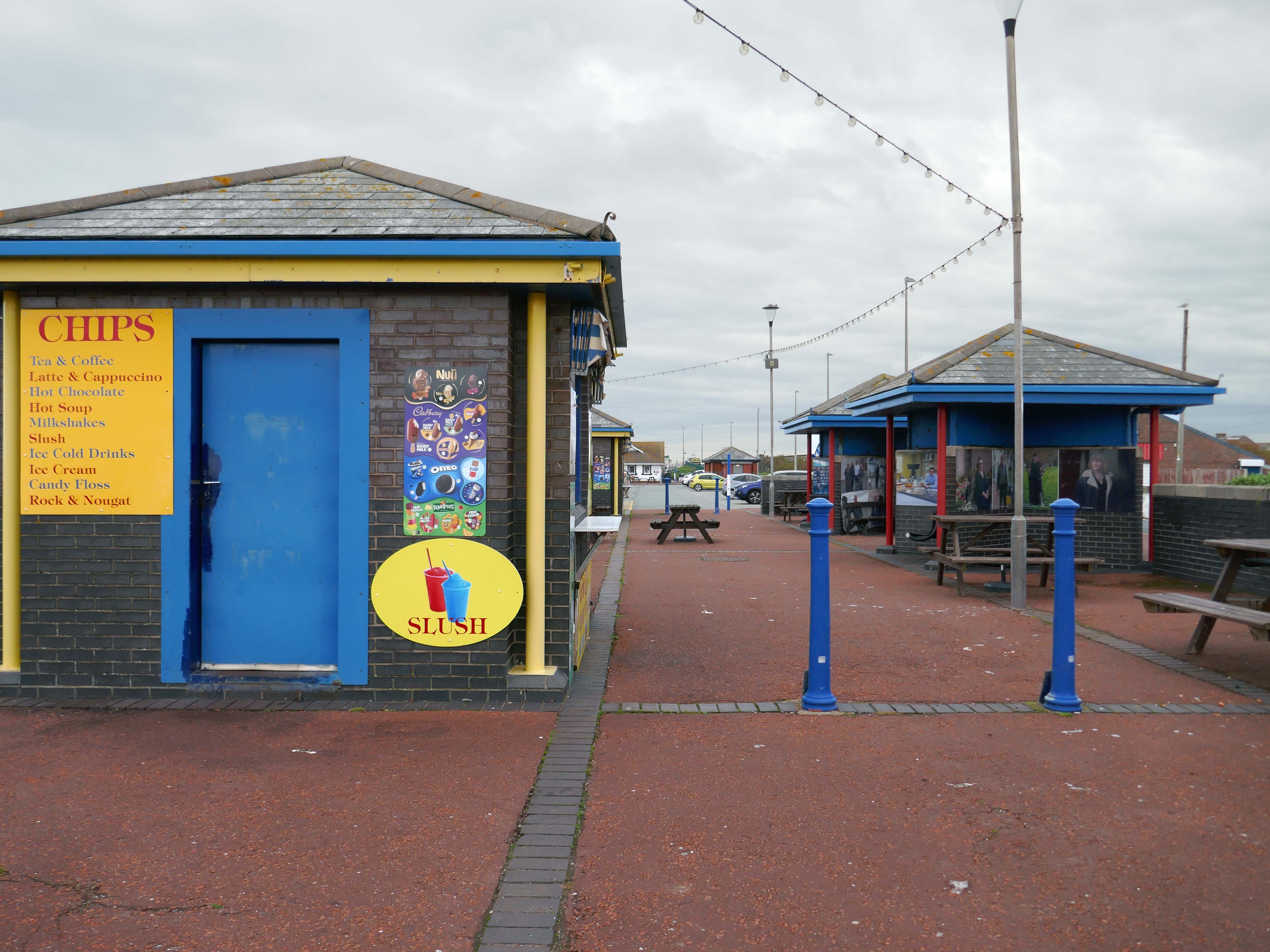
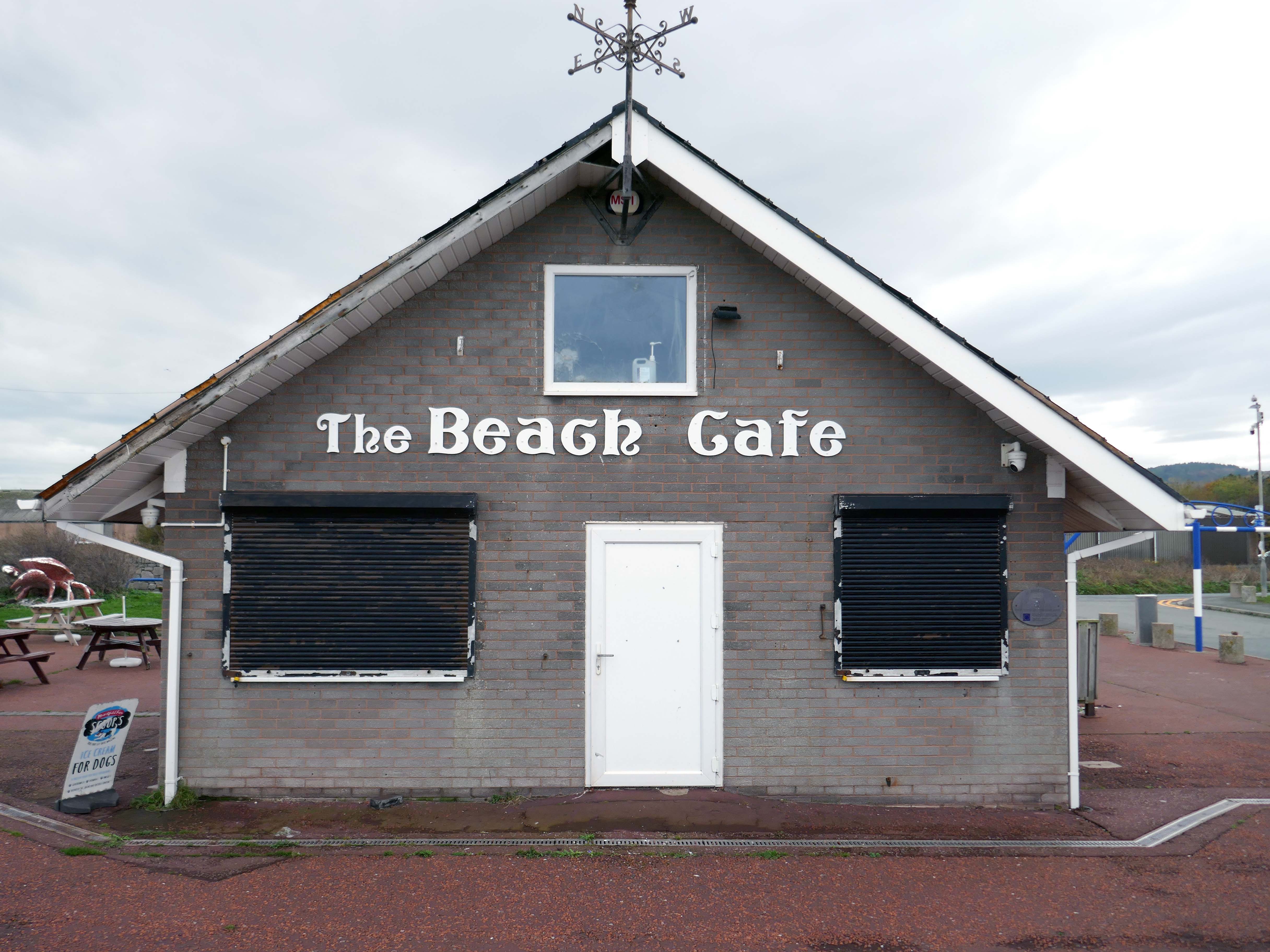
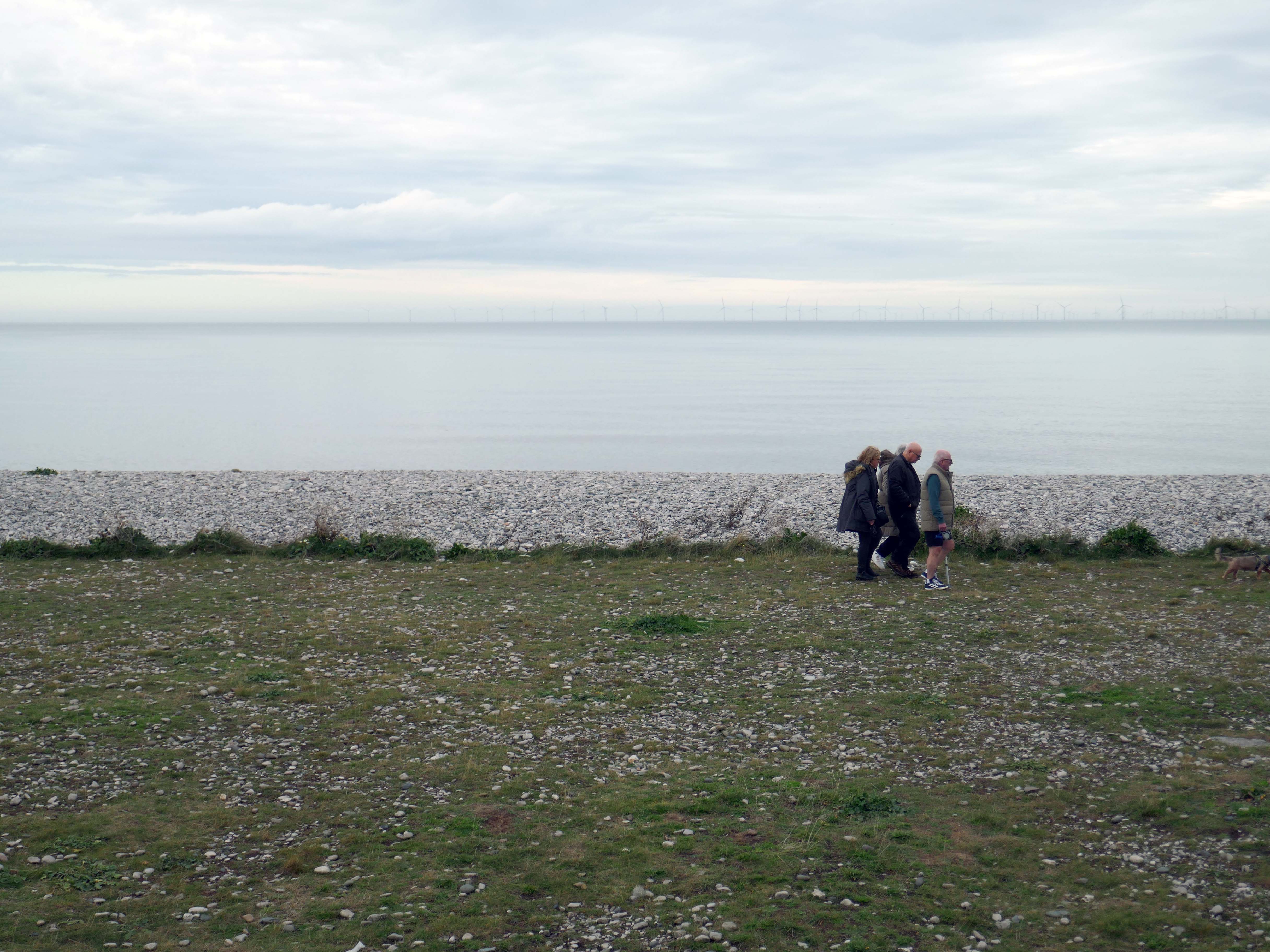
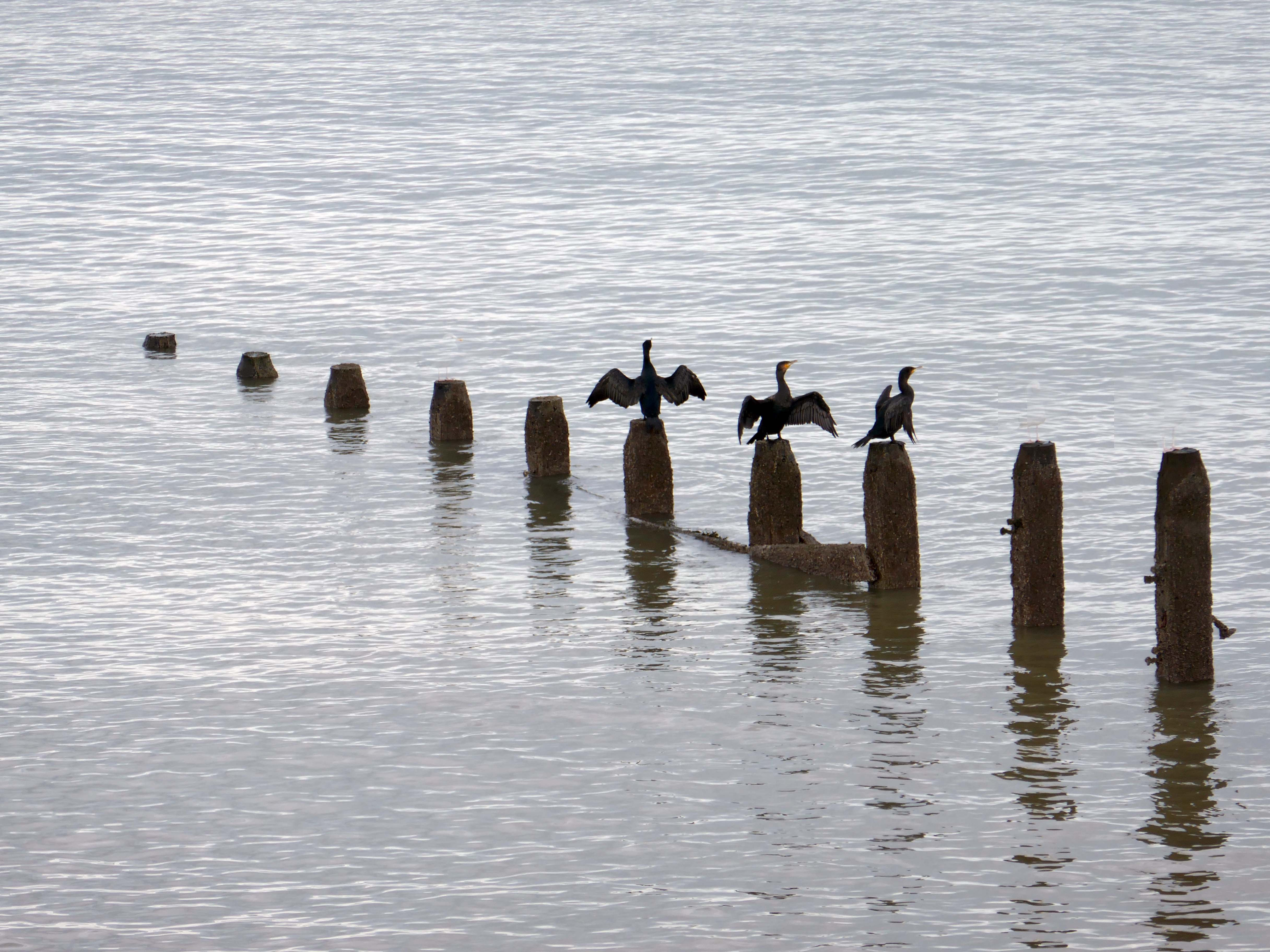
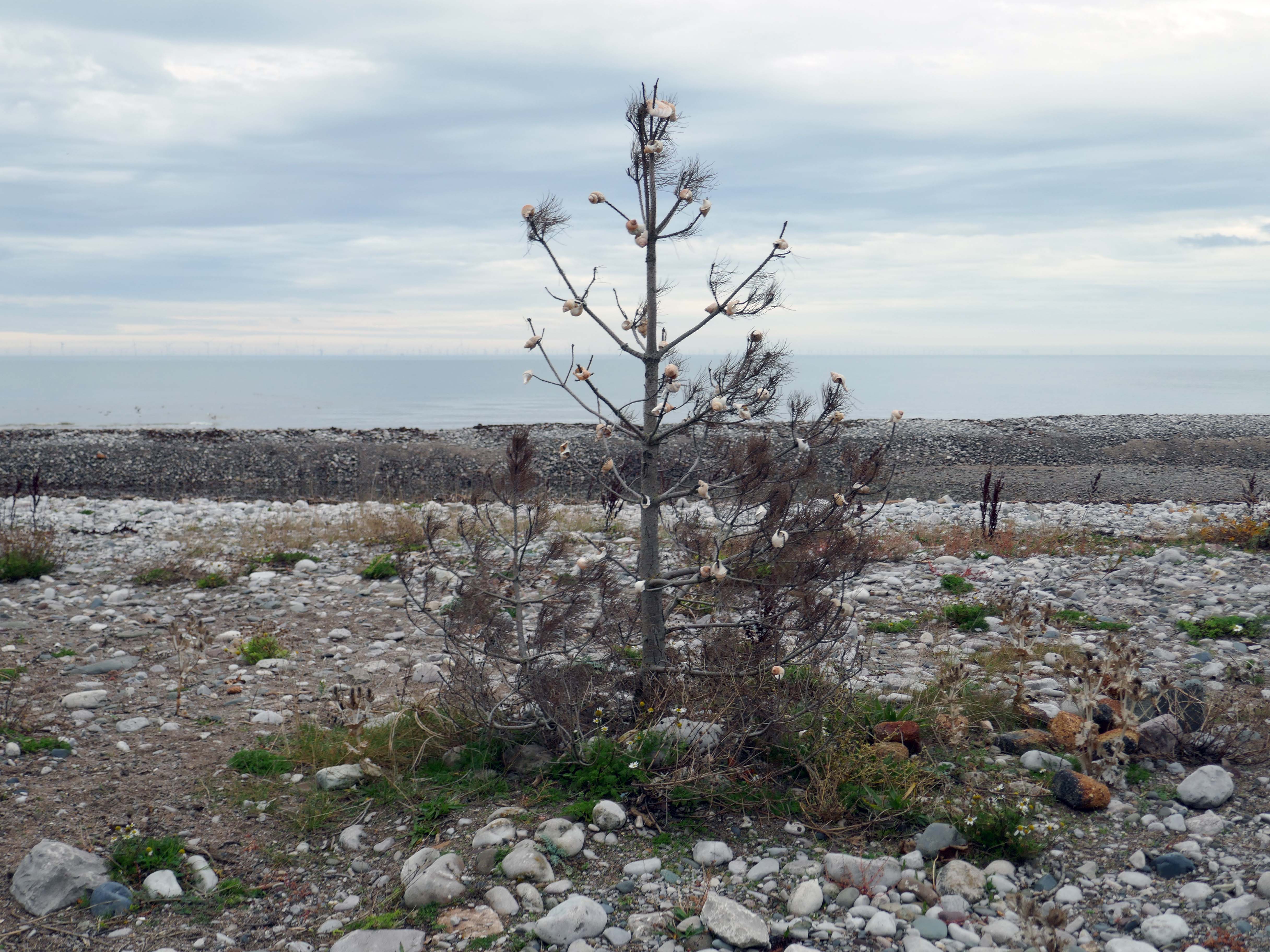
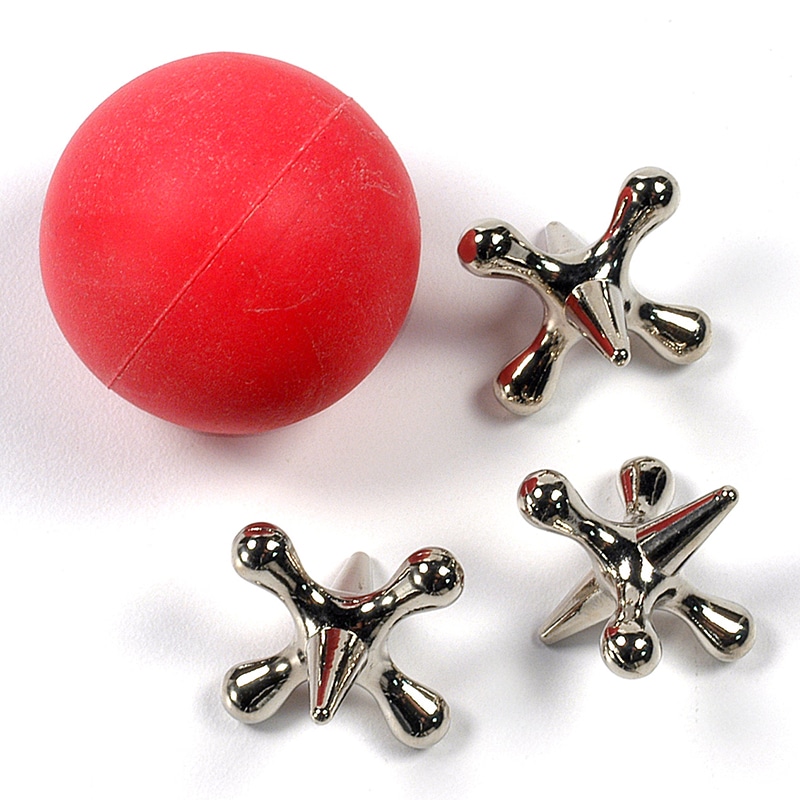
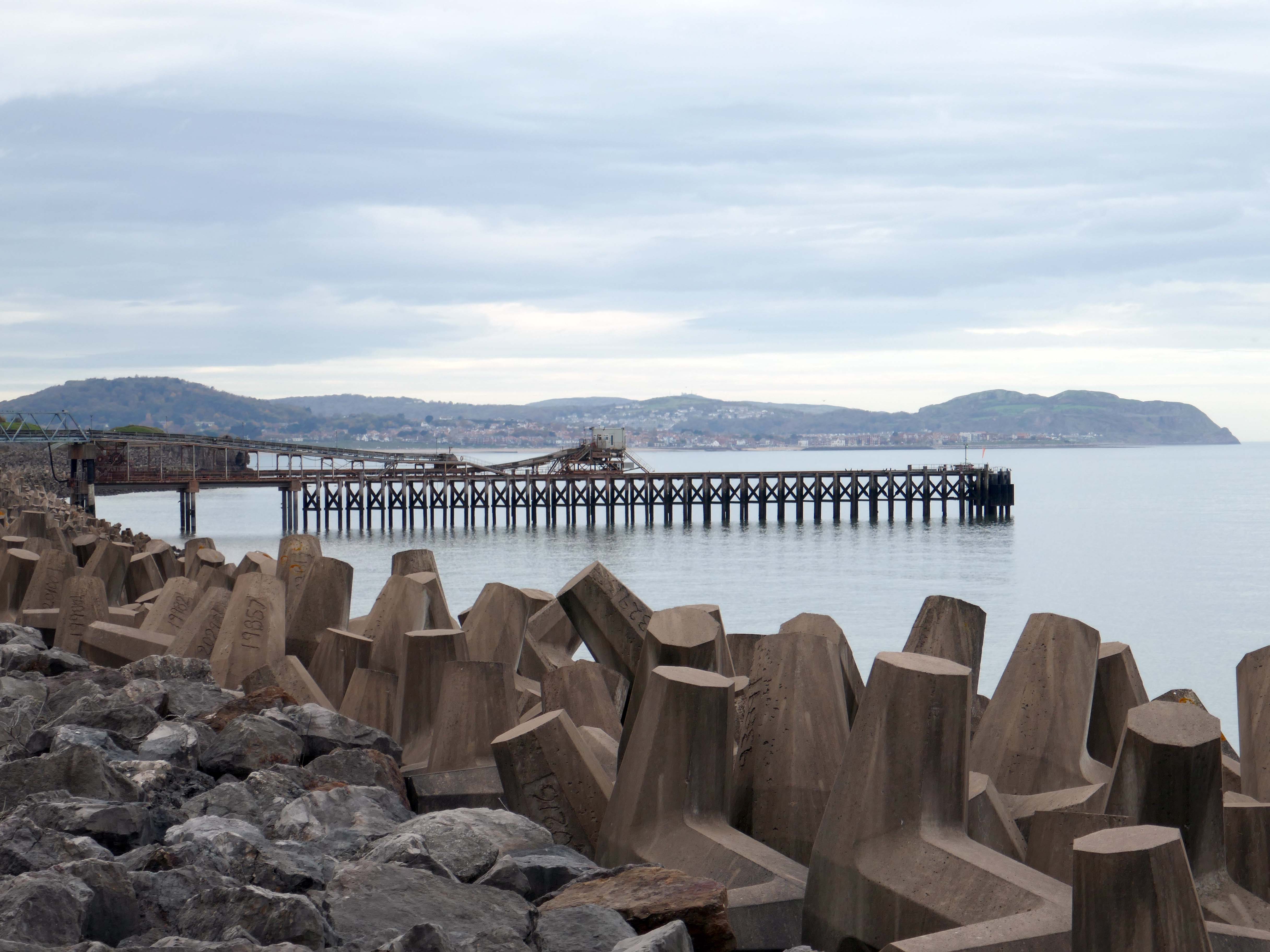
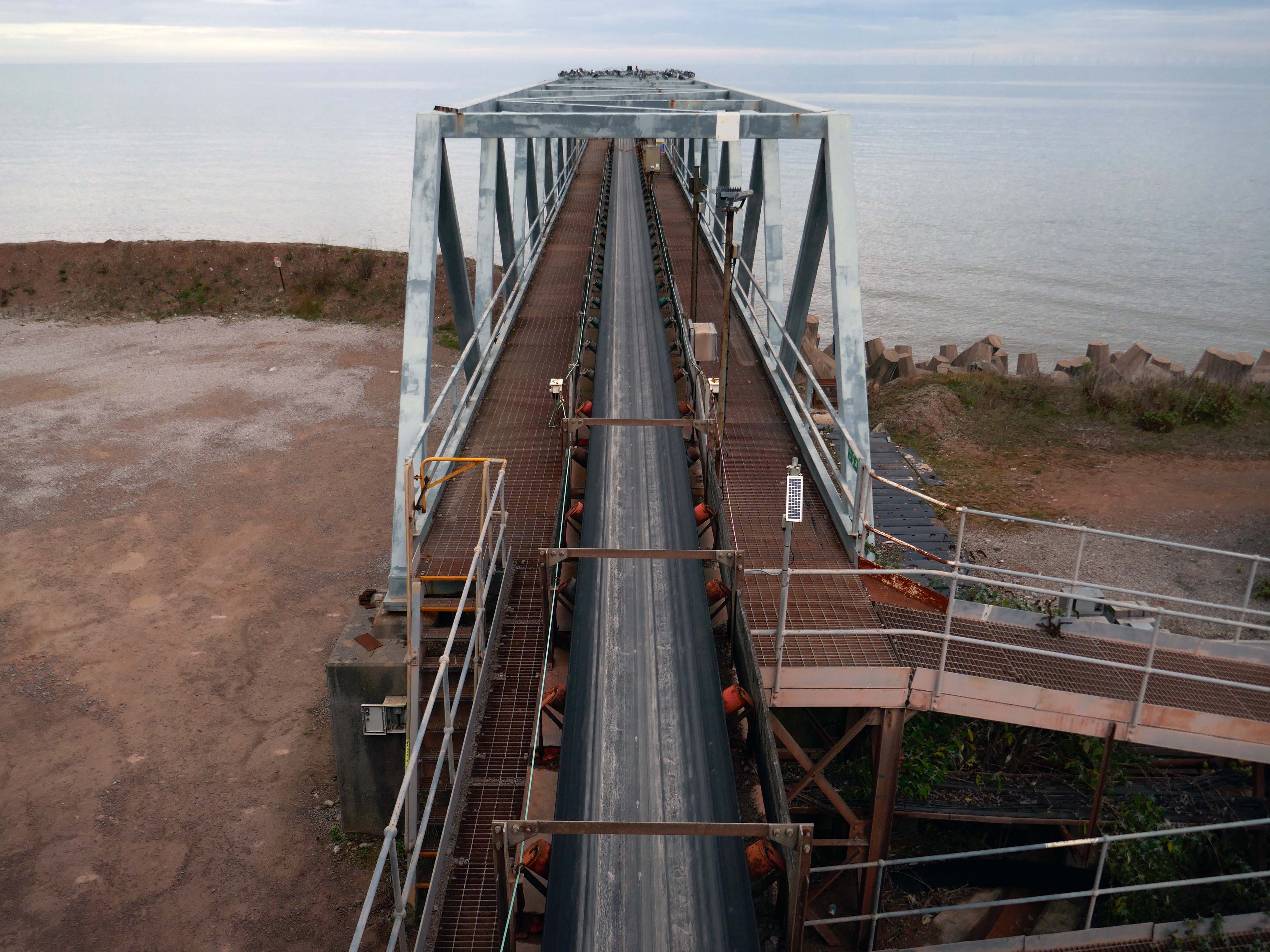
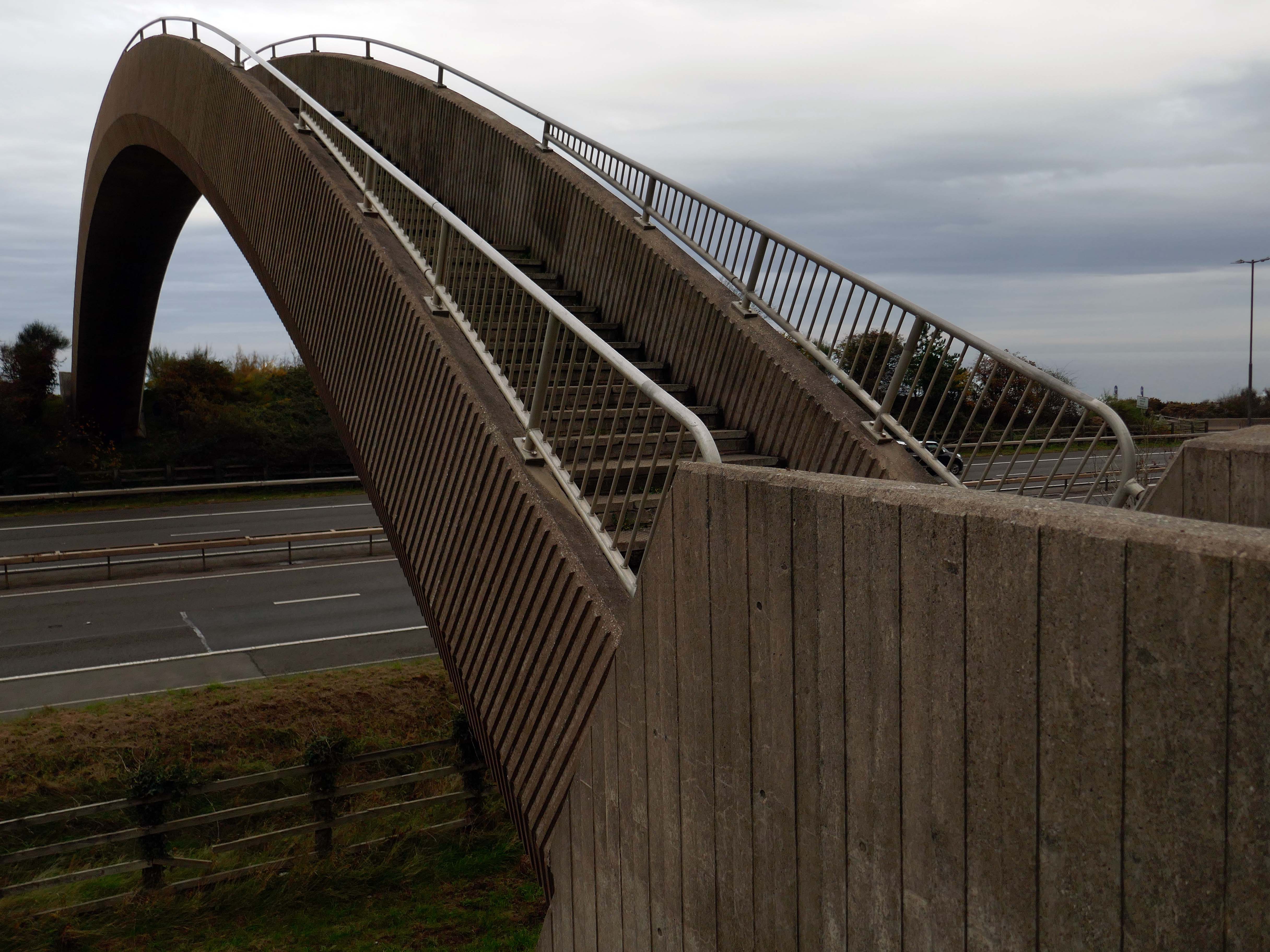
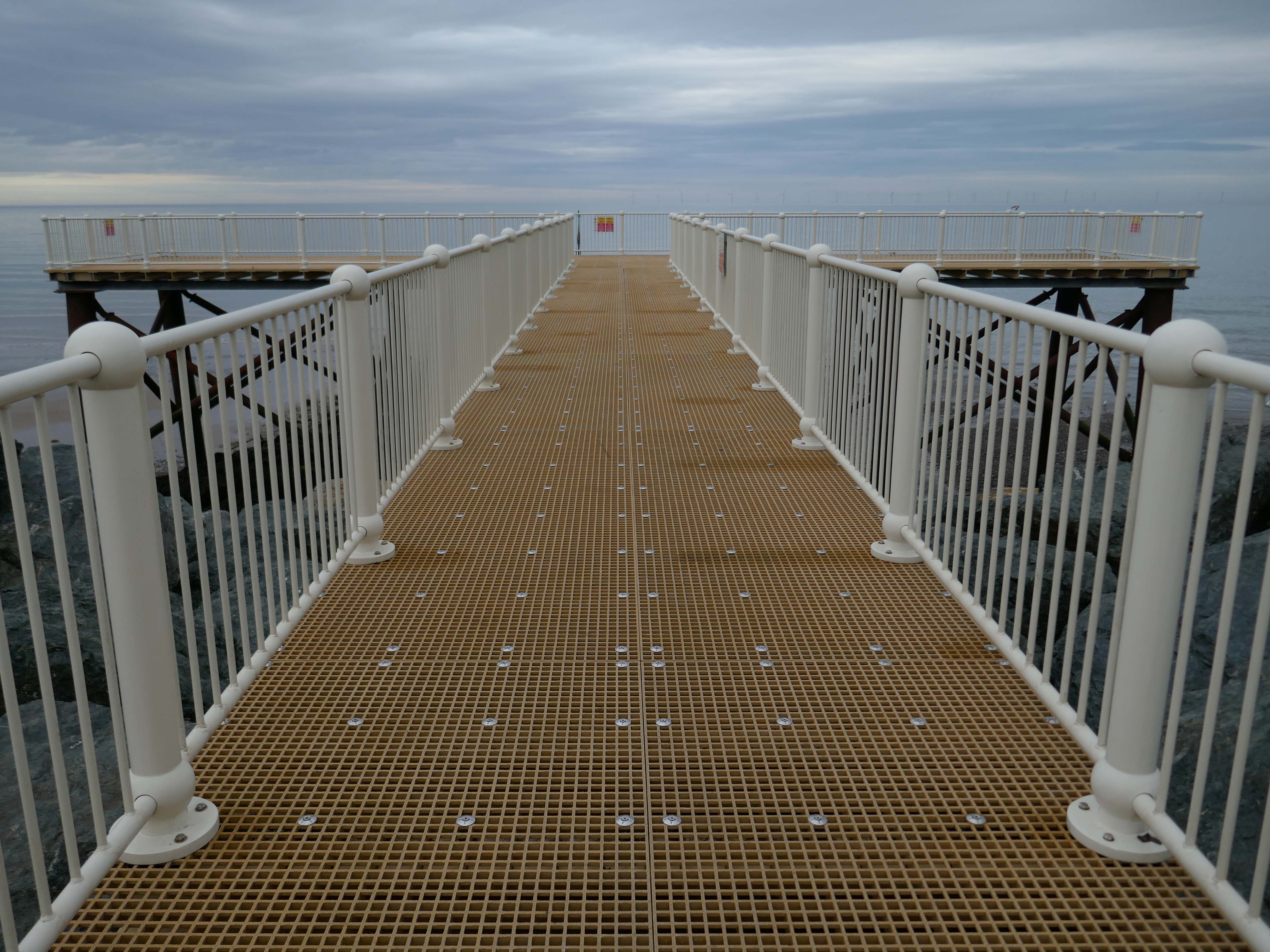
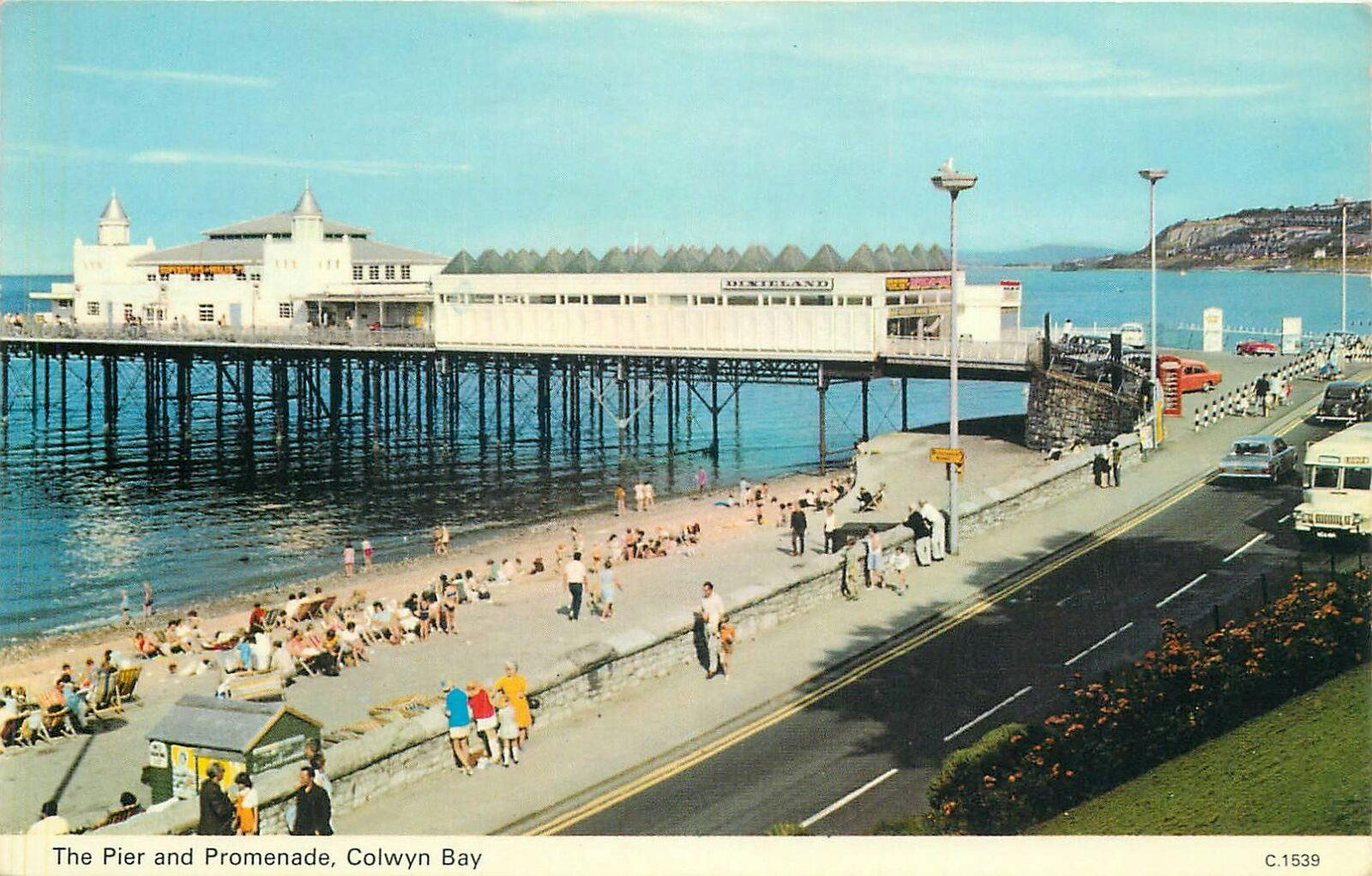
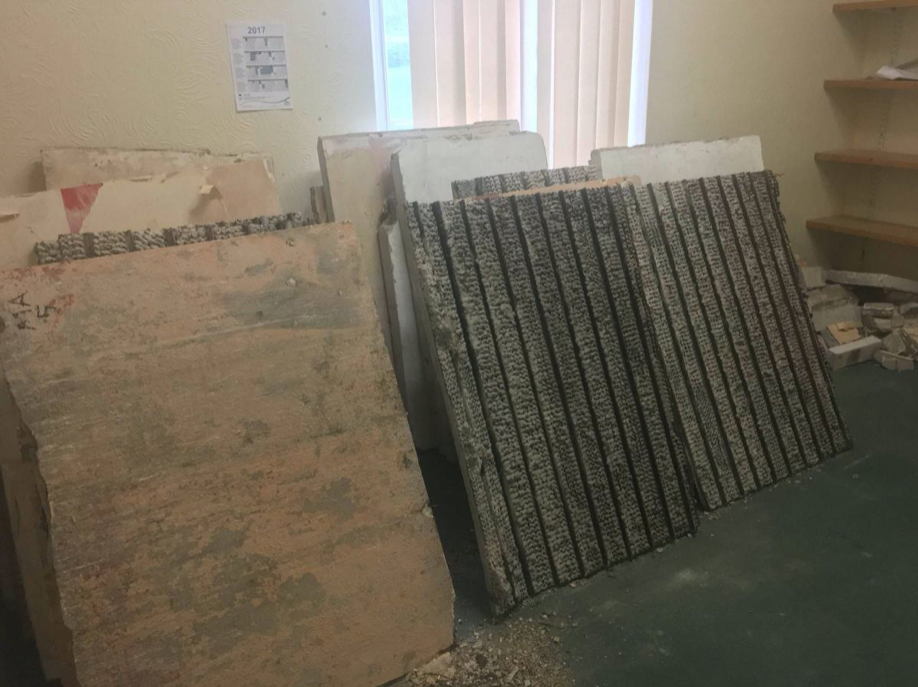
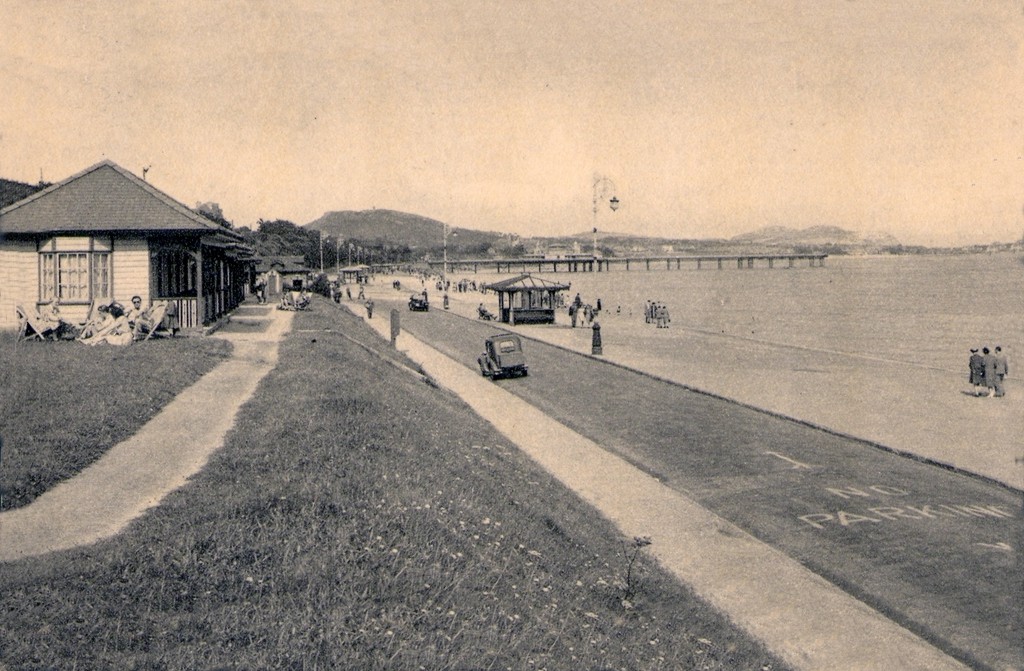
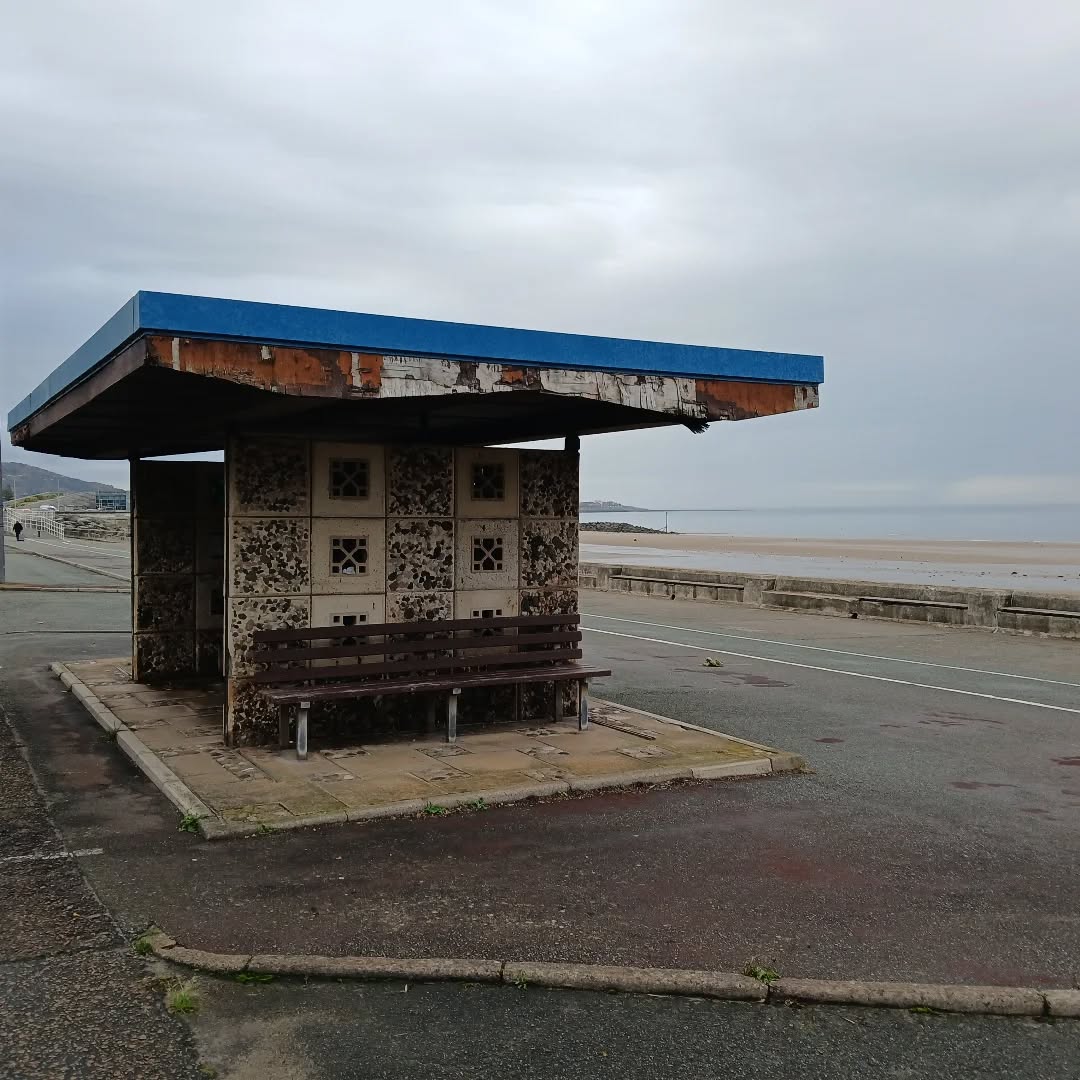
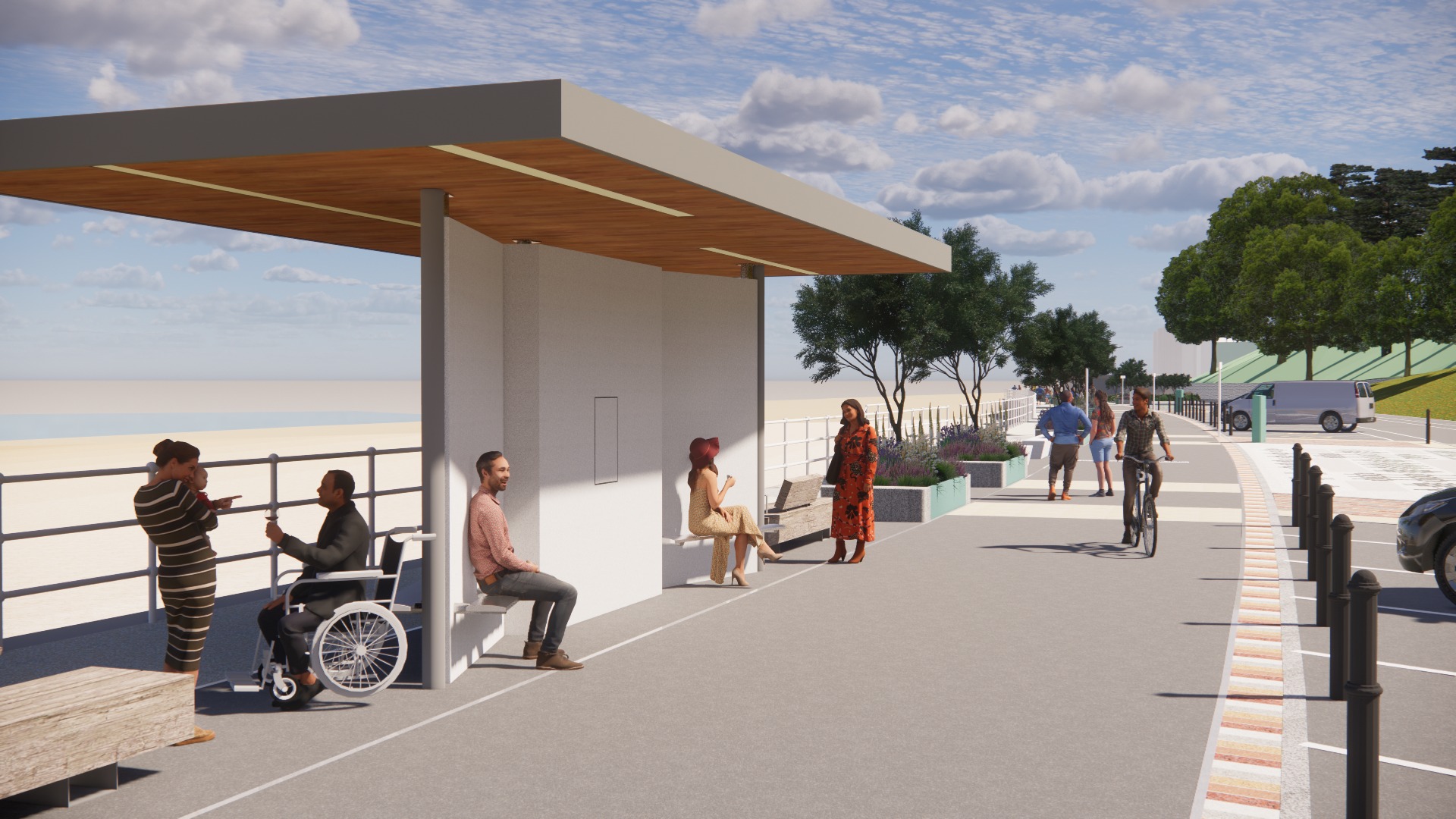
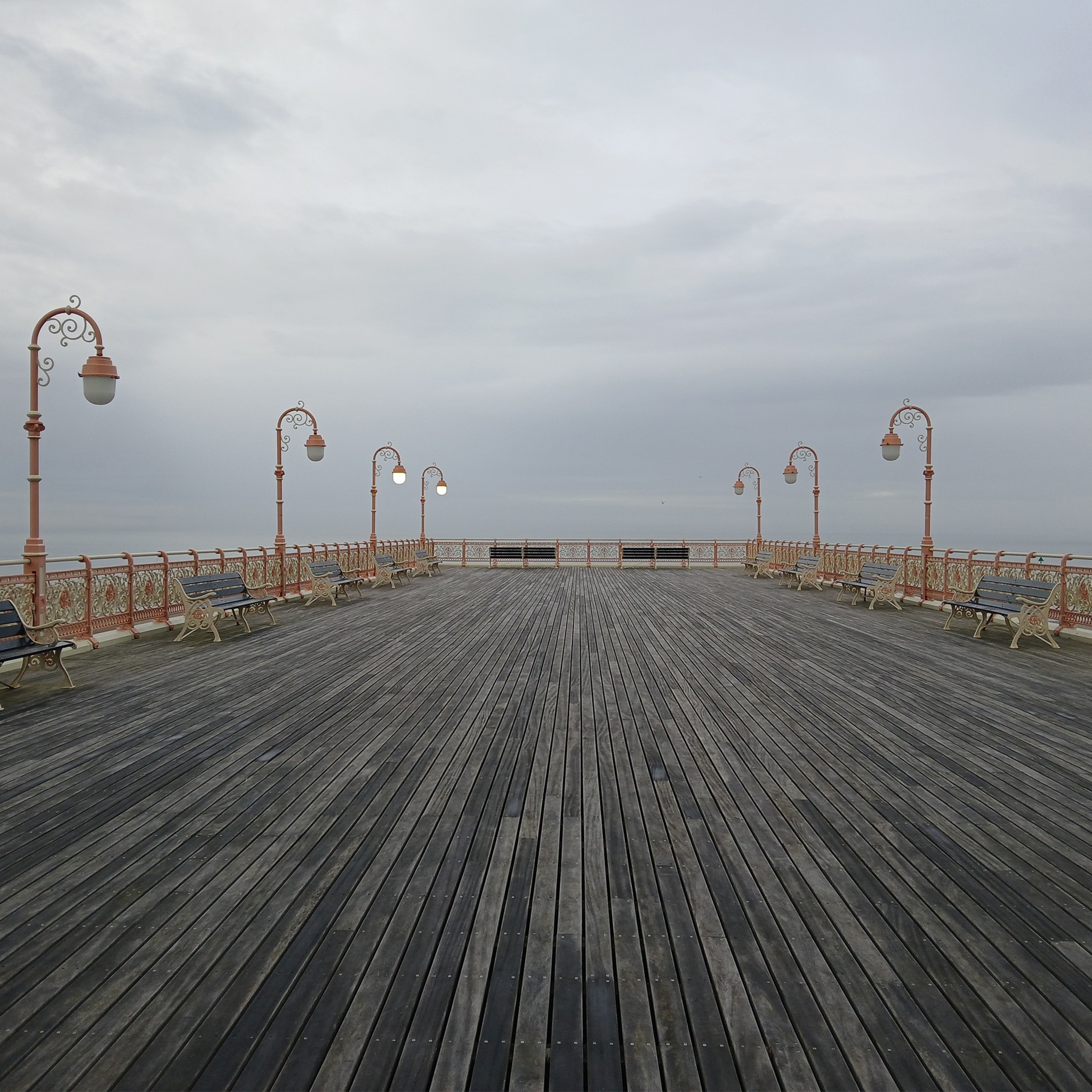
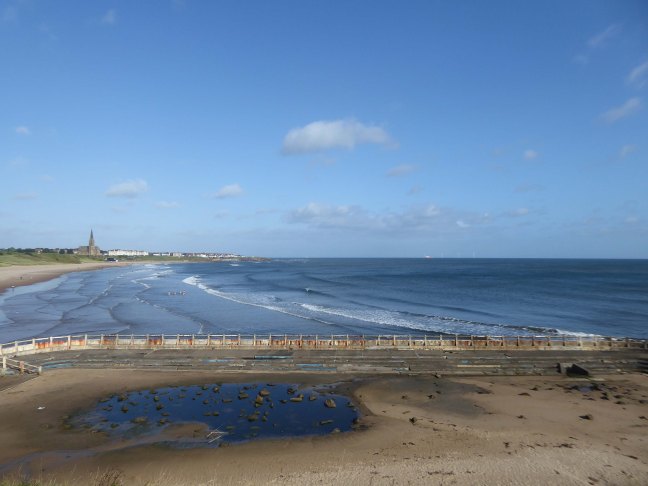
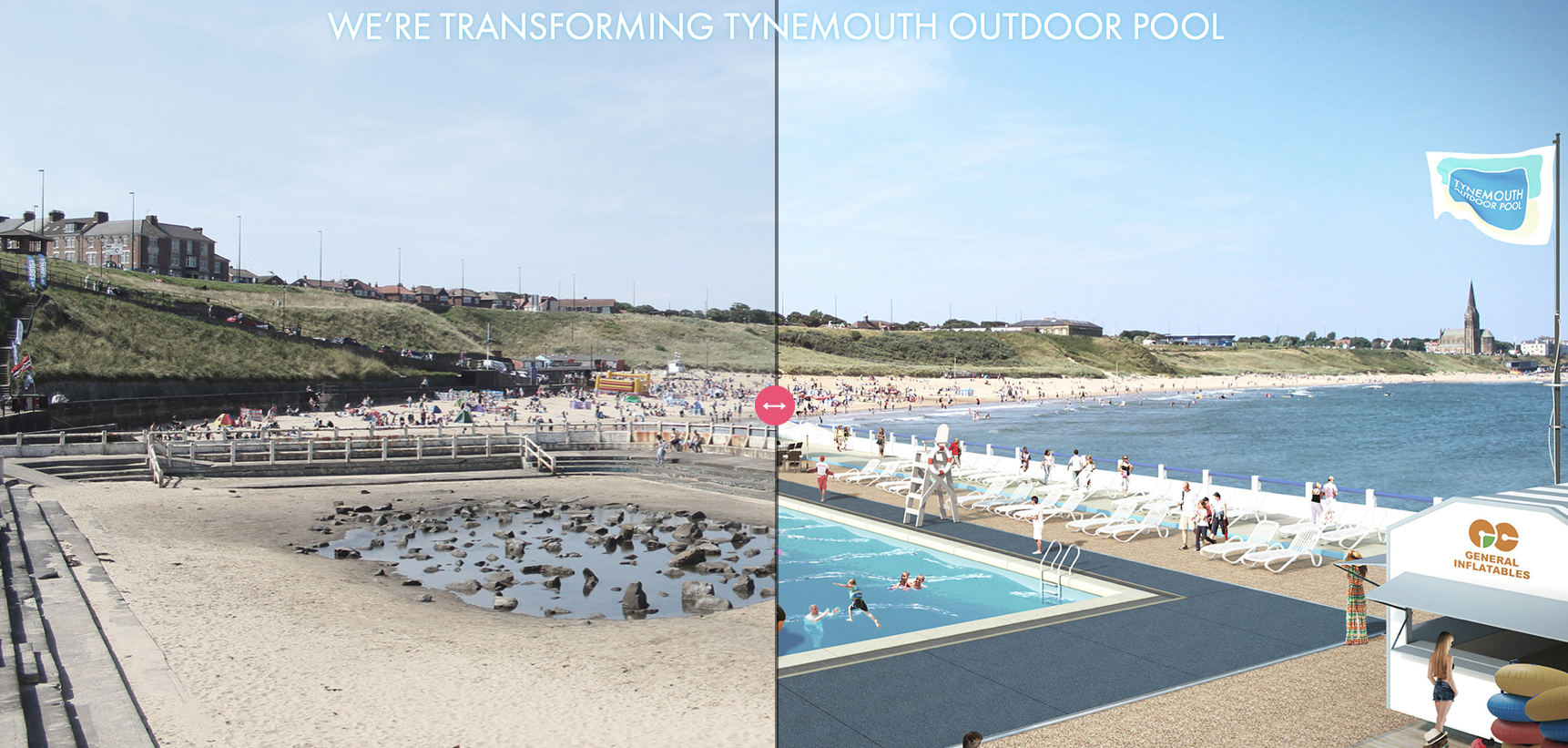
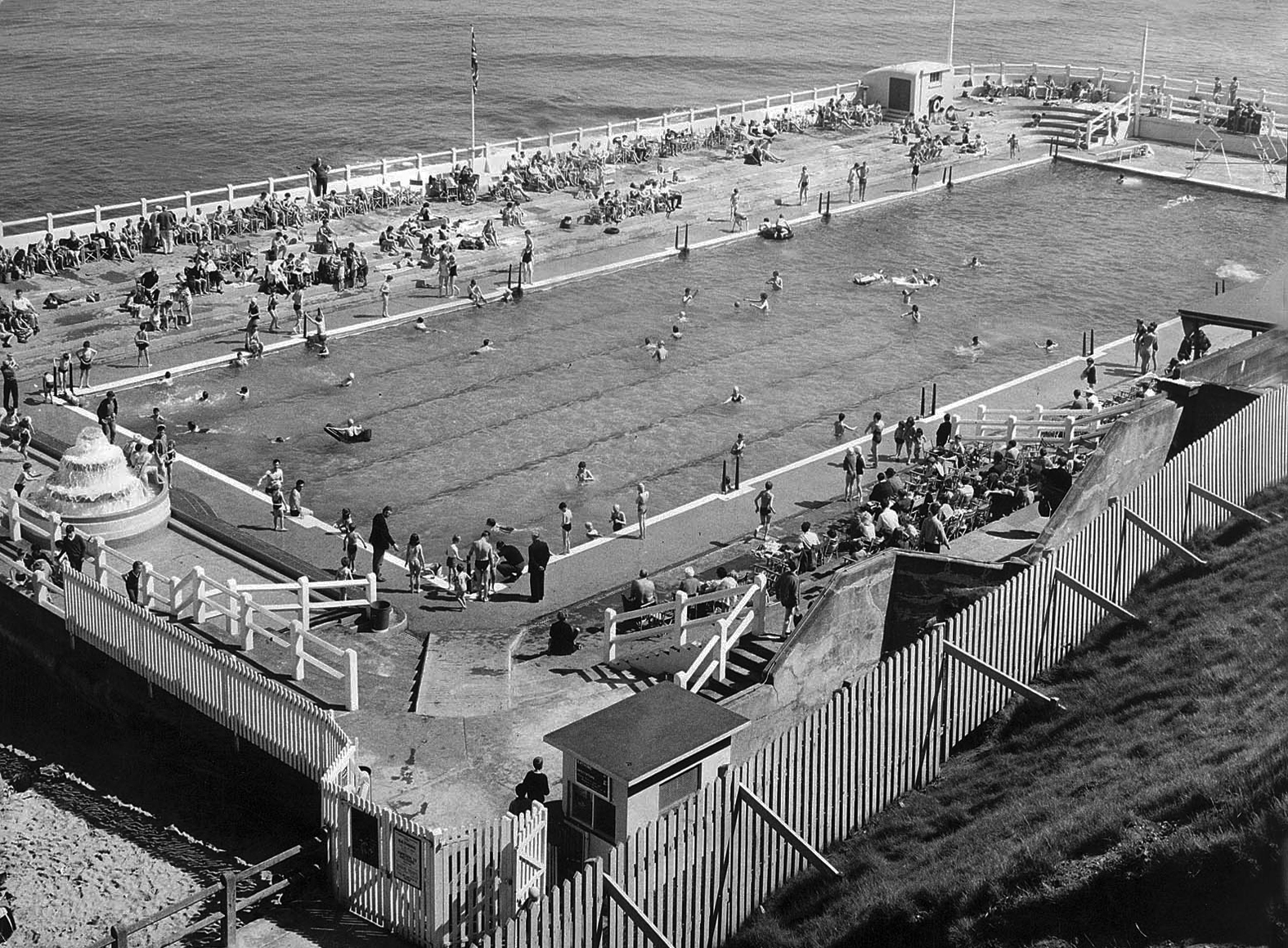
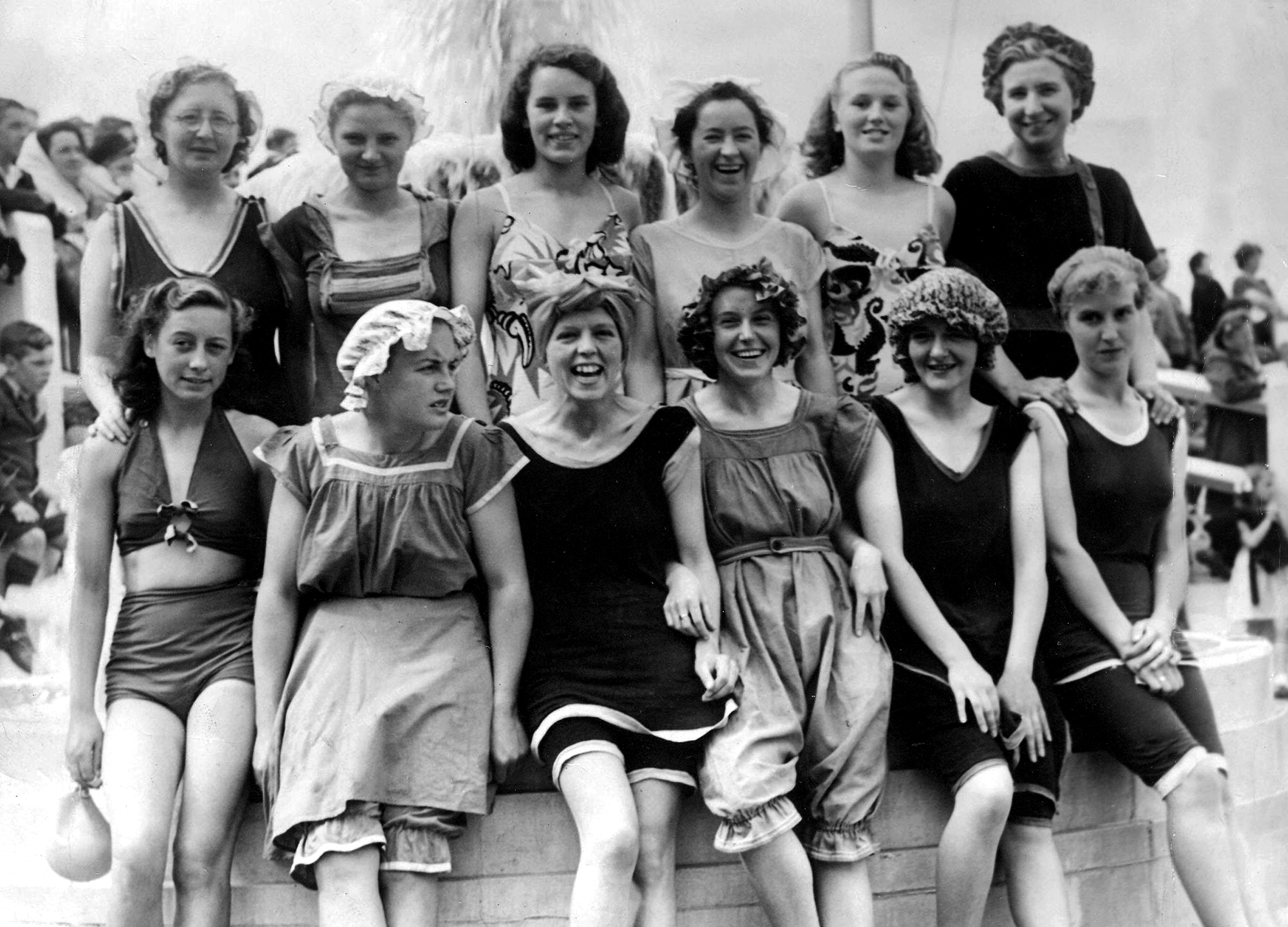
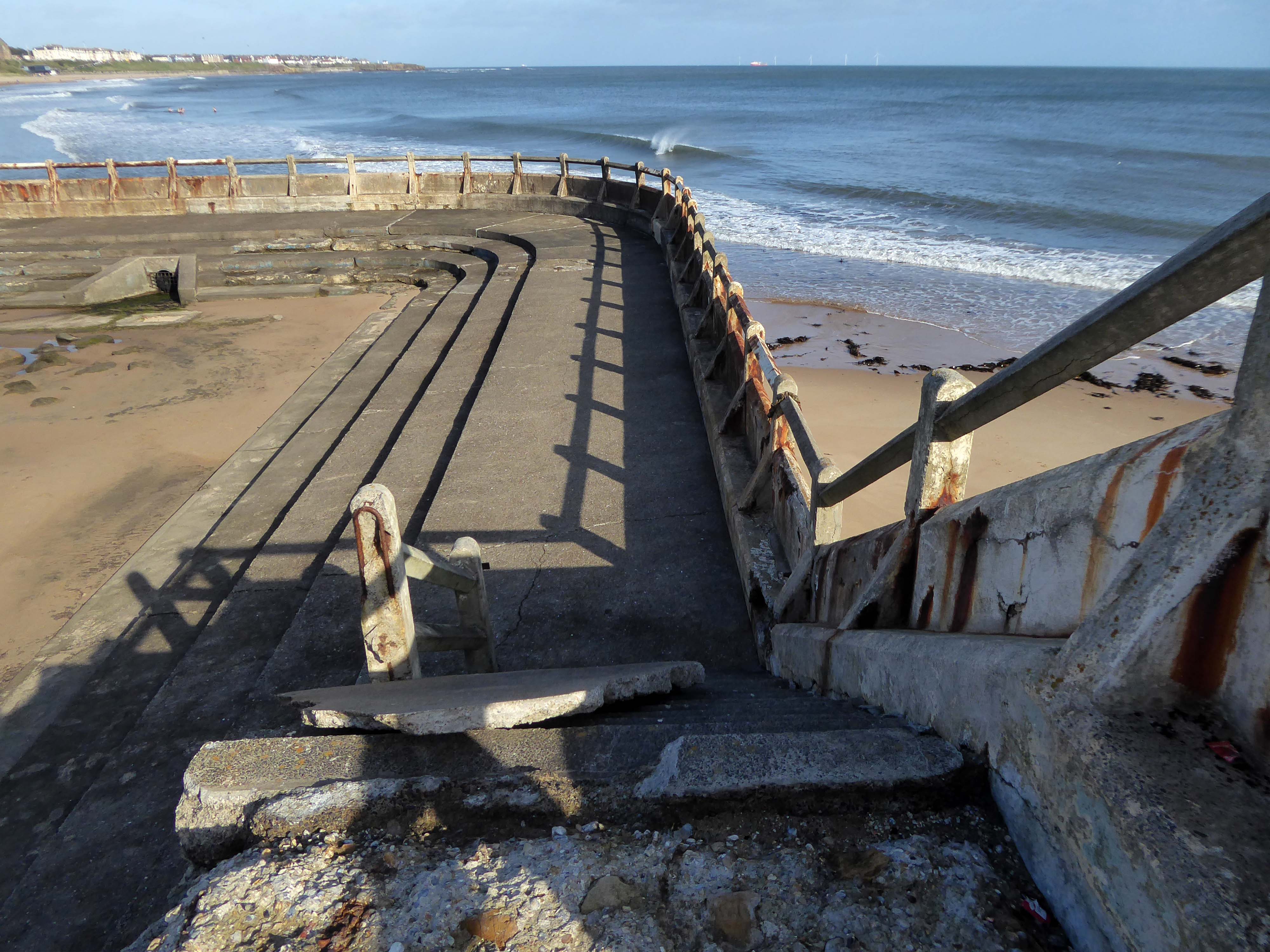
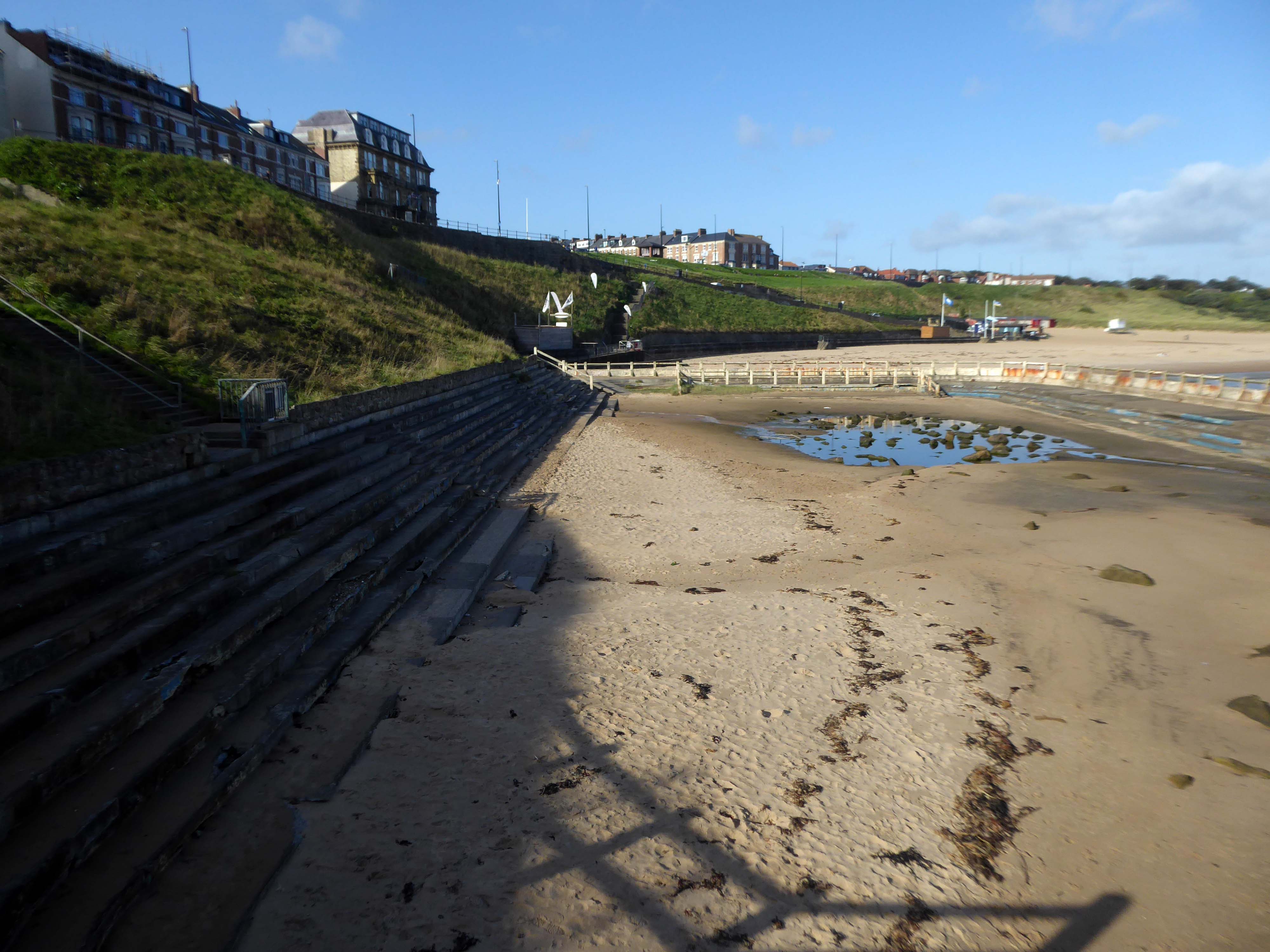
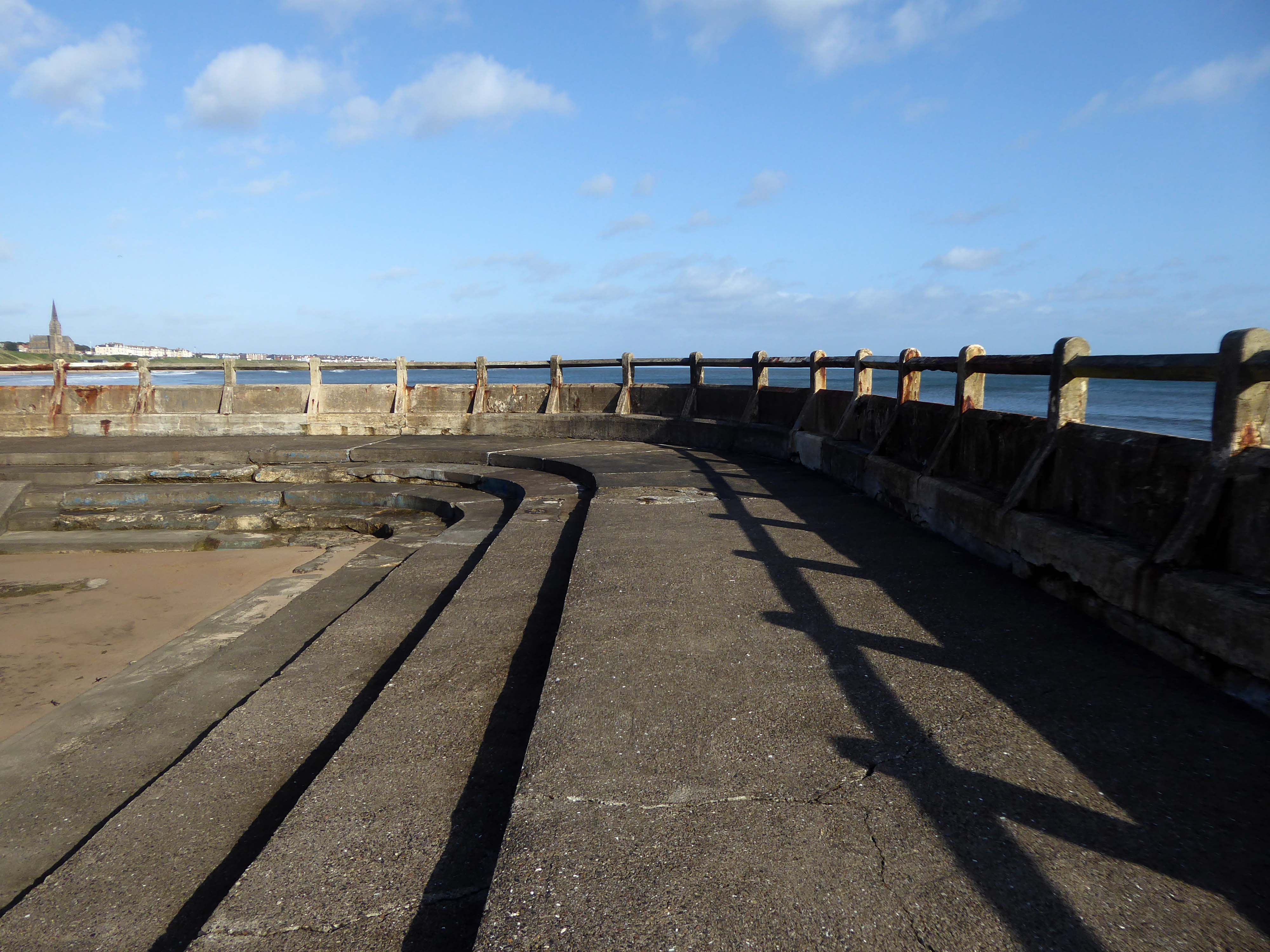
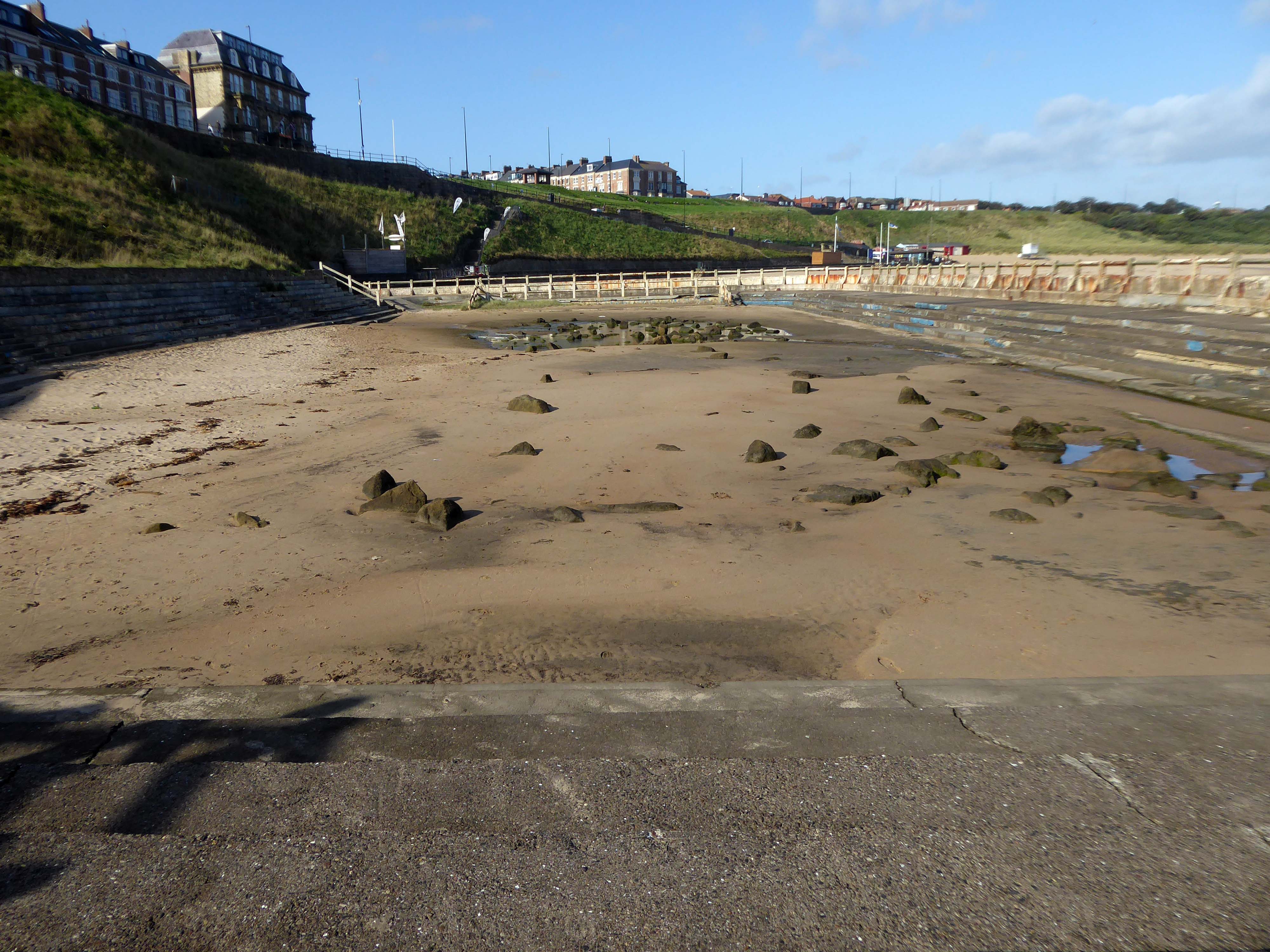
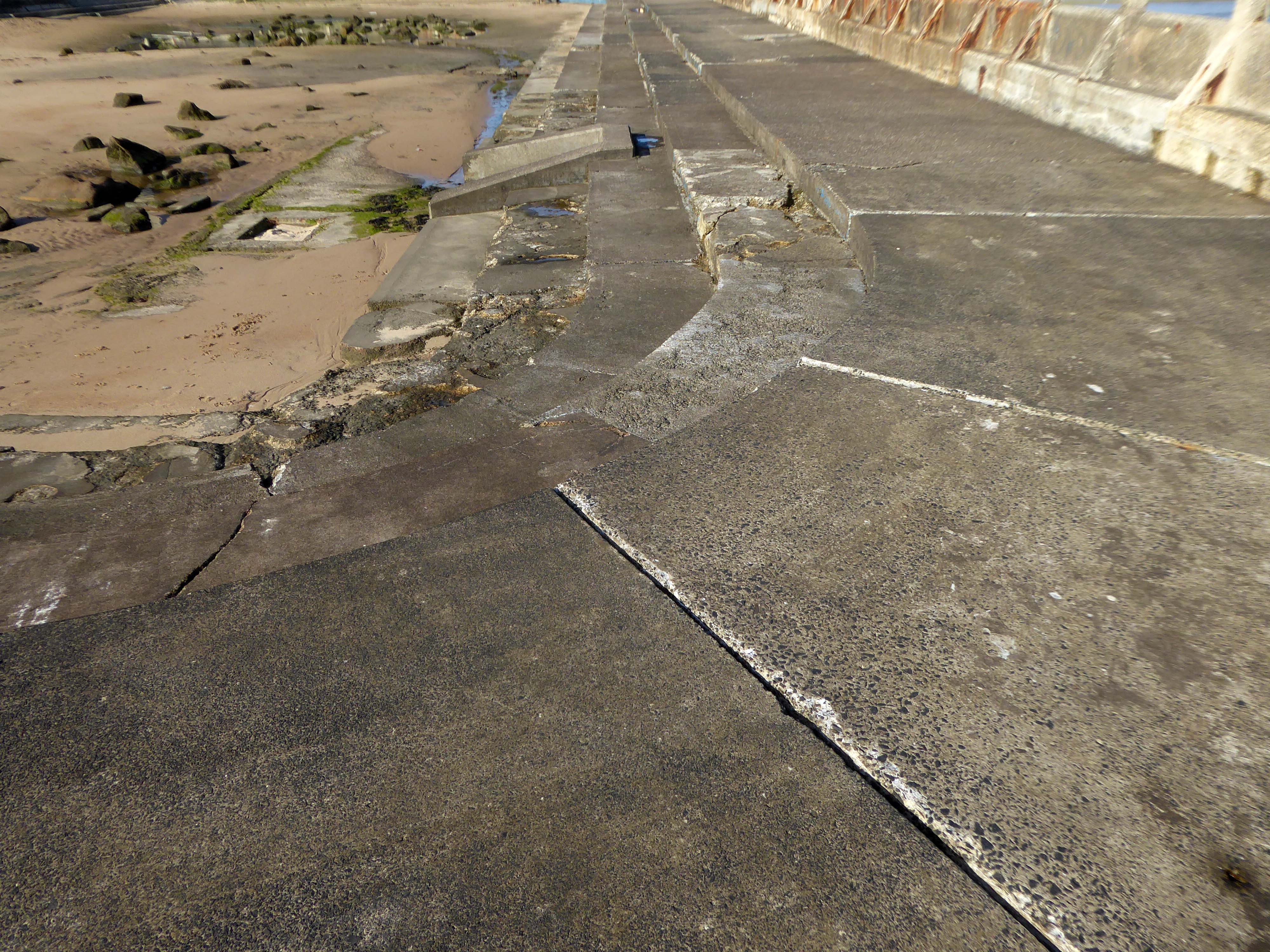
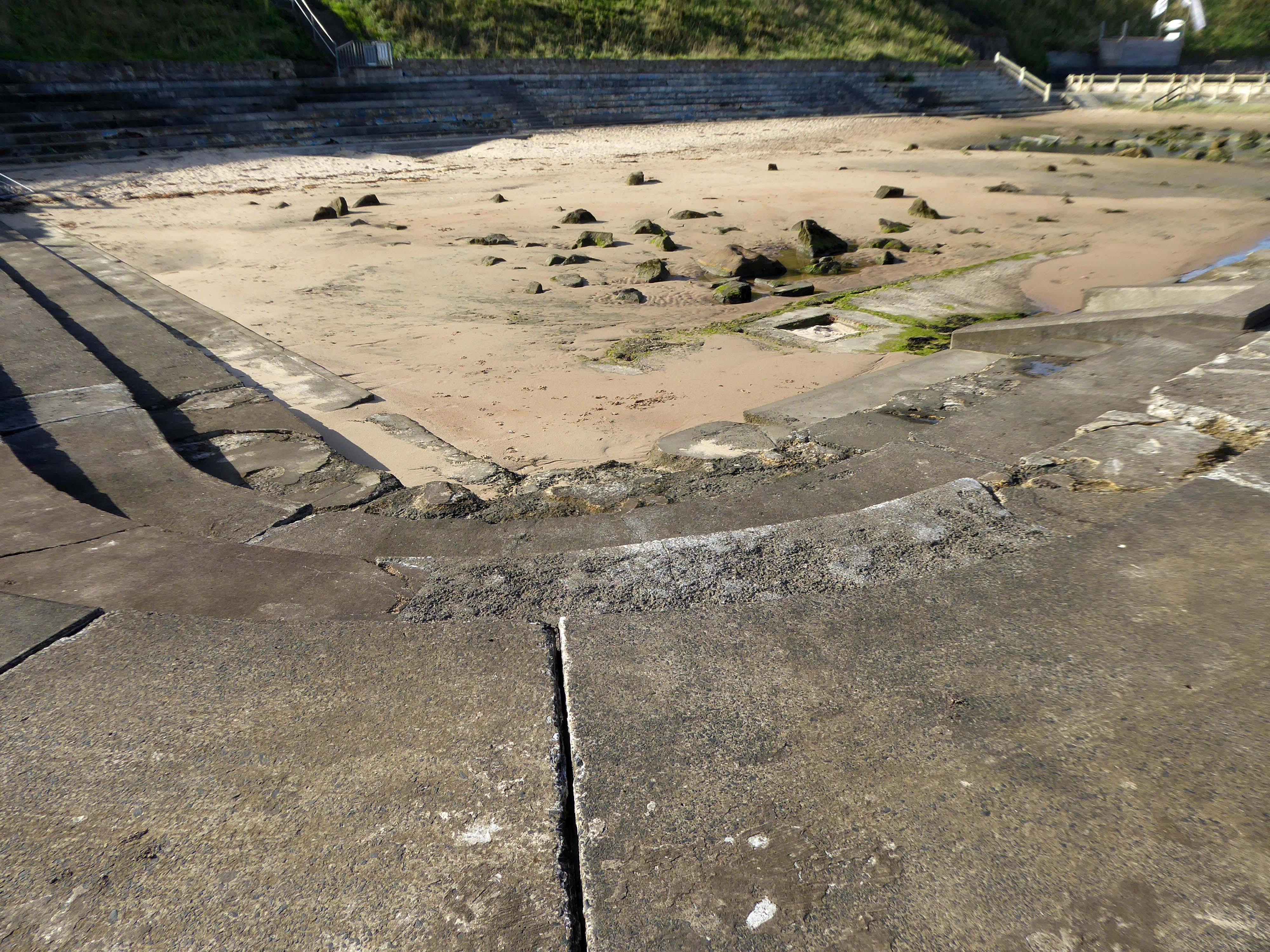
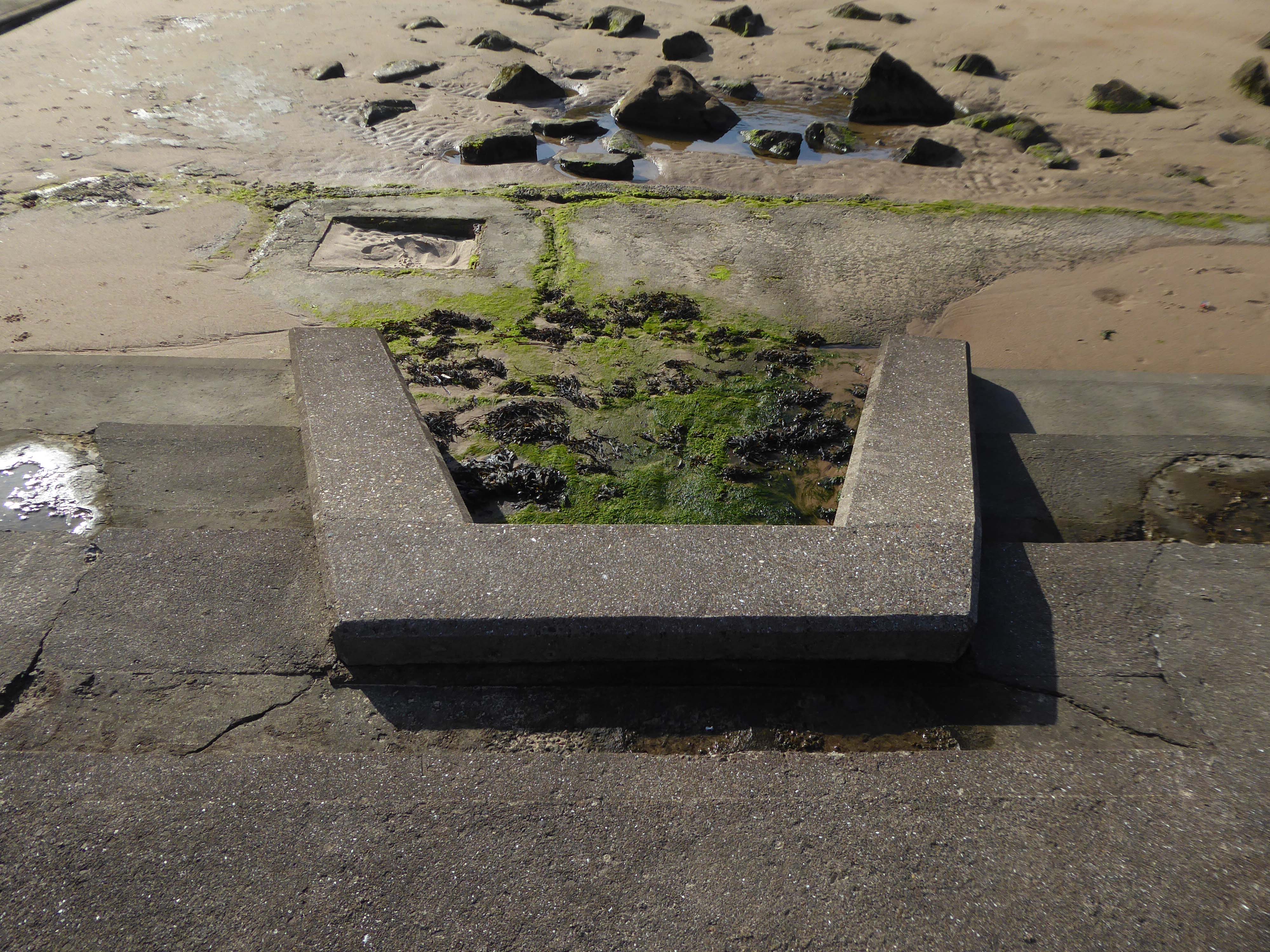
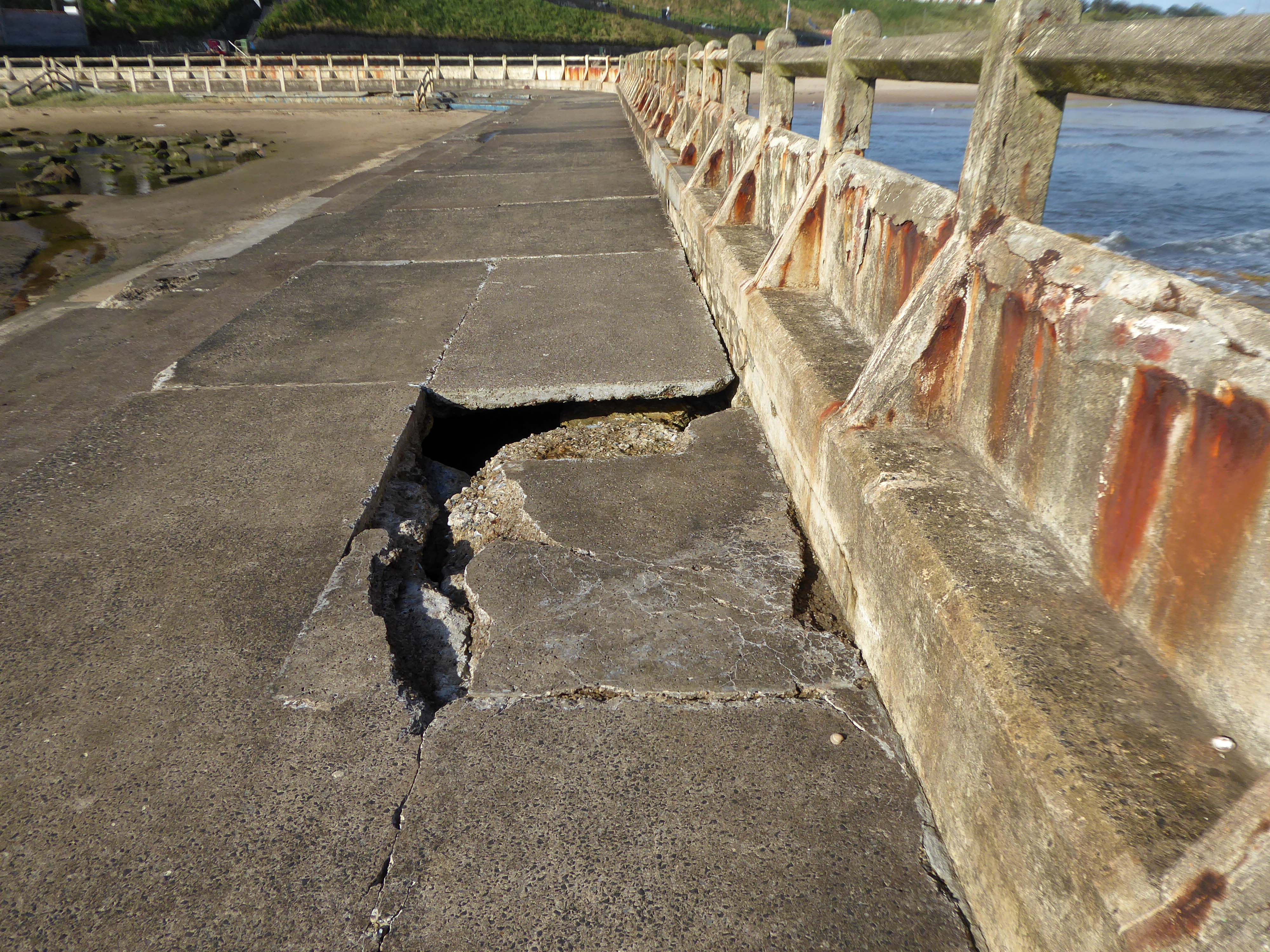
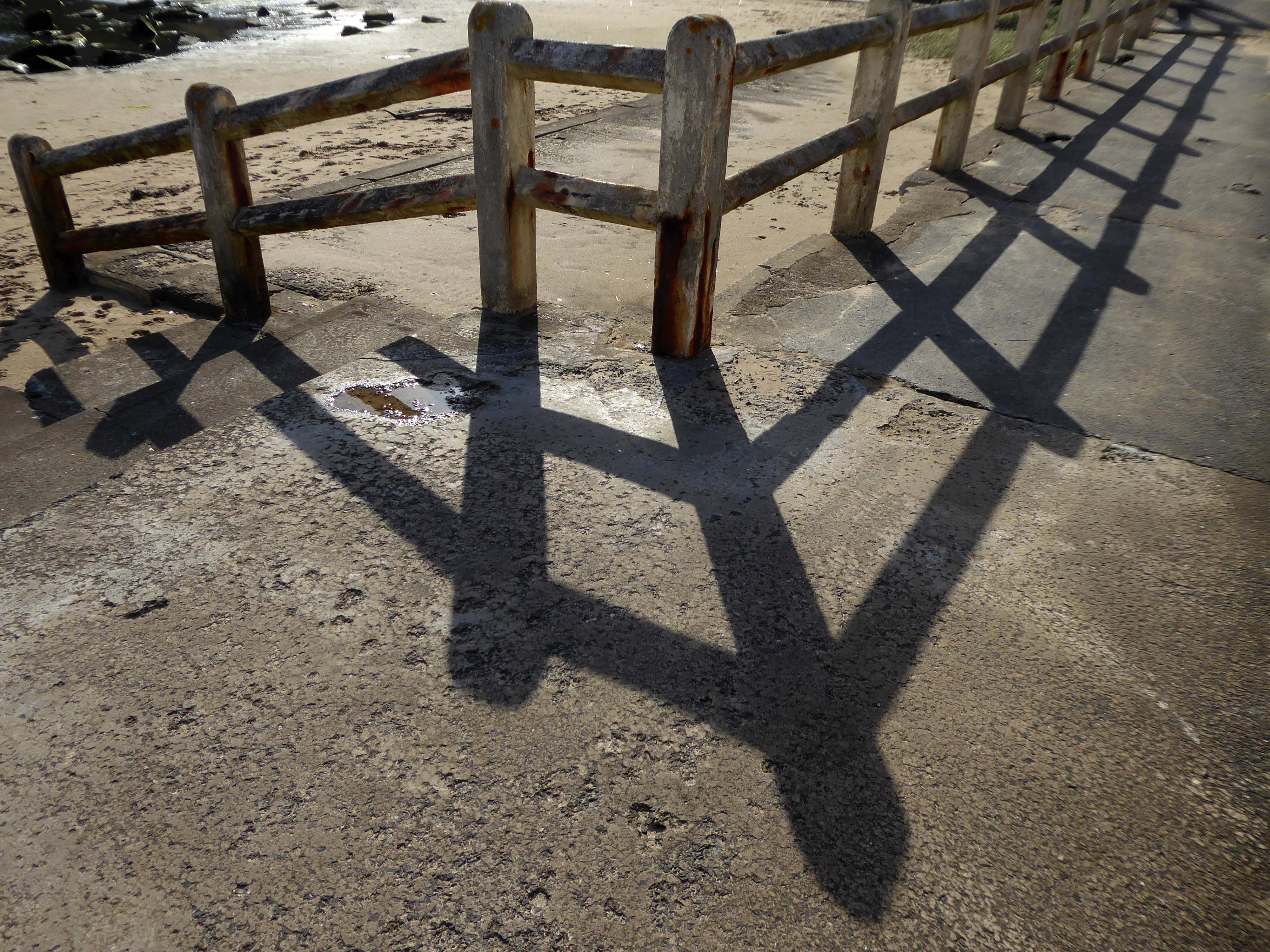
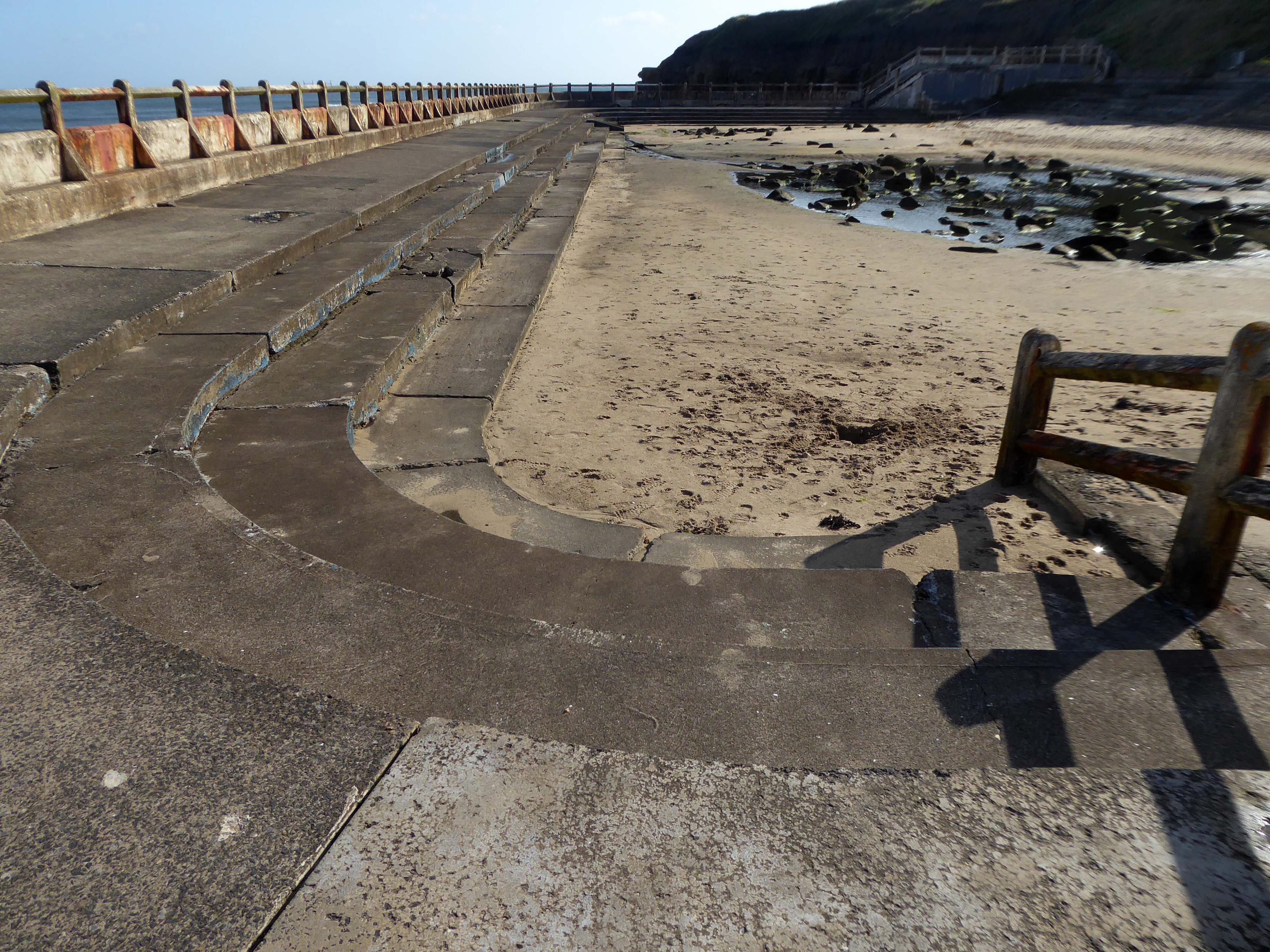
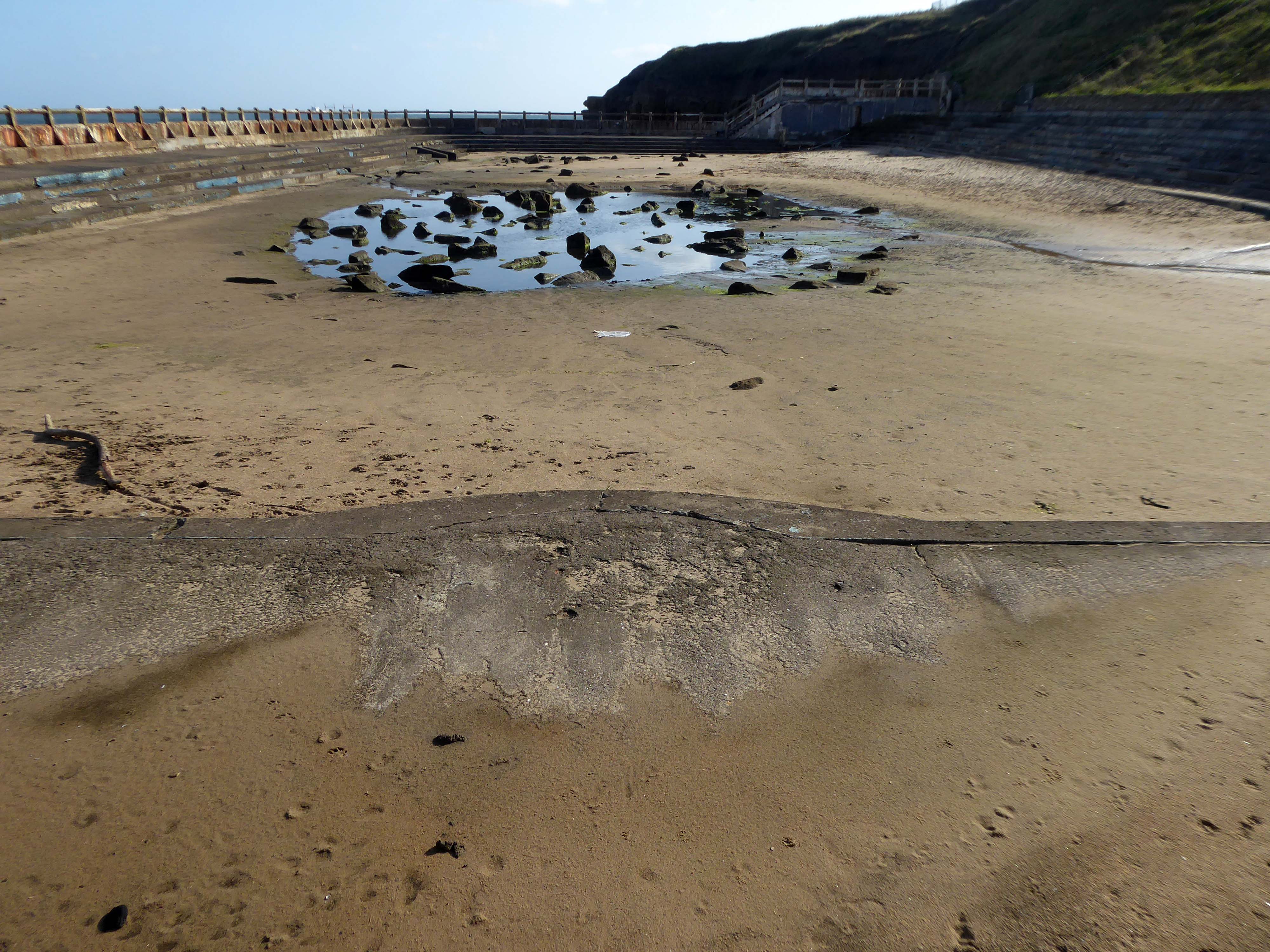
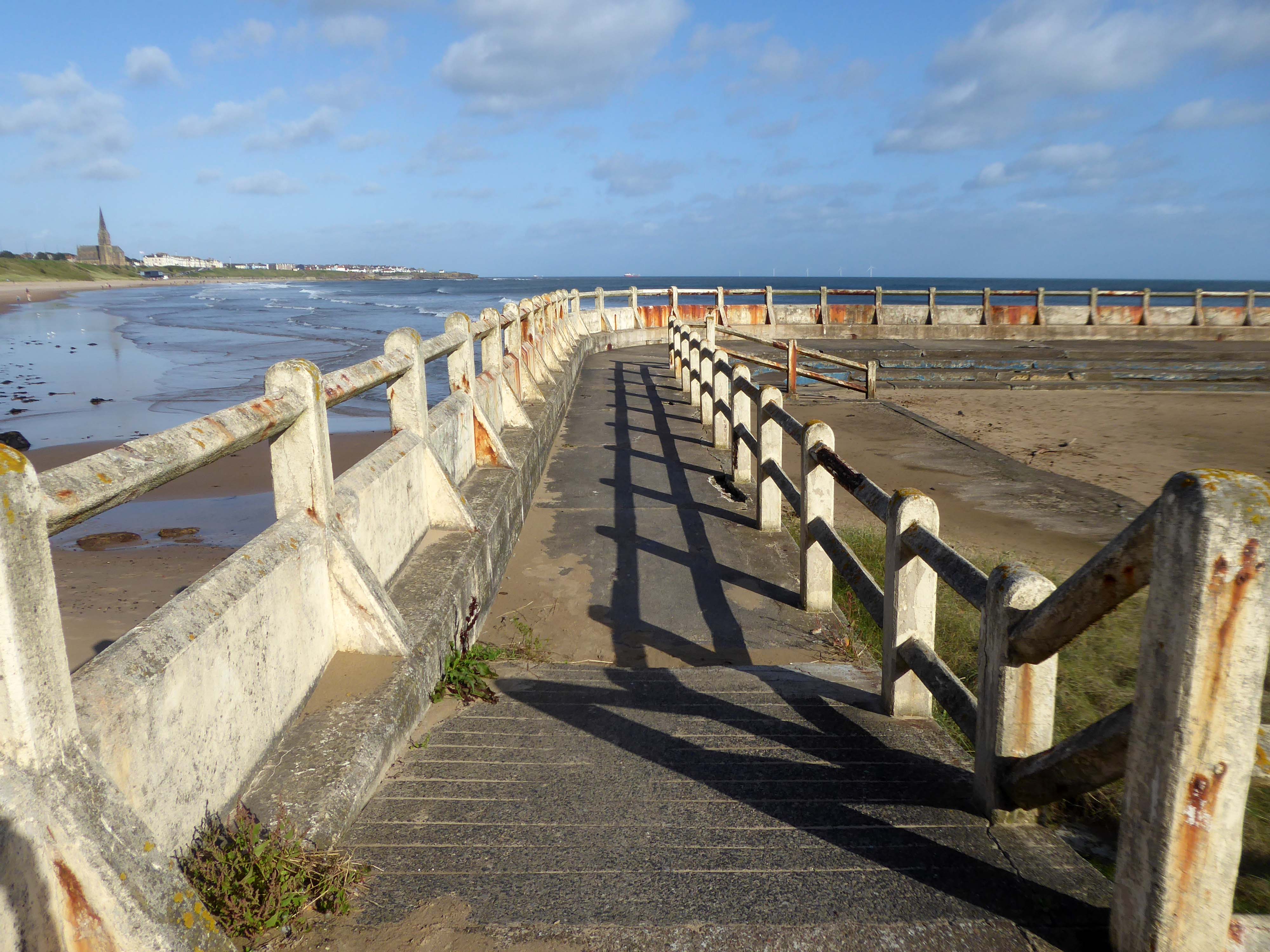
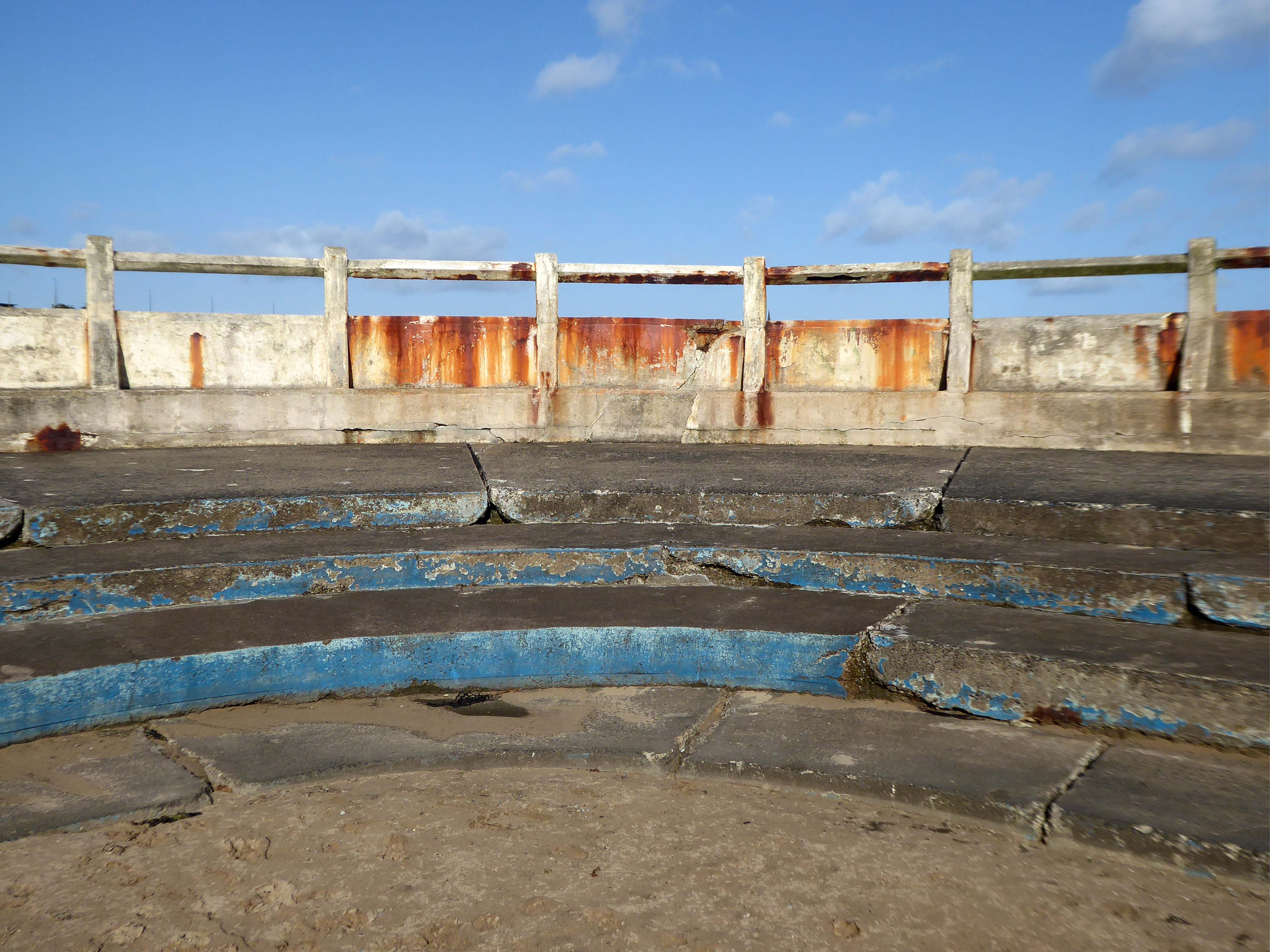
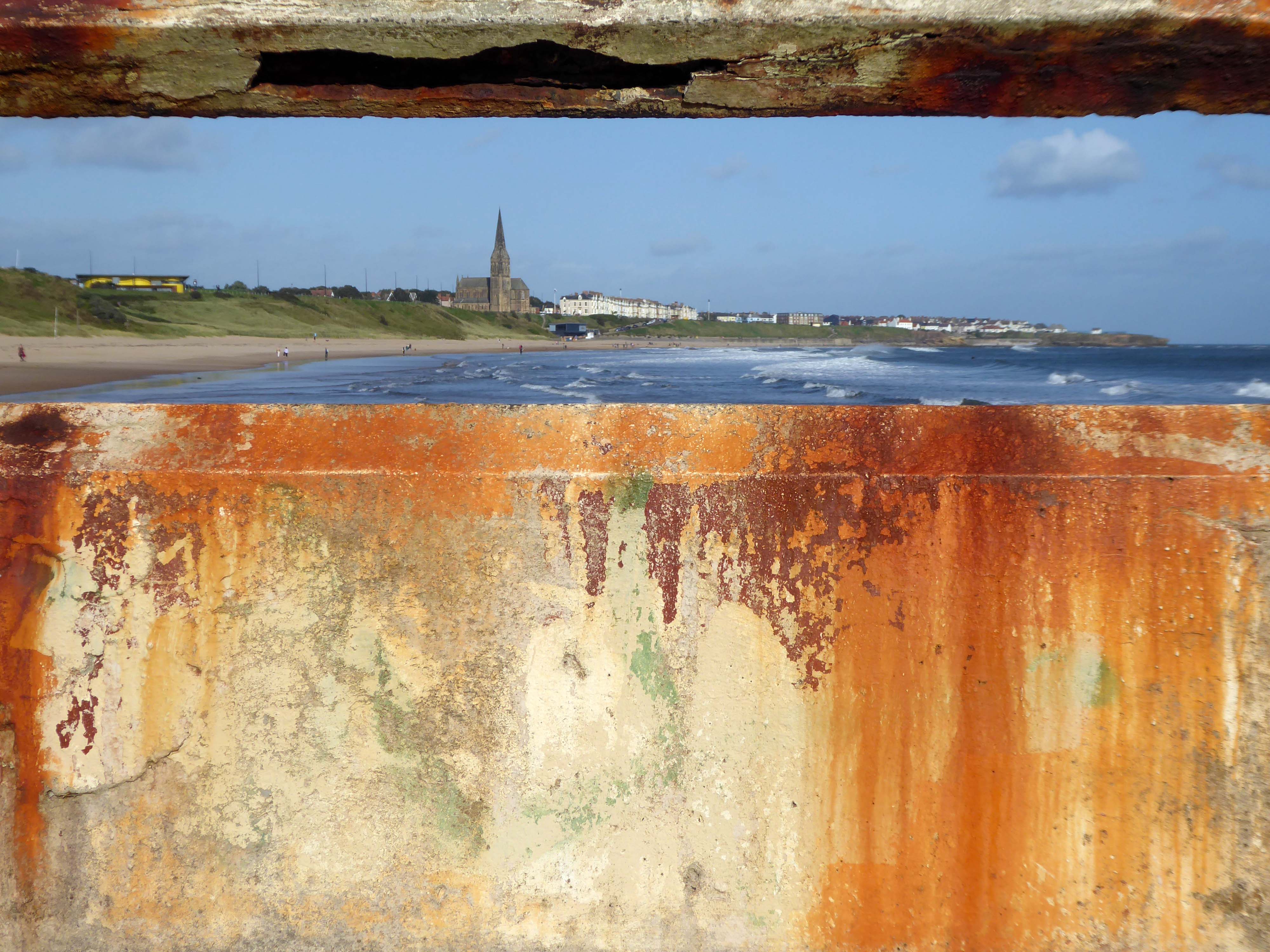
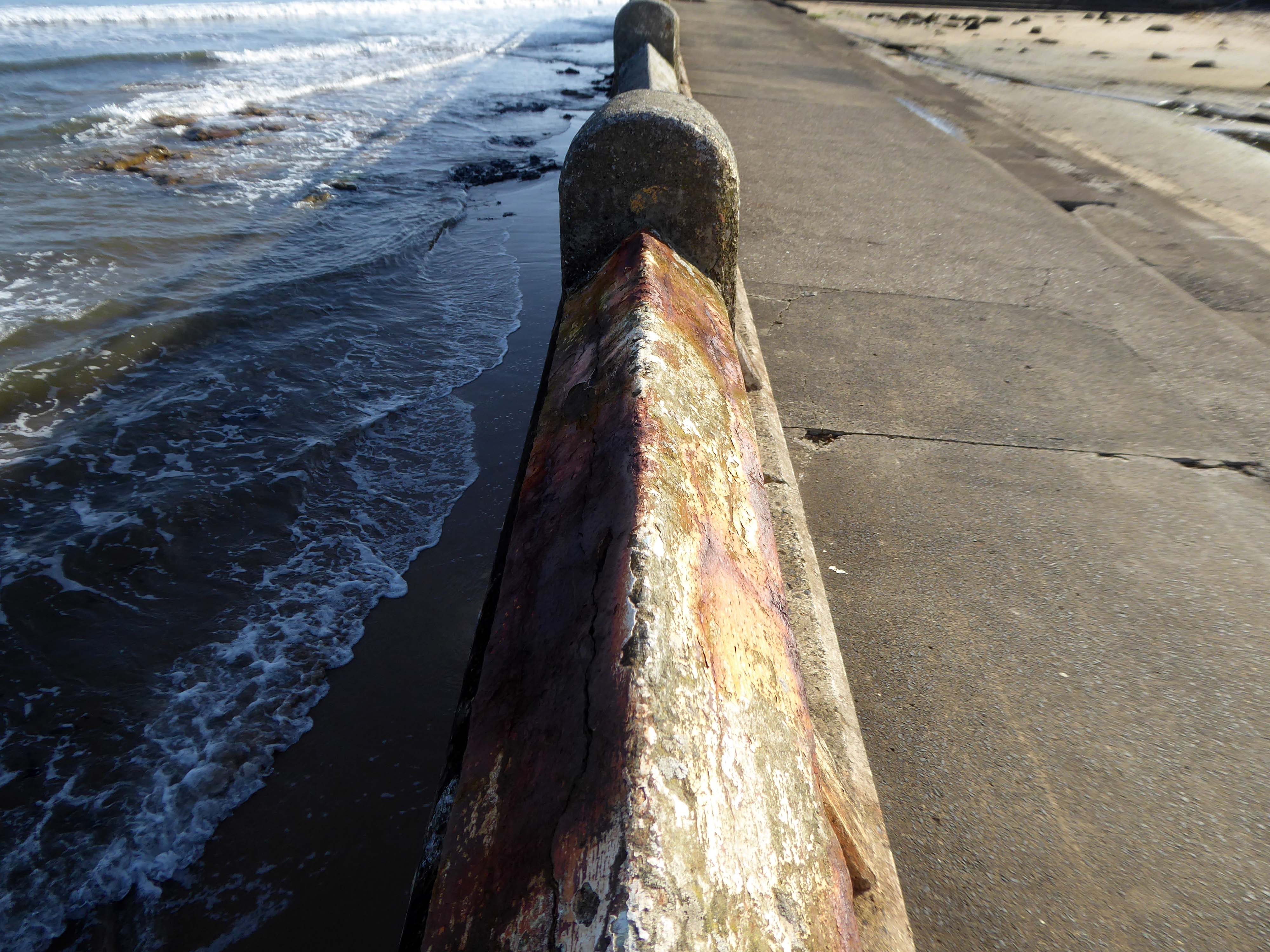

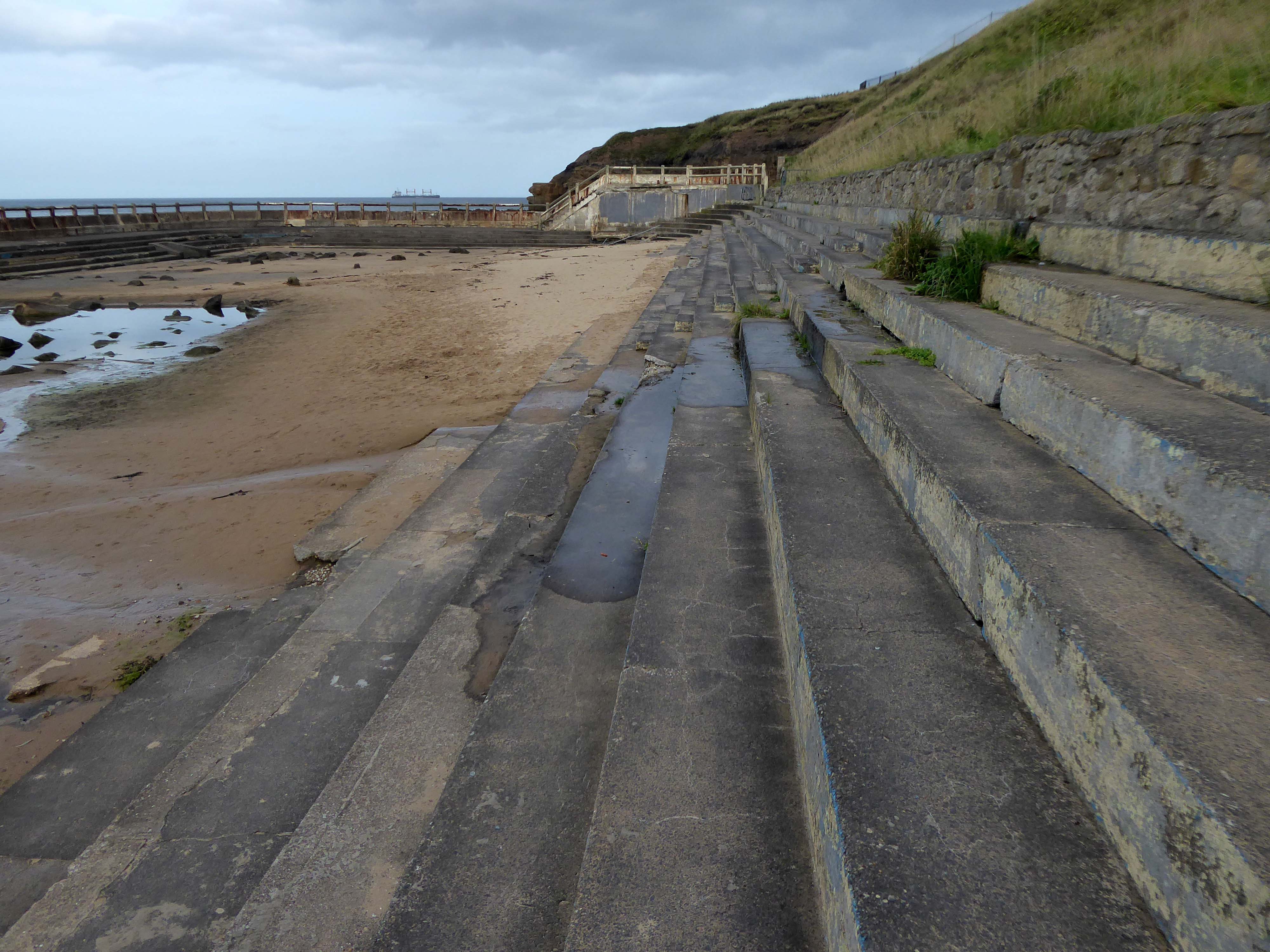
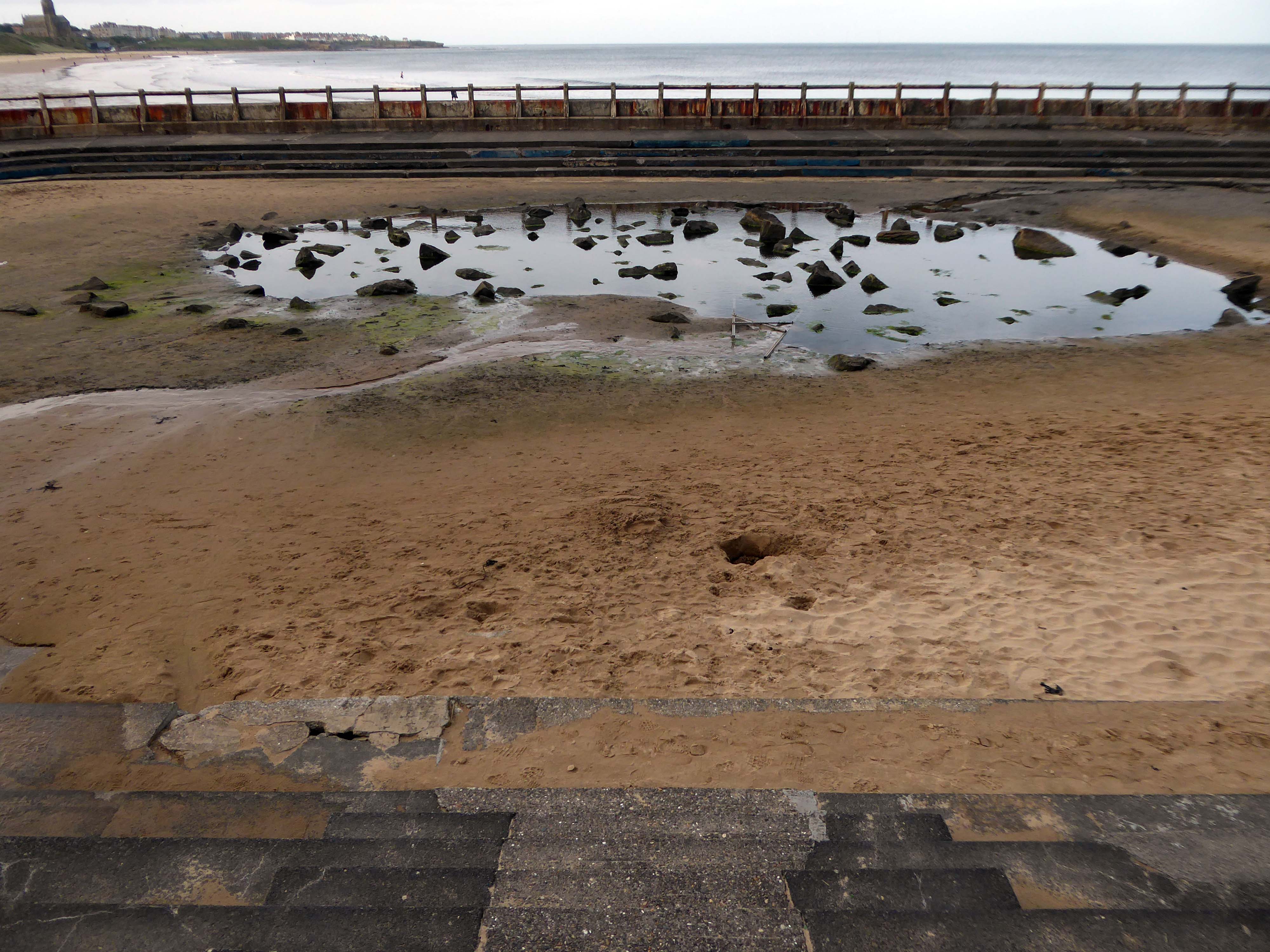
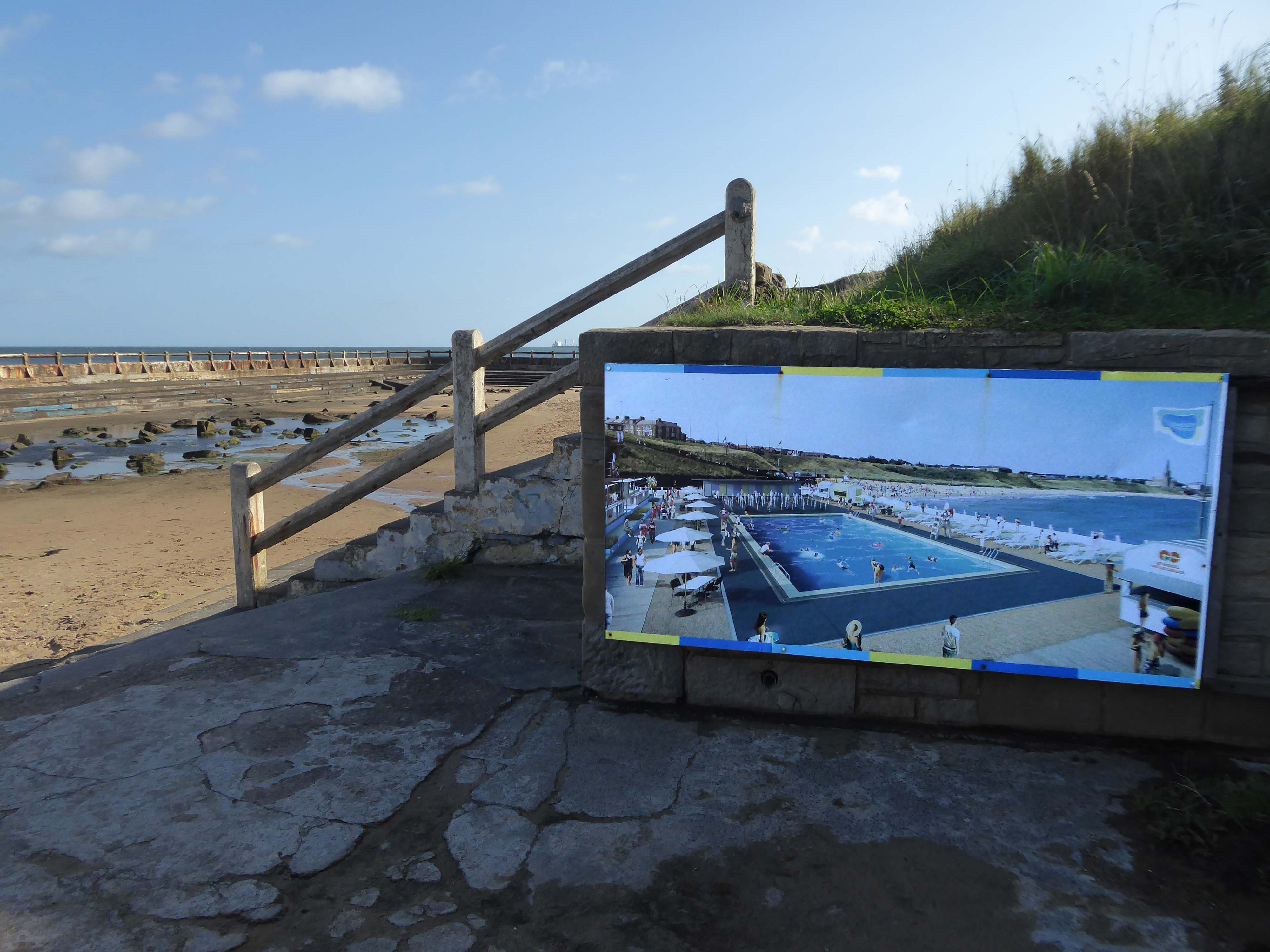
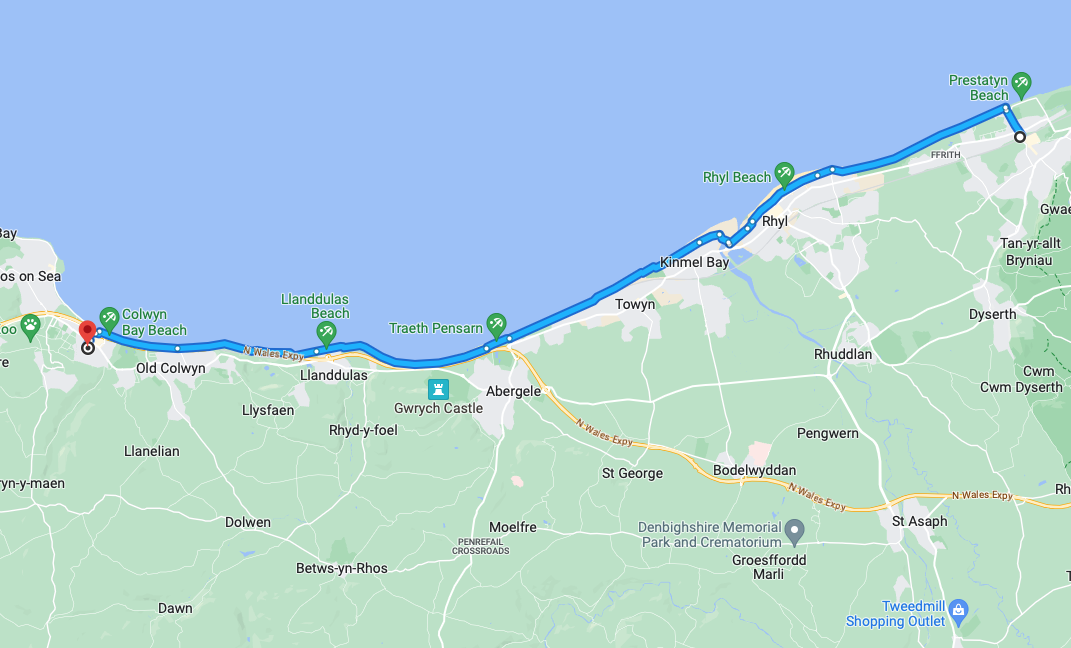
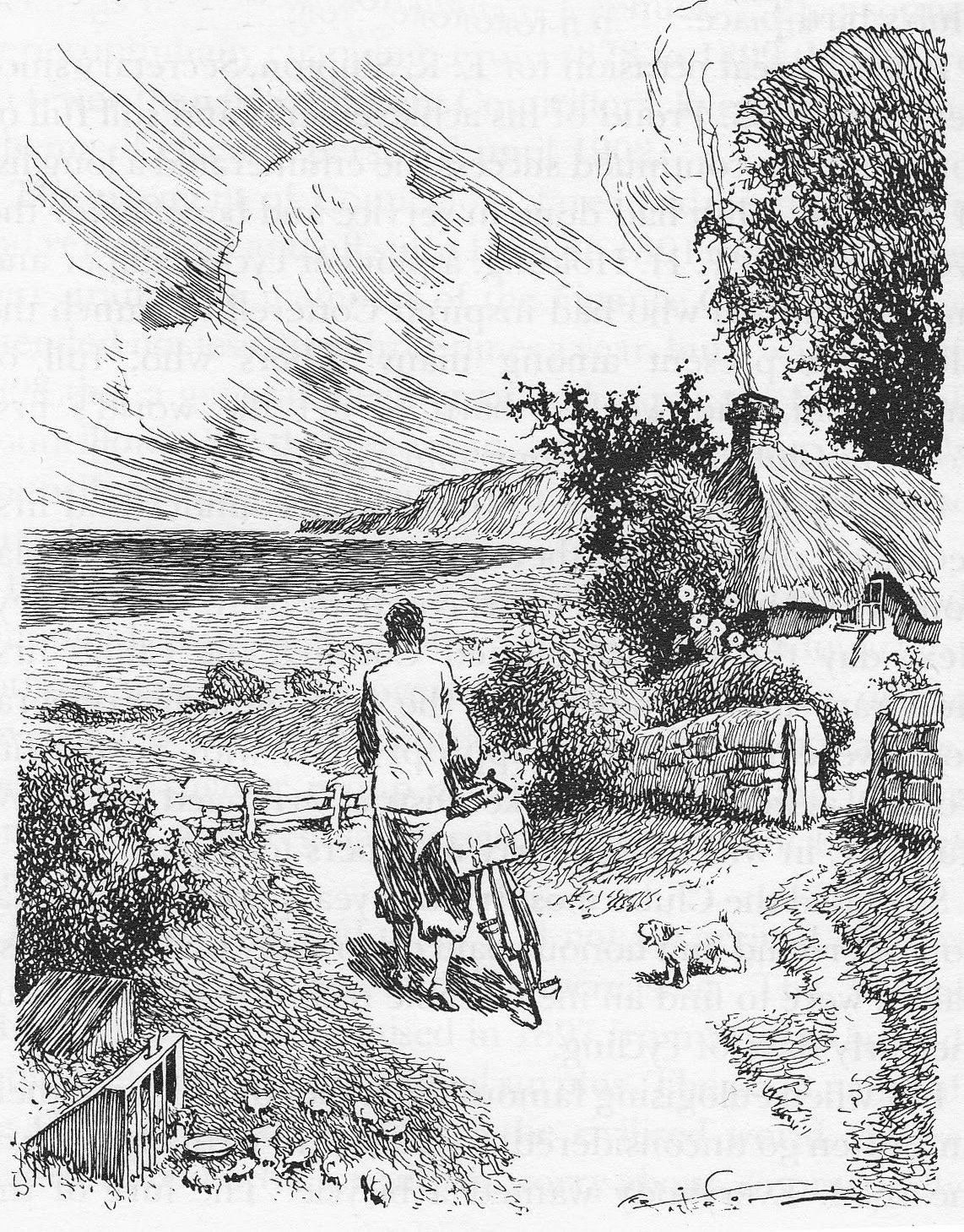
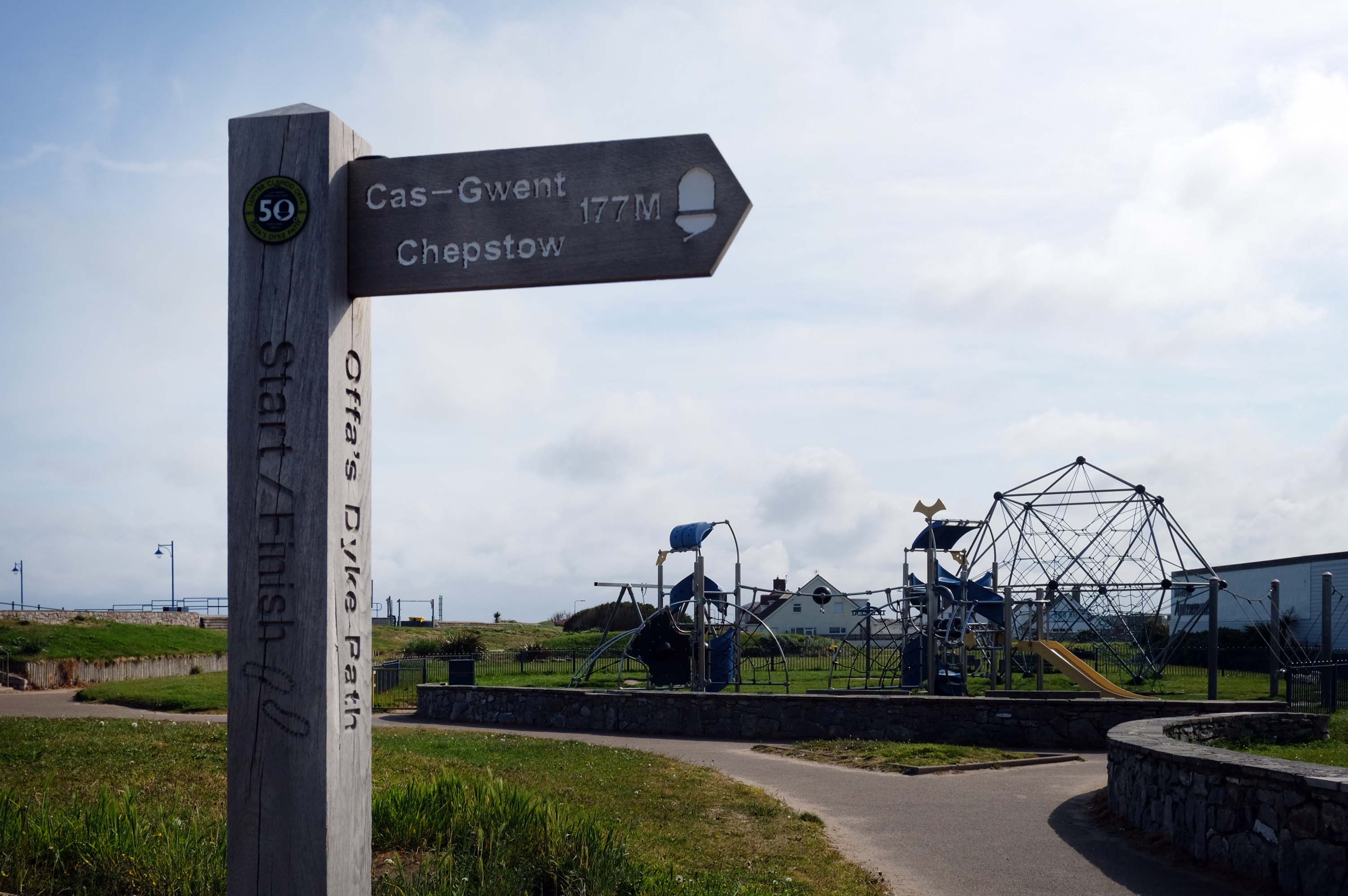

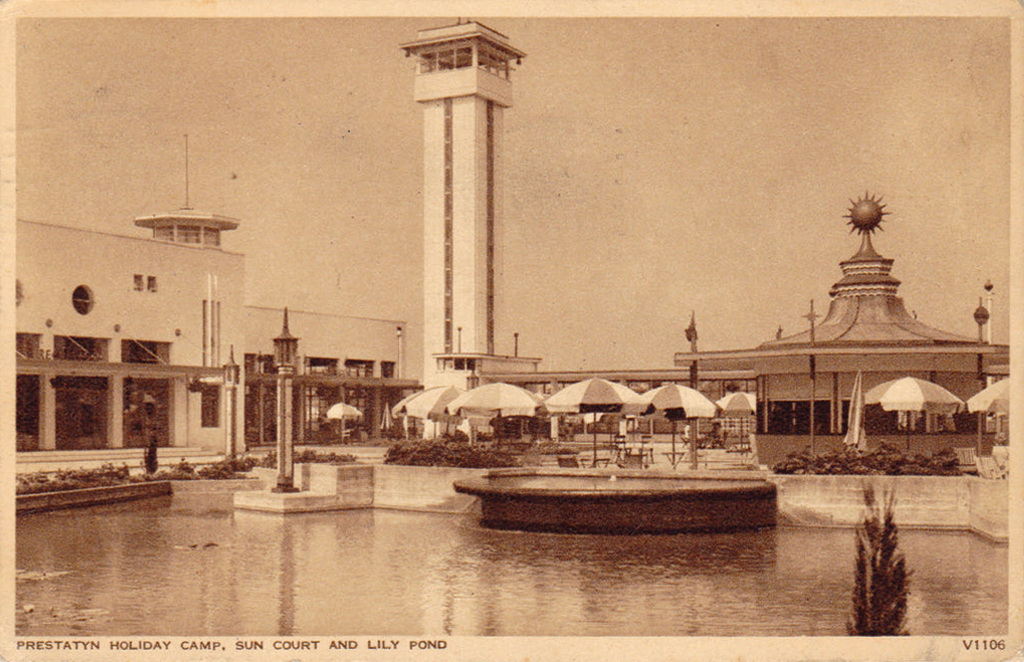
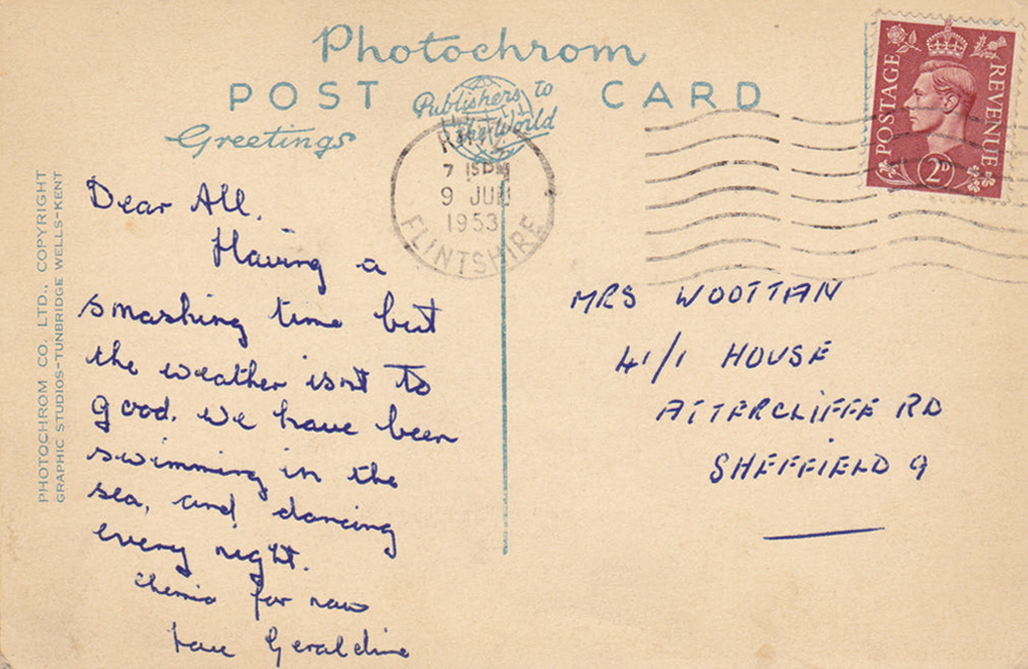
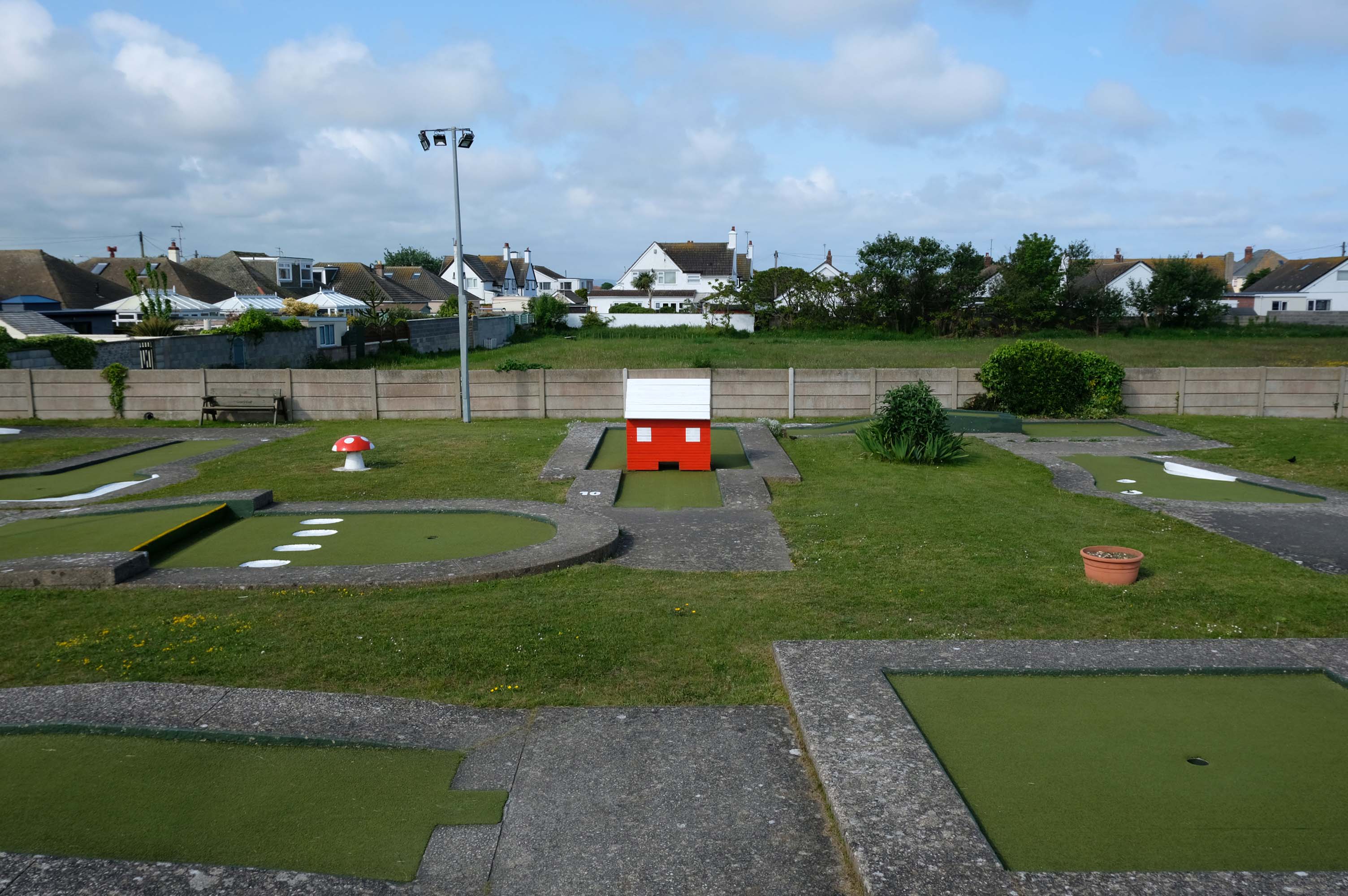
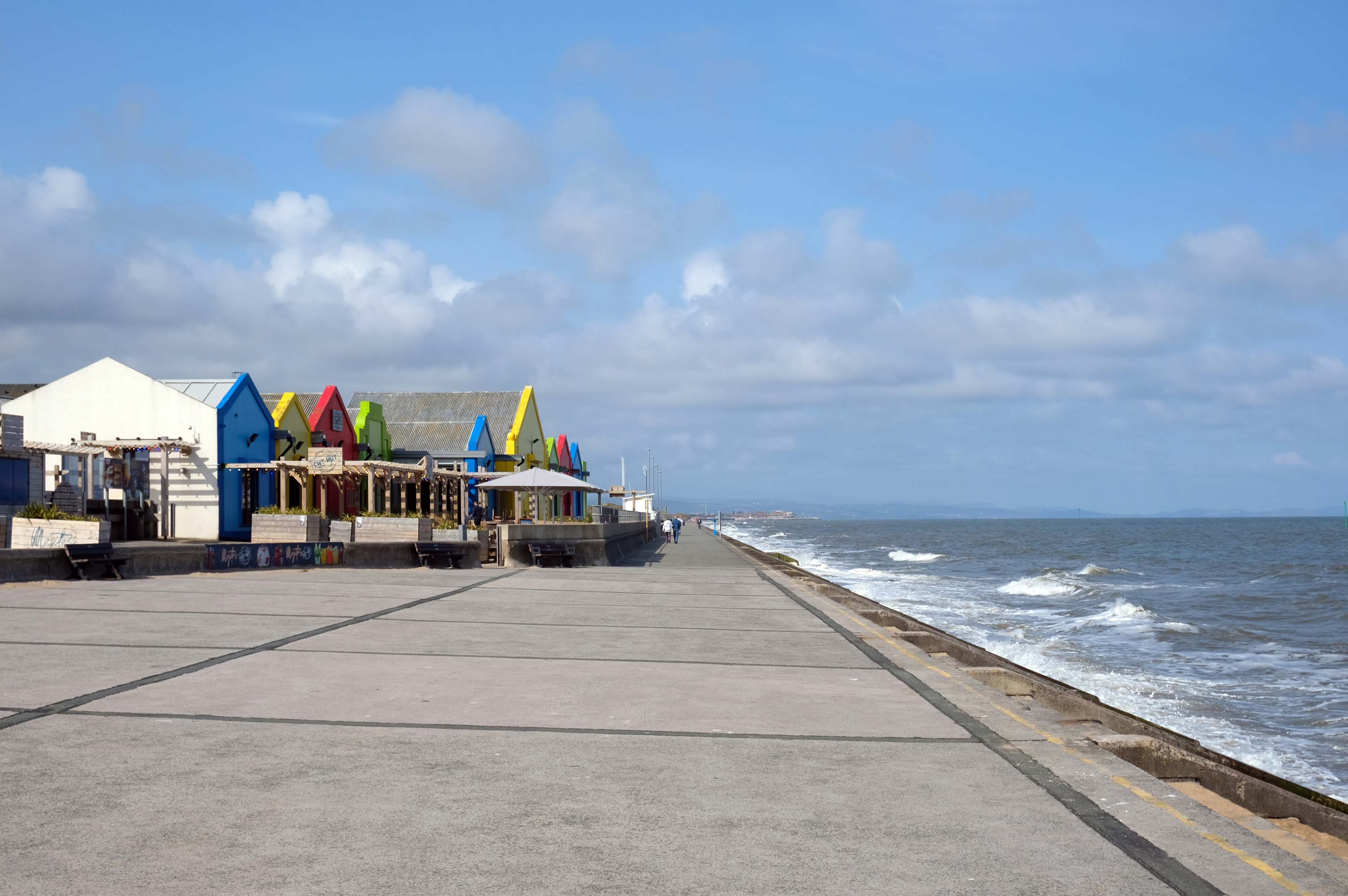
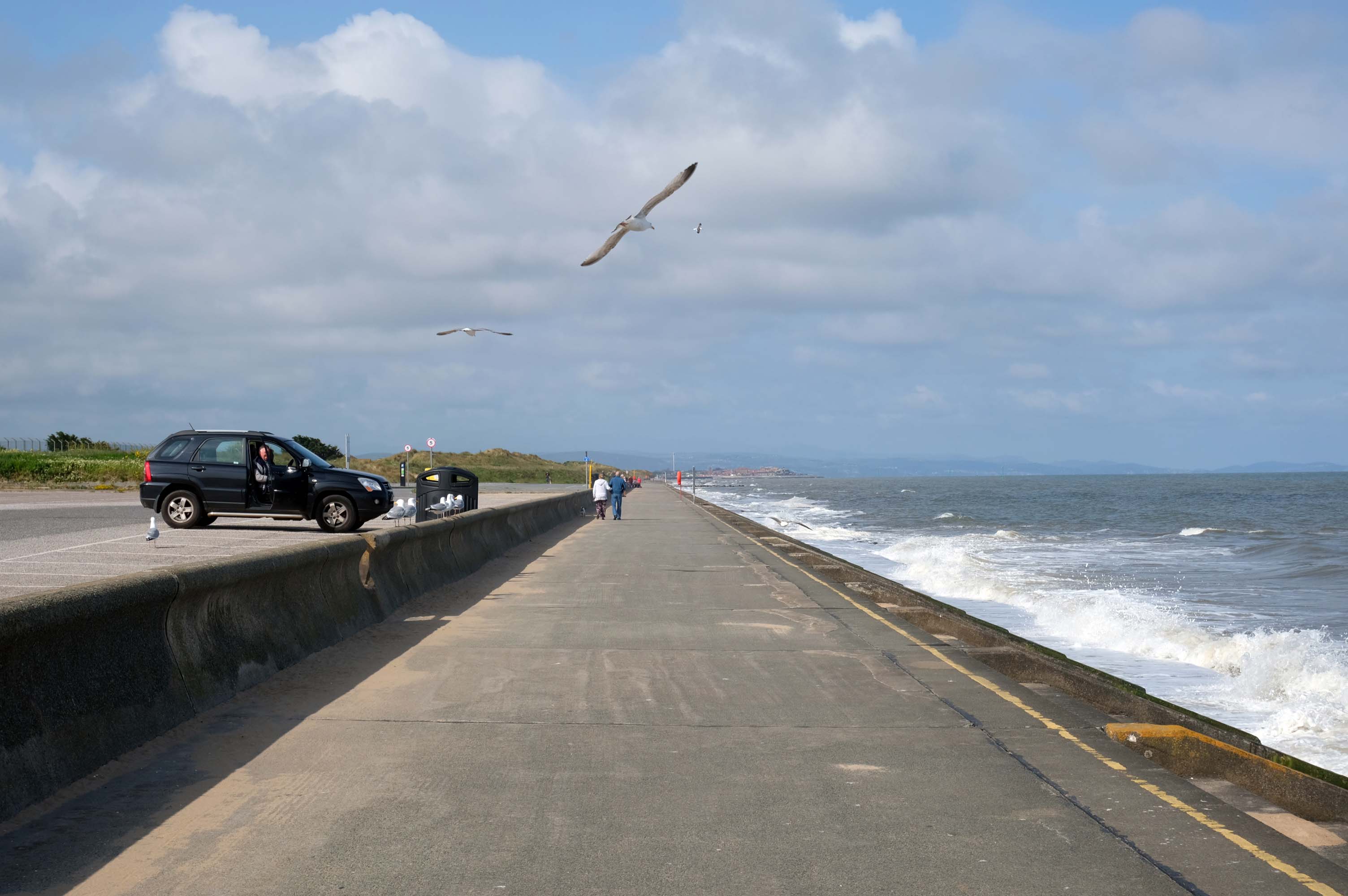
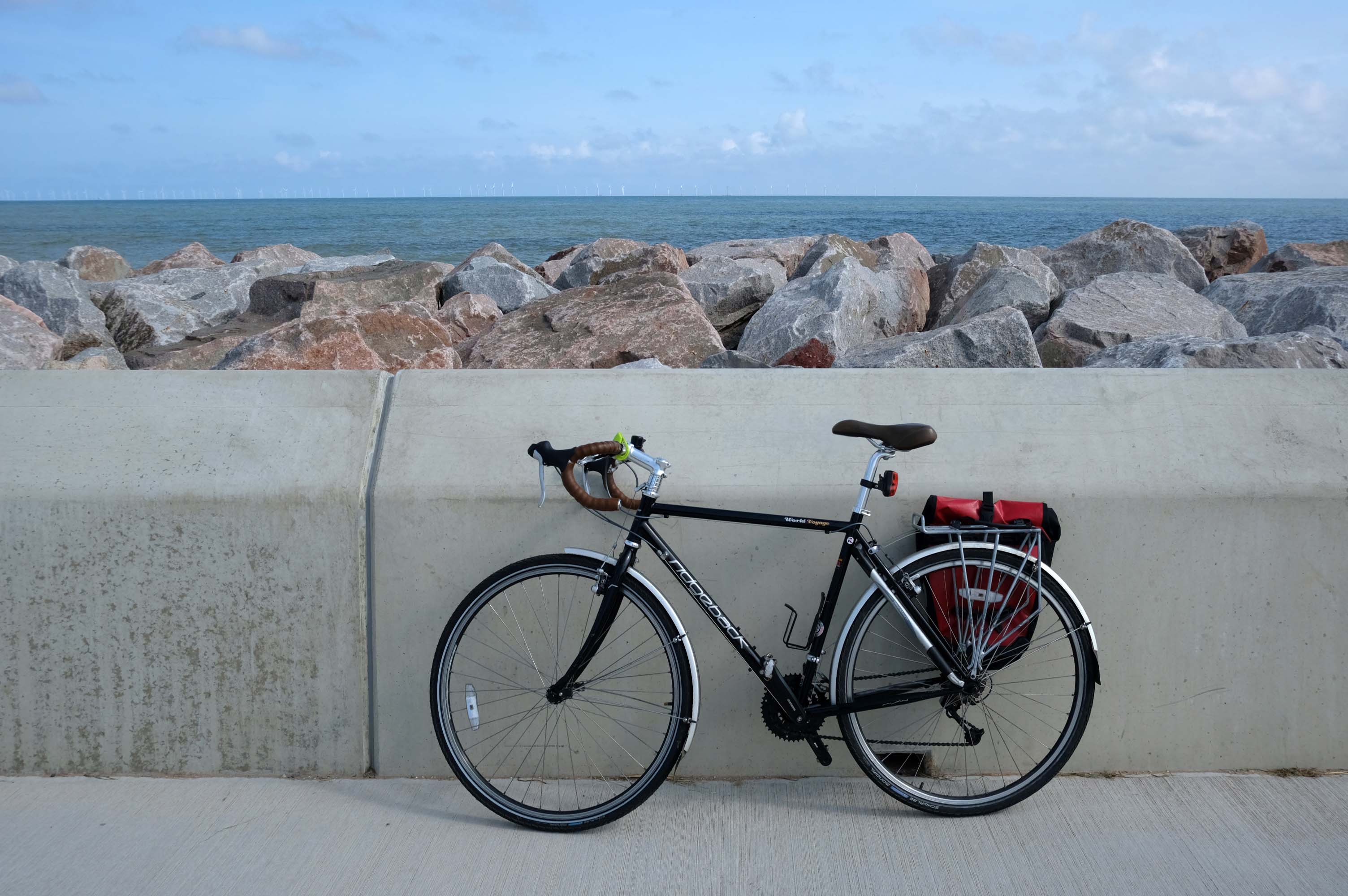
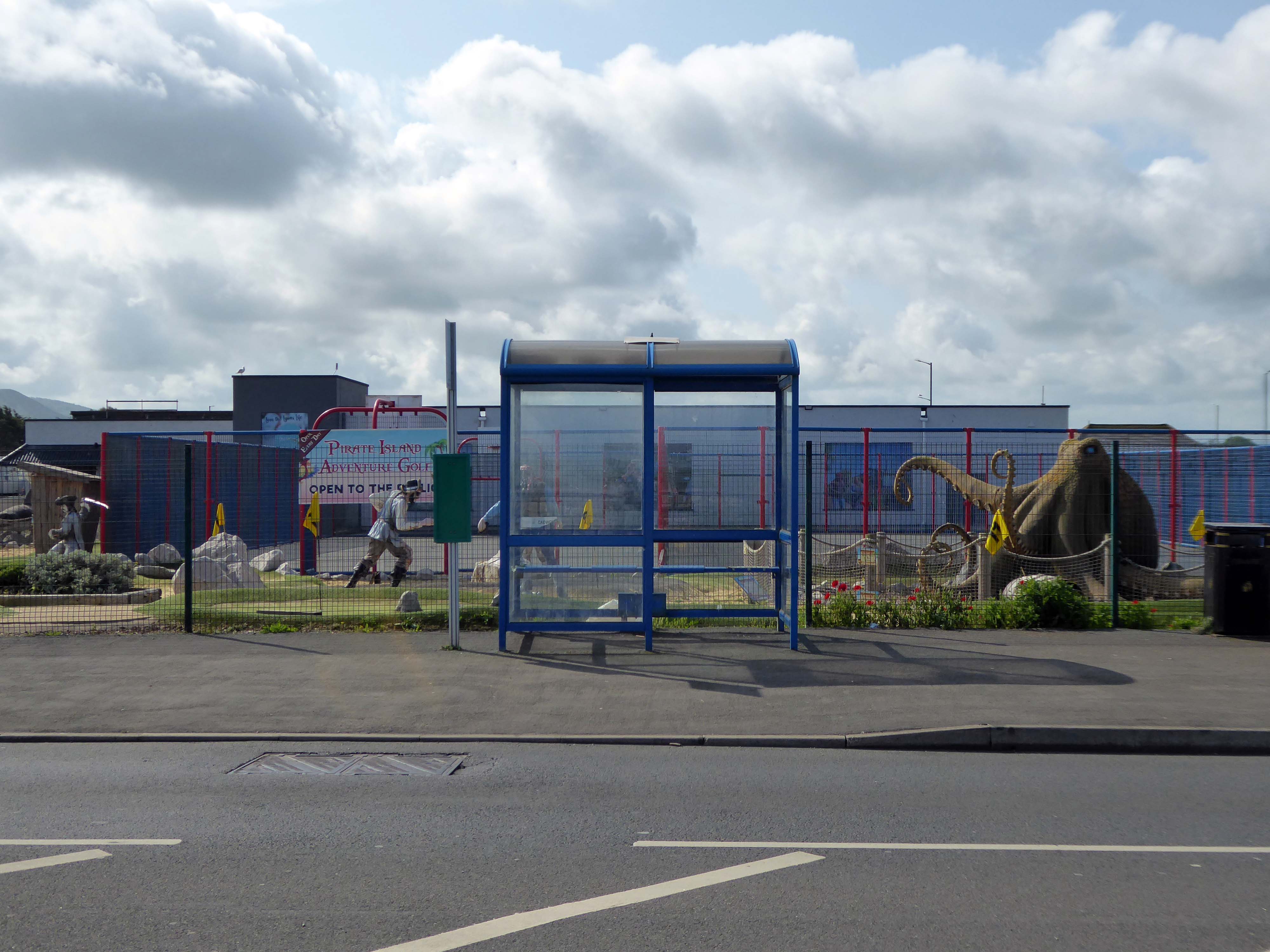
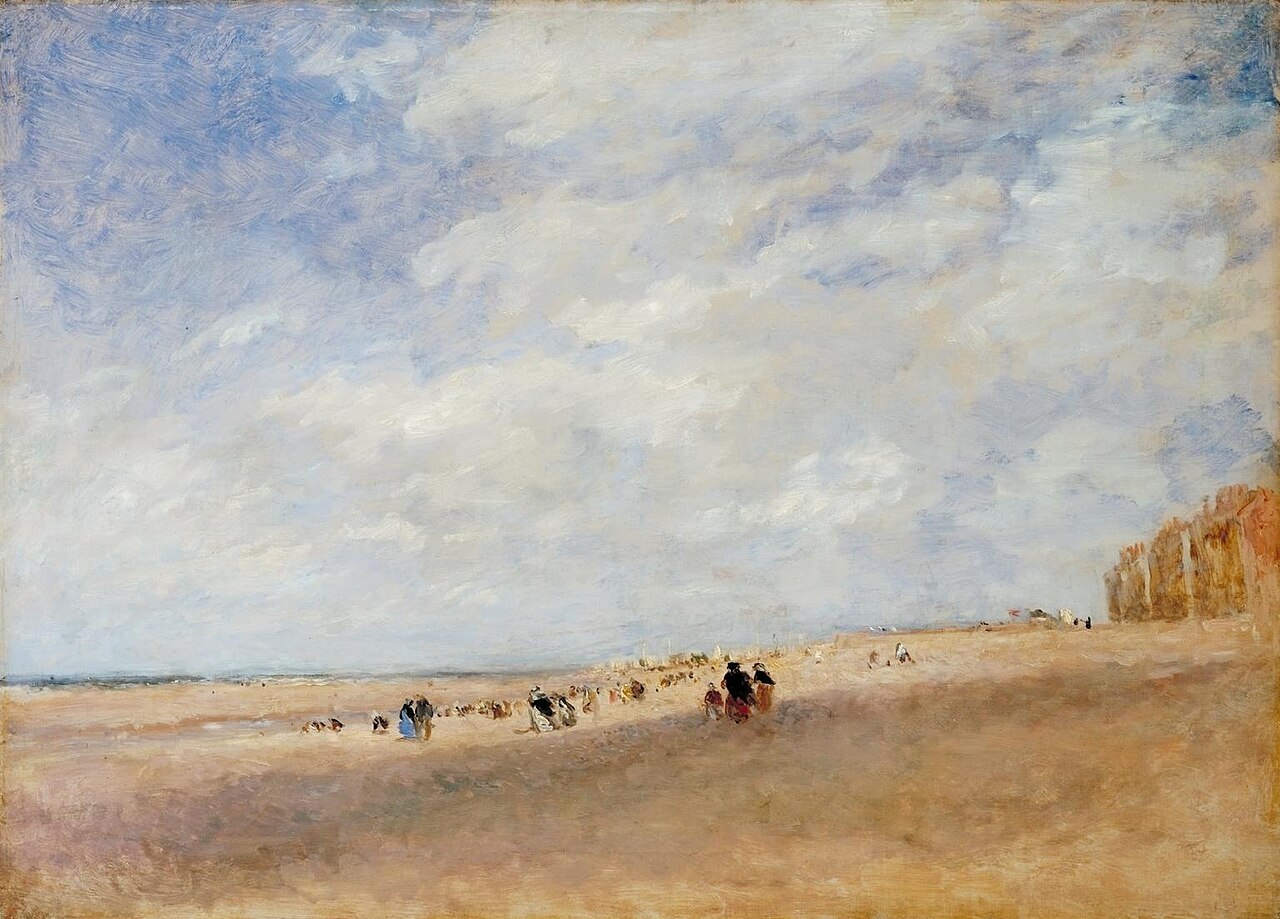
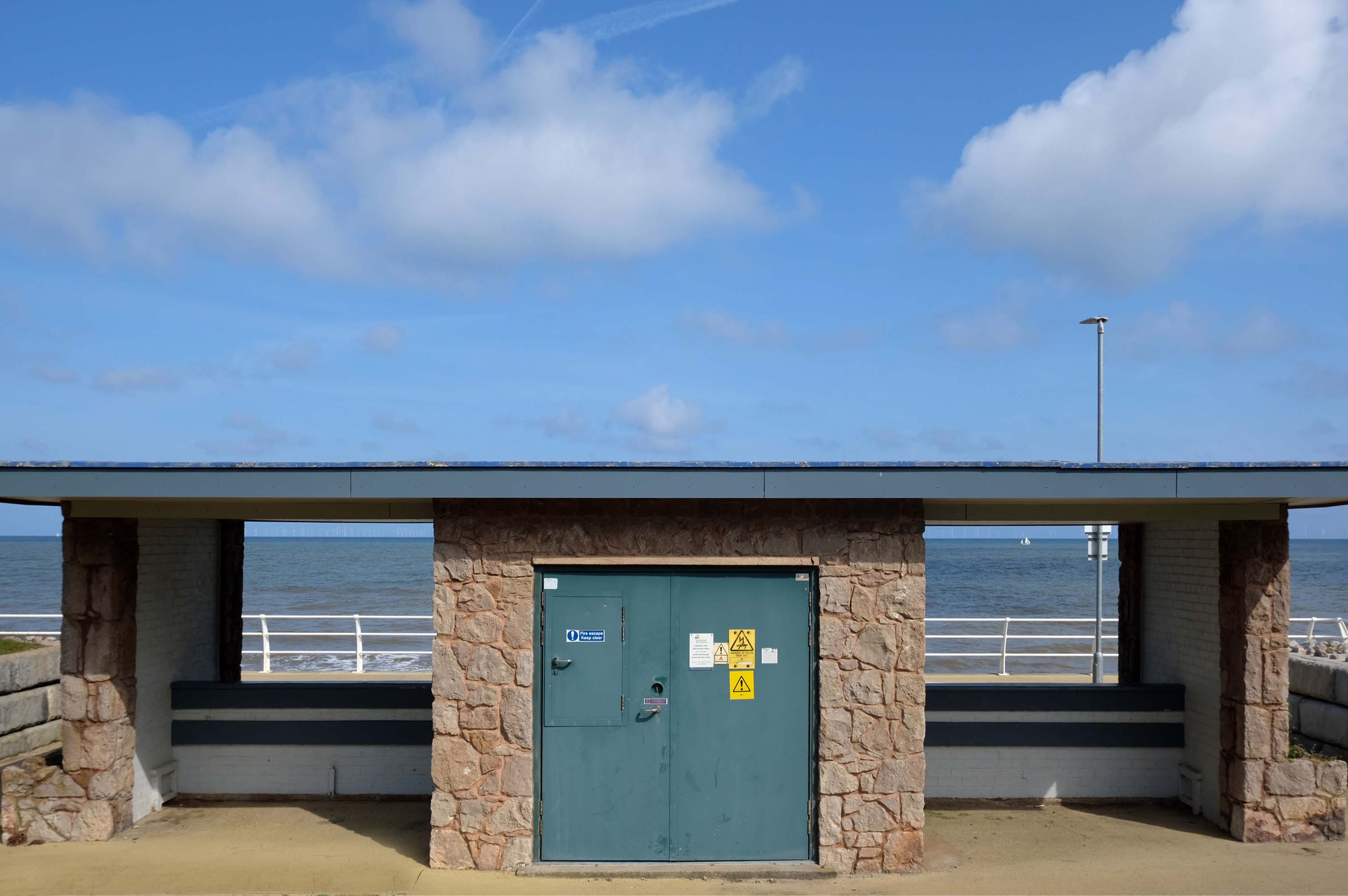
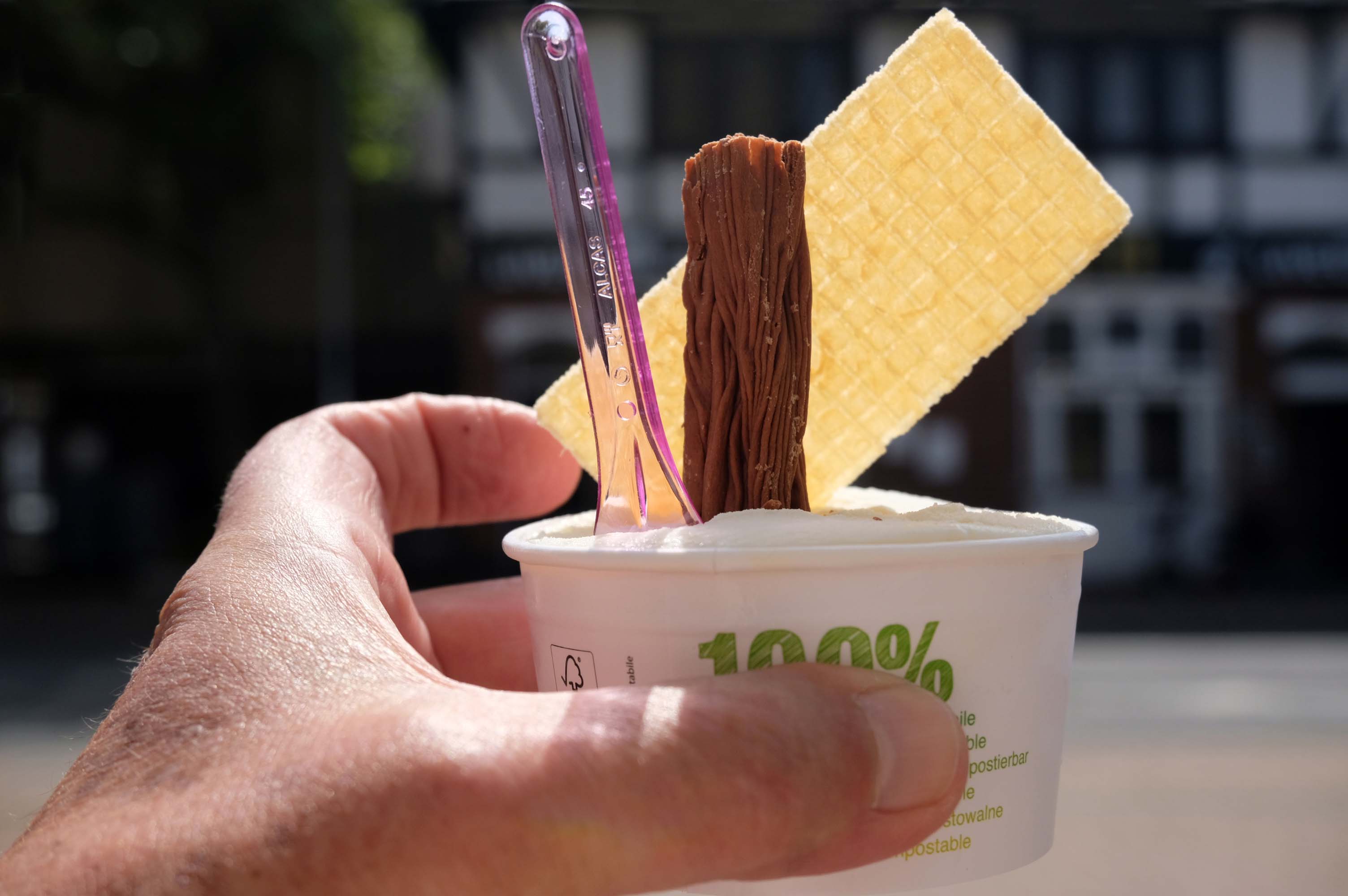
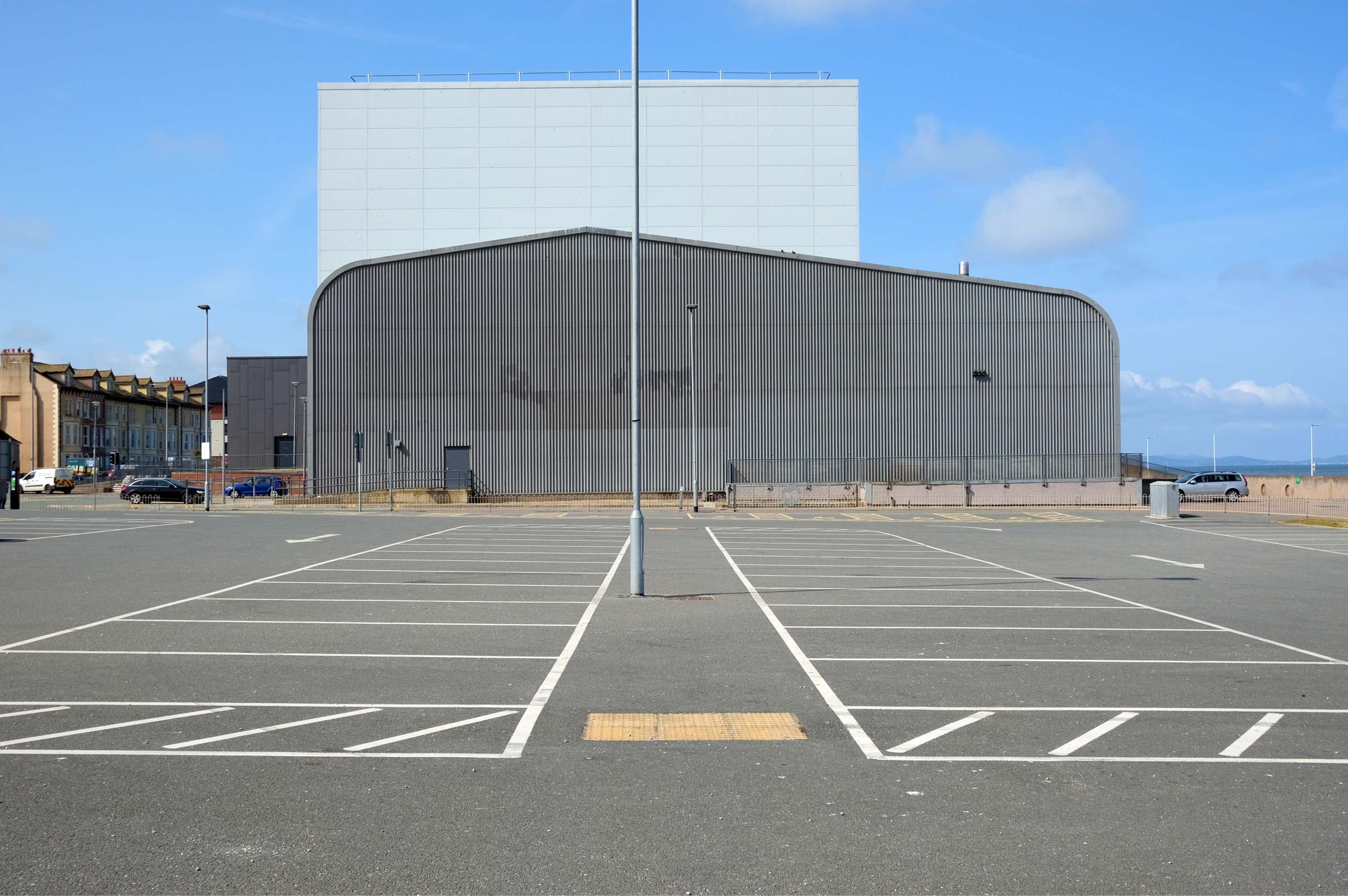
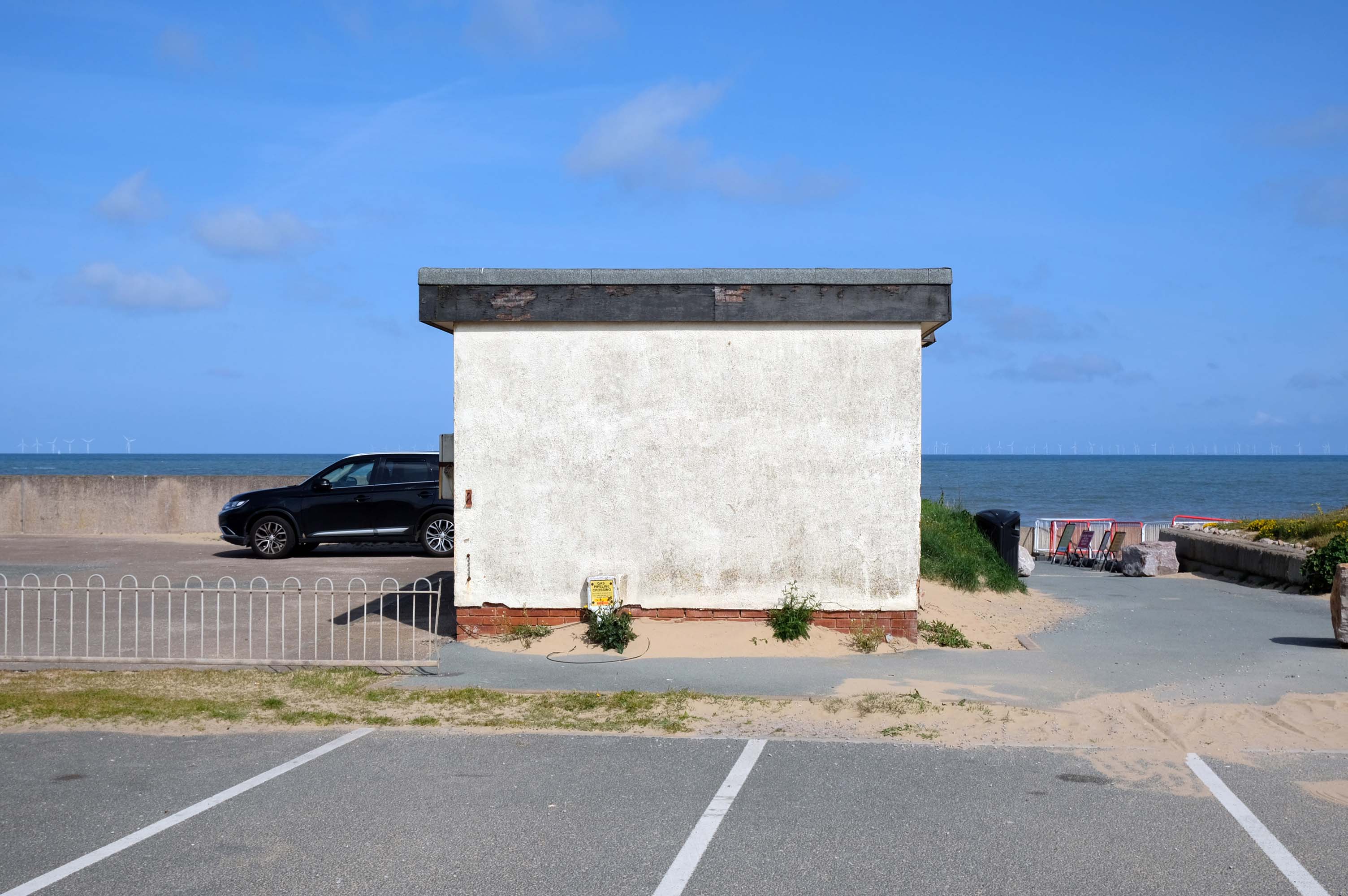
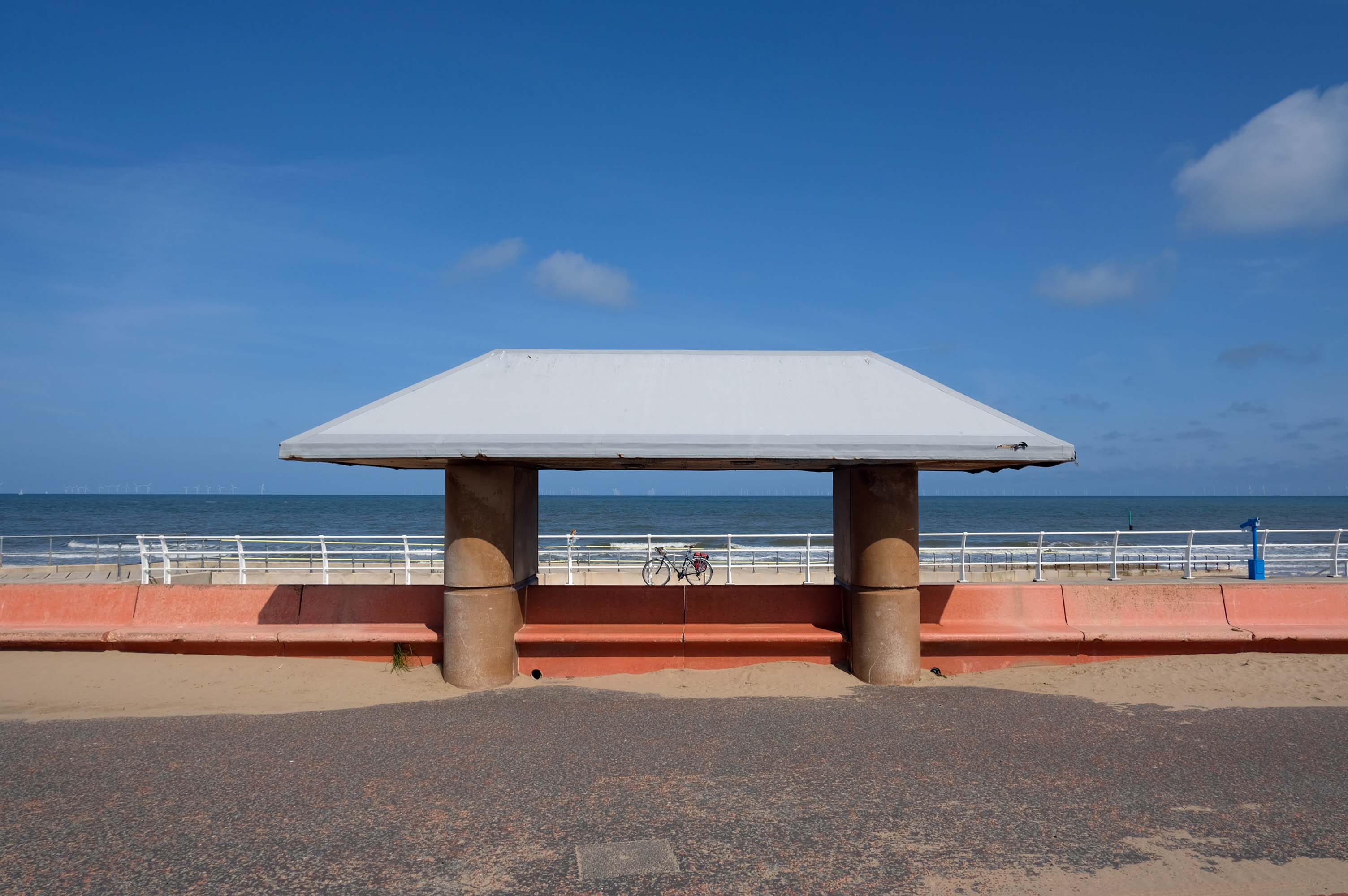
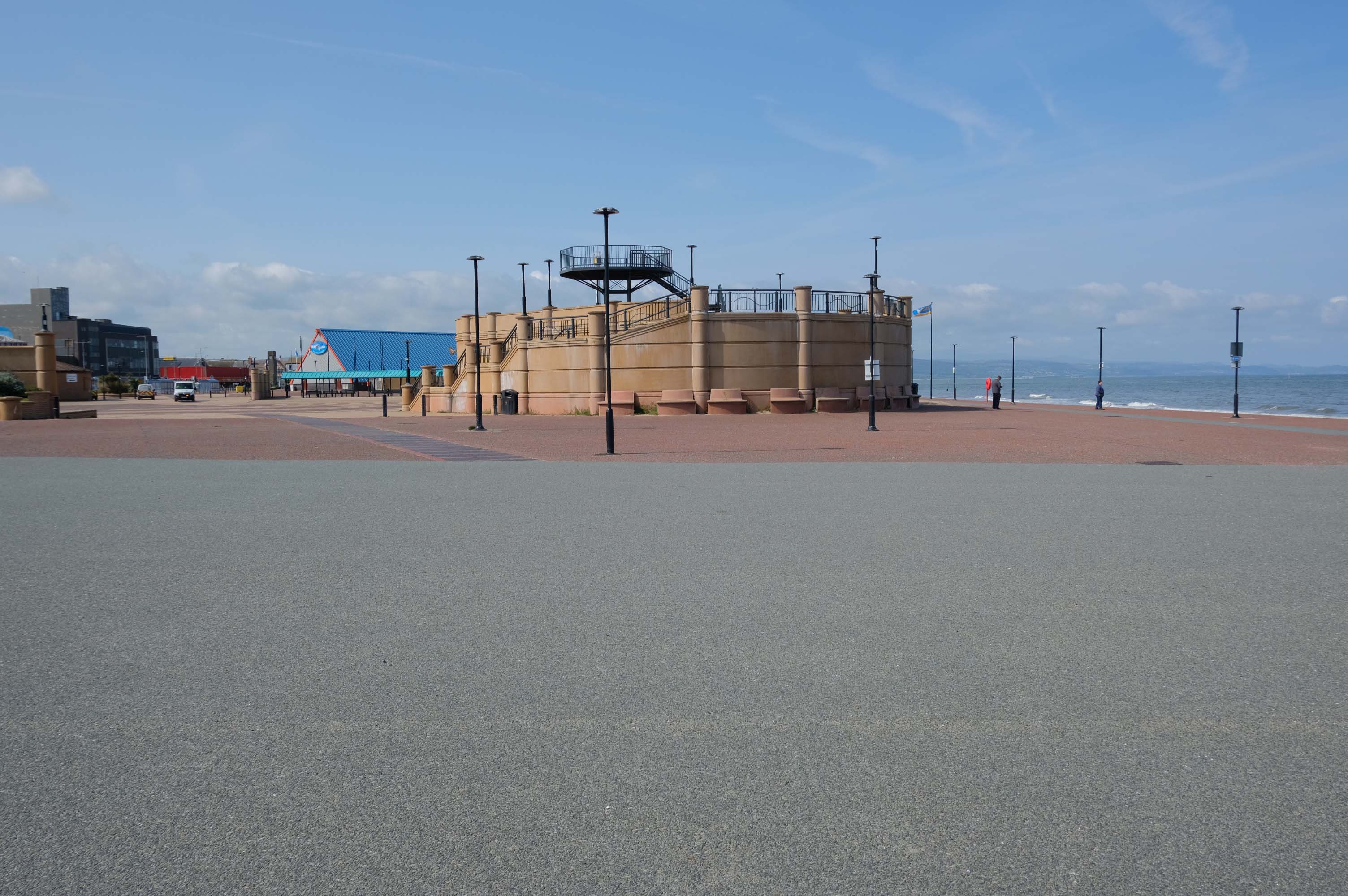
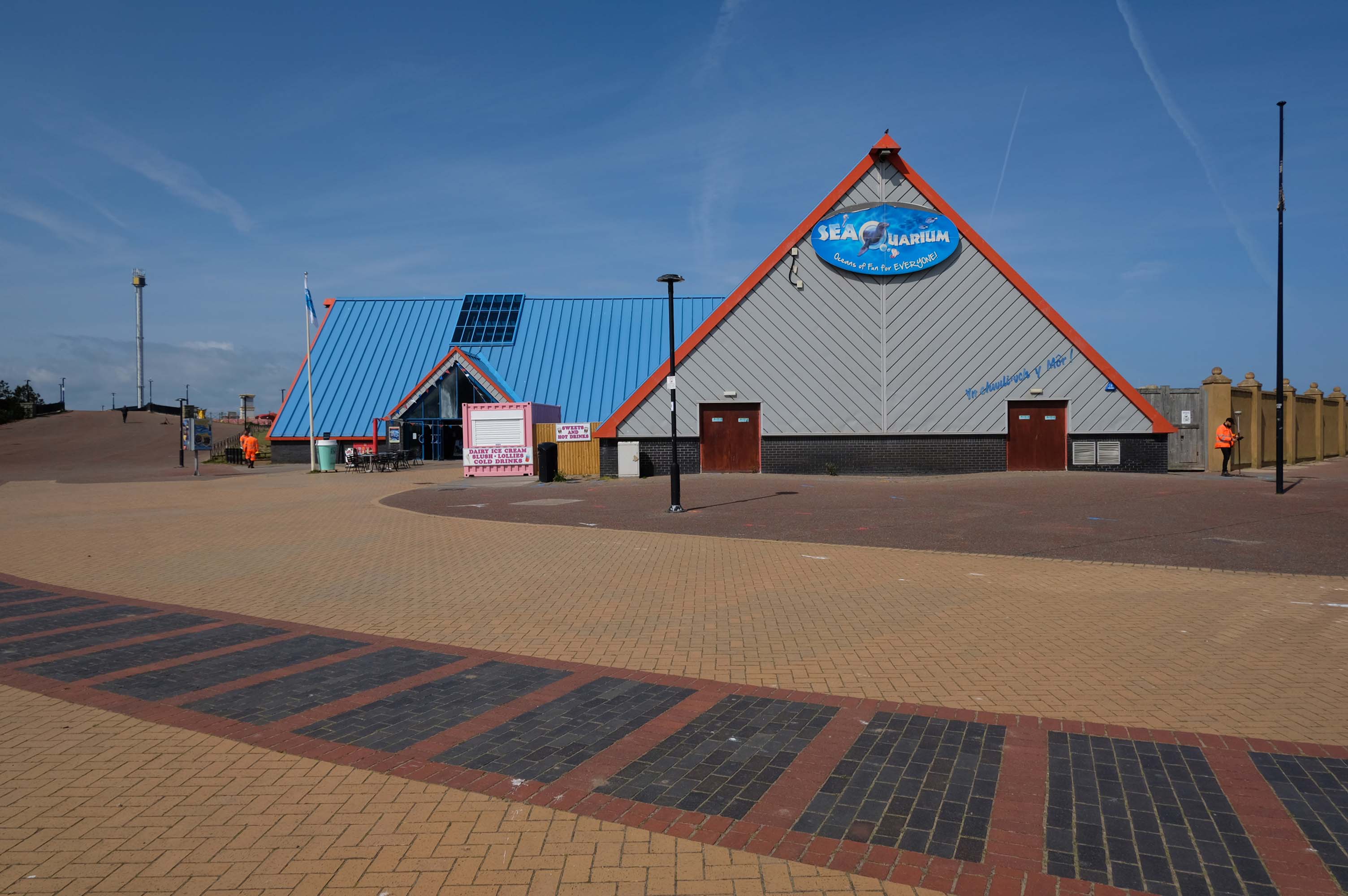
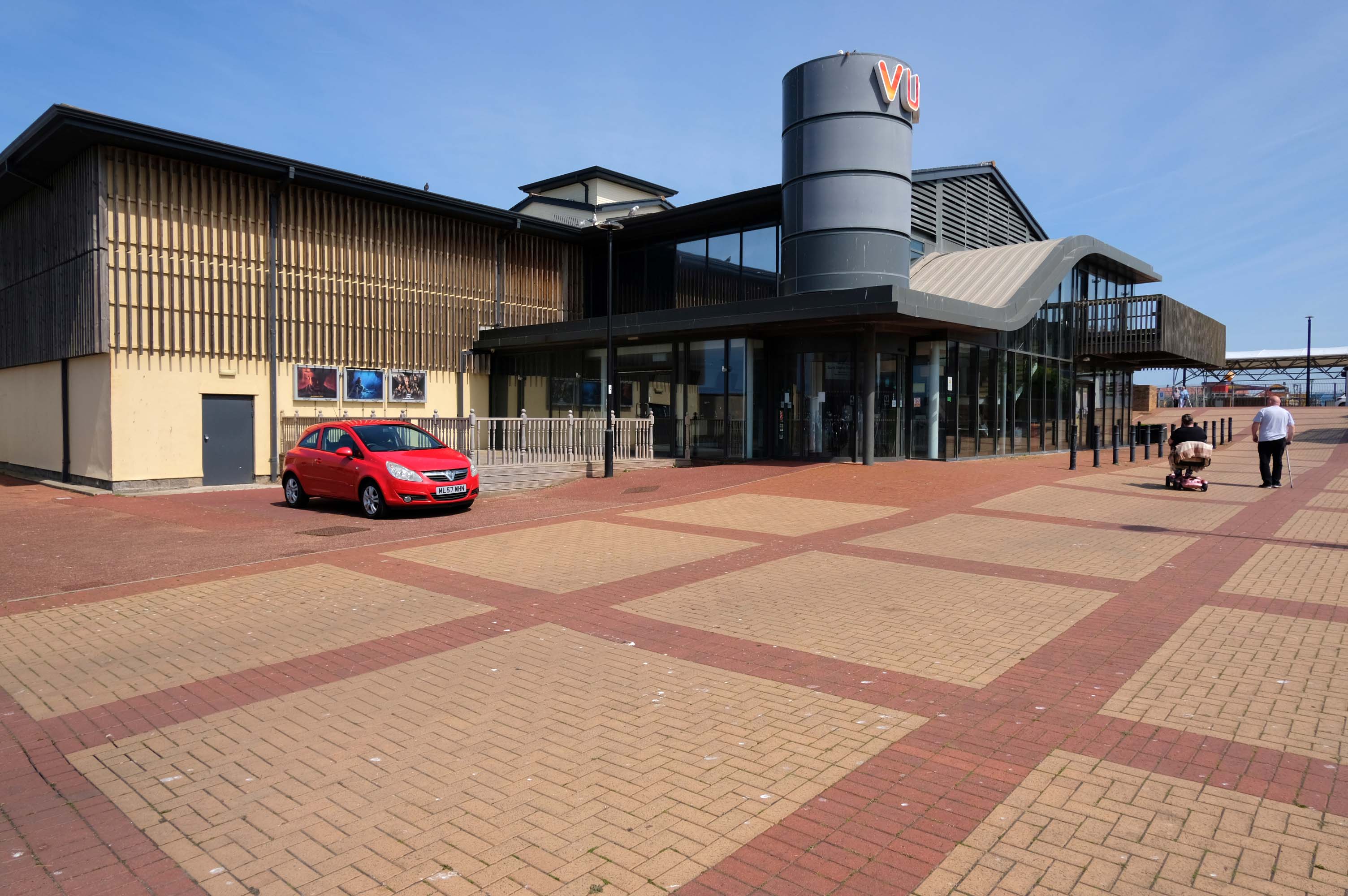
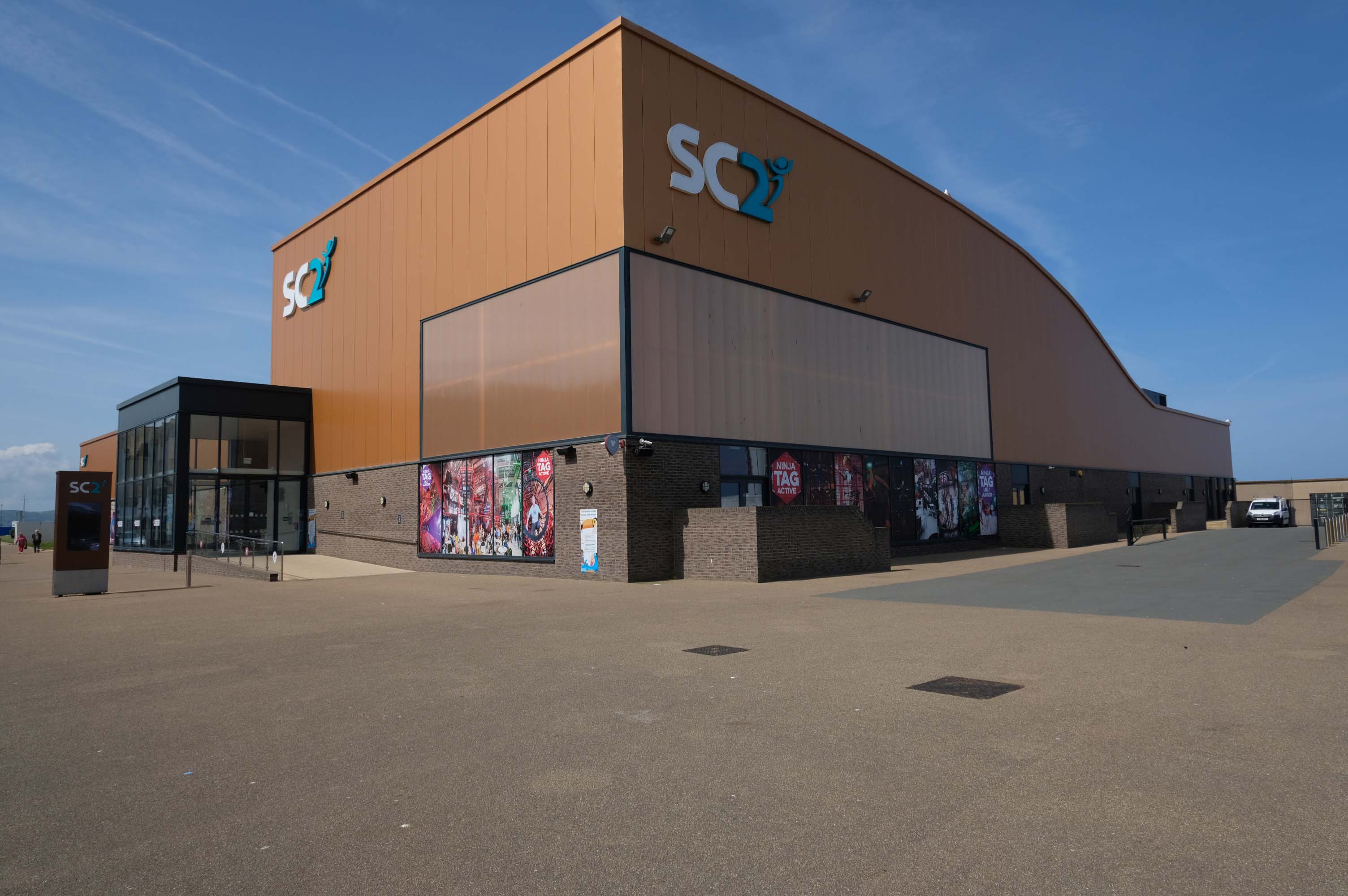
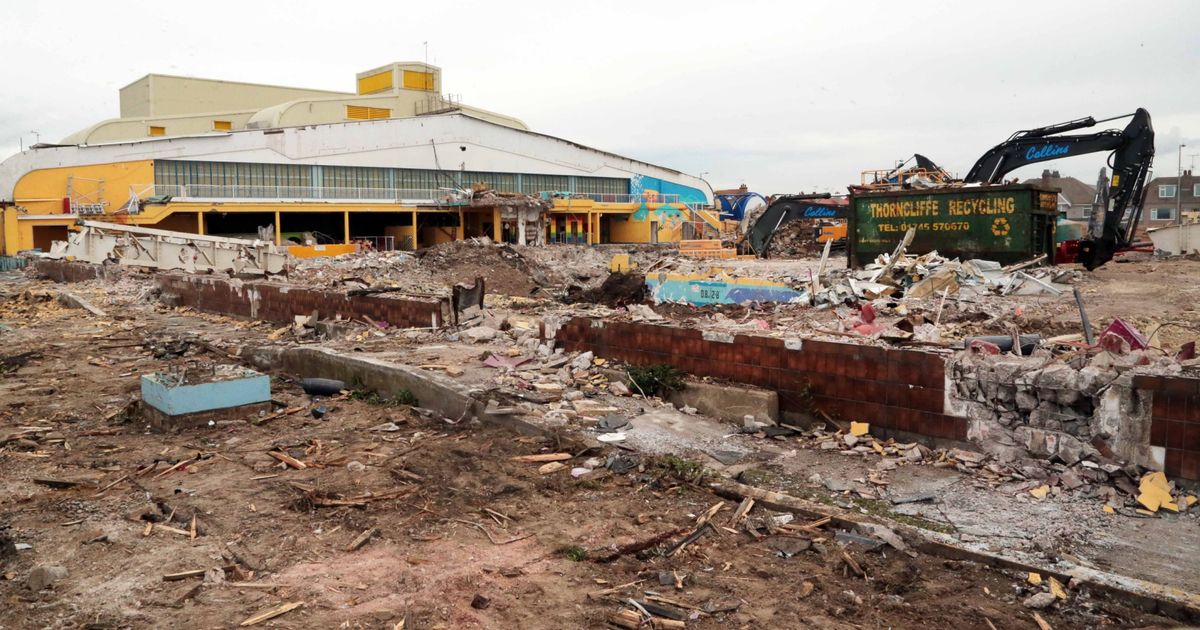
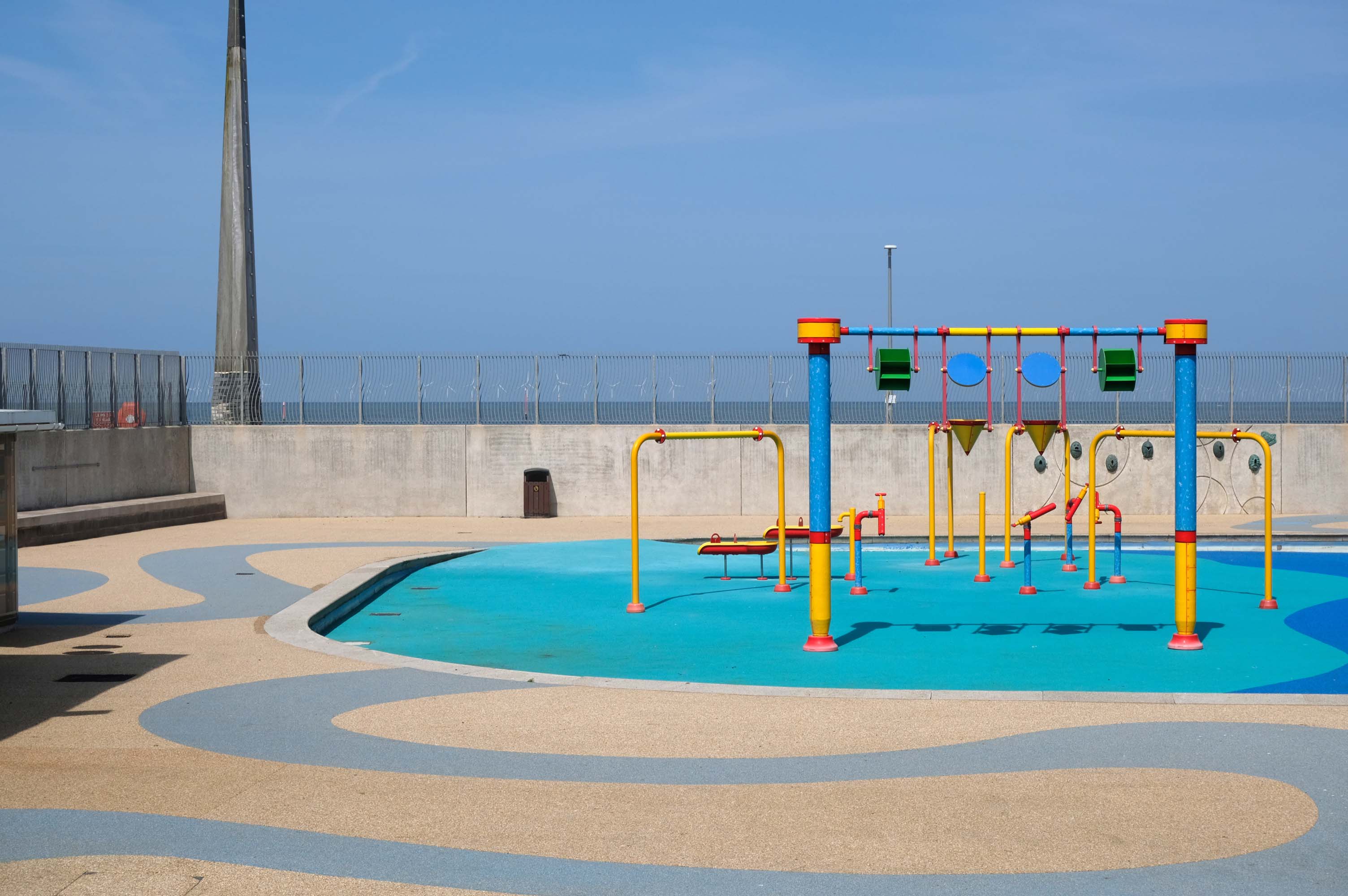
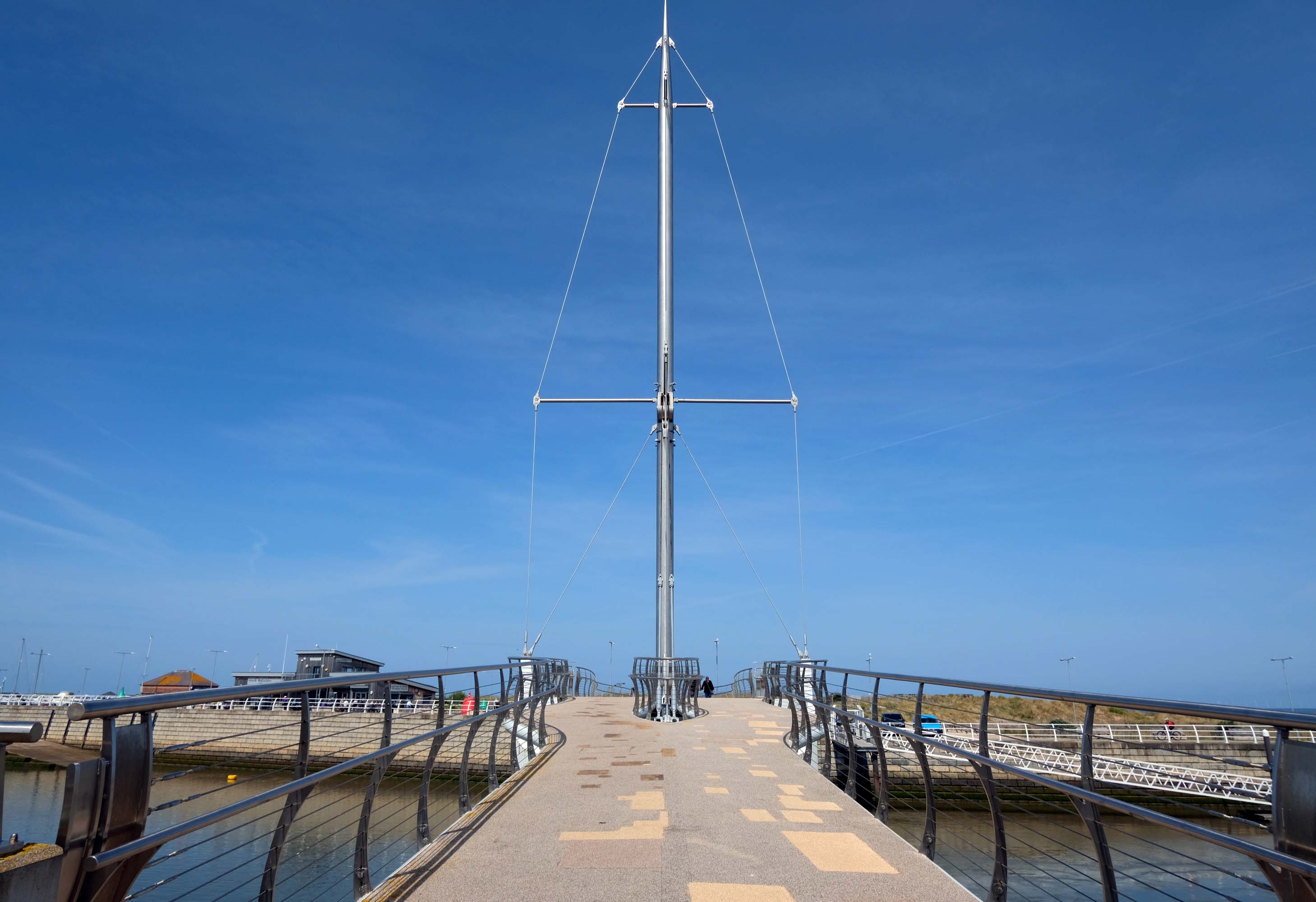
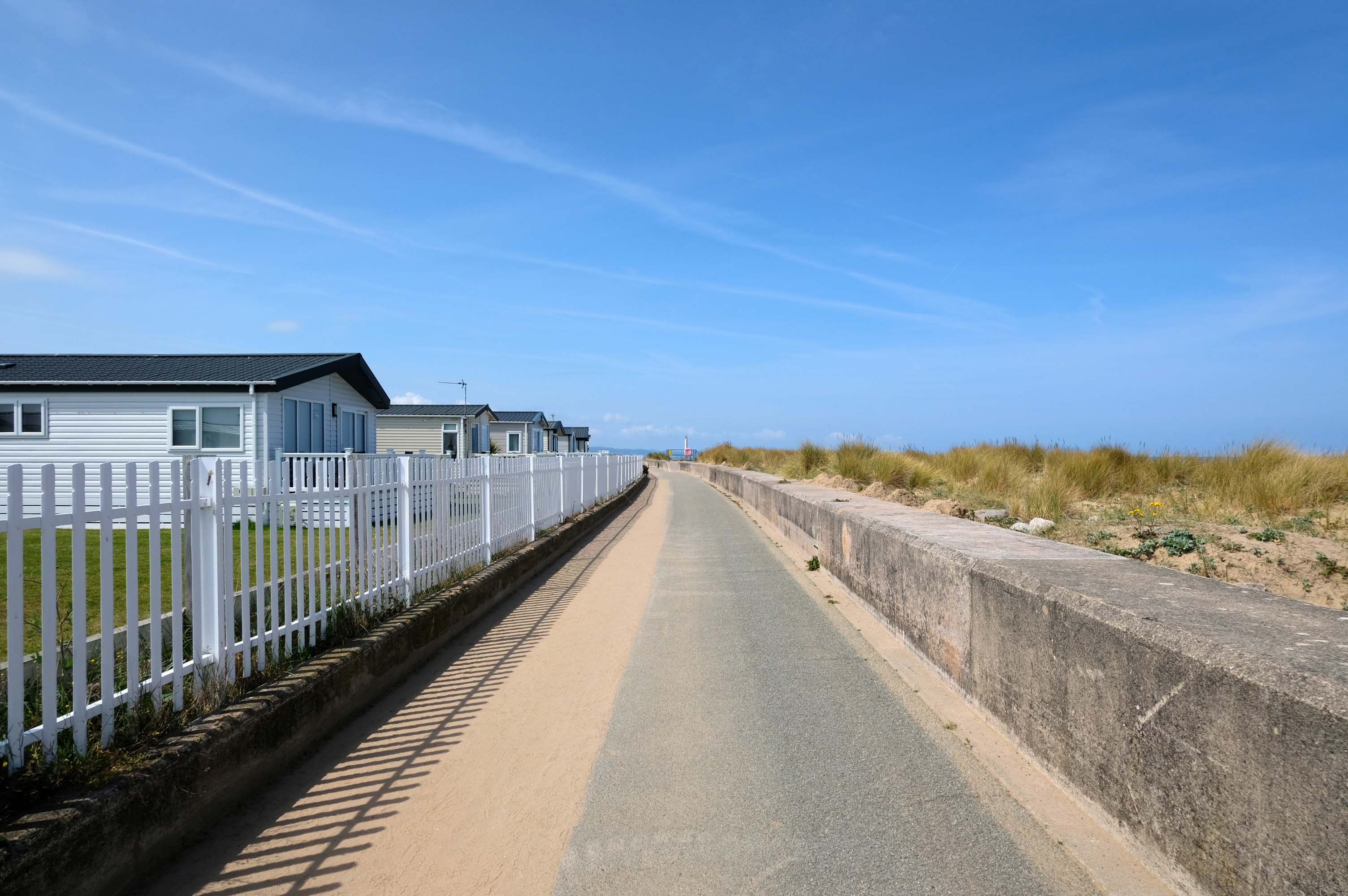
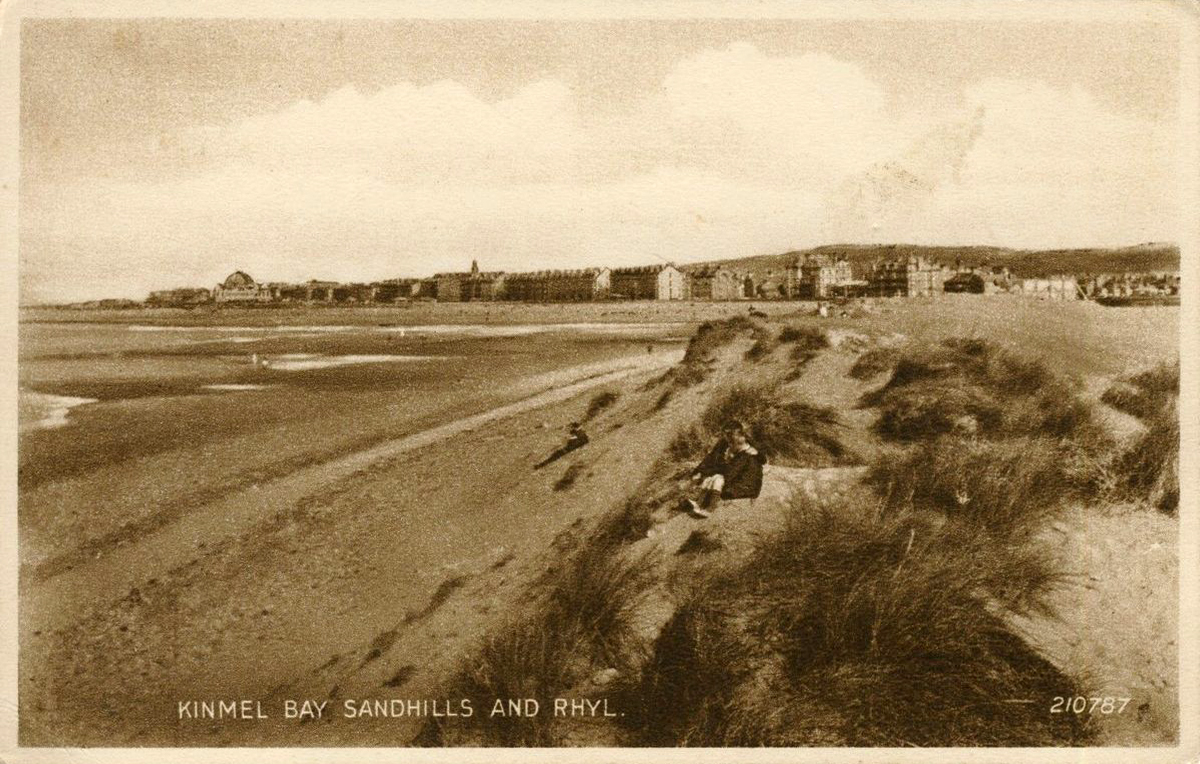
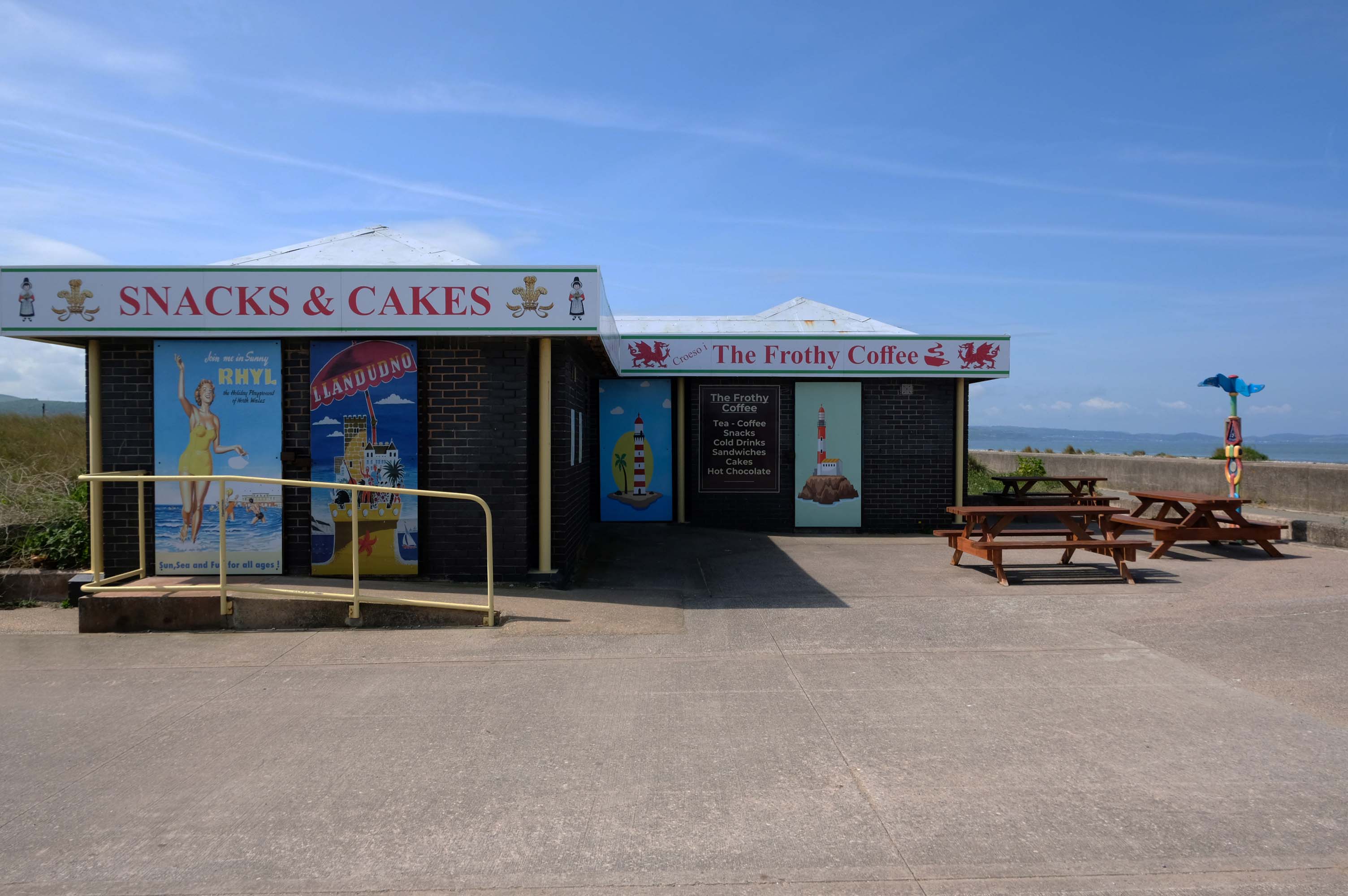
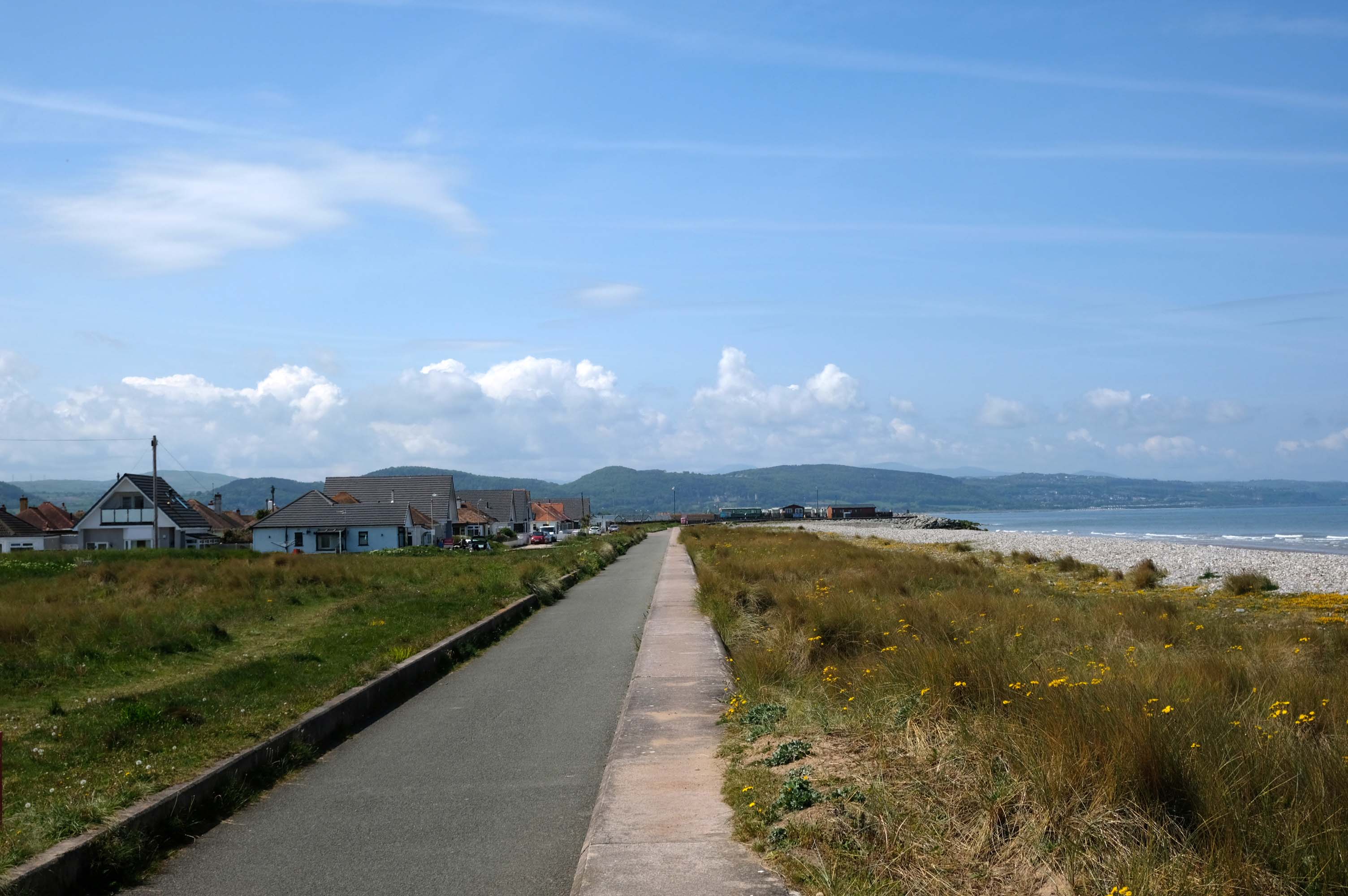
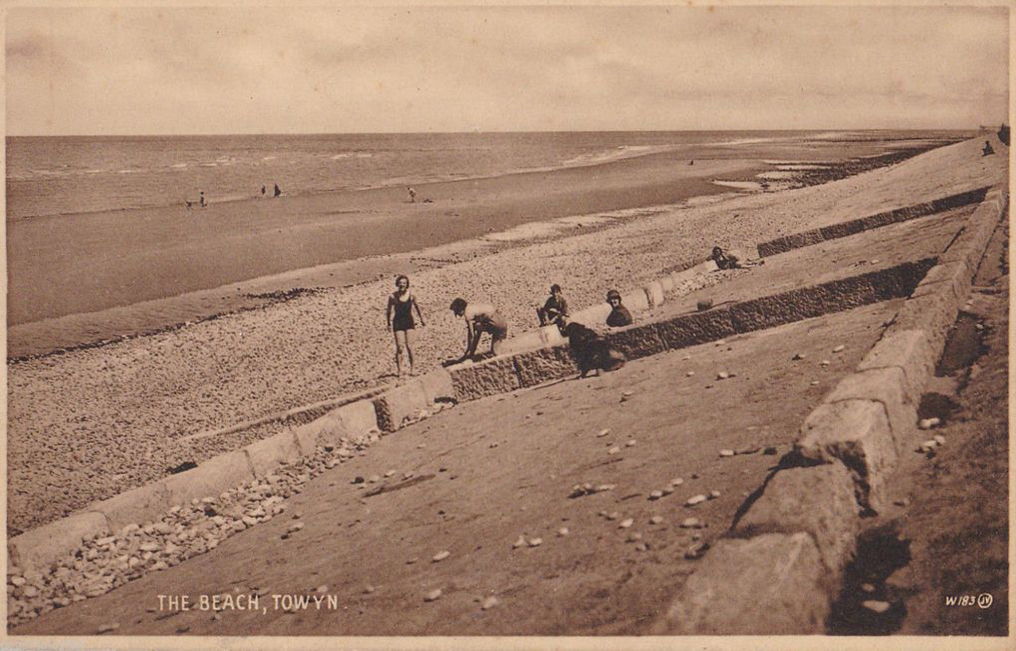
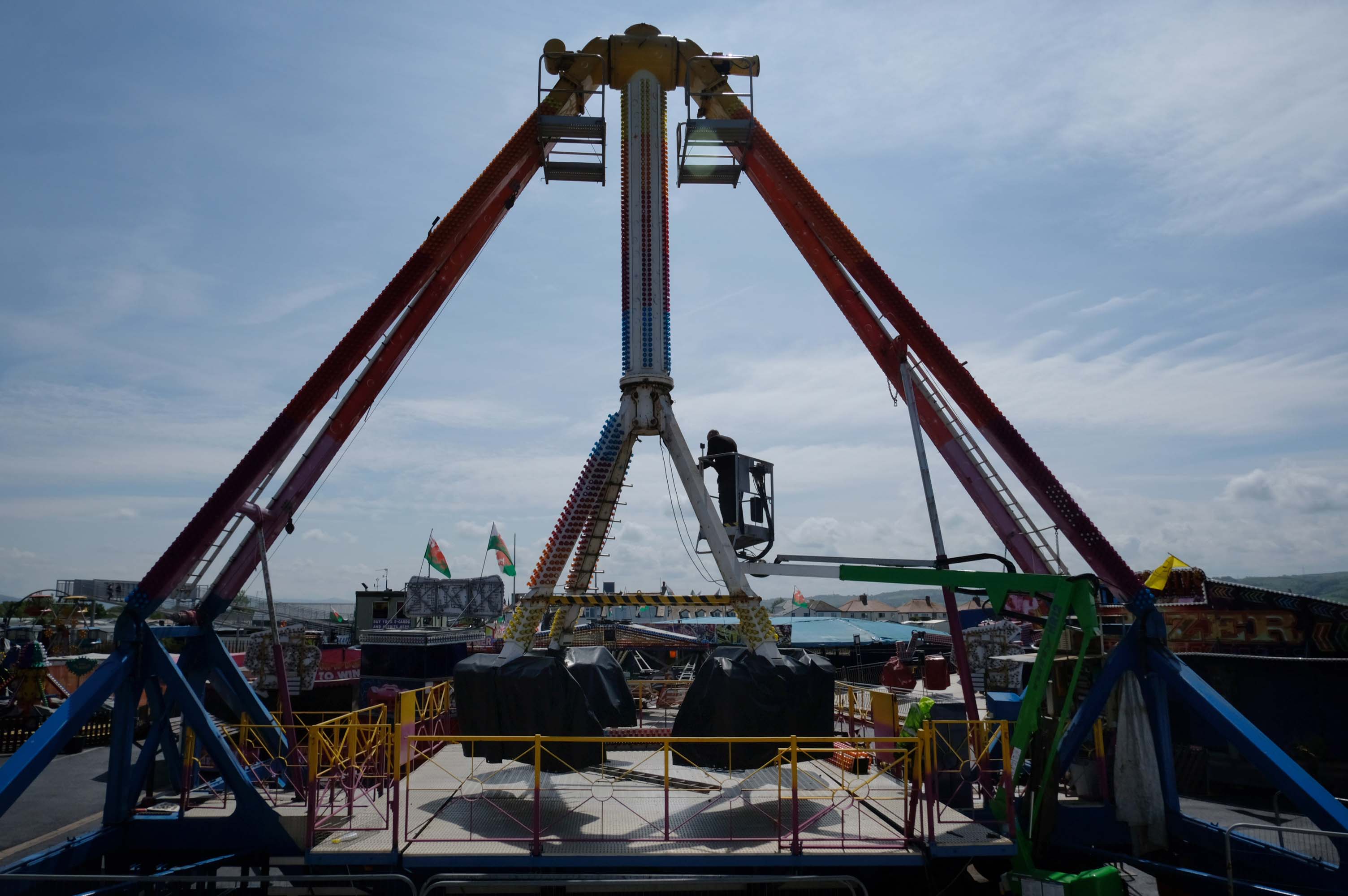
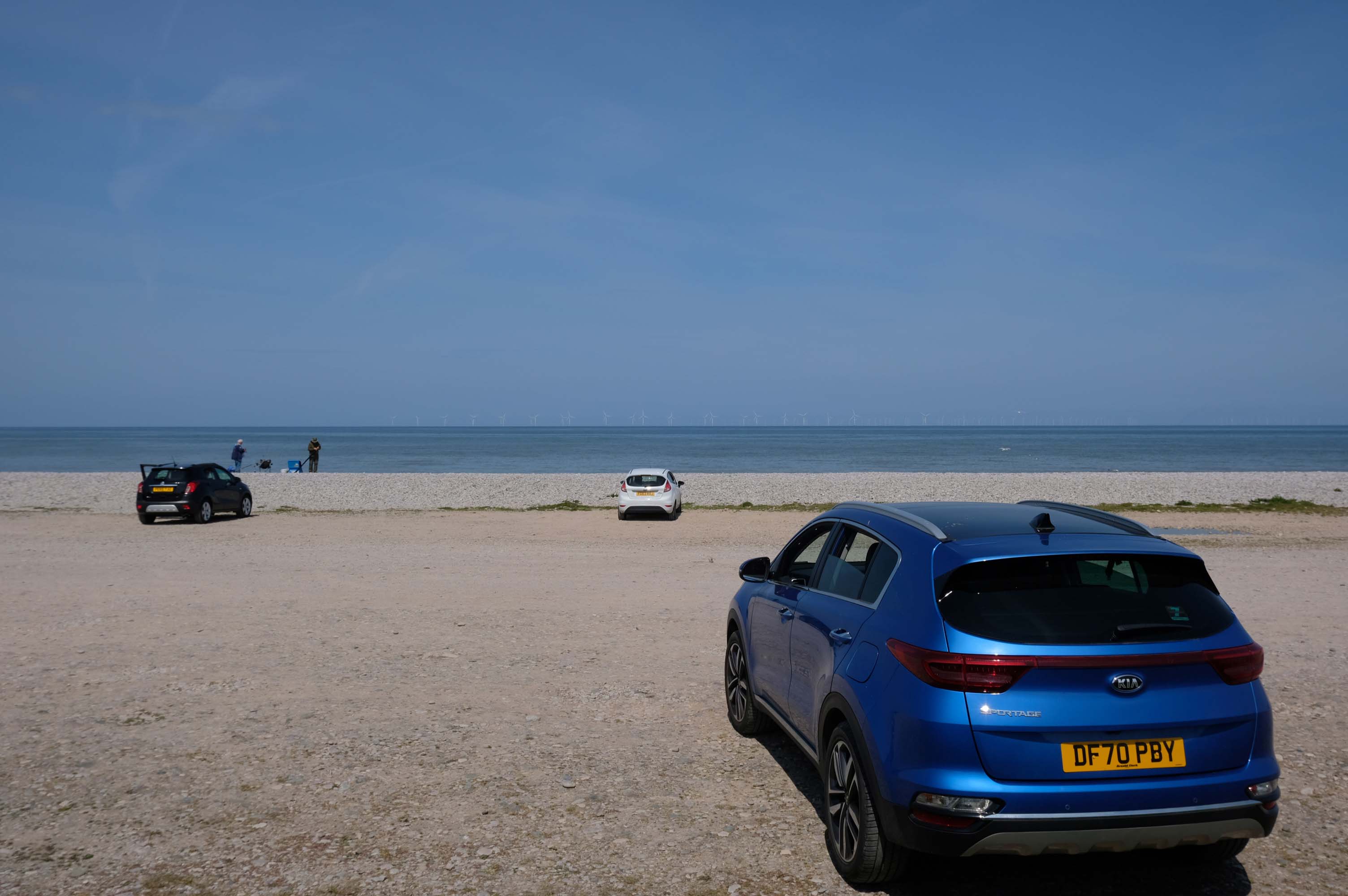
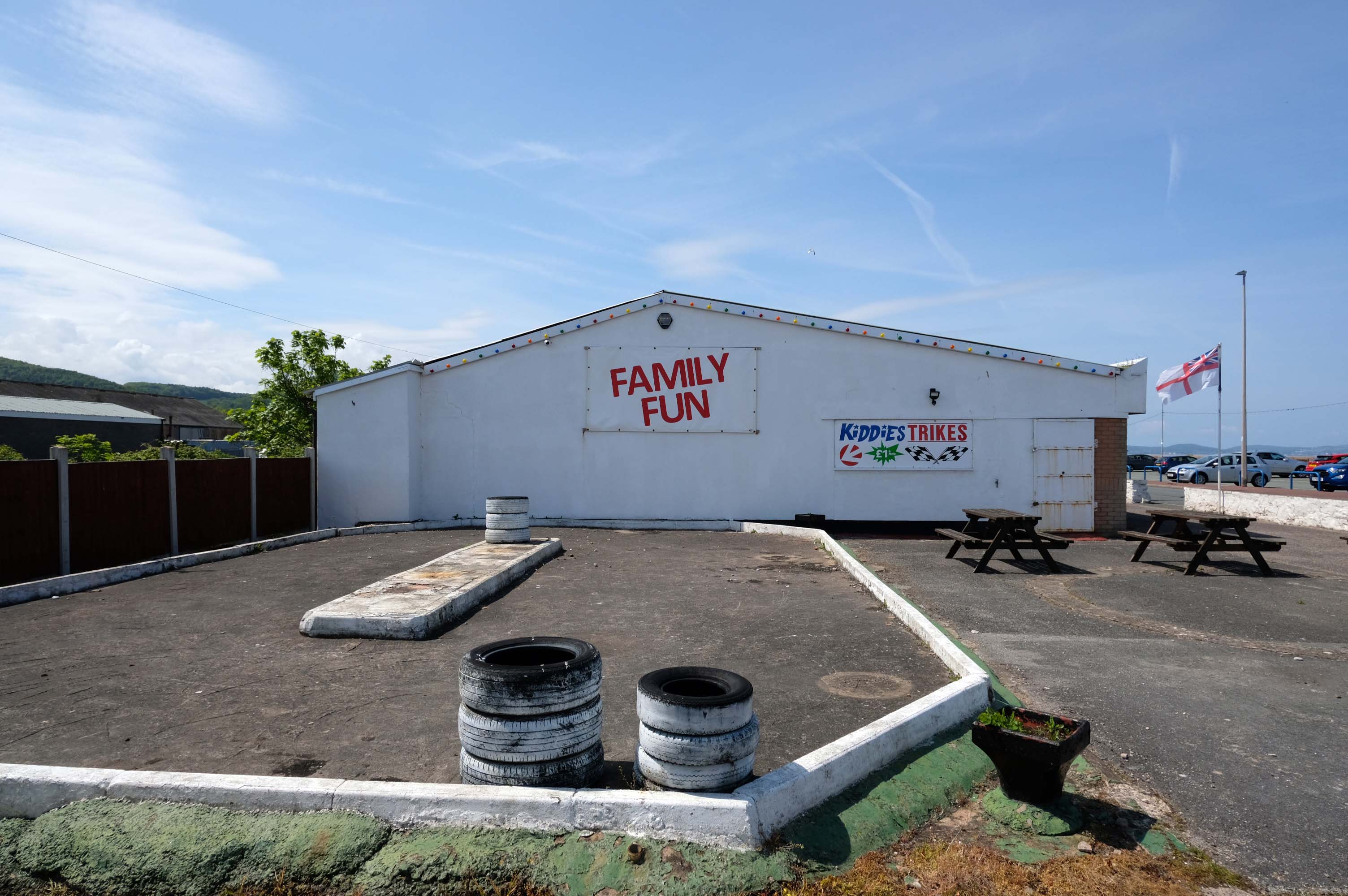
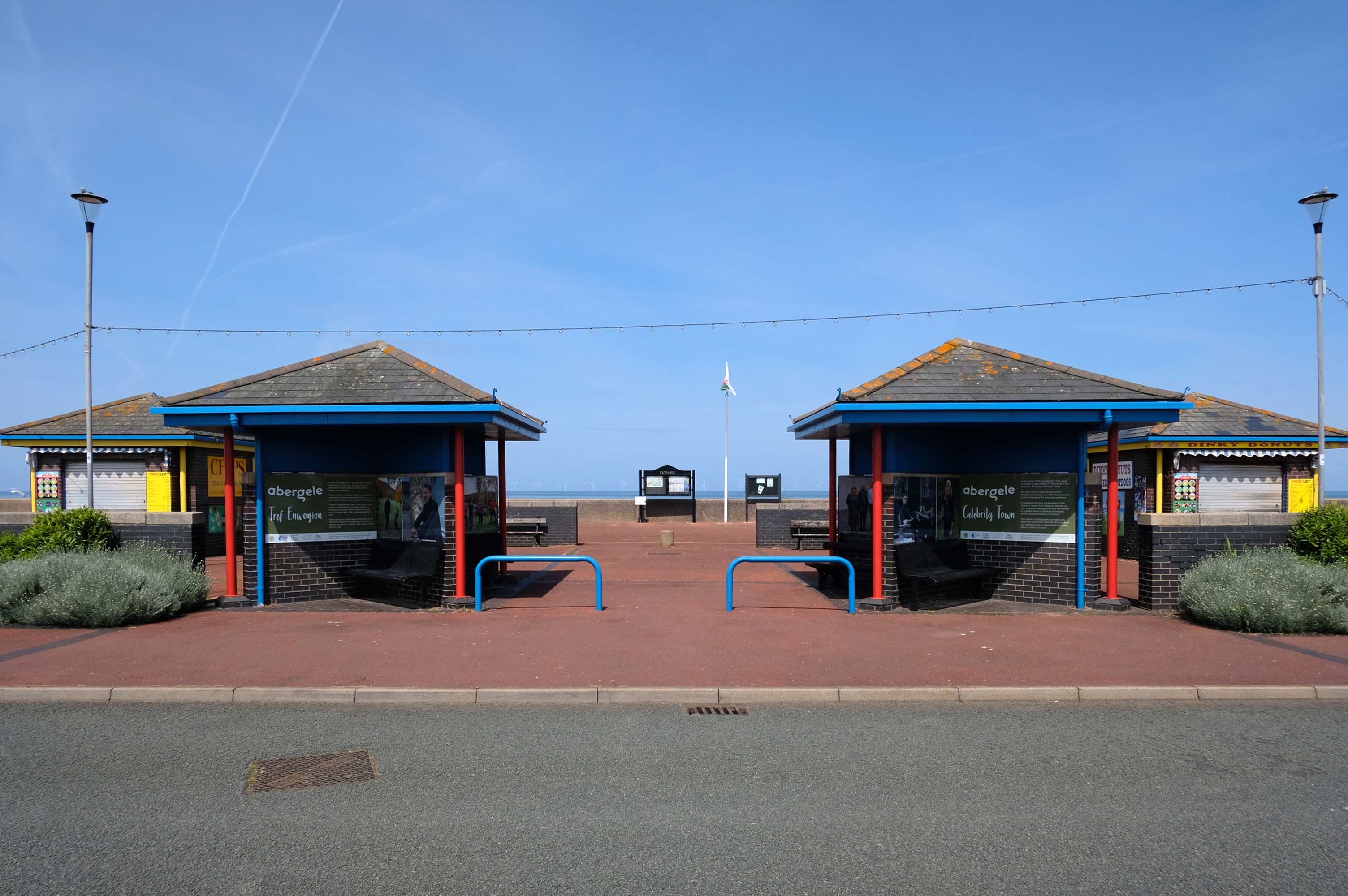
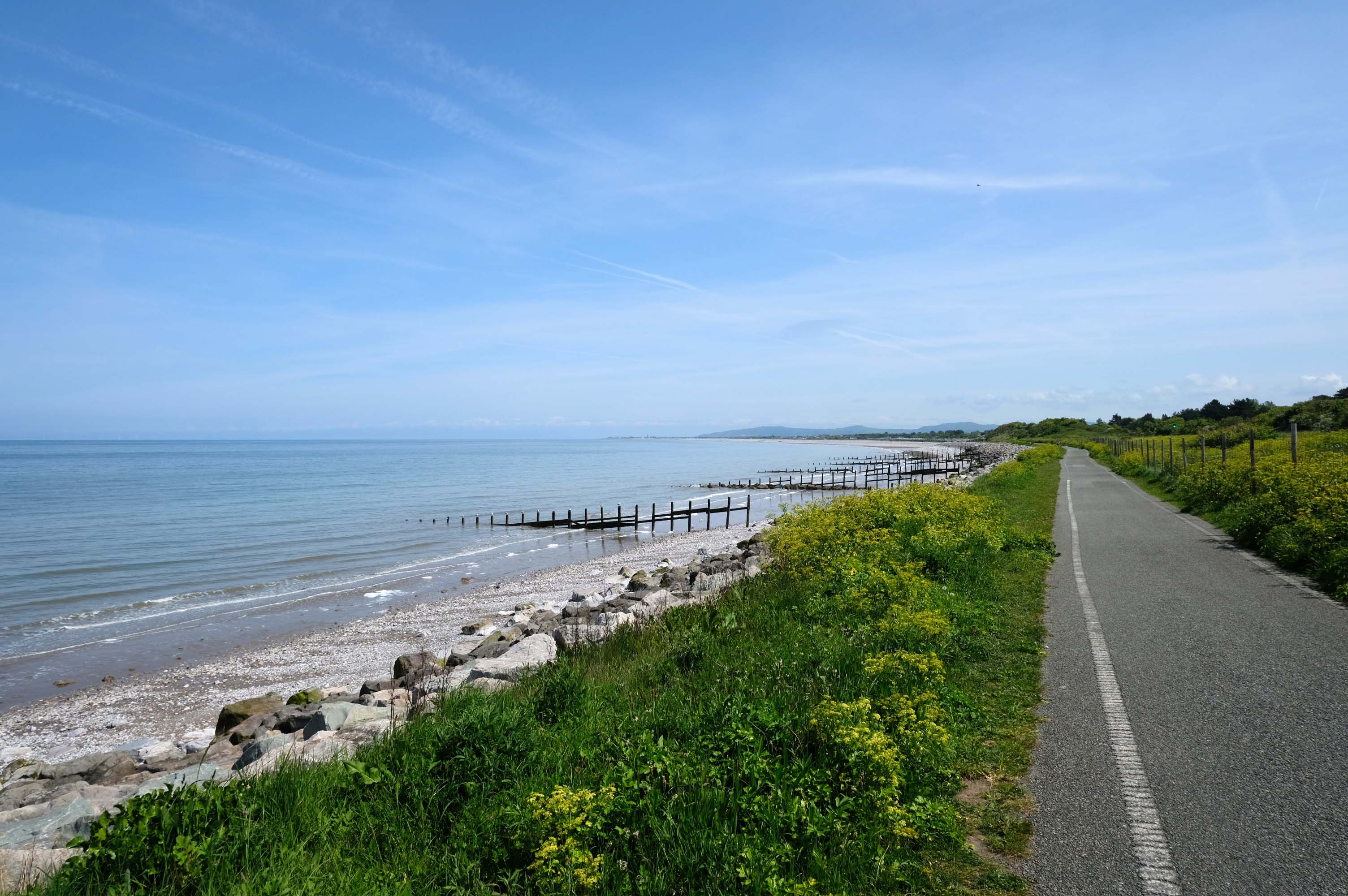
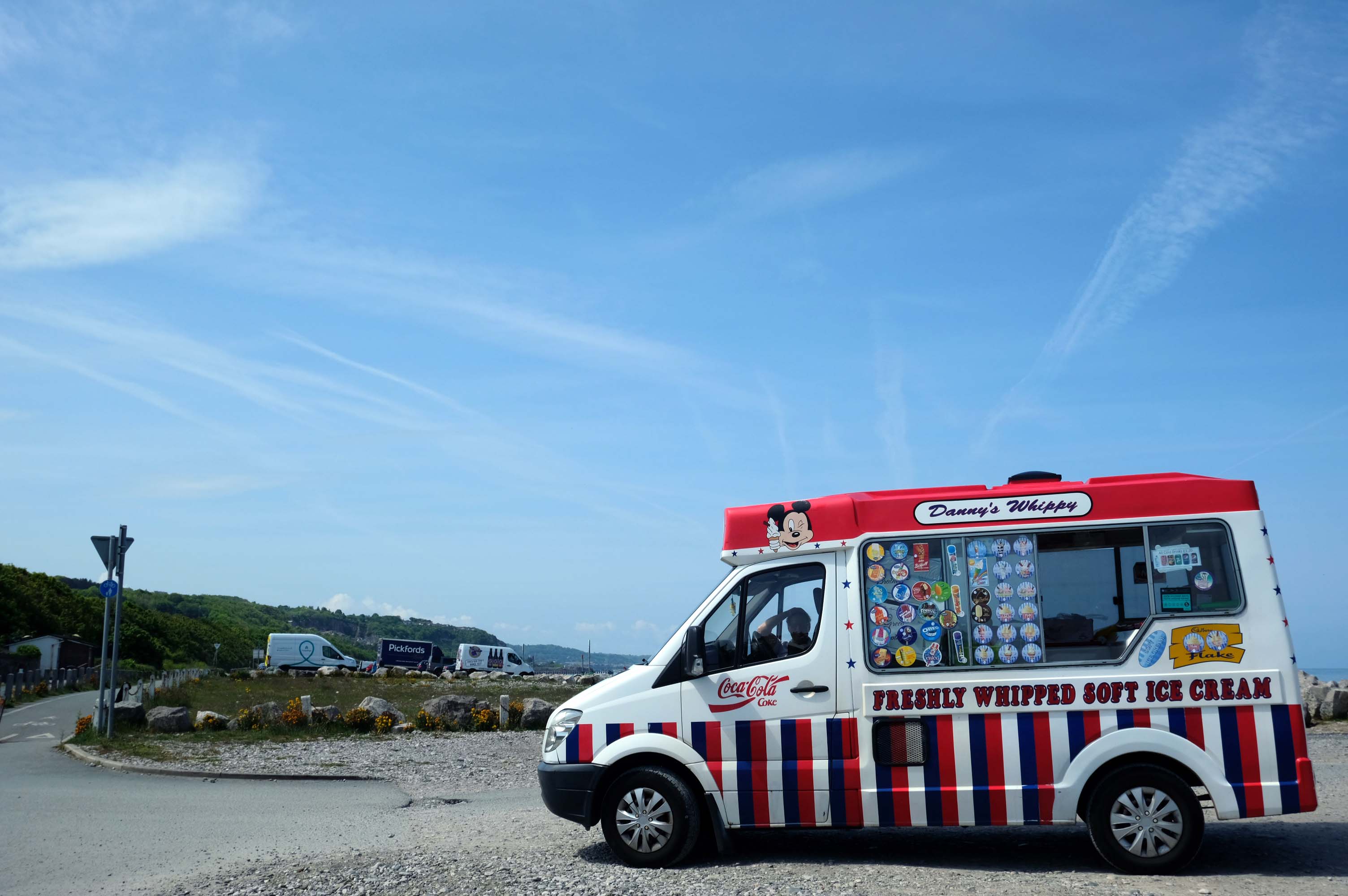
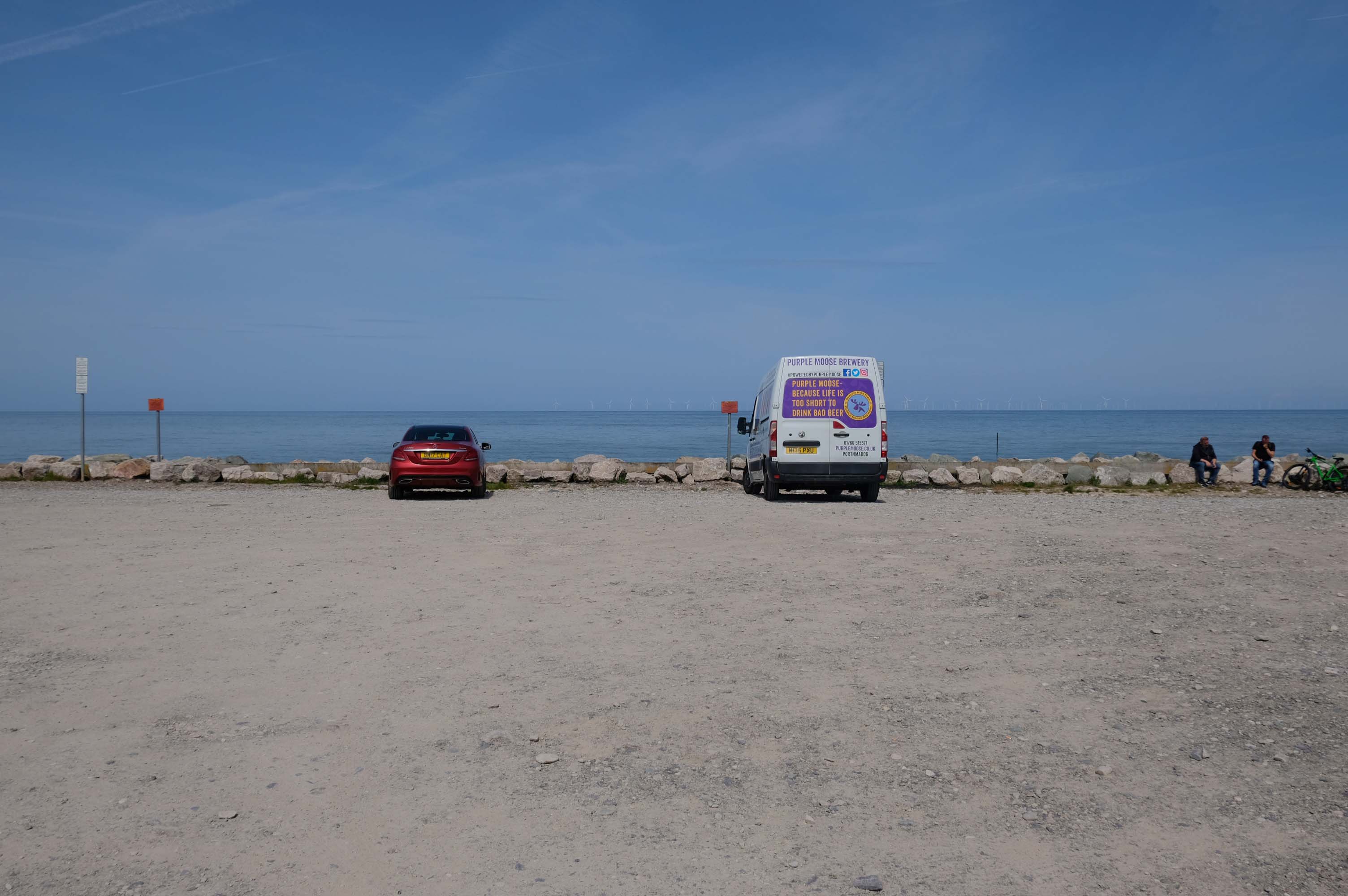
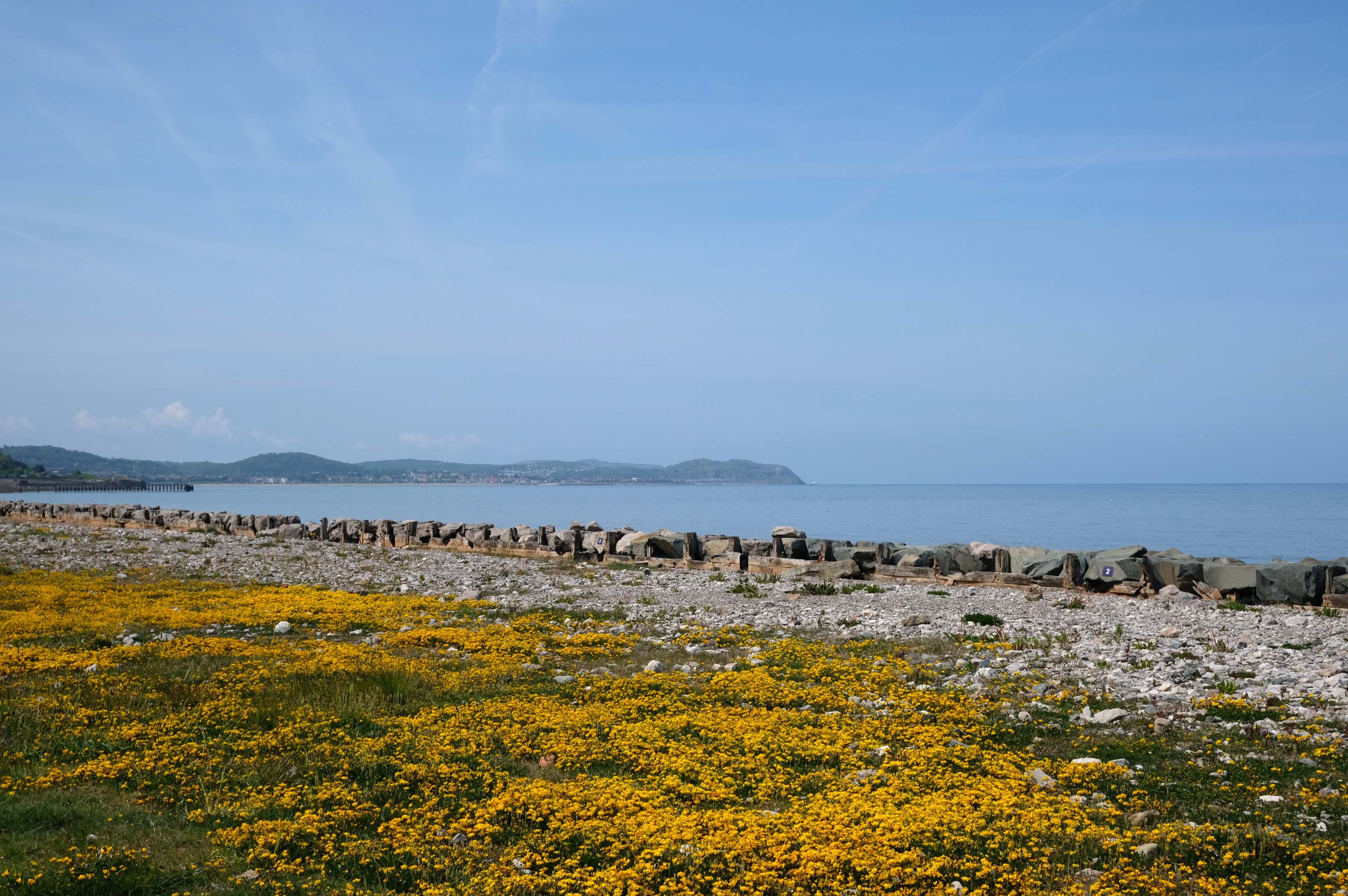

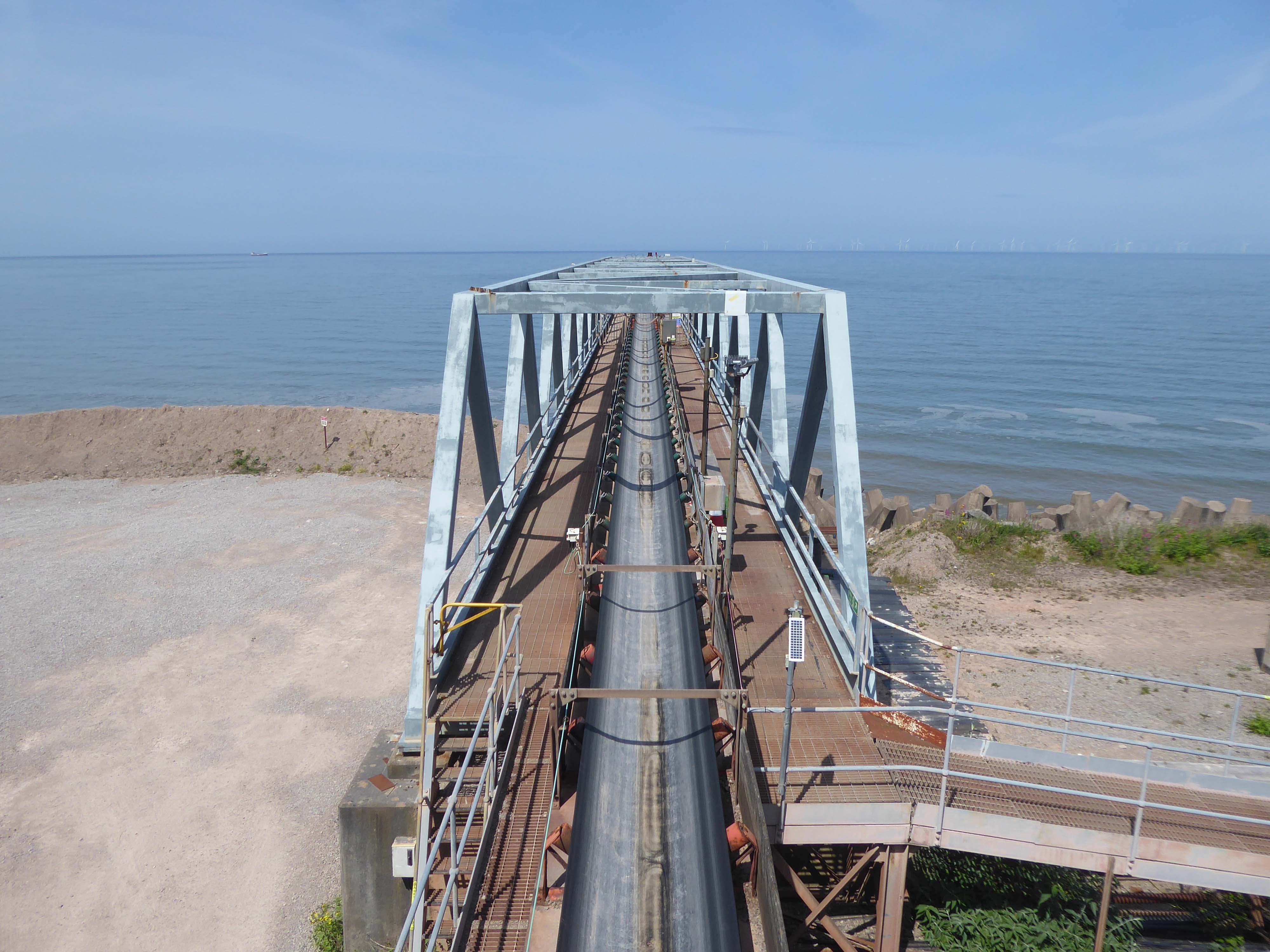
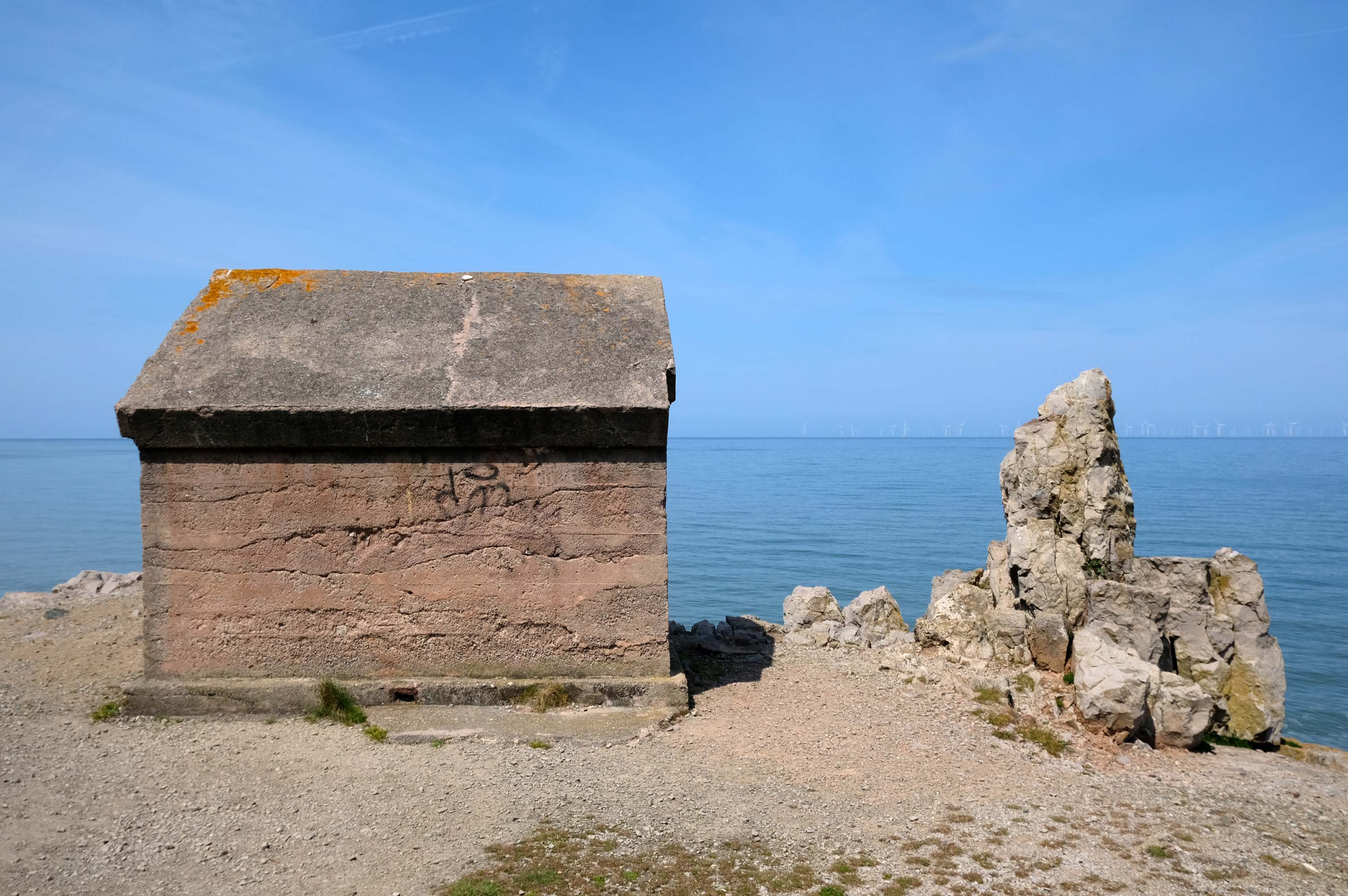
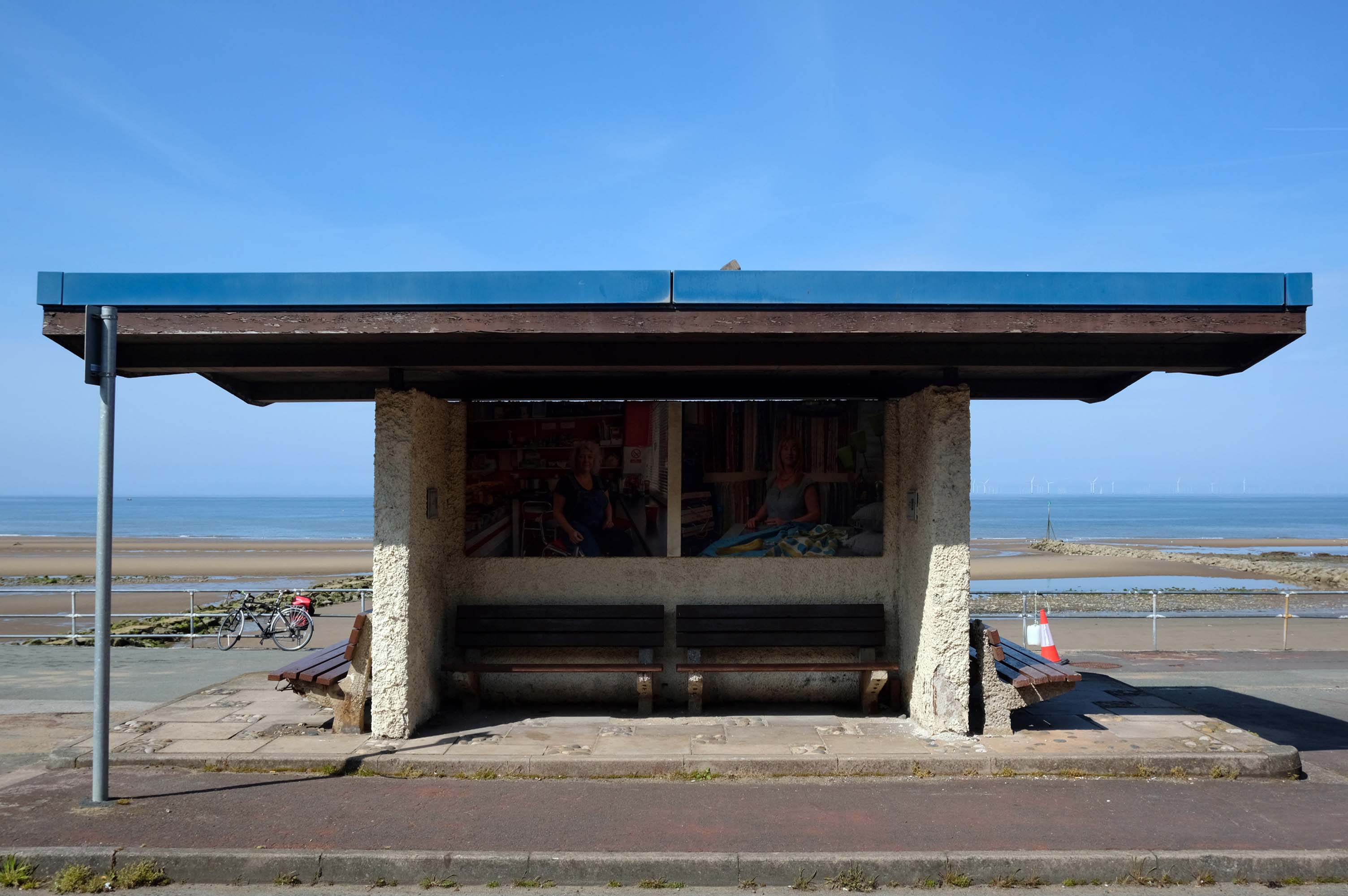
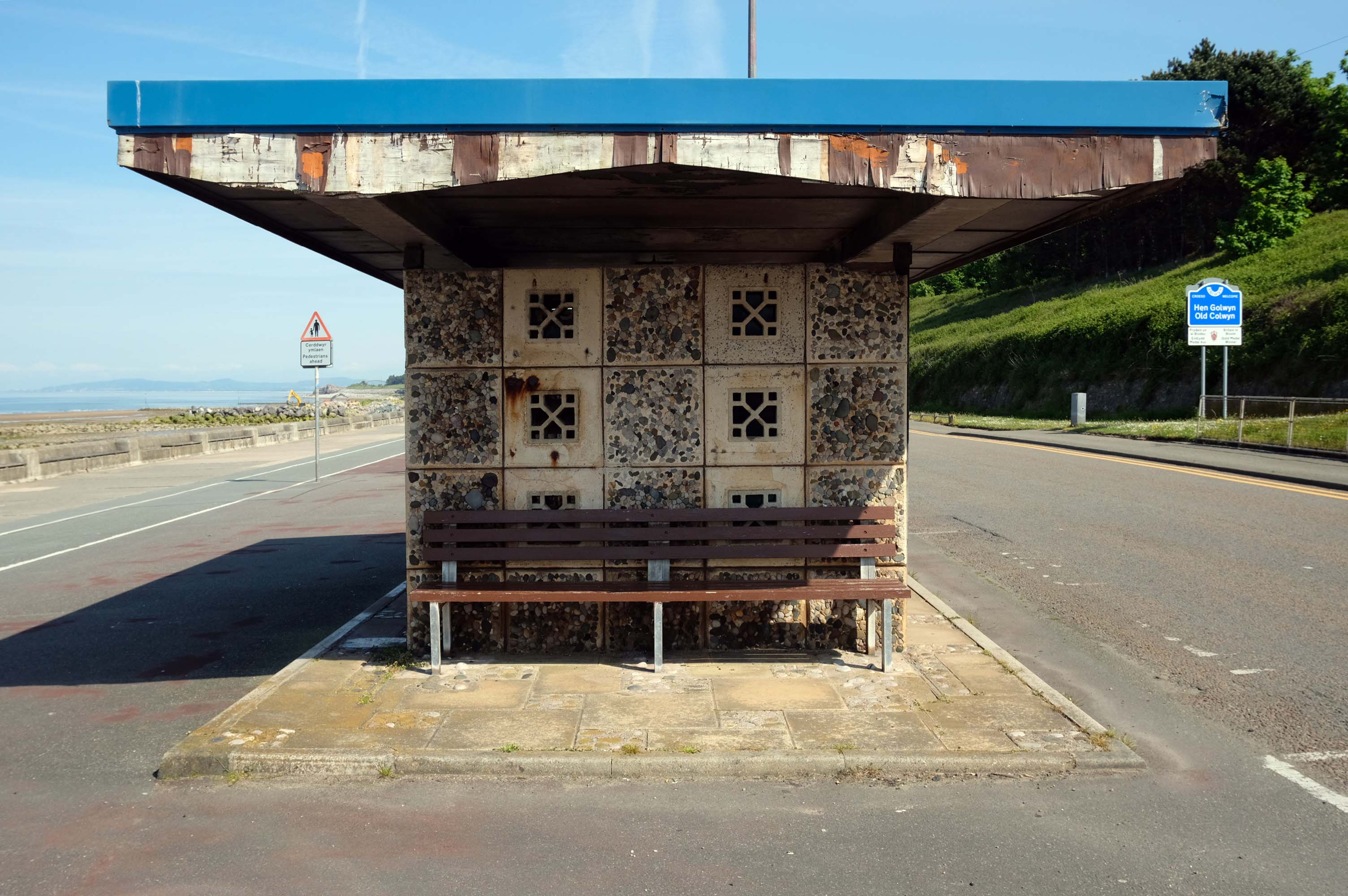
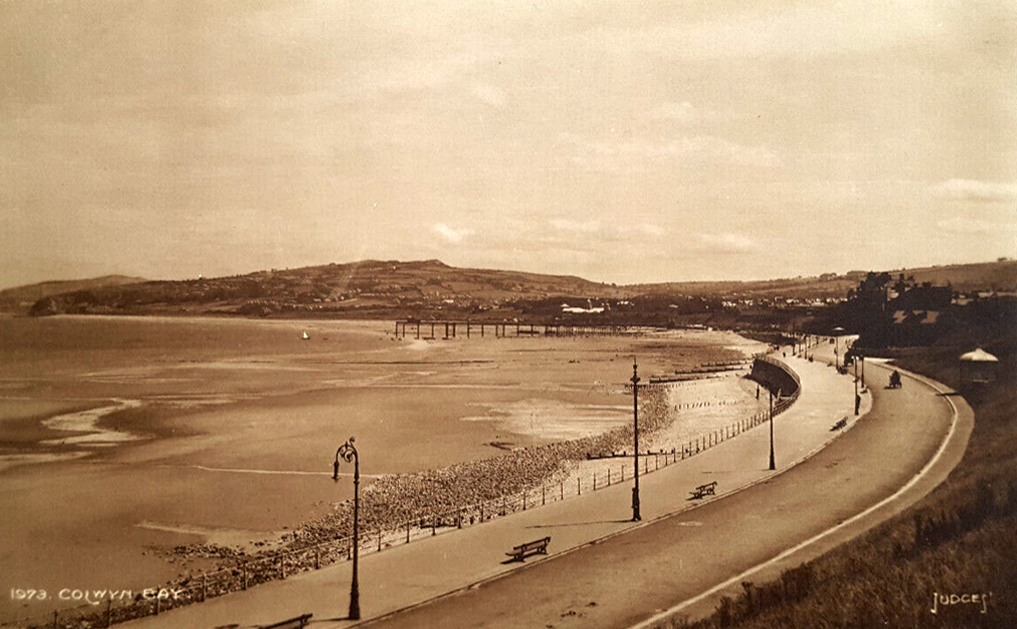
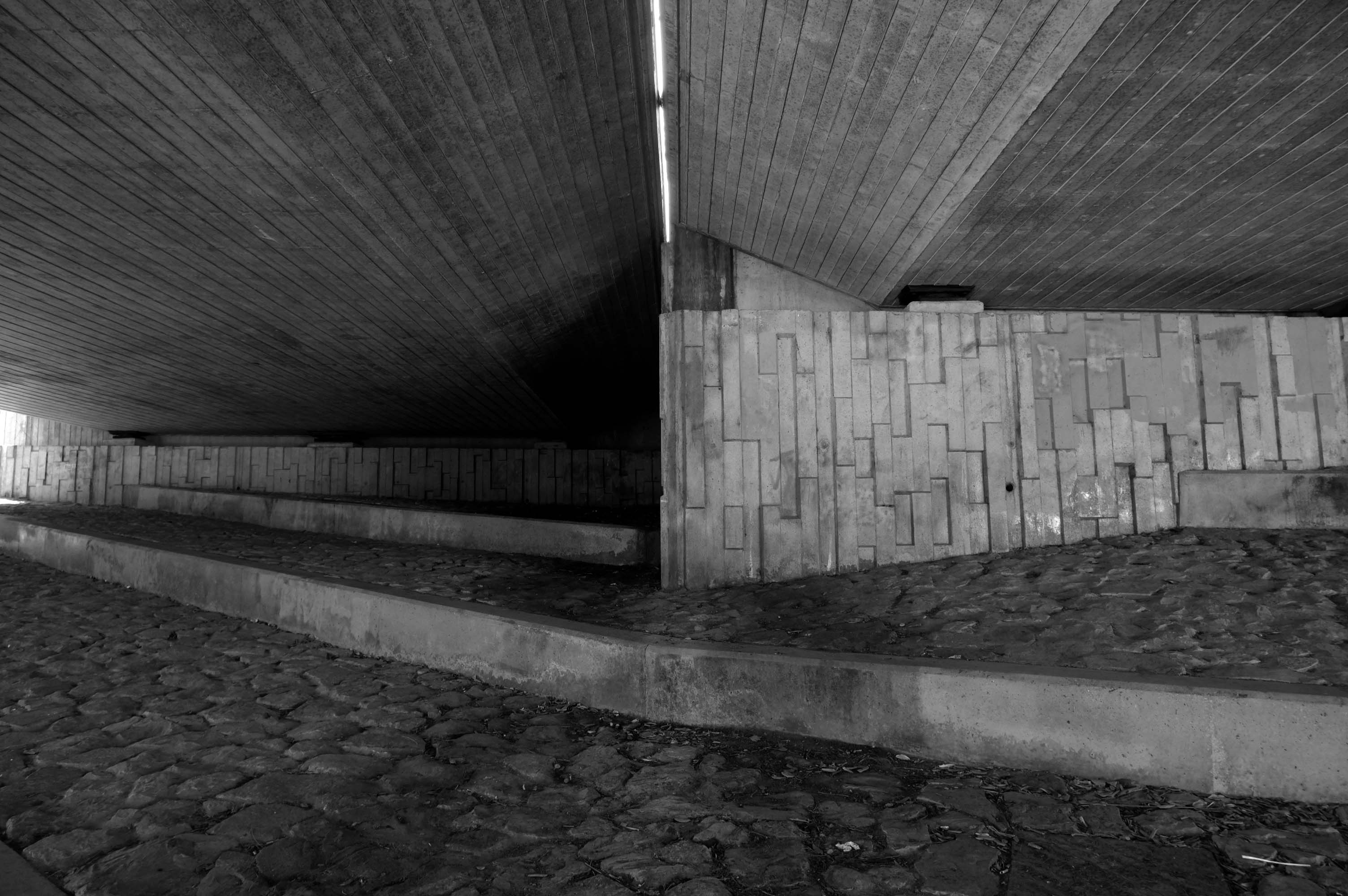
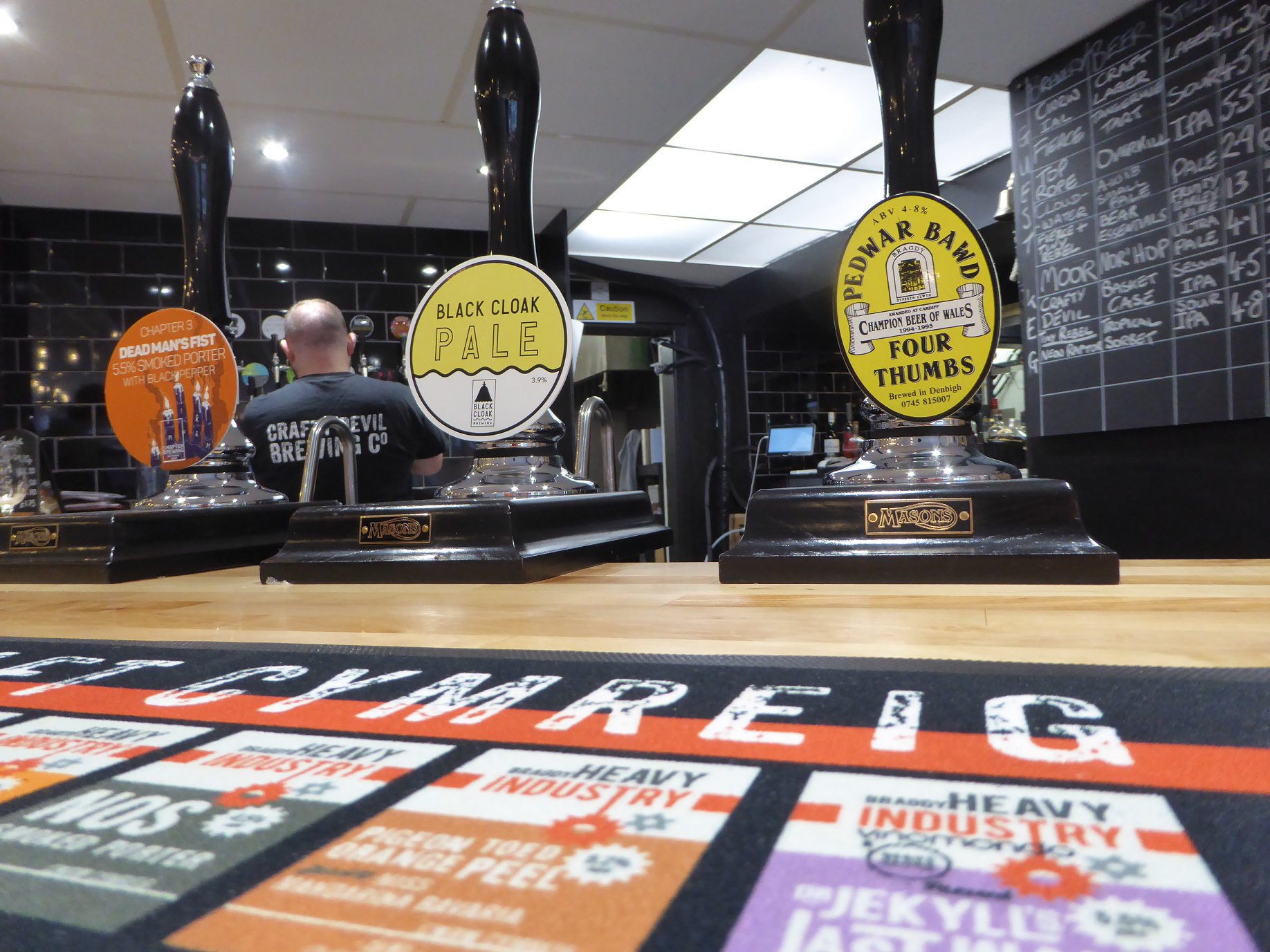
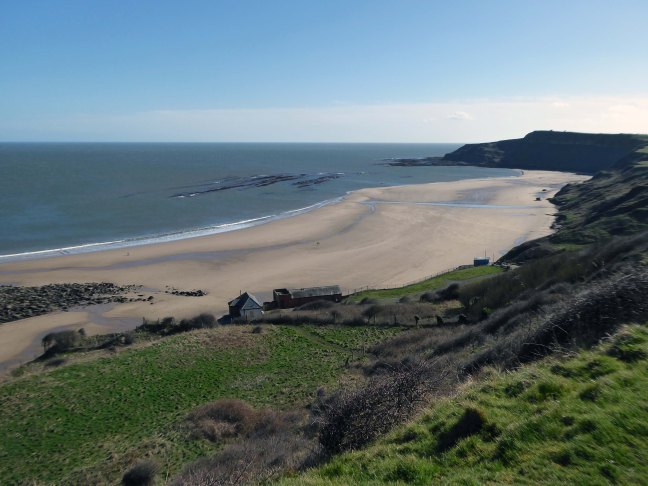
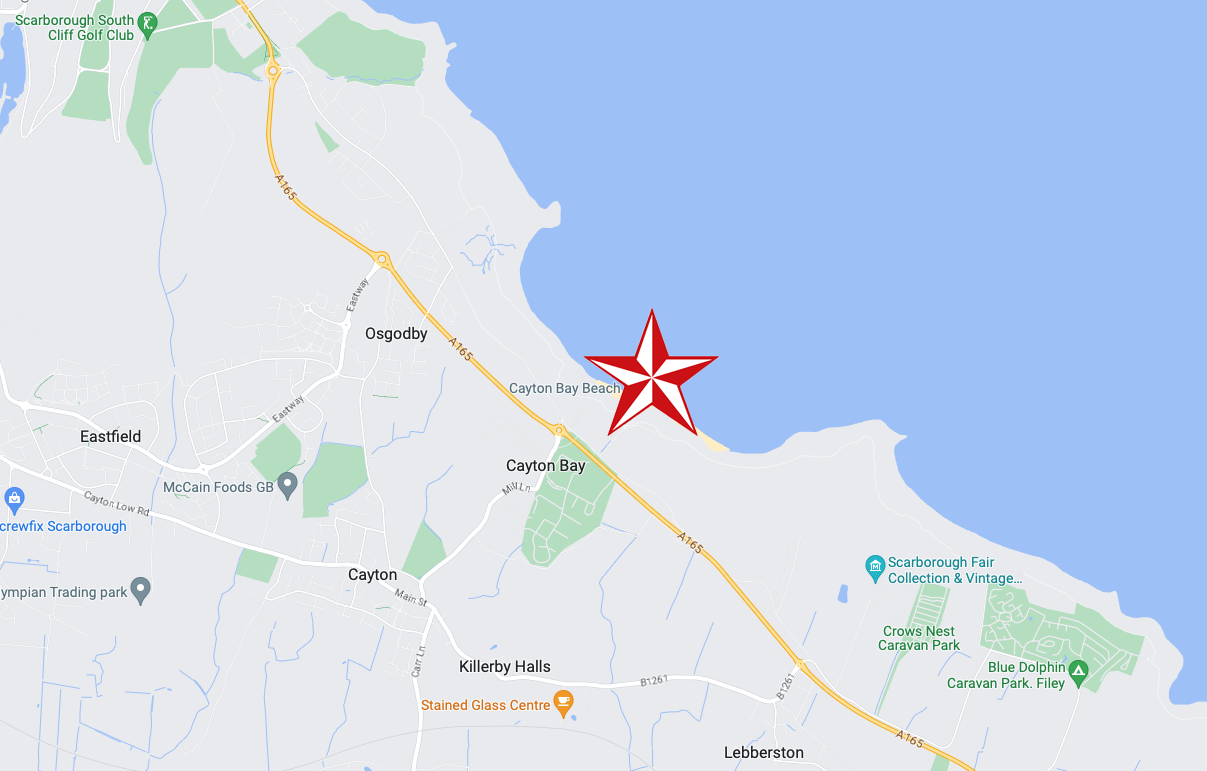
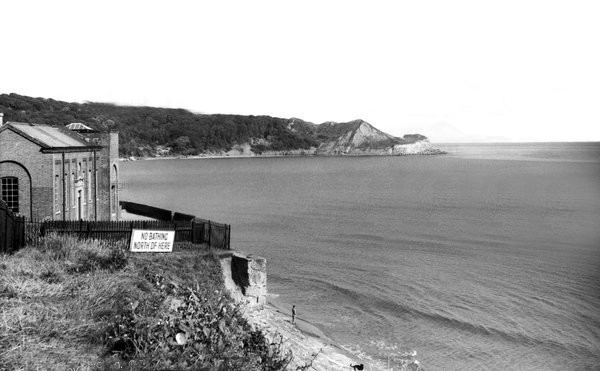
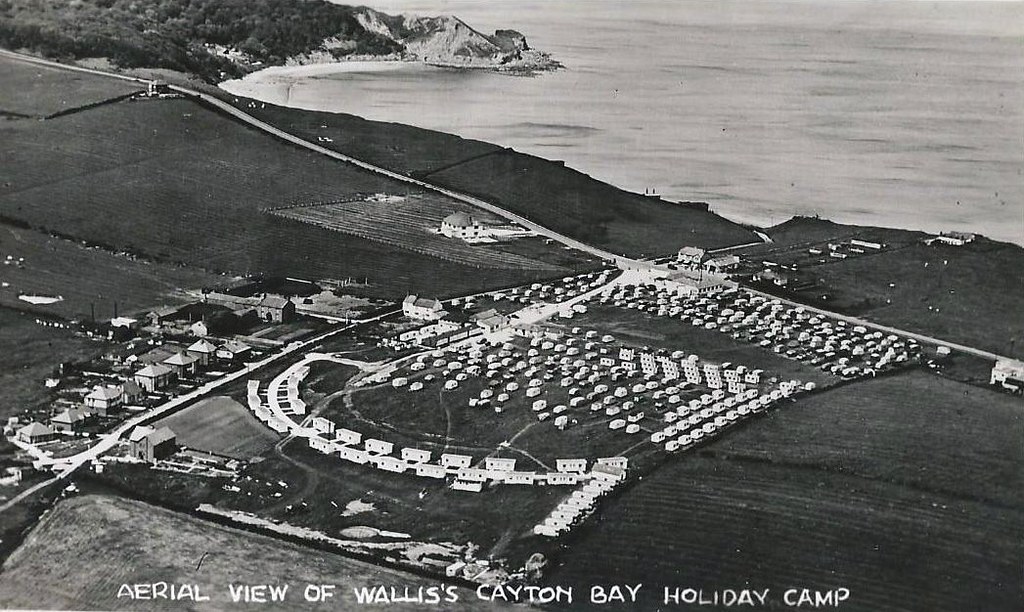
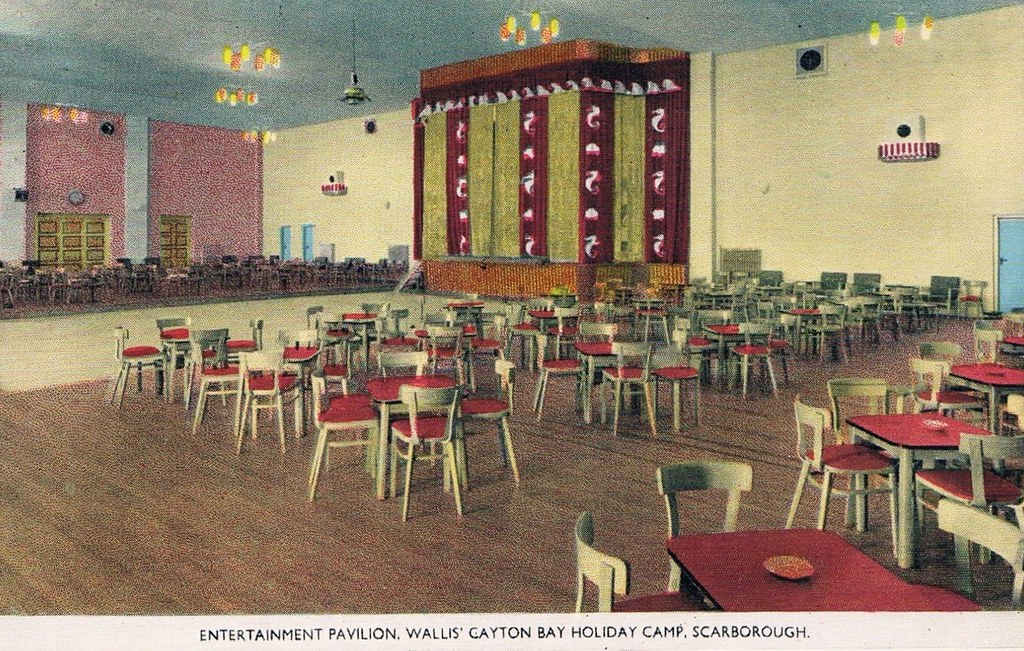
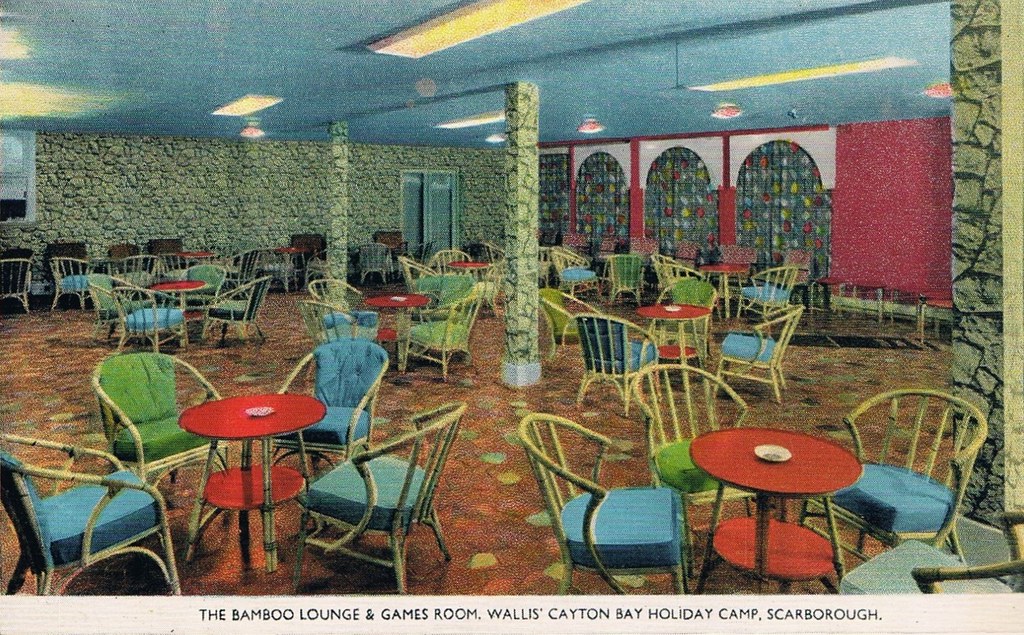
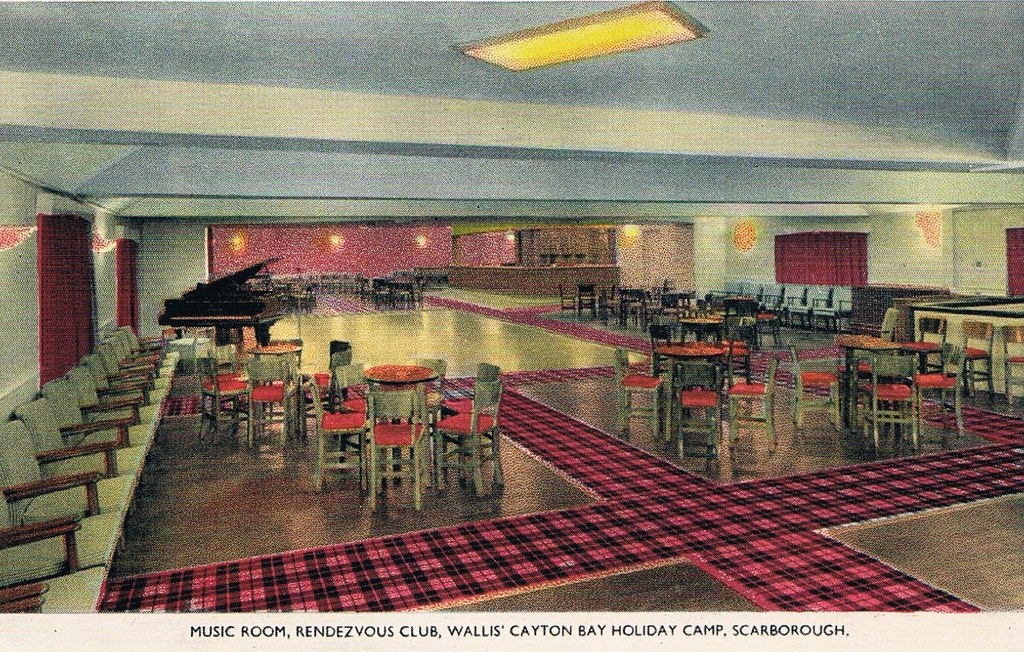
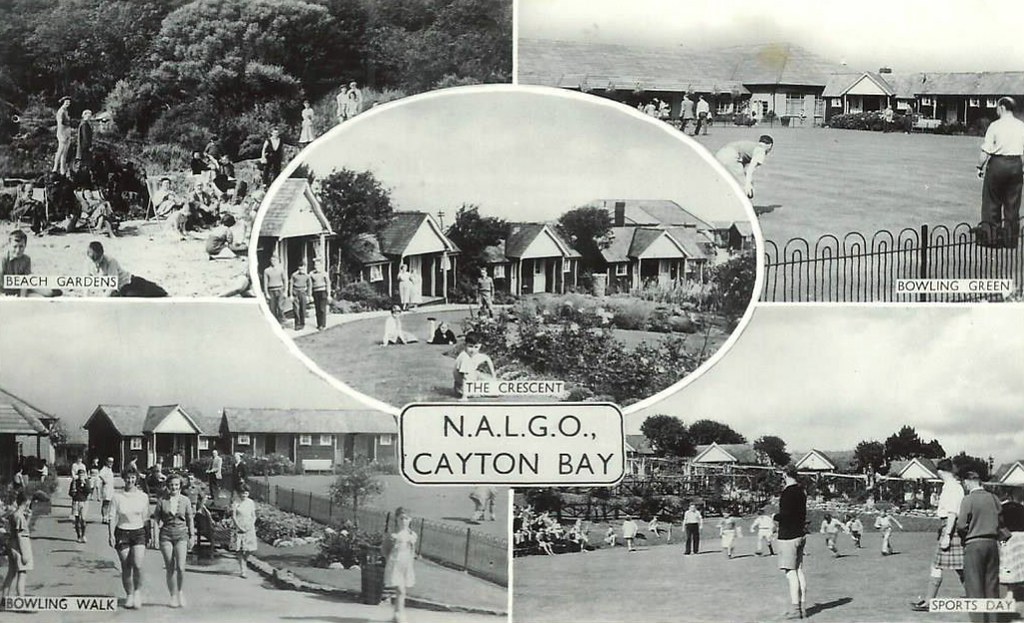
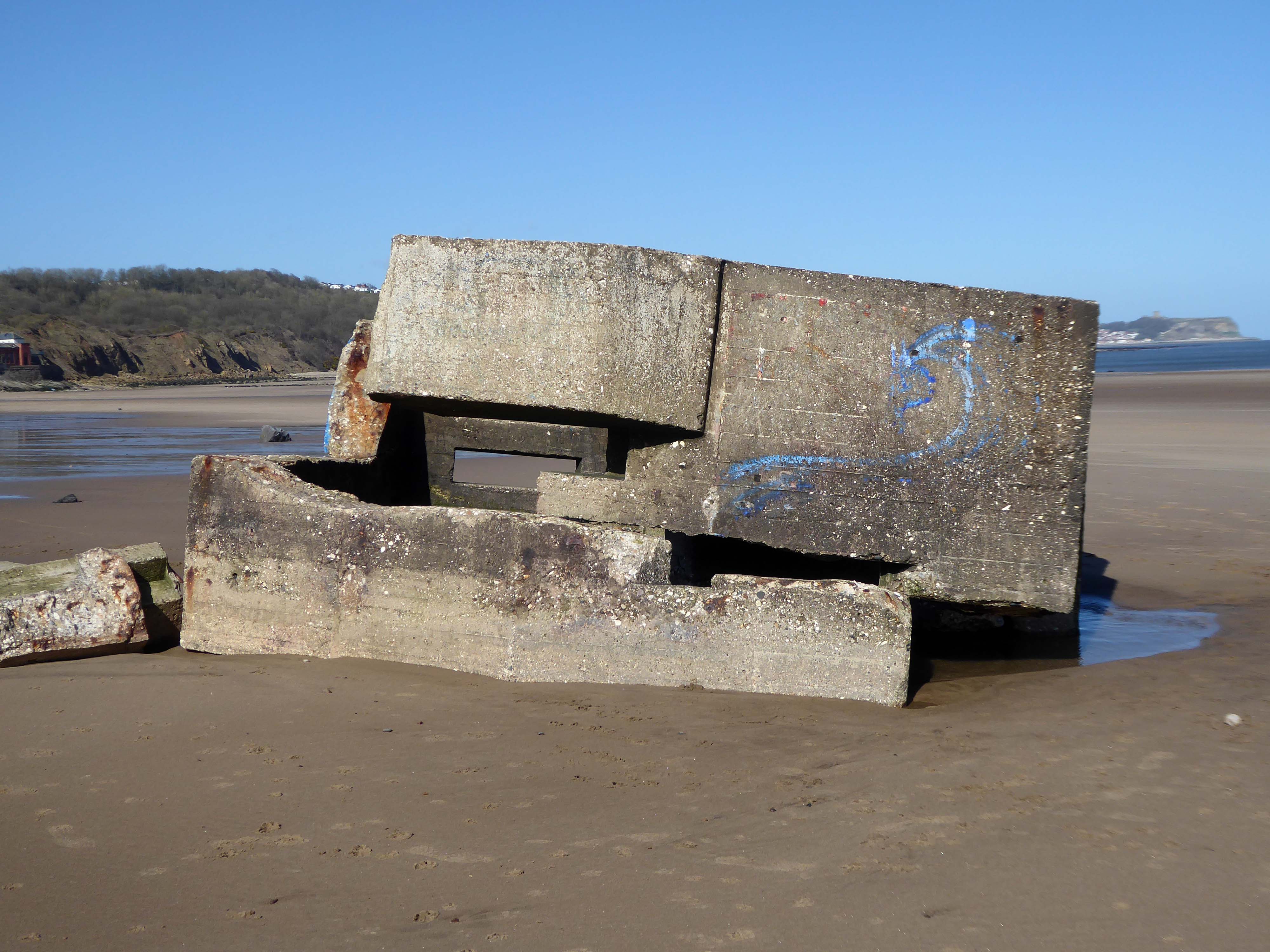
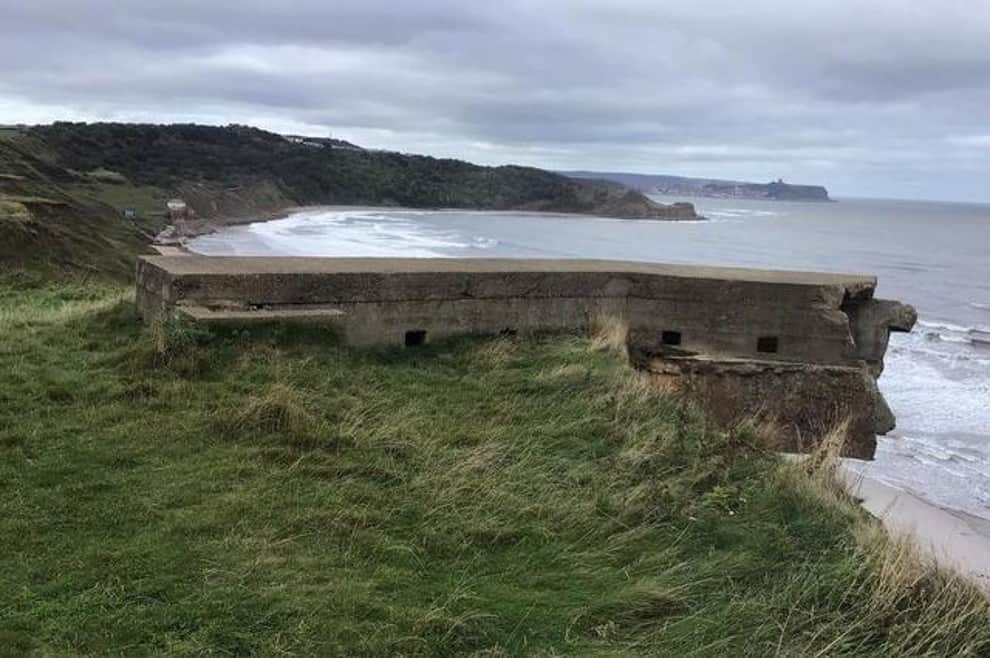
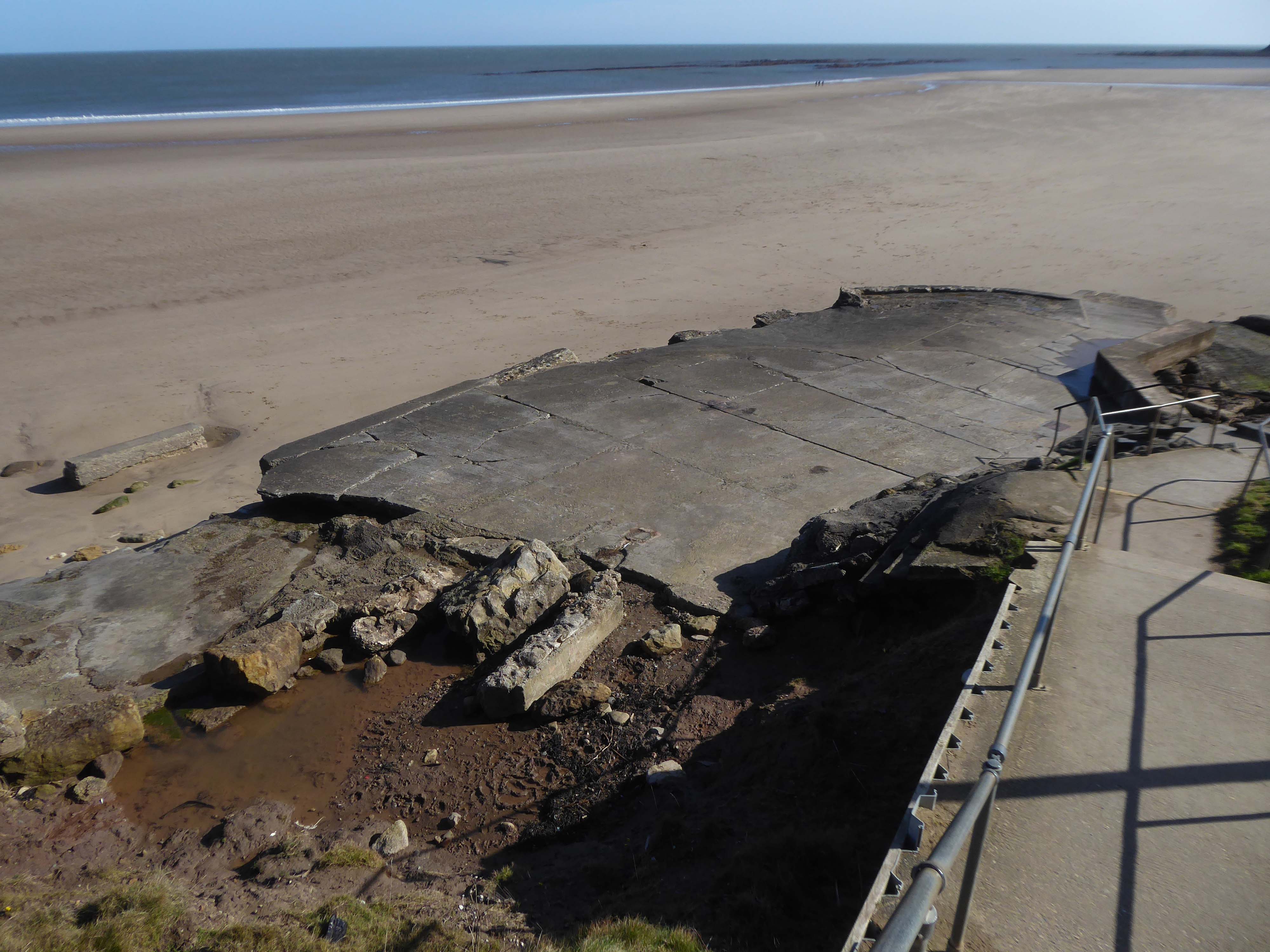
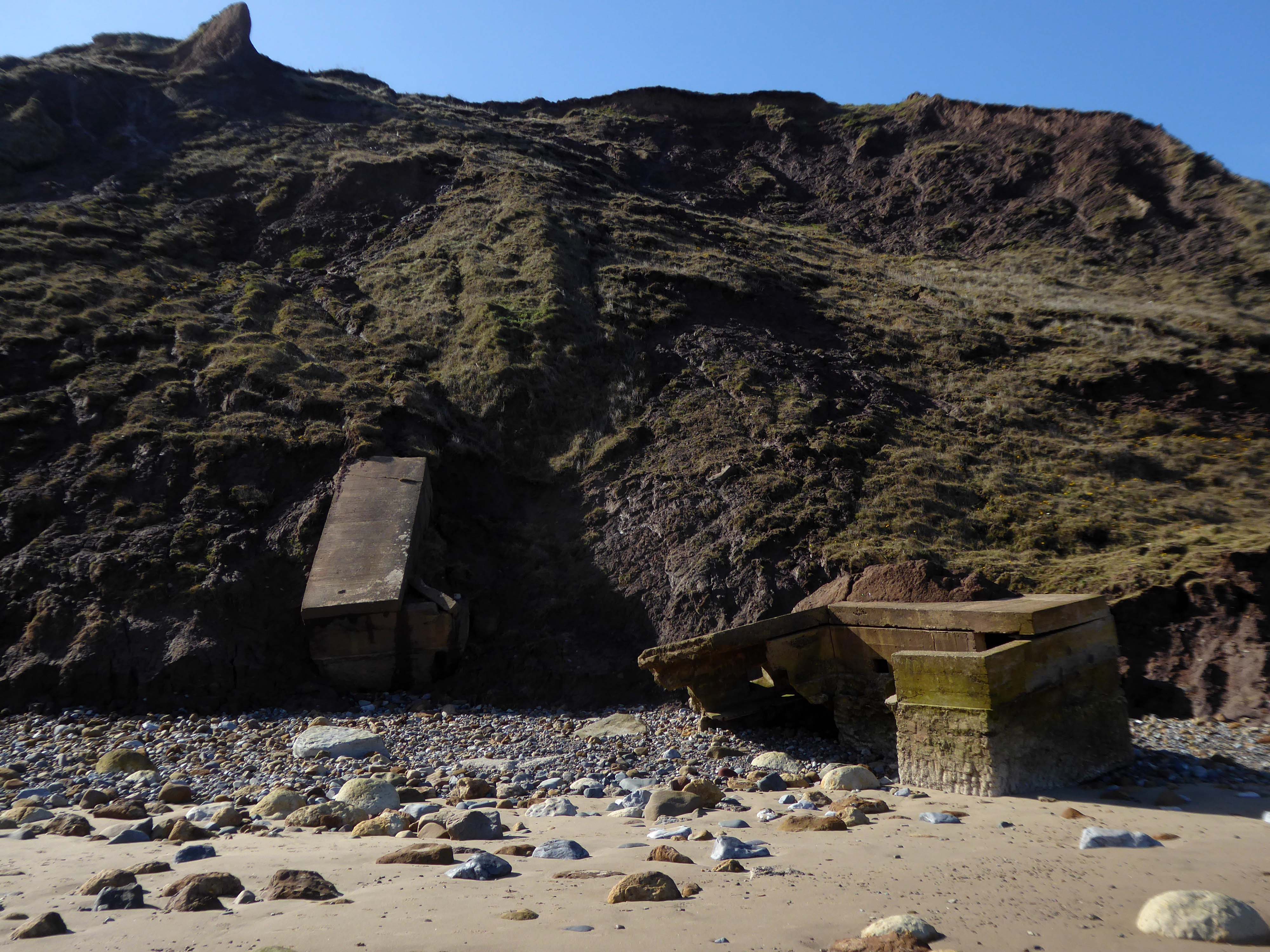
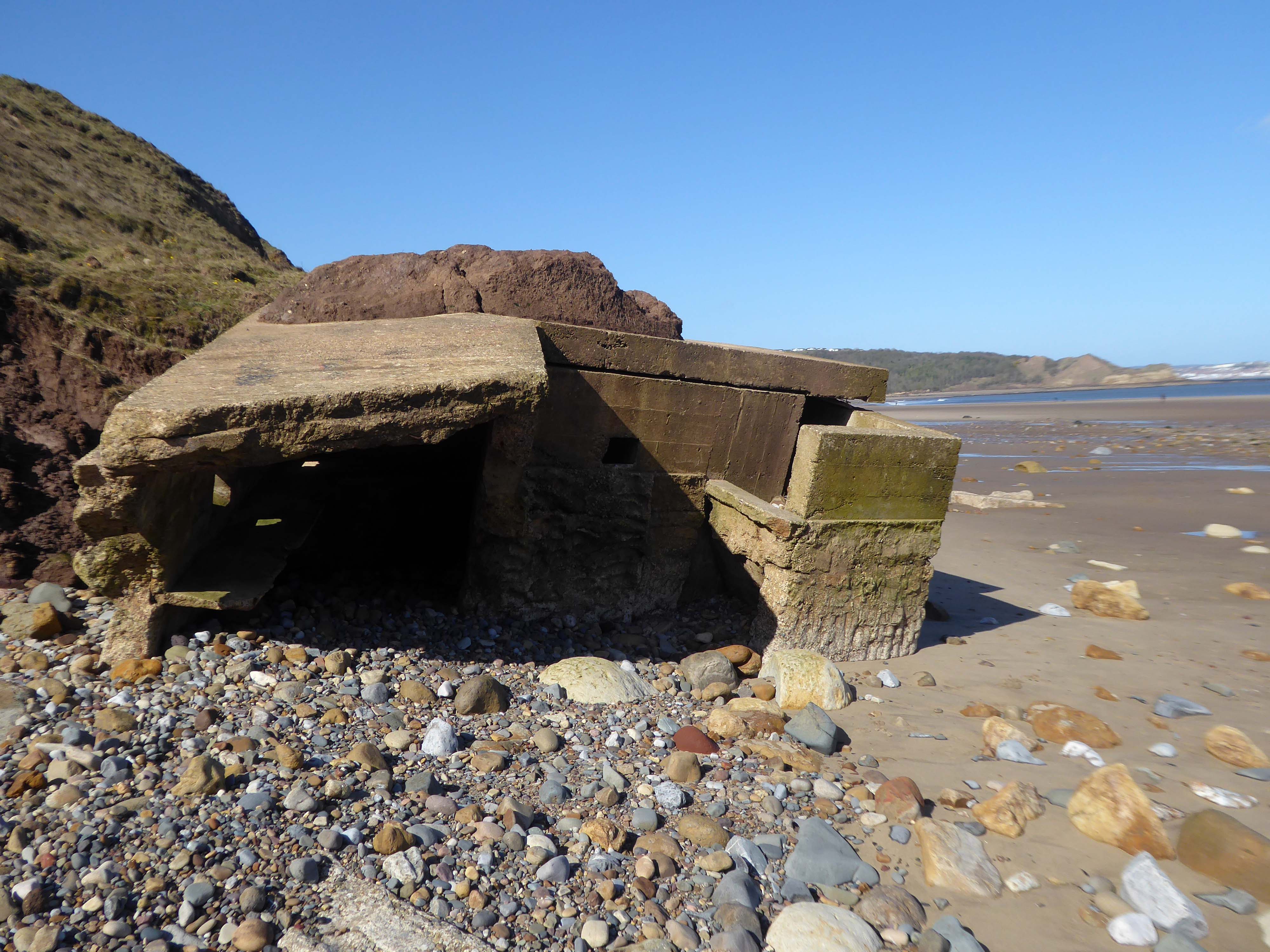
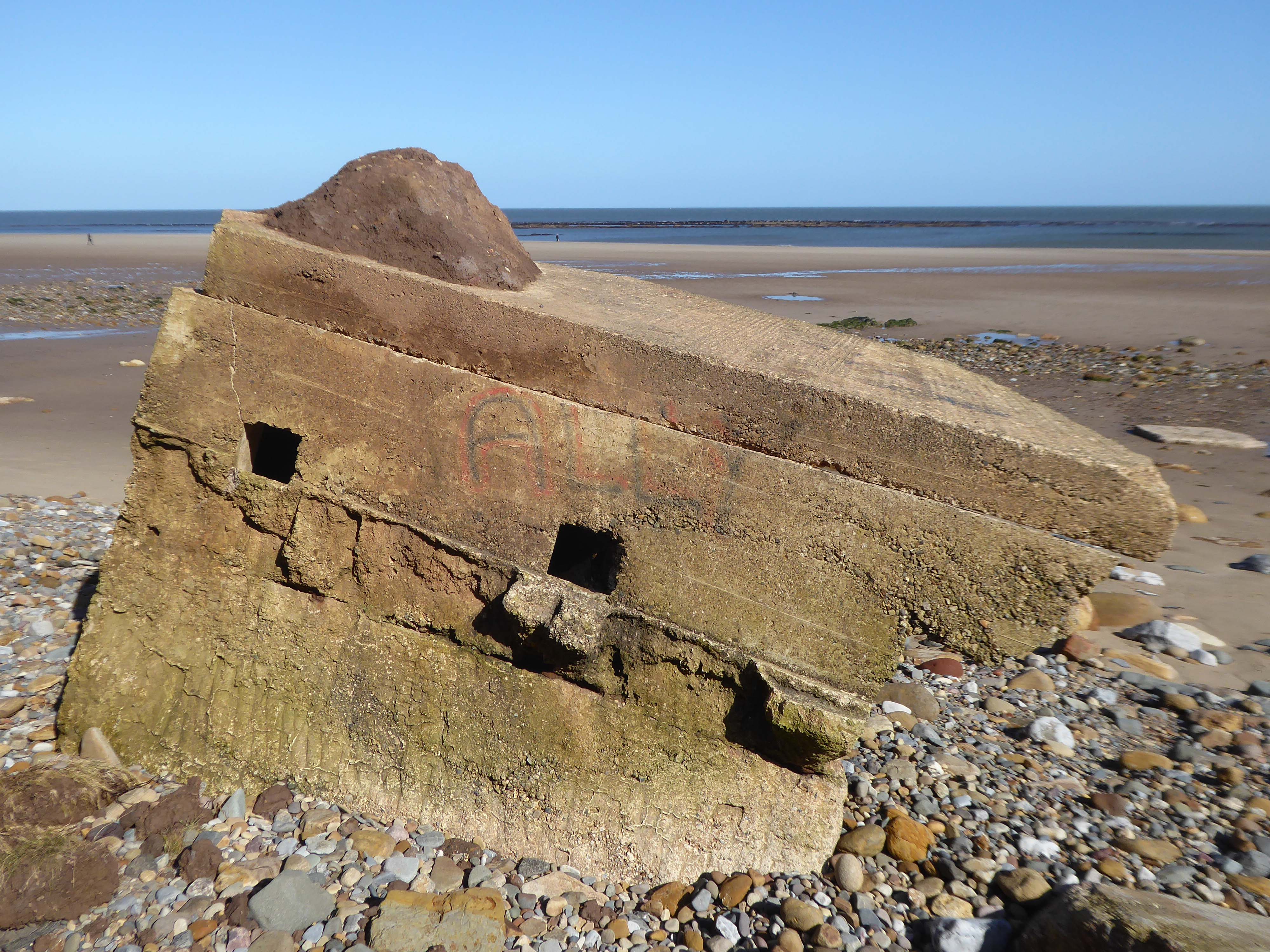
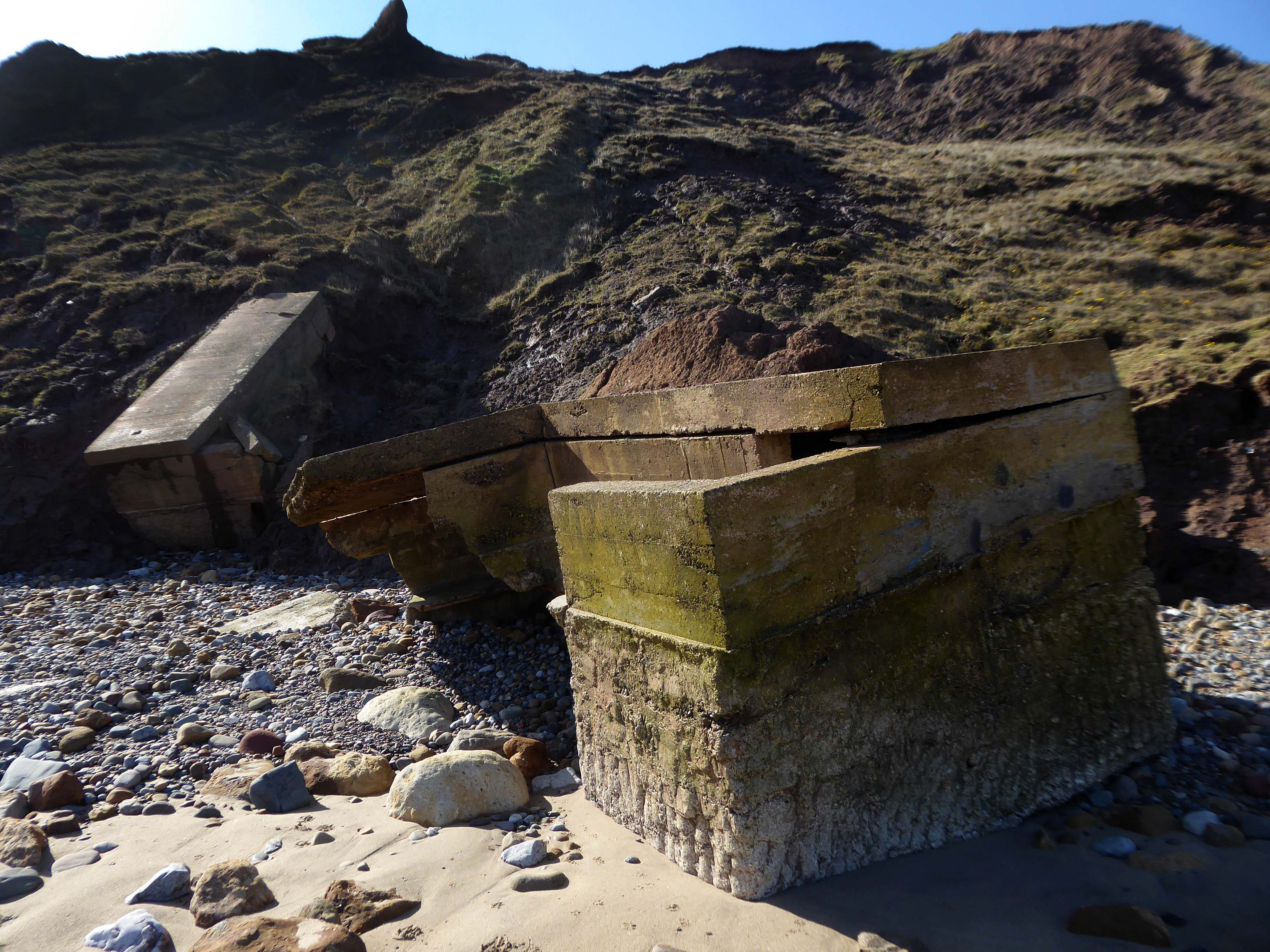
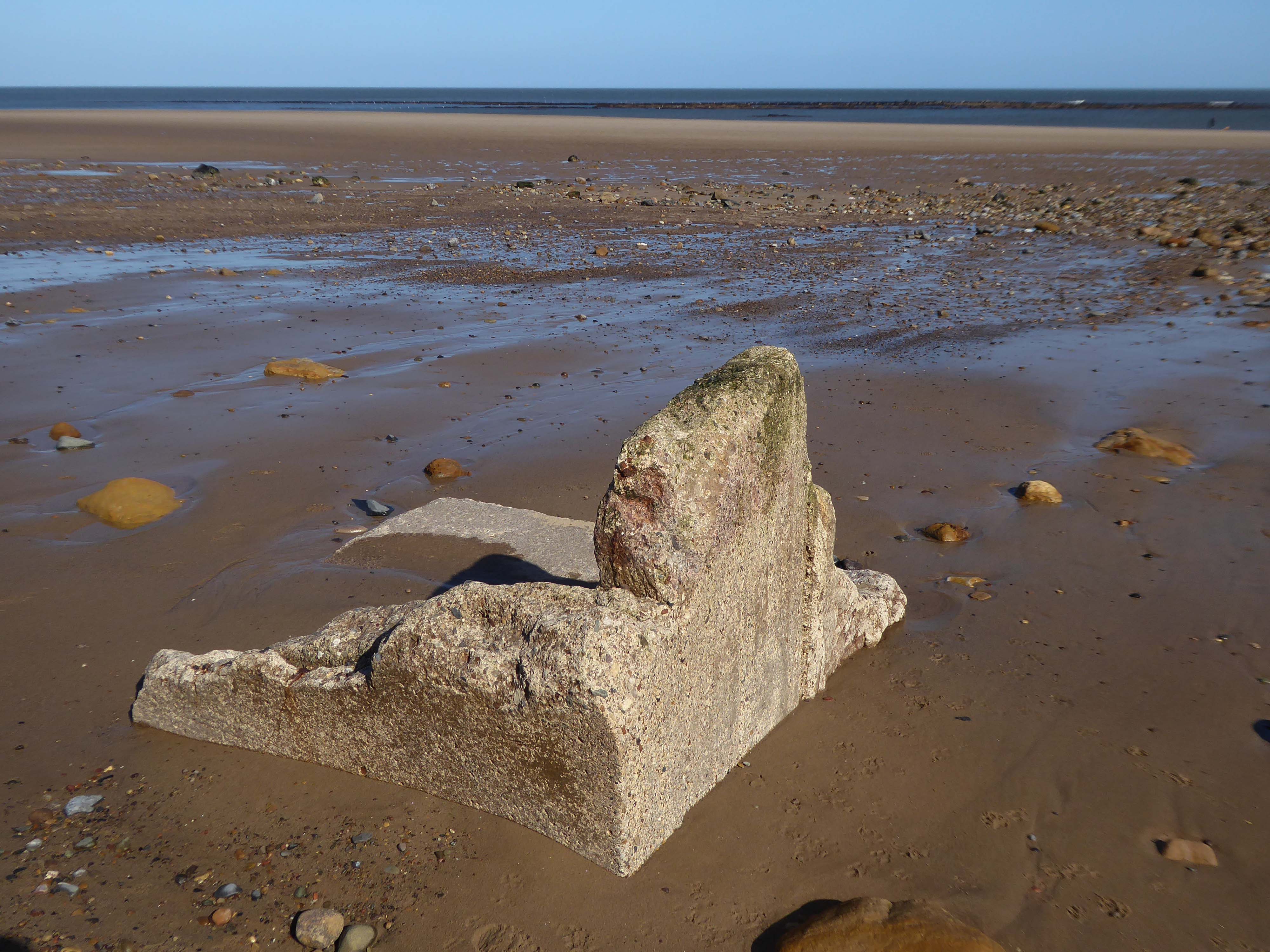
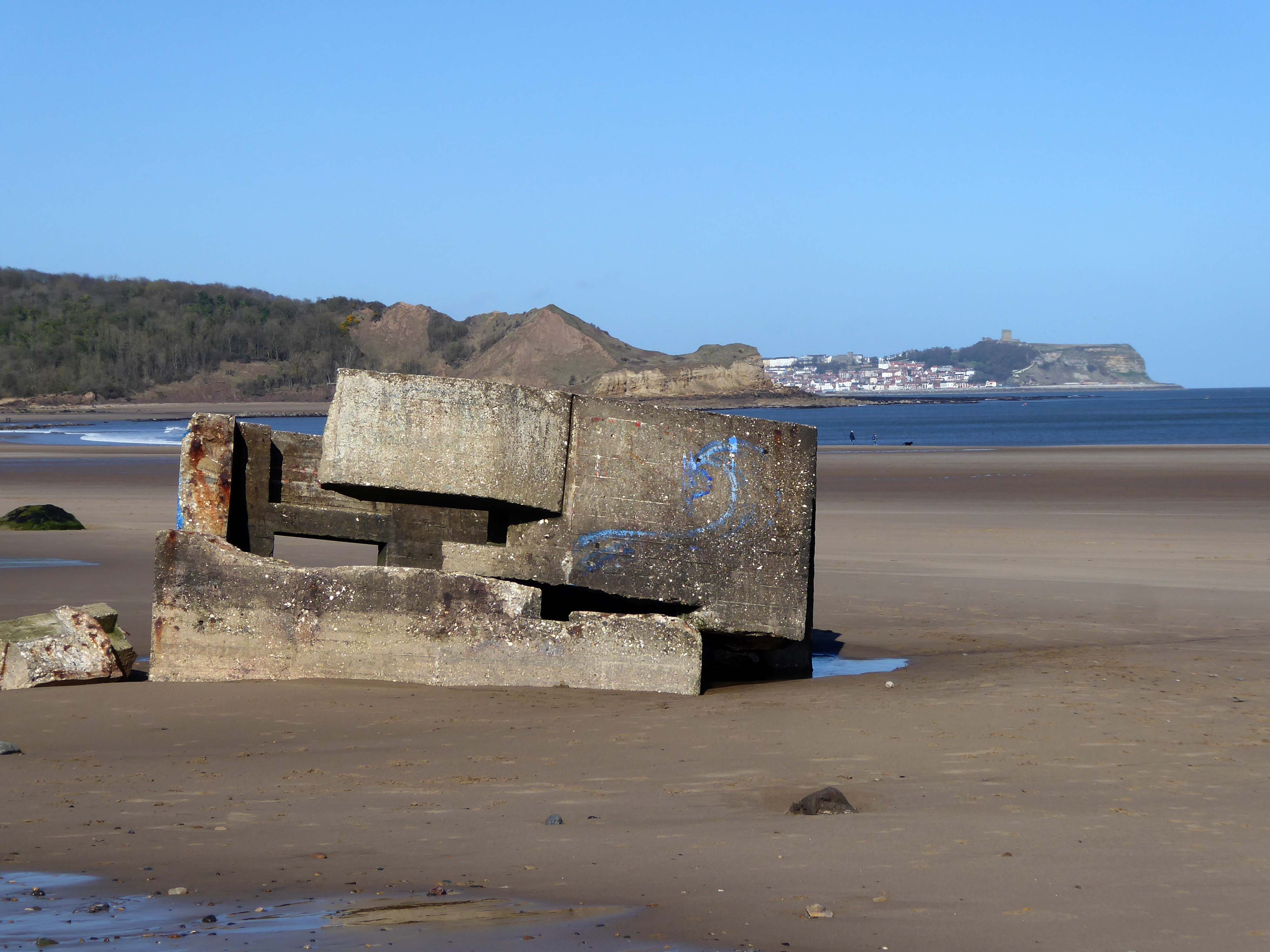
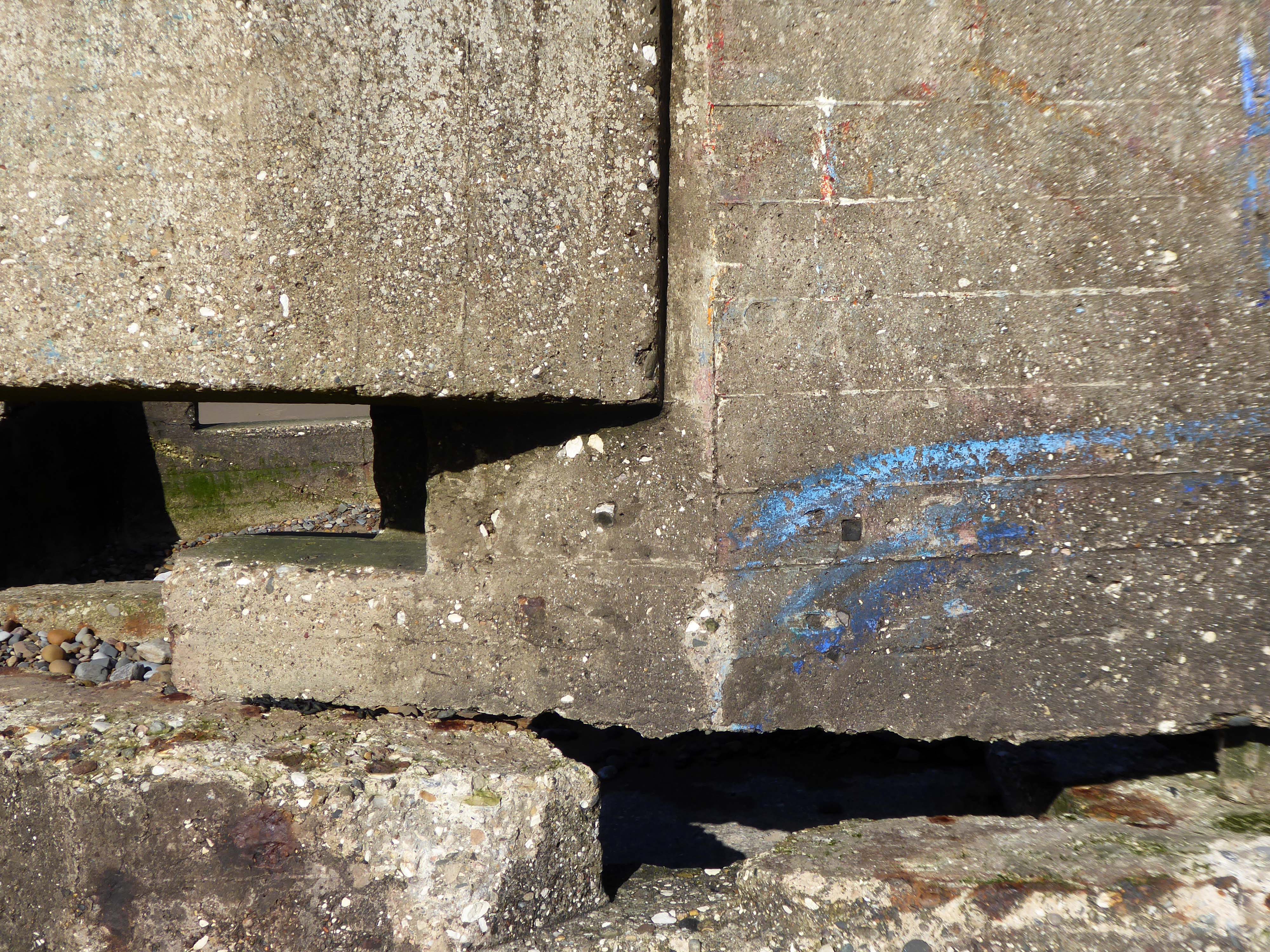
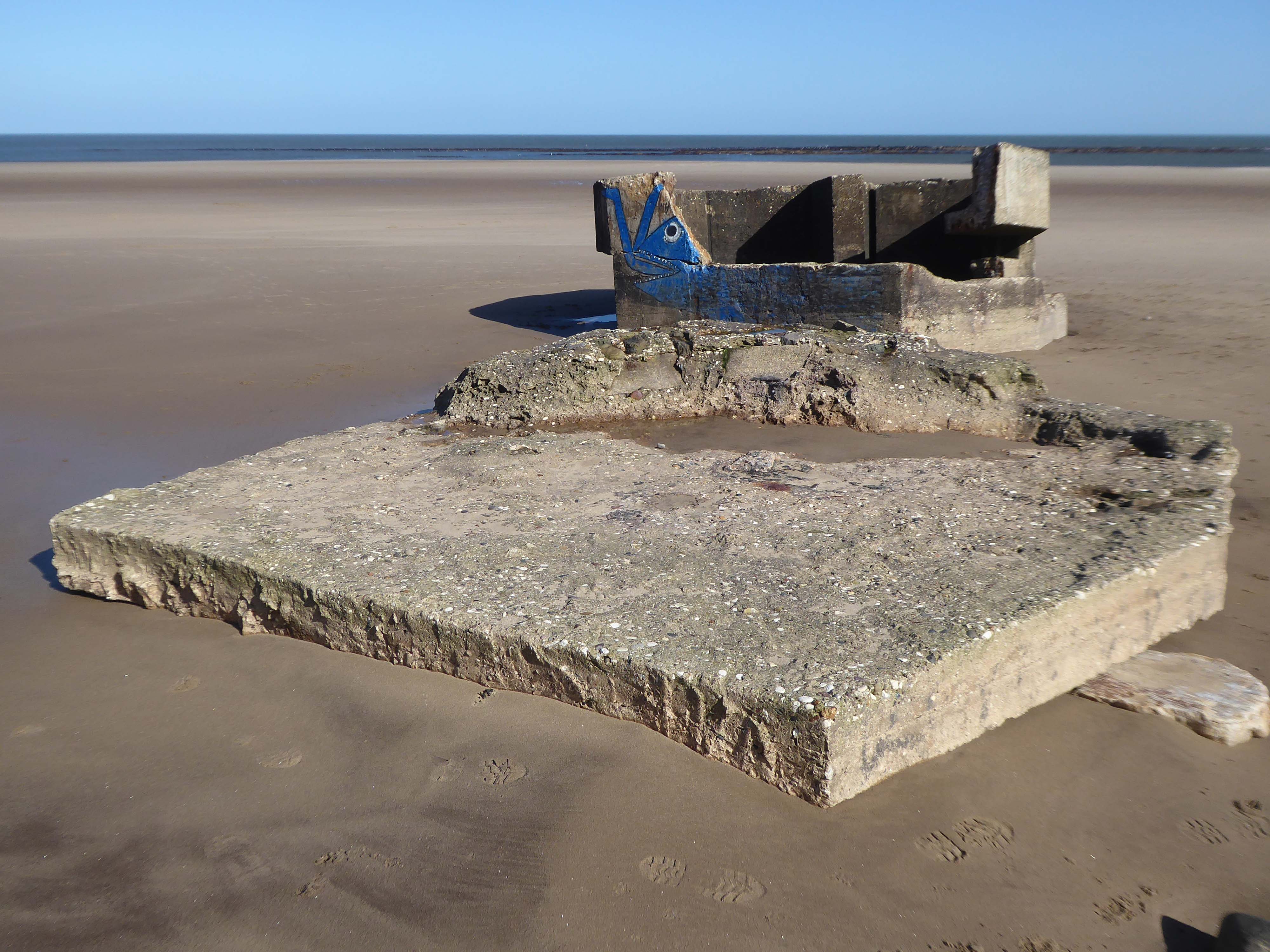
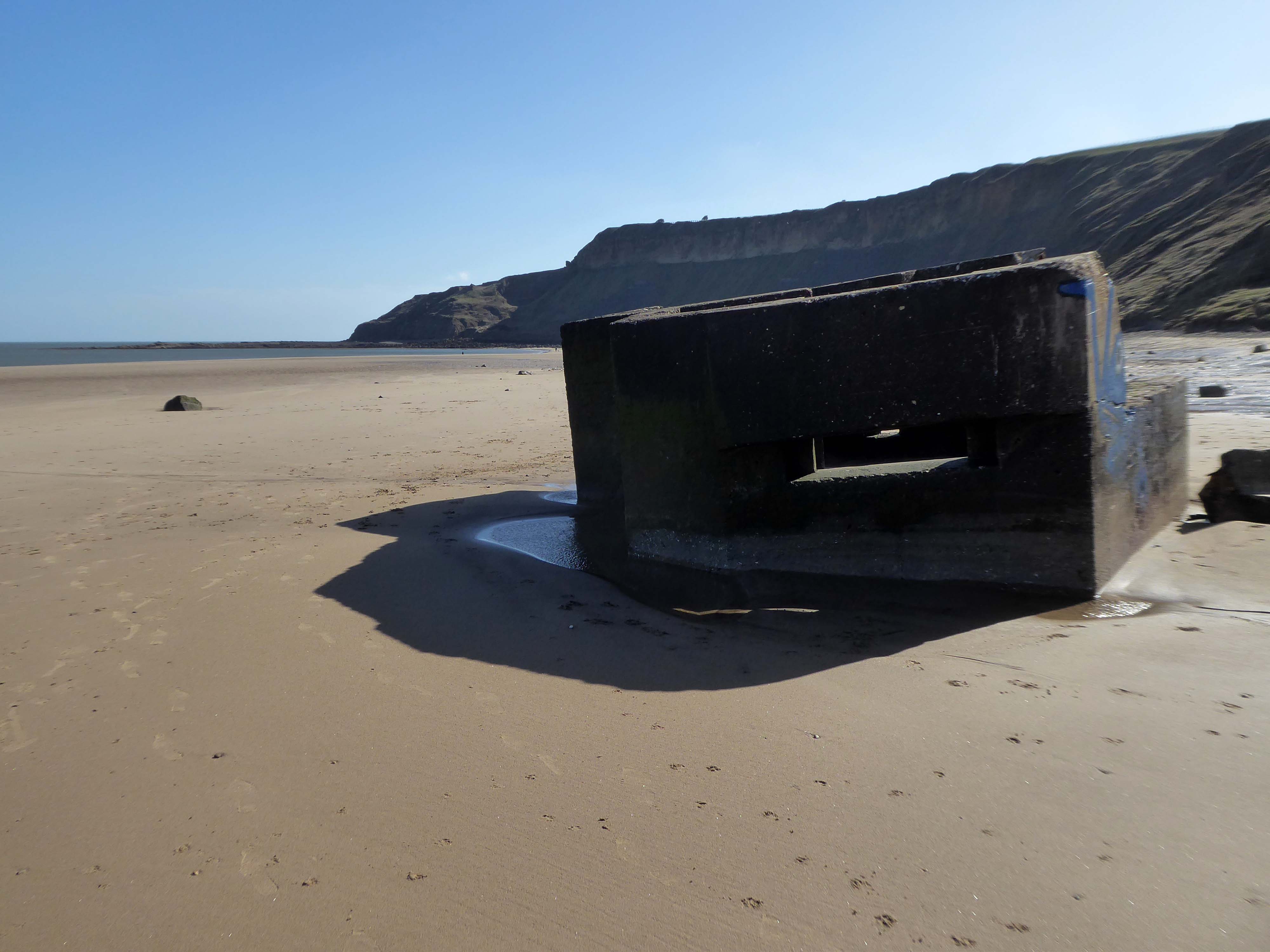
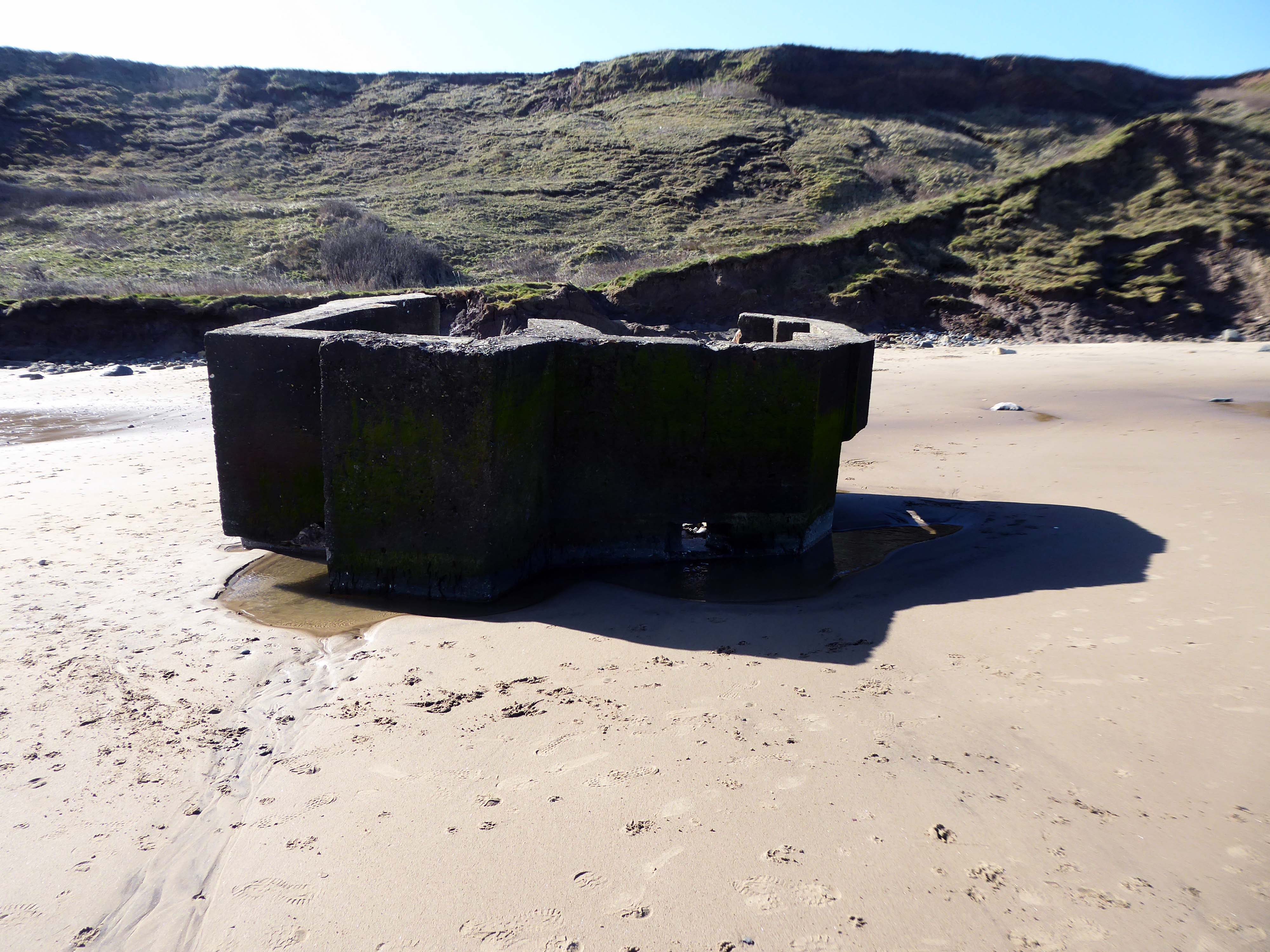
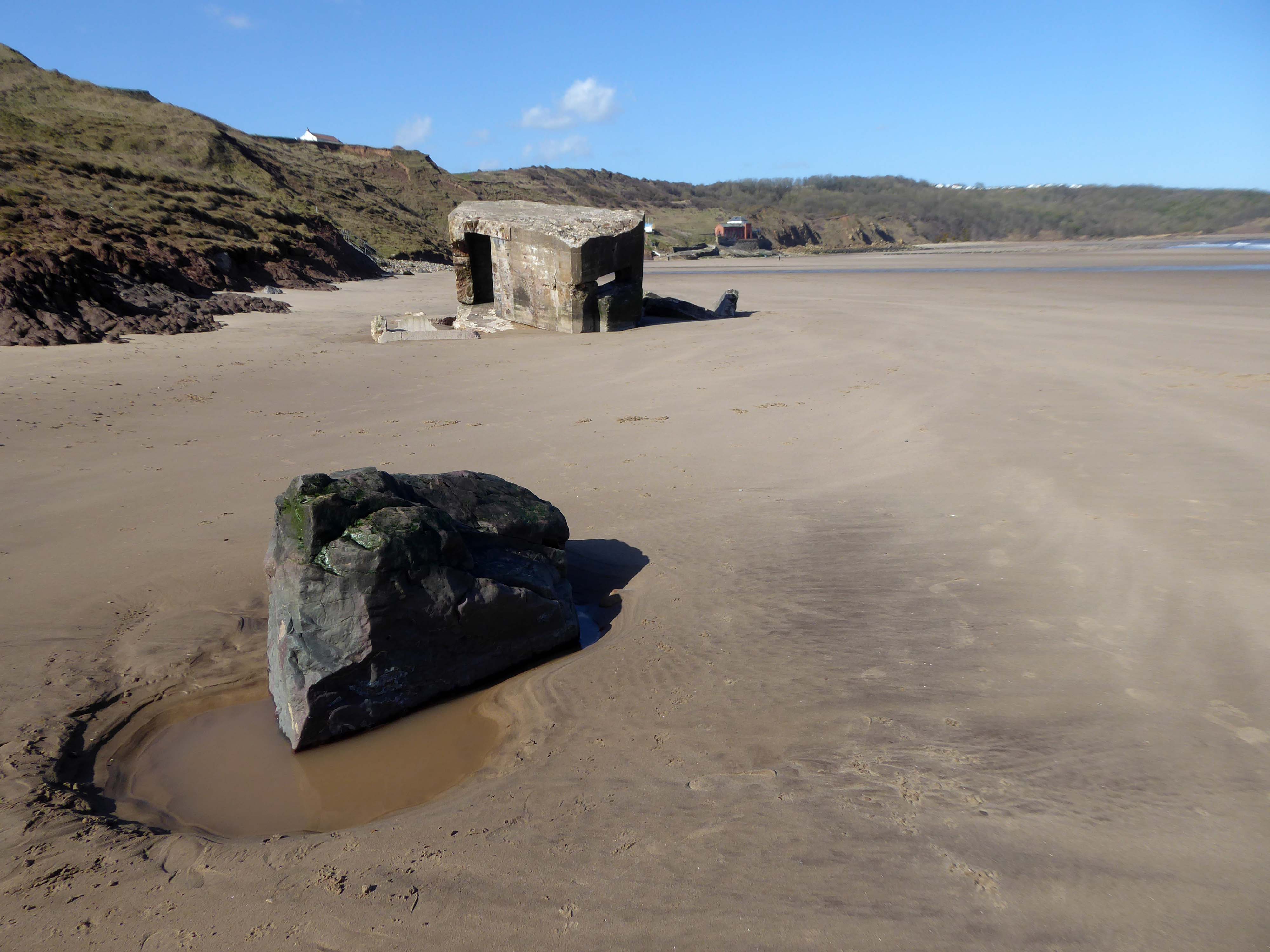
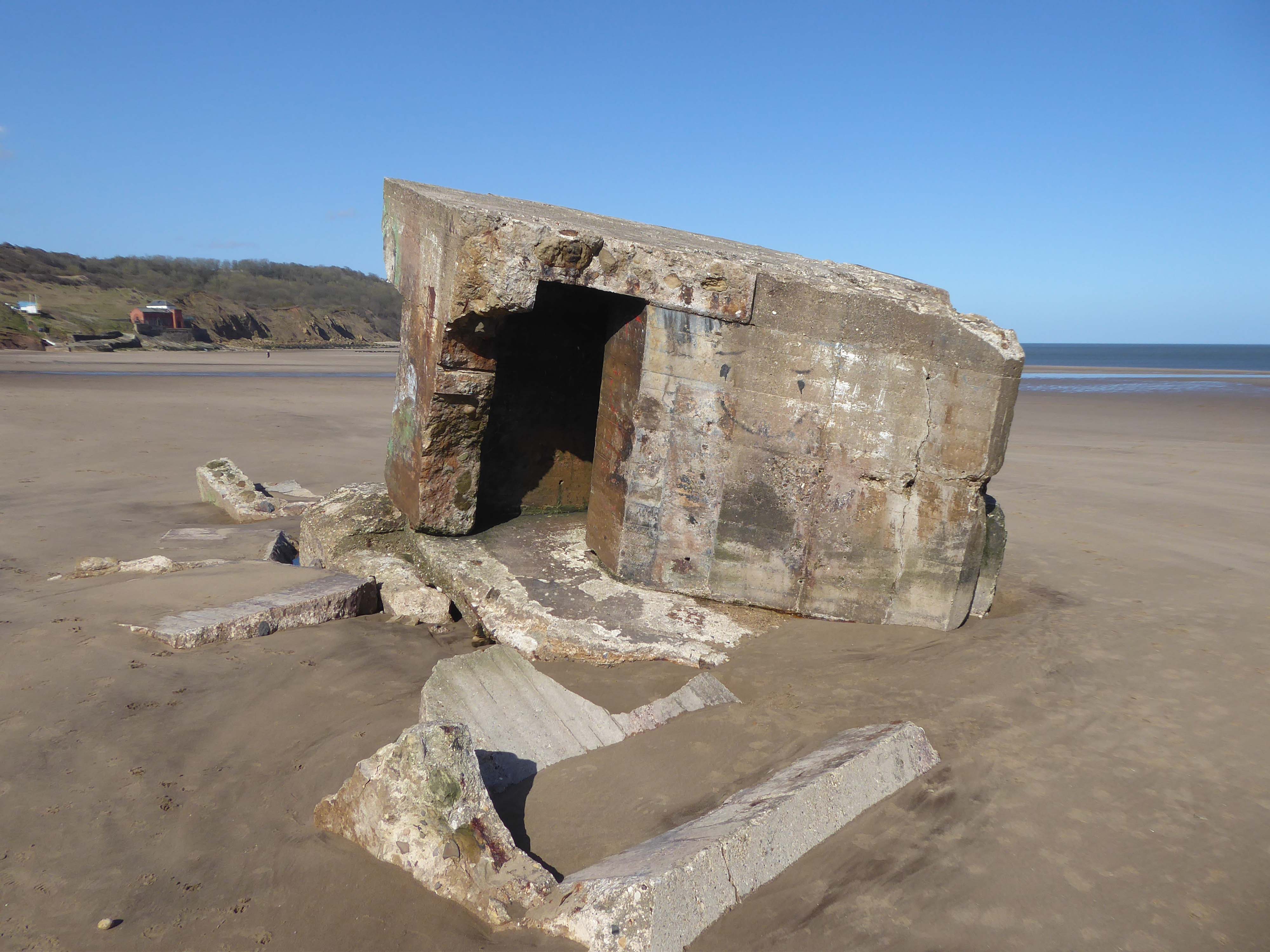
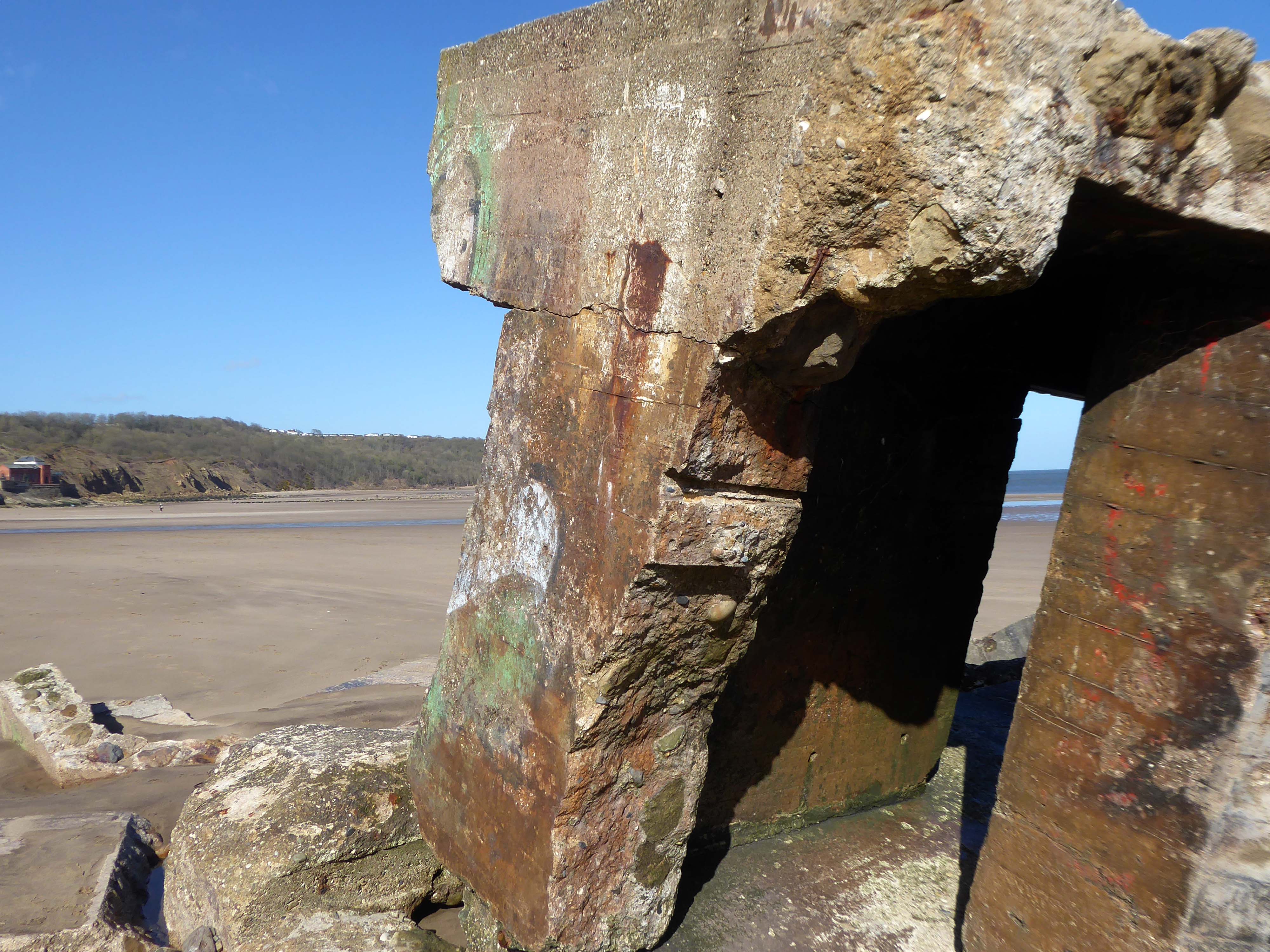
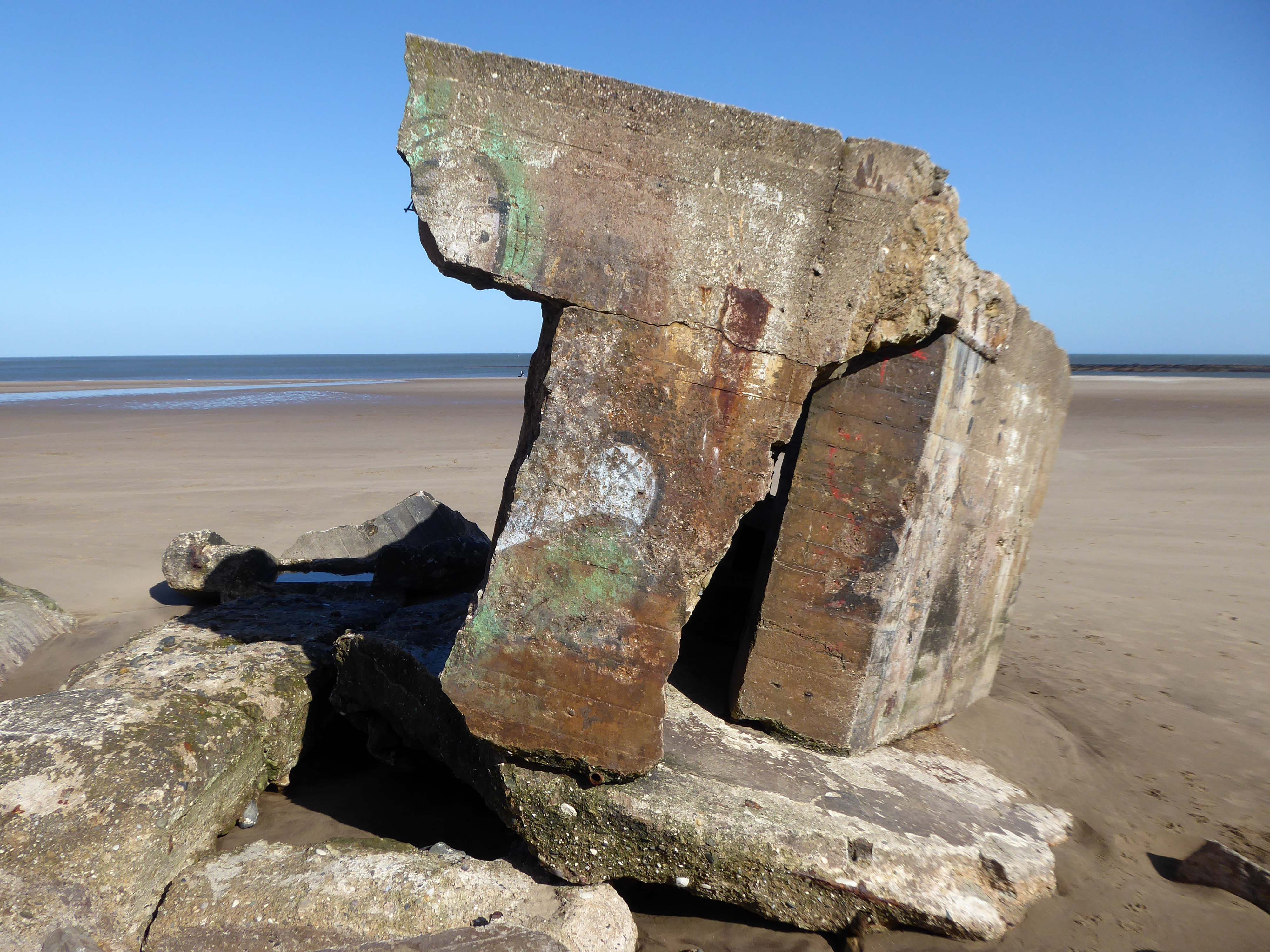
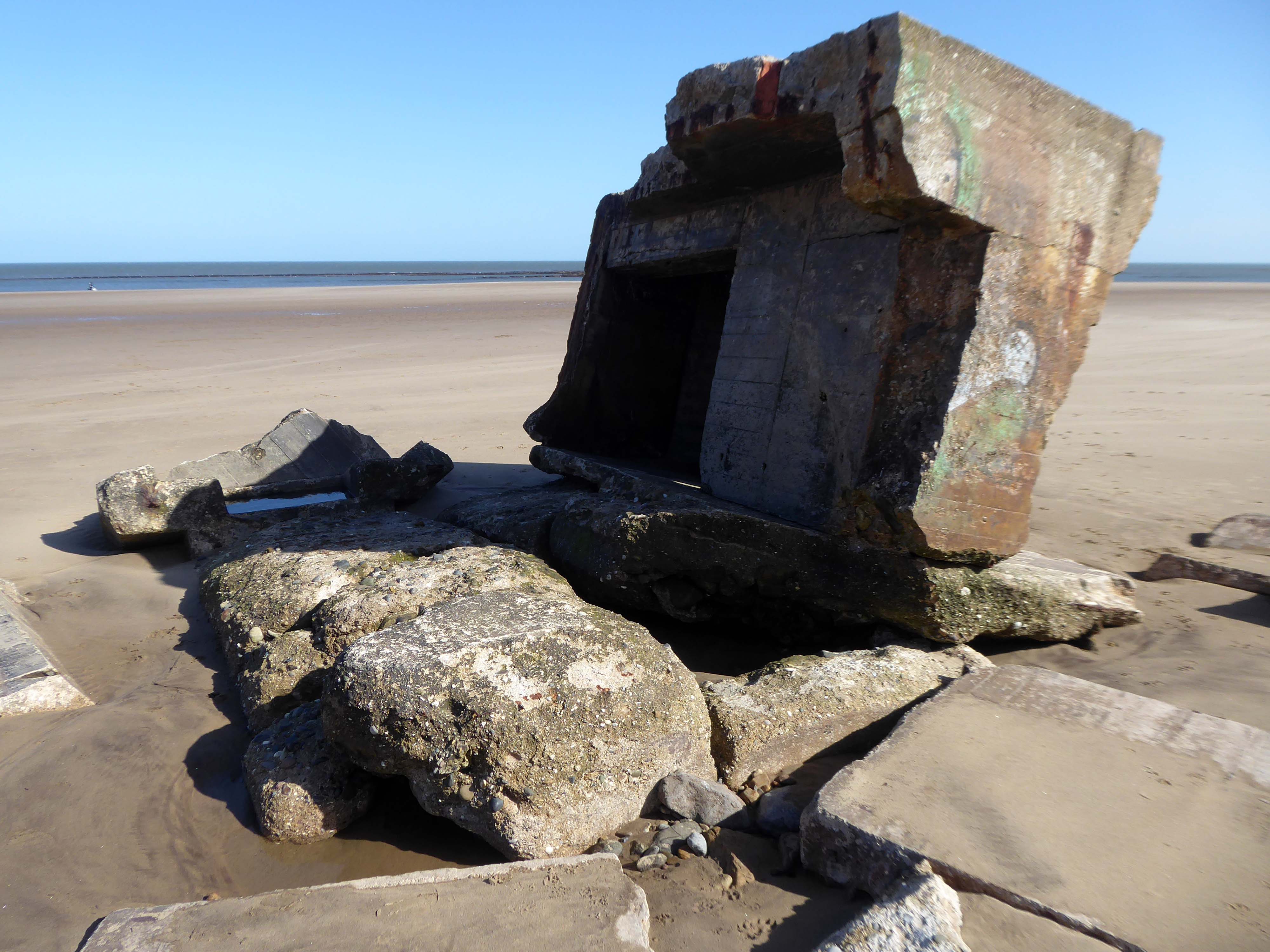
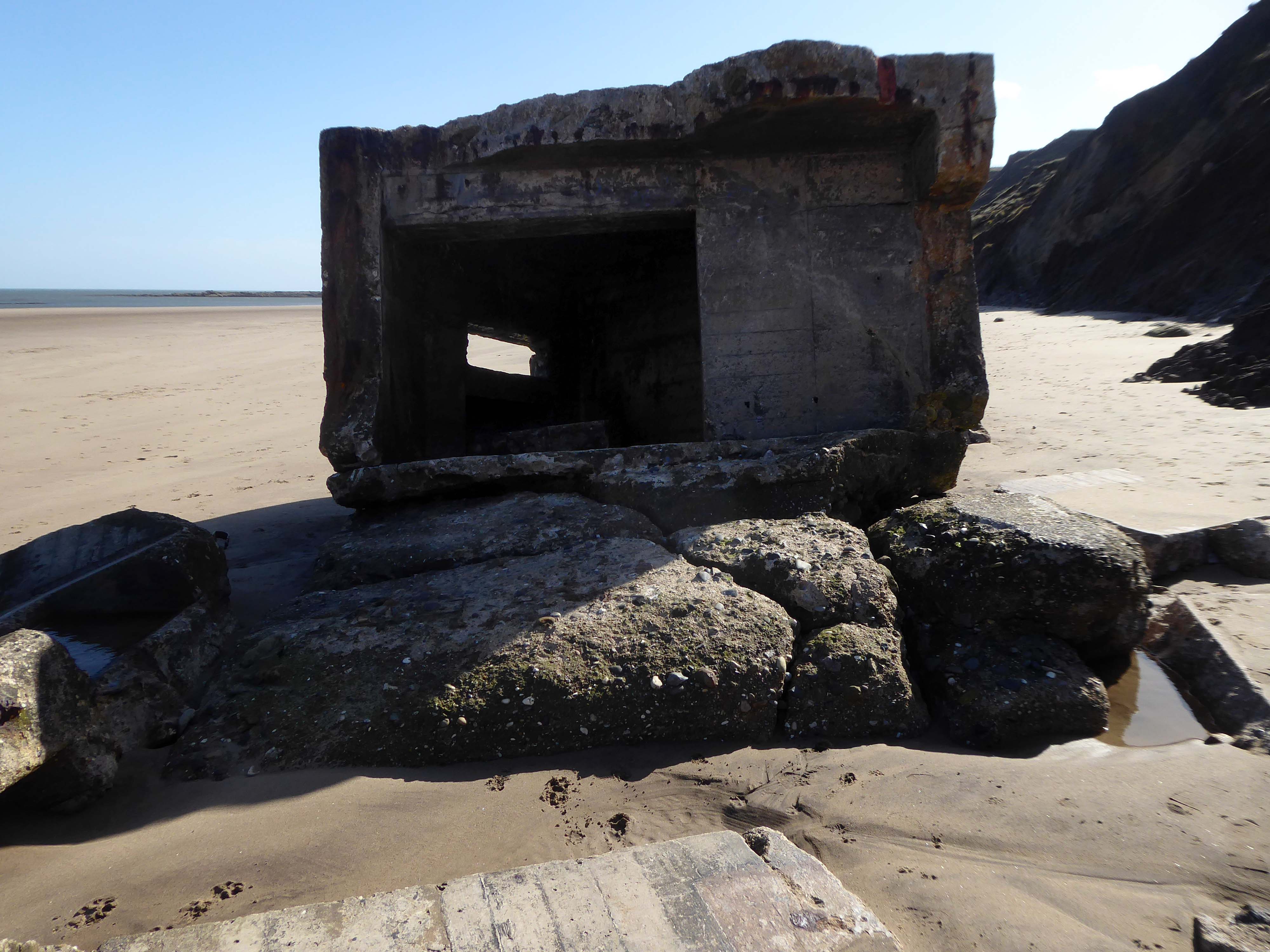
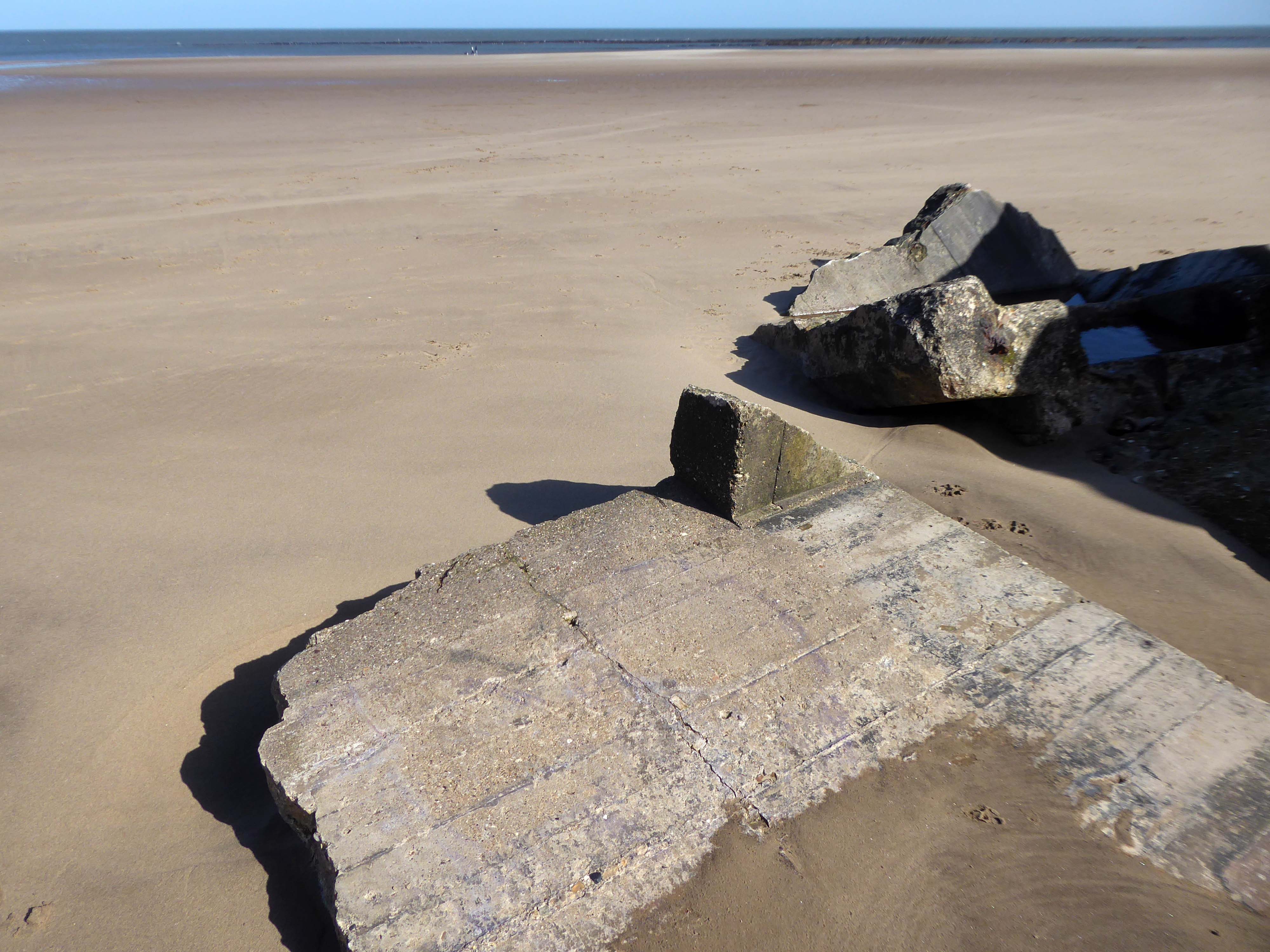
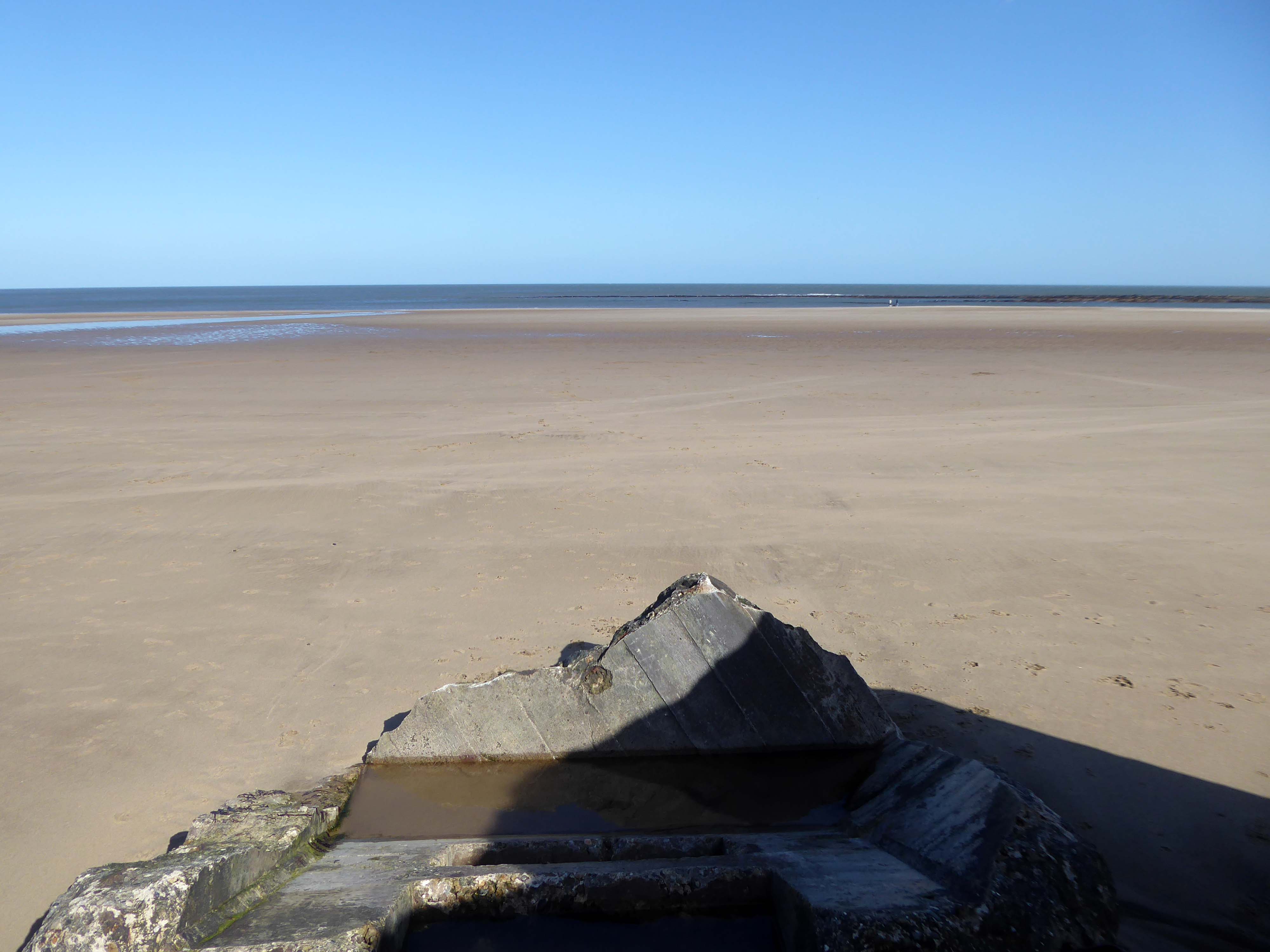
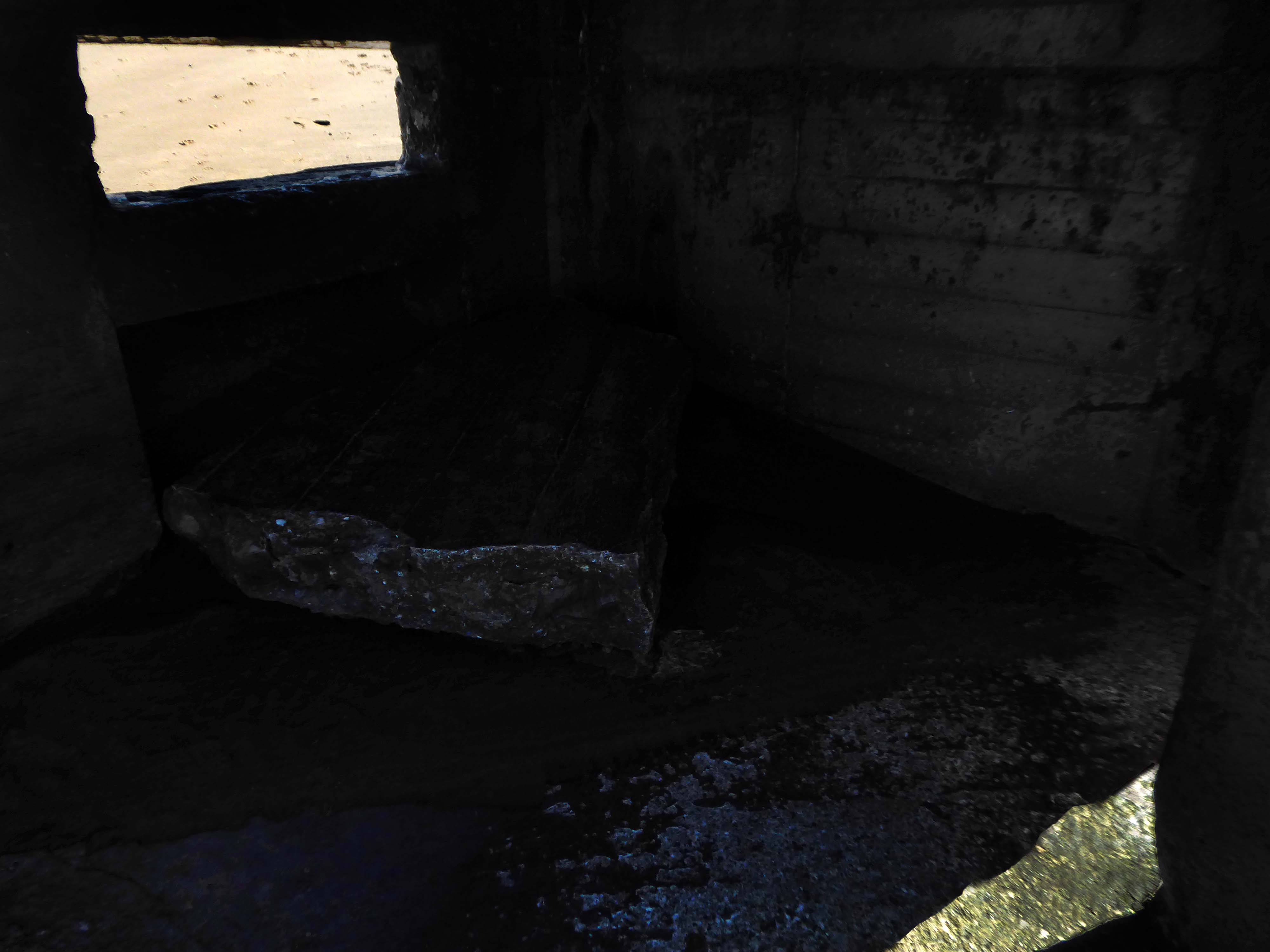
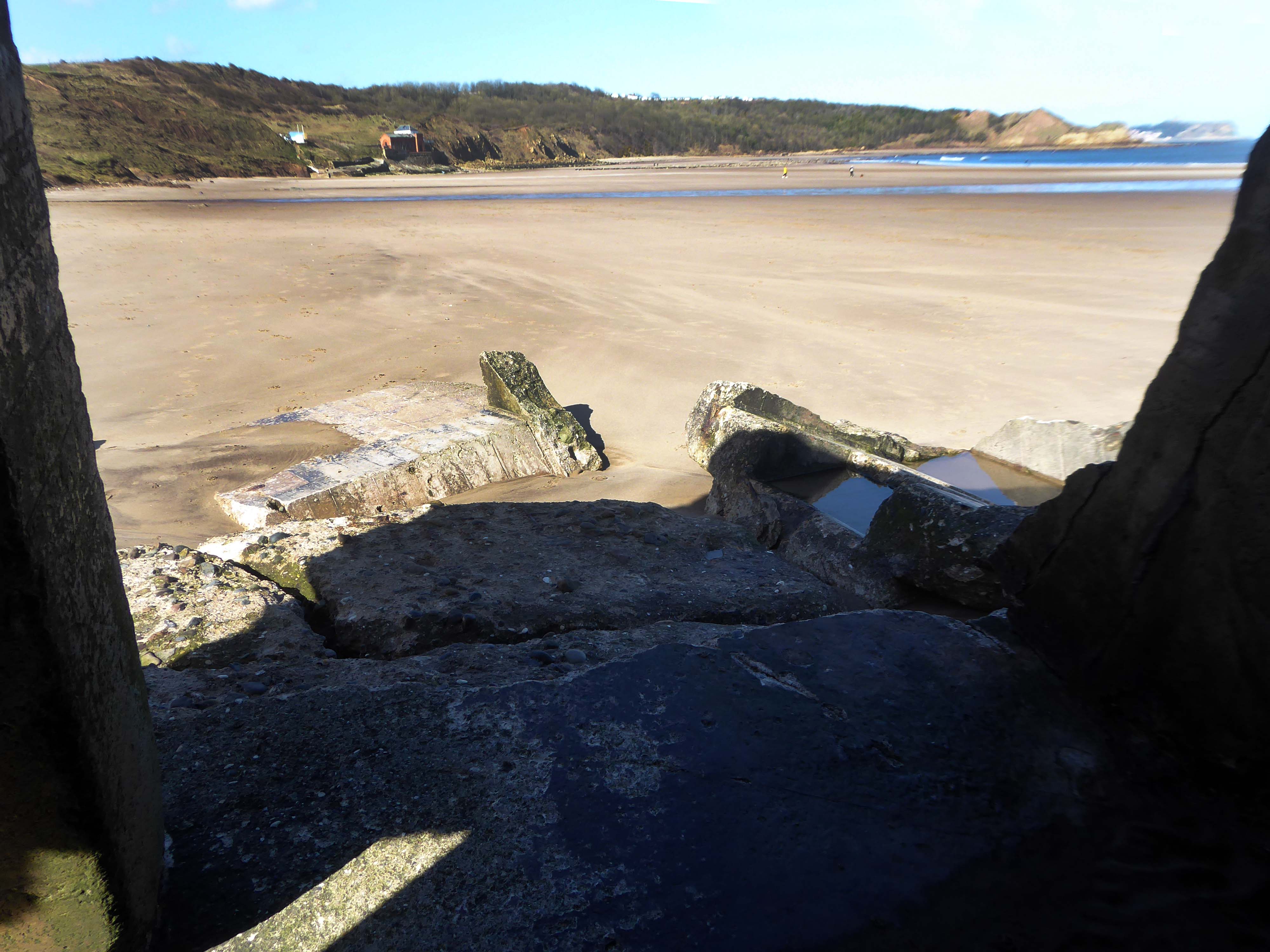
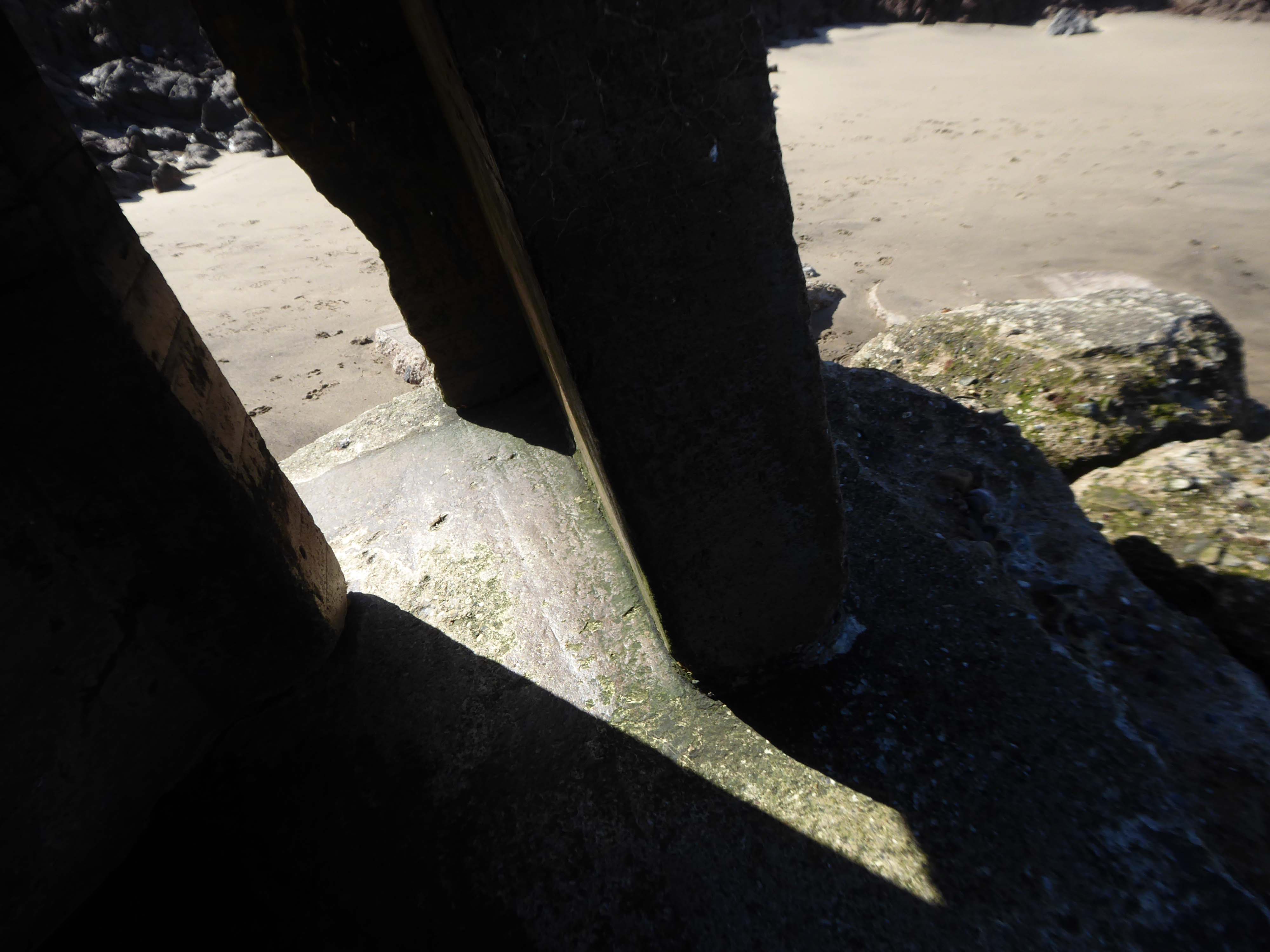
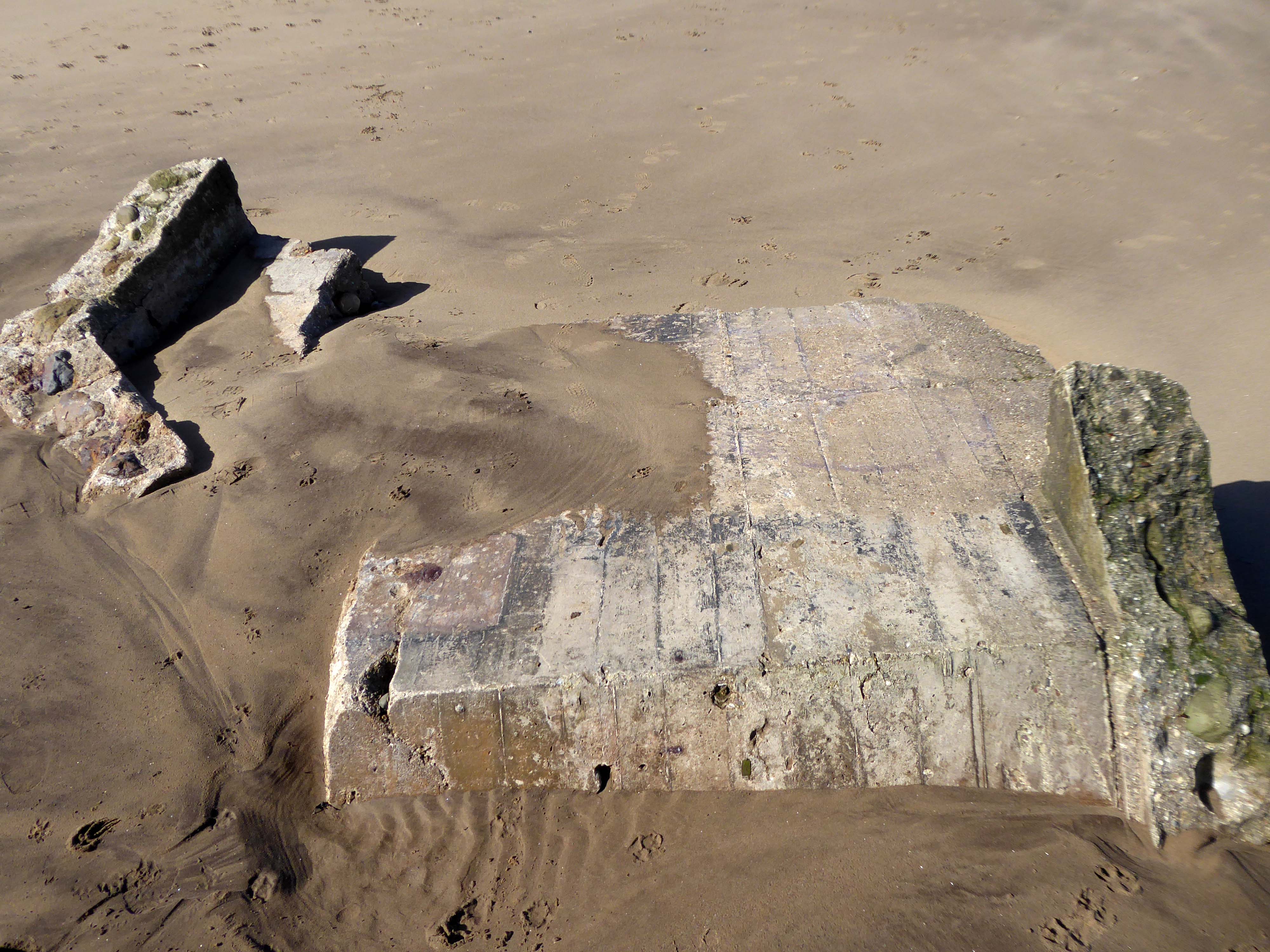
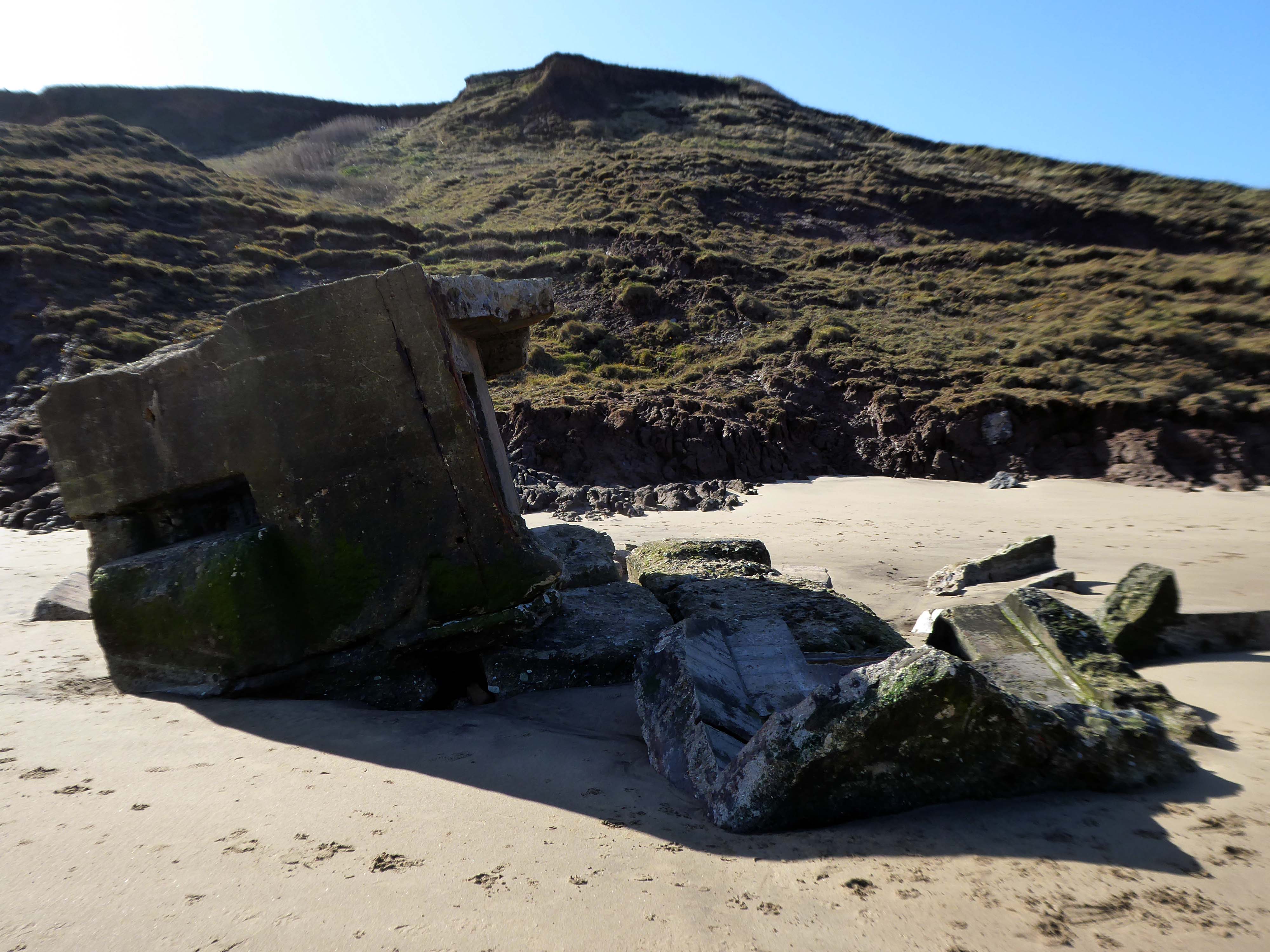
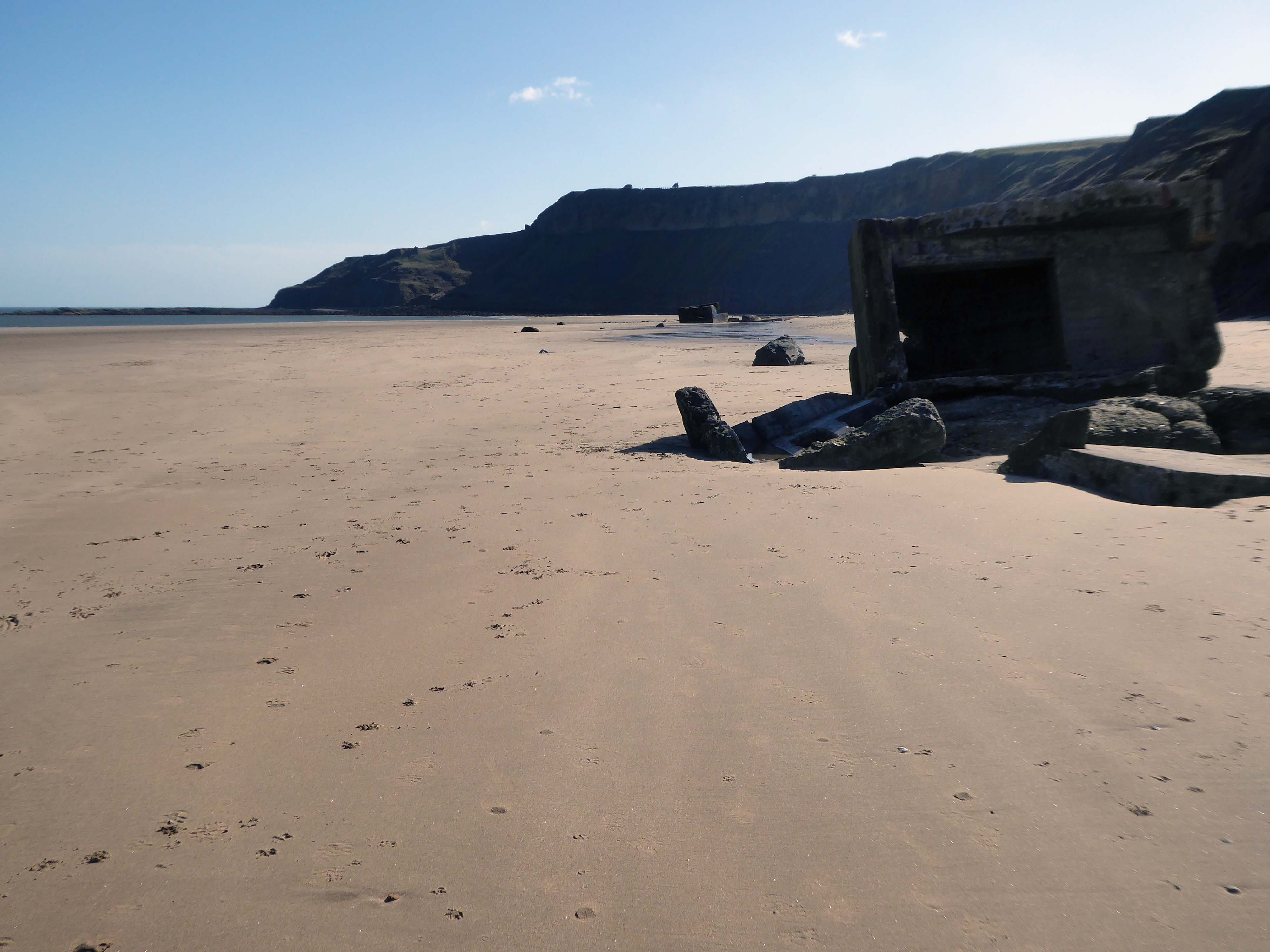
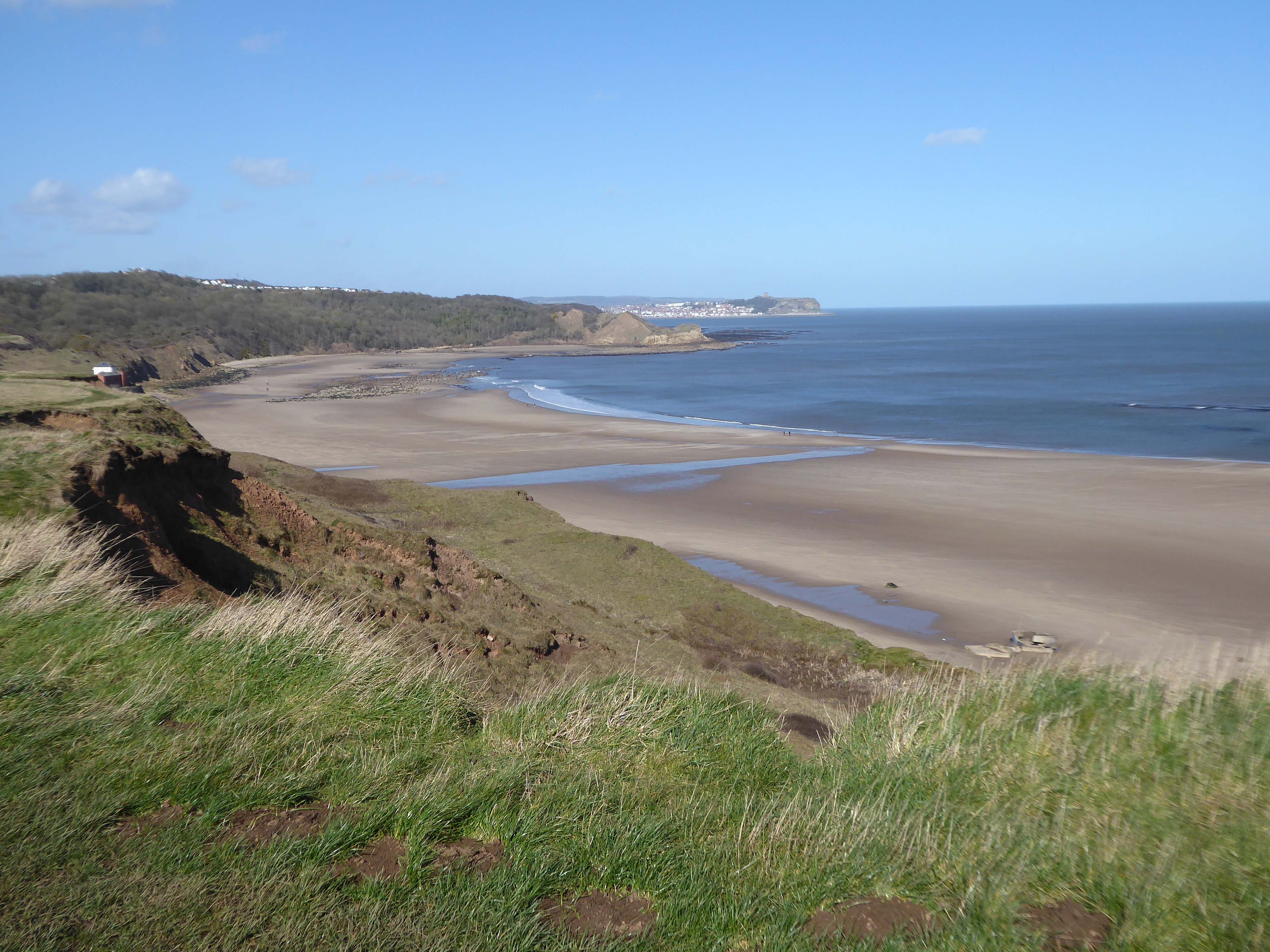


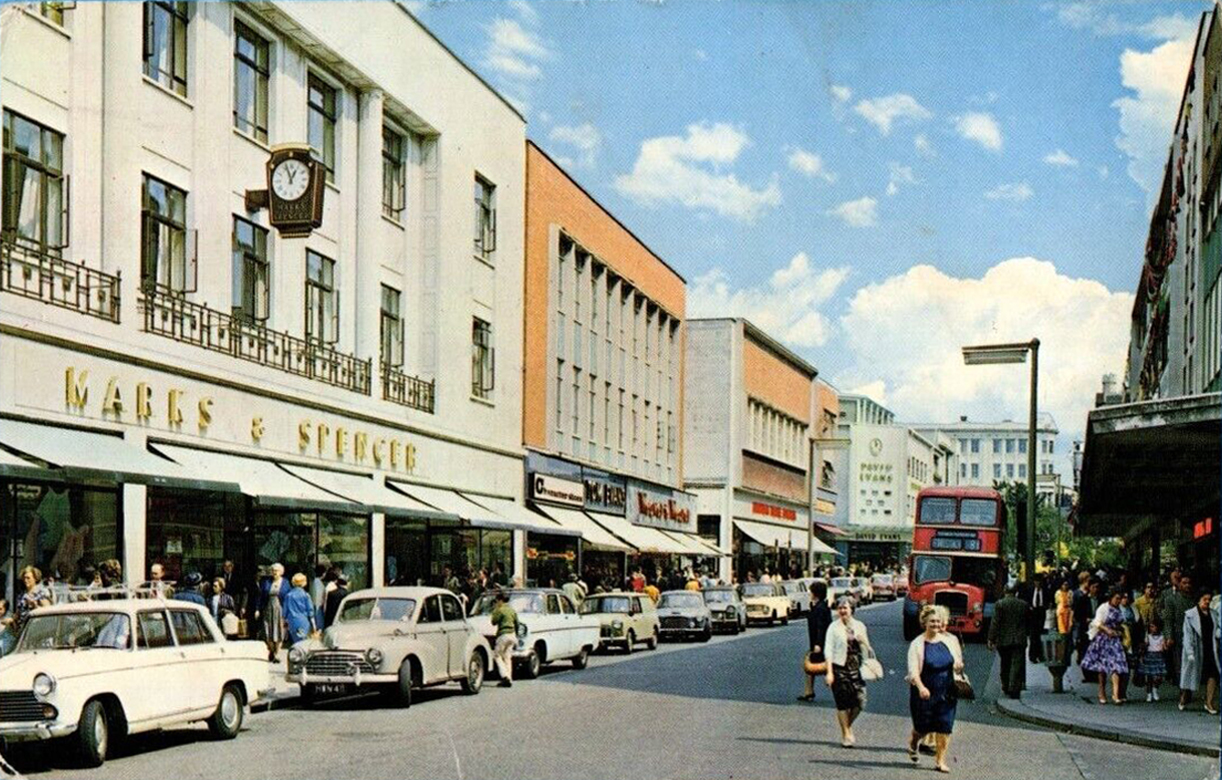


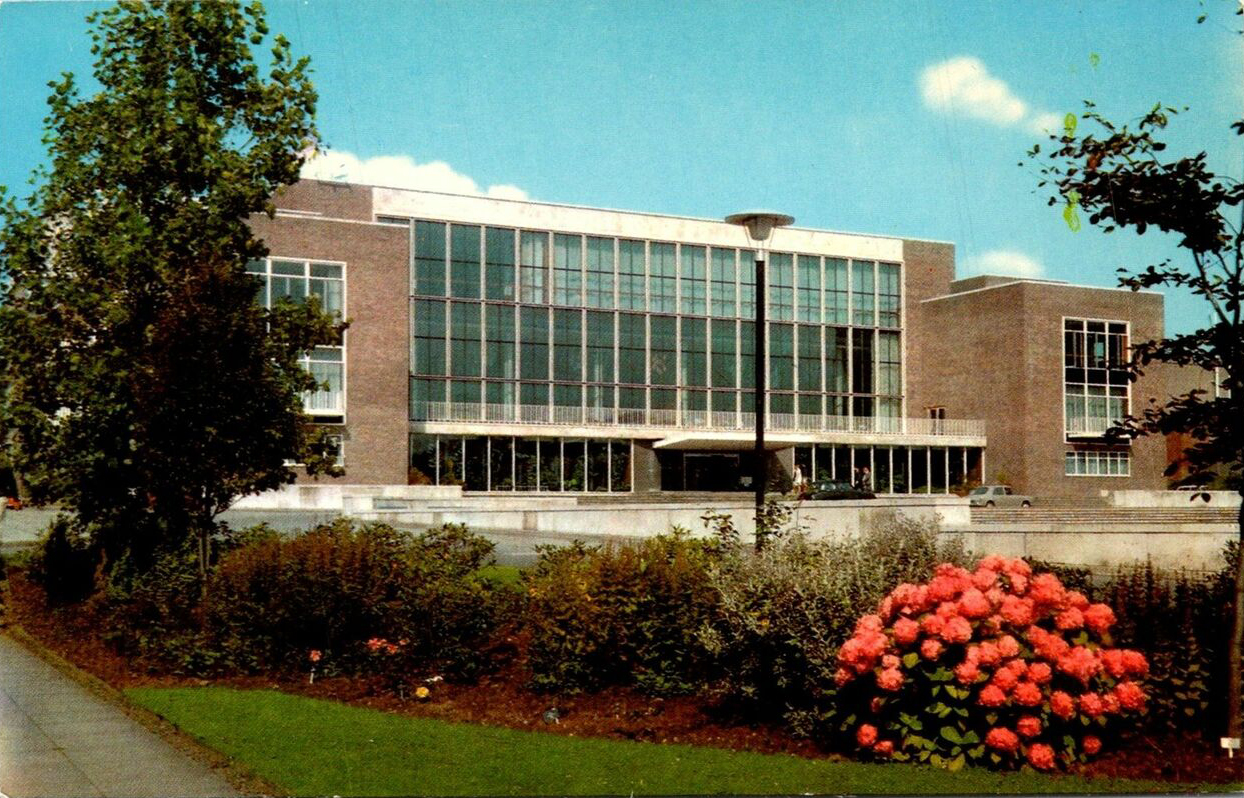


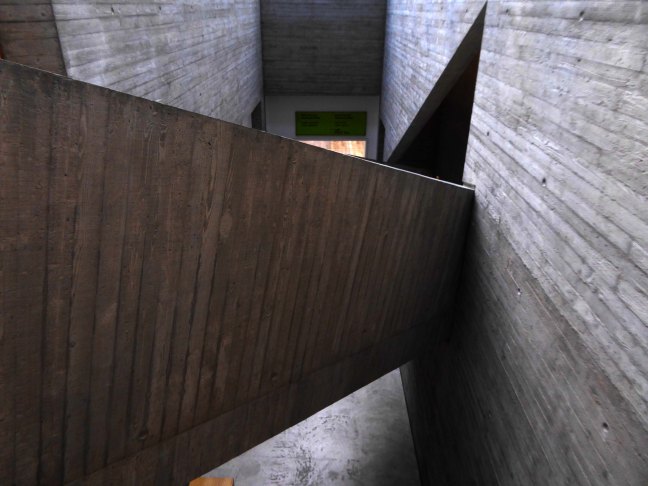
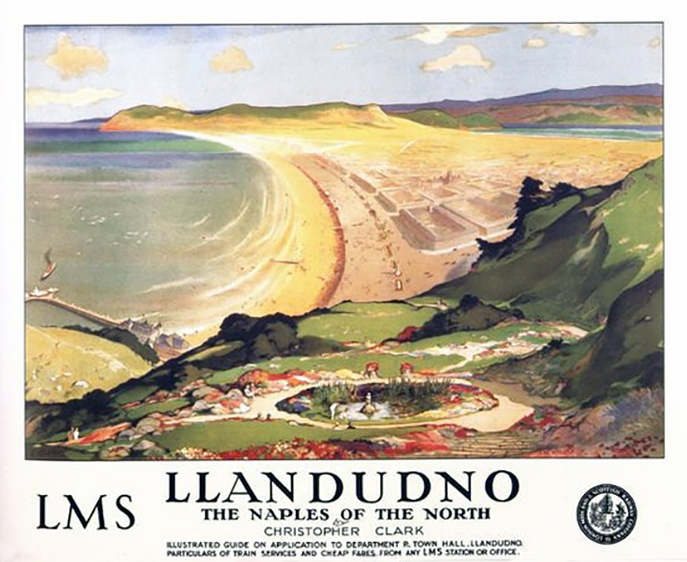
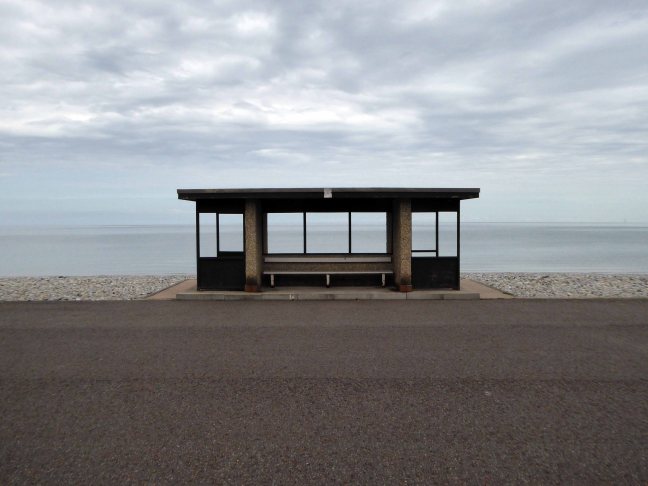
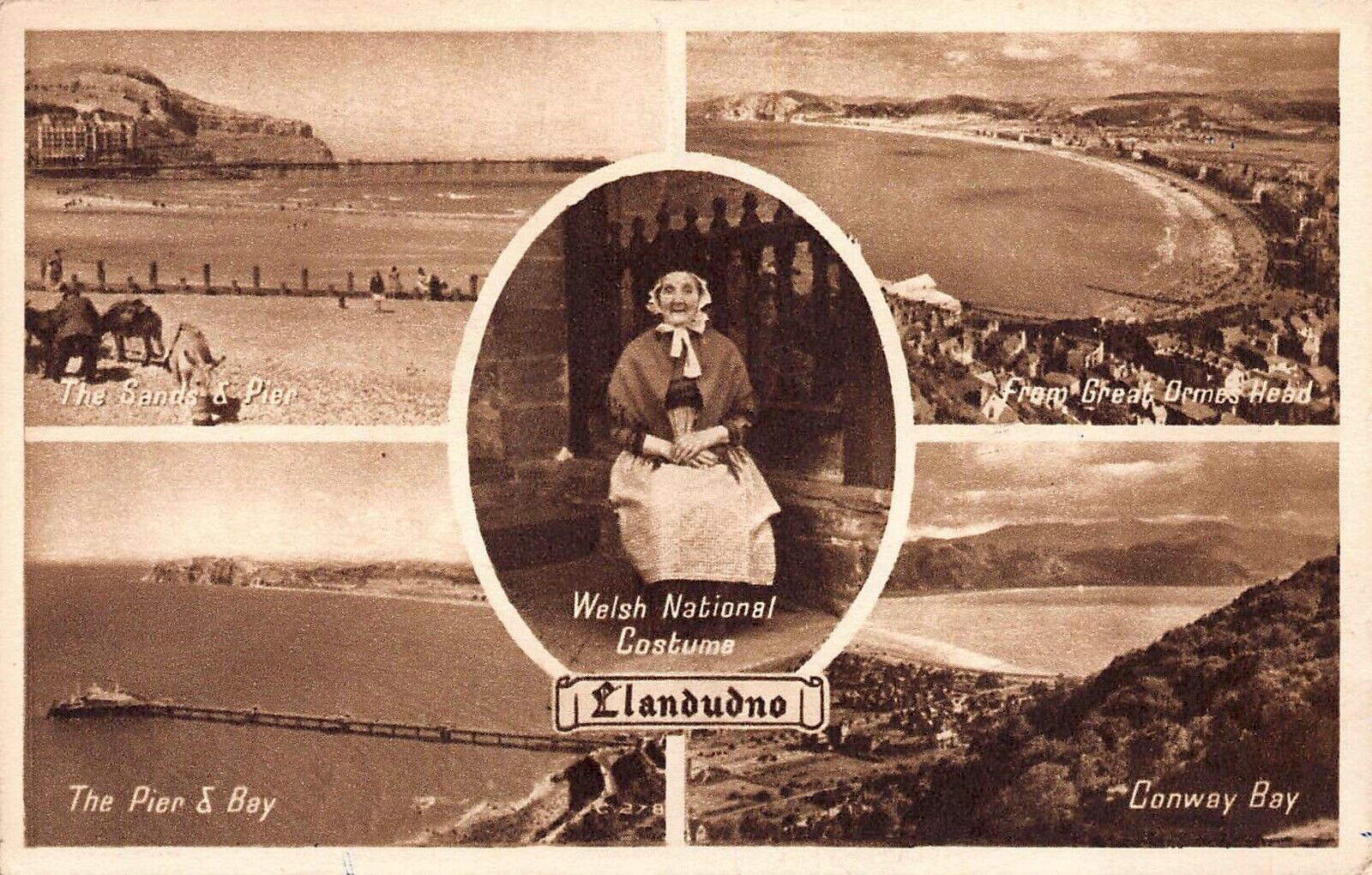
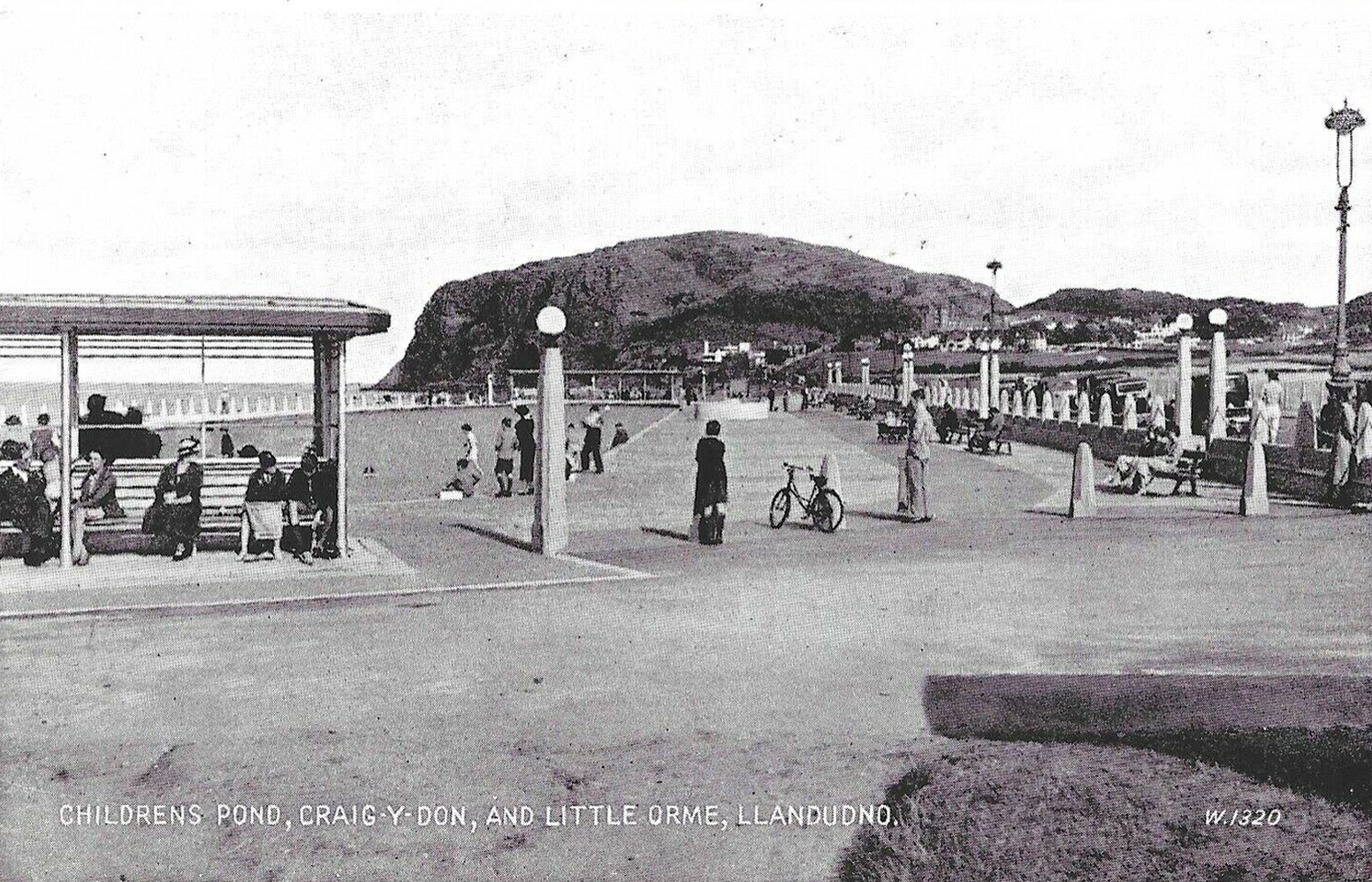
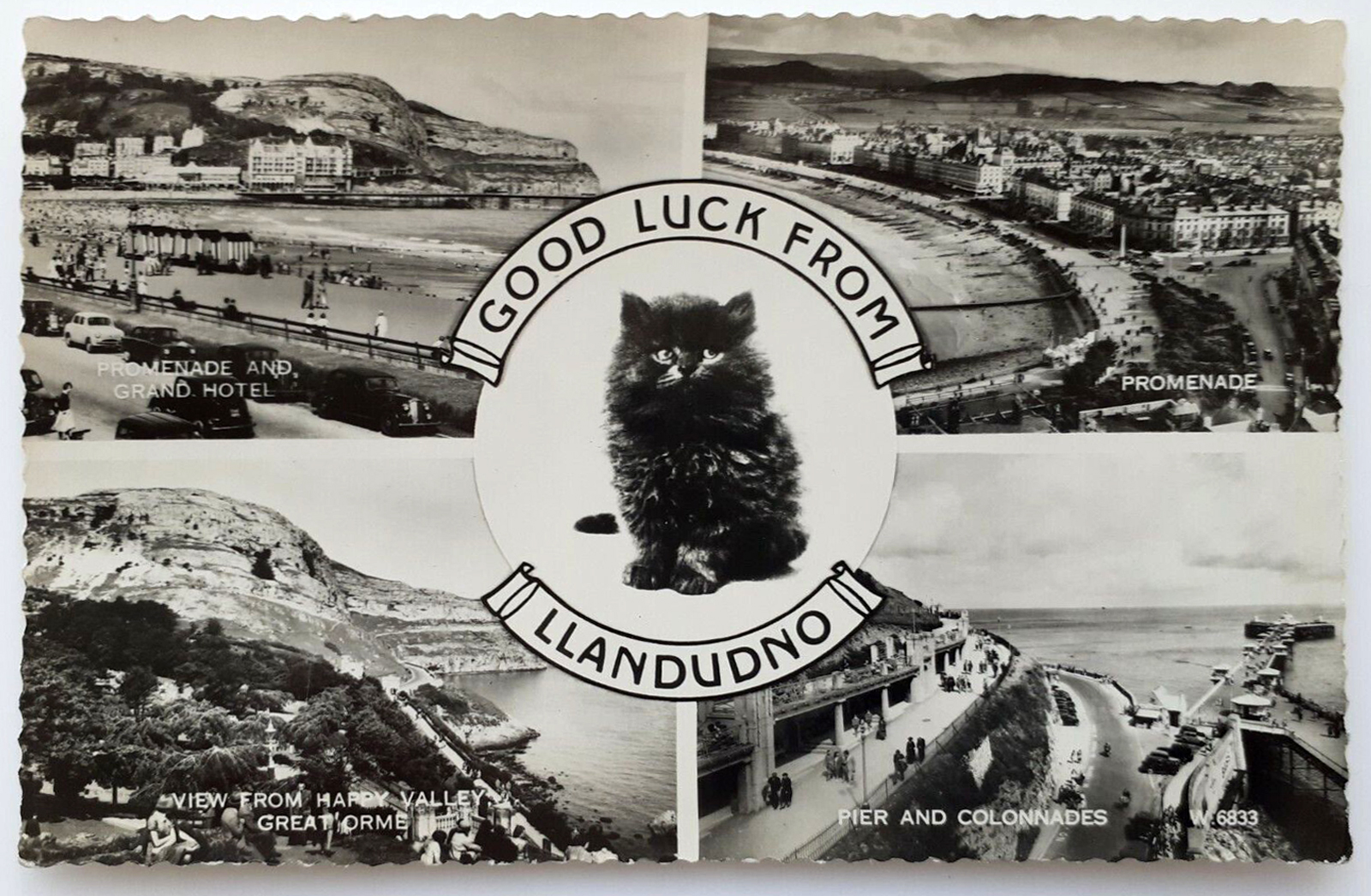

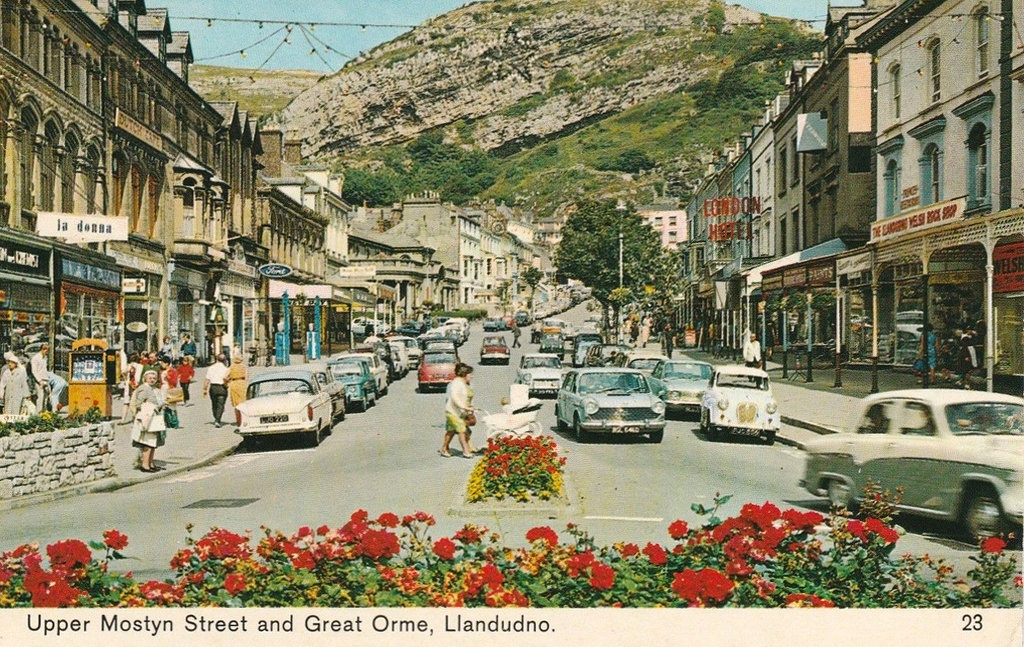
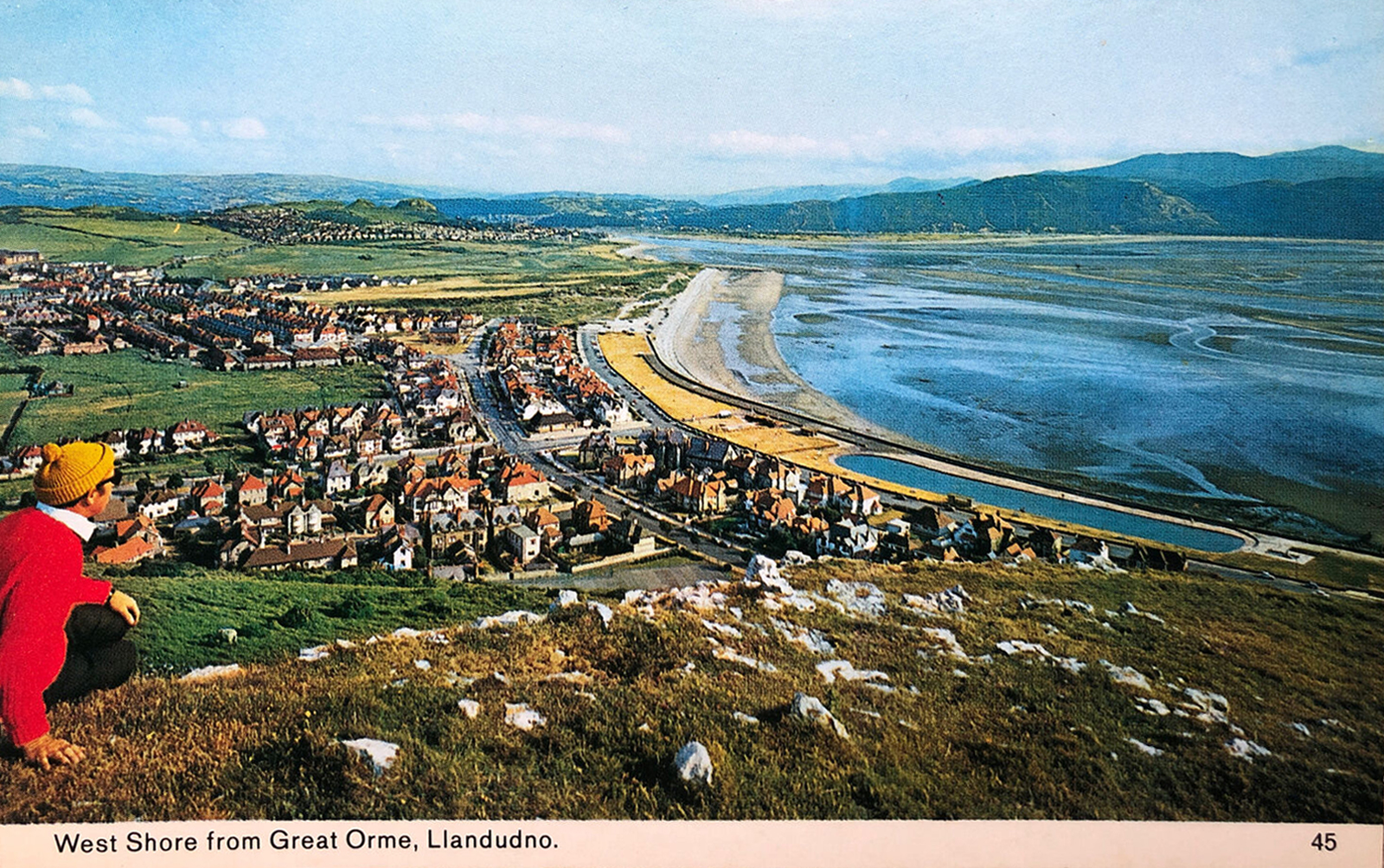
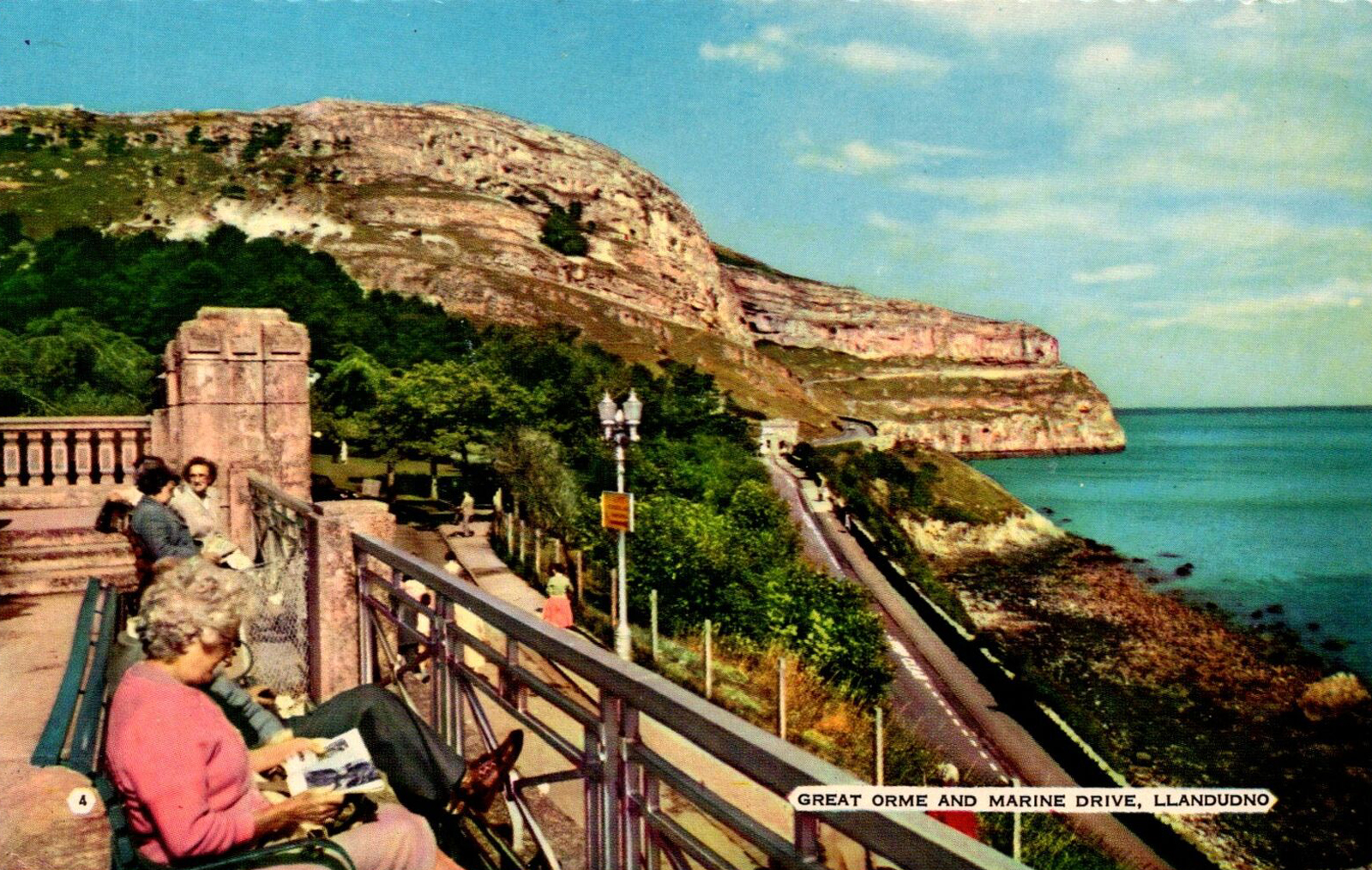
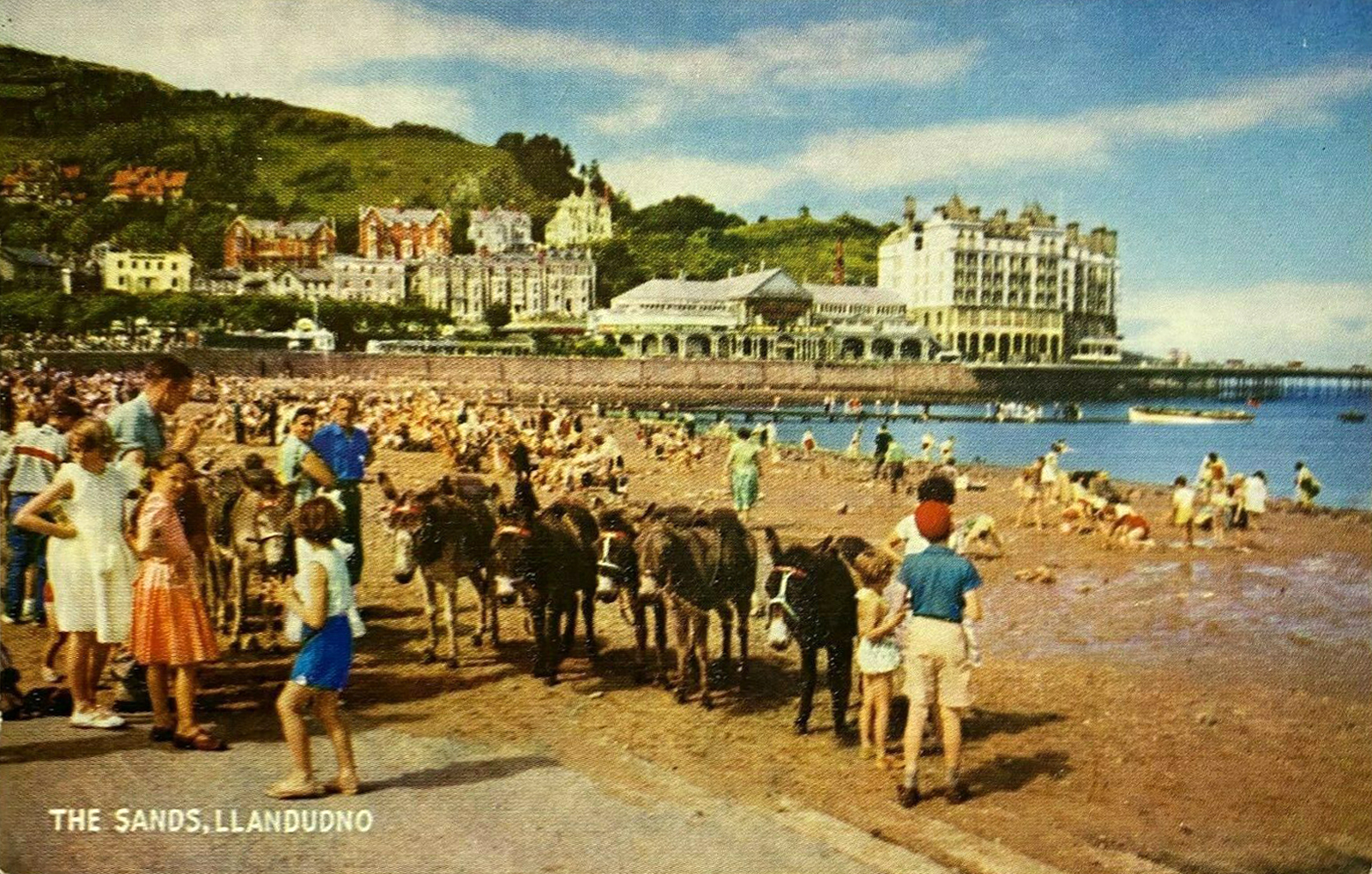
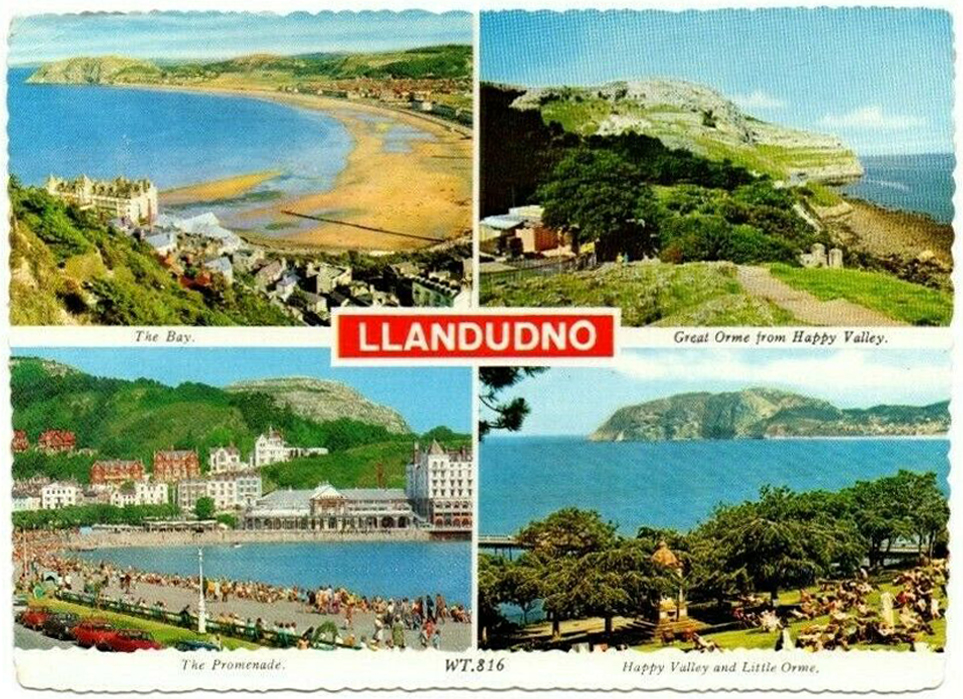
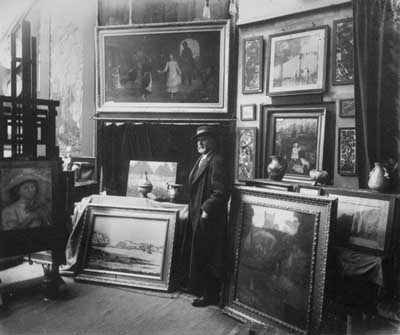
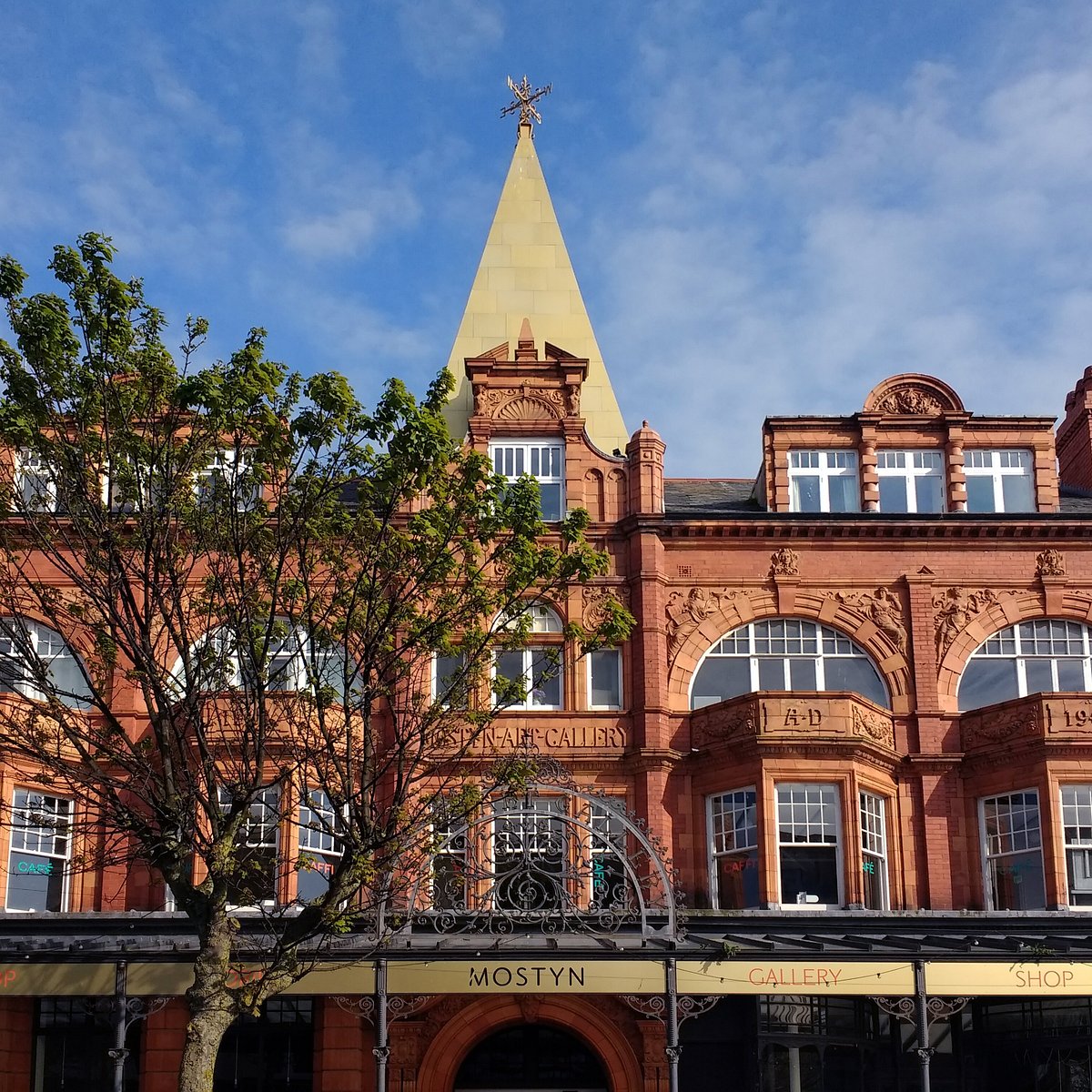
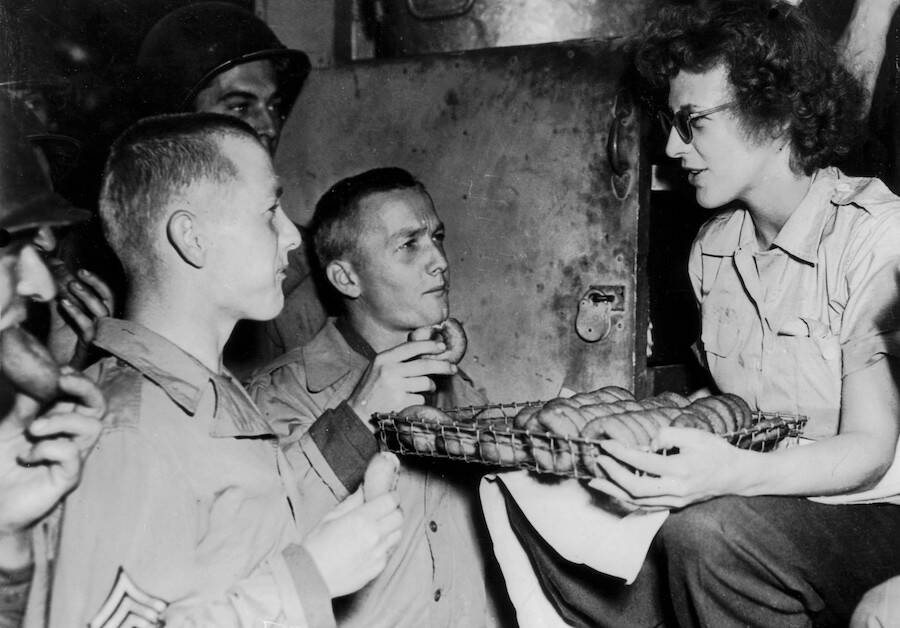
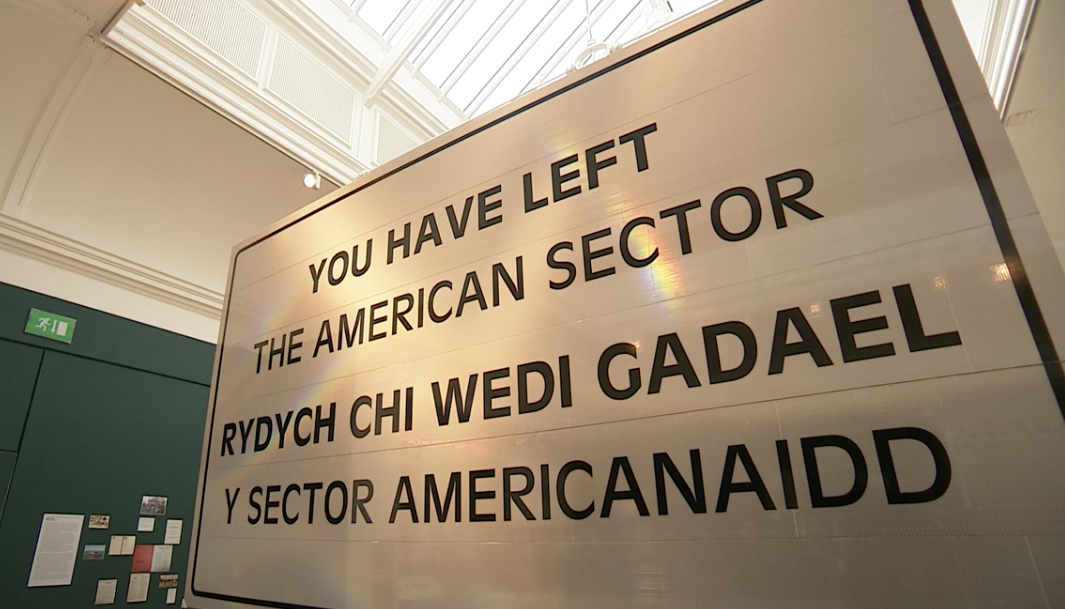
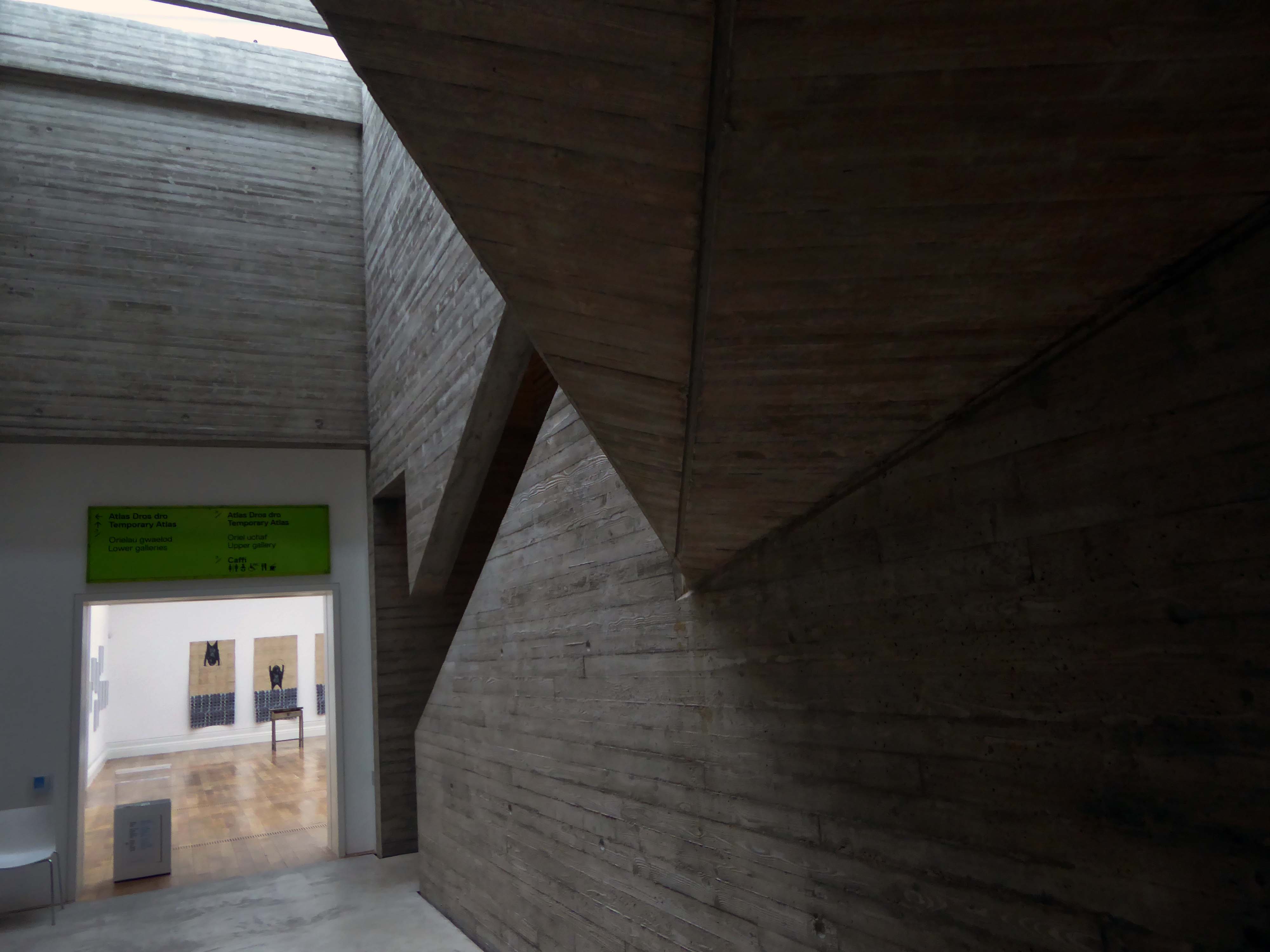
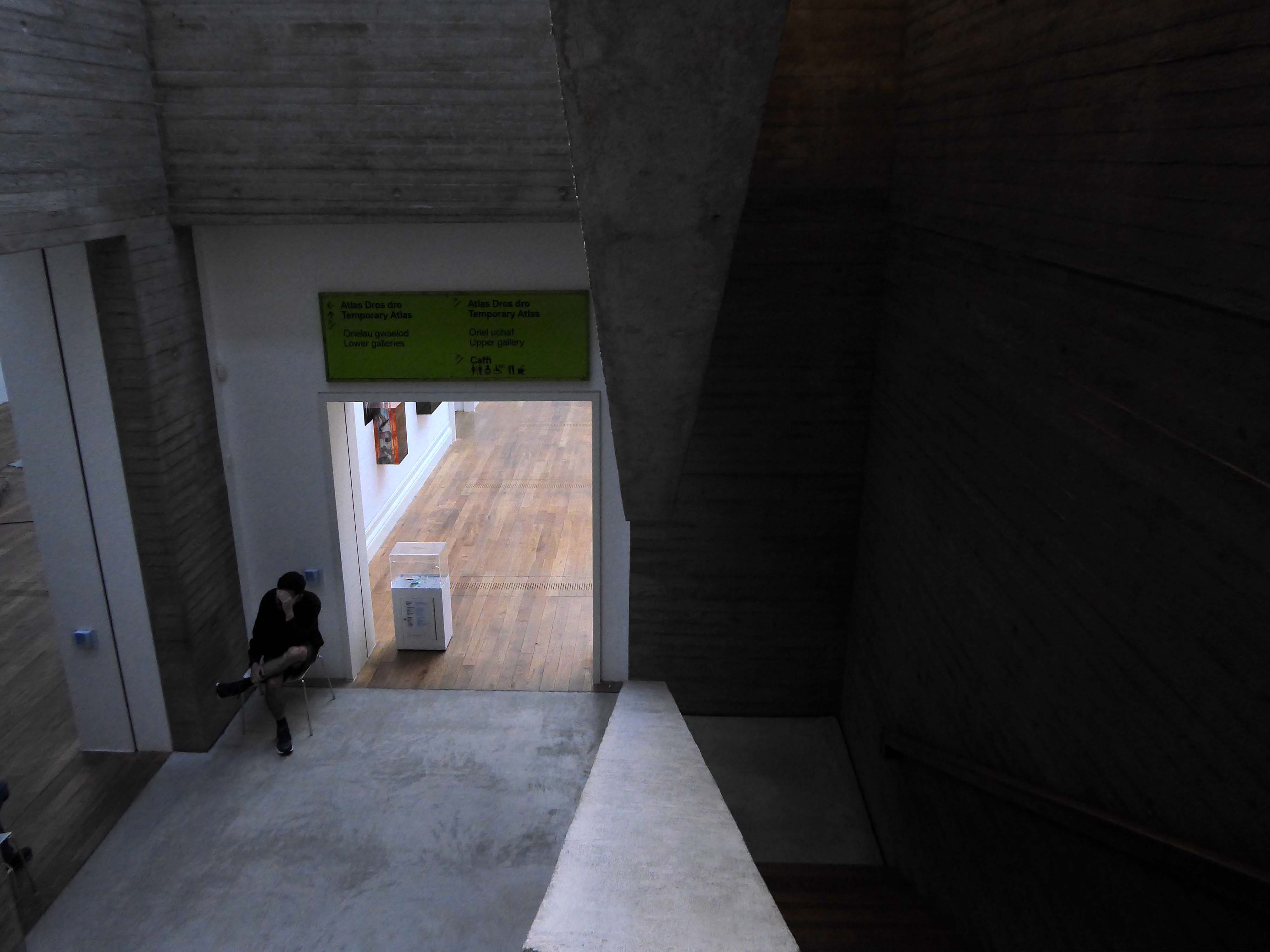
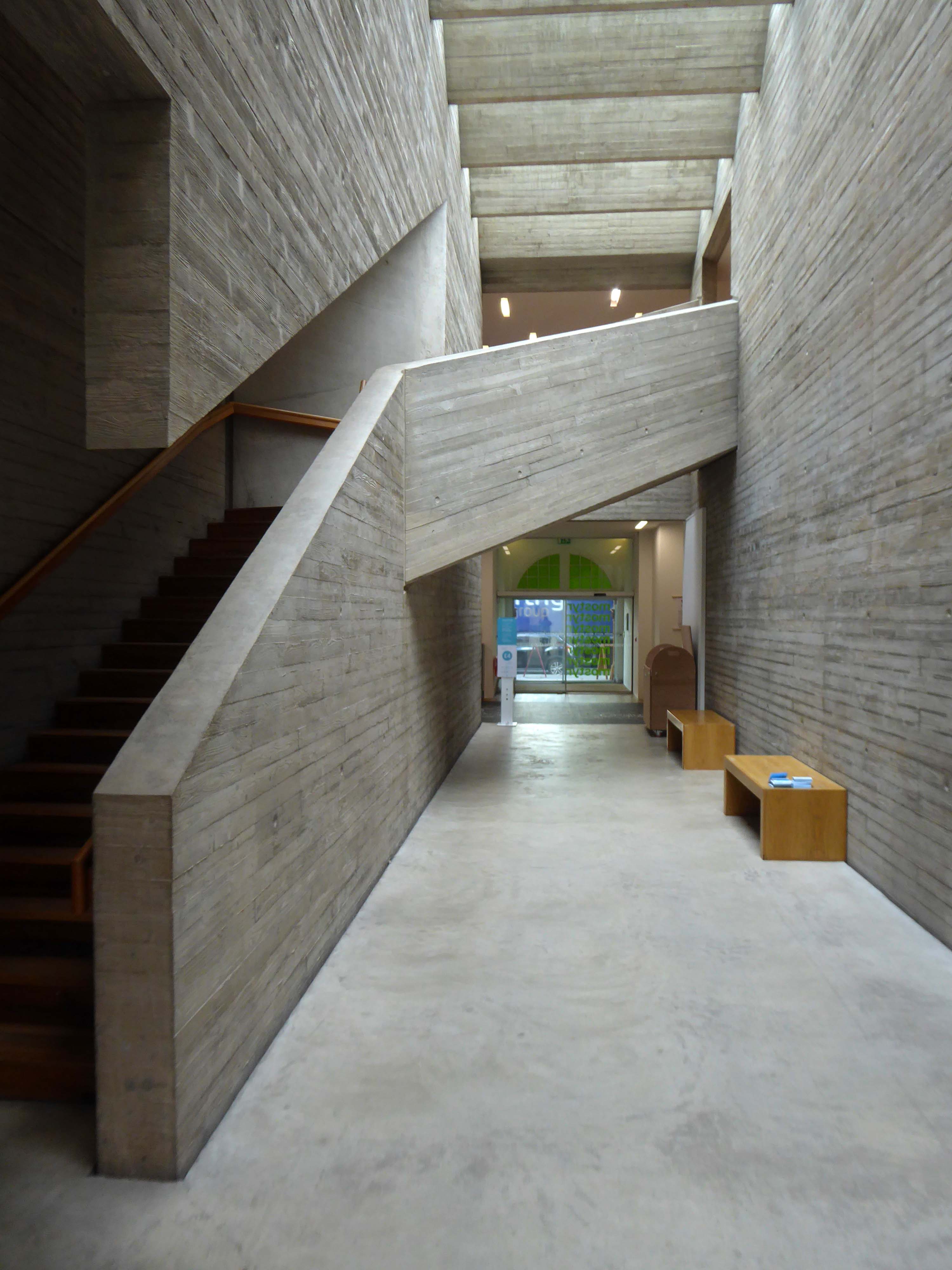
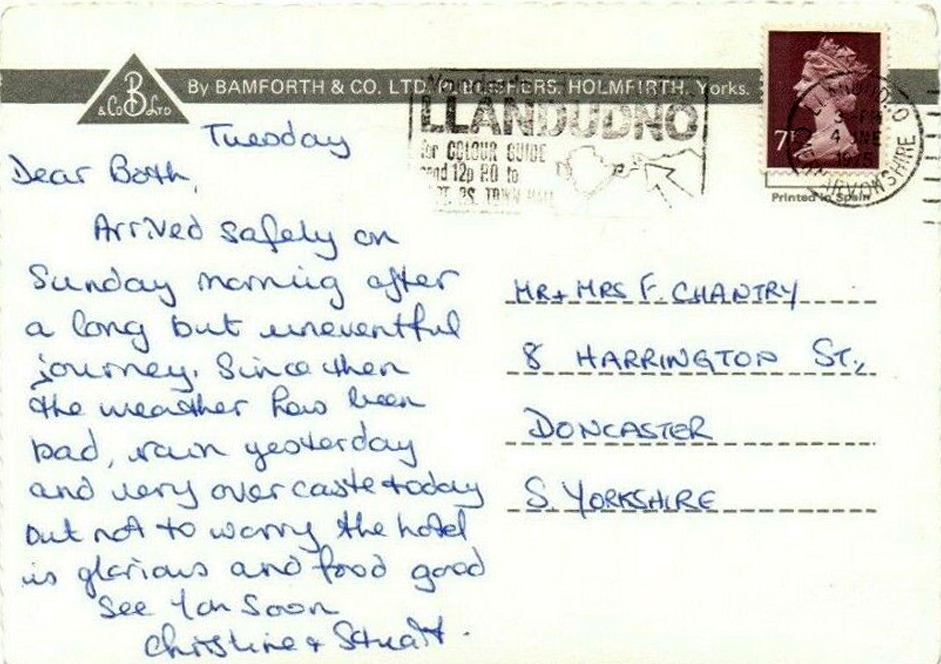

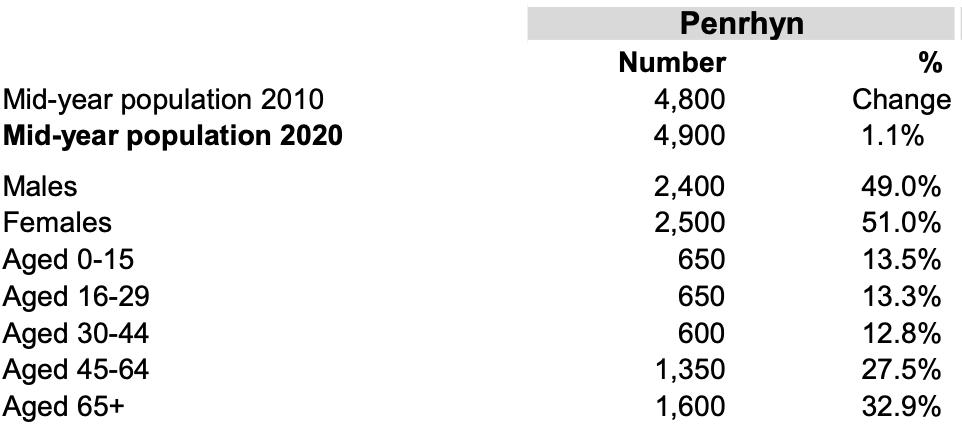
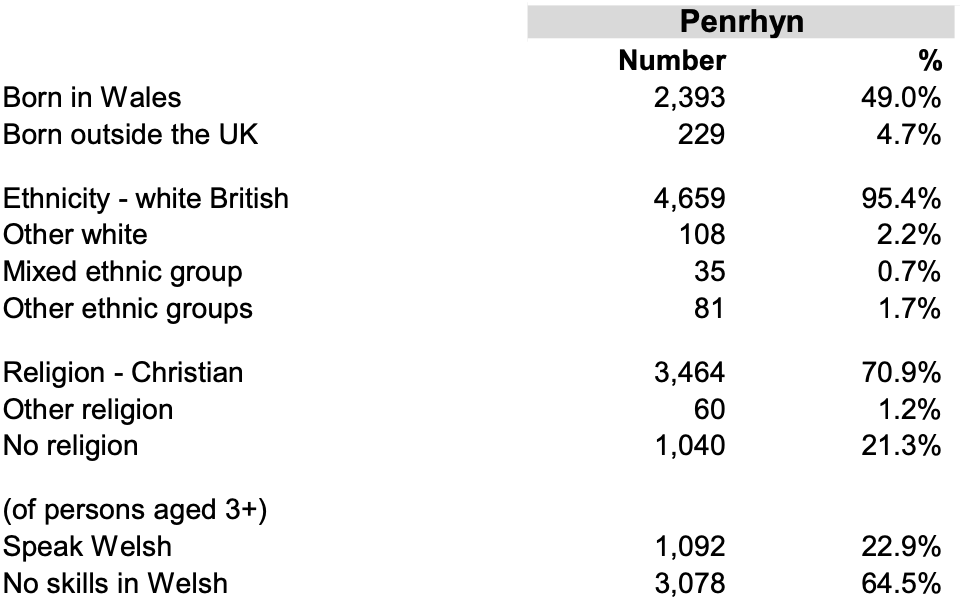

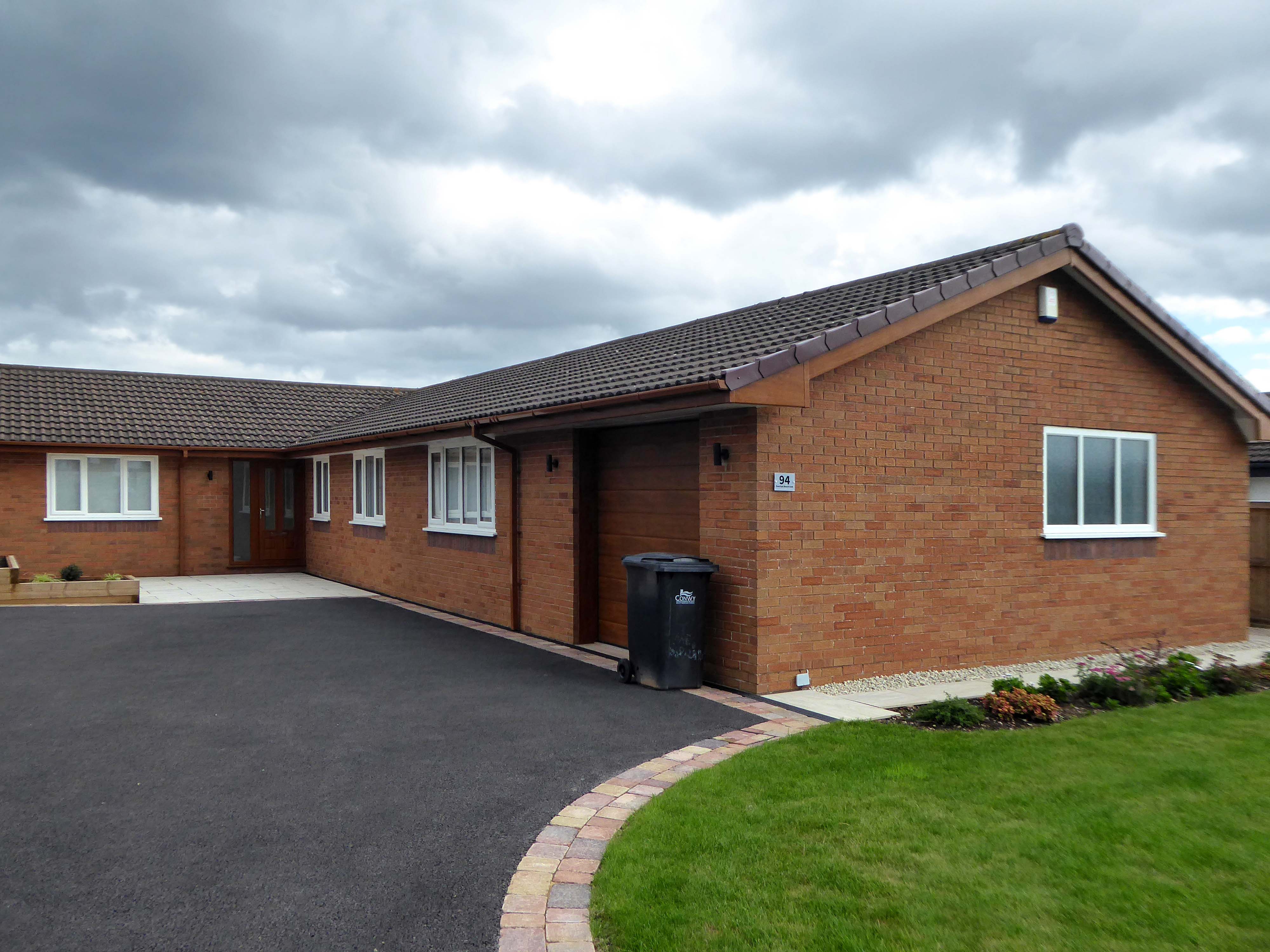
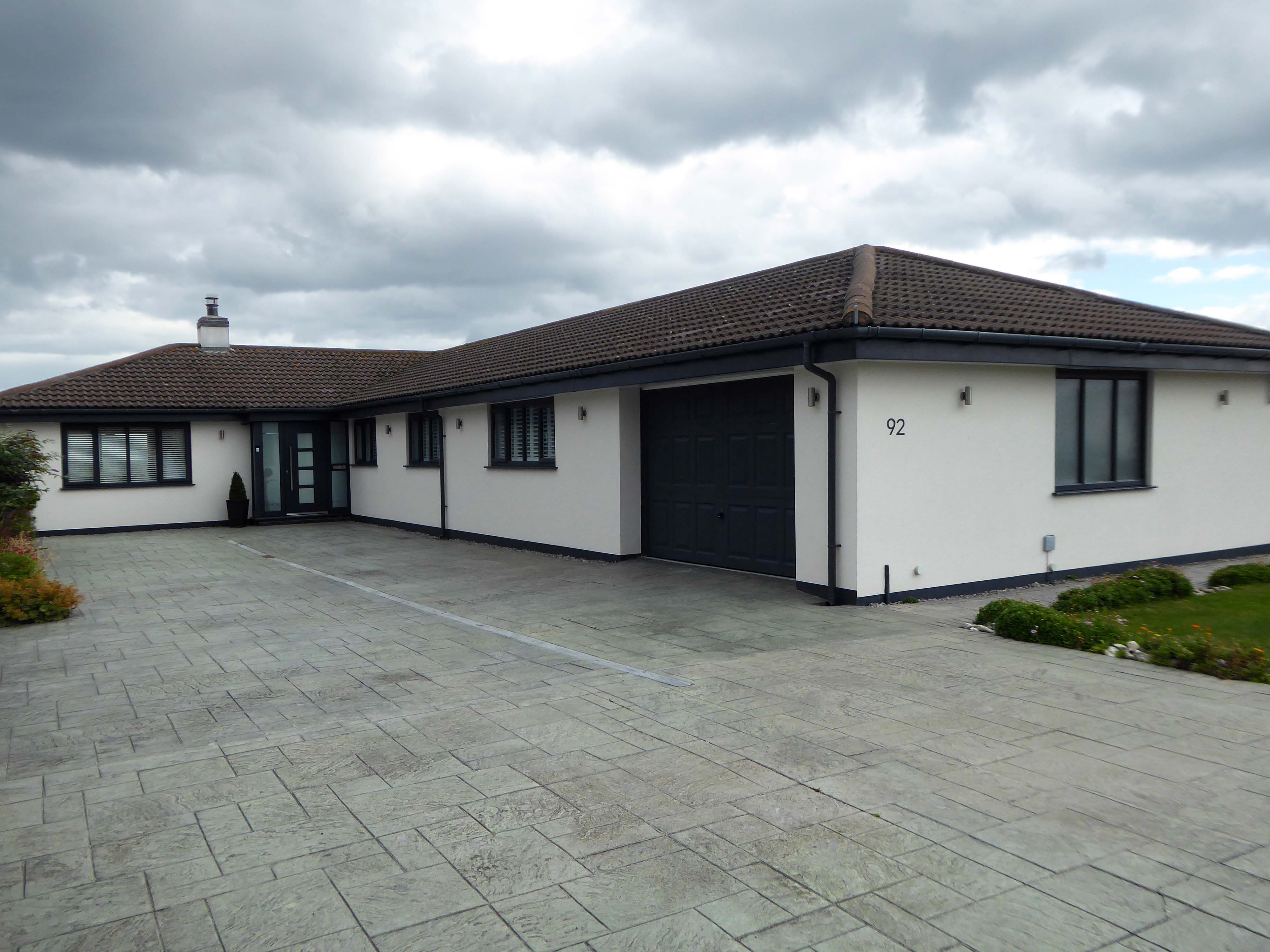
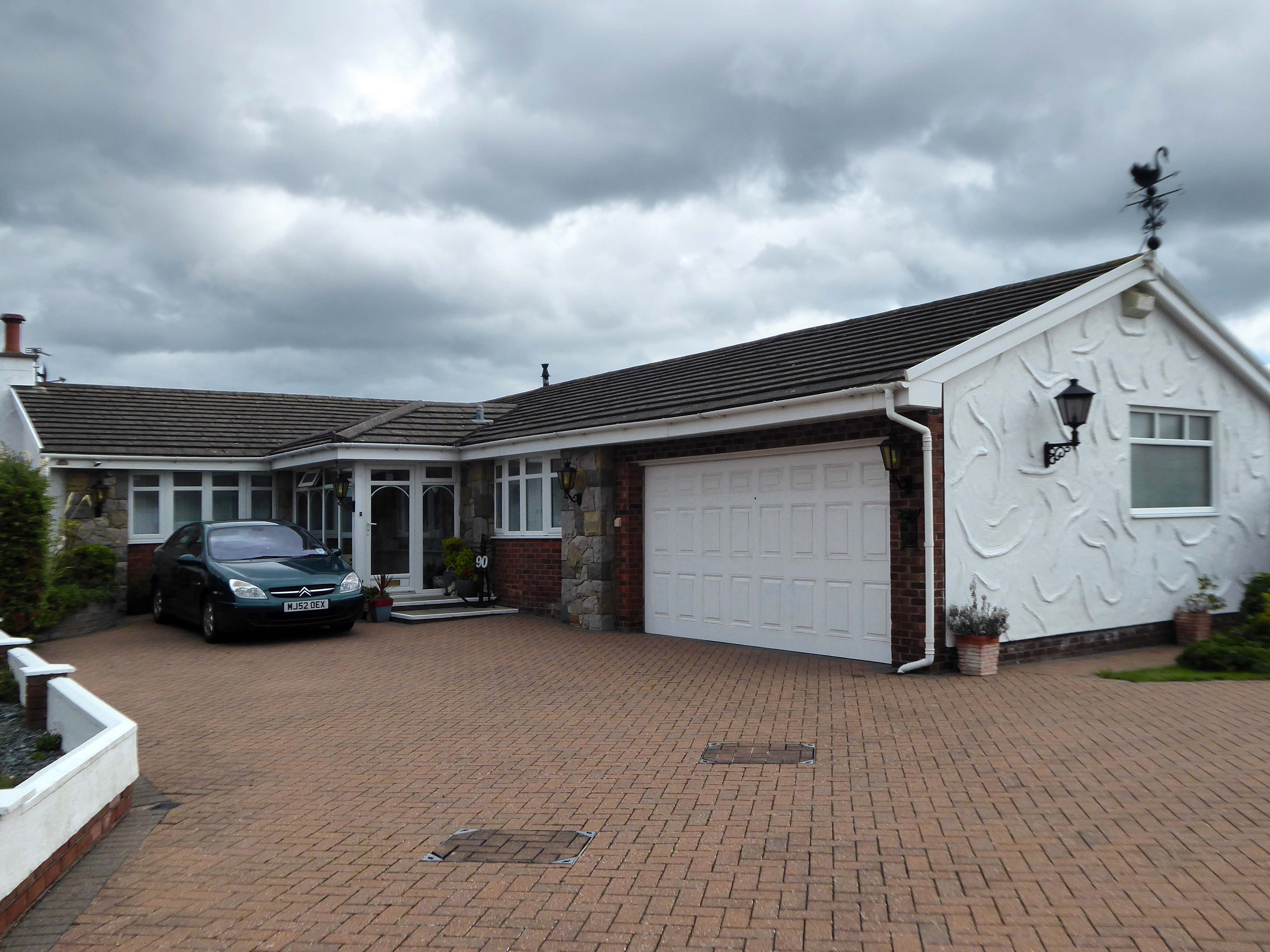
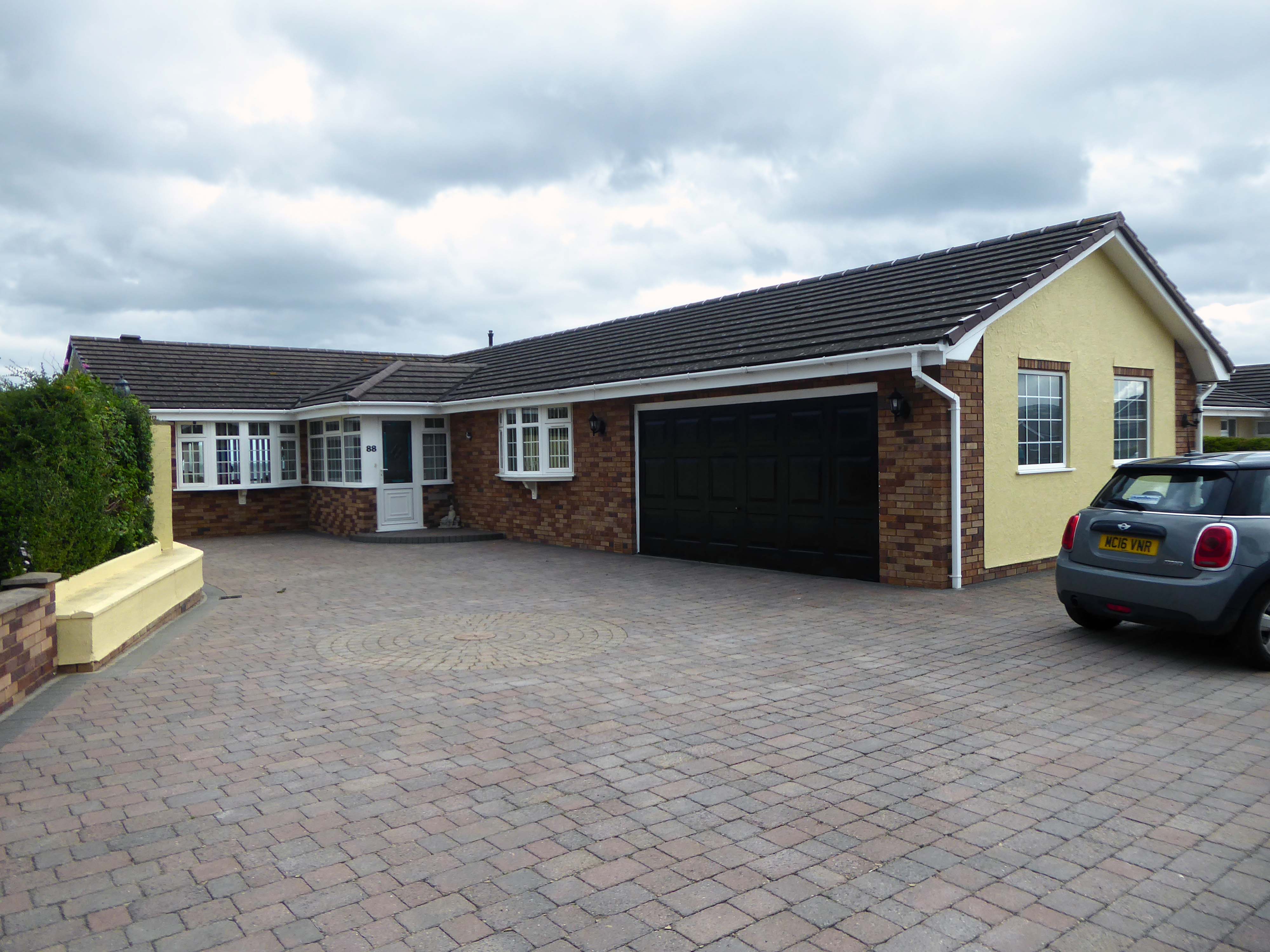


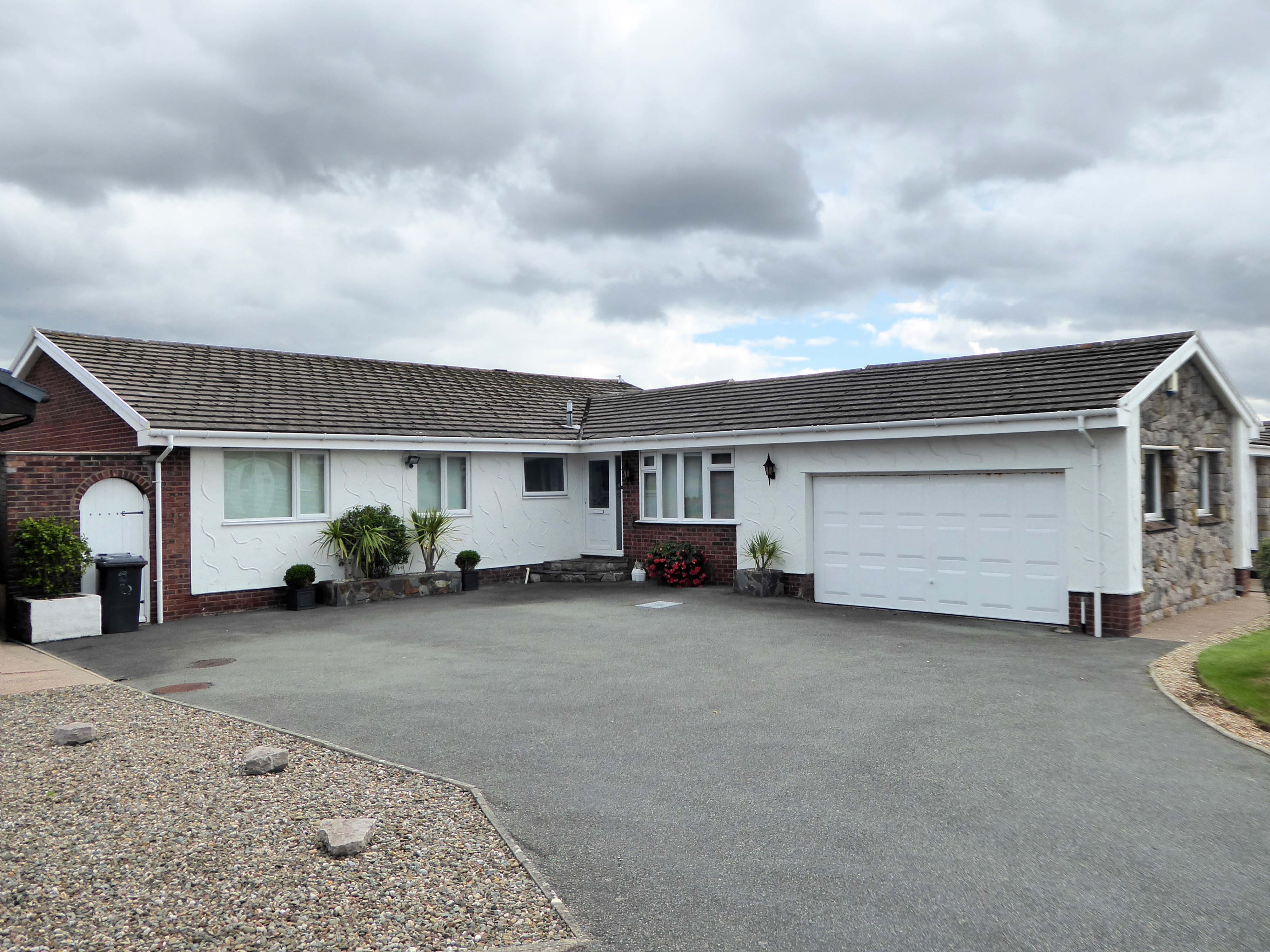


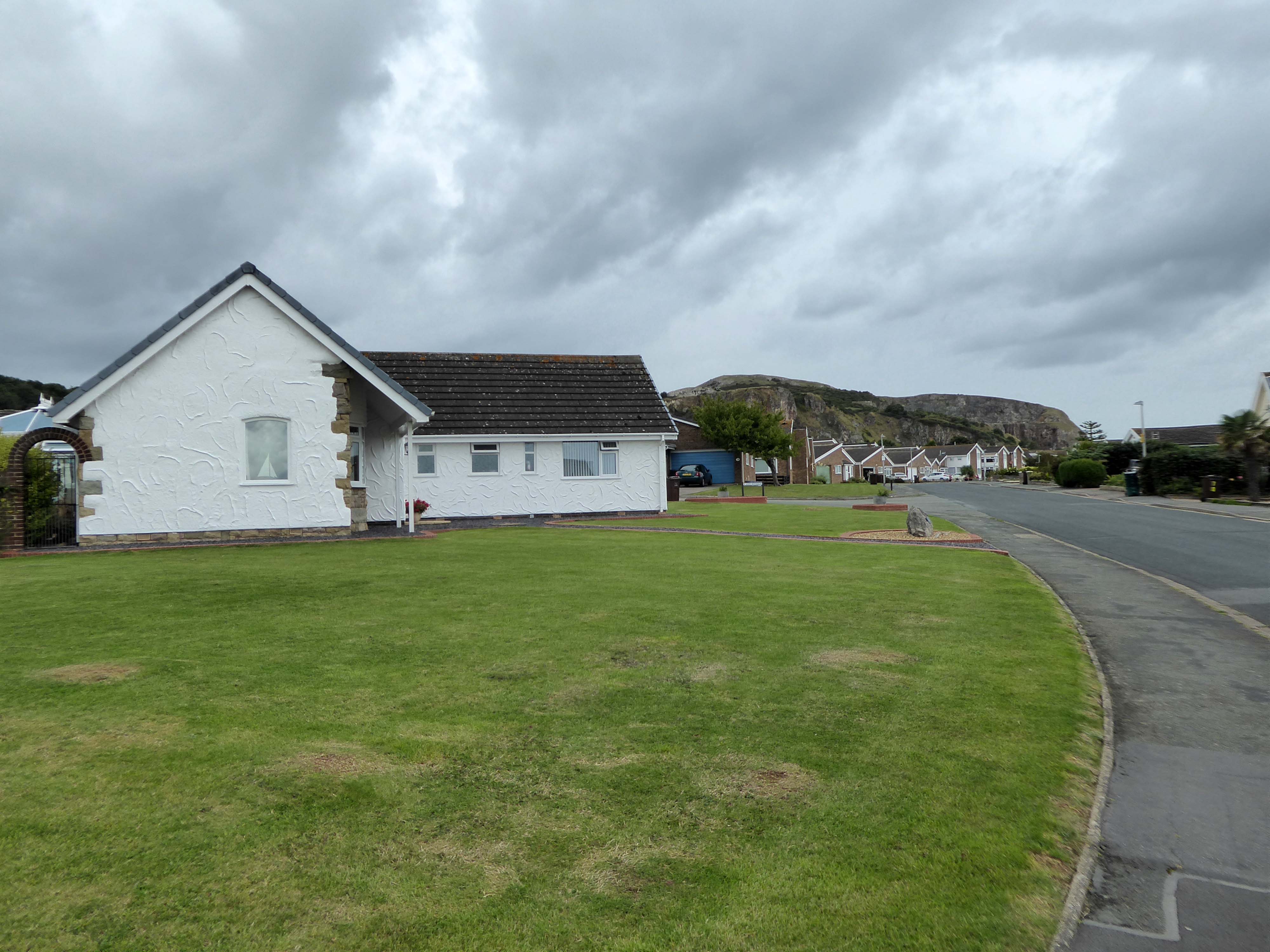
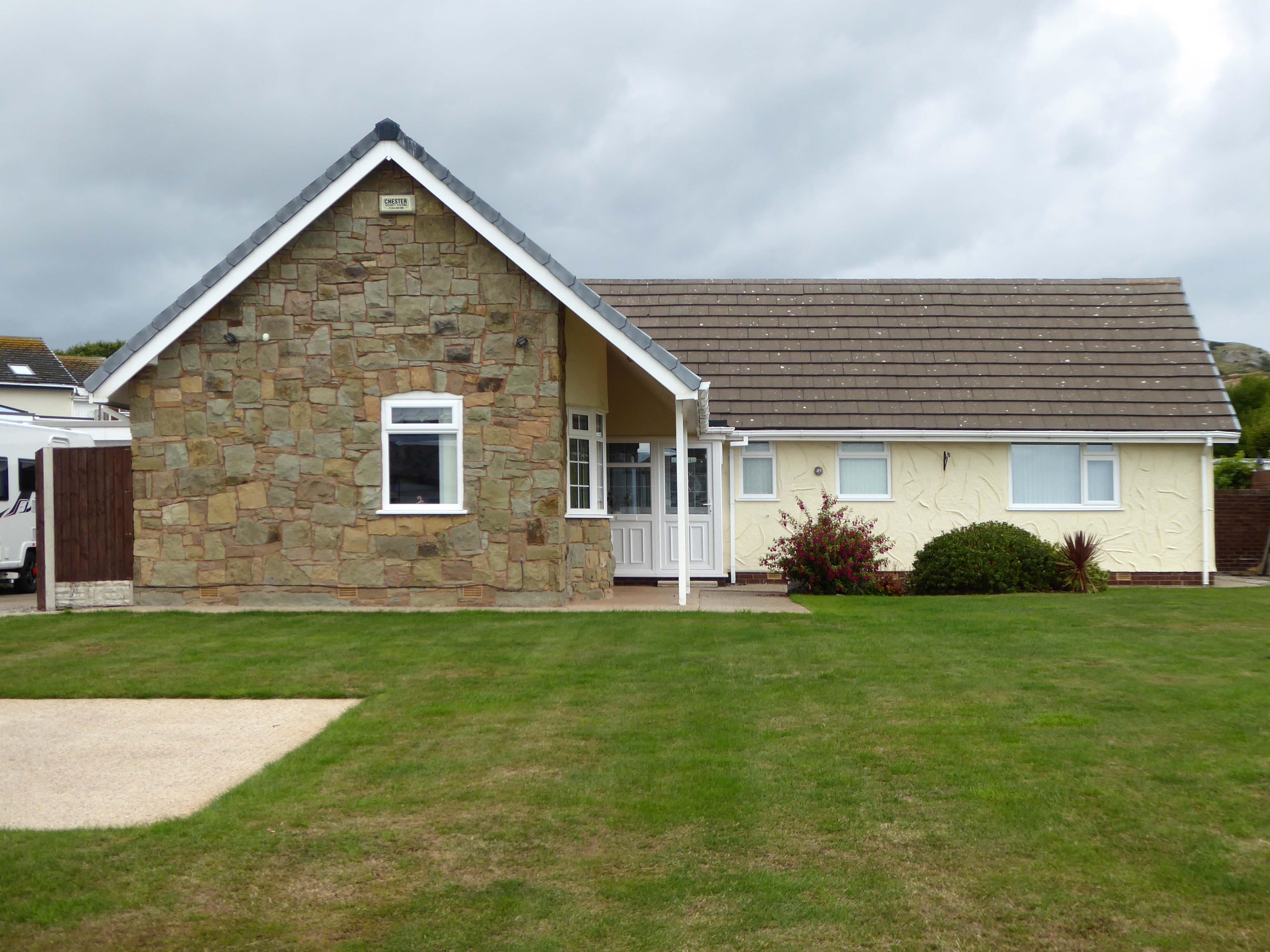


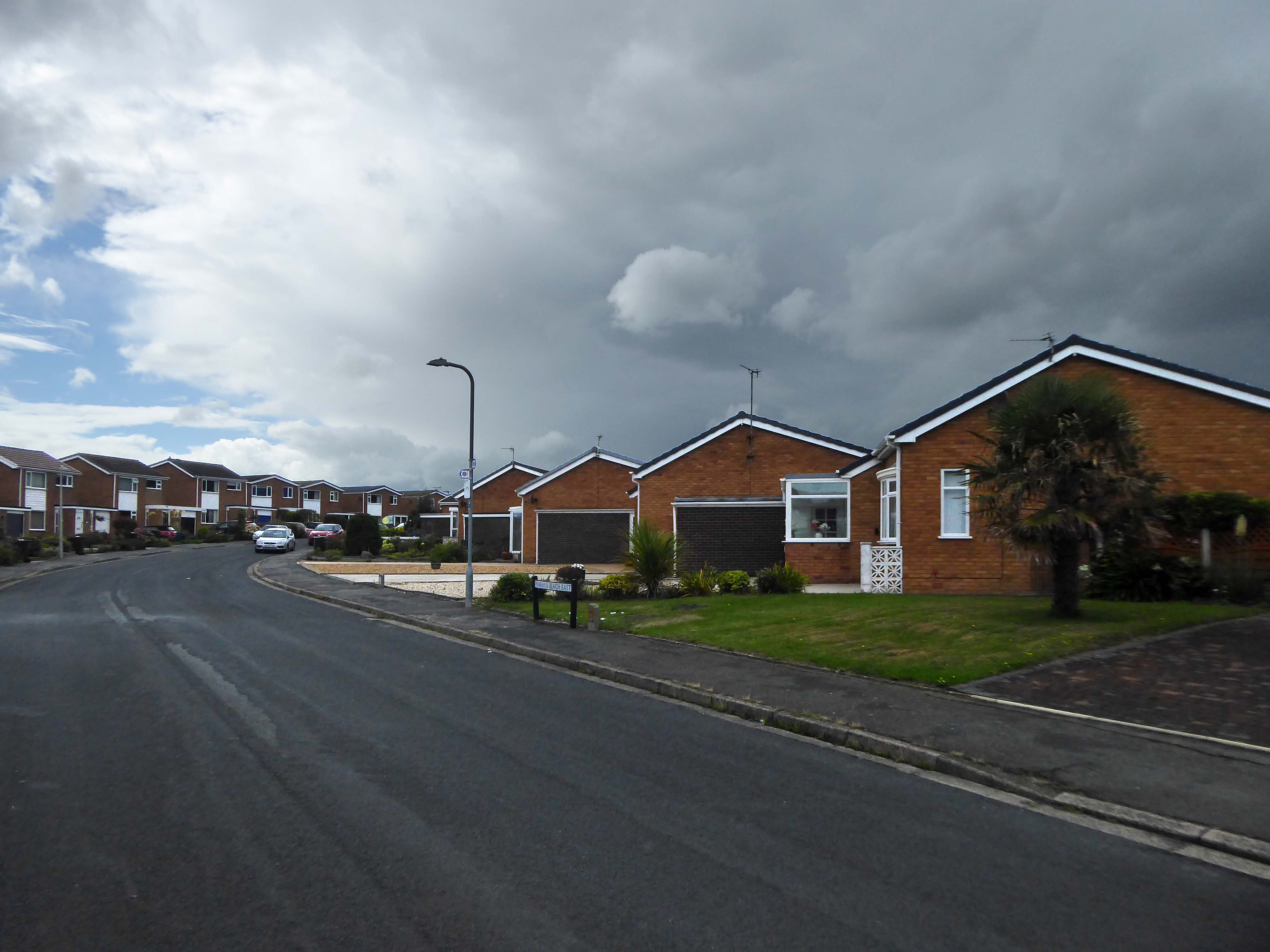

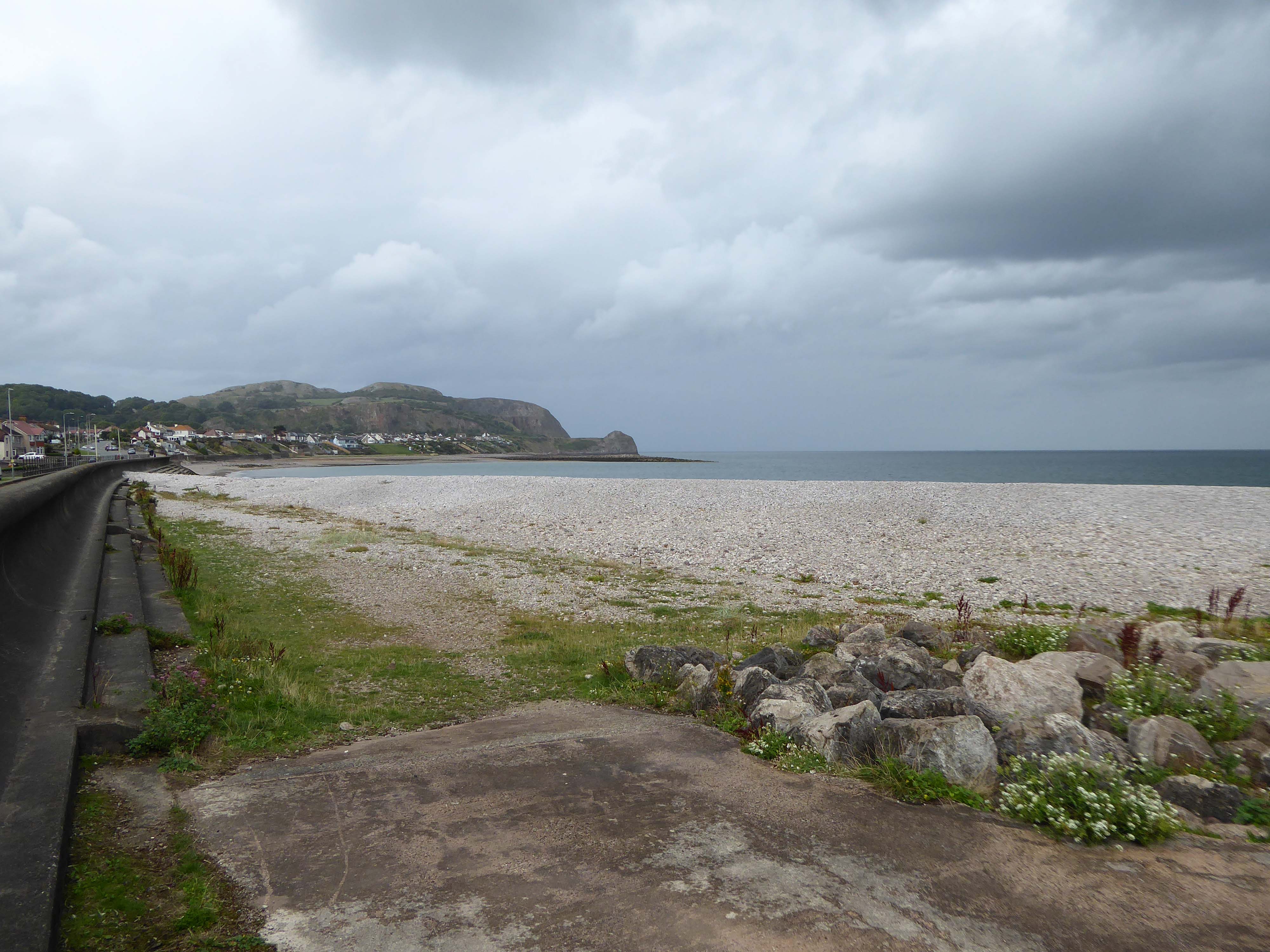
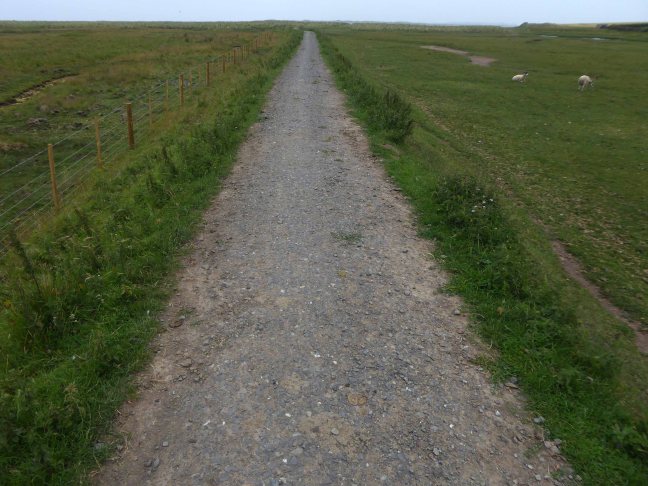
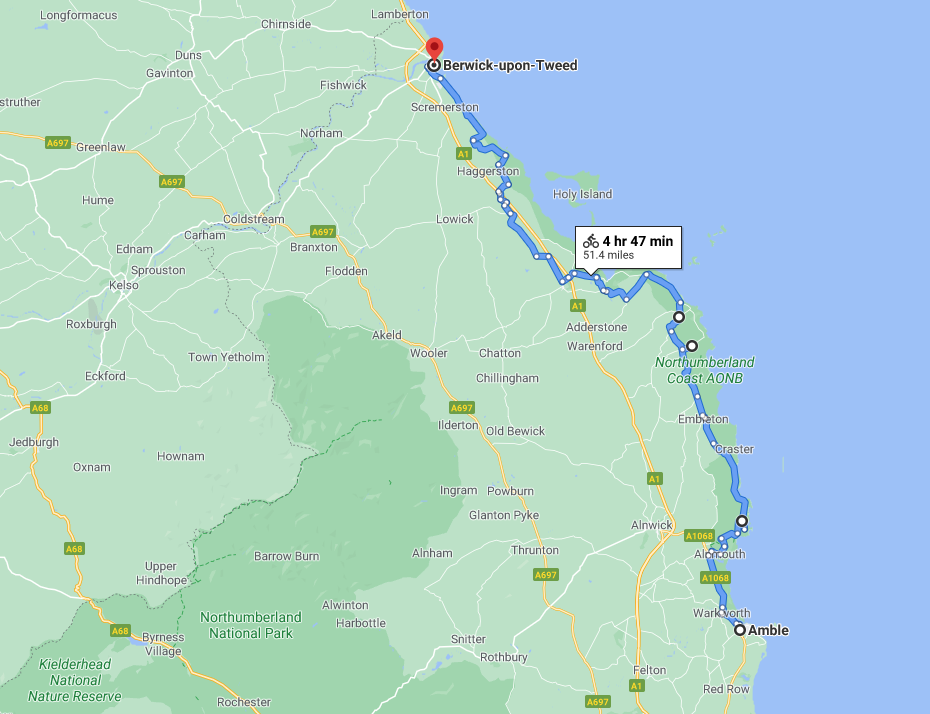
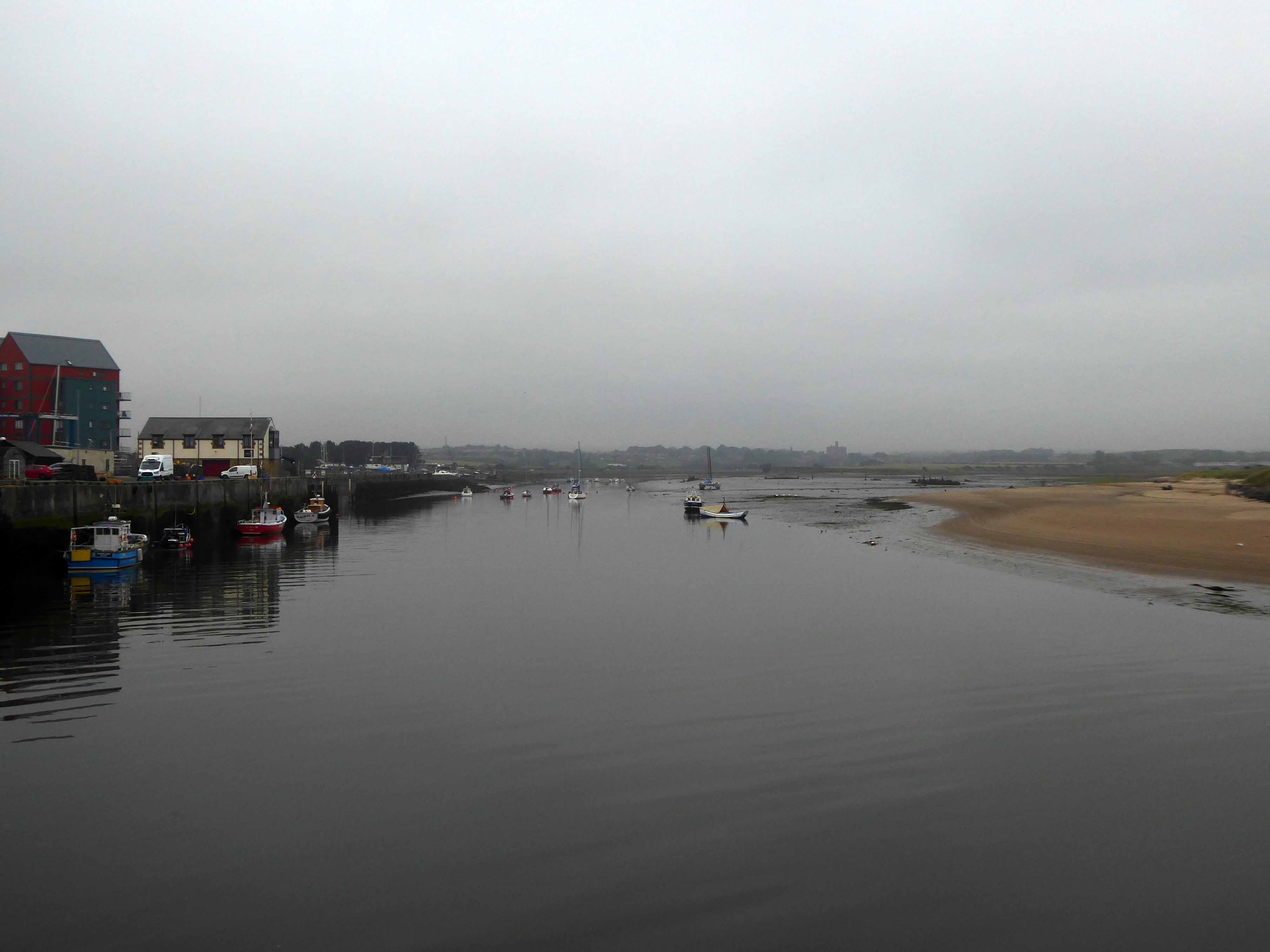
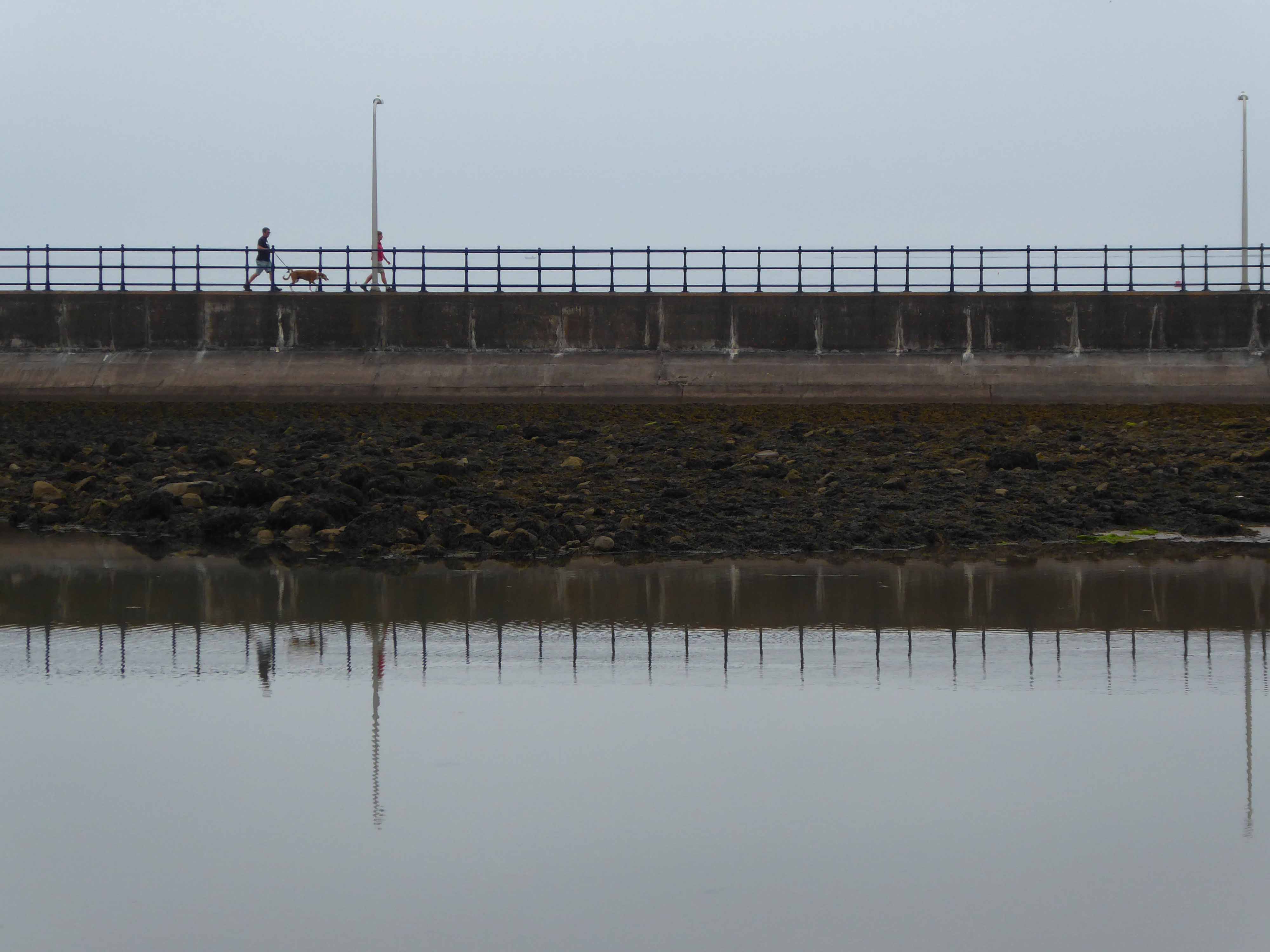
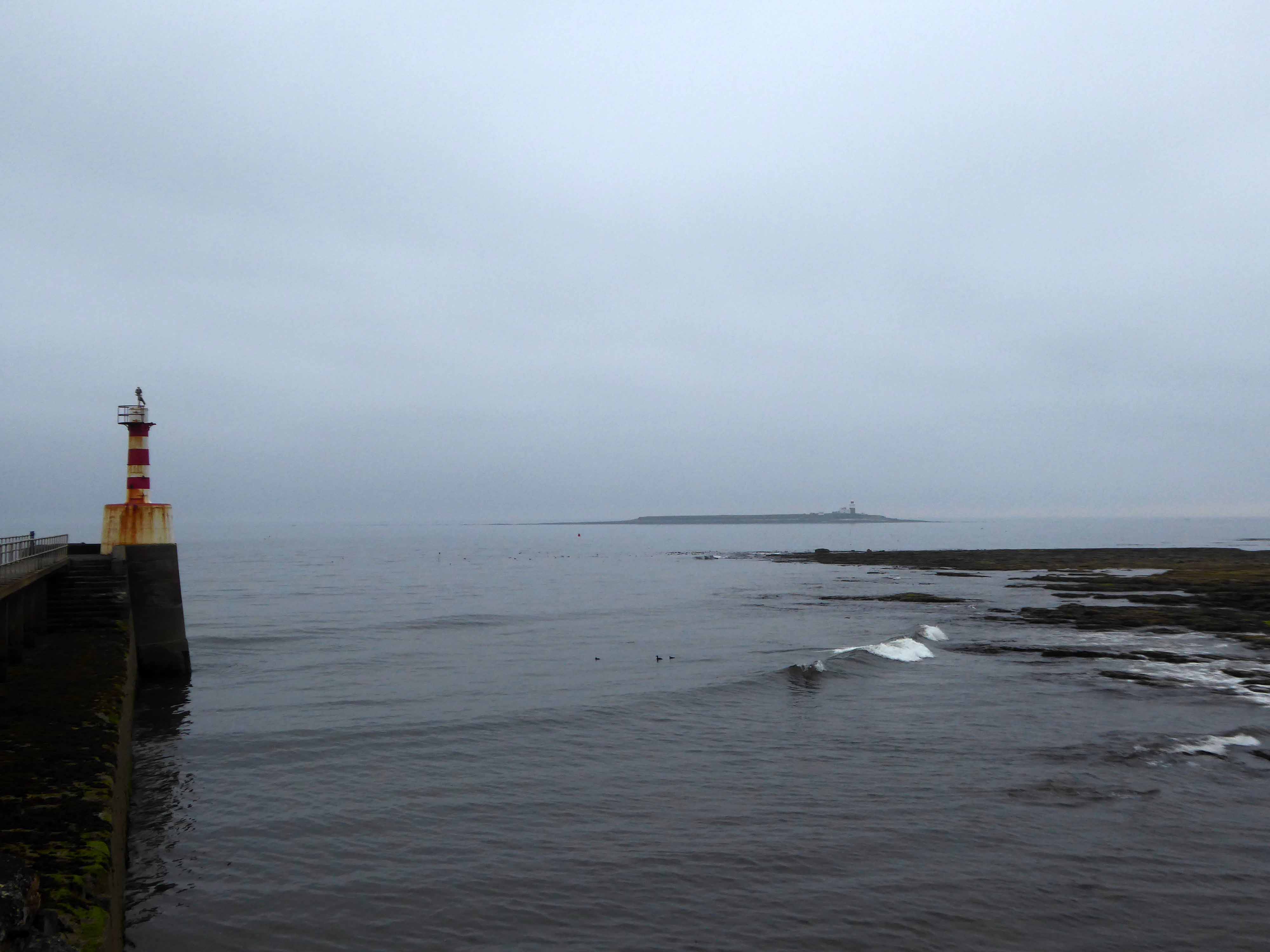
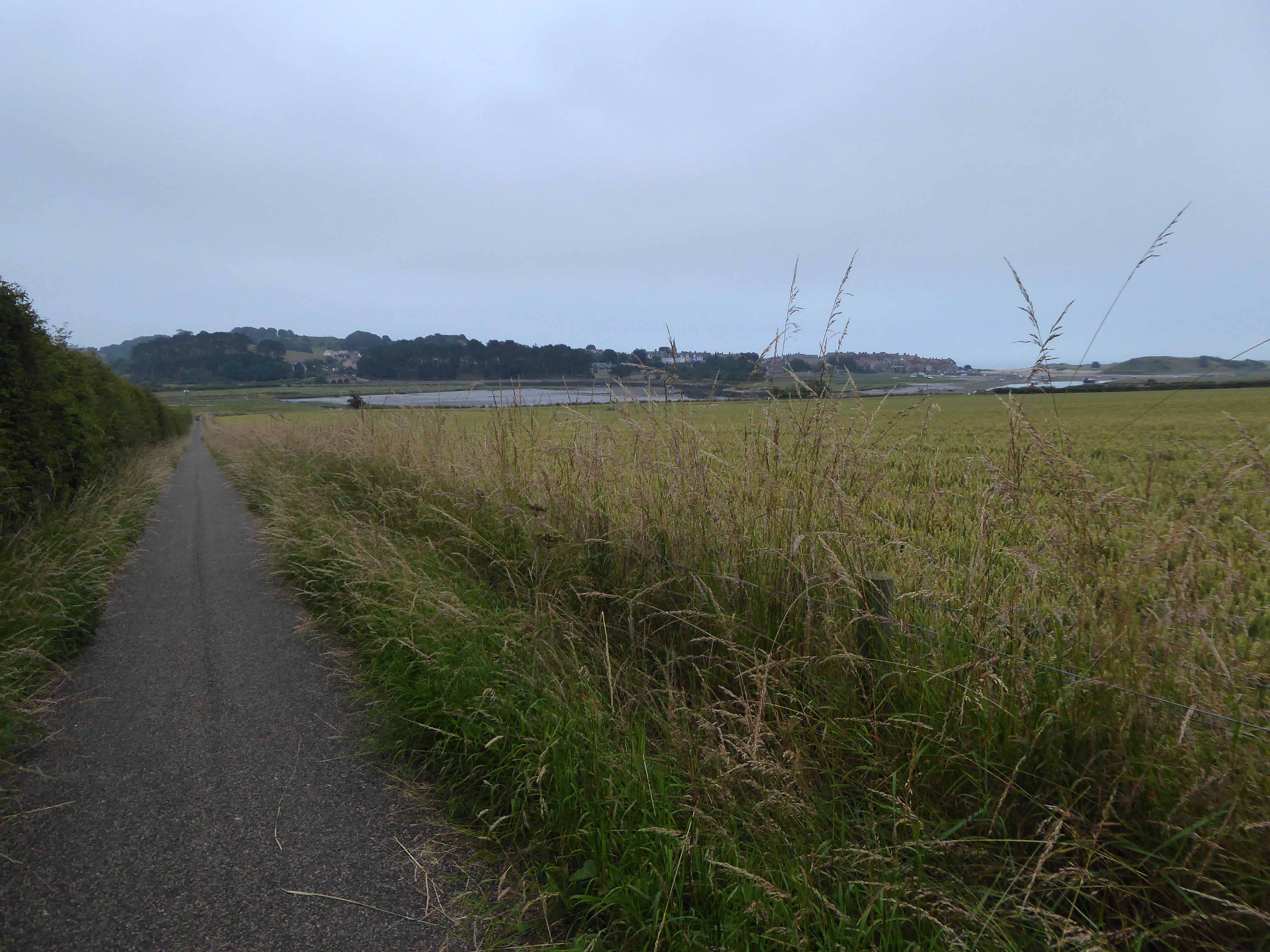


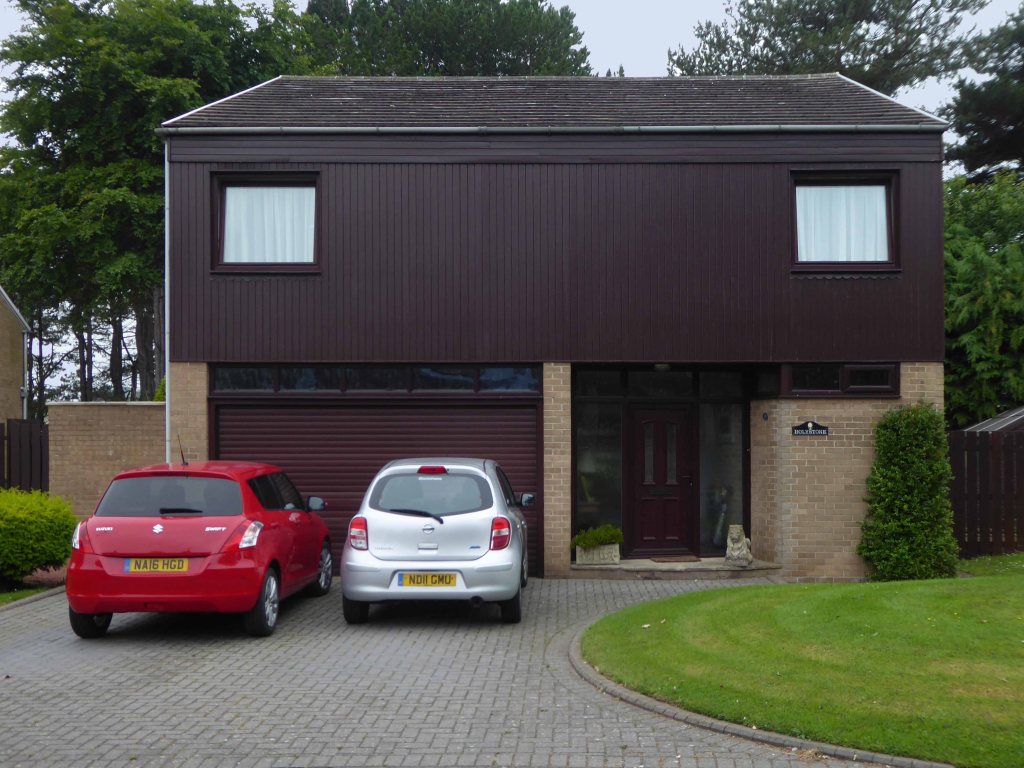
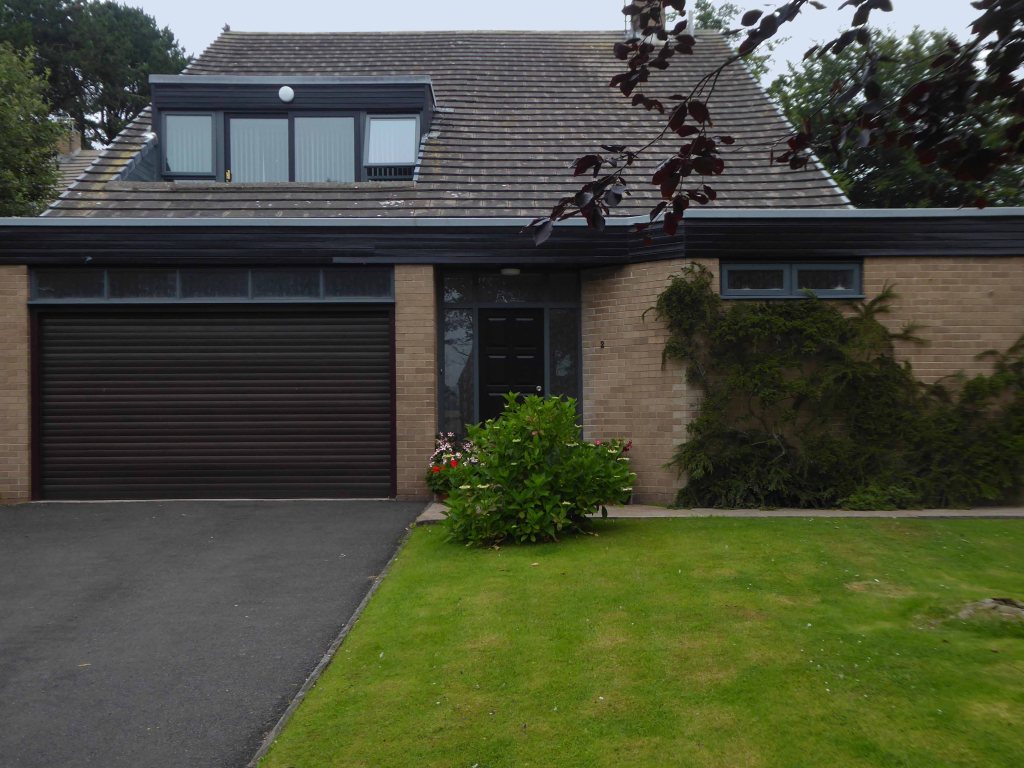

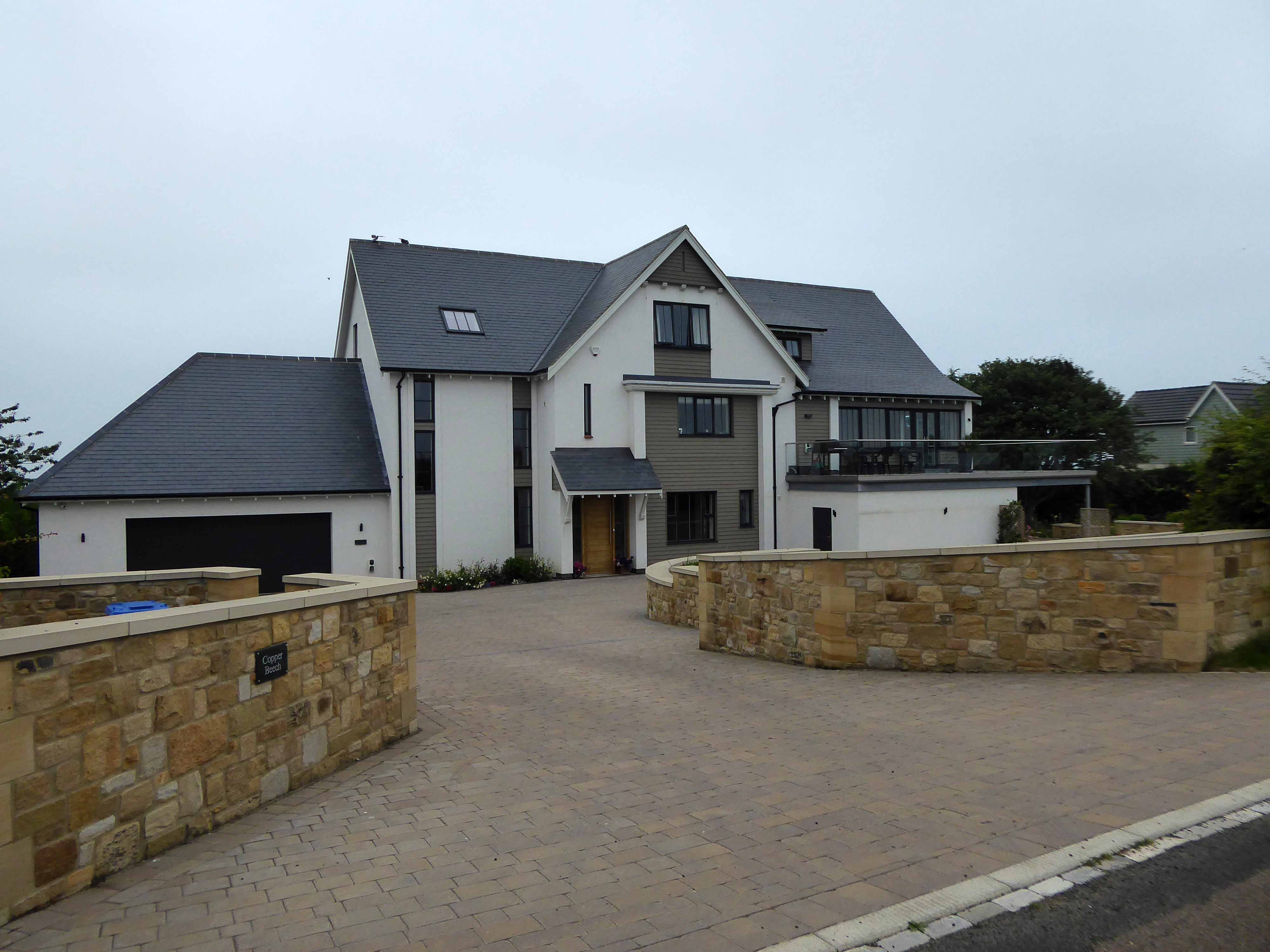
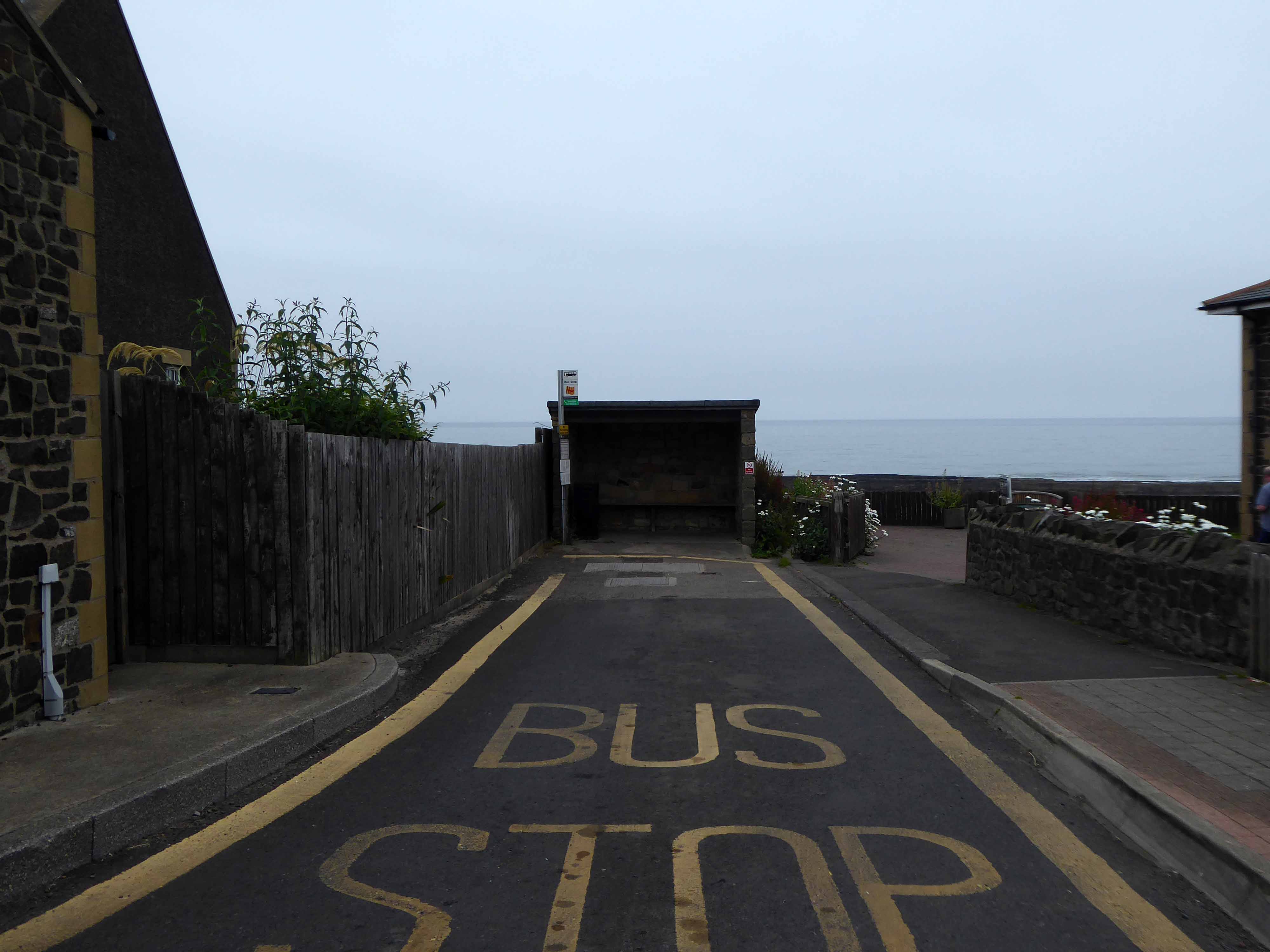
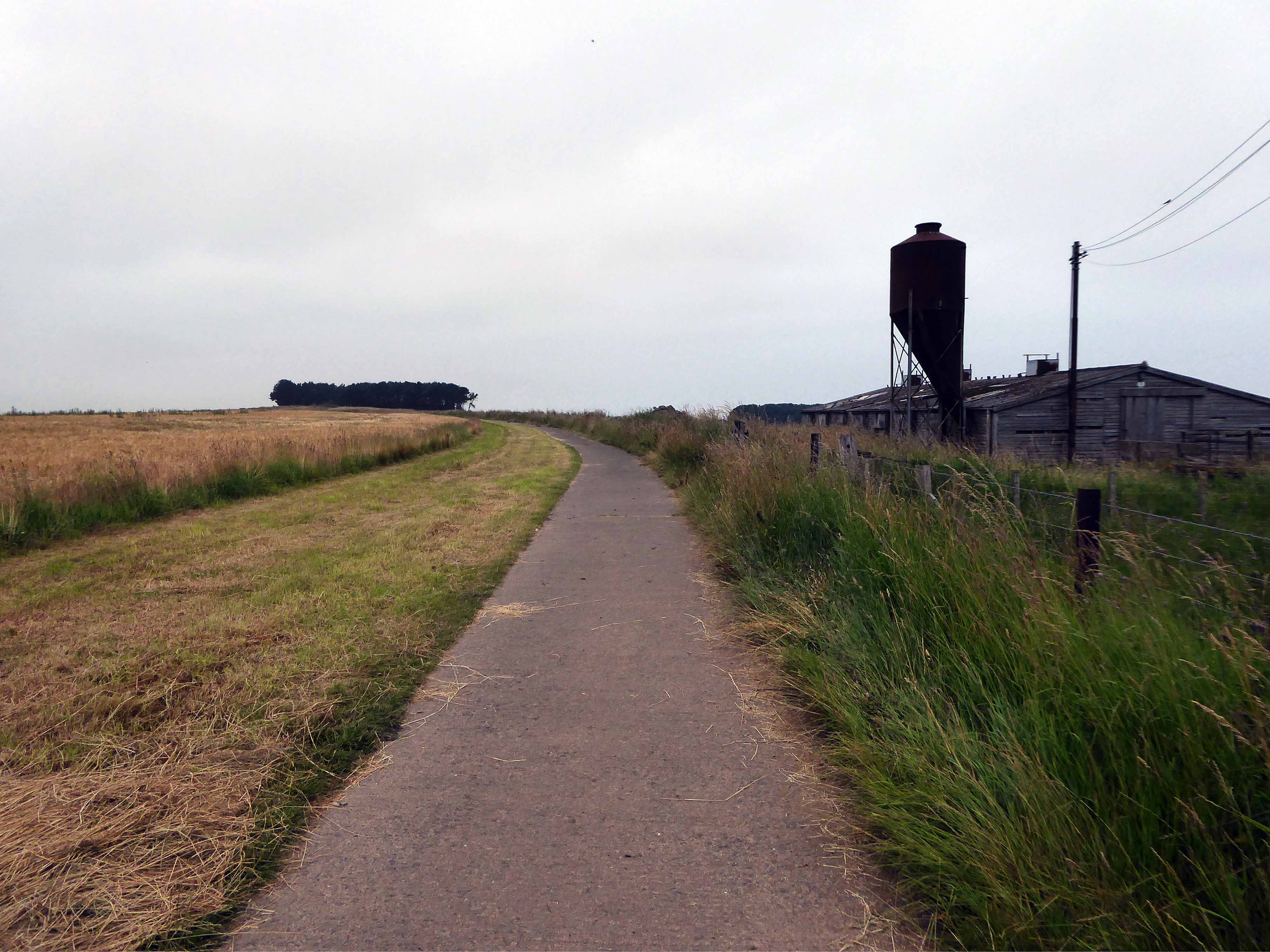
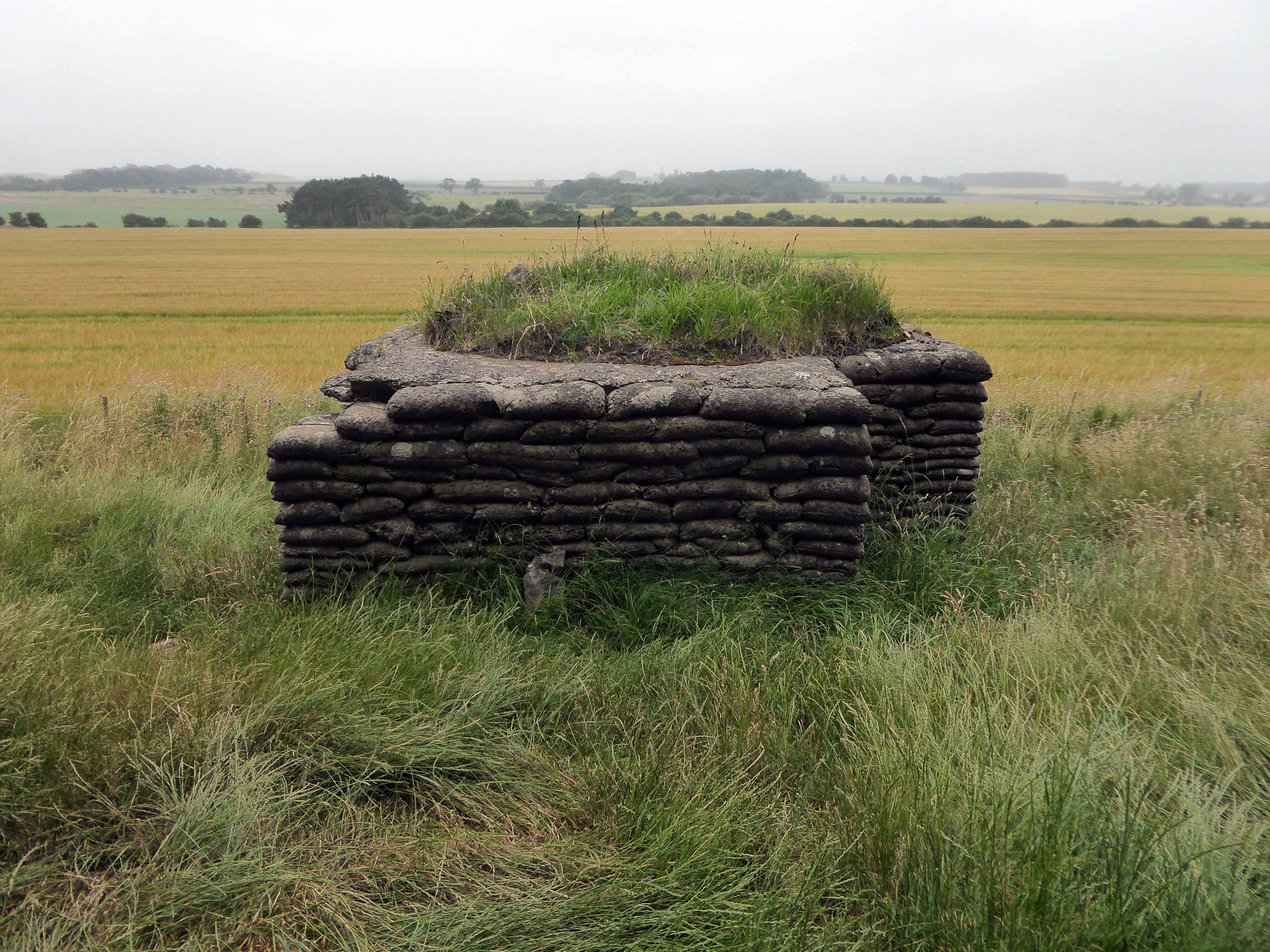
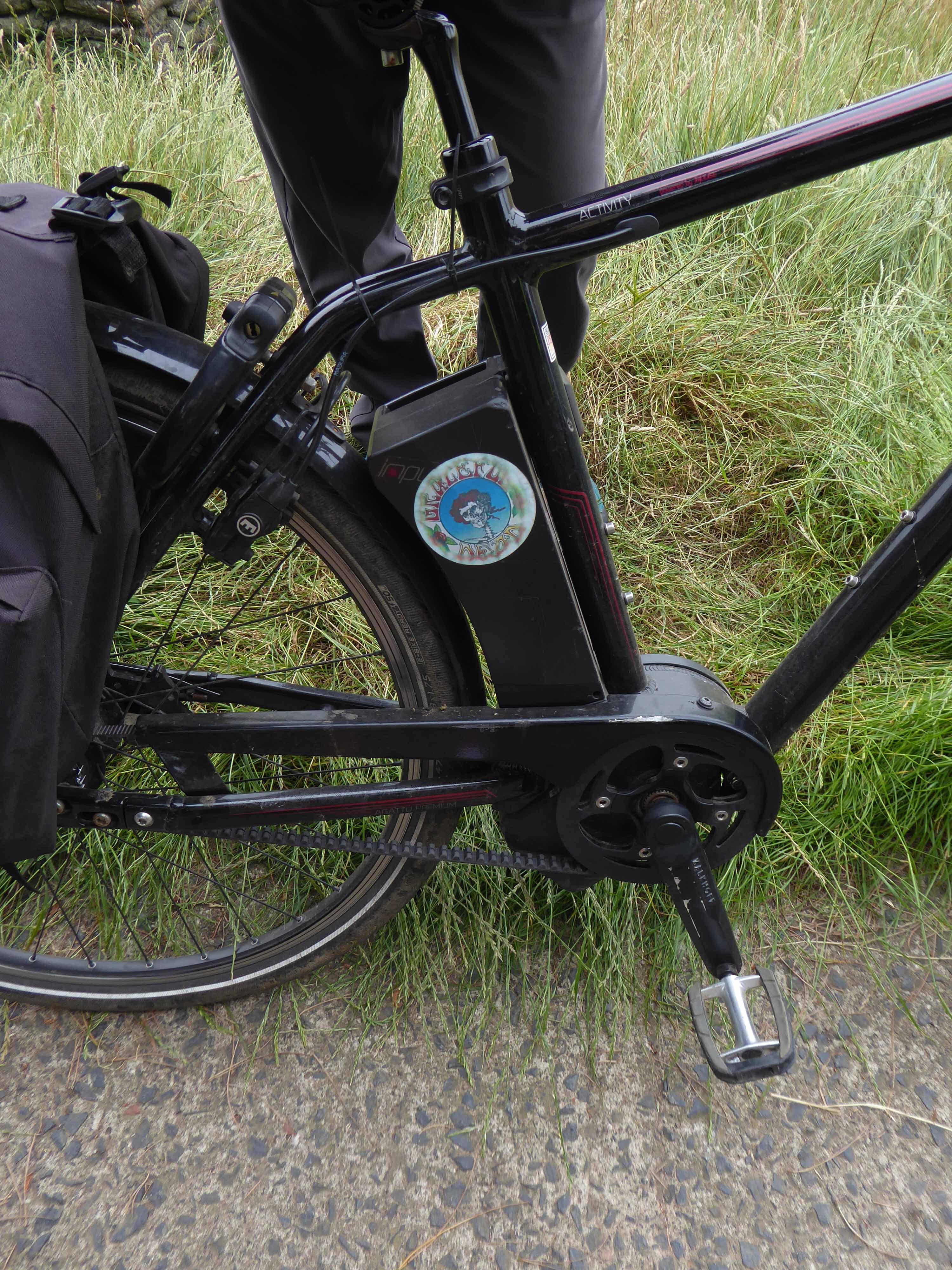
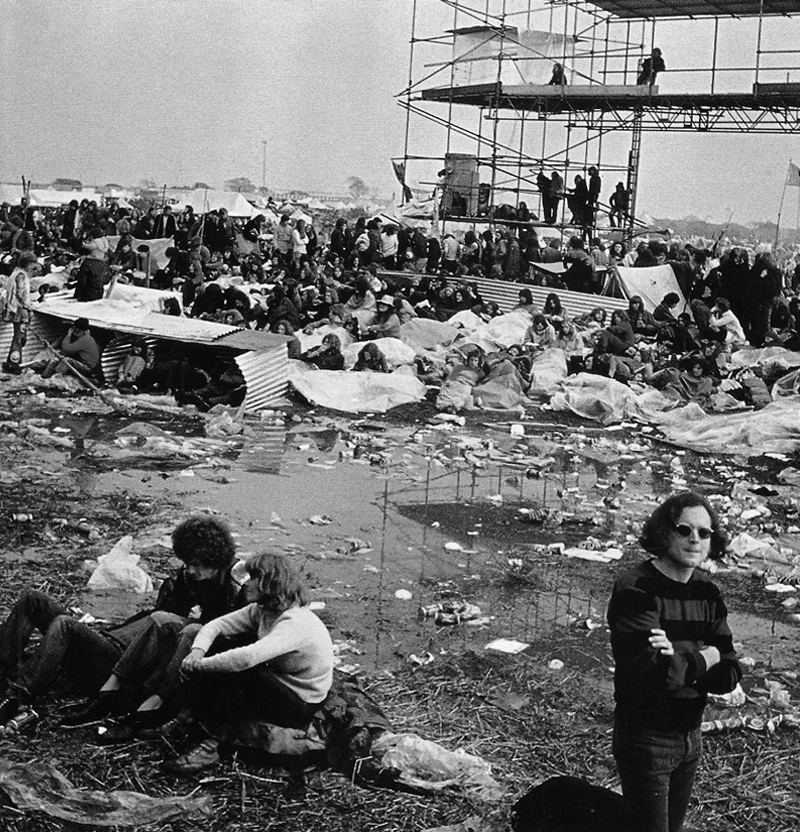
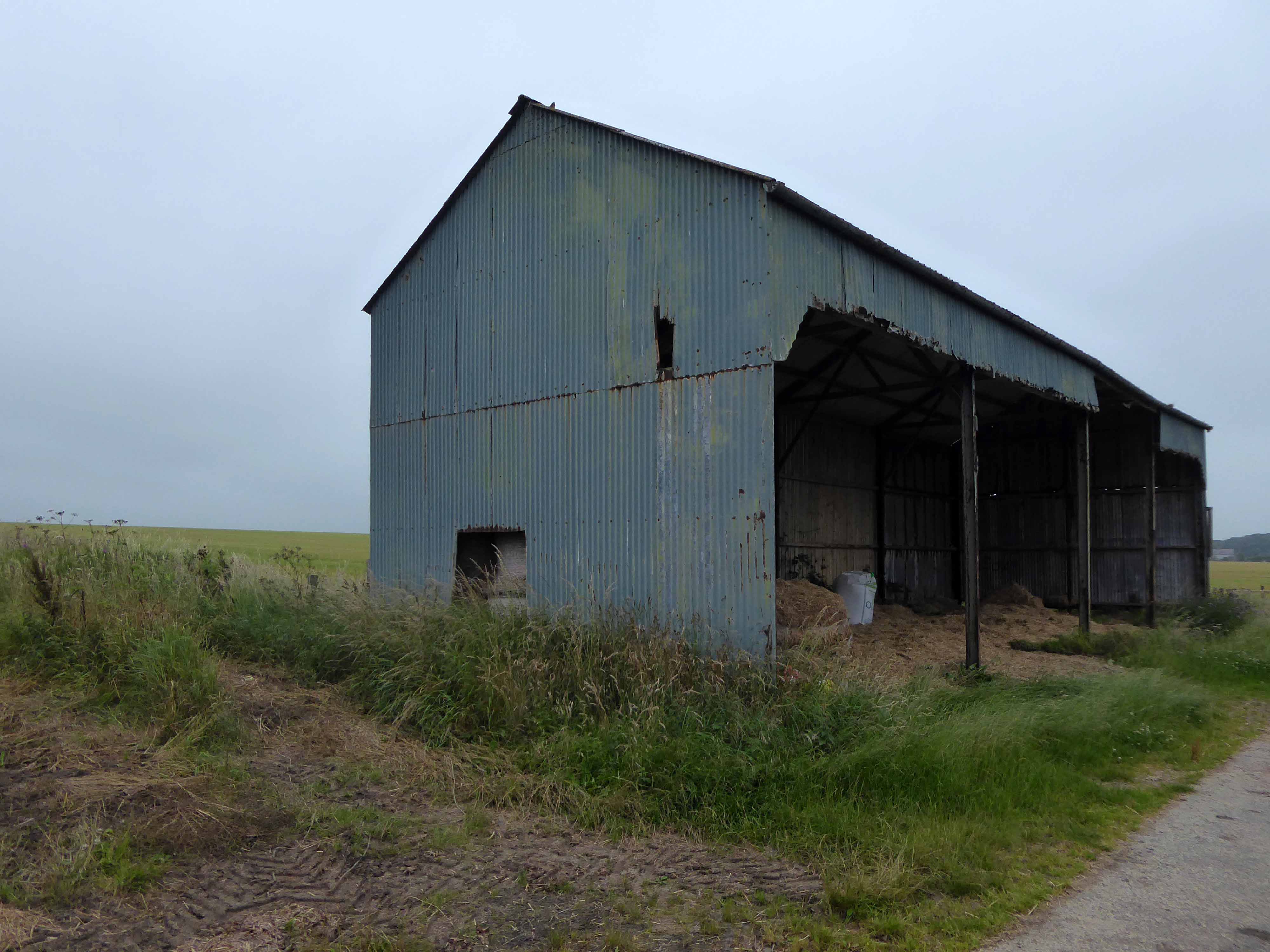
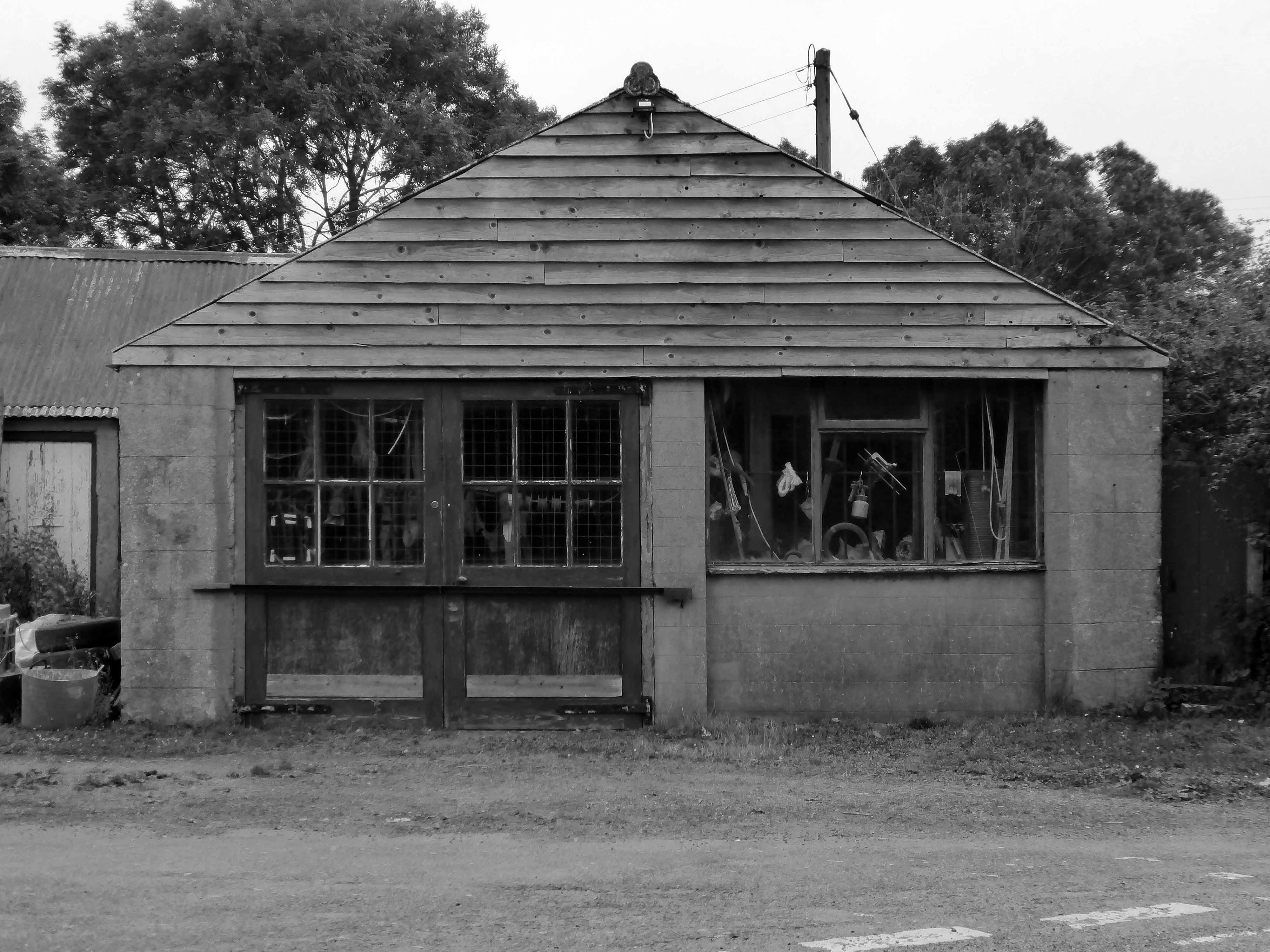
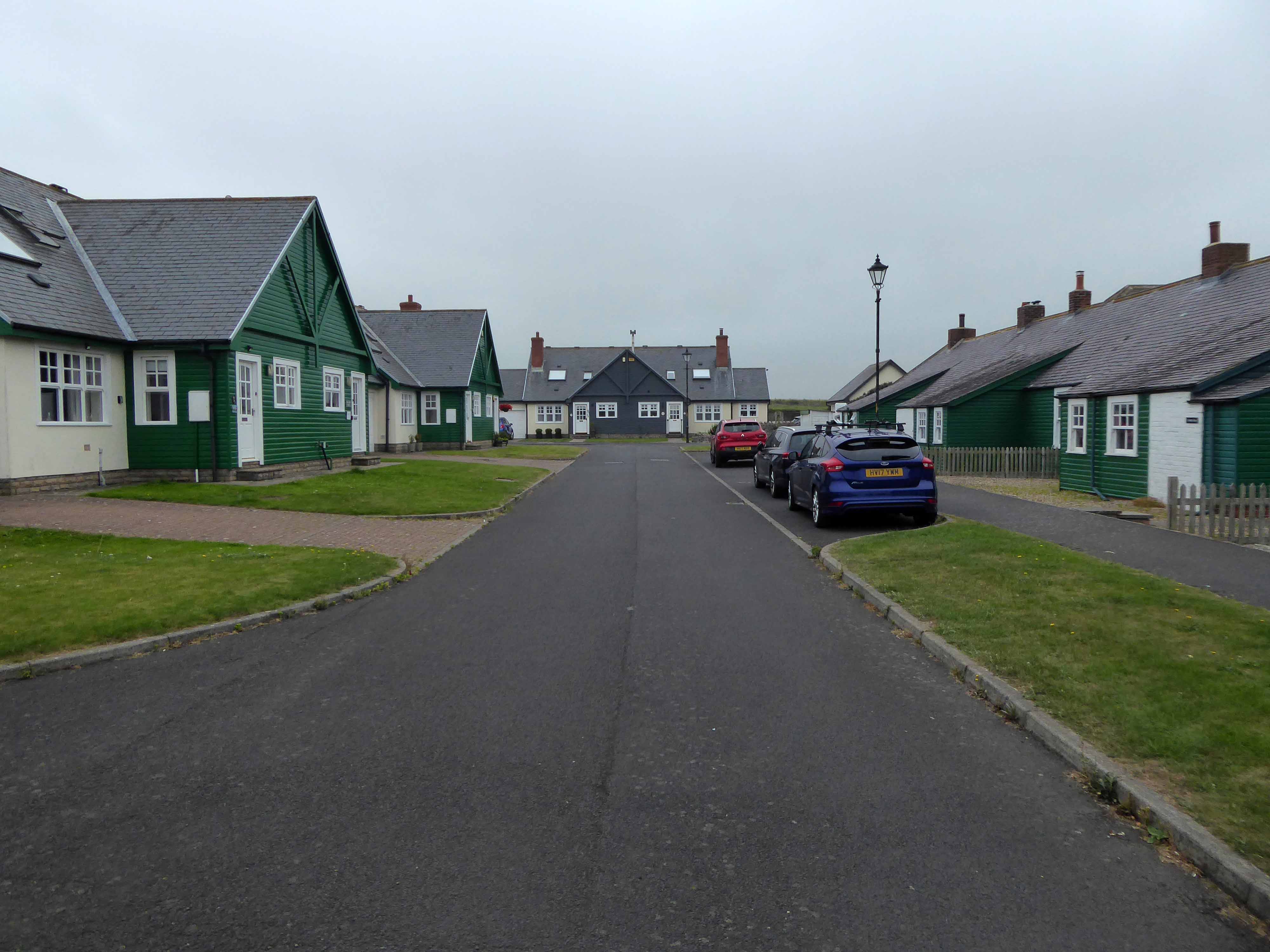
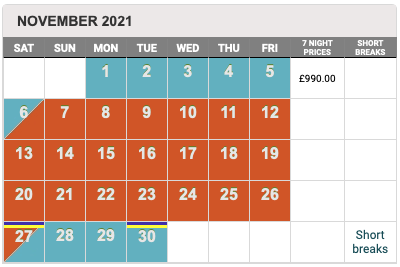
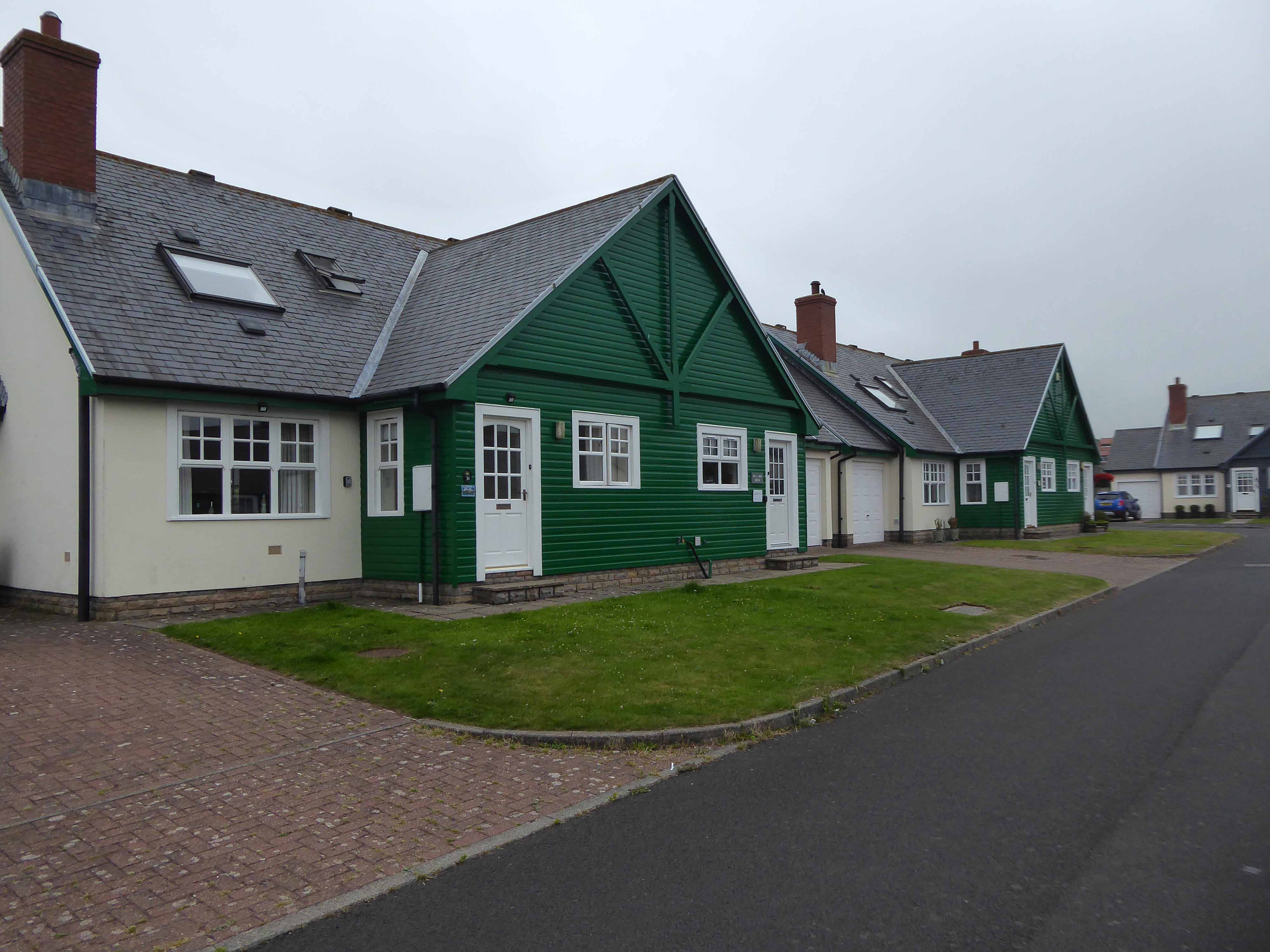
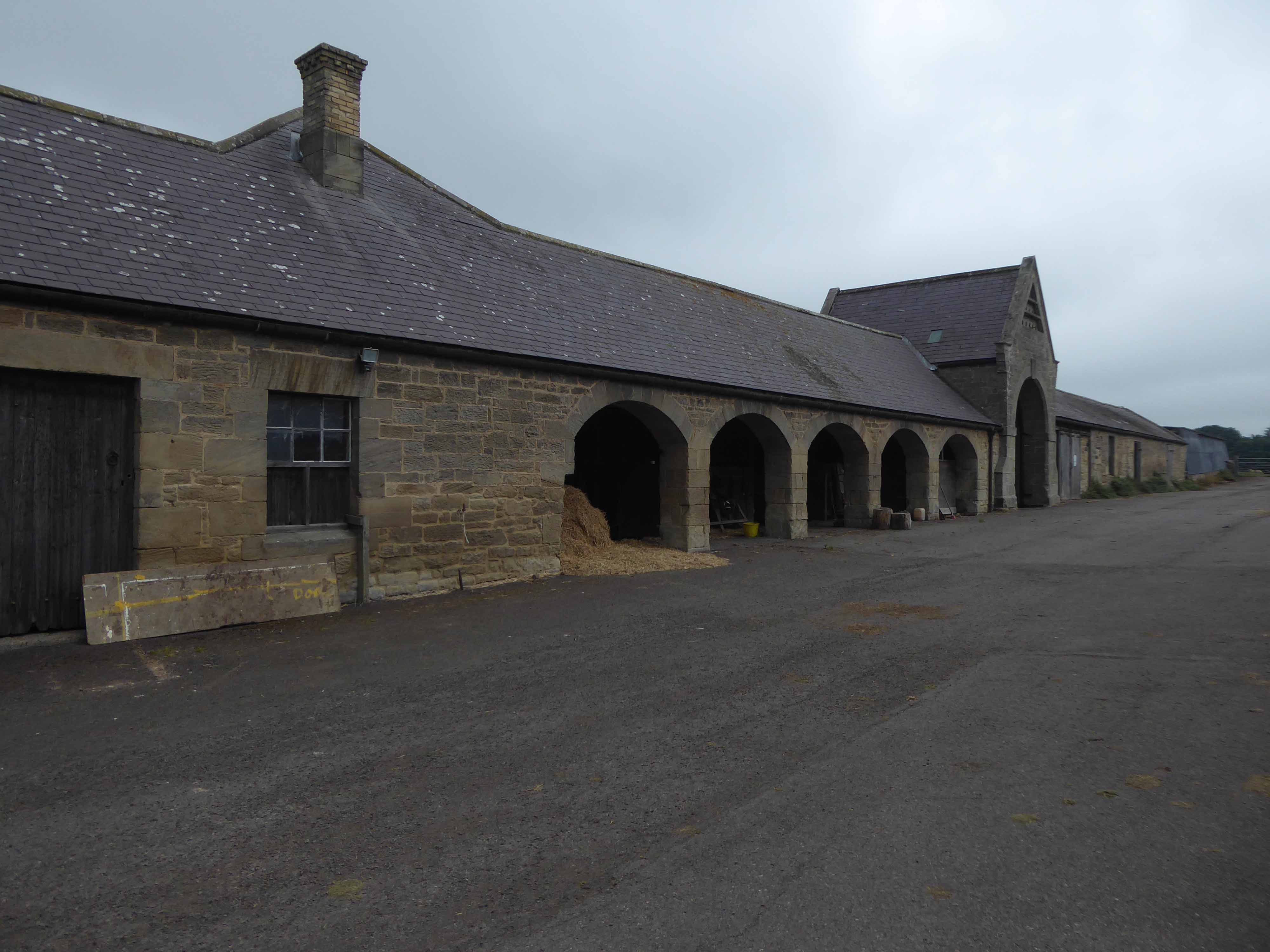
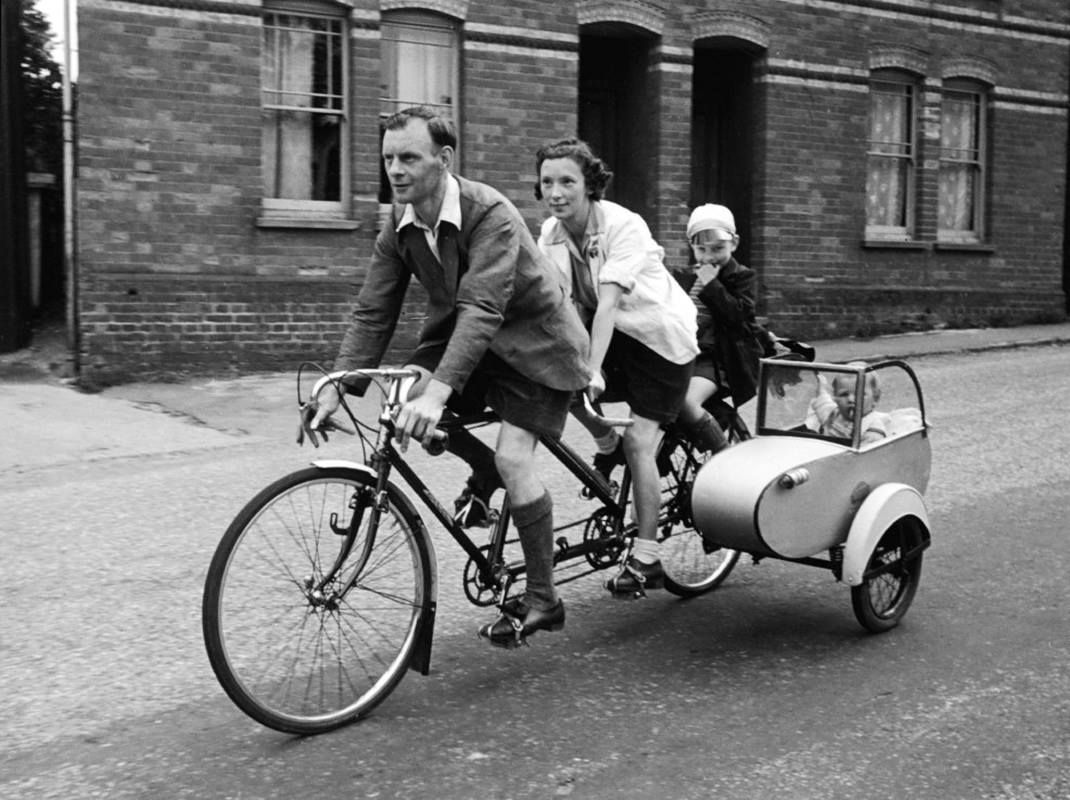
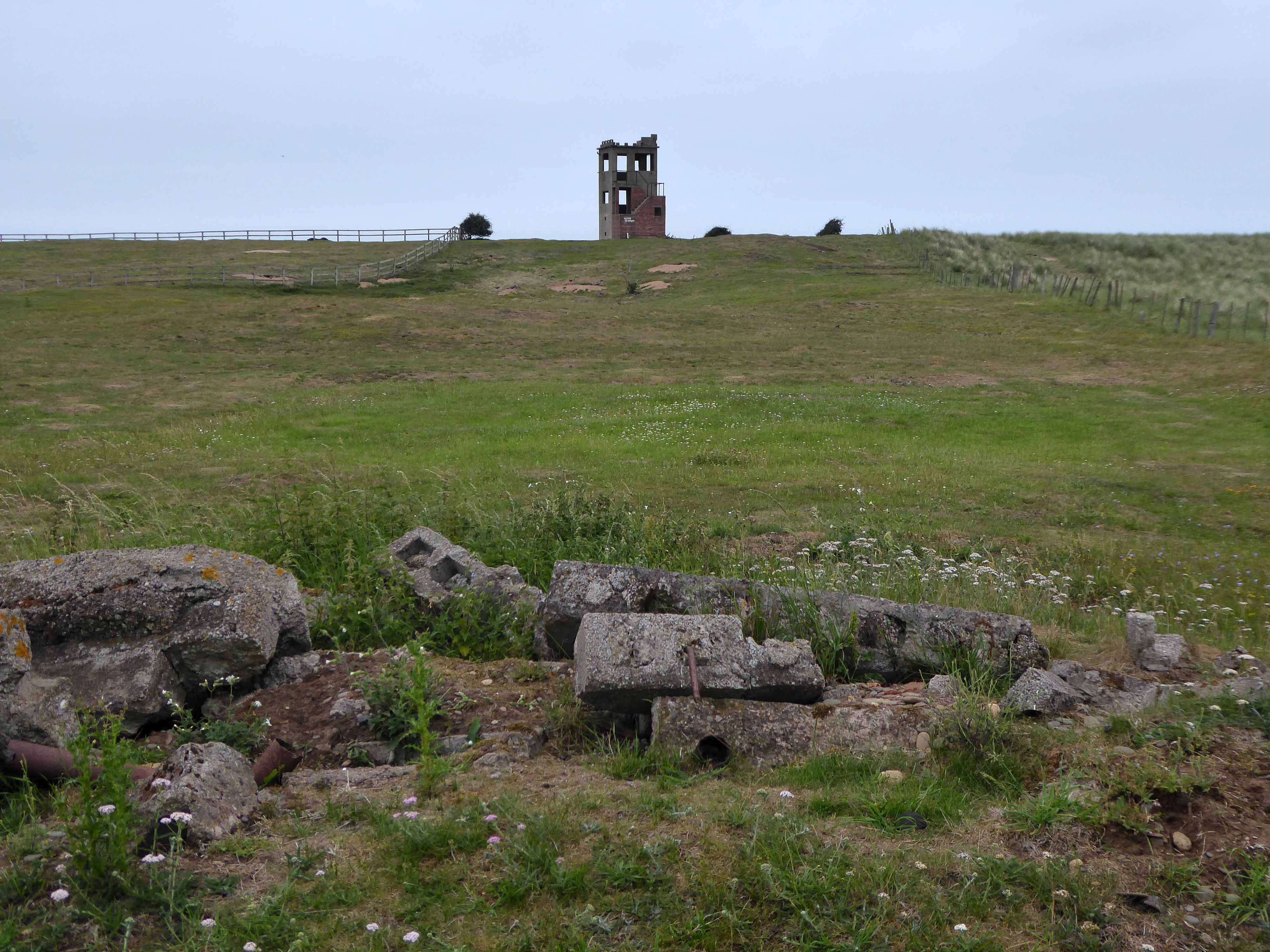
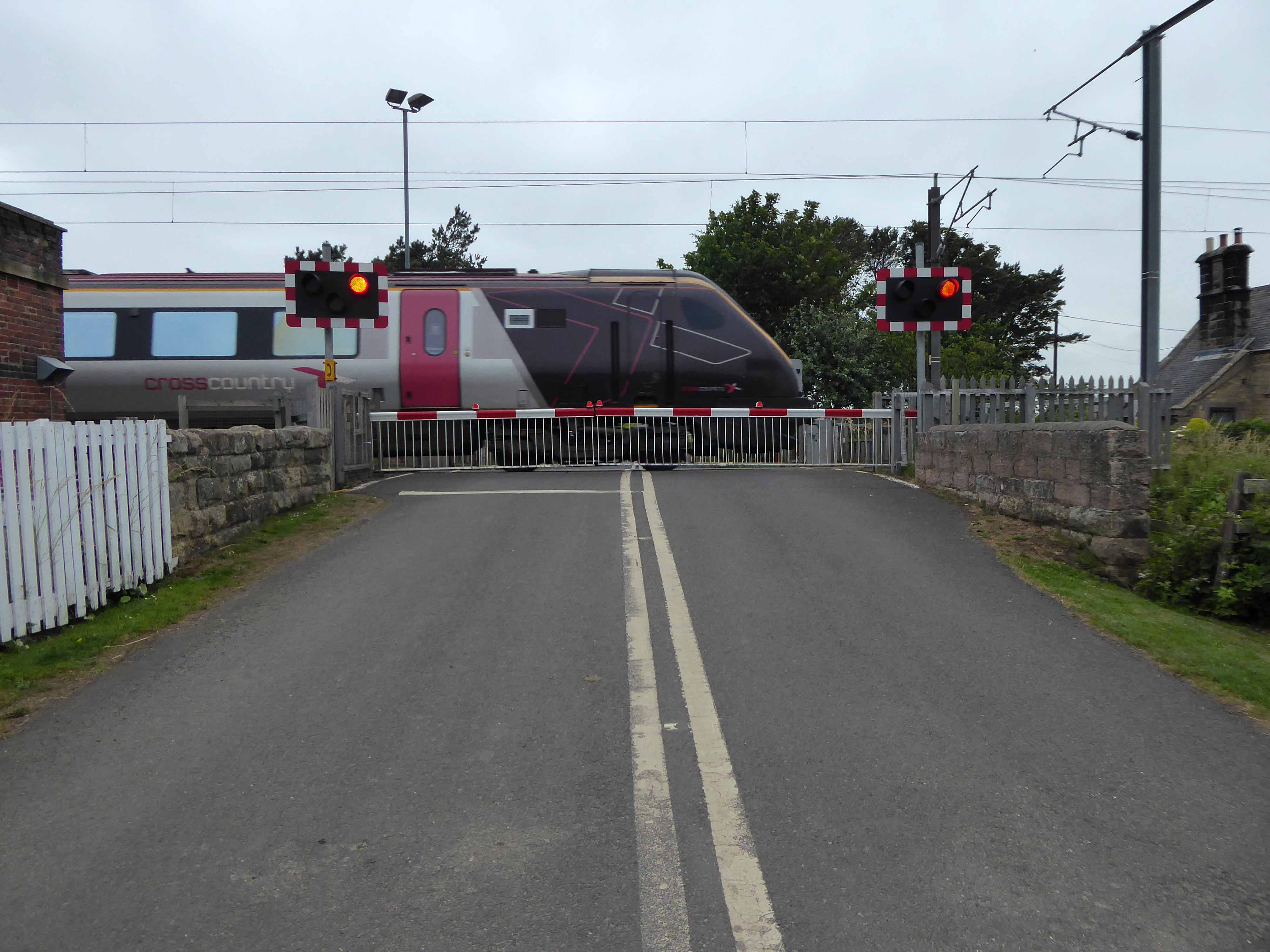
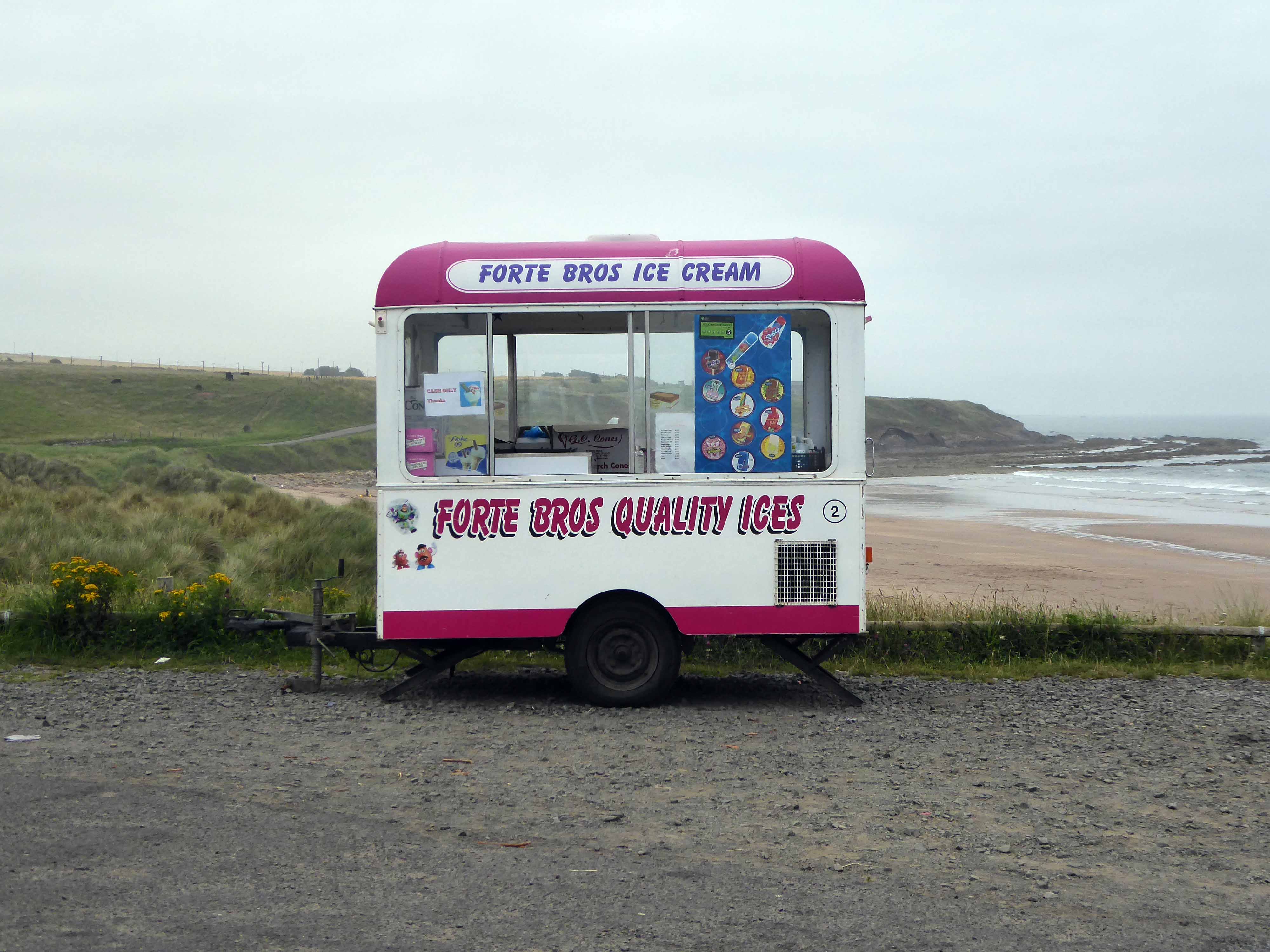
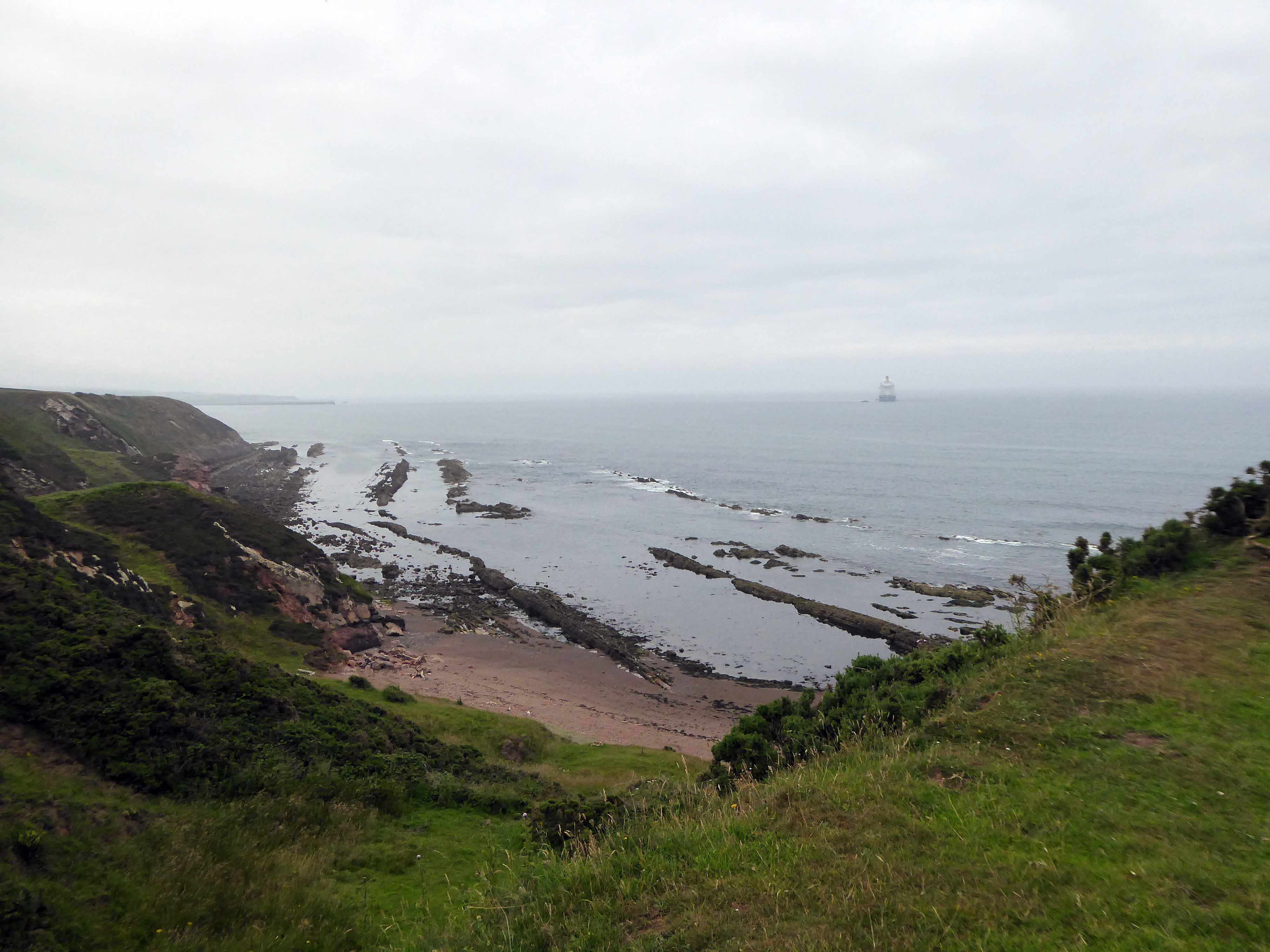
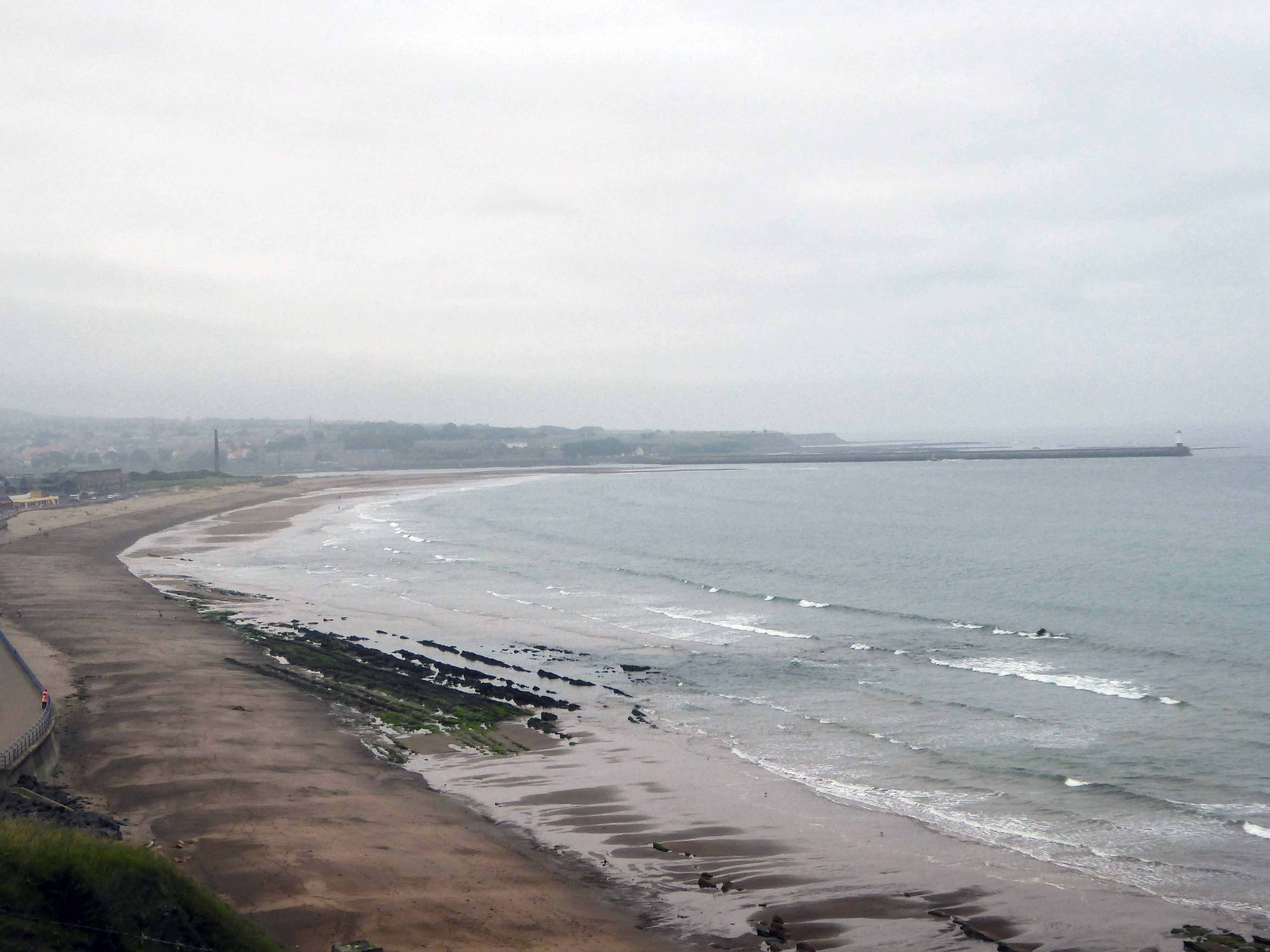
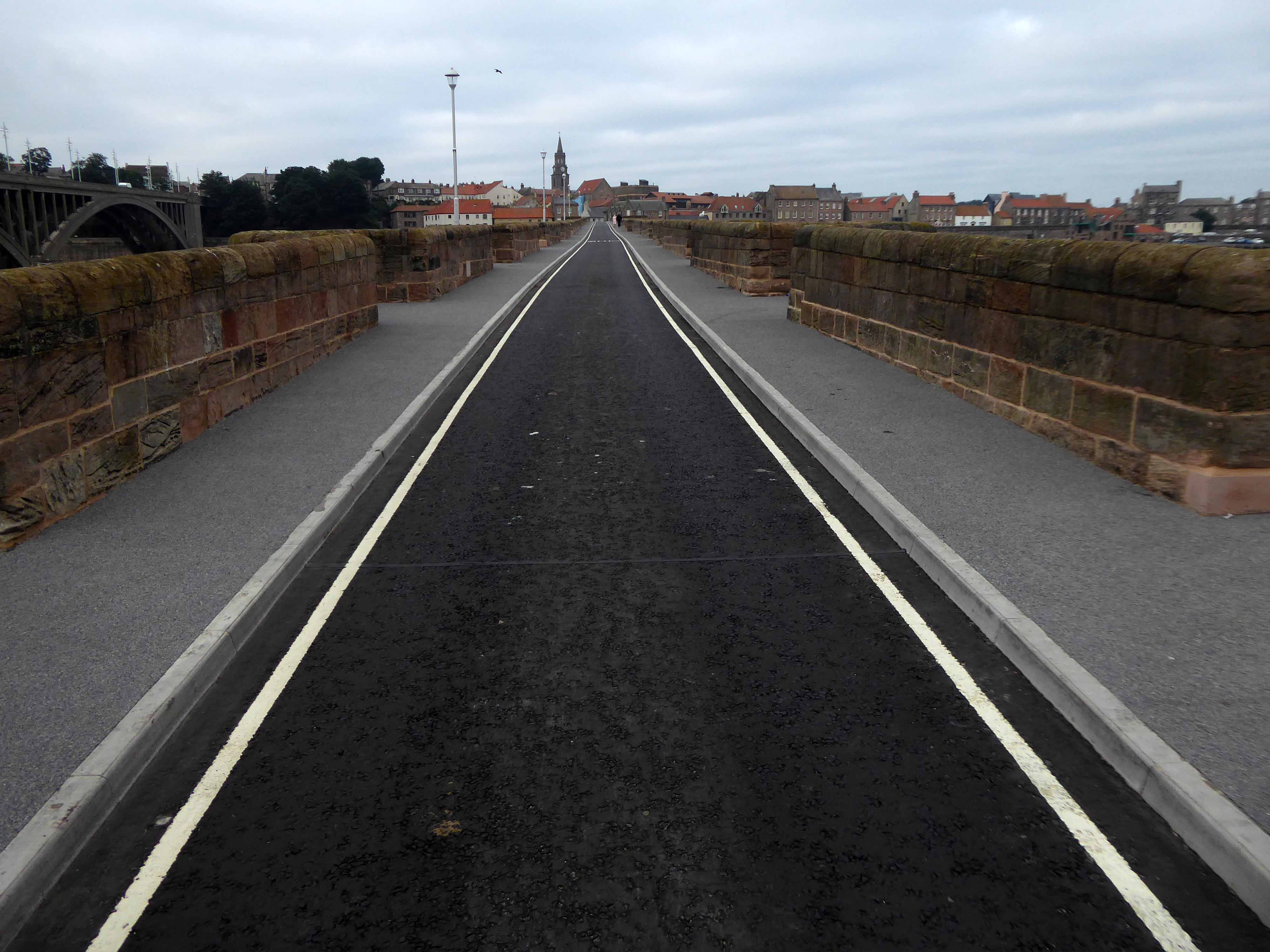

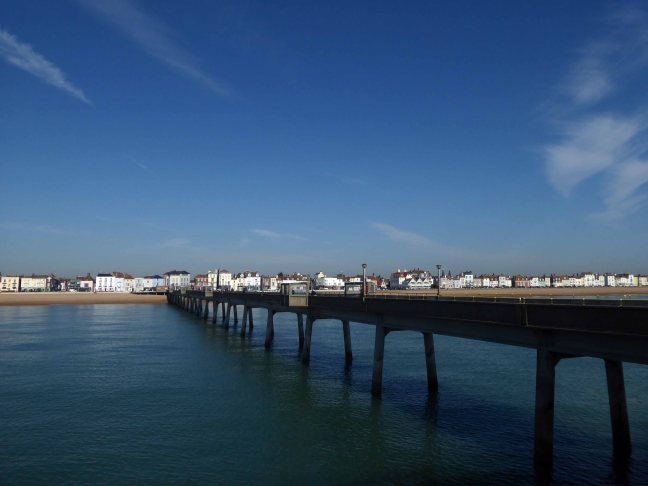
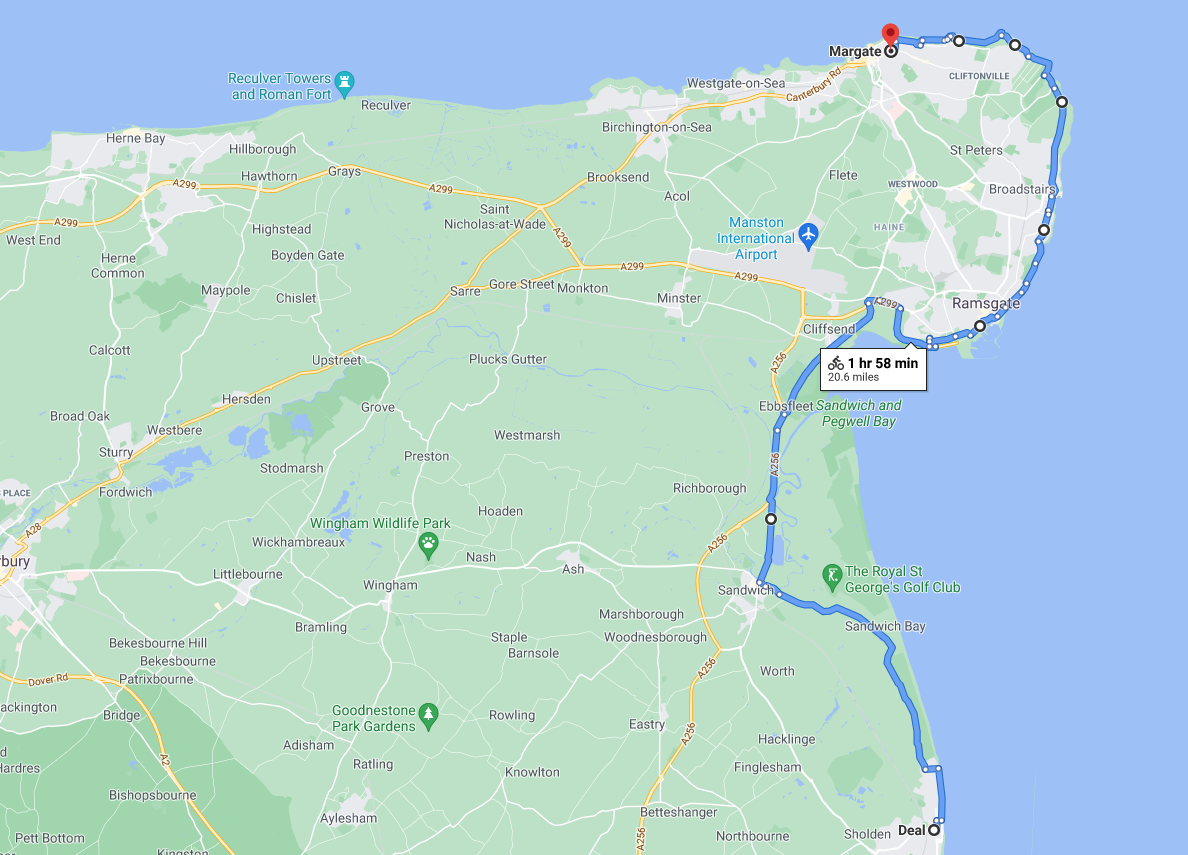
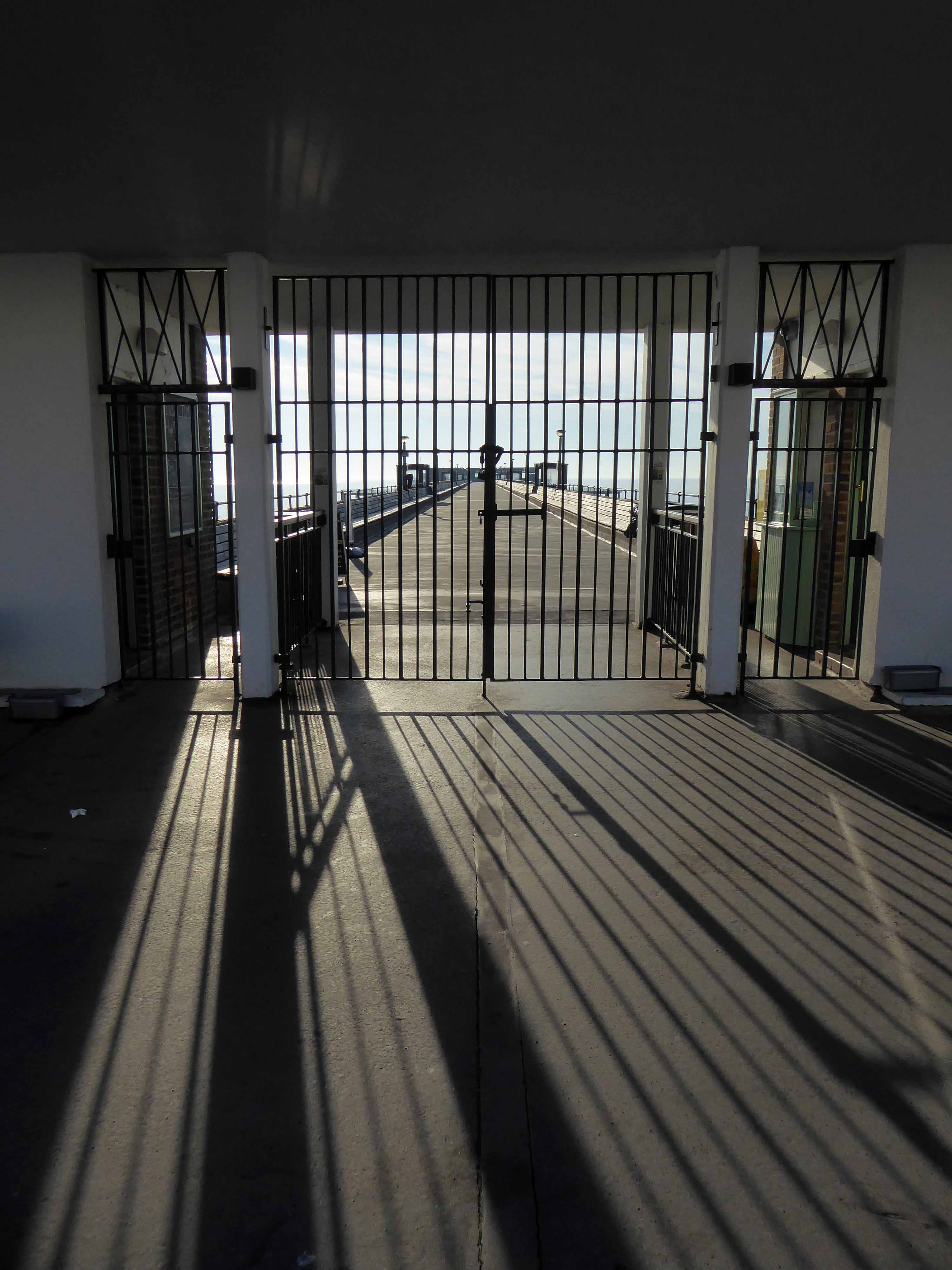
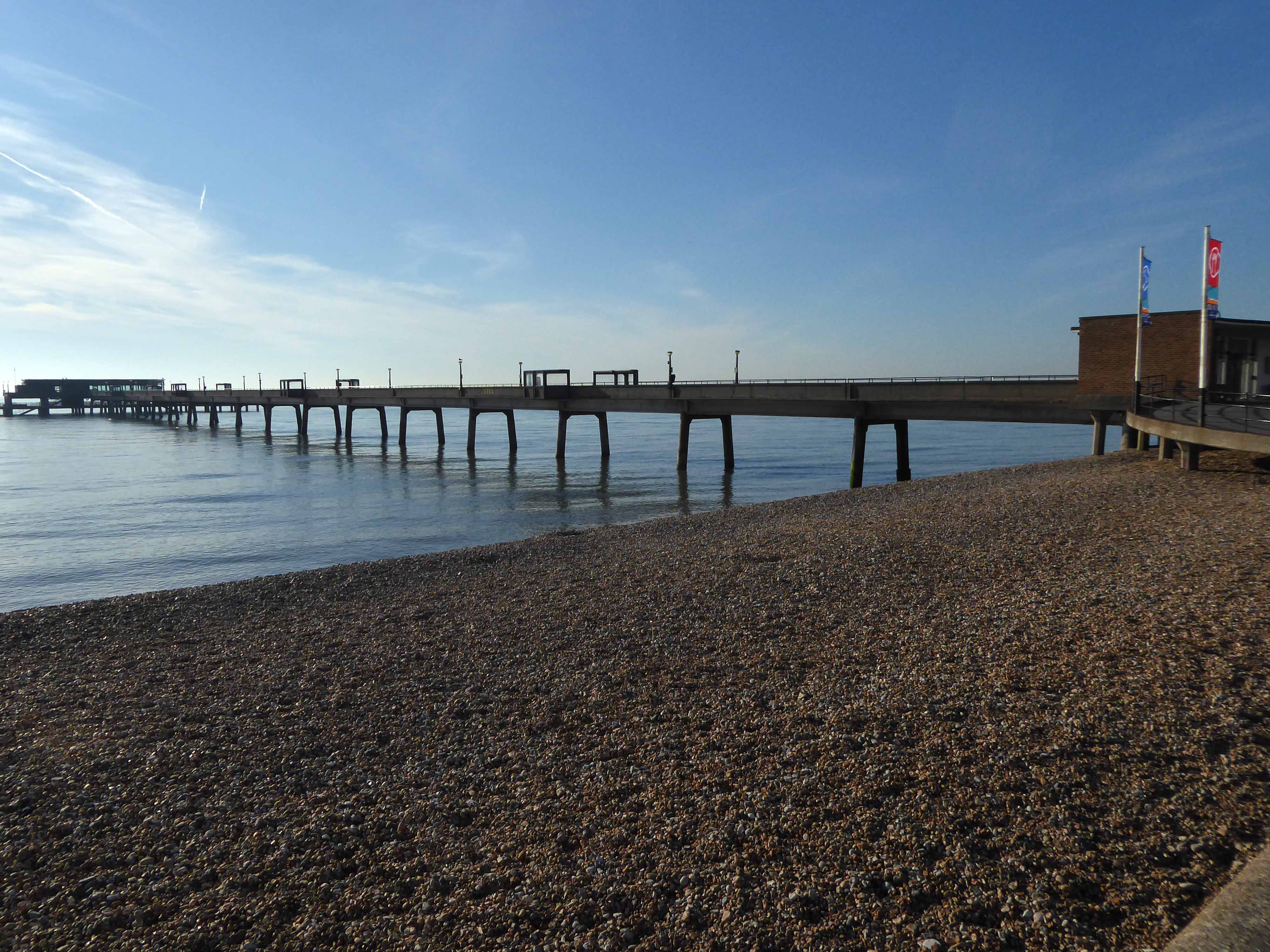
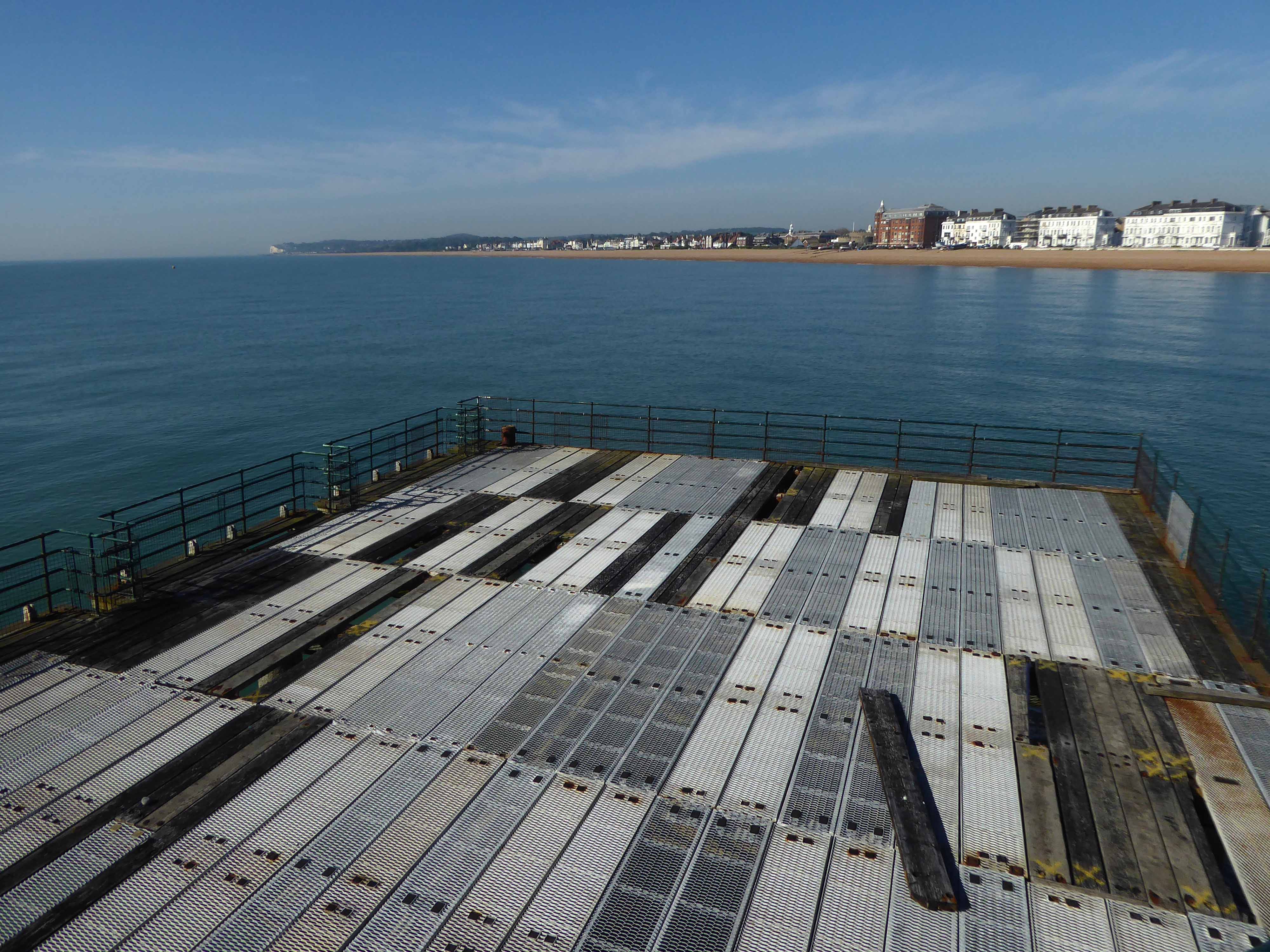
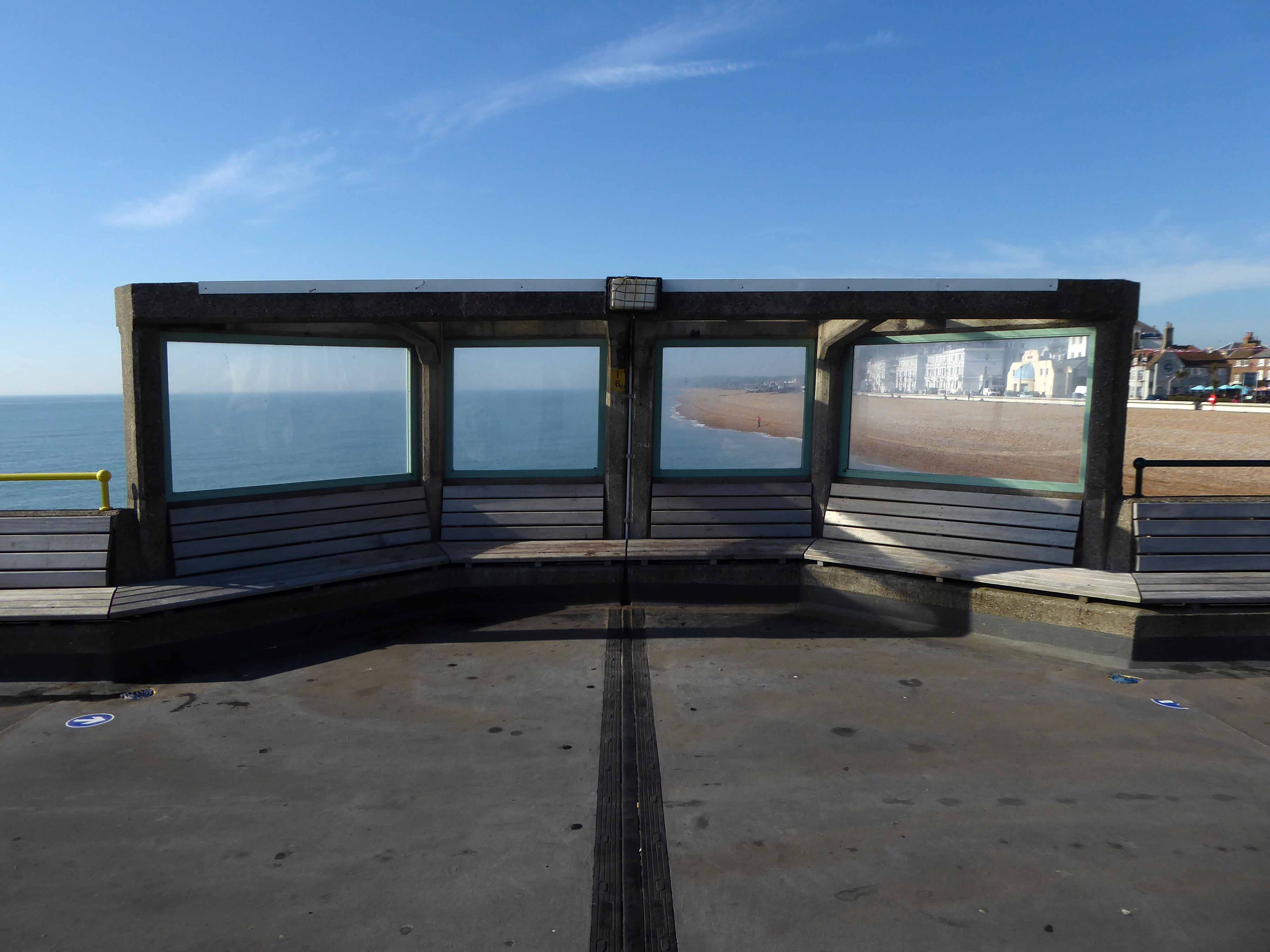
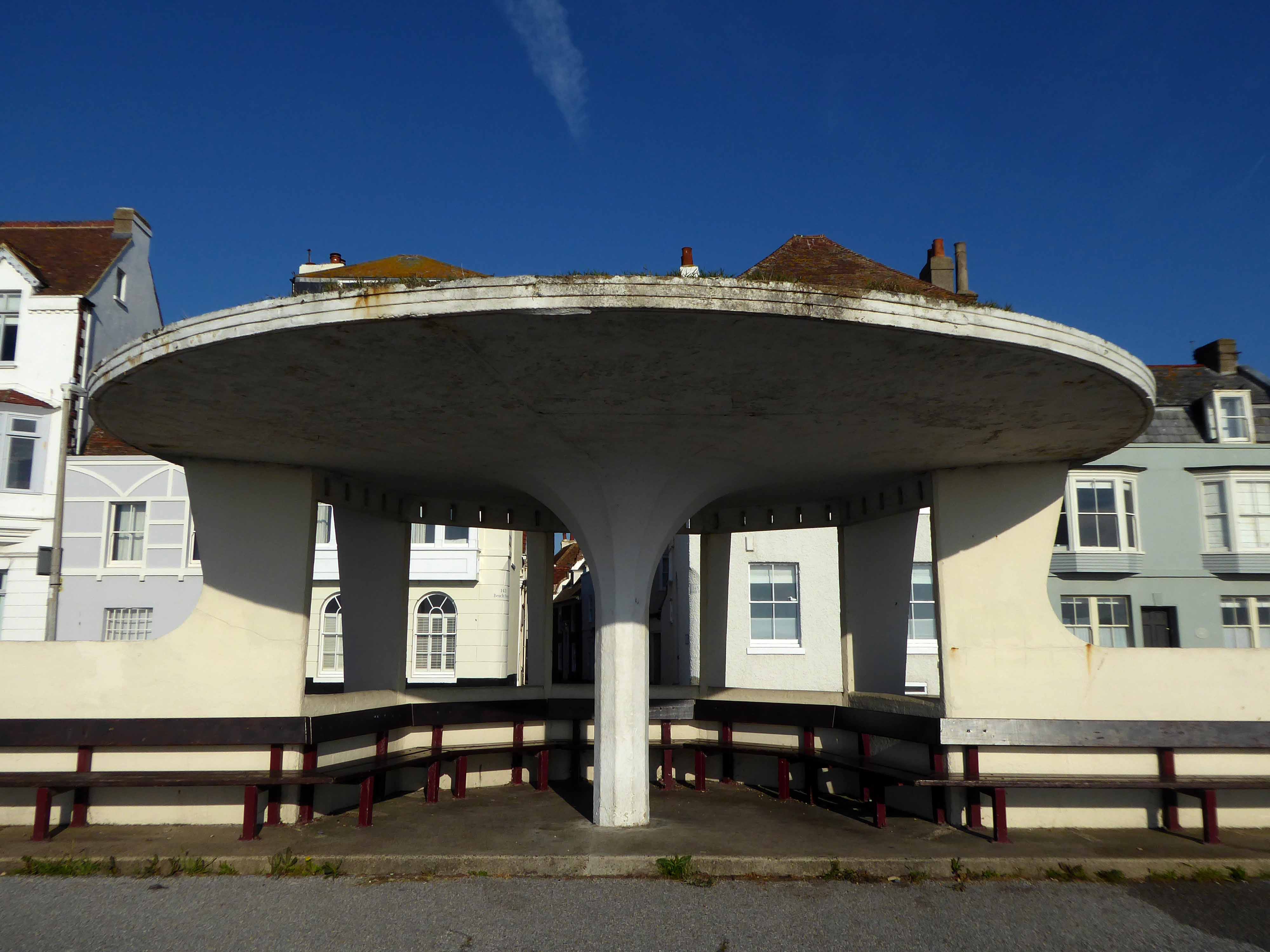
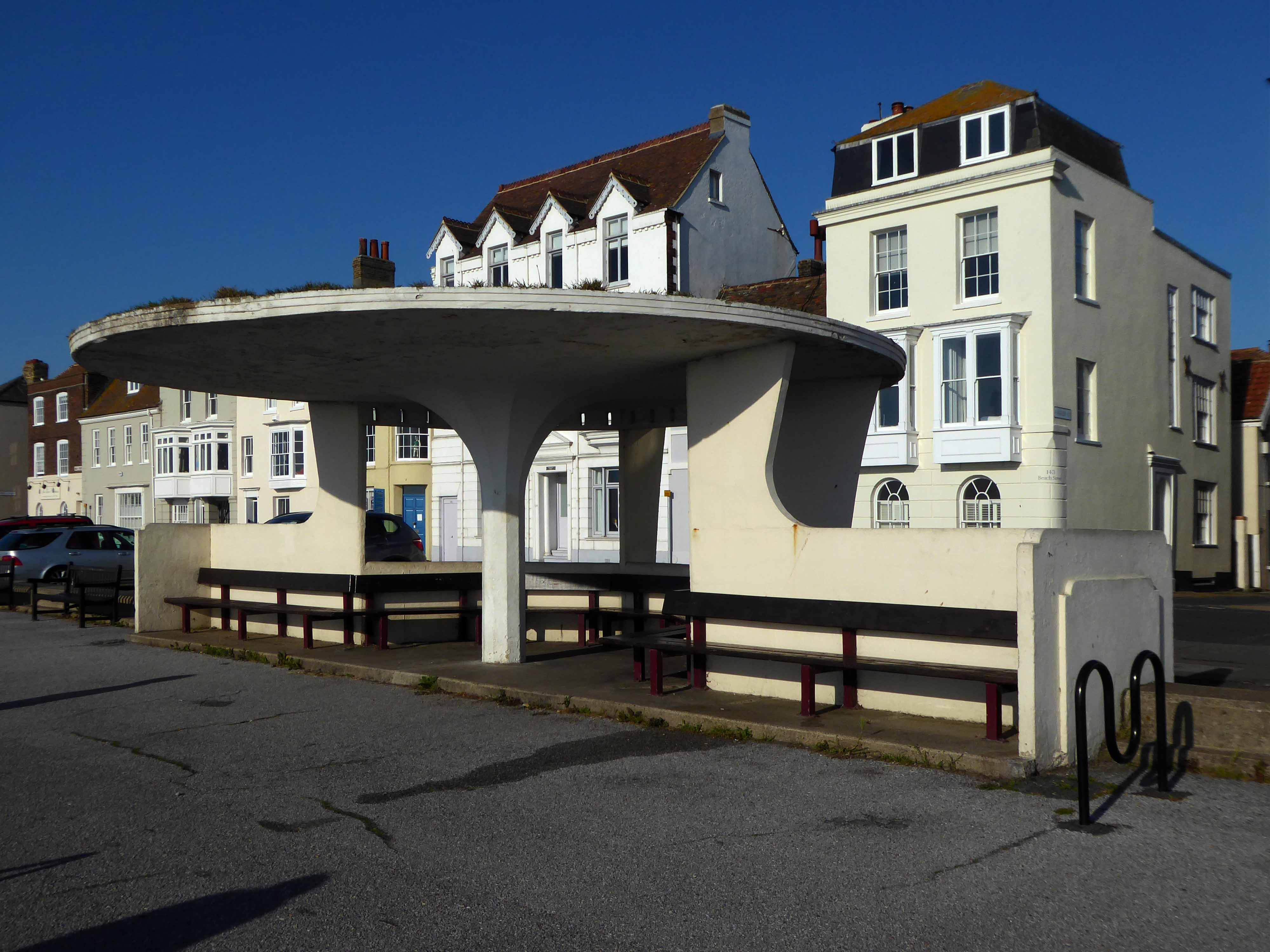

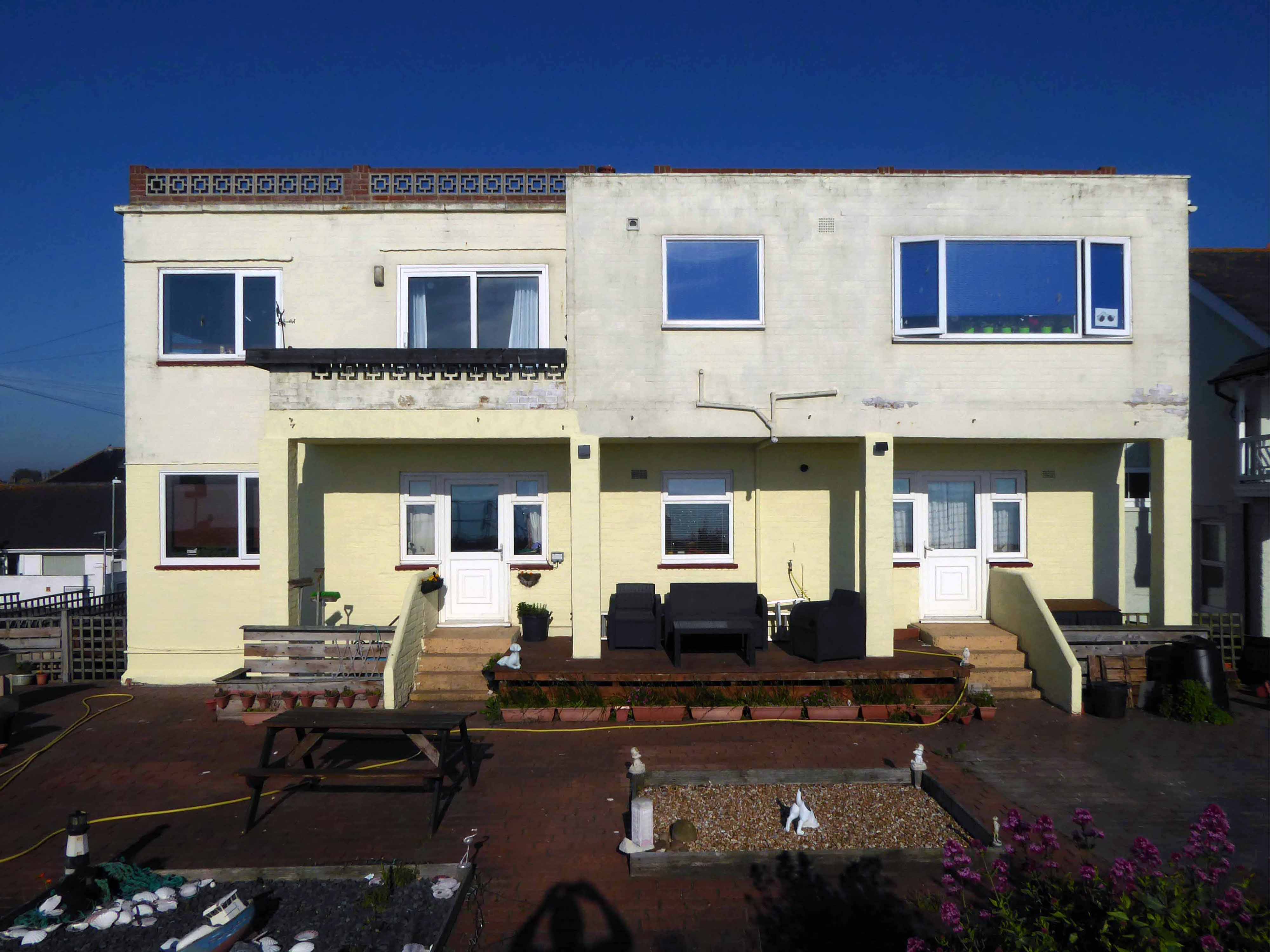
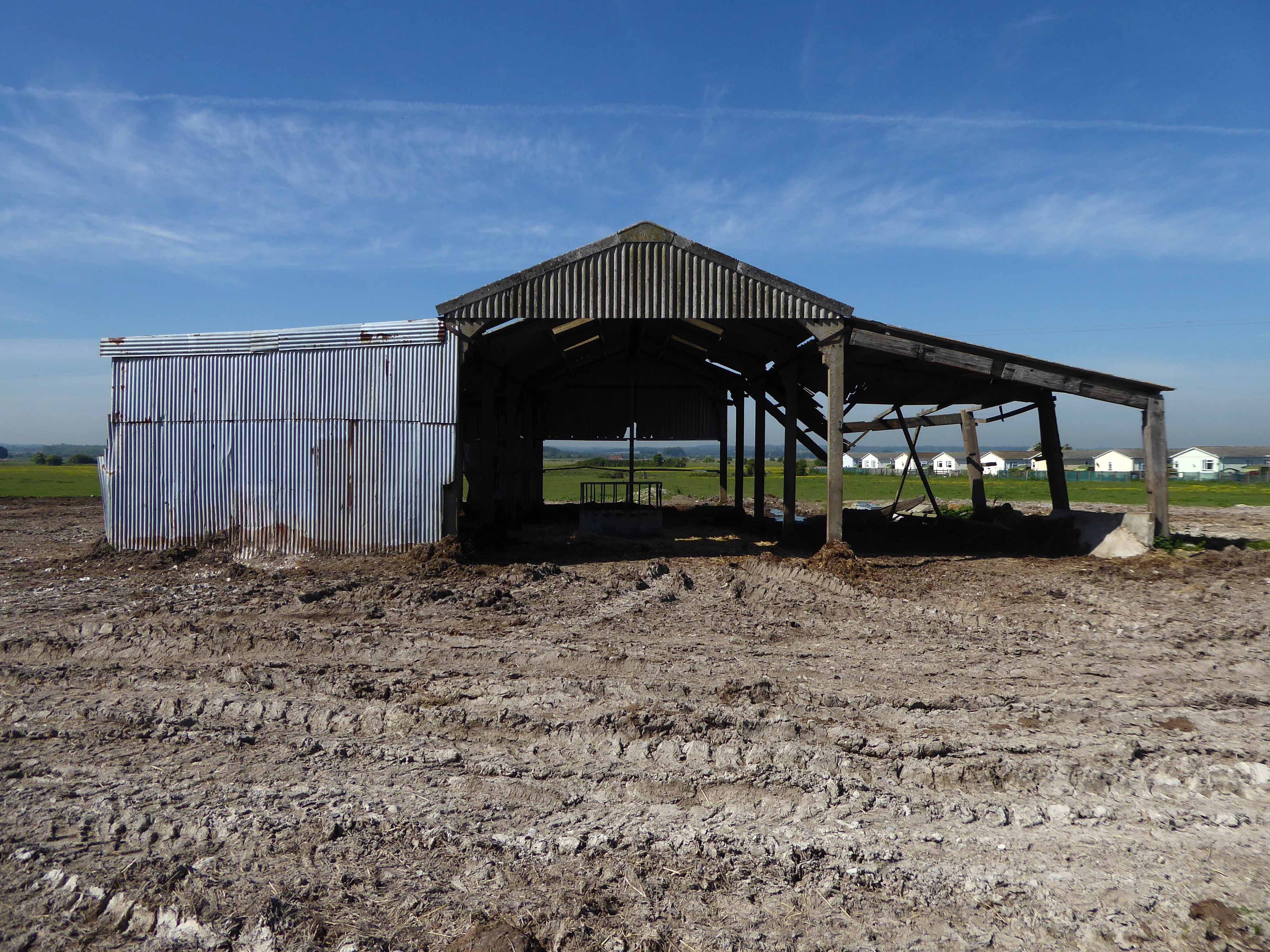
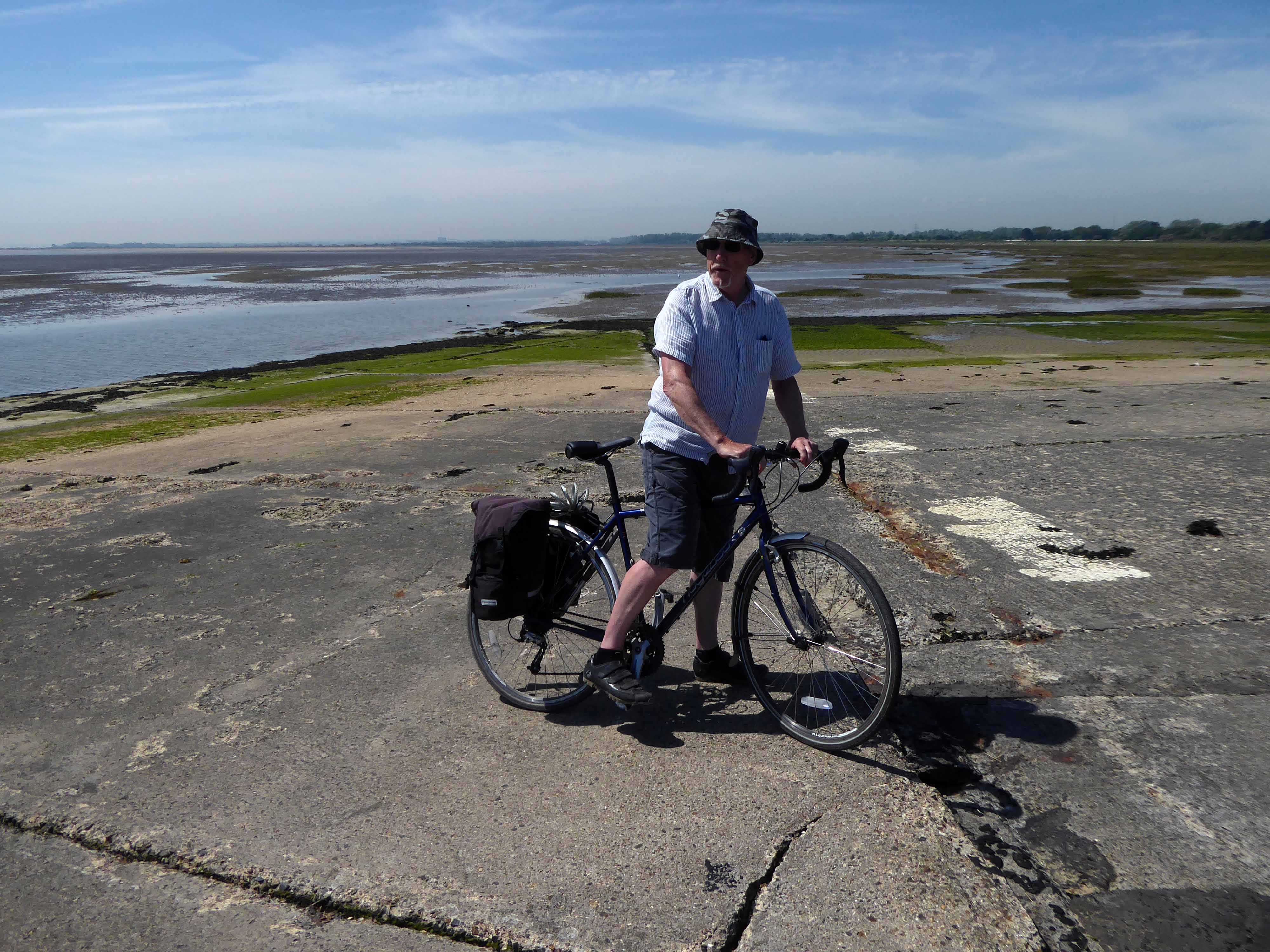

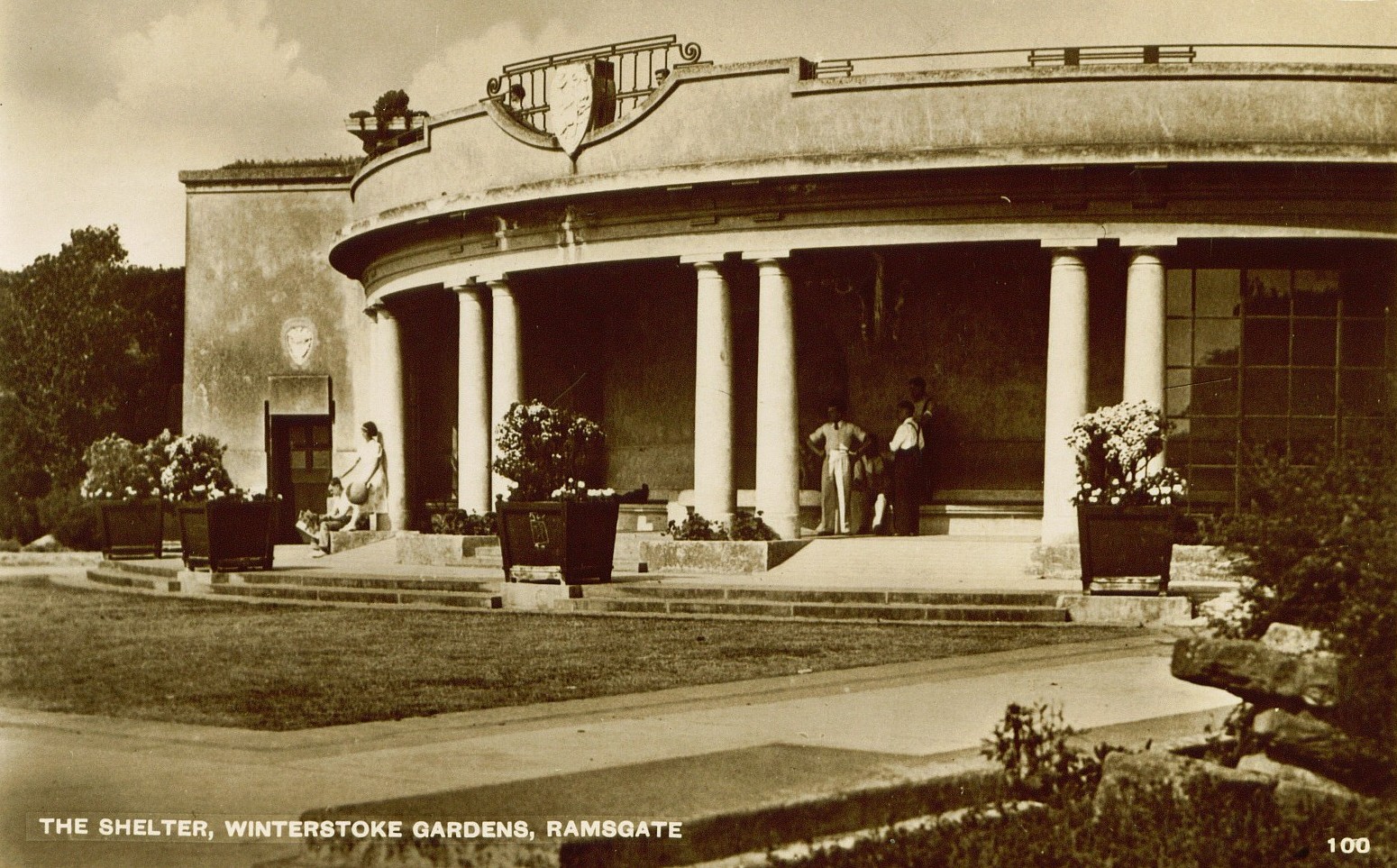
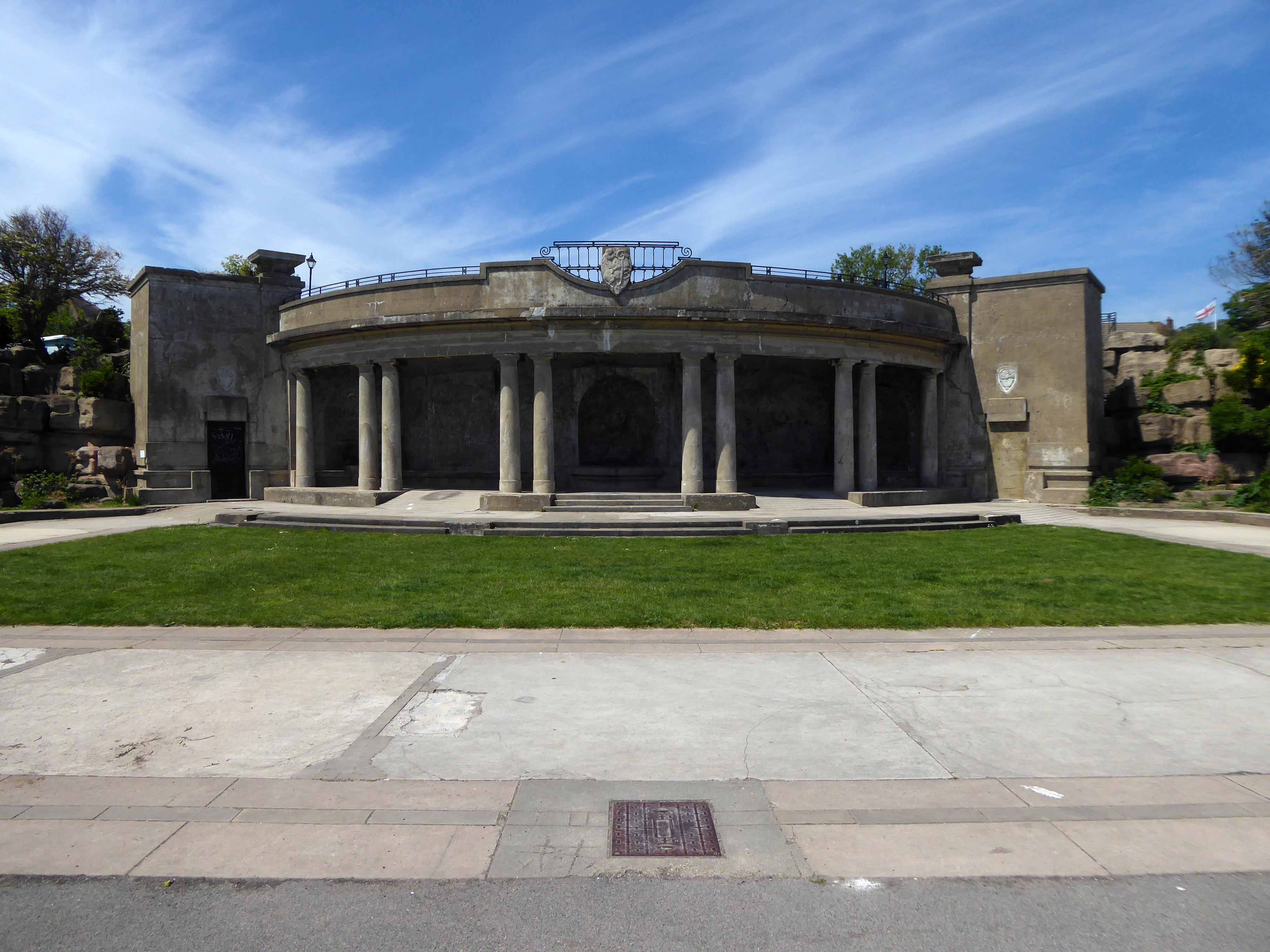
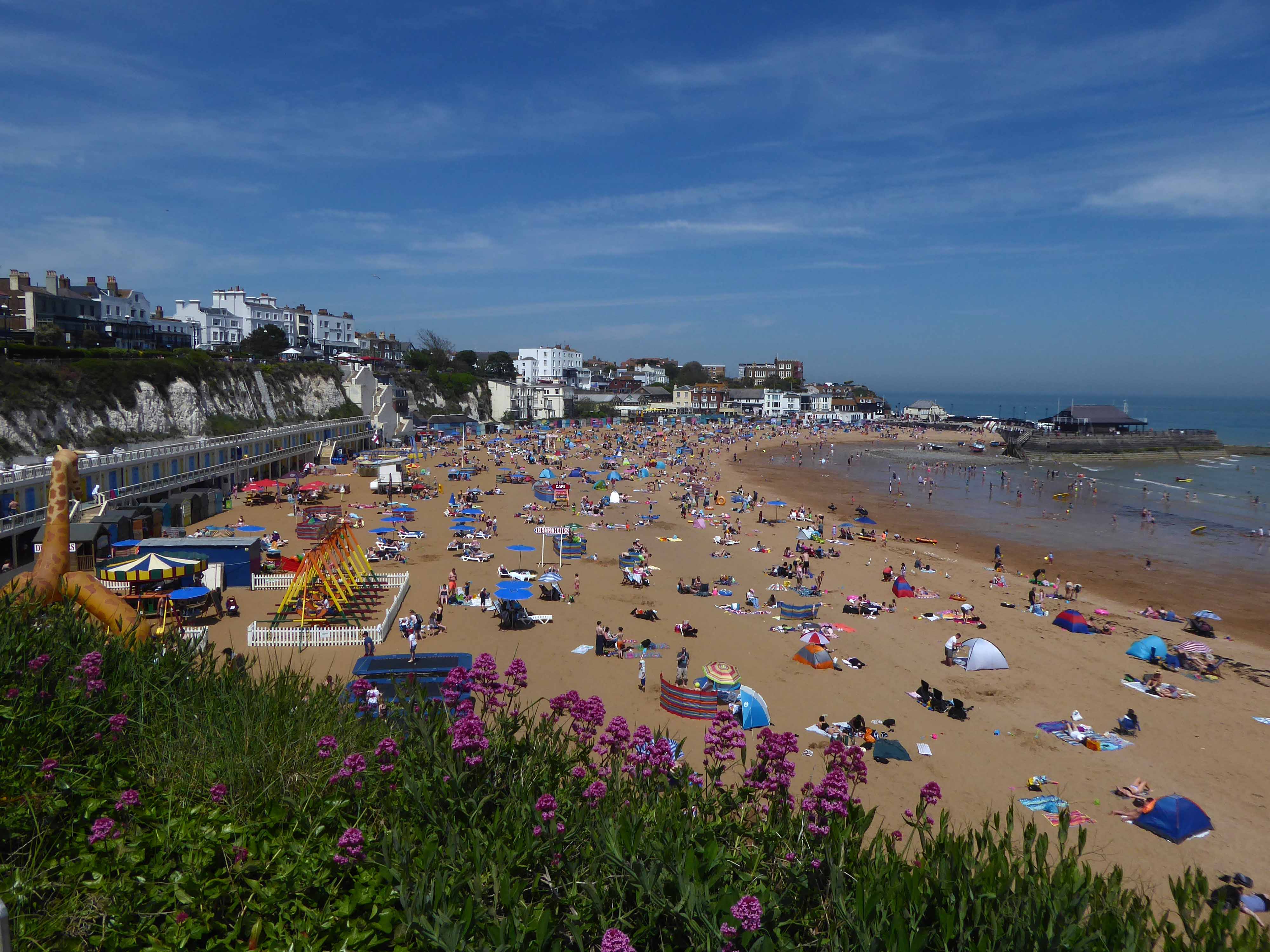
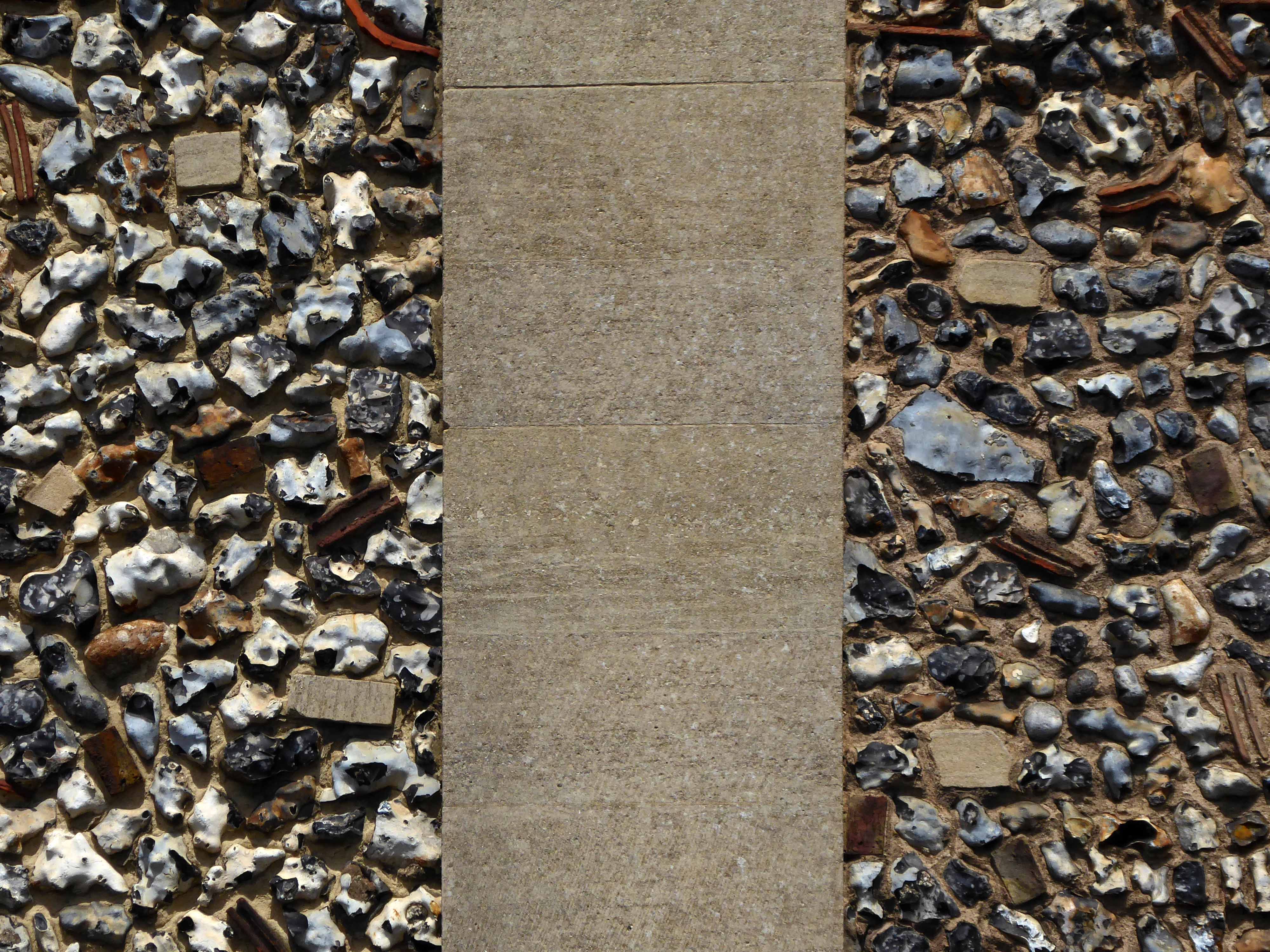
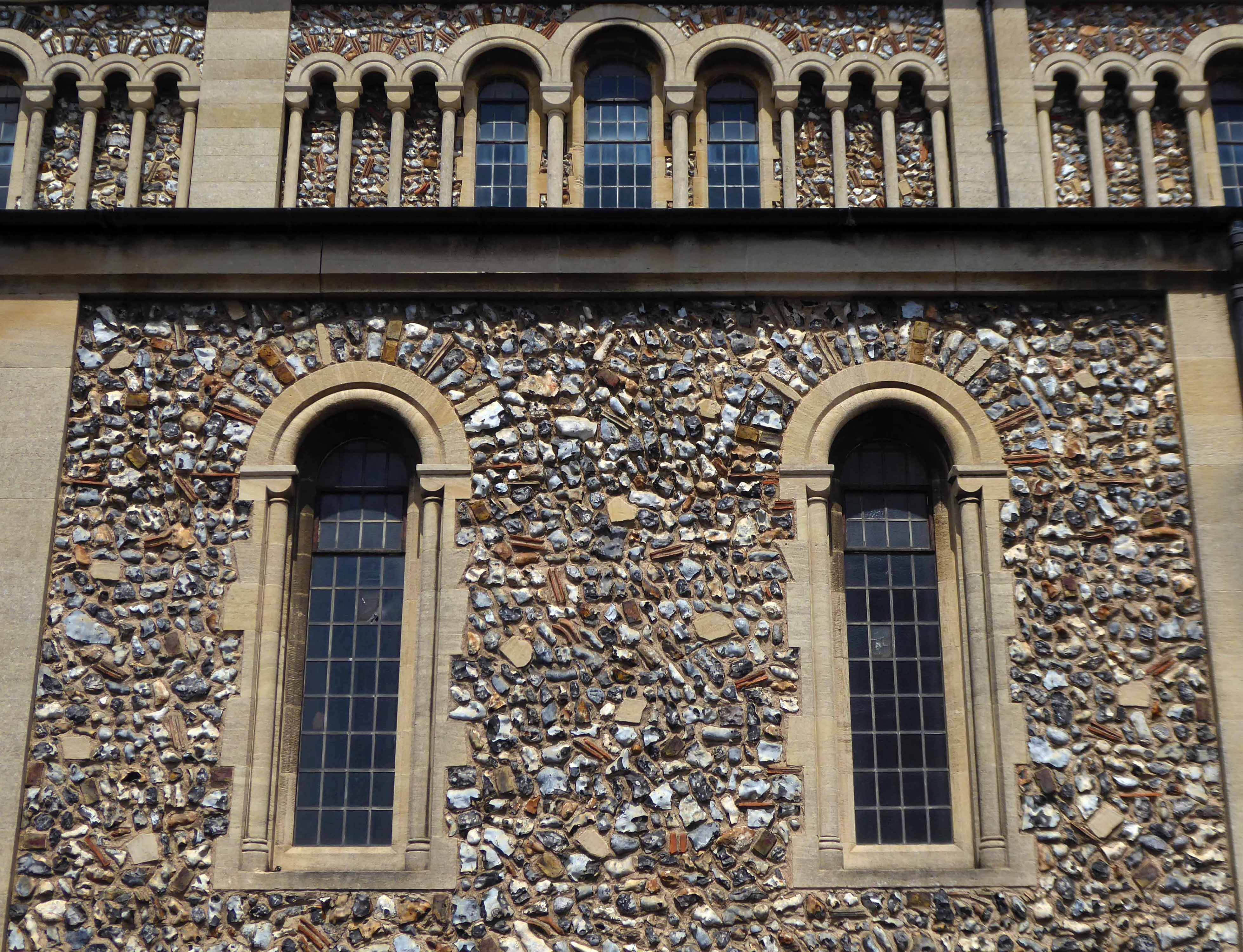
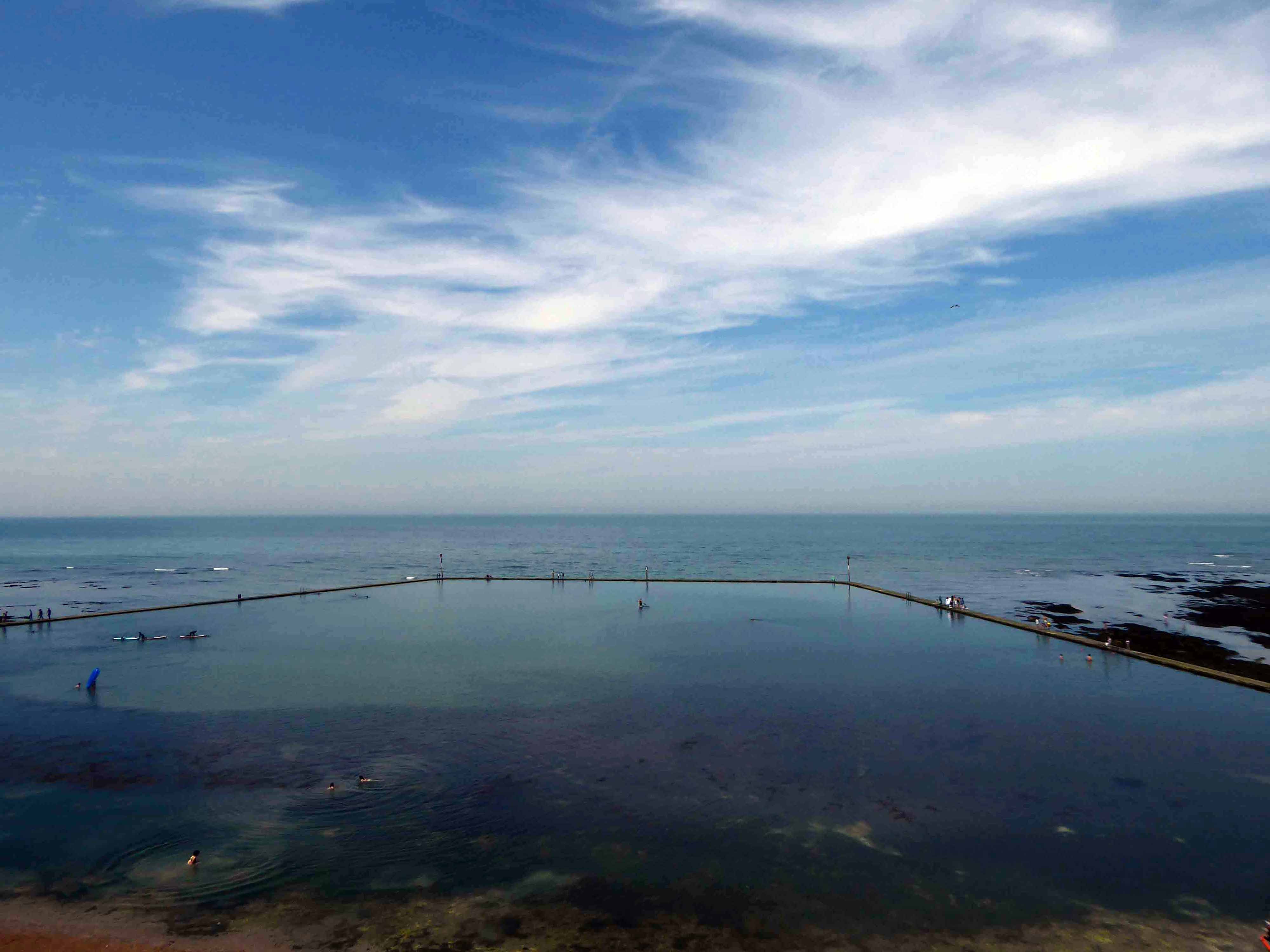
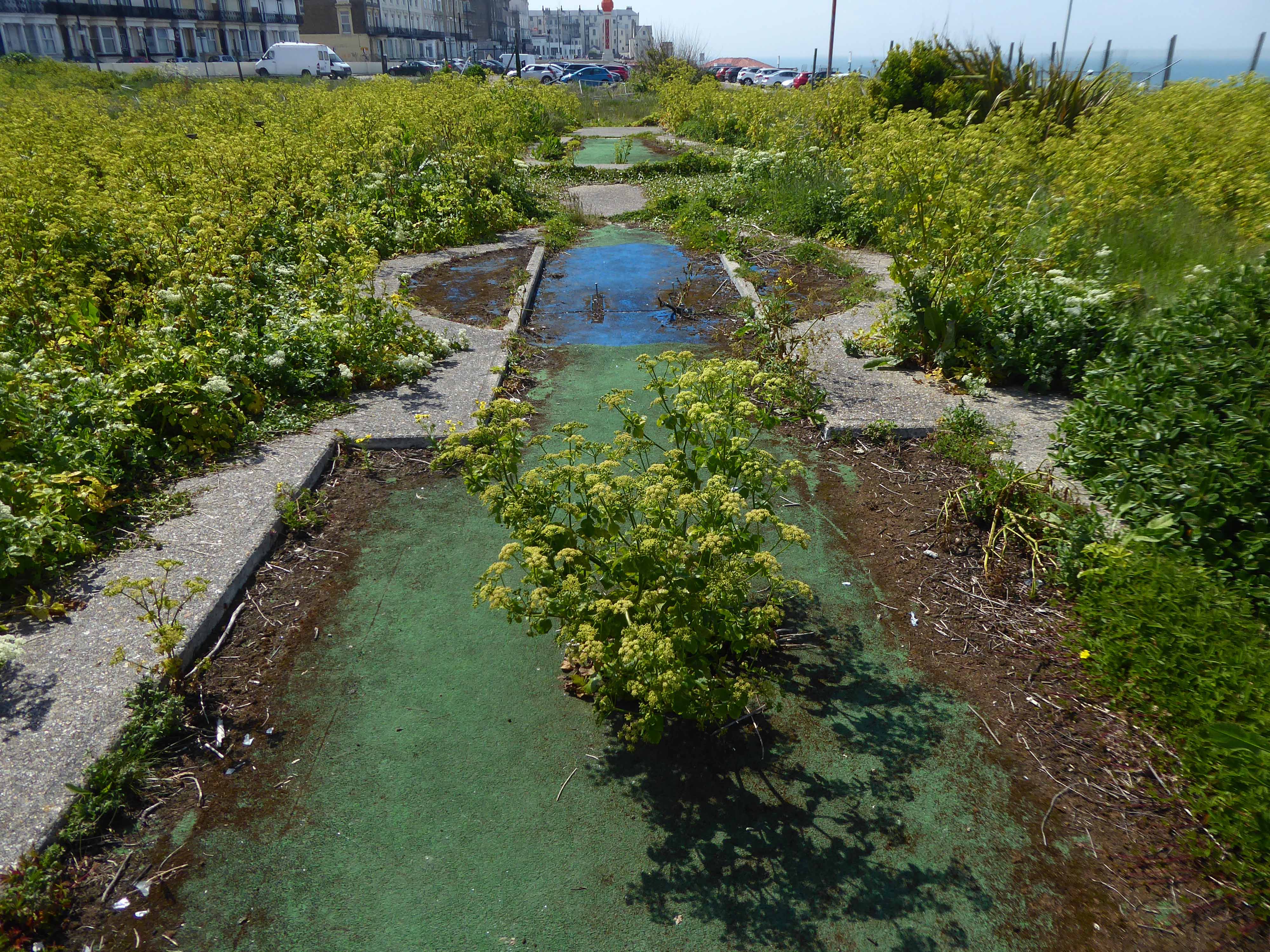

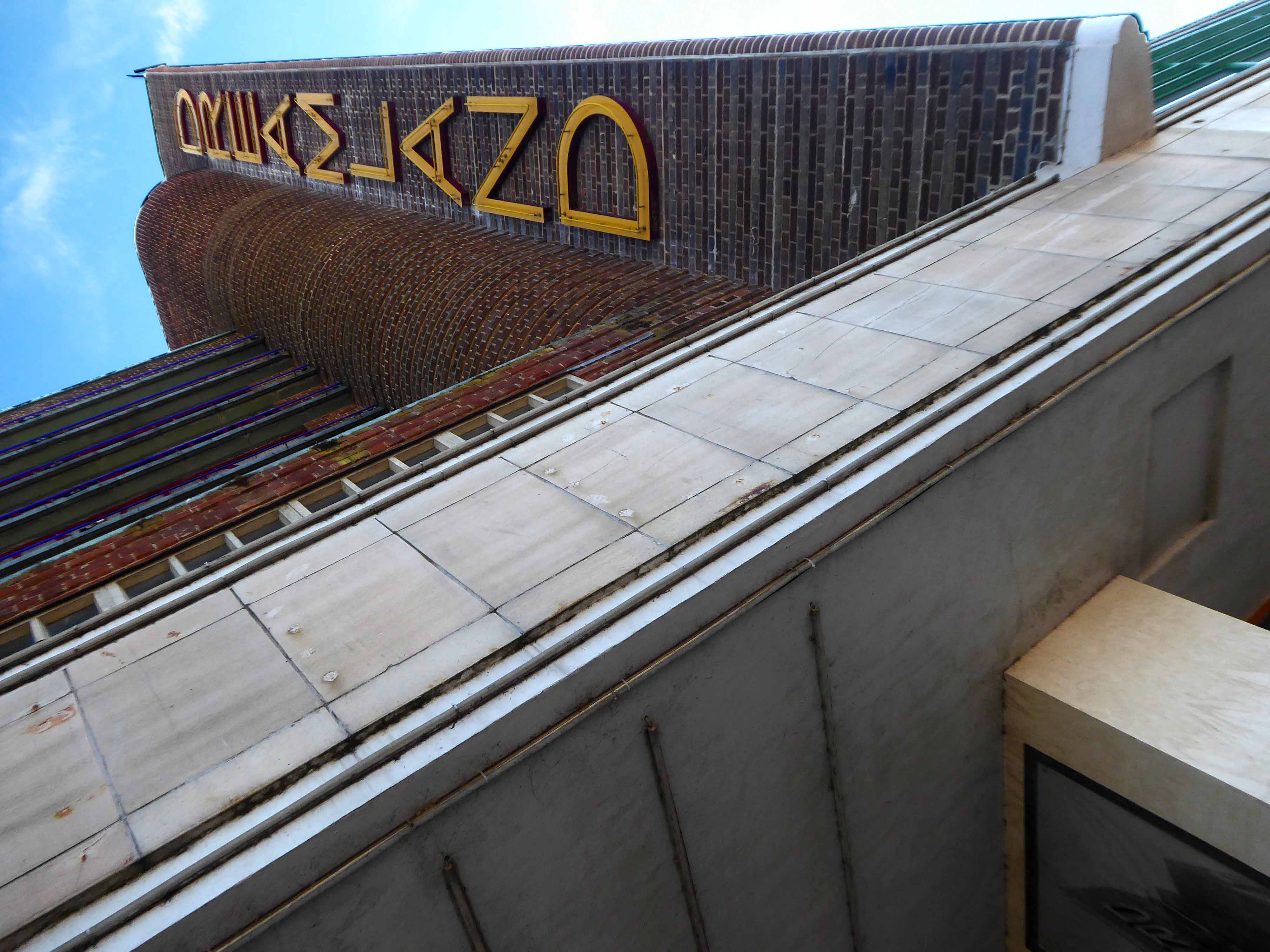
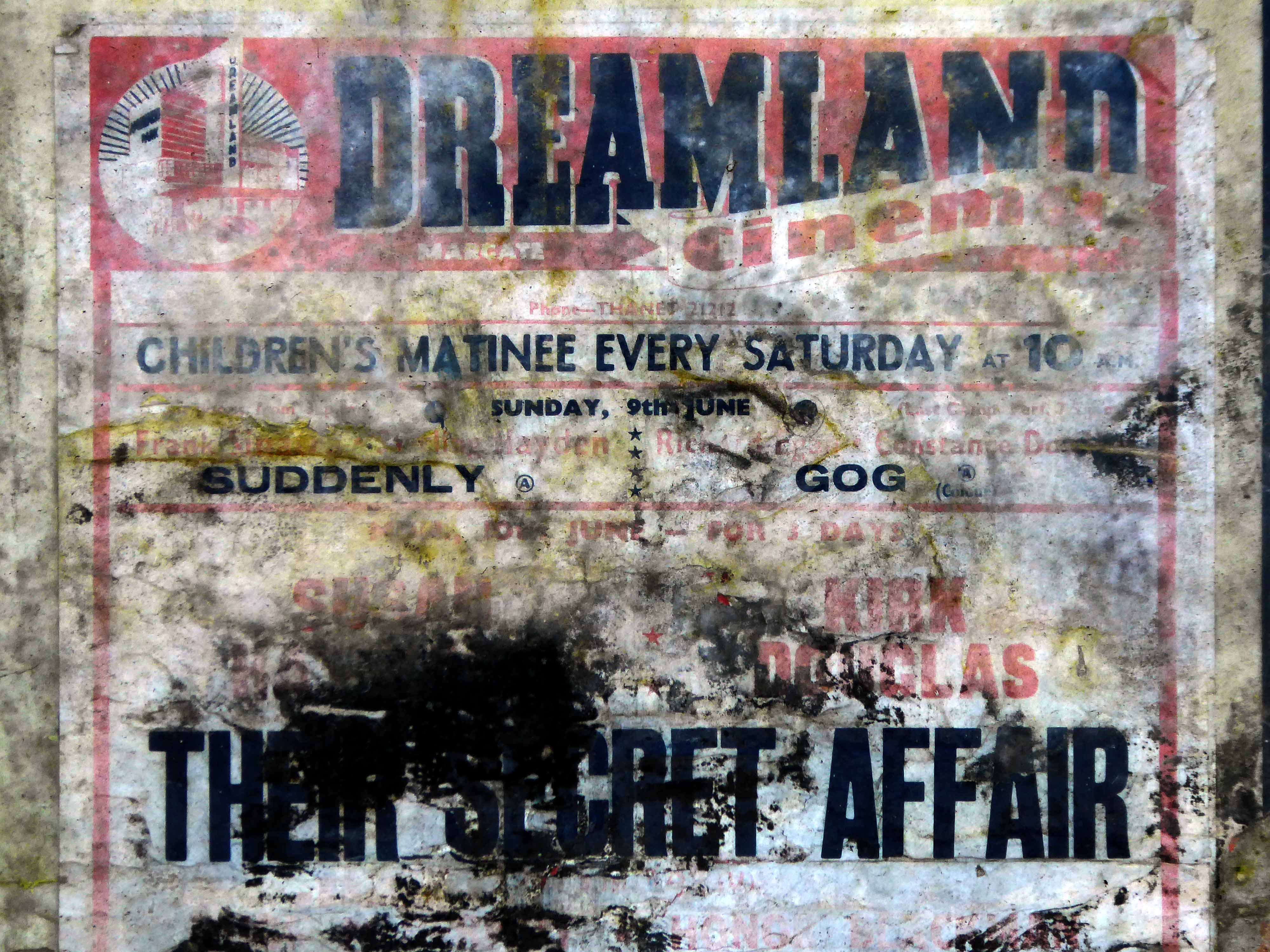
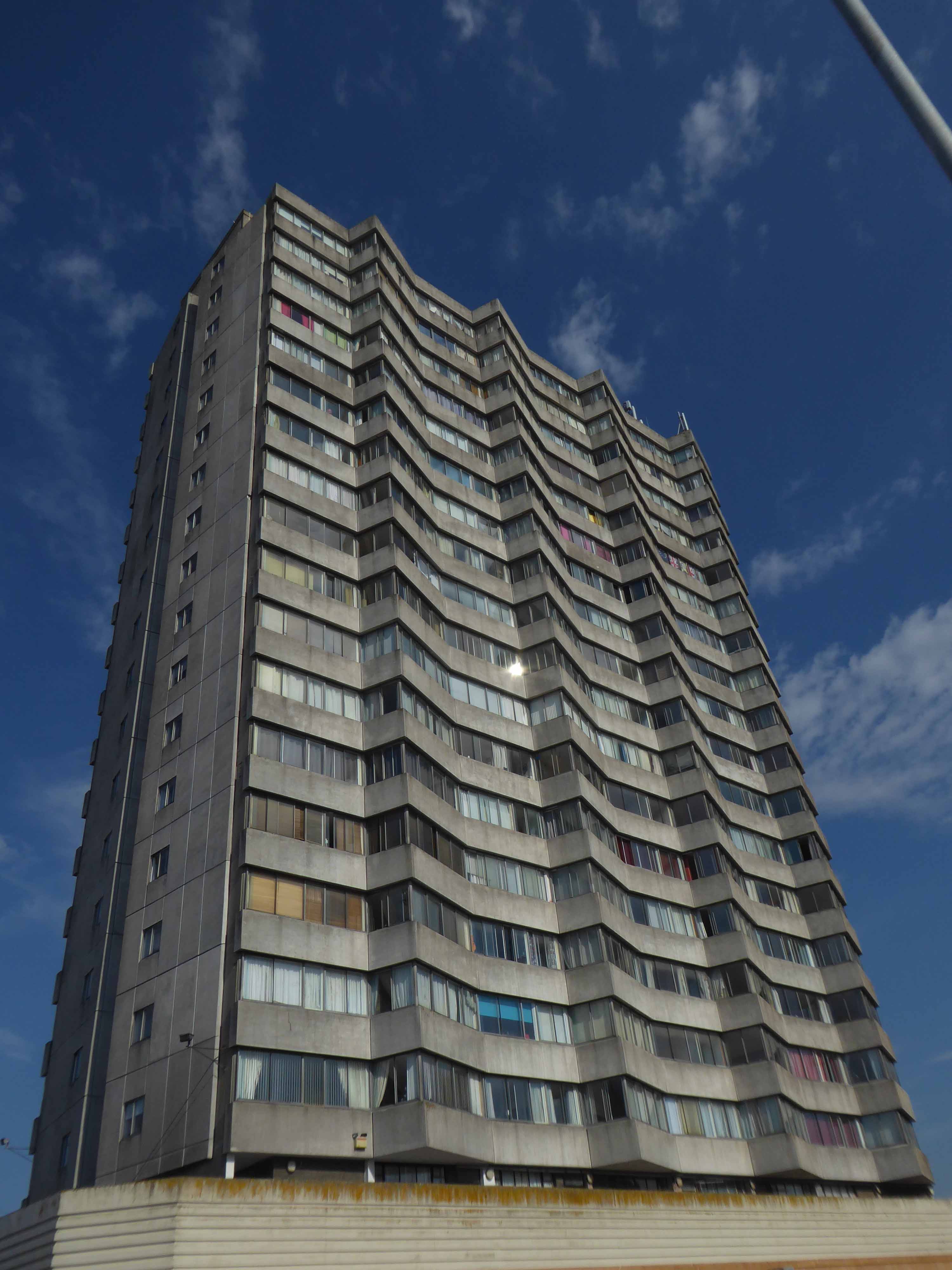

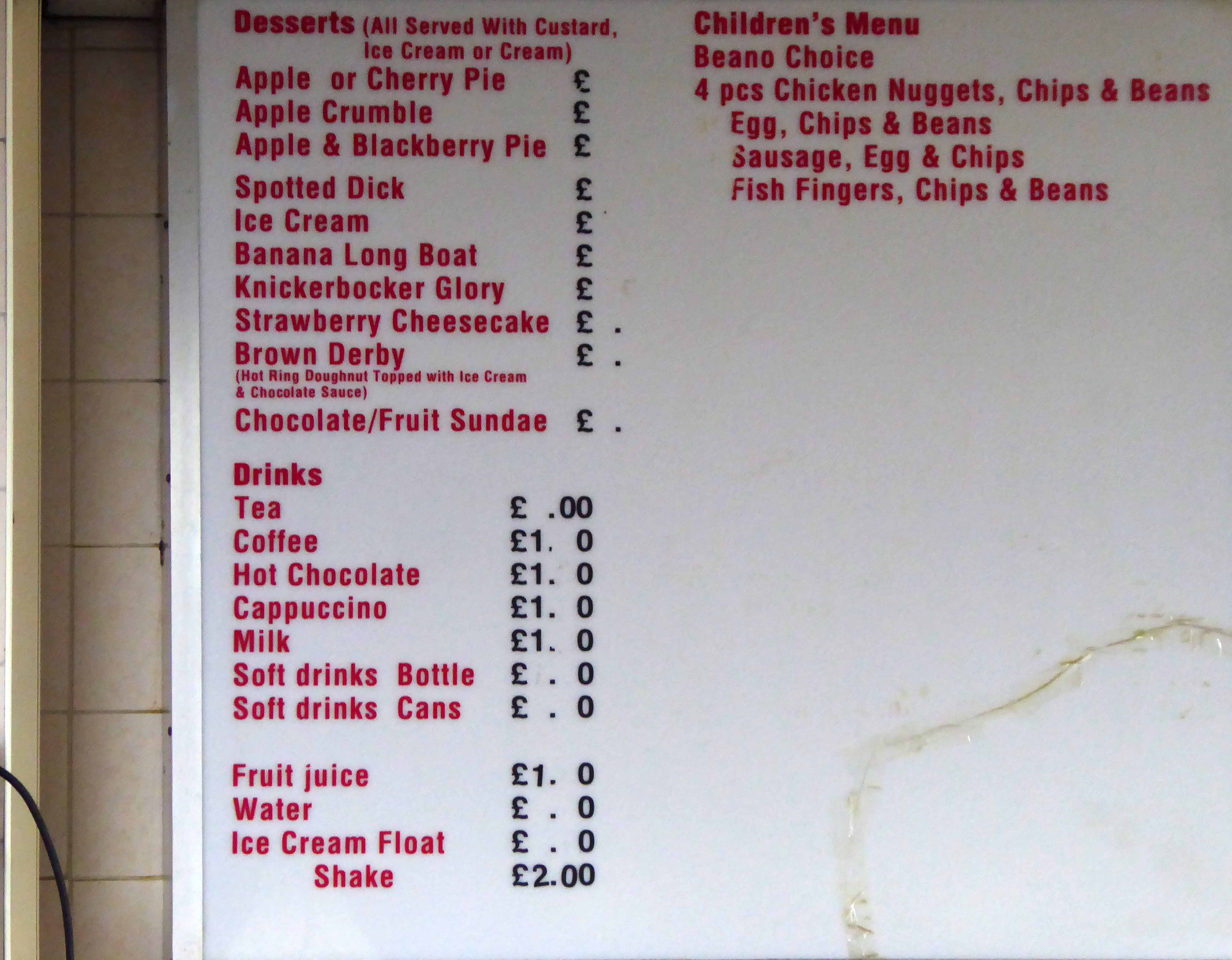
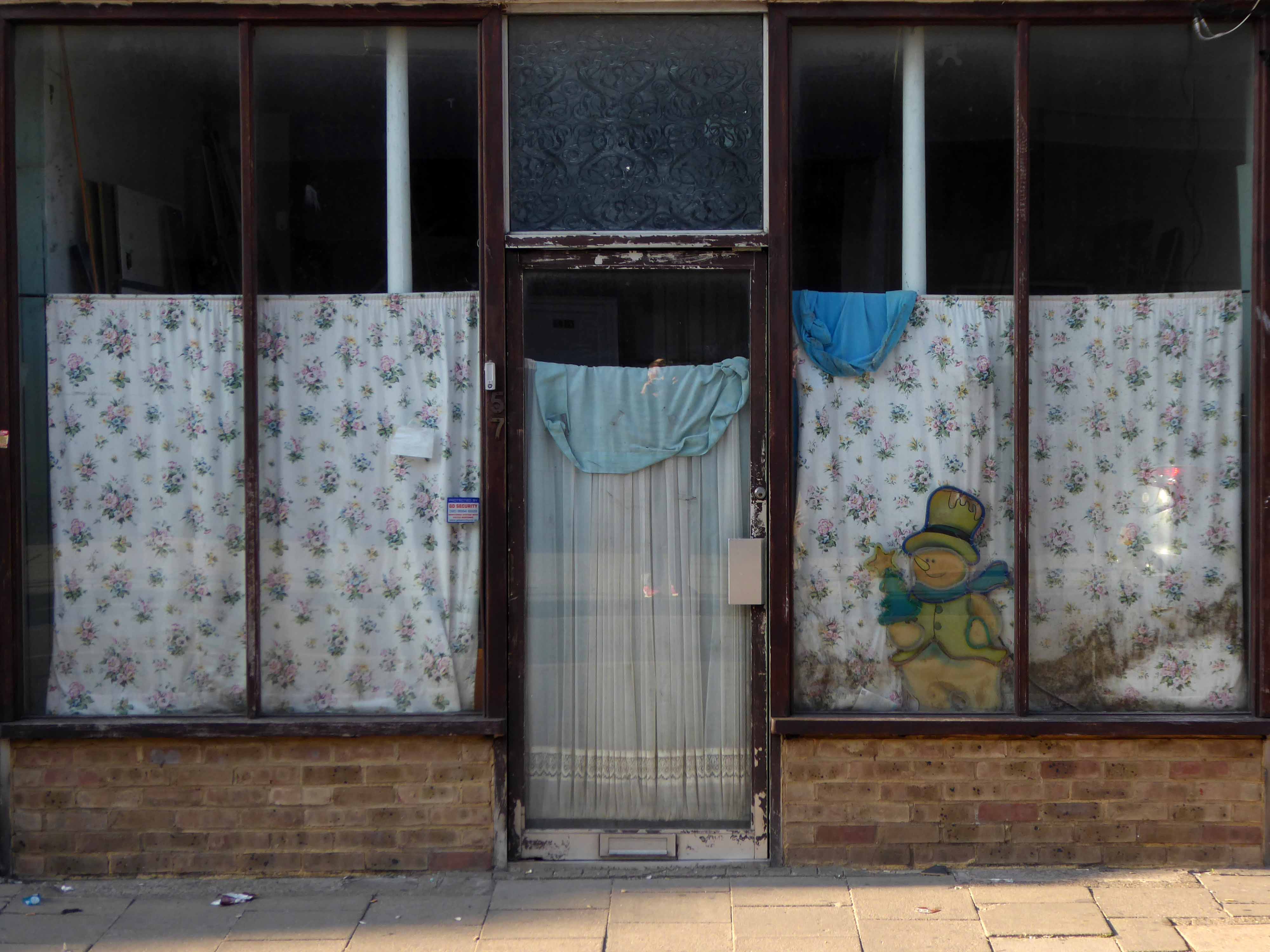

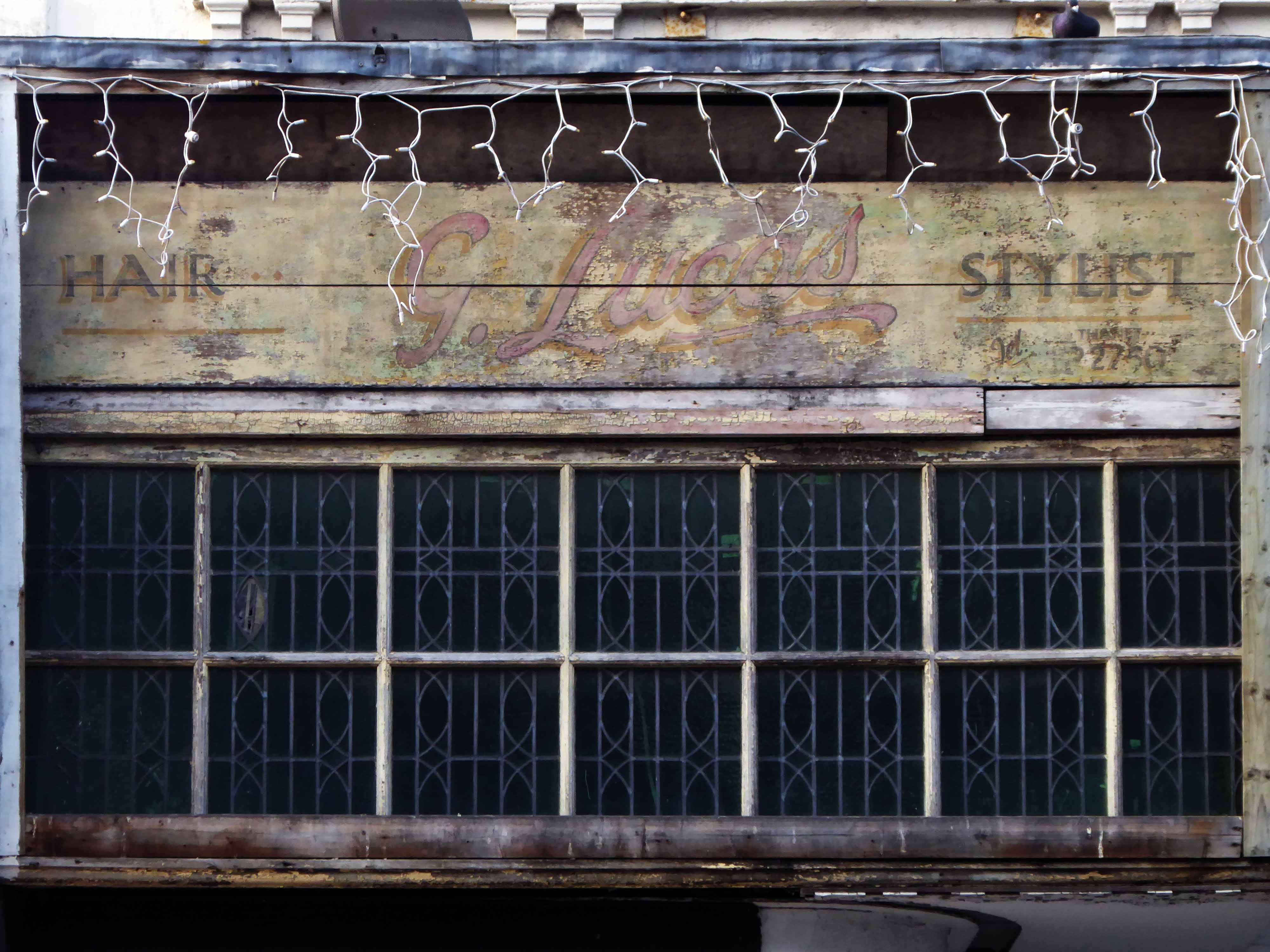

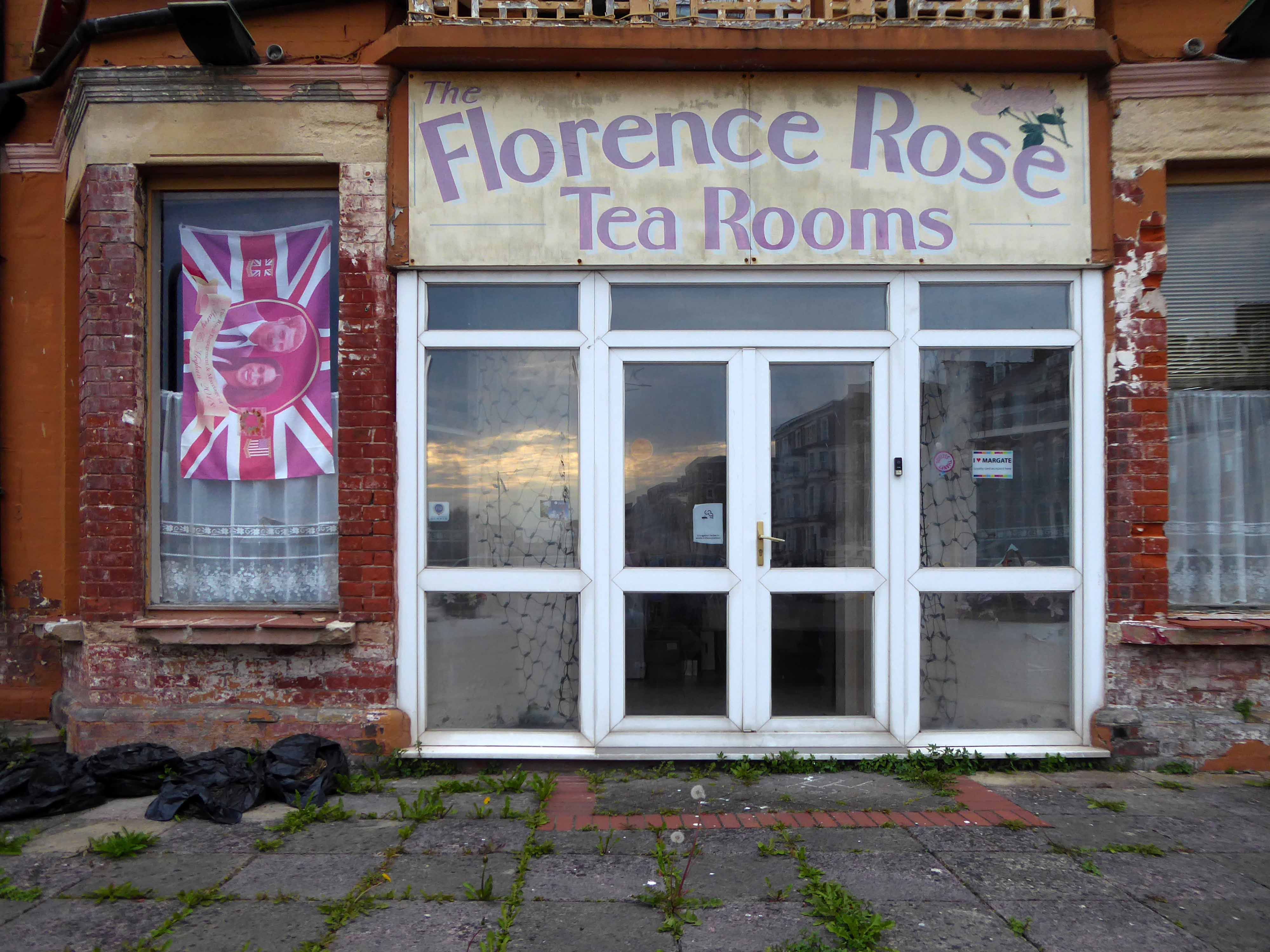
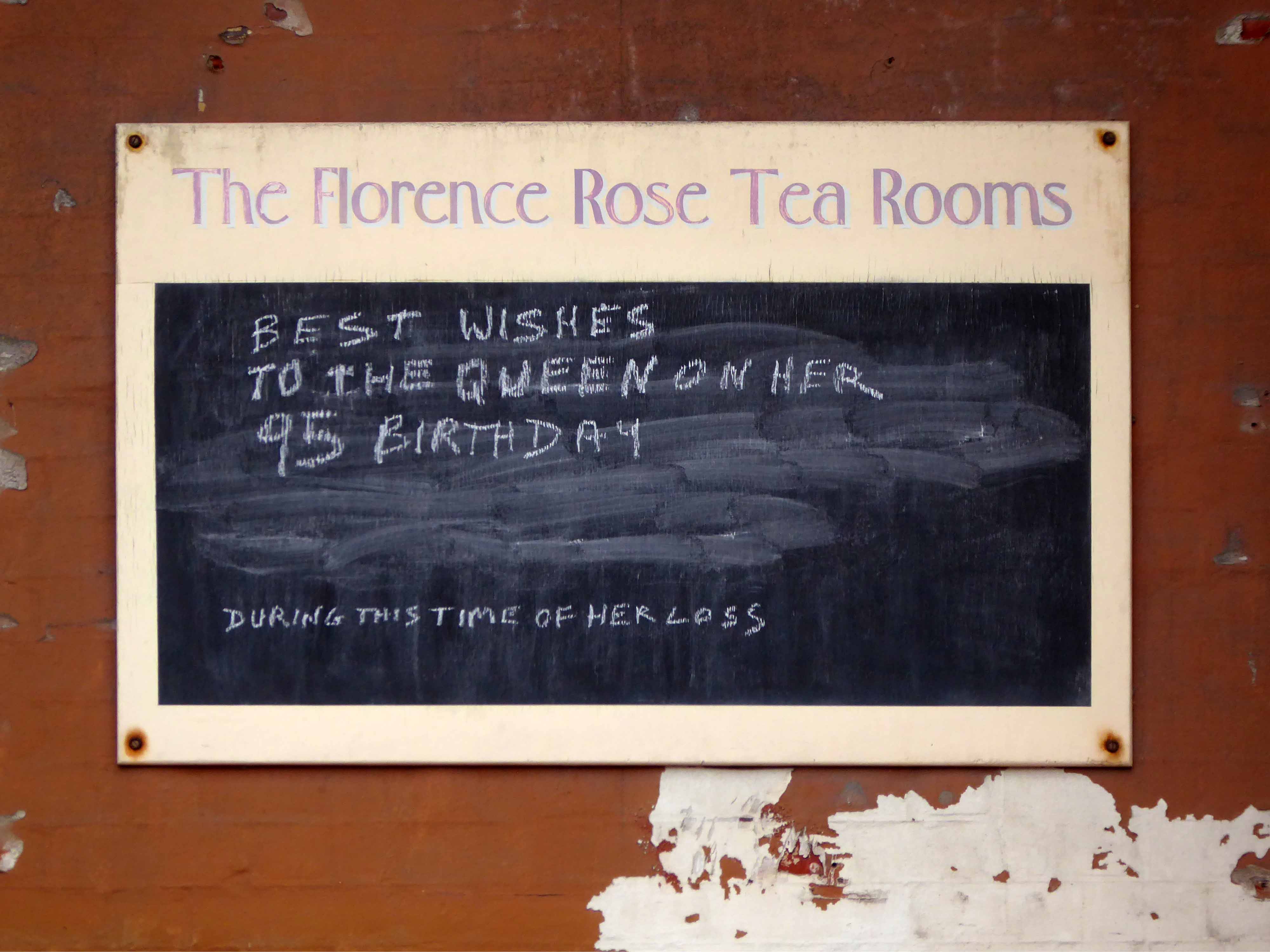
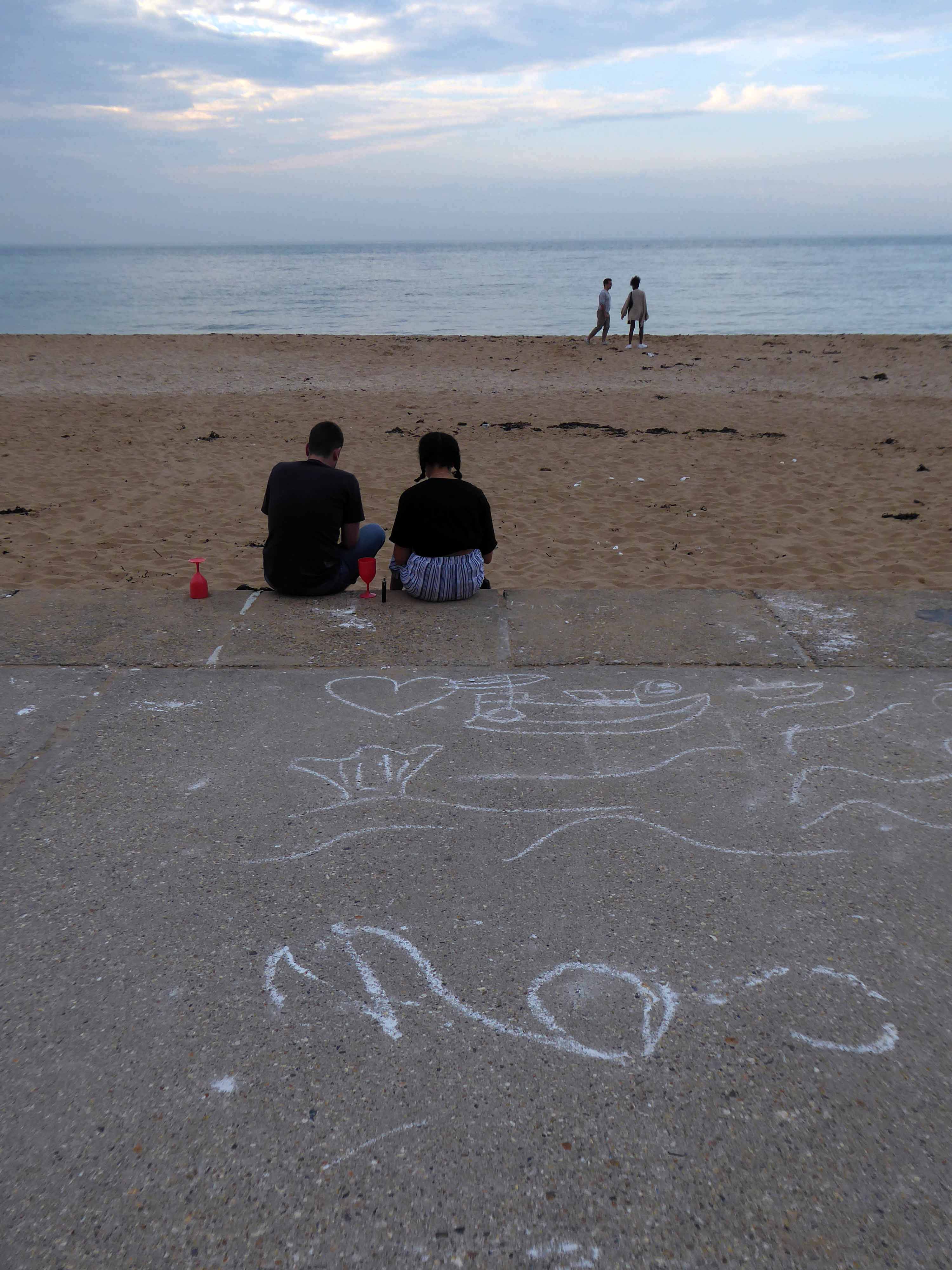
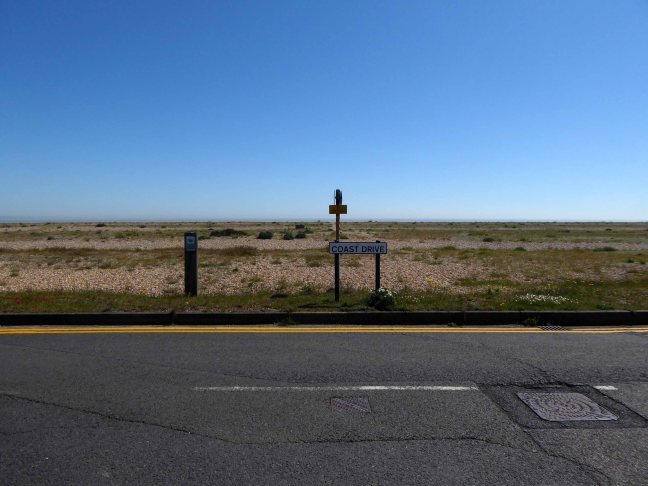
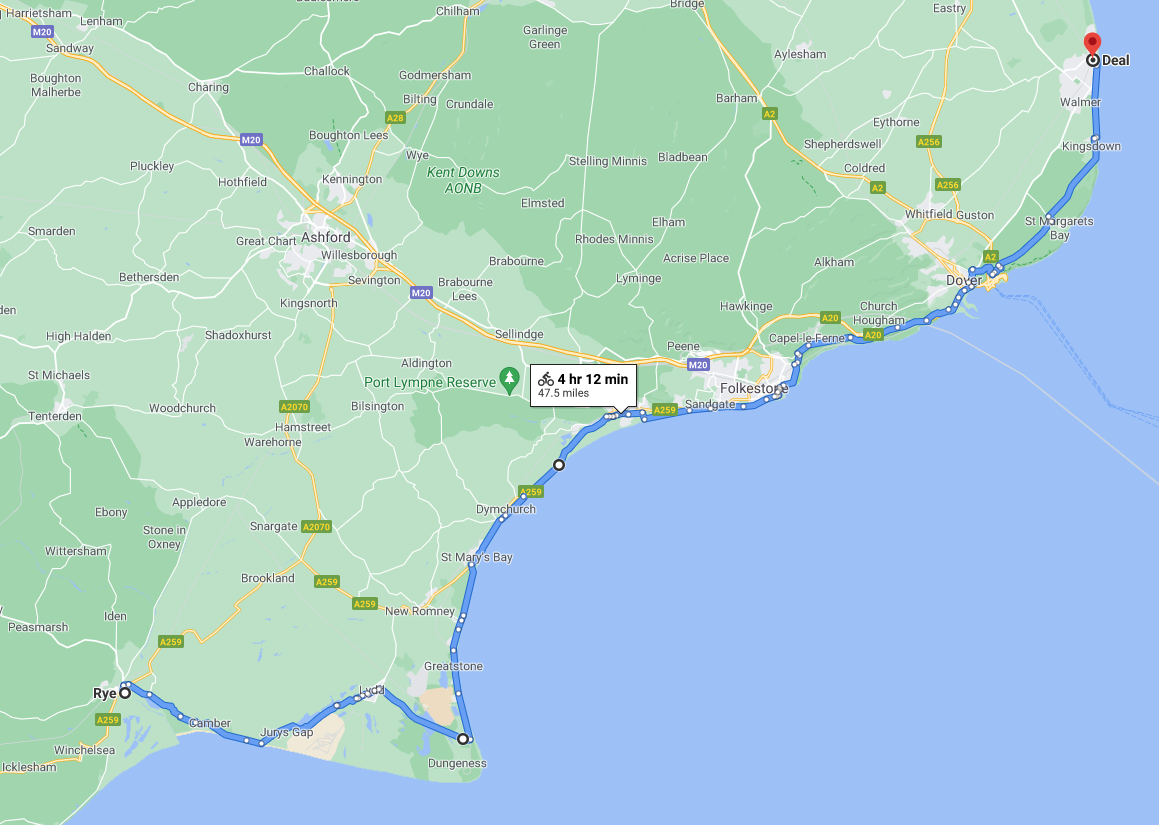
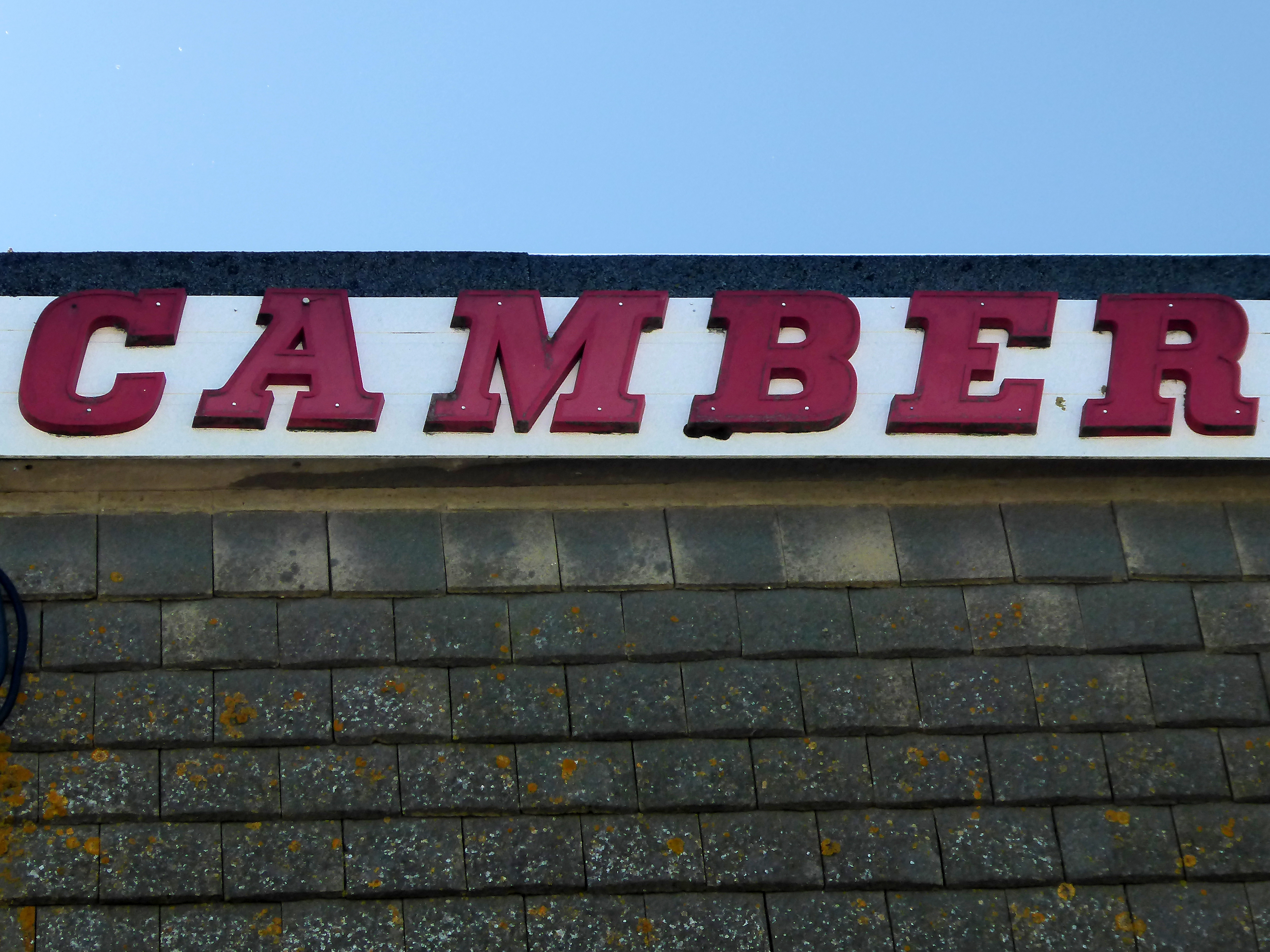
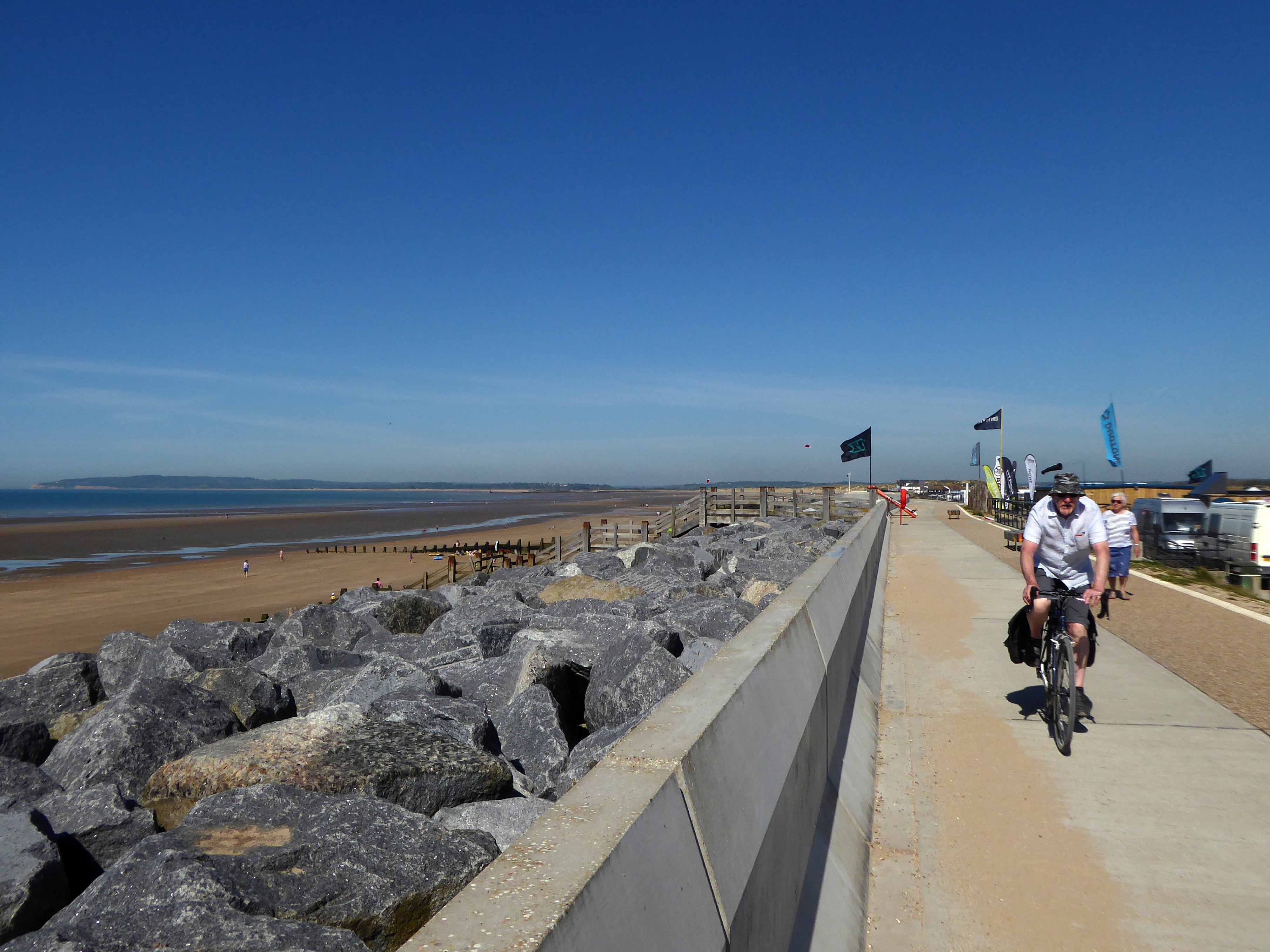
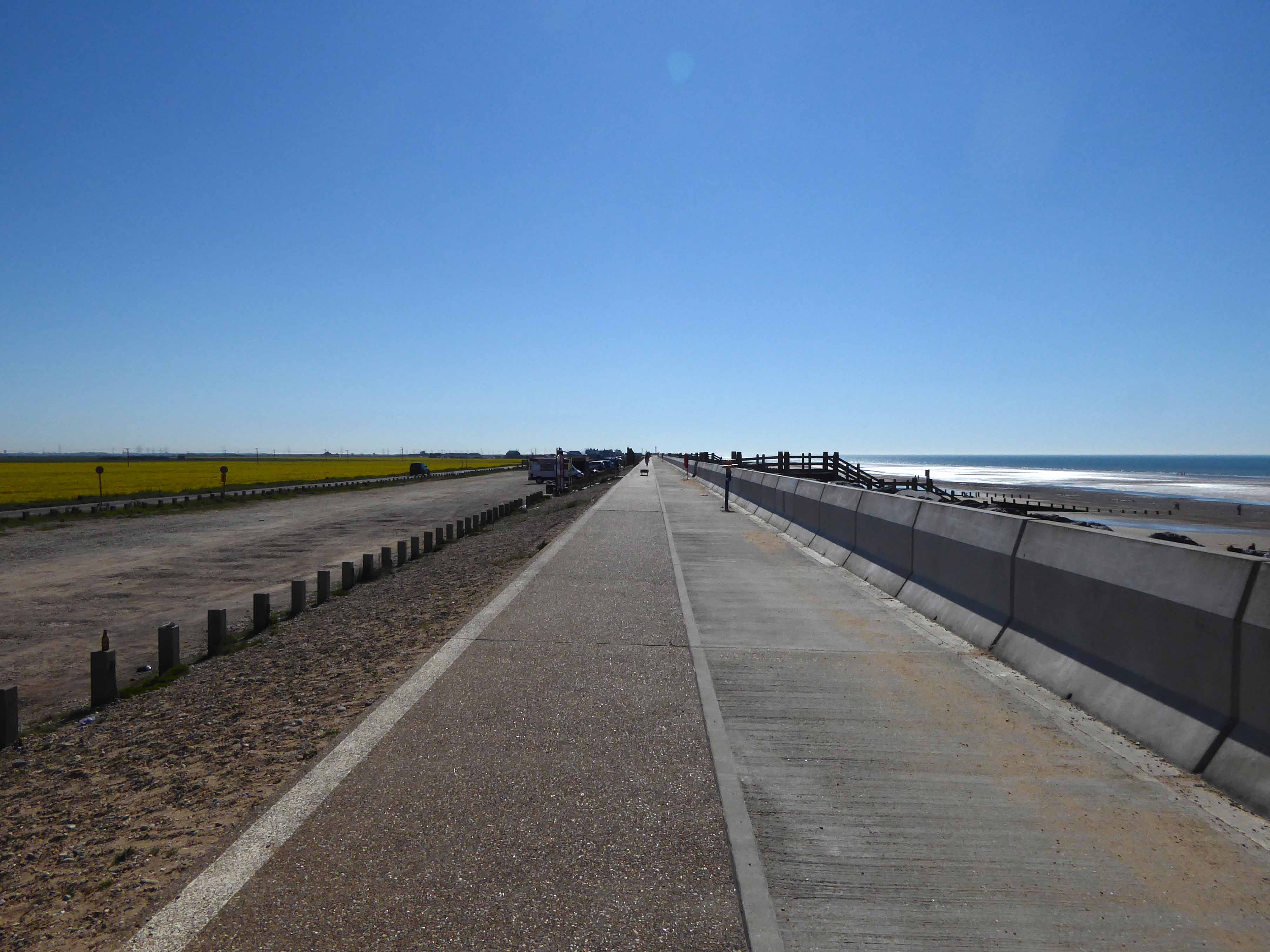
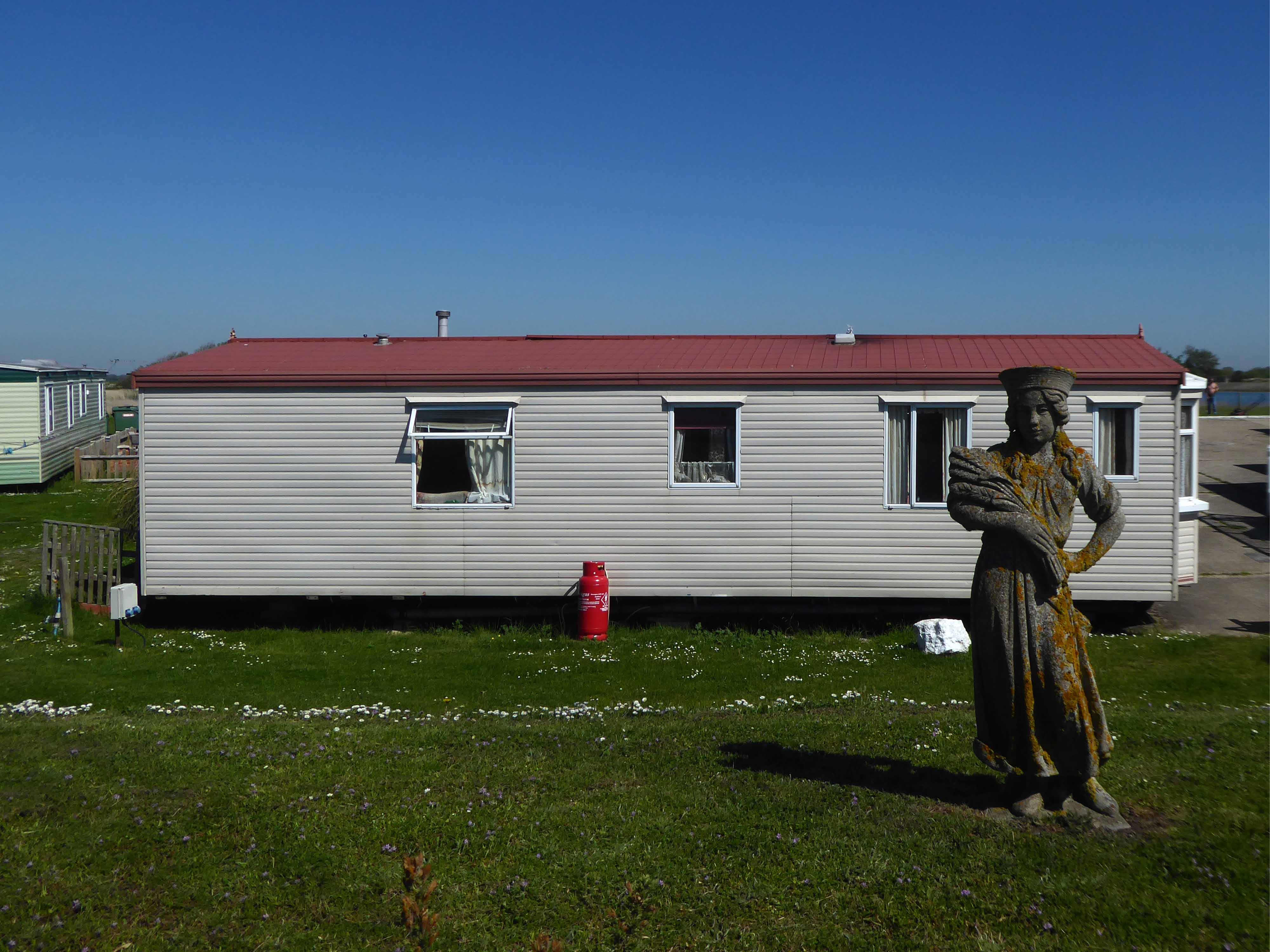
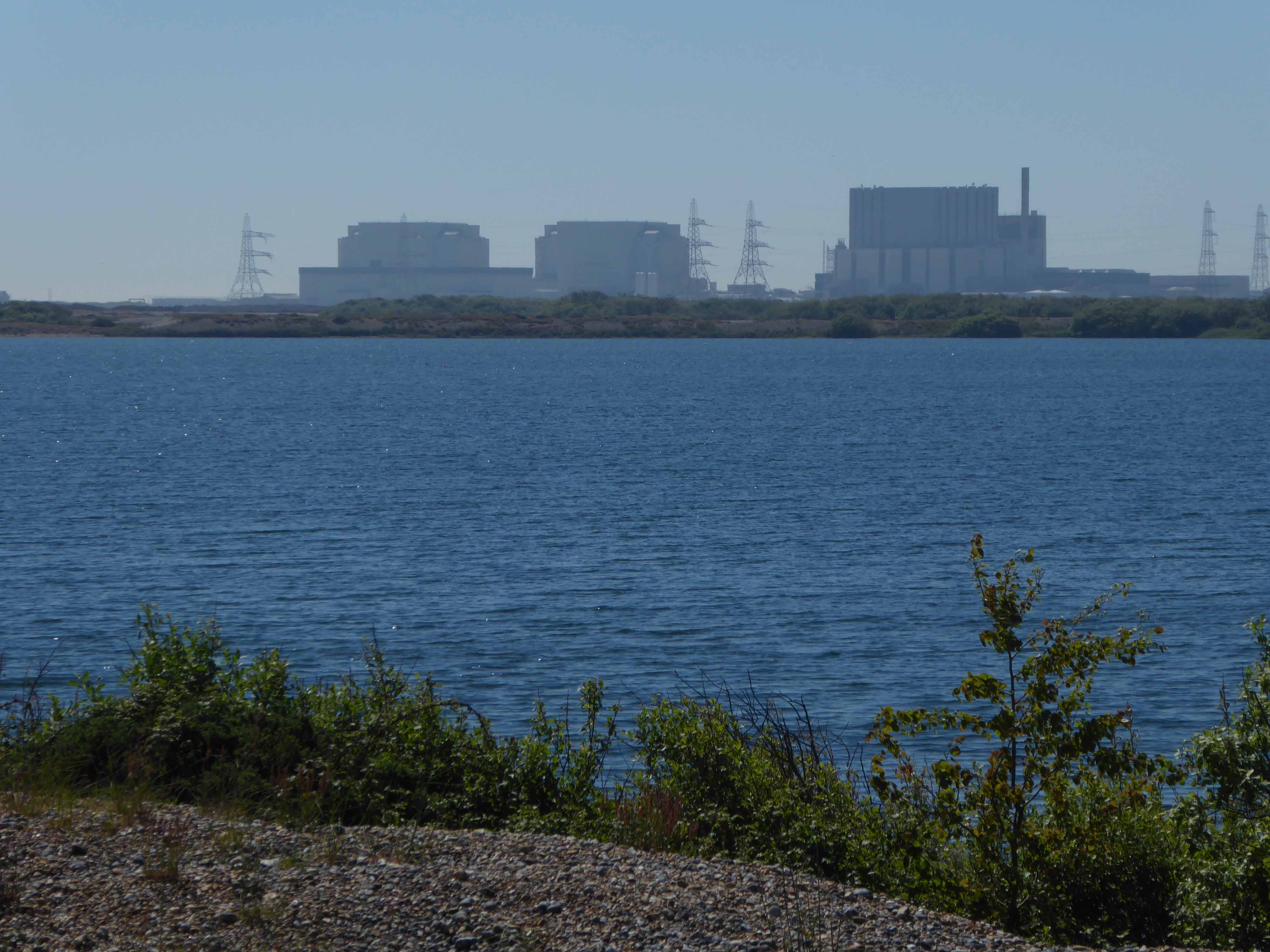
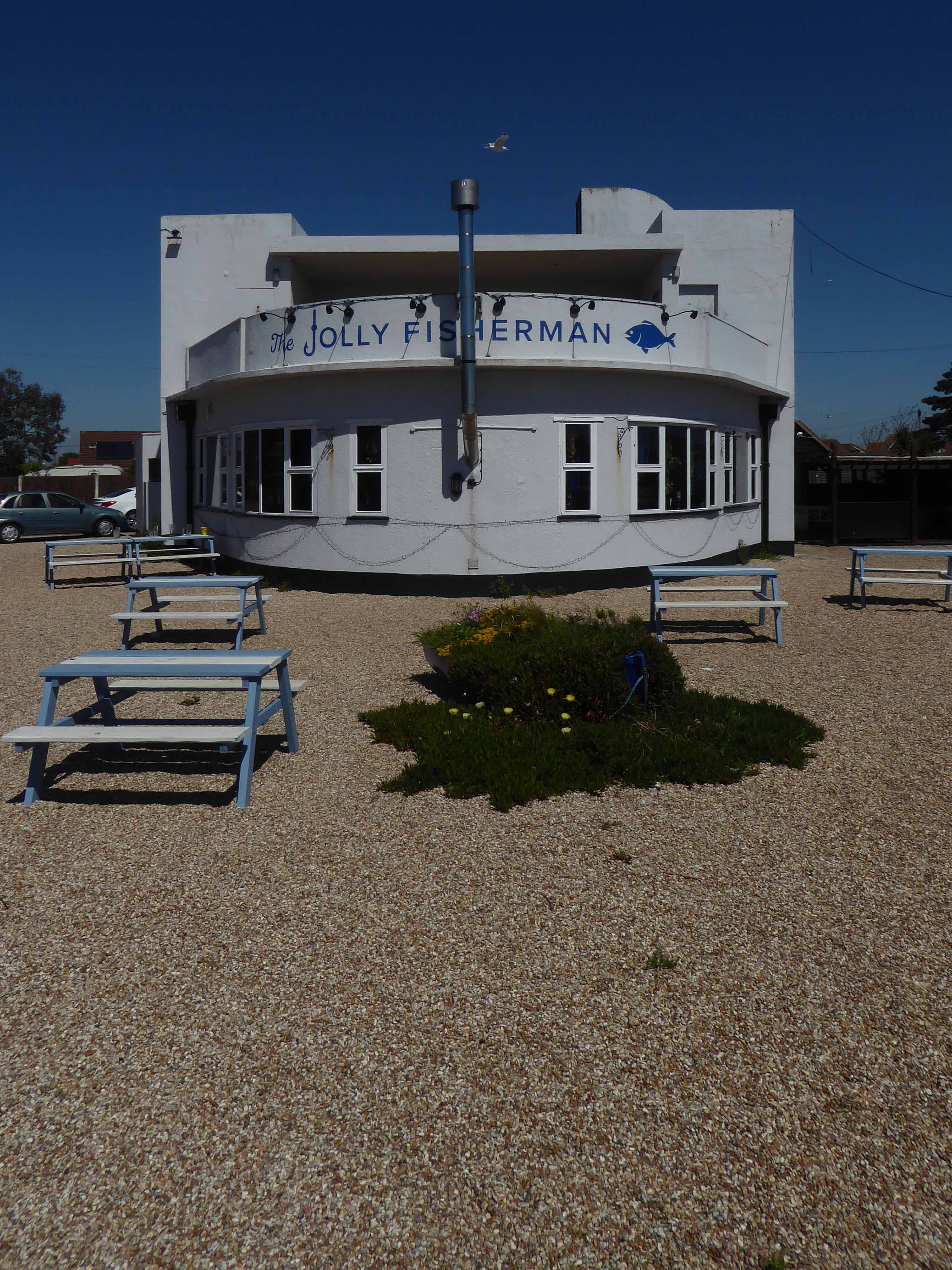


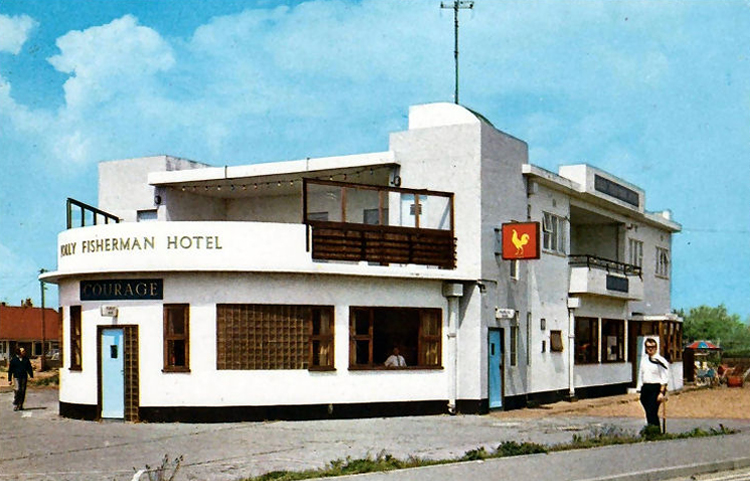
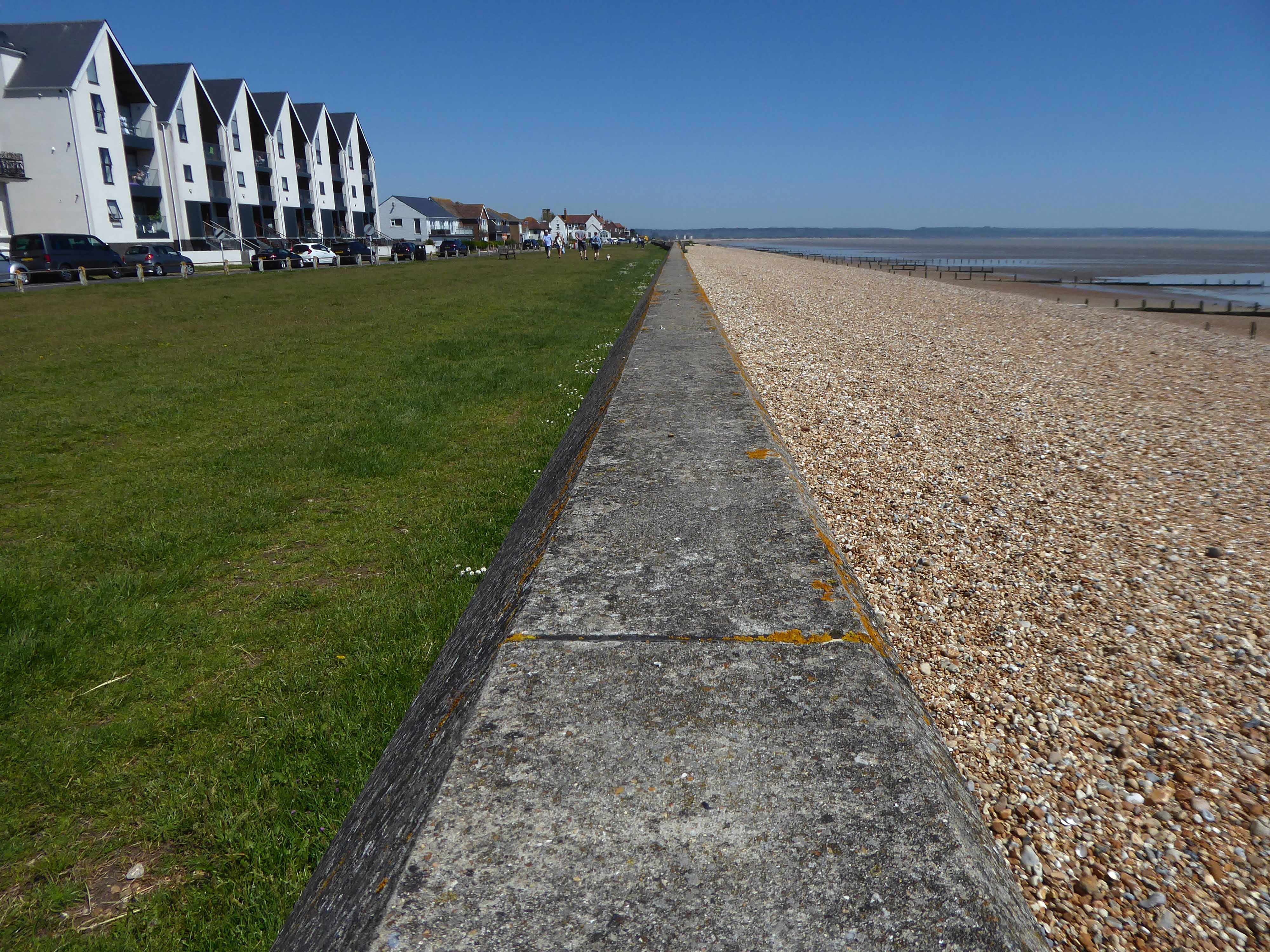
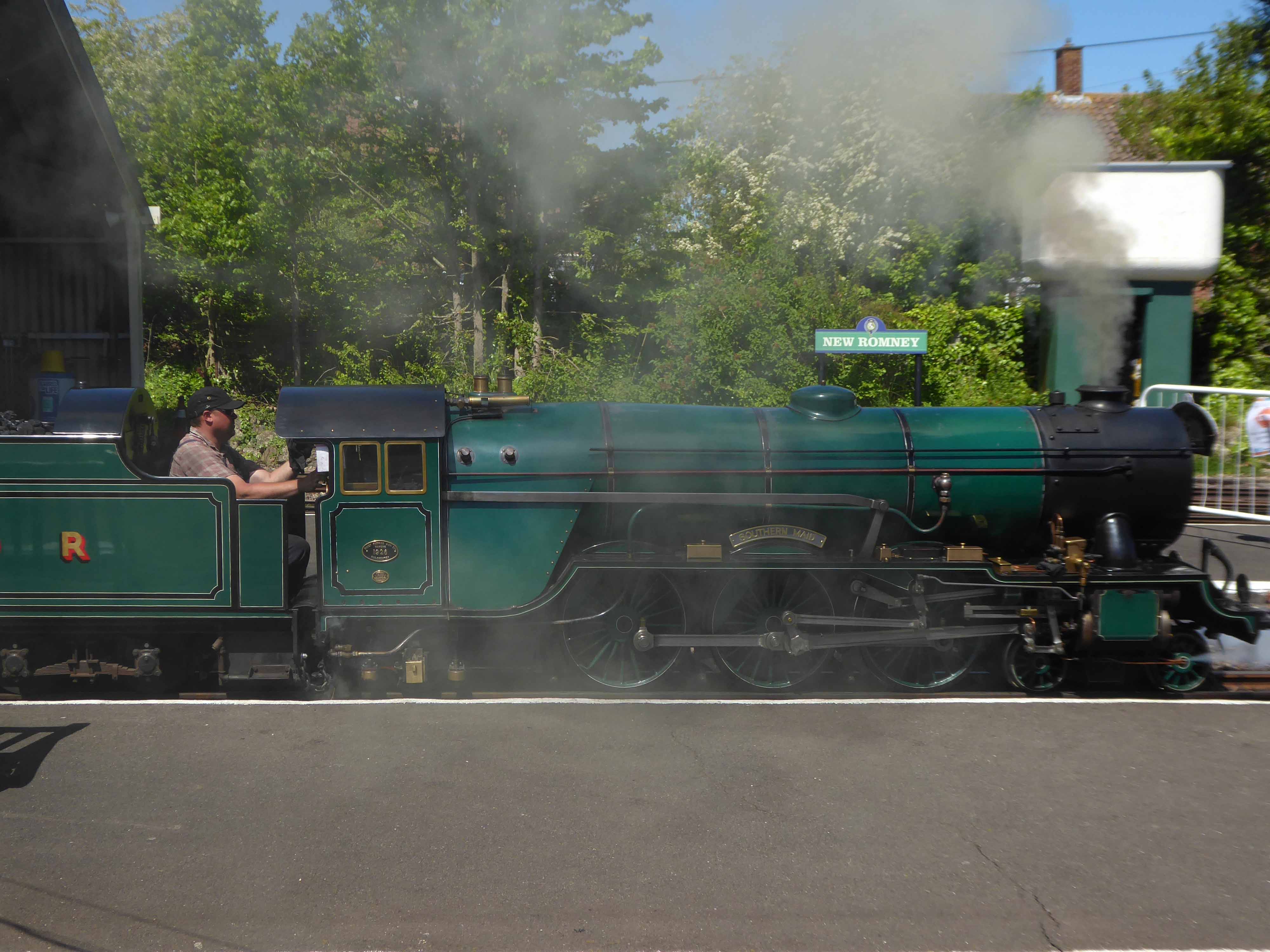
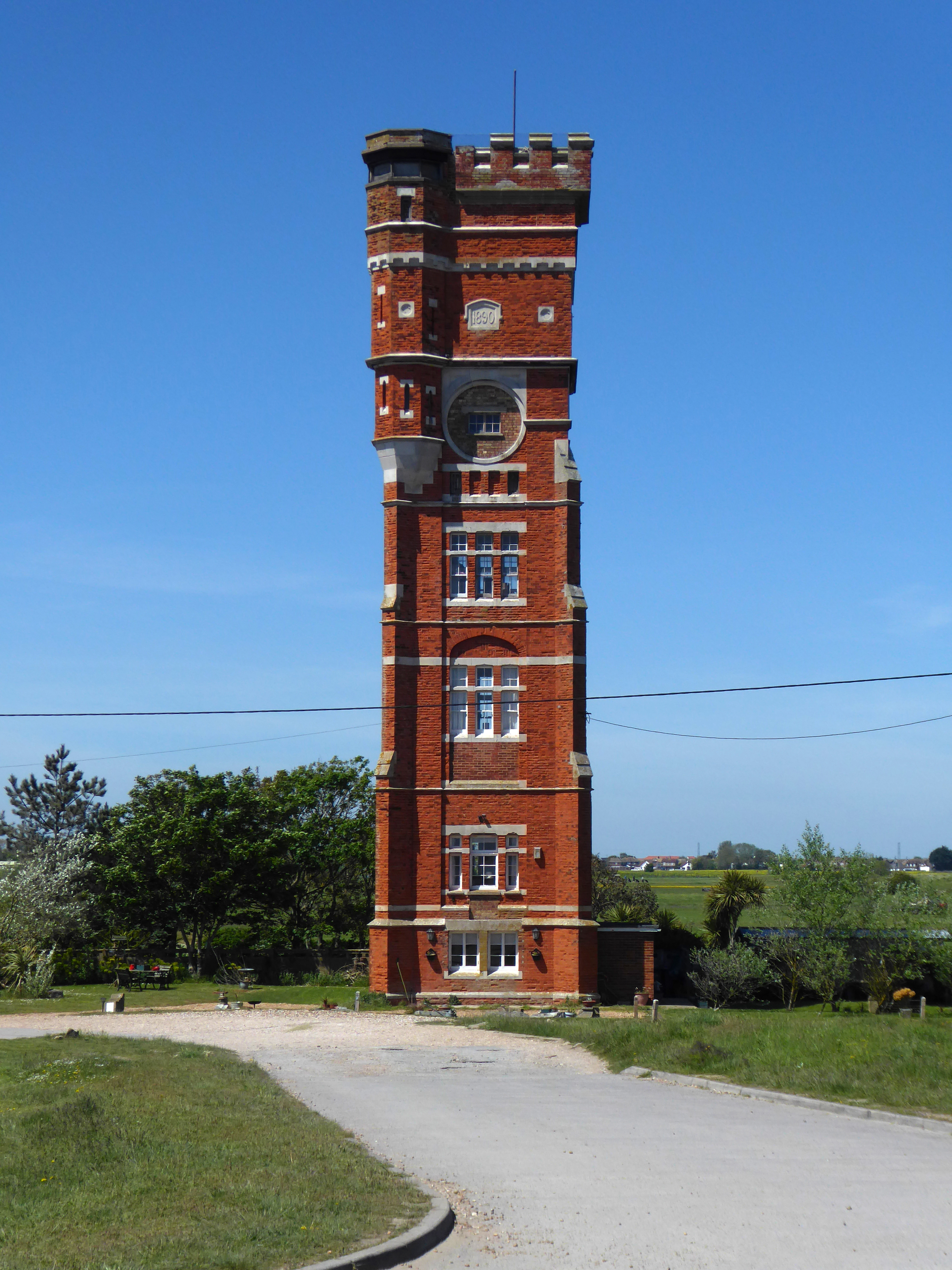
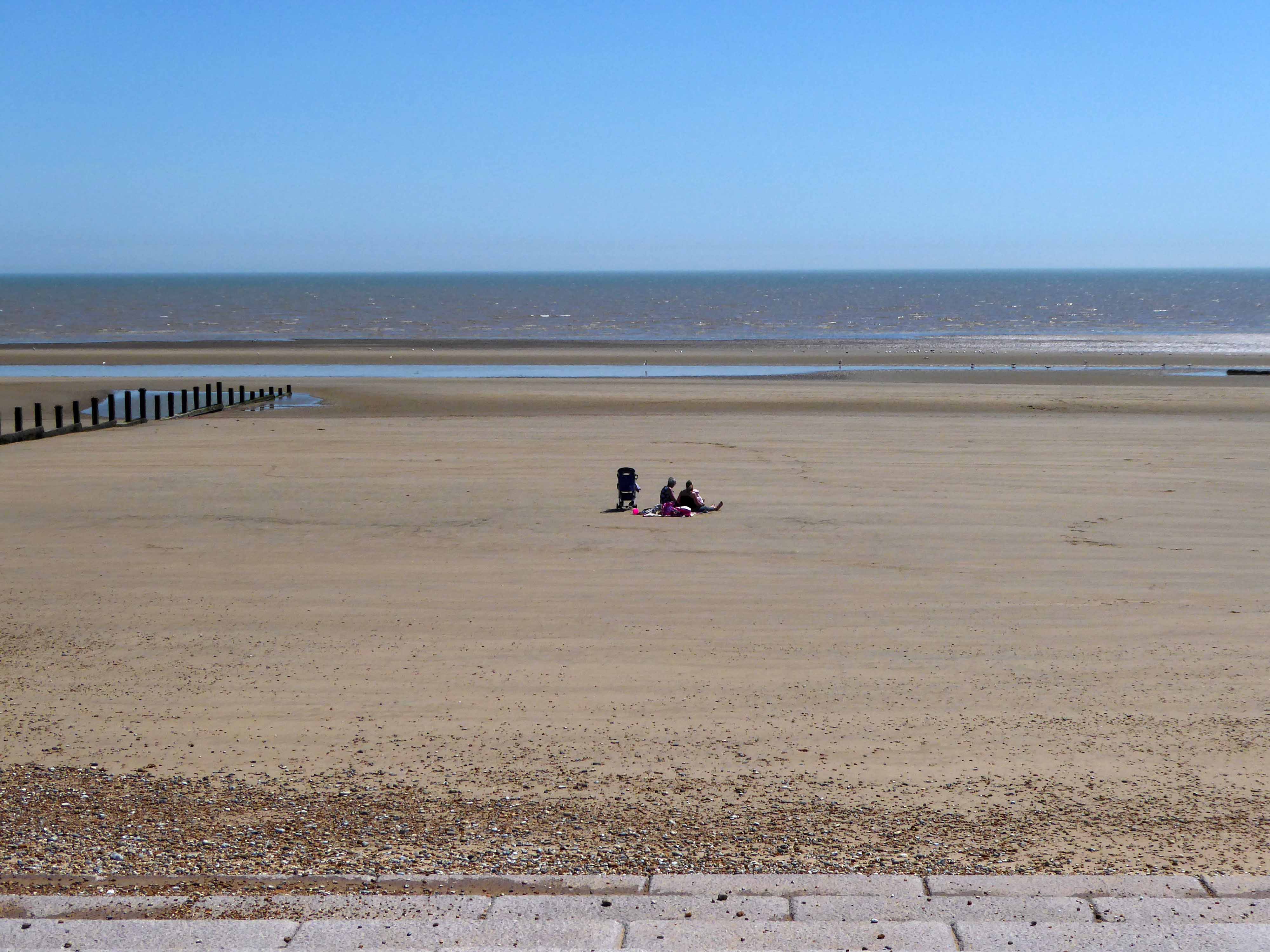
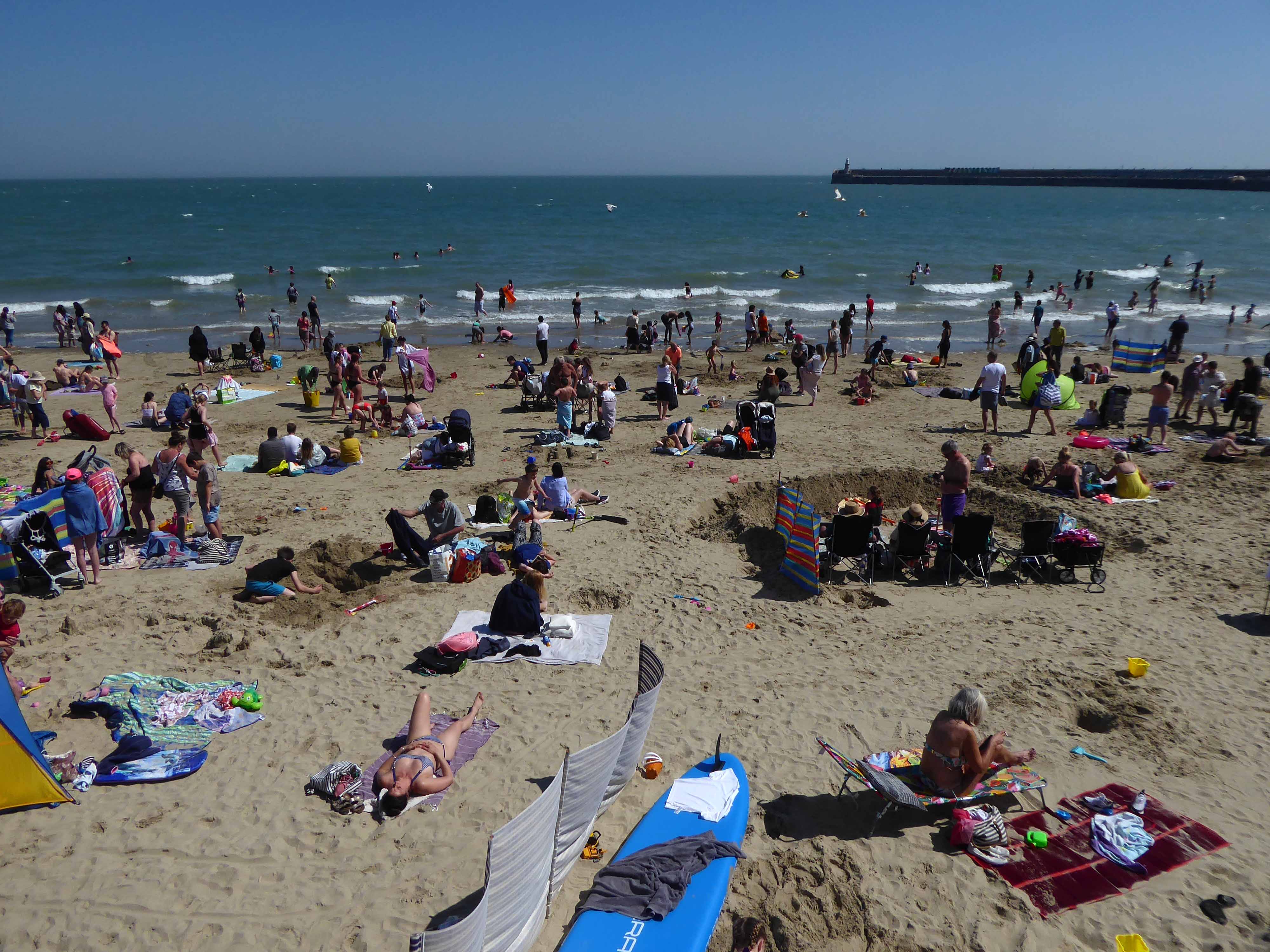
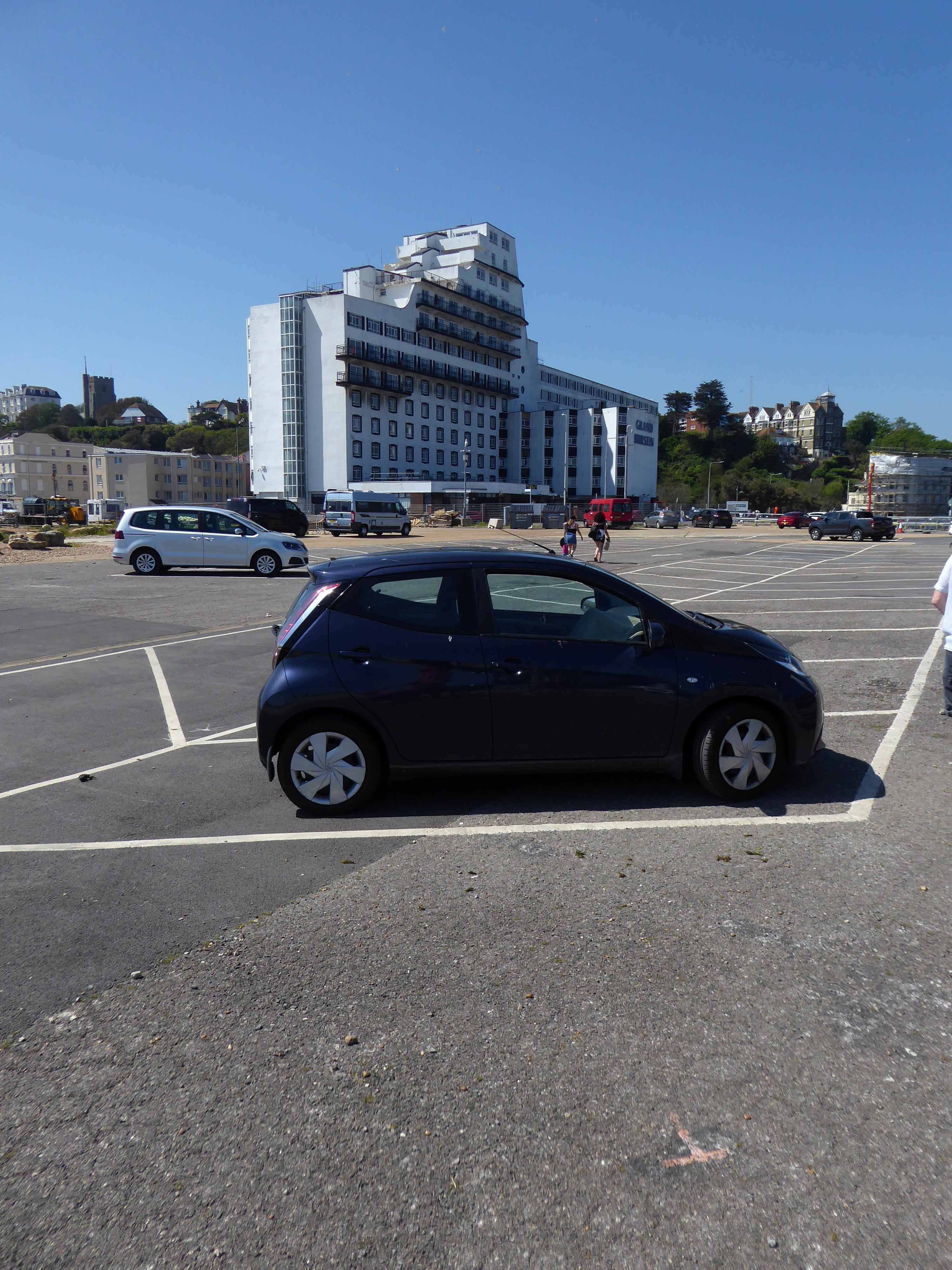
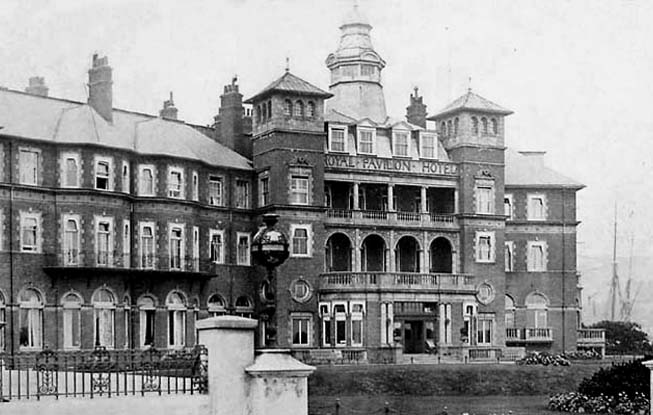
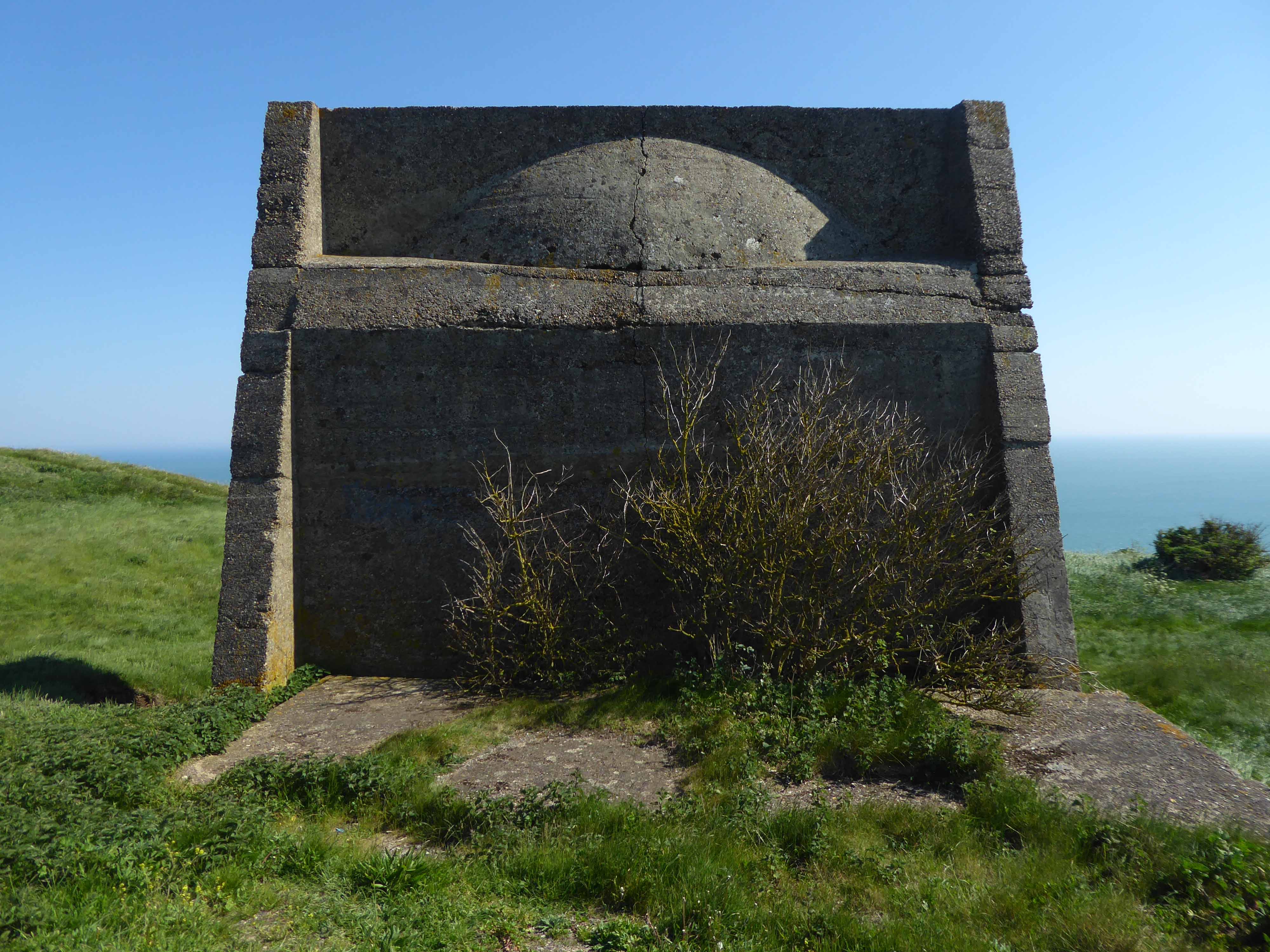
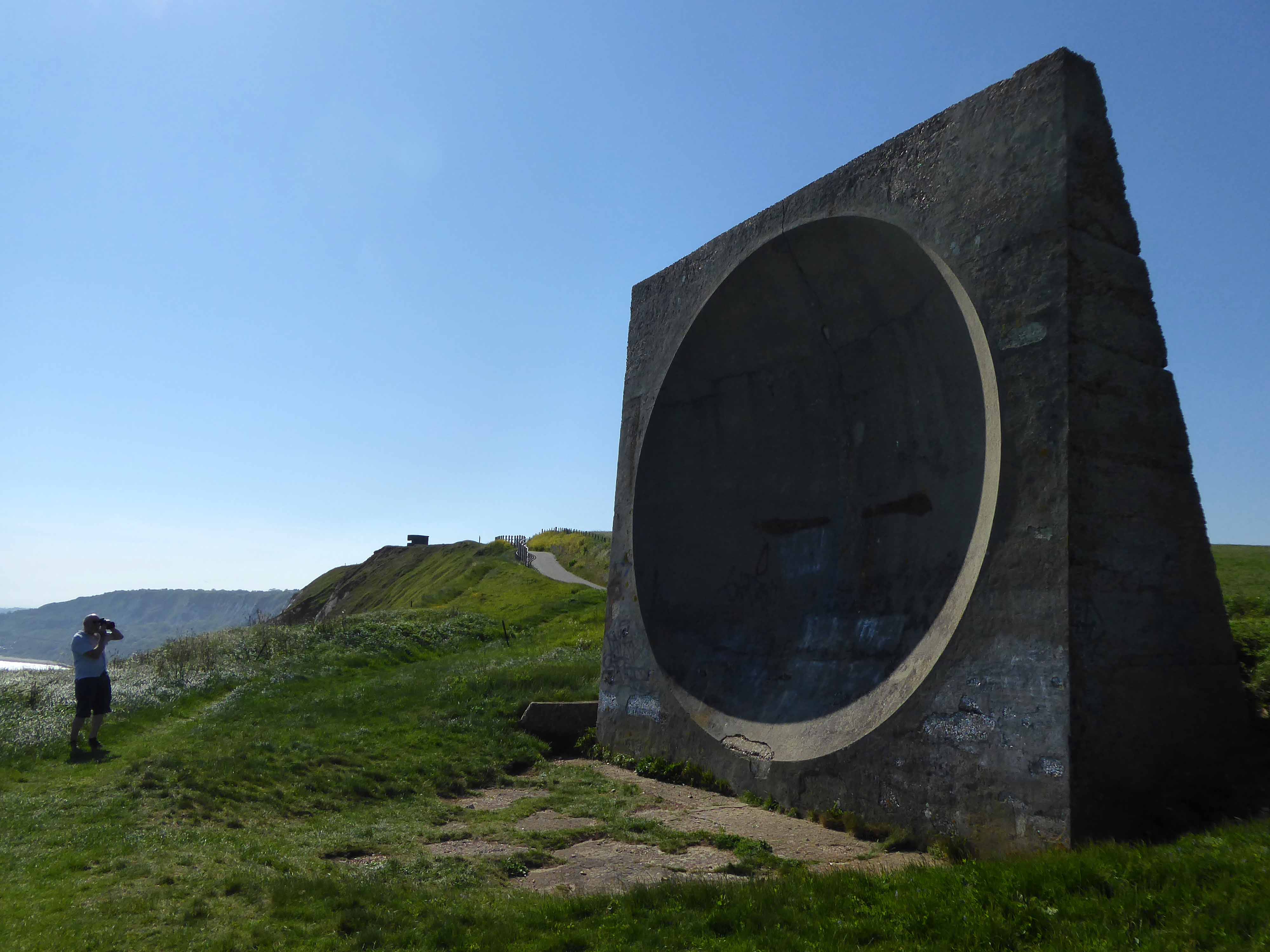
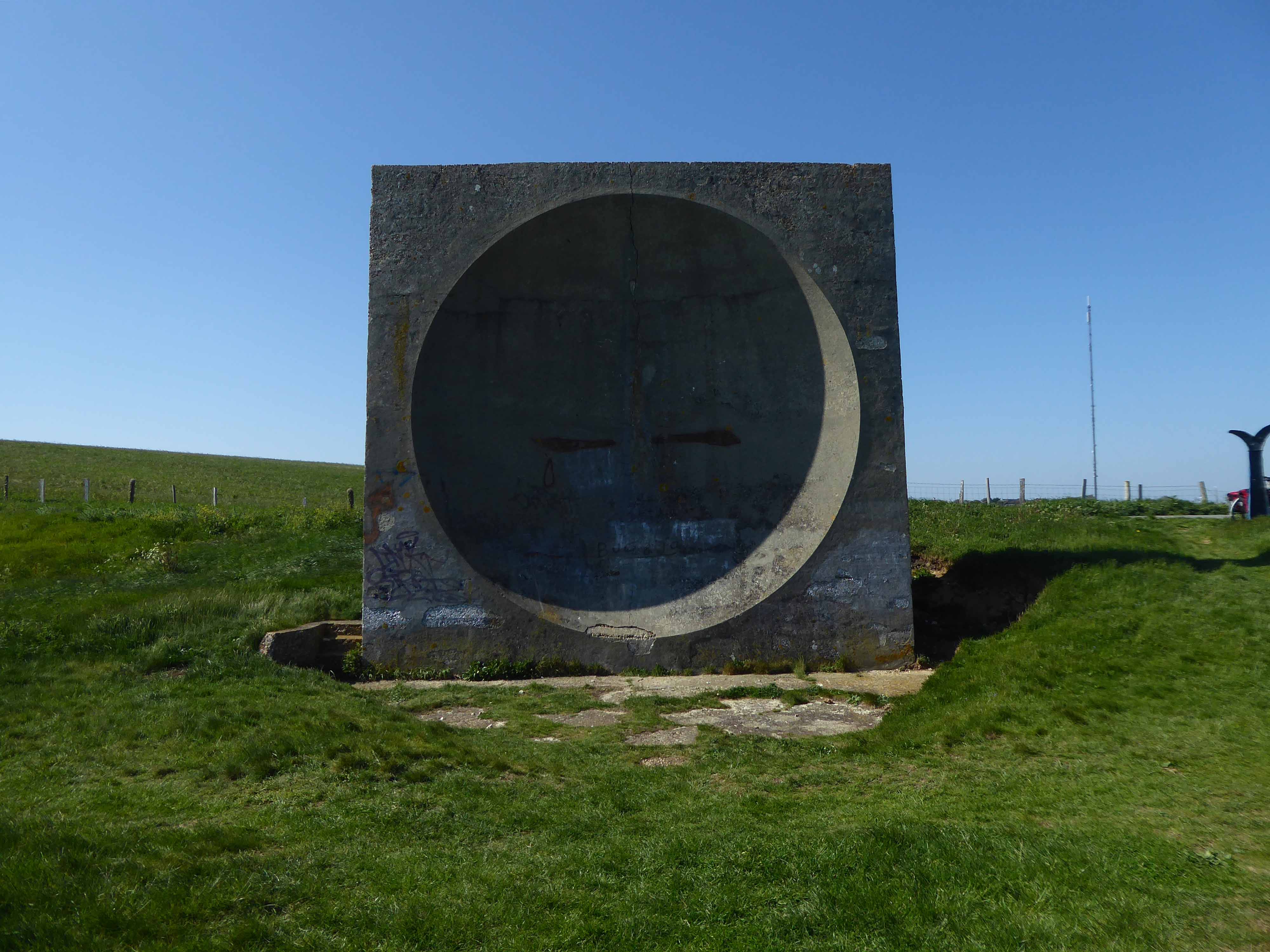
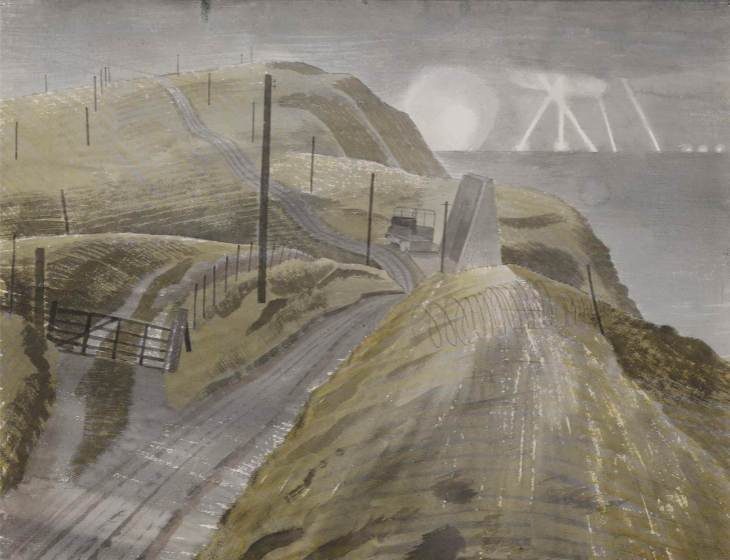
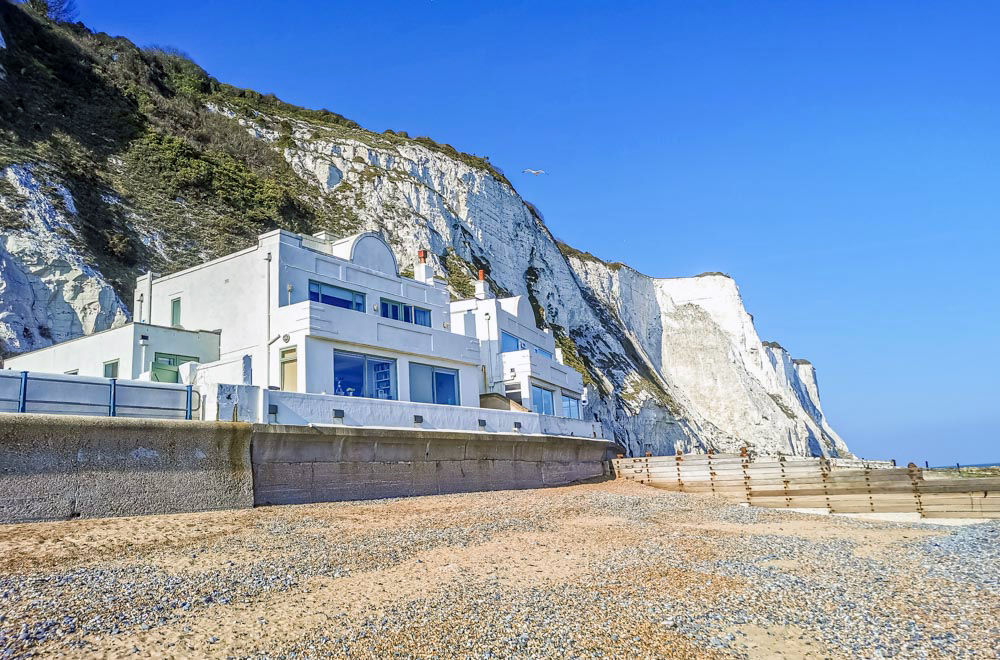
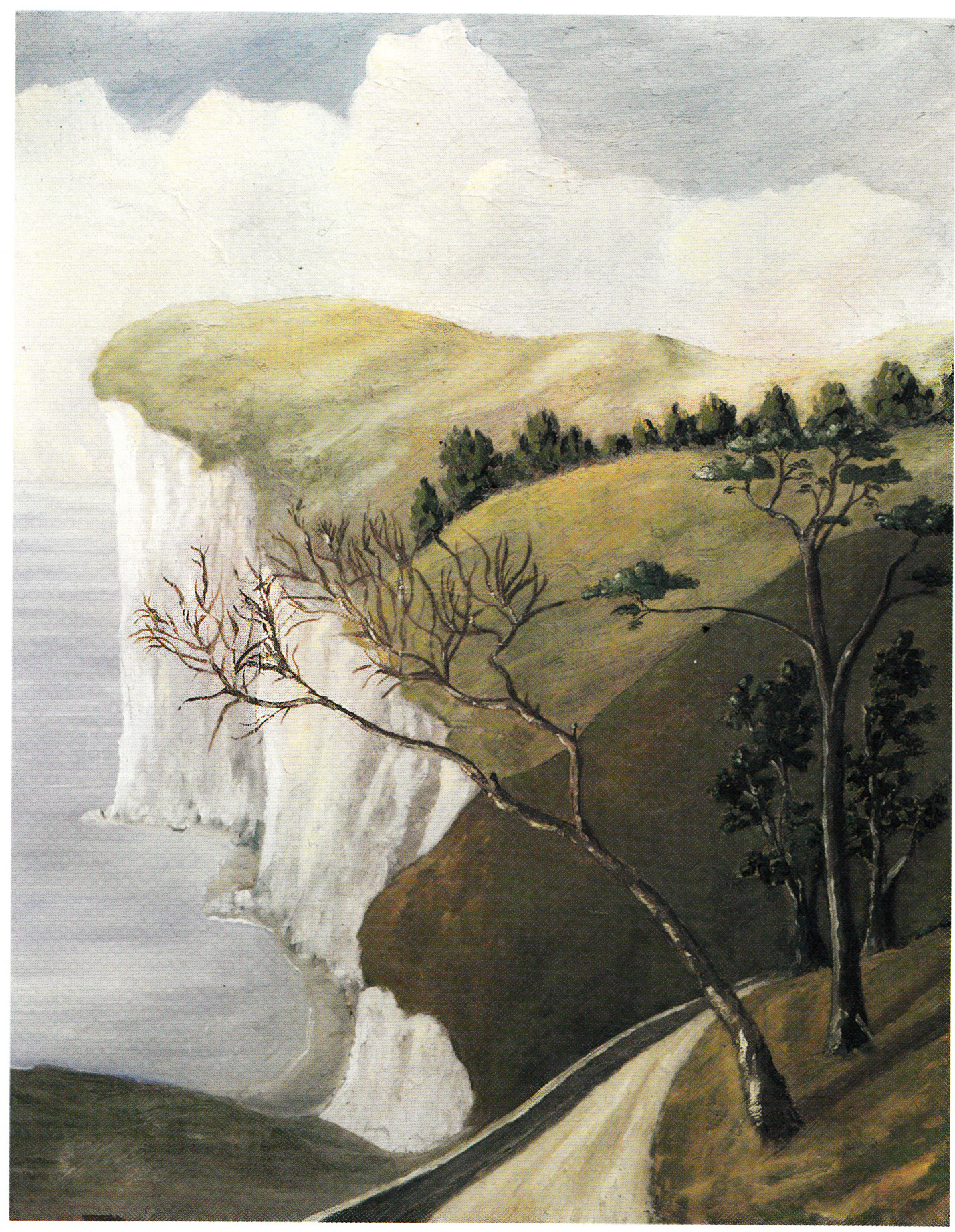
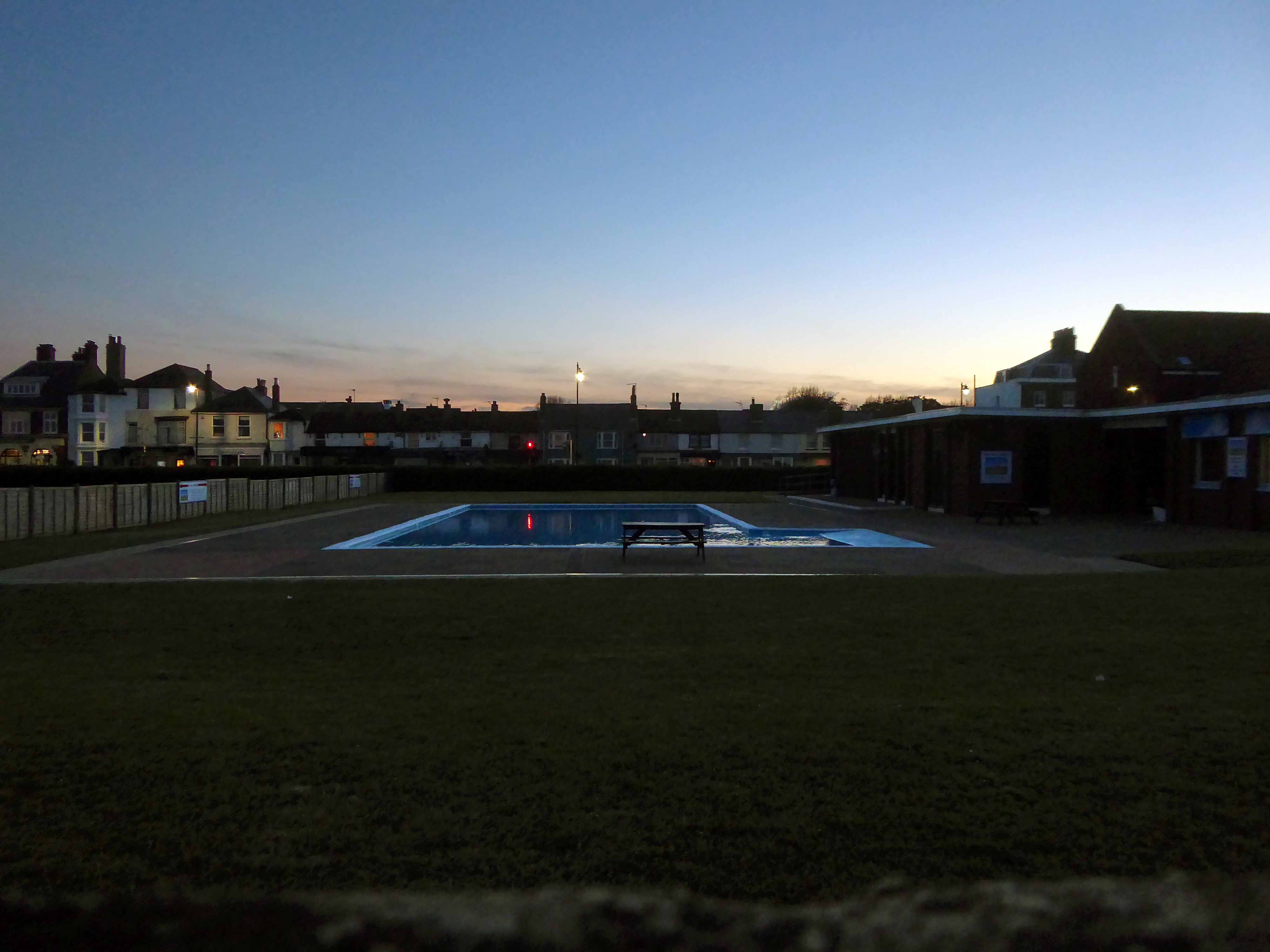
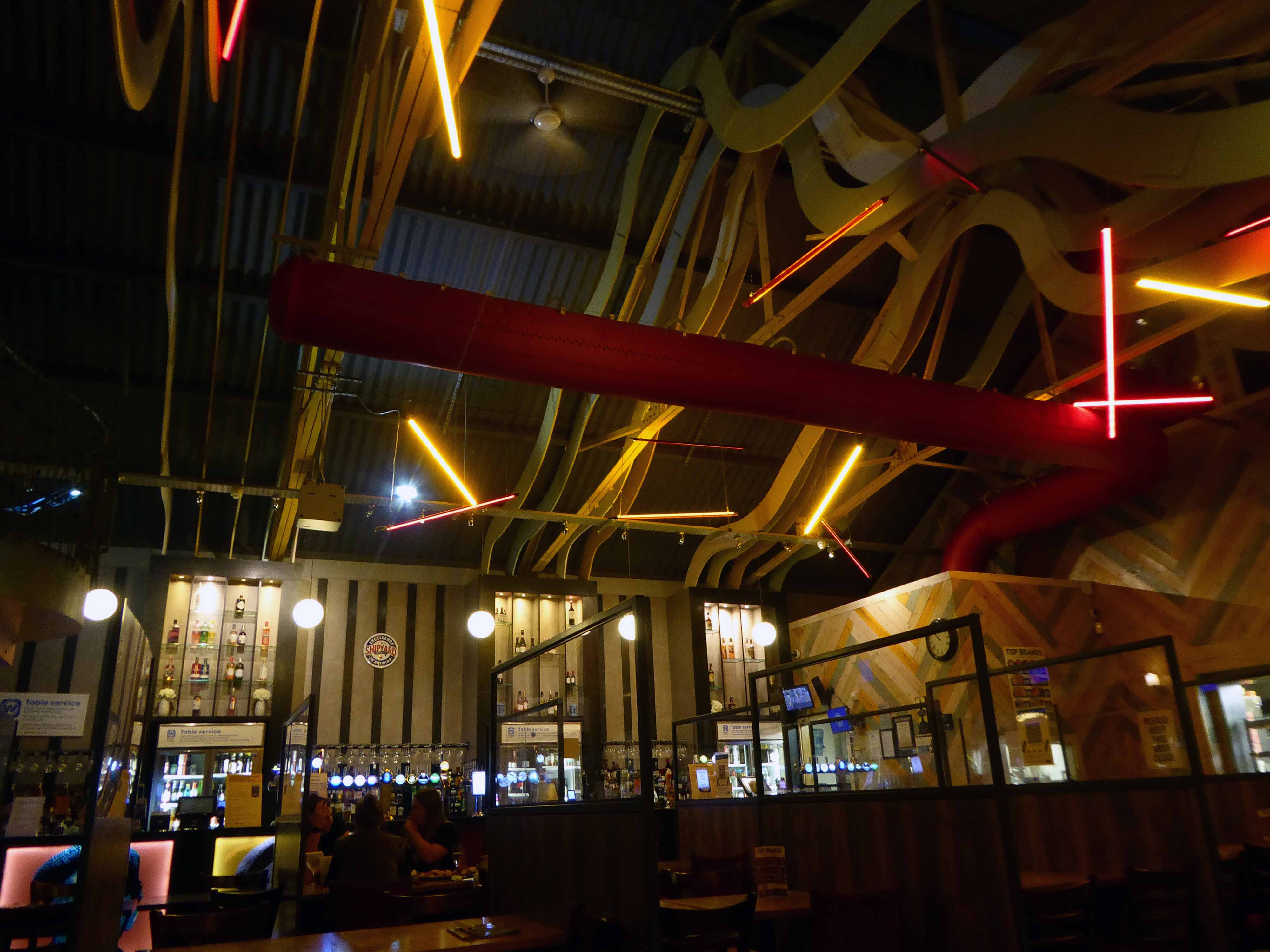
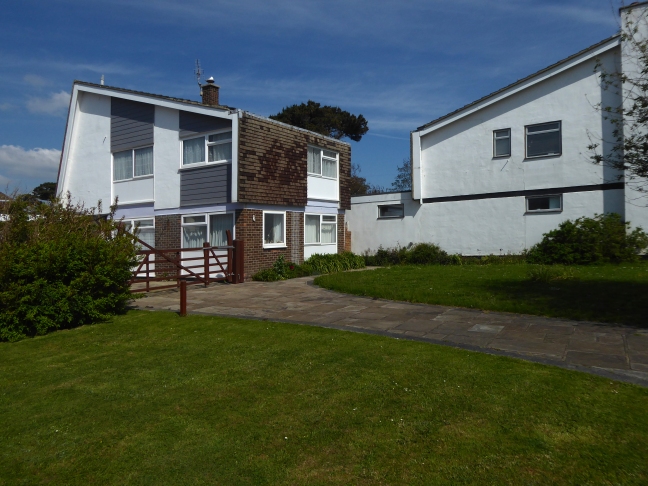
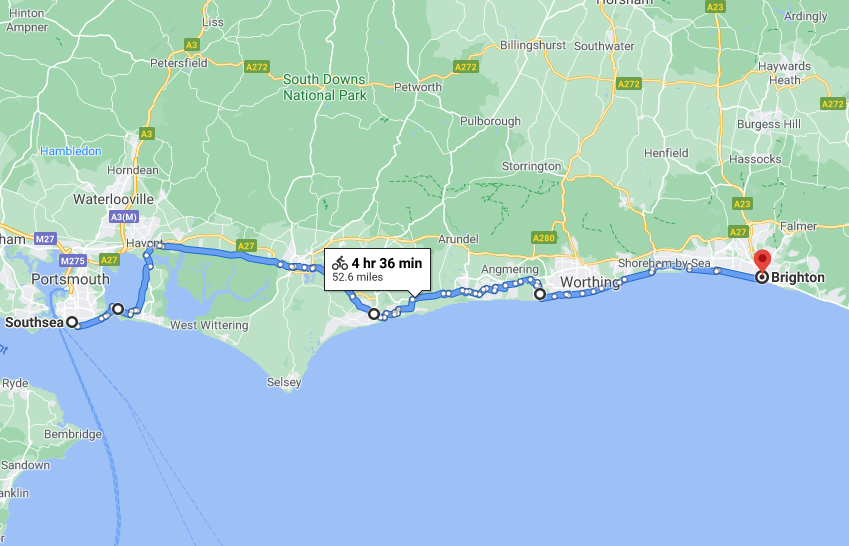

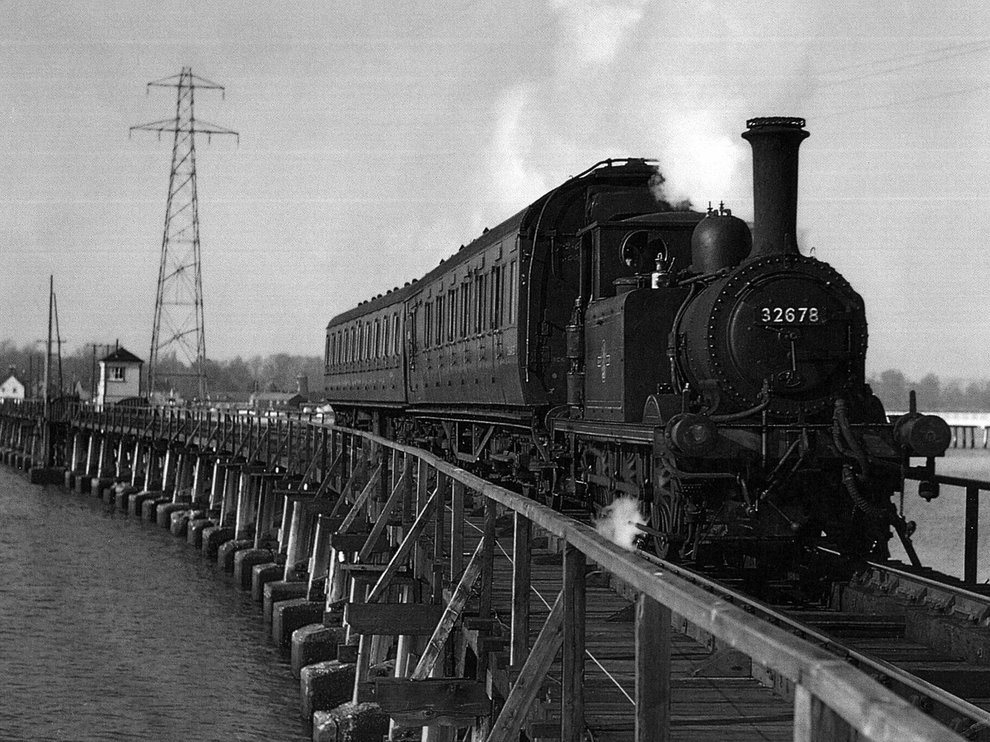
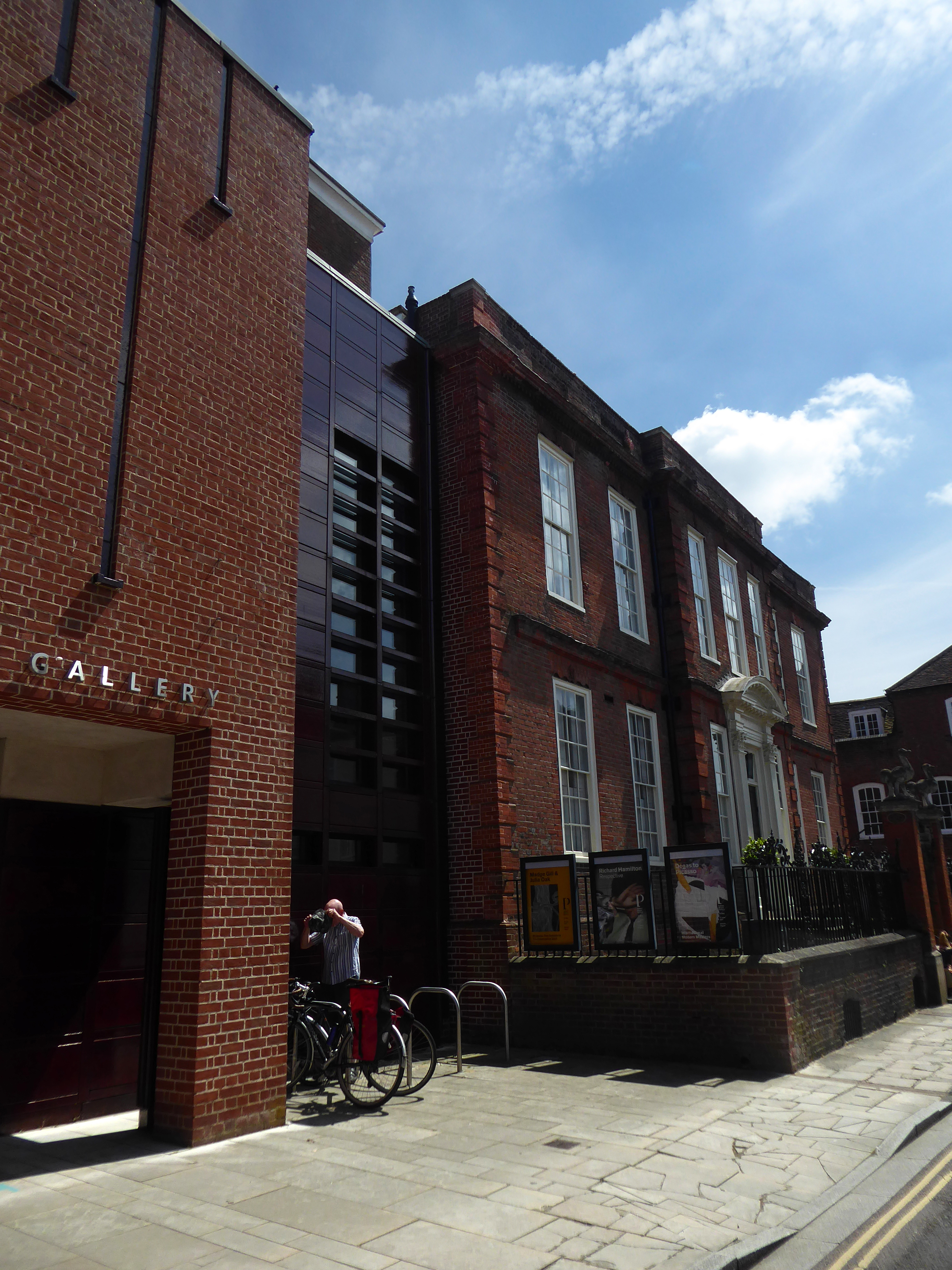
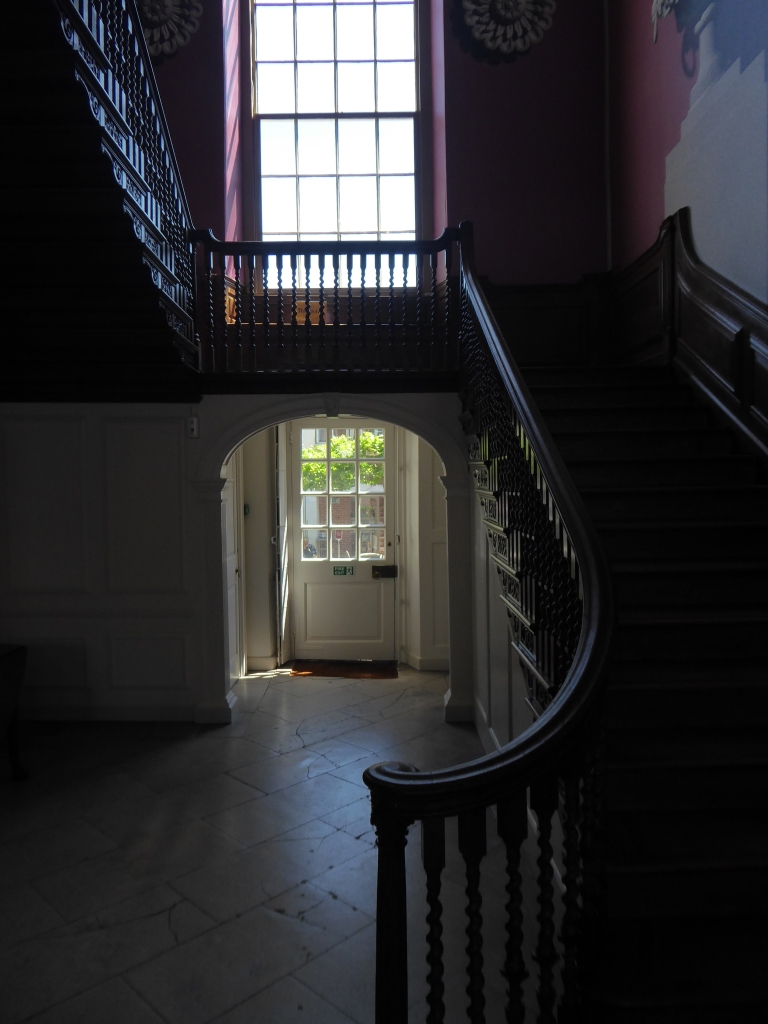
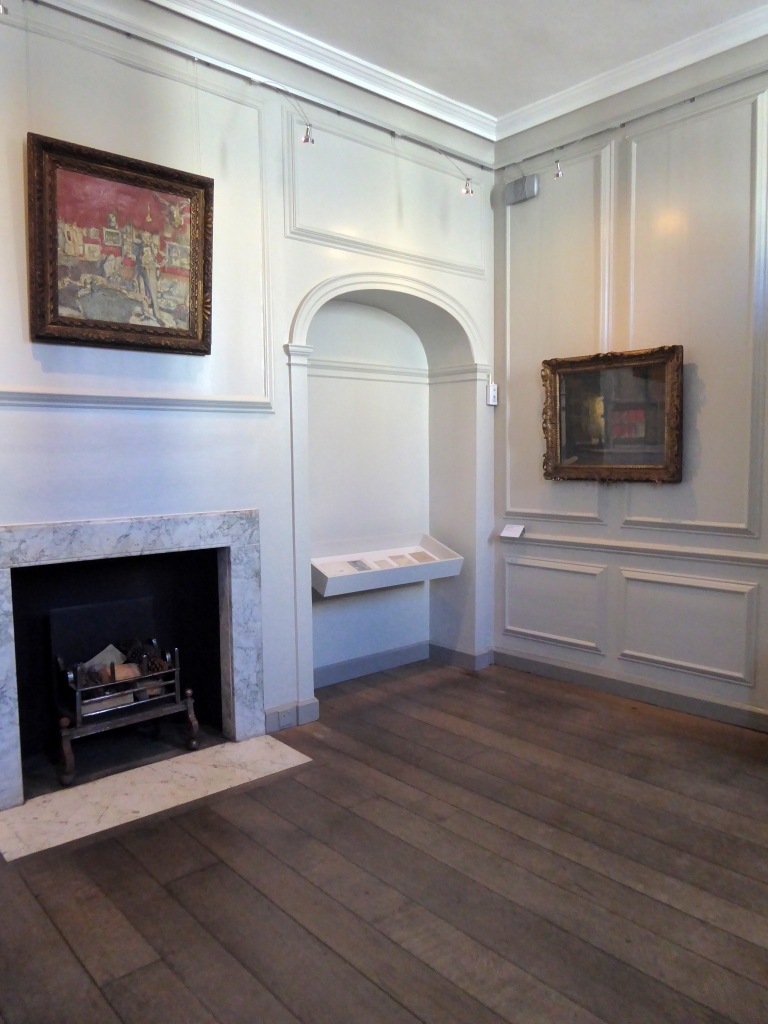

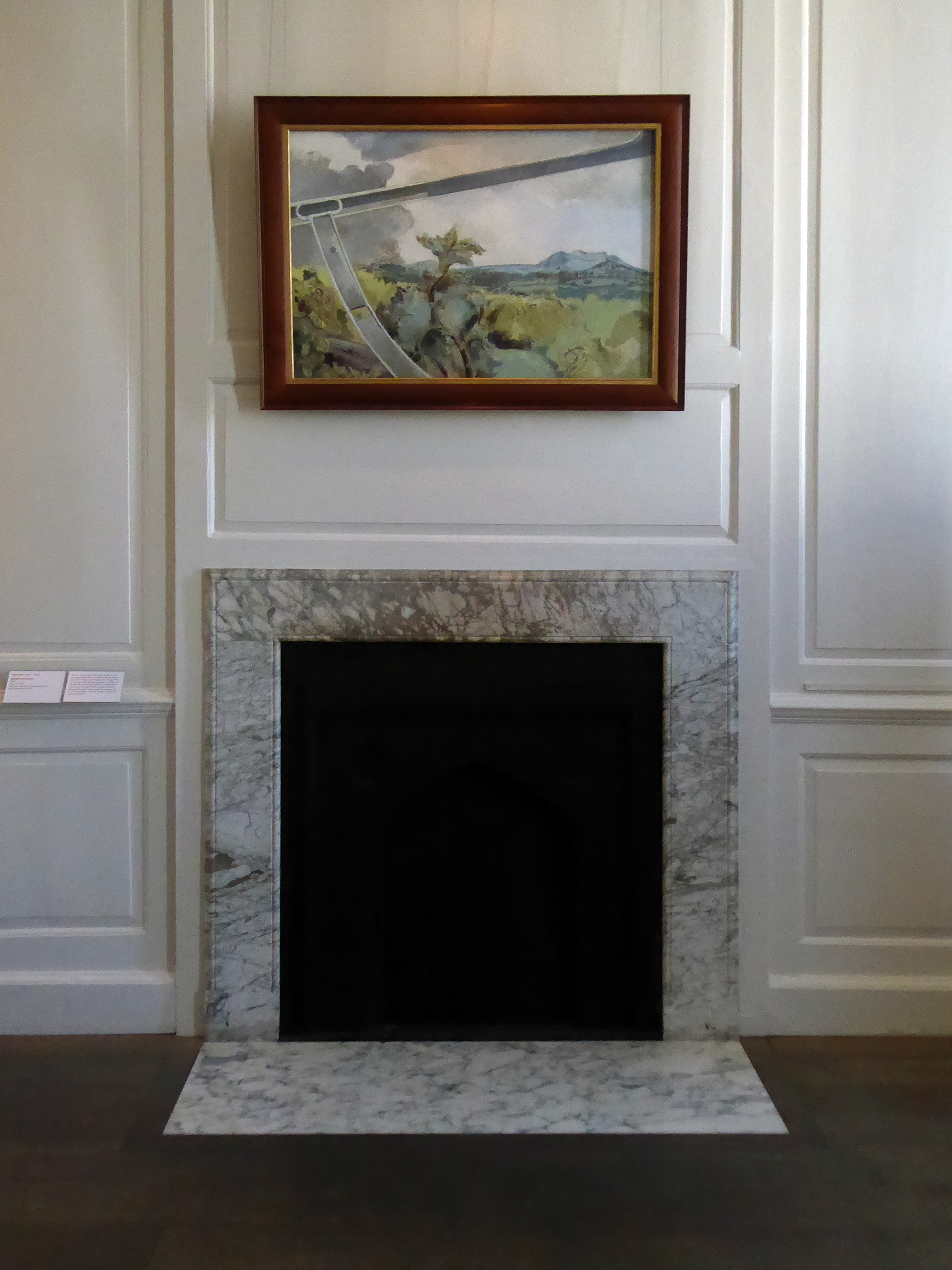
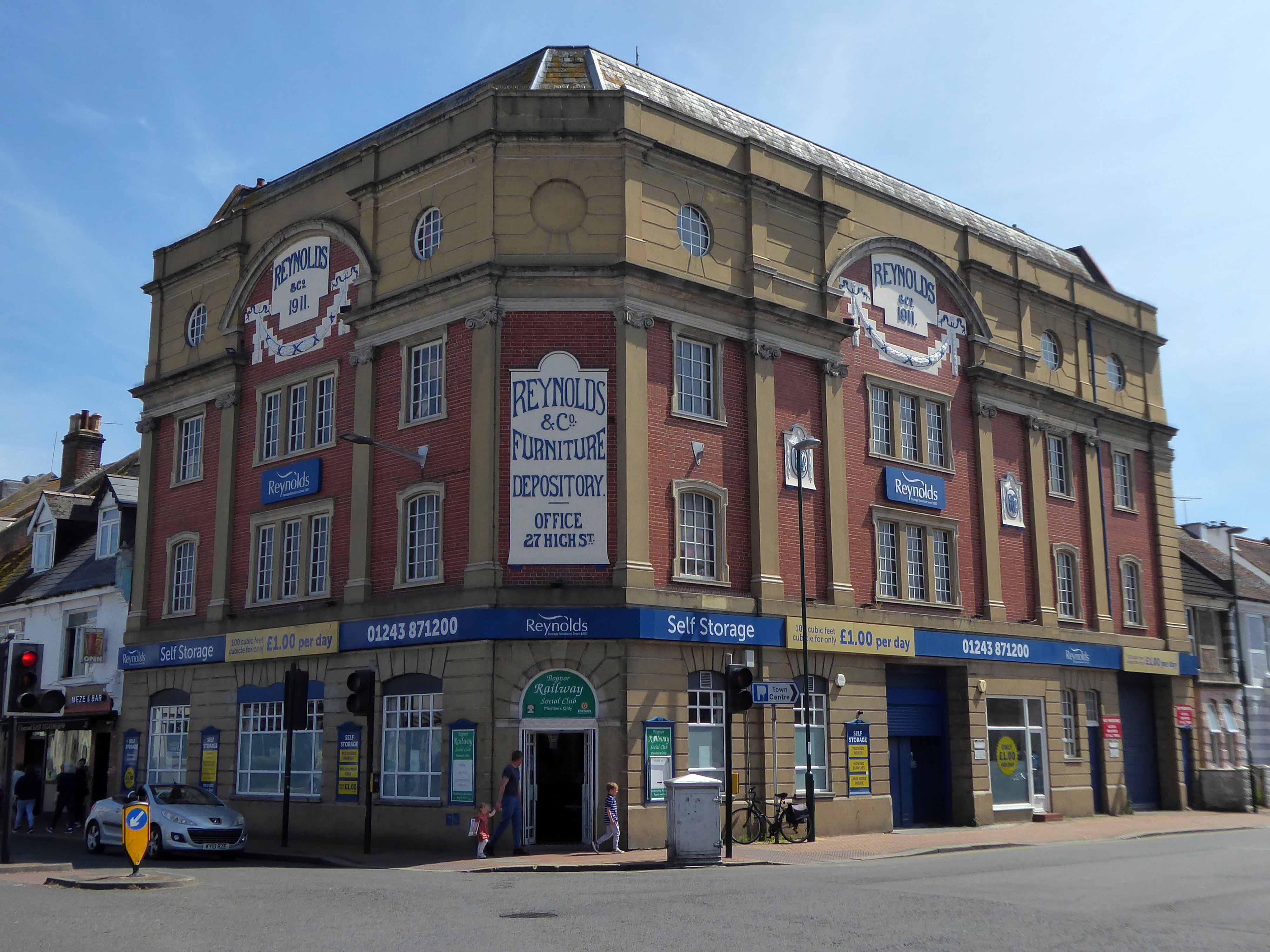

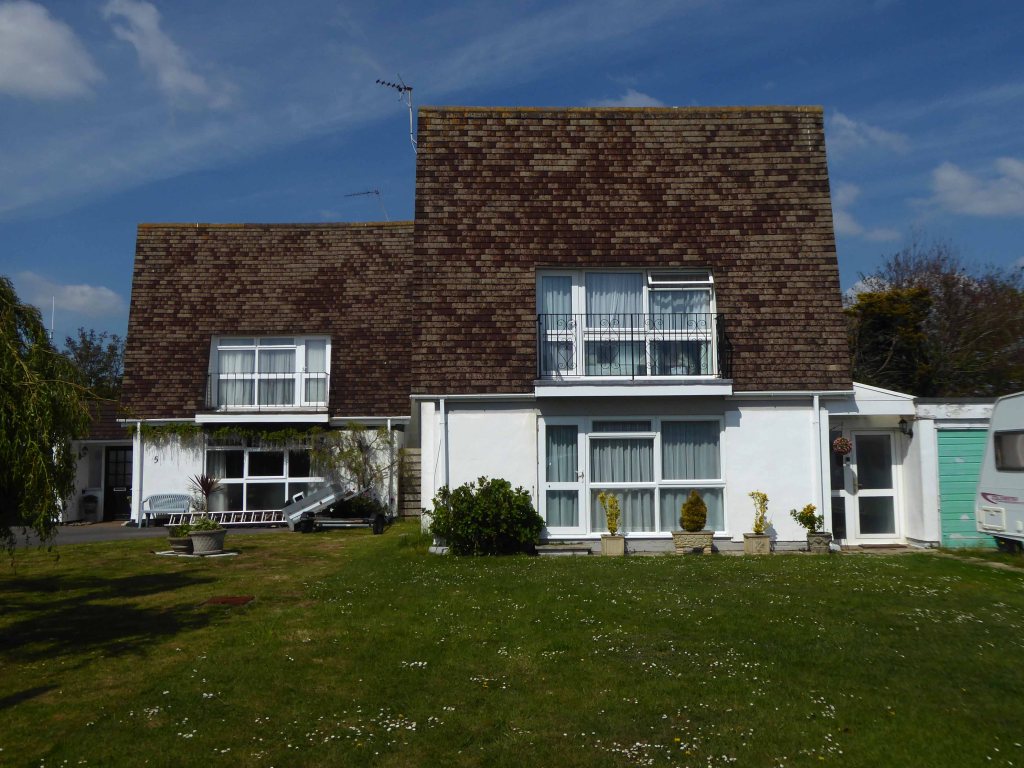
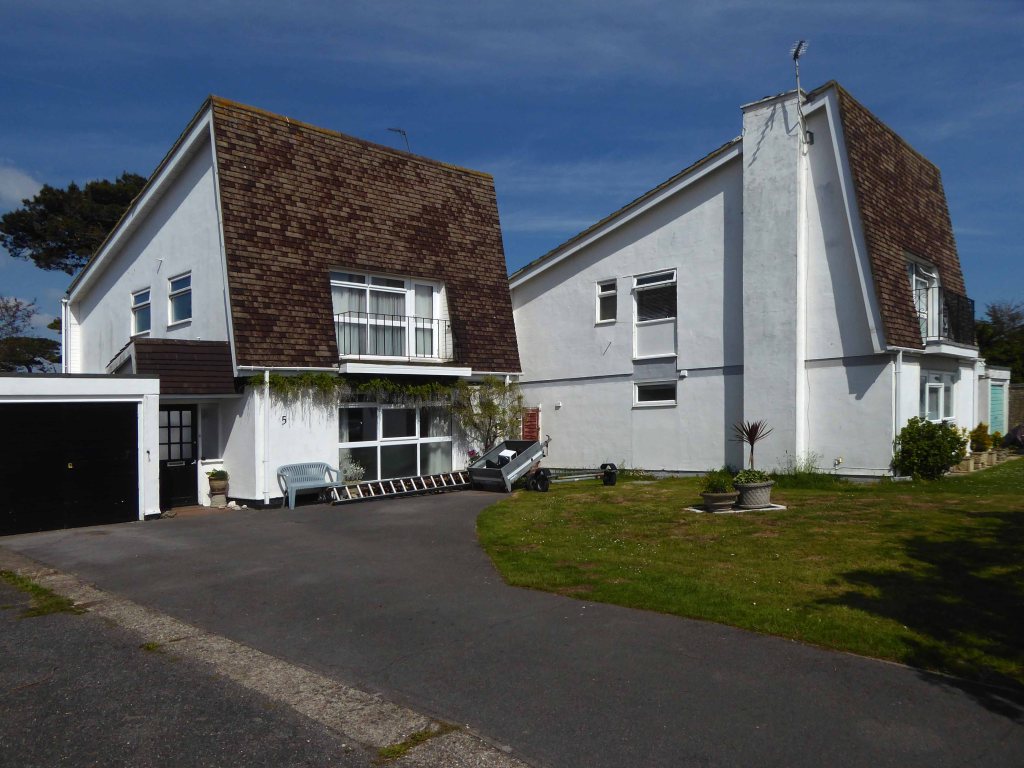
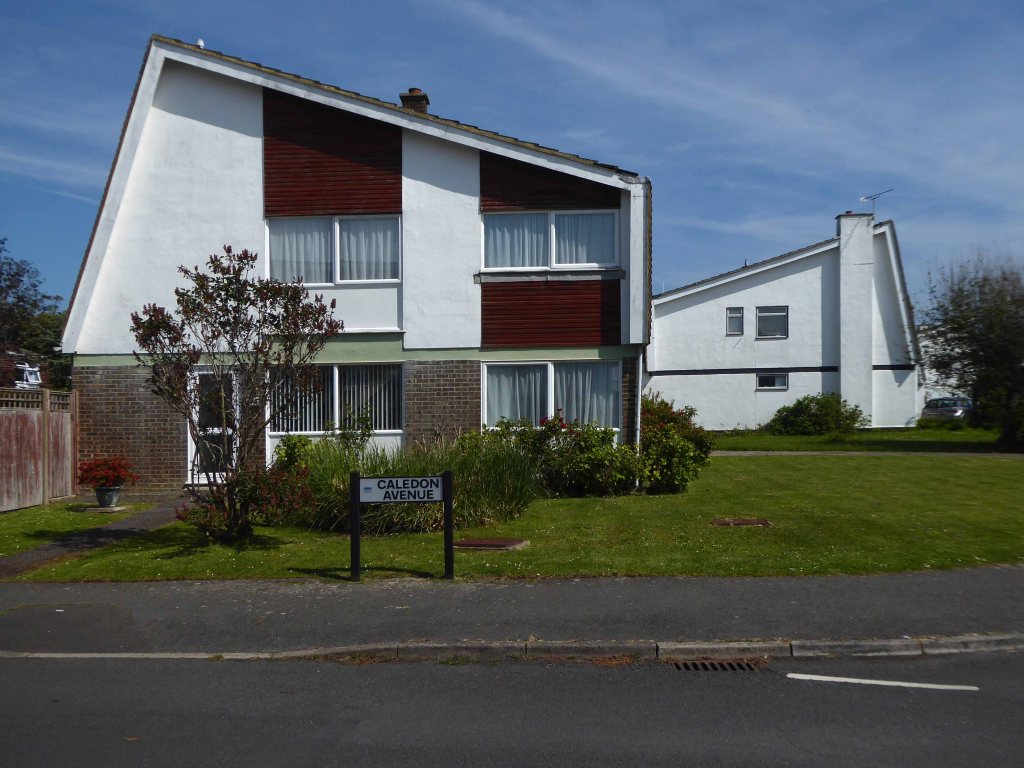
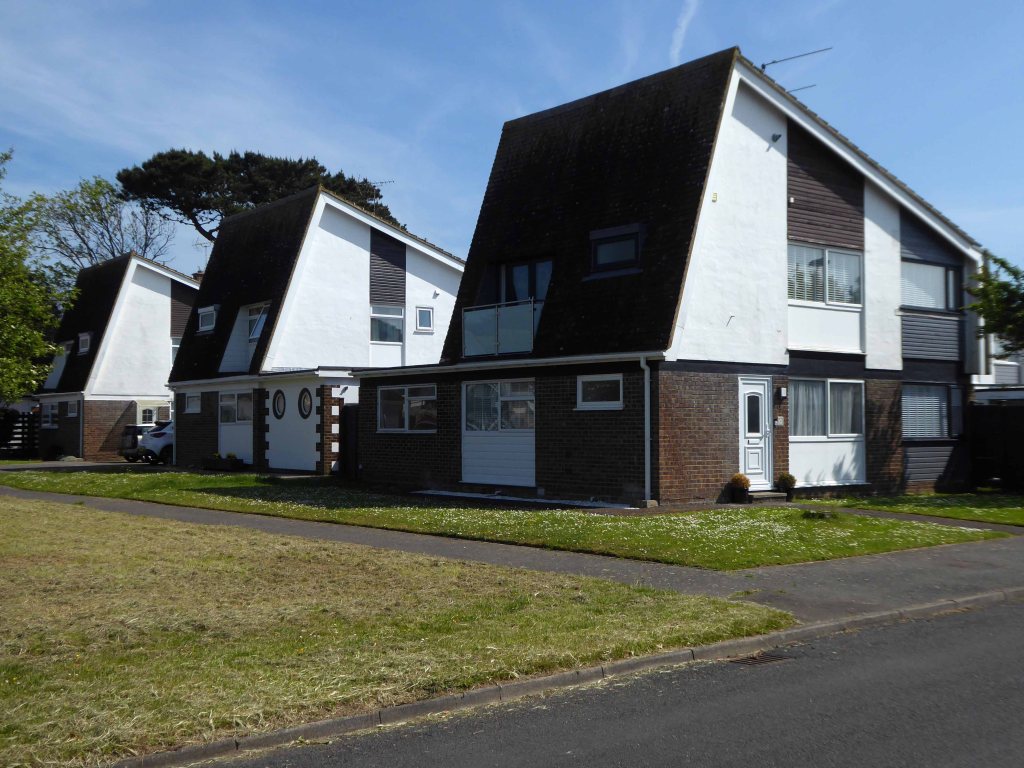
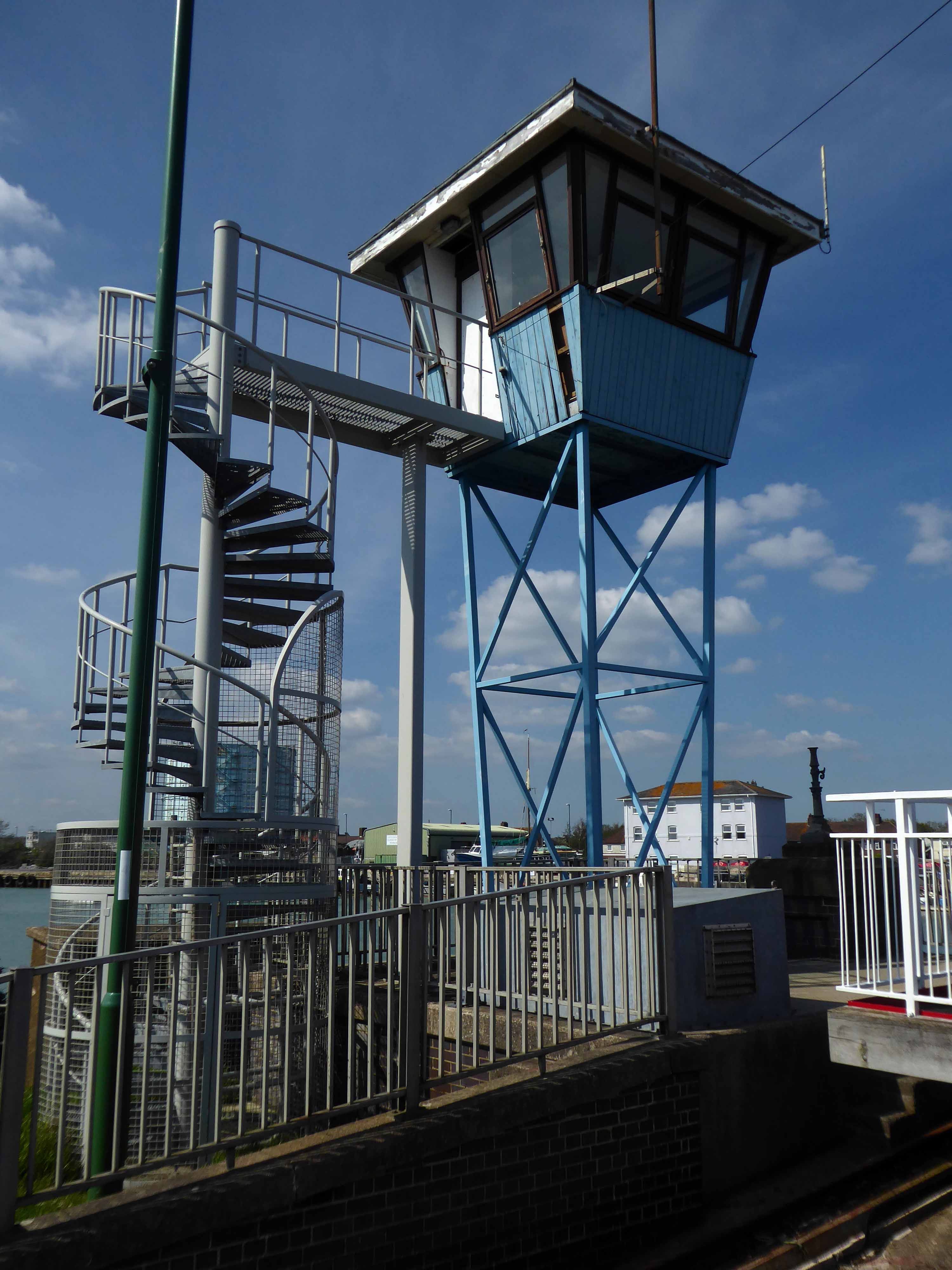
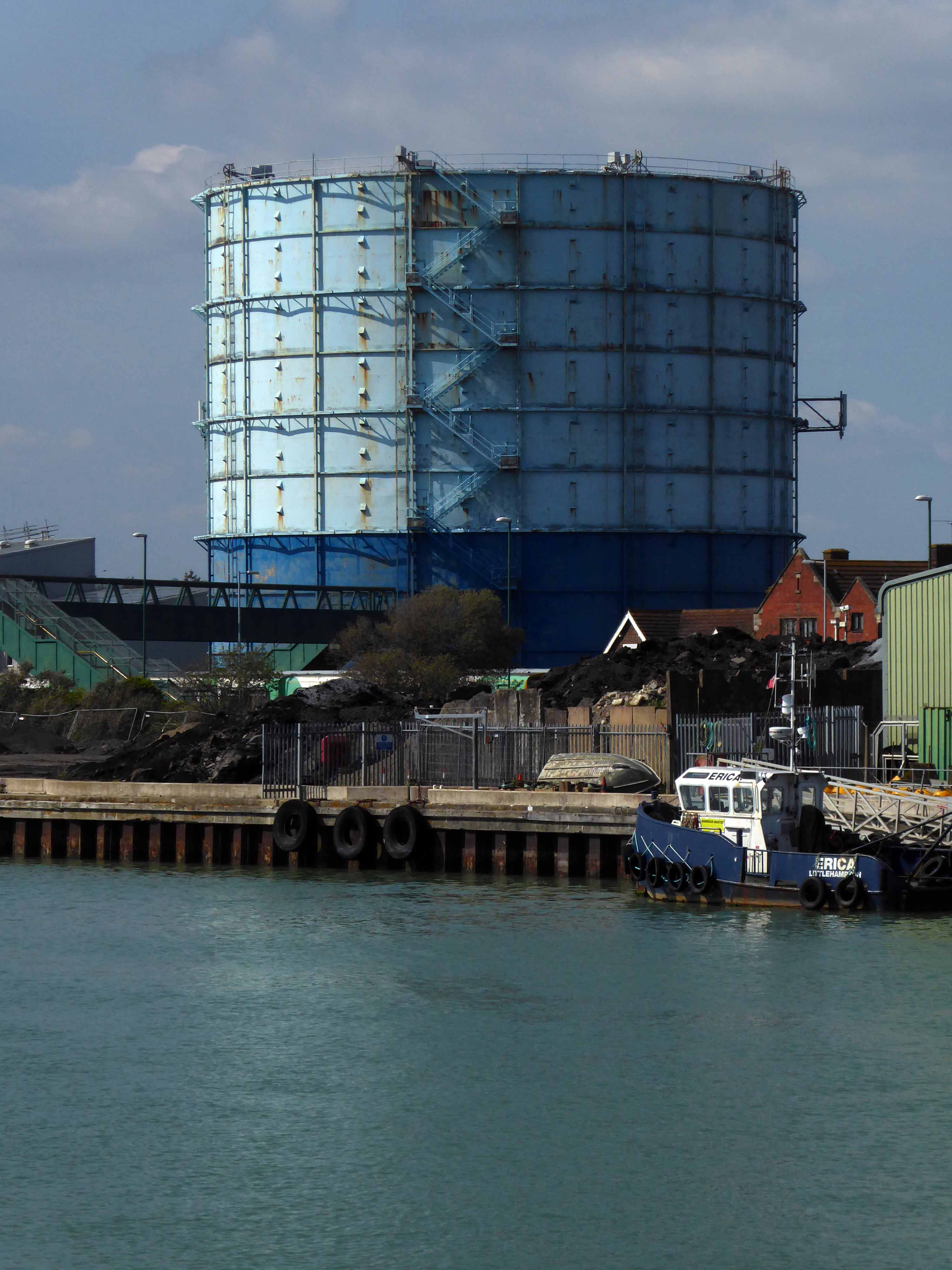
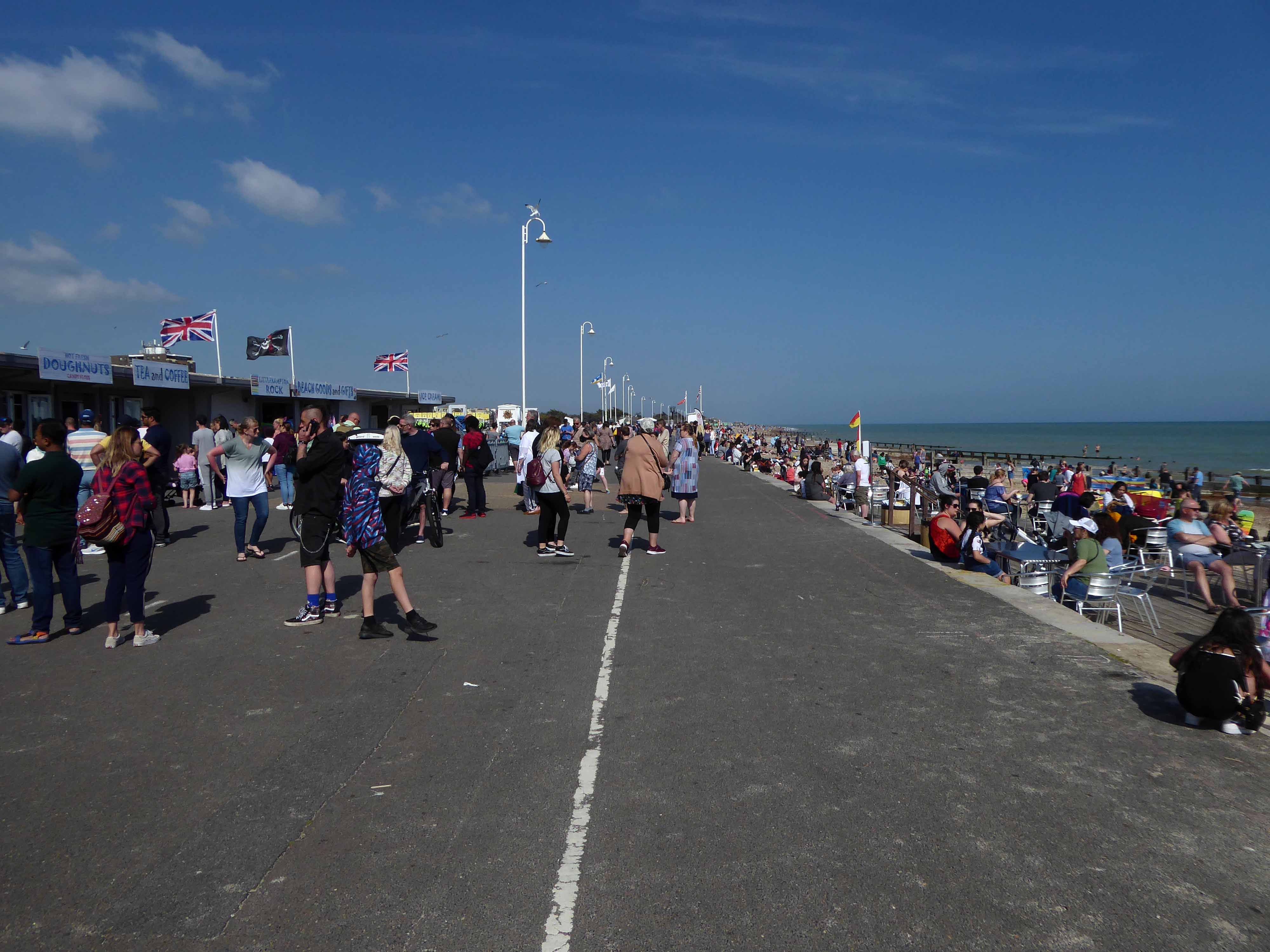
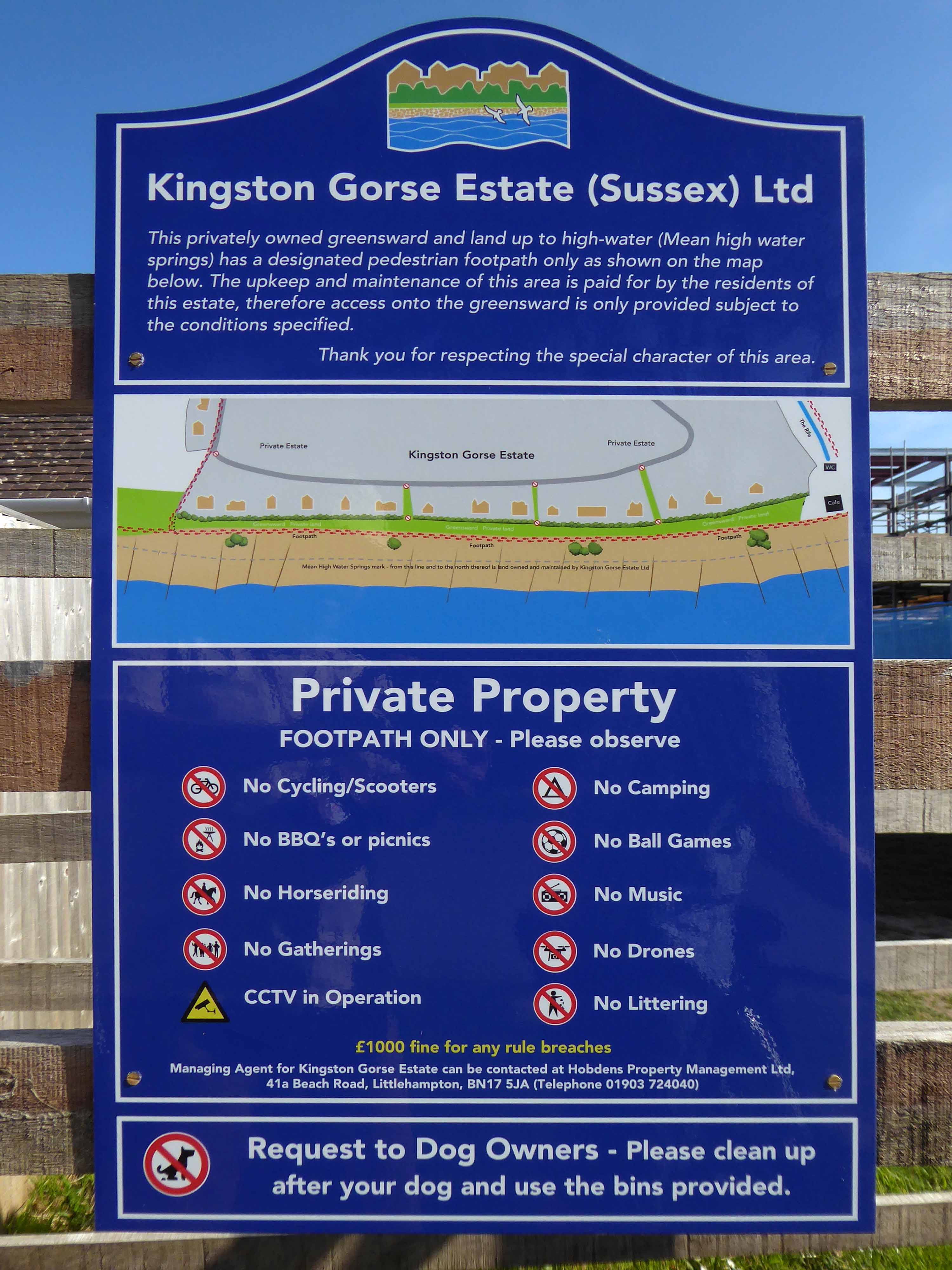
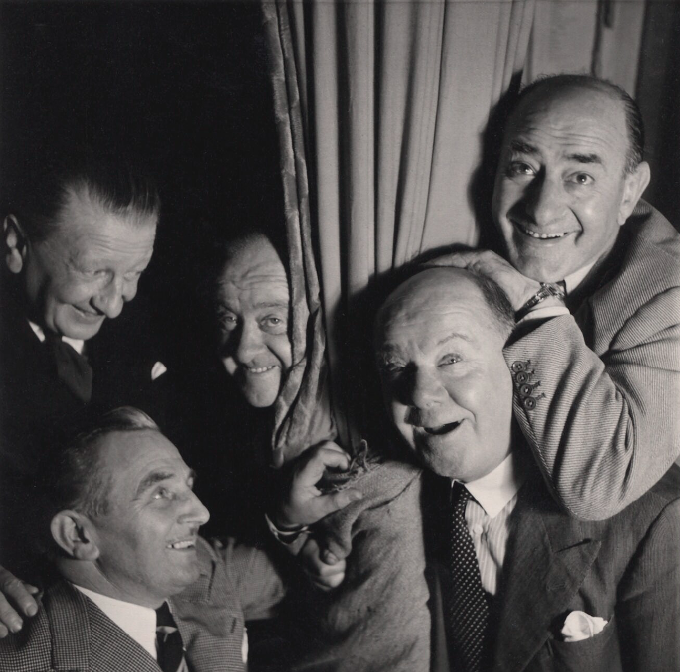
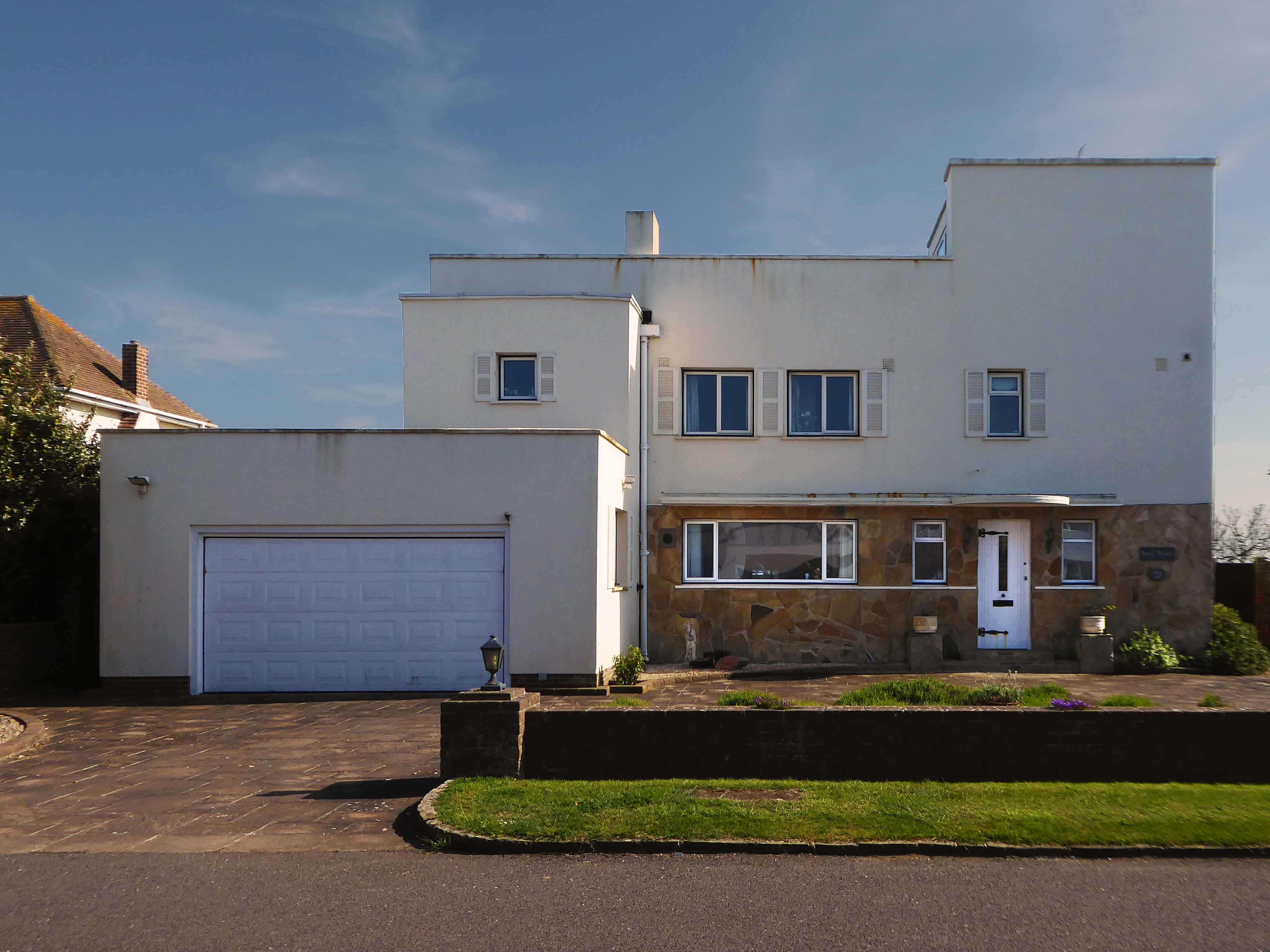
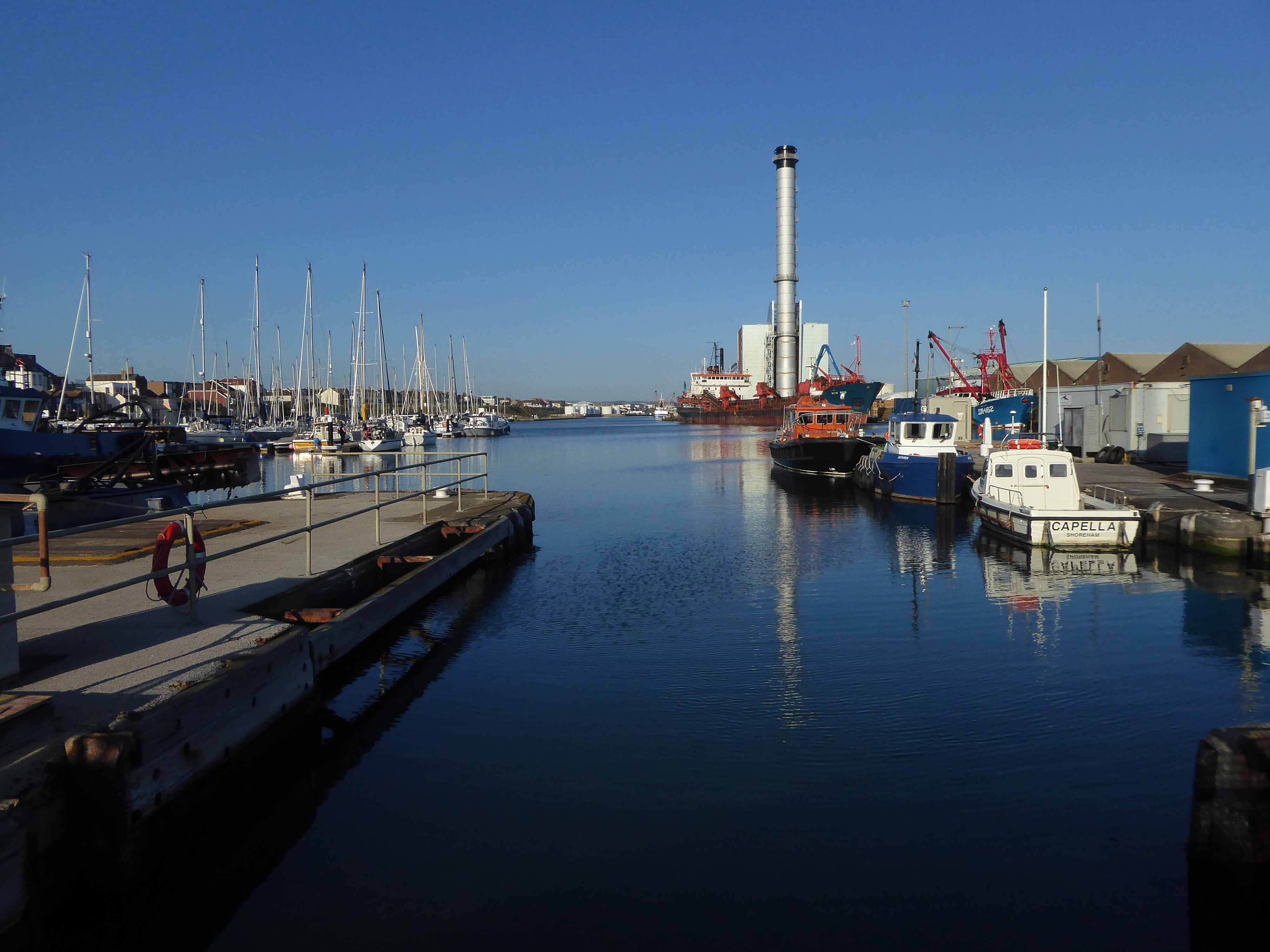


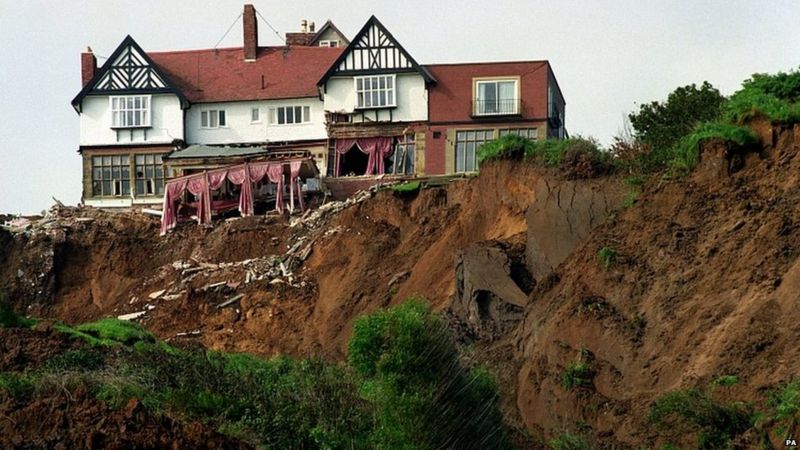

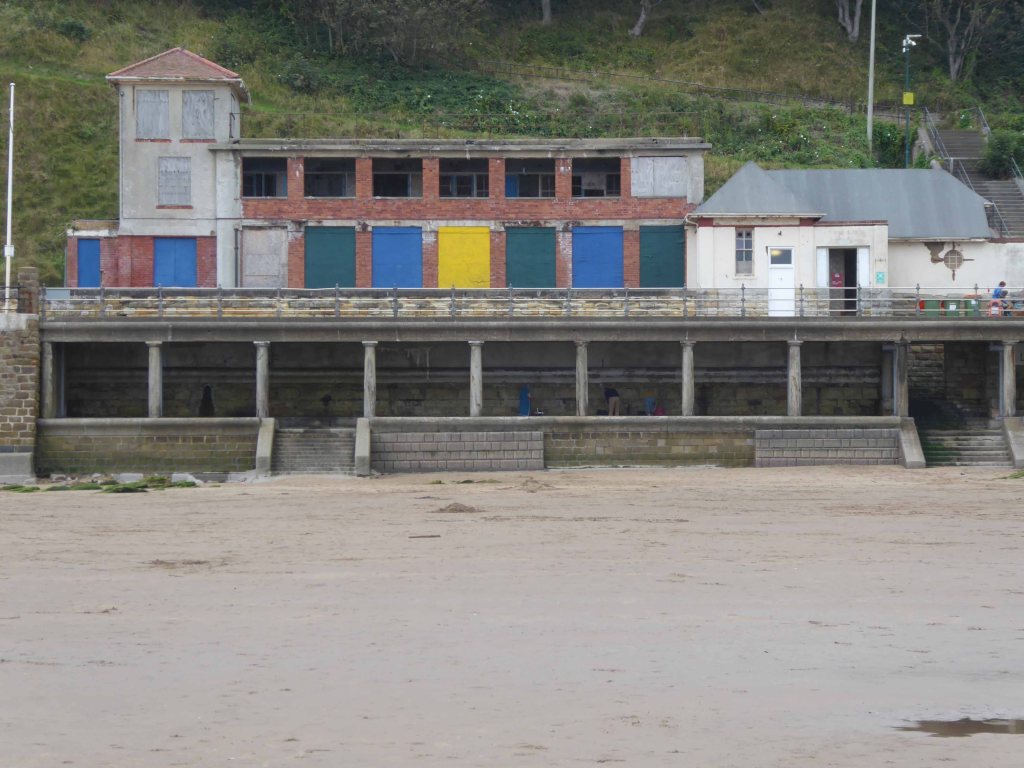
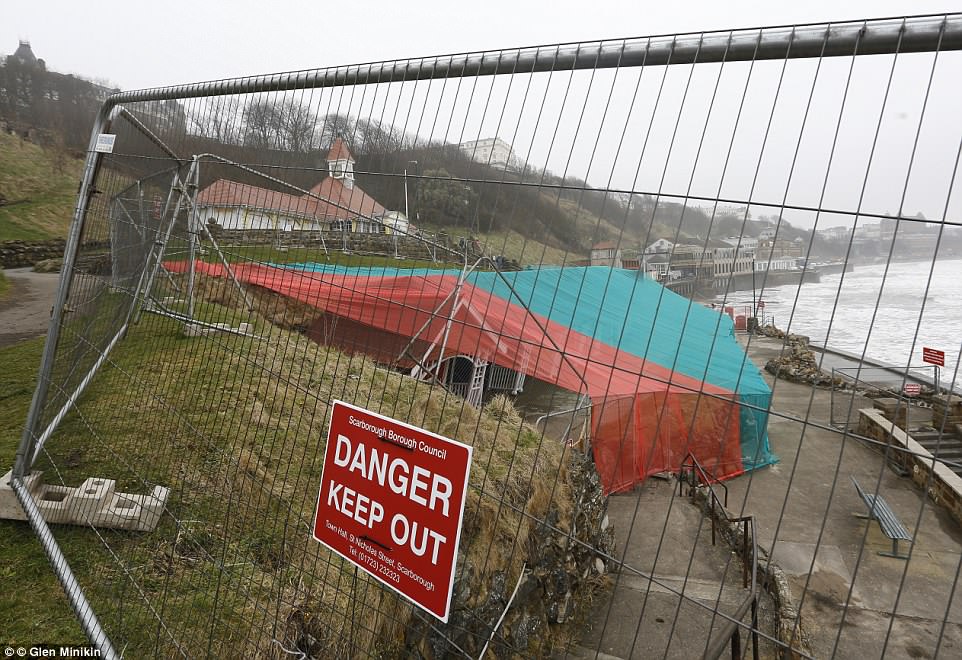
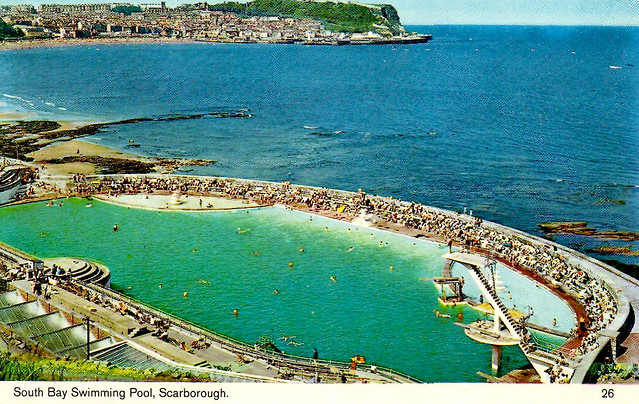

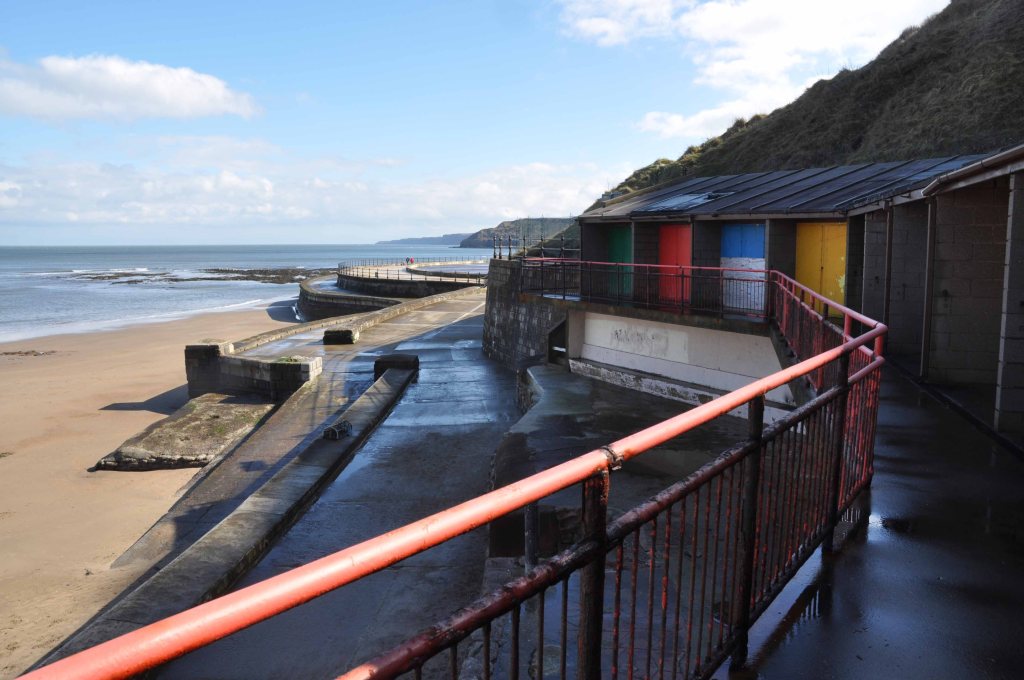
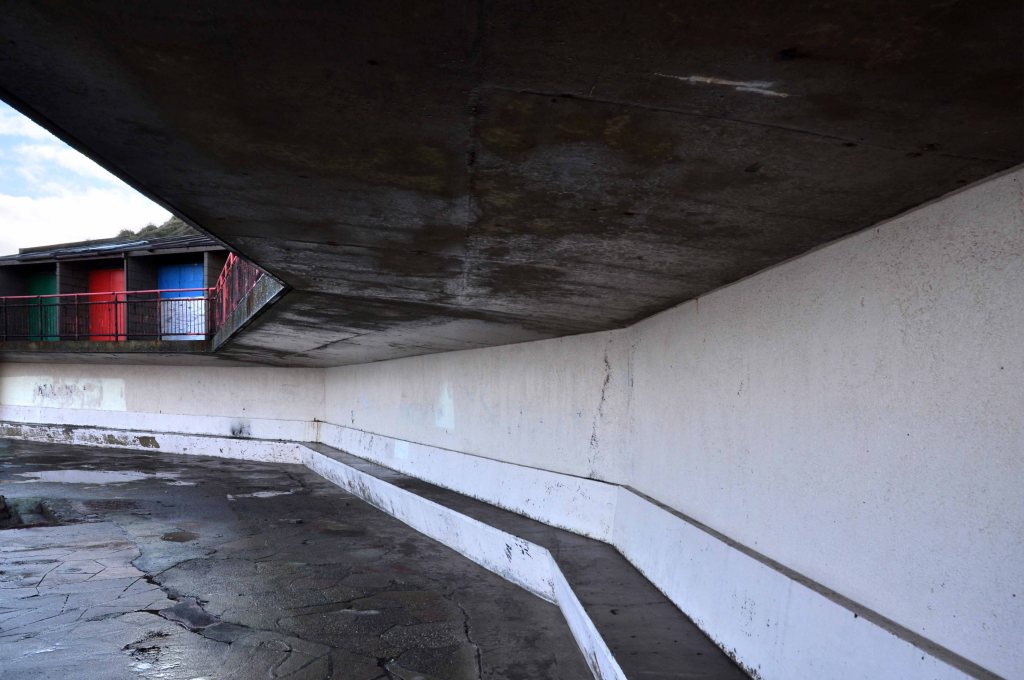
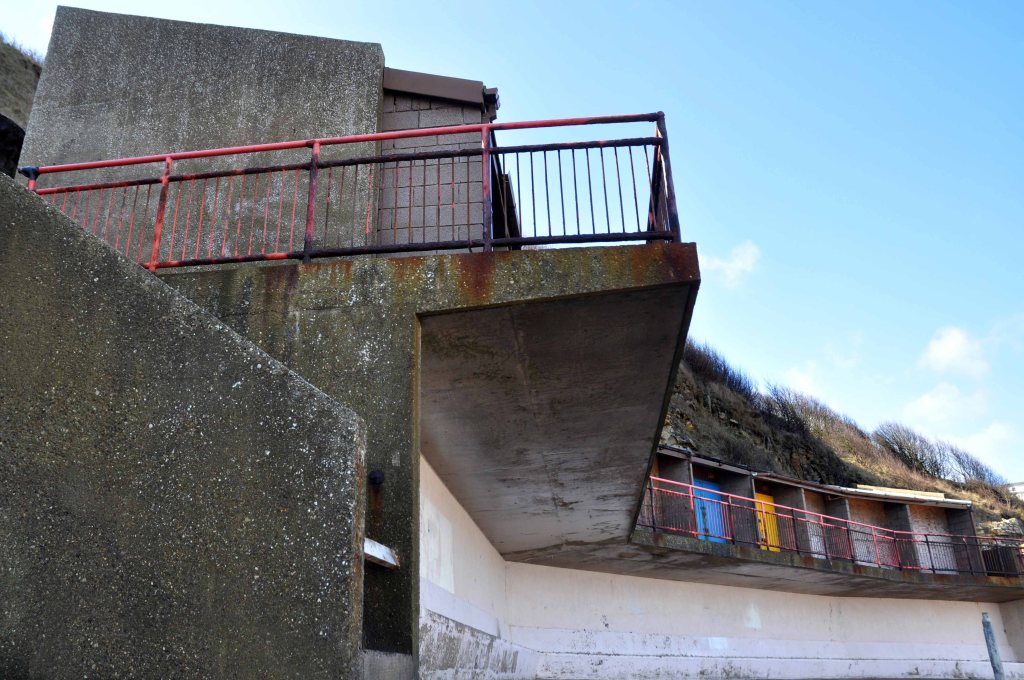


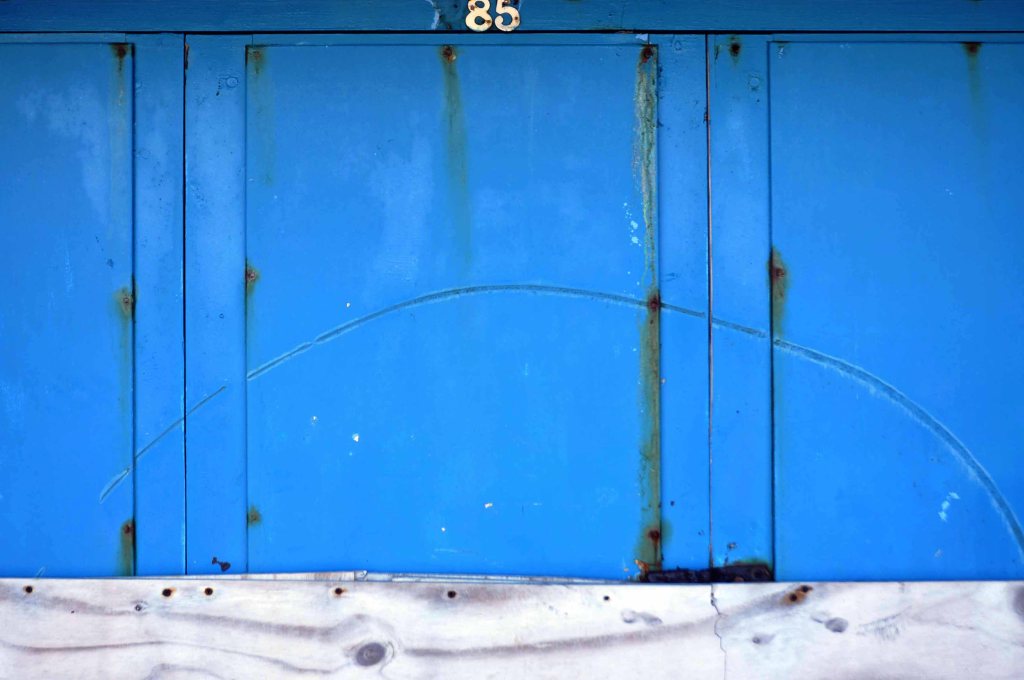

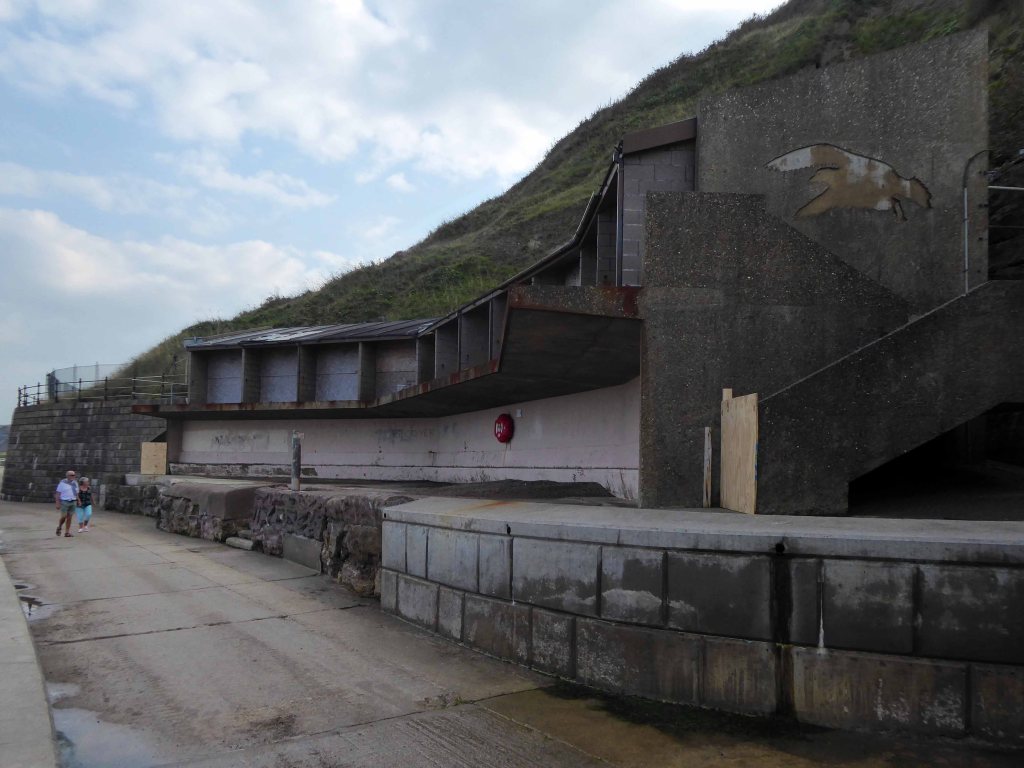
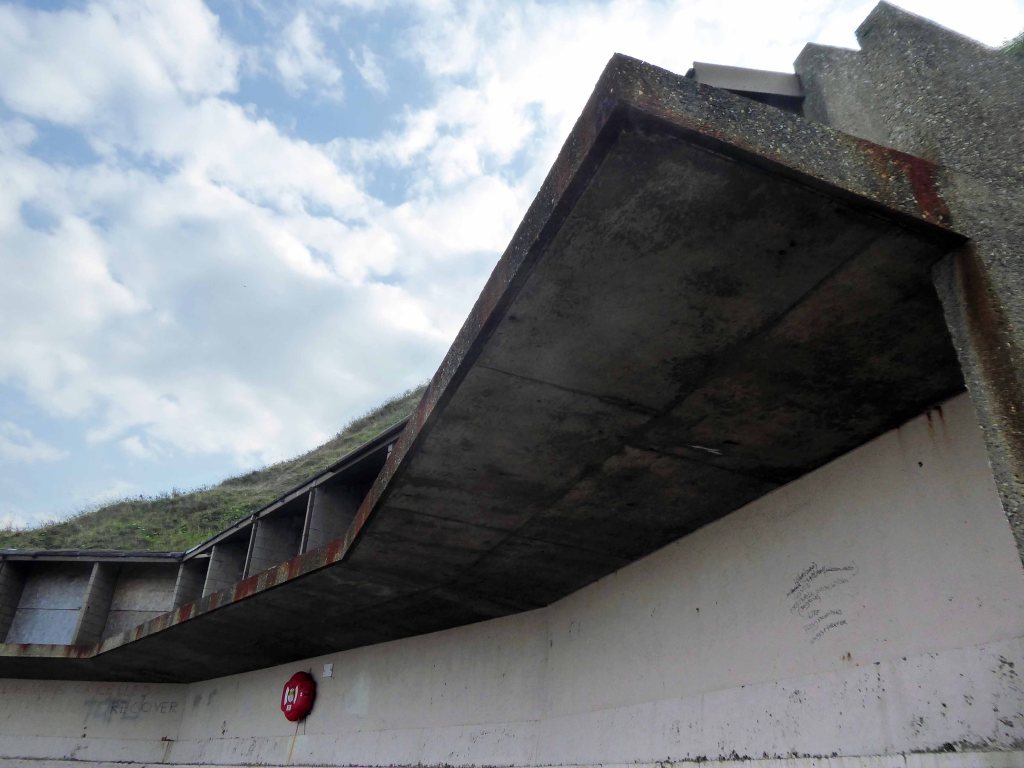
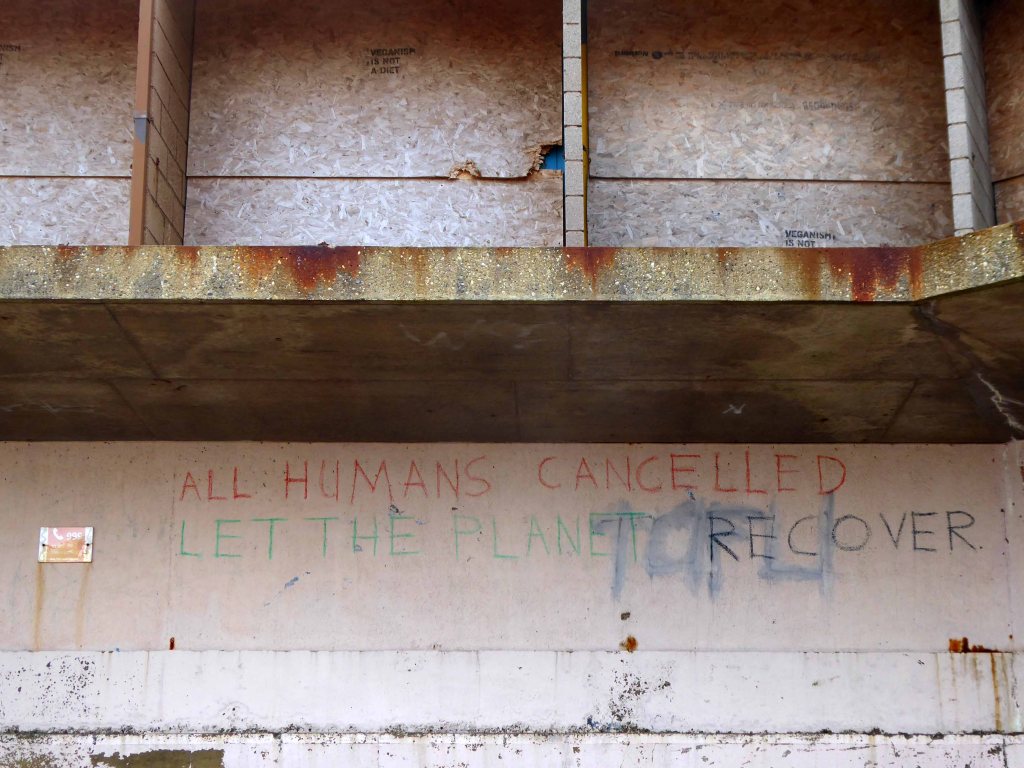
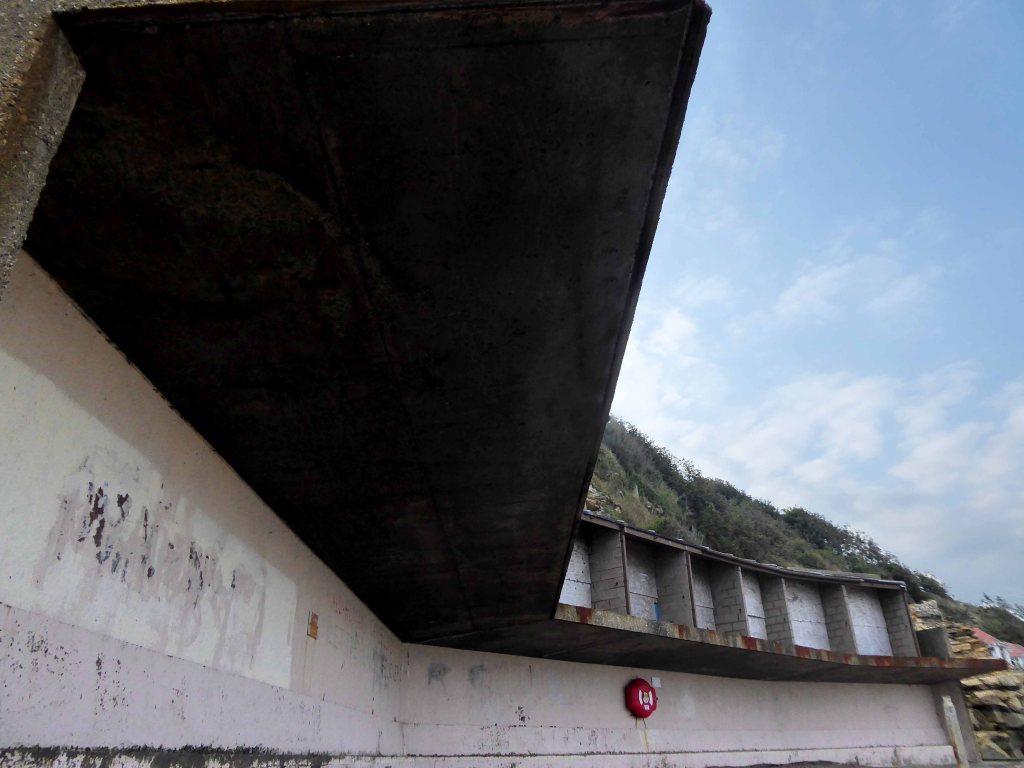



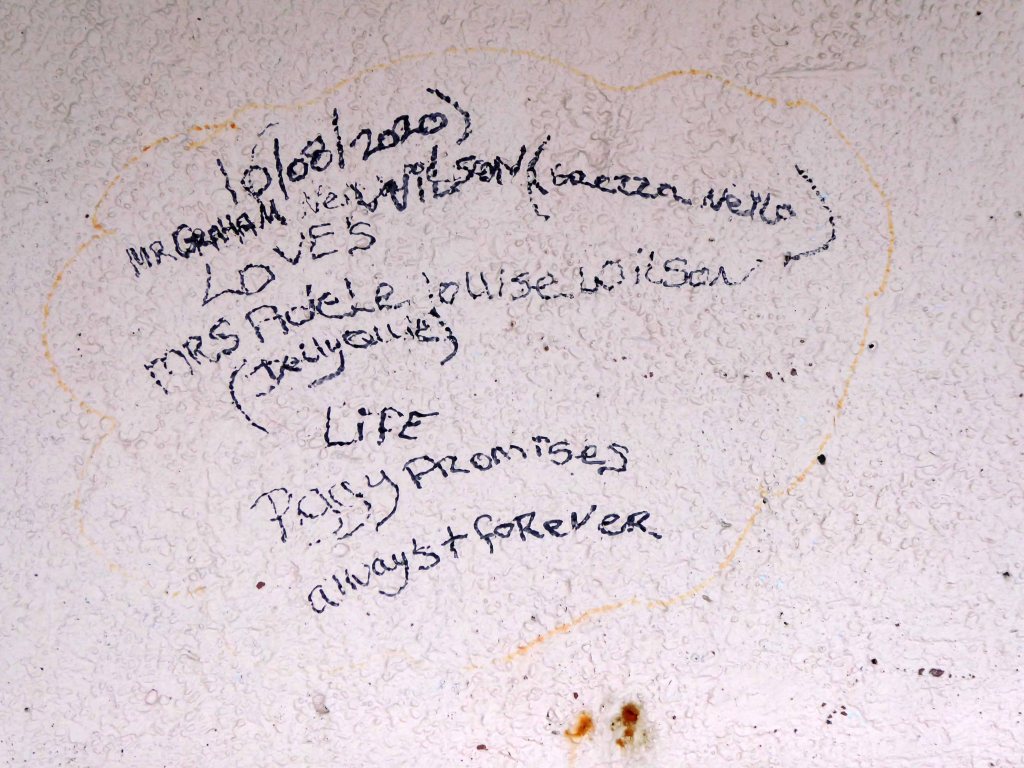


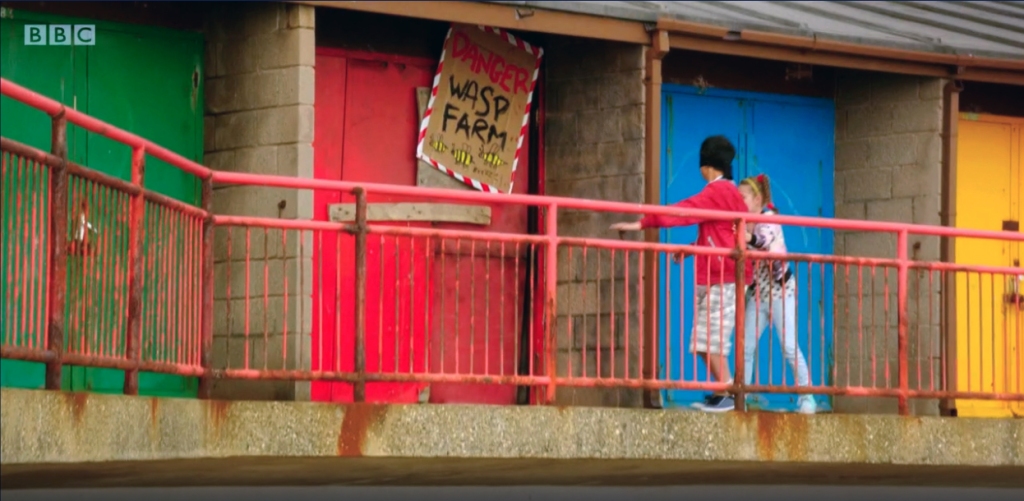
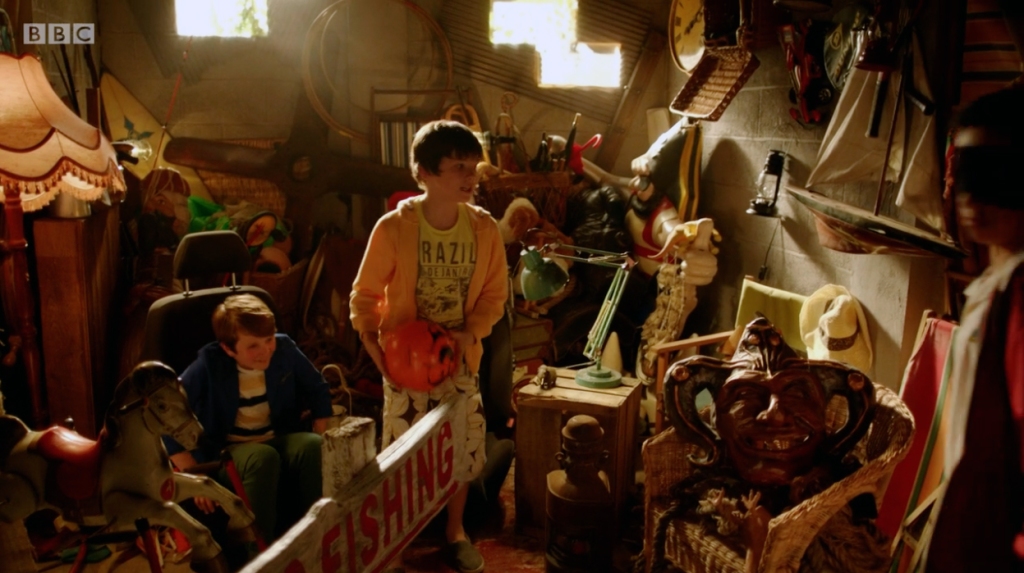
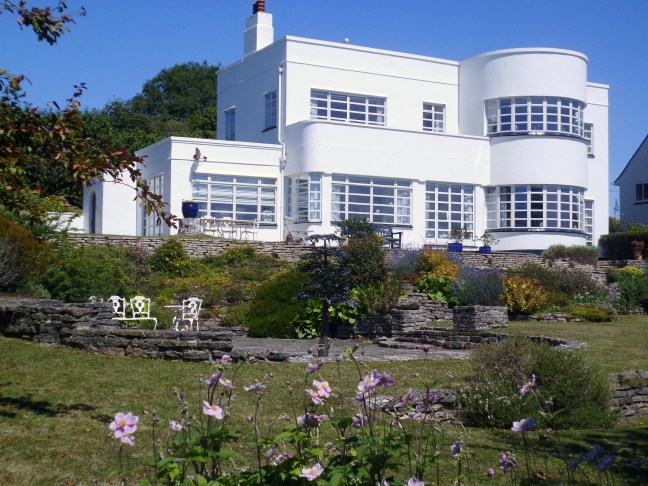
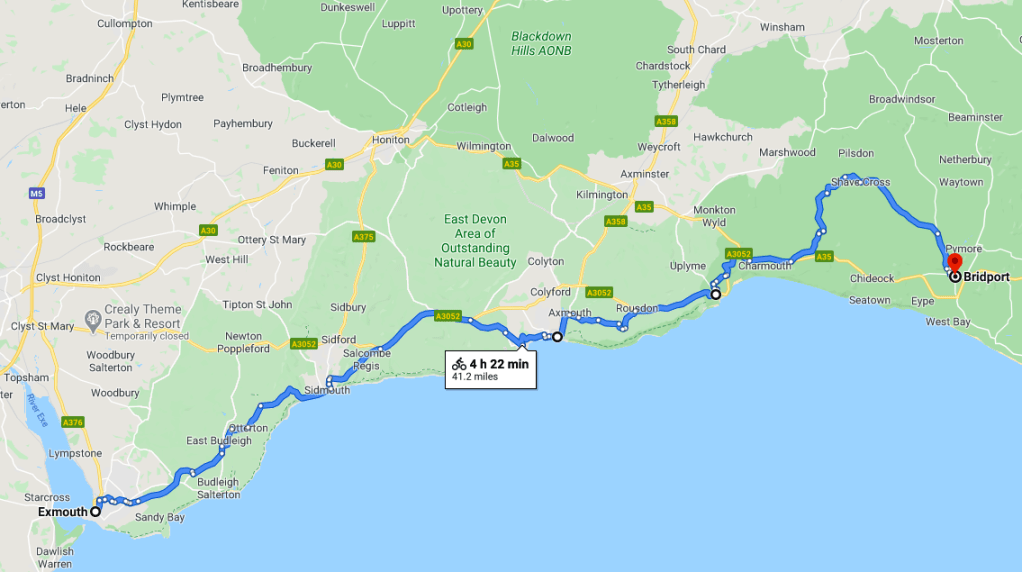
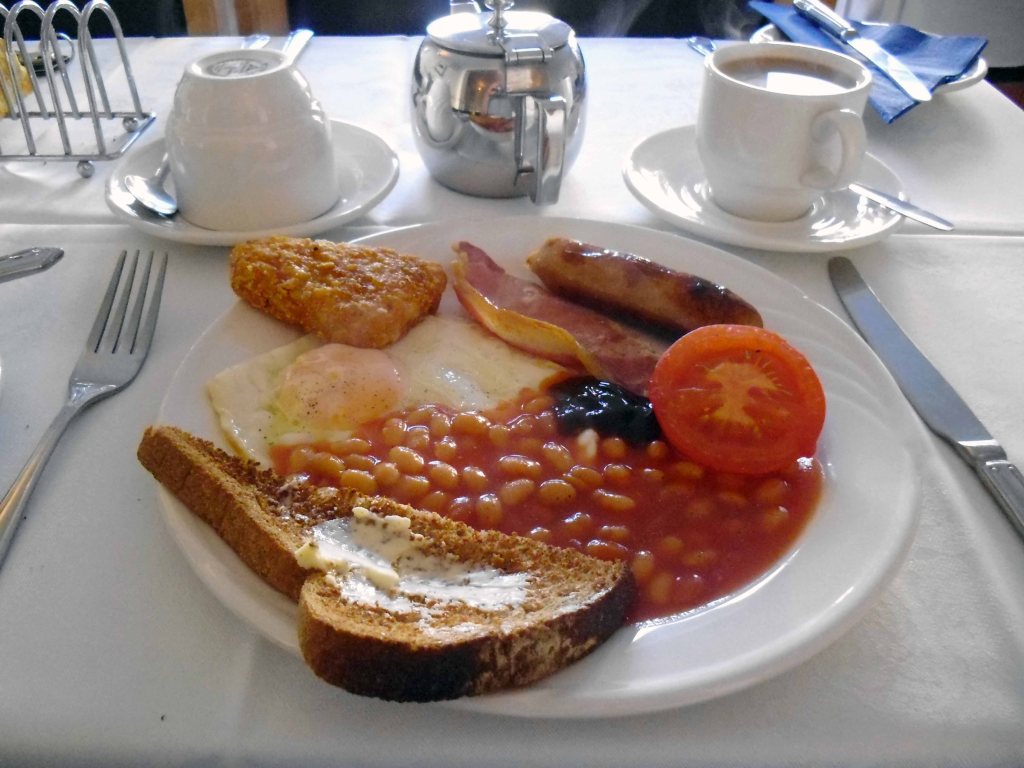
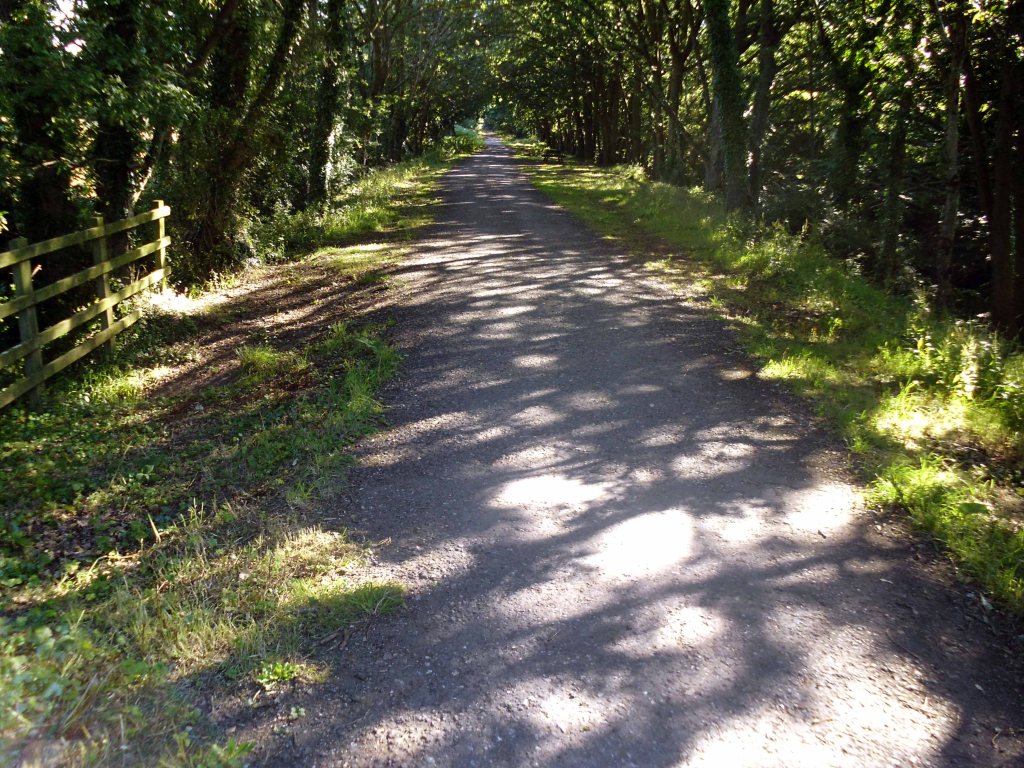
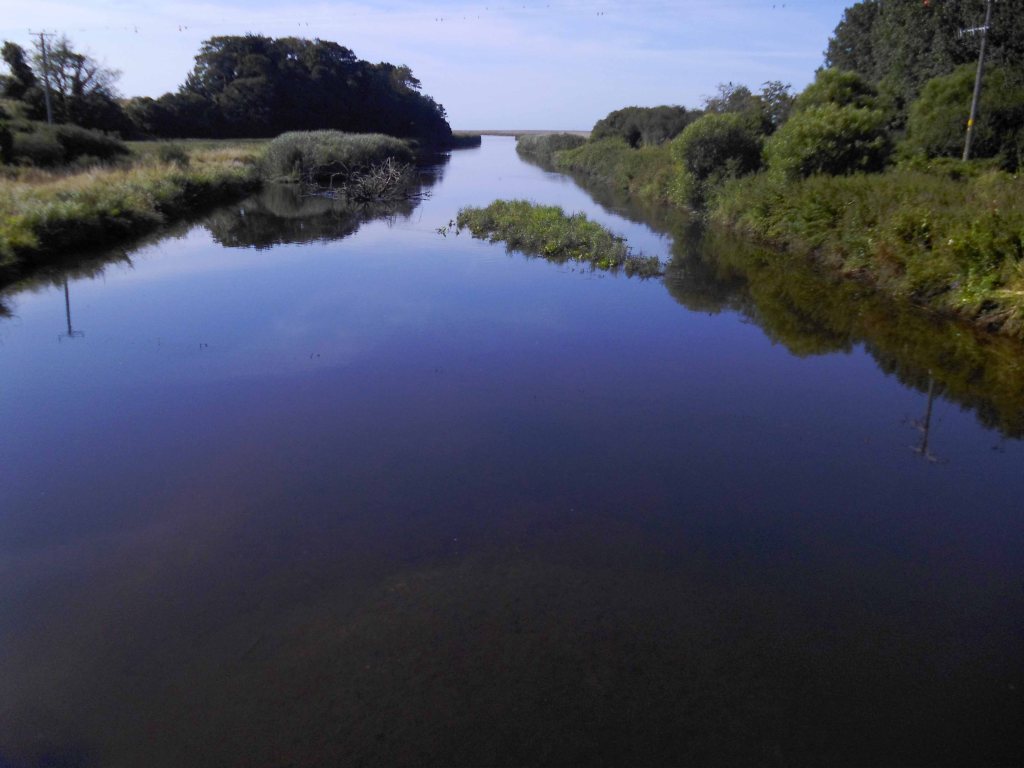
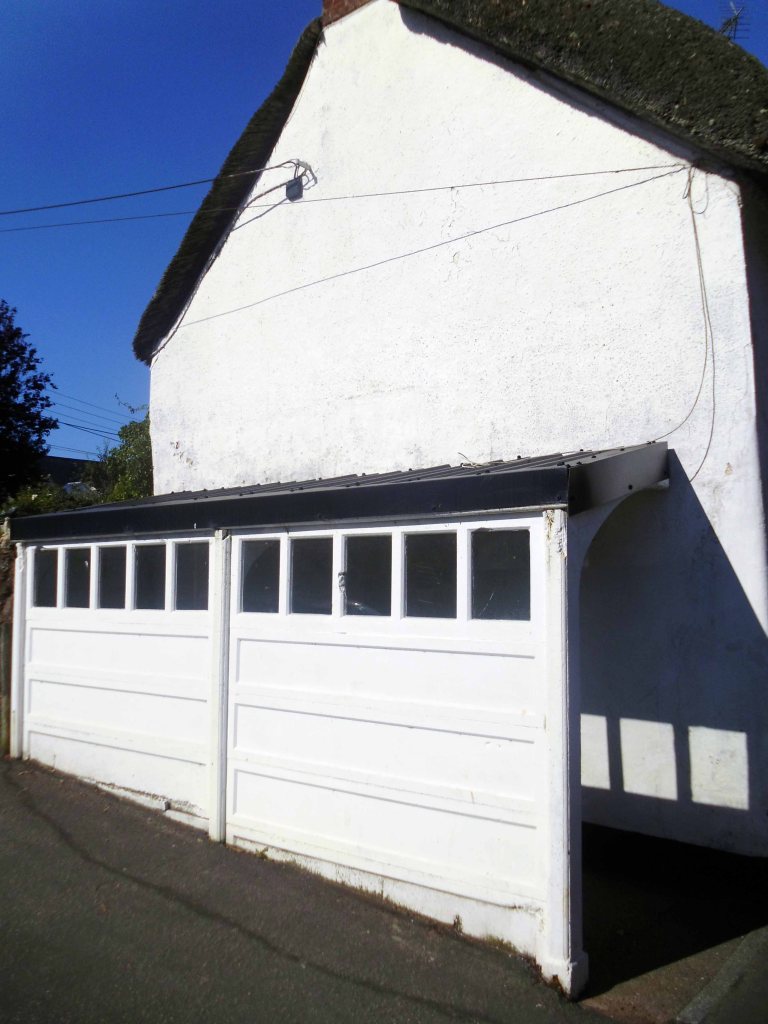
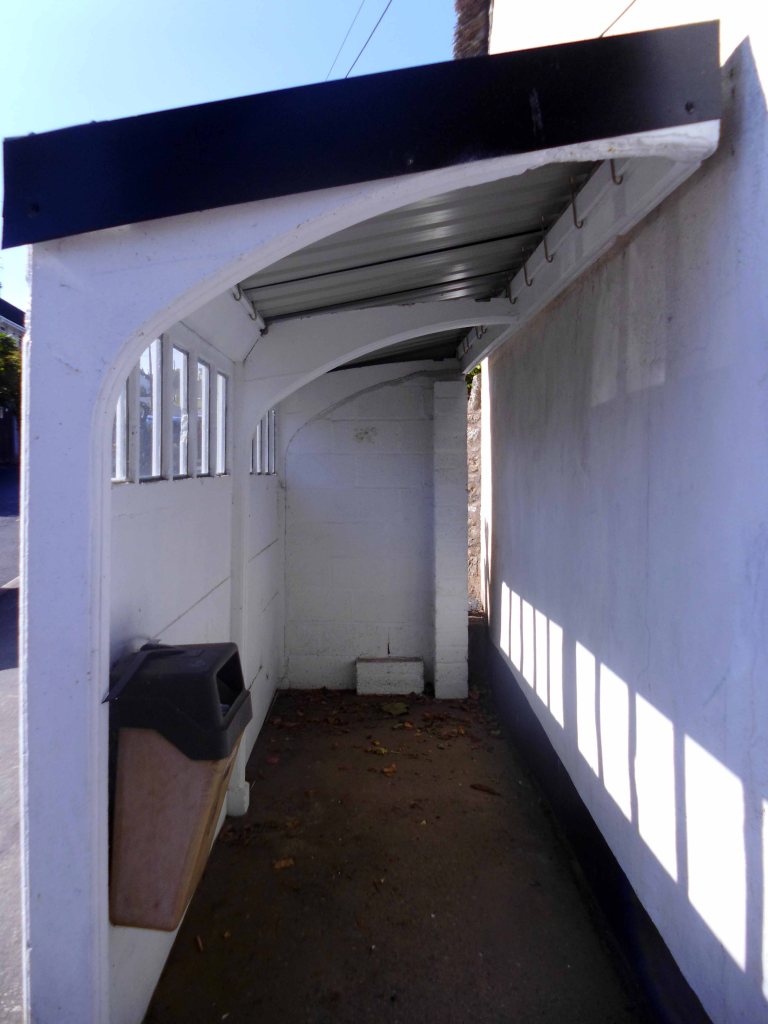
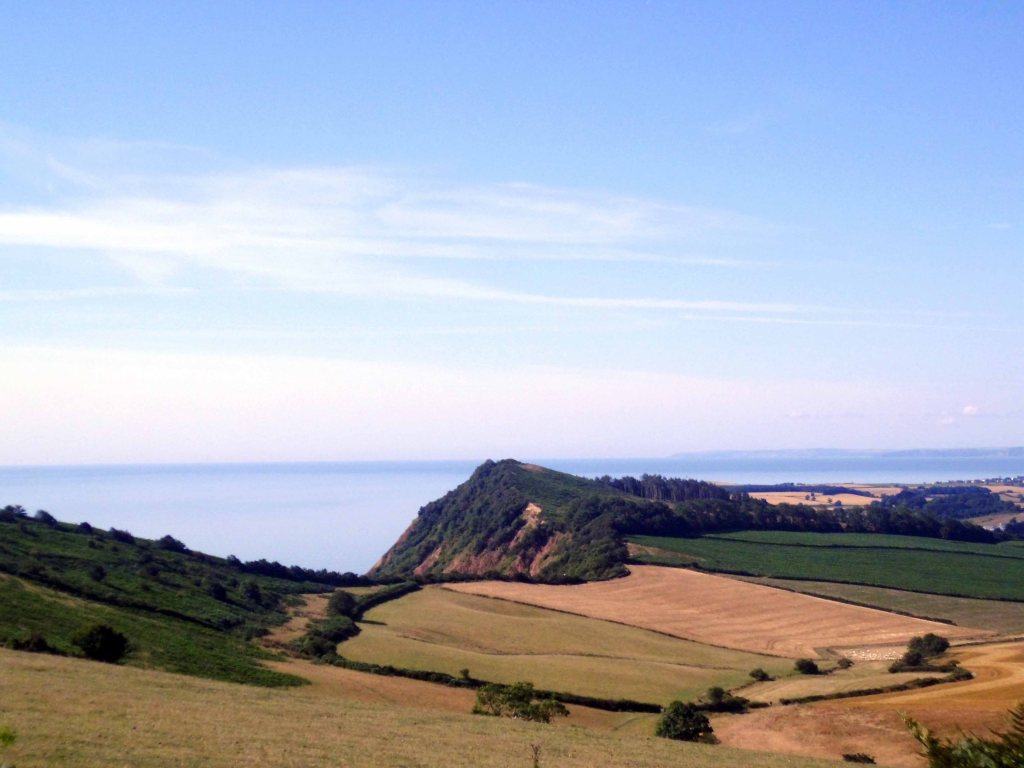

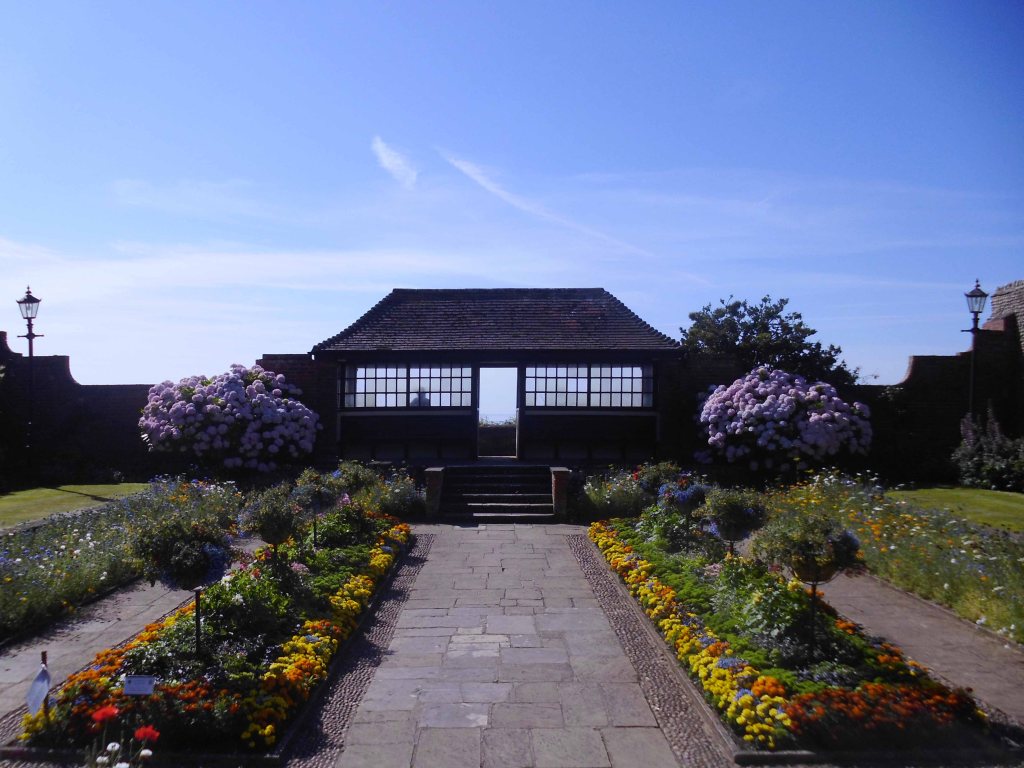
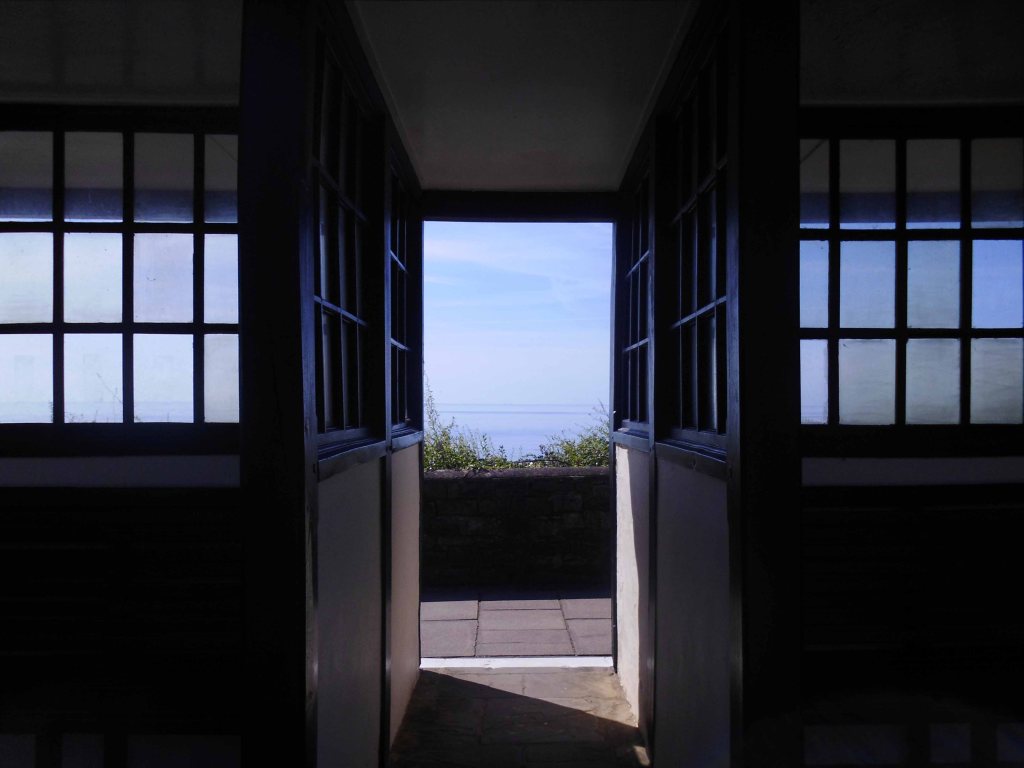
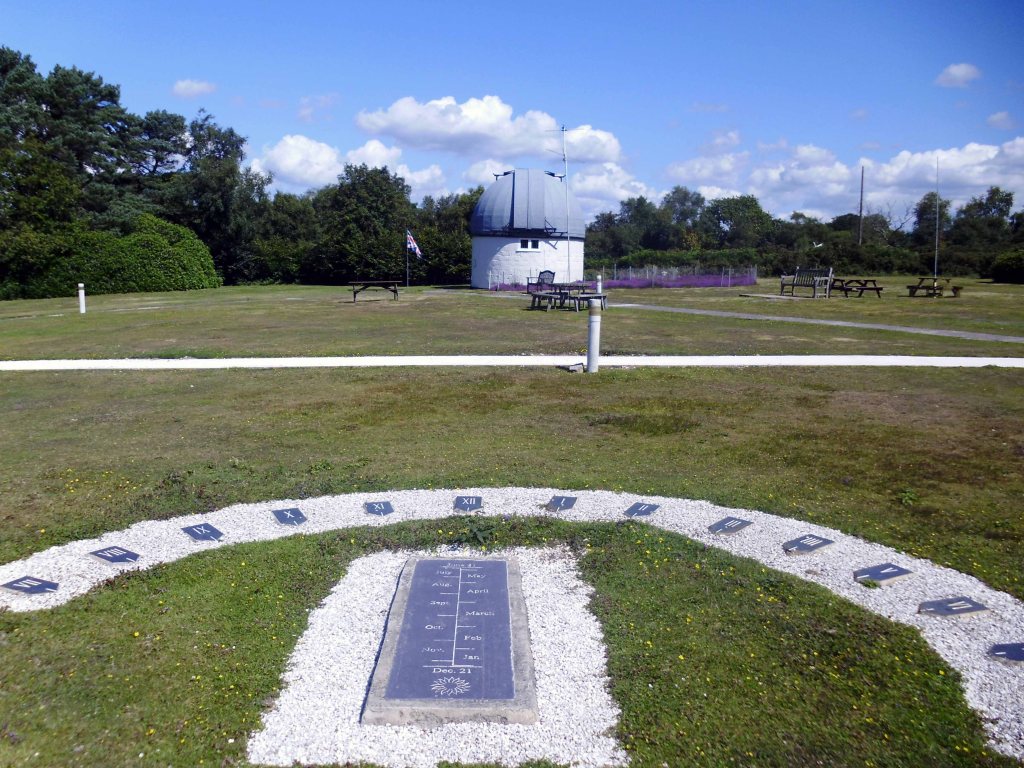
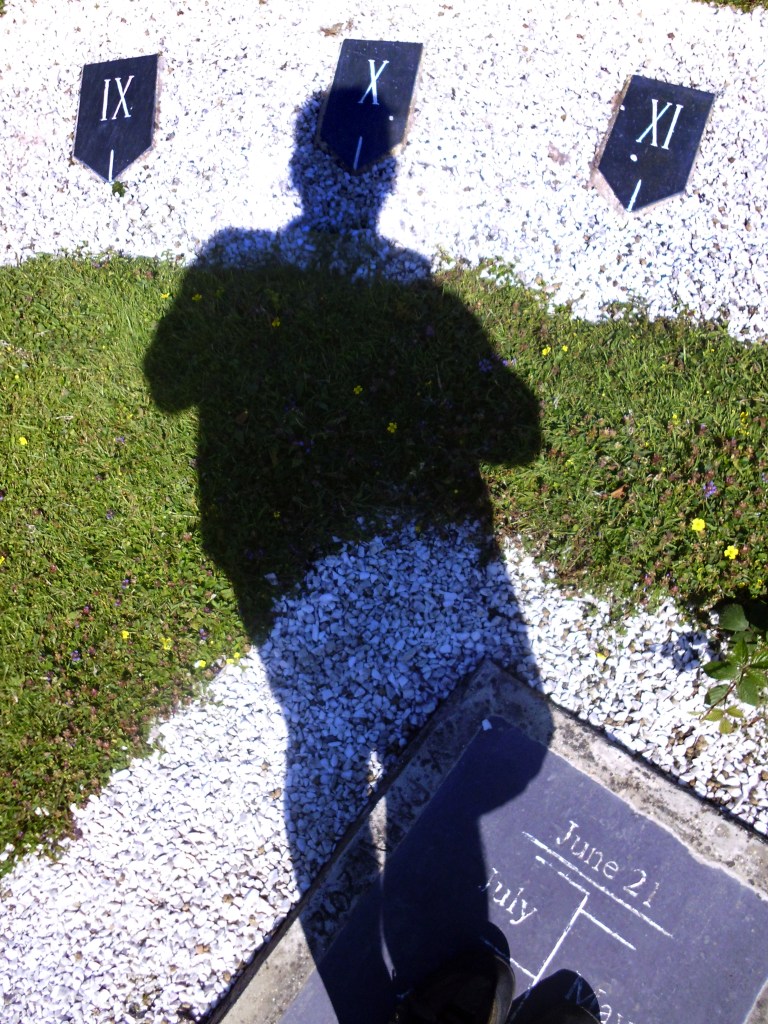
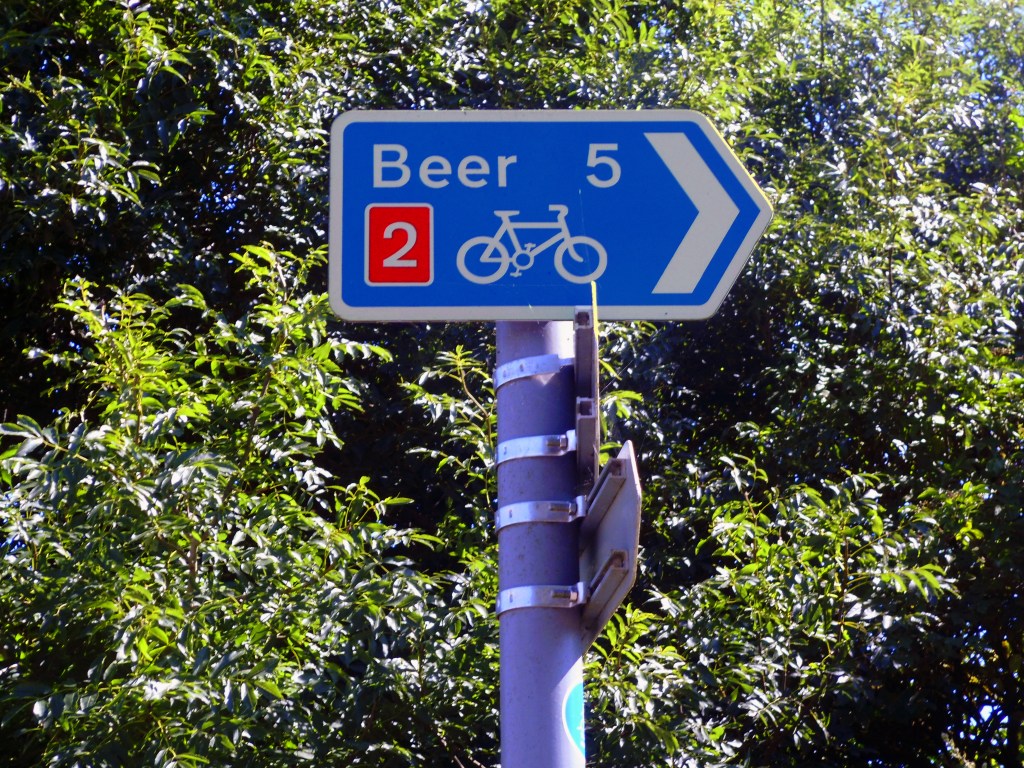
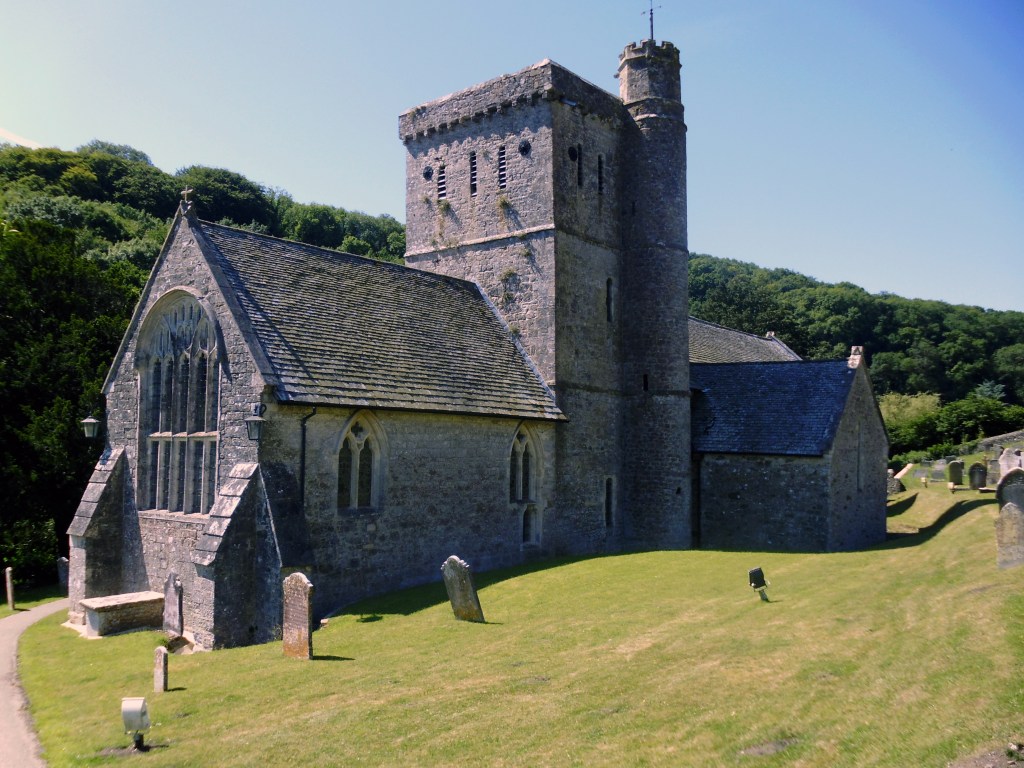
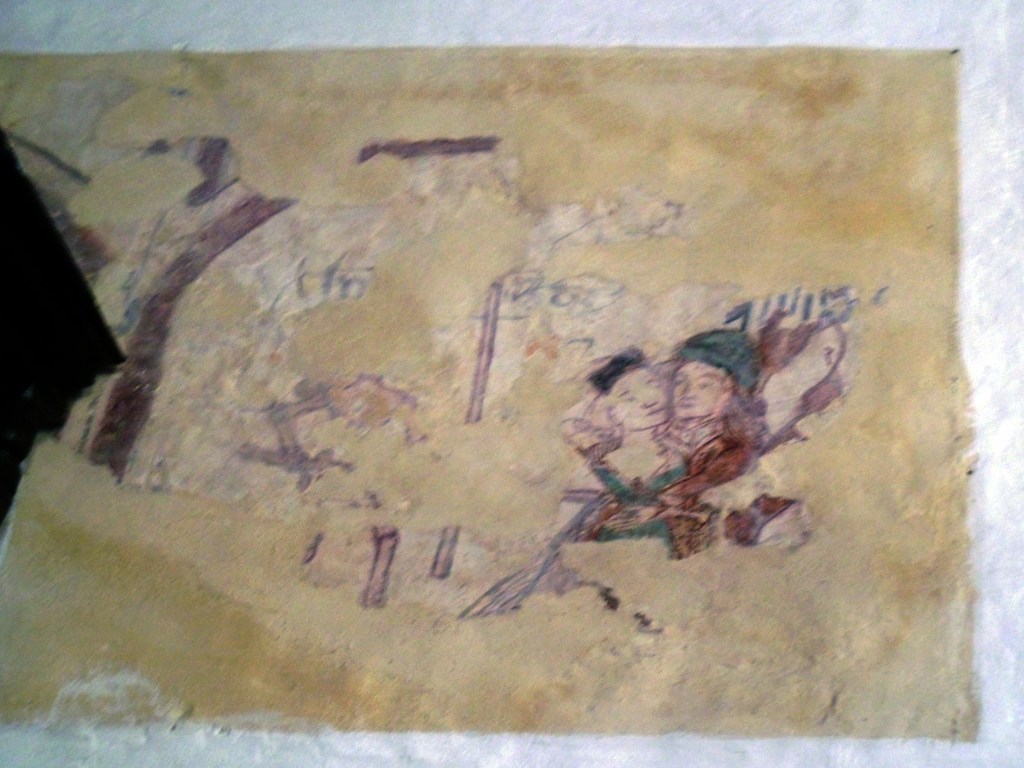
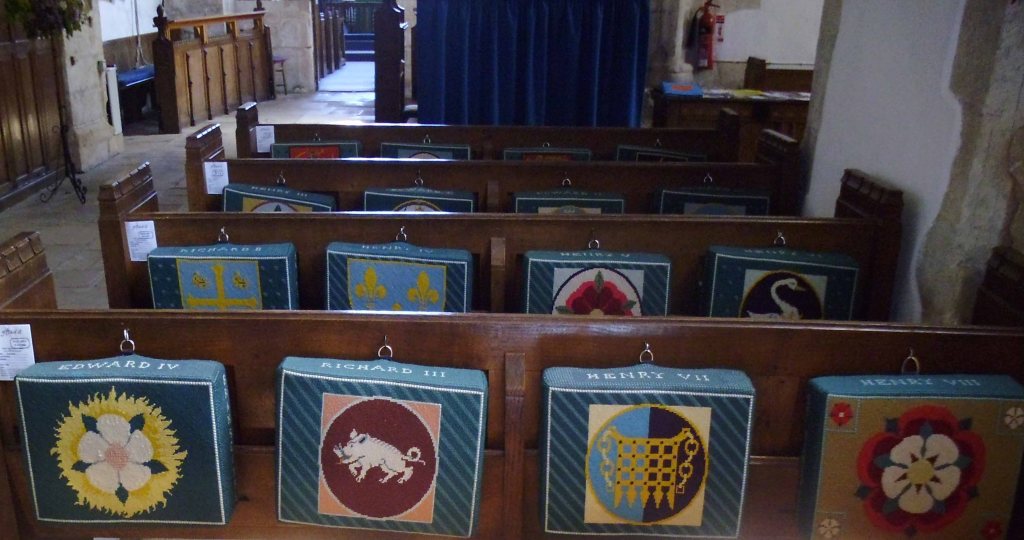
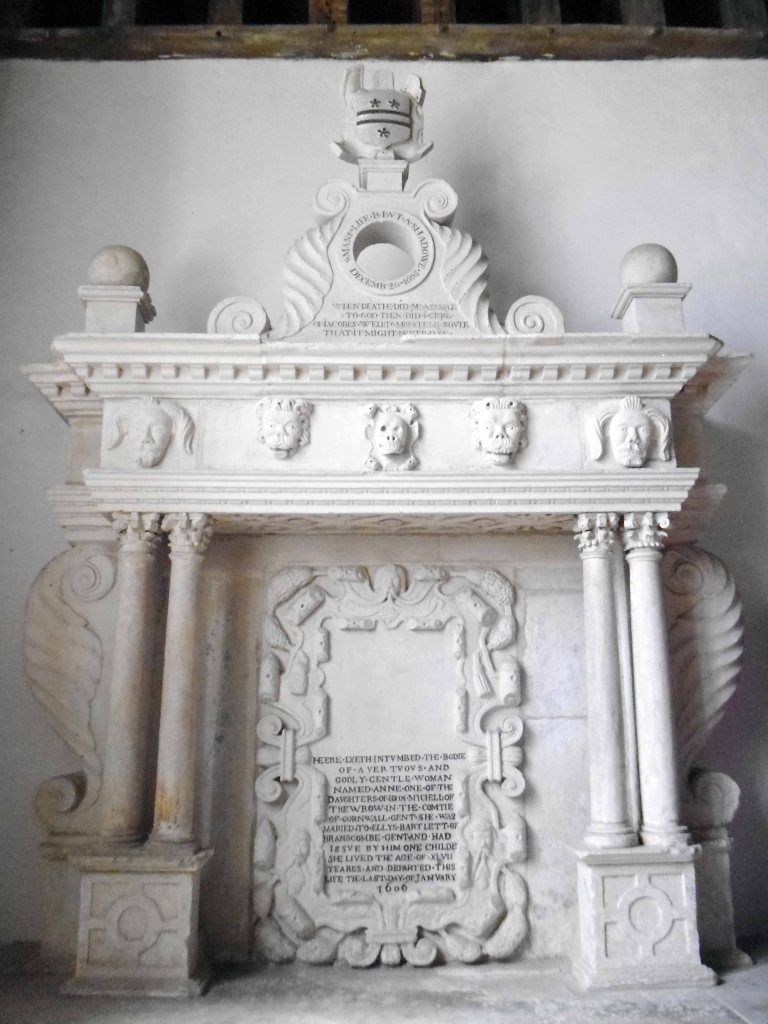
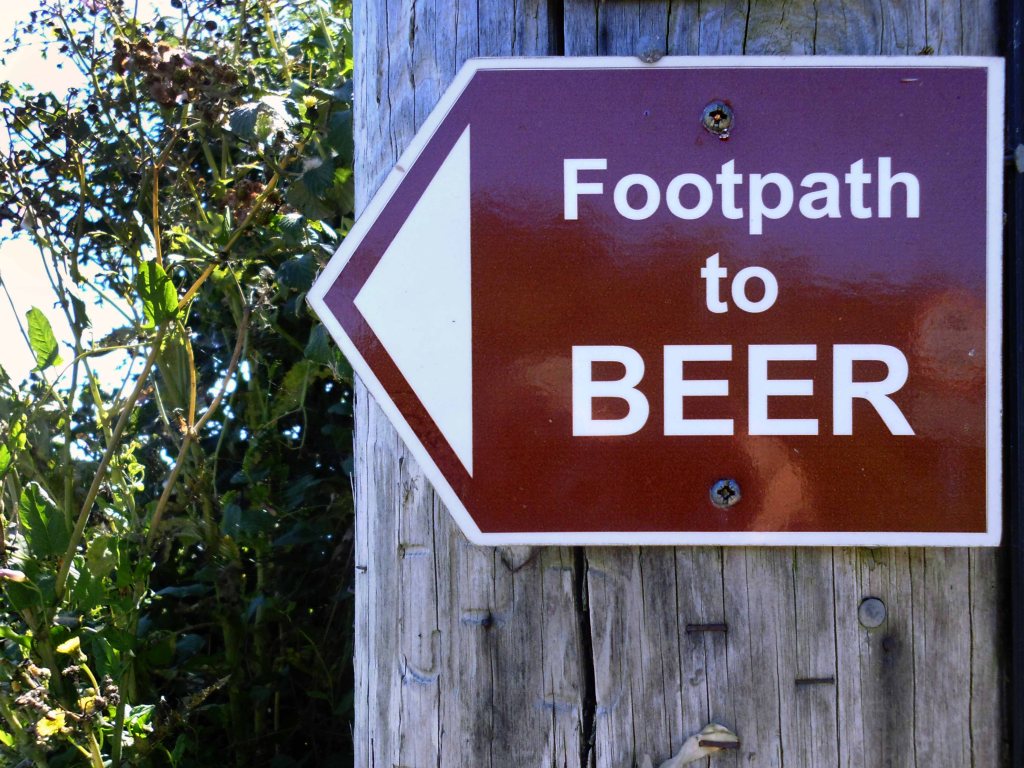
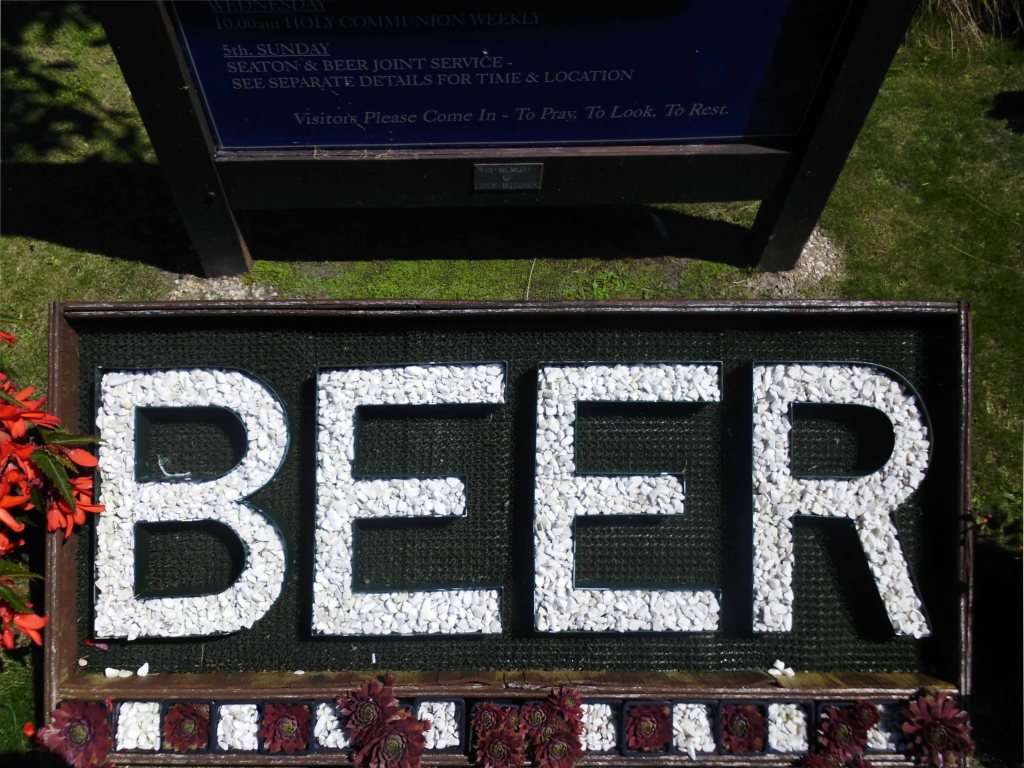
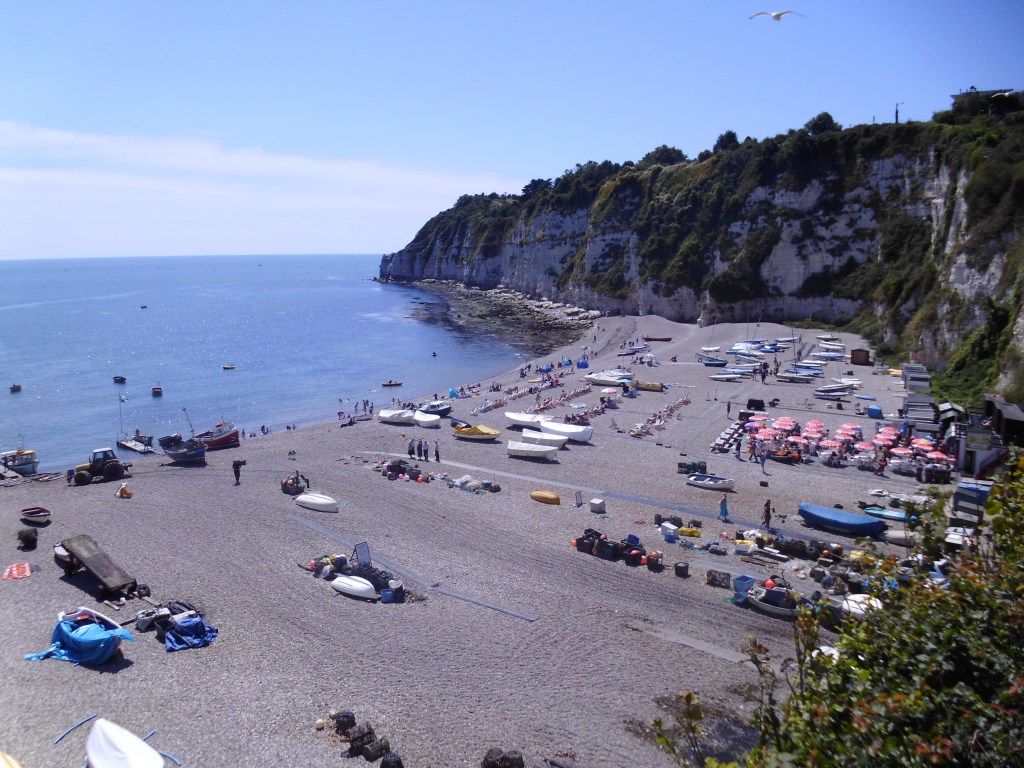
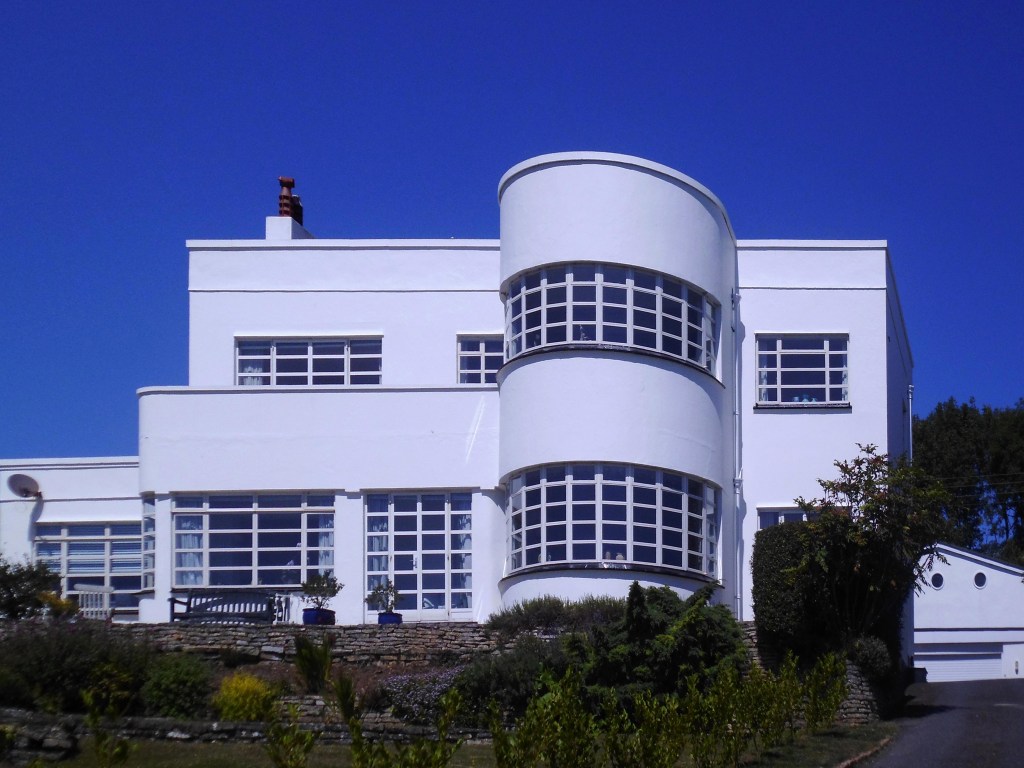
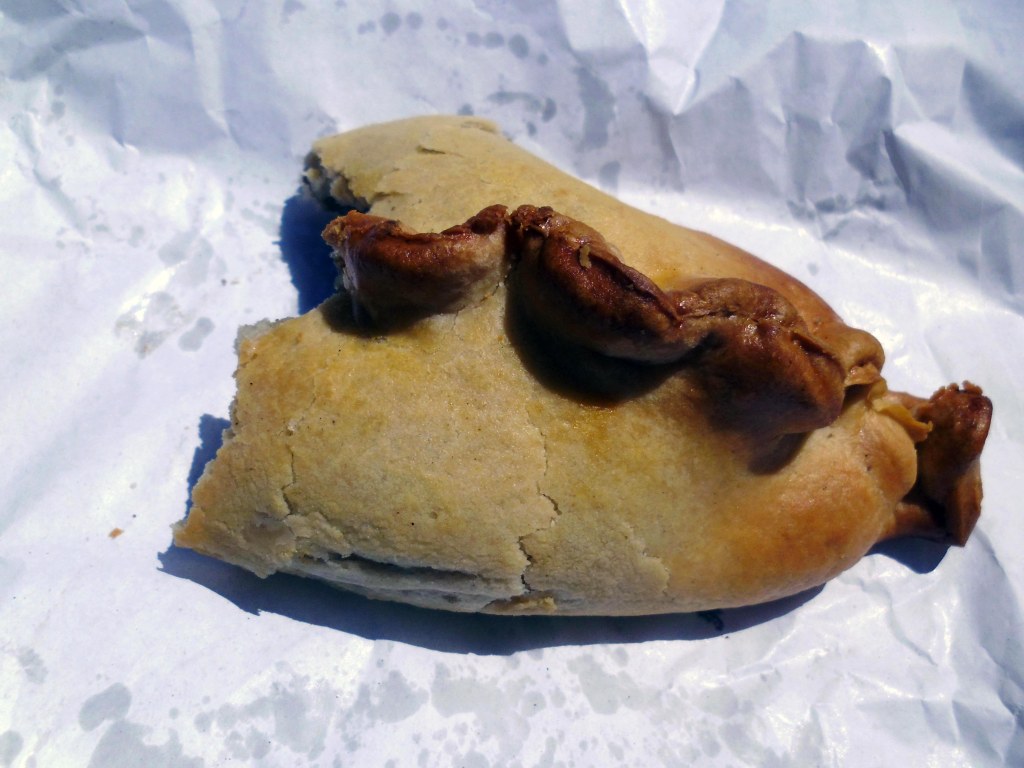
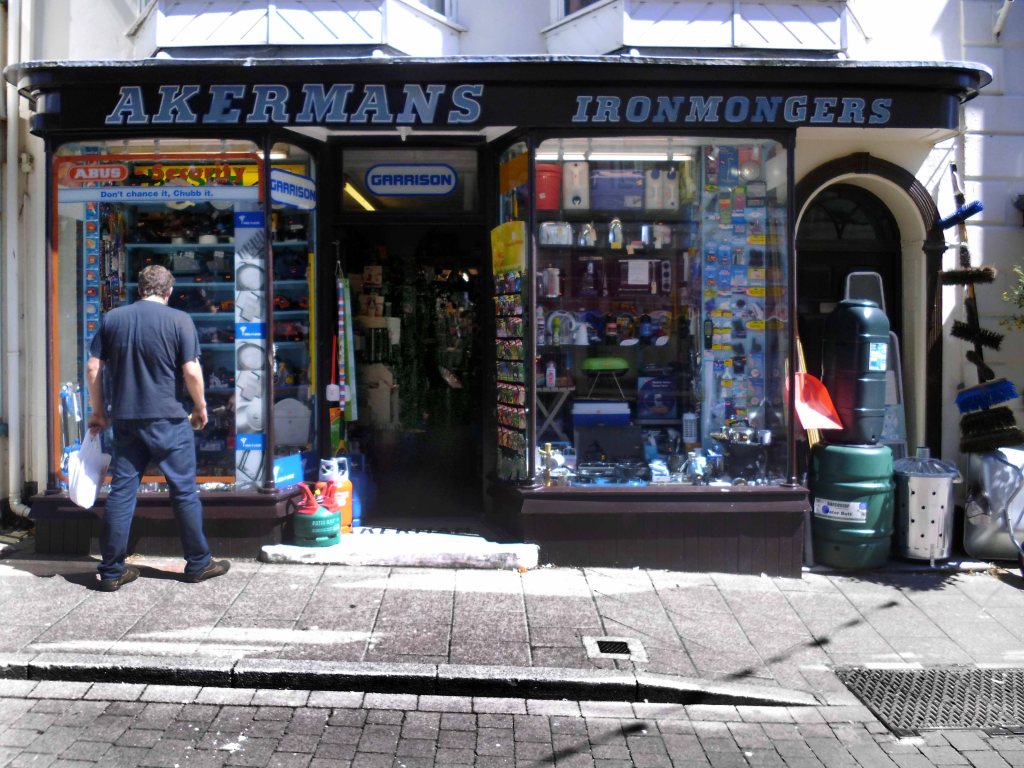
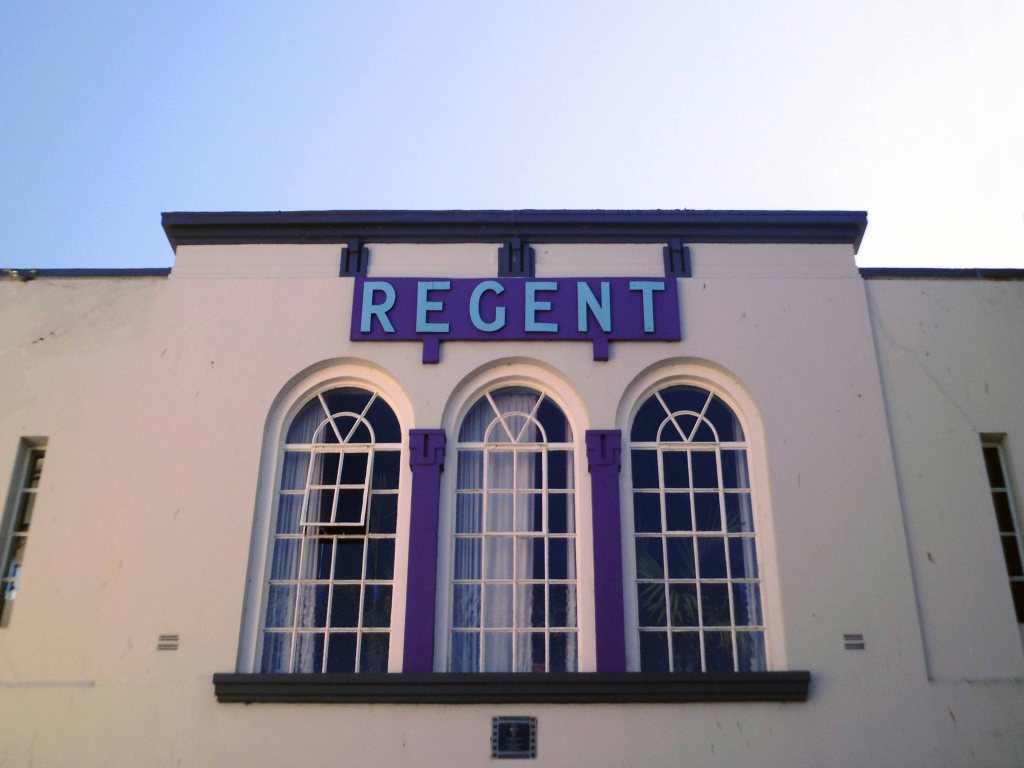
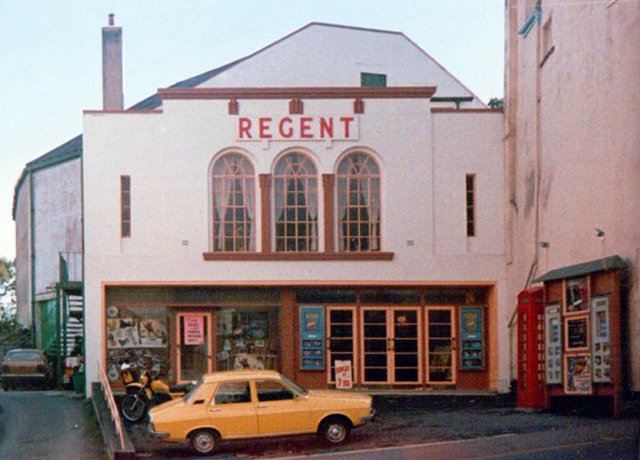
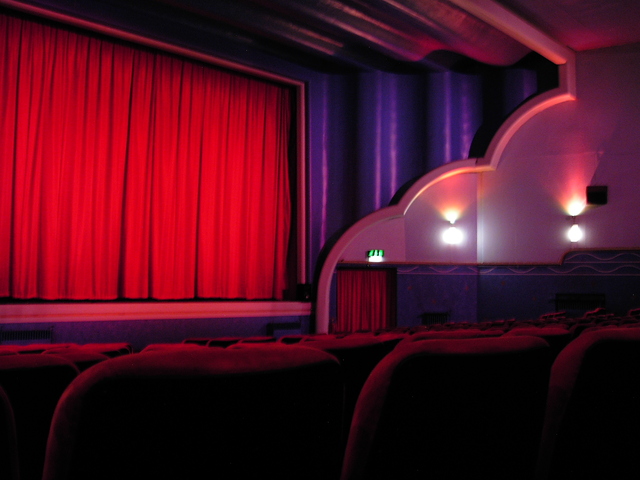
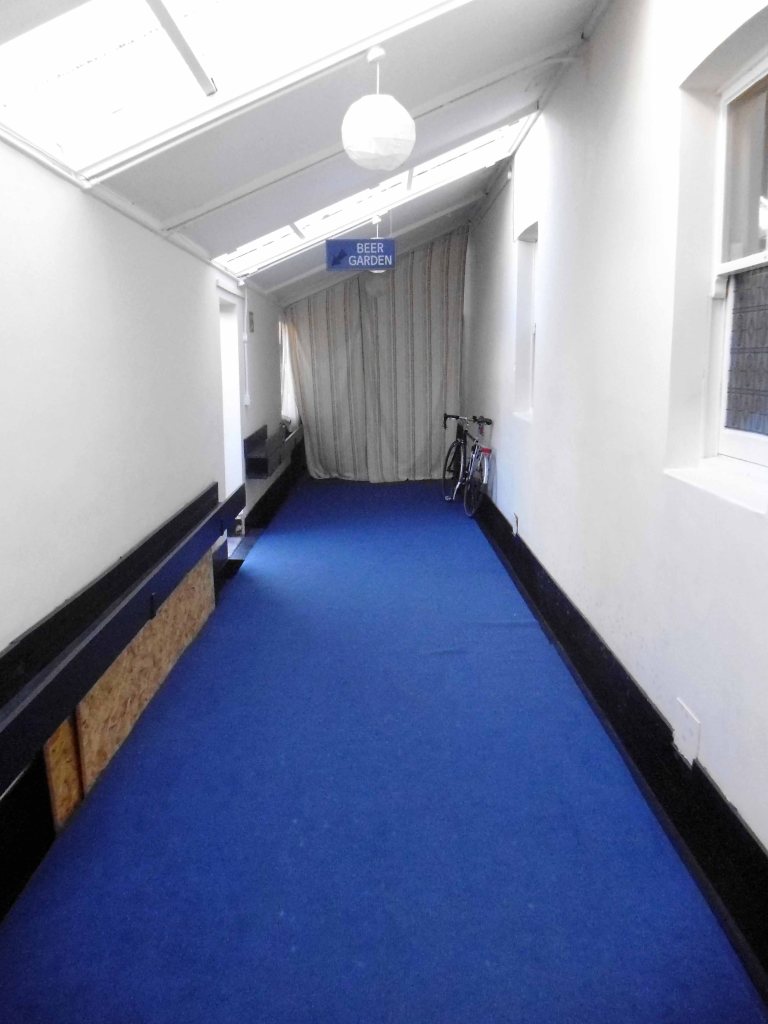
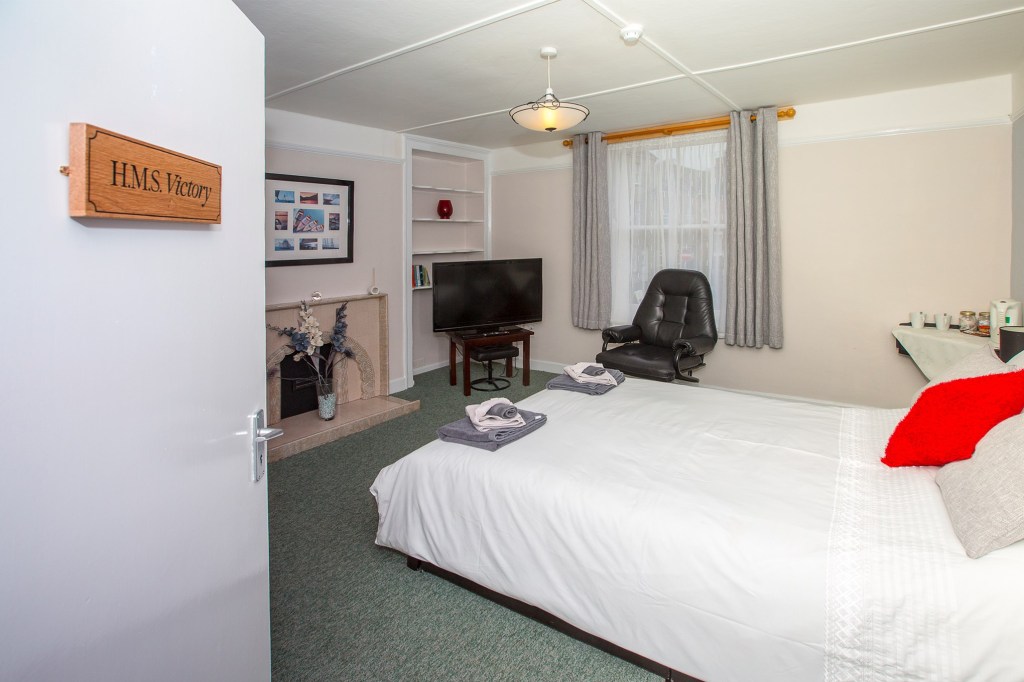
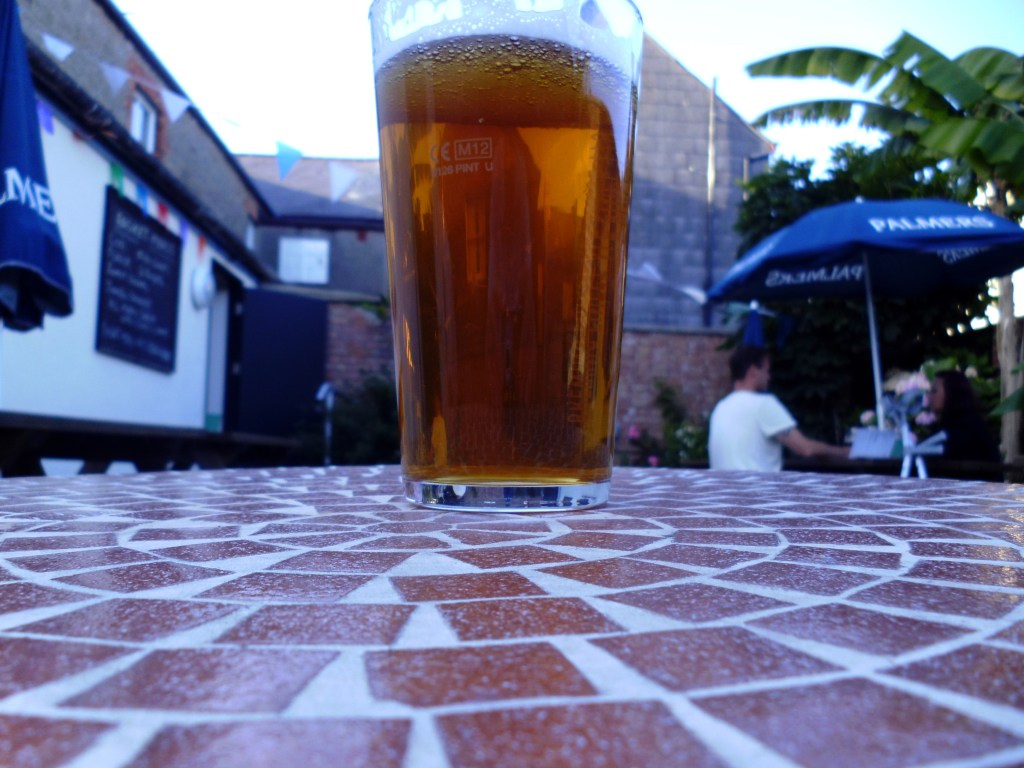
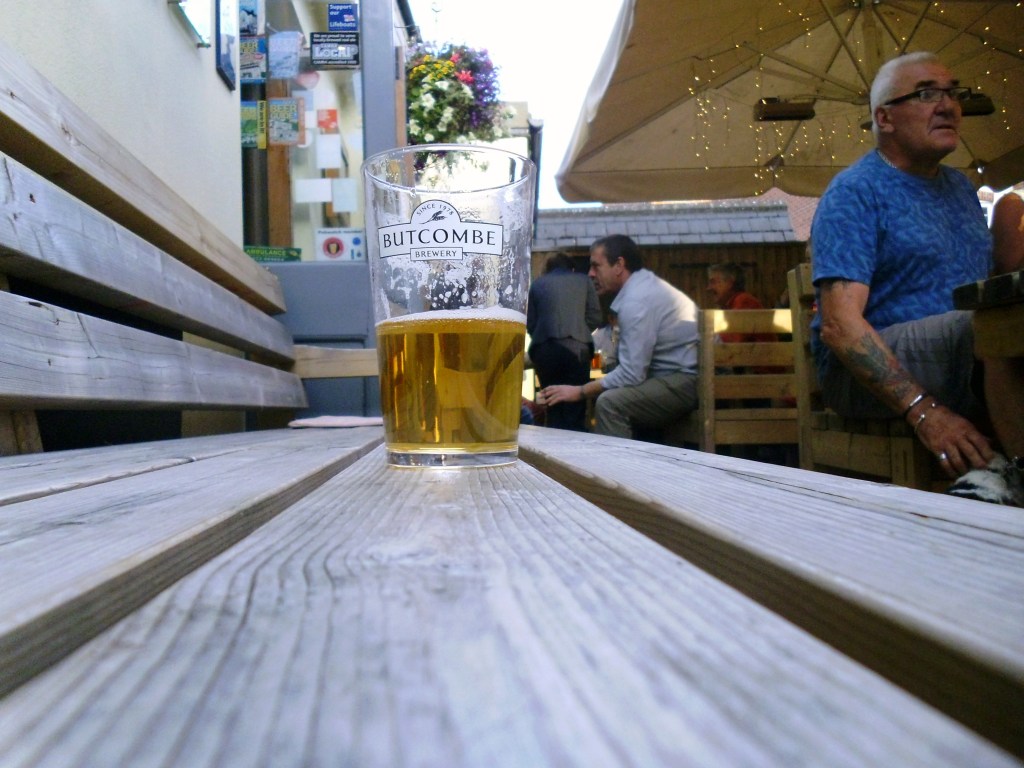
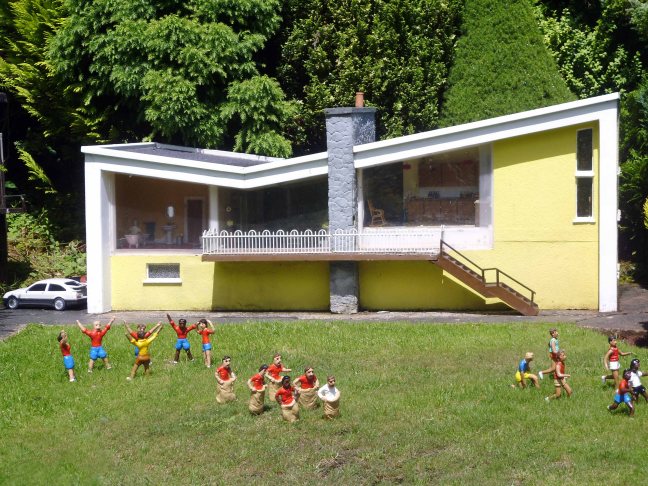
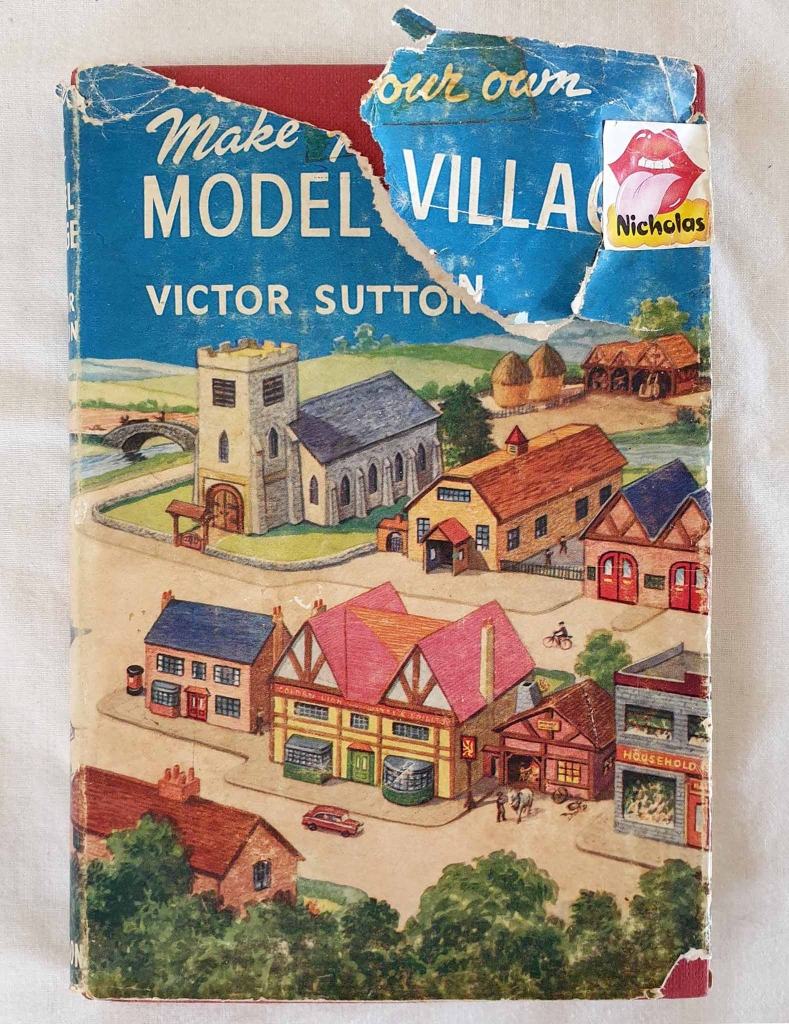

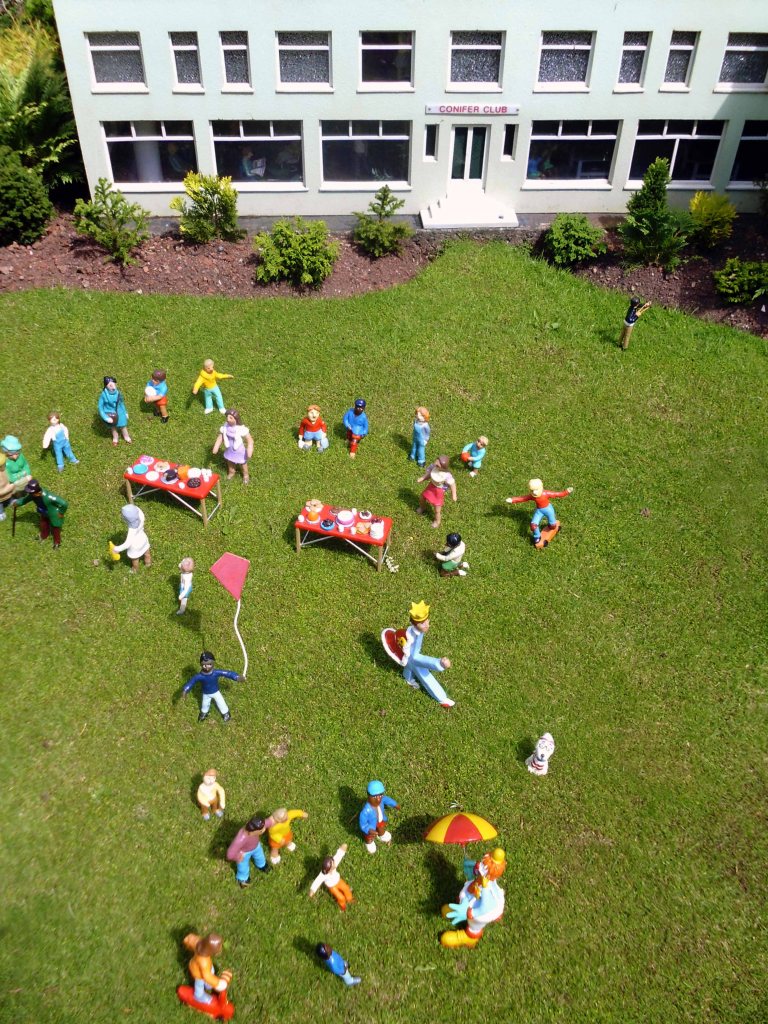
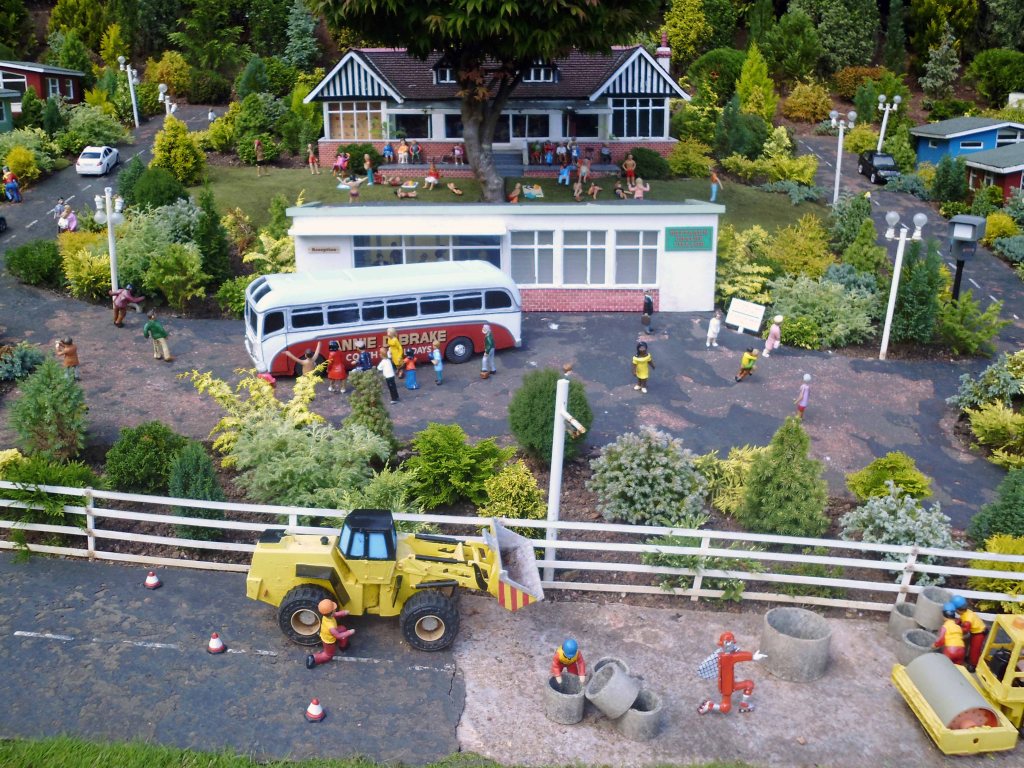
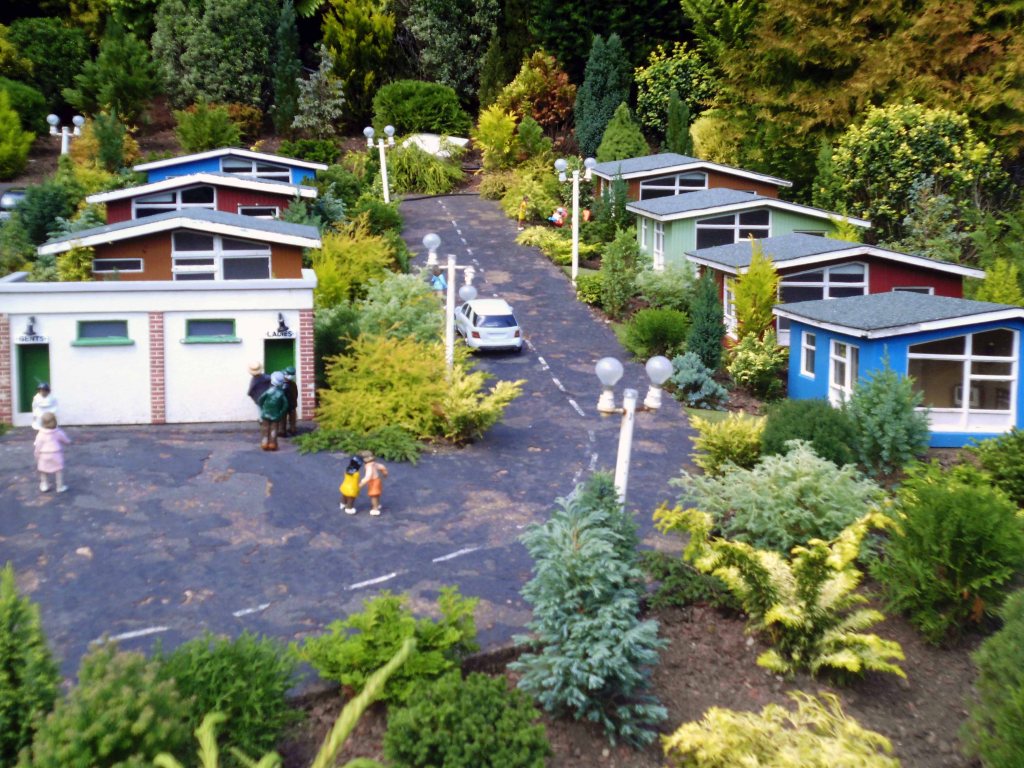
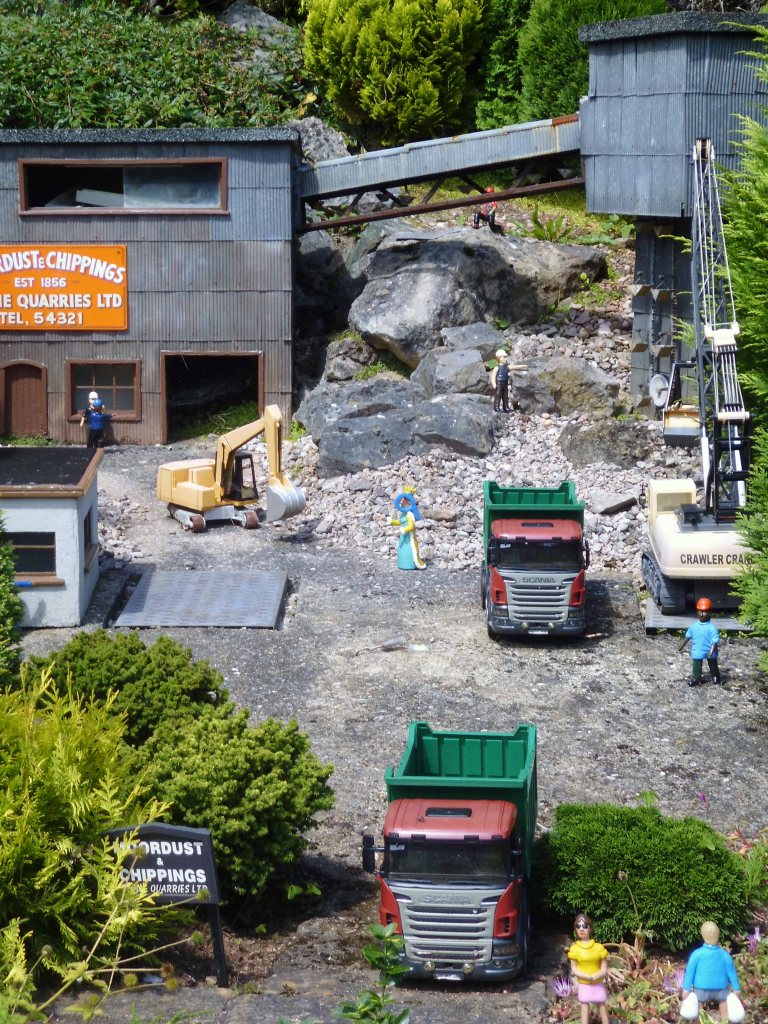
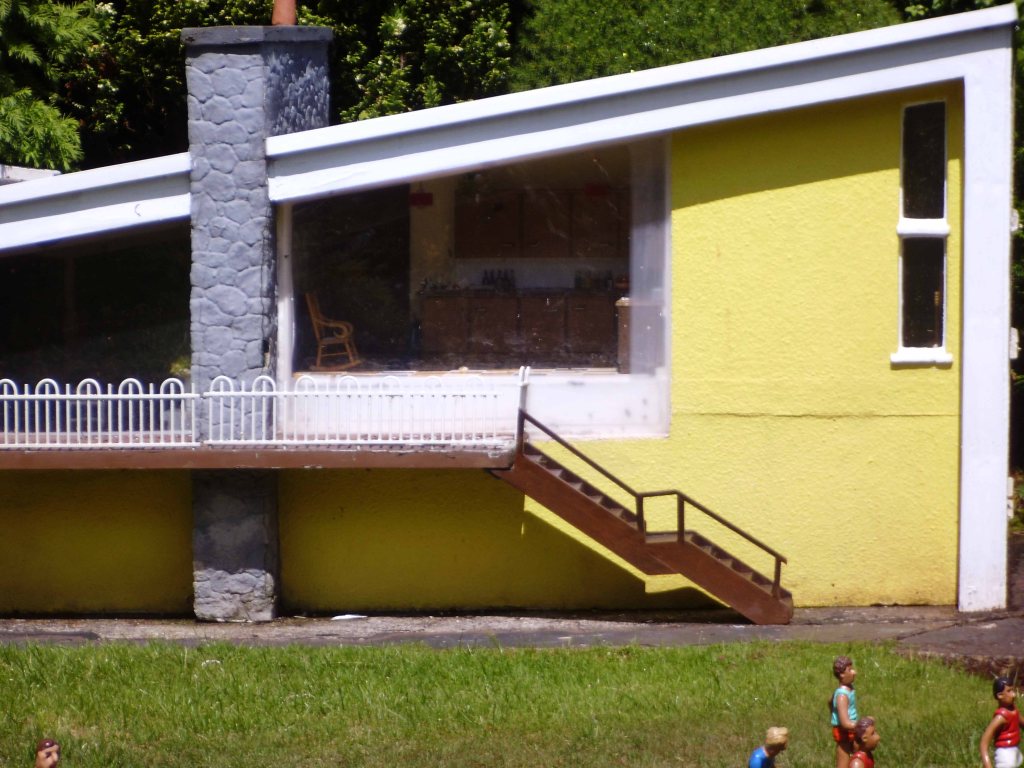
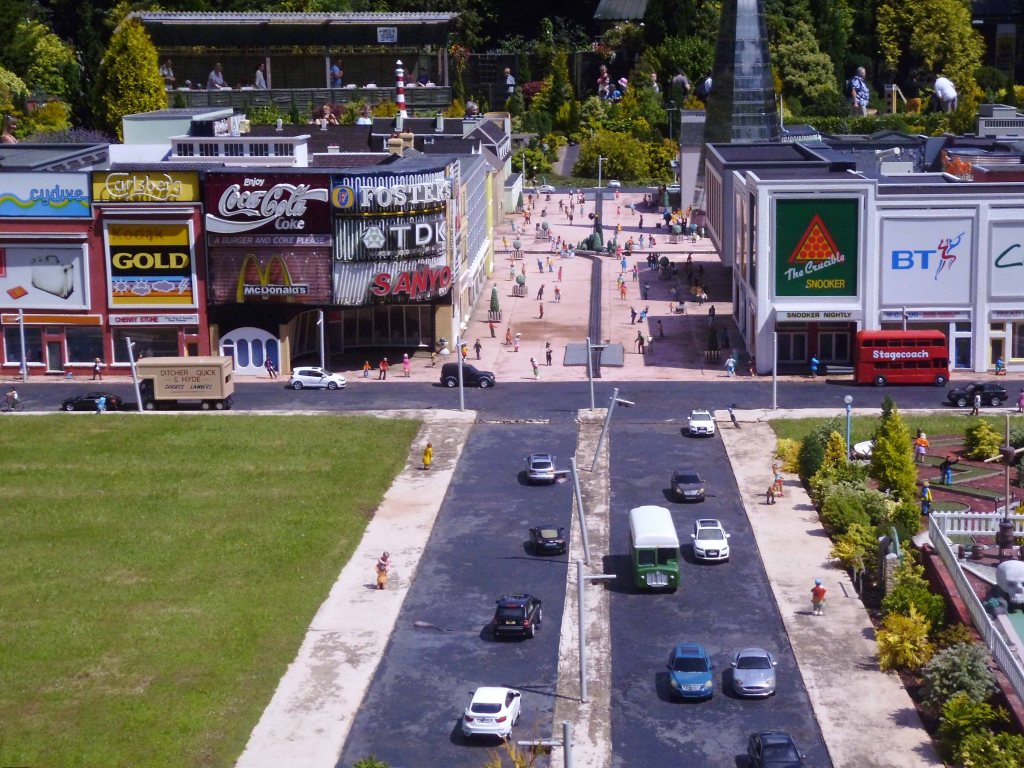


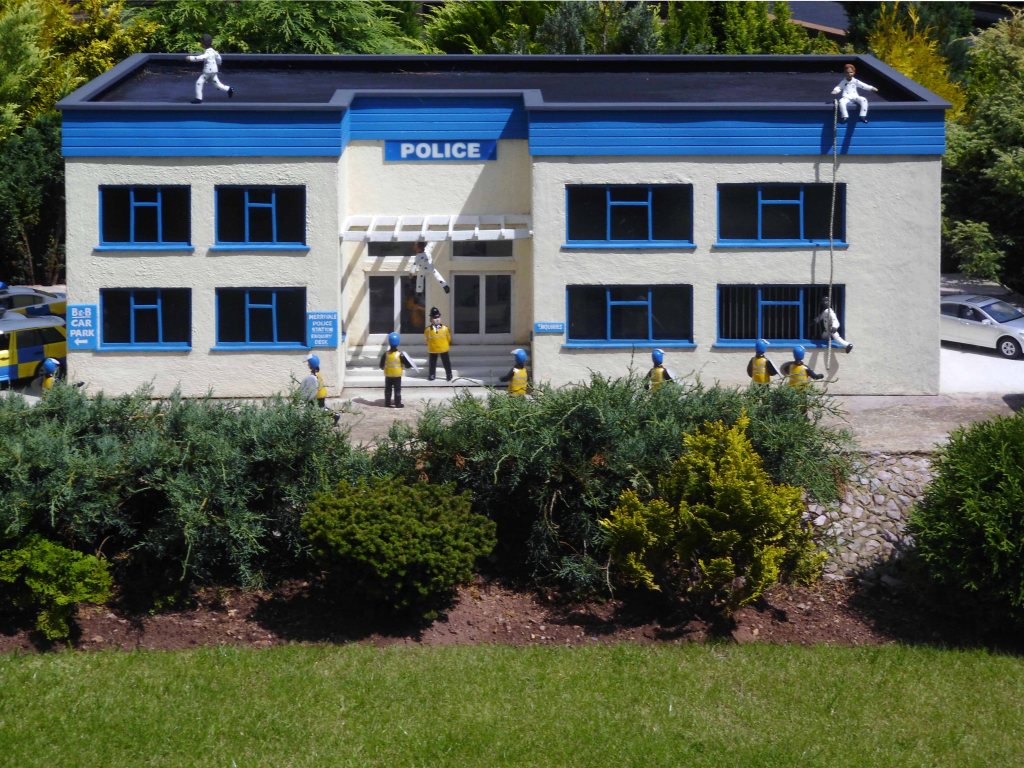

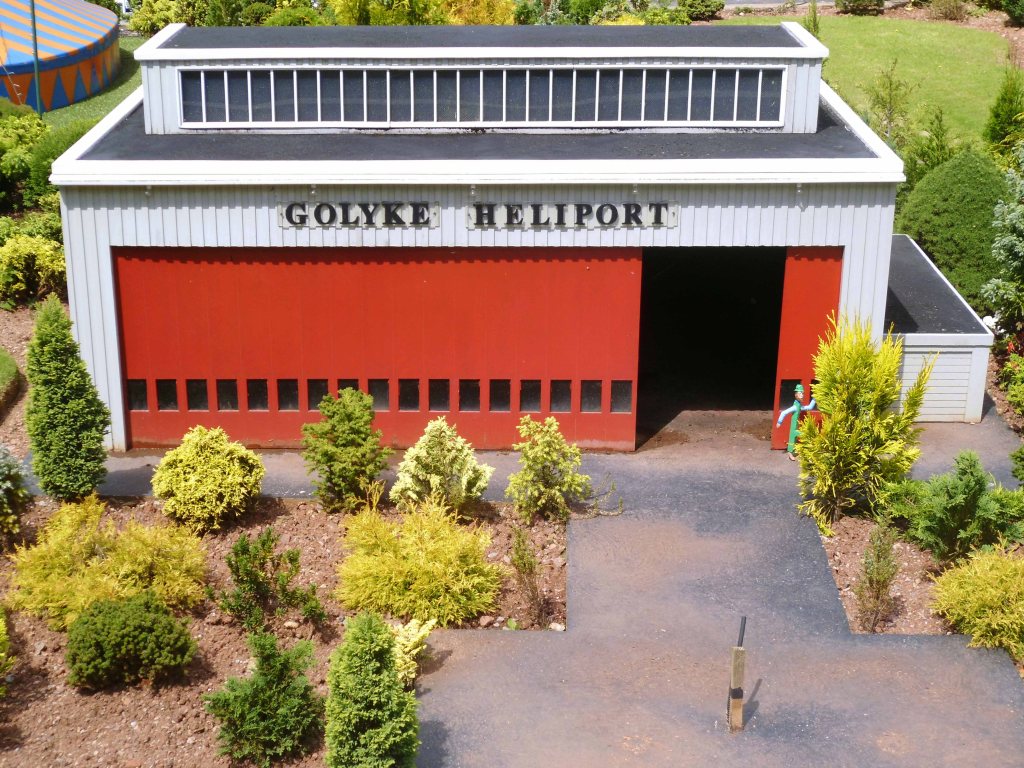
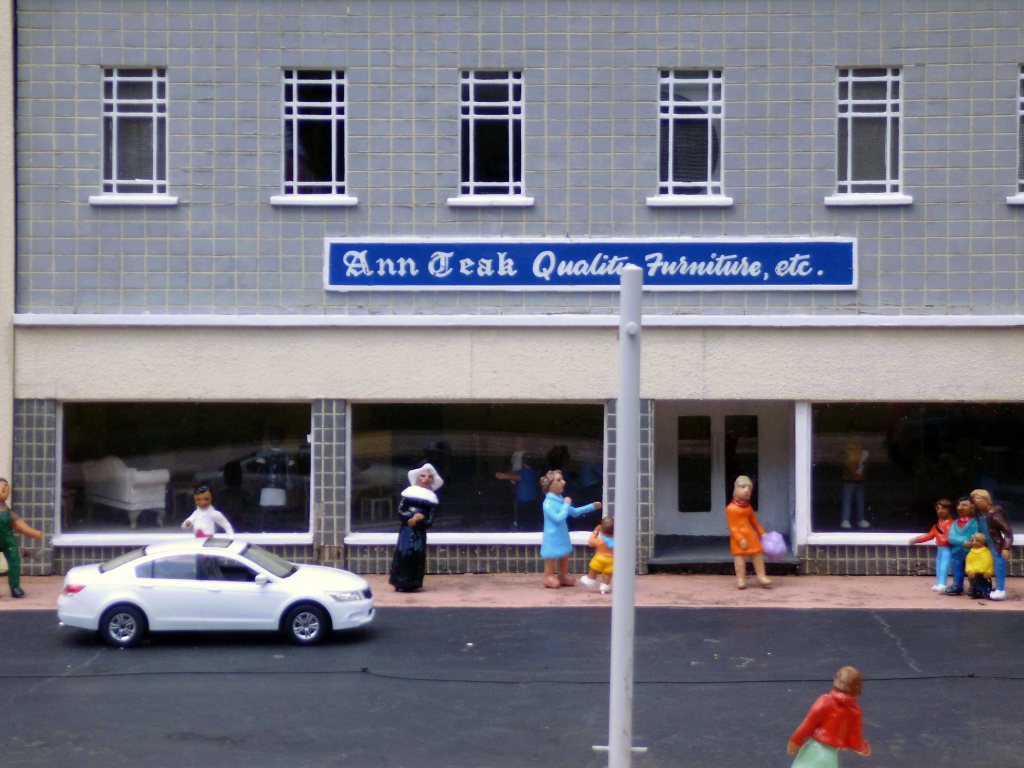


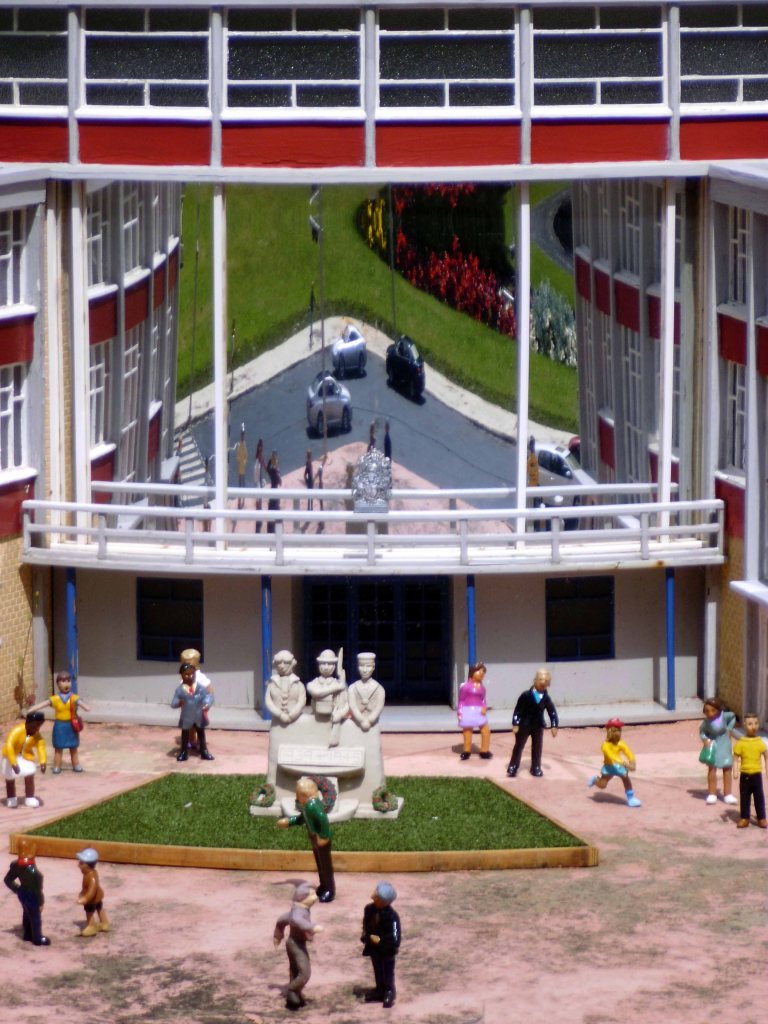
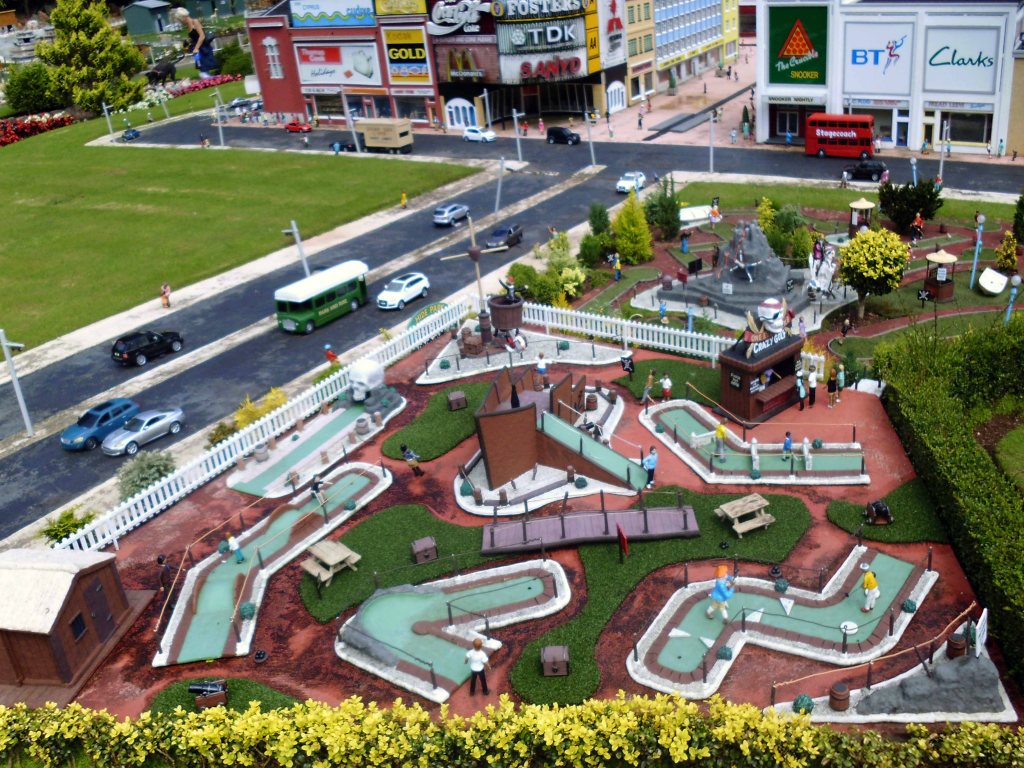


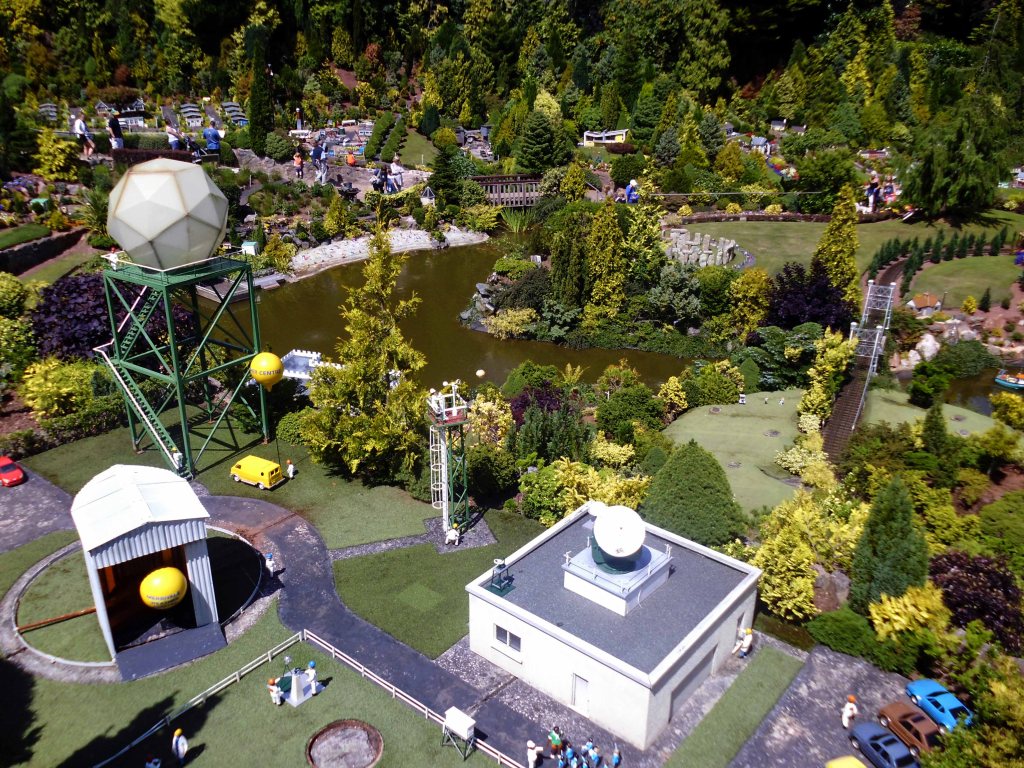
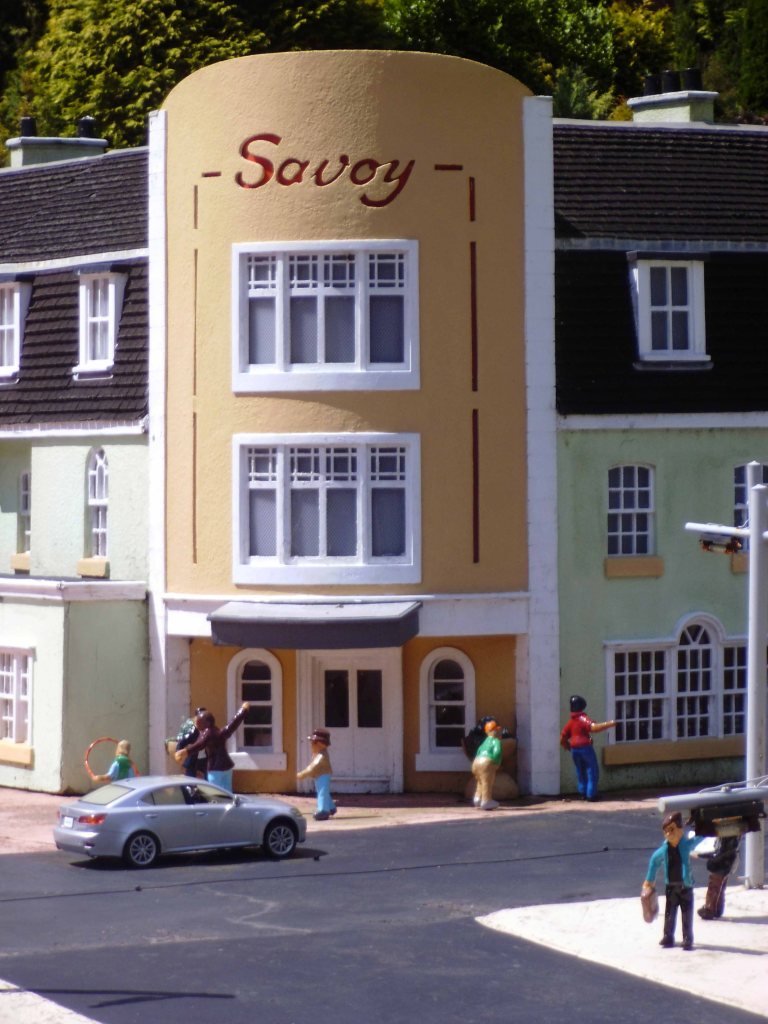
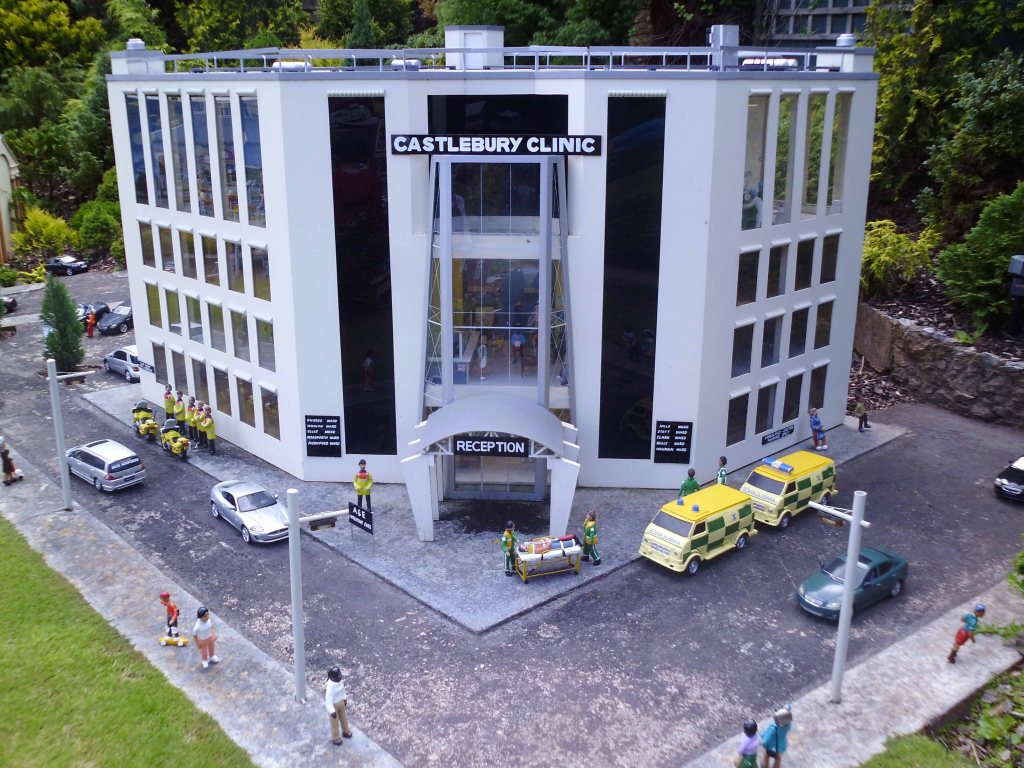
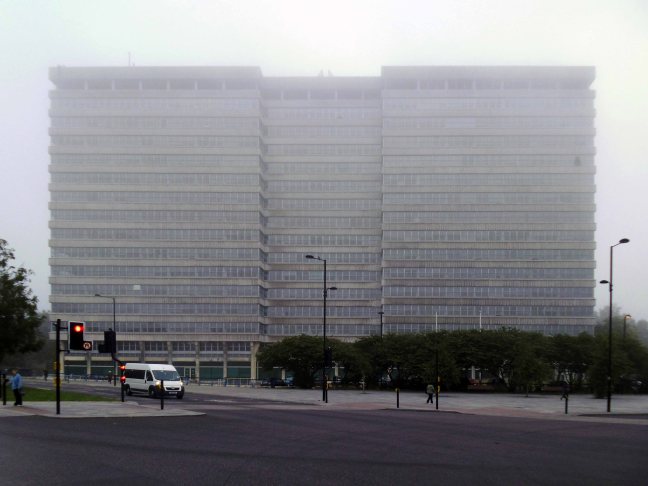


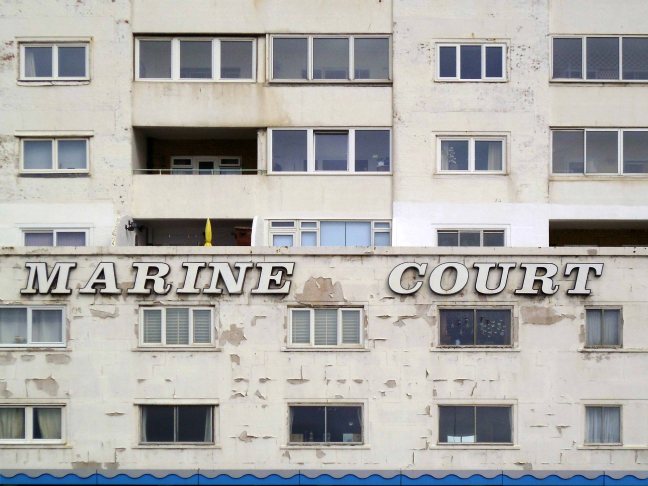
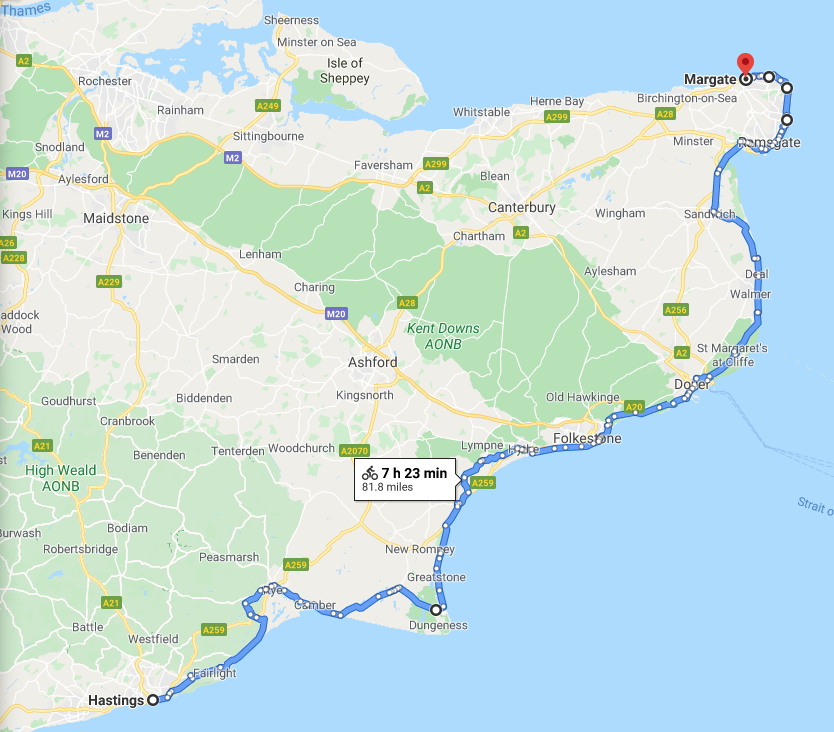
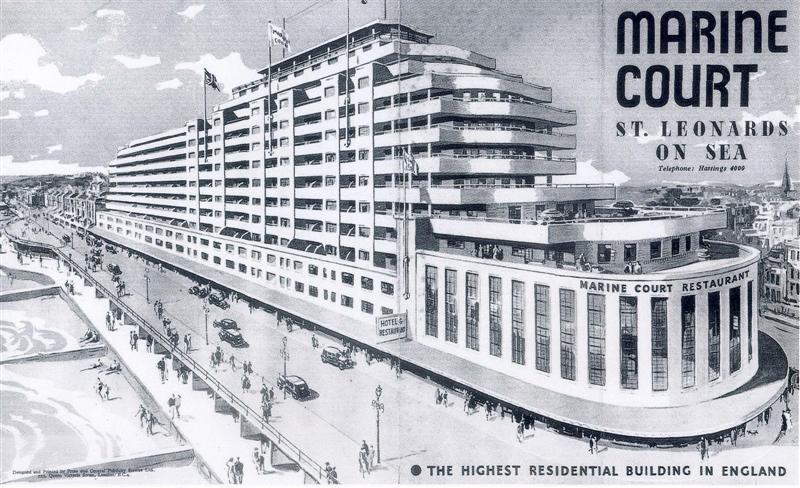
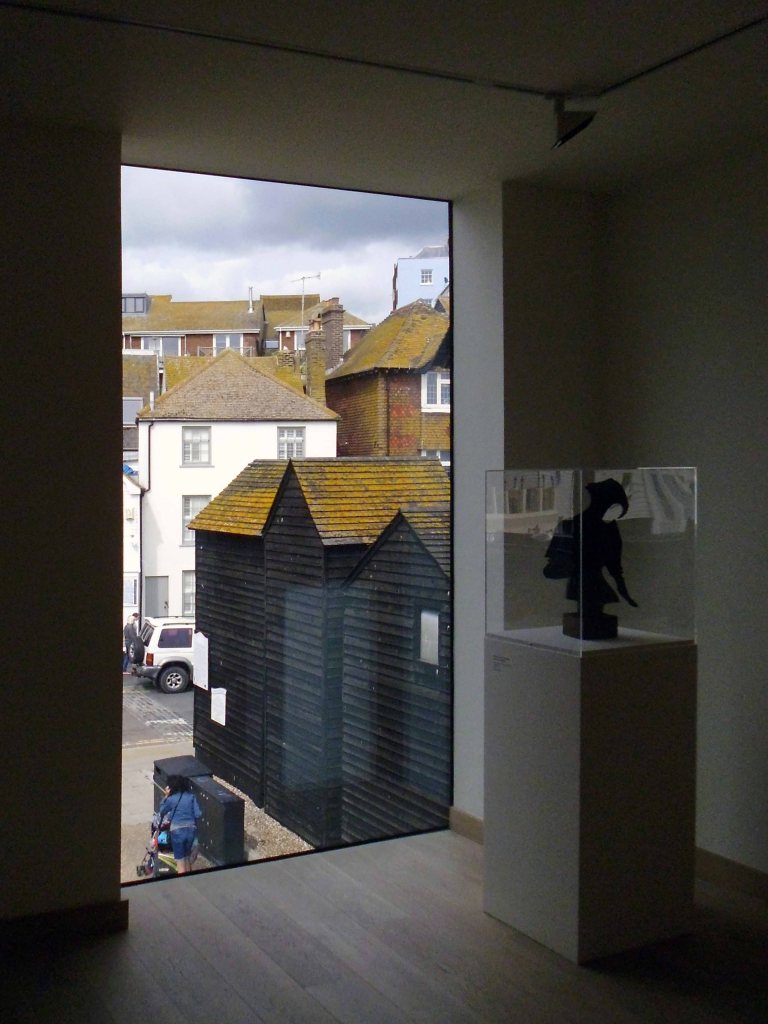
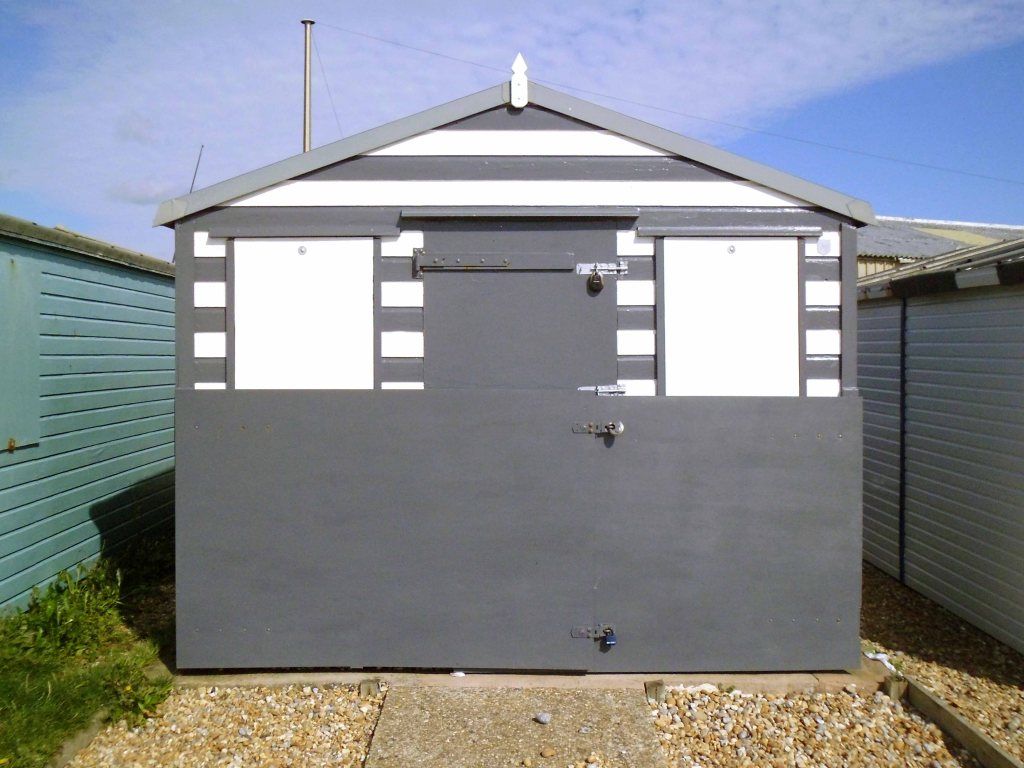
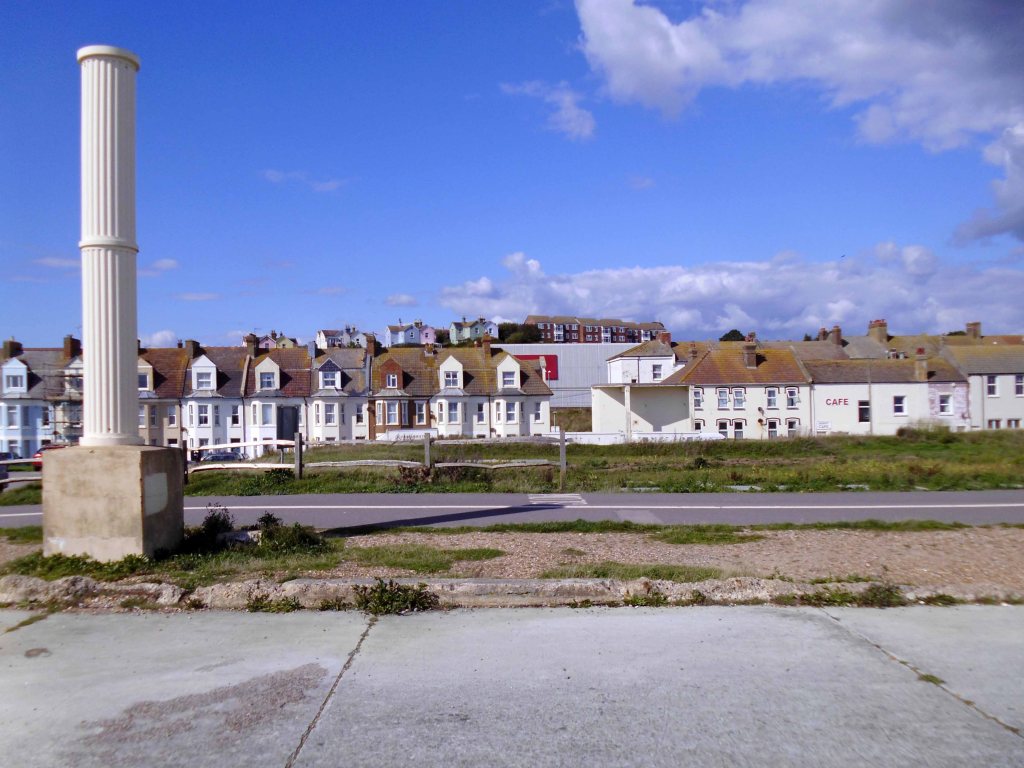
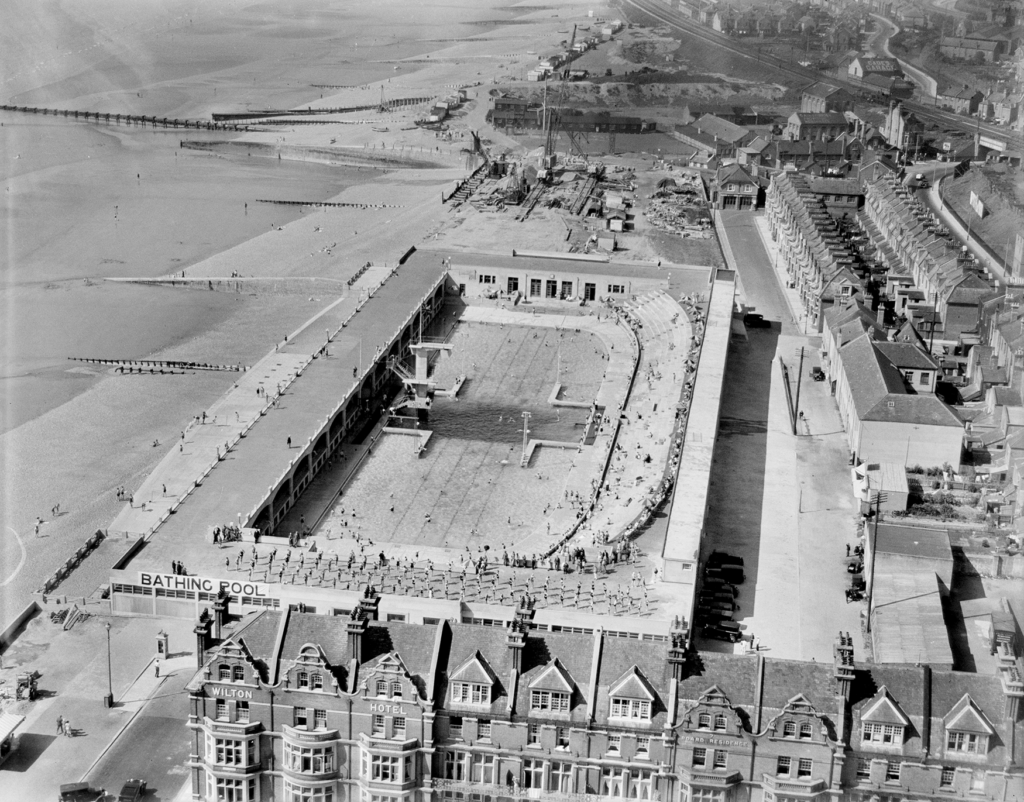
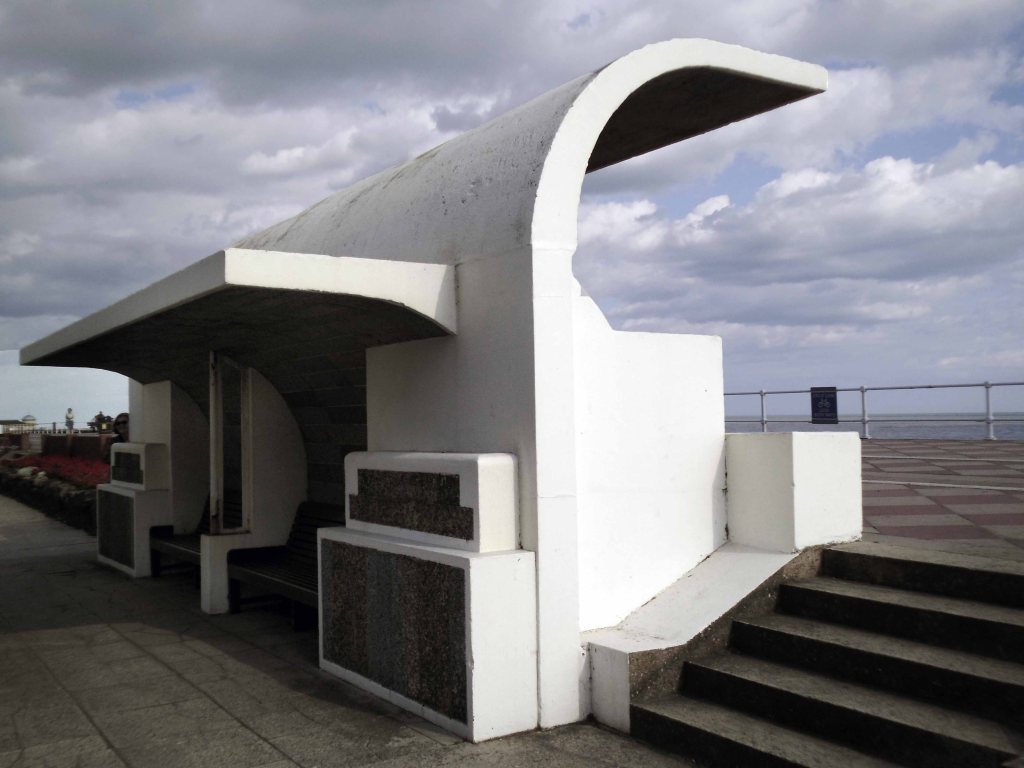
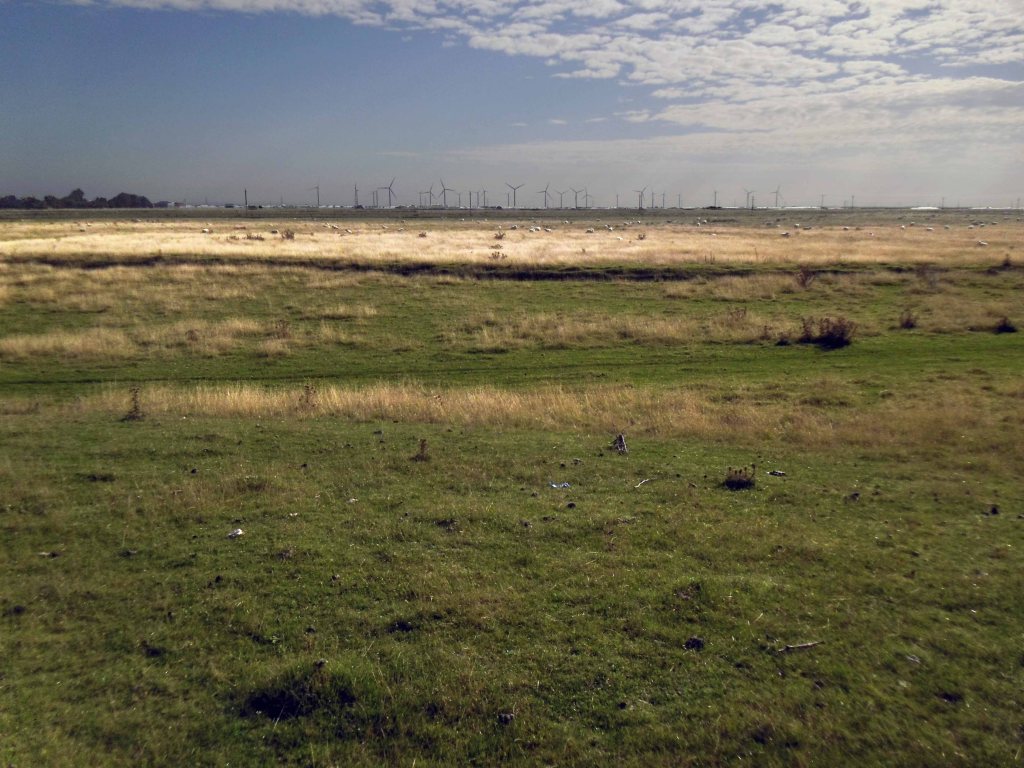
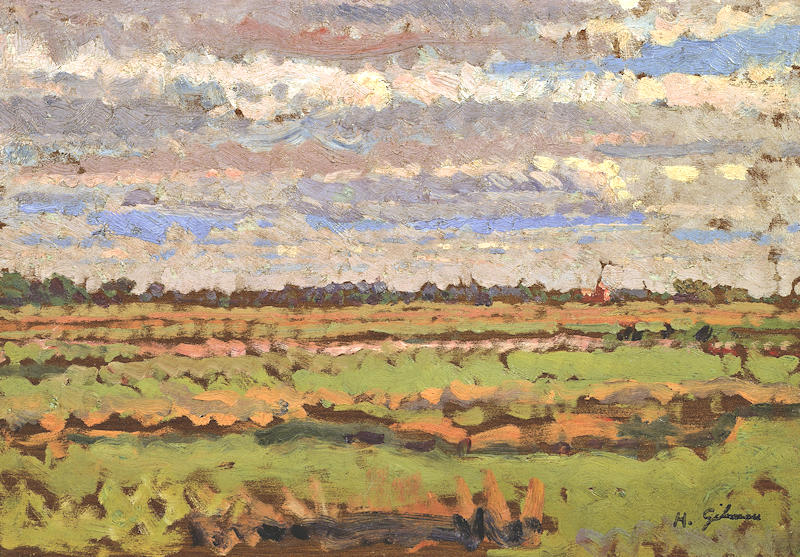
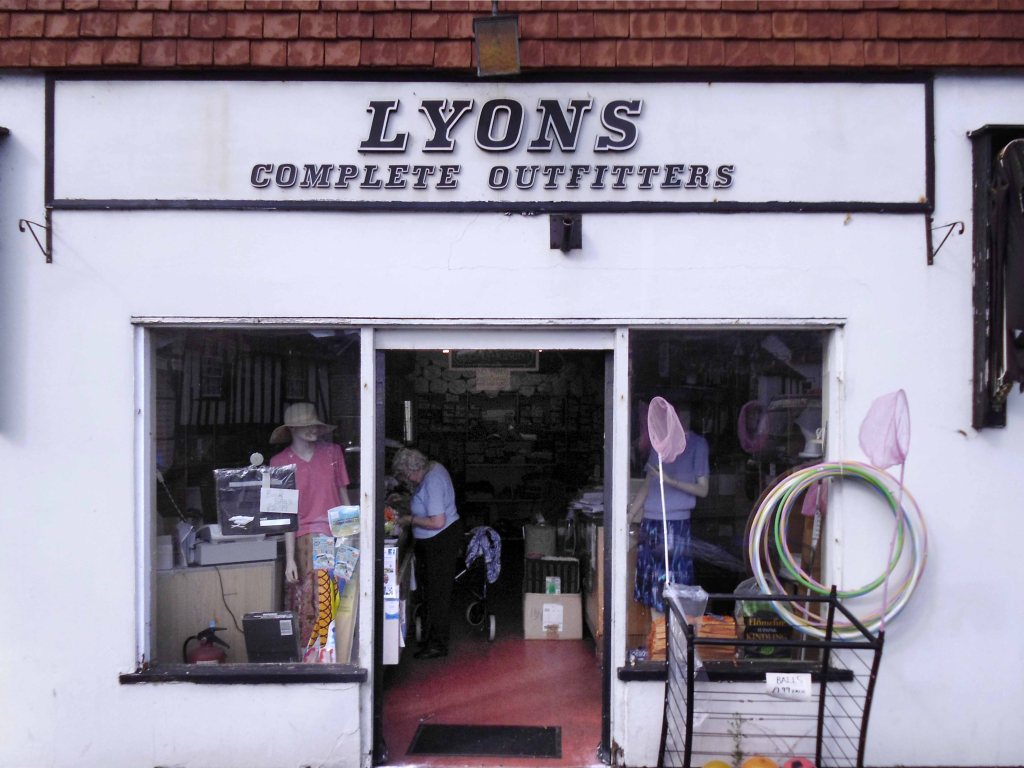
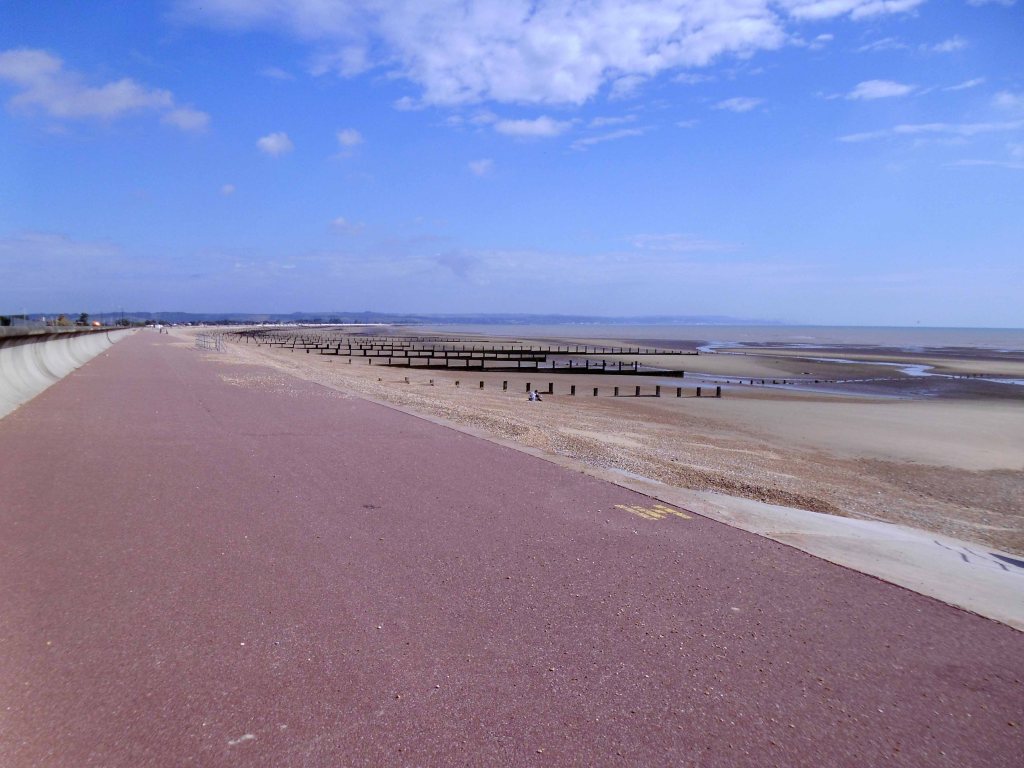
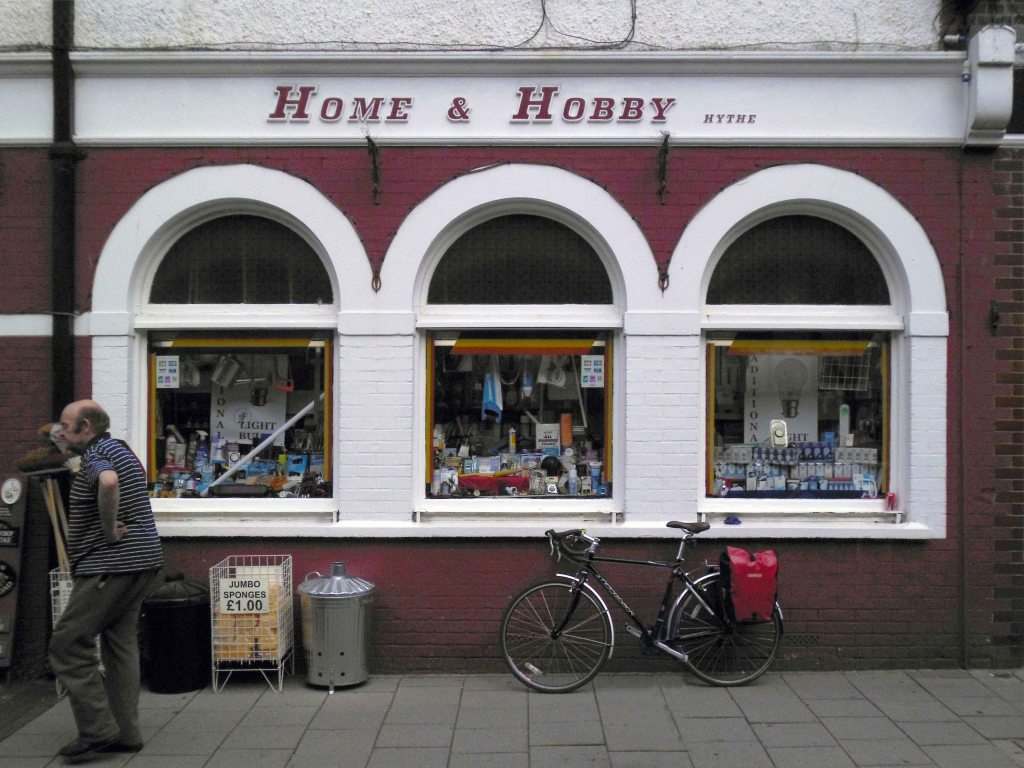
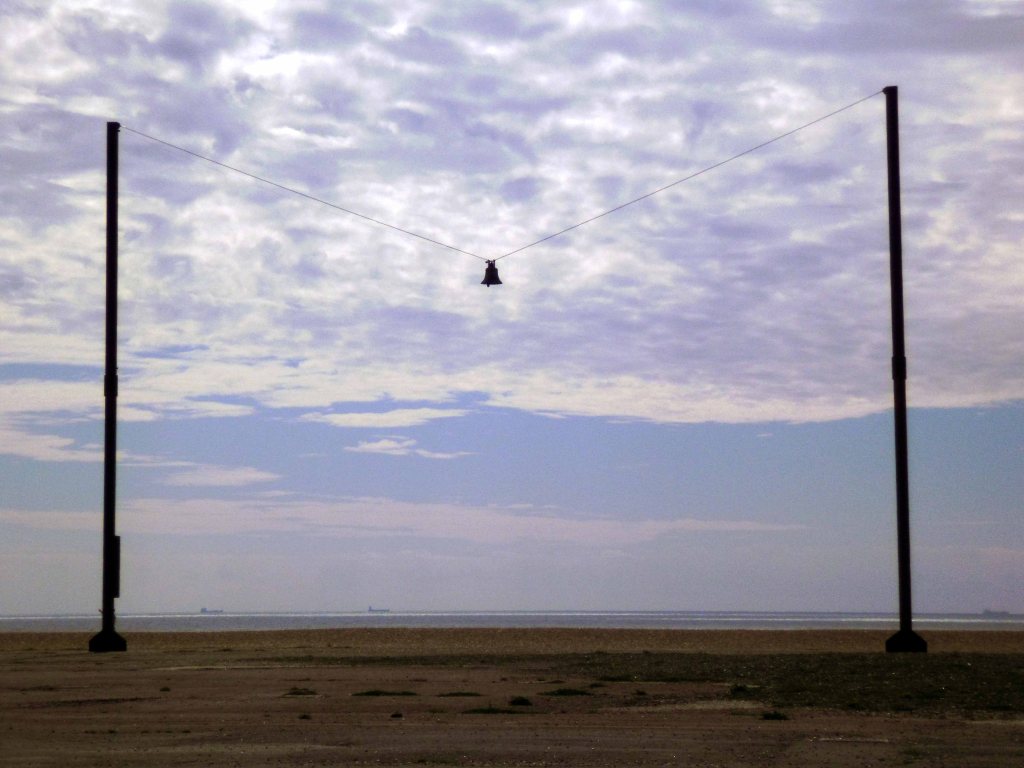
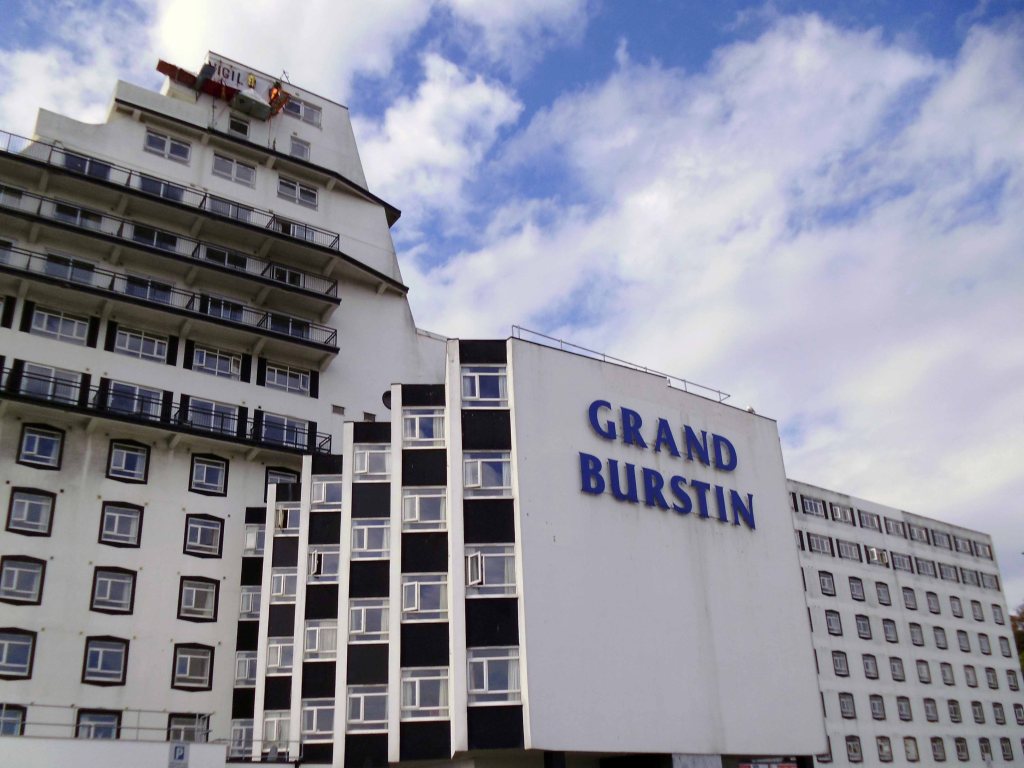
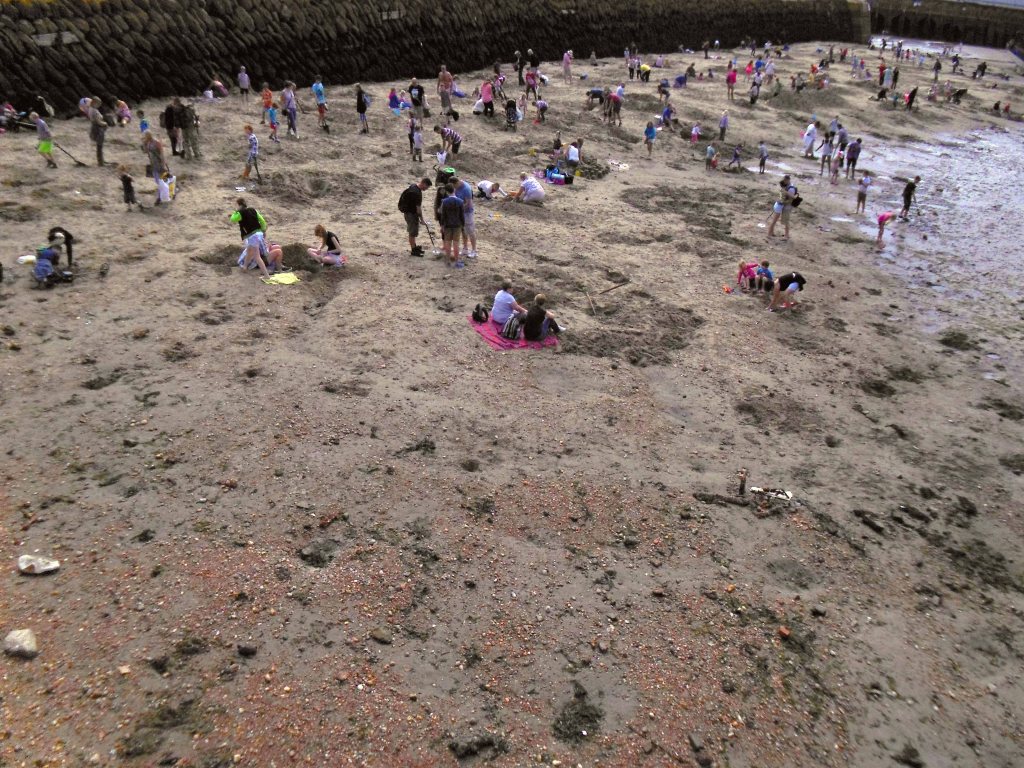
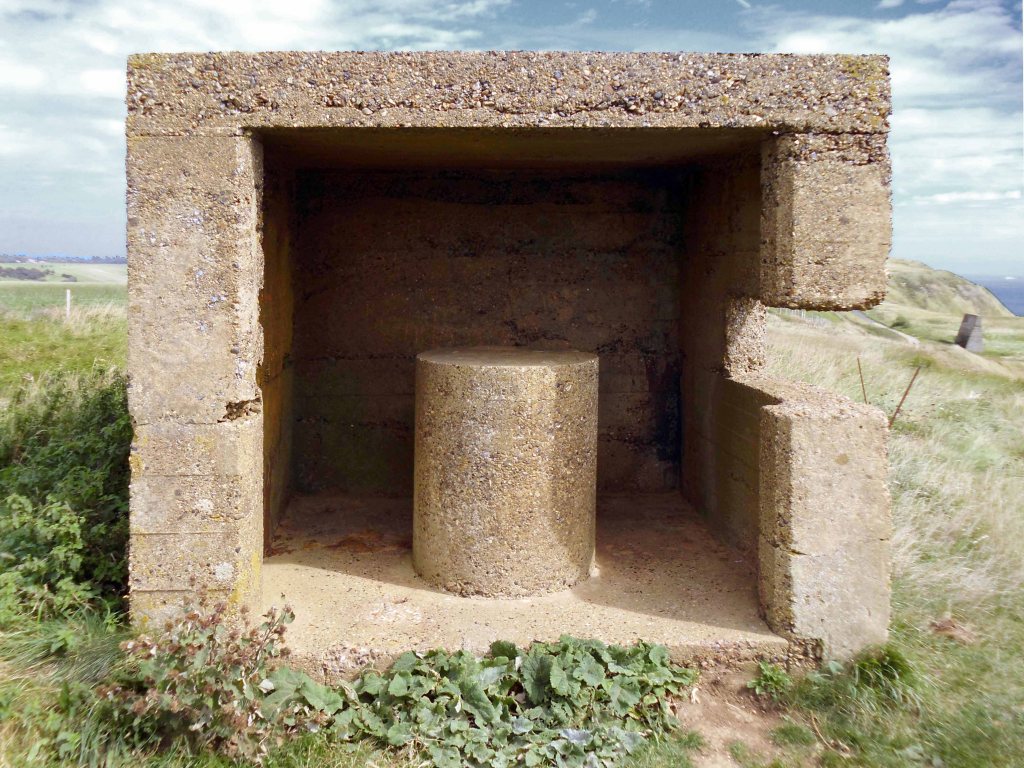
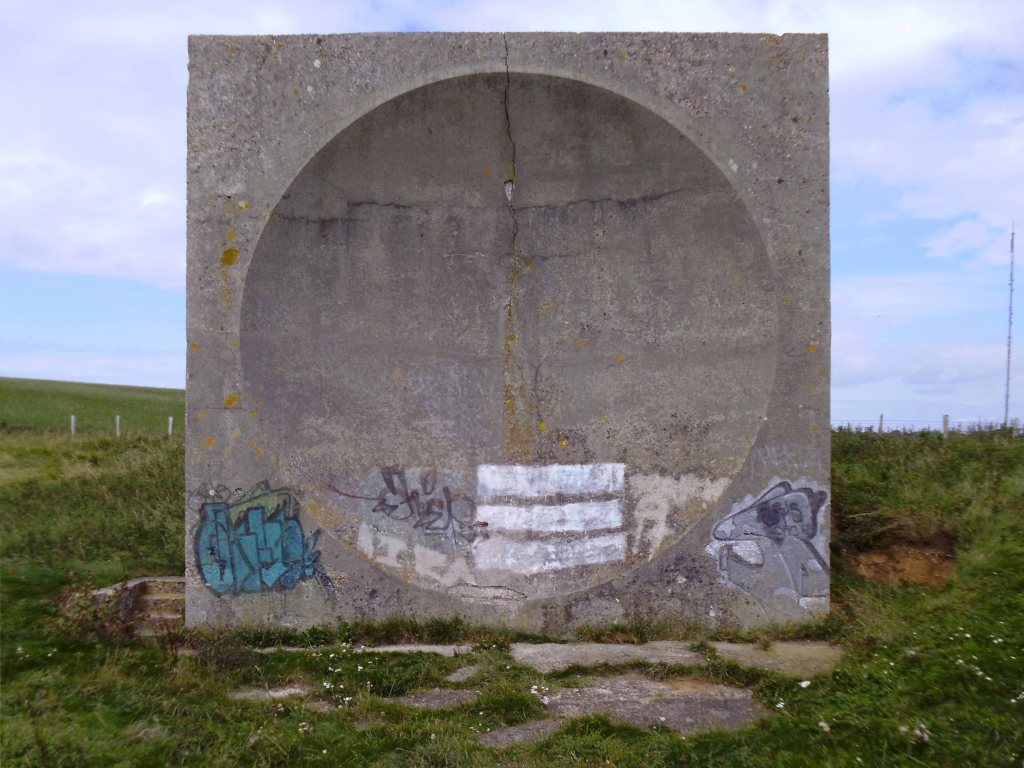
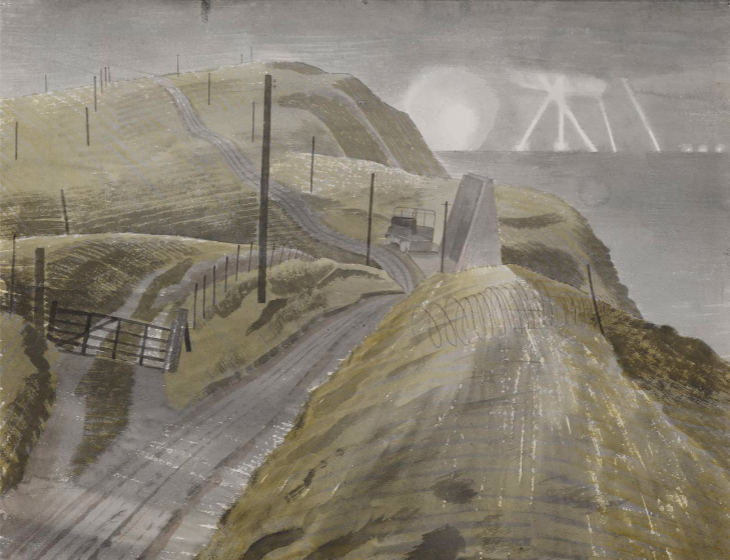
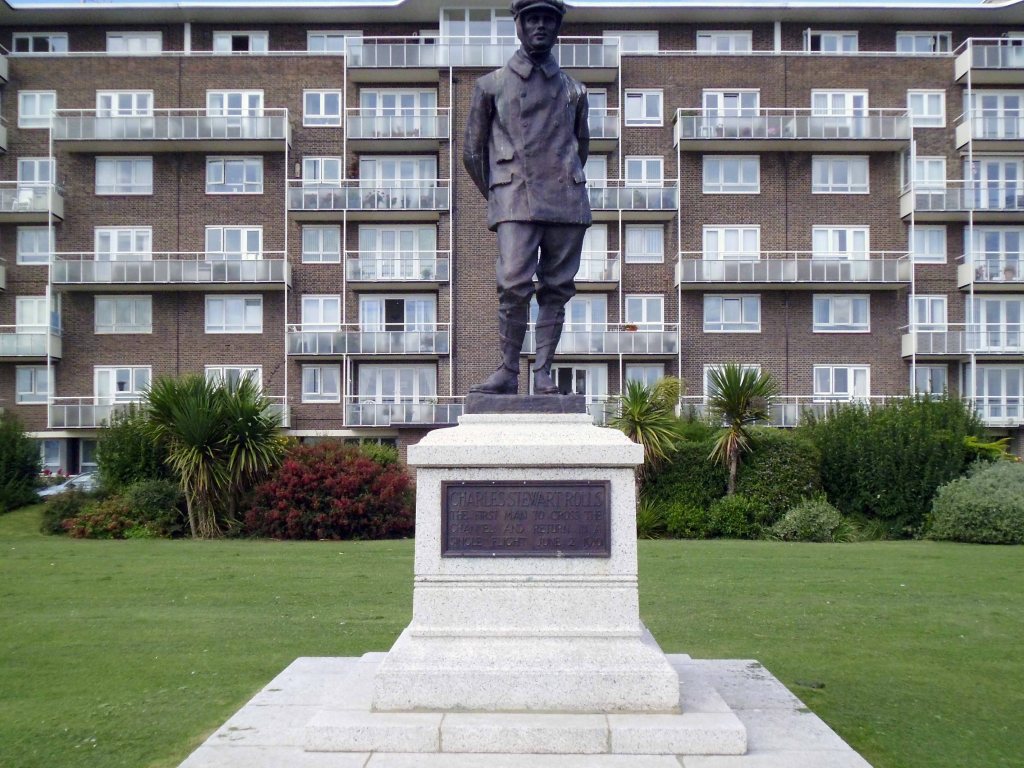
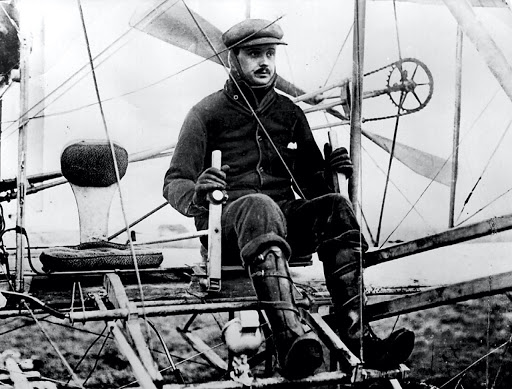
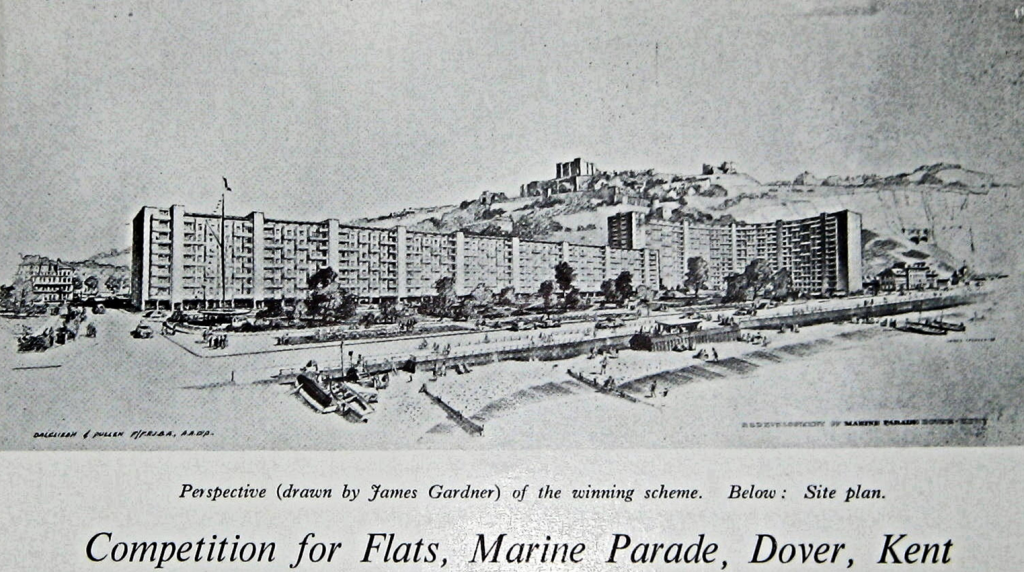
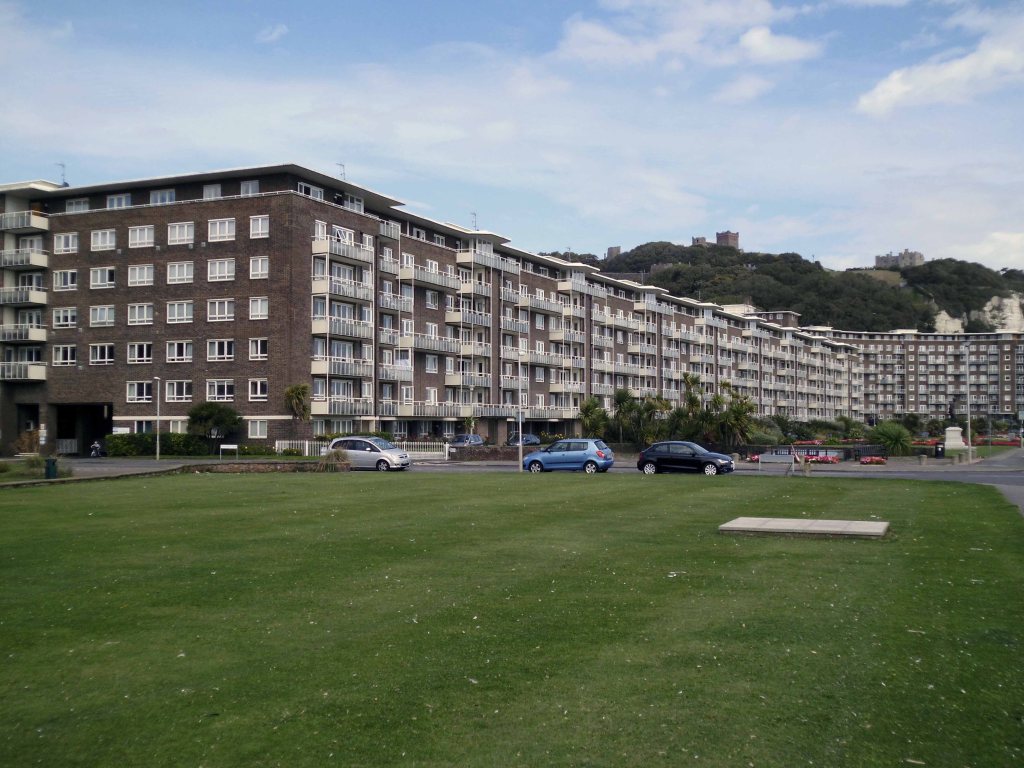
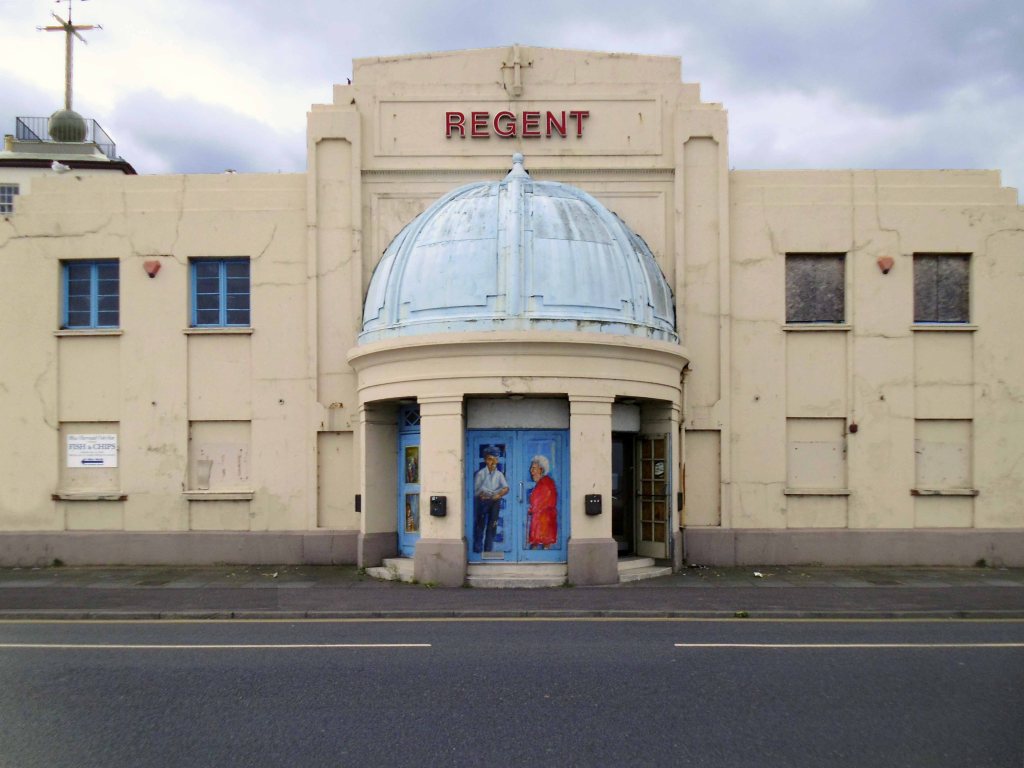
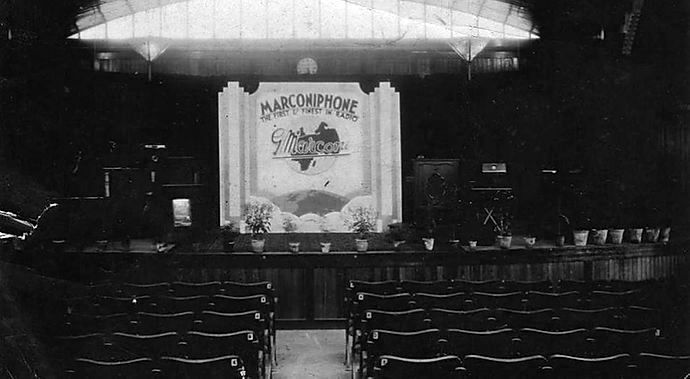
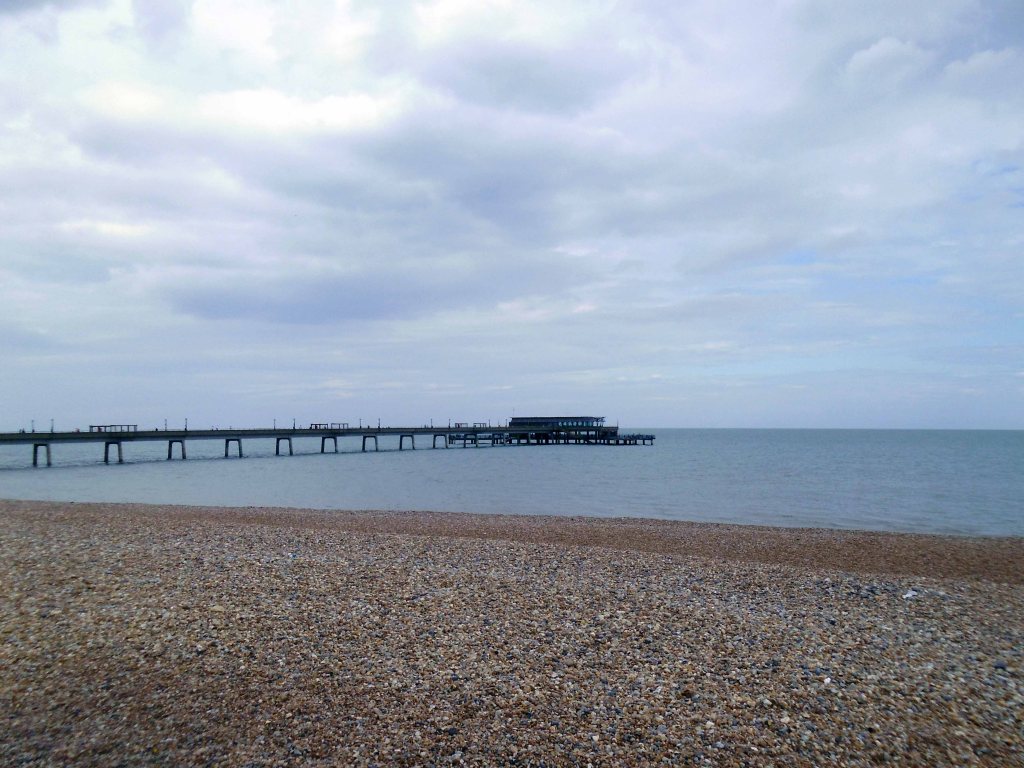
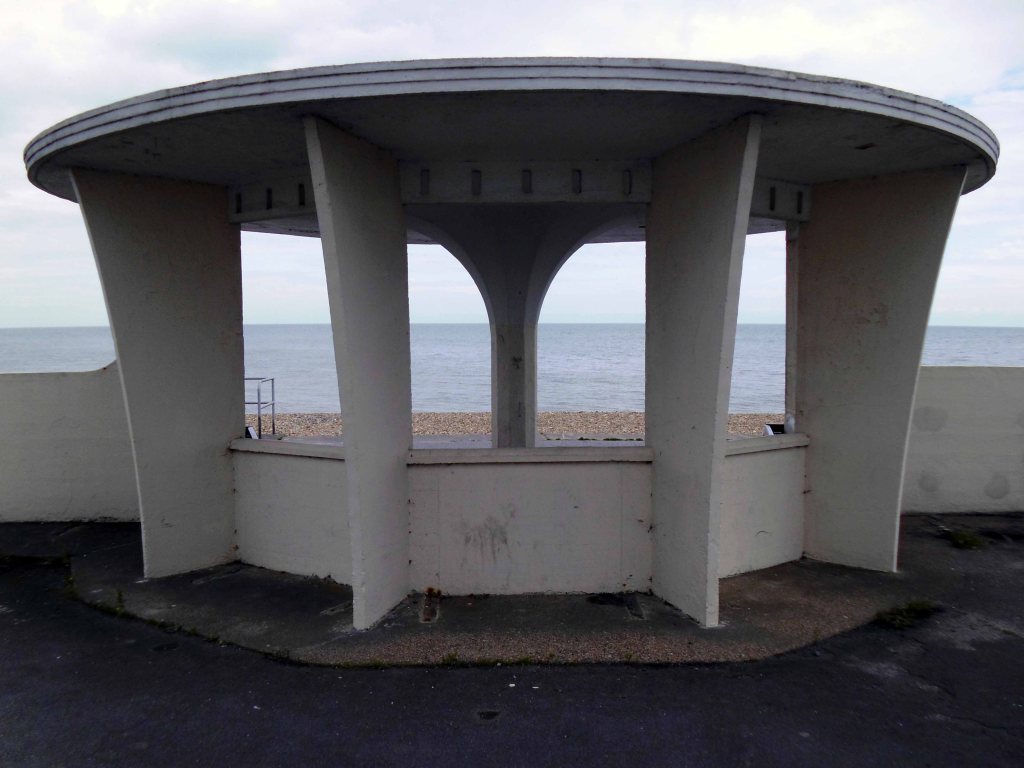
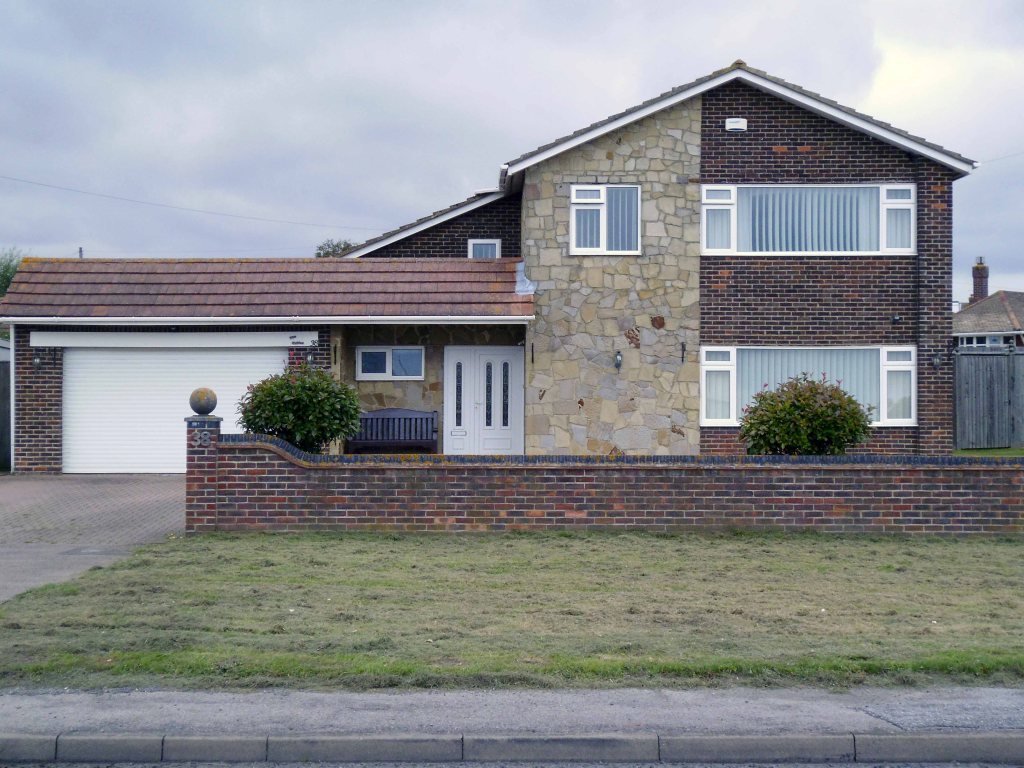
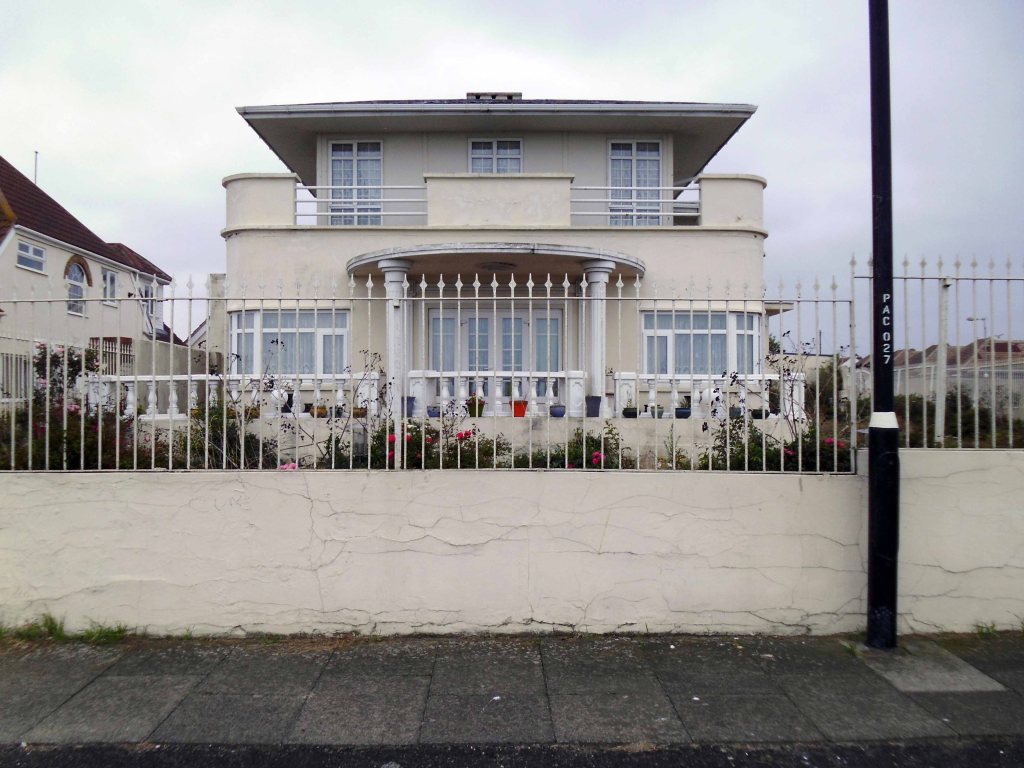

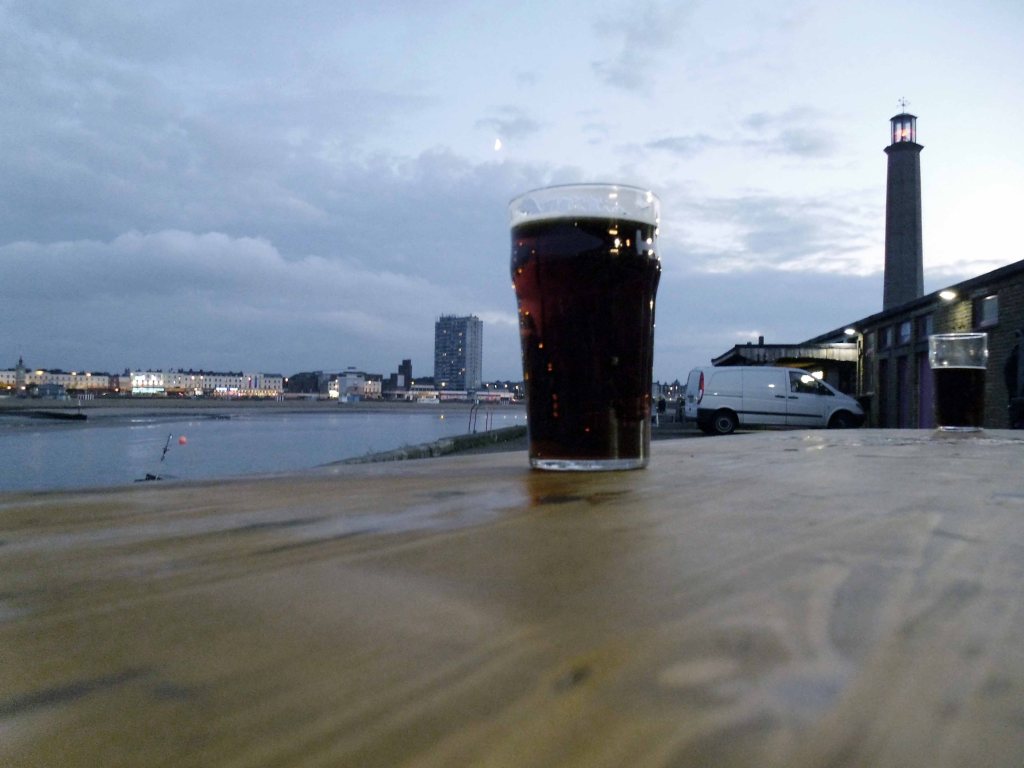
 Modern Mooch