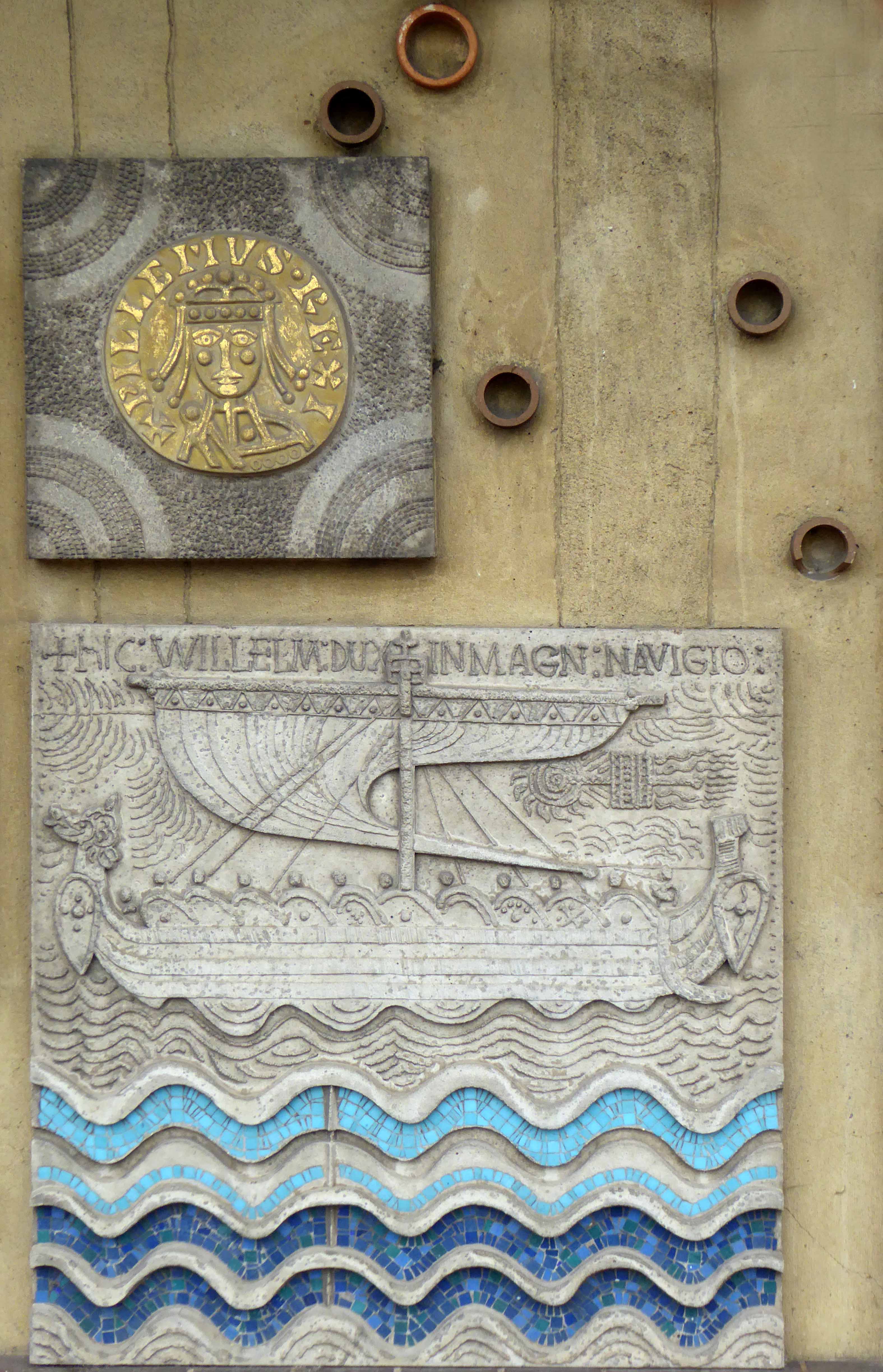
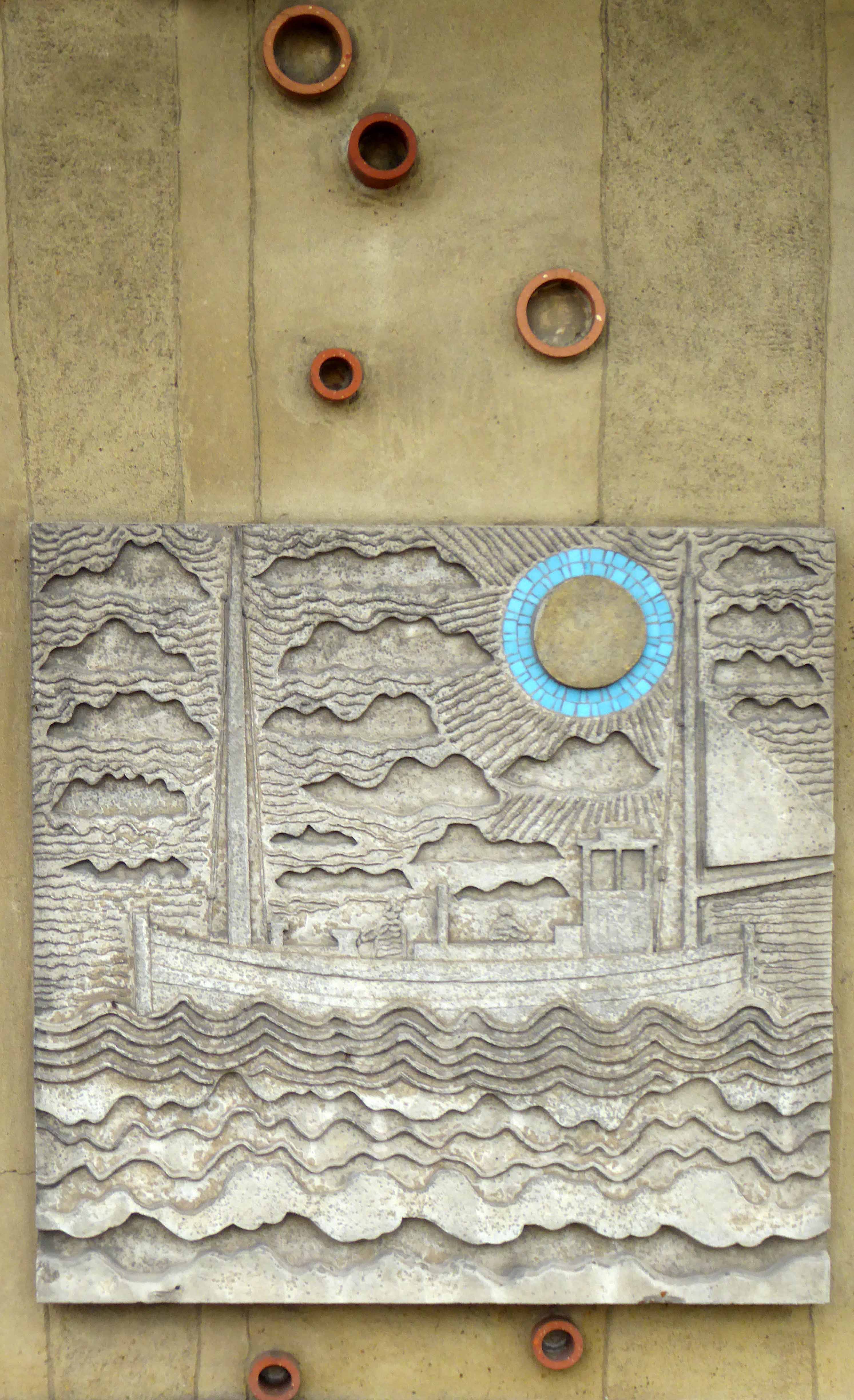
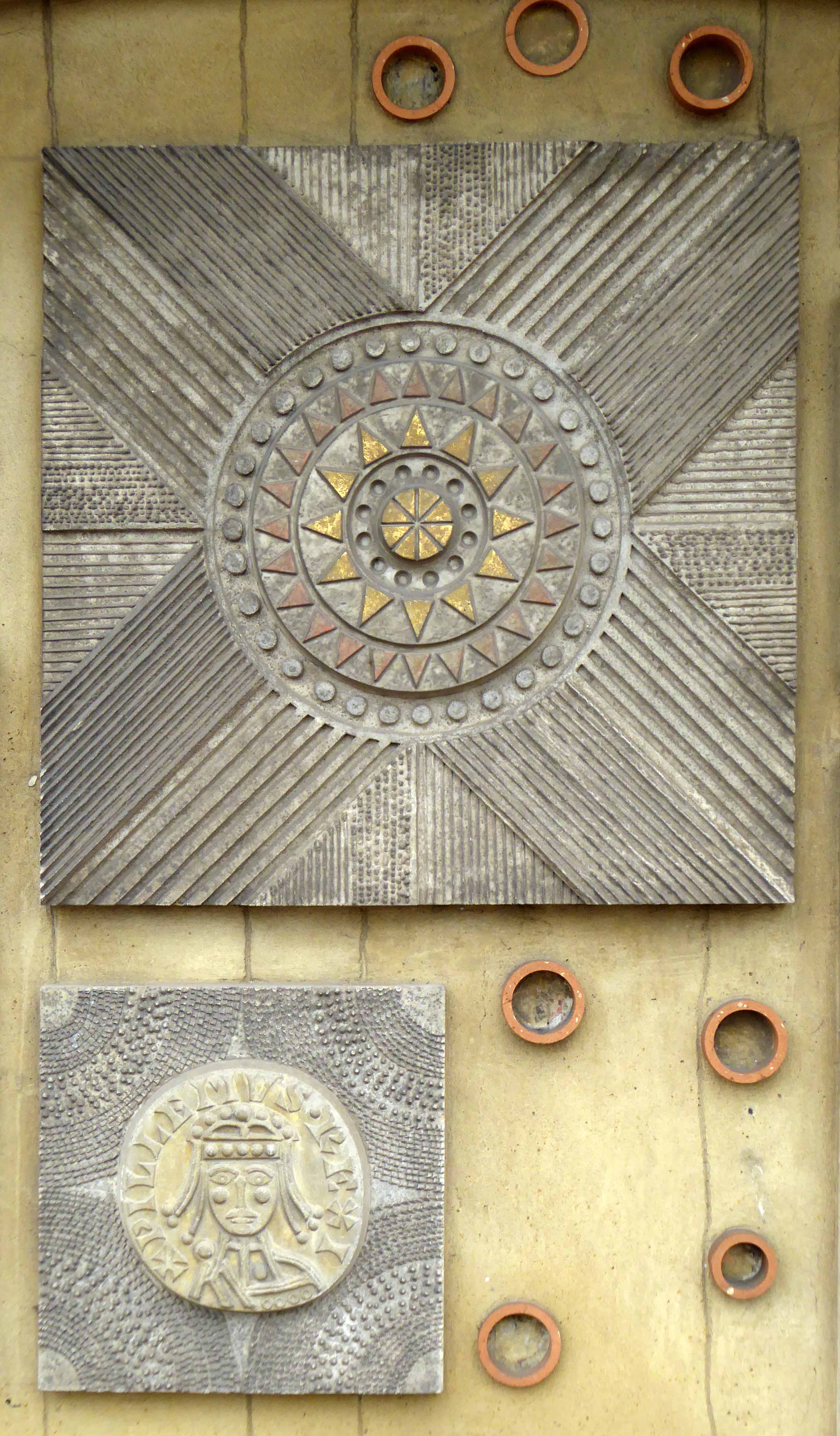
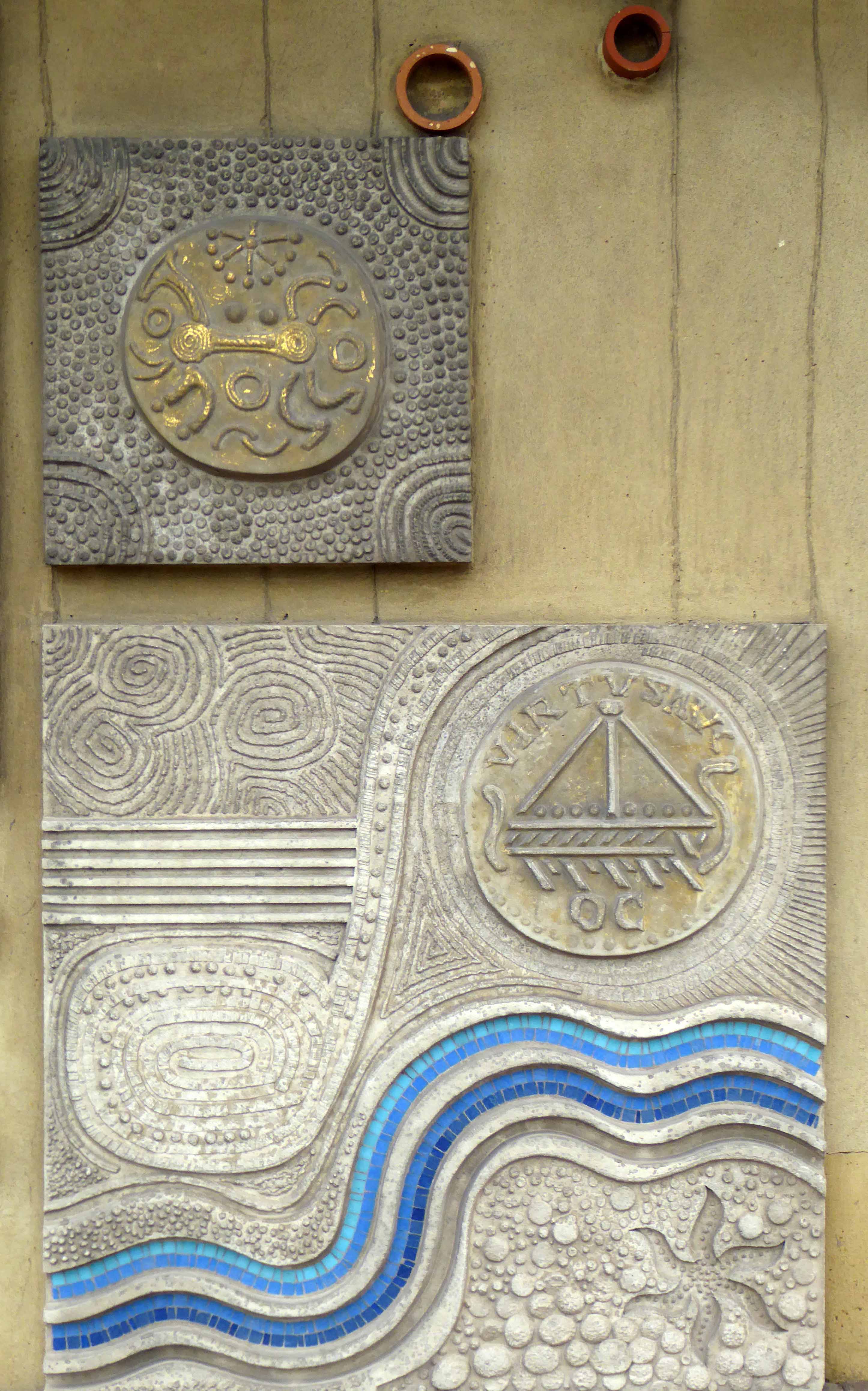
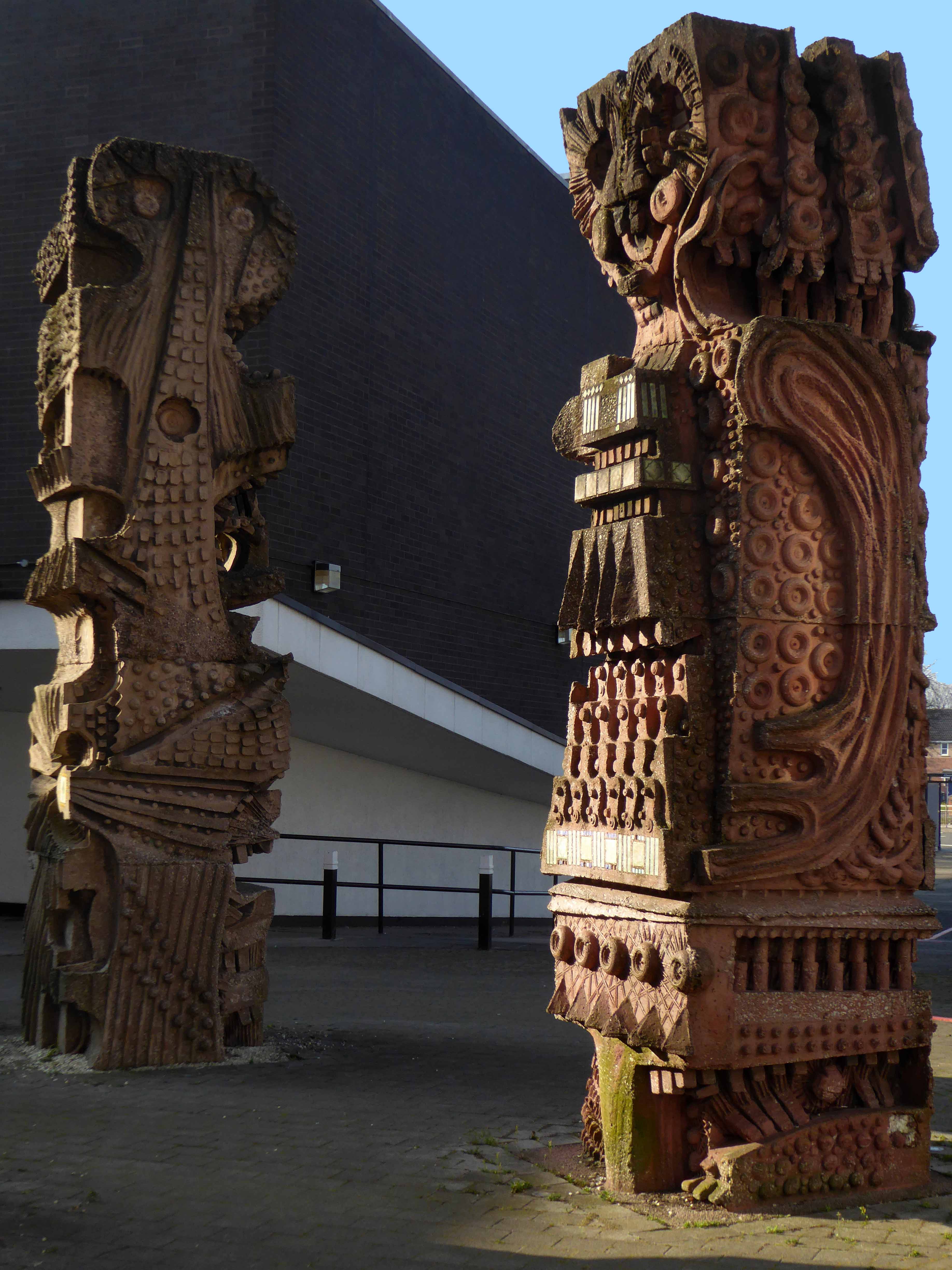
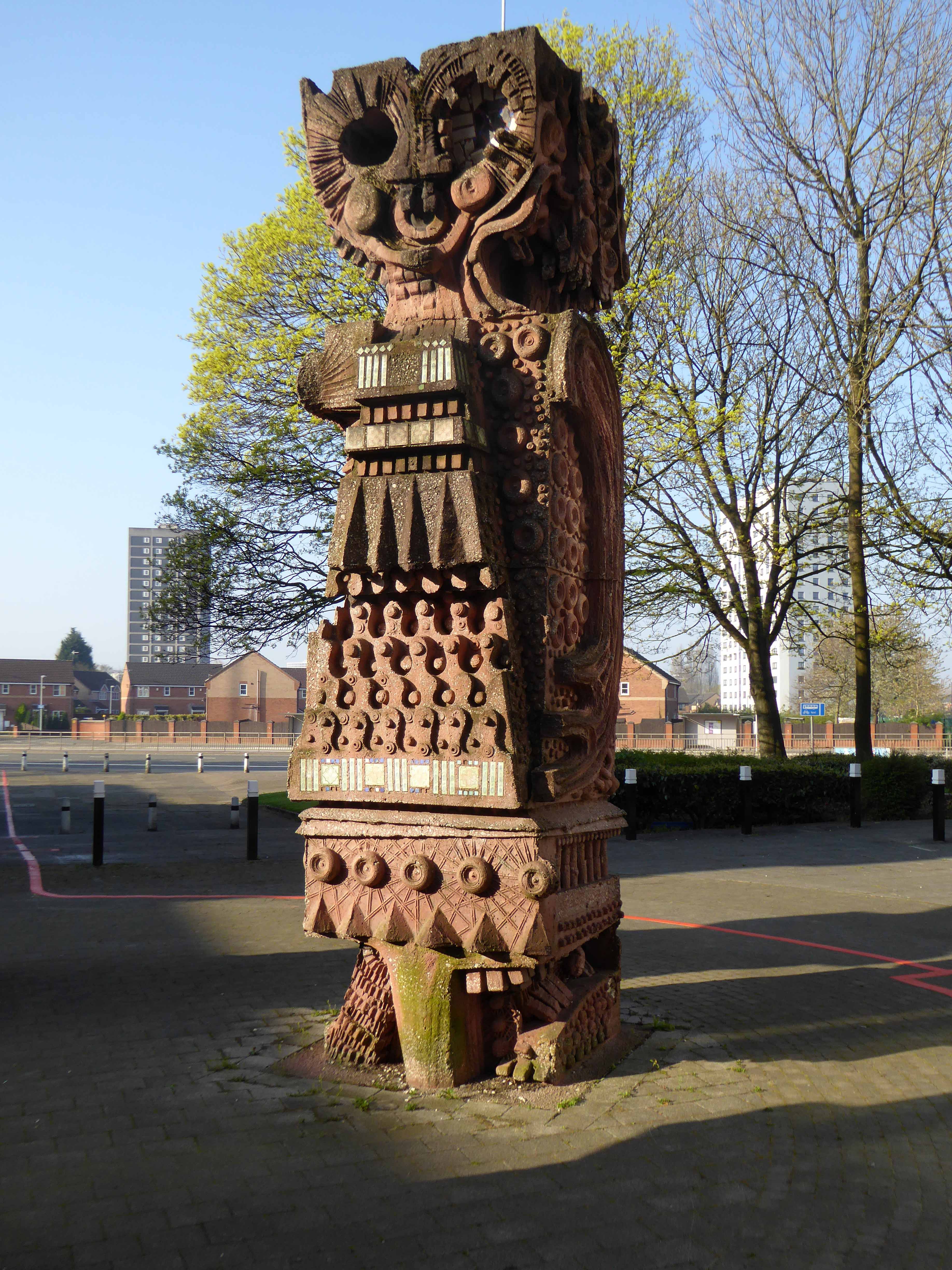
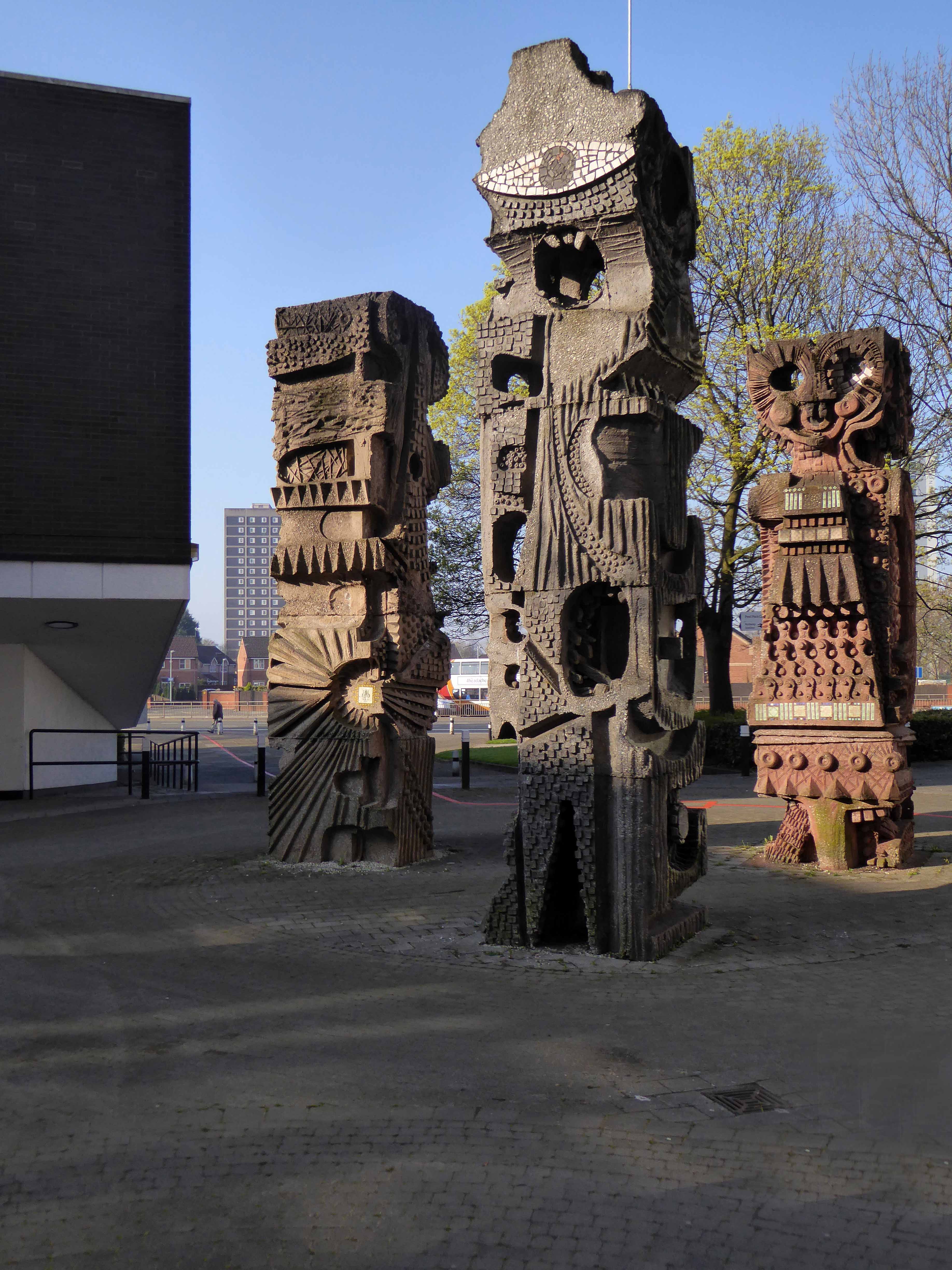
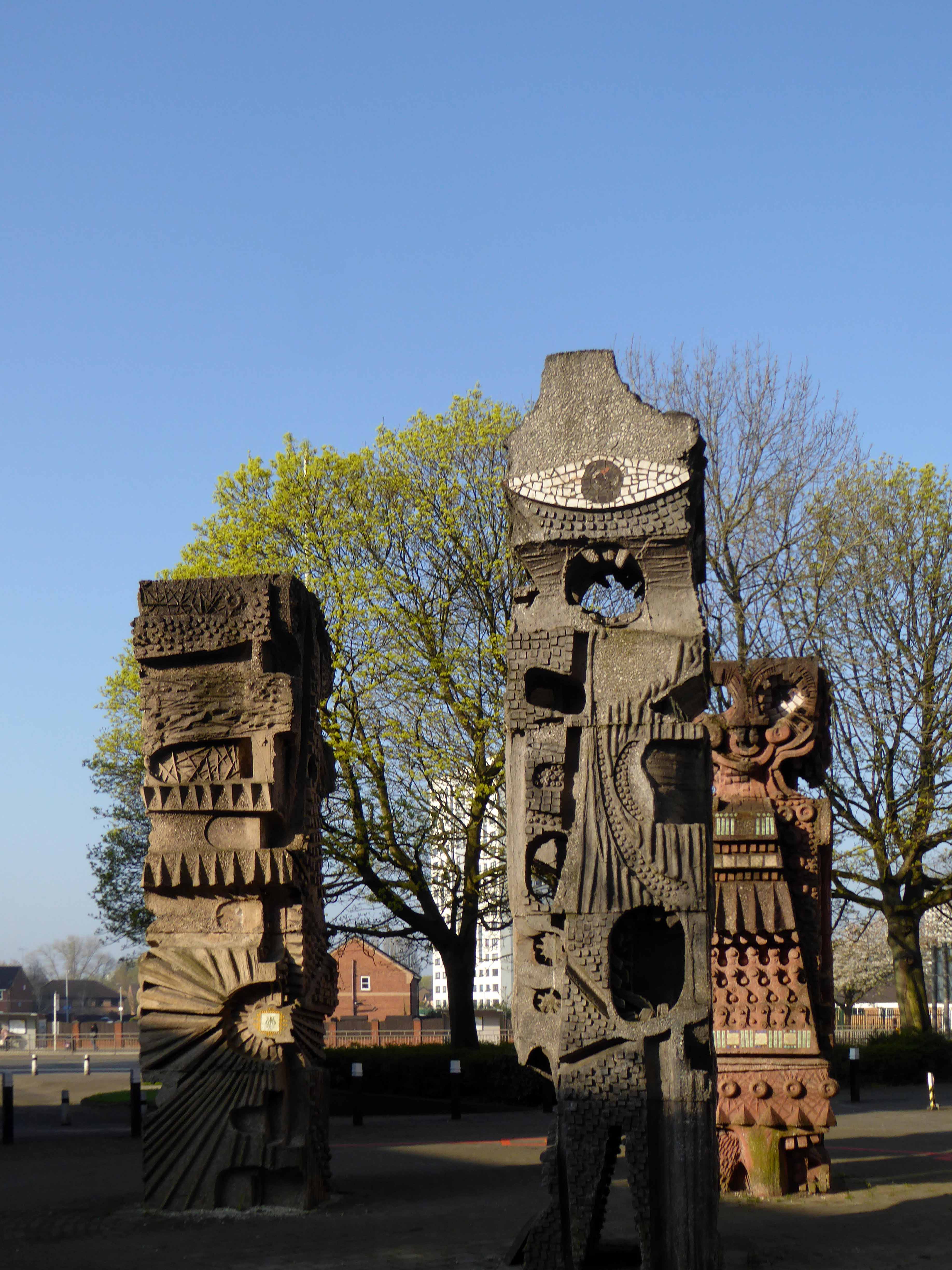
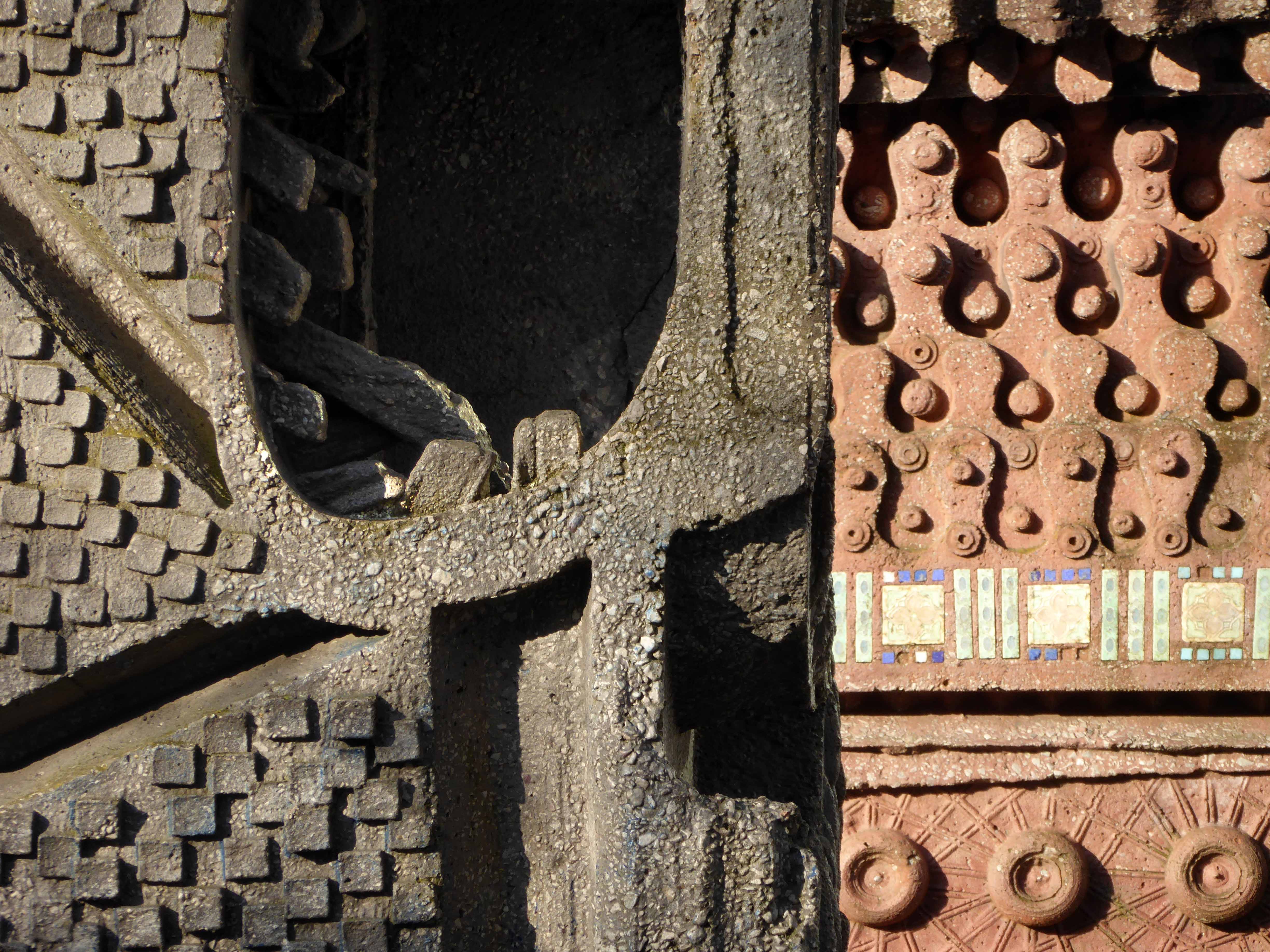
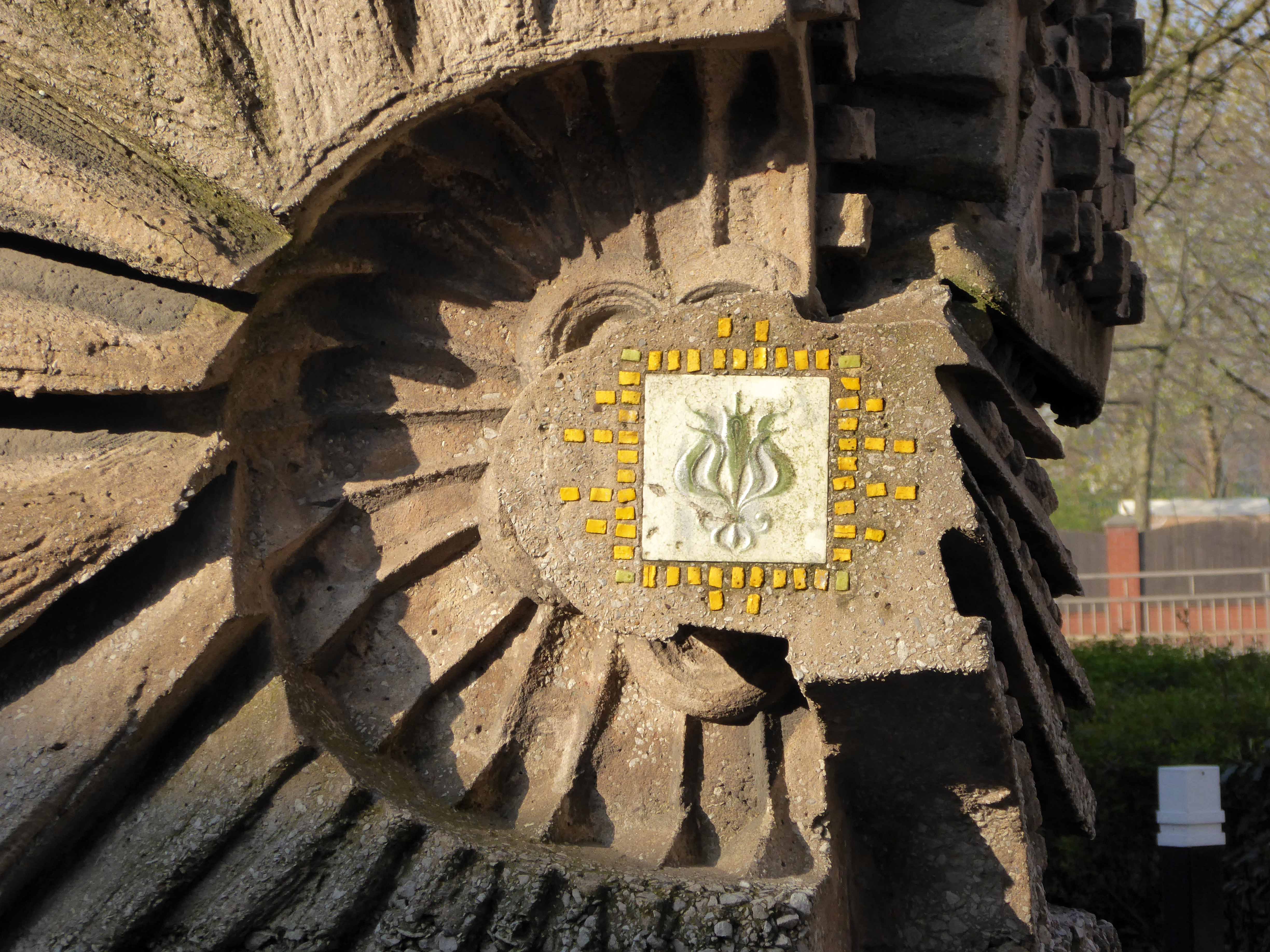
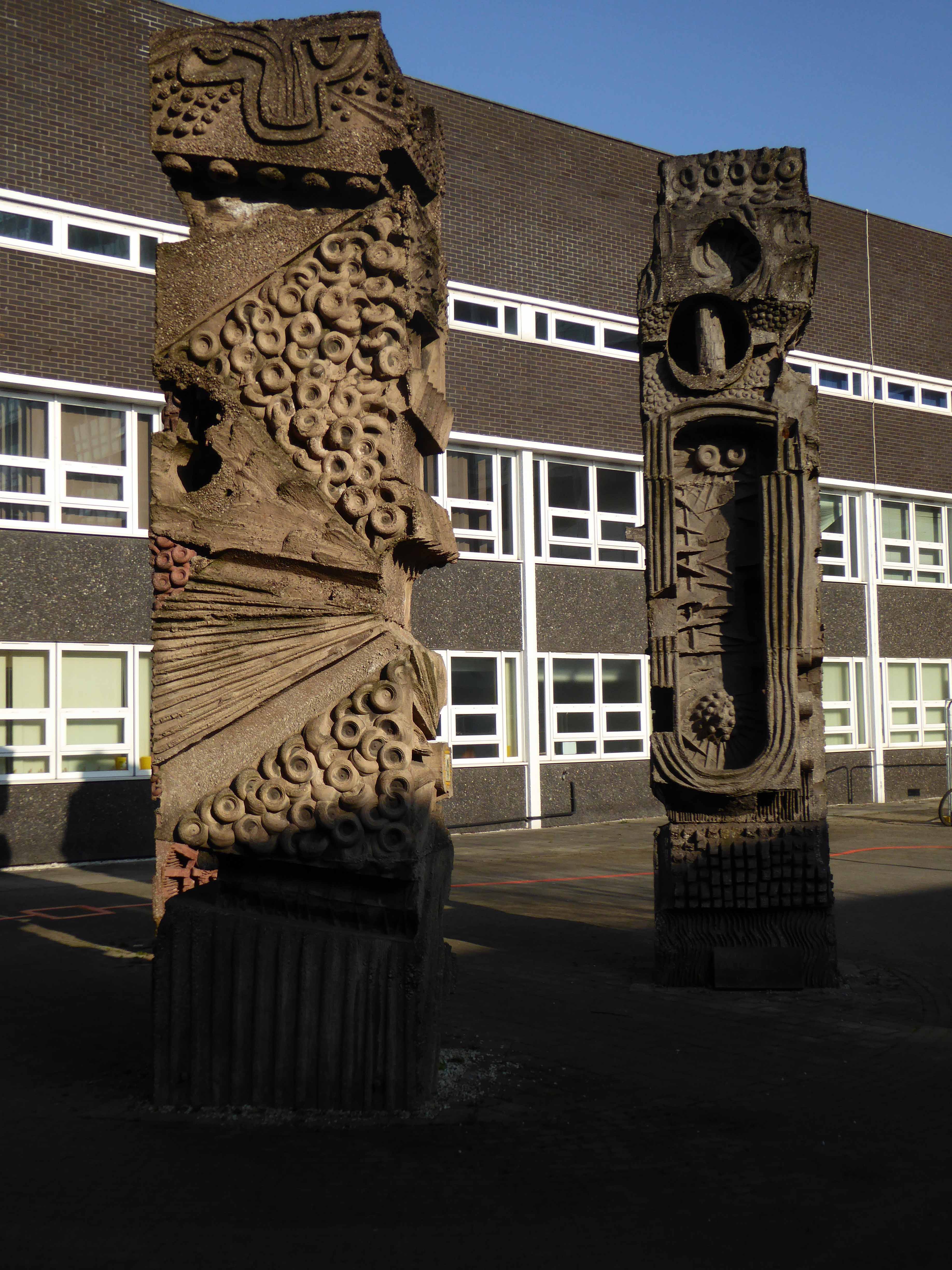
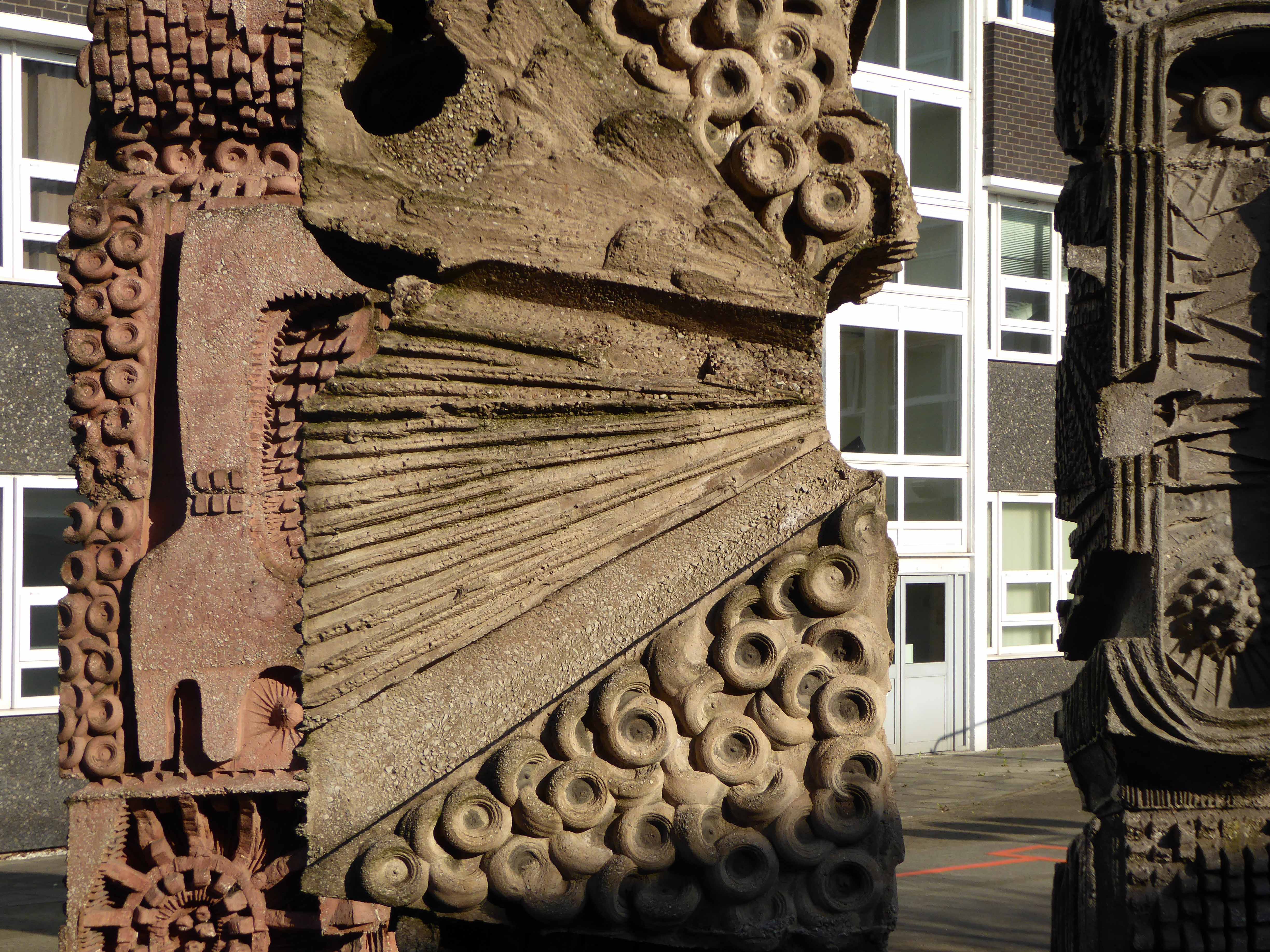
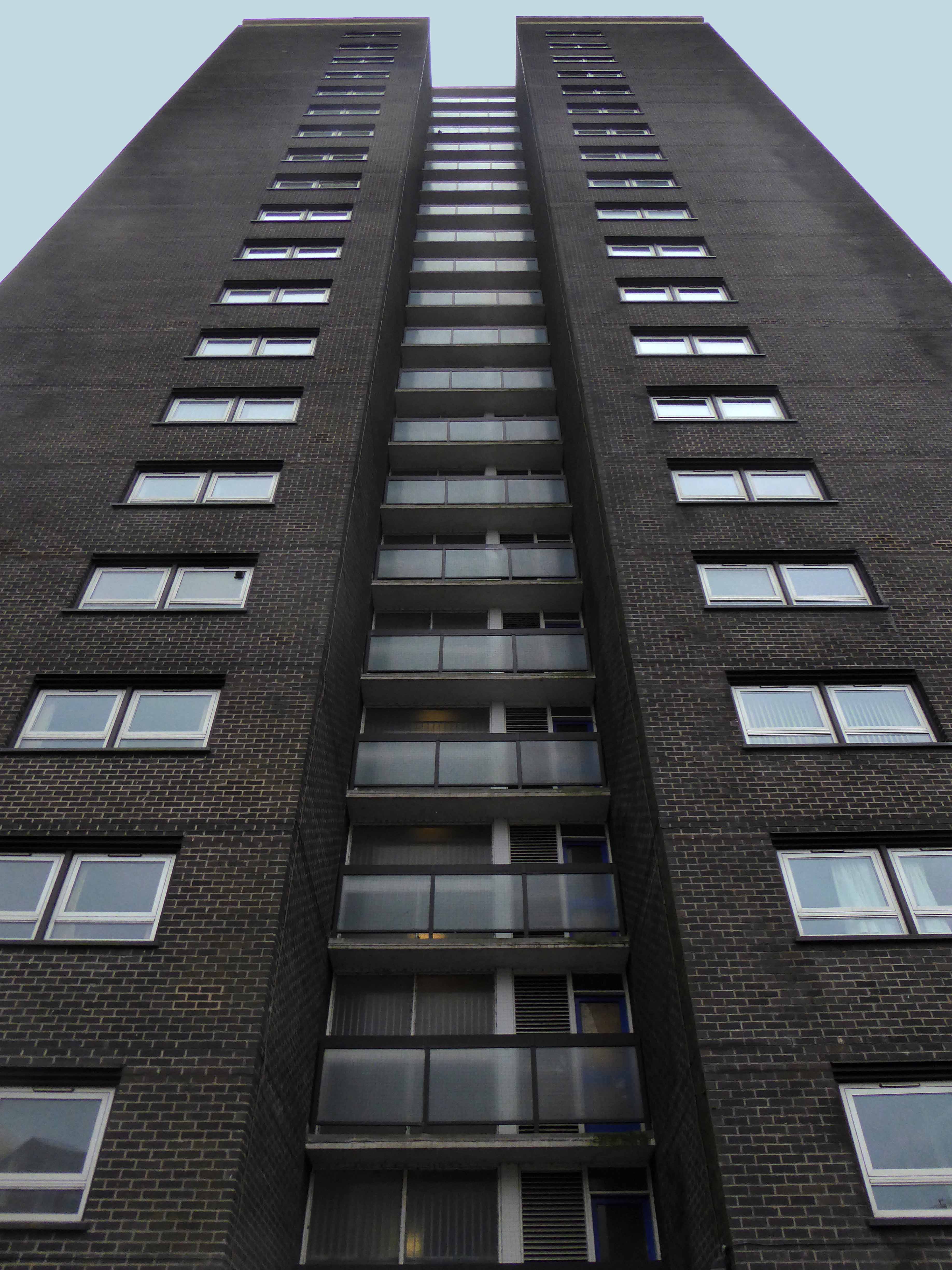
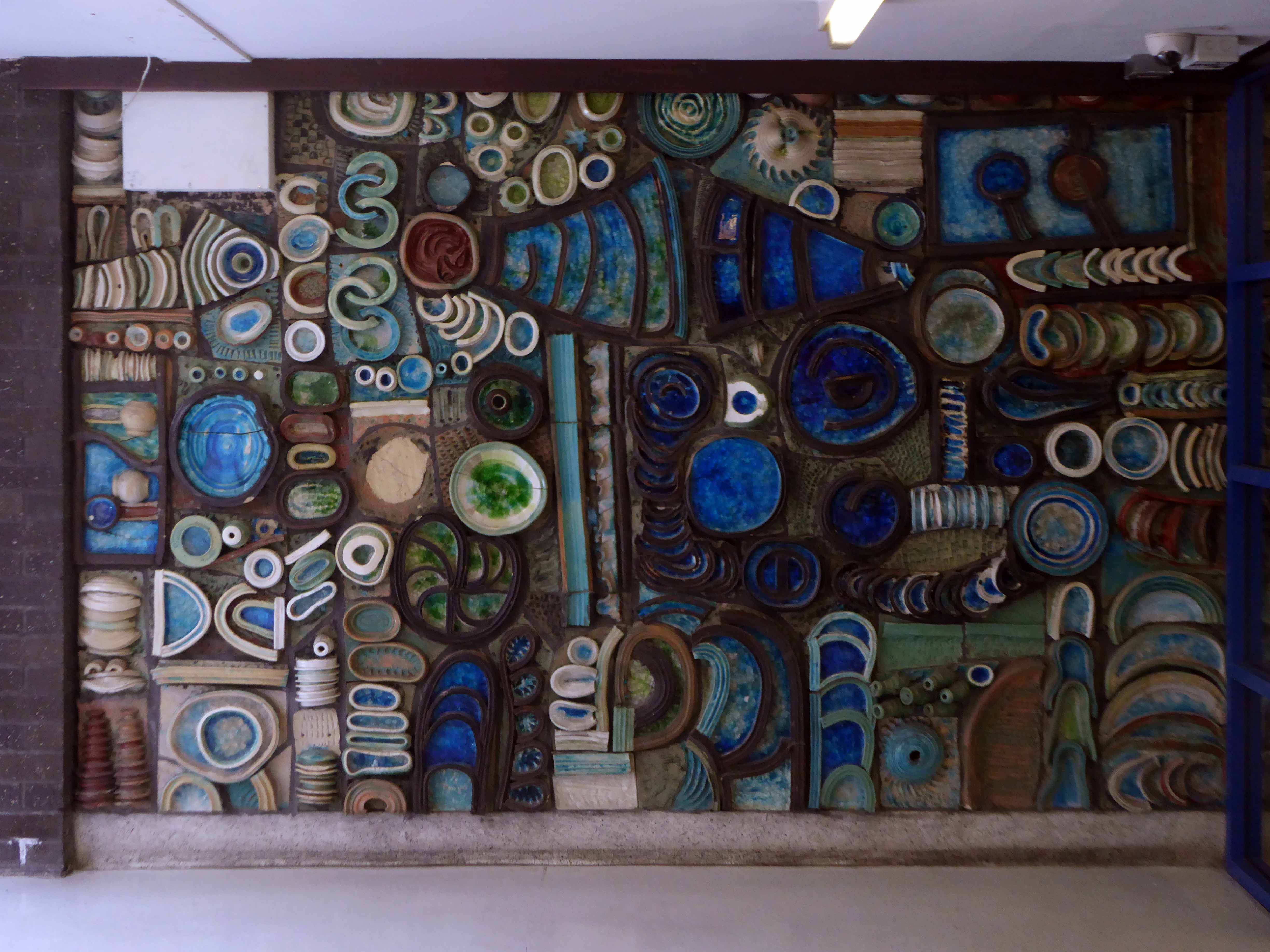
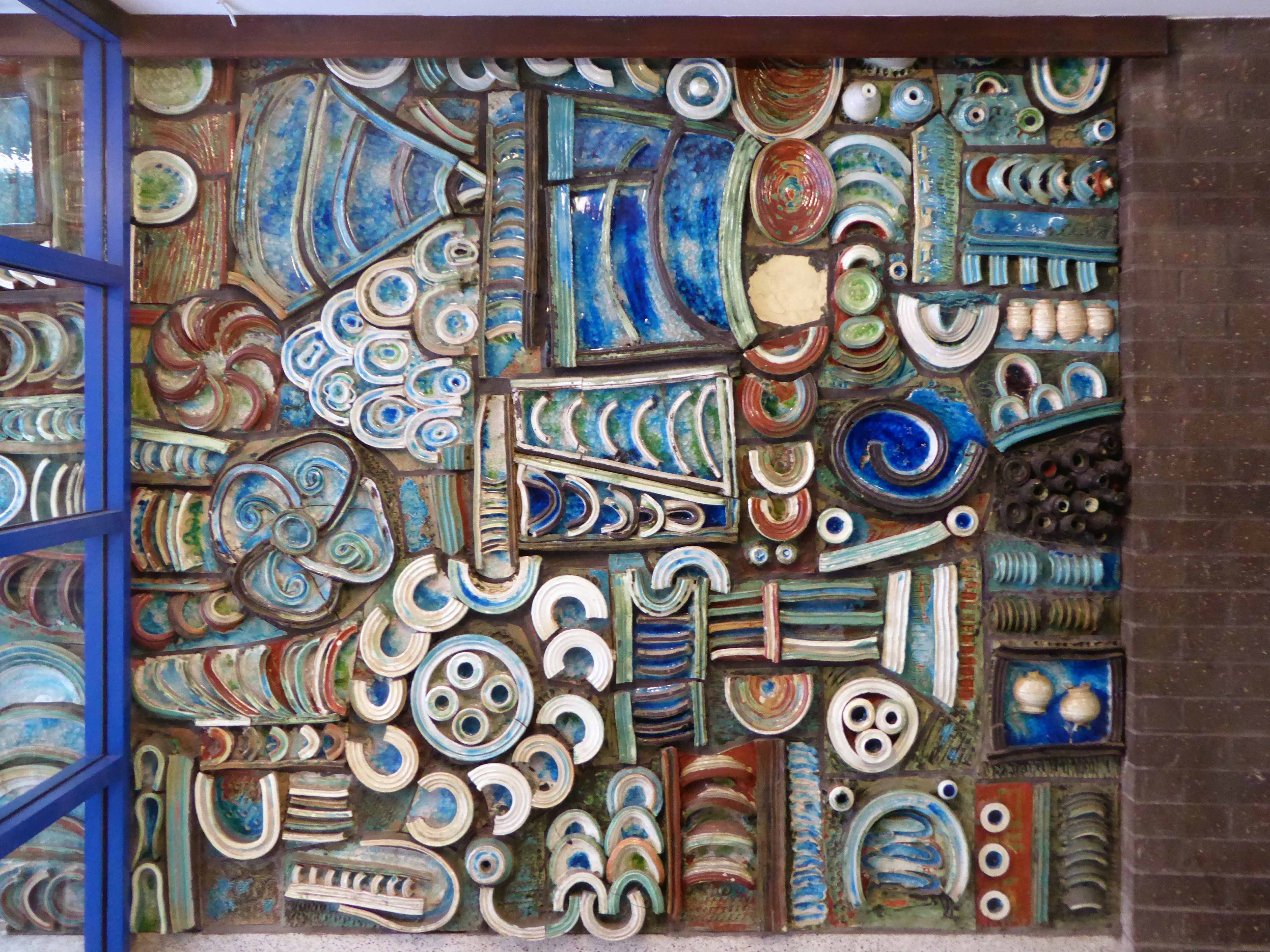
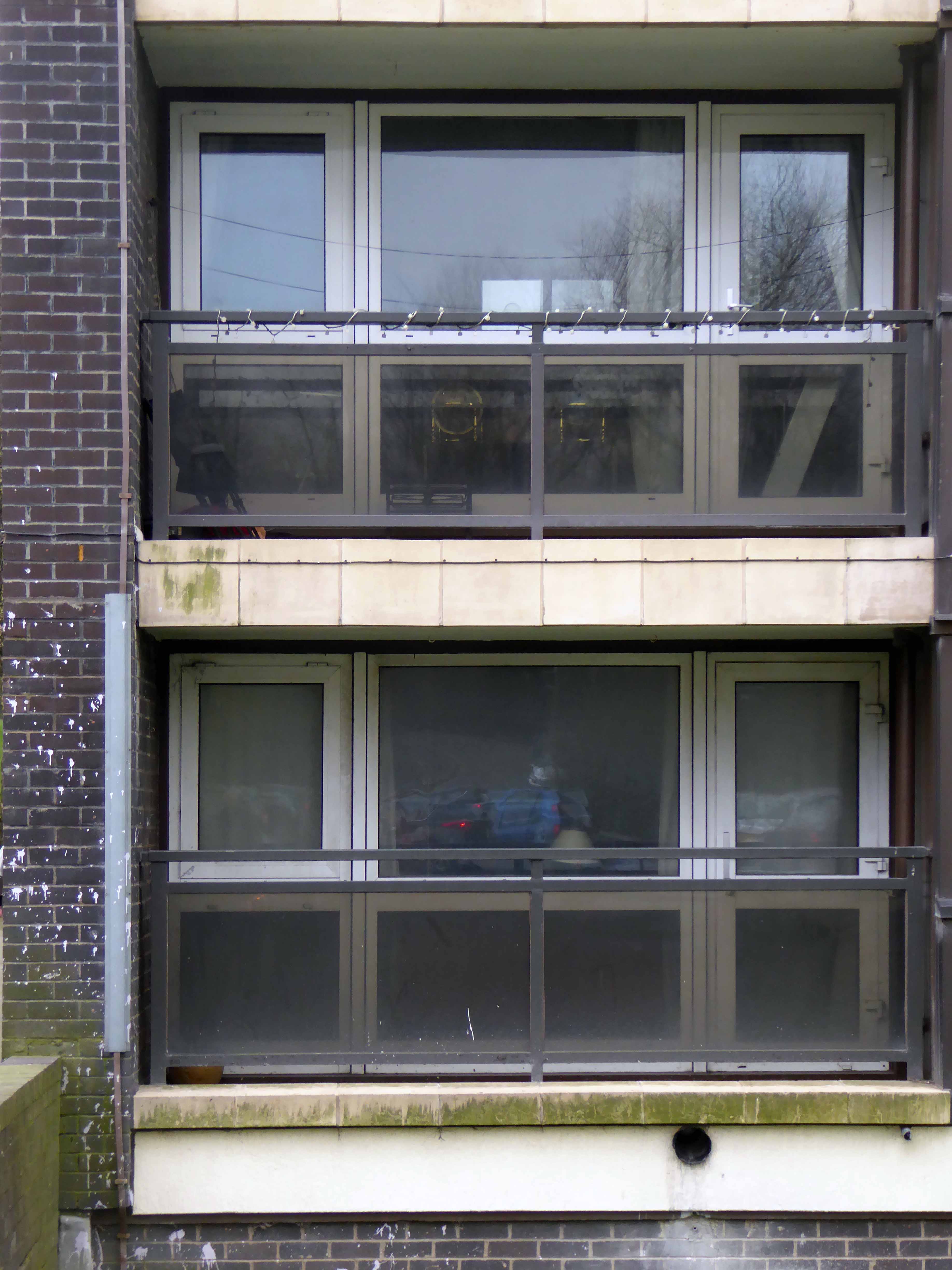
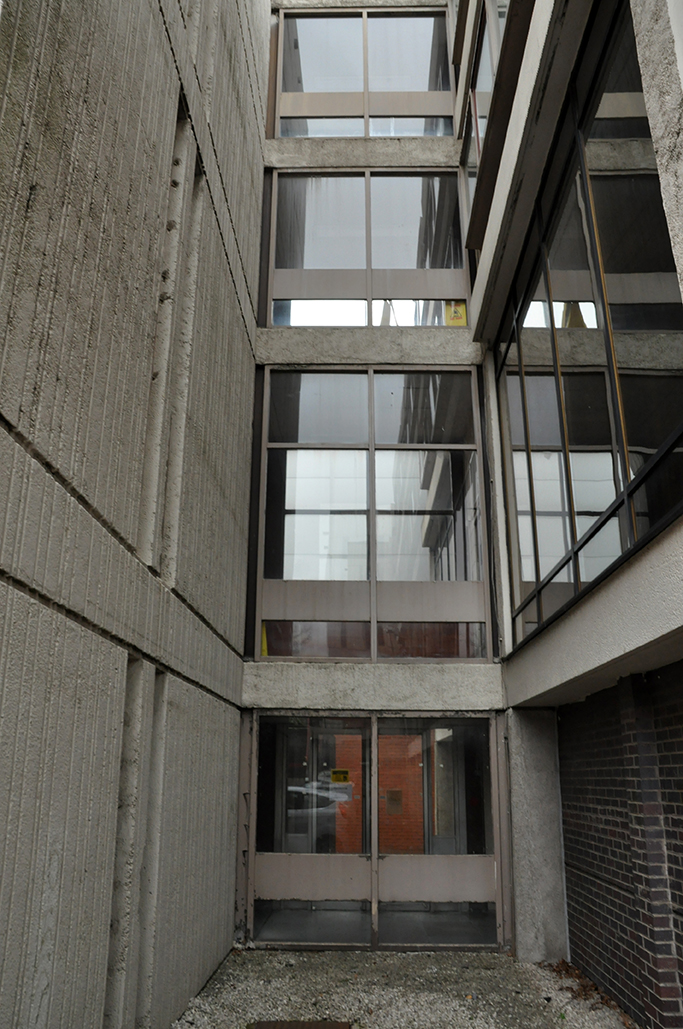
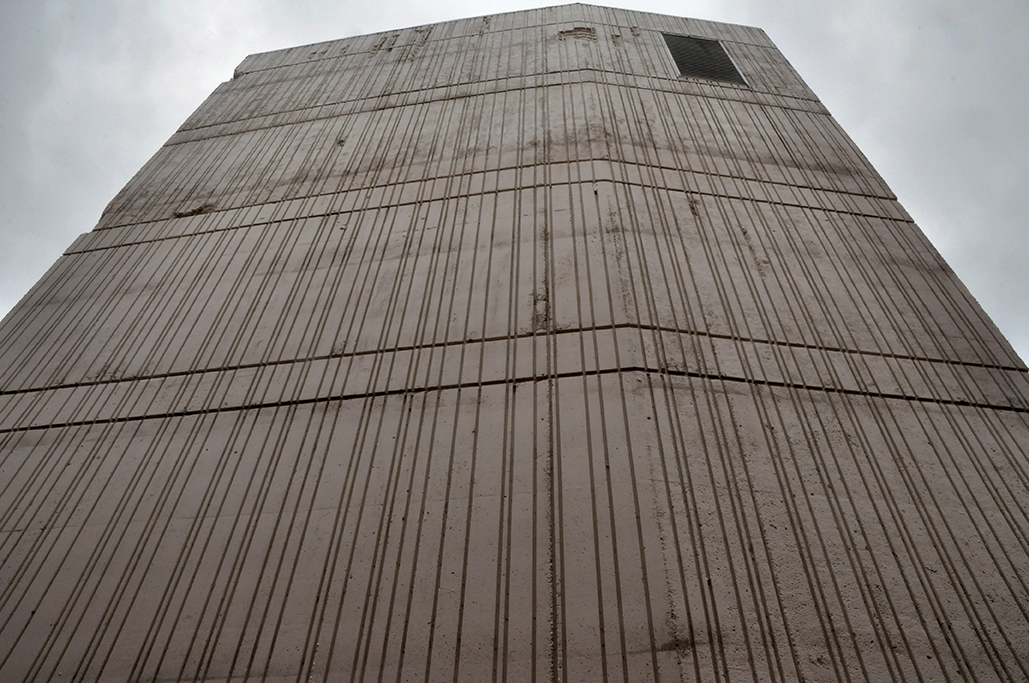
Bus Station – Huddersfield

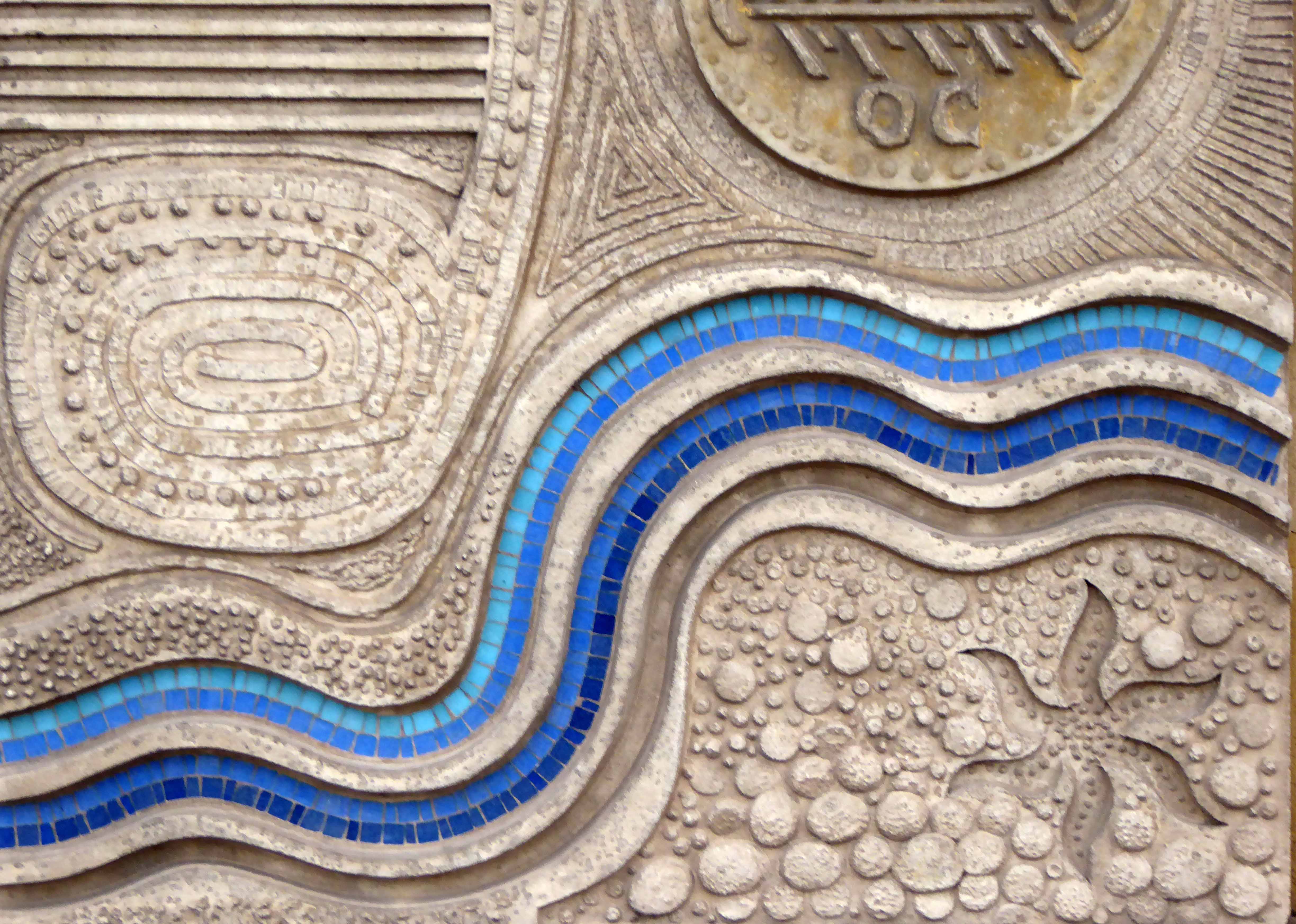
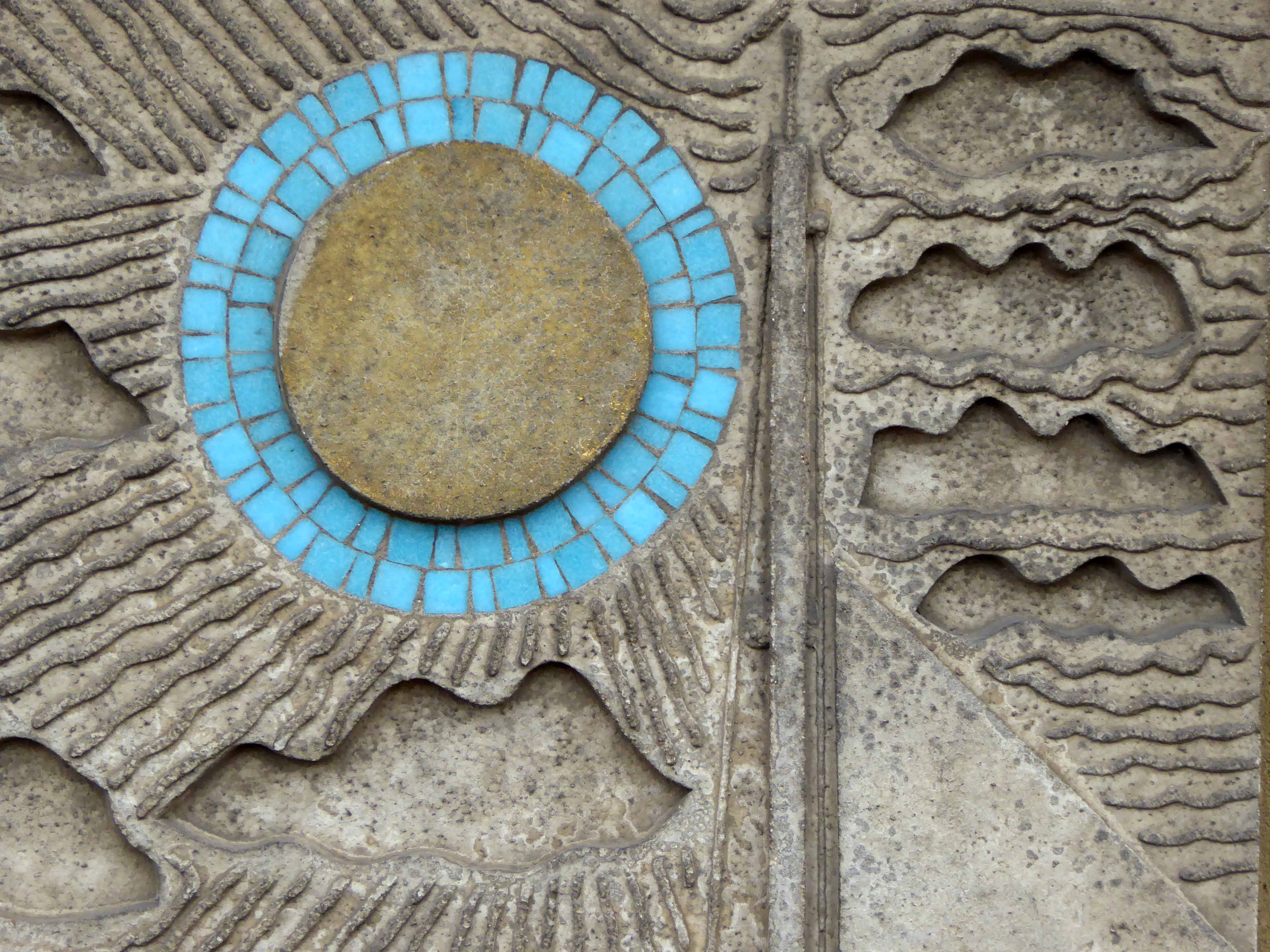
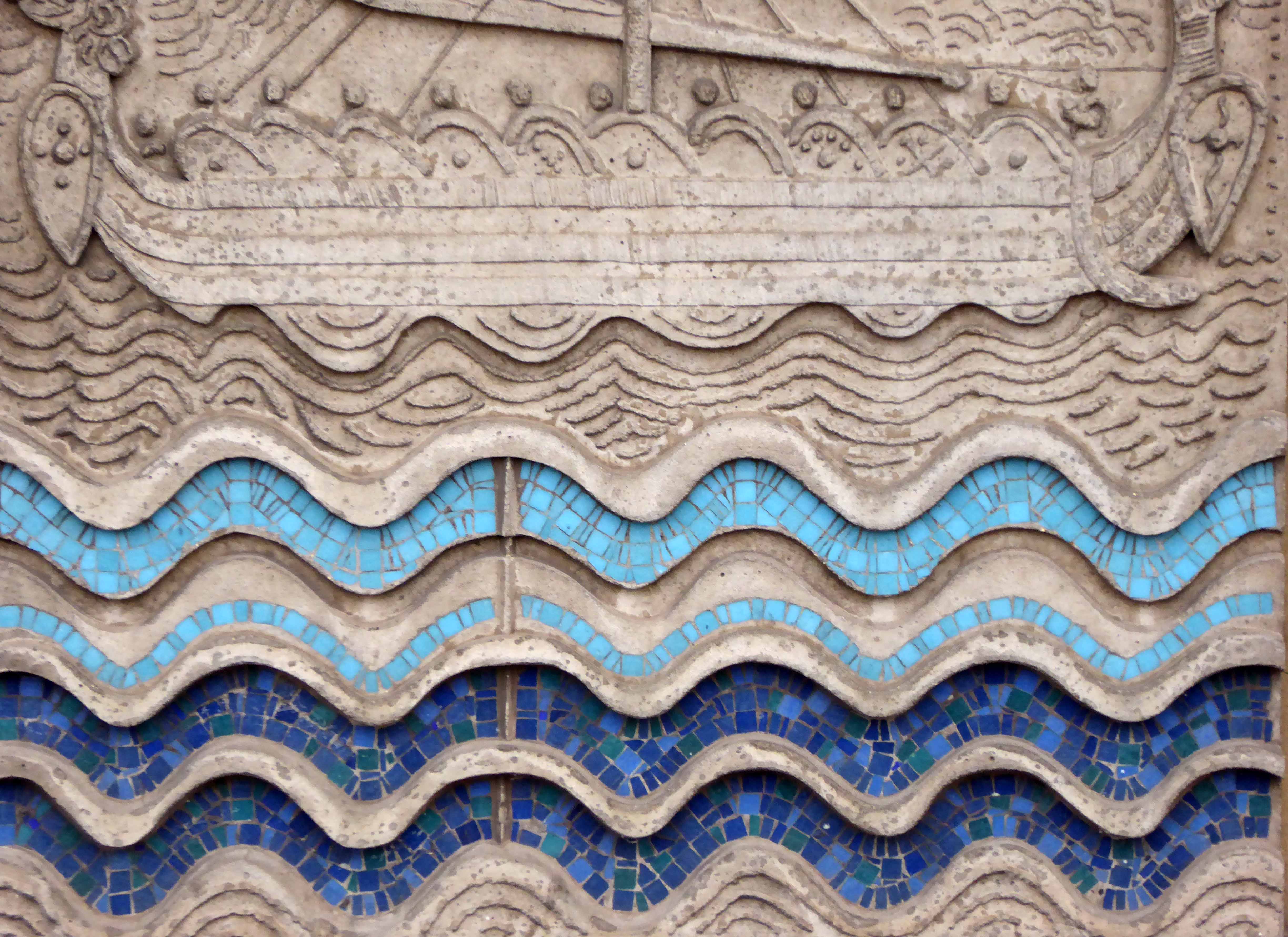
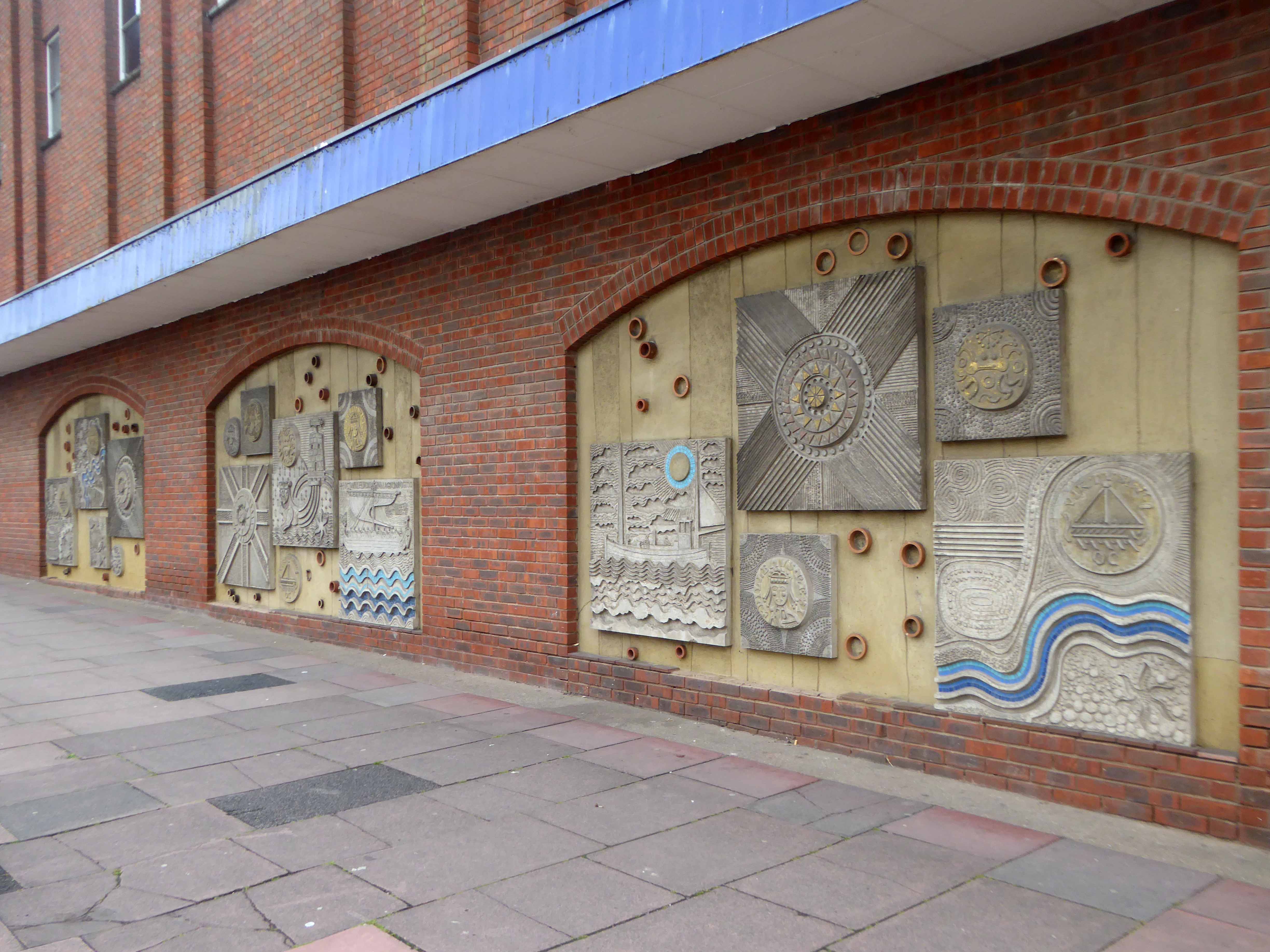
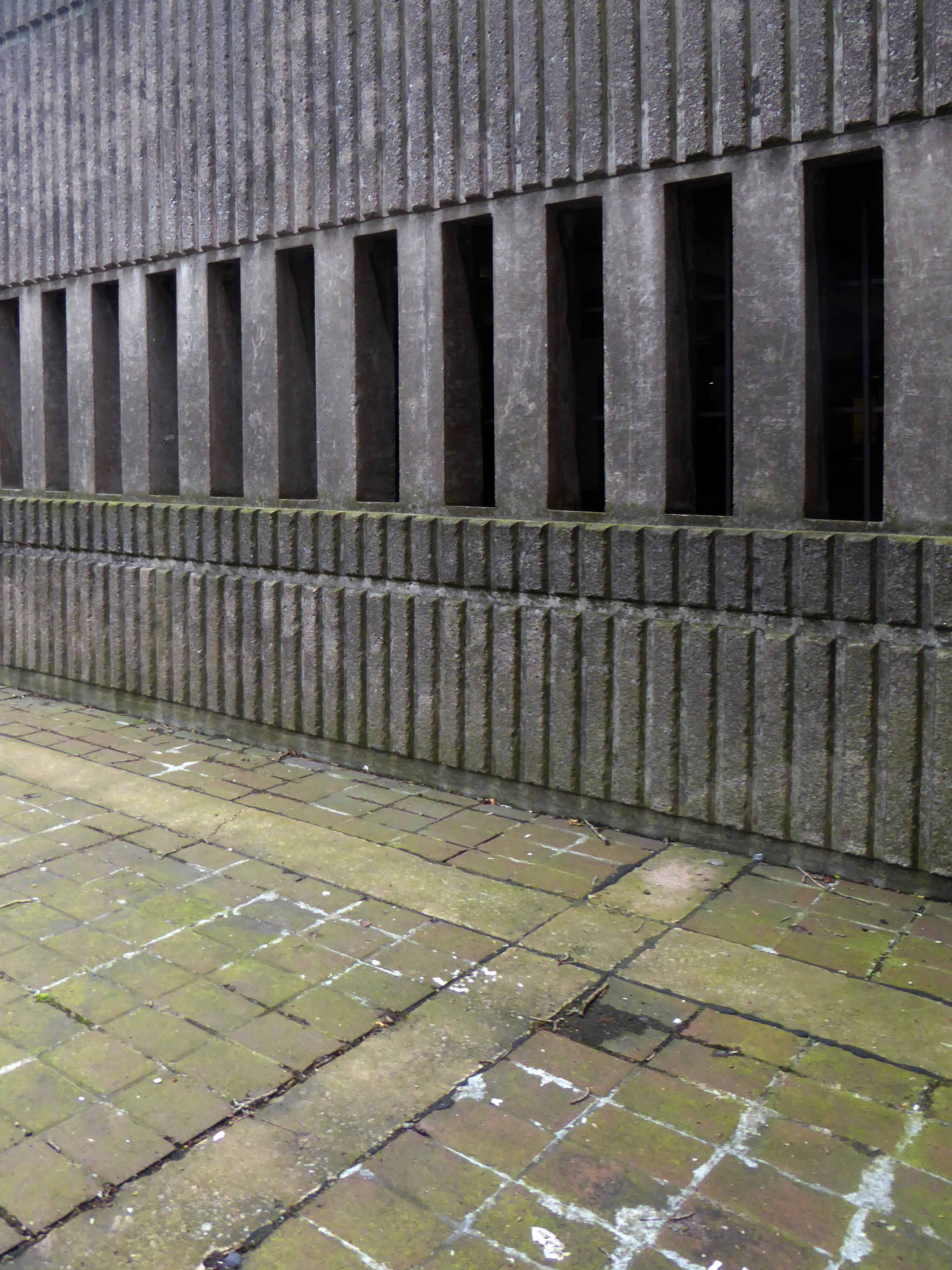
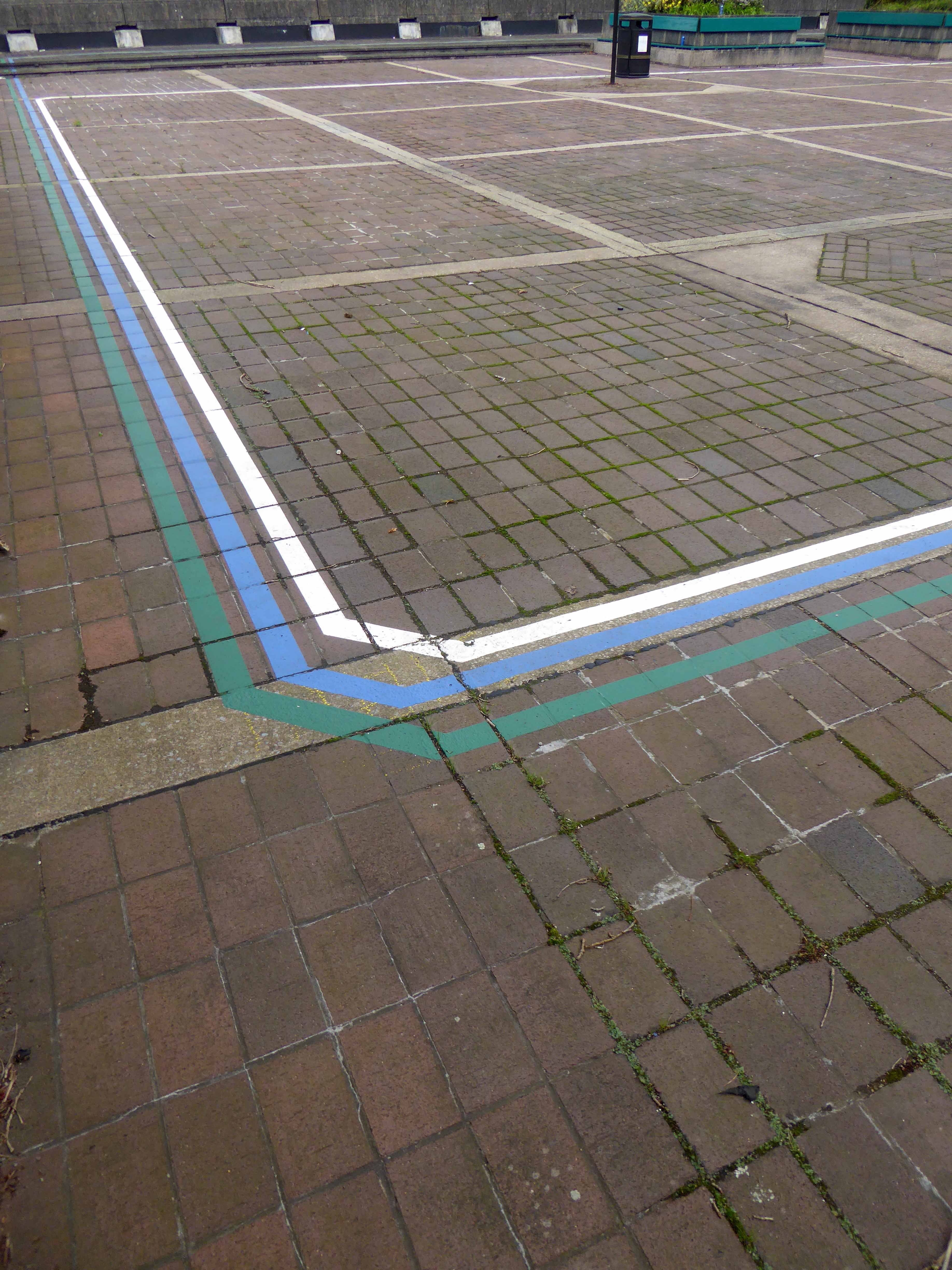
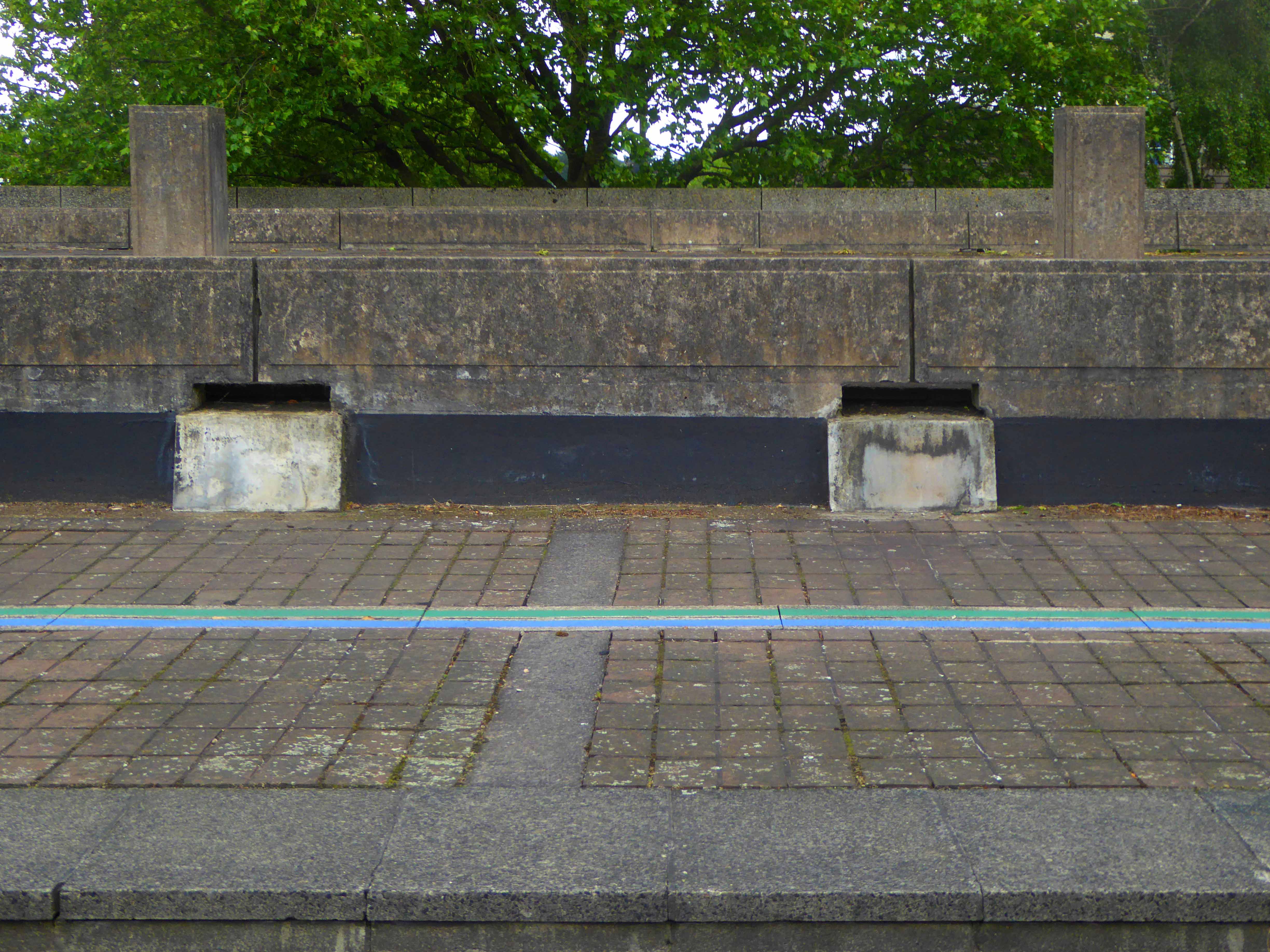
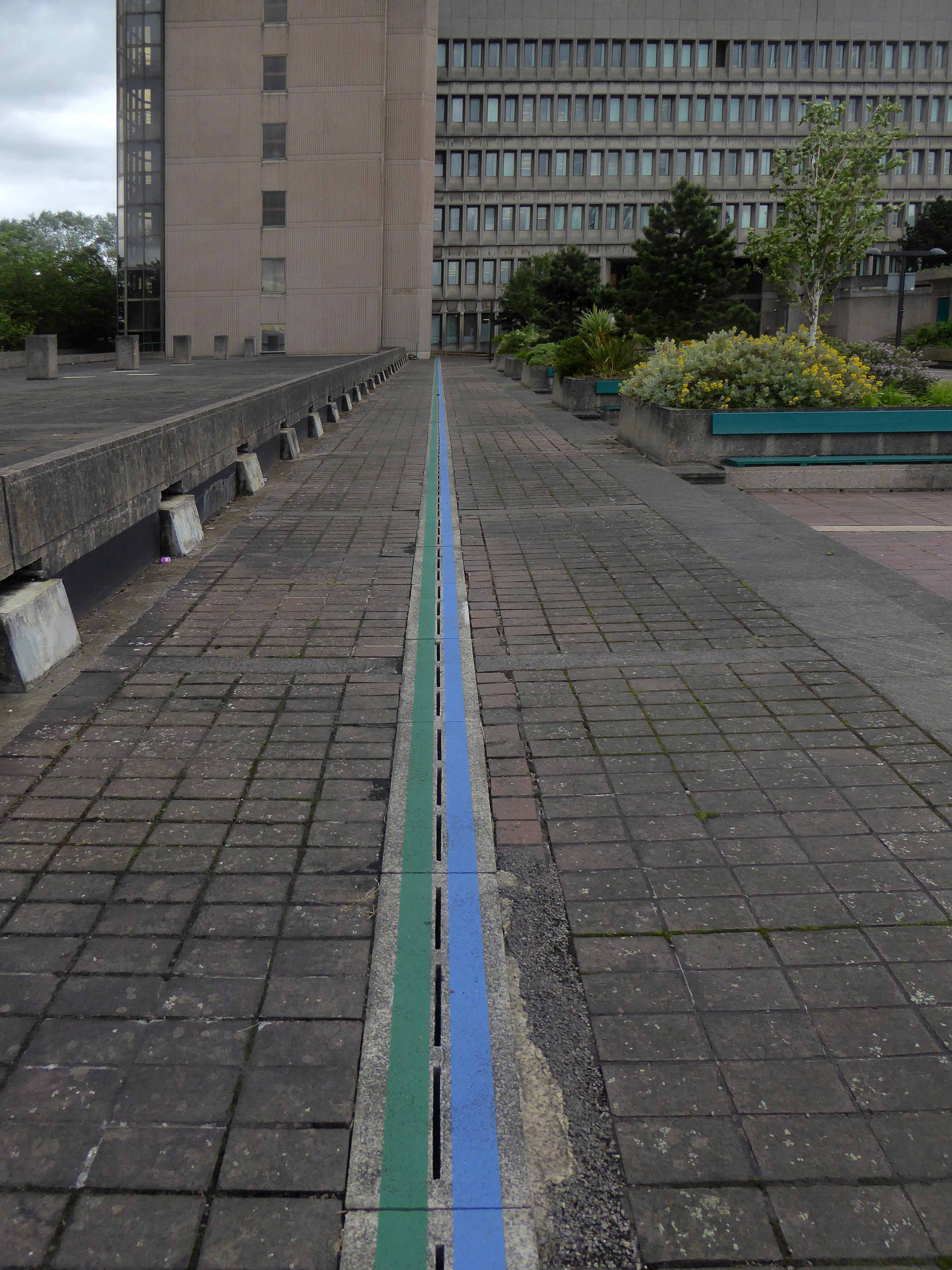
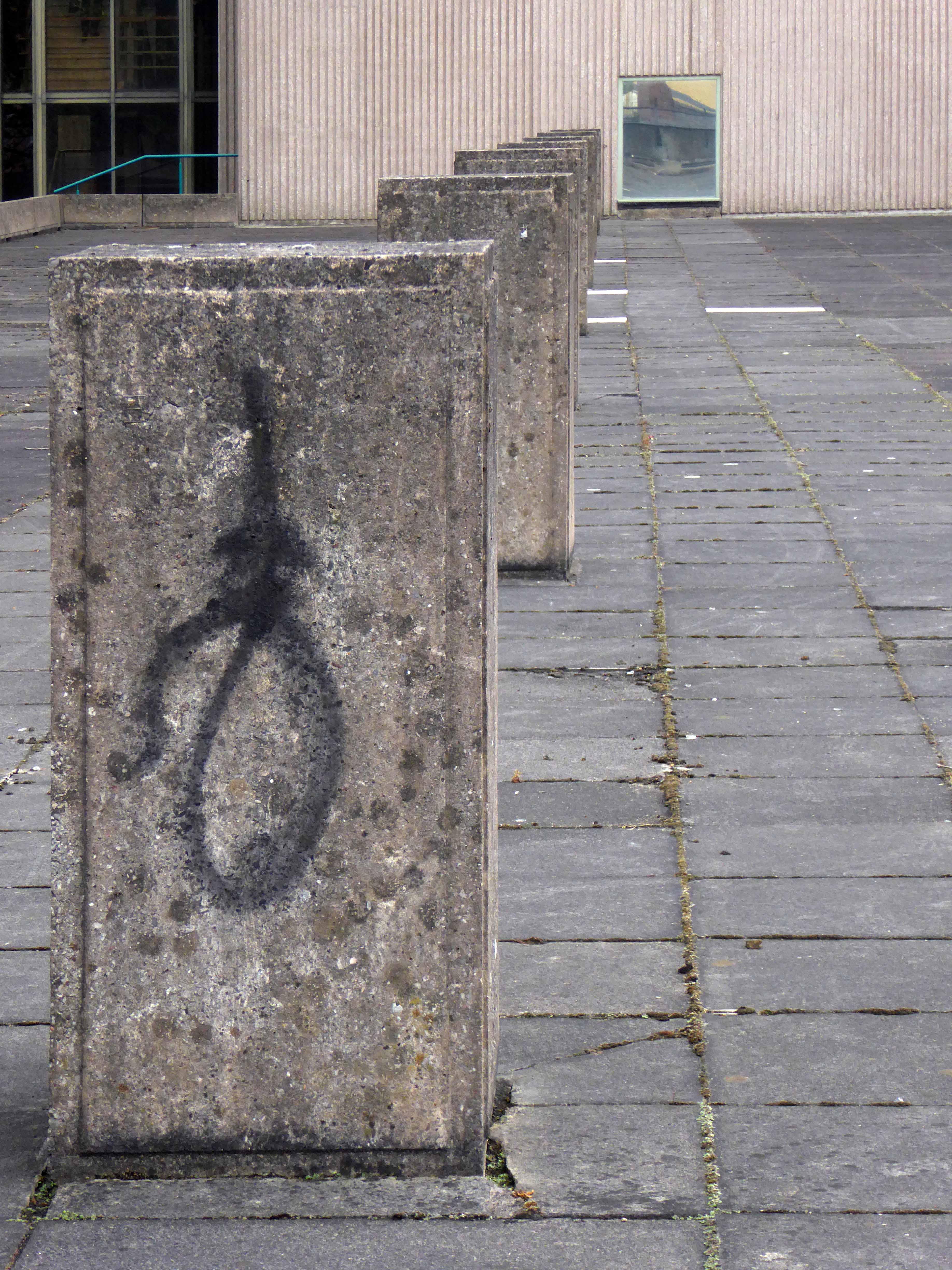
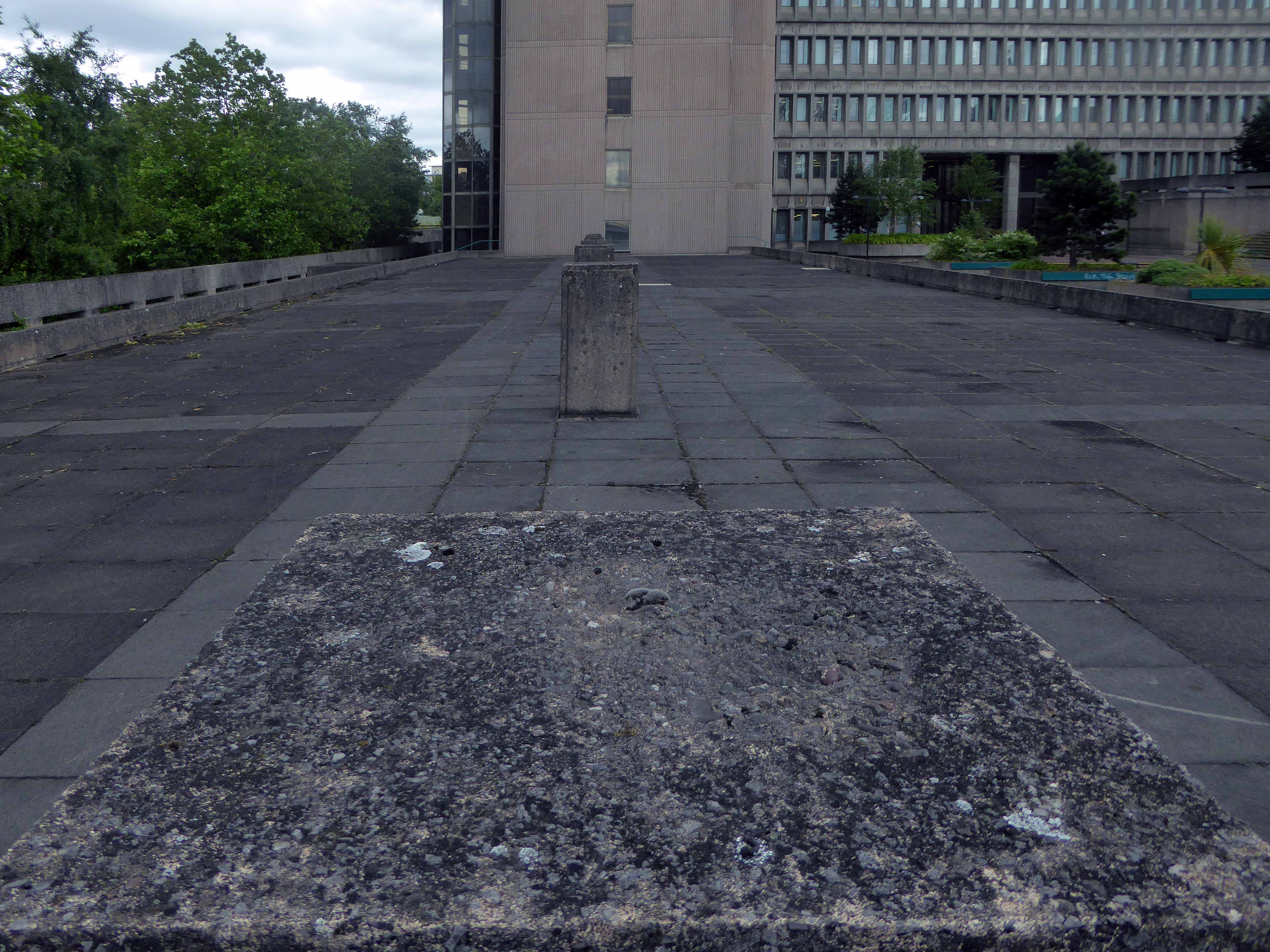
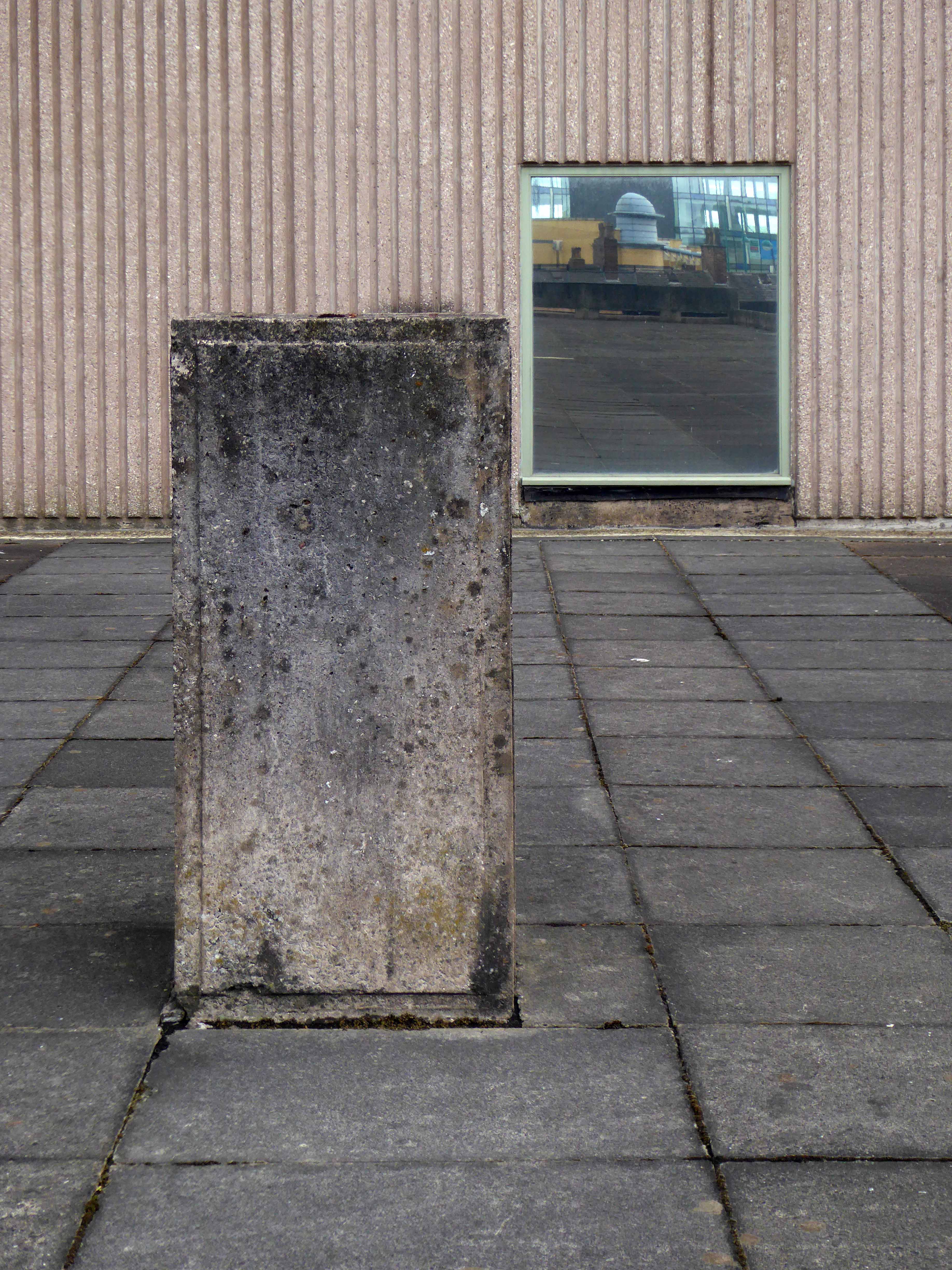
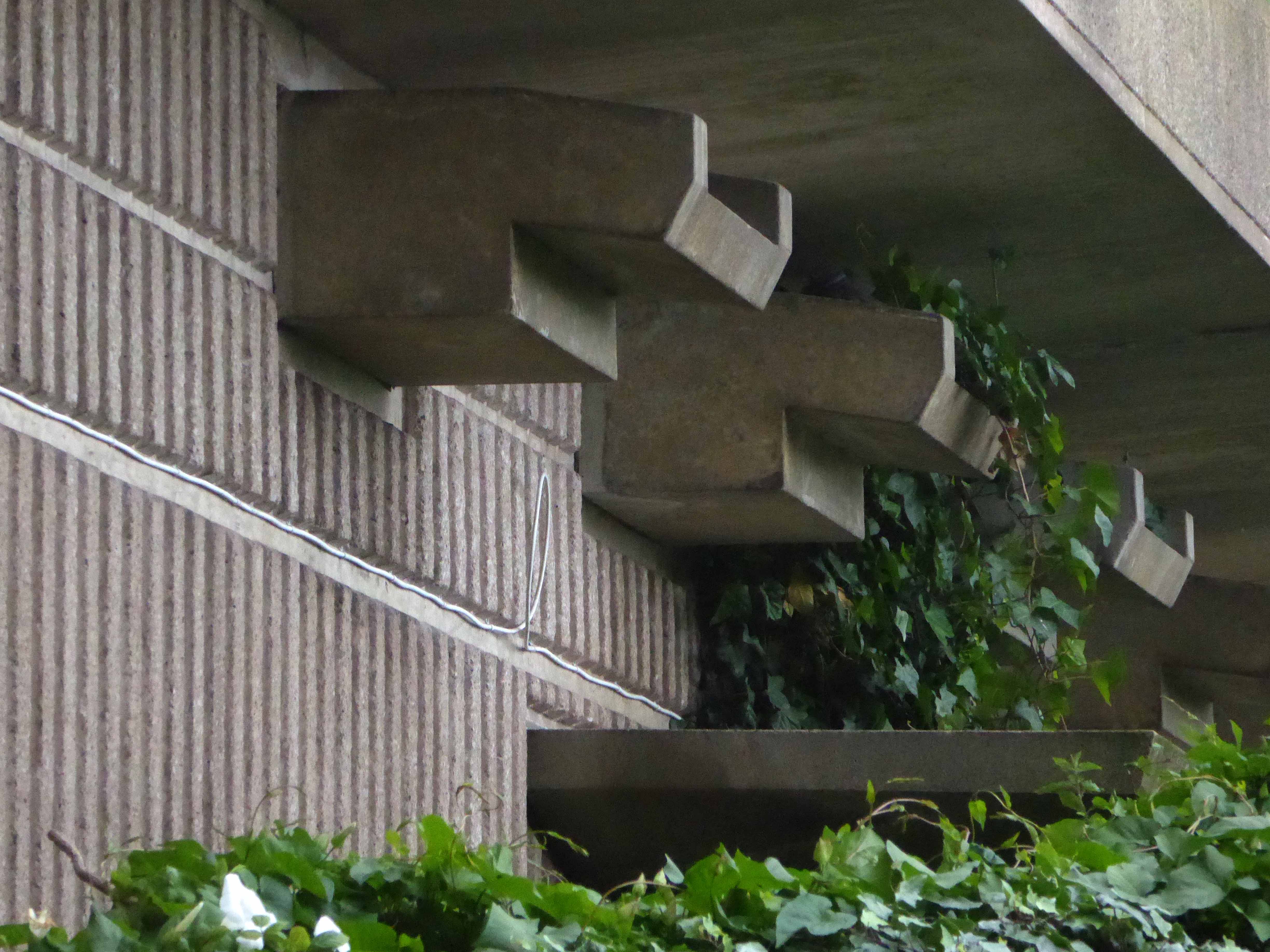
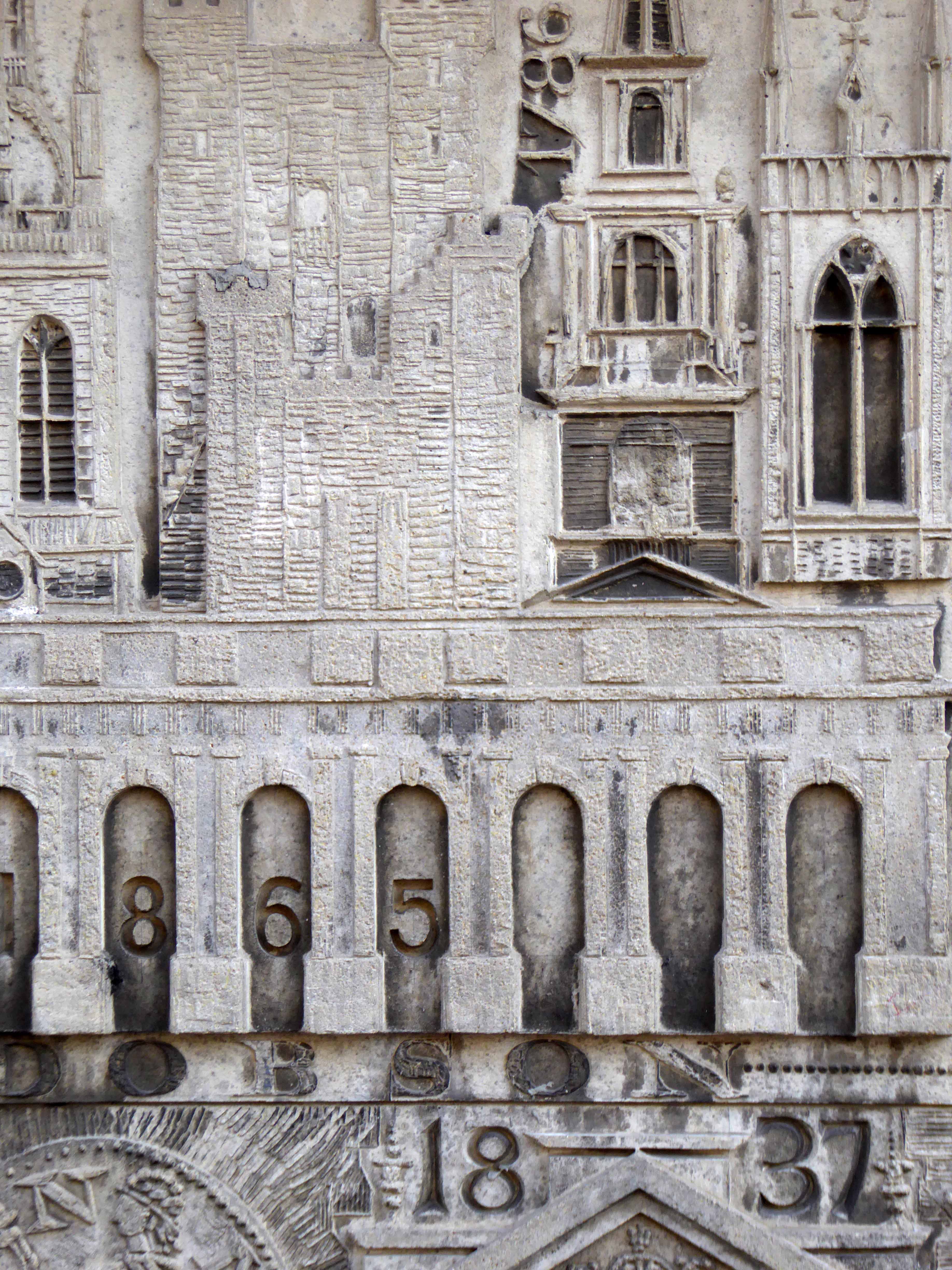
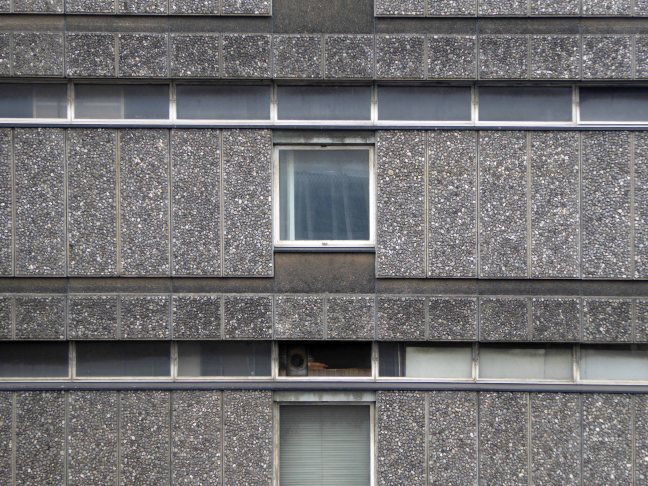
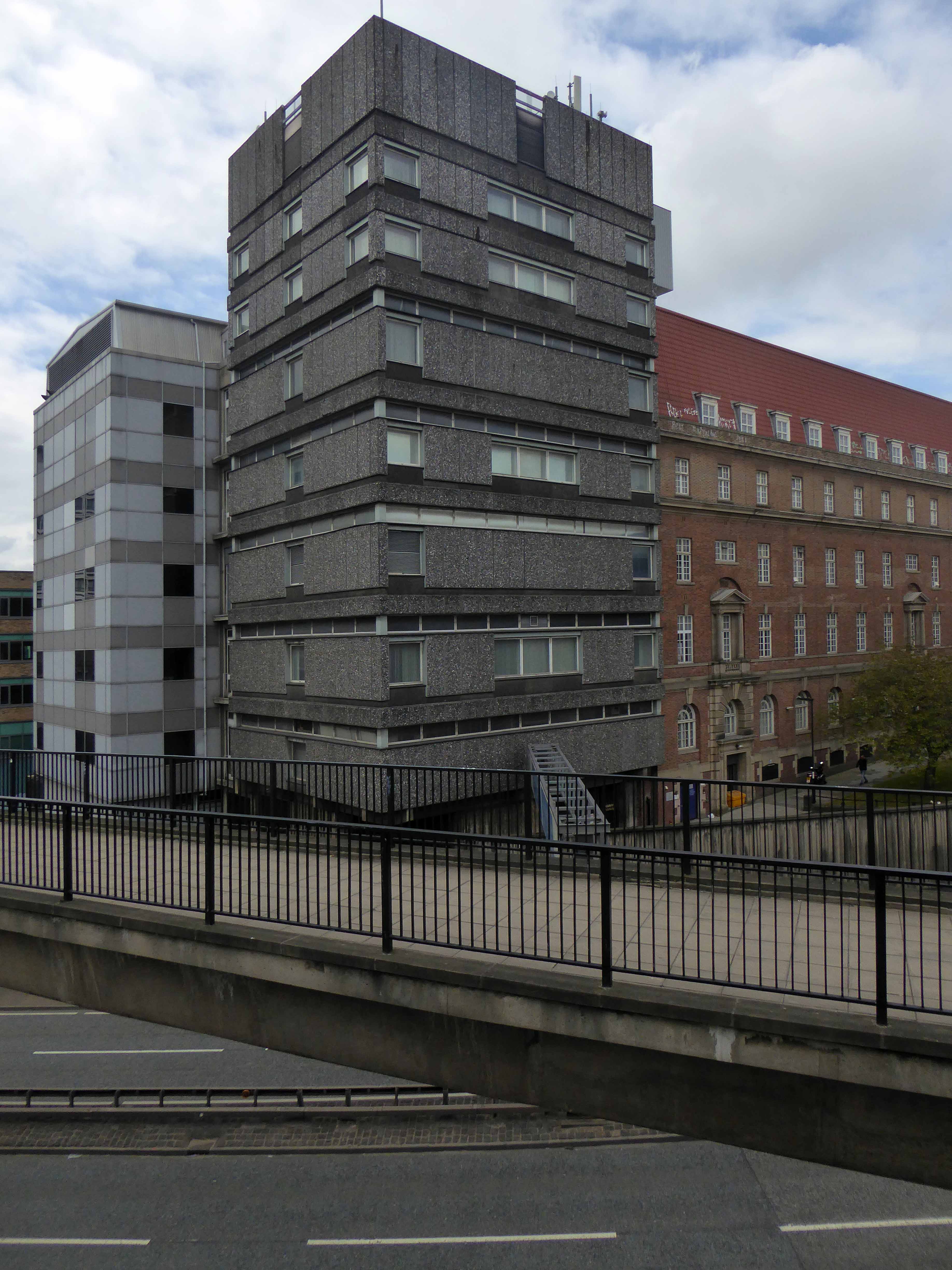
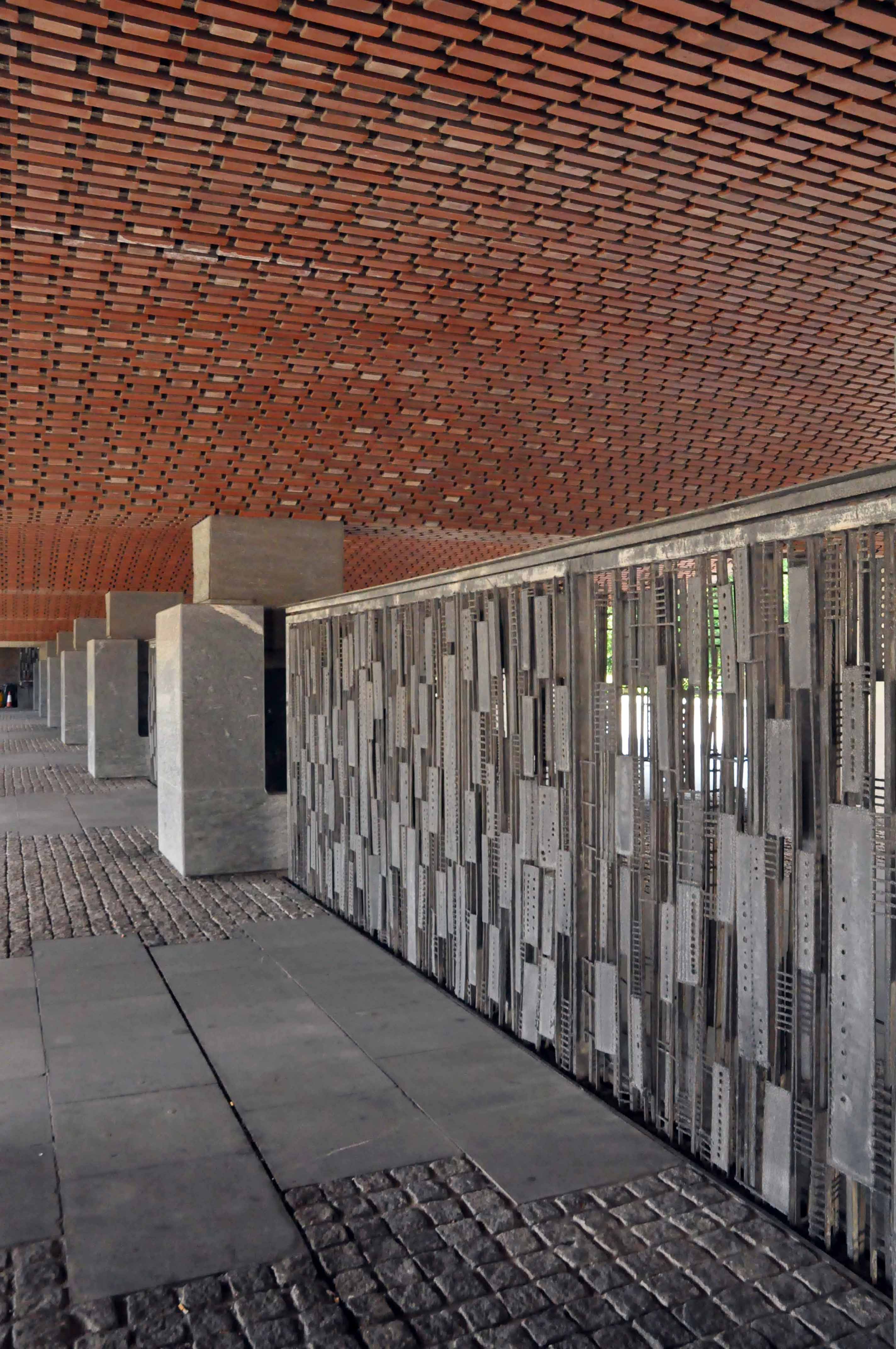
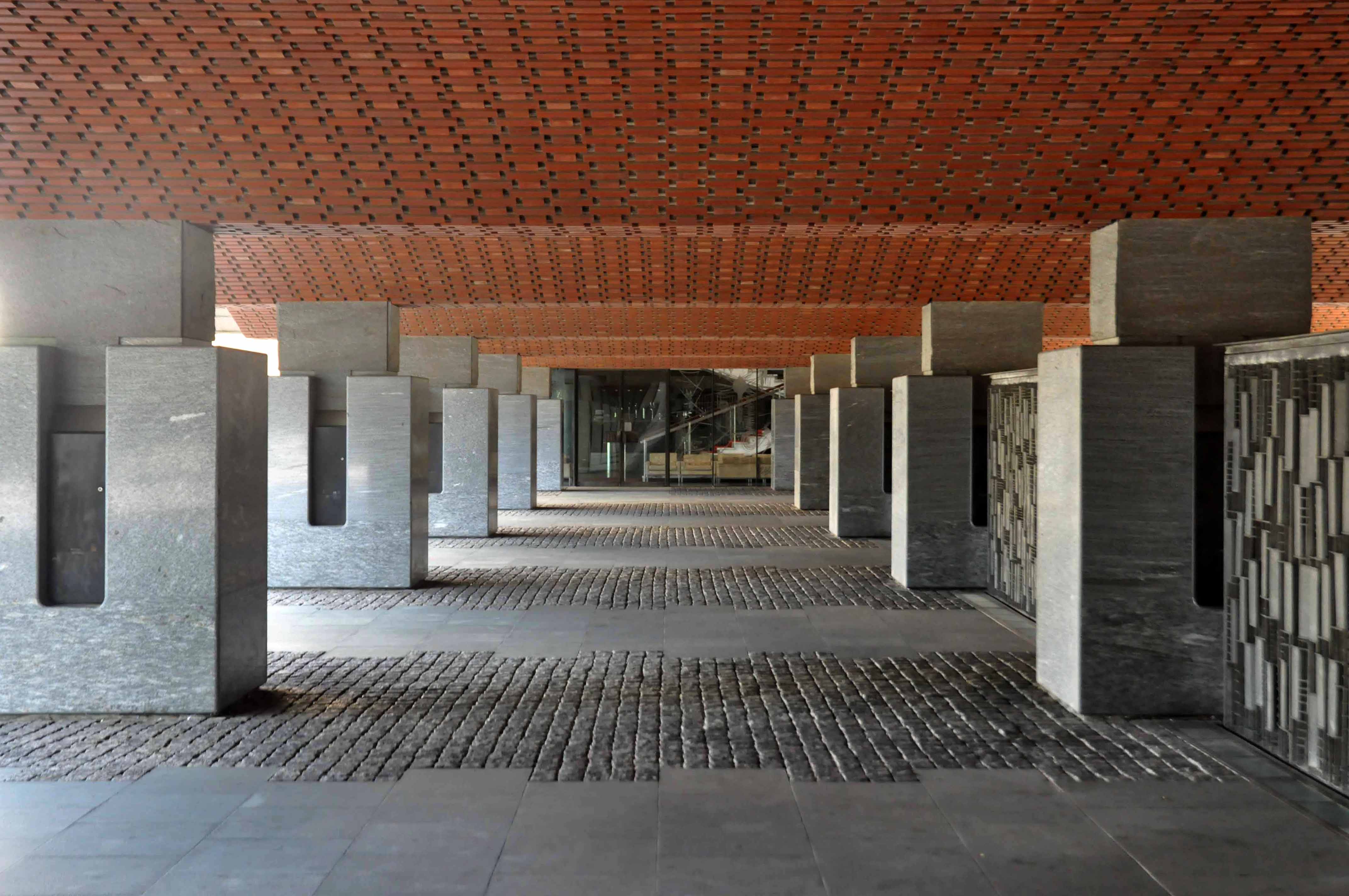
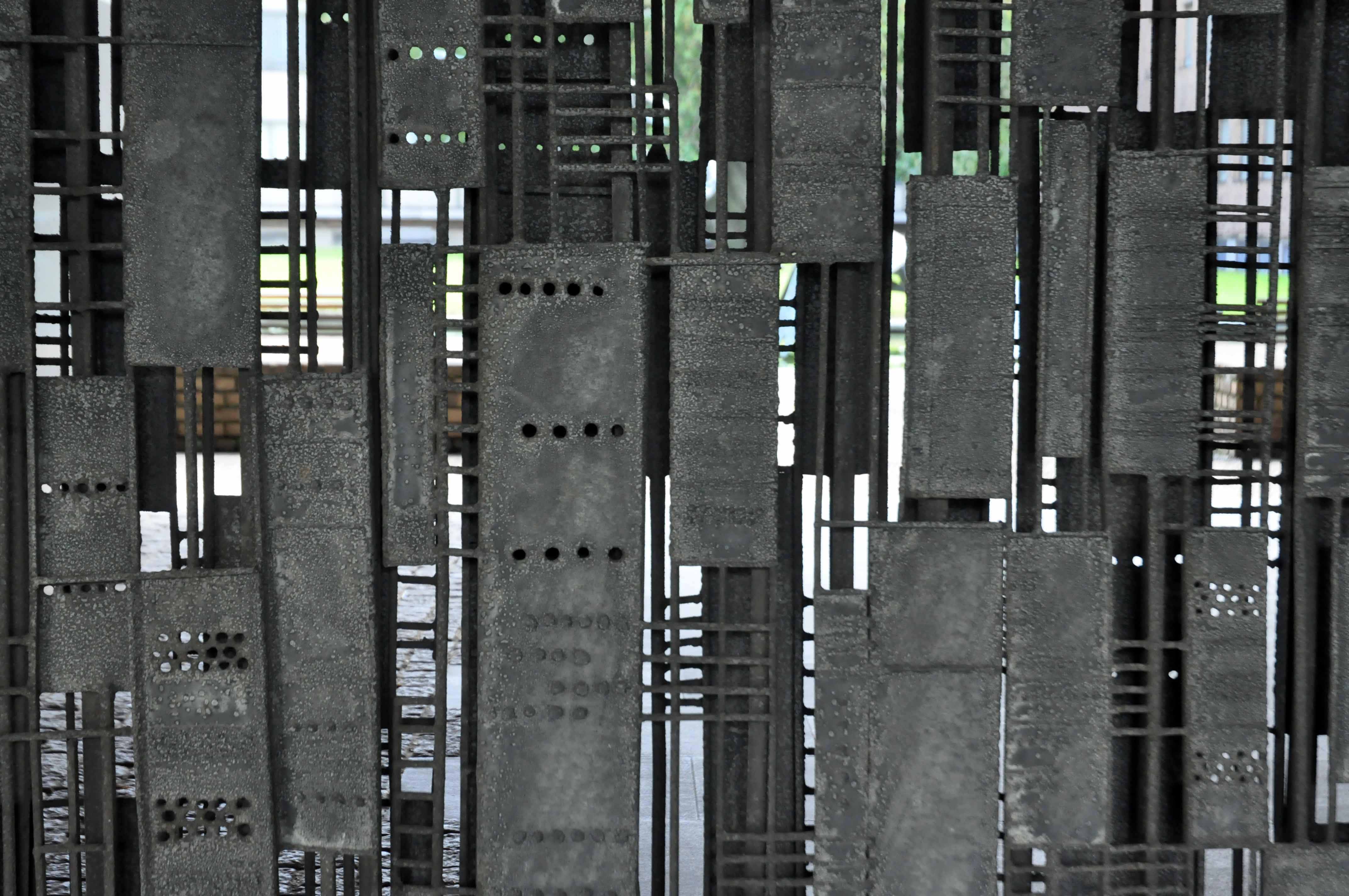
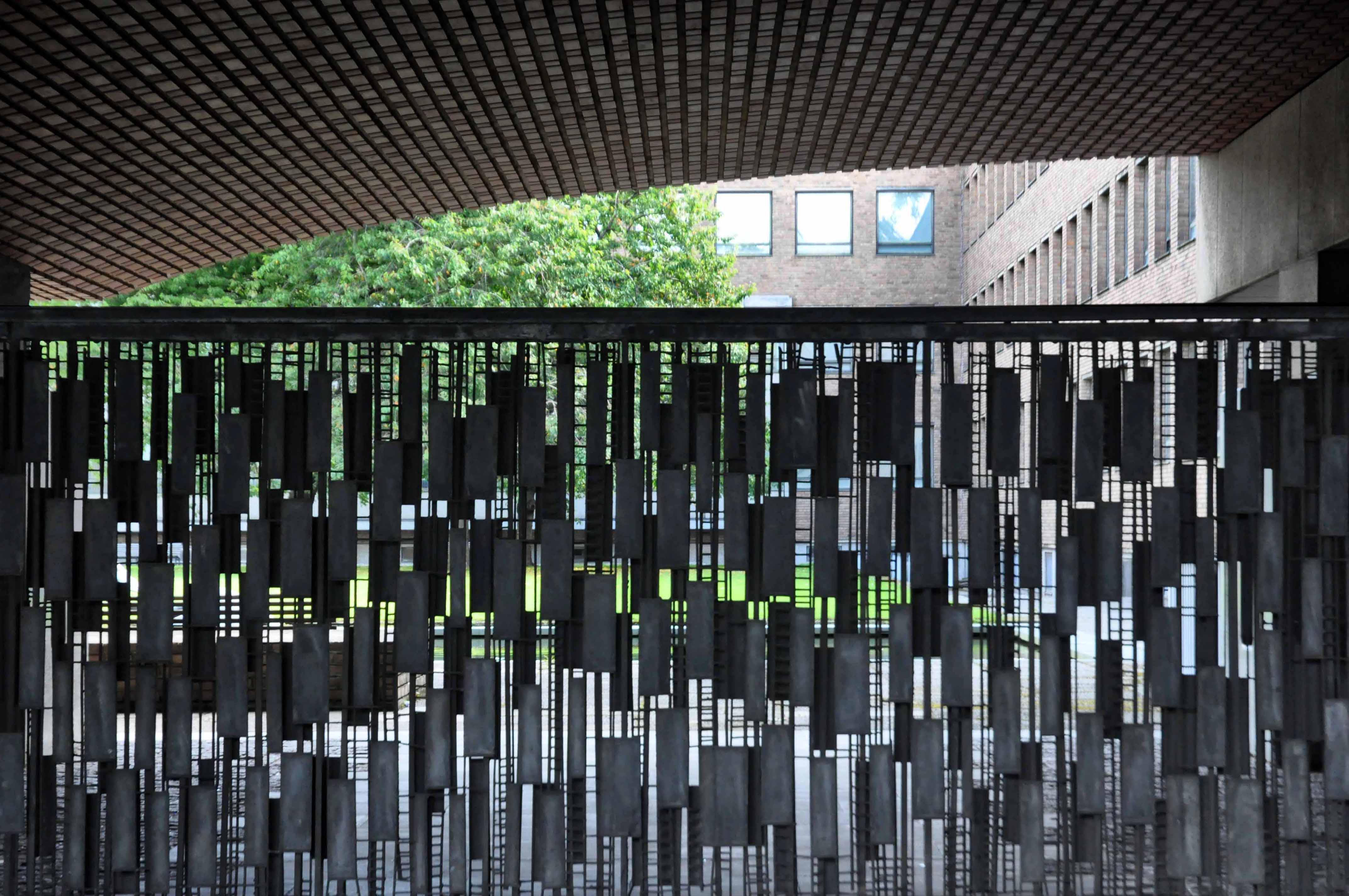
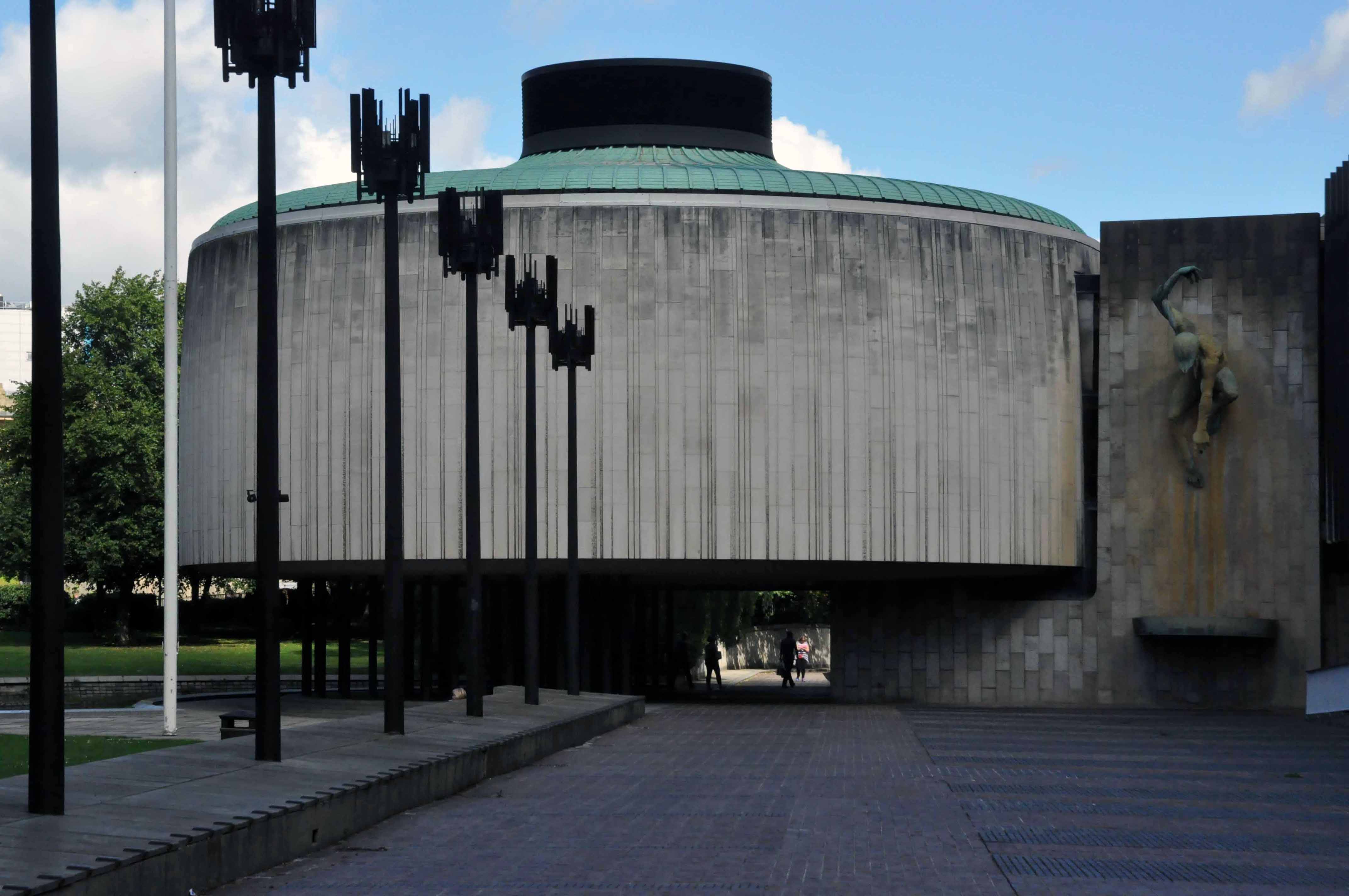
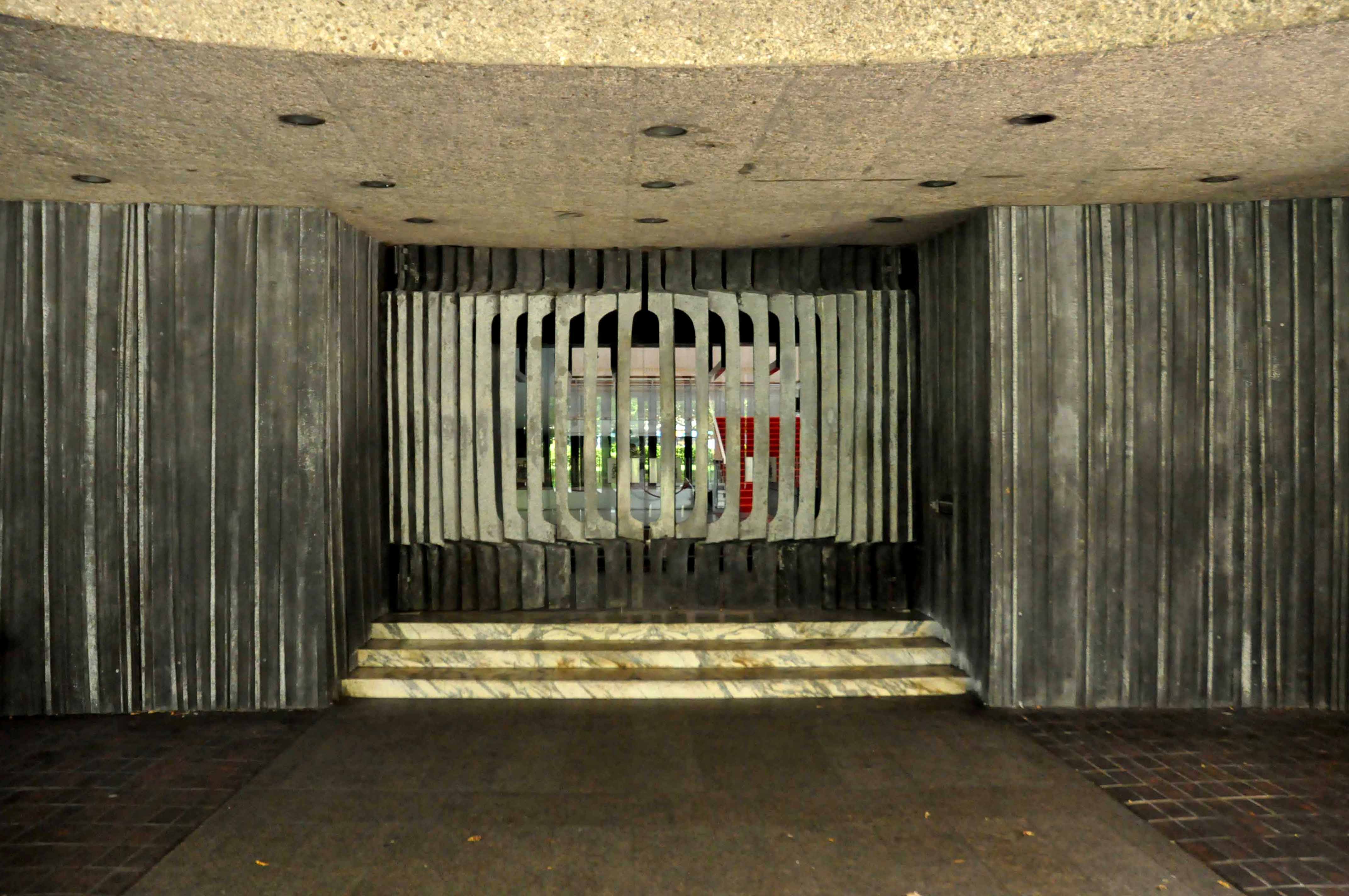
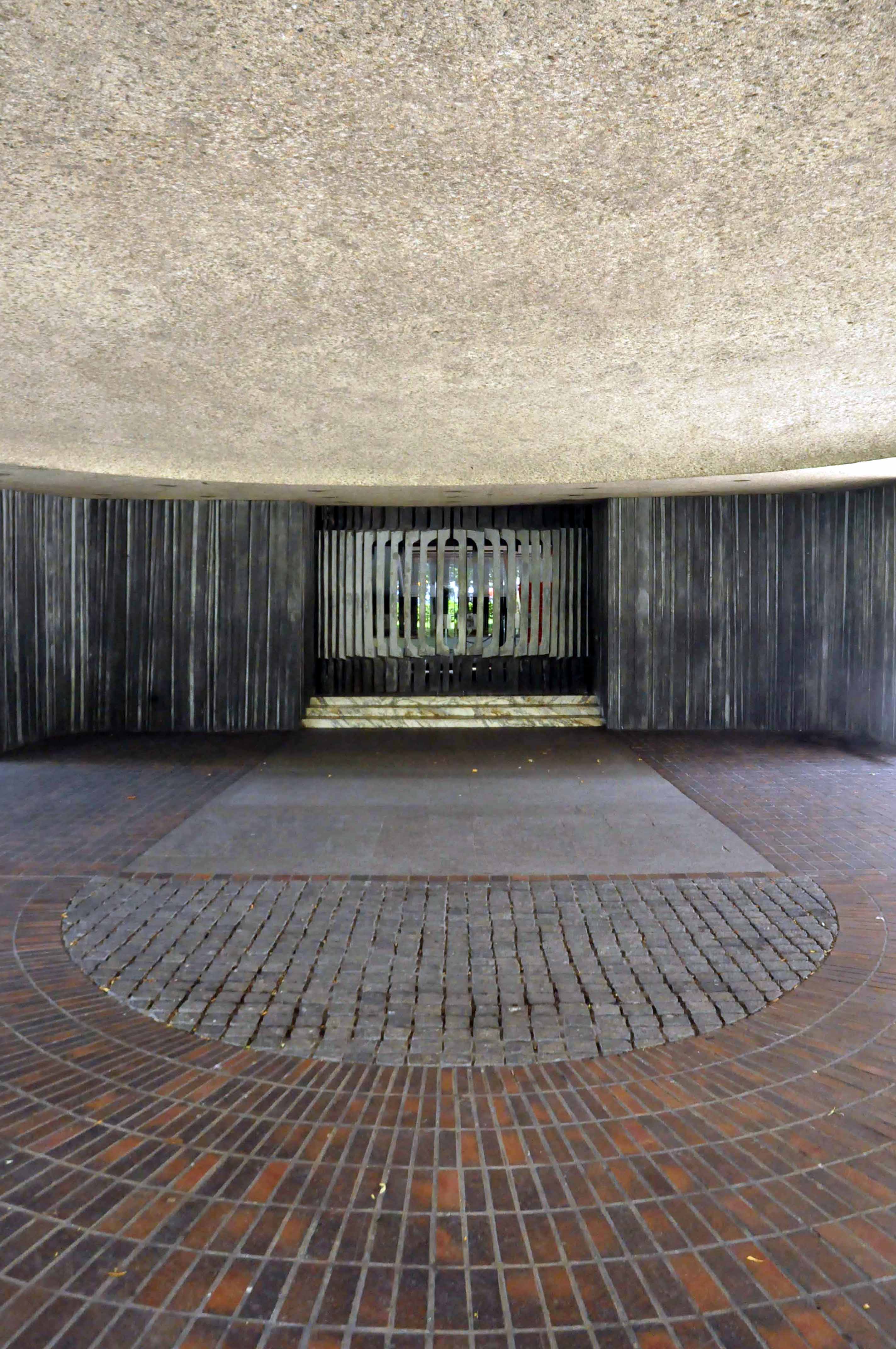
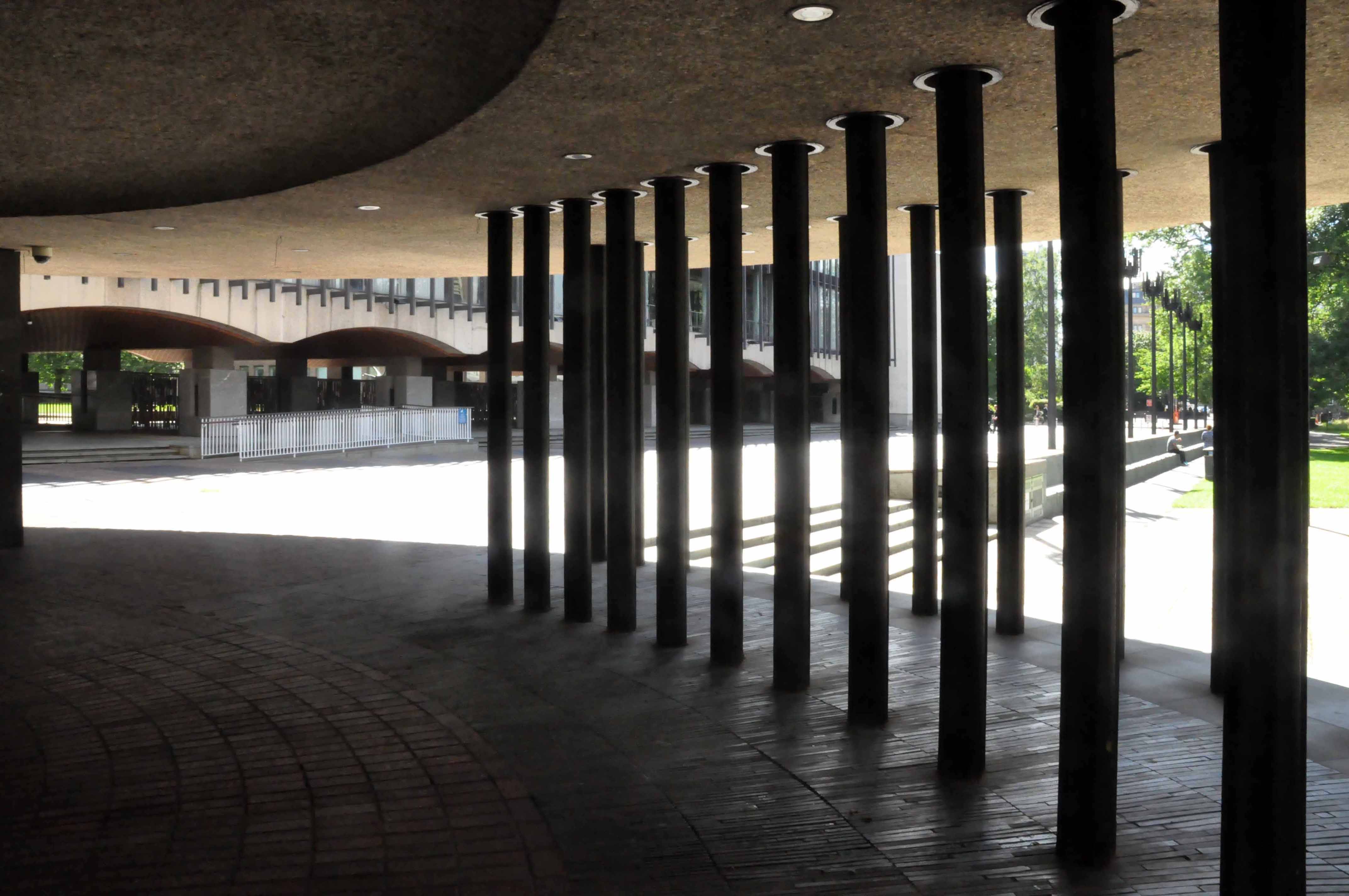
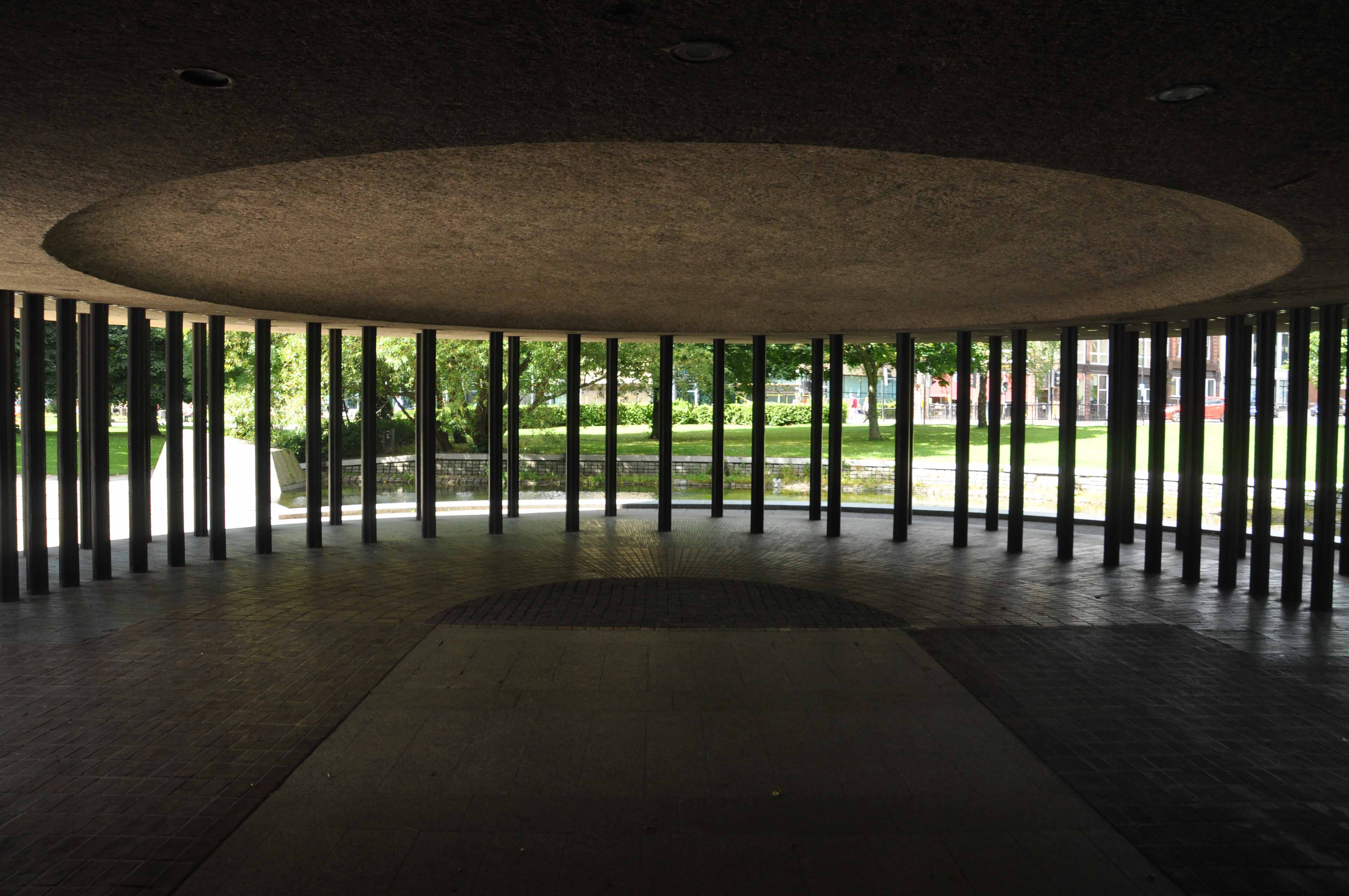
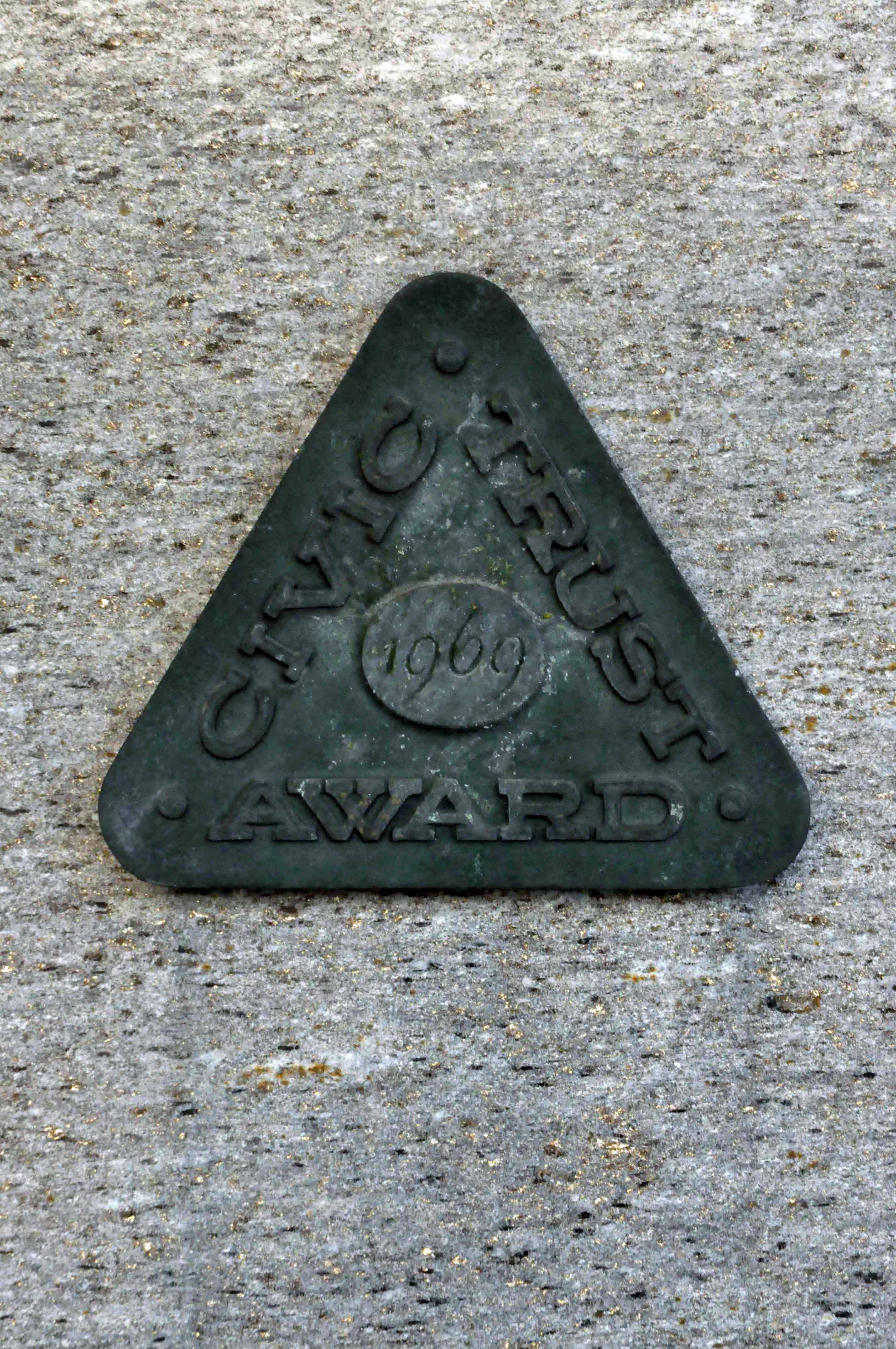
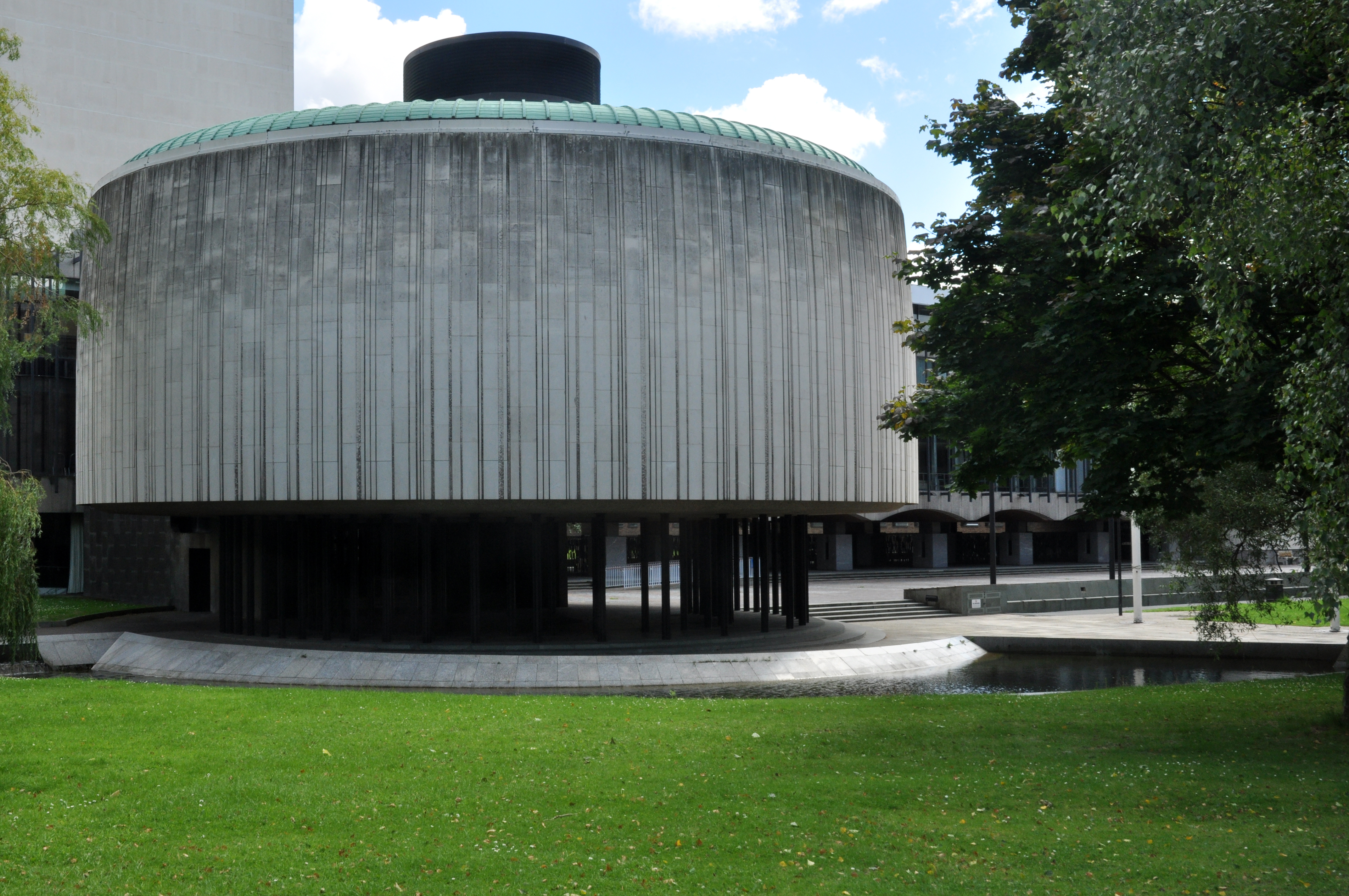
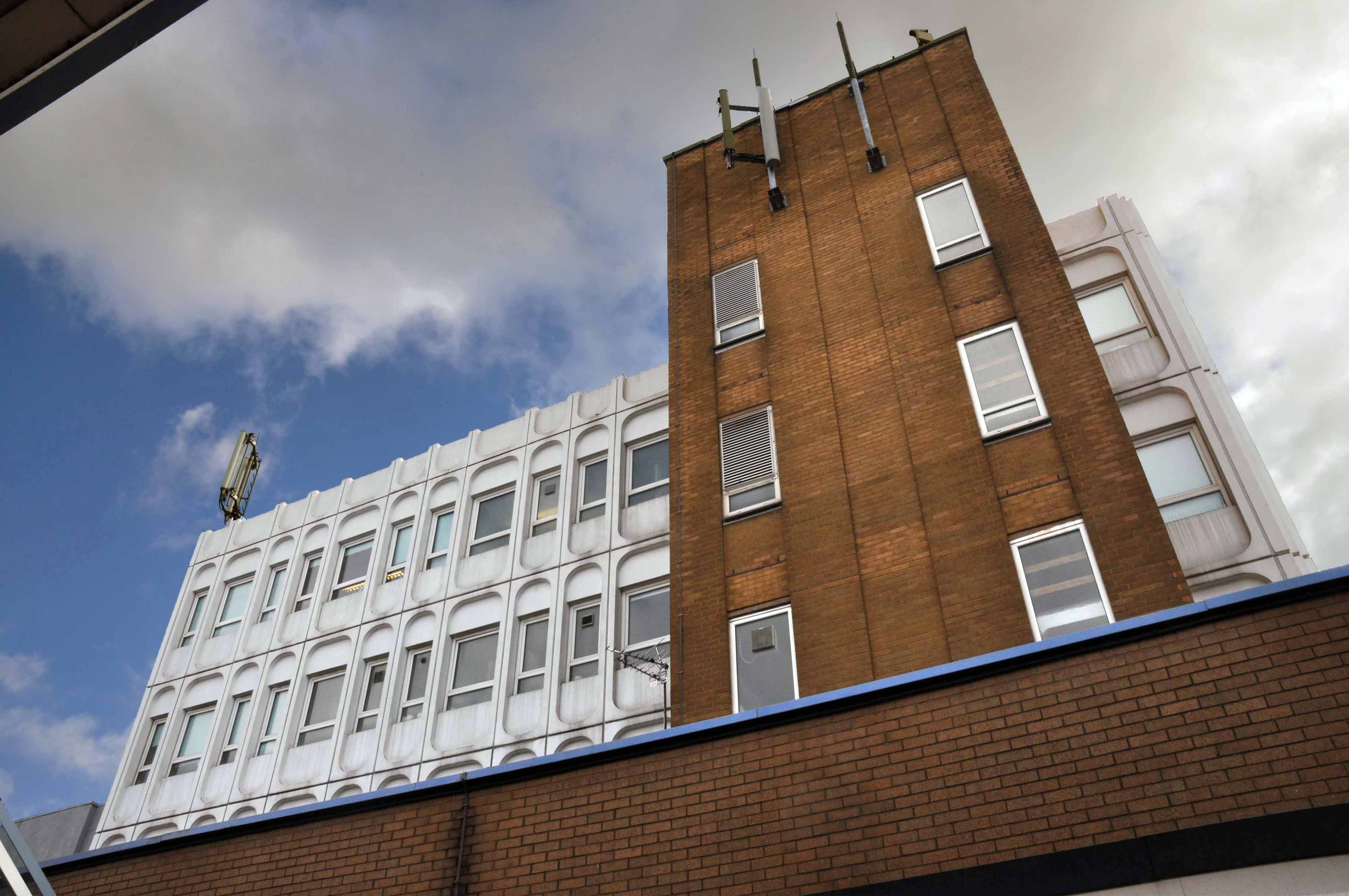
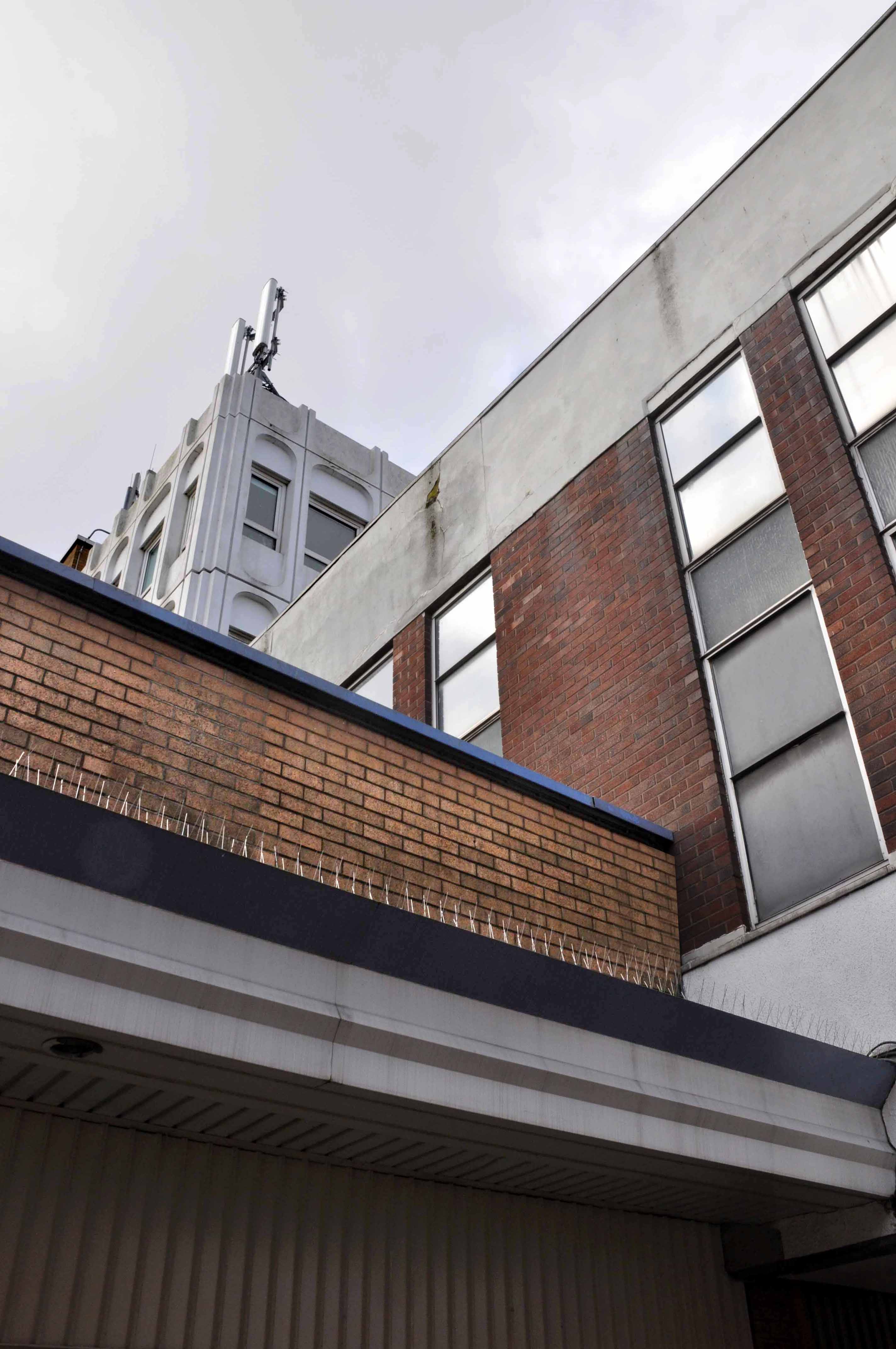
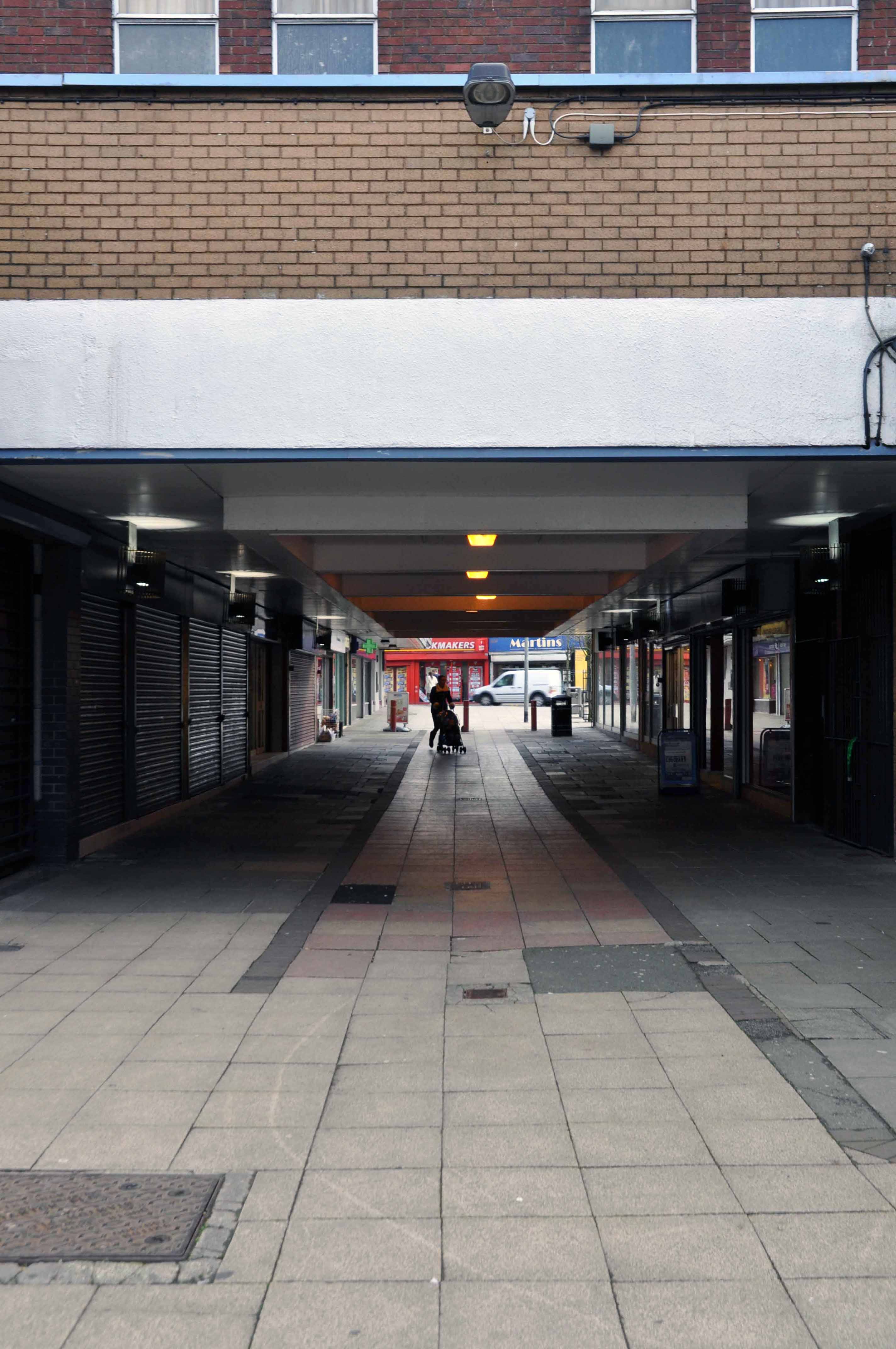
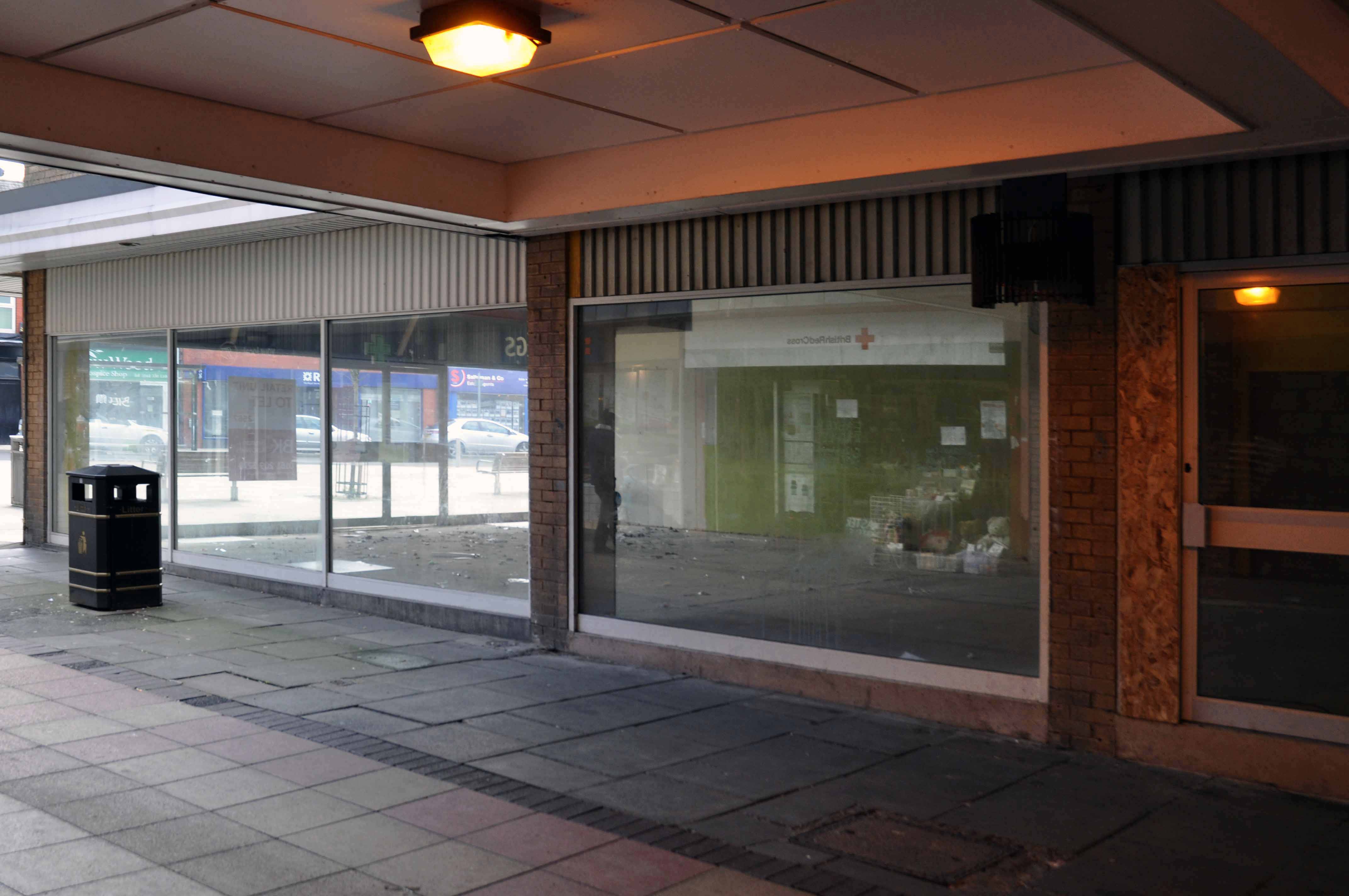
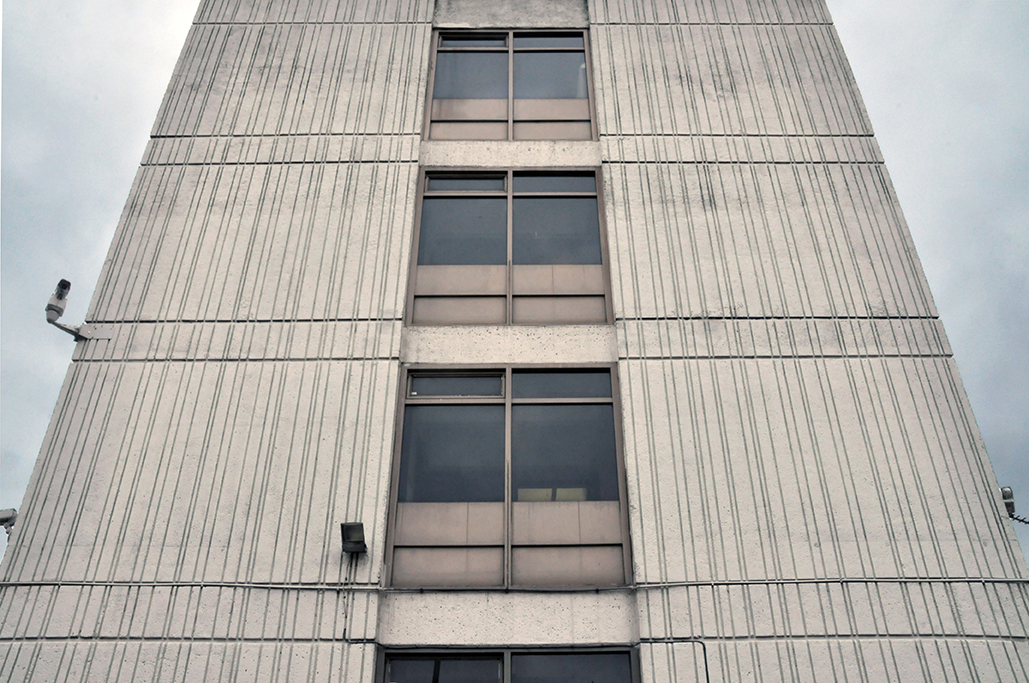
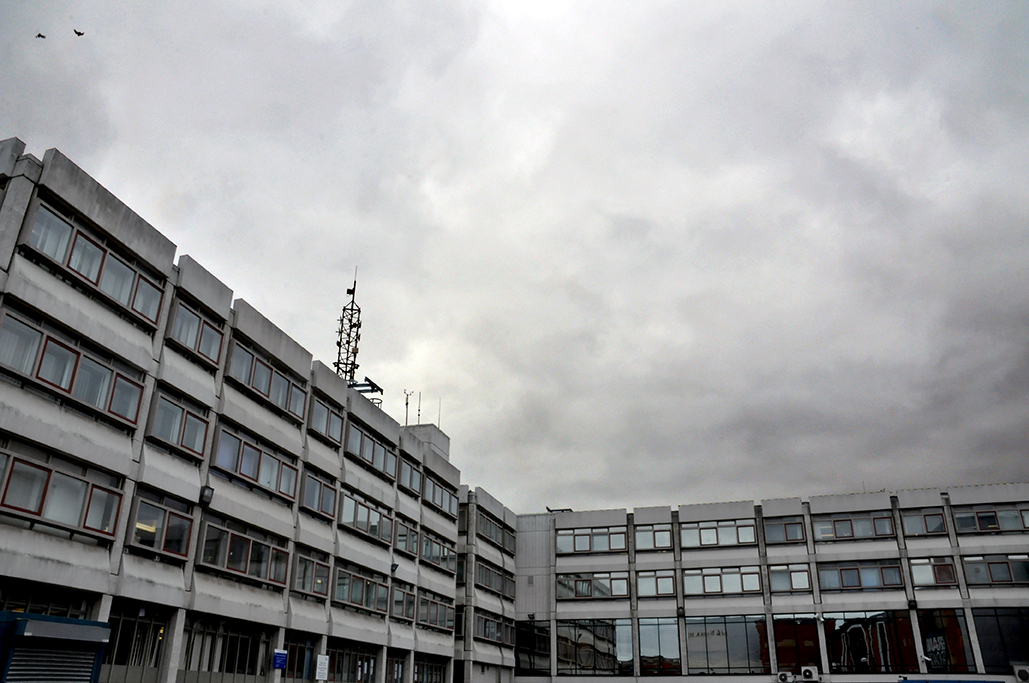
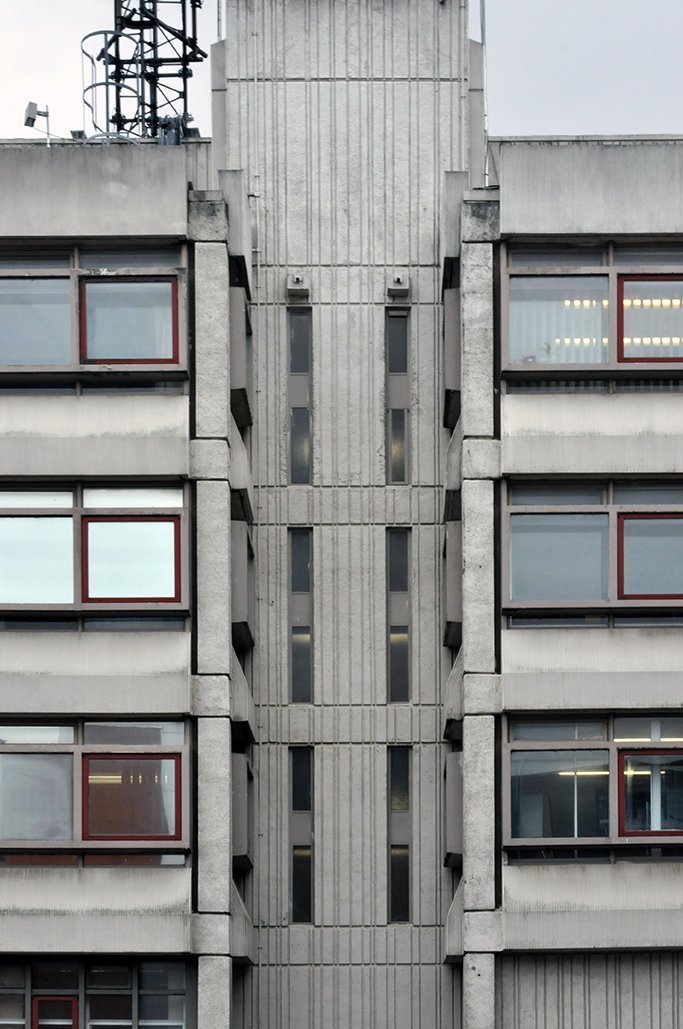
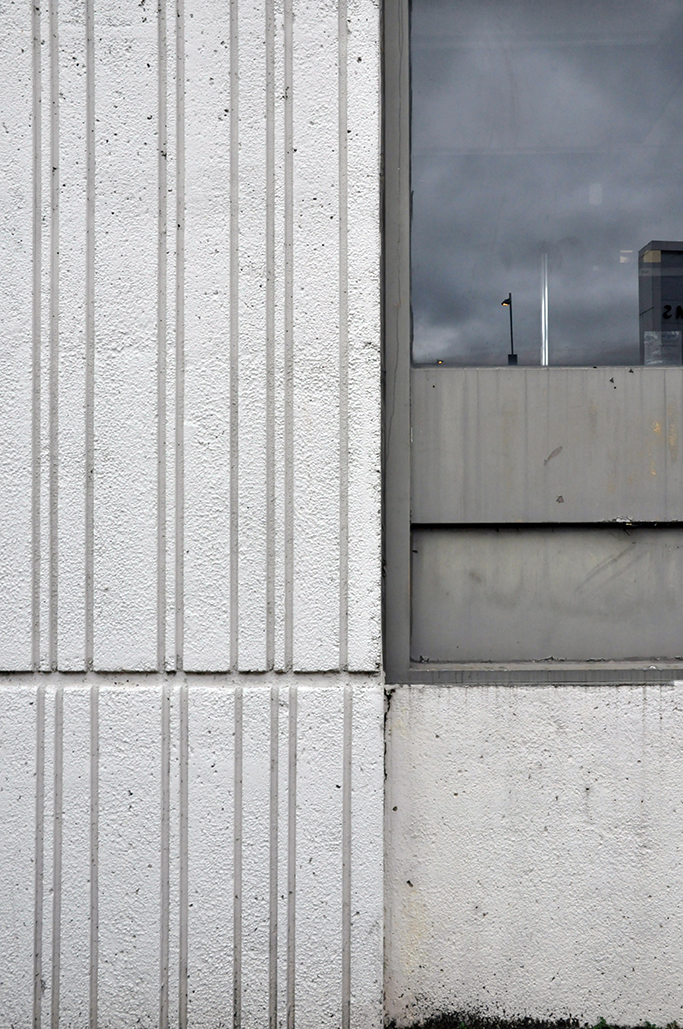
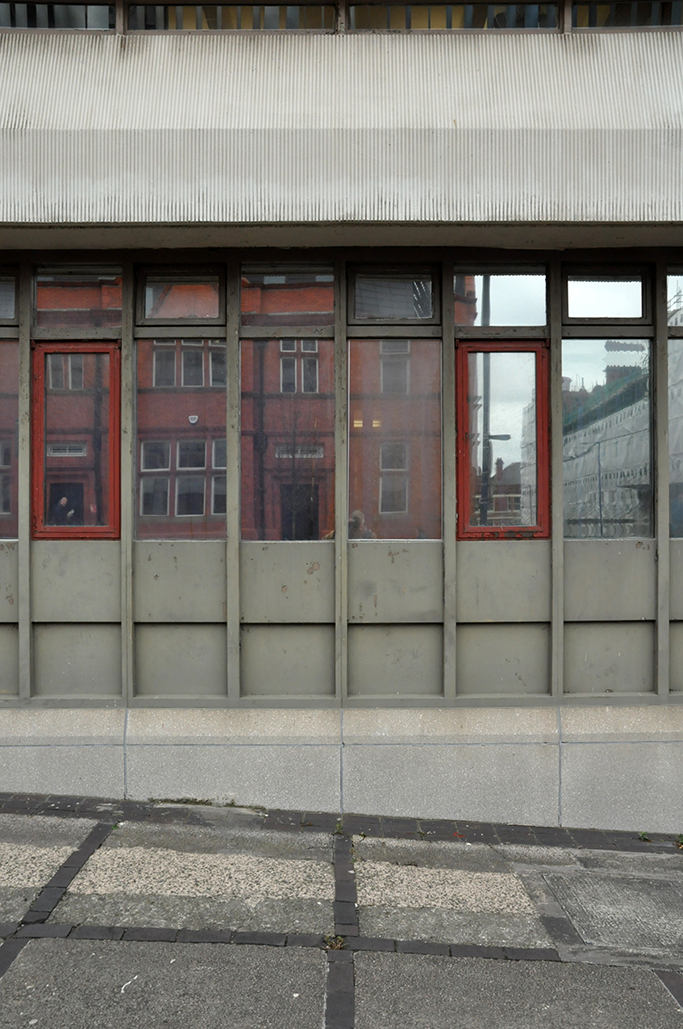
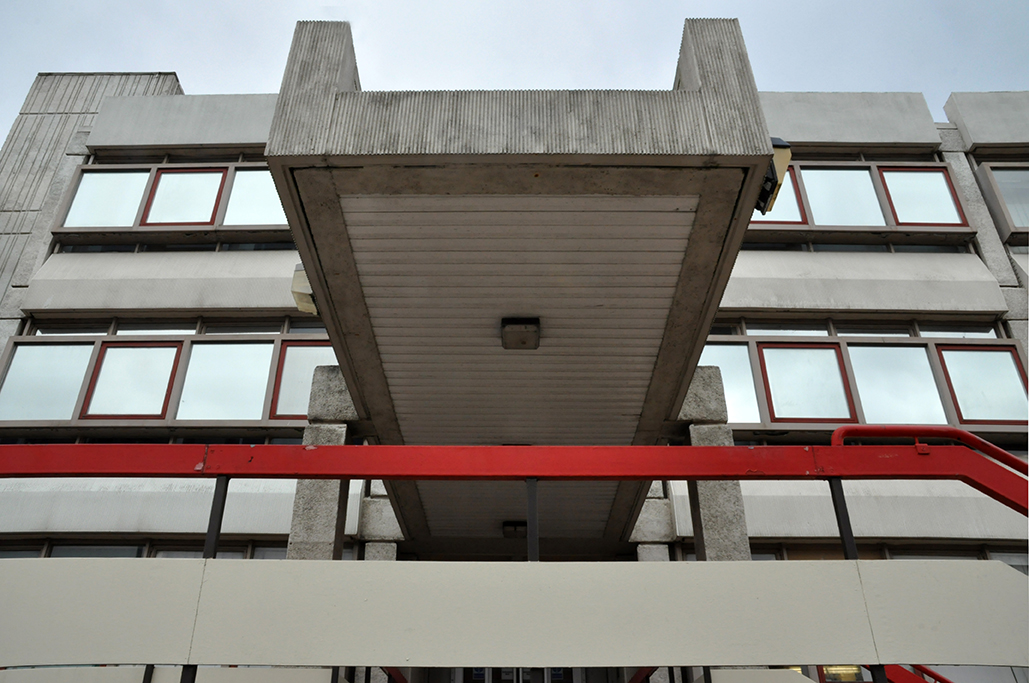
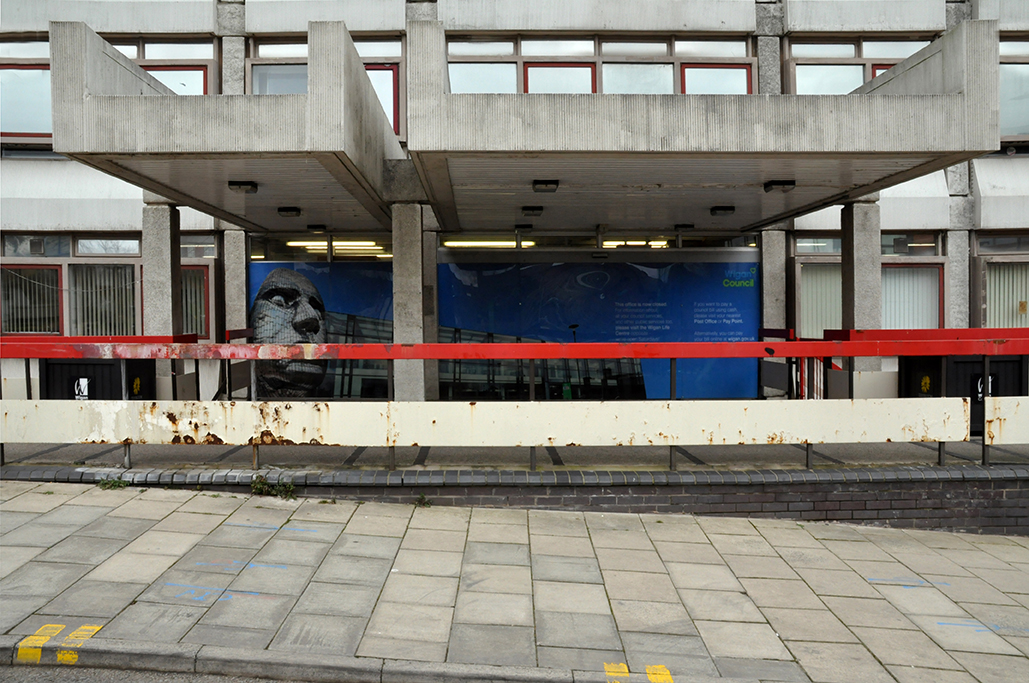
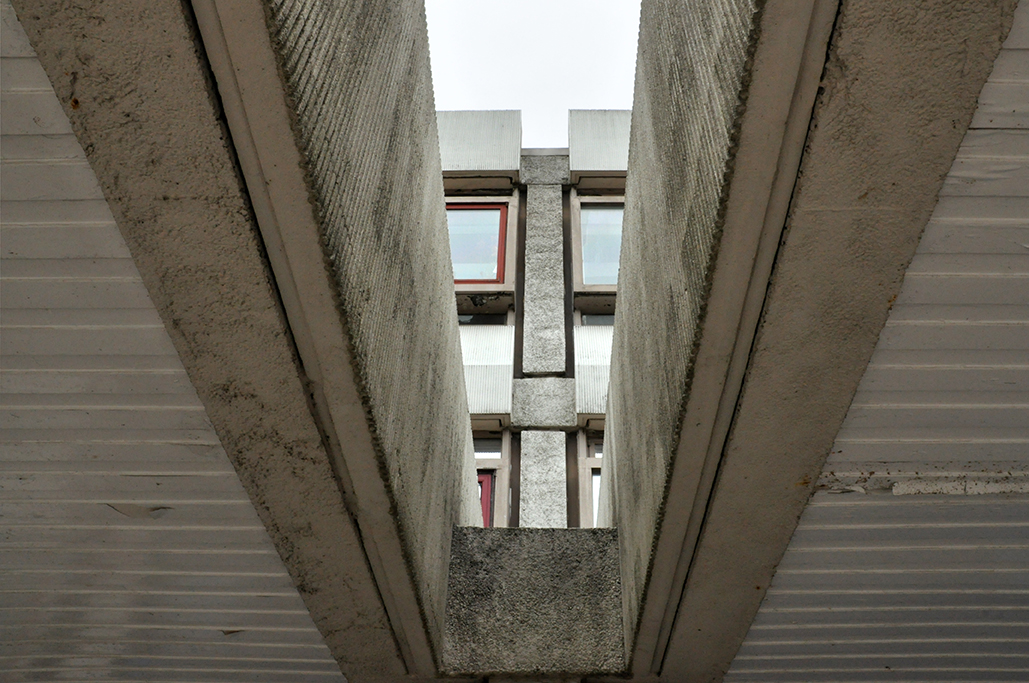
Huddersfield bus station serves the town of Huddersfield, West Yorkshire, England.

Which seems both serendipitous and heartwarmingly convenient.

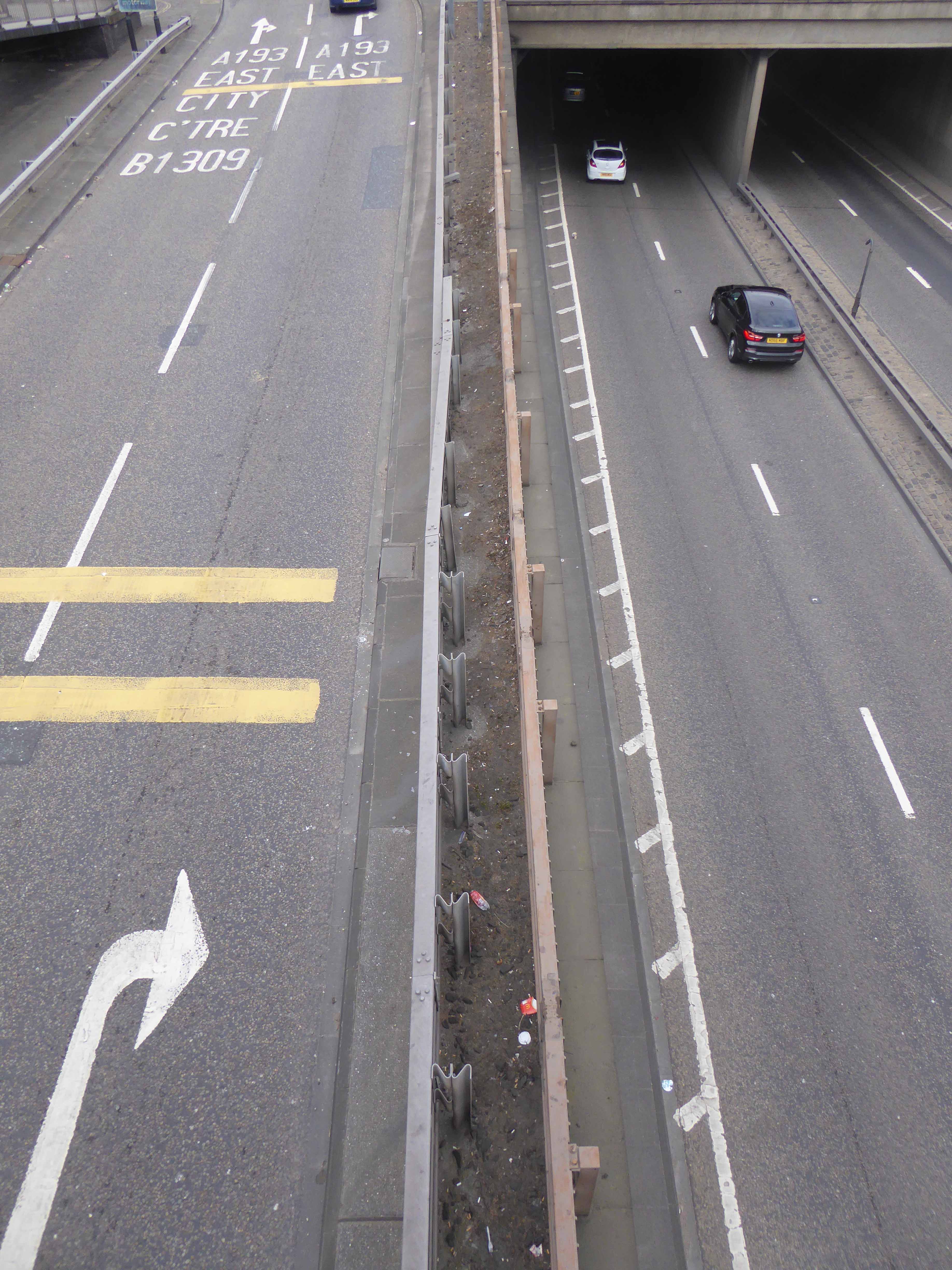
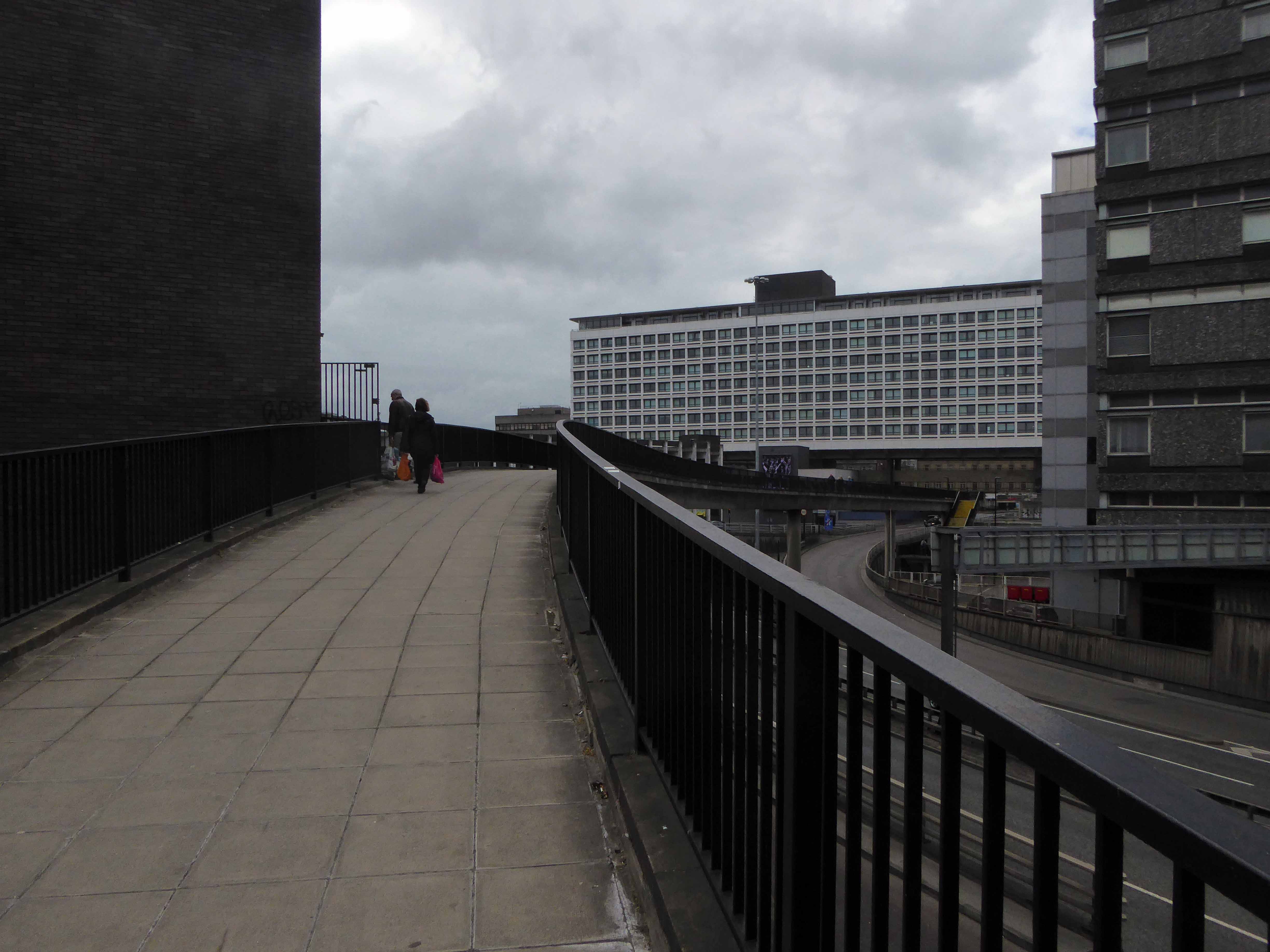
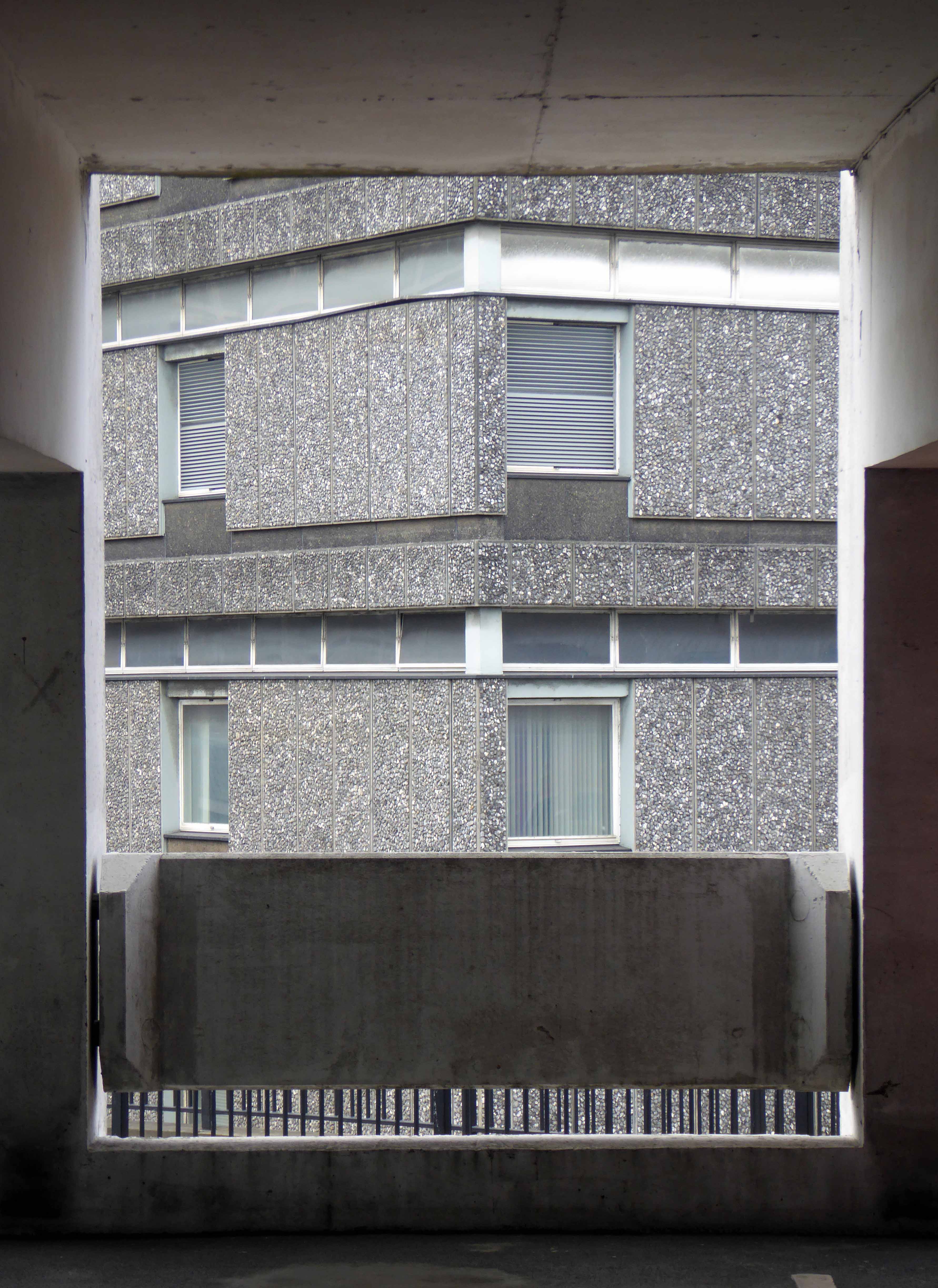
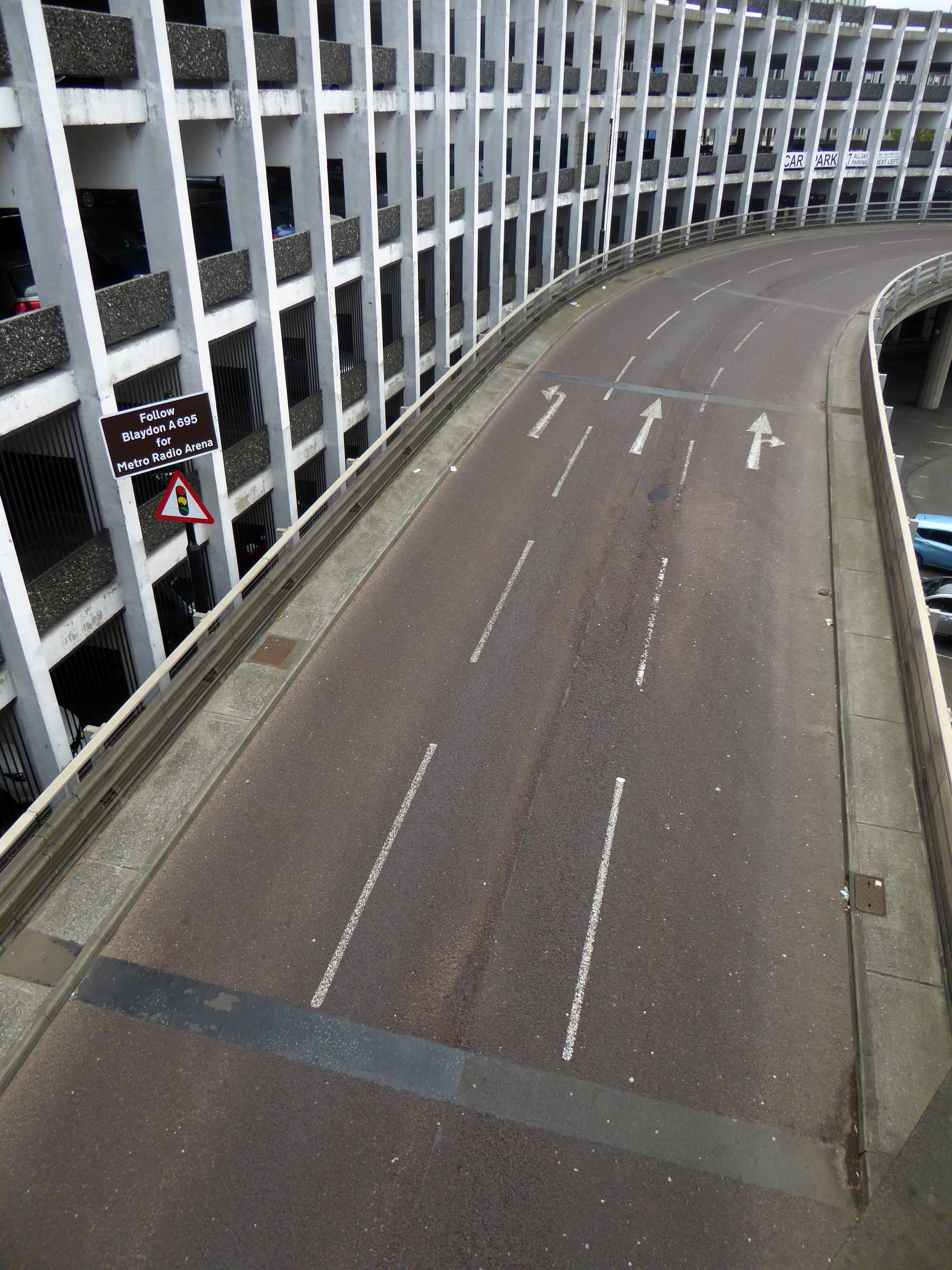
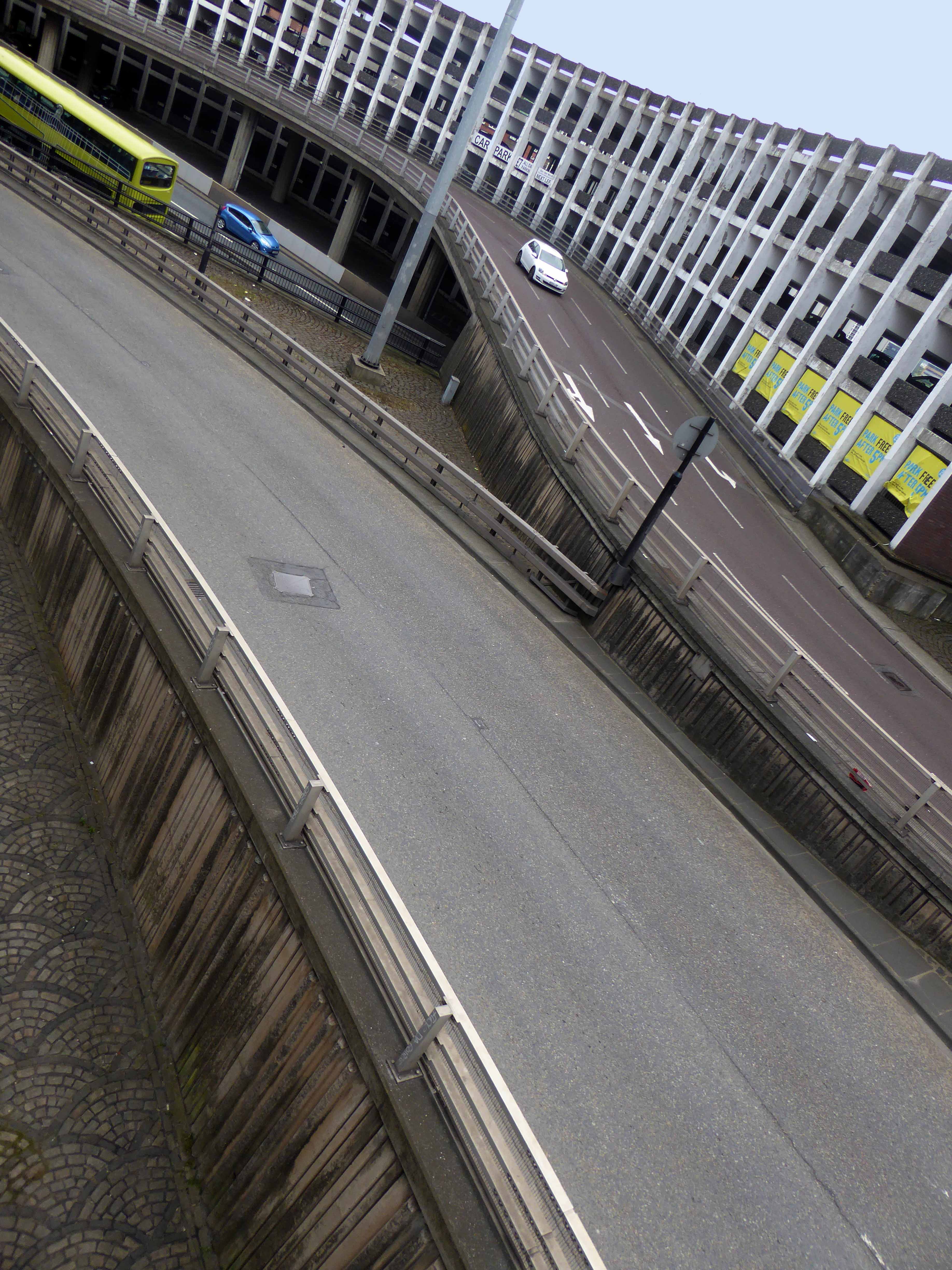
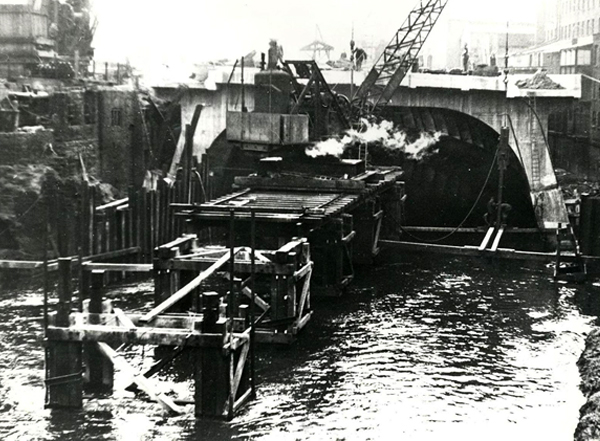
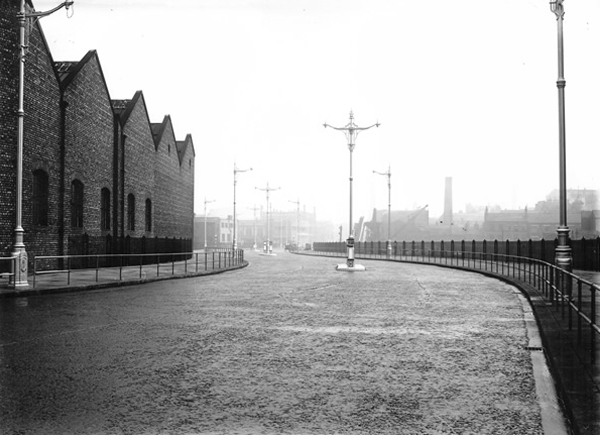
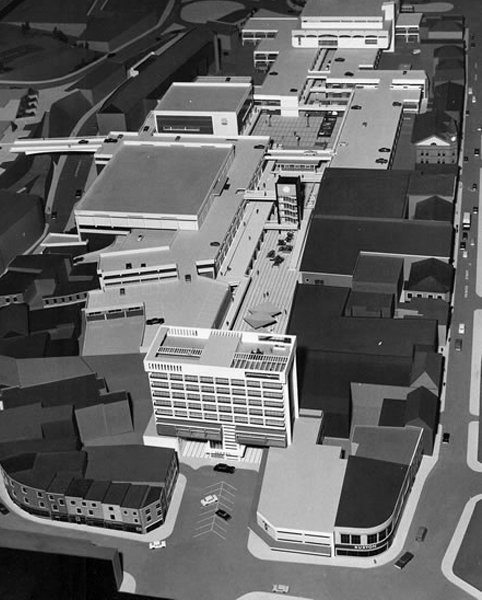
The bus station was opened on Sunday 1 December 1974 and is owned and managed by Metro. It is now the busiest bus station in West Yorkshire. The bus station is situated in Huddersfield town centre, underneath the Multi-storey car park. It is bordered by the Ring Road – Castlegate A62 and can be accessed from High Street, Upperhead Row and Henry Street.

There are 25 pick-up and three alighting only stands at the bus station.

Forever in the shadow of its Red Rose almost neighbour in Preston.

Some forty five miles and a fifteen and a half hour walk to the west.

screen-shot-2016-09-12-at-07-00-56

Yet still a thing of beauty and a joy forever  – given the recent repairs to the membrane covering of its multi-storey car park.

On the day of my visit it was clean, compact, cheerfully bustling and well used, passengers busy going about their business, of busily going about their business of going.

Light classics played soothingly upon the Tannoy, punters popped in and out of Ladbrokes, the kiosk plied its trade, the café was full and an air of calm, clear functionality reigned.

I walked quietly away.
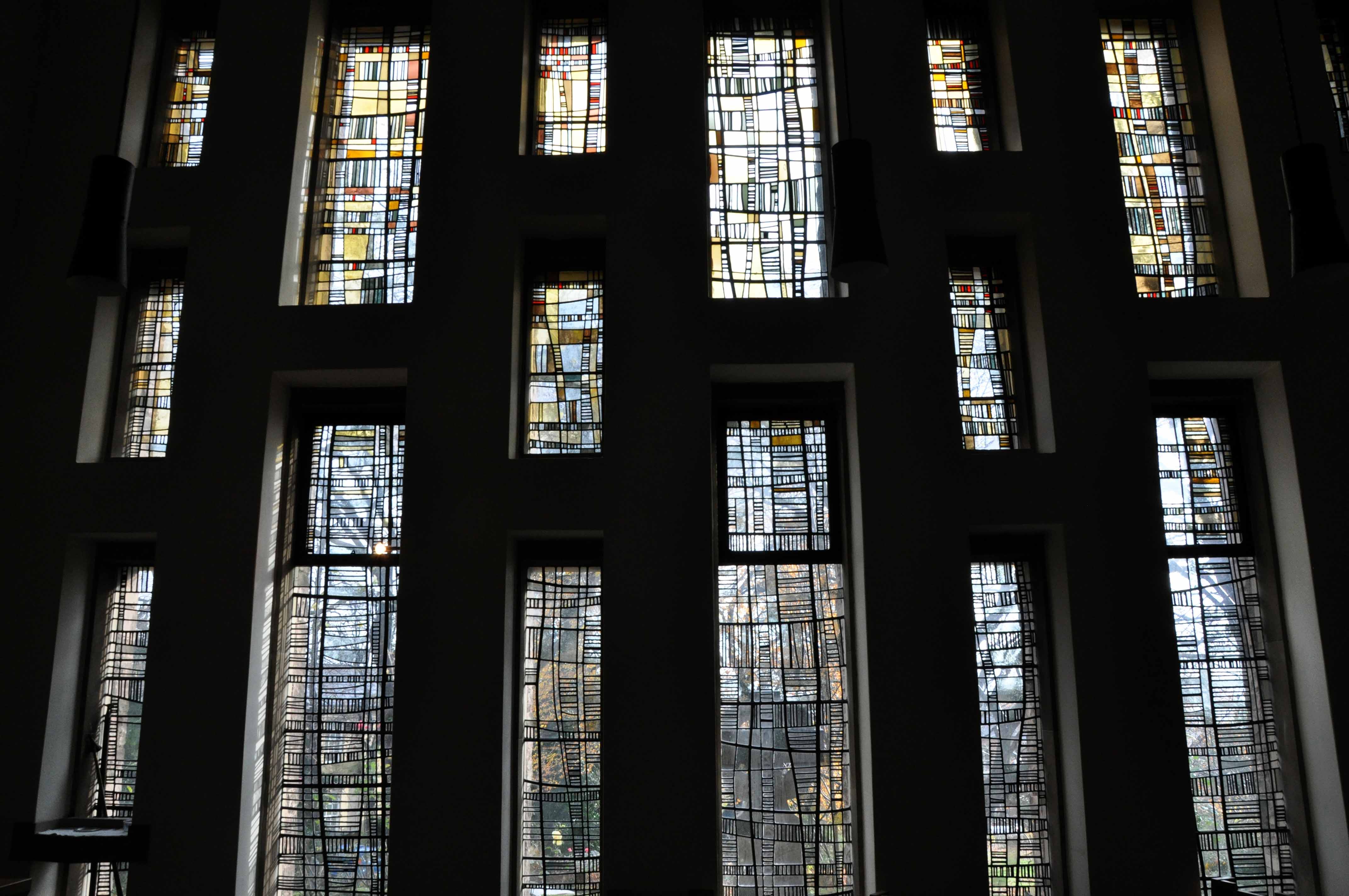
p1080644-copy

p1080645-copy

p1080646-copy

p1080647-copy

p1080648-copy

p1080678-copy

p1080677-copy

p1080675-copy

p1080673-copy

p1080651-copy

p1080671-copy

p1080667-copy

p1080662-copy

p1080663-copy

p1080661-copy

p1080664-copy

p1080666-copy

p1080665-copy

p1080660-copy

p1080659-copy

p1080658-copy

p1080655-copy

p1080654-copy

p1080653-copy

p1080652-copy

p1080657-copy


Precinct – Ashton under Lyne

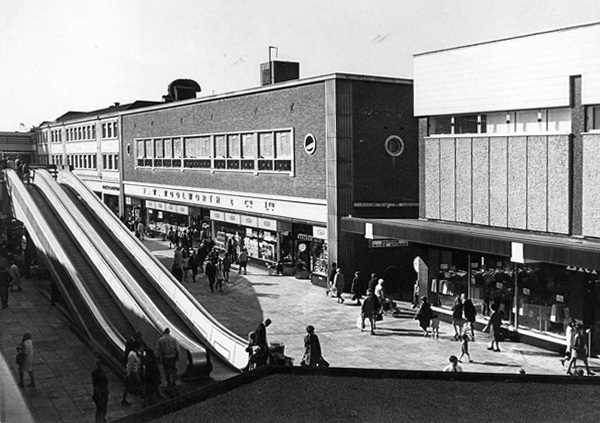
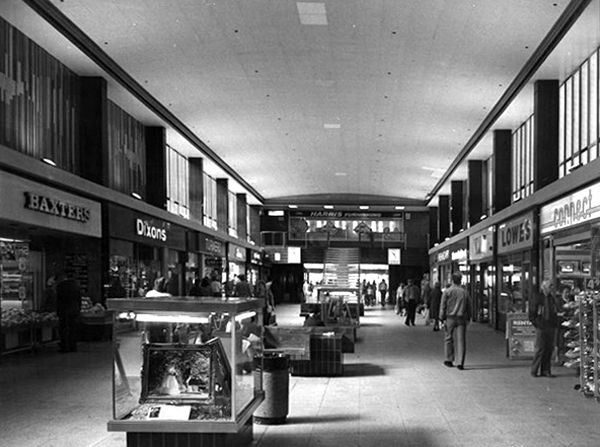
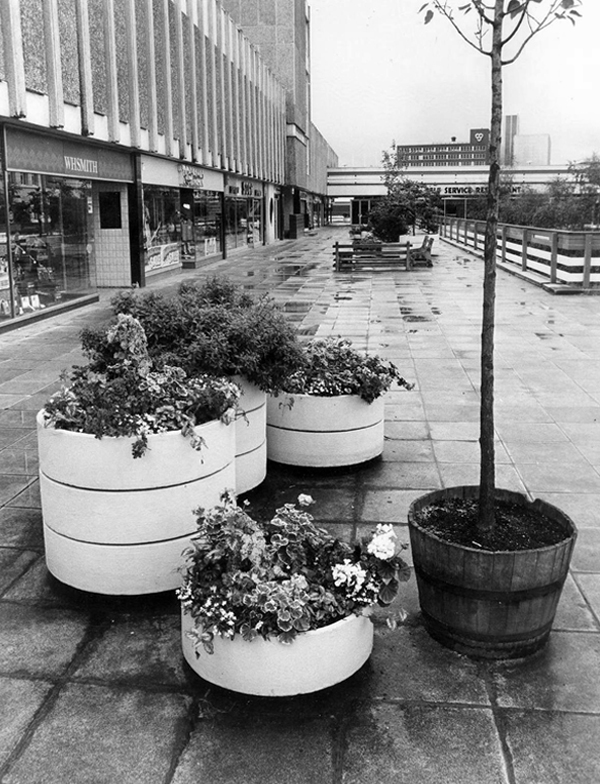
Possibly my first brush with modernism and modernity, the shopping precinct in Ashton under Lyne. Typically in the mid Sixties, British towns reinvented themselves as space age retail experiences, in stark contrast to their middle aged, Middle Aged market centre, market centred identity.
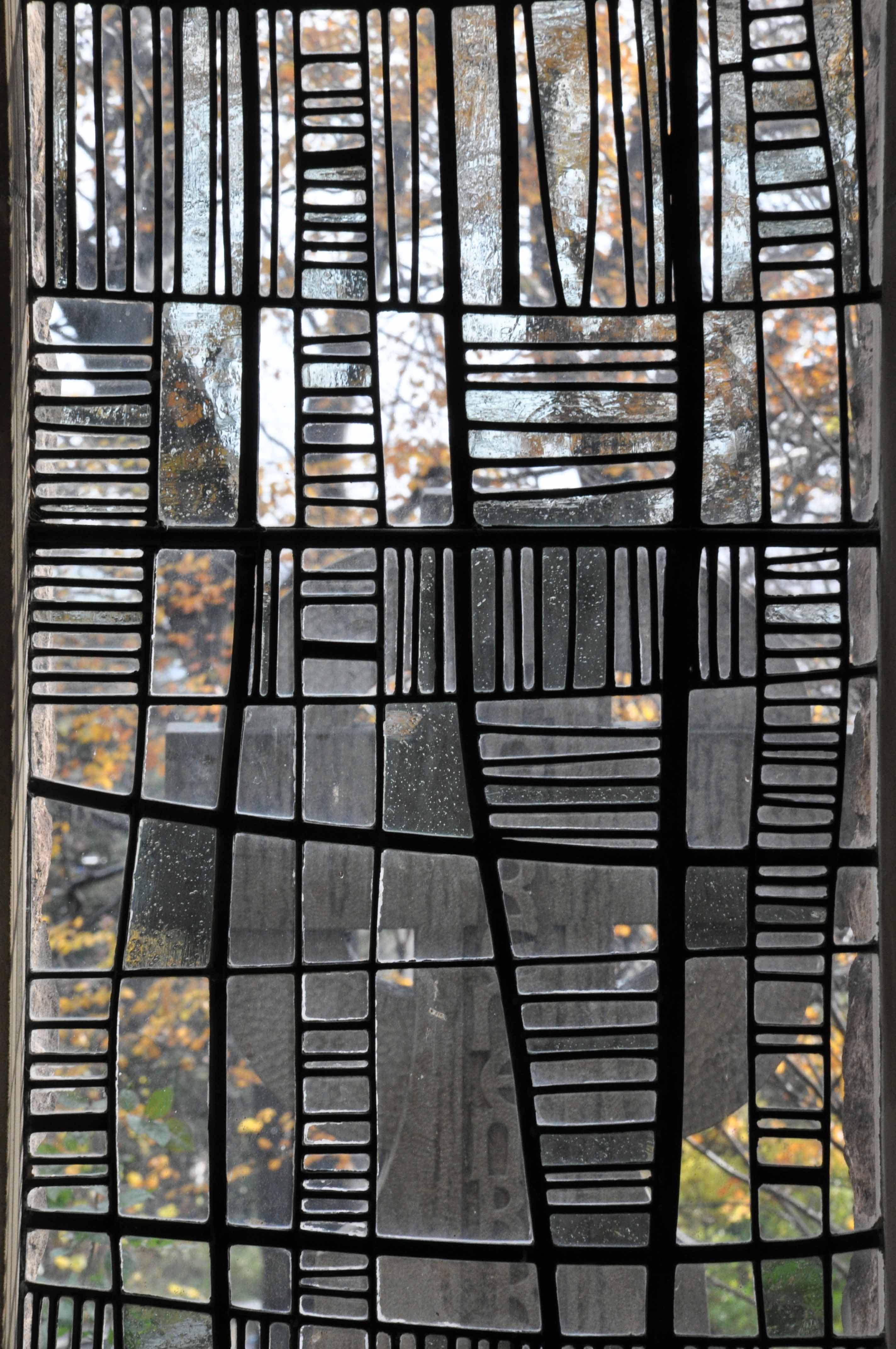
Out with the cobbles and stalls, in with the travelator, frothy coffee, concrete and a pedestrianised, undercover, all weather, super convenient haven of heavenly fun!

ashton precinct copy

And lo, it came to pass, let construction commence.
t01953

t01950

Simply add a few decorative embellishments courtesy of the Direct Works’ pavoirs.

12745520_10153983510951600_6512440473109429374_n

You have built it and now they will come:

Little did you know you had created a punk rock icon.

hires-10932

Featured on the cover of fanzine Ghast Up #3 – many thanks to MDMA

unknown

1979654_10152428276351641_6999424894618567349_n

10264662_10153983511236600_4523373721109693617_n

10385434_10153983511291600_4613412642380719745_n

16602225_1570603029620874_2256672277170597802_o

10342461_10153983511146600_7512830533940401704_n

12728821_10153983510731600_7256812645345890936_n

12729035_10153983511066600_1320602826549288893_n

12742561_10153983511096600_5537488918949045366_n

12743866_10153983510701600_2875237727693899359_n

12744088_10153983510966600_242545068376562667_n

10557745_10152428276466641_5539685419732486974_o

ashton precinct

precinct

Many thanks to the Tameside Image Archive

Yorkshire Building Society – Bradford

I don’t know much about the Yorkshire Building Society, I must say I have less than a passing interest in Building Societies generally.
I more of a building societies man myself.
But I do know this

In 1993 the former Hammonds Sauce Works Band was renamed as the Yorkshire Building Society Band. The building society supported the main band and also the YBS Hawley Band and YBS Juniors. The building society ceased its sponsorship in December 2004 although the YBS initials were retained in the band’s name until 2008. From January 2009 the band was renamed the Hammonds Saltaire Band.

Which seems a particularly cruel way, to treat a sauce works band.

Their former HQ has been standing on the corner, watching all the world go by.

For some time now.

Empty.

For sale, to let, facing an uncertain future.

Alone.

Kirkgate Market – Bradford

Yorkshire is a county of market towns – Bradford is no exception, a mediaeval village expanding with the growth of the wool trade and the coming of the Industrial Revolution.

P1050380 copy

Flourishing.

The site was originally occupied by an imposing building of 1878.

5142193649_7127ea46f8_b
Q1976

Demolished in 1973.

5177960364_c44e85ae92_z
imgID8575583

To be replaced by a Brutalist build in the same year.

P1050379 copy

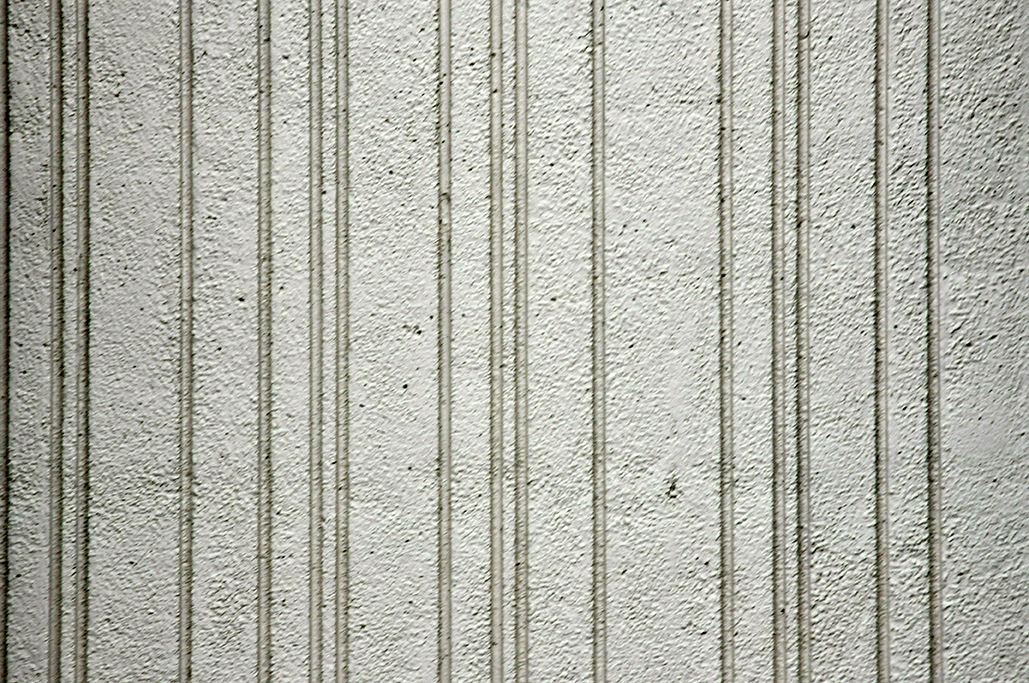
A structure of bold geometry, contrasting brick and warm, raw striated concrete.

The huge building, designed by John Brunton & Partners, was dubbed Bradford’s ‘space-age shopping centre’ when it opened in 1976. One of a series of American-style Arndale malls

Now the city council has purchased the centre for £15.5 million and agreed a deal that will see Primark – the largest of Kirkgate’s remaining stores – move to Bradford’s Broadway mall which opened in 2015.

The initiative will allow the authority to double the size of its proposed City Village programme, which it hopes will create better public spaces and 1,000 new homes in a ‘world-class sustainable urban’ across 5 acres of city centre land.

Architects Journal

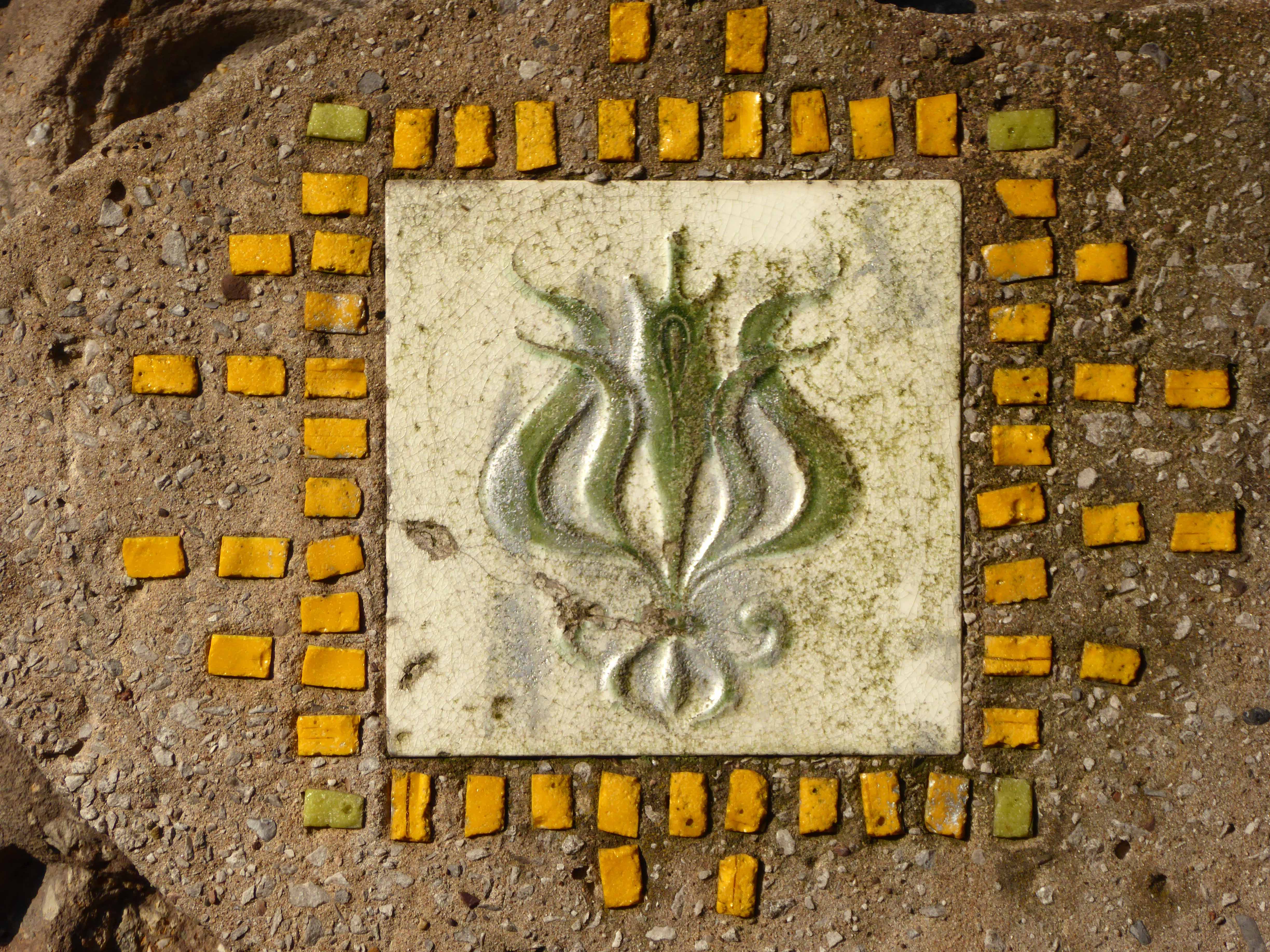
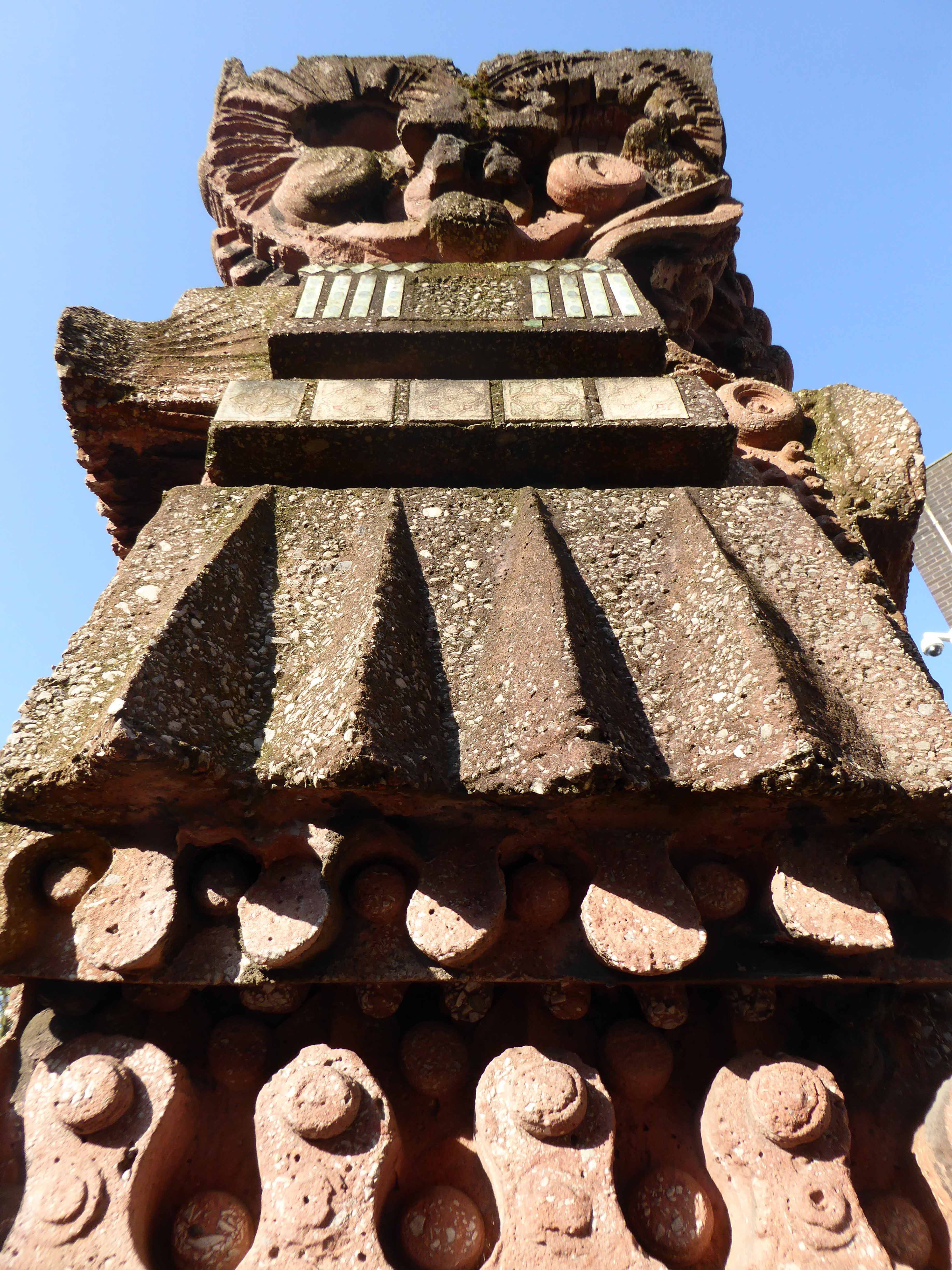
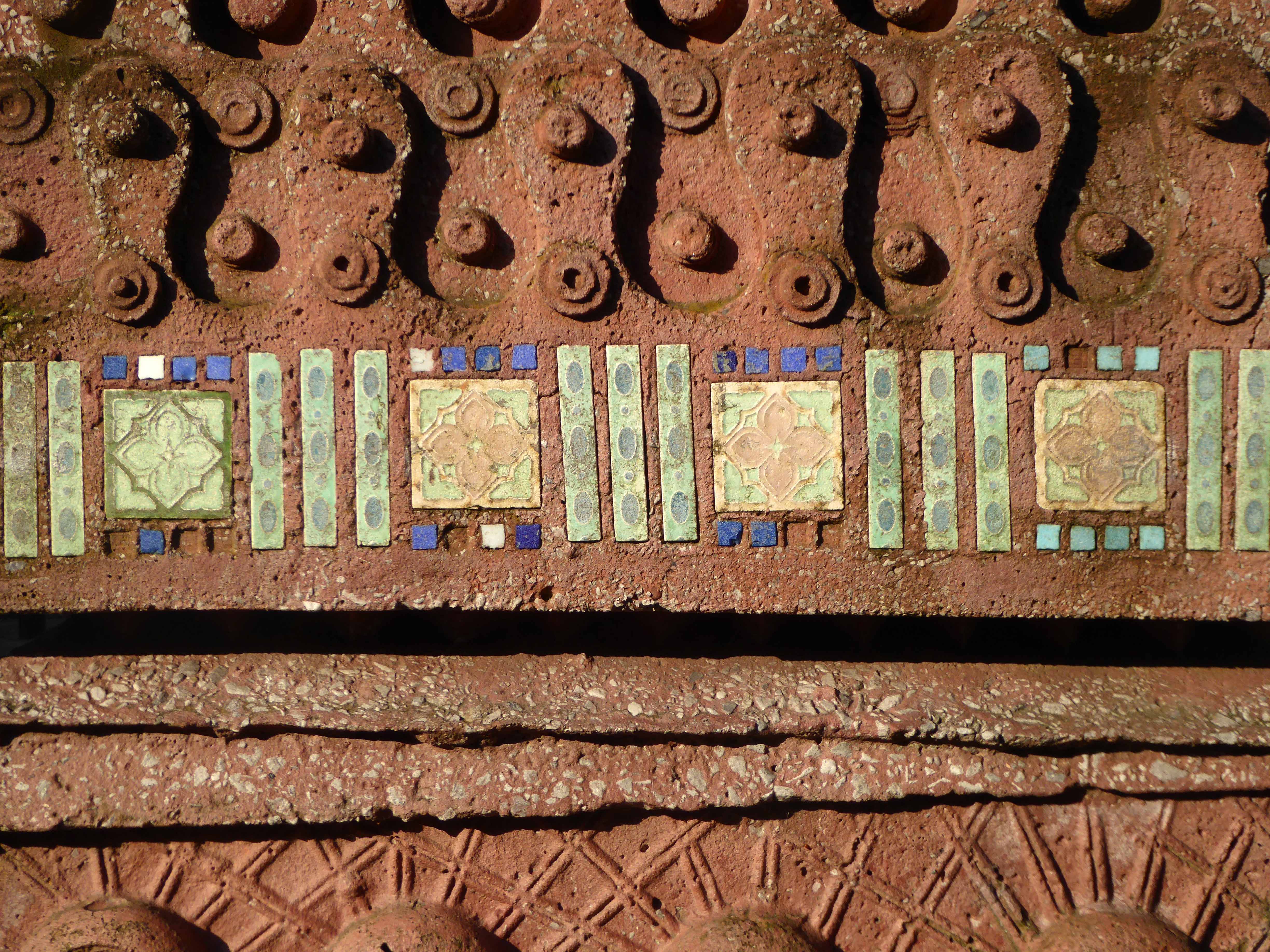
The interior has several decorative features, tiles their authorship and origins unknown, consisting of four 2.5 metre, and one 6.5 metre  square ceramic panels.

Alongside William Mitchell concrete reliefs.

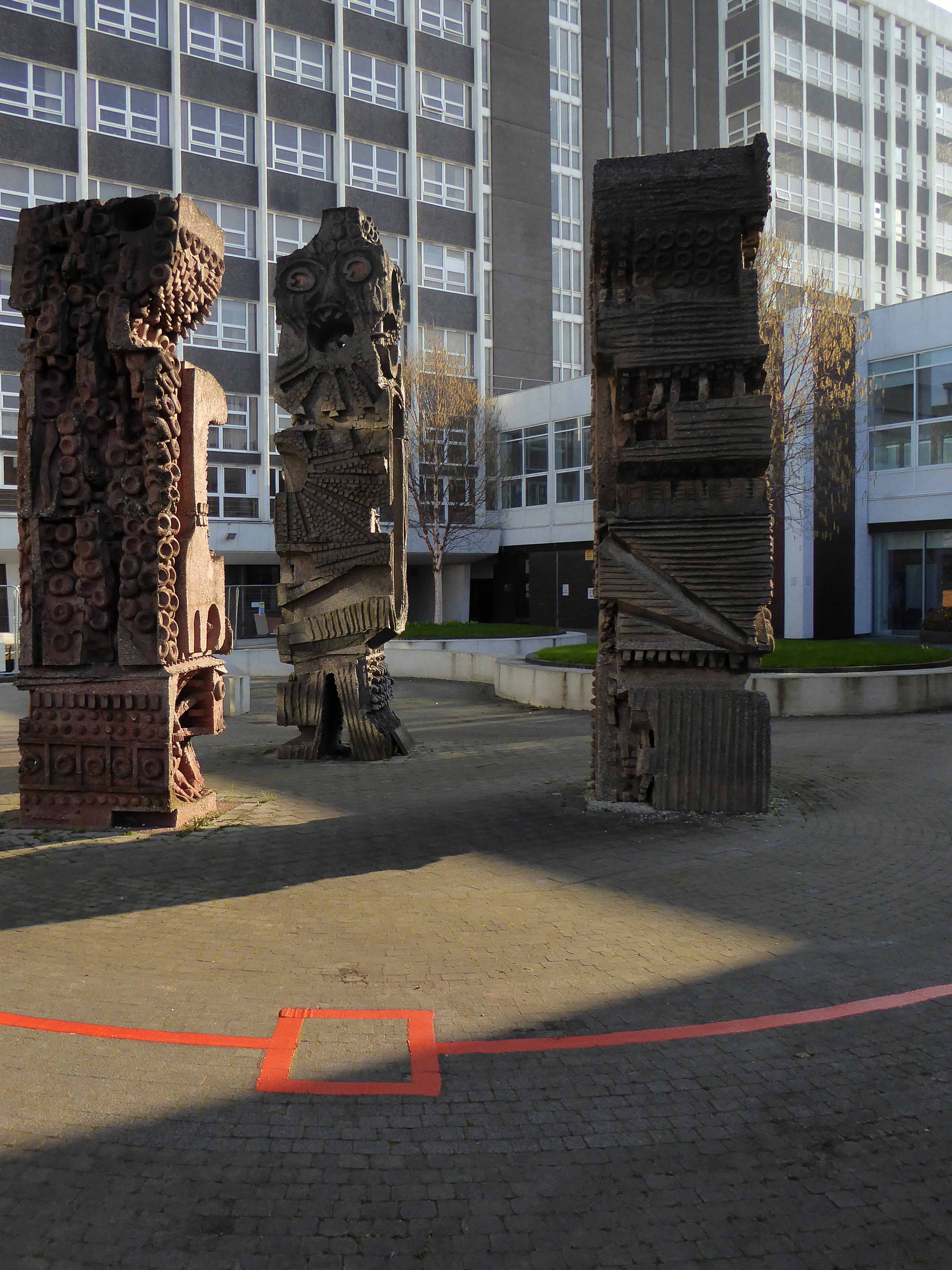
We now know that they are the work of Fritz Steller – also responsible for Huddersfield’s Queensgate Market ceramics.

So farewell fair Kirkgate, I love your stairwell.

Well.

P1050382 copy

Margate – Car Park

There’s a world going on underground.

At ground level.

Fenced off, rather poorly though.

Not much here to deter even the faint hearted urban explorer.

Find a gap and get in.

Join the taggers and lollygaggers,

Underground.

DSC_0440 copy

DSC_0442 copy

DSC_0450 copy

DSC_0453 copy

DSC_0434 copy

DSC_0430 copy

DSC_0436 copy

DSC_0432 copy

DSC_0451 copy

DSC_0433 copy

DSC_0452 copy

DSC_0439 copy

Margate – Turner Contemporary

Mr Turner came here way back when,

The same sea lapped a different shore,

A gallery stands where he passed,

If passing pop in,

Or wander the perimeter in search of a sense,

Of well being, or otherwise,

Seeking a link with some not too distant past,

When a different sea lapped the same shore.

https://www.turnercontemporary.org

DSC_0398 copy

DSC_0401 copy

DSC_0400 copy

DSC_0608 copy

DSC_0490 copy

DSC_0488 copy

DSC_0493 copy

DSC_0489 copy

DSC_0396 copy

DSC_0494 copy

P1070766 copy

P1070740 copy

DSC_0498 copy

DSC_0487 copy

DSC_0500 copy

DSC_0502 copy

P1070738 copy

DSC_0497 copy

DSC_0503 copy

DSC_0402 copy

Margate – Arlington House

Arlington House is a 58 metre high eighteen-storey residential apartment block in Margate, Kent, England.

It was built in 1964, it has 142 apartments, and was designed by Russell Diplock & Associates, developed by Bernard Sunley Trust, and built by the contractors Bernard Sunley & Sons.

The sides of the building have a wave-like design, providing both inland and sea views.

It was initially advertised as Britain’s first park and buy shopping centre with luxury flats , incorporating a theatre, restaurant and rooftop swimming pool.

Arlington Margate

I’ll try anything twice.

So off I went to Margate, on a train, again.

Rushing out of the station agog, eager, looking for a long lost friend.

An impudent exclamation mark at the end of a rowdy Georgian row.

Arlington House.

A mad amalgam of angles, incautious concrete surfaces and glass.

Entranced, enchanted, we both stare out to sea and eye each other admiringly.

DSC_0015 copy
DSC_0409 copy
DSC_0012 copy
DSC_0422 copy
DSC_0419 copy
DSC_0421 copy
DSC_0458 copy
DSC_0416 copy
DSC_0460 copy
DSC_0413 copy
DSC_0018 copy
DSC_0456 copy
DSC_0425 copy
DSC_0463 copy
DSC_0459 copy
DSC_0457 copy
DSC_0424 copy
DSC_0522 copy

Huddersfield – The Piazza

Huddersfield West Yorkshire shares a legacy with many other towns, a legacy of successive shopping developments of varying styles and quality. Shaped by fashion, topography and finance each makes a more or less bold statement on the fabric of the area.

In order to survive each geo-retail layer of architecture, must reinvent itself or die – adding new branding, covering period detail with newer, ever more impermanent fascias, flagging flagging and flags of all stripes.

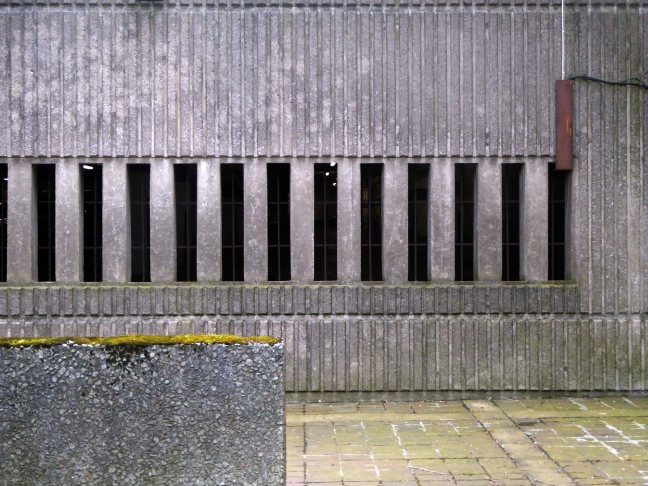
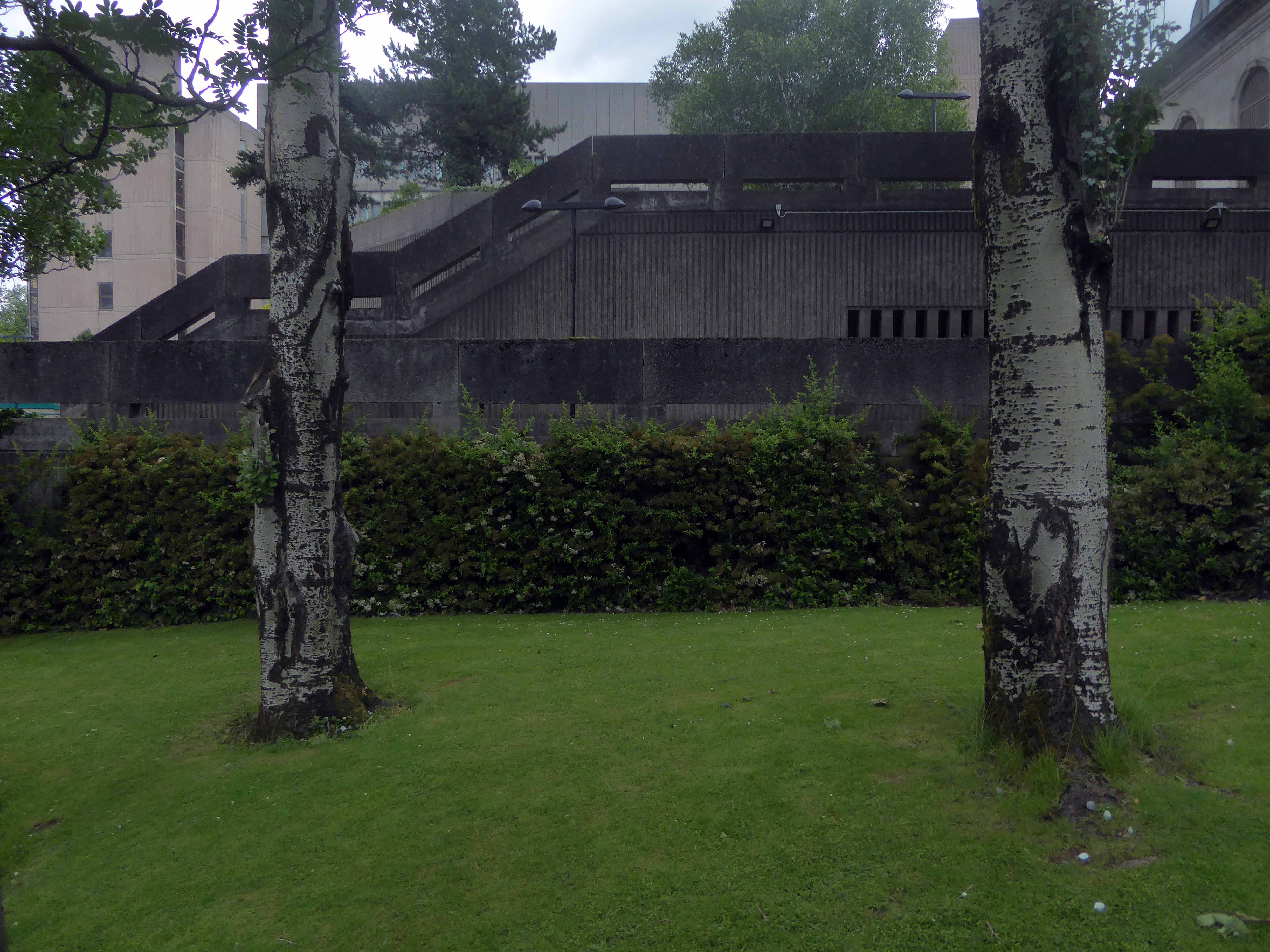
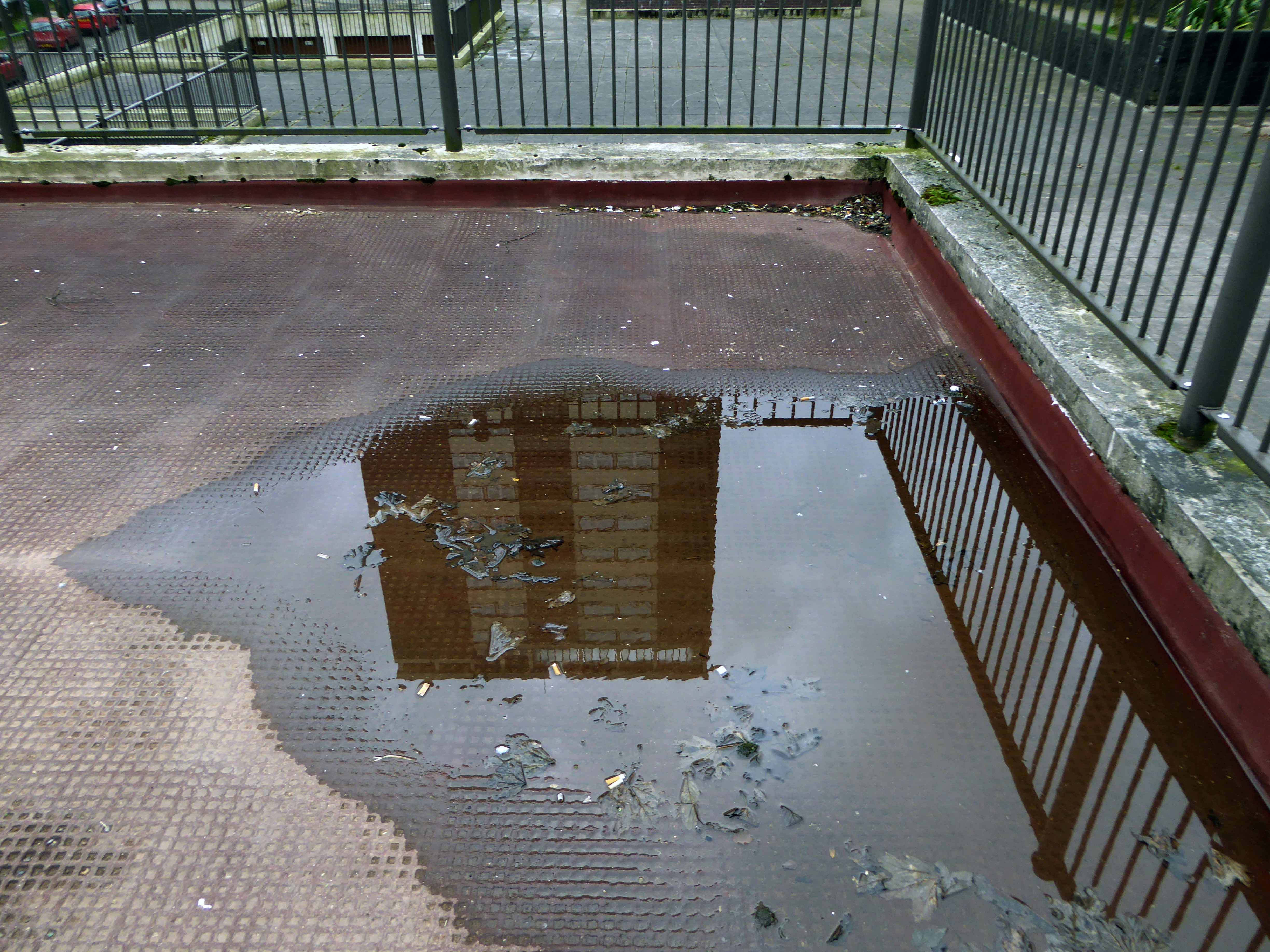
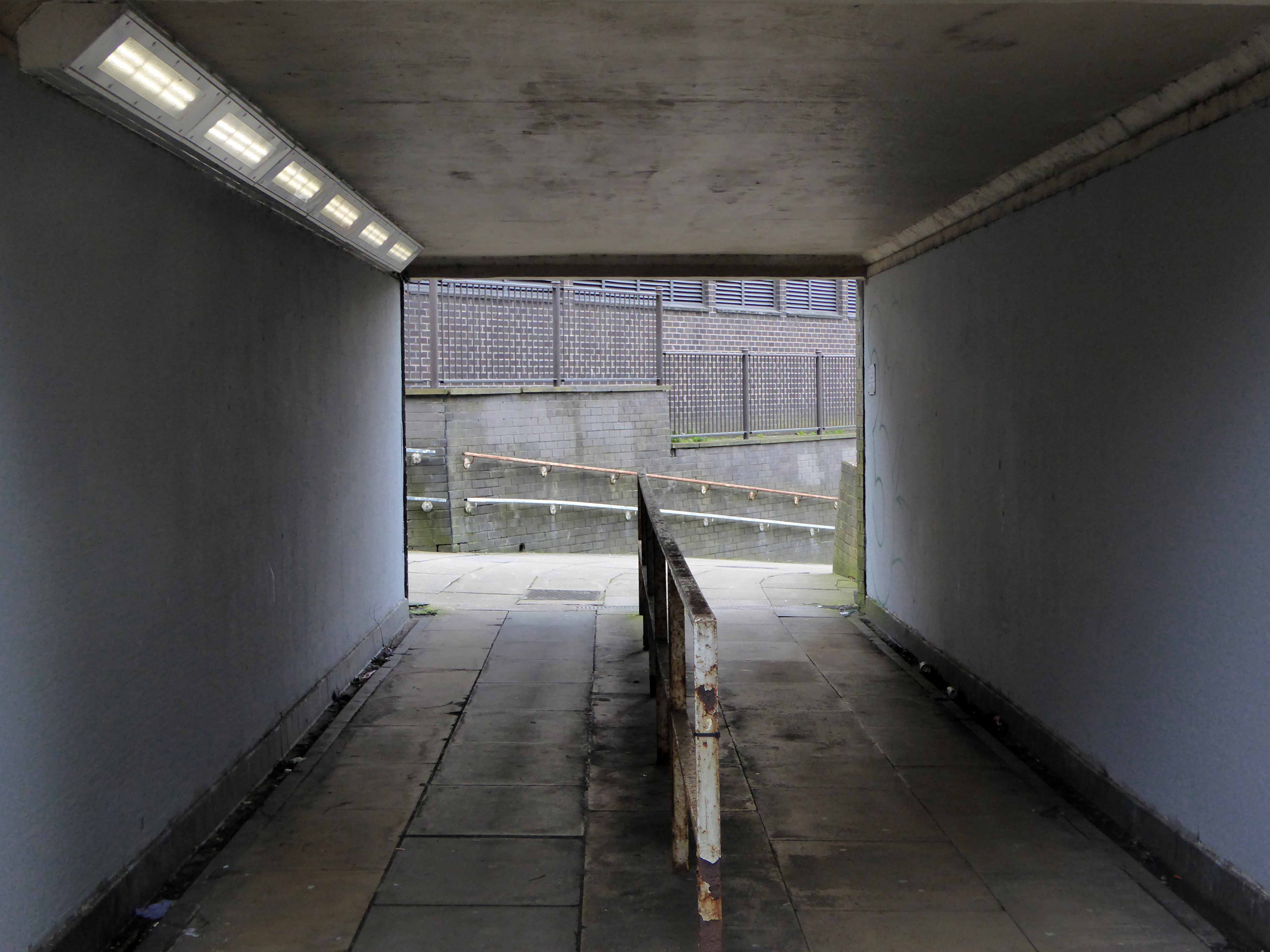
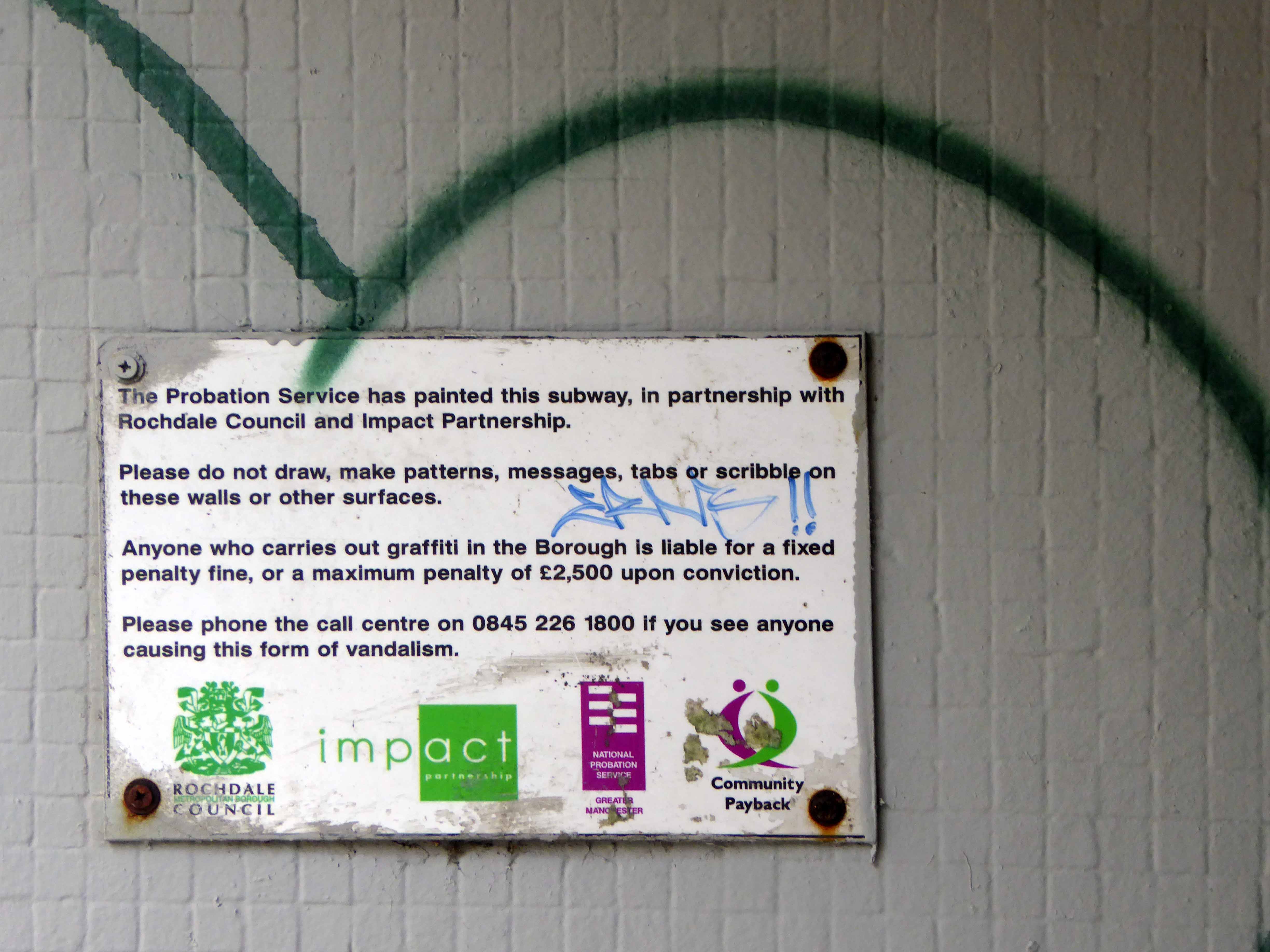
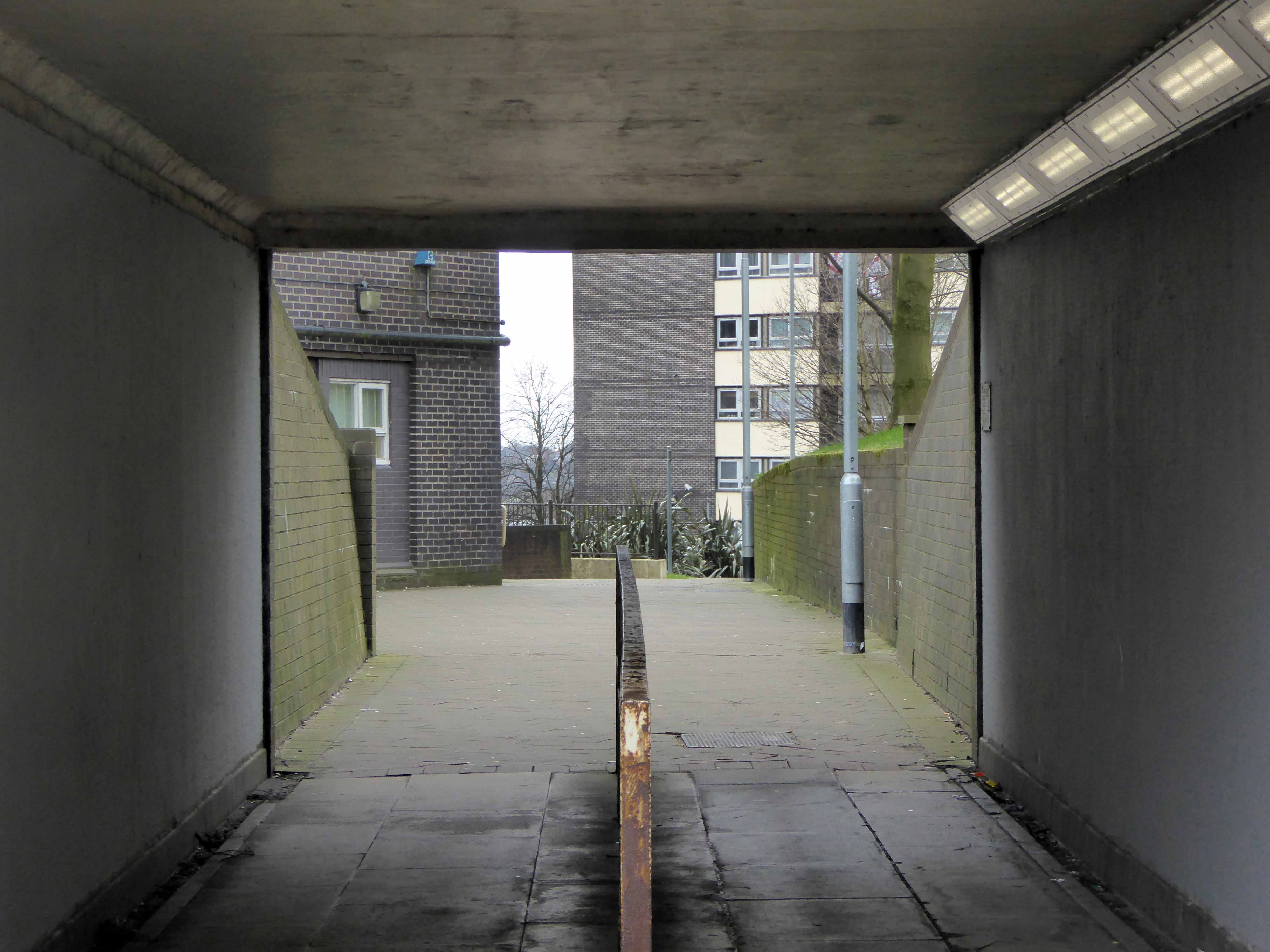
I encircled the Piazza – its monumental nether regions, enlivened with almost temple like scale and applied brick, stone and concrete surfaces, the dark and forbidding, cinematic subterranean service tunnels, and the open walkways of the main shopping areas.

I came away impressed, hope you do too.

DSC_0102 copy

DSC_0103 copy

DSC_0105 copy

DSC_0106 copy

DSC_0107 copy

DSC_0108 copy

DSC_0109 copy

DSC_0110 copy

DSC_0111 copy

DSC_0112 copy

DSC_0113 copy

DSC_0114 copy

DSC_0115 copy

DSC_0116 copy

DSC_0117 copy

DSC_0196 copy

DSC_0197 copy

DSC_0199 copy

Huddersfield – University née Polytechnic

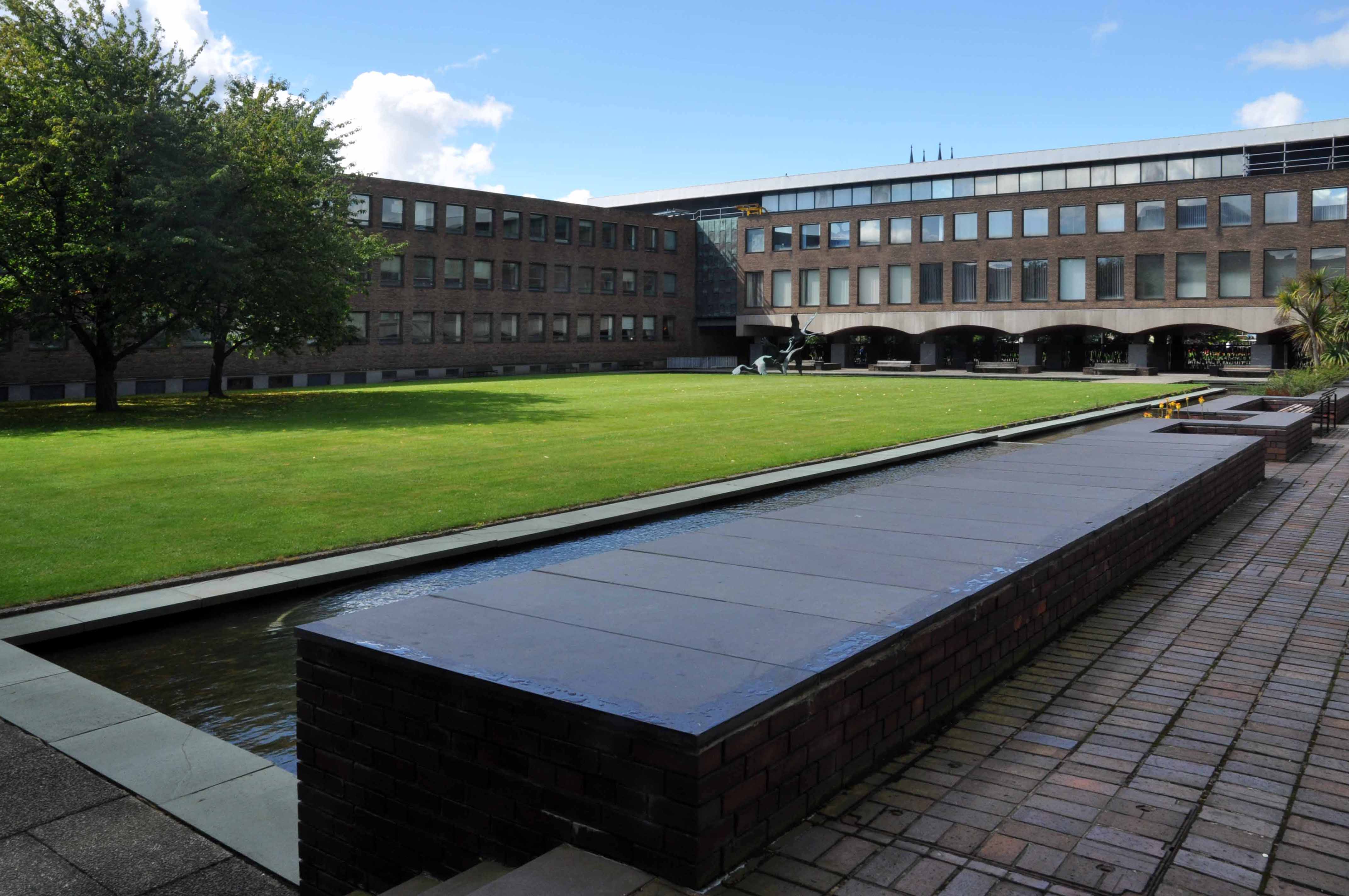
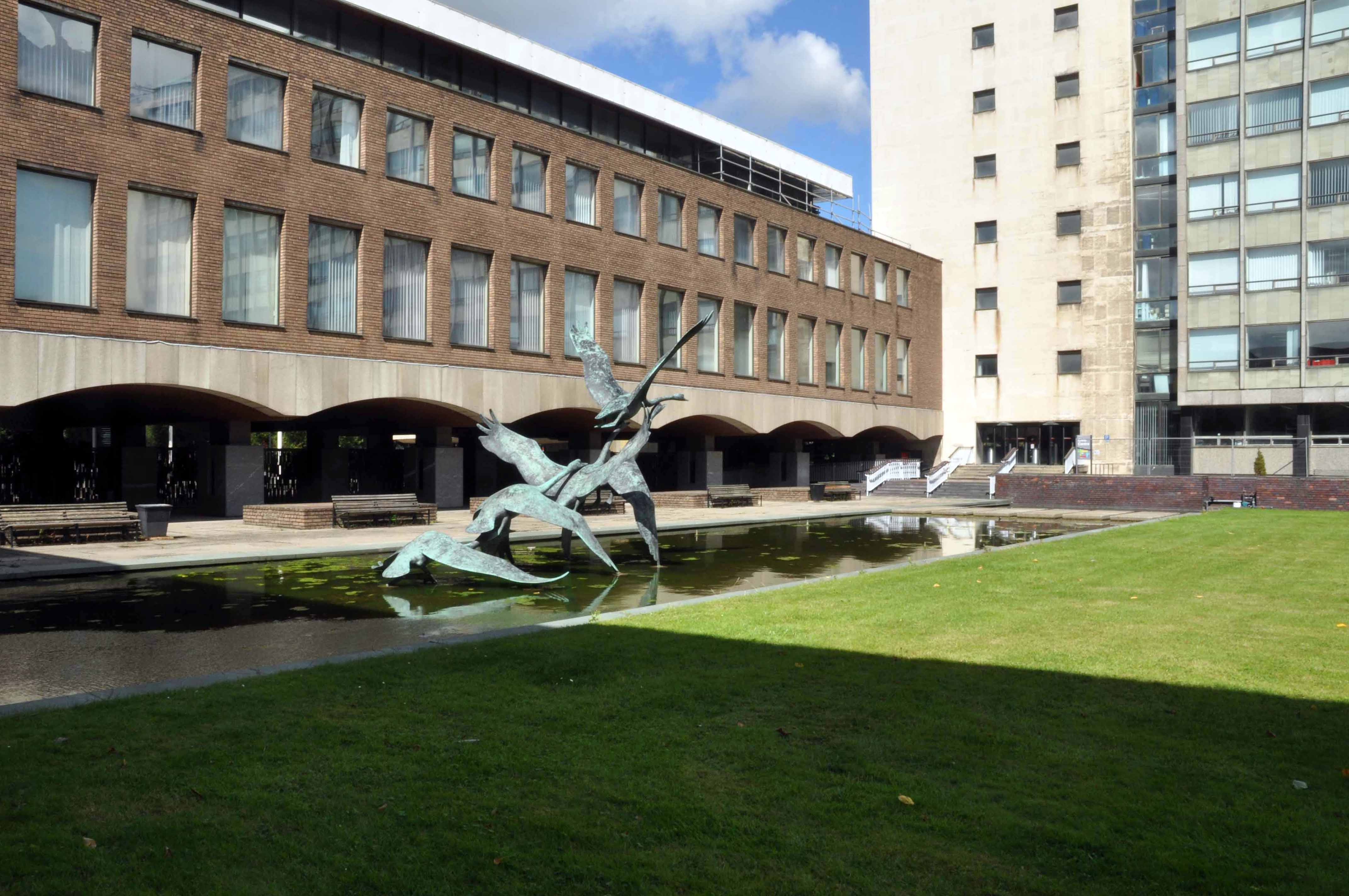
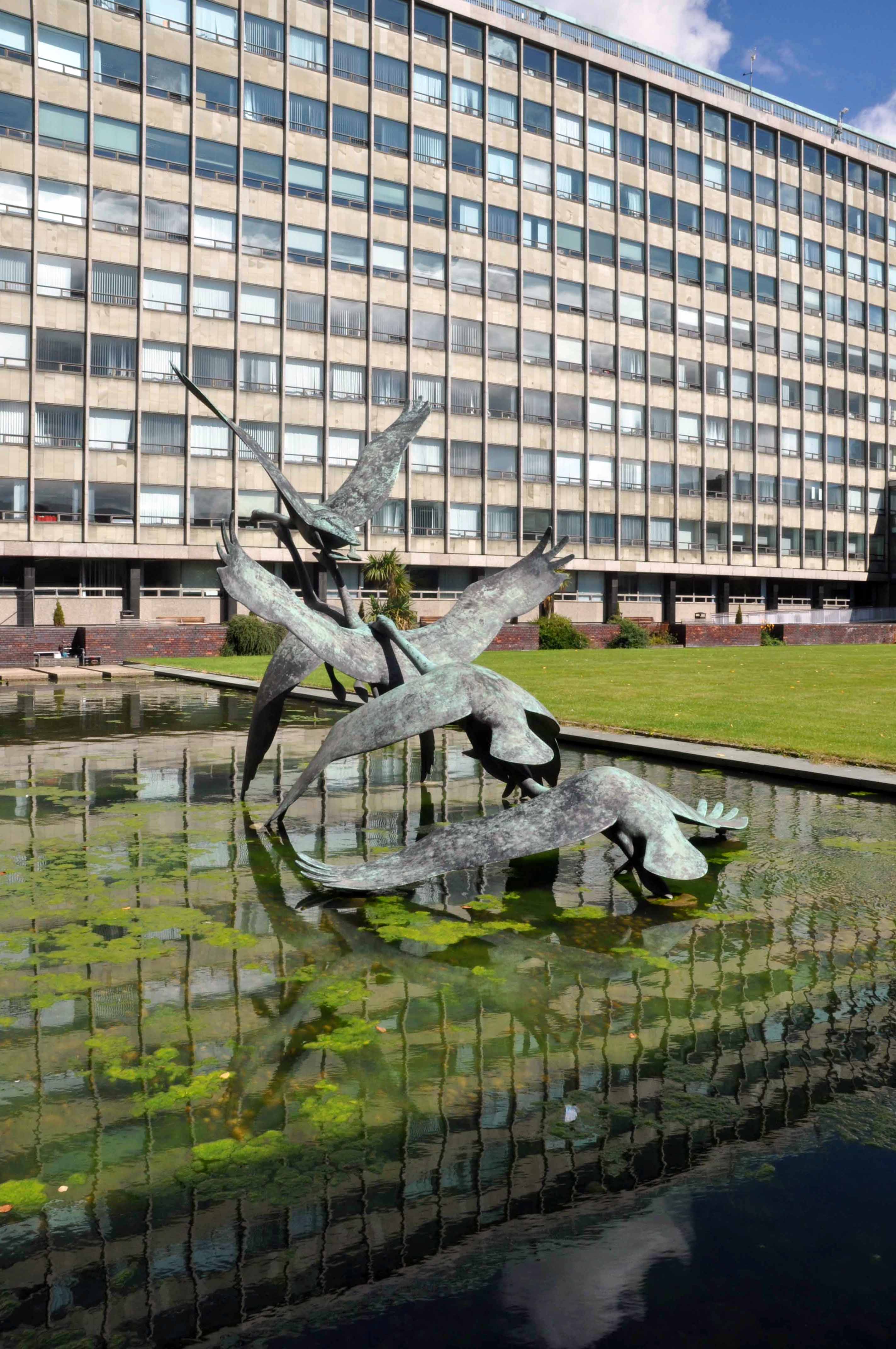
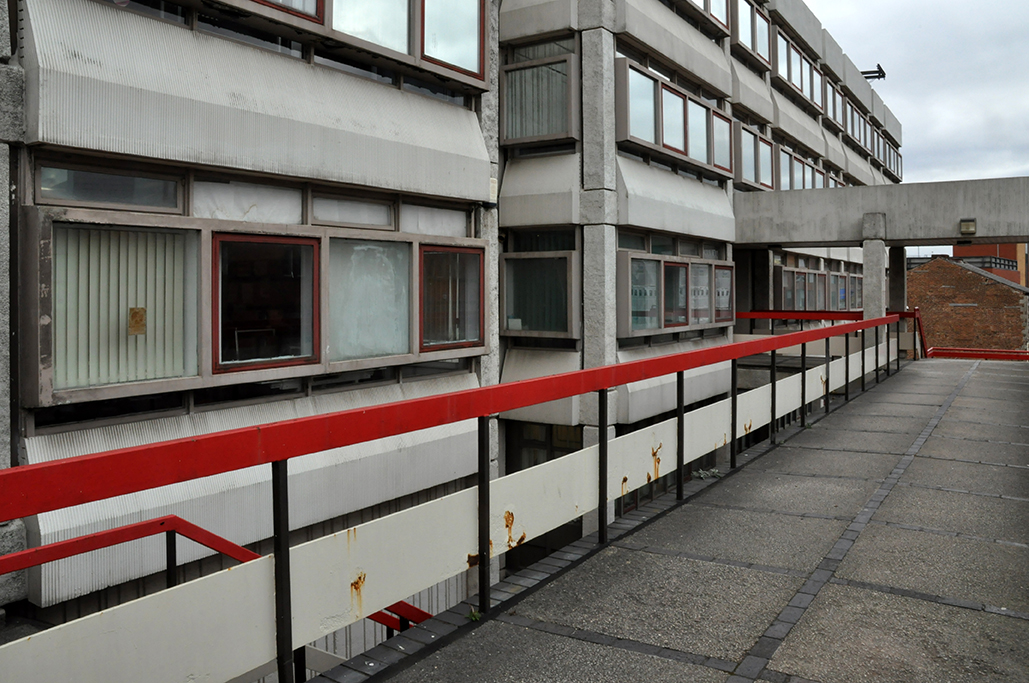
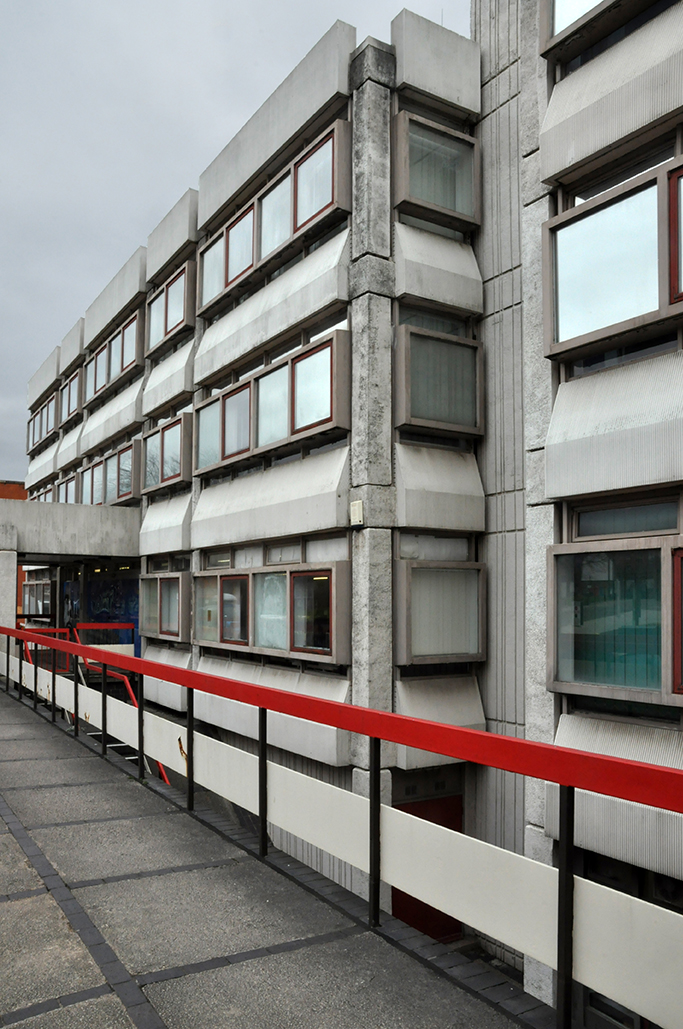
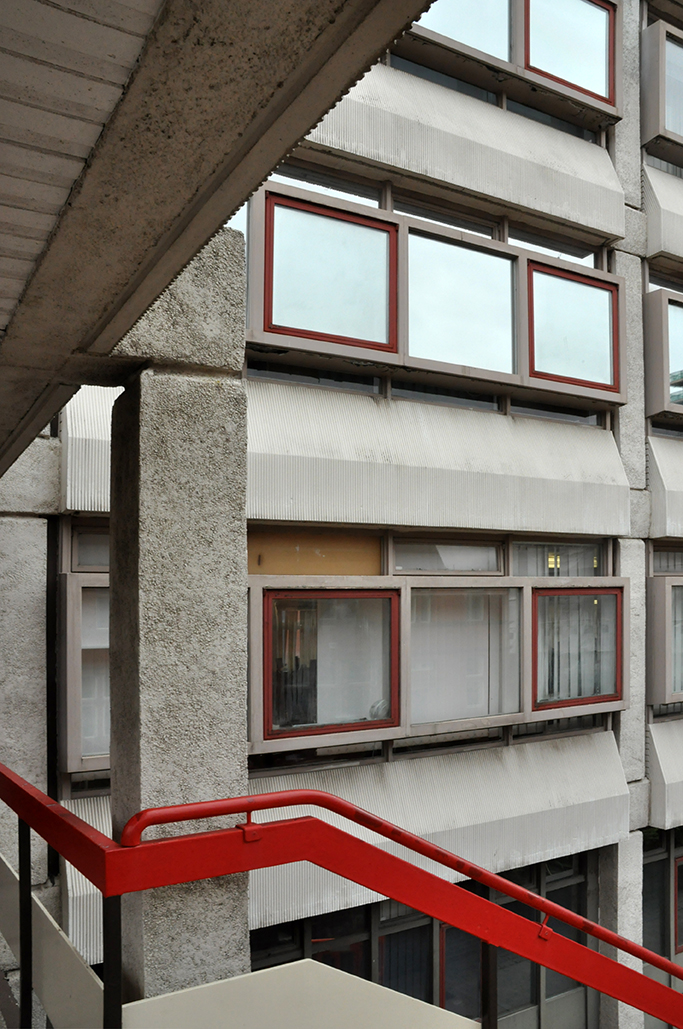
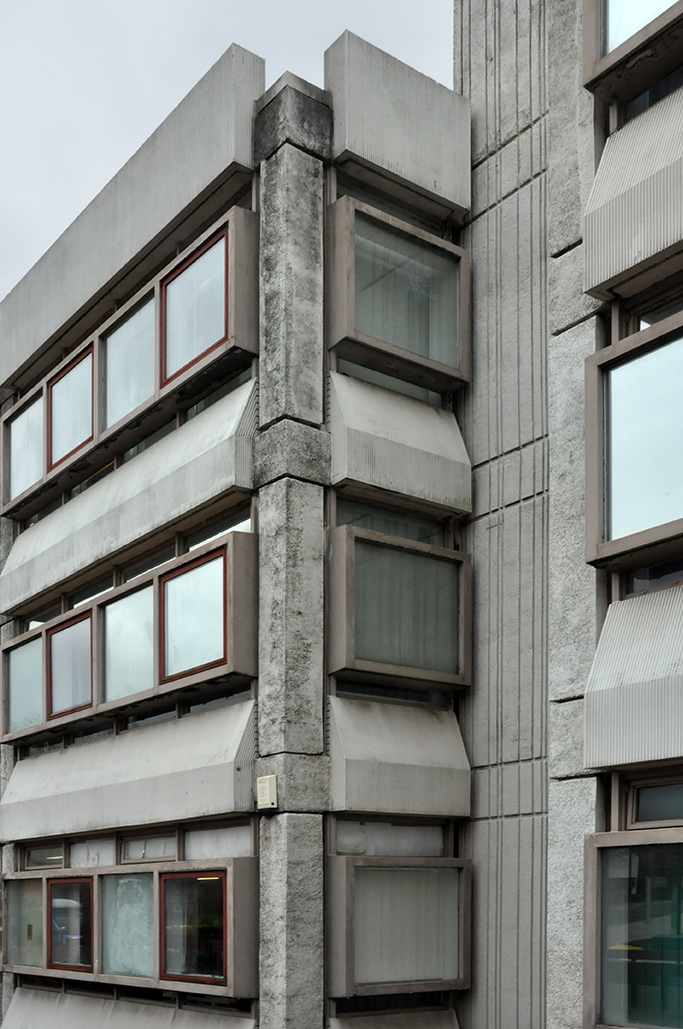
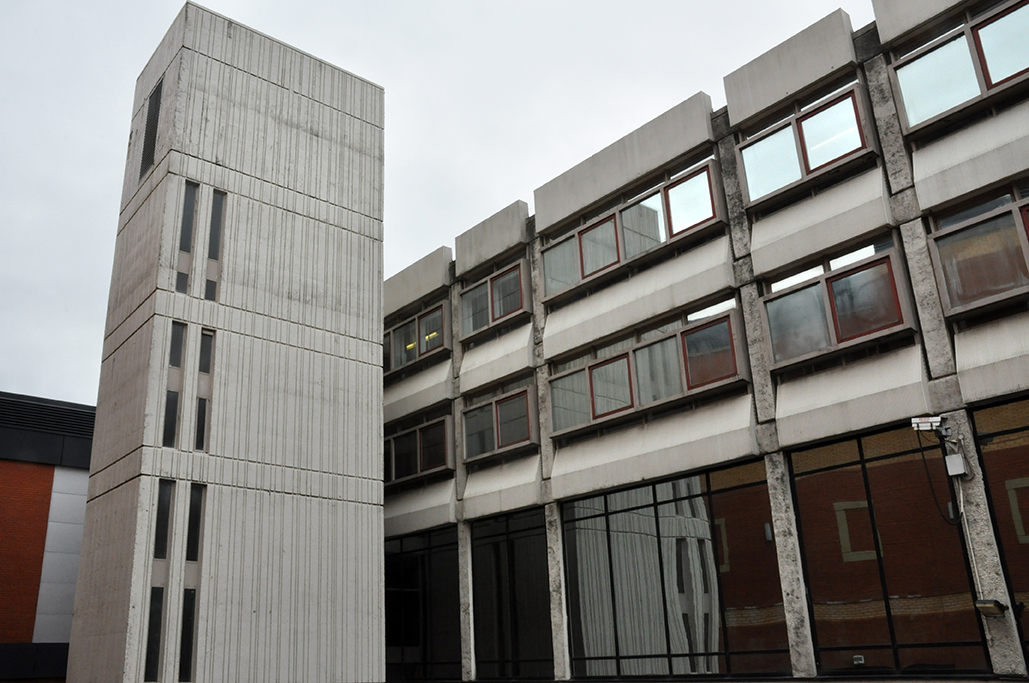
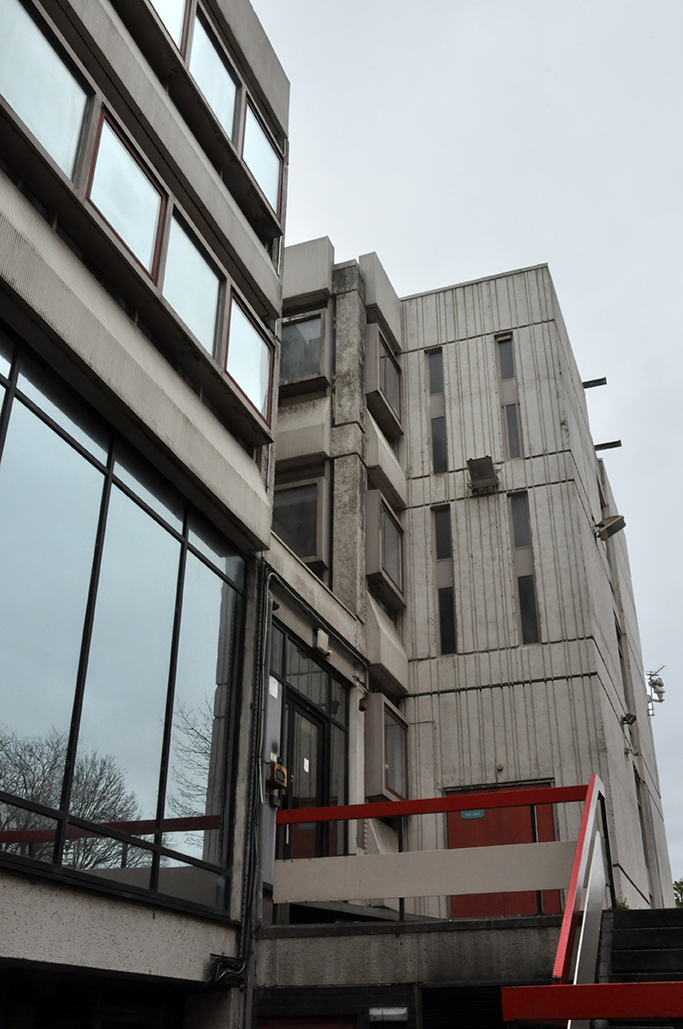
Spanning the Huddersfield canal and set on a hillside site of a hilly Yorkshire town, the University Buildings dominate the Colne Valley area to the south.

Typically their history spans an earlier site which evolves during the 50s and 60s, as part of the drive to develop the industrial/educational base of the area and the burgeoning growth of the provincial Polytechnics.

The result is a confident yet dizzying panoply of styles and materials on a fairly compressed but expanding site.

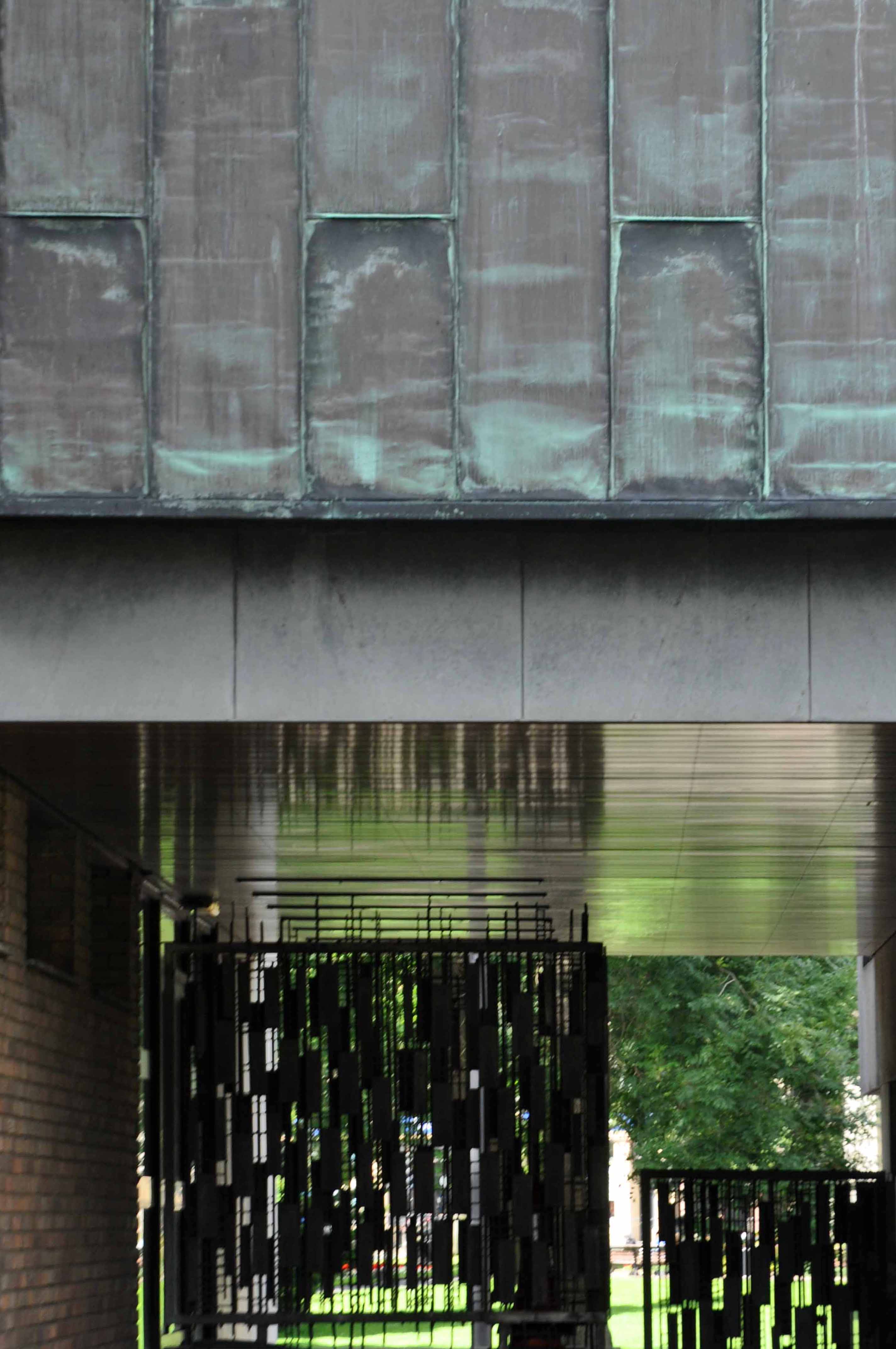
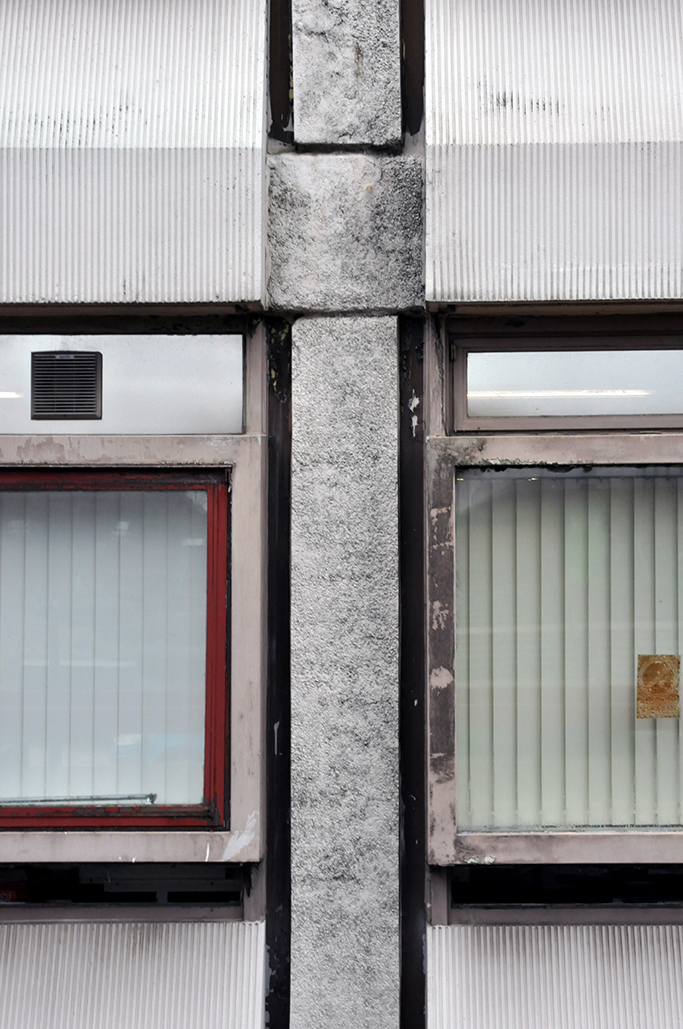
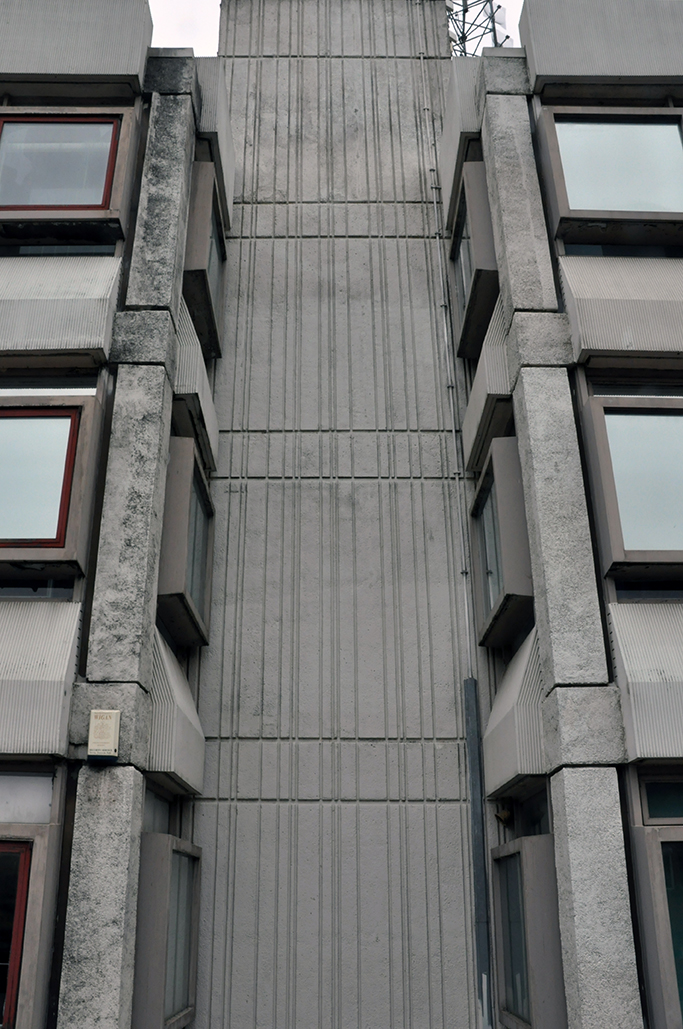
Brick, concrete, glass and more recent modern clad additions collide in a bun fight of assertive volumes.

It all seems very exciting.

“David Wyles, The Buildings of Huddersfield: four architectural walks – facing us now is the impressive bulk of the Central Services Building in front of which stood a six-storey building; its structure emphasised by the reinforced concrete frame which projected skeleton-like above the main roof level. This was part of the earlier Technical College development which included several buildings of similar style designed from 1957 onwards by Frederick Gibberd. The six-storey blocks have since been demolished.
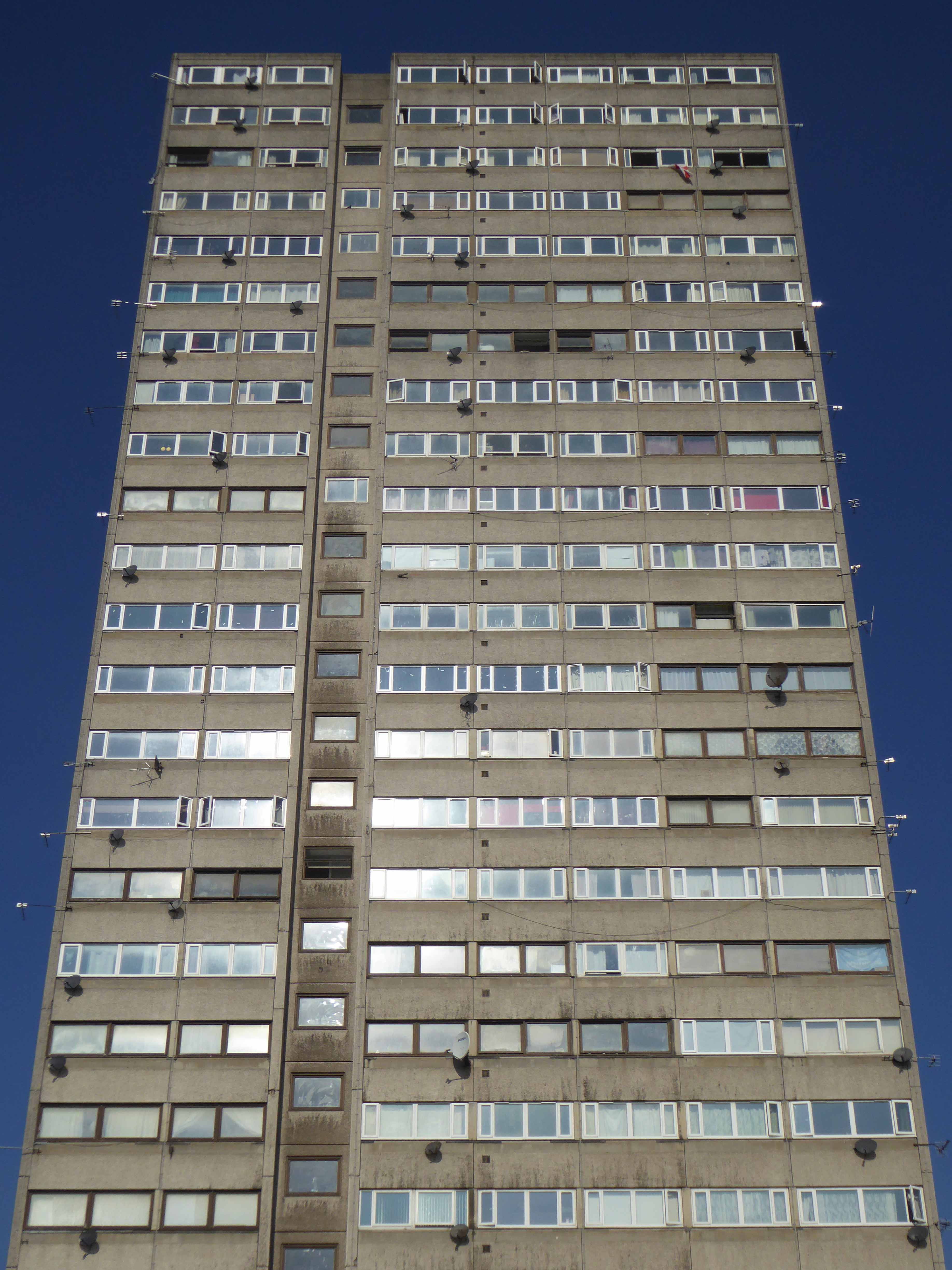
The focal point of the campus, the Central Services Building, was designed by Hugh Wilson and Lewis Womersley of Manchester and constructed between 1973 and 1977 at a total cost of £3,651,000. The building contains the main non-teaching facilities.

Much of the layout derives its form from the hillside site and this is accentuated by the undercover concourse leading through to the canal, which gives access to all parts of the building. The construction is based on a grid of reinforced concrete with floors supported on circular columns. The building is clad in light buff coloured bricks intended to harmonise with local sandstone.”

https://www.hud.ac.uk/about/the-university/history-of-huddersfield/

Congleton – Trinity Methodist Church

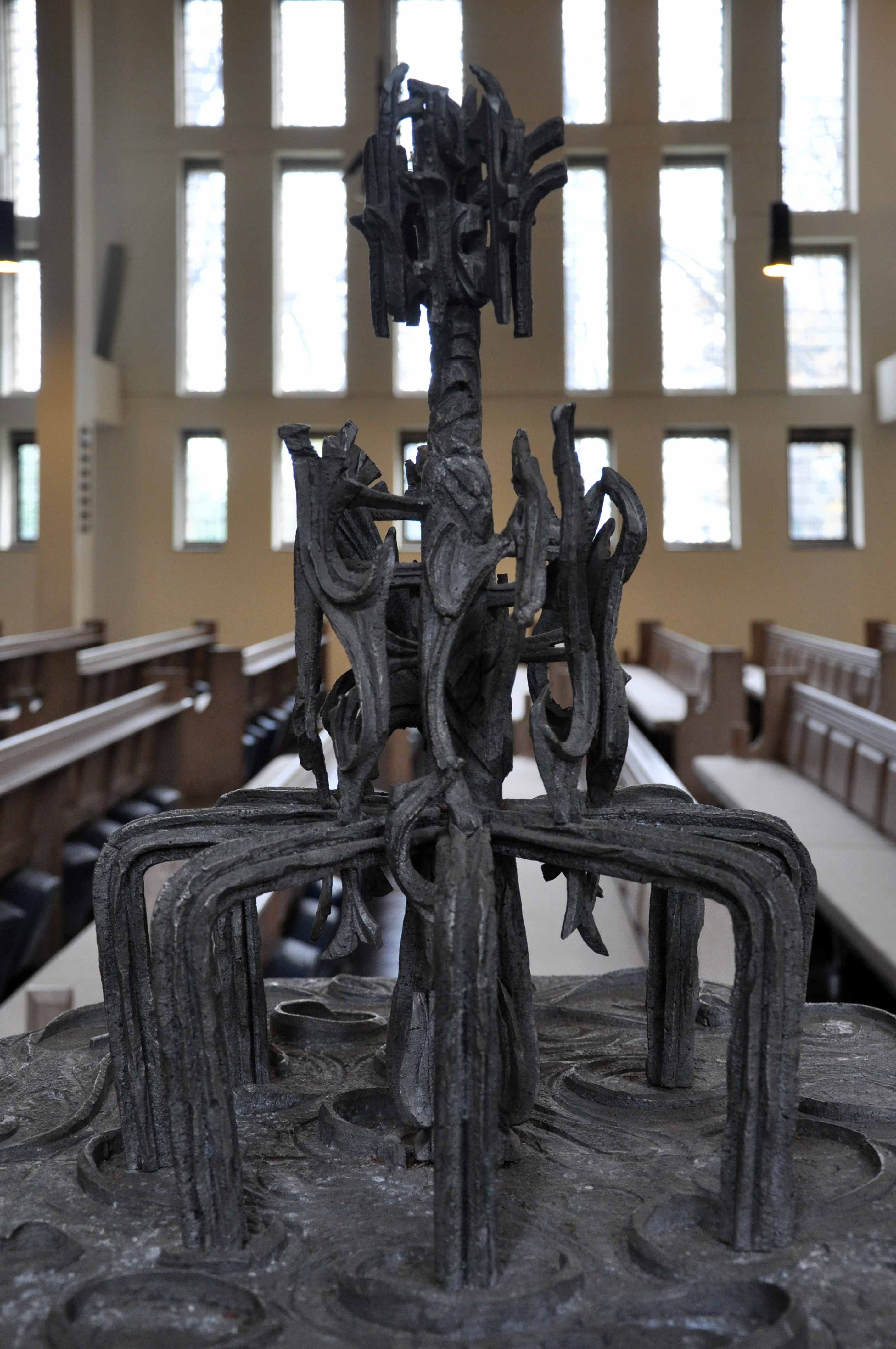
How incongruous, to find a little of the space age in a suburban provincial Cheshire street, keeping company with solid, stolid brick built homes and sensible Victorian stone structures.

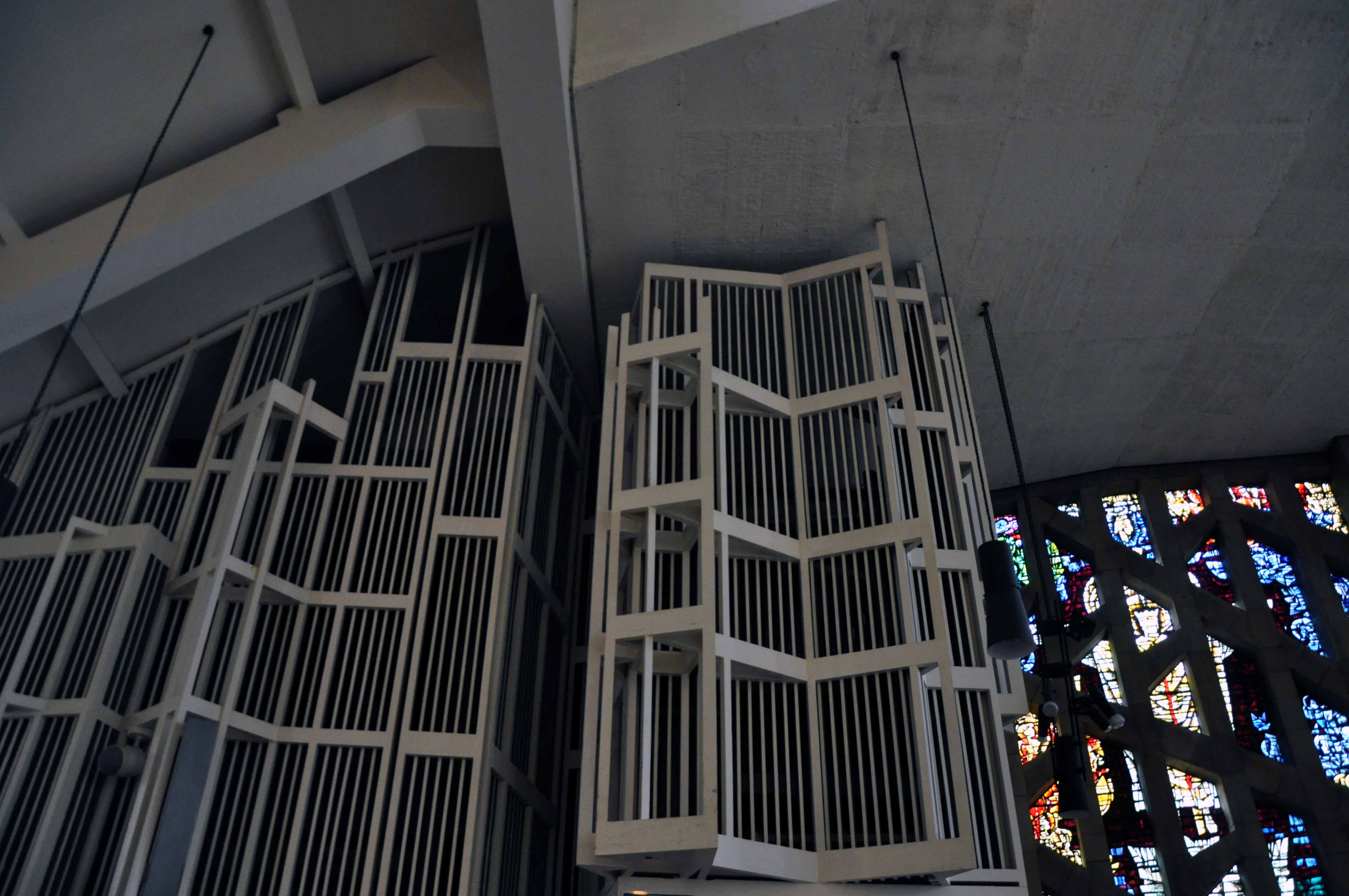
Trinity is dominated by its diamond shaped stained glass, framed in unfinished concrete, emboldened like a wide ecstatic grin, extending beyond the bounds of the street, beaming towards heaven.

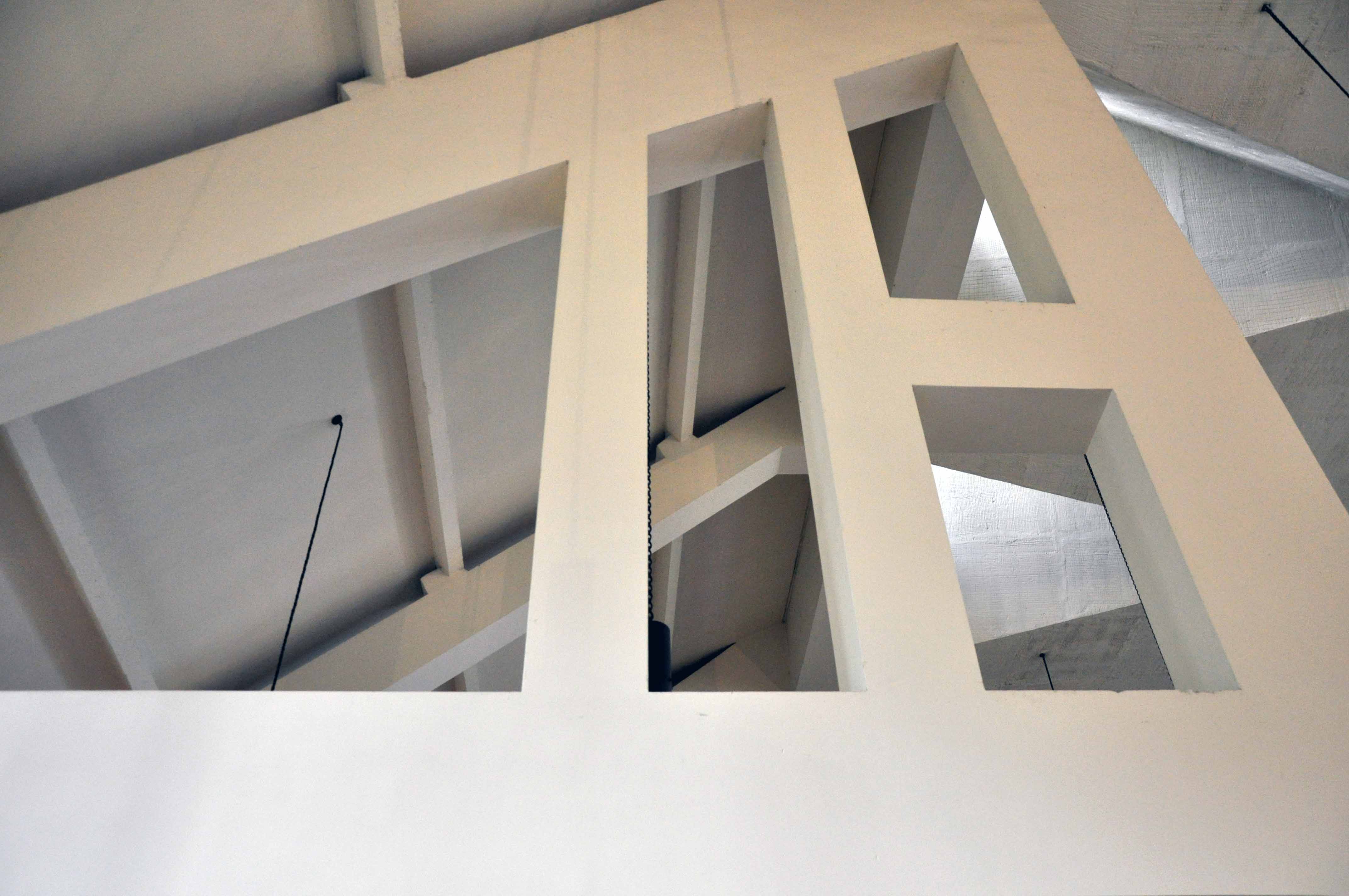
To the side are concrete columns pierced by irregular rectangular windows.

Completed in 1968, architect was Gorden Ball from VWB Architects.

This tiny gem deserves your attention – take yourself off to Mill Street pronto.

DSC_0054 copy

DSC_0055 copy

DSC_0056 copy

DSC_0058 copy

DSC_0060 copy

DSC_0061 copy

DSC_0062 copy

DSC_0063 copy

DSC_0064 copy

DSC_0065 copy

DSC_0067 copy

DSC_0068 copy