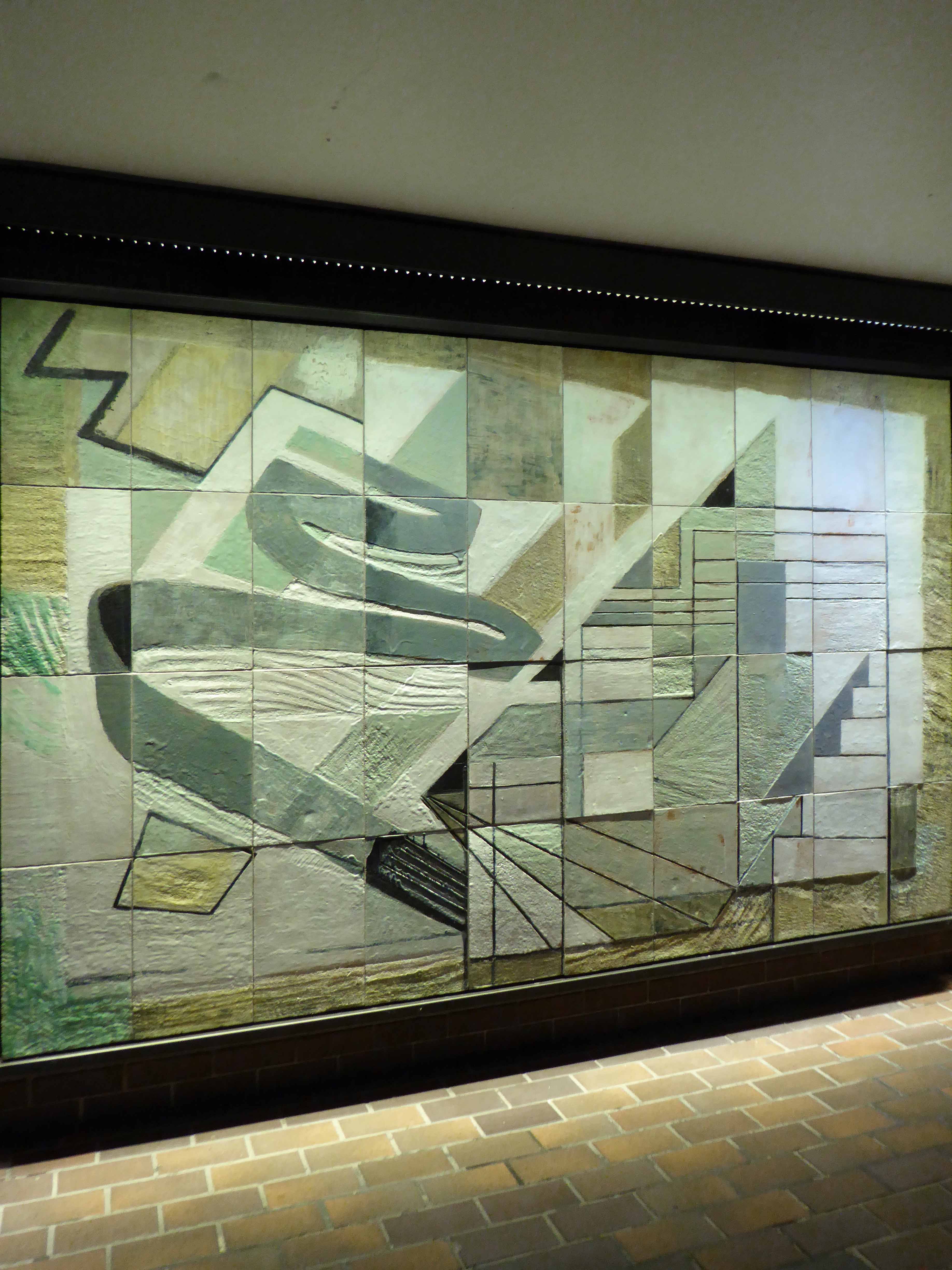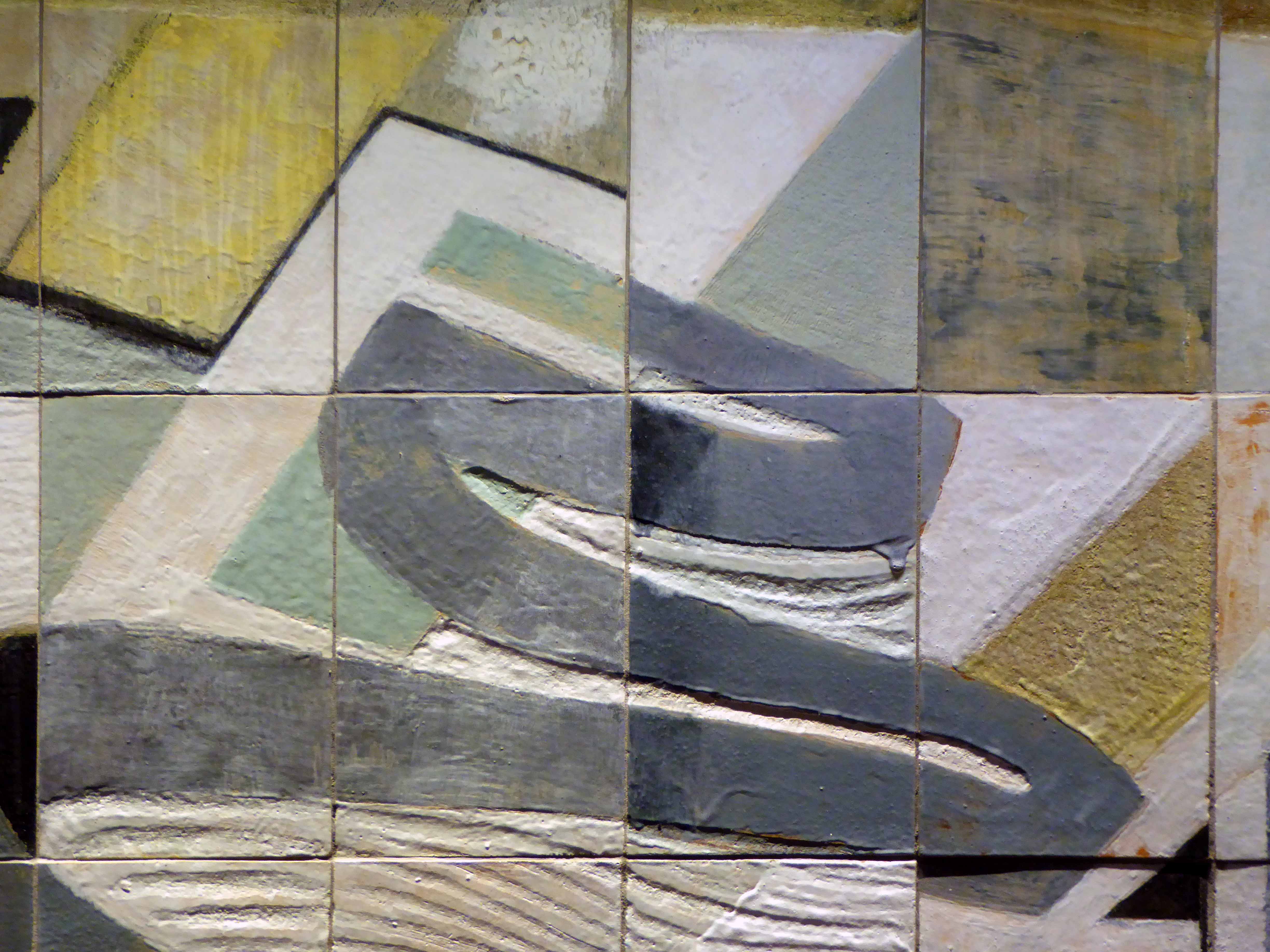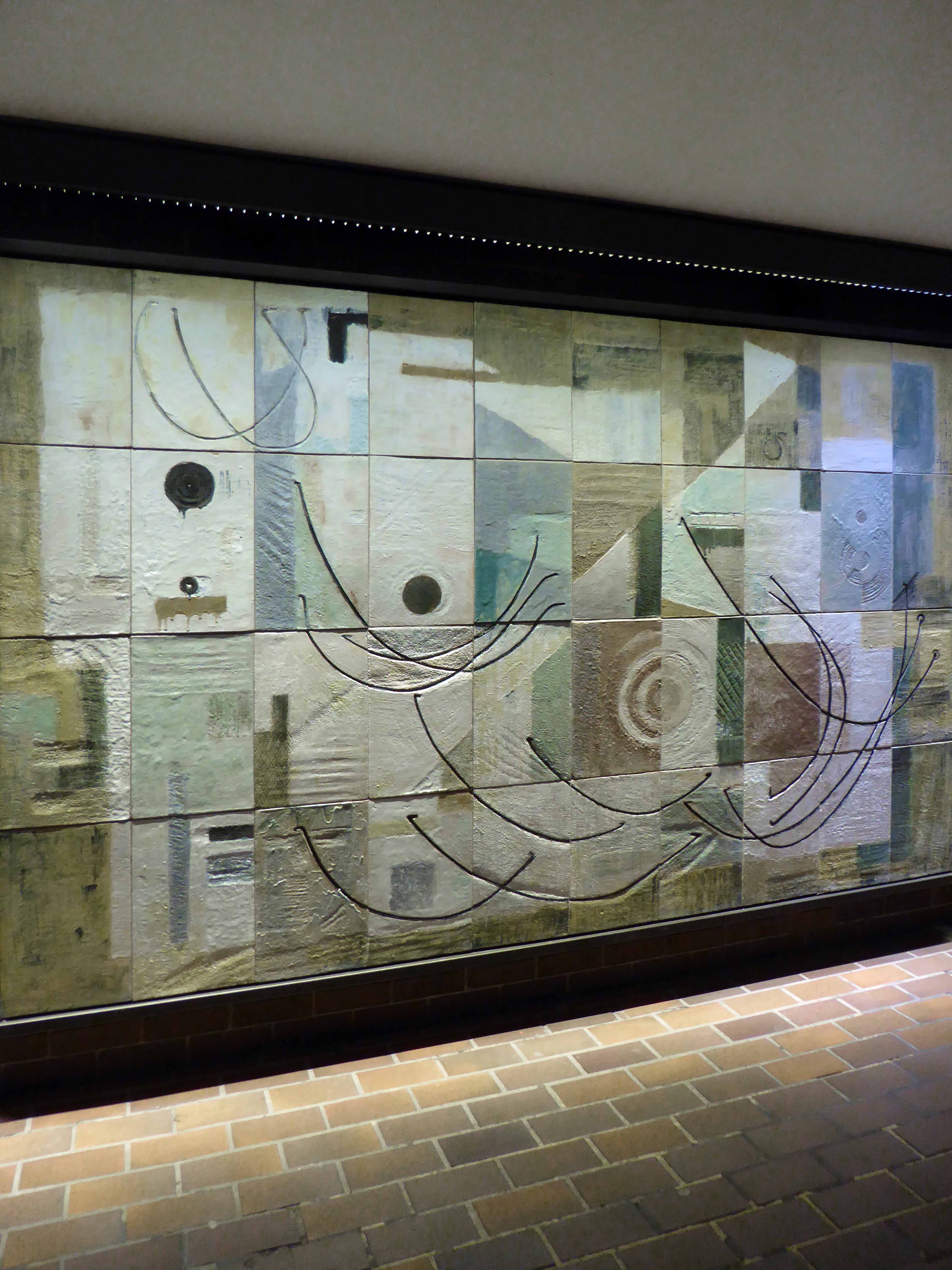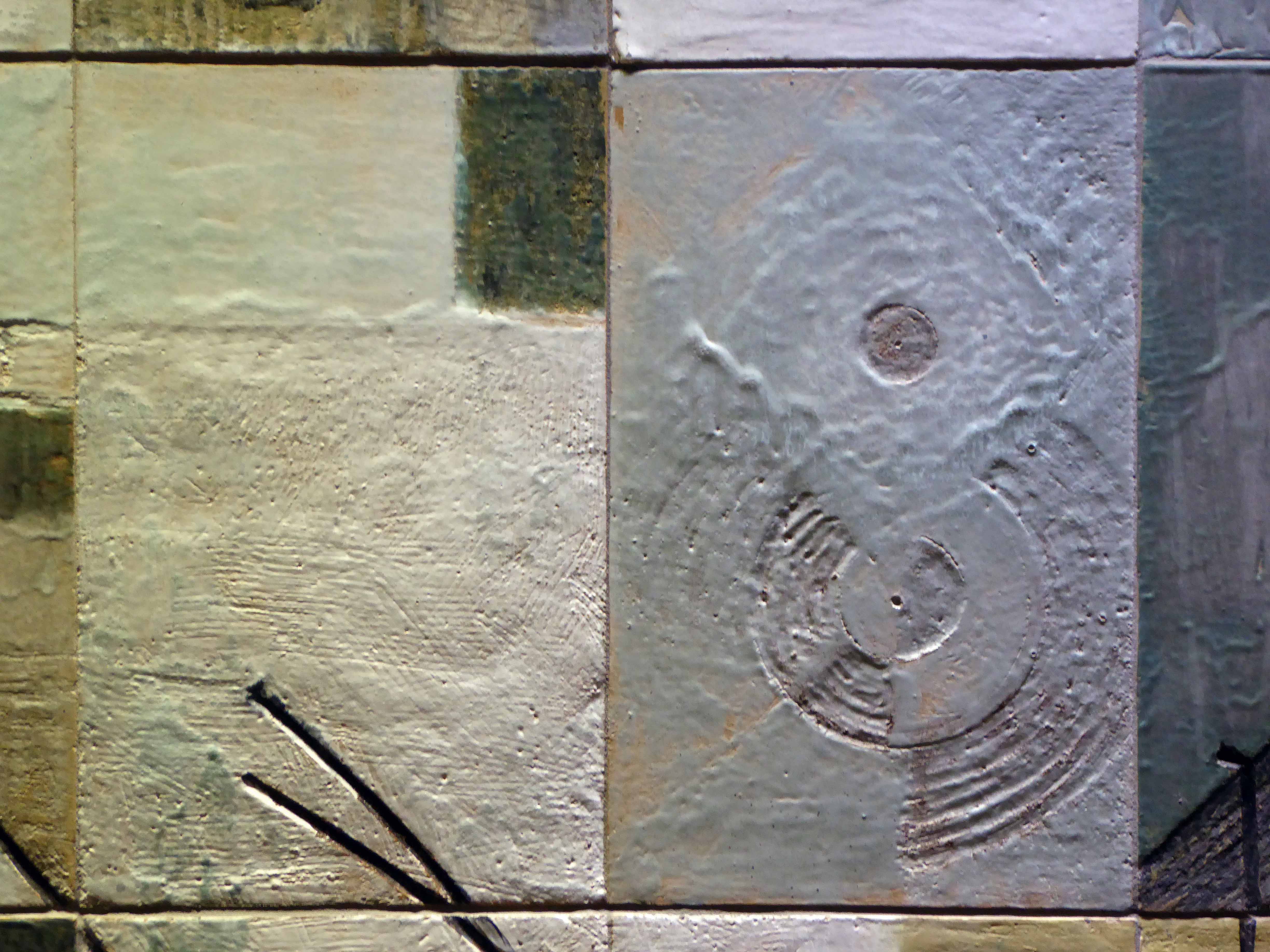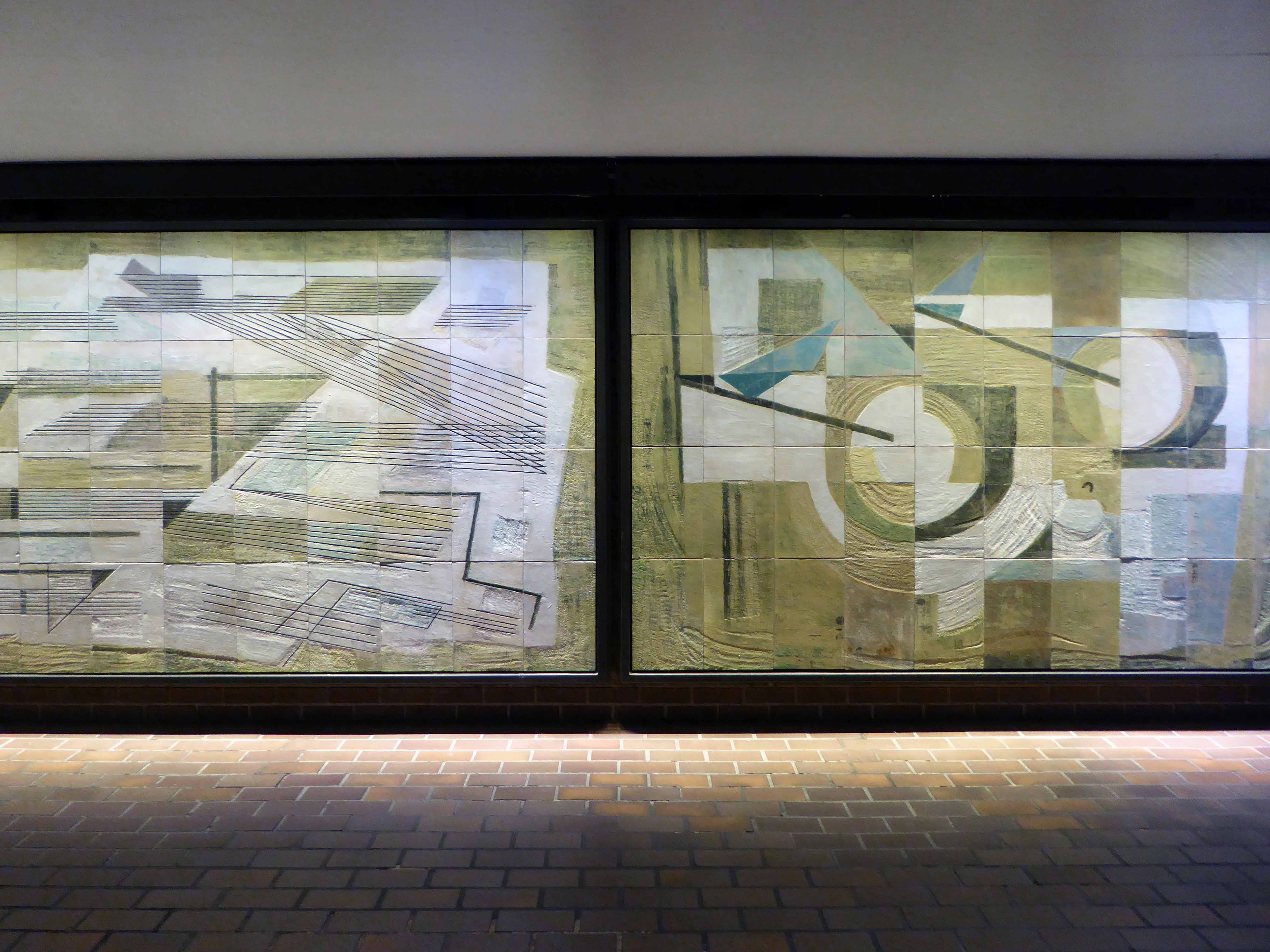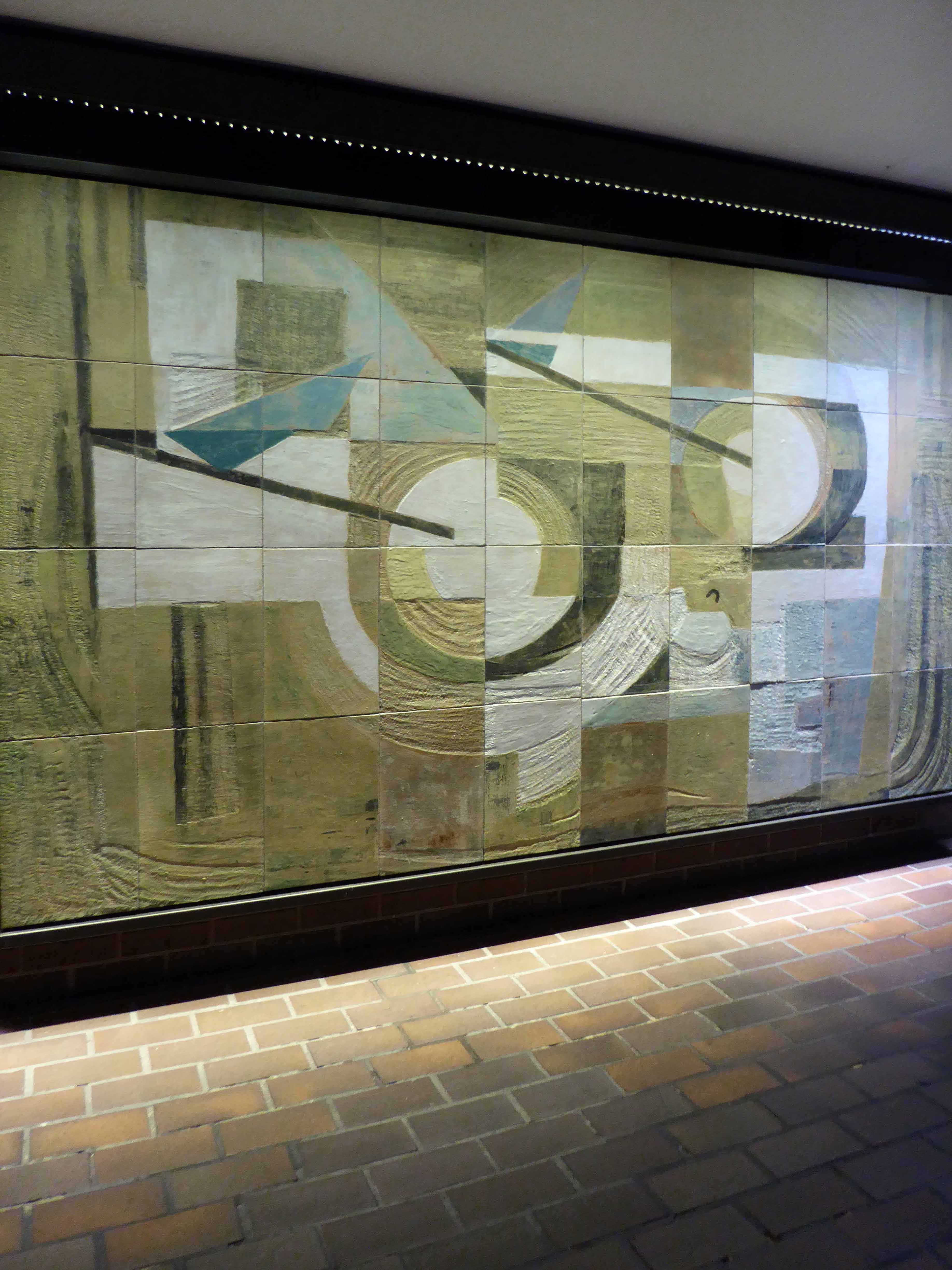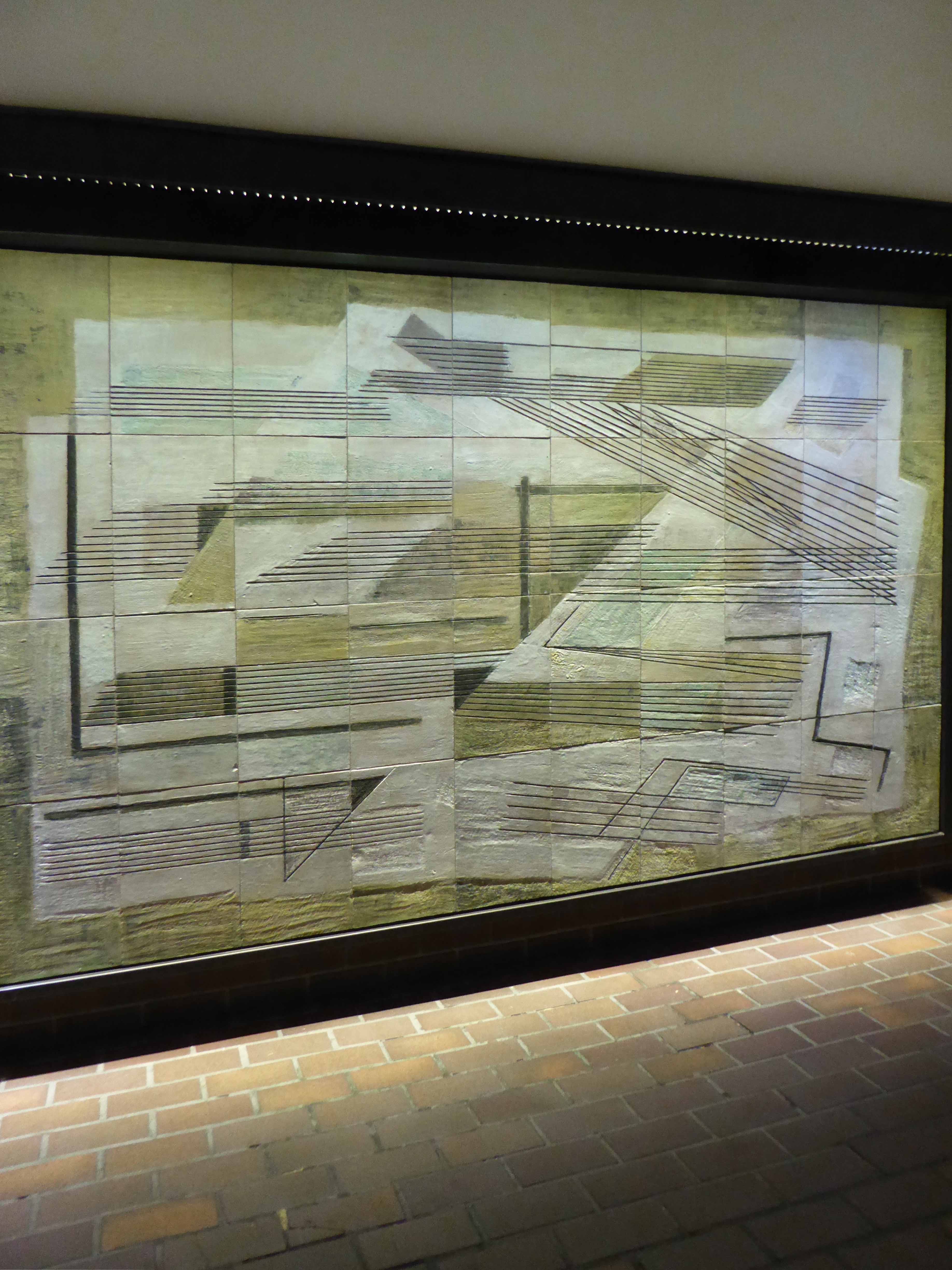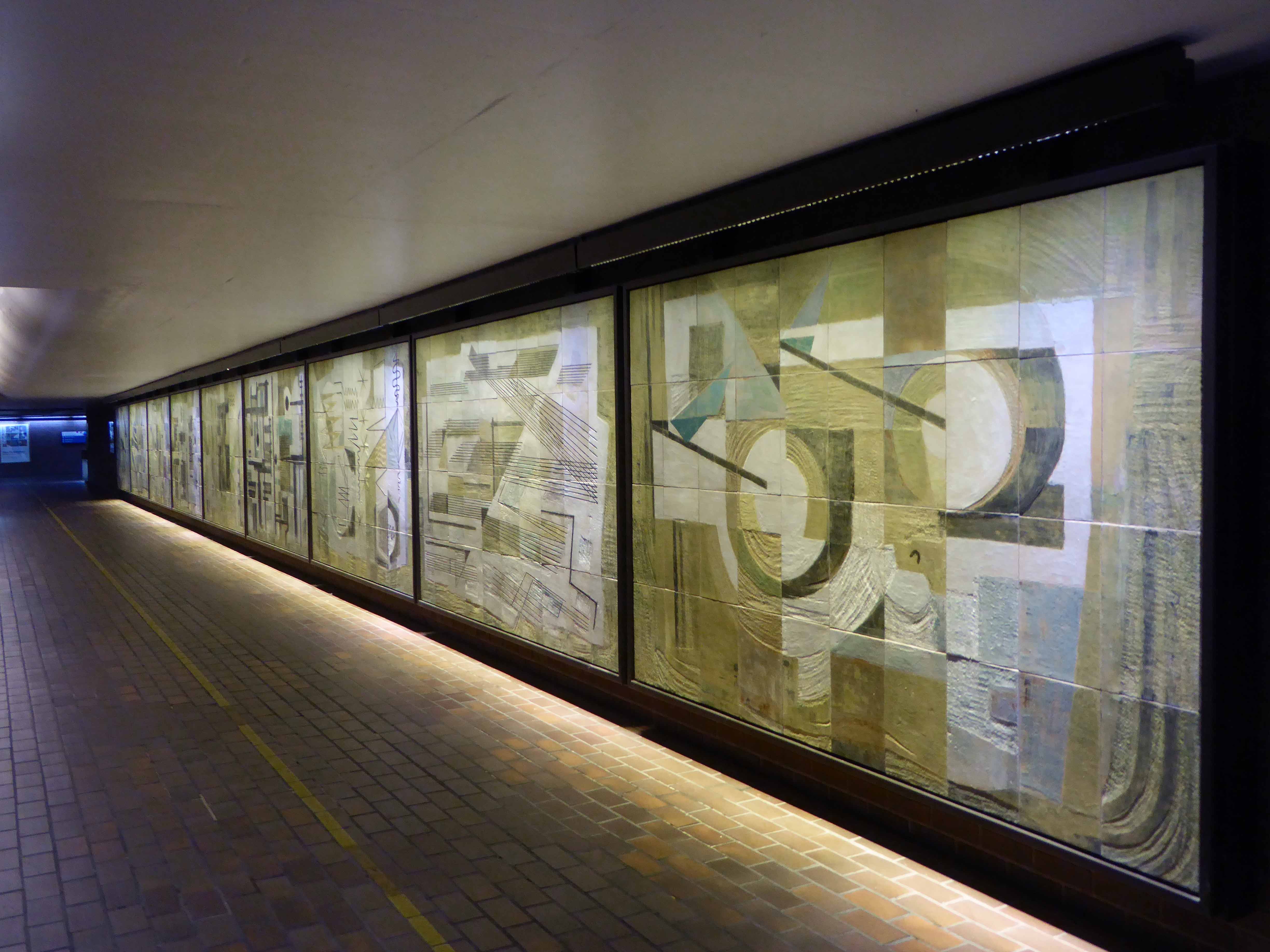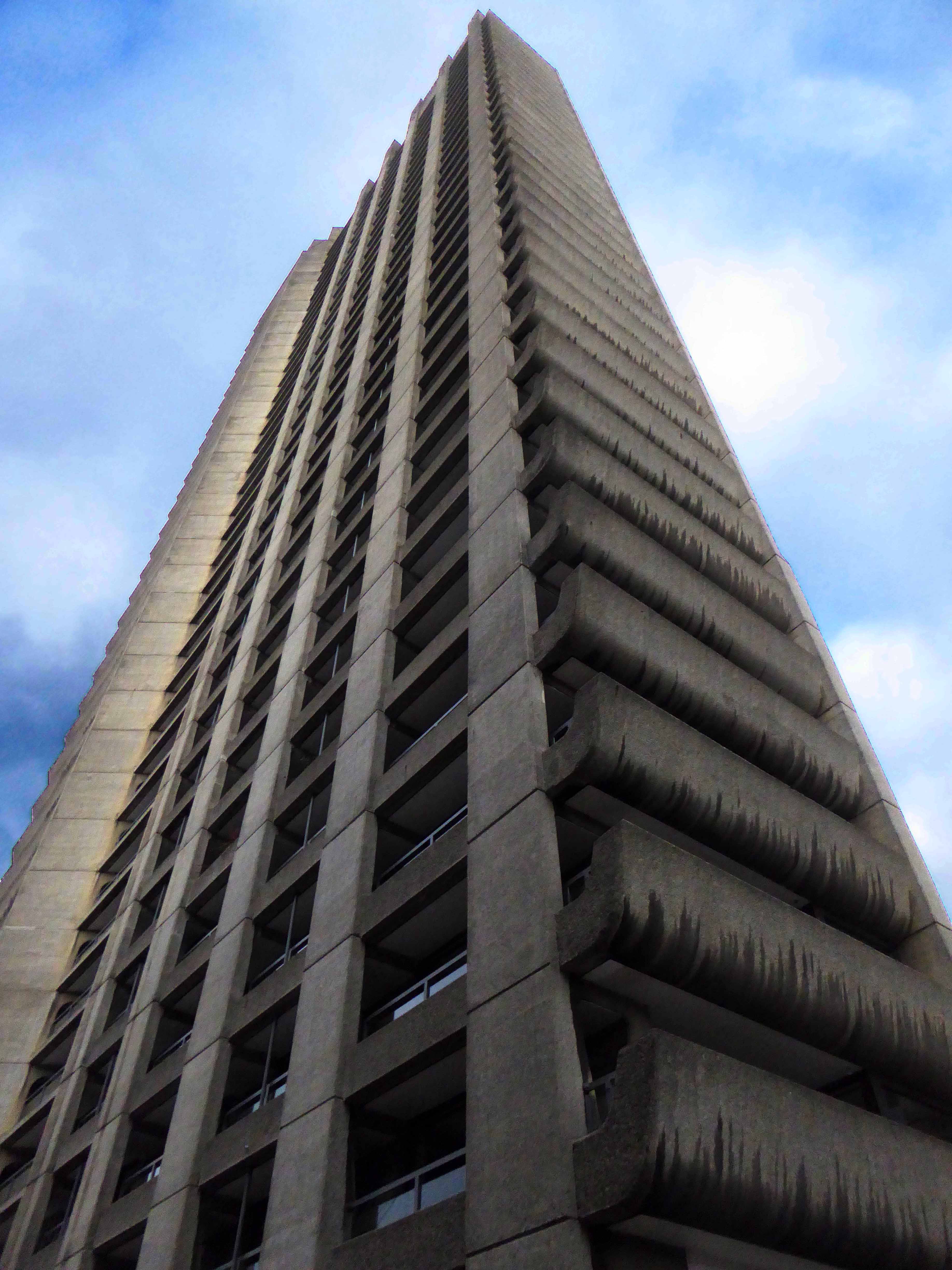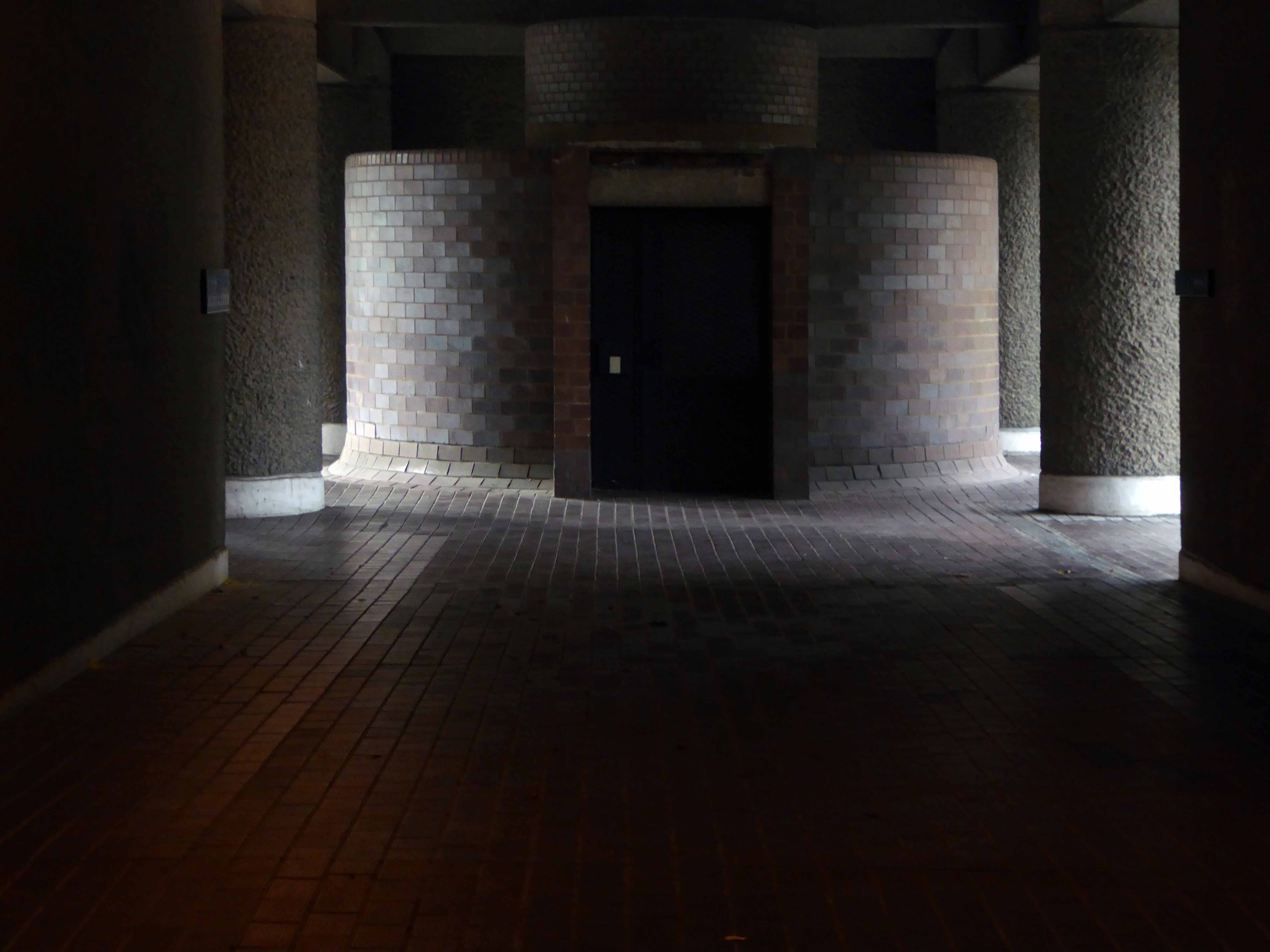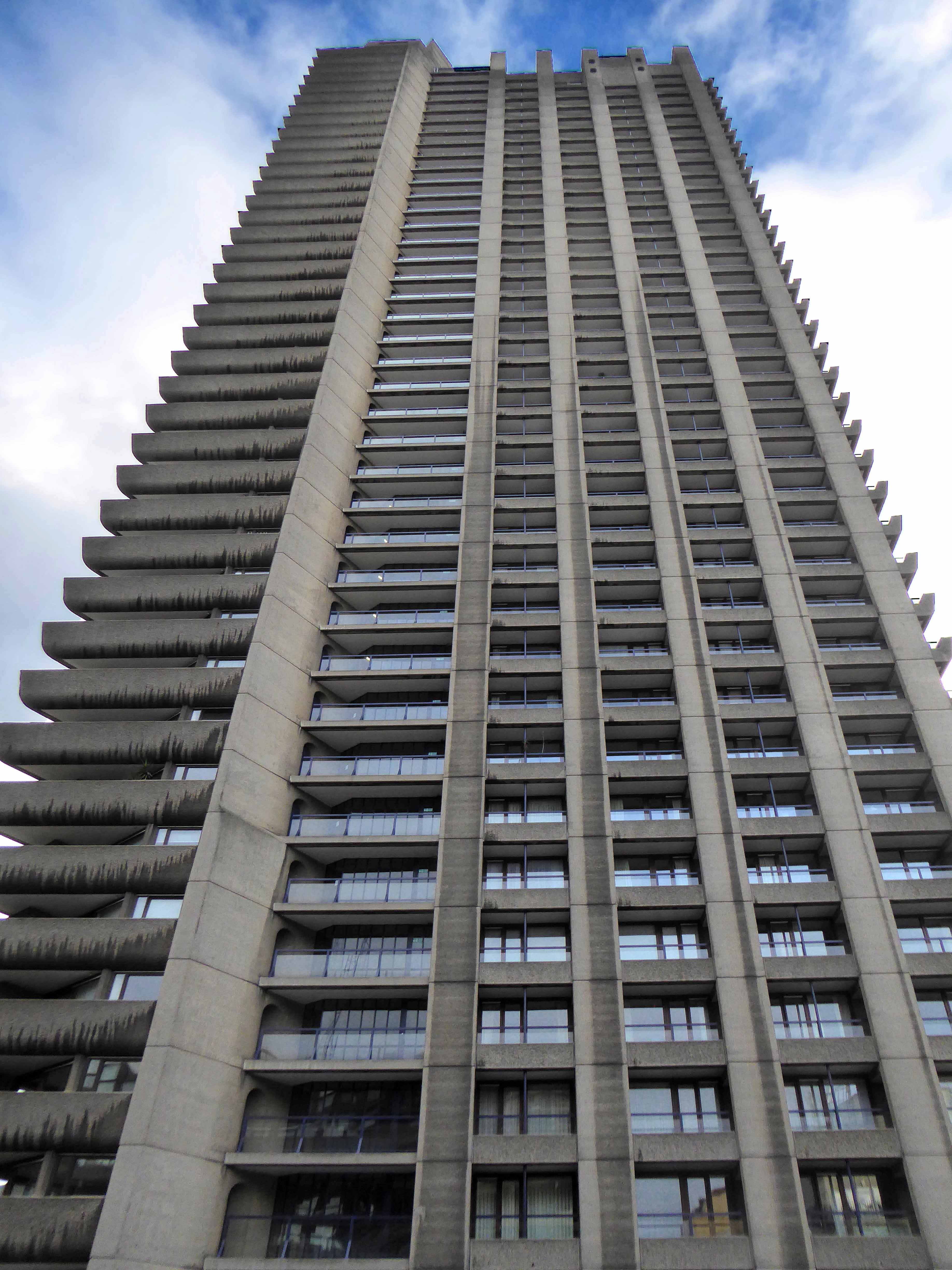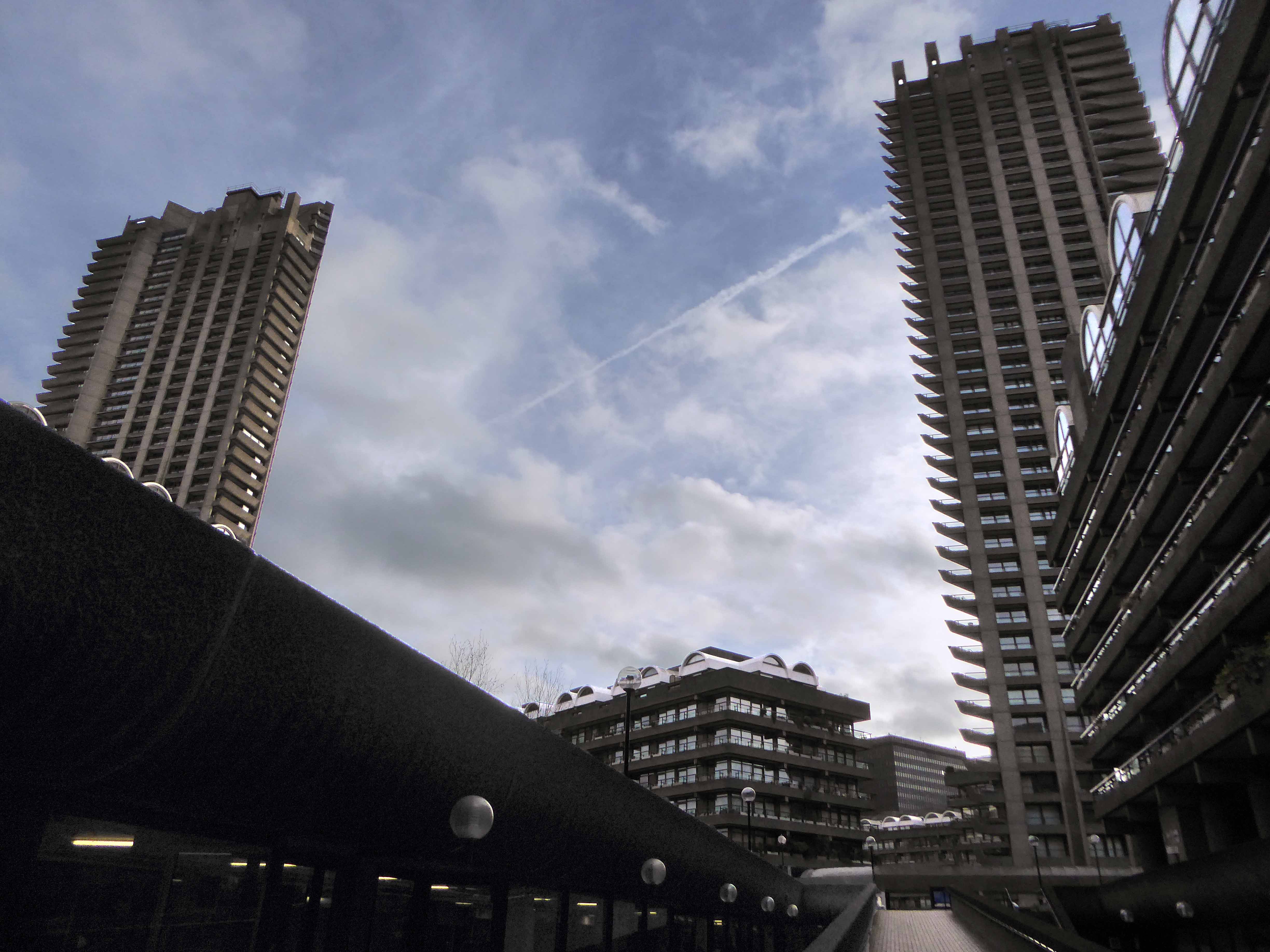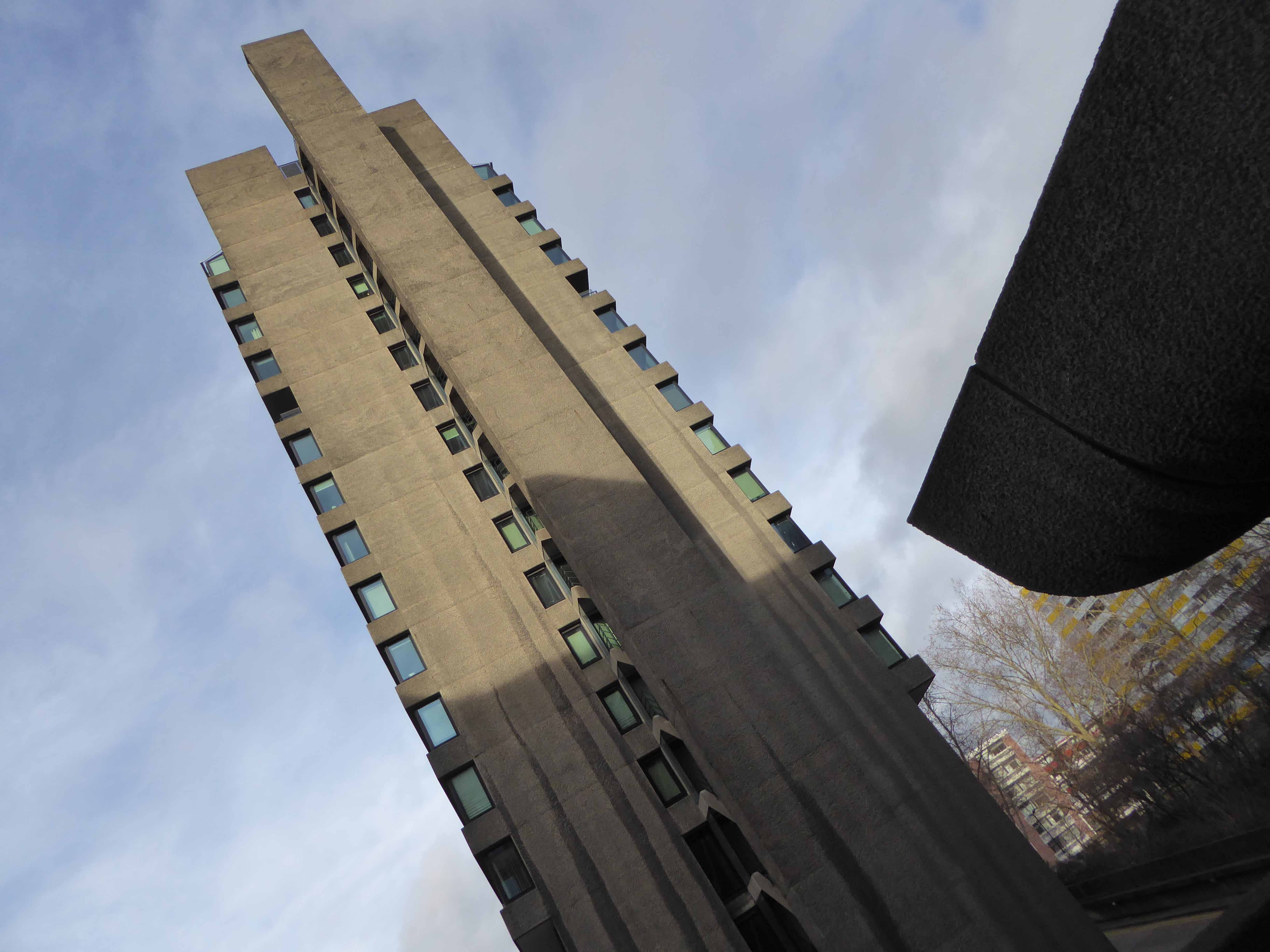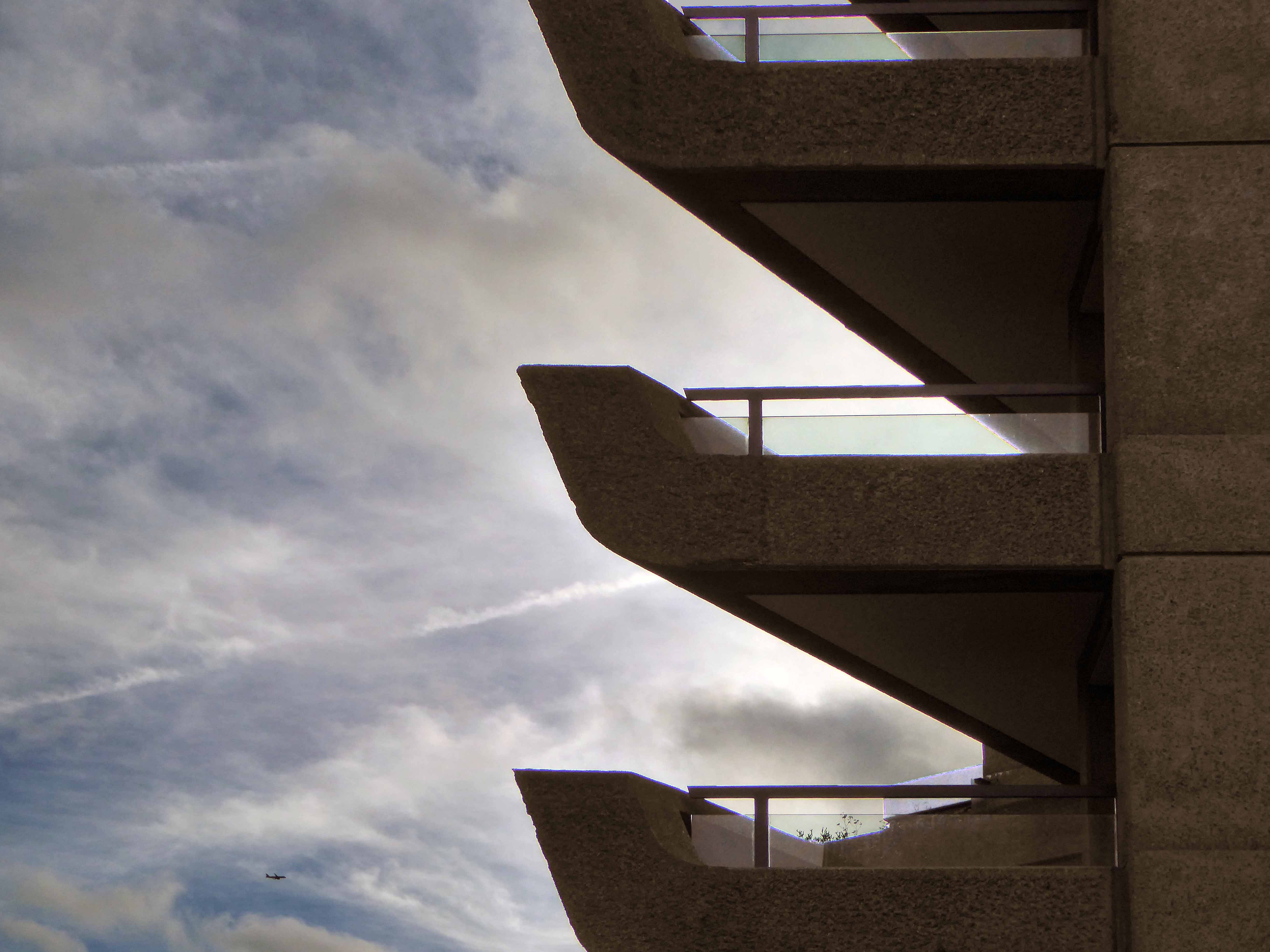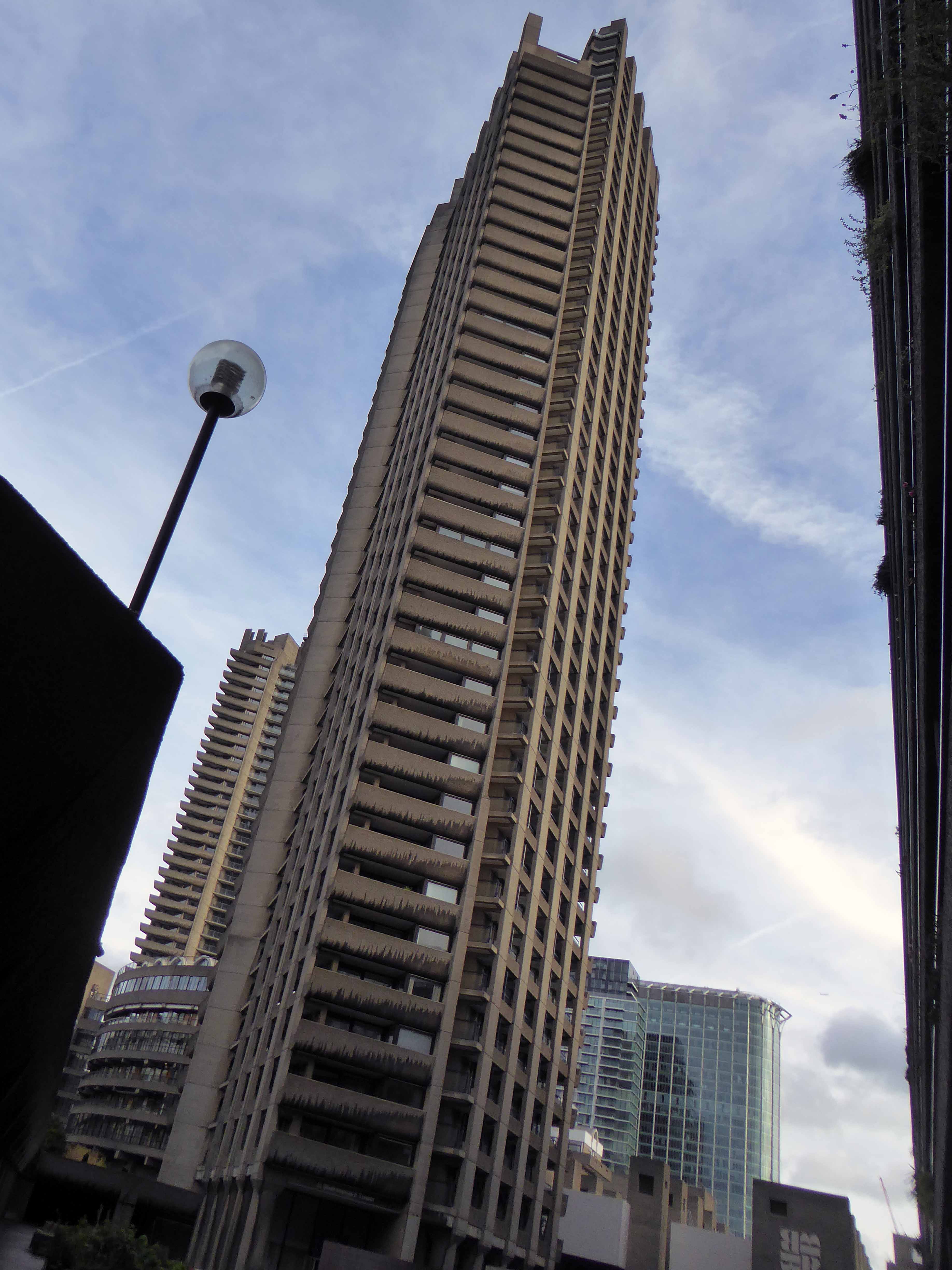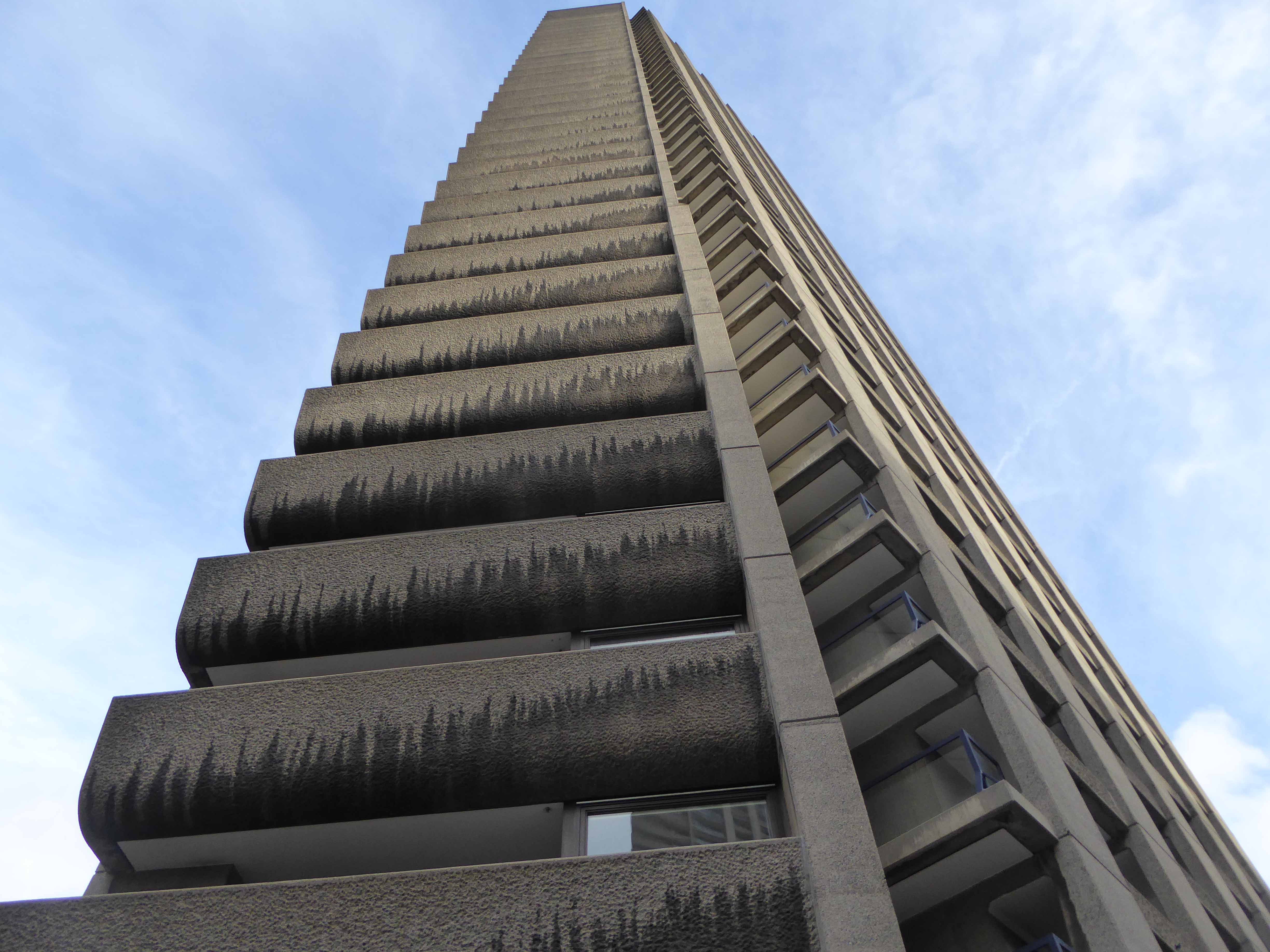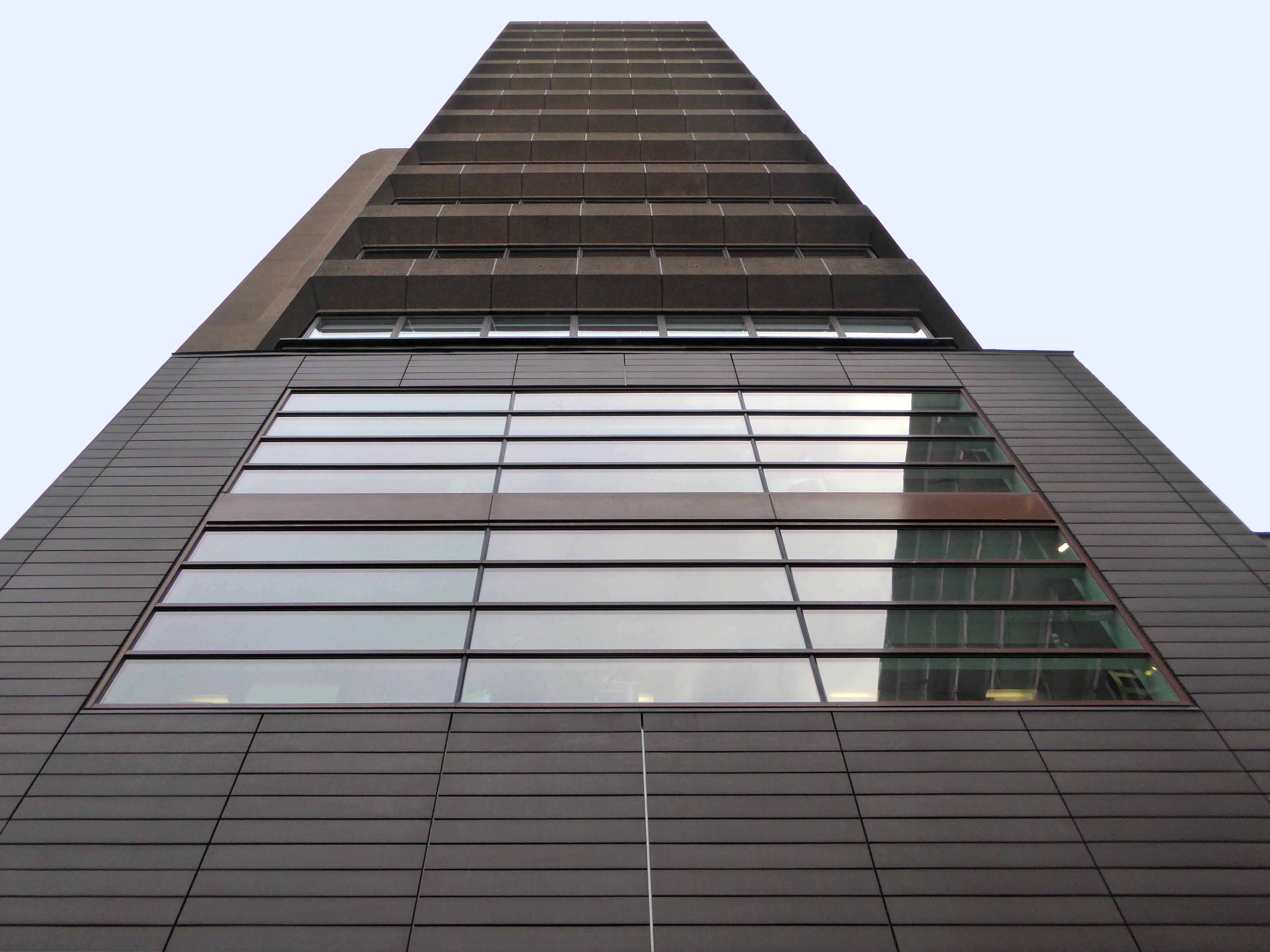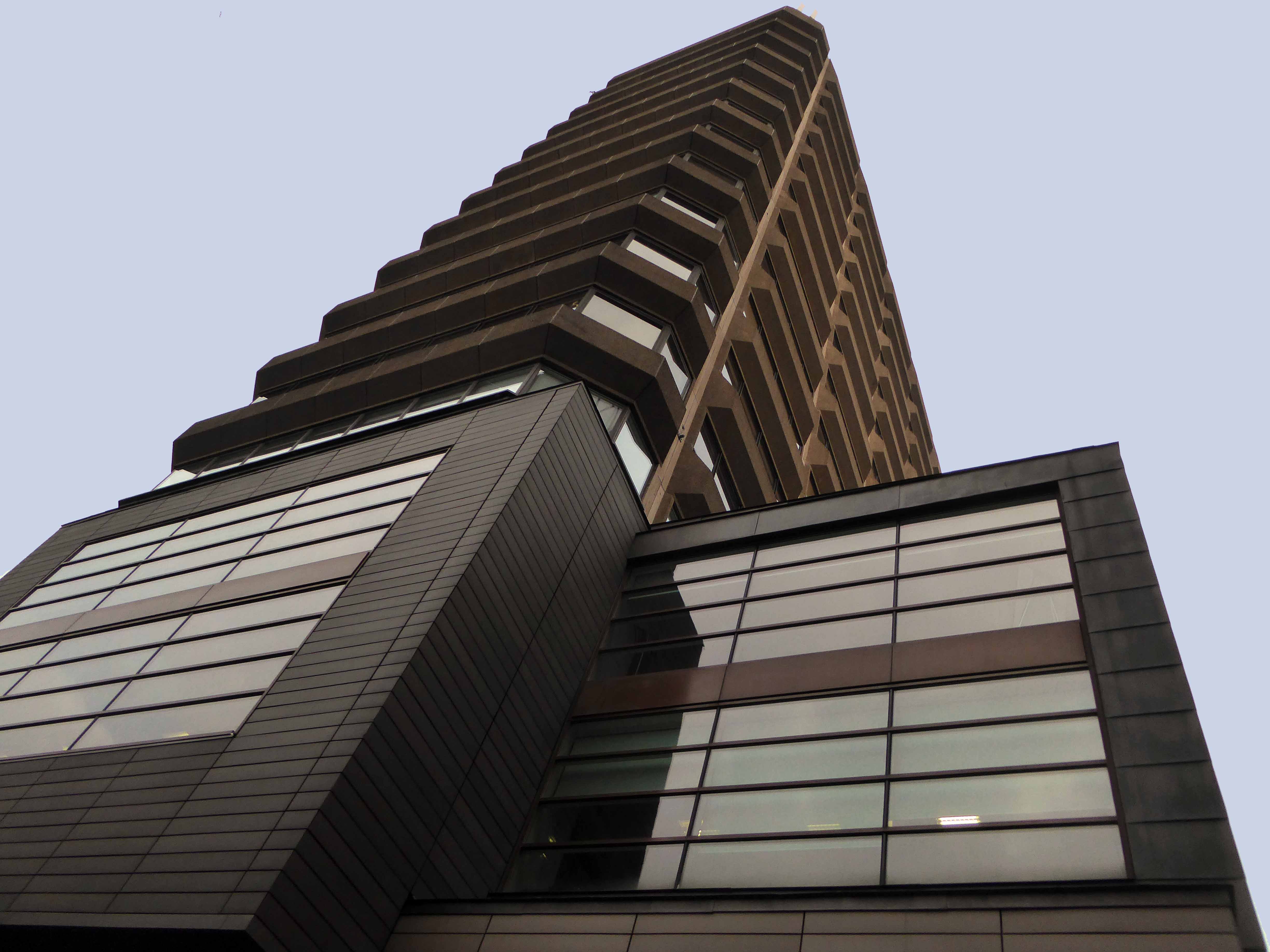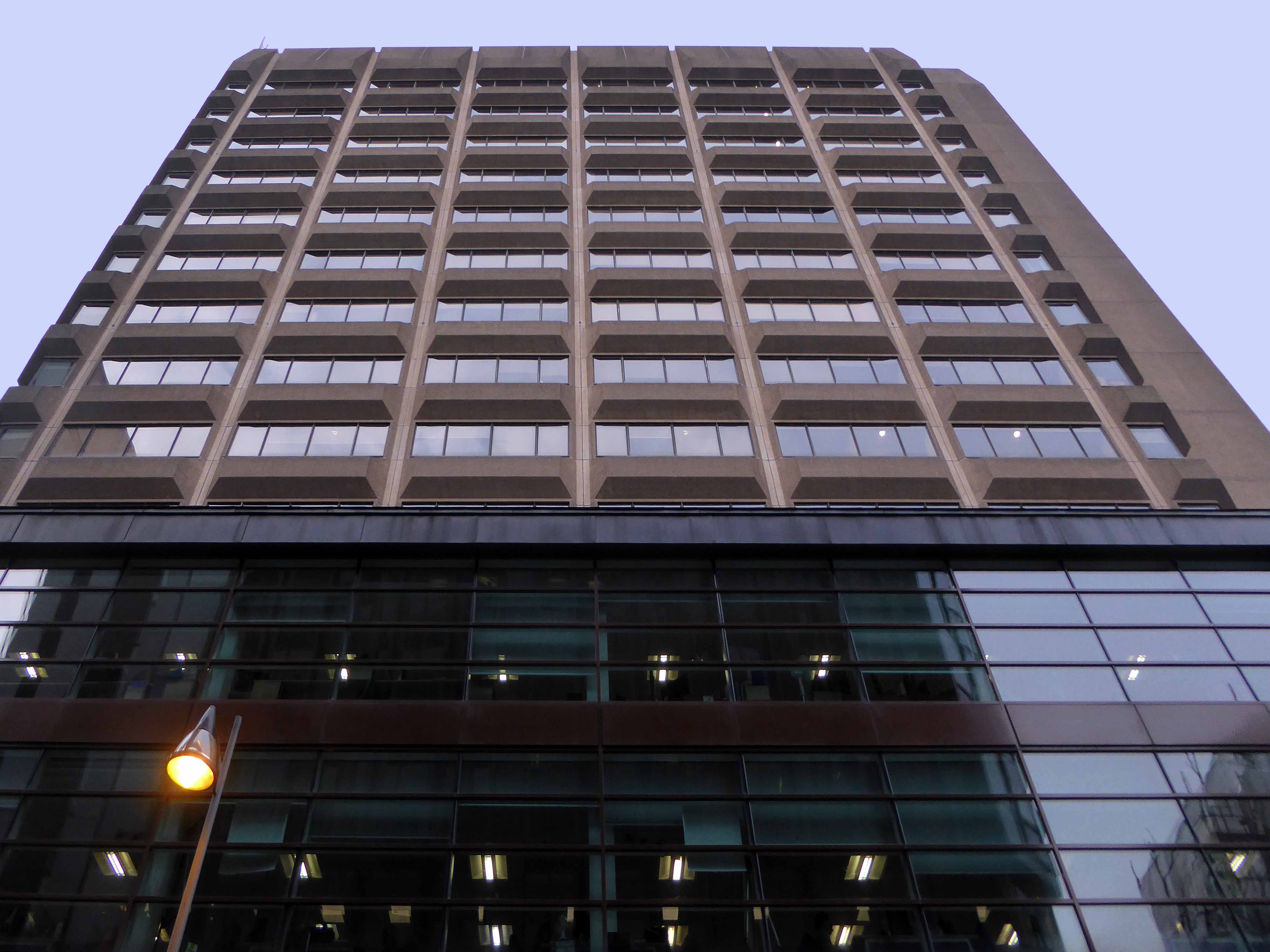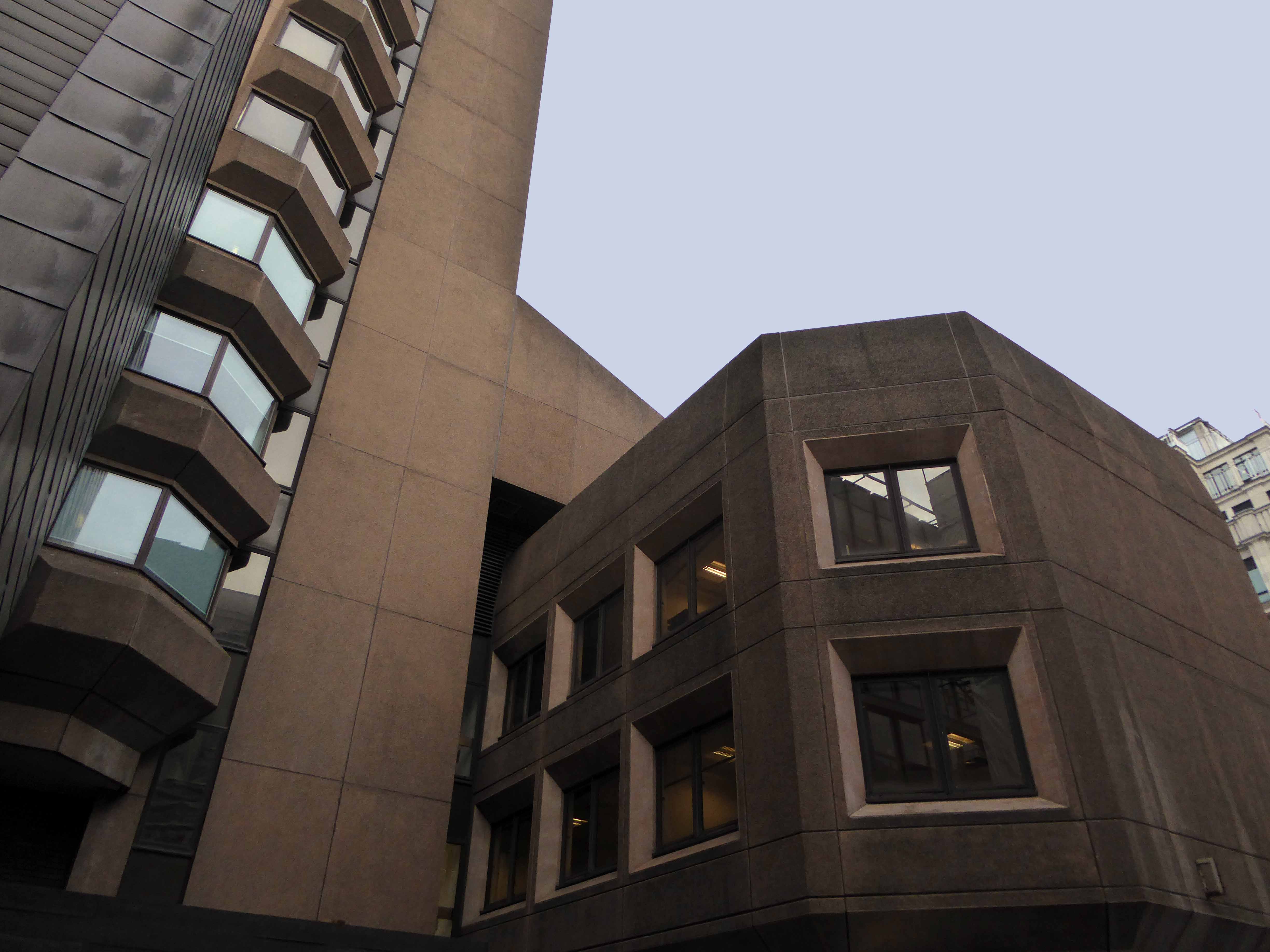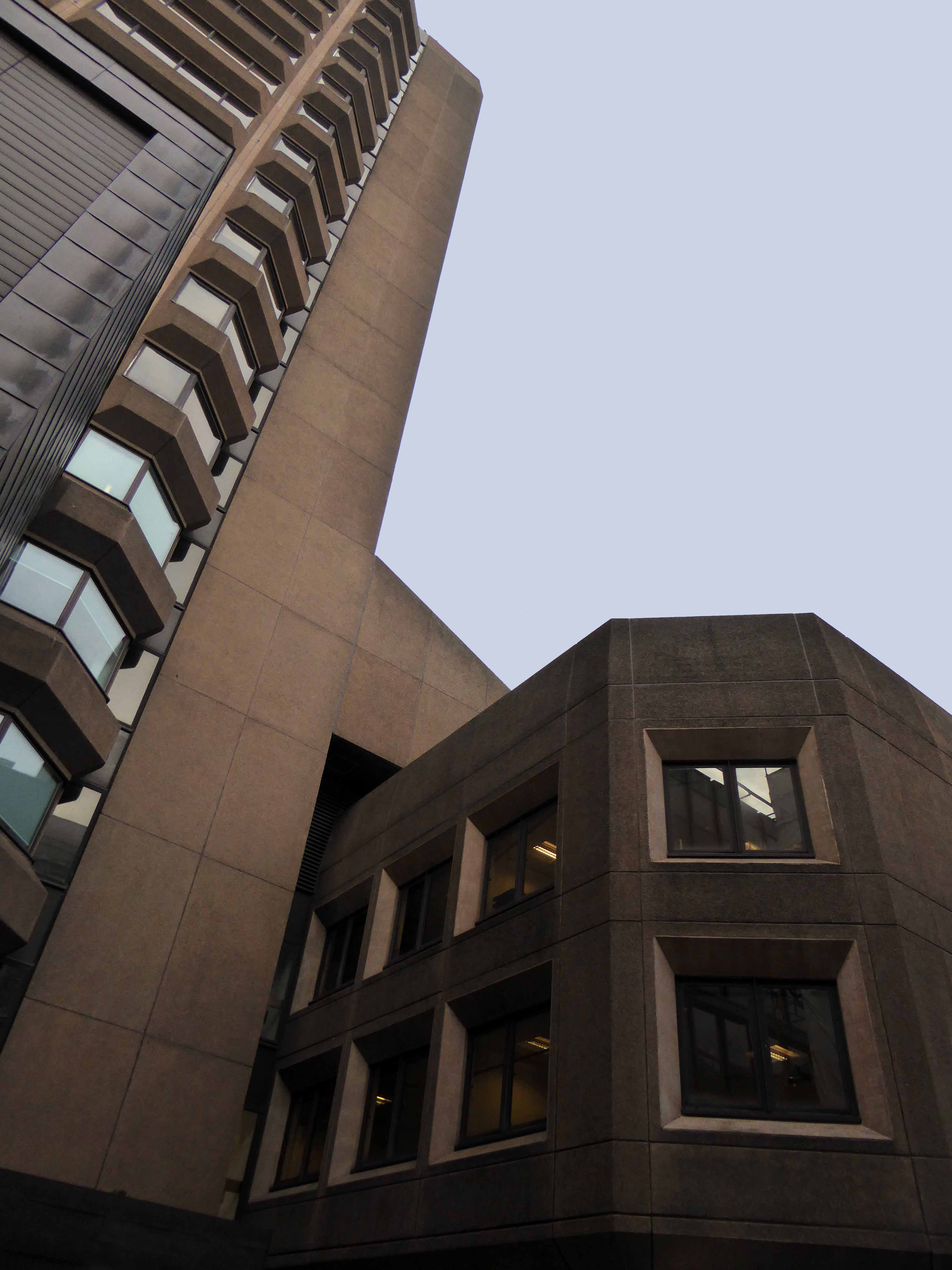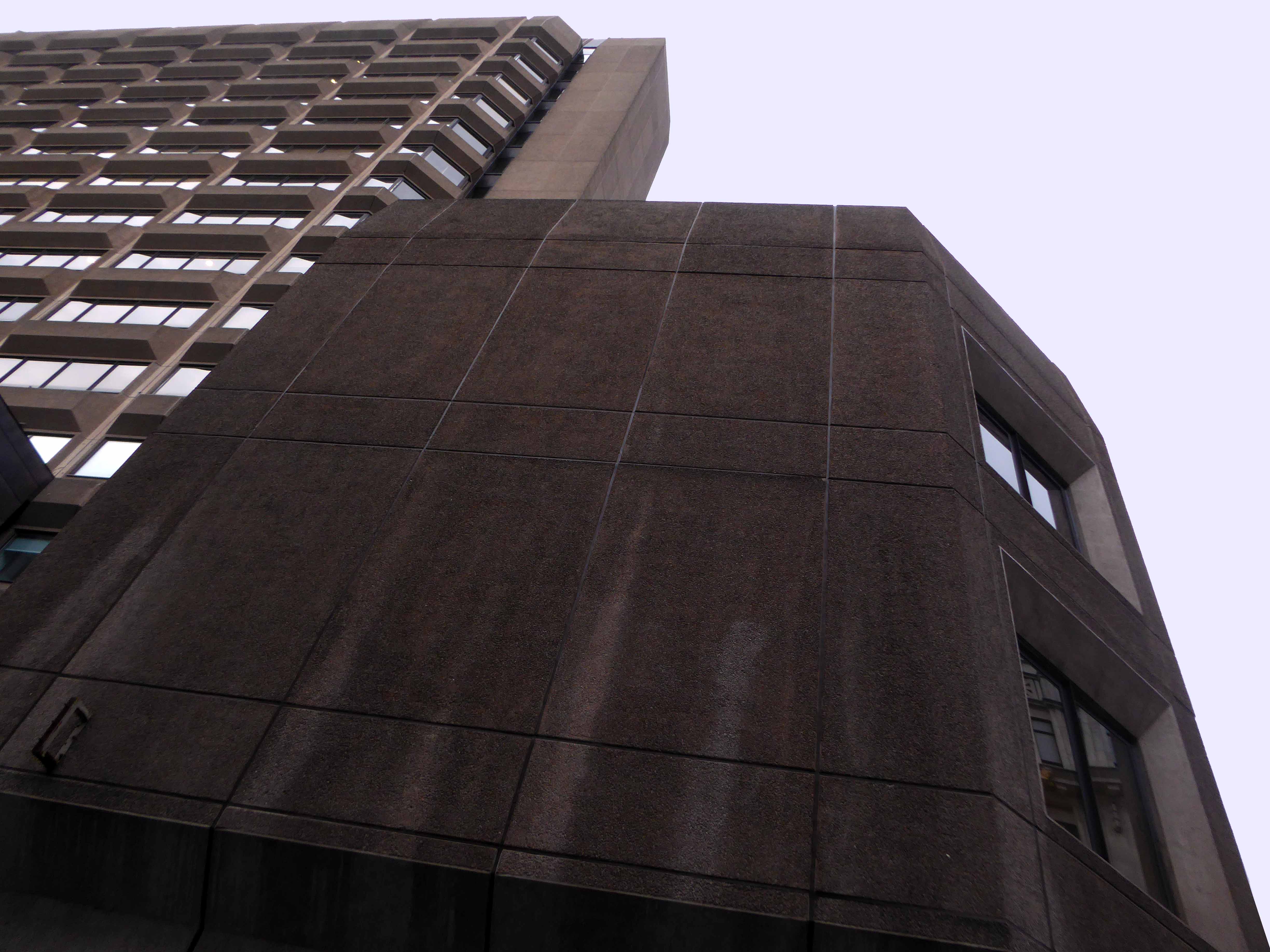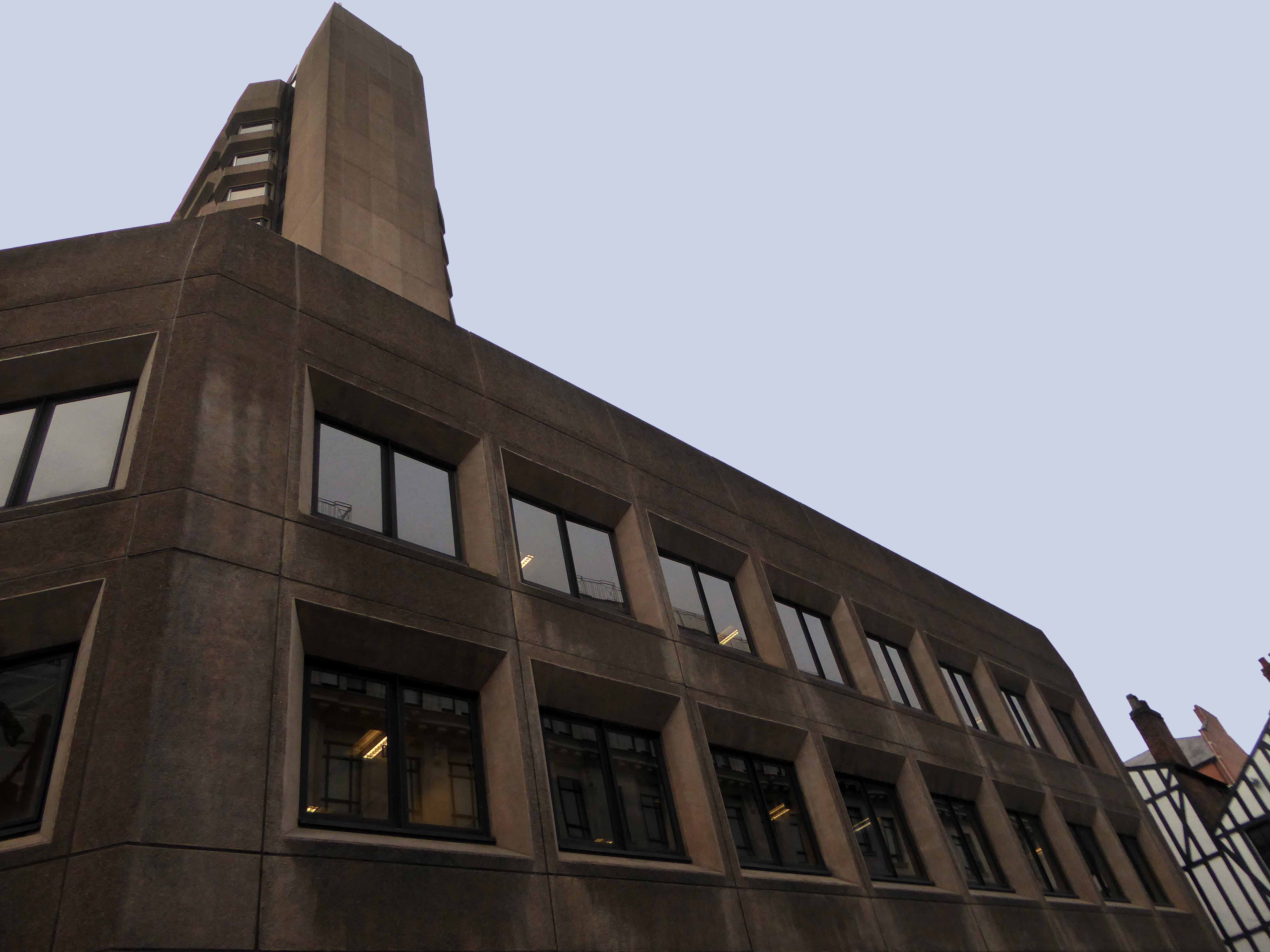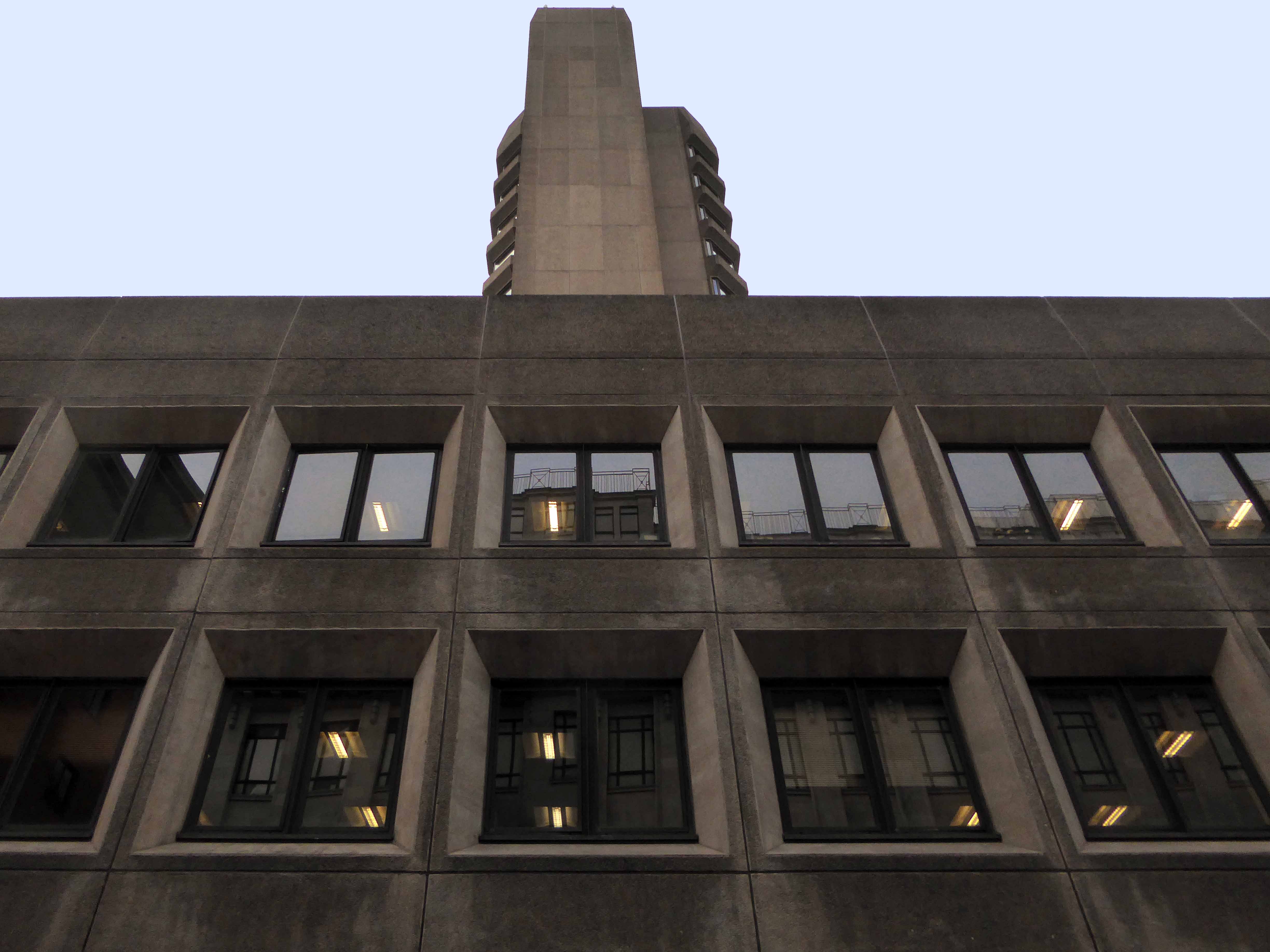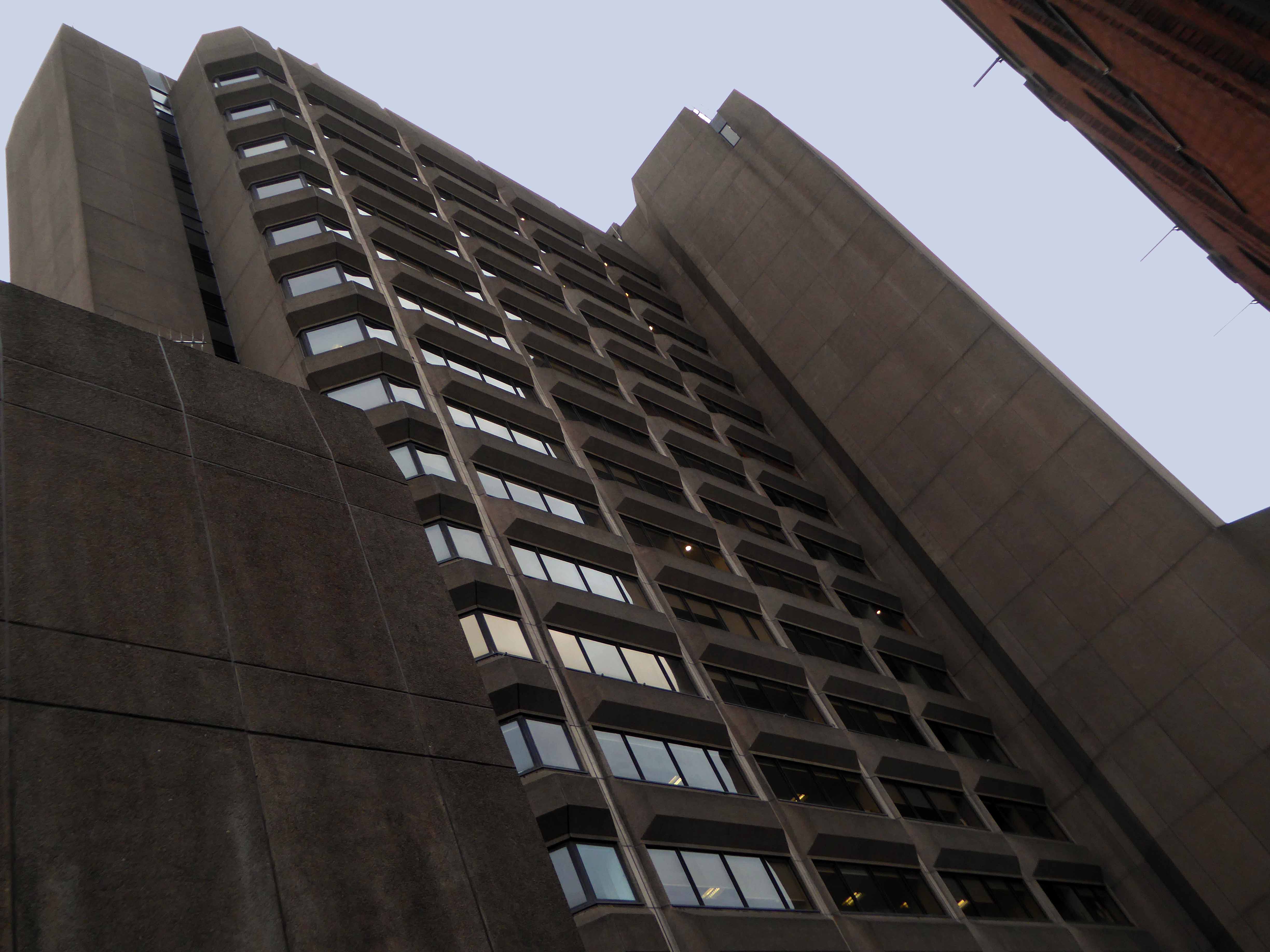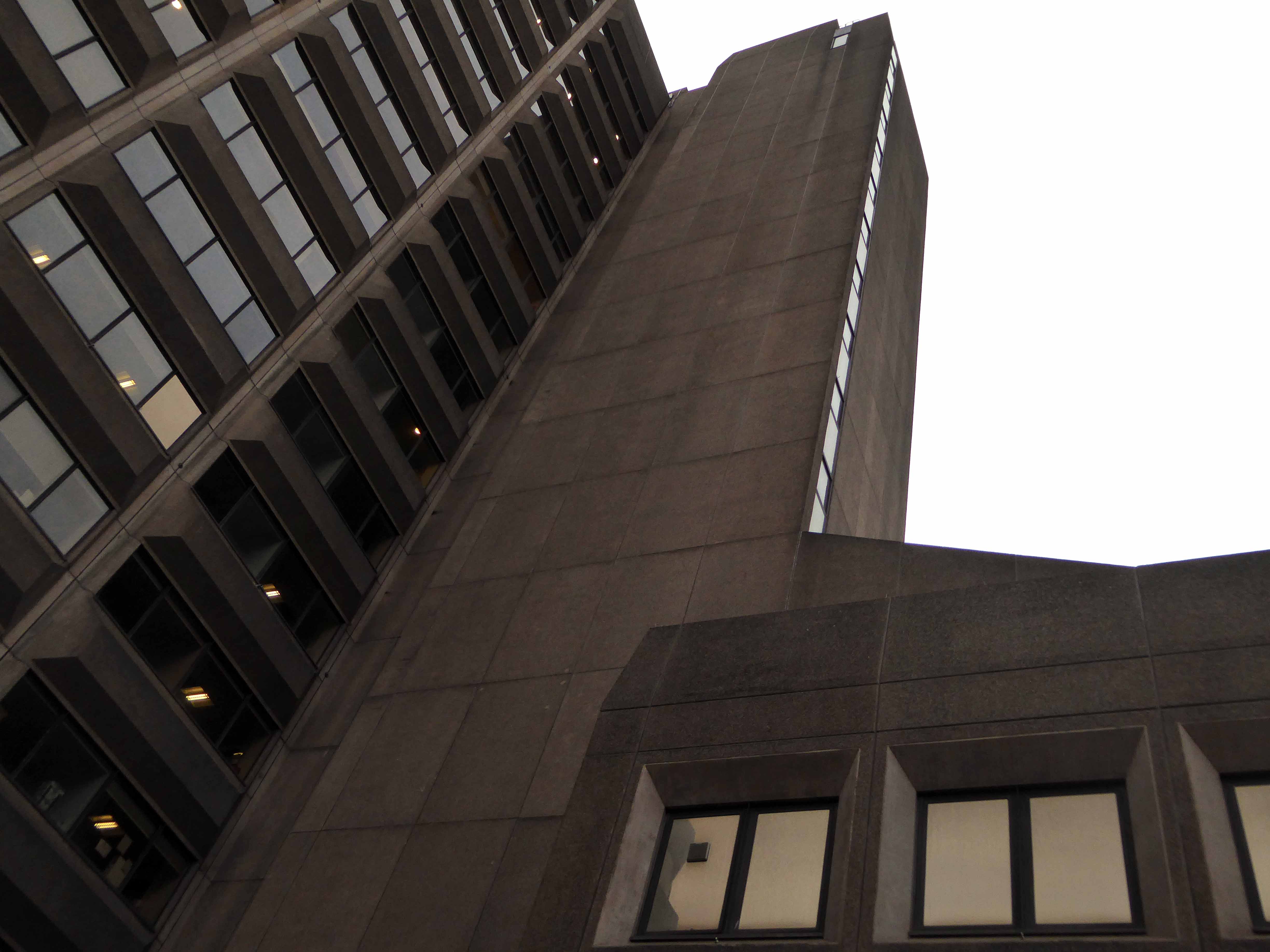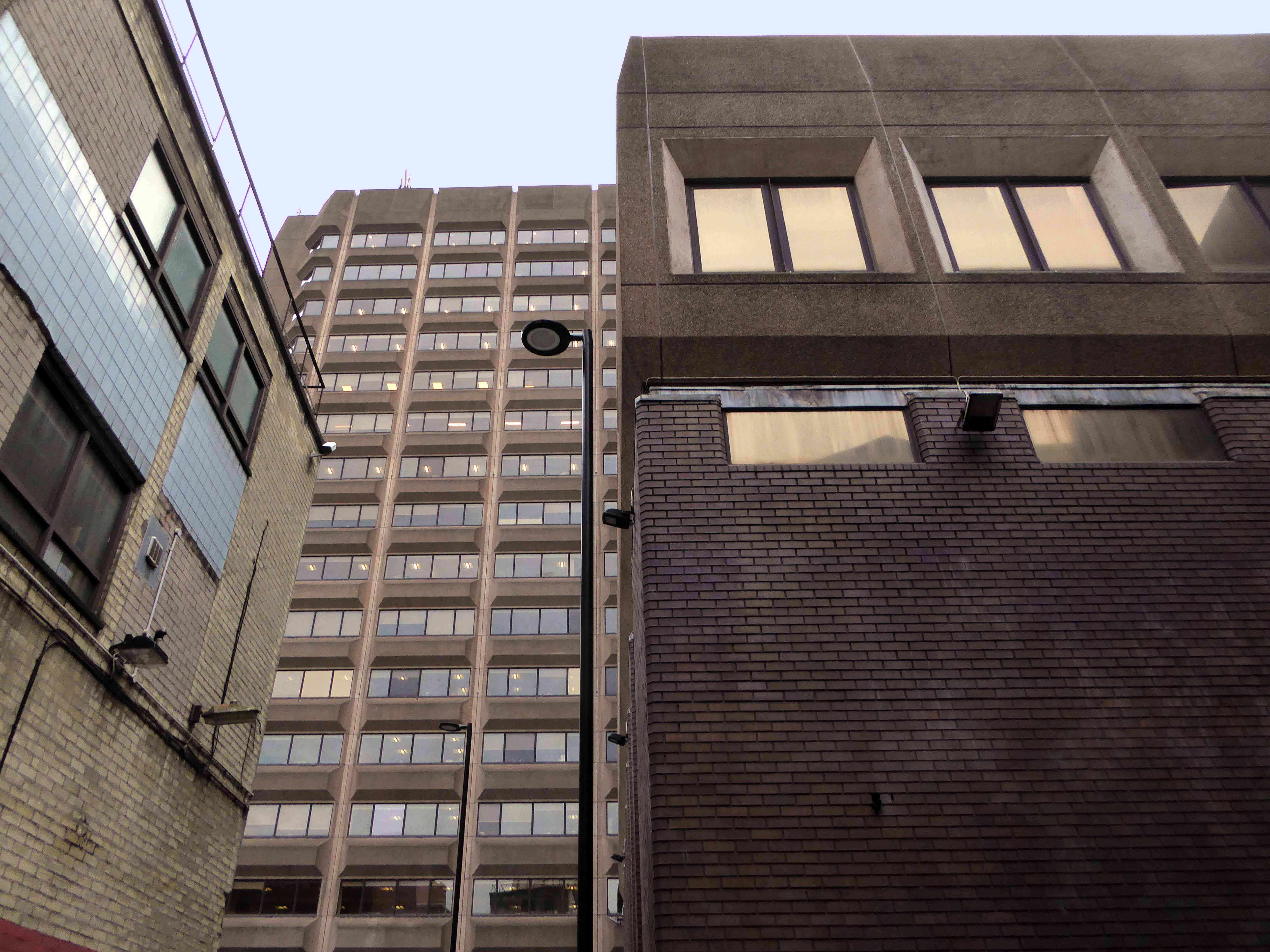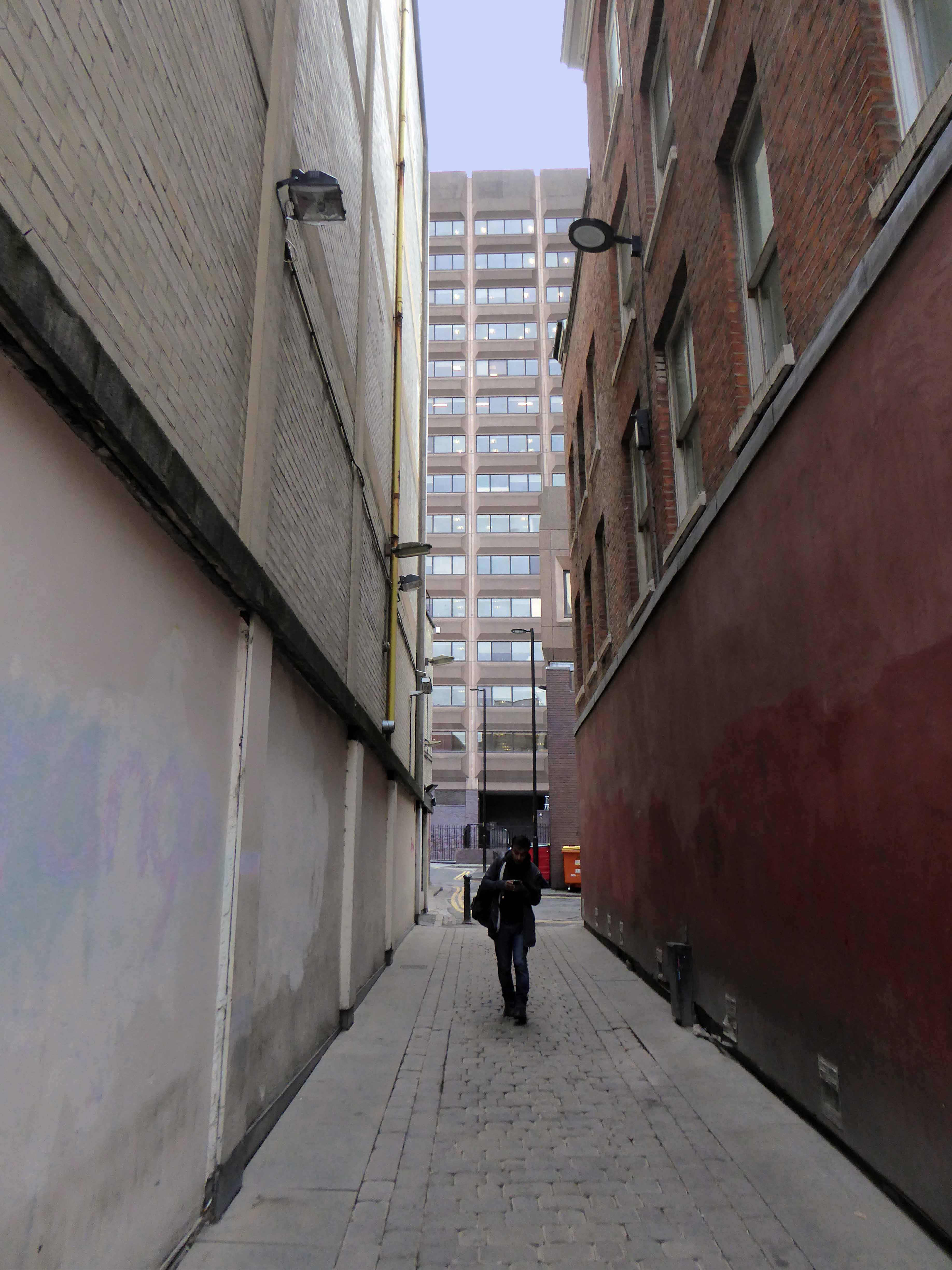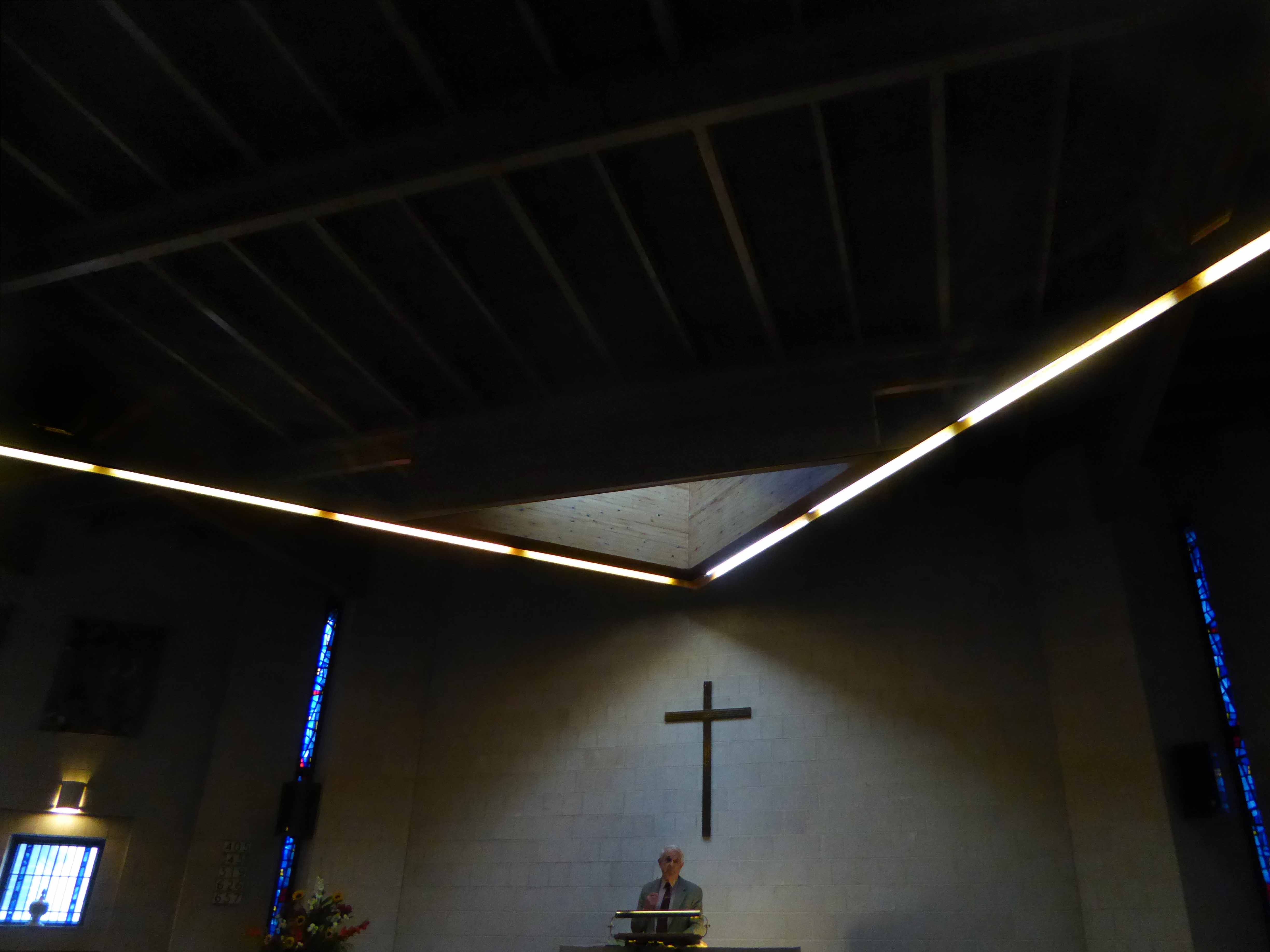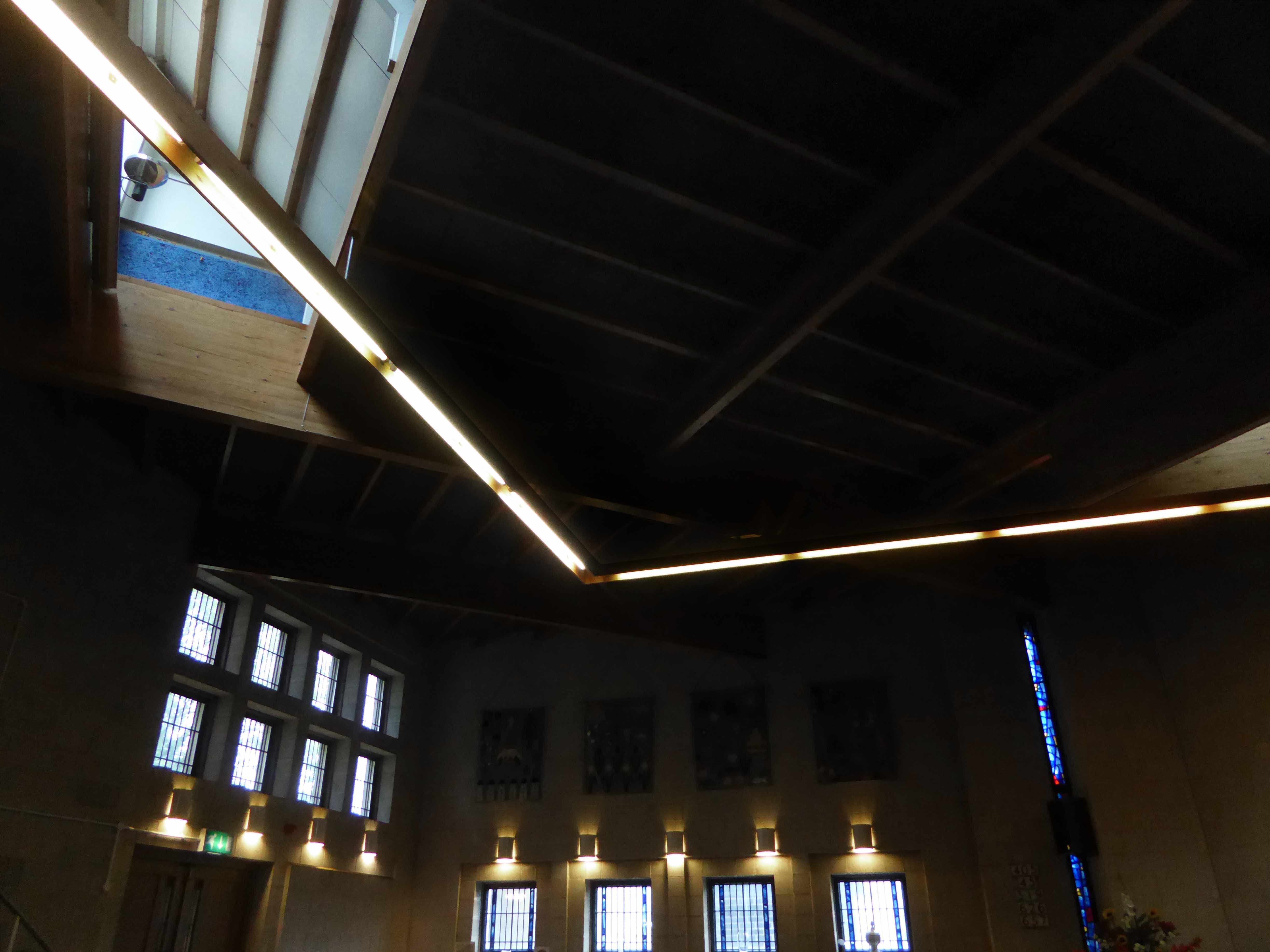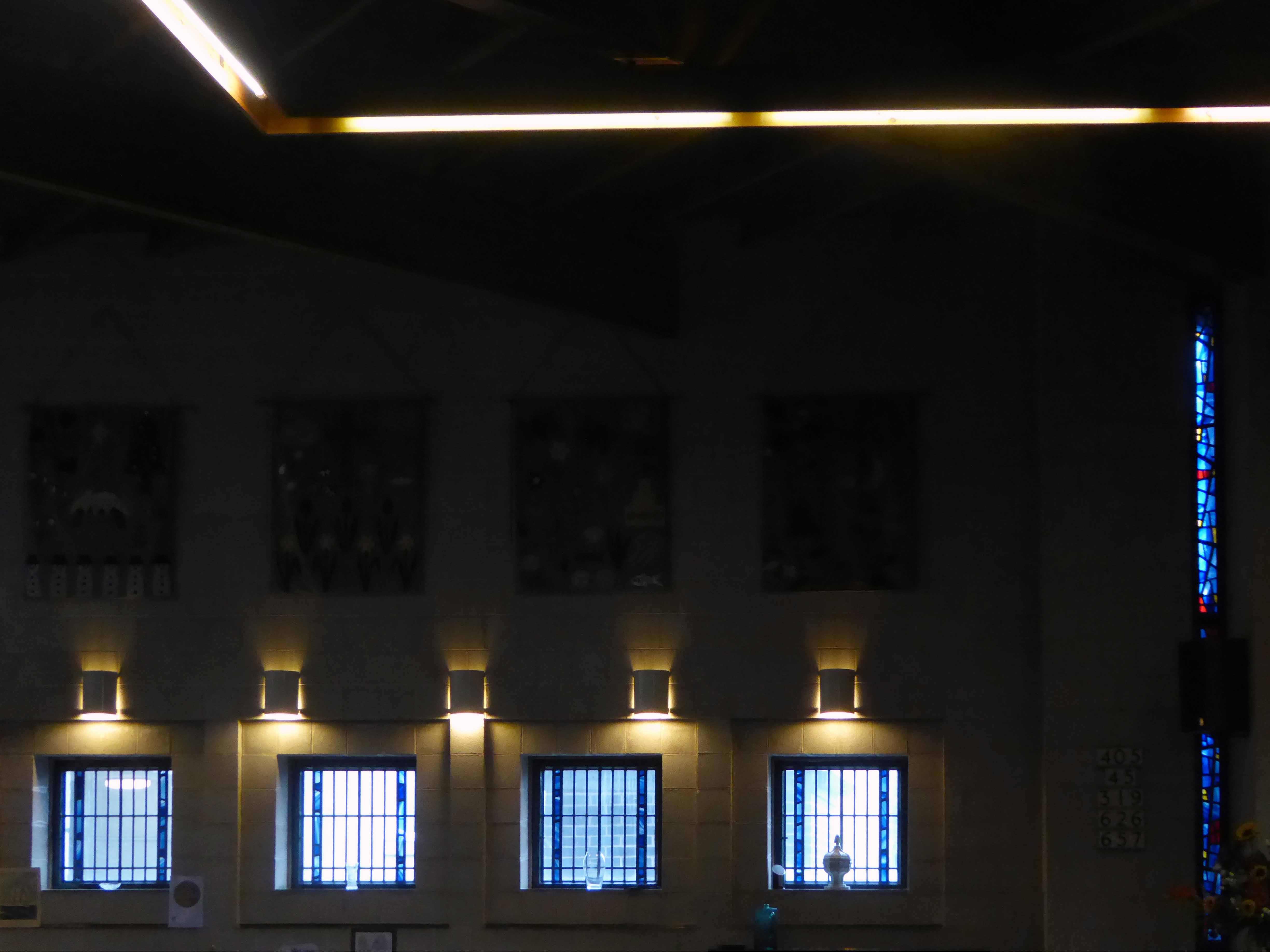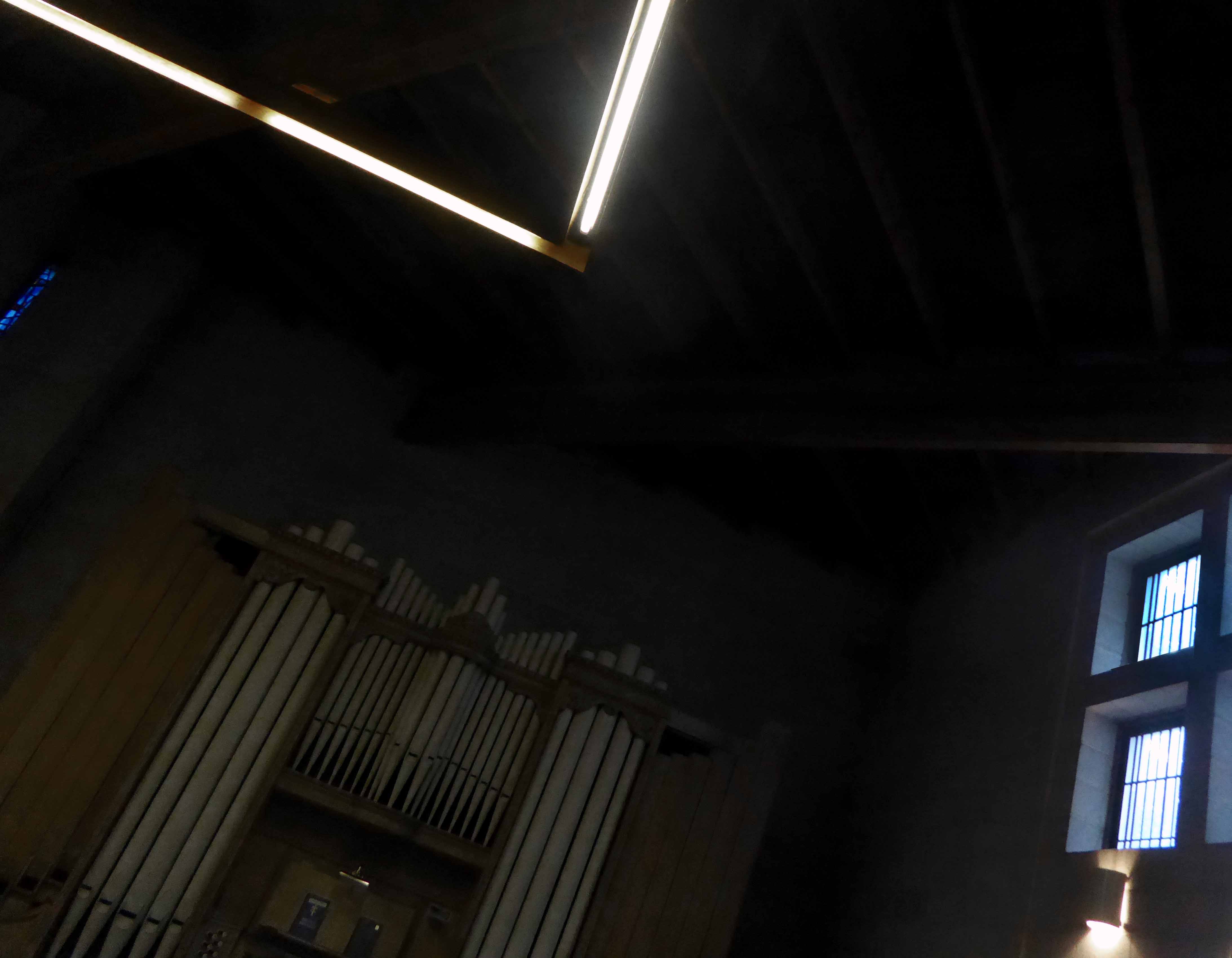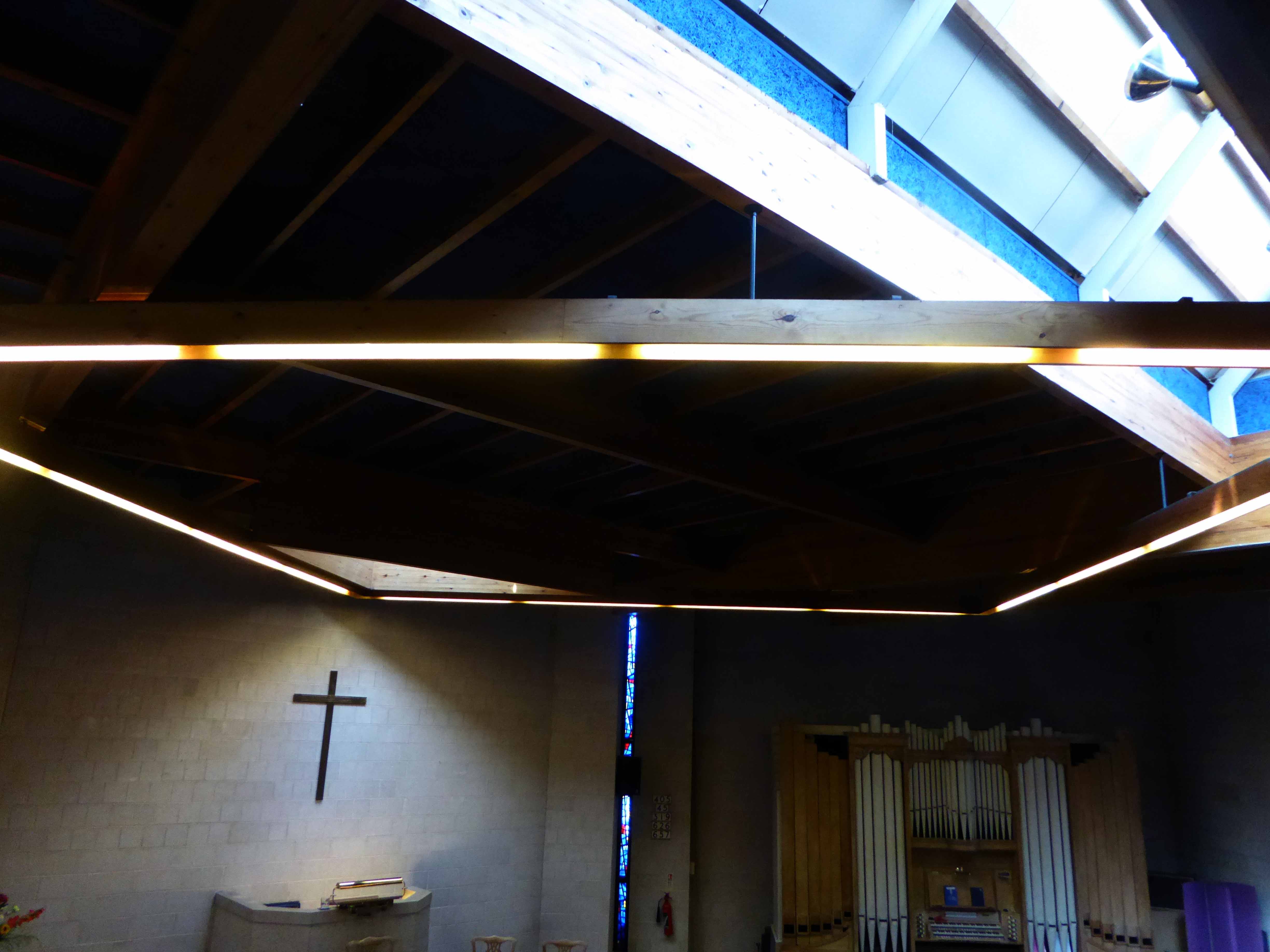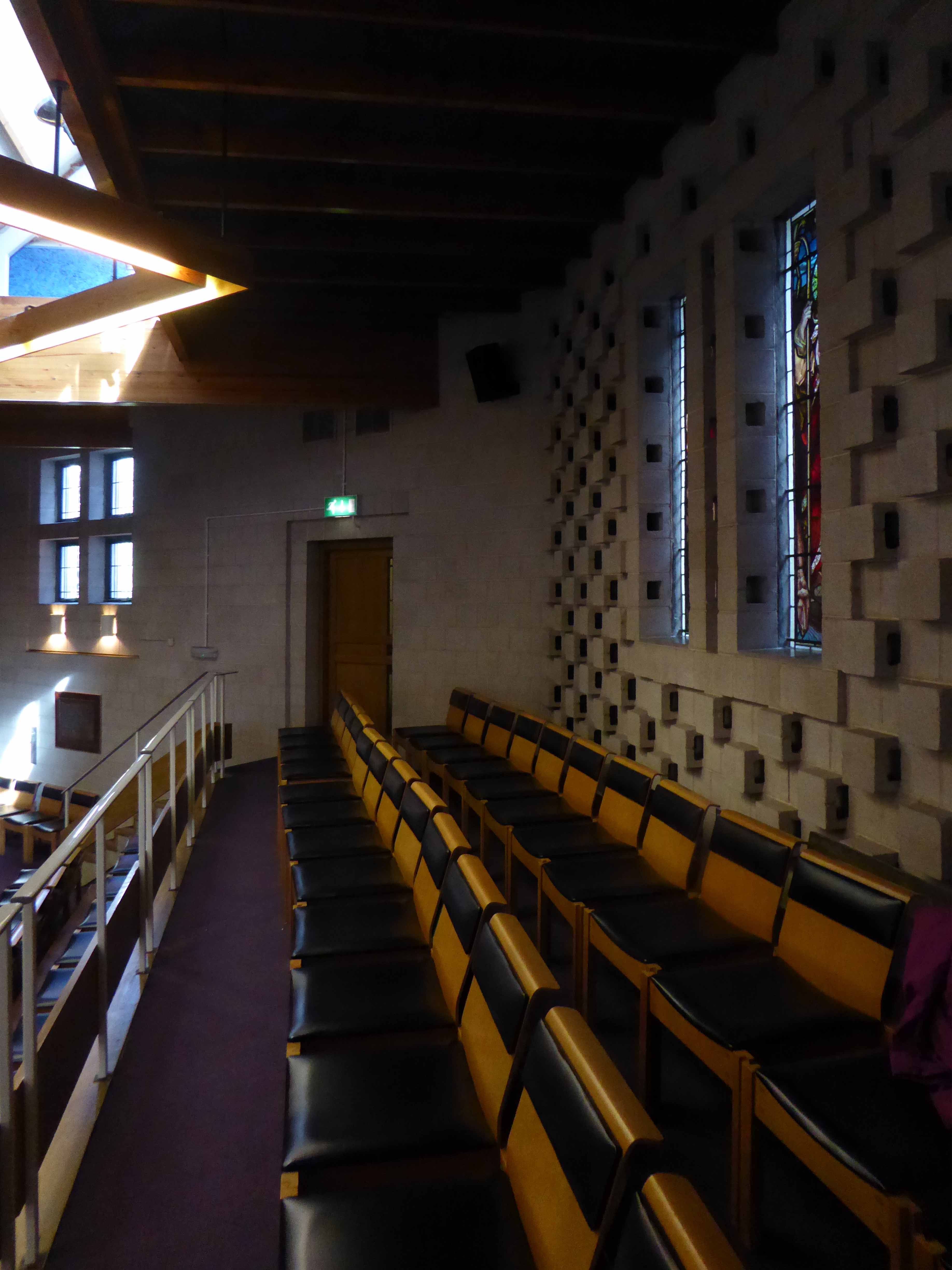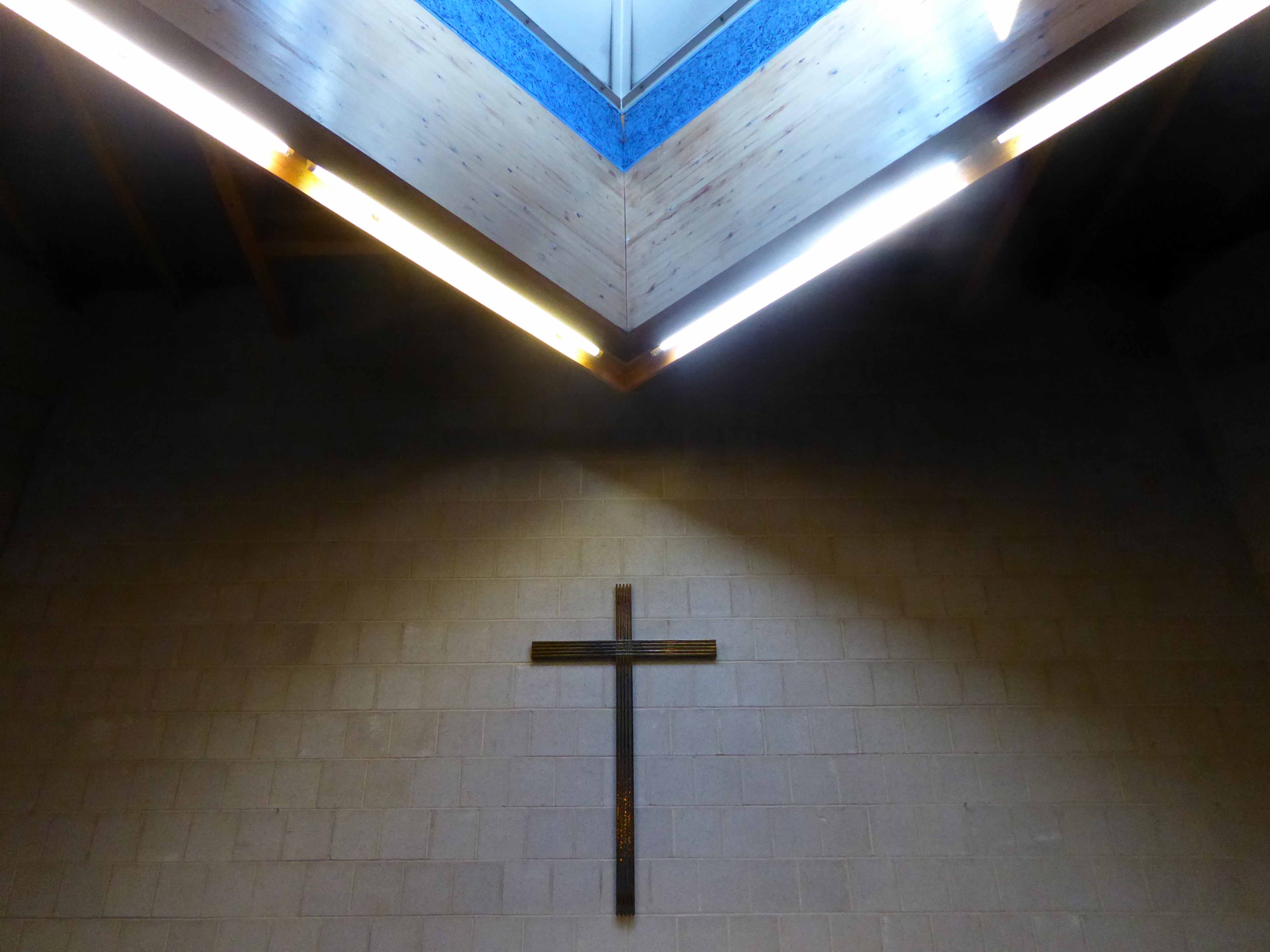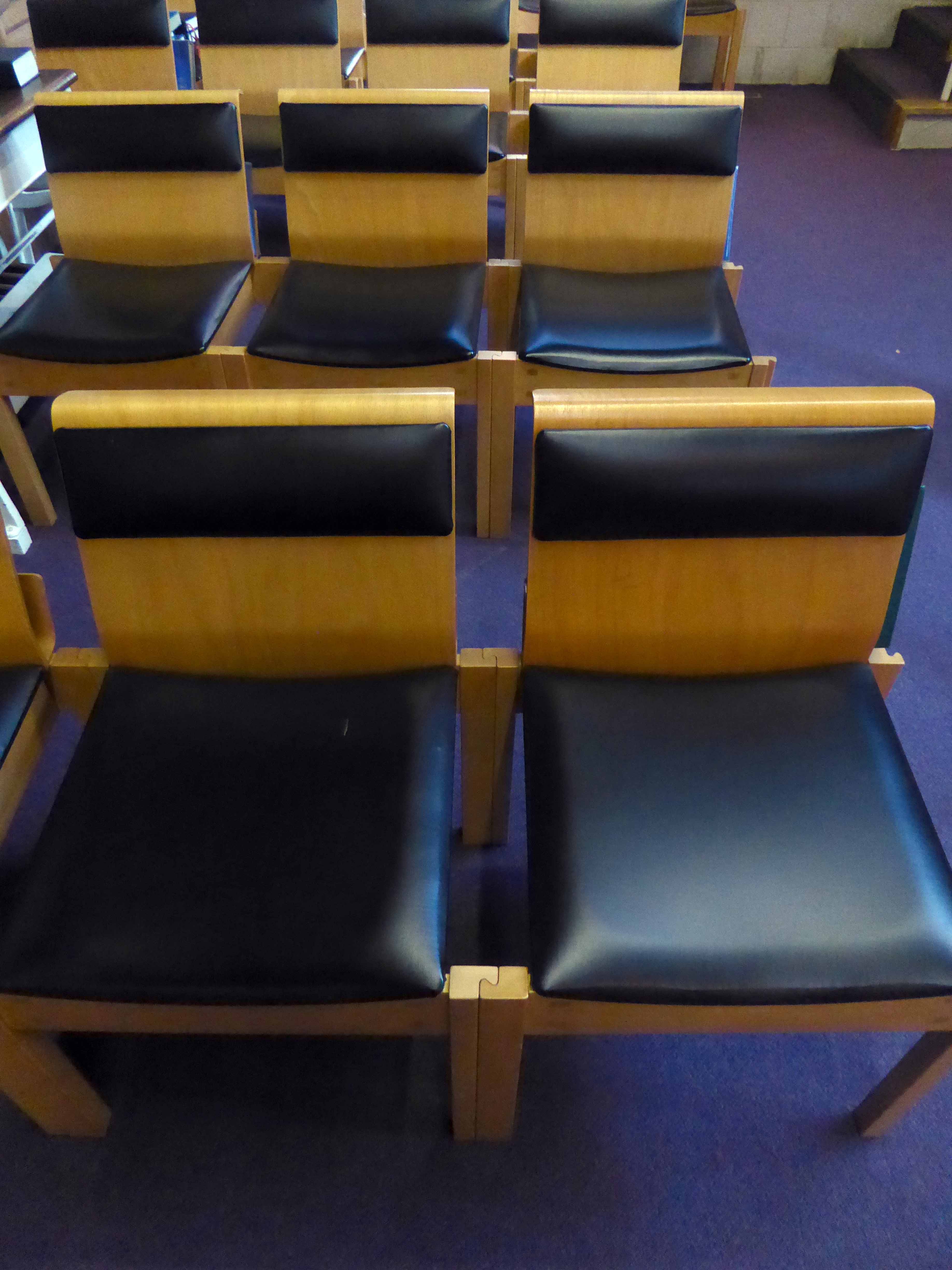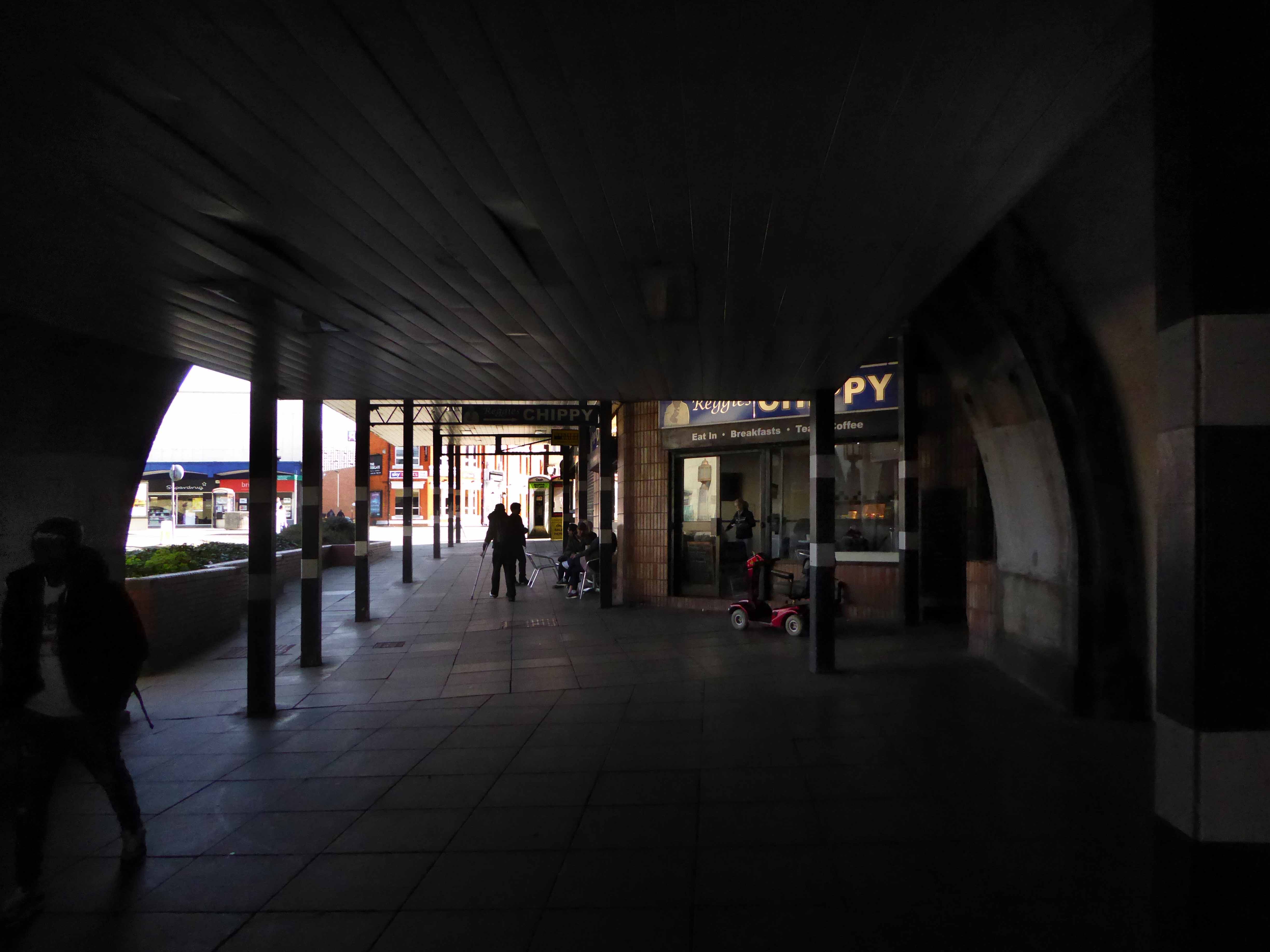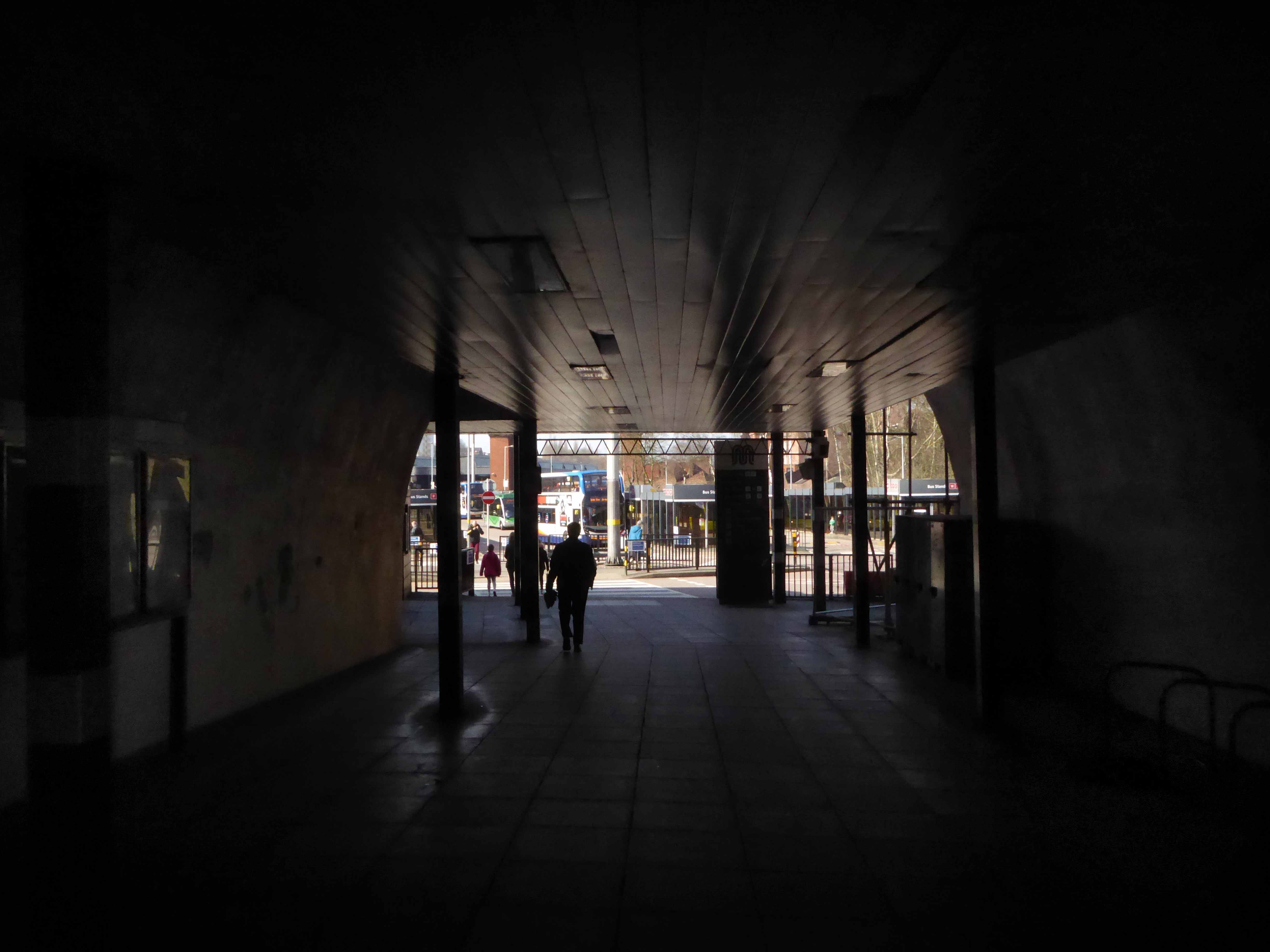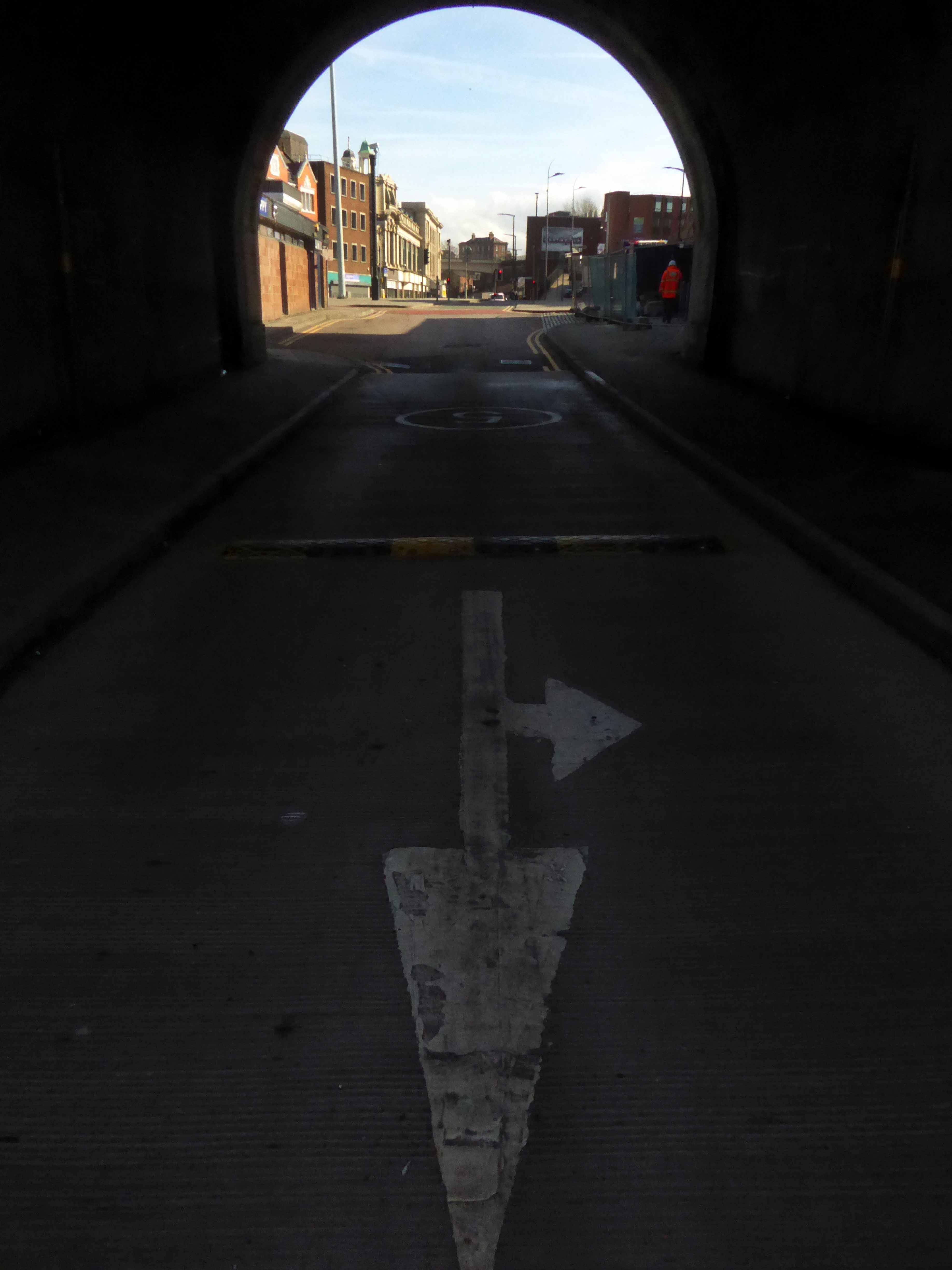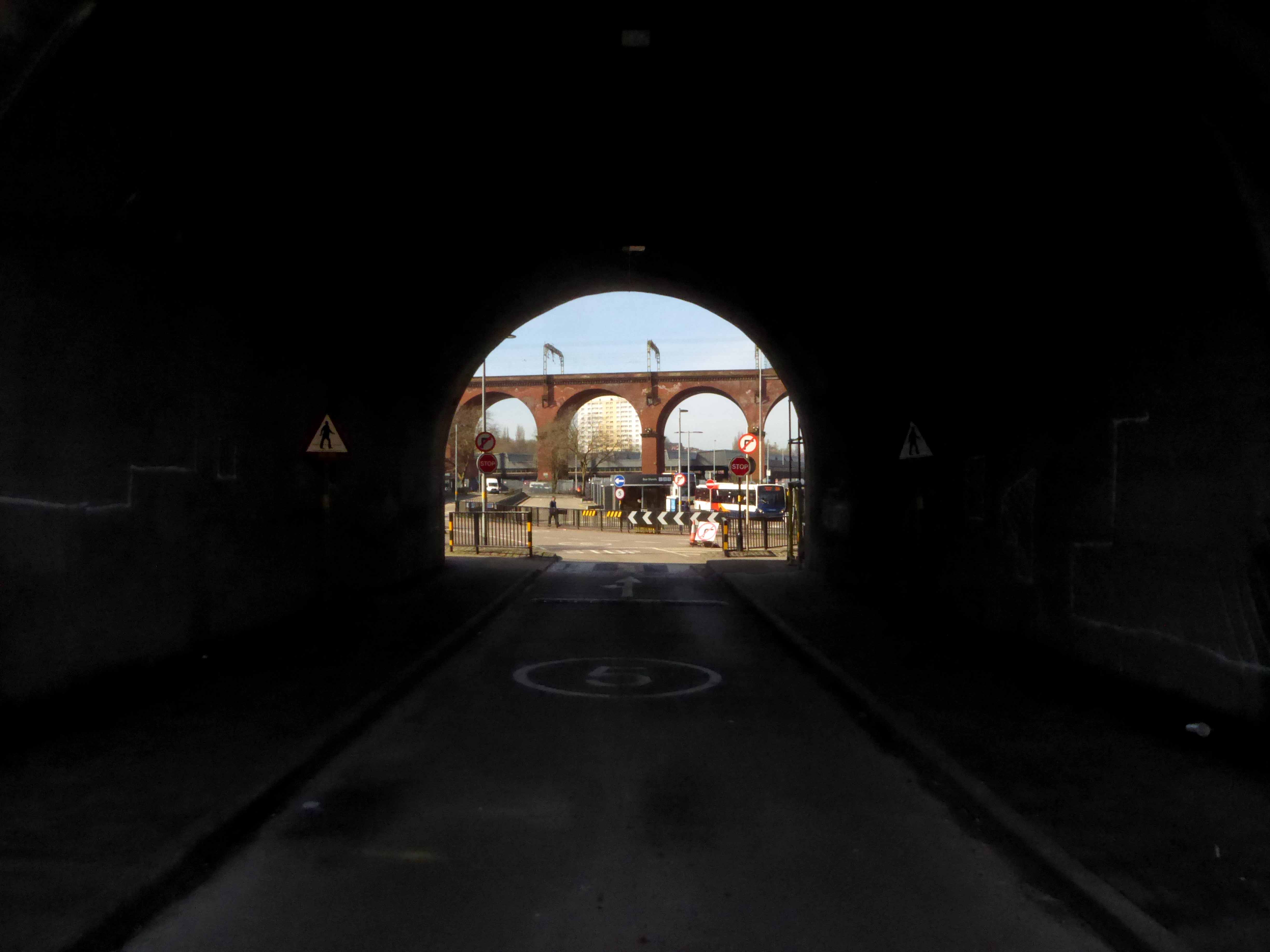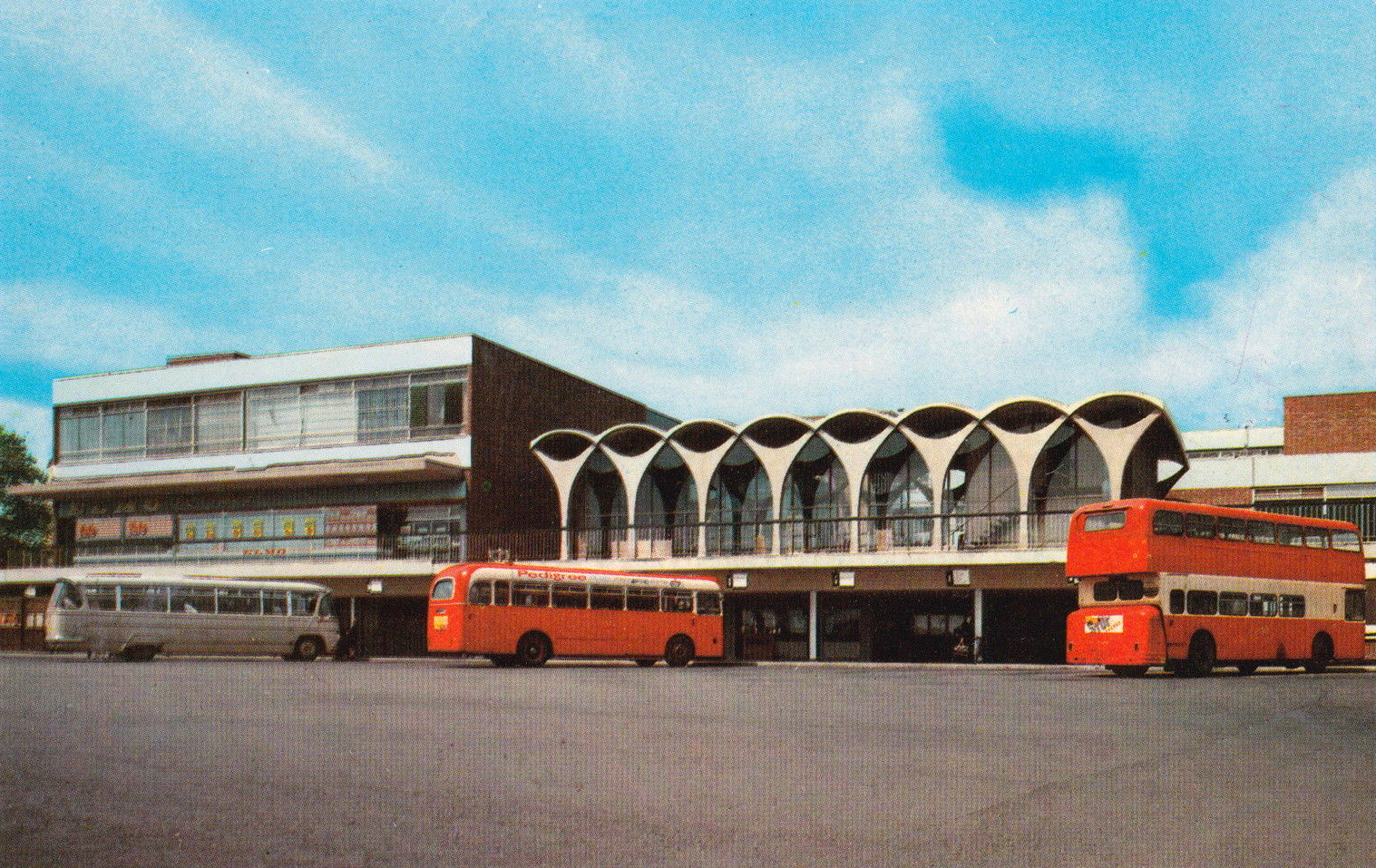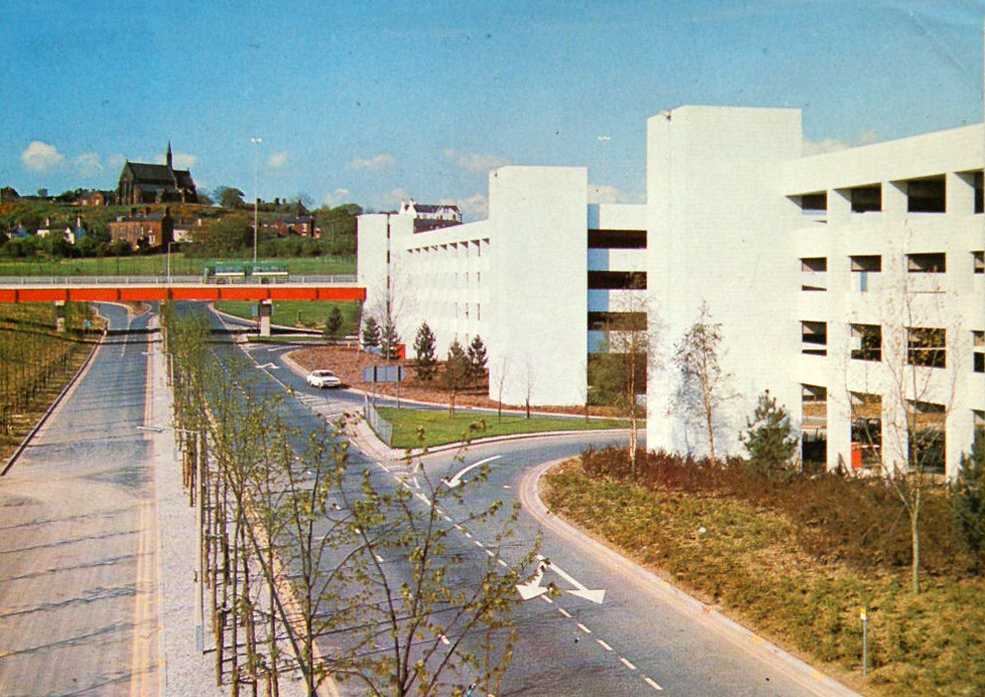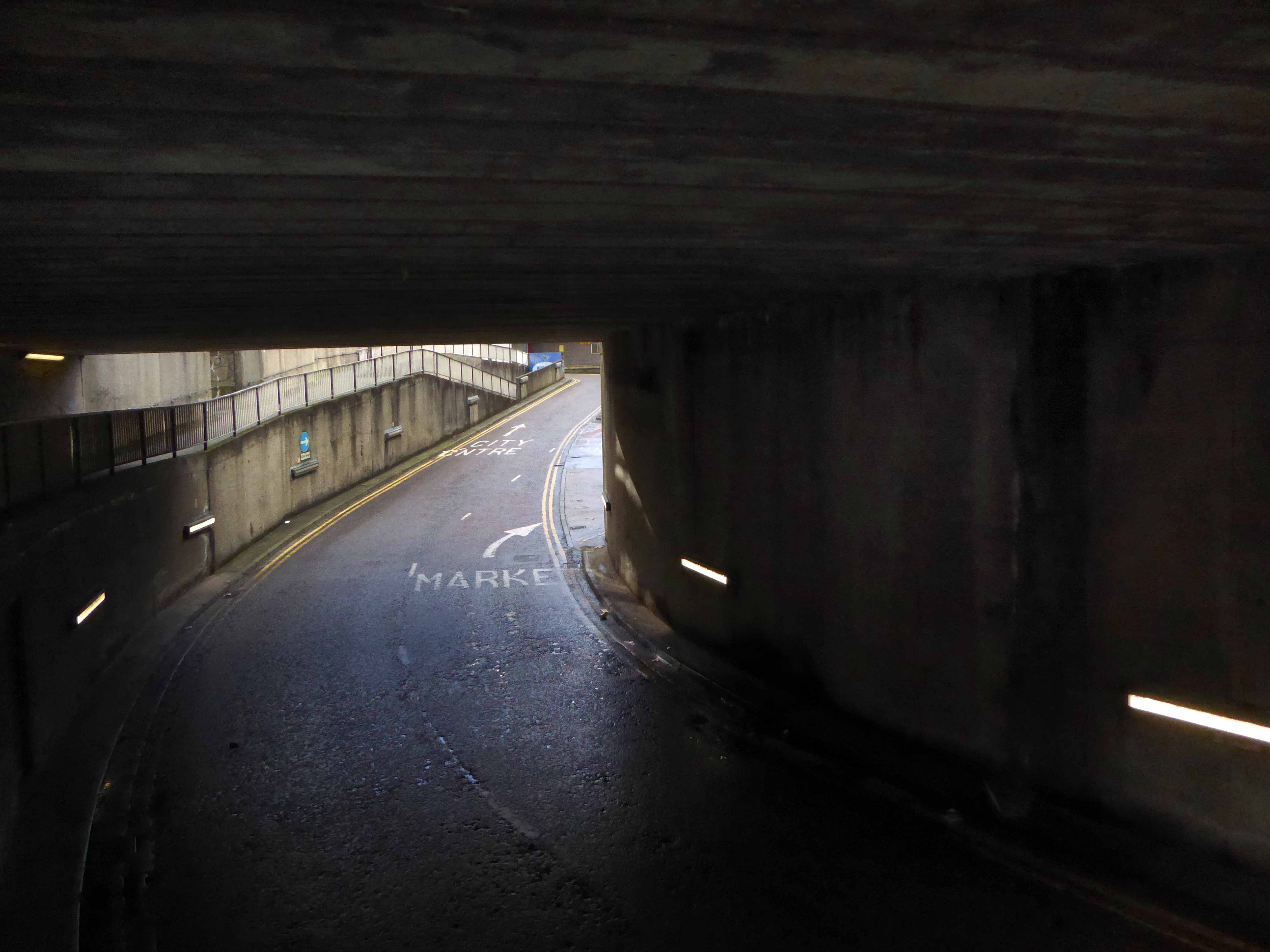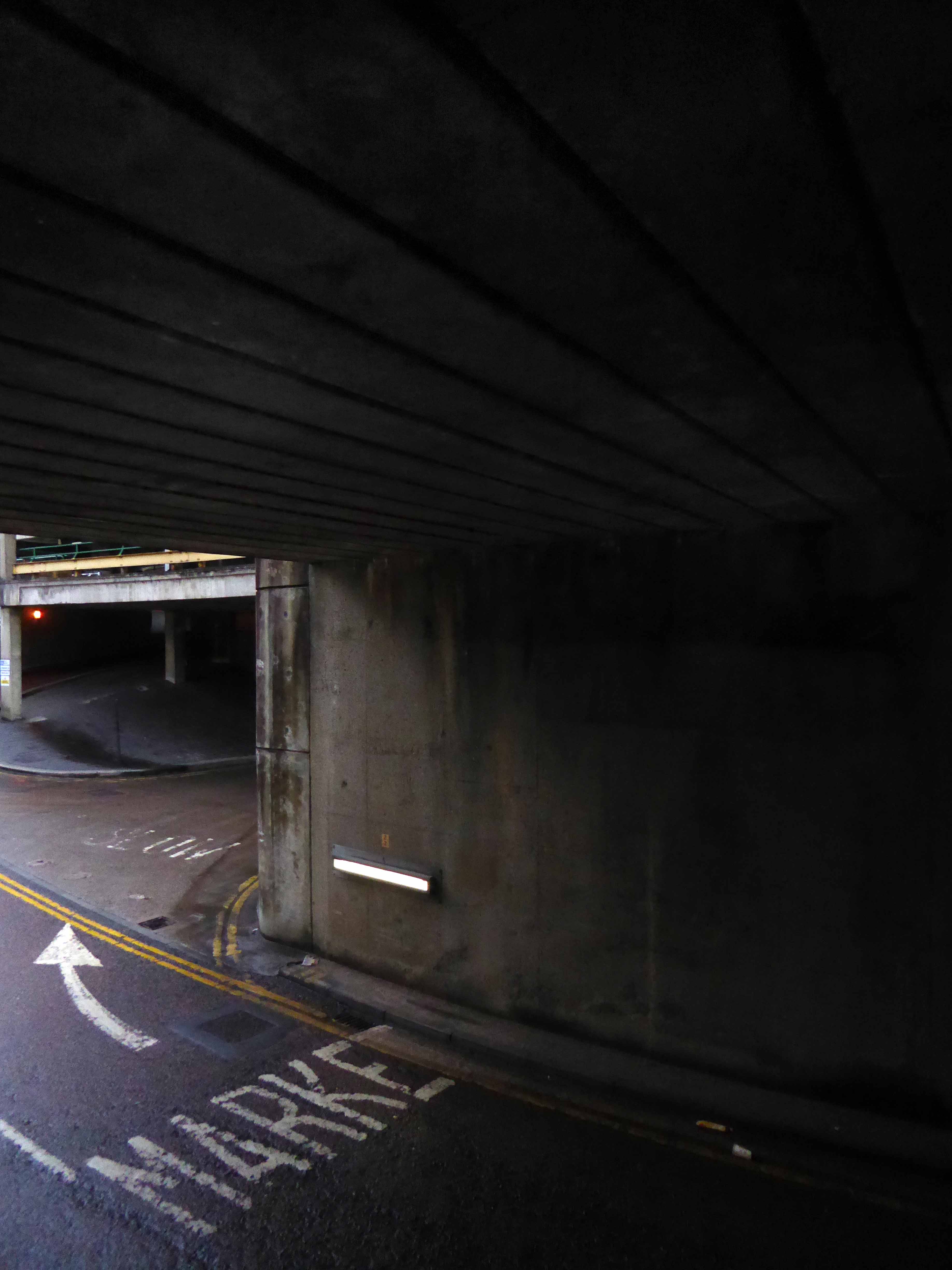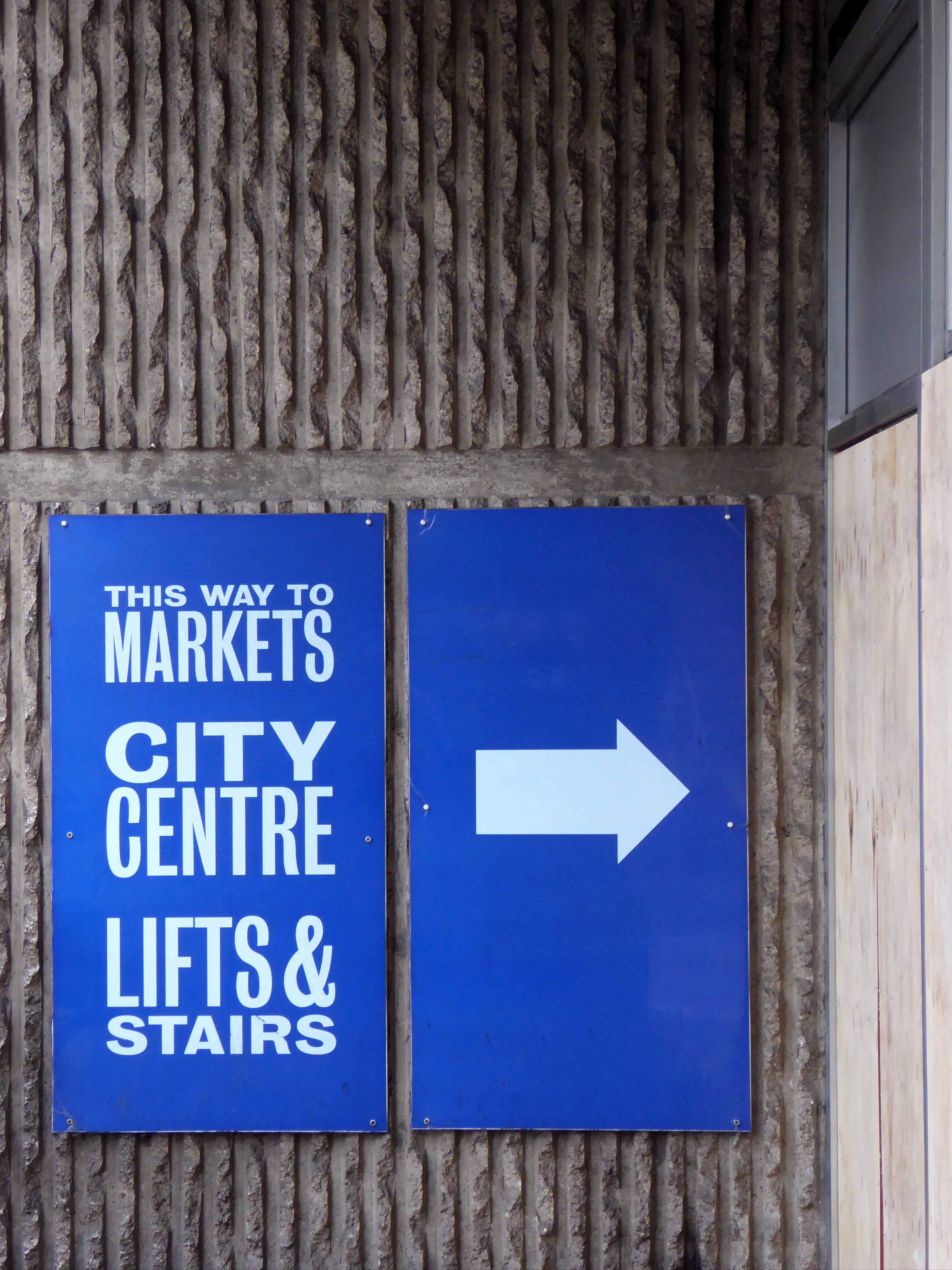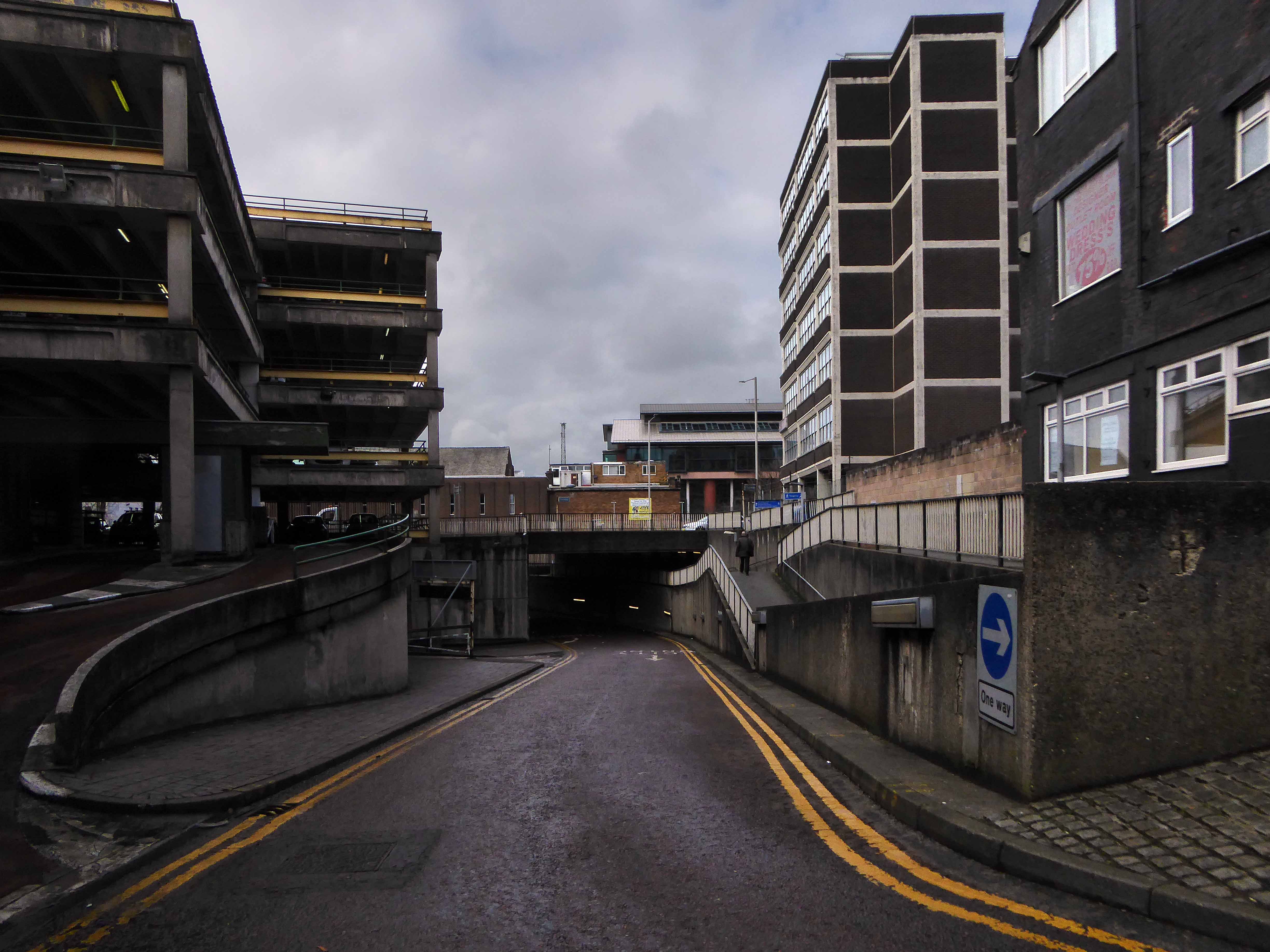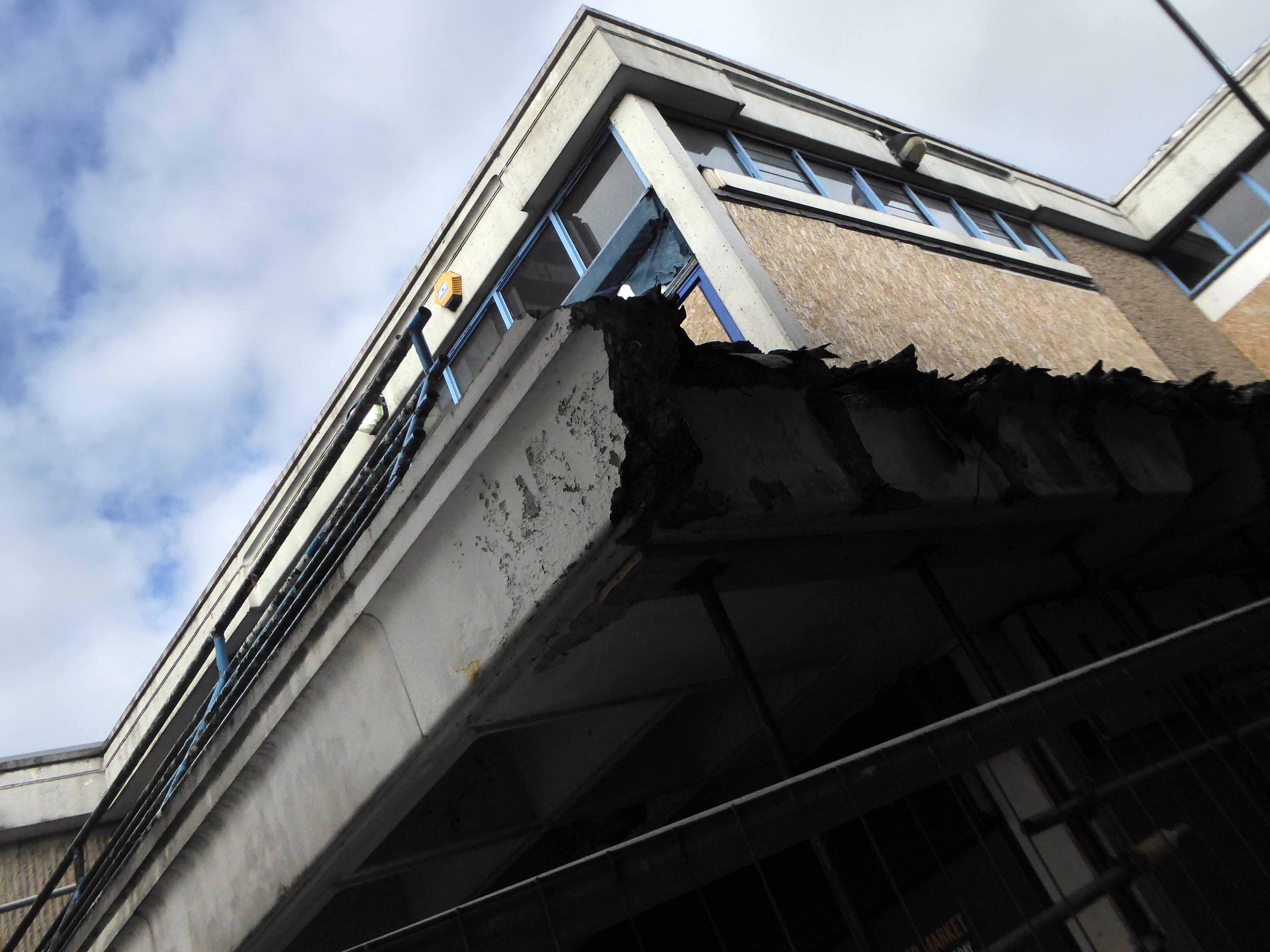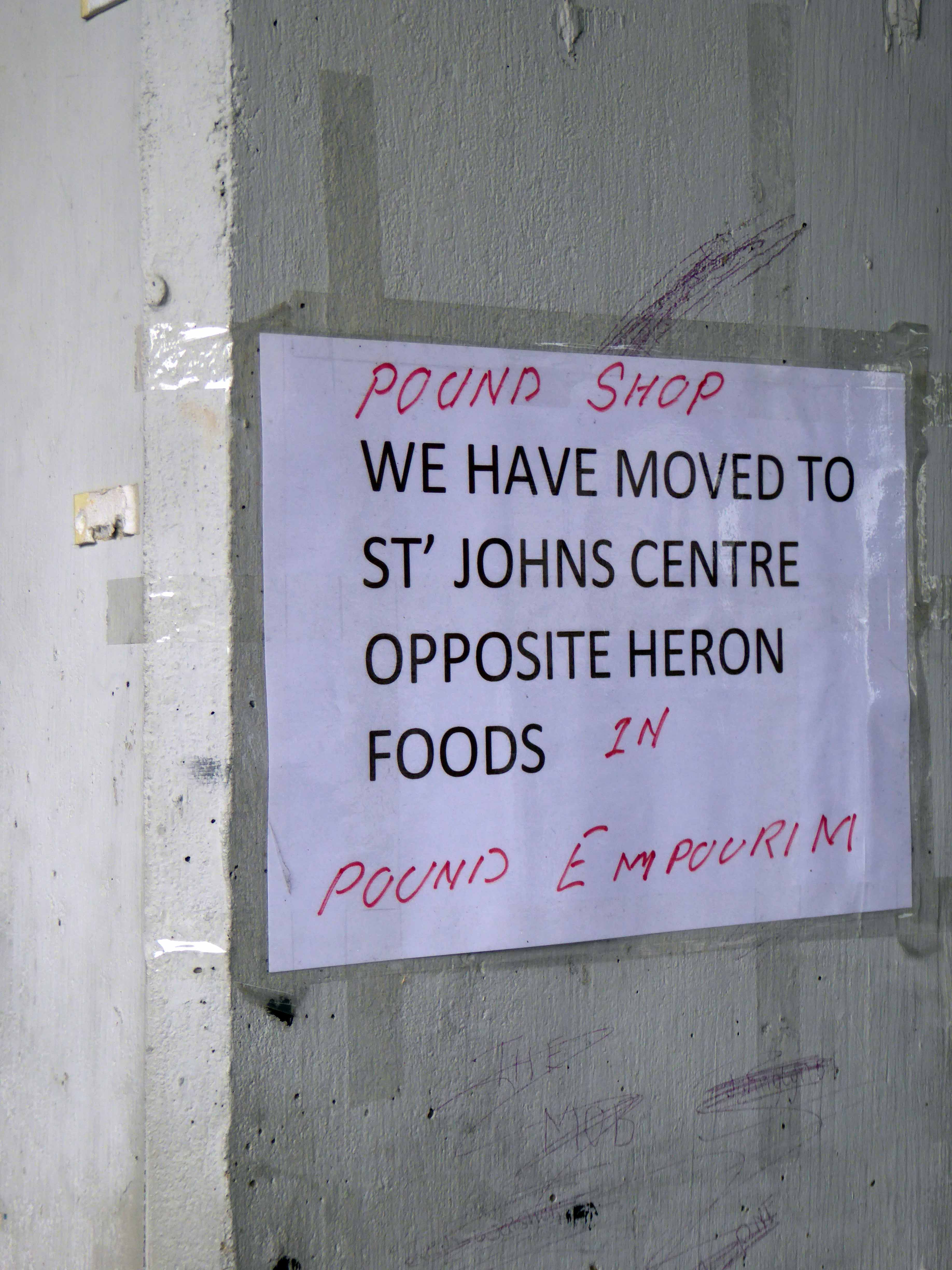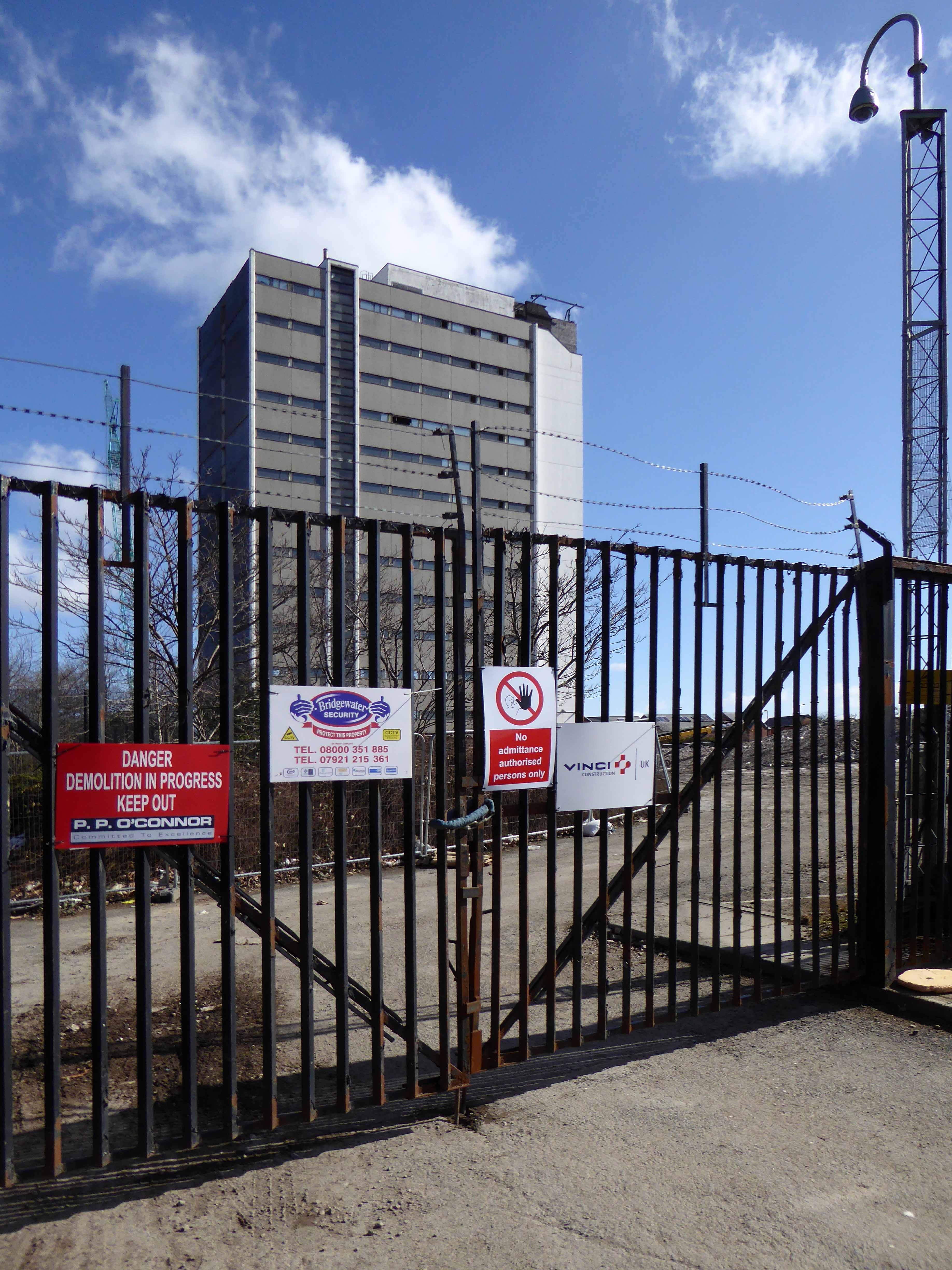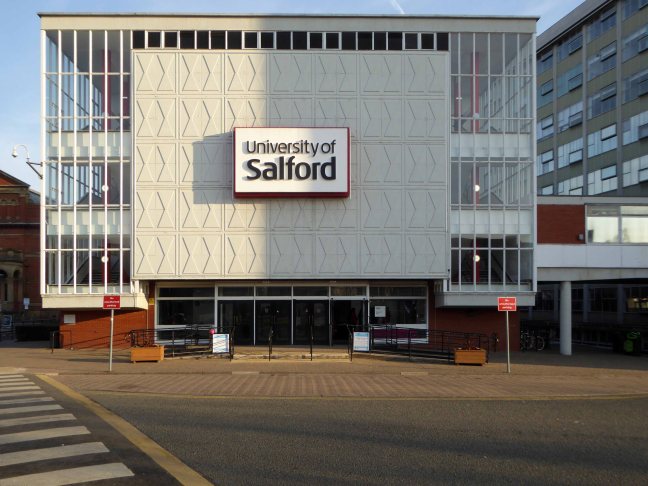
Salford University

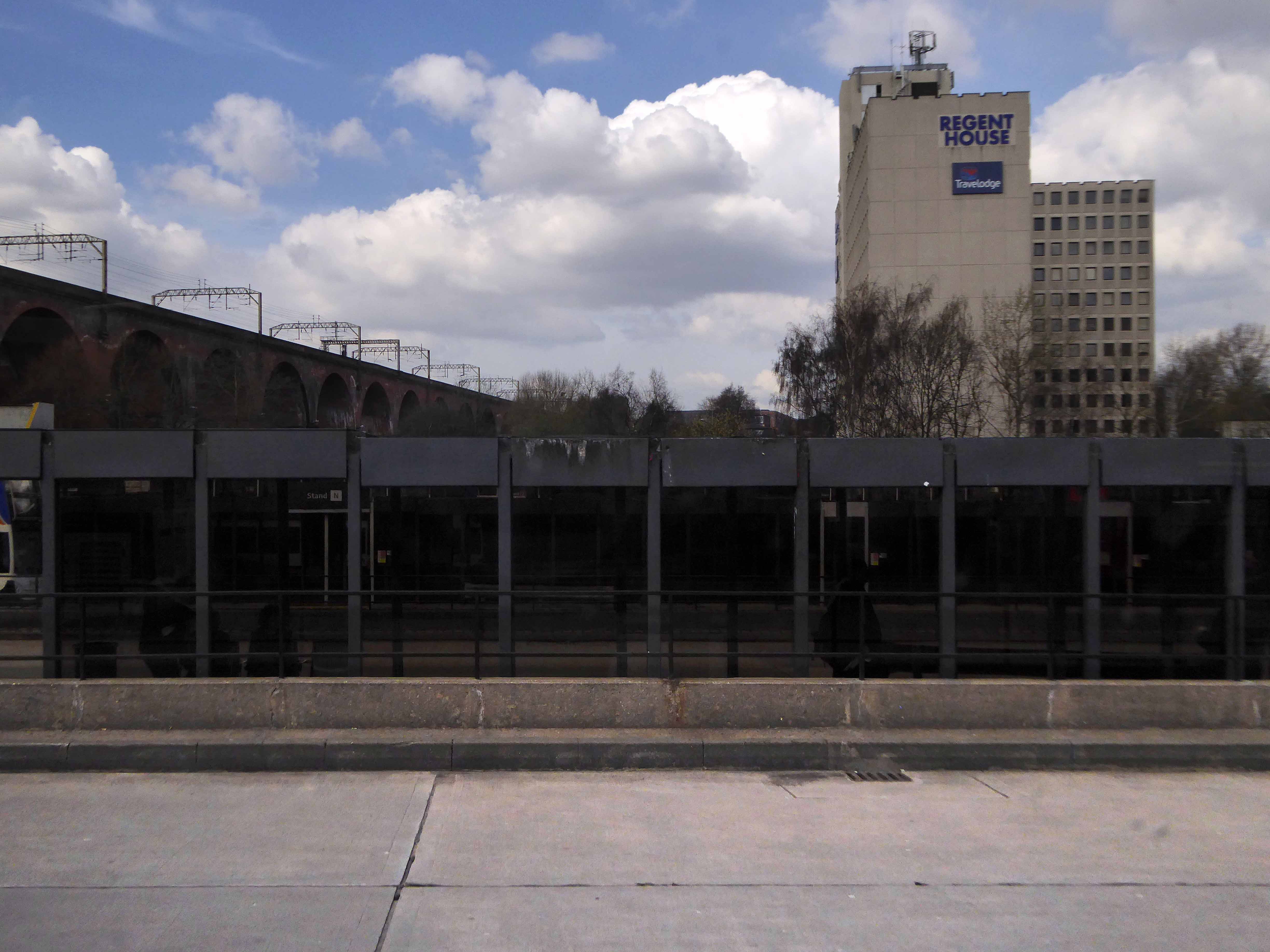
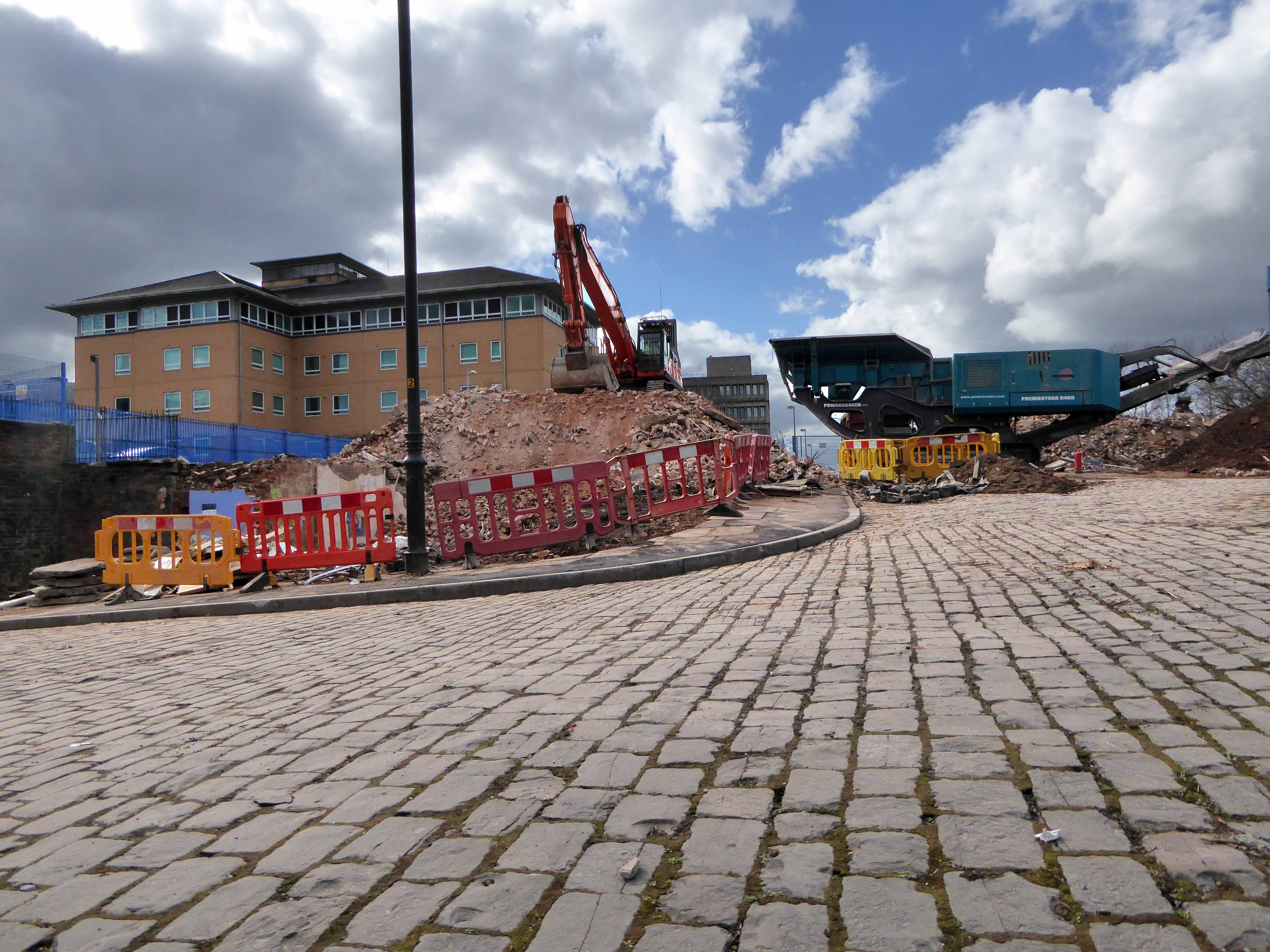
So here we are hard by the River Irwell, Peel Park and the A6.
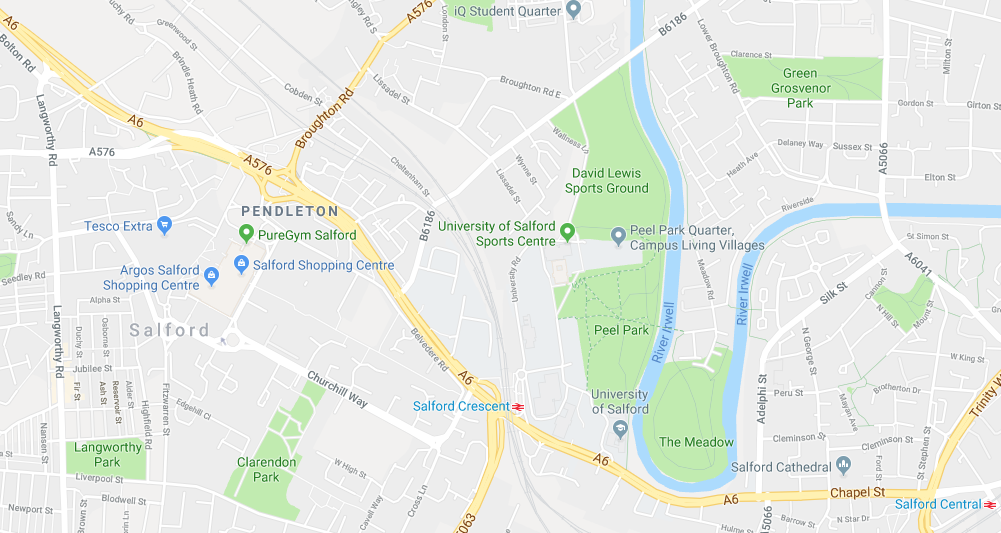
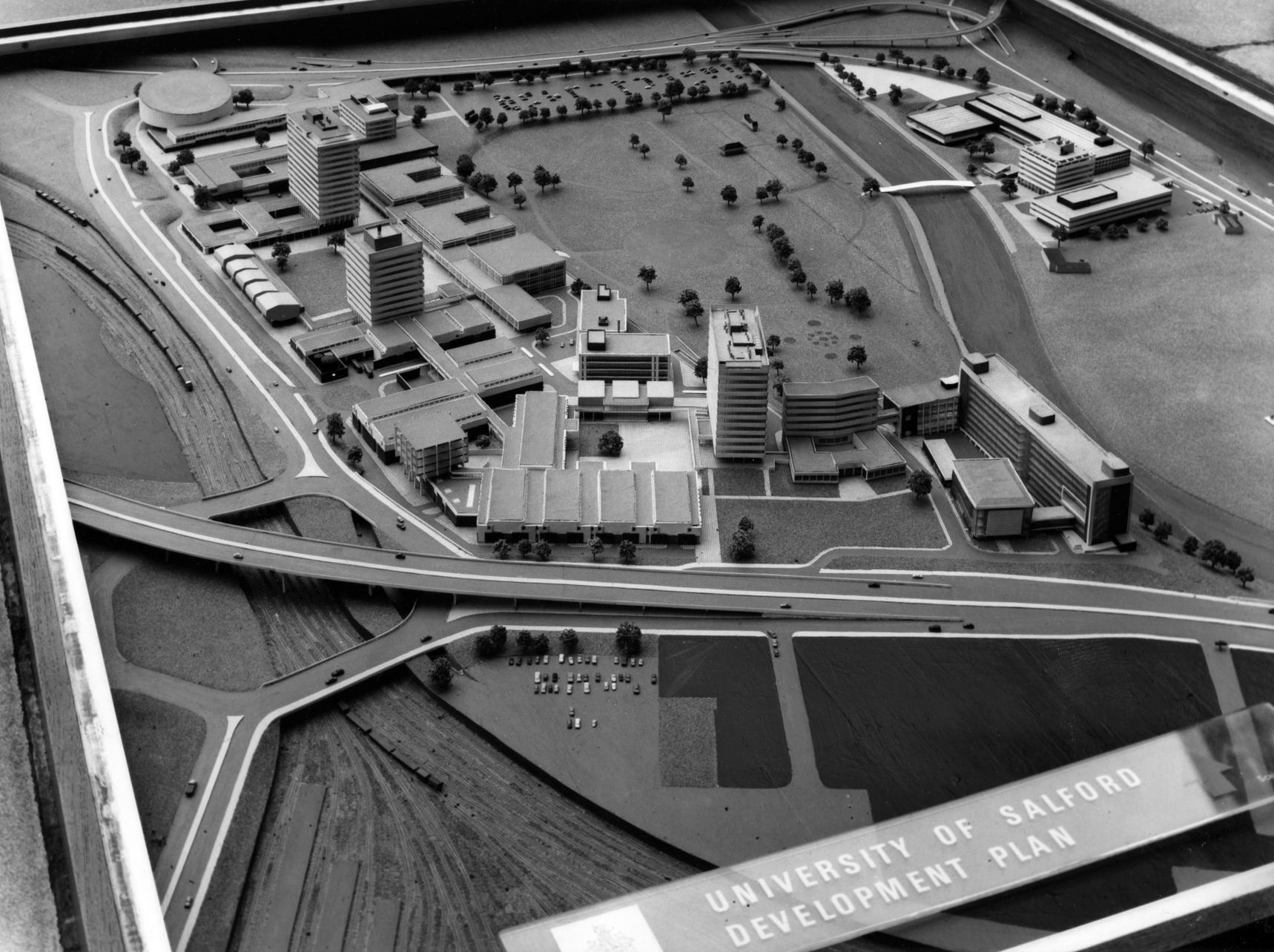
The Royal Technical Institute, Salford, which opened in 1896, became a College of Advanced Technology in 1956 and gained university status, following the Robbins Report into higher education, in 1967.

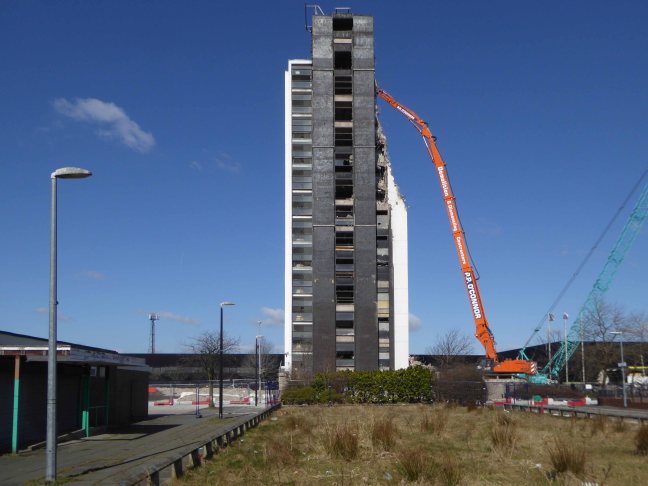
A new dawn – fired by the white hot heat of British Technology – including the unrealised demolition of the Victorian College, Art Gallery and Museum buildings.

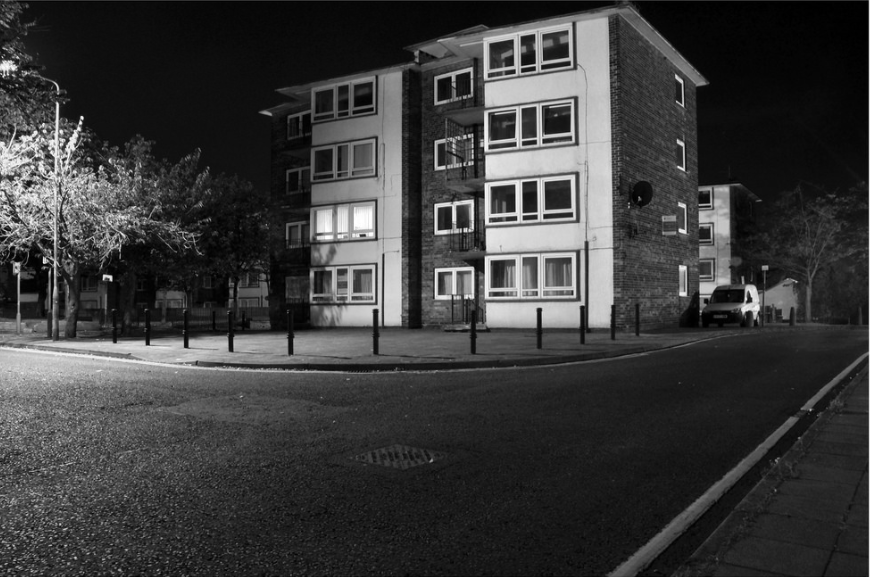
B&W images courtesy USIR Archives
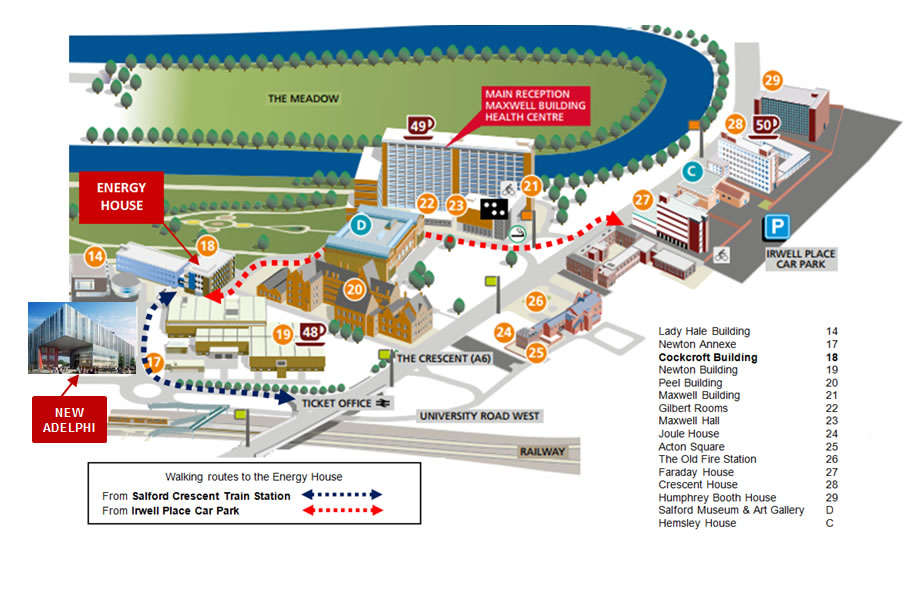
The Maxwell Building and Hall forms the older portal to the campus site.

They were built between 1959 and 1960 to a design by the architect C. H. Simmons of the Lancashire County Architects Department.
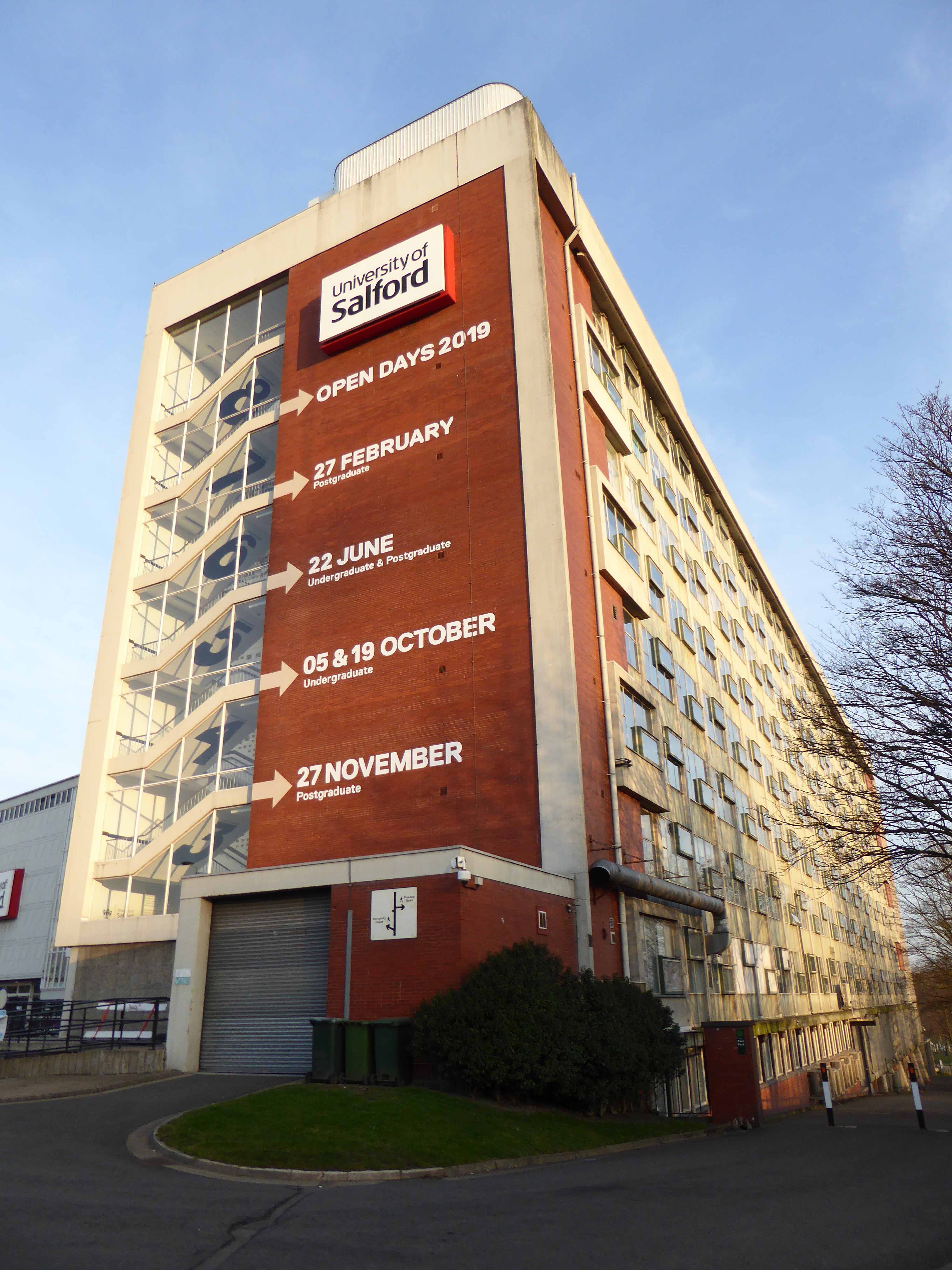
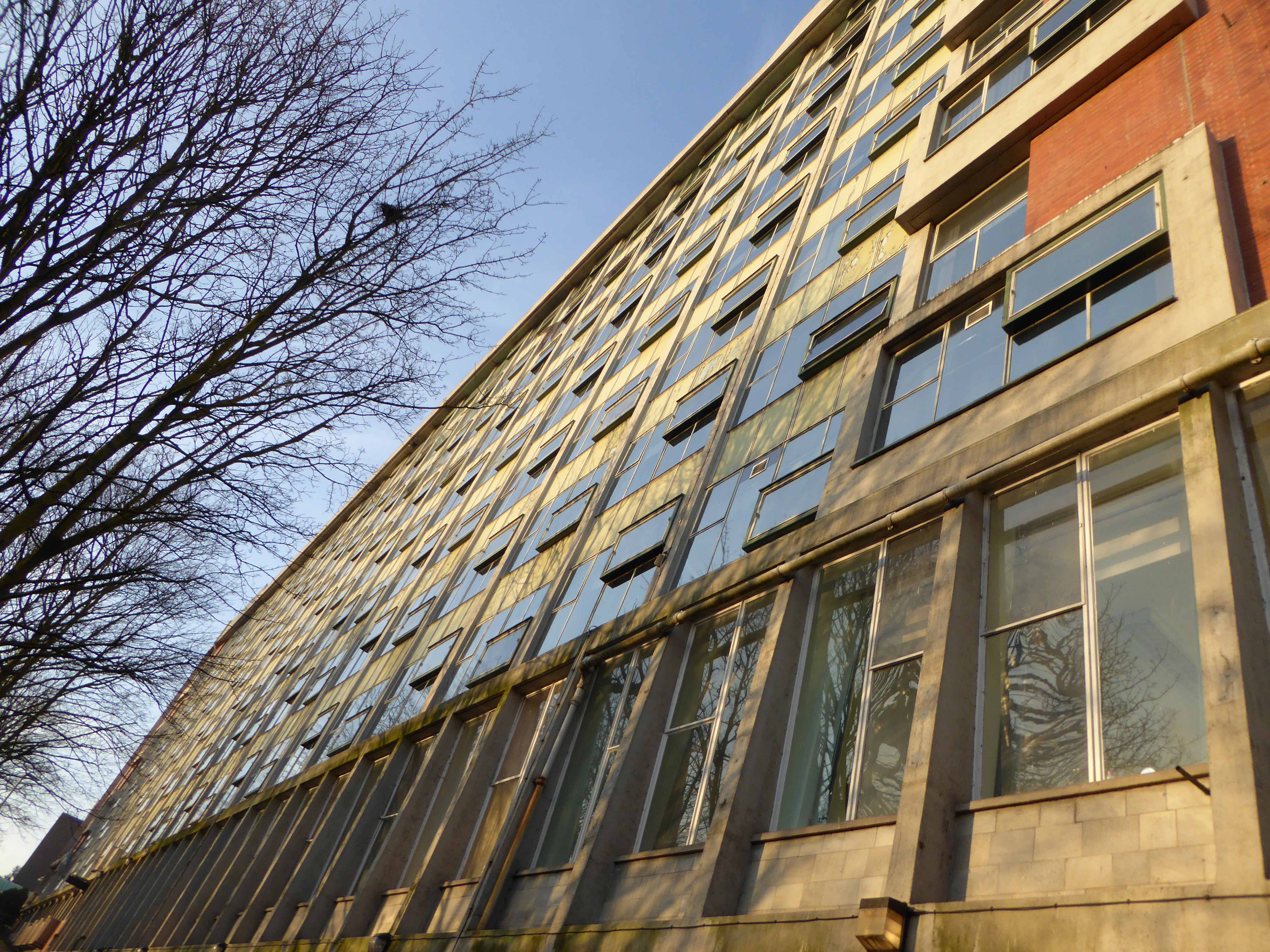
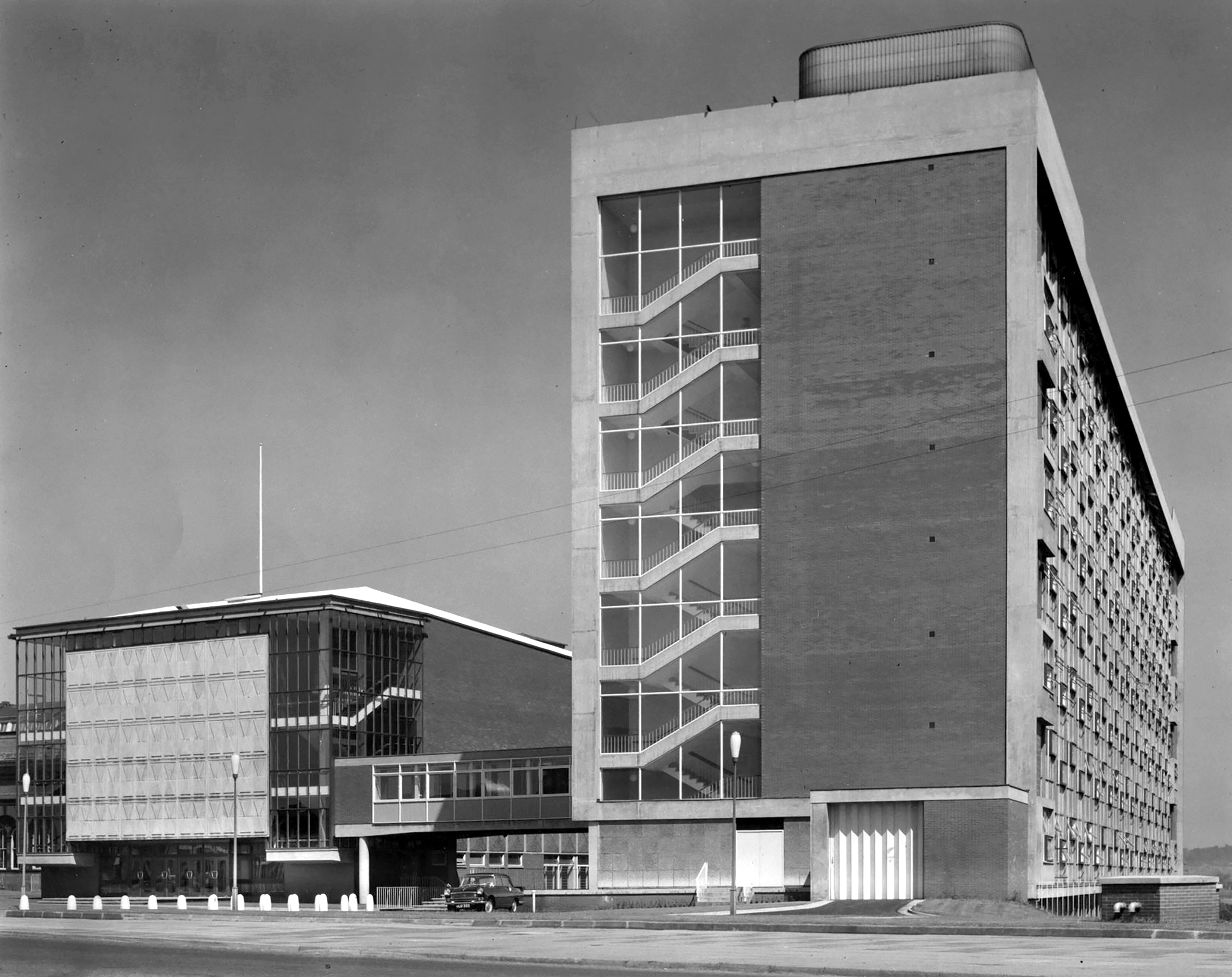
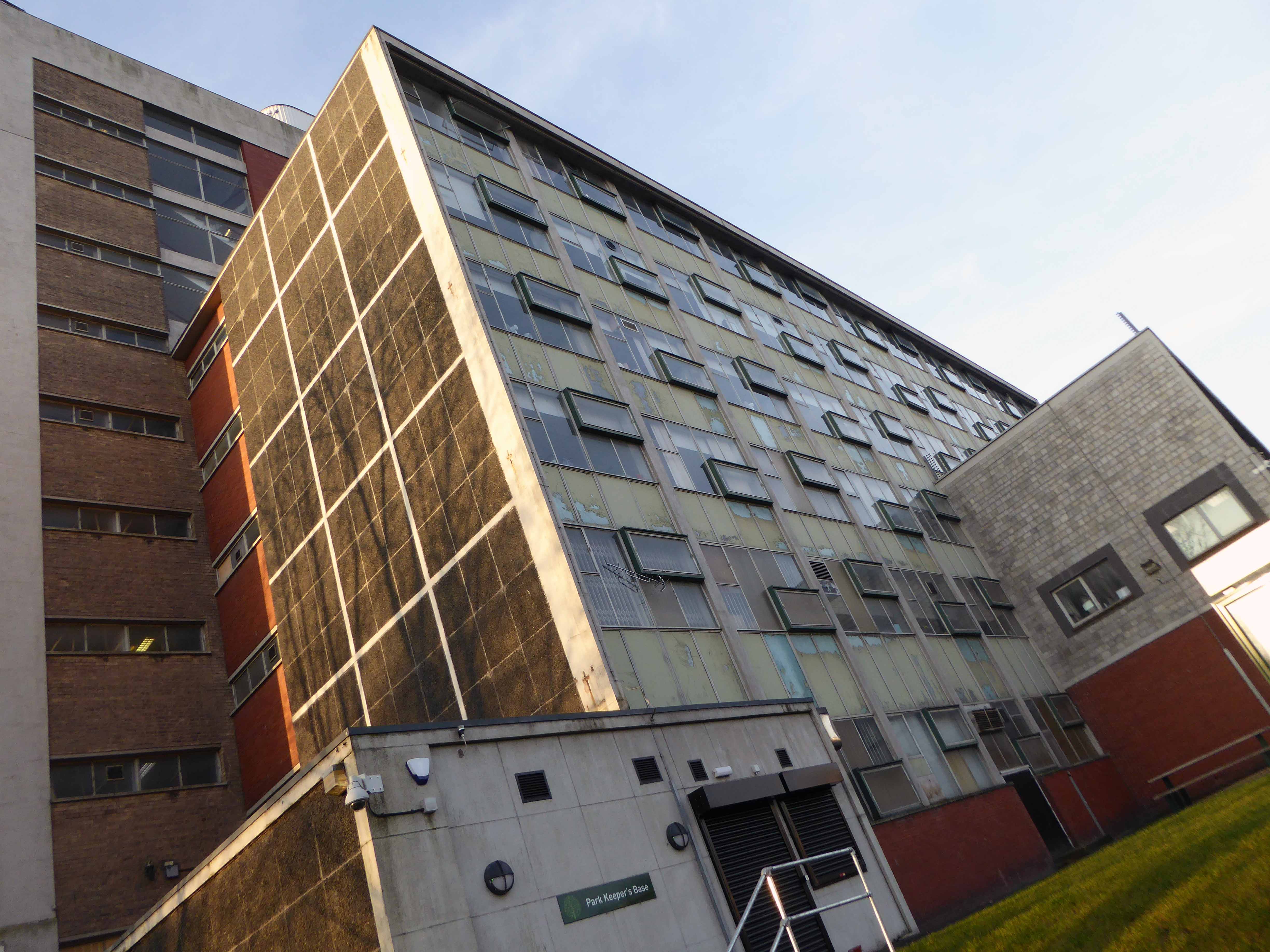
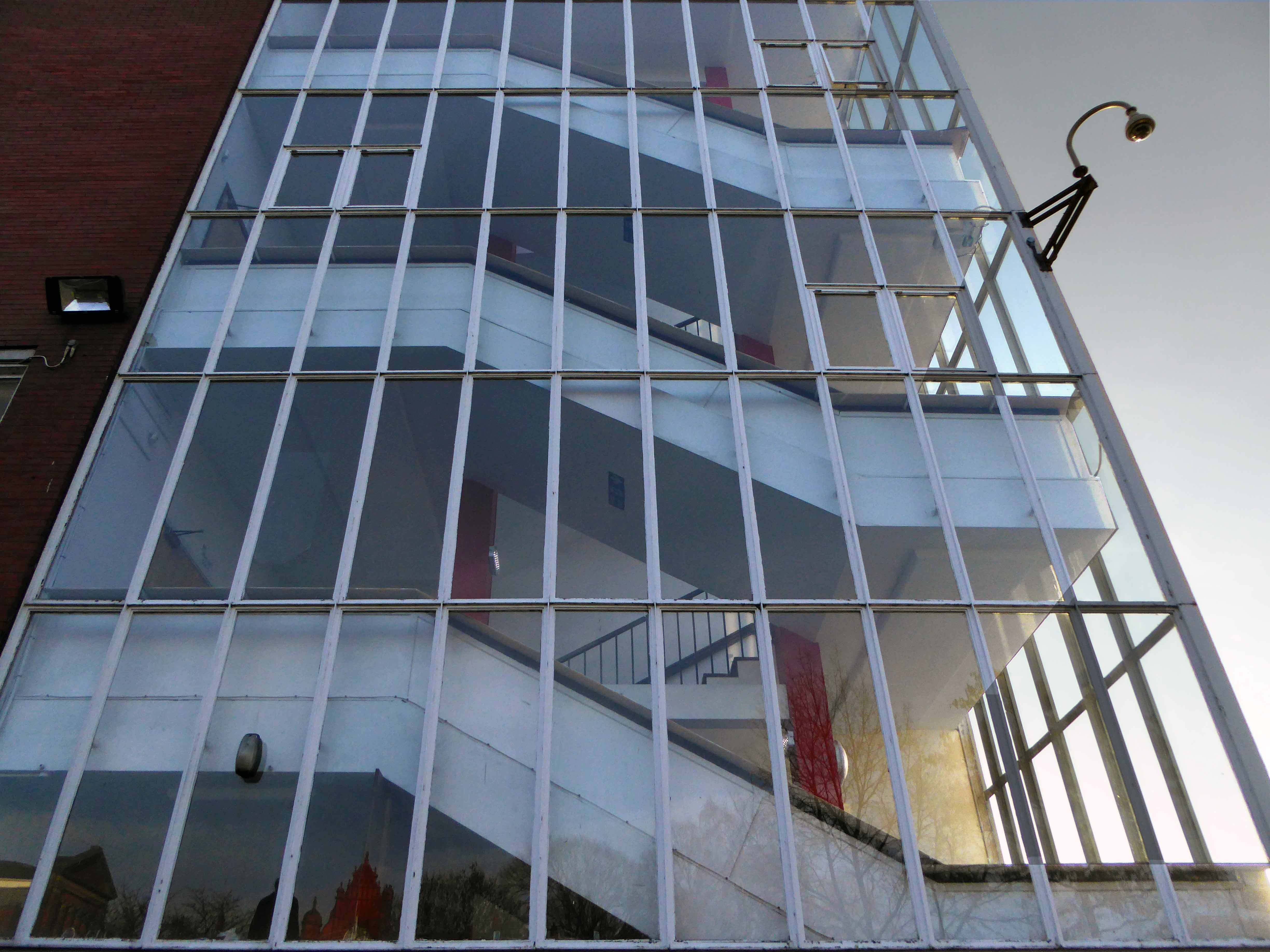
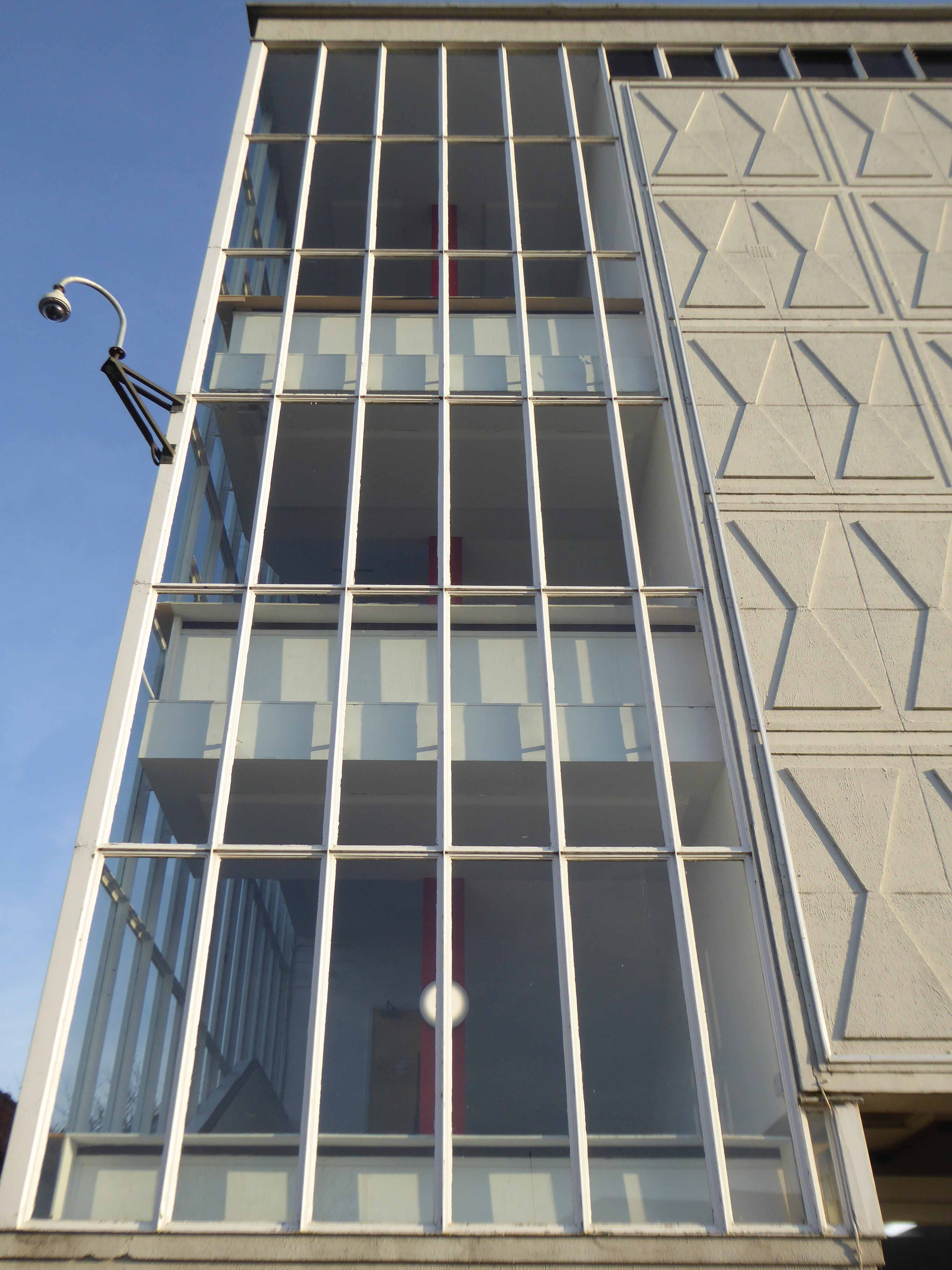
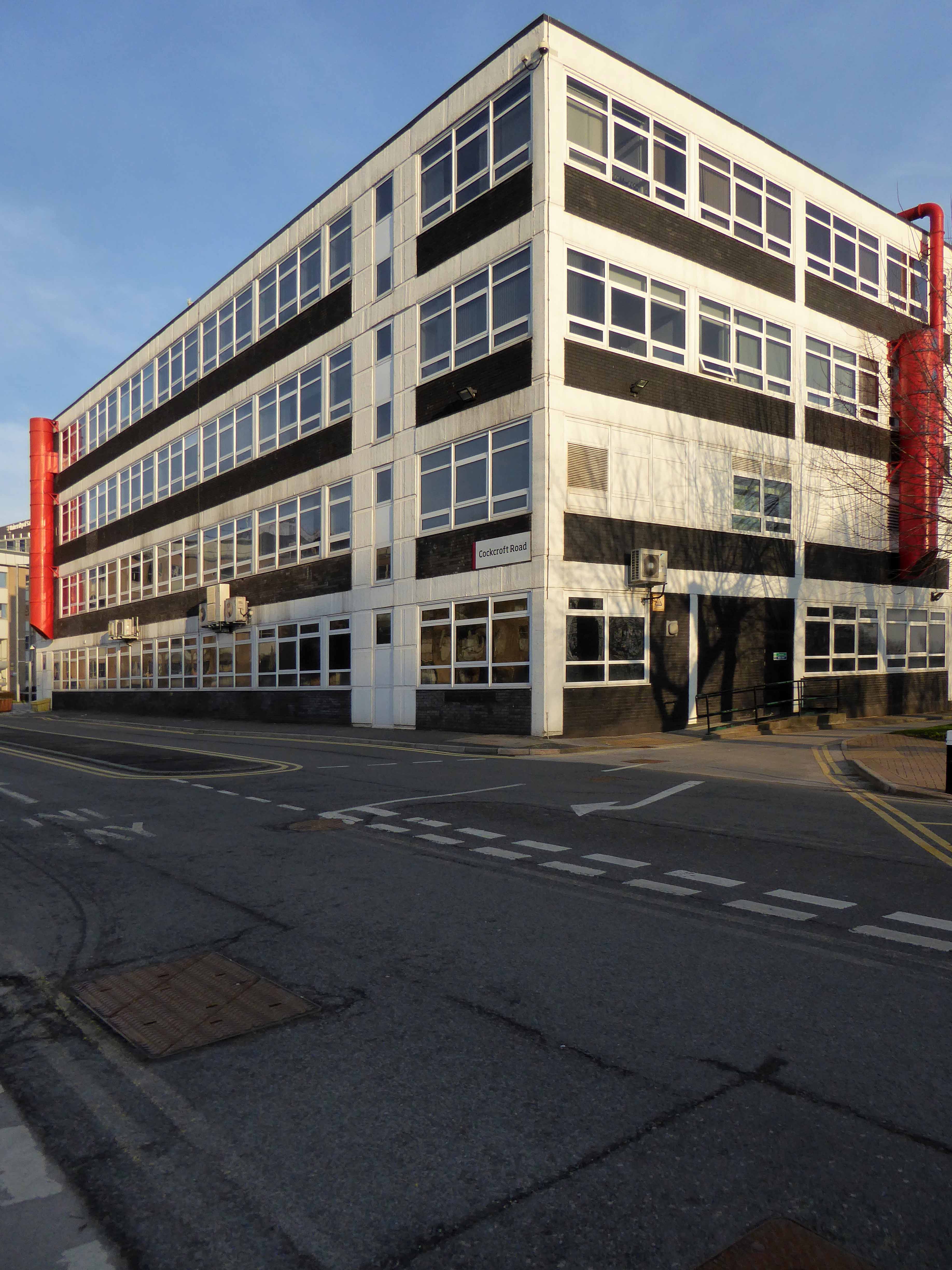
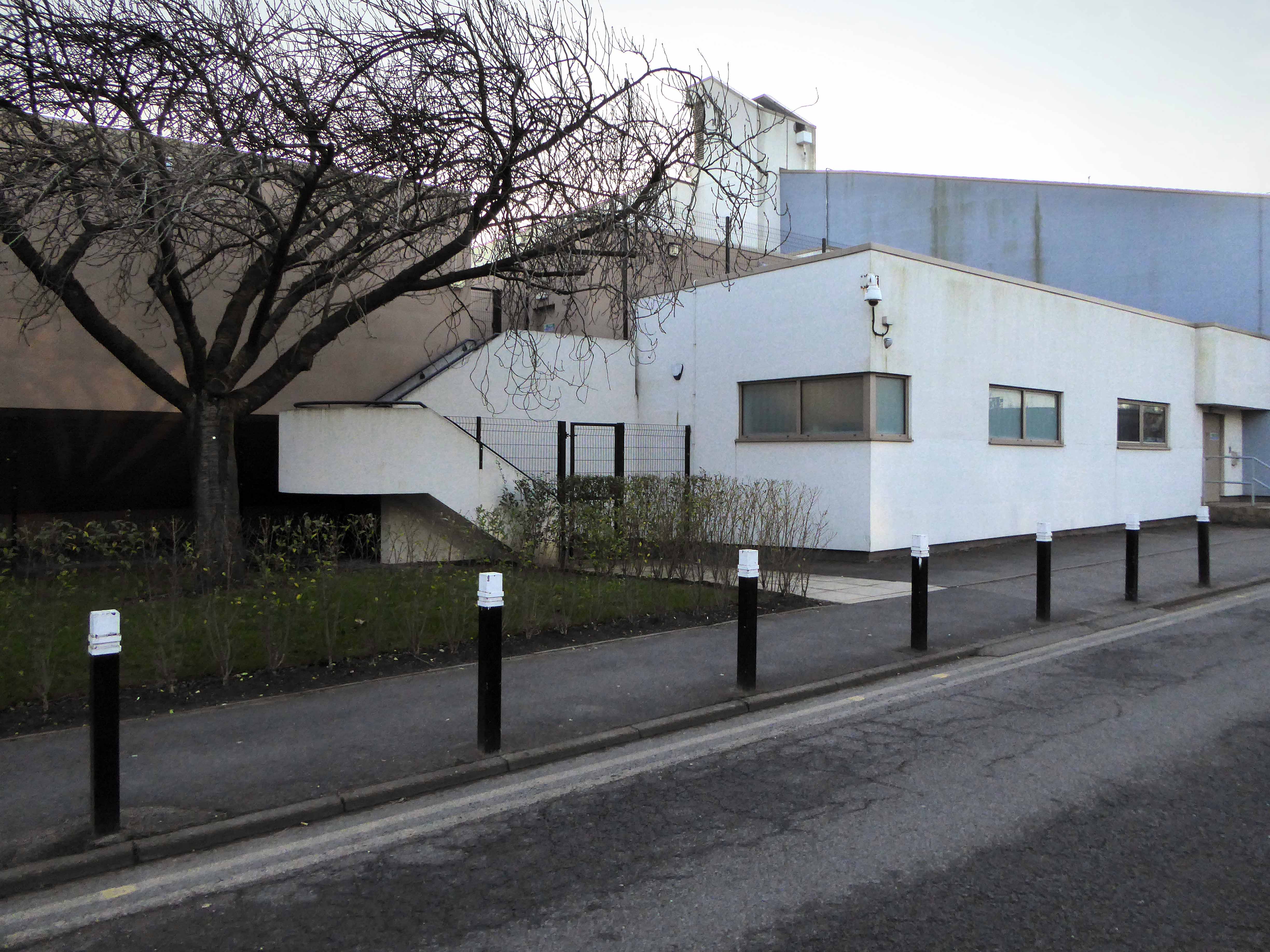
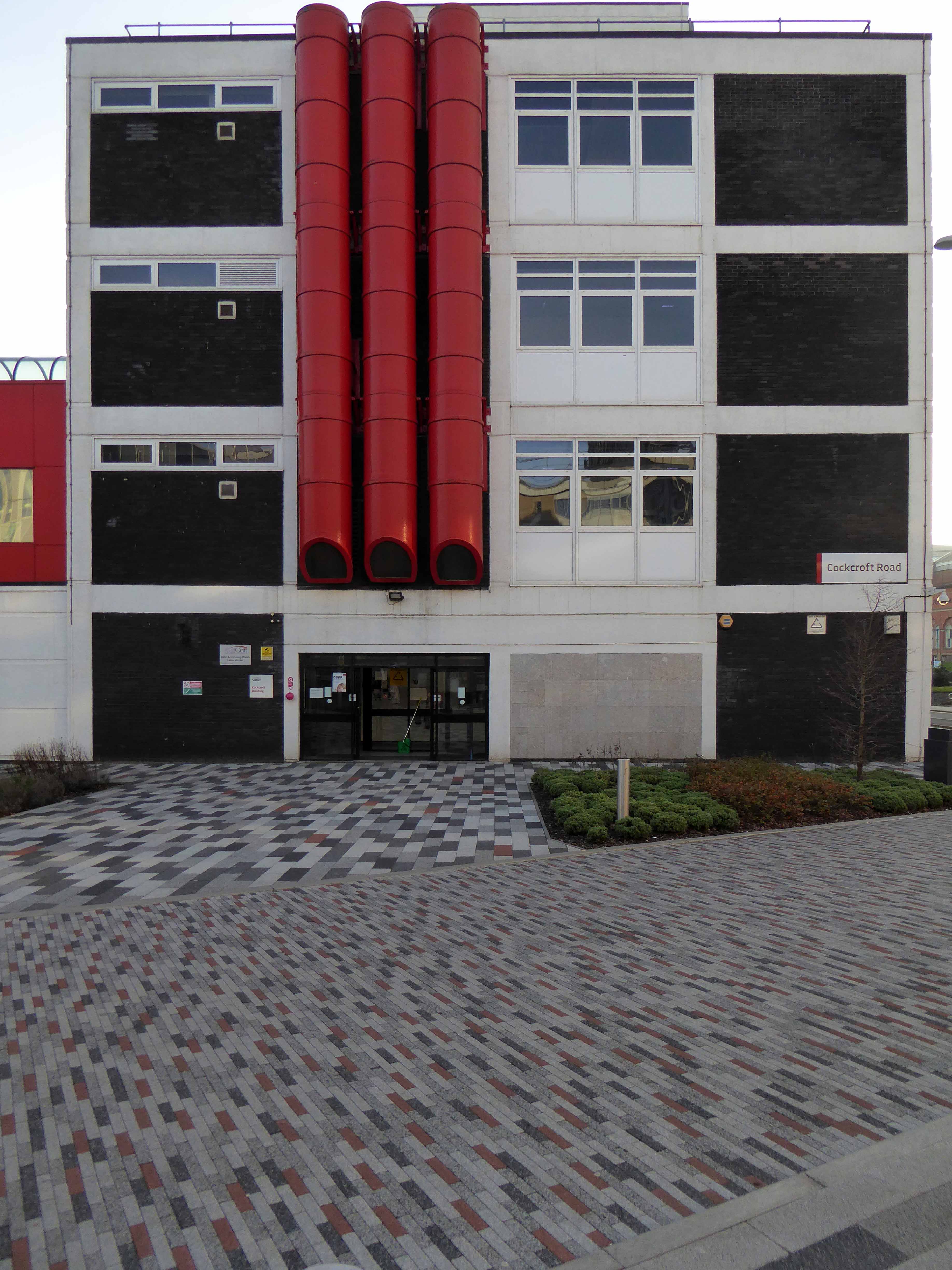
In back of the Maxwell complex is the Cockcroft Building.

Sir John Douglas Cockcroft OM KCB CBE FRS 27 May 1897 – 18 September 1967 was a British physicist who shared with Ernest Walton the Nobel Prize in Physics in 1951 for splitting the atomic nucleus, and was instrumental in the development of nuclear power.
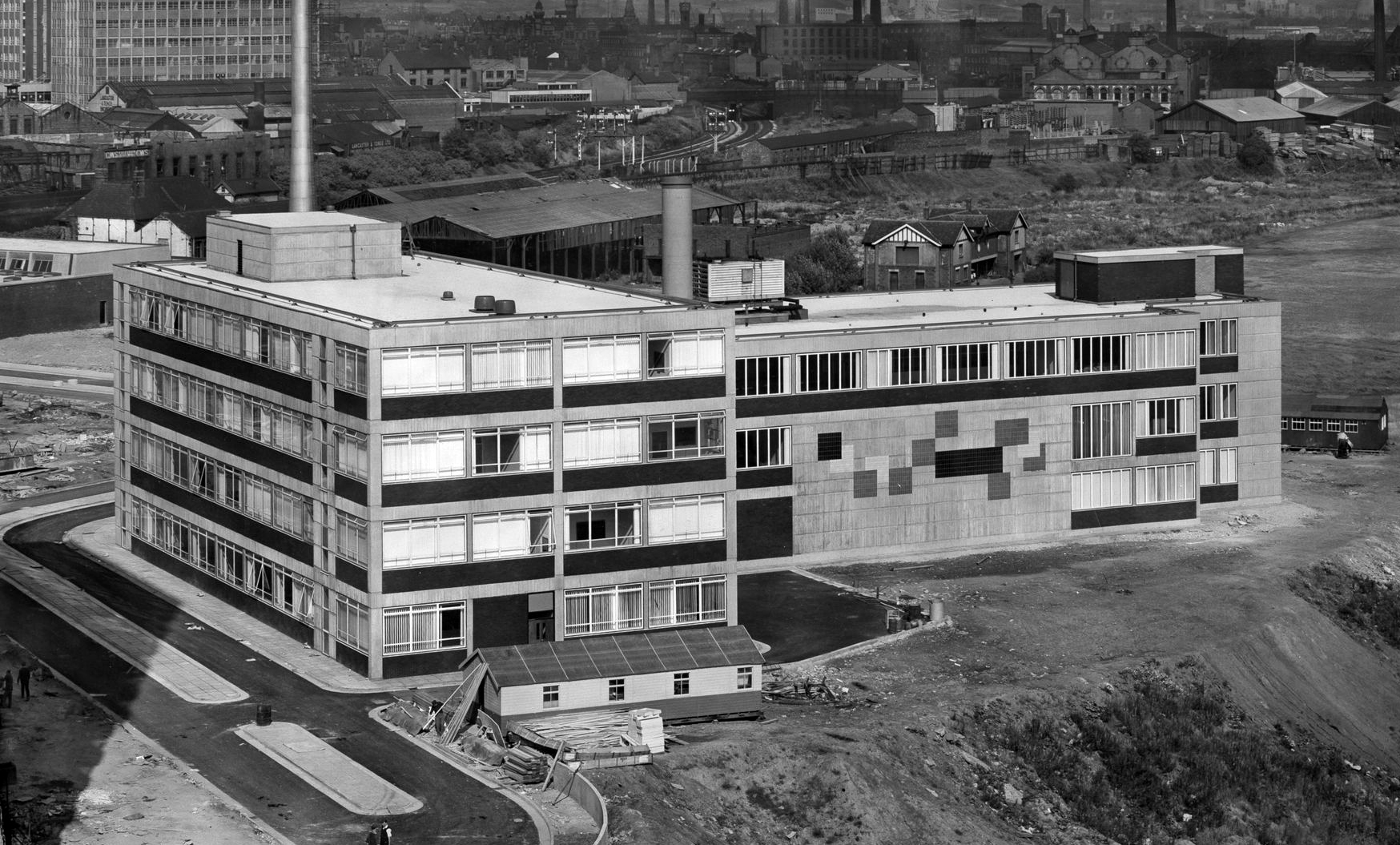
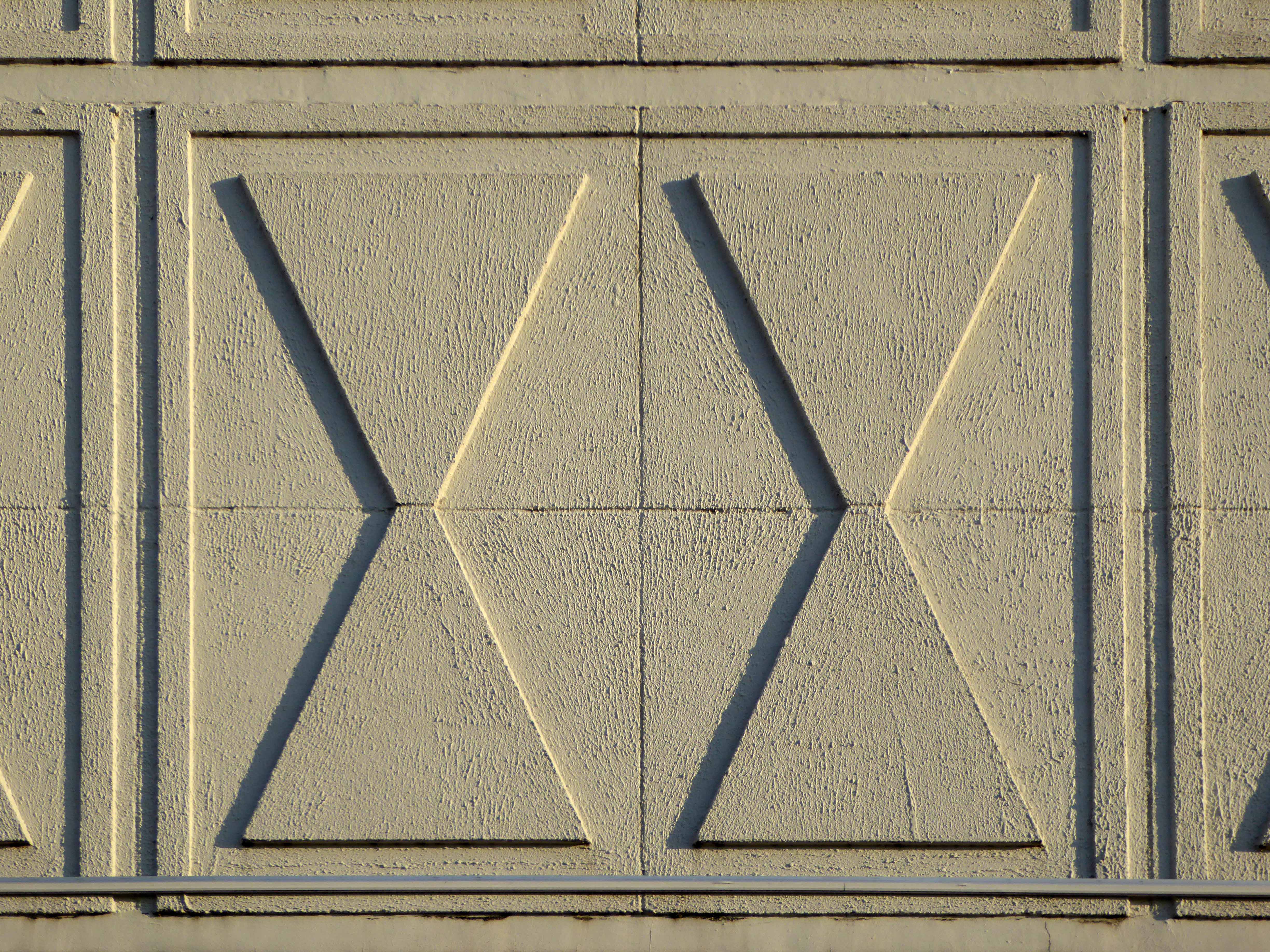
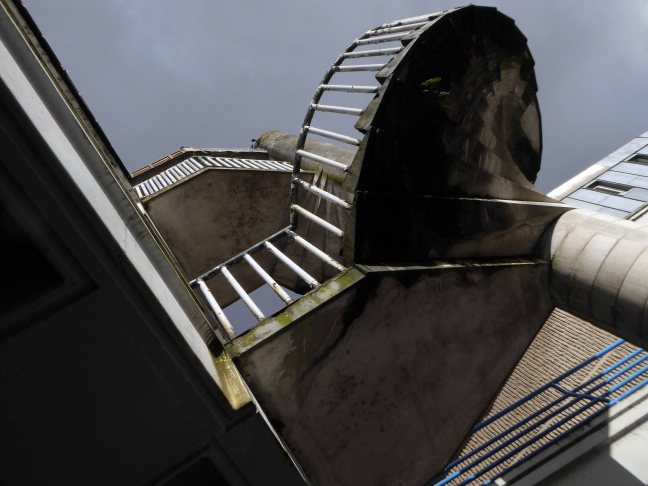
The concrete relief to the east fascia of the northern block of the building is now sadly obscured by the addition of intrusive infrastructure.
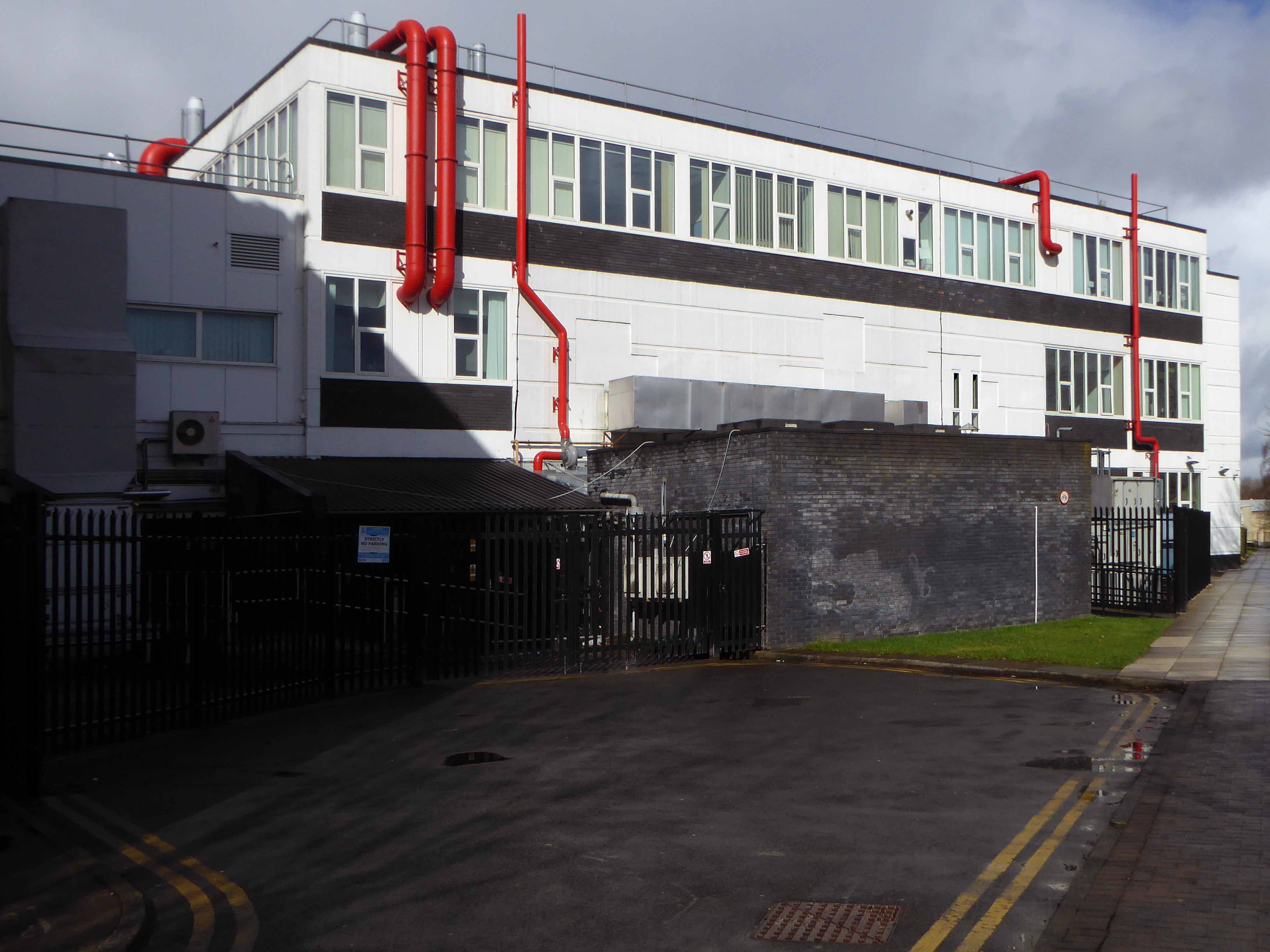
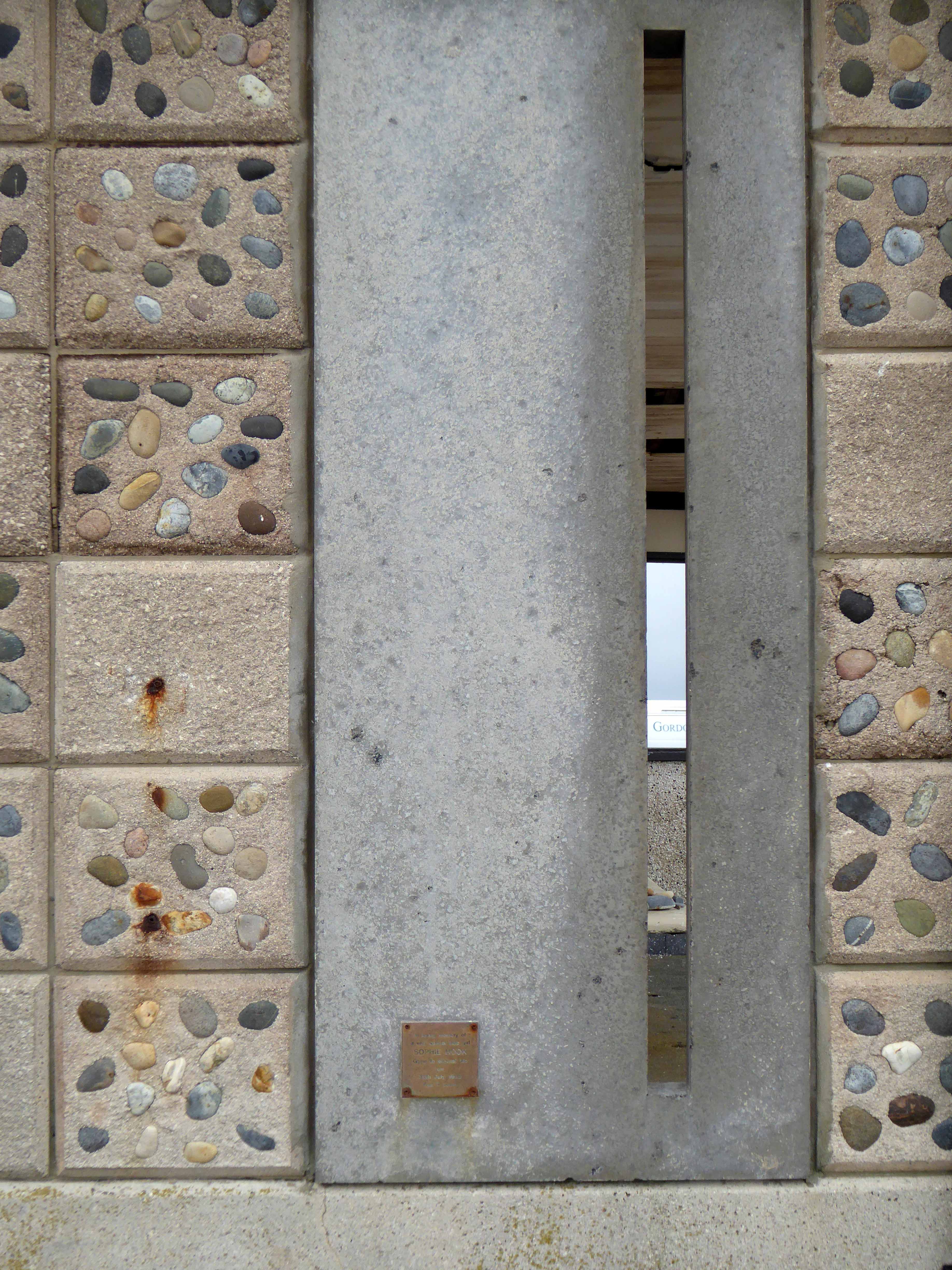
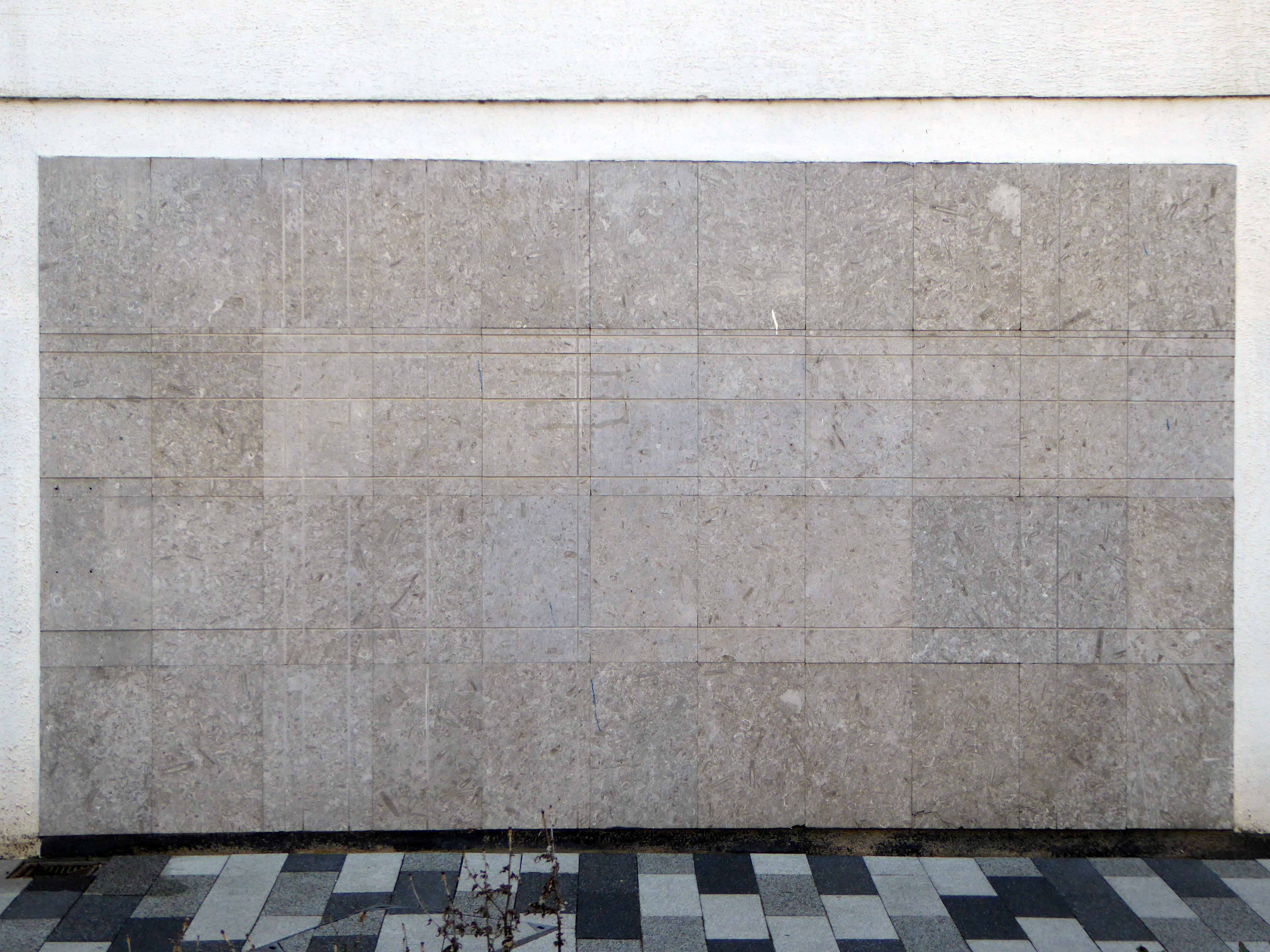
This incised block of limestone tiles laden with fossilised remains is a curious delight.
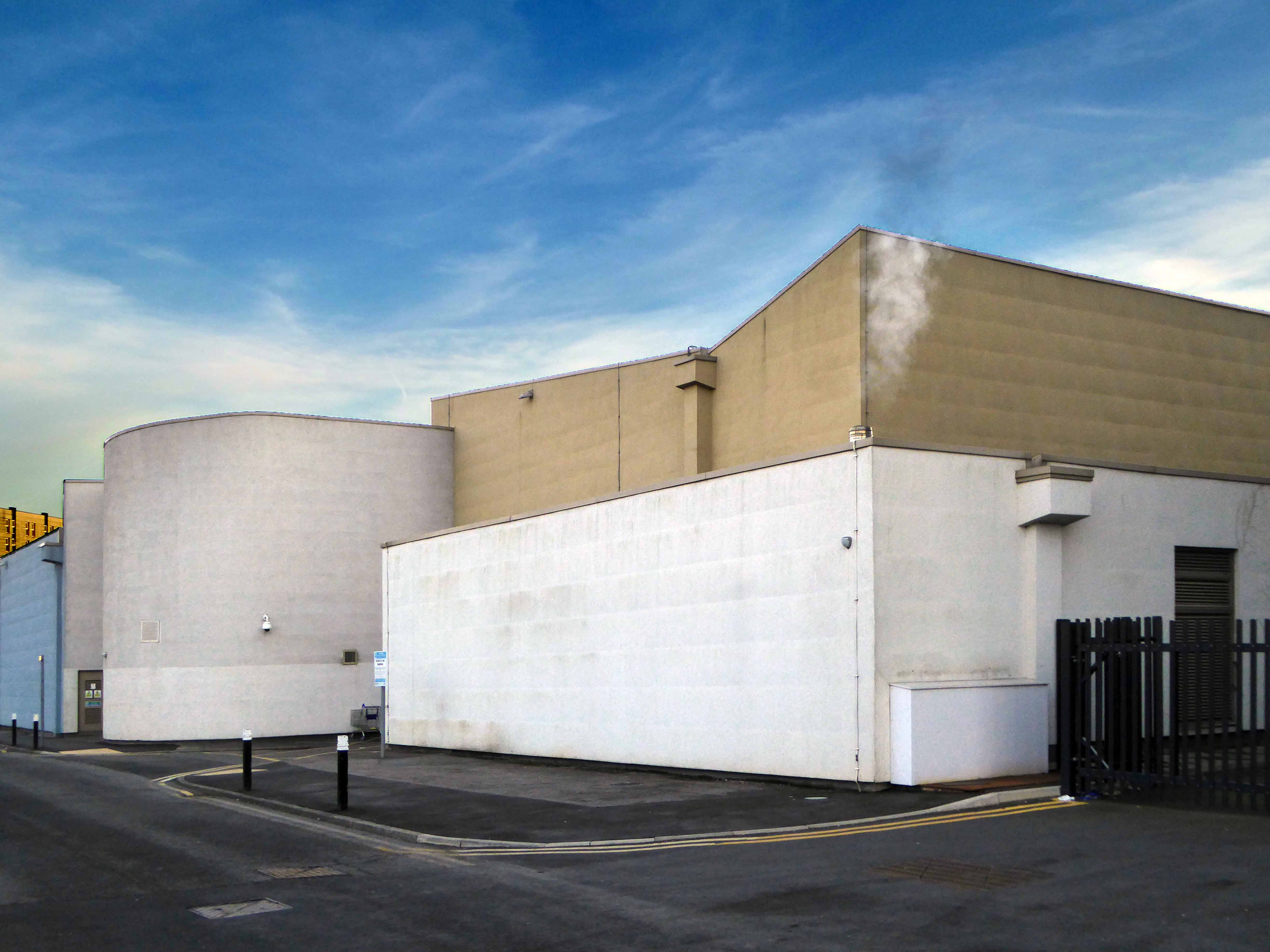
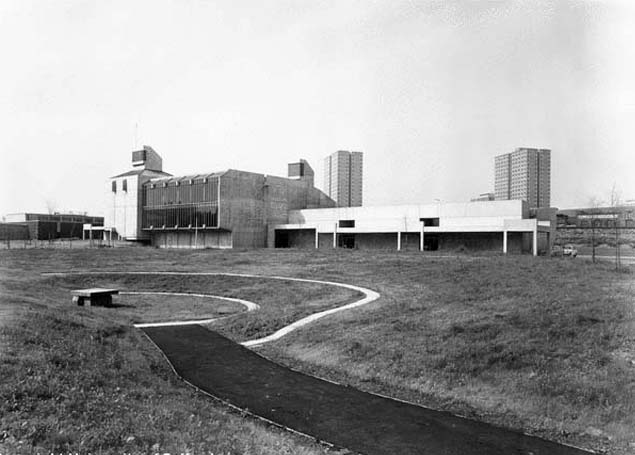
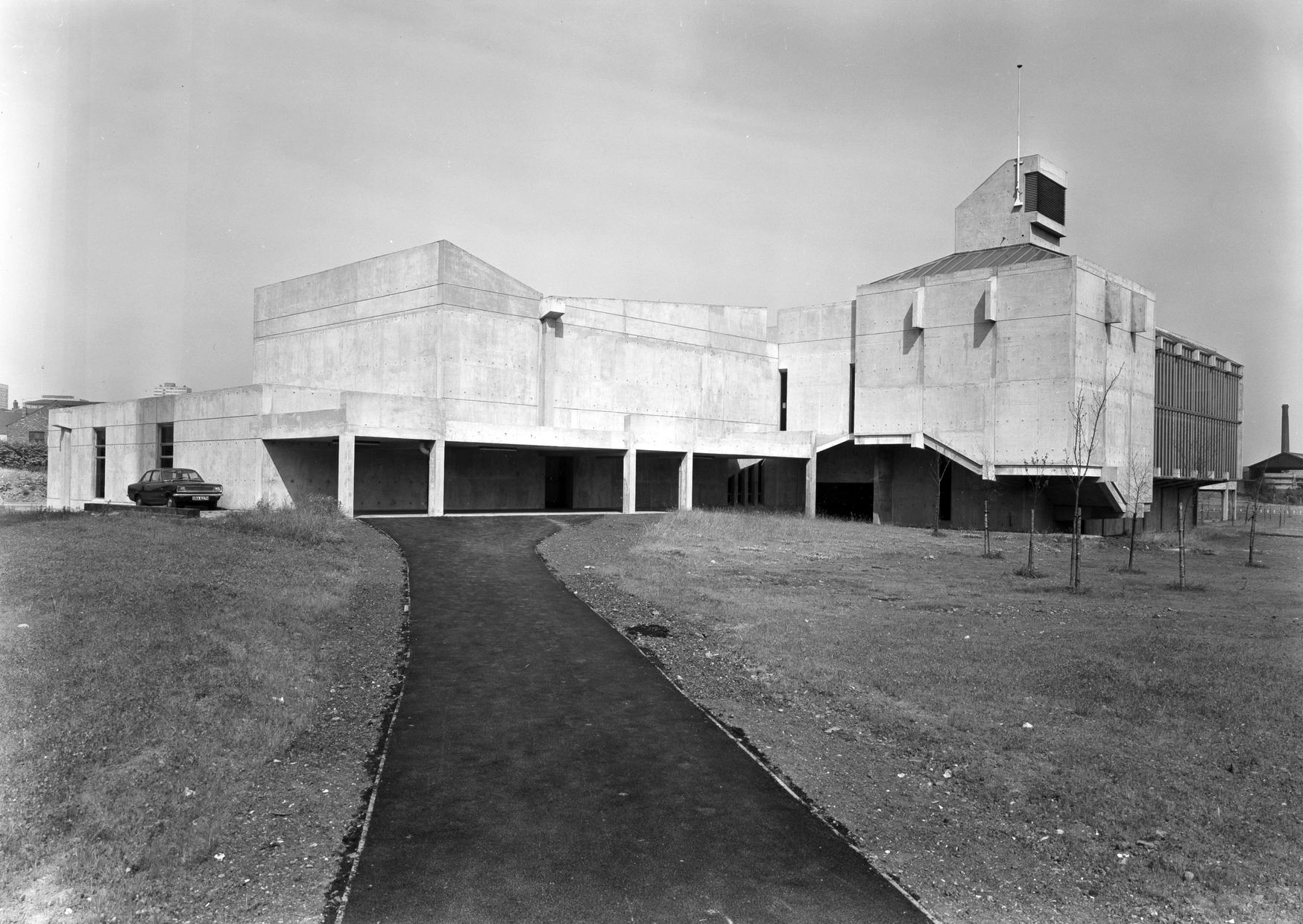
Just around the corner the Chapman Building.

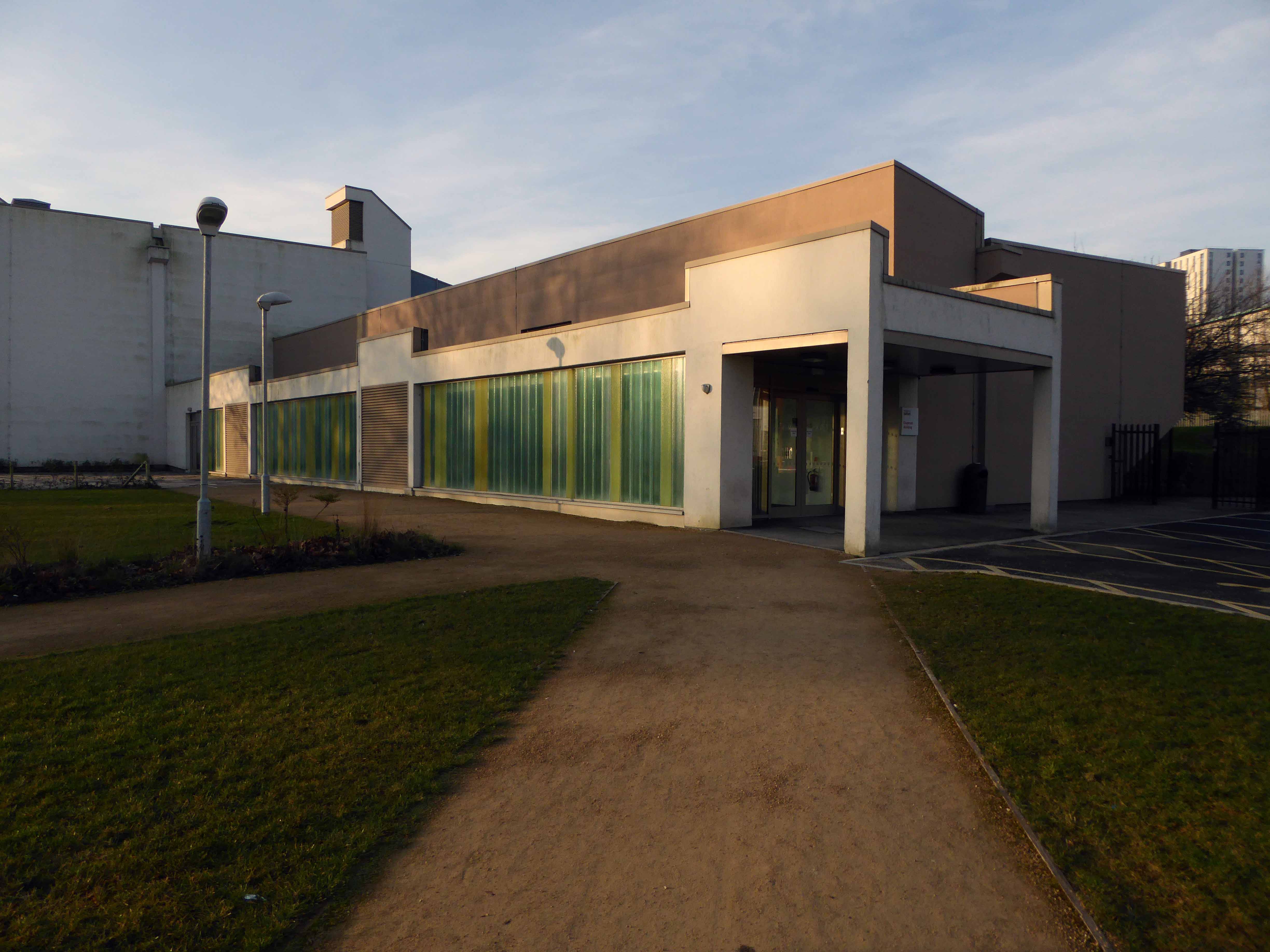
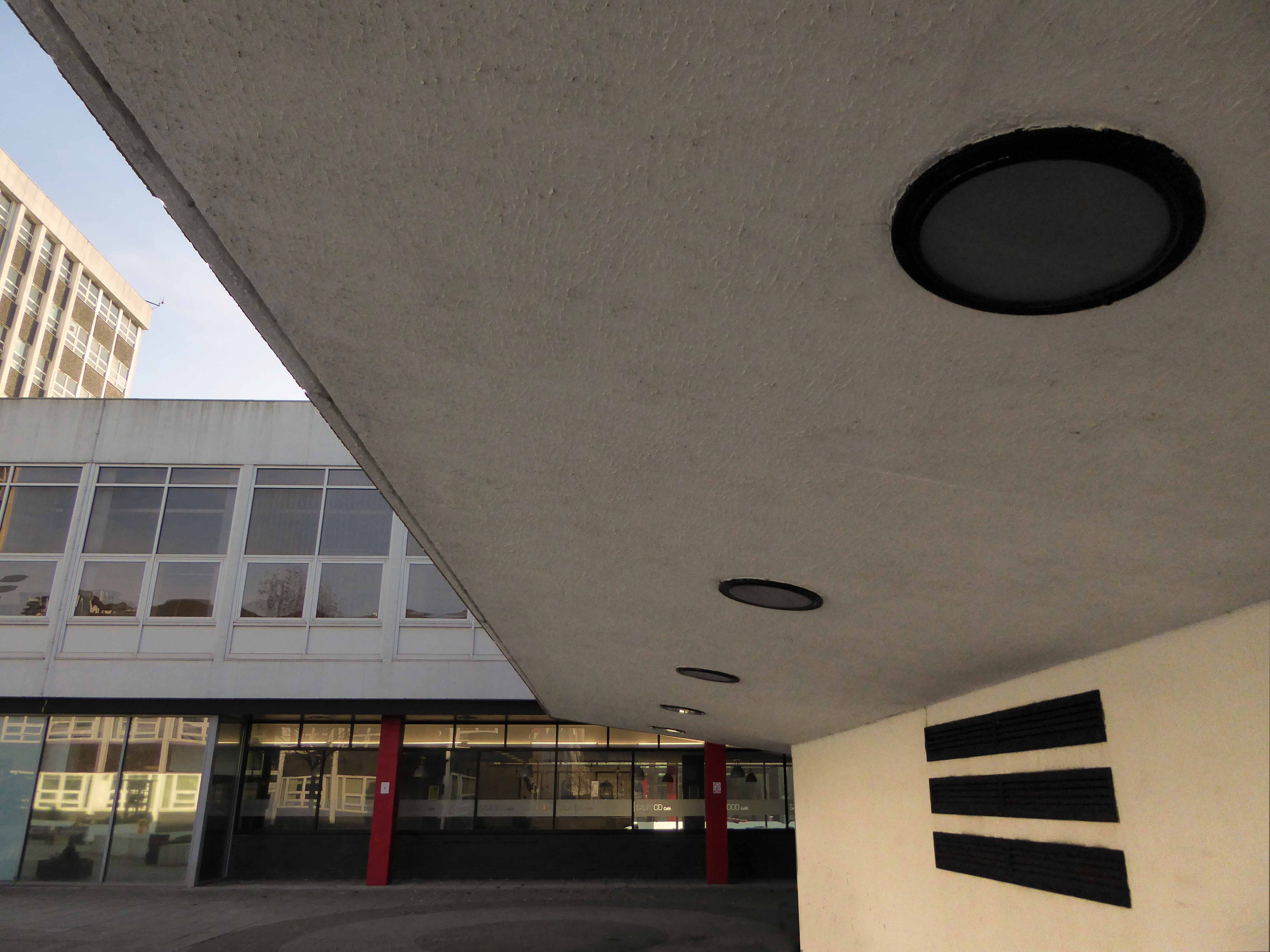
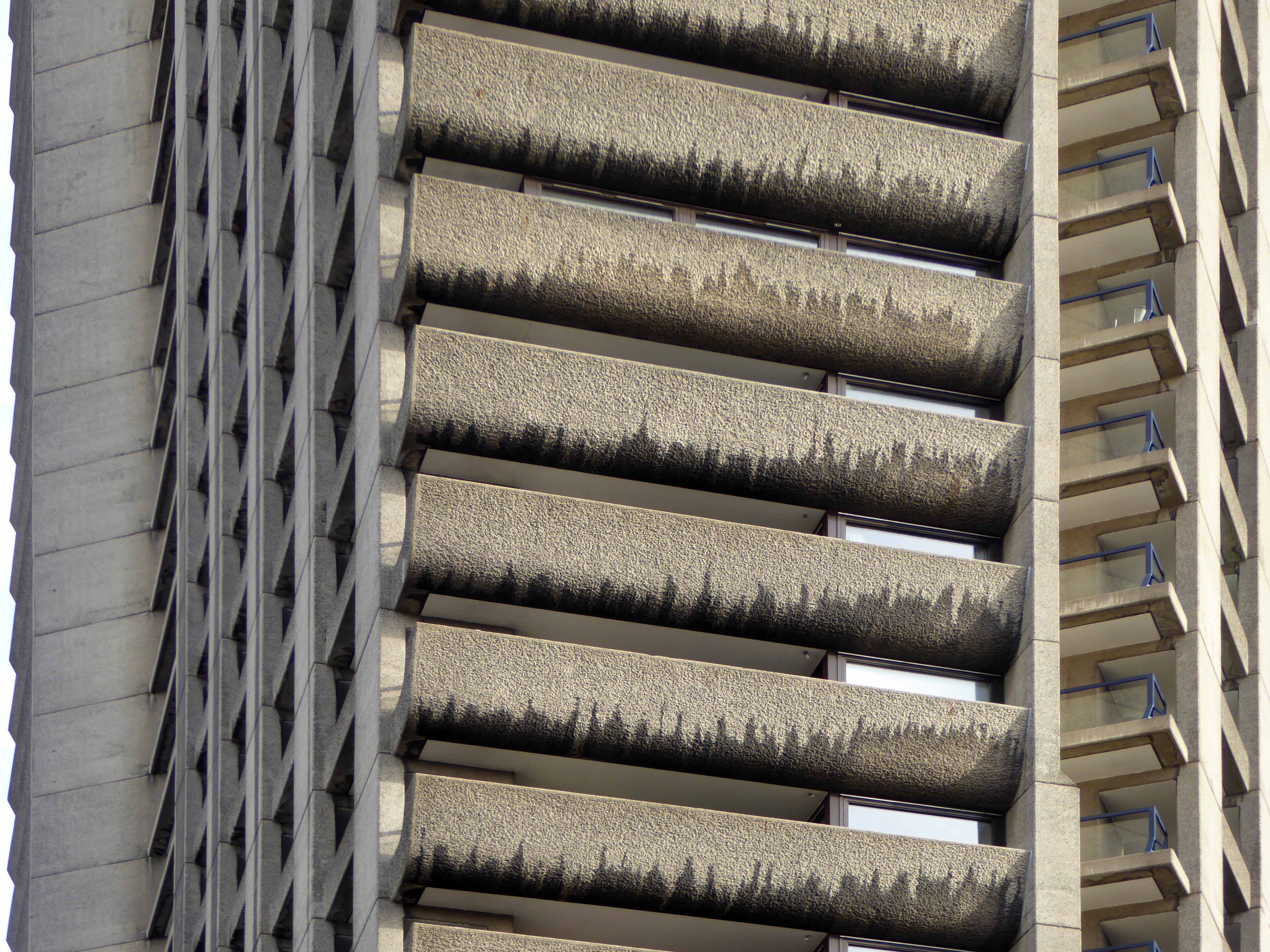
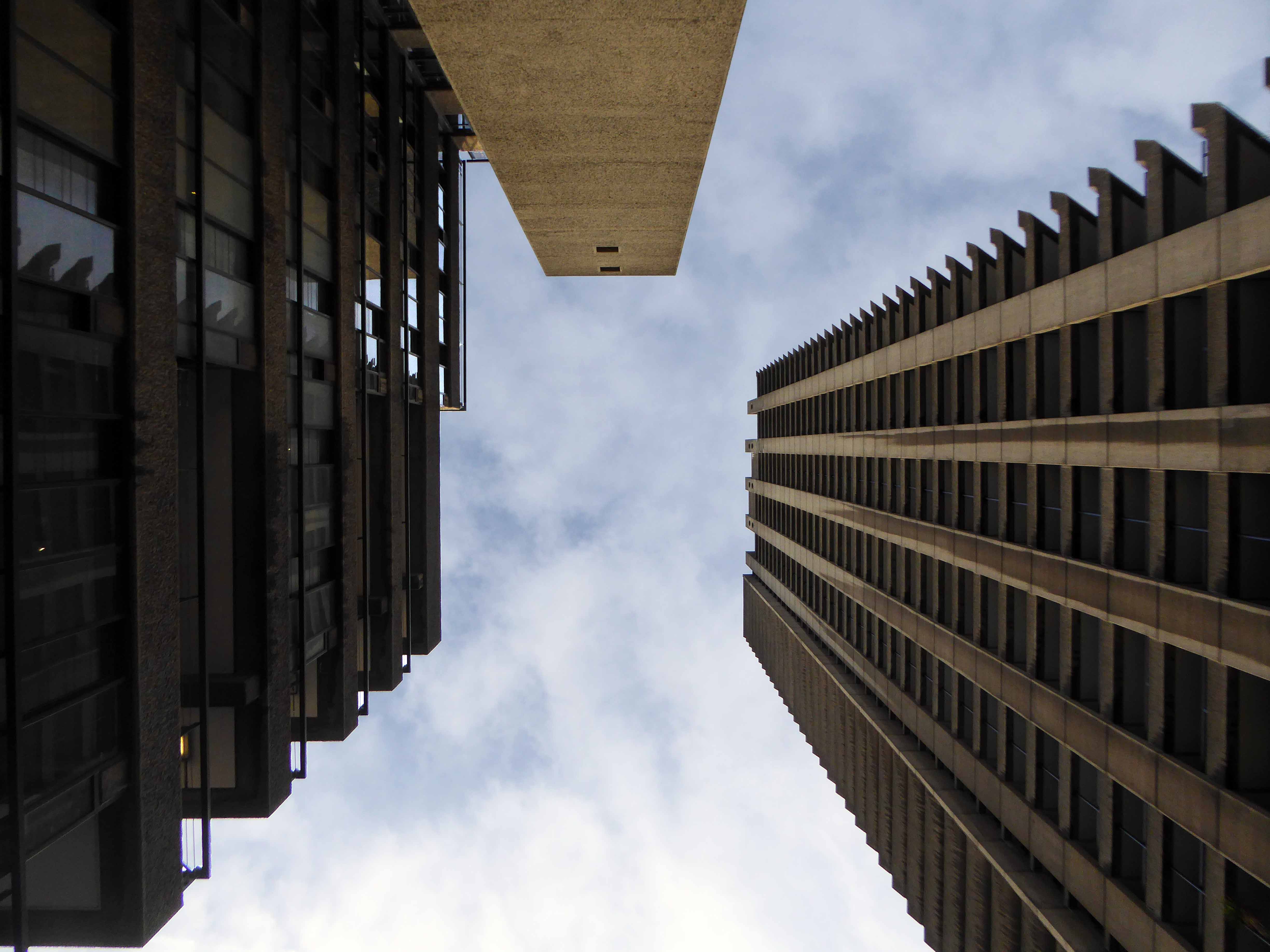
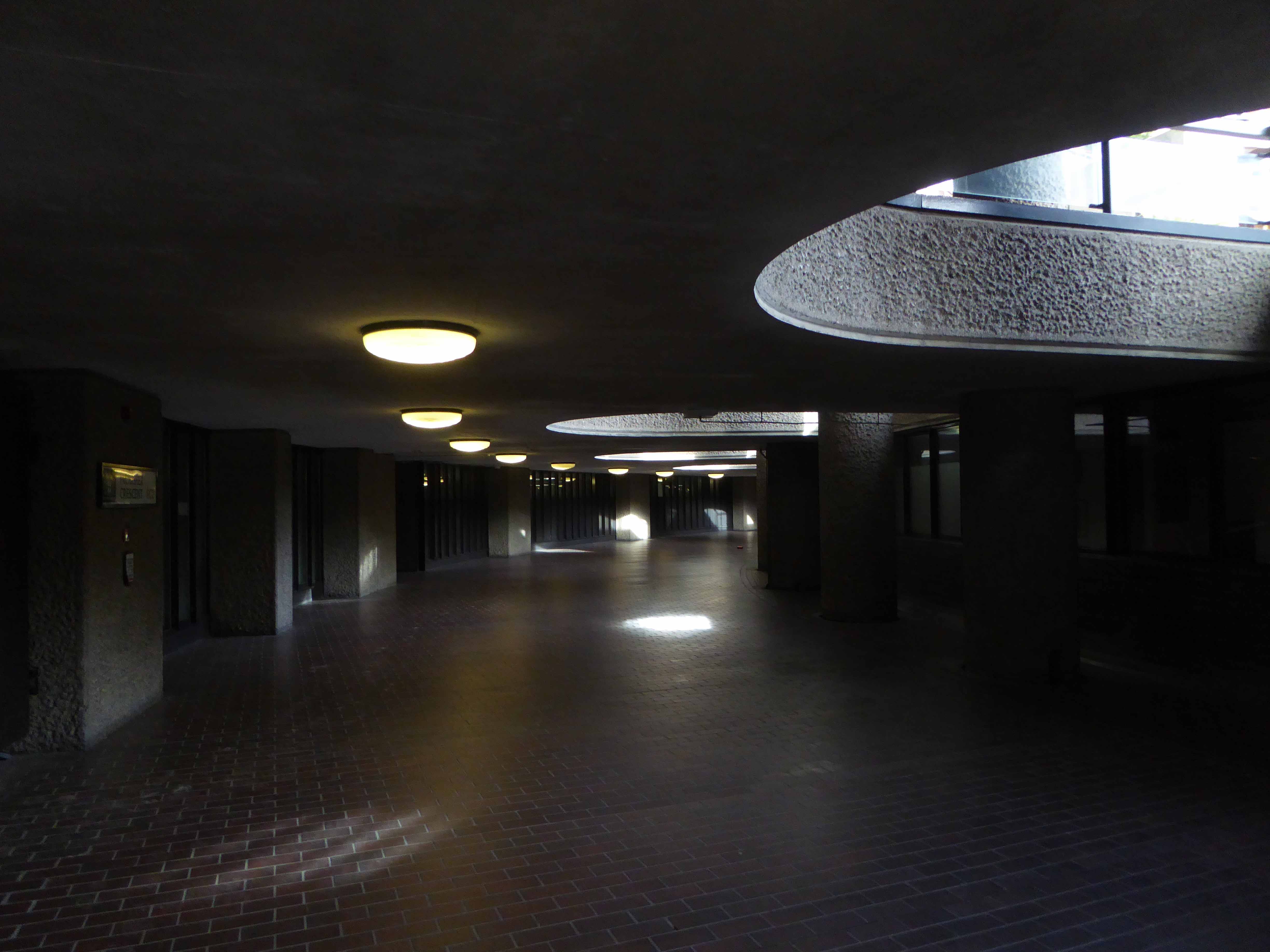
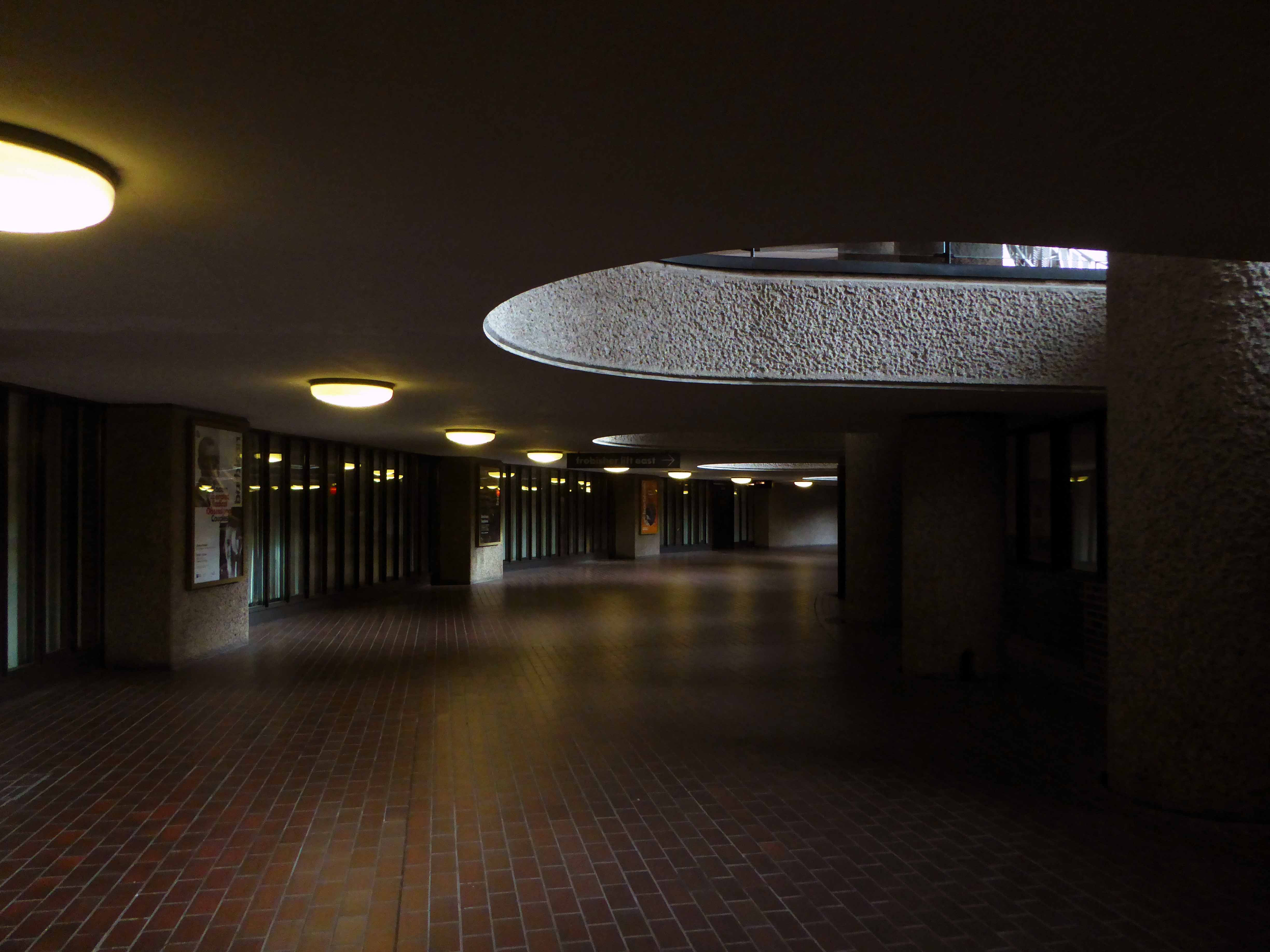
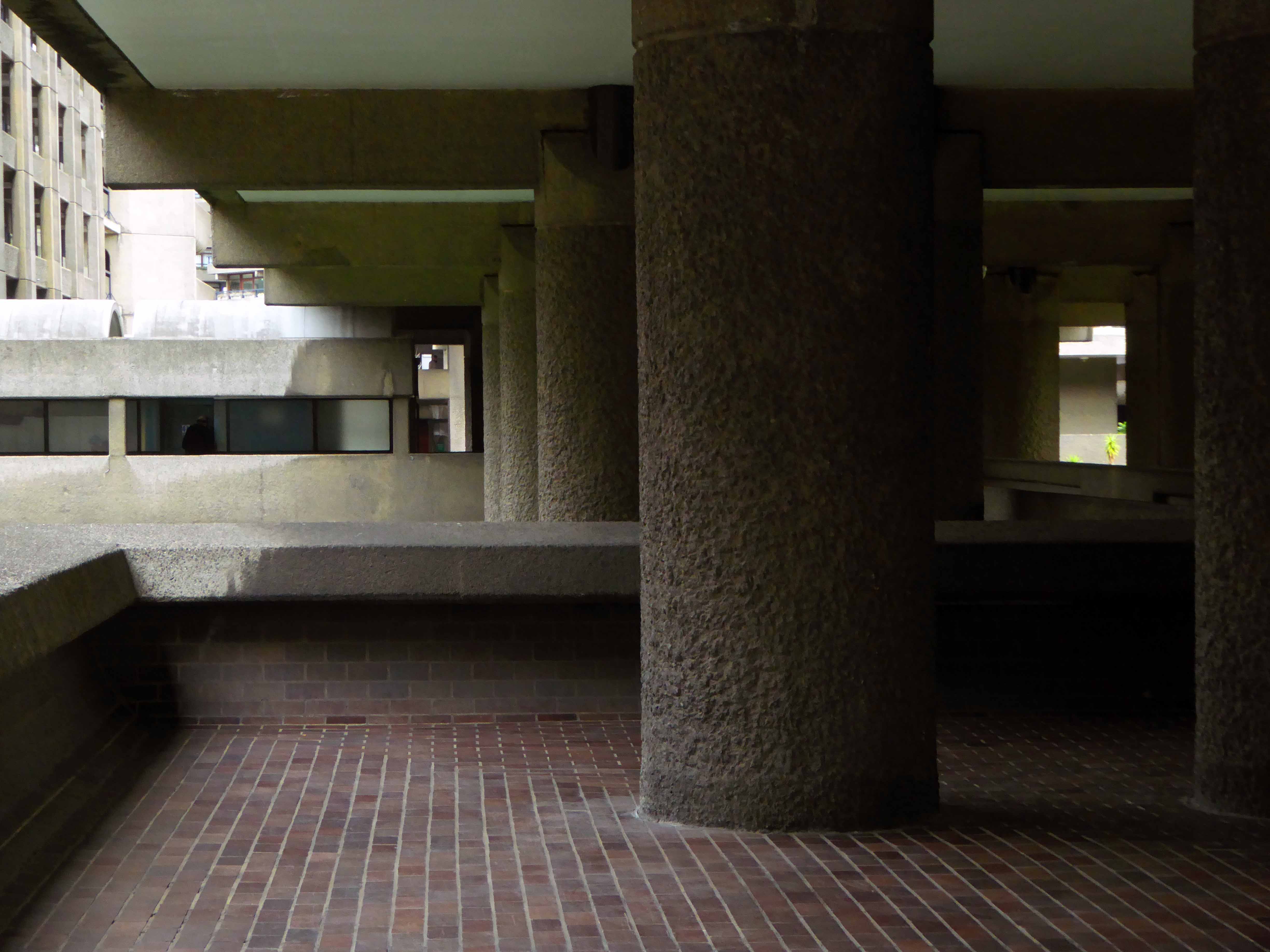
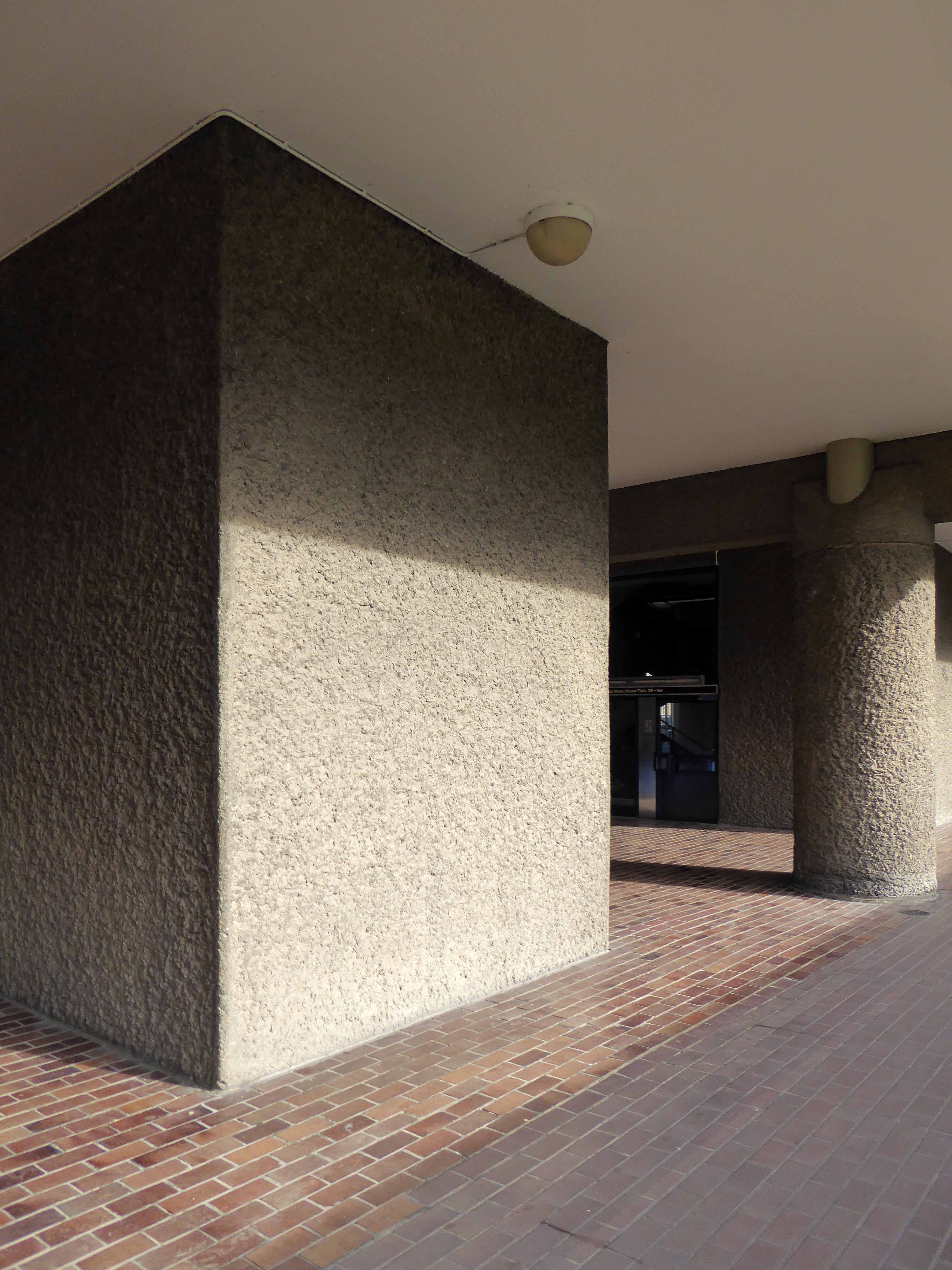
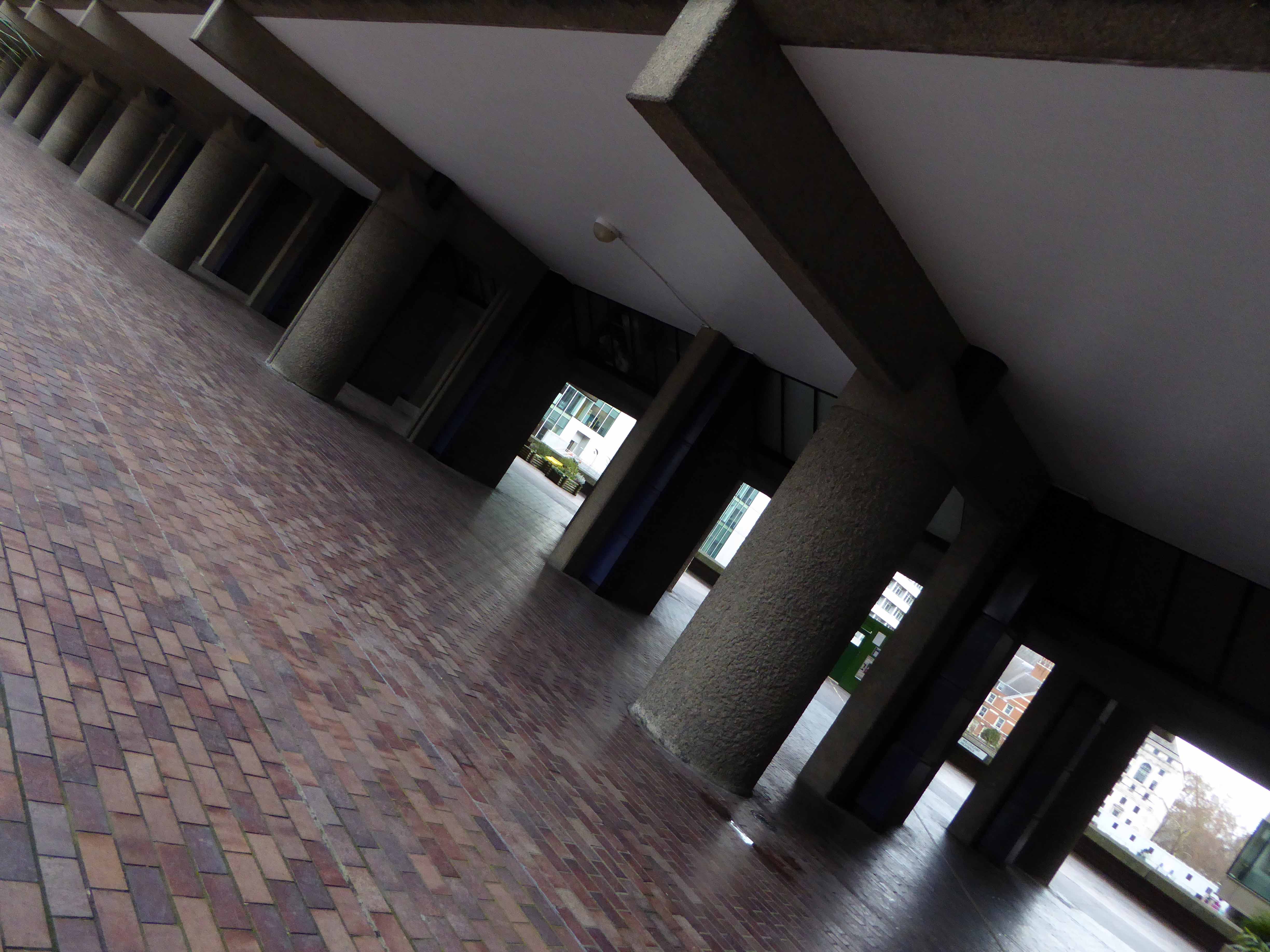
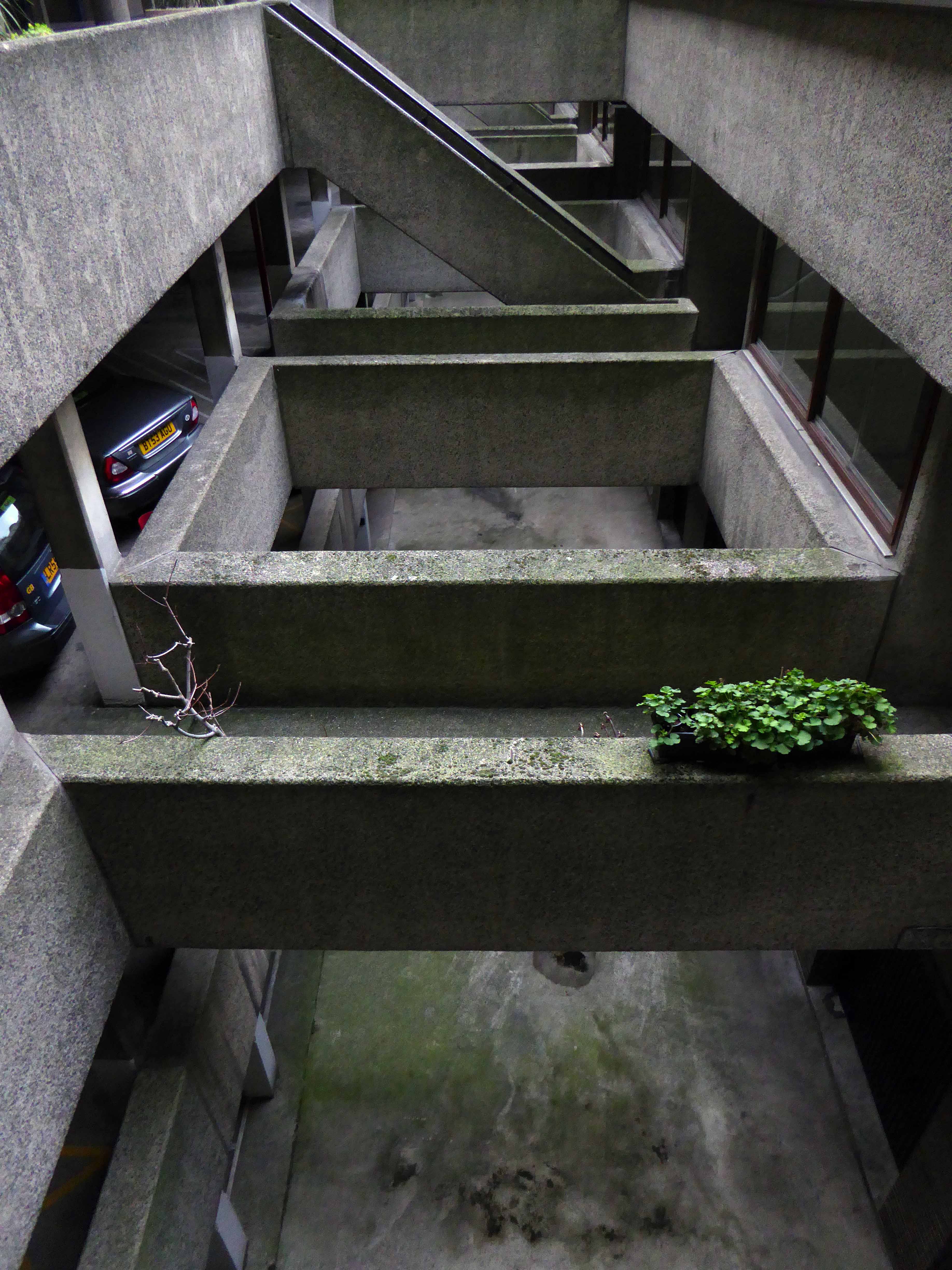
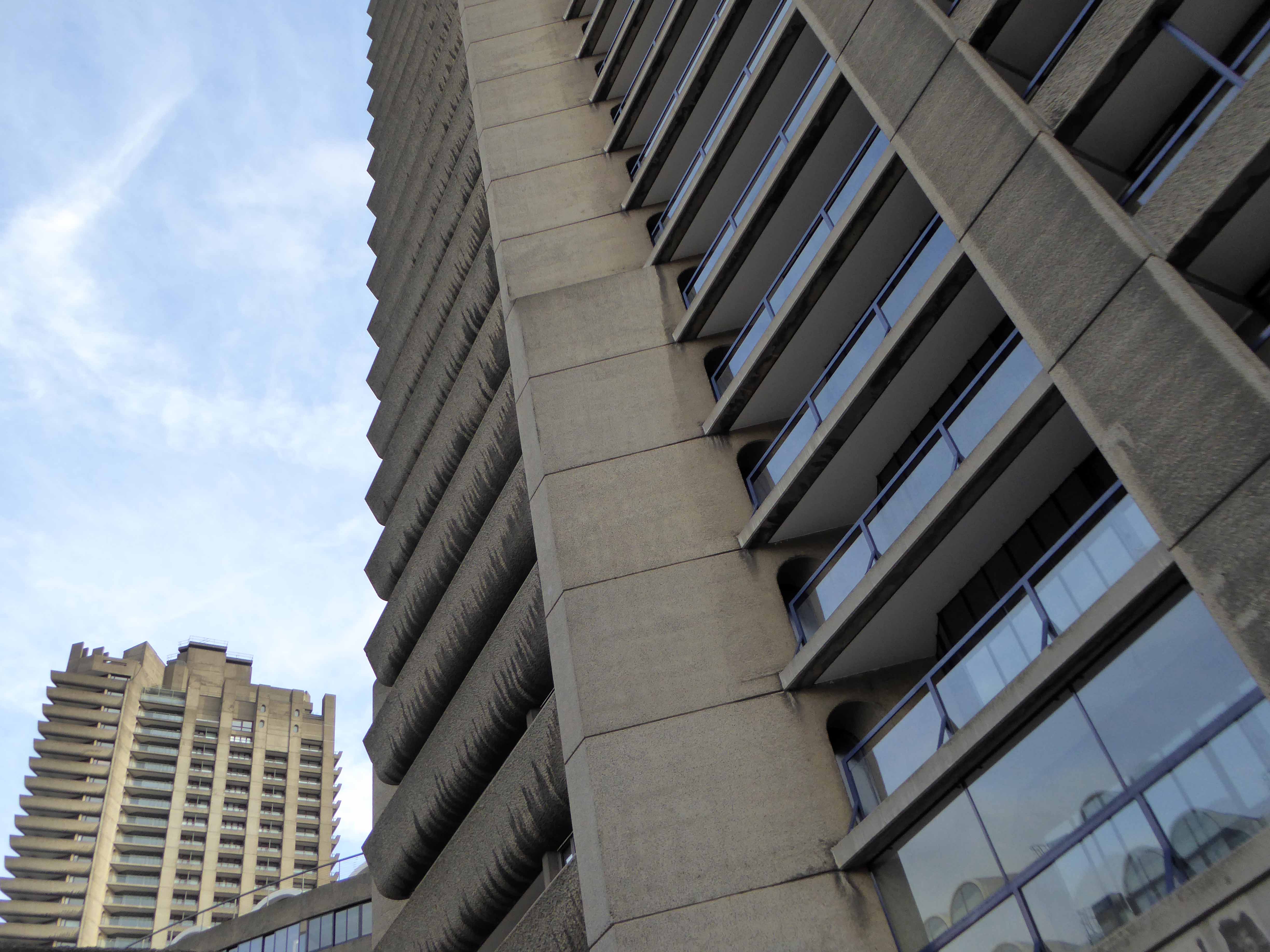
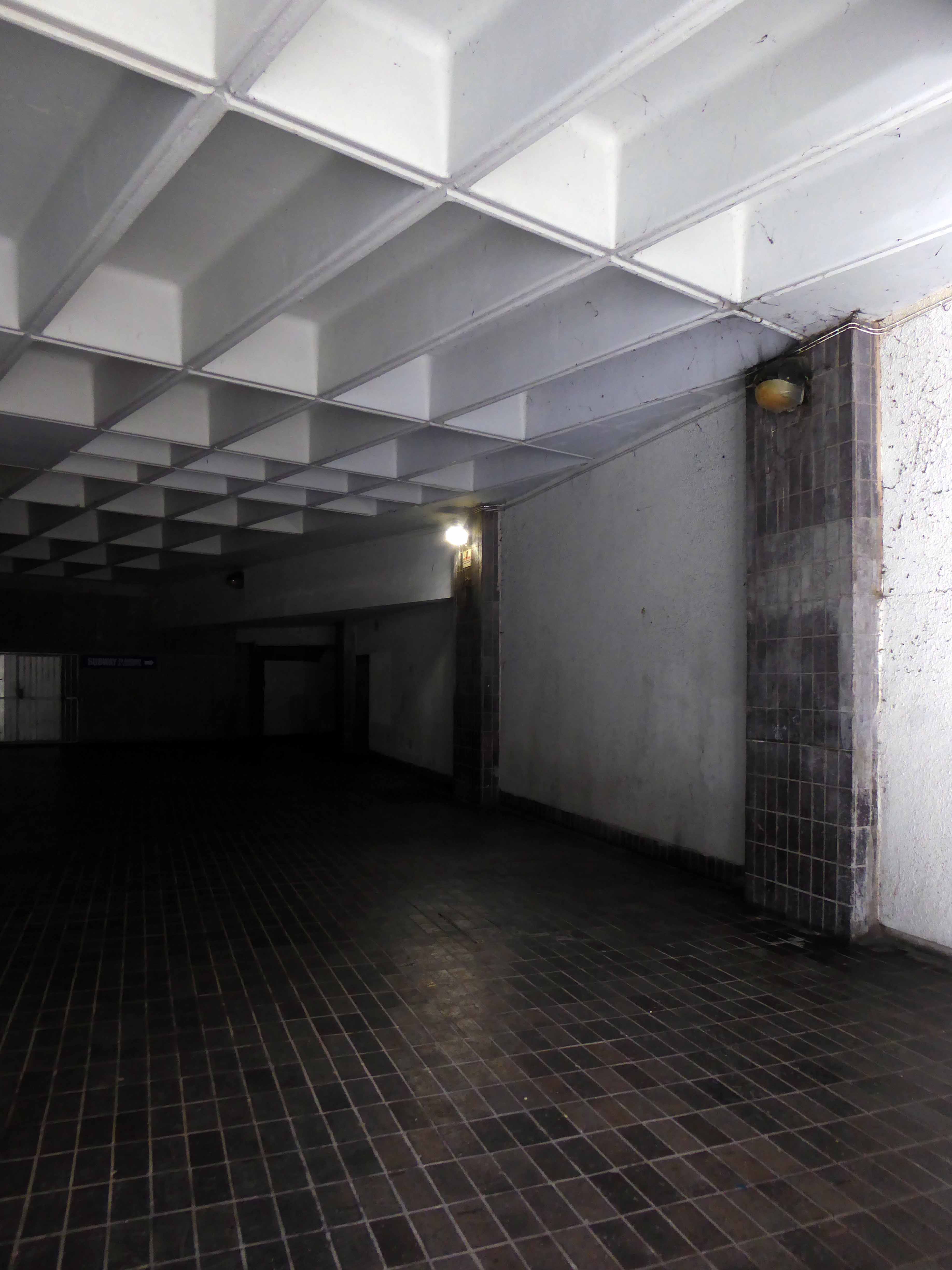
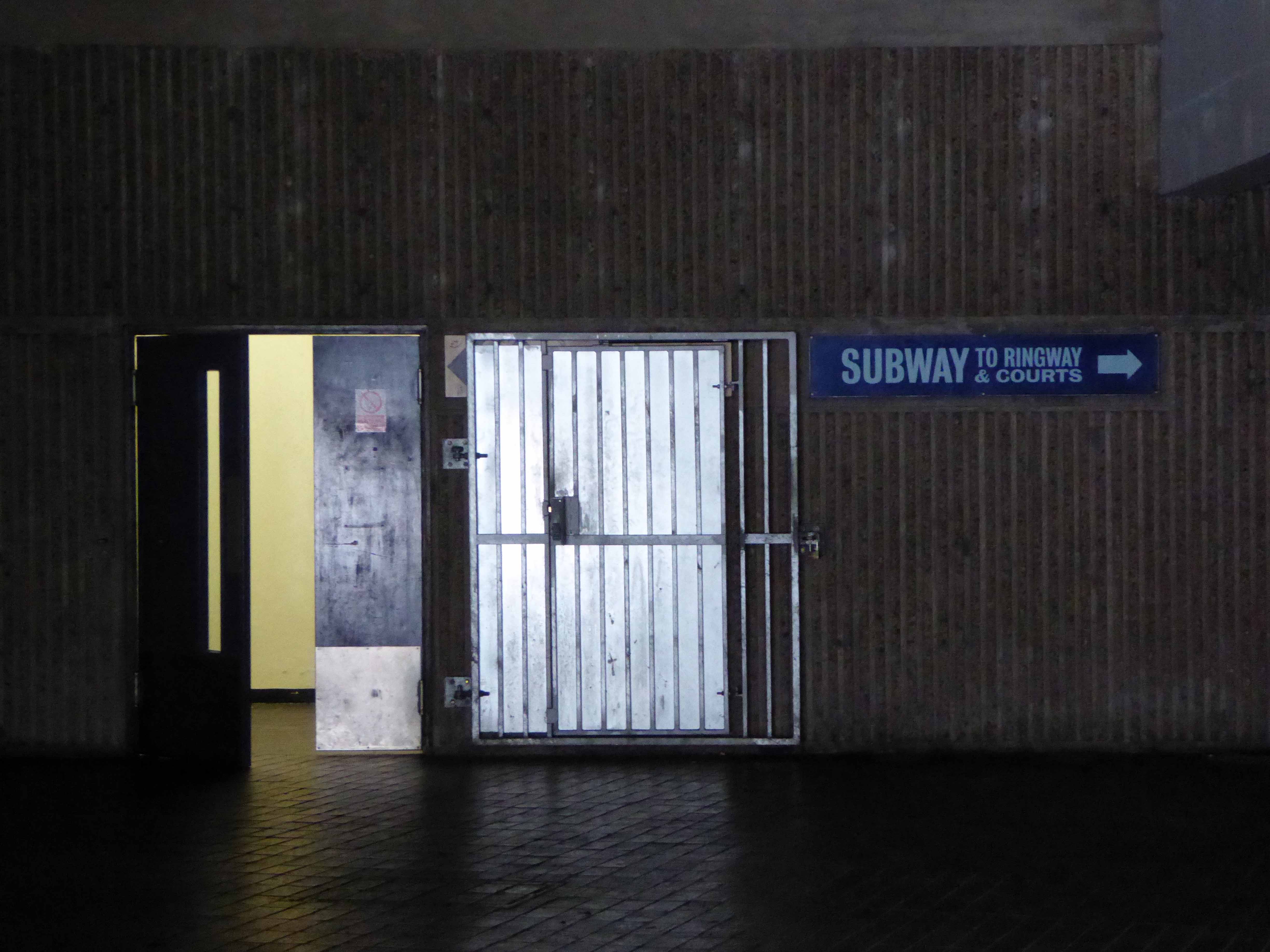
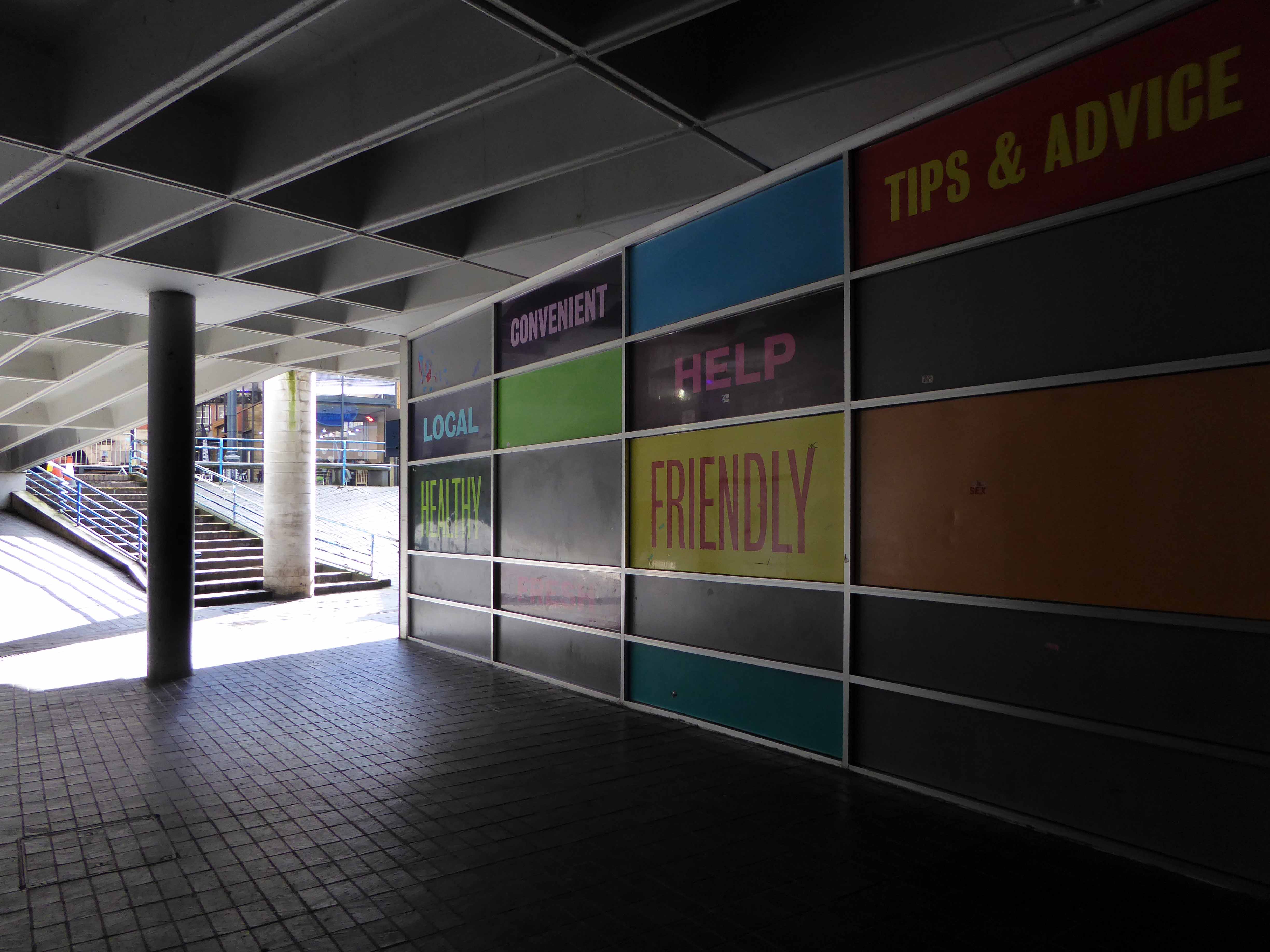
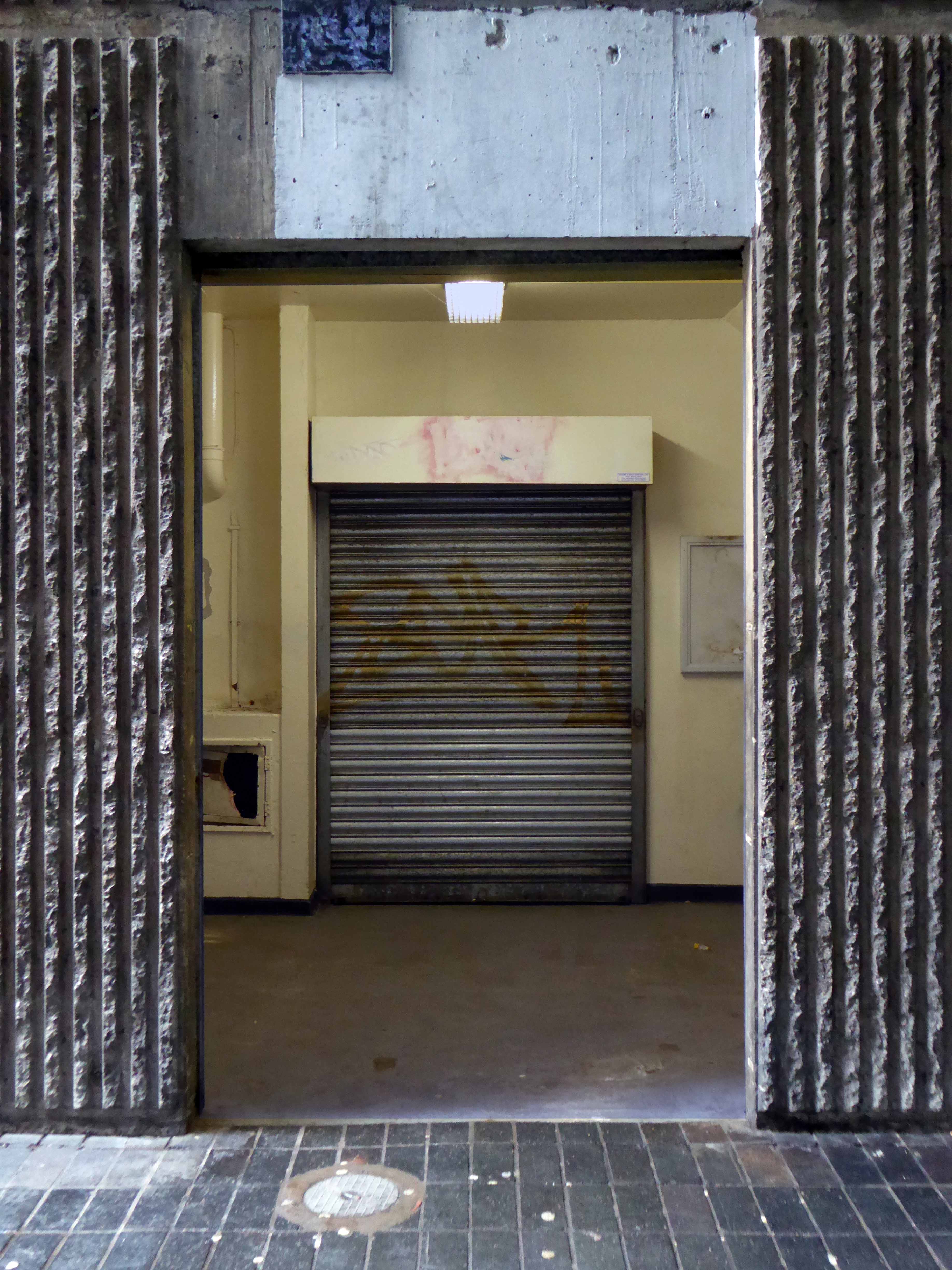
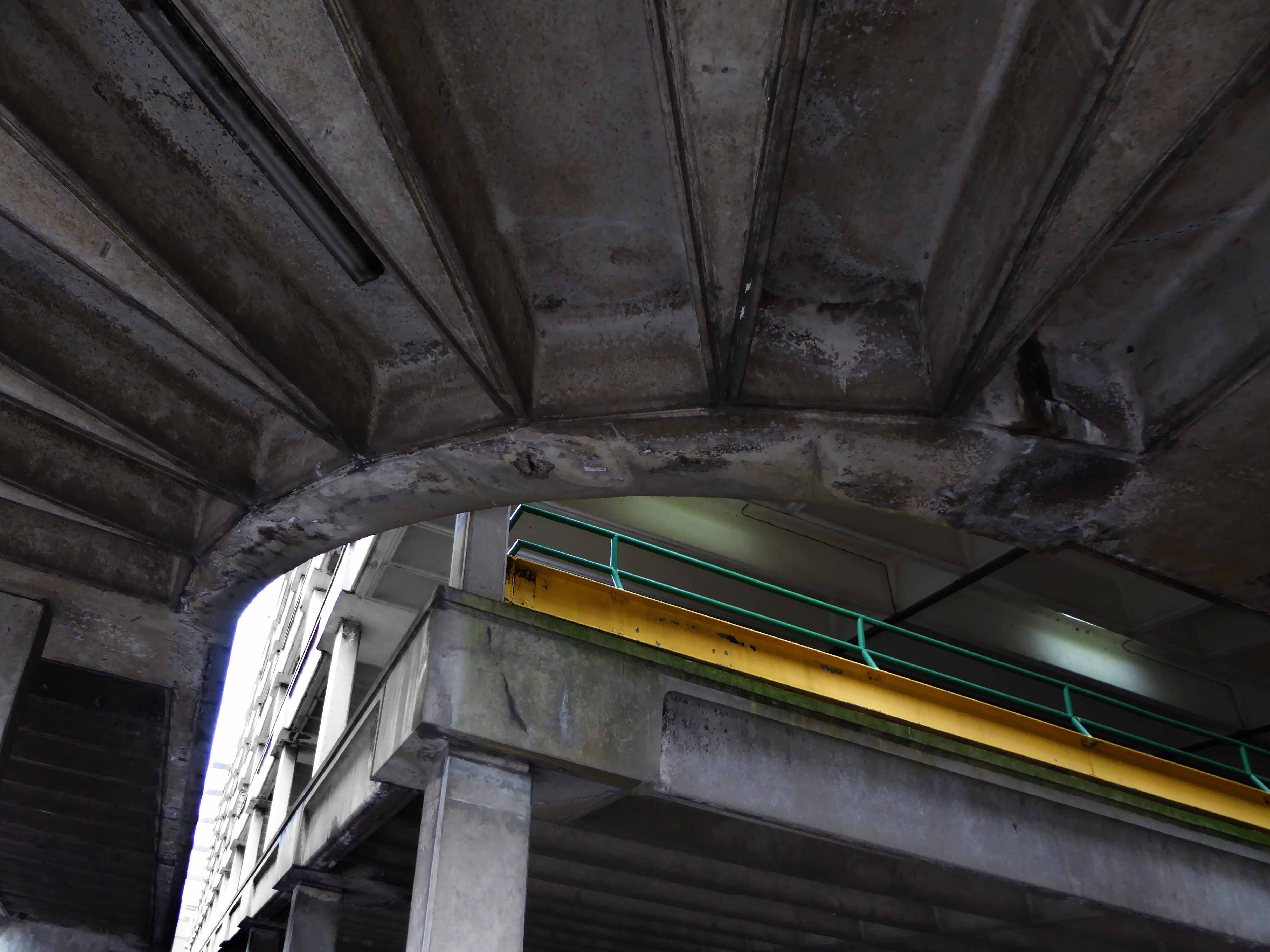
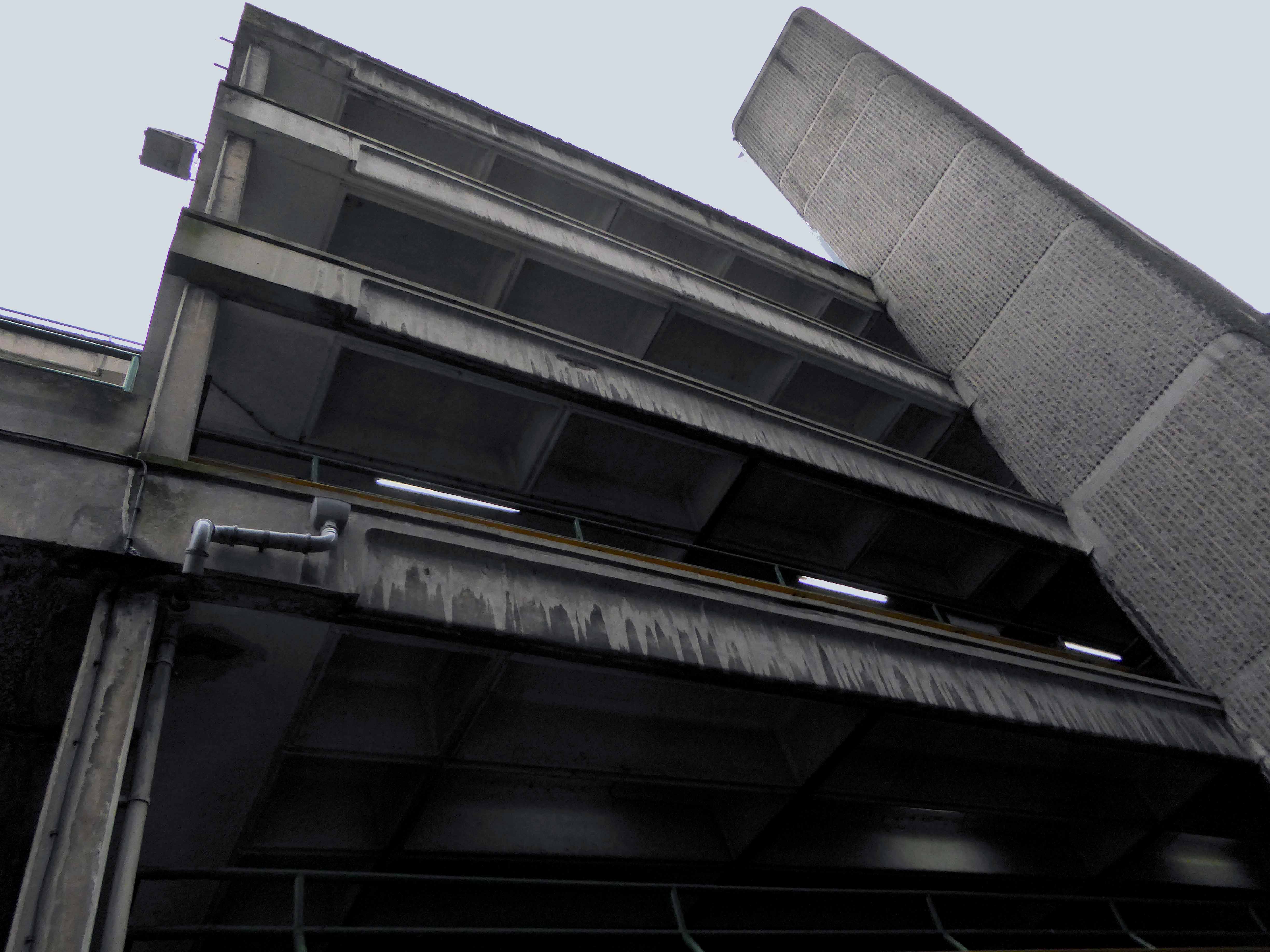
This latter day piece of brutalism is buried within the campus of the University of Salford. It was designed by W.F. Johnson and Partners of Leamington Spa, as a lecture theatre block and gallery. It sits with its long axis running parallel to the railway behind. The series of grey volumes, occasionally punctuated by colourful floods of red and green trailing ivy, hang together in a less than convincing composition. The orientation and access to the building seem confused and detached from any cohesive relationship to the rest of the campus, but there is something perversely attractive about the right essay in the wrong language. The reinforced concrete building contained five lecture theatres, communal spaces, an art gallery, AV support areas and basement plant rooms. Following a major refurbishment in 2012, several additions were made to the exterior and its total concrete presence somewhat diminished. It still houses lecture theatres and a number of other learning and social spaces.
Mainstream Modern

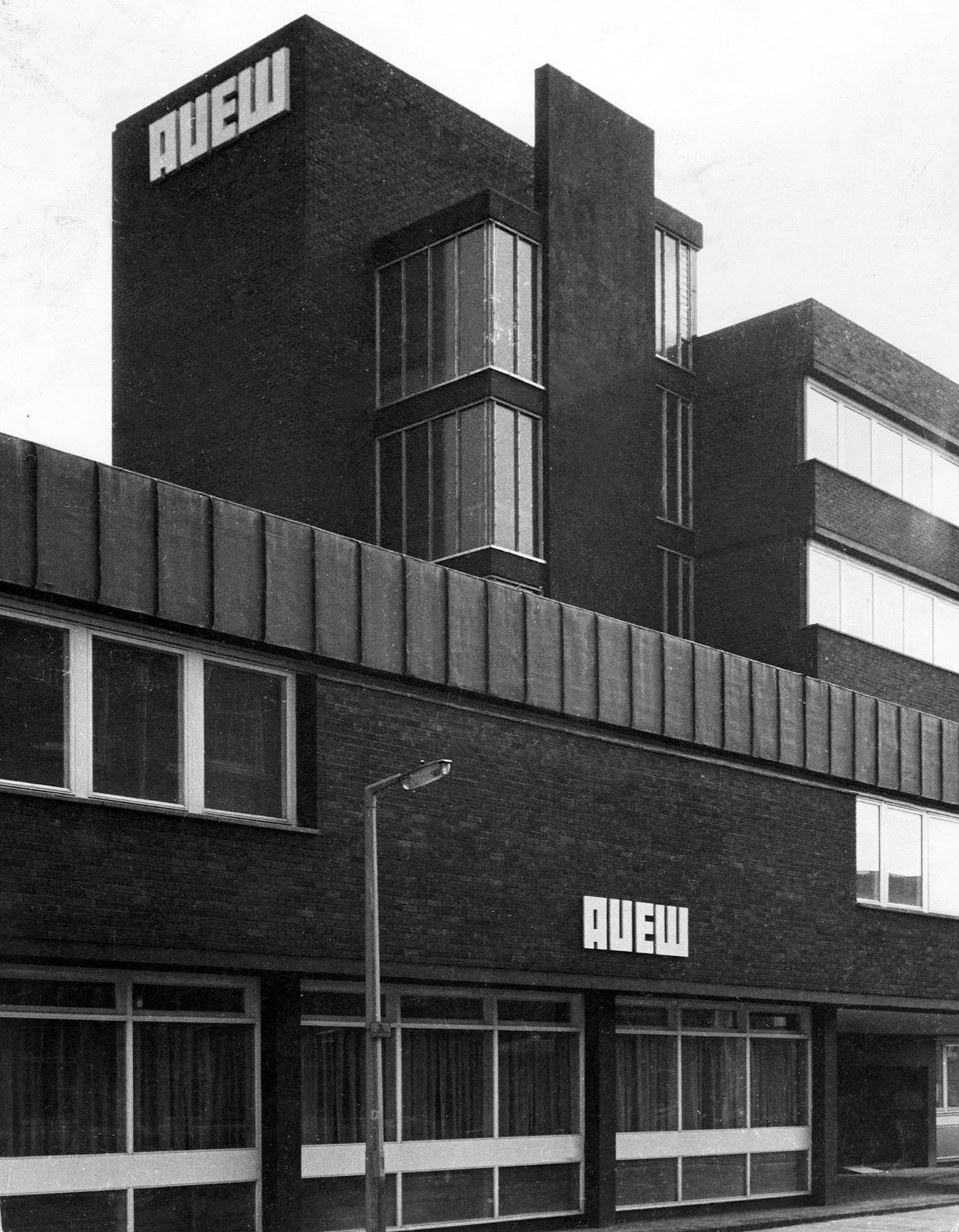
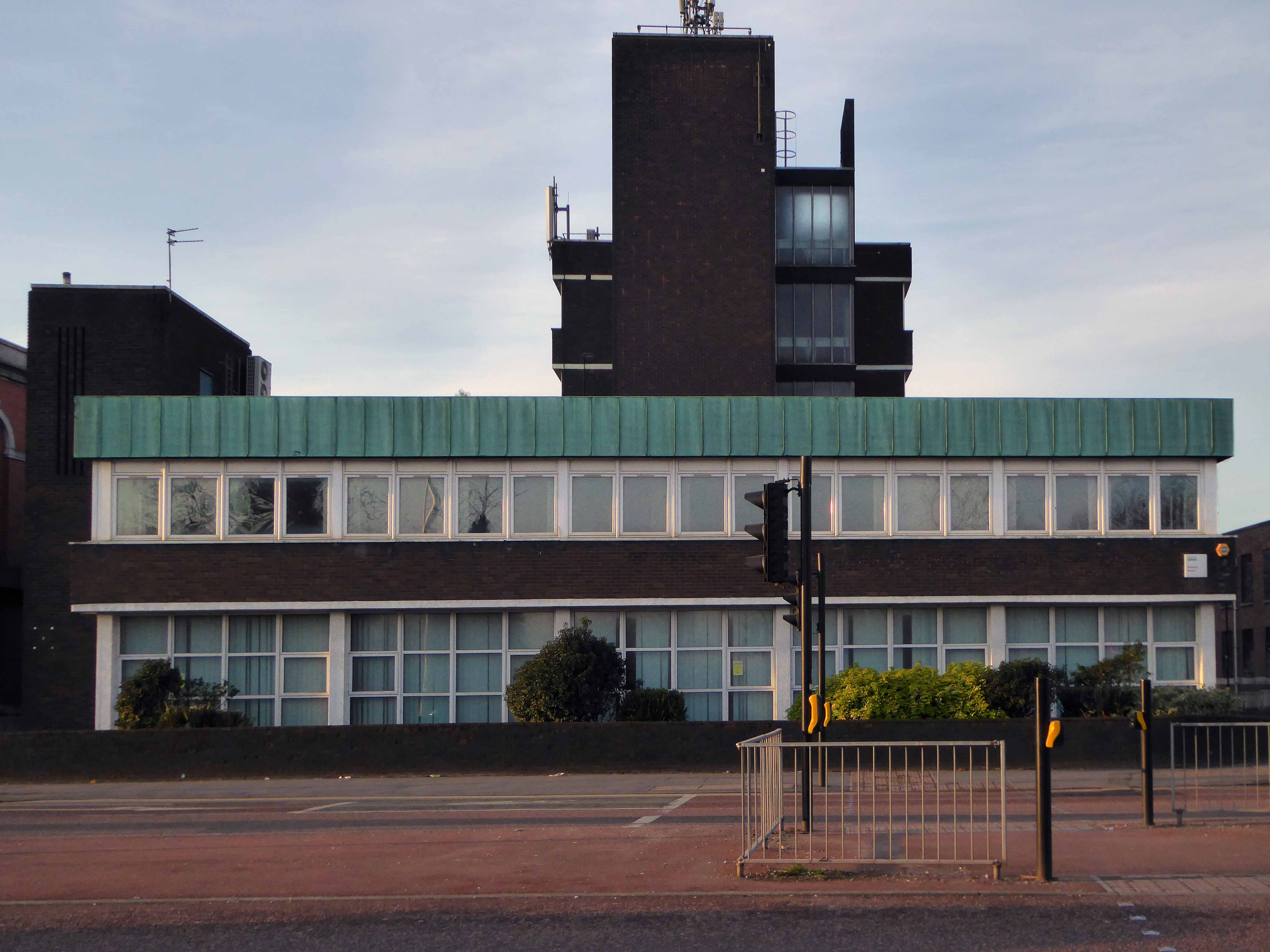
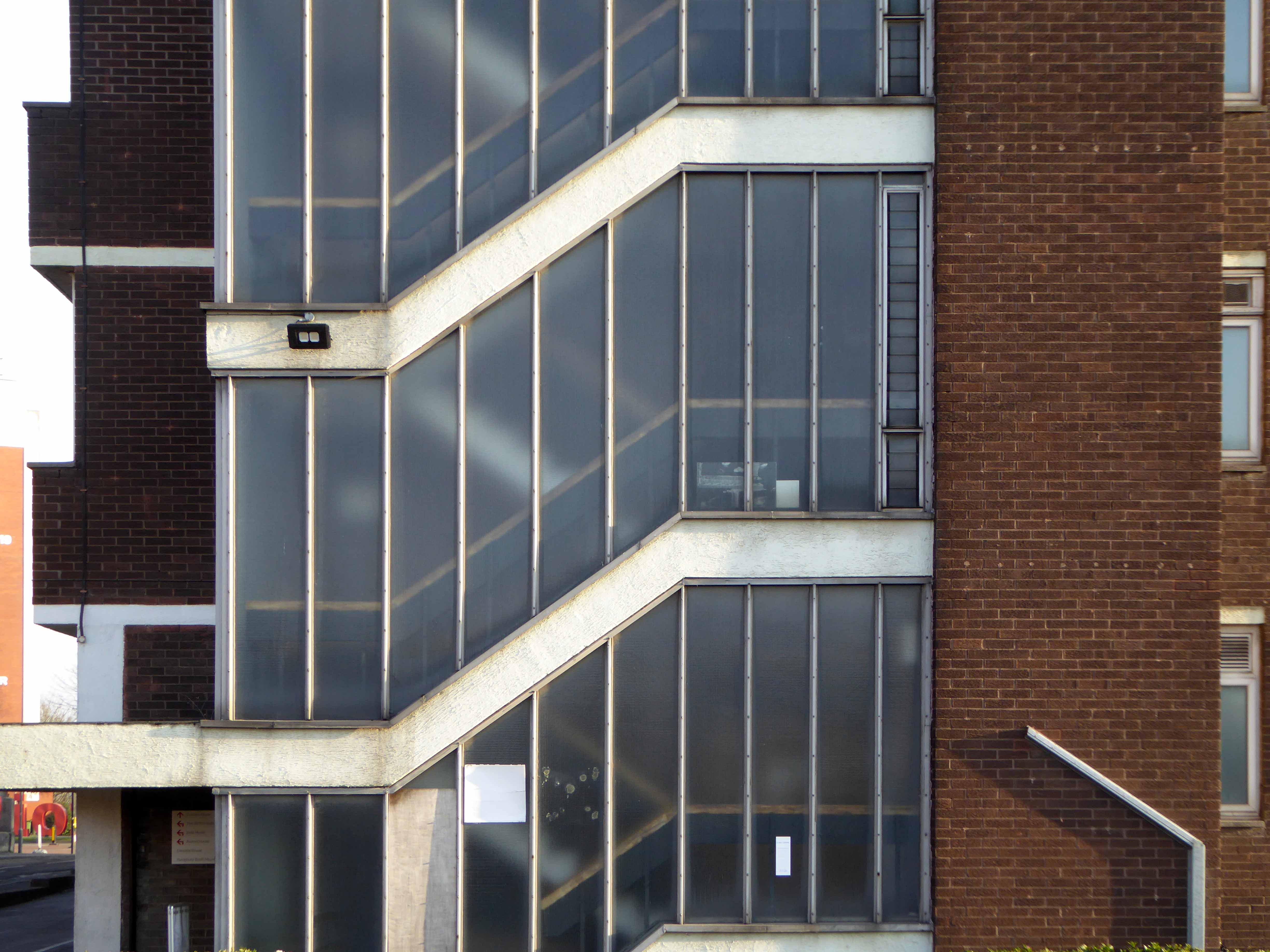
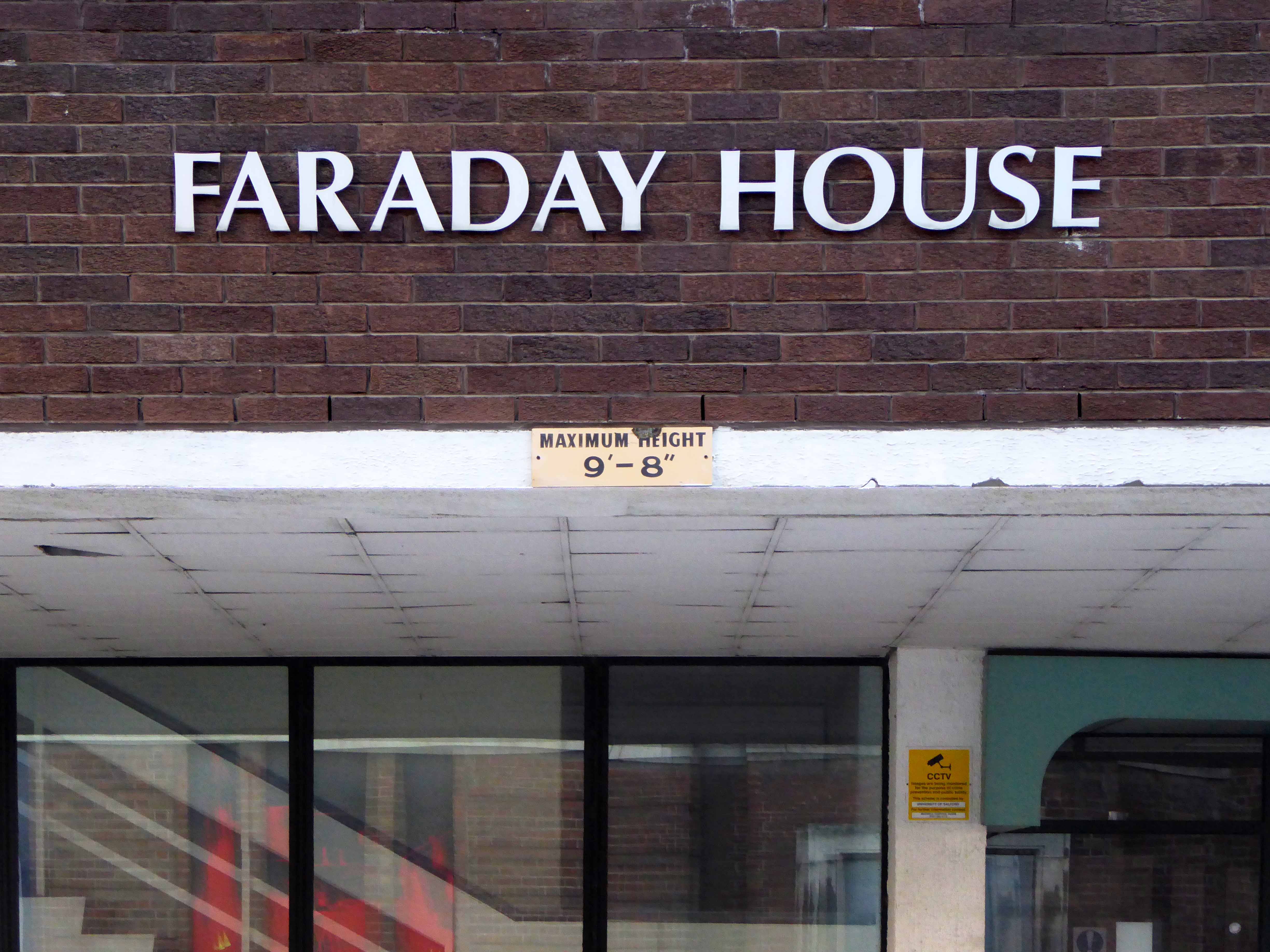
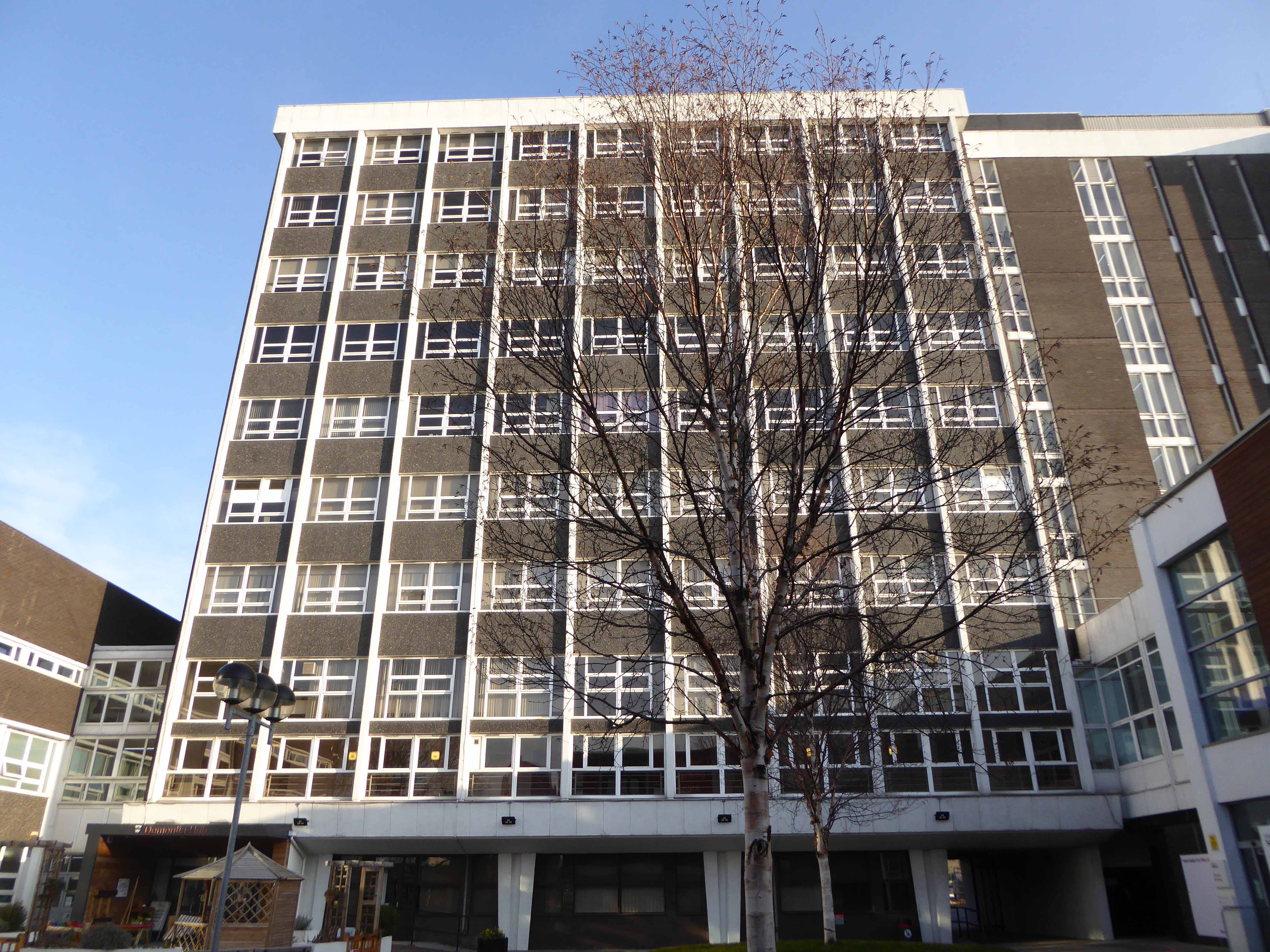
Across the wide and wider A6 are Crescent House and Faraday House – formerly home to the AUEW Amalgamated Union of Engineering Workers, ceded to the University in the 1970s
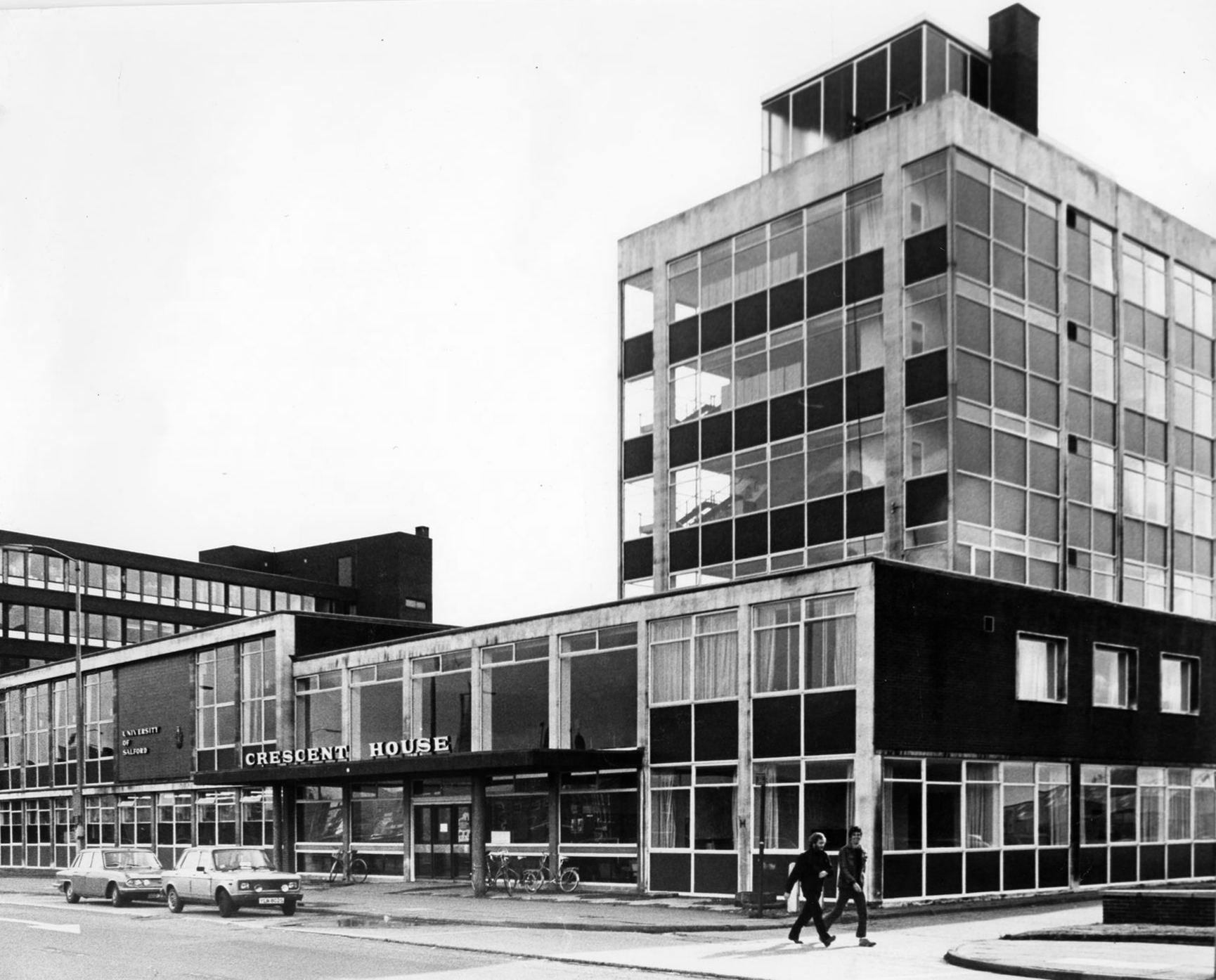
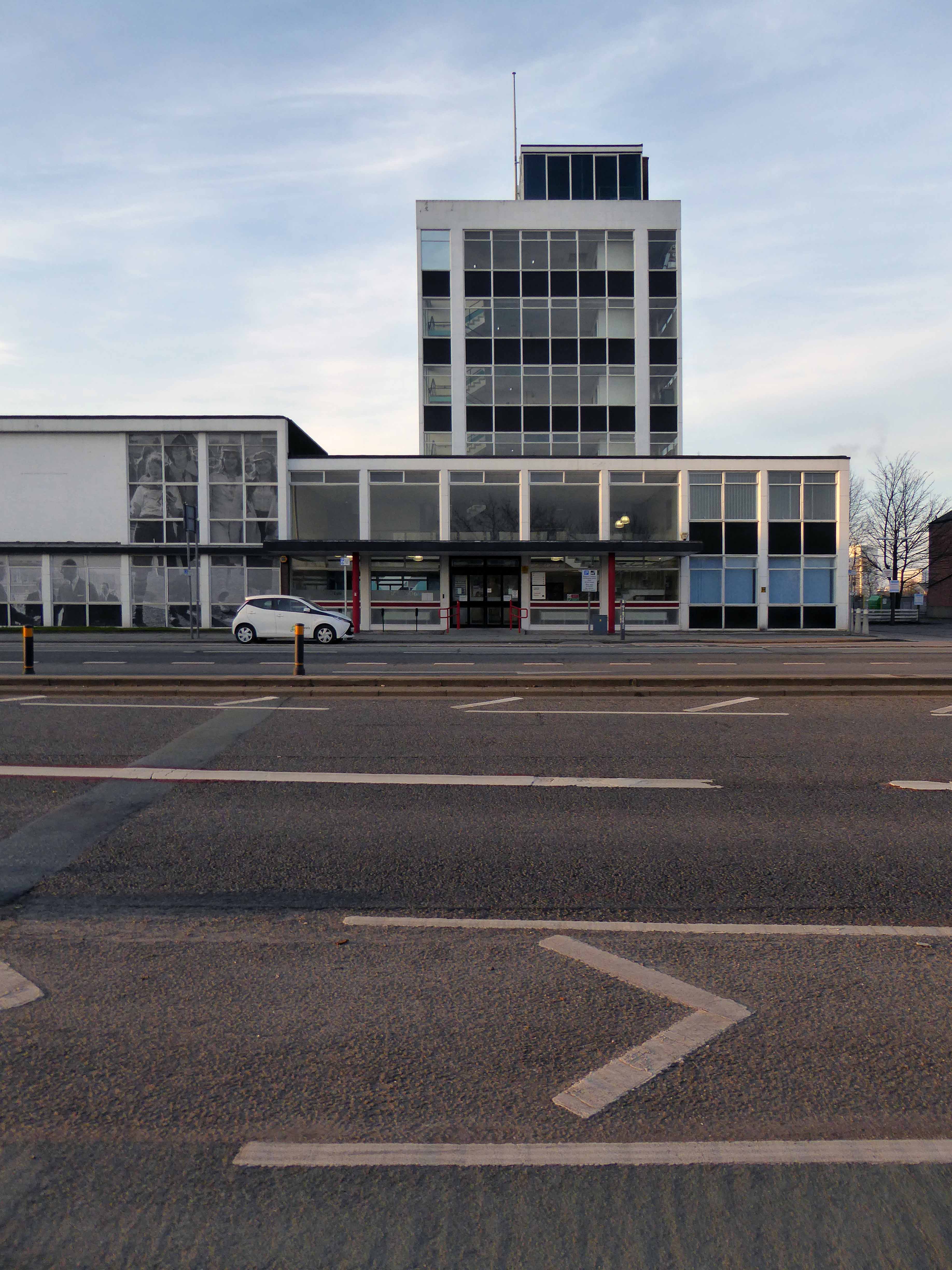
Let’s shimmy along to the former Salford Technical College site.
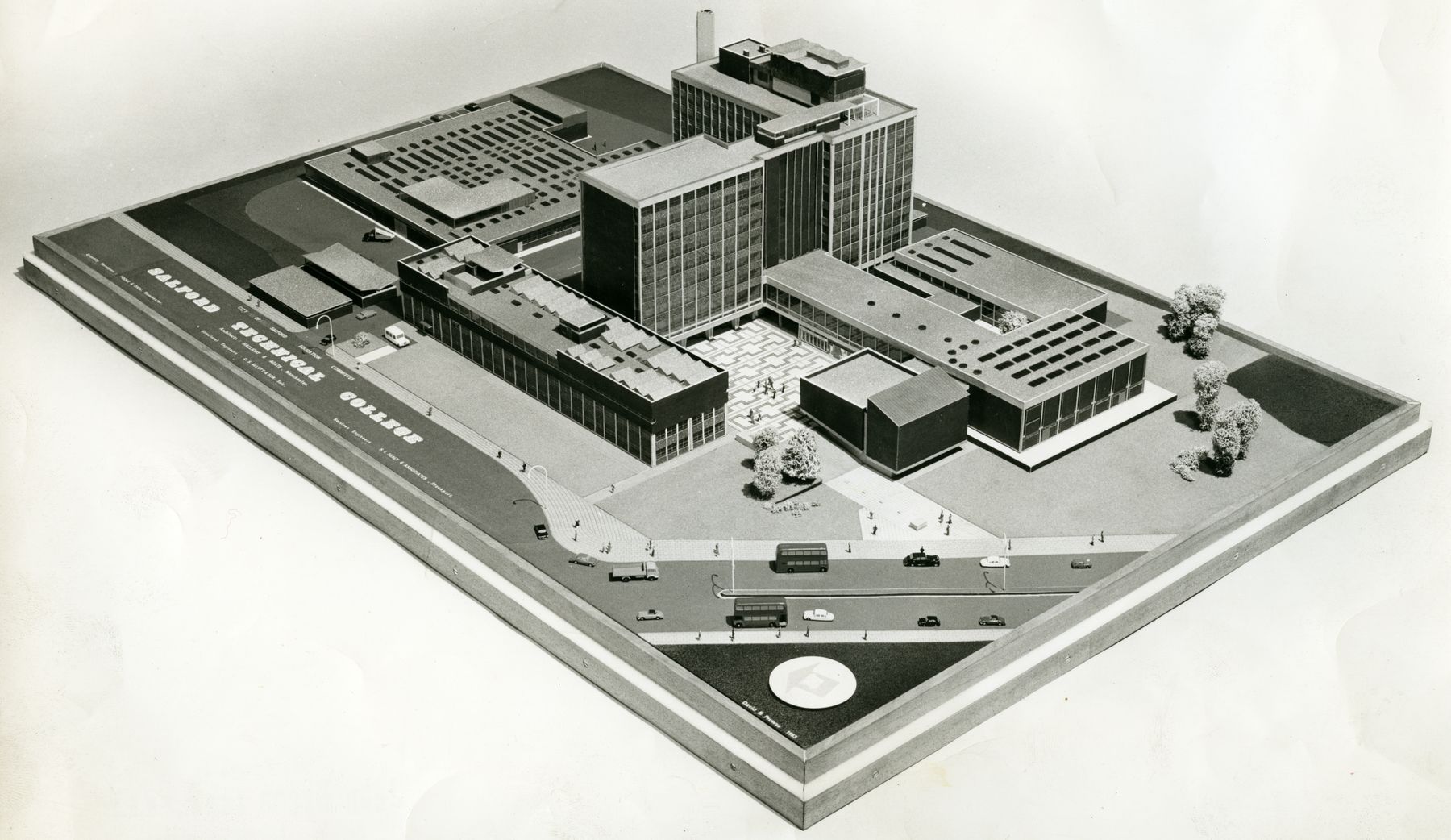
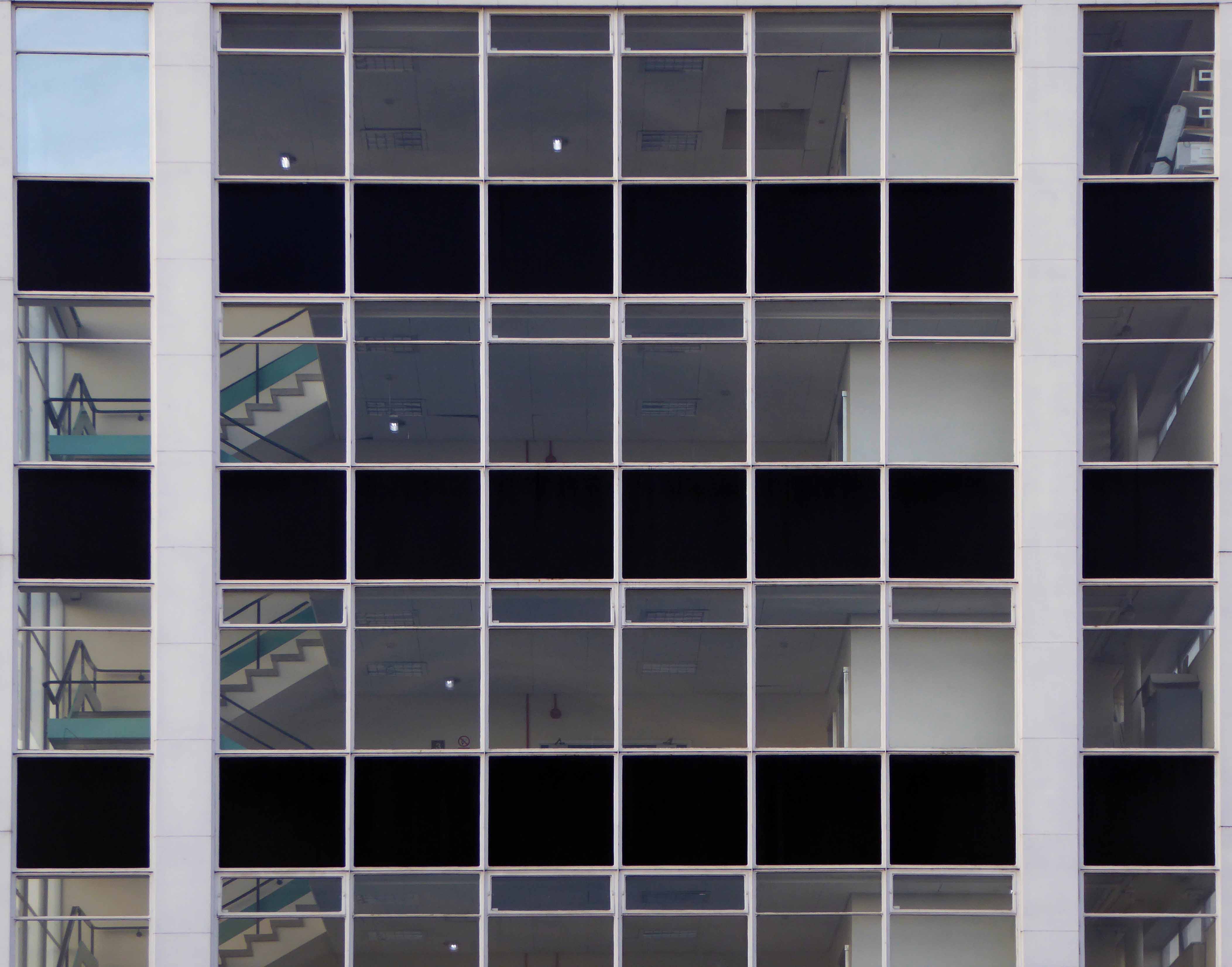
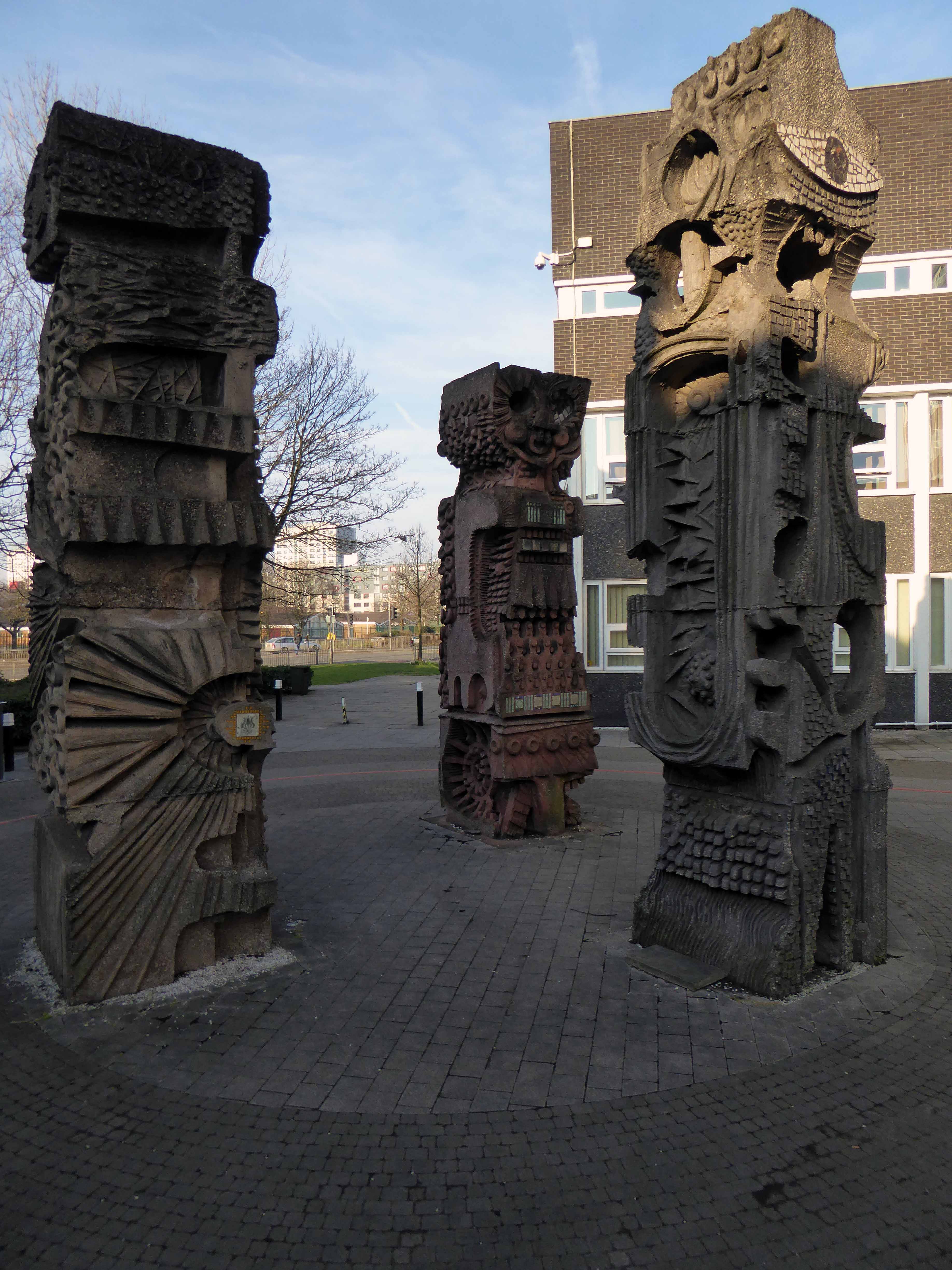
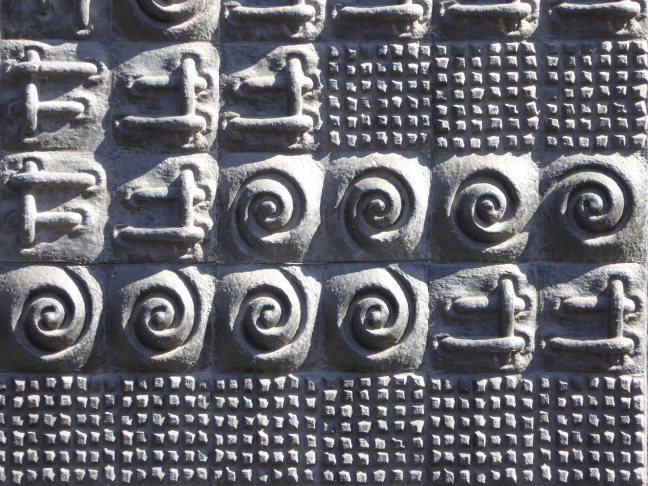
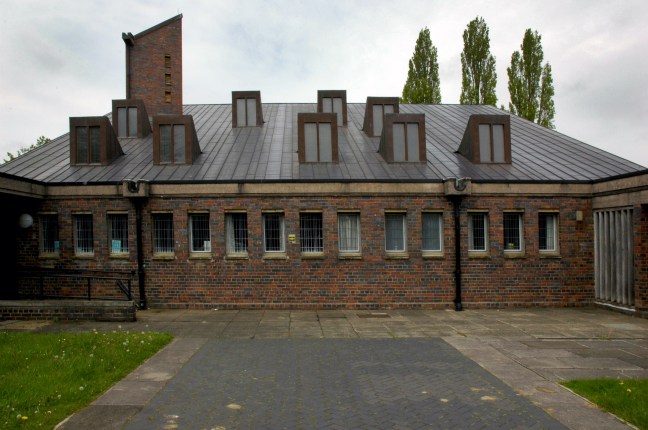
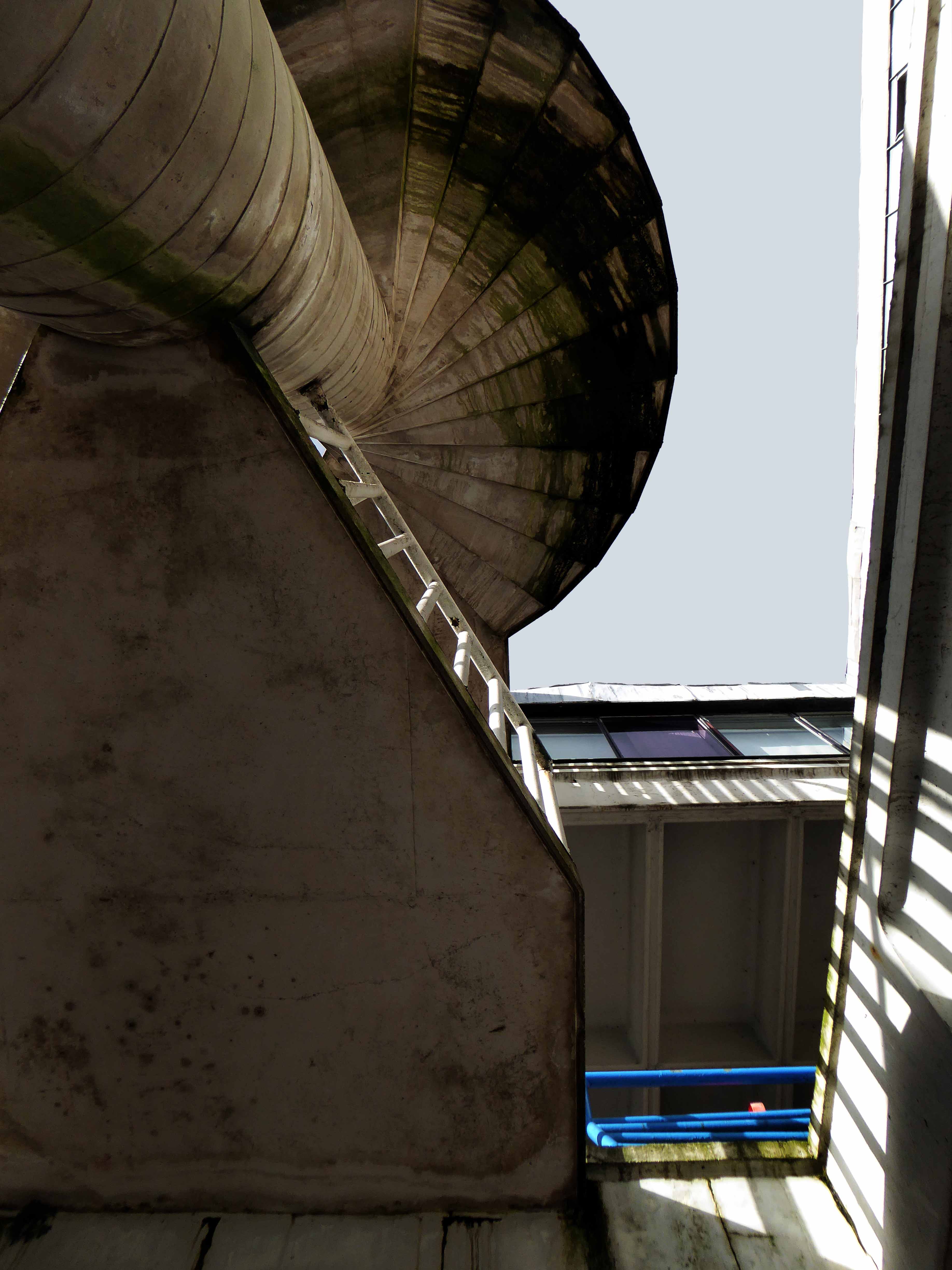
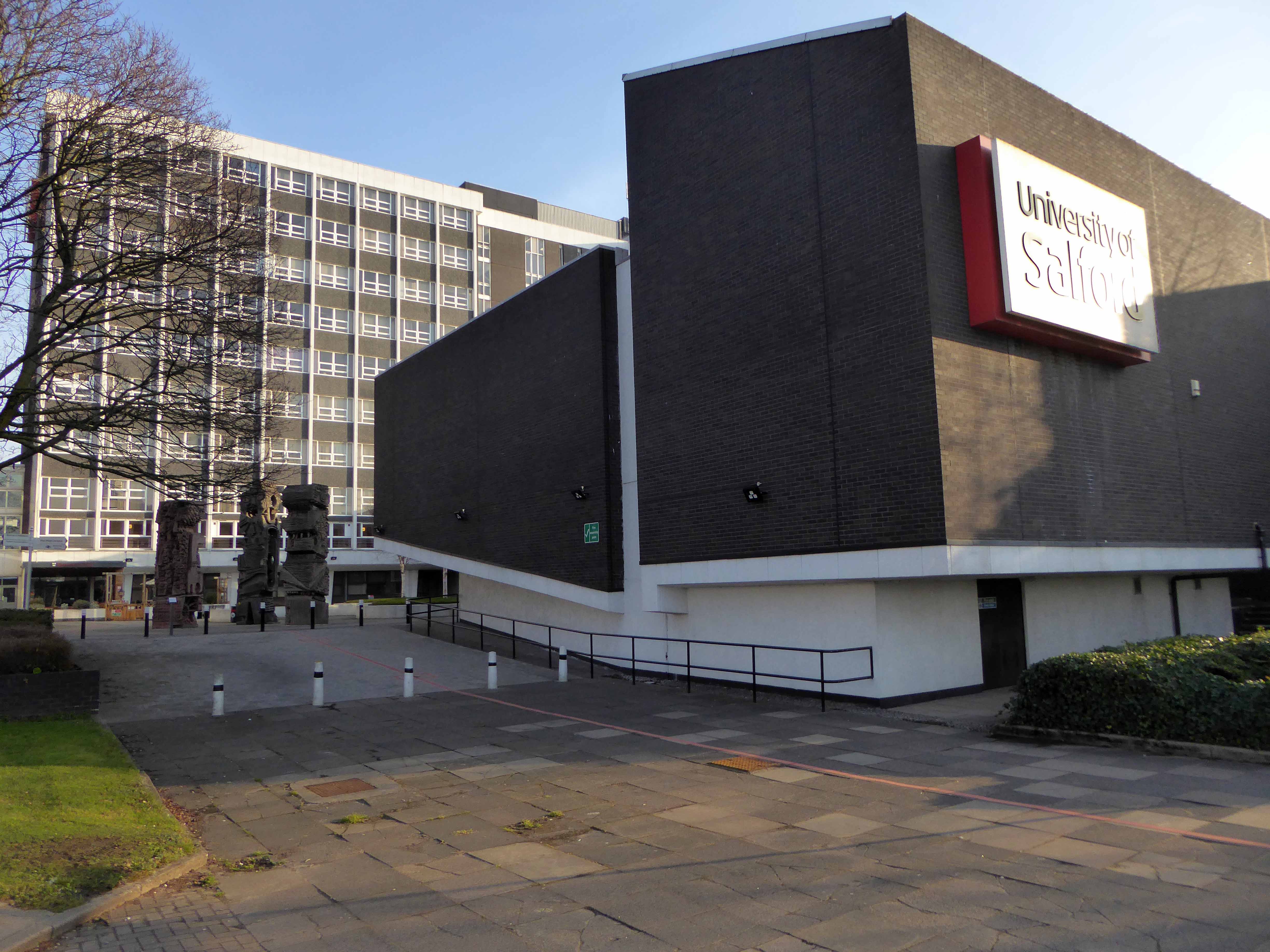
Now the part of the University of Salford, this grouping is probably the most significant work by Halliday Meecham during this period. The blocks wrap to almost enclose a courtyard and they step up in height towards the rear of the site. To the front is a lecture theatre block in dark brick. The multi-storey elements are straightforward in their construction and appearance and have had their glazing replaced. Perhaps the richest elements here are the three totemic structures by artist William Mitchell, which were listed at Grade II in 2011. Mitchell was actively engaged with the experiments of the Cement and Concrete Associations during the 1960s and produced a wide variety of works for public and private clients; other works regionally include the majority of the external art and friezes at Liverpool Metropolitan Cathedral and the Humanities Building at Manchester University. These textured concrete monoliths appear to have an abstract representation of Mayan patterns and carry applied mosaic. They were made on site using polyurethane moulds. There is another Mitchell work hidden behind plasterboard in the inside of the building.
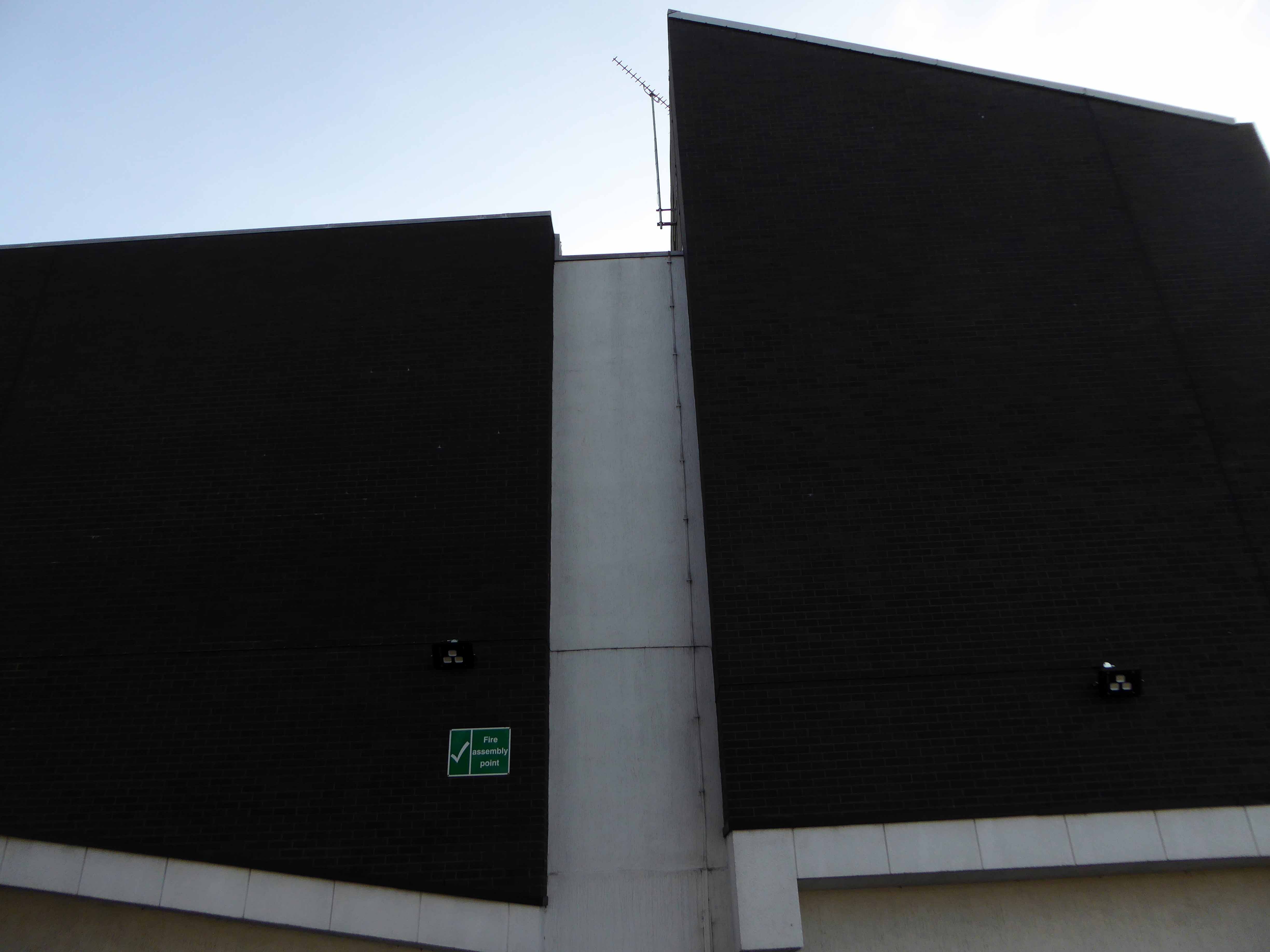
Mainstream Modern

More about the:

Minut Men

Shopping City

High Street Estate

Flemish Weaver

Woolpack

Doncaster – Police Station and Law Courts

I’ll try anything twice or more – including a trip to Doncaster.

Once in the rain two years ago, more recently in broken cloud and sunshine.

In search of the work of Frederick Gibberd .

Son of Coventry – architect, author and leading post-war planner.

From 1949 onwards plans were afoot to develop the Waterdale area of Doncaster – civic buildings, courts, educational provision and the like WH Price the Borough Surveyor at the helm. In 1955 Gibberd was appointed to oversee the site, though many of his designs were unrealised, his Police Station and Law Courts opened in 1969.

The area was also home to the Technical College and Coal – later Council House, both now demolished.

Information Doncaster Civic Trust.

The Courts and Police Station now nestle behind the much newer civic developments, part of much wider regeneration scheme.

So let’s go back in time to a wet day in 2016 – when first I chanced upon these municipal concrete bunkers of law and order – where Brutalism is embodied in the buildings content and purpose, as well as its style.

This is an architecture that instructs you to avoid wrongdoing at all costs – or suffer the inevitable consequences.

Come and have a go if you think you’re hard enough.

2019 and I’m back again – architecturally little or nothing has changed, still standing – stolid solid pillars of justice. The day is brighter ever so slightly softening the harsh precast panels against a bluer spring sky.

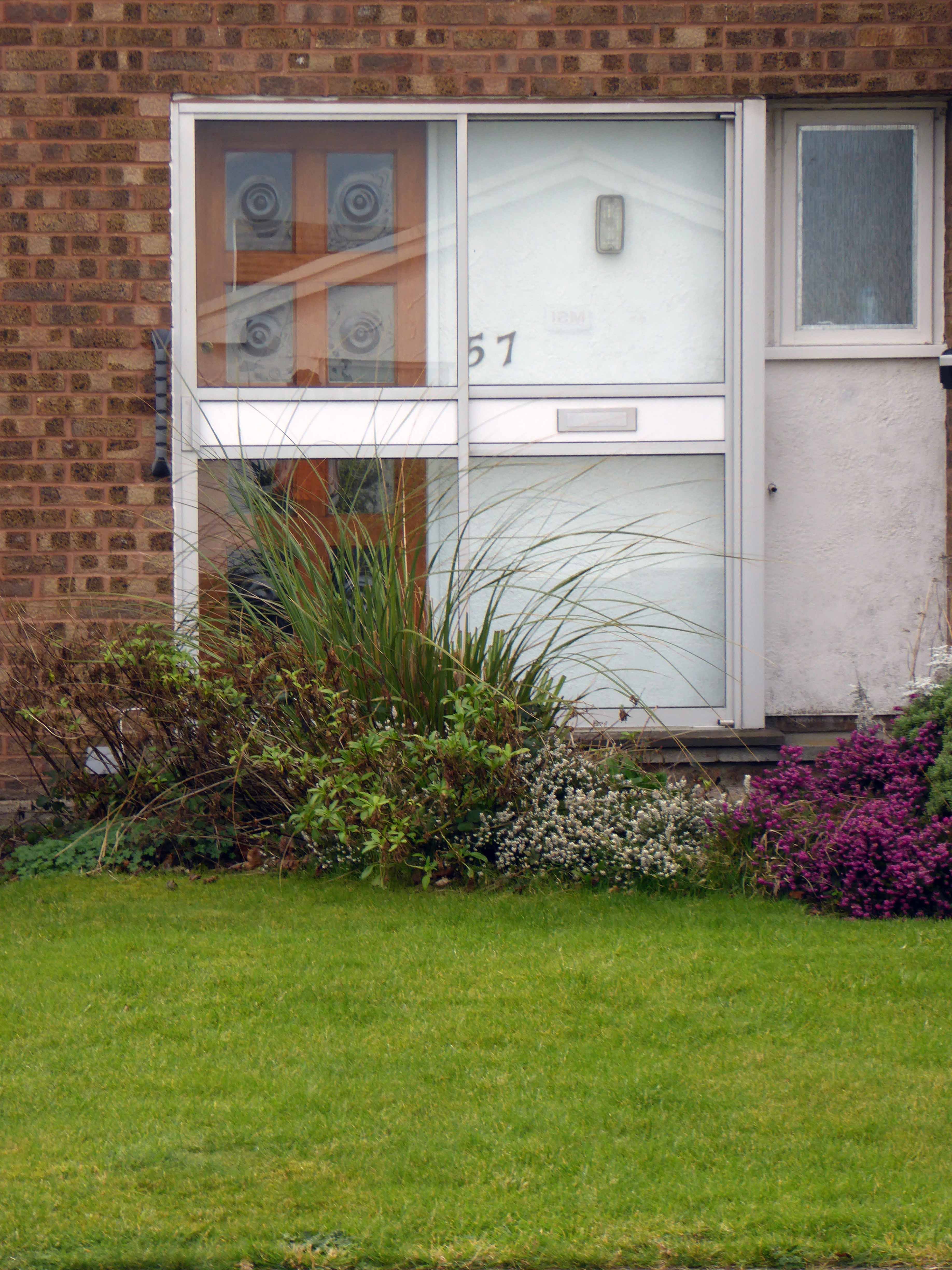
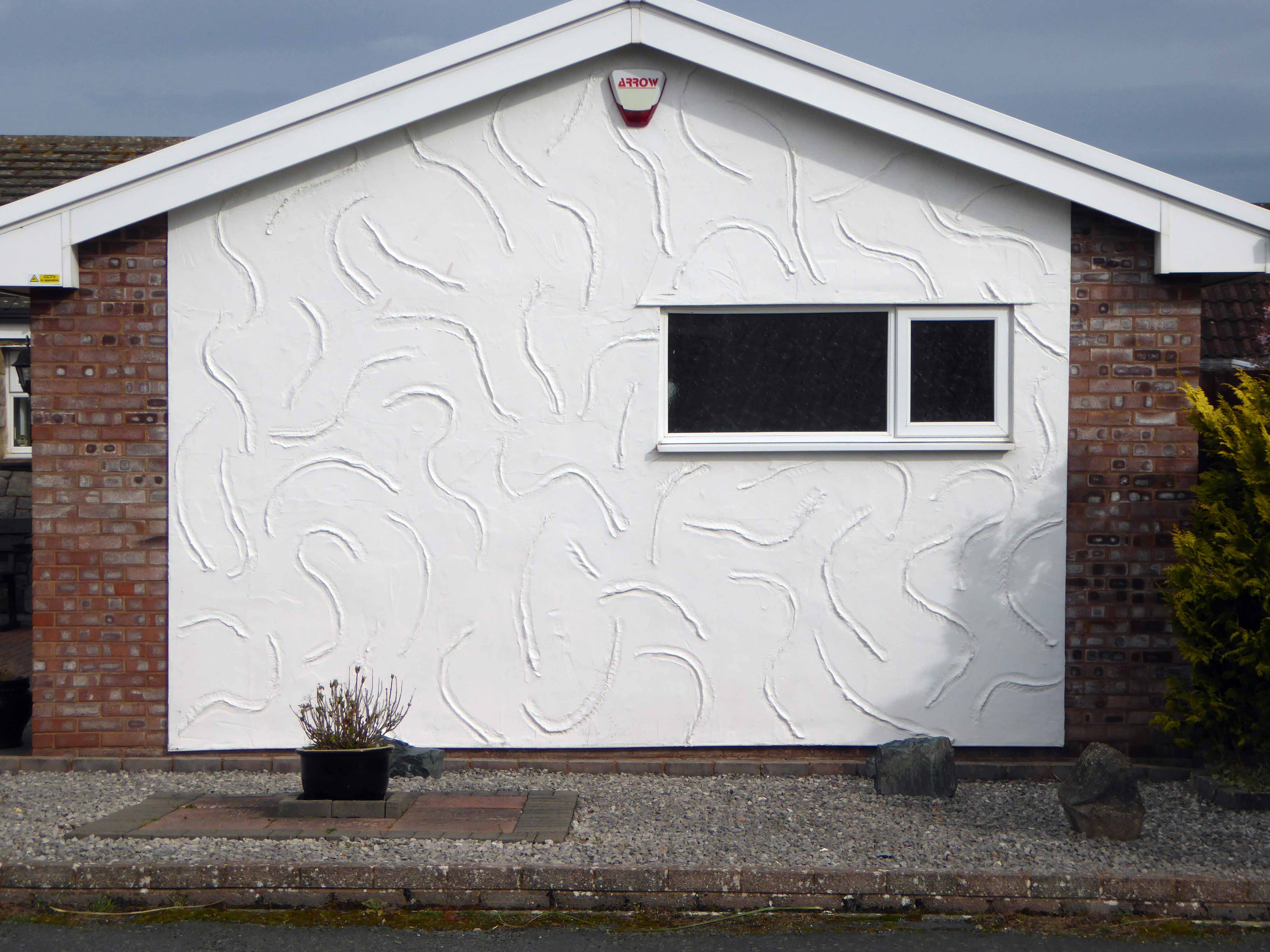
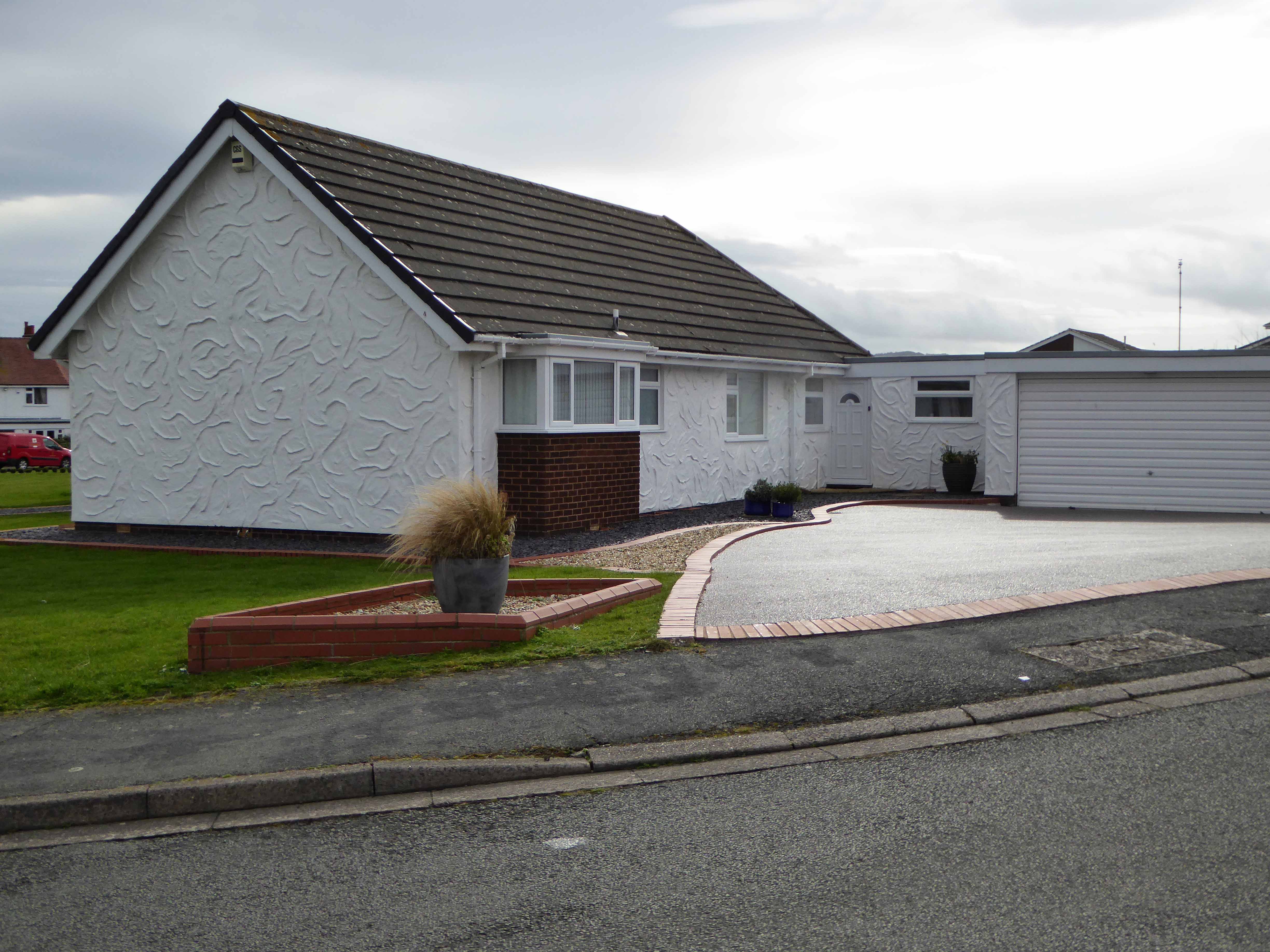
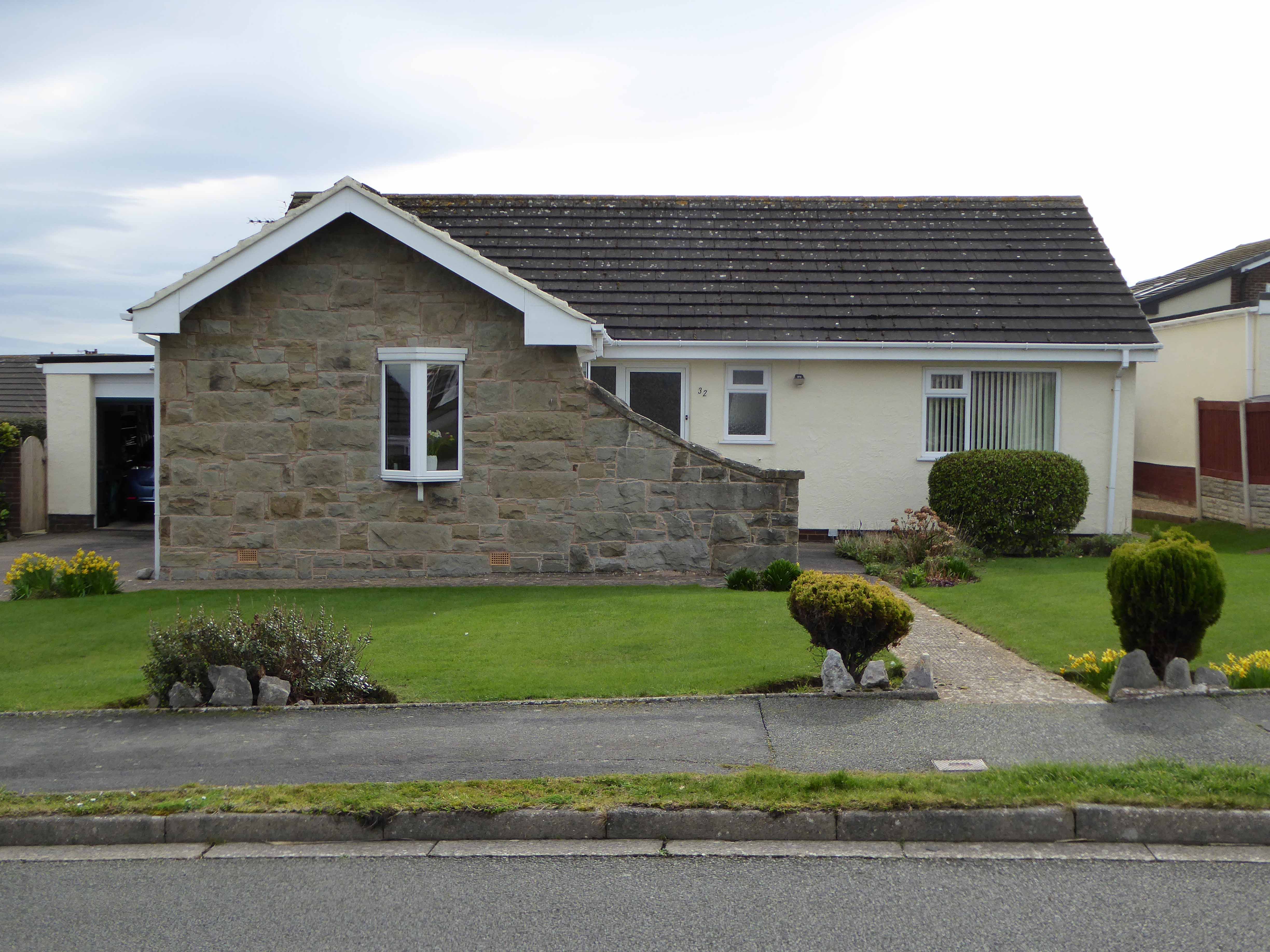
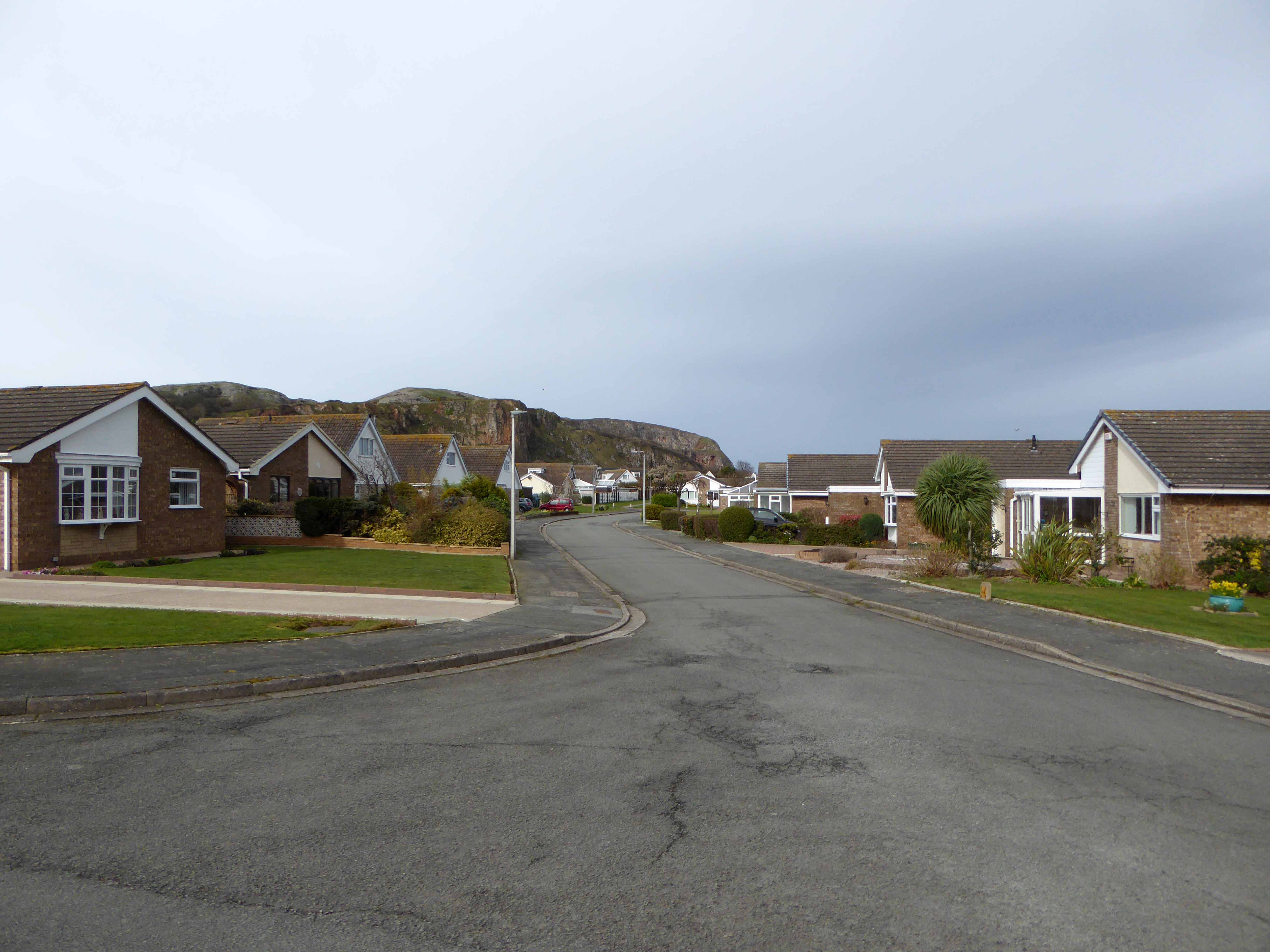
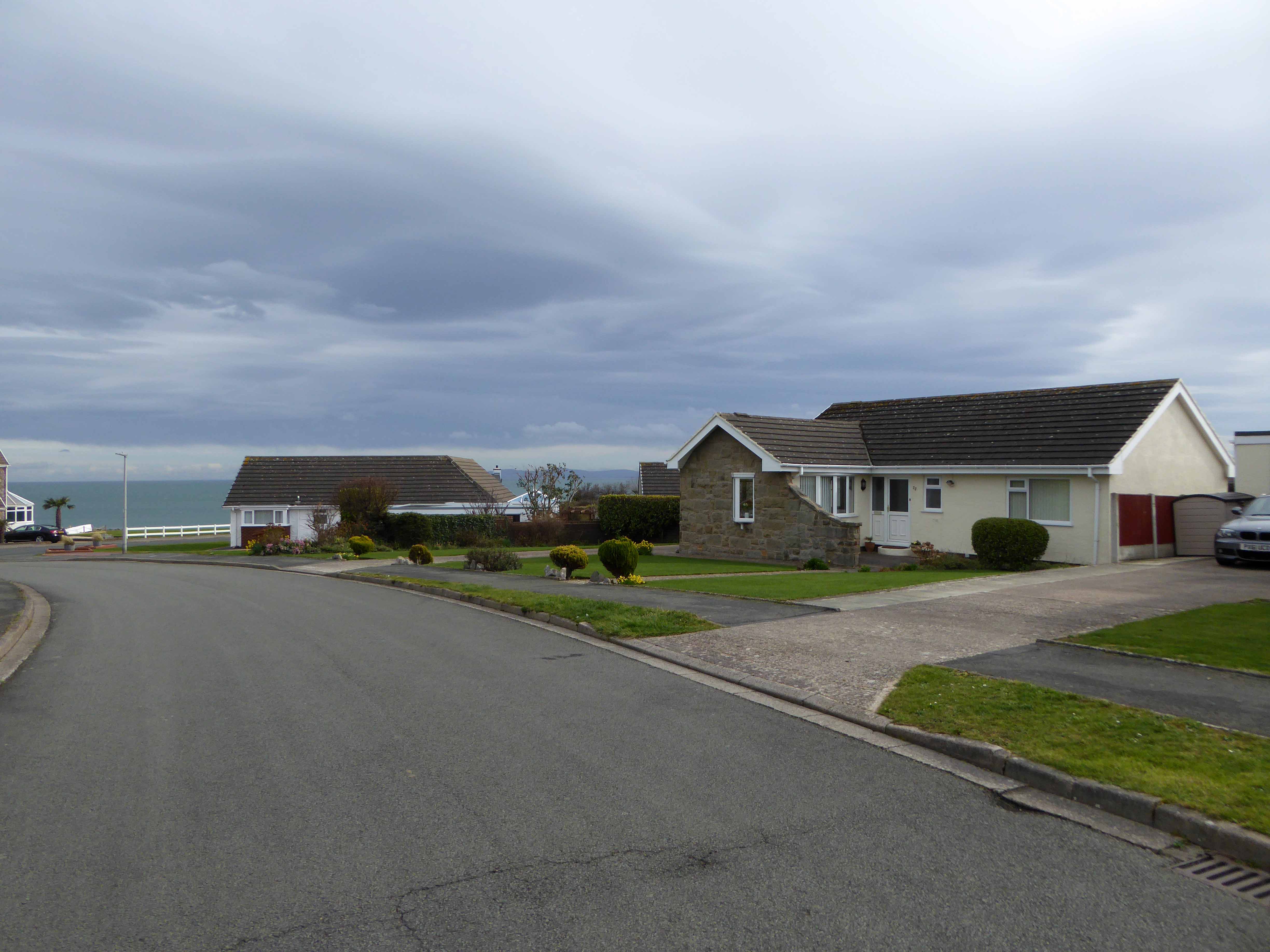
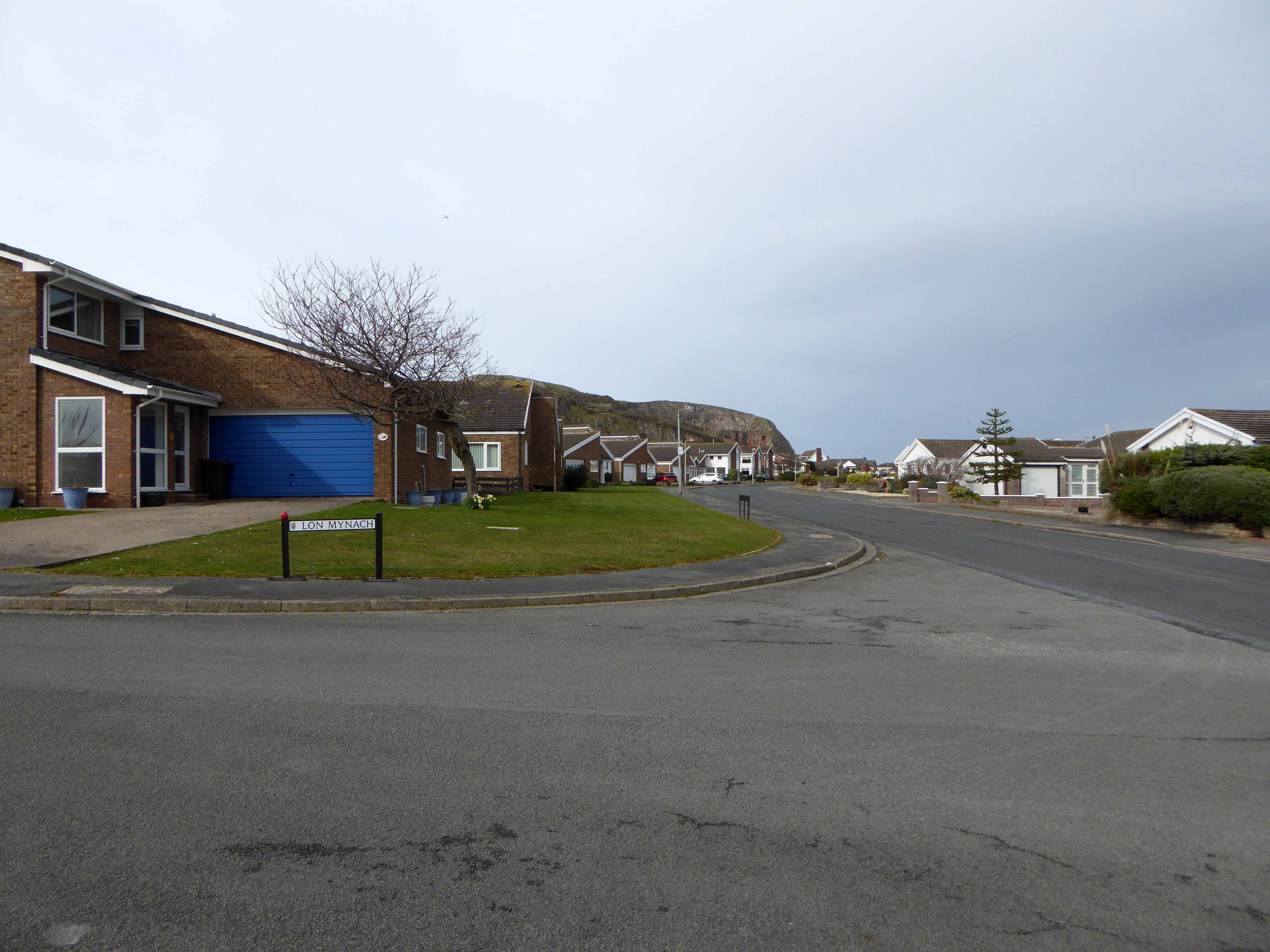
Return To Penrhyn Bay

Then the very next morning it came right back to me.

She wrote upon it:

Return to Penrhyn Bay – so I dutifully did

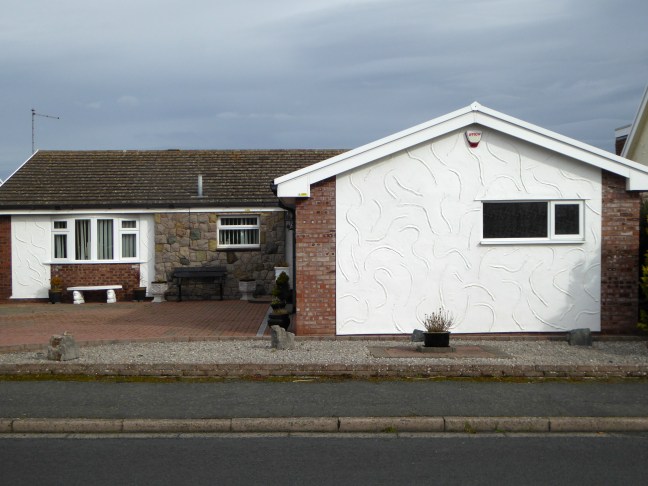
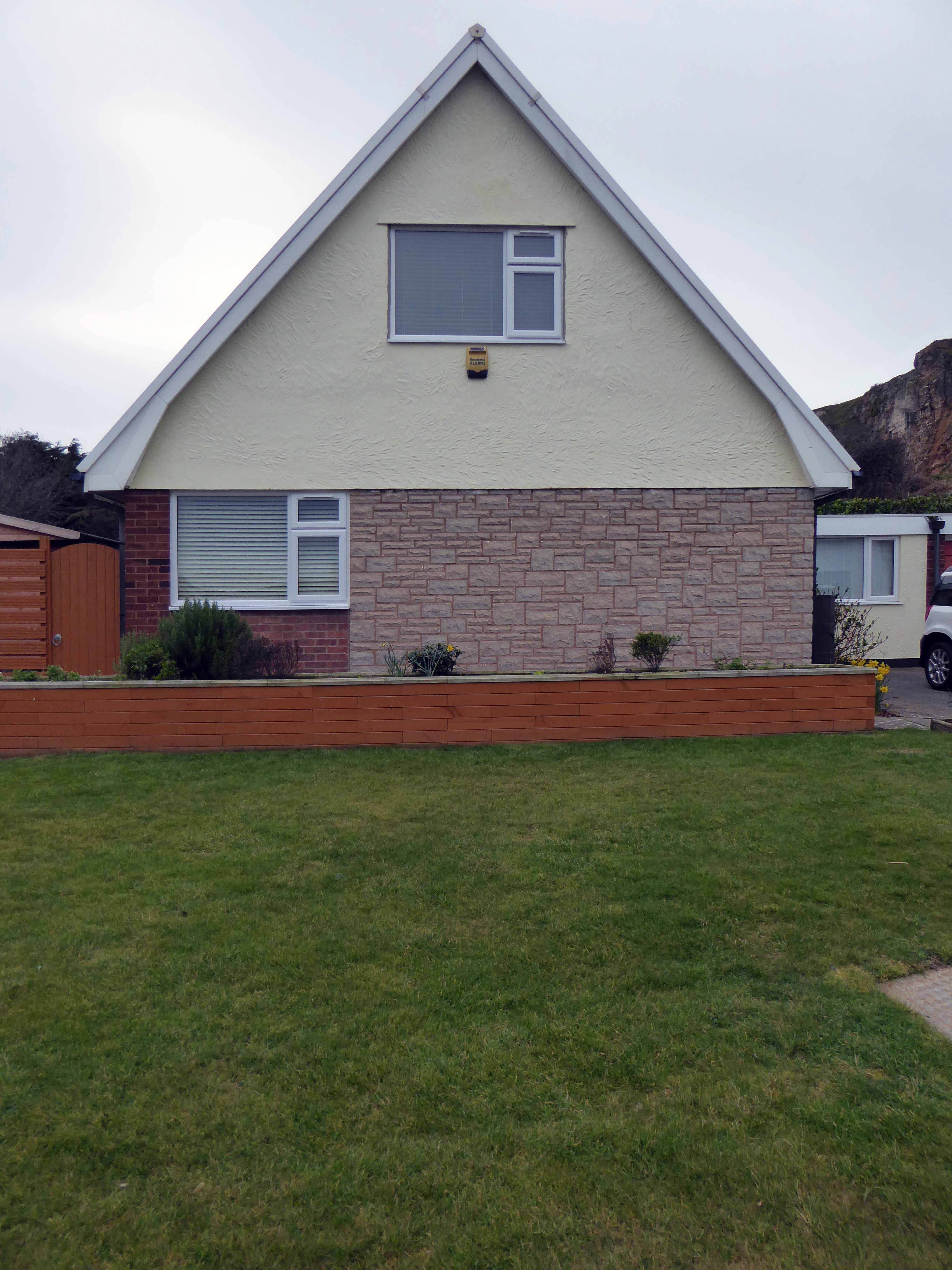
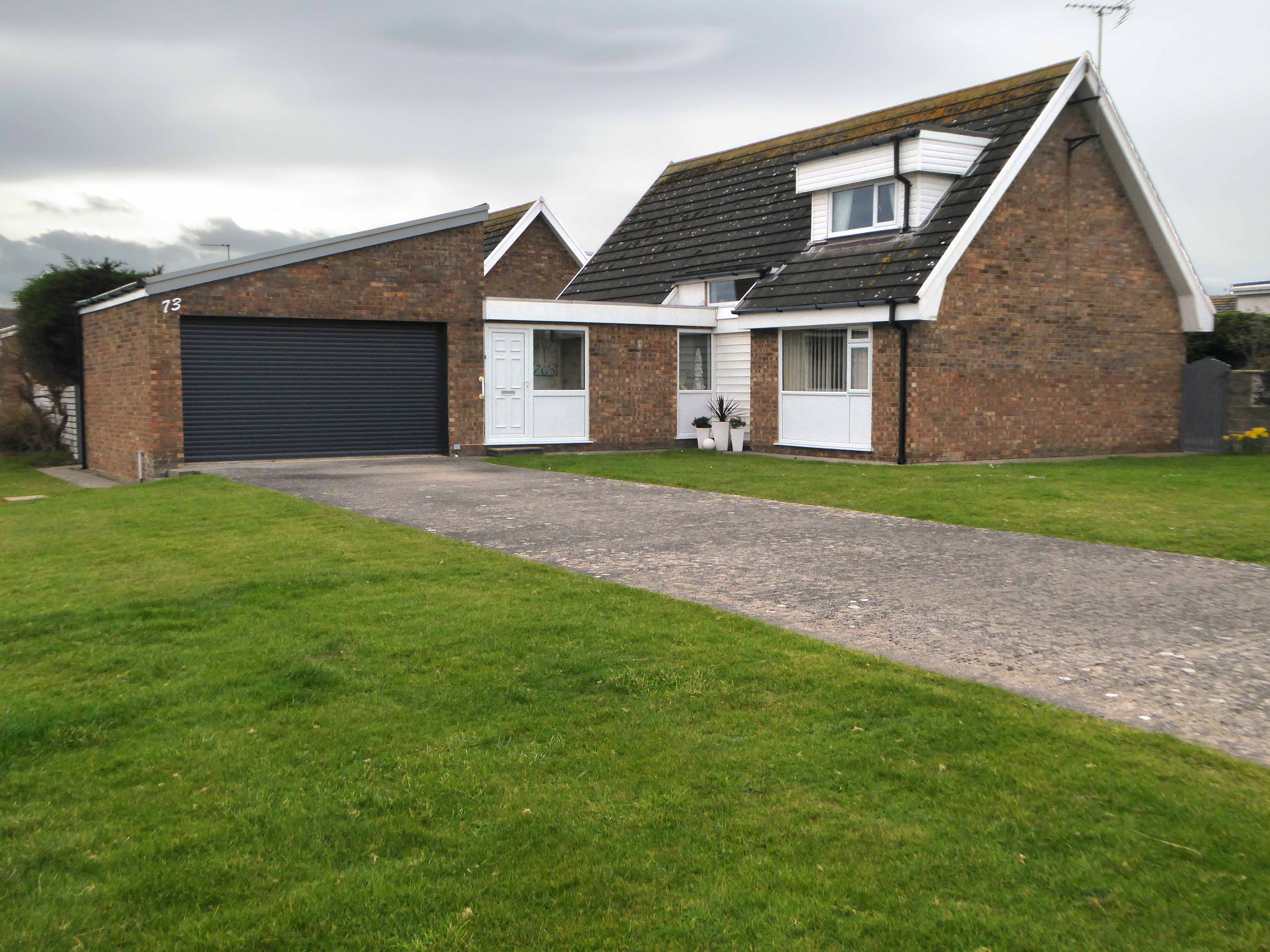
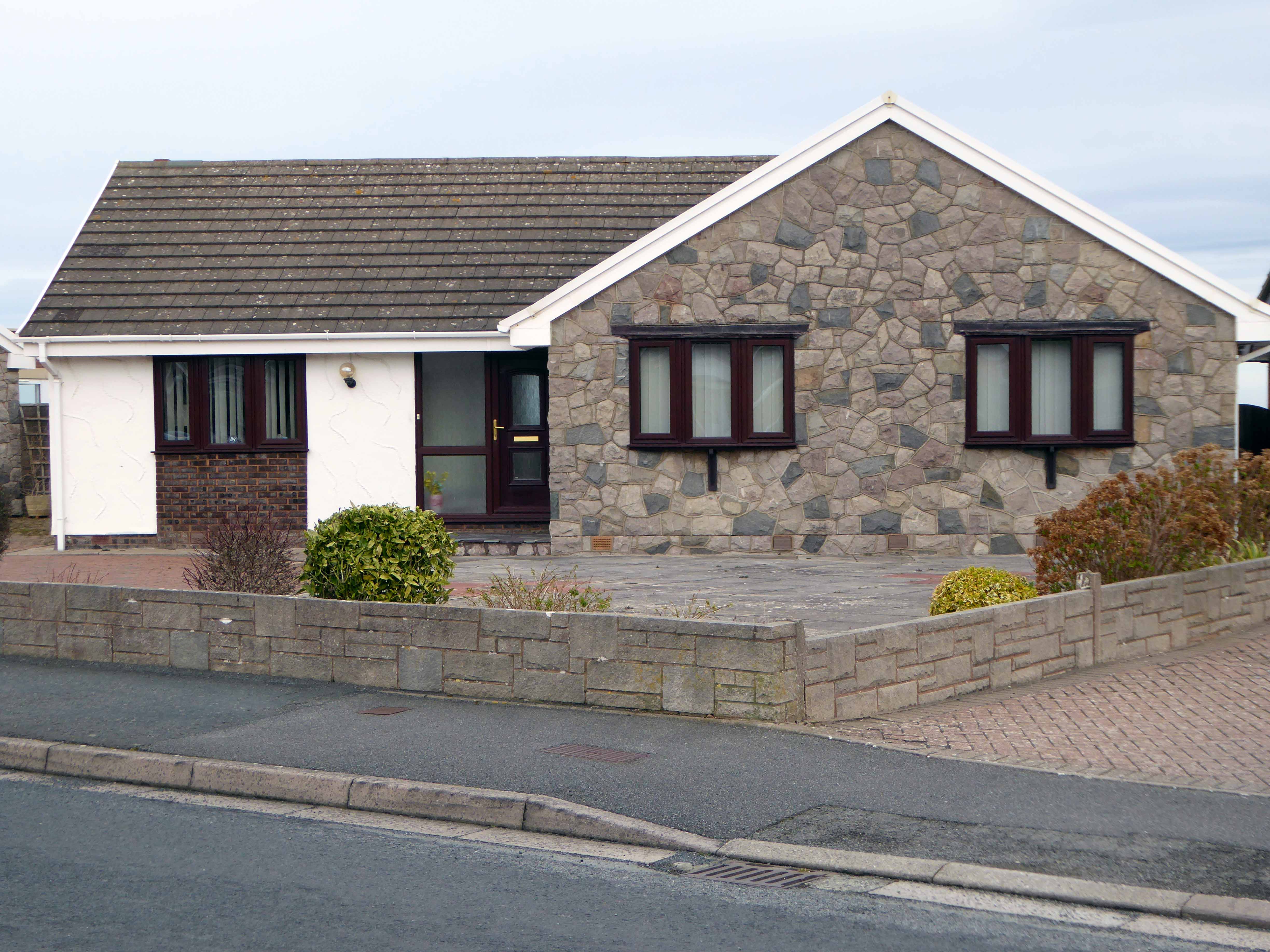
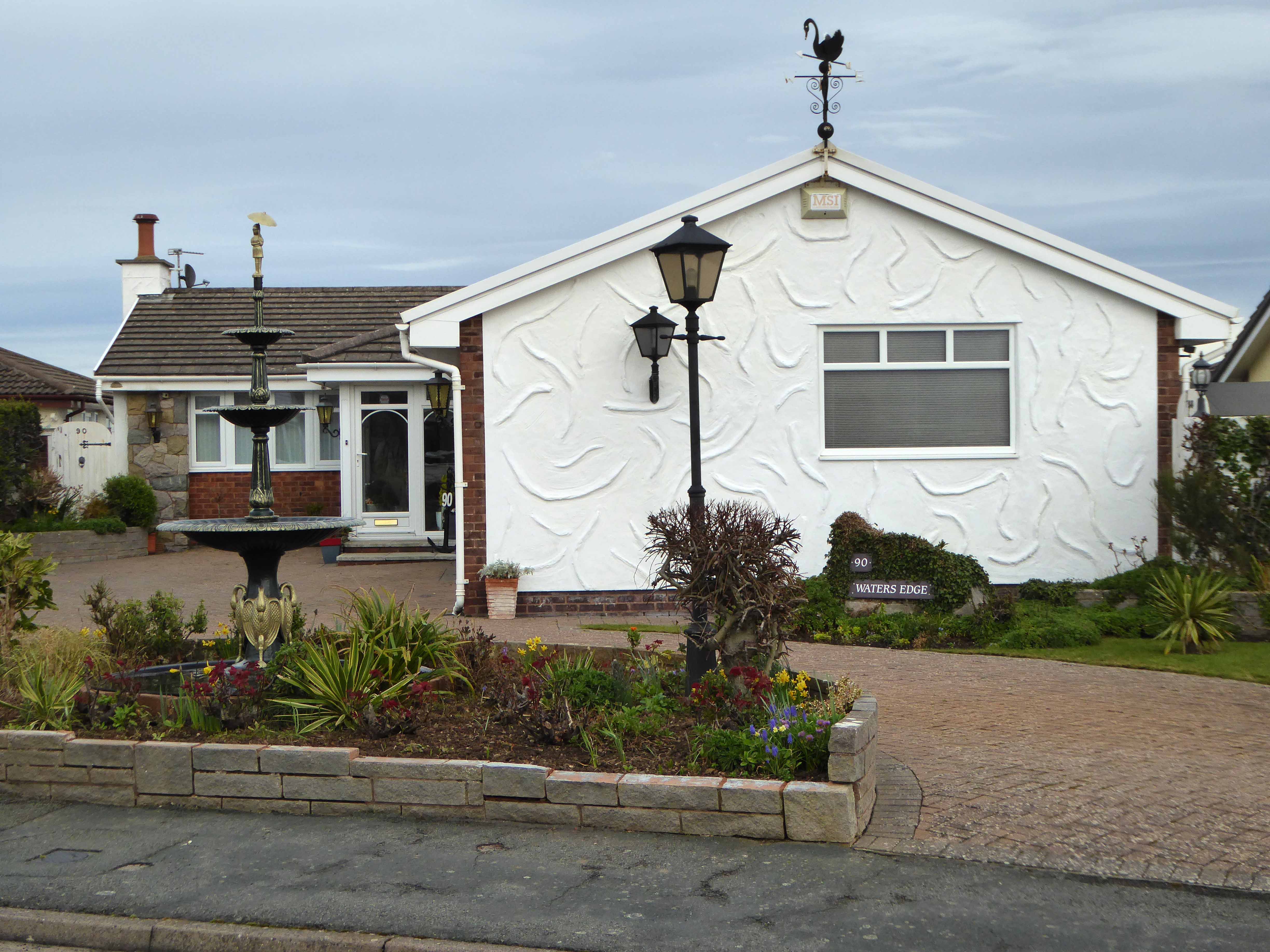
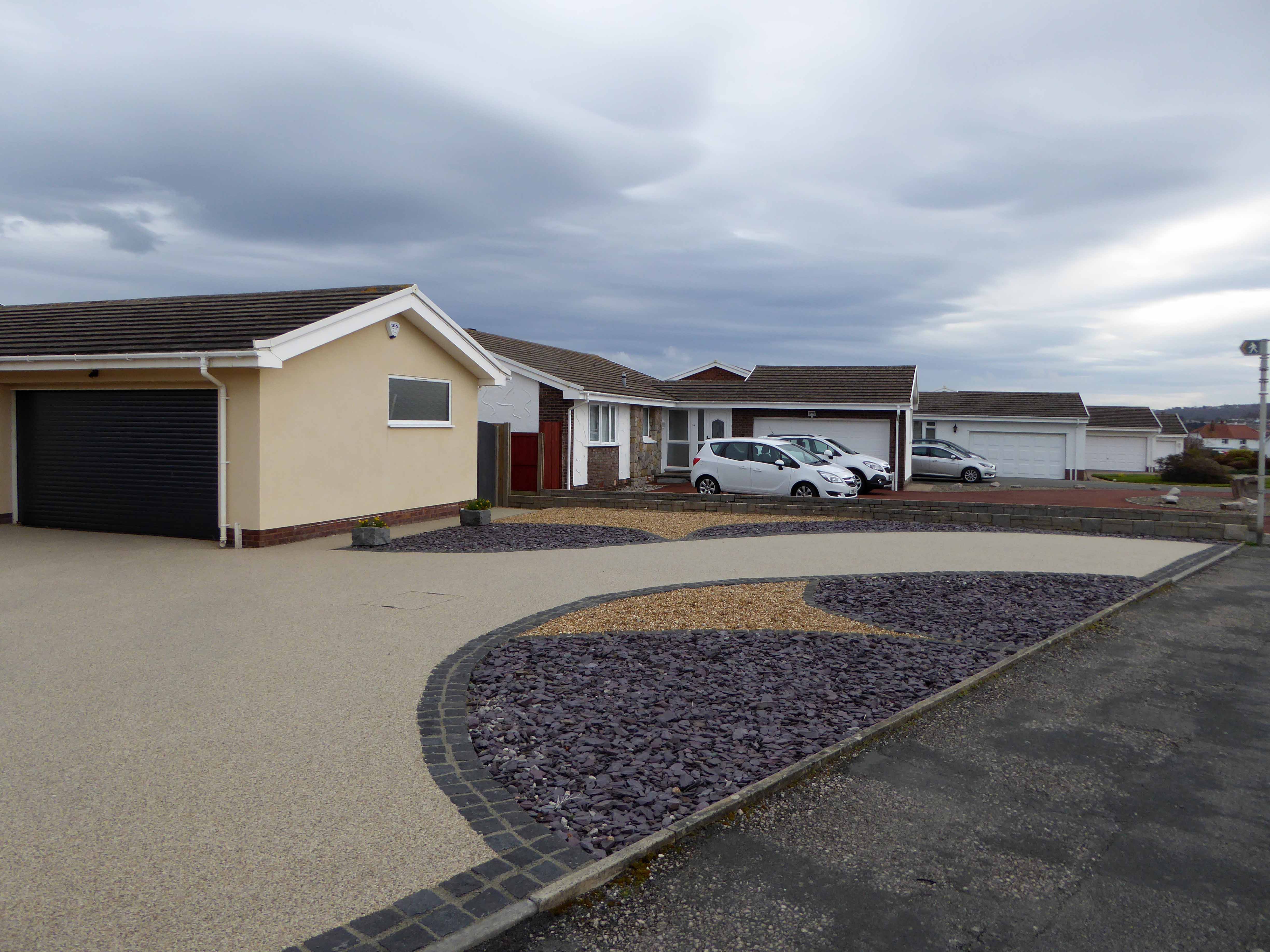
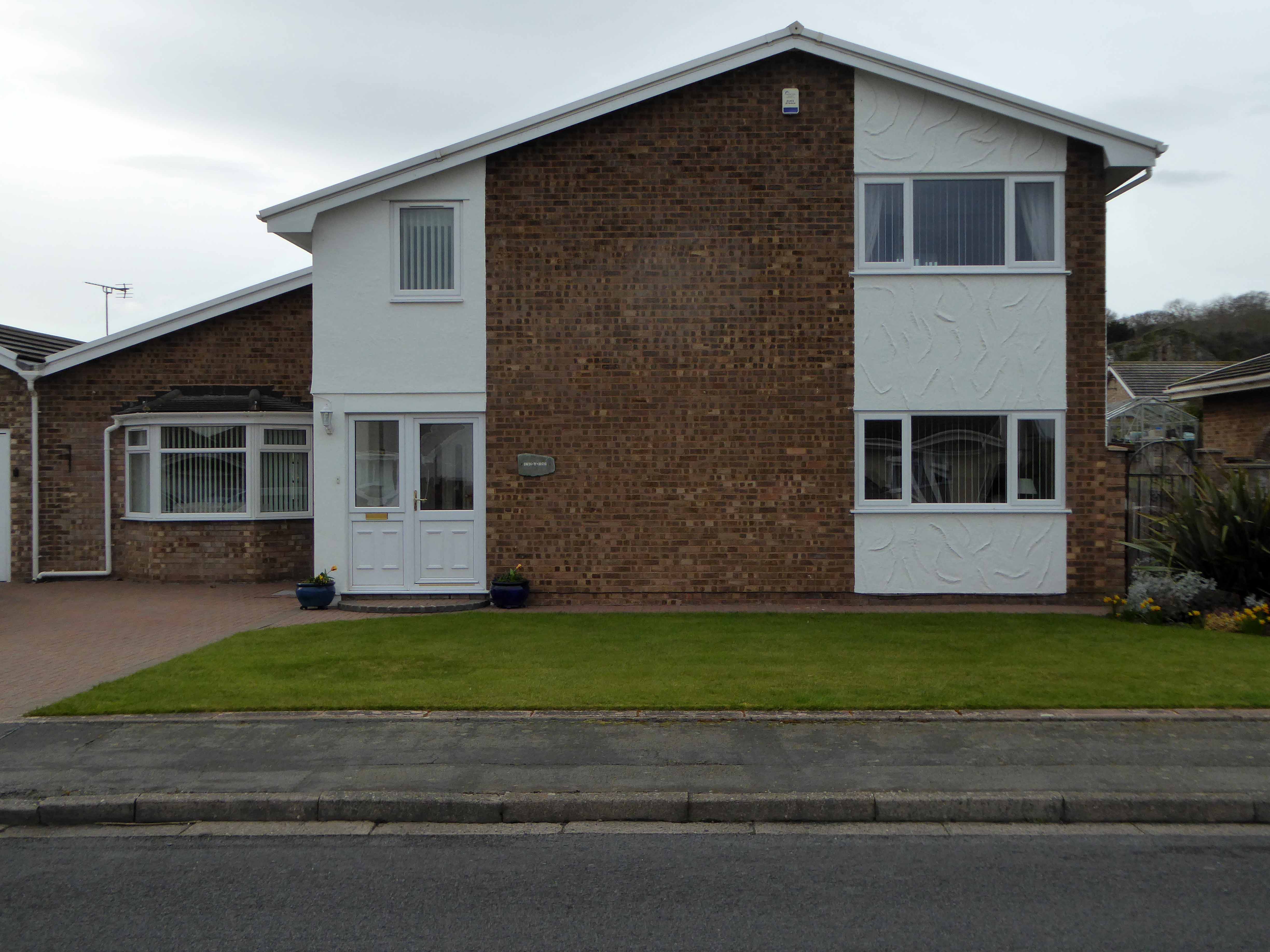
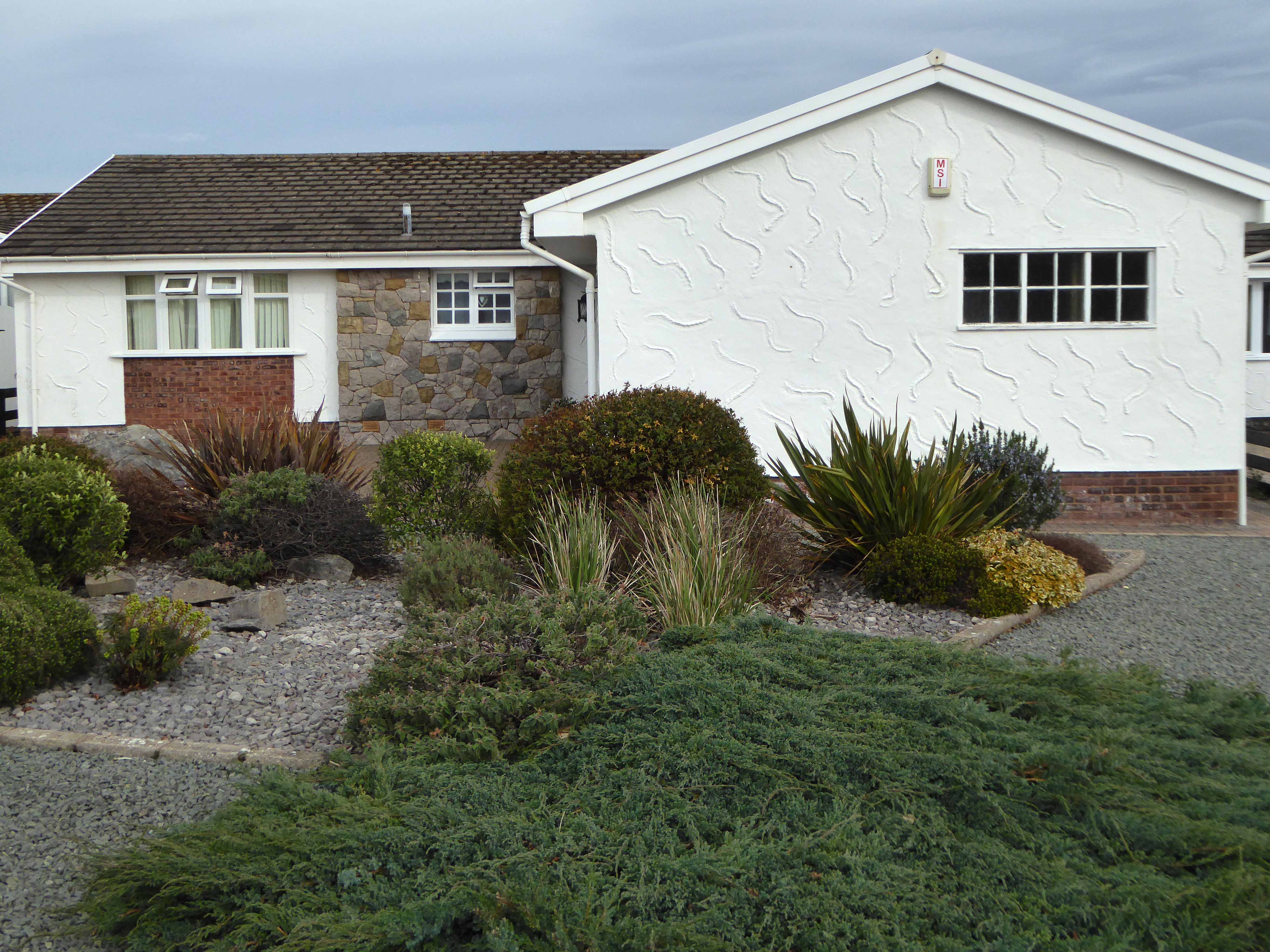
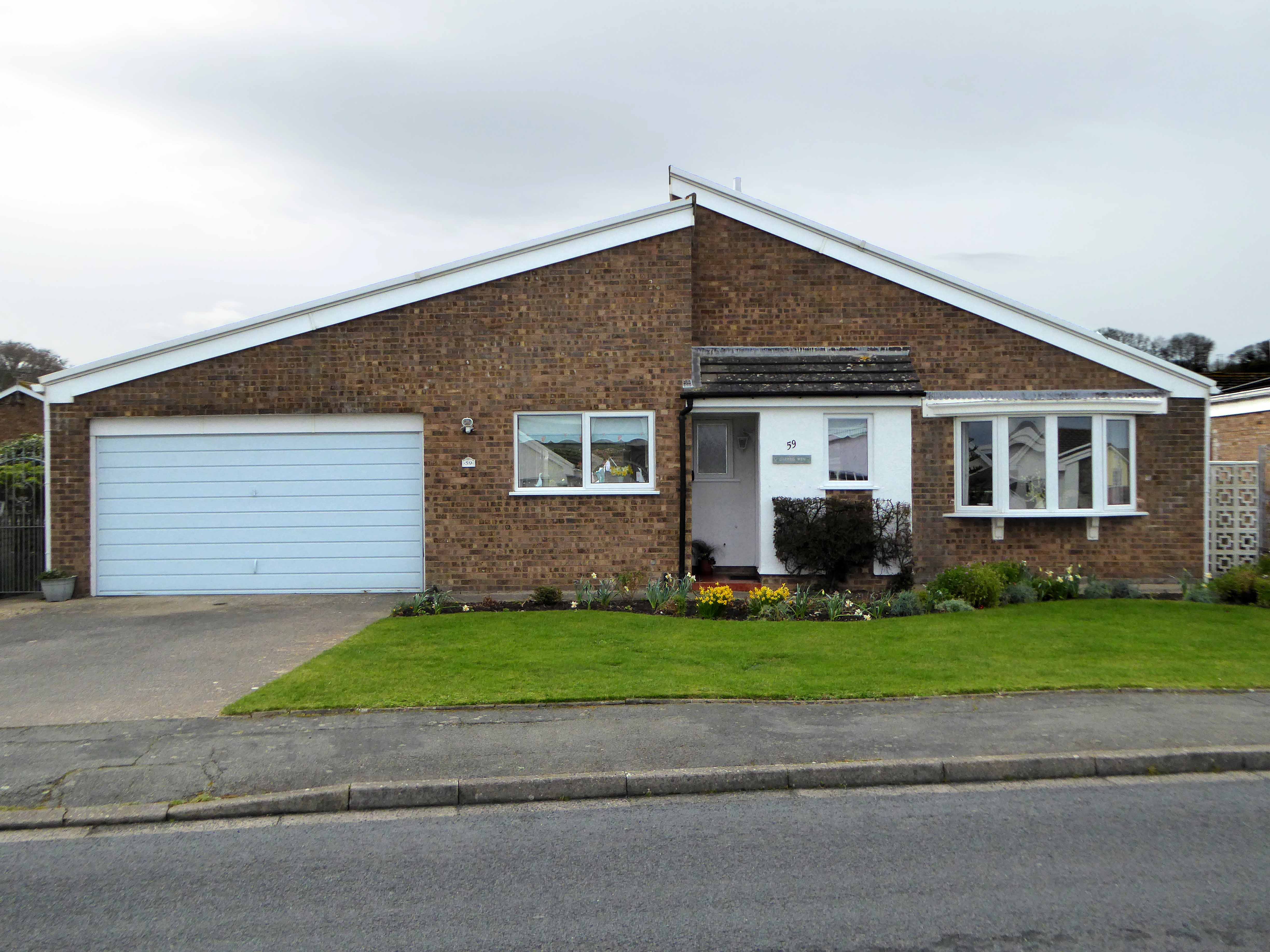
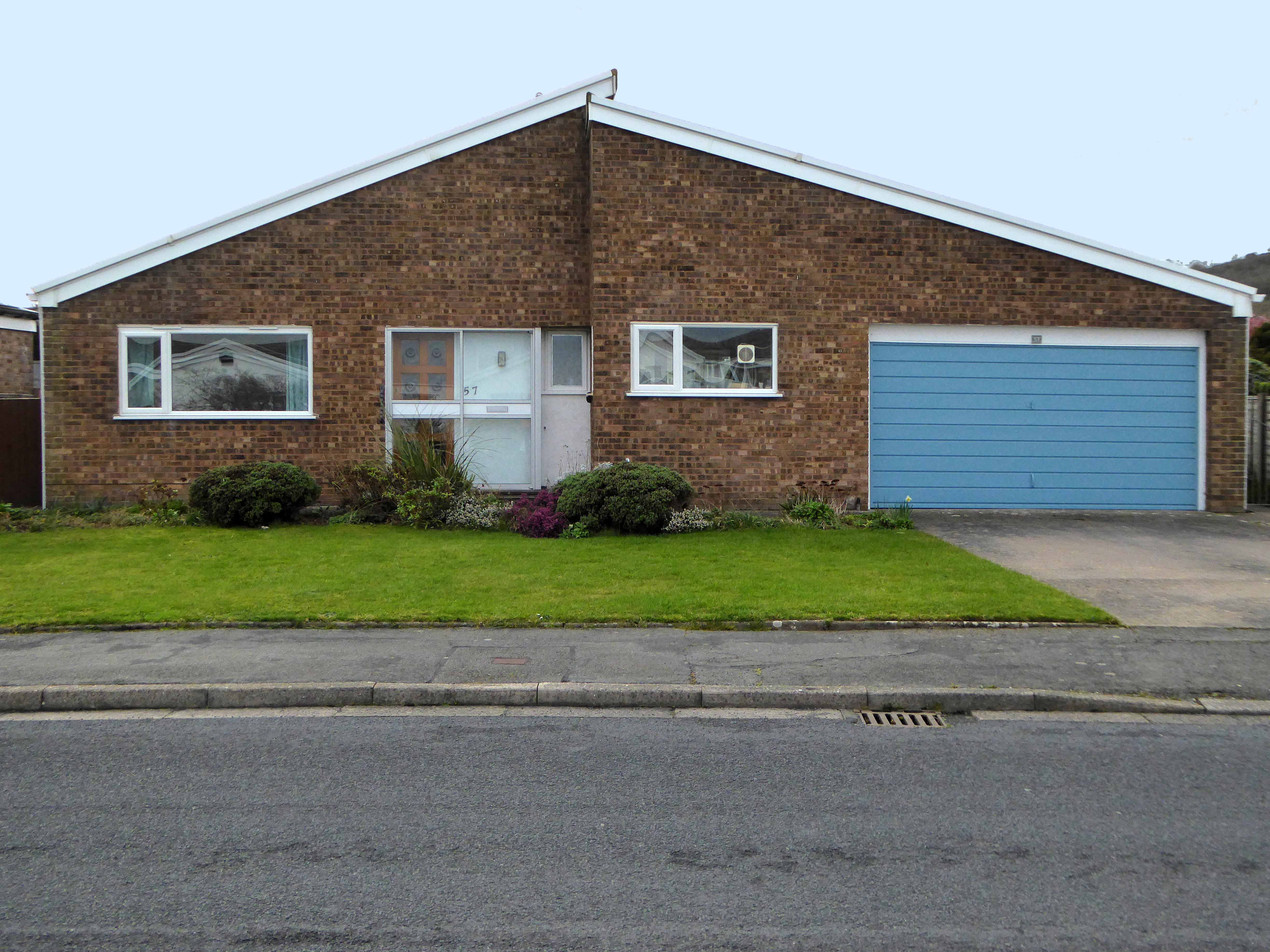
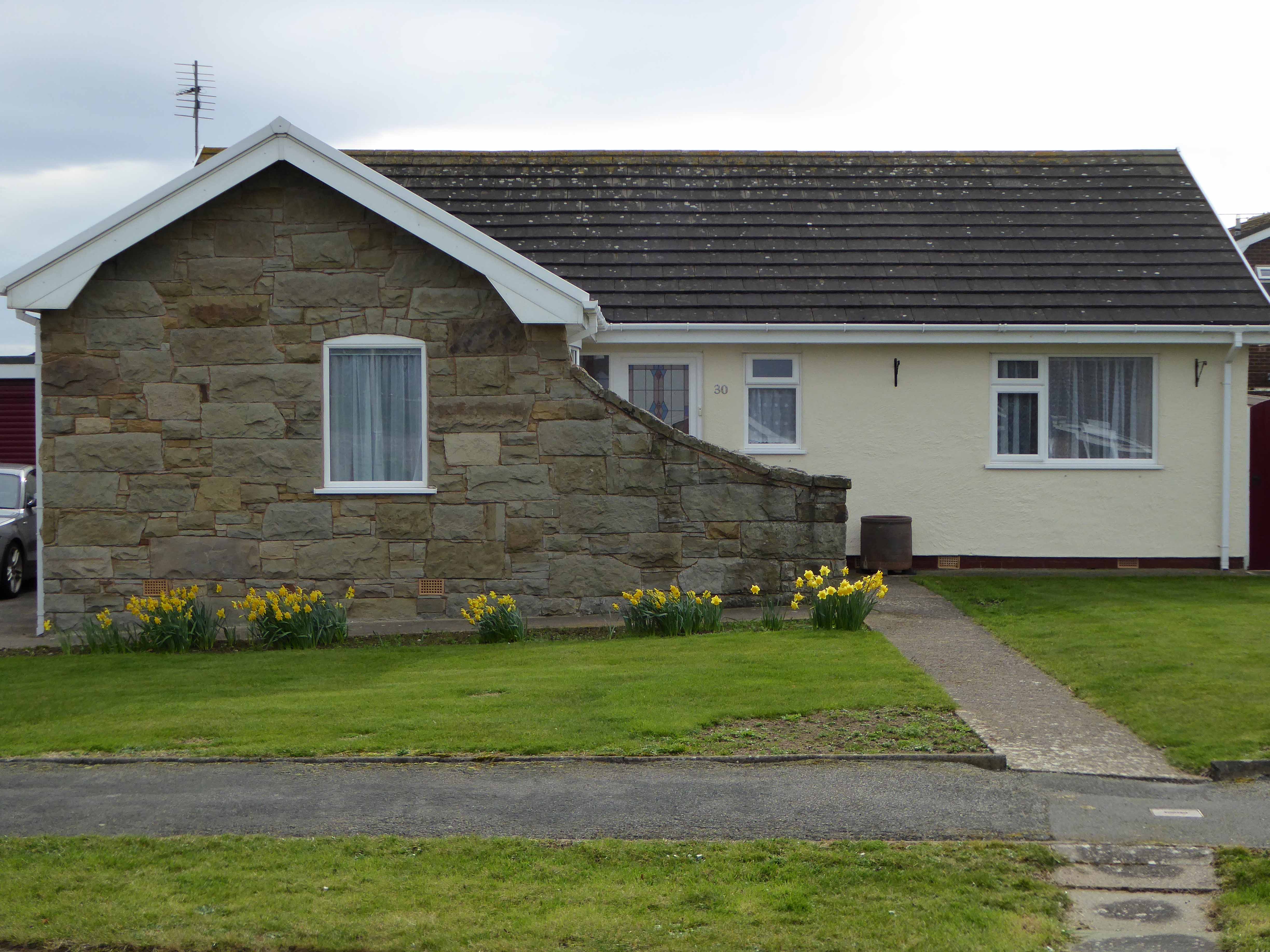
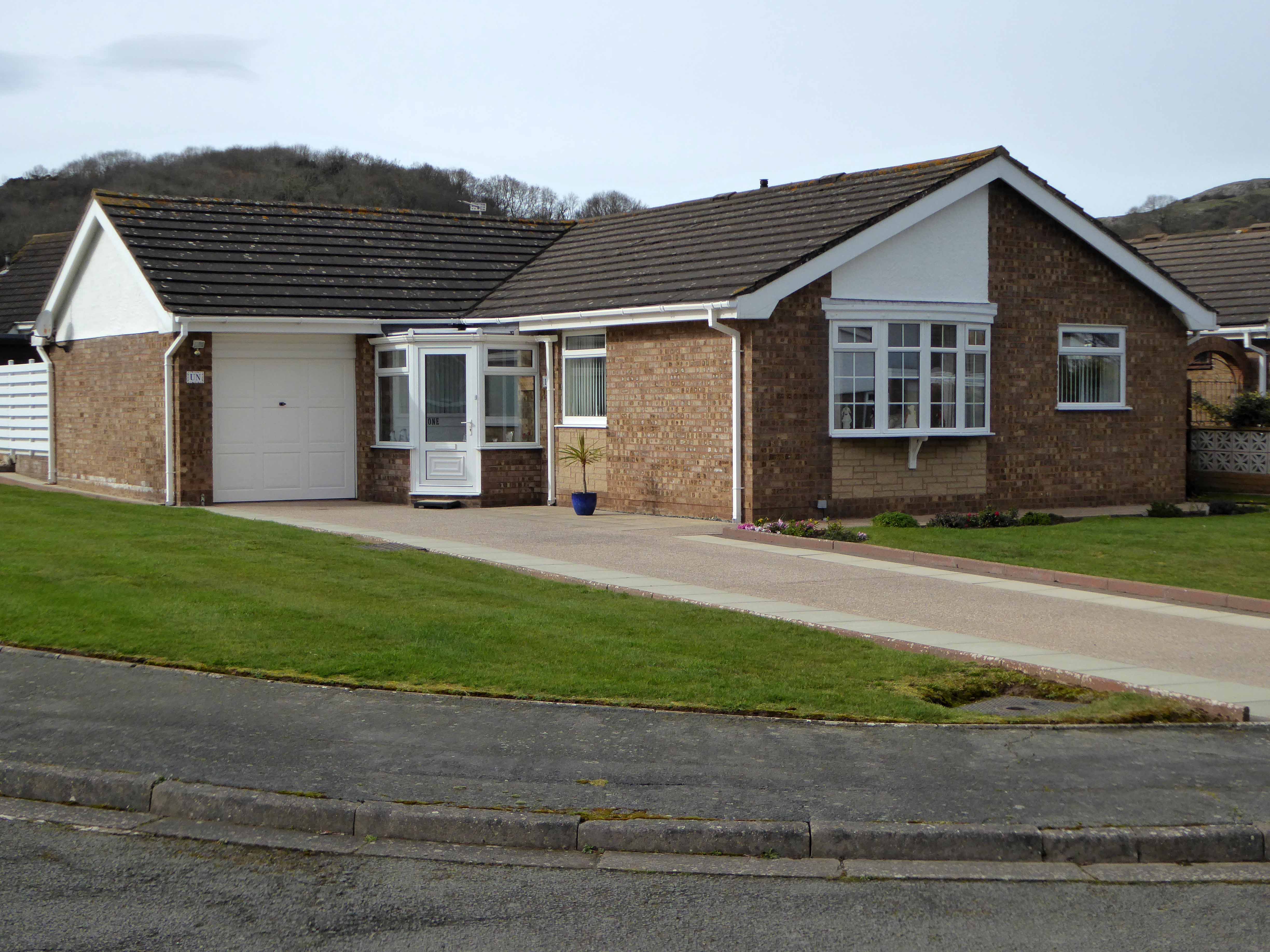
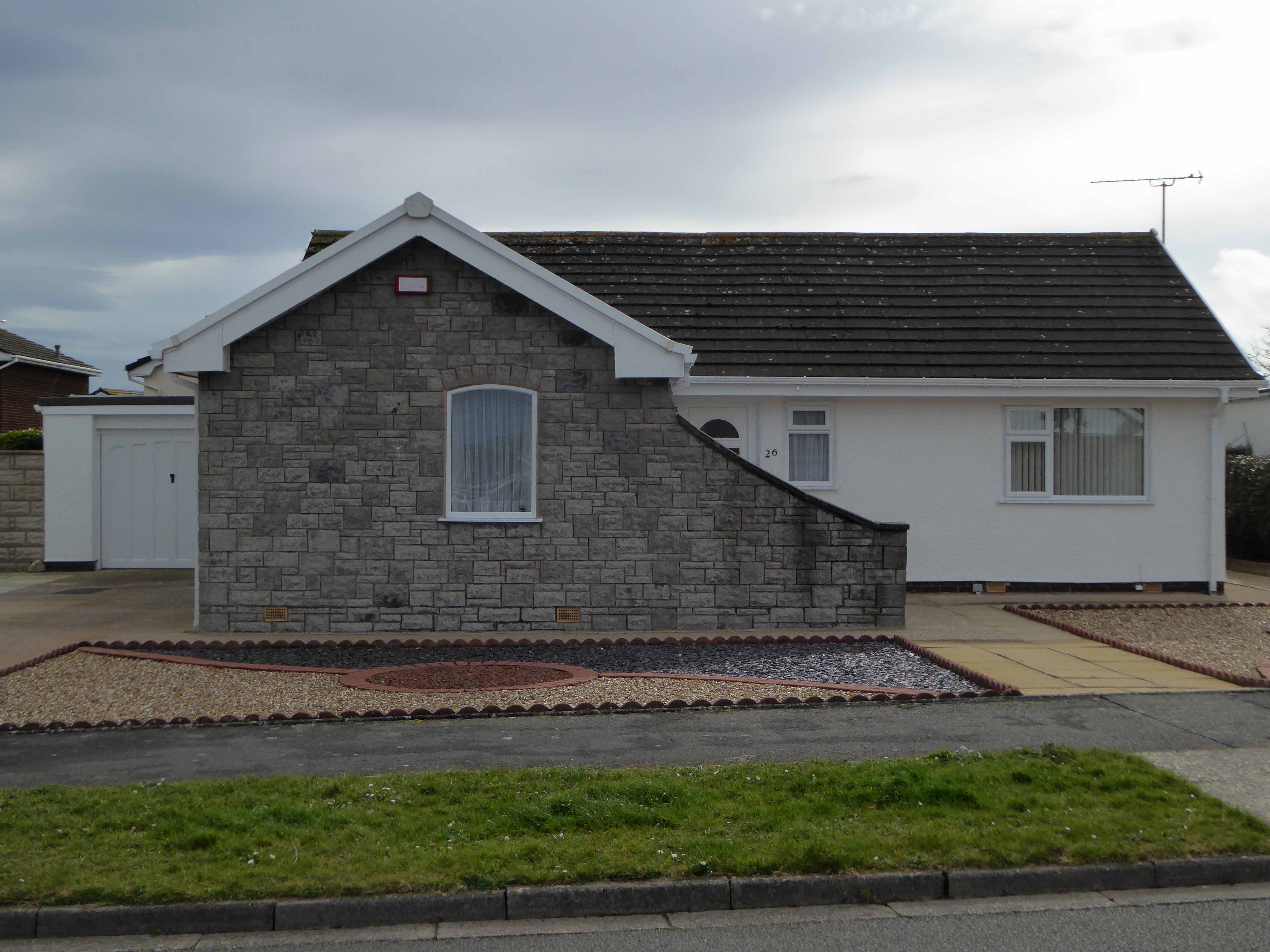
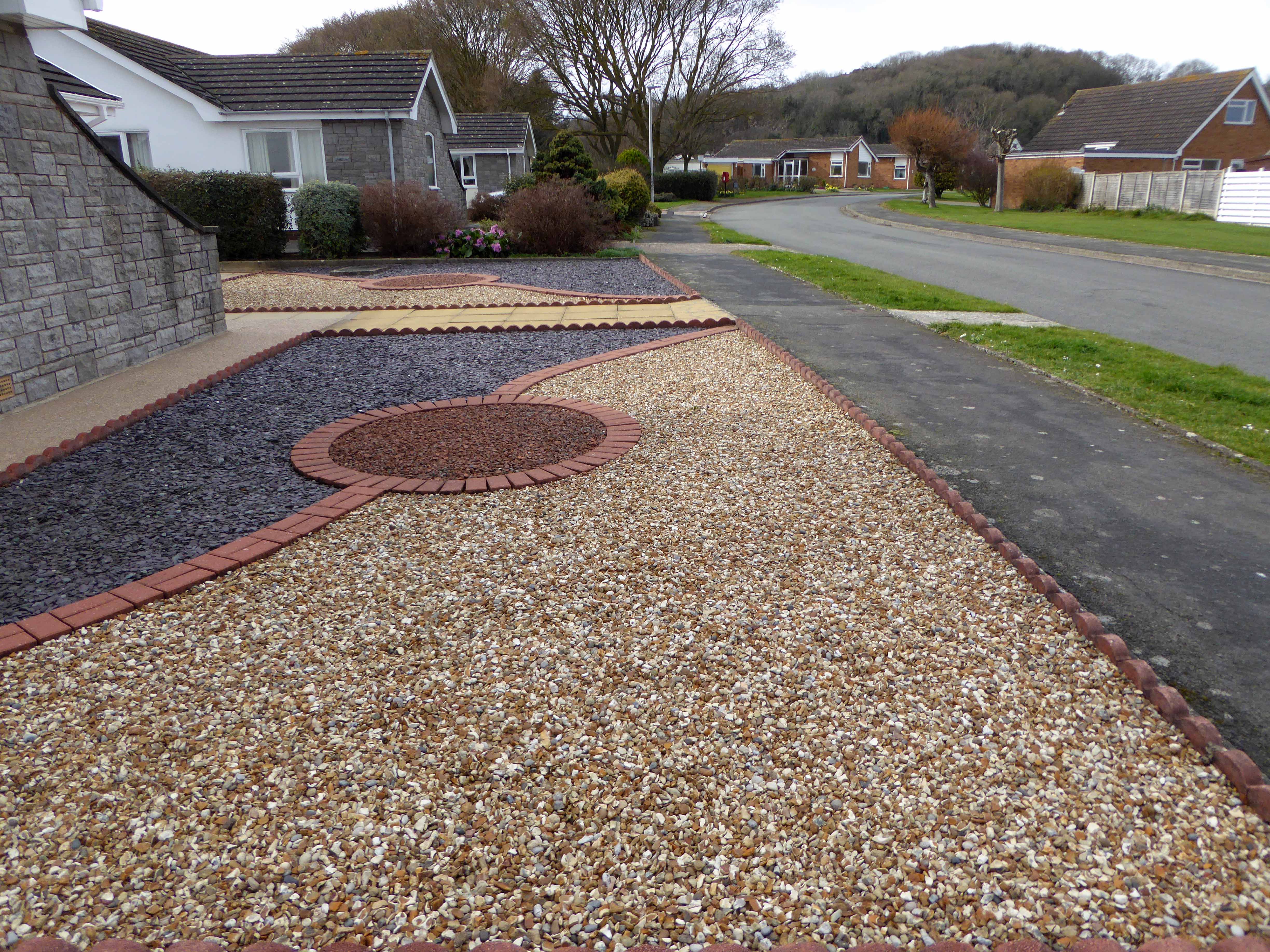
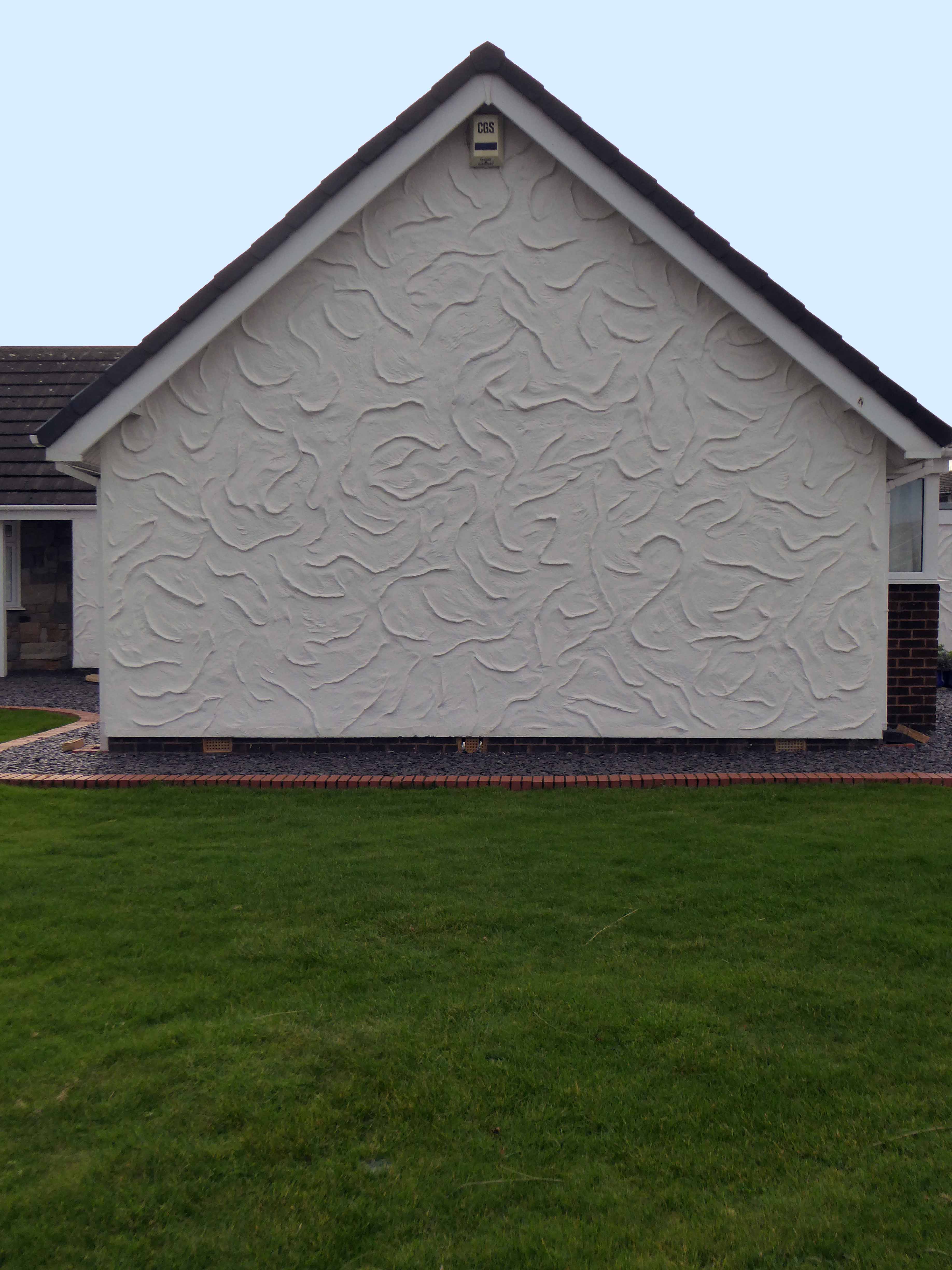
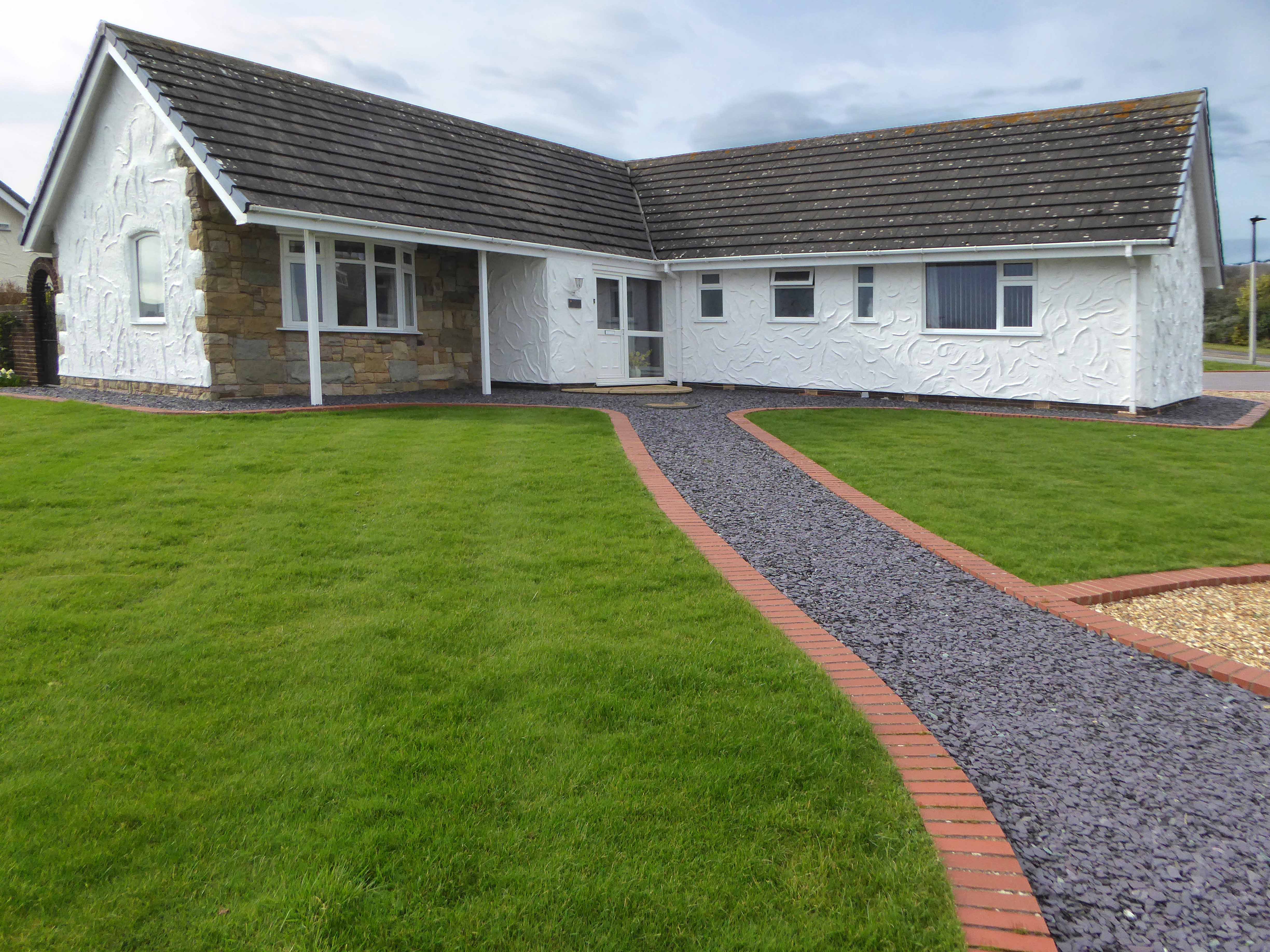
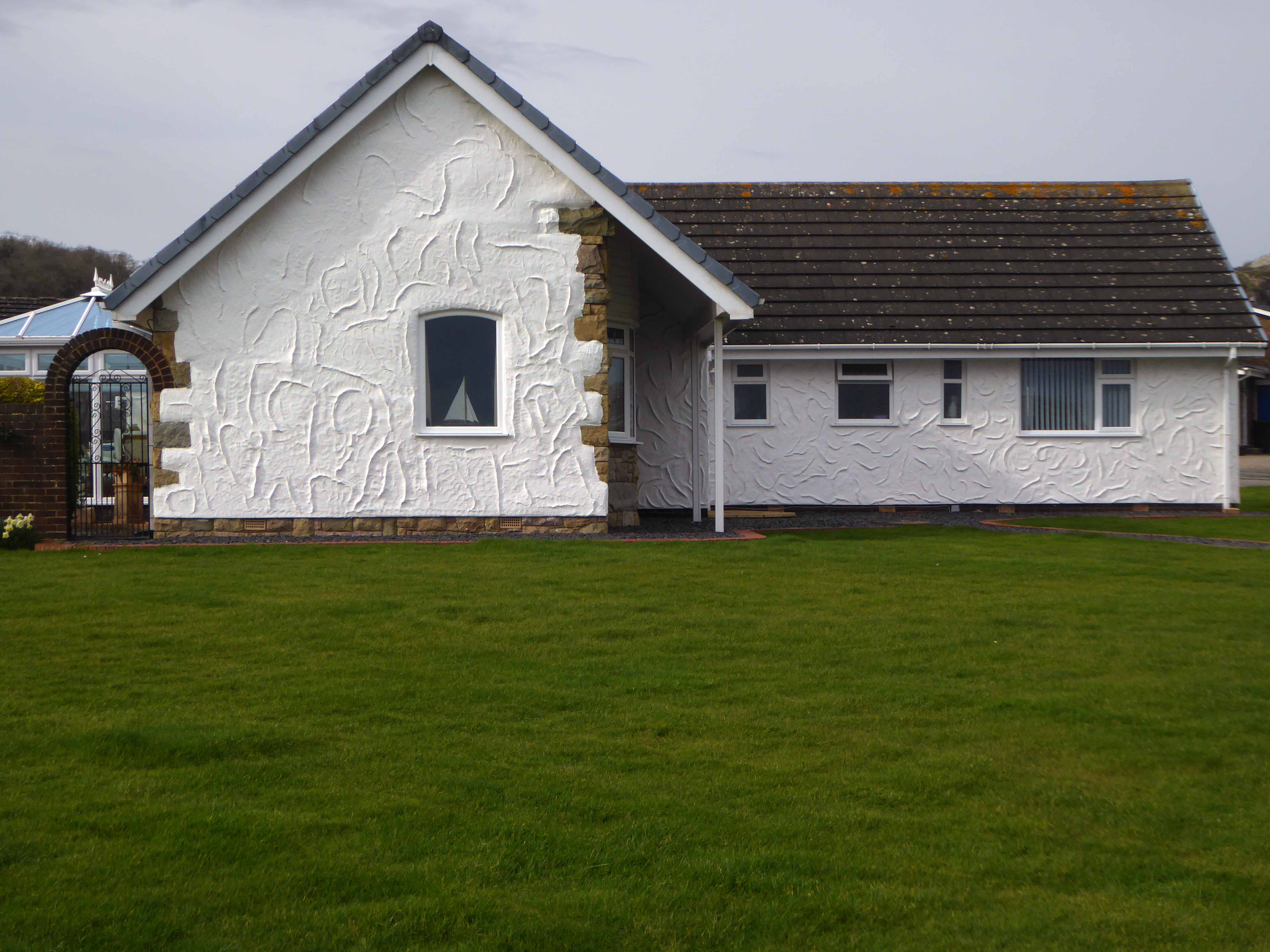
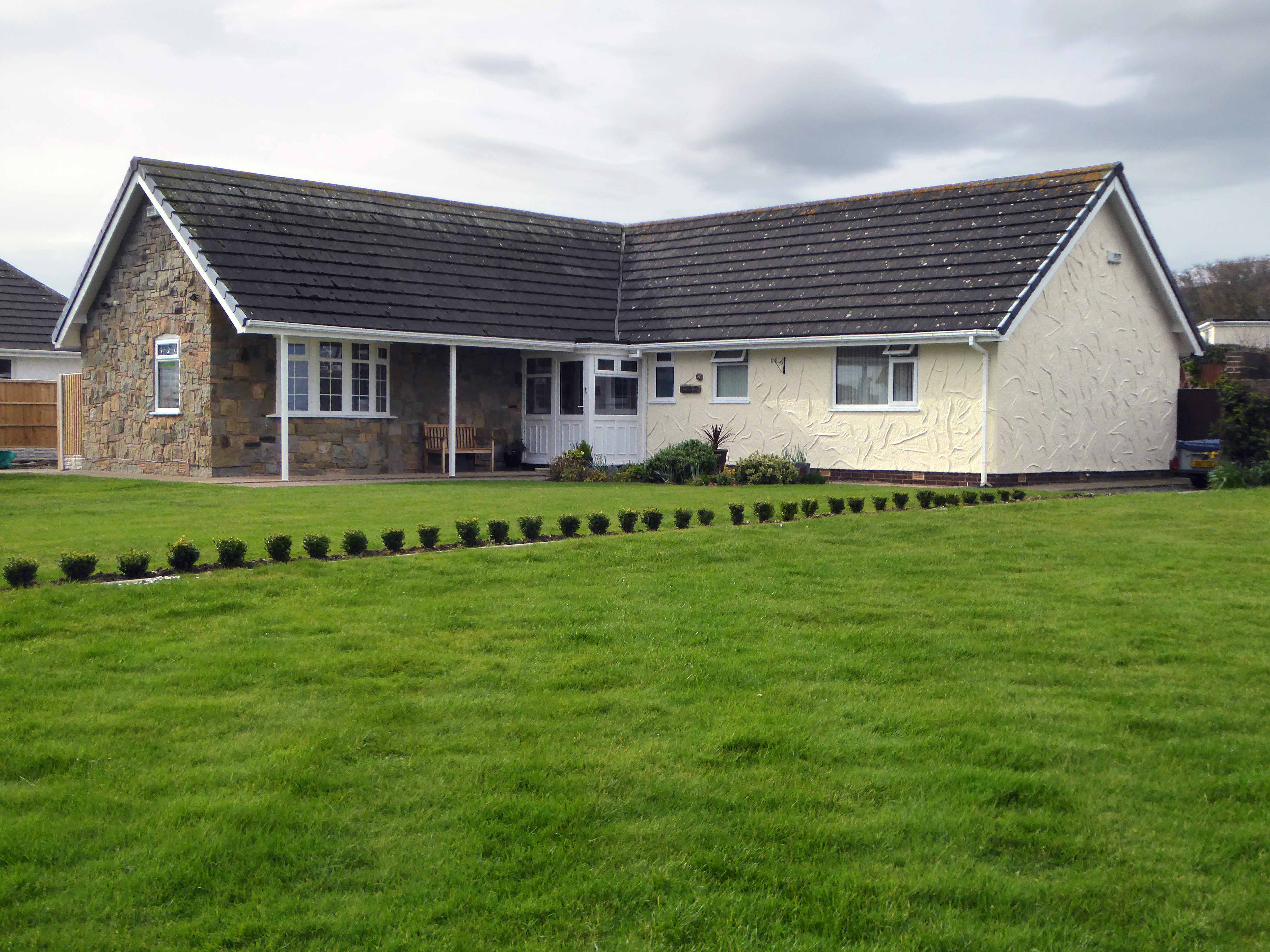
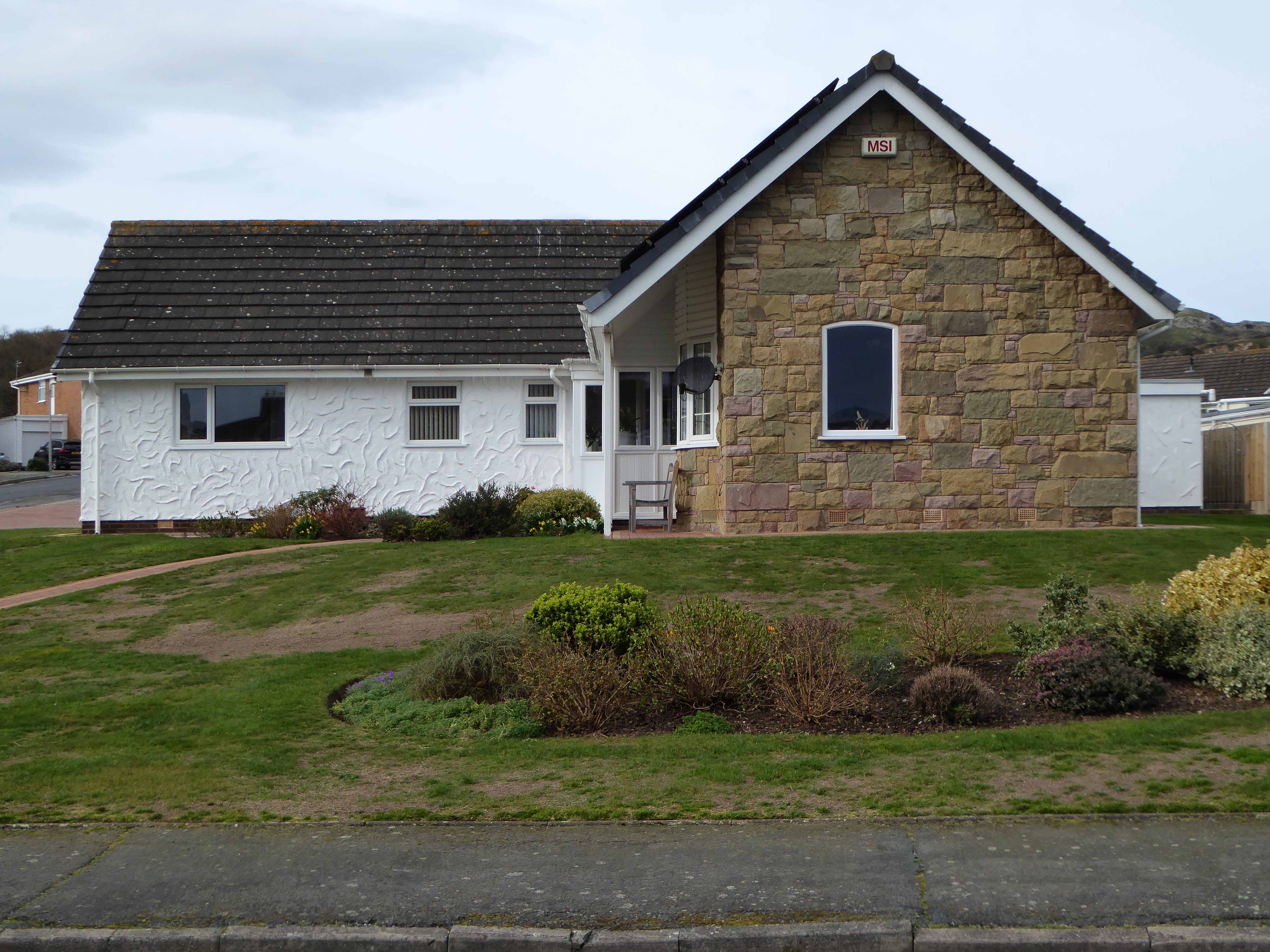
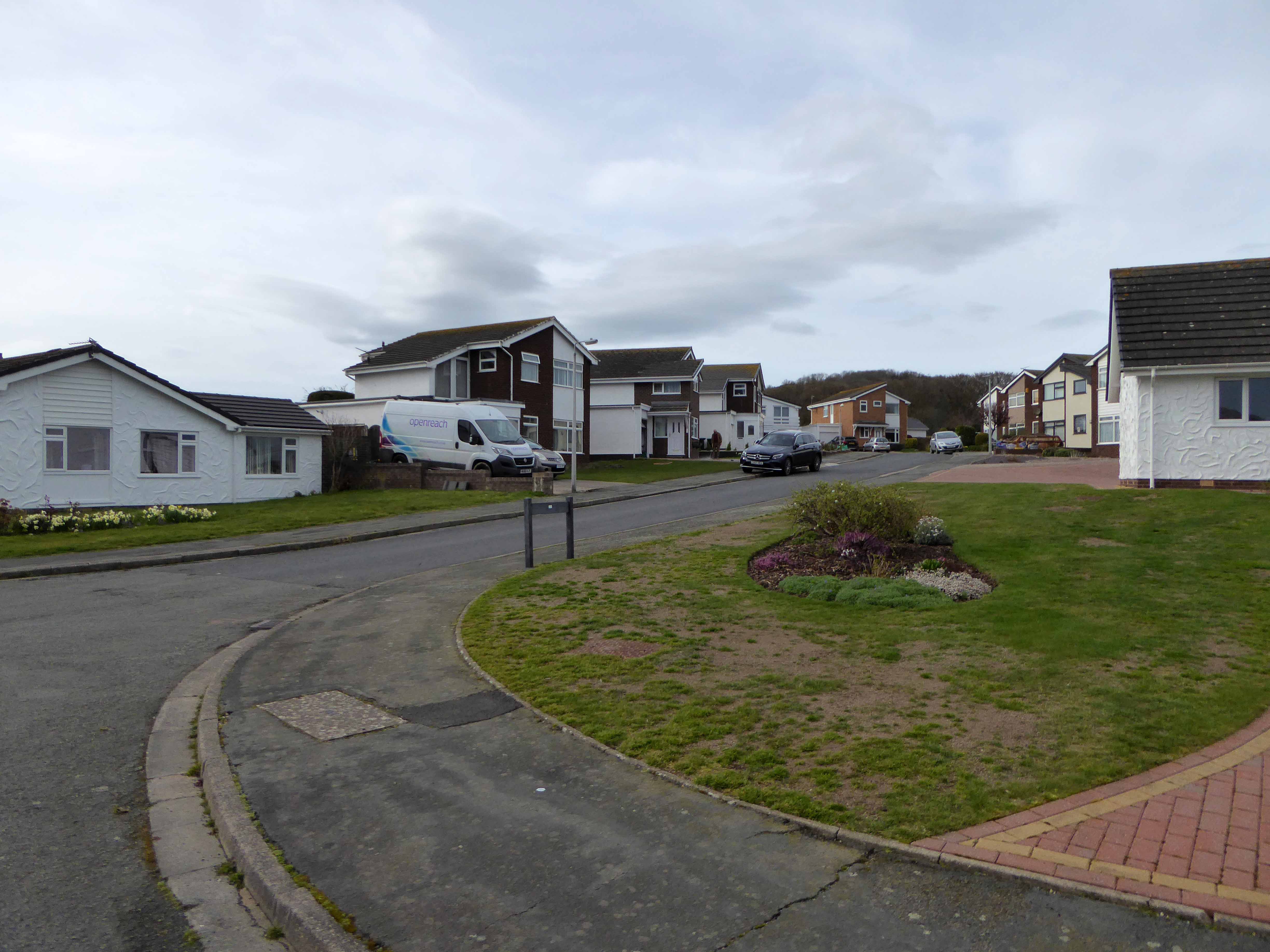
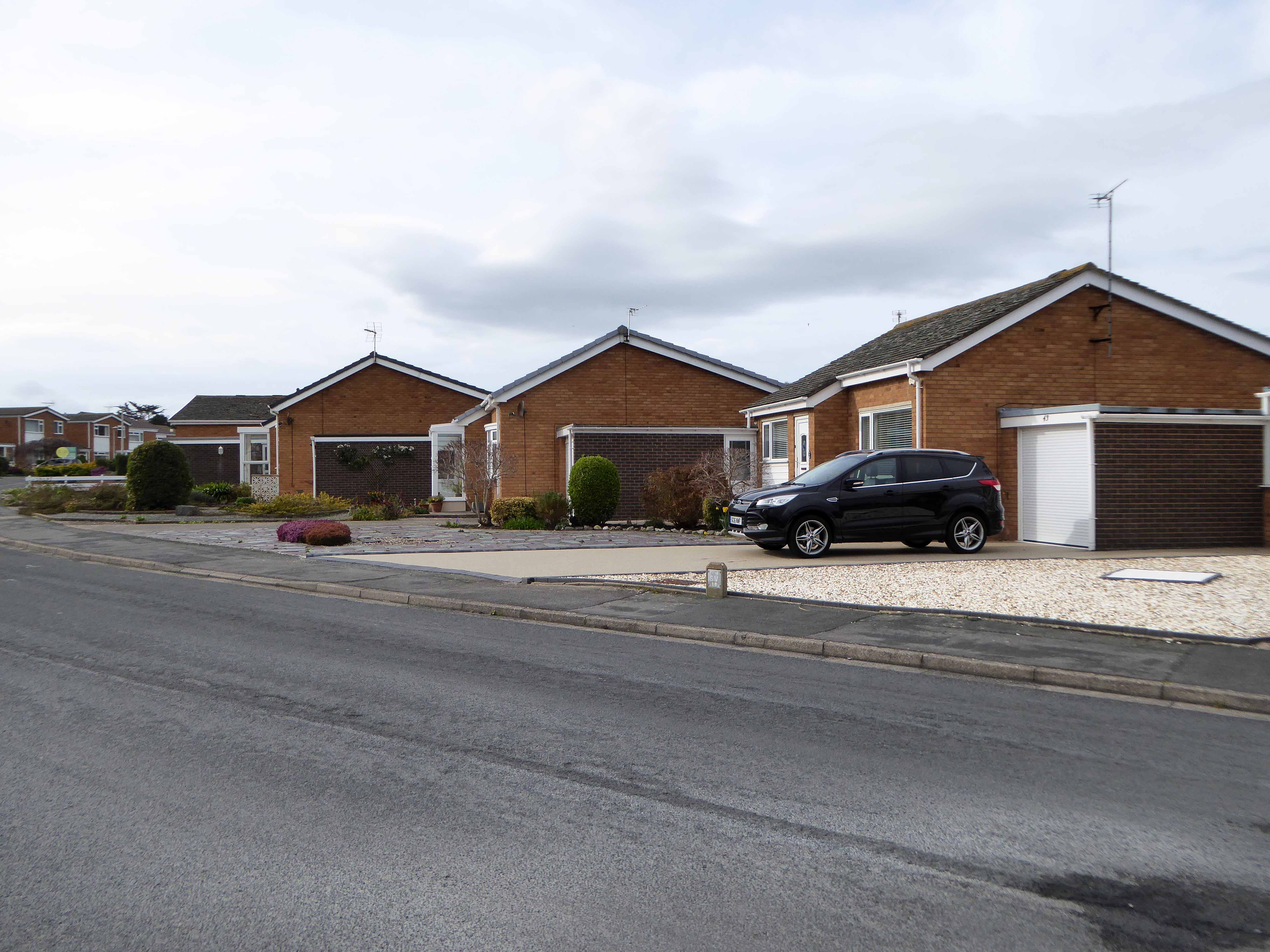
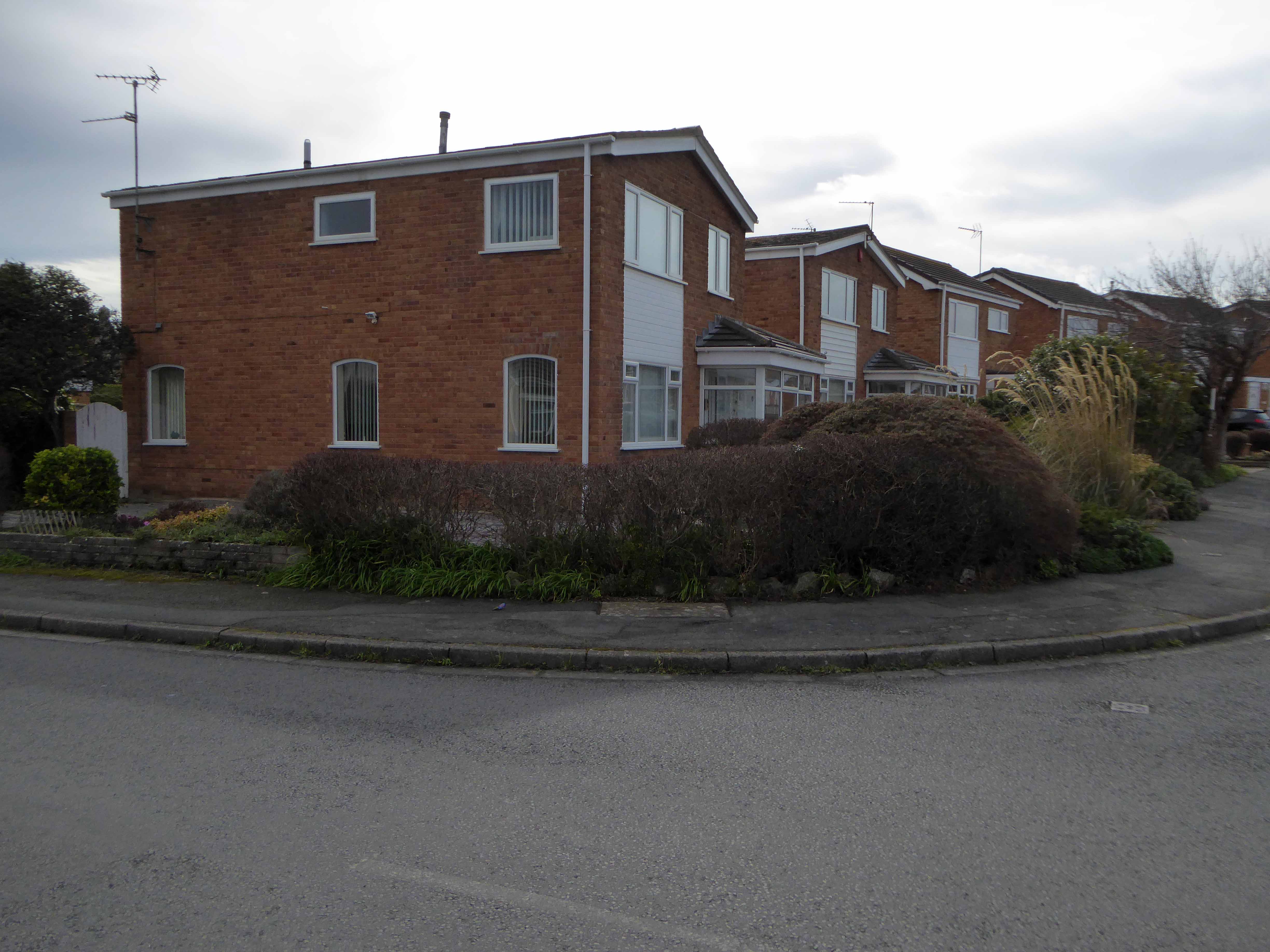
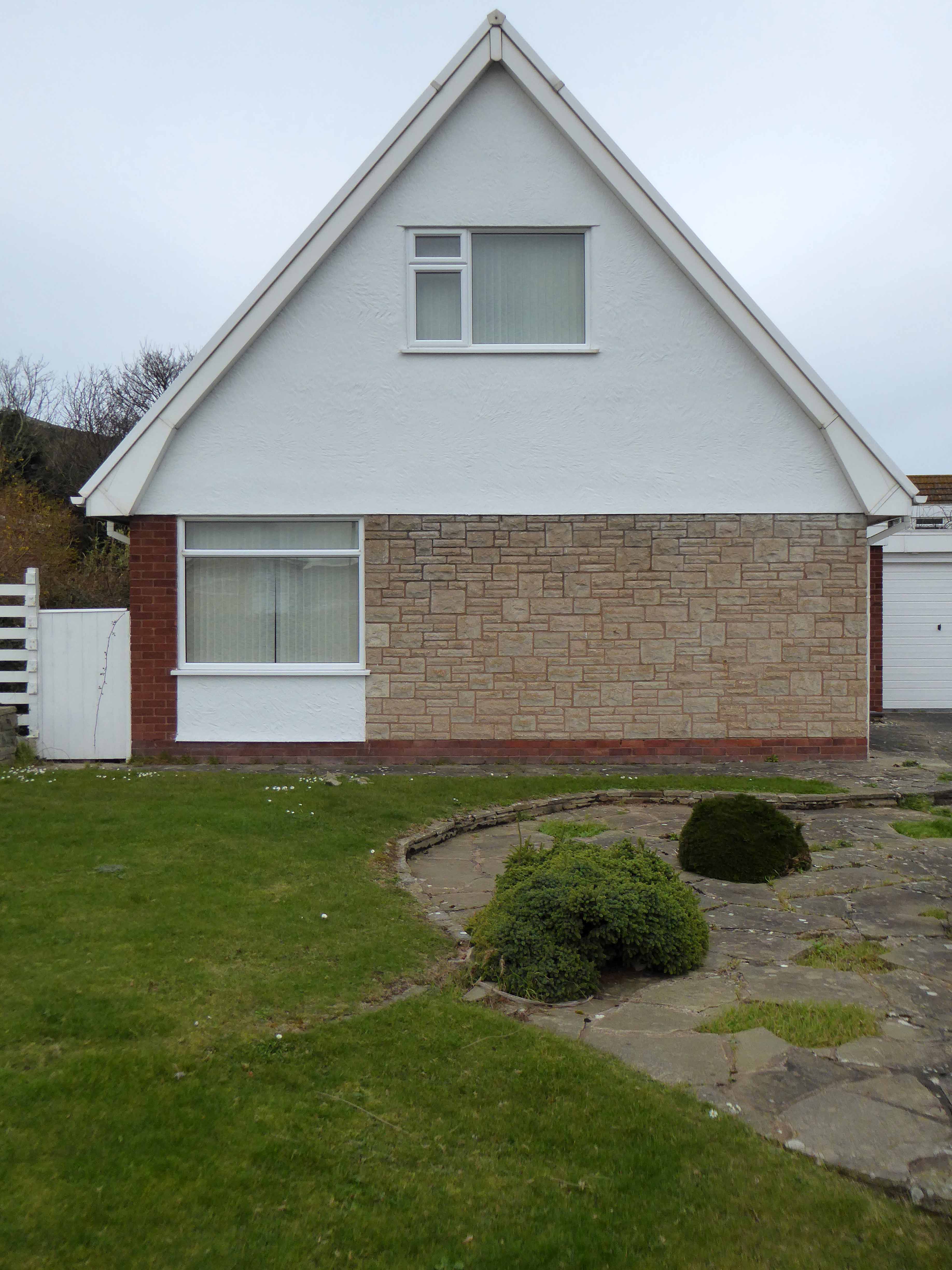
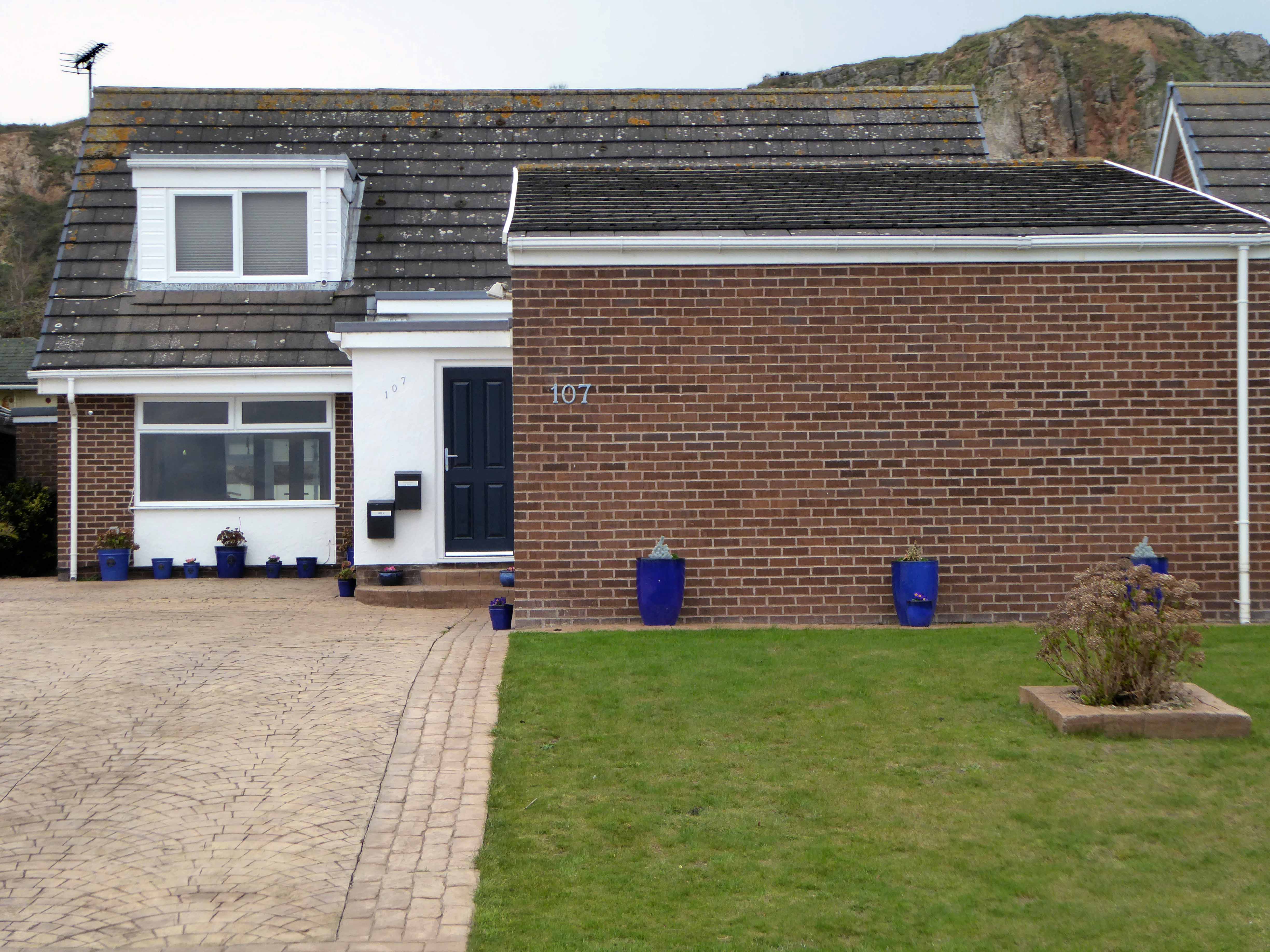
This is the land of the well-behaved bungalow, neatly tended, conscientiously swept, accessorised by B&Q.

The stoic sea and wind washed link-detached semi.

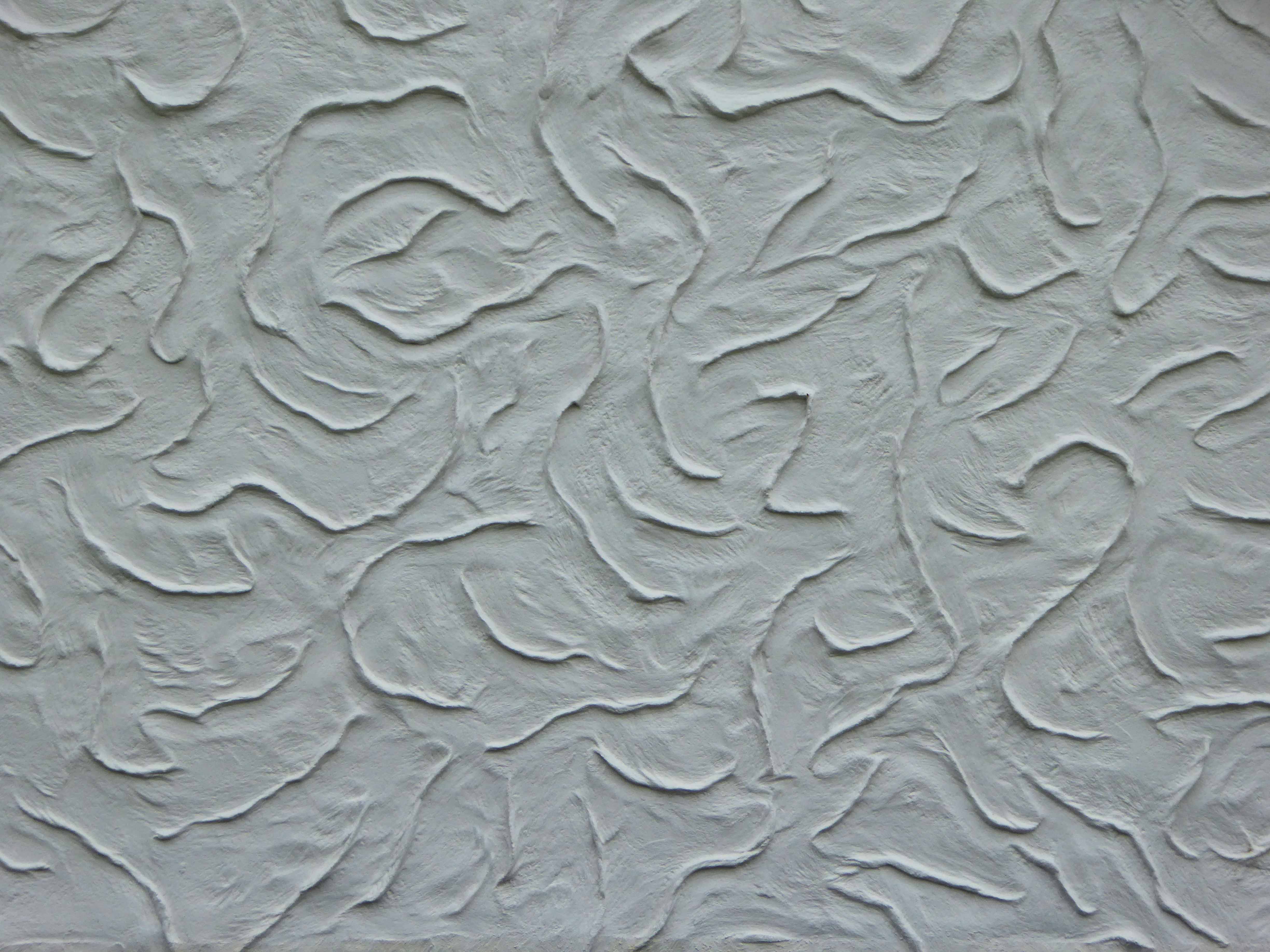
Nothing is out of place, except perhaps the architectural style – a West Coast blow in on the North Wales Coast.

To wander is to wonder:

Where is that large automobile?
And you may tell yourself
This is not my beautiful house!
And you may tell yourself
This is not my beautiful wife!

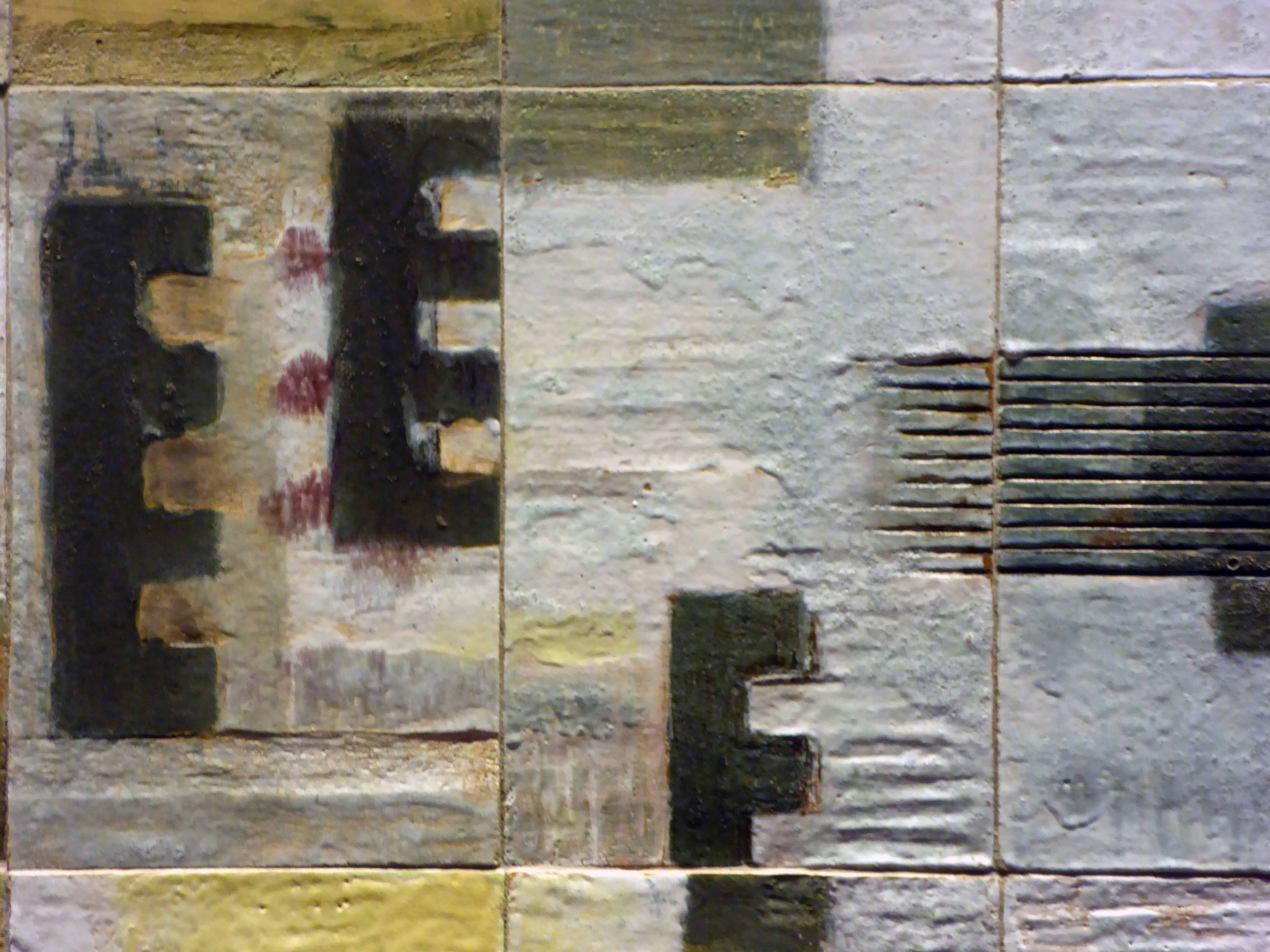
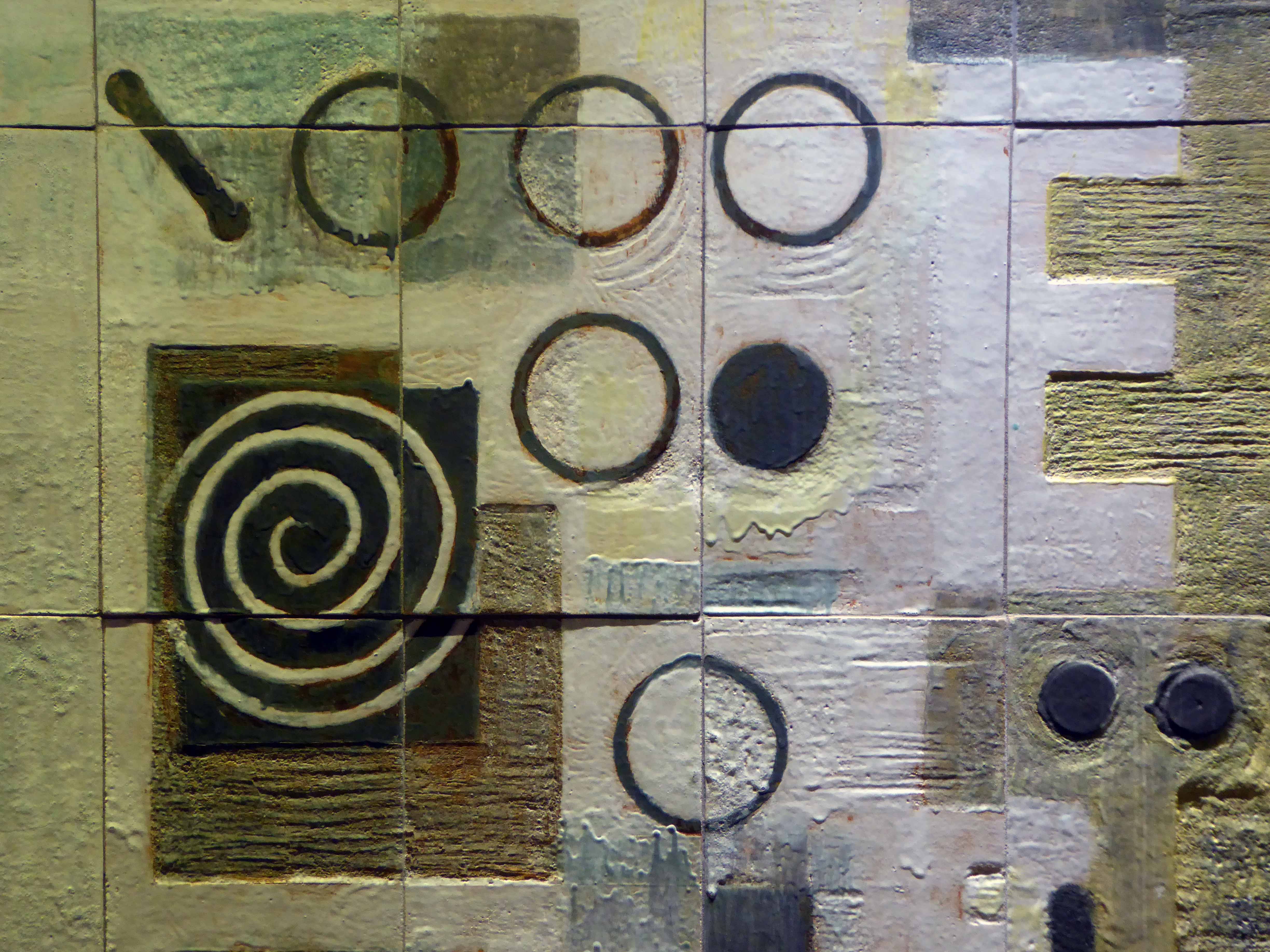
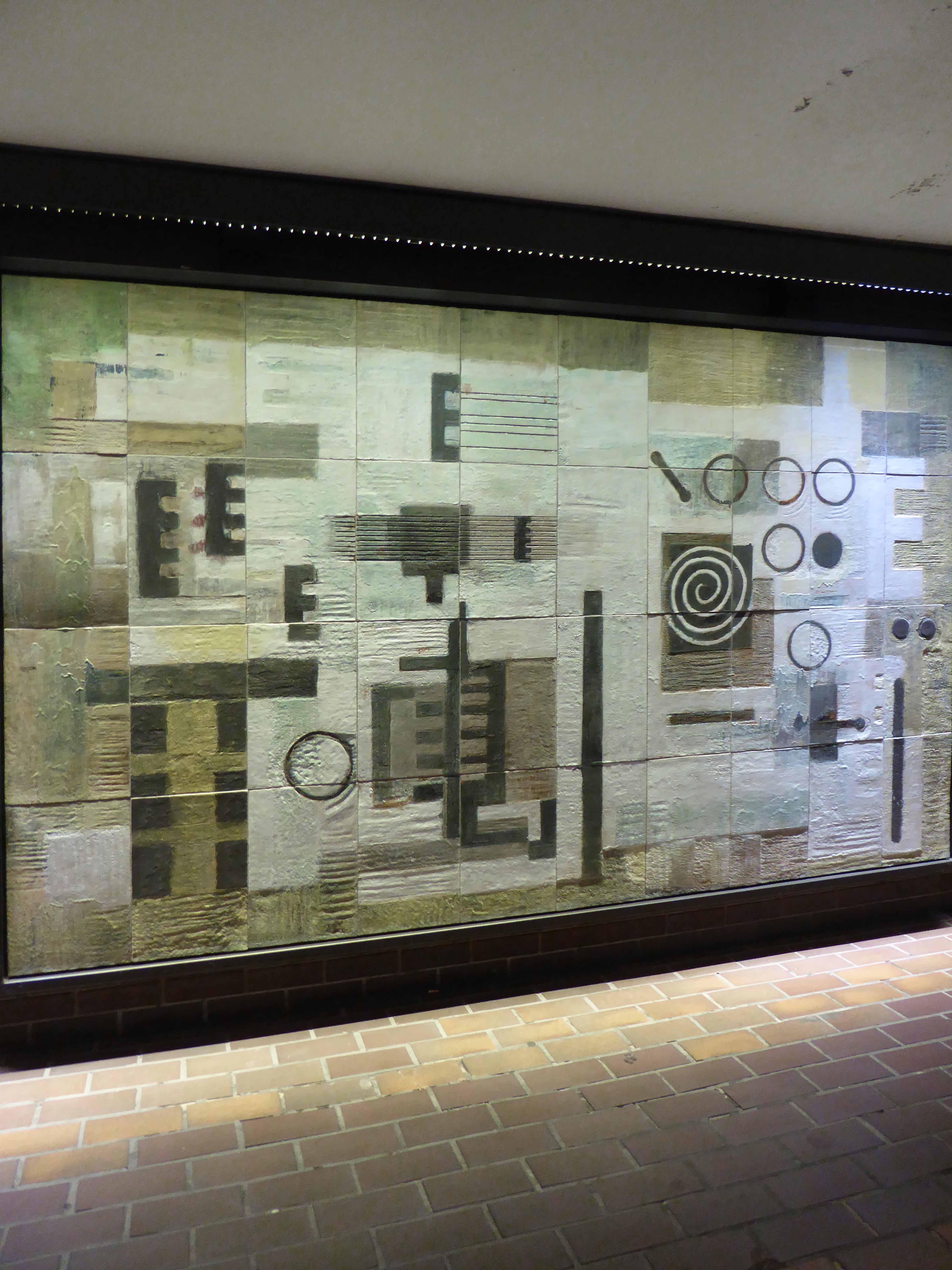
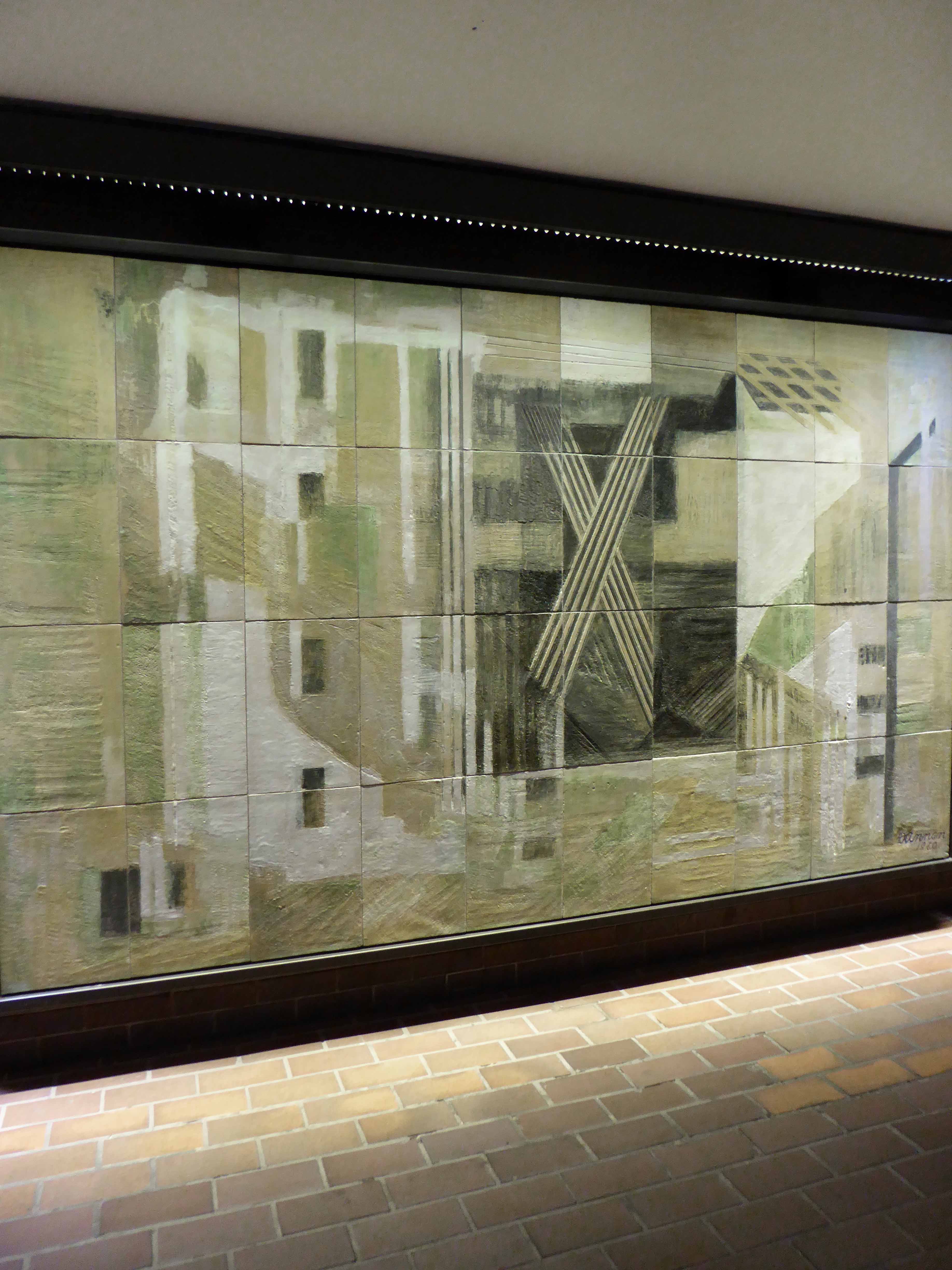
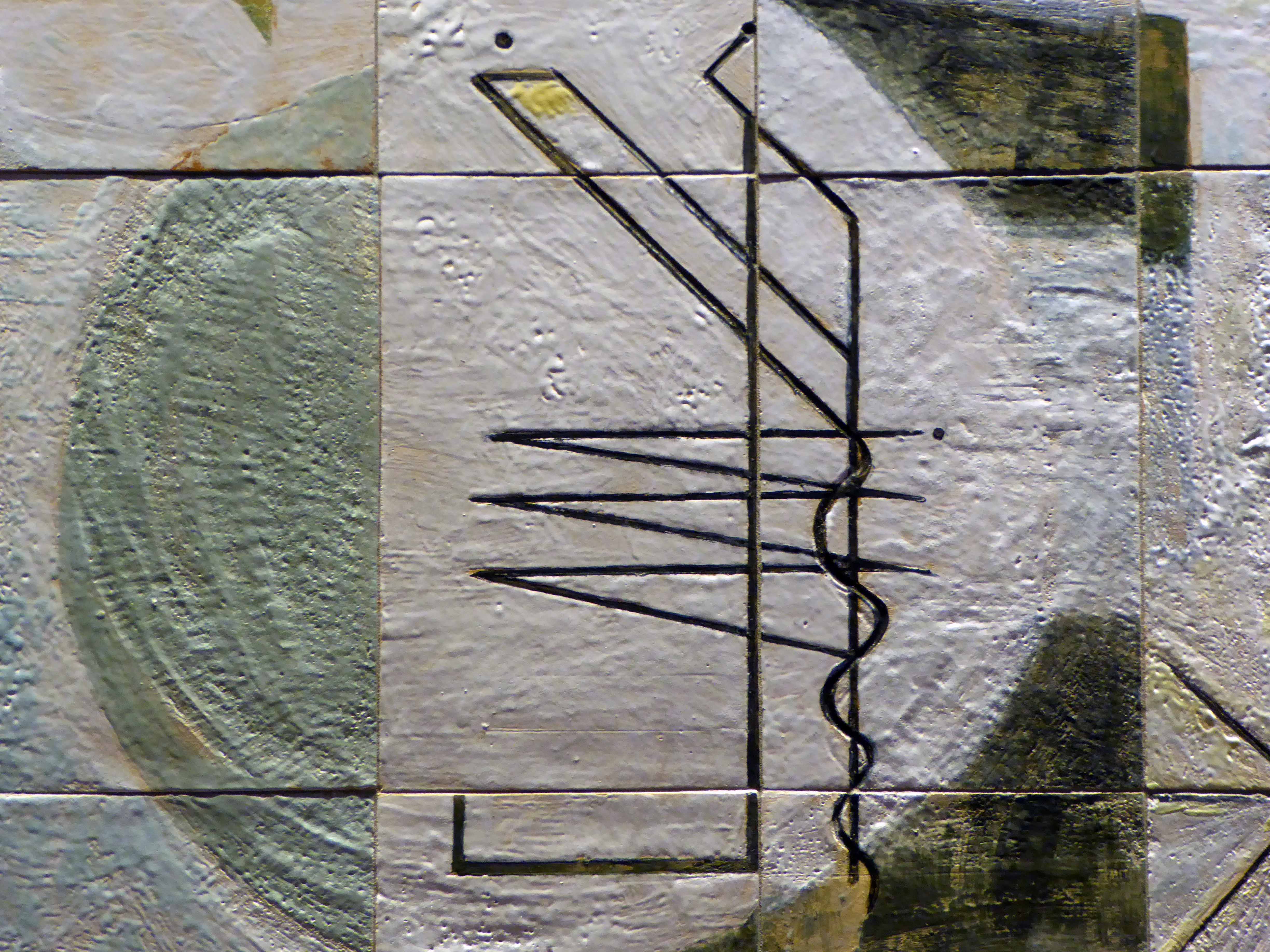
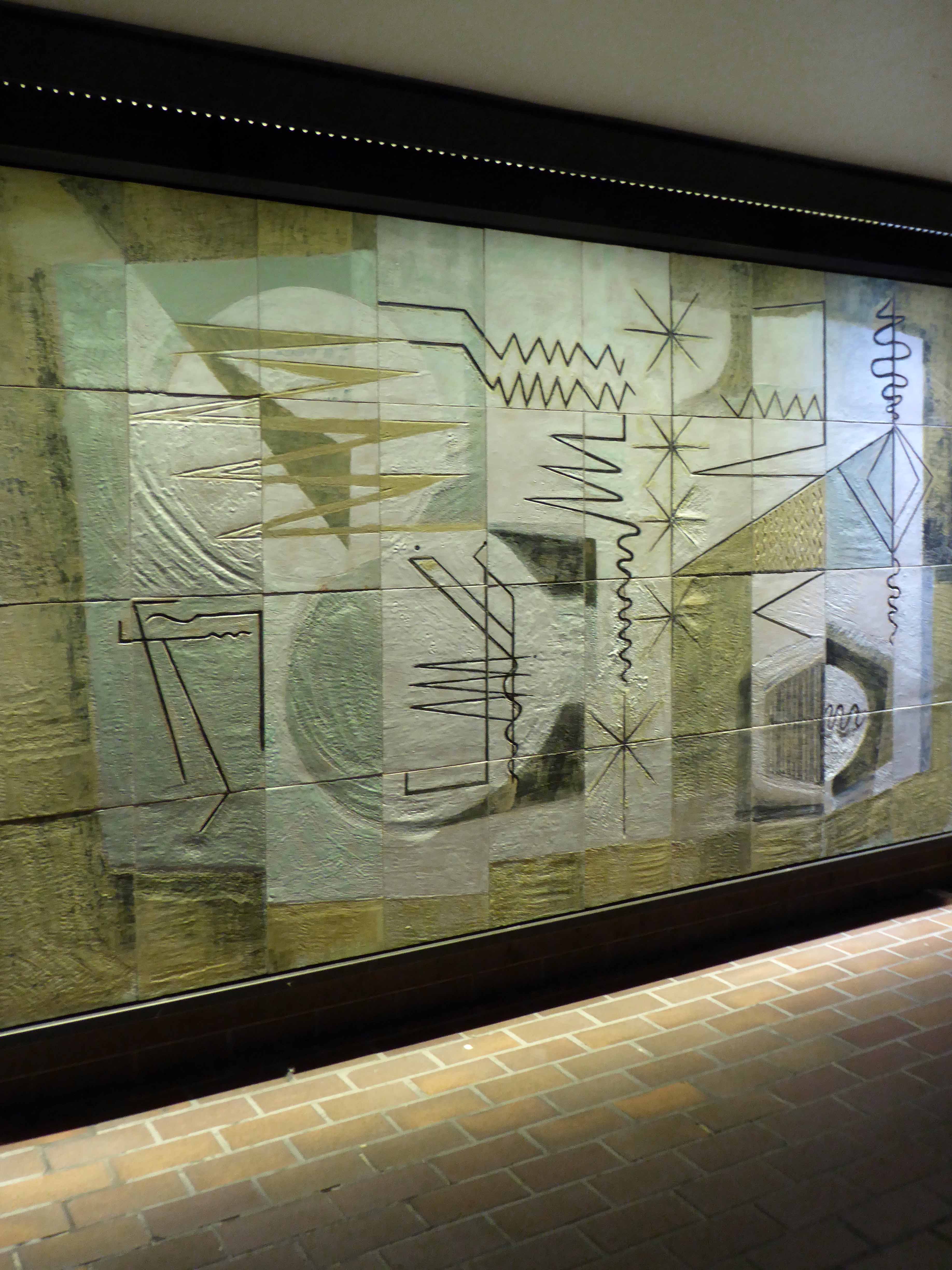
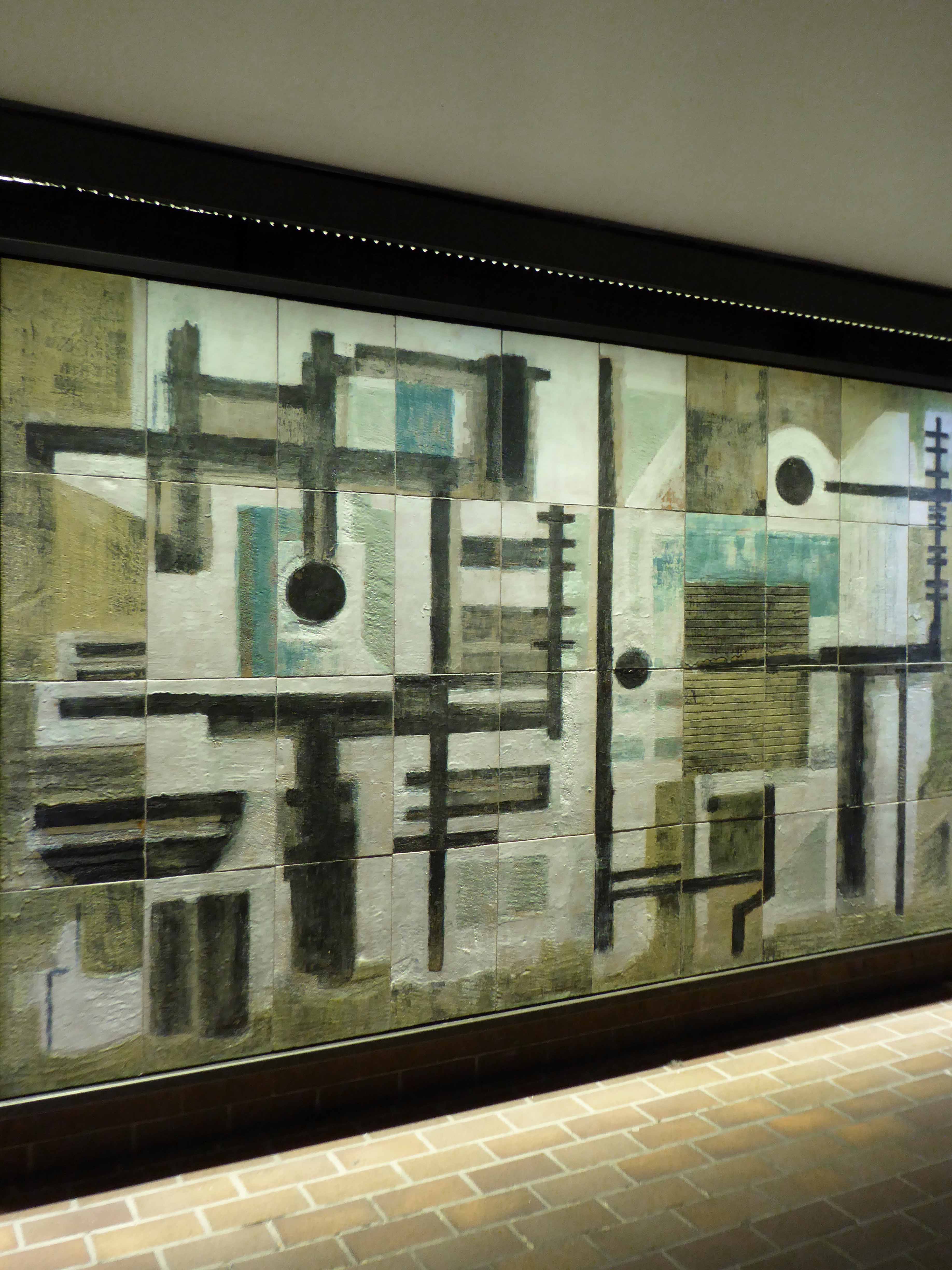
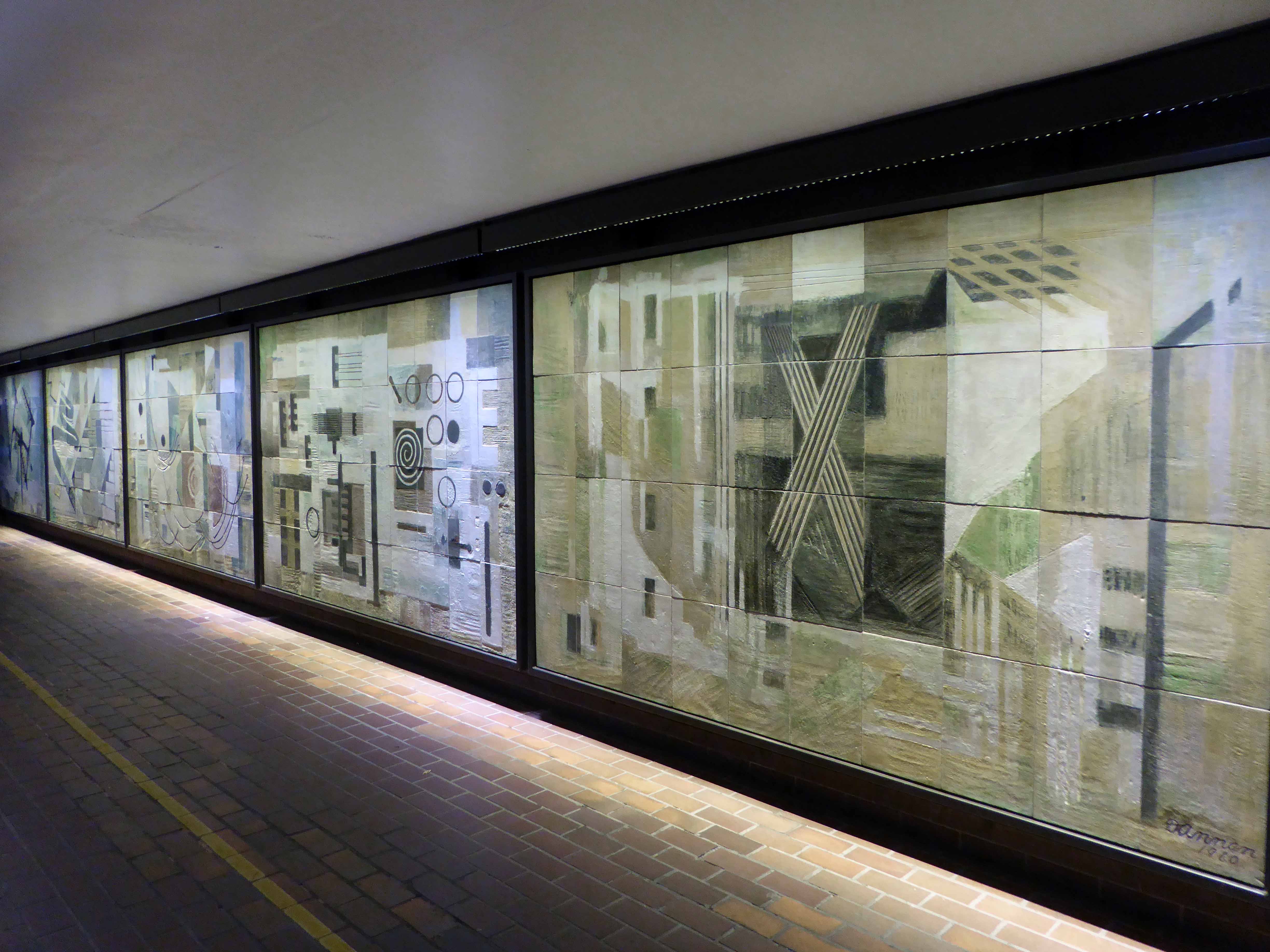
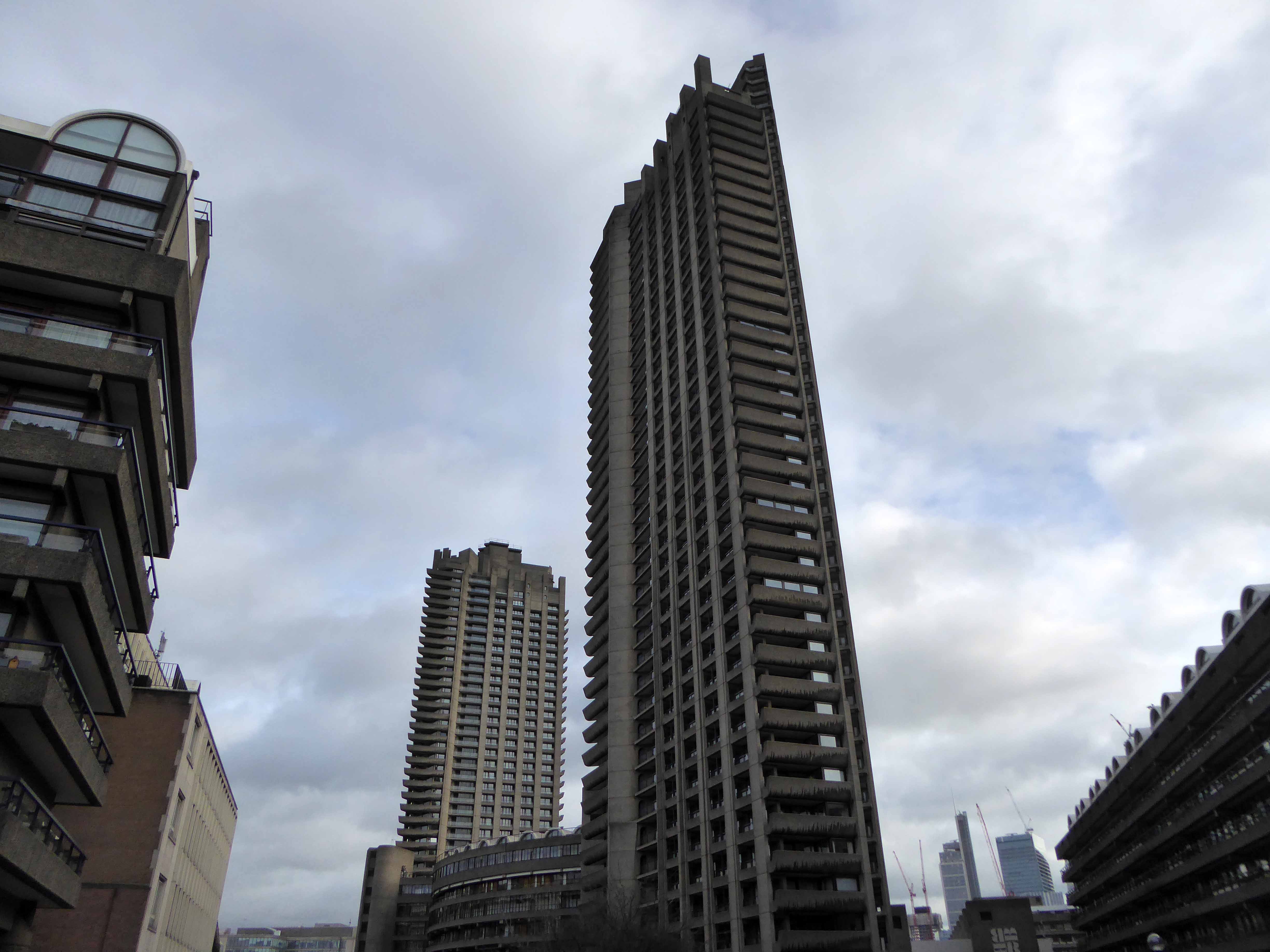
Dorothy Annan Mural – The Barbican

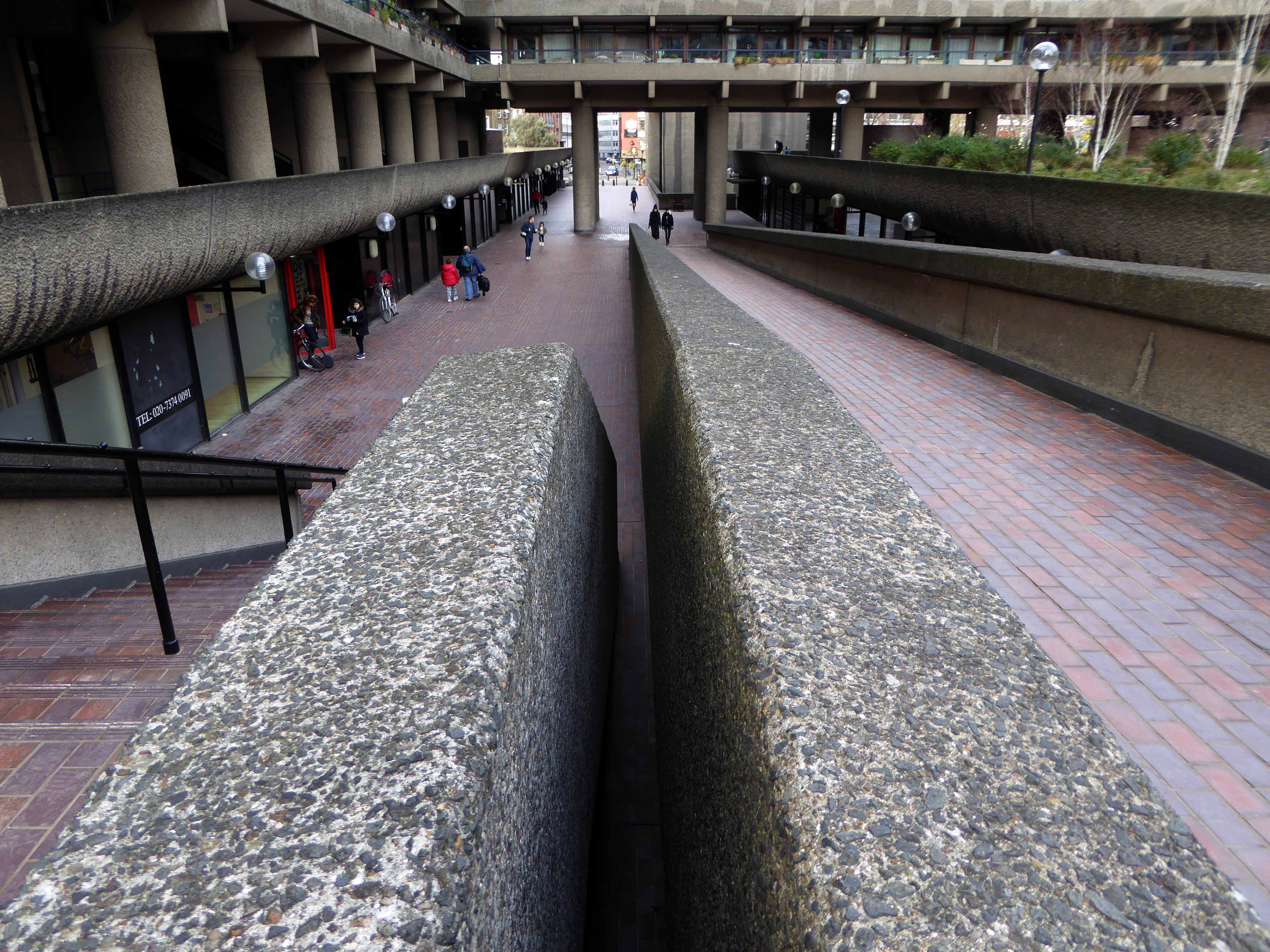
I’ve been to the Barbican before, wandering the walkways without purpose.

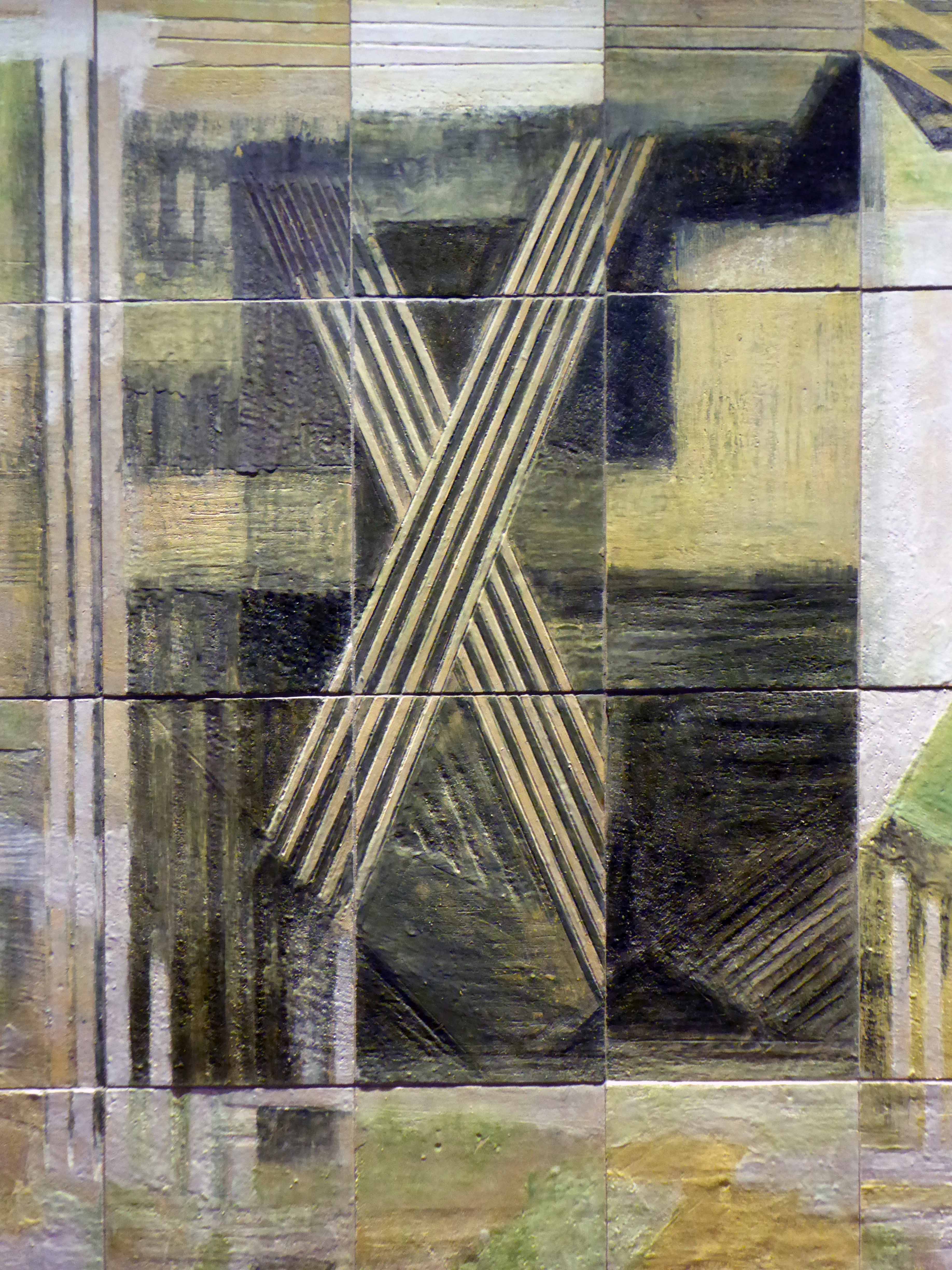
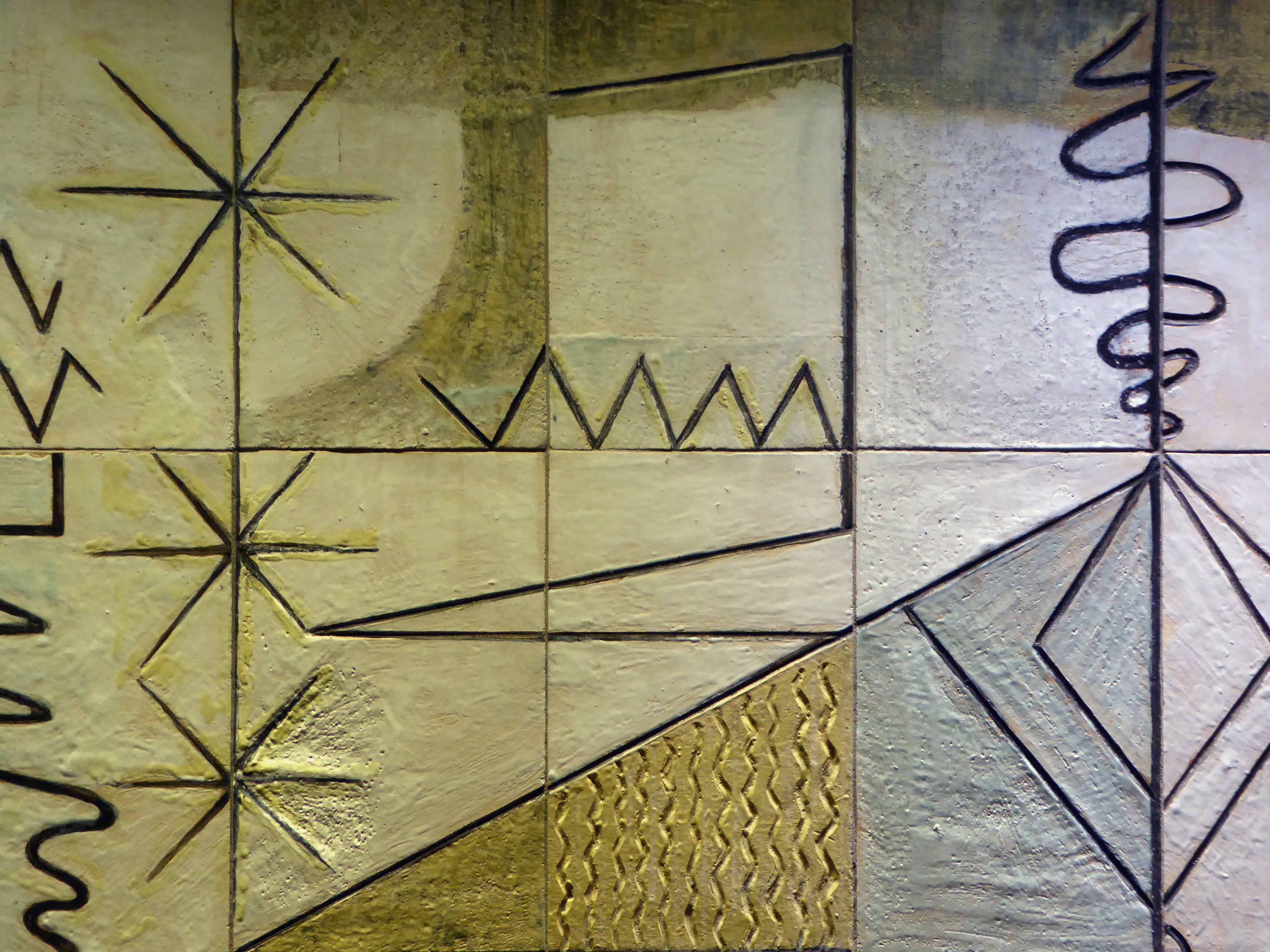
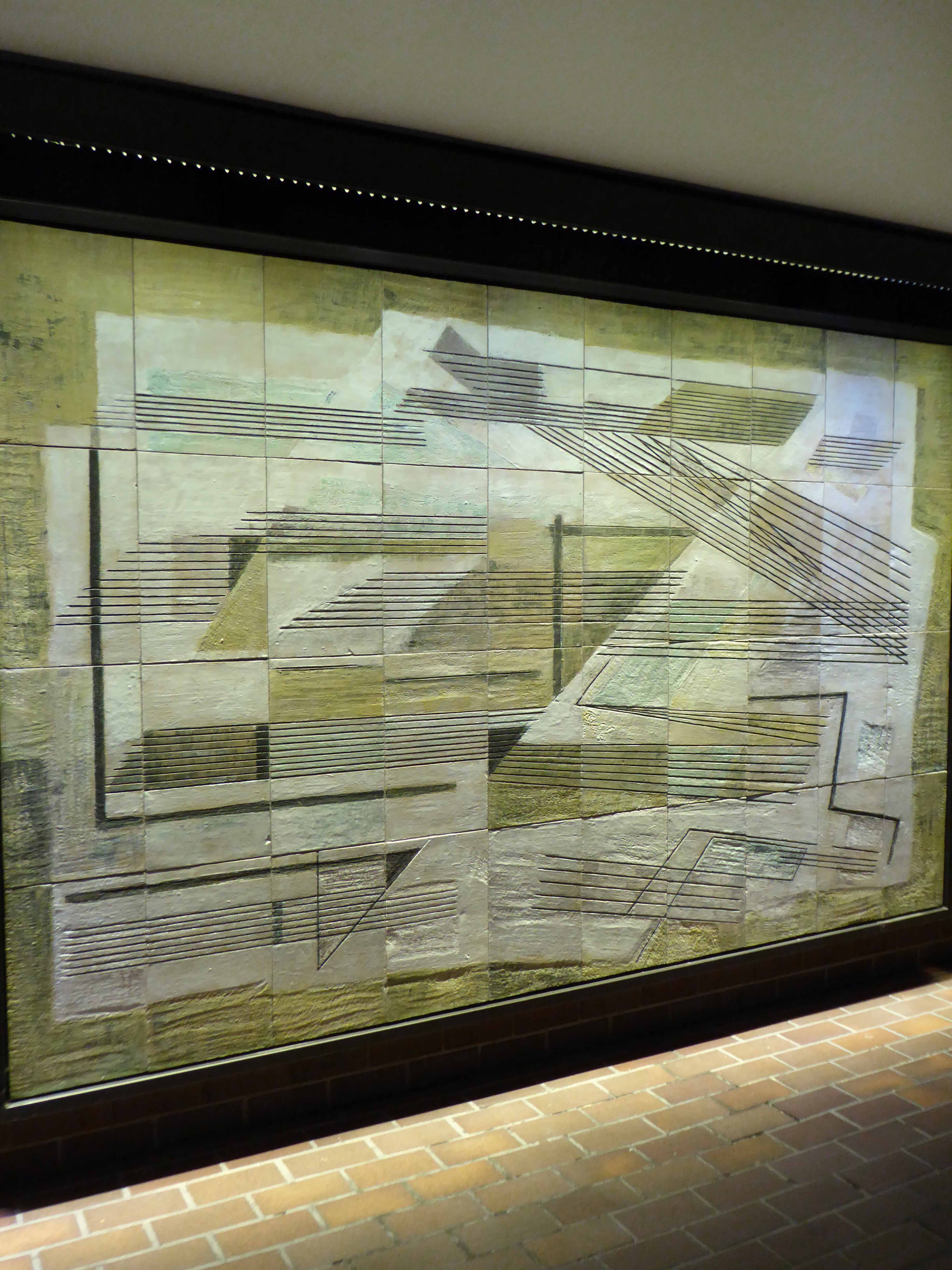
This is a whole new box of tiles, the search for a re-sited mural, a first time meeting with what would seem at once like an old and well-loved friend.

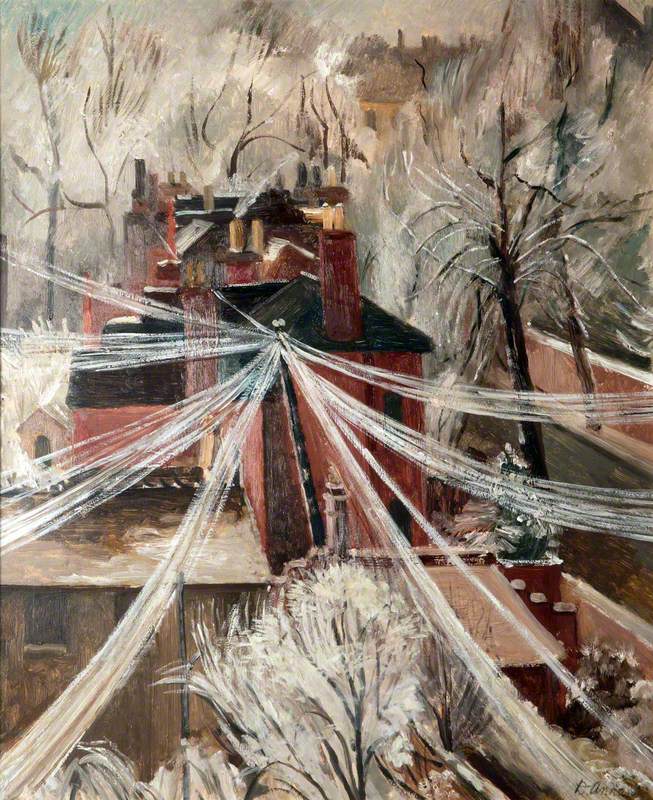
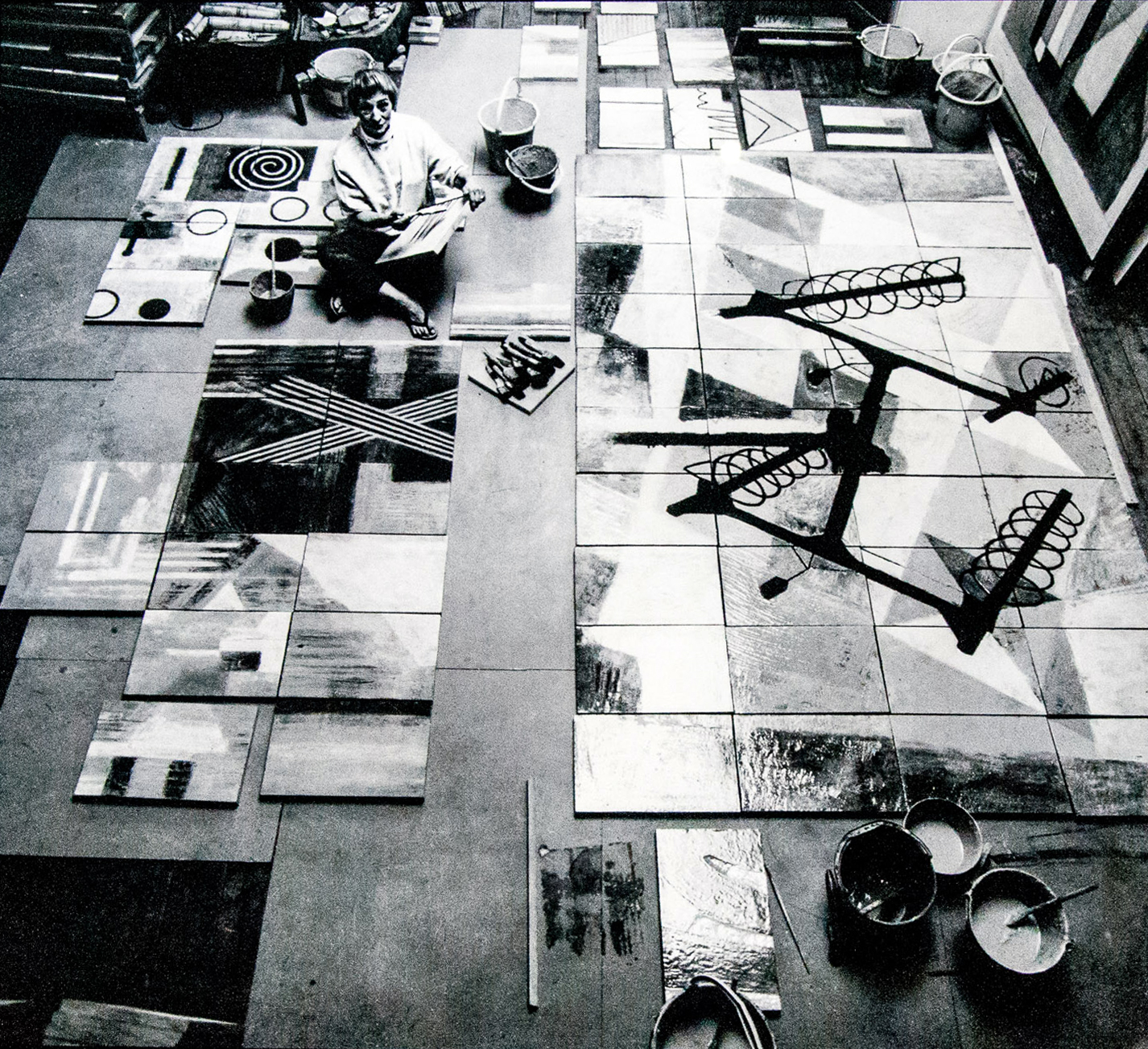
Dorothy Annan 20 January 1900 – 28 June 1983

Was an English painter, potter and muralist, married to the painter and sculptor Trevor Tennant. She was born in Brazil to British parents and was educated in France and Germany.

Christmas 1944 – Manchester Art Gallery

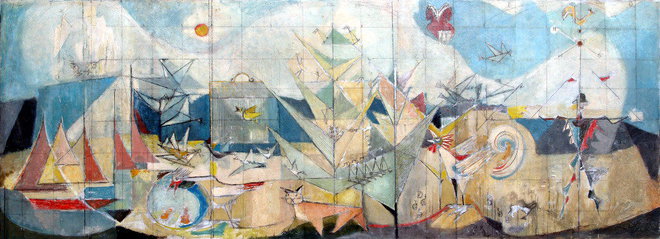
Annan’s paintings are in many national collections, she is also known for her tile murals, many of which have been destroyed in recent decades. Only three of her major public murals are believed to survive, the largest single example, the Expanding Universe at the Bank of England, was destroyed in 1997.

Gouache Sketch

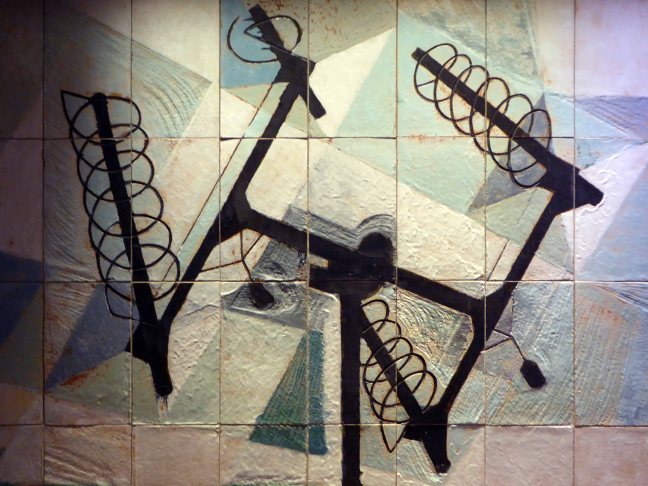
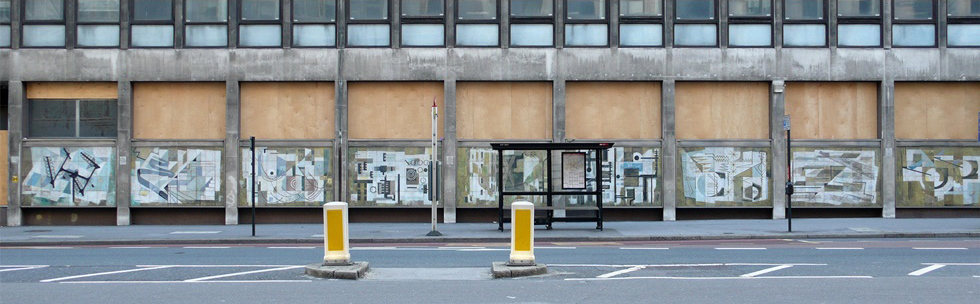
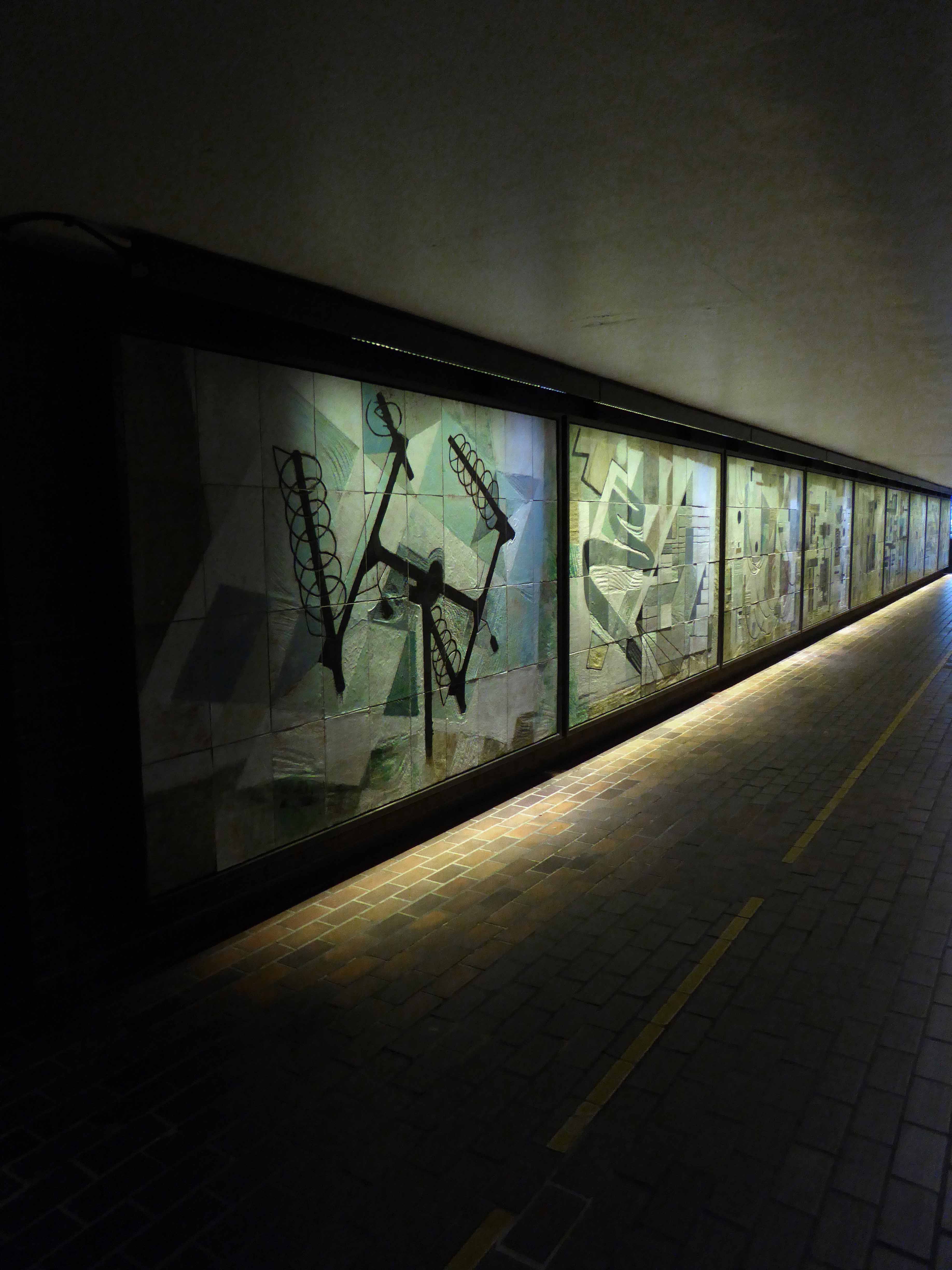
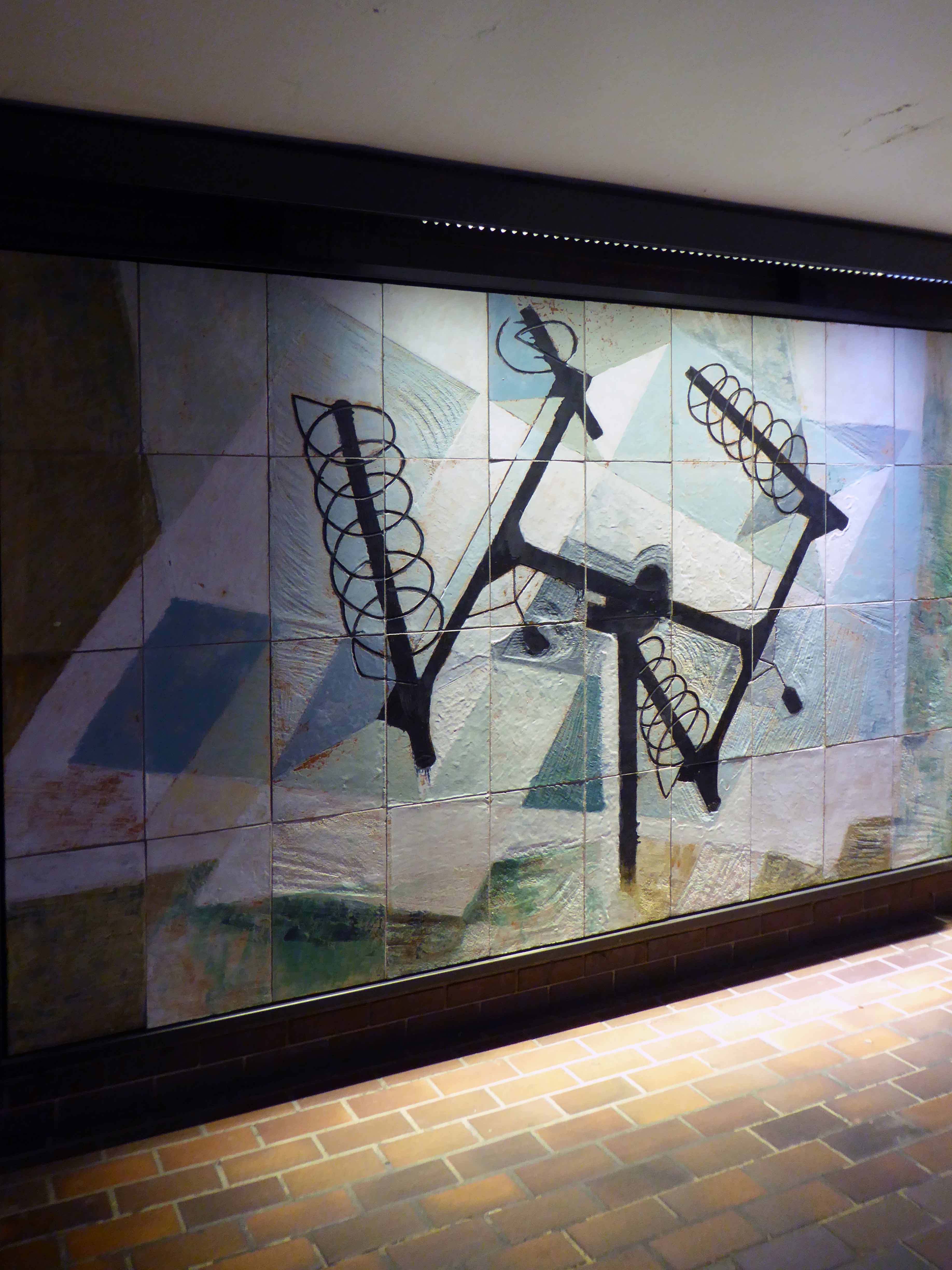
I was looking for her mural which illustrates the telecommunications industry – formerly of the Fleet Building Telephone Exchange Farringdon Road.

Michael Bojkowski

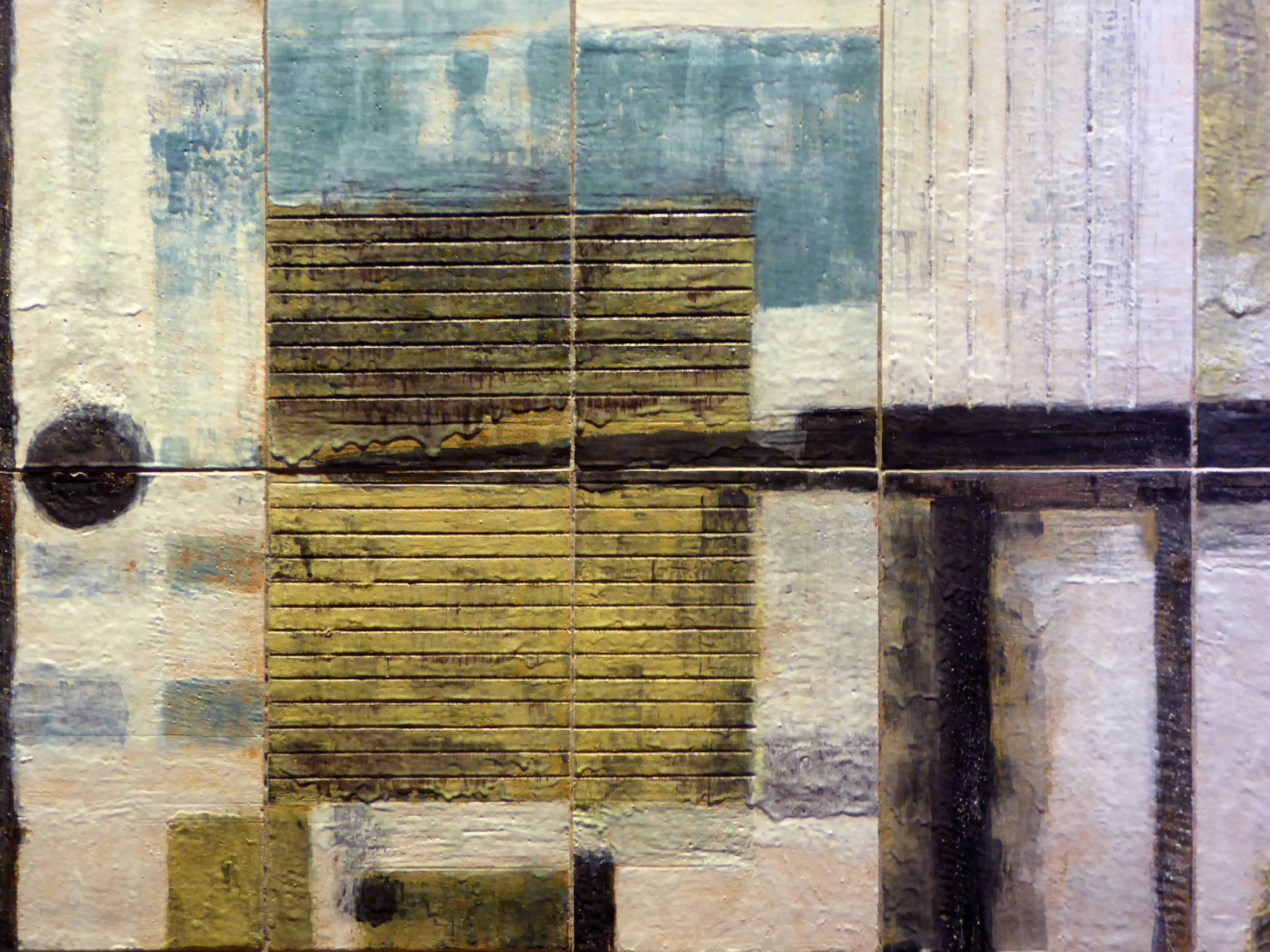
The murals were commissioned at a cost of £300 per panel in 1960. Annan visited the Hathernware Pottery in Loughborough and hand-scored her designs onto each wet clay tile, her brush marks can also be seen in the fired panels.

Charles Trusler

The building was owned by Goldman Sachs, who wished to redevelop the site and opposed the listing of the murals.

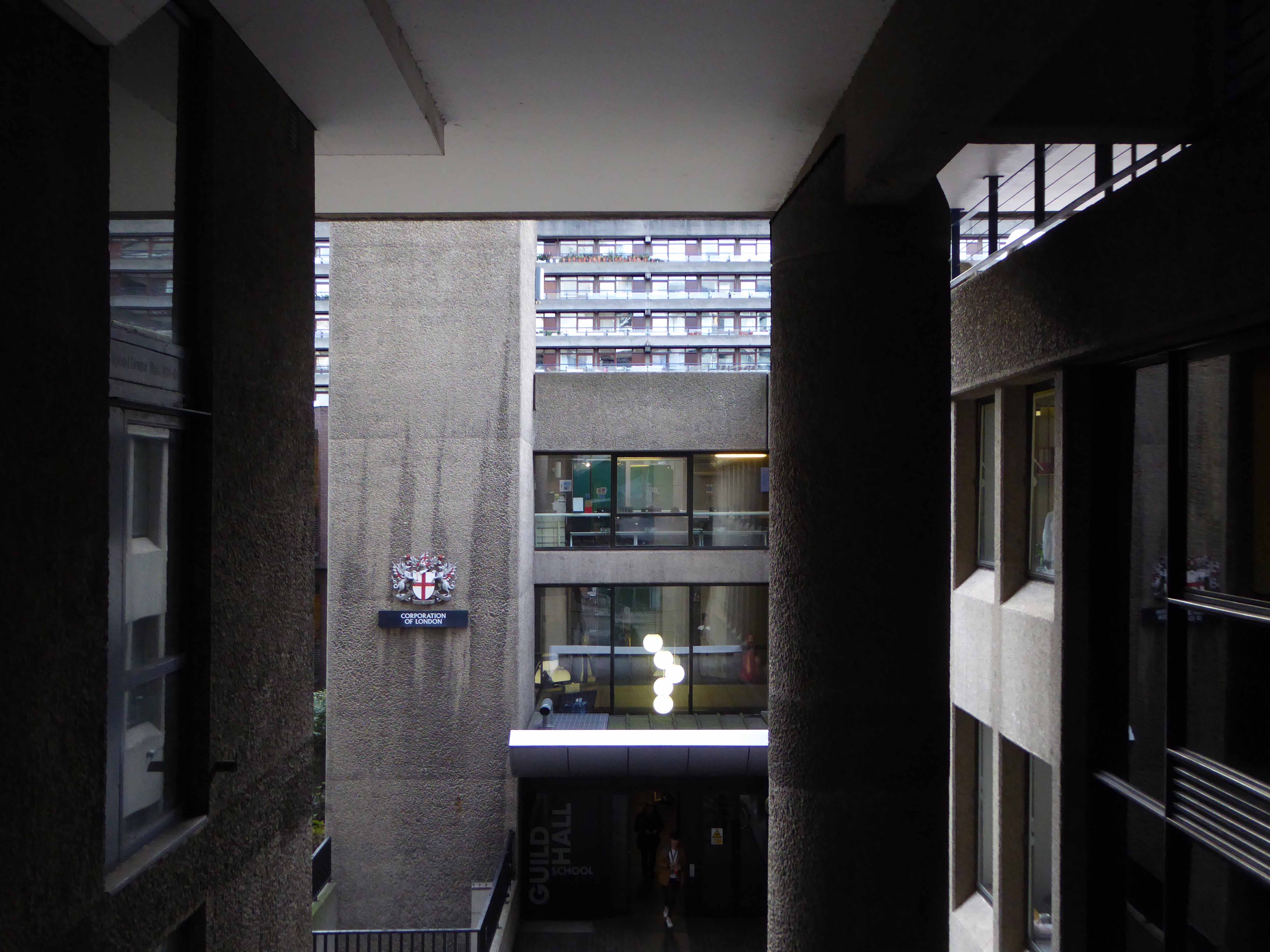
In January 2013, the City of London Corporation agreed to take ownership of the murals, and in September 2013 these were moved to a permanent location in publicly accessible part of the Barbican Estate. They are displayed in their original sequence within an enclosed section of the Barbican High Walk between Speed House and the Barbican Centre.

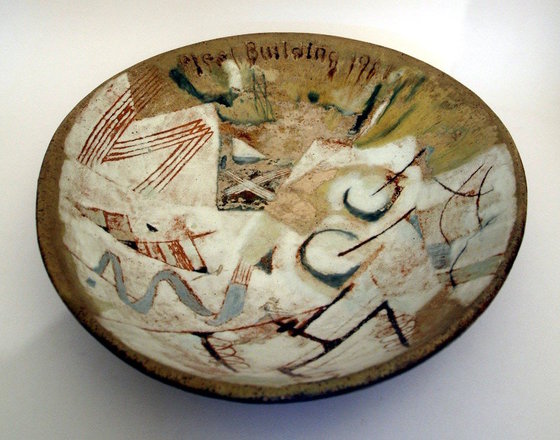
Commemorative Bowl

So following a discursive and somewhat undirected circumnavigation of the Center we were finally united – it only seemed polite to linger a while and take some snaps – here they are.

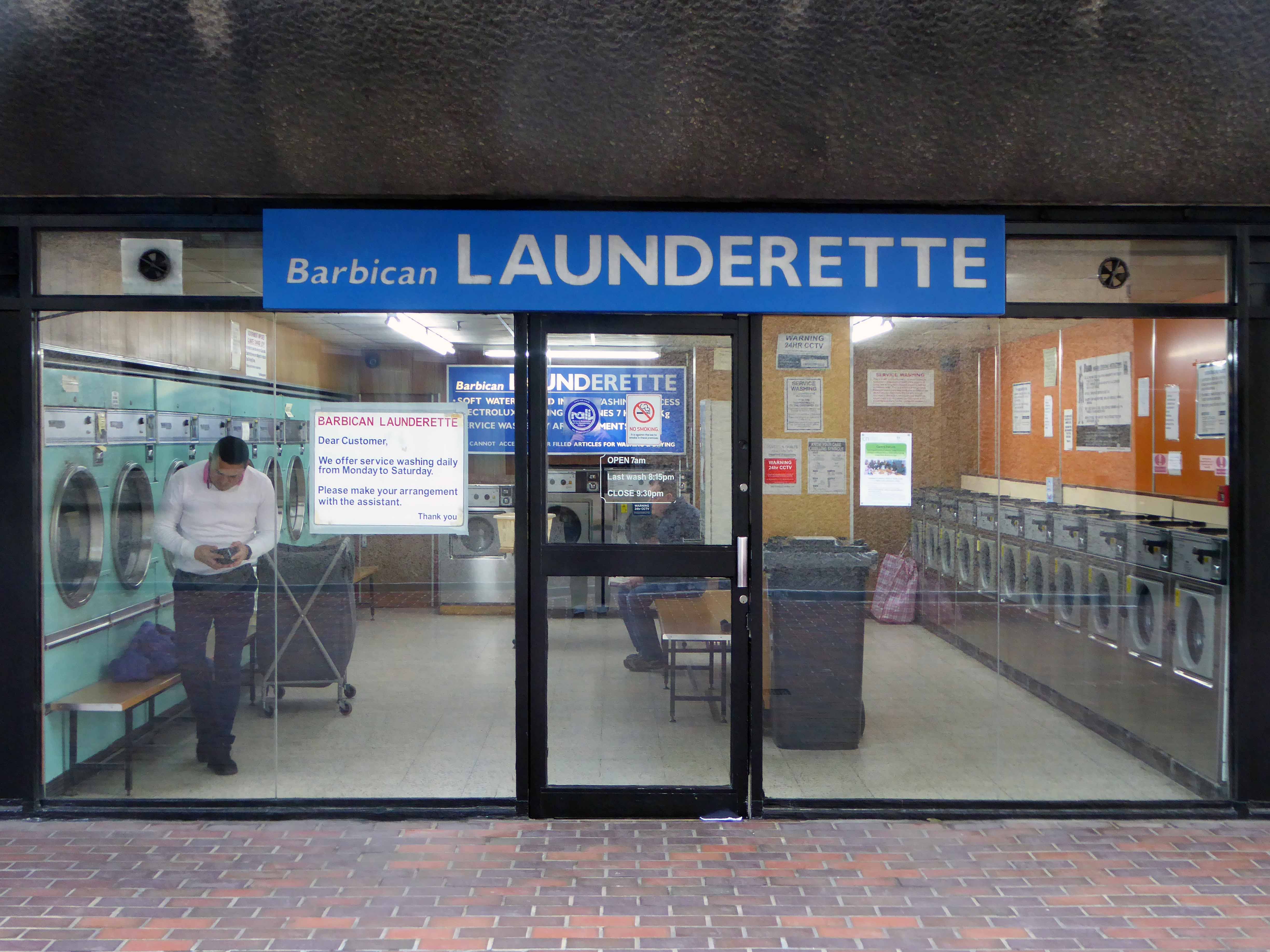
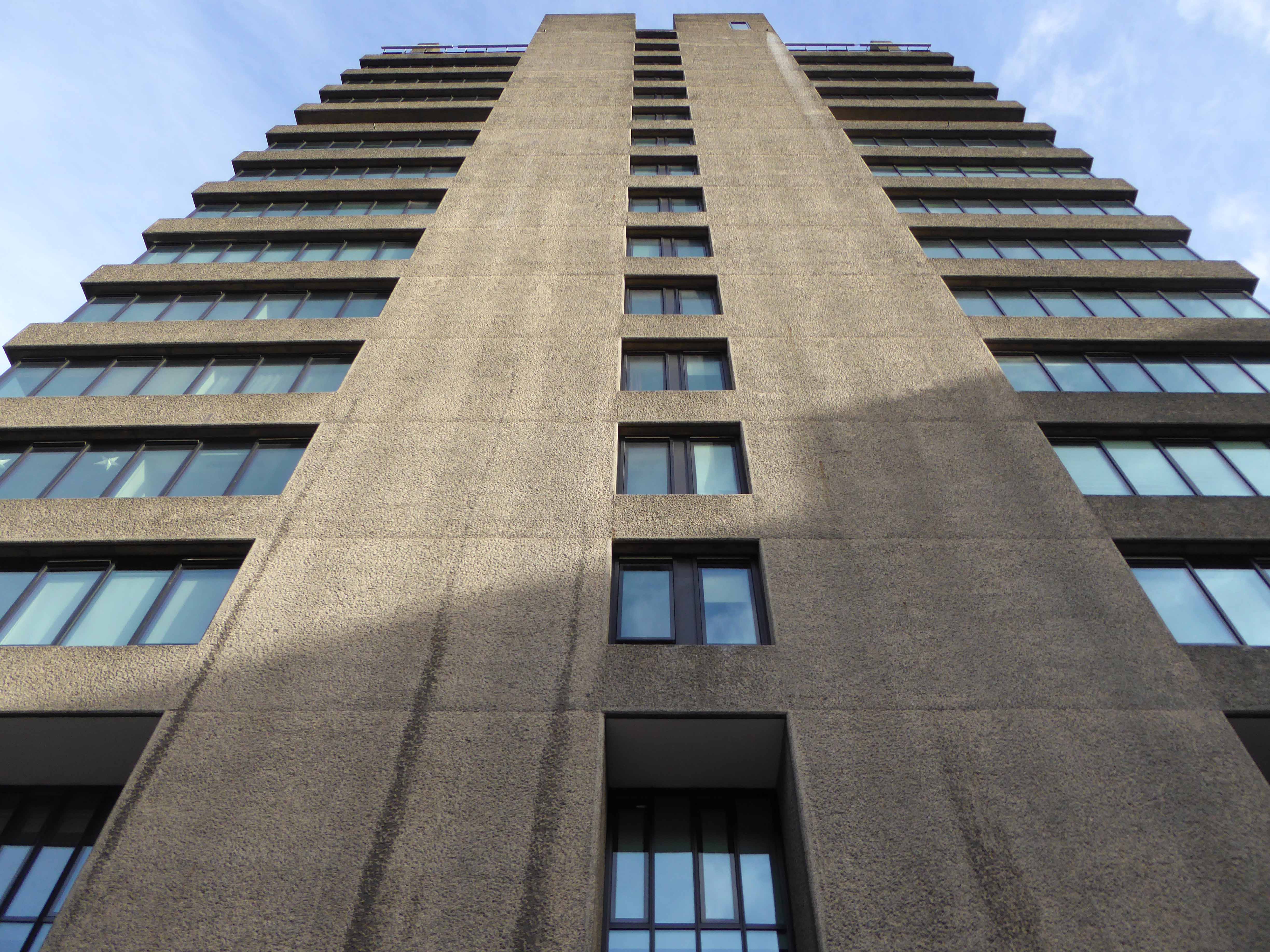
The Barbican Estate – London

Bouncing betwixt and between Bonnard and Bill Viola from Tate Modern to the Royal Academy I took a detour to The Barbican – in search of the Dorothy Annan tiled mural.

Having failed conspicuously to find it, following an extensive and discursive wander, I did the wise thing and asked.

My thanks to the helpful resident and his young son.

Redirected and on course for our deferred engagement, Dorothy and I met at last on an underpass.

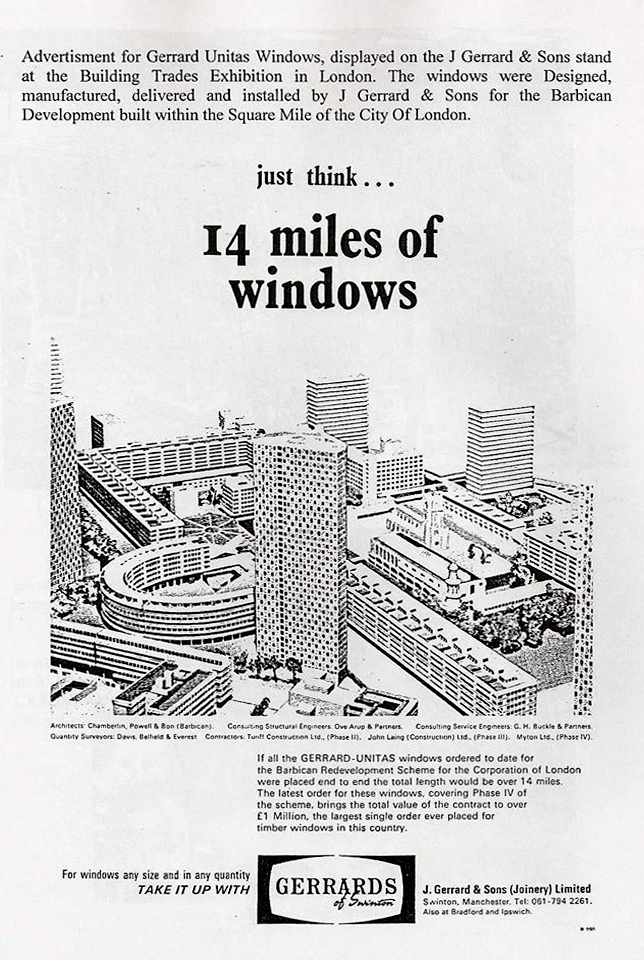
I also recently discovered a Barbican Manchester mash up – Gerrards of Swinton fulfilled their largest ever single order for the site – my thanks to David Roughley for the information and illustration.

Here are the snaps that I took along the way.

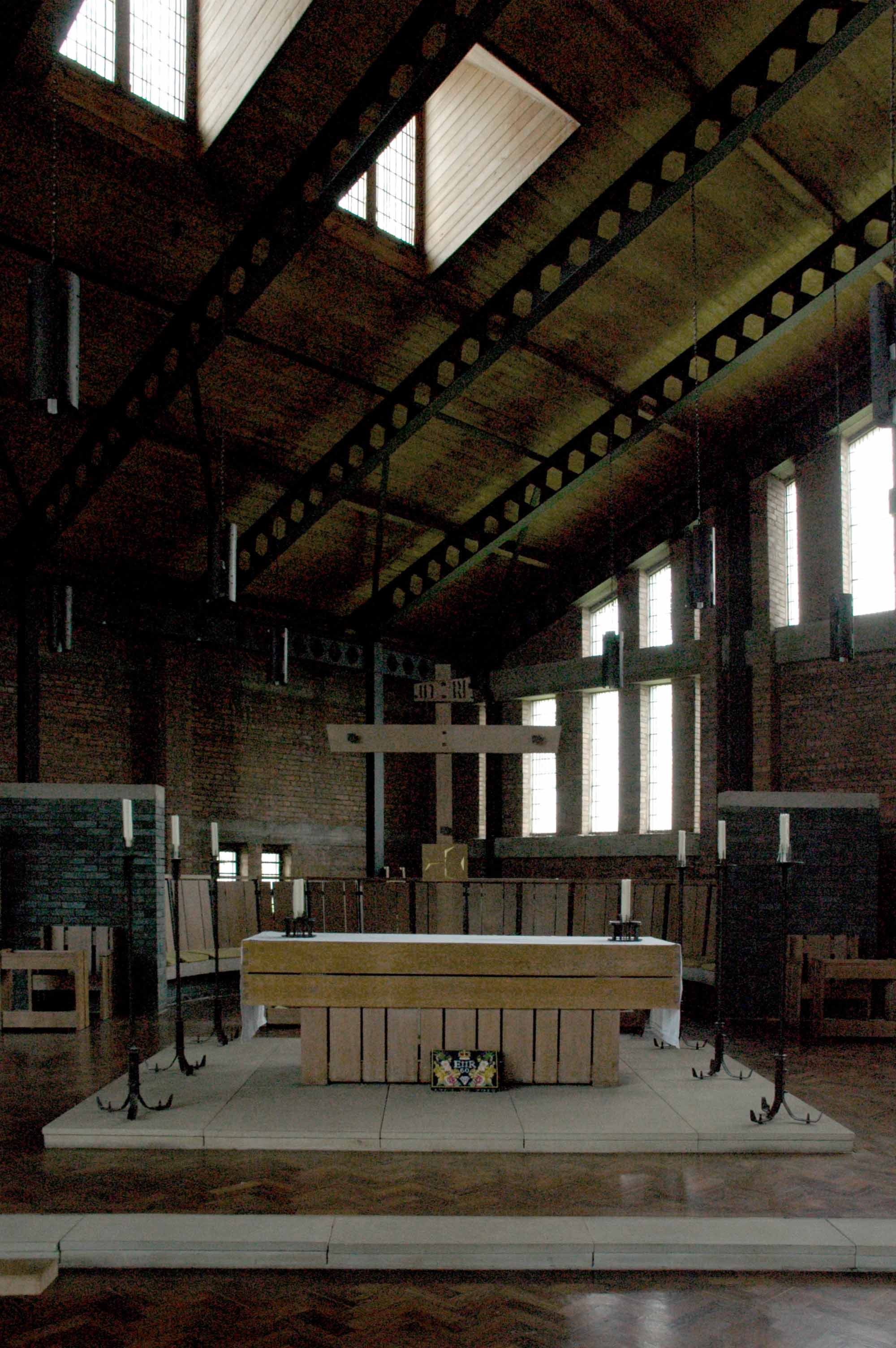
St Augustine’s RC Church – Manchester

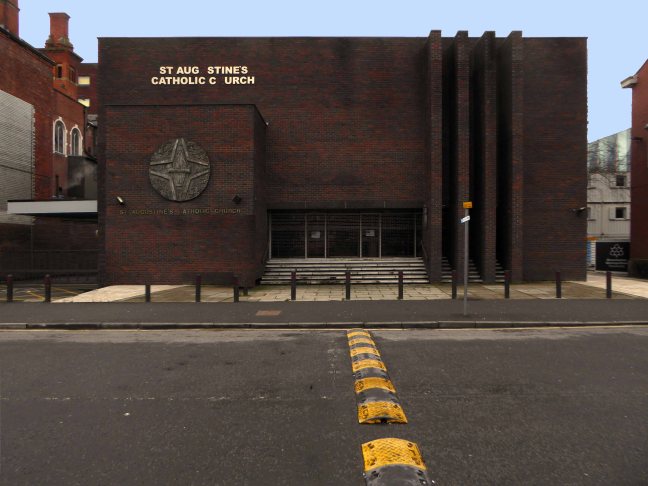
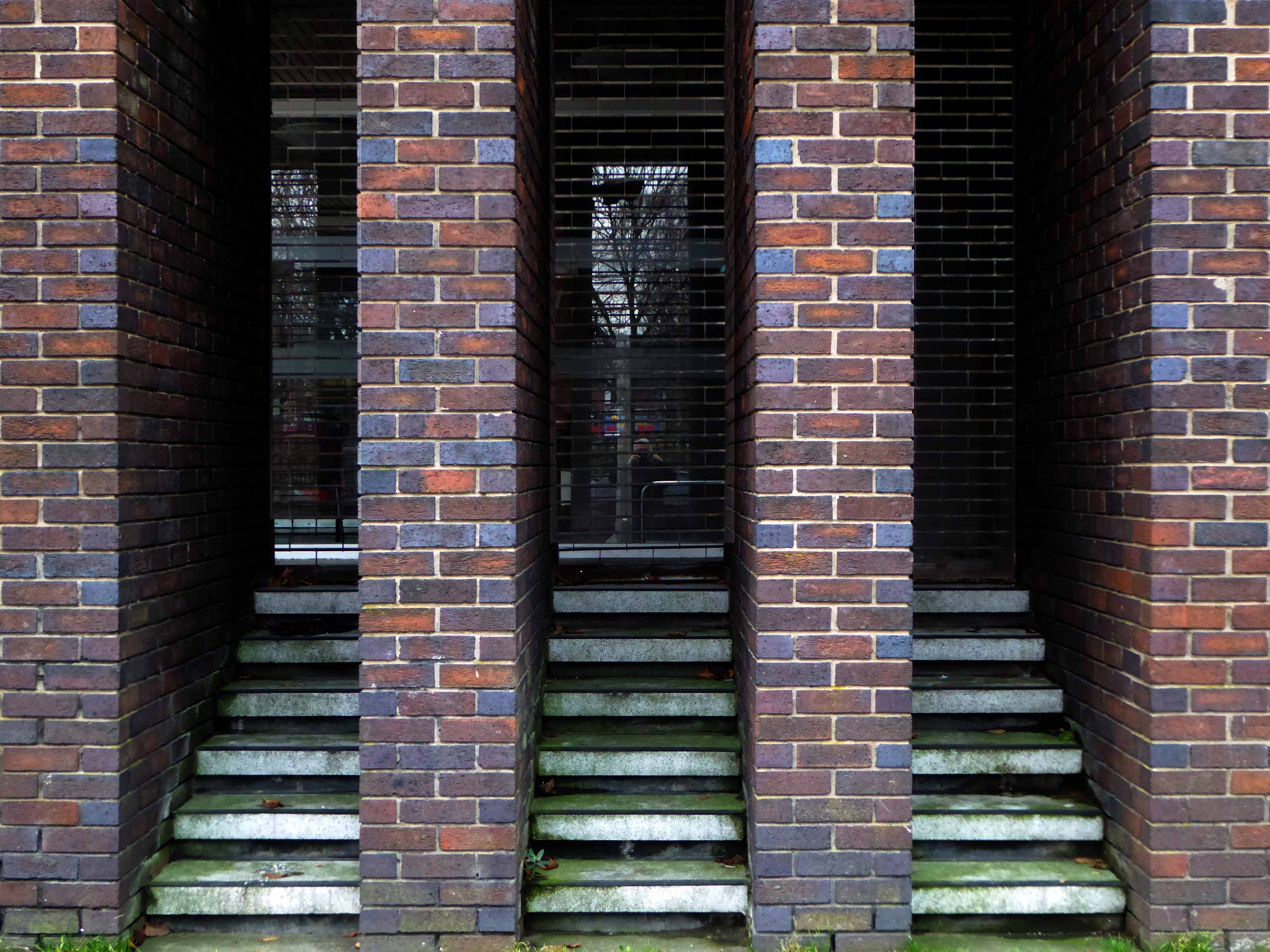
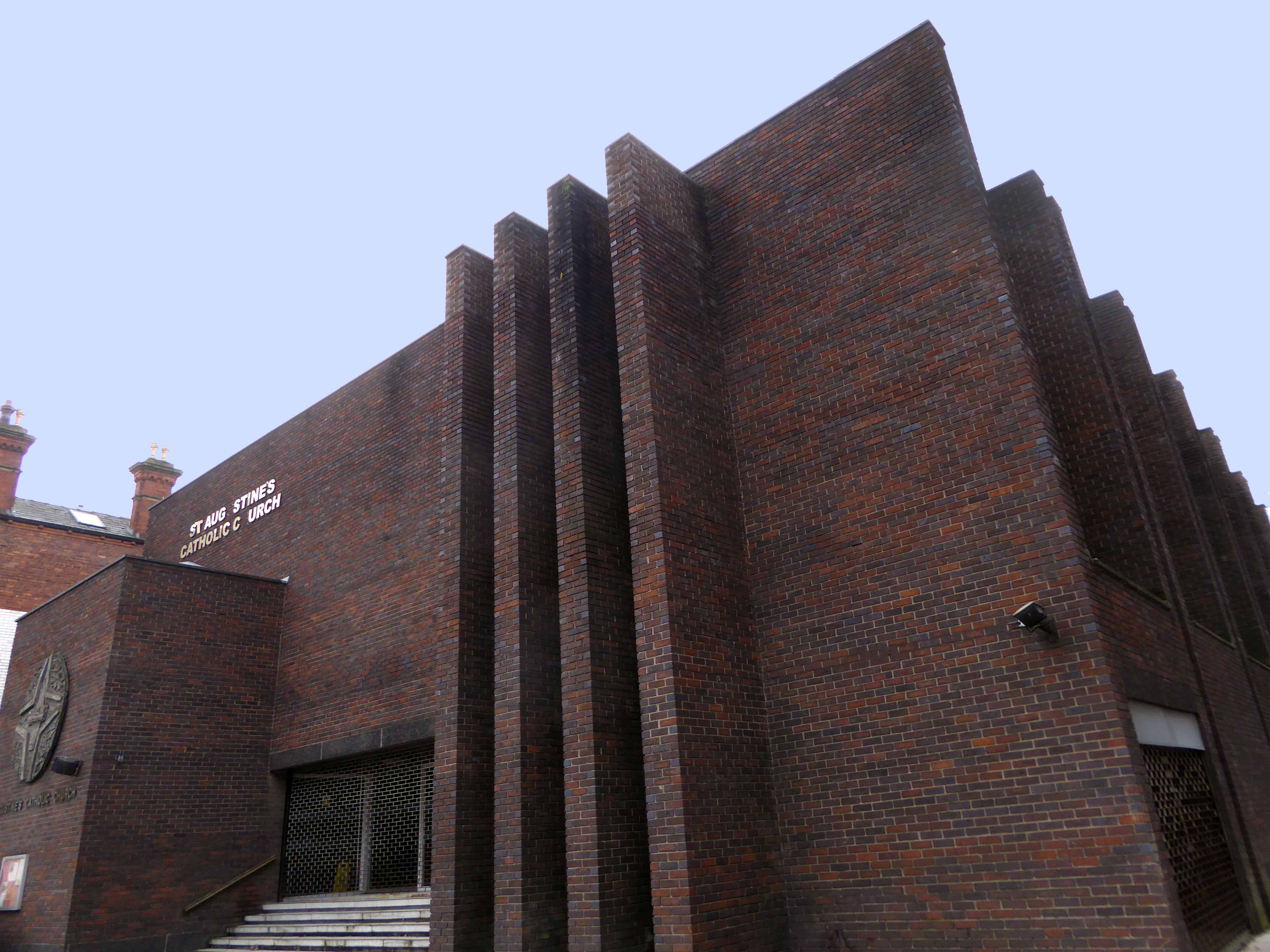
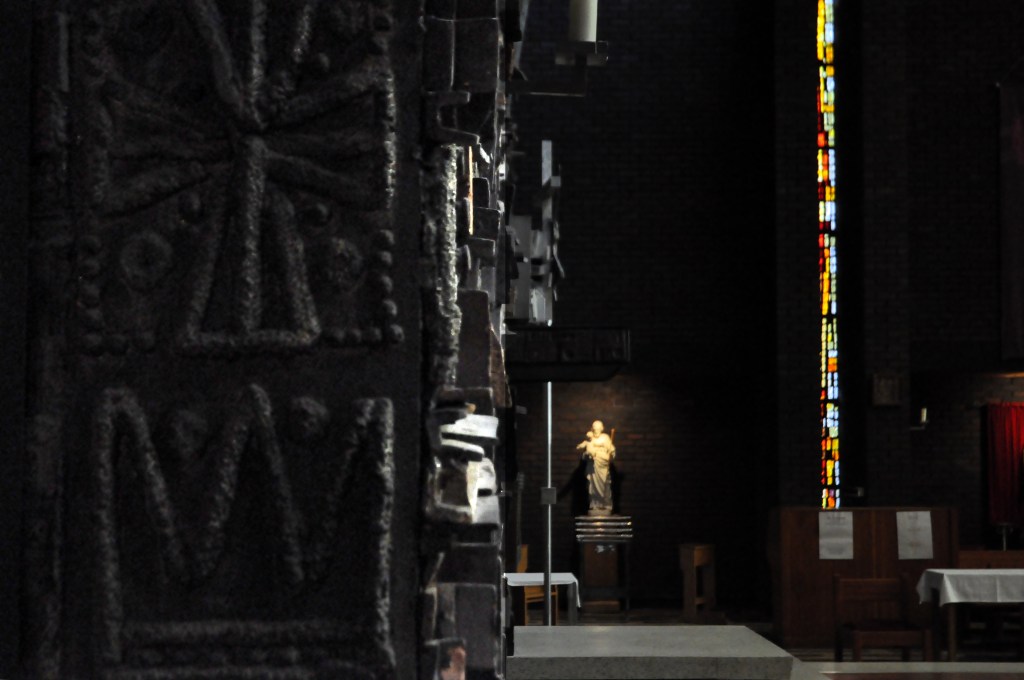
We have been here before on the west side of Grosvenor Square, between the former Eye Hospital and Registry Office on Lower Ormond Street, sits the solid stolid brick form of St Augustine.

The original St Augustine’s was one of the oldest Roman Catholic churches in Manchester, having been established at Granby Row in 1820. This church was sold in 1905 to make way for the Manchester Municipal Technical College, and a new church built on York Street. This church was destroyed in the Manchester Blitz of 1940. The present site previously housed a chapel of ease in a building bought from the Methodists in the 1870s. It had briefly been a separate parish, but in 1908 was amalgamated with St Augustine’s parish. After the War it was the only surviving church in the parish. The new St Augustine’s was built here with the help of a grant from the War Damage Commission, at a cost of £138,000, when it was clear that the original building was inadequate. The new building was opened in 1968 and consecrated in 1970.

Quite rightly listed by Historic England.

Roman Catholic Church 1967-8 by Desmond Williams & Associates. Load-bearing dark brown brick construction with felt roofs supported on Vierendeel girders, with rear range in brick and timber cladding.  

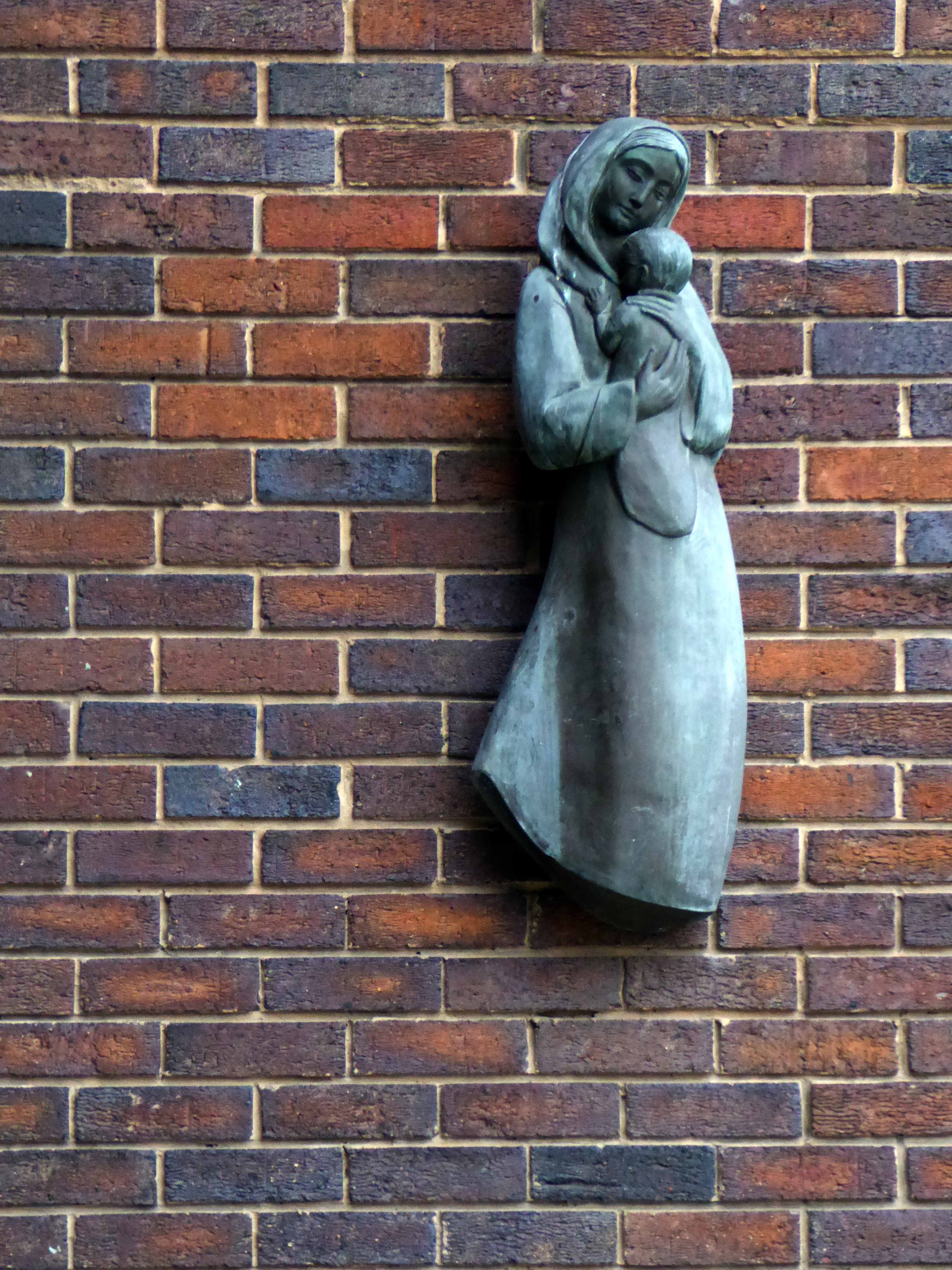
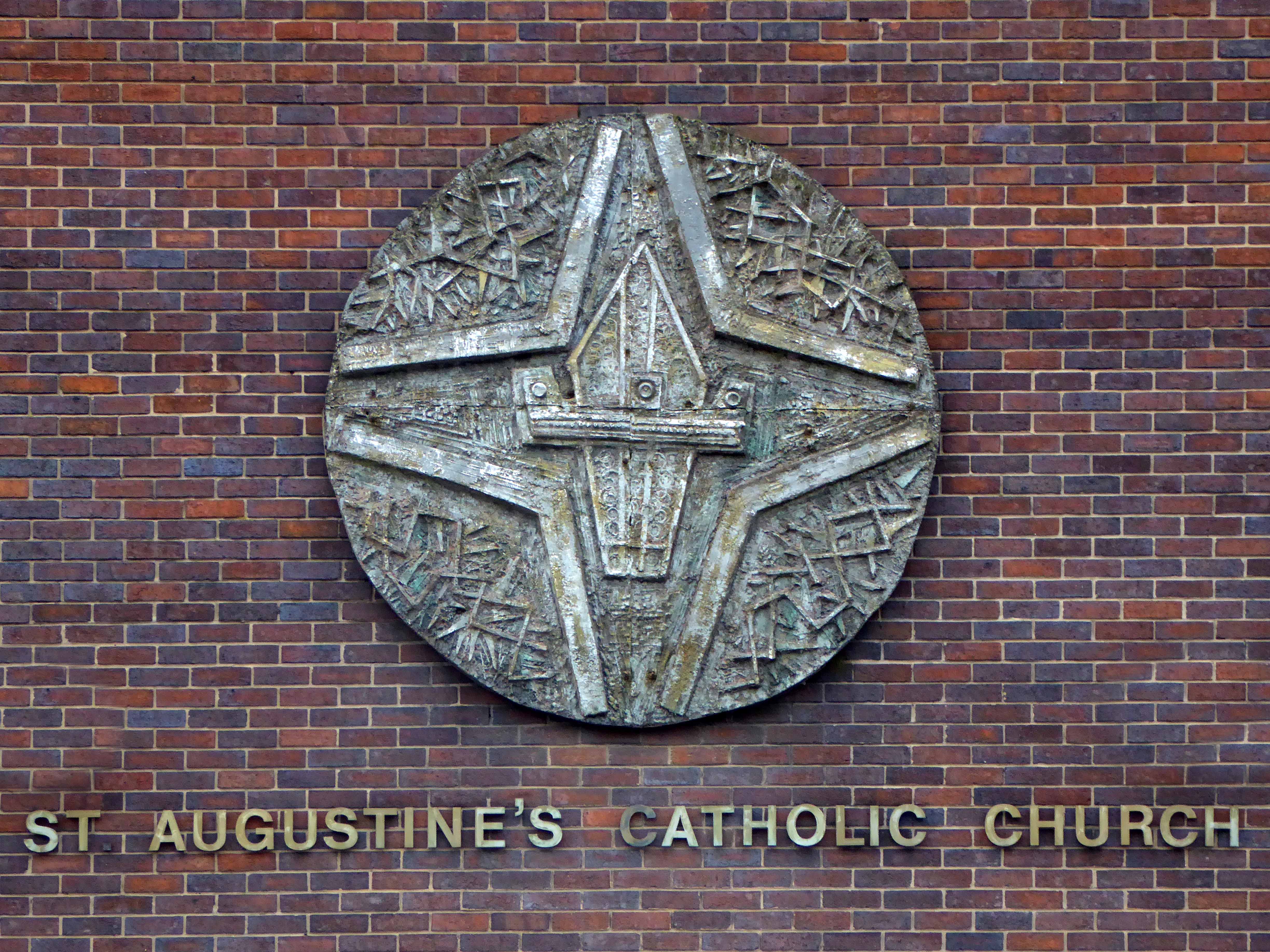
Body of church virtually square, with corridor at rear right leading to cross wing containing offices and accommodation. Windowless façade with floating service projection to the left and four full height brick fins to the right of wide recessed central entrance reached by low flight of steps. On the projection a ceramic plaque with star and mitre and on the inner face of the left hand fin a figure of the Madonna, both by Robert Brumby. Set back returns of 6 bays, divided by pairs of projecting slim brick piers. Openings between the pairs of piers filled with coloured chipped French glass. Secondary entrance beneath large cantilevered canopy in first bay of left hand return. Slender linking block containing sacristy. The rear presbytery range, containing first floor hall, meeting rooms, kitchen, chaplaincy offices and accommodation for four priests. Bell tower rising from parish rooms block. 

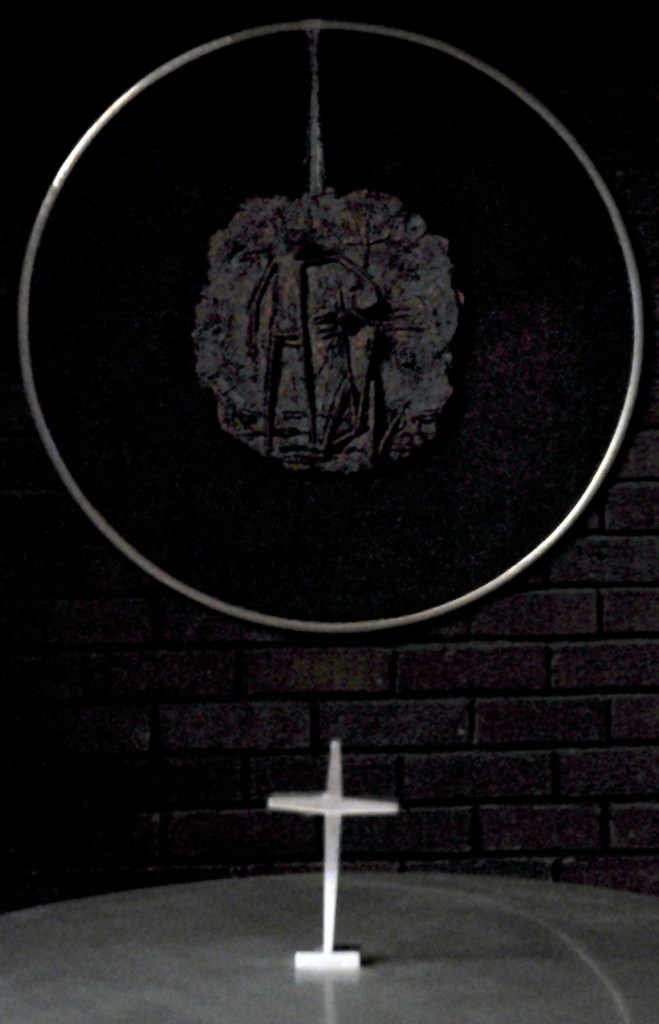
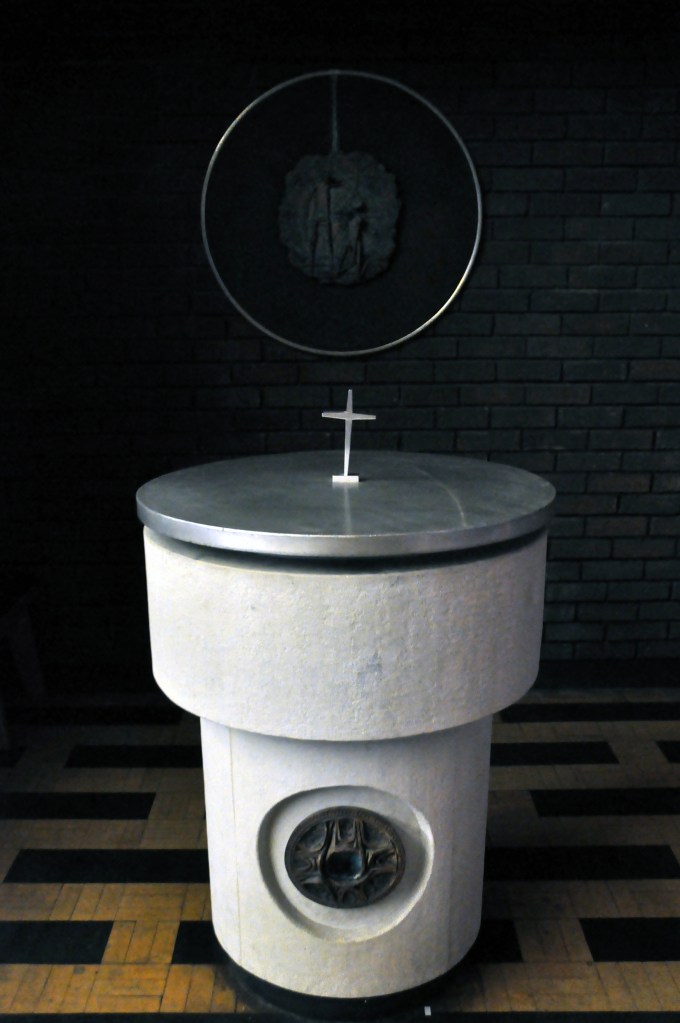
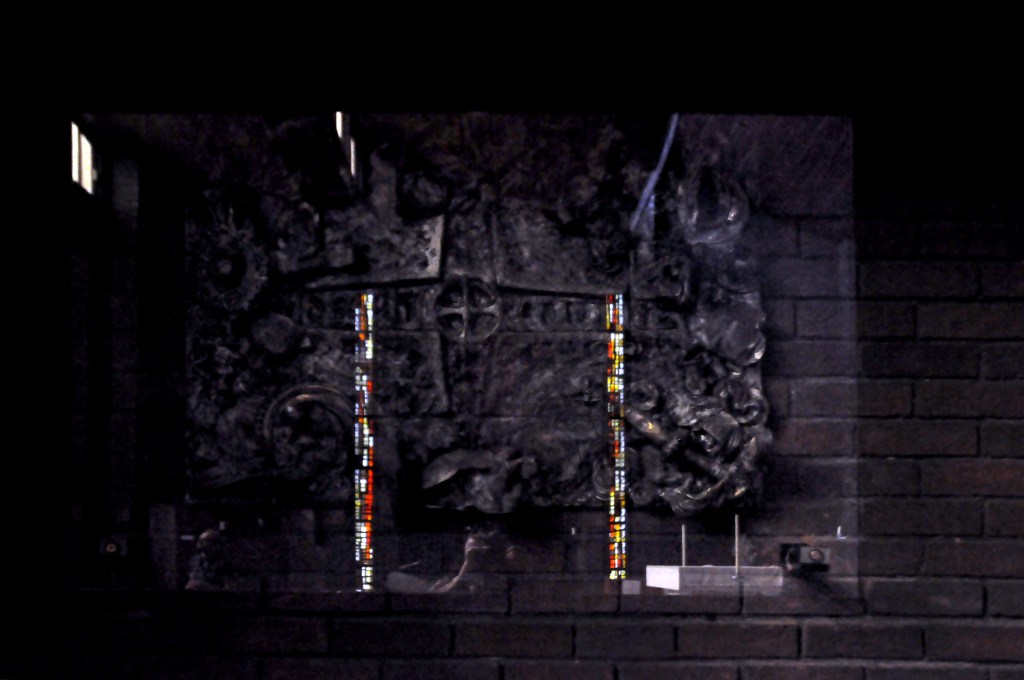
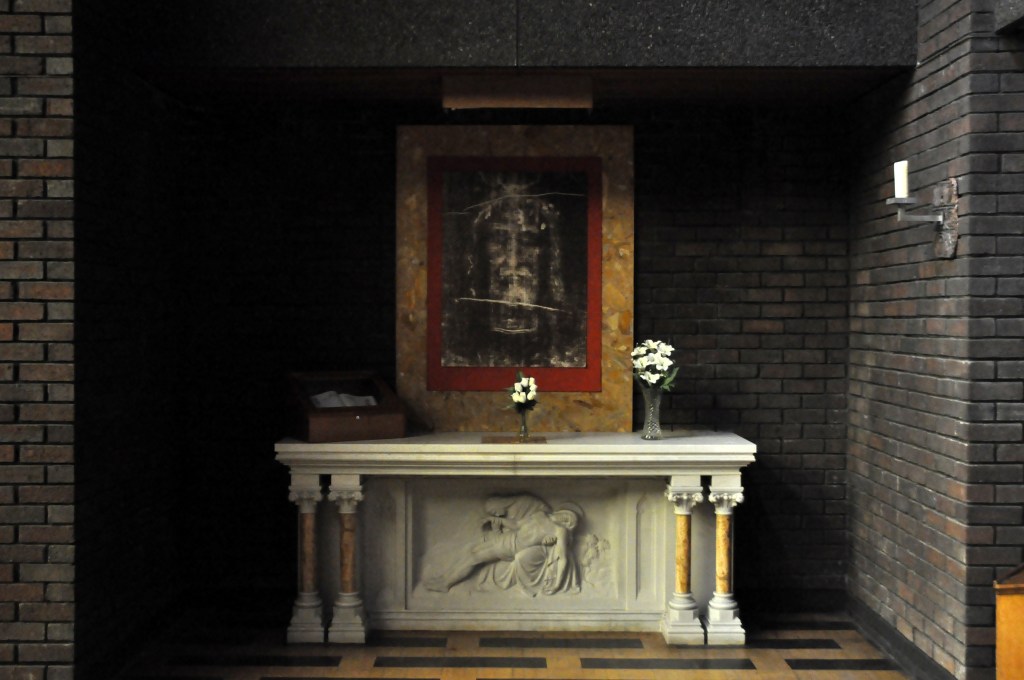
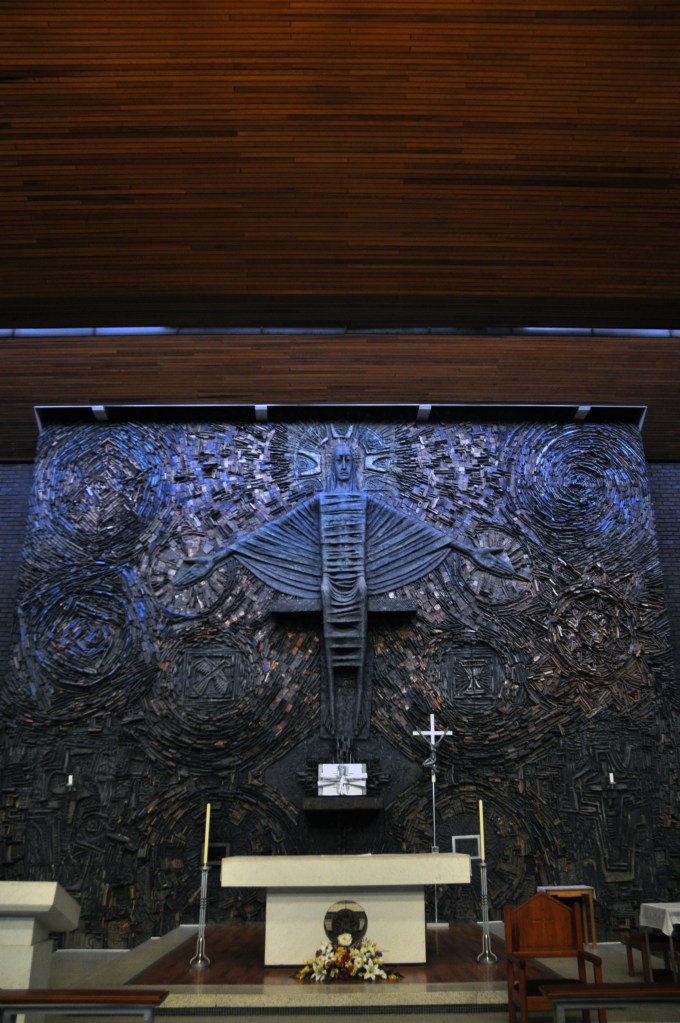
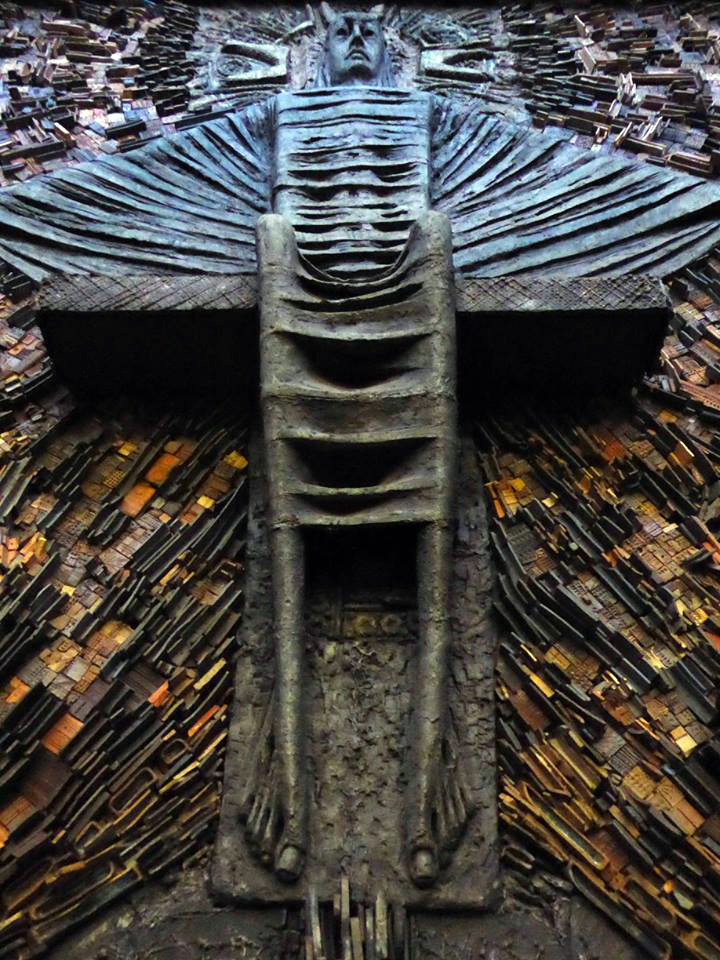
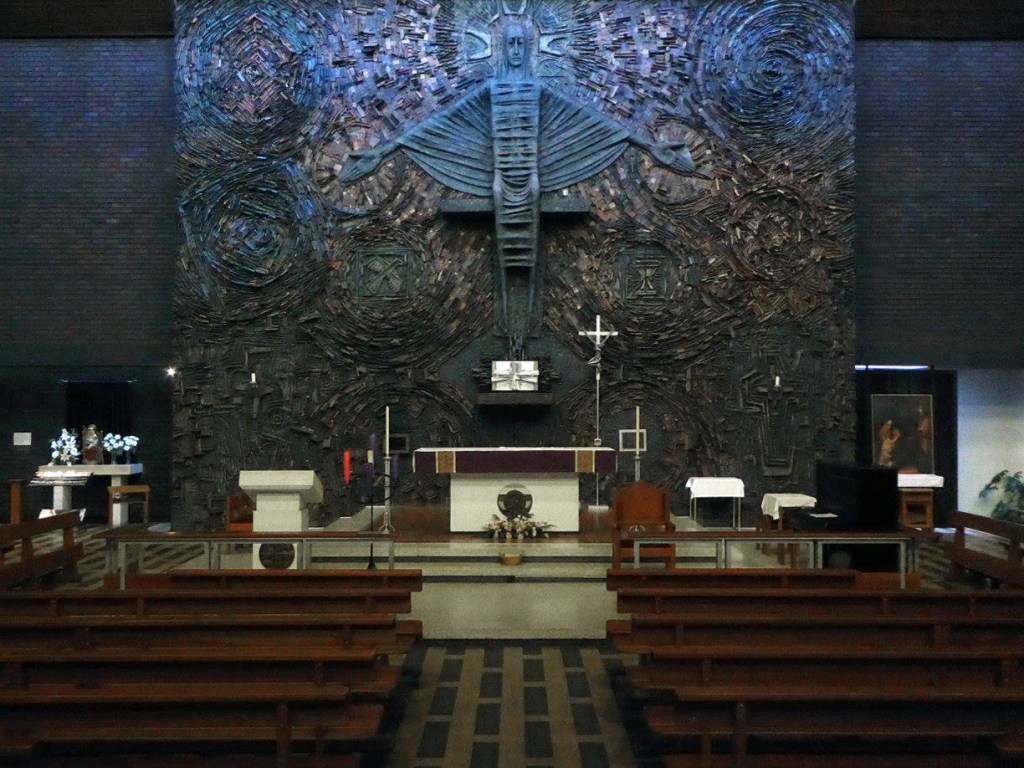
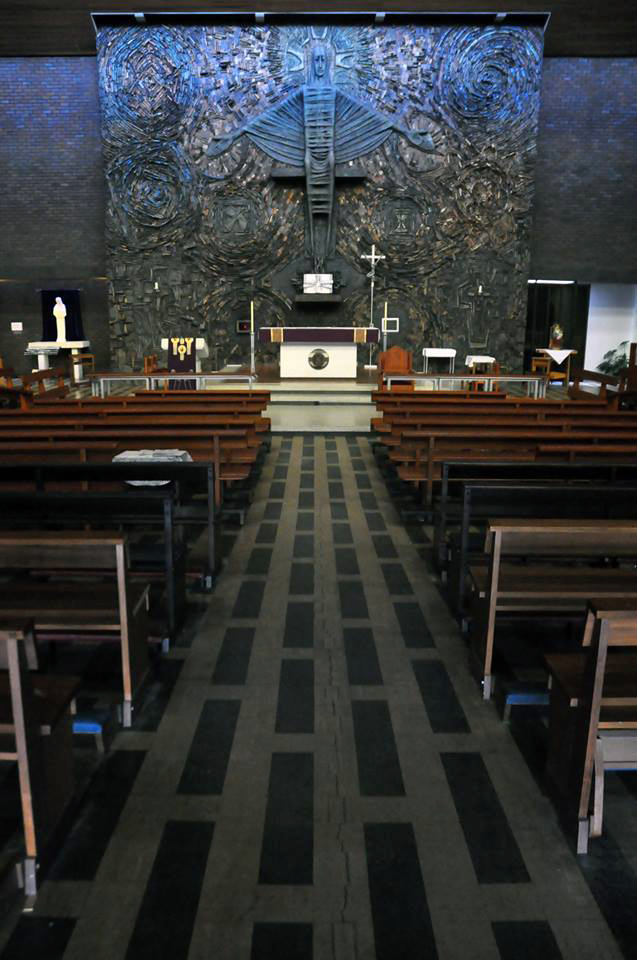
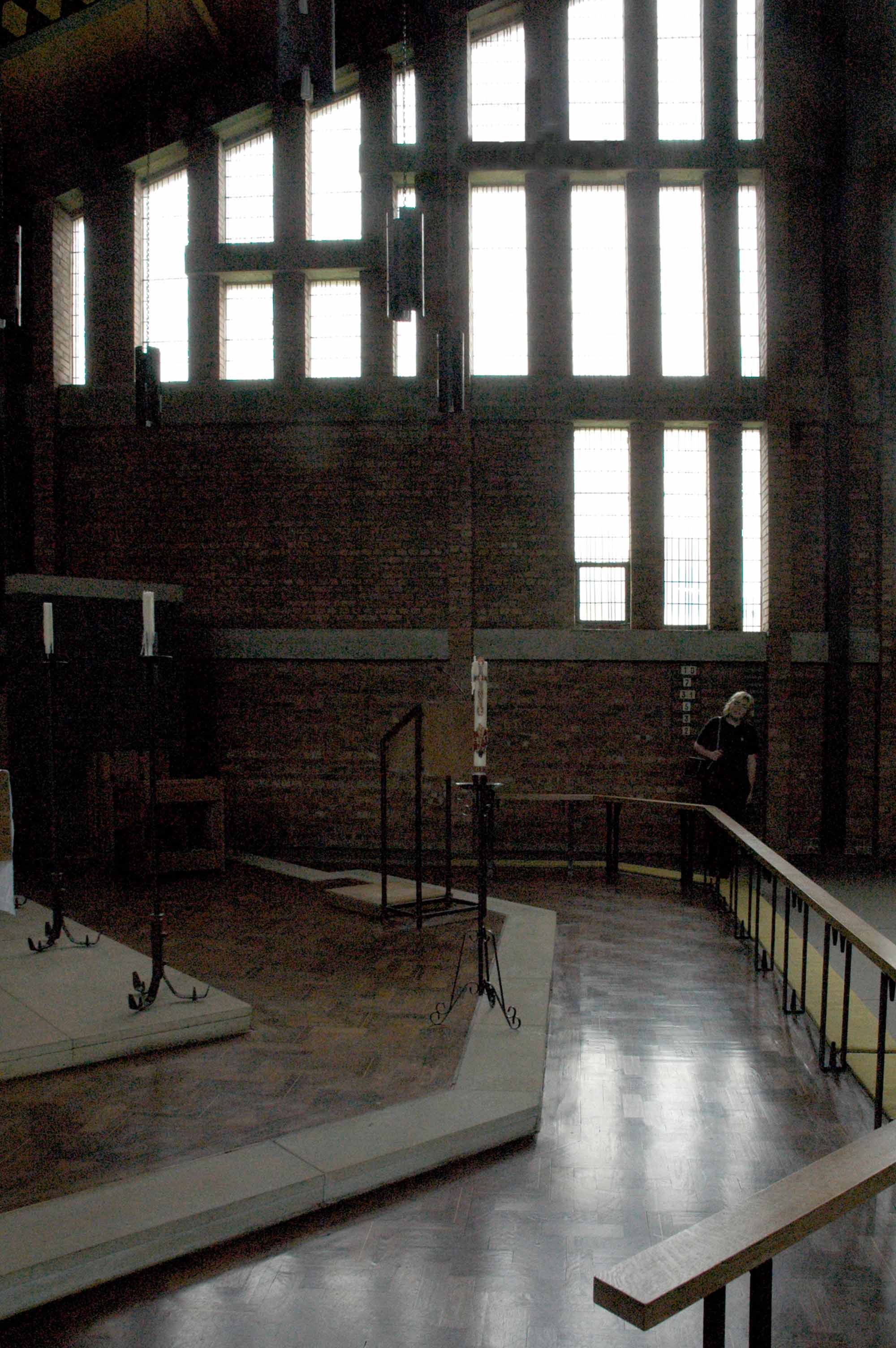
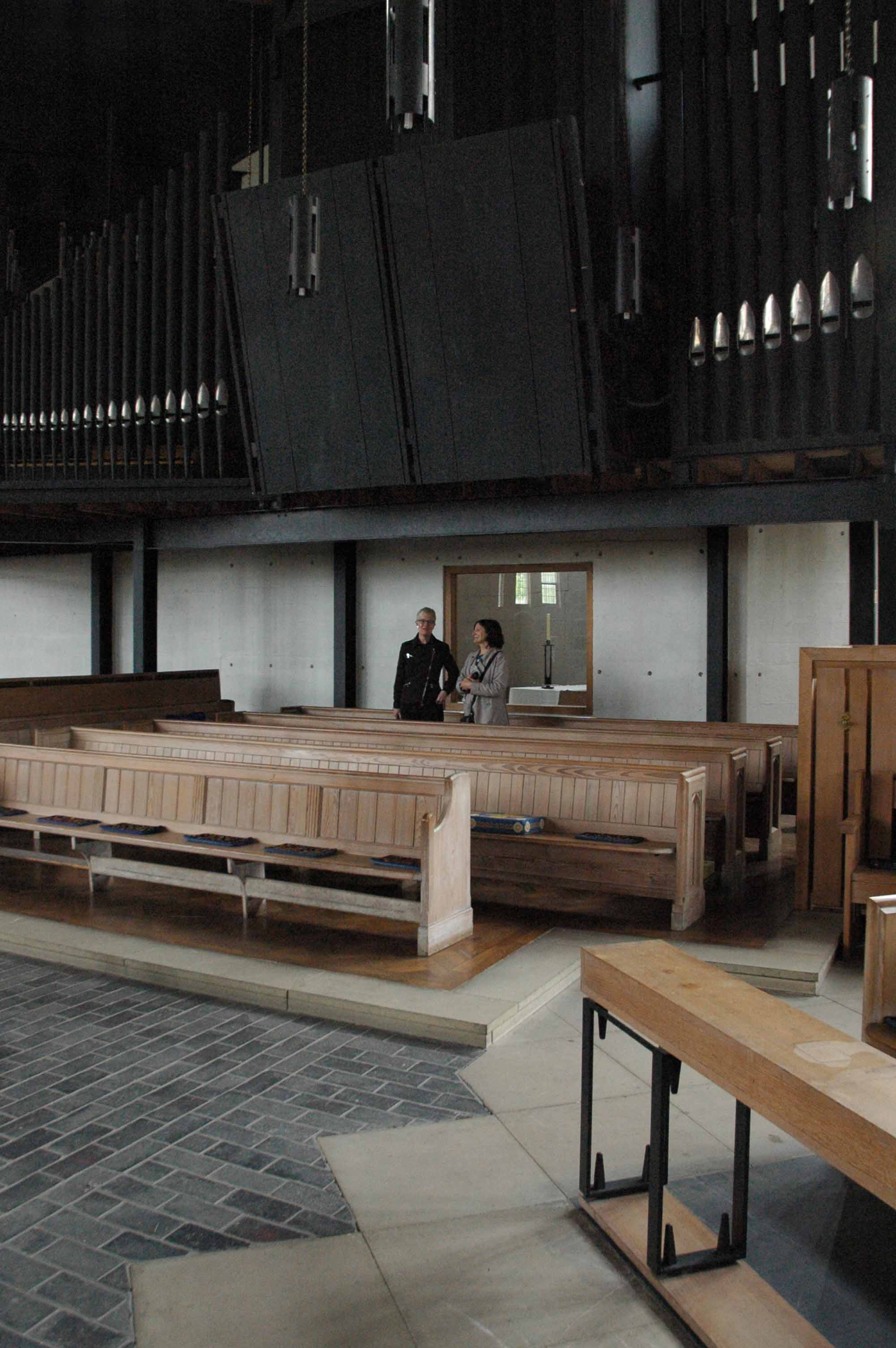
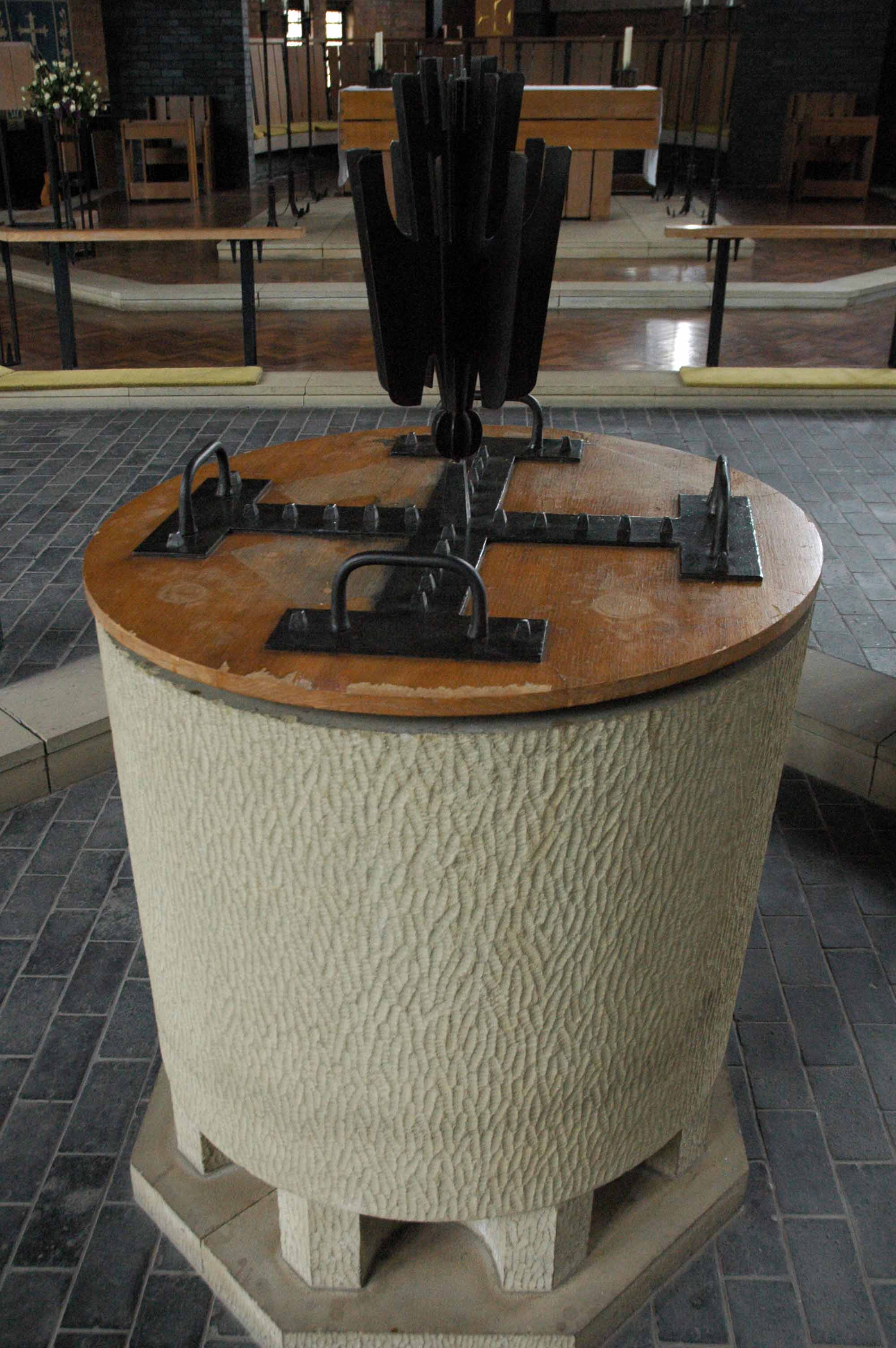
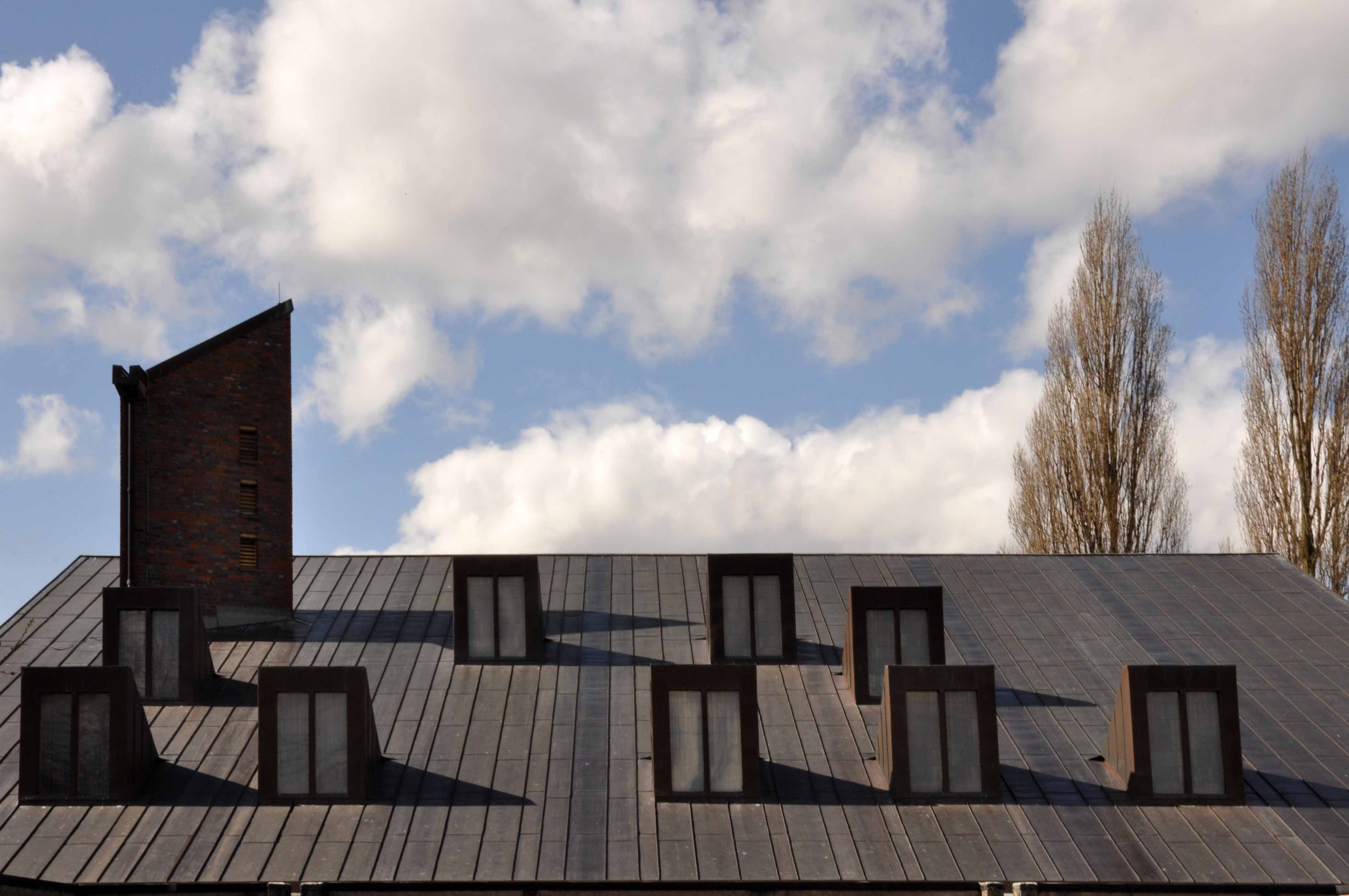
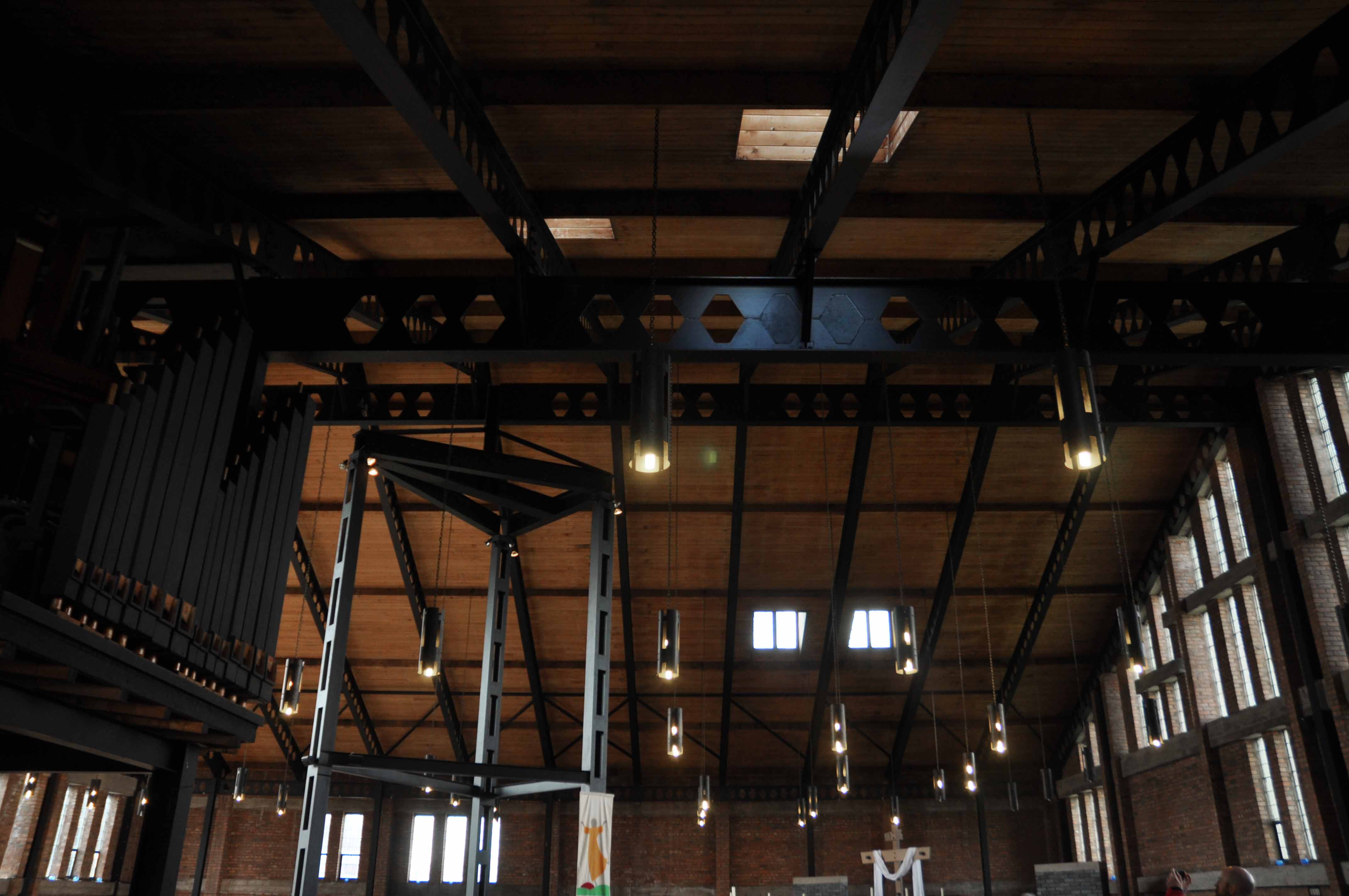
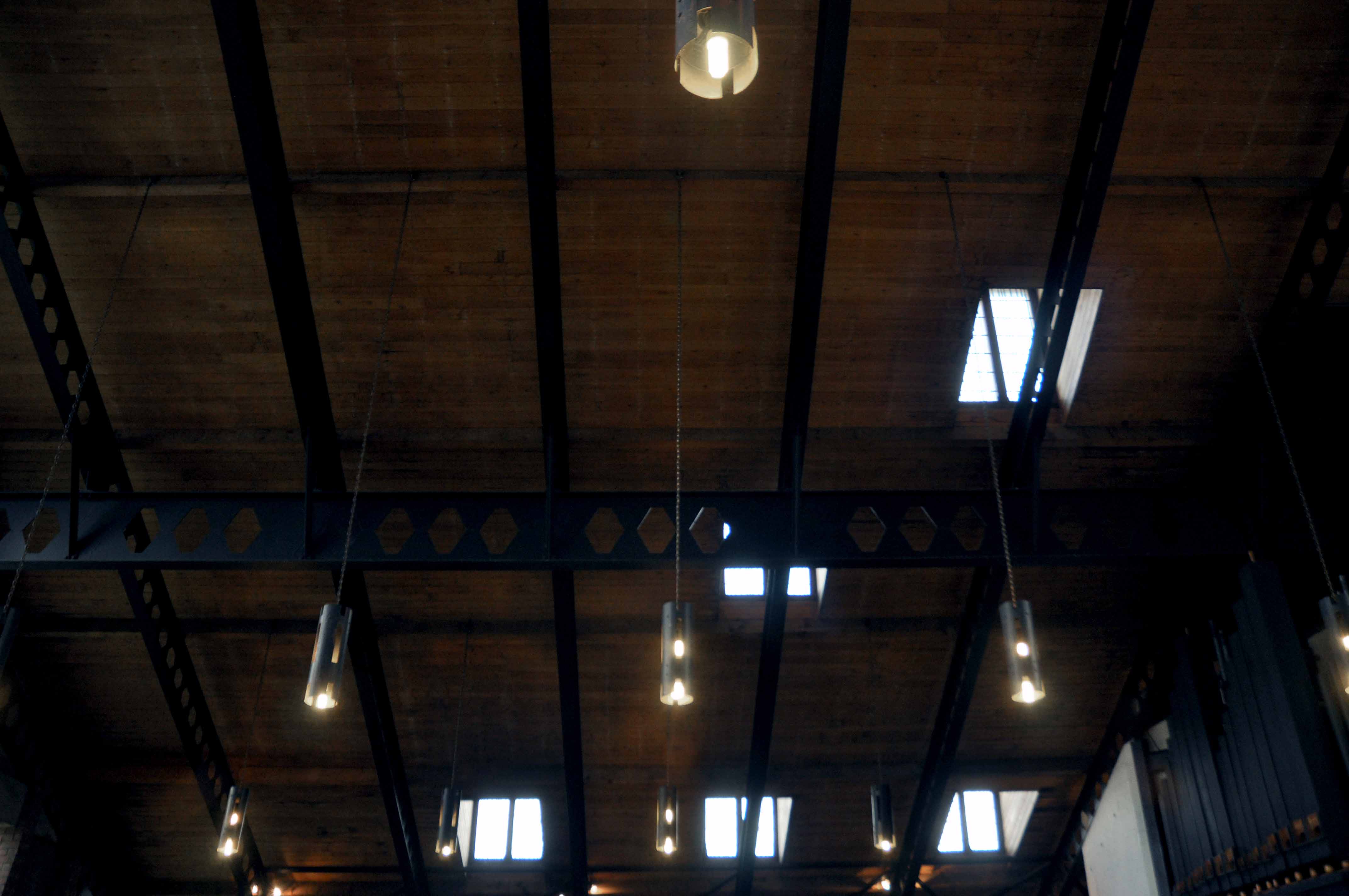
A simple box plan with ceiling of steel trusses clad with timber and clerestory north lights. Sanctuary of three stepped platforms with white marble altar set forward. Large ceramic reredos sculpture of Christ in Majesty by Robert Brumby of York. Bays containing either projecting confessionals or chapel recesses are divided by pairs of projecting slim brick piers. Fixed seating in angular U-shape surrounding Sanctuary. Side chapel to left. Narthex. West gallery above originally with seating, now housing organ. Unified scheme of decoration by Brumby including the external plaque and statue, holy water stoups, wall light brackets, circular font with ceramic inset and aluminium lid, altar table with bronze inset and, probably, Stations of the Cross sculptures. Also by Brumby, a memorial plaque fashioned from mangled plate, damaged in the Blitz, commemorating the earlier parish church which this replaced.

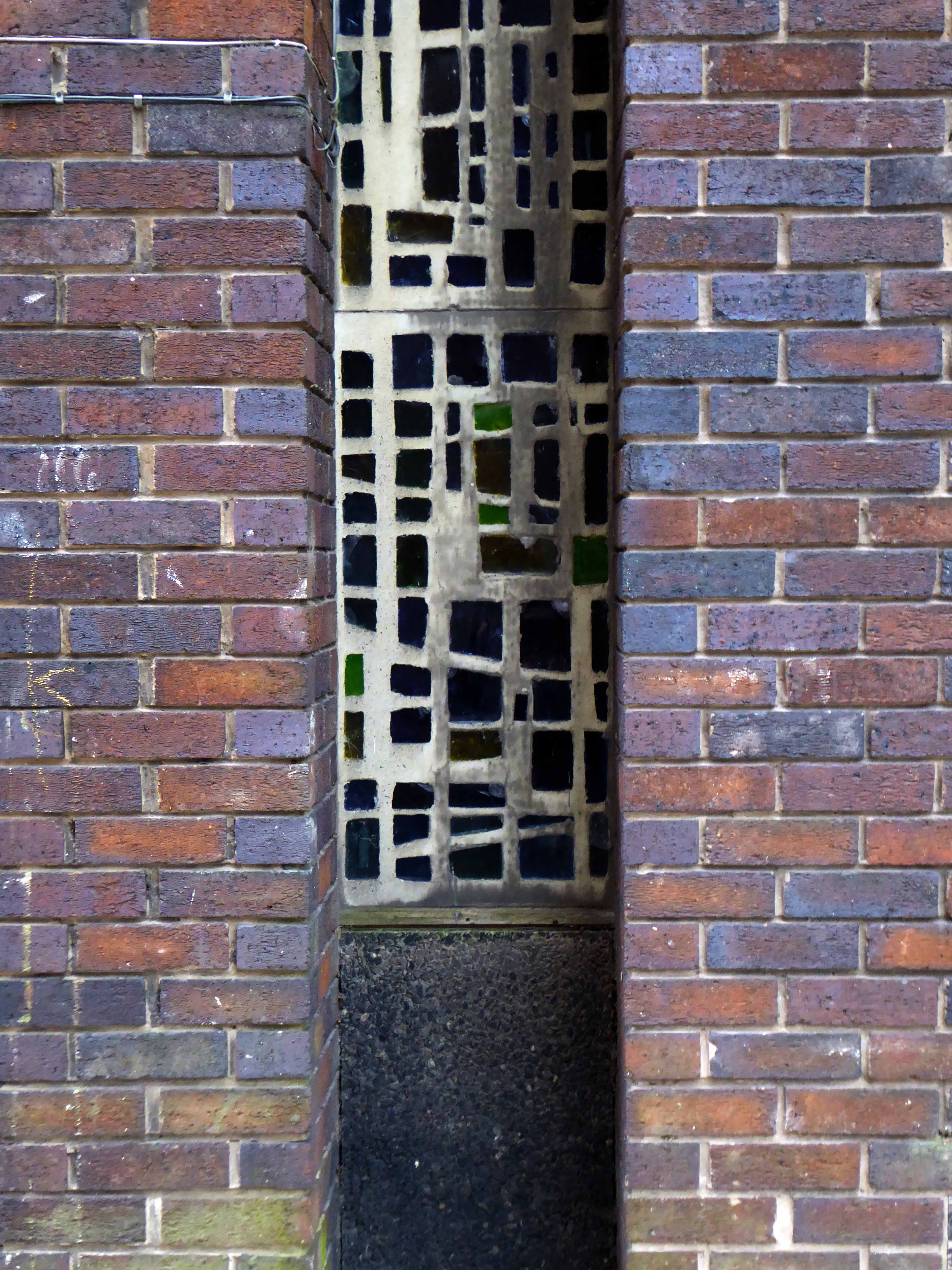
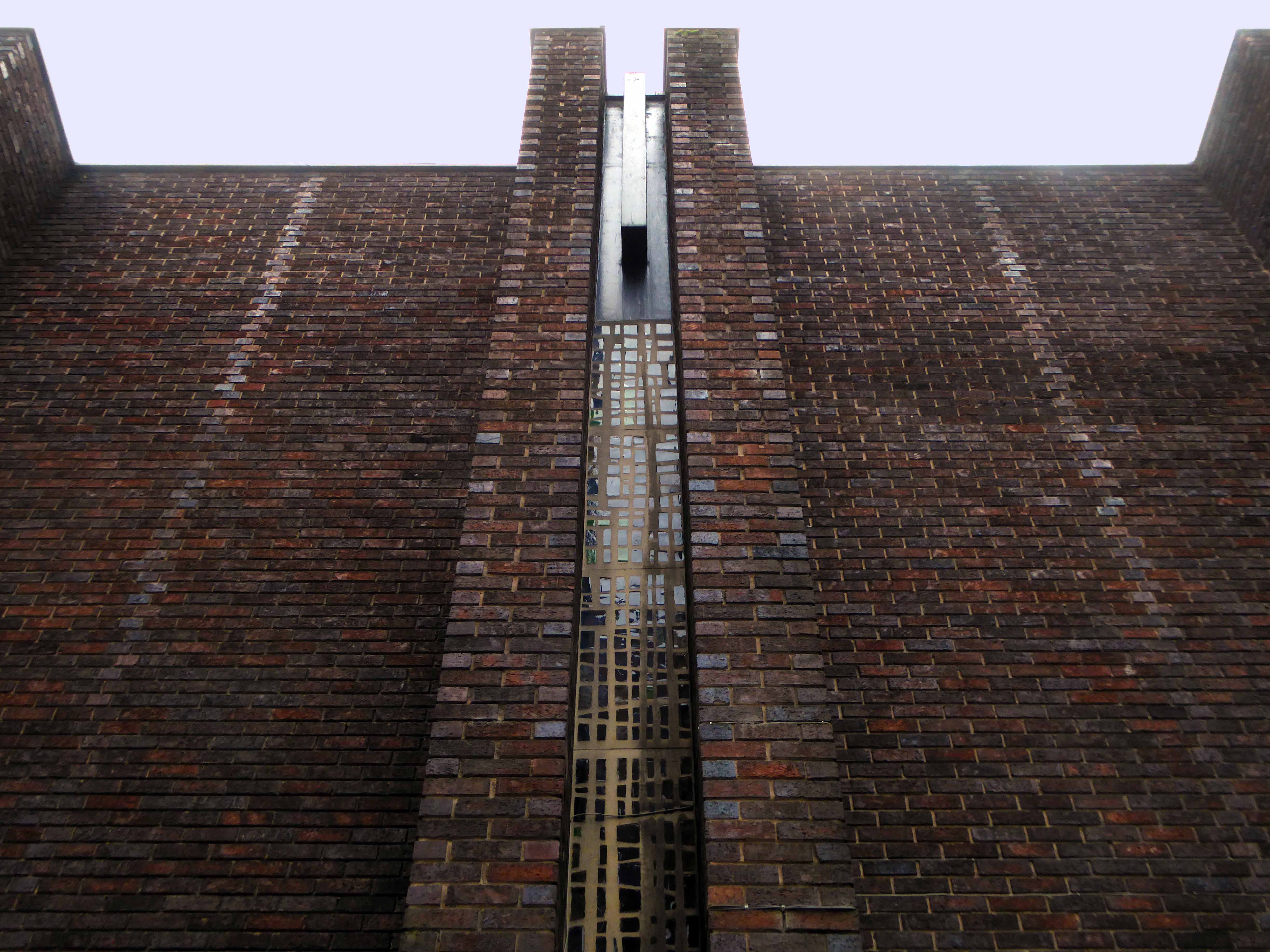
Of particular note are the stained glass windows.

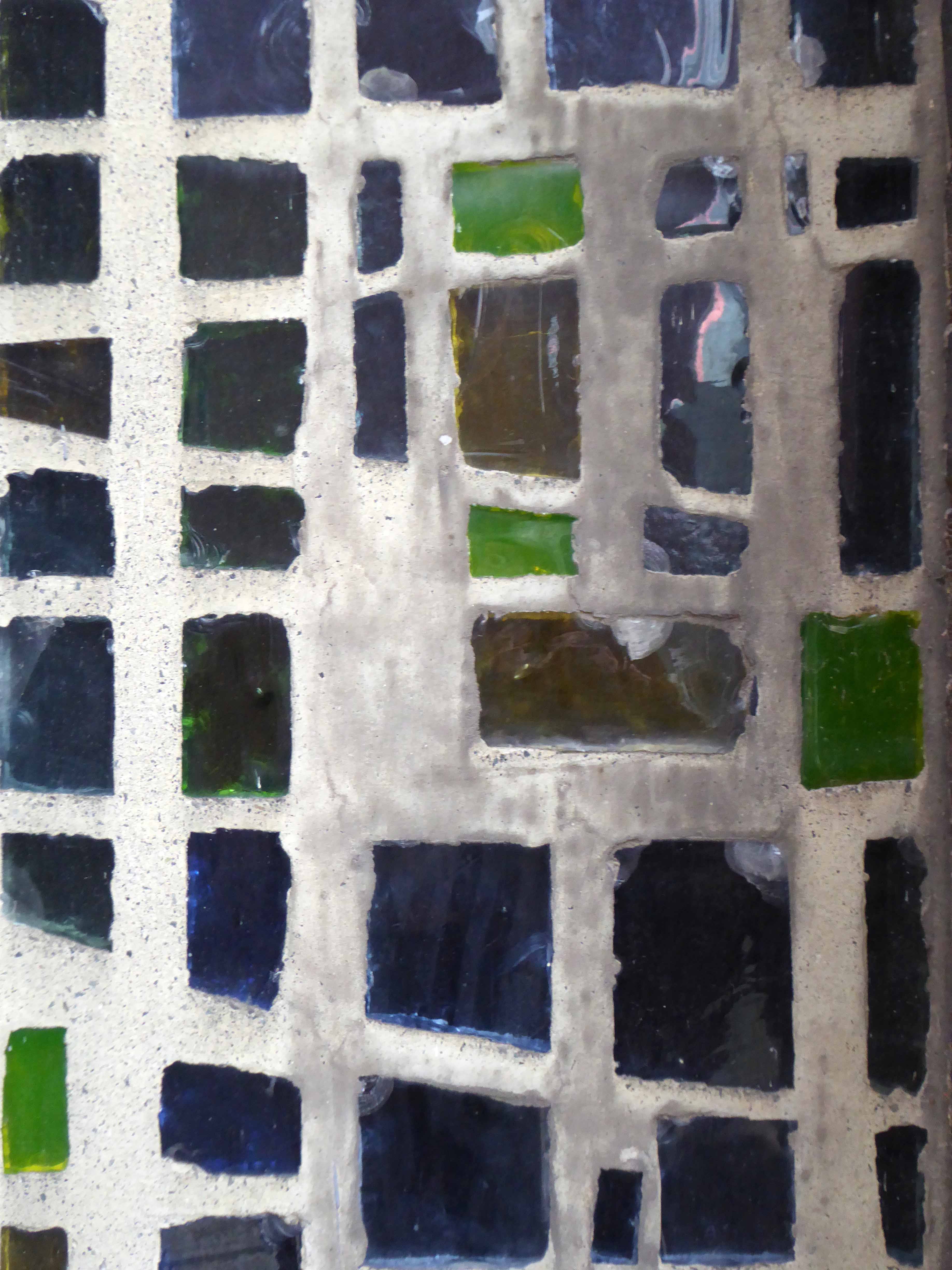
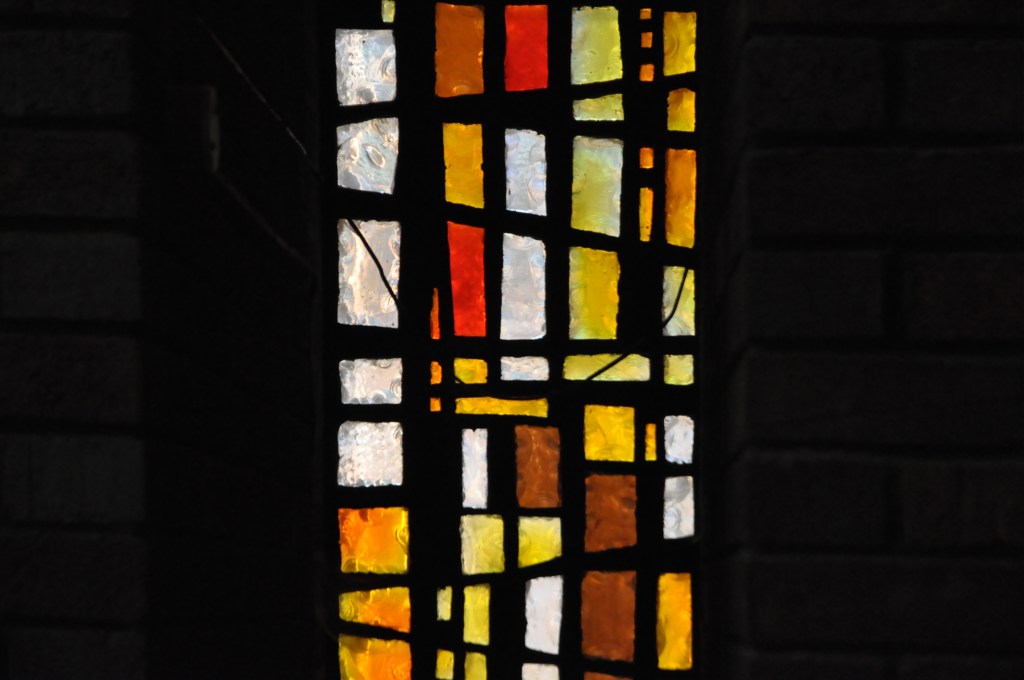
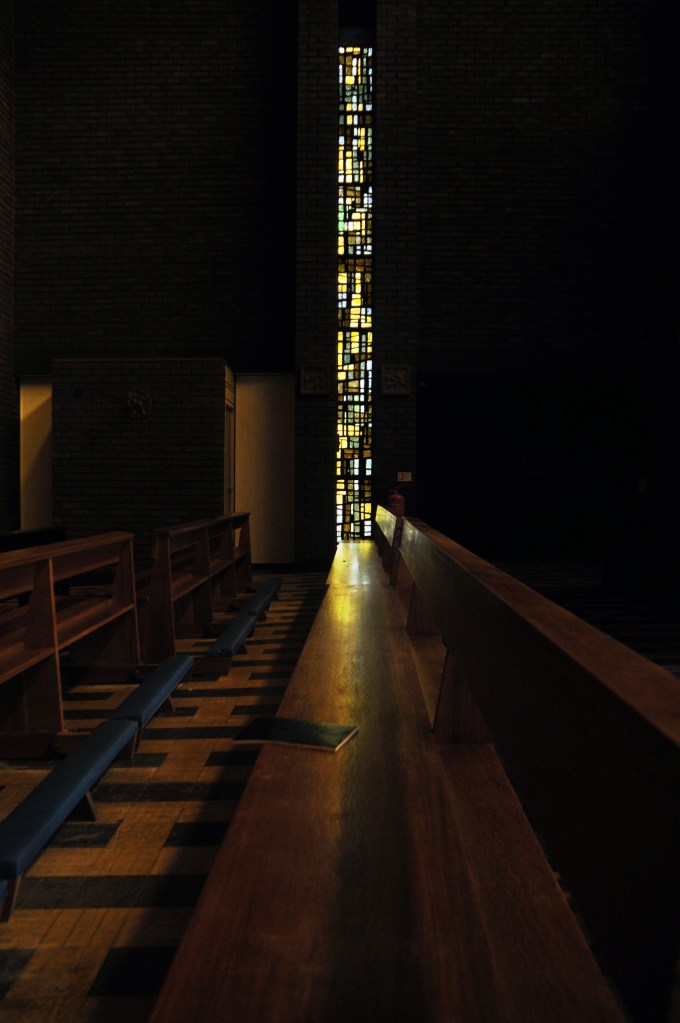
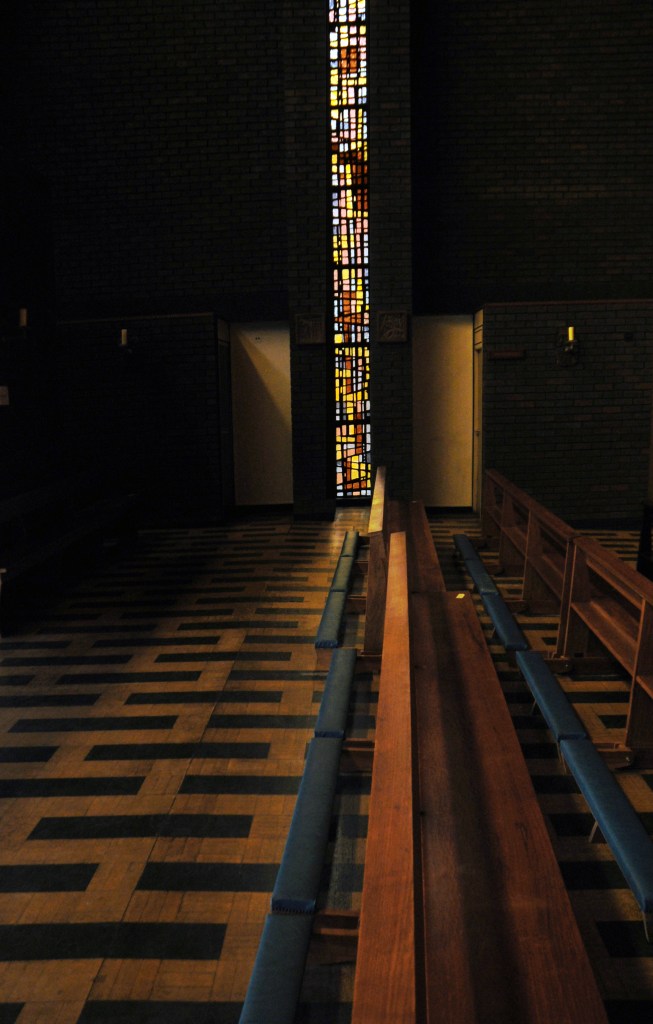
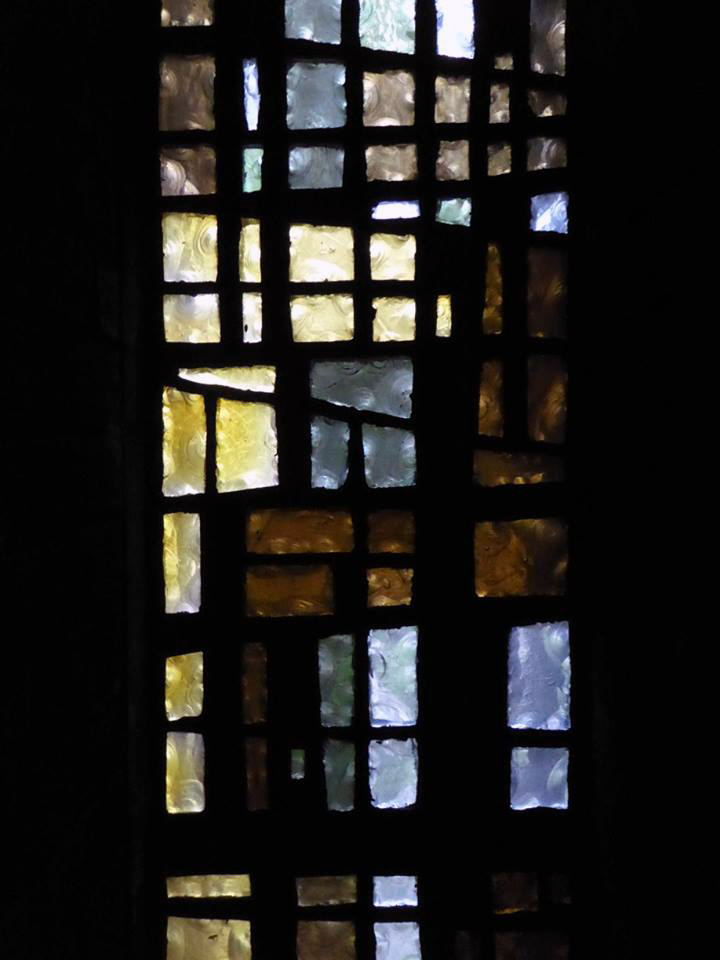
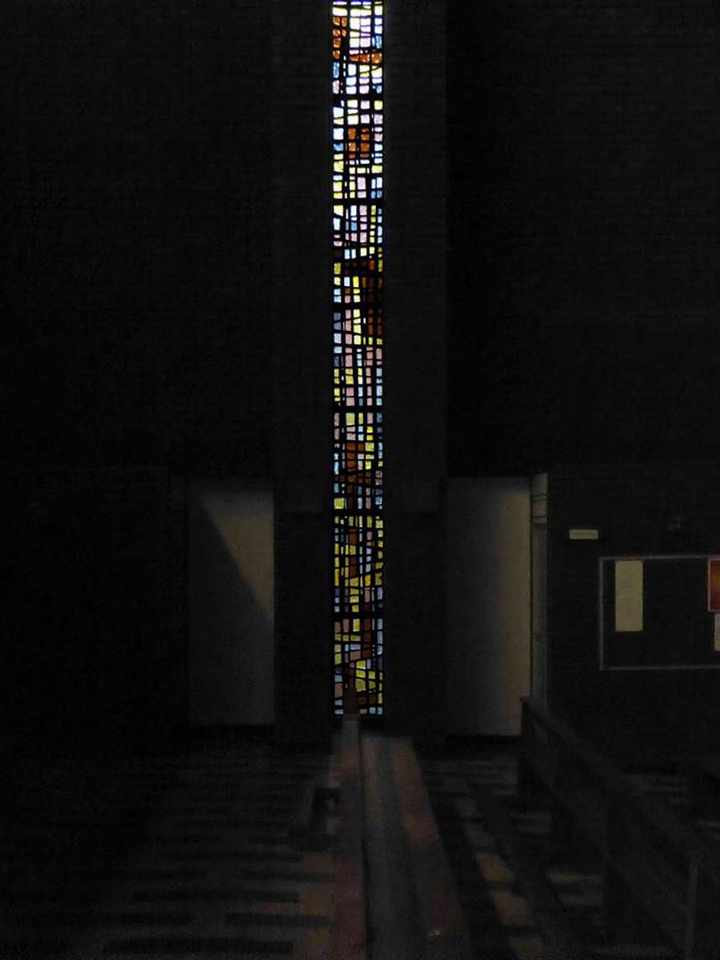
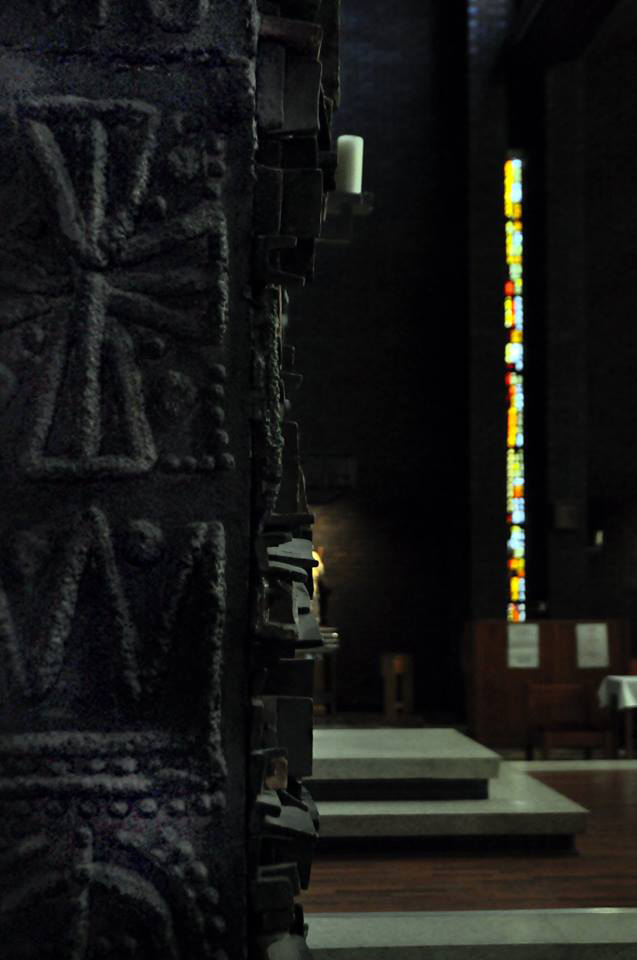
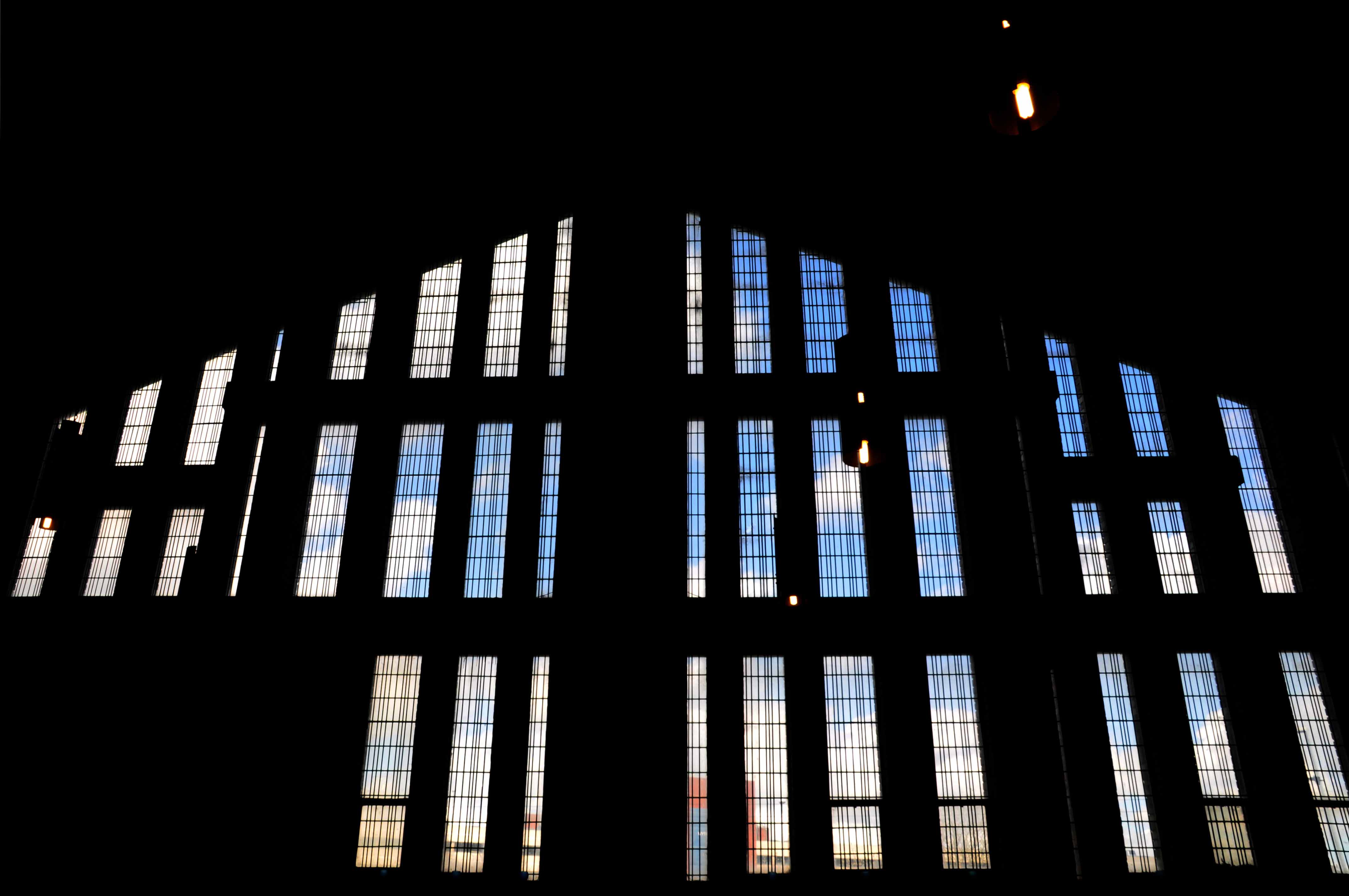
The internal atmosphere of the church is modified by the changes in light cast through the stained glass windows. The windows are of a colourful random and abstract design and ascend the full height of the walls between structural bays which themselves form enclosures to confessionals and stores. The pieces of coloured glass are suspended in concrete and were supplied by the now defunct Whitefriars company. The designer was a French artist, Pierre Fourmaintraux, who began working with Whitefriars in 1959, using the ‘dalle de verre’ (slab glass) technique that had been developed in France between the wars. His motif was a small monk variously painted upon, or cast into, the glass. In St. Augustine’s the motif is cast and highly stylised and can be found tucked away at the foot of each of the rear windows.

Mainstream Modern

Fusciardi’s – Eastbourne

Antonio Fusciardi emigrated in the 1960s in search of a better life. He opened a number of businesses in Ireland. In 1965 he met Anna Morelli at an Italian wedding and romance blossomed. The couple married and set up home in Marine Parade, Eastbourne. They worked very hard in establishing the business and attributed their success to ambition, dedication and the family.

It say so here

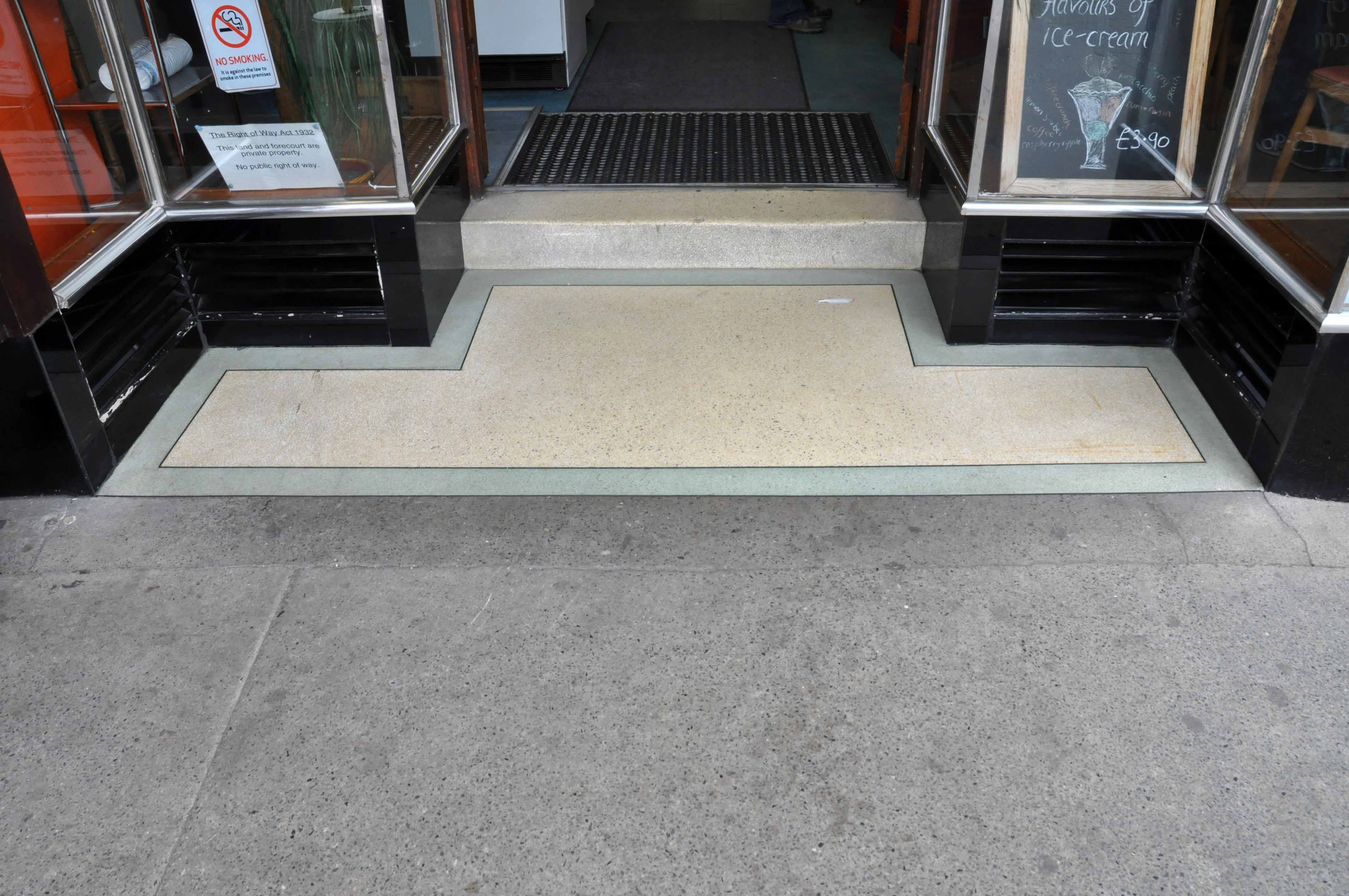
30 Marine Parade just set back from the seafront, selling the most delicious ice creams, decorated with the most delightful tiles.

I have seen similar in Hanley

DSC_0086 copy

And Halifax

p1010331

These being produced by Malkin Tiles

But neither of the former are anywhere near as nice as these Eastbourne examples.

So get yourself down there feast your eyes on these beauties.

Treat y’self to an ice cream too!

Fusciardi’s – often licked never beaten!

P1310625

P1310626

p13106271.jpg

P1310628

P1310629

P1310630P1310631

P1310632

p13106331.jpg

P1310634

P1310635

P1310636

P1310637

P1310638

P1310639


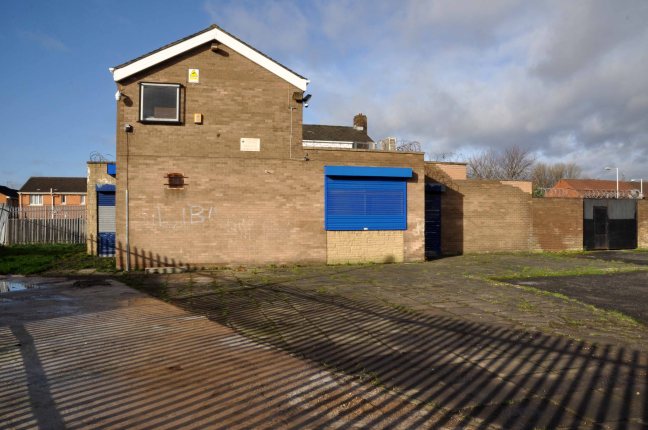
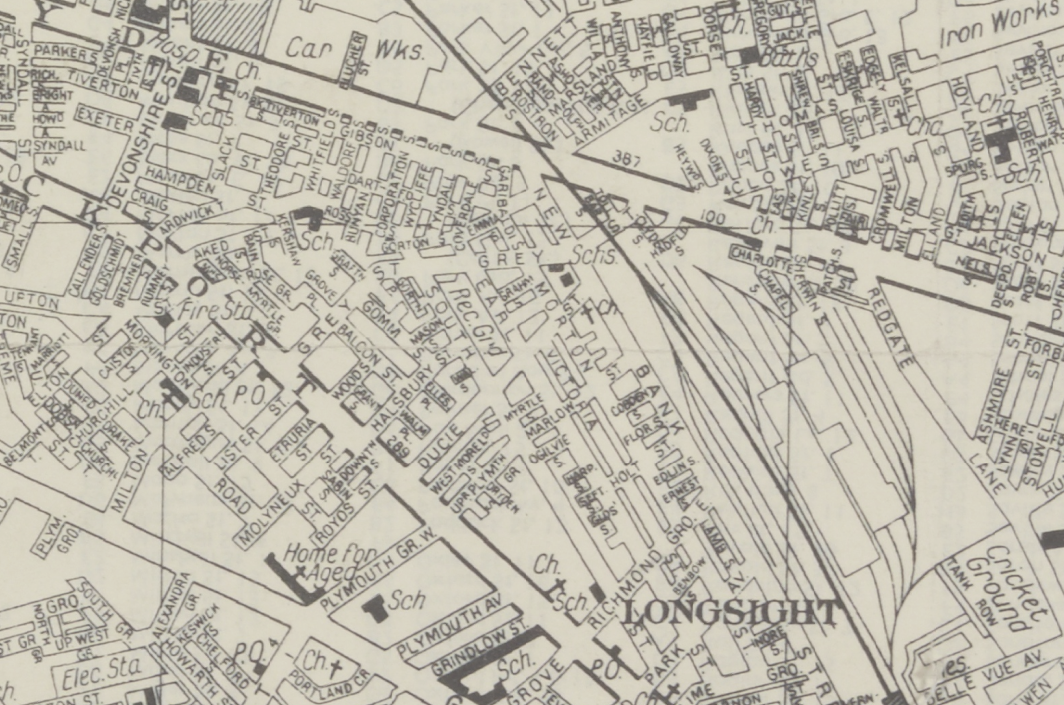
Grey Mare – Longsight

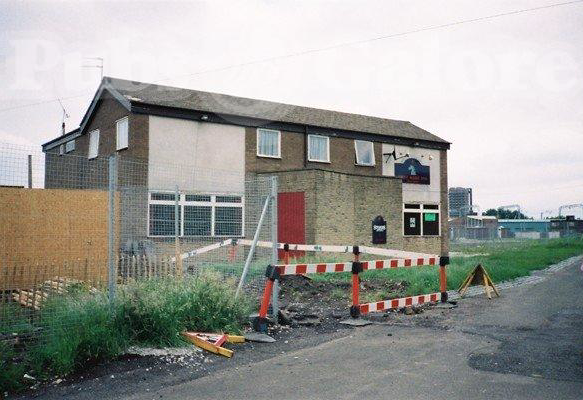
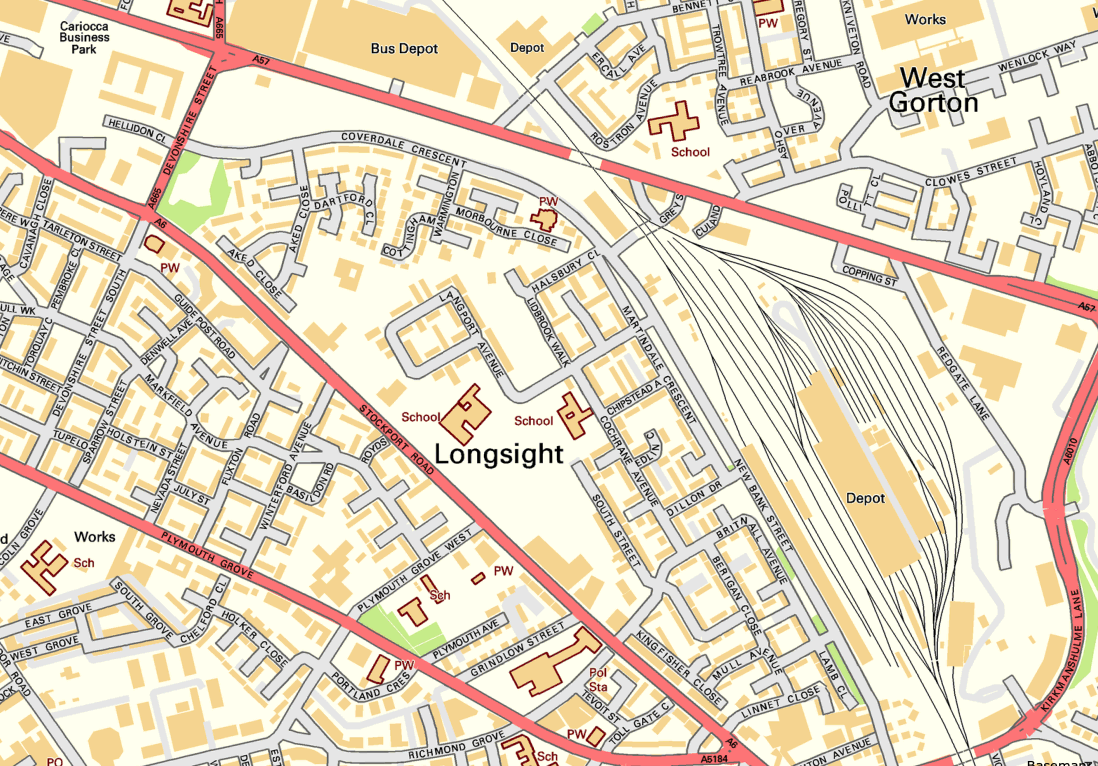
Exeter Close/Warmington Drive Manchester Longsight M12 4AT

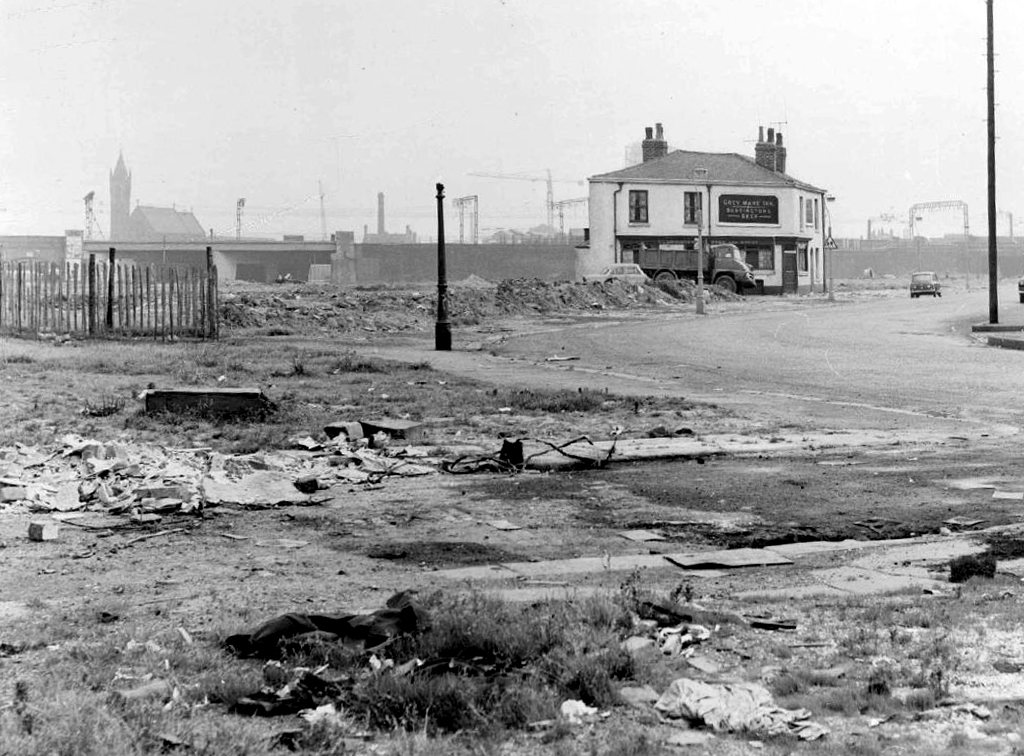
Once there was this.

Once there was that.

Then there wasn’t.

That’s just the way of it.

Screenshot 2018-11-12 at 12.57.23.png

A dense web of streets awash with back to backs, jobs for all – in conditions perceived to be unfit for purpose.

Of a total of 201,627 present dwellings in Manchester, some 54,700, or 27.1 per cent., are estimated to be unfit. A comparison of slum clearance action taken by six major local authorities, Manchester, Leeds, Birmingham, Liverpool, Sheffield and Bristol, shows that for the five years ending 30th June, 1965, Manchester was top of the league, both in compulsory purchase orders confirmed and the number of houses demolished or closed.

Manchester’s figures -13,151 houses demolished or closed .

Alfred Morris MP Hansard
webmedia-6.php

Along came a wrecking ball and left the pub bereft

webmedia-3.php

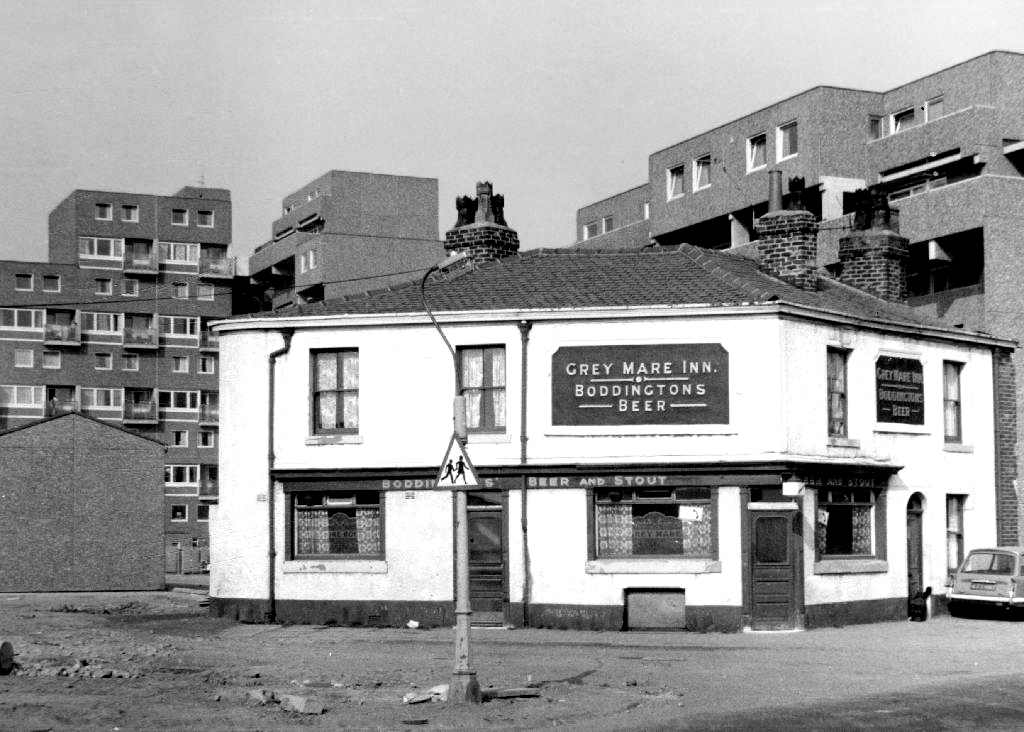
The original Grey Mare on Grey Street

Whenever mass slum clearance was carried out, the pubs tended to remain, often for just a short time  because – the story goes – demolition workers refused to touch them, as they wanted somewhere to drink during and after their shift.

webmedia.php

Then along came the cavalry – the bold boys from Fort Ardwick – Coverdale Crescent Estate

webmedia-1.php

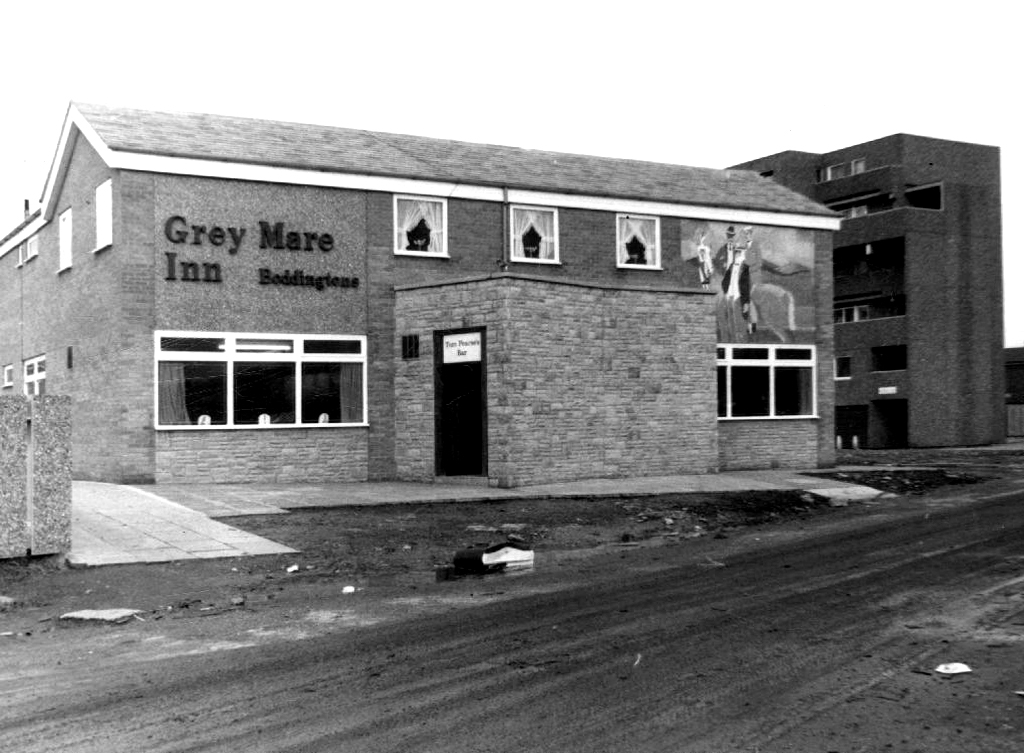
A new dawn – and a new pub.

This vision of municipal modernity was short lived, the estate was demolished in the 1980s and the new Coverdale Estate was constructed on the site in 1994.

Screenshot 2018-11-12 at 13.30.46

Image – Pubs Galore

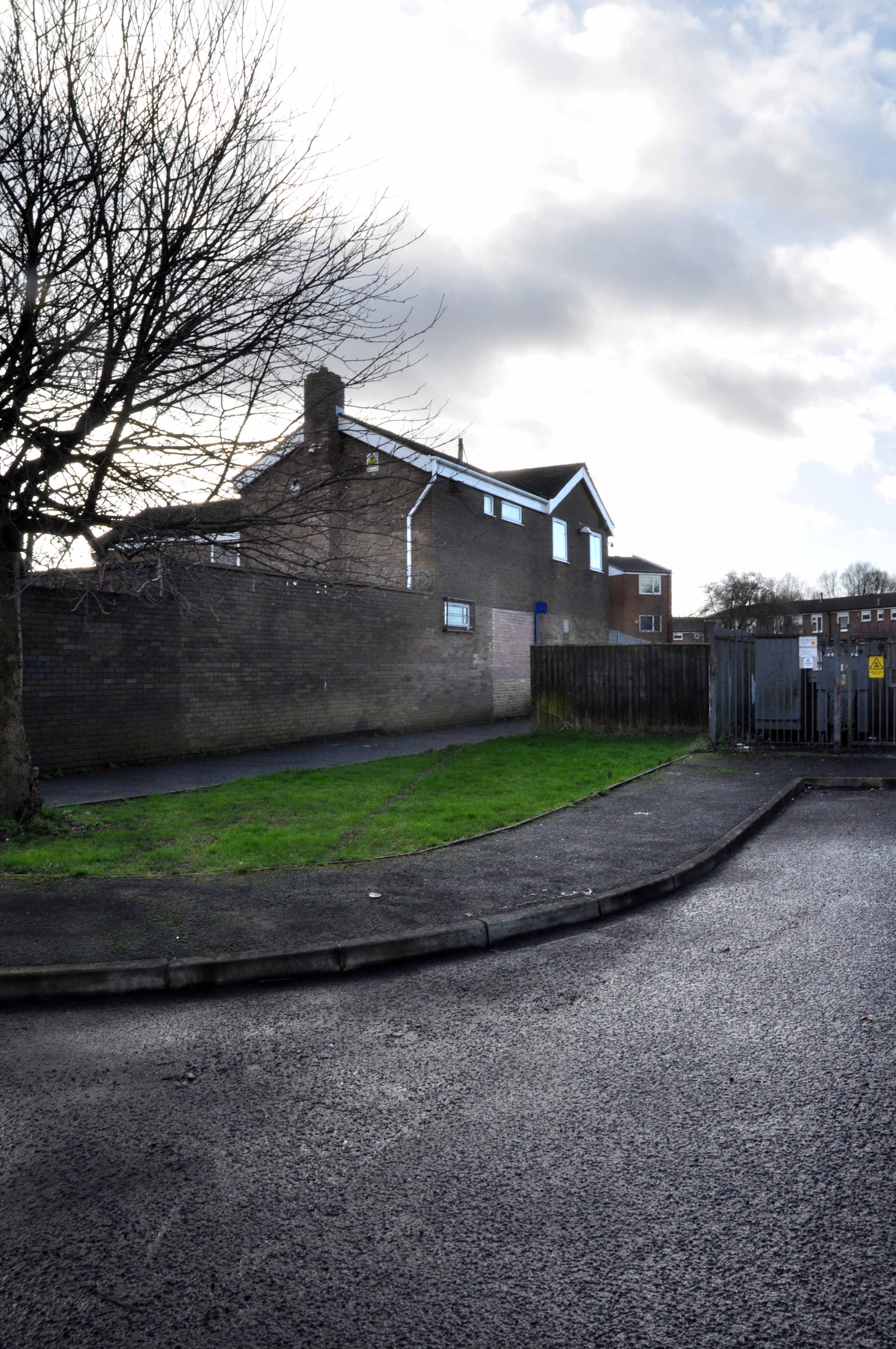
Built in 1972 the pub outlived the system built blocks that surrounded it.

Screenshot 2018-11-12 at 12.57.53

Another new gold dream, another day.

DSC_0066

Despite the high hopes embodied by the low rise rebuilding of the new estate.

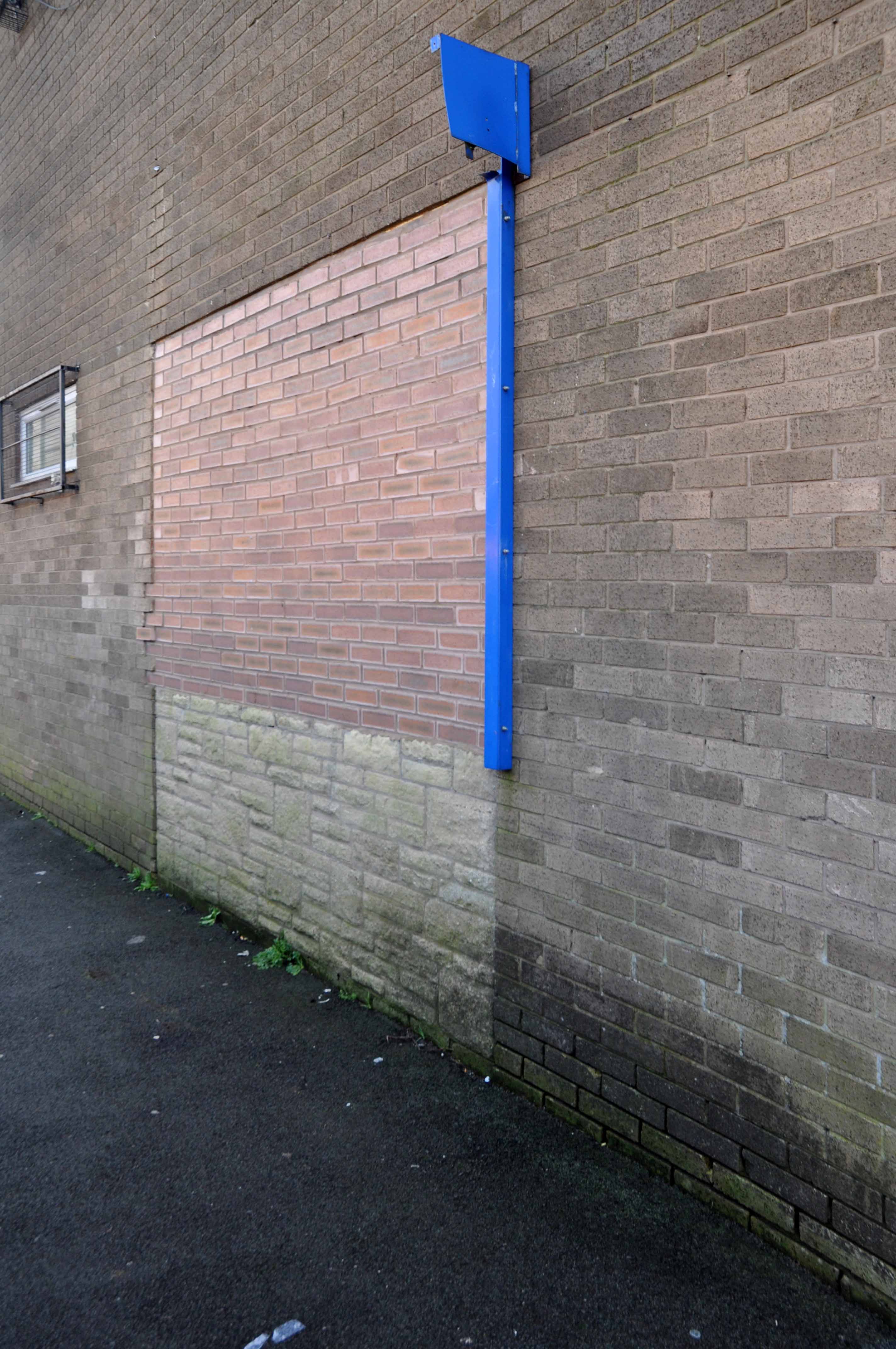
The Grey Mare shuts its doors – forever.

DSC_0039

DSC_0040


DSC_0042

DSC_0043

DSC_0044

DSC_0046

DSC_0047

DSC_0048

DSC_0049

DSC_0050

DSC_0051

DSC_0053

DSC_0054

DSC_0056

DSC_0057

DSC_0058

DSC_0059

DSC_0061

DSC_0062

DSC_0063


St Michael And All Angels – Newton

St Michael and All Angels Church.

Screenshot 2018-10-23 at 14.55.40

1 Woodland Rd, West Kirby, Birkenhead, Wirral CH48 6ER

The architect was called Stuart Macauley, a partner in a practice based in Bebington – my thanks to local lad John Feeley who was taught by Stuart at Sunday school.

St Michael and All Angels is a well established Church of England church situated in the heart of Newton, on the border of West Kirby, Wirral.

Our vision is to know Jesus better and make him known to others. We do this by worshipping God, standing up for and sharing the joy of Jesus, loving others and making a real difference in the church and in our community.

What can I expect when I visit St Michaels?

When you come to St Michaels you will find a warm and friendly group of people committed to making church exciting, life-changing, and enjoyable. There are services for the whole family that include contemporary worship (including a café church service), a time of biblical teaching, and an opportunity to make a decision to follow Jesus Christ. Each service is approximately 1 hour and 15 minutes in length.

We wandered away from West Kirby along the highways and bye-ways to Newton.

Newton consists of a village hall, post office, public house and a general store. The local park, aptly named Newton Park, has a football pitch, outdoor basketball courts and a playground for children. Wirral Council also has several allotments in Newton that are provided for residents to grow their own vegetables and plants.

And a most surprising elevated, elevating and angular church.

Such a revelation following several  rows of well behaved semis and open fields, my extensive yet limited research can find no record of architectural authorship or attribution.

Perhaps simply delivered by hand or hands unseen in 1963.

P1300127

P1300128

P1300129

P1300130

P1300131

P1300132

P1300133

P1300134

P1300135

P1300137

P1300138

P1300139

P1300140

P1300141

P1300142

P1300143

P1300146

P1300147

Lowry House – Manchester

17 Marble St, Manchester M2 3AW

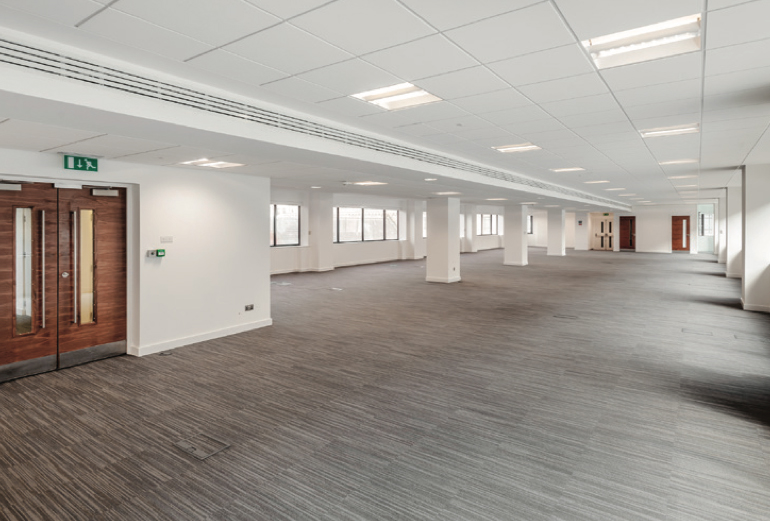
Situated in a prime location between King Street and Market Street, Lowry House is convenient for Manchester’s main financial district as well as being adjacent to the city’s main retail core. Well-positioned for a range of quality eateries and public transport connections at Piccadilly Gardens, the building is a great choice for businesses looking to create a quality impression.

Part of Bruntwood’s extensive property portfolio across the city.

Painfully modern and anonymous interiors for the modern business – this could be your dream location.

Screen Shot 2018-10-03 at 22.25.51 copy

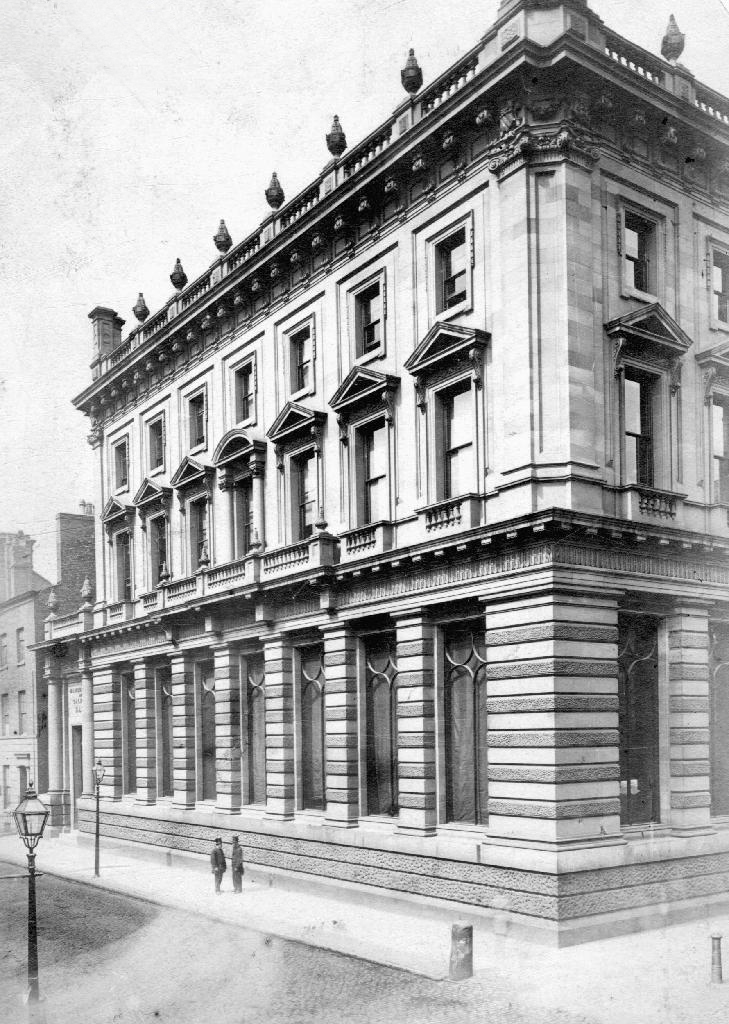
This area has been at the vortex of power and wealth for over a hundred years.

1866

Manchester and Salford Bank 1866


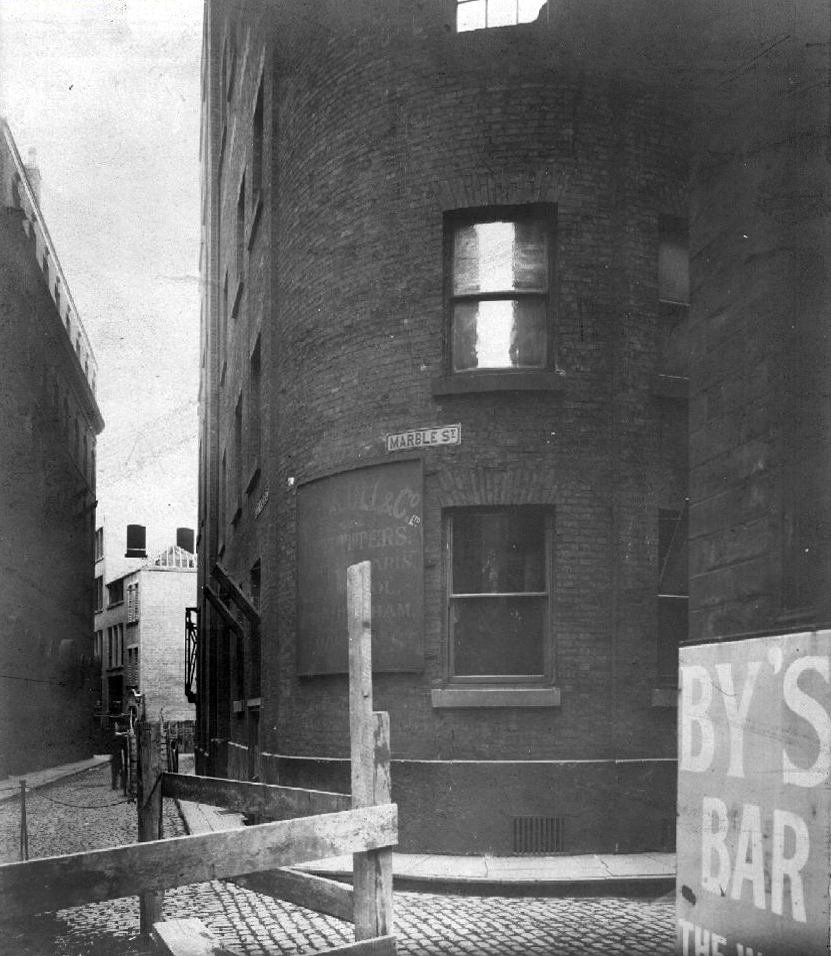
1909

Marble Street 1909


1970

Marble Street 1970

Narrow winds enclosing light and space.

Controlling pounds, shillings and pence.

P1300030

The final withdrawal has been made.

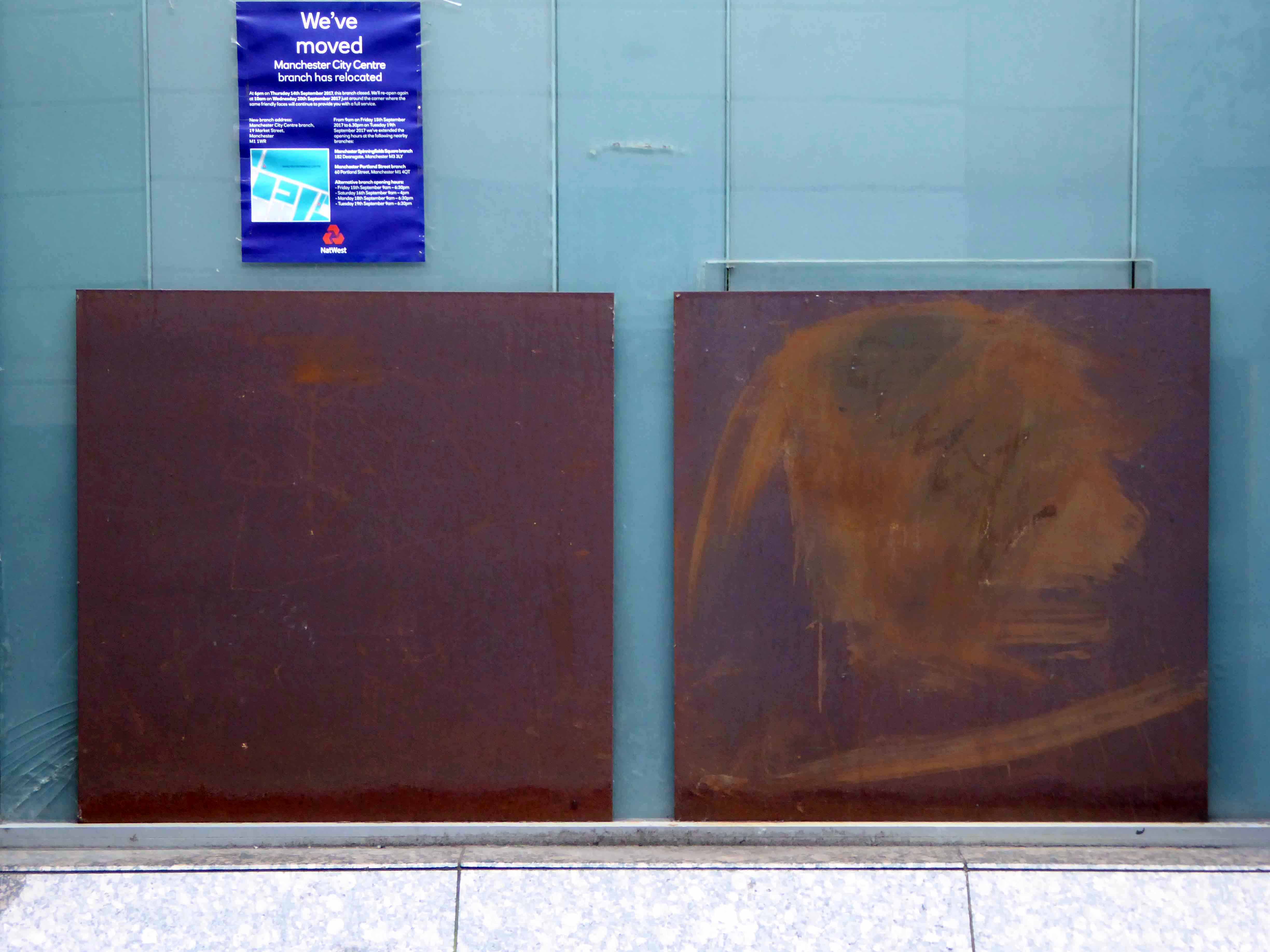
The ATM encased in oxidised steel.

The Nat West has gone west.

Rust we are told never sleeps.

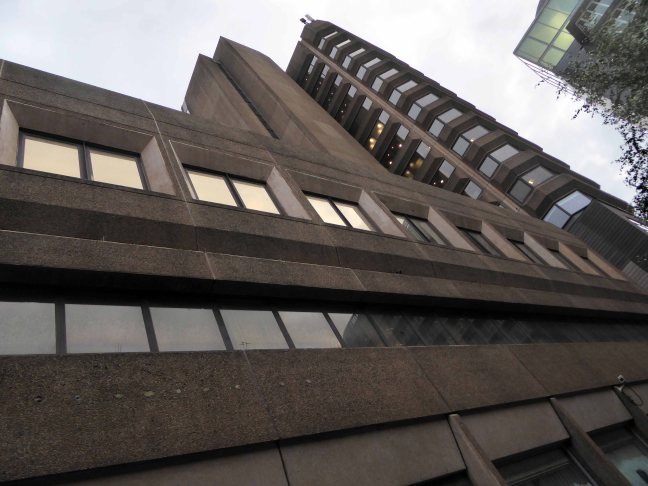
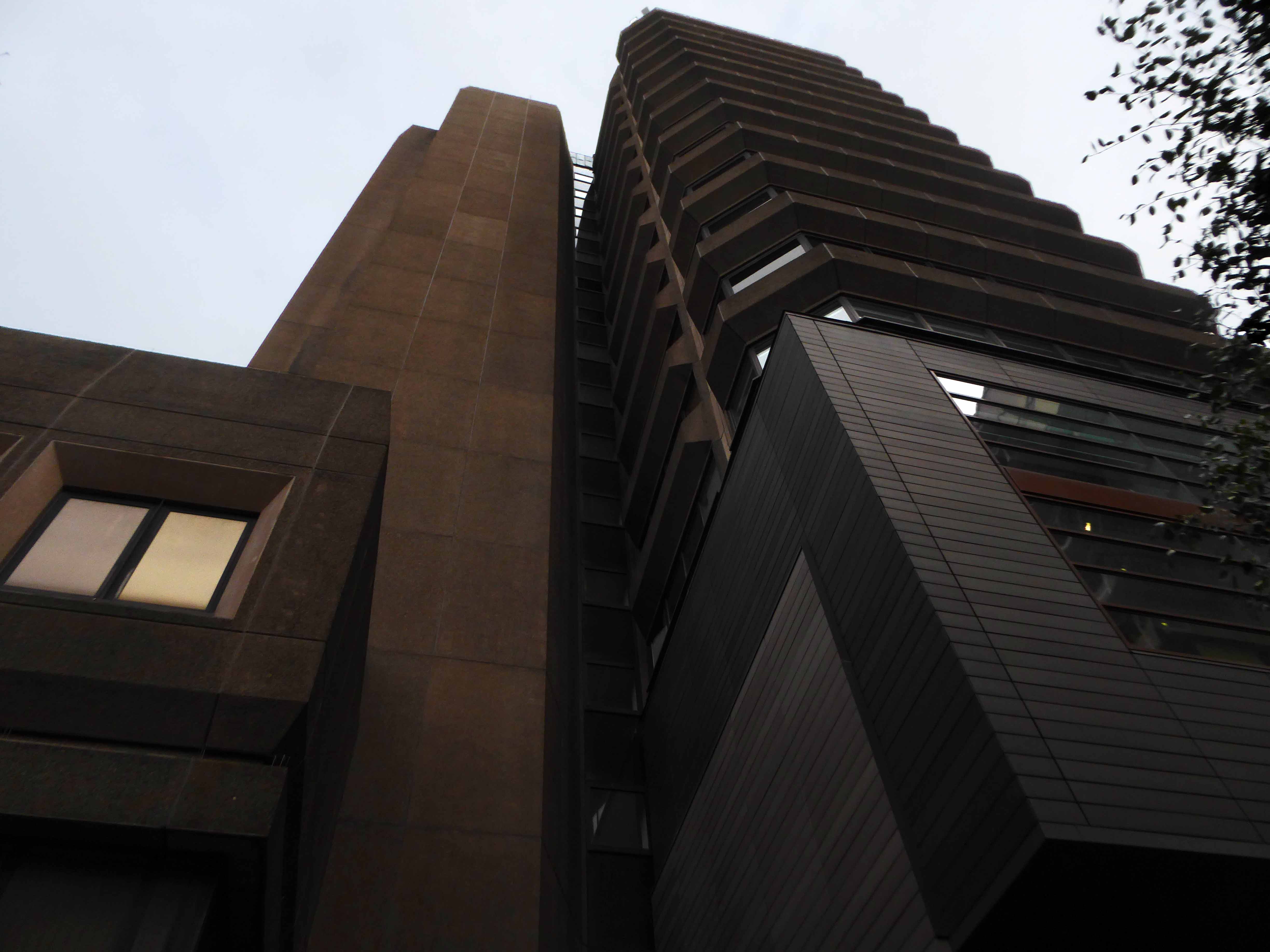
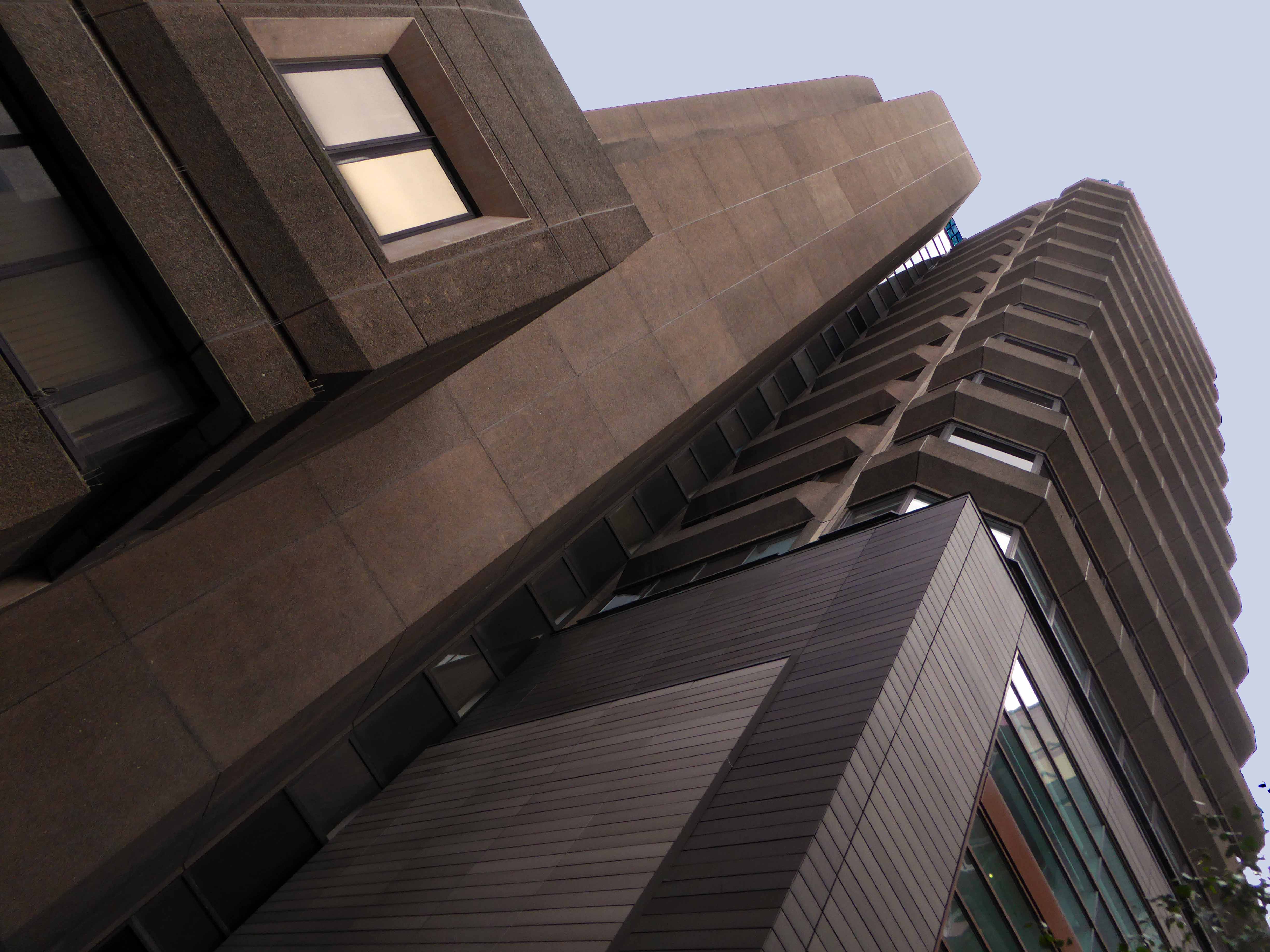
Built in 1973 by architects Robert Swift and Partners, renovated in 2006 by Bruntwood, adding cladding and a certain je ne sais pas.

I do admire its precast modular lift and mass almost towering over its surroundings.

The late afternoon sun adds a certain beguiling warmth to the pale pinkish concrete.

Take a swerve off of the hustle and seemingly unnecessary bustle of Market Street and marvel at this Marble Street structure.

Let’s follow in the imaginary footsteps of Manchester man Thomas de Quincey.

No huge Babylonian centres of commerce towered into the clouds on these sweet sylvan routes: no hurricanes of haste, or fever-stricken armies of horses and flying chariots, tormented the echoes in these mountain recesses.


P1300038

P1300040

P1300041

P1300042

P1300043

P1300044

P1300045

P1300046

P1300047

P1300048

P1300050

P1300051

P1300053

P1300054


Trinity United Reform Church – Sheffield

737a Ecclesall Road  Sheffield S11 8TG.

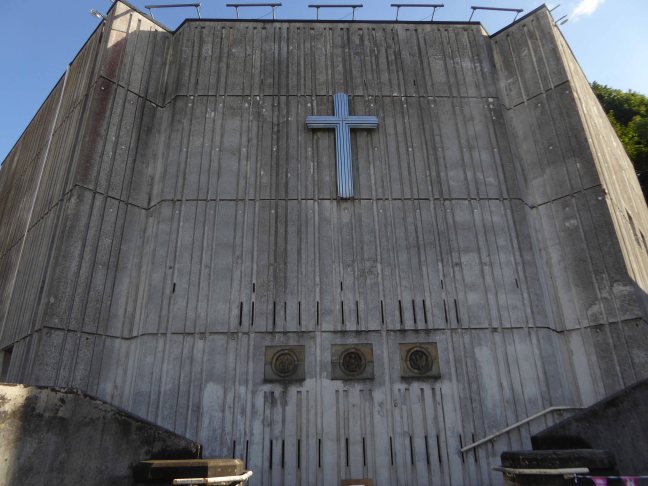
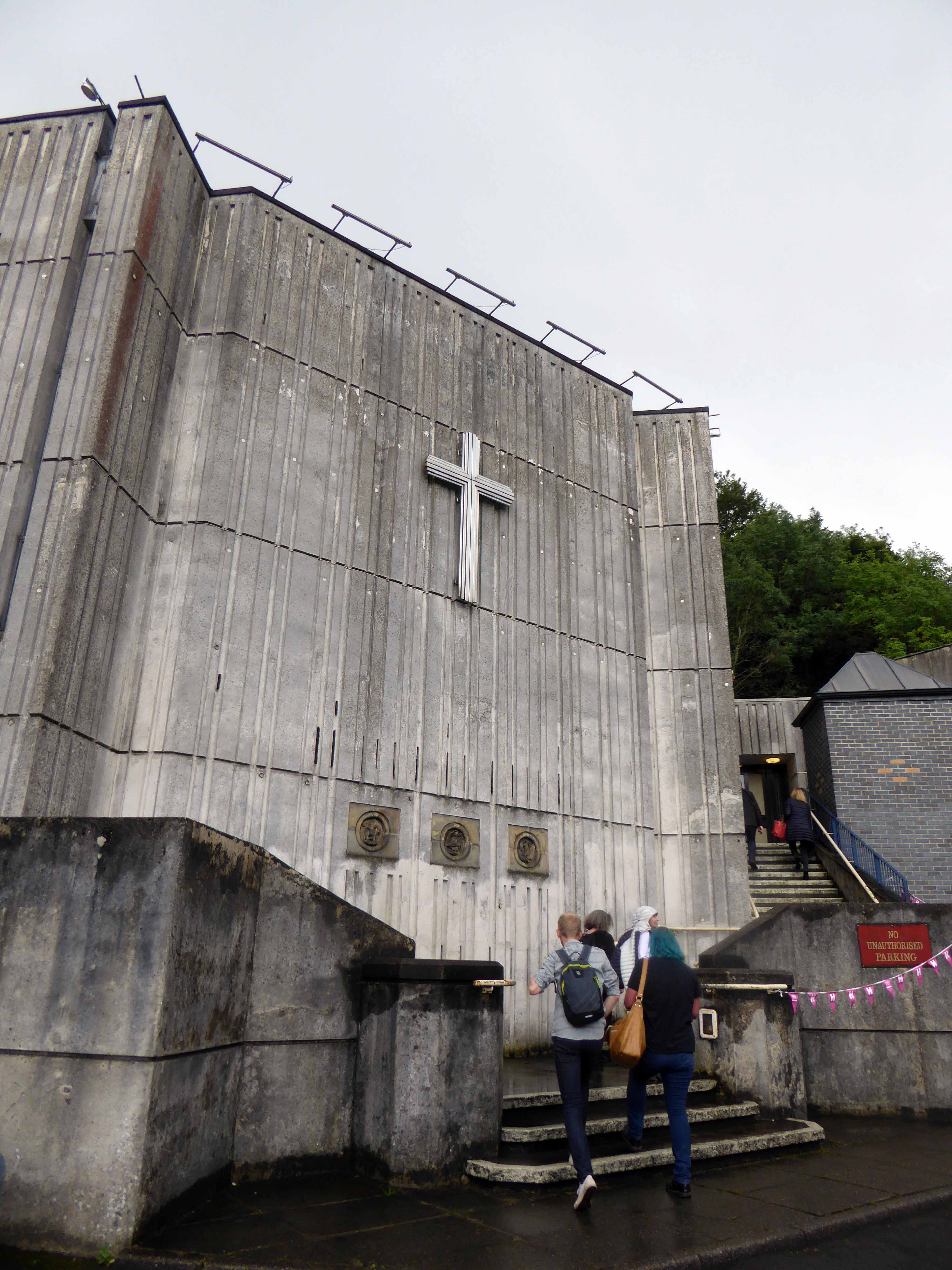
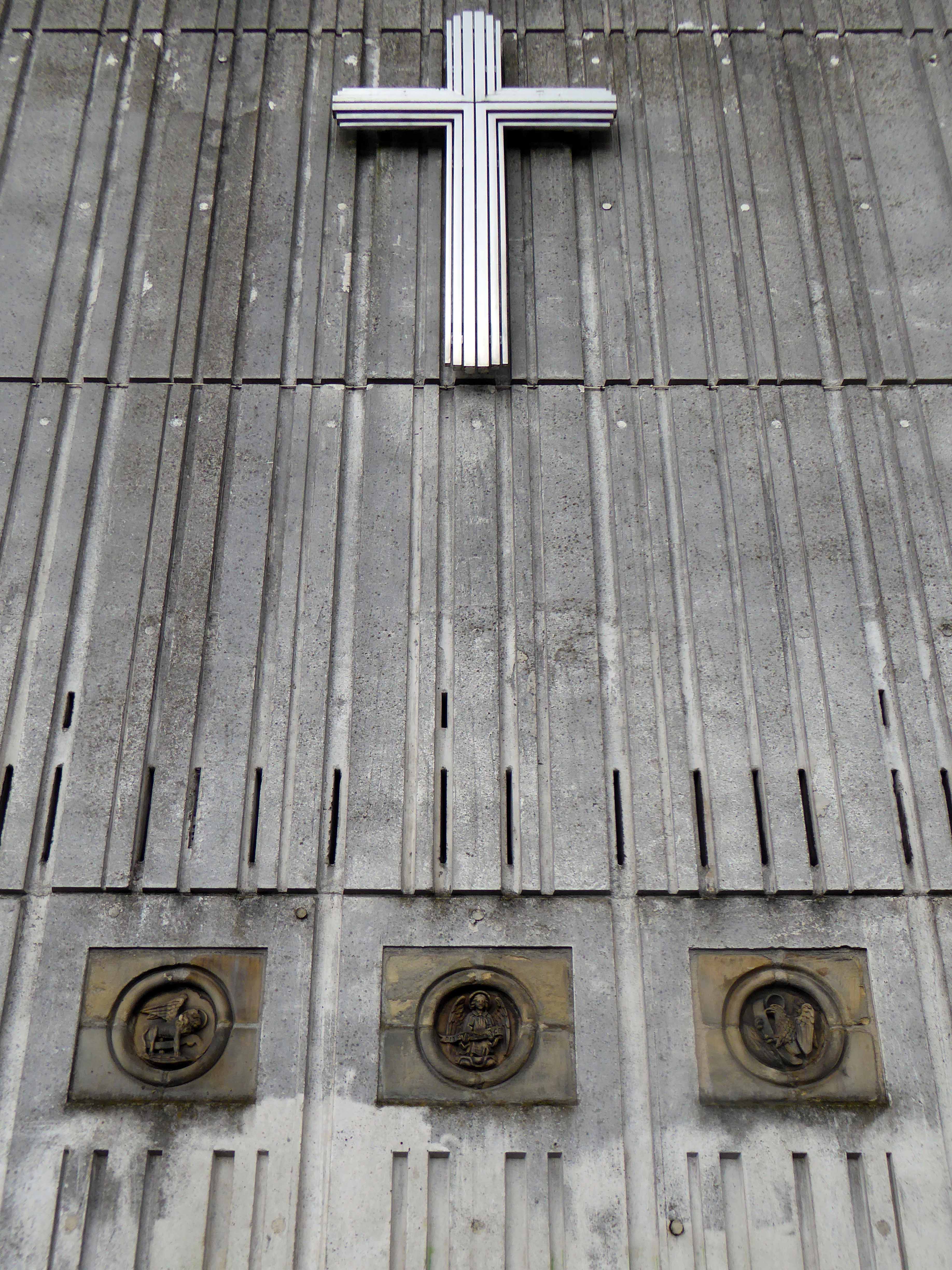
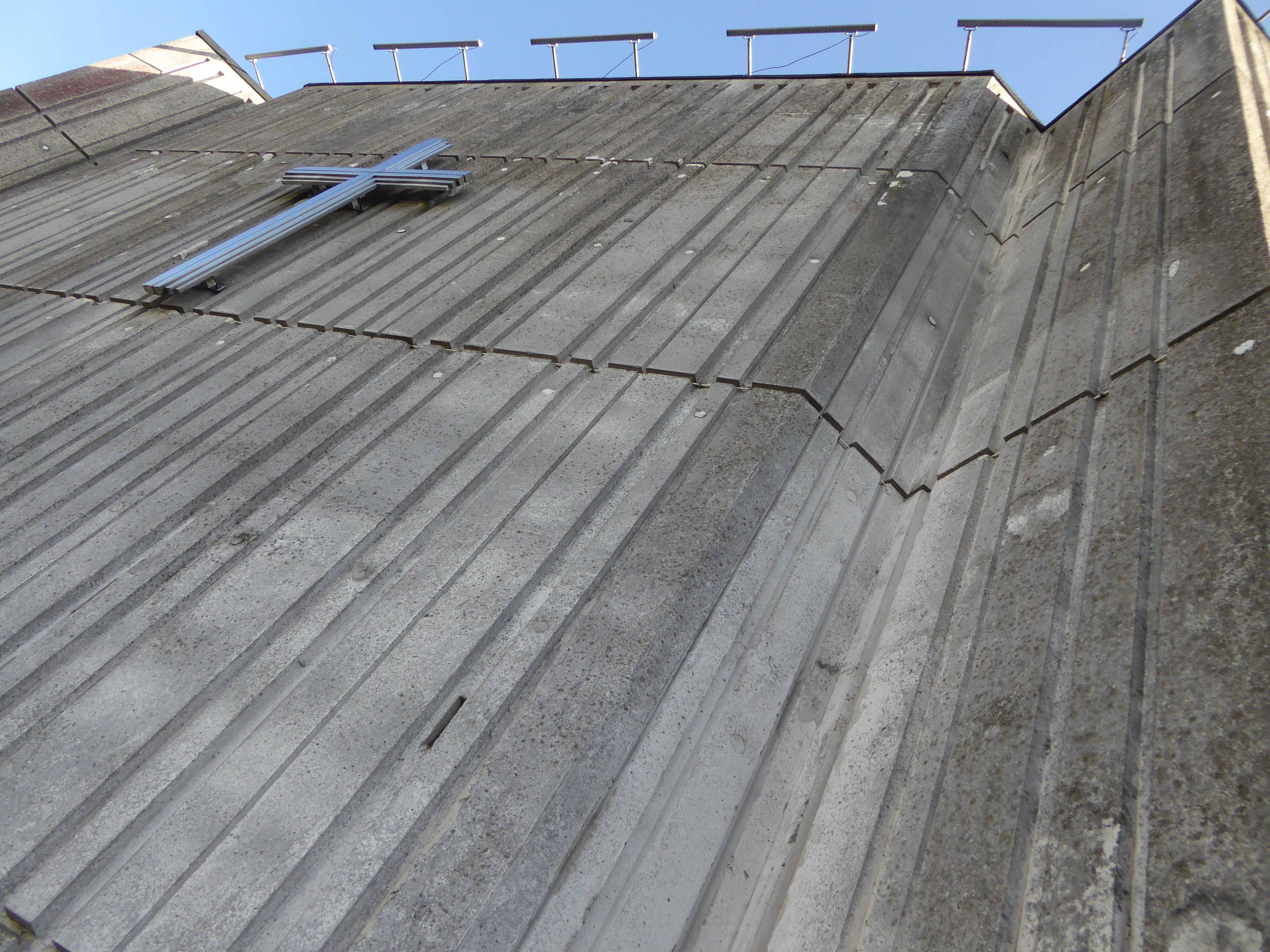
The church building, designed by John Mark Mansell Jenkinson, the second generation of a Sheffield firm of architects, was opened in 1971. A steel cross, fixed to the facade in 1989, is a memorial to their work here and in the city. 

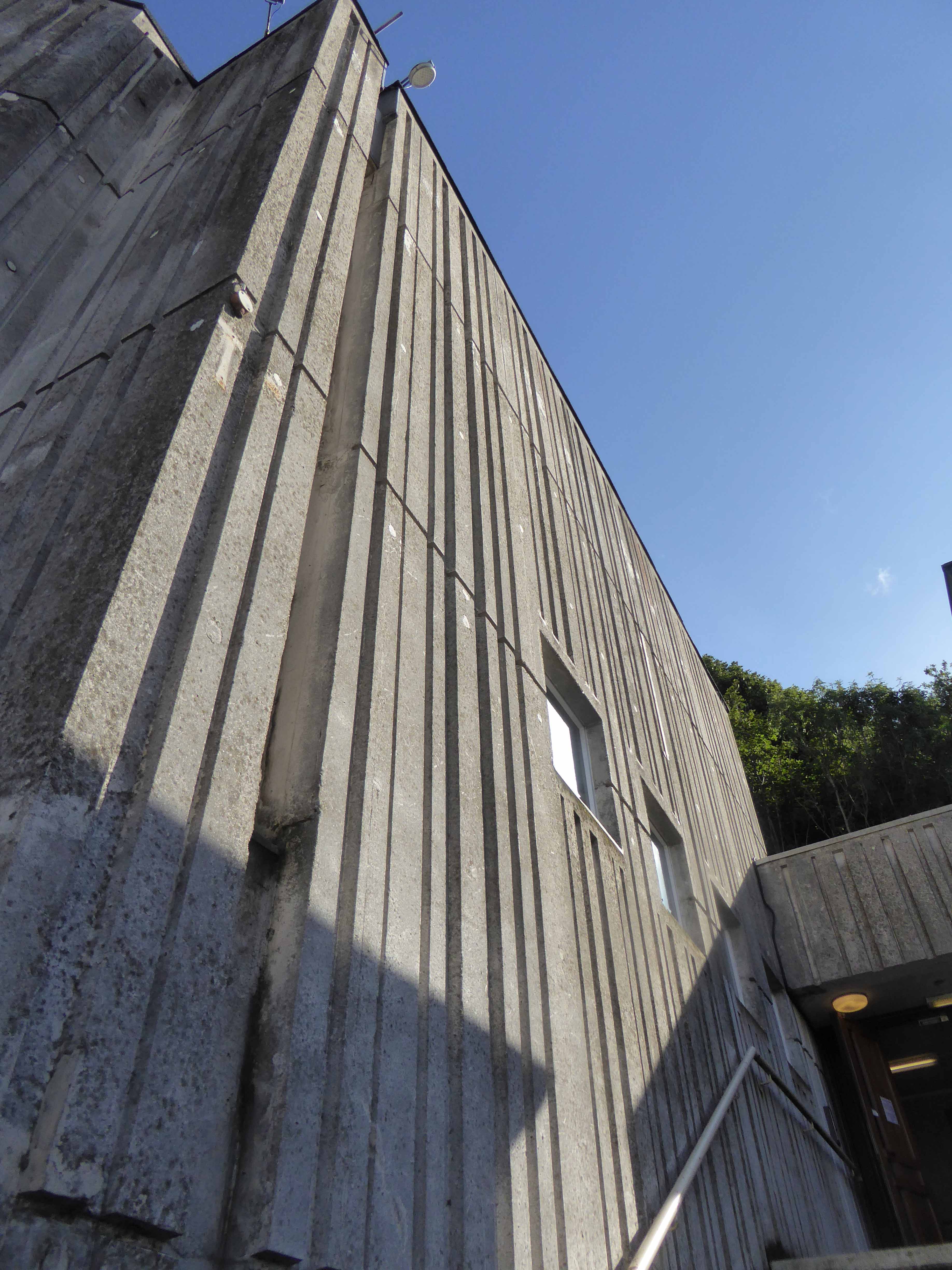
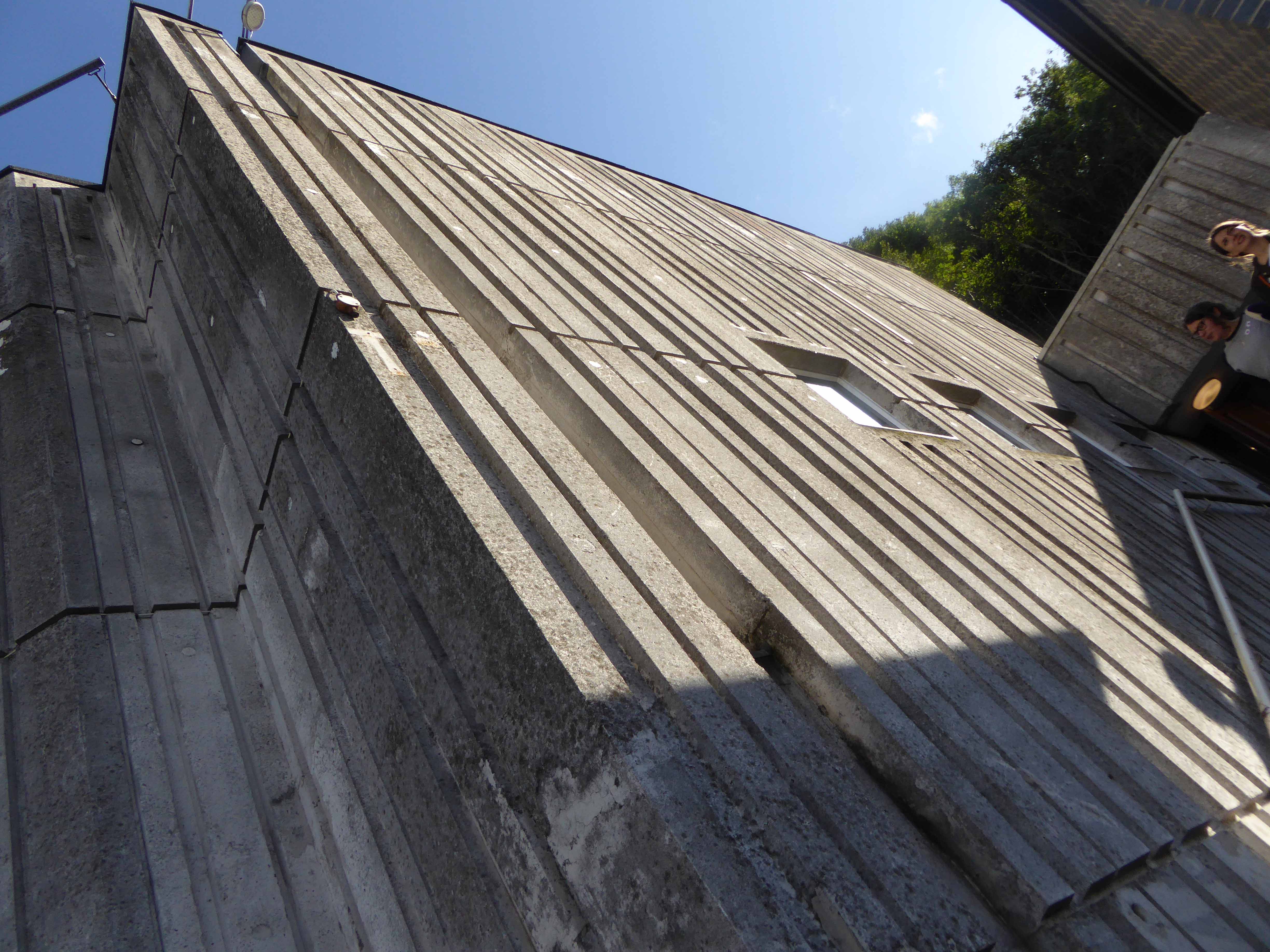
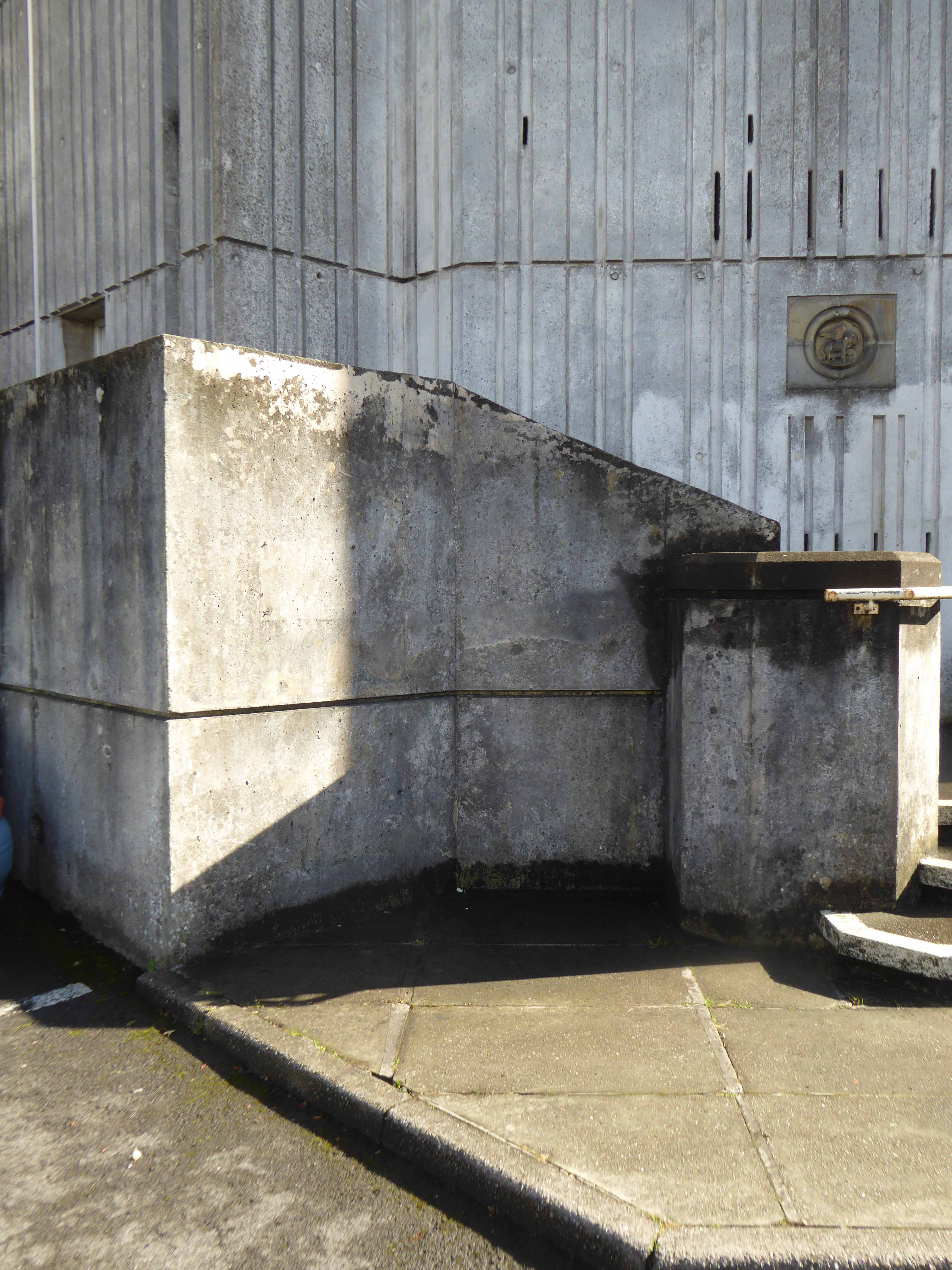
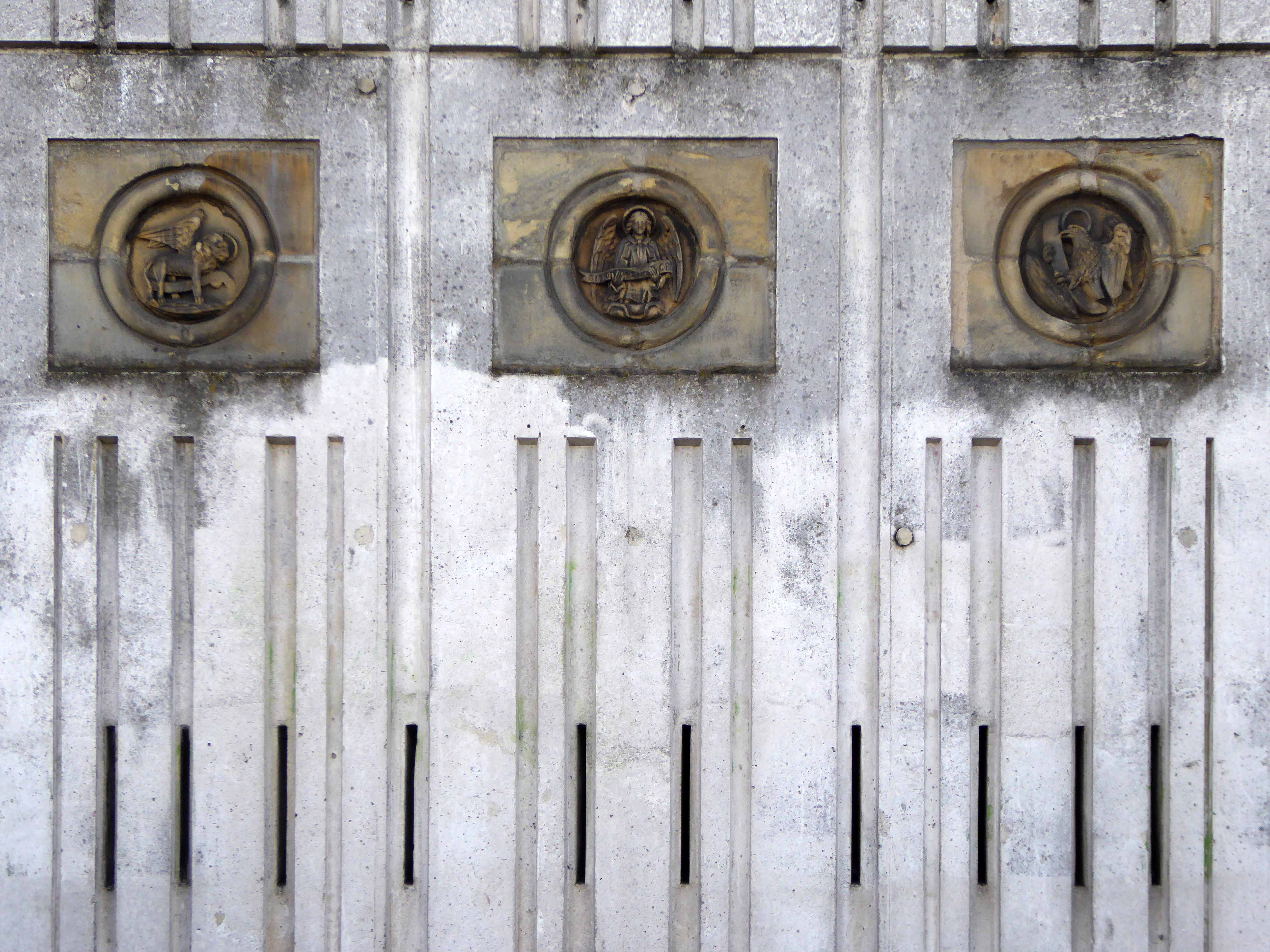
The church, which stands at the side of a main road, has a grey concrete exterior, once white, which rises like a cliff, echoing the natural cliff face of the rocks behind. Three carved roundels in the lowest quarter of the facade soften the exterior as does a brown brick tower which guards the entrance steps and houses a lift which was added in 2004.

The steps lead into a narthex where two plaques outline the history of the three Congregational Churches which came together to instigate the building of this church. The doors to the left, which lead into the worship area, suggest the influence of Charles Rennie Mackintosh and Frank Lloyd Wright upon John Jenkinson.

The hexagonal church interior, which is well lit from the sides and the roof, is clad in golden brown stone. There is an air of Puritan simplicity. The tiered seating looks towards the raised sanctuary area which has a stone pulpit, lectern, communion table, and chairs; the font was carved by James Stone. There are stained glass windows, a banner, and a gold cross, designed by David Mellor, above the pulpit. At noon on sunny days the light strikes the top of the cross and brings the building to life. The organ console which is at the side of the churchcame from Zion Congregational Church at Attercliffe. It was originally built for Weetwood, the home of Sir William Ellis, a Sheffield Industrialist.

The banner is one of four fabric collages depicting the seasons, designed by Elaine Beckingham and made by the children of Junior Church. The other three are also displayed in the church

The church area leads into what survives of Endcliffe Park Congregational Church, notably a large hall with an organ to match which, along with the benches which served as pews, are reminders of its former days. It has a gallery divided by moveable partitions to facilitate use as classrooms.

National Churches Trust

P1200153

P1200154

P1200173

P1200174

P1200176

P1200177

P1200181

P1200157

P1200158

P1200159

P1200160

P1200161

P1200162

P1200163

P1200164

P1200166

P1200167

P1200169

P1200170

P1200171

P1200172


On The Waterfront – Llandudno

A welwyd eisoes.

I’ve been here before, as have others before me.

The town of Llandudno developed from Stone Age, Bronze Age and Iron Age settlements over many hundreds of years on the slopes of the limestone headland, known to seafarers as the Great Orme and to landsmen as the Creuddyn Peninsula.

Some years later.

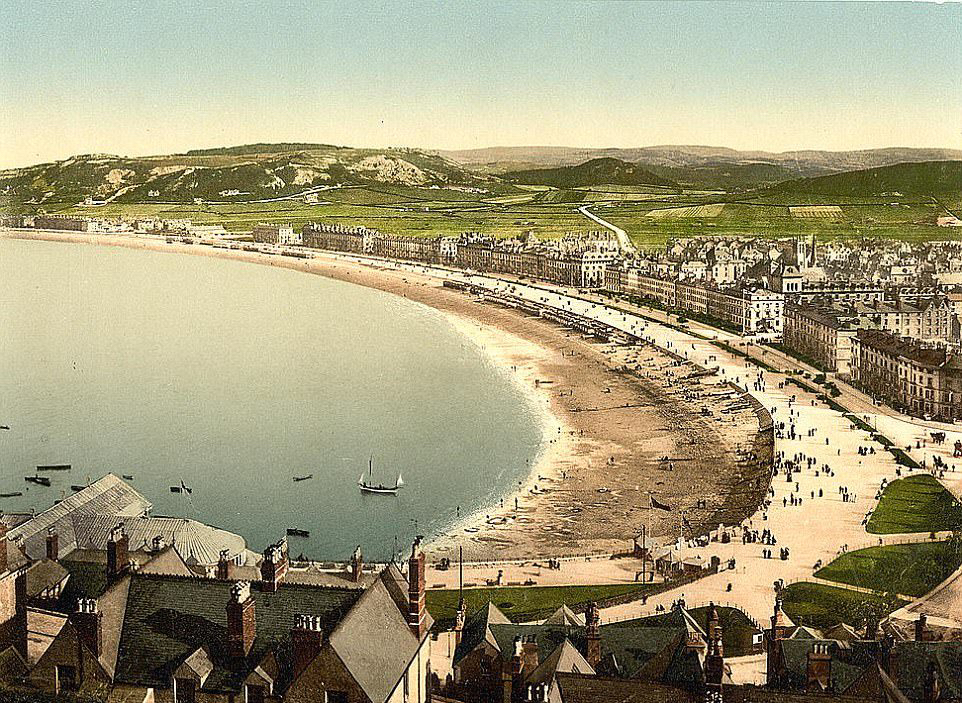
In 1848, Owen Williams, an architect and surveyor from Liverpool, presented landowner Lord Mostyn with plans to develop the marshlands behind Llandudno Bay as a holiday resort. These were enthusiastically pursued by Lord Mostyn. The influence of the Mostyn Estate and its agents over the years was paramount in the development of Llandudno, especially after the appointment of George Felton as surveyor and architect in 1857.

4358C48B00000578-0-image-m-113_1503056487584

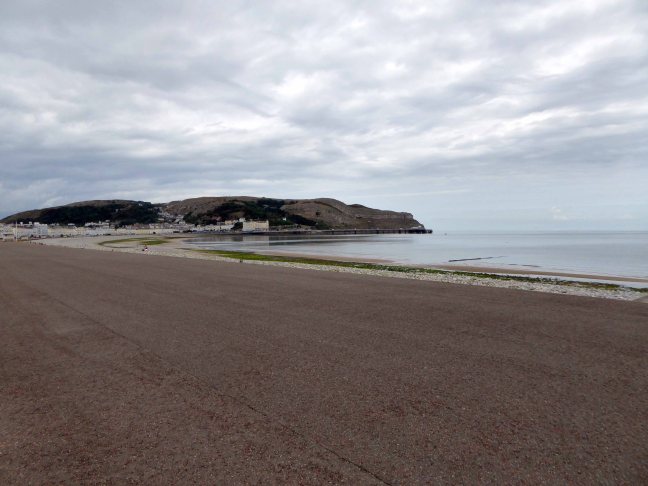
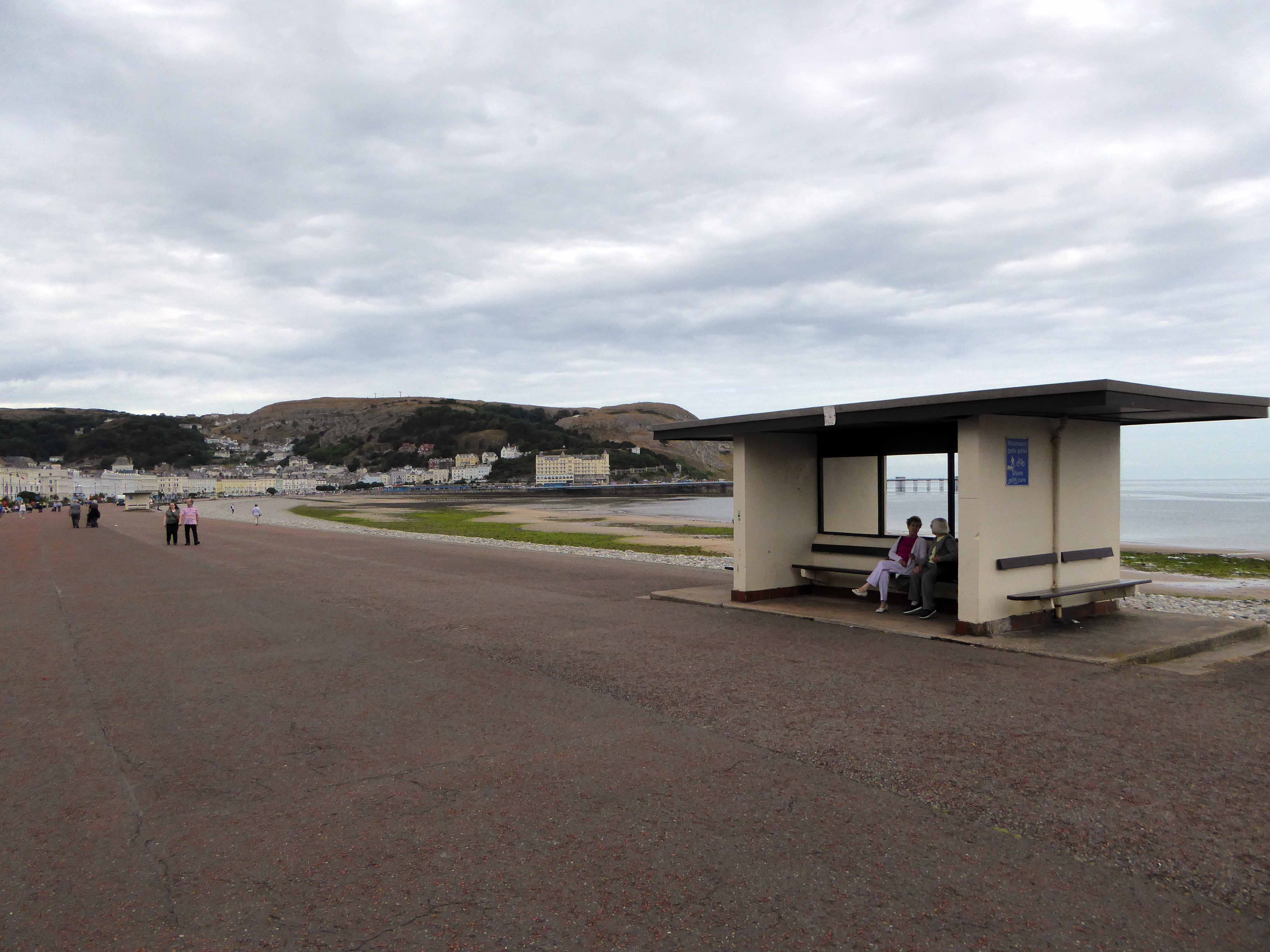
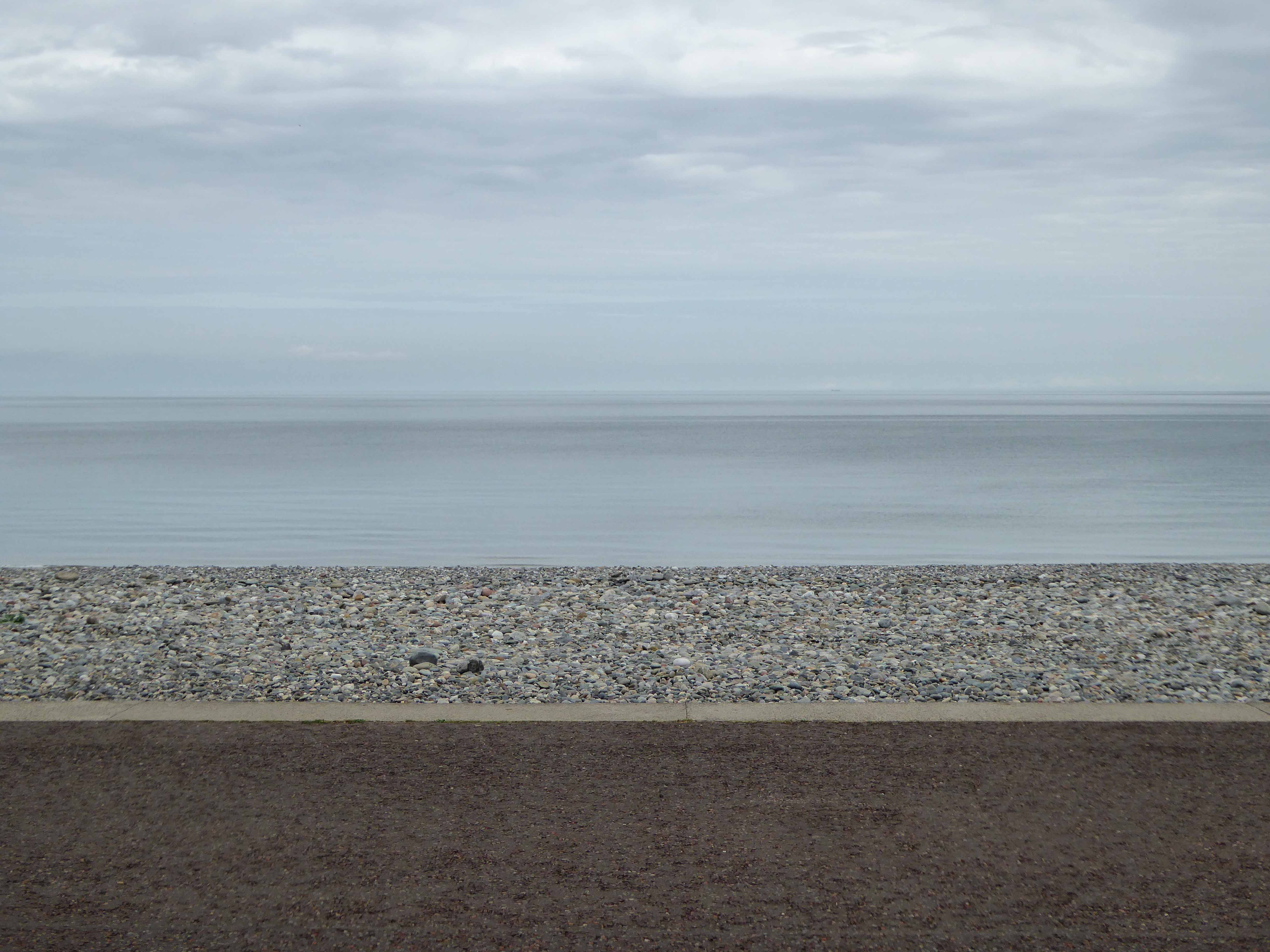
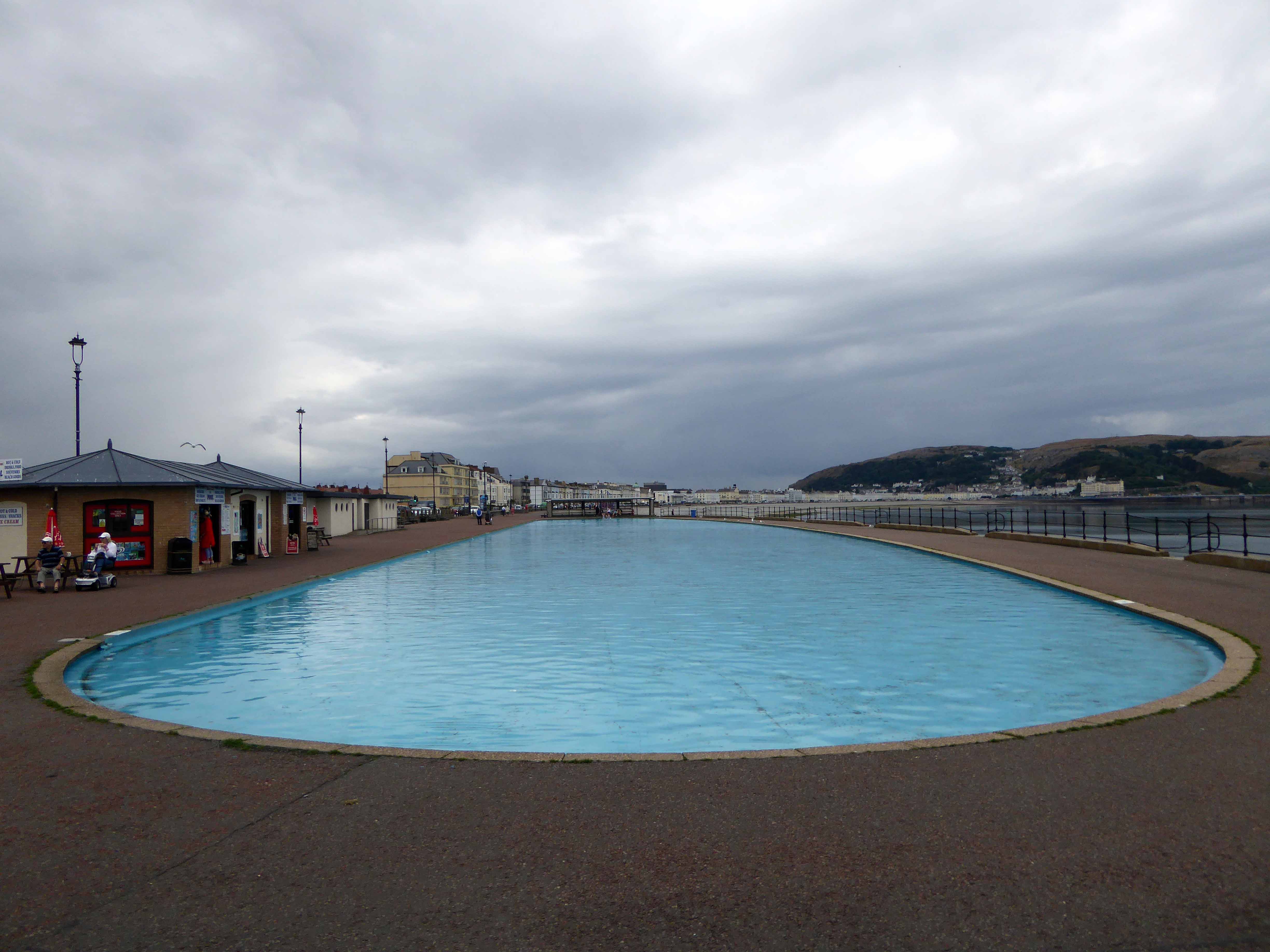
The edge of the bay is marked by concrete steps and a broad promenade, edging a pebbled beach which arcs from Orme to Orme.

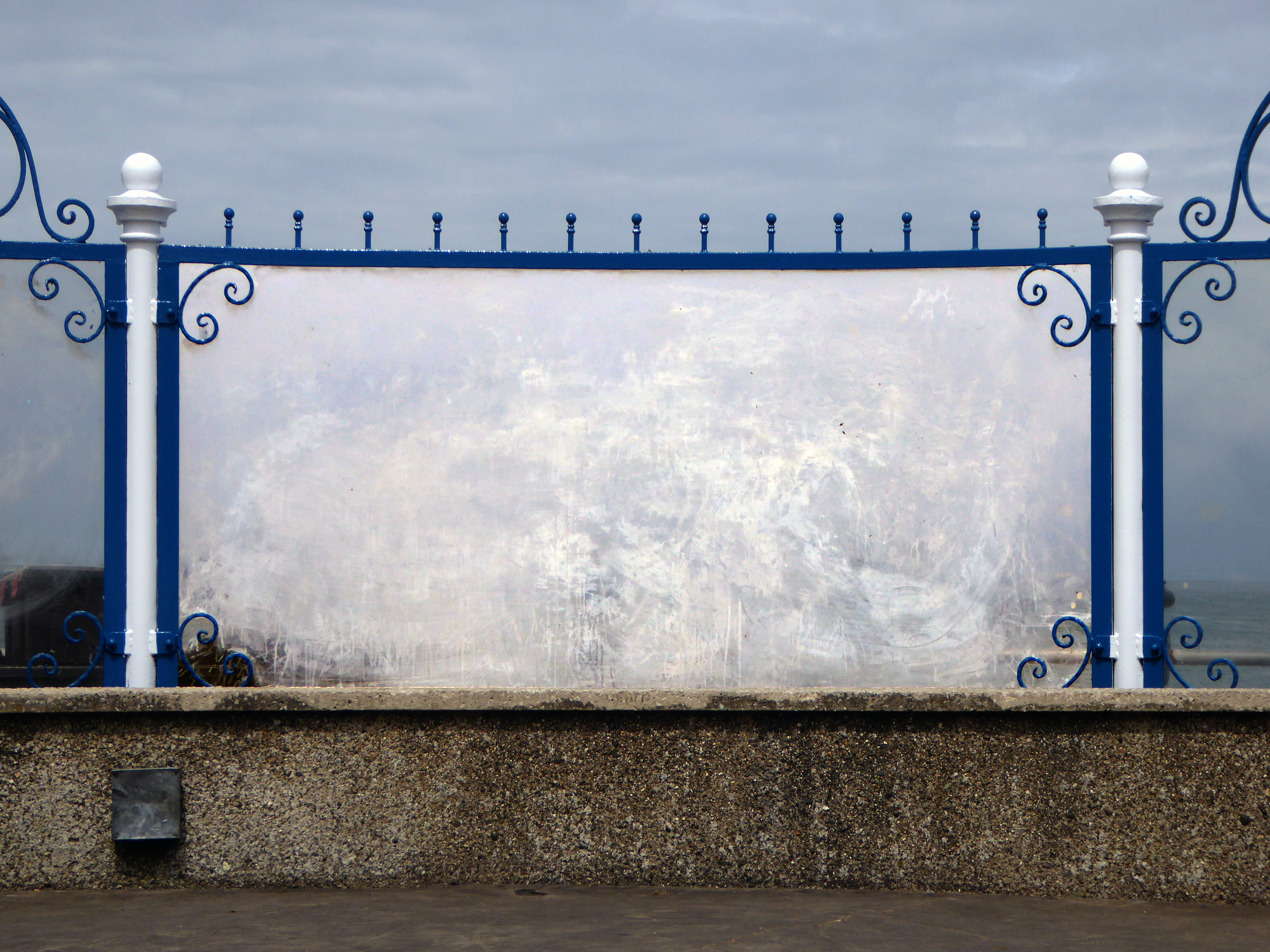
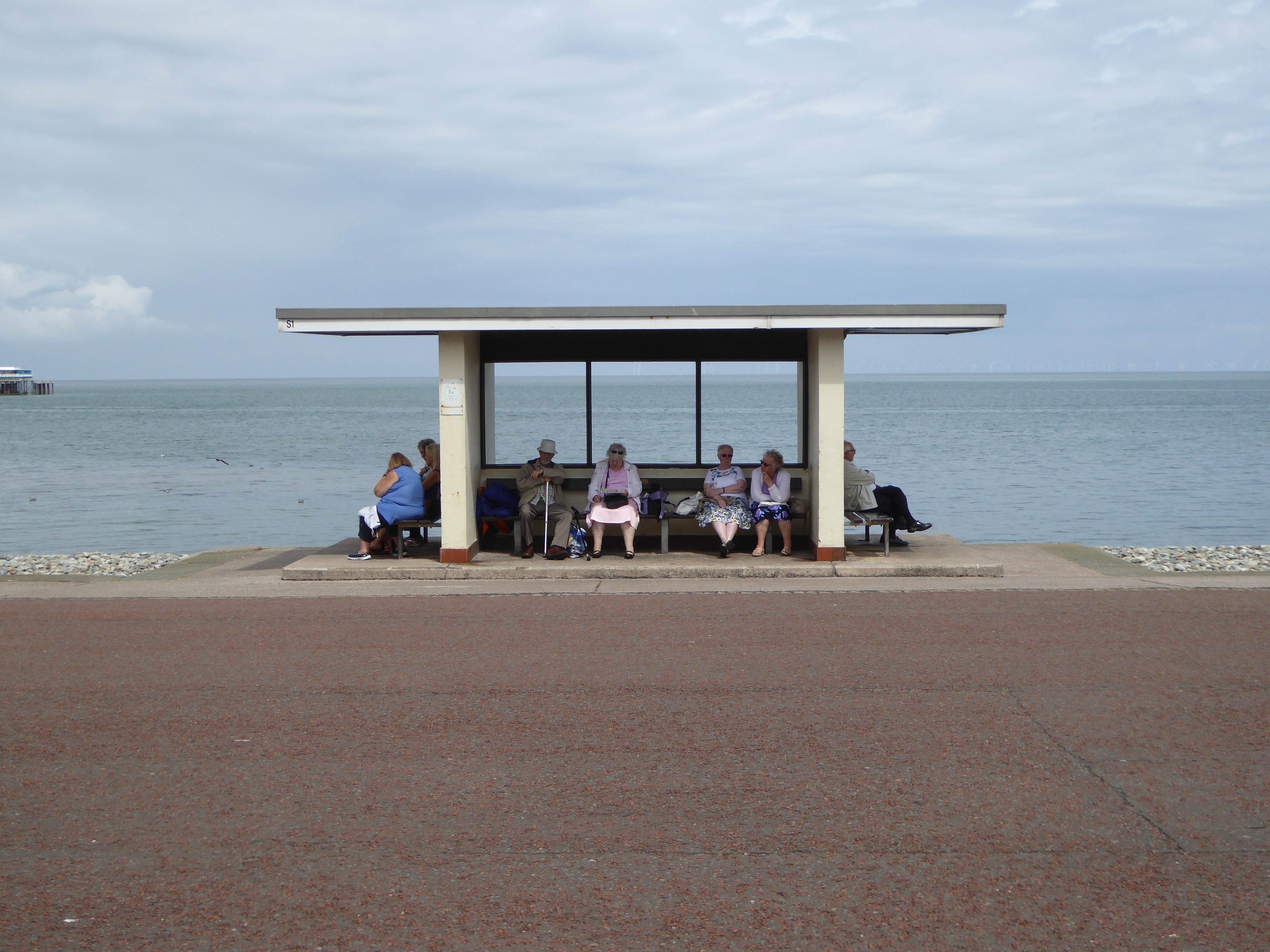
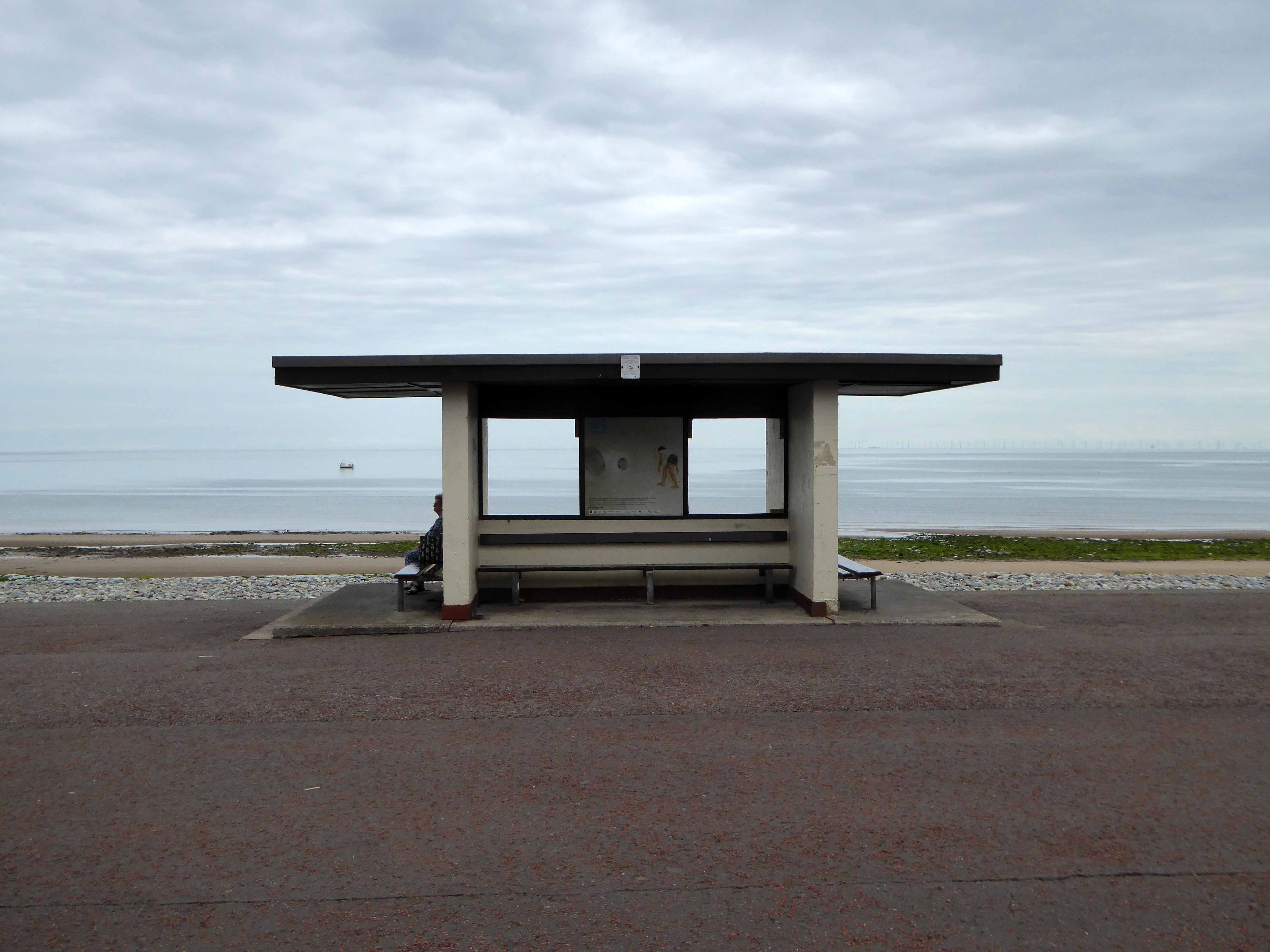
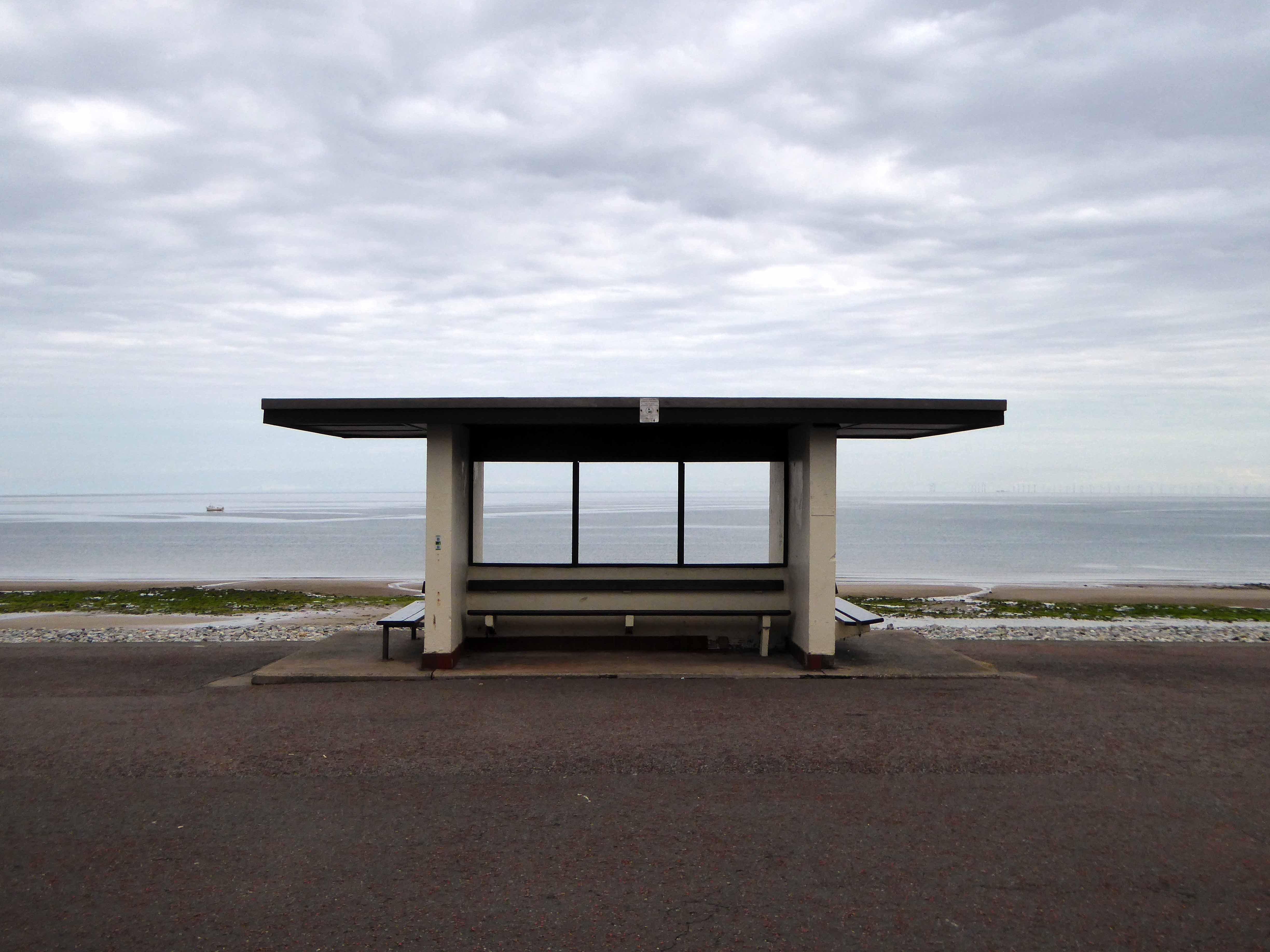
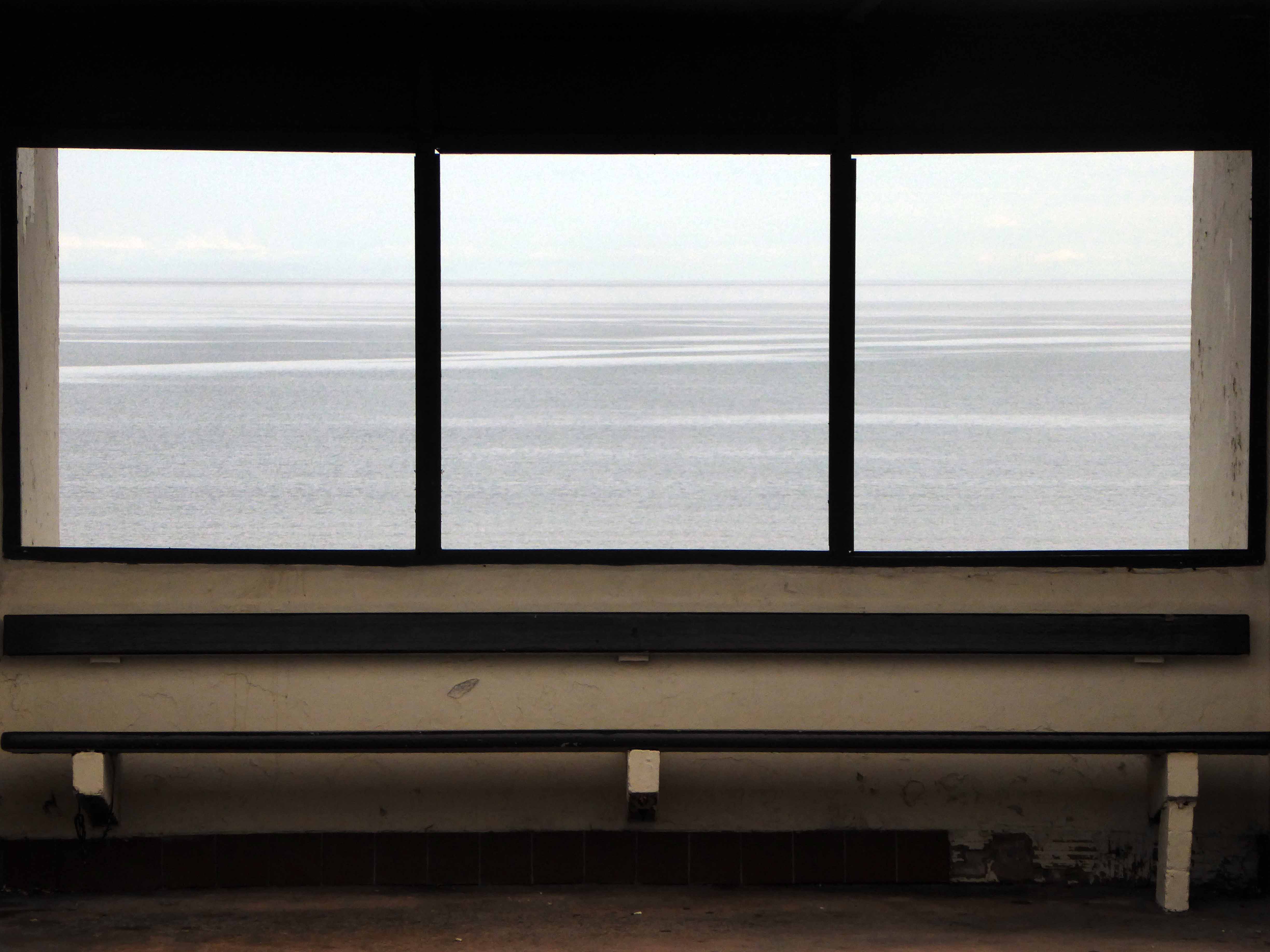
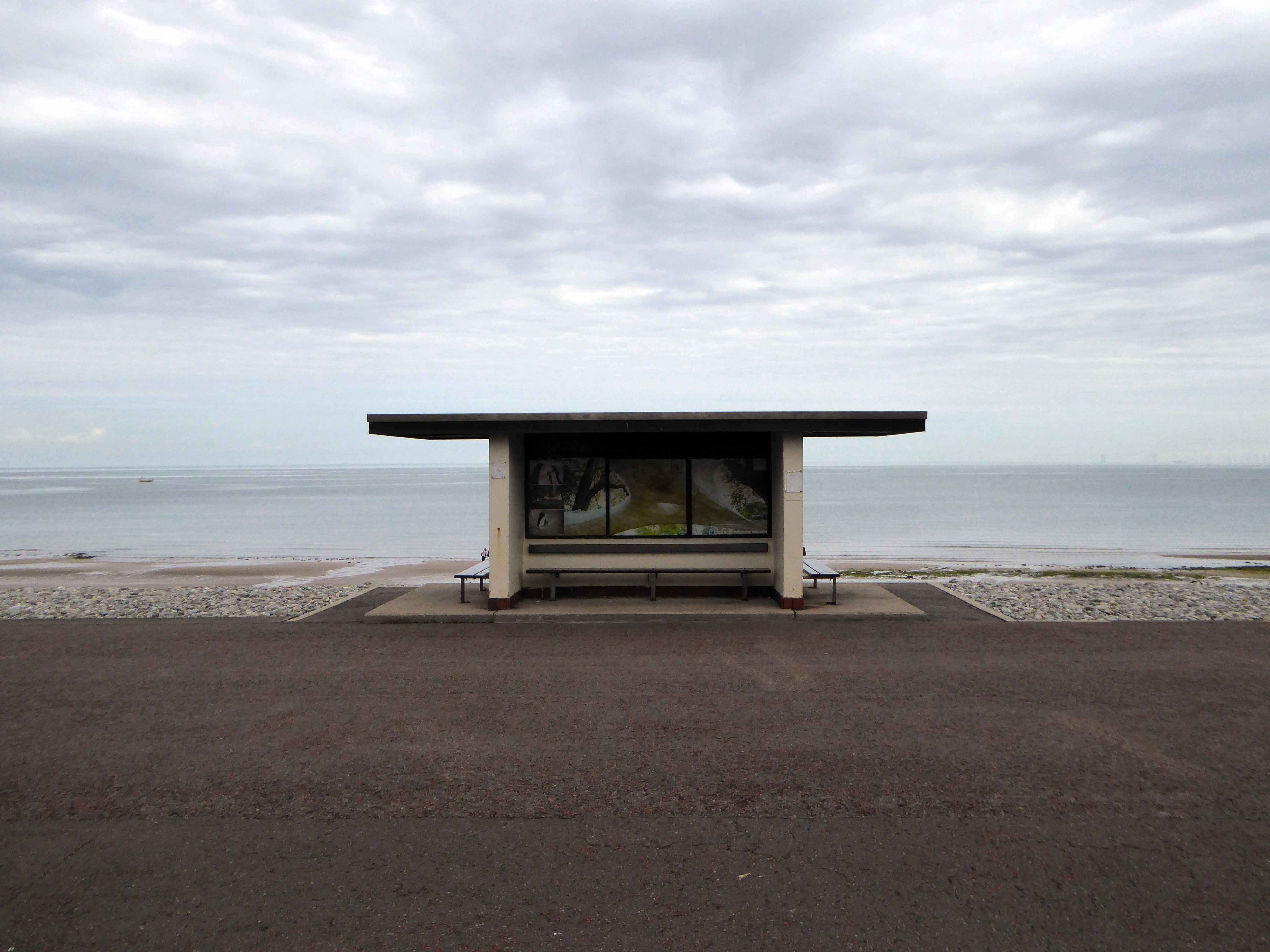
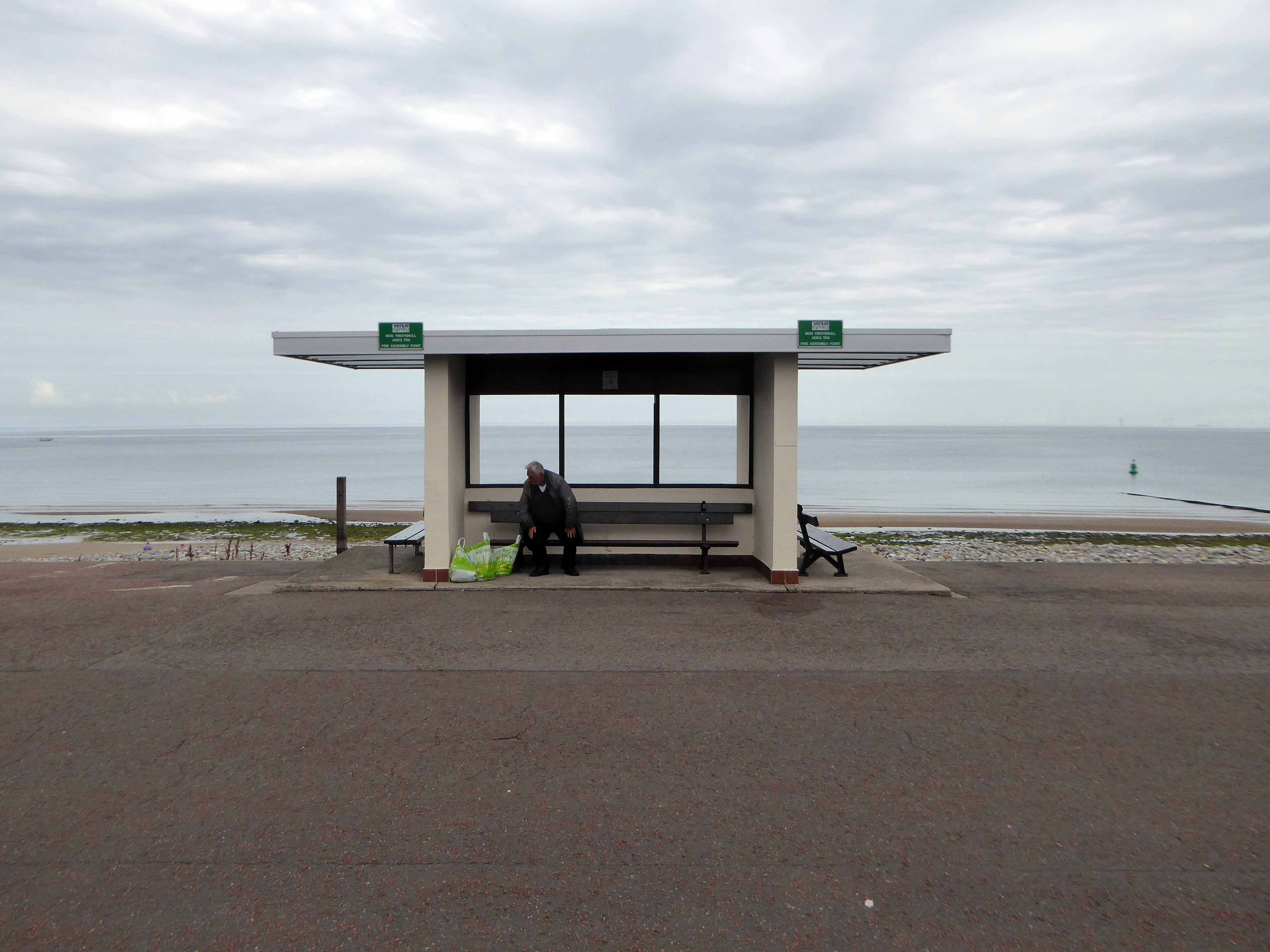
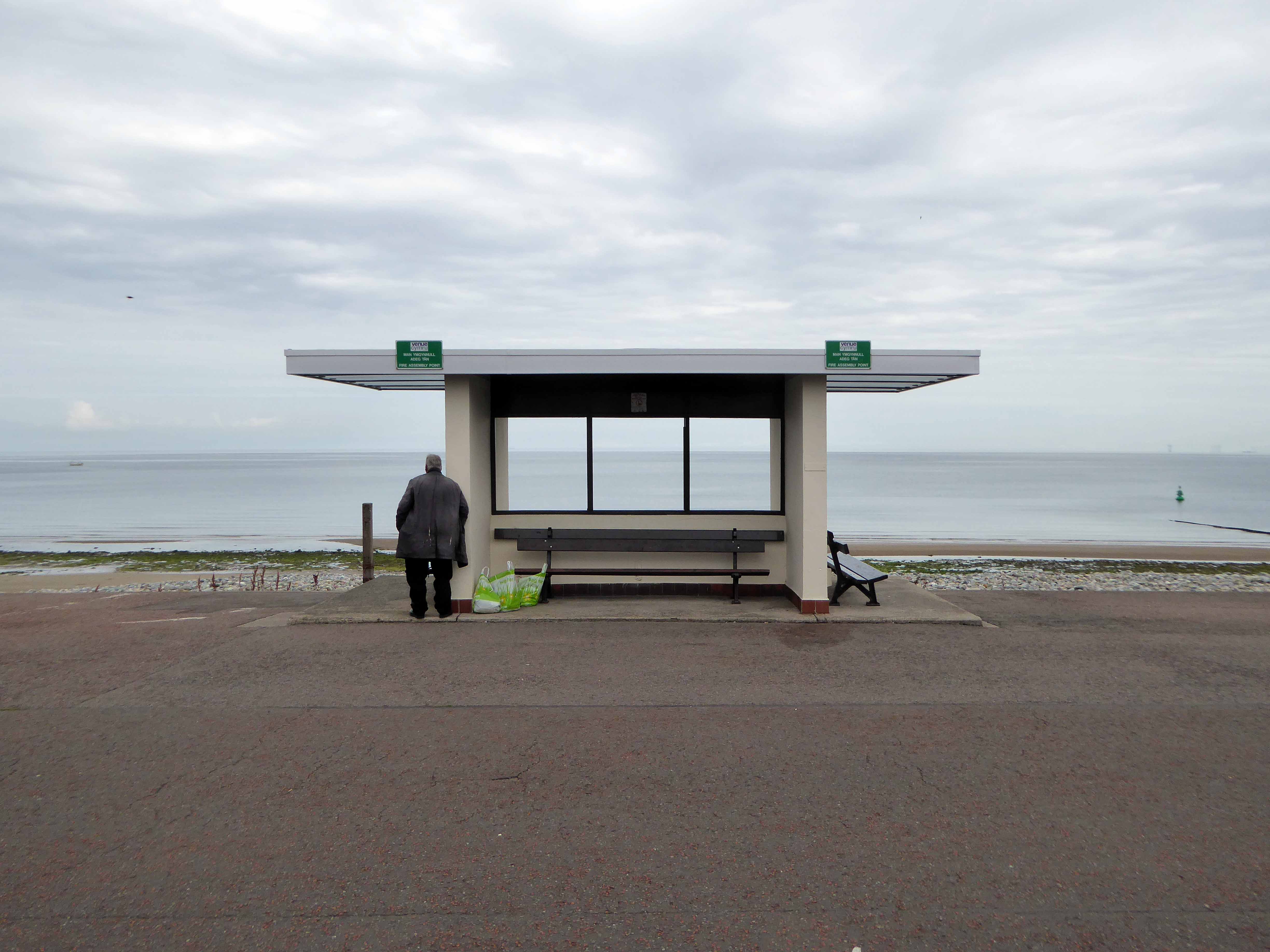
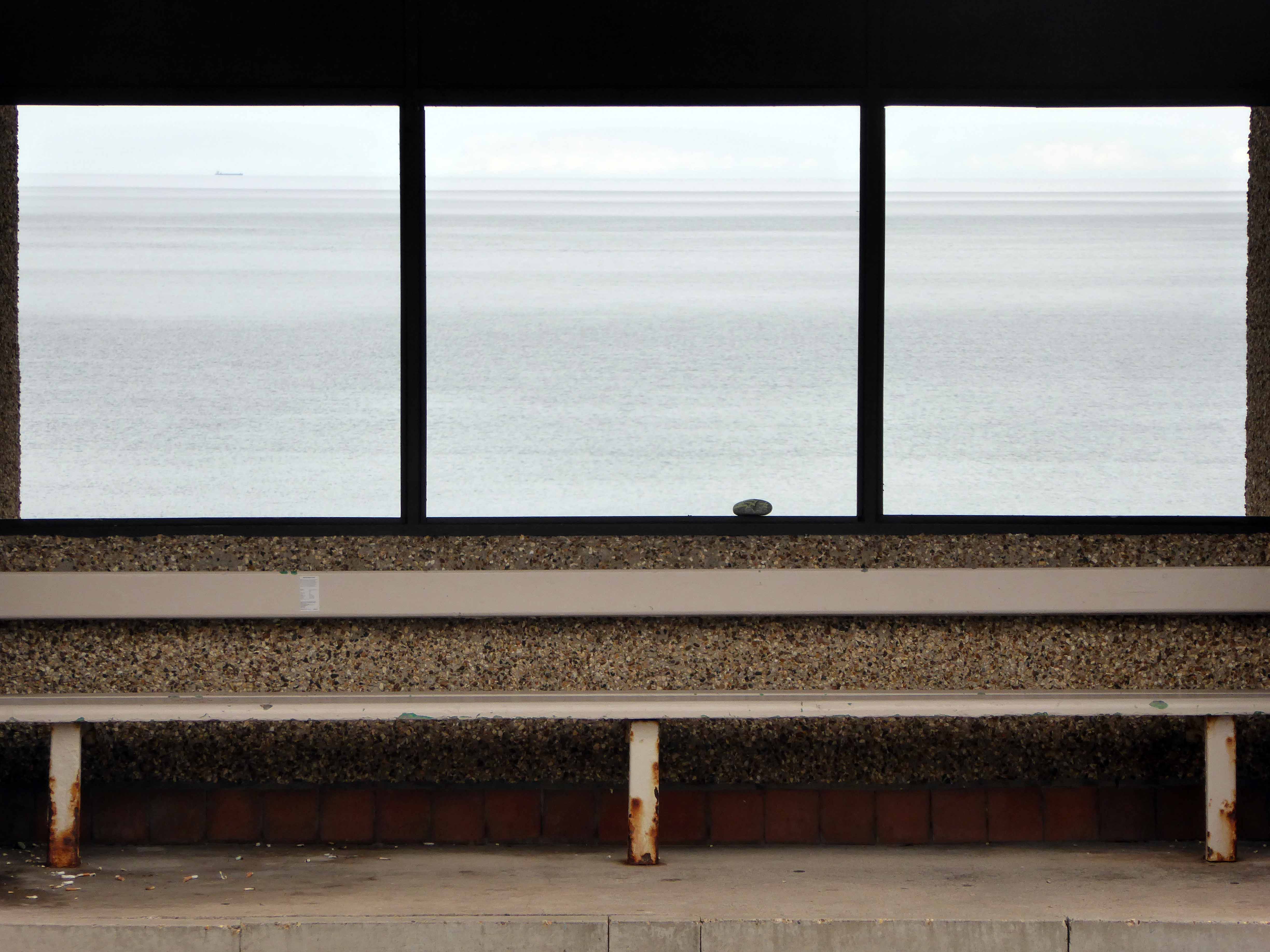
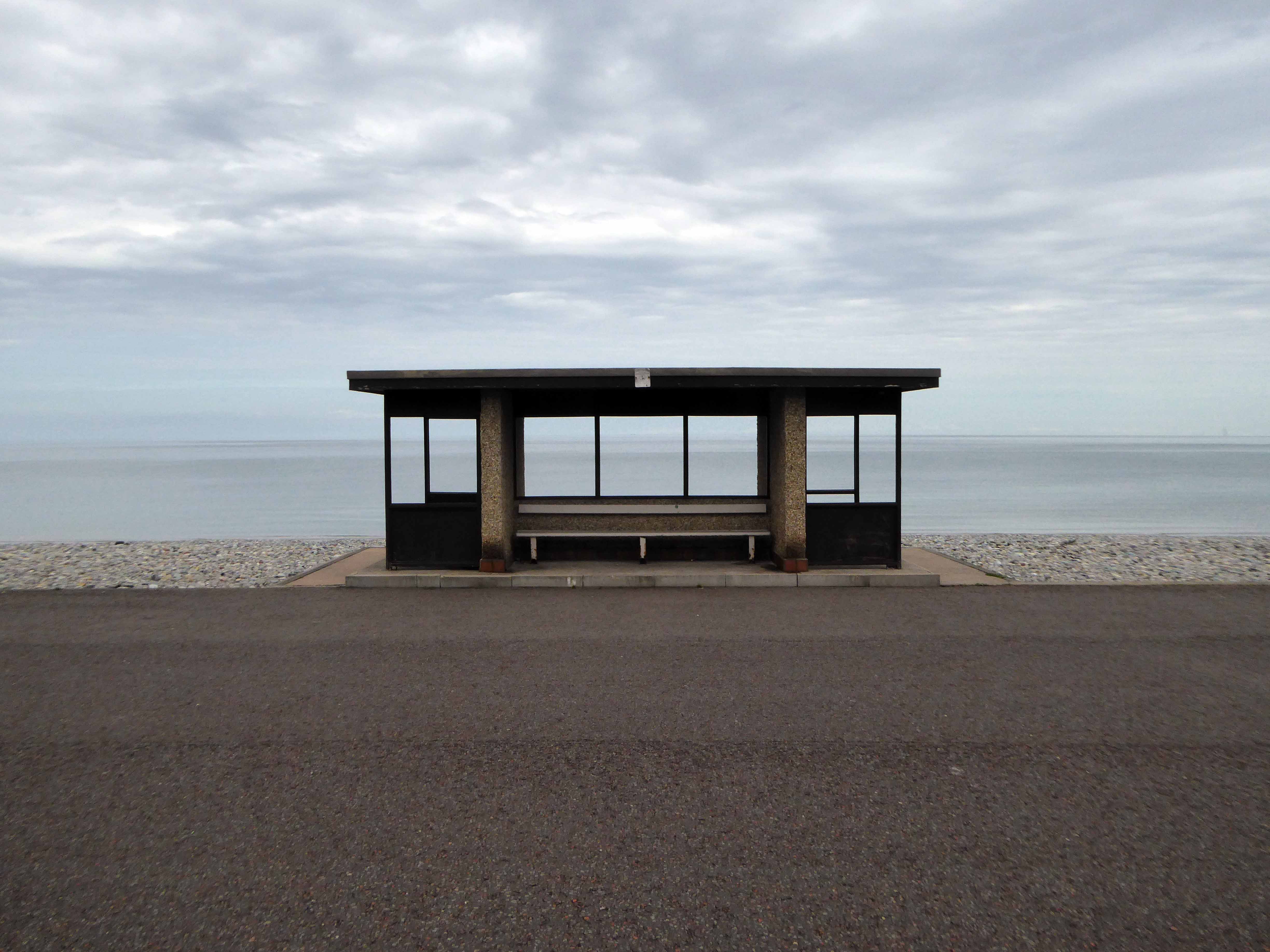
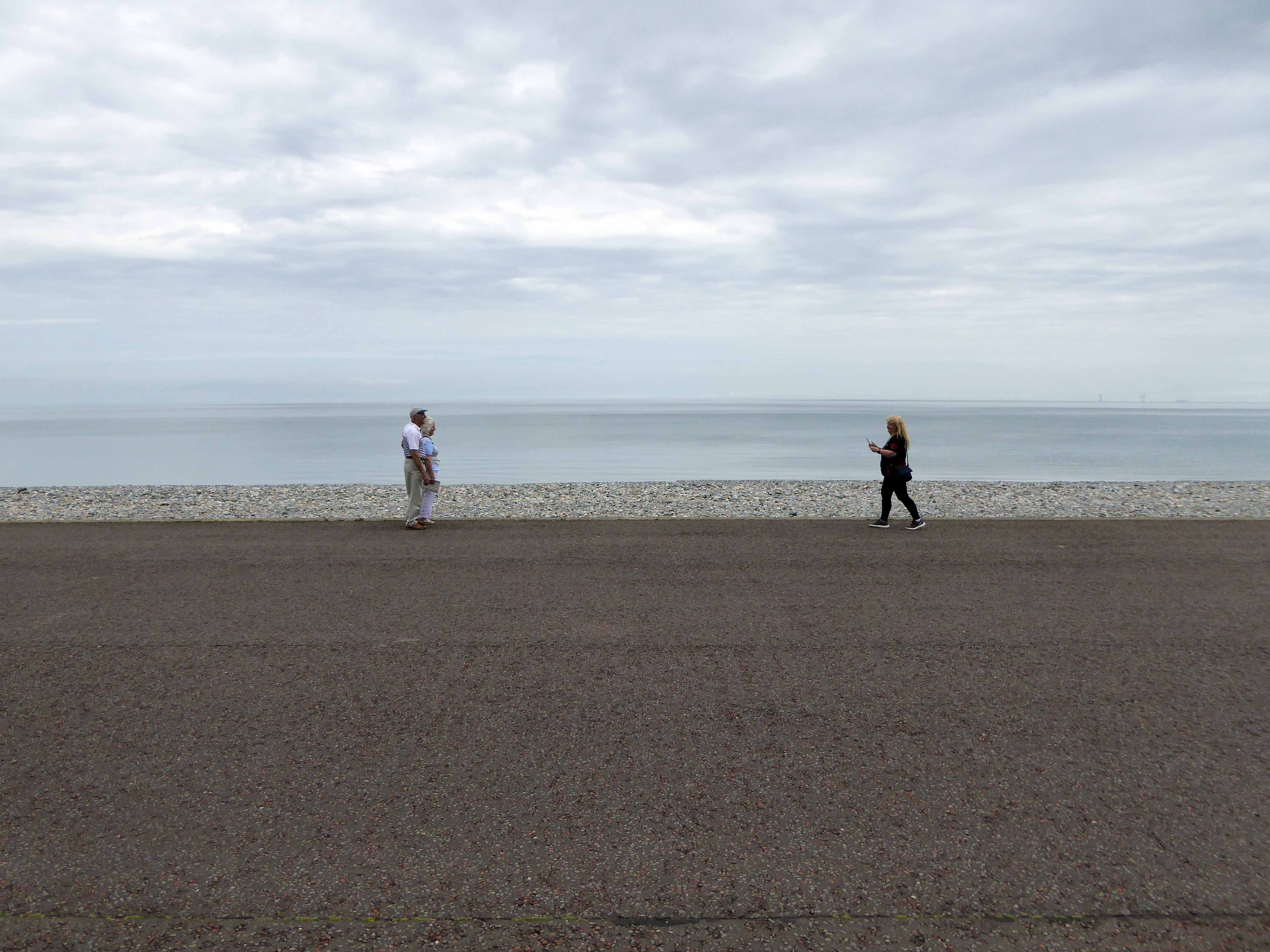
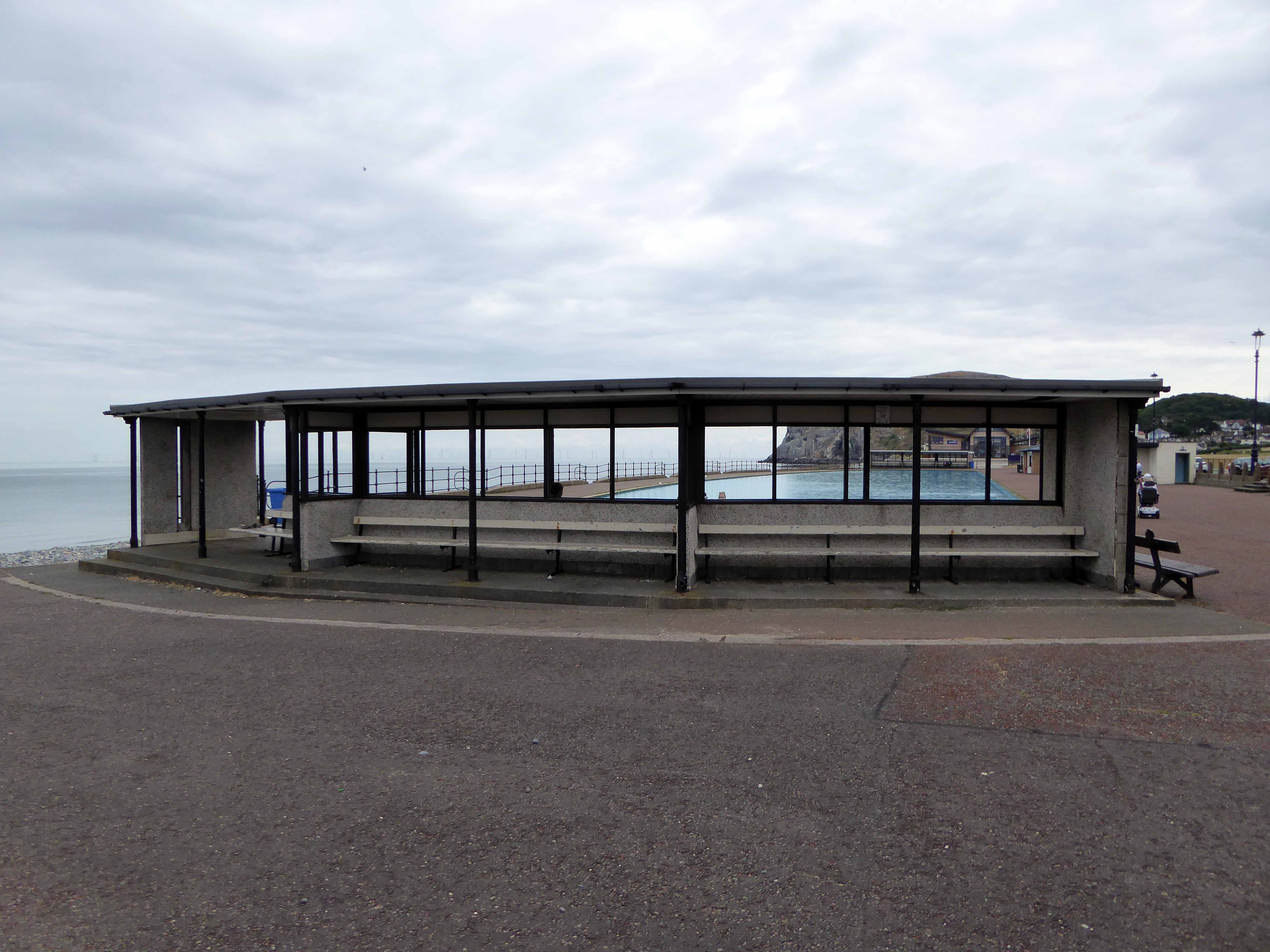
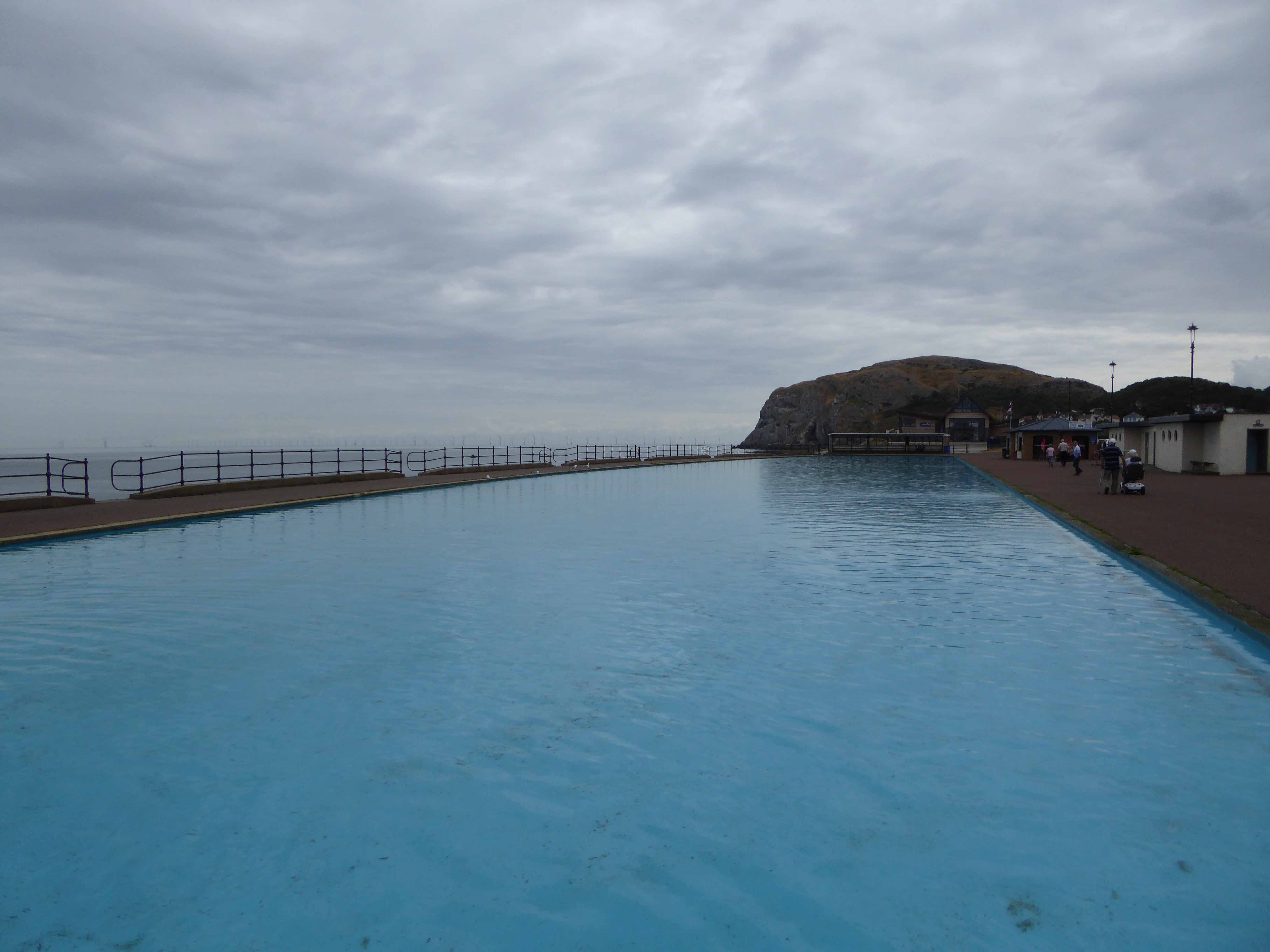
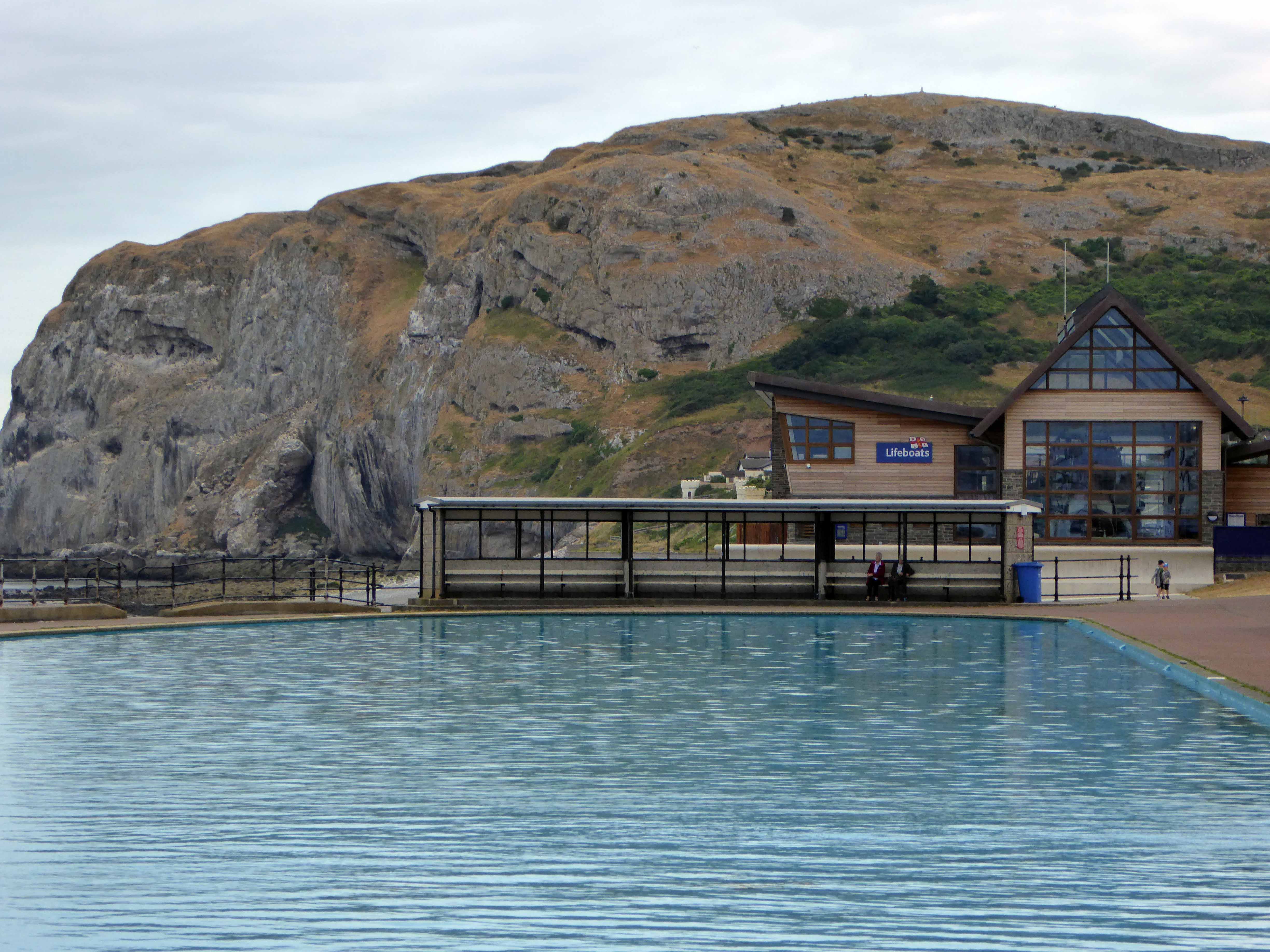
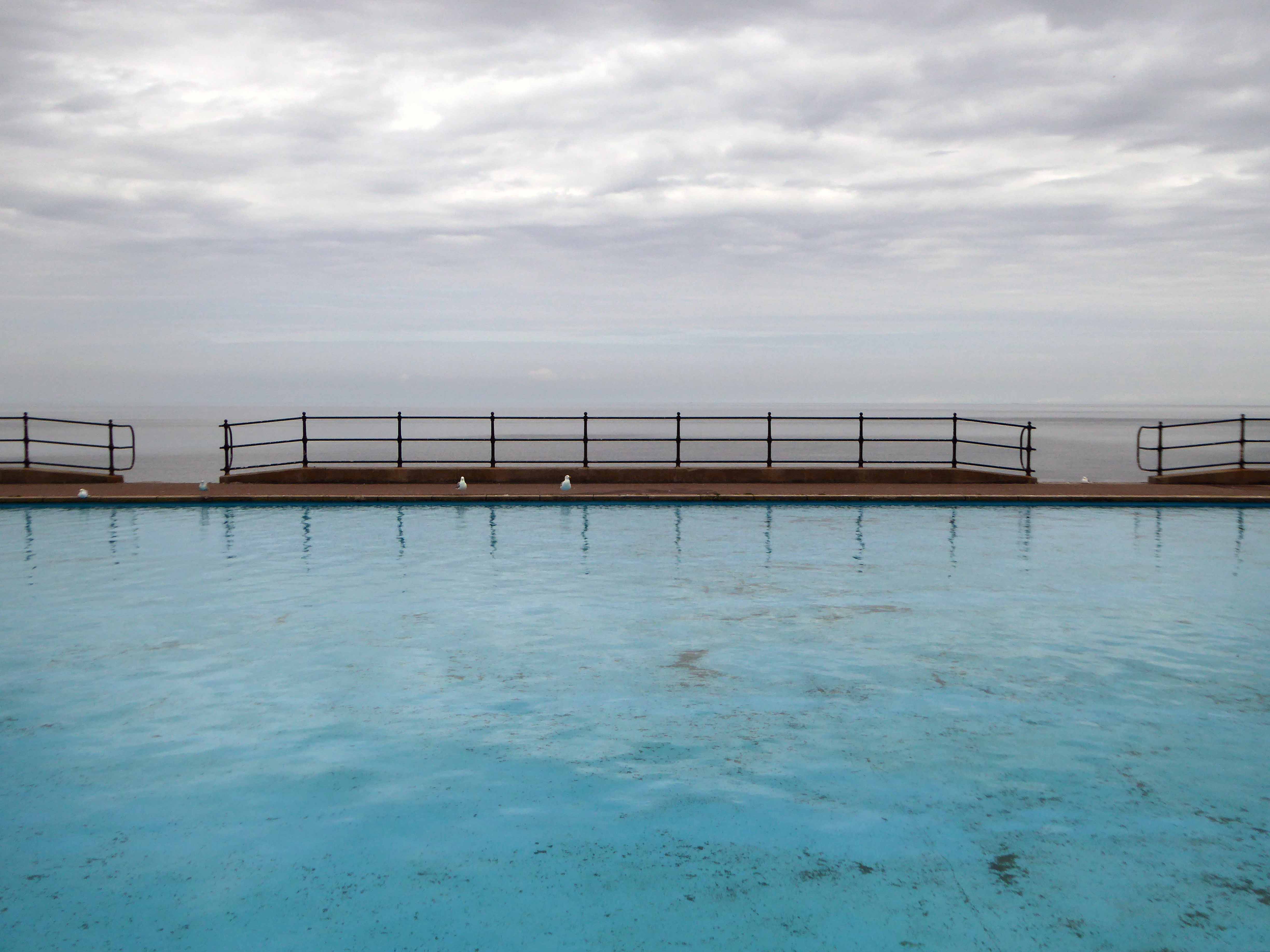
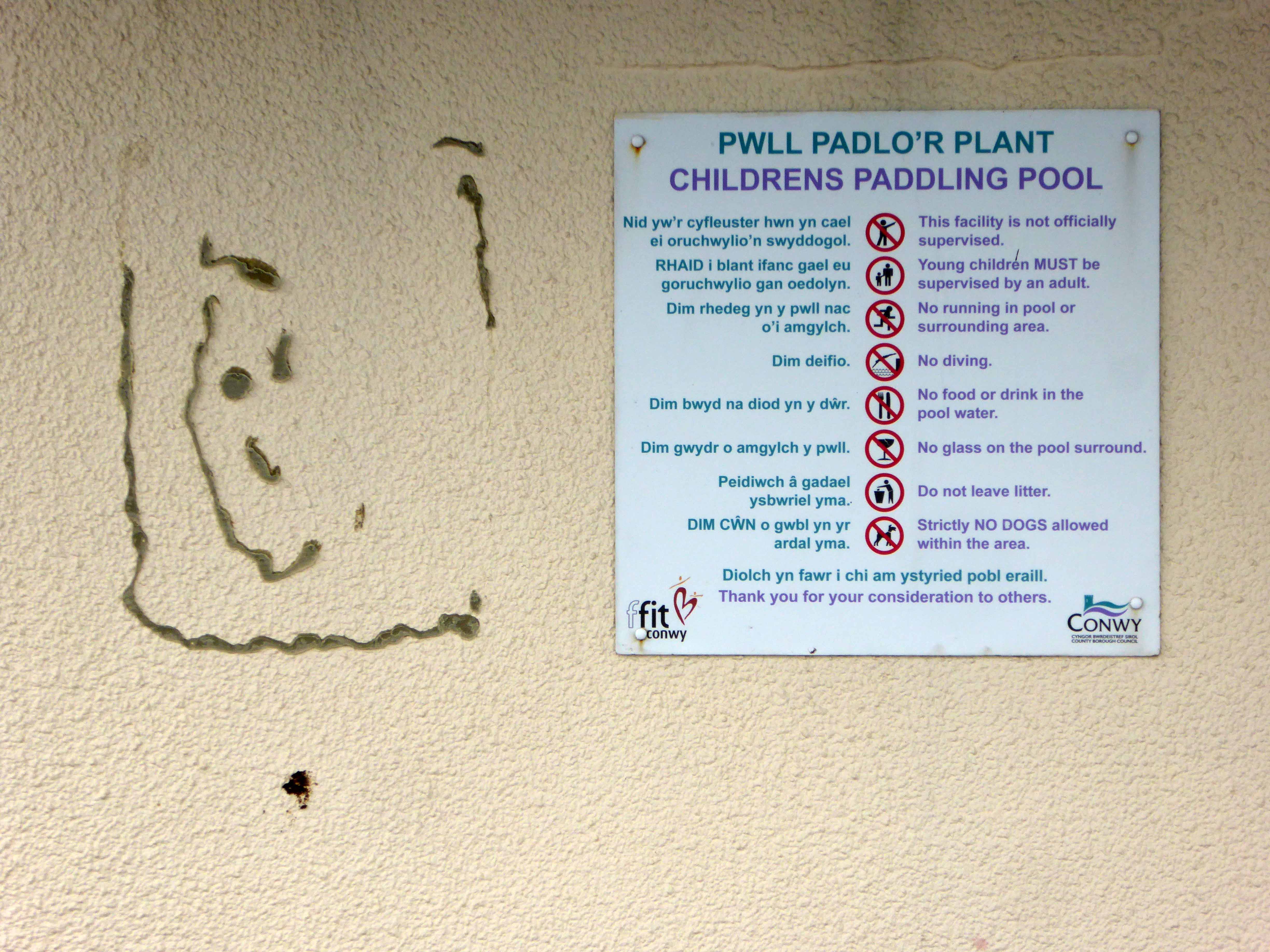
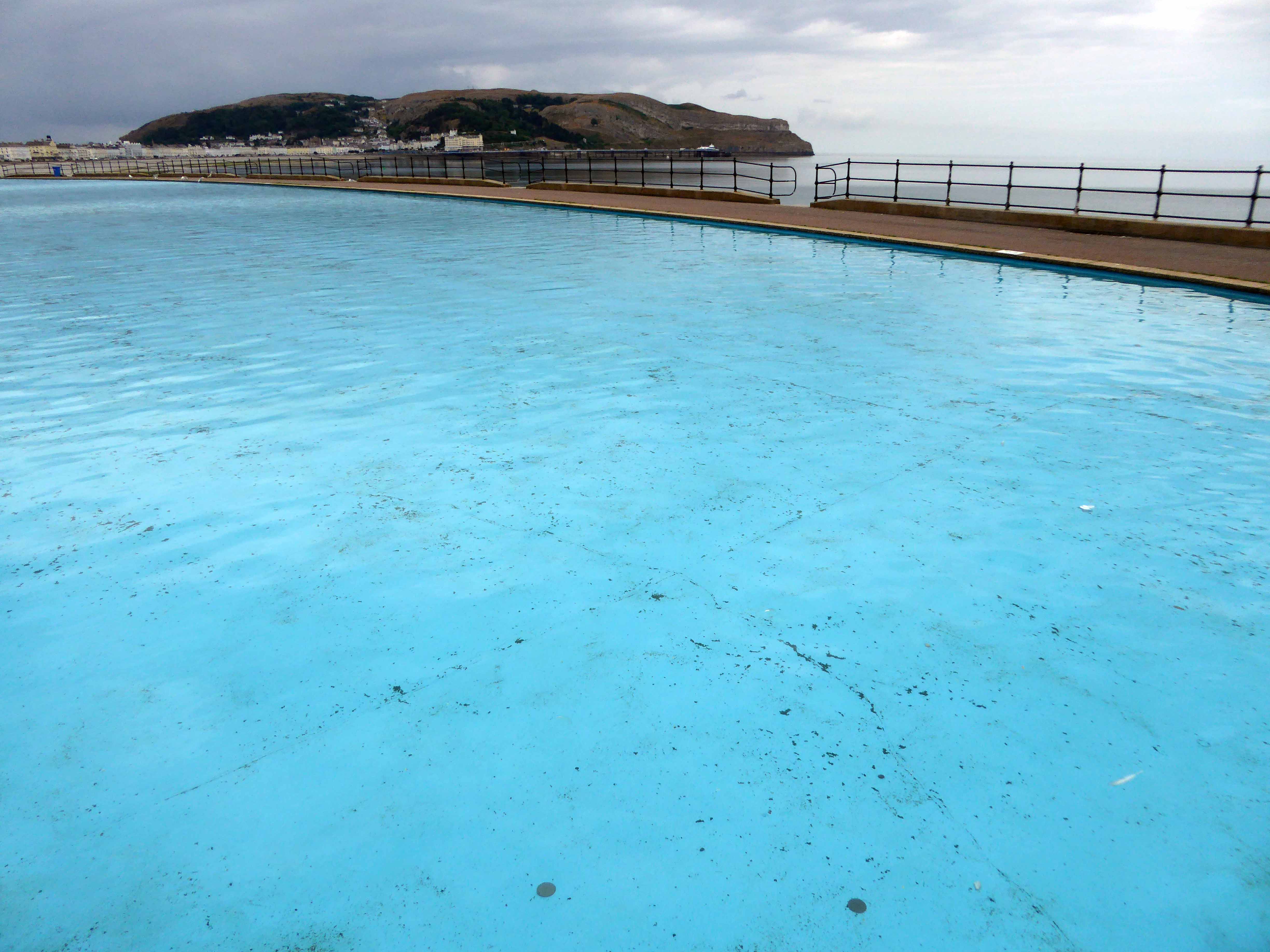
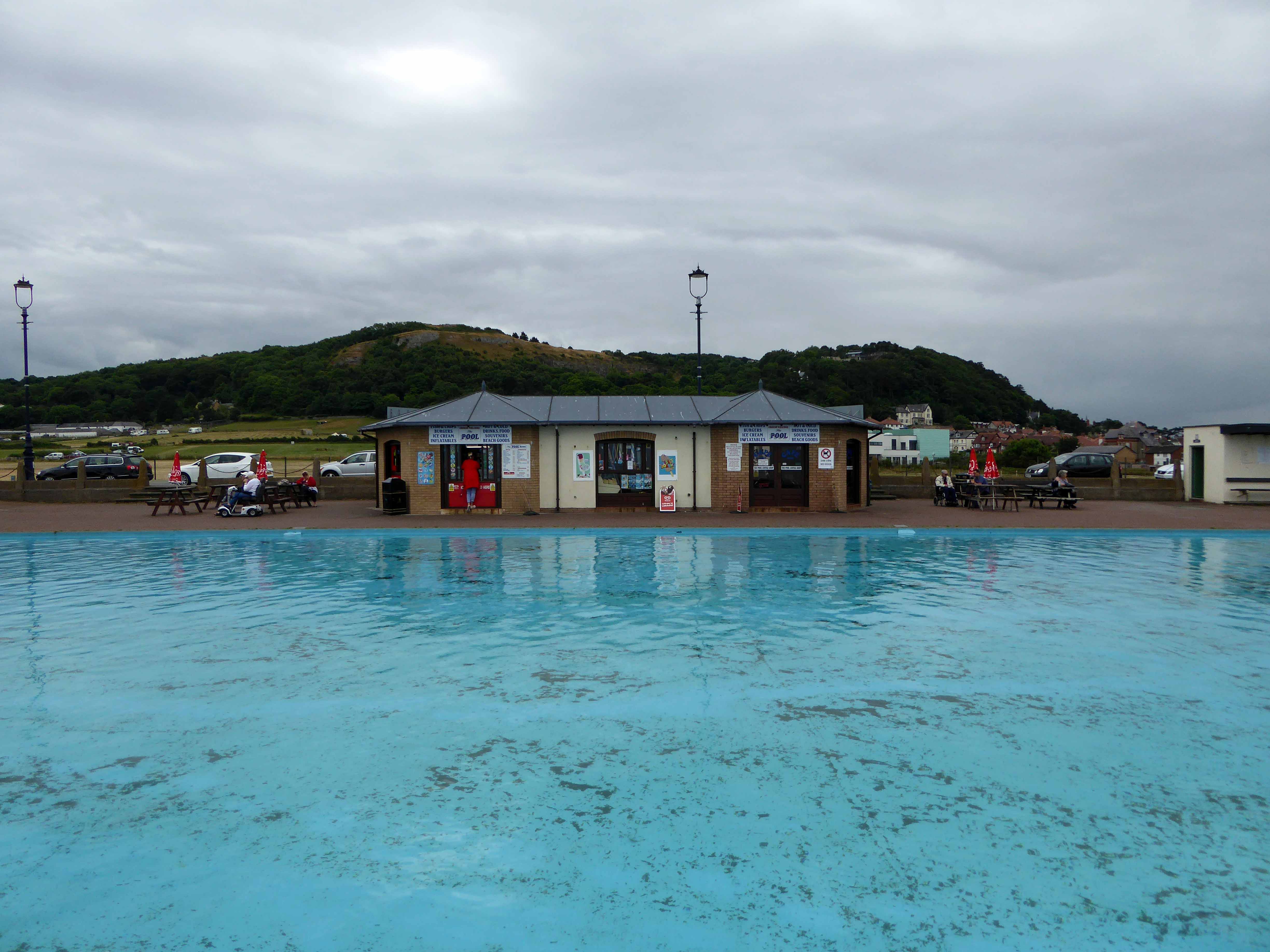
Walk with me now and mark the remarkable shelters, paddling pools and bandstand screens, along with the smattering of people that people the promenade.

P1270521

P1270522

P1270445

P1270447

P1270448

P1270449

P1270450

P1270453

P1270456

P1270458 1

P1270460 1

P1270461

P1270463

P1270465

P1270466

P1270467

P1270469

P1270470

P1270471

P1270473

P1270476

P1270477

P1270481

P1270482

P1270484

P1270485

Mitzi Cunliffe – Owen’s Park Manchester

Mitzi Solomon Cunliffe January 1st 1918  December 30th 2006

American born, resident of Didsbury Manchester, sculptor and designer, responsible for, amongst other things, the BAFTA mask.

Mitzi_Cunliffe_Design

Her first large scale commission was two pieces for the Festival of Britain in 1951. One, known as Root Bodied Forth, shows figures emerging from a tree, and was displayed at the entrance of the Festival. The second, a pair of bronze handles in the form of hands, adorned the Regatta Restaurant. She created a similar piece, in the form of knots, in 1952 which remains at the School of Civic Design at Liverpool University, along with The Quickening in the rear courtyard.

p1090554

p1090555-copy

Cunliffe developed a technique for mass-producing abstract designs in relief in concrete, as architectural decoration, which she described as sculpture by the yard. She used the technique to decorate buildings throughout the UK, but particularly in and around Manchester.

d9d483ddd467272577443b6391e5a66a

Particularly this example of four modular panels named Cosmos, set in the wall of the student halls of residence in Owens Park, Fallowfield, Manchester.

P1270299

P1270300

P1270302

P1270303

P1270304

P1270306

P1270307

P1270308

P1270309

P1270310

P1270311

P1270312

P1270313

P1270314

P1270315

P1270316

P1270317

P1270318

P1270321

P1270322

P1270323

P1270324

P1270325


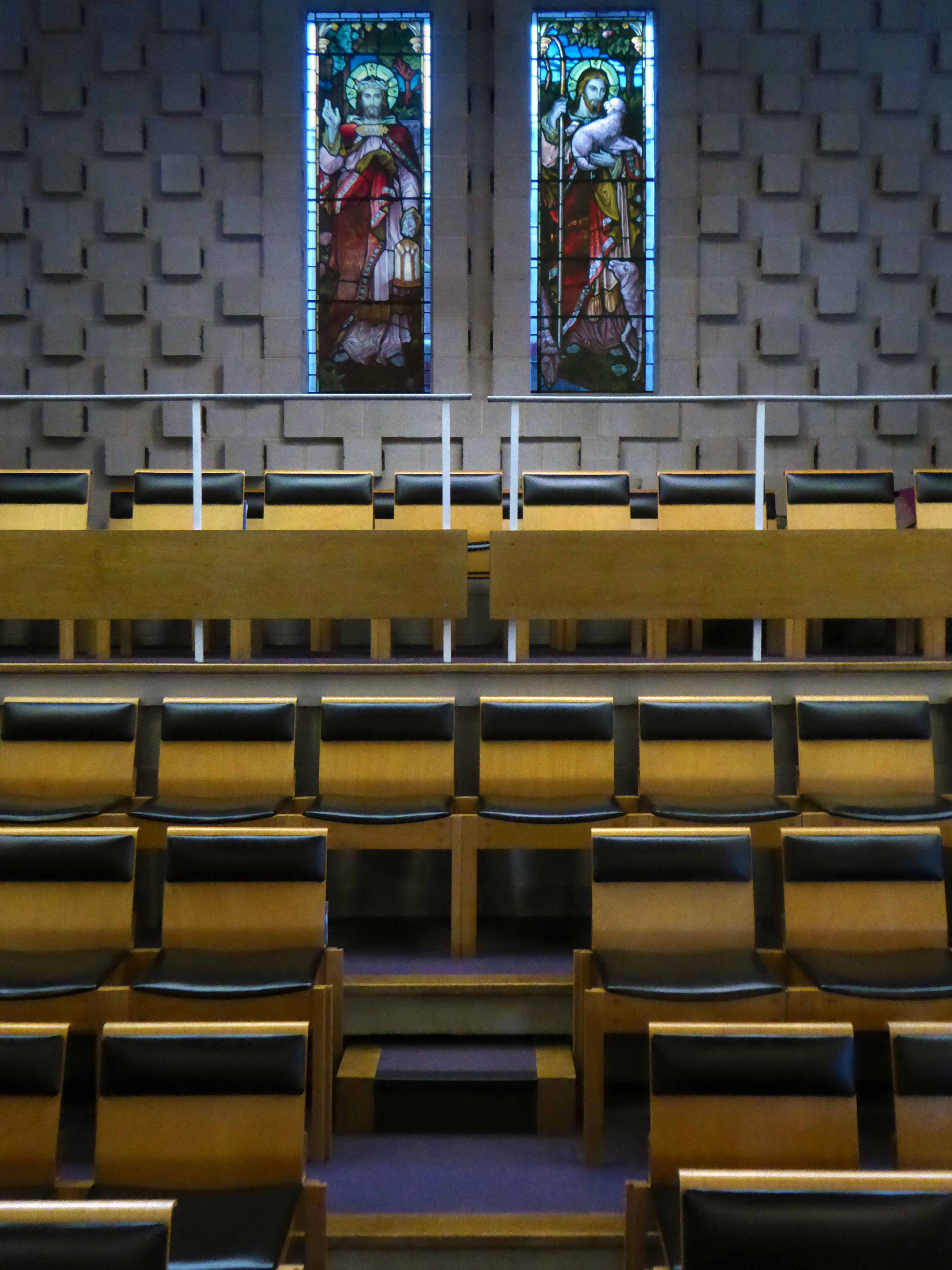
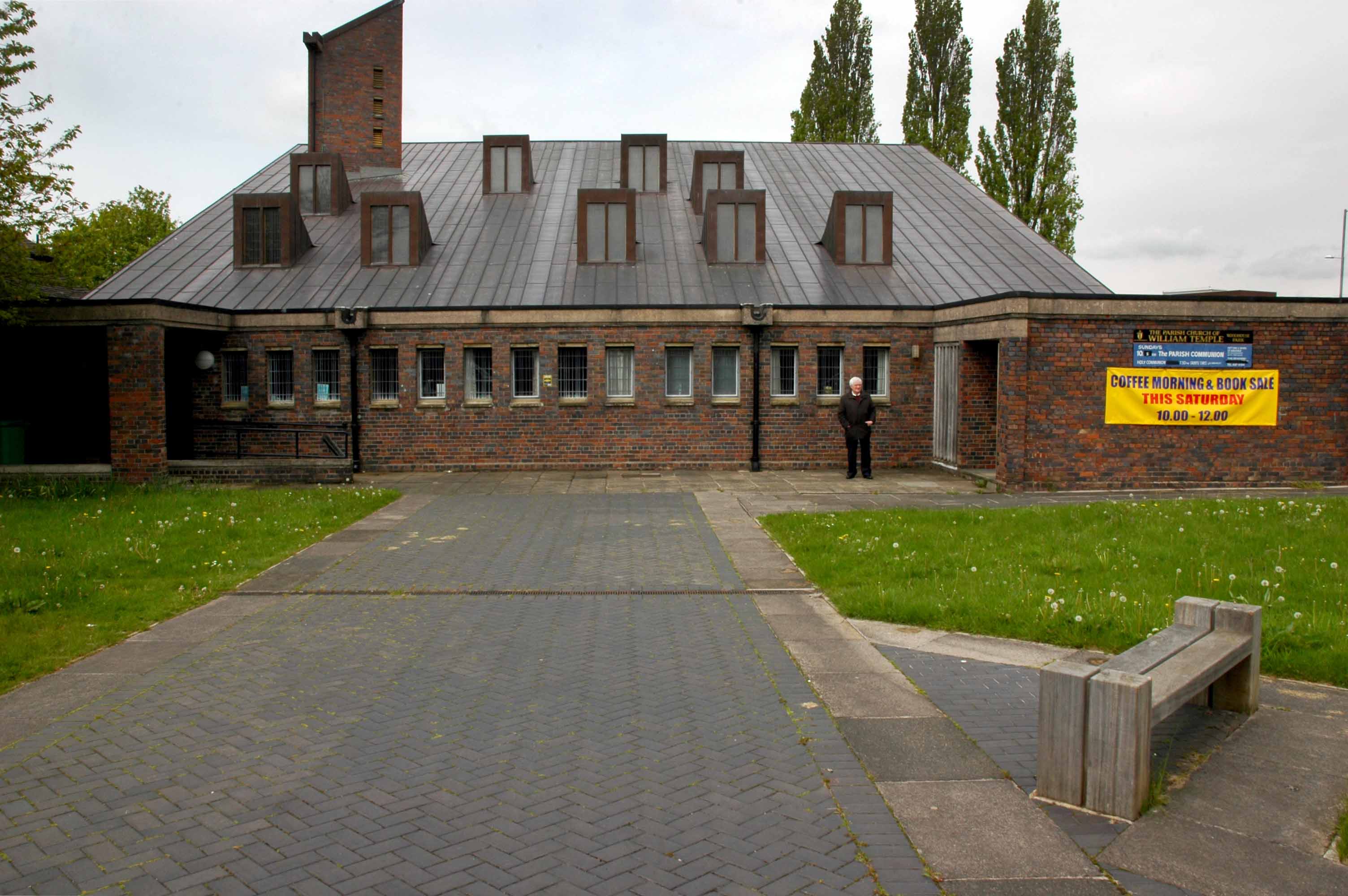
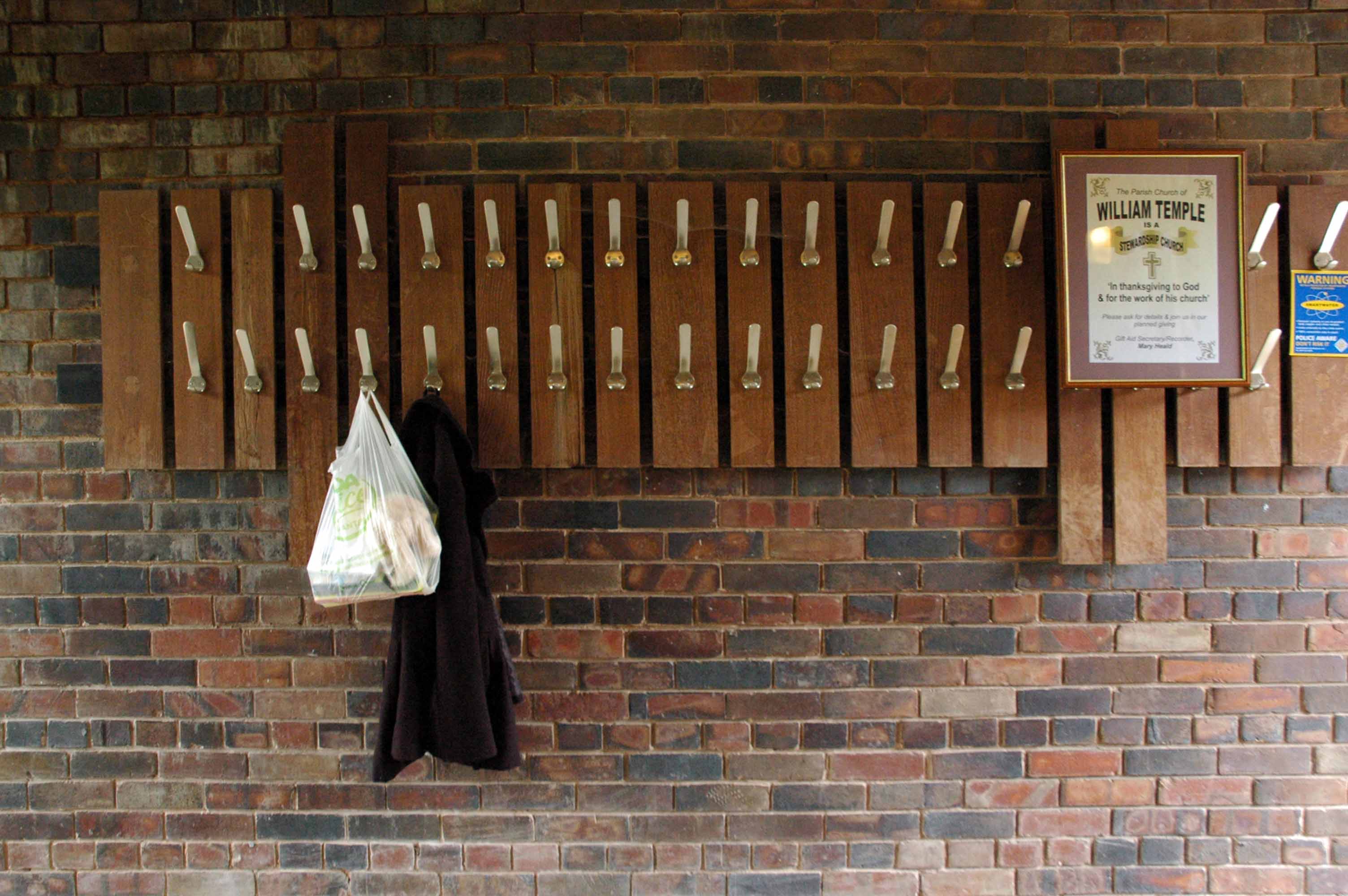
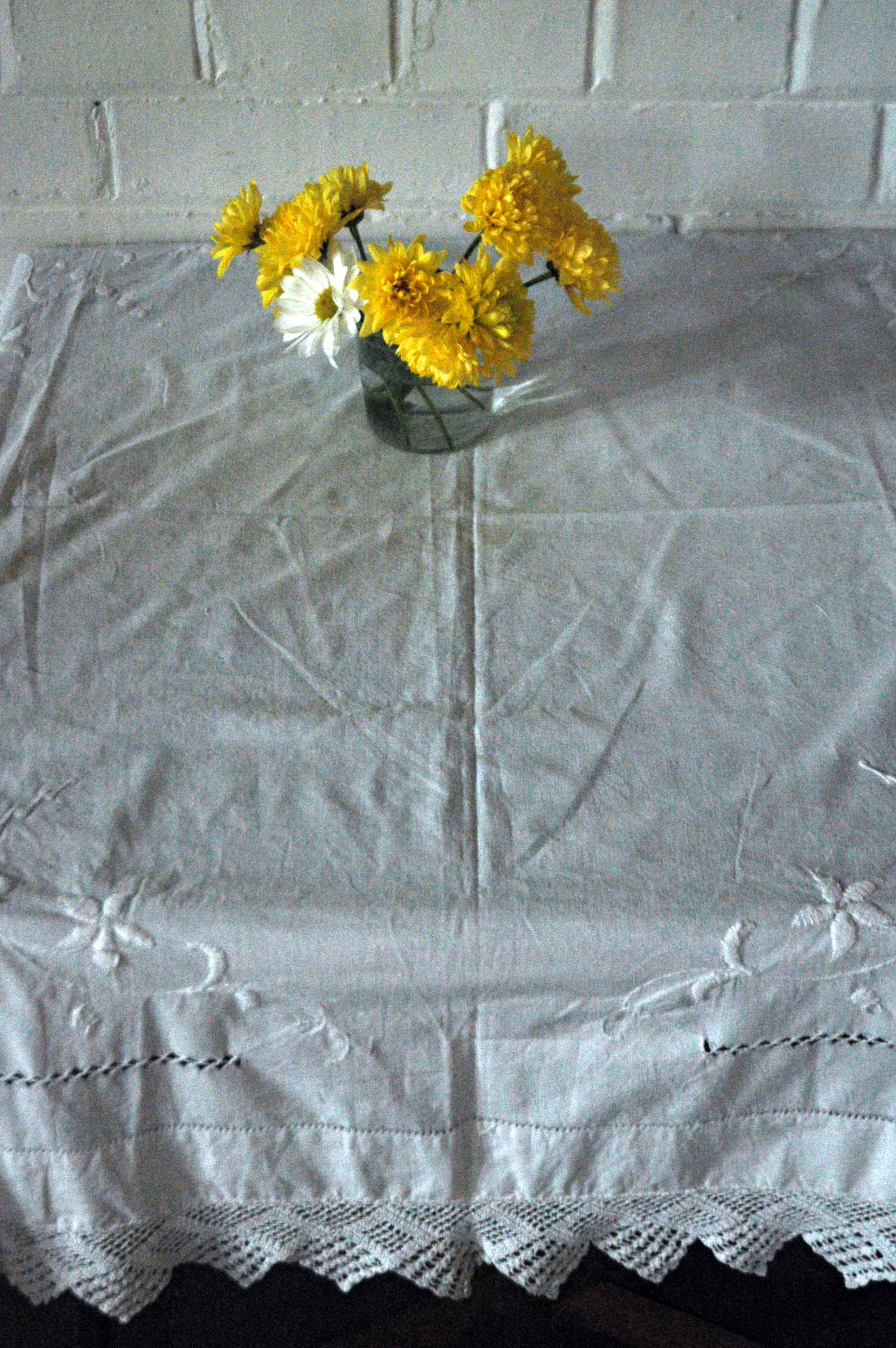
William Temple Church – Wythenshawe

The Anglican Church of William Temple was opened in 1965 on the corner of Robinswood Road and Simonsway as the church of the Civic Centre. The mission was already well-established, having begun many years previously in Shadow Moss School Room, latterly operating in a dual-purpose building on Simonsway. The architect, George Pace, agreed with the proviso that he should not design a ‘pseudo’ building, but that it should be modern in concept. This he did and particular attention was paid to the acoustics with a view to music and drama being performed there. One of Pace’s stipulations was that, as with all the churches he designed, there must be no plaques attached to the walls commemorating the dedication of the church or in memory of anyone, for he said he built his churches to the Glory of God. The only lettered stone is on the back wall of the church and it has on it the date of the consecration and a symbol, which is Pace’s original sign for William Temple Church.

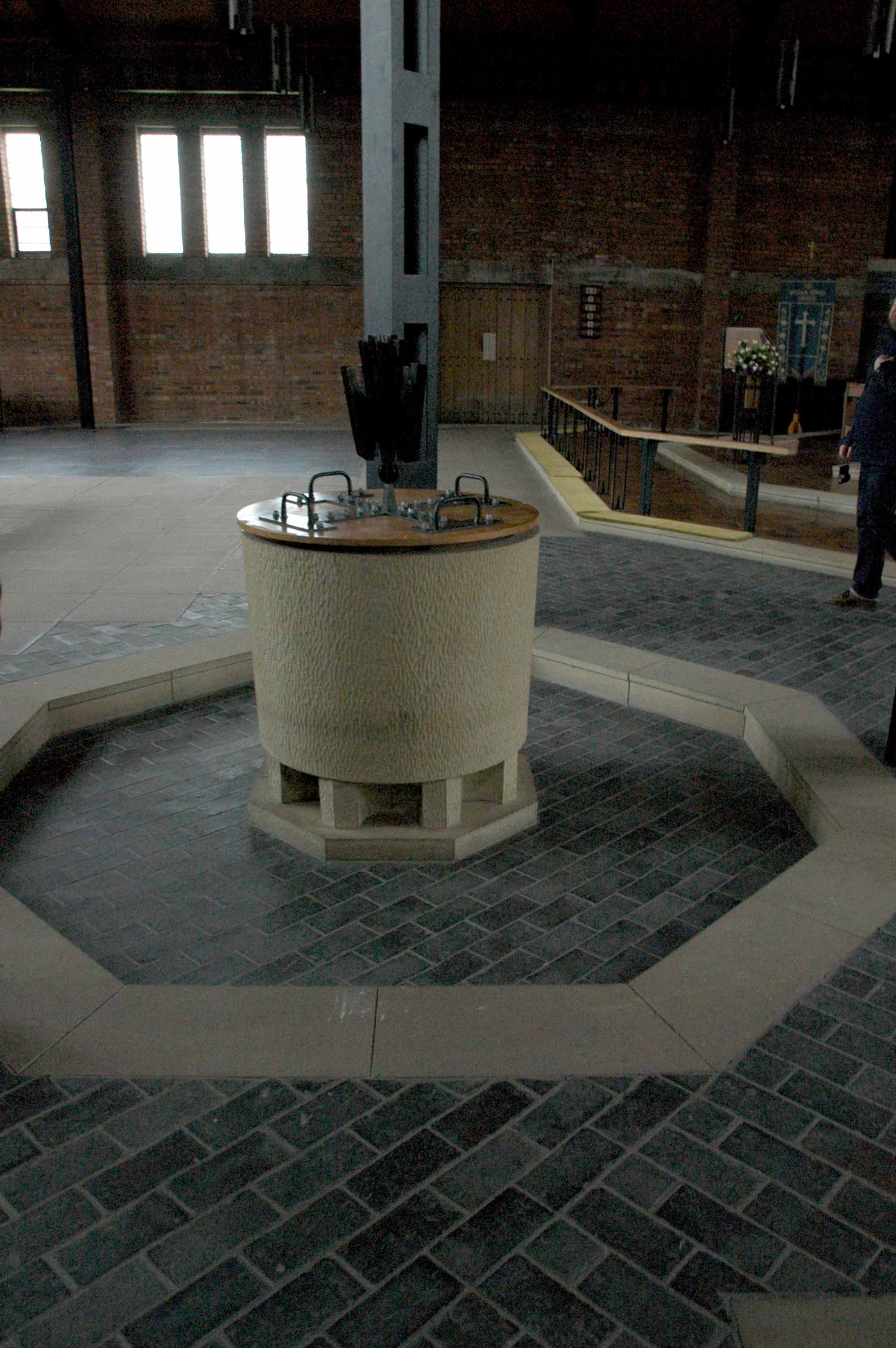
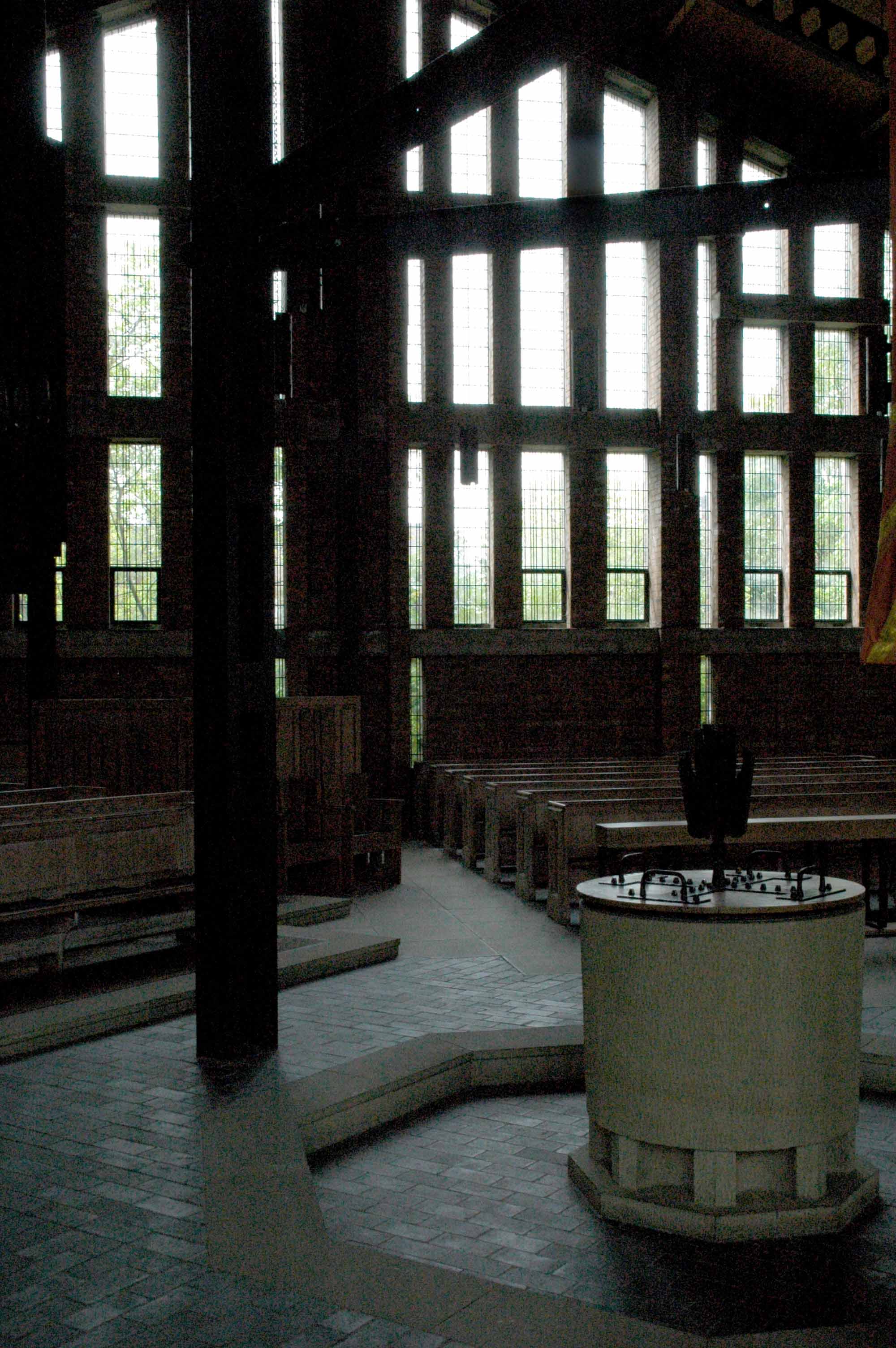
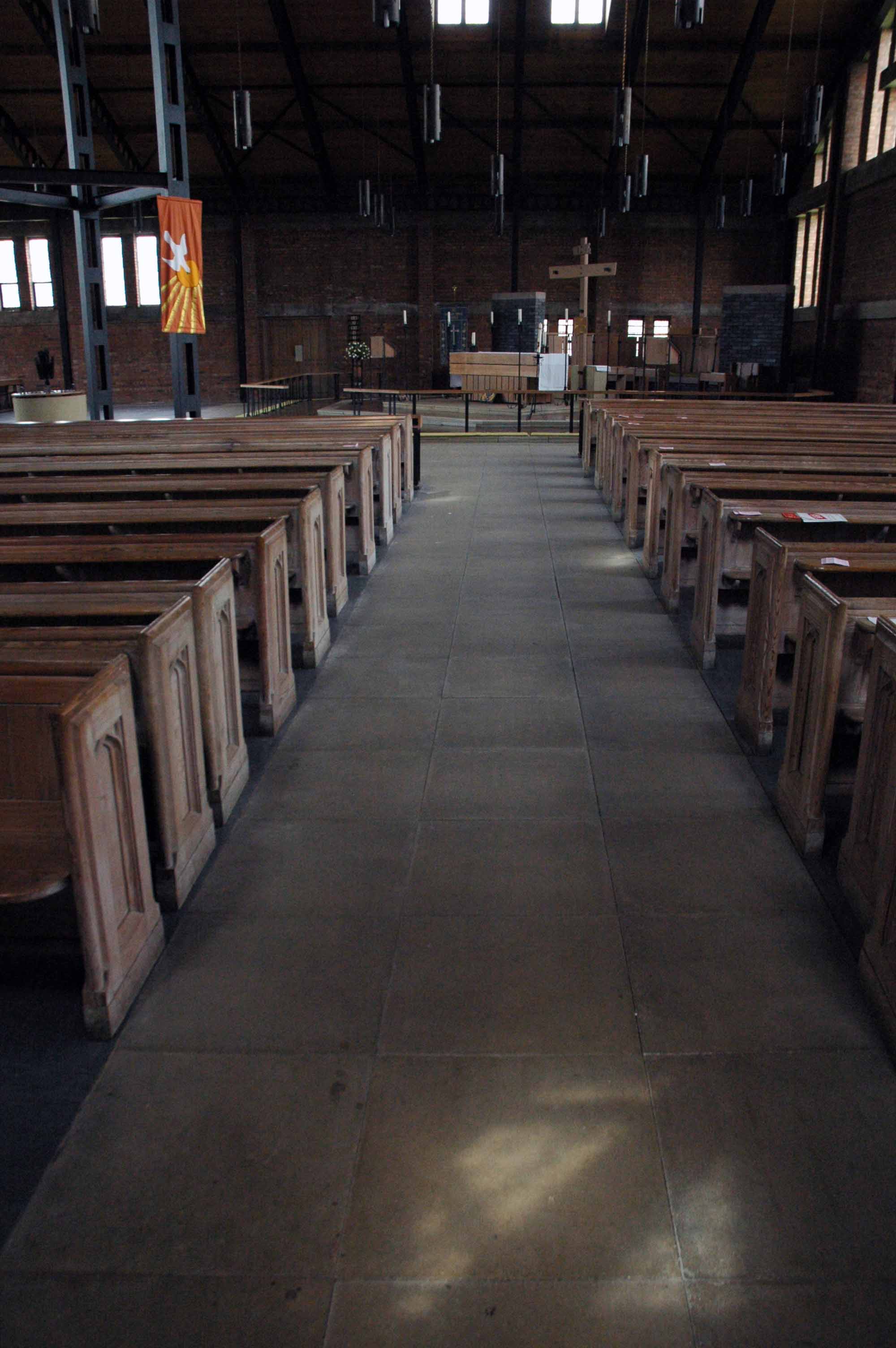
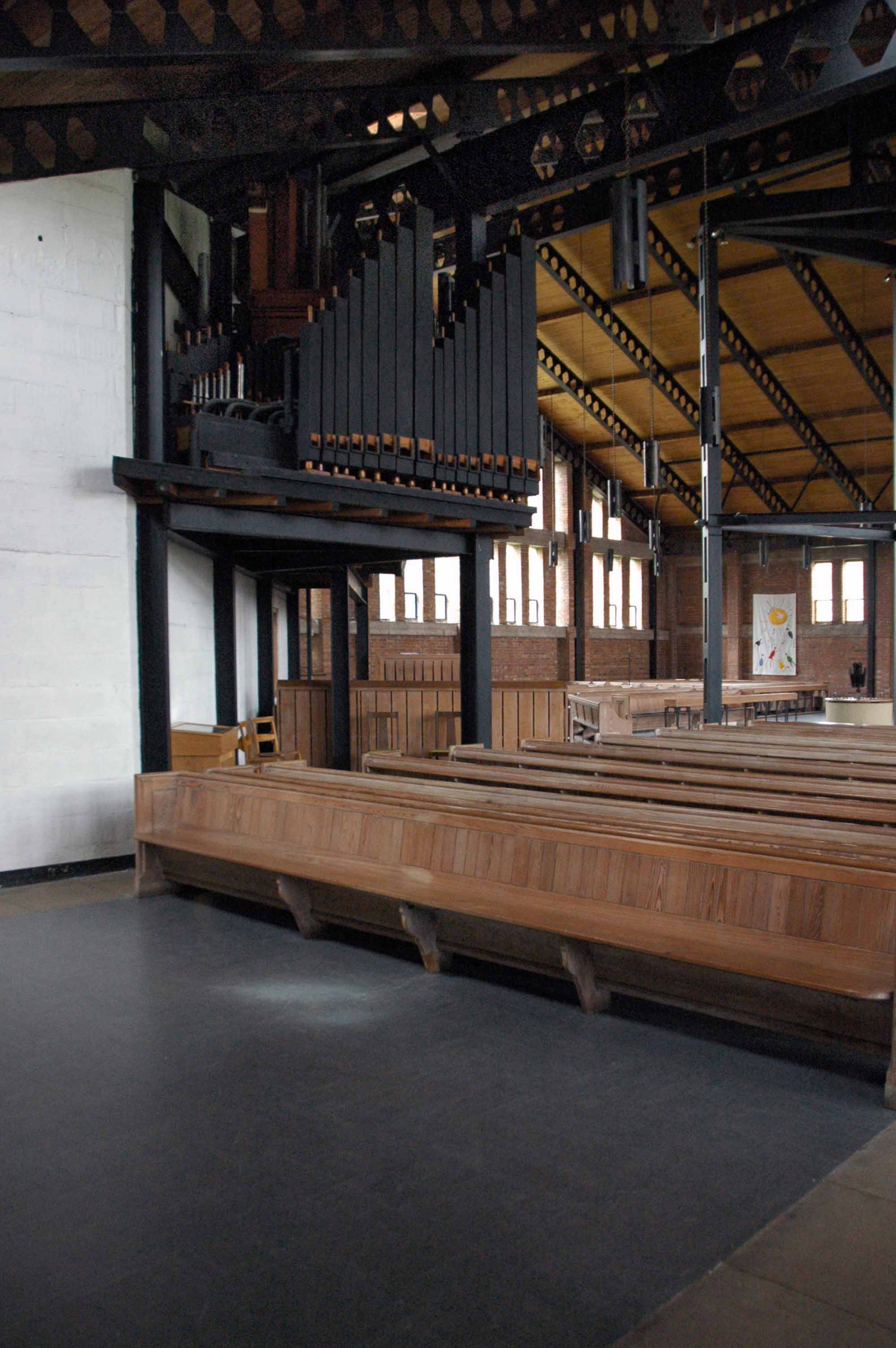
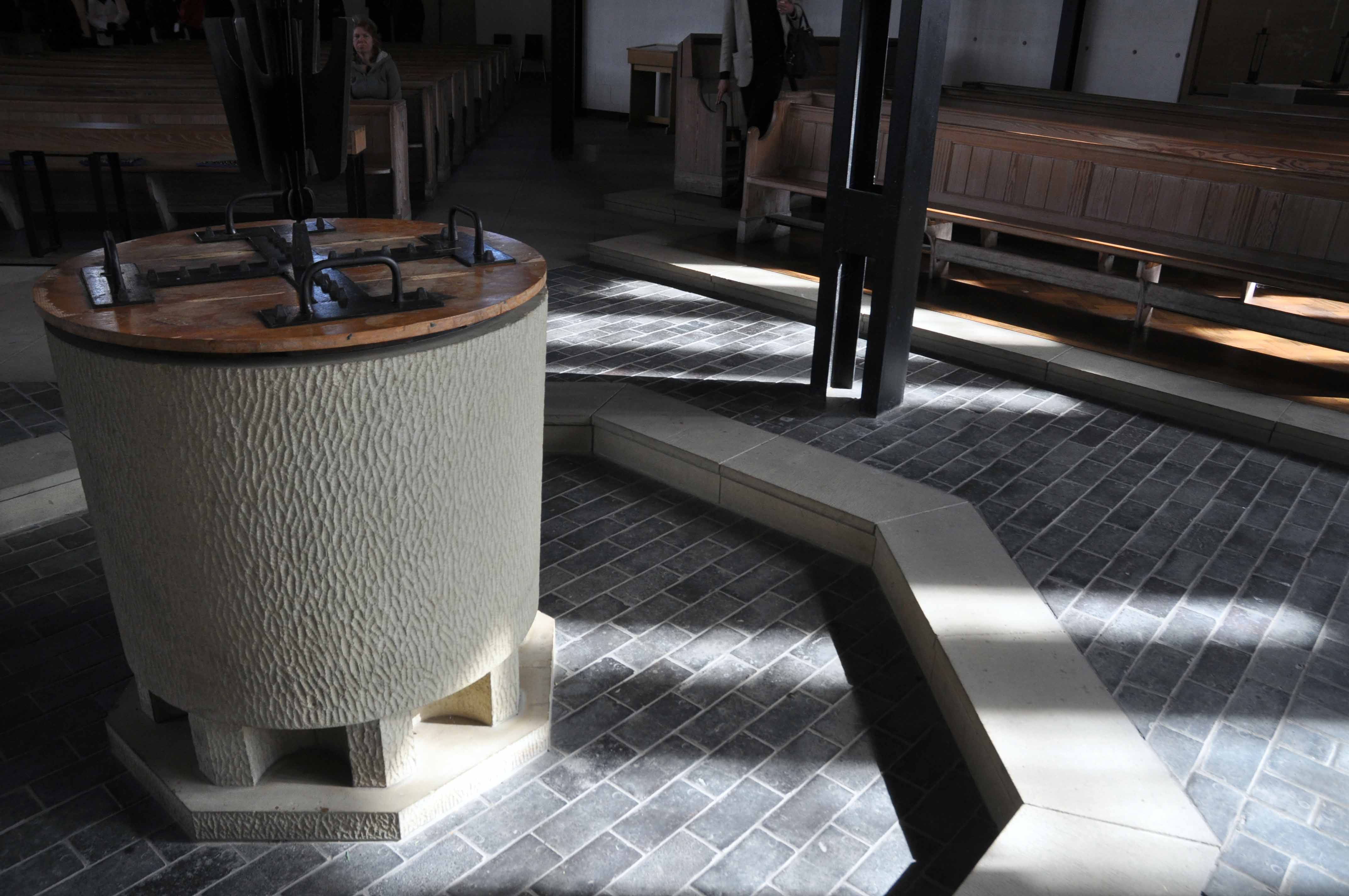
The internal supports of the church are black-painted steel girders, not romantically symbolising the industry of the area, as it is sometimes said, but because when it was discovered that the church had been built on swampy ground an extra £2,000 was needed for foundations; the wooden beams of the original design had to be changed for cheaper steel ones. There is symbolism, however, in the placing of the font between and beneath the three main weight-bearing supports of the church.

The pews have an interesting history, having been brought from derelict churches in and around Manchester. The present lady churchwarden said:

“whenever we heard of a church being demolished we borrowed Mr. Owen’s coal cart and went off to see if we could buy any of the pews. Many times I’ve sat on the back of the wagon, in the pouring rain, with the pews, bringing them back to Wythenshawe to be stored until our church building was completed!”

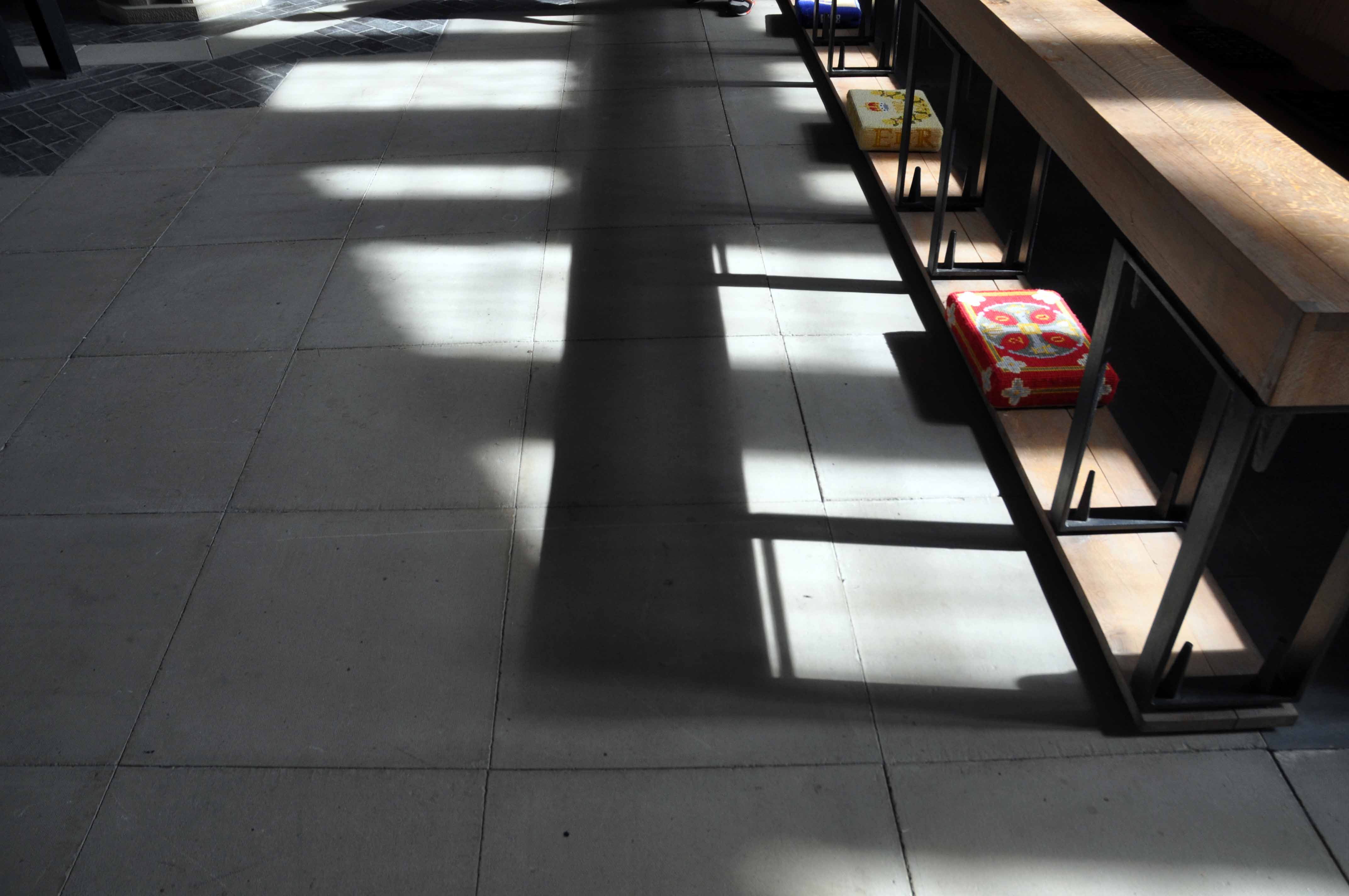
Some time after the building was opened a fire damaged some of the pews. With the insurance money all the pews were stripped and bleached, giving an element of uniformity and a bright welcoming atmosphere in the church generally. An interesting thought was voiced that as many people living in Wythenshawe now had their origins near to the centre of Manchester they may be sitting in the same pews in which their ancestors once sat.

historicengland.org.uk

DSC_0072 copy

DSC_0073 copy

DSC_0075 copy

DSC_0080 copy

DSC_0081 copy

DSC_0082 copy

DSC_0084 copy

DSC_0085 copy

DSC_0086 copy

DSC_0087 copy

DSC_0088 copy

DSC_0089 copy

DSC_0113 copy

DSC_0116 copy

DSC_0117 copy

DSC_0118 copy

DSC_0121 copy

DSC_0122 copy


Brucciani’s – Morecambe

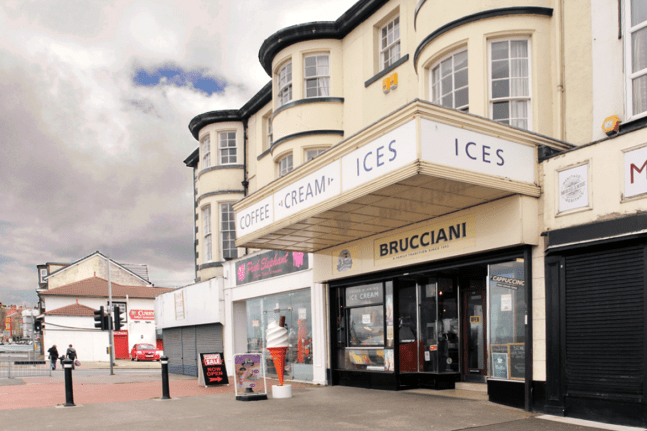
Brucciani – 217 Marine Rd Central, Morecambe LA4 4BU217

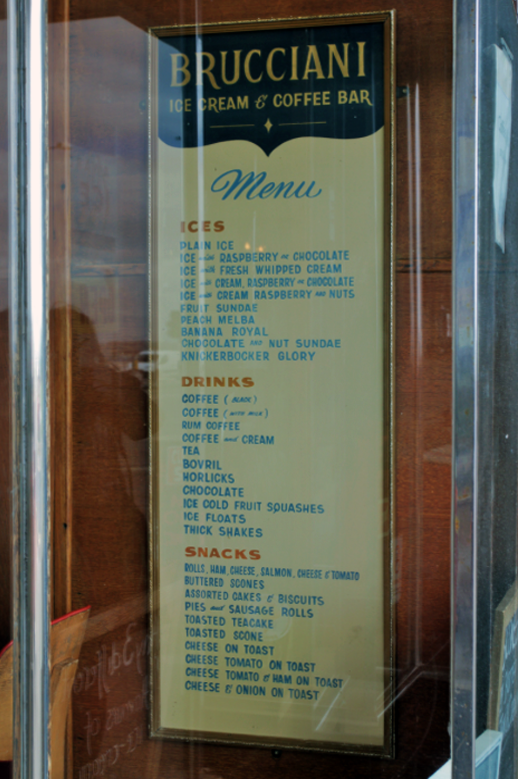
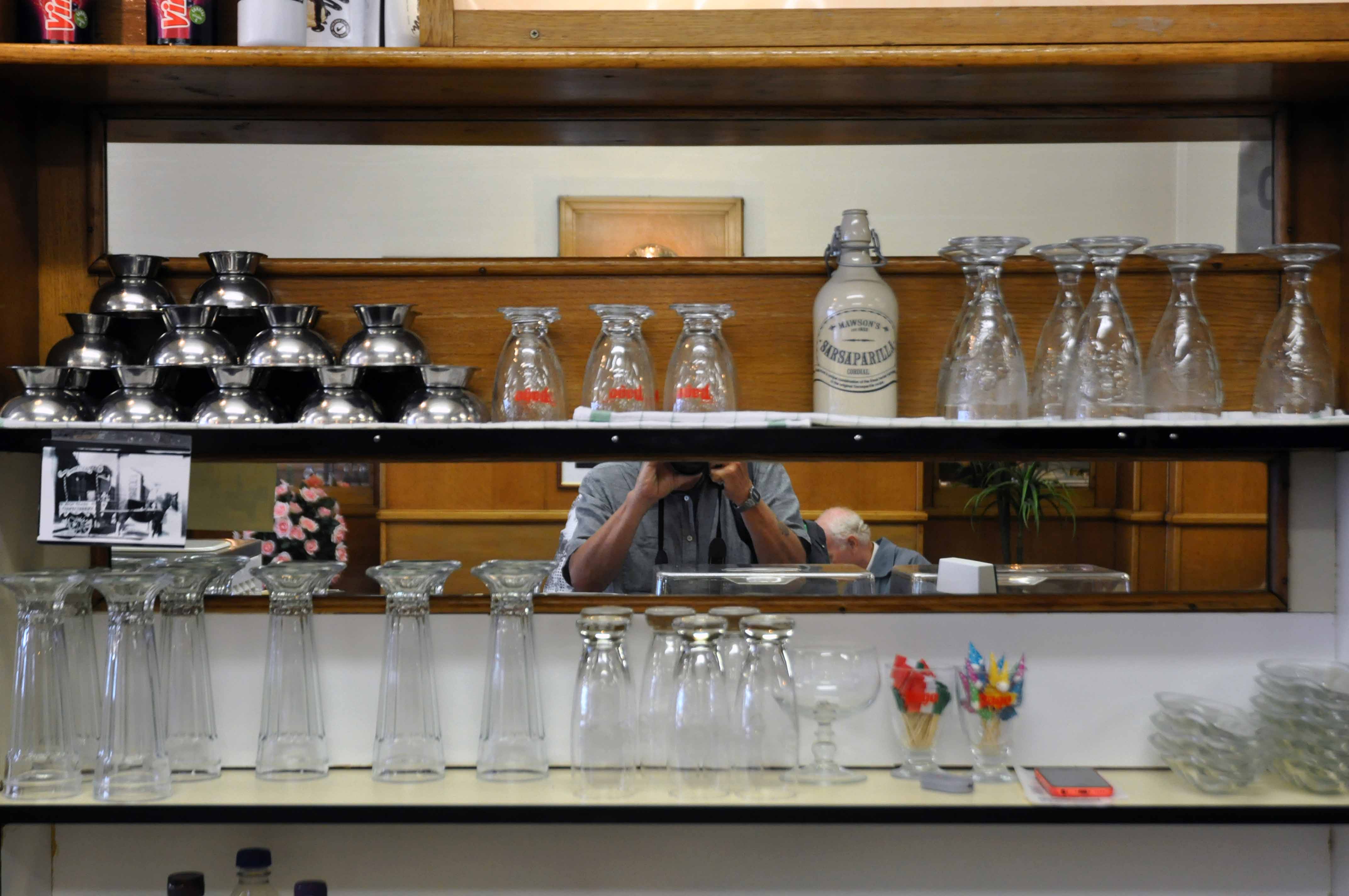
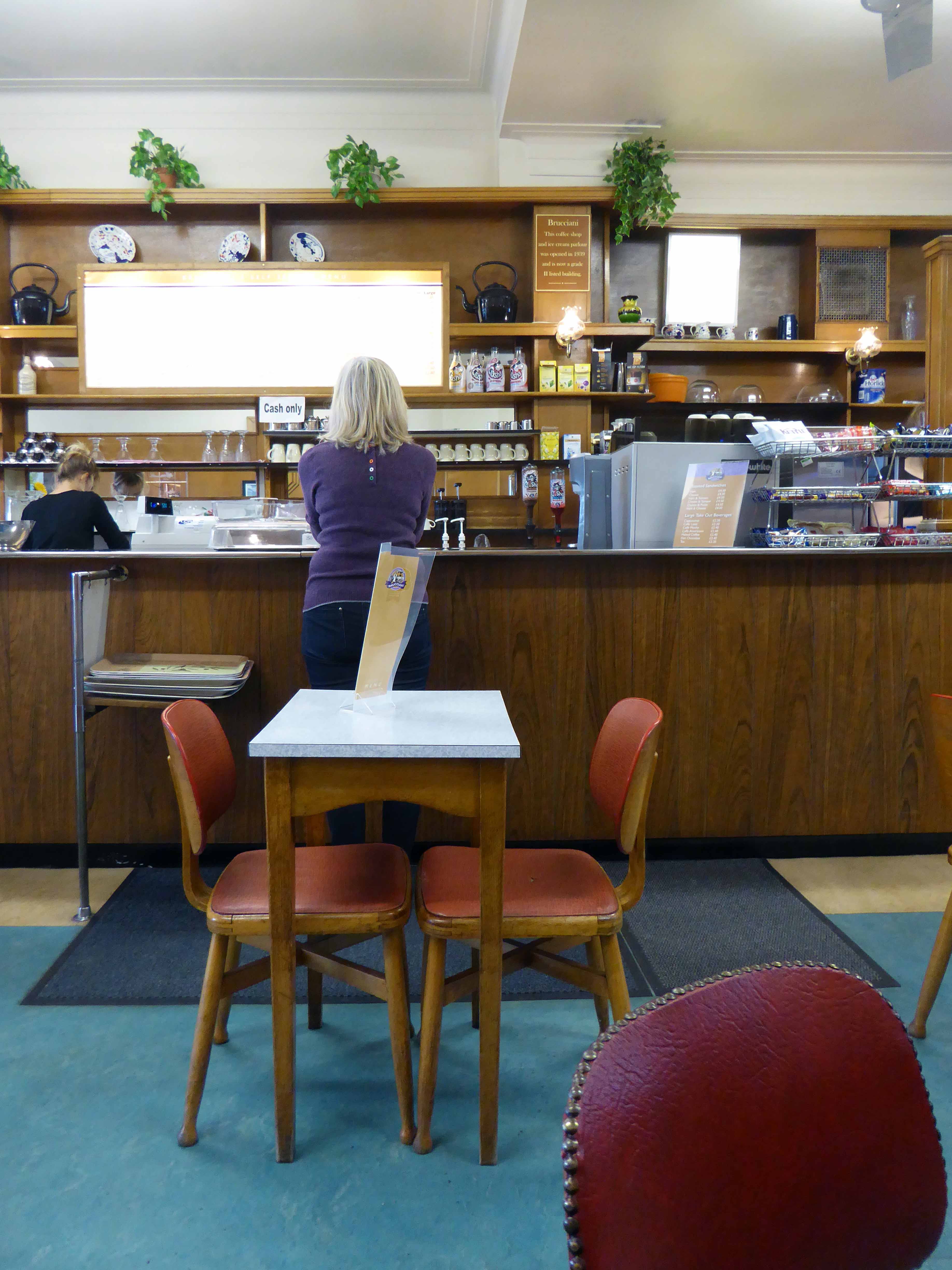
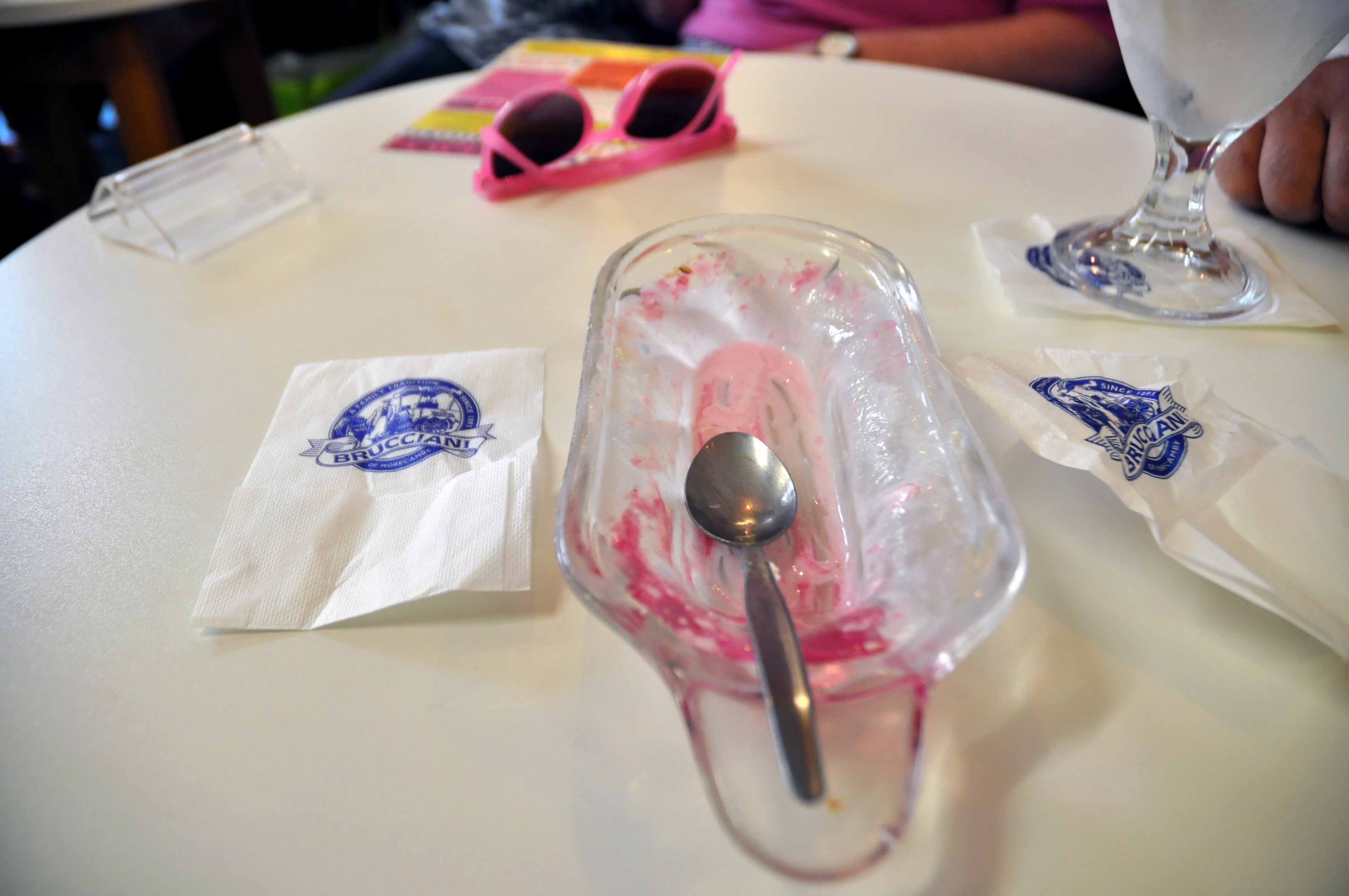
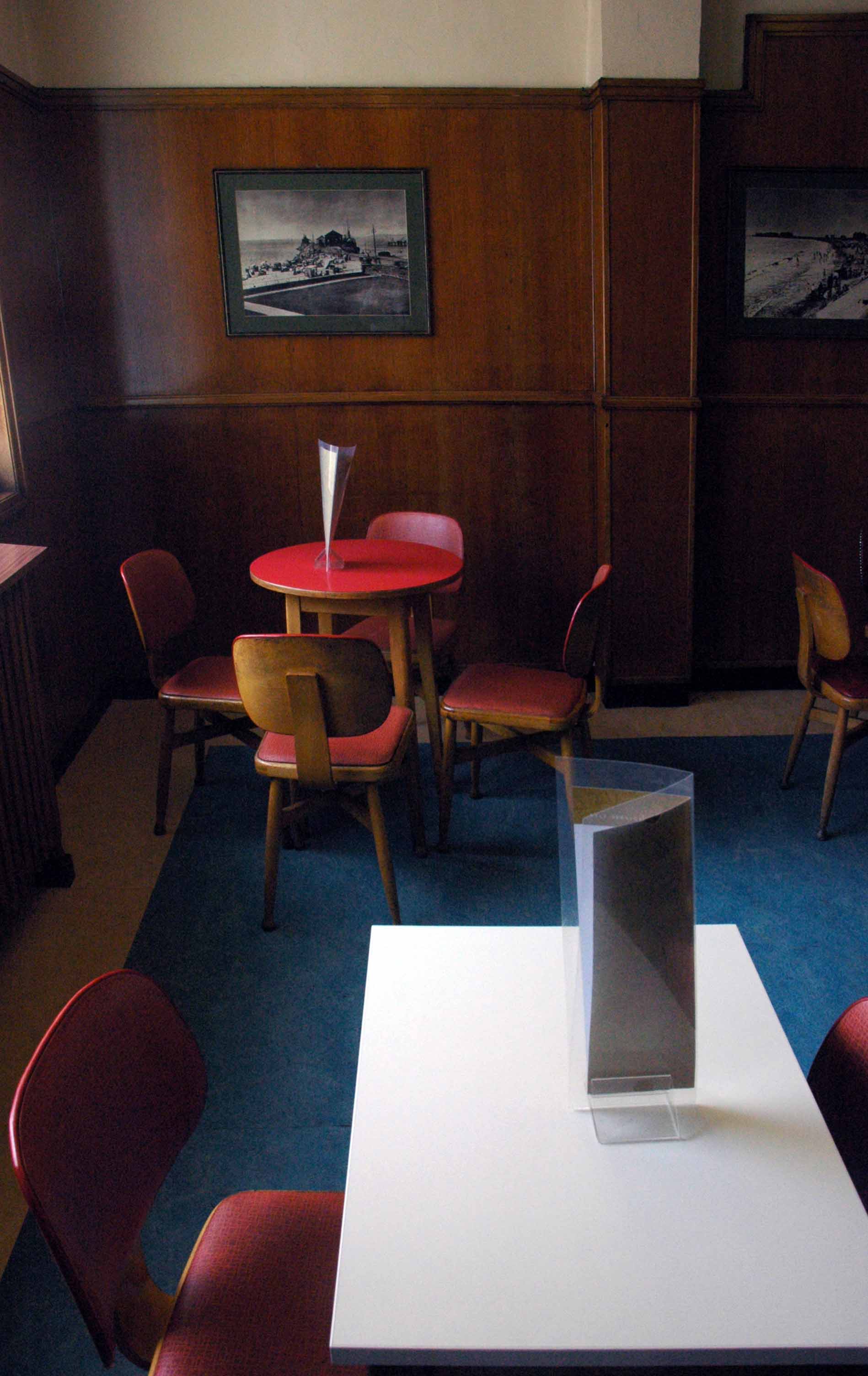
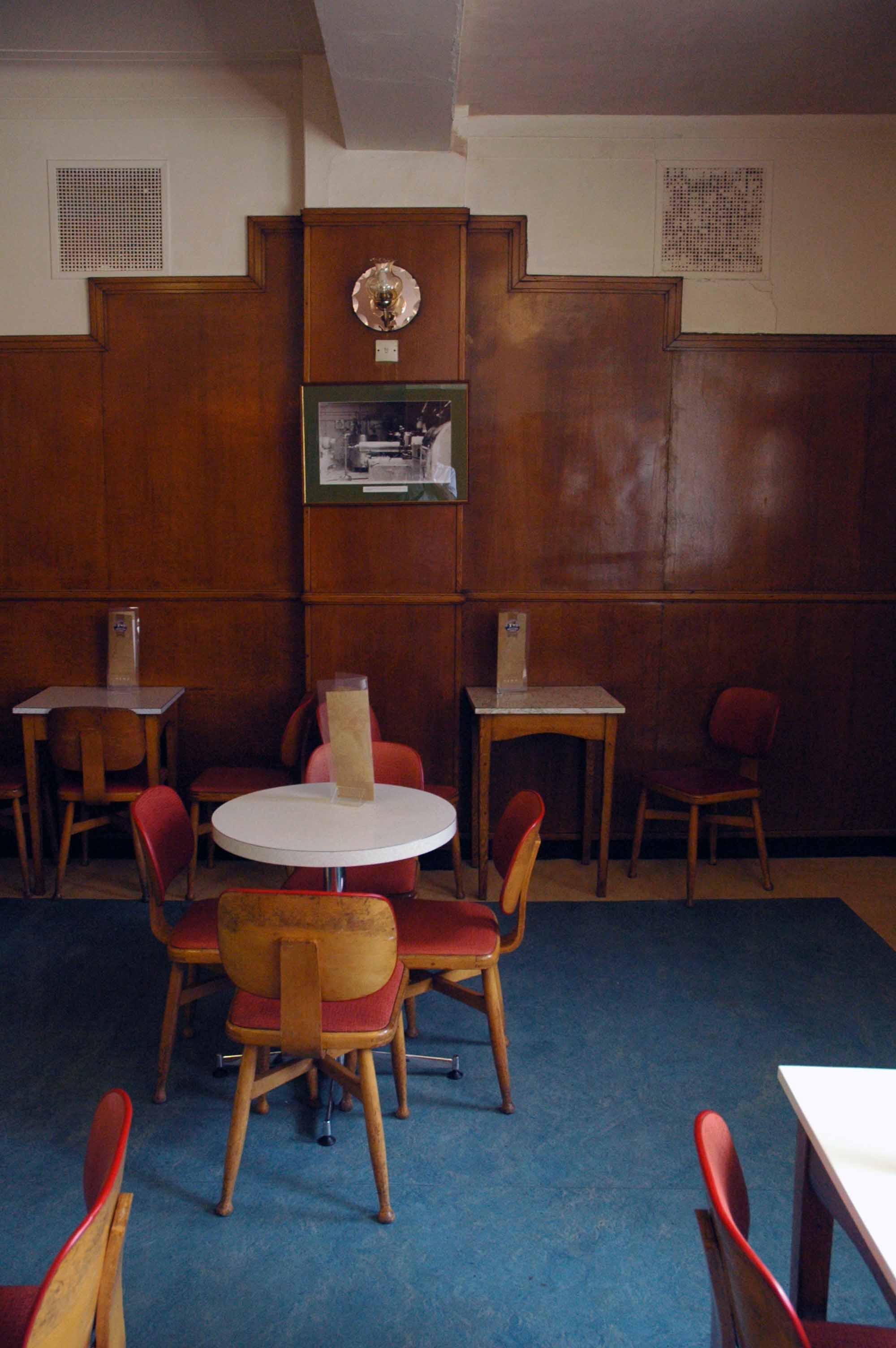
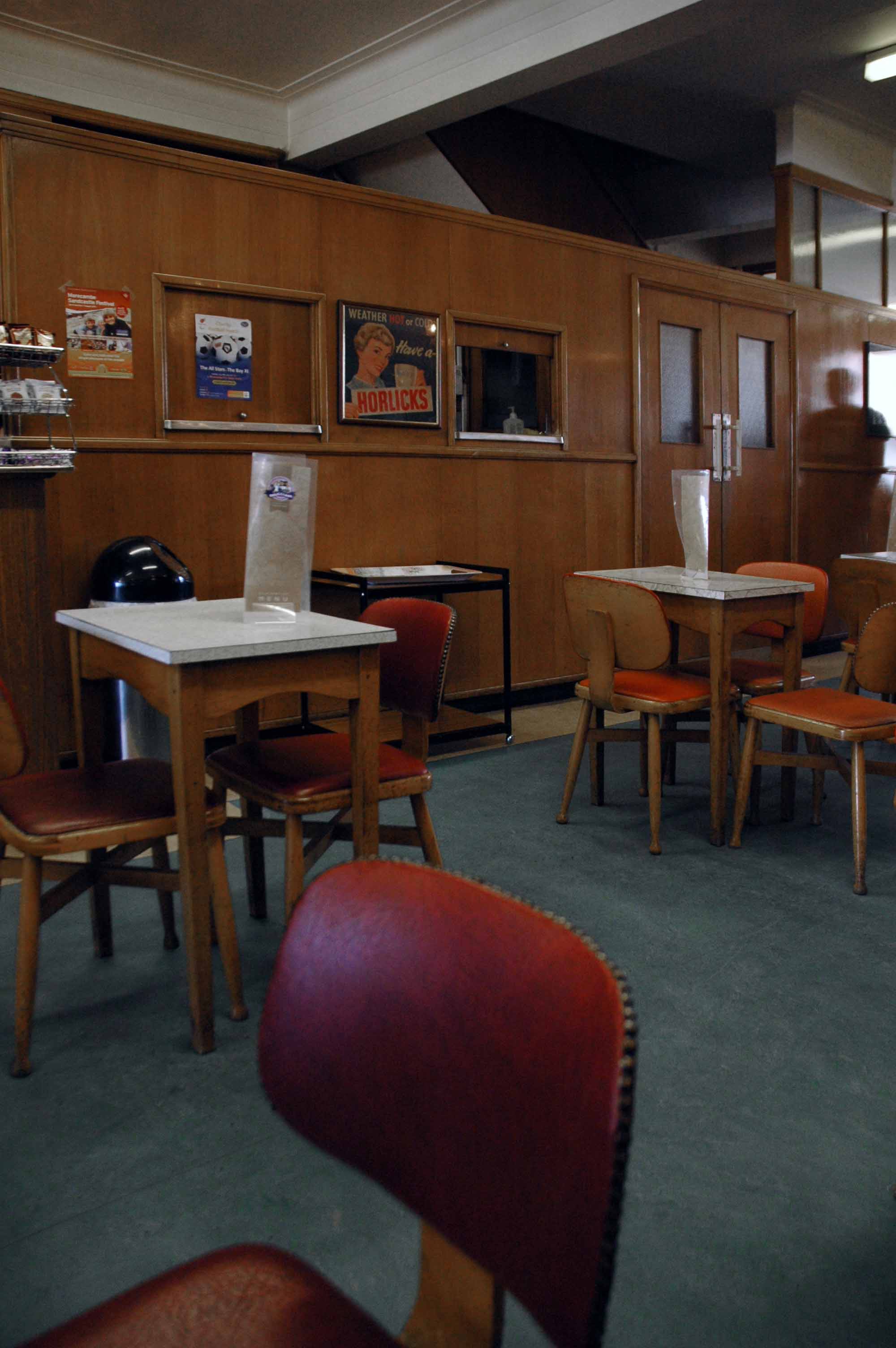
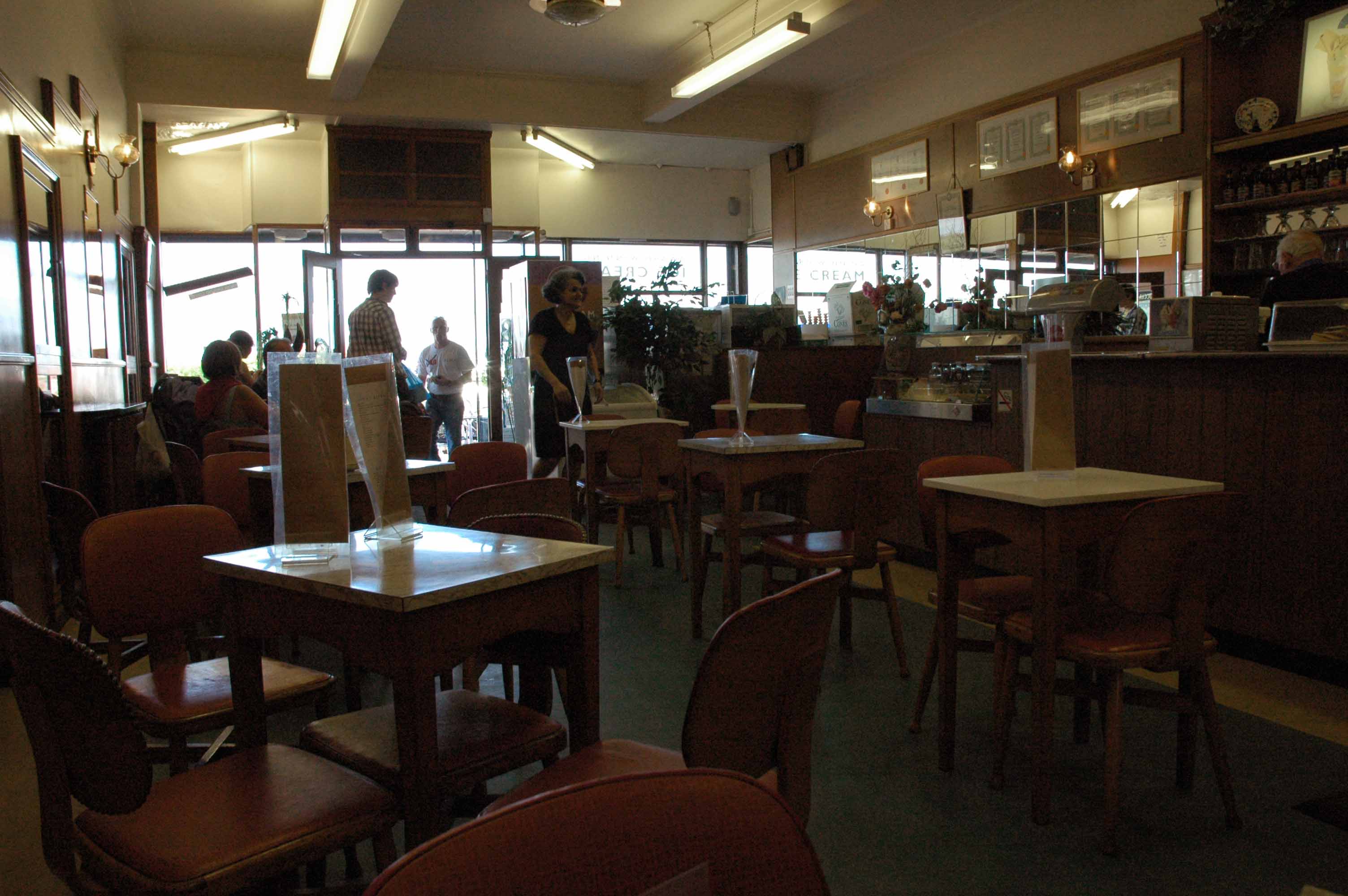
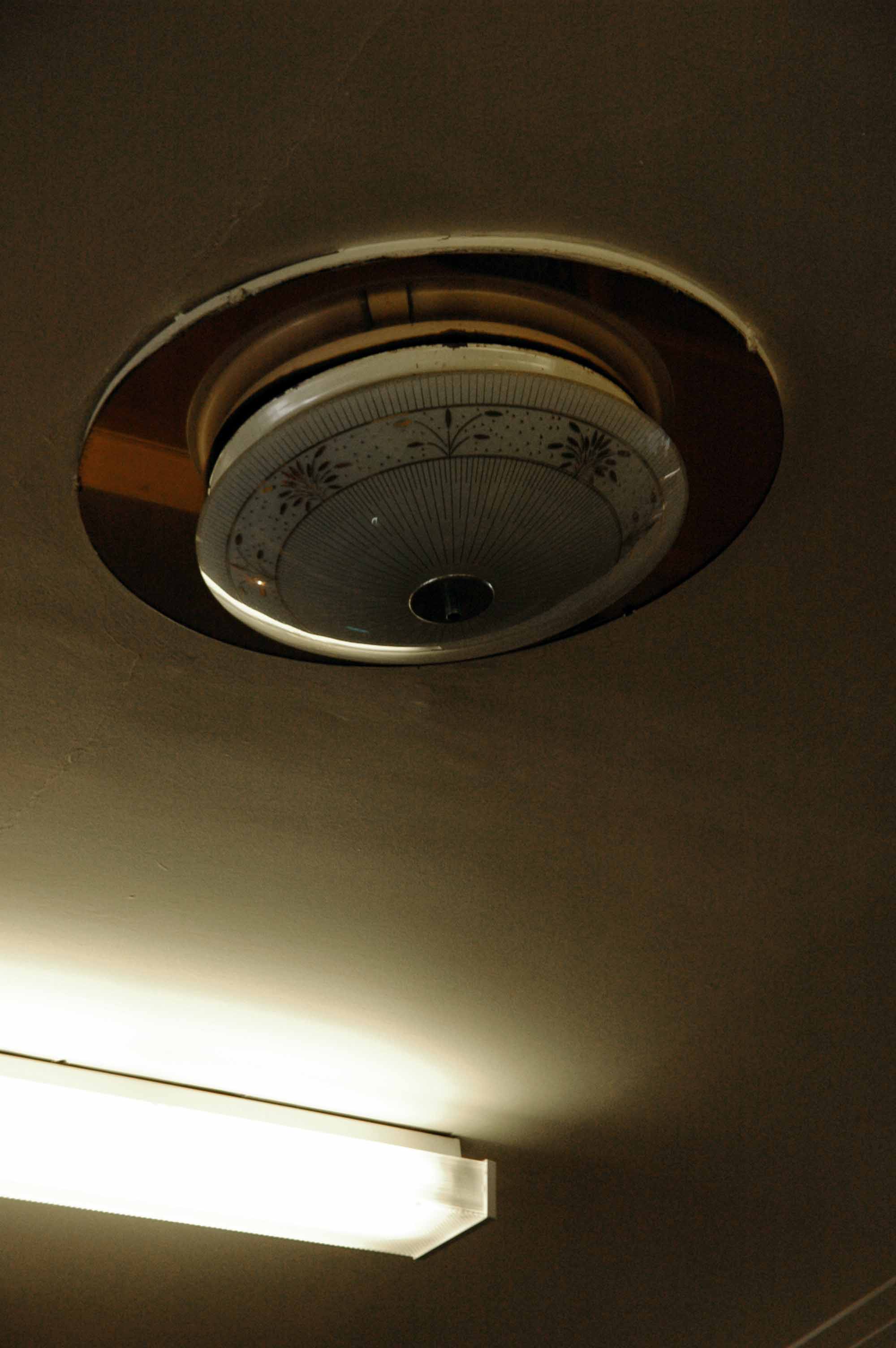
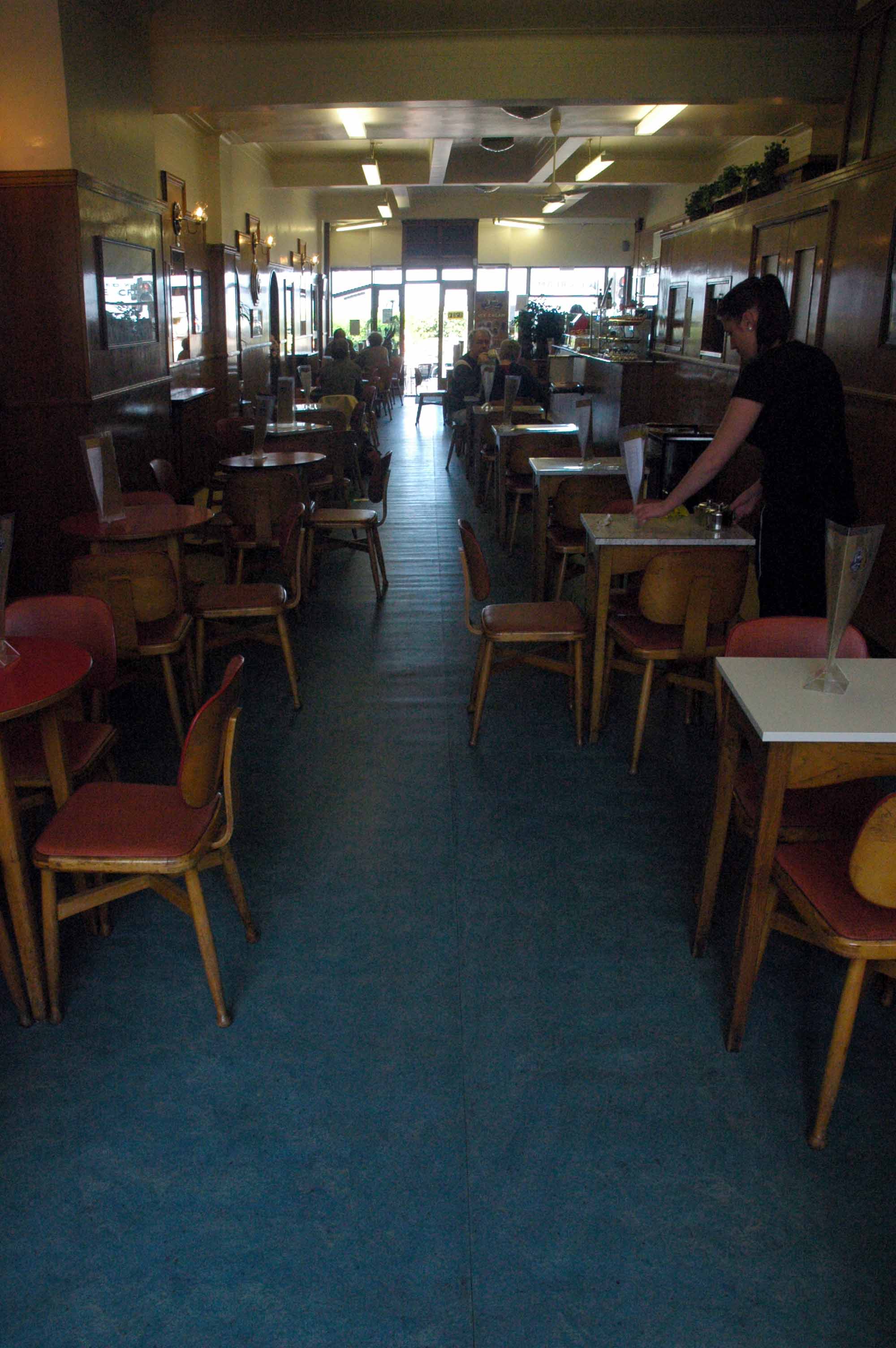
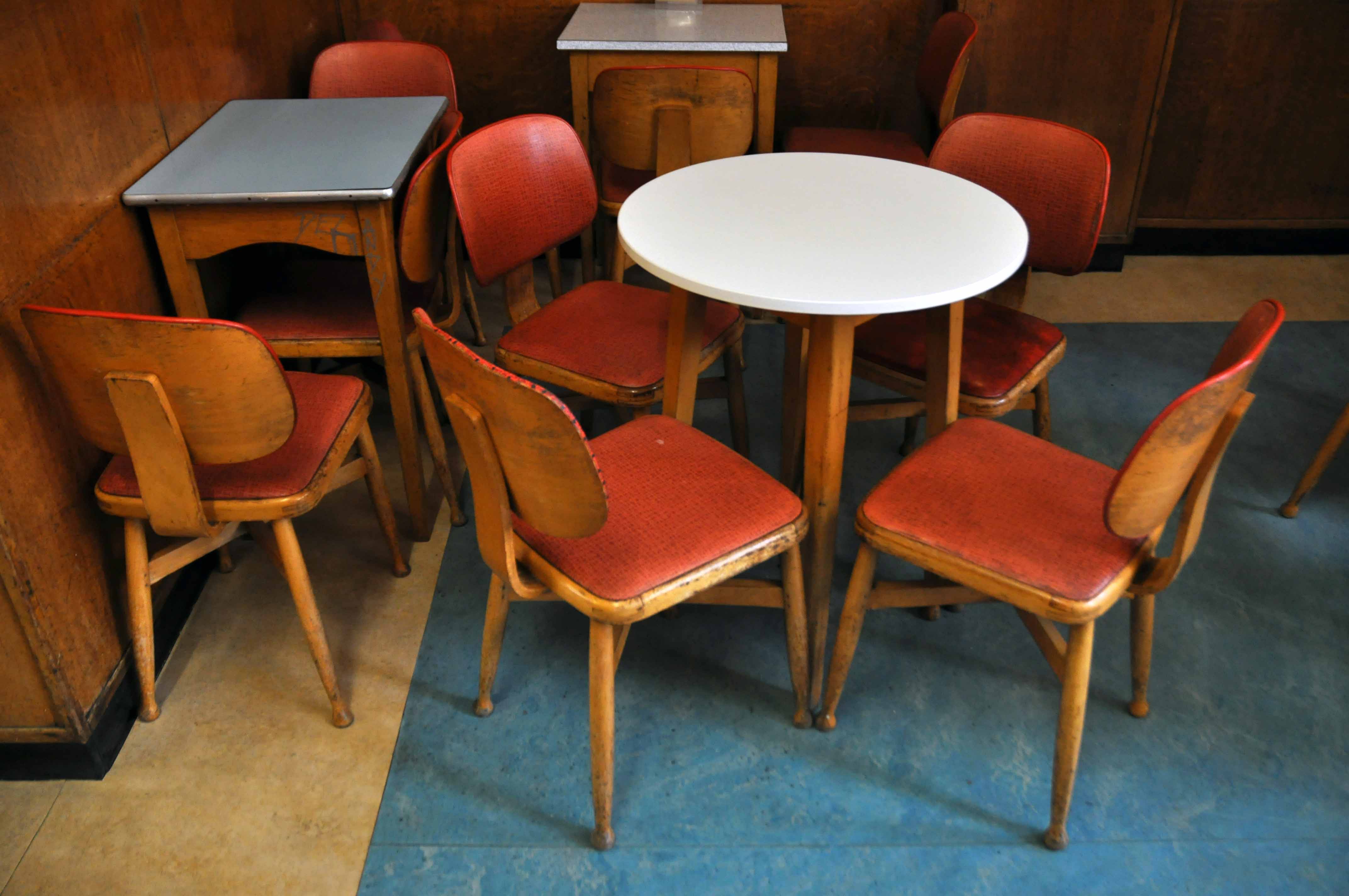
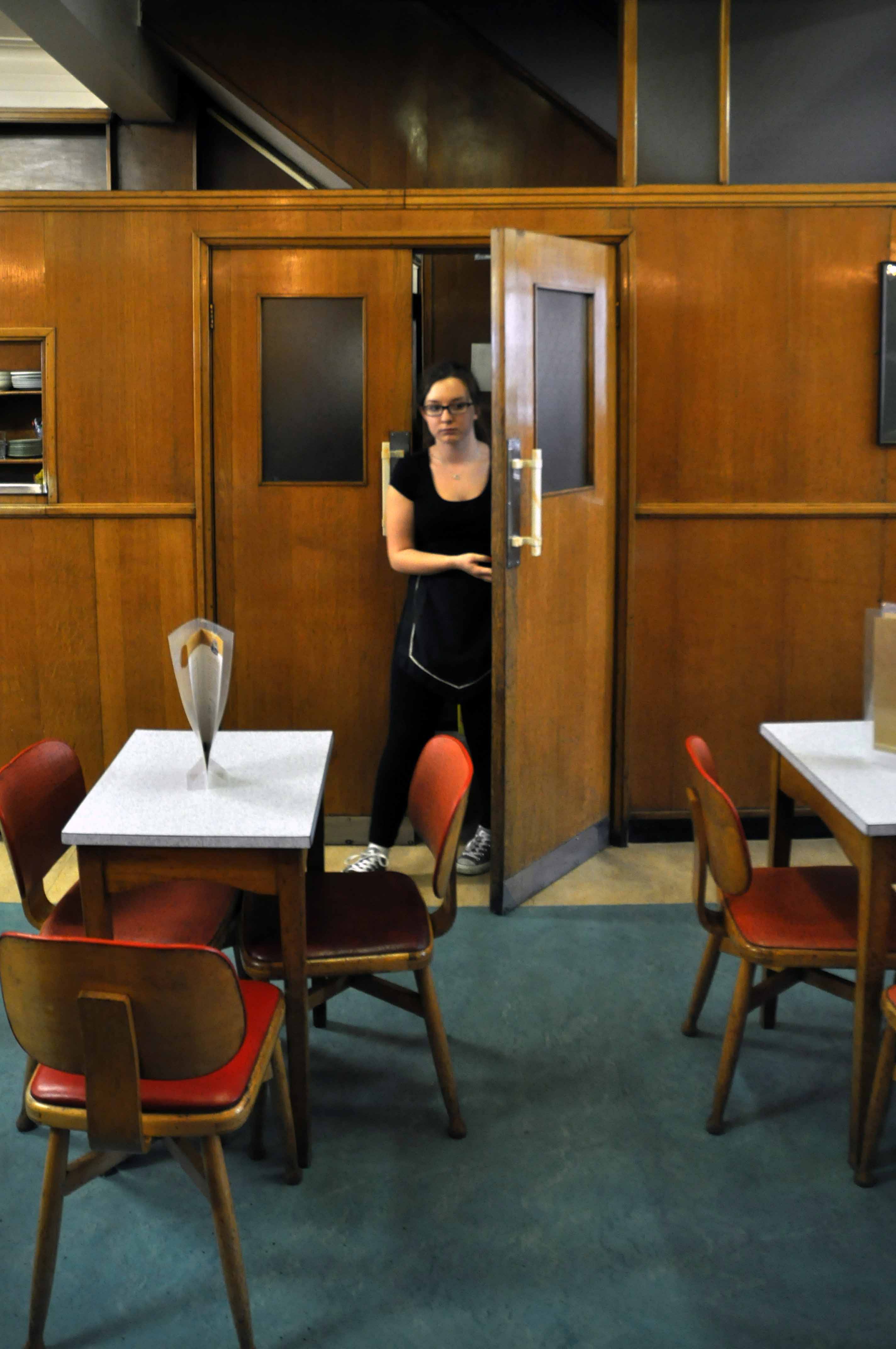
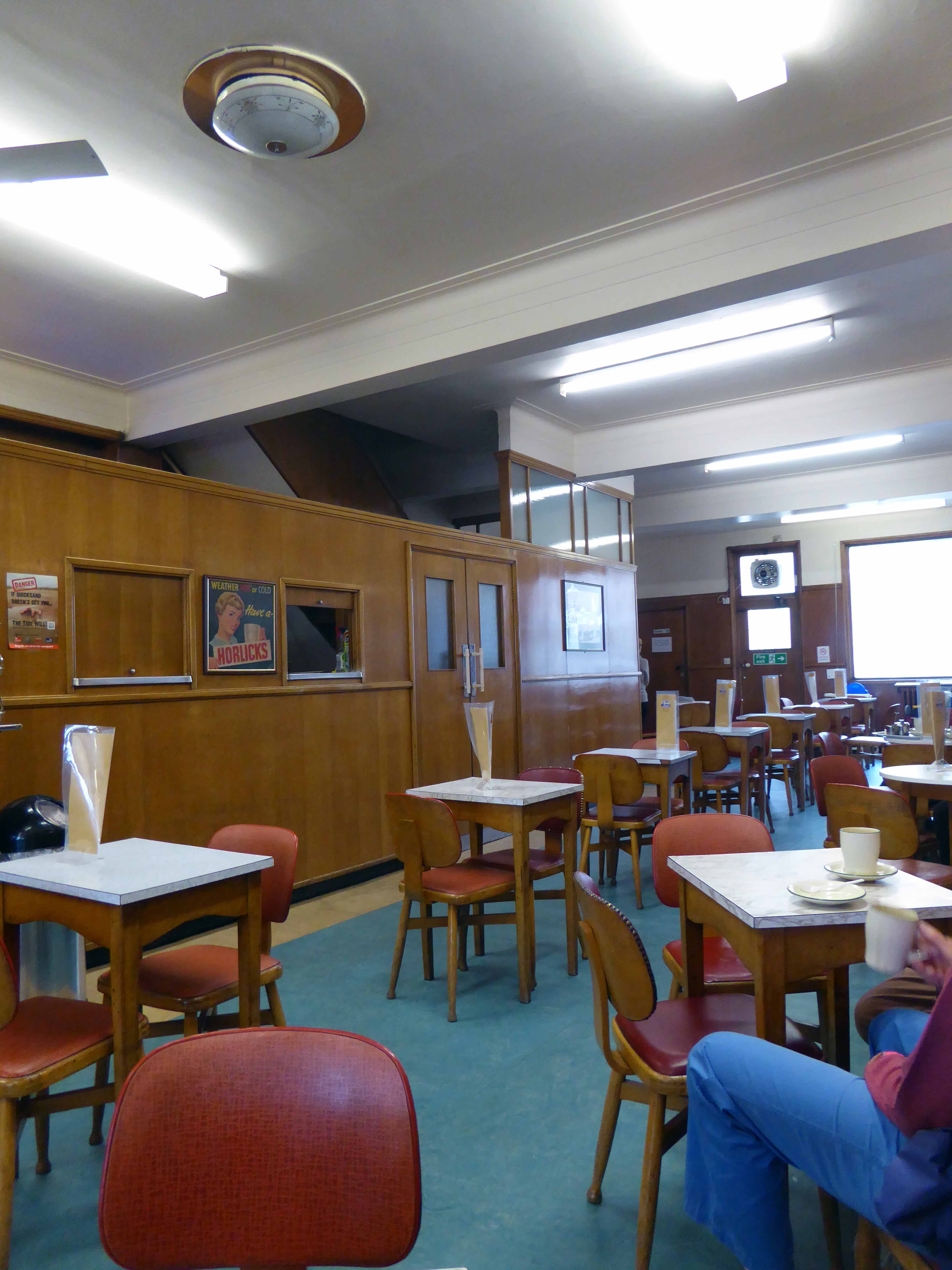
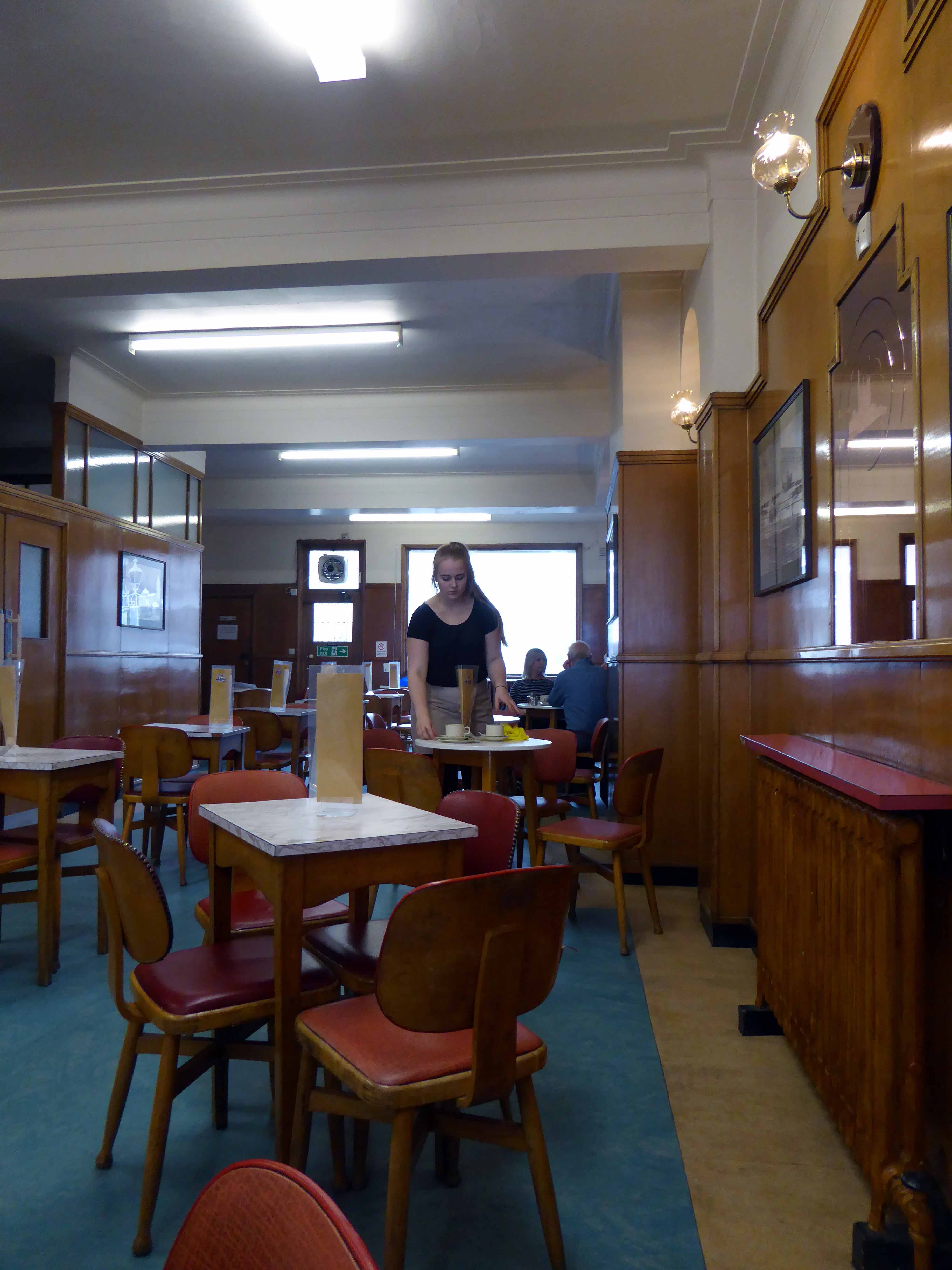
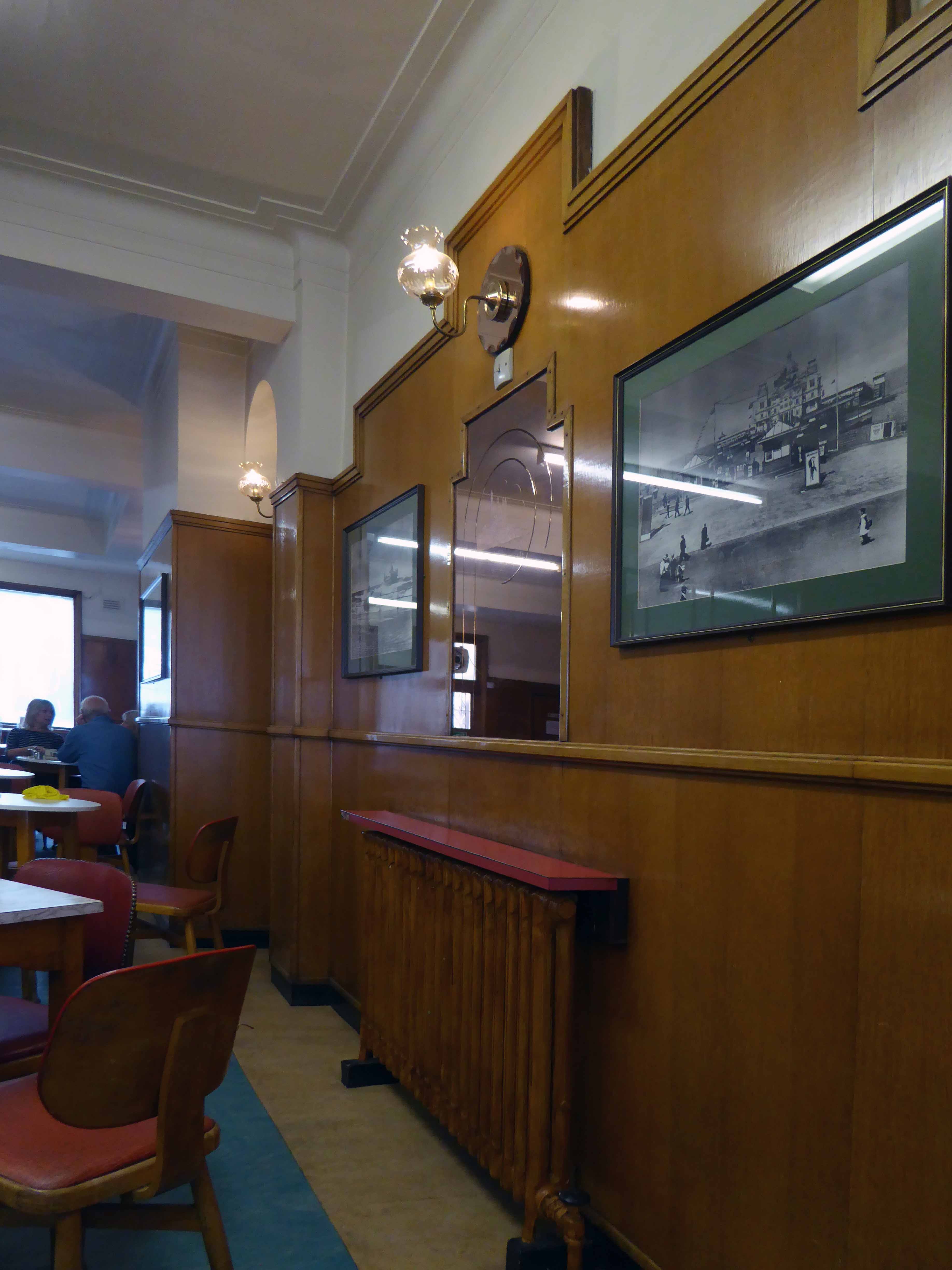
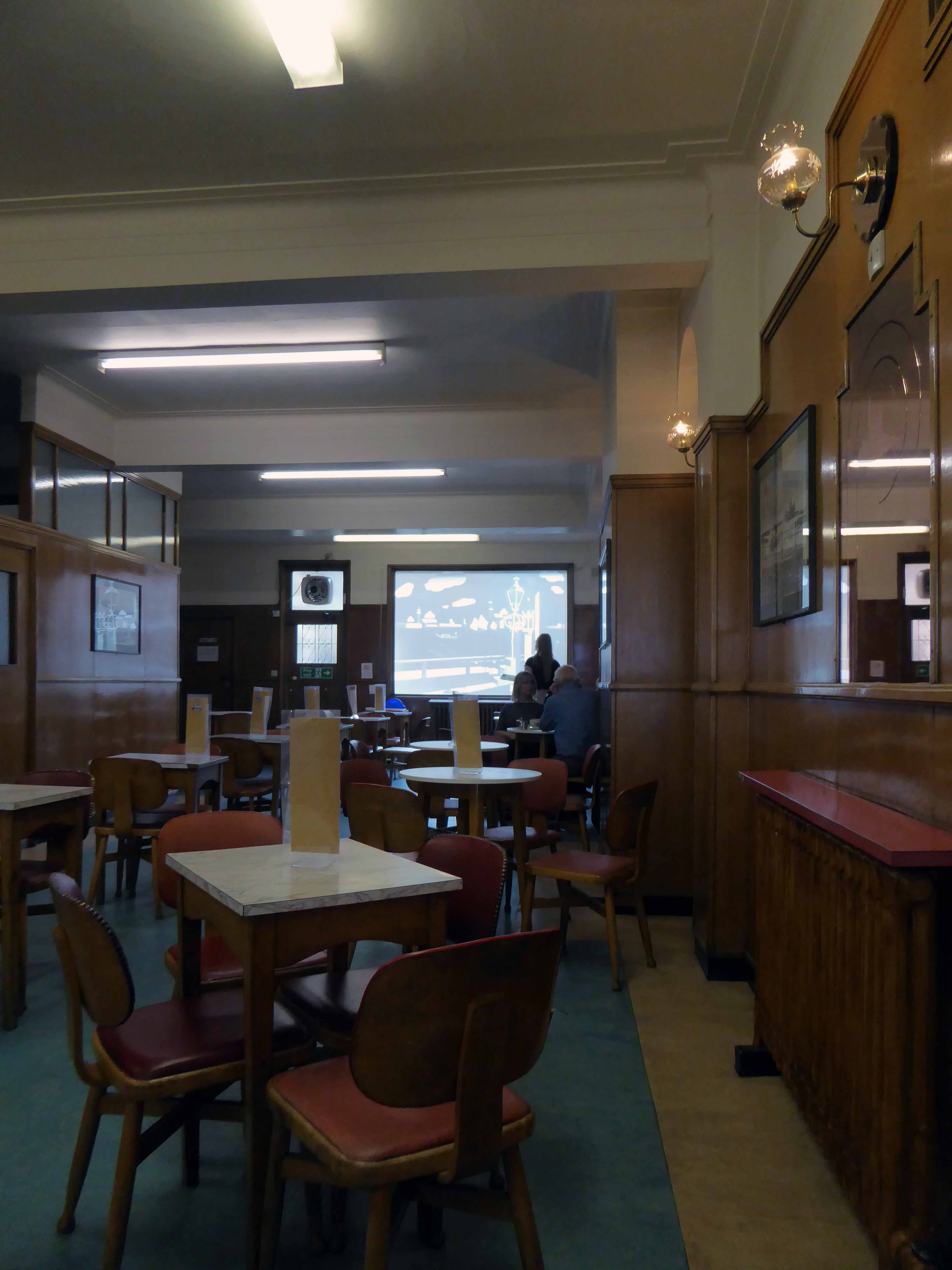
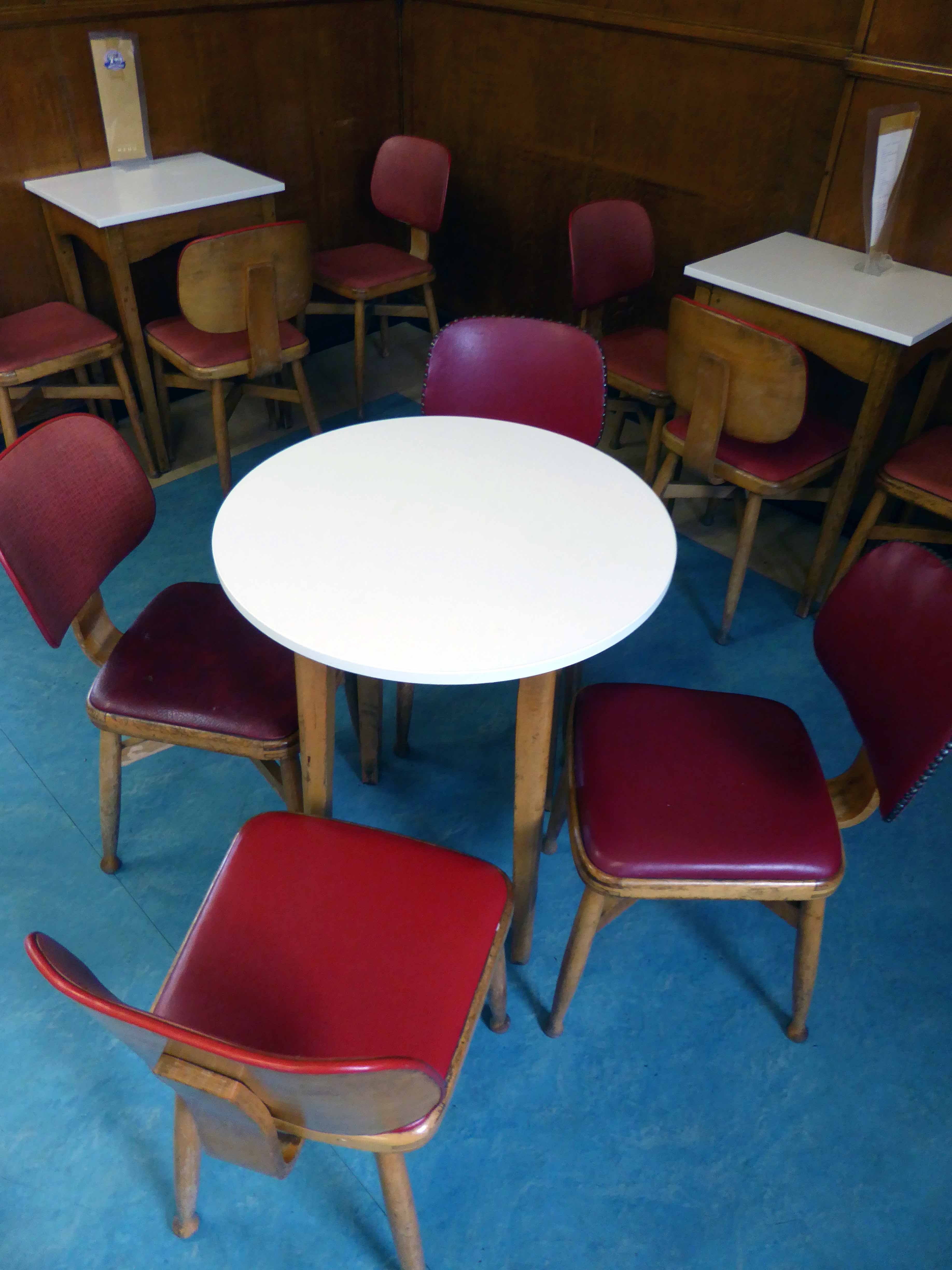
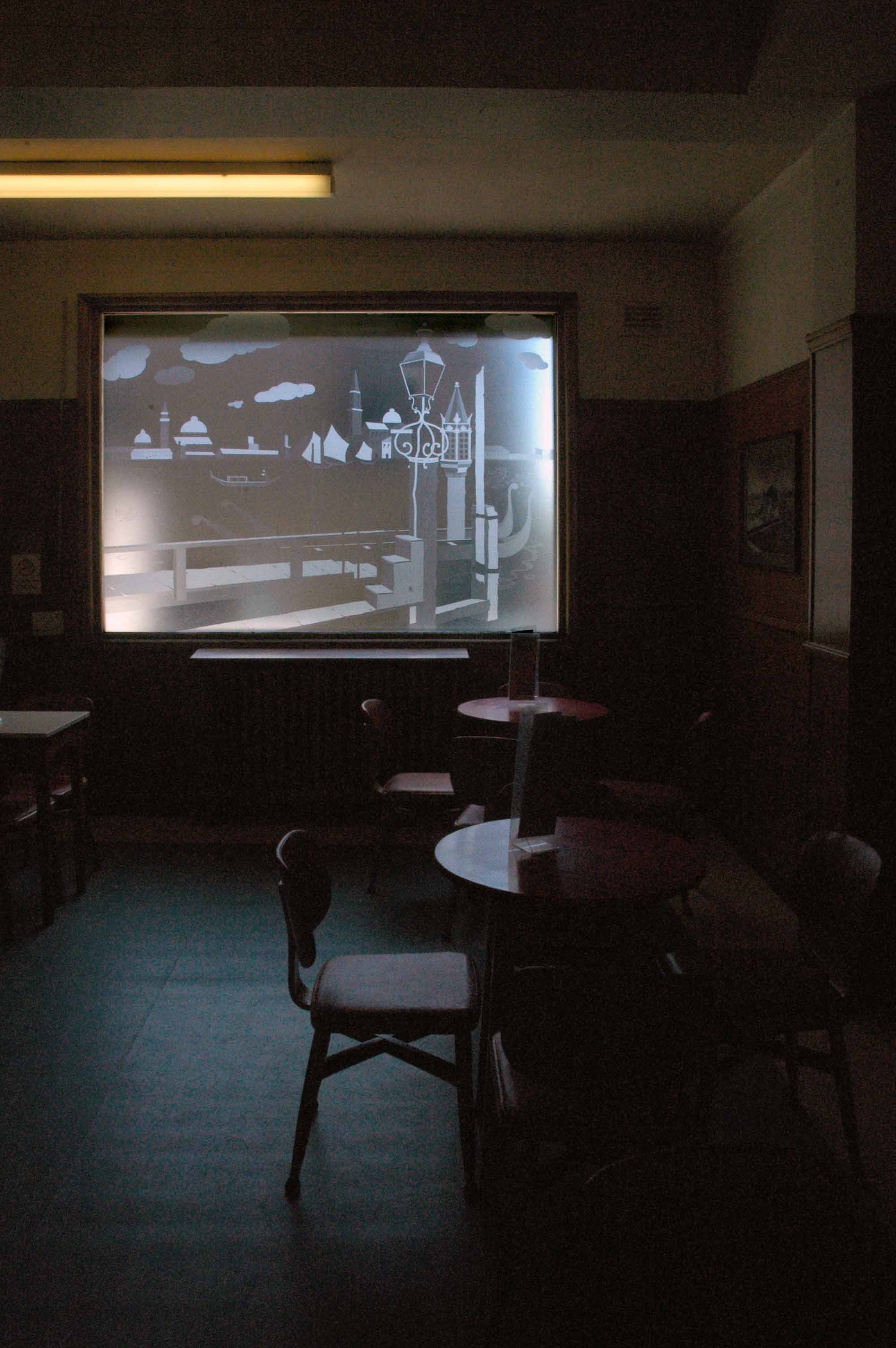
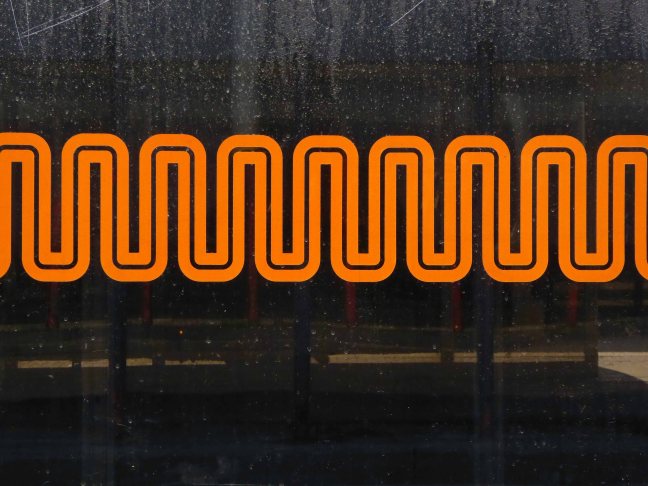
Built on the eve of war in 1939, the local paper feared that Brucciani’s might not be good for the sedate Victorian image of Morecambe and that its presence could be positively harmful to young people. Originally a milk bar, Brucciani’s typifies the simple, geometric ‘high street deco’ styling popular at the time. The brown wood and chrome exterior has black lacquer base panels to the street, porthole lamps above the doors, ziggurat pattern doors, classic deco handles and original menus. The interior preserves extensive wall panelling, a slightly reworked counter, red Formica tables, red upholstered chairs, wall-to-wall etched glass of Venetian canal scenes, mirrors, deco clocks and even the original penny-in-the-slot cubicles in the cloakrooms.

Classic cafés

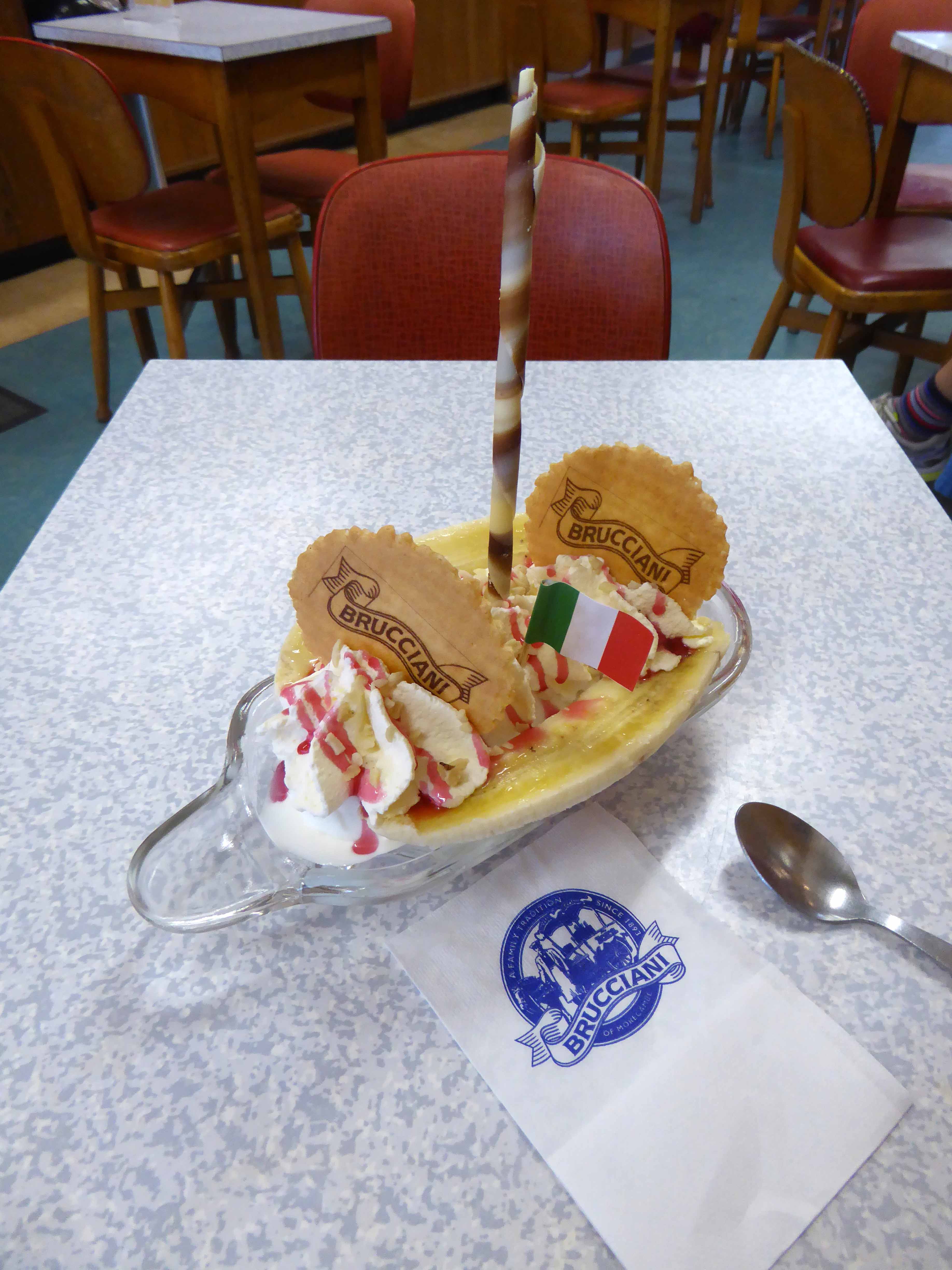
I’ve been coming here for over ten years now, alone or in company, come rain or shine and without fail, as sure as ice is nice, I have a banana spilt – or to be more precise a Banana Royal.

Screen Shot 2018-04-27 at 13.53.13

Jenny Steele 2015

This is a café with a café menu, café furniture, café staff and service.

It only ever wanted and wants to be a café, unchanged by the uncaring winds of vicissitude and fashion. To tread the turquoise and tan linoleum, ‘neath the period lighting fixtures and fittings, to be seated on the warm red leatherette, one elbow on the circular Formica table is to enter into into a pact with a perfect past.

It’s on the front you can’t miss it – overlooking the Sunset Bay.

DSC_0233 copy

DSC_0200 copy

DSC_0201 copy

DSC_0202 copy

DSC_0203 copy

P1210019 copy

P1210017 copy

P1210020 copy

DSC_0217 copy

cafe copy

caffe2 copy

DSC_0014 copy

DSC_0015 copy

DSC_0016 copy

DSC_0051 copy

DSC_0219 copy

DSC_0232 copy

P1210018 copy

P1210021 copy

P1210022 copy

P1210023 copy

P1210024 copy

caff copy


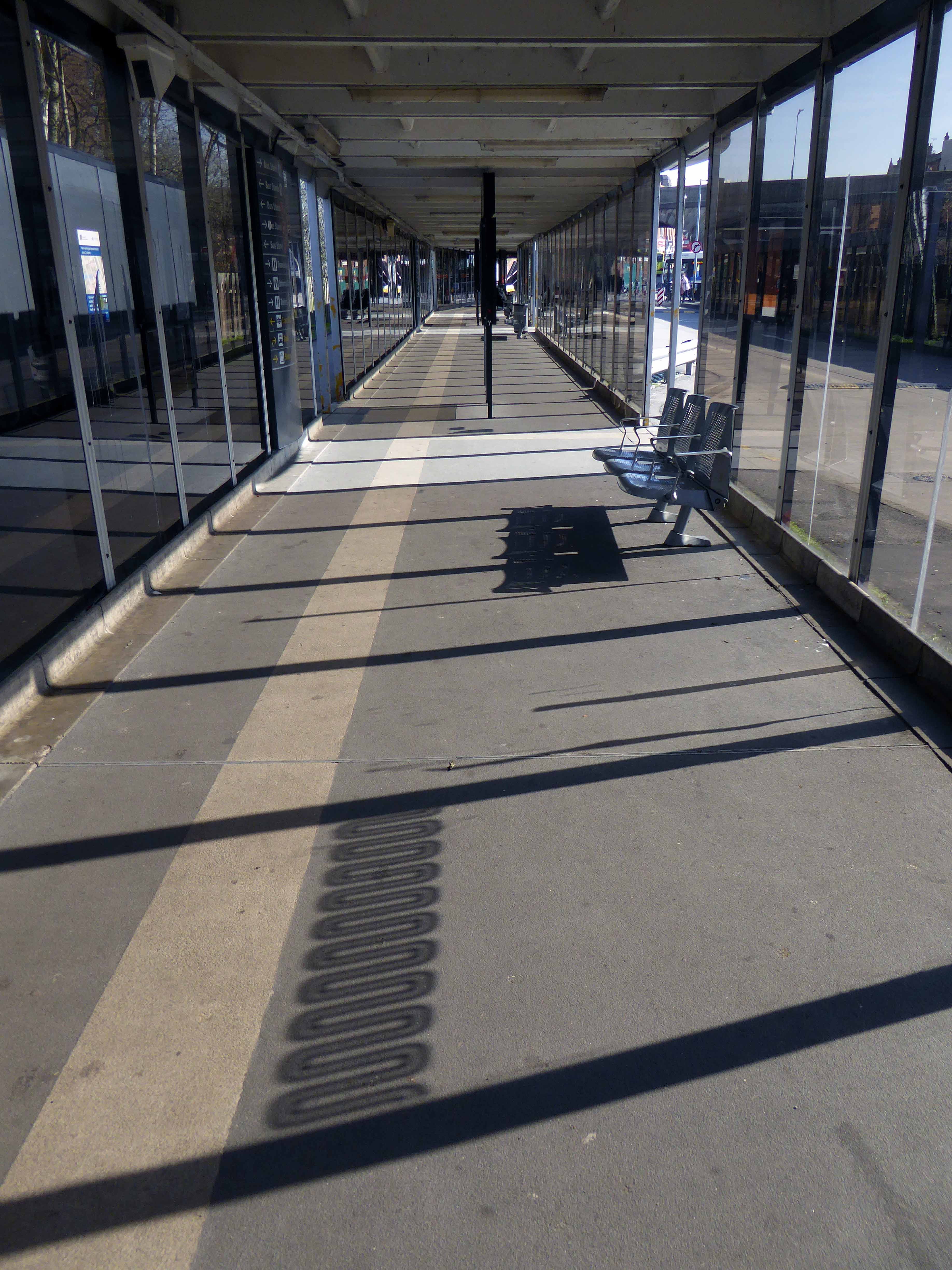
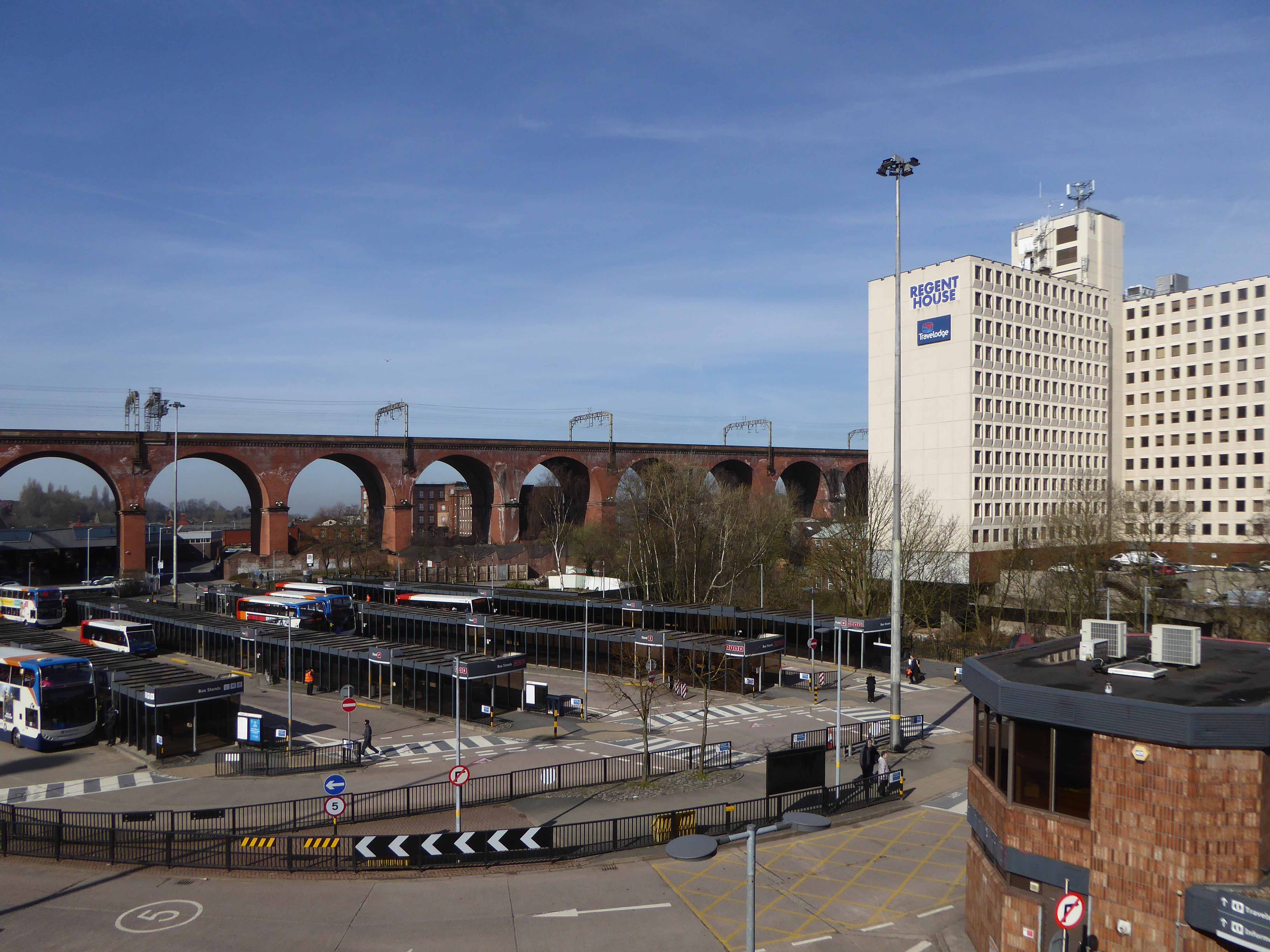
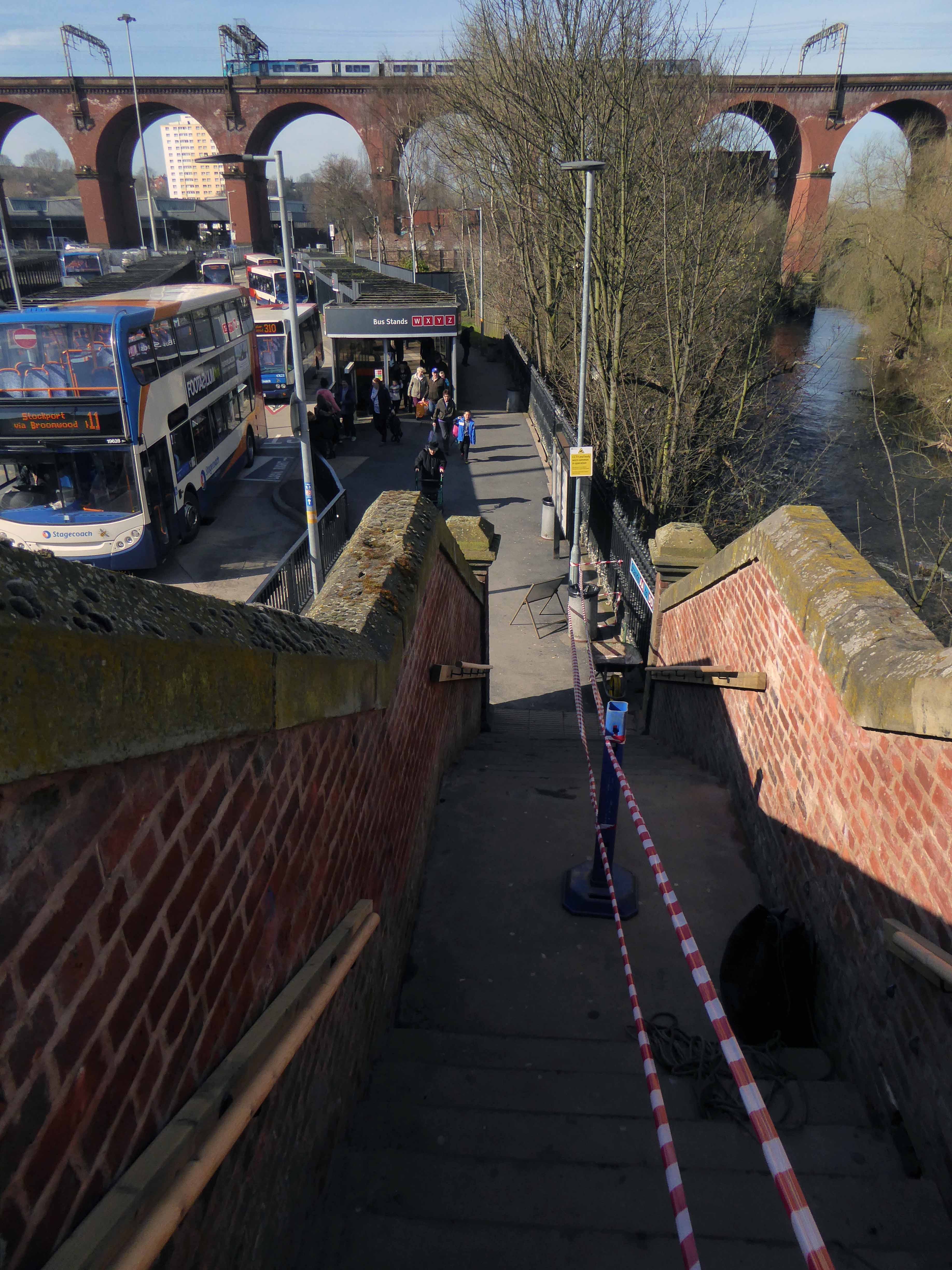
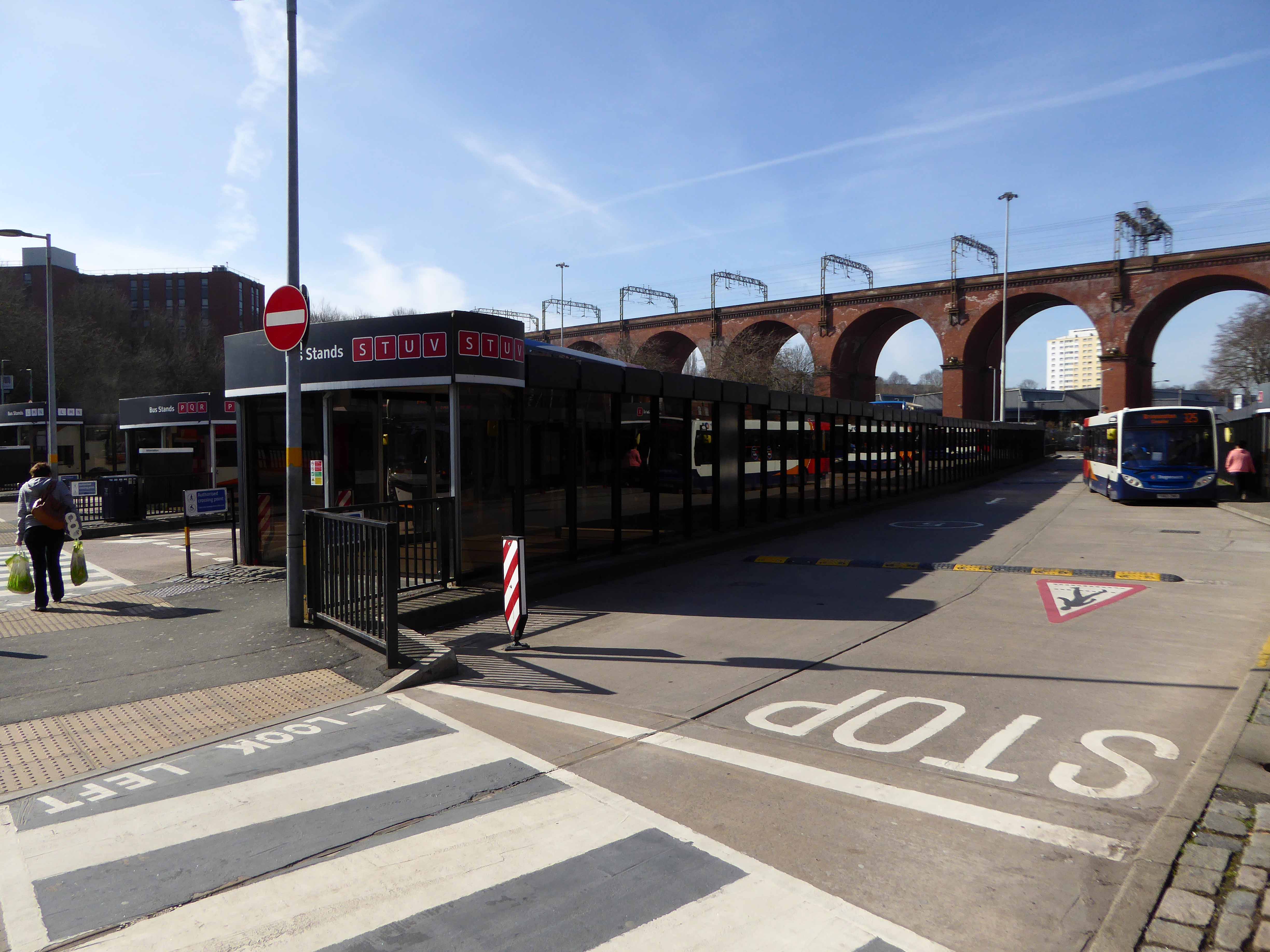
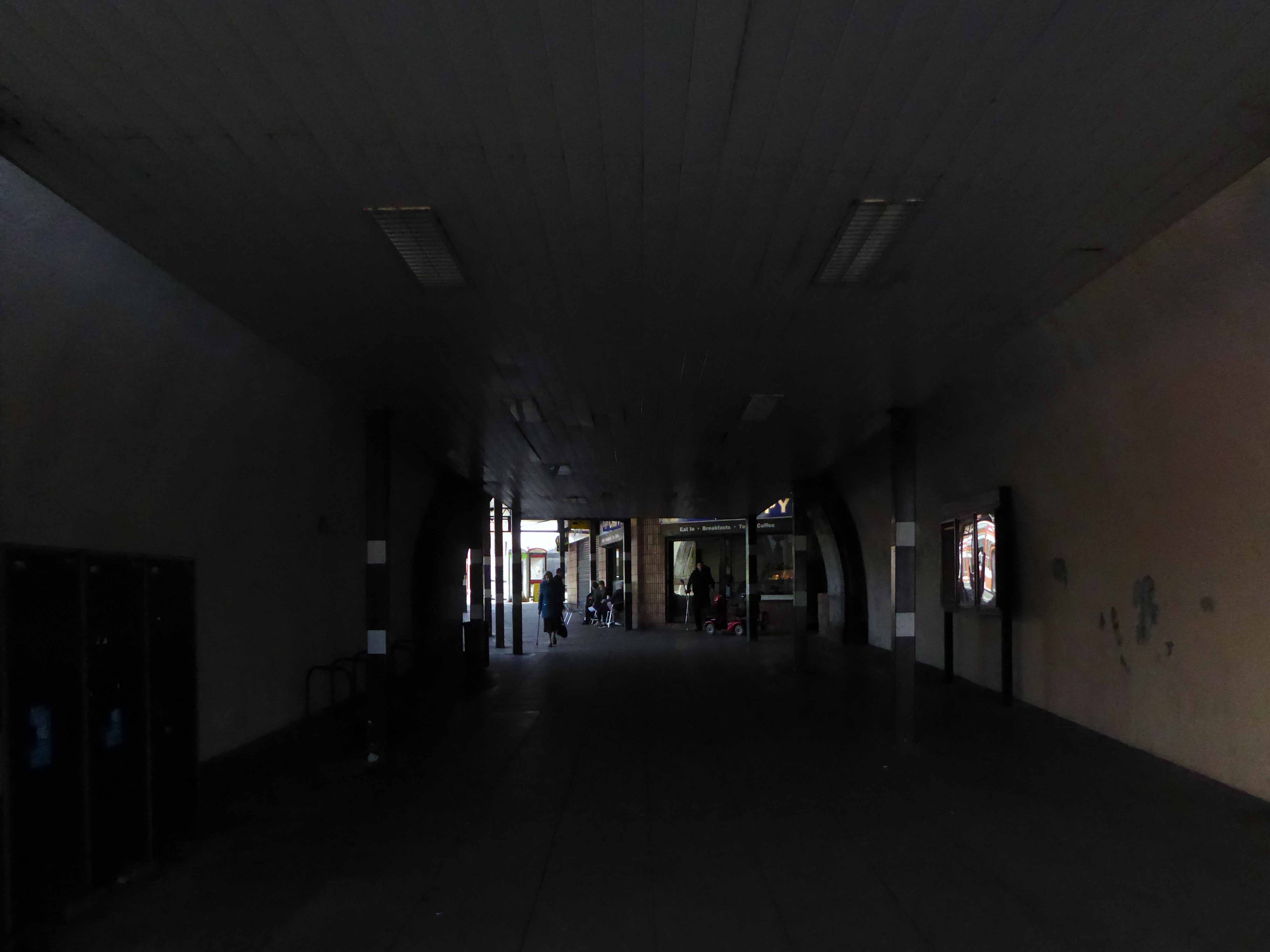
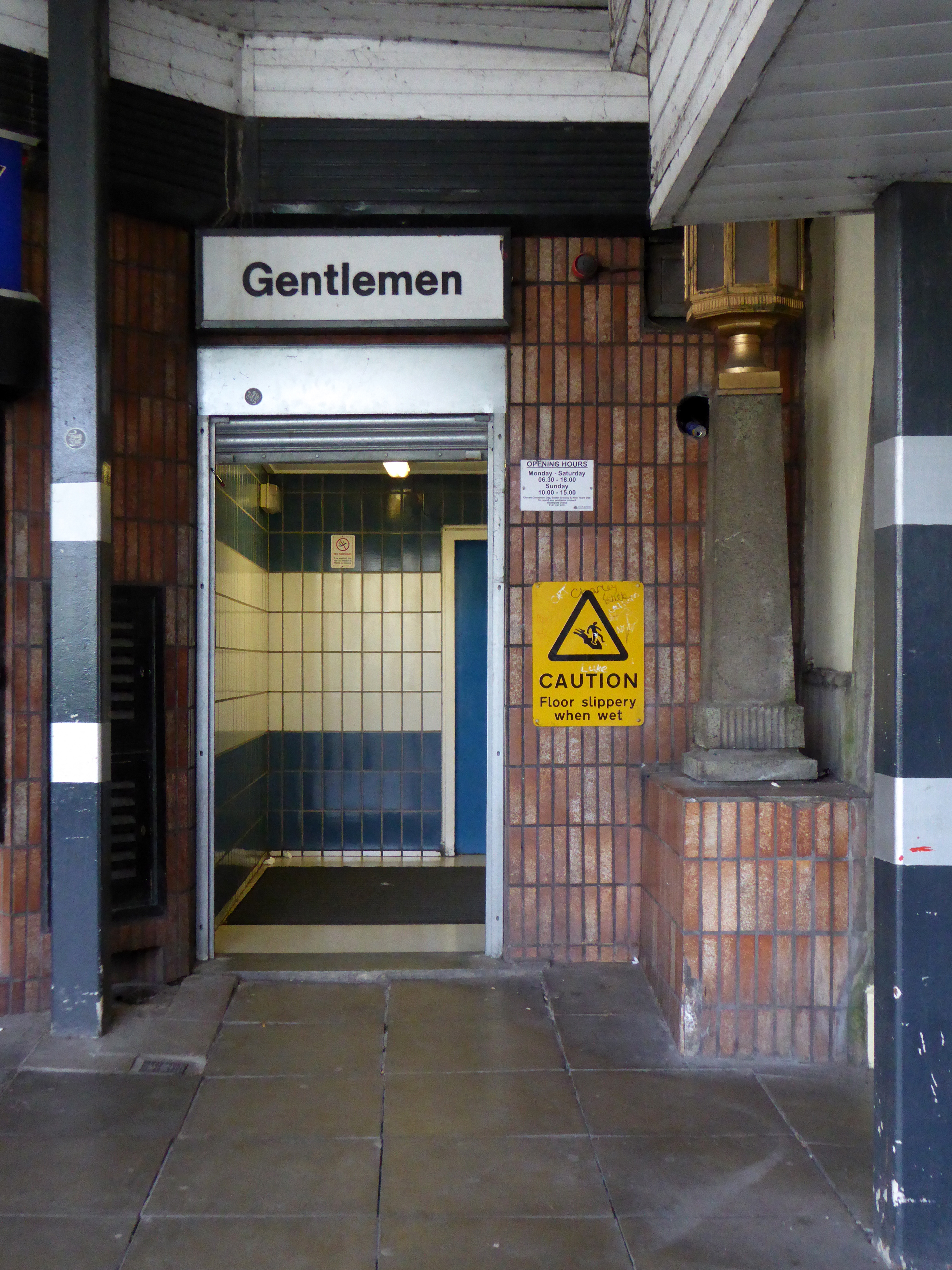
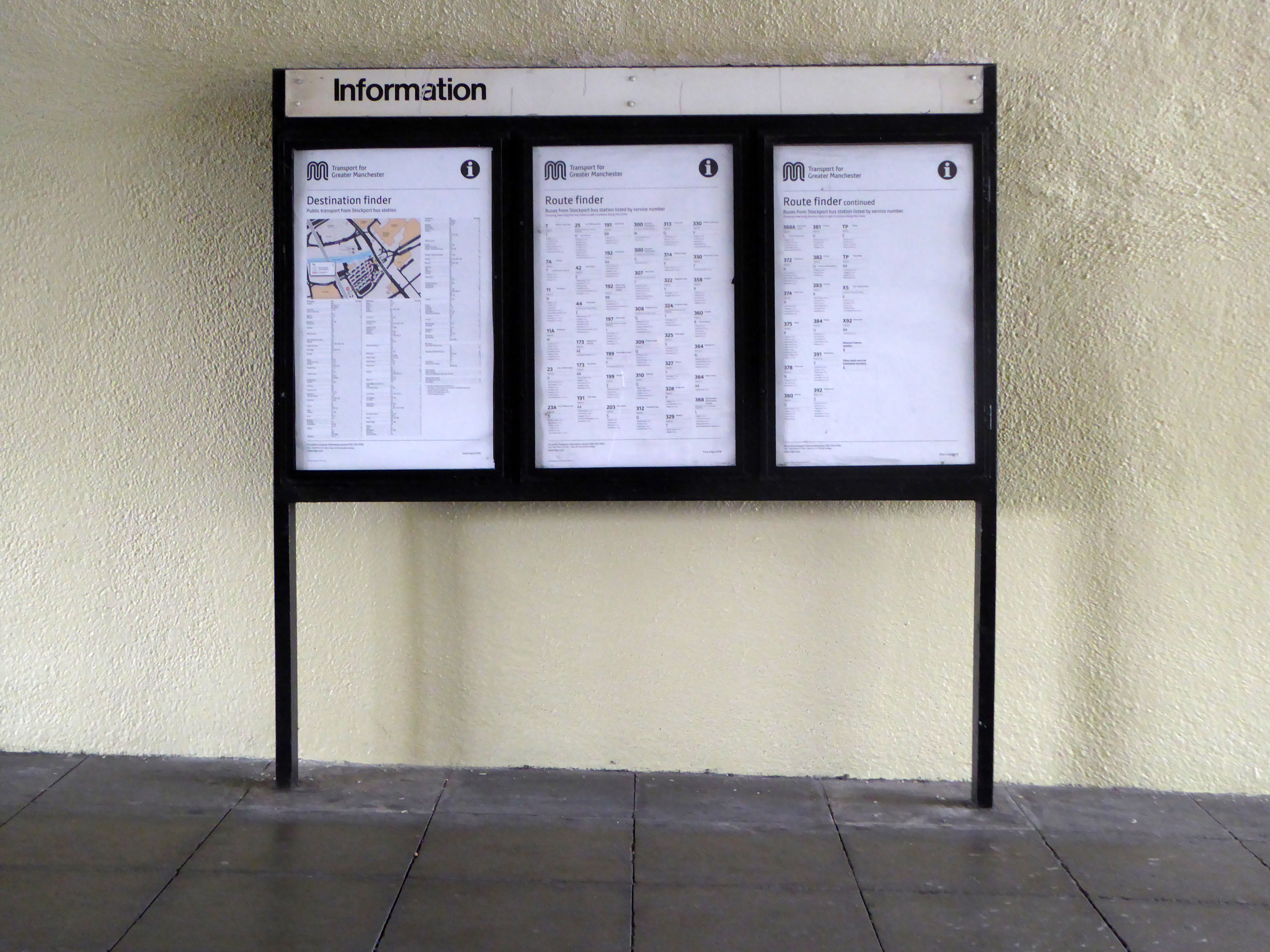
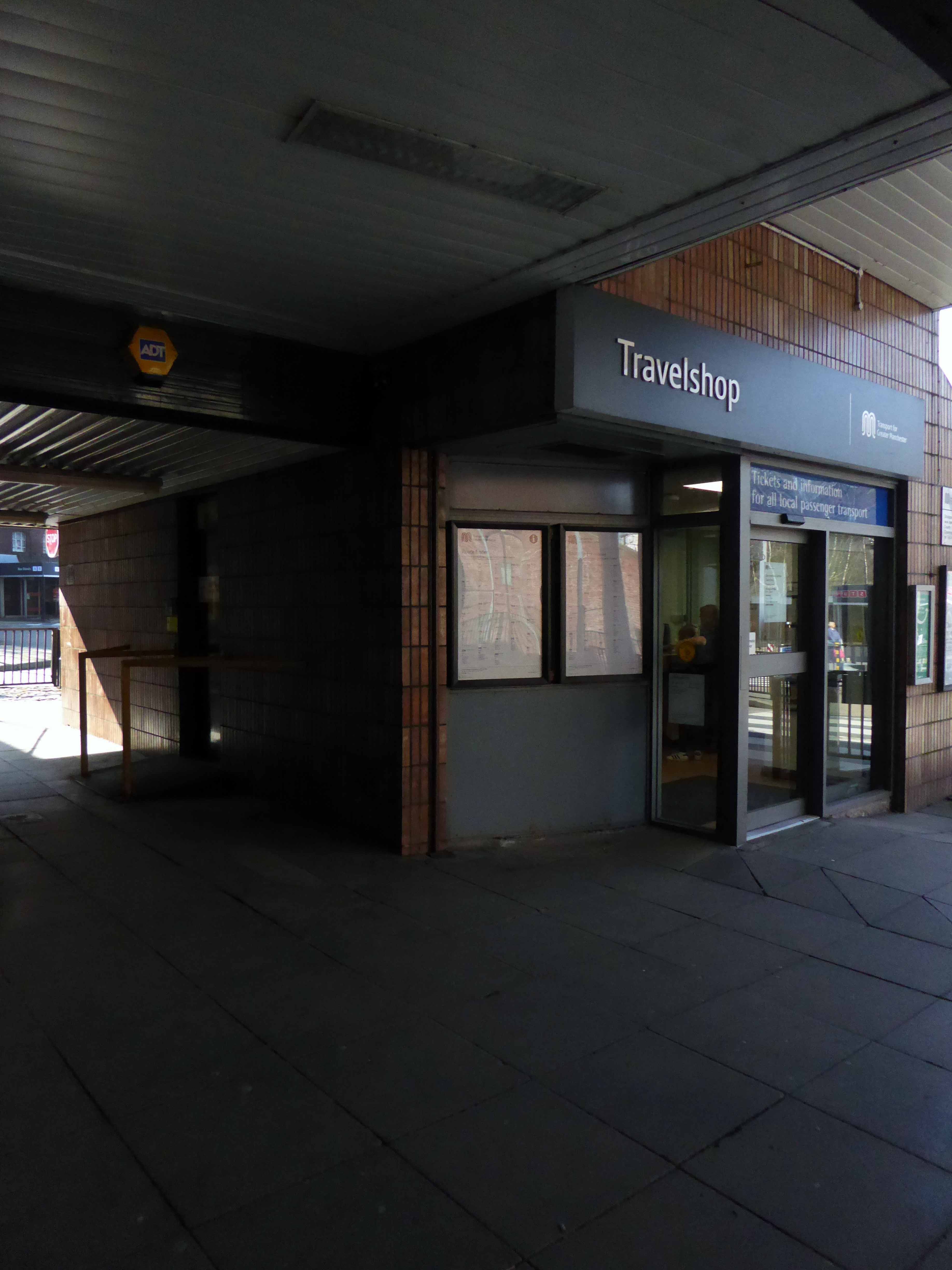
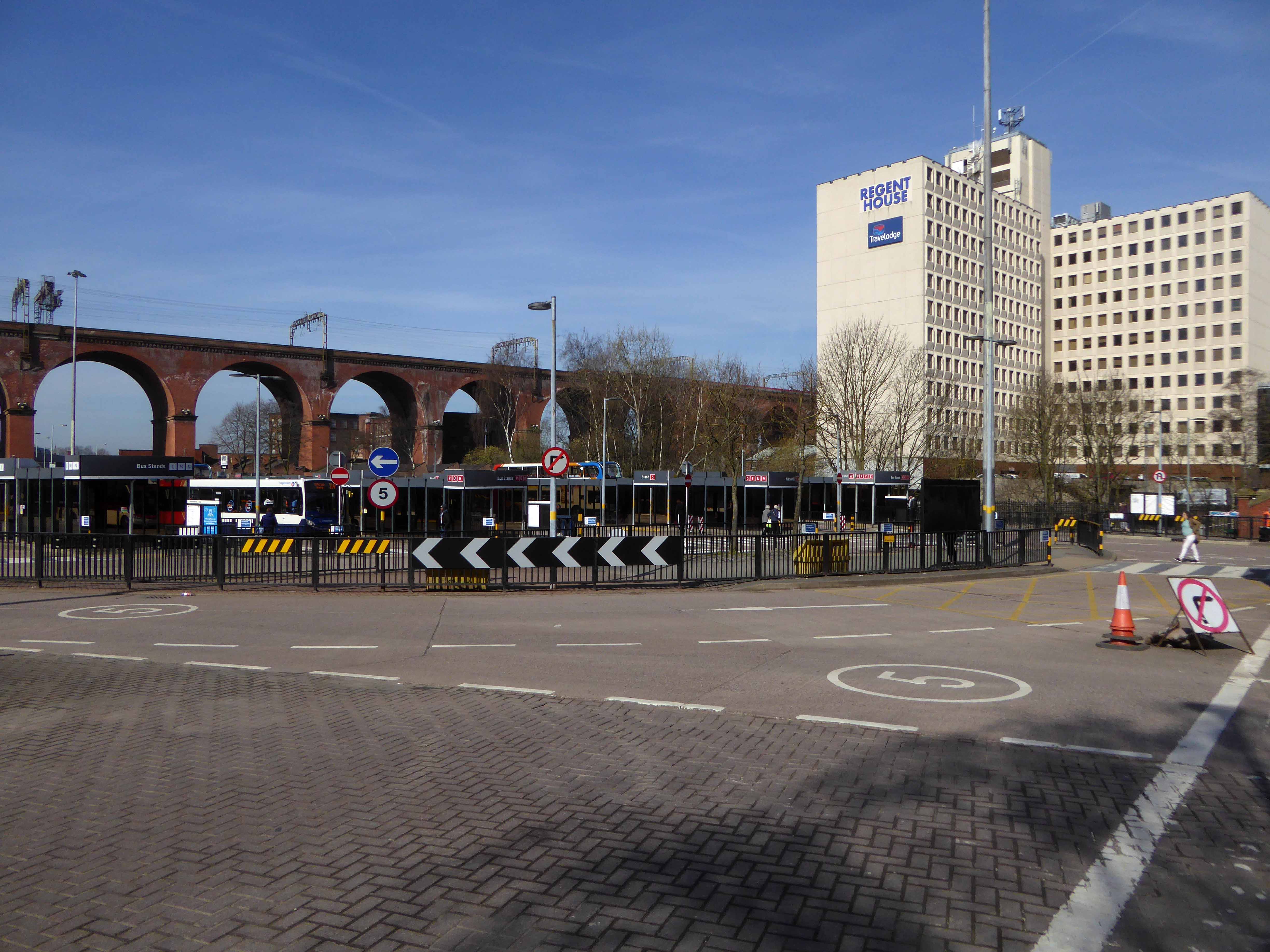
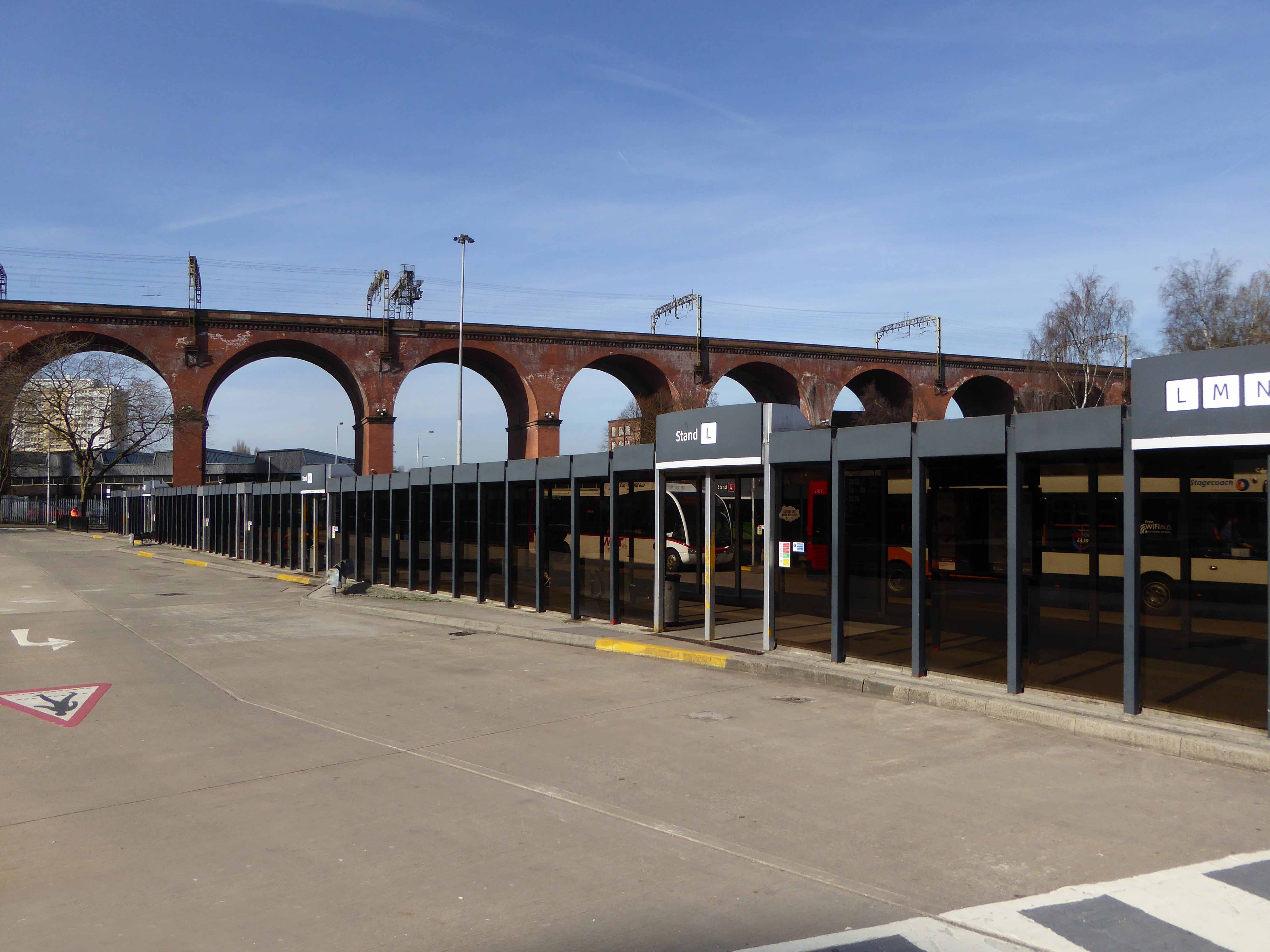
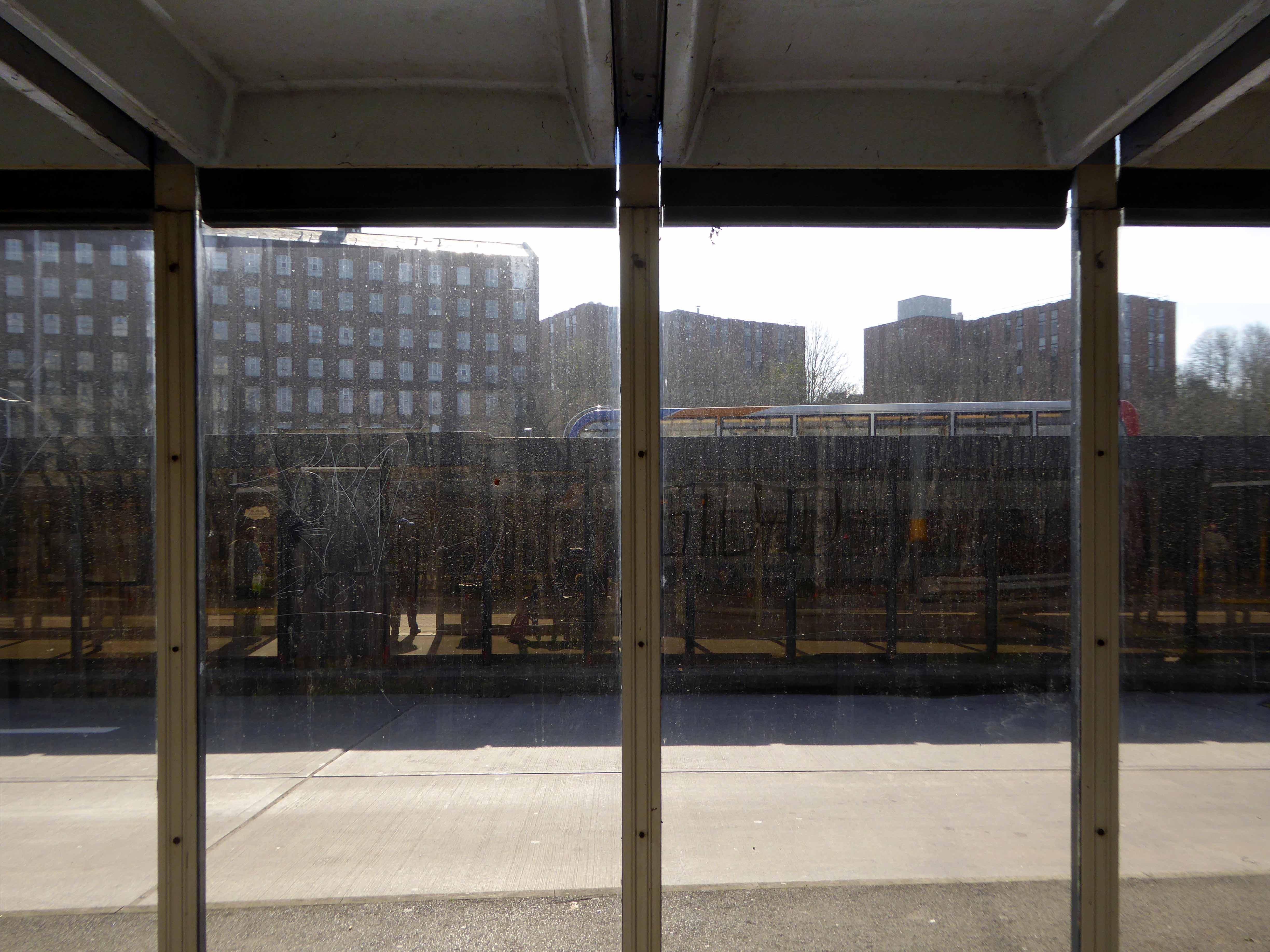
Bus Station – Stockport

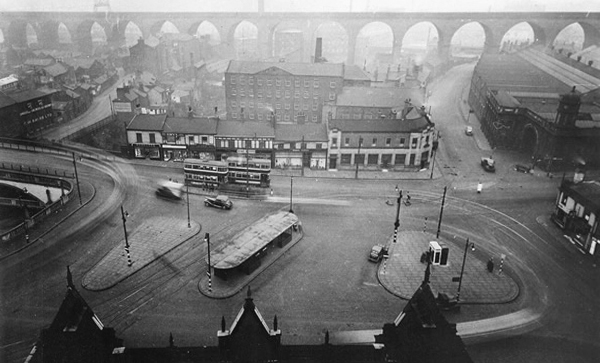
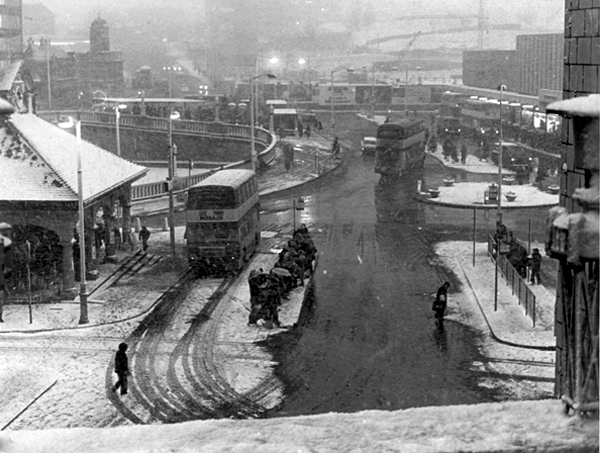
From the early part of the Twentieth Century trams and then buses stopped and started in Mersey Square, affording limited succour, space or shelter for the weary traveller.

22942

View from the Fire Station Tower.

10891

View from the Plaza Steps.

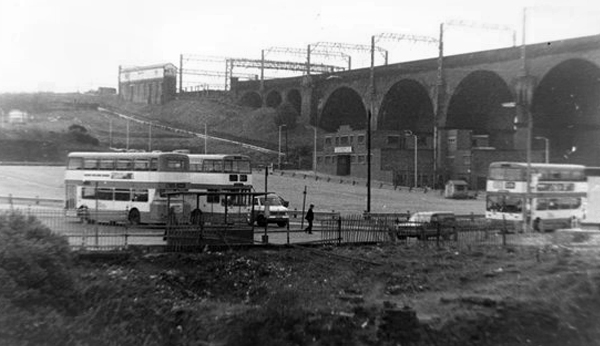
The land where the bus station currently stands was then owned and used by North Western Buses – a rather large and uncultivated plot.

pd hancock 78

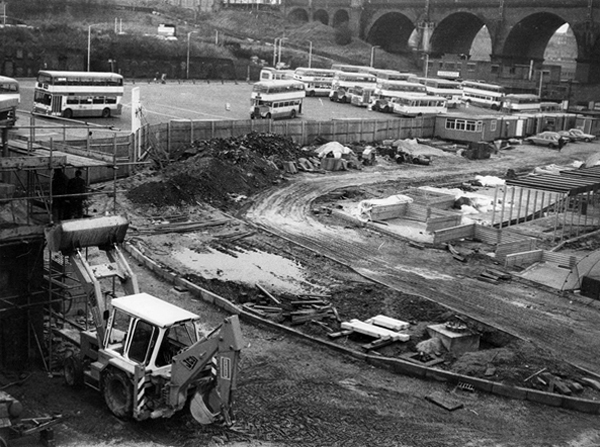
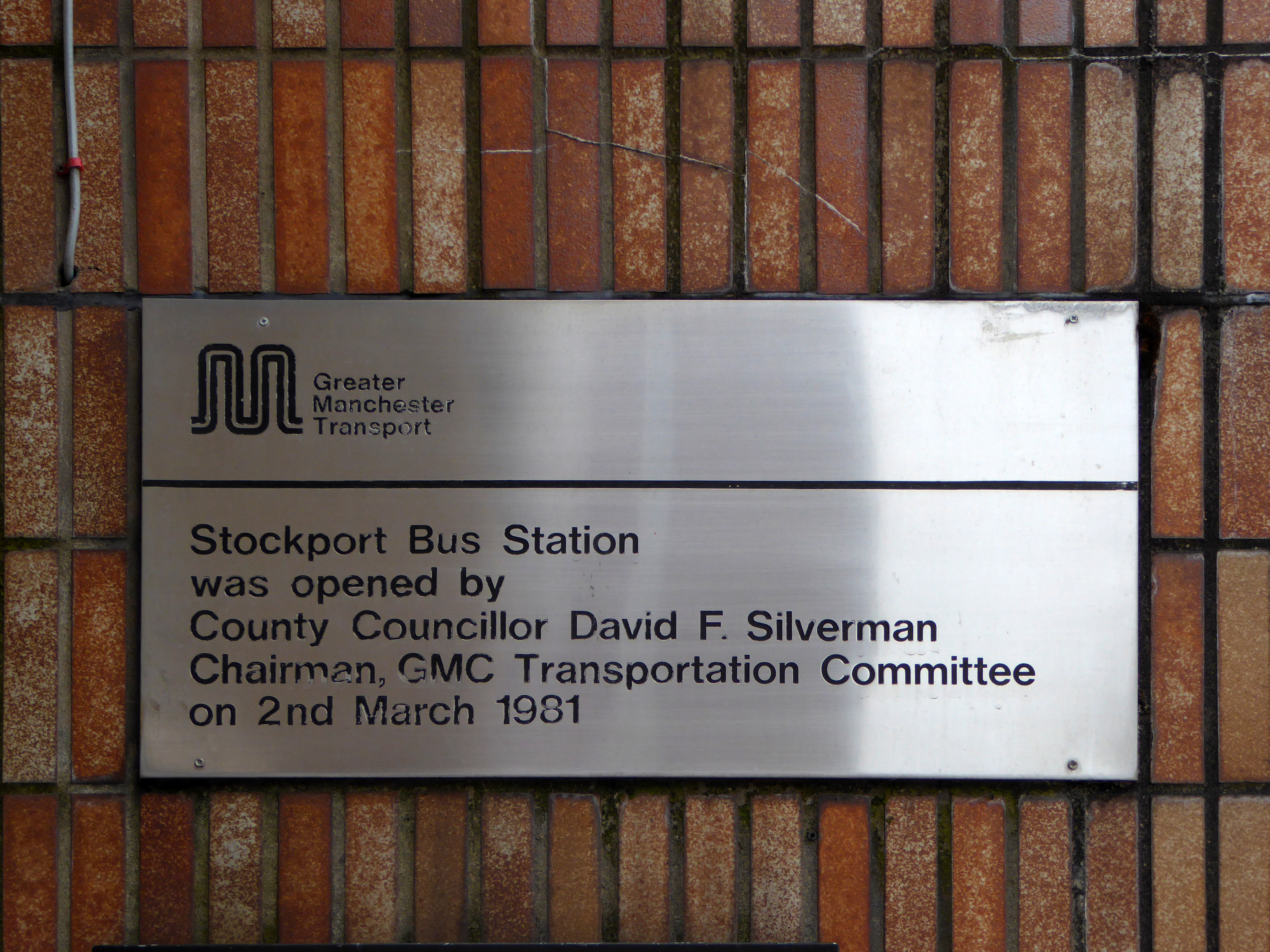
Work began in April 1979 on a brand new bus station, the first stage finally opening on March 2nd 1982.

14406

Slowly emerging from the rough ground – a series of glass and steel boxes worthy of that master of minimalism Ludwig Mies van der Rohe, a Neue Nationalgalerie in miniature.

79

1979 copy

81

Photographs from Stockport Image Archive

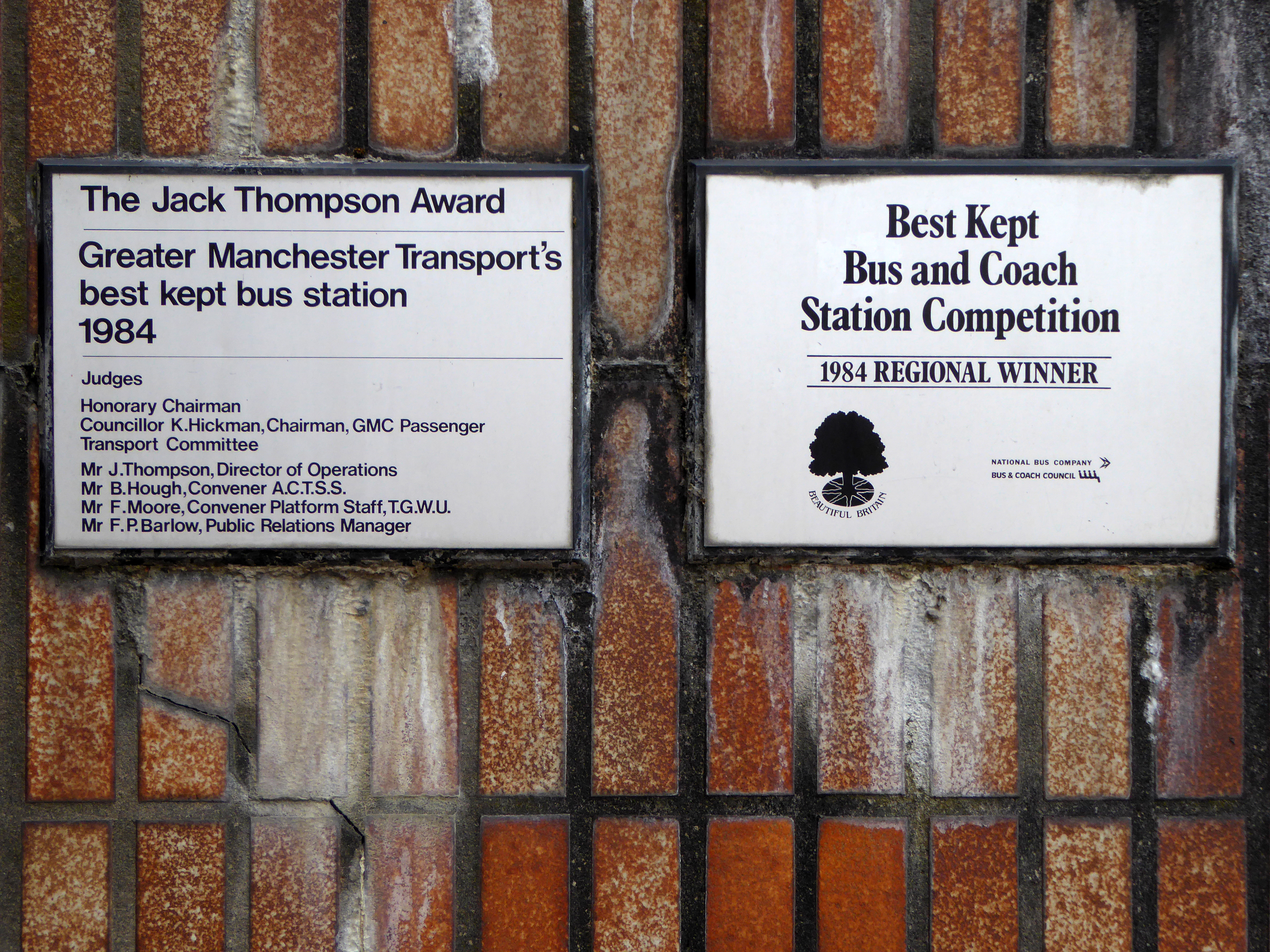
It has stood and withstood the winds of change and perfidious public transport policy, the privatisation of the service, snatched greedily from local authority control.

Passengers have met and parted, whilst buses of every hue and stripe have departed from these draughty boxes.

Screen Shot 2018-04-09 at 17.13.54

Photograph from Victory Guy

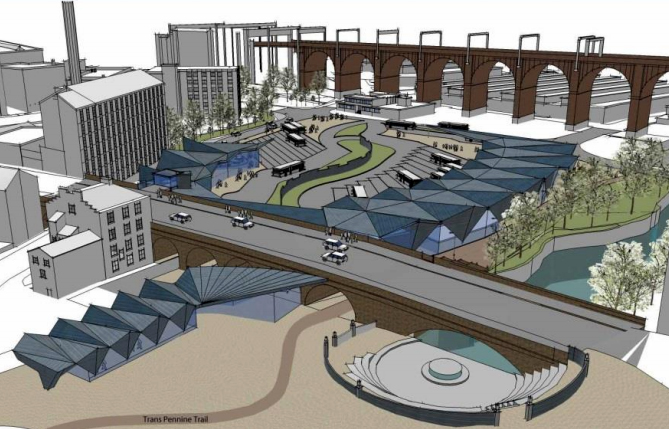
There are now plans for imminent demolition and rebuilding – shaping a transport hub fit for the Twenty First Century – Space Age forms for a brave new world.

A new £42m transport interchange in Stockport town centre has taken a step forward after the local council agreed key measures to back the project.

Screen-Shot-2017-09-19-at-07.02.03

Untitled-1

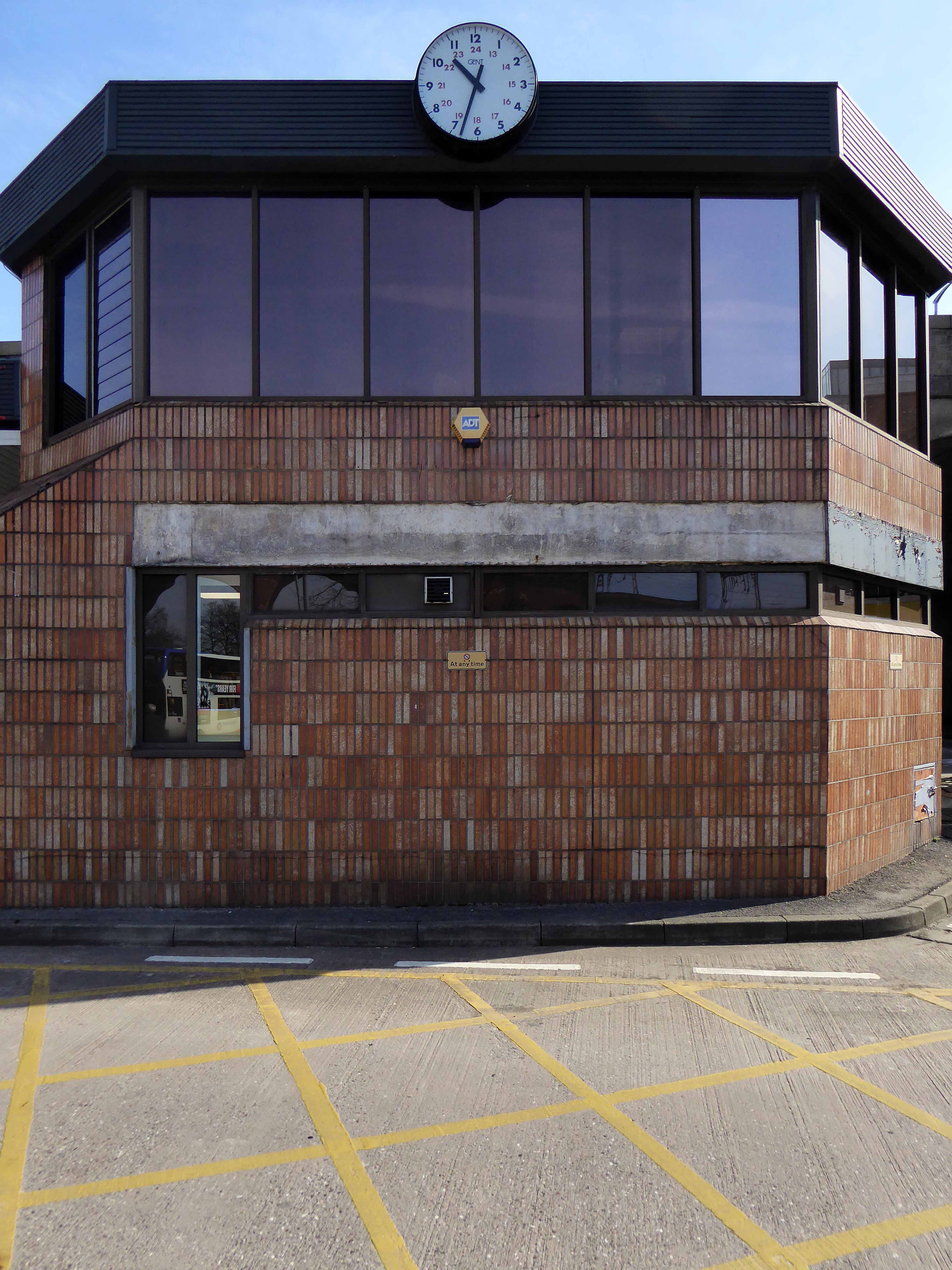
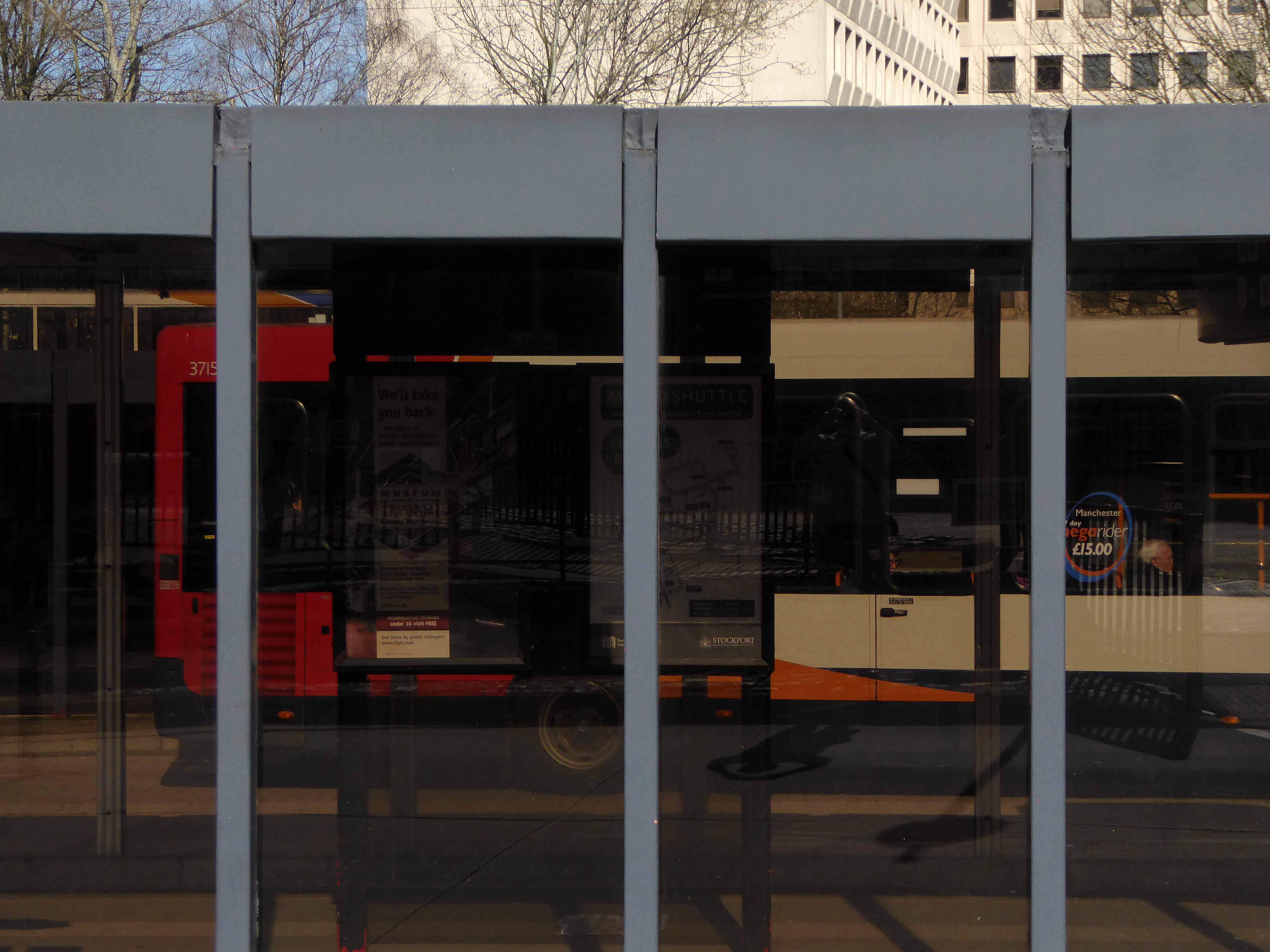
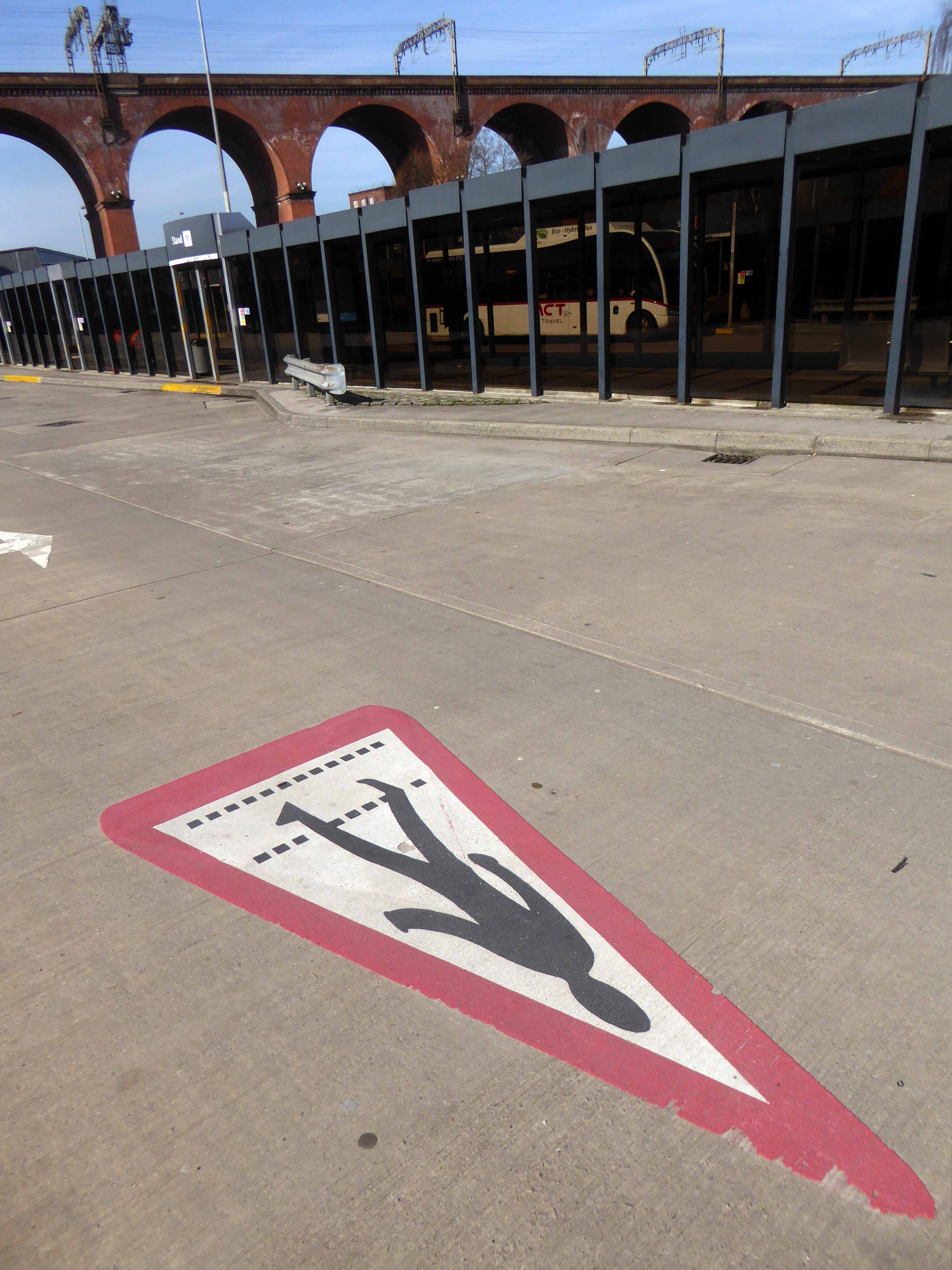
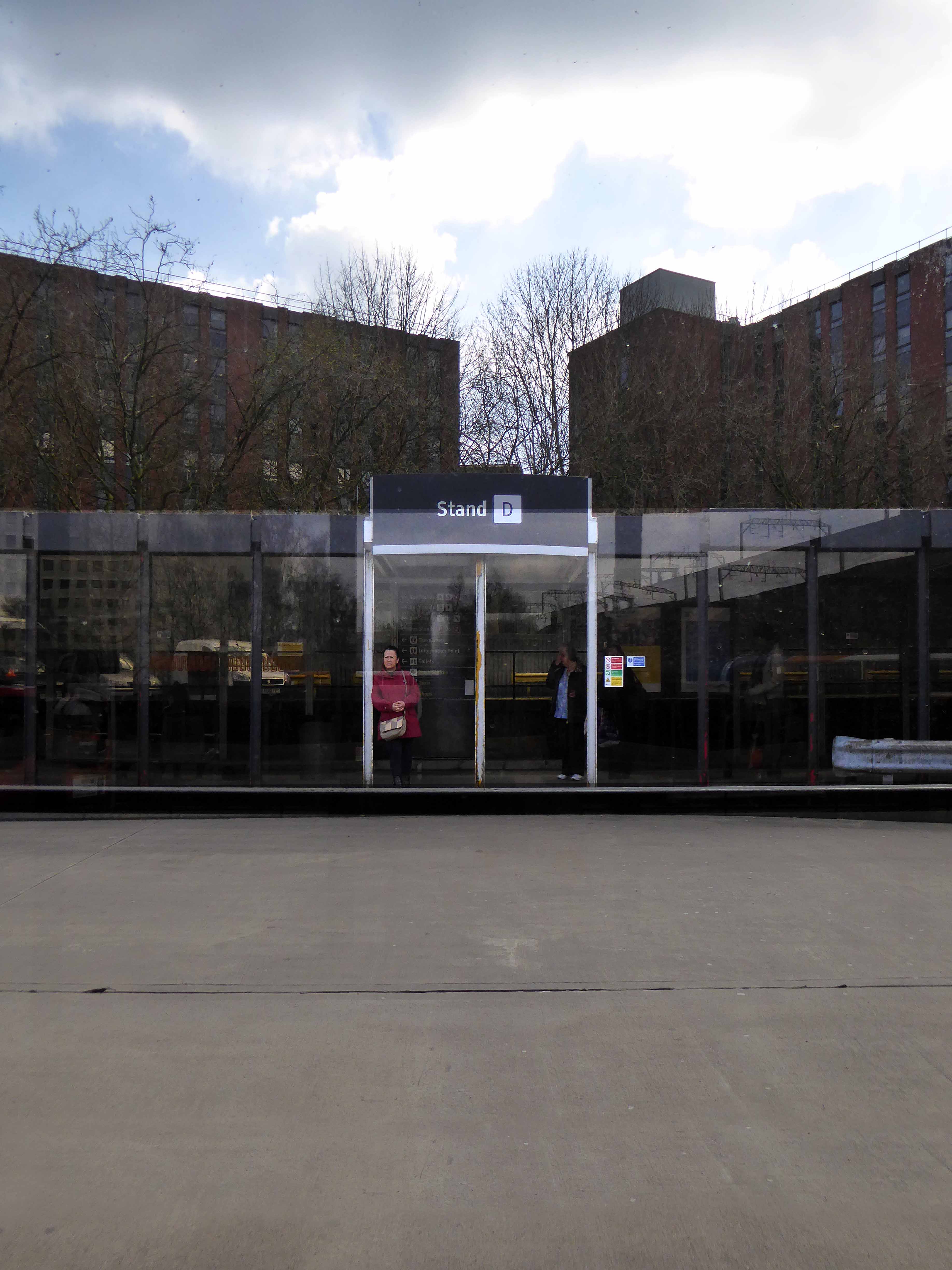
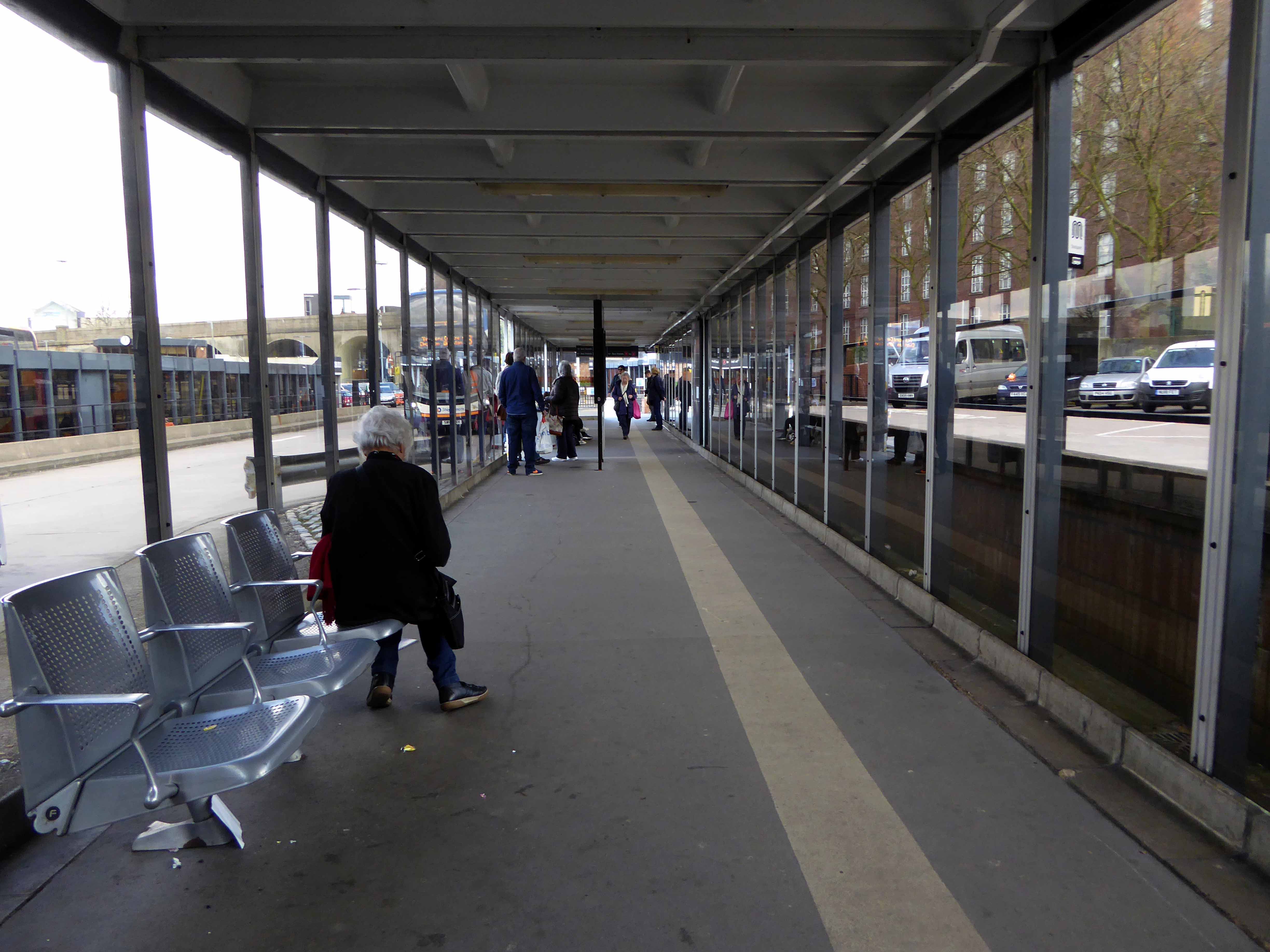
April 9th 2017 here is my photographic record of the Bus Station, I’ve been, gone and come back again countless times through the years.

P1240953 copy

P1240954 copy

P1240456

P1240429

P1240431

P1240441

P1240445

P1240446

P1240447

P1240457

P1250012

P1250013

P1240459

P1240460

P1240462

P1240470

P1240472

P1240473

P1240474

P1240475

P1240476

P1240478

P1240479

P1240484

P1240485

P1240487

P1240488

P1240490

P1240507

P1240512

P1240514

P1240515


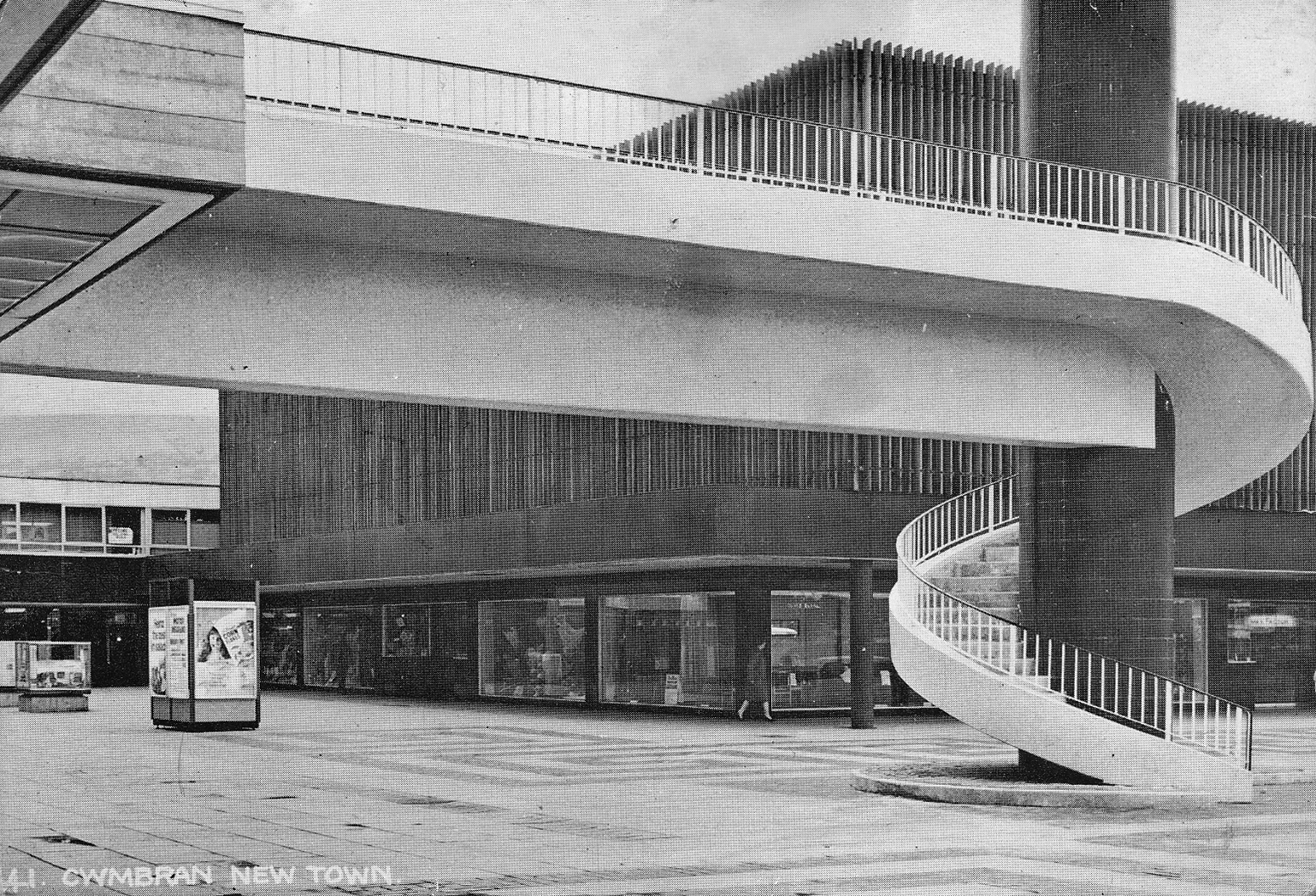
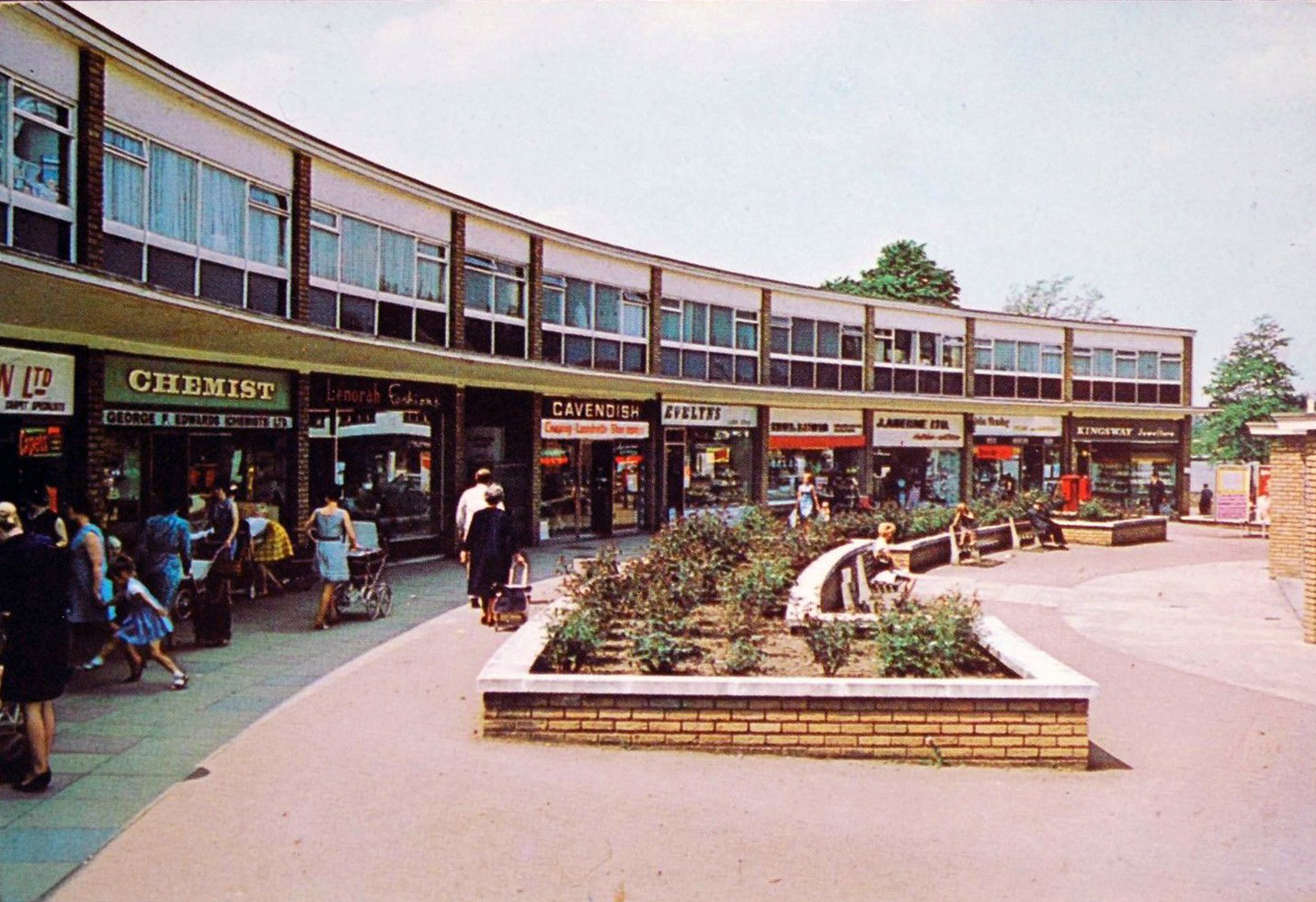
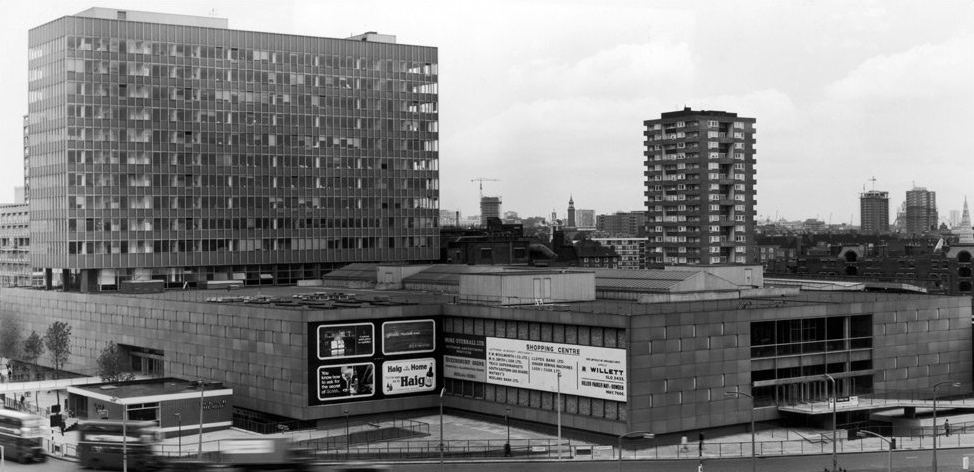
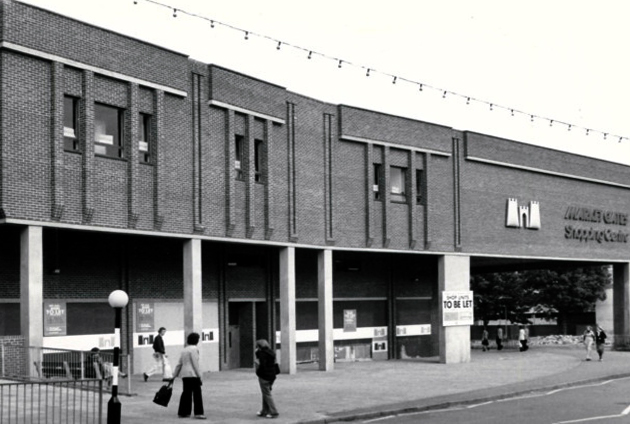
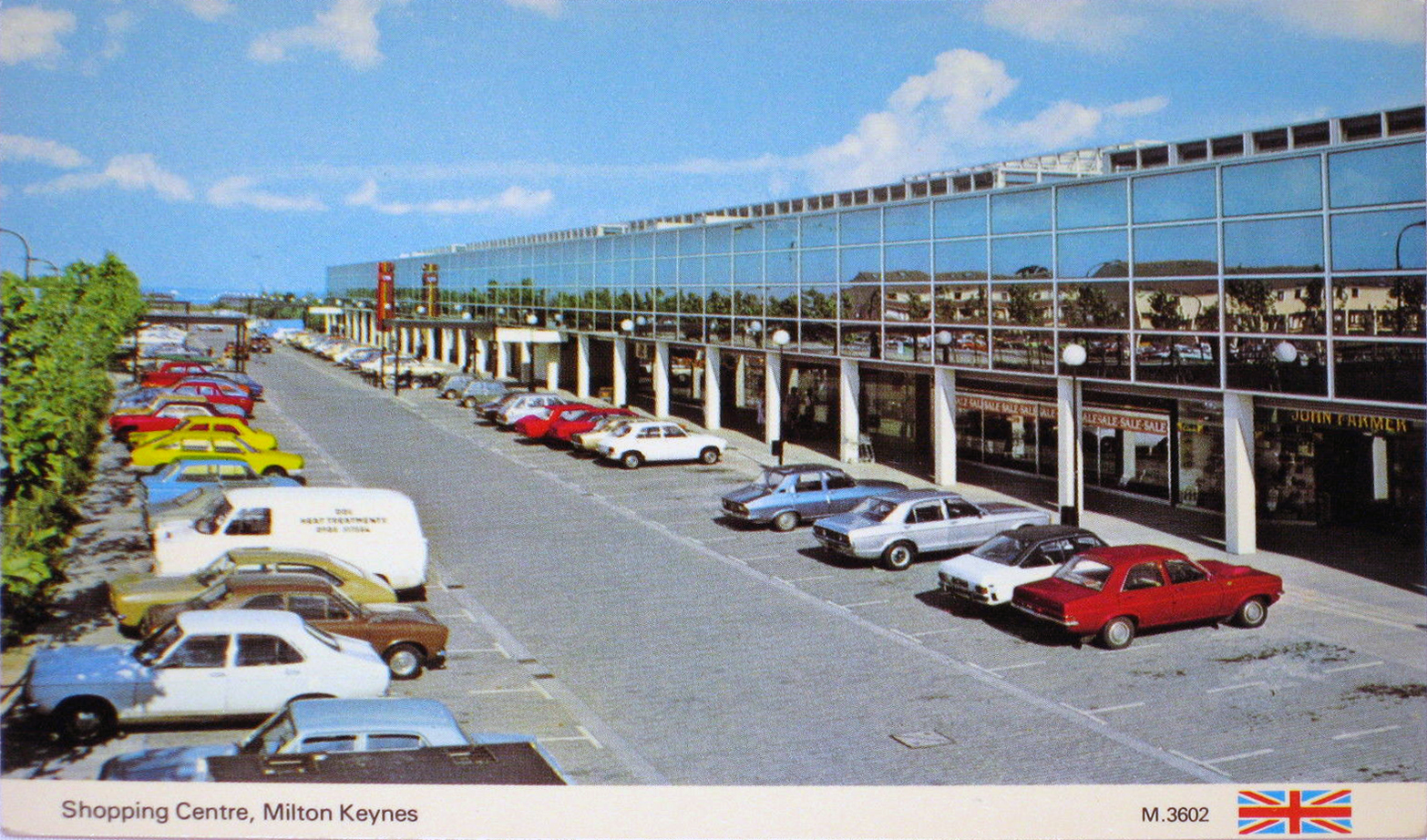
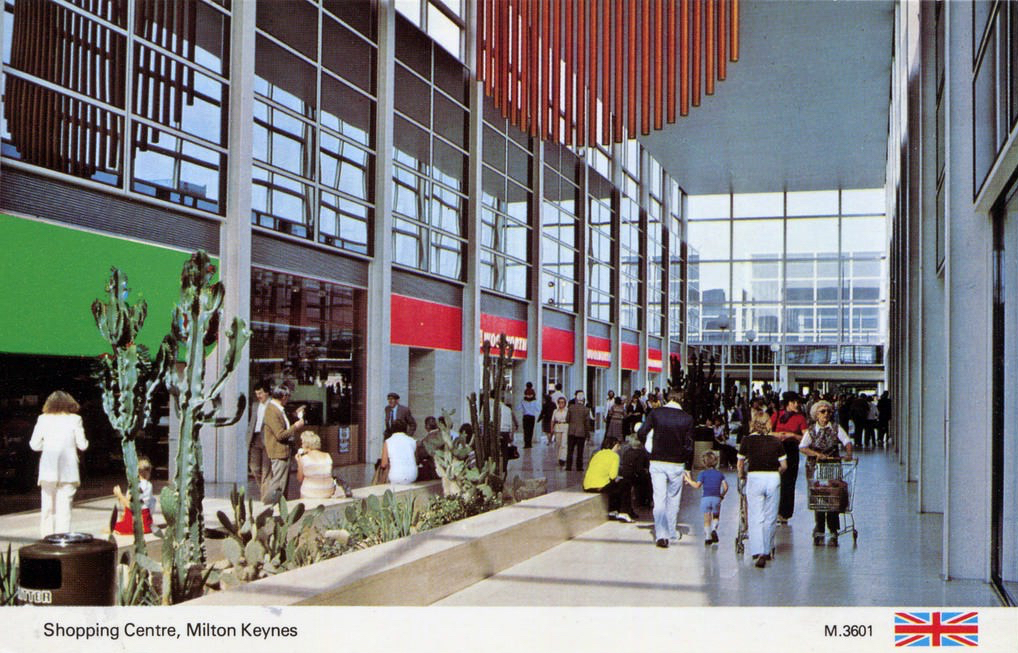
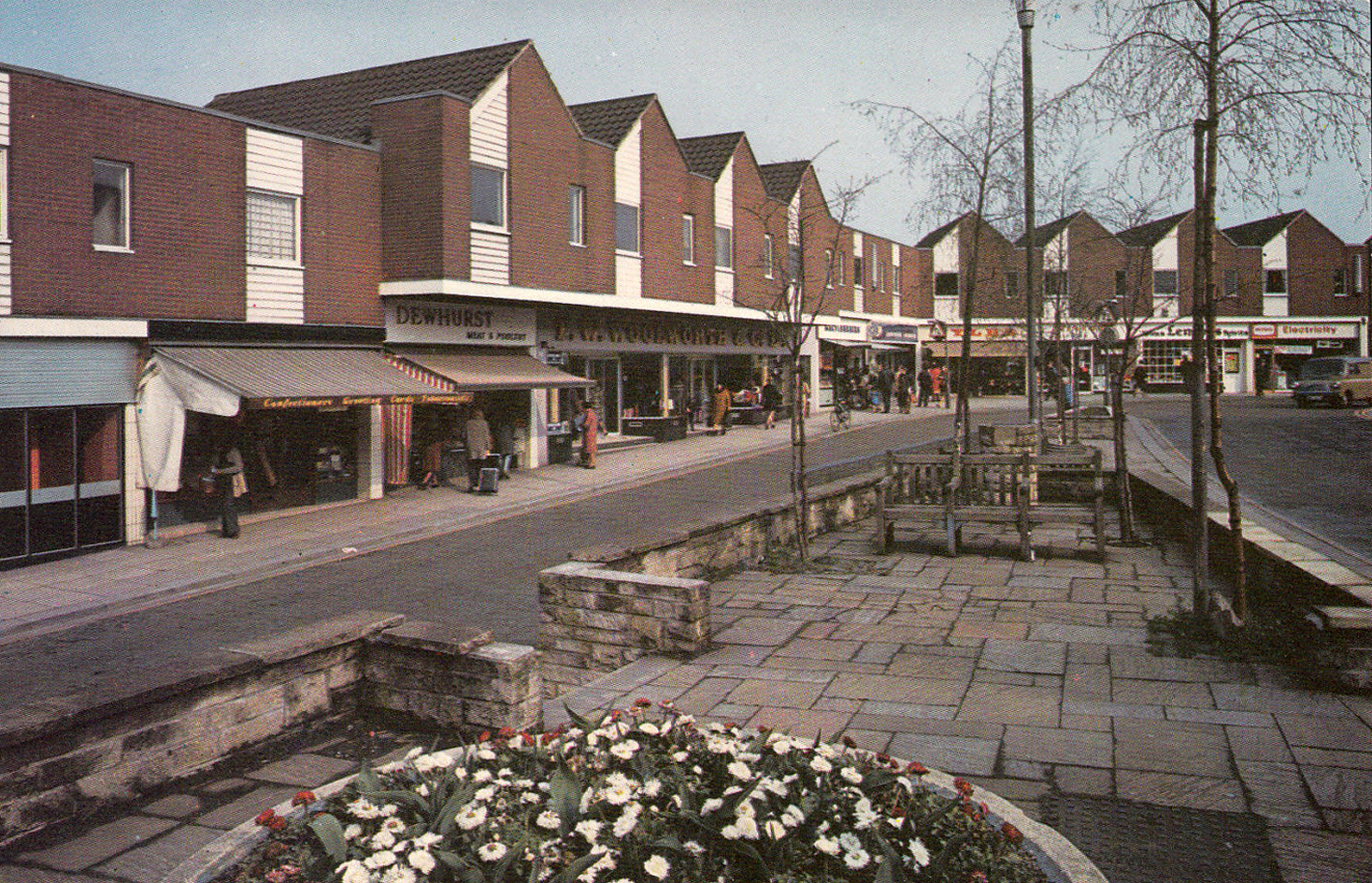
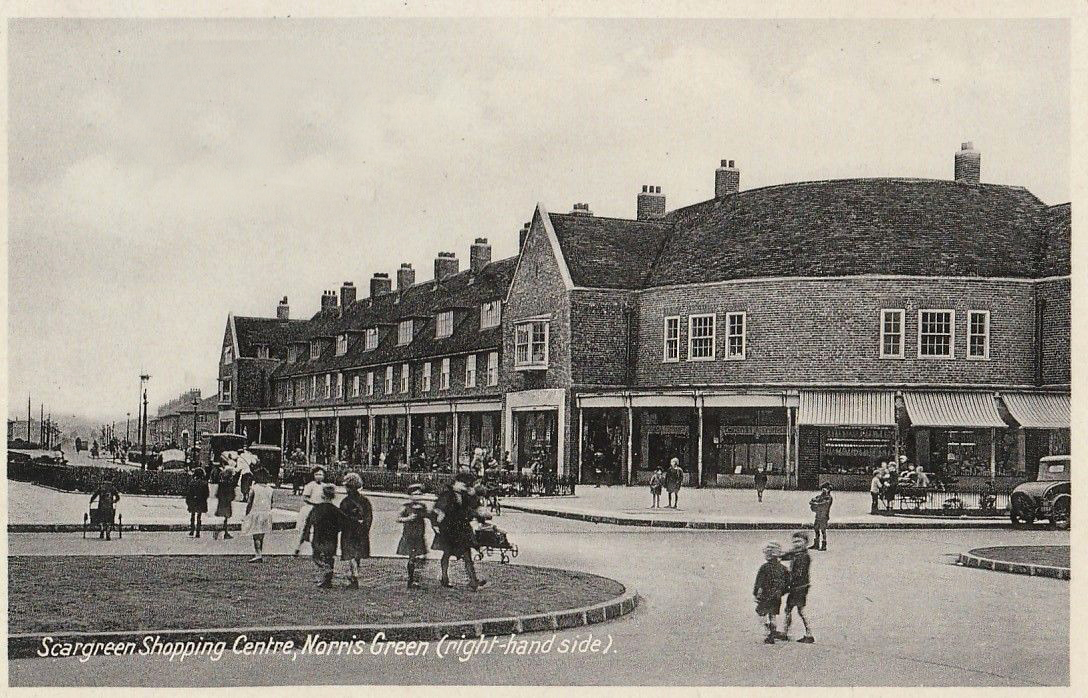
Shopping Precincts – UK

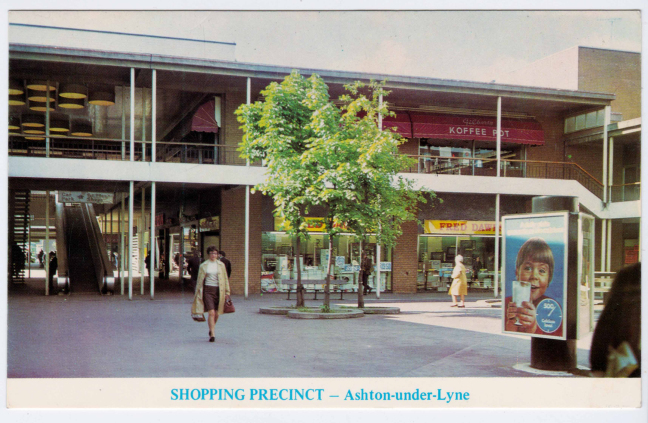
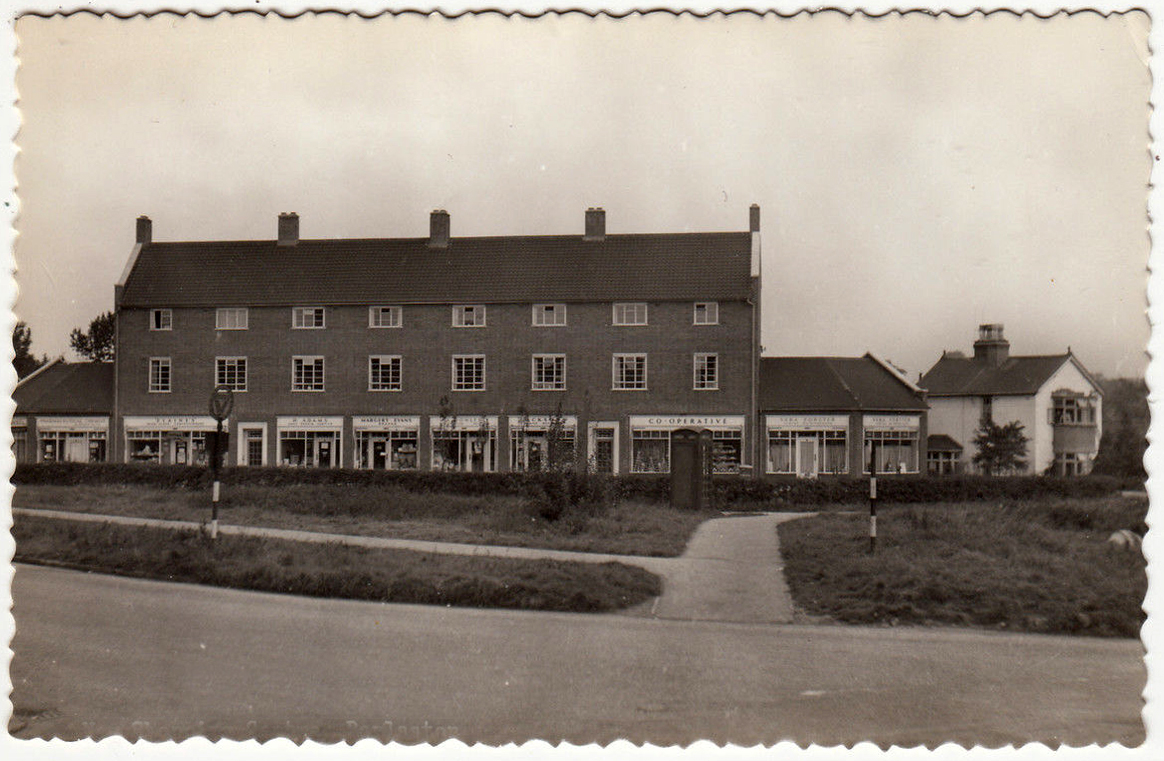
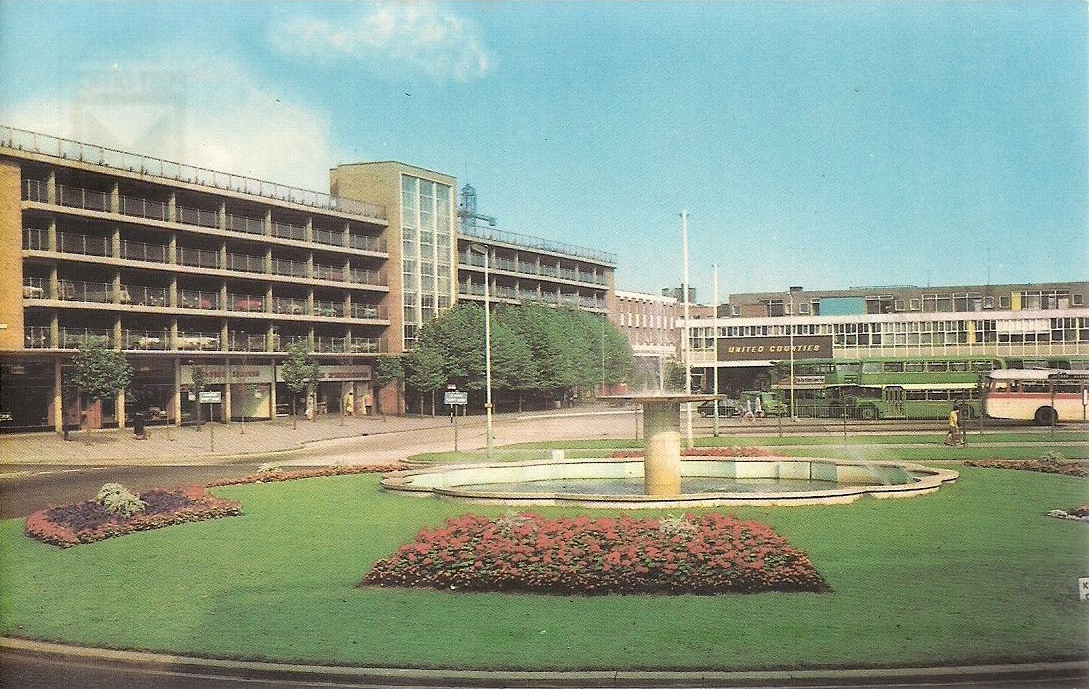
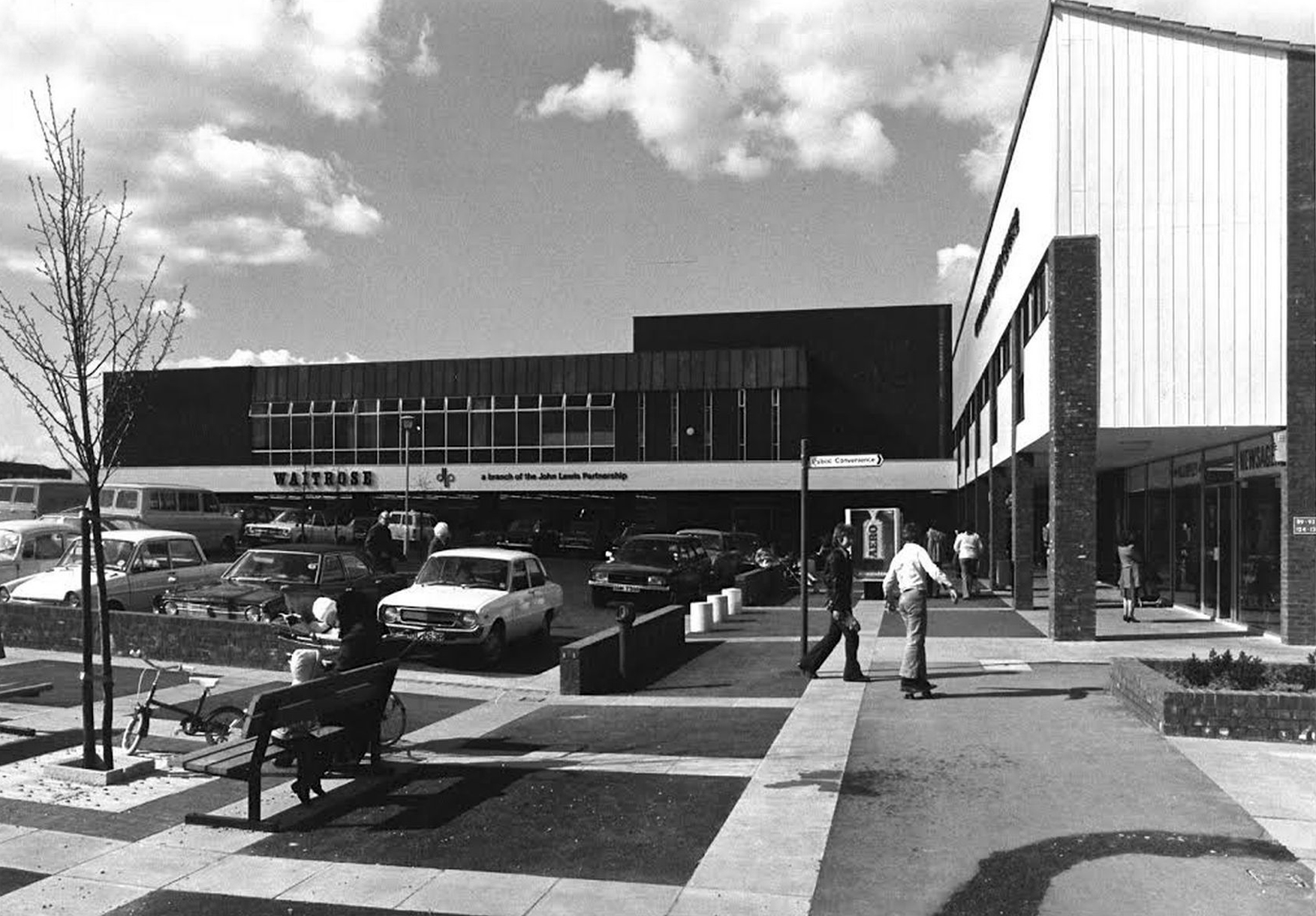
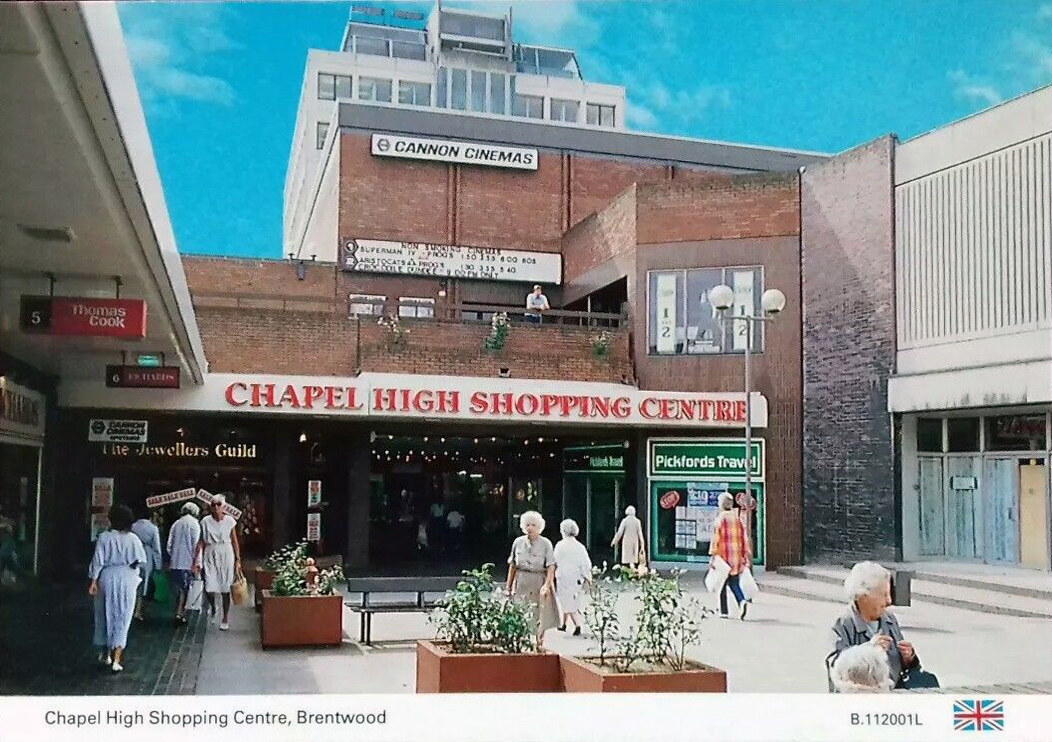
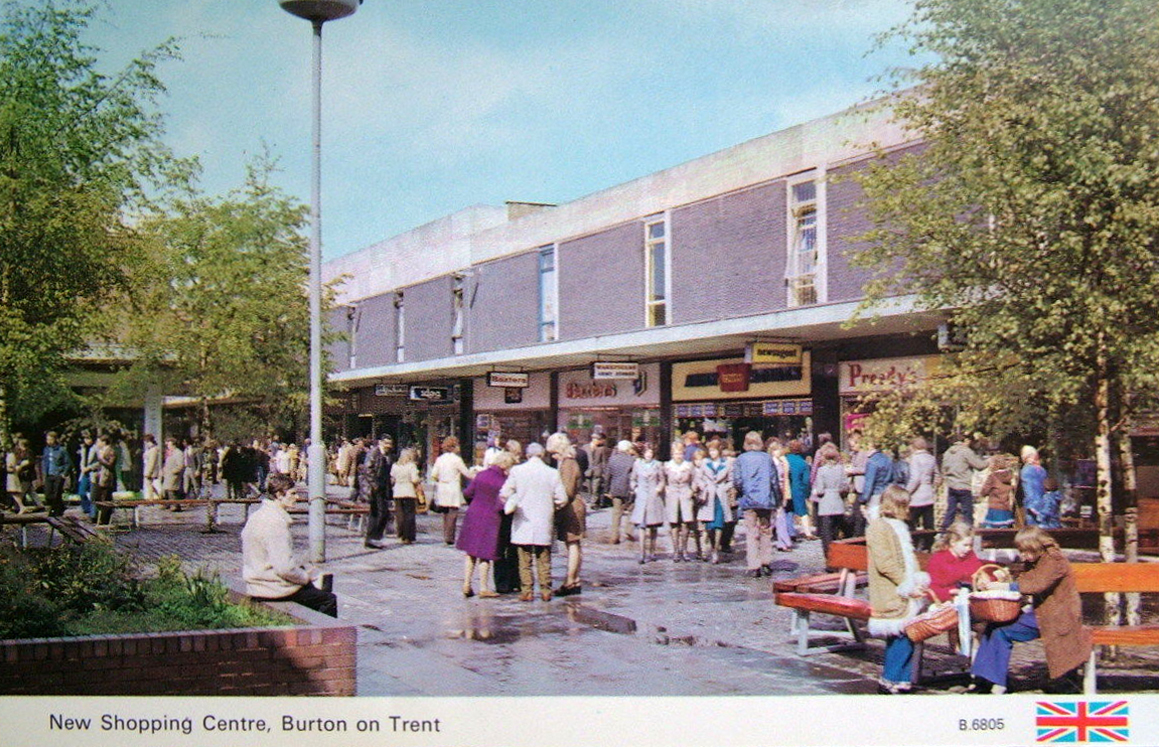
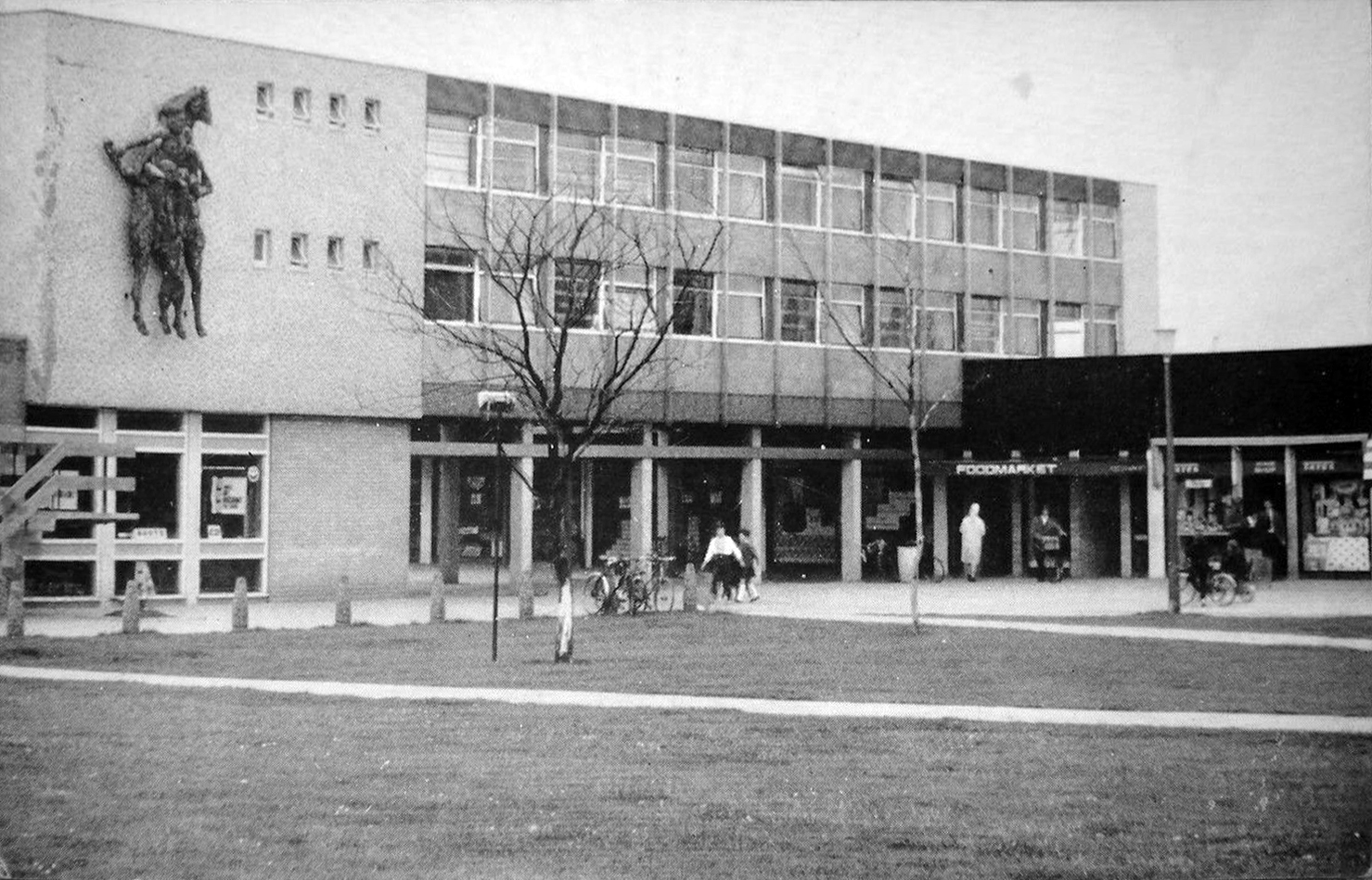
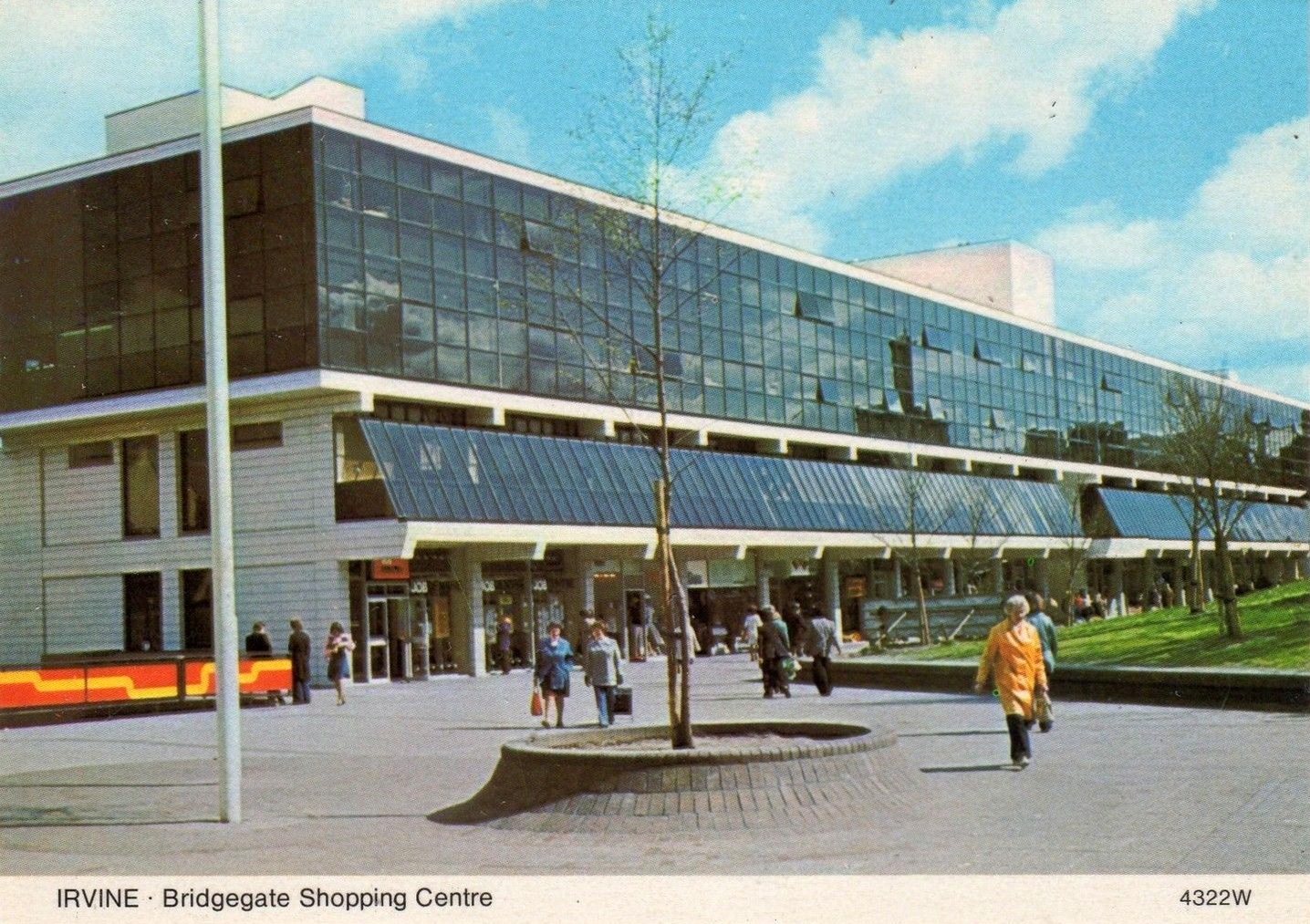
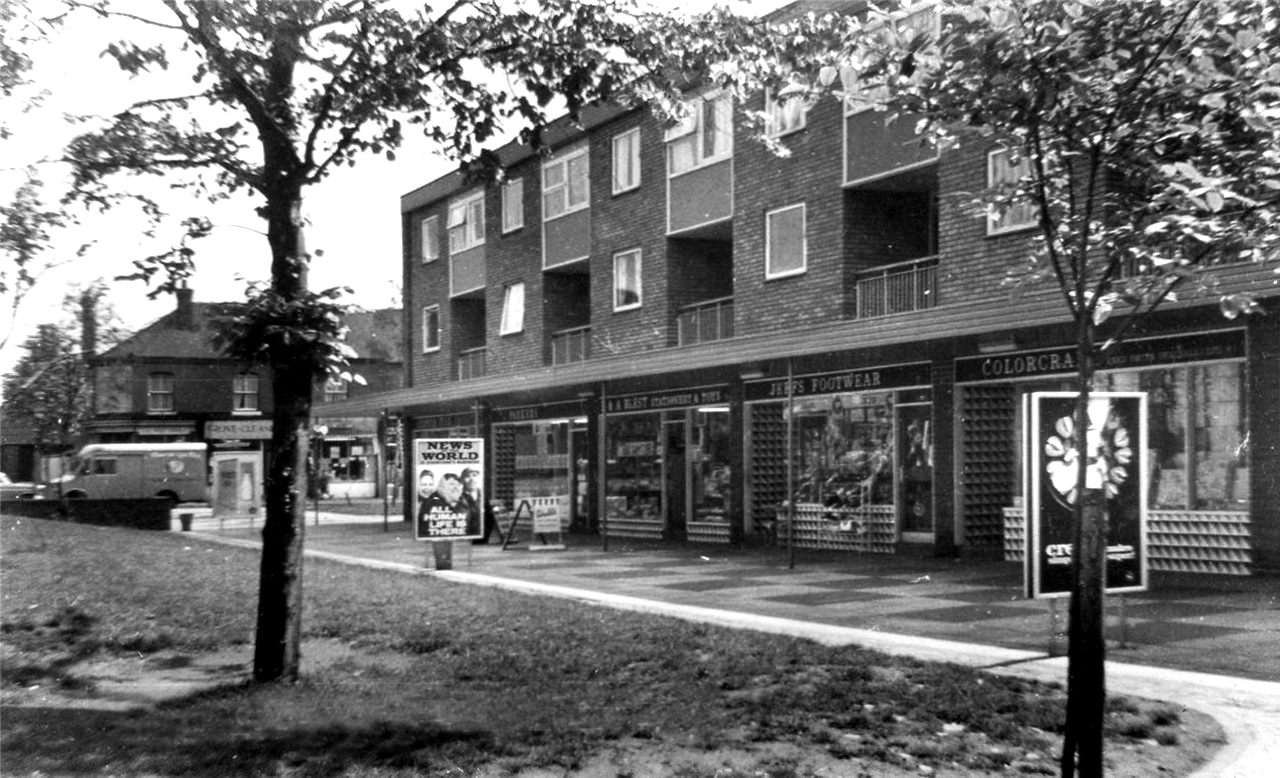
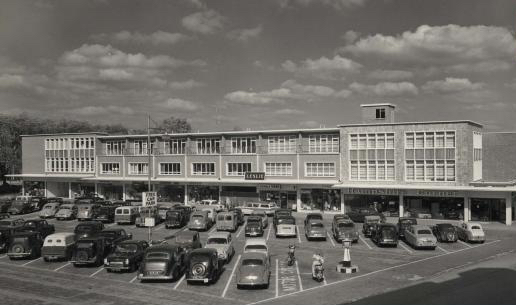
I was brought up with Sixties’ shopping precincts and centres, they are so very dear to my heart, I spent my teenage years here in AshtonStalybridge, and latterly in Stockport’s Merseyway.

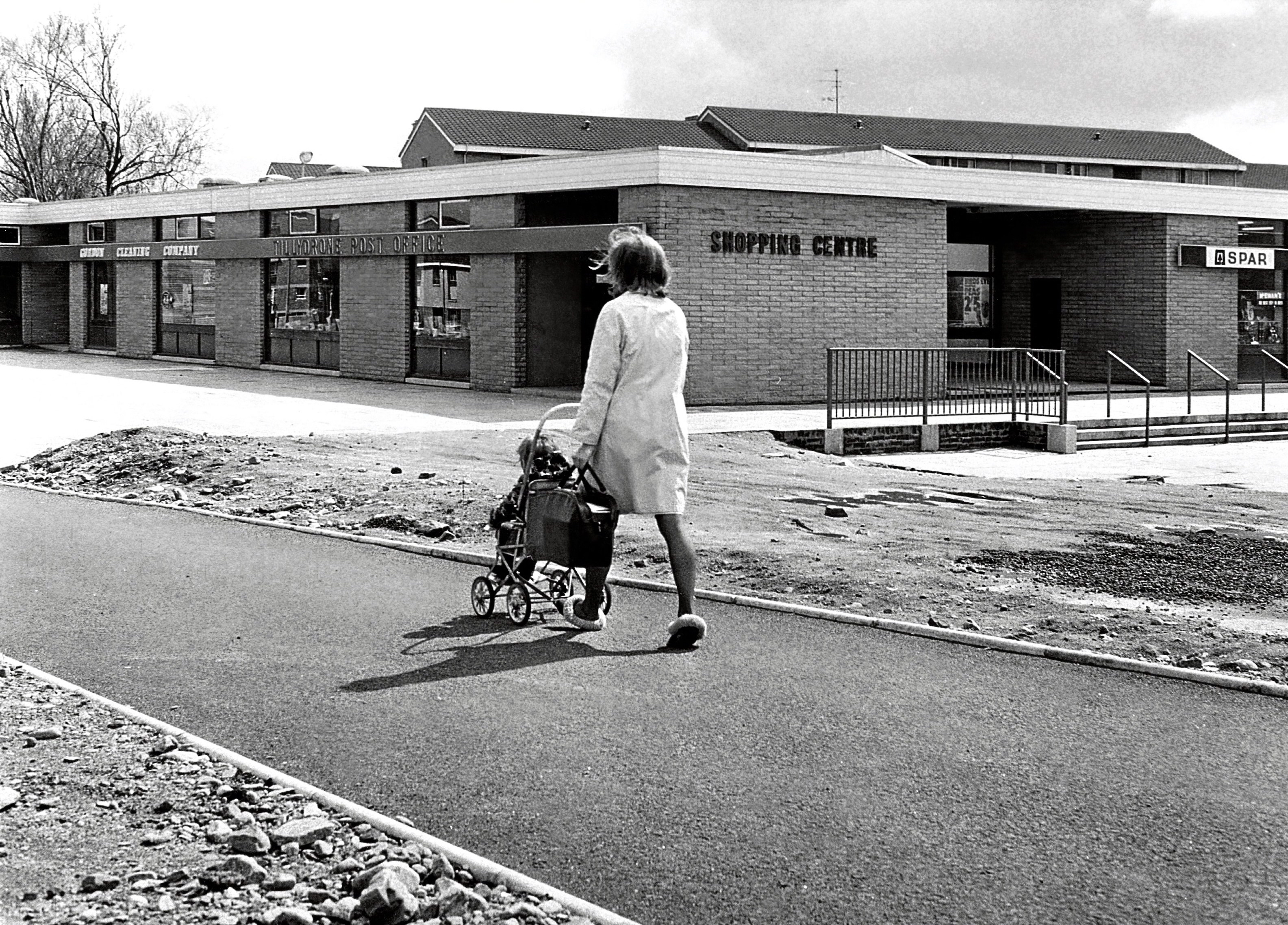
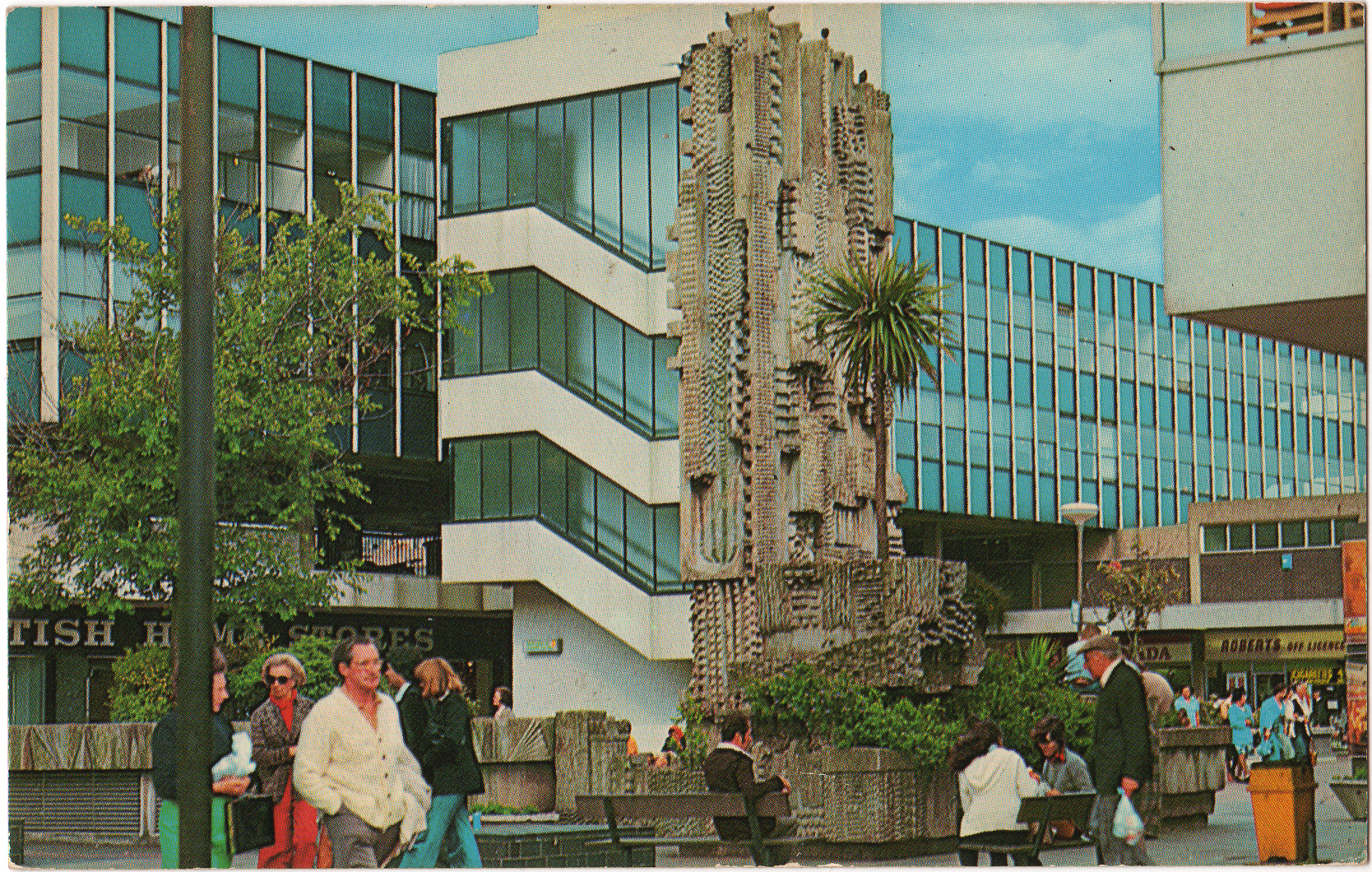
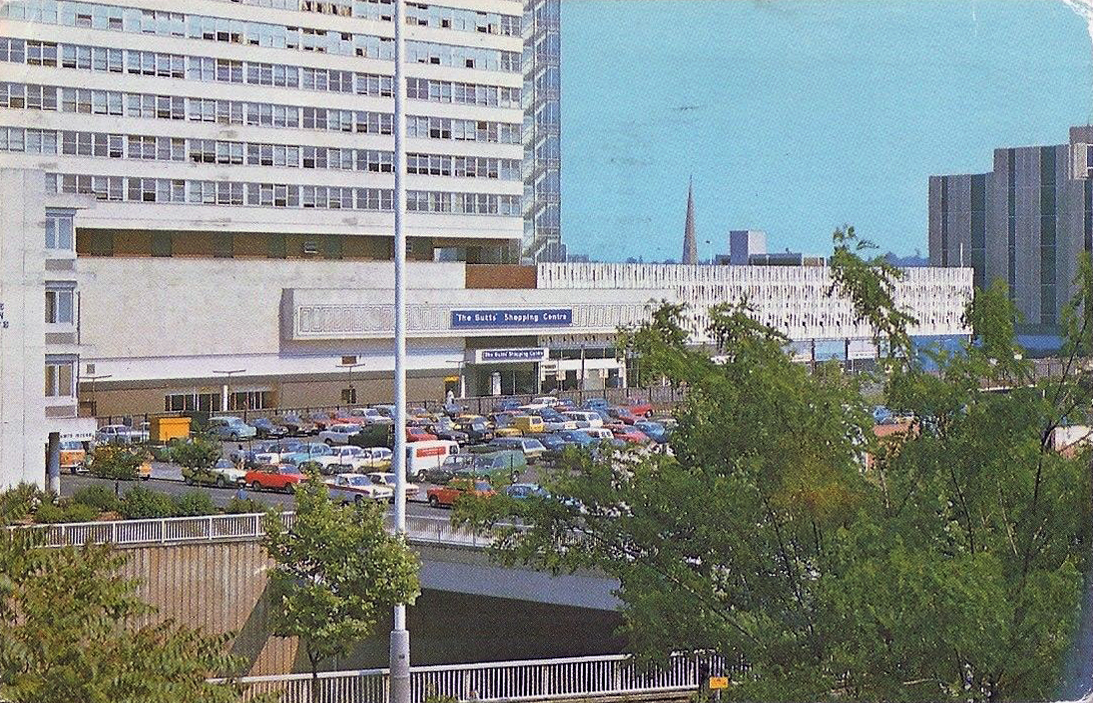
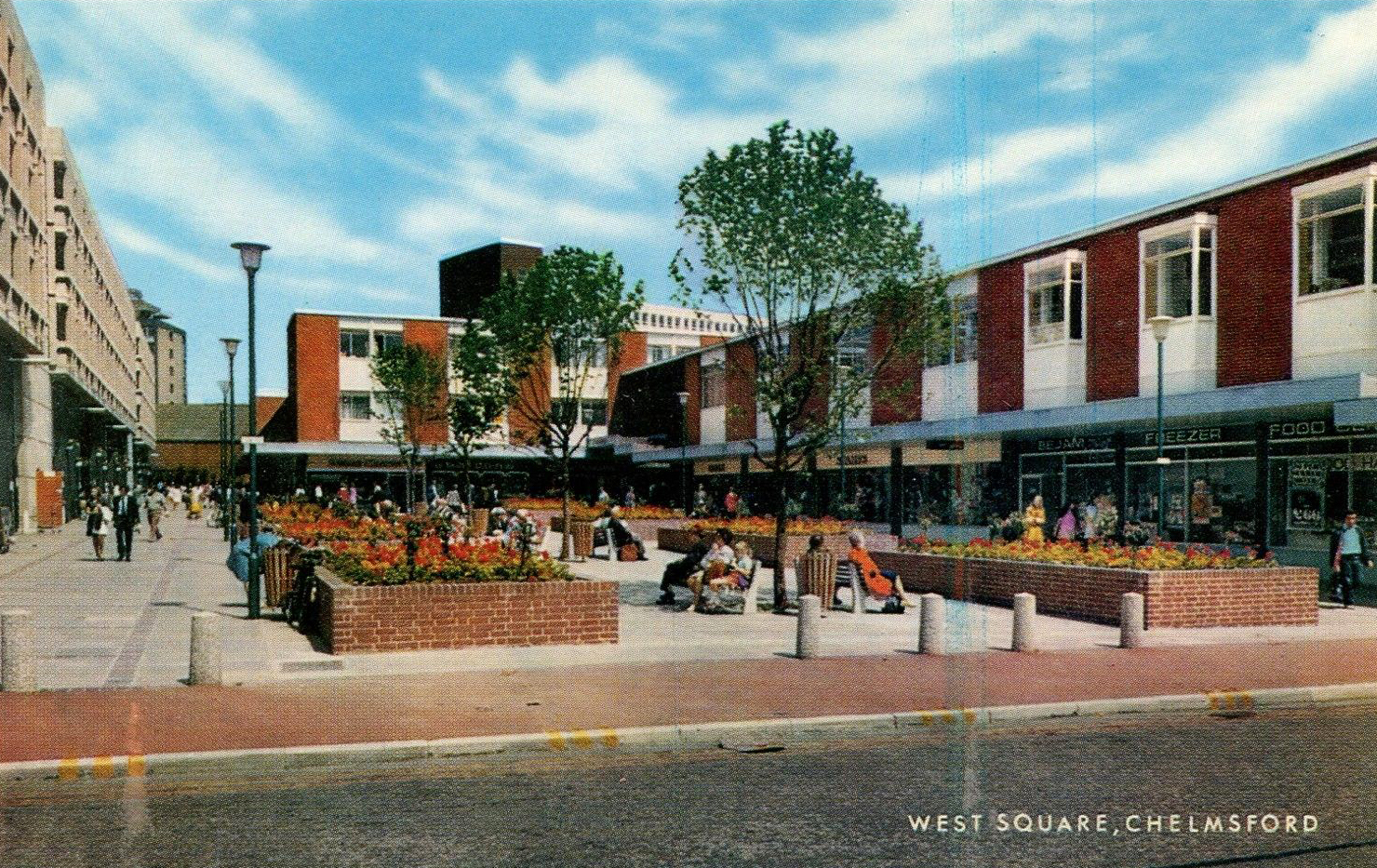
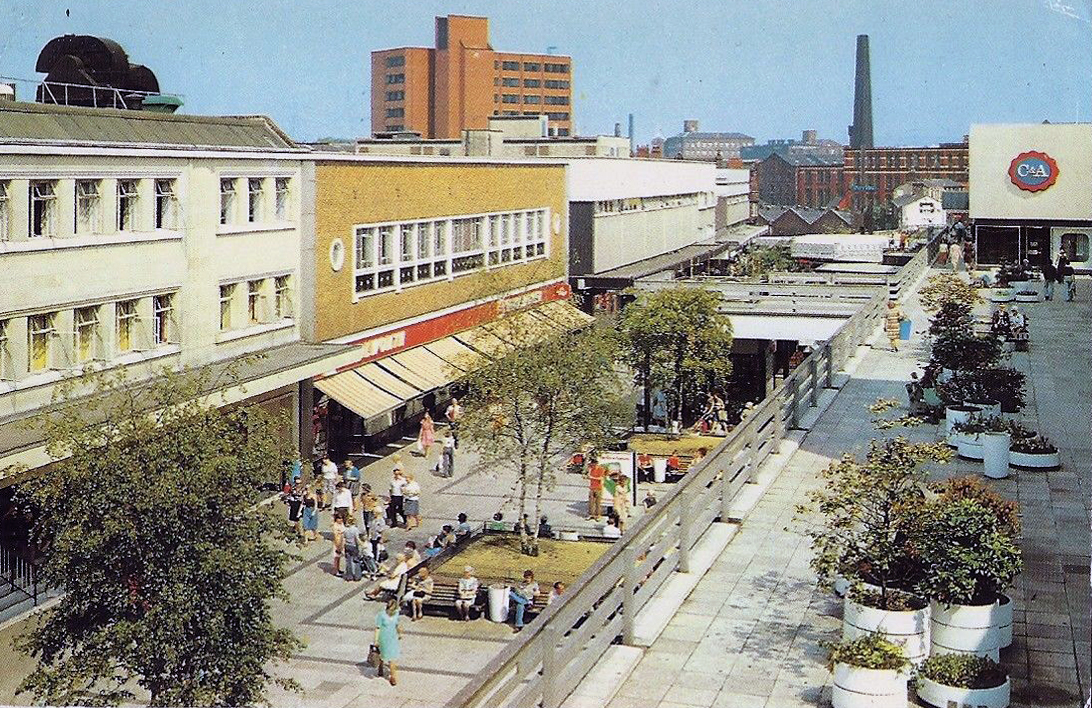
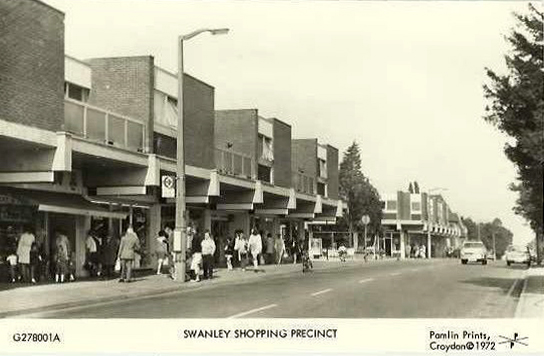
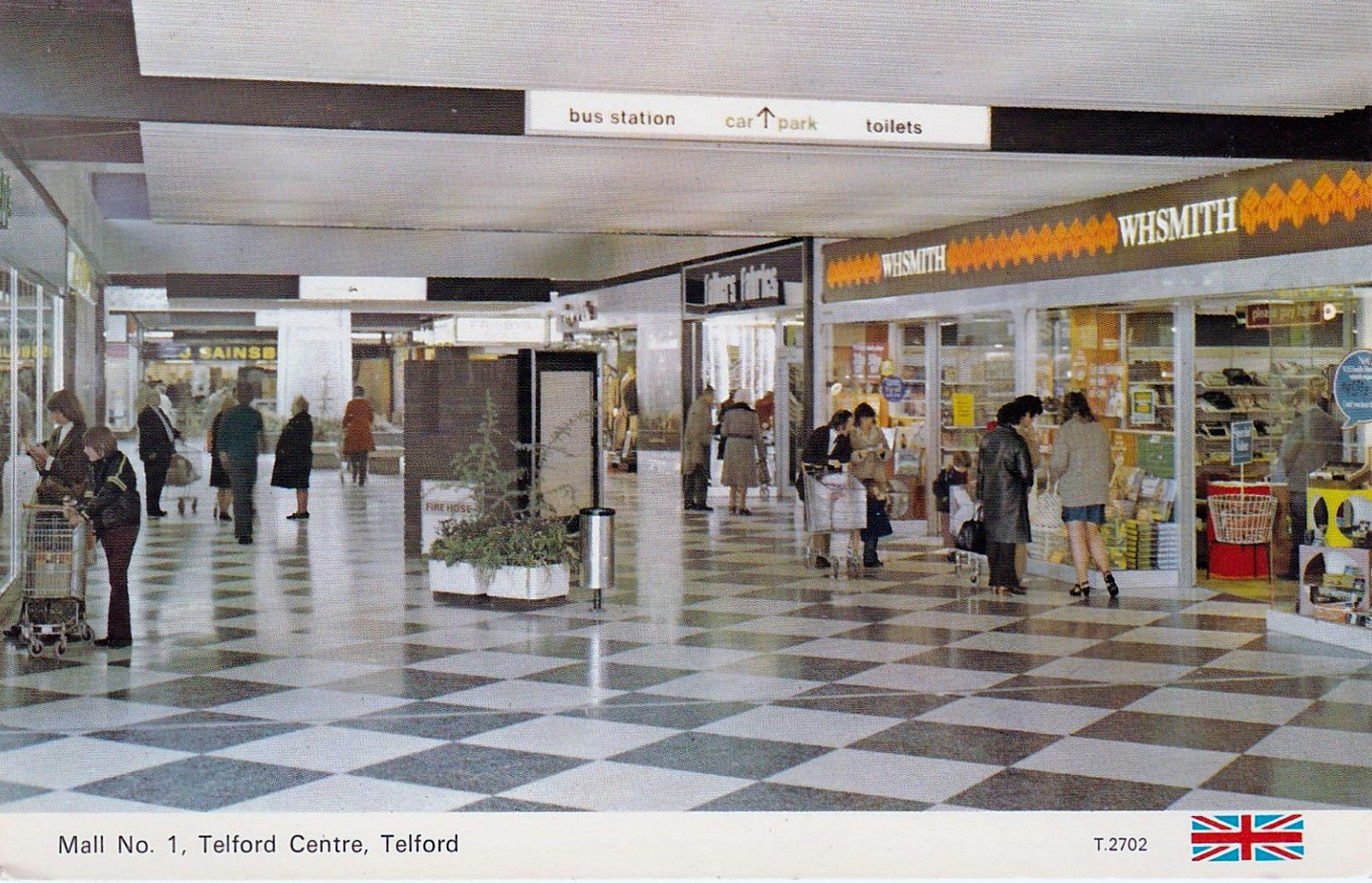
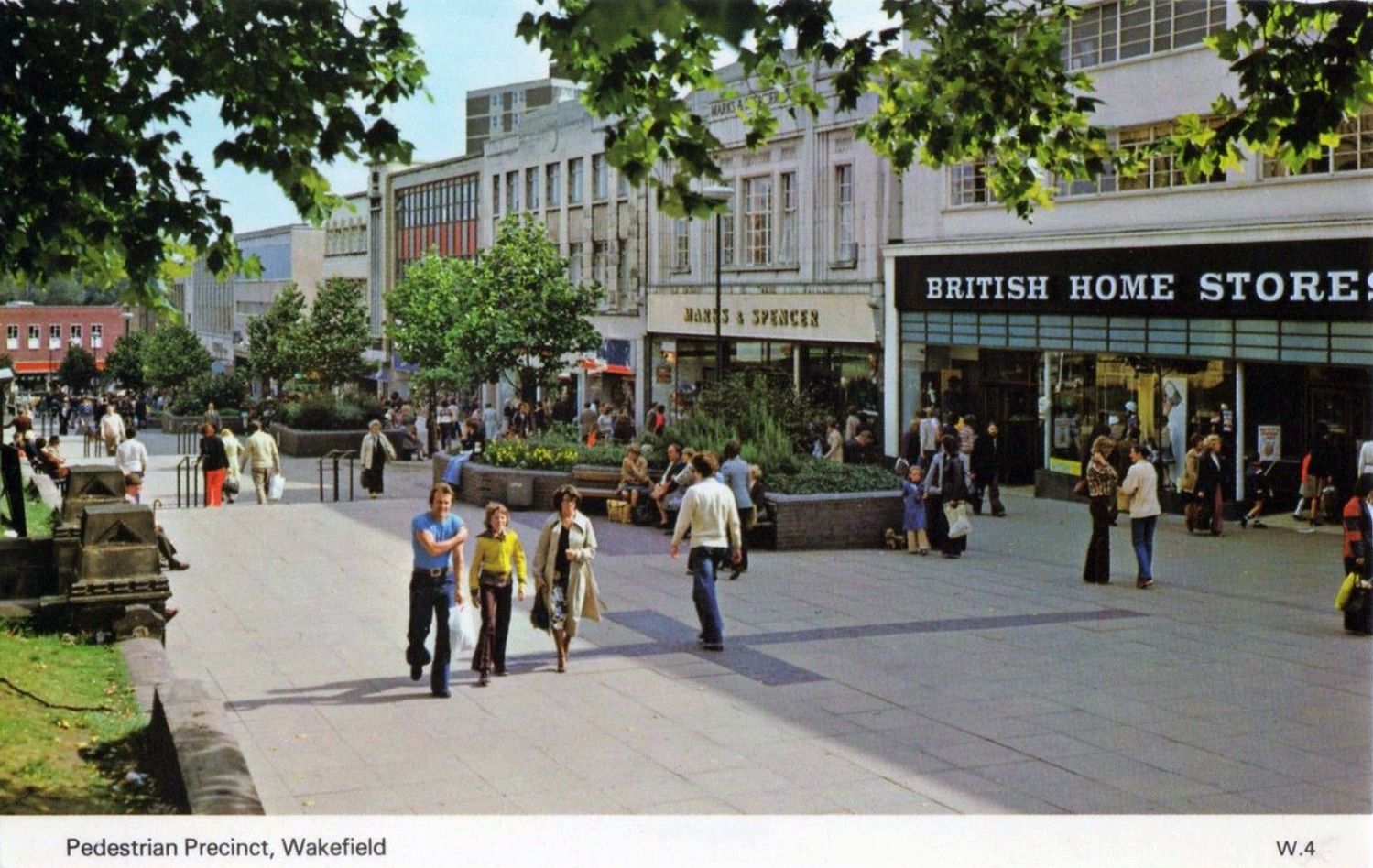
I’ve visited Hanley, Preston, Salford, and Coventry in search of a certain something – that exciting sweeping swoop of concrete, brick, glass and steel. Underpasses with overarching designs and luxurious layouts of leisurely interlocking levels. Each one different in a different way yet essentially similar – embodying a sense of civic pride, a sense of the future realised.

1571 – The Royal Exchange, a trading market in the City of London, is officially opened by Elizabeth I. Above the open-air piazza where dealers buy and sell commodities, there is a two-storey shopping mall, with 100 different kiosks – making it Britain’s first shopping centre.

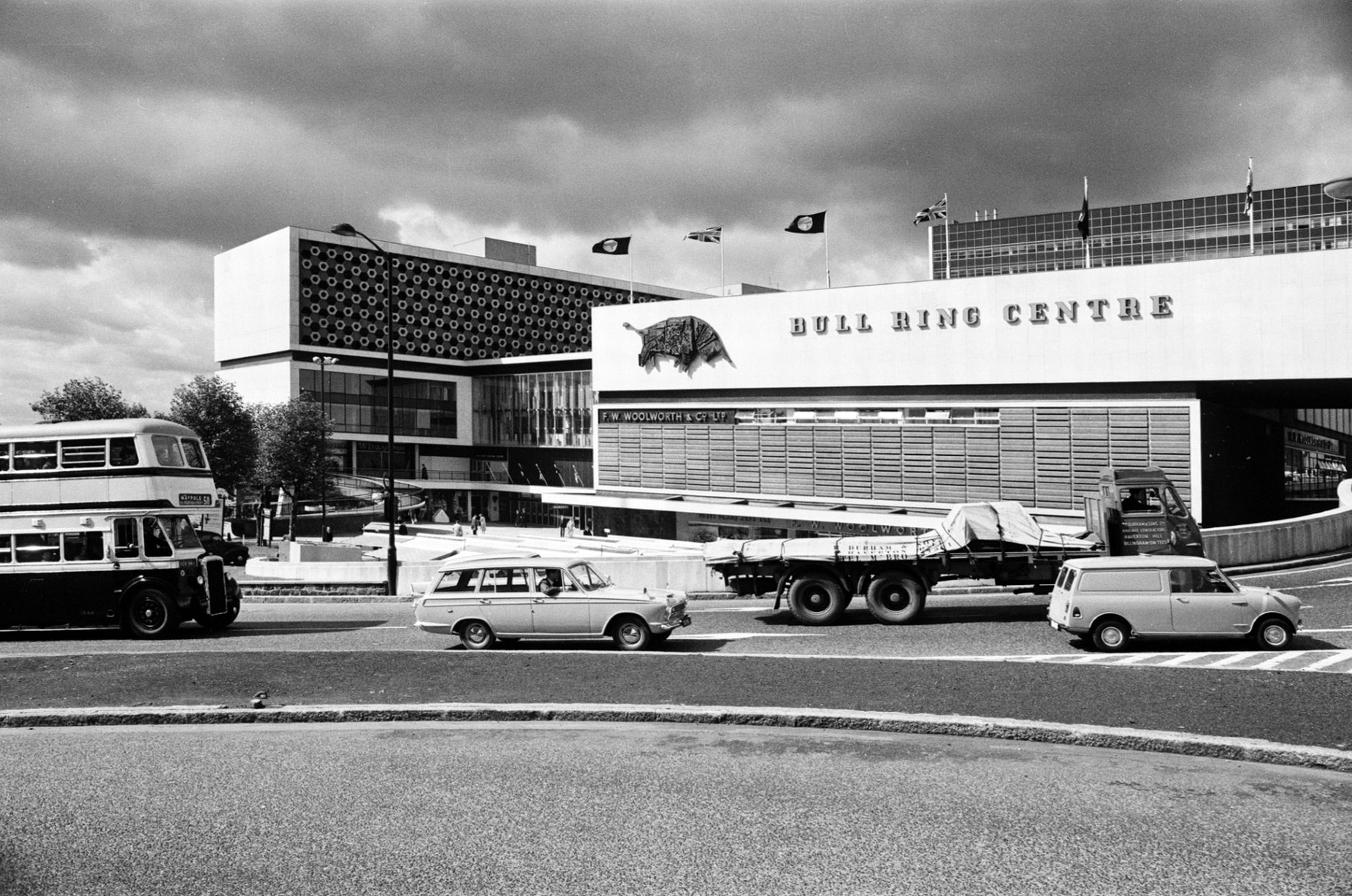
1964 – It was a monument to provincial pride in reinforced concrete and glass. When the Duke of Edinburgh opened the Birmingham Bull Ring in May 1964, it was the largest indoor shopping centre in Europe, with a total floor area of 23 acres. Inspired by American suburban malls, the Bull Ring promised coatless shopping in an air-conditioned, temperature-controlled hall maintained at late-spring level.

JS55897014

2017 – Many are now no more, or redeveloped beyond recognition. The integrity of the architecture, street furniture, public art, space and usage a thing of folk memory.

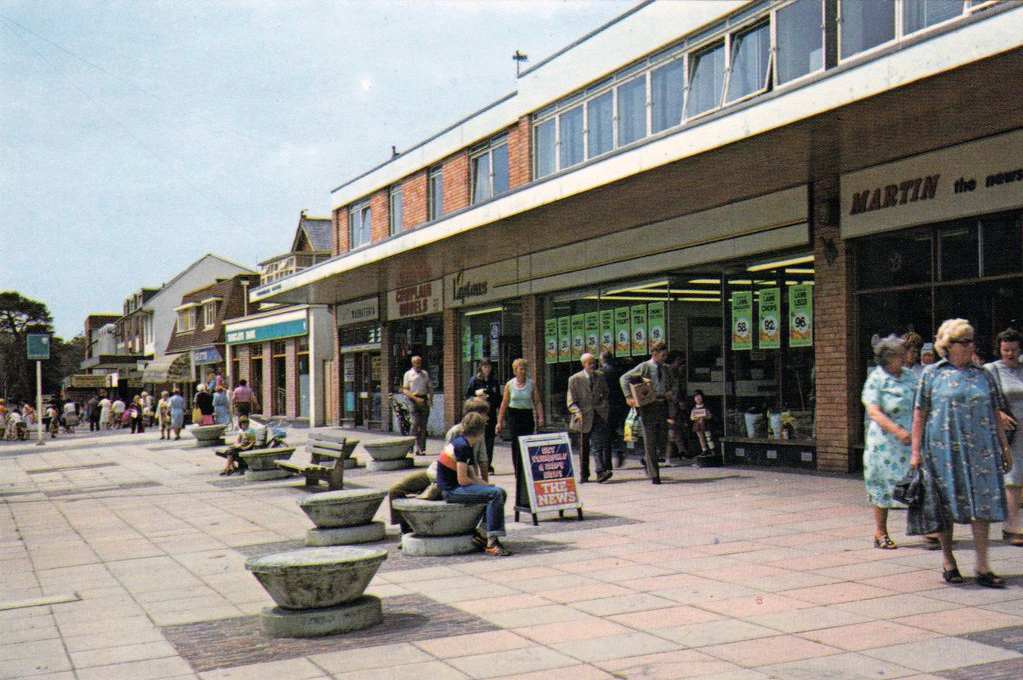
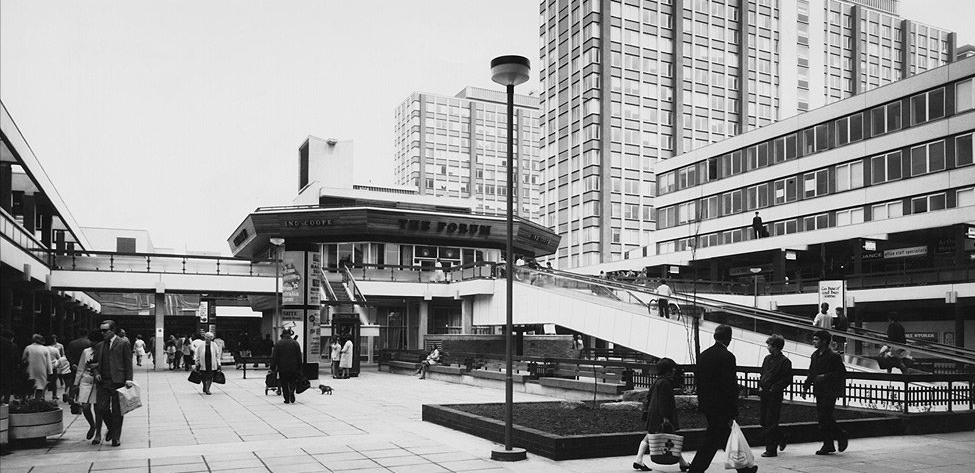
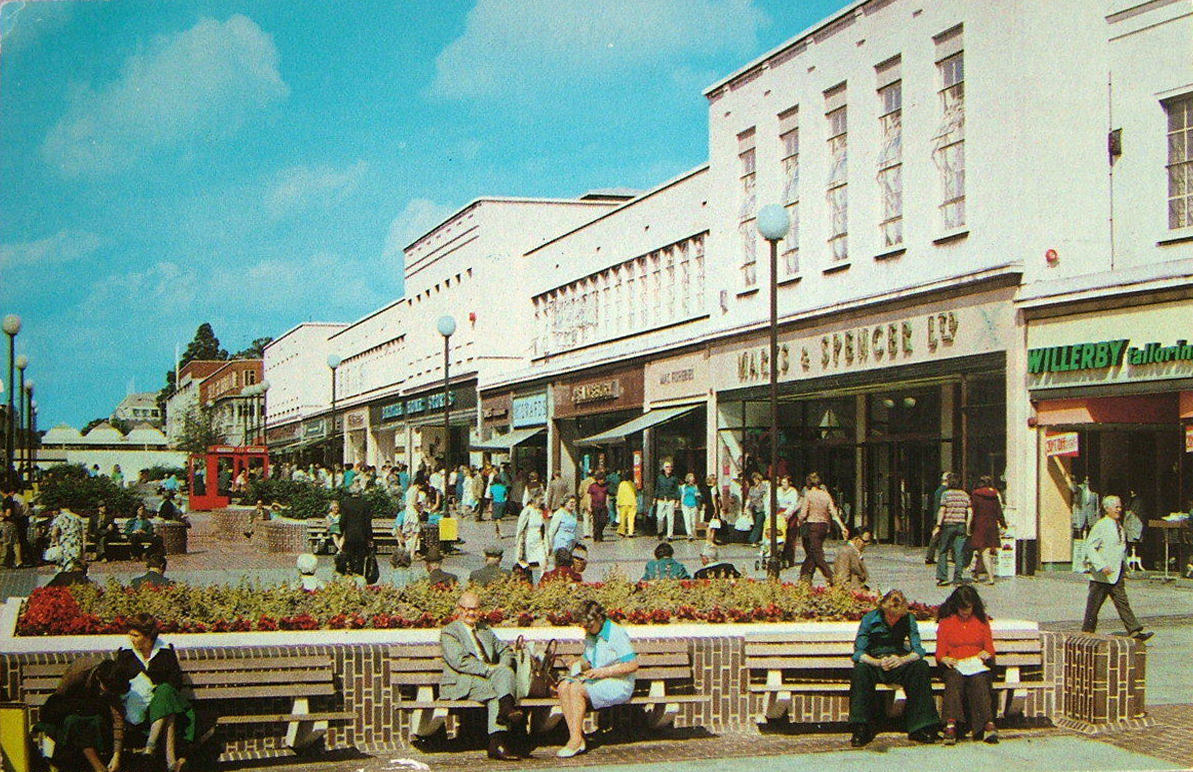
So come with me now on a whirlwind picture postcard tour of this Nation’s saving grace – it’s modernist shopping spaces.

aberdeen-e1522241288210.jpg

Aberdeen

barlaston

Barlaston

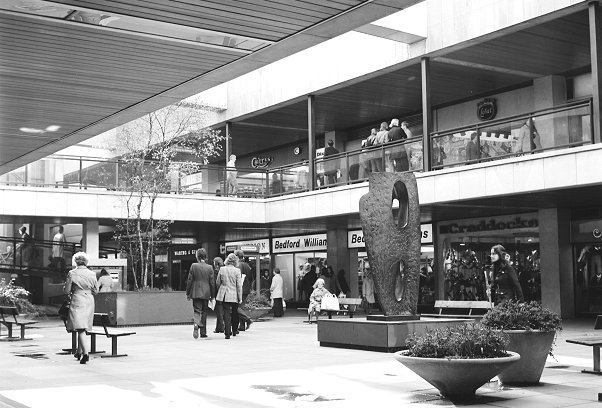
bedford-copy.jpg

Bedford

Bracknell copy

Bracknell

brentwood a

Brentwood

brighton

Brighton

burton

Burton on Trent

butts reading

Butts – Reading

chelmsford

Chelmsford

corby b

Corby

cov

coventry a

coventry

Coventry

cowplain

Cowplain

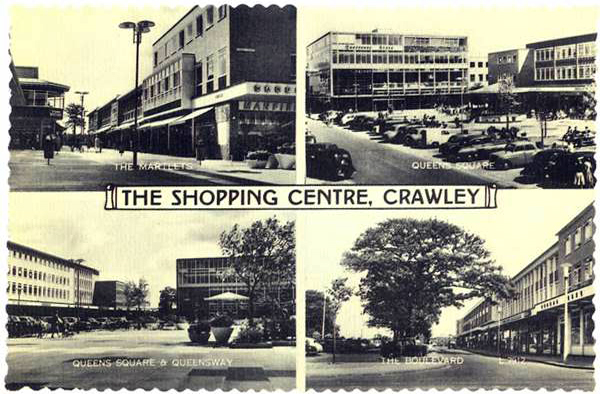
crawley

Crawley

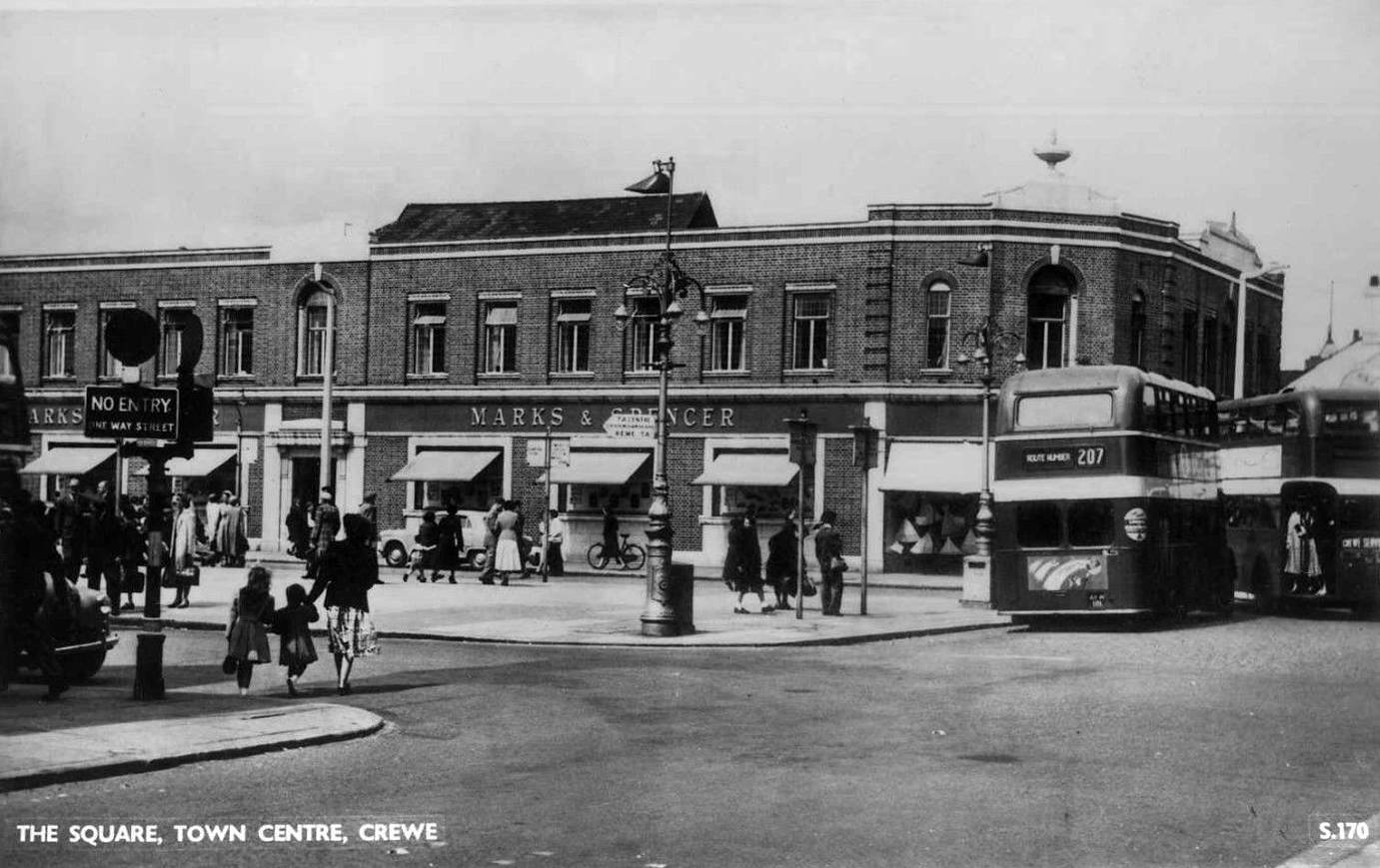
crewe

Crewe

croydon

Croydon

cwmbran

Cwmbran

dudley

Dudley

elephant and castle

Elephant and Castle

great yarmouth copy

Great Yarmouth

hanley

Hanley

harlow

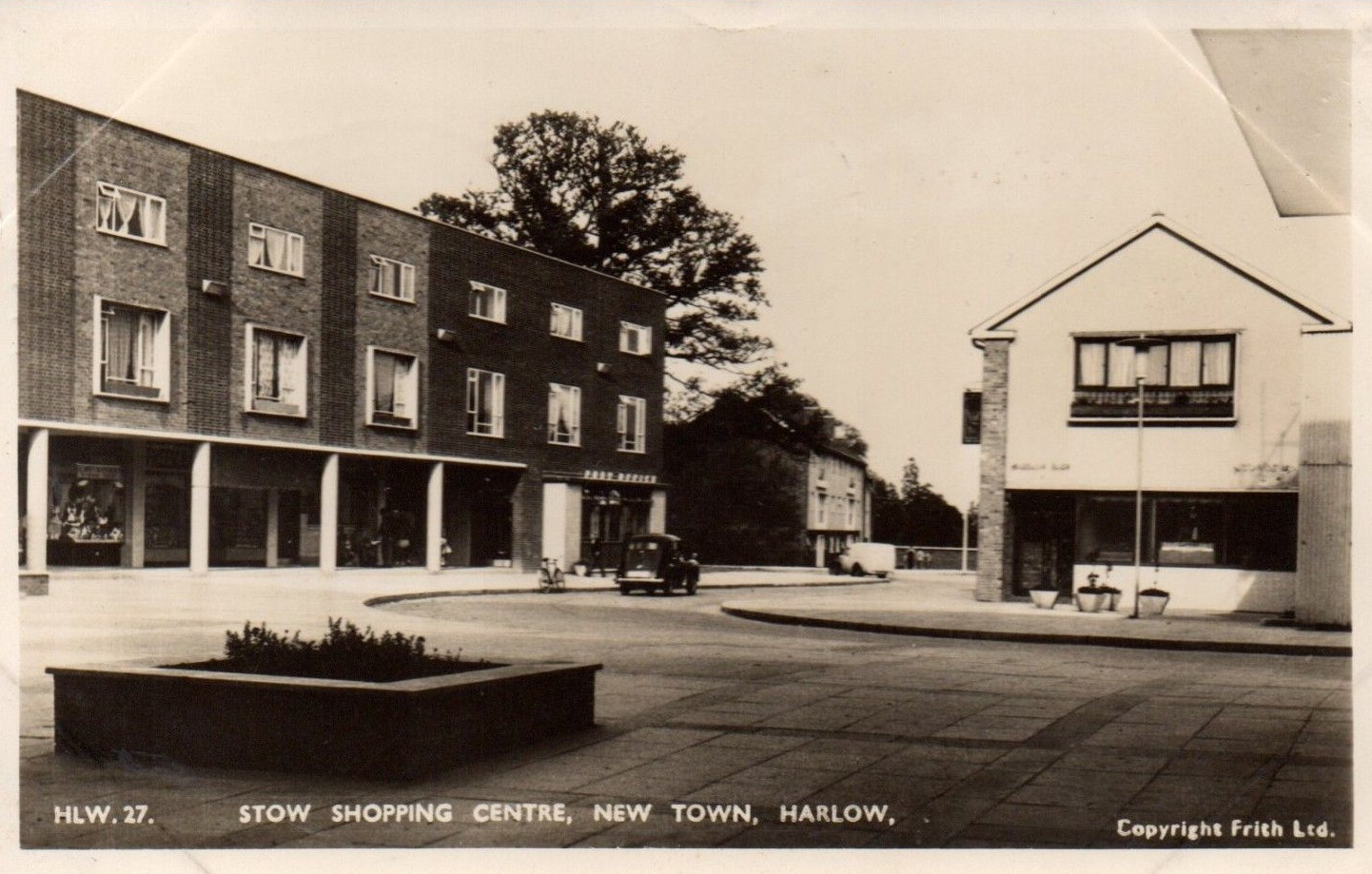
Harlow

hartlepool.jpg

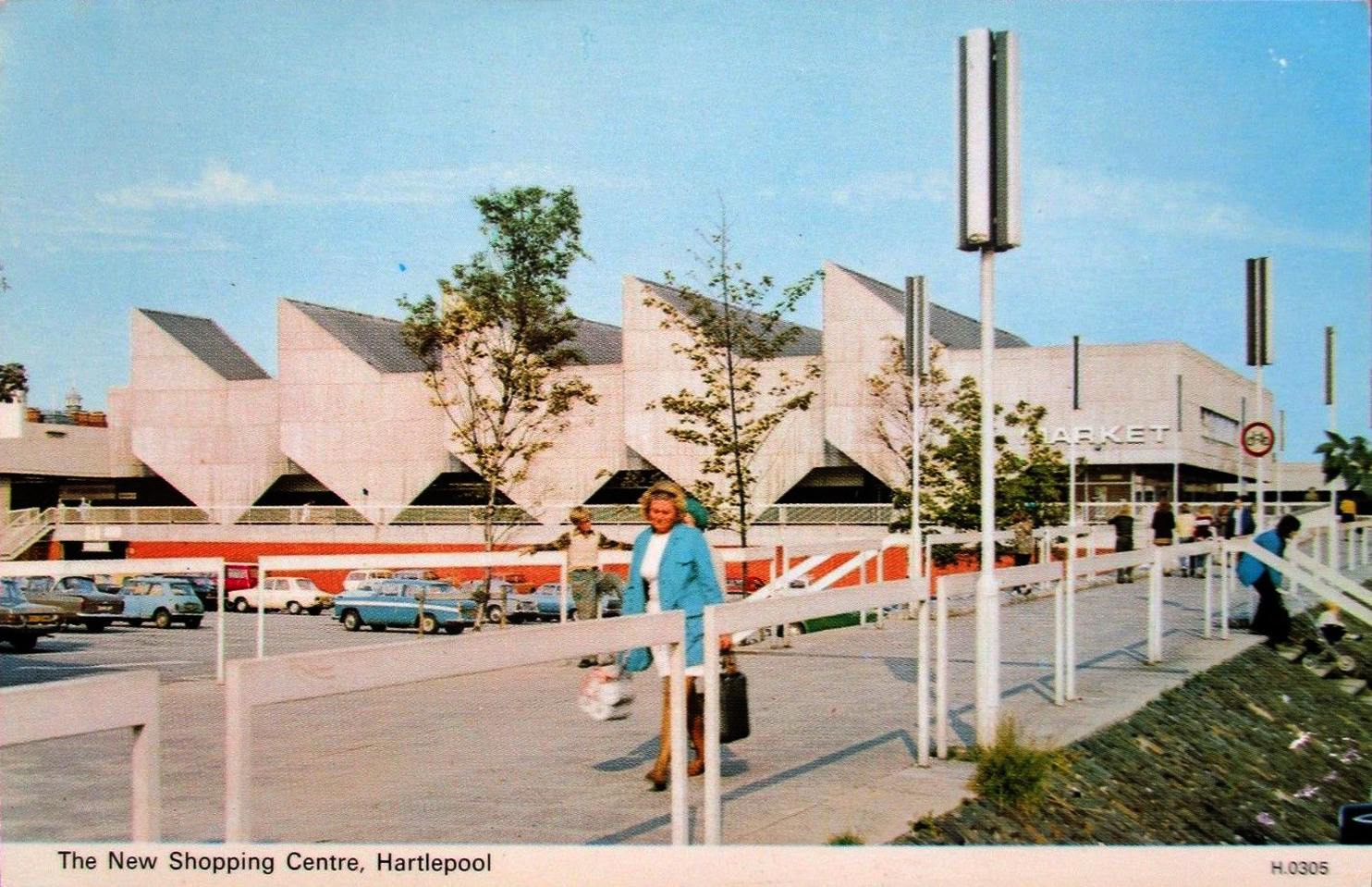
Hartlepool

Hebburn

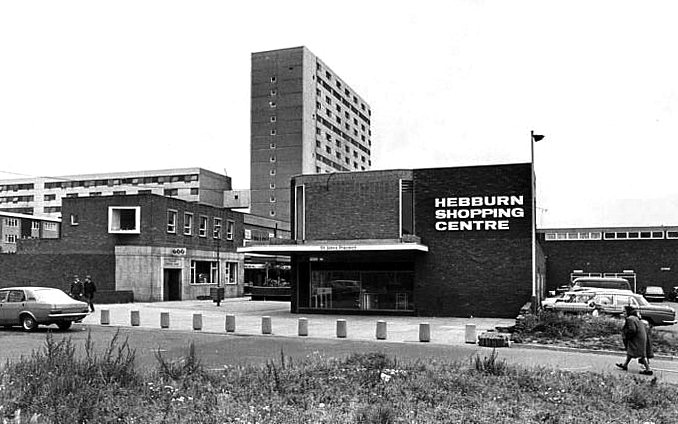
Hebburn

immingham

Immingham

irvine

Irvine

leamore

Leamore

letch arena_parade_mid

Letchworth

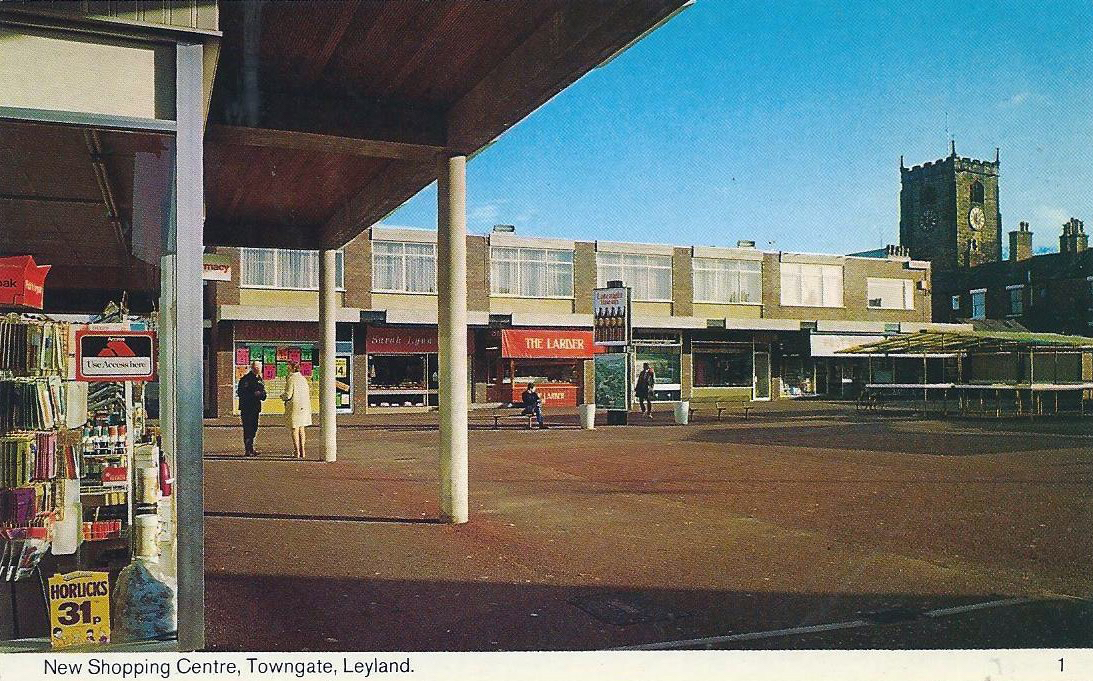
leyland.jpg

Leyland

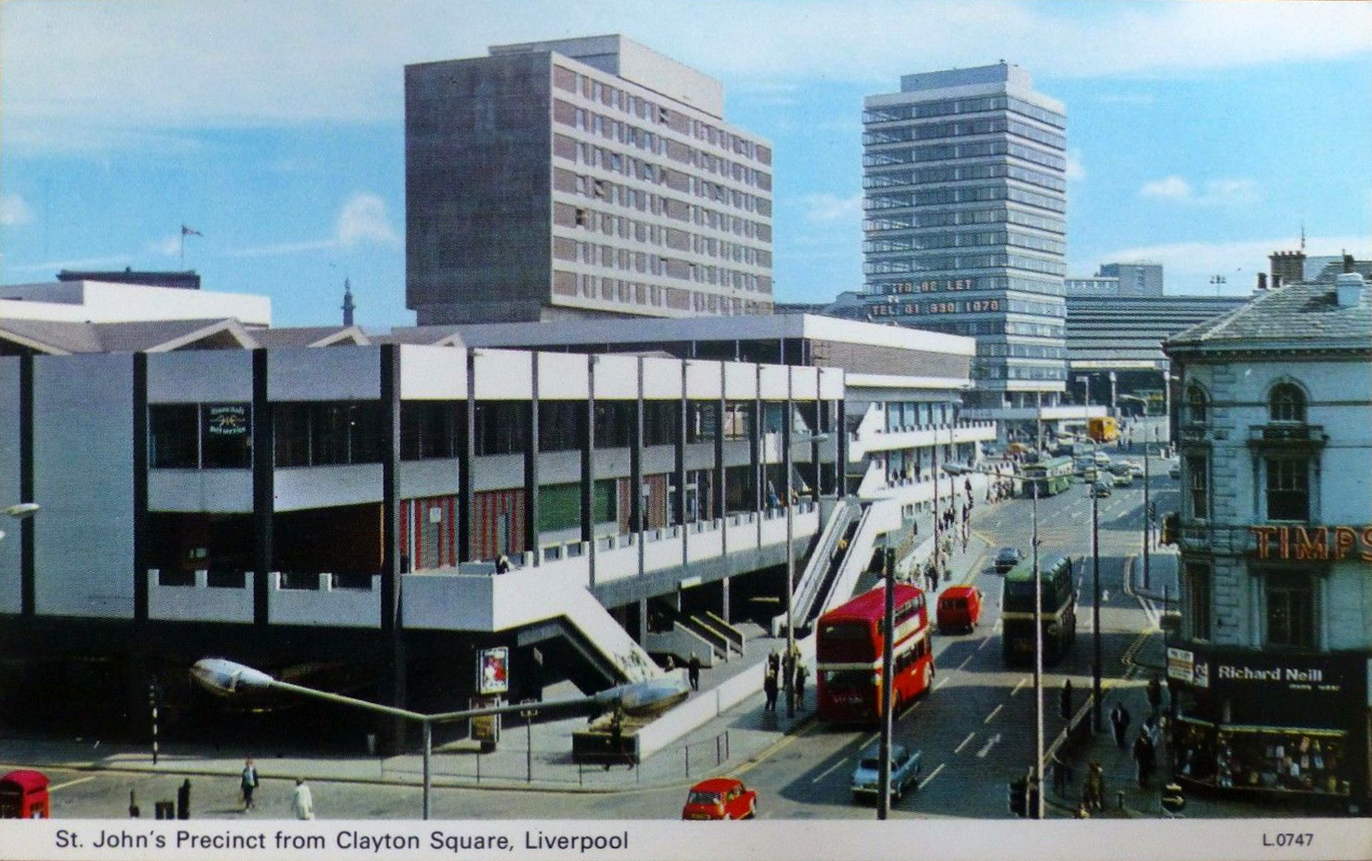
liverpool

Liverpool

mexborough

Mexborough

MK b

MK

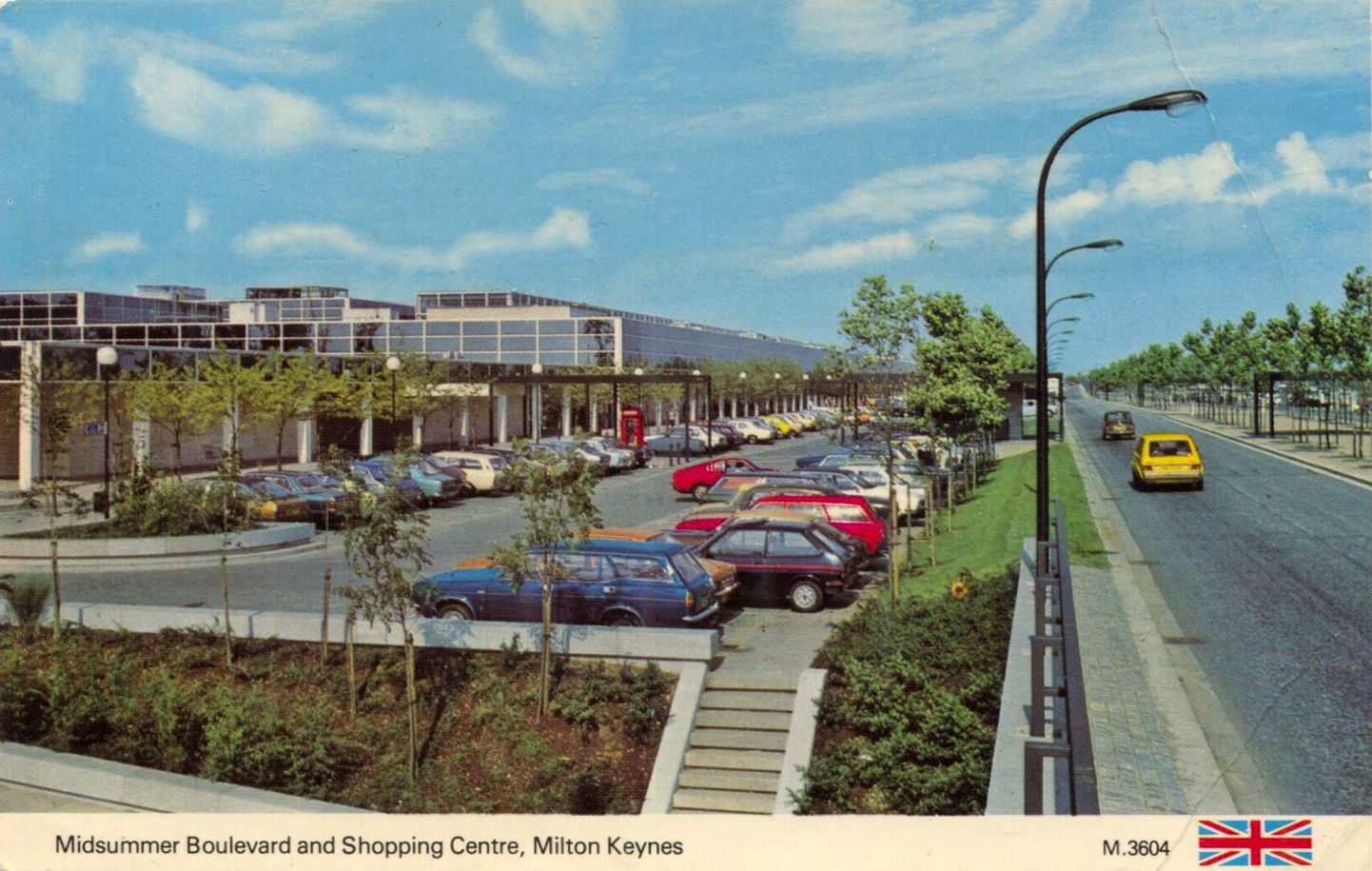
MKa

Milton Keynes

nantwich

Nantwich

norris green

Norris Green

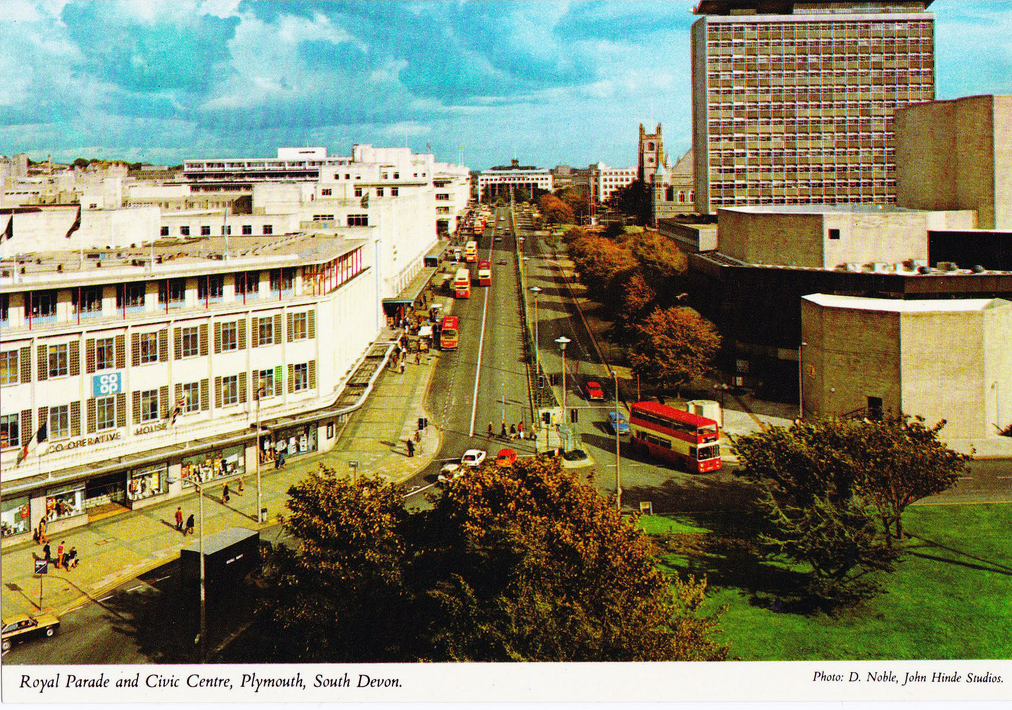
plymouth

Plymouth

runcorn

Runcorn

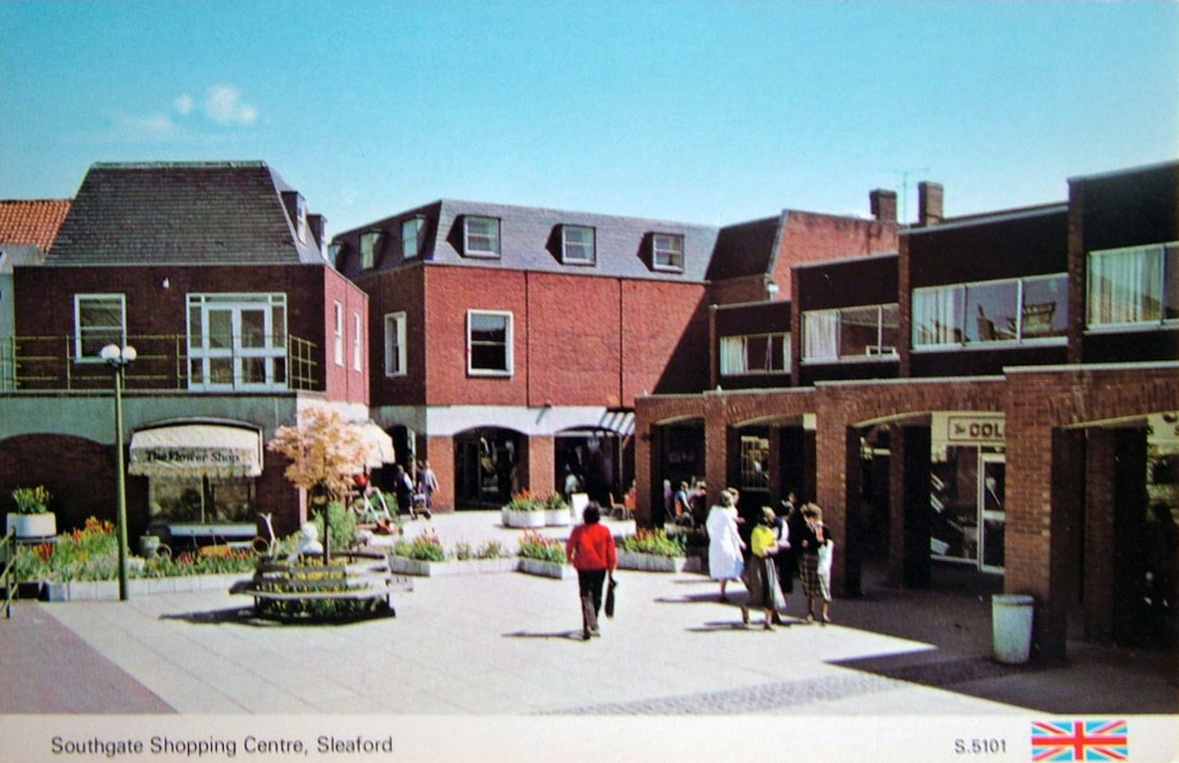
sleaford.jpg

Sleaford

southampton

Southampton

stockport b

Stockport

swanley

Swanley

telford

Telford

wakefield

Wakefield

walton on thames

Walton on Thames

westway frome

Westway – Frome

w mander centre wolv

Wolverhampton

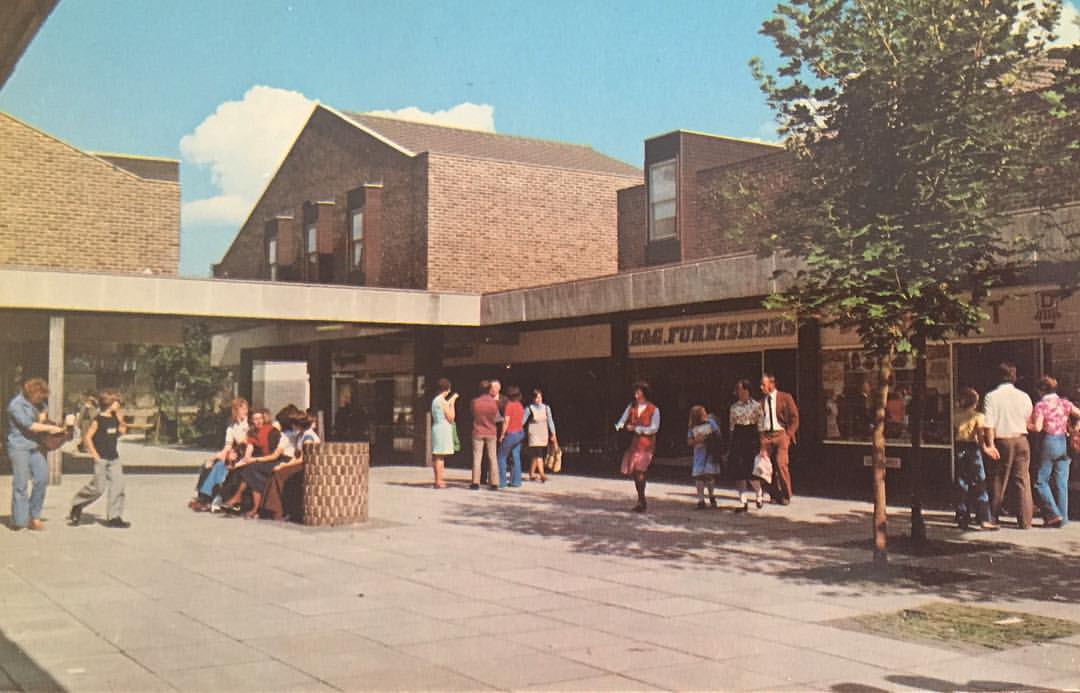
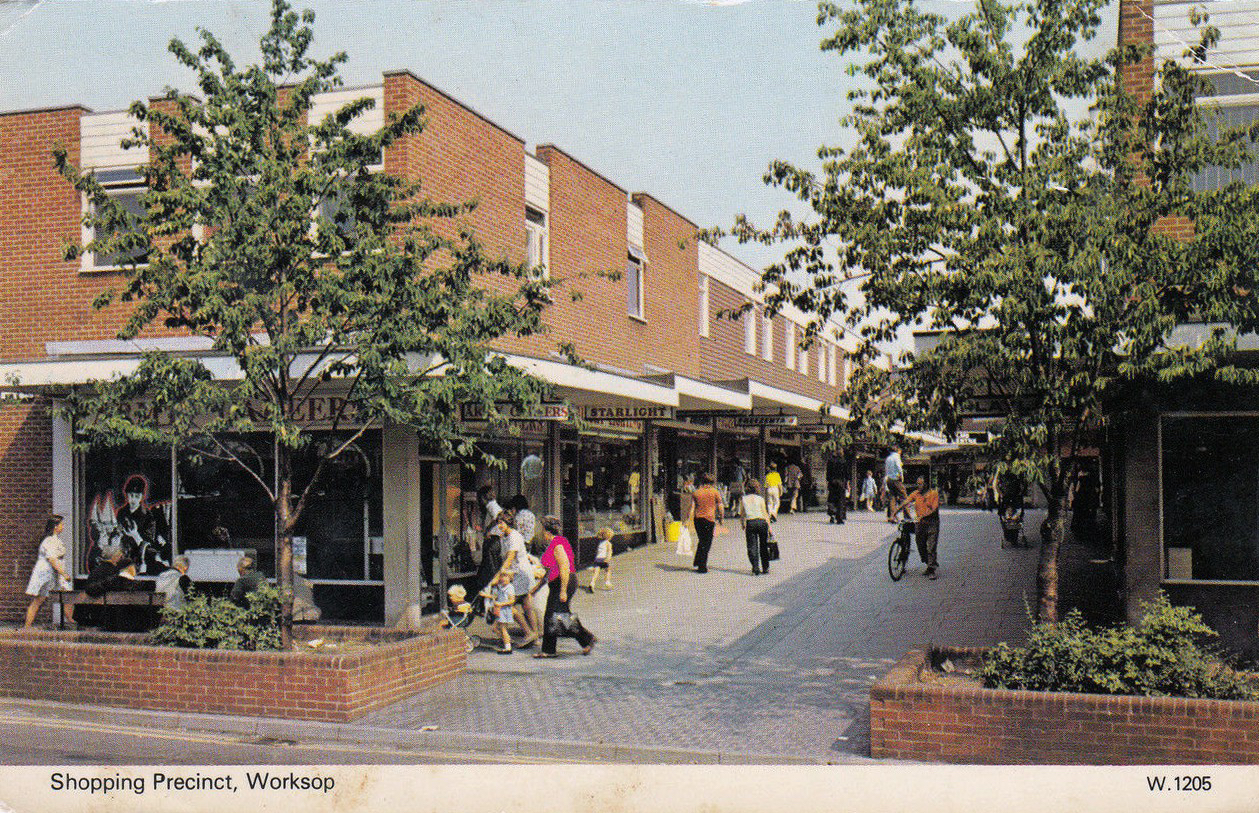
s-l1600-31.jpg

Worksop


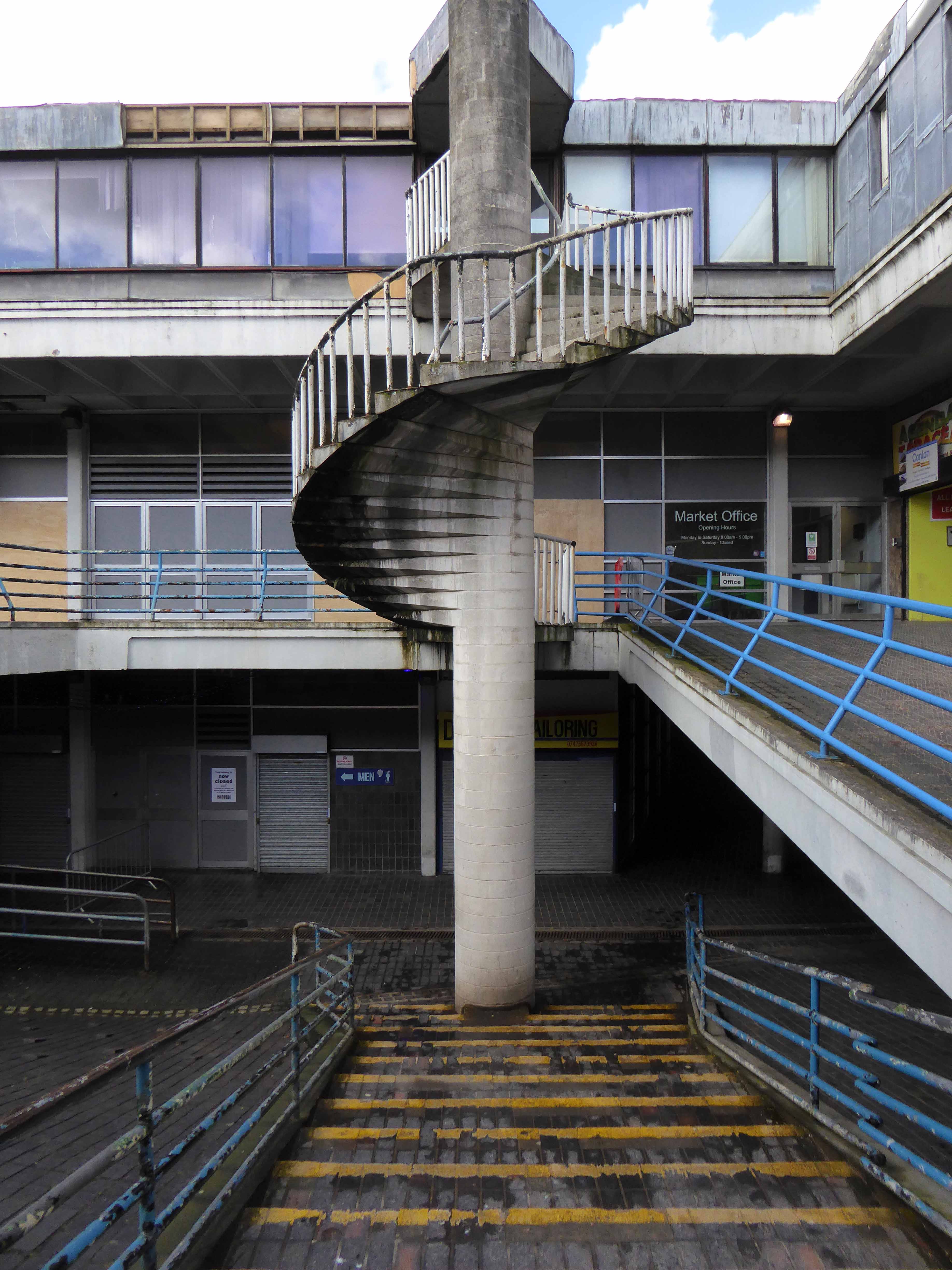
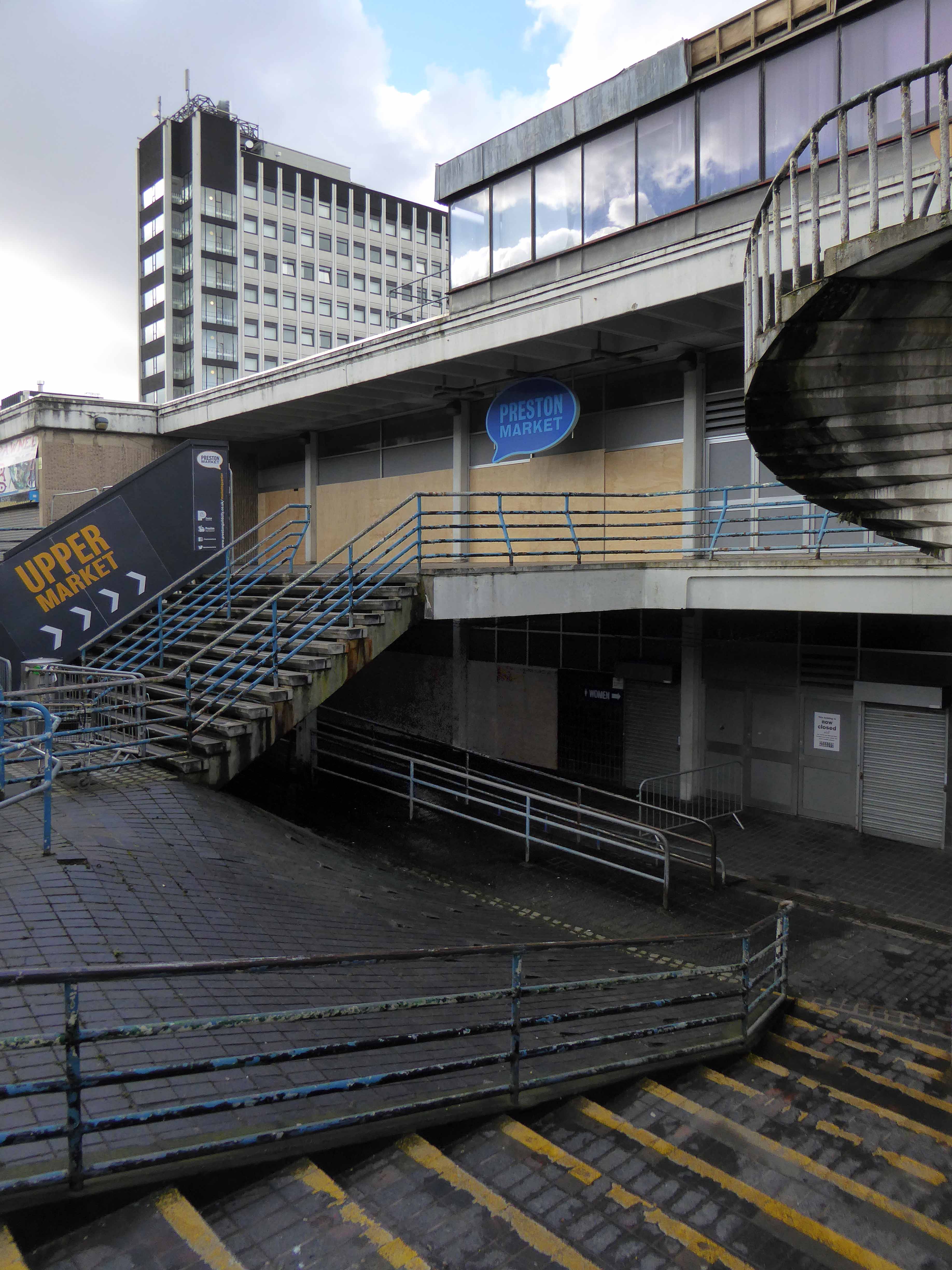
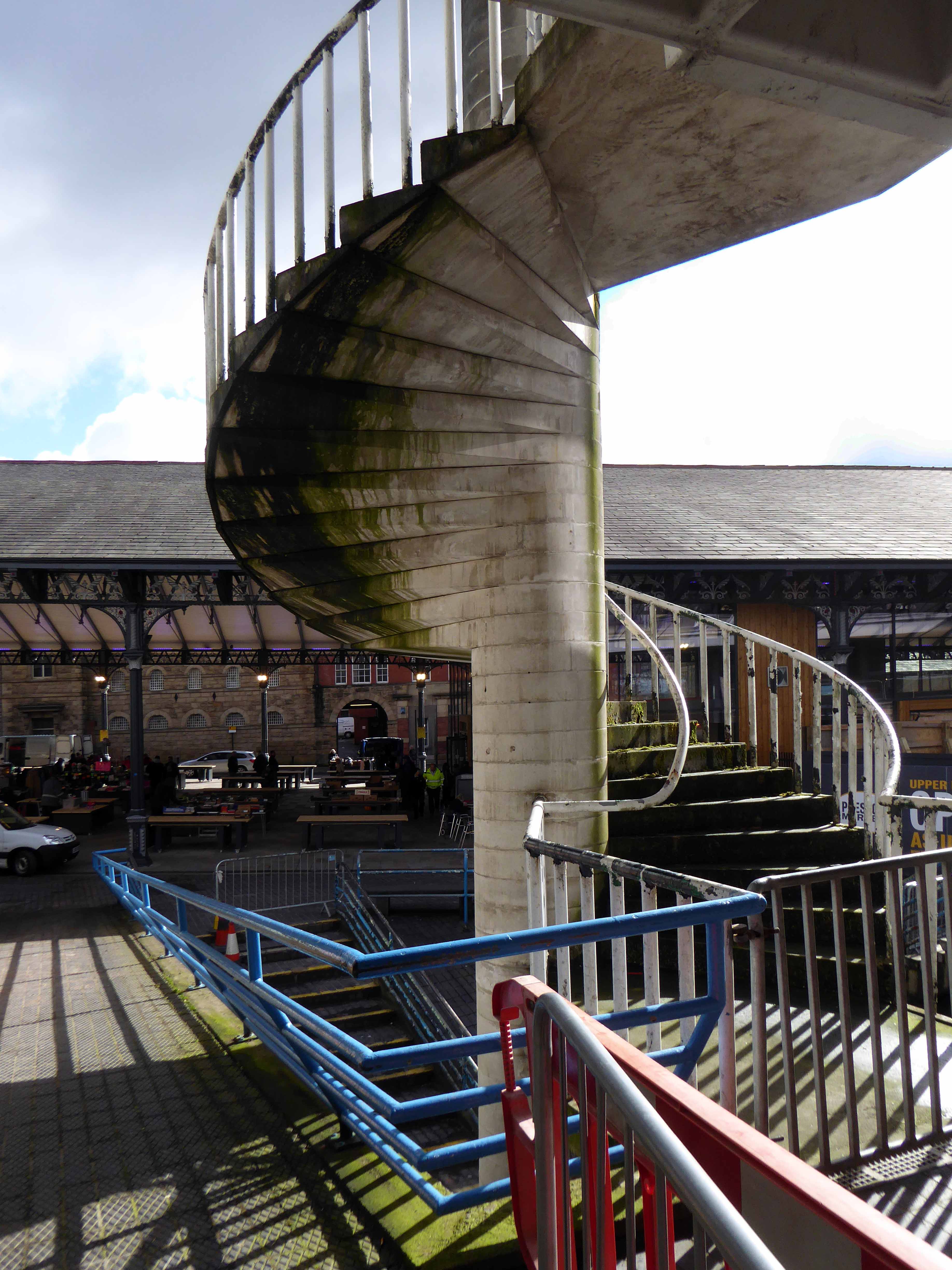
Indoor Market Preston – Epilogue

I’ve been here, before recording the prelude to the epilogue, here at Preston’s Indoor Market.

So on my return this February, I find that the inevitable end, is indeed now past nigh.

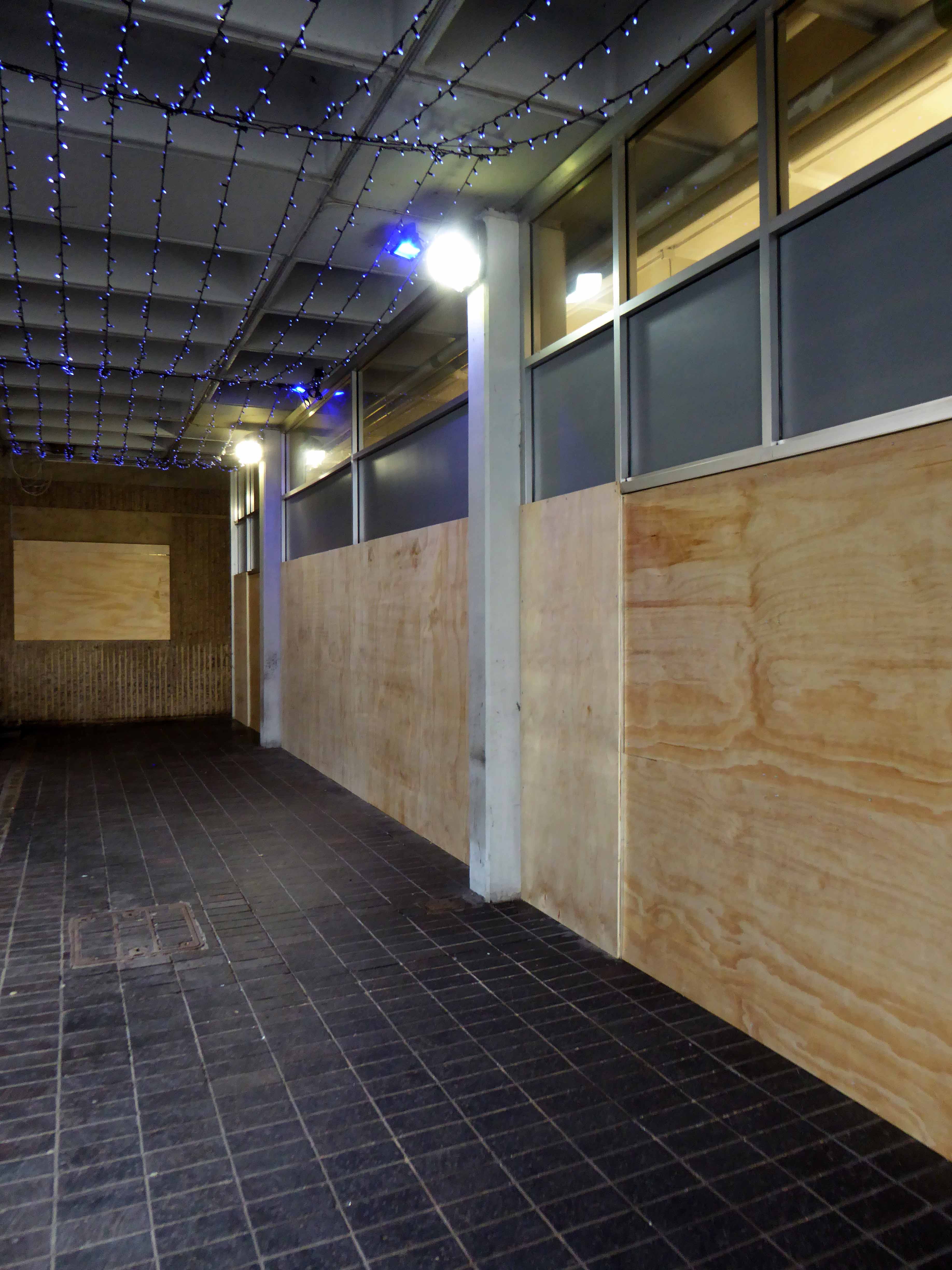
Boarded and shuttered awaiting demolition – Waiting for The Light to shine:

Preston-Market-and-Cinema-visual

Preston City Council has granted planning permission to Muse Developments’ £50m cinema-led leisure scheme in the city centre.

Muse is working in partnership with the council on the plans, made up of an 11-screen cinema operated by The Light, seven family restaurants, a 593-space multi-storey car park and public realm improvements.

The project forms part of the wider regeneration of the Markets Quarter which includes the full refurbishment and redecoration of the grade two-listed market canopies and the construction of a glazed Market Hall.

Preston to their credit have become an exemplar for inward urban regeneration, and the work undertaken so far in the market area is bringing new life and trade to the area.

That said, it is always saddening to see the architecture of the Sixties swept aside.

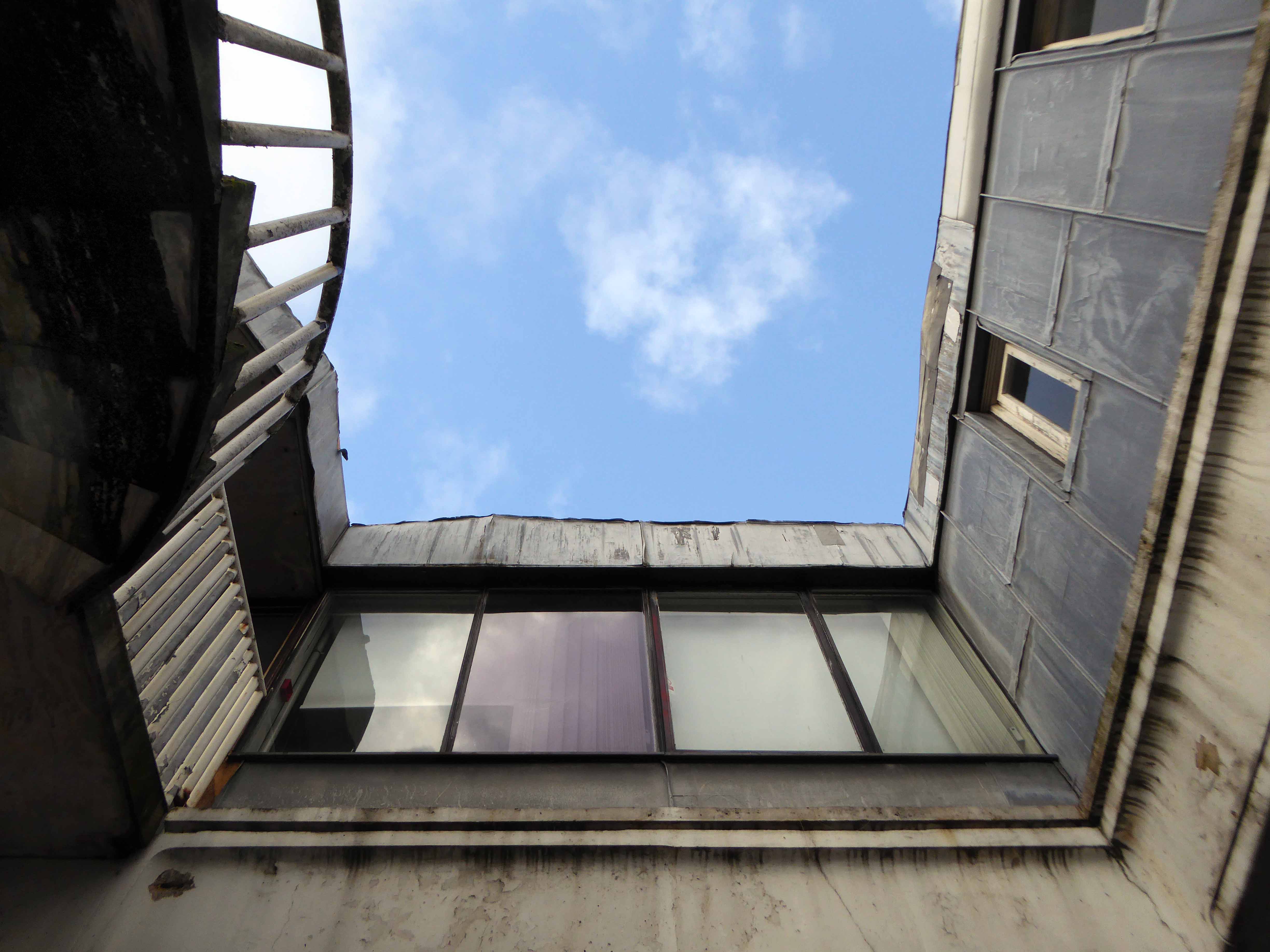
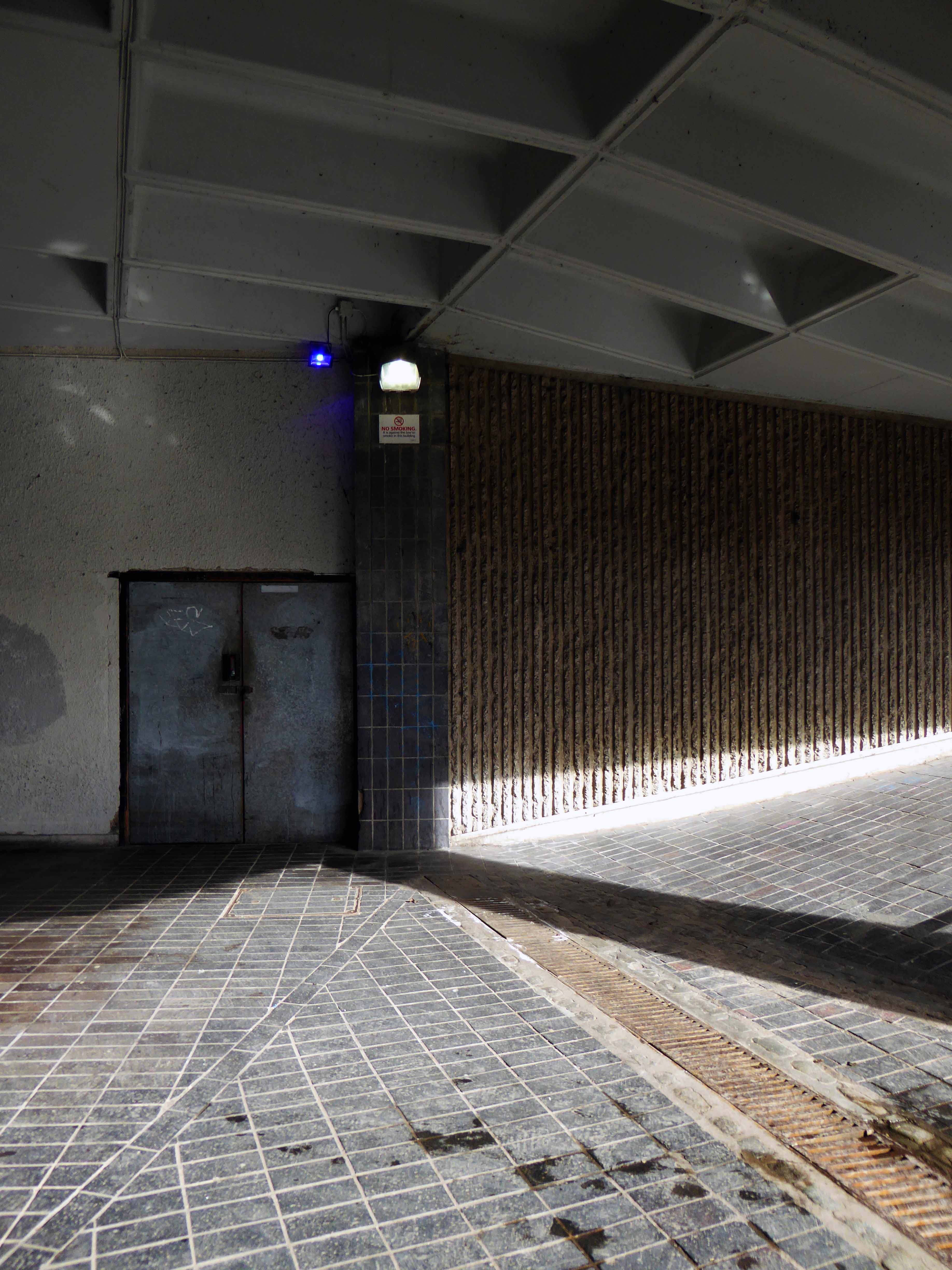
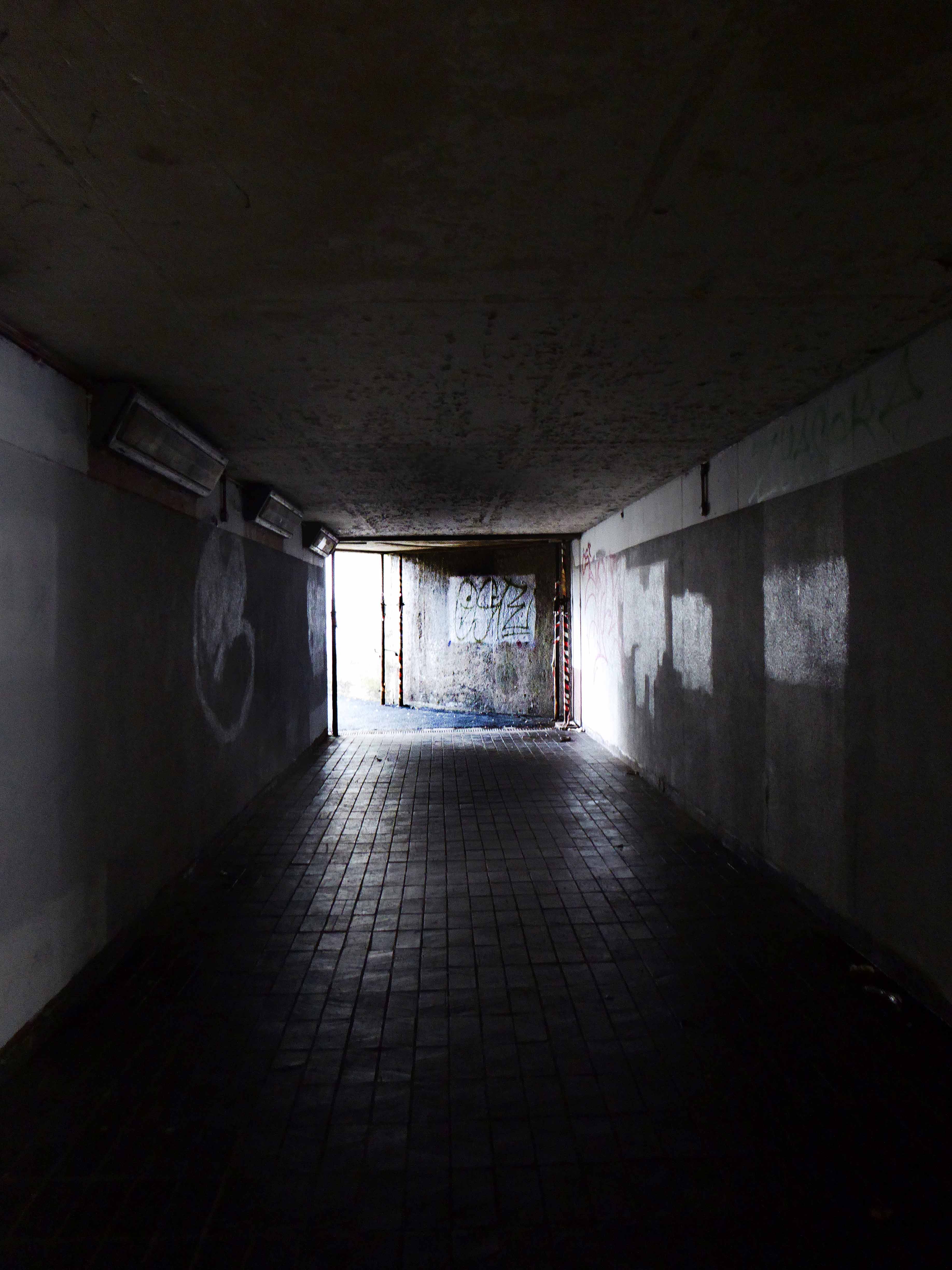
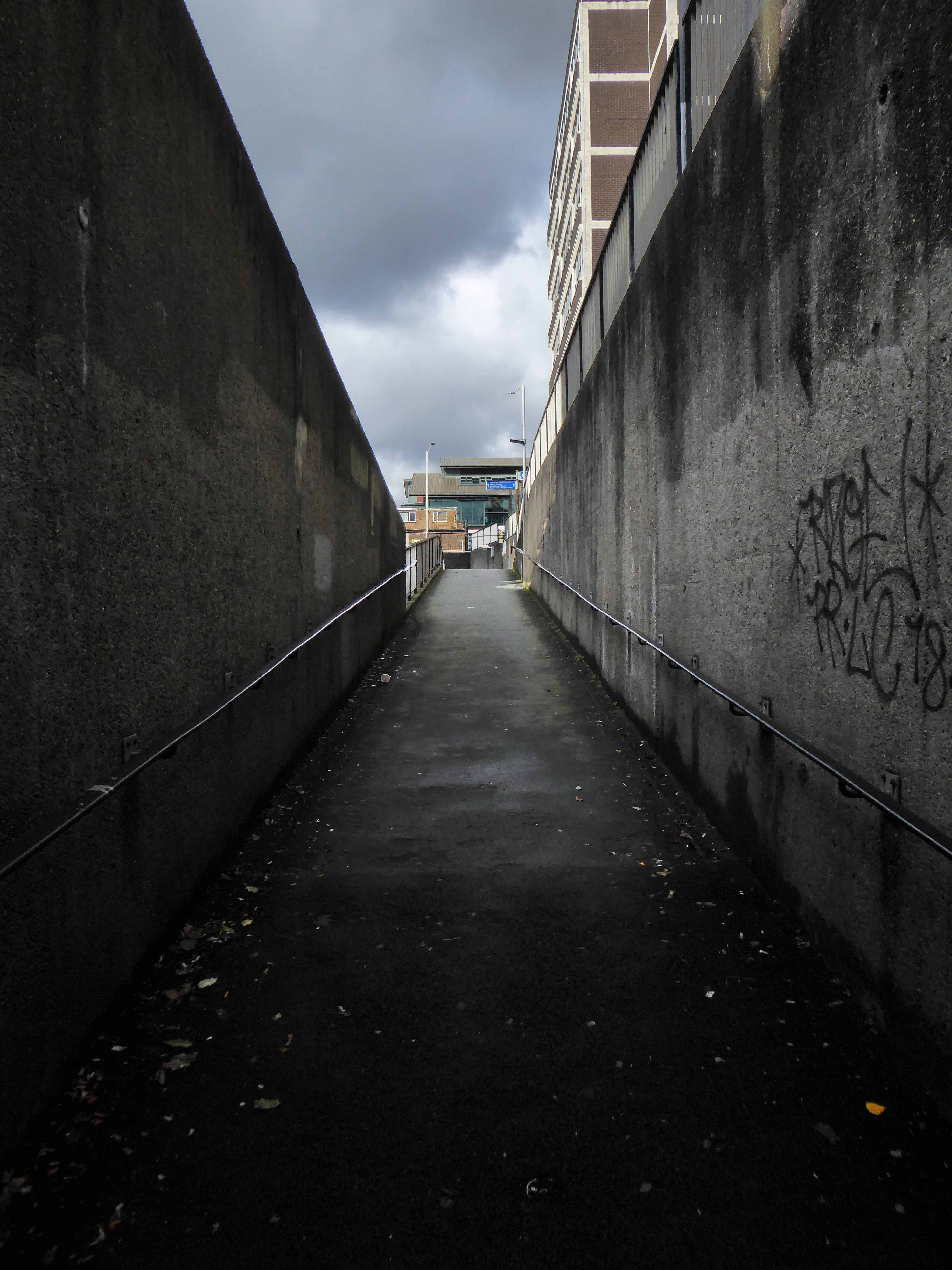
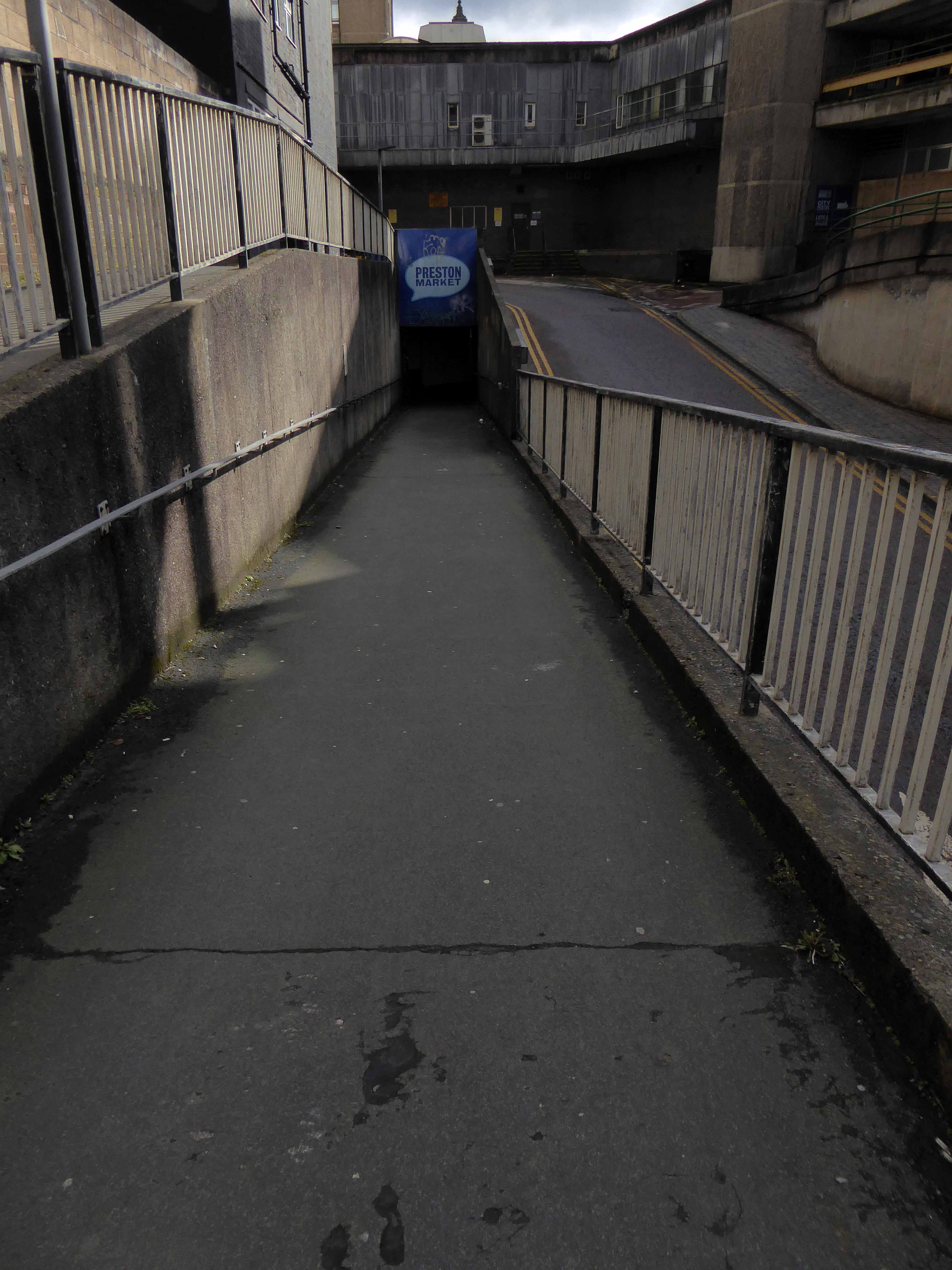
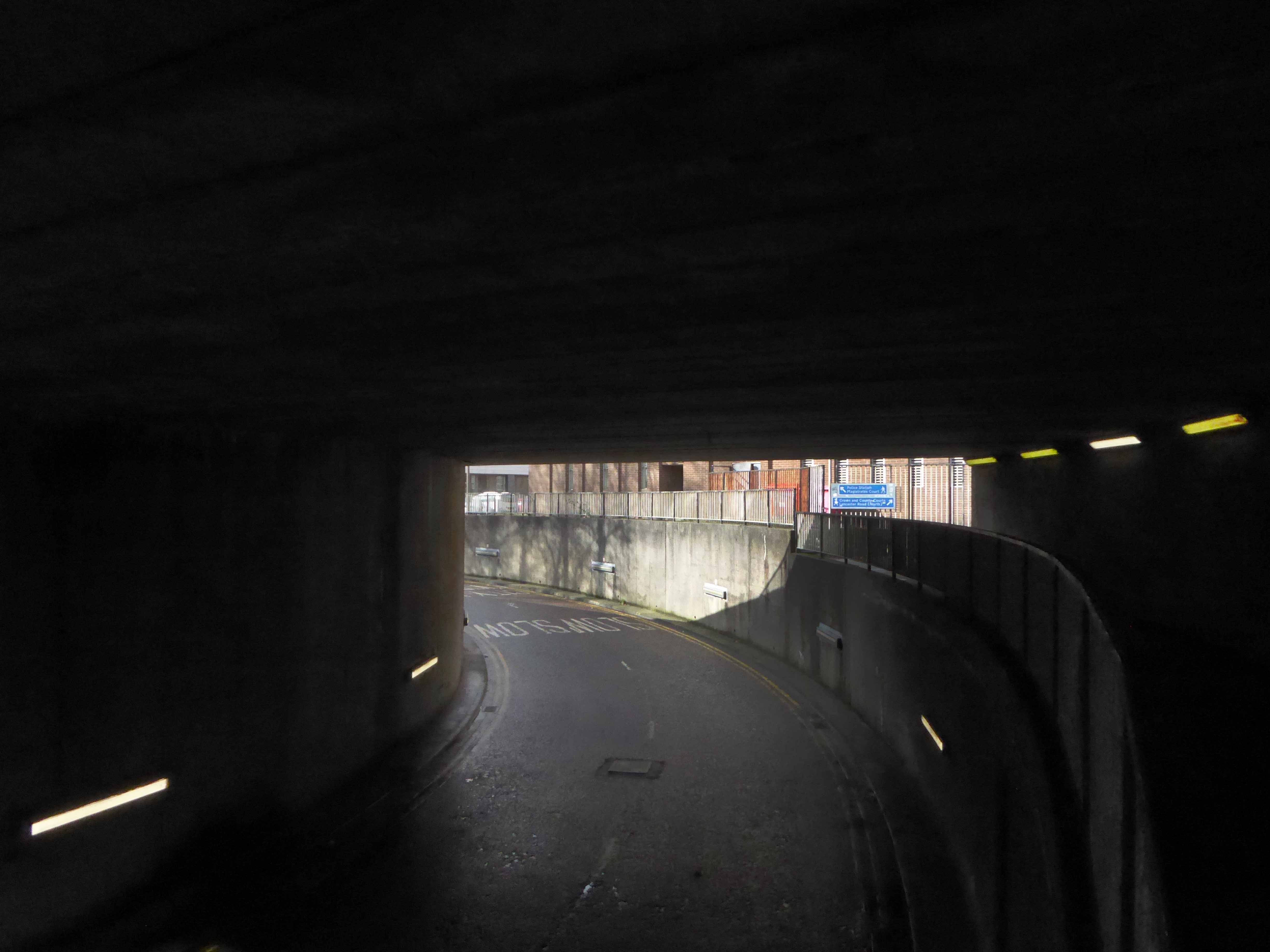
So come take one last wander through the concrete warren of ramps, underpasses and tunnels of the unwanted indoor market.

P1230805

P1230807

P1230809

P1230810

P1230814

P1230815

P1230816

P1230817

P1230819

P1230822

P1230823

P1230824

P1230825

P1230827

P1230828

P1230831

P1230832

P1230835

P1230849

P1230850

P1230851

P1230858

P1230861

P1230863

P1230865

P1230867


P1230870


P1230872

P1230873

P1230874

Covent Garden – Stockport

Last time I was here it was there:

Covent Garden Flats Middle Hillgate in Stockport.

A small but important group of post-war council houses – very much in an inter-war European manner, homes to a settled community of cheerful, chatty residents.

screen-shot-2016-04-14-at-17-20-211

The local authority tinned them up some year ago, ahead of a series of redevelopment proposals – last week that redevelopment reached its logical conclusion.

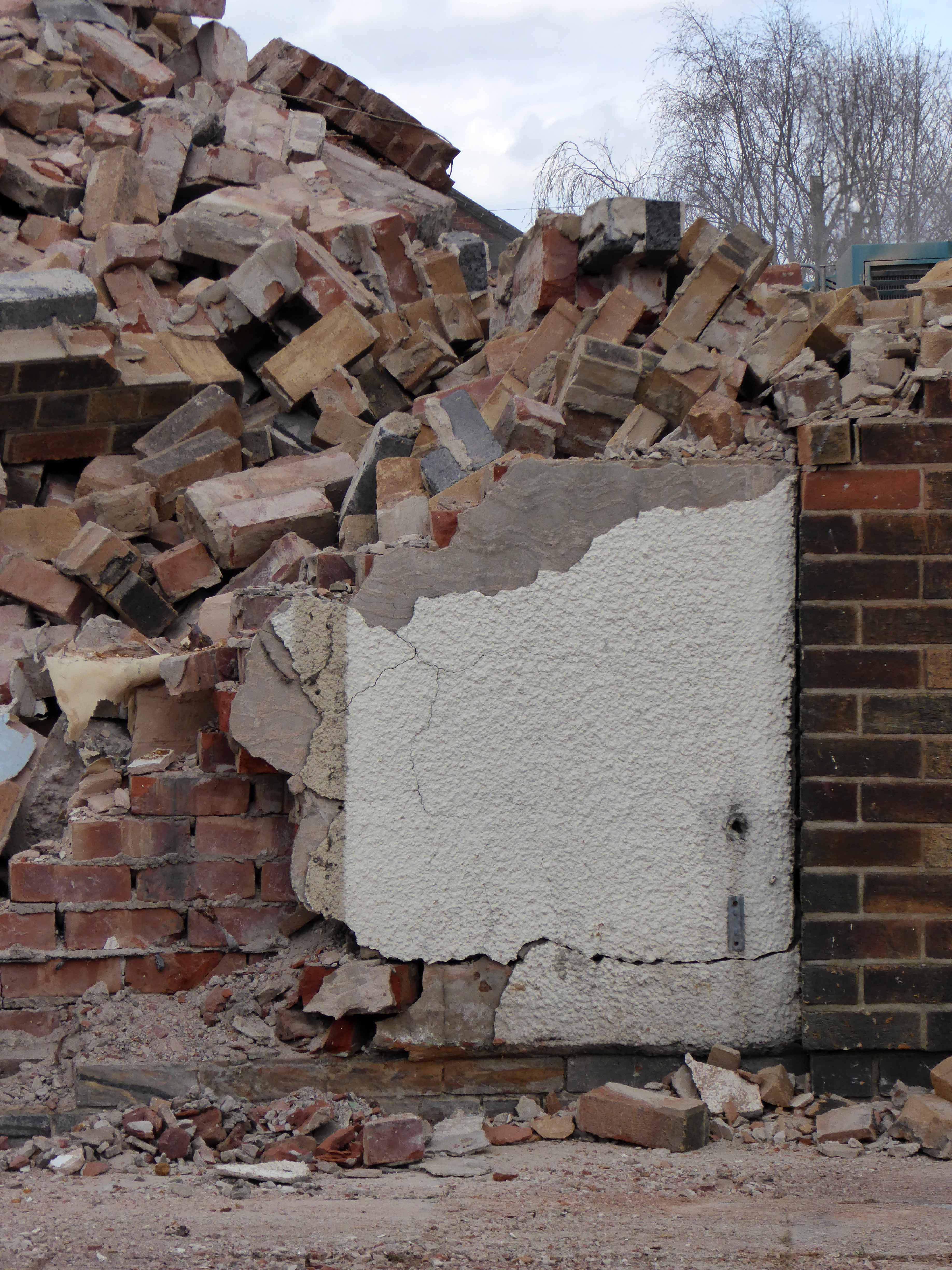
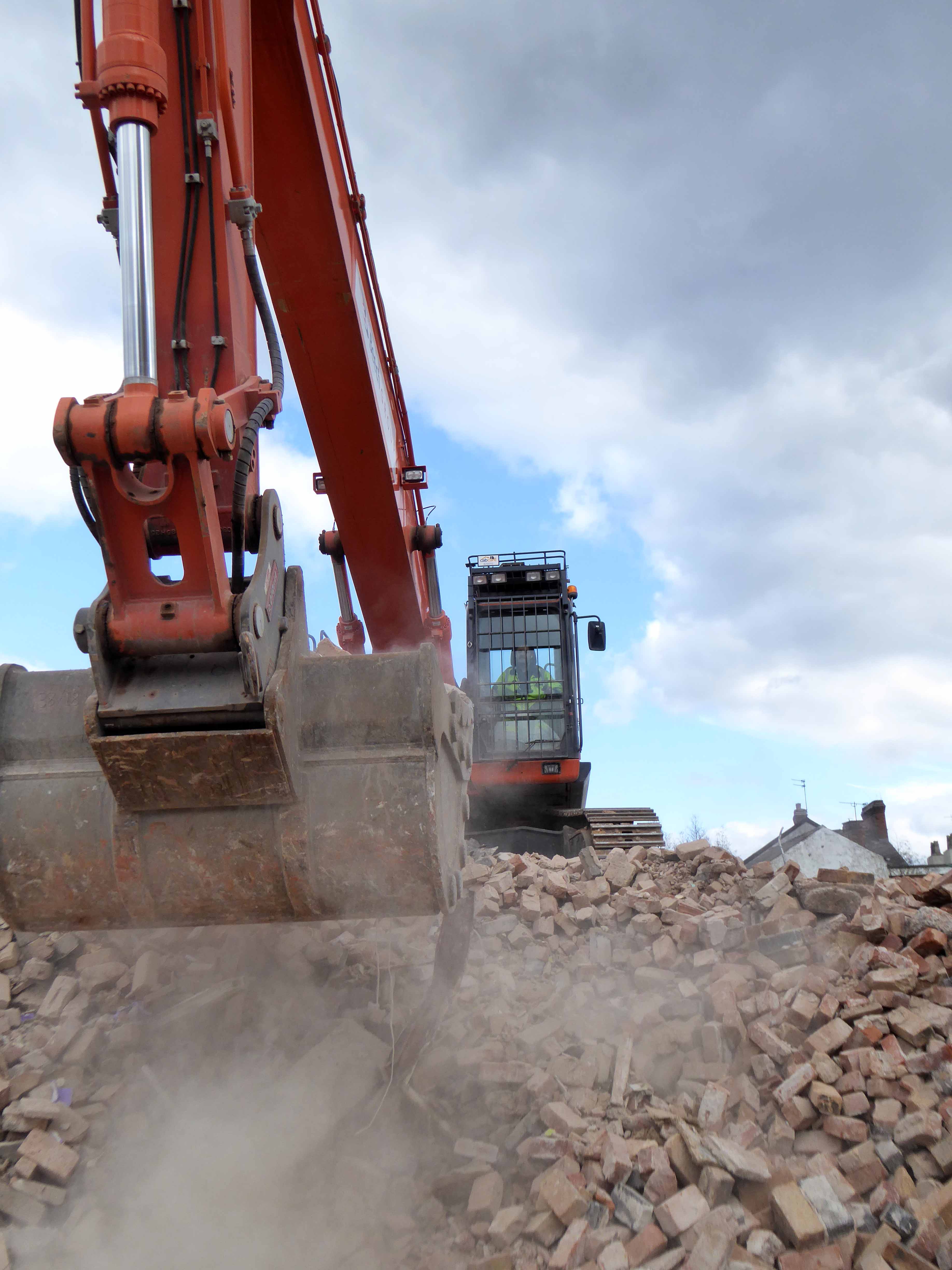
Demolition.

Whilst accepting the necessity for change, I also recognise the need to preserve what is best of the past, rather than replacing it with the present day architecture of cautiously consensual pastiche.

p1030551-copy

P1230650

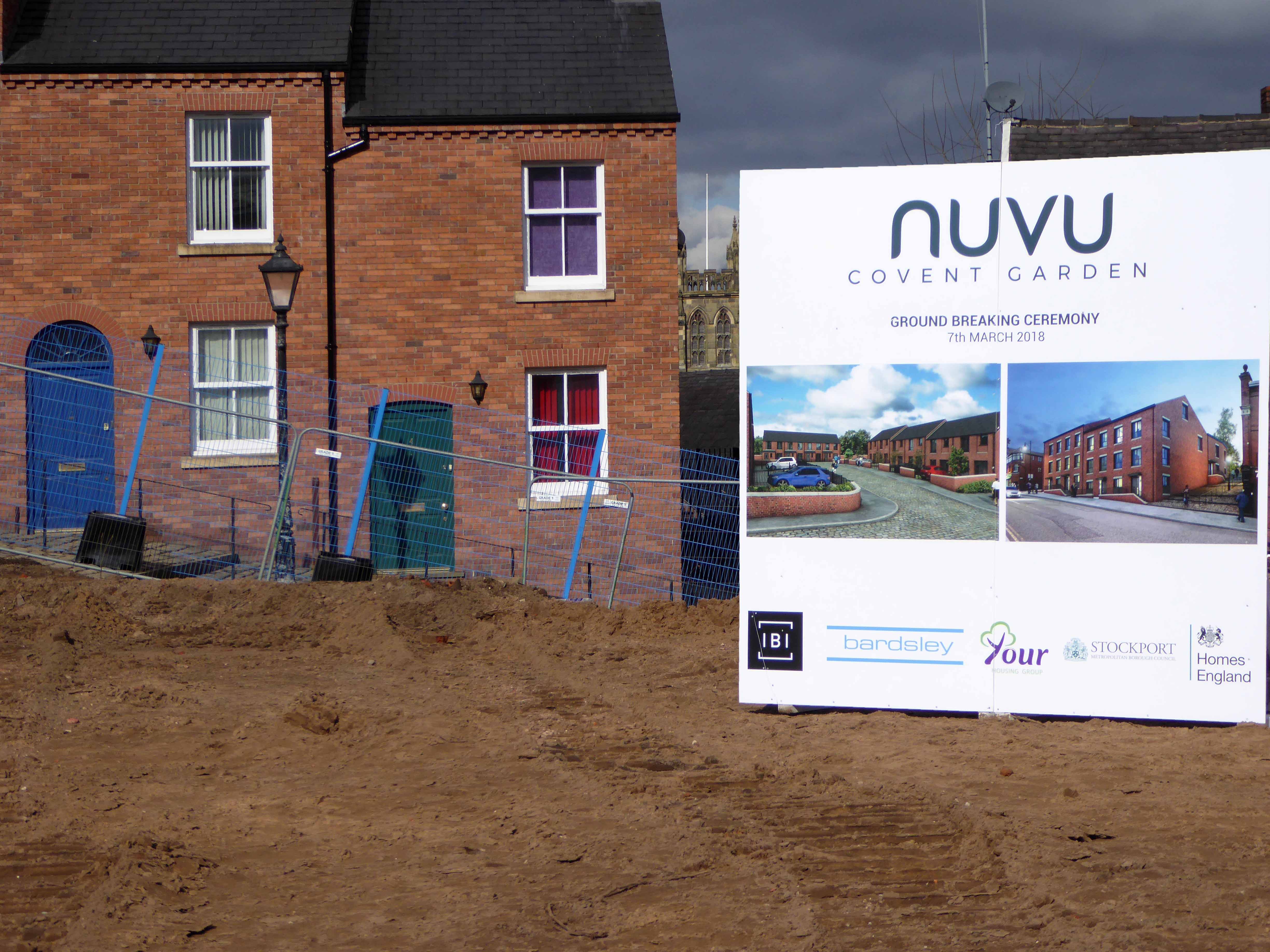
nuvu living for the nouveau be-tartaned riche:
Screen Shot 2018-03-21 at 13.37.36

So heavyhearted I circumnavigated the perimeter fence, recording forever that which was no longer there – their there replacing our there.

P1230601

P1230611

P1230613

P1230618

P1230624

P1230626

P1230630

P1230636

P1230639

P1230641

P1230633

P1230645

Screen Shot 2018-03-21 at 15.14.01


ICL Tower – Gorton Manchester

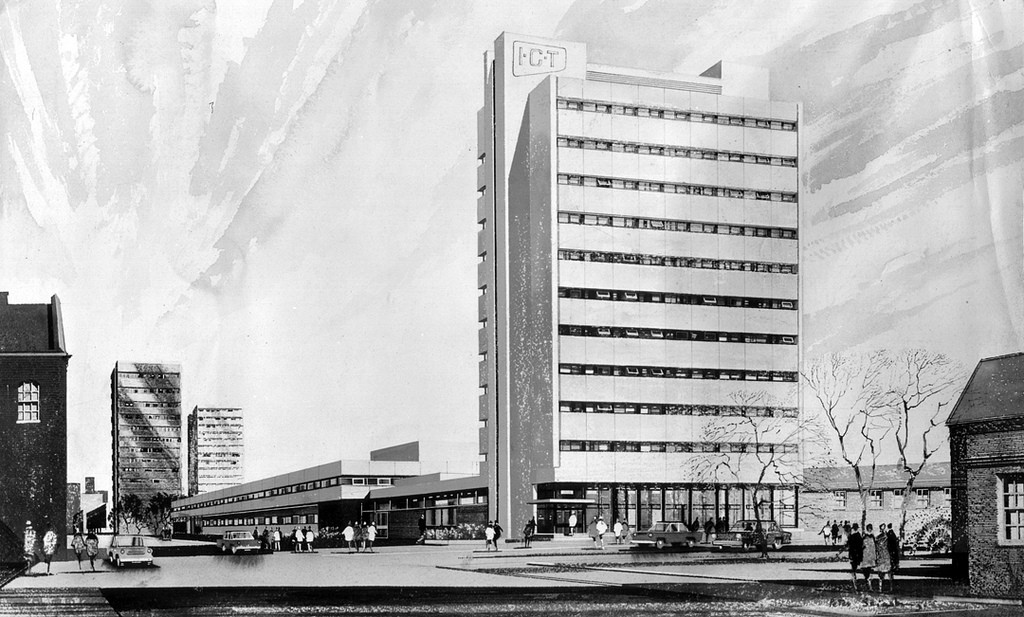
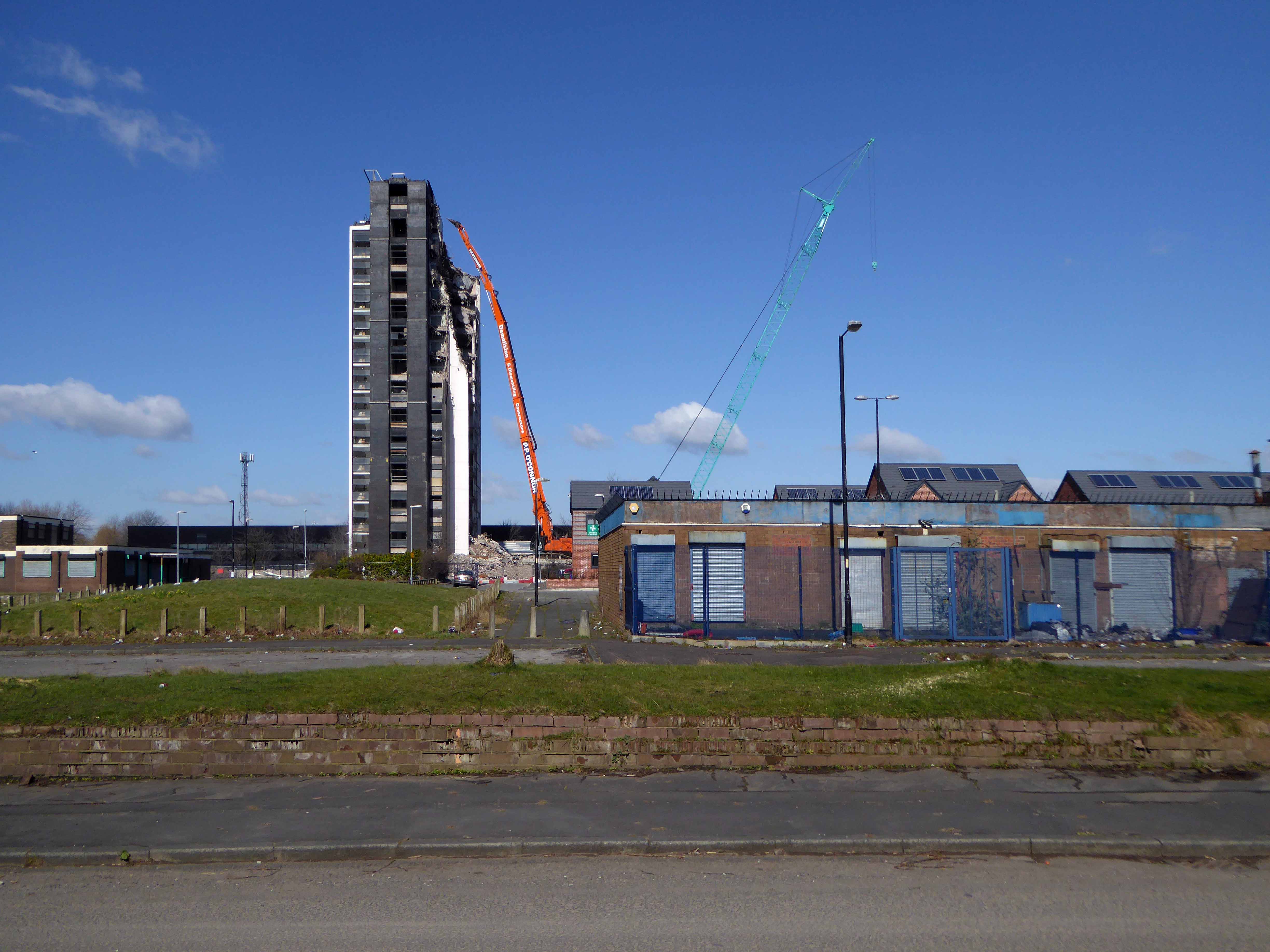
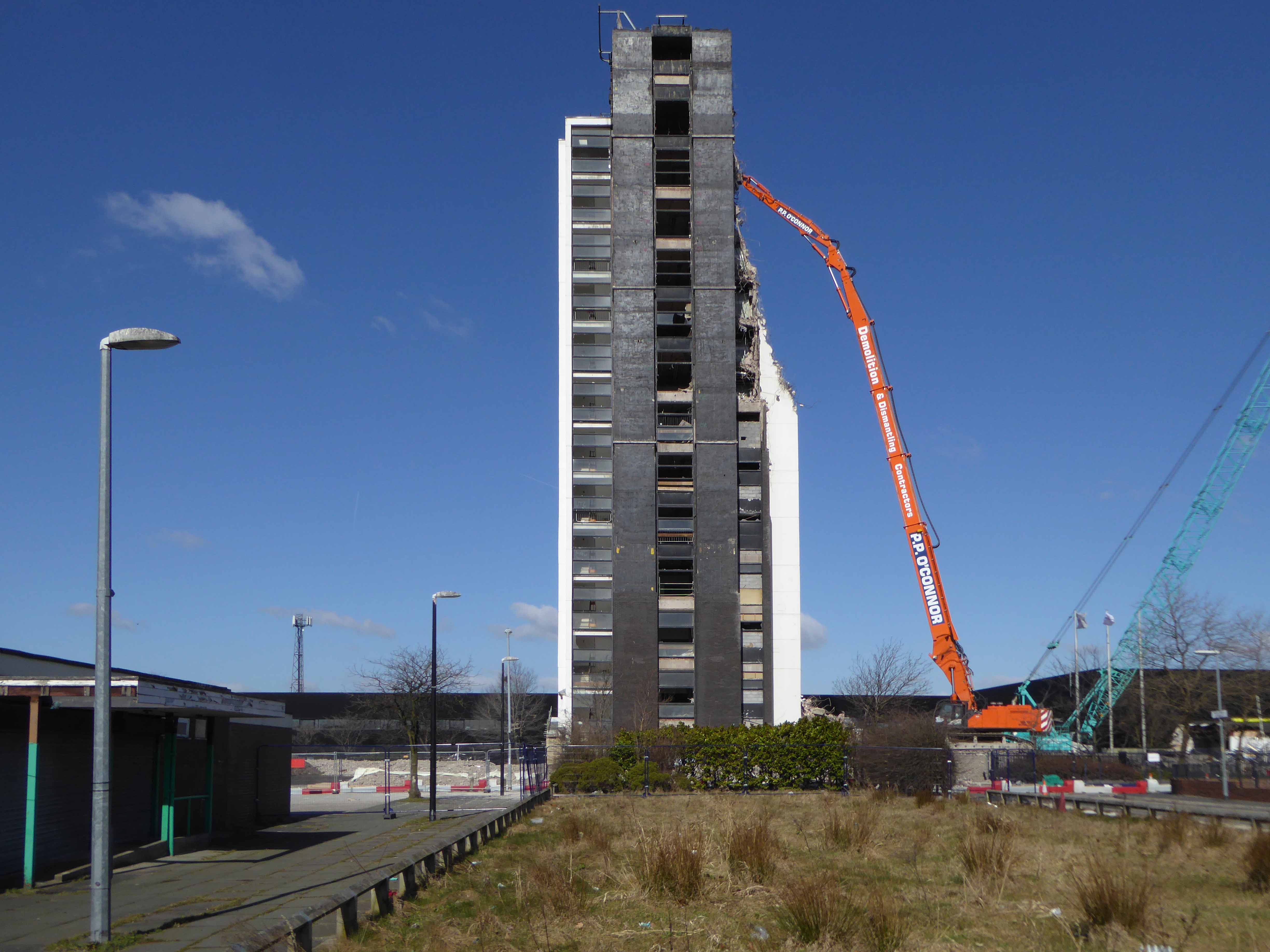
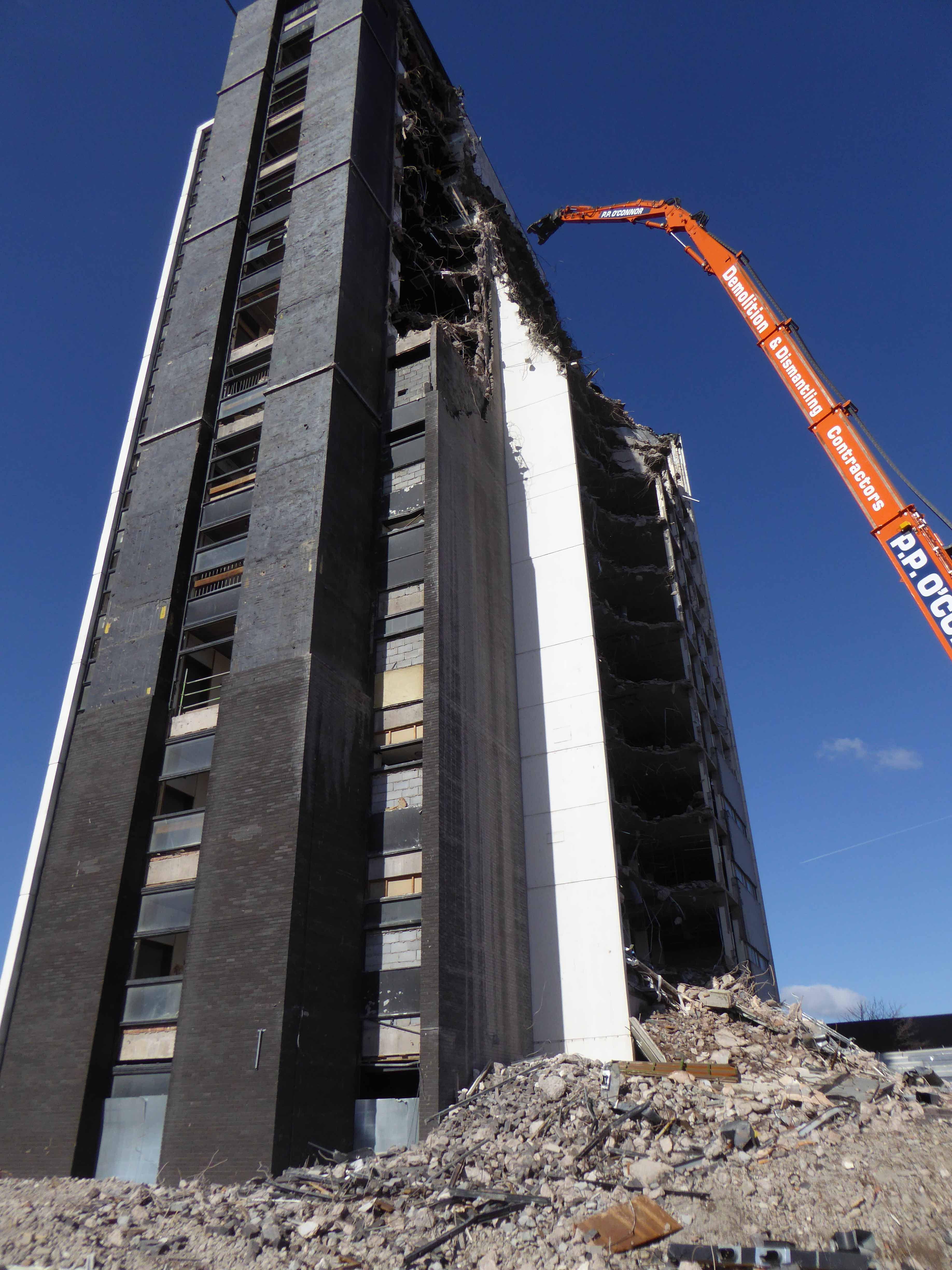
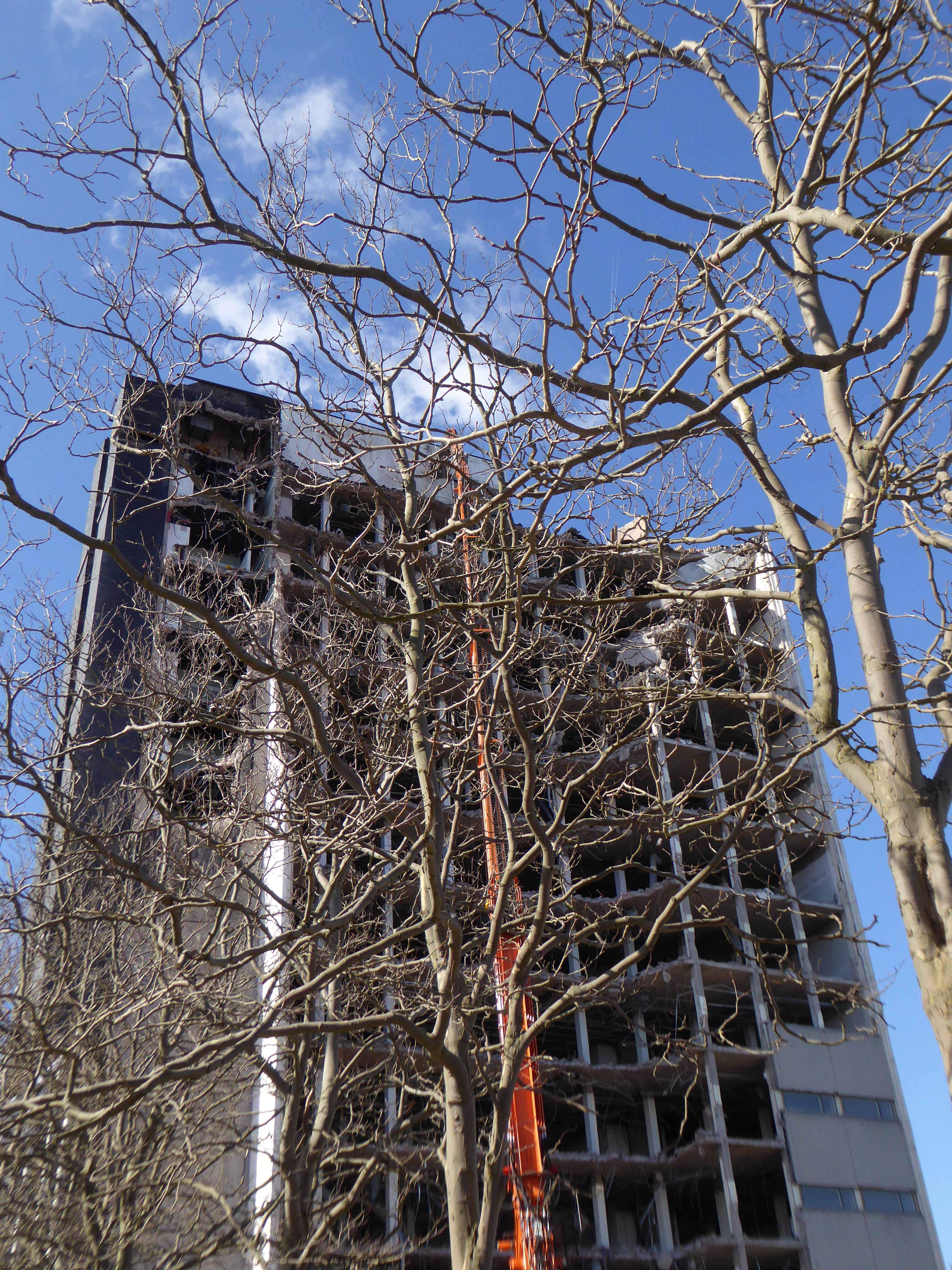
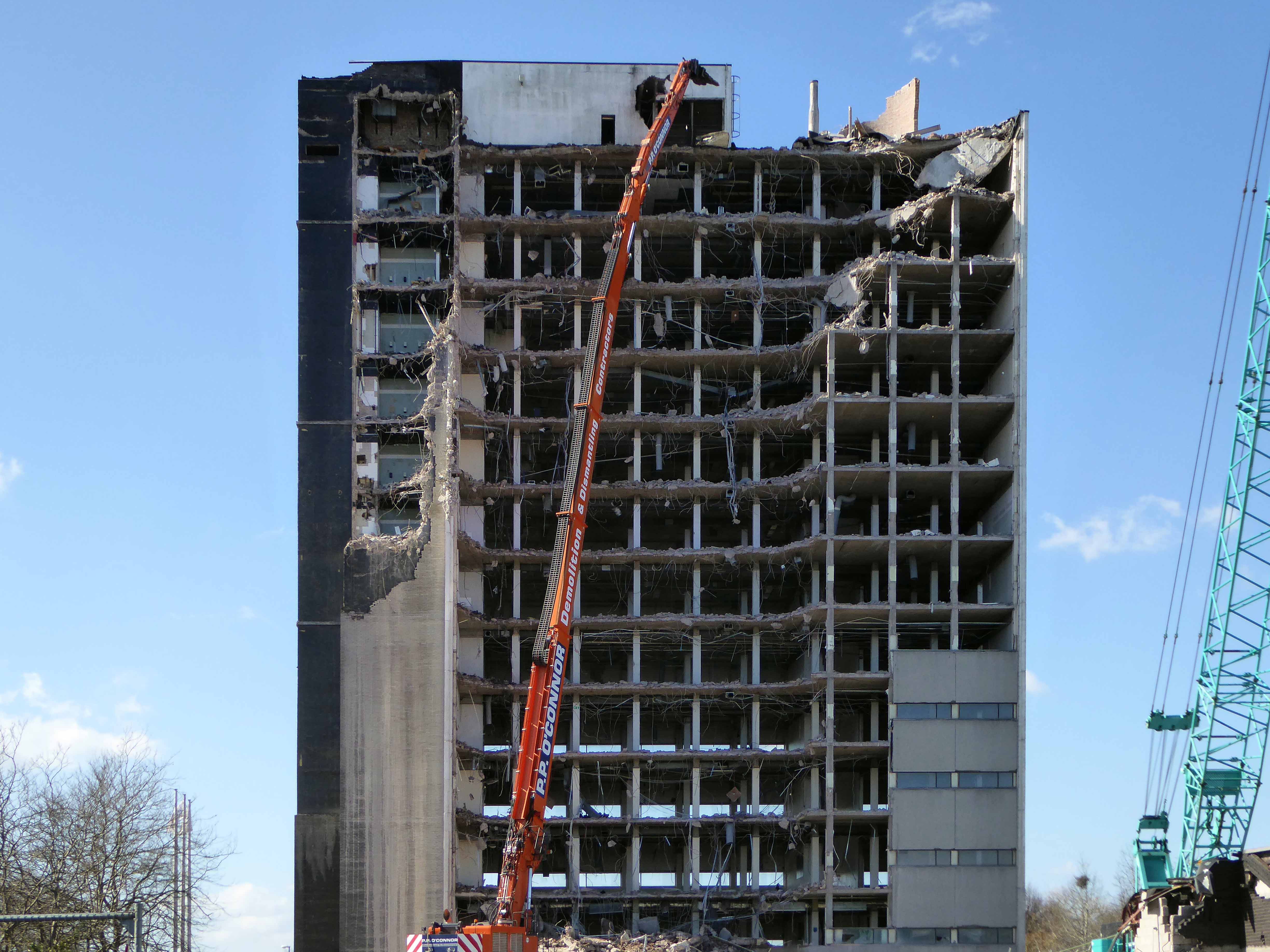
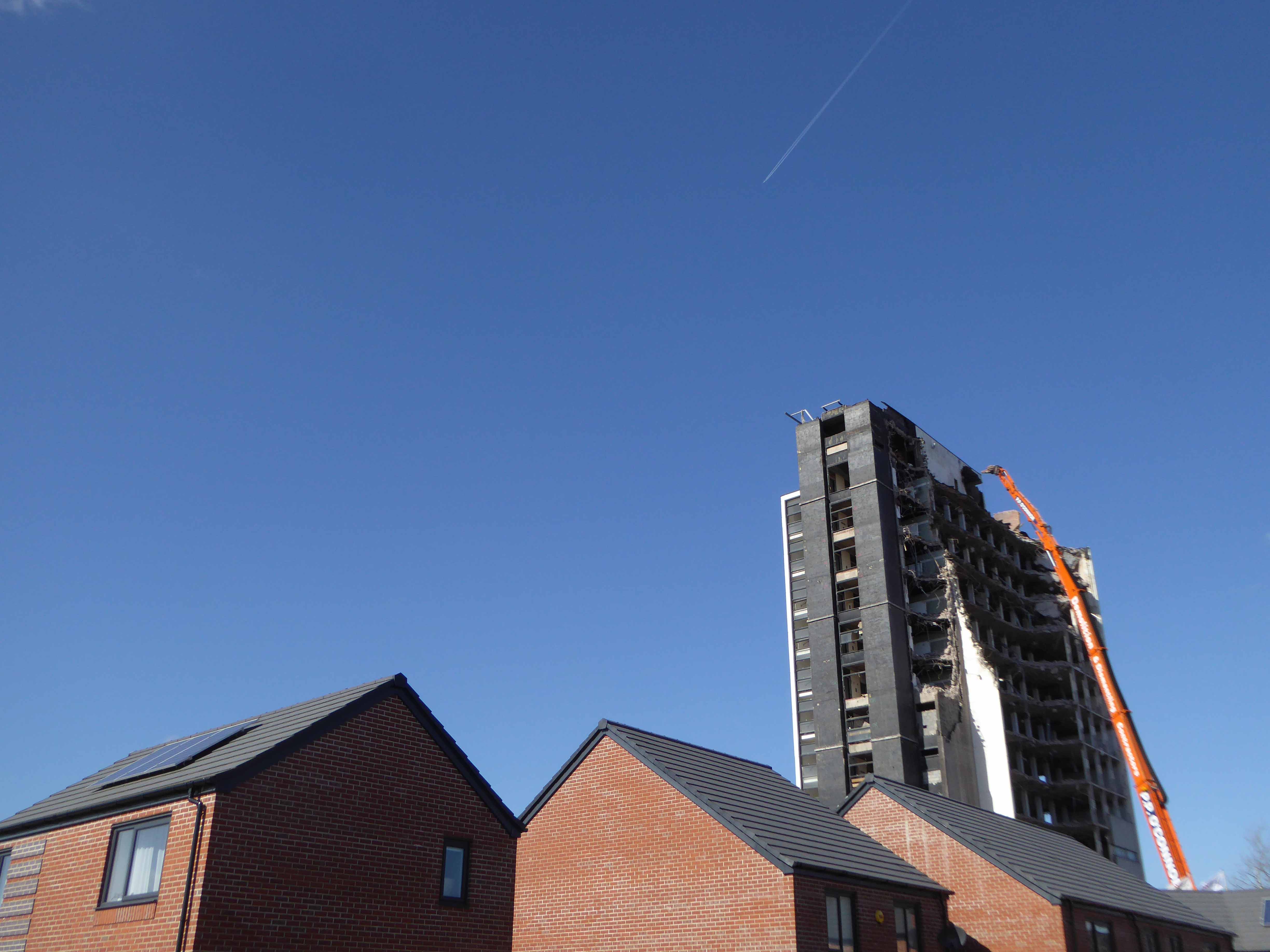
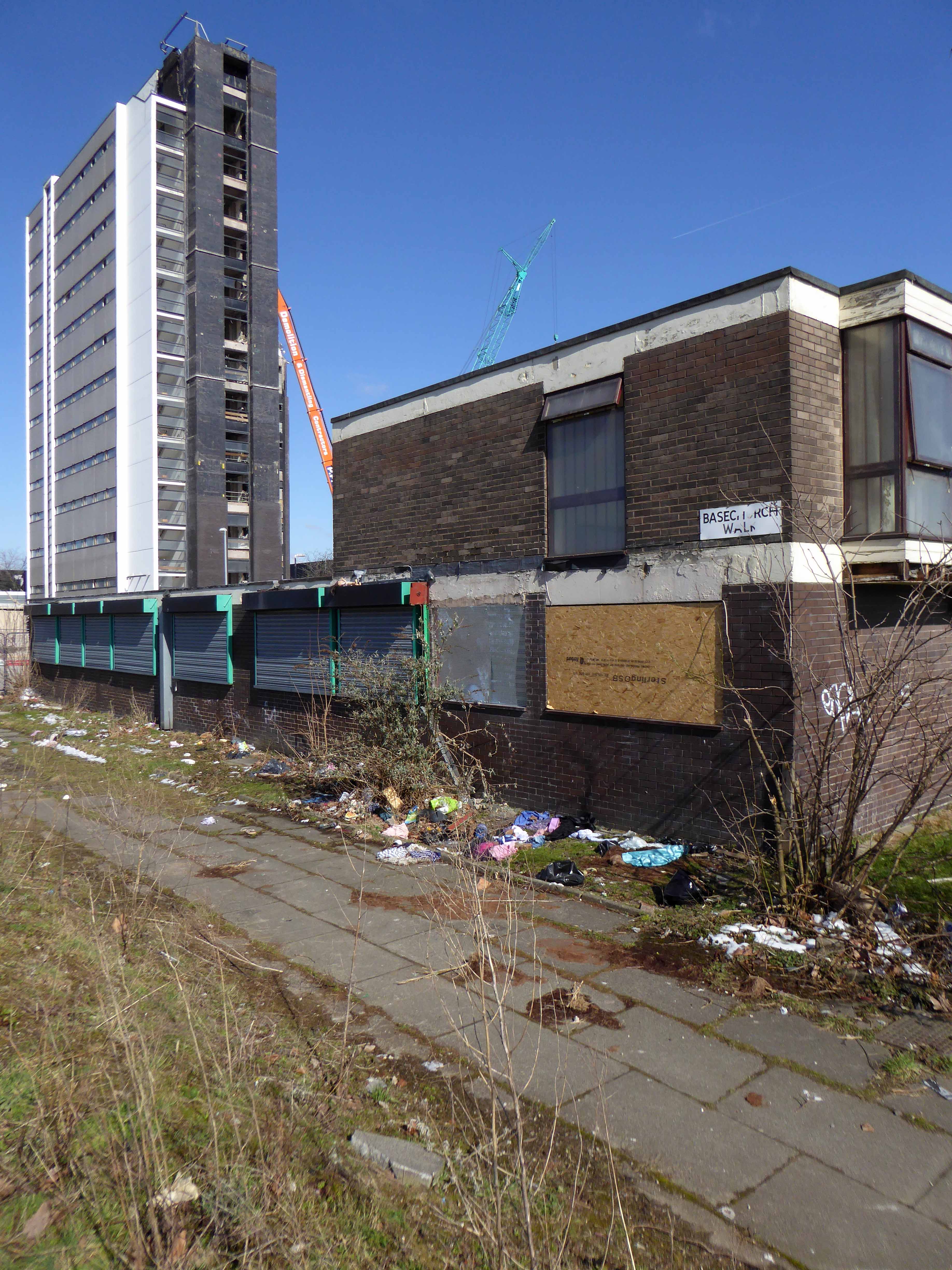
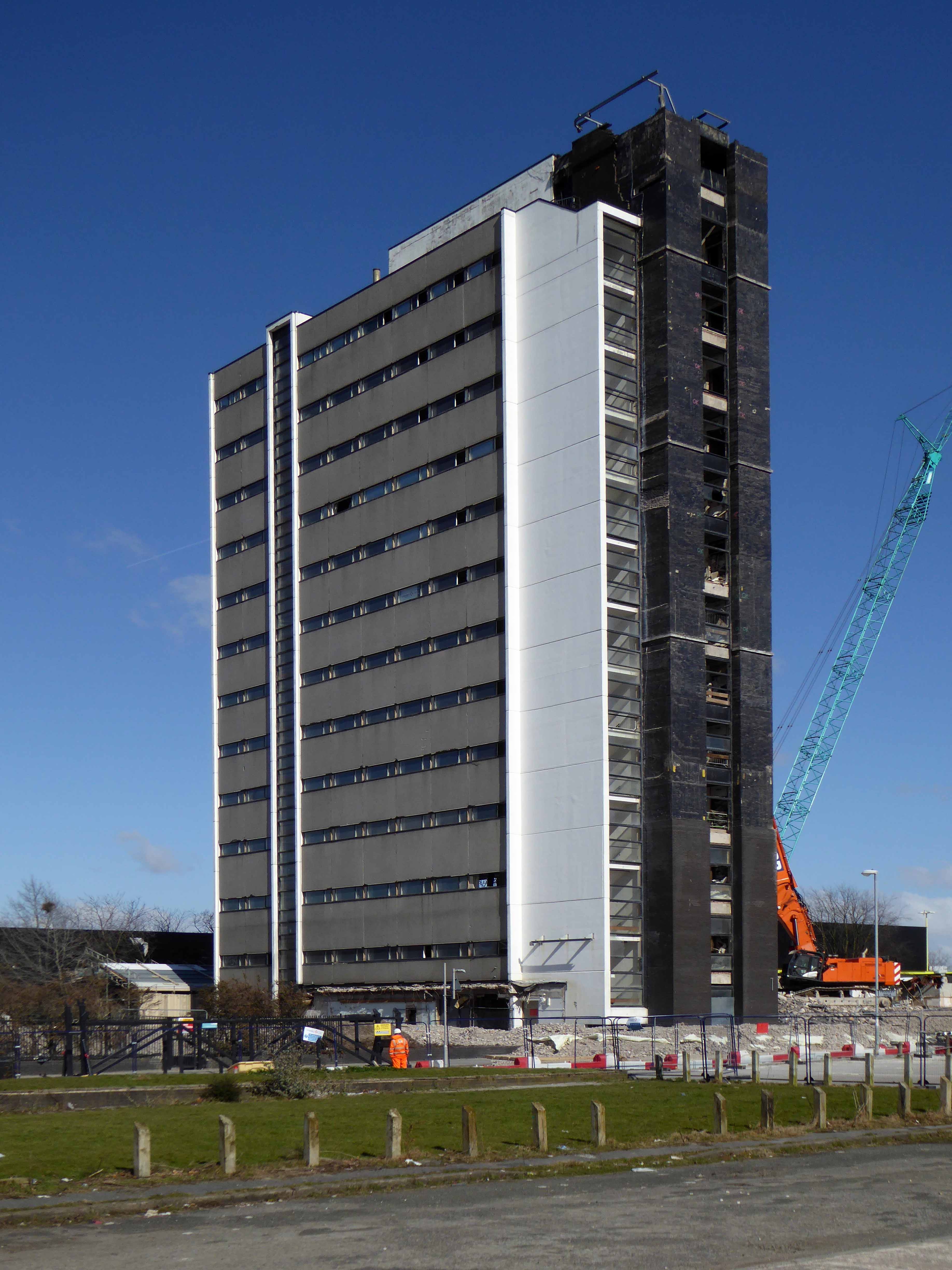
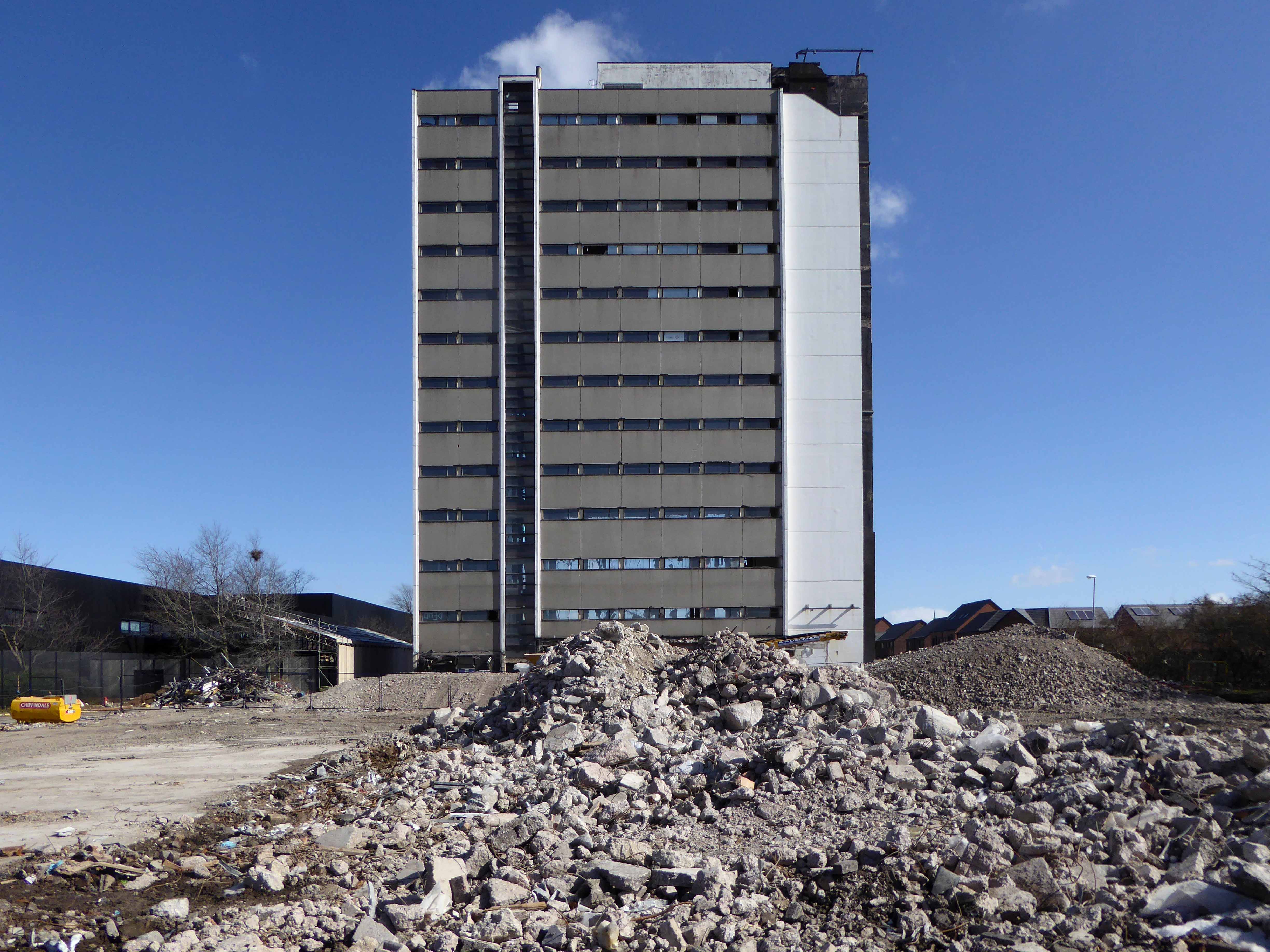
Designed by architects Cruickshank and Seward in the Sixties, to house the cutting-edge computing power of the time, the ICT later ICL Tower, towered over Wenlock Way, Gorton in East Manchester.

A landmark for many from bus, train, car, Shanks’s pony or low flying VC10.

A place of work for thousands.

7500908638_b289e691ec_b

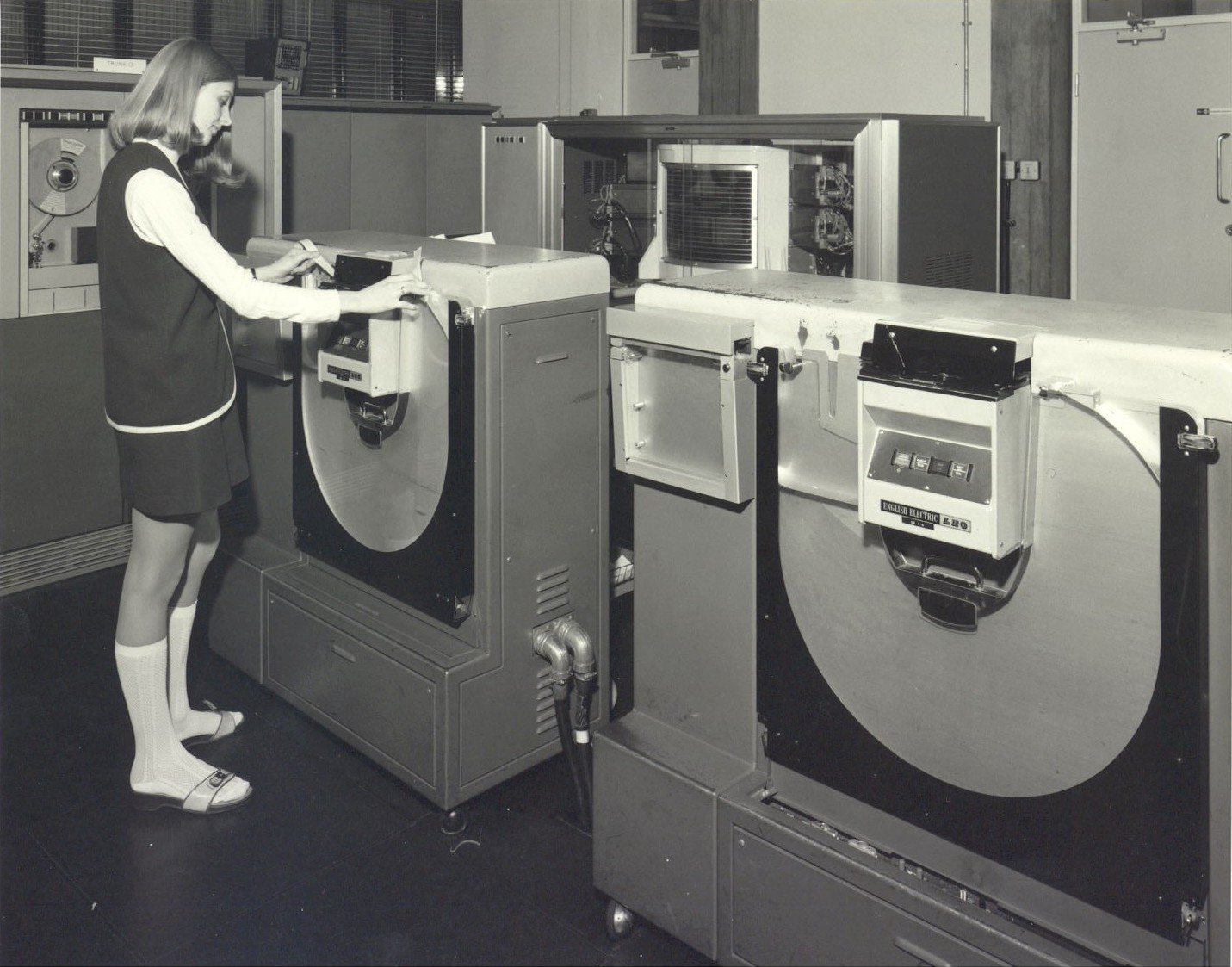
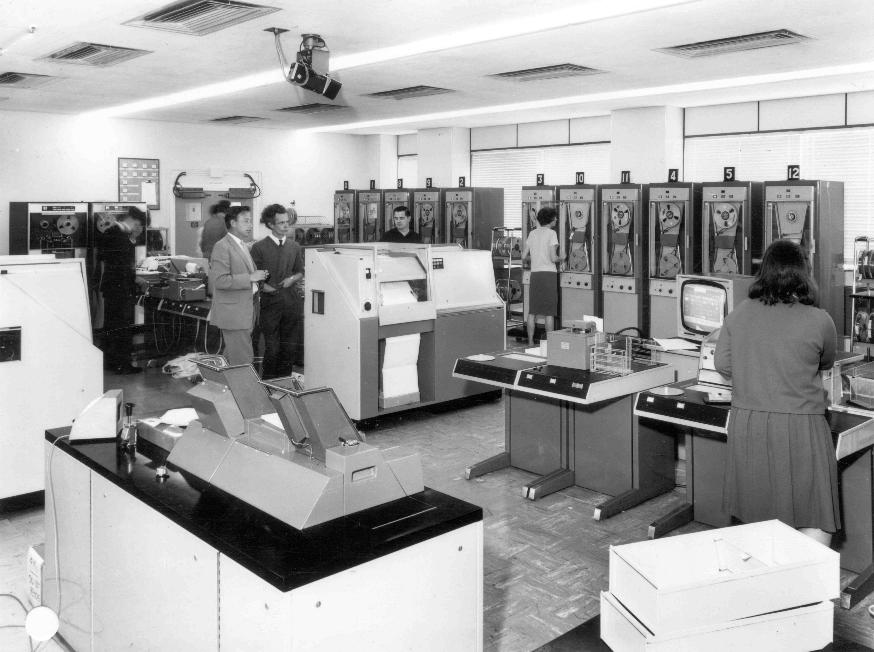
At a time when modern technology looked a little like this:
res49d

resi

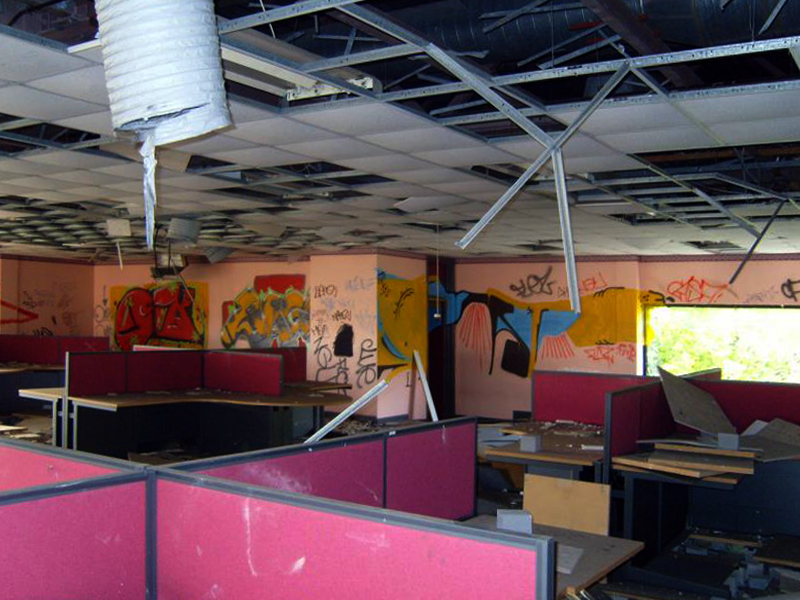
Sadly ending like this:
S1031451

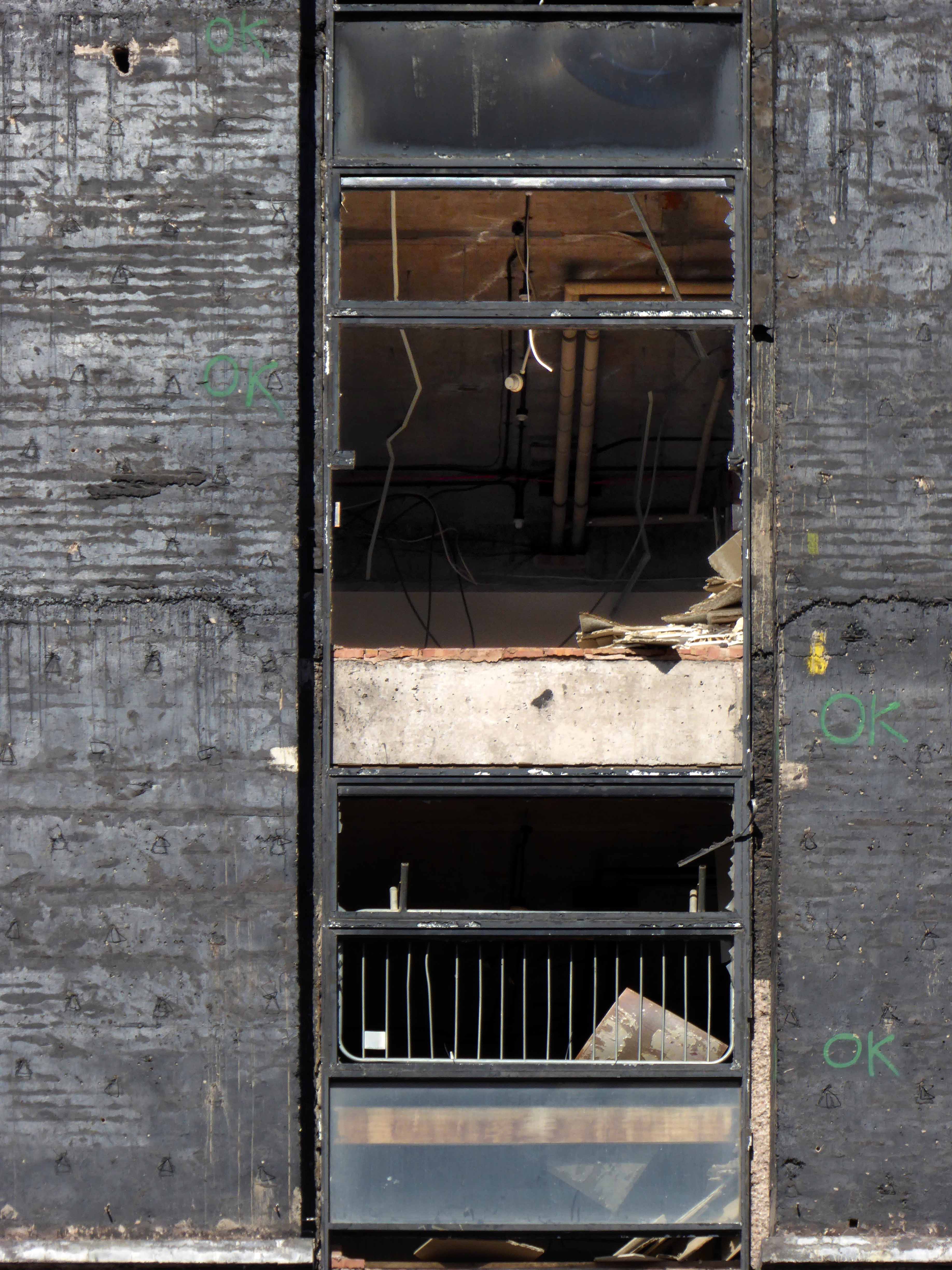
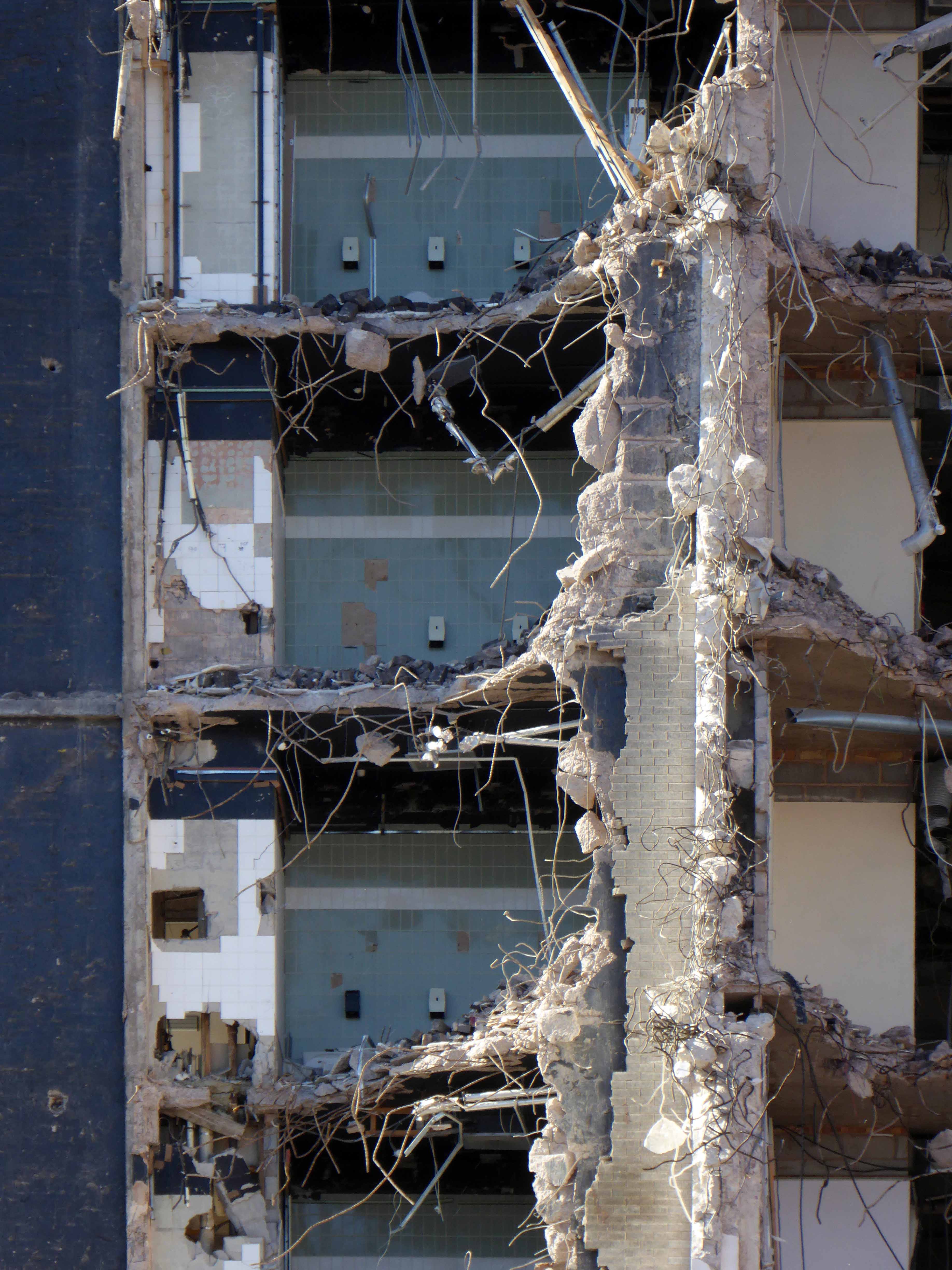
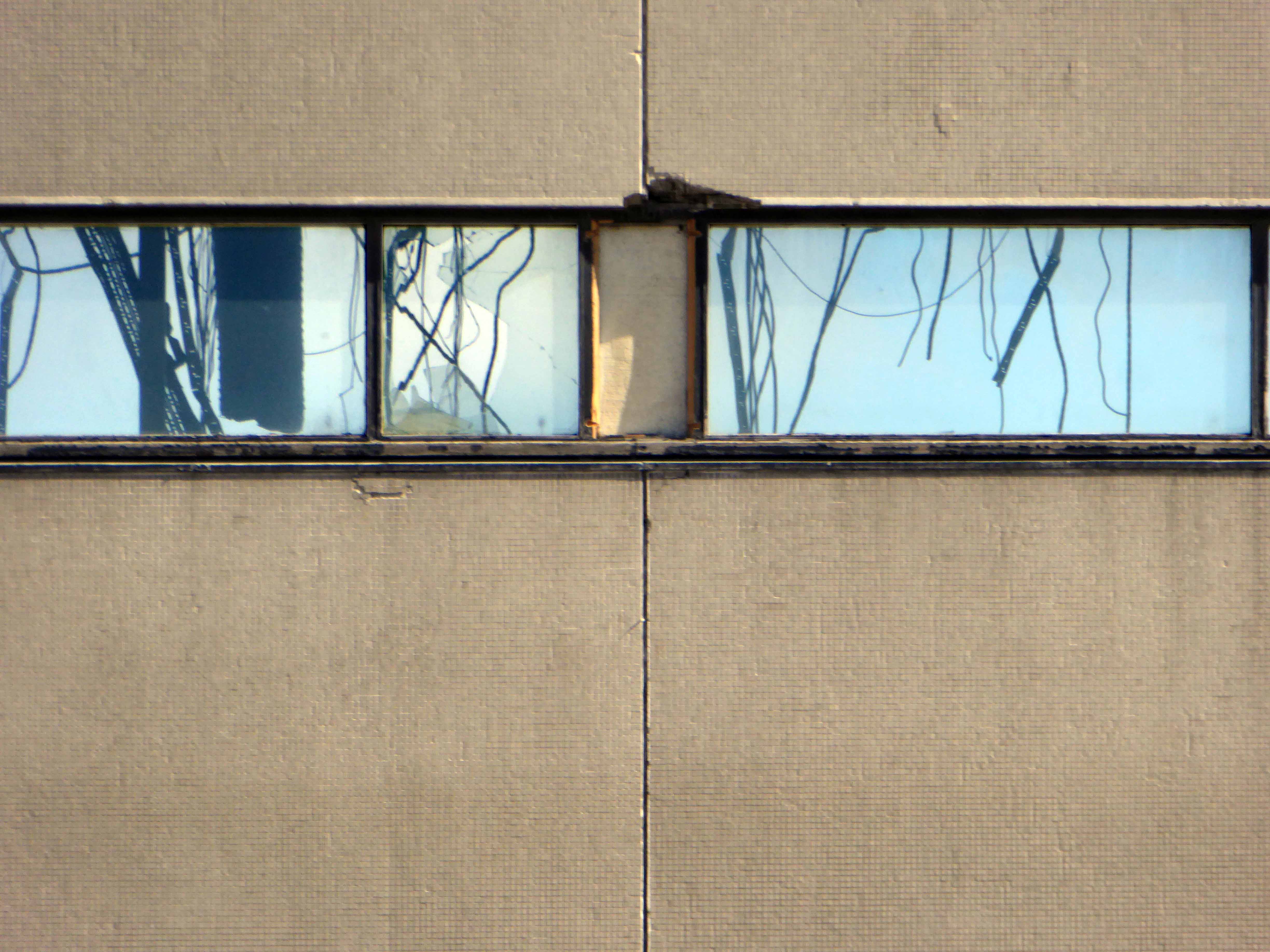
Two weeks into the demolition process the east elevation is no more, revealing a concrete honeycomb of torn steel and fresh air.

A few weeks time and it will be little more than so much dust and memories.

P1240074

P1240078

P1240079

P1240080

P1240084

P1240088

P1240089

P1240091

P1240092

P1240093

P1240099

P1240102

P1240105

P1240107

P1240108

P1240110

P1240113