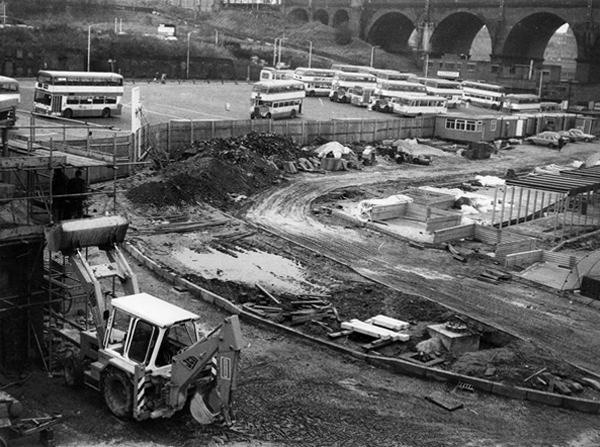
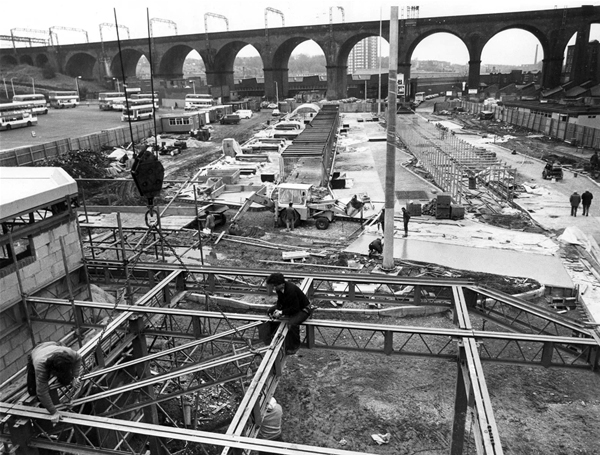
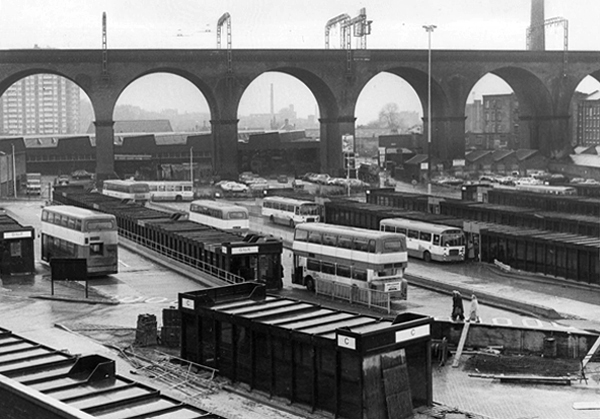
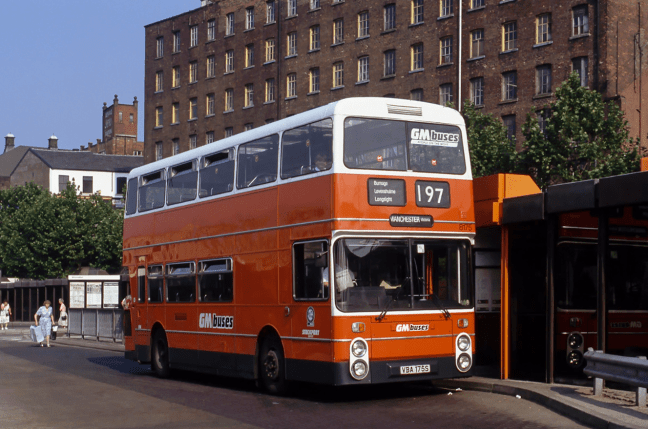
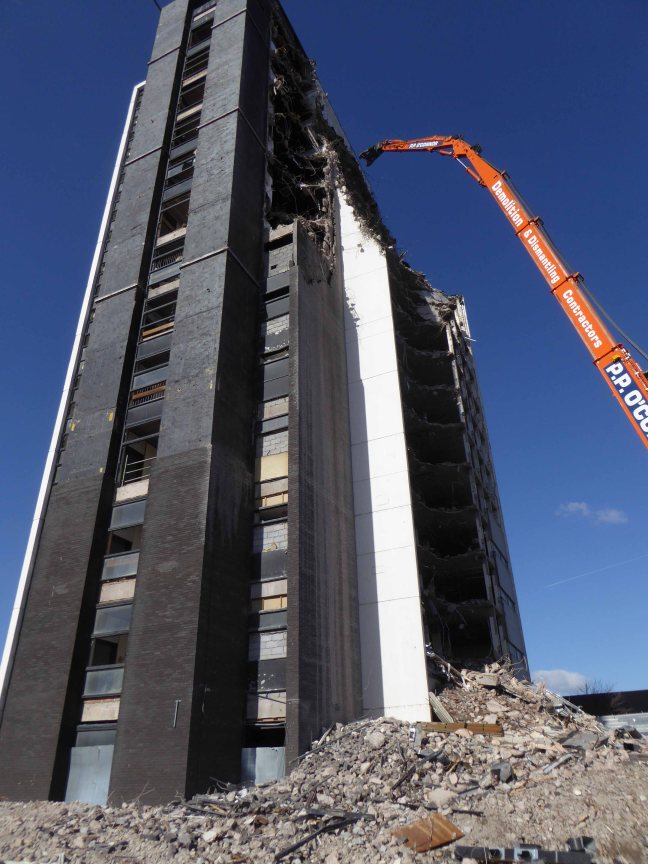
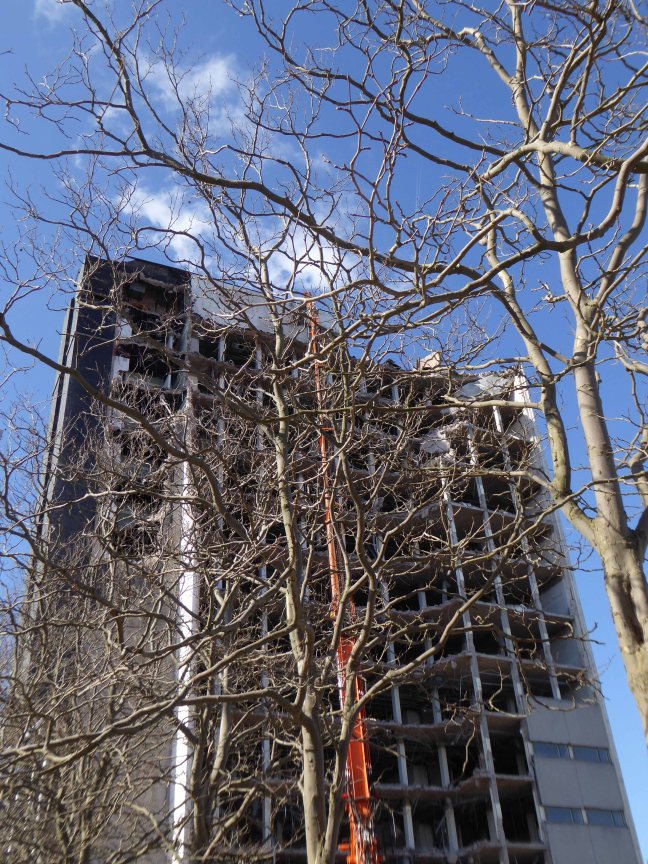
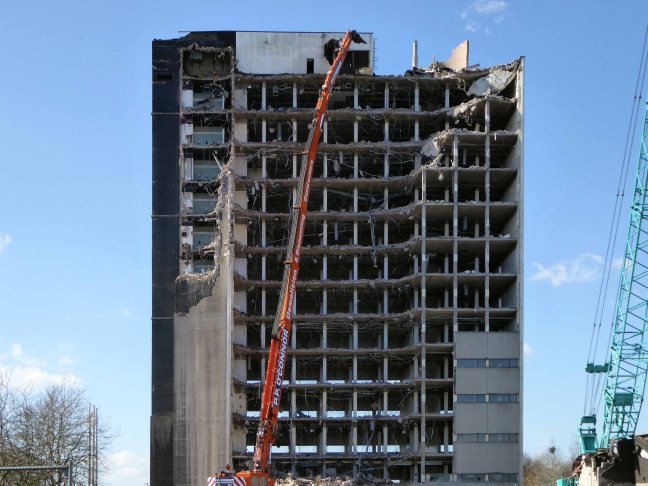
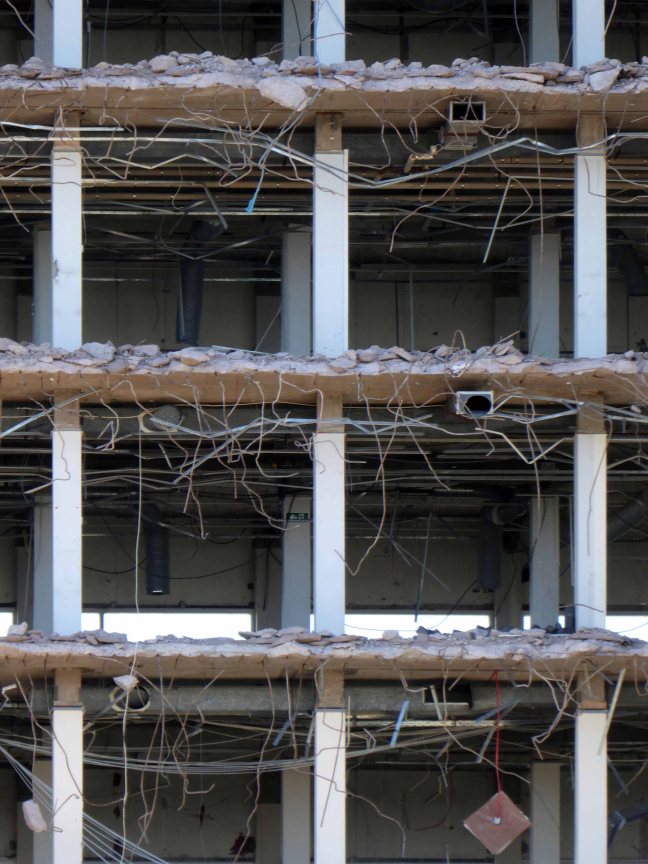
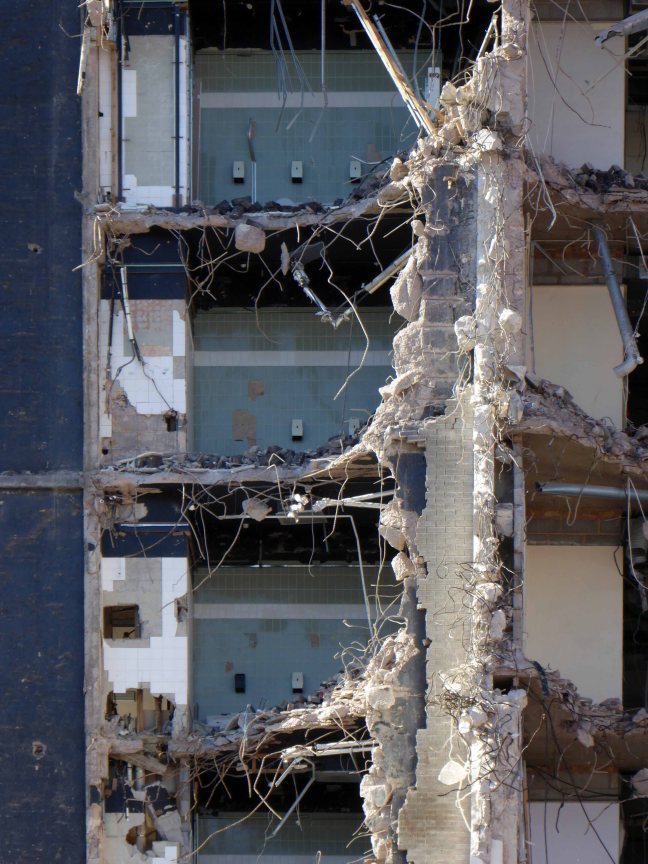
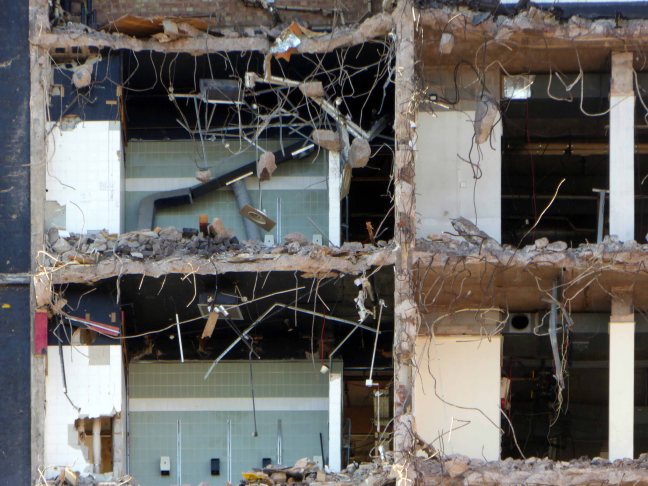
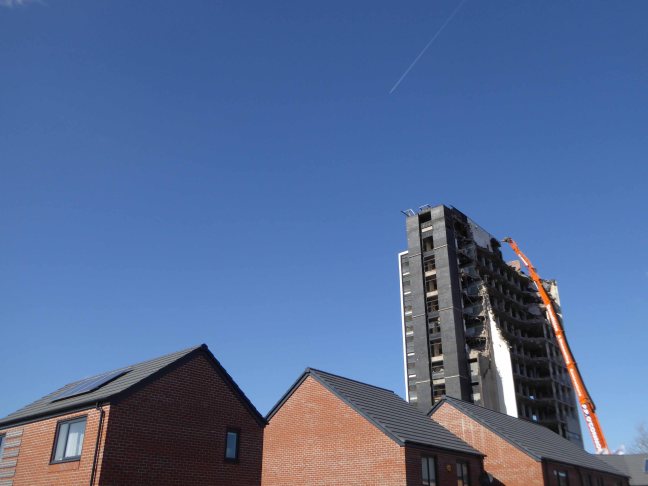
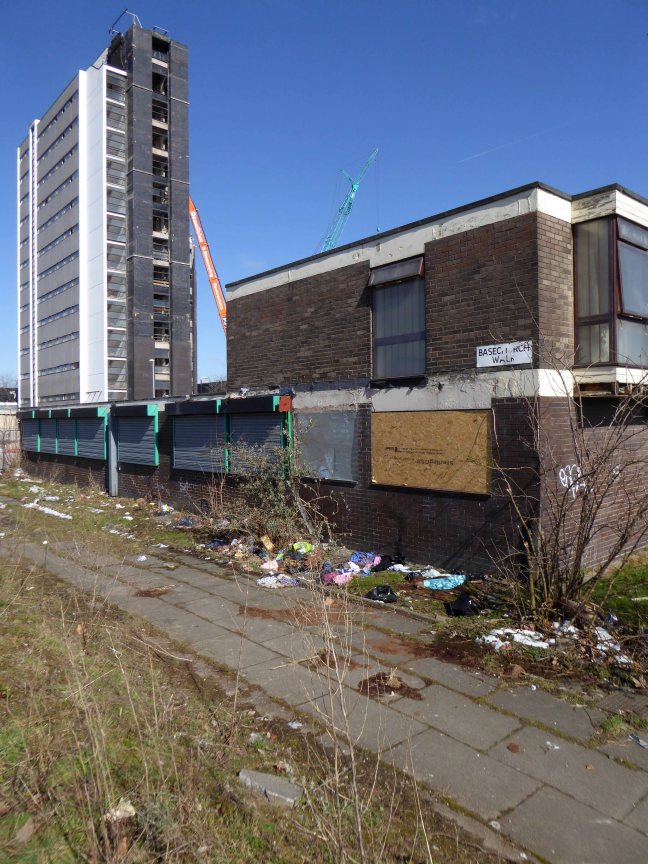
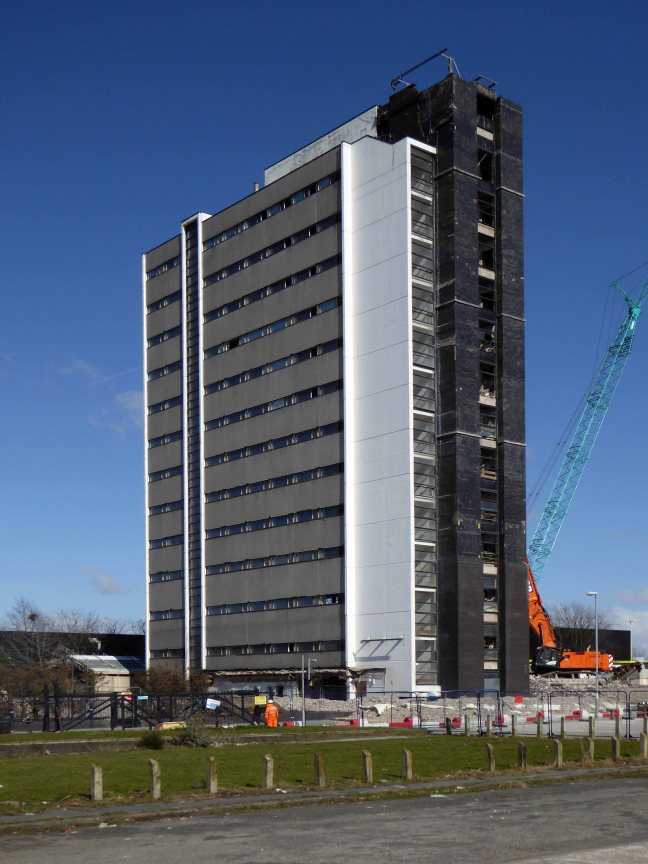
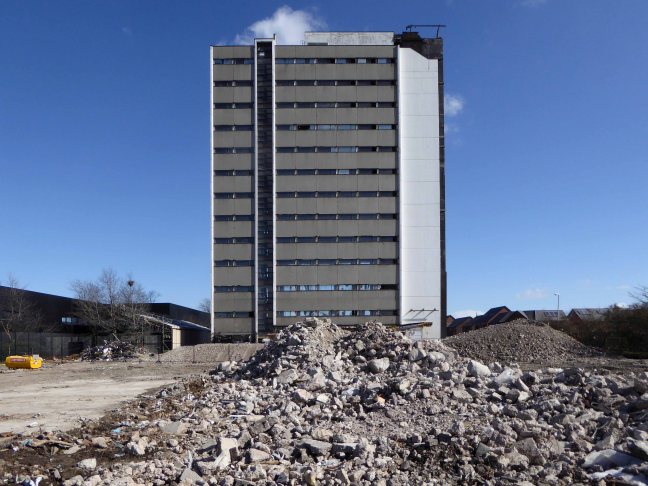
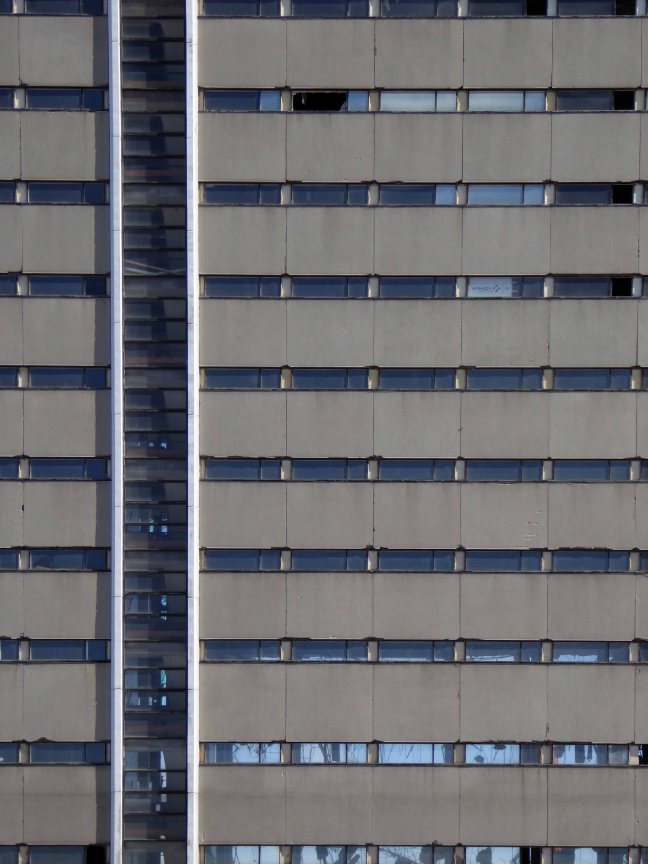
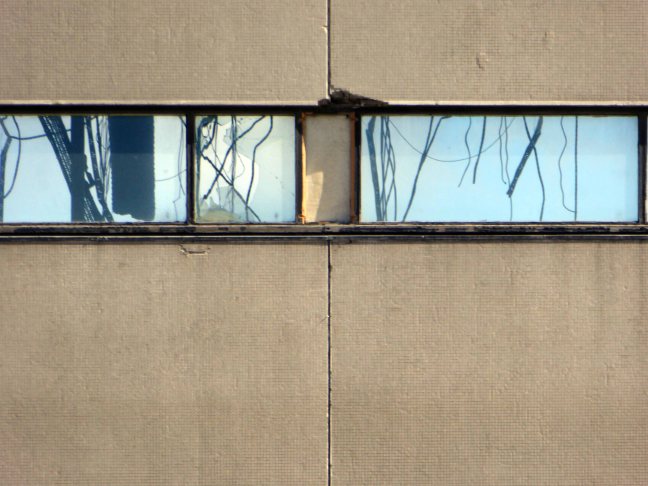
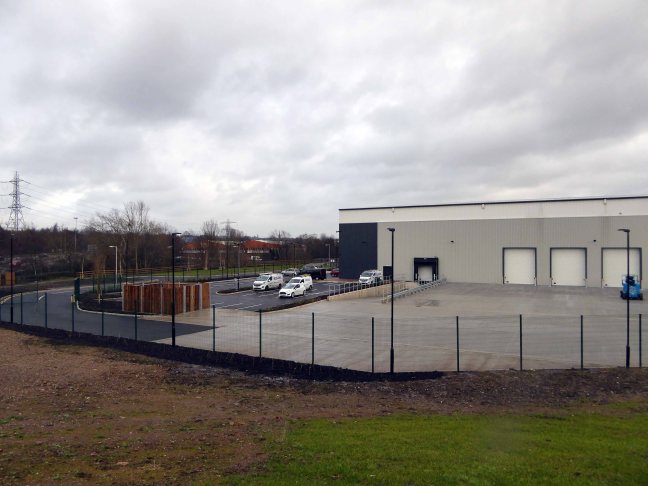
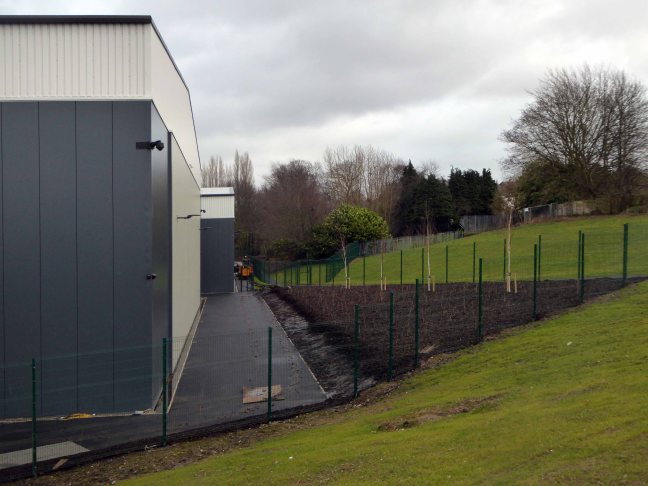
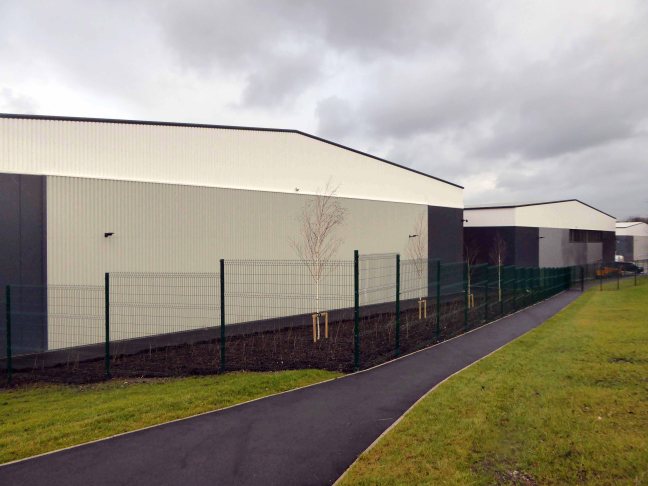
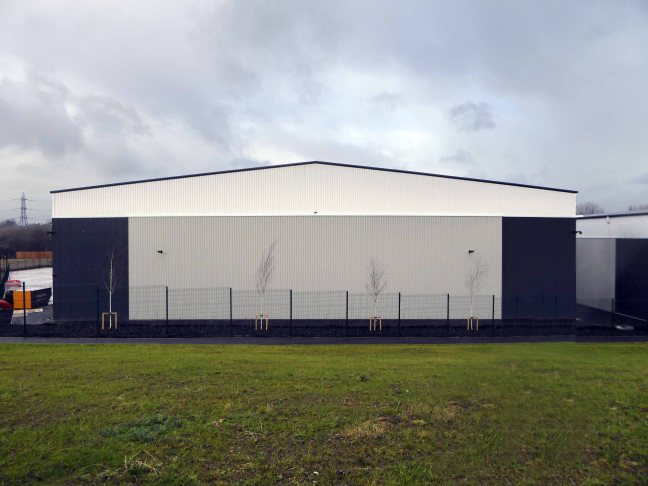
Strangeways Manchester #2

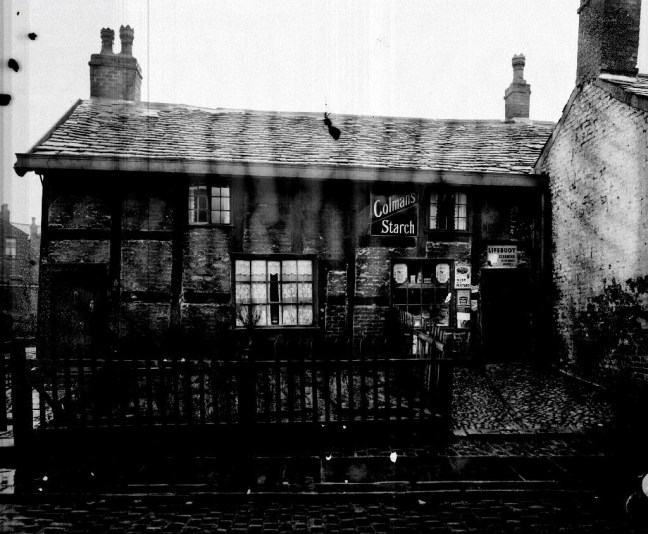
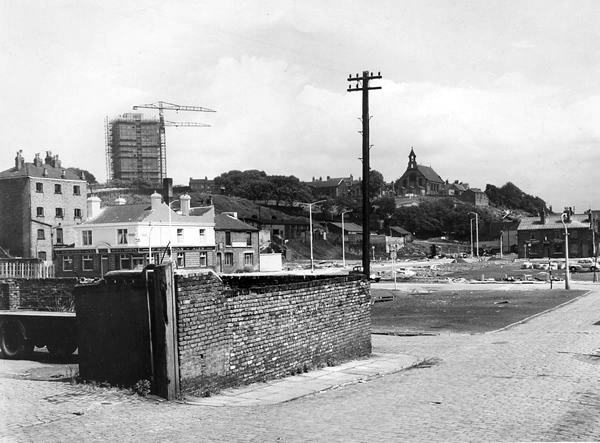
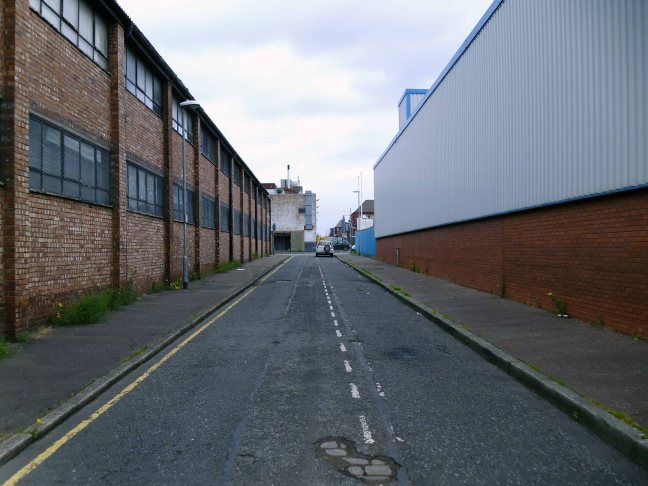
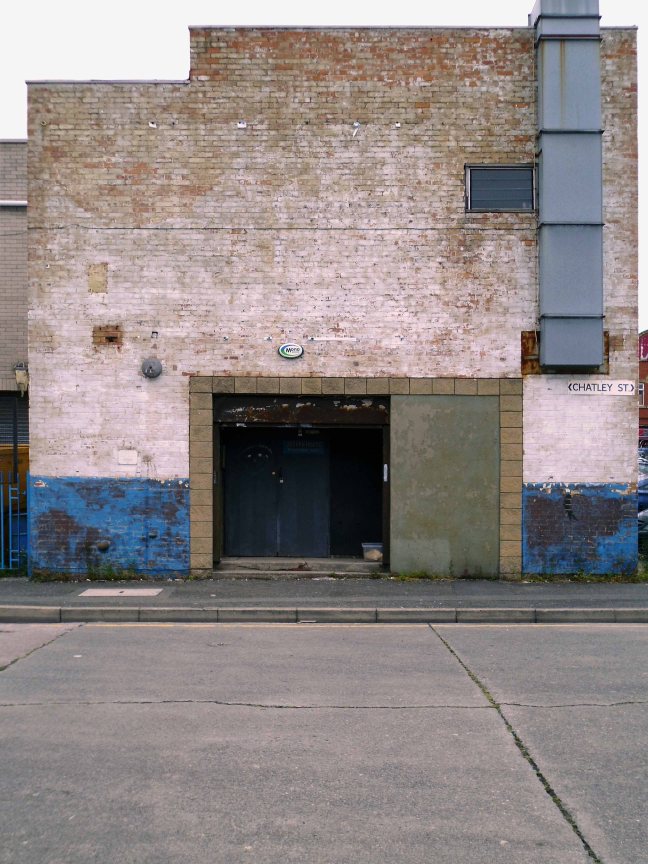
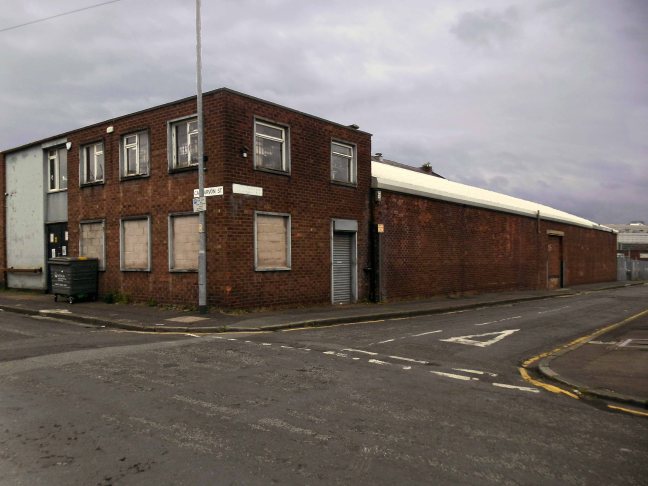
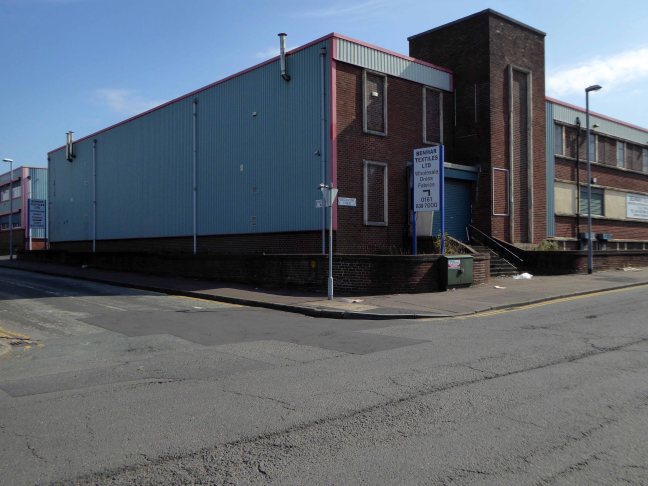
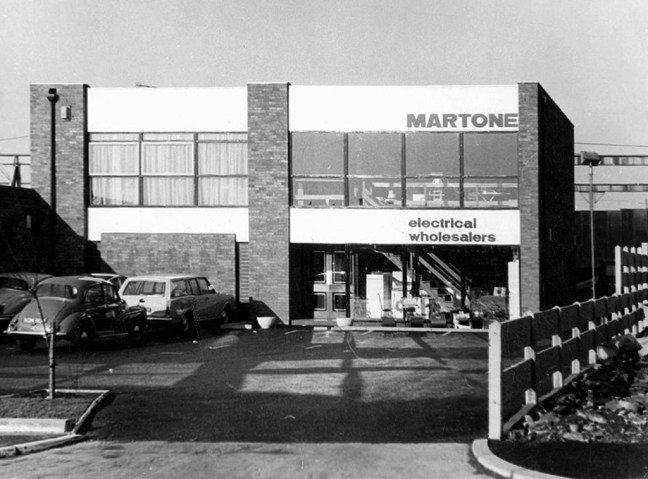
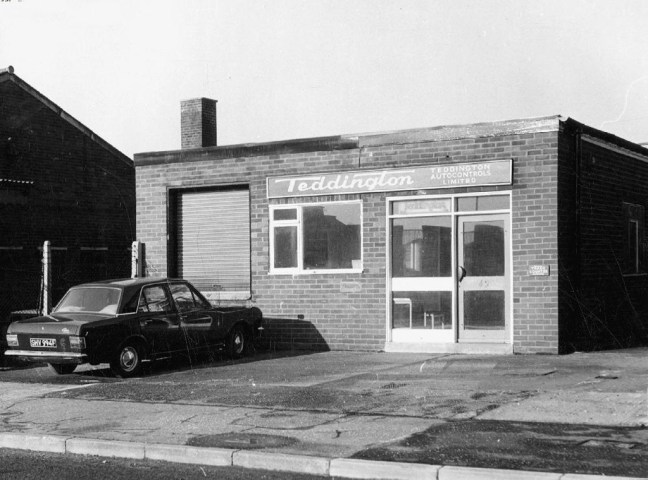
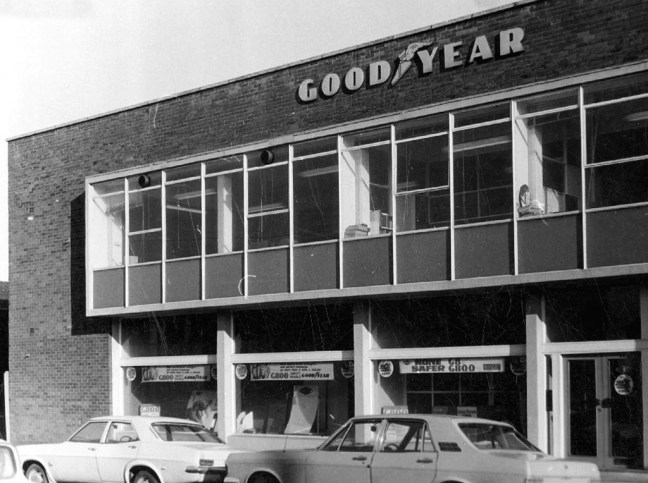
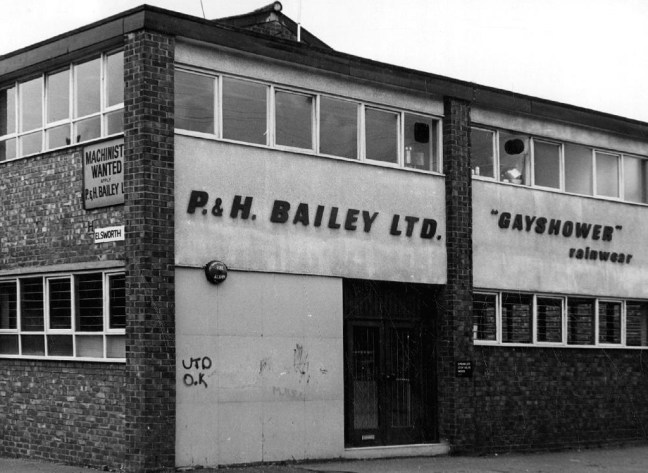
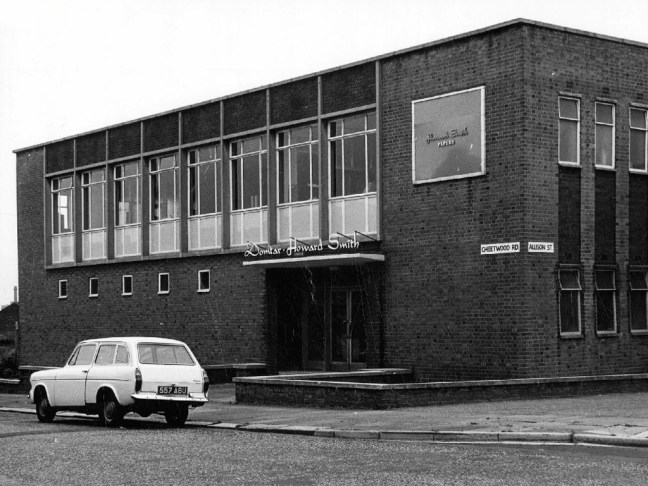
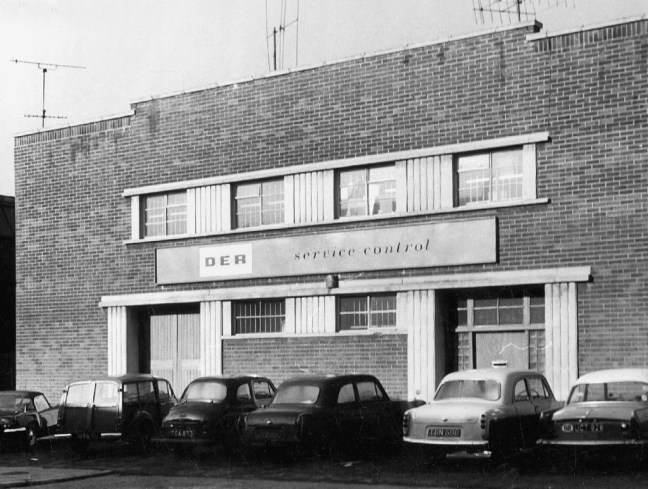
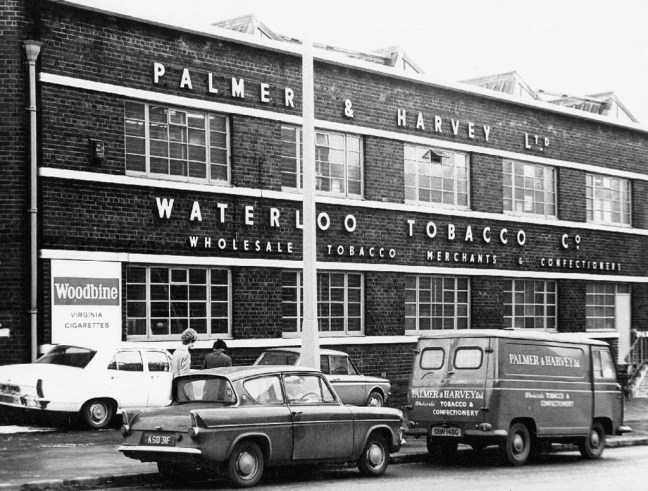
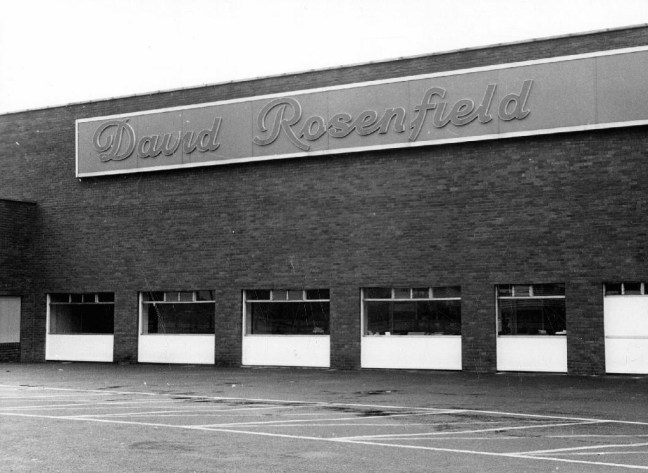
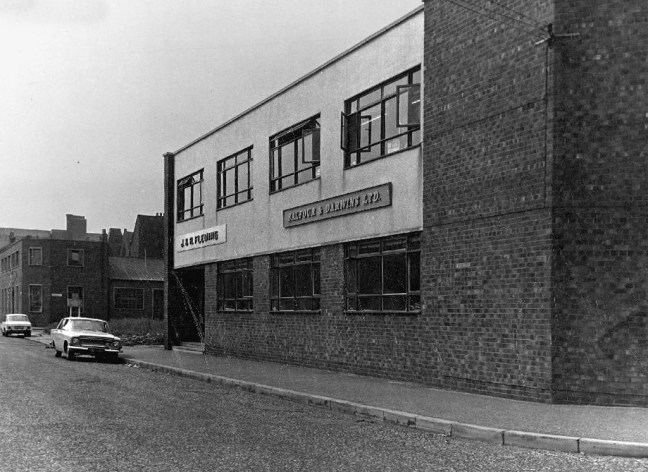
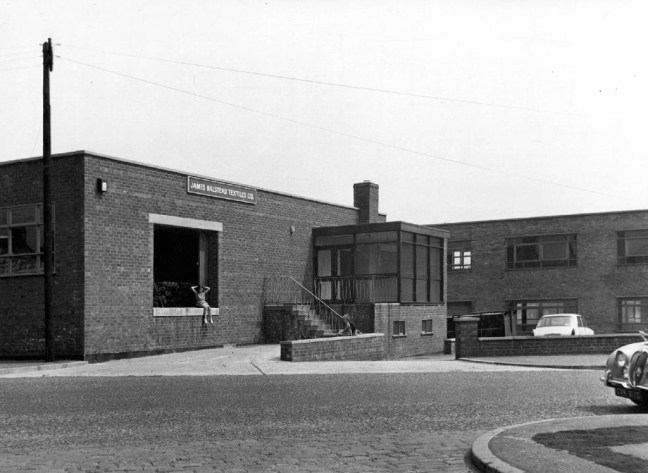
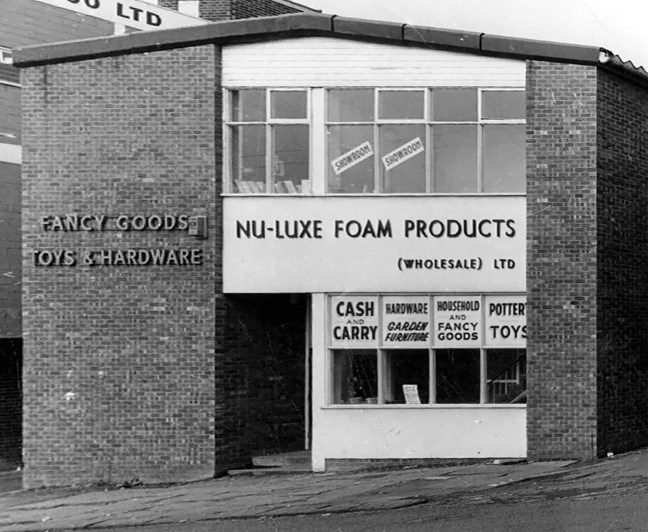
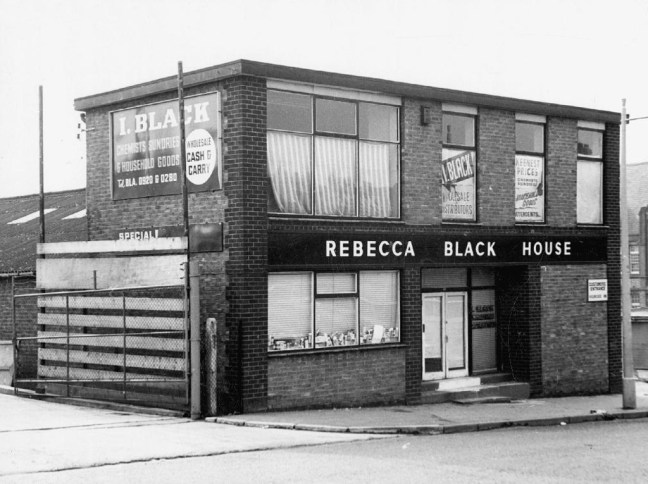
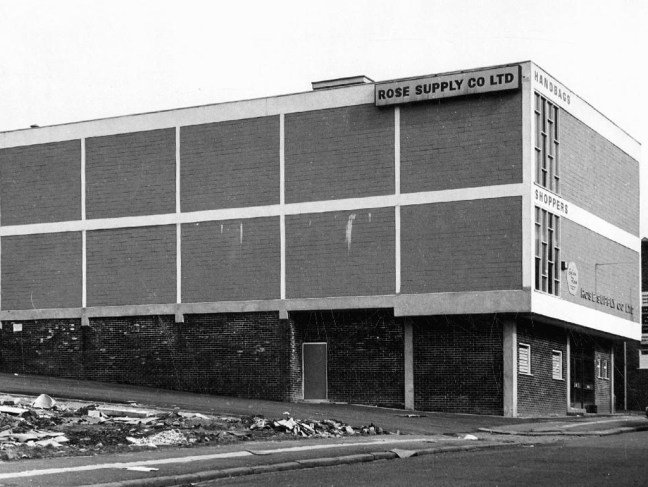
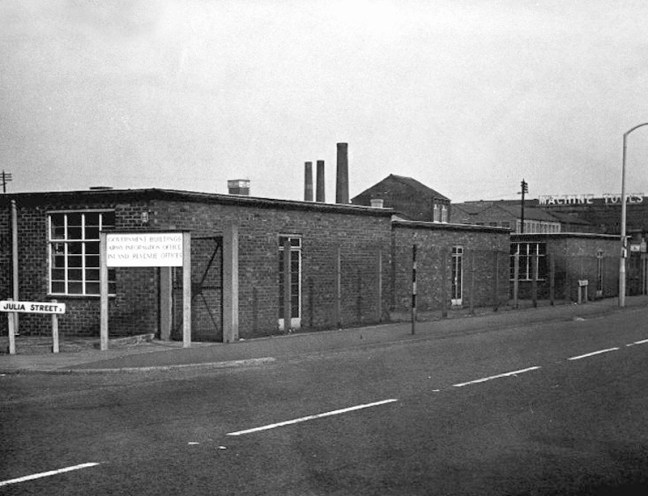
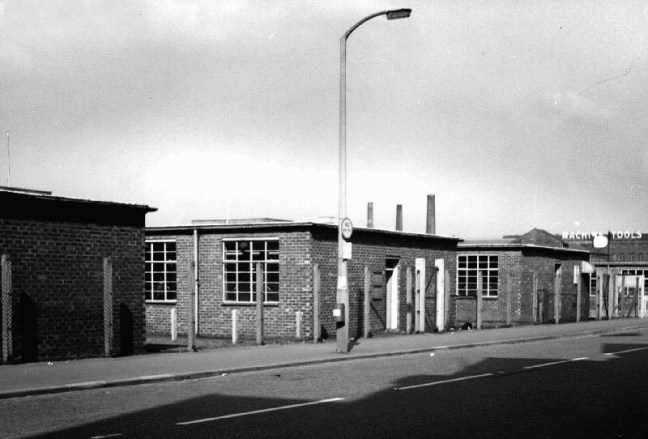
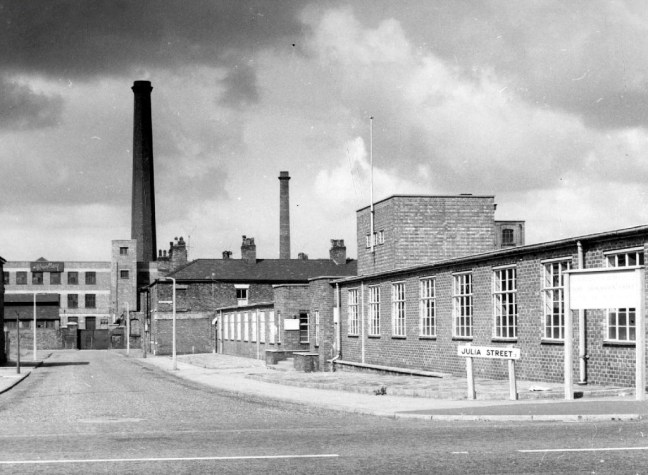
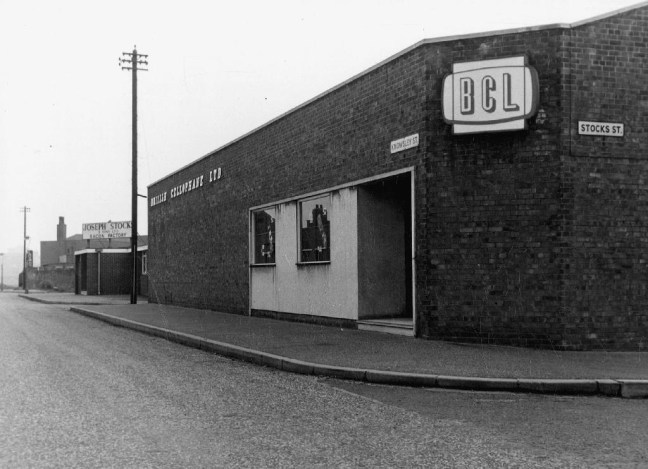
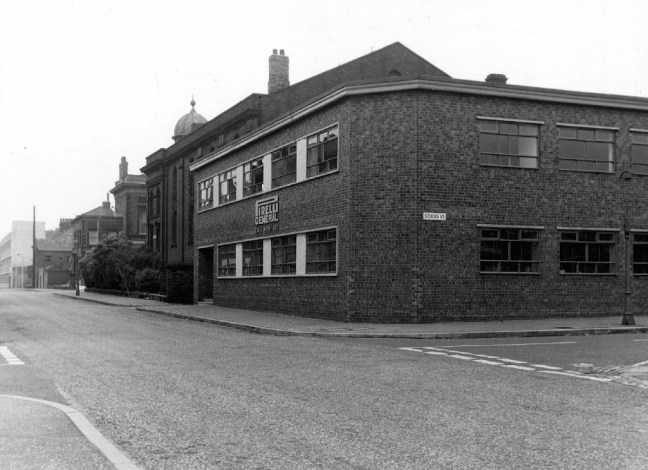
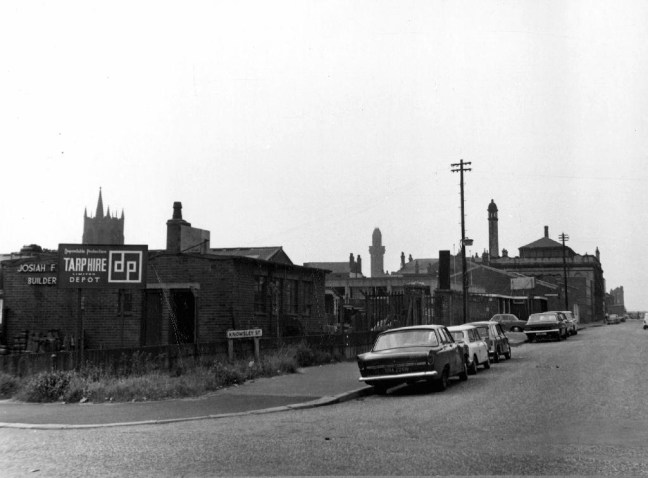
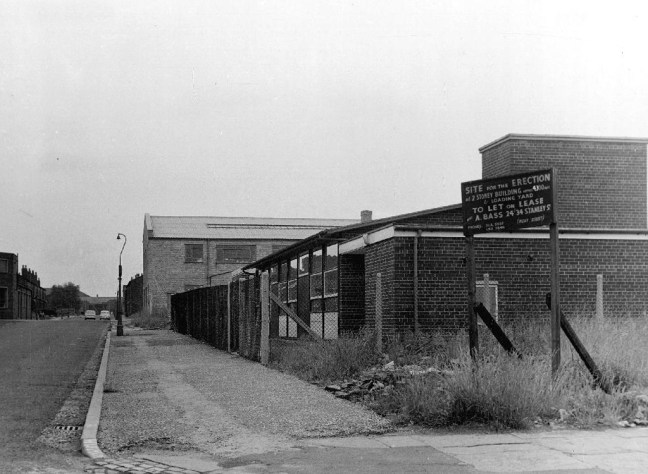
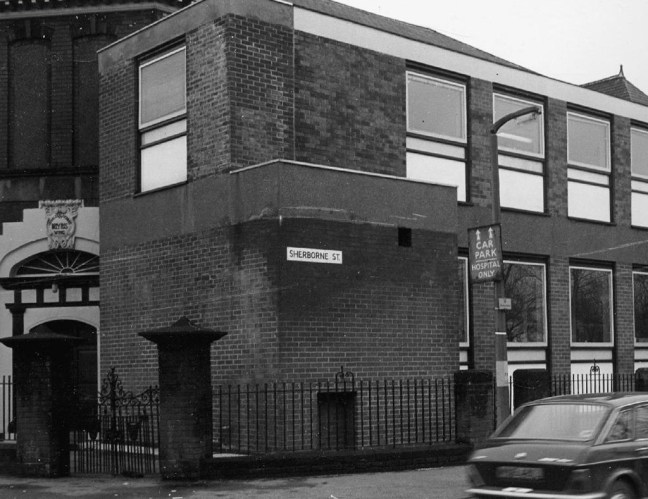
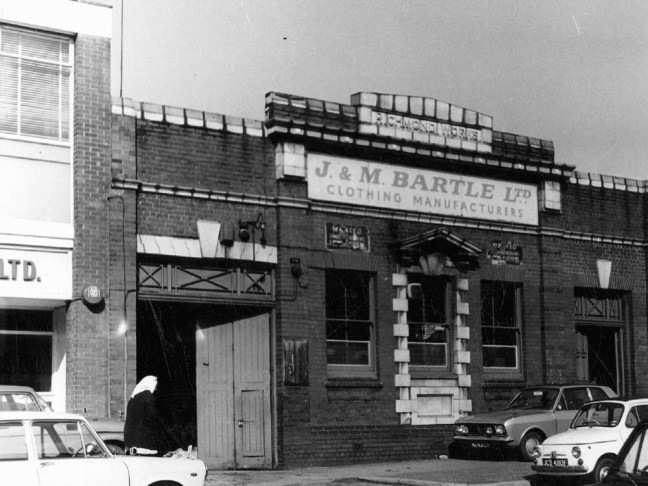
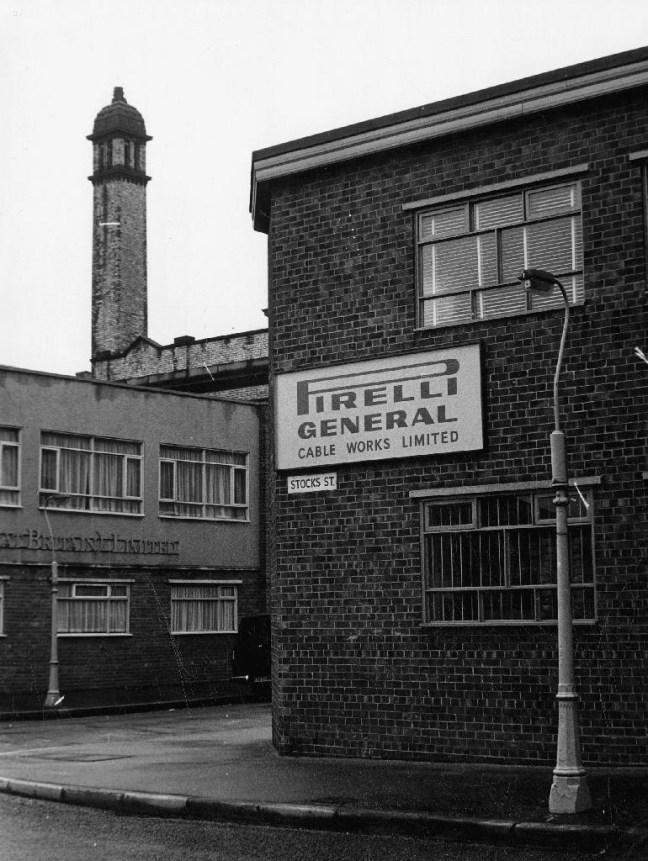
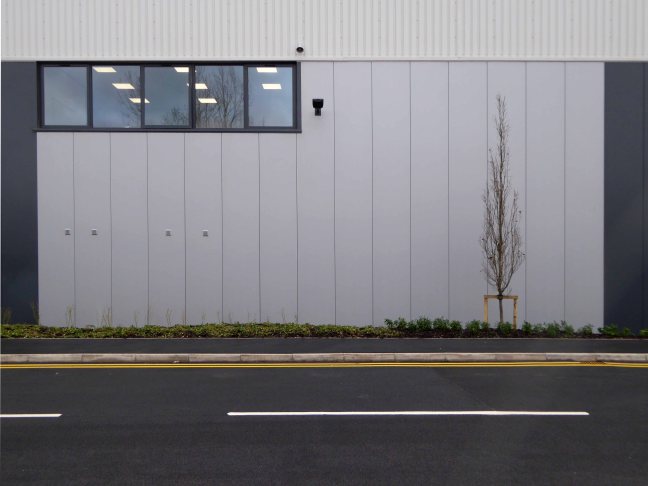
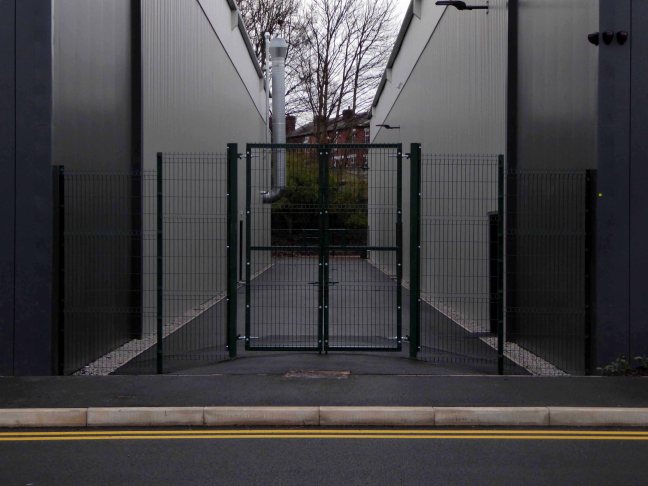
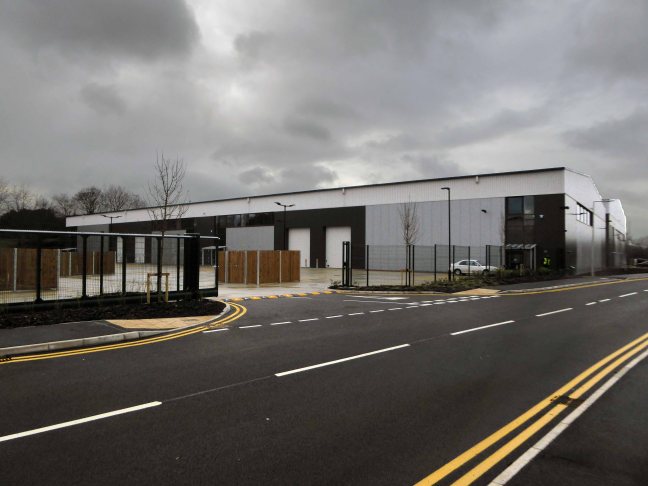
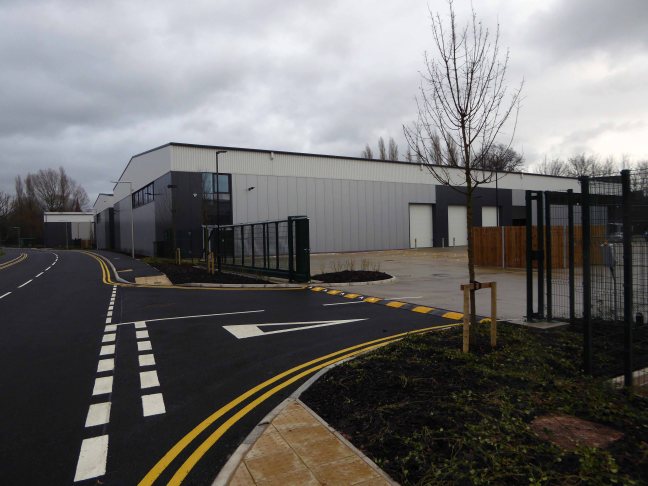
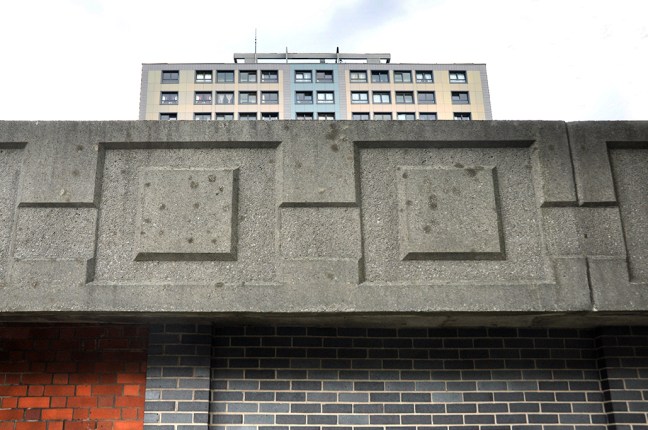
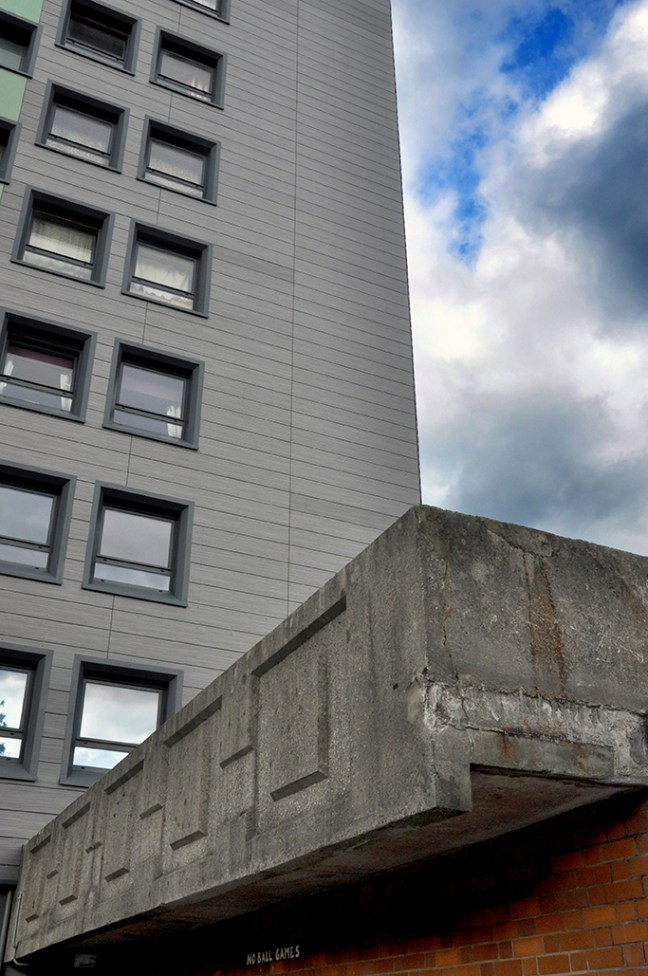
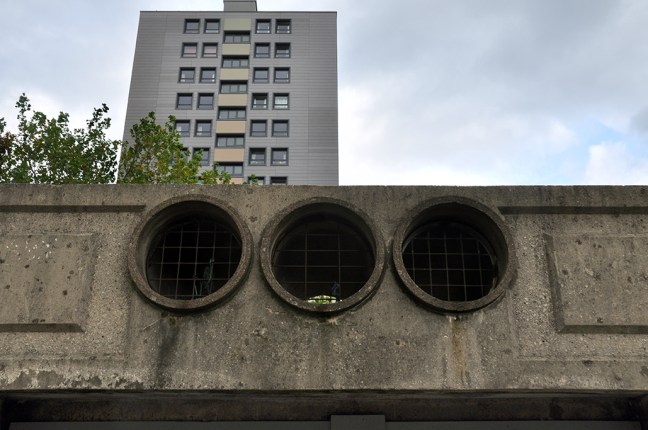
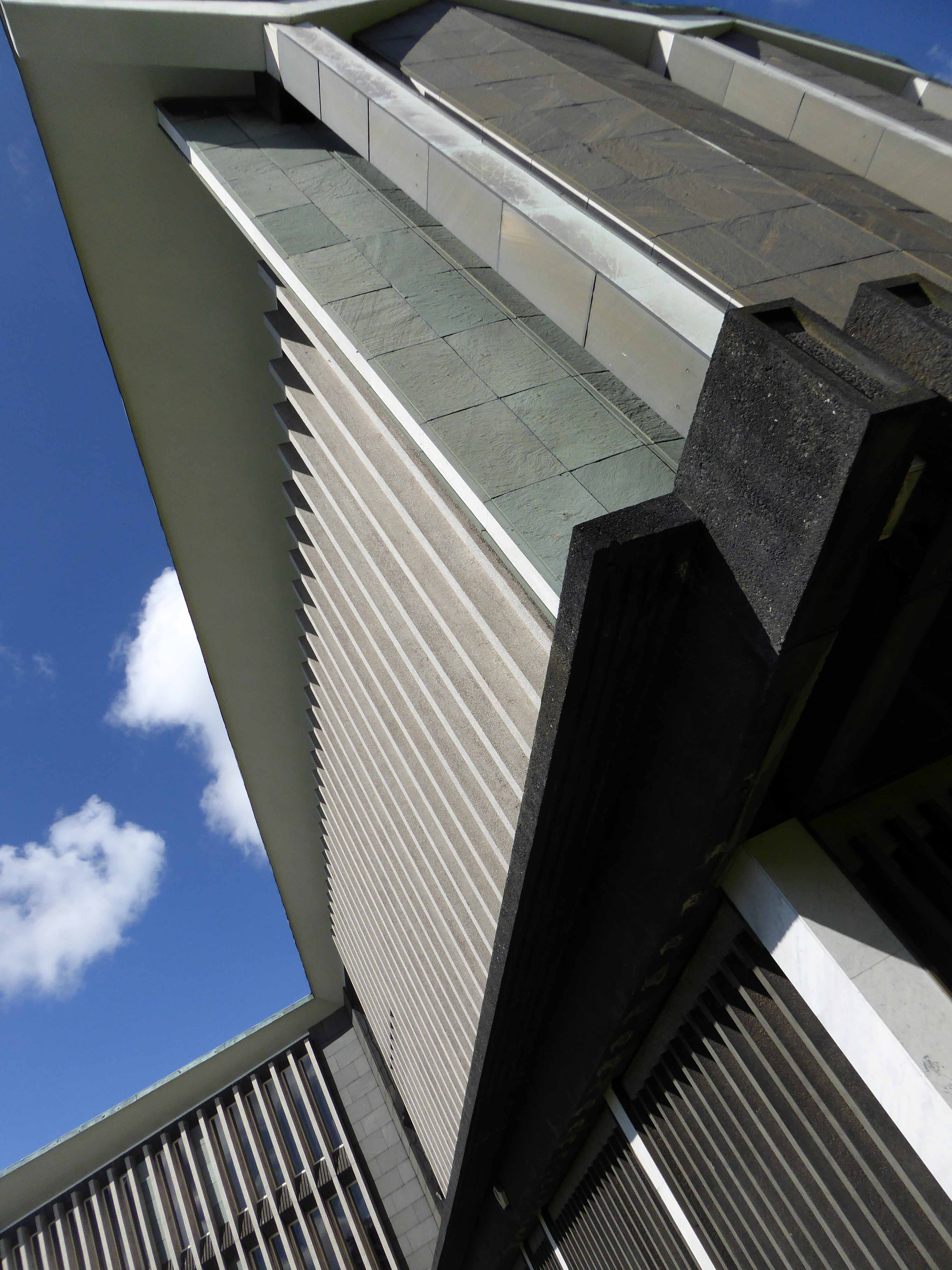
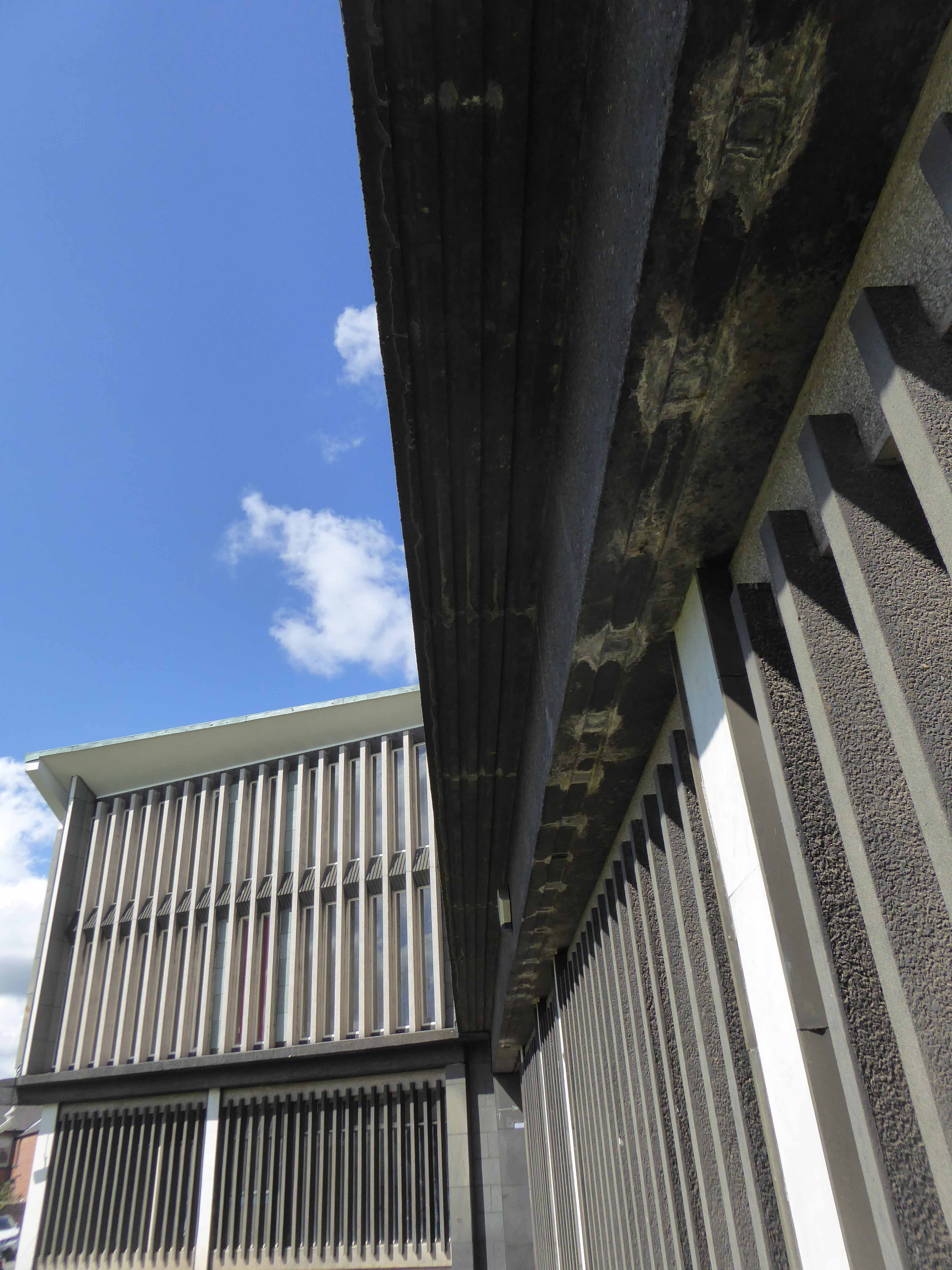
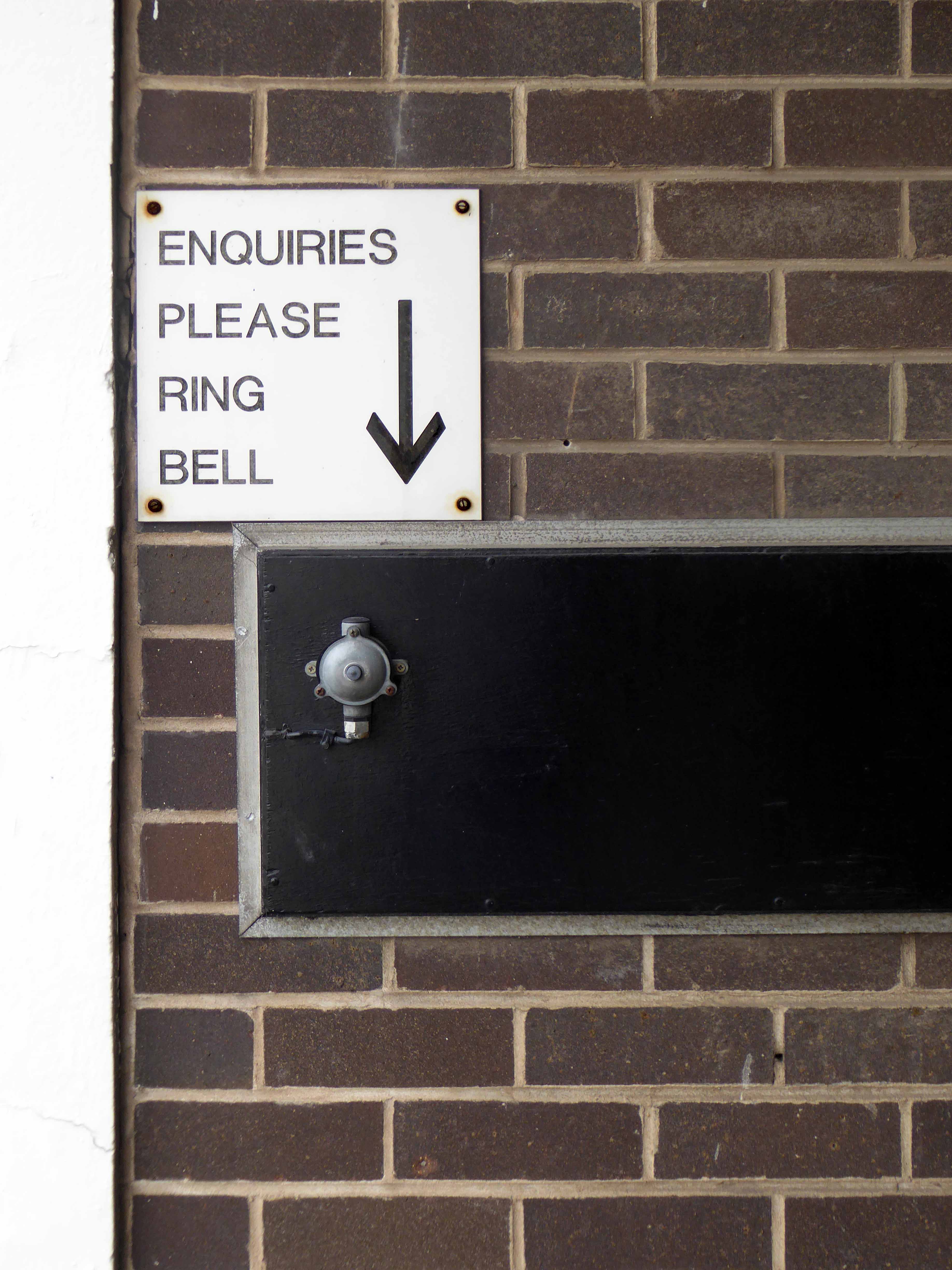
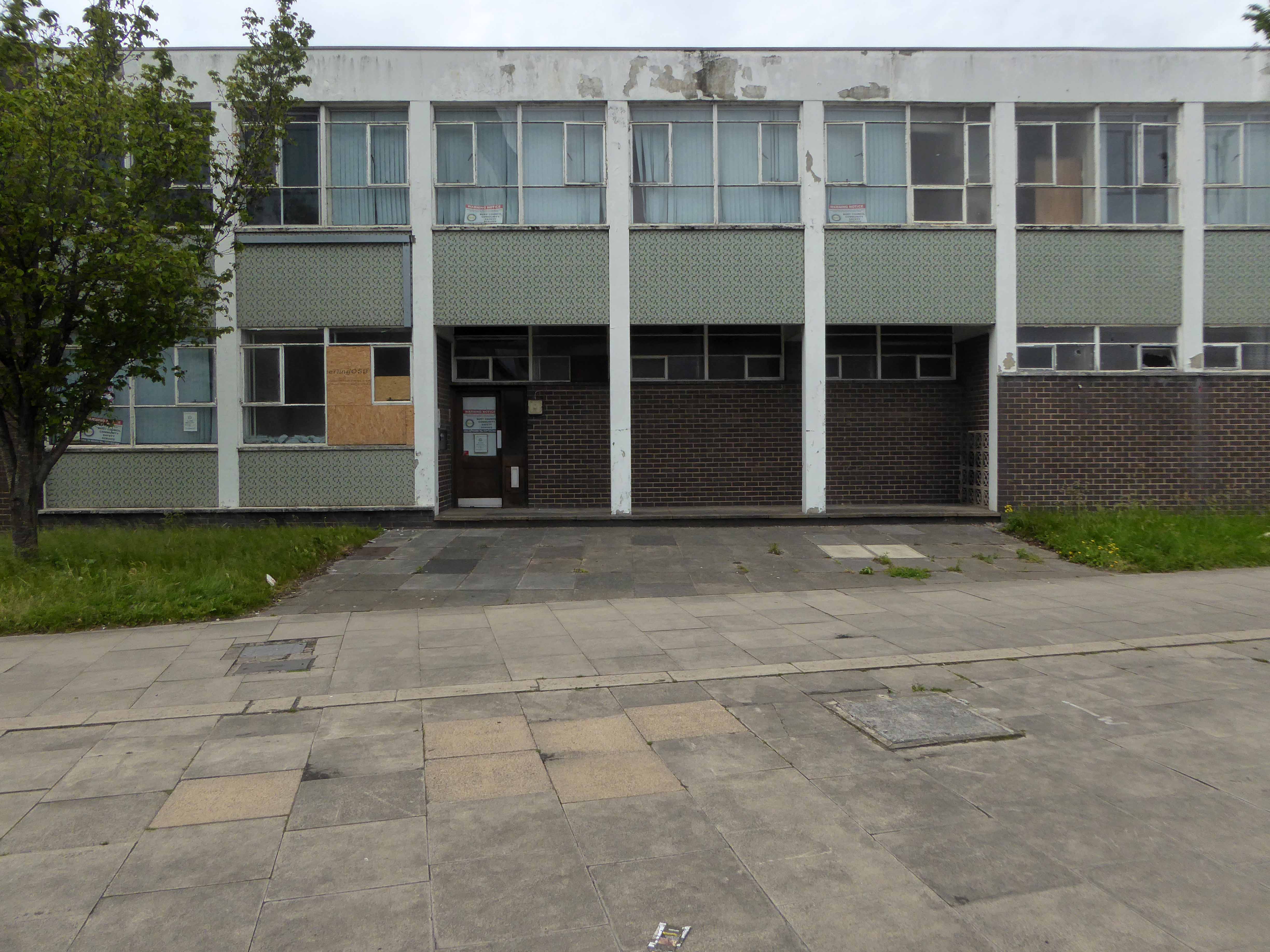
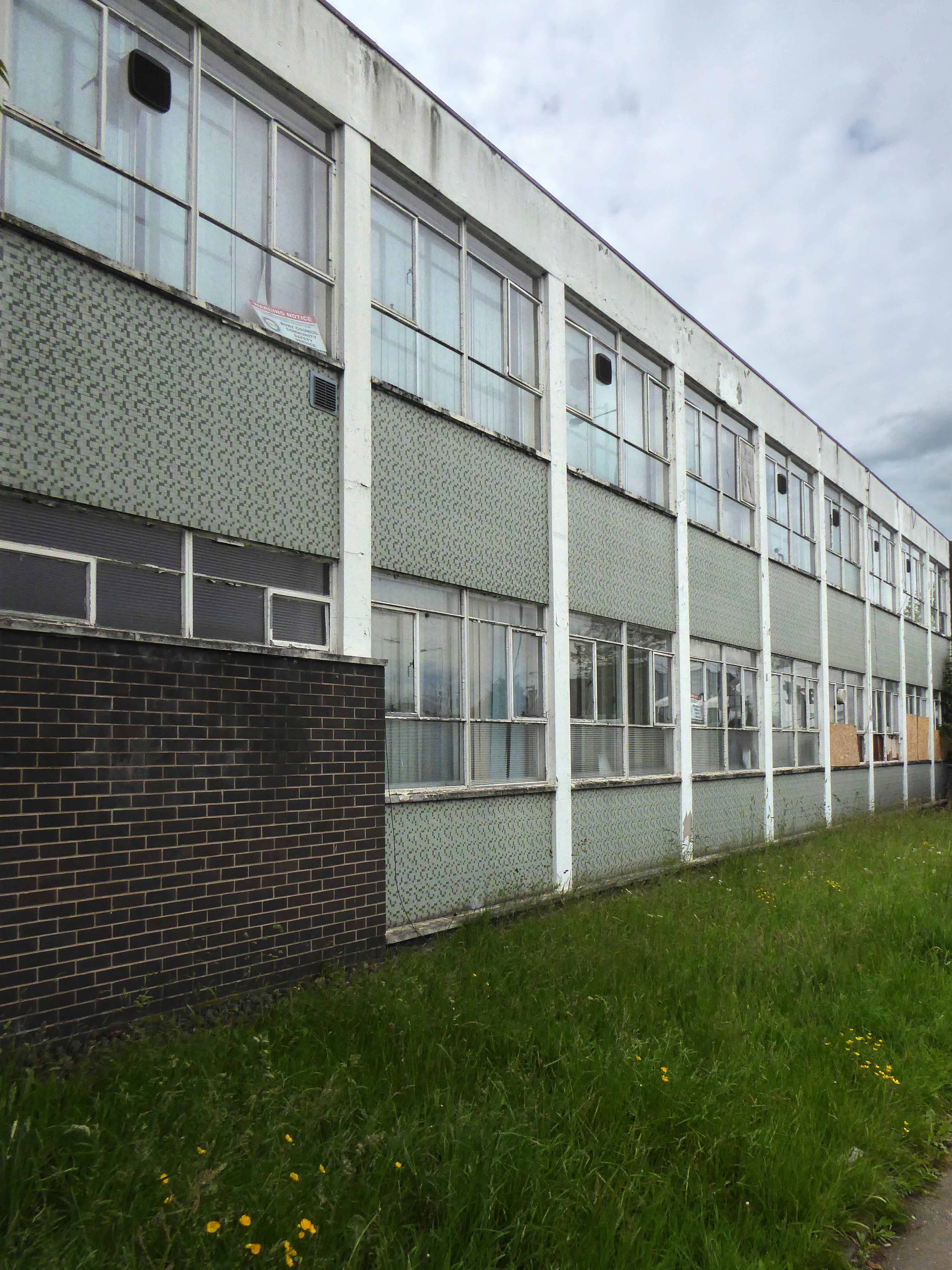
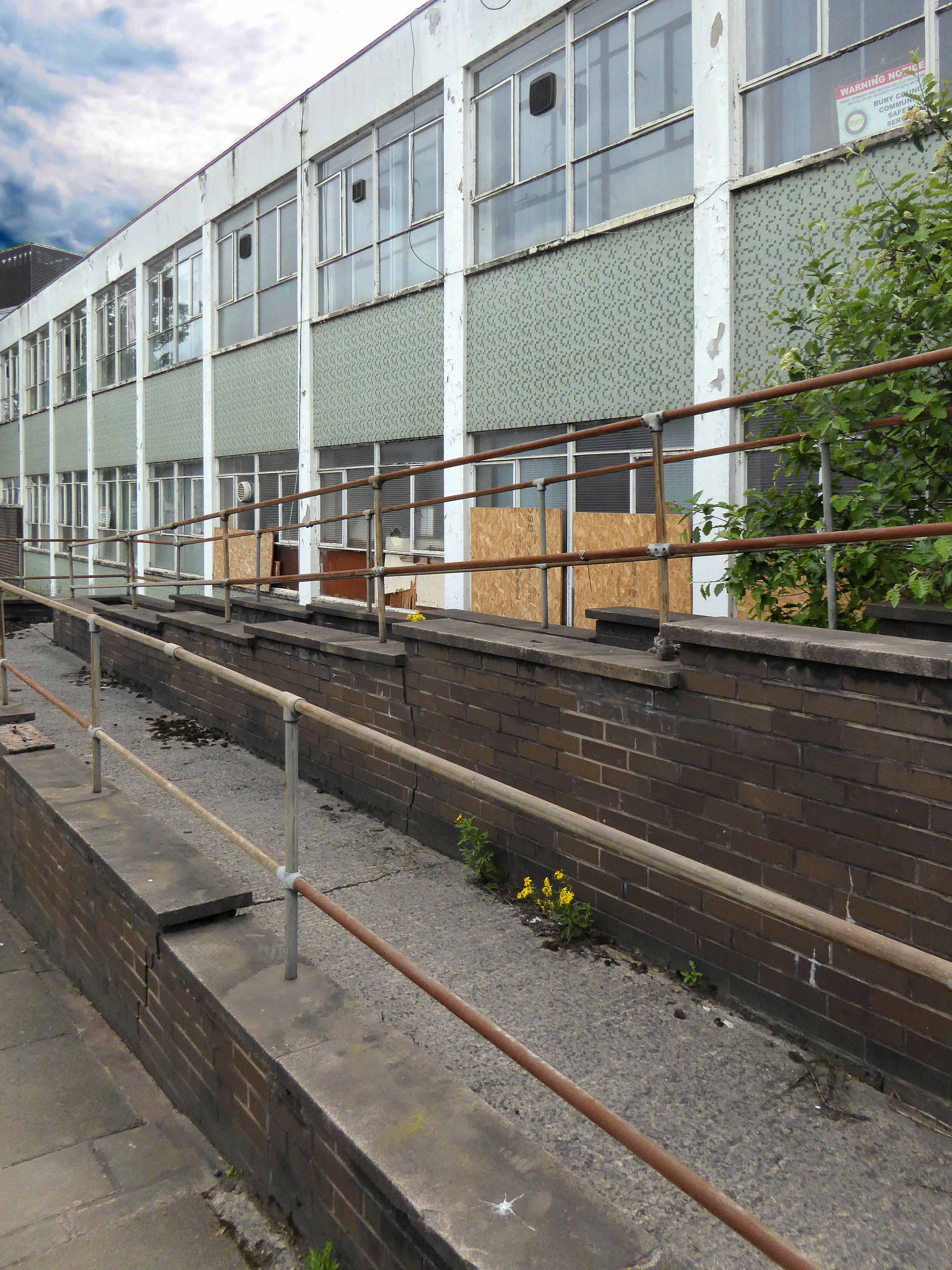
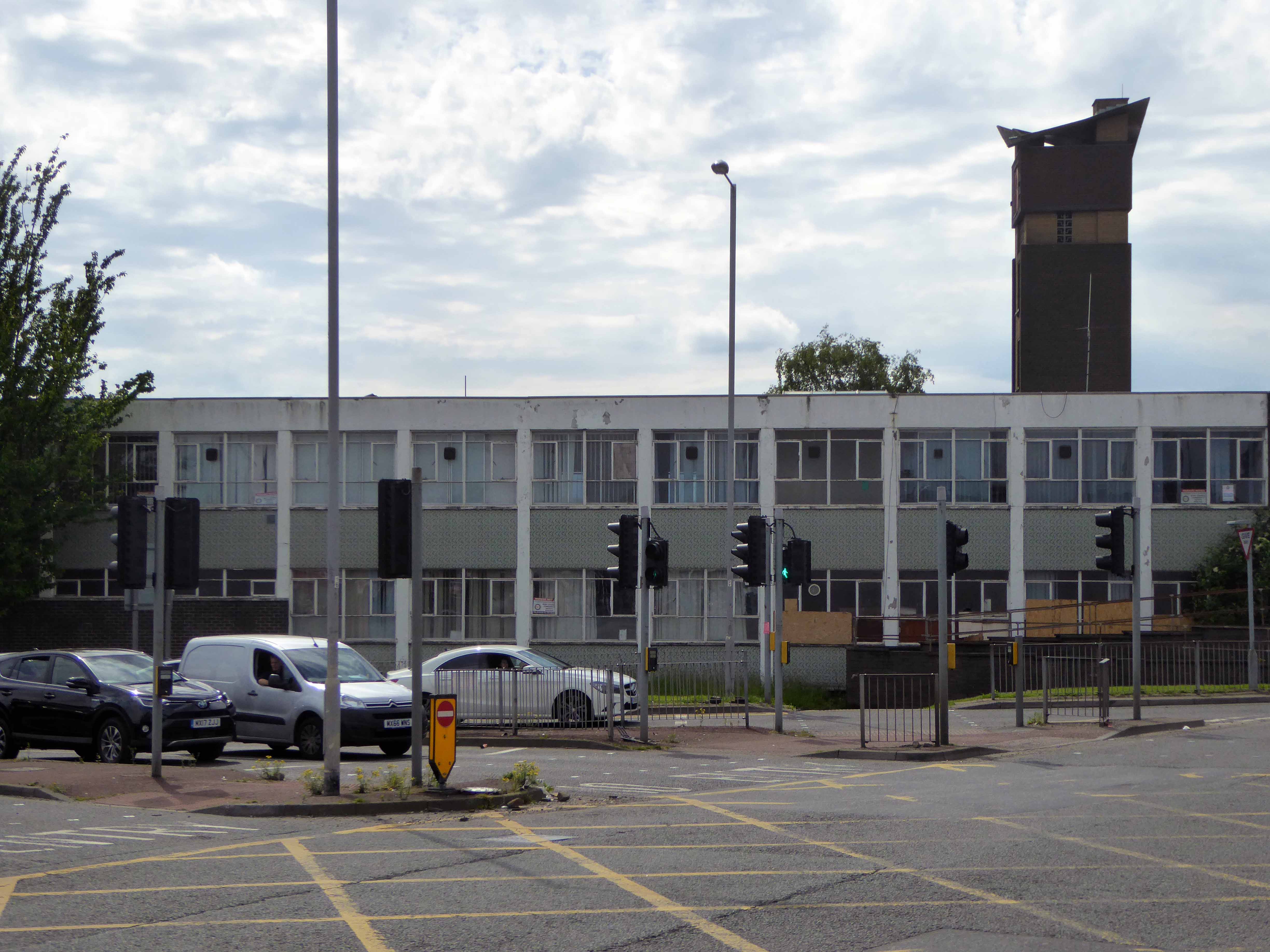
Way back in the Twentieth Century – Cheetwood Industrial Estate was built.

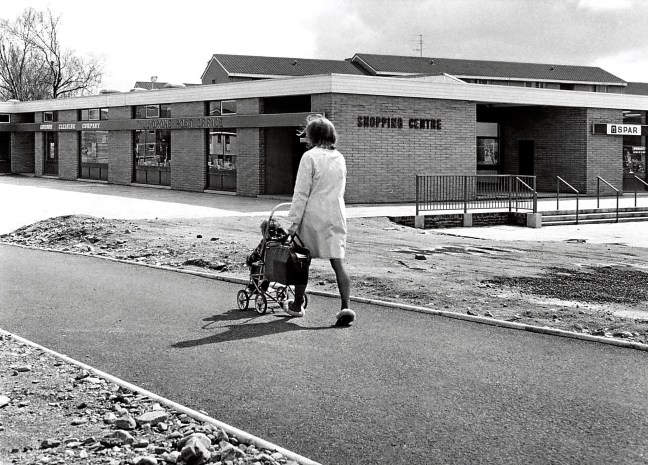
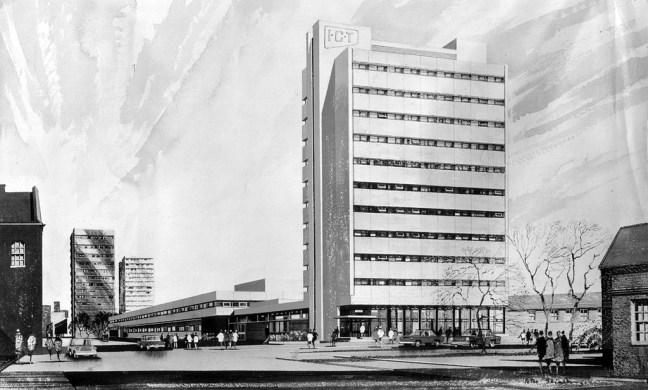
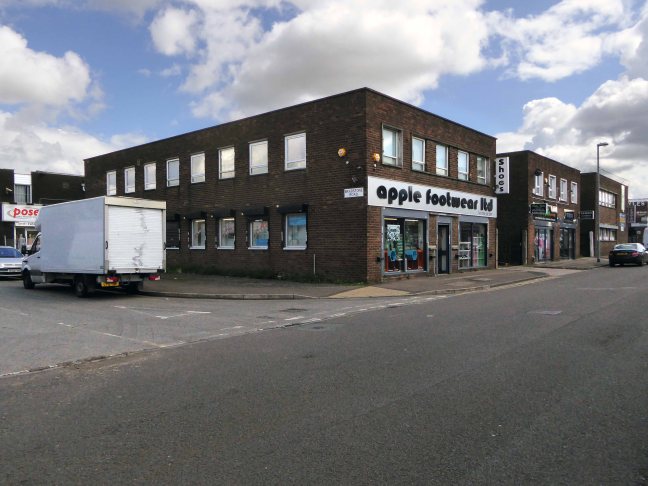
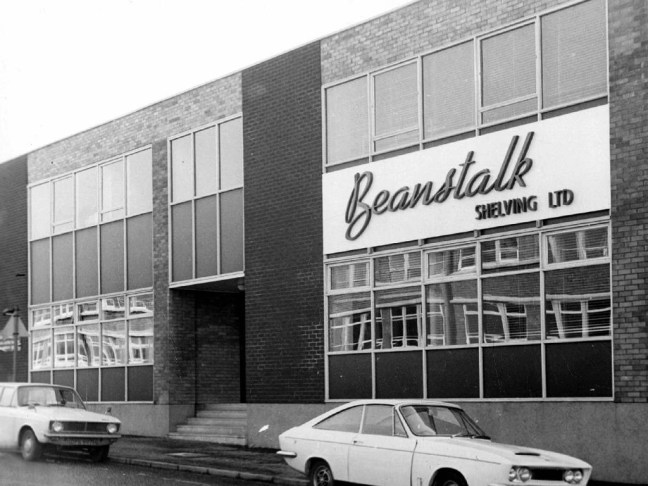
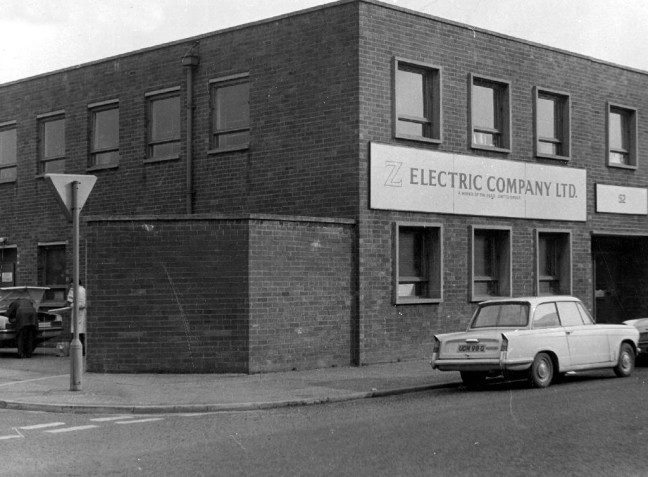
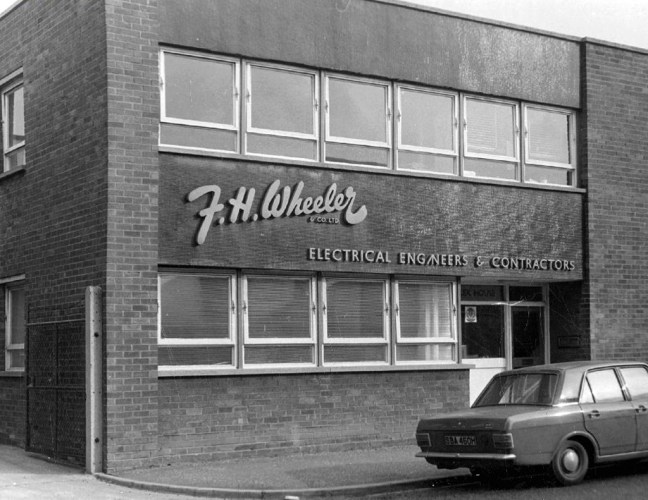
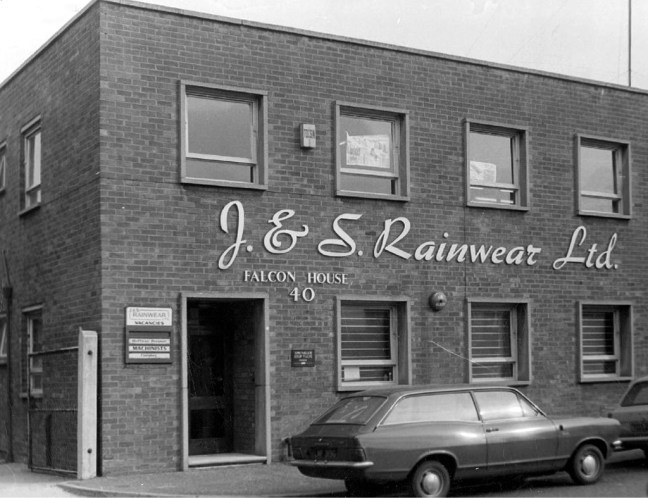
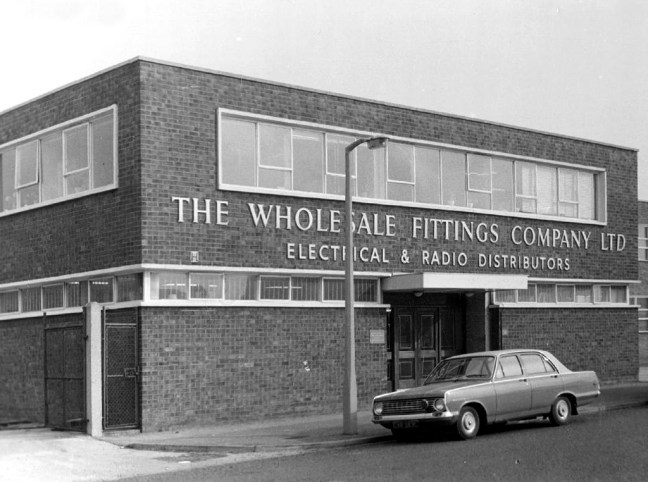
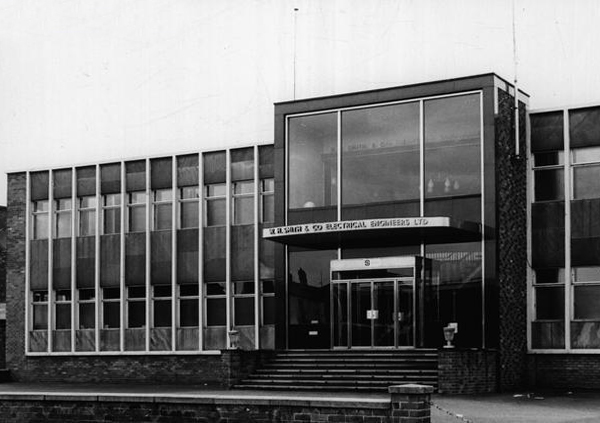
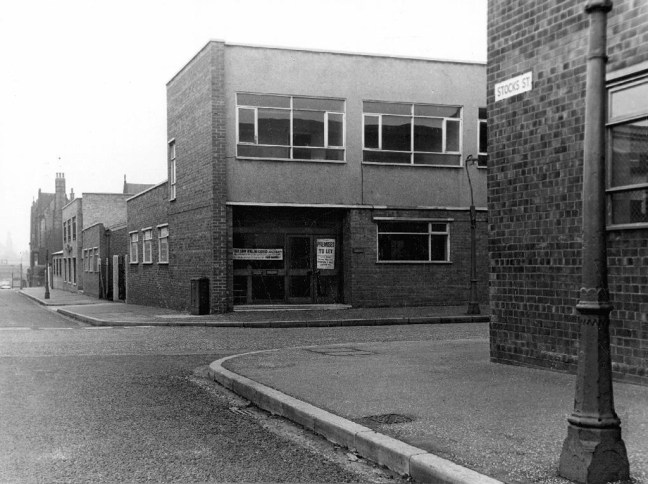
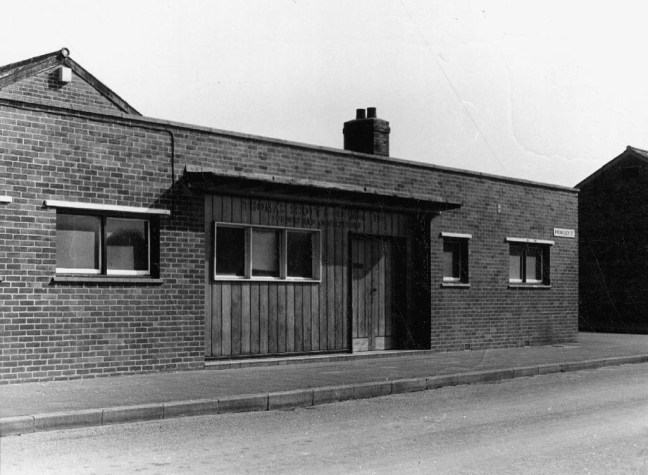
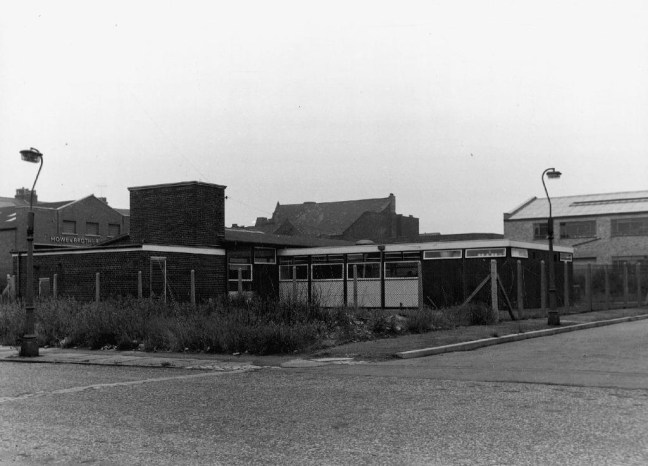
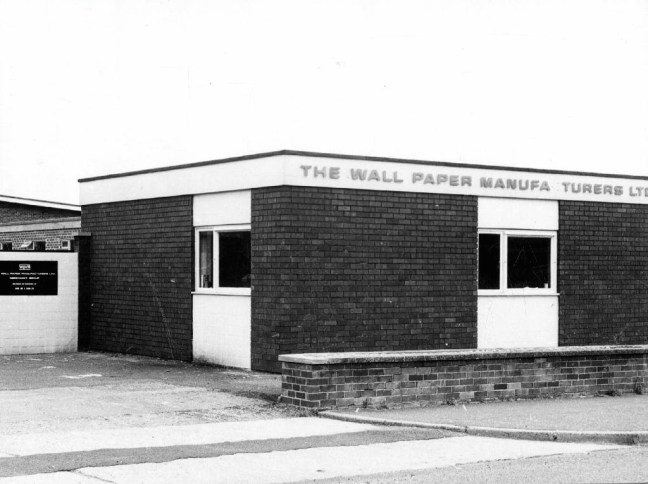
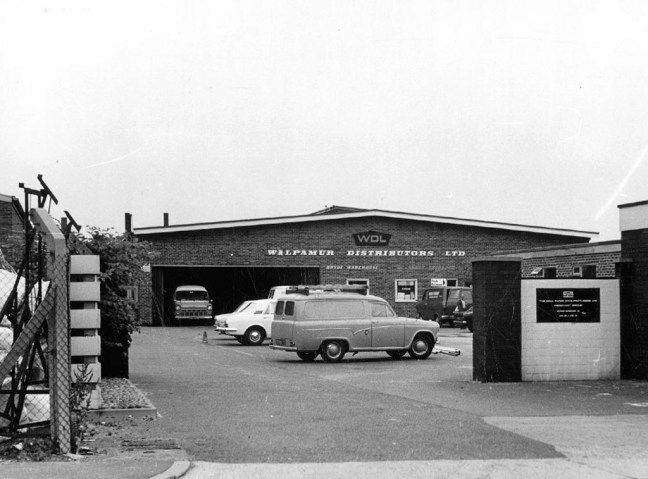
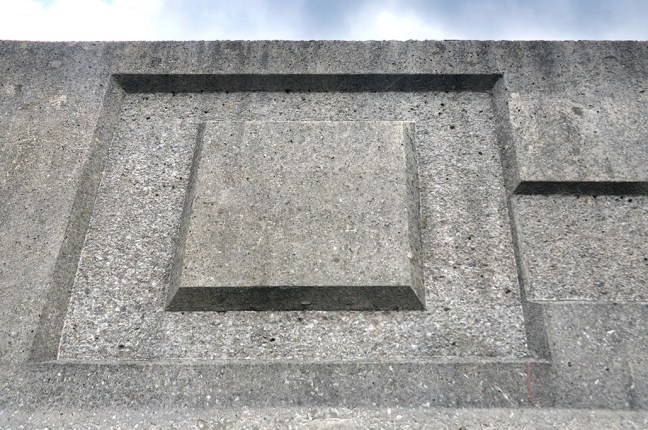
The future was functionalist flat-roofed, concrete, steel and brick boxes.

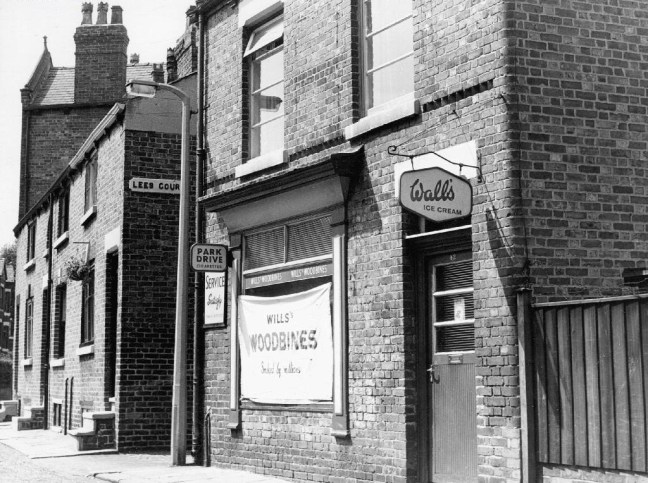
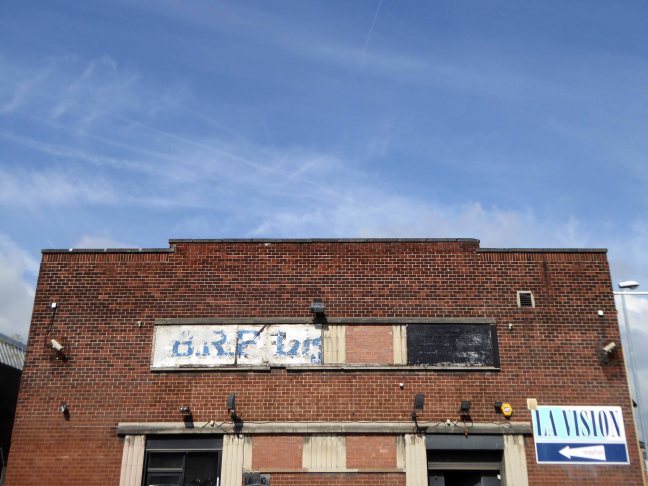
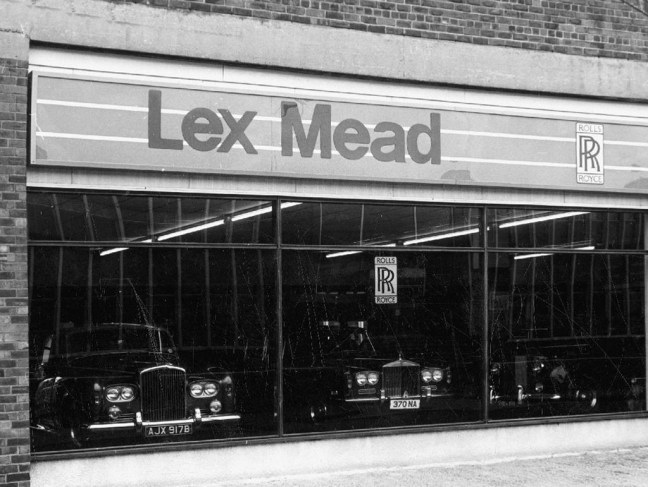
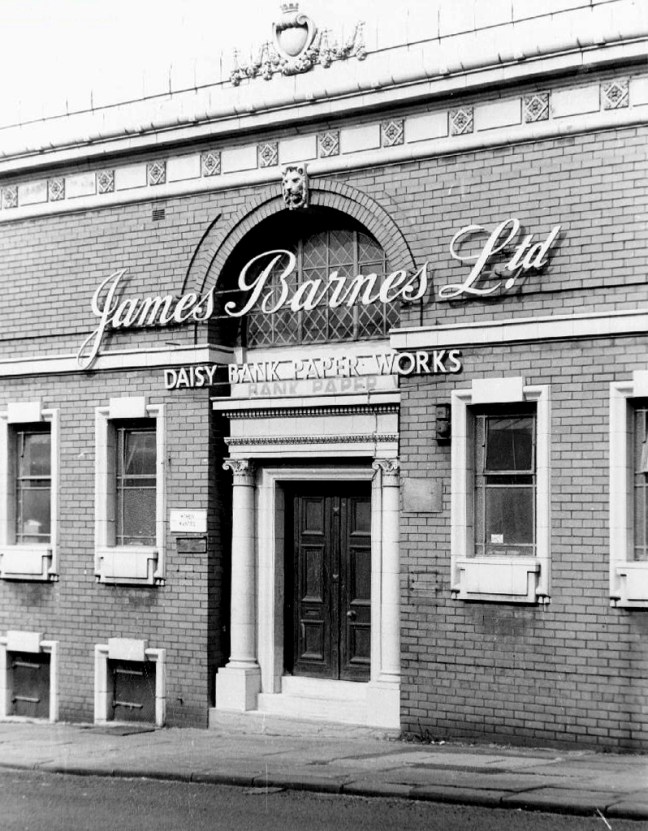
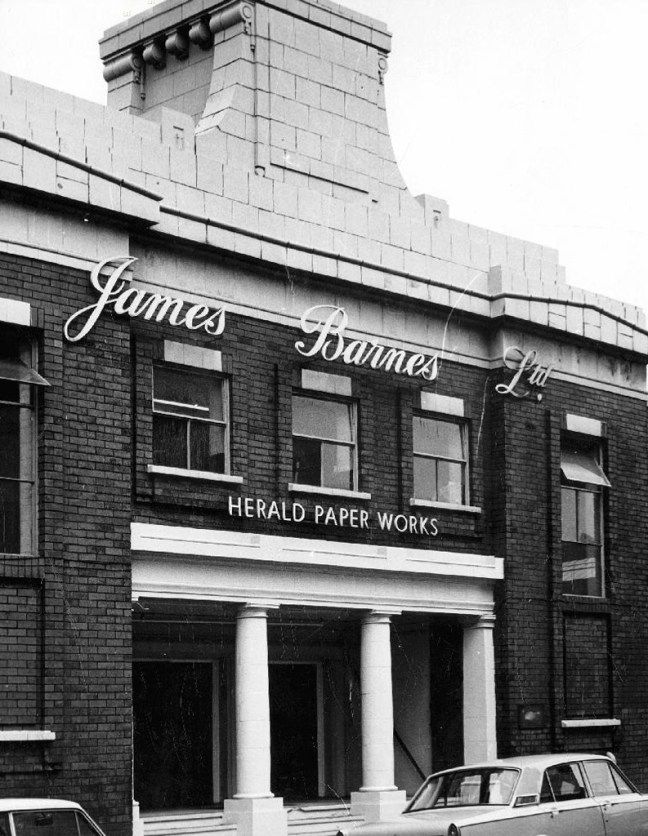
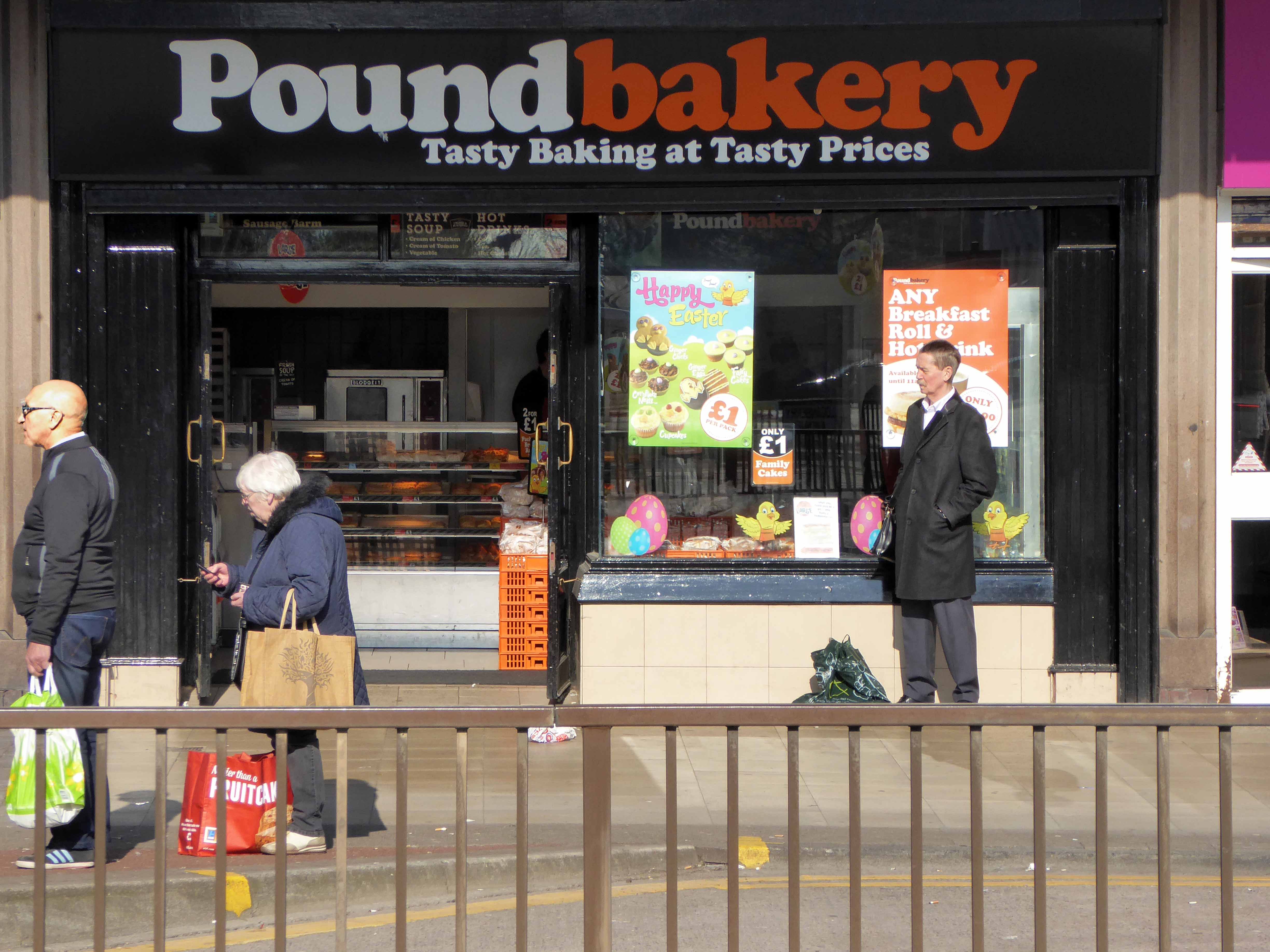
Adorned with the flowing scripts and signage of the multi-nationals, nationals and local companies, intent upon rendering corporeal the post-war optimism, attendant full-employment and the buoyant business of business.

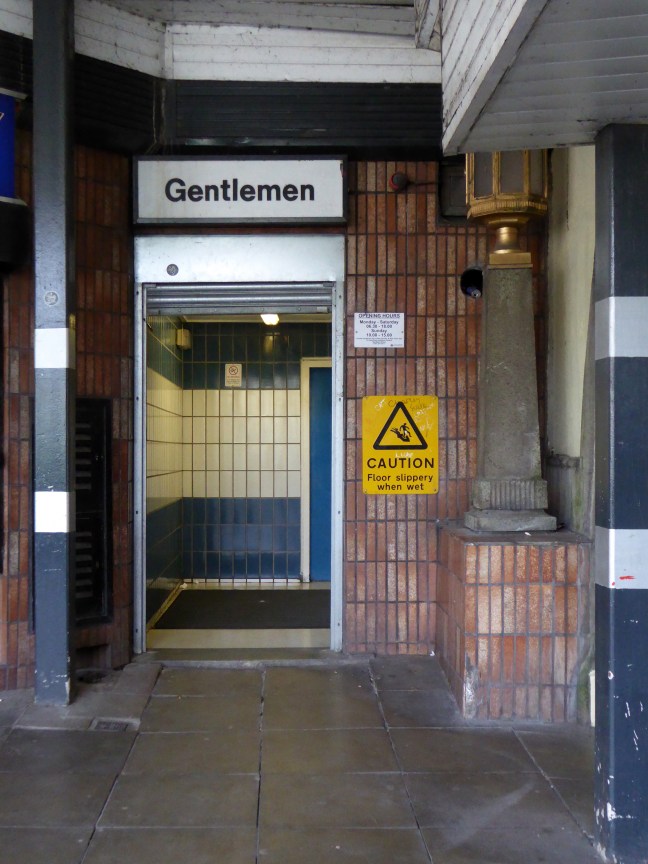
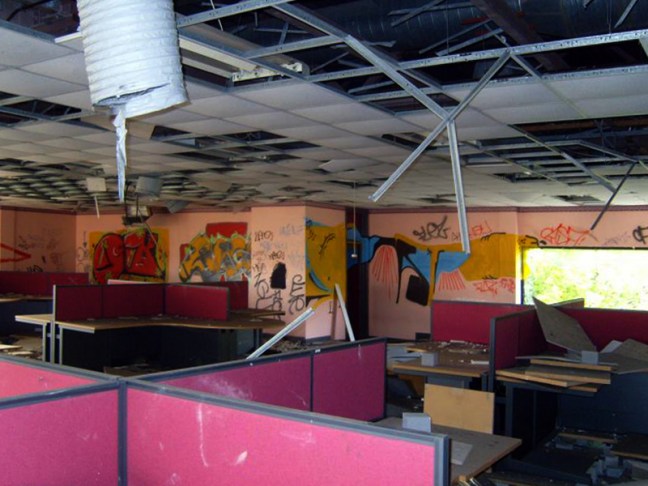
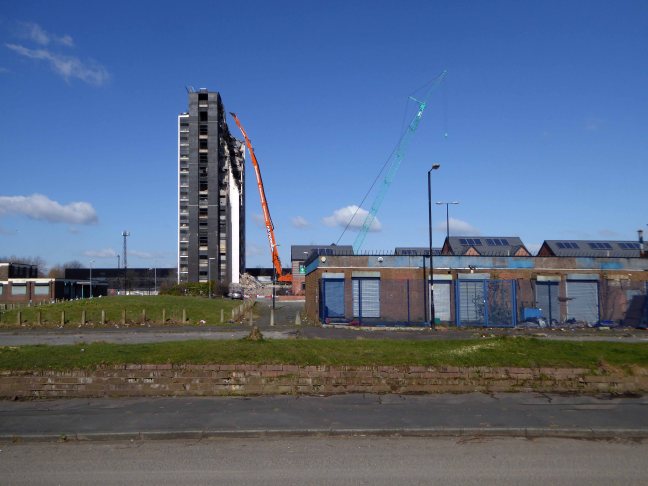
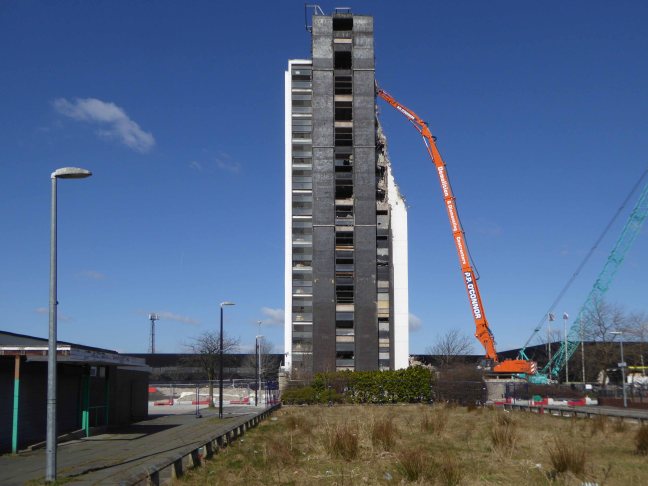
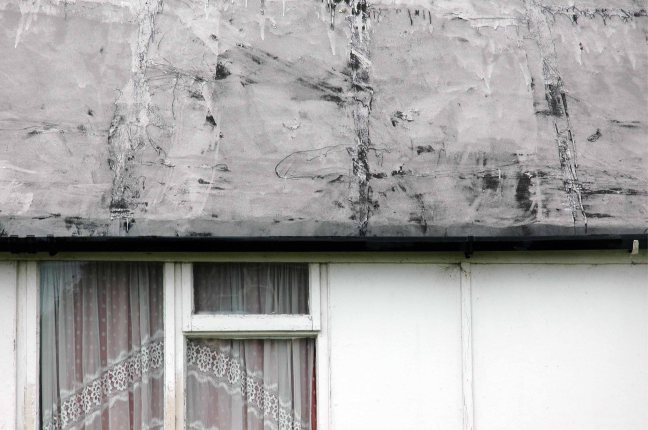
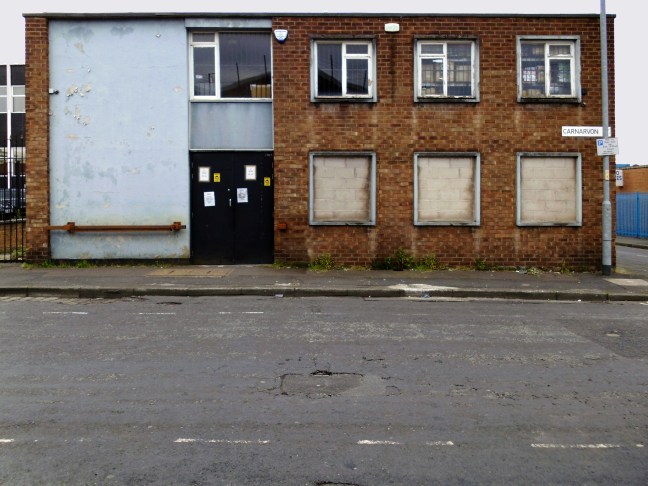
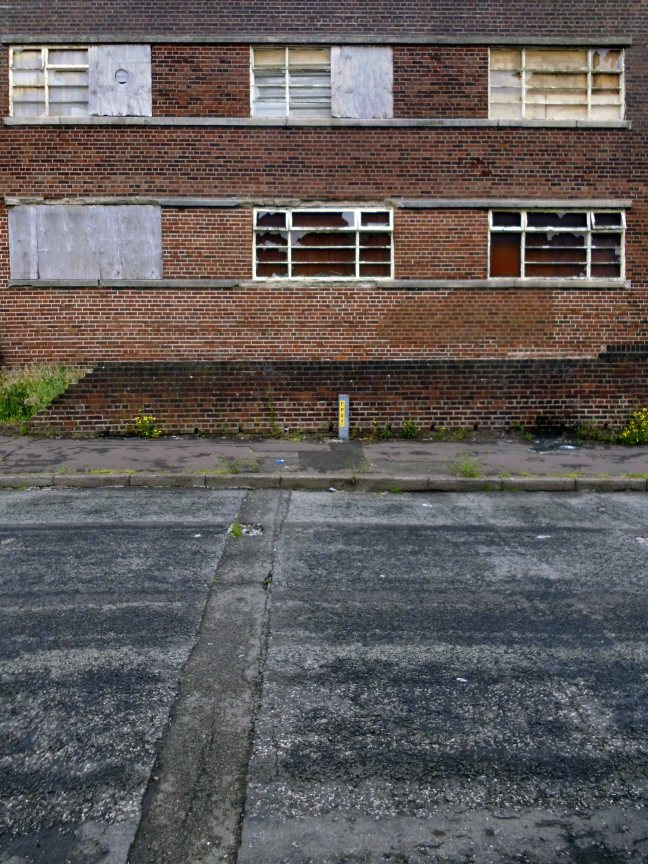
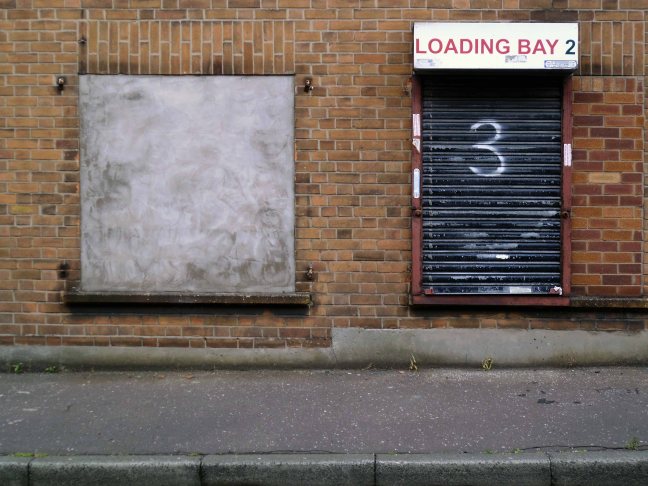
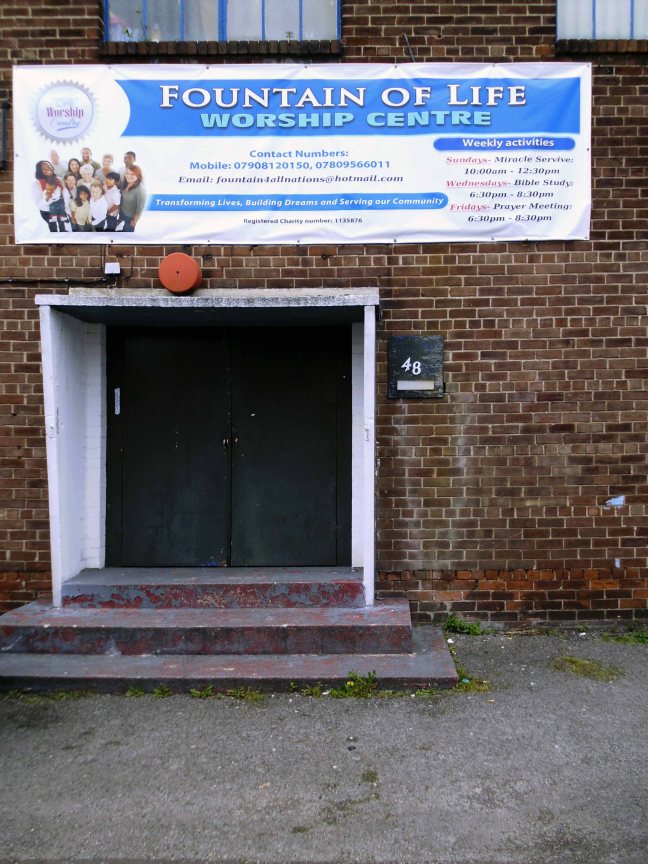
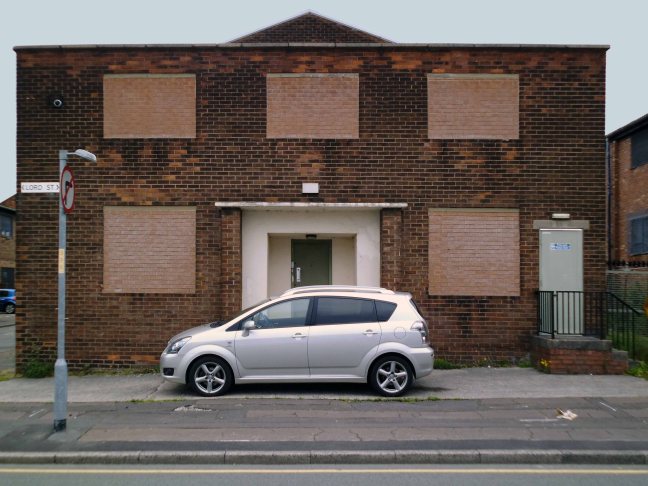
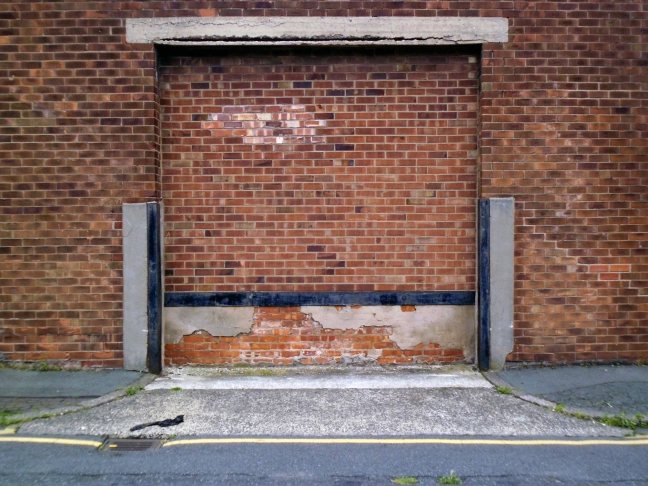
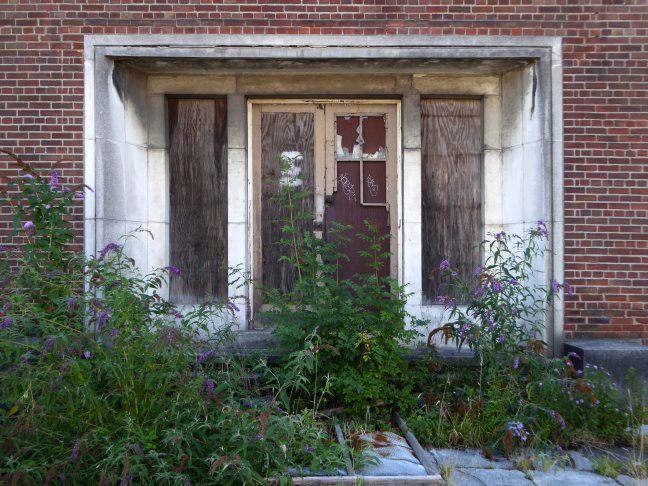
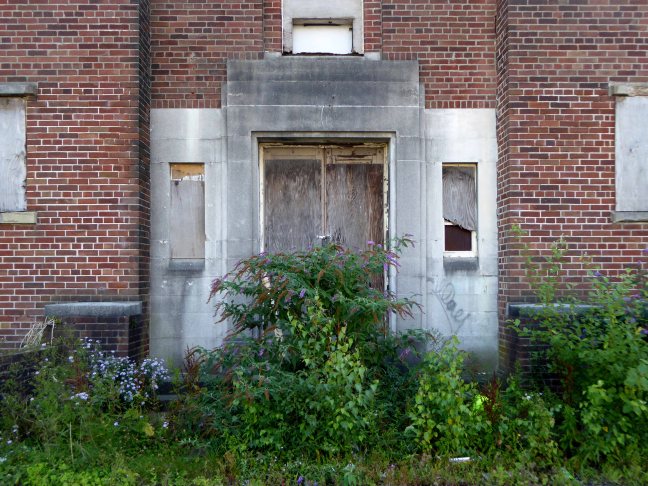
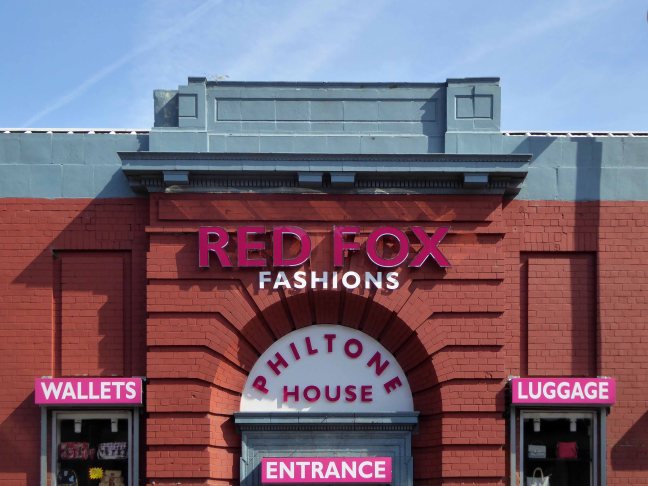
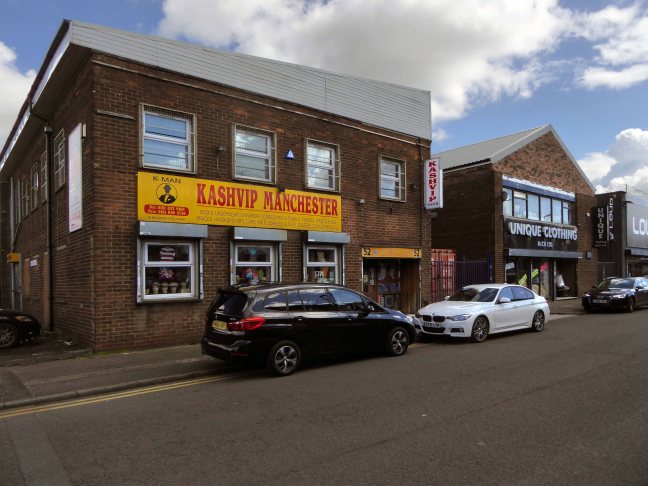
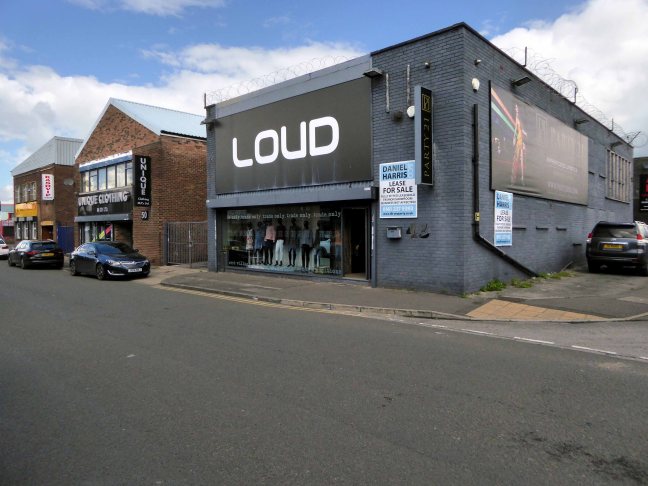
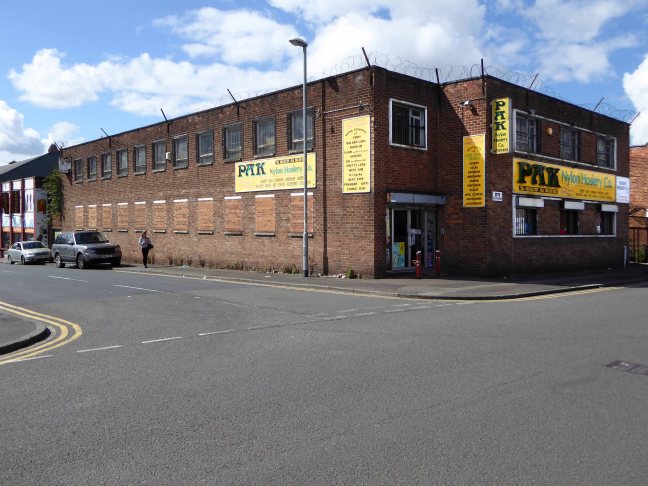
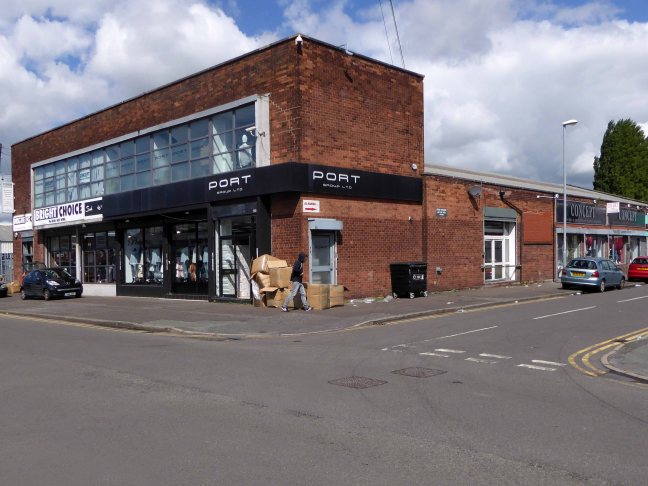
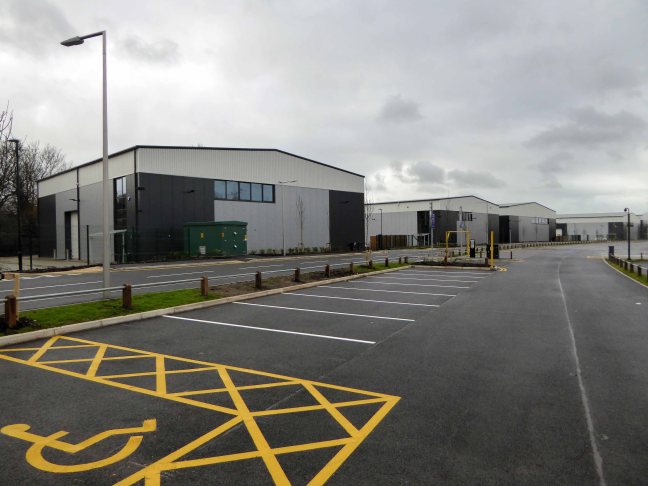
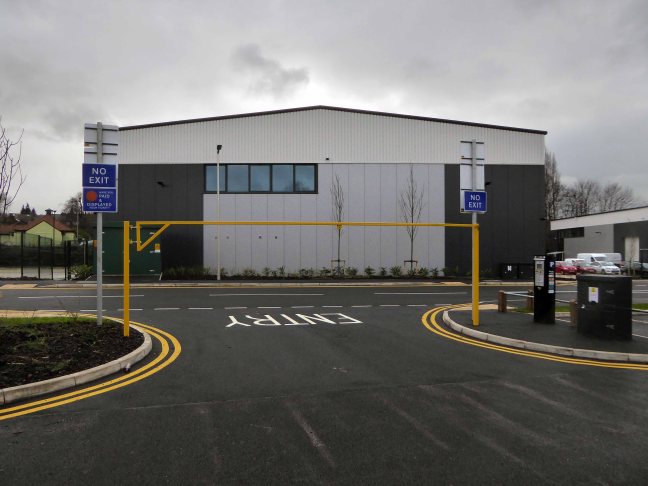
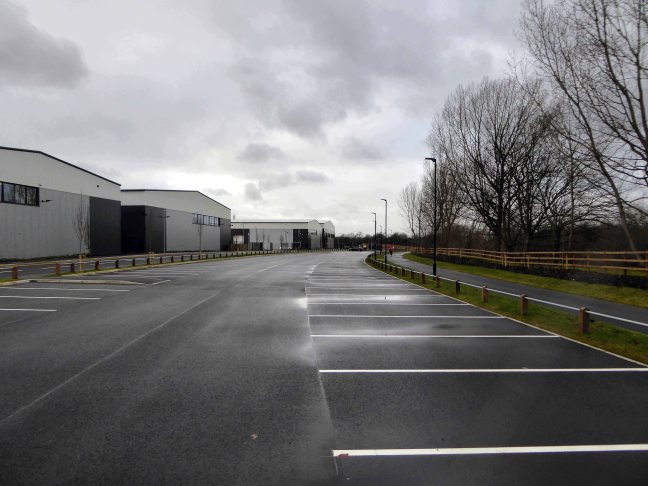
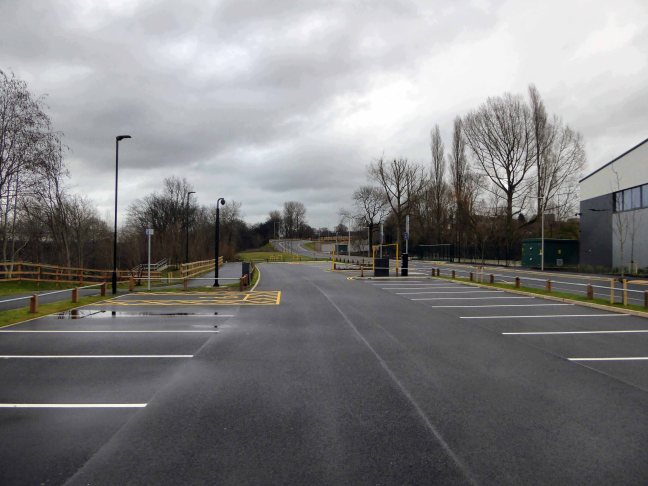
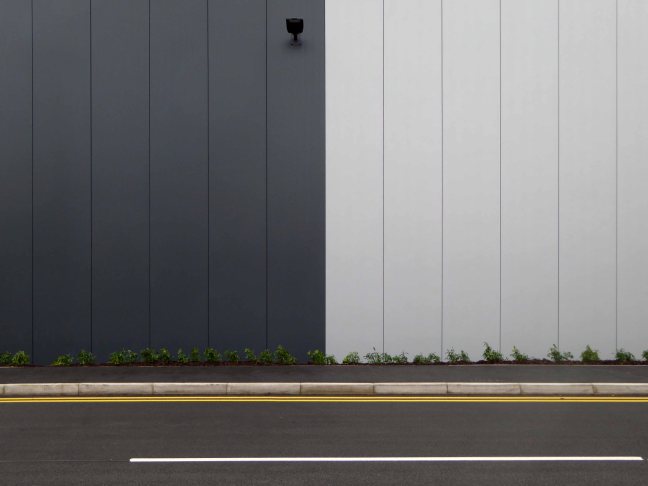
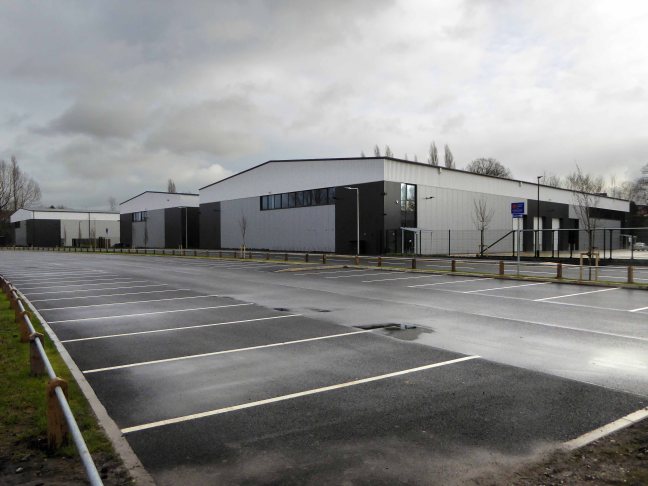
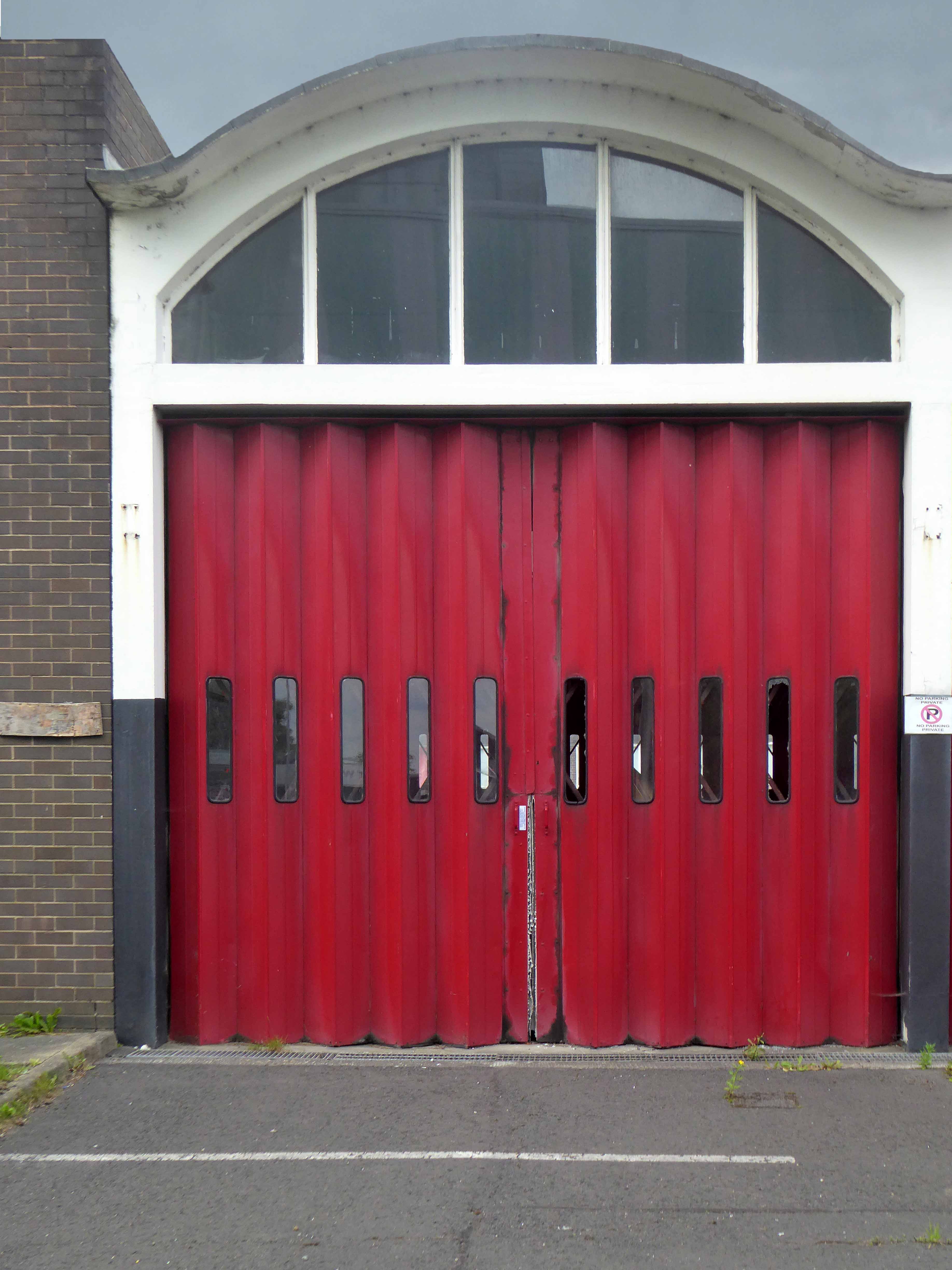
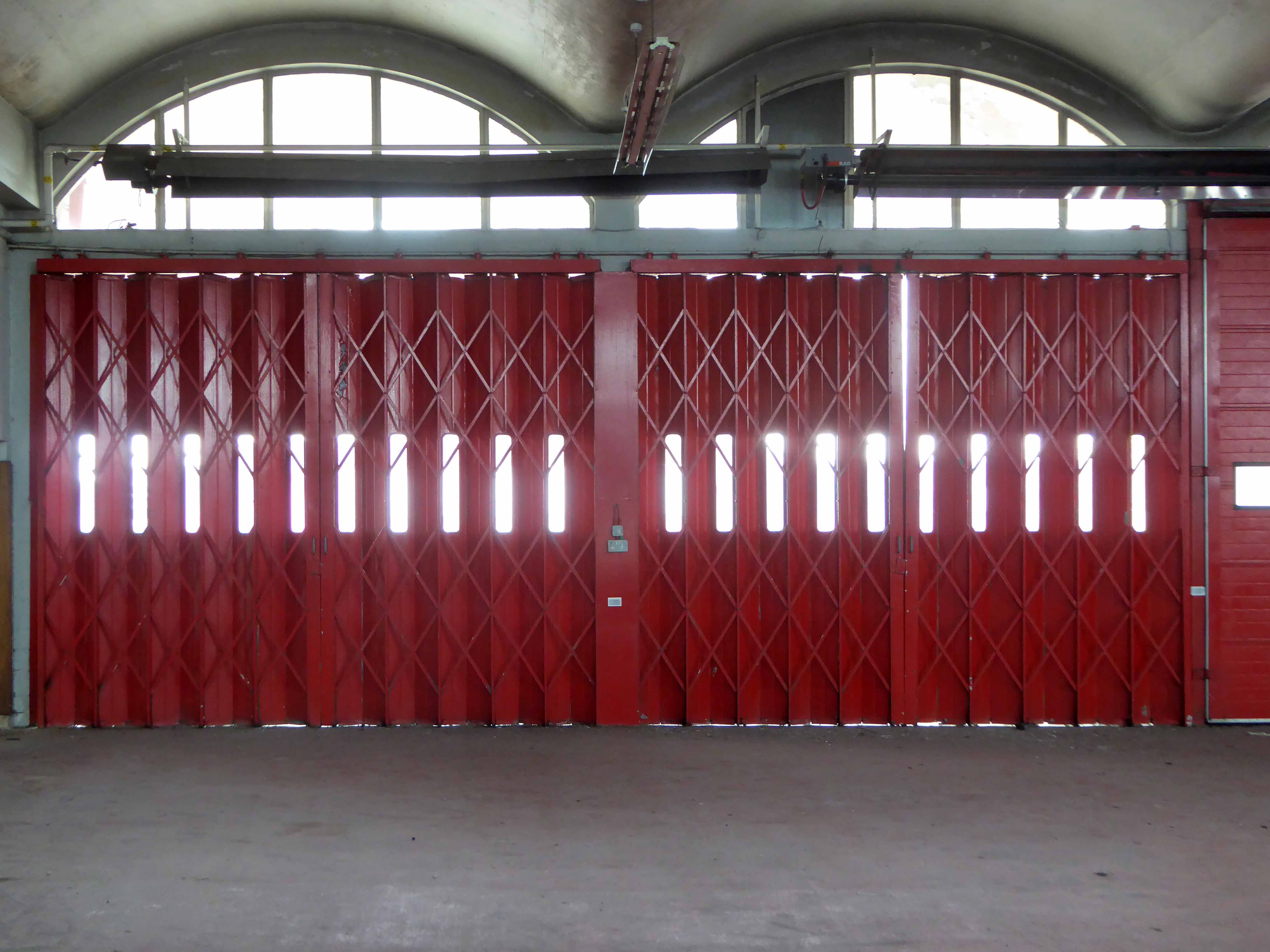
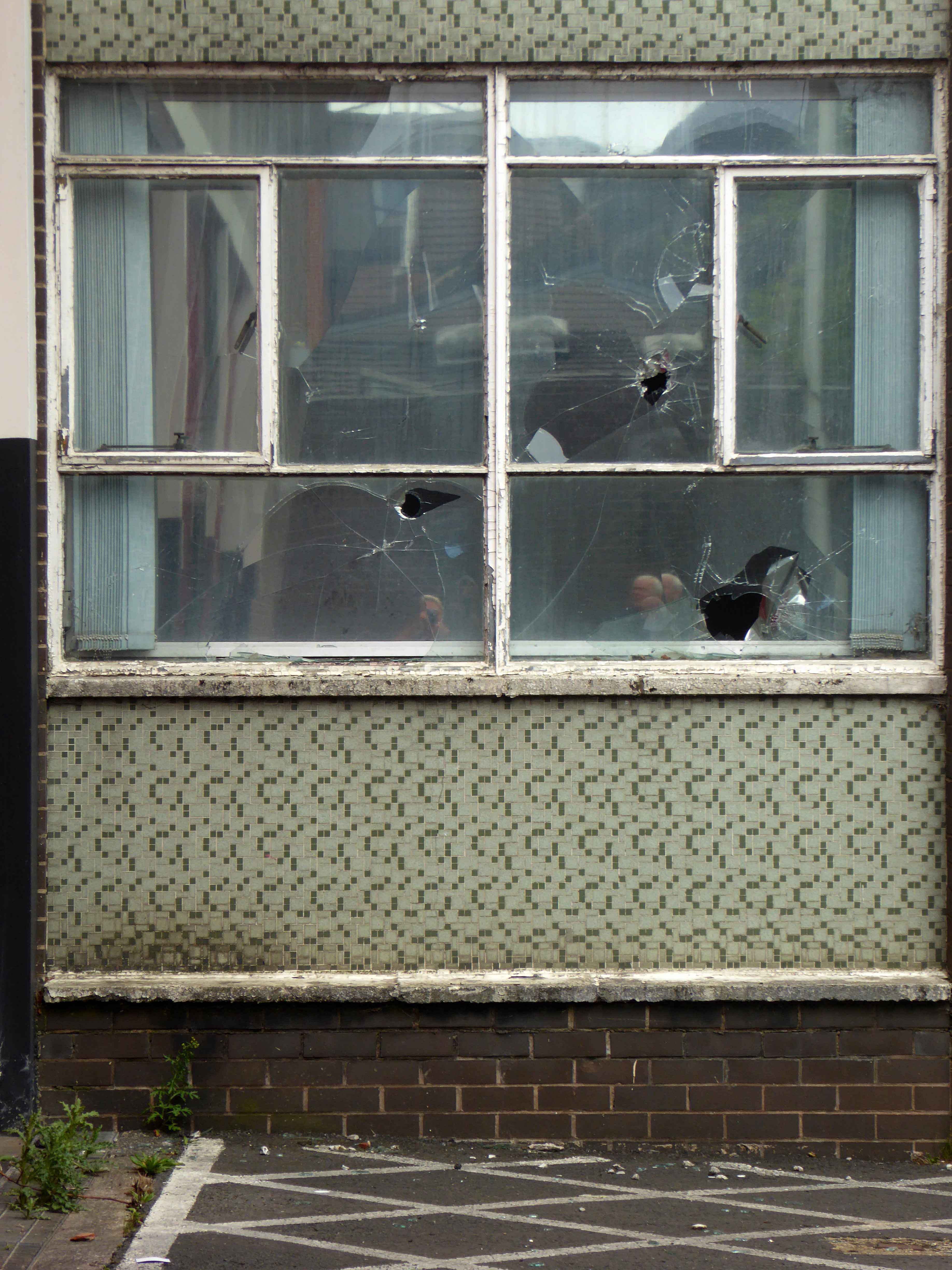
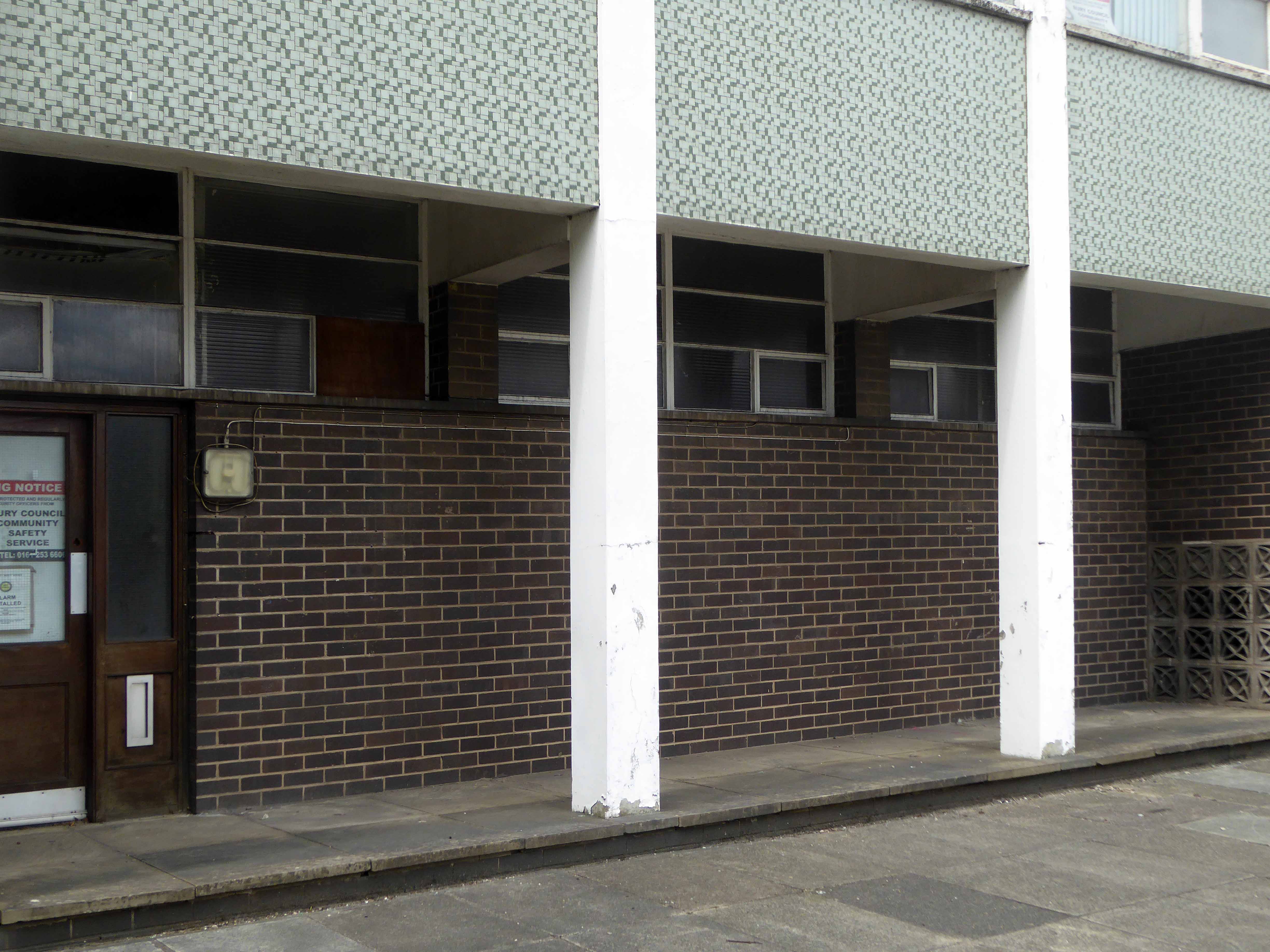
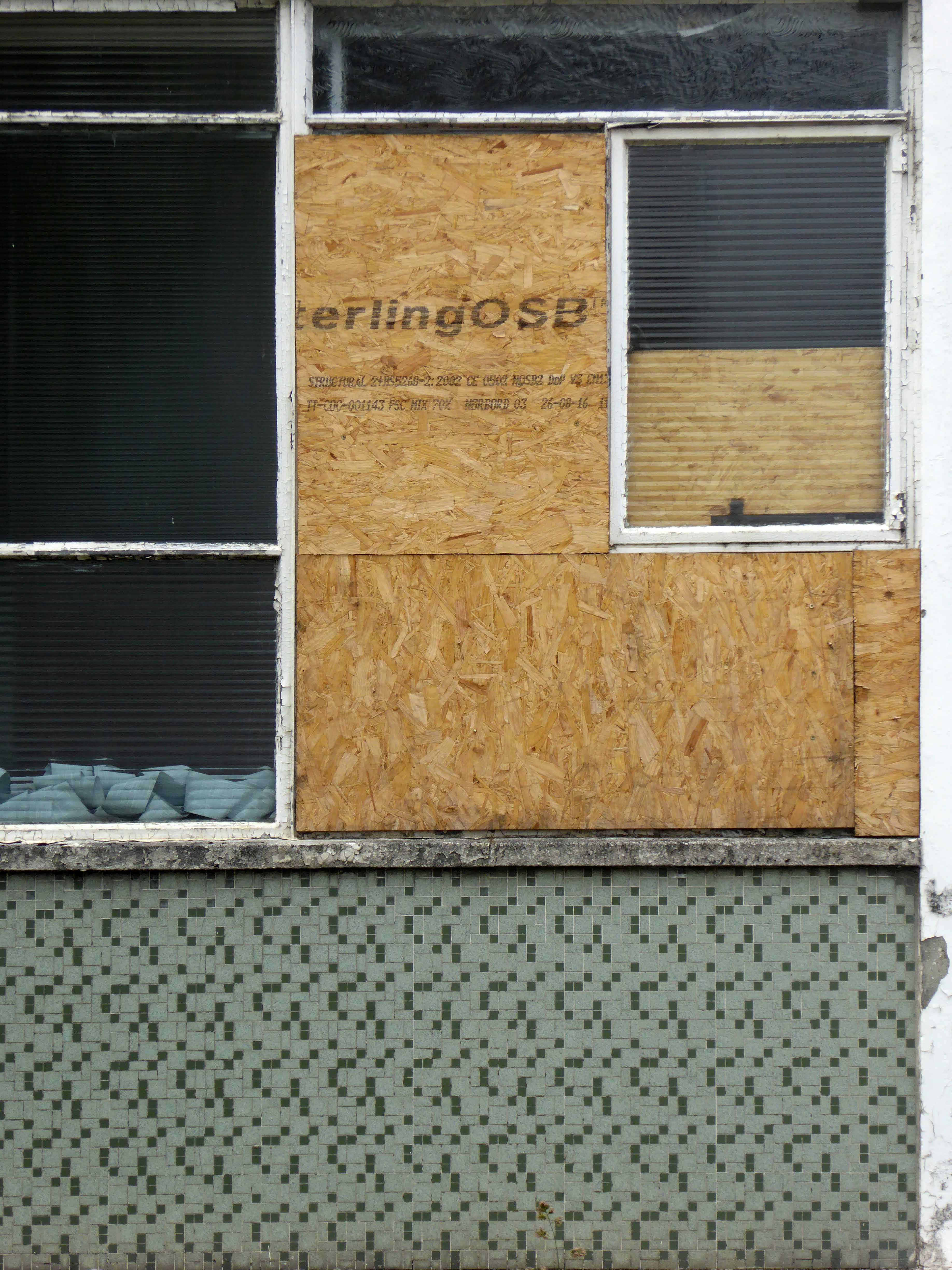
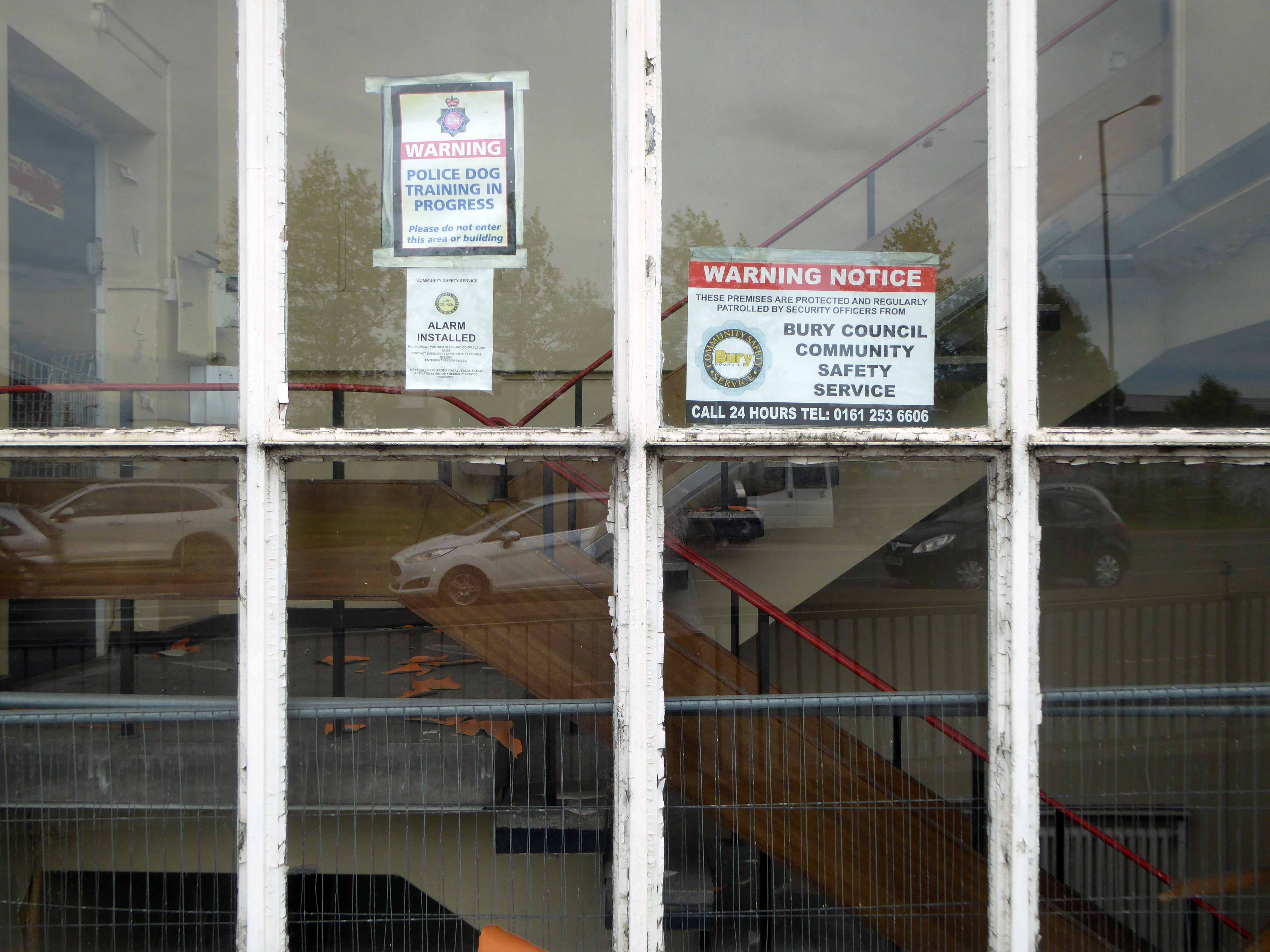
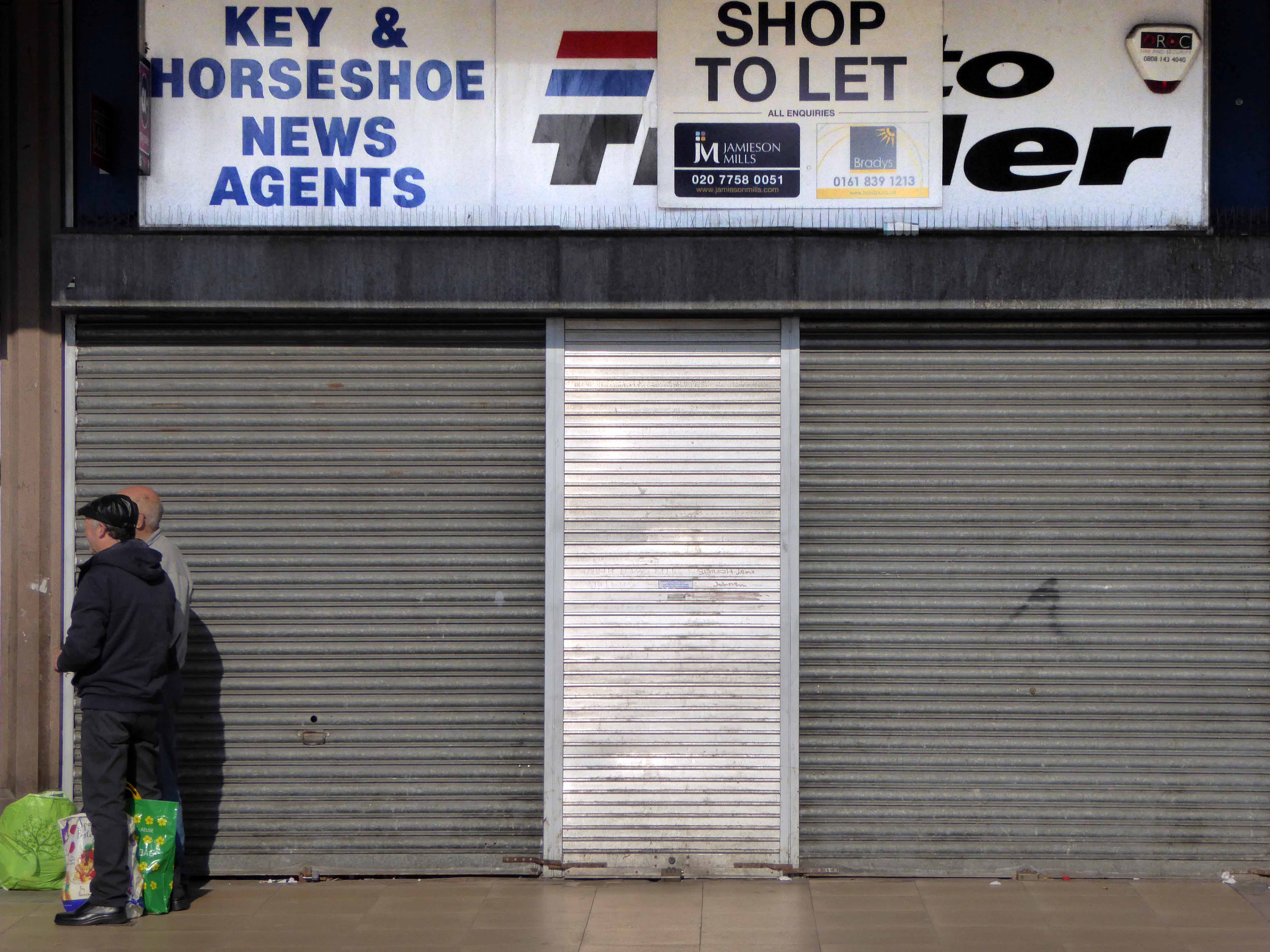
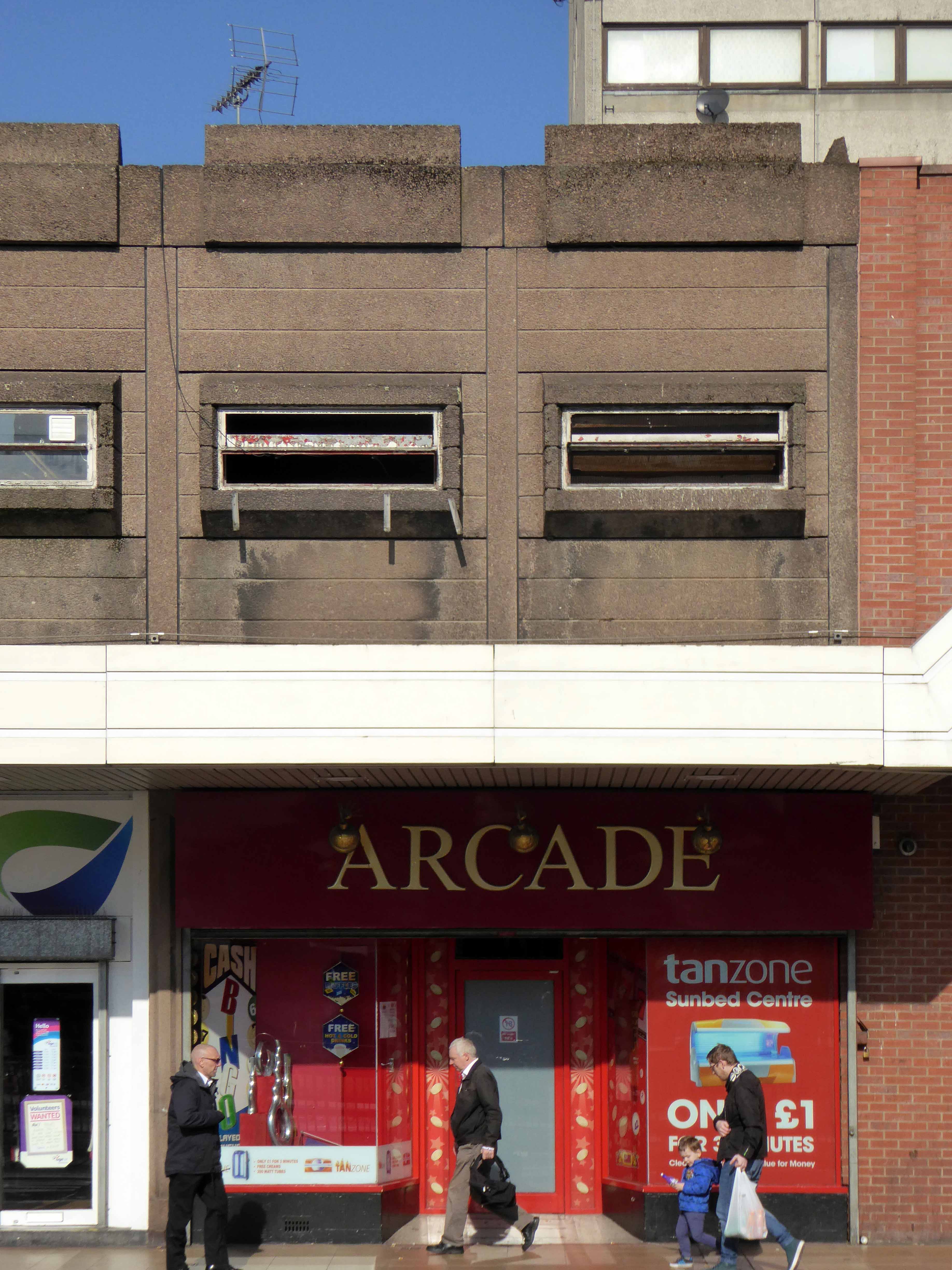
Fast forward to the future – the roofs have been pitched up, the windows bricked up or shuttered or both, walls encased in sad cladding.

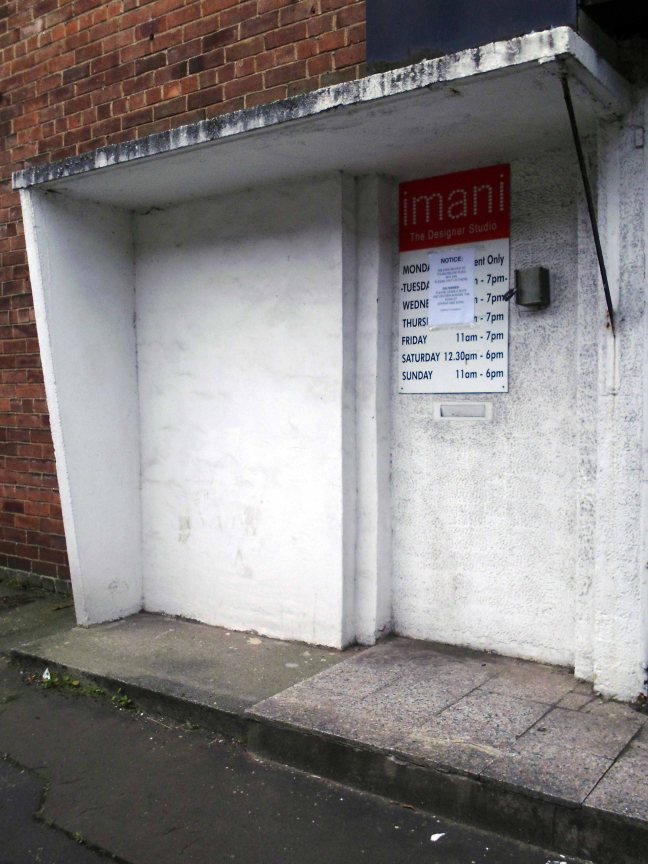
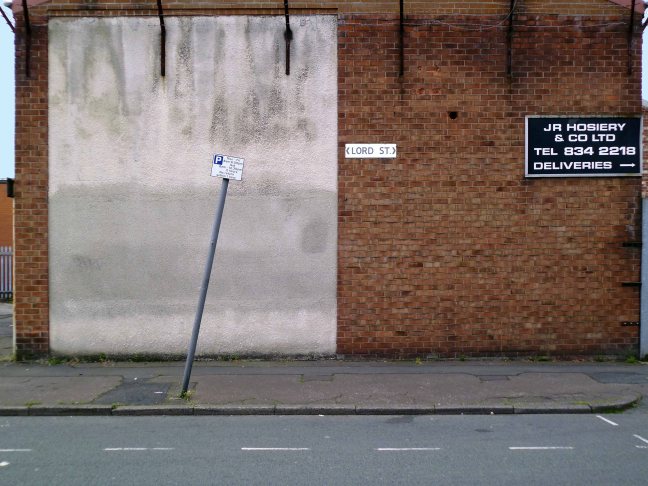
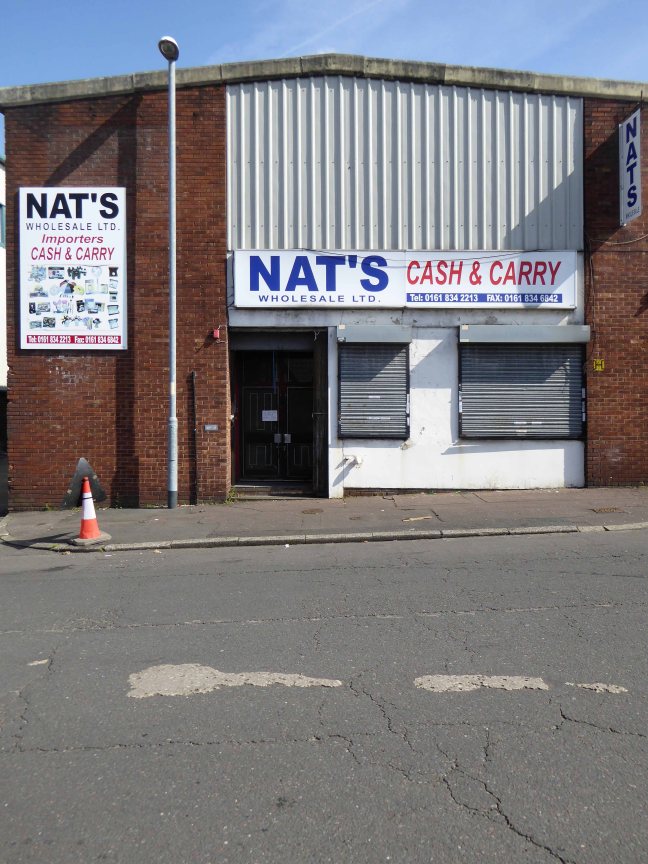
The semi-permanent signage replaced with terminally temporary vinyl.

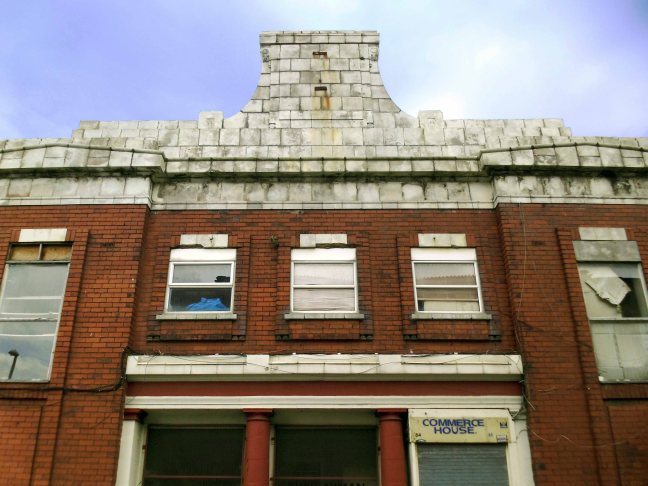
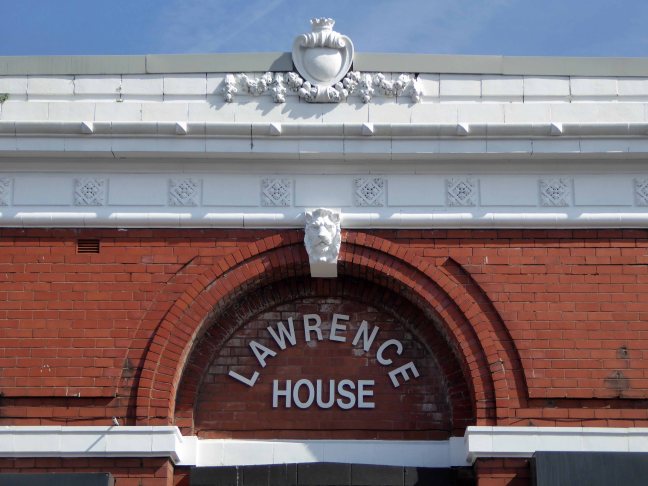
Joe Sunlight’s neo-classical pediments have been painted a funny colour.

P1000135 copy

P1000157 copy

P1000217 copy

P1000218 copy

P1000223 copy

P1000229 copy

P1000231 copy

P1000234 copy

P1000235 copy

P1000252 copy

P1000255 copy

P1190103 copy

P1190104 copy

P1190106 copy

P1190111 copy

P1190112 copy

P1190114 copy

P1190117 copy

P1190385 copy

P1190387 copy

P1190388 copy

P1190391 copy

P1190398 copy


Strangeways Manchester #1

Strangeways?

– How strange.

The Strangeways family themselves are certainly recorded in antiquity at the site, although the name appears differently over time; Strongways in 1306, Strangewayes in 1349 and Strangwishe in 1473. In the late 1500s in records at Manchester Cathedral the surname is spelt Strangwaies.

My thanks to Thomas McGrath for his – Long Lost Histories: Strangeways Hall, Manchester

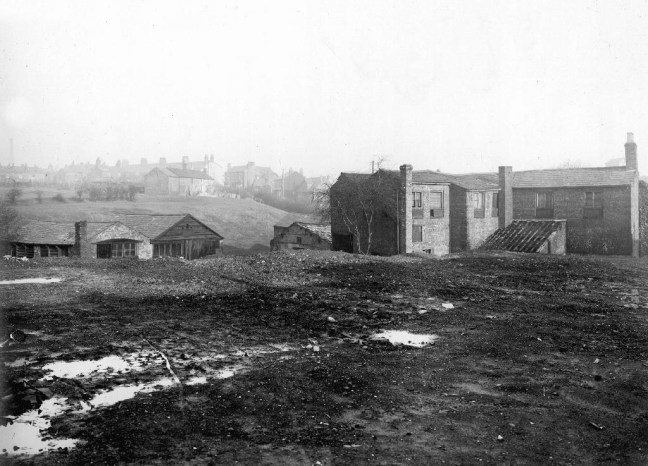
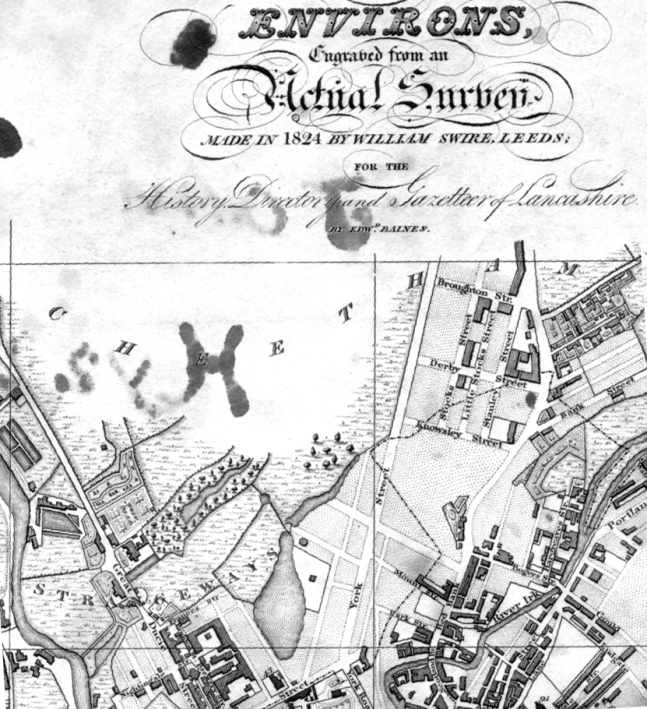
Before panopticon prisons entered the public imagination, and incarceration was the order of the day for the disorderly, it was all fields around here – with the odd house or baronial hall.

Screen Shot 2018-02-04 at 15.08.30

Swire’s map of 1824

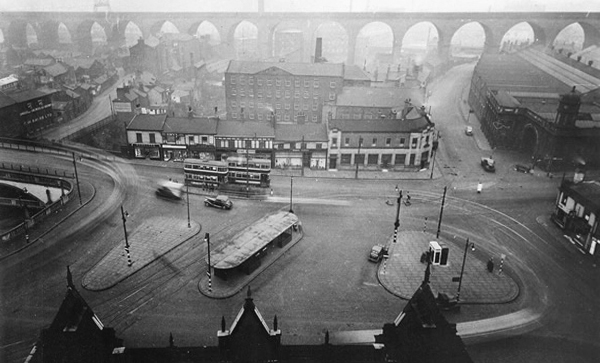
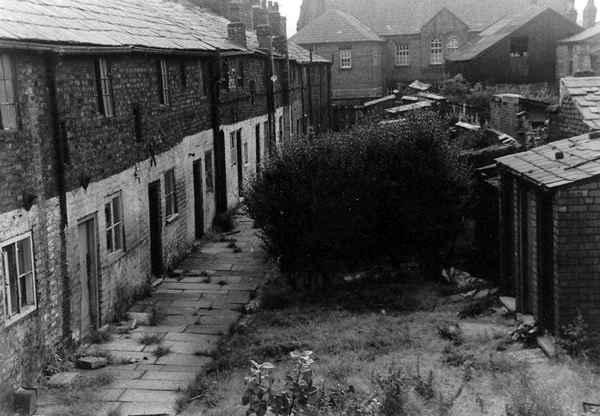
Strange days, over time the prison is built, the assizes appears and disappears and tight groups of tired houses cluster around the incipient industry. The fiefdom’s of old become tie and tithe to successions of industrial plutocrats.

webmedia.php copy

webmedia.php

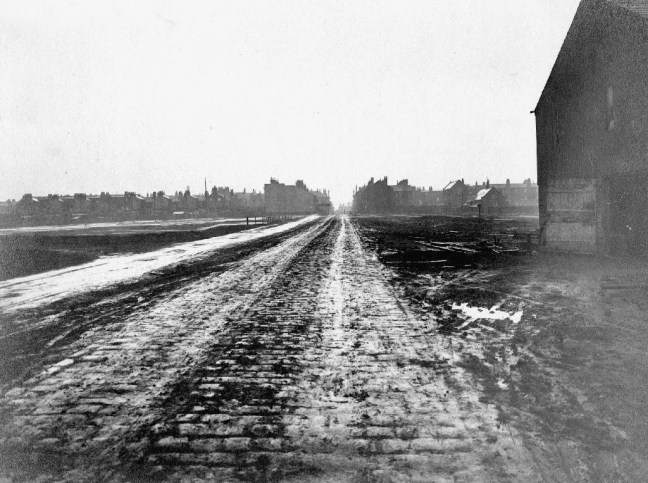
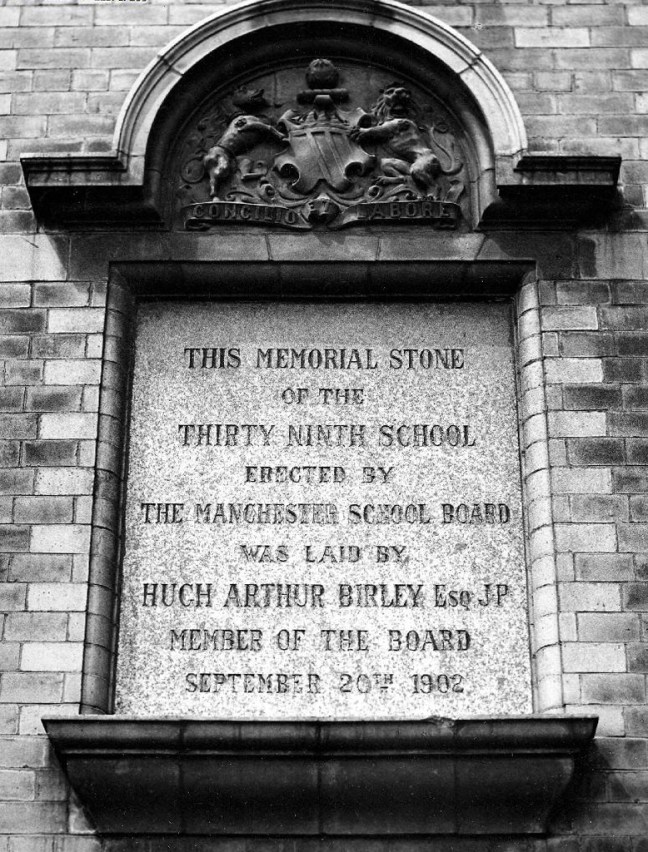
Broughton Street 1910Photograph J Jackson

Screen Shot 2018-02-04 at 15.10.54

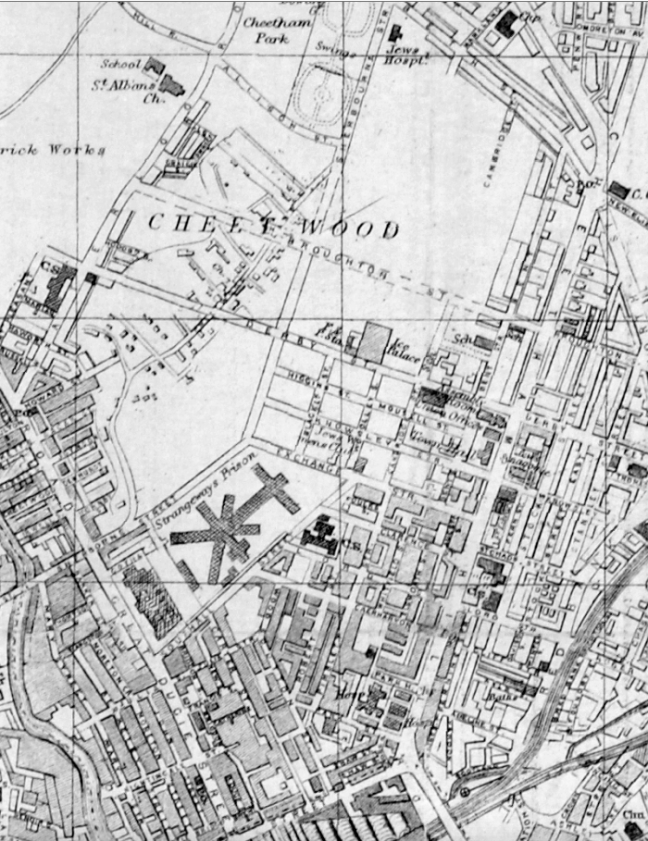
Kelly’s map of 1920

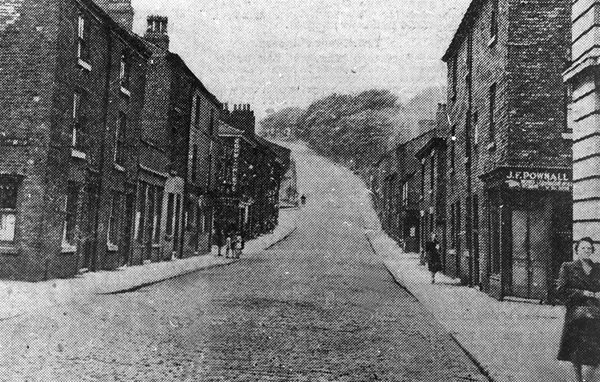
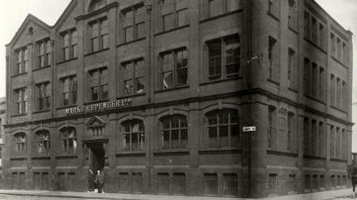
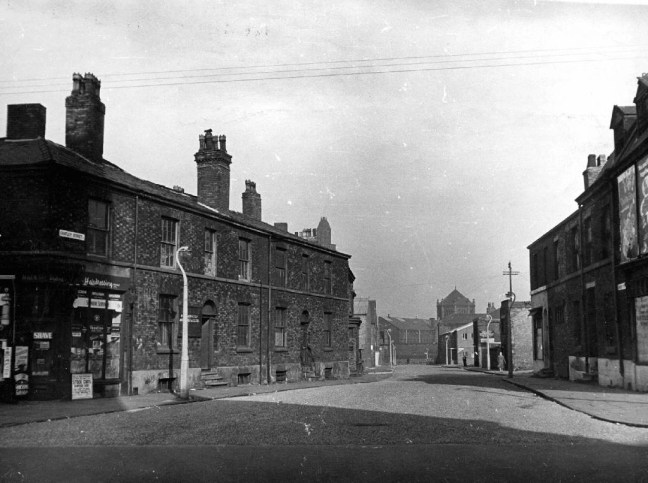
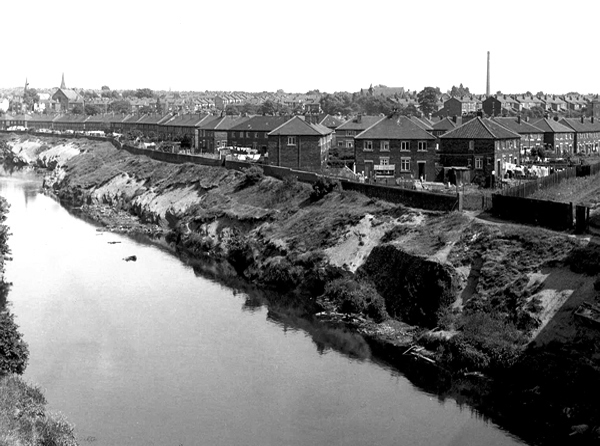
The area becomes the centre of the city’s rag trade, a large Jewish Community, the largest outside of London, grows up around Strangeways, Cheetwood and Cheetham Hill – houses, mills, wholesale, retail, warehouse, ice palace, beer-house, brewery. The area is home to several of Joe Sunlight’s inter-war industrial developments – his Jewish family were named Schimschlavitch, his father a cotton merchant. The family emigrated to England in 1890 and settled in Manchester.

So much for Joe Soap – the area was also the location for local lads, Karl Marx, and Marks & Spencer.

v0_medium

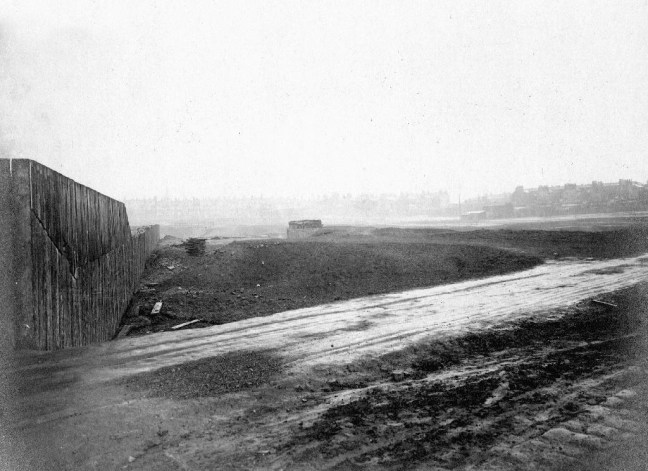
Derby Street 1901 – 1924

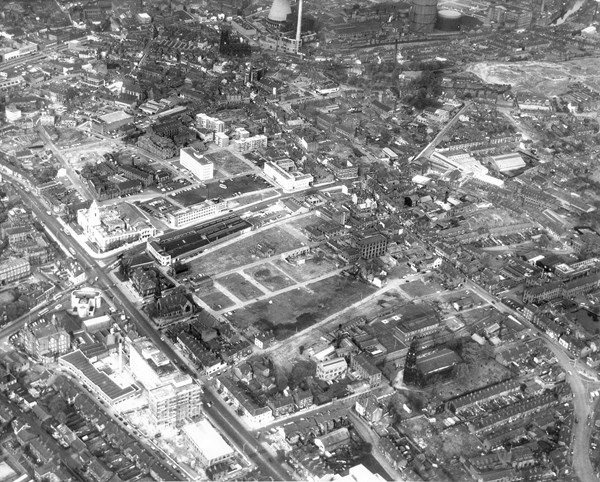
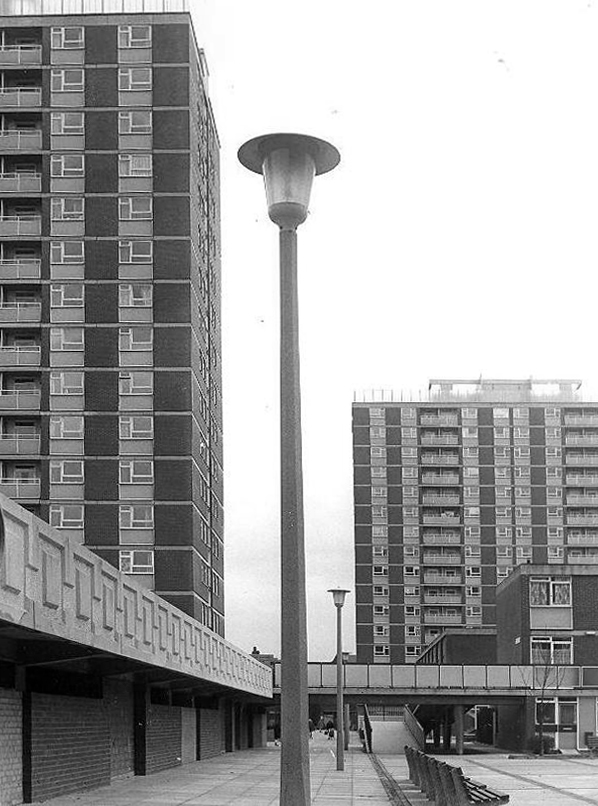
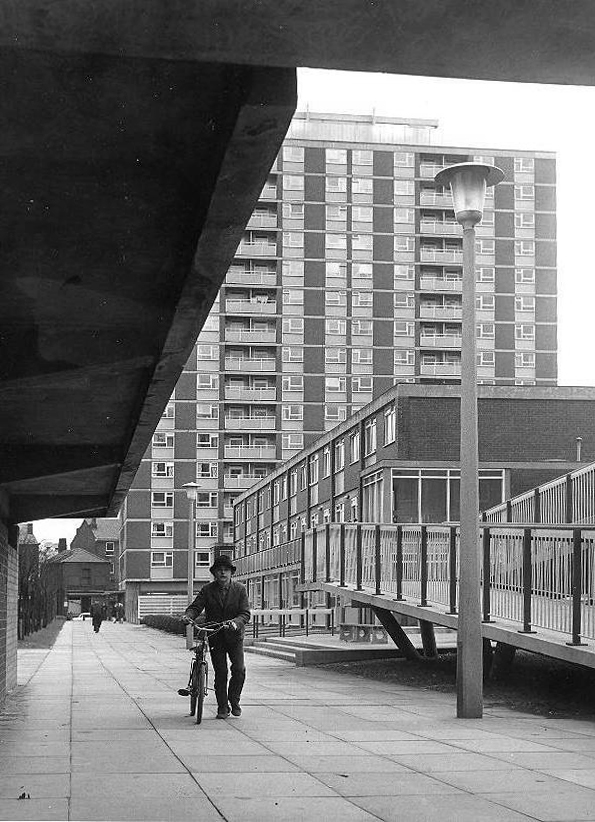
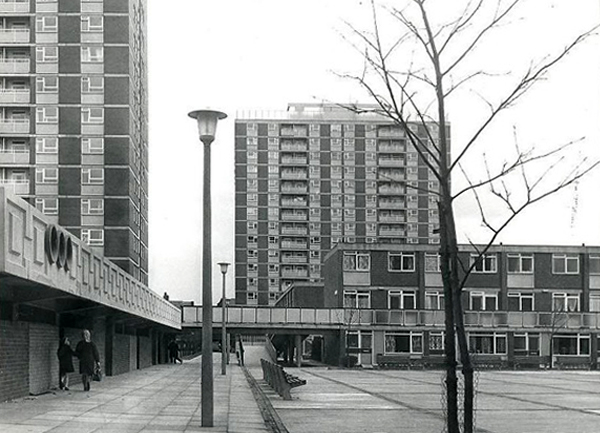
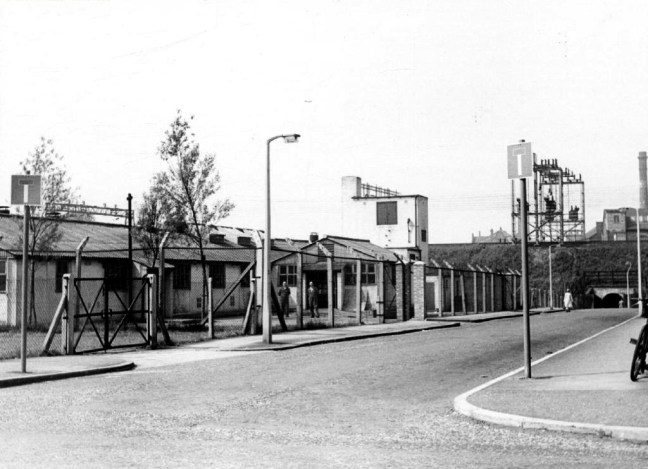
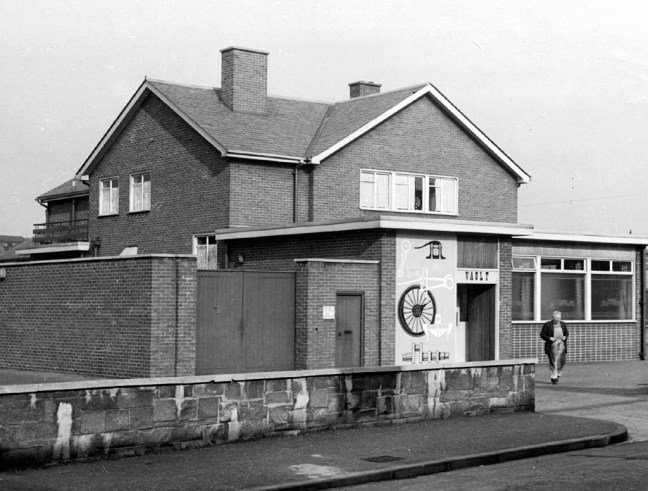
Further developments took place with the building of the Cheetwood Industrial Estate – a postwar group of flat-rooved, blocky brick and concrete utilitarian units.

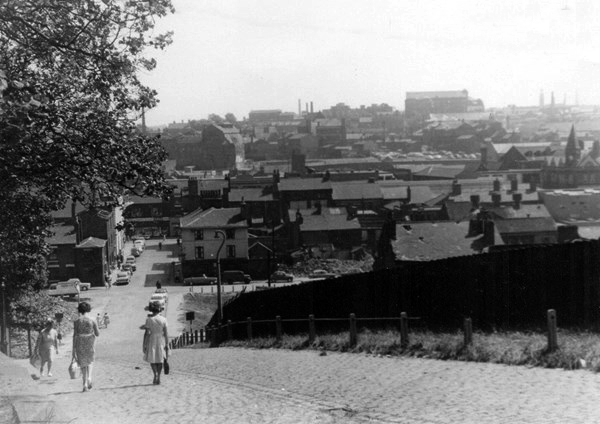
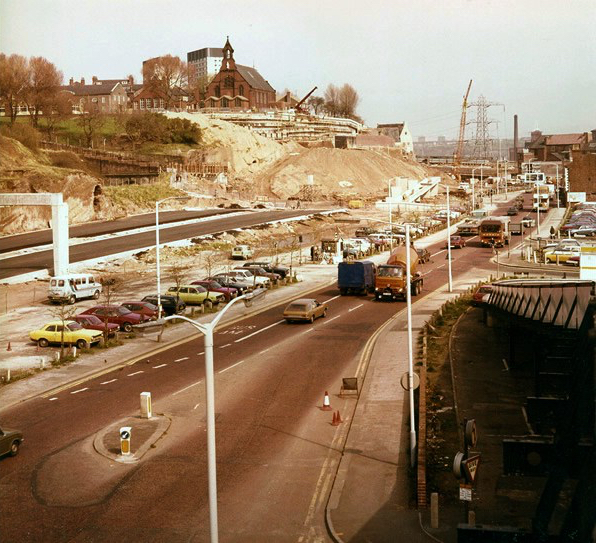
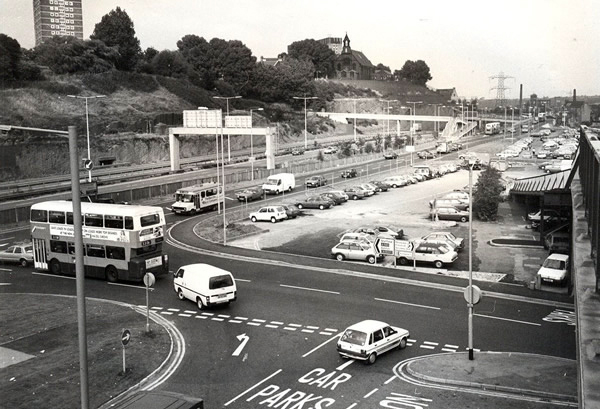
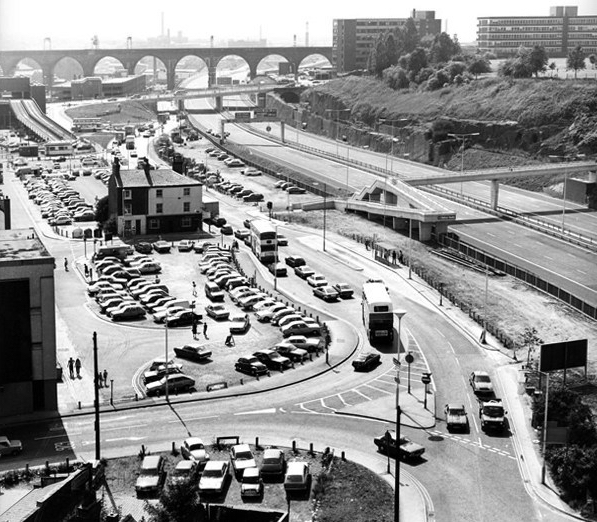
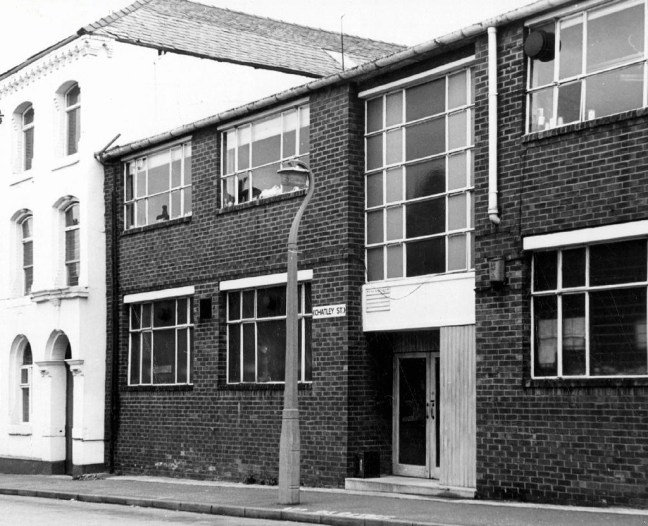
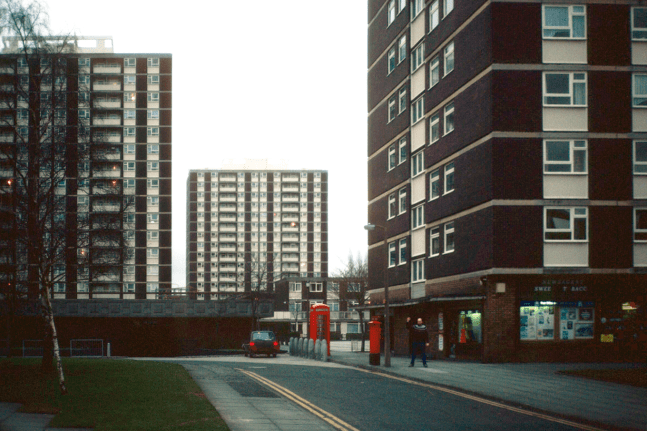
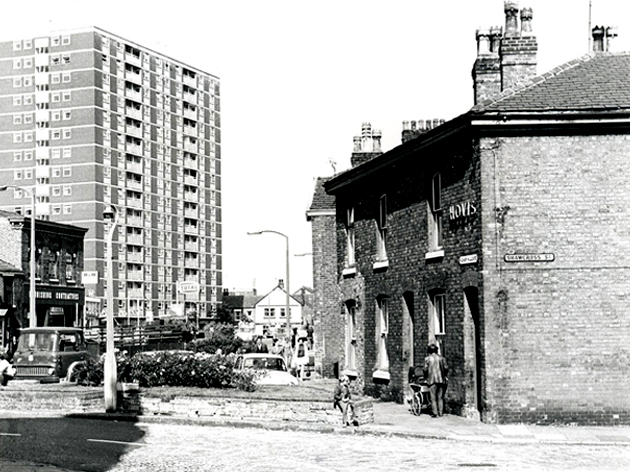
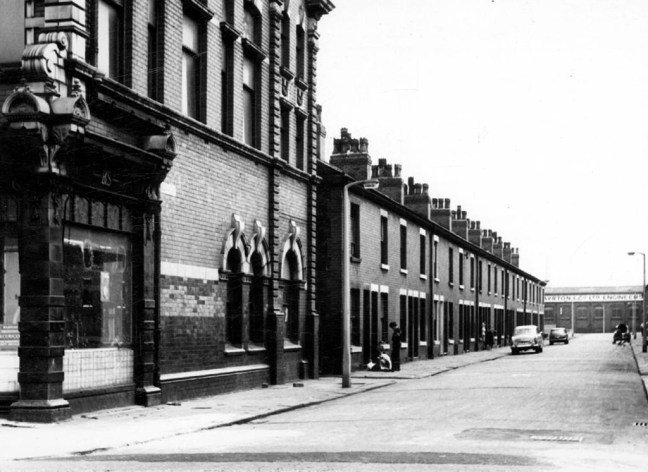
So let’s take a look at the ever so strange streets of Strangeways, in that period of change during the latter part of the Twentieth Century, when manufacturing, retail, repair and distribution were almost, just about to disappear in a puff of globalisation, economic depression and Thatcherism. Where Jack and Jill the lads and lasses, traded, ducked, dived, wheeler dealed from Cortinas, Transits and low milage, one owner, luxuriously leather-seated and walnut-dashed Jags. A vanishing or vanished world, where however briefly – Manchester went architecturally mod.

webmedia-1.php

webmedia-7.php

webmedia.php

Bent Street

webmedia-4.php

webmedia-6.php

webmedia-7.php

webmedia-9.php

webmedia-13.php

Broughton Street

webmedia-1.php

webmedia.php

Carnarvon Street

webmedia-1.php

webmedia-2.php

webmedia.php

Chatley Street

webmedia-5.php

webmedia-9.php

webmedia-10.php

webmedia-4.php

Cheetwood Street

webmedia-3.php

webmedia-5.php

webmedia-8.php

webmedia-9.php copy

webmedia-11.php

webmedia-12.php

webmedia-18.php

Derby Street

webmedia-1.php

webmedia-2.php

webmedia.php

Julia Street

webmedia-1.php

webmedia-2.php

webmedia-3.php

webmedia-5.php

webmedia-6.php

webmedia-8.php

webmedia.php

Knowsely Street

webmedia.php

webmedia-8.php

webmedia-5.php

webmedia-3.php

Sherbourne Street

webmedia.php

Stocks Street

All archival photographs from the Manchester Local Images Collection


Gorsey Bank – Stockport #3

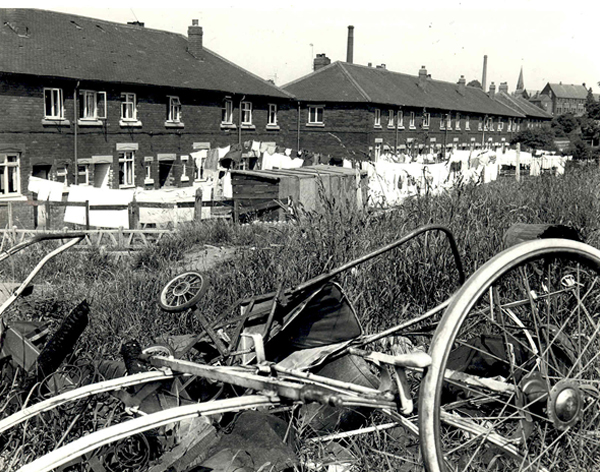
Once there were homes – 200 homes tucked between the M60, River Mersey and A560 Stockport Road.

2253


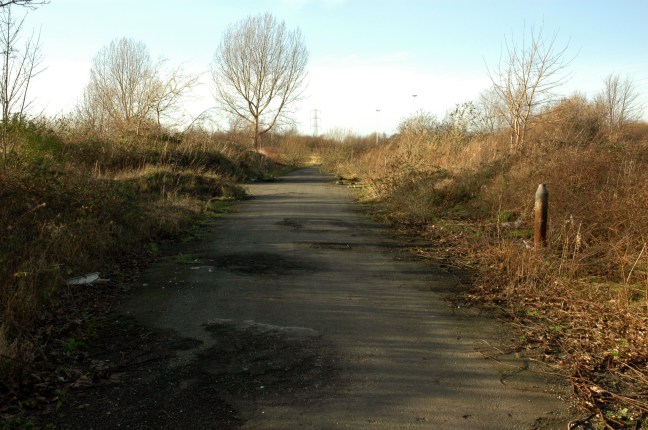
I’ve been here before, many times, seen those homes demolished and the site returning  to nature, brambled and overgrown, as the long standing lampposts disappeared for scrap, the kerbs covered in thick grass and moss.

DSC_0011 copy

Then the diggers arrived, the trees felled and the site cleared – no longer any trace remained of the lost homes of Gorsey Bank.

P1100079 copy

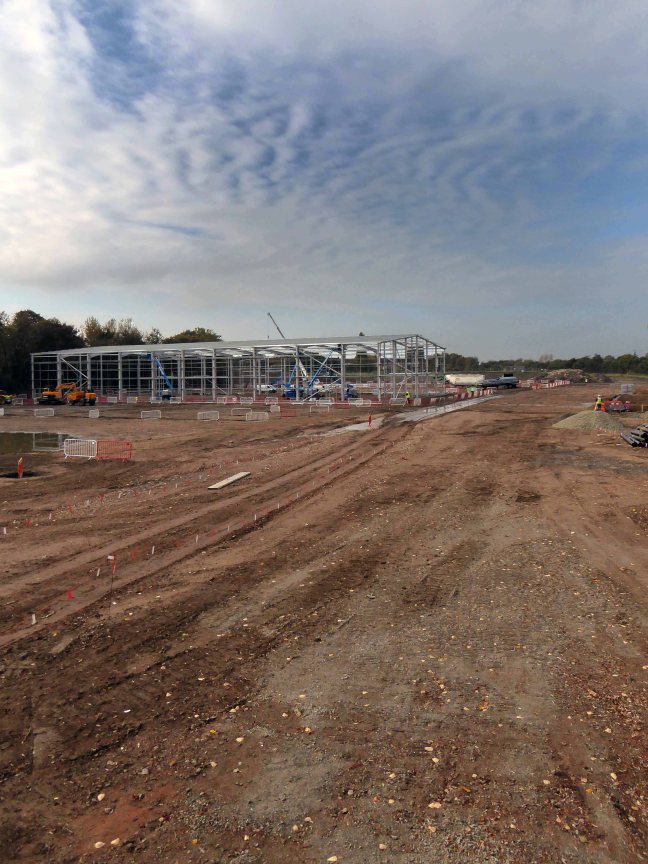
Building commences, steel erected, fences, roads and paths instated.

P1110236 copy

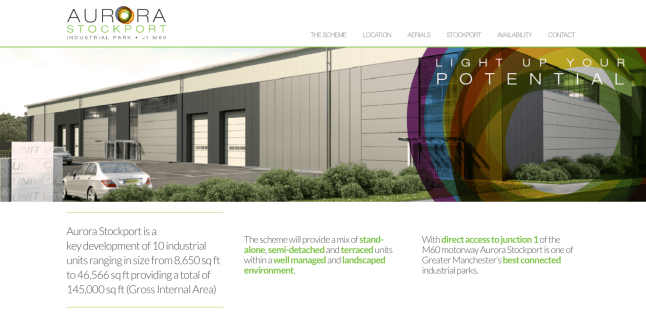
Welcome to the Aurora Industrial Park – open for business.

Screen Shot 2018-01-22 at 15.38.37

Emerging from the houses, the undergrowth, the Mersey clay and sandstone – a shiny new assemblage of state of the art industrial sheds. I’ll  wander by from time to time, listen to the ghostly chatter of busy neighbours, going about their business.

Wait for the trees and brambles to take over again.

P1220877

P1220878

P1220882

P1220884

P1220885

P1220887

P1220889

P1220892

P1220893

P1220894

P1220899

P1220901

P1220905

P1220906

P1220908

P1220909

P1220911


Mottram Street Flats – Stockport

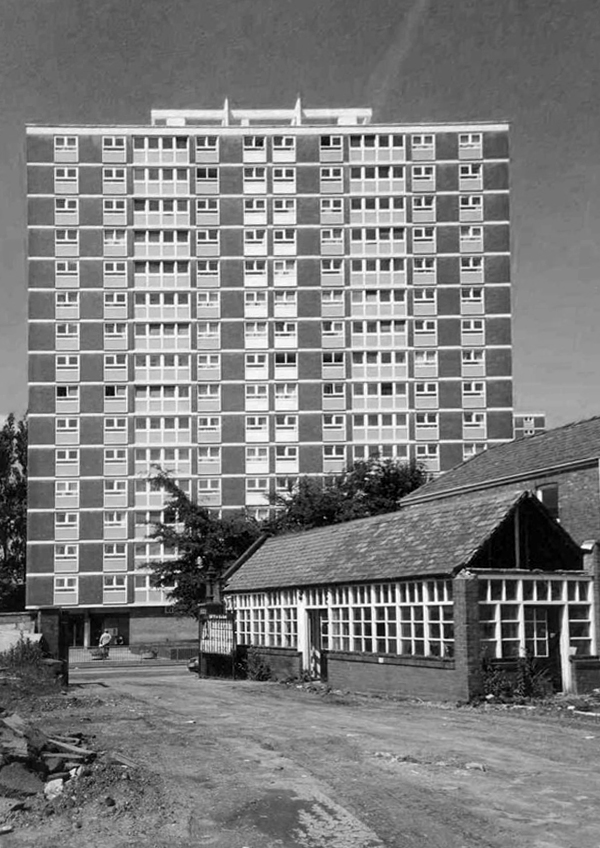
A post-war northern town, facing the problems of bomb damage, poor quality housing, and the pressing need for new homes.

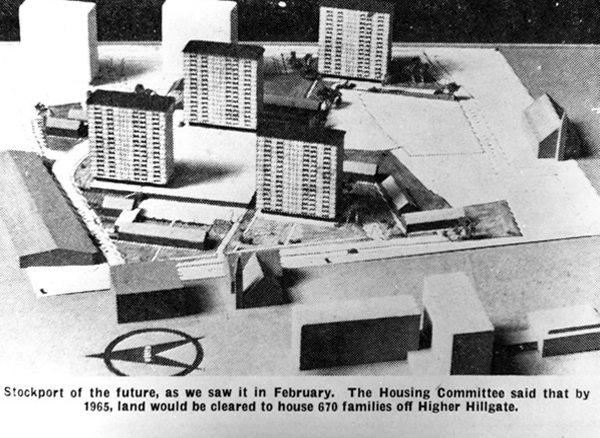
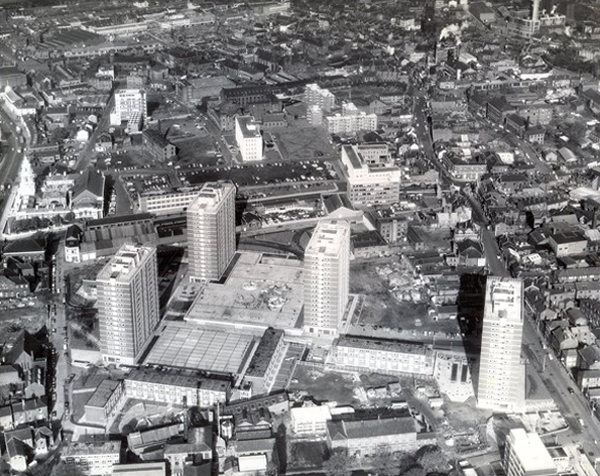
In 1963 there seemed to be space and the will to build, the site at the centre of the image flanked by ageing Victorian terraces and industry.

5060

1960a

Soon to become the Mottram Street Development.

31117

5061

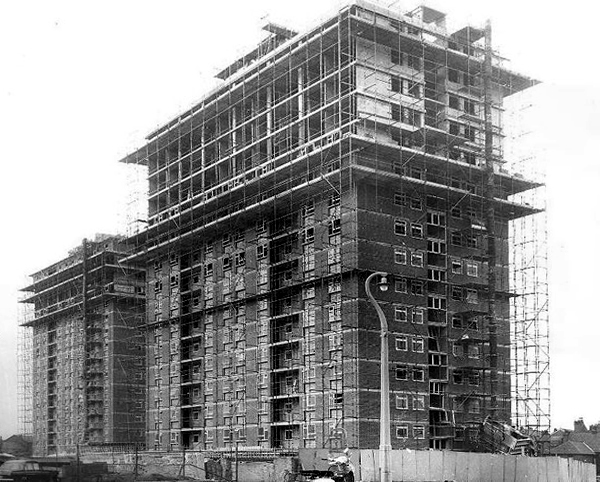
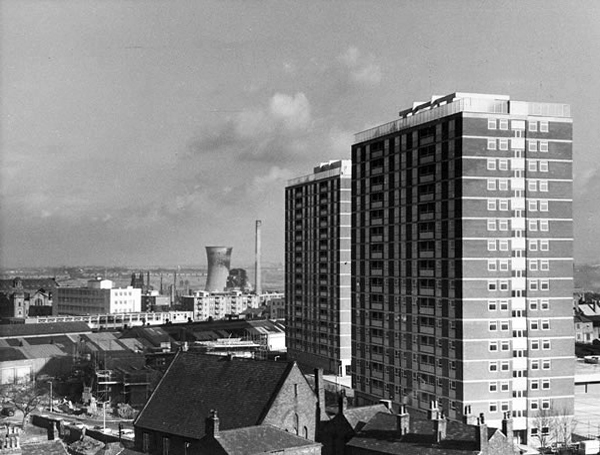
Back in 1965 these were the highest housing tower blocks in Greater Manchester.

The work of borough architects John Rank and Clifford Fernley.

1348

123

1351

1352

1353

34249

47177

1960’s Photographs from the Stockport Image Archive

Screen Shot 2017-10-22 at 14.01.33

Screen Shot 2017-10-22 at 14.02.34

1980’s photographs from The Tower Block

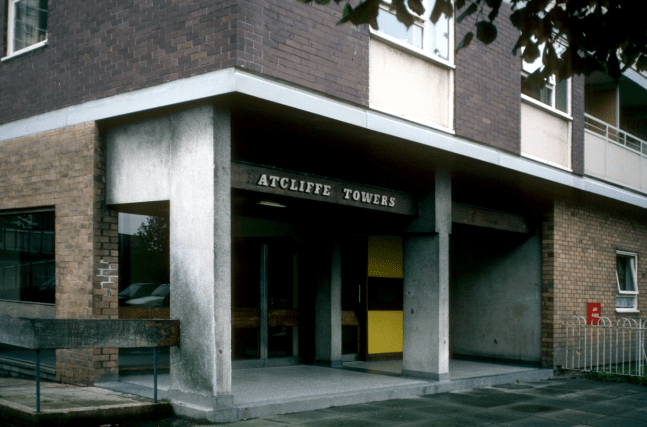
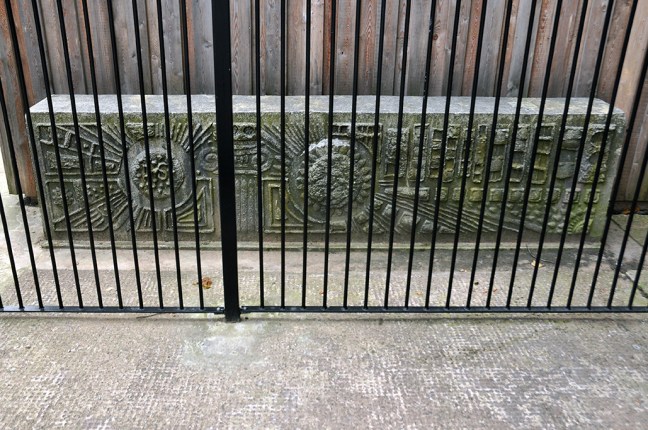
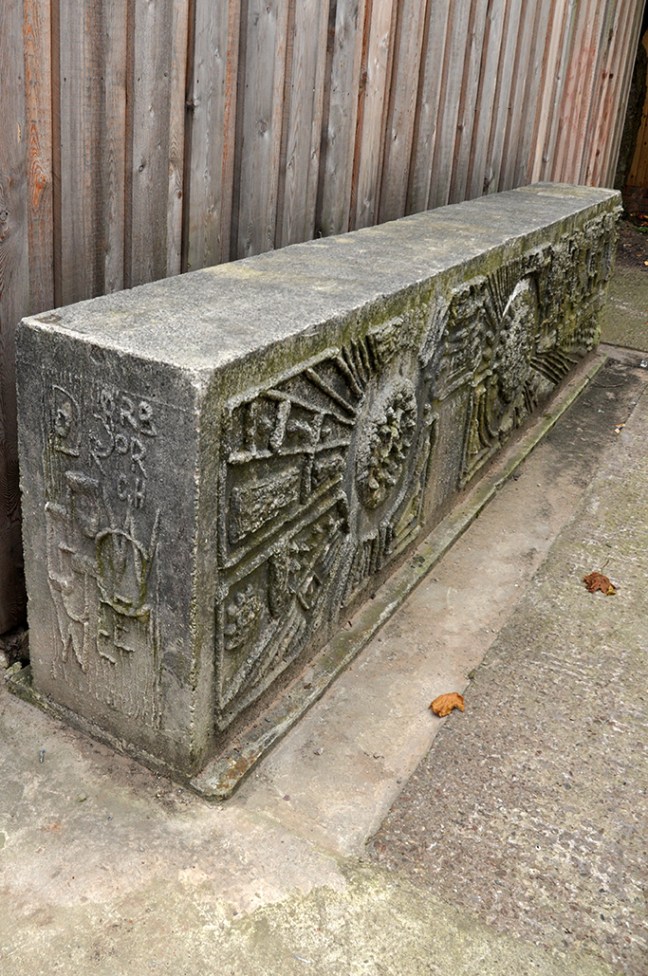
Typically they incorporated concrete street furniture, sculptural and decorative detail, in keeping with the age.

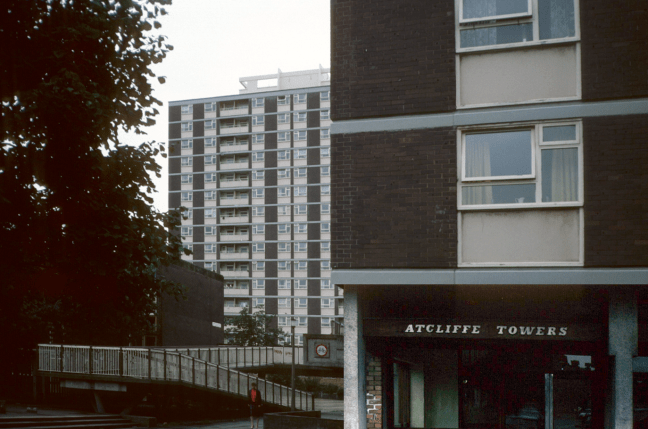
Like many other developments of the period they have subsequently been clad, fenced, painted and secured beyond recognition.

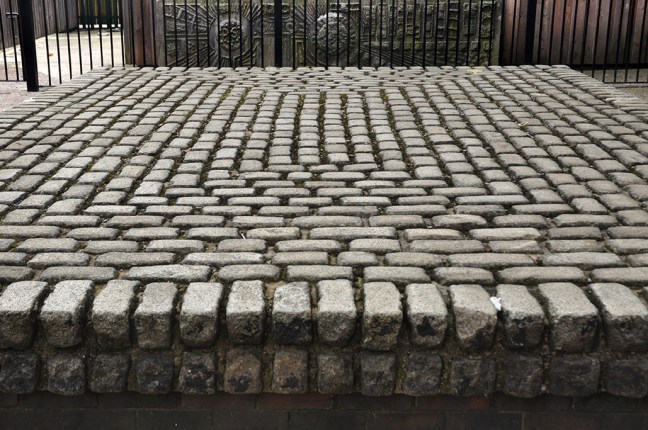
There was a raised concrete play area, of which nothing has survived.

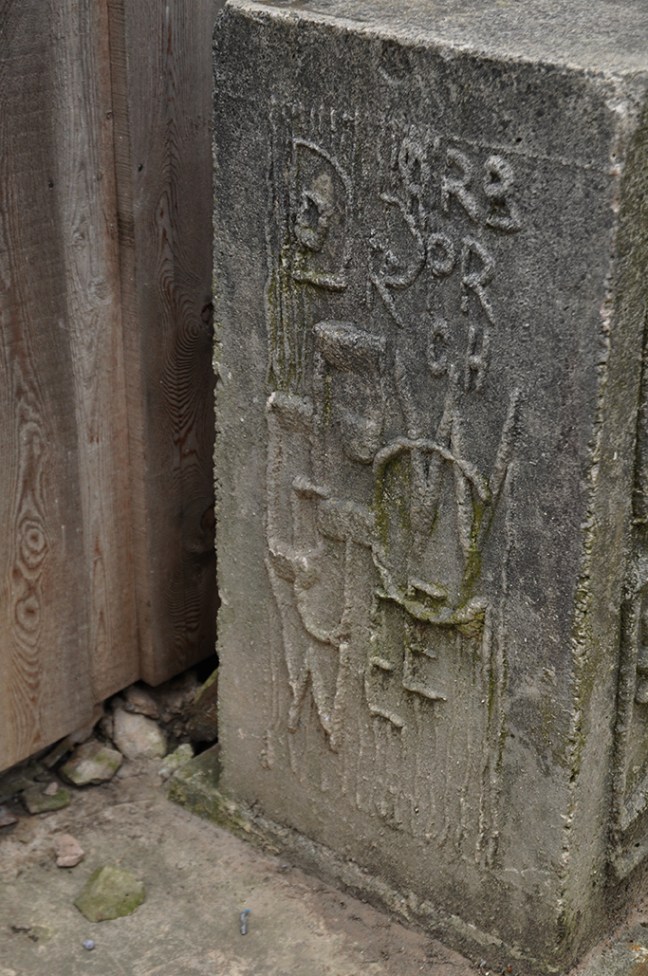
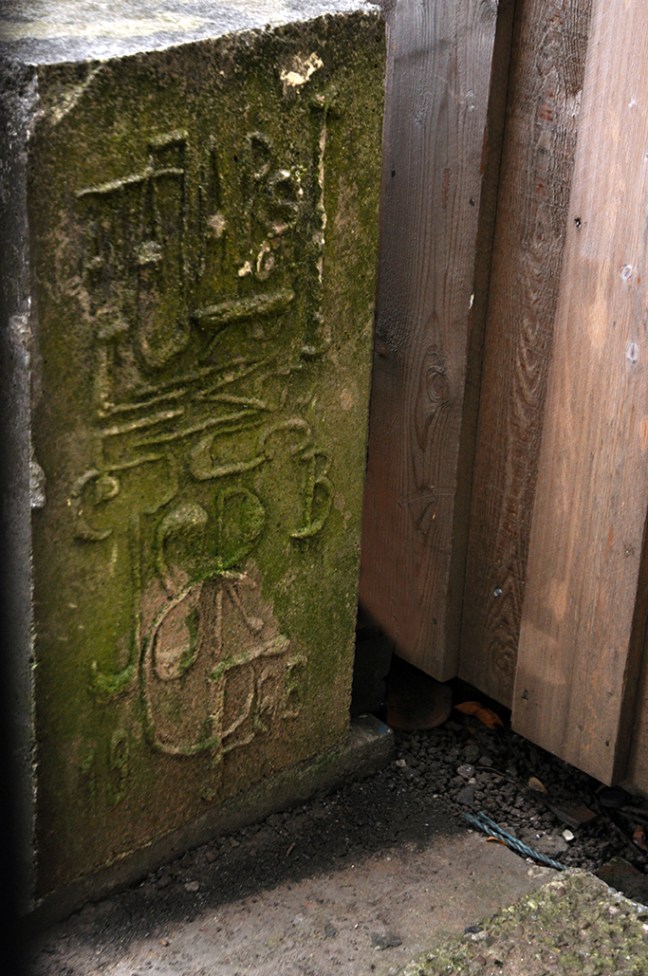
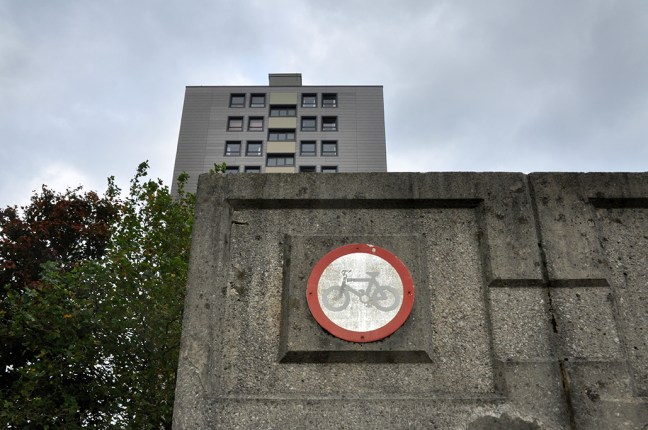
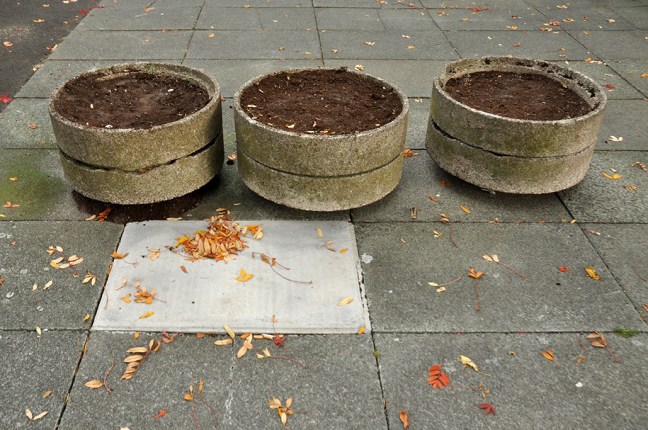
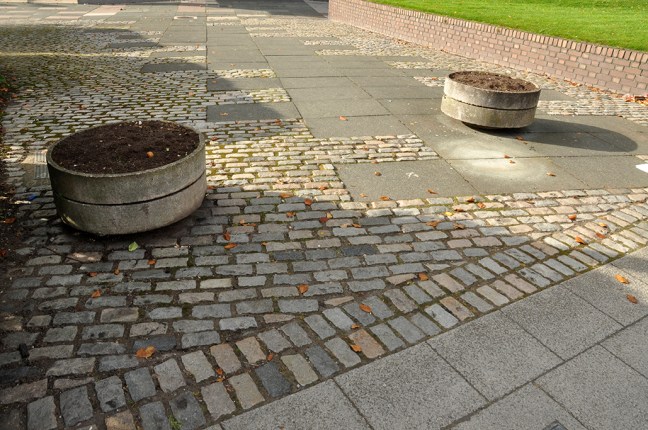
A little of their original character however has prevailed – a William Mitchellesque fallen obelisk, along with some panelling and planters.

The monolith was designed by Peter Shuttleworth, a newly qualified architect at Stockport Council

Curious to see public art behind bars

– would that they were removed.

DSC_0038 copy

a new relief copy

DSC_0032 copy

DSC_0033 copy

DSC_0037 copy

DSC_0039 copy

DSC_0046 copy

DSC_0047 copy

DSC_0048 copy

DSC_0049 copy

DSC_0050 copy

DSC_0051 copy

DSC_0030 copy

Gore Brook – A History

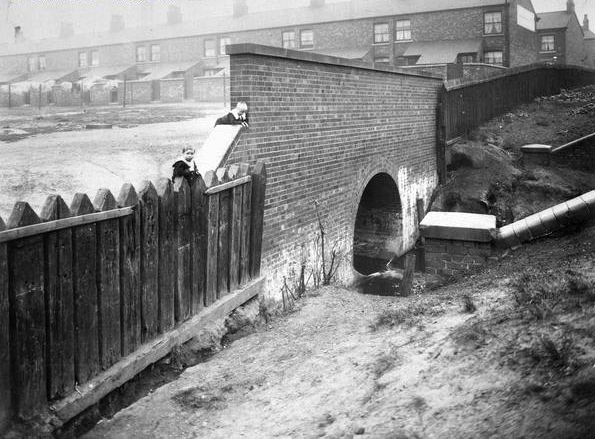
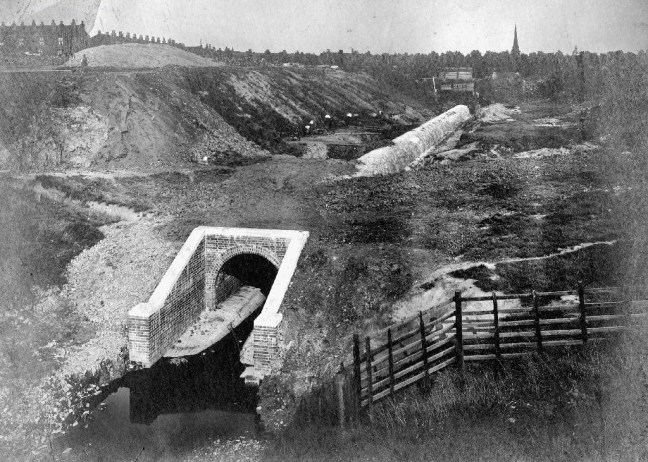
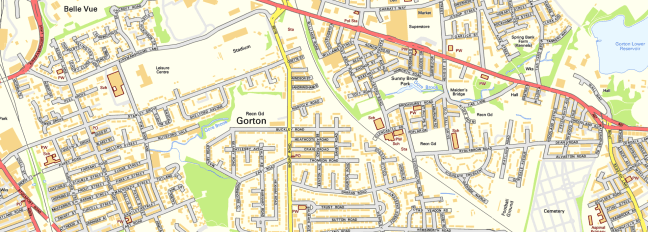
To begin at the beginning, well actually to begin in the middle and walk to the current beginning. The Gore Brook flows from the Lower Gorton Reservoir and from there onwards to meet the Chorlton Brook in the west, though I should imagine that prior to the construction of the waterworks, it was fed by more distant moorland waters.
gore map

Manchester being on the eastern edge of the Lancashire Plain and the western edge of the Pennines is riddled with rivers, rivers which now wriggle in an under and overground web, across heavily developed urban areas. Following the Industrial Revolution former meadow, common and farmland was overwritten by factories, housing and roads, the rural character of the rivers and brooks soon becoming darkened and polluted by the surrounding industries.

I was lead here by my search for a lost pub The Garratt on Pink Bank Lane, then drawn in further by this site The Red Path of Longsight.

The Red Path is a pedestrian link between Pink Bank Lane and the Gorton boundary at Buckley Road. It roughly follows the course of Gore Brook. The original footpath, running from Buckley Road to the bank of the brook, was made using black cinders. It was probably made in the 1940s to provide access to the allotments located on either side. In the early 1950s , a concrete bridge was laid across Gore Brook and the footpath extended to Pink Bank Lane. This section used red bricks in it’s construction, probably supplied by Jacksons brickworks . Crushed bricks were then used as a topping to make the path smoother and fill in any cracks. The thoroughfare soon became known as the Red Path.

So wide eyed and mapless I bowled up at Brook Terrace, just off Stockport Road Longsight, in search of The Gore and its source.
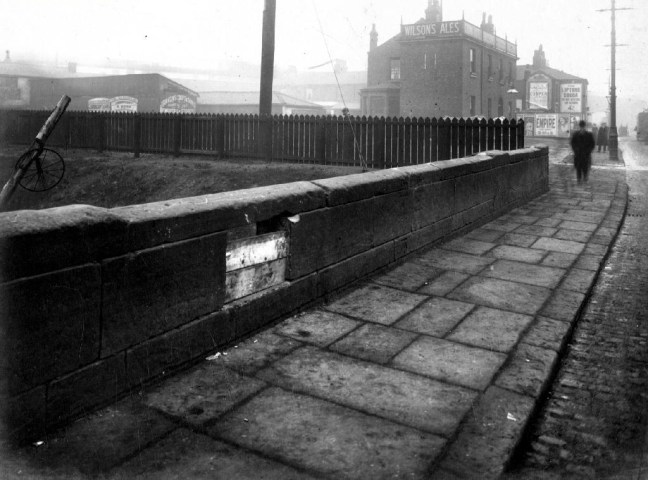
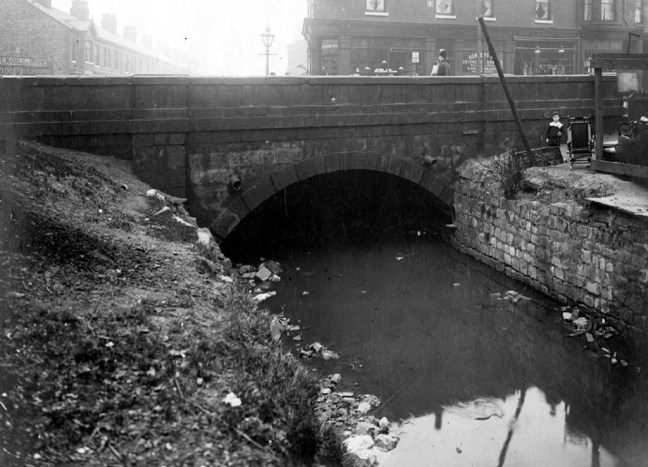
stockport rd 1911

stockport road

In the early 1900’s the river was still open and bridged, here at Stockport Road, later culverted and covered – anticipating the arrival of Tesco’s and Granada TV Rentals.
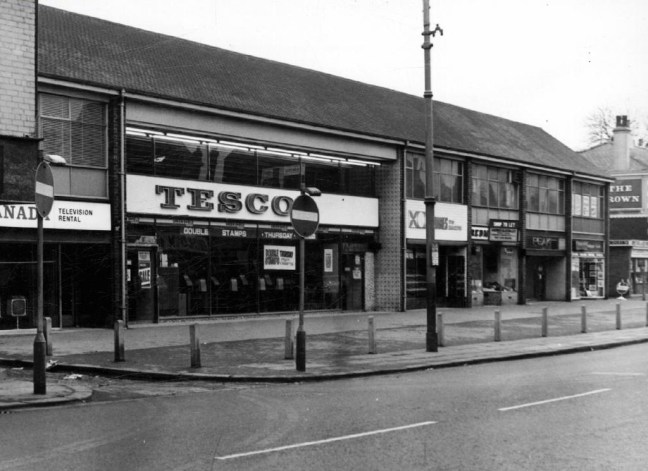
beneath

From there we pass under the railway along Brook Terrace and into Parry Road.
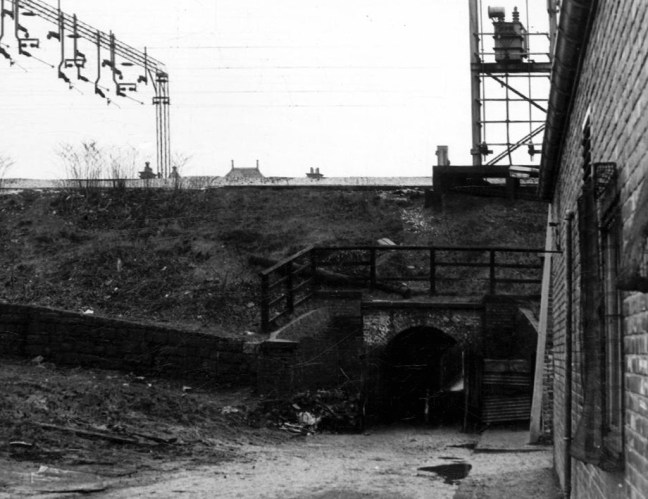
brook

The underpass is still there and very much in use, as is Stanley Grove School – the Manchester Central Schools’ Kitchens are long gone, along with the food filled, insulated aluminium cases, that fed the hungry mouths of many, with semolina, pink custard, meat pies and lumpy mash.
parry 64

kitchens 1965

Onwards to Elgar Street and still no sign of the river, hidden beneath our feet, the corner of Northmoor Road, can be seen on the corner, no longer distributing dividends, but now providing social housing.
elgar

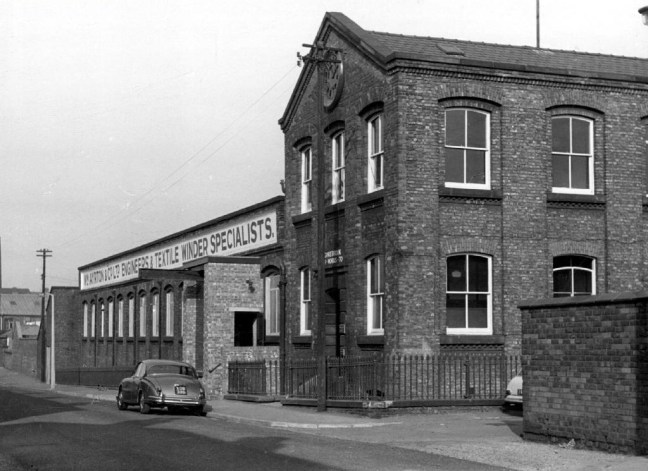
We arrive at Pink Bank Lane, a rich mix of terraced homes, flats and factories – and the long lost Garratt, and the long lost Gore.
garratt

pink bank 64

Though the lazy, lazy river has been confined in a brick lined wind, to meet the ever pressing needs of the Gorton Sewage Works.
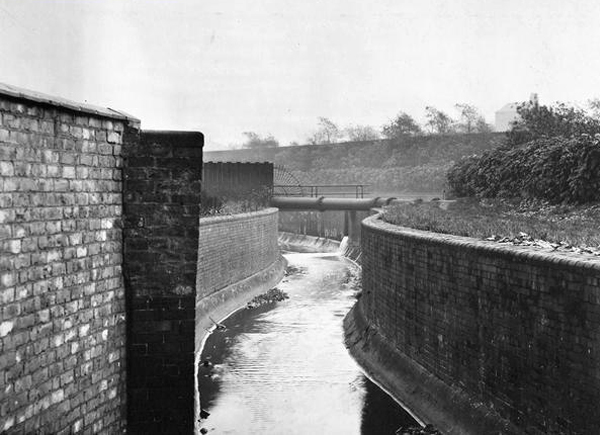
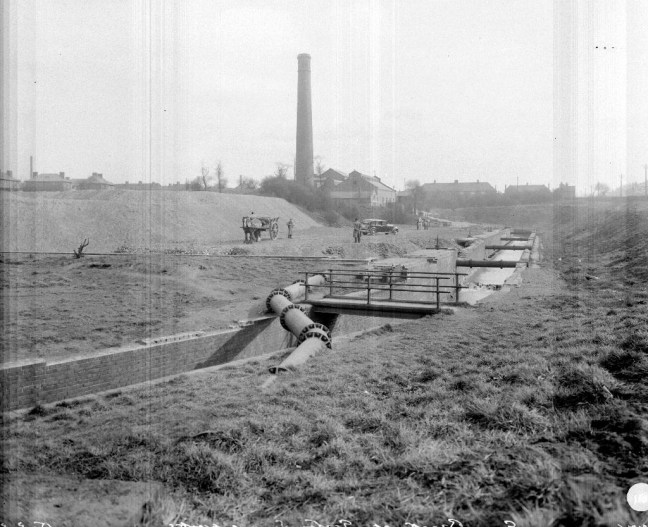
sewage 1910

sewage works 38

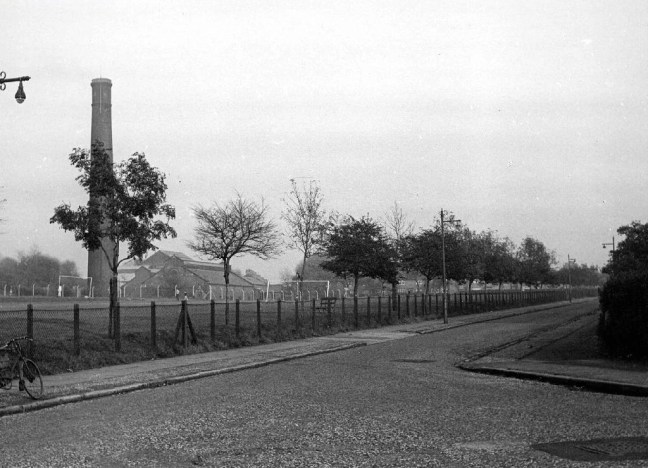
The river then hugs the edge of Annie Lea Playing fields on Buckley Road, until it disappears again as it meets Mount Road, the playing fields are still open ground – the Manchester Cleansing Department, seen on the left – is no more.
annie lea

Here on Knutsford Road we see the construction of the tunnels and culverts, the footbridge to the left spanning the railway, is still there.
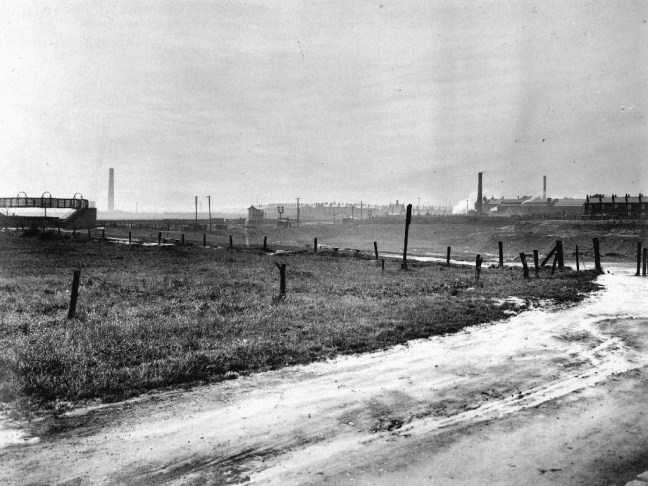
knutsfrod 1907

1907

knutt 1911

1911

knut 1914

1914

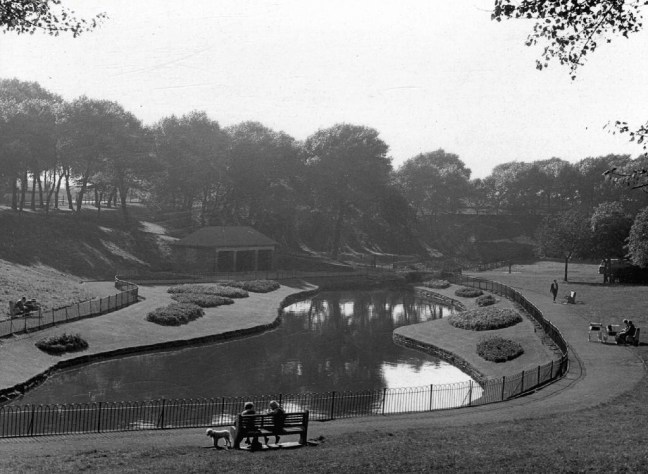
Finally we see The Gore reemerging clear, clean, wide, proud and resplendent in Sunny Brow Park, where it is still maintained as a decorative, duck-filled lake.
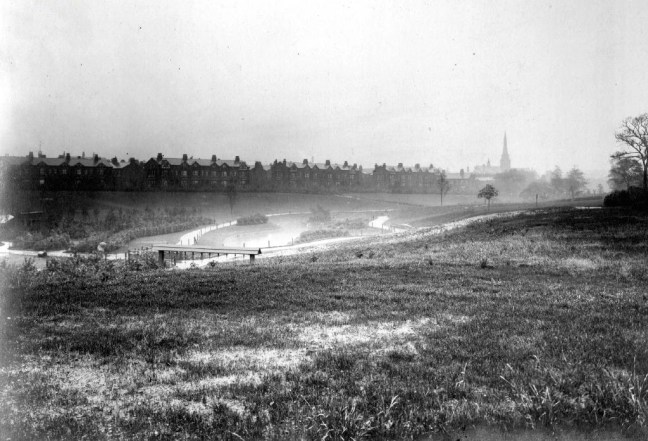
sunny 1907

1907

sunny1910

1910

sunny 1964

1964

Briefly underground again and into the back of Far Lane, skirting the Brookfield Church graveyard.
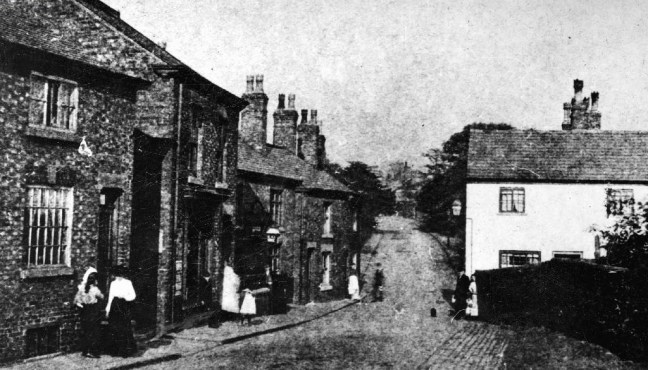
far 1920

1920

far 1937

1937

fa 64

1964

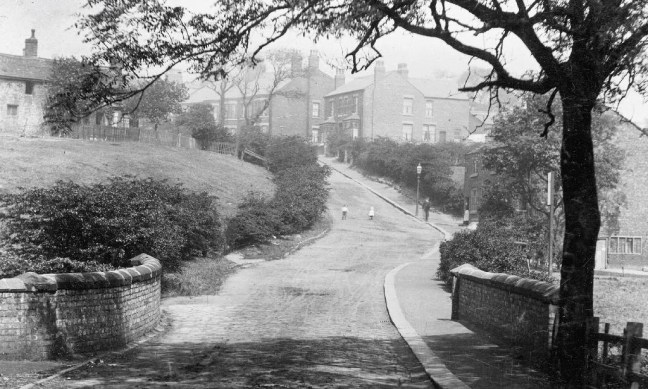
Then tunnelling under Hyde Road at the back of the church lodge, appearing once again alongside Tan Yard Brow.
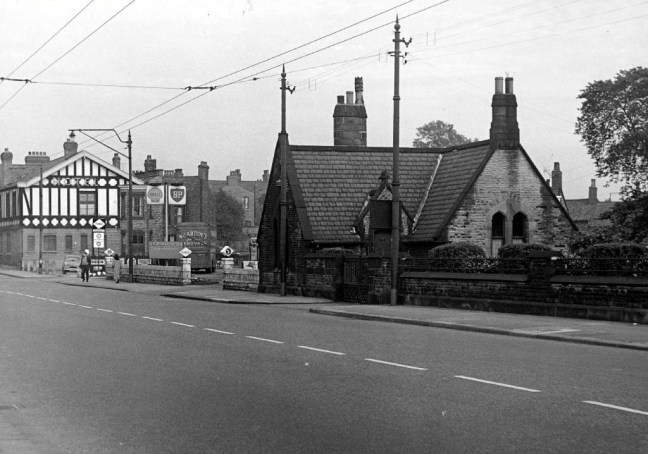
webmedia-1.php

ty 1904

1904

tan yard 1922

1922

tan yard brow 1964

1964

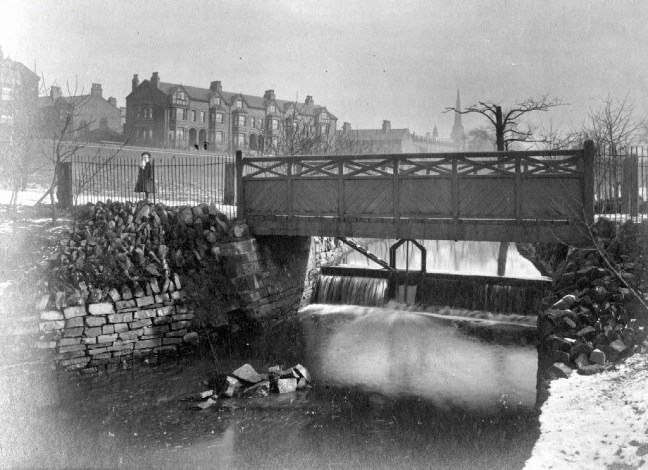
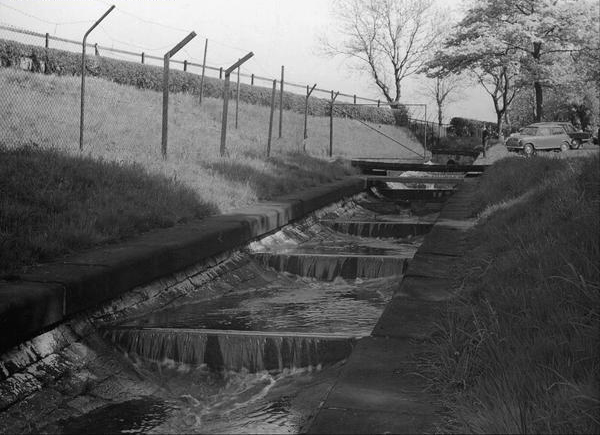
The manmade waterfall continues to cascade, the Fairfield to Old Trafford railway is now the Fallowfield Loop, Manchester Cycleway, young lads no longer mess about in wellies and torn Tek Sac jeans on the bank, the Tannery no longer tans.

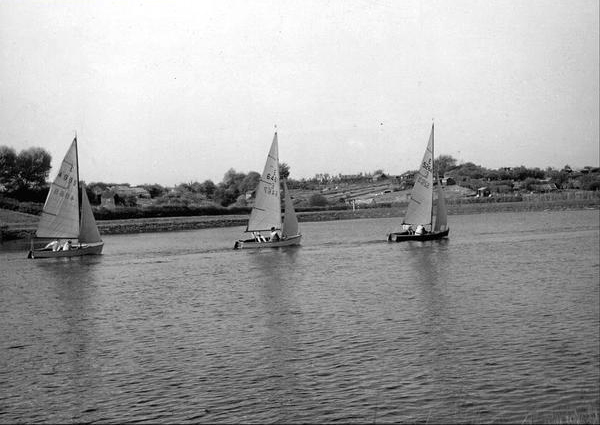
Then we end our journey by the broad expanse of the Lower Gorton Reservoir, implausibly dotted with jolly yachts, and home to a now absent stepped outflow stream. Look up to the east, and there you’ll see the moors, you could go further.
deb 66

deb

All archive photographs from Manchester Local Image Collection.



Pleasure Gardens – Battersea

So suddenly the war ended and all of a sudden the fun began, followed with indecent haste by a wholesale national lack of fun, no fun anywhere no how.

Well why not have a festival, a Festival of Britain!

The south bank of the Thames had once been home to the Vauxhall Pleasure Gardens.

Why not put it there or thereabouts.

‘This was always a raucous place, but a temple of the muses too. Under the management of its gifted, quixotic master of ceremonies, Jonathan Tyers, it was perhaps the first public art gallery, hung with paintings by Hogarth and Hayman. The buildings – first Palladian then Gothic and exotic – were splendid and the music inspired. The Vauxhall season was unmissable. Royalty came regularly. Canaletto painted it, Casanova loitered under the trees, Leopold Mozart was astonished by the dazzling lights. The poor could manage an occasional treat. For everyone it was a fantasyland of wonder and pride.’

It was decided there and then, the government would enforce state funded fun!

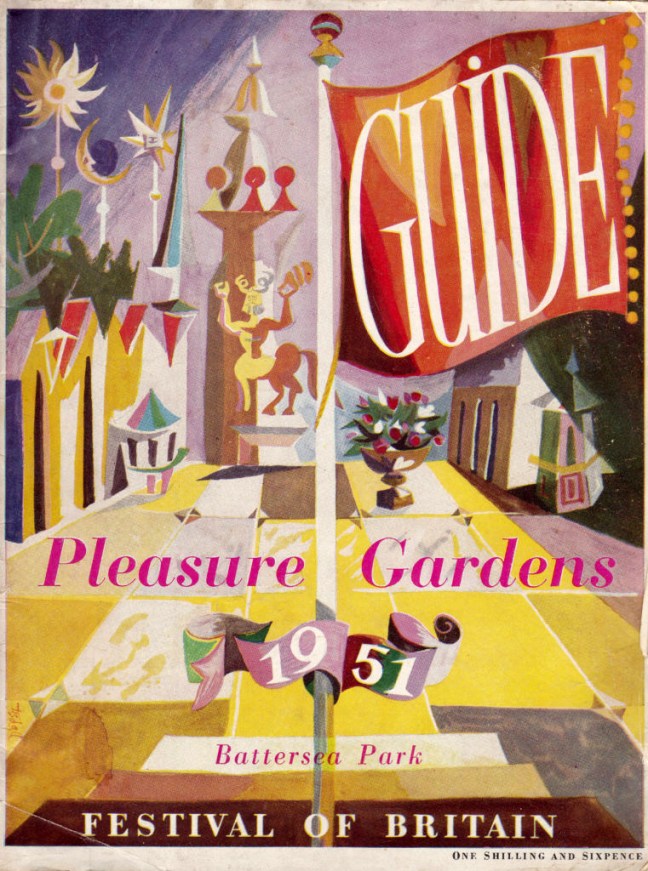
Programmes were printed and works undertaken.

Festival-Pleasure-Gardens-17-761x1024

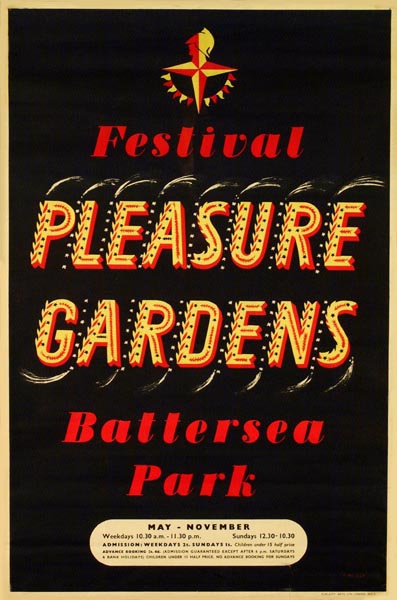
Posters were pasted, let the fun begin in Battersea – and all the rest is history.

16 Poster for the Festival Pleasure Gardens in Battersea Park

Then just as suddenly the fun was all but blown away, by the chill wind of the incoming Tory Government.

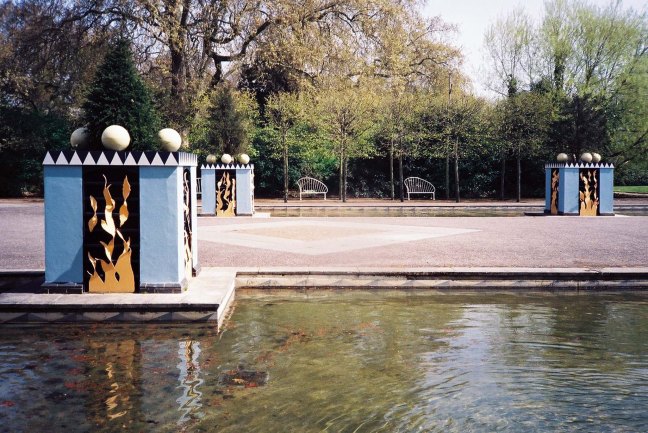
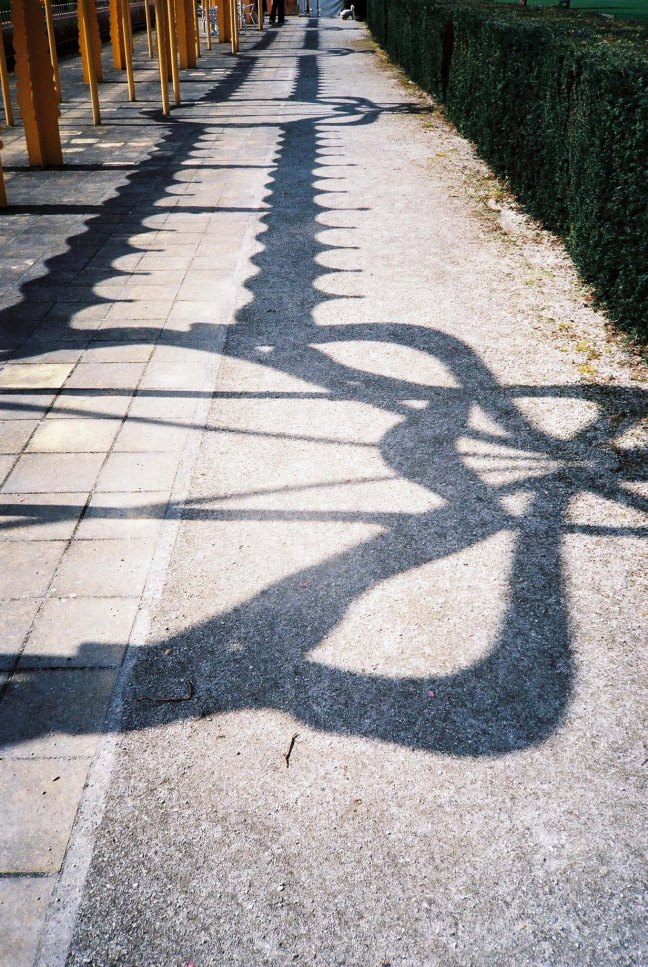
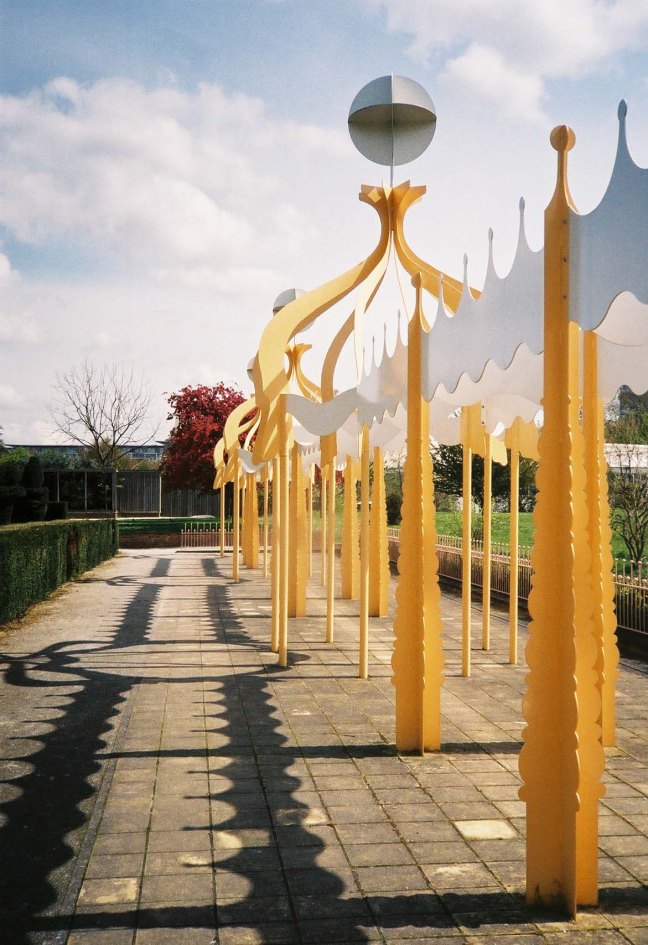
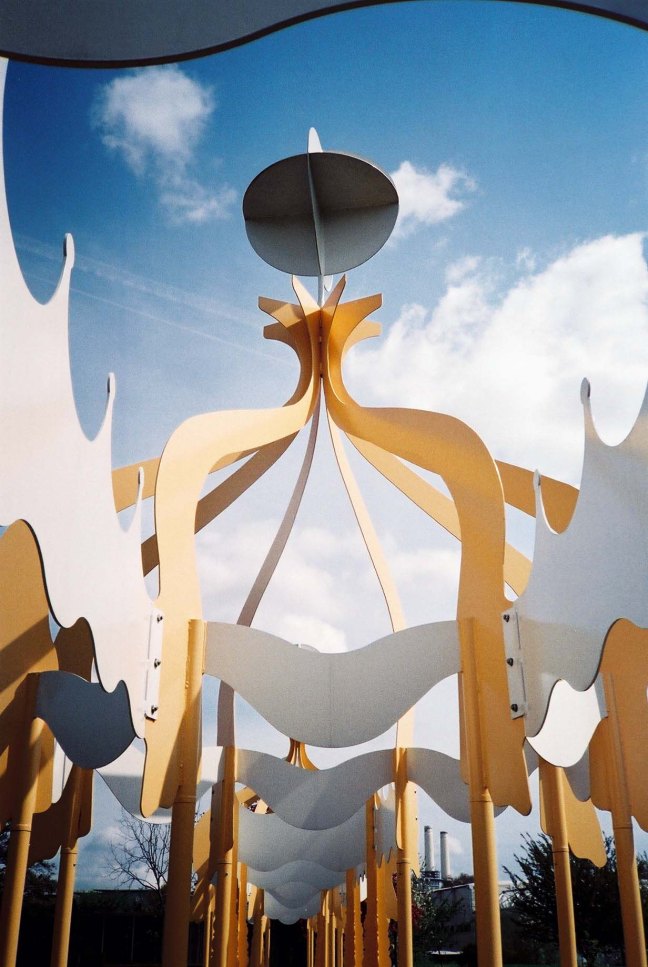
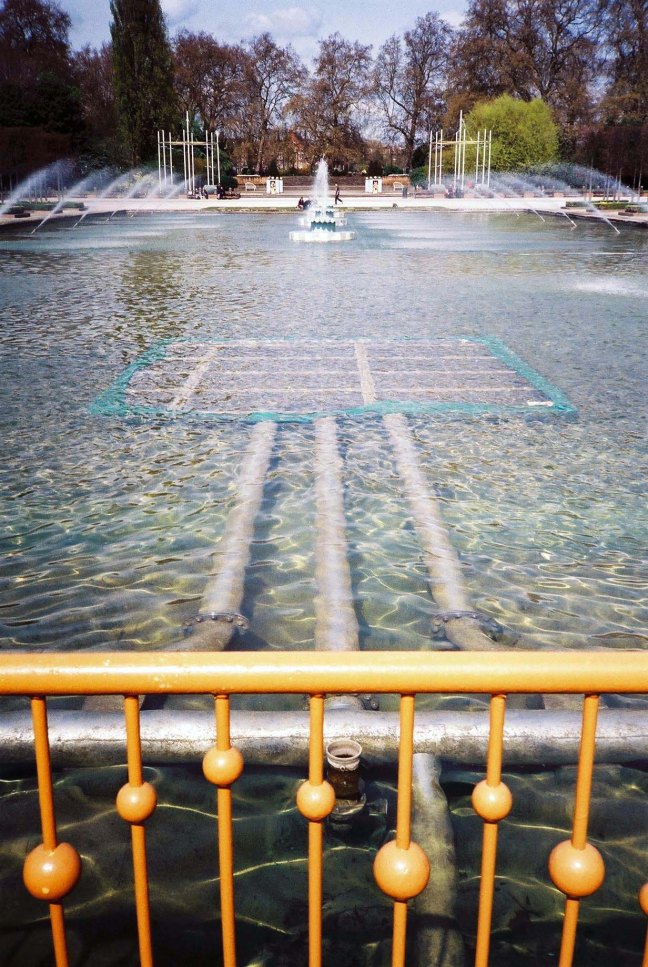
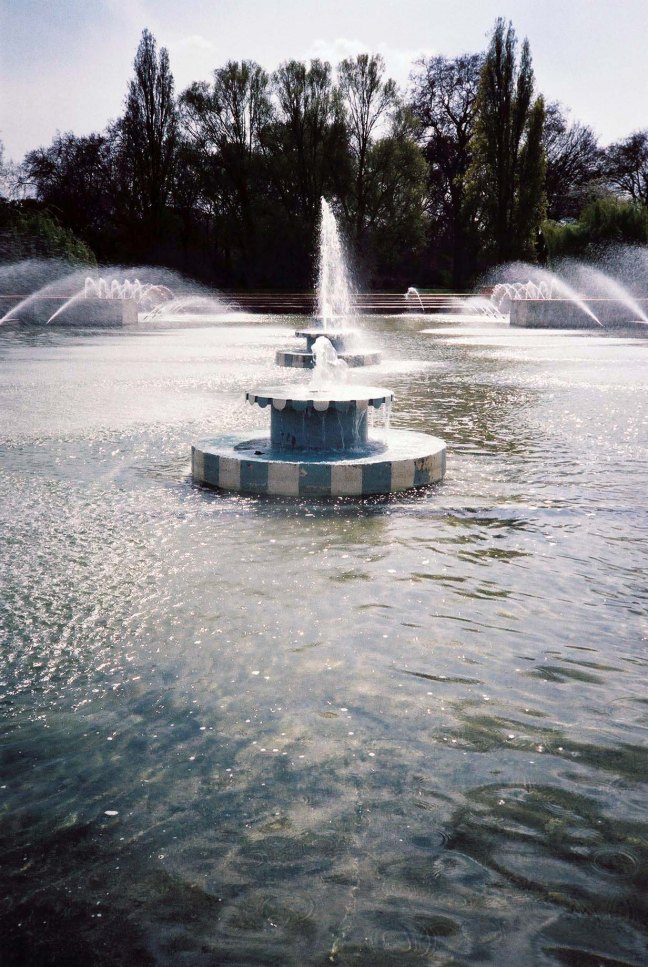
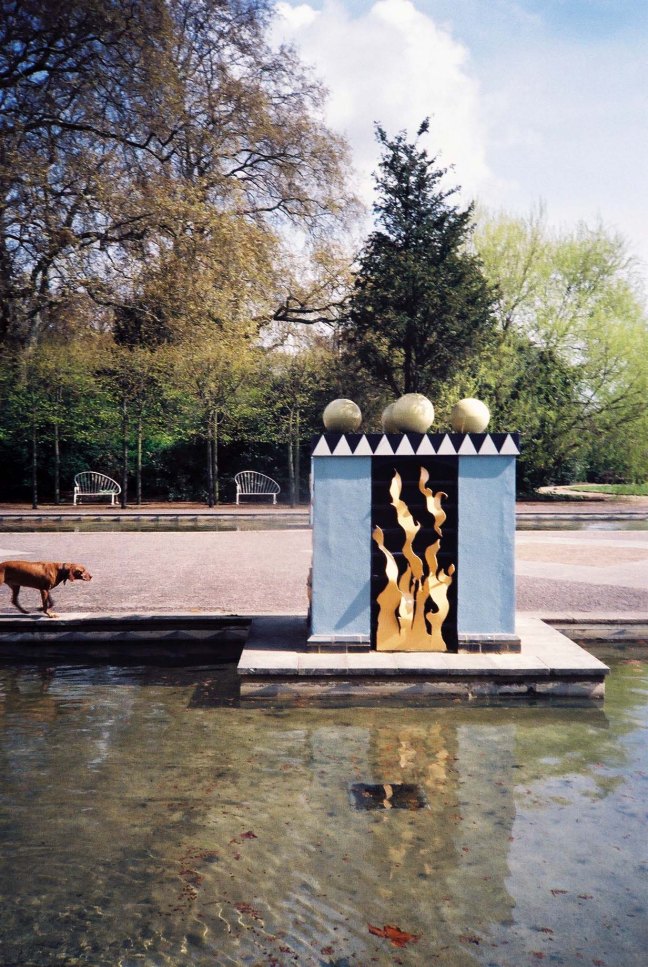
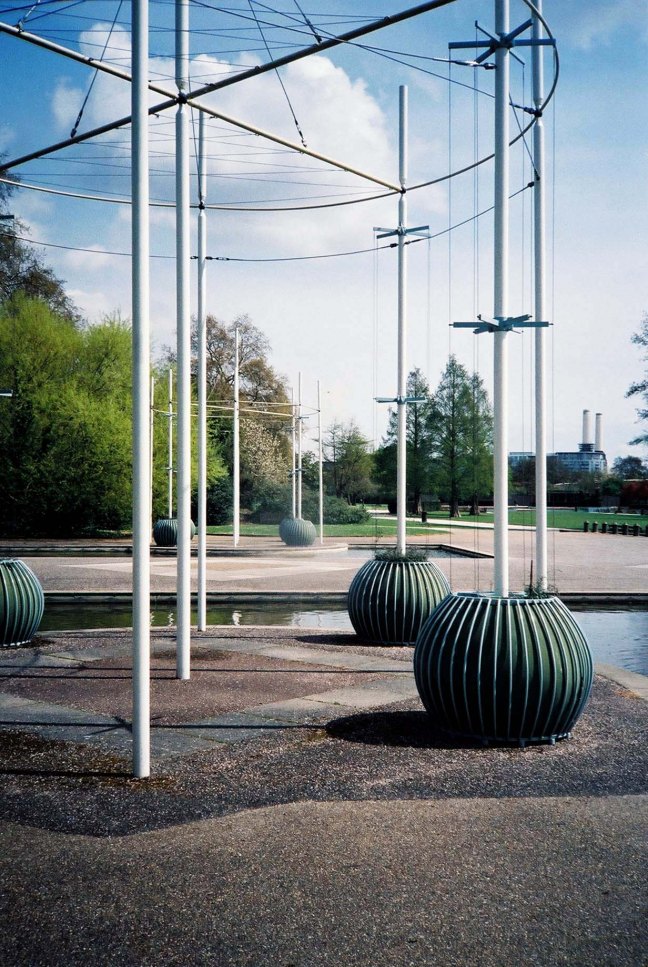
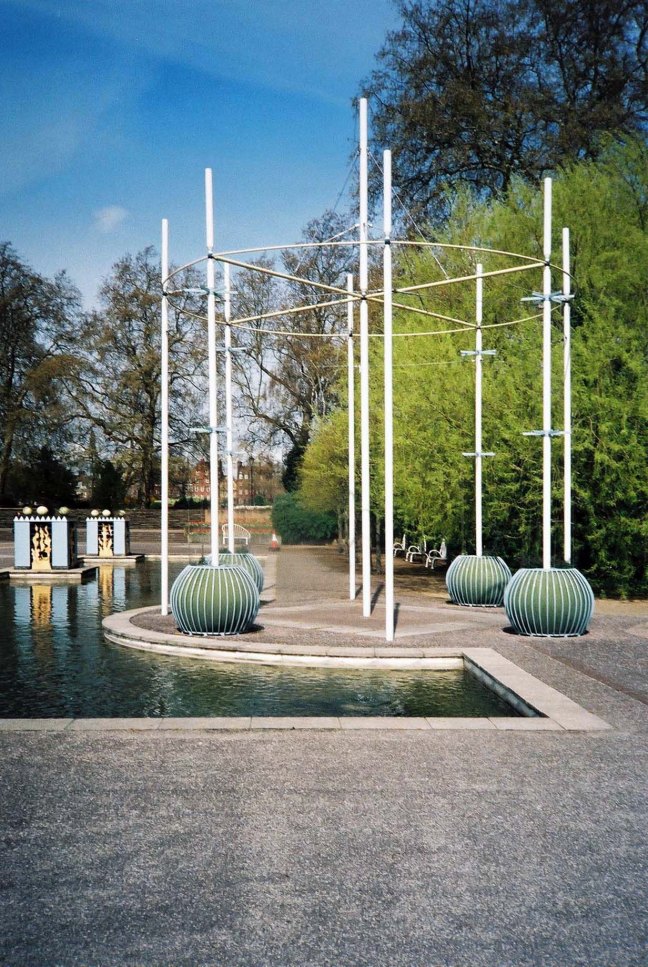
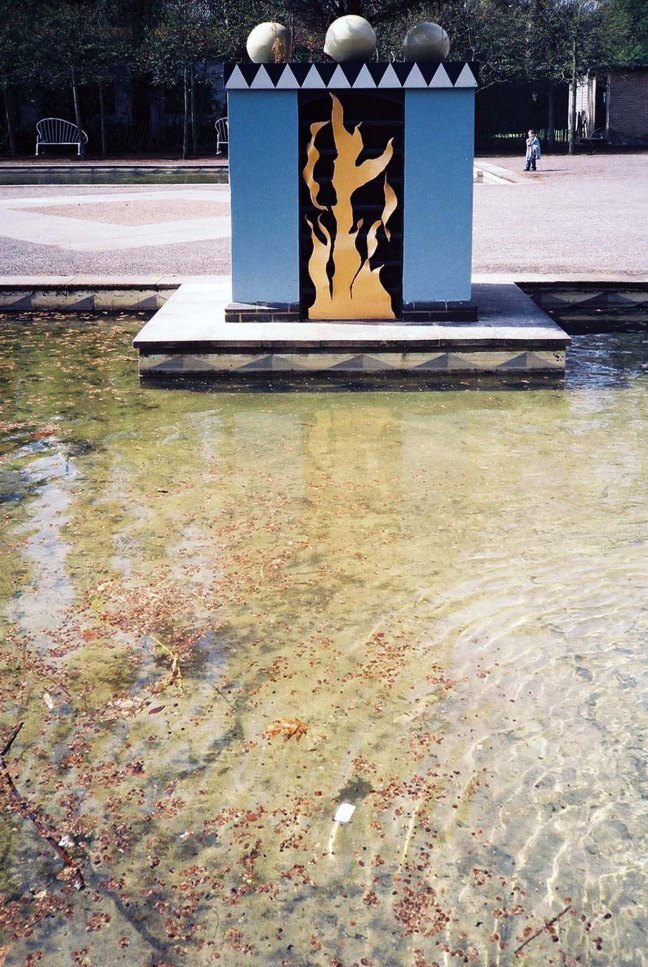
Much to my surprise there are still remnants and  reminders to be found on the site, planting, fountains furniture and sculptural structures abound, restored in 2011 by Wandsworth Council – a timely reminder of a time when we were encouraged to have fun on the rates.

CNV00042

CNV00056

CNV00054

CNV00058

CNV00063

CNV00066

CNV00067

CNV00070

CNV00072

CNV00075

CNV00078

CNV00186

CNV00187

CNV00192

CNV00195

Chesterfield – Magistrates Courts

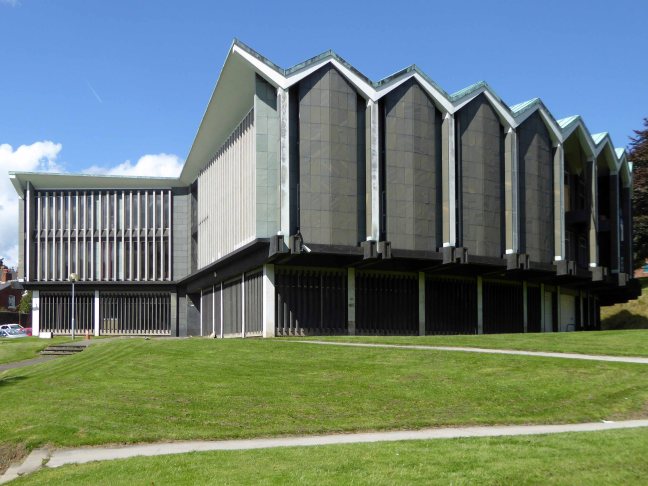
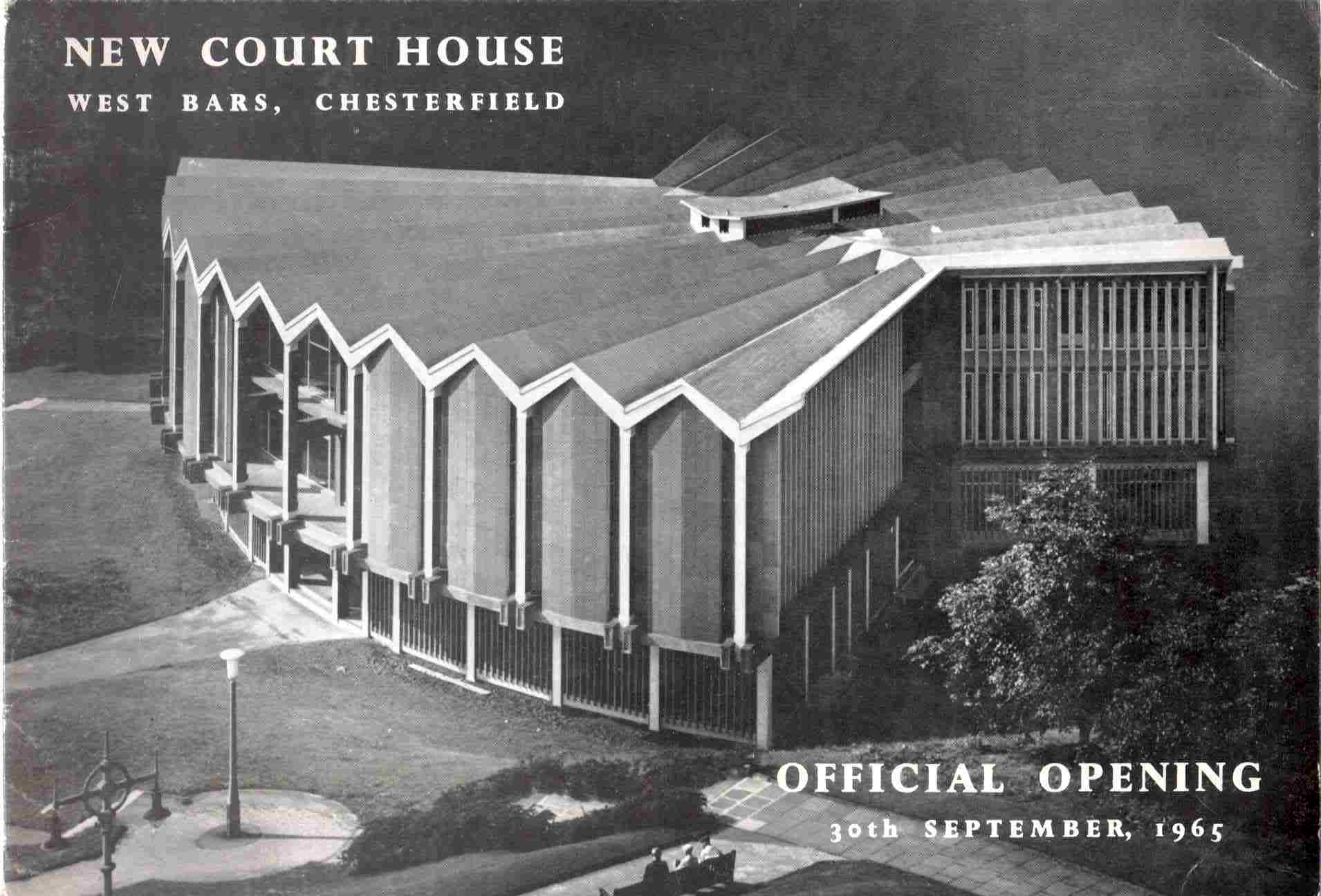
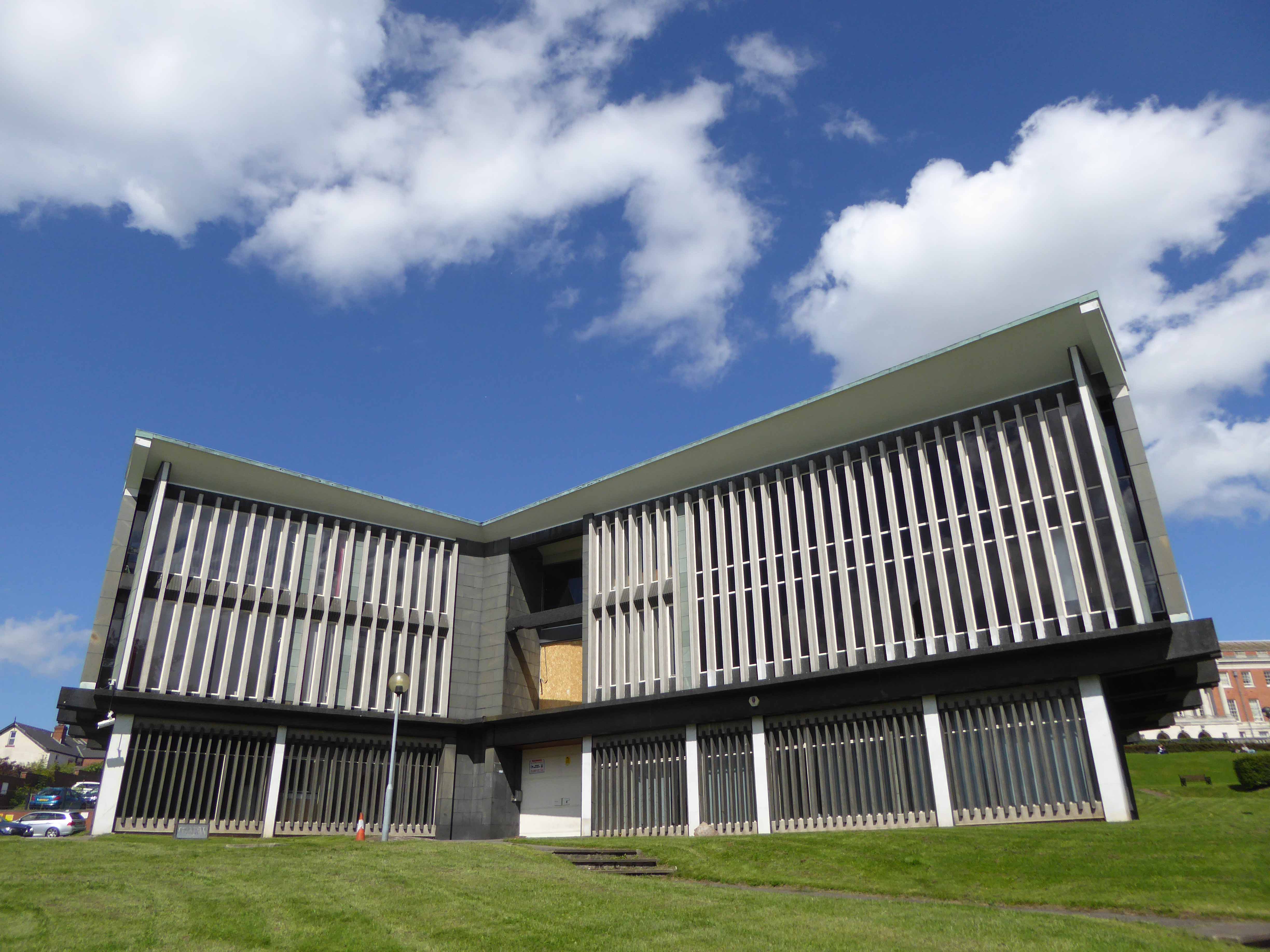
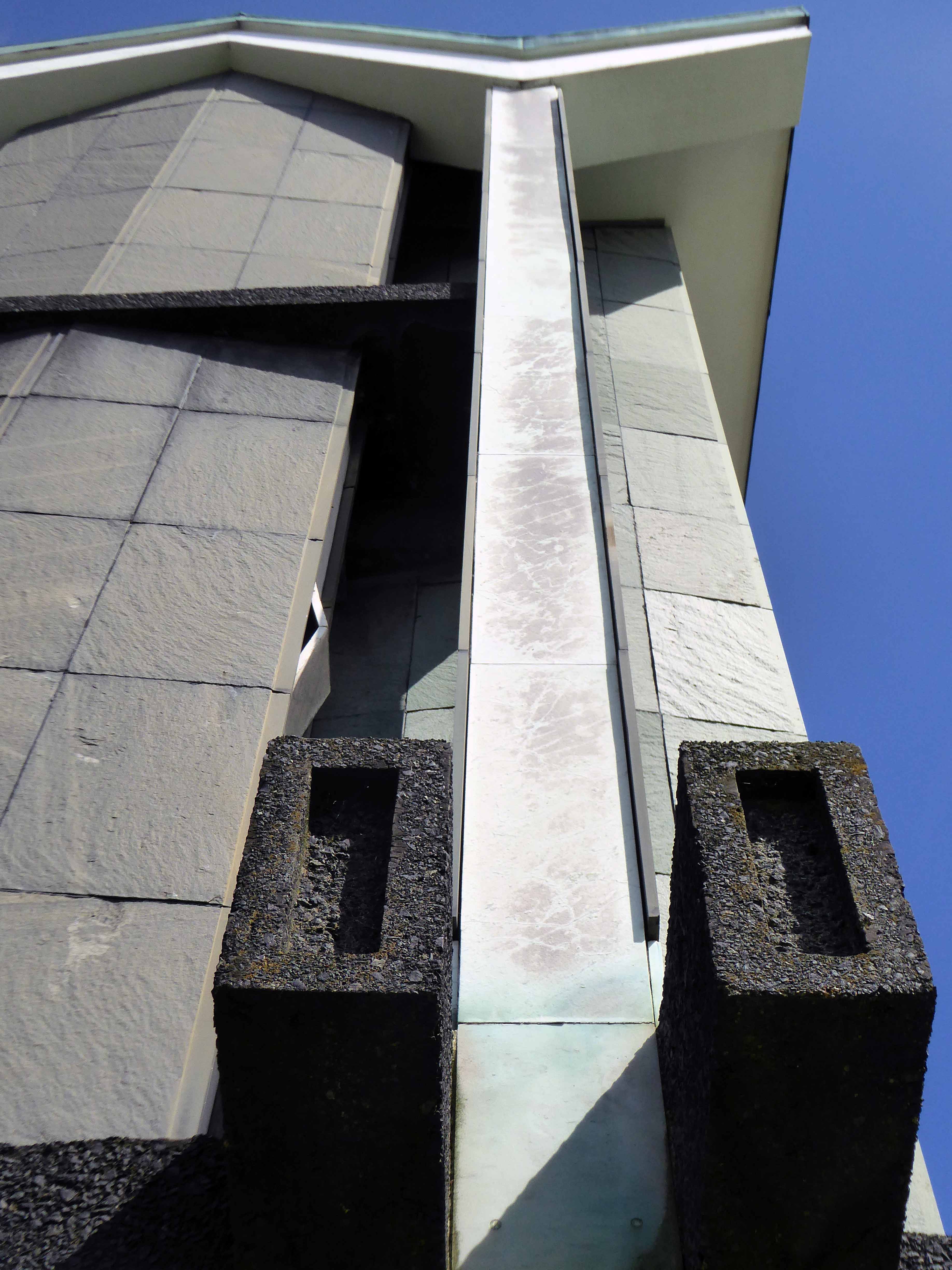
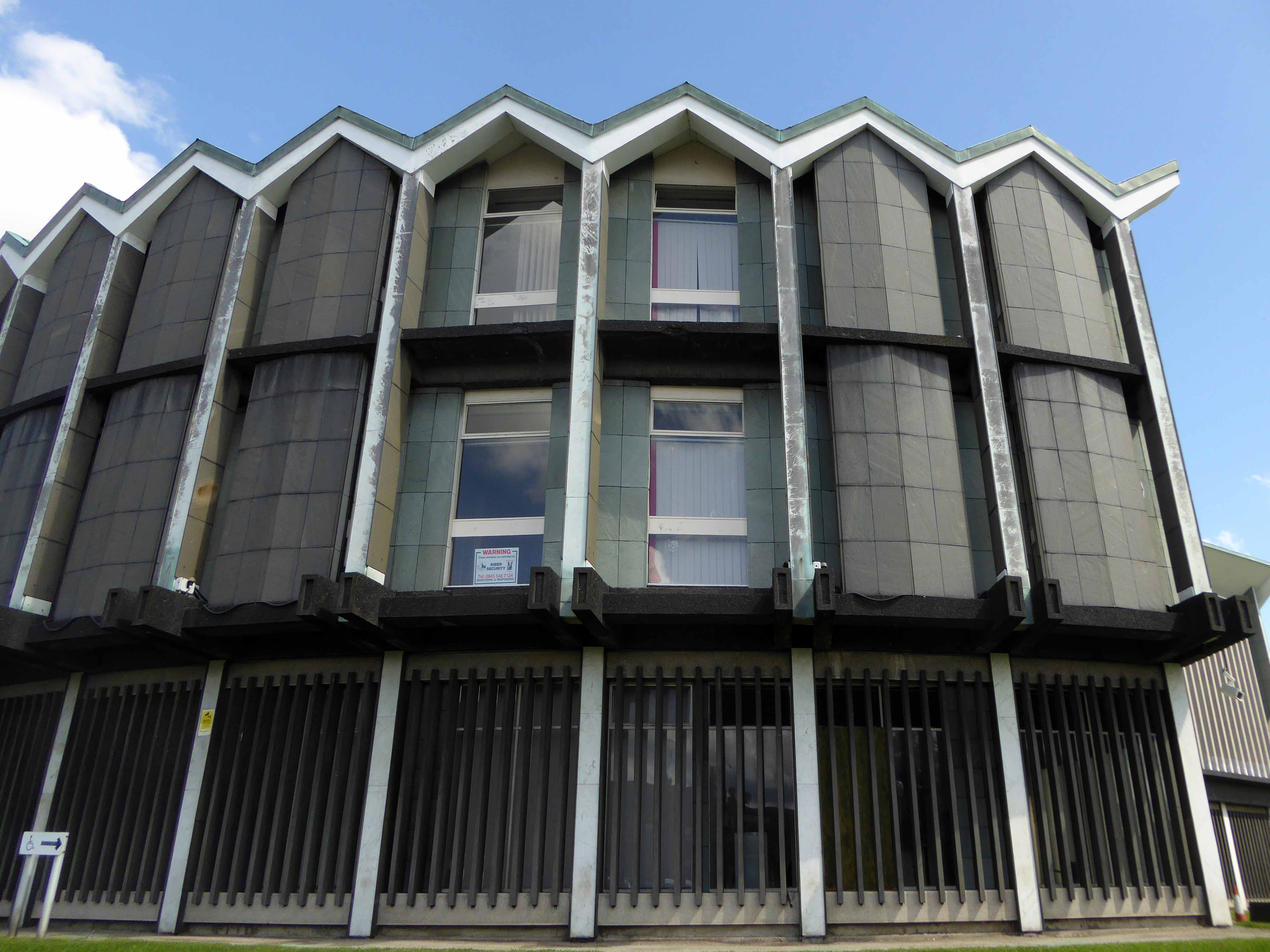
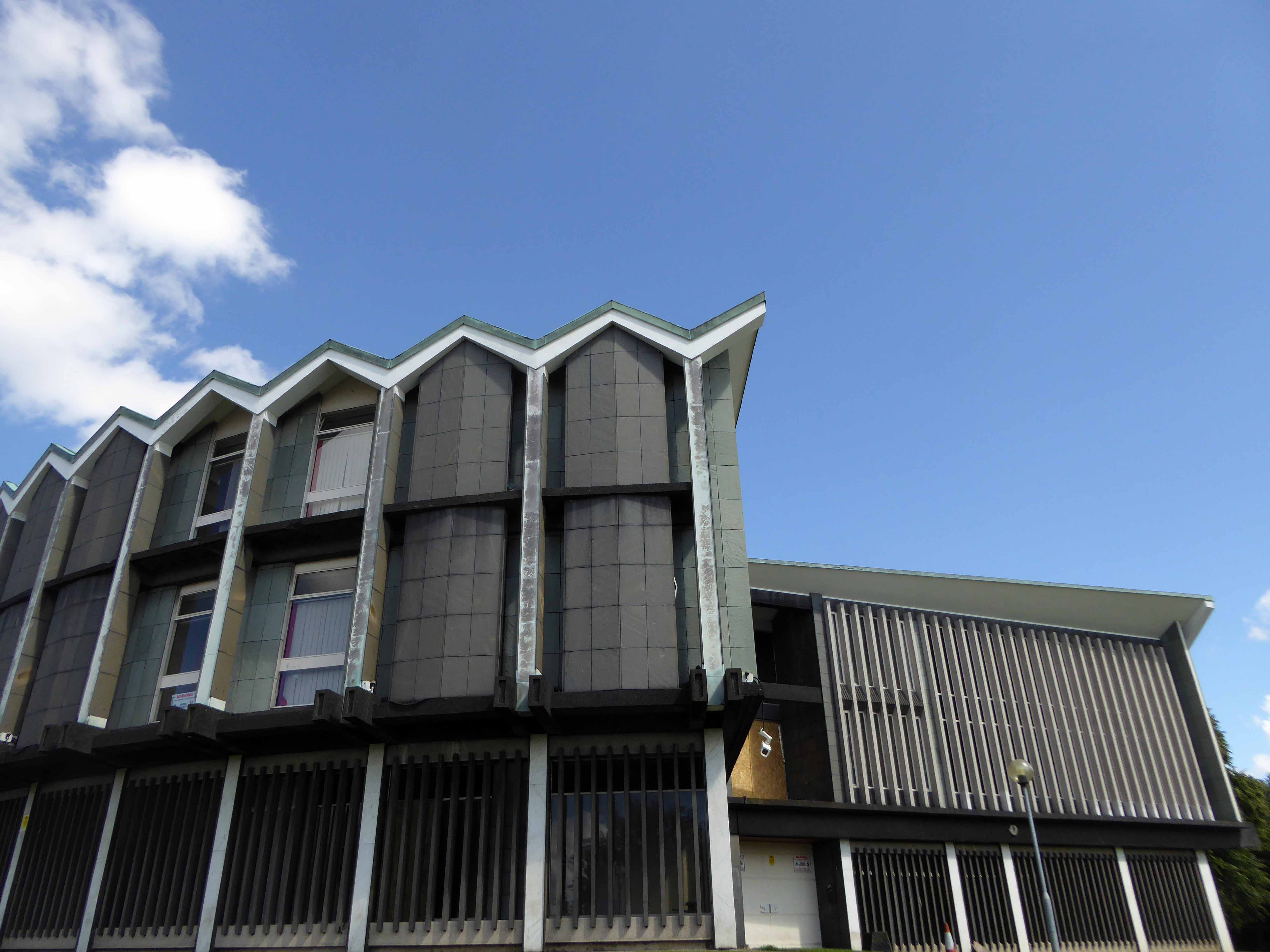
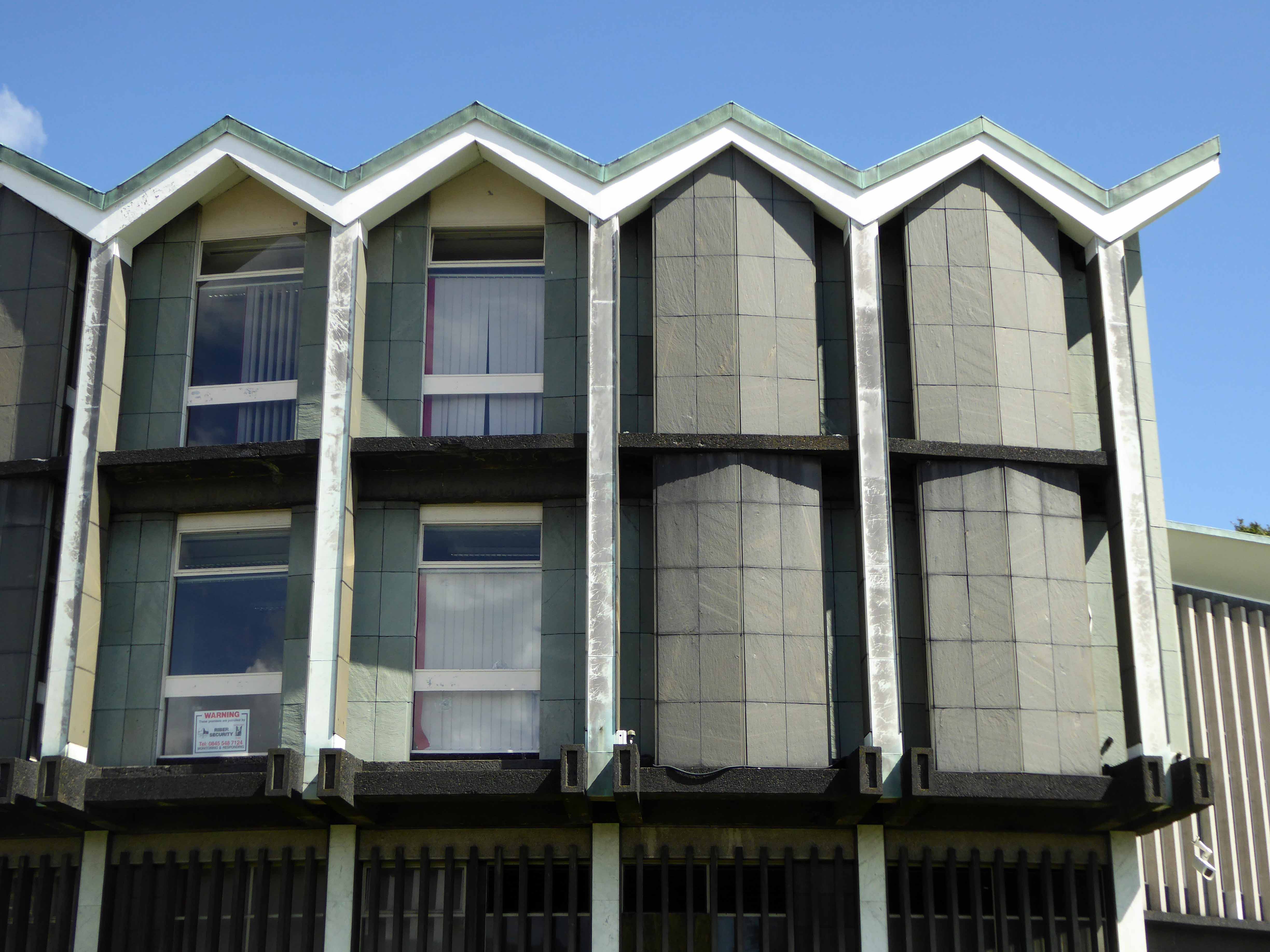
Mysteriously lacking much evidence of its past, save for this Historic England listing.

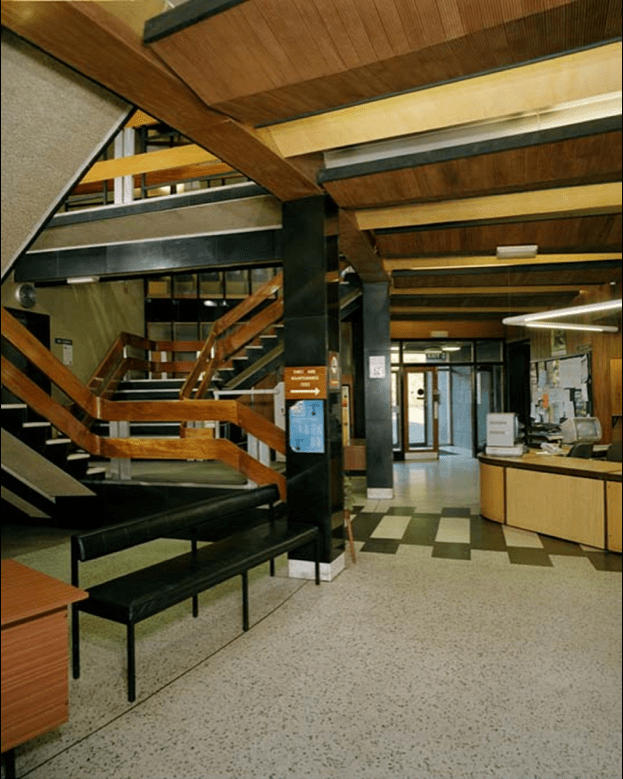
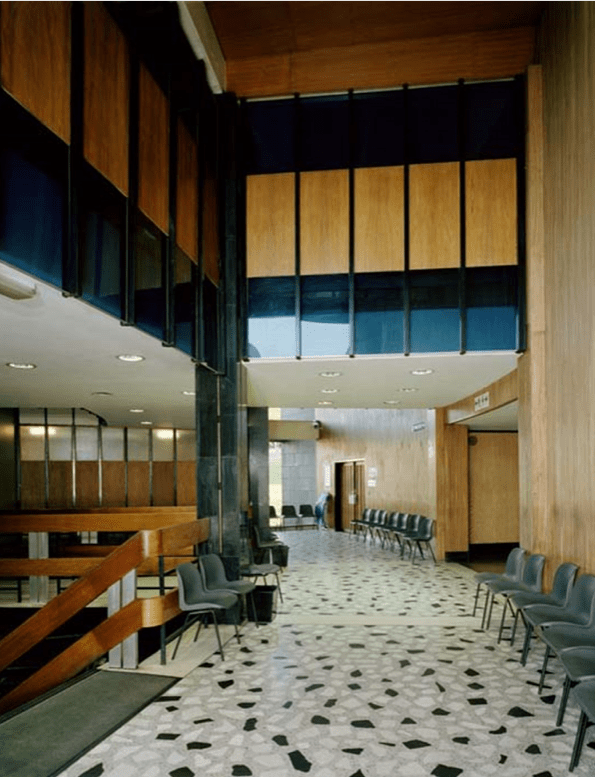
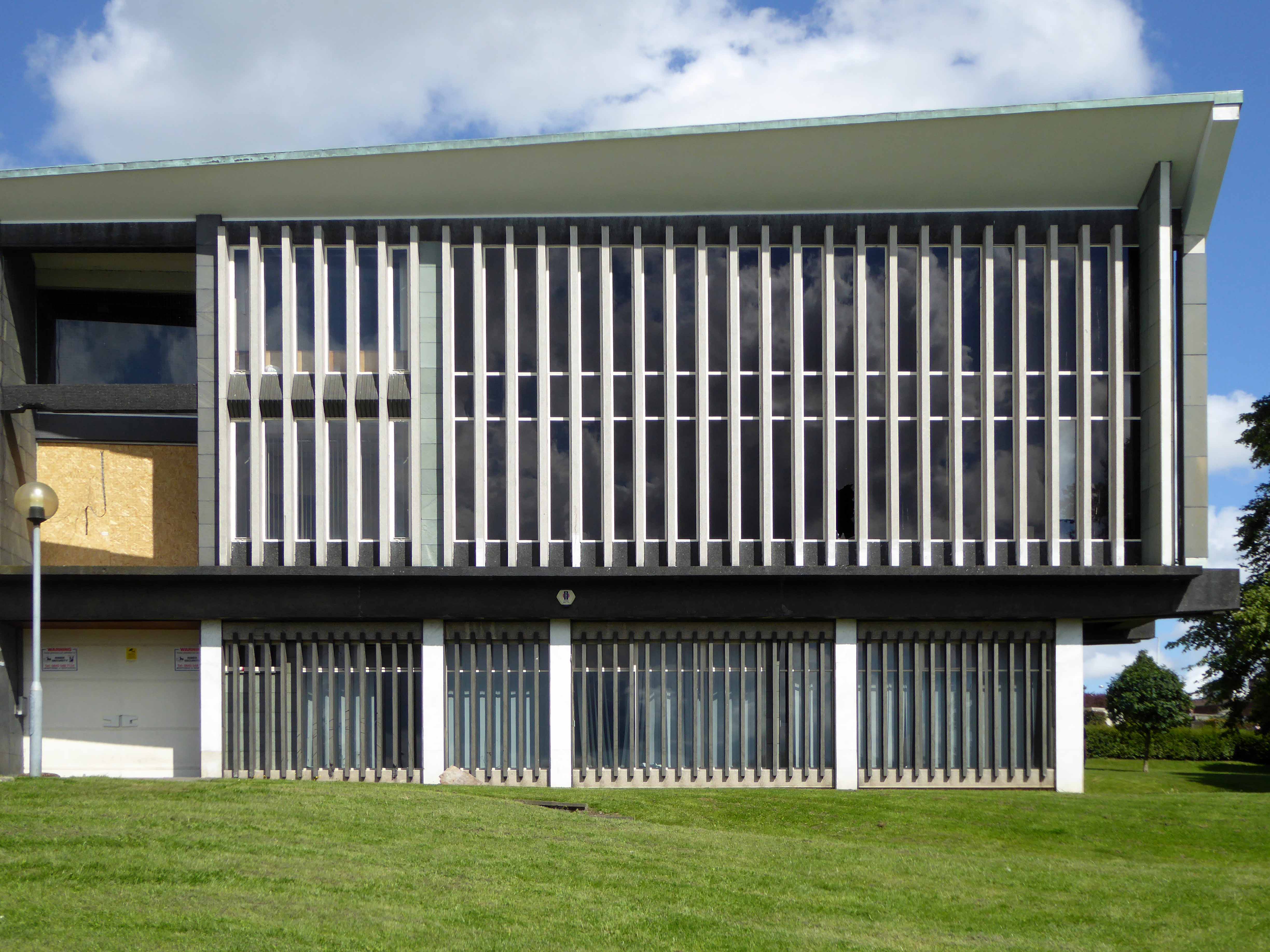
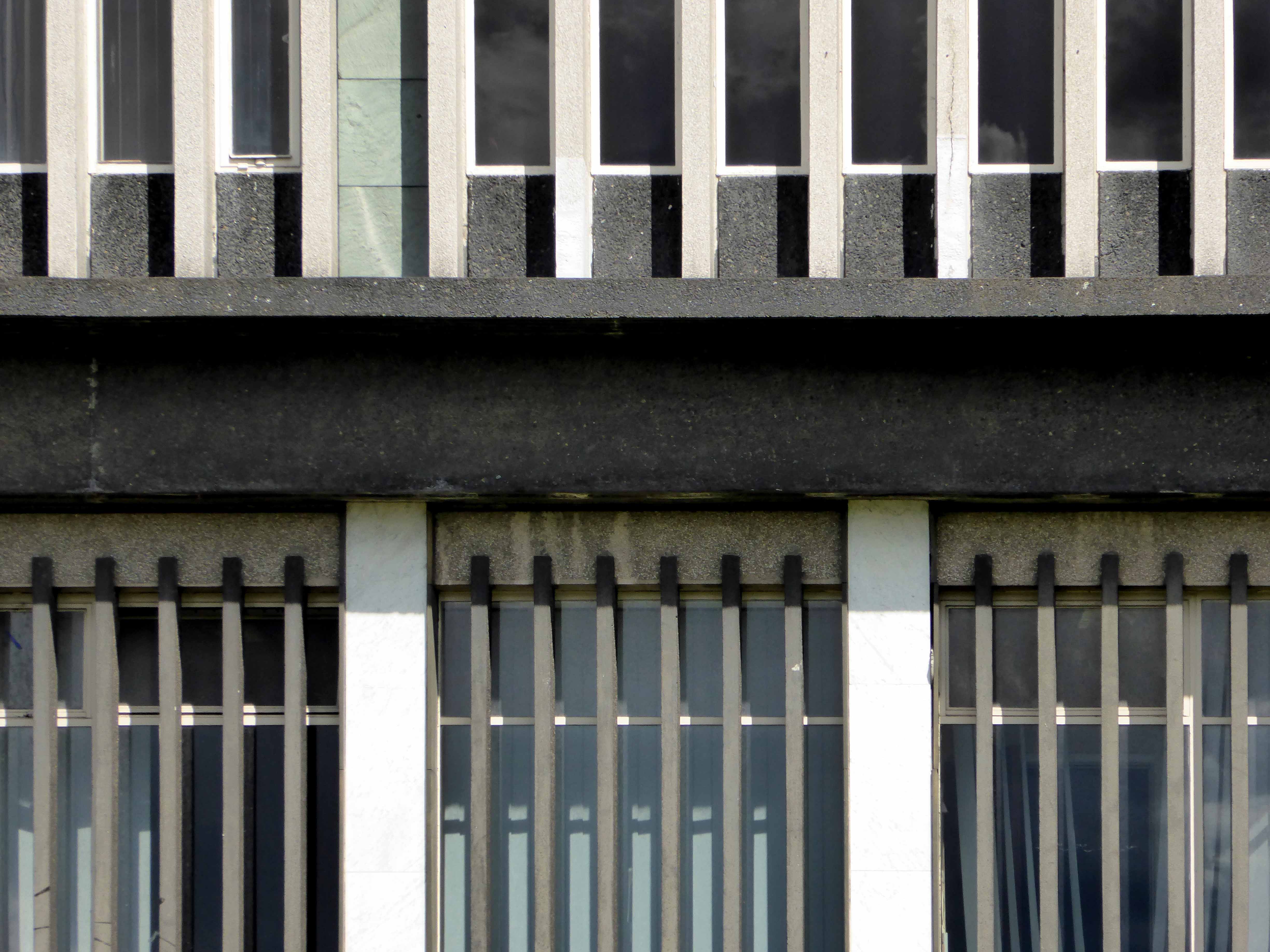
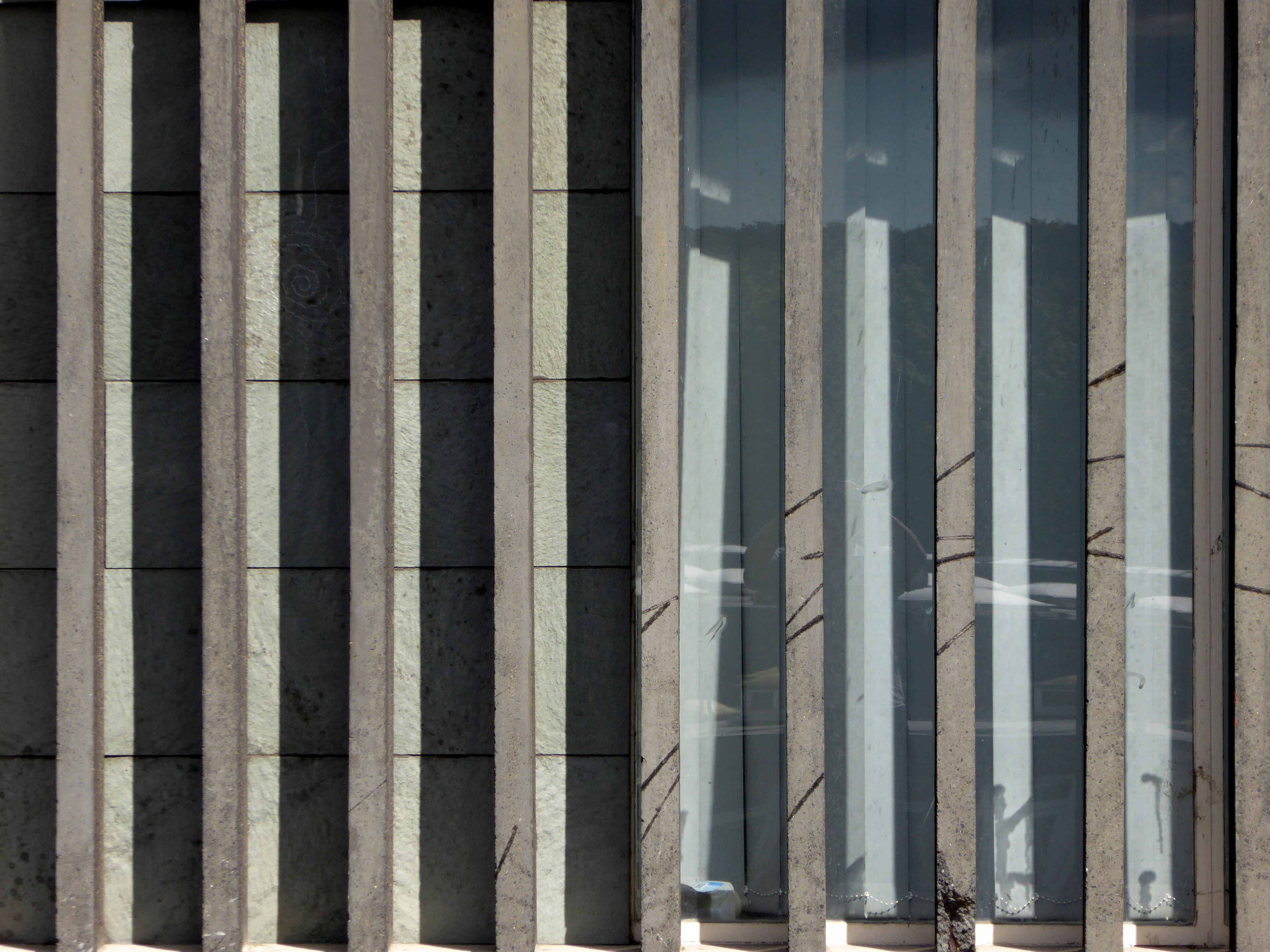
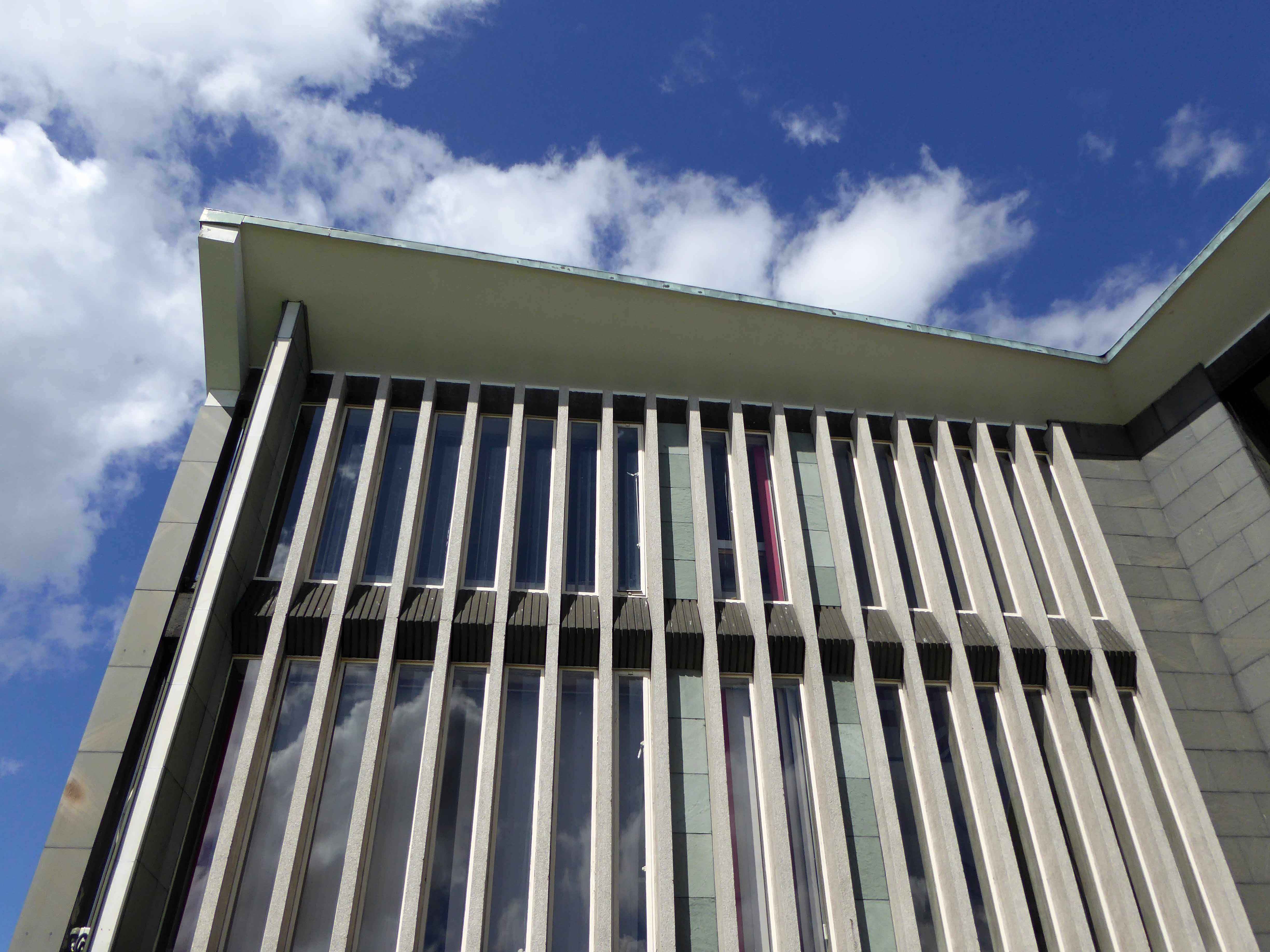
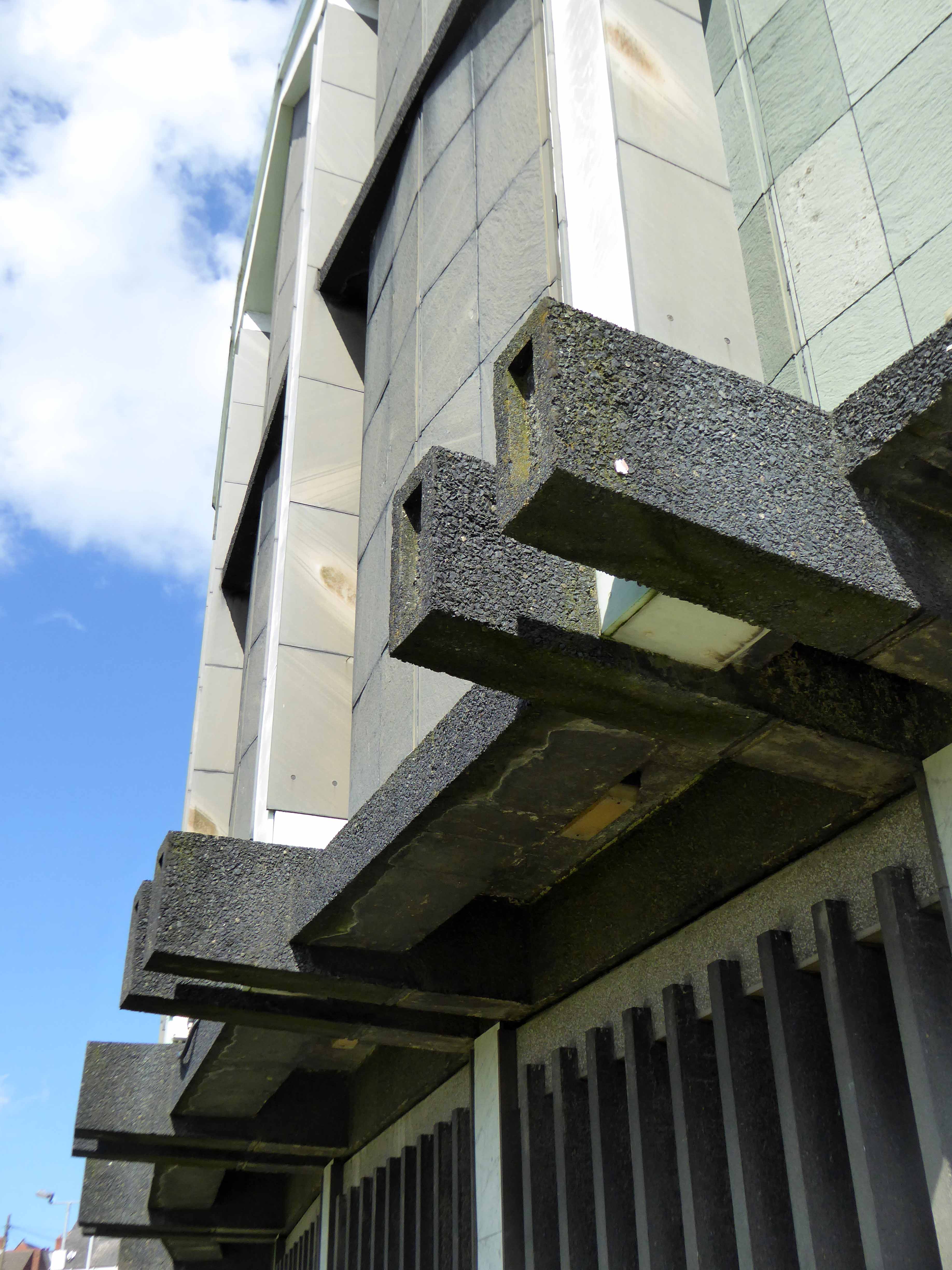
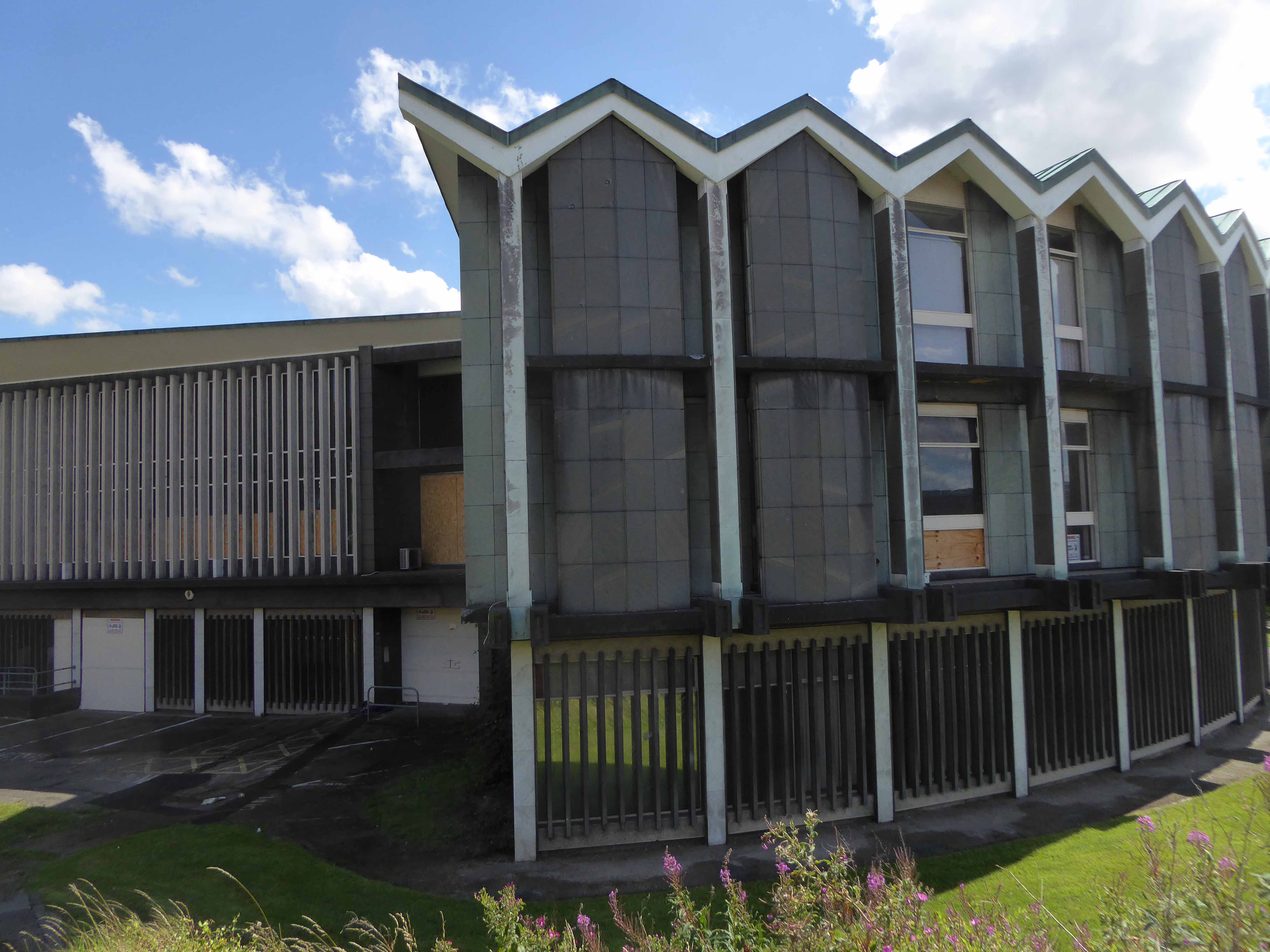
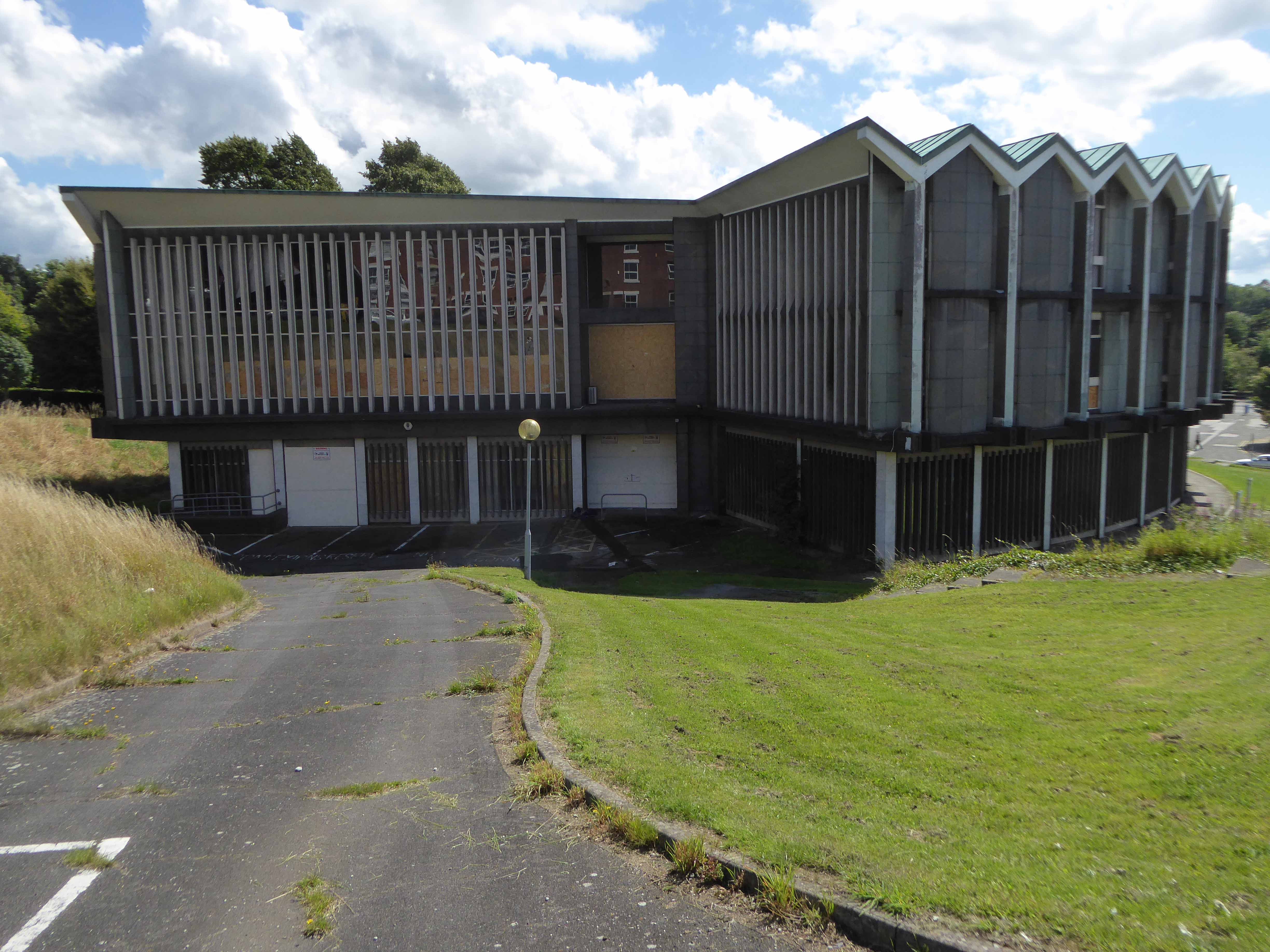
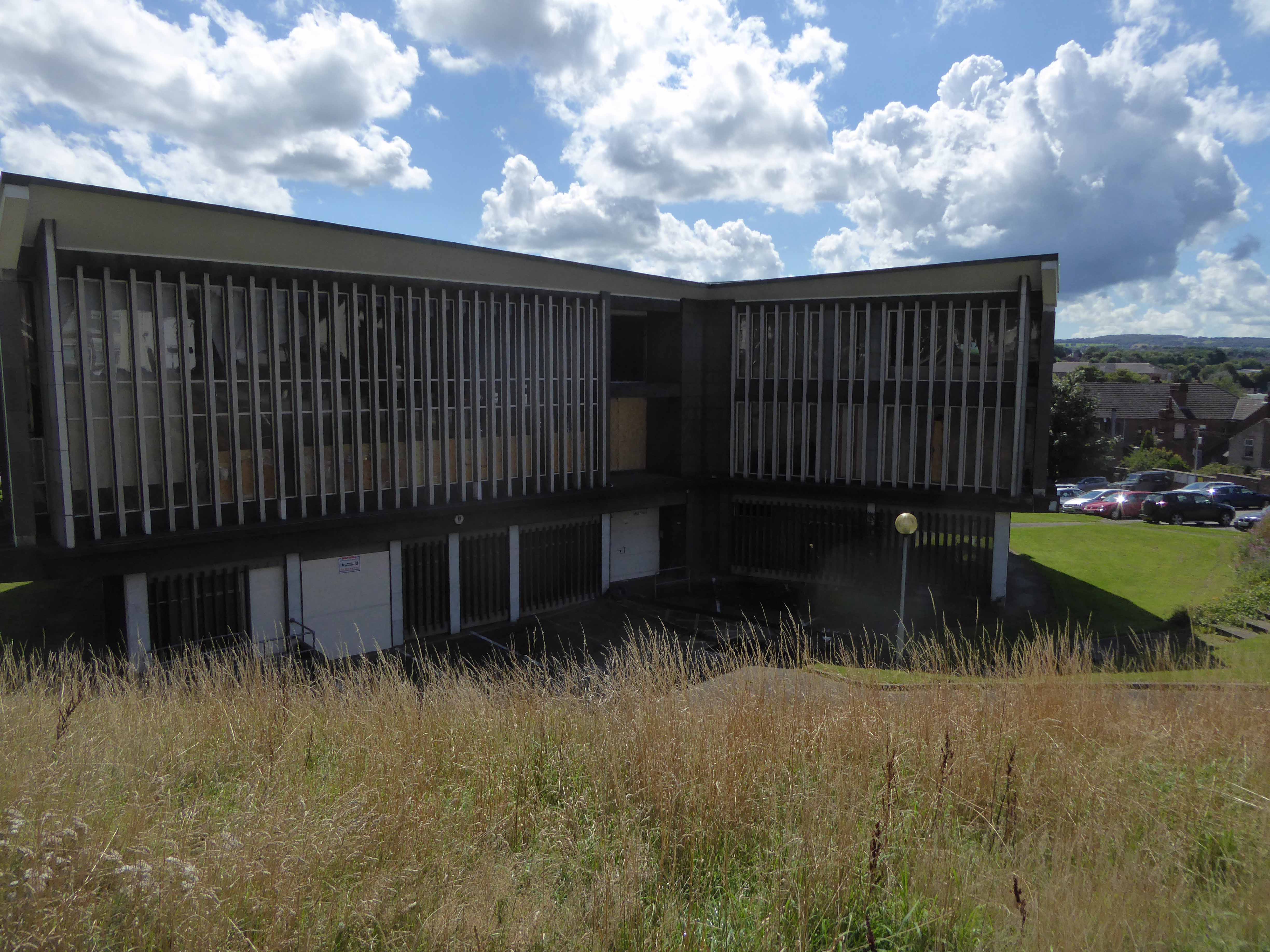
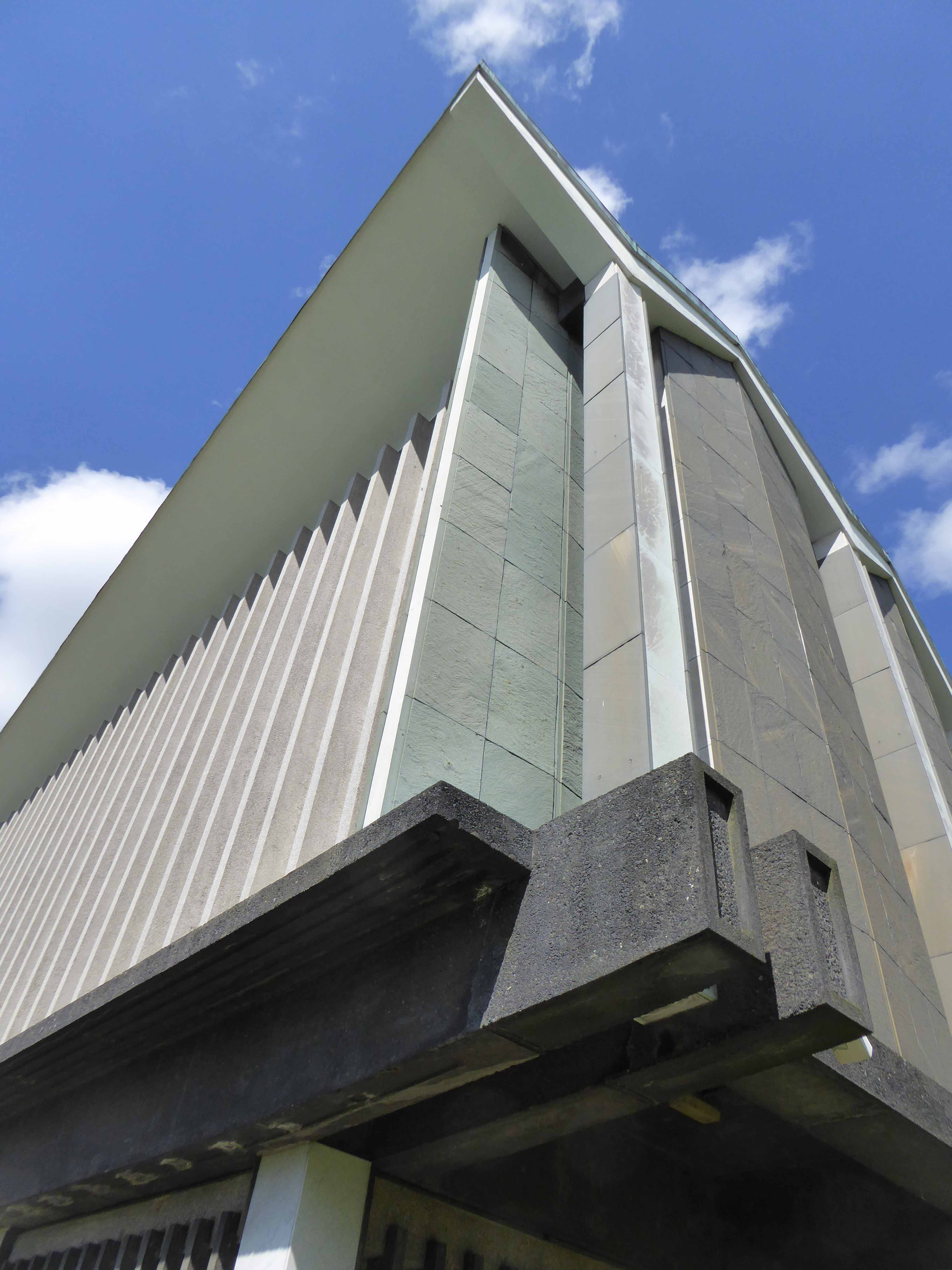
Chesterfield Courthouse – II Magistrates Court house. 1963-65. Designed by Prof S Allen and Robert Keenlyside for Chesterfield Borough Council, altered in 1975. Reinforced concrete, with decorative stone cladding, and timber roofs clad with copper sheeting. Double fan shaped plan, three storeys. Original east entrance front has recessed ground floor with central double glazed doors now blocked with glazed side lights. Either side four windows with concrete louvres to the offices. Above eleven bays topped with gables, the three central bays have recessed windows to both floors. Either side the two storey courts have grey slate panels with side lights and set back grey! green slate cladding. West front has recessed ground floor with eleven windows each with concrete louvres. Above eleven gabled bays, the central three and outer tow with grey slate cladding and side lights with set back grey green slate cladding. The four remaining bays on either side have recessed windows. The north and south sides have recessed angled facades with slightly recessed ground floor with glazed entrance at centre of east section with large glazed windows above. Flanking wings have concrete louvres set in grey slate cladding. Interior has original Y-shaped entrance hall way which rises up through all three floors. East entrance now blocked and converted to offices. Entrances from north and south into hallway with marled floor and marble clad columns with wooden ceilings and recessed lights. Central imperial type staircase marble clad with metal and wood balustrade. Upper floors have wooden clad walls and movable glazed screen for dividing access from juvenile court when in session. Two storey courts on upper floor retain original wooden cladding, ceilings and courtroom fittings, including magistrates bench, dock, seating for lawyers and the public. 

P1190488

And self evidently facing a very uncertain future:

2015 – The Grade II listed building, which is located between Rose Hill and West Bars, has received planning consent allowing it to be used for a range of purposes including office, retail and leisure facilities. Stuart Waite, associate director at Innes England in Derby, who is handling lettings on behalf of a private client, said: “We have been in serious discussions with a number of occupiers regarding this building for a variety of uses. “Occupier confidence is growing and with the economic forecast for 2015 looking positive we are confident that will see early interest converted into deals. “We are working closely with Chesterfield Borough Council which has identified the Rose Hill and West Bars area of the town as a key strategic location for growth.”

It has stood empty for the last few years and been a hotspot for vandalism.

Last July, arsonists set a wheelie bin on fire and pushed it up against the building, causing the flames to spread.

mqgh90gr0b3fnfoy2jkq

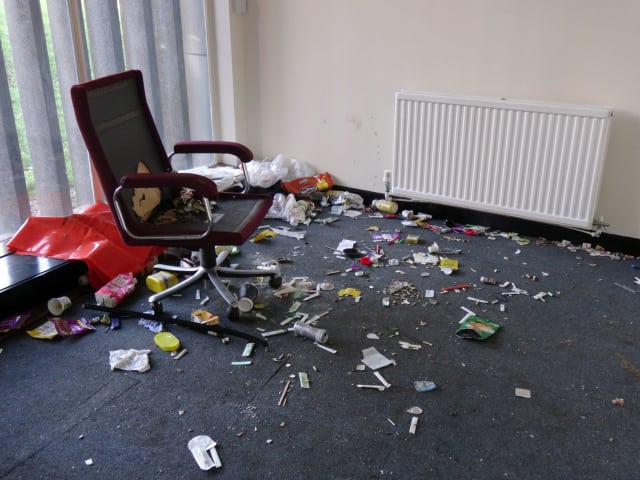
2017 – Chesterfield’s former magistrates’ court is being used as a drugs den, shock pictures reveal – and a council chief has warned that the building poses a danger to public health. Extremely concerning images obtained by the Derbyshire Times today show hypodermic needles and what appears to be heroin inside the historic property – as well as extensive damage in rooms and excrement smeared up walls.

Derbyshire Times.

It’s seen better days.

It remains on the market for £450,000 a steal if you ask me.

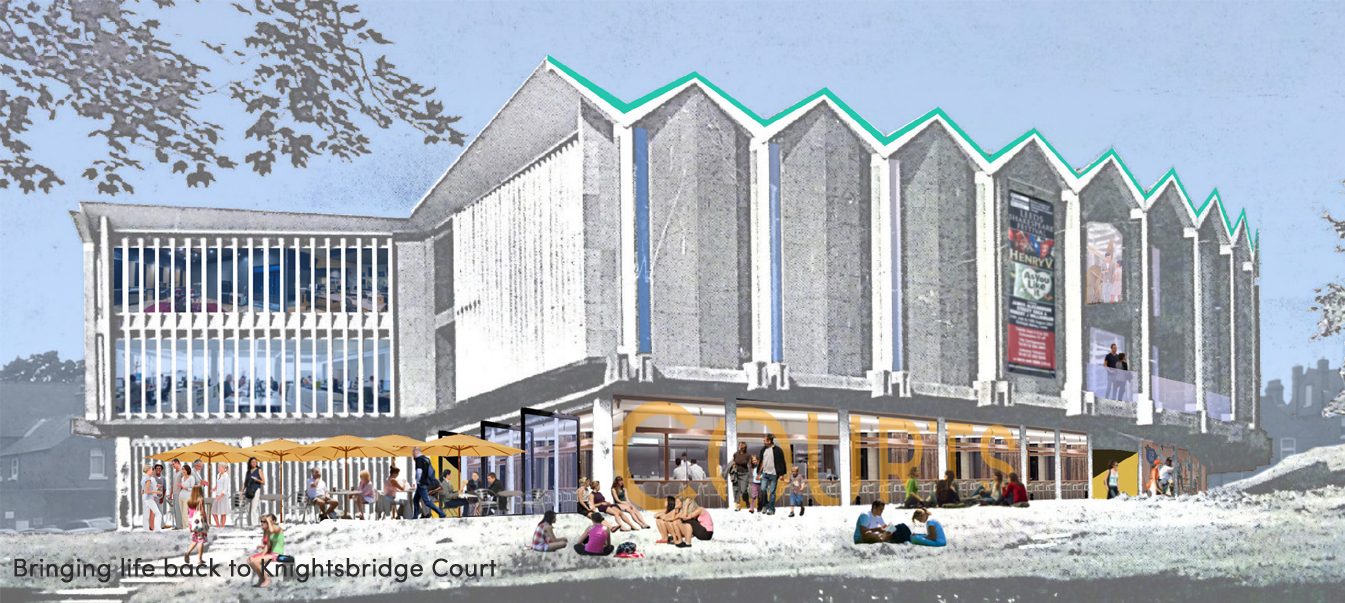
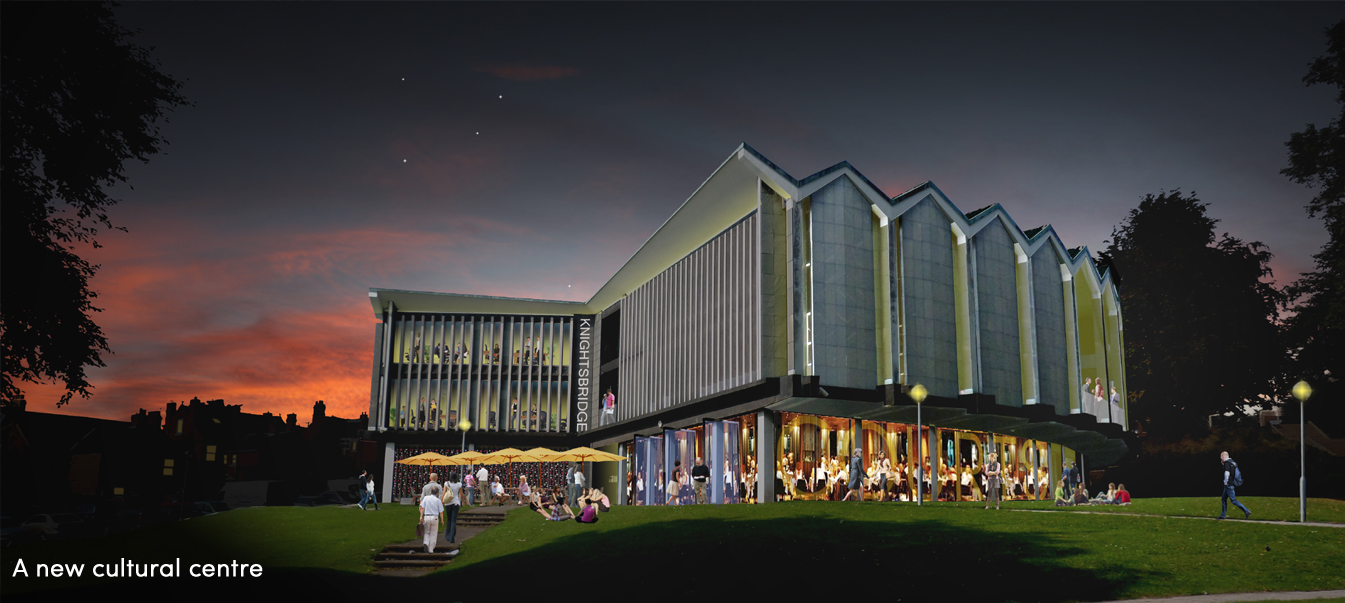
Thread Architects have proposed redevelopment as an Arts Centre

dna p1.psd
dna p1.psd

On the day of my visit there was little evidence of arts activity, save for a short performance piece by a heavily intoxicated mini-mosher and her partner – funding sources having proved to be at best illusory and subject to market forces.

Talk is cheap.

Take a walk on the wild green sward side of town, it remains a marvel, open and accessible, just requires a tender touch, of cash.

P1190489
P1190490
P1190491
P1190492
P1190493
P1190494
P1190495
P1190496
P1190497
P1190499
P1190501
P1190502
P1190503
P1190508
P1190509
P1190510
P1190511

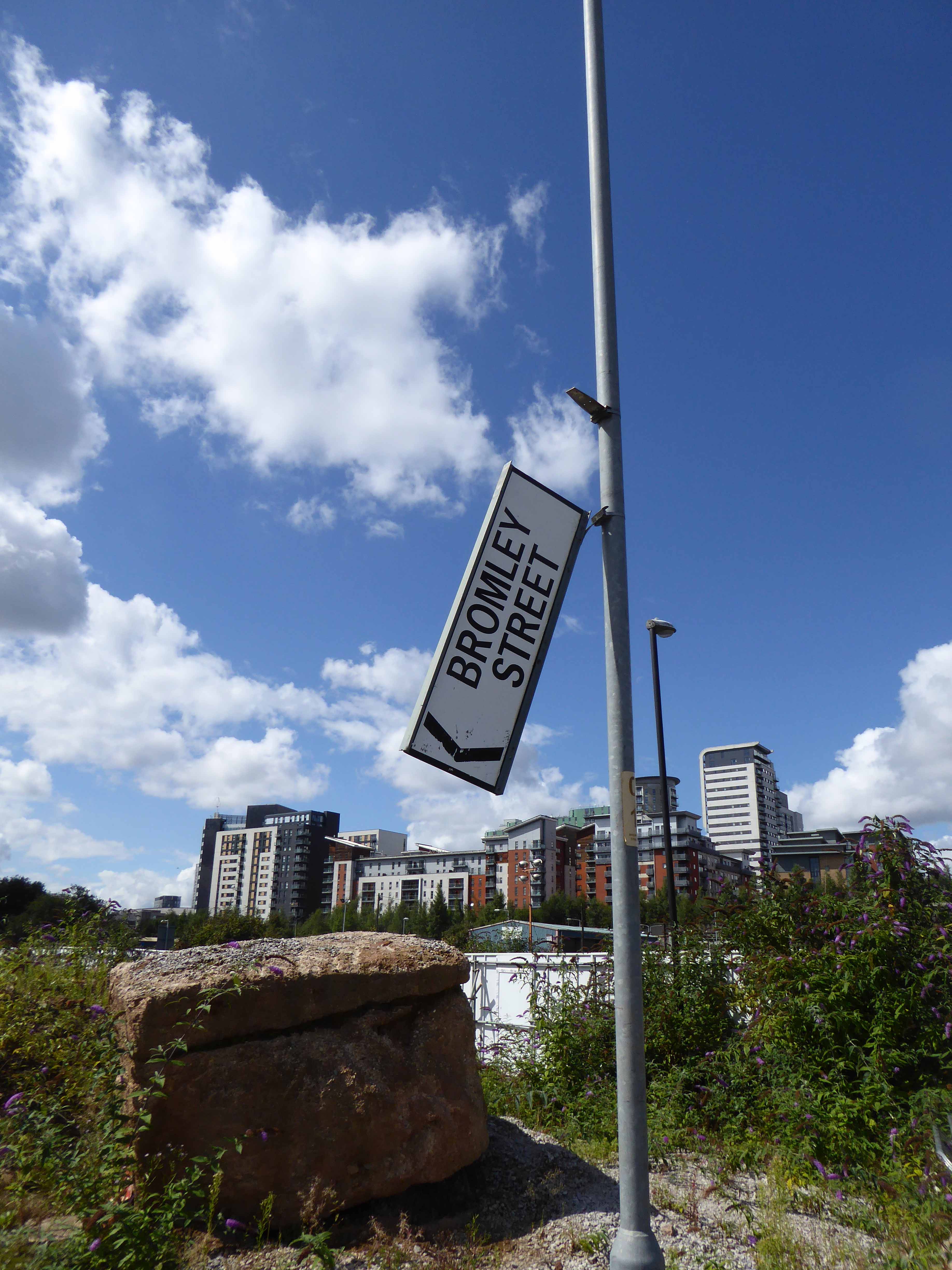
Bromley Street Manchester

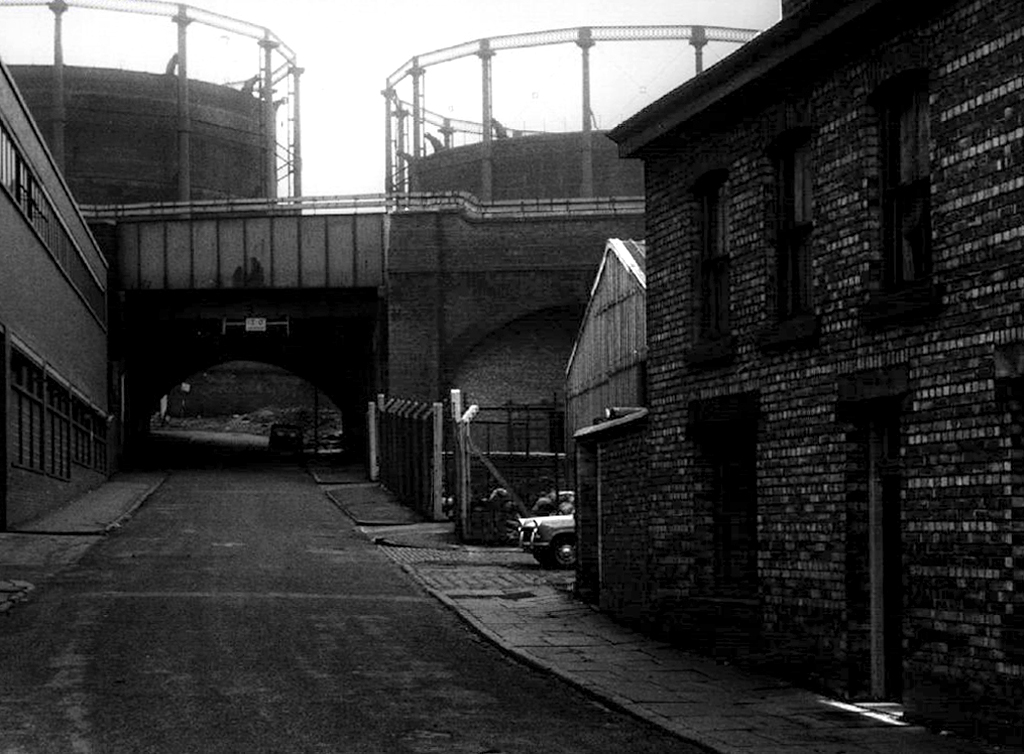
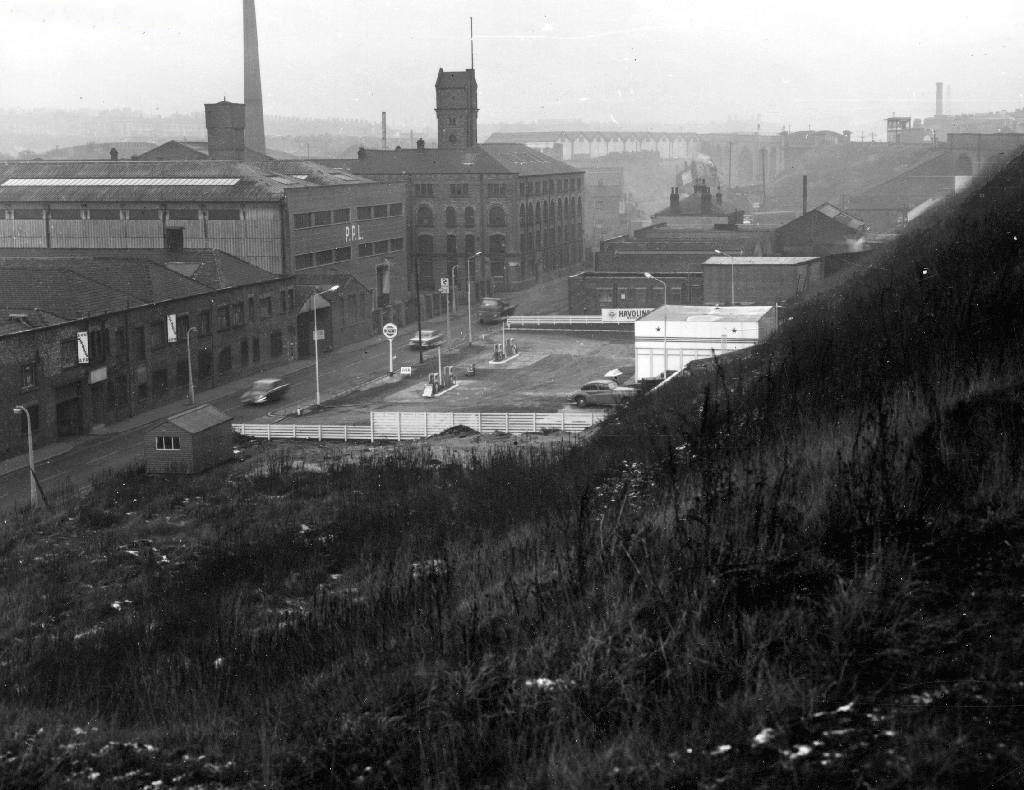
Bromley Street – its northern tip joining with Dantzic Street in the valley of the River Irk, so far so very bucolic, so very, very nice, the street that was going places, tucked cosily beneath the shade of the old L&Y bridge.

webmedia-5.php

The south bank of the Irk is here very steep and between fifteen and thirty feet high. On this declivitous hillside there are planted three rows of houses, of which the lowest rise directly out of the river, while the front walls of the highest stand on the crest of the hill in Long Millgate. Among them are mills on the river, in short, the method of construction is as crowded and disorderly here as in the lower part of Long Millgate. Right and left a multitude of covered passages lead from the main street into numerous courts, and he who turns in thither gets into a filth and disgusting grime, the equal of which is not to be found – especially in the courts which lead down to the Irk, and which contain unqualifiedly the most horrible dwellings which I have yet beheld. Below it on the river there are several tanneries which fill the whole neighbourhood with the stench of animal putrefaction. The view from Ducie Bridge, mercifully concealed from mortals of small stature by a parapet as high as a man, is characteristic for the whole district. At the bottom flows, or rather stagnates, the Irk, a narrow, coal-black, foul-smelling stream, full of debris and refuse, which it deposits on the shallower right bank.

So said Mr Friedrich Engels.

“Not only the blackest but the most sluggish of all rivers” – was surrounded by road, rail, dwelling and factory, high density industrialisation through most of the last century.

webmedia-1.php

Then all of sudden along came a series of events, that saw a shift away from inner-city manufacturing, the outsourcing of all sorts and the demolition of homes. The area and the city became a pale shadow of its former self. Help however was at hand, the boom in buy to let, overseas investment and an ever expanding professional middle class, eagerly  paddled up the murky Irk, emulating the massed forces of 7th Cavalry and the Lone Ranger combined – hurrah!

Screen Shot 2017-08-16 at 15.19.42

If you earn a minimum of £300,000 a year, have a net worth in excess of £3m and want an exceptional mortgage service that is designed to suit your individual needs, get in touch.

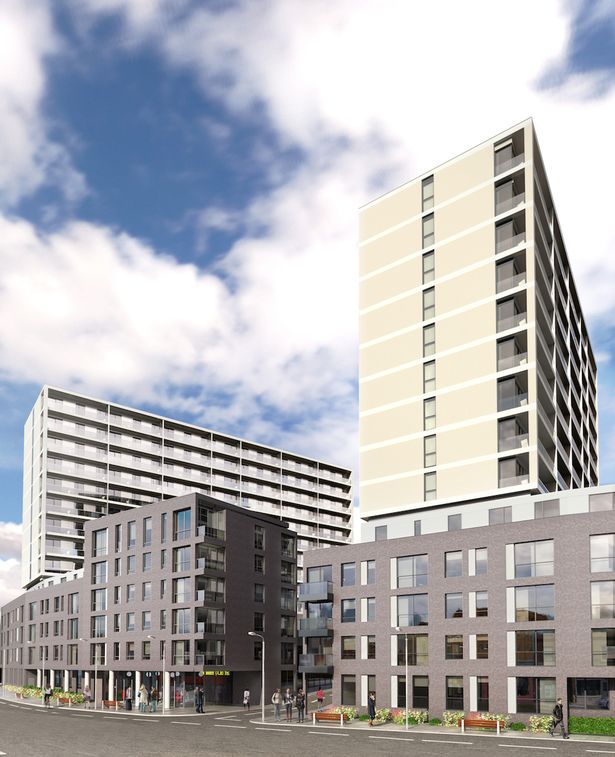
160317_DSR_MEN_Angelgate

What have you got to lose?

It’s the gravy train as thick, dark and rewarding as the very inky Irk itself!

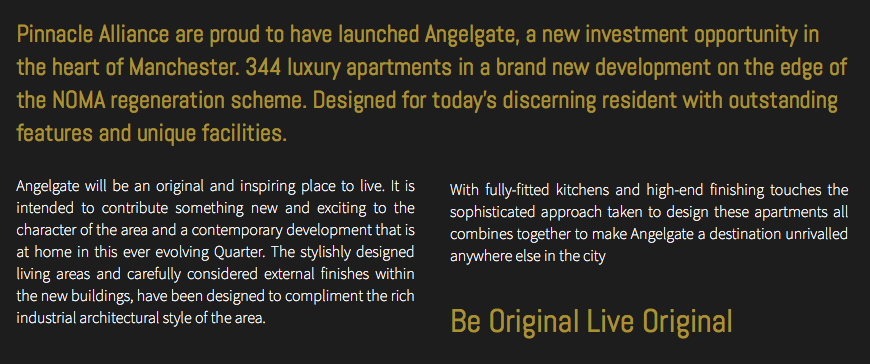
The stylishly designed living areas and carefully considered external finishes within the new buildings, have been designed to compliment the rich industrial architectural style of the area.

A development that even Mr Friedrich Engels himself would be proud of.

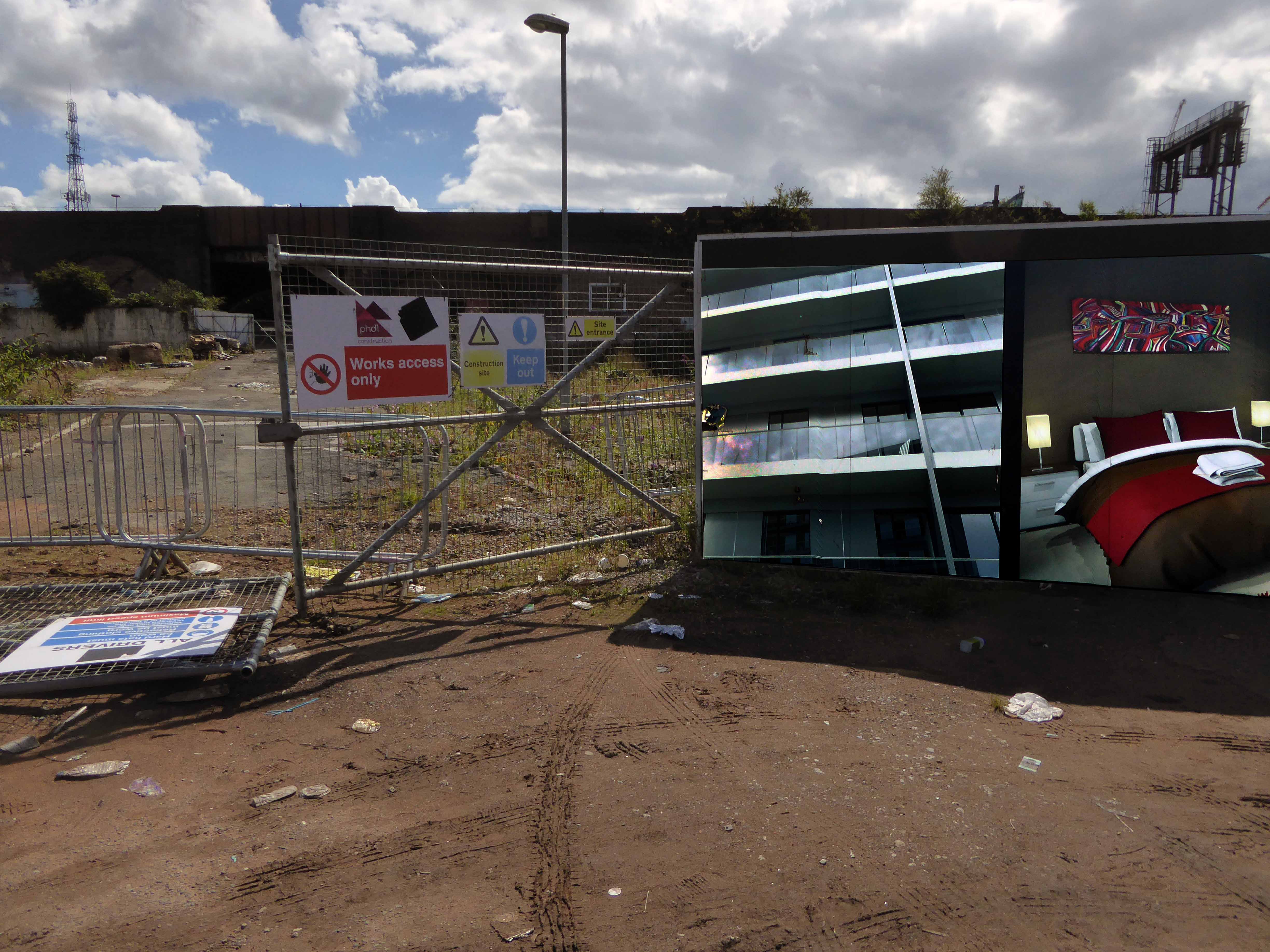
But wait, all is not rosy in the digitally constructed flower box garden, that you may see before you, in our online presentation and brochures.

Pinnacle Alliance plans to build 344 luxury apartments on a site near Dantzic Street, as part of the ‘Northern Gateway’. Dozens of investors have paid up to £350,000 for the off-plan apartments in the proposed scheme. But two years since many first paid out for their home, no work has actually begun on the £30m scheme.

The dispute has led to a demonstration in Hong Kong, where around 50 buyers took to the streets over Christmas urging local authorities to take up their concerns. And in an unusual twist, protestors even recorded their own campaign song – to the tune of Jingle Bells – criticising Pinnacle.

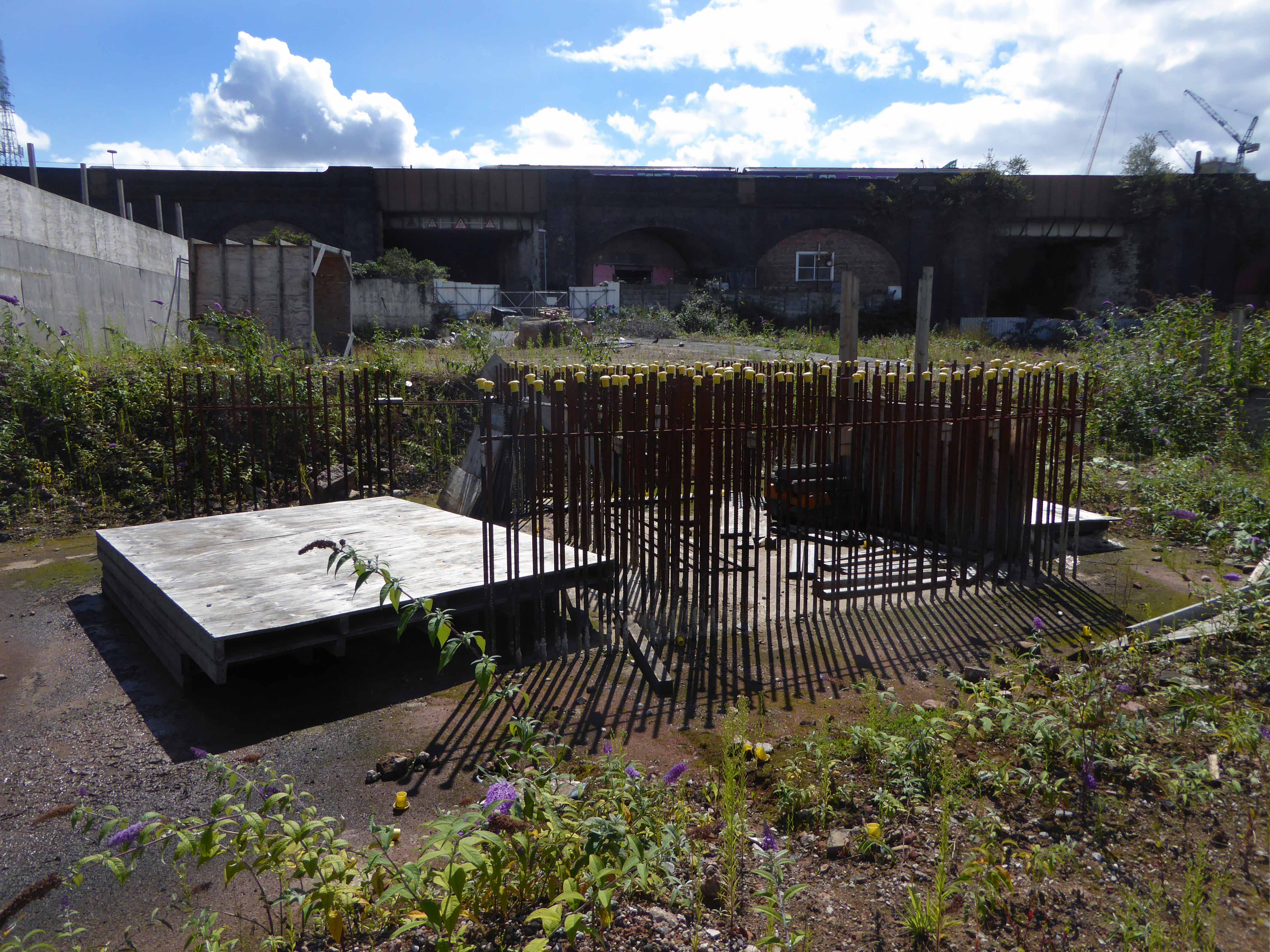
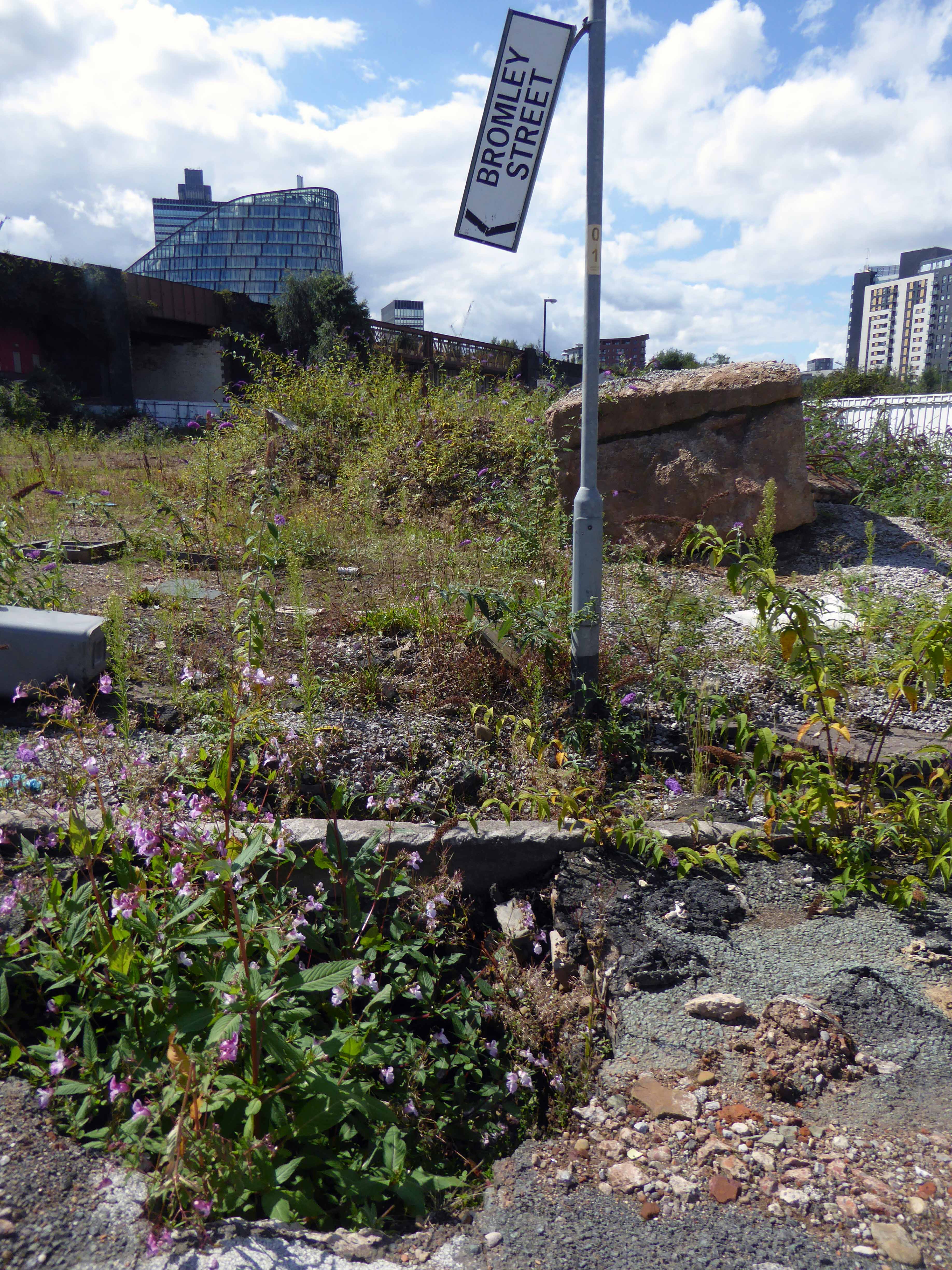
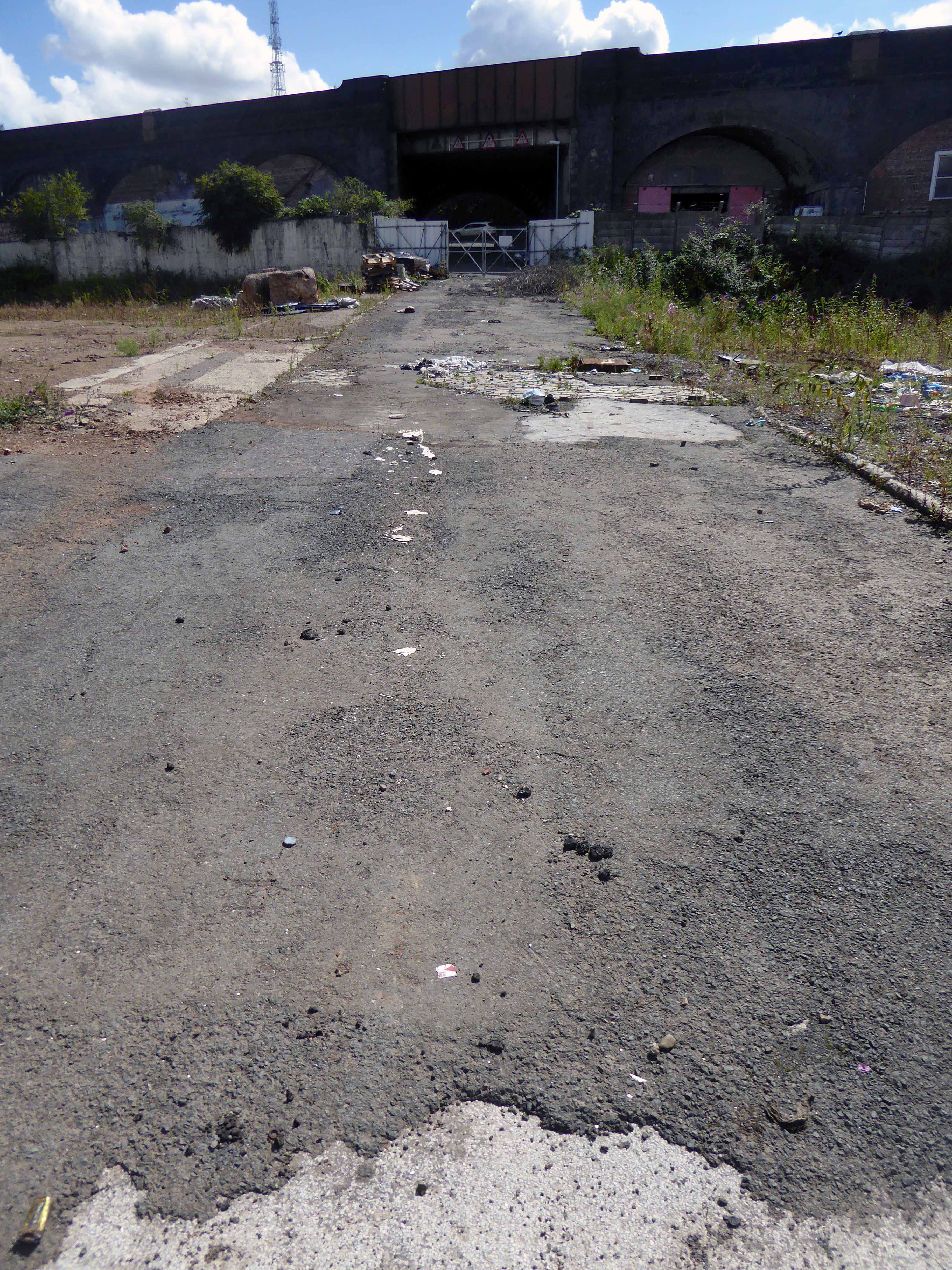
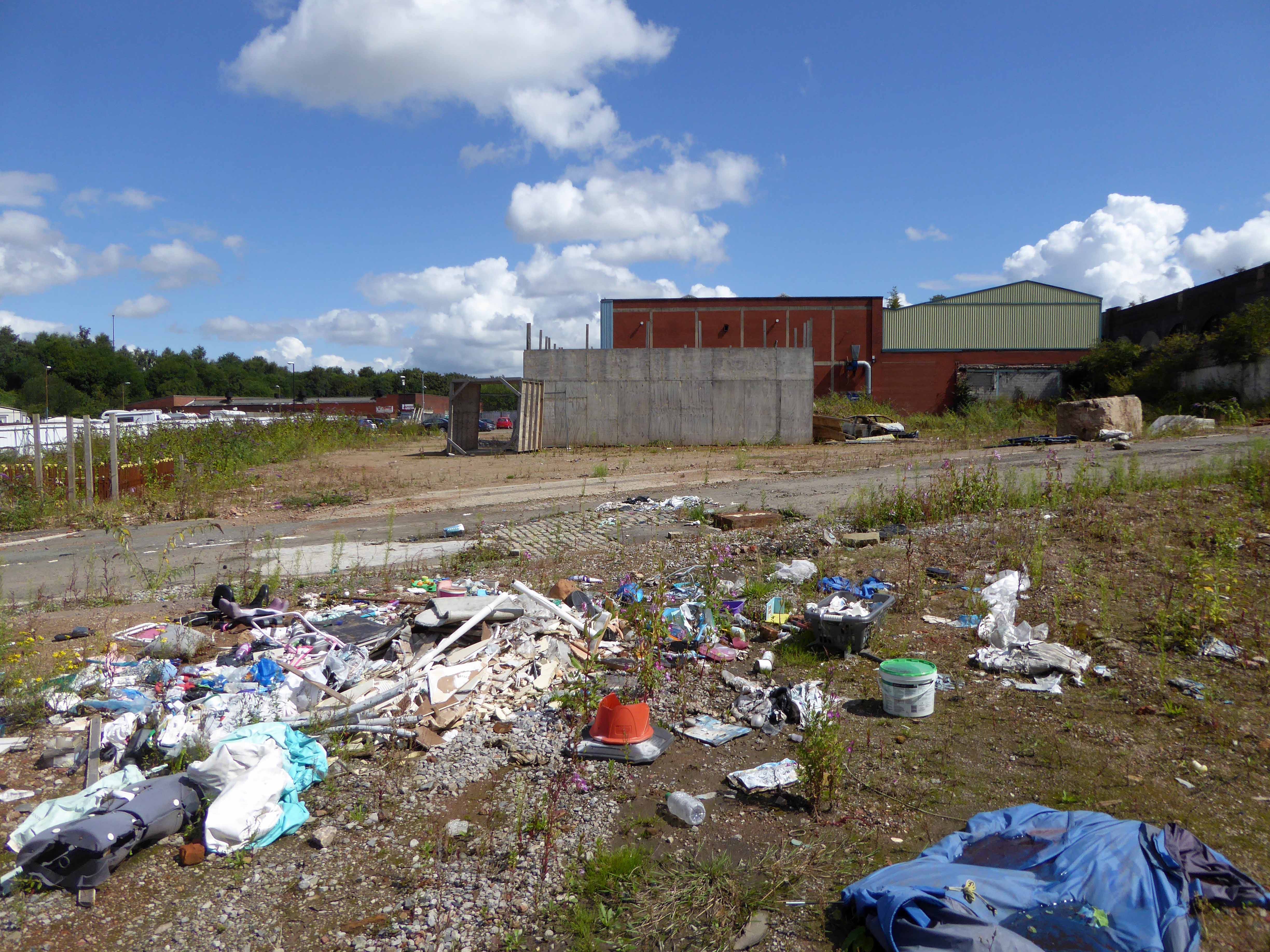
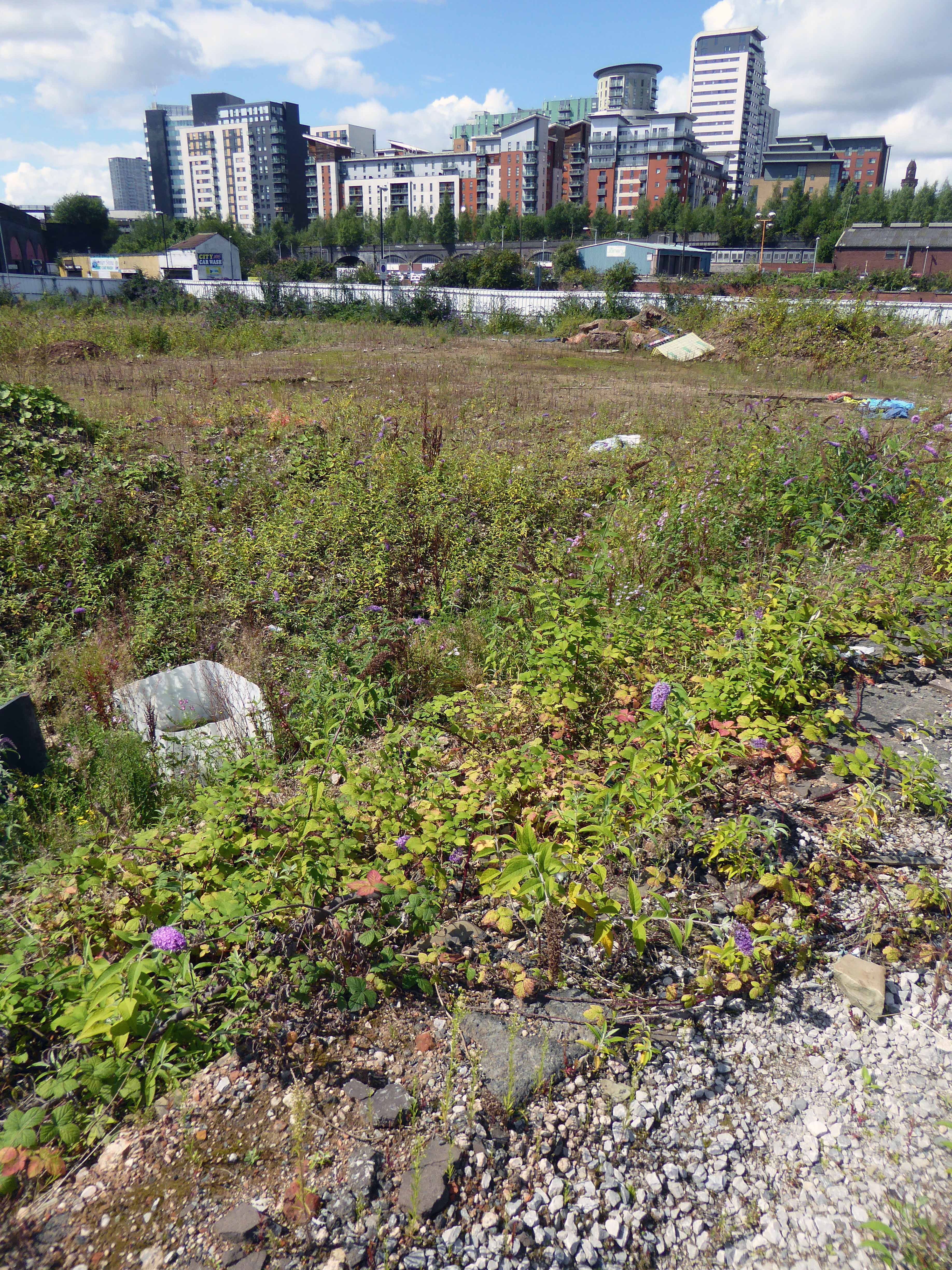
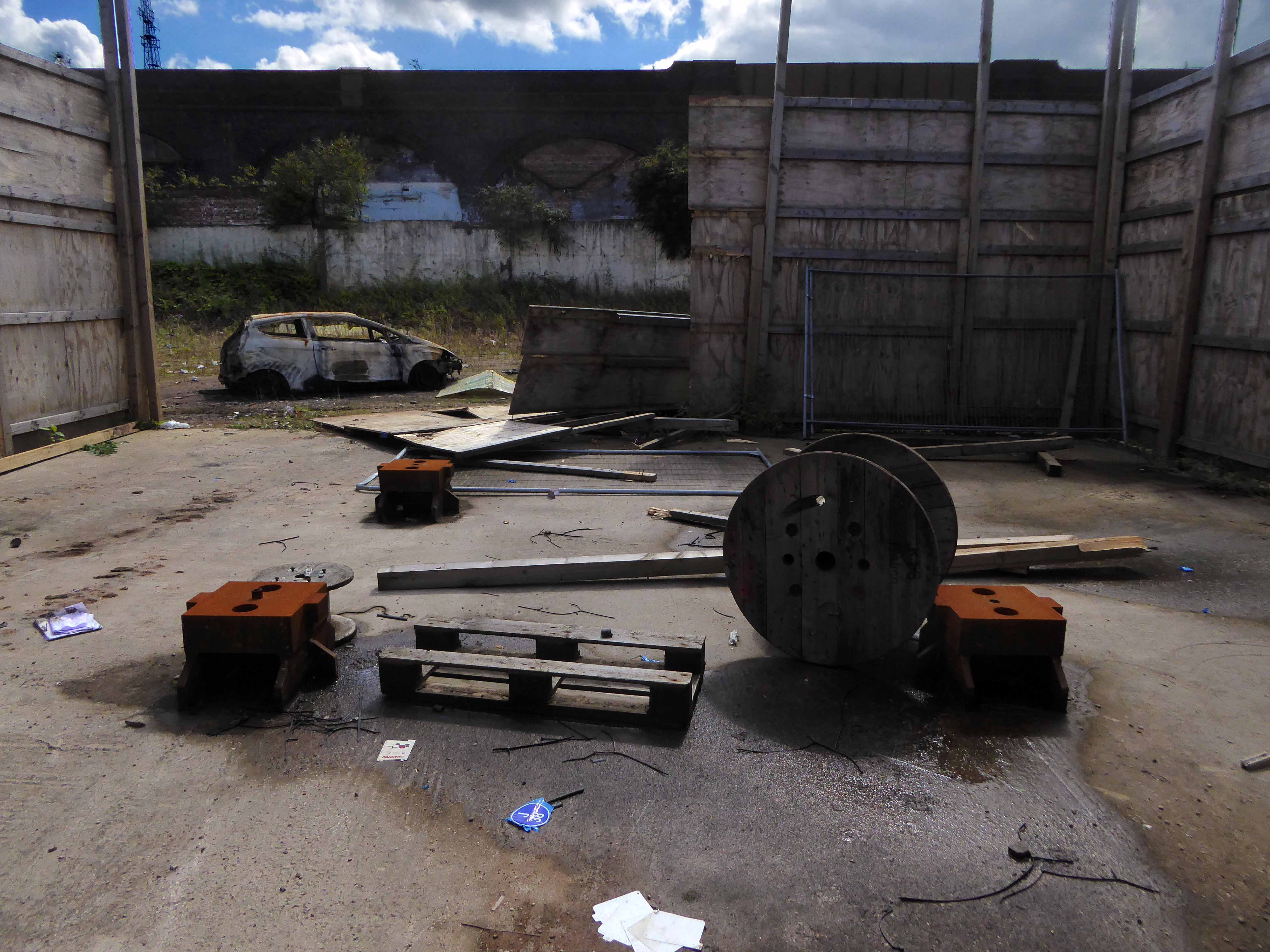
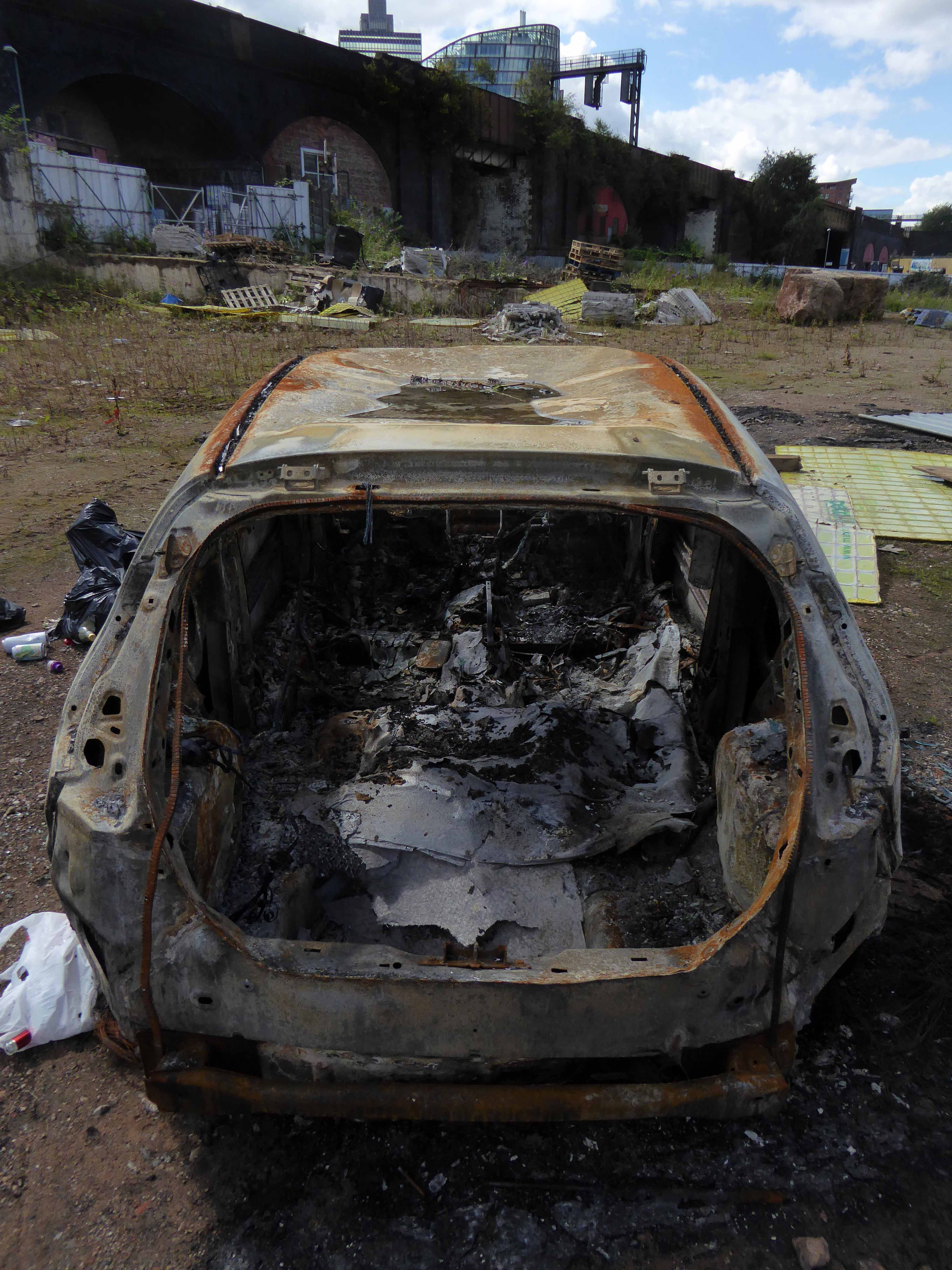
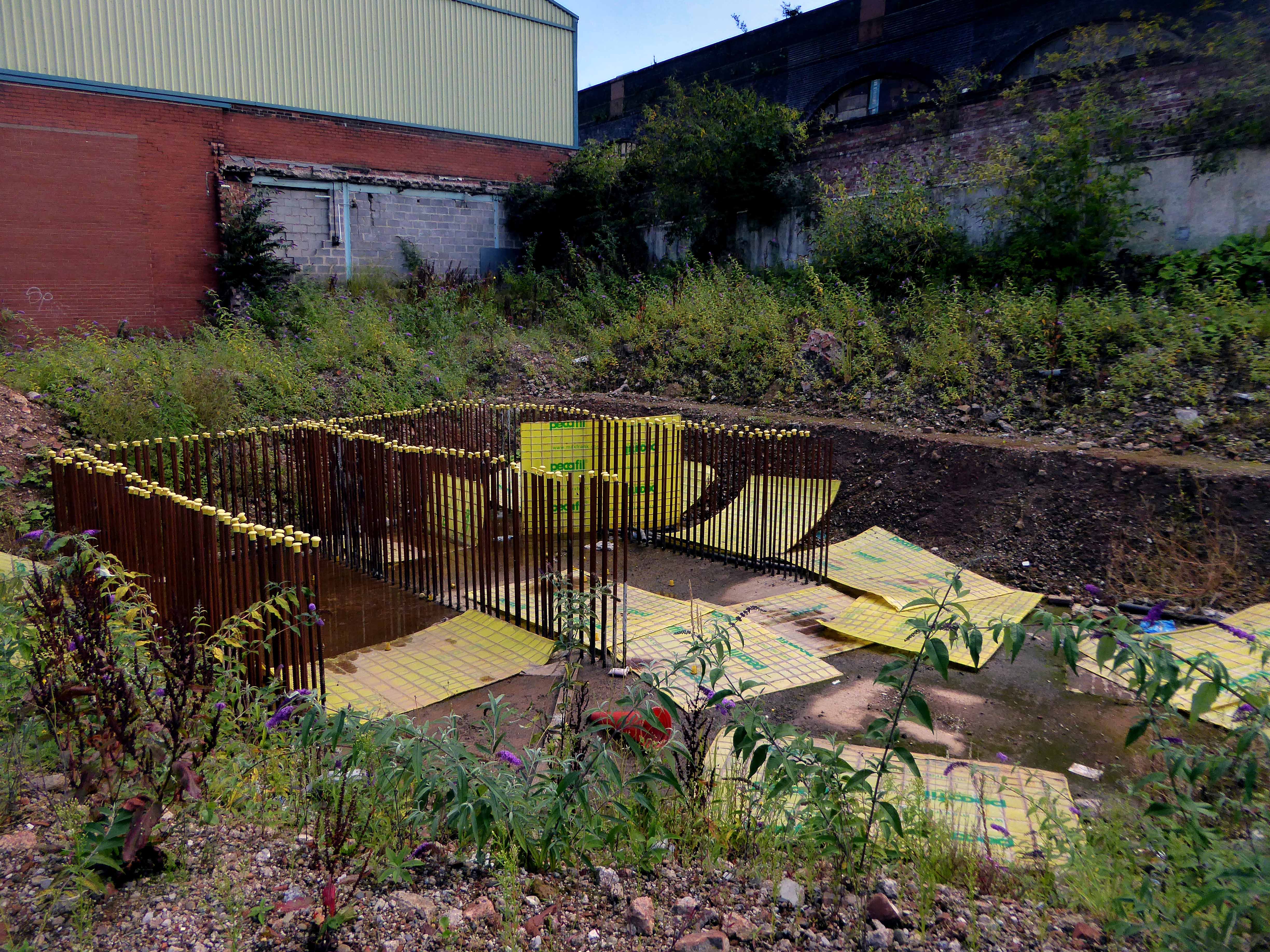
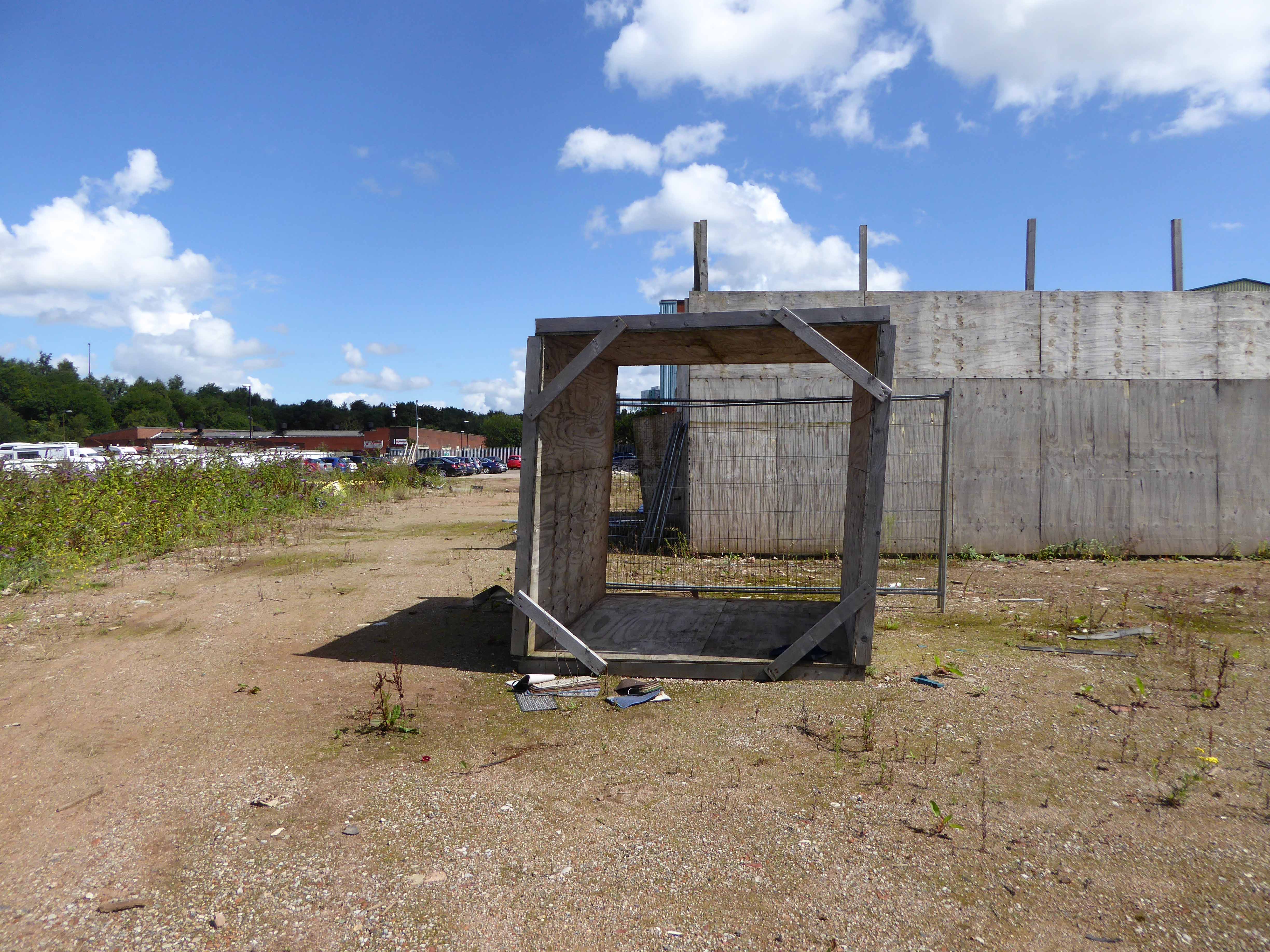
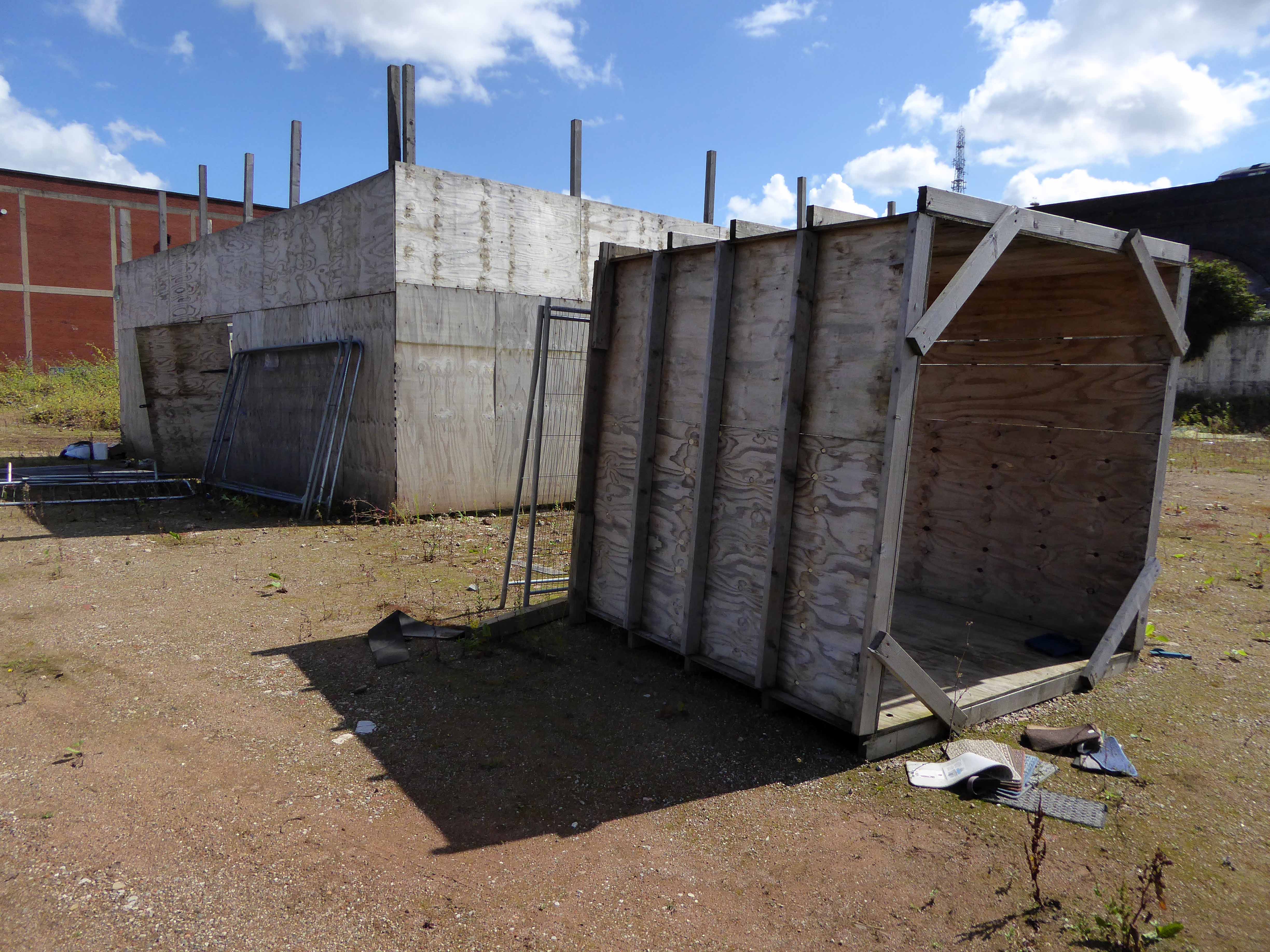
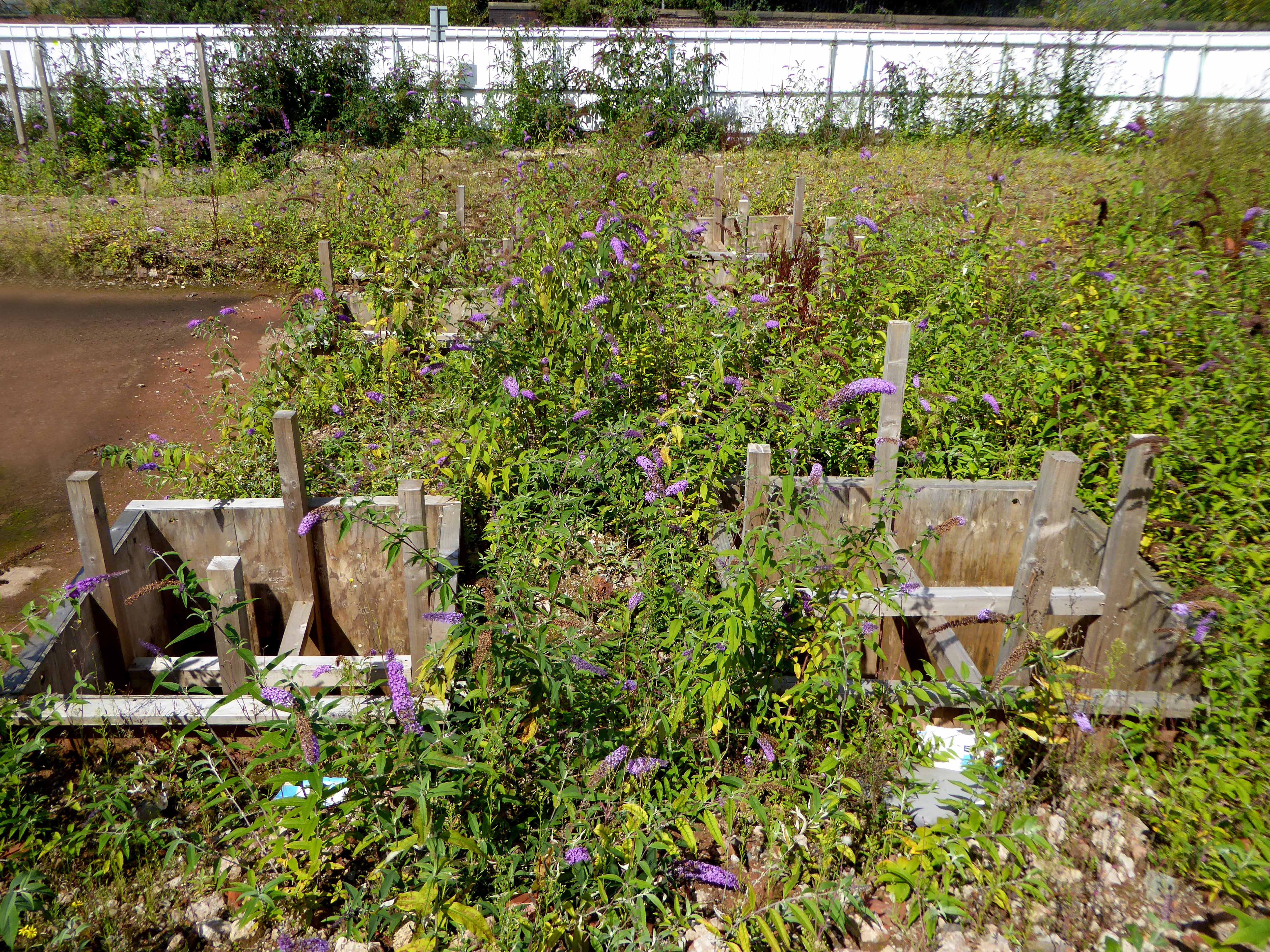
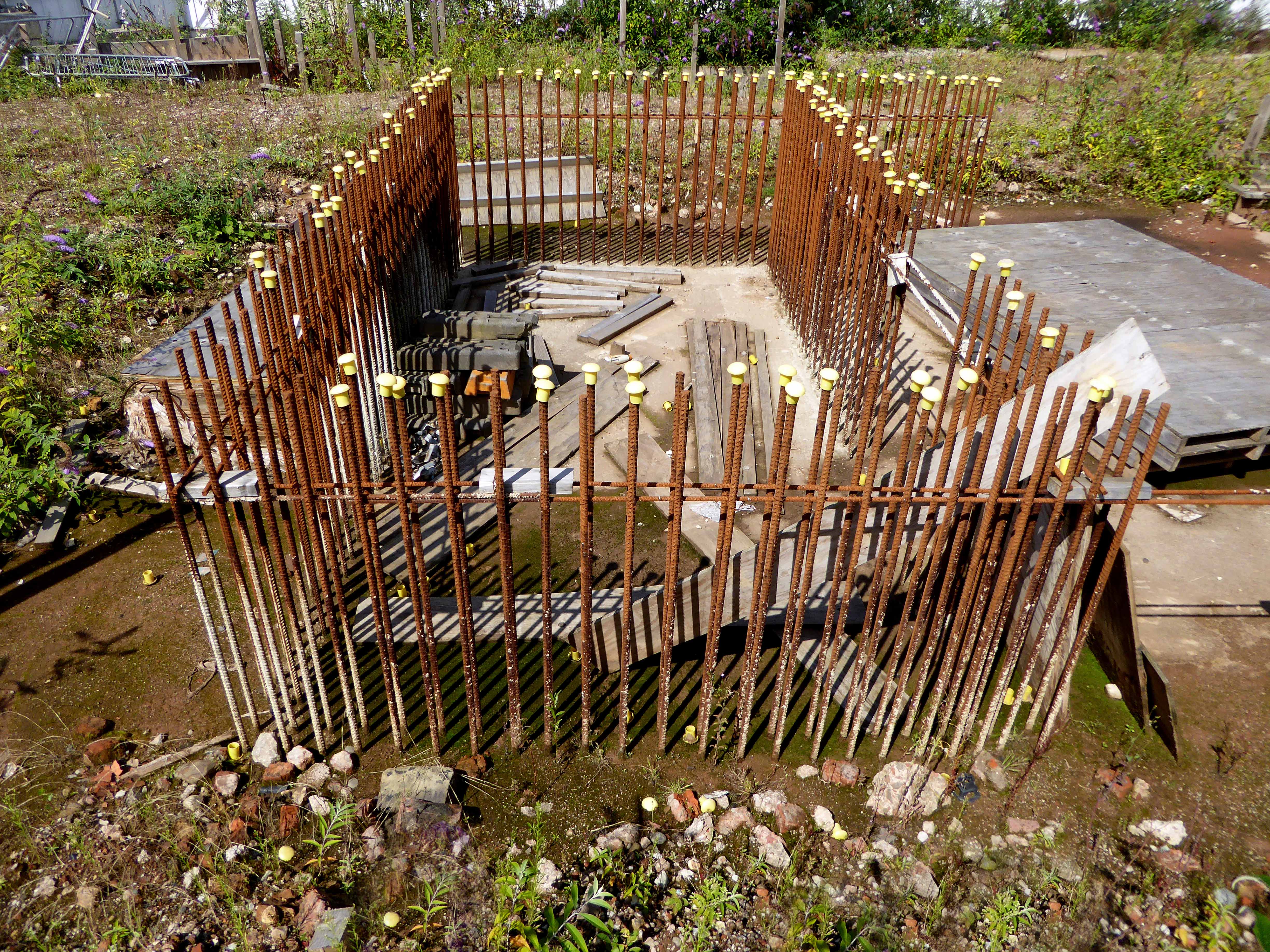
On the day of my visit the site was home to several jackdaws, the charred husk of a burnt out car, hastily discarded childrens’ toys, the most curious of plywood constructs and a sense of anything and everything, ceasing to make any sense whatsoever.

This stunning development will be an original and inspiring place to live.

P1190415

P1190418

P1190419

P1190420

P1190424

P1190428

P1190429

P1190432

P1190438

P1190440

P1190441

P1190442

P1190444

P1190445

P1190446

P1190447

P1190448

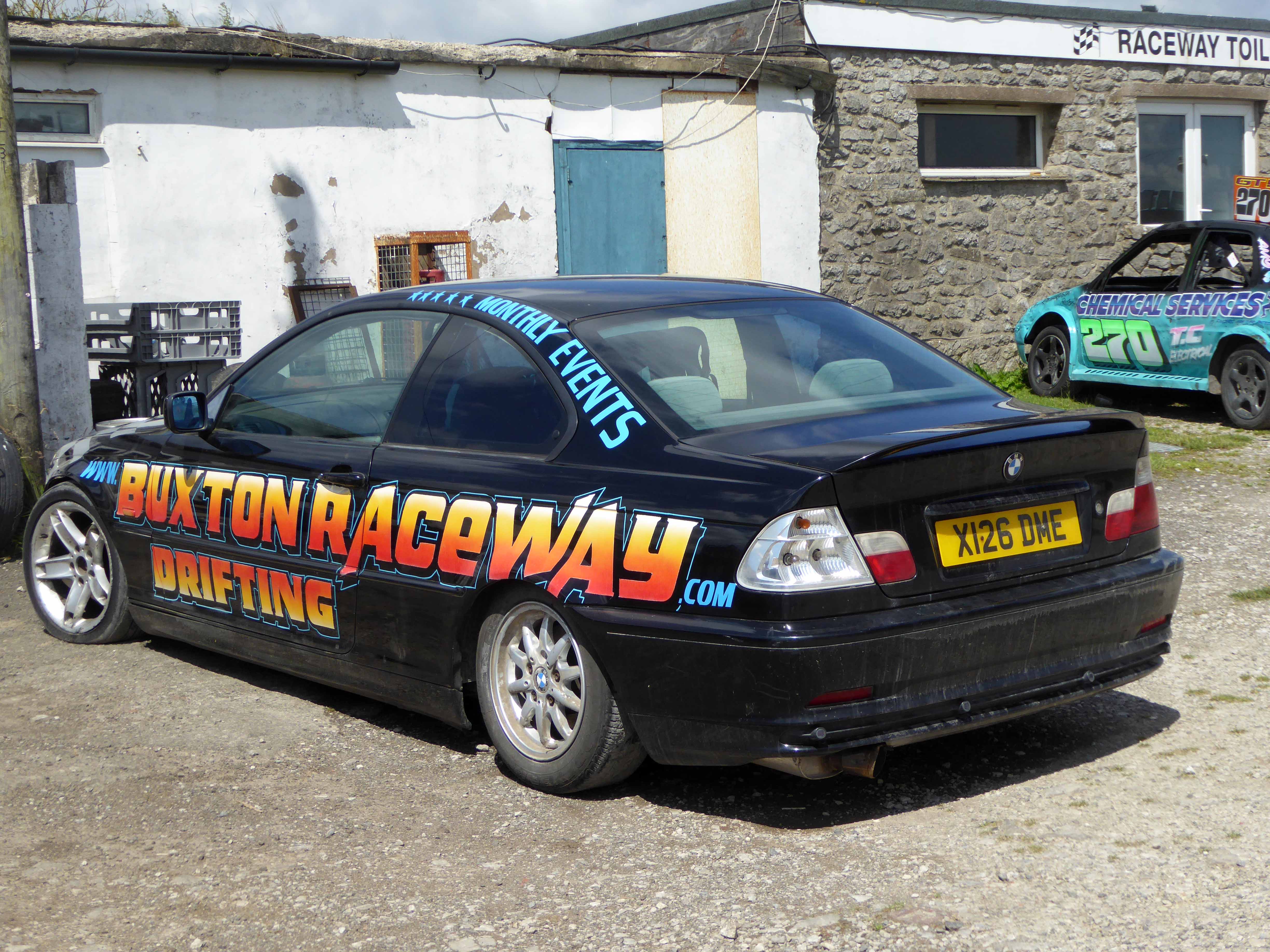
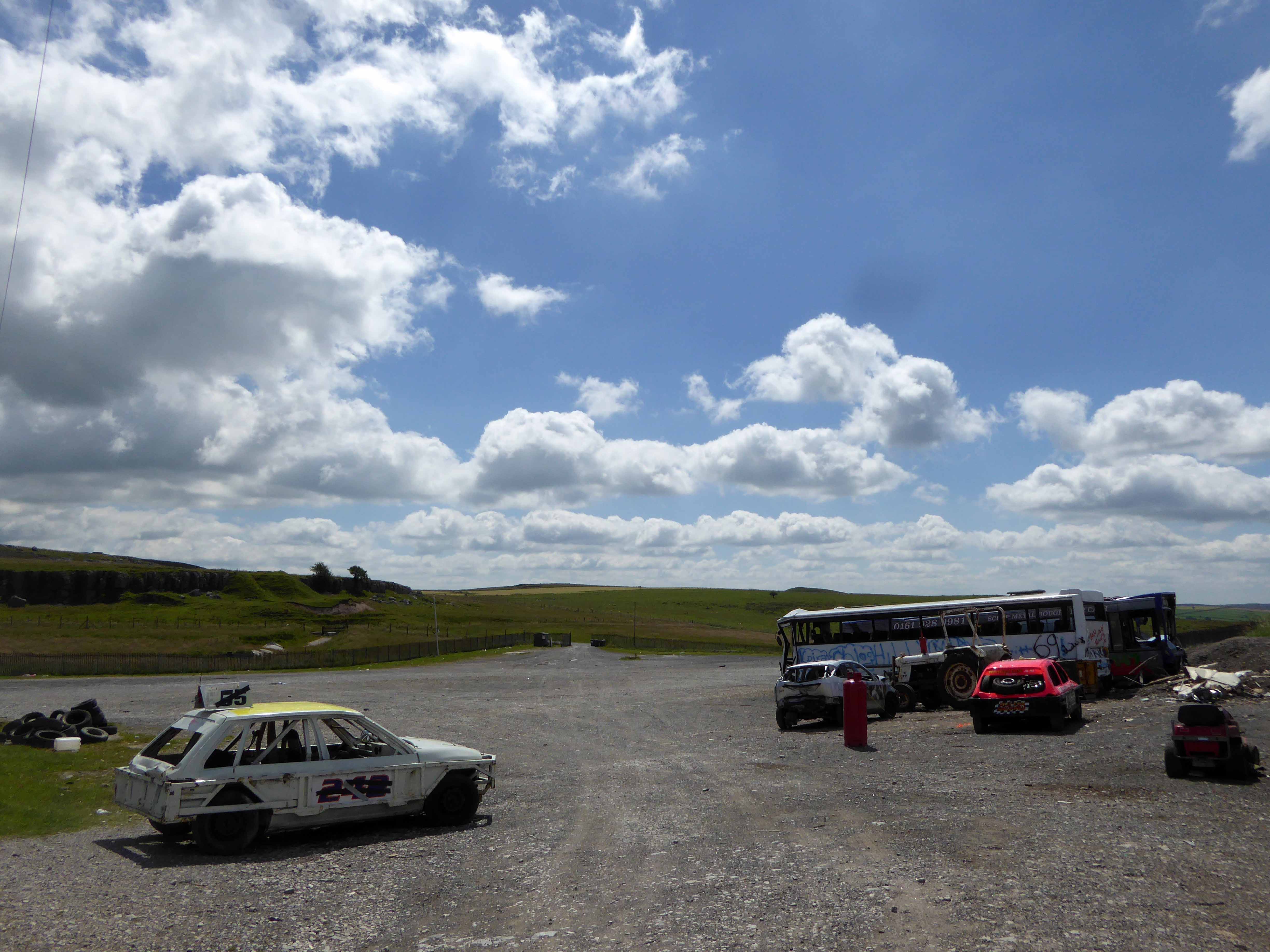
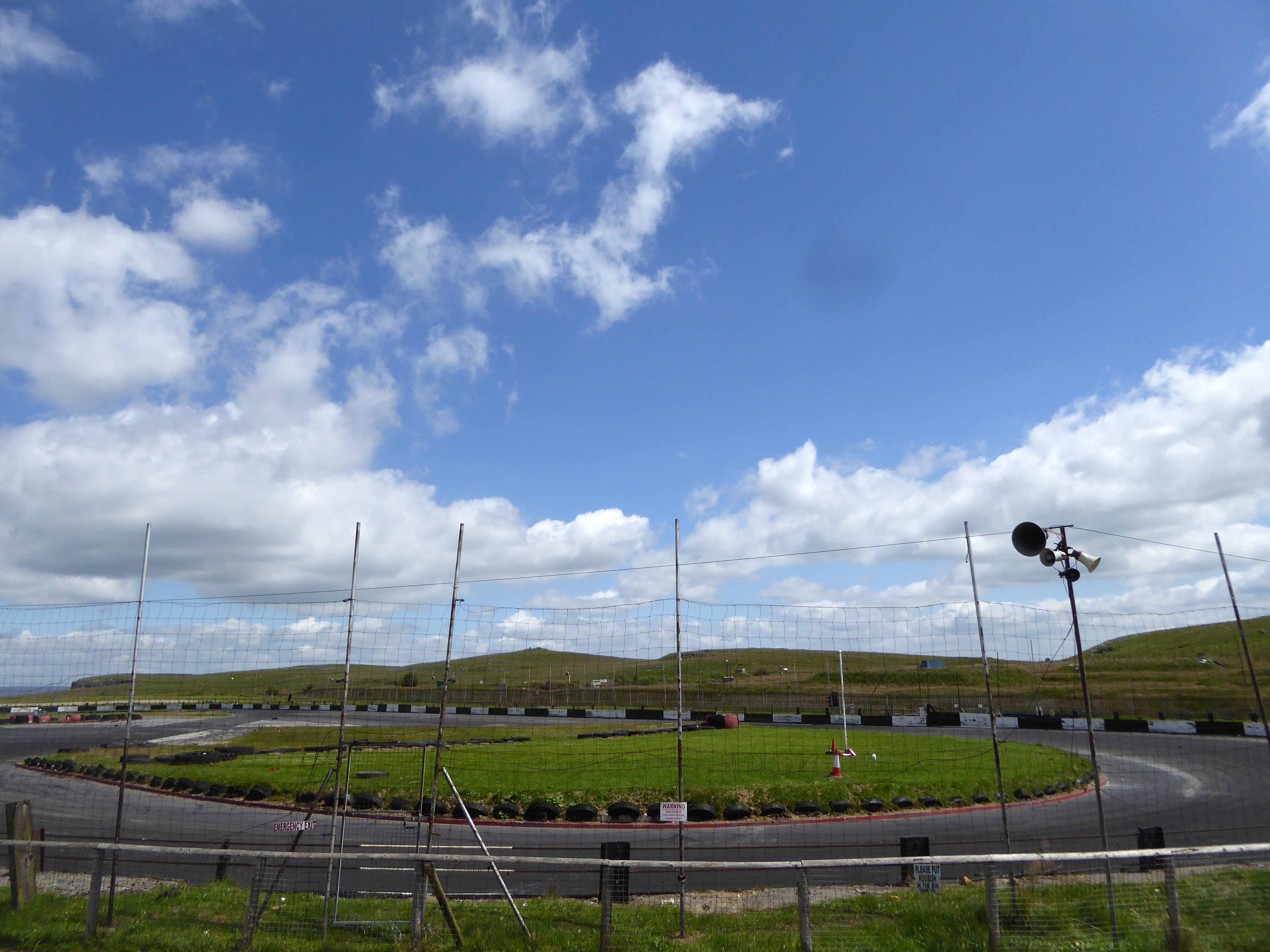
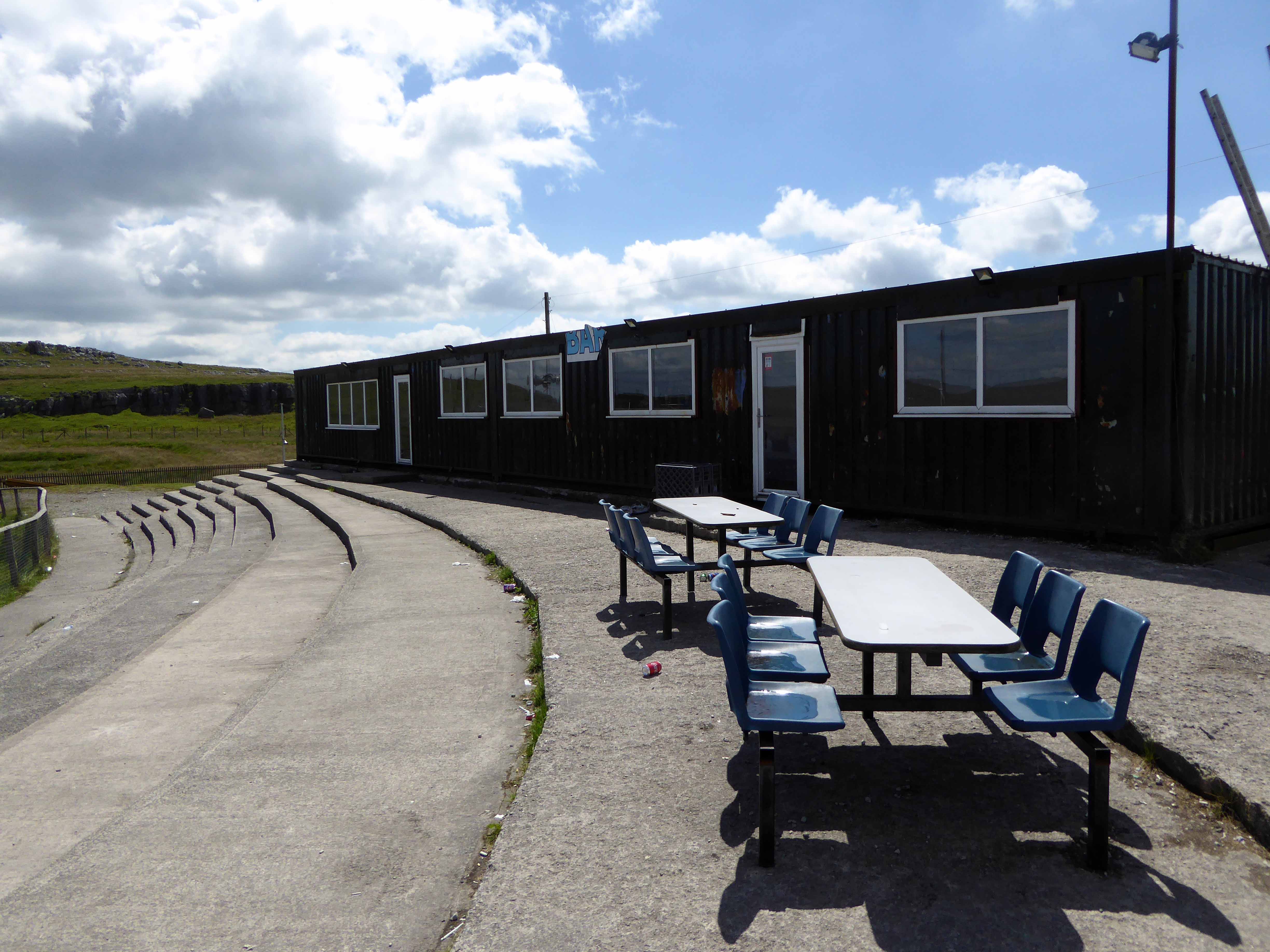
Buxton Raceway – High Edge

About 340 million years ago, the area which is now the Peak District was covered by a warm, clear, shallow sea. The sea was full of microscopic shell-creatures, and on the sea bed there were several coral reefs and beds of shellfish. Over a long period, millions of years, these creatures lived and died in this area, gradually laying down a thick bed of calcium deposits from their shells up to a depth of 600m in places. This is now the rock which is known as Carboniferous Limestone and this rock lies under the whole of the Peak District. 

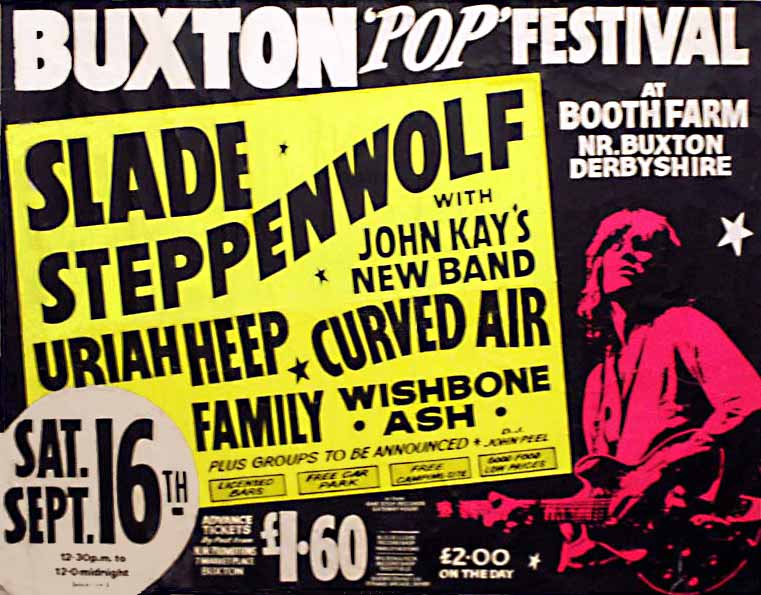
Then suddenly in 1972 the Buxton Rock Festival relocated from the nearby Pavilion Gardens to an area high atop the moors, on High Edge.

buxton-72-poster-2

Don’t recall rain but it was very cold at night. The beer tent was selling Party Seven cans of beer, with seven pints in them. The queues for them were so long you had to make an important decision one can or two? Unfortunately I chose the latter, while one wasn’t enough, two was too much for a sixteen year old. Part way through the second can, I got up to dance to Easy Livin’ by Uriah Heep and fell flat on my face – Tim Hardman

Then suddenly in 1974.

I raced at the first meeting at High Edge Raceway and competed in that first year when the track was just a bulldozed dirt oval with earth banks and tyres for protection. I remember going to the Quiet Woman pub in Earl Sterndale for the first drivers meeting to see if there would be enough support for racing to take place. The people who went included a group of disillusioned hot rodders seeking to get away from the Belle Vue promoter, others ranged from truckers and farmers to car-nuts who just wanted to race anything. The first meeting I well remember those earth banks because I spent most of my first race sat on one, I couldn’t get the car off the top where I had been shunted by another racer. I wasn’t a successful banger racer and I didn’t continue after that first year but I am glad that racing has kept going at the venue – Alan Inwood
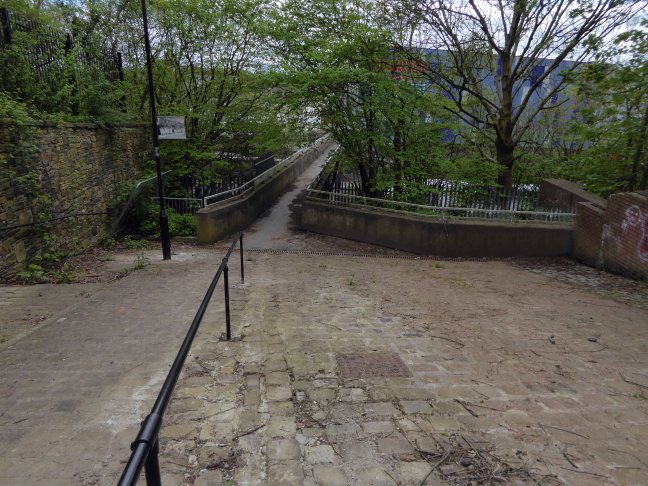
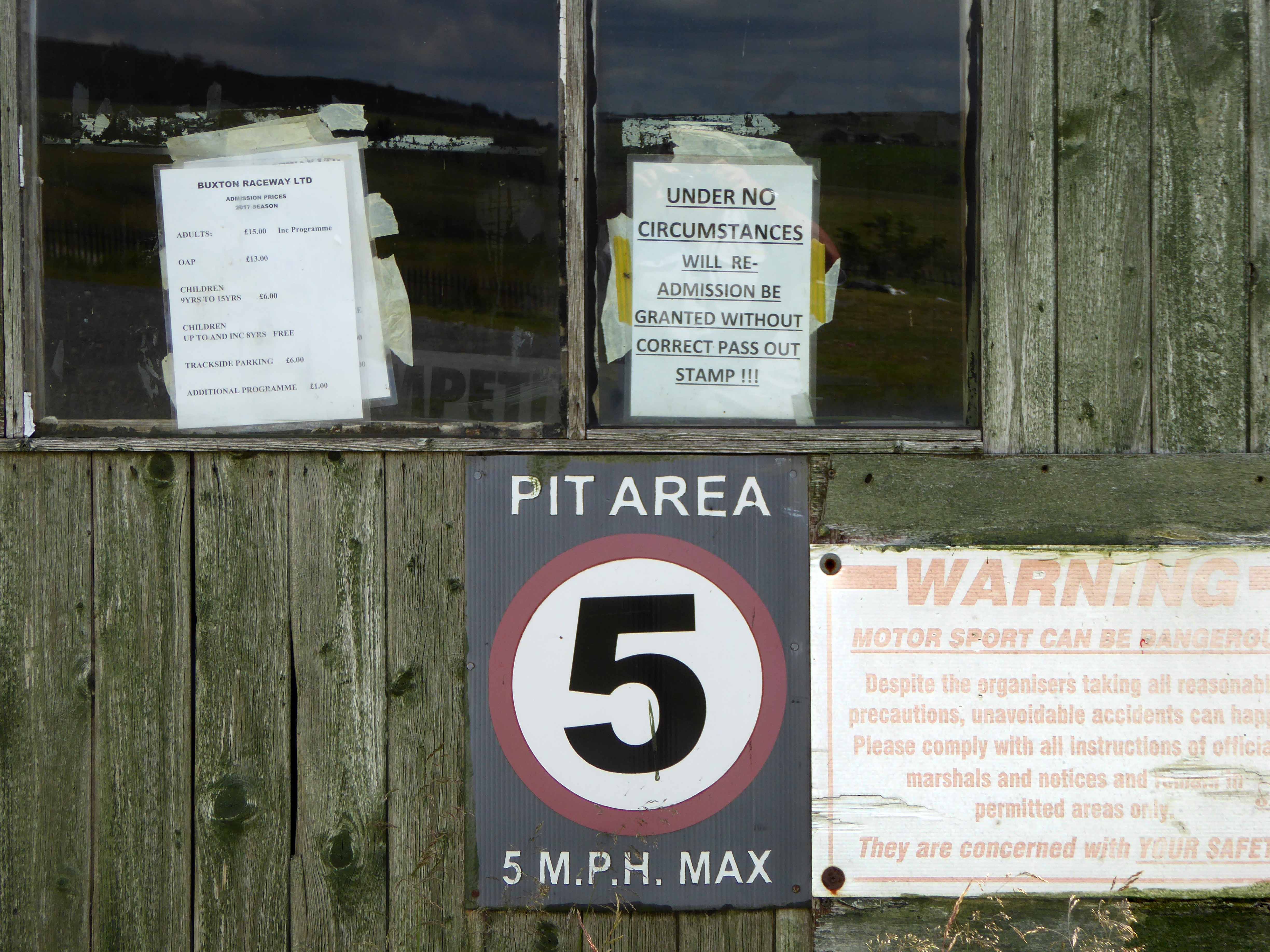
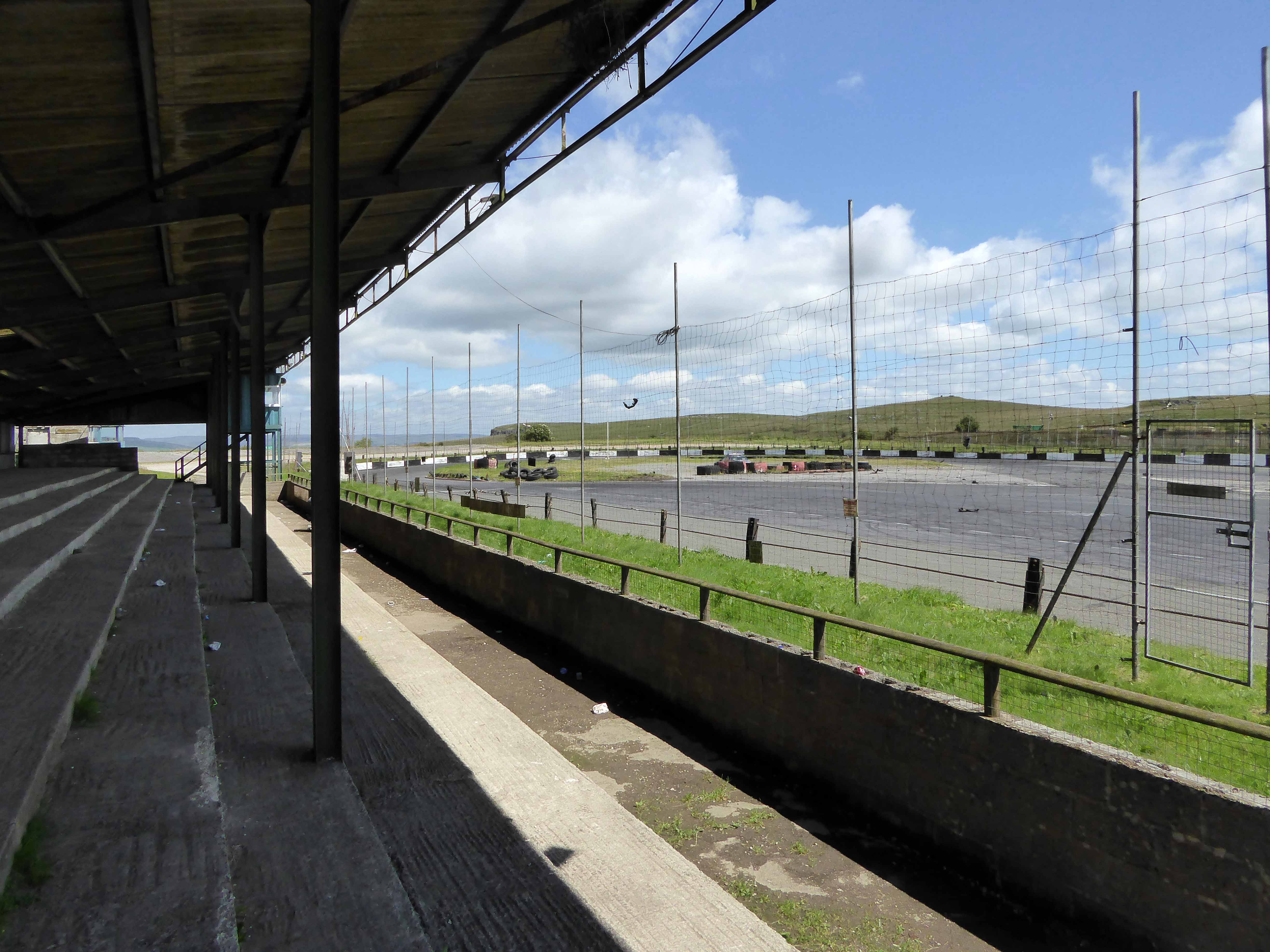
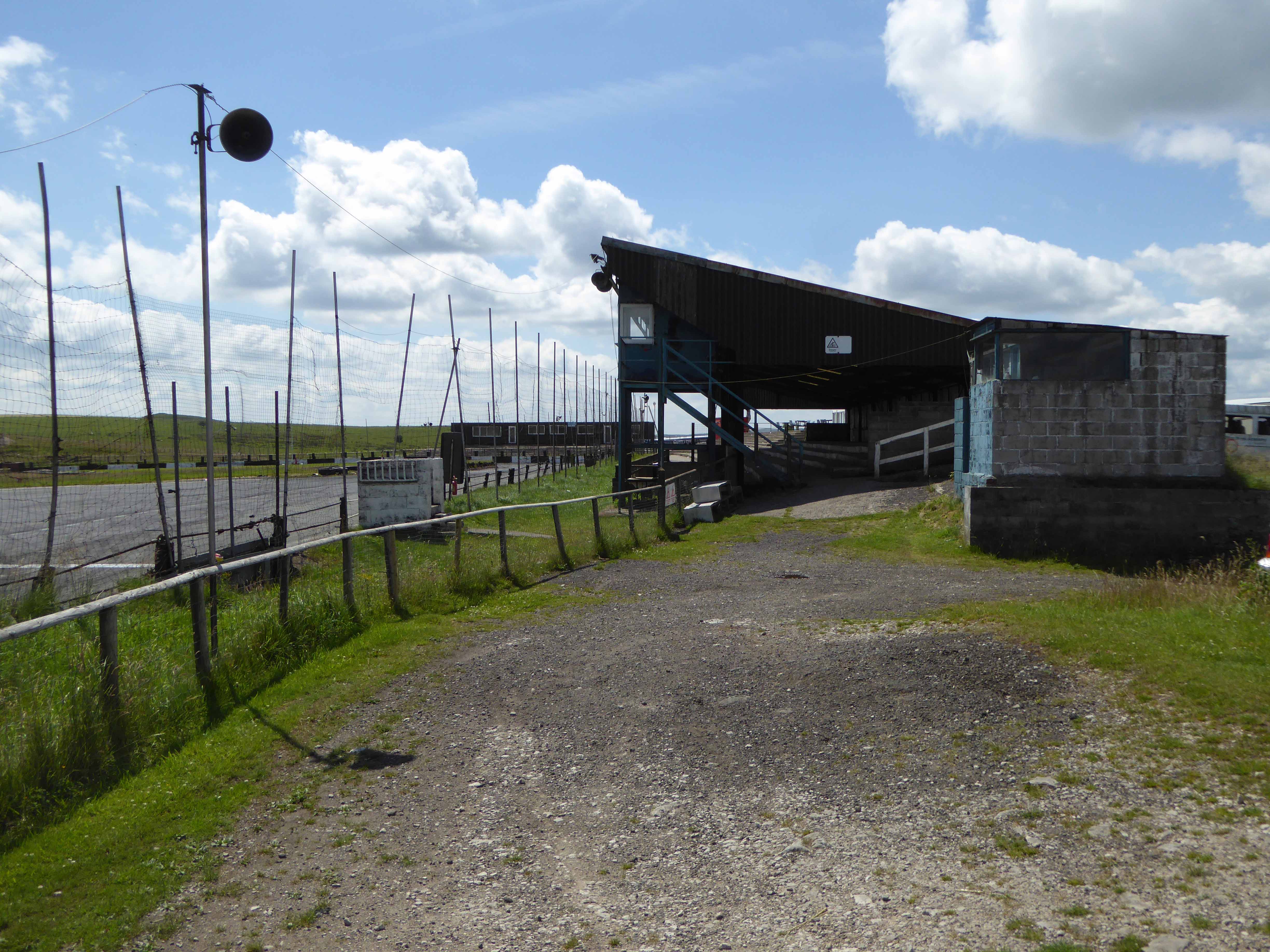
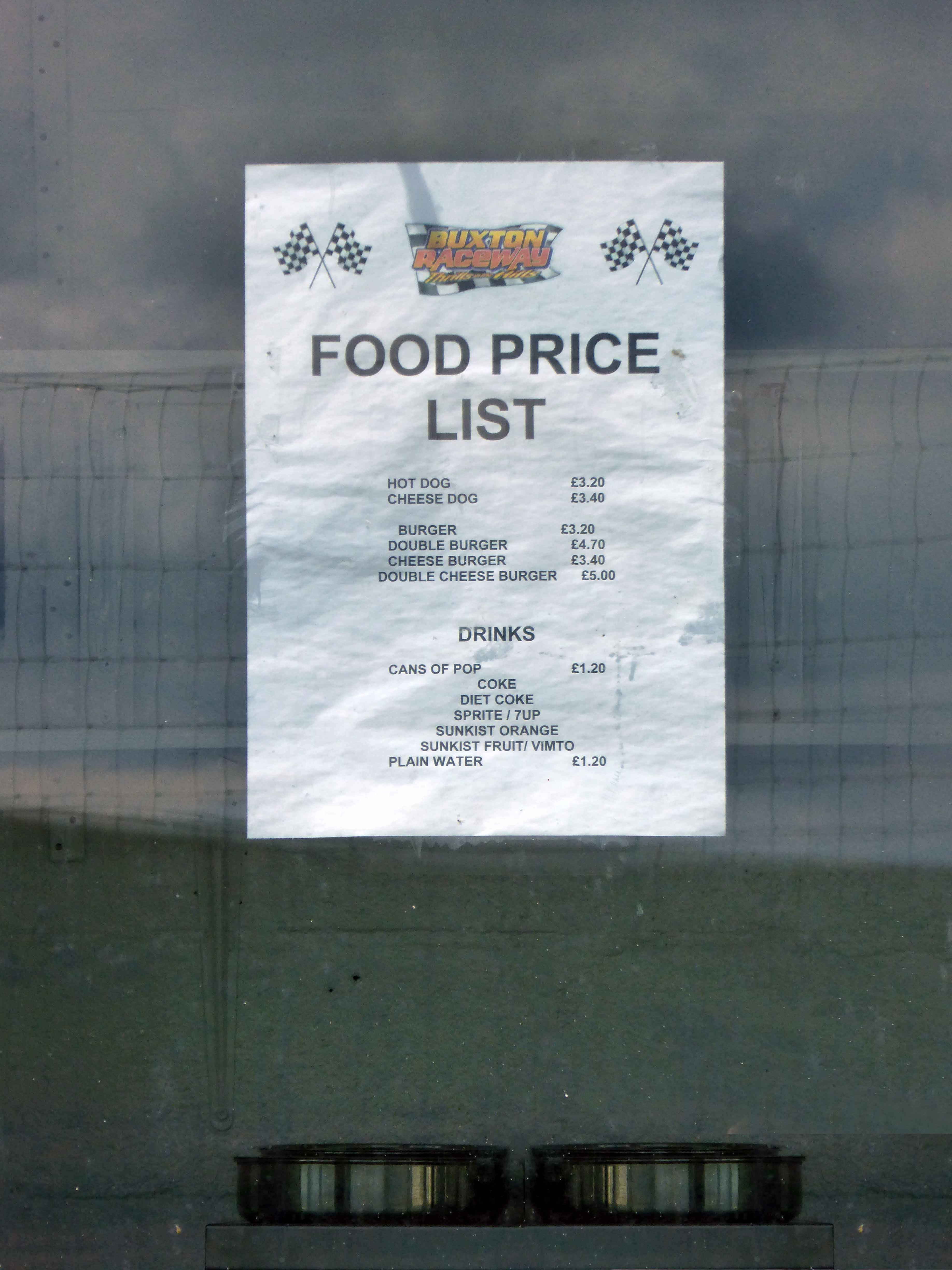
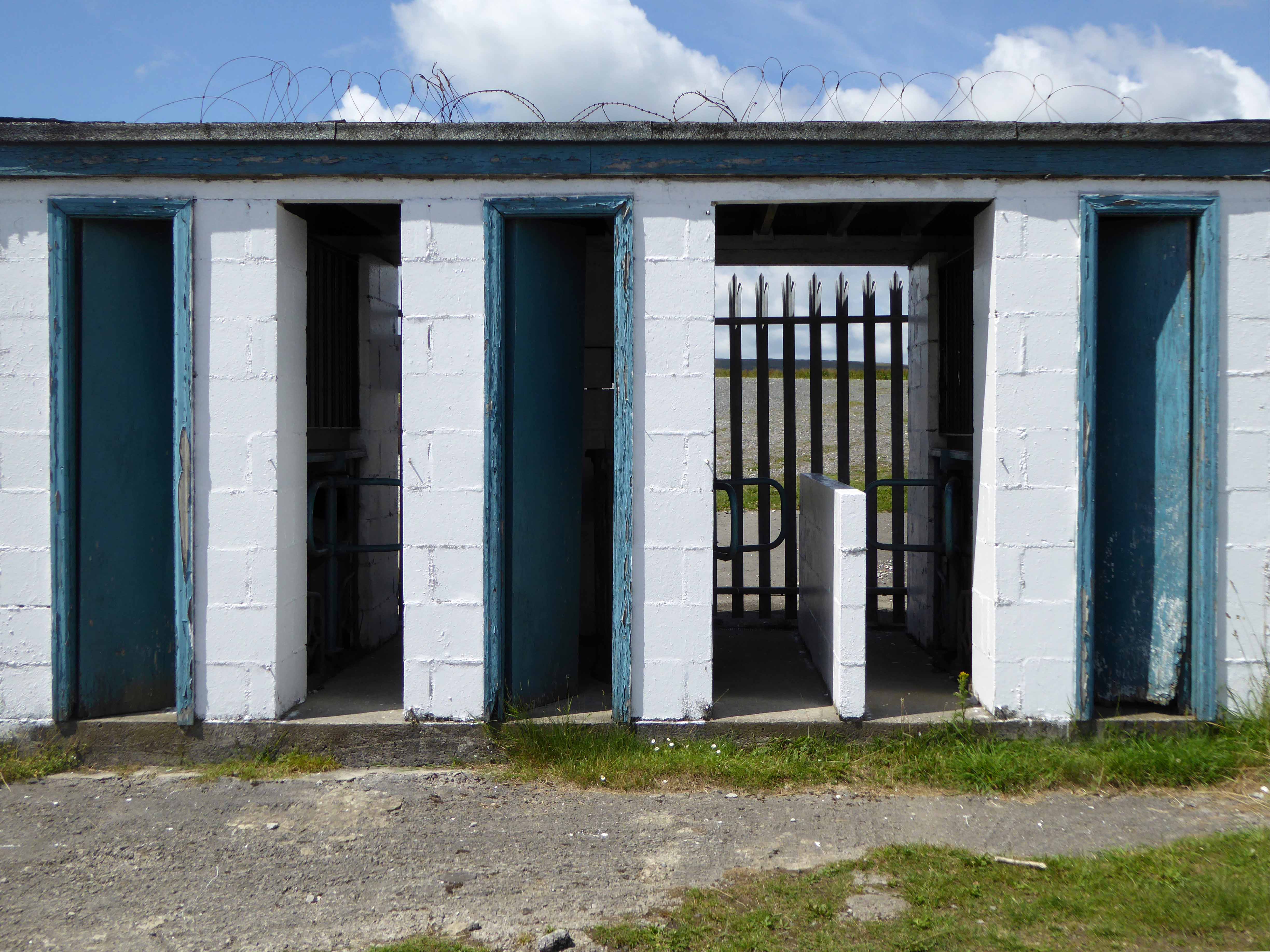
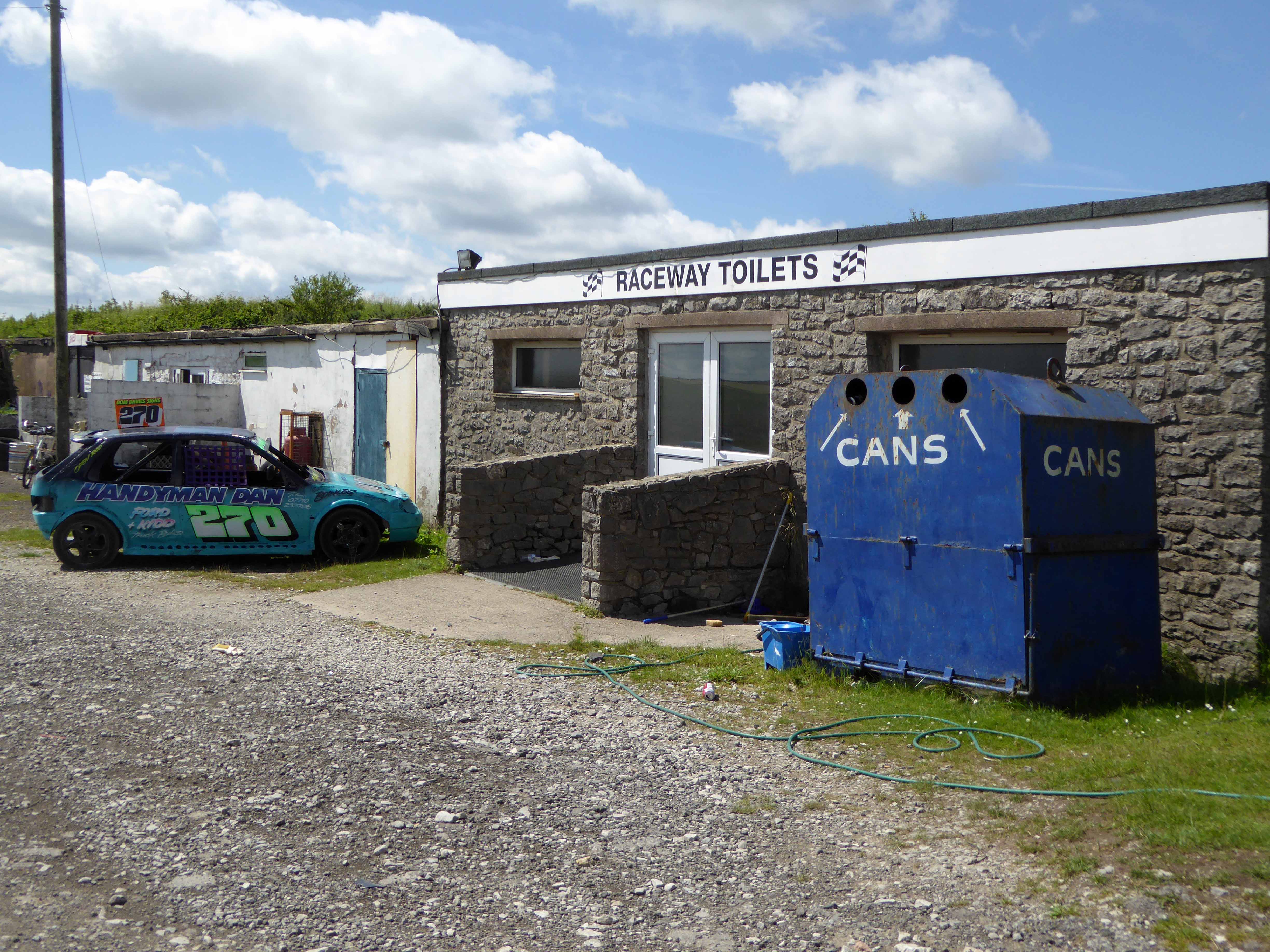
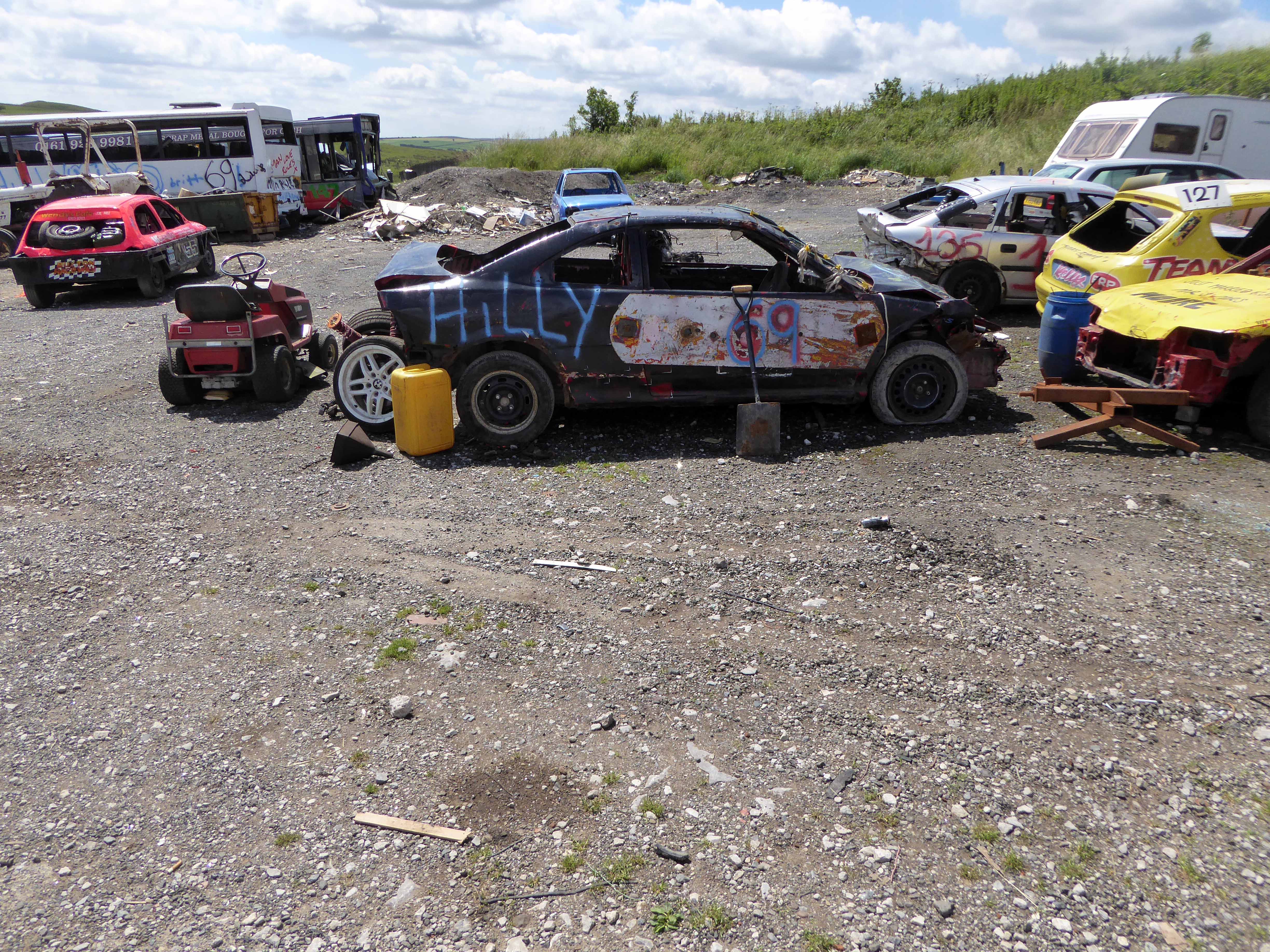
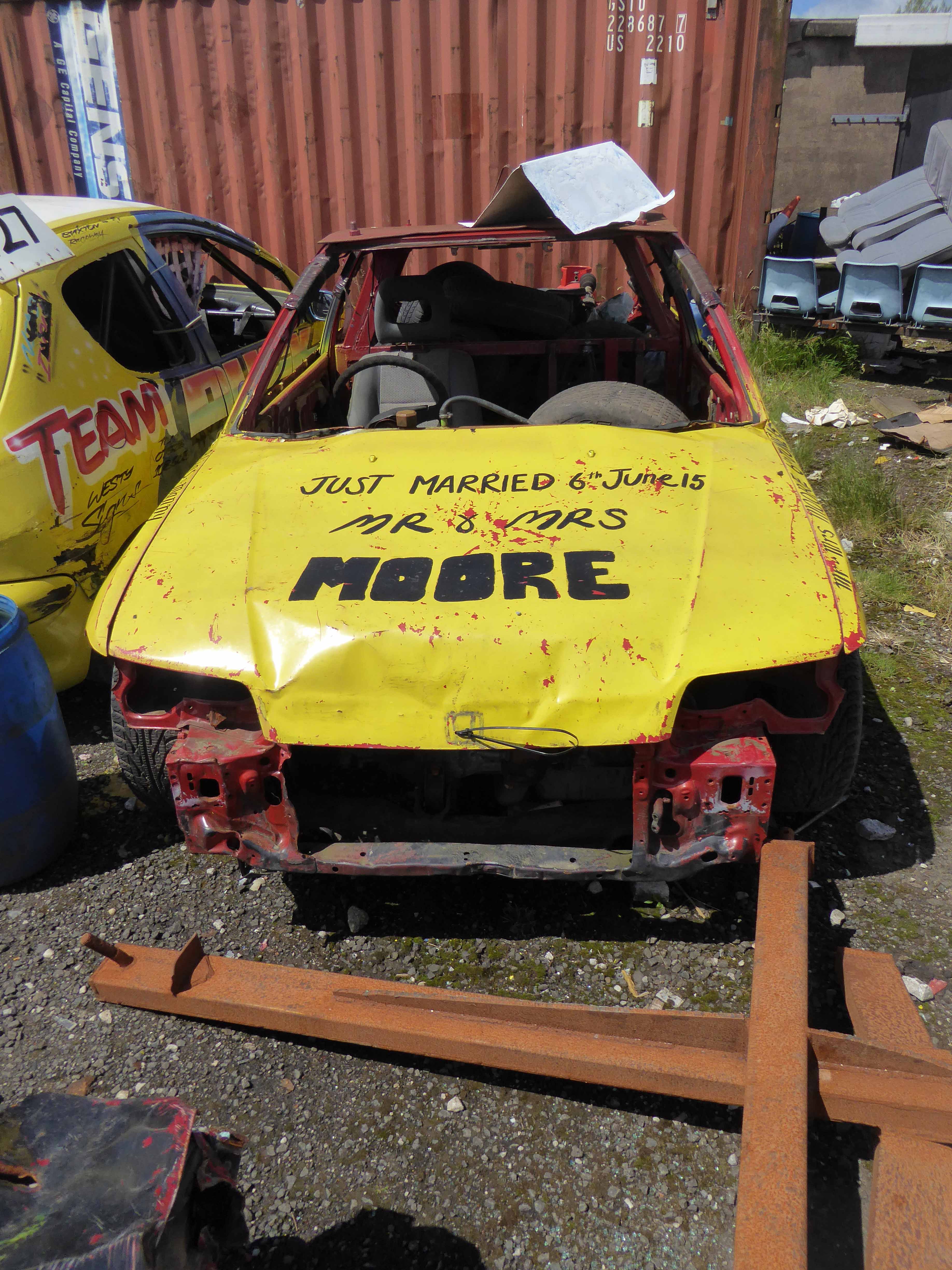
2017 and the track continues to grow and thrive currently trading as Buxton Raceway.

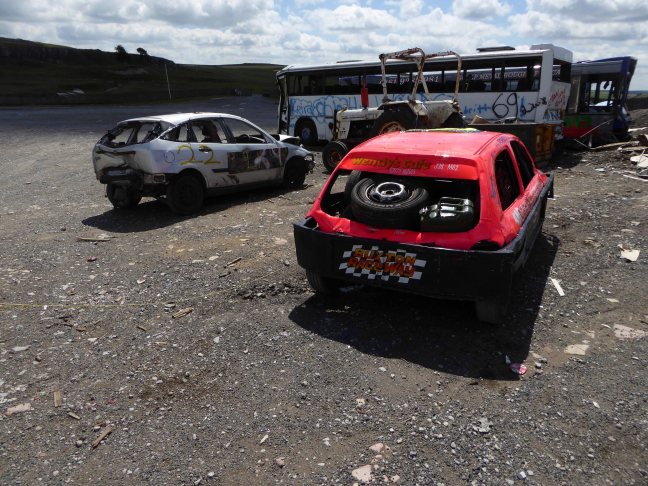
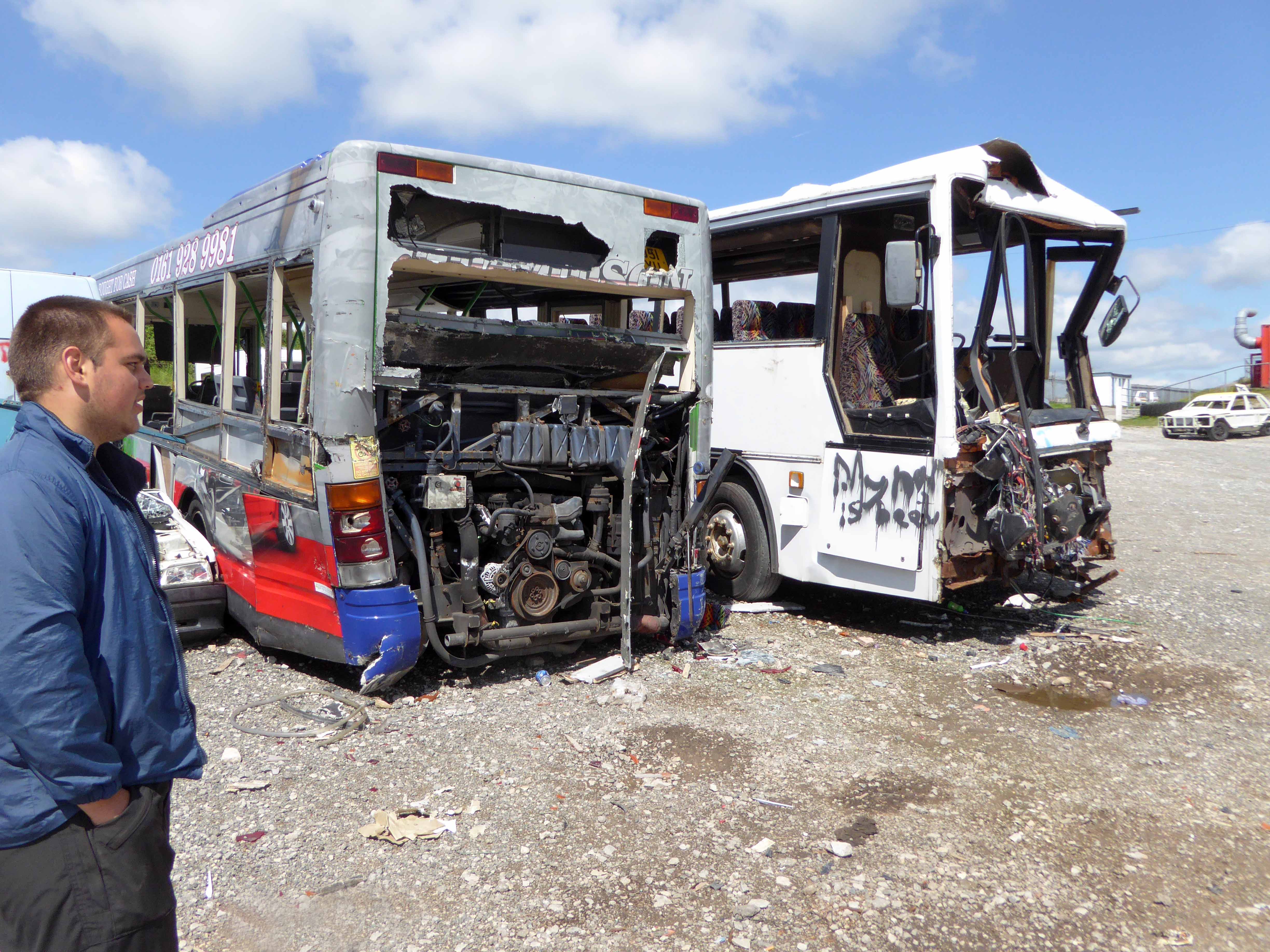
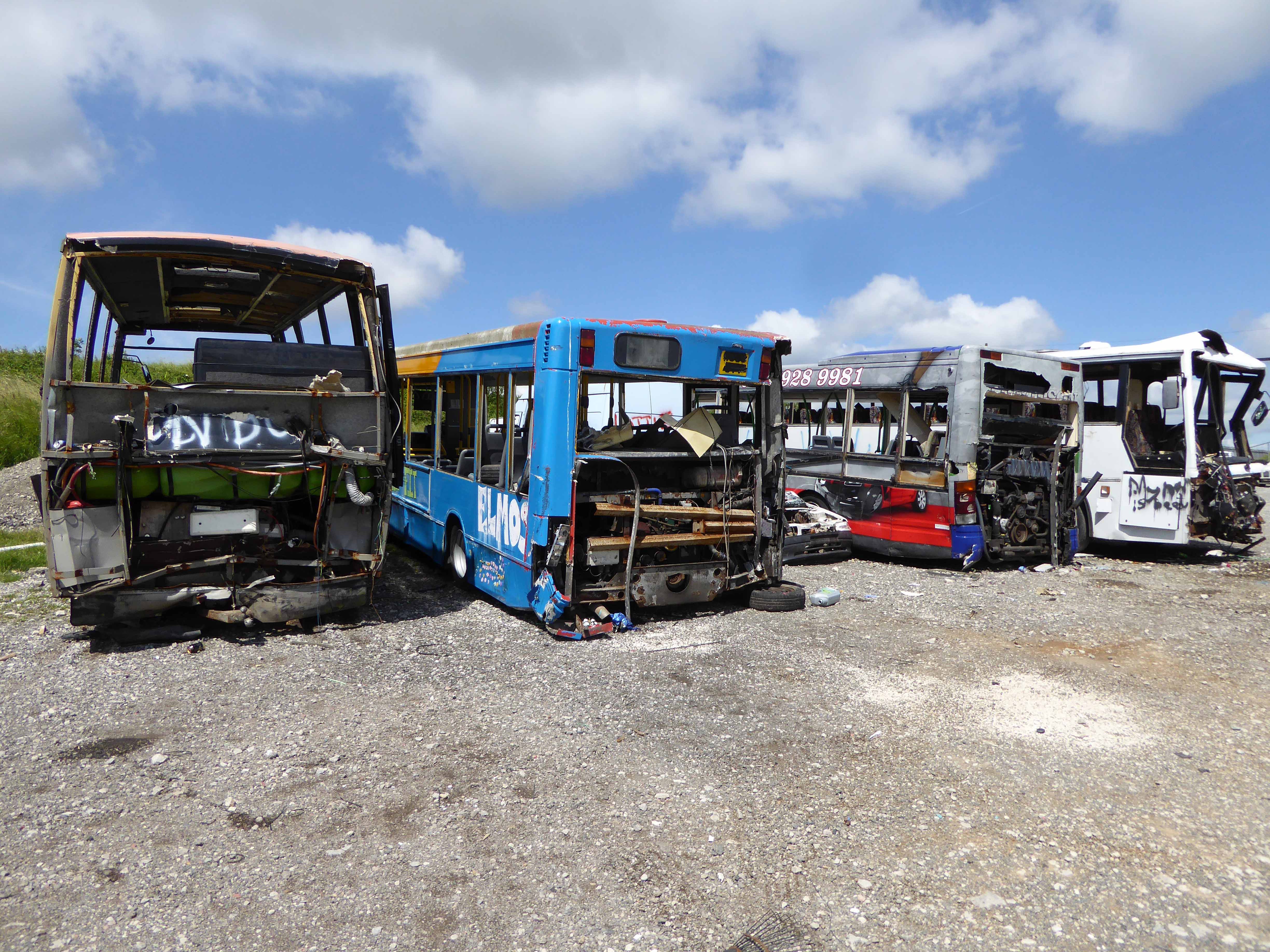
Offering a wide range of motor sports, racing anything with wheels and an engine, including bangers, buses and speedway bikes, being home to the Buxton Hitmen.

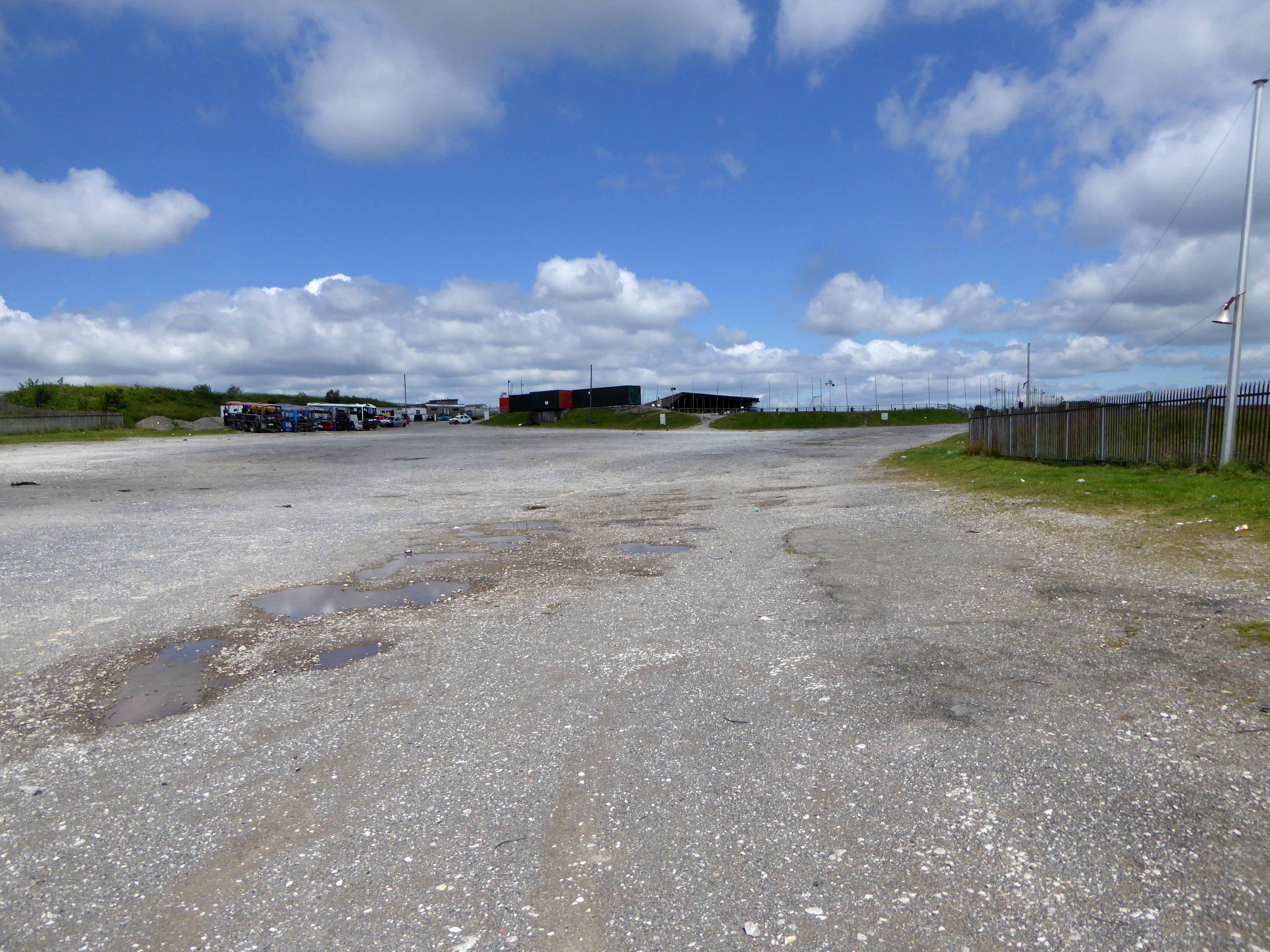
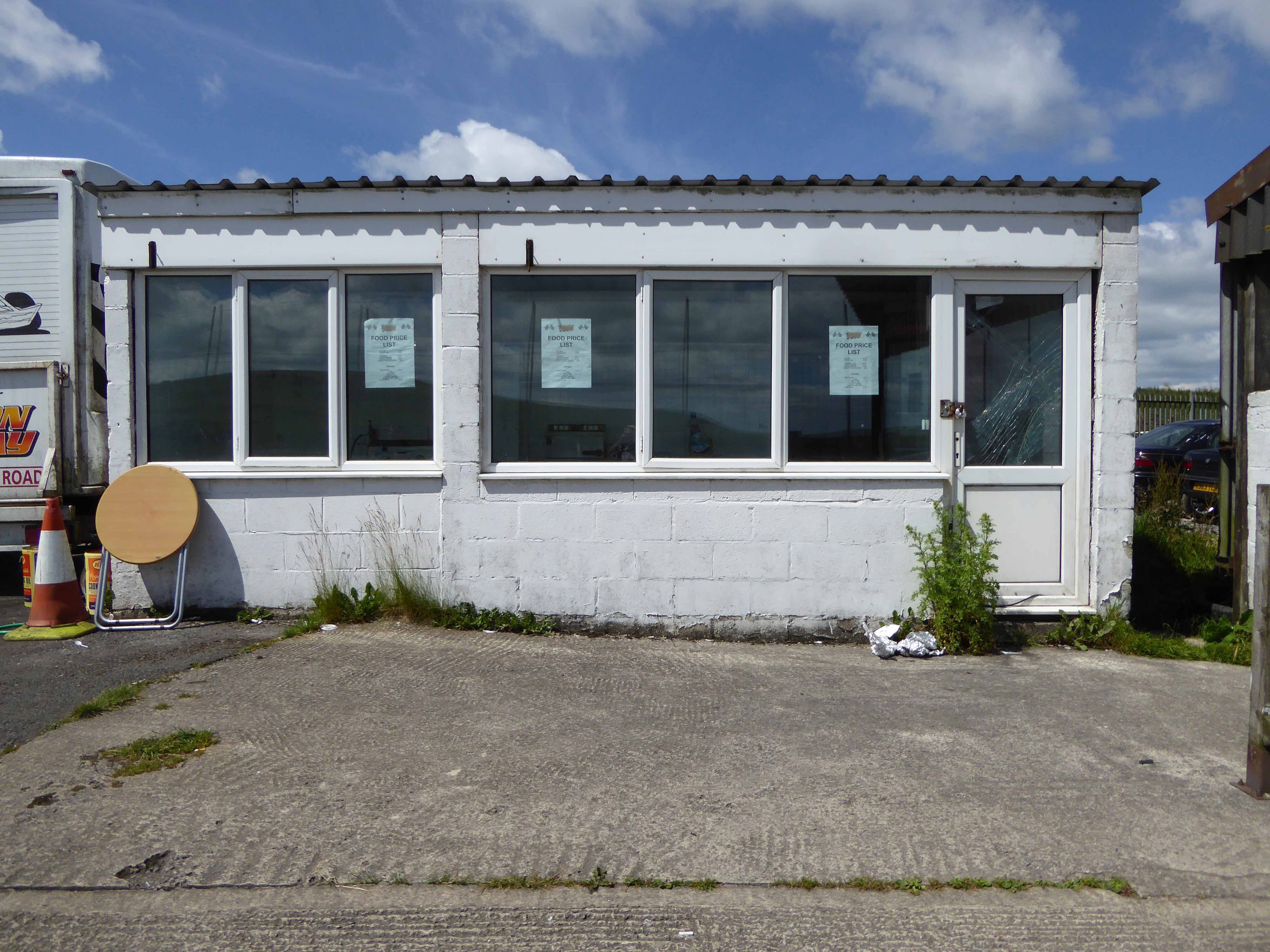
I often cycle or walk by and was privileged on this occasion to be given a guide tour by track worker, keen racer and self confessed car-nut Shane.

P1180181

Pop in if your passing, you won’t be disappointed.

P1180177

P1180178

P1180180

P1180183

P1180185

P1180186

P1180188

P1180189

P1180191

P1180195

P1180196

P1180197

P1180199

P1180200

P1180202

P1180203

P1180204


P1180206


Sea Front Shelter – Hastings

I have been here before, adoring the full range of Hasting’s sea front shelters.

They form an integral part of the general scheme designed and overseen by The Concrete King Sidney Little.

On my most recent visit the most distant shelter was receiving a wash and brush up, a brand new coat of paint or two, restored to bright red and white shipshape order, this land locked delight looked ready to set sail across the adjacent Channel to who knows where.

Offering a somewhat occluded view of blue skies and faraway shores, the bus stops here and goes on forever and forever.

P1170950

P1170955

P1170956


P1170961

P1170963


P1170965

P1170966

P1170967

P1170968

P1170969

P1170970

P1170971

P1170972

P1170973

P1170974

P1170976

P1170977

P1170978

P1170979

P1170980

P1170982

Fire Station – Bury

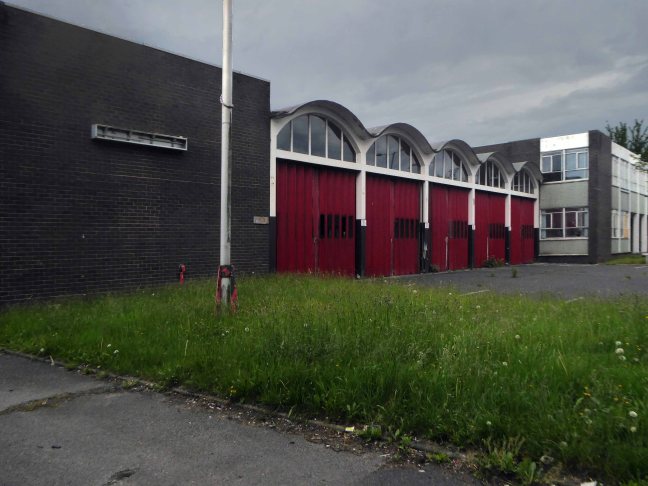
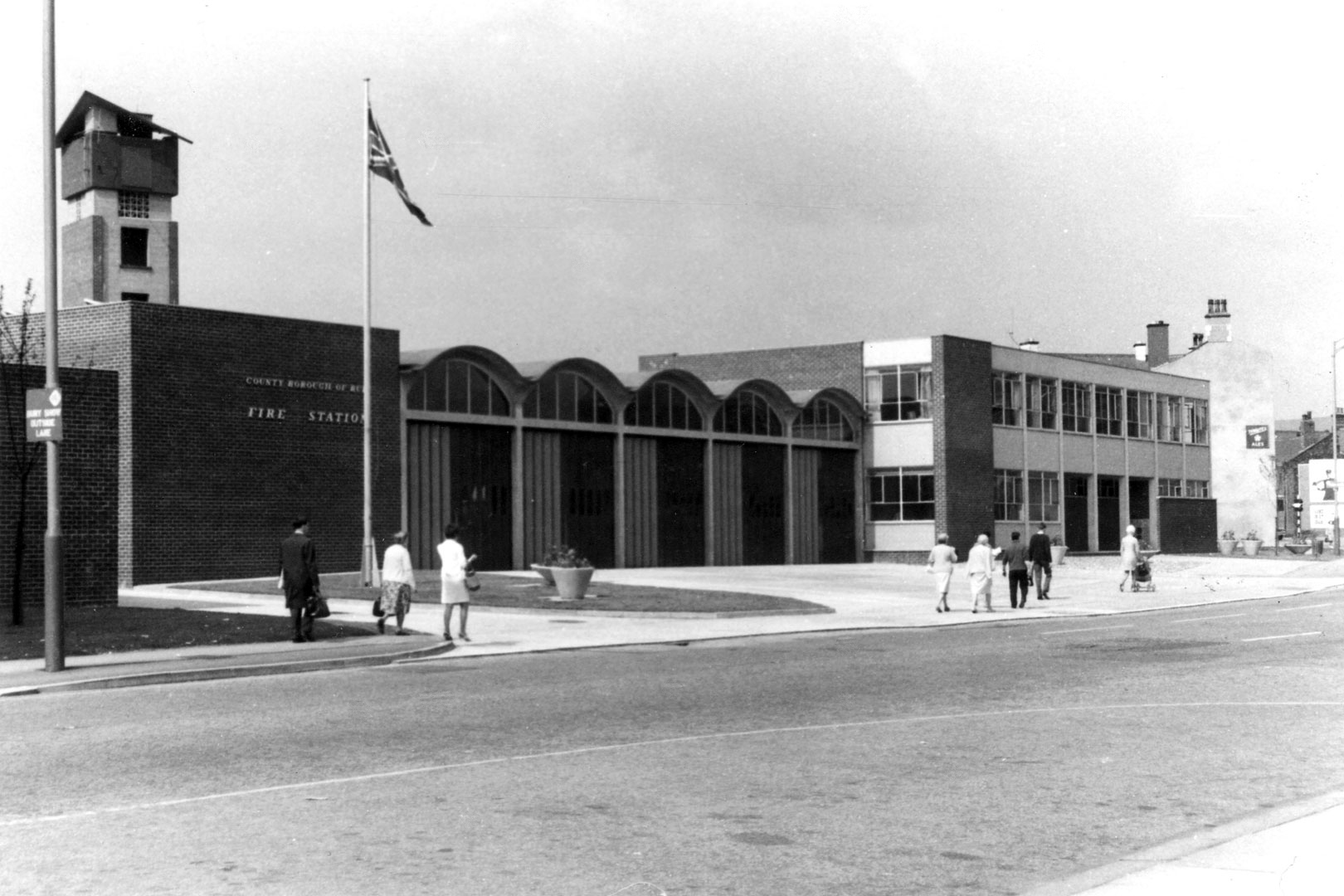
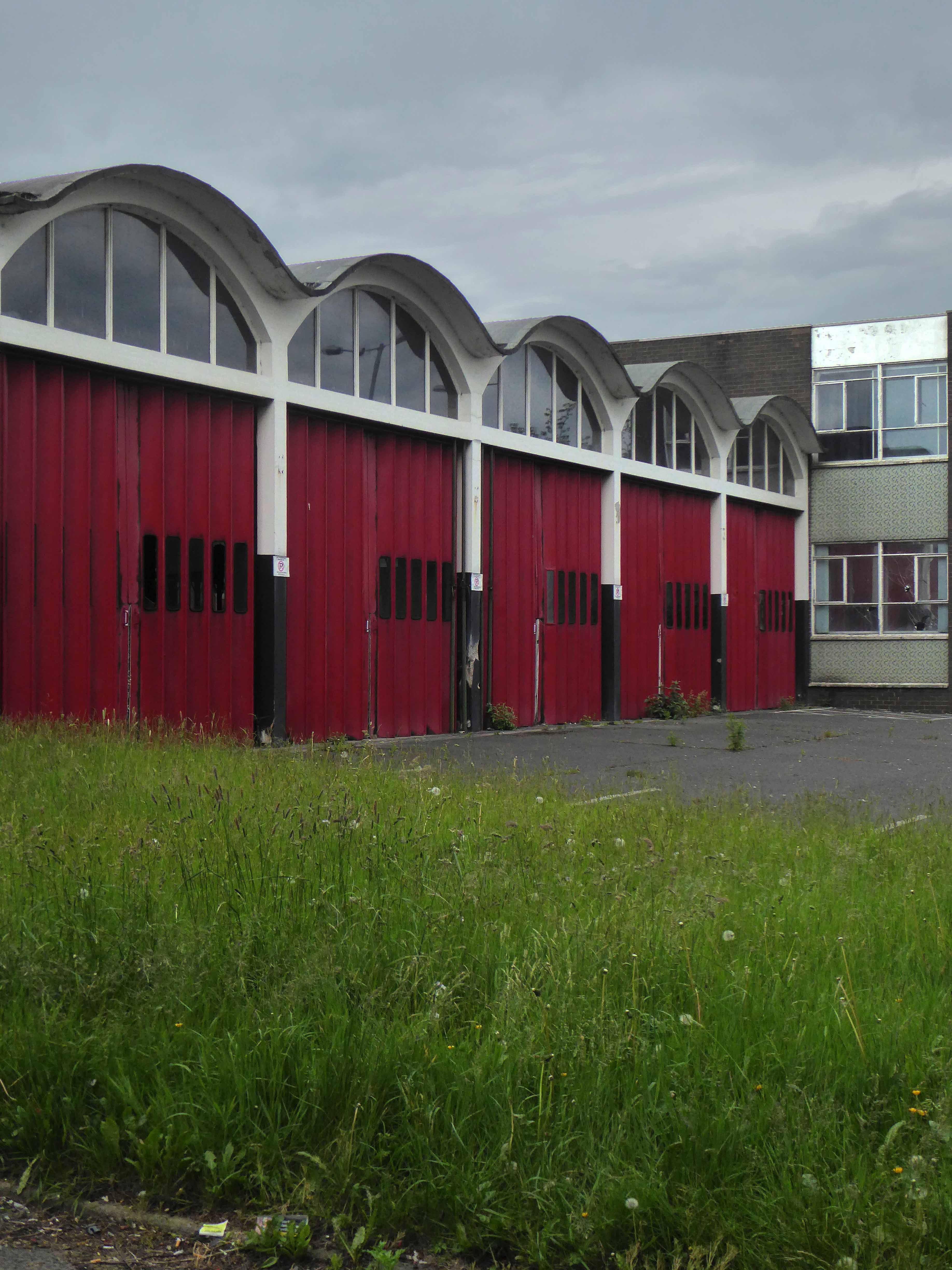
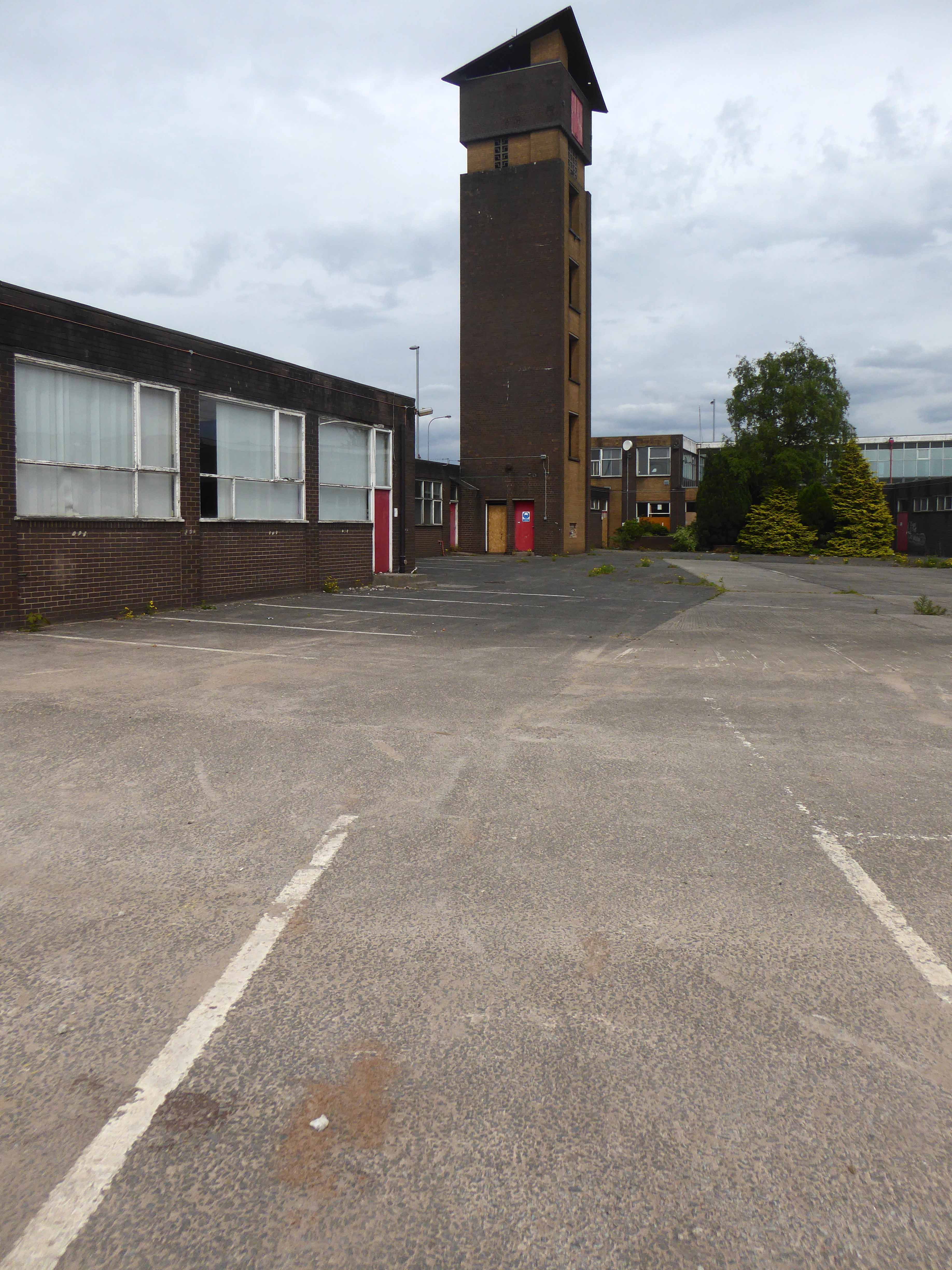
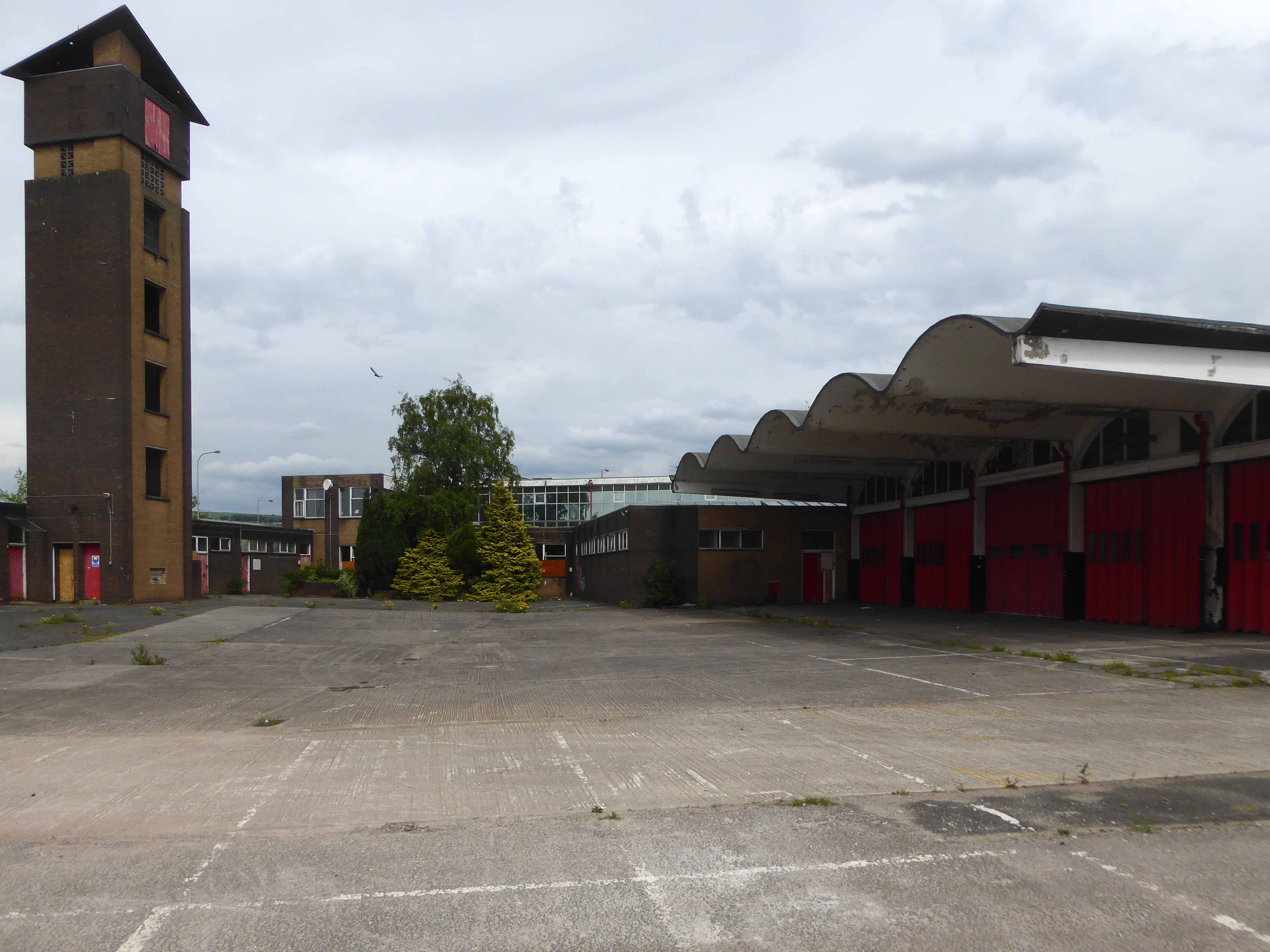
Curvilinear, cantilevered, concrete canopies wave – wave goodbye.

Opened in 1967

fire-station-the-rock-built-1967

Closed in 2012, it continues to stand idly by, as the Bury Town centre doughnuts the site with shiny new developments.

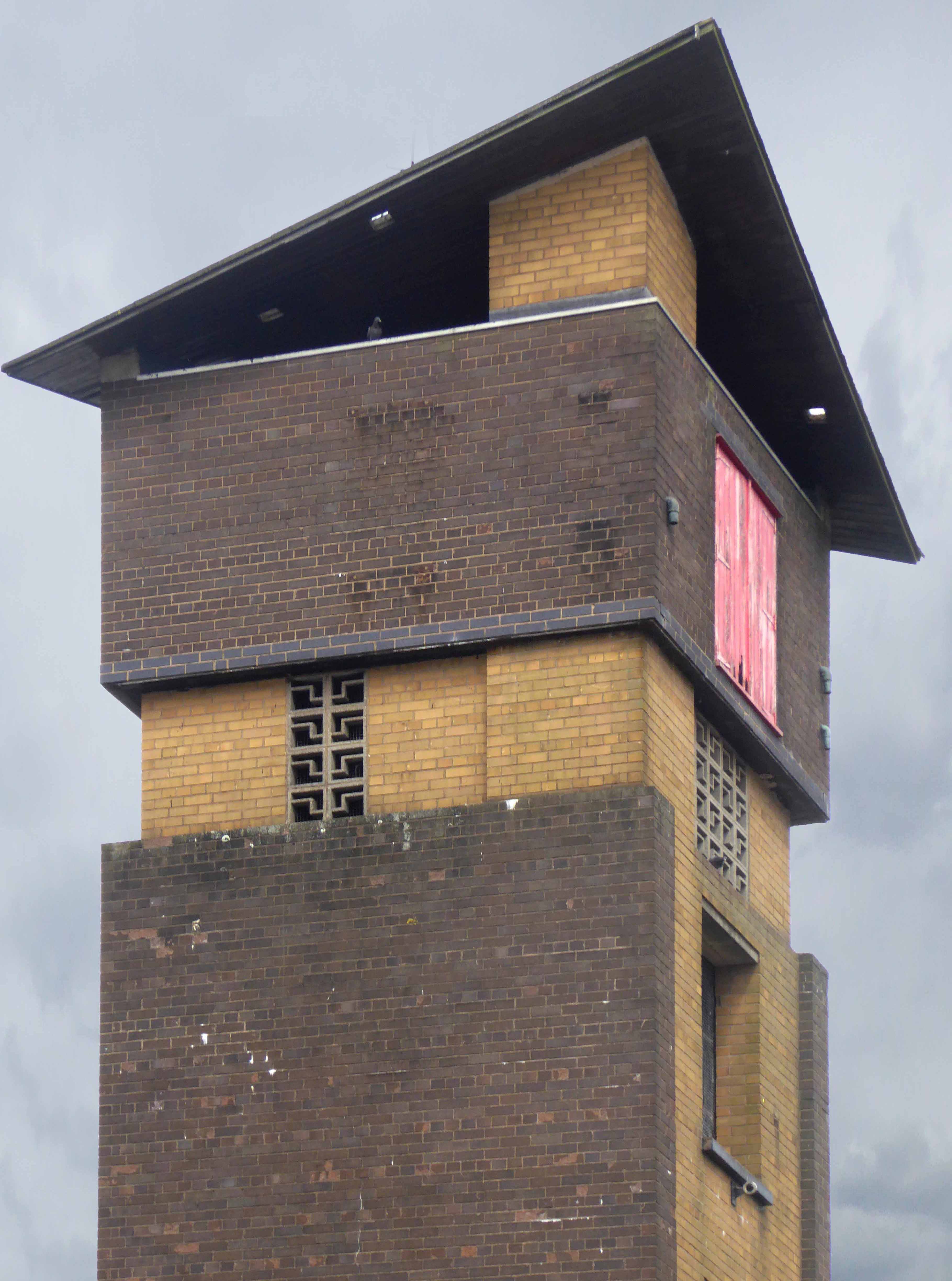
A striking tower topped by a hyper parabolic roof with a cheeky twist, it remains an elegant feature on The Rock.

Facing an uncertain future it can only be a matter of time, as the new build proliferates that the fire station disappears in a puff of smoke.

Who you gonna call?

P1160753

P1160754

P1160755

P1160756

P1160758

P1160759

P1160760

P1160761

P1160762

P1160763

P1160764

P1160765

P1160766

P1160767

P1160768

P1160770

P1160771

P1160772

P1160783

P1160784

Subway – Scarborough

When is a subway not a sandwich?

When it’s a doughnut!

Hard by the seafront linking Foreshore, Cleveland Way and Valley Road sits a neat little tight little island, giving pedestrian access to almost everywhere – and a car park.

Screen Shot 2017-05-03 at 16.54.51

As with every other torus worth calling a torus, at its very centre sits the presence of absence, darkened concrete subterranean causeways, linking everything to nothing.

There’s a world going on underground.

P1150450

P1150451

P1150452

P1150453

P1150454

P1150456

P1150457

P1150458

P1150459

P1150461

P1150465

P1150467

P1150468

P1150469

P1150471

P1150472

P1150482

Paddling Pool – Whitby

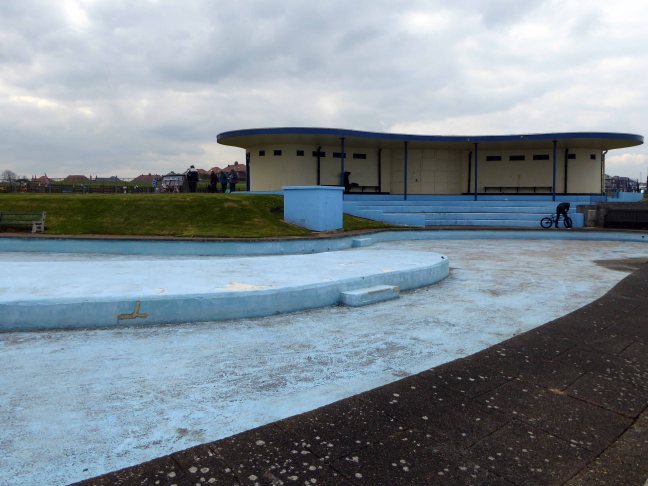
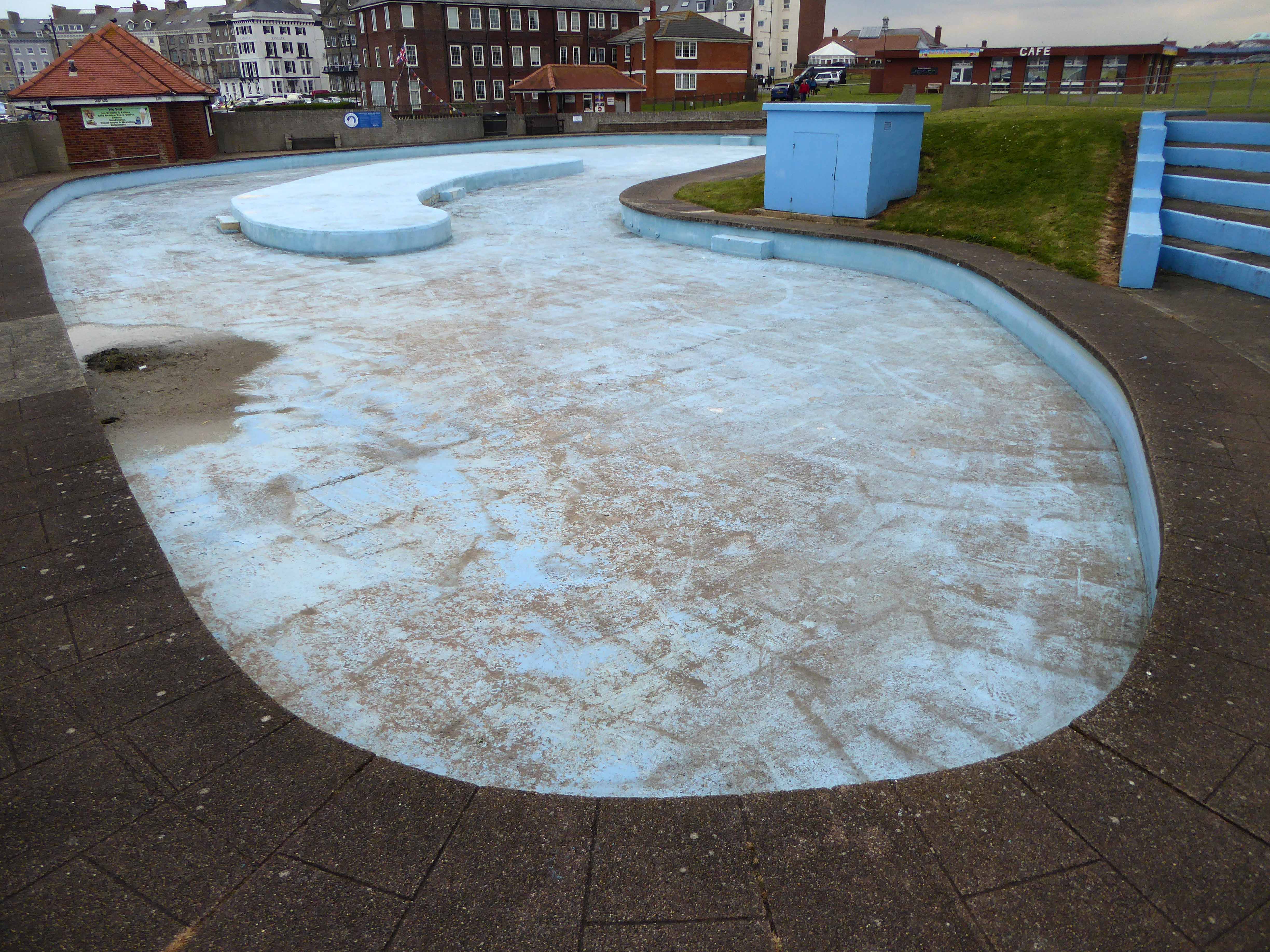
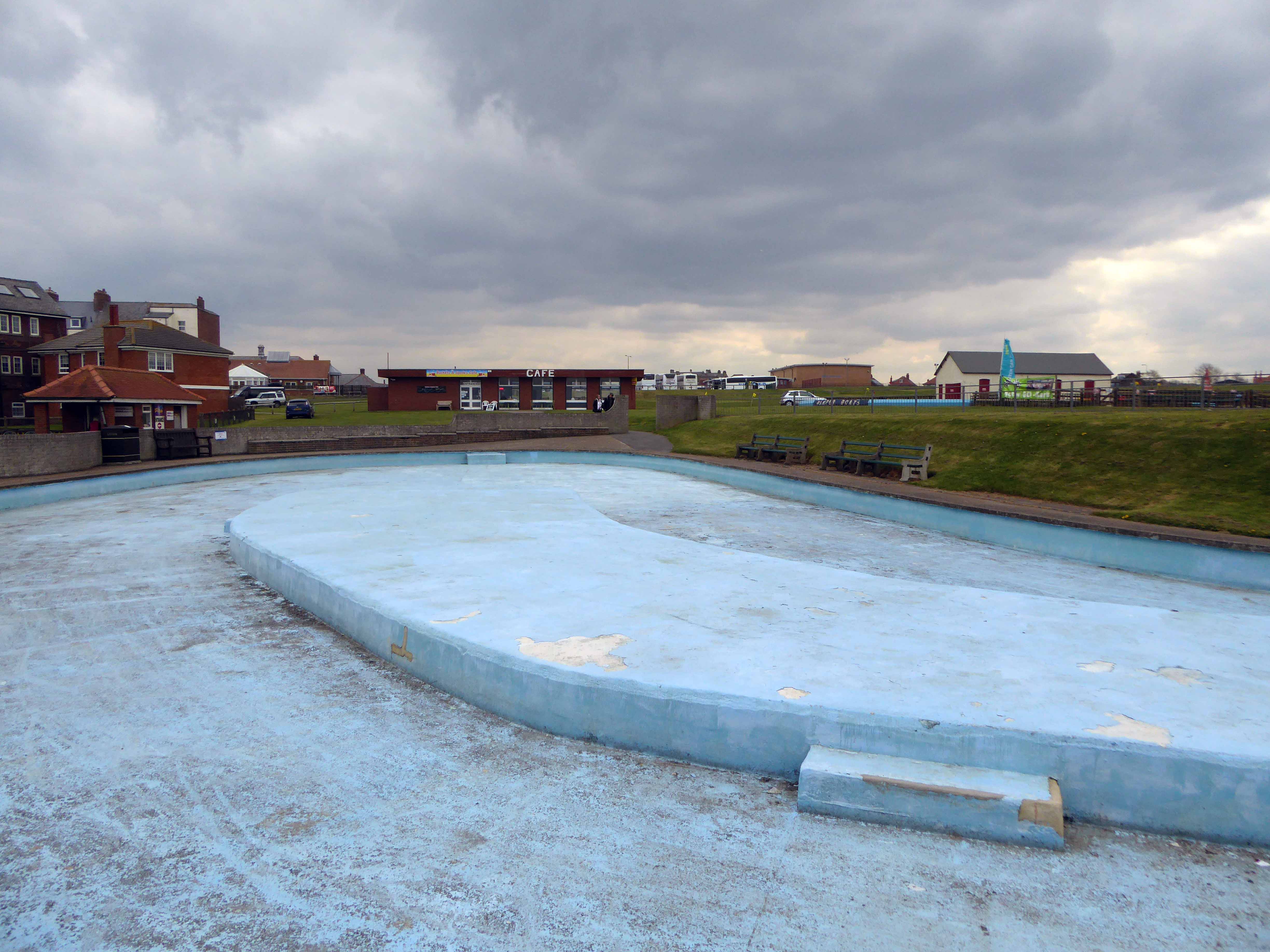
High atop West Cliff Whitby is a pale blue imitation of the deep blue North Sea below.

A TG Green Cornishware blue and cream striped pot, reimagined on the distant Yorkshire coast, in paddling pool form.

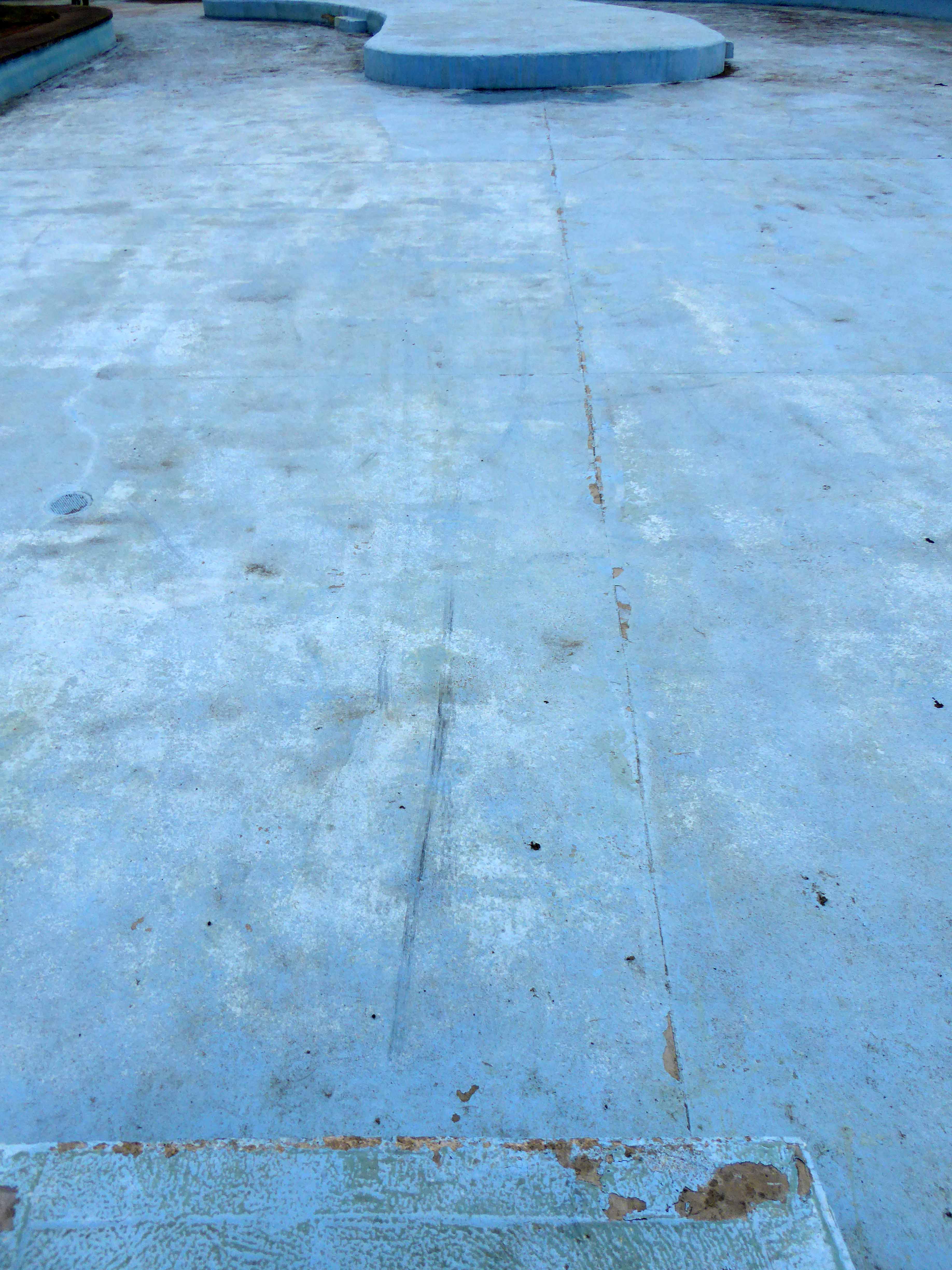
Scarborough Borough Council has resurfaced the paddling pool, re-concreted and repainted the bottom and the sides. The railings adjacent to the footpaths at Whitby Pavilion have been repaired and re-painted and seating next to the crazy golf has also been improved.

 Martin Pedley, Scarborough Borough Council’s asset and risk manager said:
The council has, in conjunction with the voluntary sector, invested both time and money in continuing to revitalise the West Cliff area in preparation for the summer season and the influx of visitors to Whitby.
1033839943West Cliff councillor Joe Plant added:

The improvement works that have been done both last year and this year is most welcome. Not only the visitors will benefit, but local people also and it again shows working in partnership with the voluntary sector does make a difference.

The Big Society in action, replacing railings improving lives.

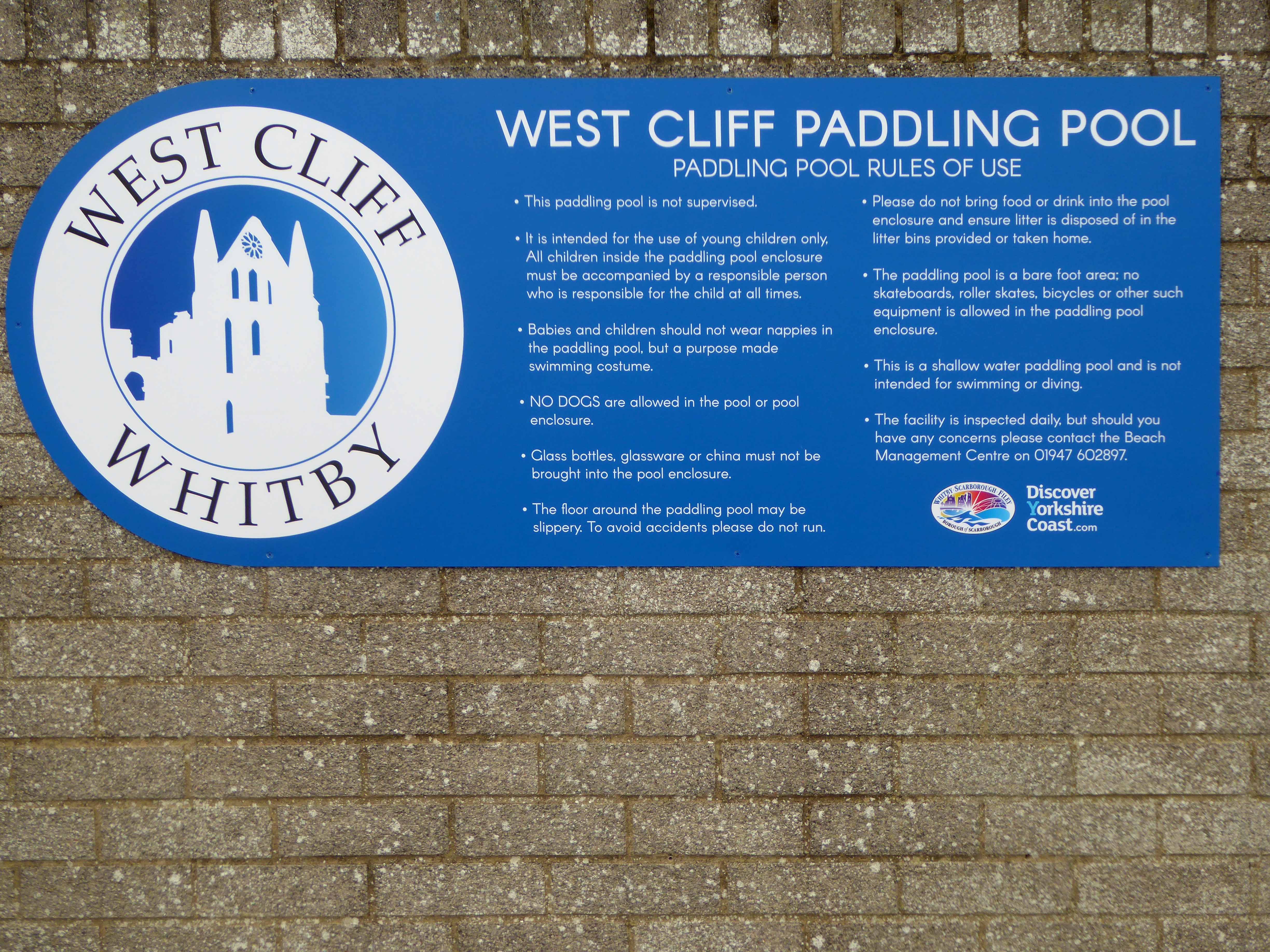
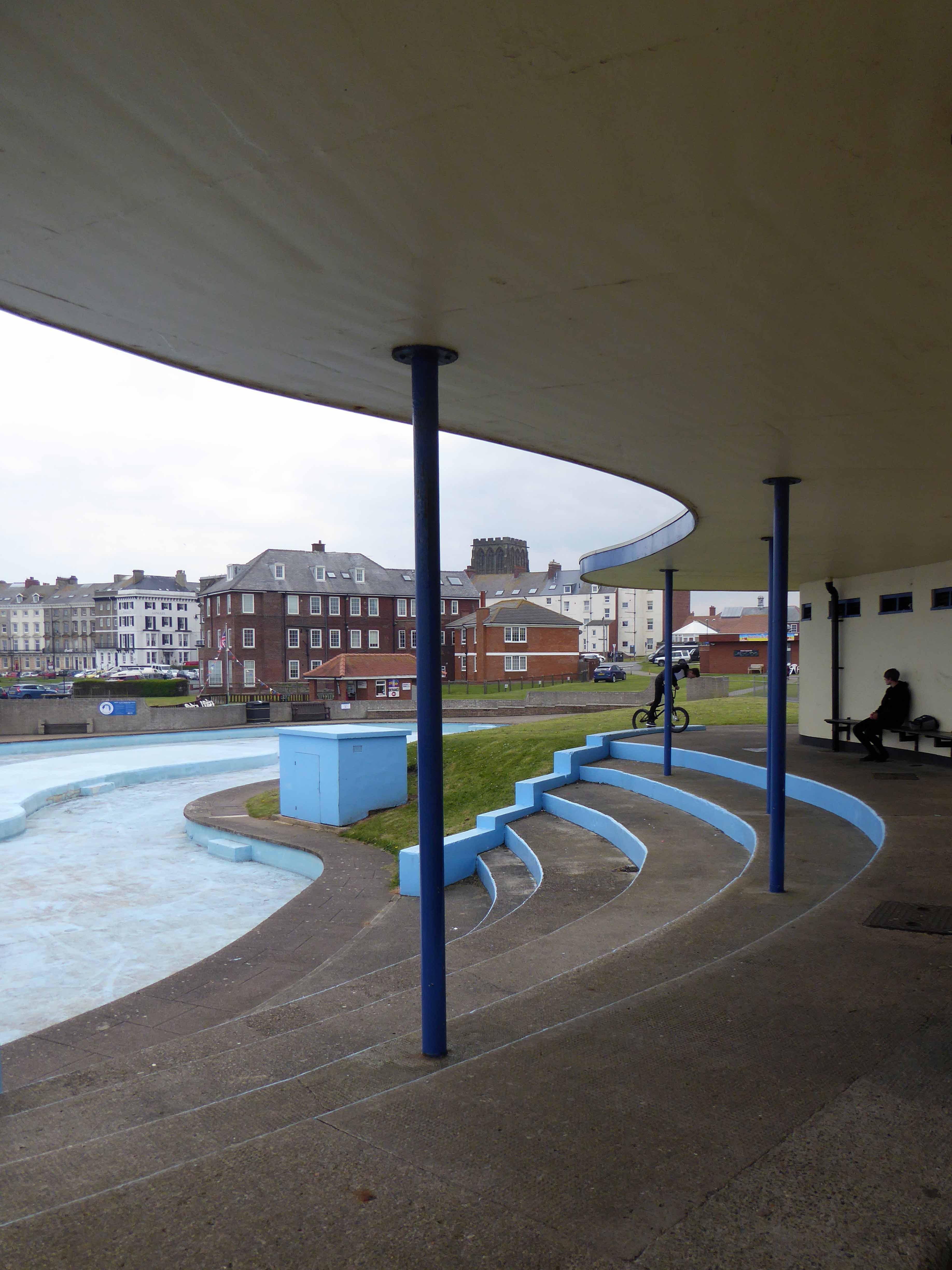
I arrived in late April the pool as yet sans d’eau, more of a pedalling pool than paddling pool as the BMX bandits invaded the space, in direct contravention of the rules and regulations.

P1150592

The water when present is some twelve inches deep, clearly better suited to larking, splashing and cavorting rather than performing The Twister, a  bewildering blur of twists and turns two and a half back-somersaults with two and a half twists during the 1.5 seconds between launching and entering the water at 40mph.

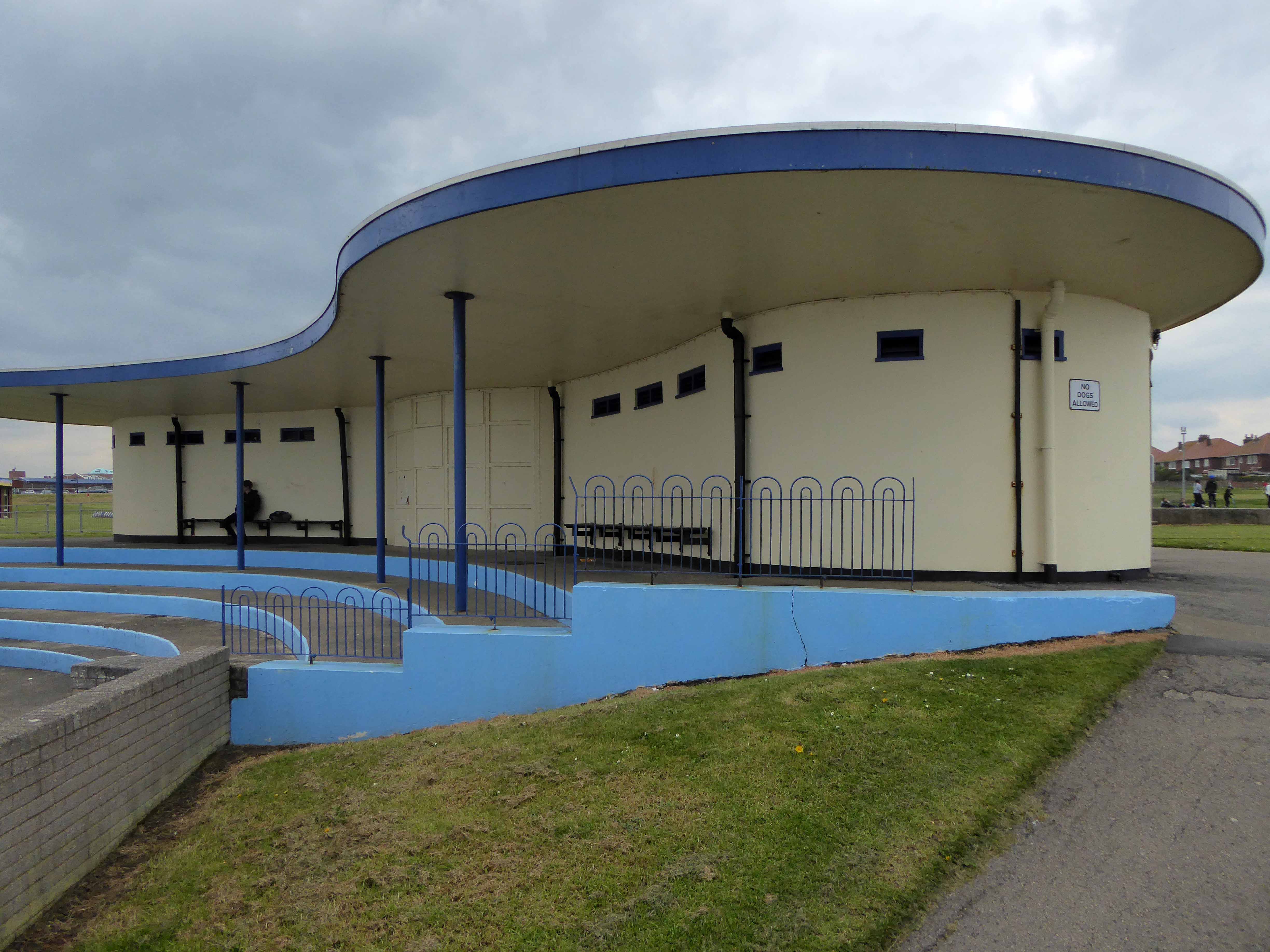
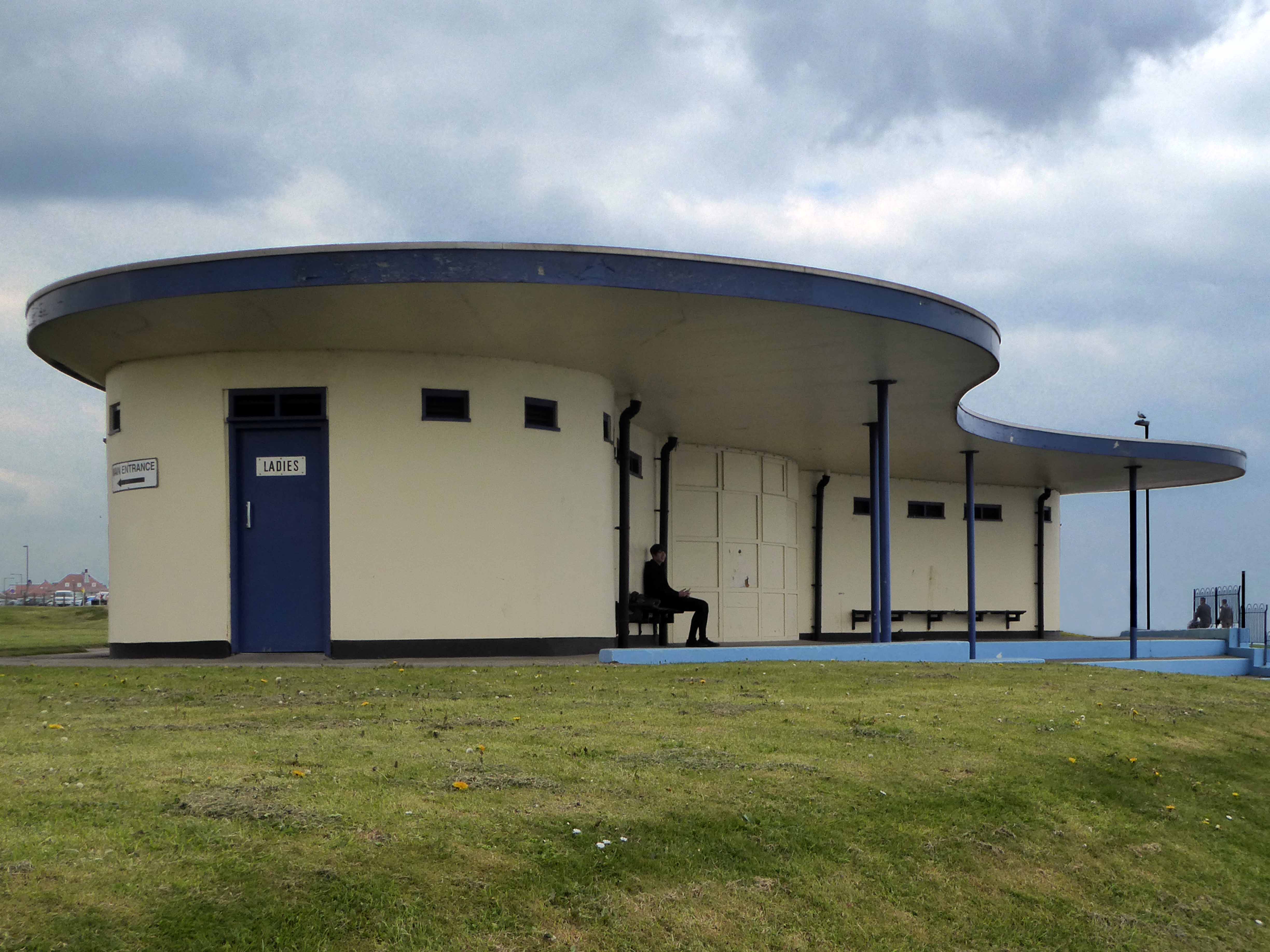
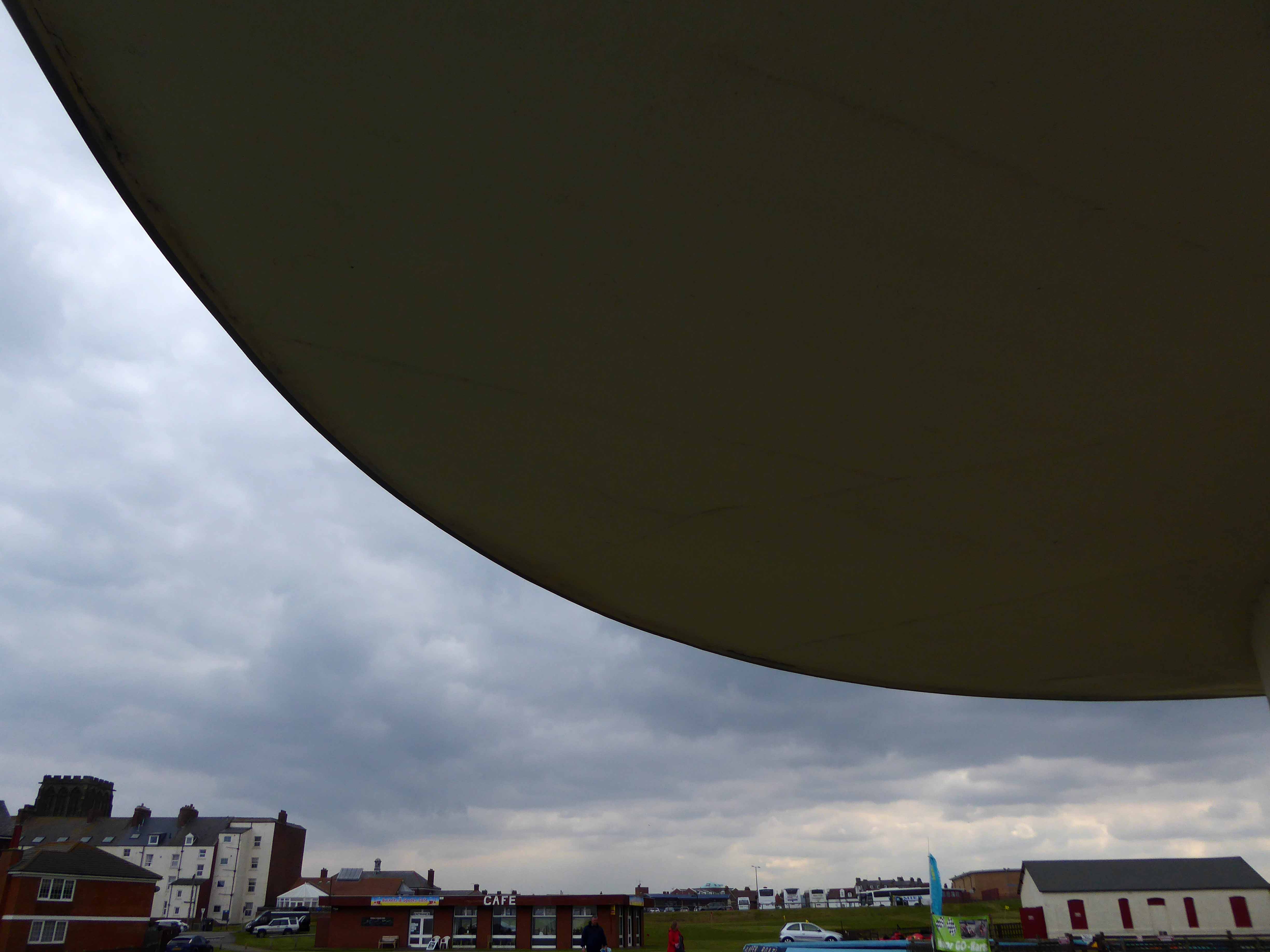
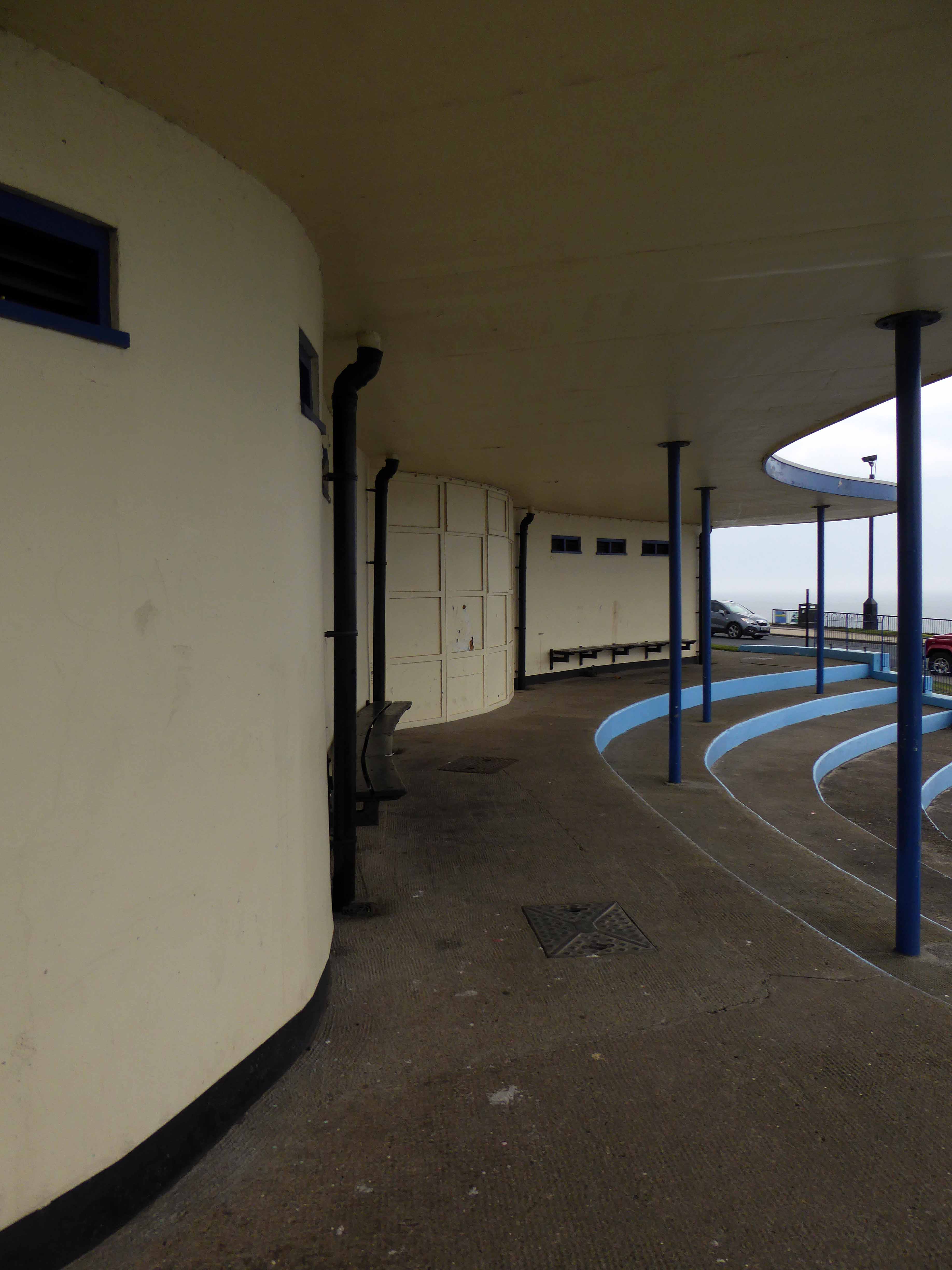
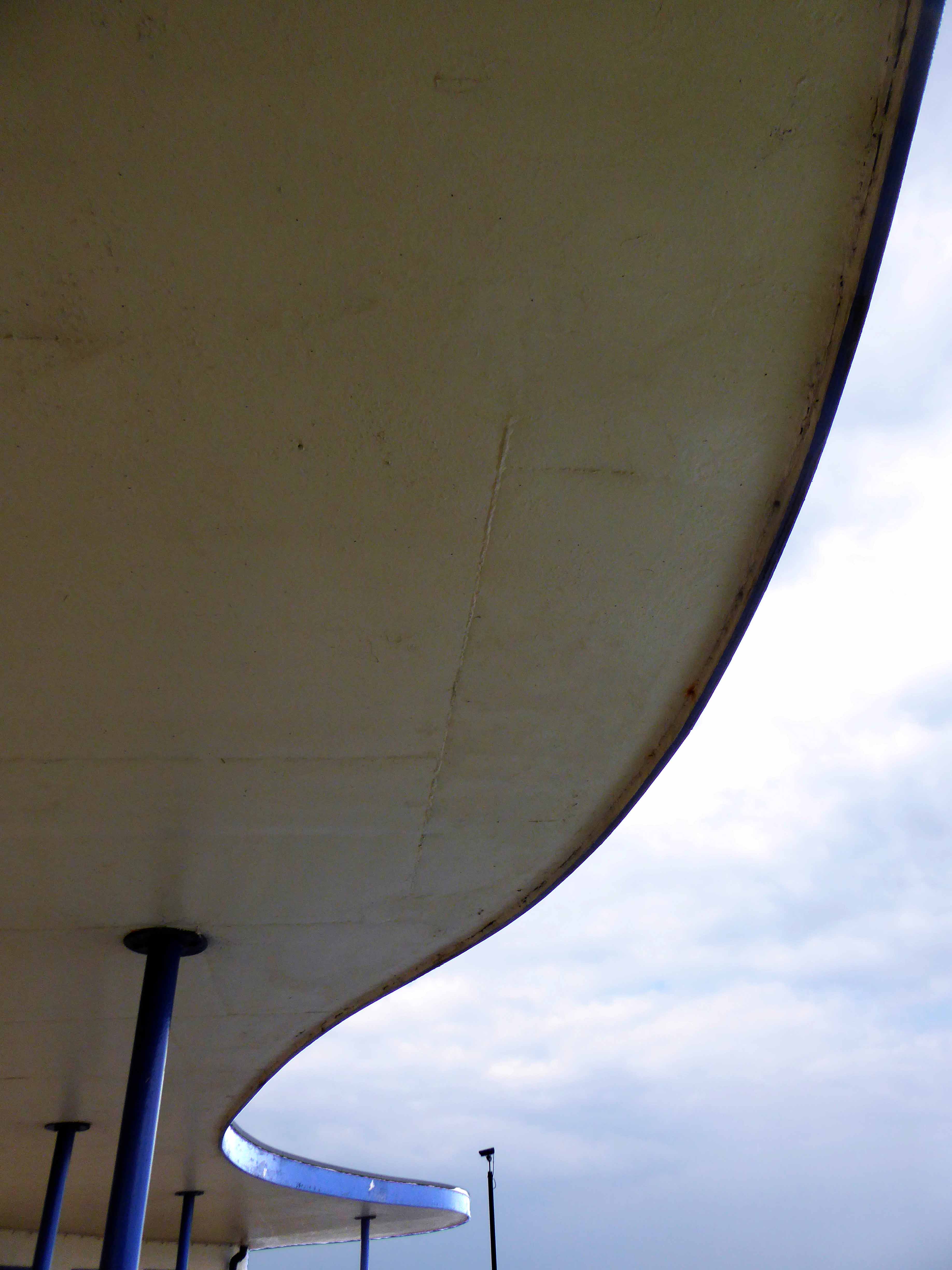
The pool is flanked to the north by a sweeping Lubetkin style, flat roofed pavilion complete with fully functioning toilet facilities.

Turn your back on the Abbey, go wild – take a wet walk on the West Cliff side.

P1150586

P1150587

P1150588

P1150589

P1150590

P1150596

P1150599

P1150603

P1150604

P1150605

P1150606

P1150607

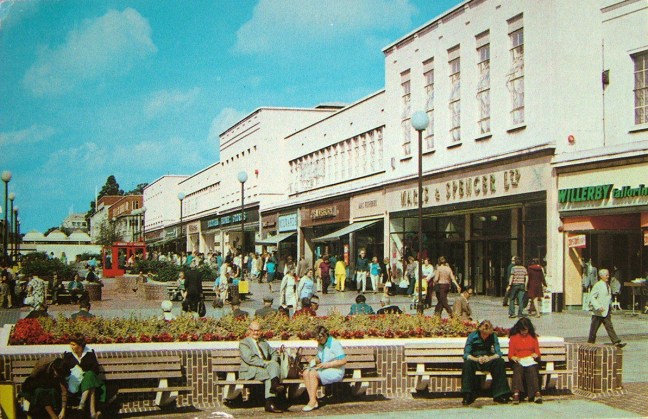
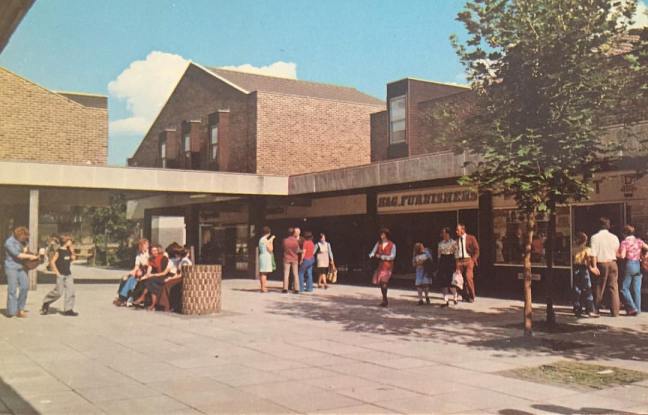
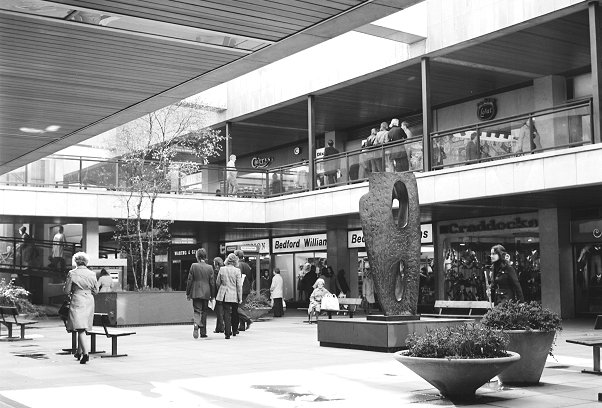
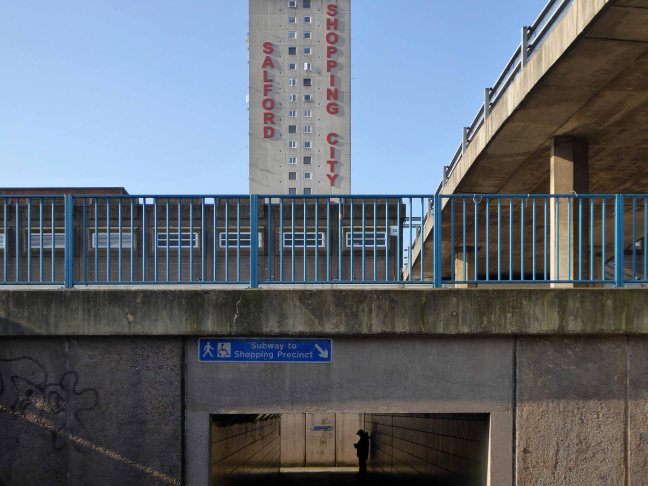
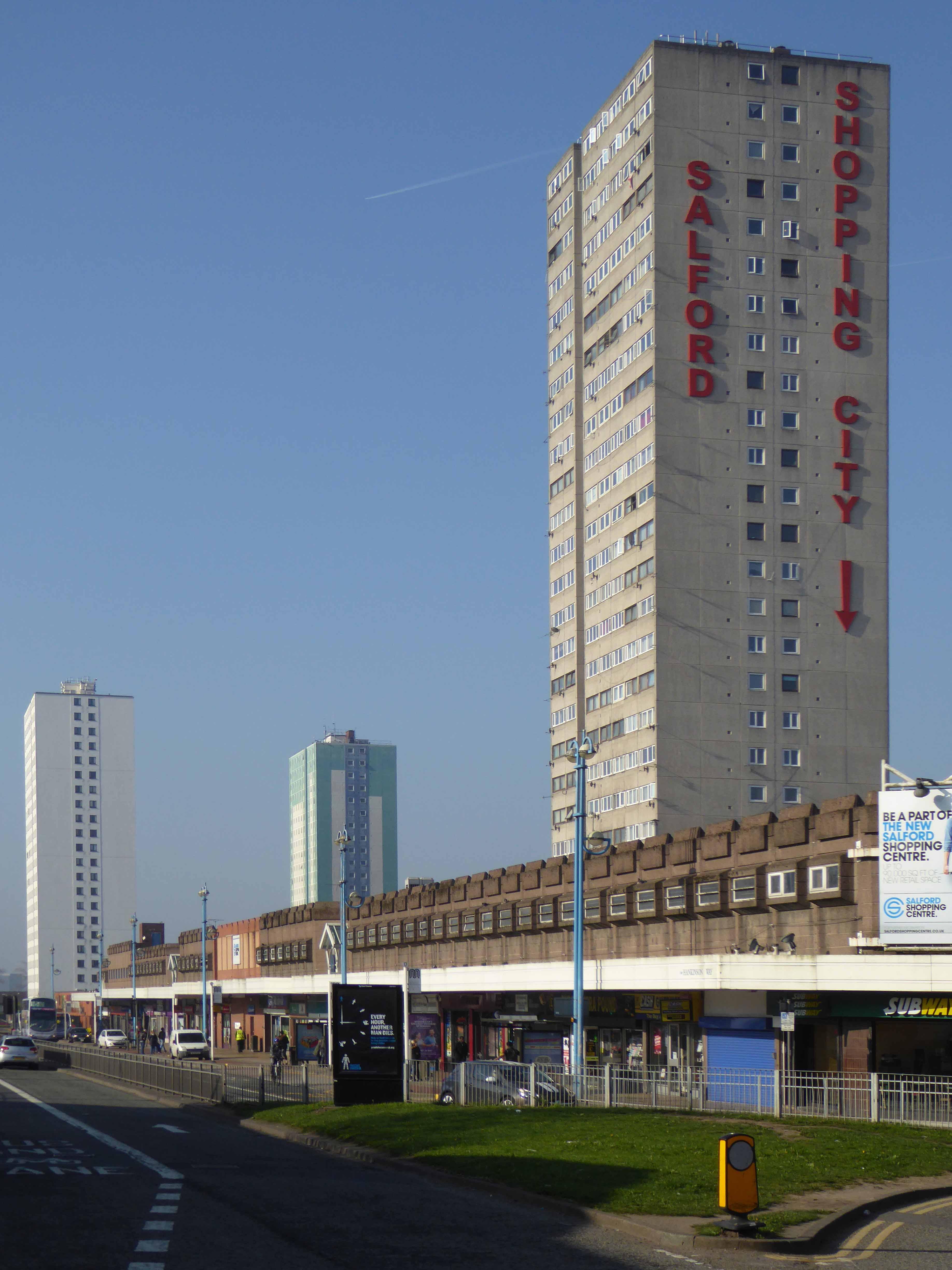
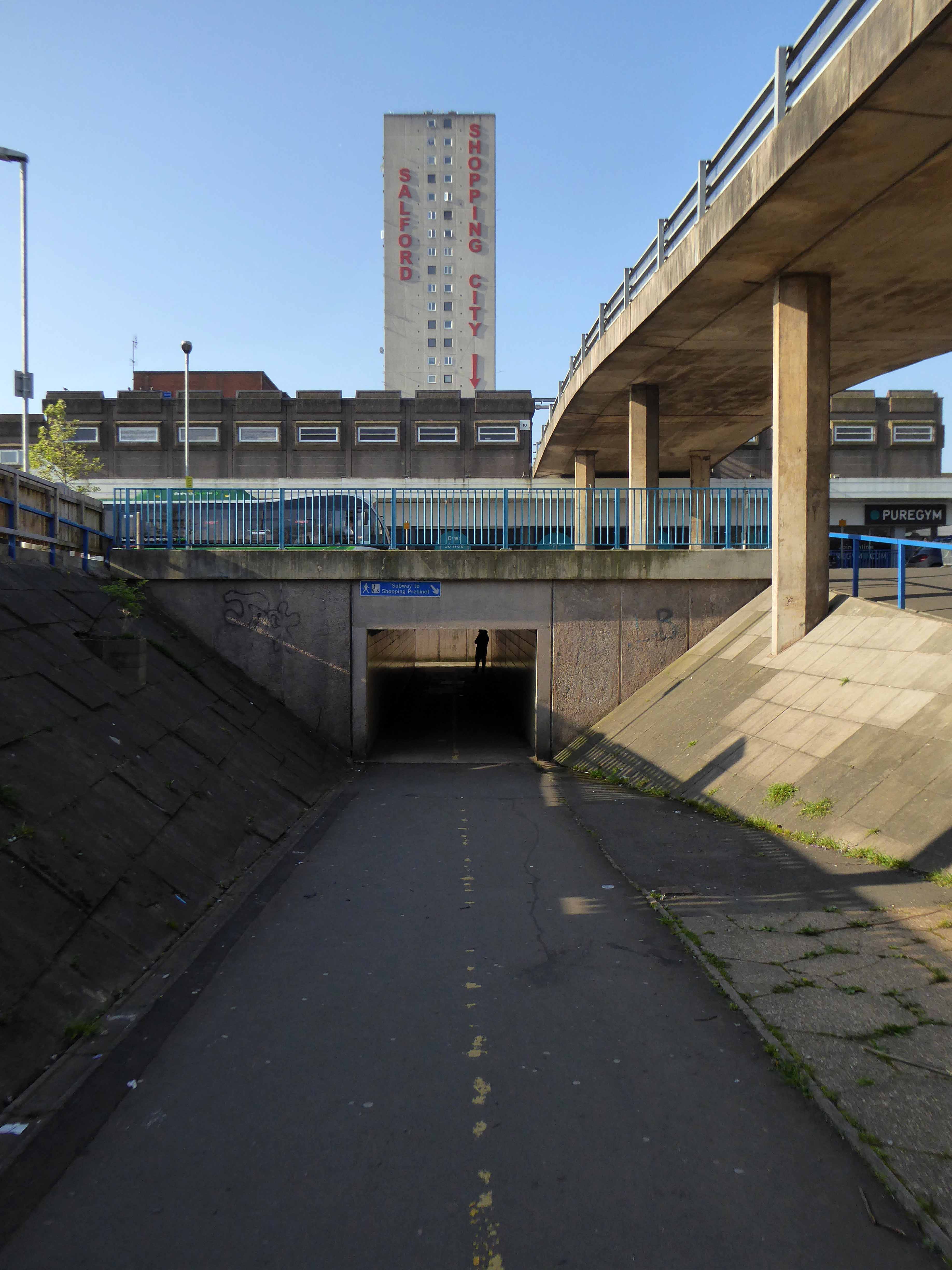
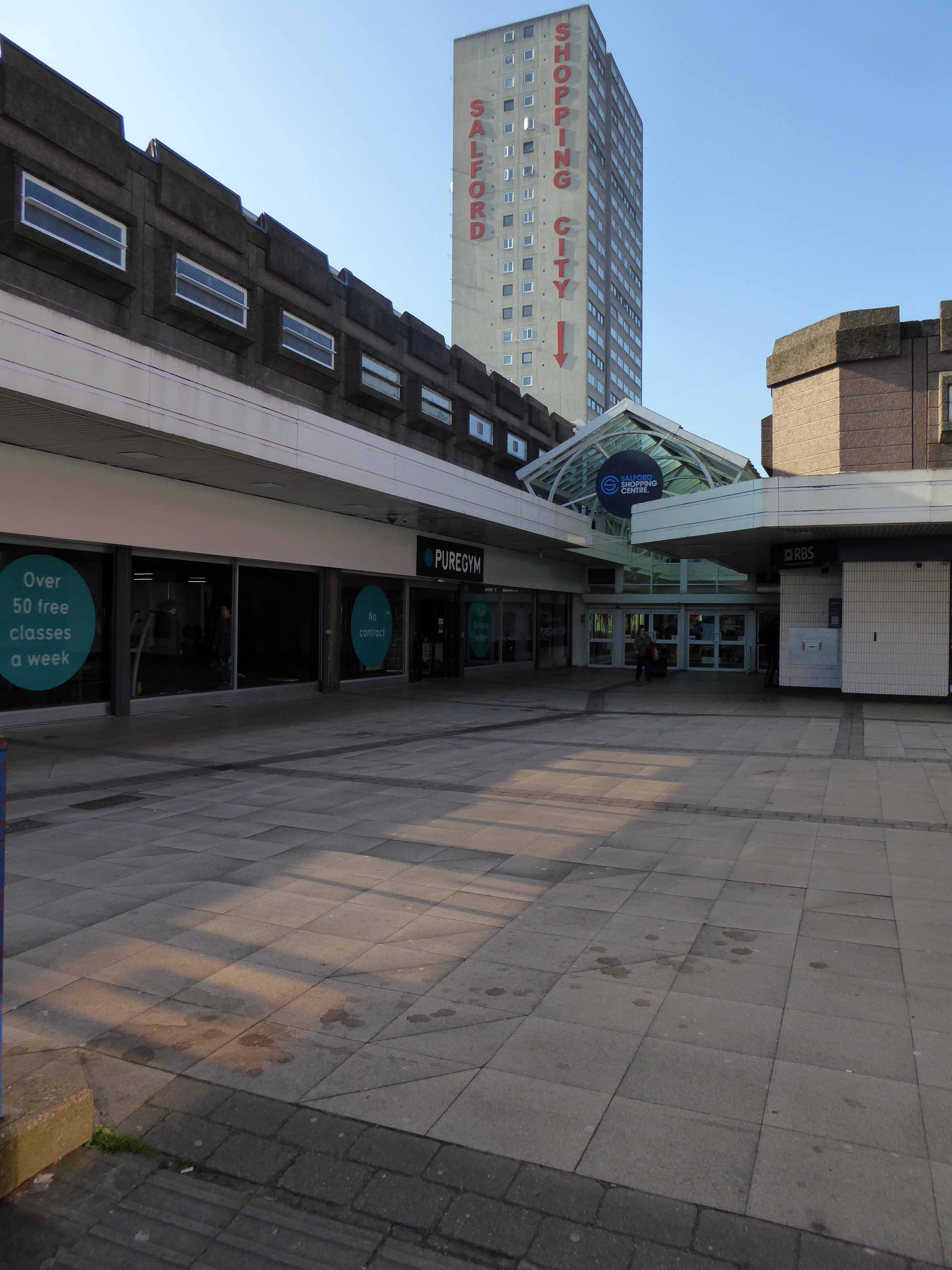
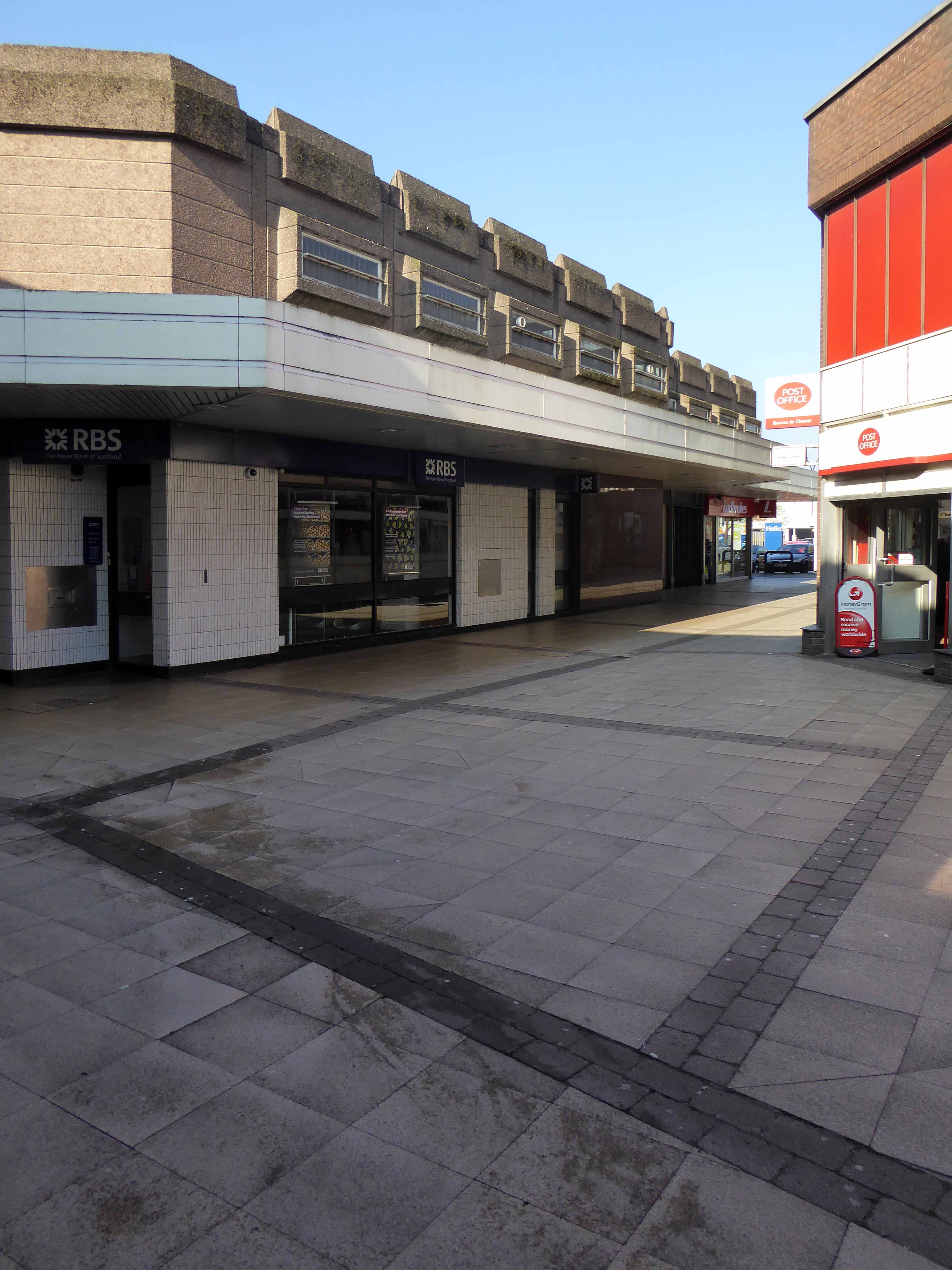
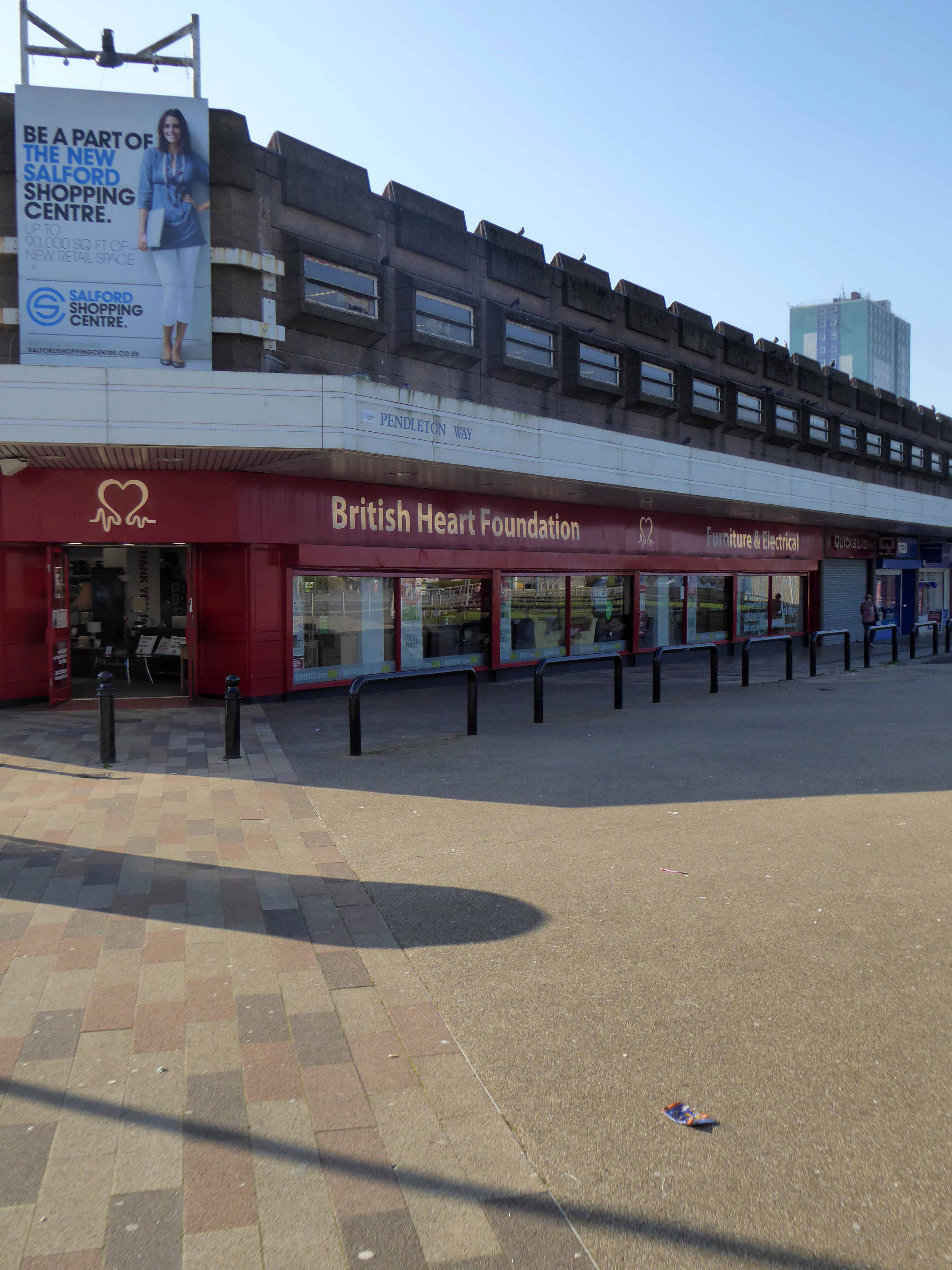
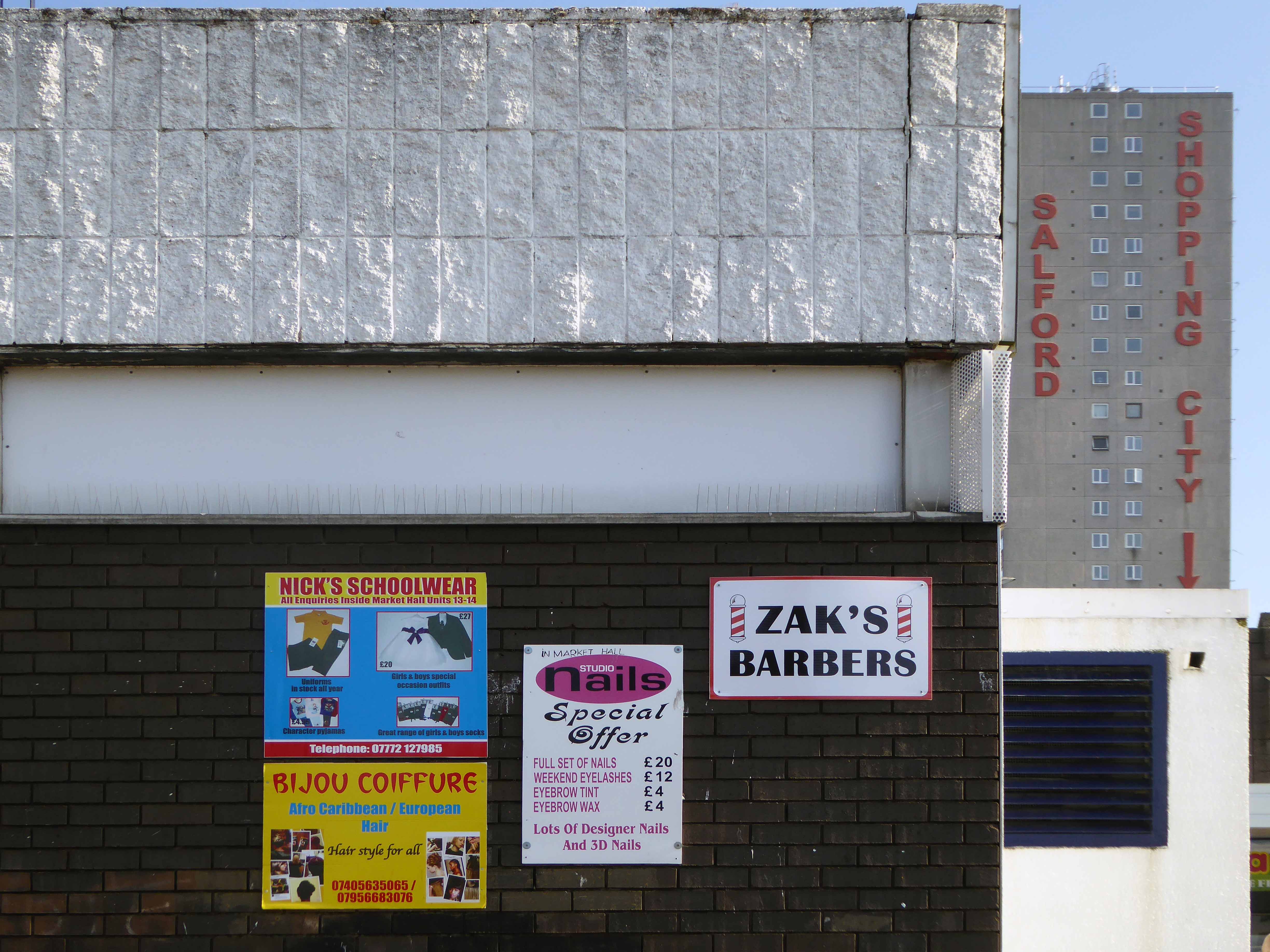
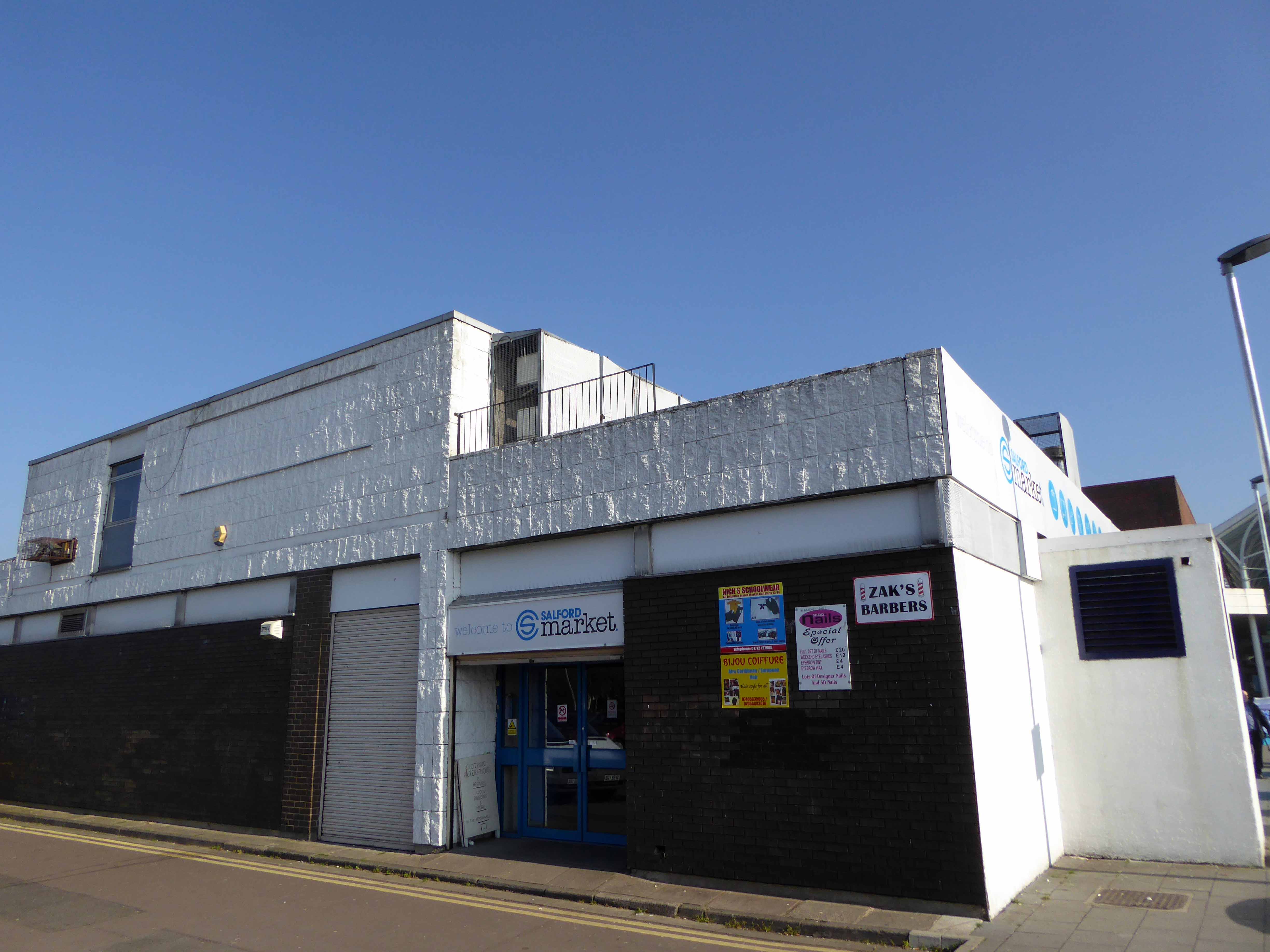
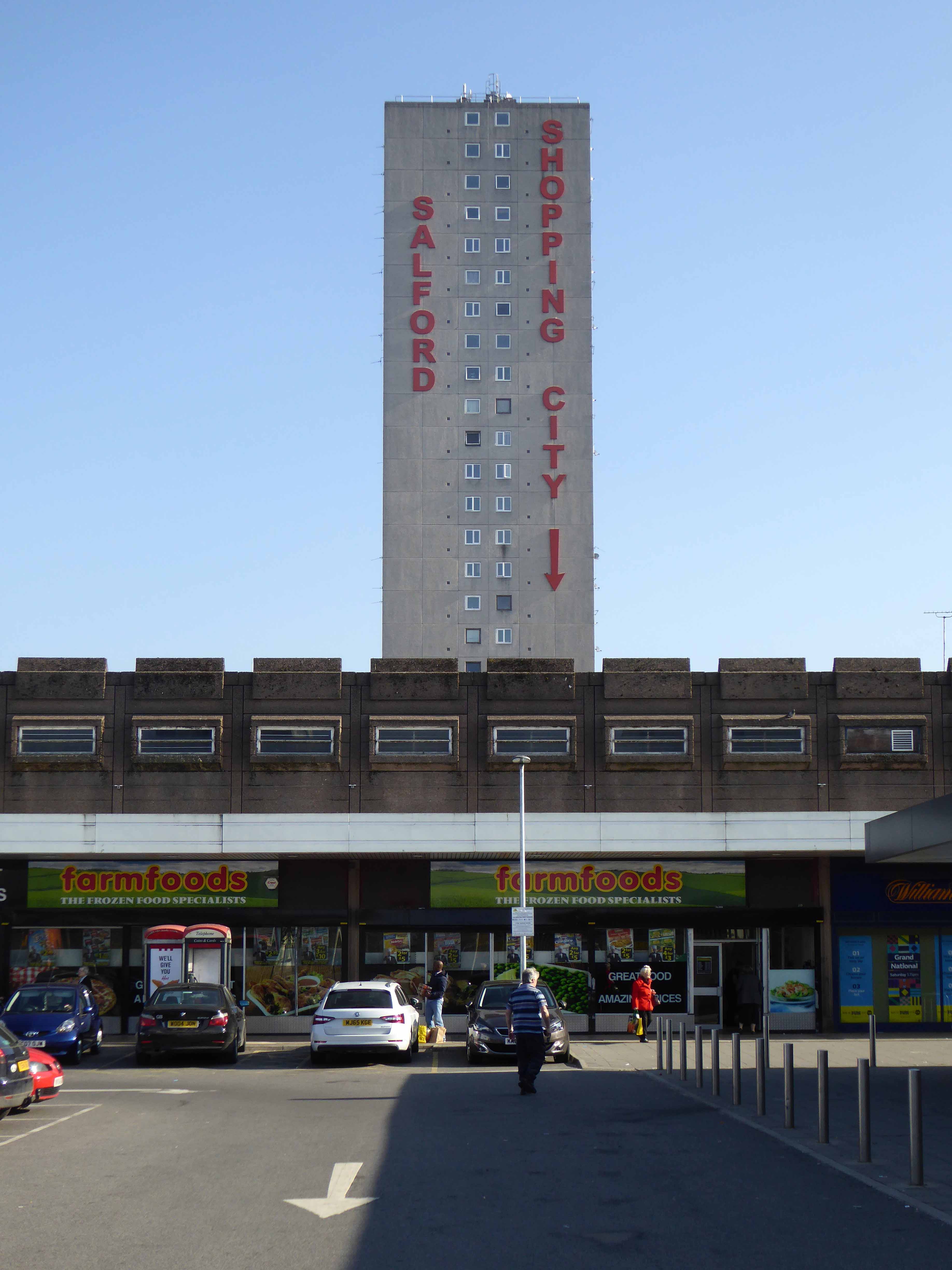
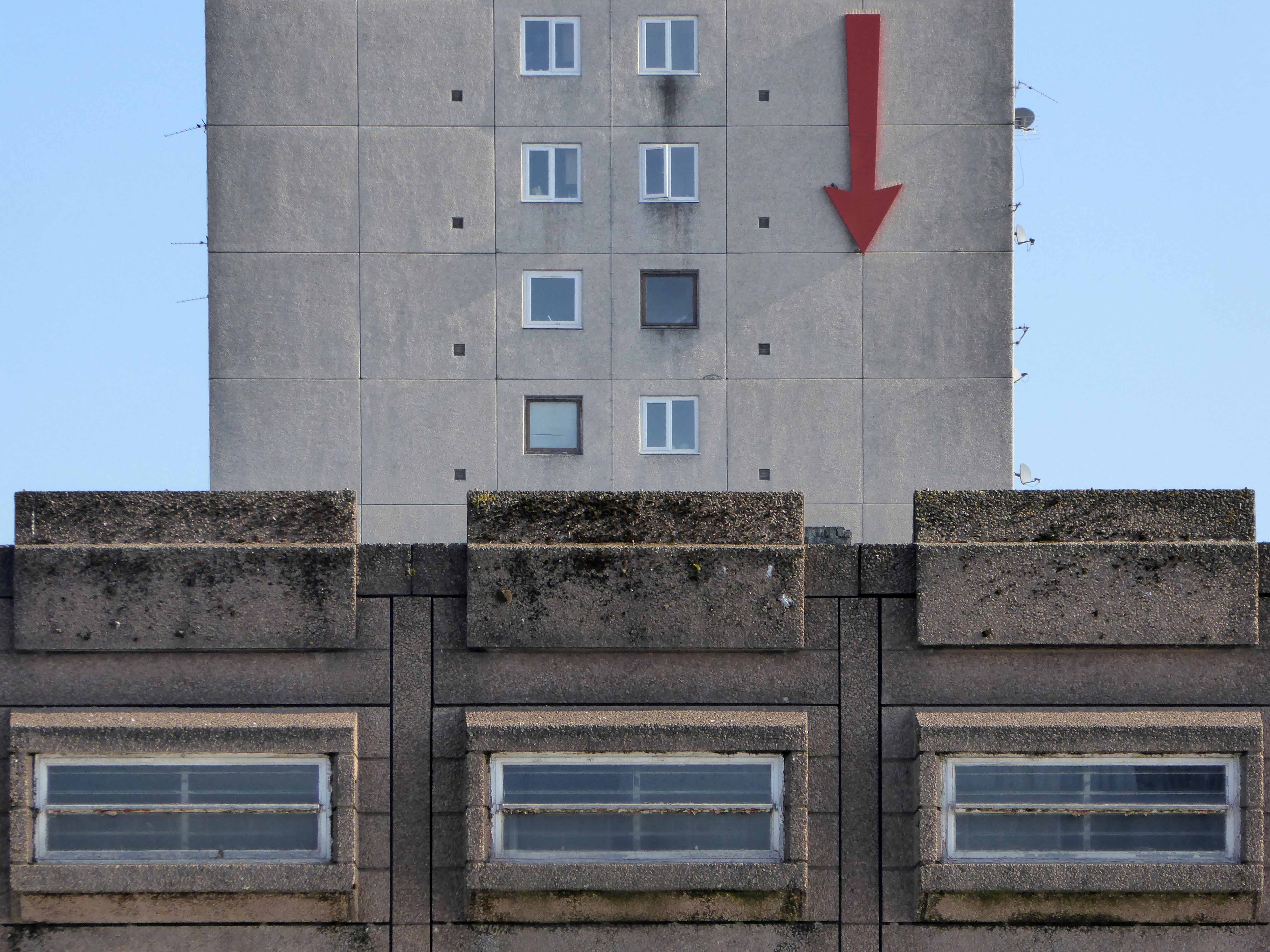
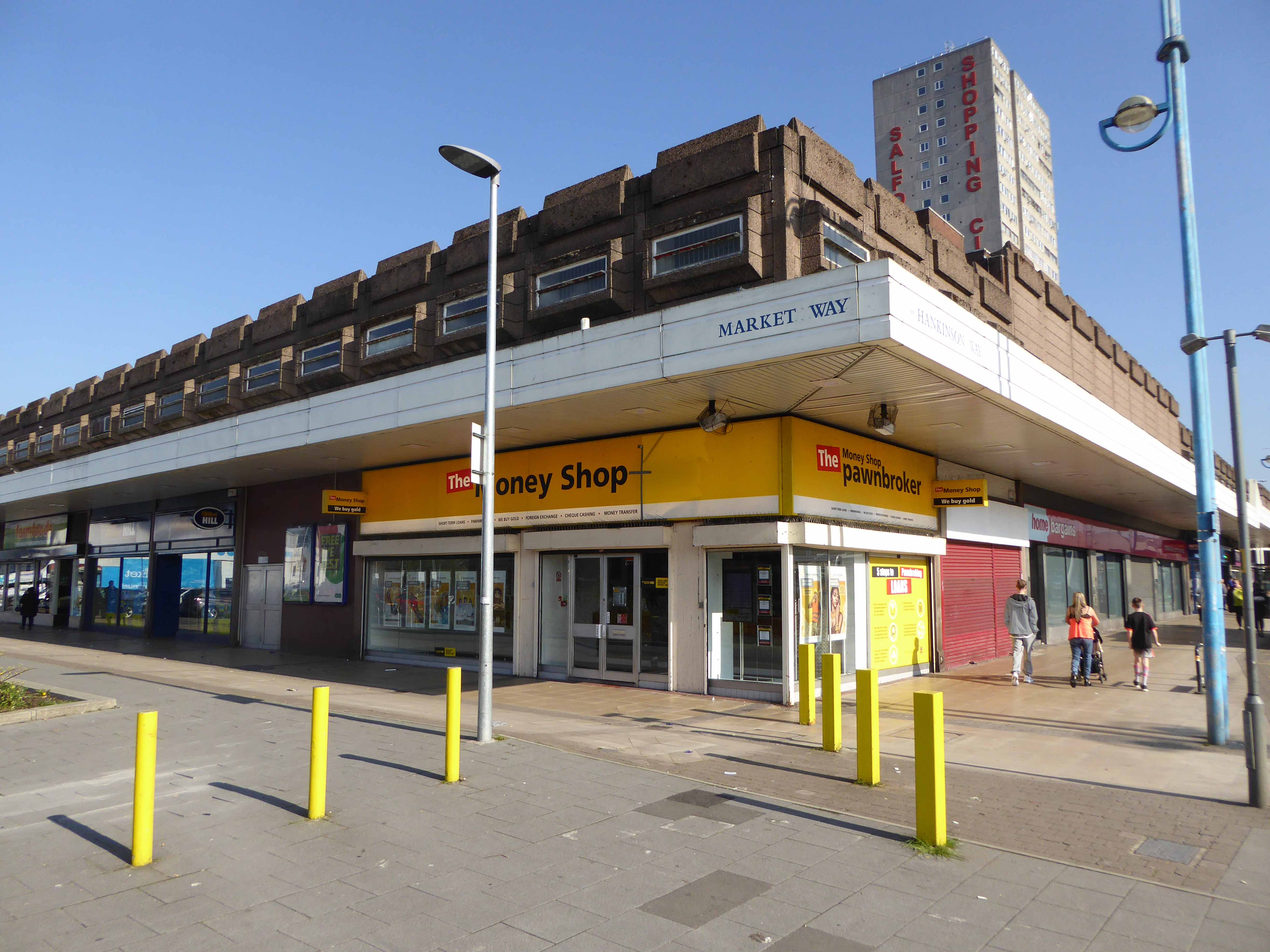
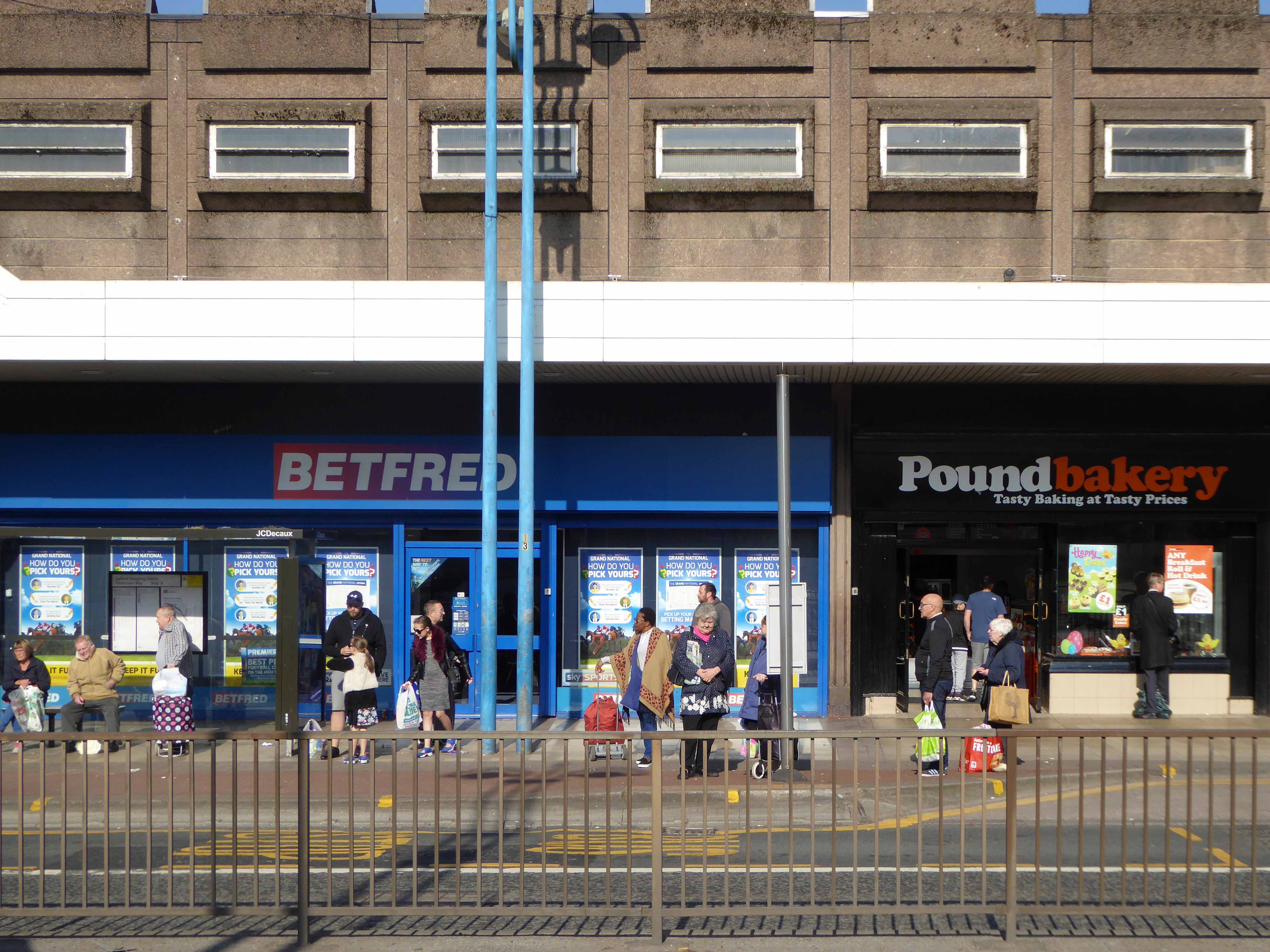
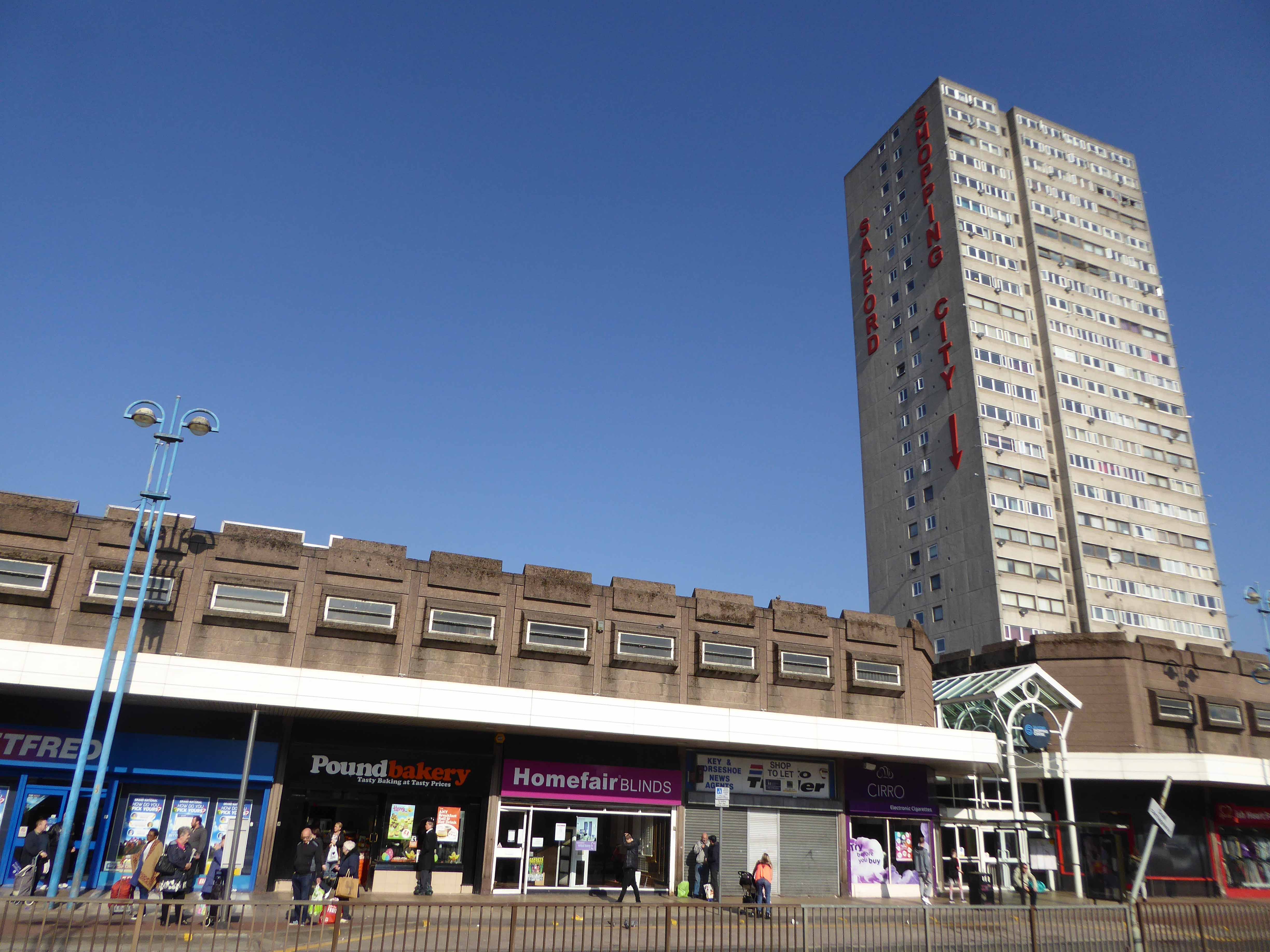
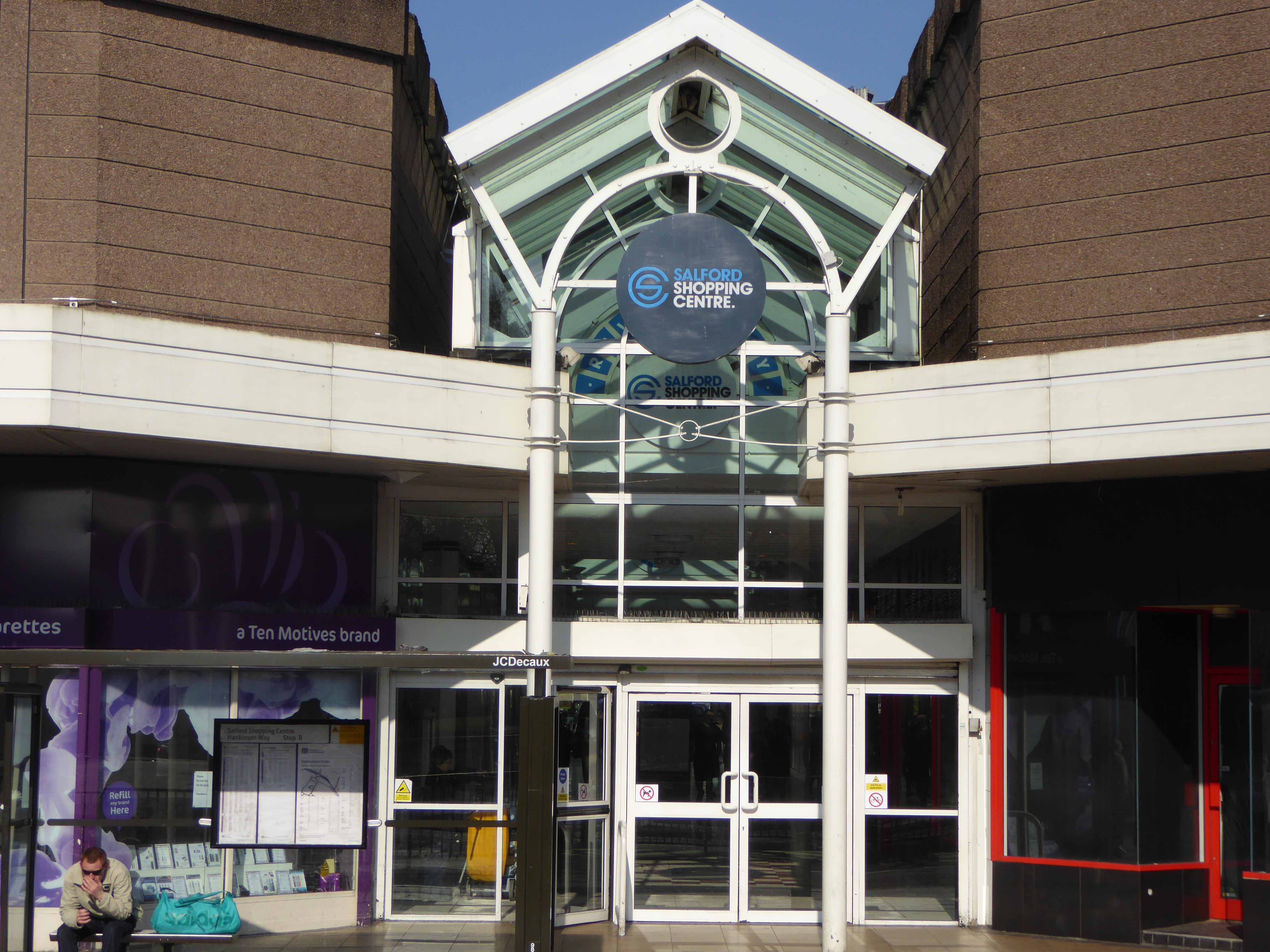
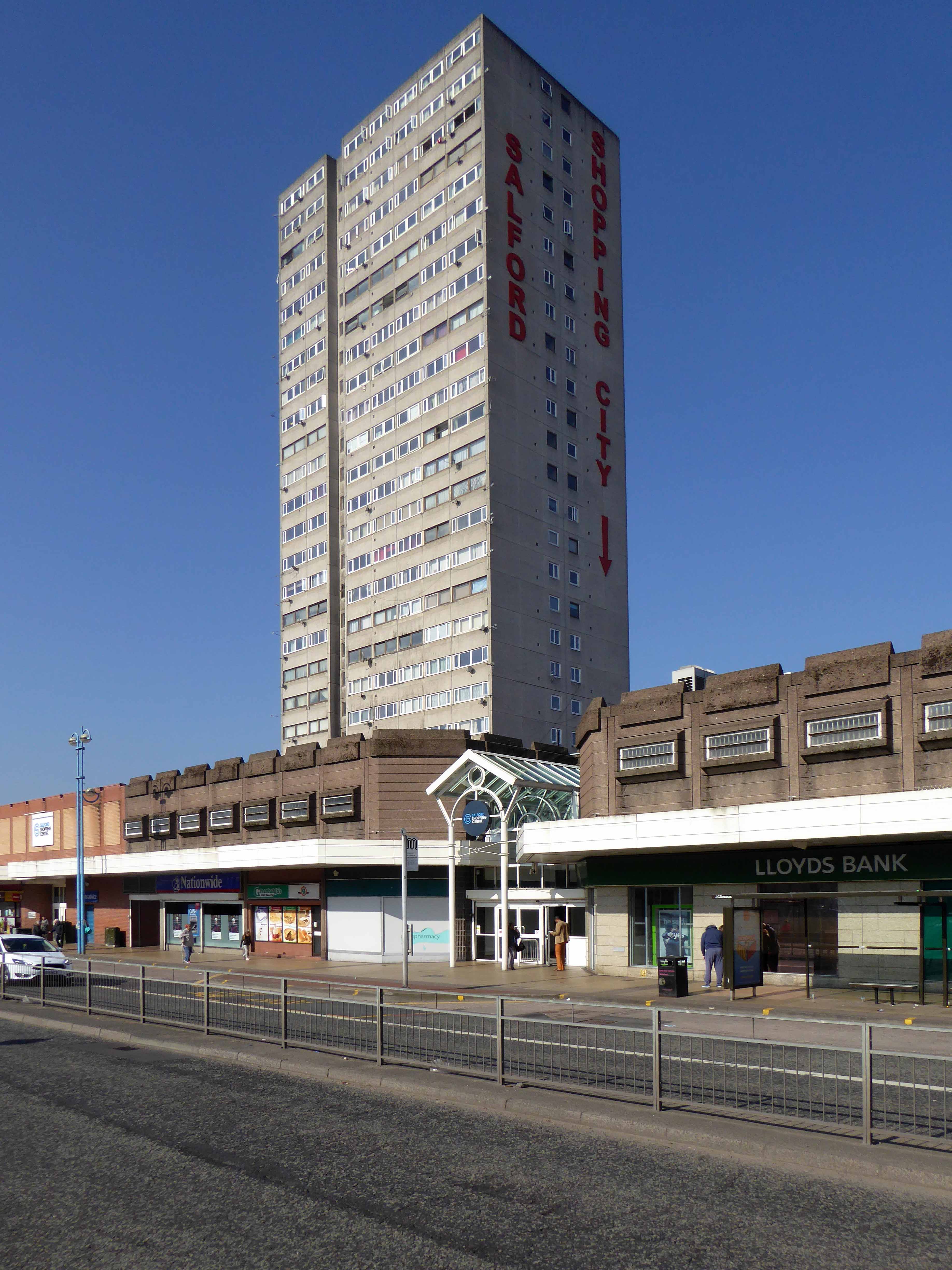
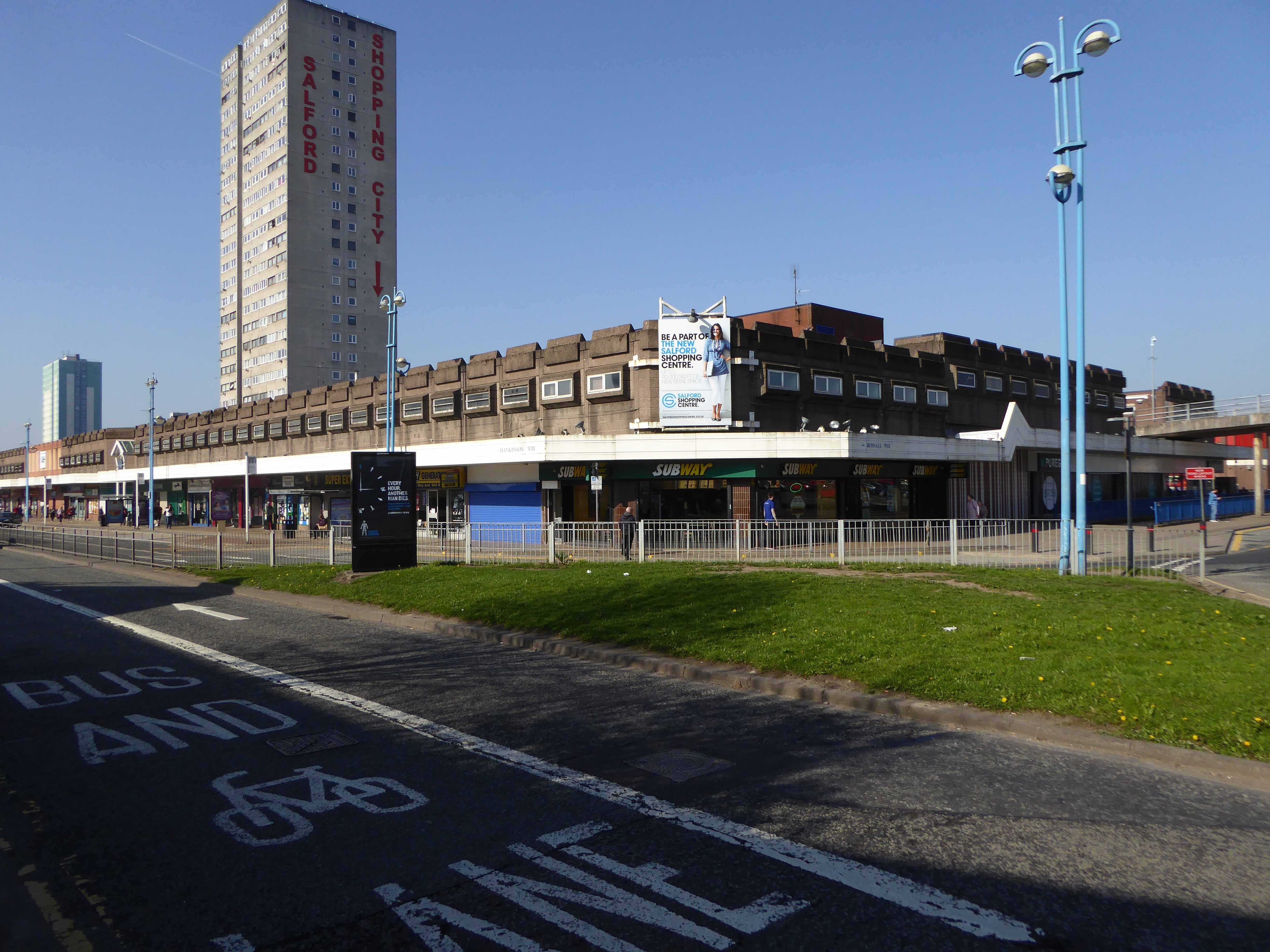
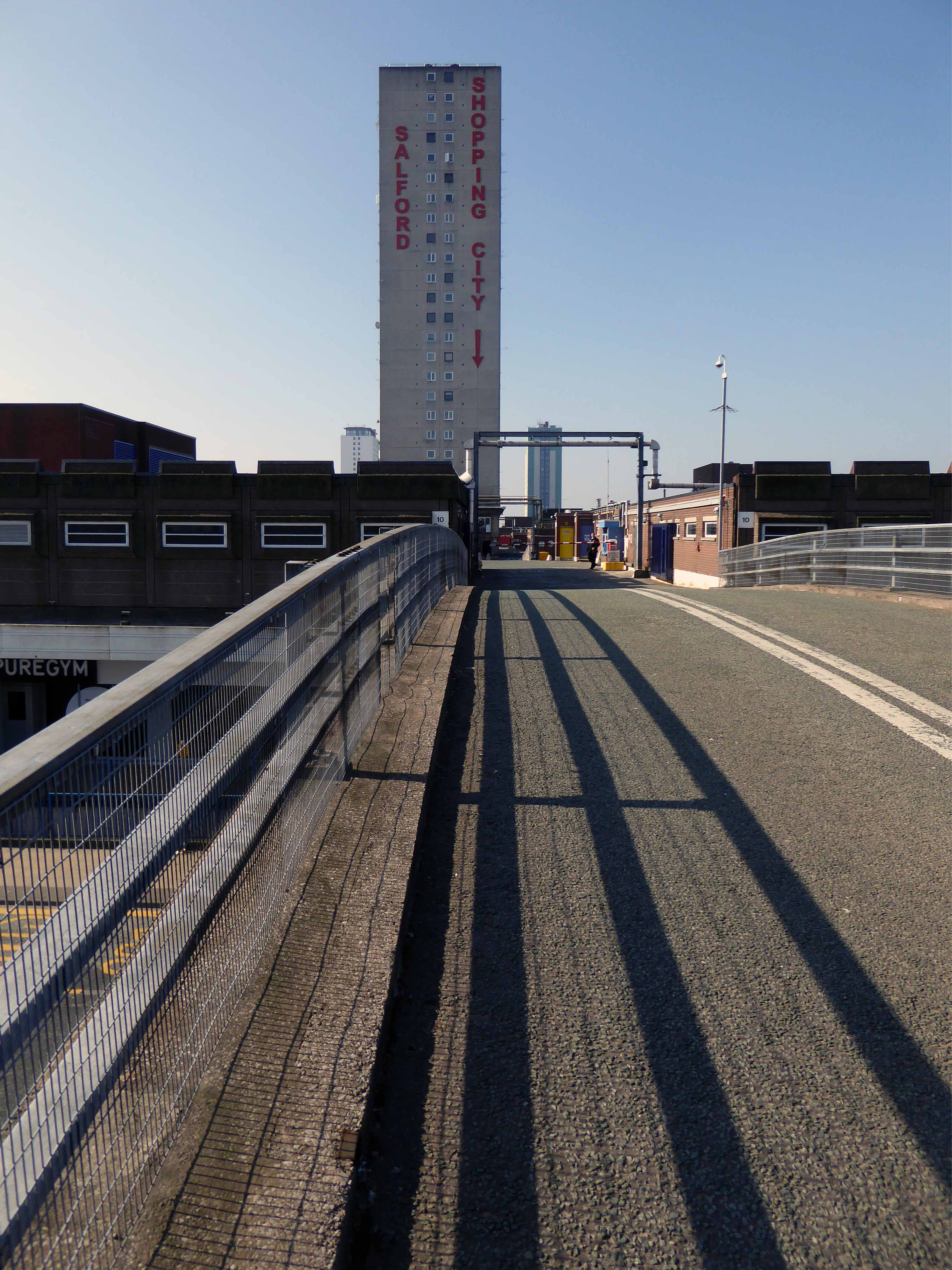
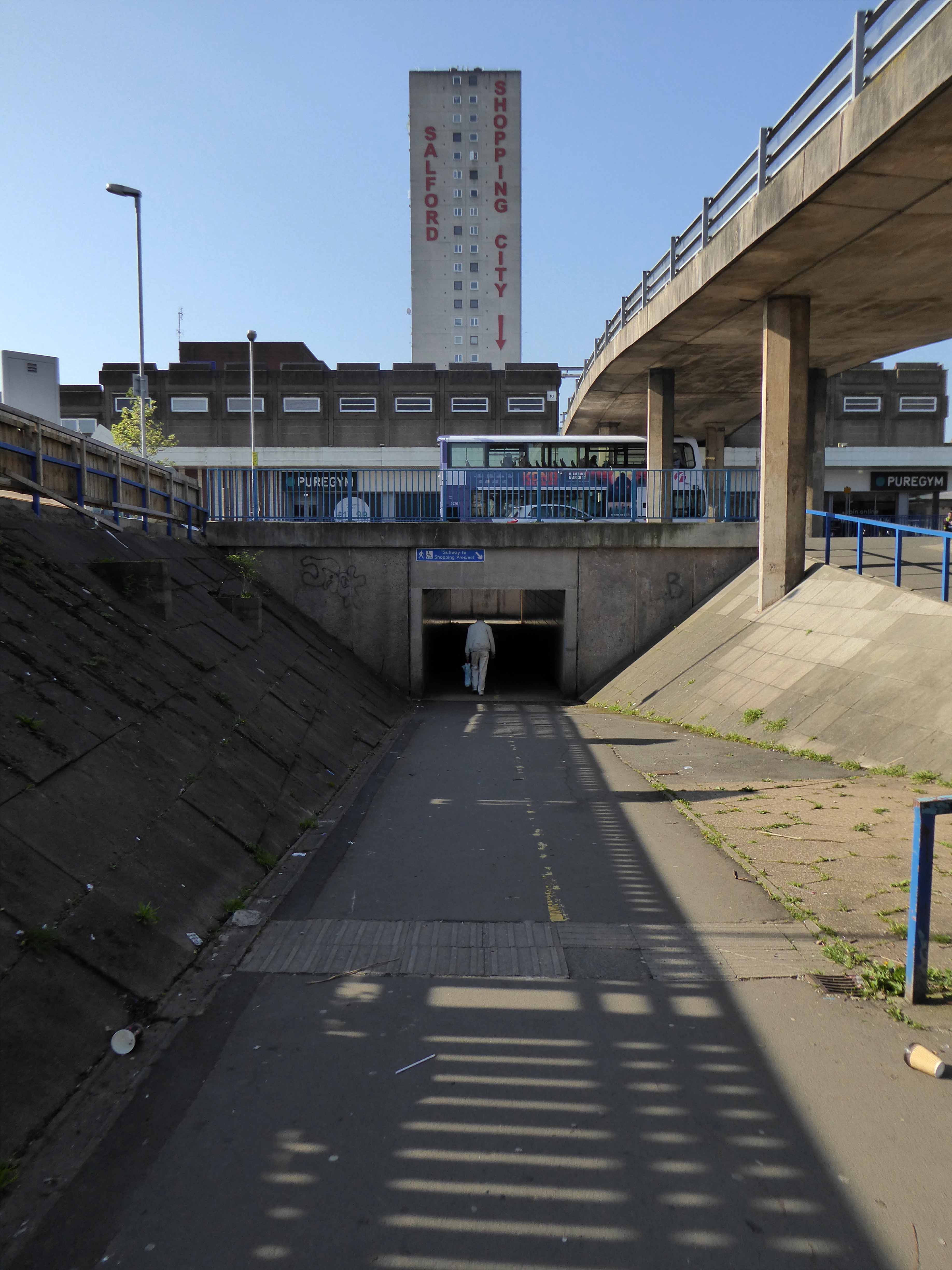
Salford Shopping City

The construction of the shopping centre and surrounding areas continued and on 21 May 1970 the new Salford Market officially opened. From 1971 onwards new shops inside the precinct itself began to open.

However, due to a lack of funds and a political scandal which saw chairman Albert Jones jailed for eight months construction of Salford Precinct was halted. The site had only 95 shop units compared to the proposed 260, the hotel and two storey car park were never built.

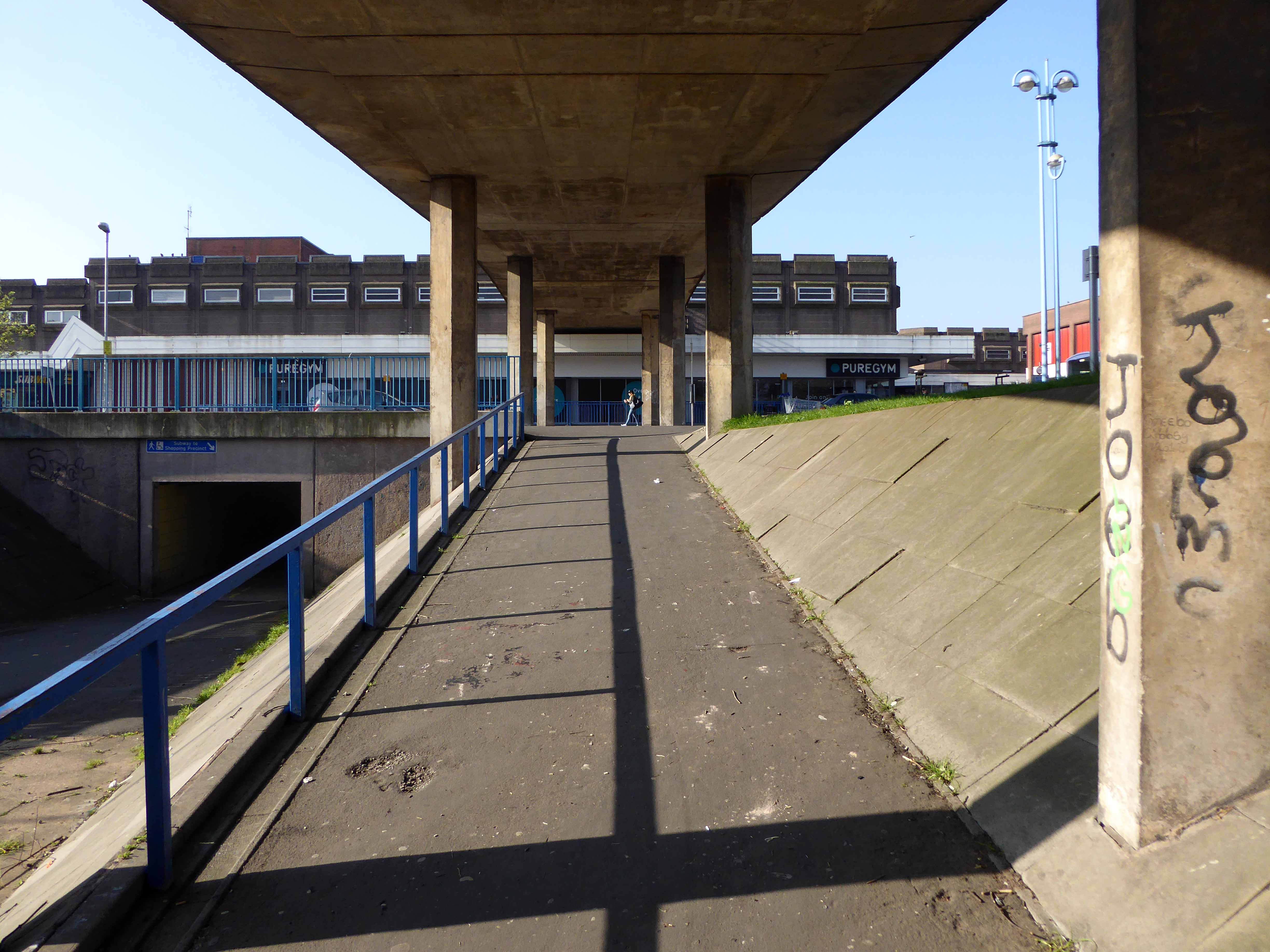
In 1991 the building was refurbished at a cost of £4 million, this included the installation of roofs across various walkways, making large swathes of the centre undercover. The shopping centre which at the time was known as Salford Precinct was renamed Salford Shopping City.

On 9 August 1994 the Manchester Evening News reported that Salford City Council was planning on selling off Salford Shopping City to raise money for local housing repairs, these plans split the ruling Labour Party council, one councillor telling the press that it would be like selling off the family silver.

In 2000 Salford Shopping City was eventually sold to a private company for £10 million in an effort to cut the council’s deficit. It was then later sold in March 2010 to Praxis Holdings for £40 million, the company stated that it wanted to invest in the precinct and link it to the new food superstore.

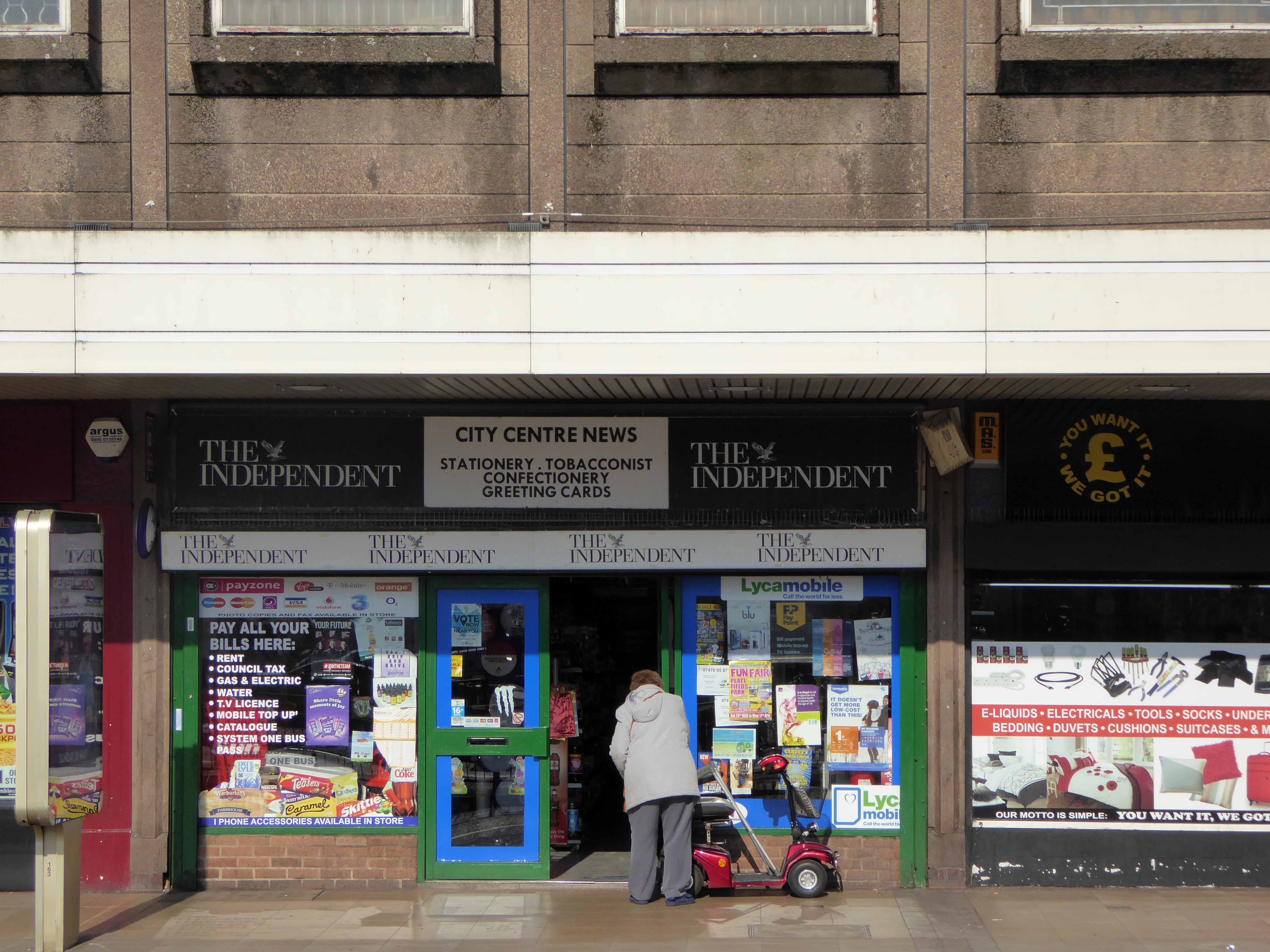
This is a tale of our times – 60s and 70s redevelopment designed and built in the rampant spirit of free enterprise and uber-buoyant consumerism, falling foul of an economic downturn, subsequent unemployment and shrinking retail spending. Property is ping-ponged between local authority and speculative developers.

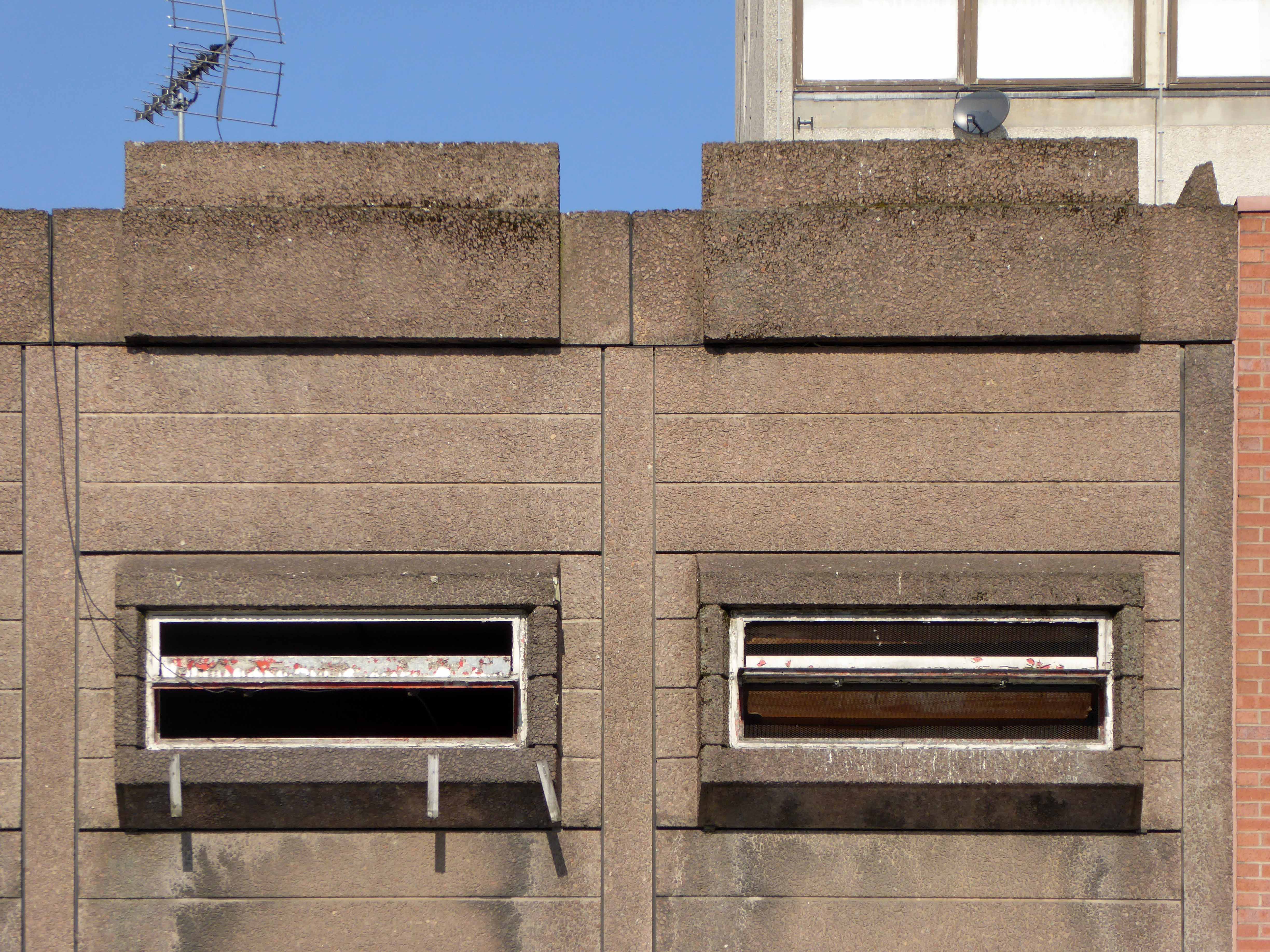
Following the riots of 2011 pledges were made regarding the future of the site, plans are still afoot, as yet to be rendered corporeal. Although the area has benefitted from an influx of students and a refurbishment of housing stock, there is pressure on the prosperity of the precinct from thriving retail developments in nearby Manchester and the Trafford Centre.

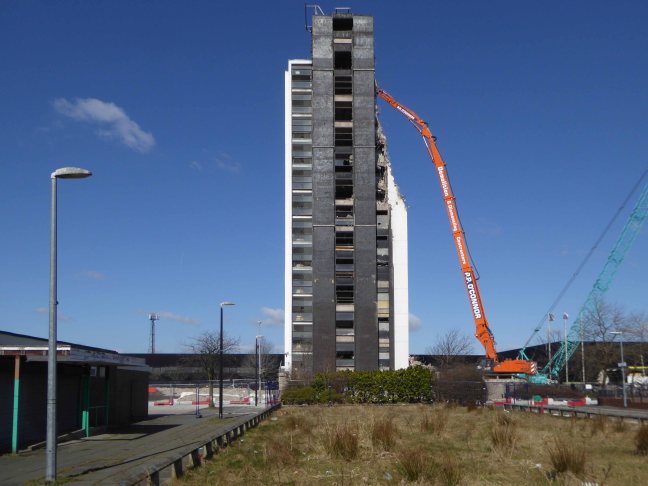
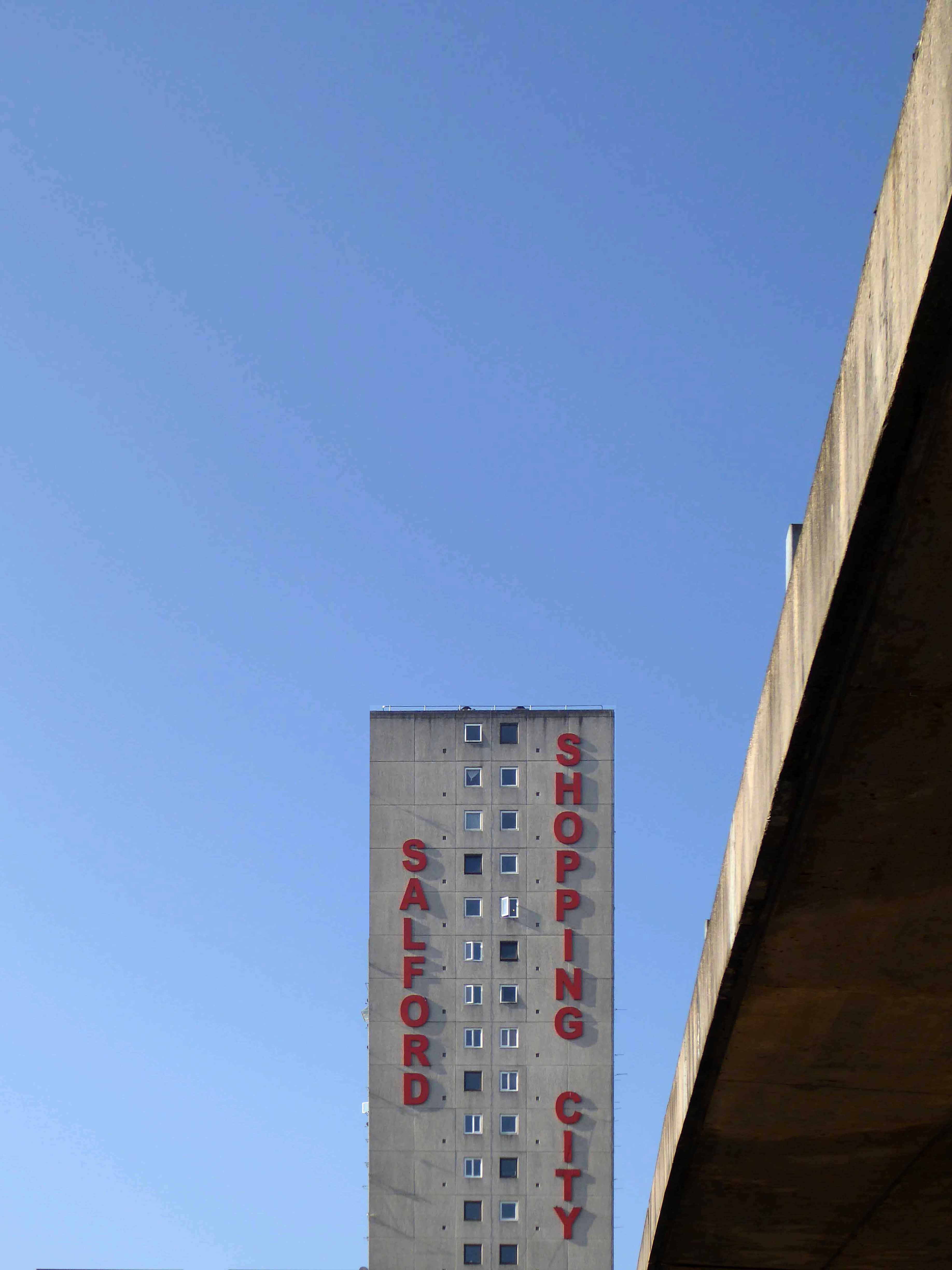
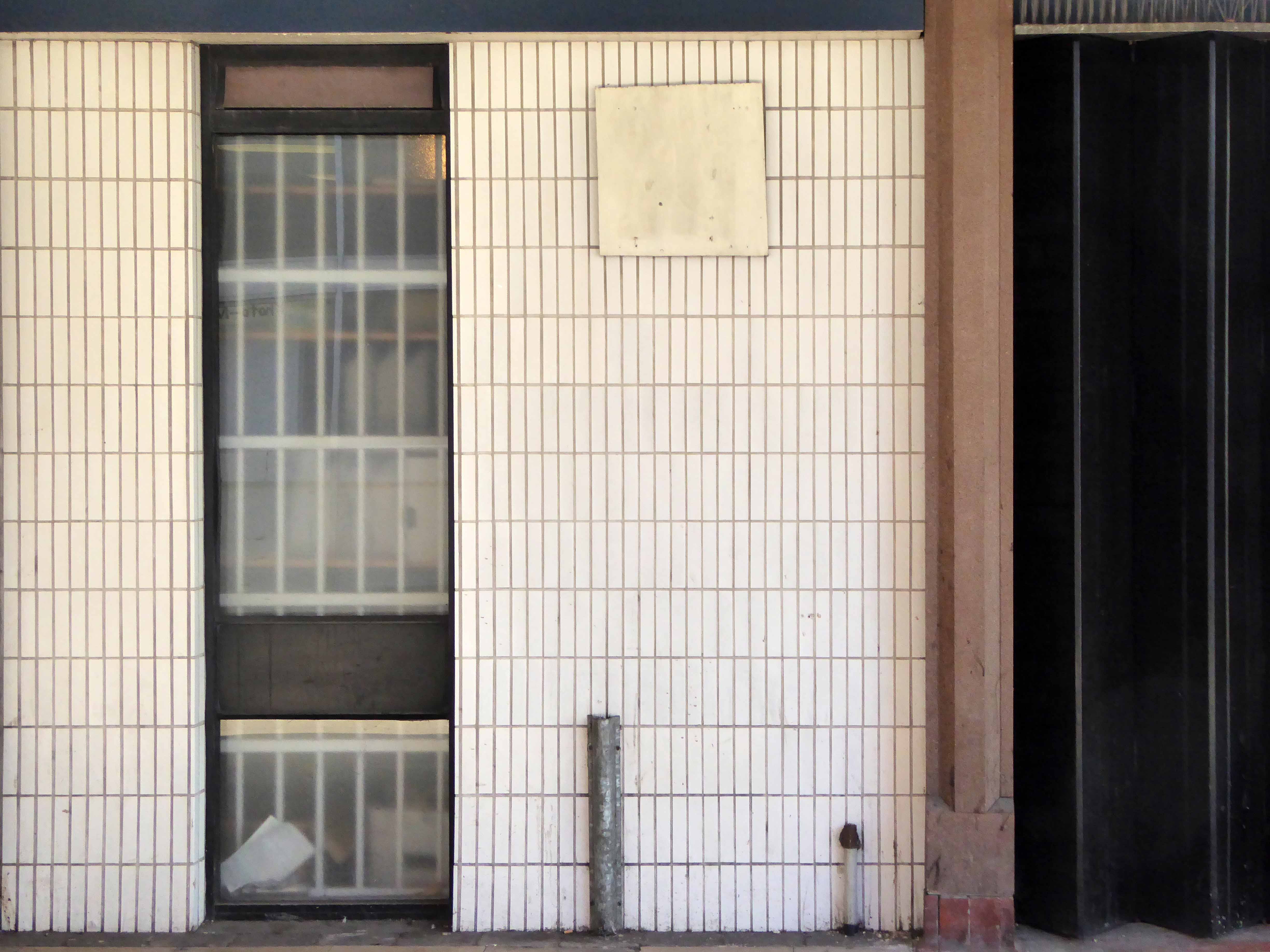
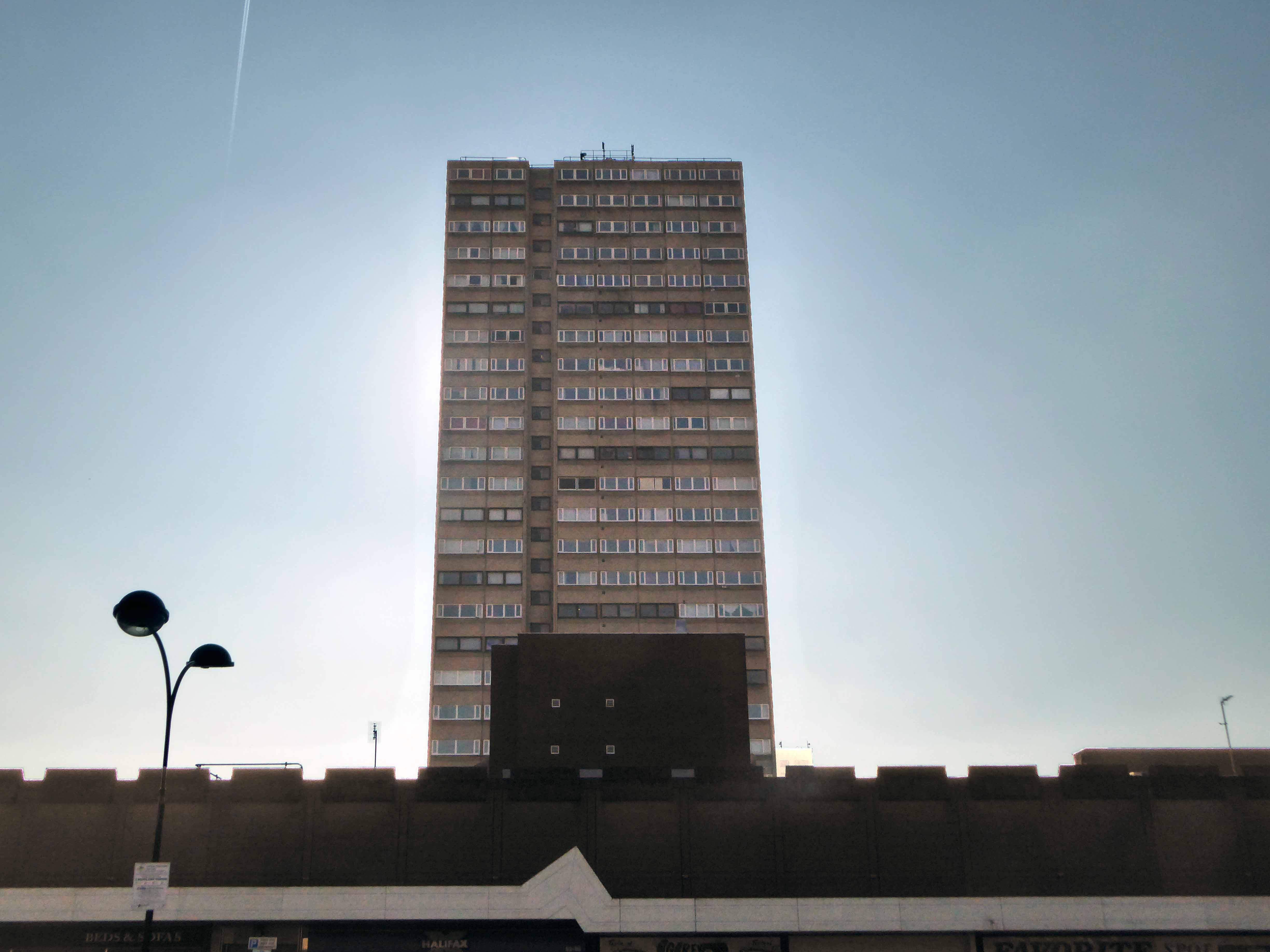
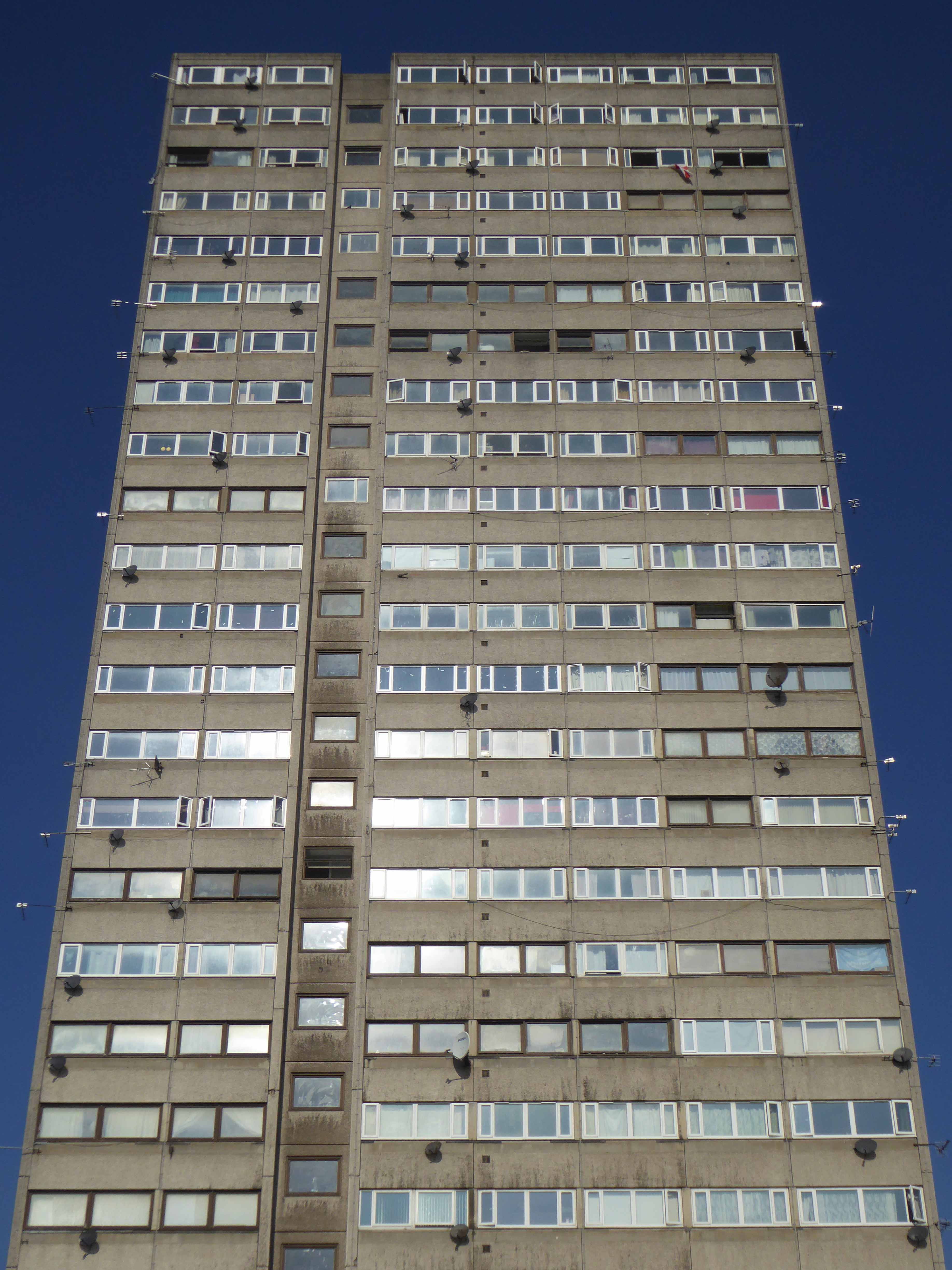
The architectural core of the site has been retained, including the 23 storey Briar Court residential tower, though diluted by more recent additions, misguided post modern detailing that threatens the integrity of full many a post war development.

P1140819

P1140823

P1140827

P1140828

P1140832

P1140834

P1140835

P1140836

P1140837

P1140839

P1140840

P1140843

P1140855

P1140856

P1140857

P1140858

P1140861

P1140864

P1140865

P1140868

P1140869

P1140870

P1140871

P1140872

P1140873

P1140874

P1140875

P1140876

P1140878

P1140879

P1140881

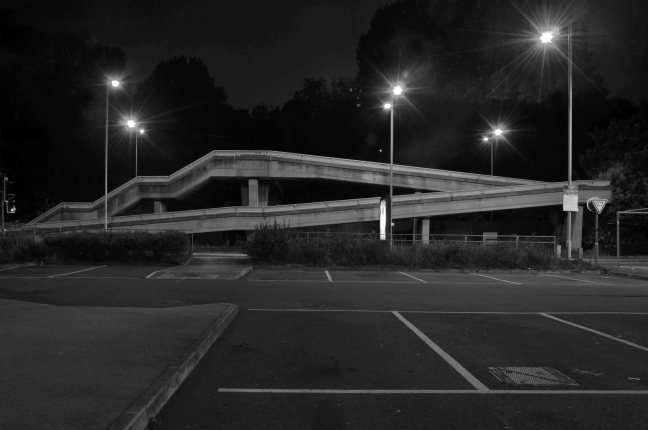
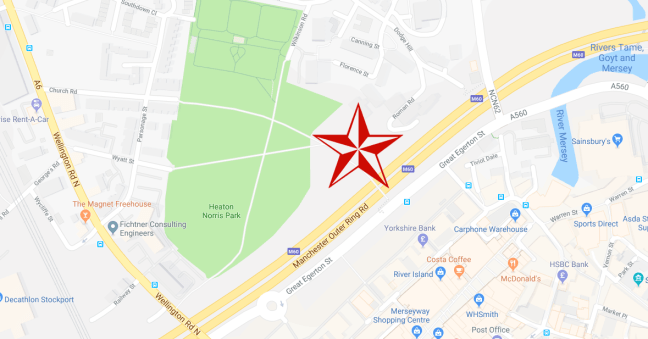
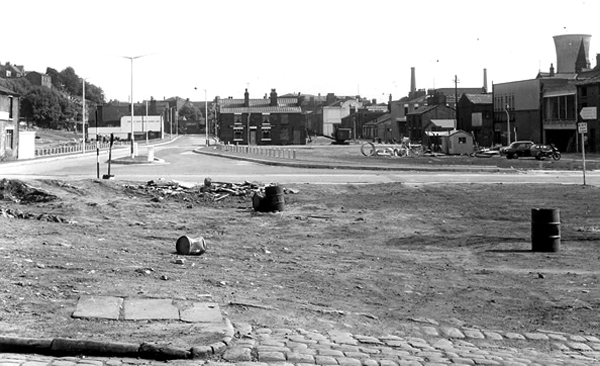
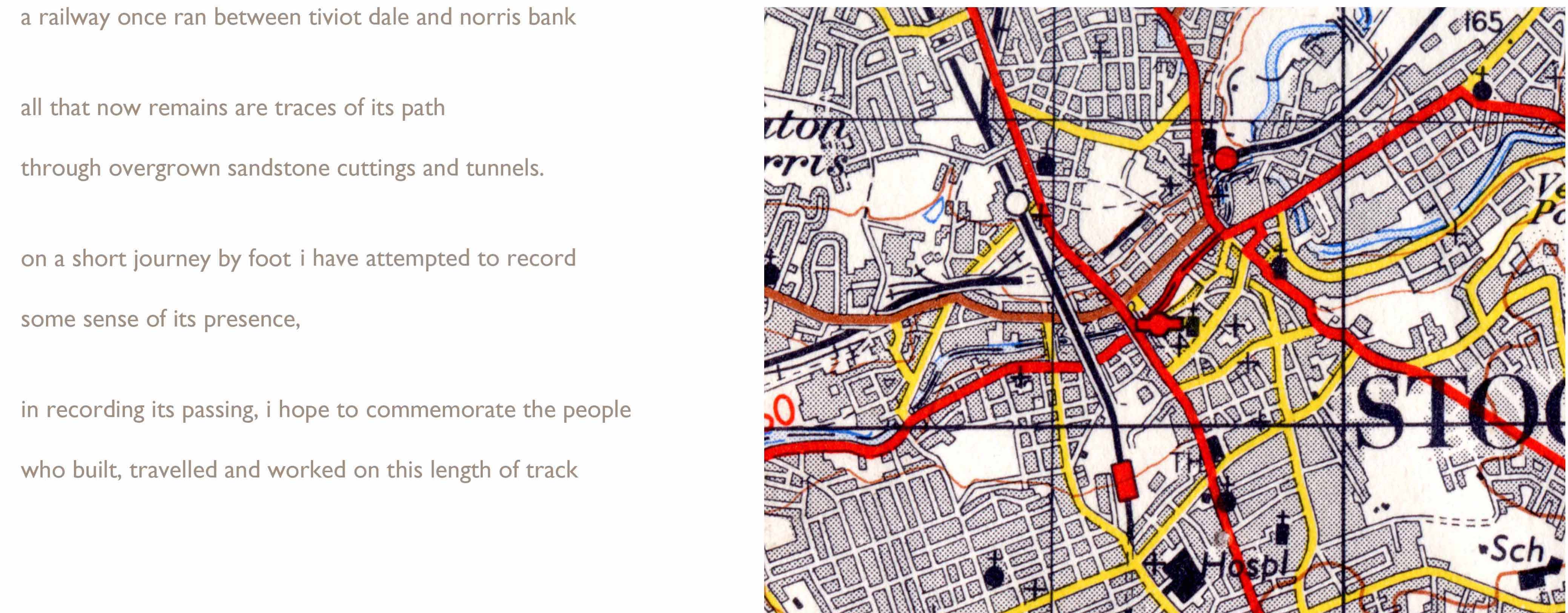
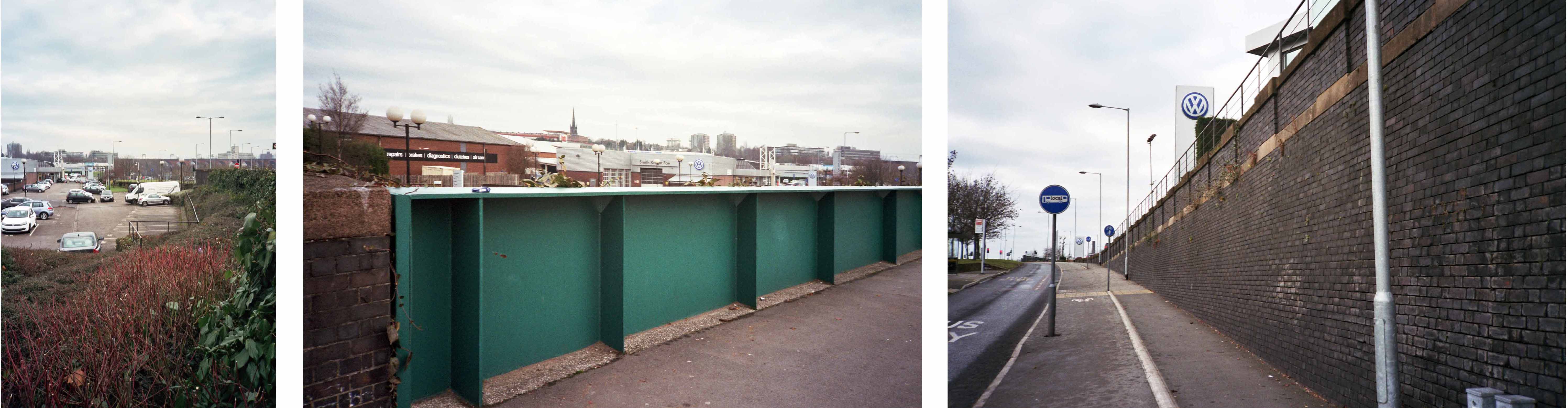
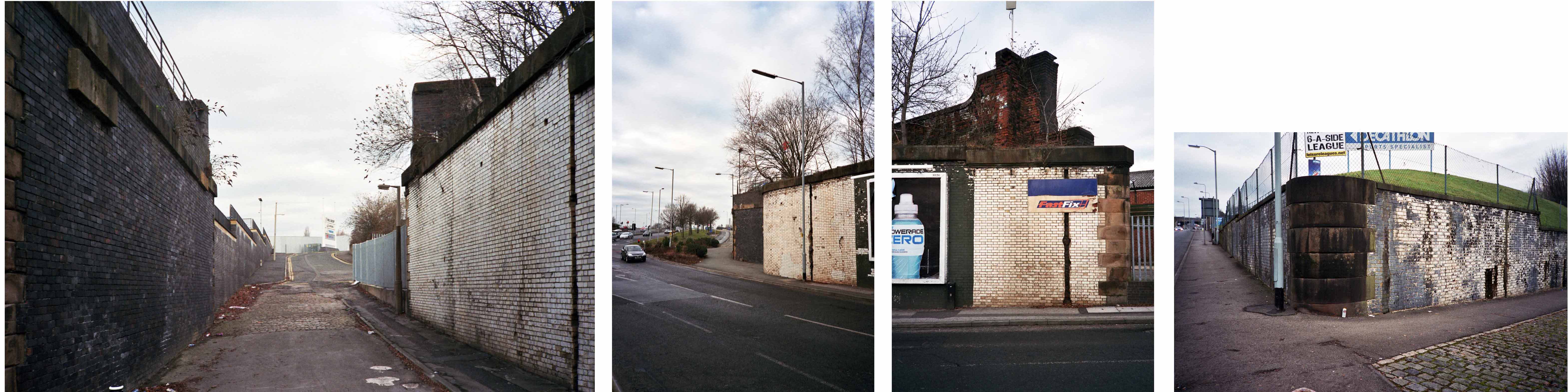
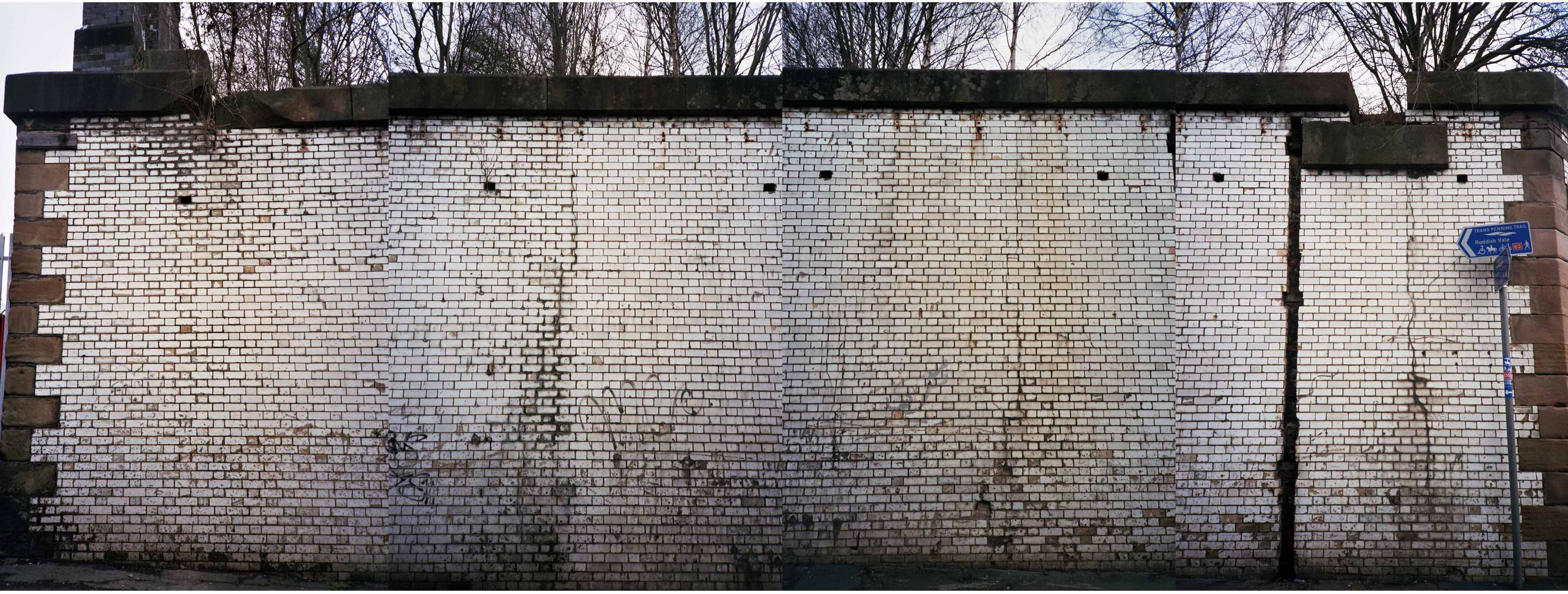
Tiviot Dale to Norris Bank – Stockport

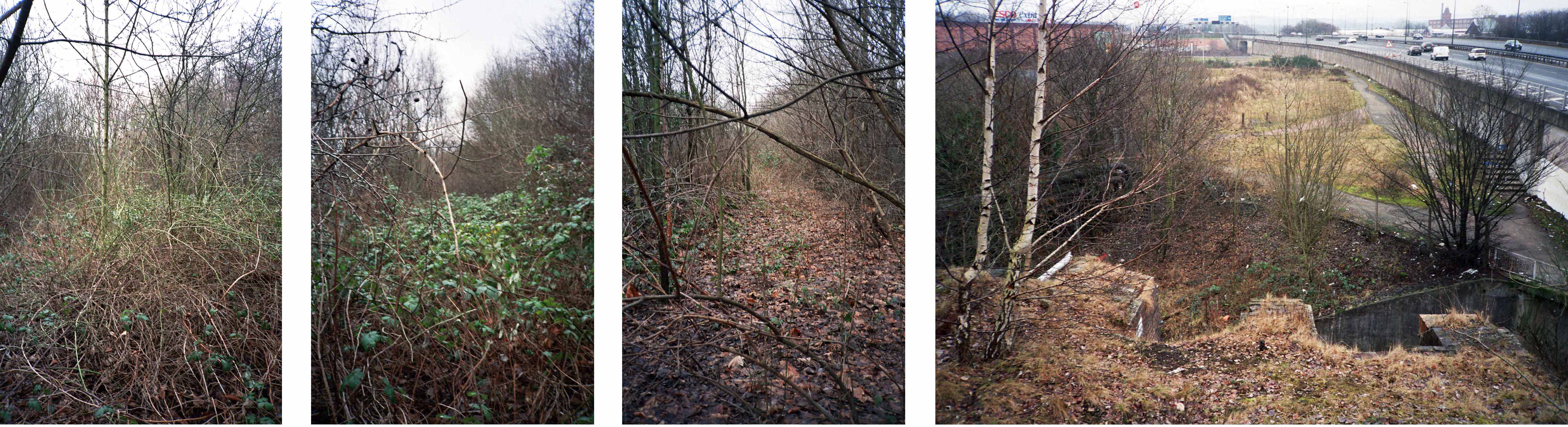
This is a journey I made as a BR Guide Bridge goods guard in the late 1970s, often with driver Eric Clough, into the George’s Road scrap yard. It was also at one time the Cheshire Lines passenger route out of Stockport Tiviot Dale Station to Liverpool, Southport, St Pancras and beyond.

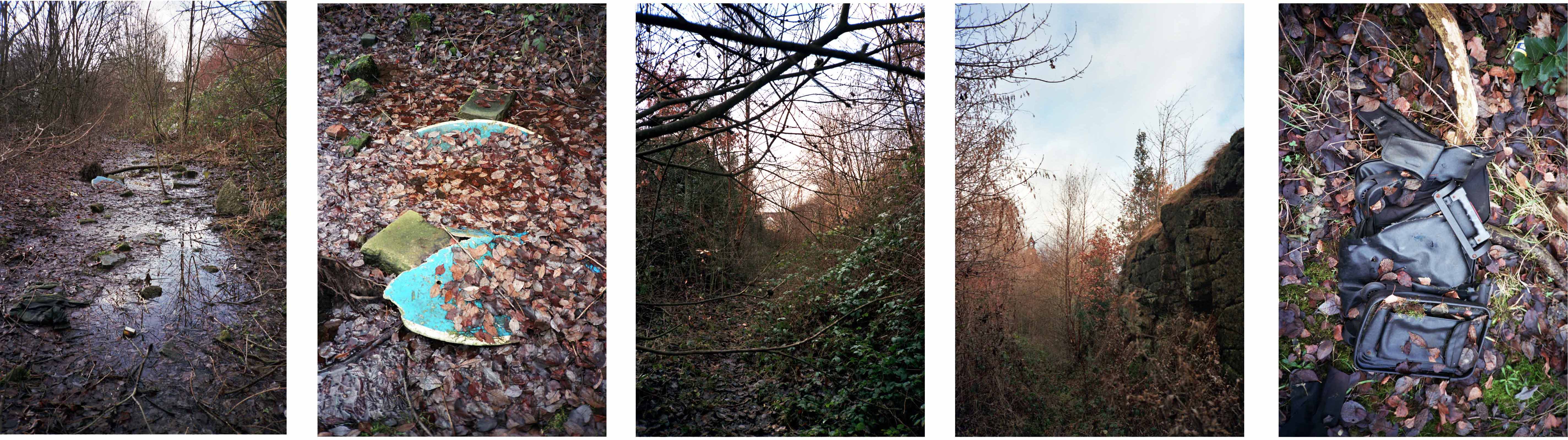
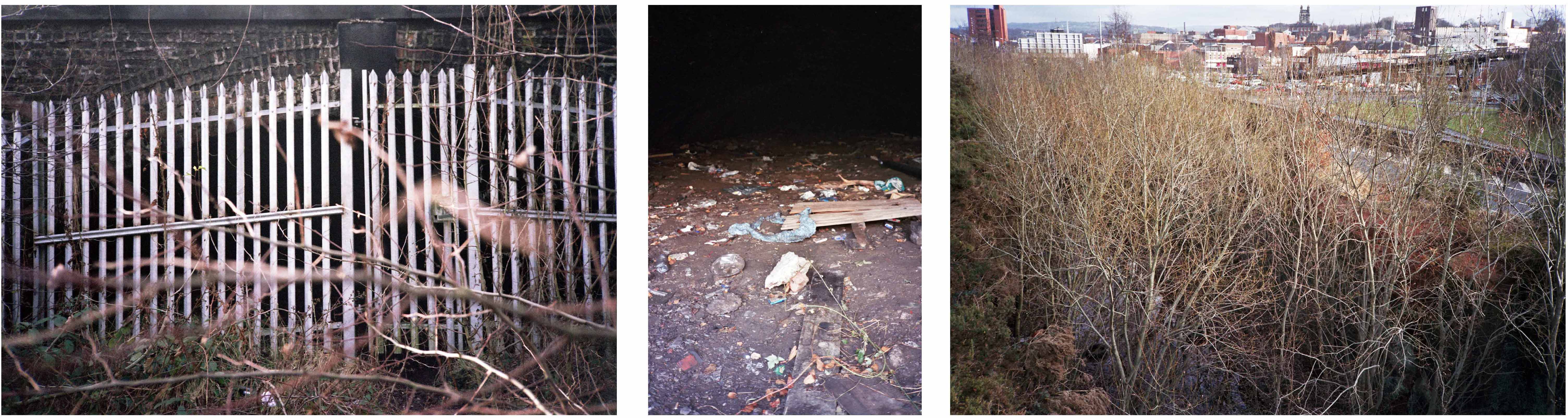
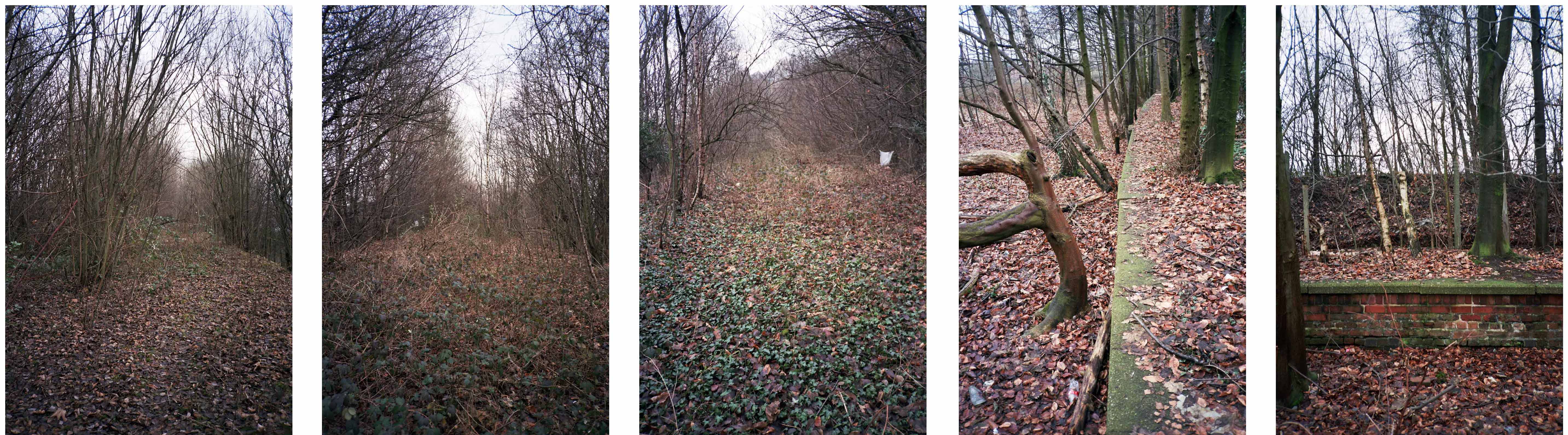
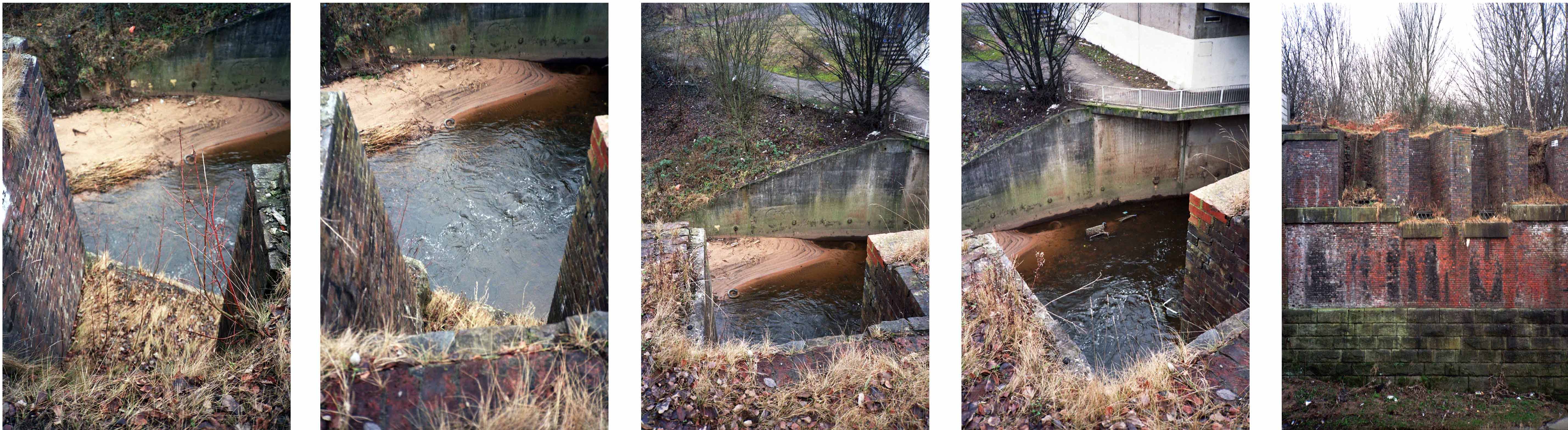
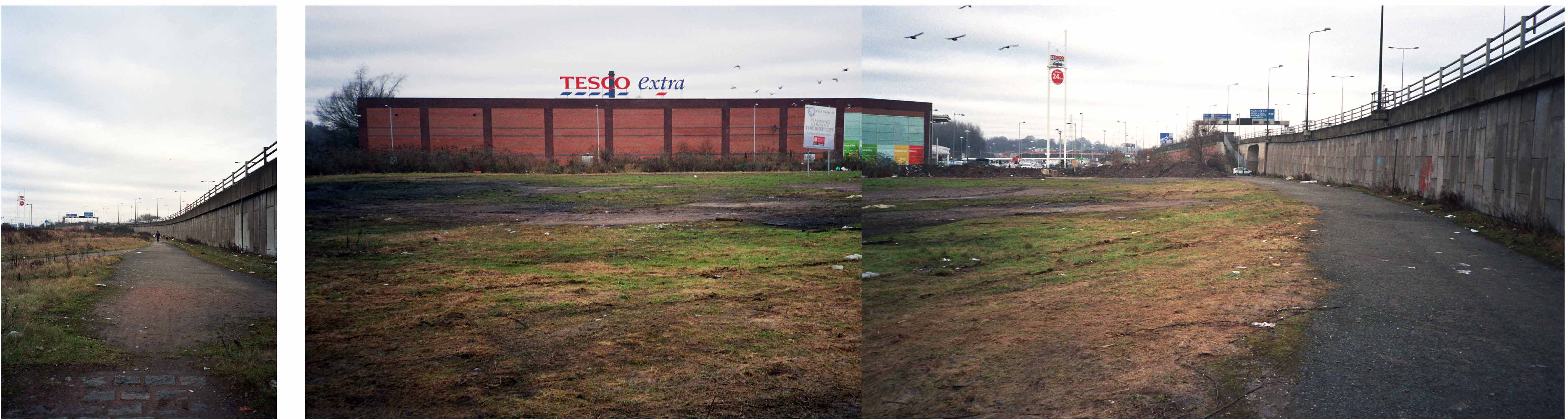
This is a journey I made on foot through bramble, puddle and scrub on a now disused line, cheek by jowl with a motorway and the passing crowd, blissfully unaware of its existence.

intro

page1

page2

page2a

page4

page5

page6a

page7

page8

page9

page9a

page11

page12

page13

page14

Merseyway – Stockport

Once there was a river there, formed by the thunder of Irish Sea ice gouging a great glacial valley, bowling along boulders and millstone grit through phyllosilicate clays and sedimentary sandstone.

27983074_10215926263608490_3556820789336334741_o

Then there wasn’t.

The Mersey, formed in Stockport as the Tame and Goyt conjoined, inconveniently filled with industrial grime and mire, then conveniently covered over in 1936.

16066

Creating the thoroughly modern thoroughfare Merseyway.

43094

The giant concrete culvert and bridge leaving the river cowering cautiously below.

11889

Of time and a river – little stands still and the town is whisked briskly into the late Twentieth Century with plans for a pedestrianised precinct.

15162

Completed and opened in 1965 the shopping precinct was concrete poetry in motion, incorporating the surrounding topography and extant architecture with grace and aplomb. Combining retail, restaurants and car parking facilities in a manner that critic Ian Nairn considered to be amongst the finest in the land.

4906

We had travelators, integrated paving, street furniture, and lighting across several levels. A carefully considered whole, combining all that was best in modern design with style, élan and panache – along with Freeman, Hardy and Willis.

16347
34942
44282

A clock tower, an Alan Boyson concrete car park screen and public art.

17379
19366

Would that it was still so, a variety of additions and subtractions have left Merseyway in architectural limbo, concrete legs akimbo across the river below, striding towards the future in a more than somewhat bewildered manner.

Yet we still continue cast our eyes upwards towards a clock that isn’t there, ride a non-existent walkway to the sky, try on an imaginary crop-top in C&A’s Clockhouse.

11408
17376
25379
17594

Photographs Stockport Image Archive

Lansbury Estate – London

The Lansbury Estate, to the north of East India Dock Road, is the most important, largest and best-known council estate in Poplar. It demonstrates the different trends in post-war council house design and layout. The interest of the estate lies as much, if not more, in the story of its planning and construction, as in what was actually built. This is especially true of its first phase, which formed the basis of the Live Architecture Exhibition in the 1951 Festival of Britain.

lansbury-neighbourhood-map-1951


Originally outlined in the 1943 plan for London, replacing the bomb damaged homes of displaced dockers, the estate has weathered well enough, though changes in demographics, the ever greater engulfing tide of gentrification and the containerisation of all ports, brings a fresh set of challenges and changes.

Go east – I visited the V&A Micro Museum, which has become a focus for residents’ and visitors’  memories and projections of a certain uncertain past and future. Arriving by the Docklands Light Railway, I was immediately drawn towards my destination, by the prominent Lansbury Tower, its clock patiently ticking away the time to and from 1951. Welcomed by staff and fellow travellers at the Chrisp Street Market site we began our tour at the heart of the Festival area – further details of which can be found here at Municipal Dreams.

A mix of market, shops, Festival pub, warm cream London brick terraces and low rise, later tower blocks, schools, churches and open grassed communal areas. On a cold and getting colder late winter’s day, a smattering of residents went purposefully about their business.

Life goes on.
Next time everything’s going to be different.

P1130822 copy

P1130821 copy

P1130820 copy

P1130819 copy

P1130818 copy

P1130817 copy

P1130815 copy


P1130812 copy

P1130811 copy

P1130810 copy

P1130809 copy

P1130807 copy

P1130806 copy

P1130805 copy

P1130803 copy

P1130800 copy

P1130796 copy

P1130794 copy

P1130793 copy

P1130788 copy

P1130786 copy

P1130785 copy

P1130784 copy

P1130783 copy

P1130781 copy

P1130769 copy

P1130767 copy

P1130754 copy

P1130753 copy

P1130751 copy


Seven Sisters – Return to Rochdale

I’ve passed this way before, they’re hard to miss, seven substantial tower blocks towering over the town on College Bank.

But what goes up, may come down.
Screen Shot 2017-03-23 at 13.53.11

Construction in 1963

Demolition in 2017 is one suggestion – following years of poor maintenance, problems of heating and ingress, plus a whole host of other reasons outlined here.
Screen Shot 2017-03-23 at 13.50.02

The housing trust in consultation with residents, have produced a tentative plan.
Screen Shot 2017-03-23 at 13.50.49

This may or may not include the demolition of one or more blocks. On the day of my visit, the tenants I spoke with understood that the blocks faced an uncertain future, and were rightly concerned by the rumours and conjecture. The majority would prefer to stay put, having lived there for several years, raising families and building  homes.
Whatever the outcome I hope that the wishes of the residents are not overwhelmed by political expedience, or the will of the developer.

Take a look for yourself.

P1140328 copy

P1140335 copy

P1140337 copy

P1140339 copy

P1140340 copy

P1140346 copy

P1140347 copy

P1140348 copy

P1140350 copy

P1140351 copy

P1140353 copy

P1140355 copy

P1140356 copy

P1140358 copy

P1140362 copy

P1140370 copy

P1140372 copy

P1140374 copy

P1140444 copy

P1140445 copy


Barmouth Street – Bradford Manchester

Once again I am following in the footsteps of Rita Tushinghan and the Taste of Honey film crew, this time my research has lead me to Barmouth Street, Manchester.

screen-shot-2017-02-11-at-14-42-03

To the east of the city centre, Bradford Park School was the scene of the opening scene, Jo’s netball match. The school is now long gone, now the site of a much enlarged public park, as can be seen from the map above.

Shelagh Delaney, author of the original play on which the film was based, can be seen fleetingly in this opening scene, appearing momentarily over the games teacher’s shoulder.

screen-shot-2017-02-11-at-14-43-12

I have found one archive image of the school, as the scholars prepare for the annual Whit Walks, this along with many other community traditions and conventions, have all but disappeared from the streets of the city.

webmedia-php

This was once a tight knit community, surrounded by industry, full employment and a short lived period of post-war growth and optimism.

A corner shop on very corner, though by the time I worked as a Mothers Pride van lad in the late sixties, many were already on their last legs. A lethal cocktail of closing factories, incipient supermarkets, and an urban renewal programme, which lead to slum clearance, would change the character of the area forever.

screen-shot-2017-02-08-at-11-59-09

screen-shot-2017-02-08-at-11-59-38

screen-shot-2017-02-08-at-12-02-21

screen-shot-2017-02-08-at-12-03-37

screen-shot-2017-02-08-at-12-04-58

screen-shot-2017-02-08-at-12-05-23

screen-shot-2017-02-08-at-12-06-37

screen-shot-2017-02-08-at-12-00-28

I am indebted to the photographic work of T Brooks who seems to have spent much of the mid Sixties documenting the streets, his pictures are now kept here in the Manchester Image Archives. Sadly I have found no further reference to him or his images, but have nothing but admiration for all those who pass unnoticed amongst us, camera forever poised.

Central to the social and sanitary life of that that community were the Barmouth Street Baths and Washhouse, where citizens would swim, wash, dry, iron, chat convivially, and surprisingly – play bowls.

screen-shot-2017-02-08-at-12-08-14

screen-shot-2017-02-08-at-12-14-20

screen-shot-2017-02-08-at-12-17-35

screen-shot-2017-02-08-at-12-16-24

screen-shot-2017-02-08-at-12-15-54

Now long gone, along with the provision of local authority nursery care. There were similar low level pre-fabricated buildings dotted all over the city. Built quickly and cheaply, to provide for a growing population, of largely working-class families, with no shortage of work opportunities.

screen-shot-2017-02-08-at-12-07-54

screen-shot-2017-02-08-at-12-08-53

This was a time of great social change, a time which the film attempts to anticipate -a more diverse, and hopefully more tolerant time, a time of possibilities and opportunities for all.

Holt Town Manchester – Part One

1785 Established by David Holt, and described as the only known example of a factory colony in Manchester, that is, an isolated mill complex with housing for the workers.

1794 Mills advertised for sale following the bankruptcy of David Holt and Company.

Things, as we know, have a tendency to come and go – ’twas ever thus.

A whole history of the area can be found here.

screen-shot-2017-02-08-at-12-40-07

River Medlock Holt Town

The area has seen a transition, in some two hundred year or more, from a leafy rural idyll, to smoke choked industrial hell and back again.

pollard-st

Pollard Street

dcs

Photographs from the Manchester Image Archive.

In 2014 I visited the site of the former Distillers Company, later Air Liquide UK, production had ceased. The factory was just about standing, litter and detritus strewn, unloved and unwanted, temporary home to the homeless.

The Industrial Revolution has been and gone – bye bye.

screen-shot-2017-02-08-at-20-51-31

There are plans for redevelopment, couched in the terms of the professional new-speak of the new urban renewalists.

The international design competition for Holt Town looked for a solution to the dilemma of providing a sustainable, distinctive, high density family-led residential community in close proximity of the Manchester regional centre.

Promising open green spaces and housing based on the traditional European perimeter block model, not a mention of a mill.

Possibly lasting a little longer than David Holt’s dream, and subsequent manifestations.

dsc_0139

dsc_0153

dsc_0137

dsc_0141

dsc_0142

dsc_0144

dsc_0147

dsc_0150

dsc_0157

dsc_0184

dsc_0160

dsc_0168

dsc_0171

dsc_0175

dsc_0185

dsc_0189

dsc_0190

dsc_0199