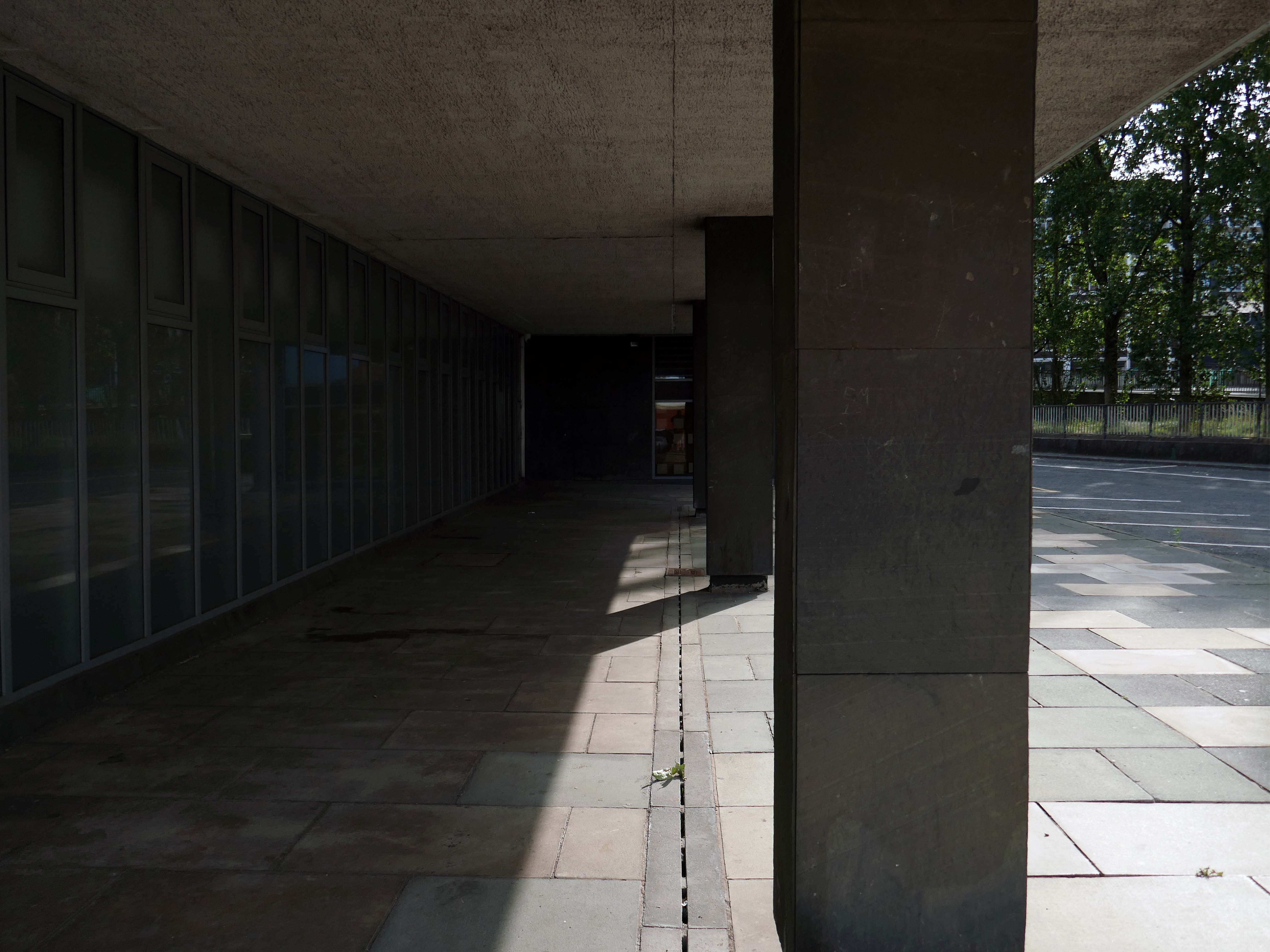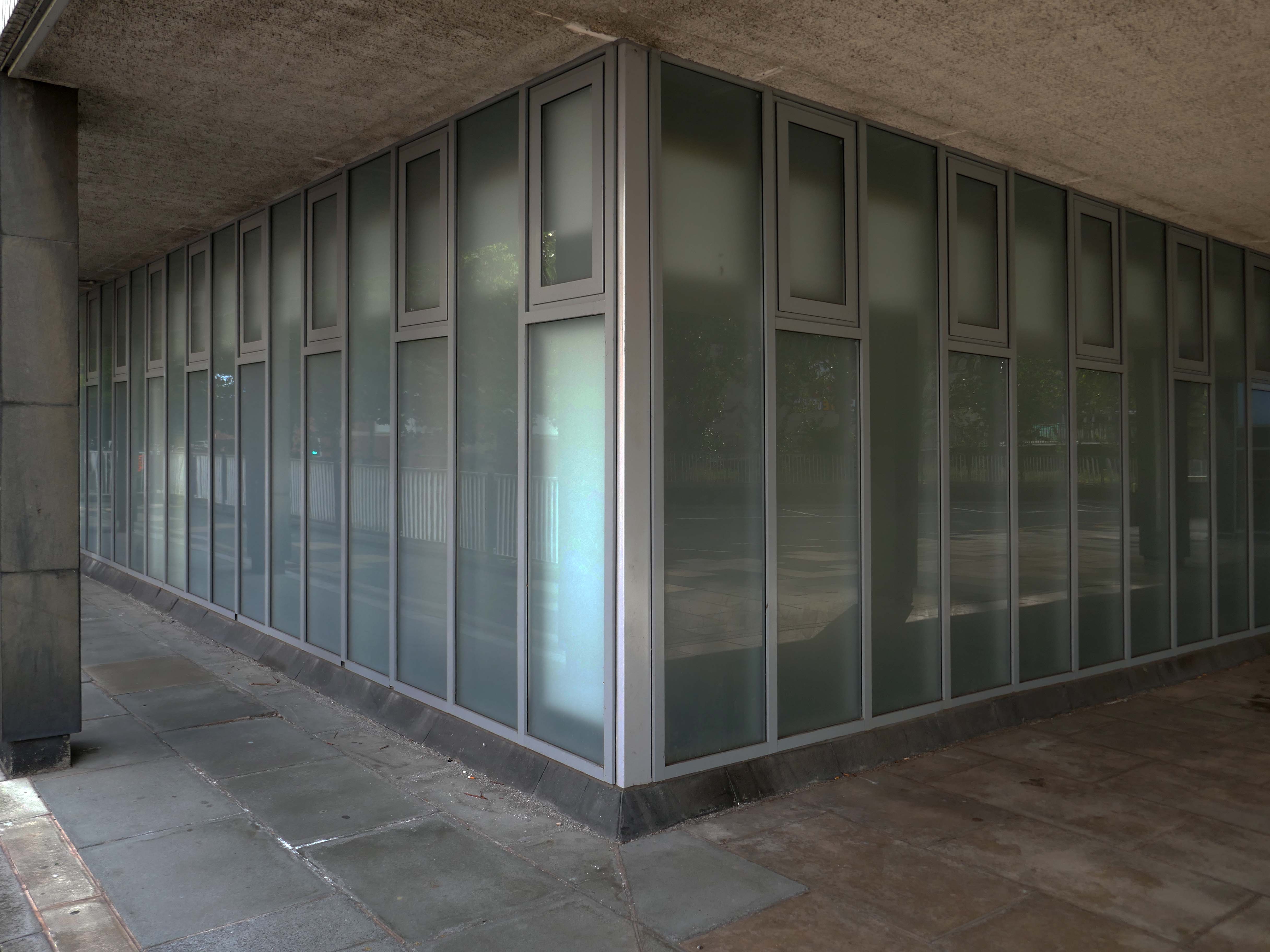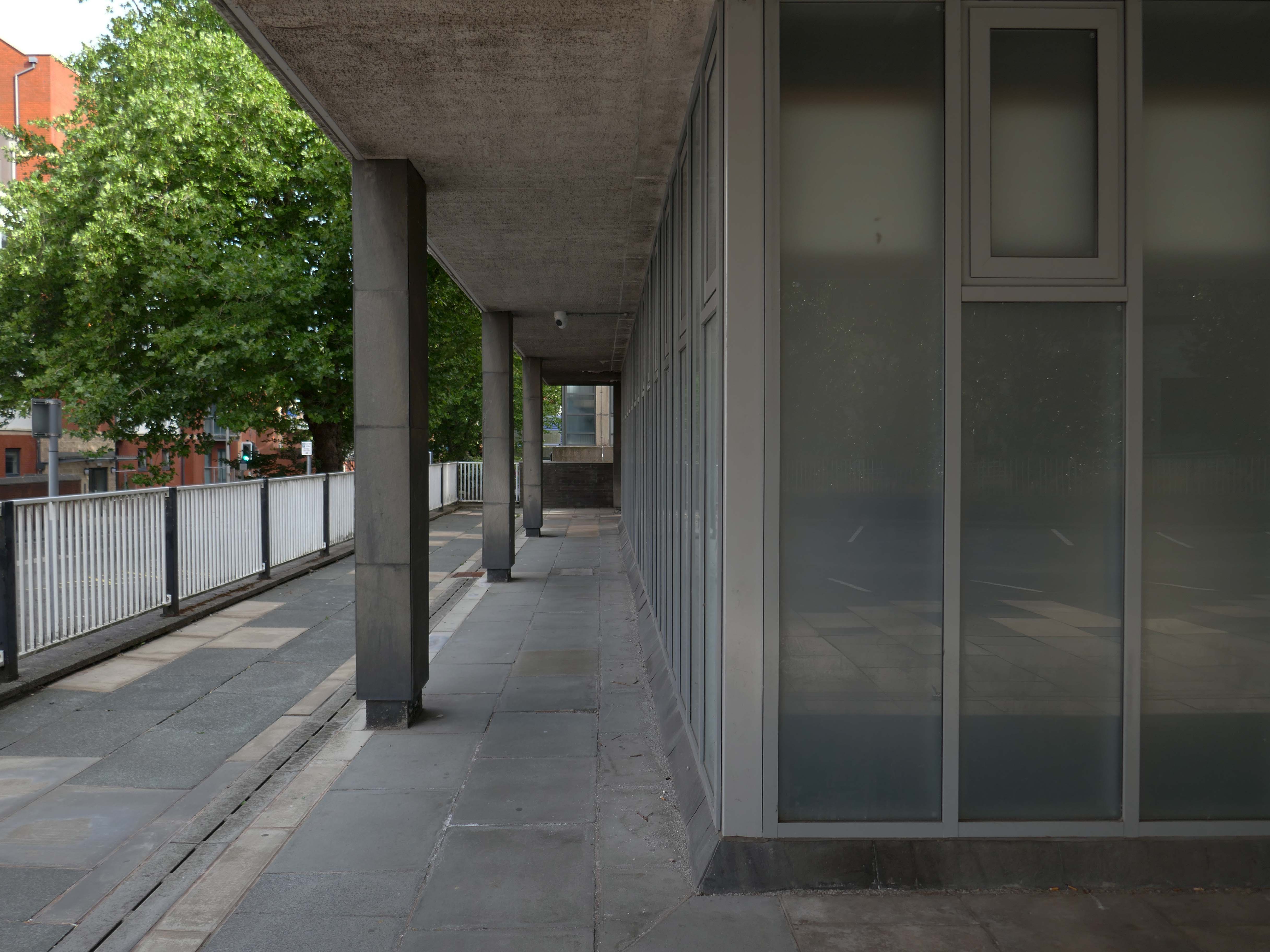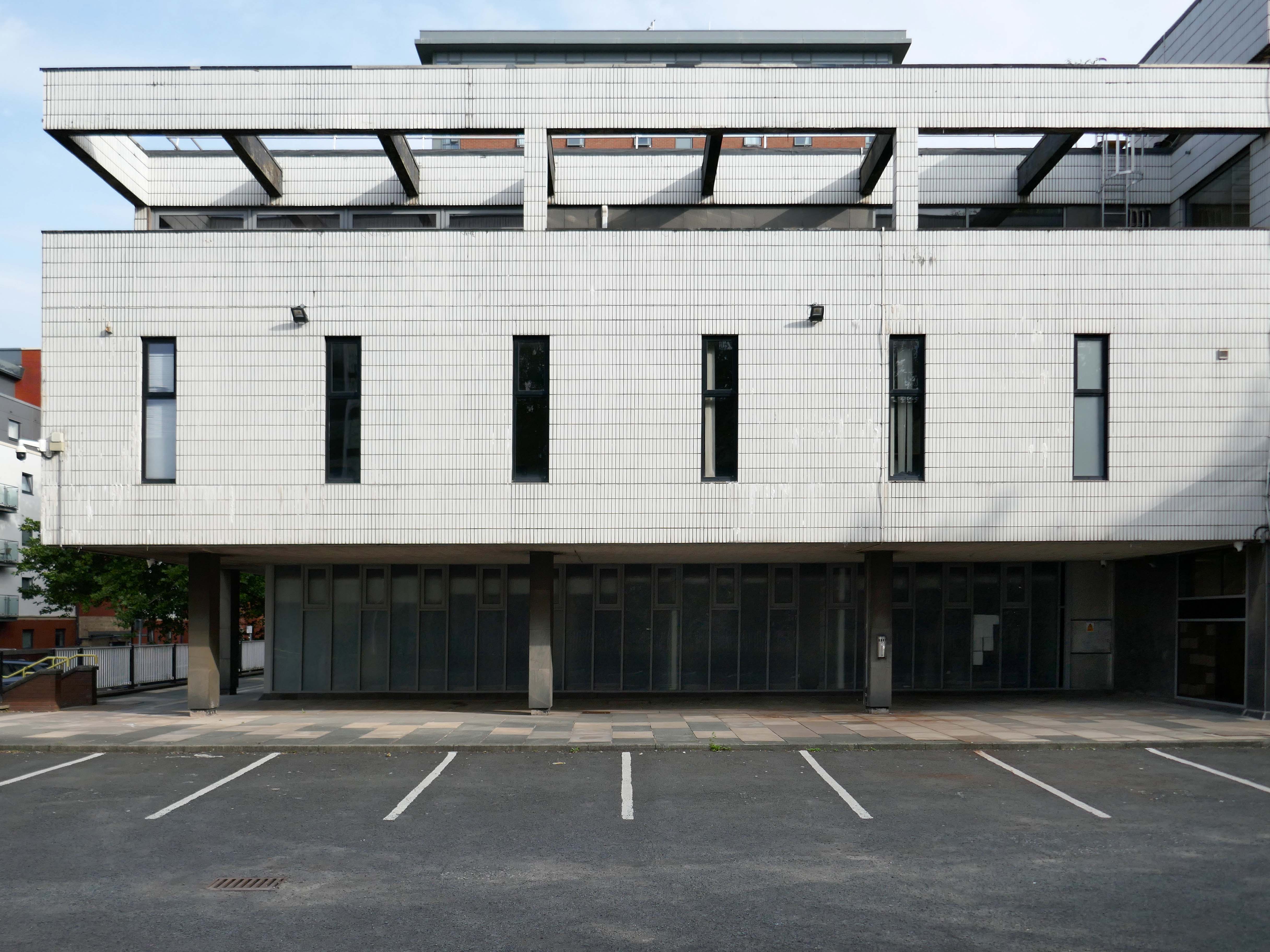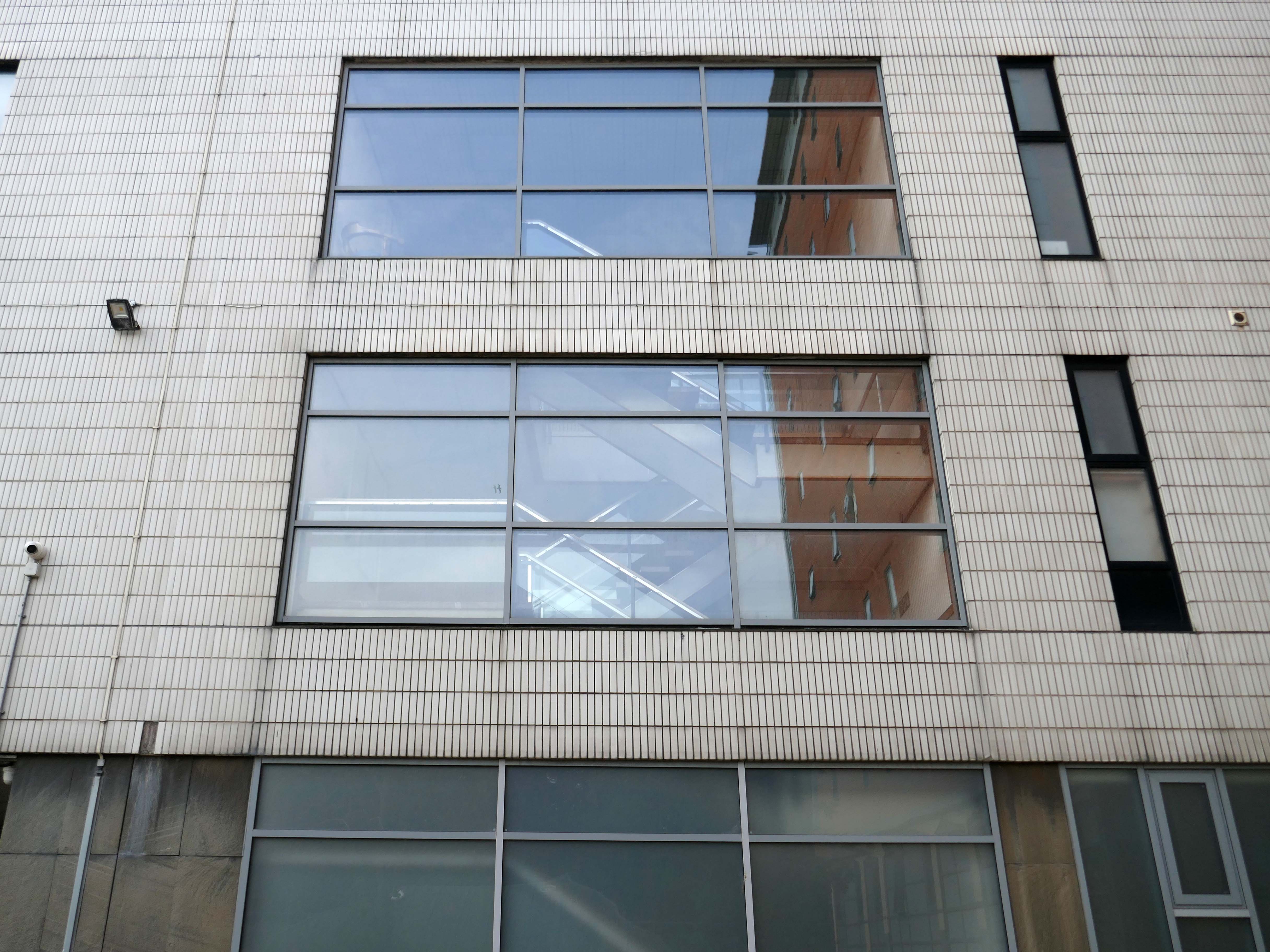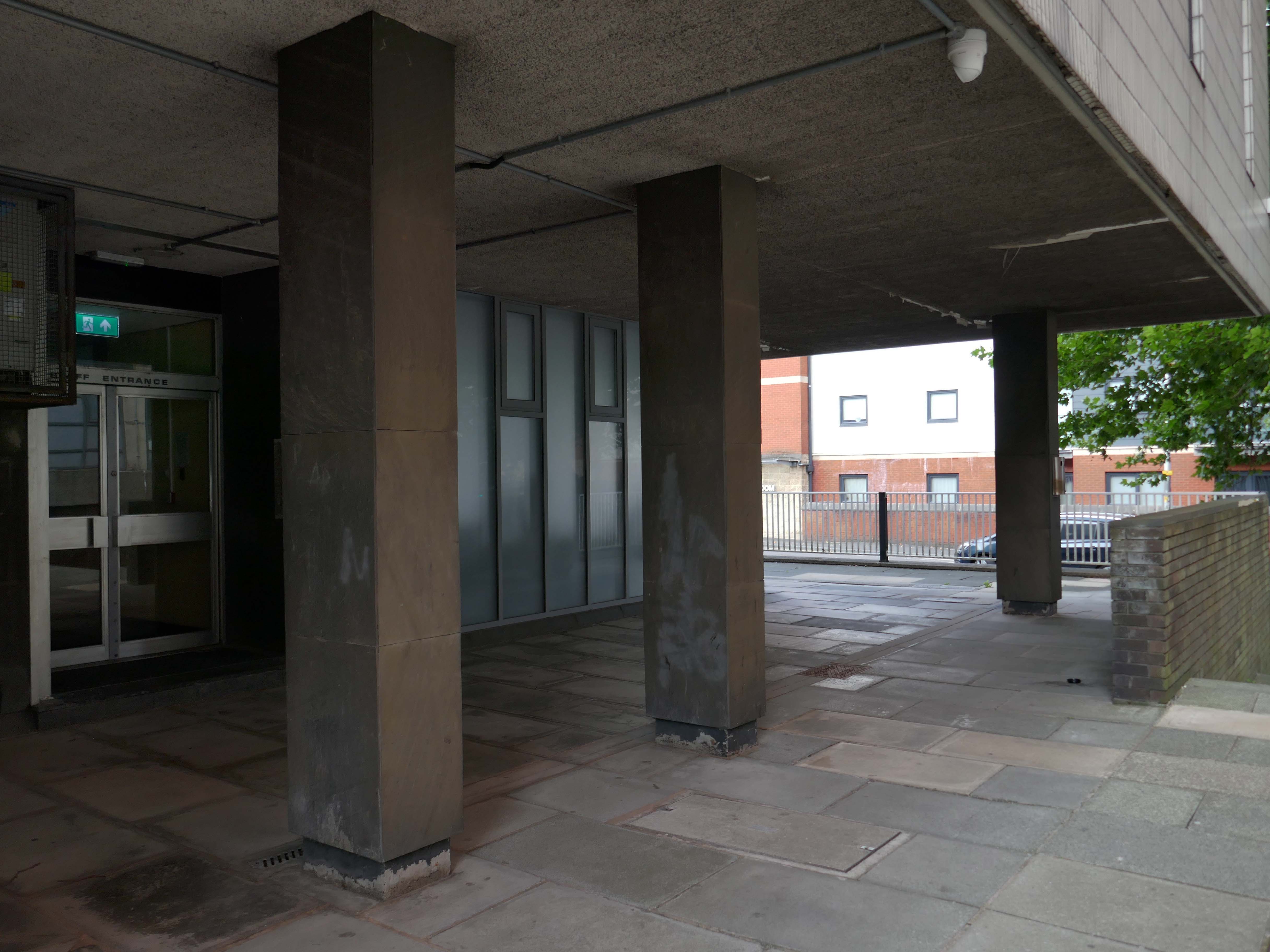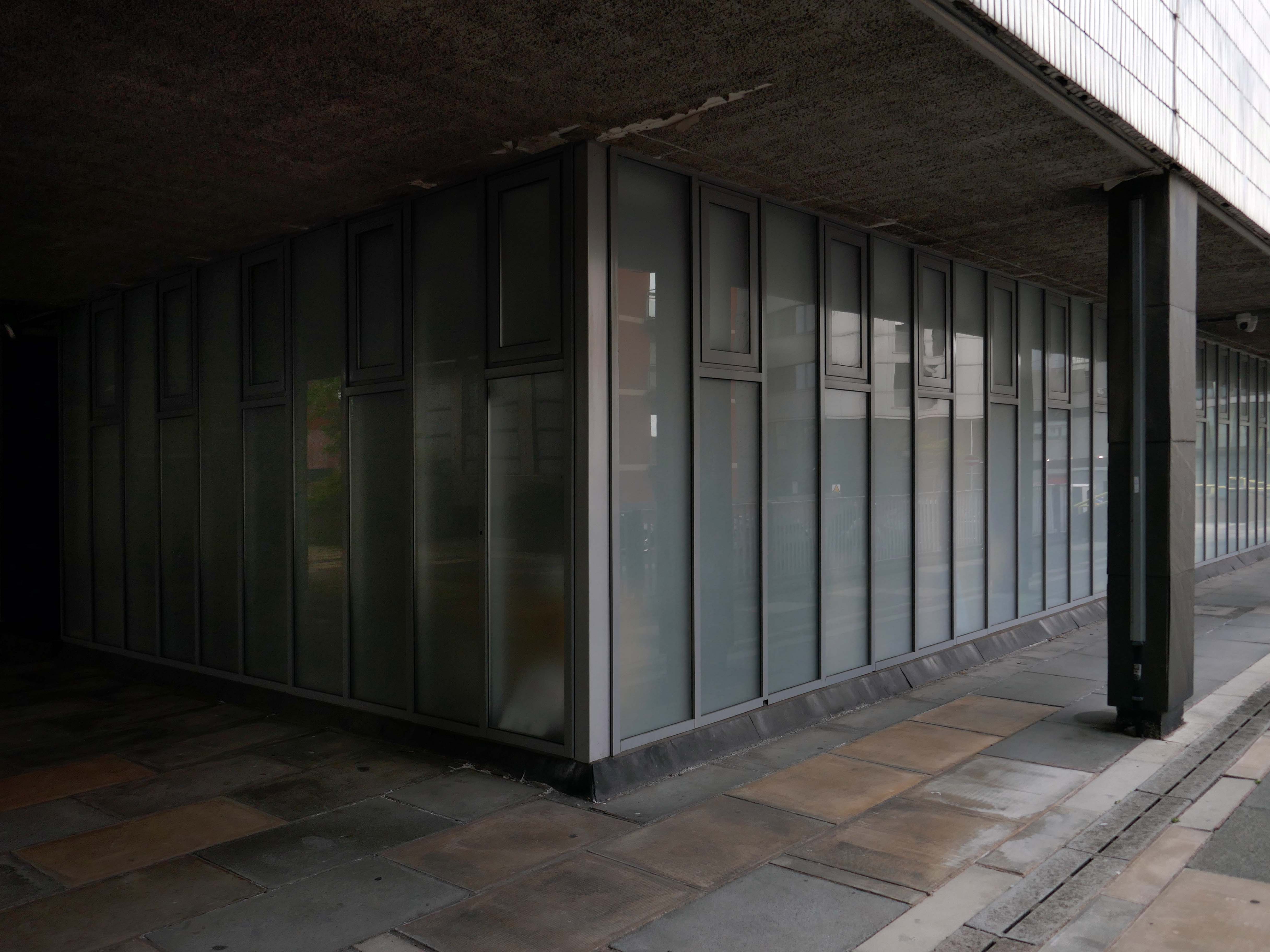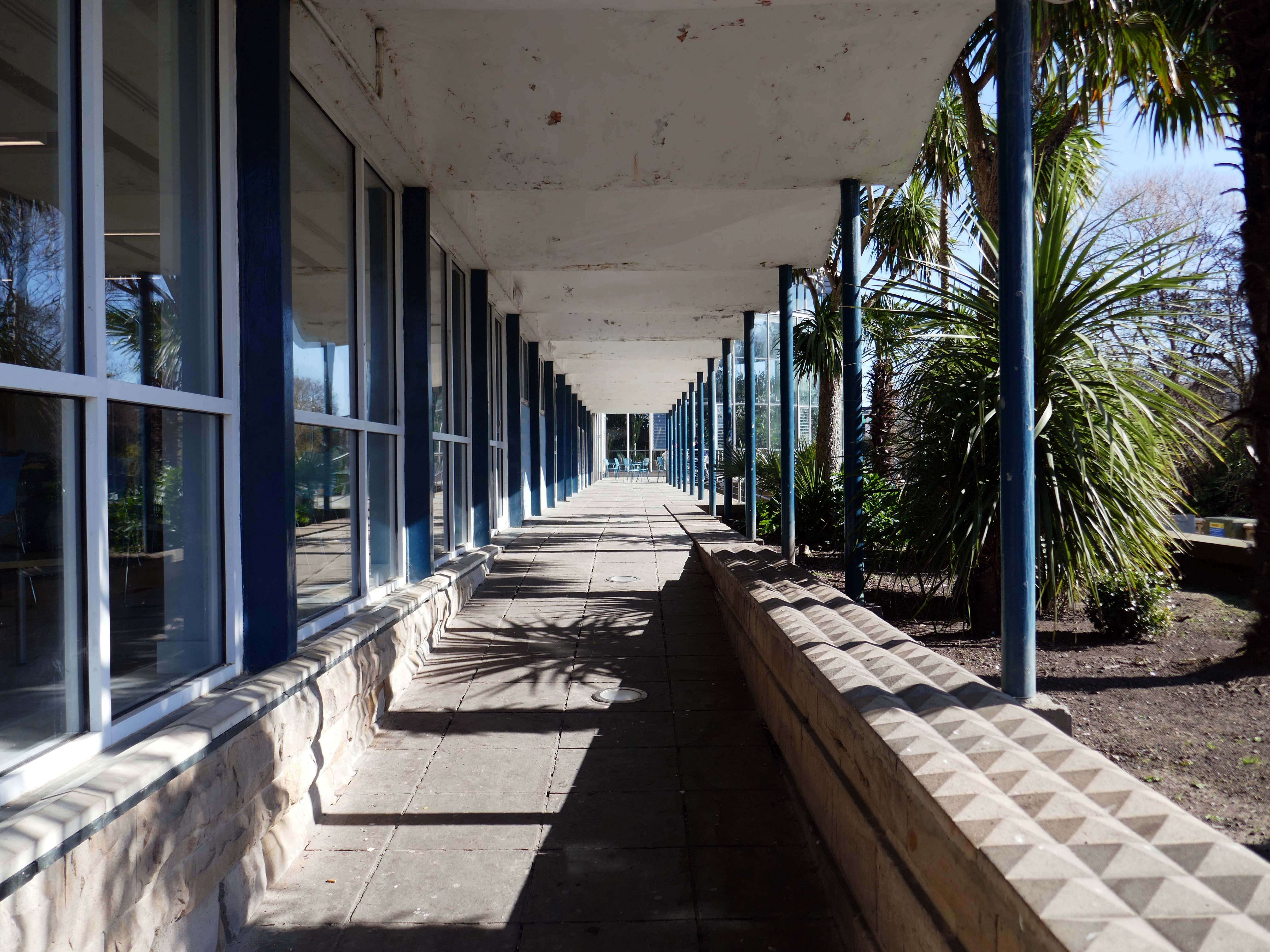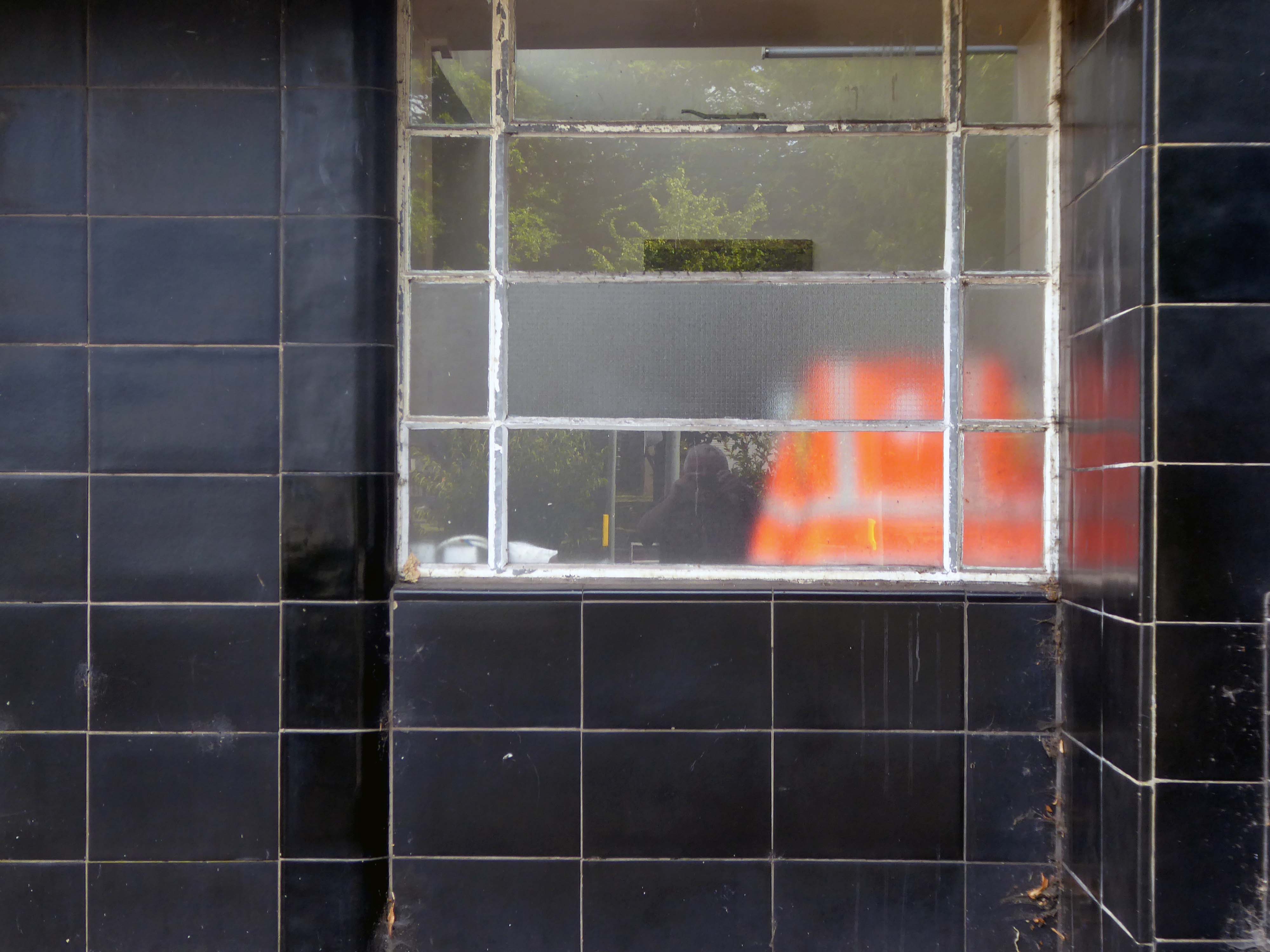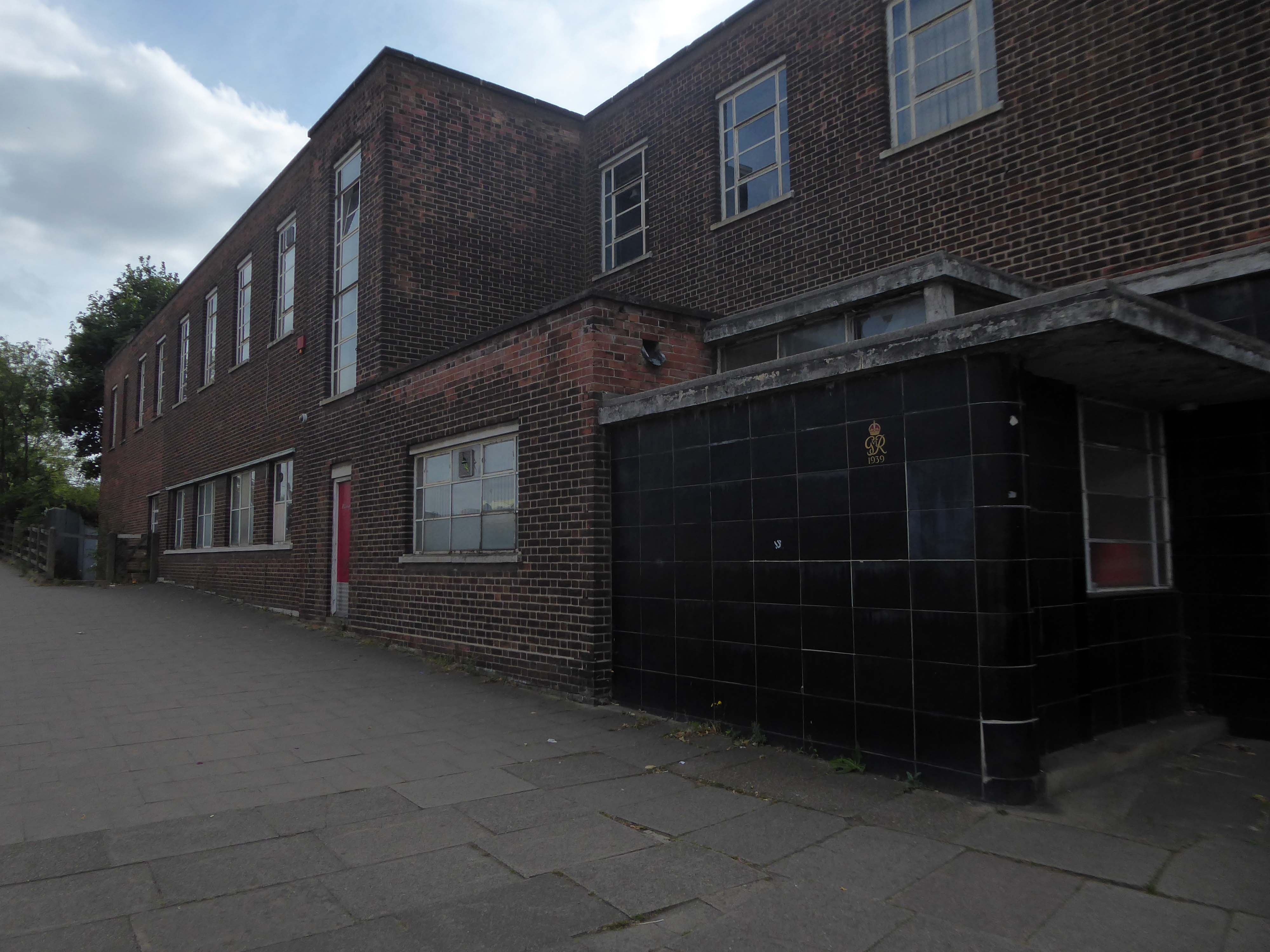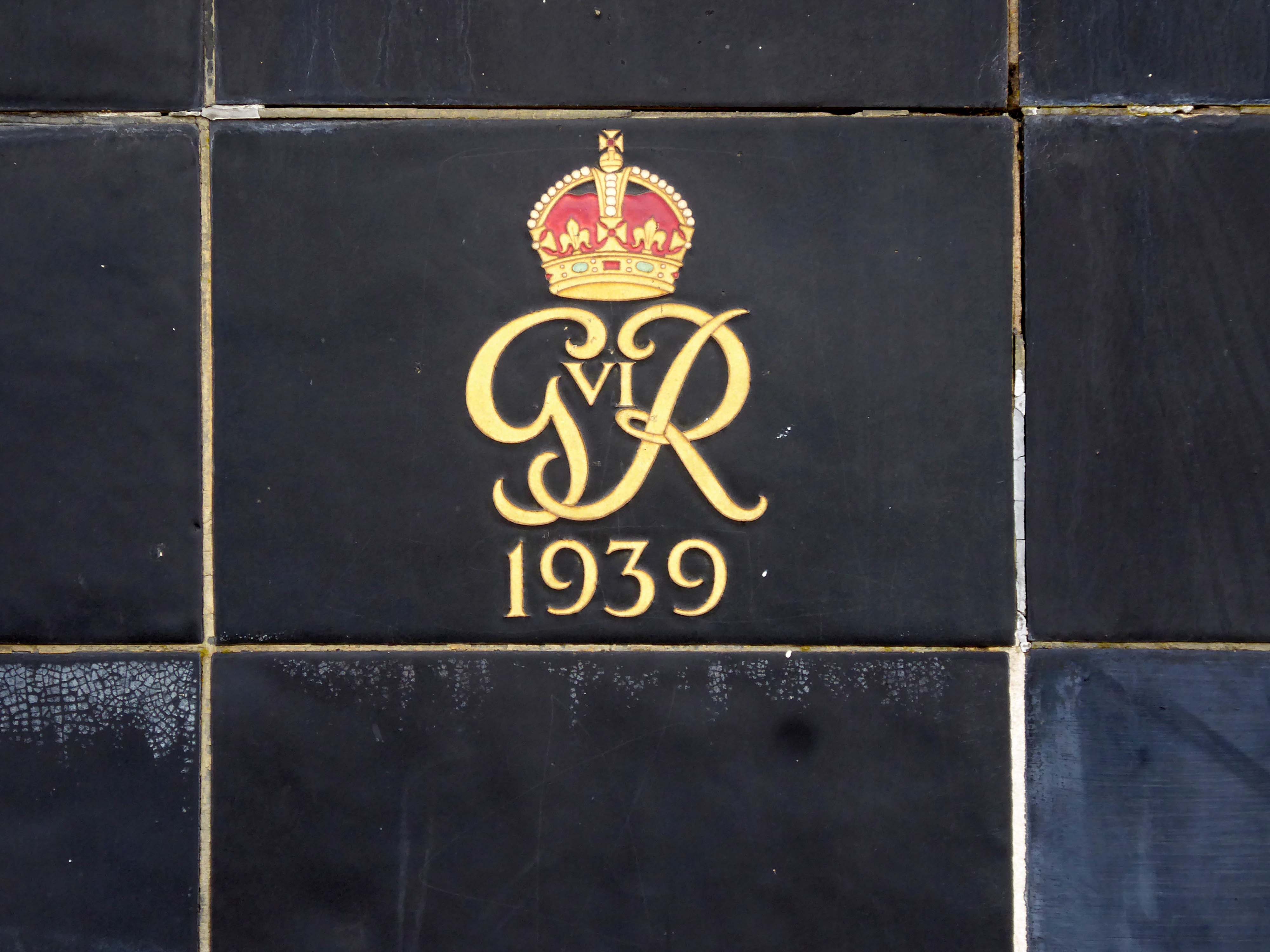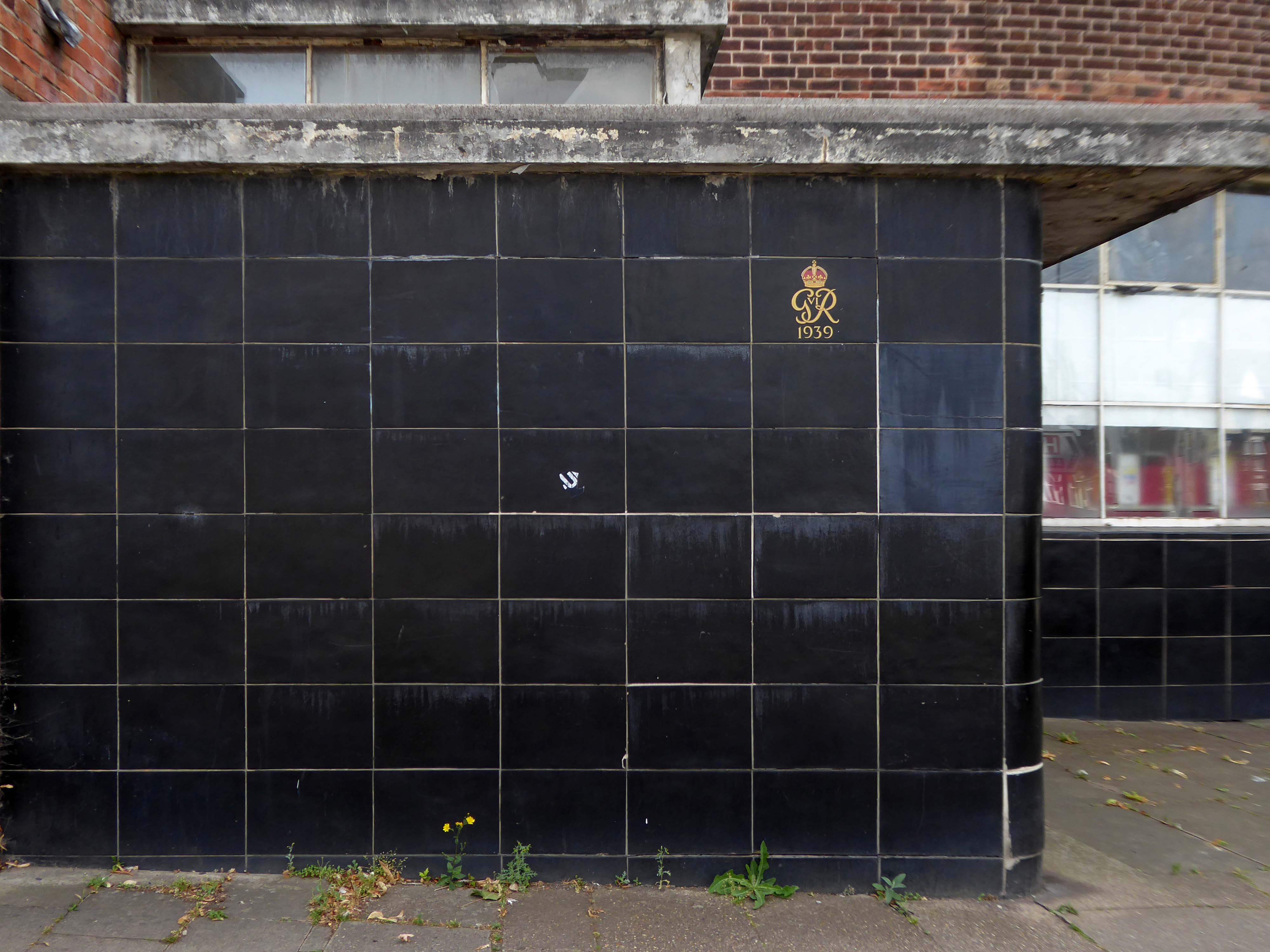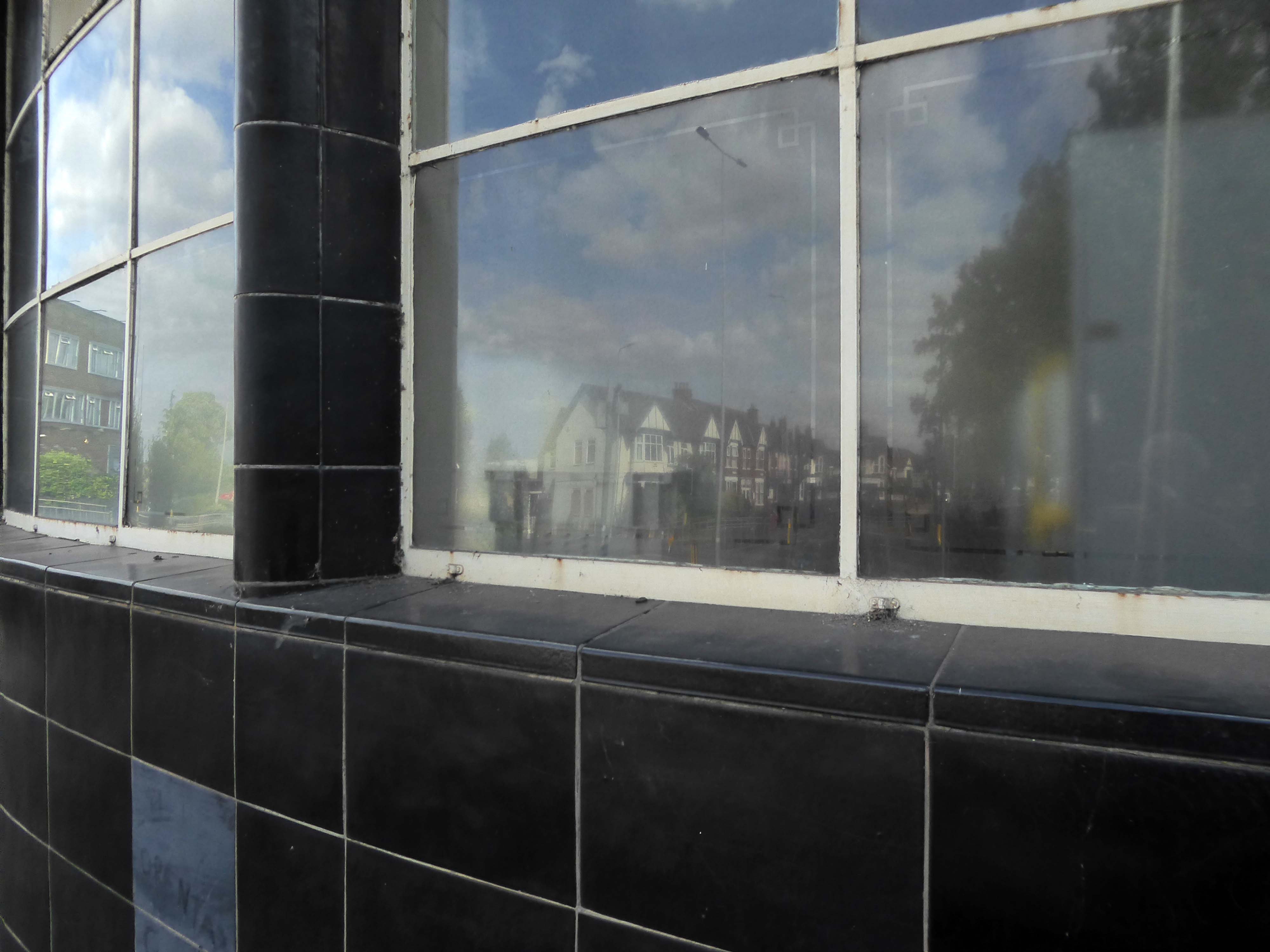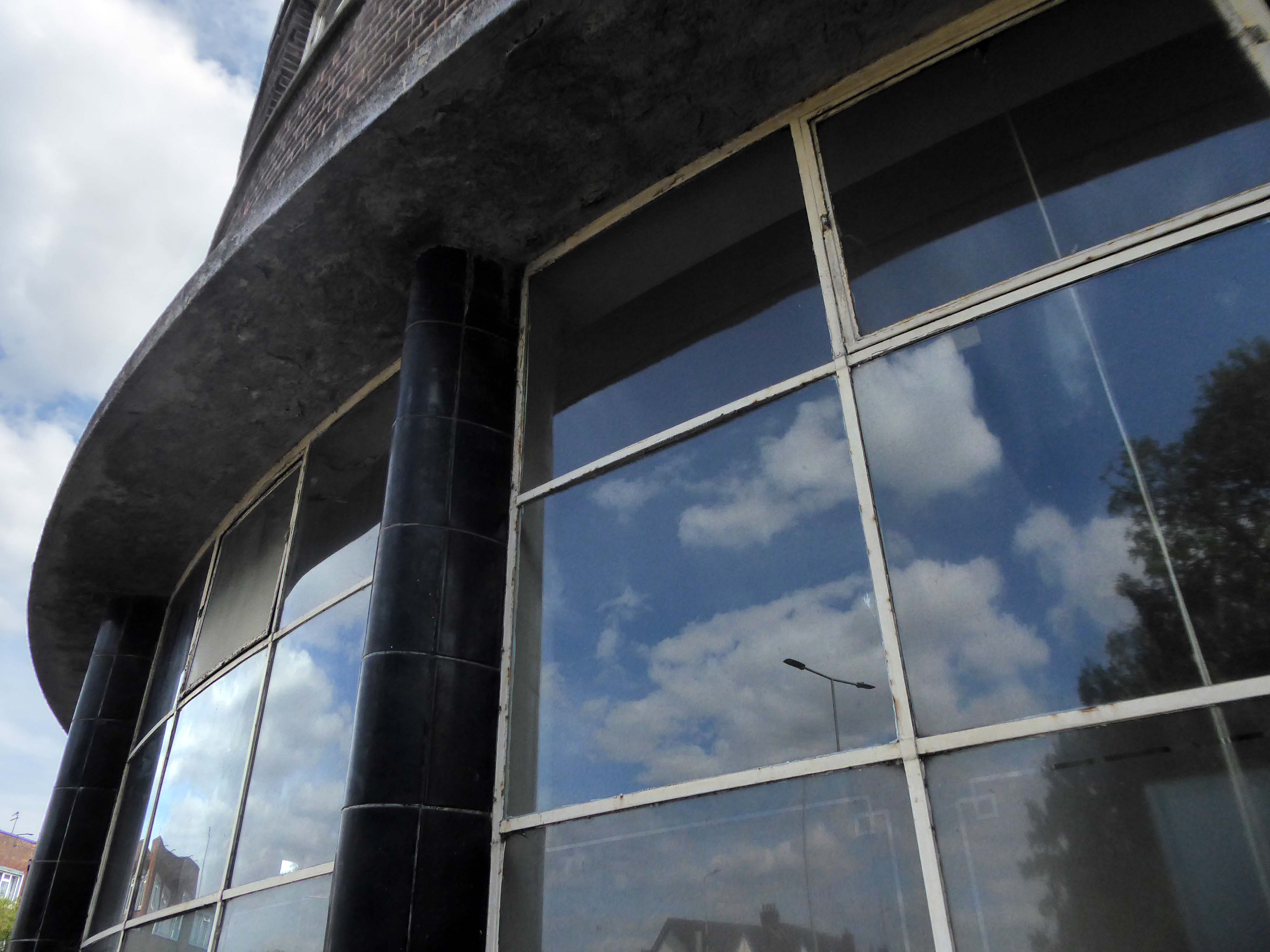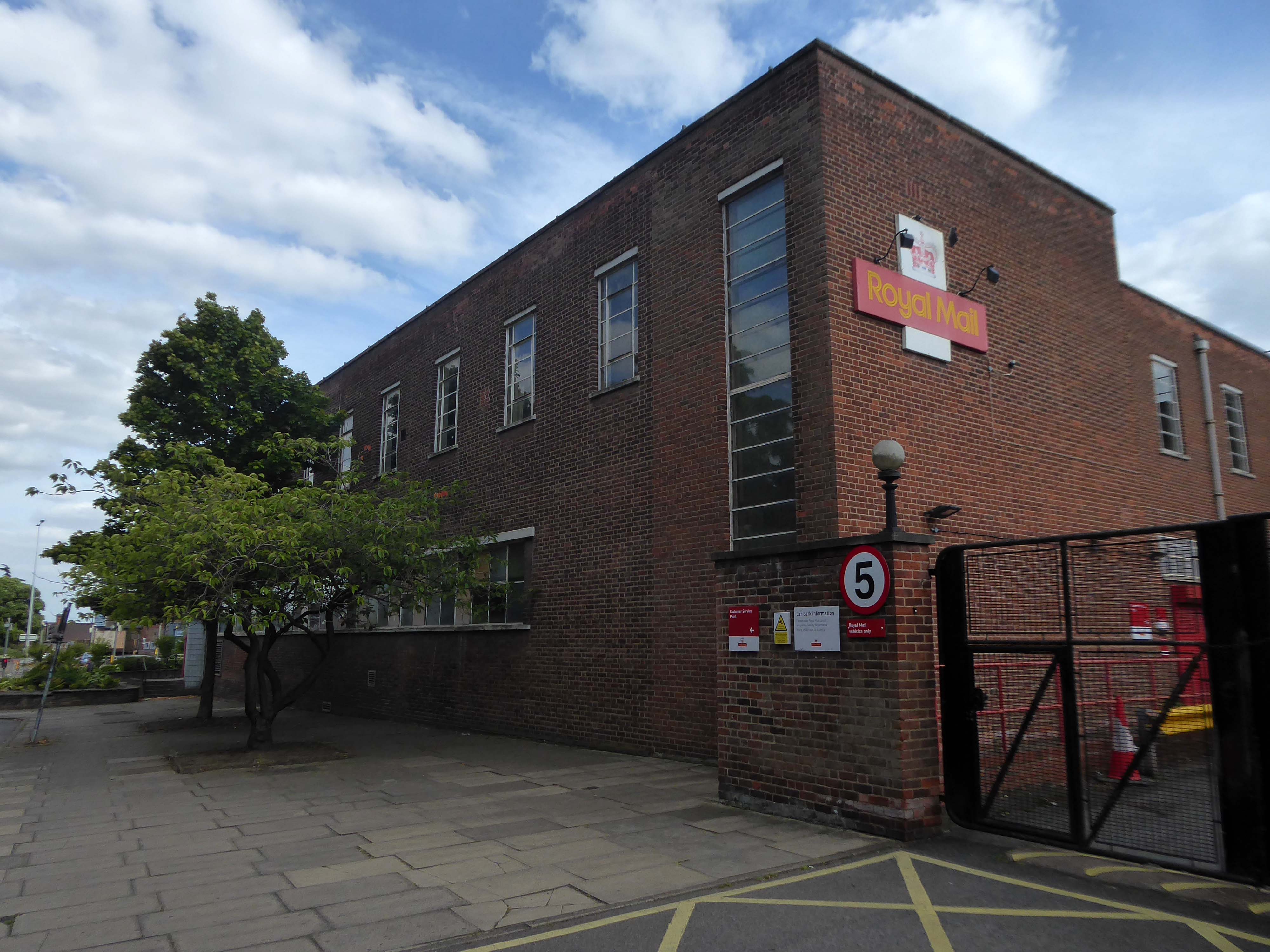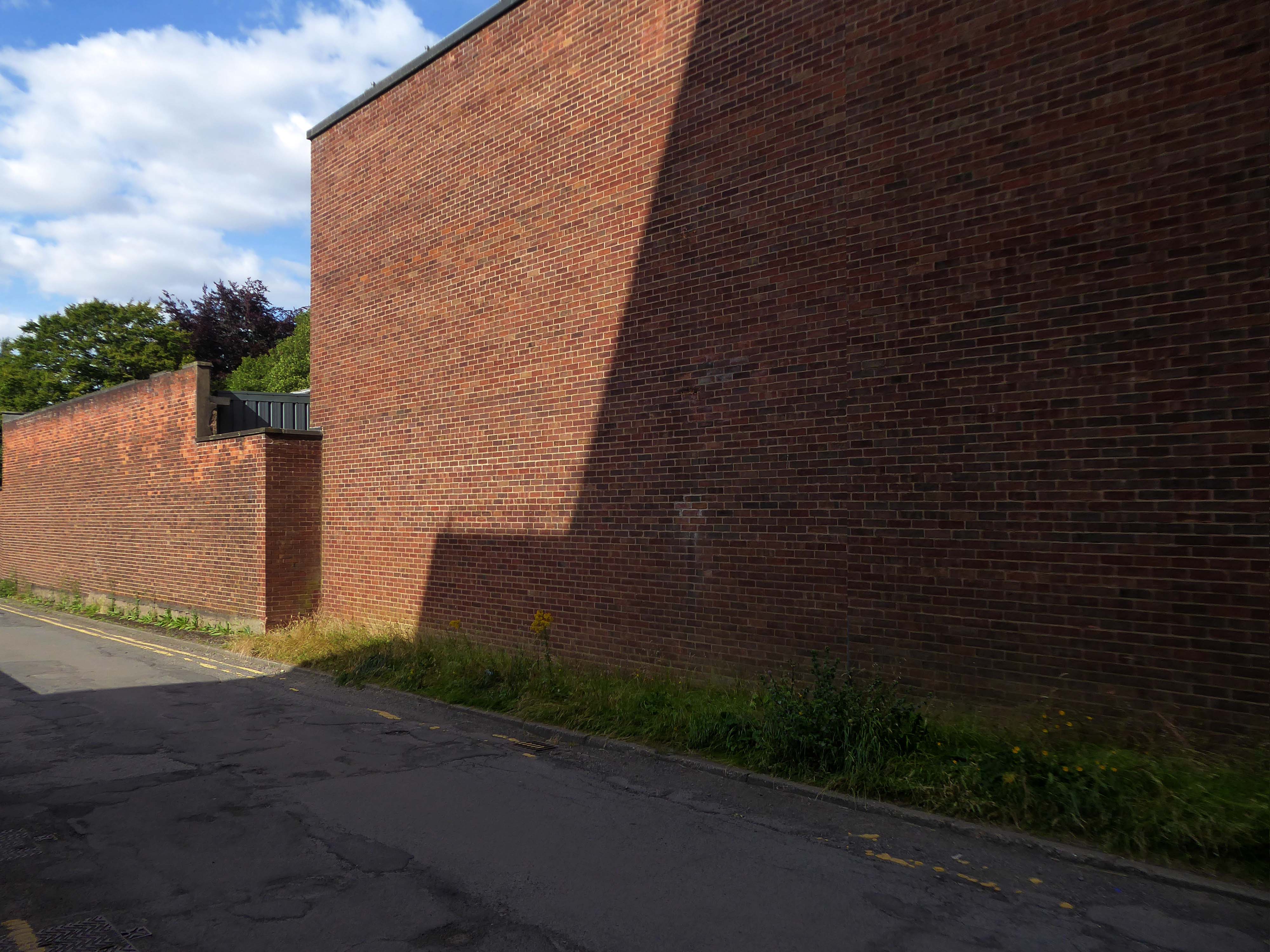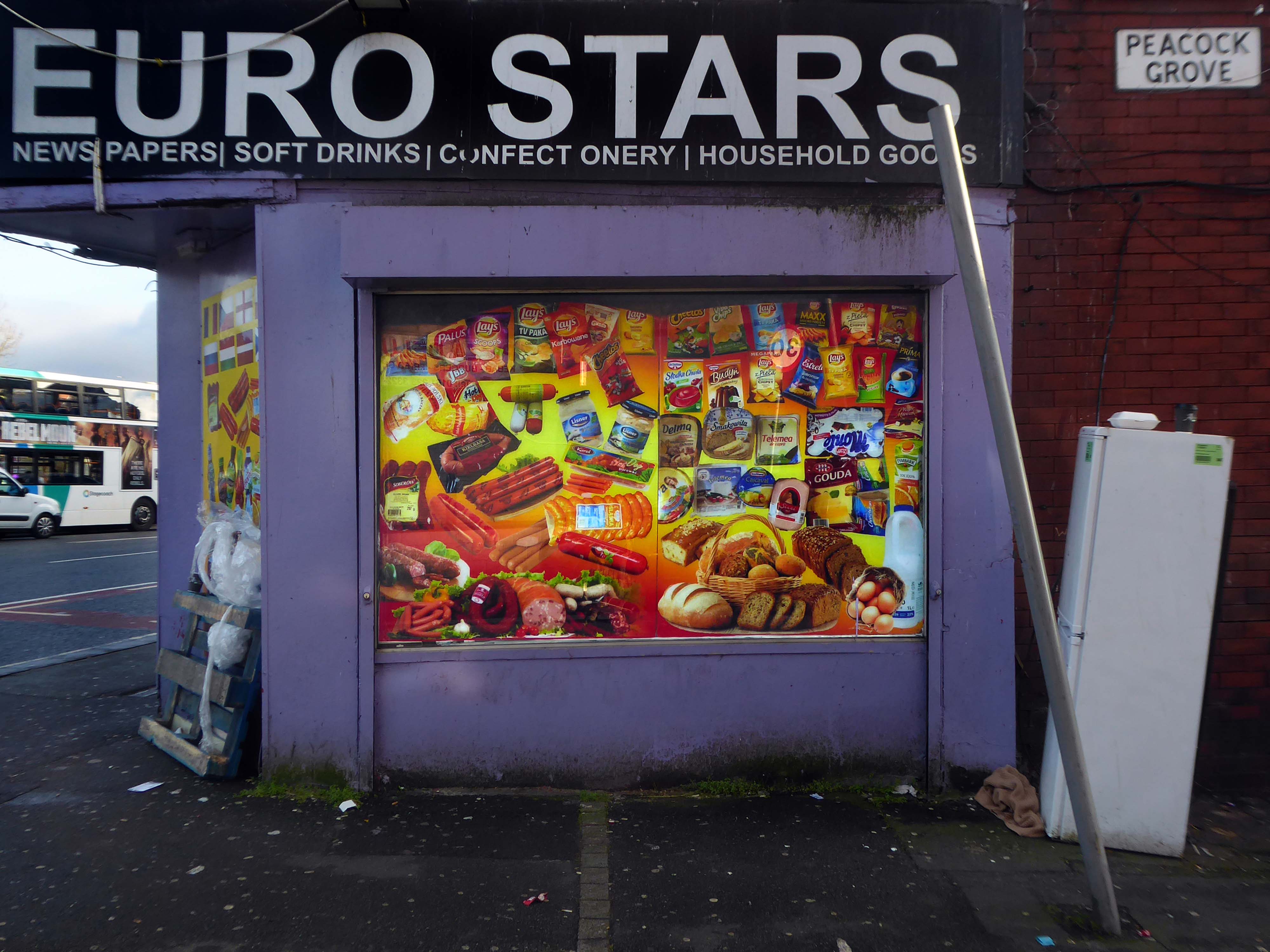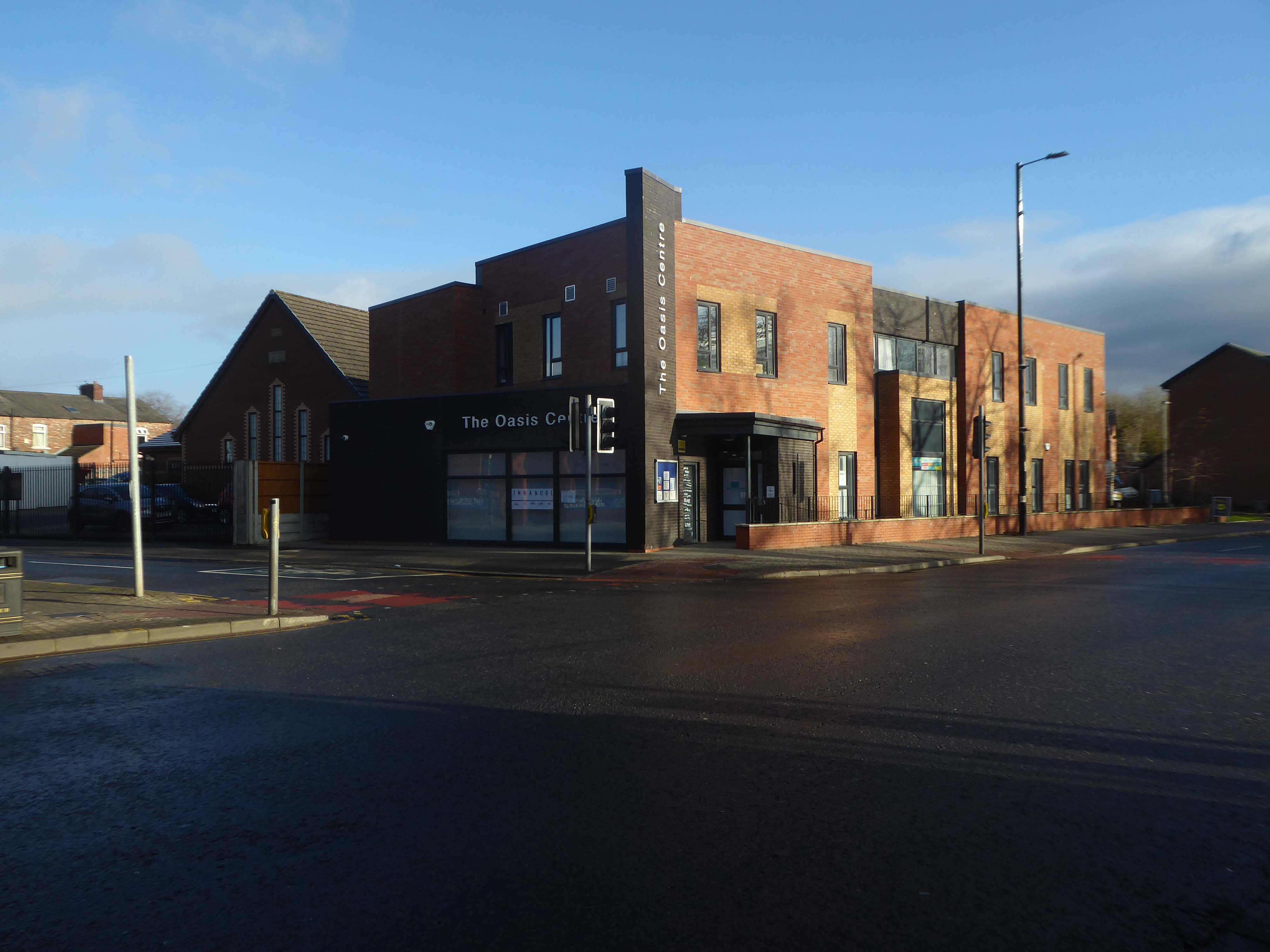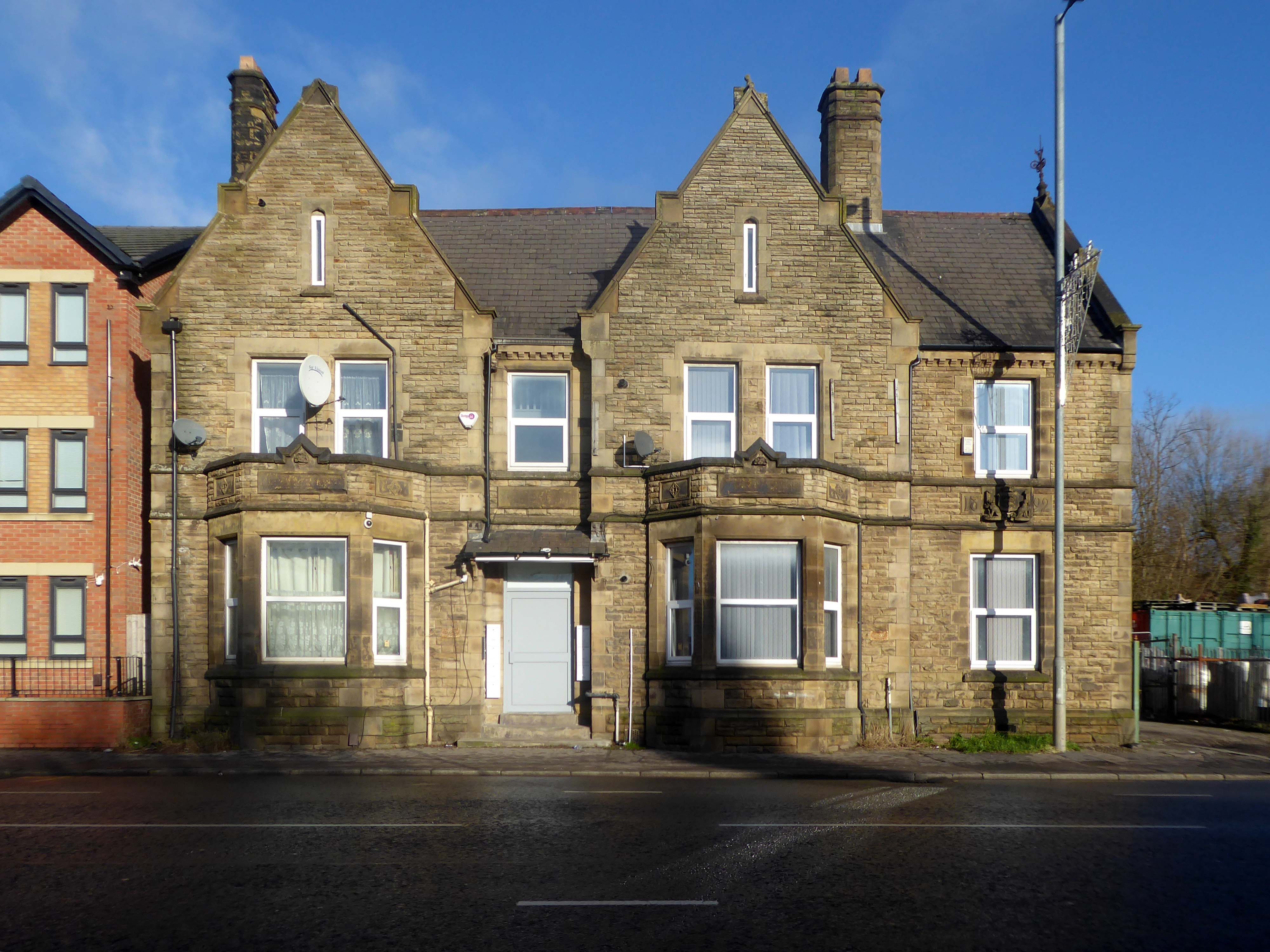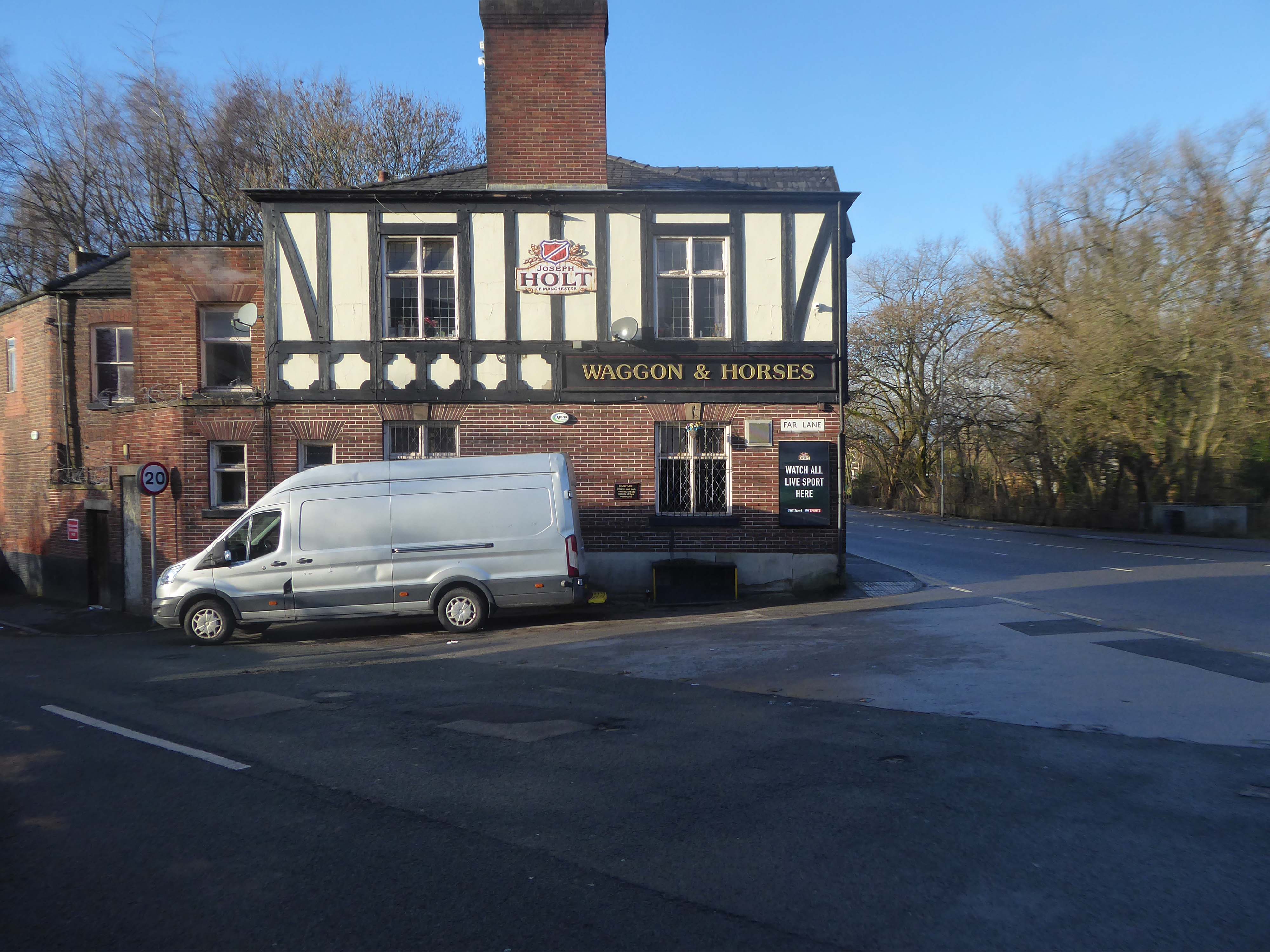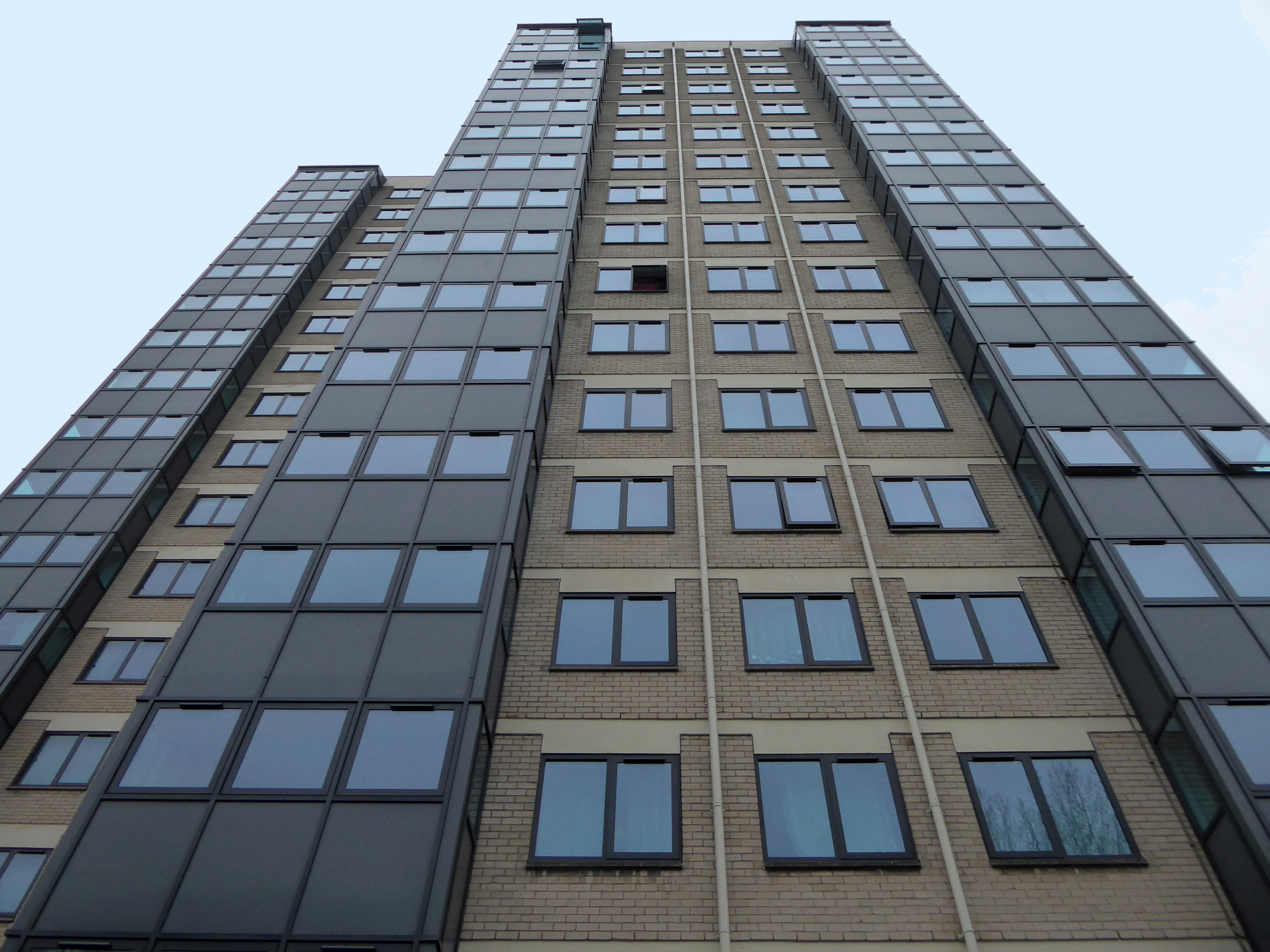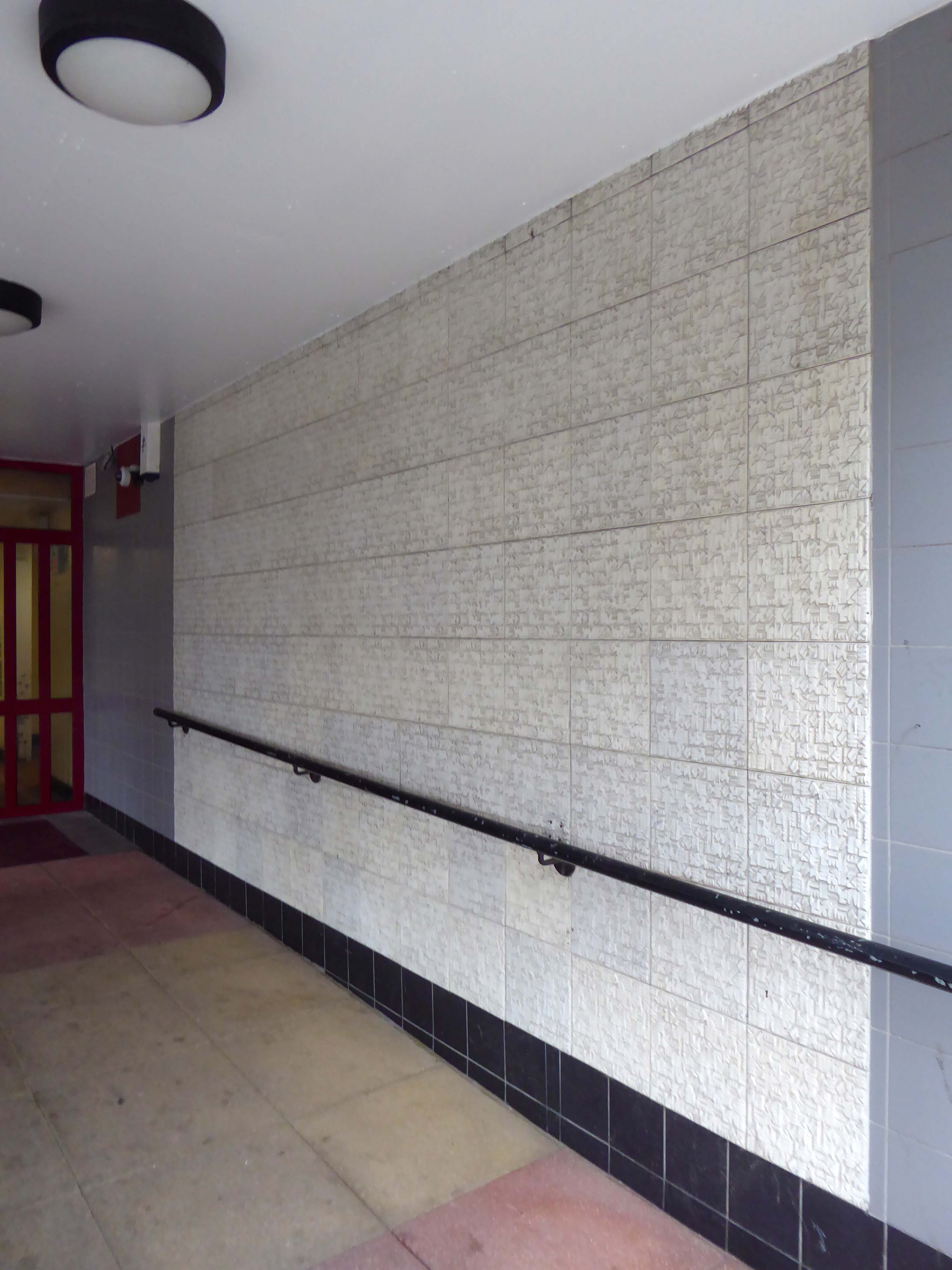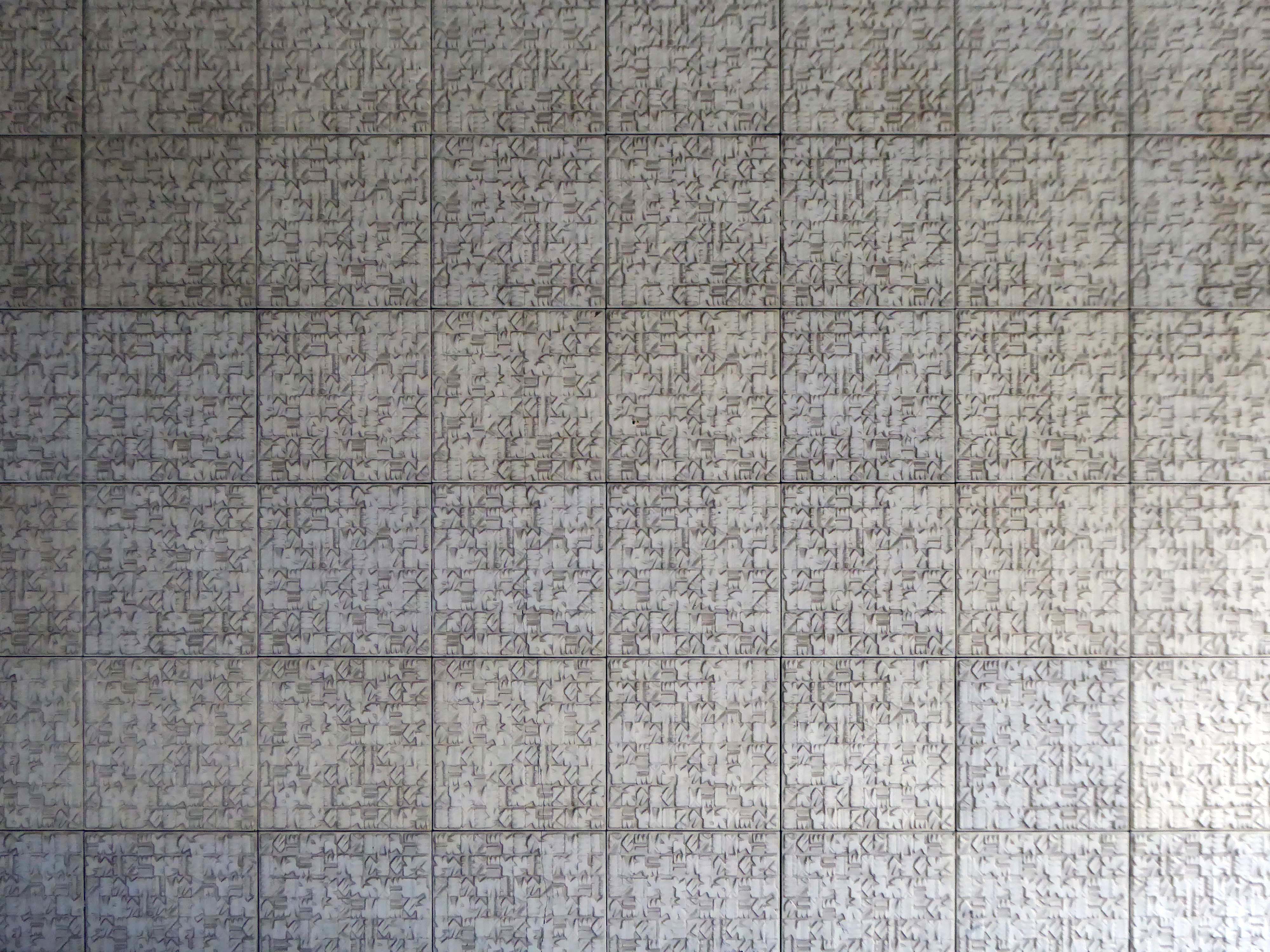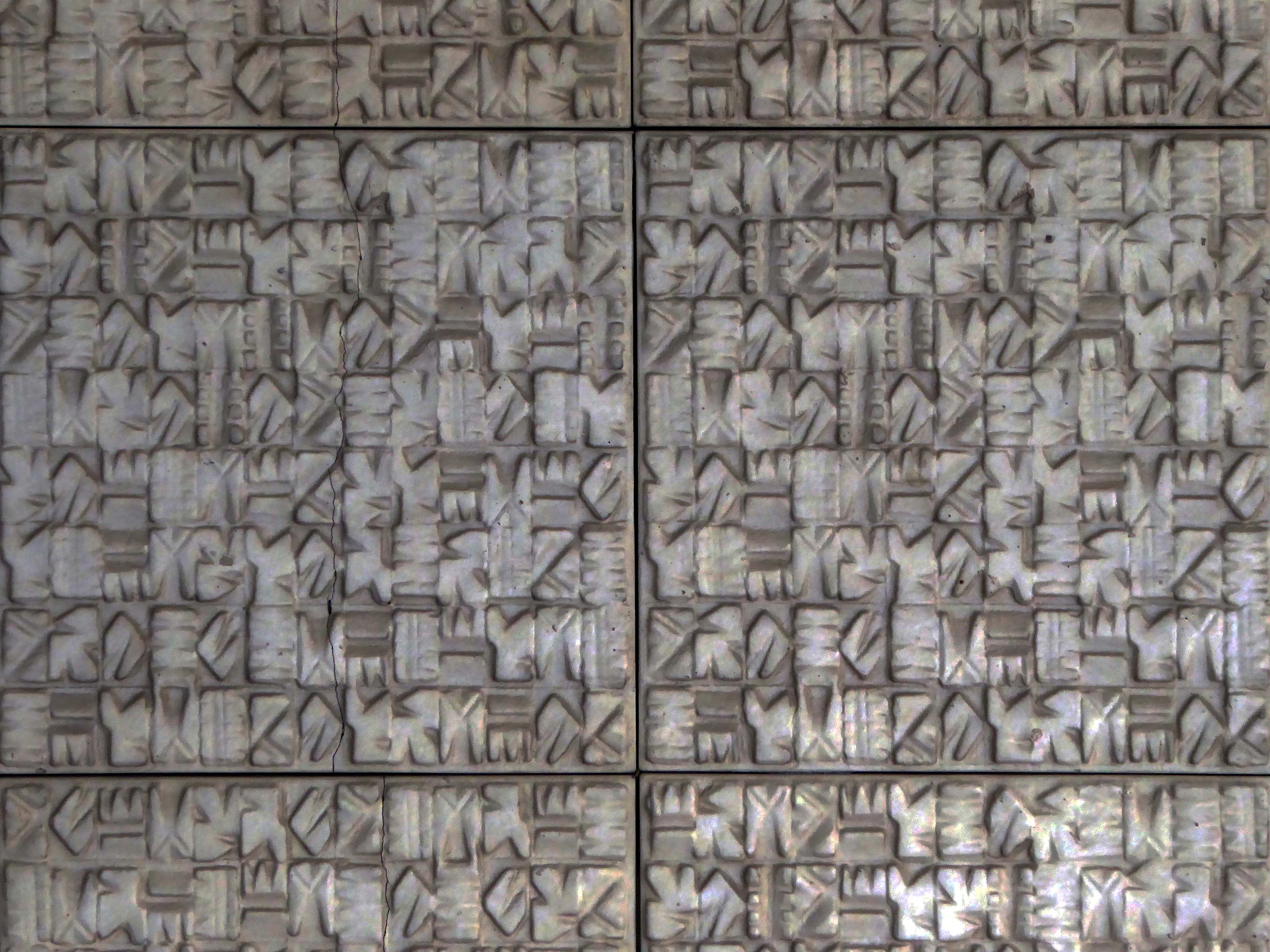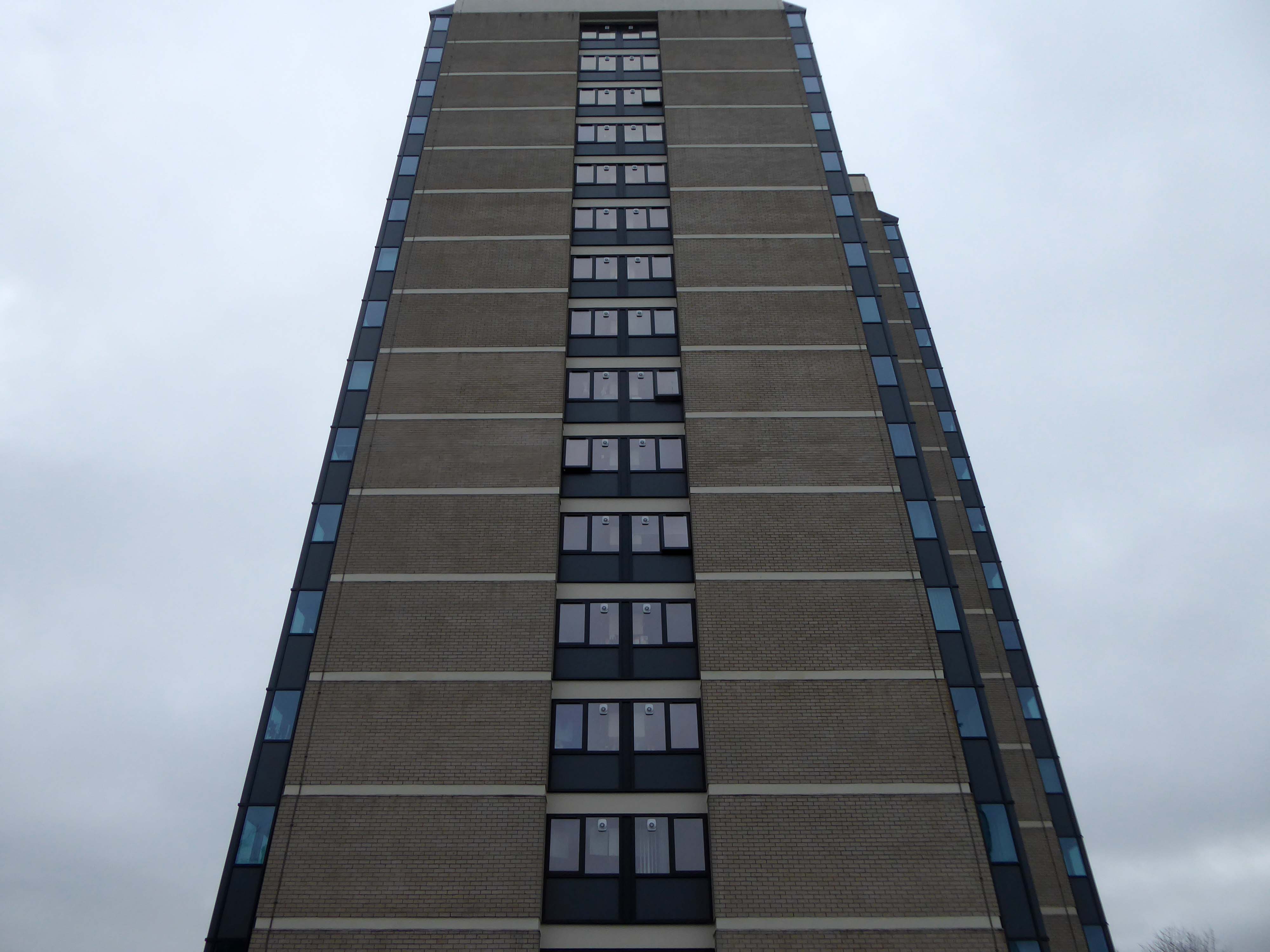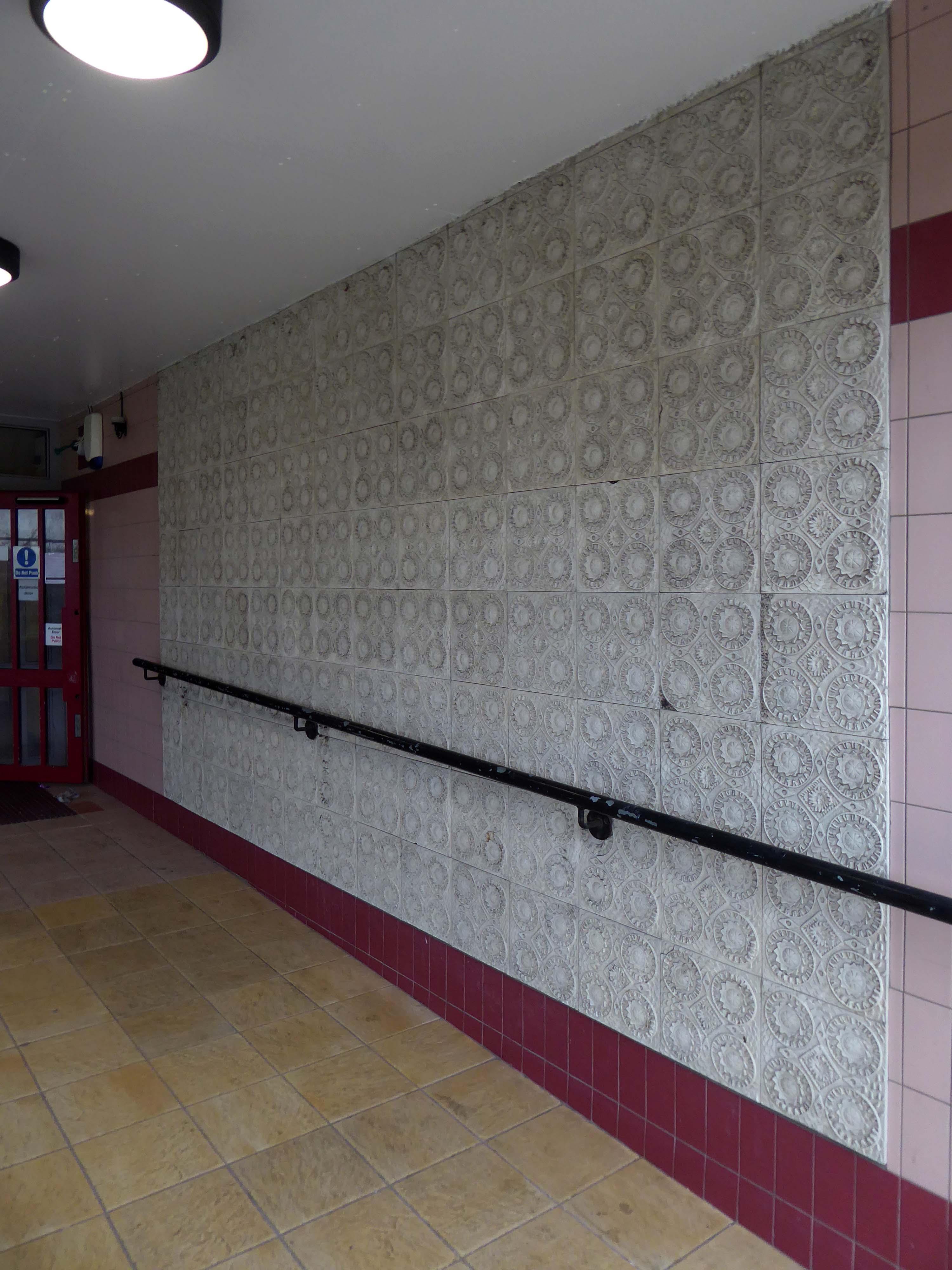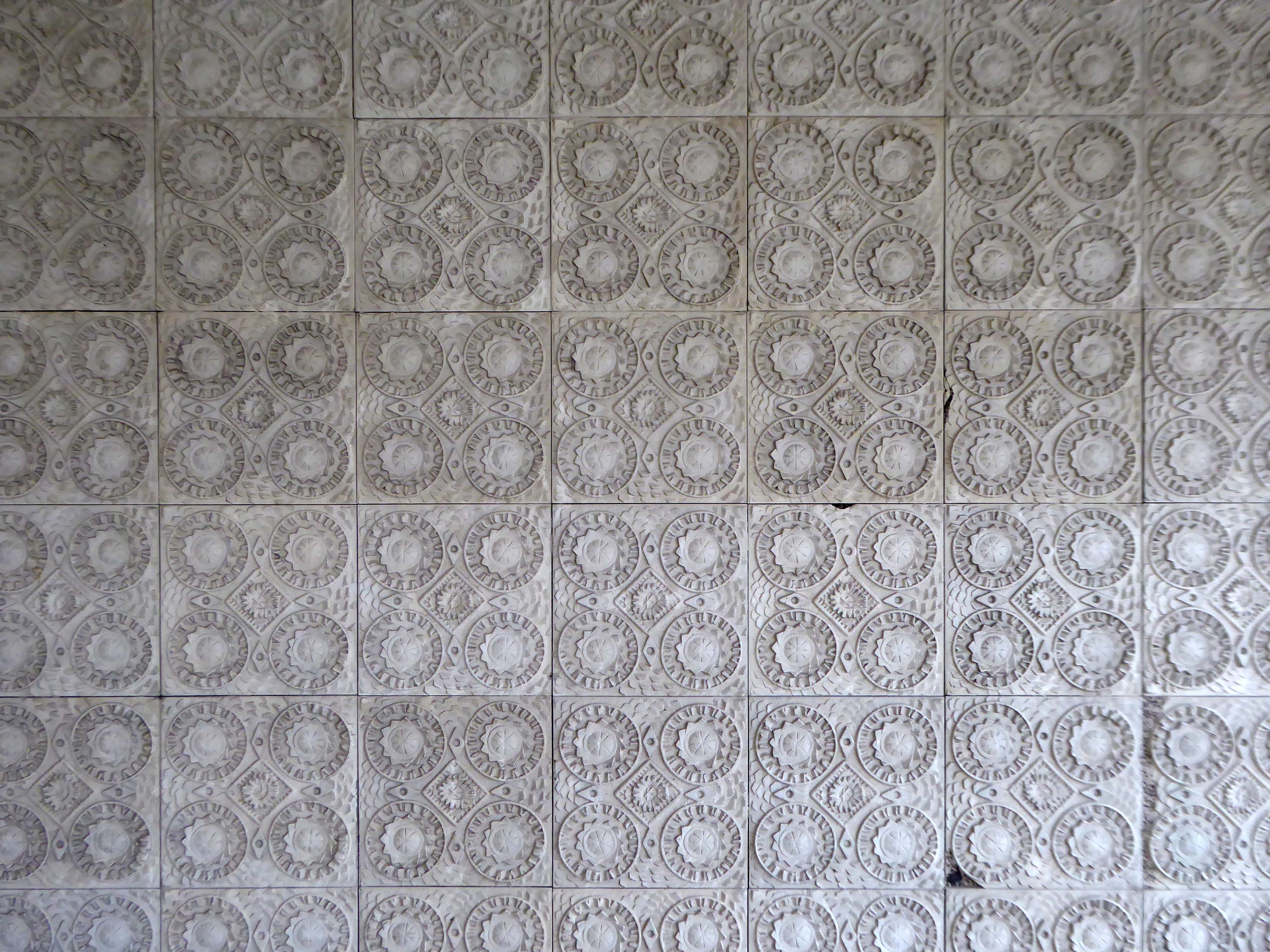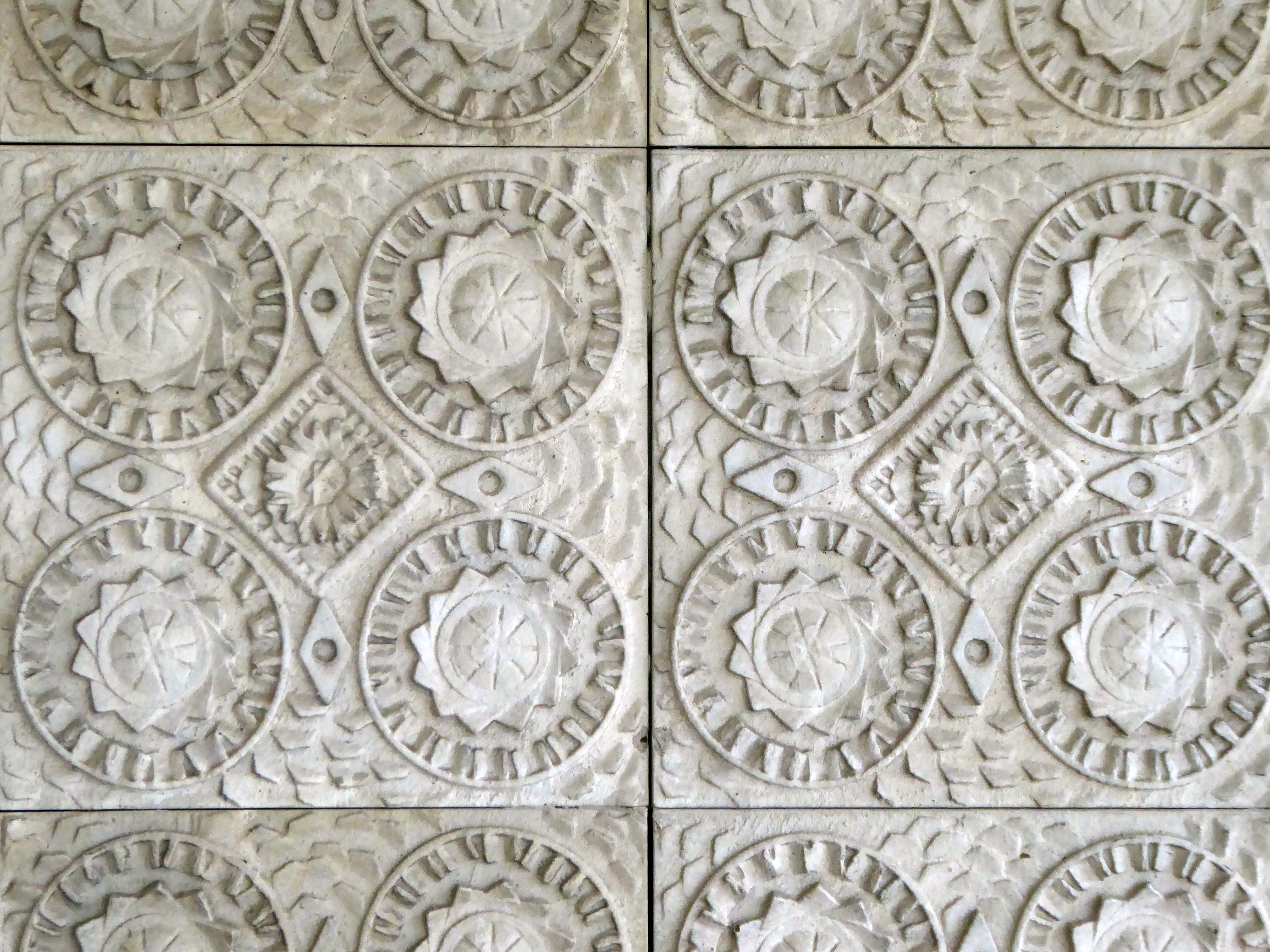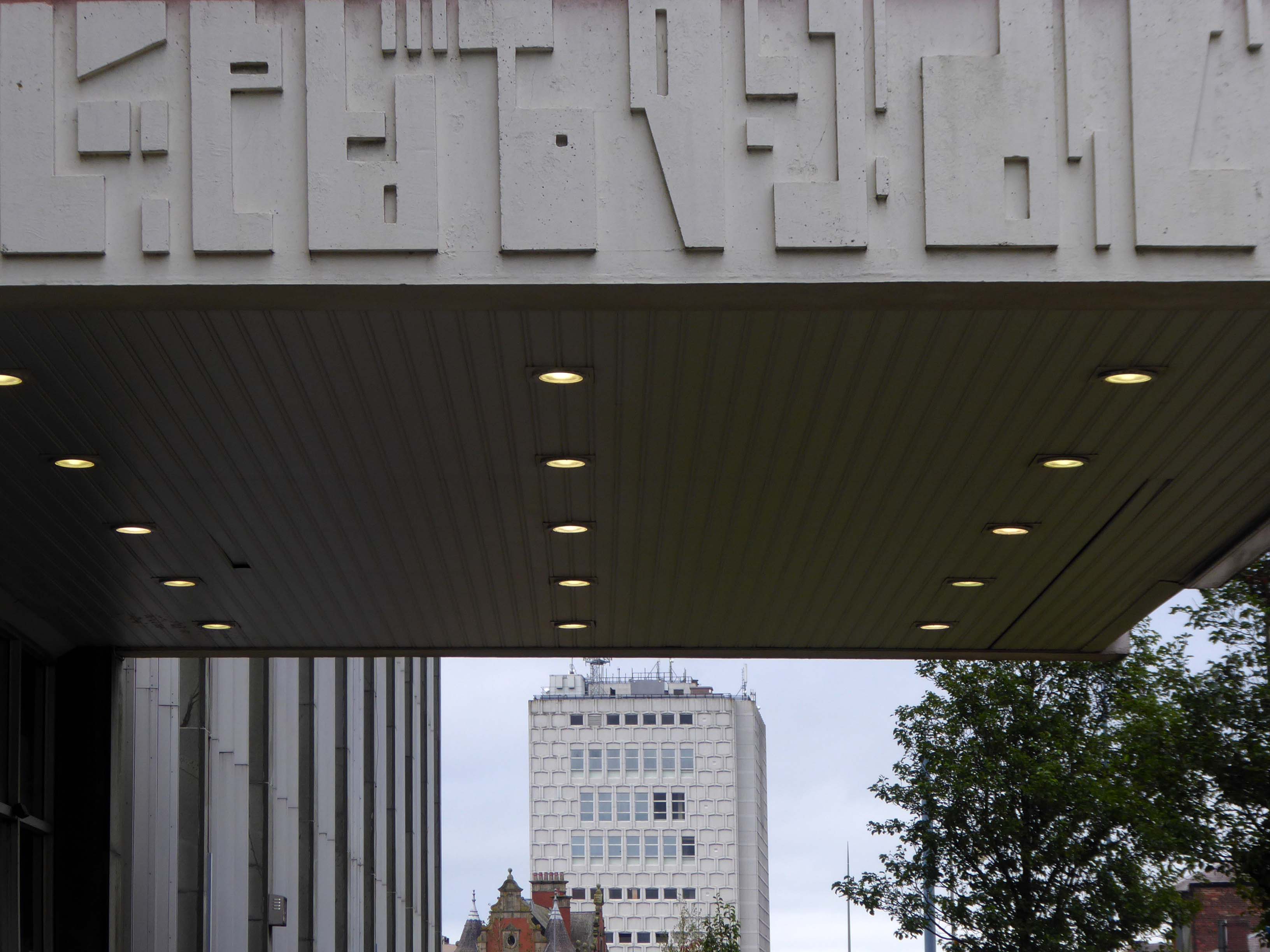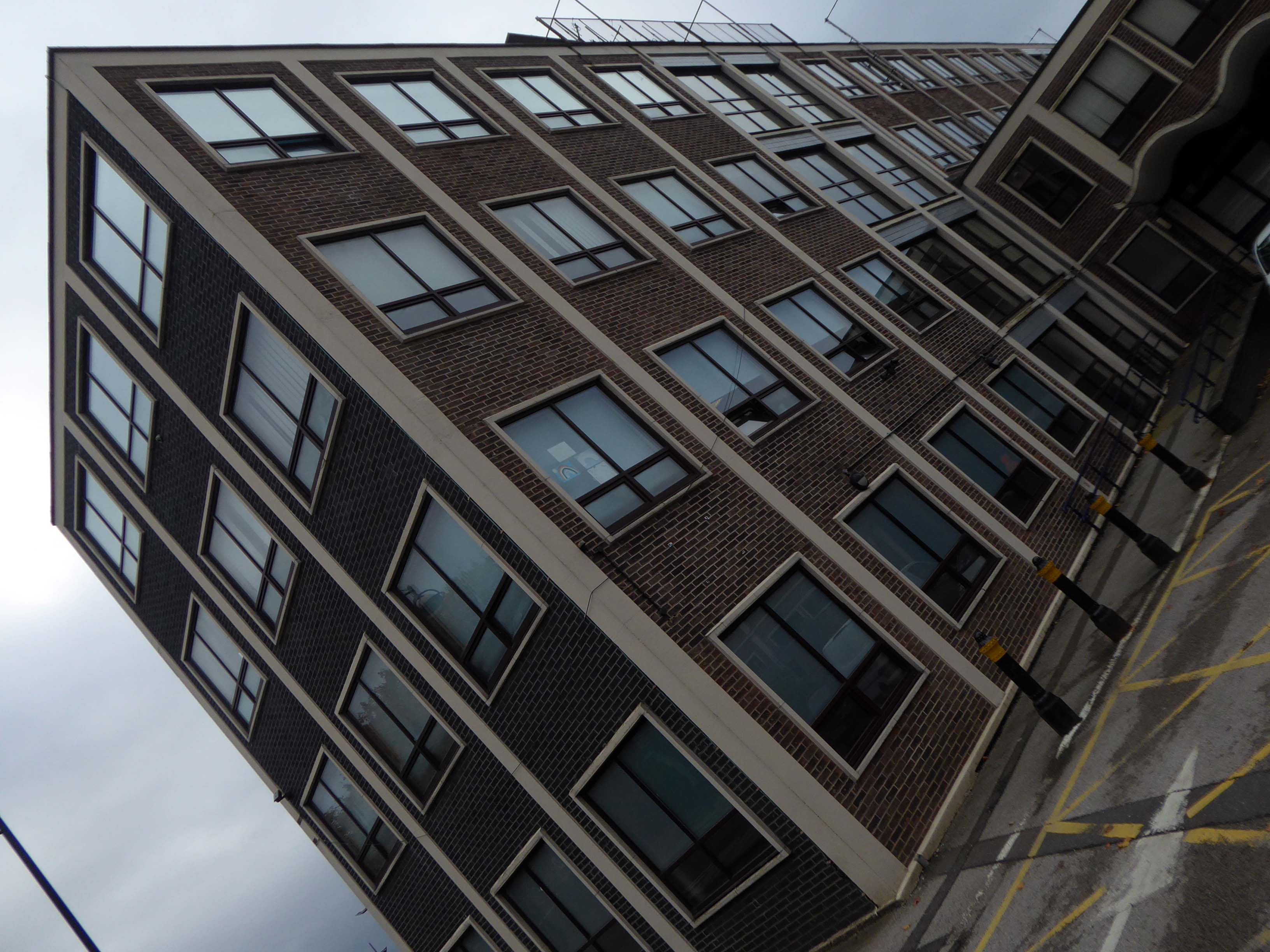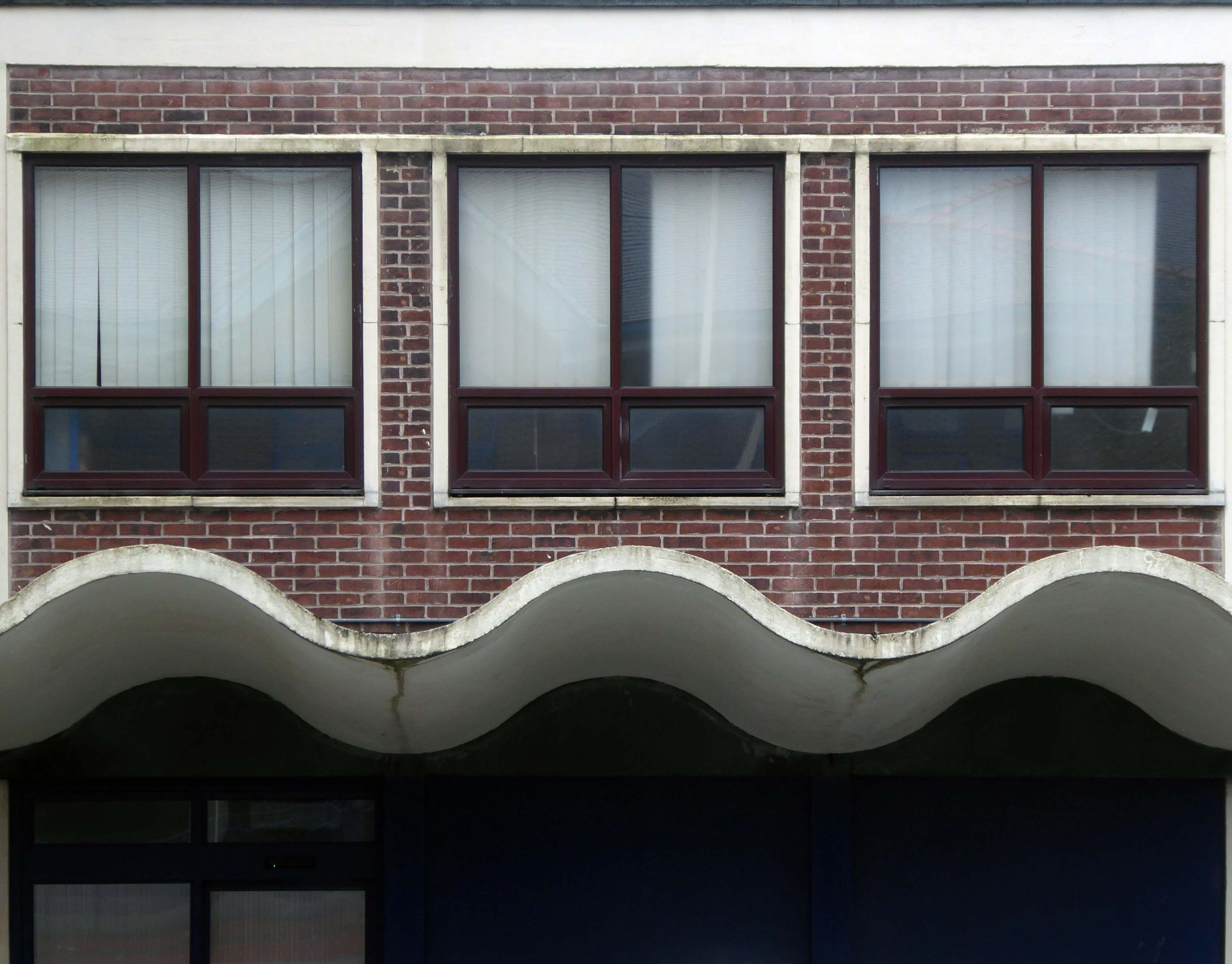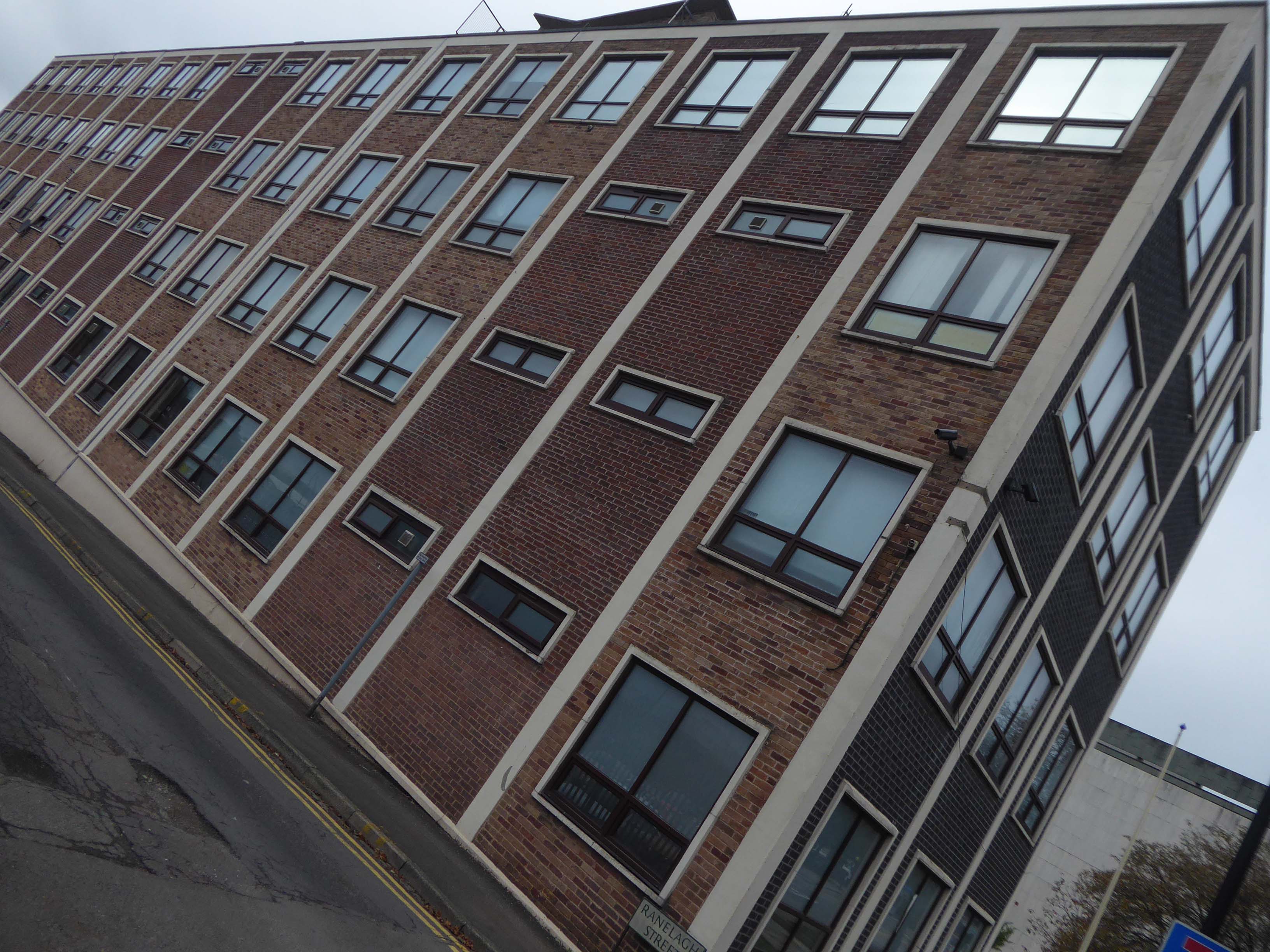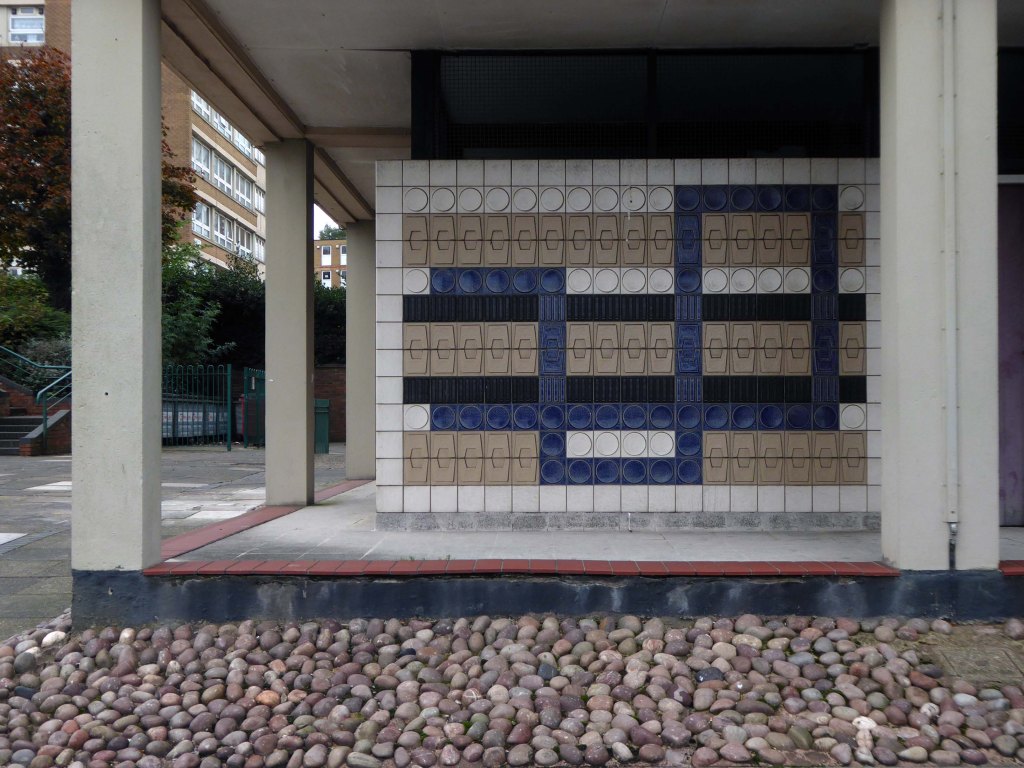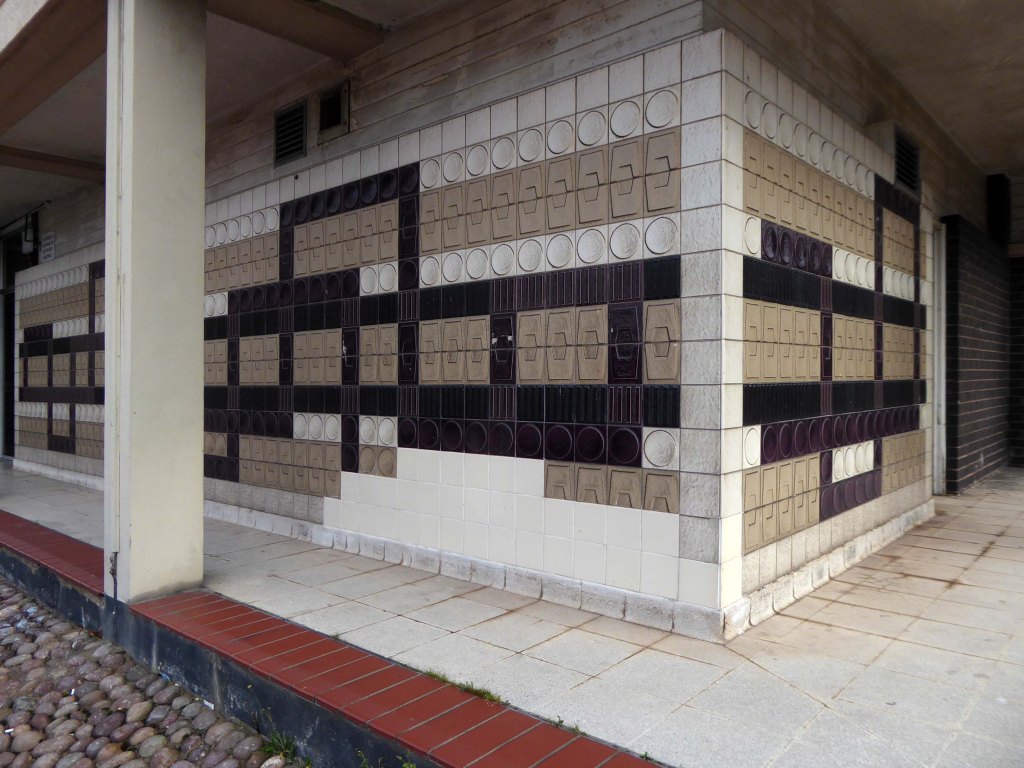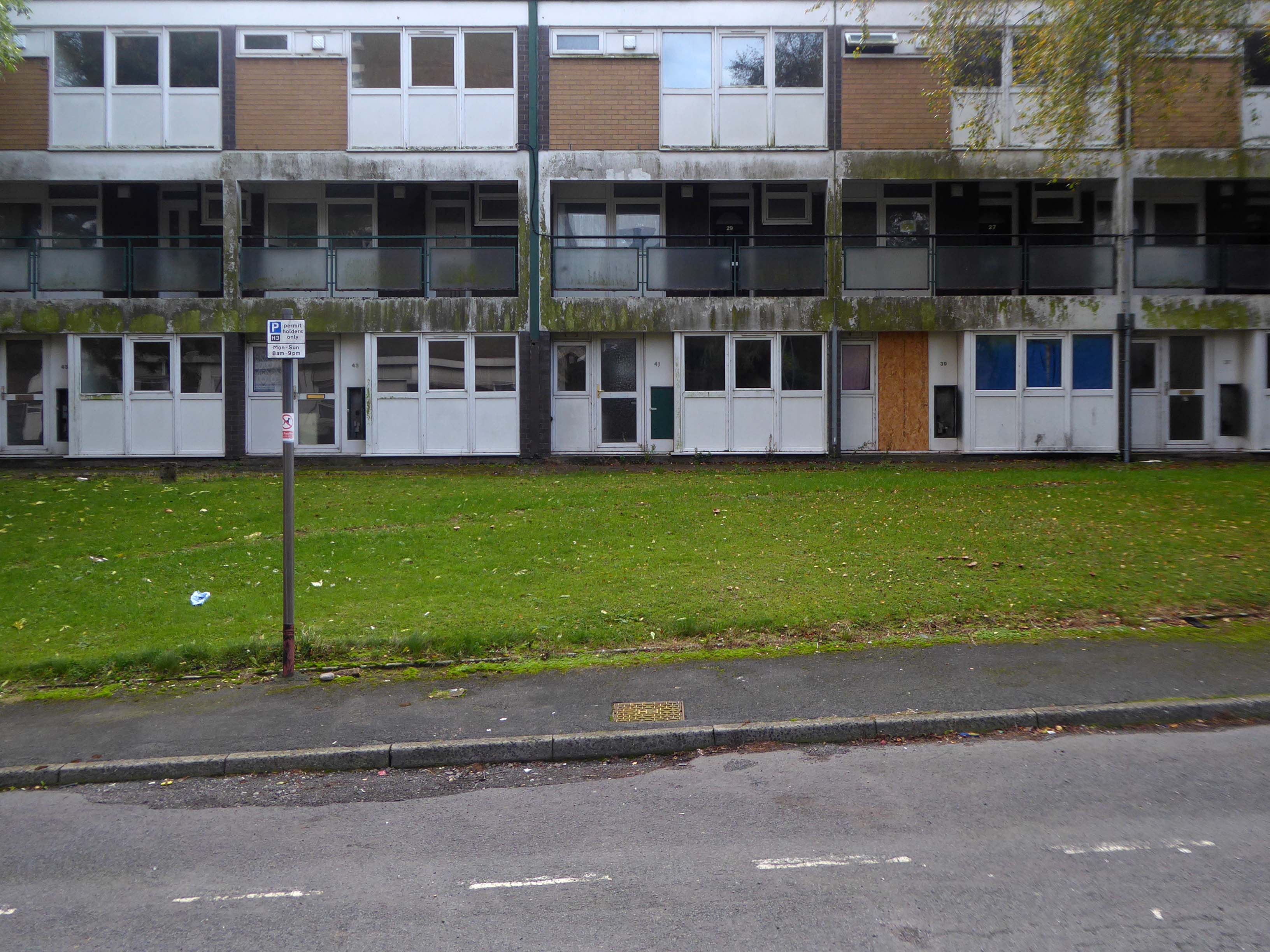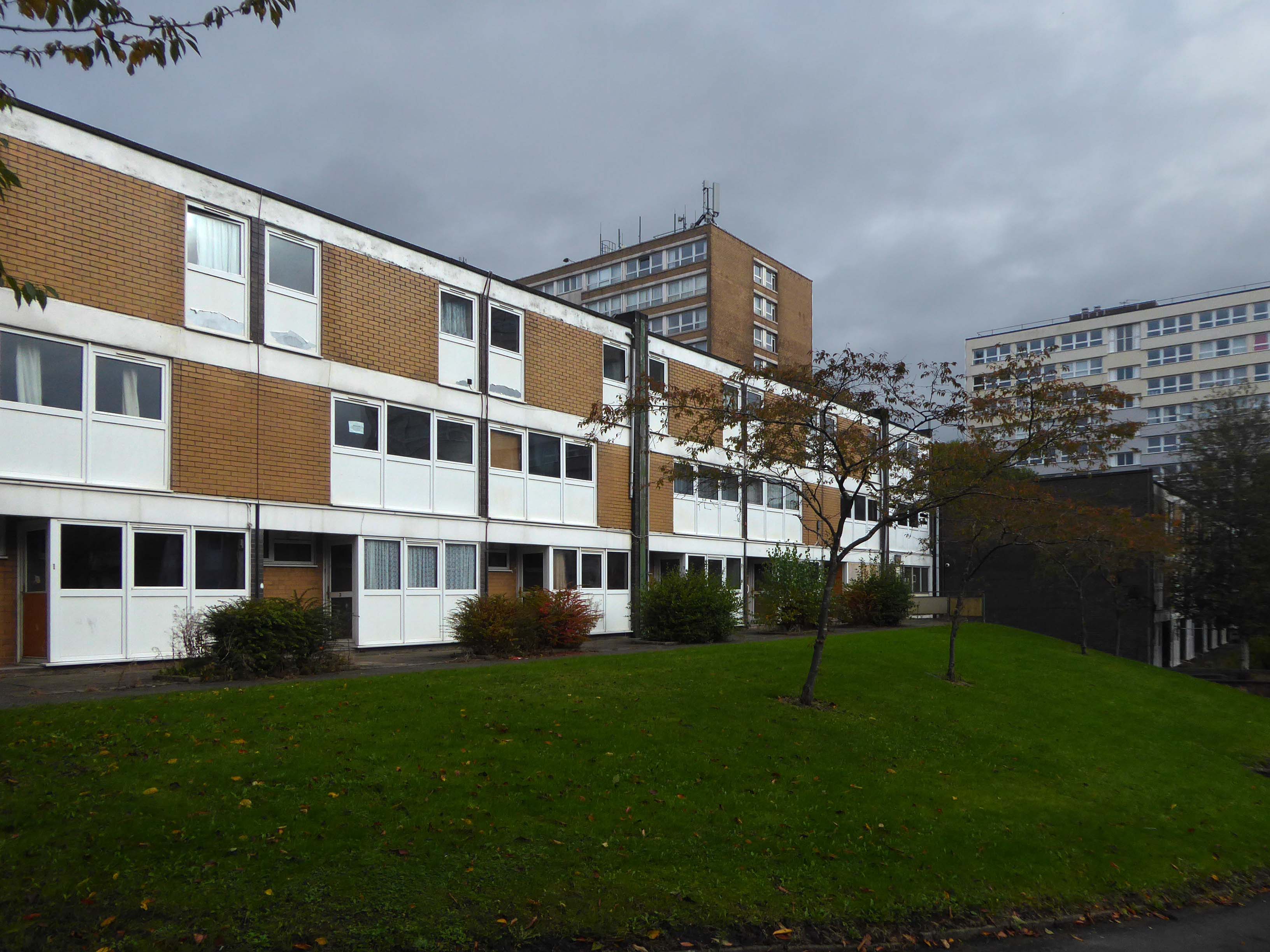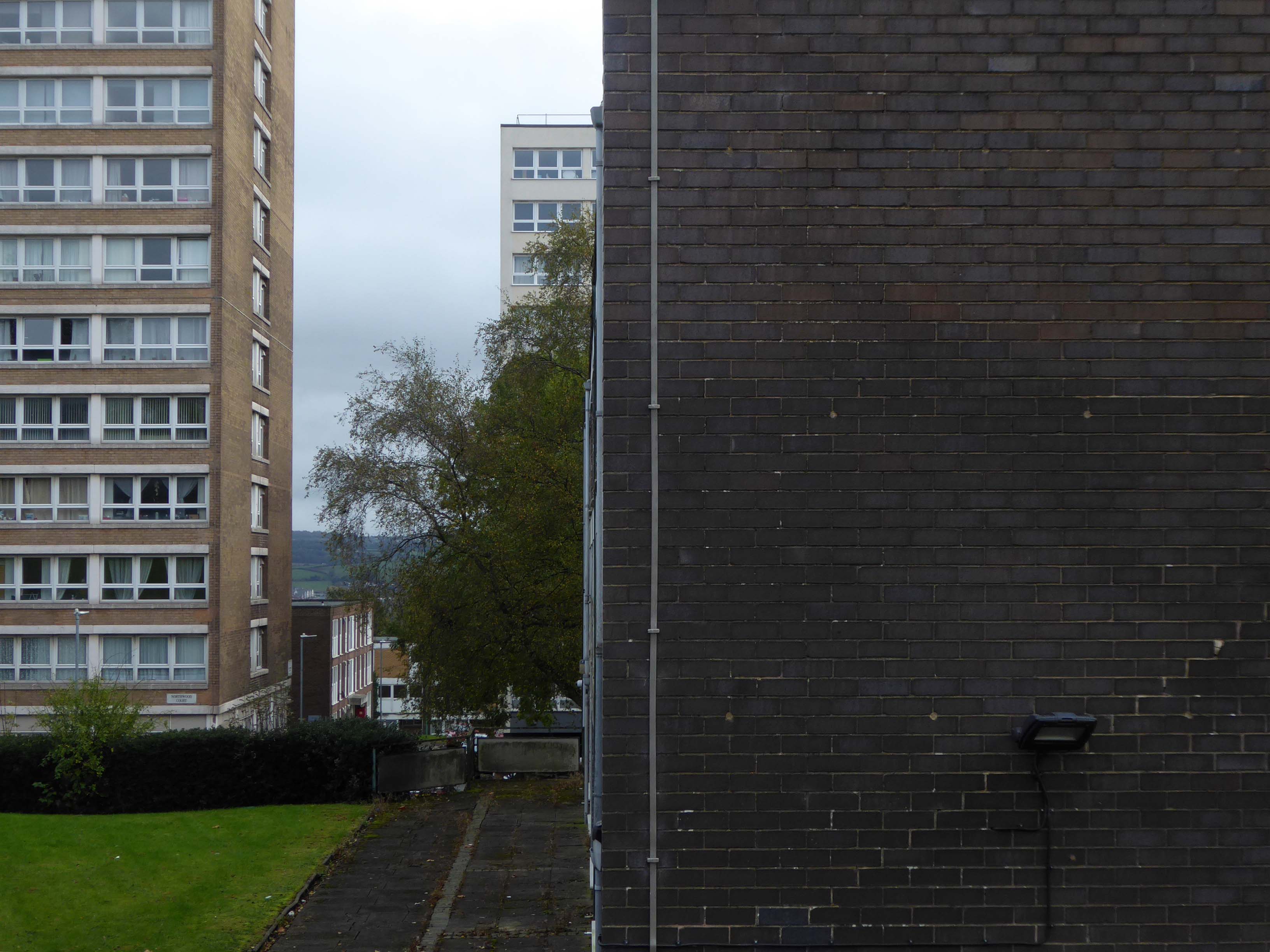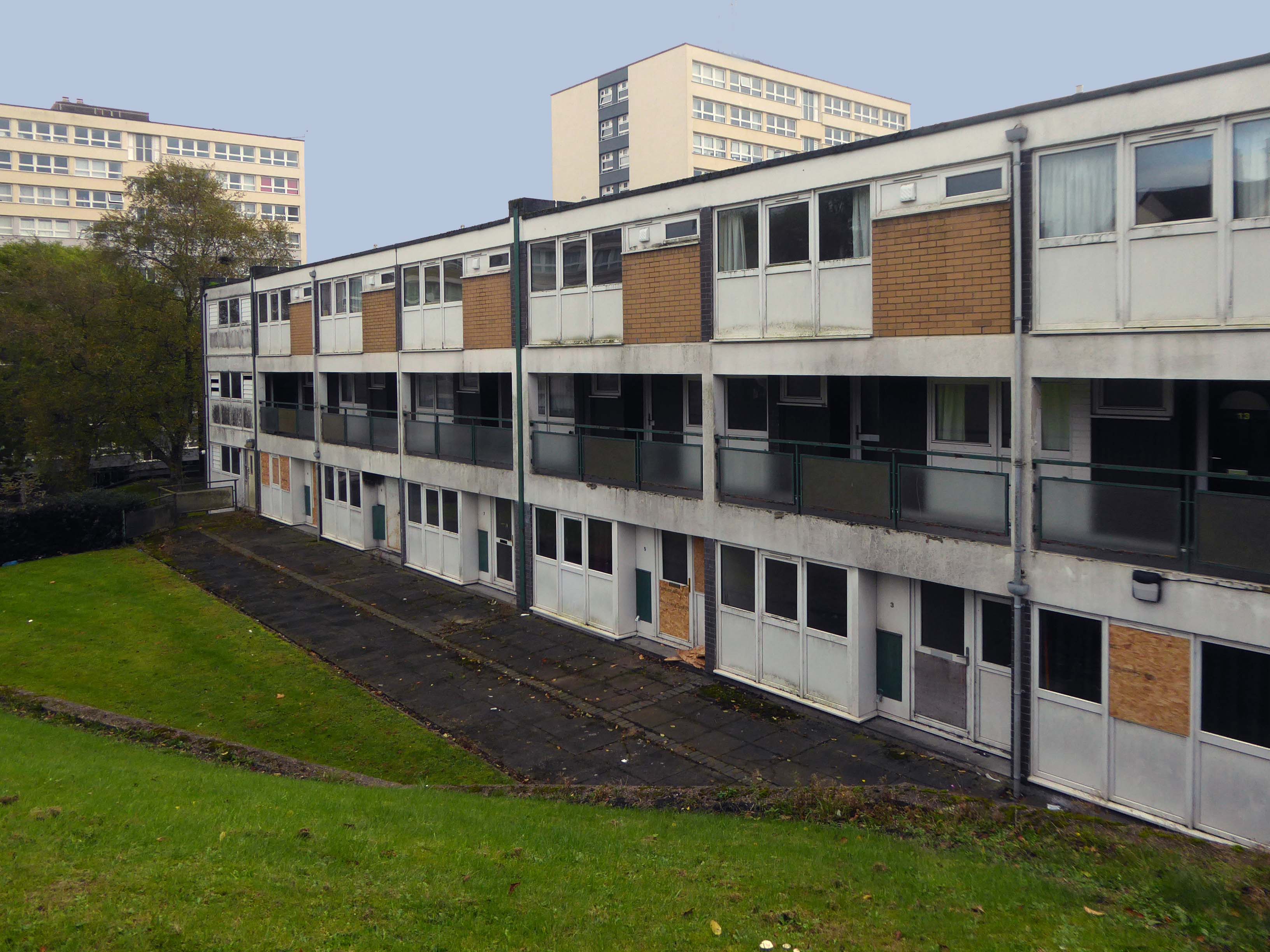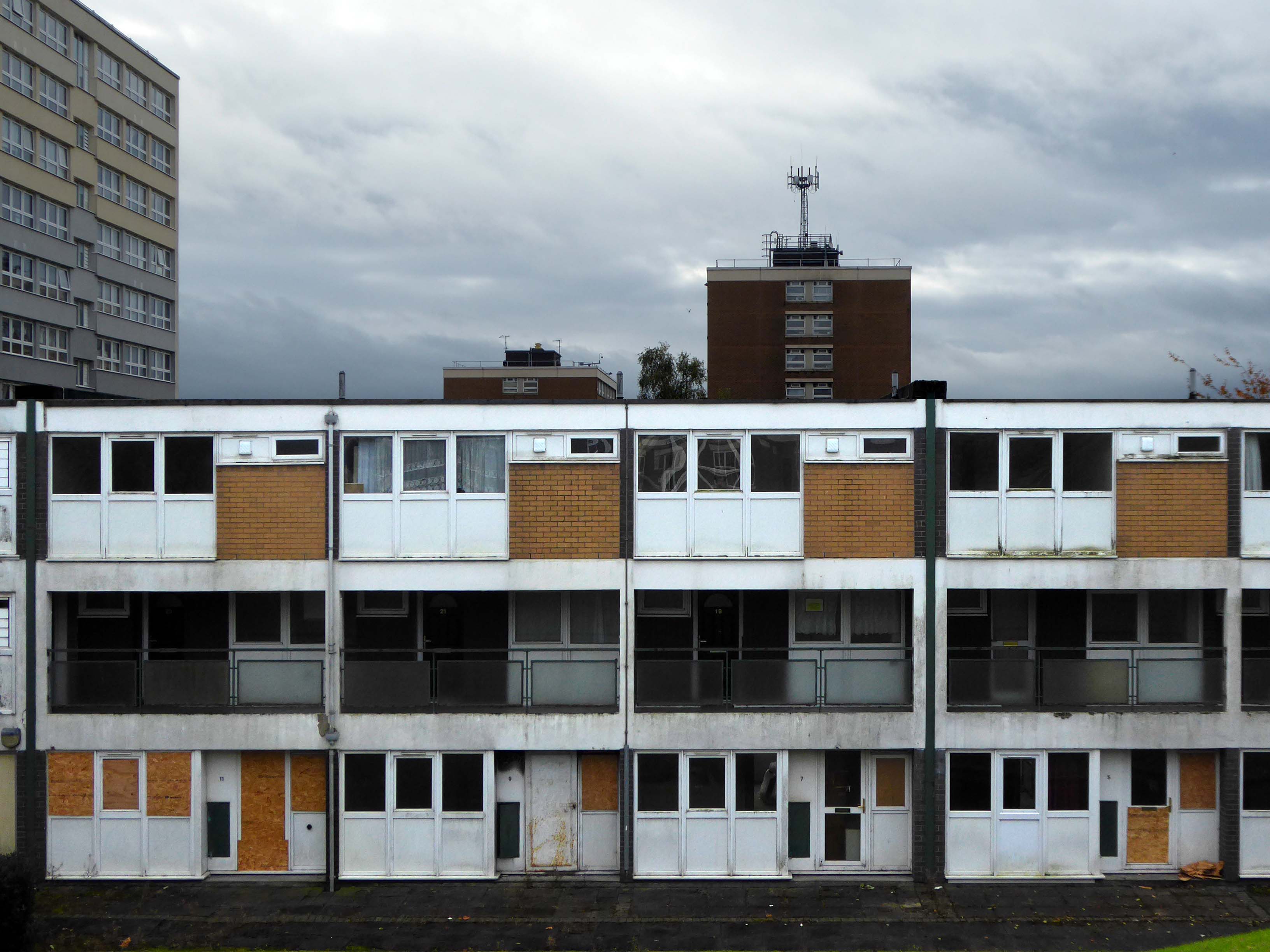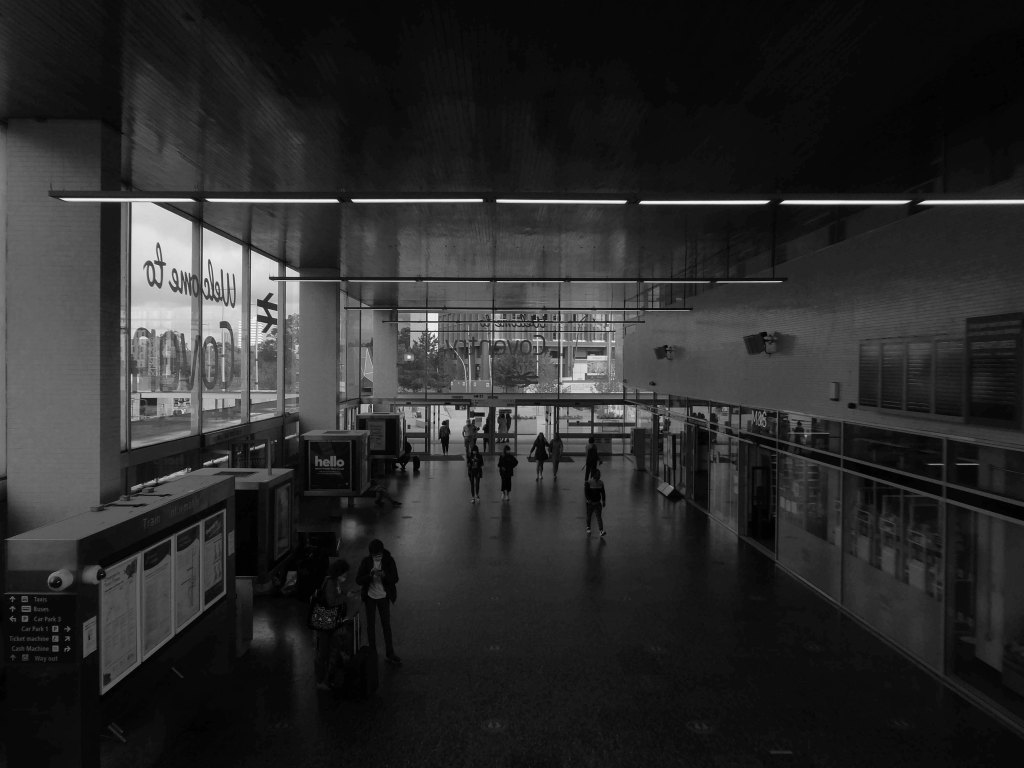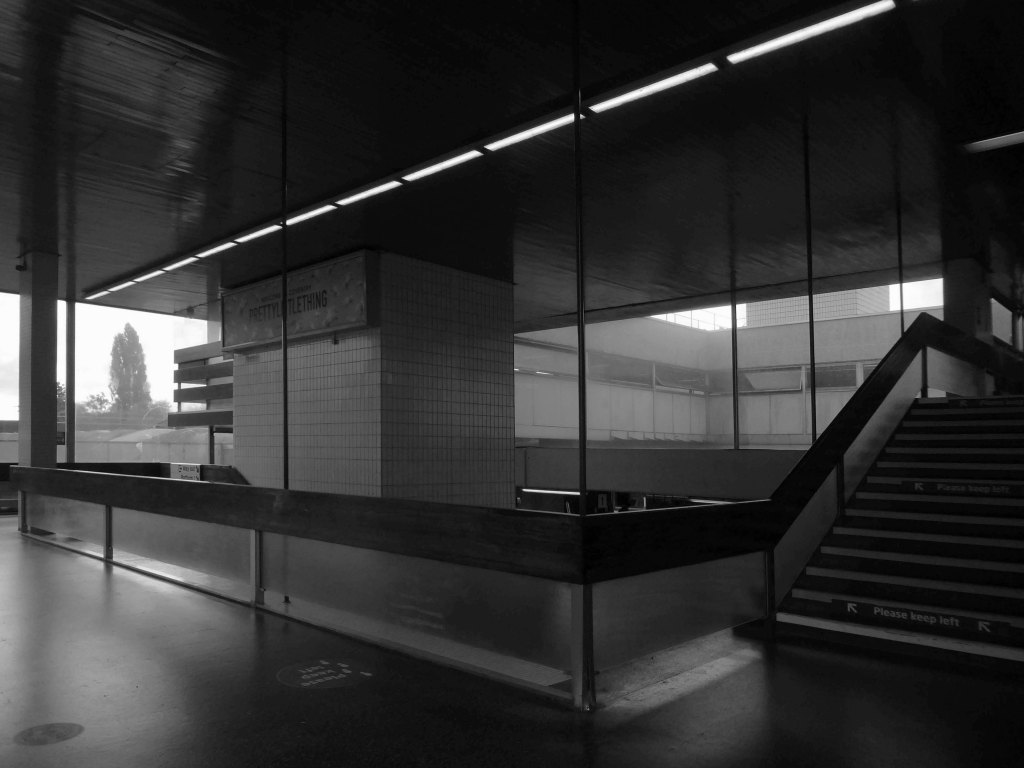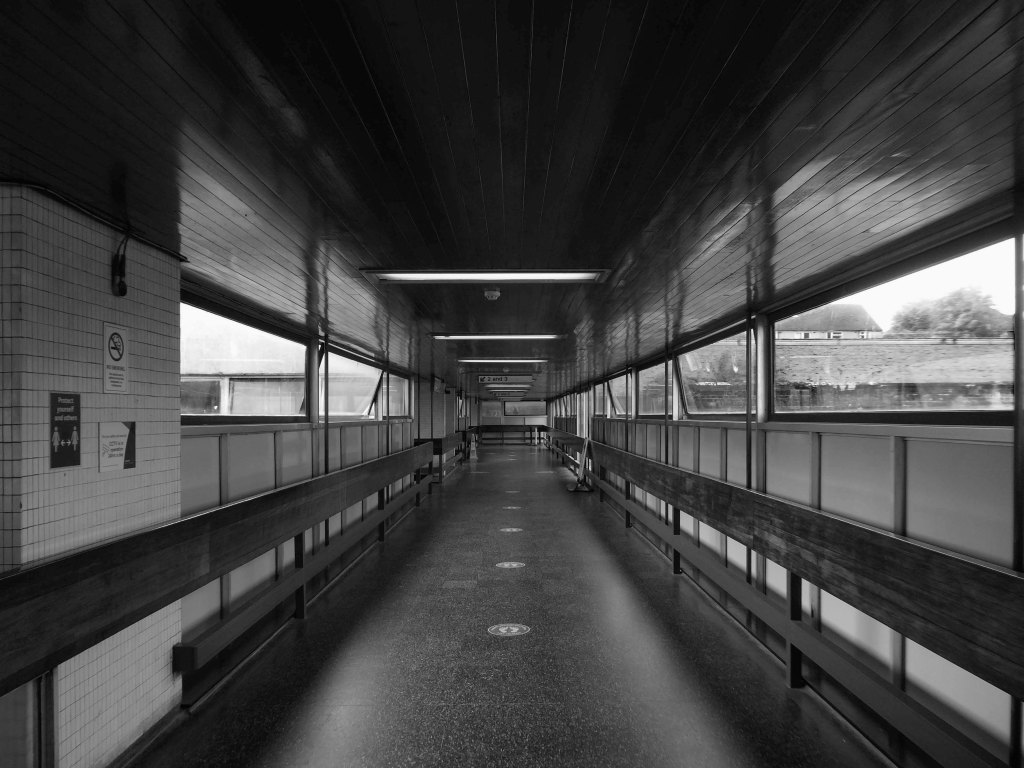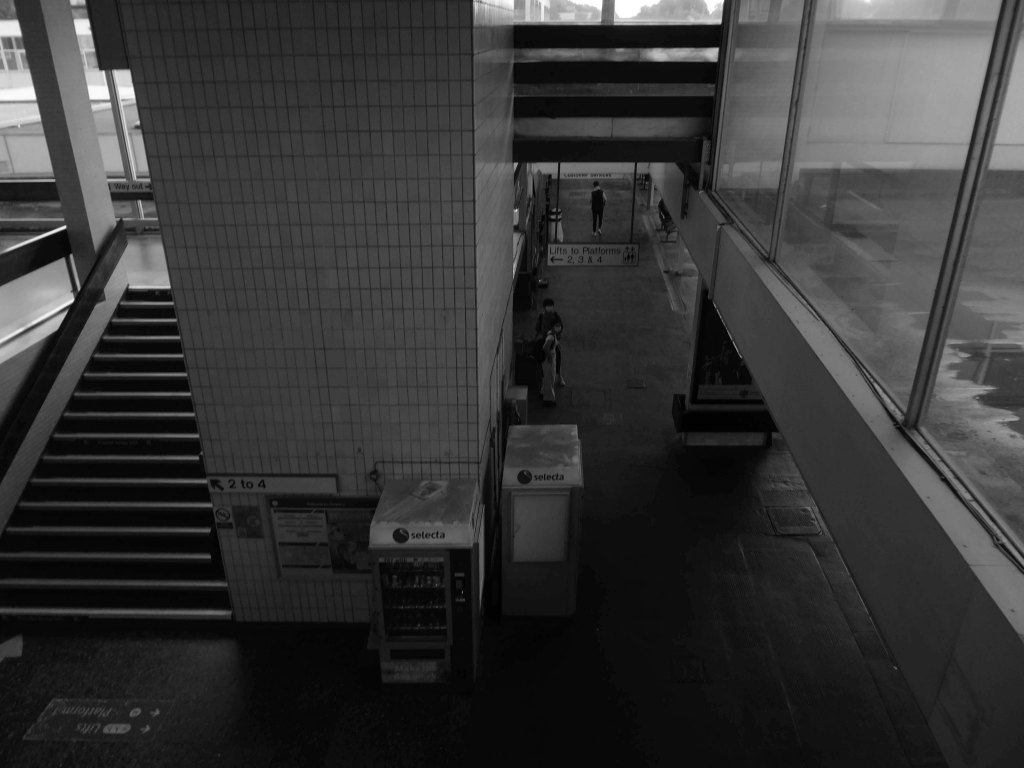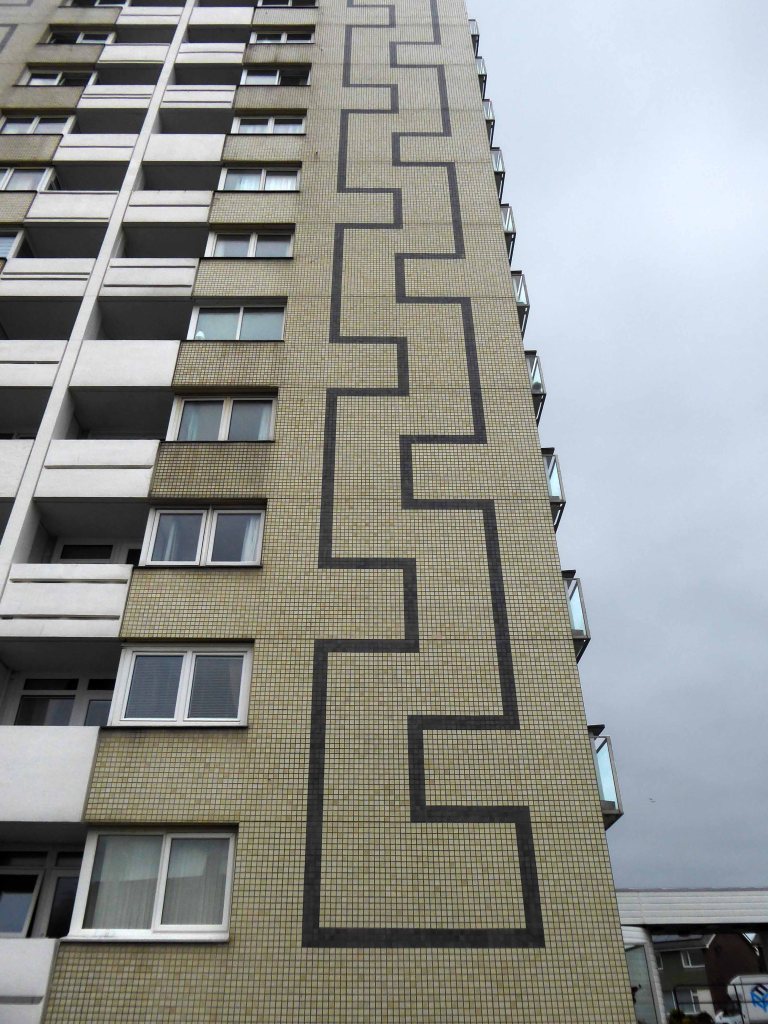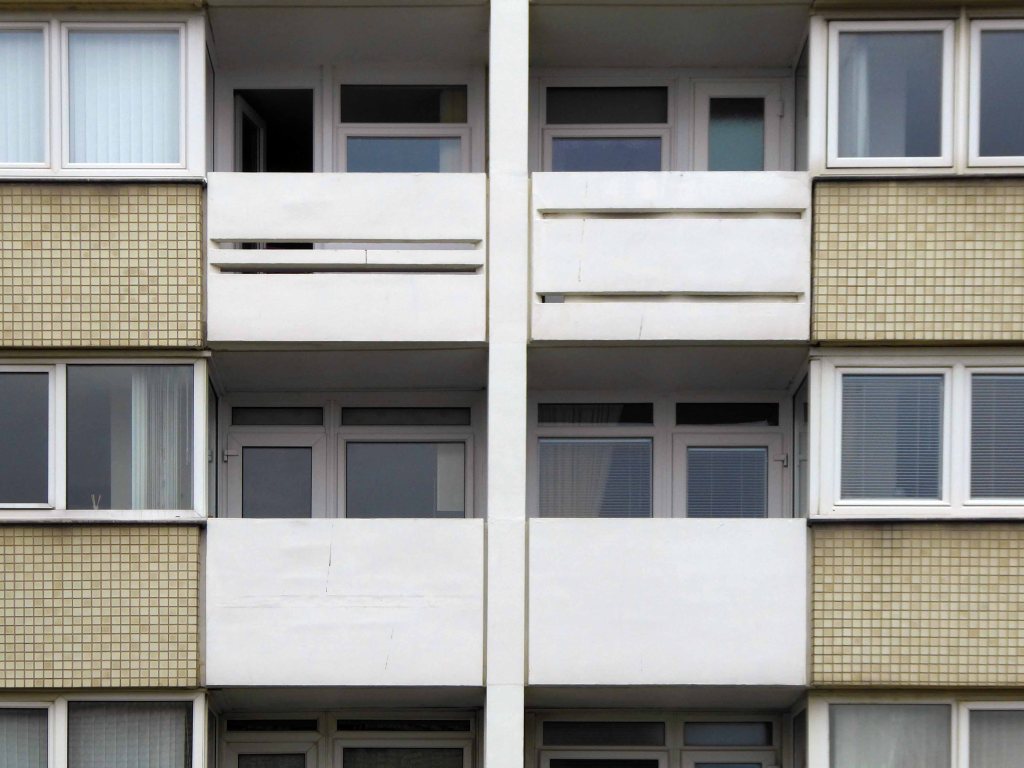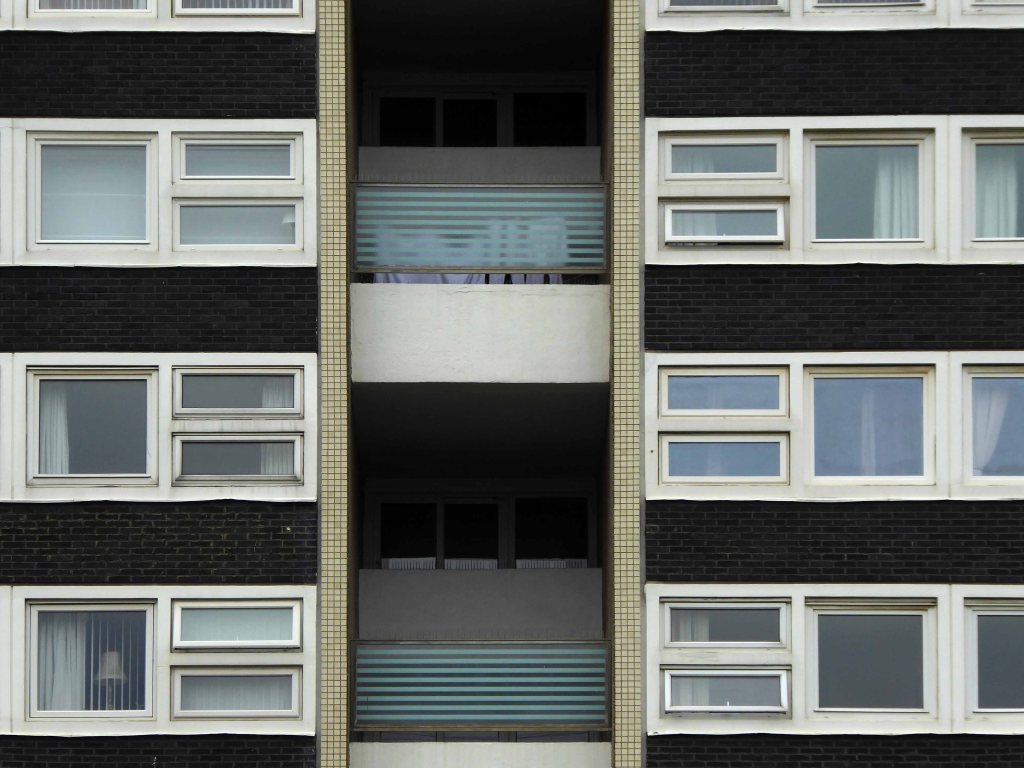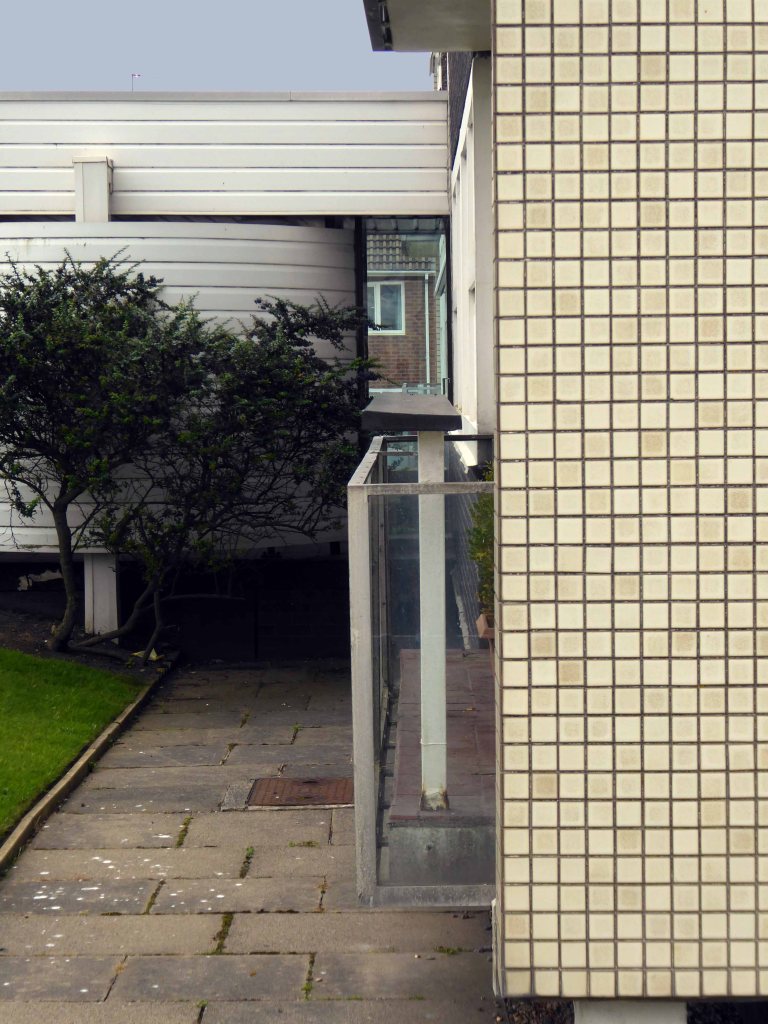
Walking From Rhyl To Colwyn

Previously on Modern Mooch.

My last words on my last North Wales post were:

Time for the train home to Stockport – but you can bet I’ll be back.

And true to my word I have been back, several times – on this occasion alone and on foot.

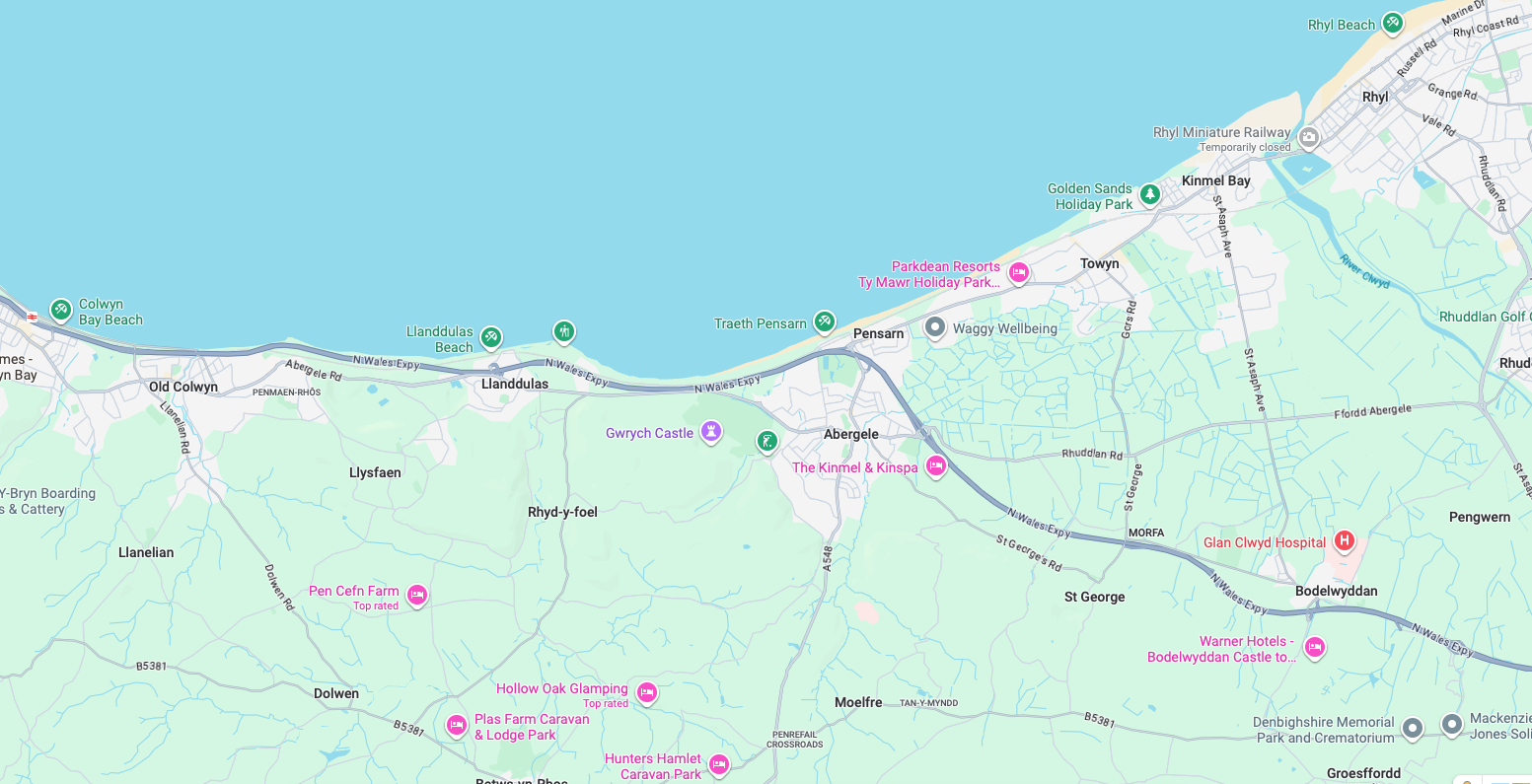
An almost overcast mid-grey day in November, alighting at Rhyl Station and loafing along to Colwyn Bay – this what I done seen.
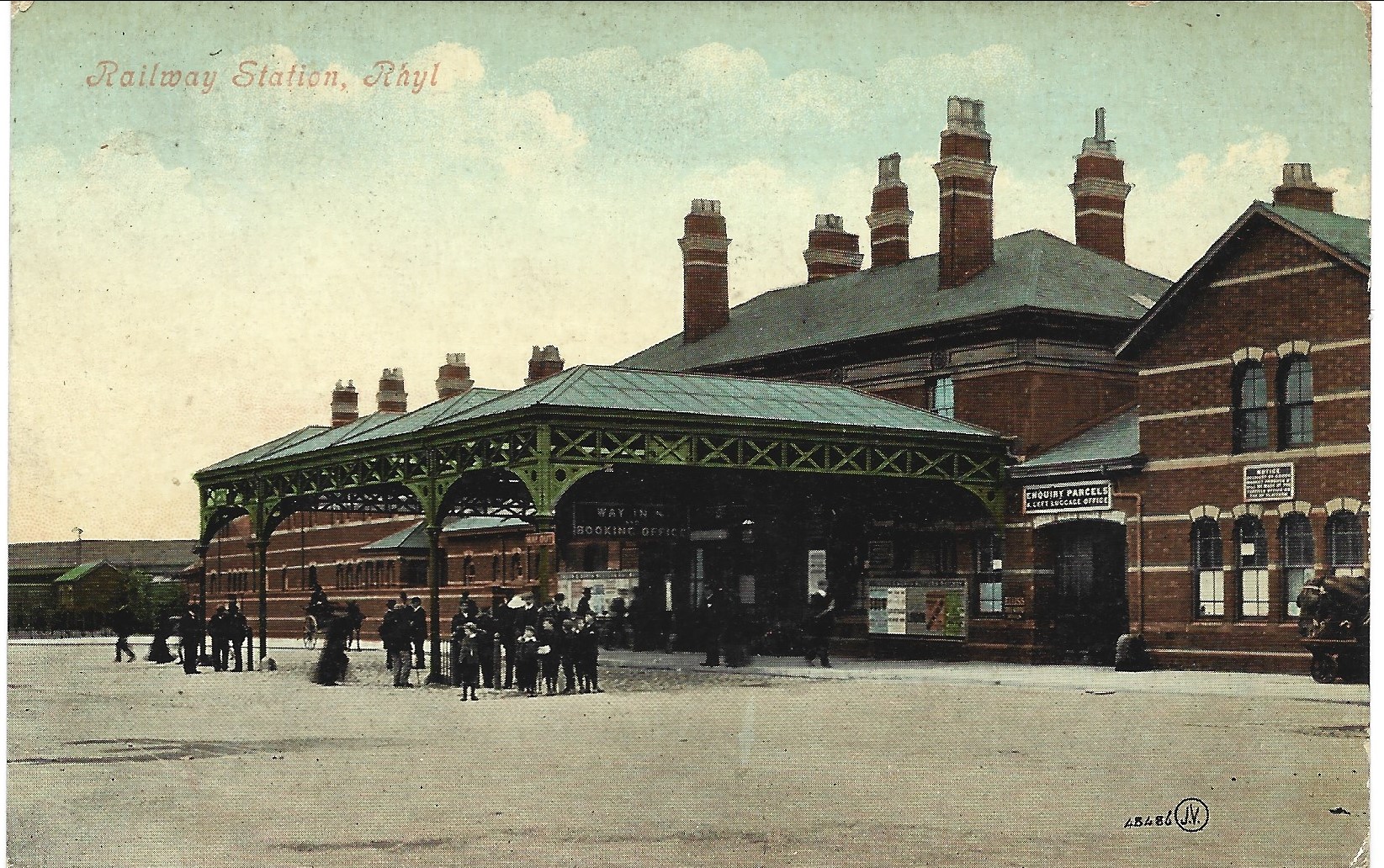
1907

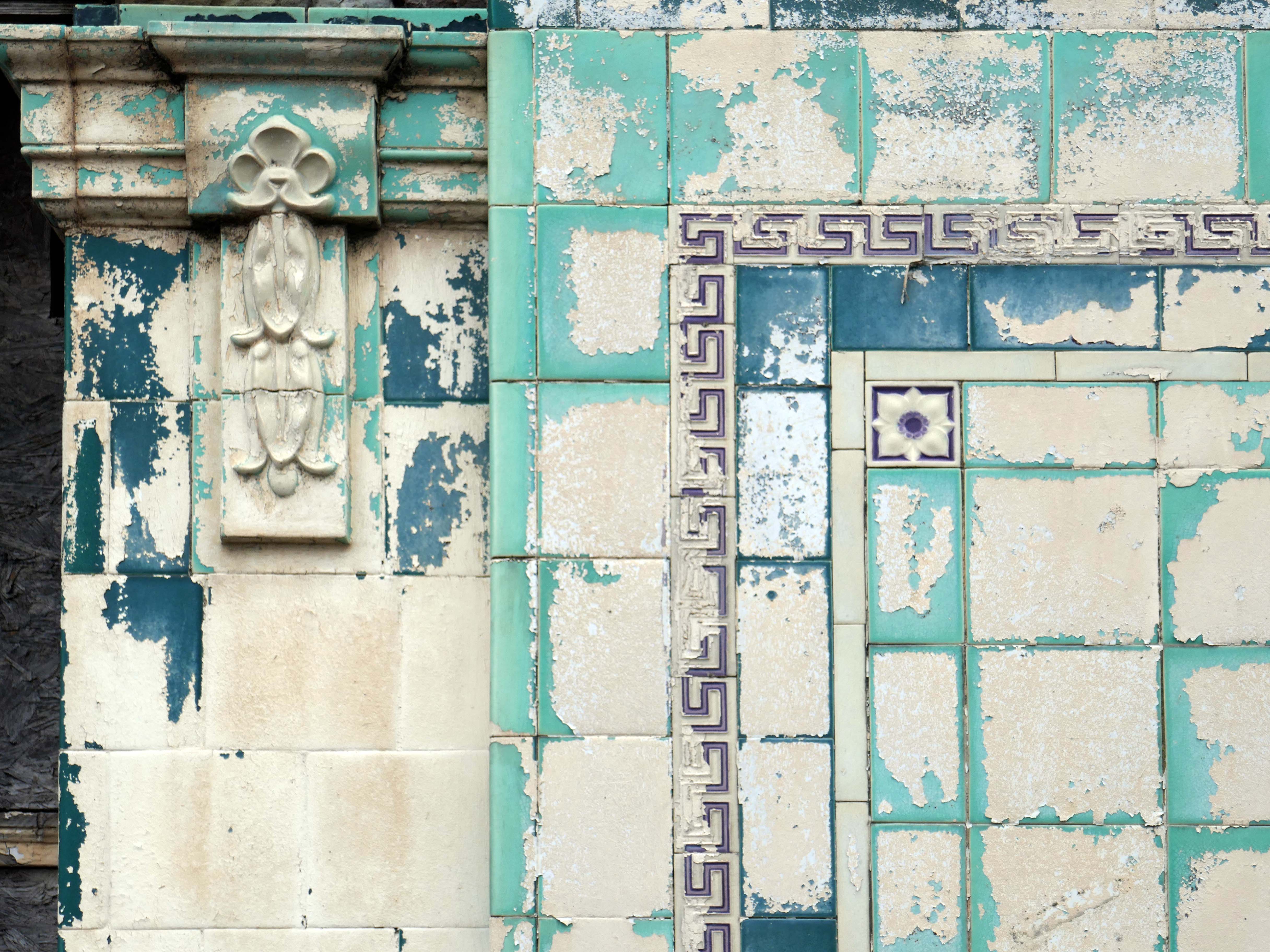
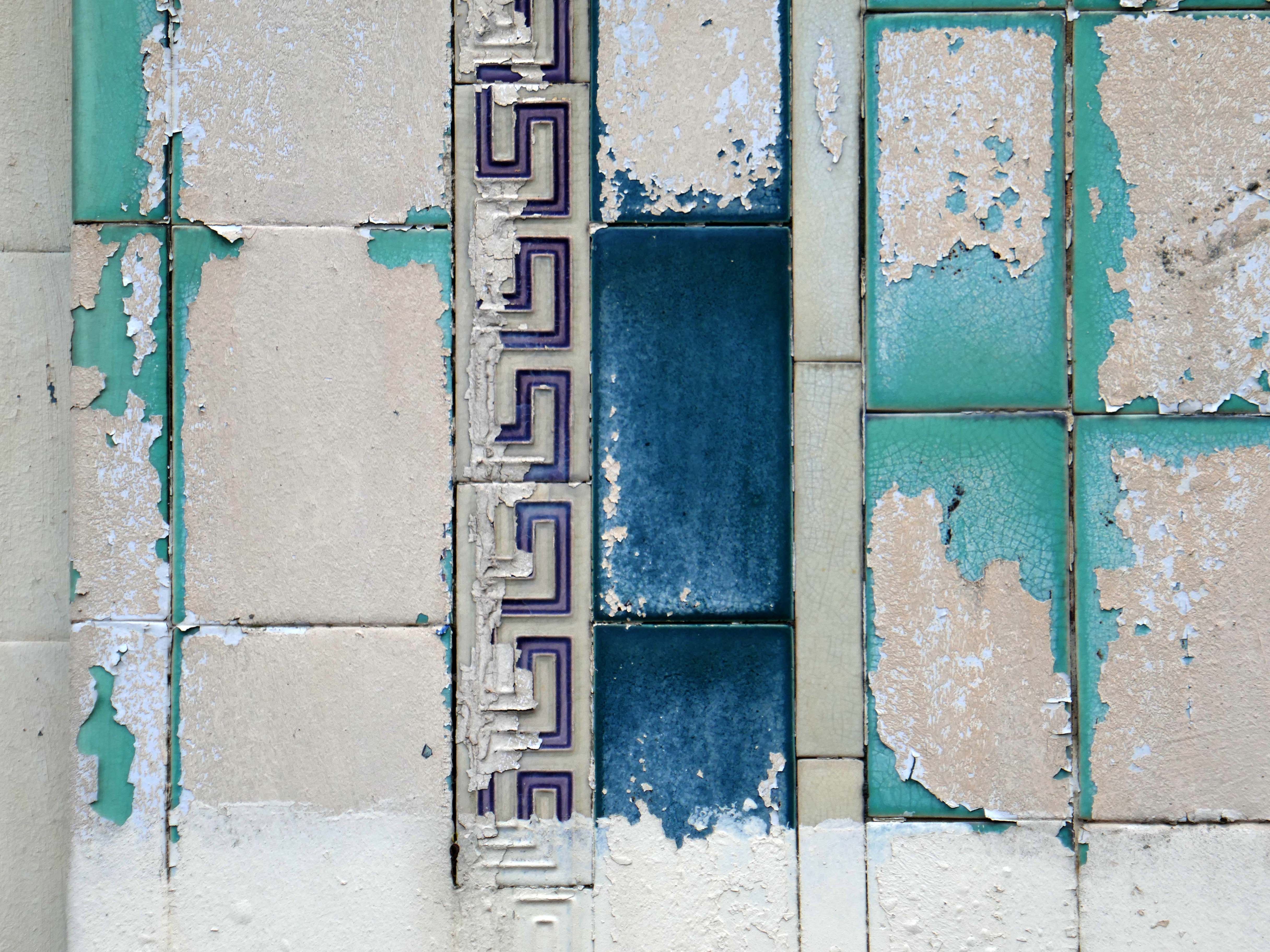
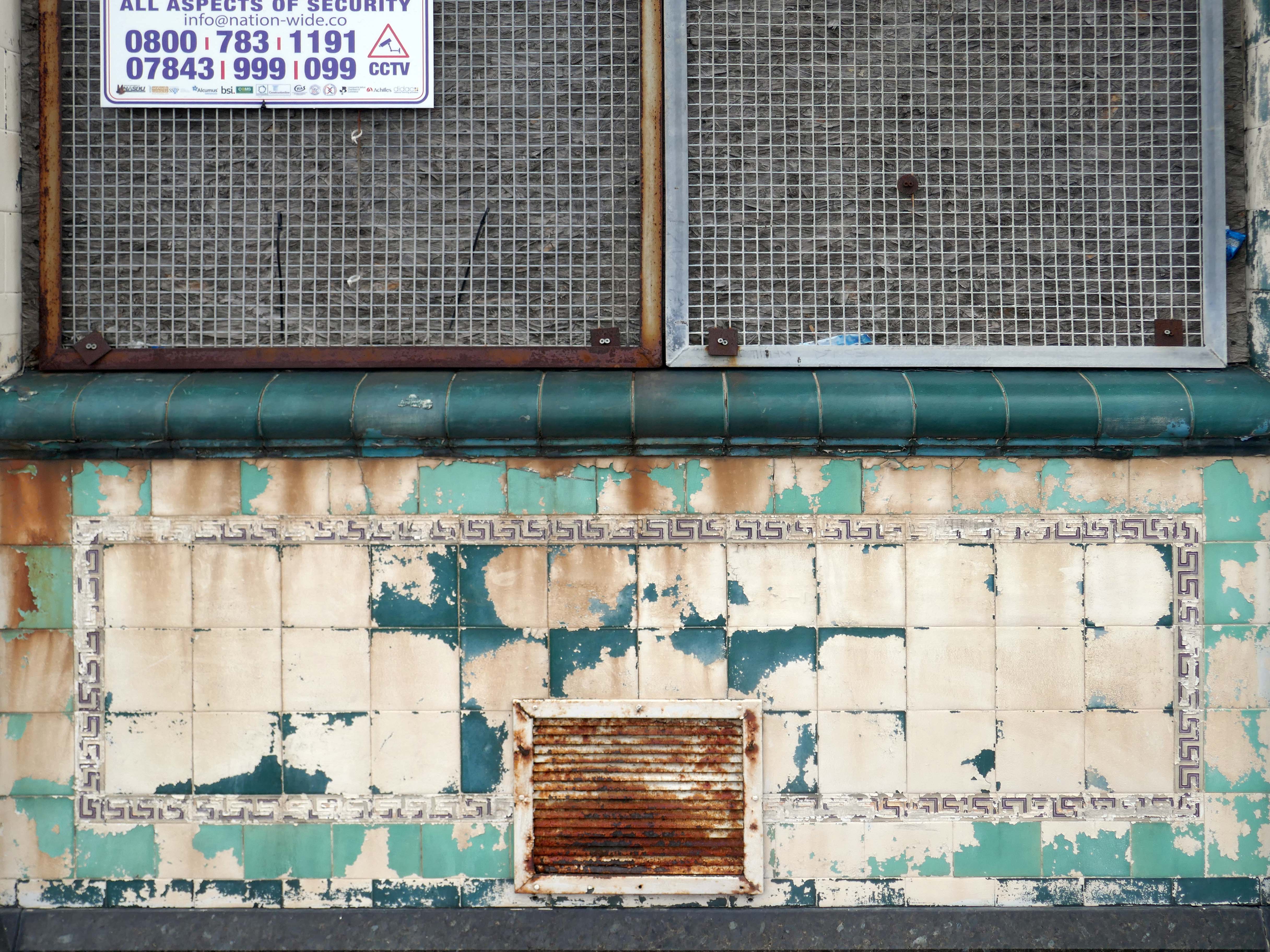
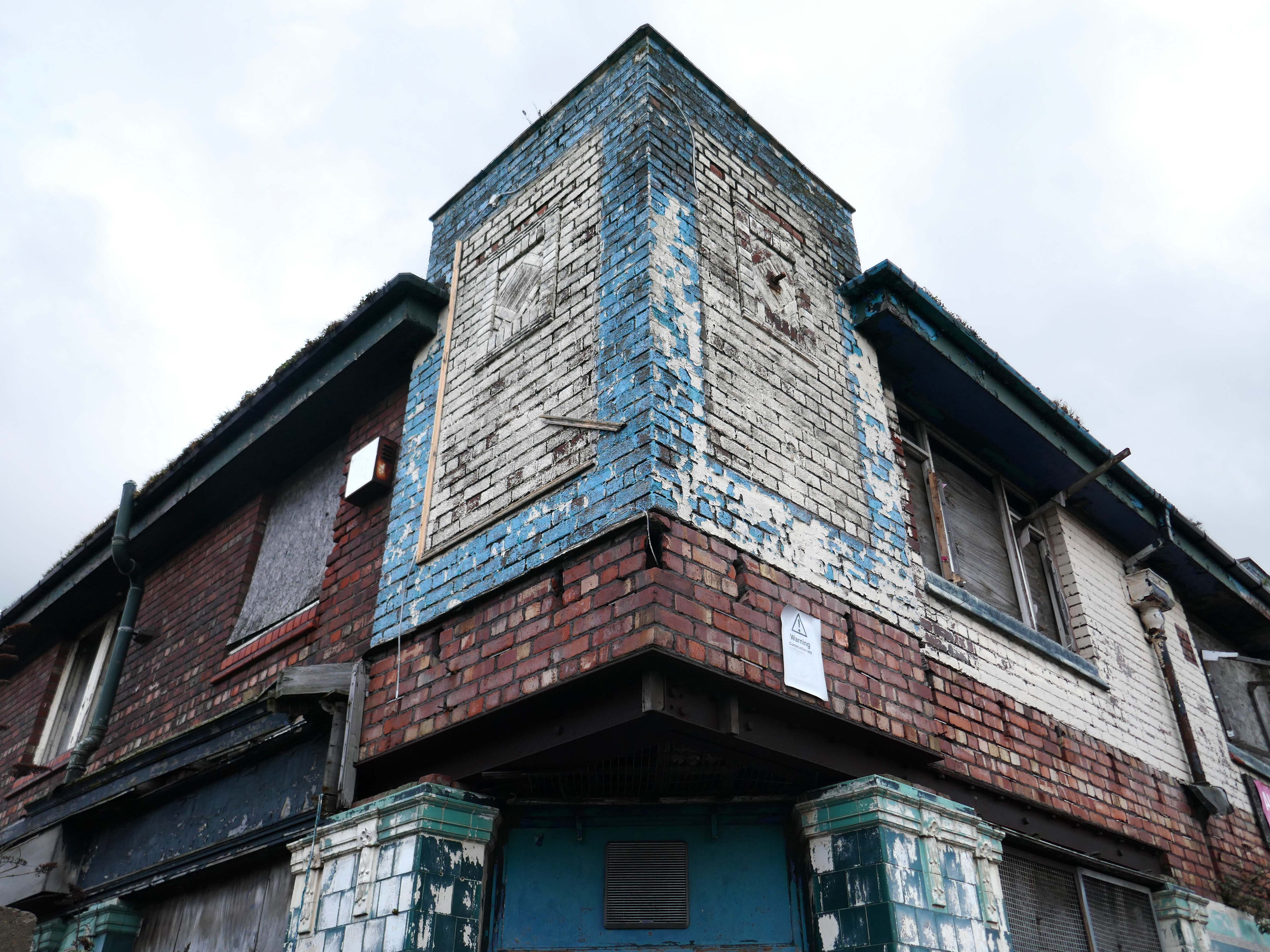
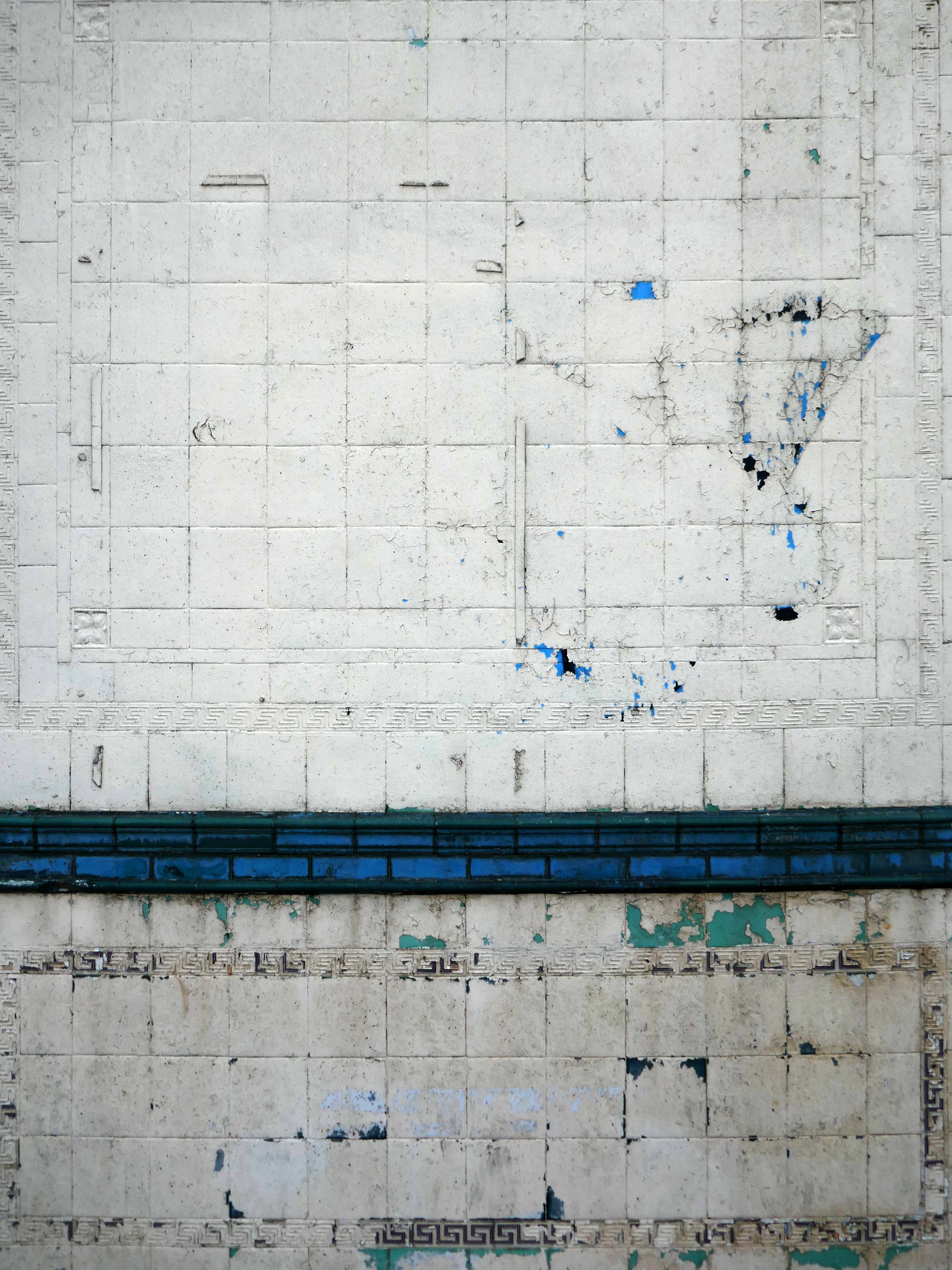
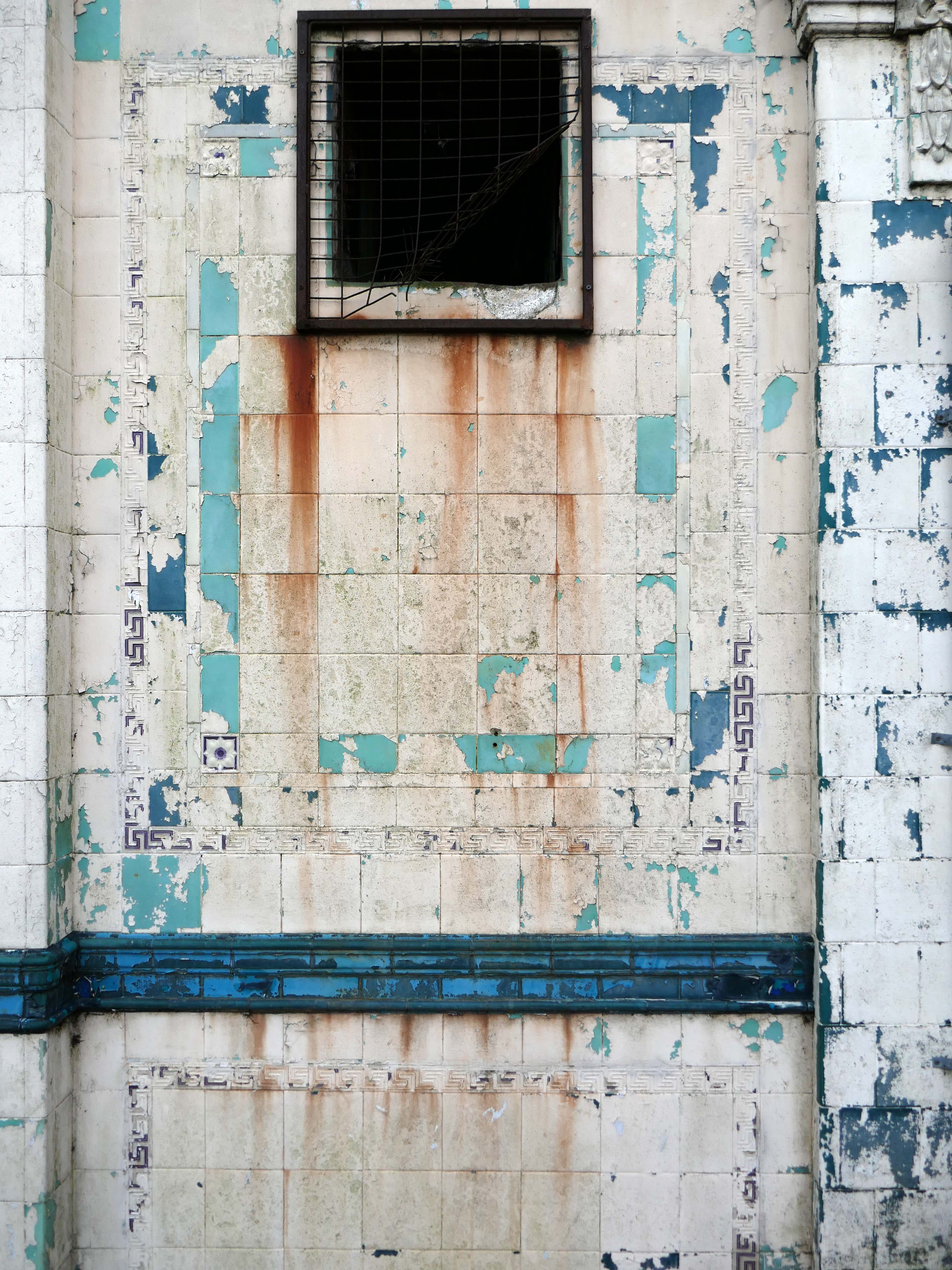
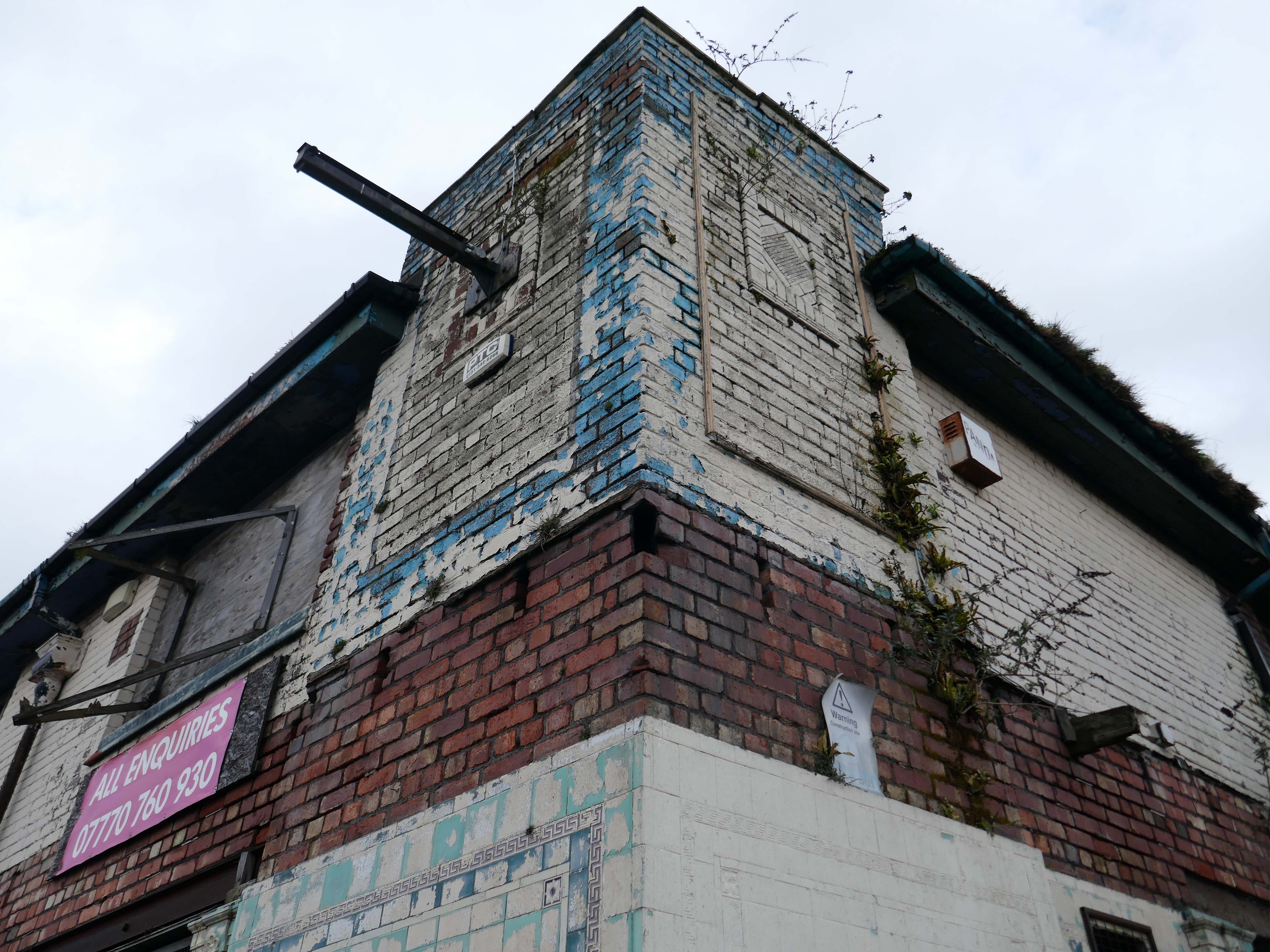
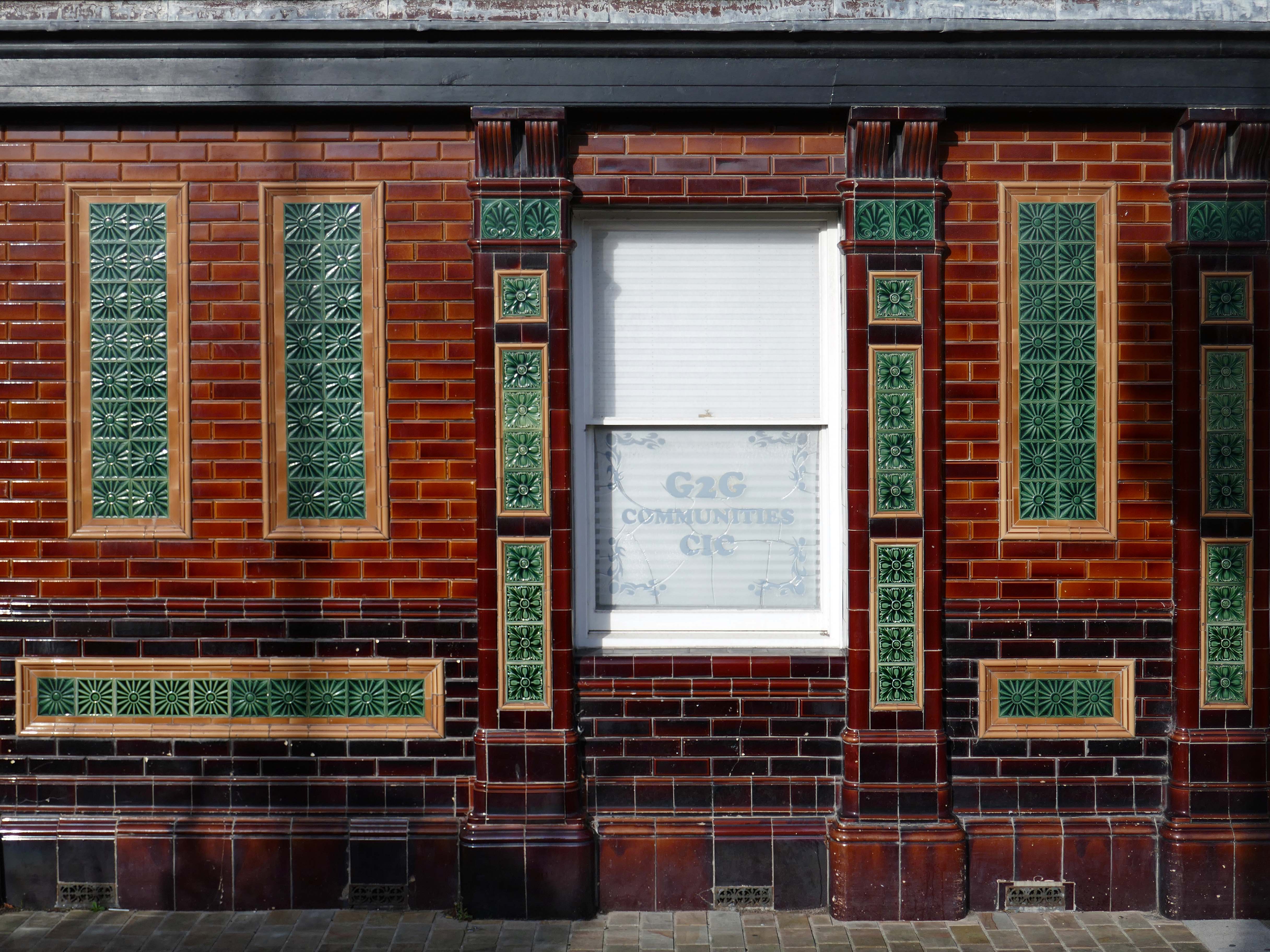
Former Bee and Station Hotel immediately opposite the Station.

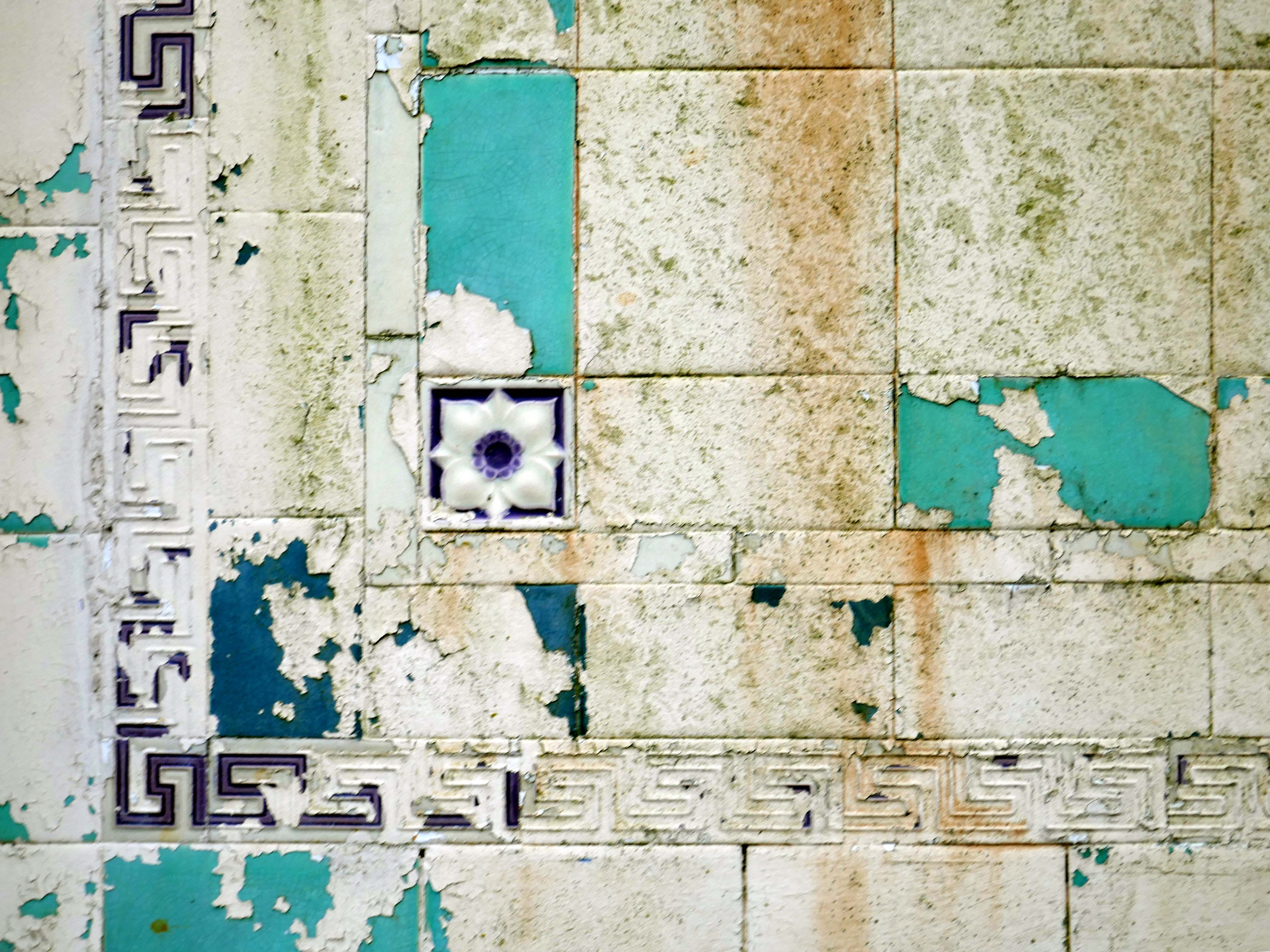
The Bee and Station Hotel was built in the 1860s. The decorative tile work of the exterior was probably added during remodelling c.1890. Inside, the lobby is also richly decorated with brightly coloured tiling. The building was listed in 1991 as an excellent example of pub of the late 19th century with a complete tiled frontage and a rare surviving internal layout throughout.

The pub closed in 2005. The building reopened in 2013 after being refurbished and given a modern extension by Denbighshire County Council, under the Townscape Heritage Initiative, to provide new offices for small businesses
History Points

Onward to the seafront, home to the defunct Skytower.

The tower first operated at the 1988 Glasgow Garden Festival, where it was known as the Clydesdale Bank Tower and was opened by Prince Charles and Princess Diana. Following the festival, it was dismantled and reassembled on the Rhyl seafront.

The tower last operated in 2010. The following year, a safety report found that £400,000 worth of repairs were required to keep the ride operational. After standing but not operating for seven years, in 2017 work was carried out to turn the tower into a beacon.
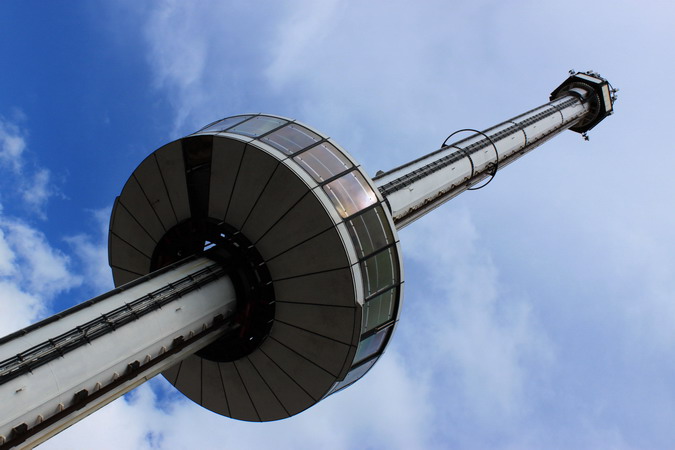
Photo – GA Stephen ©
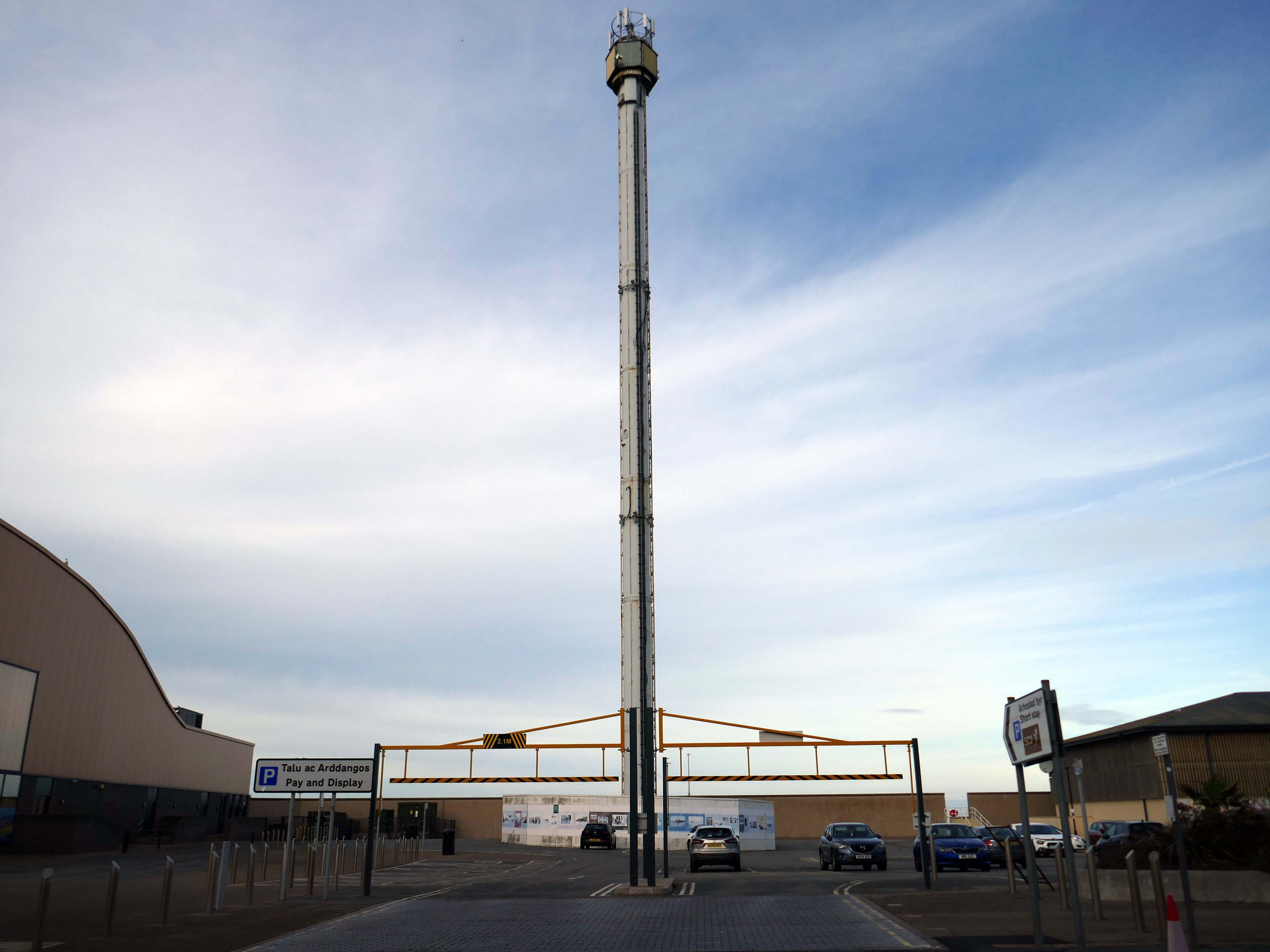
Much has been done to improve the promenade, with sumptuous hard landscaping, coastal defences and seafront shelters.
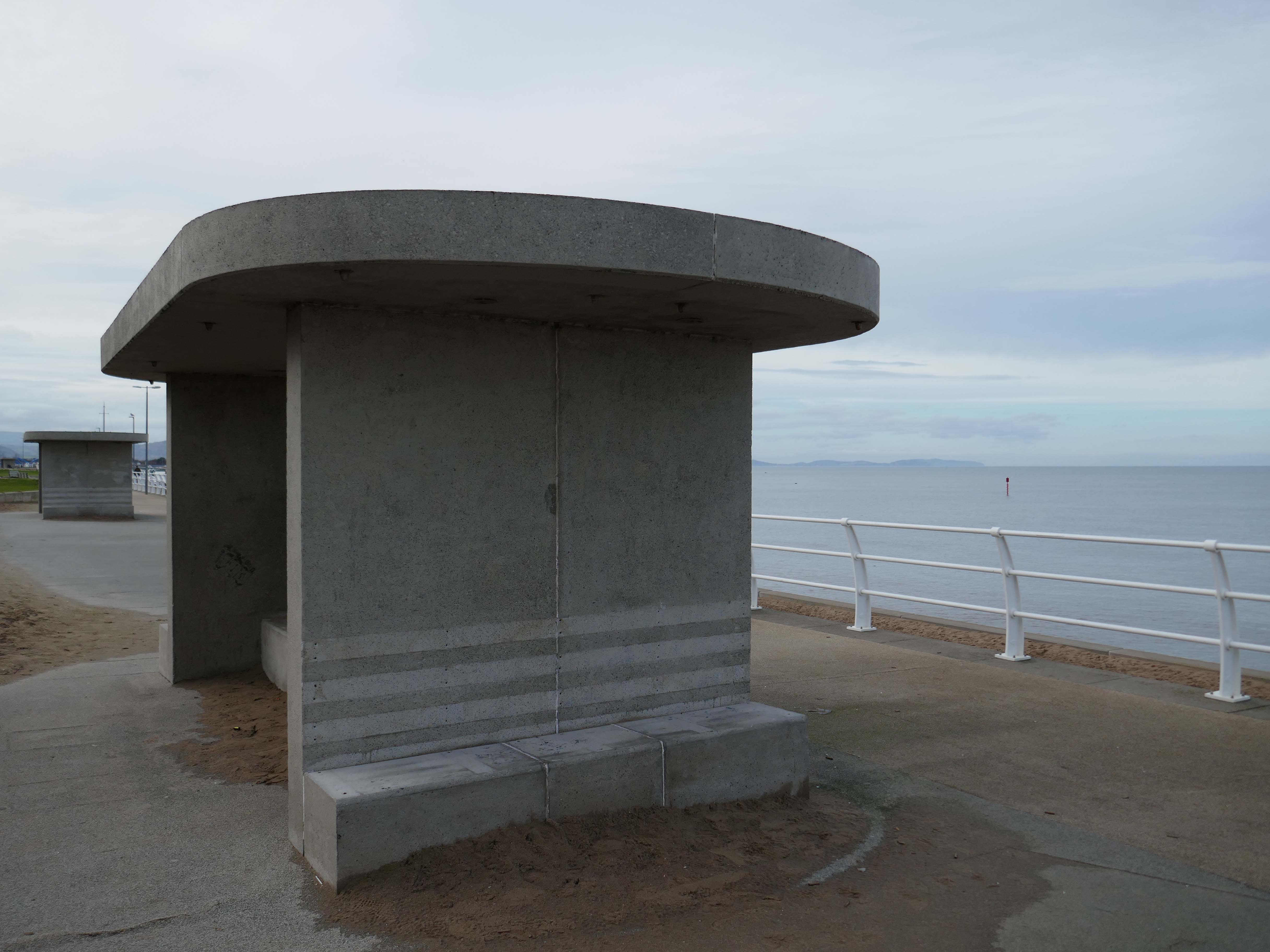
The £66m Central Rhyl Coastal Defences Scheme will protect almost 600 properties in Rhyl from flooding and coastal erosion for decades to come.

85% of the construction costs have been funded by the Welsh Government, with the Deputy First Minister labelling the project a ‘significant milestone’ in efforts to protect Welsh communities from the growing threats of climate change. Denbighshire County Council contributed the remaining 15%.
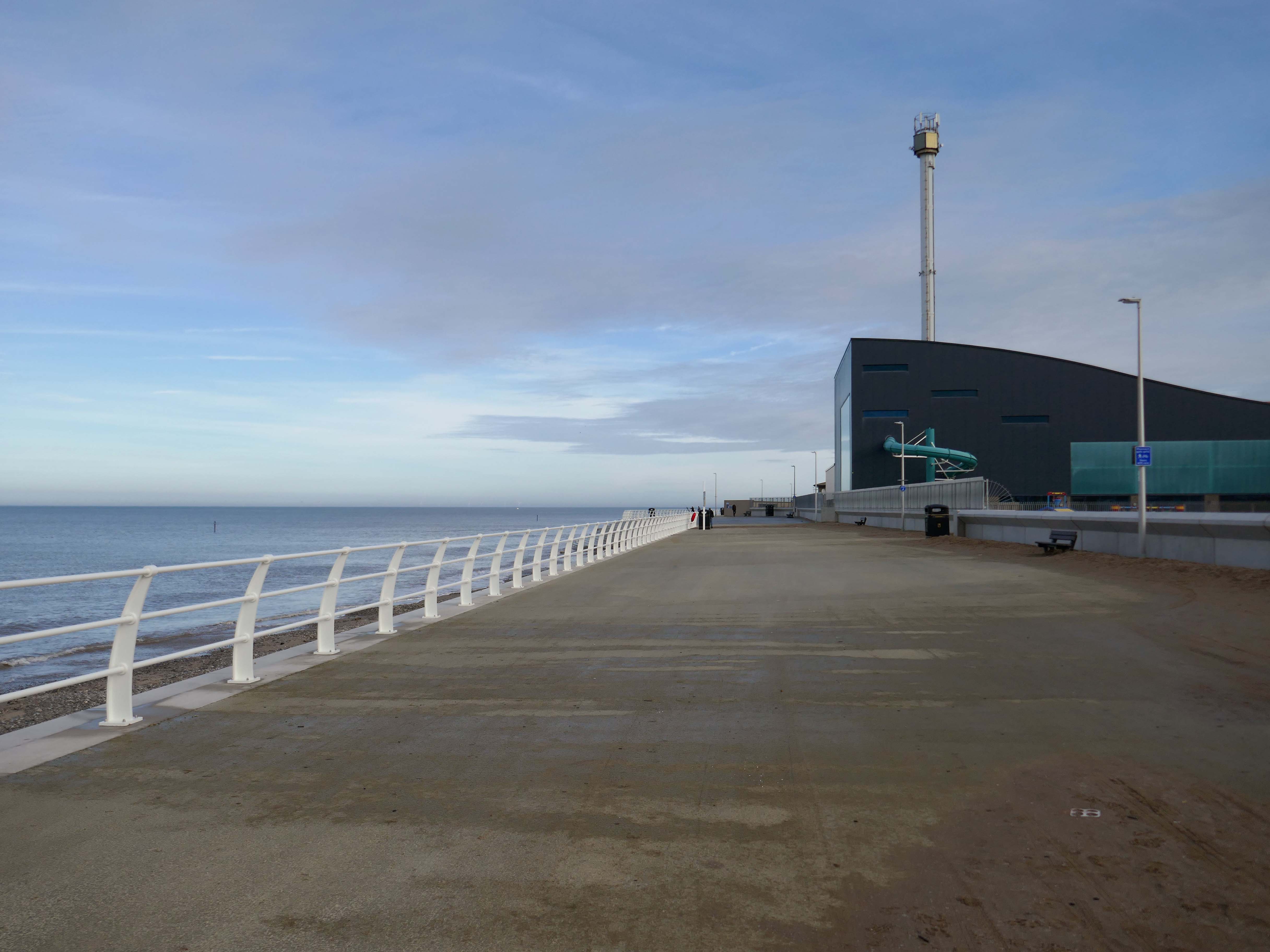
Gov. Wales

Over the estuary to Rhyl Harbour home to Doris Day.

Rhyl Harbour is located on the spectacular North Wales Coast and has undergone a dramatic refurbishment which has hugely improved the facilities on offer. The original timber yard which was used by sailing ships up until the Second World War, has been redeveloped and now offers storage for over 150 boats.
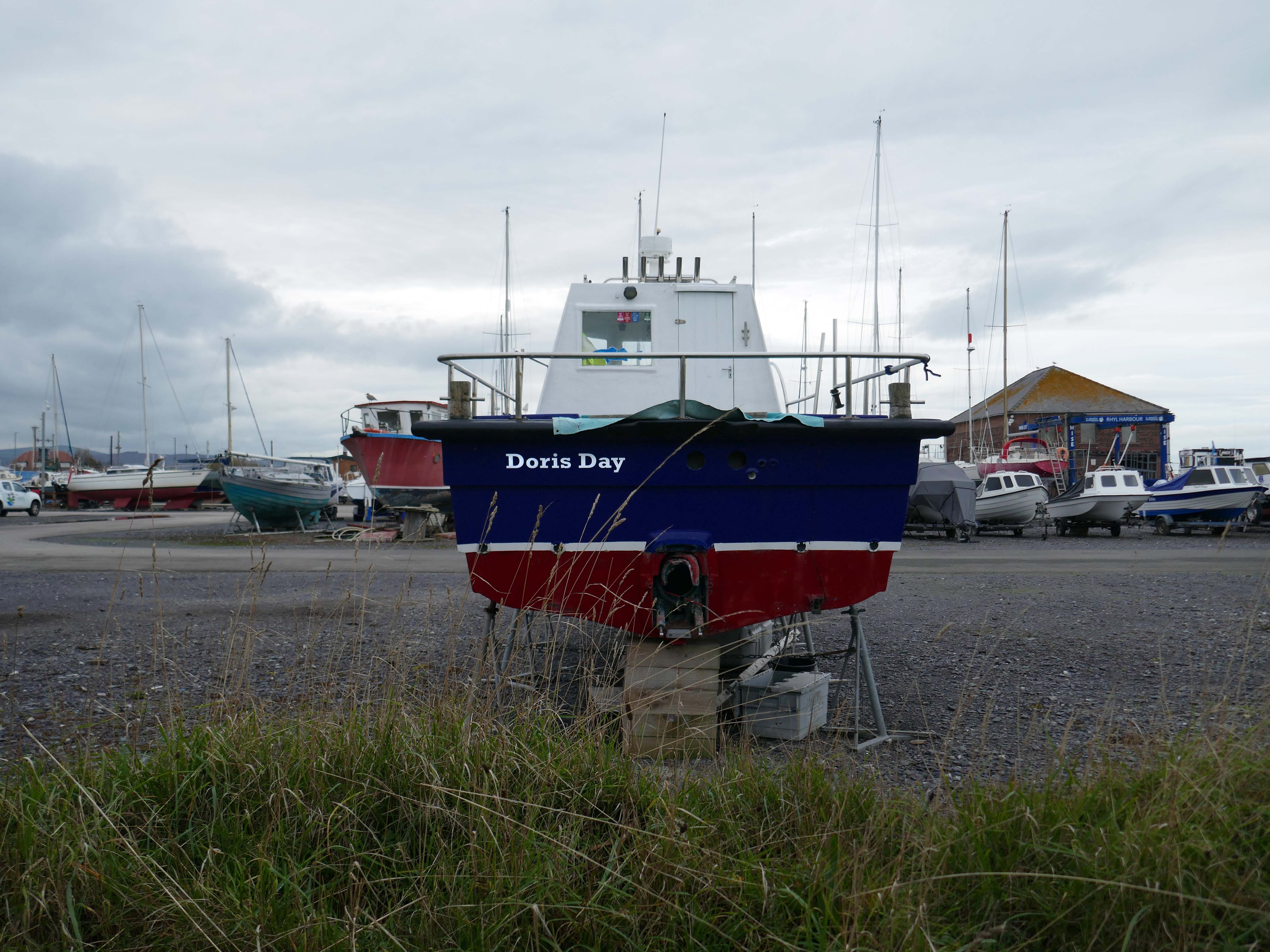
Denbighshire Gov UK

The foreshore home from home for thousands of caravan dwellers.

Golden Sands Holiday Park Rhyl has over 85 years history of fun filled holidays. Wonderfully located right next to the beach in Kinmel Bay in North Wales, it’s the perfect place for a family seaside holiday. It’s also an excellent base for exploring the beauty of North Wales. The town of Rhyl is closest, though also nearby are Prestatyn, Colwyn Bay and Llandudno – with the Great Orme. Blue Flag beaches offering wonderful seaside holiday traditions along with stunning Snowdonia National Park are within an easy drive.
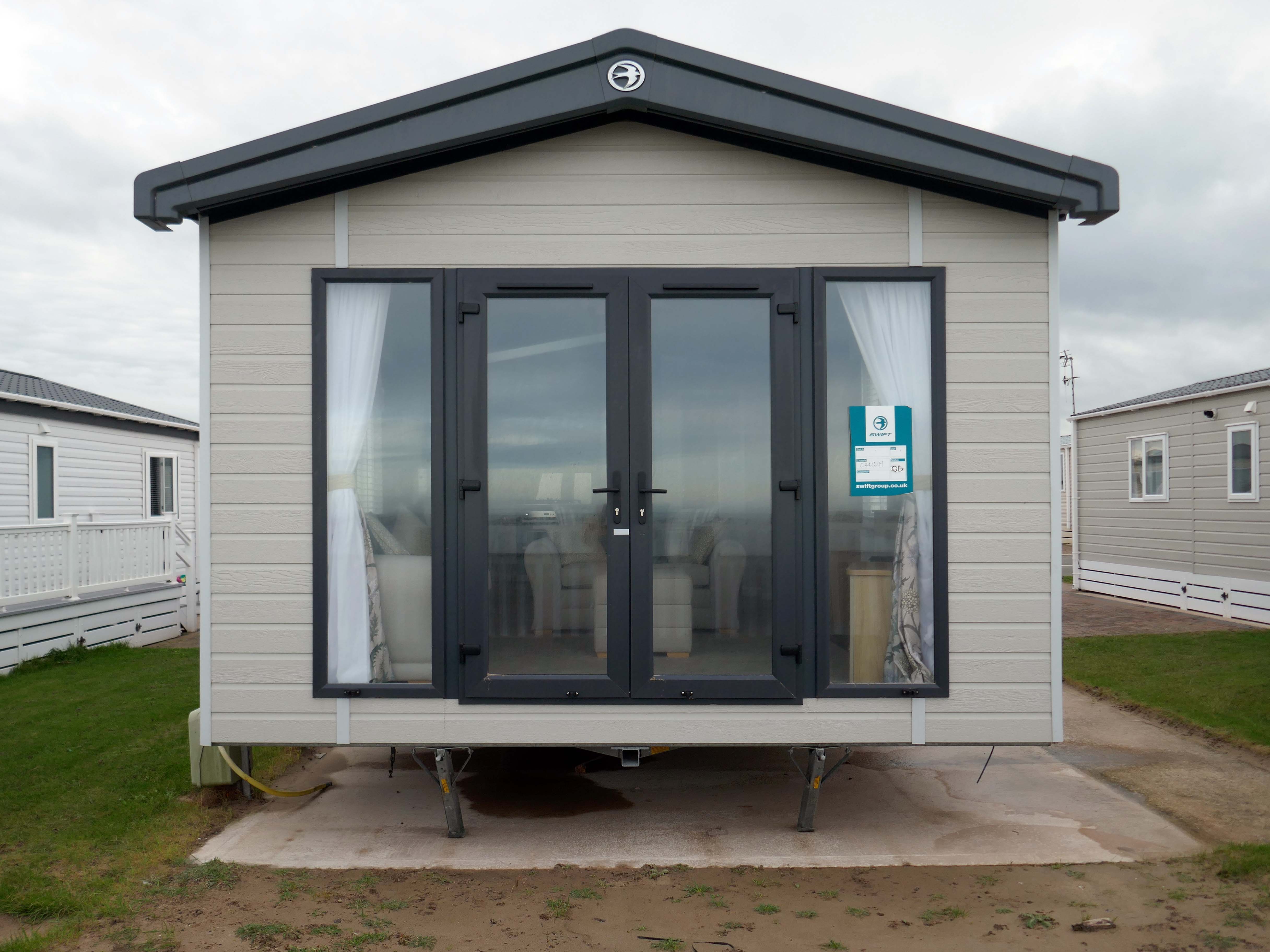
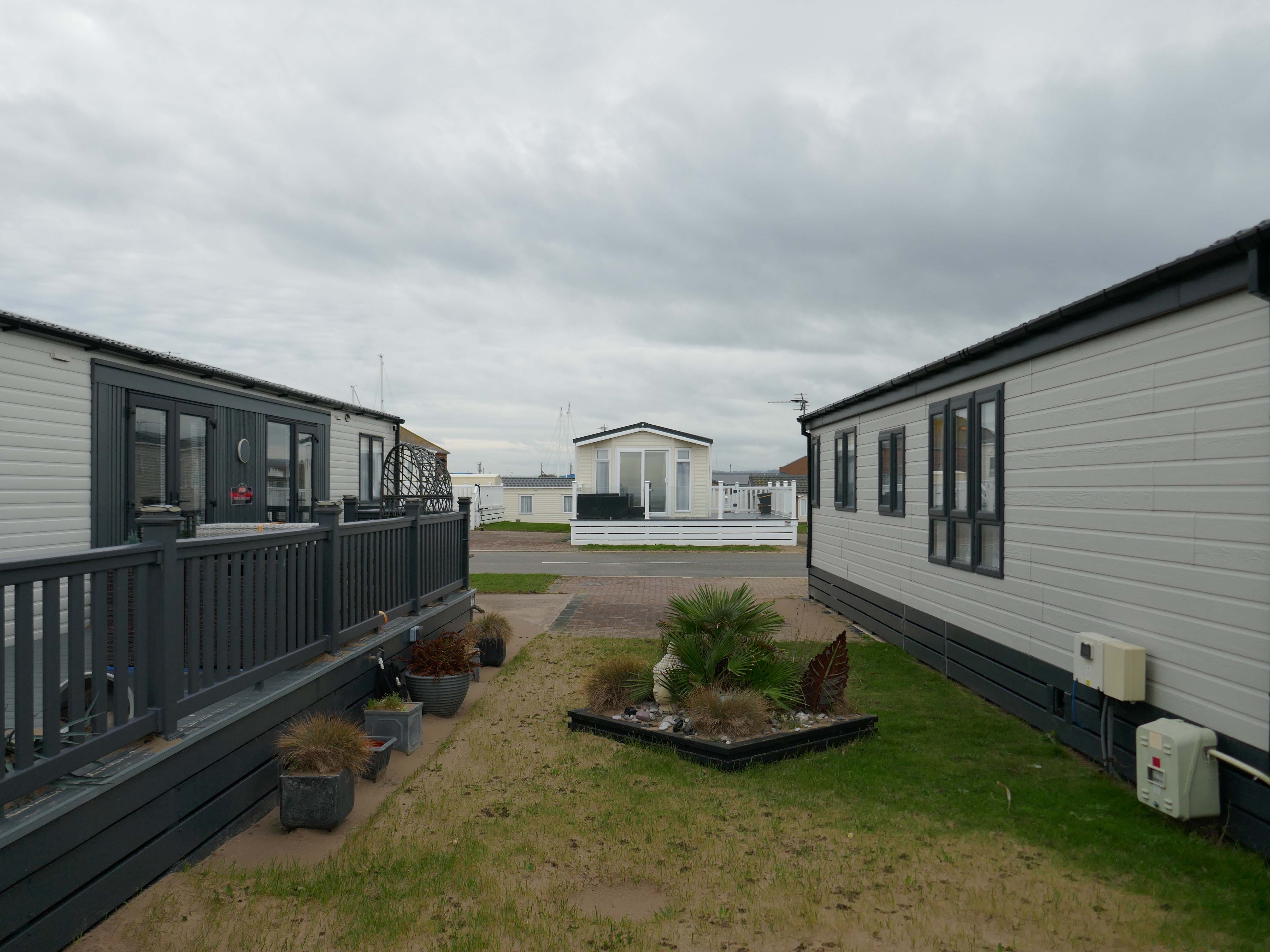
Hoseasons

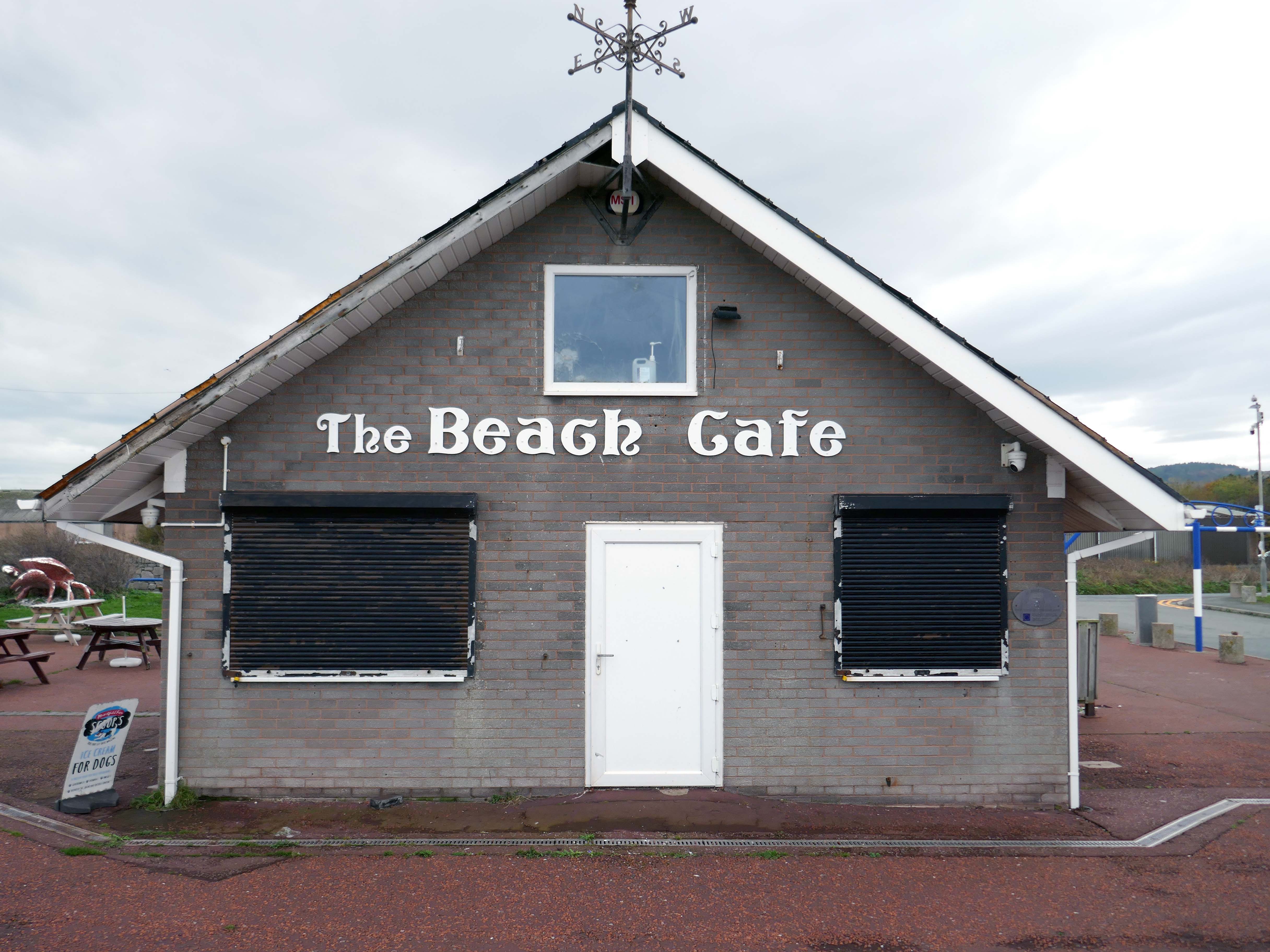
This is not food for thought, or is it?

Fast food is often nutritionally poor and high in calories. Evidence demonstrates that overeating commercial fast food products can negatively impact health in both the short and long term.

However:

Baysville is lovely and clean, lots of tables and a good choice of foods from ice cream, donuts, burgers, hot and cold drinks and a bar. The staff are pleasant and welcoming.
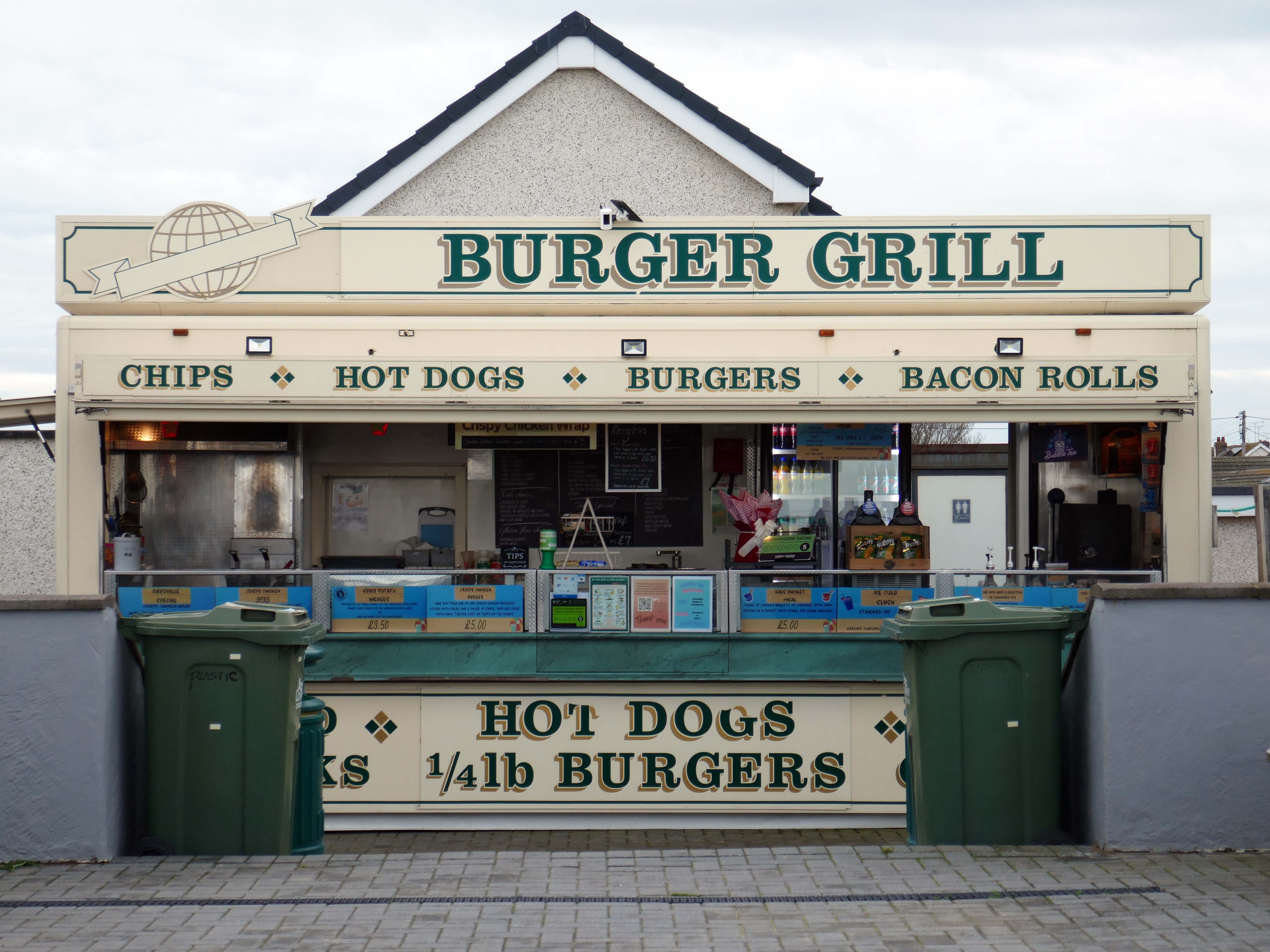
Christinecupcake

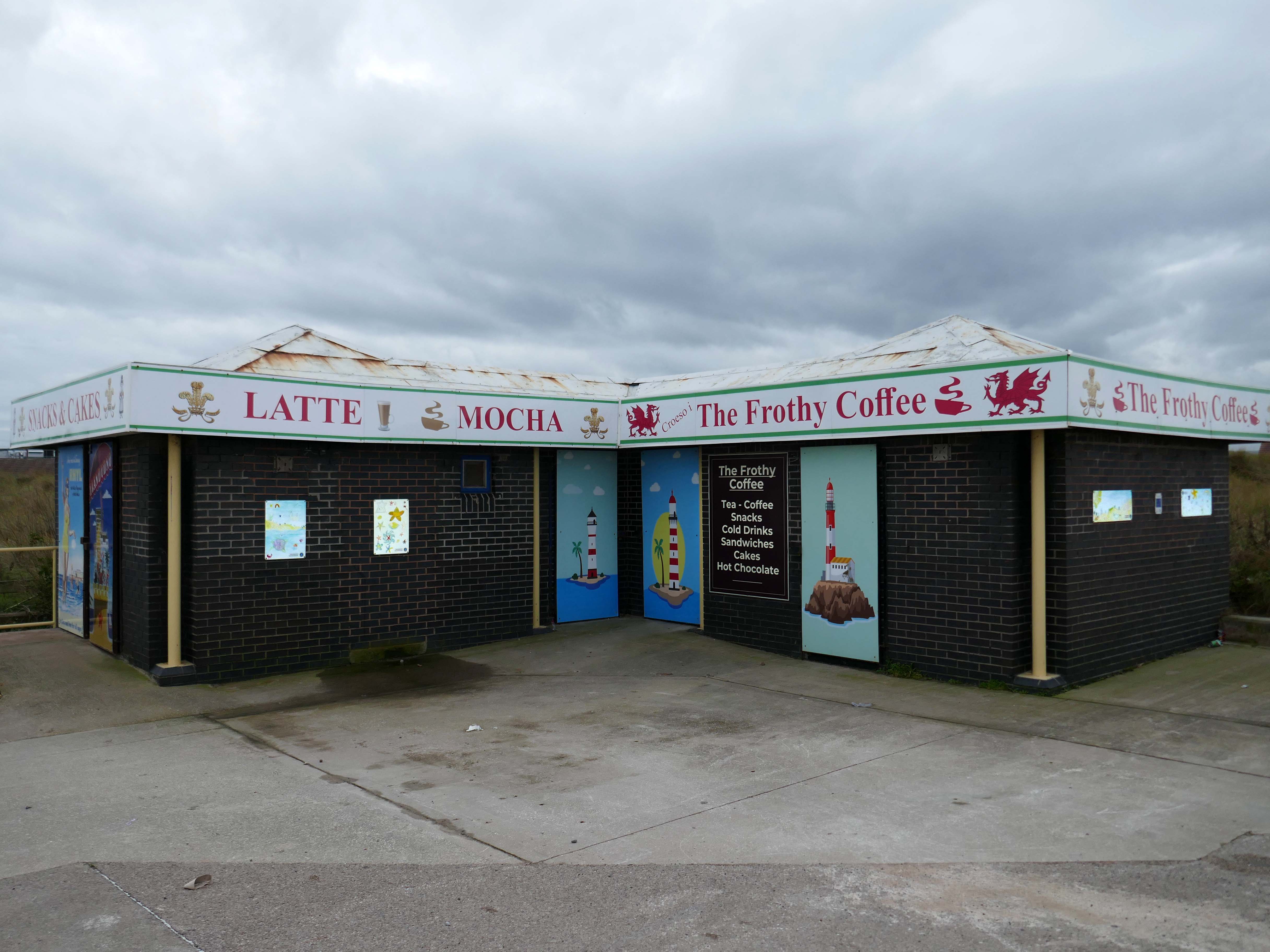
I am unaware of the effects, negative or otherwise, concerning overexposure to Frothy Coffee.

I love this place, what an amazing way to spend a day, having the best cappuccino I’ve ever tasted while taking in the sea air.

Lovely lady, amazing prices, brilliant with my son that has autism.

Anna S

Researchers have found people who drink up to three cups of coffee a day could have a healthier heart and a lower risk of dying of any cause.

But too much caffeine can produce anxiety, sleeplessness, agitation, palpitations, diarrhoea and restlessness. In individuals with a mental health condition caffeine can worsen psychosis and result in the need for higher amounts of medication.
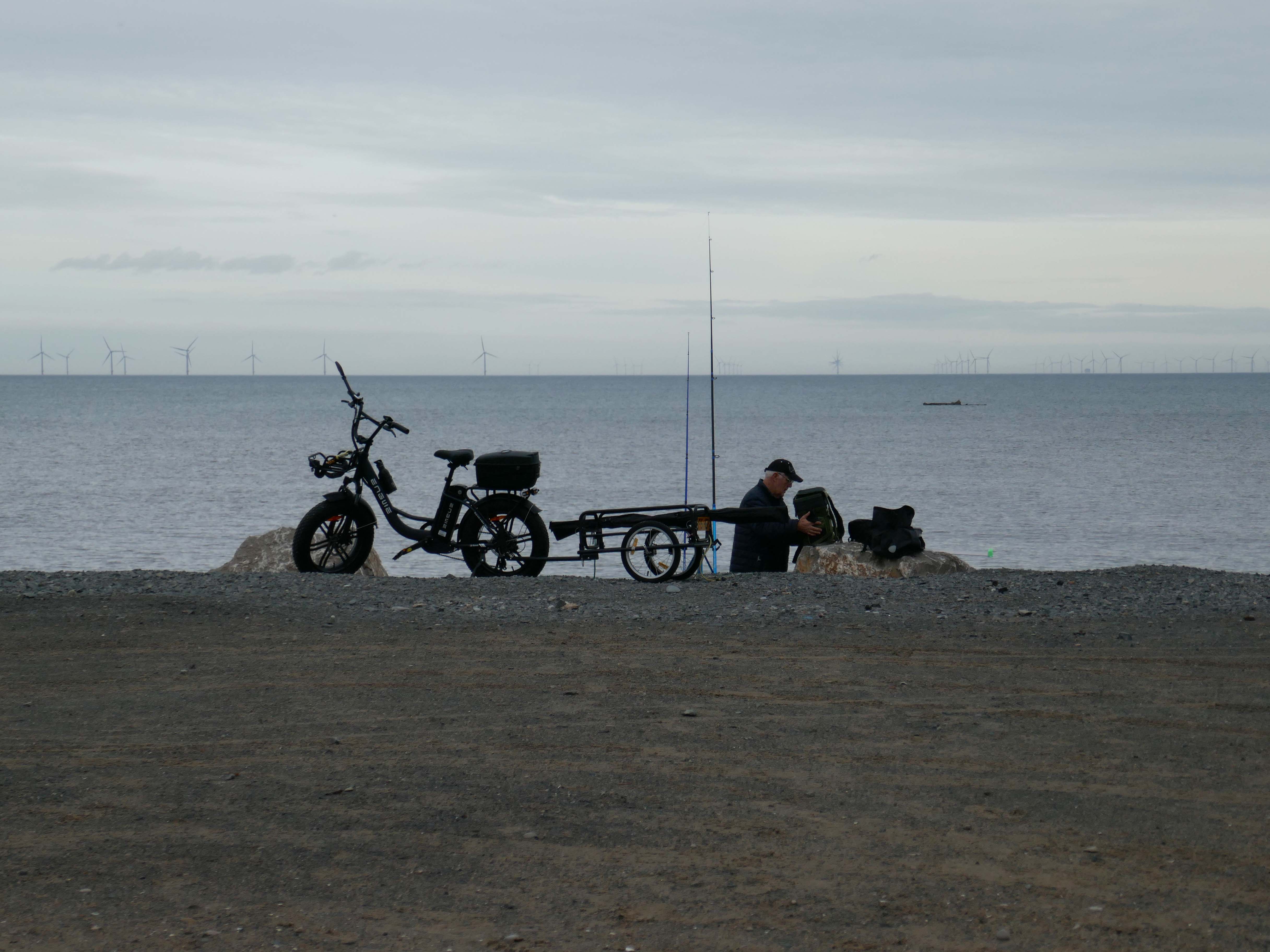
Possibly wiser to take a leisurely ride on your electric bicycle, followed by an hour or two of beach casting .
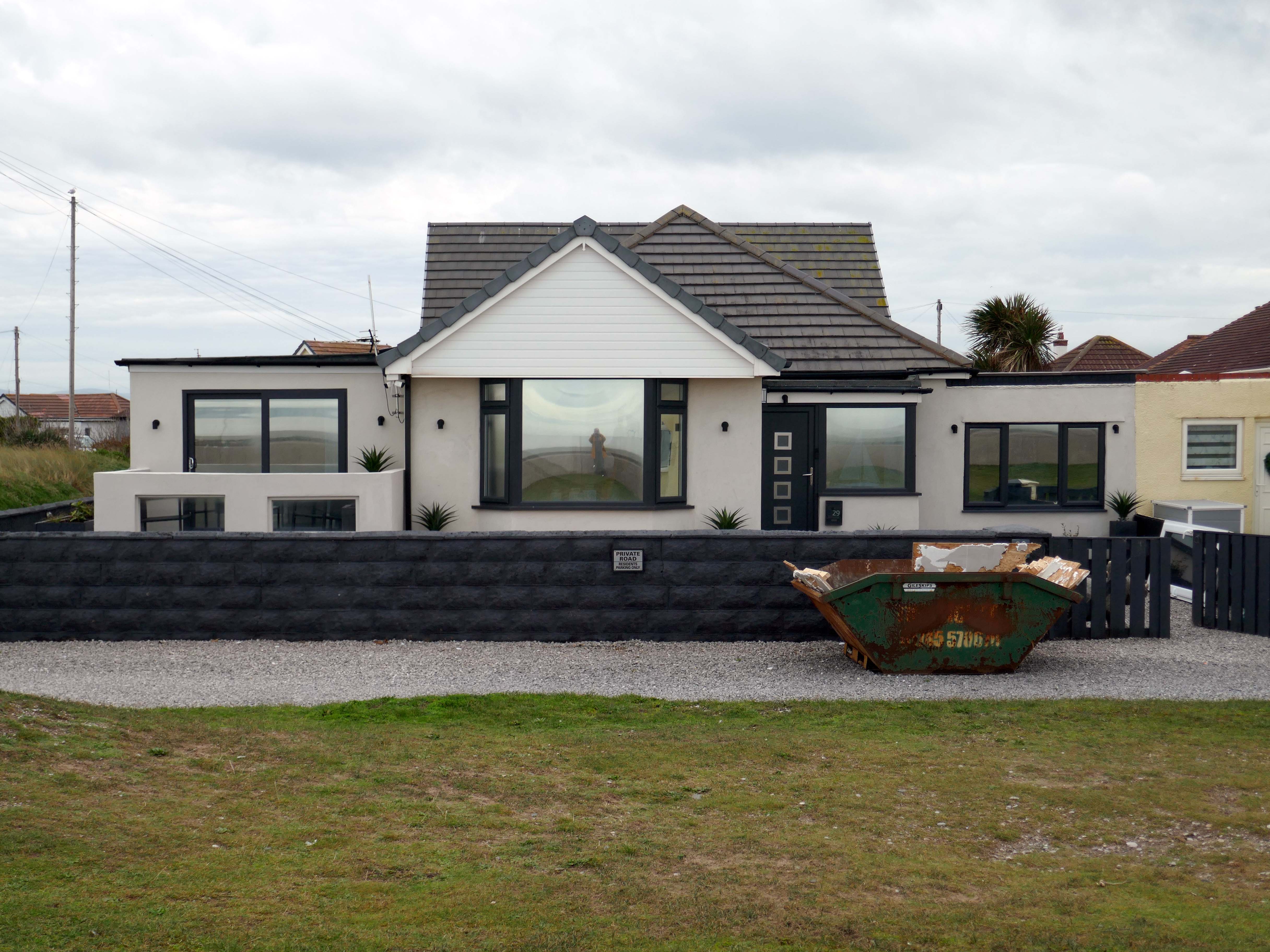
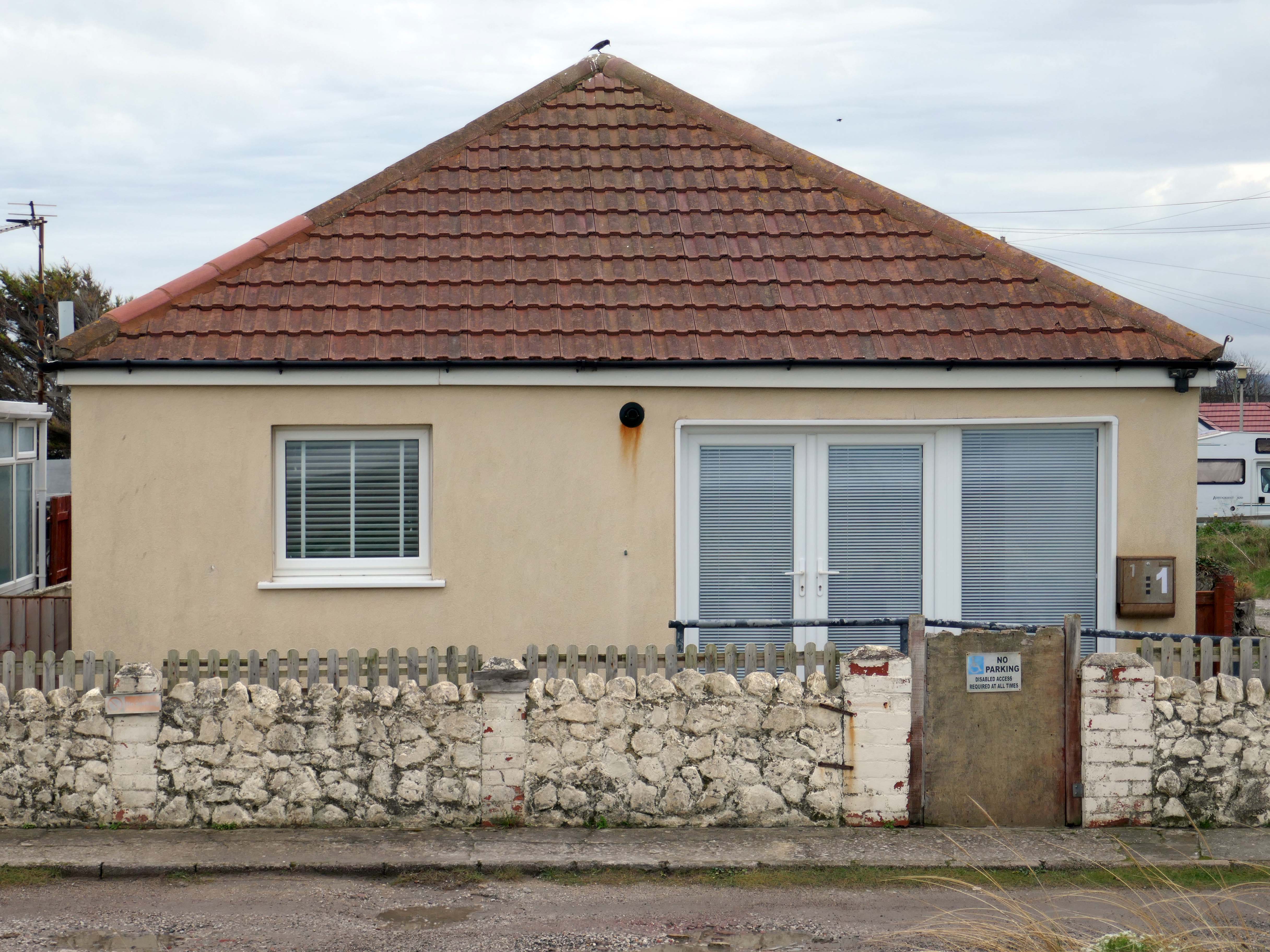
The coastal housing at Kinmel bay is undergoing a cosmetic upheaval, the determinedly down home bungalow swamped by the relentless monotone tide of home improvements.
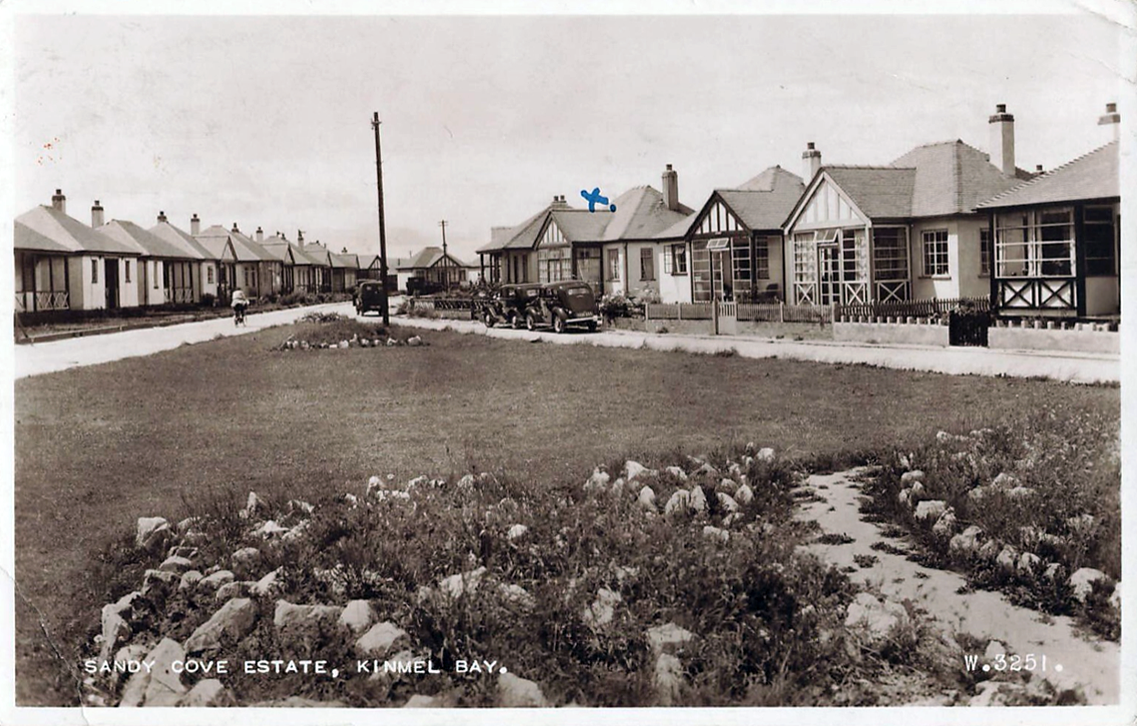
The Sandy Cove Estate consists of 250 bungalows that were built in the 1930s by the Kinmel Estates Ltd, who sadly went into liquidation around 1947, before the estate was completed. This left the estate with only dirt tracks for roads with no sidewalks or pavements, no drainage for surface water or any adequate street lighting. After the liquidation of the company the roads and communal greens were escheated to the Crown who then offered the land free of charge to successive Councils for the to incorperate into the towns that were developing. This was refused by the Councils.

Sandy Cove

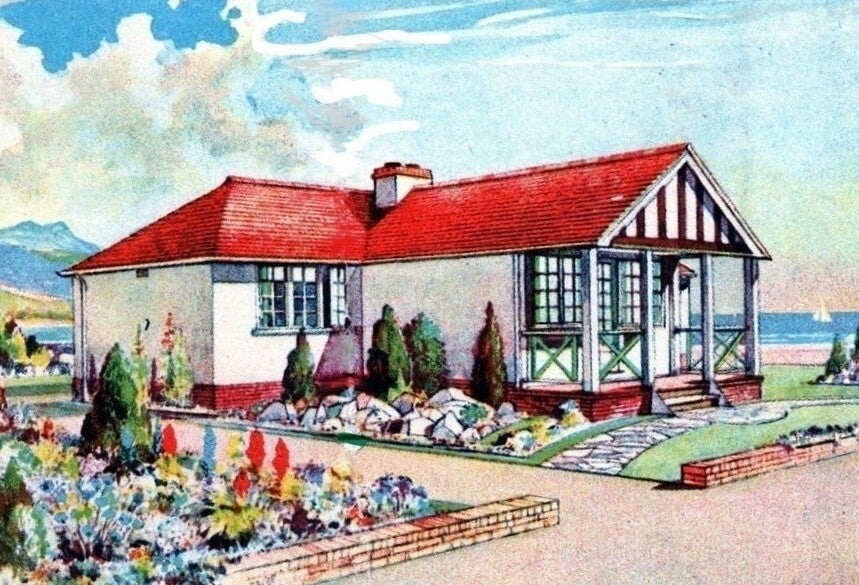
Fifty or more homes are ready for you to choose from, gardens and tennis courts have been provided for the sole use, in perpetuity of residents.
Onward now to Towyn.
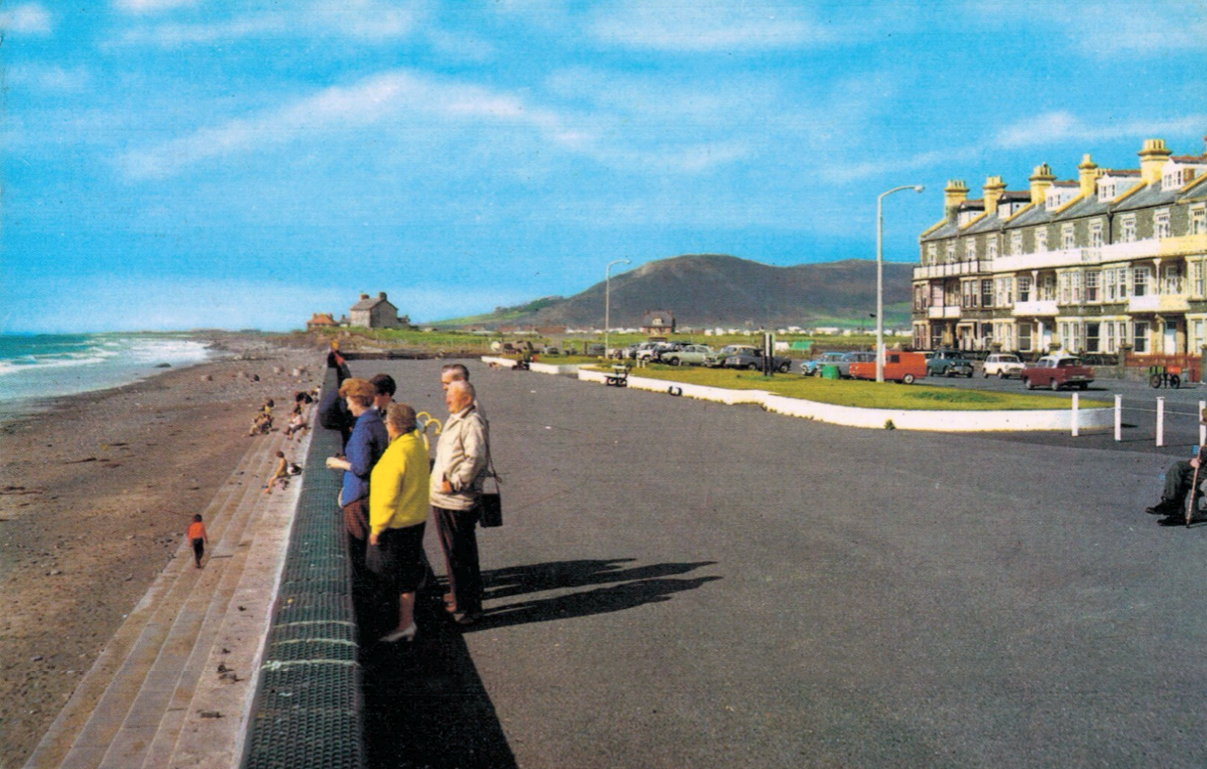
The town made national headlines in 1990 when a combination of gale-force winds, a high tide and rough seas caused Towyn’s flood defences to be breached at about 11.00am on 26 February. 4 square miles of land was flooded, affecting 2,800 properties and causing areas of the resort to be evacuated. Further flooding occurred later the same week, on 1 March, shortly after the site of the disaster was visited by Prince Charles and Princess Diana.

Scientific experts also believe that the silt left behind from the flooding had left the town with a higher concentration of radioactivity, over ten times the governmental safety limits, most likely originating from the nuclear processing plant at Sellafield which had been dispersed into the Irish Sea over many years since its construction. The National Radiological Protection Board stated that there was a “small risk” to the people there, while the Welsh Office claimed there was no danger to the public. The coastal defences have since been reconstructed and significantly enhanced.
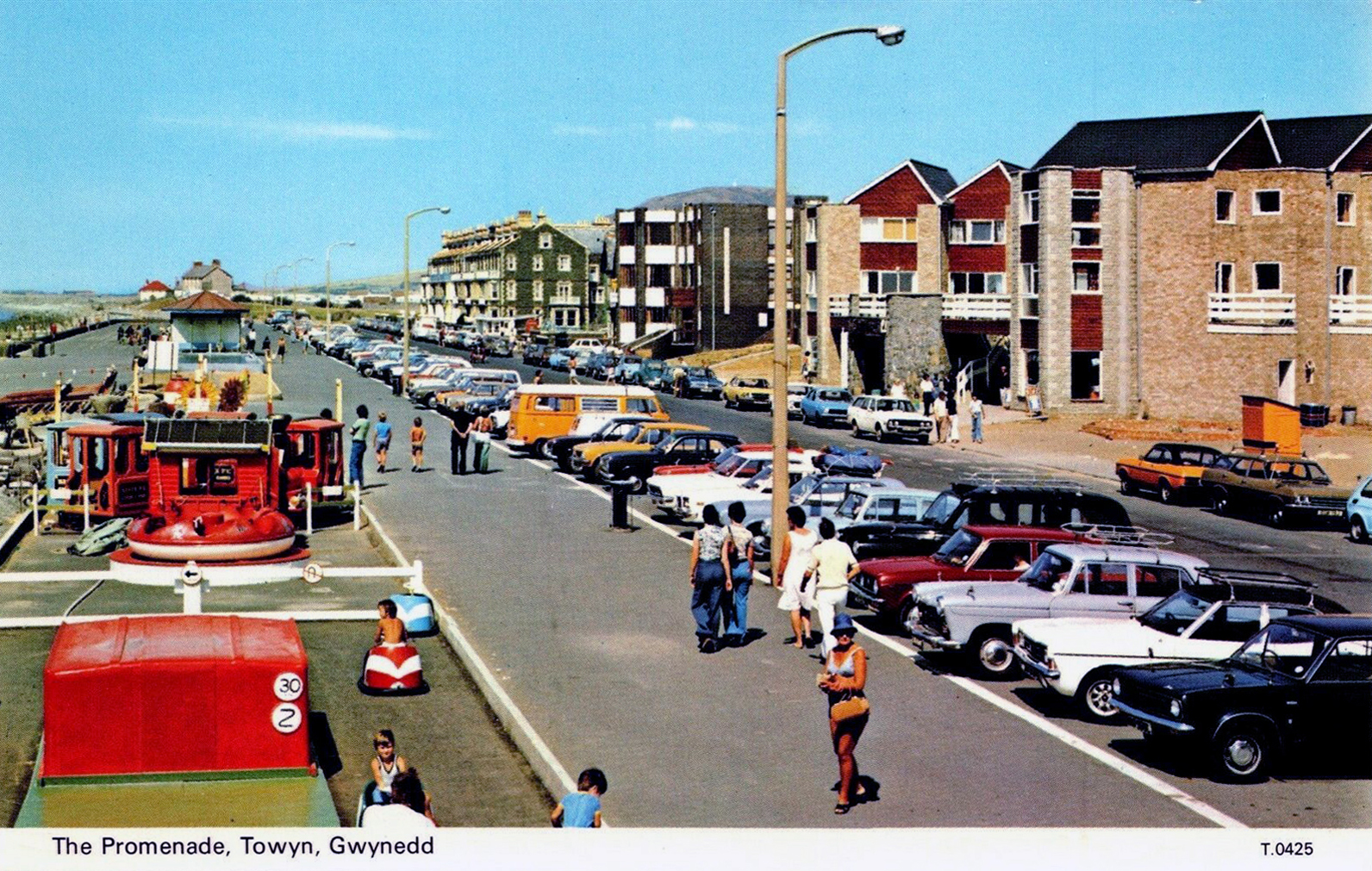
Wikipedia

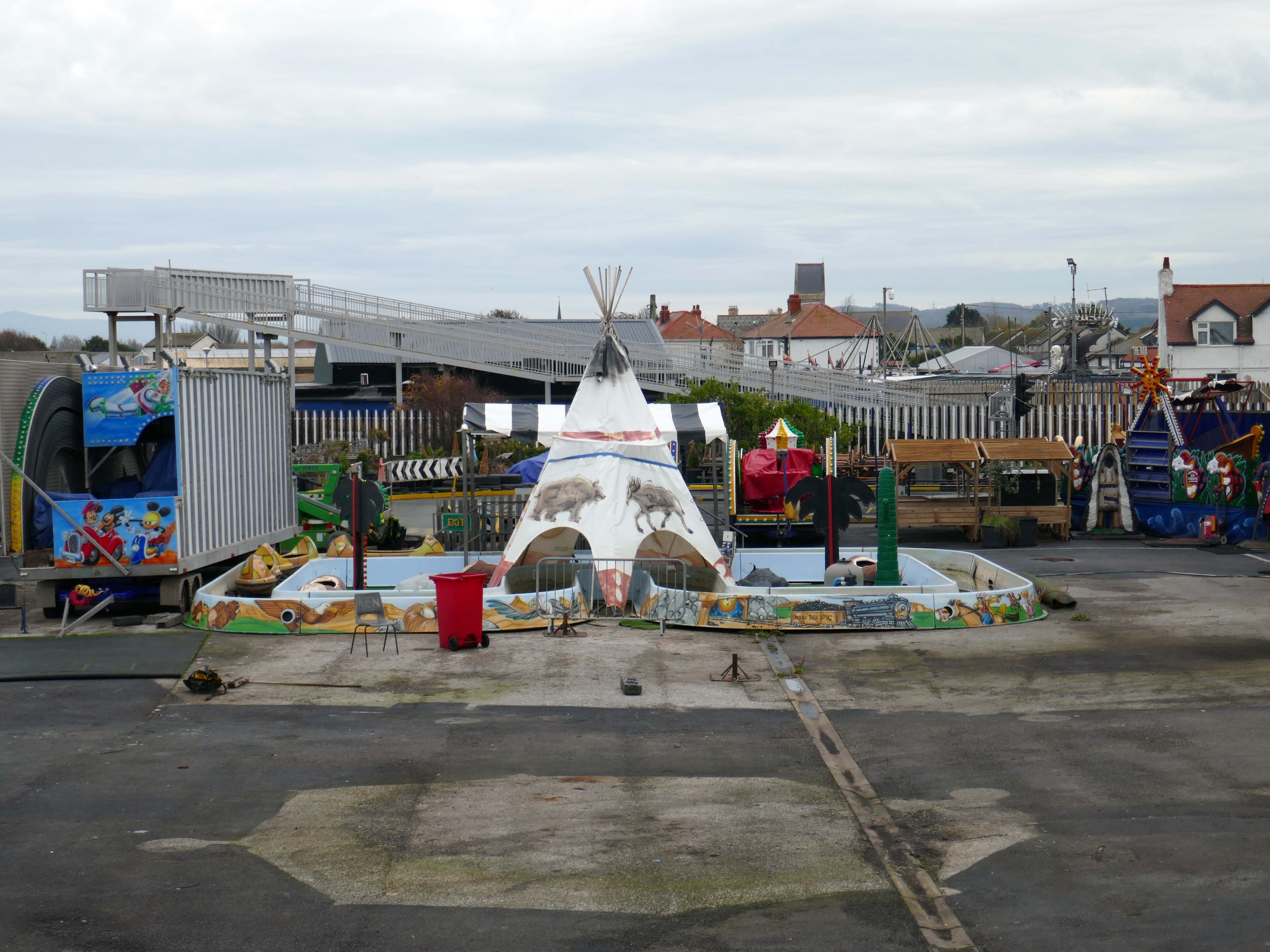
The People of the First Nation here at Knightly’s Fun Park are now safe from the threat of flood.

Knightly’s Funfair has a fantastic range of rides for the whole family! Experience high speed thrills and heart pumping excitement! We’ve got rides for the little ones too as well as games and food stalls to keep the whole family entertained all day!

We also welcome dogs, so you don’t have to leave your furry friends behind!
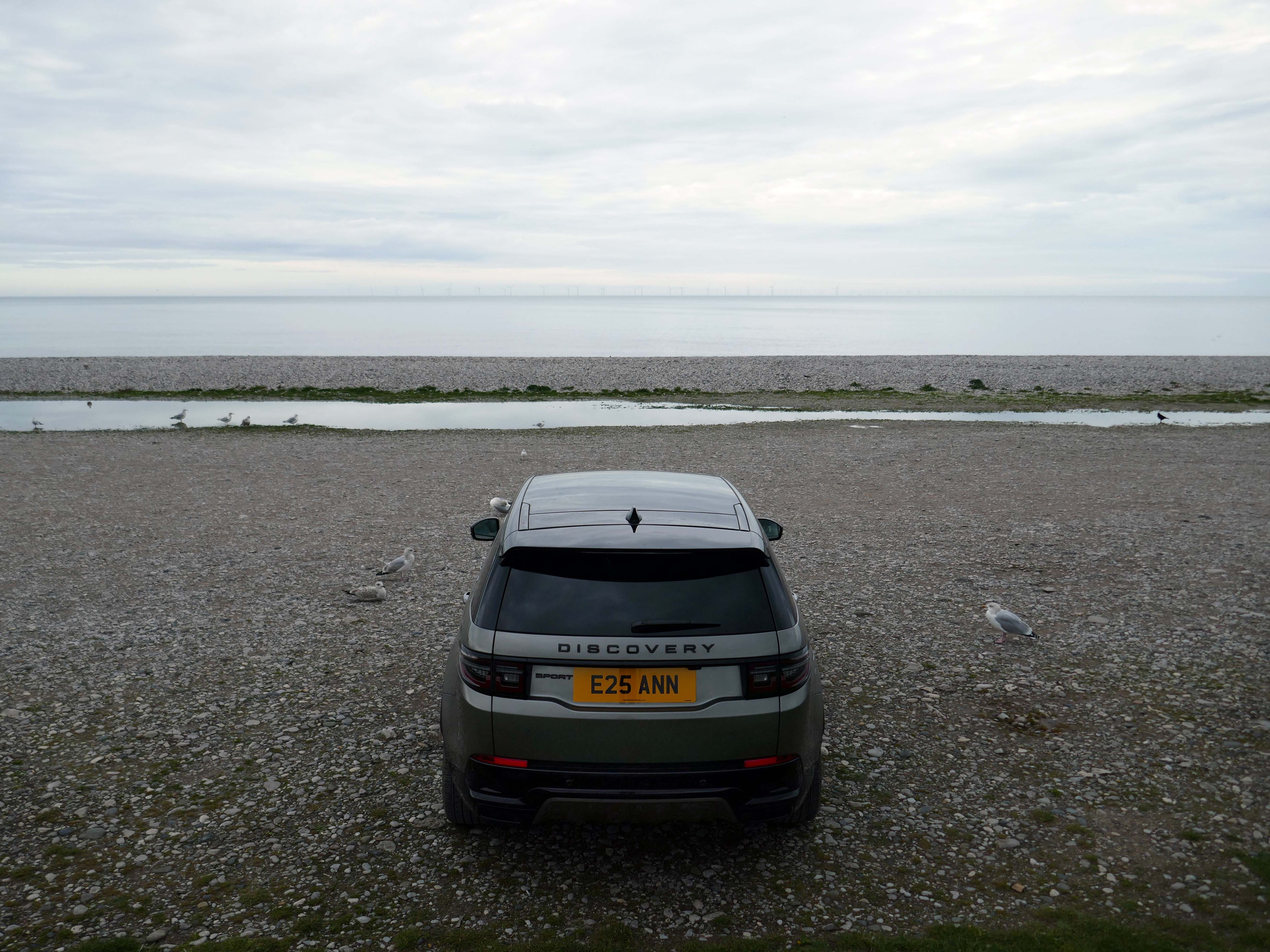
The monotone gentrified home is accompanied by the monotone SUV – the Land Rover Discovery Sport.

The joy of Discovery Sport is in finding that no adventure is out of reach. Offering the ultimate in comfort, while having the toughness to cope with family life.

All yours for from £43,195

Land Rover UK

According to a Europe-wide study, which included the UK, when vehicles are 300kg heavier, the risk of fatal injuries is 30% higher for vulnerable road users.

Pedestrians and cyclists are also 30% more likely to be killed if they’re hit by a car with a bonnet that’s 10cm higher than average.
My Green Pod

Think again Ann.

E25 is Spirulina Extract Phycocyanin, when taken as directed, Spirulina generally doesn’t cause side effects. In some people, it may cause mild side effects, including headaches, diarrhoea, bloating and gas.

Here we are now at Abergele and Pensarn which have quiet sandy beaches close to historic sites and wooded hills. From here, you can escape the stresses of everyday life. Enjoy sea views, historic places such as Gwrych Castle – home to ITV’s I’m a Celebrity 2020 and 2021 TV series, and a range of things to do providing fun for all the family.
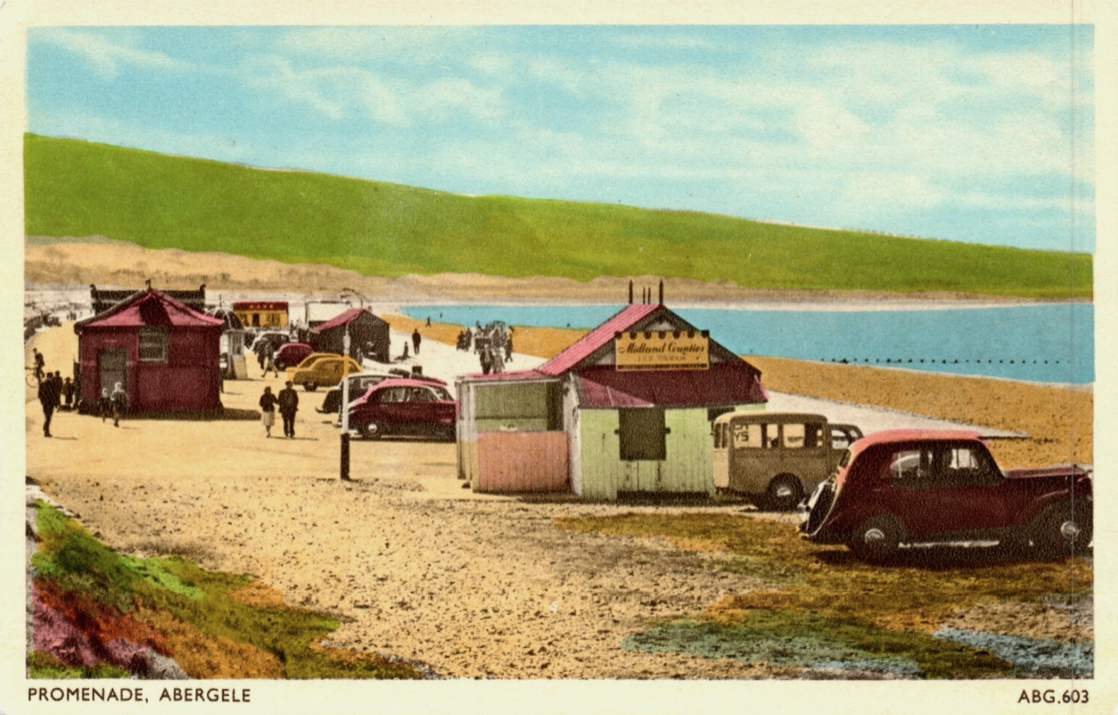
Visit Conwy

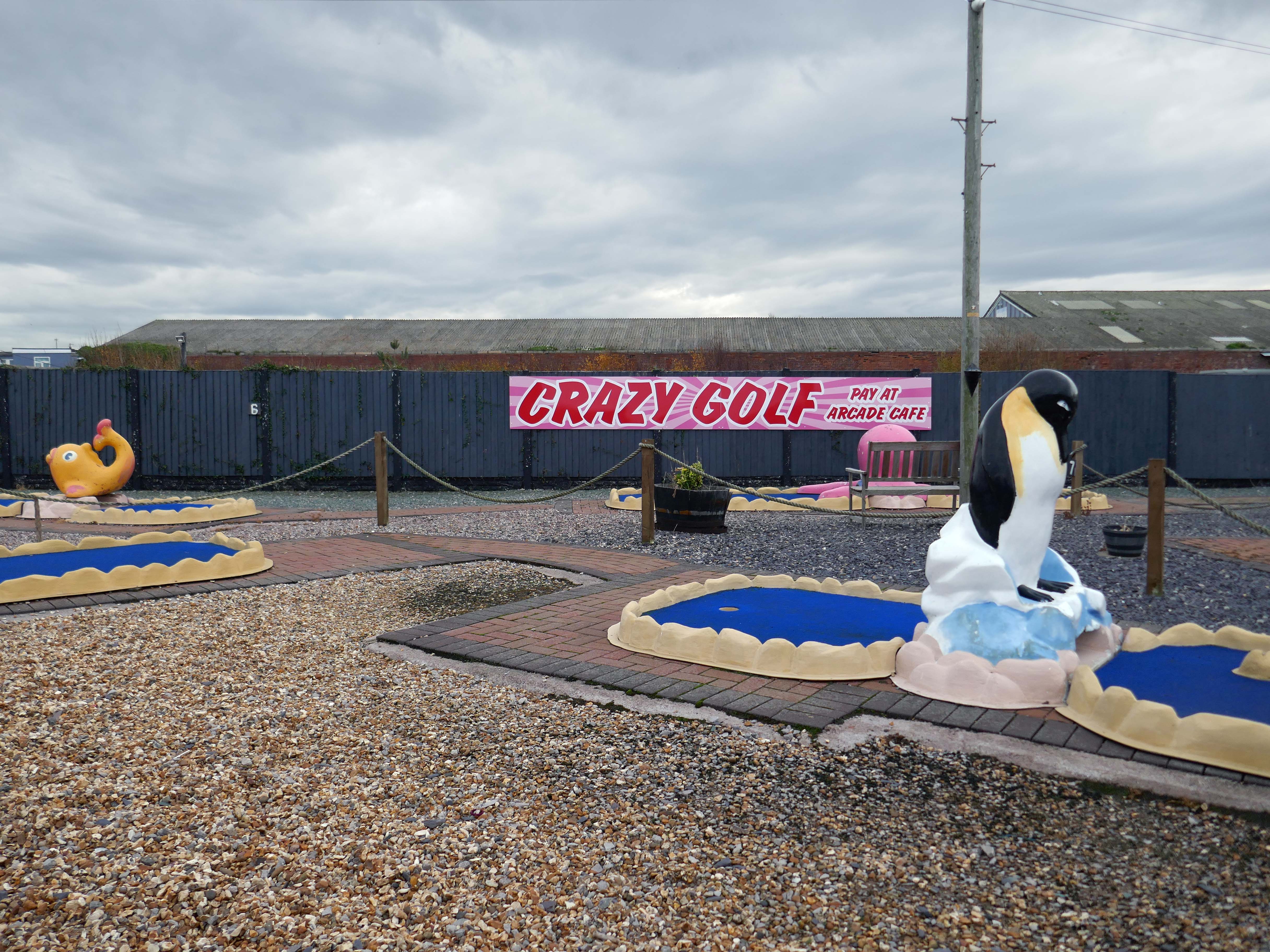
We are open seven days a week, cafe, arcade, crazy golf from 10am and bingo from midday. 
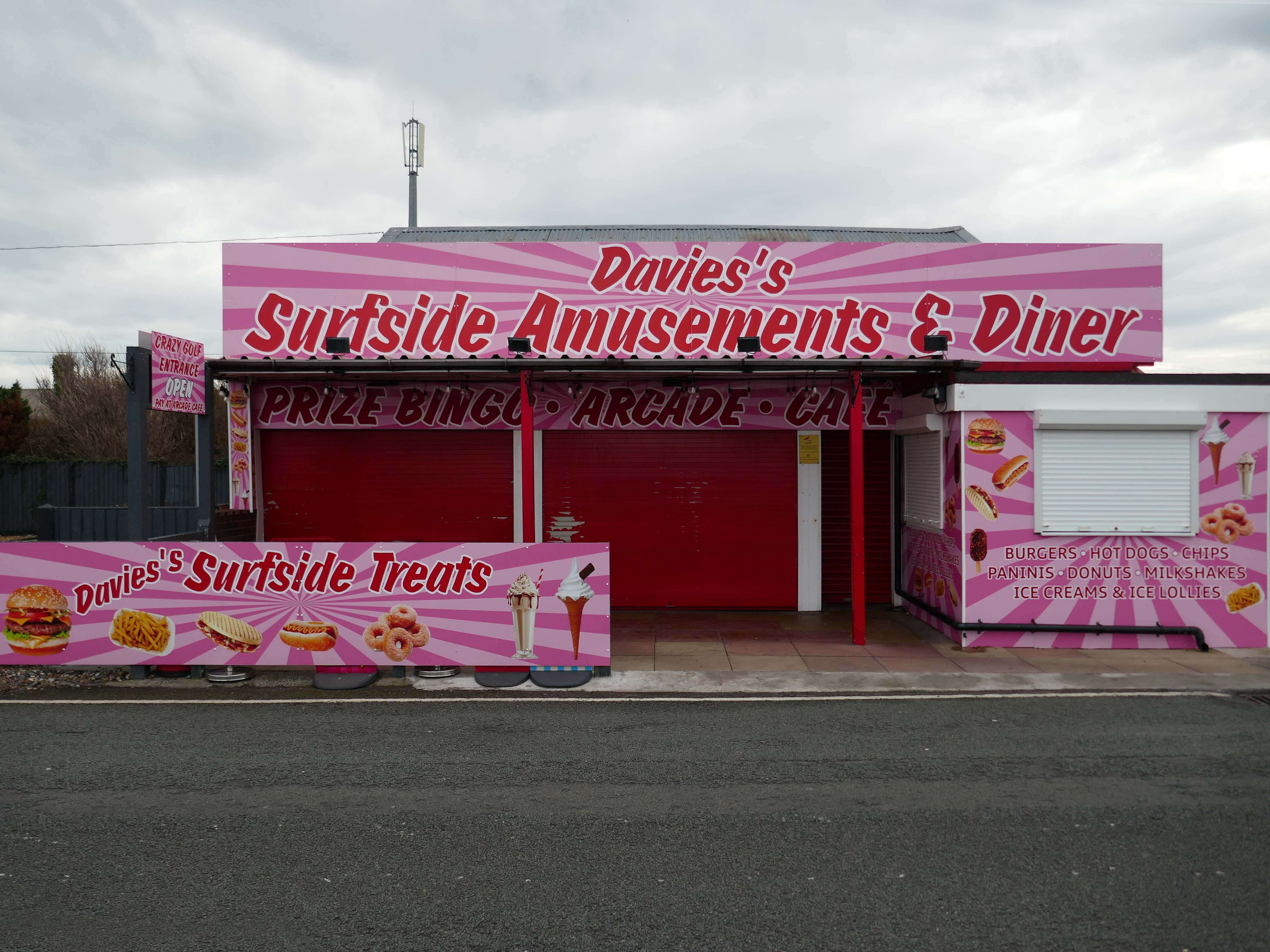
Surfside Amusements

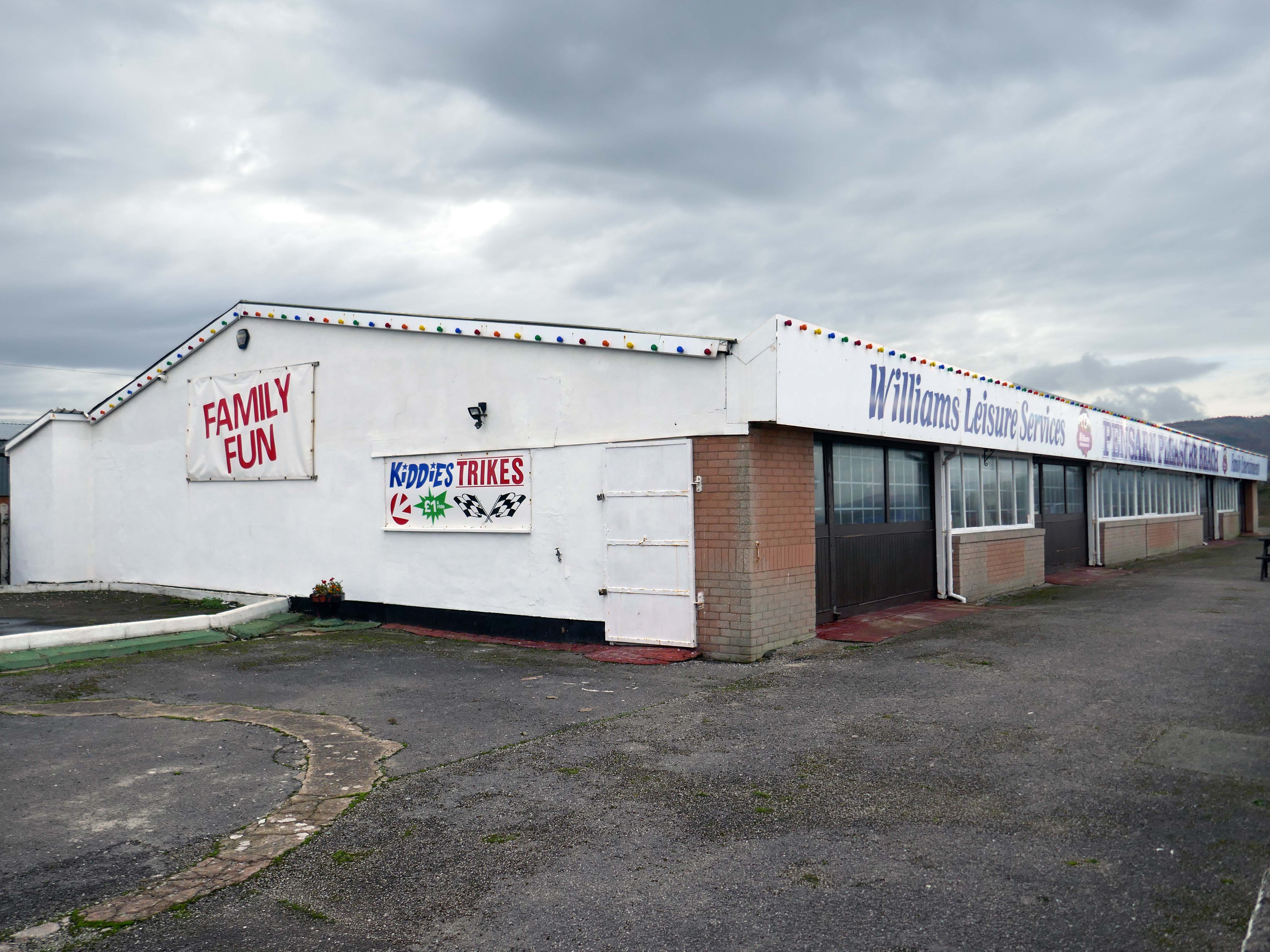
Pensarn Pleasure Beach Amusement Arcade, operated by Laurence Williams Amusements, offers a charming family-friendly experience. Visitors often highlight its nostalgic appeal with fun penny machines and small shops selling drinks and handmade goods.

While many appreciate the charm of the arcade, some mention that certain machines are quite dated and do not work properly, this aspect may affect overall enjoyment for some users.

The reviews indicate a good variety of activities including classic penny slots and local shops offering food and unique handmade items like dog harnesses, catering to diverse interests.
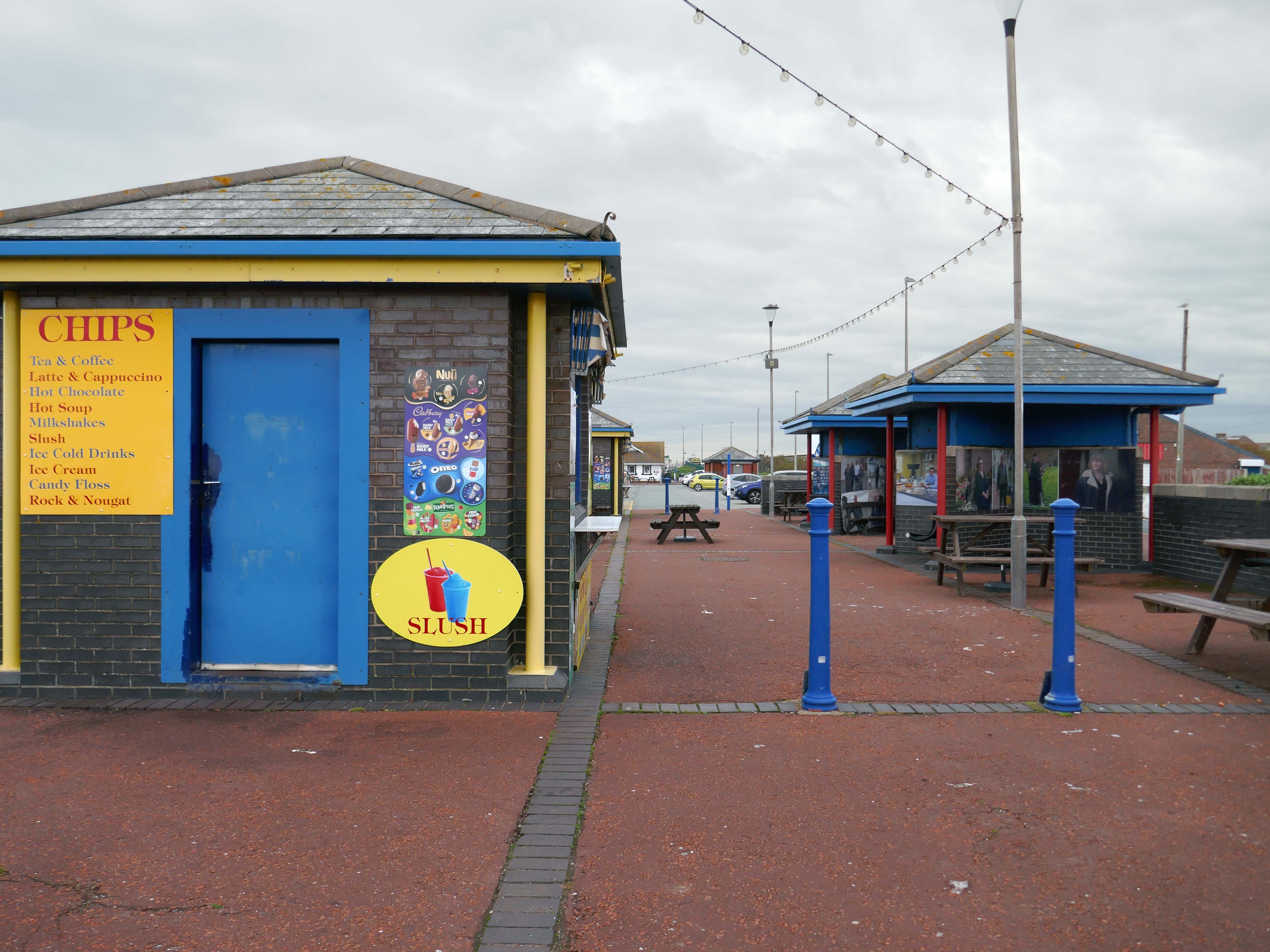
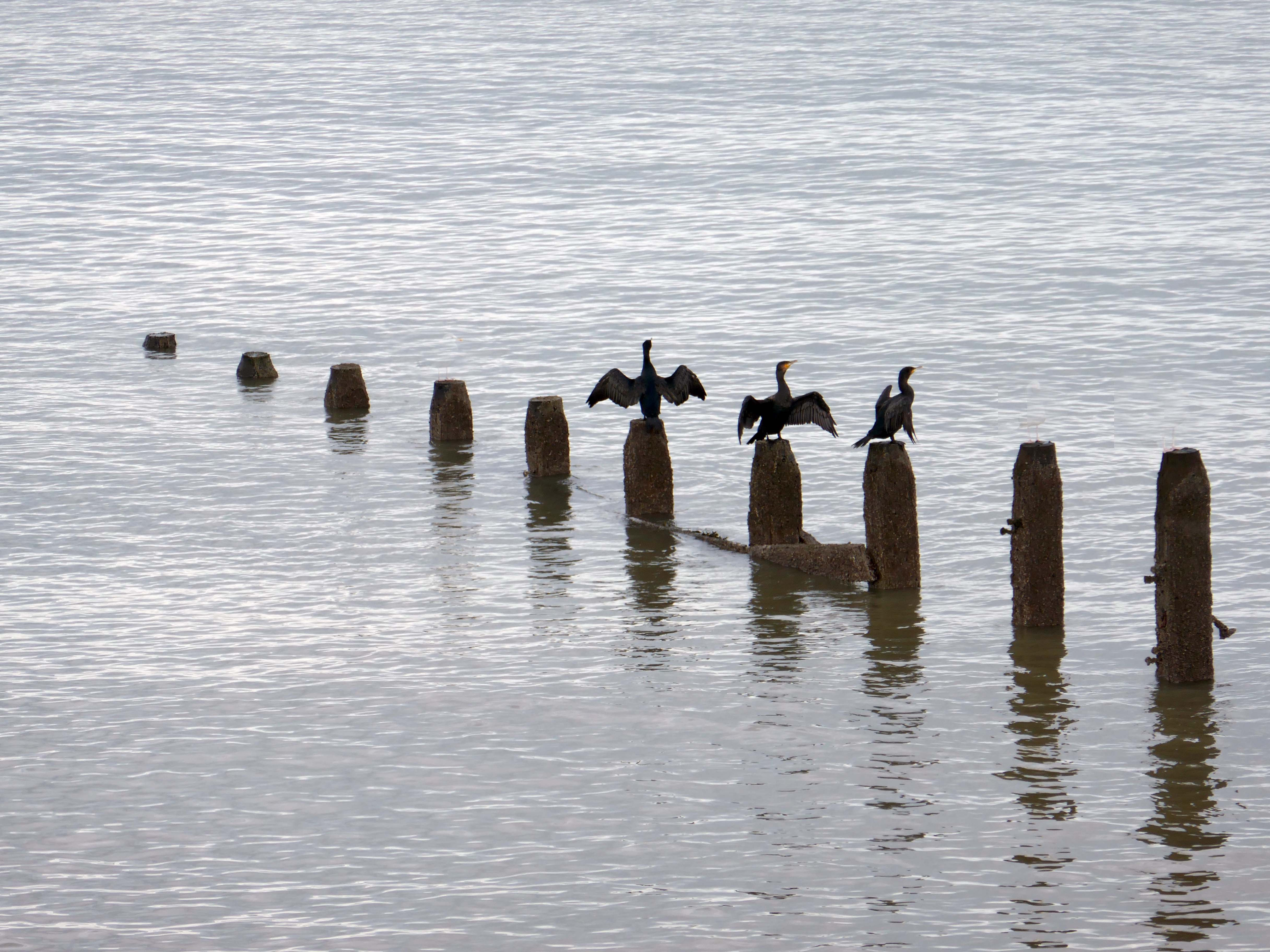
Such a pleasant stretch of coast to stretch your legs along.
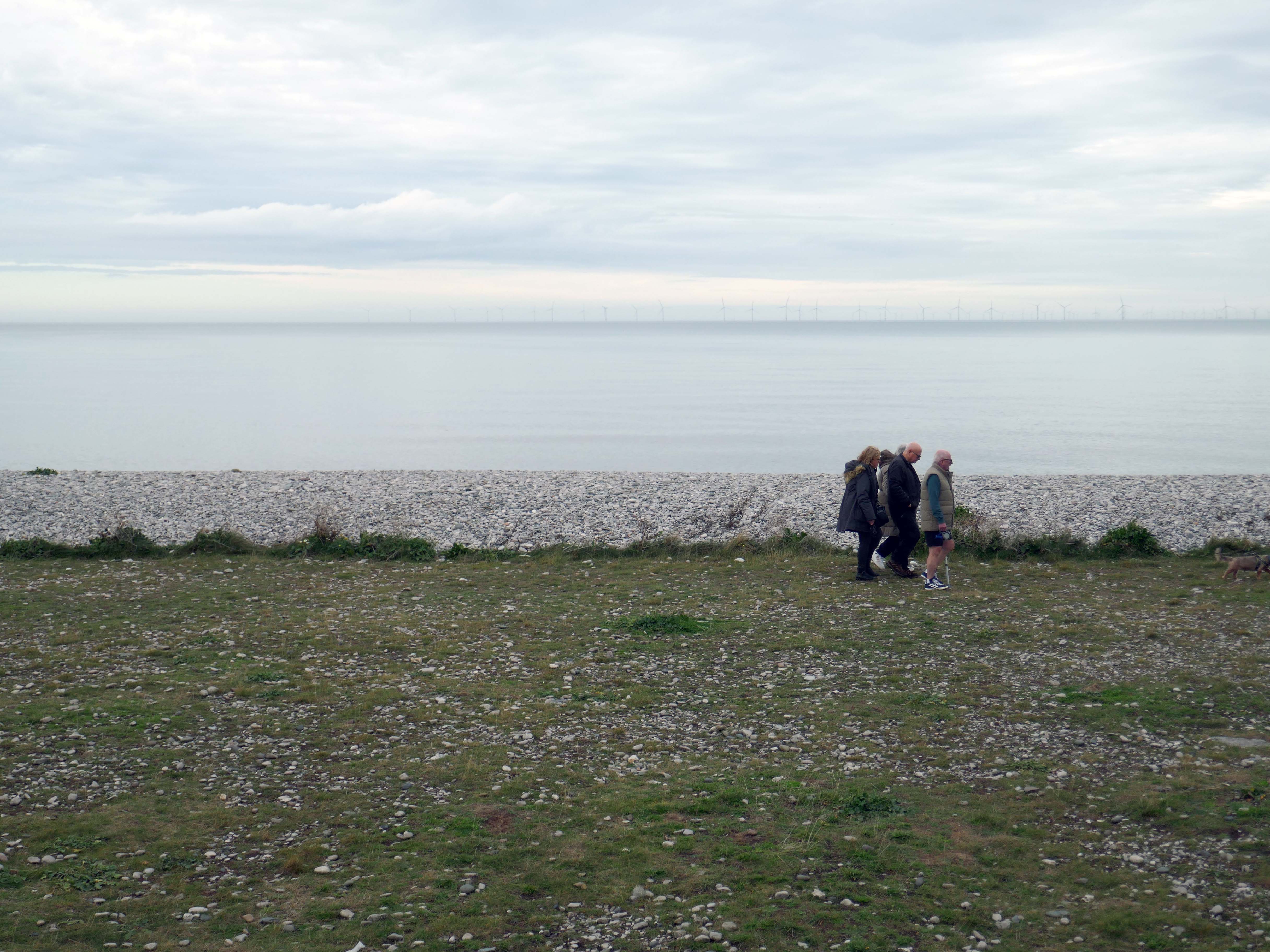
Or to stretch your wings for that matter, should you happen to be a cormorant.
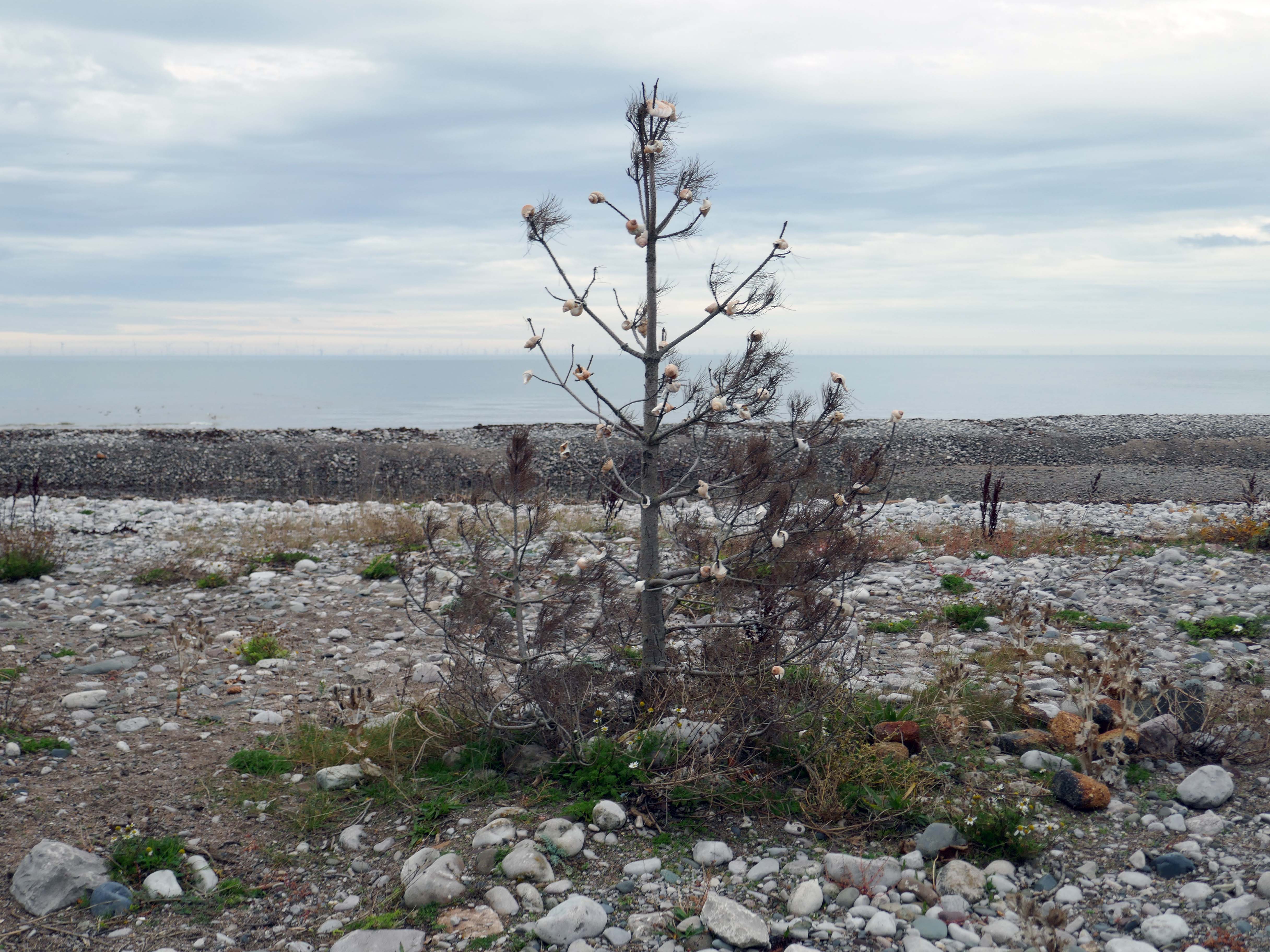
Coastal defences from the giant concrete bobbers and jacks.
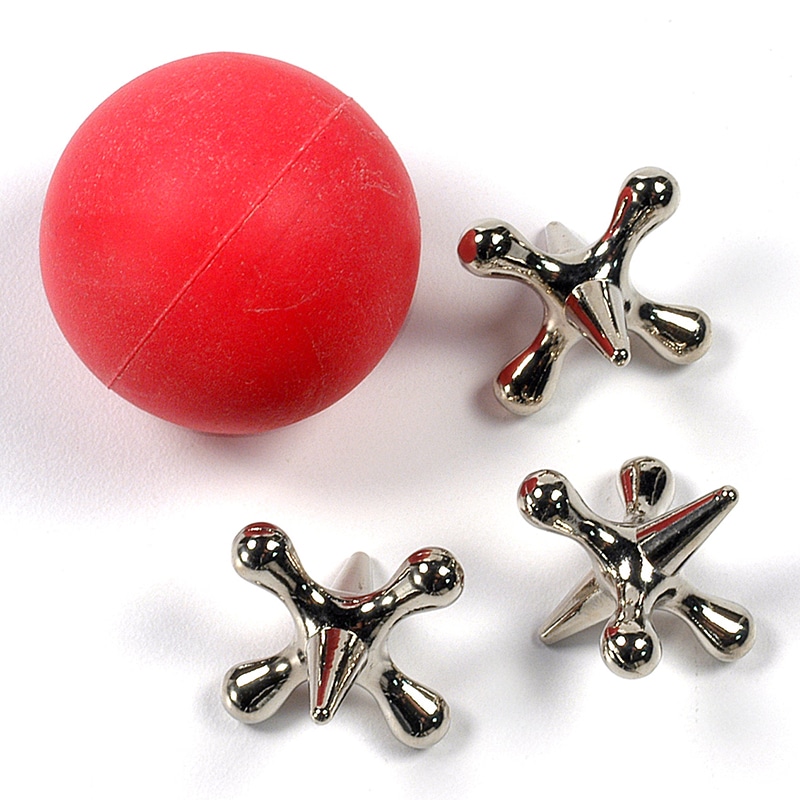
tetrapod is a form of wave-dissipating concrete block used to prevent erosion caused by weather and longshore drift, primarily to enforce coastal structures such as seawalls and breakwaters. Tetrapods are made of concrete, and use a tetrahedral shape to dissipate the force of incoming waves by allowing water to flow around rather than against them, and to reduce displacement by interlocking.
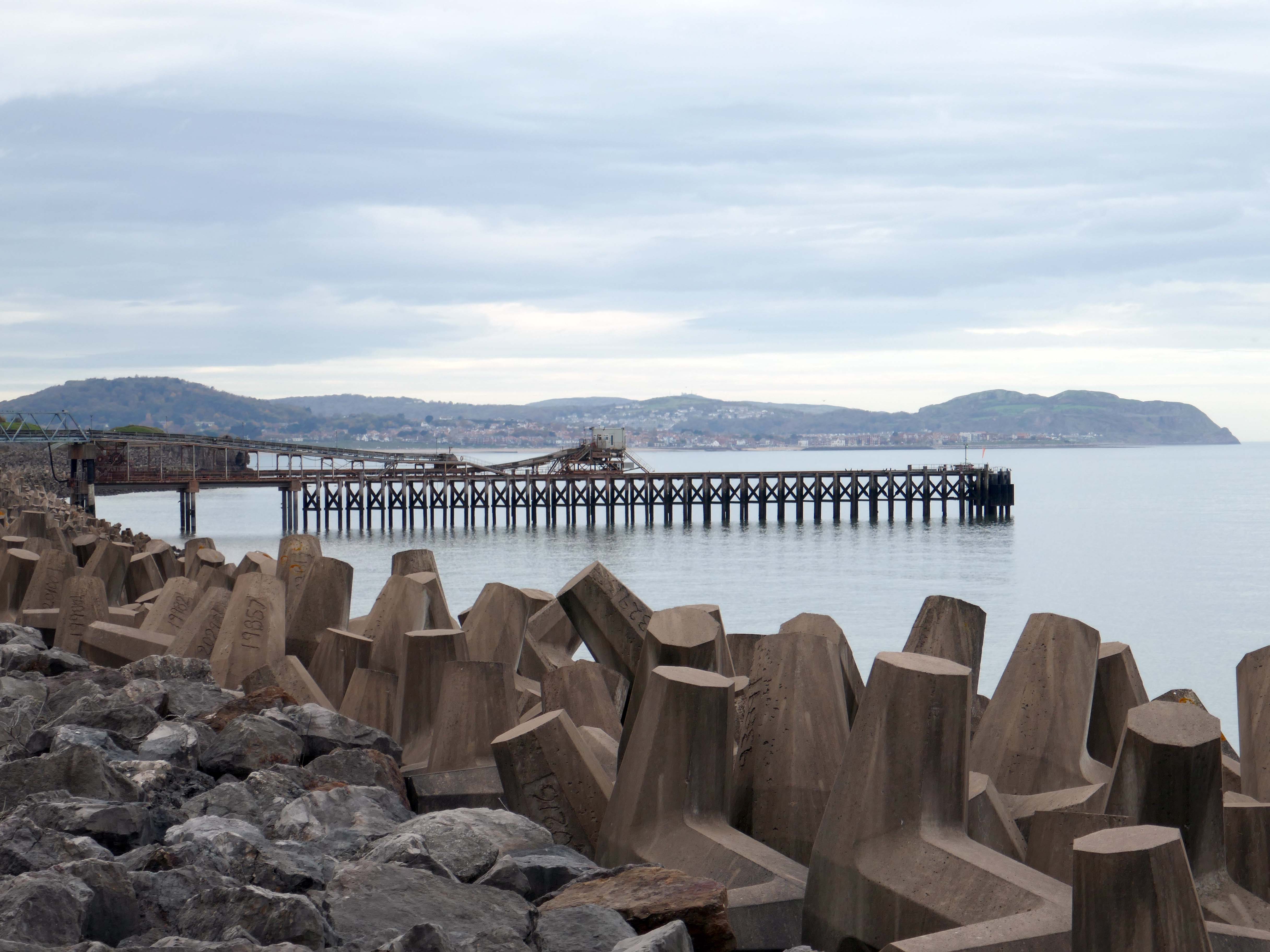
Tetrapods were originally developed in 1950 by Pierre Danel and Paul Anglès d’Auriac of Laboratoire Dauphinois d’Hydraulique in Grenoble,who received a patent for the design. The French invention was named tétrapode, derived from Greek tetra ‘four’ and pode ‘foot’.

Tetrapods were first used at the thermal power station in Roches Noires in Casablanca, to protect the sea water intake.

Wikipedia

Next we pass Raynes Jetty the quarry conveyor belt – shifting and shipping limestone out to sea.

Limestone from Raynes quarry, to the south, is transported by conveyor belts to the jetty, crossing the A55 Expressway and railway. From the jetty it is loaded into coastal freighters which take it to other parts of the British Isles. Limestone from this quarry is a pure form of the rock, making it ideal for the chemical and cement industries.
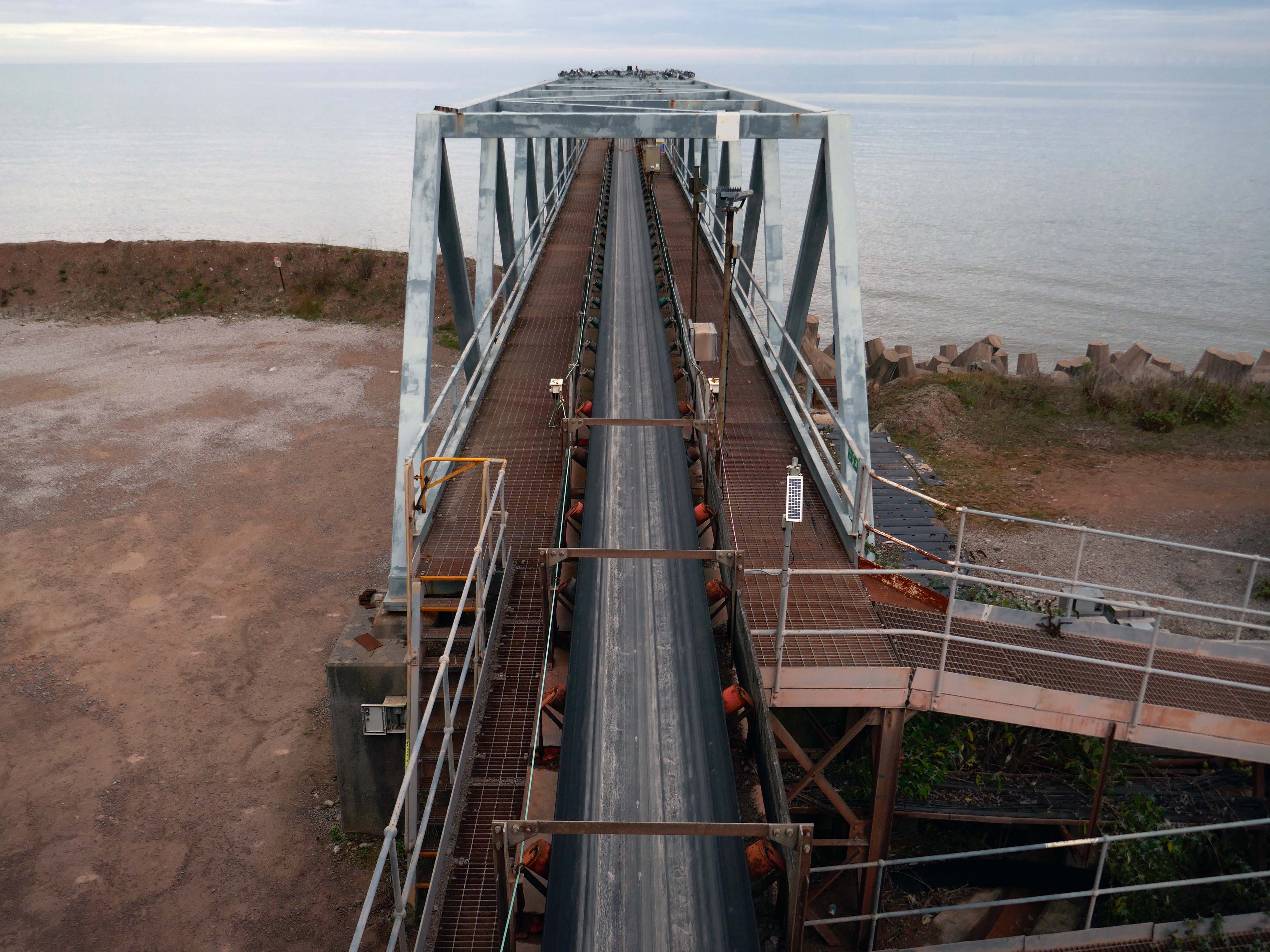
History Points

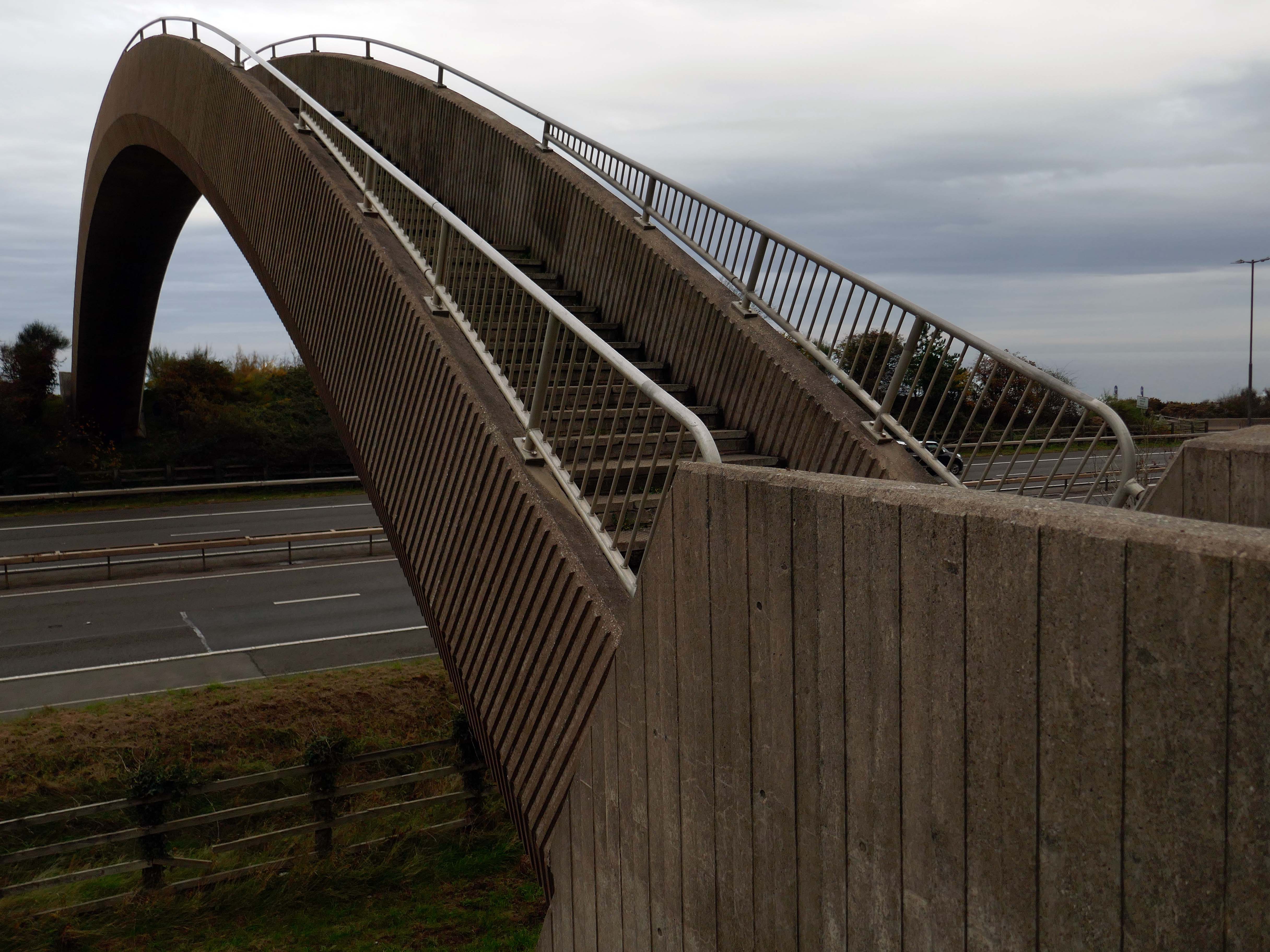
Limestone forming an important constituent part of the nearby concrete Rainbow Bridge – linking Old Colwyn’s pedestrians to the shore.
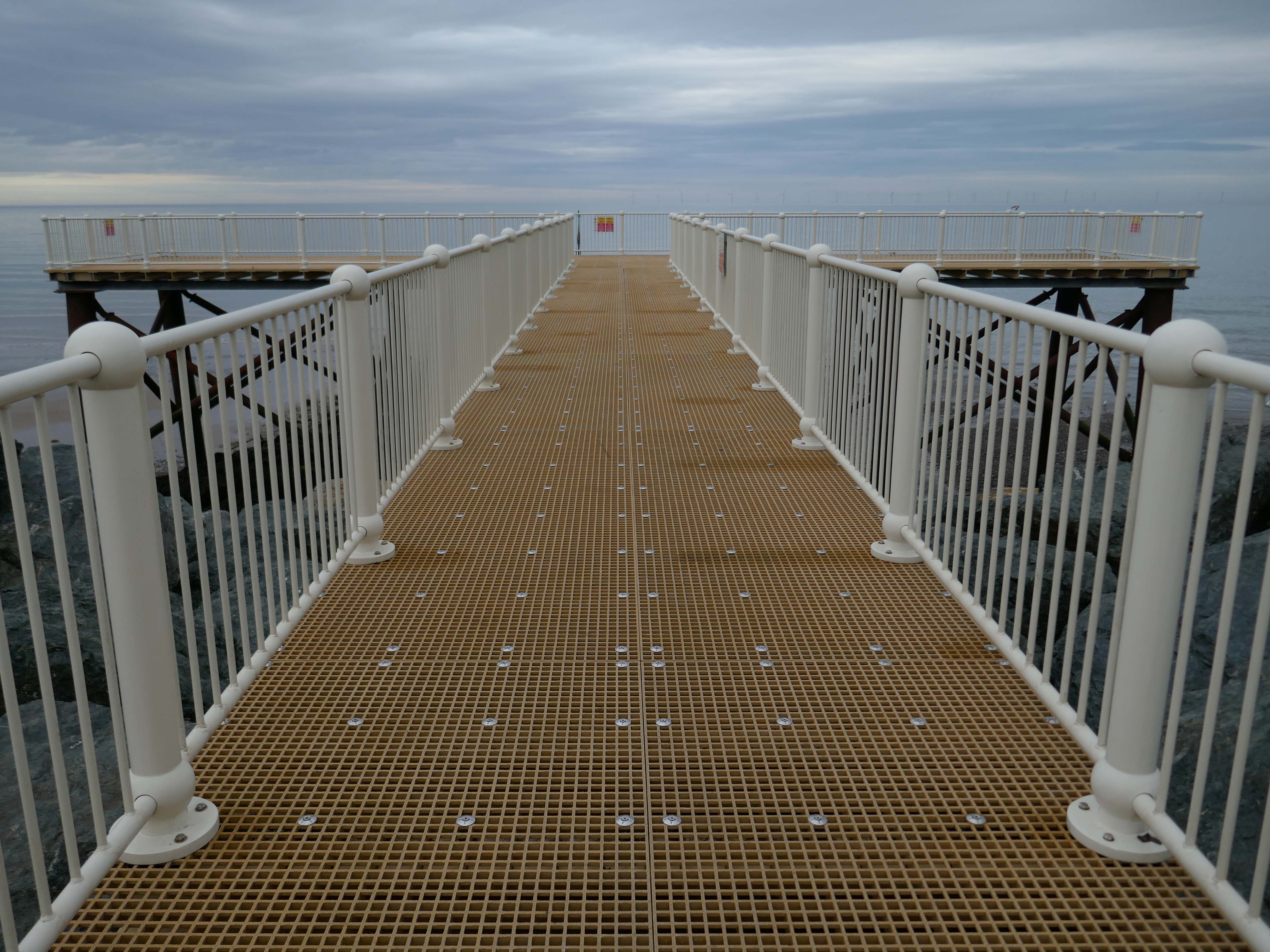
On the site of Colwyn Bay Pier is a seriously truncated pier.
It was conceived in the late 19th century, when Colwyn Bay wanted to catch up with other towns which had piers where steamers deposited and collected passengers. However, it was found that the proposed pier would have to extend almost half a mile to reach the area where the water was deep enough for ships. This was too costly, so the pier was built purely for entertainments. The councillors saved face by saying this would avoid day trippers arriving by steamer and lowering the tone of Colwyn Bay!

The pier was less than 100 metres long when it opened in 1900. The pavilion had a 2,500-seat theatre, shops and a restaurant. The opening performance featured Adelina Patti, one of the world’s most renowned operatic sopranos in her day.
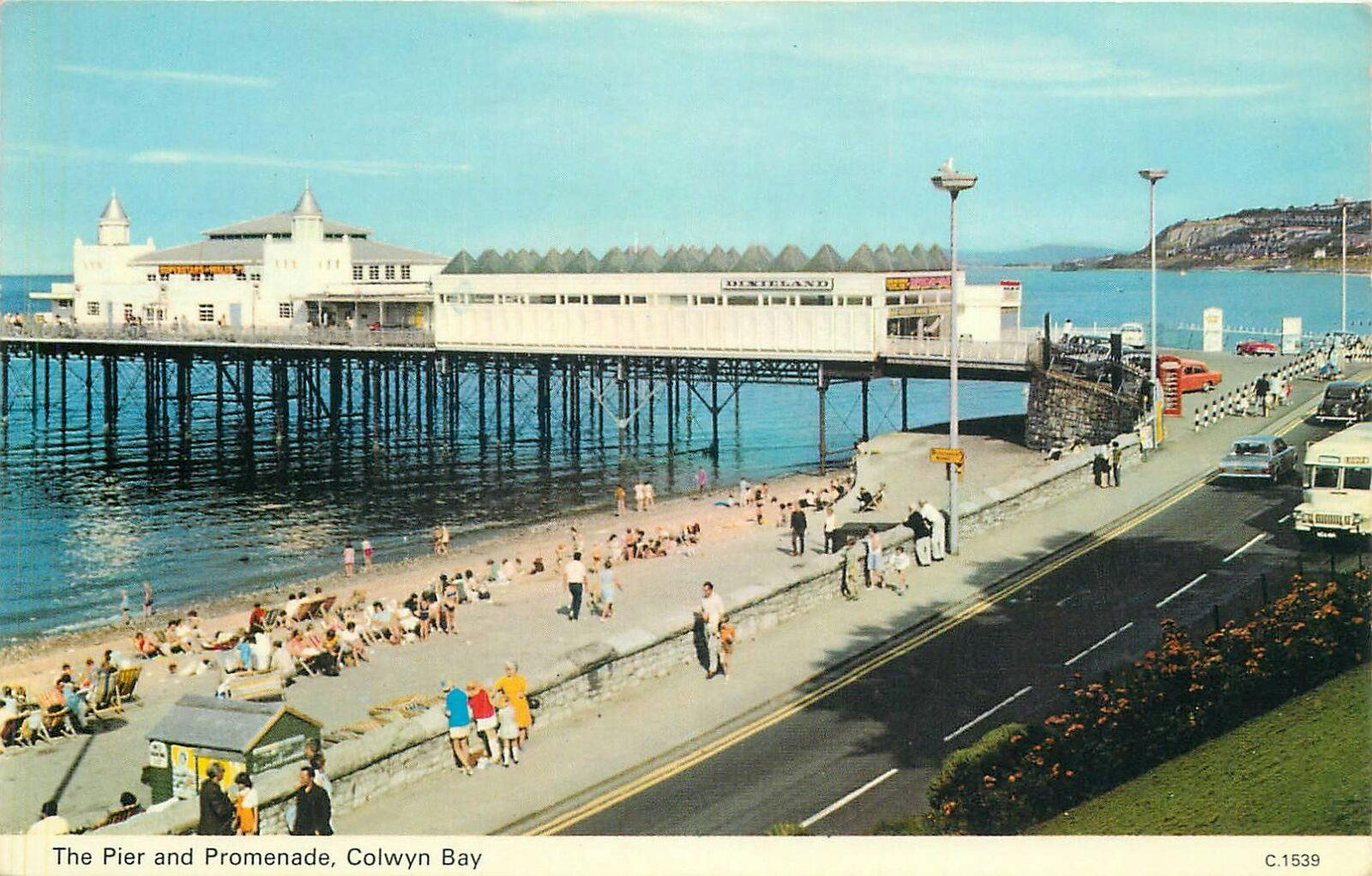
The final pavilion, opened in 1934, incorporated Art Deco features and murals by Eric Ravilious and Mary Adshead.

Both walls of the last remaining Eric Ravilious mural have been successfully removed, and were placed safely in storage. But with CCBC staff set to relocate to new Colwyn Bay offices a more permanent home is needed for the murals.
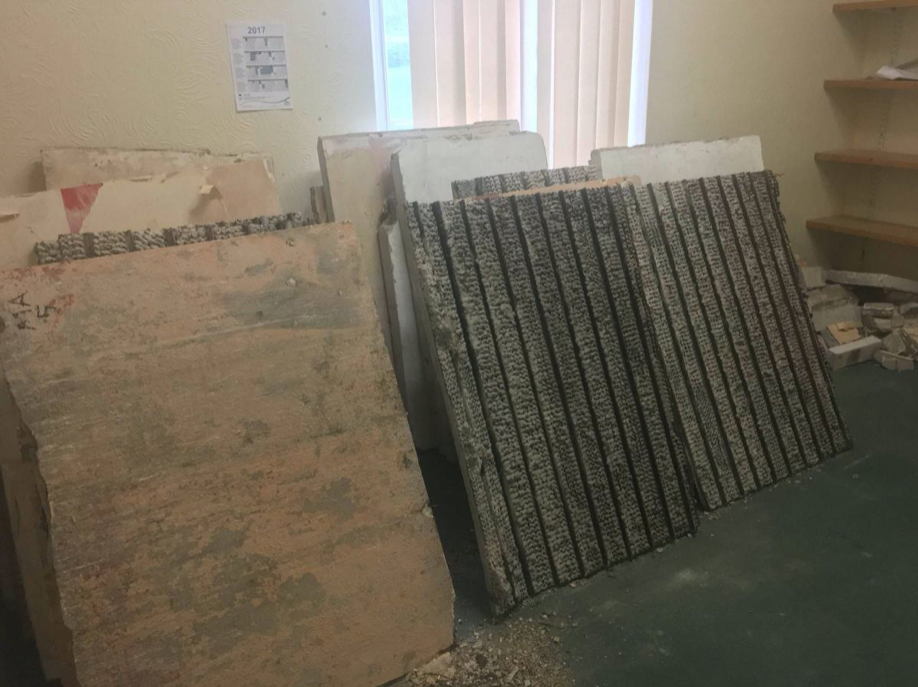
North Wales Pioneer

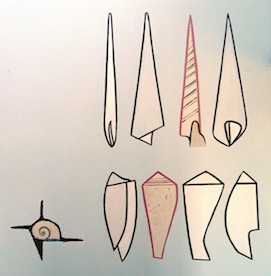
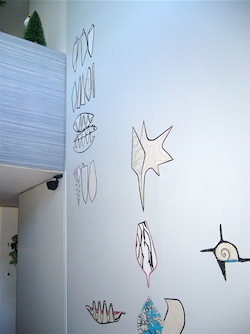
Fish sketch for the Colwyn Bay Mural.
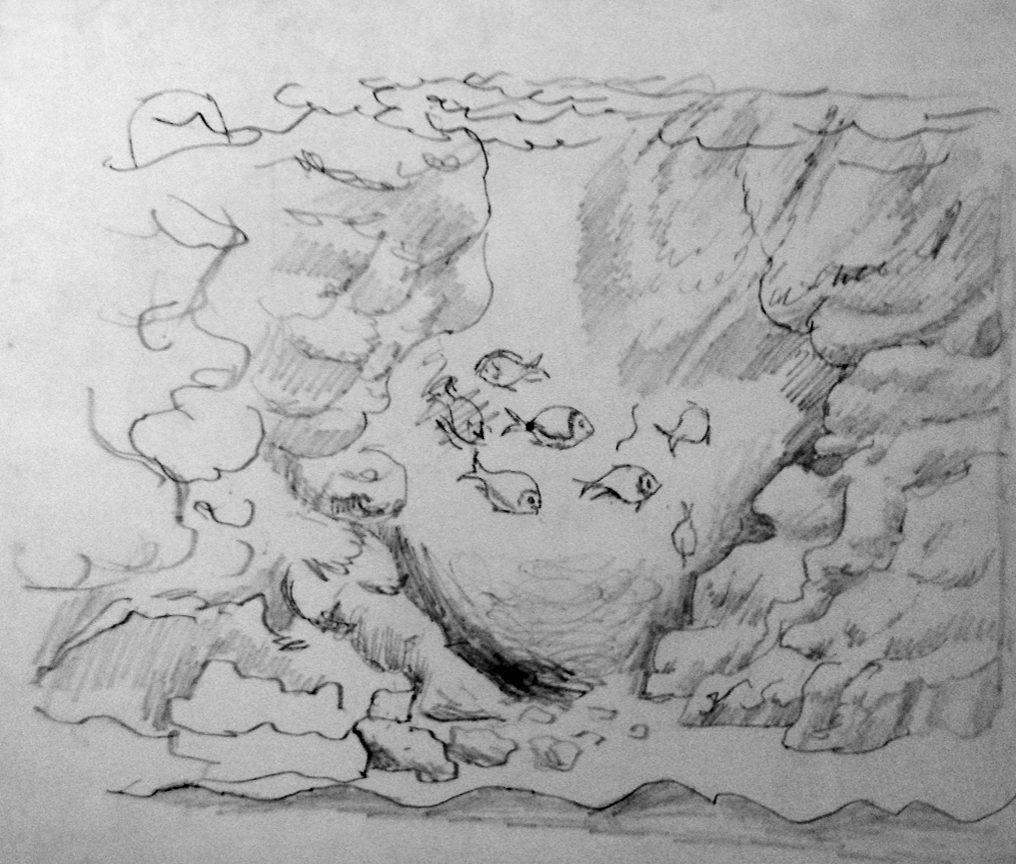
Many of those features were destroyed or obscured in post-war refurbishments. Entertainers who performed at the pier in this period included comedians Ken Dodd and Morecambe and Wise, and singers Harry Secombe and Elvis Costello.

History Points

The promenade has recently been updated.
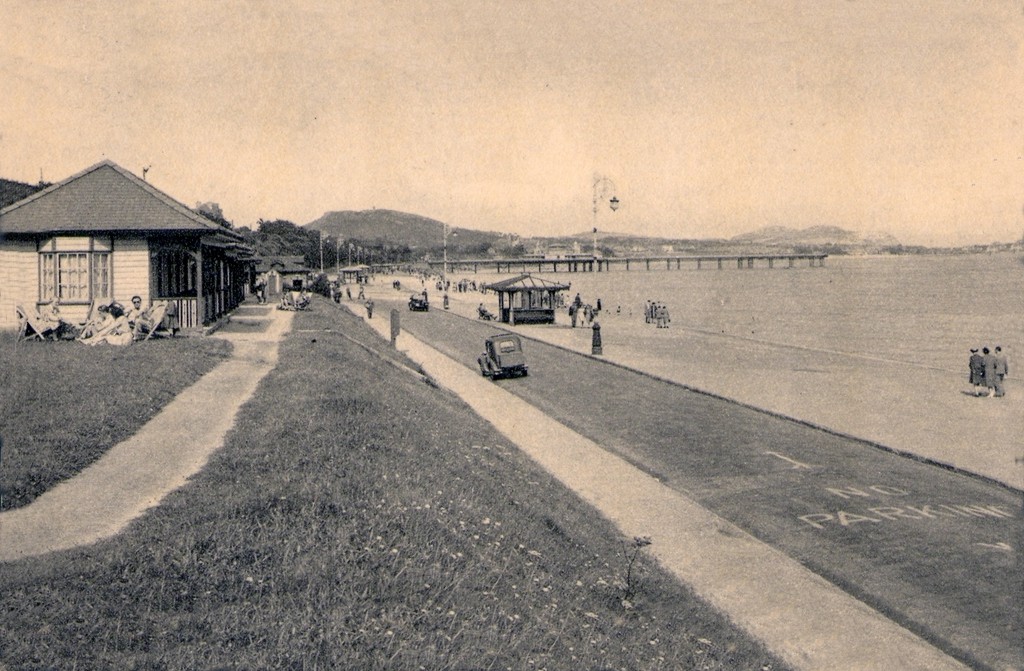
The new promenade, measuring 2.3 miles long, has been designed to protect the town and its infrastructure from the effects of the sea. The project was split into two phases; the first, to remove what was originally there and to construct the new raised promenade including a road, cycleway and car parking. The second phase was to transform the promenade with further development as well as reinforce the defence structures.

BSFG

This is the last of the Sixties concrete shelters – which once stretched all the way to Rhos on Sea.
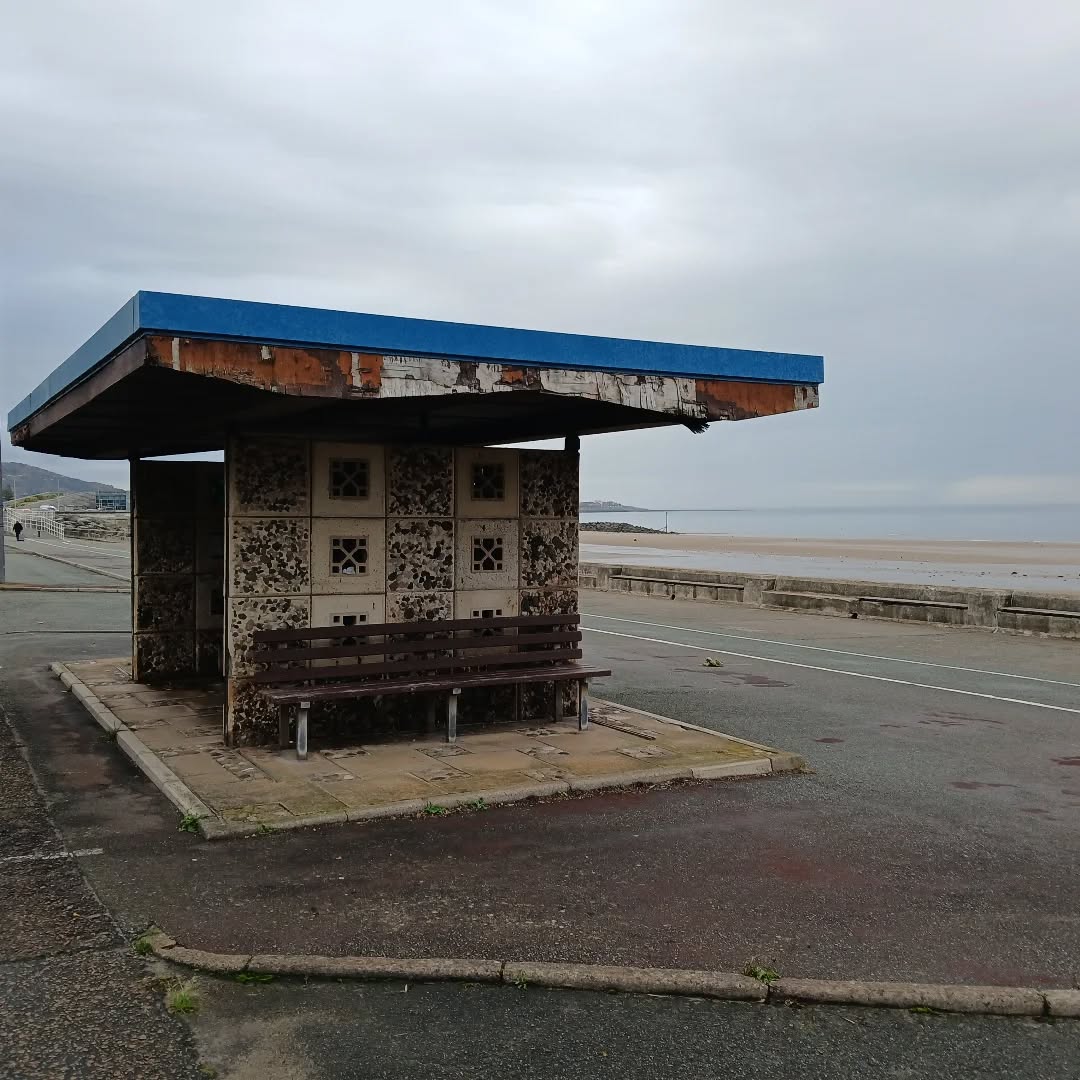
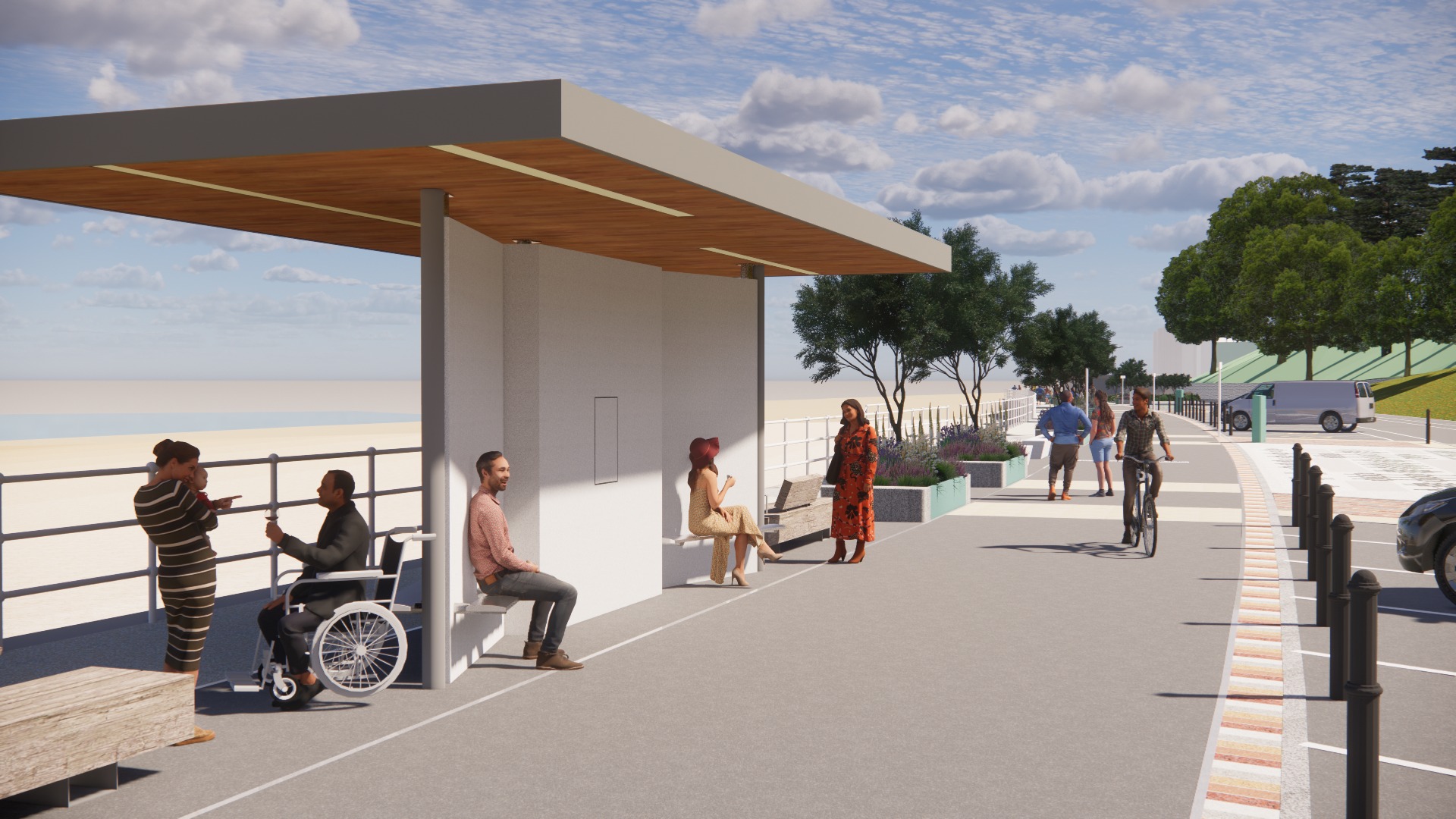
New shelters have appeared

A Conwy County Borough Council spokesperson said:

The shelters include new features such as solar power lighting and are designed to be accessible for wheelchair and mobility scooter users.

The closed design of the old shelters made anti-social behaviour easier and led to their condition deteriorating.
And a new pier has appeared.

Construction on the new Pier at Colwyn Bay commenced in July 2020. Despite being initially slated for completion in the summer, the erection of scaffolding and subsequent work on the 45-meter truncated Colwyn Bay pier were delayed. However, the project timeline was expedited, and the construction was successfully finished in July 2021.
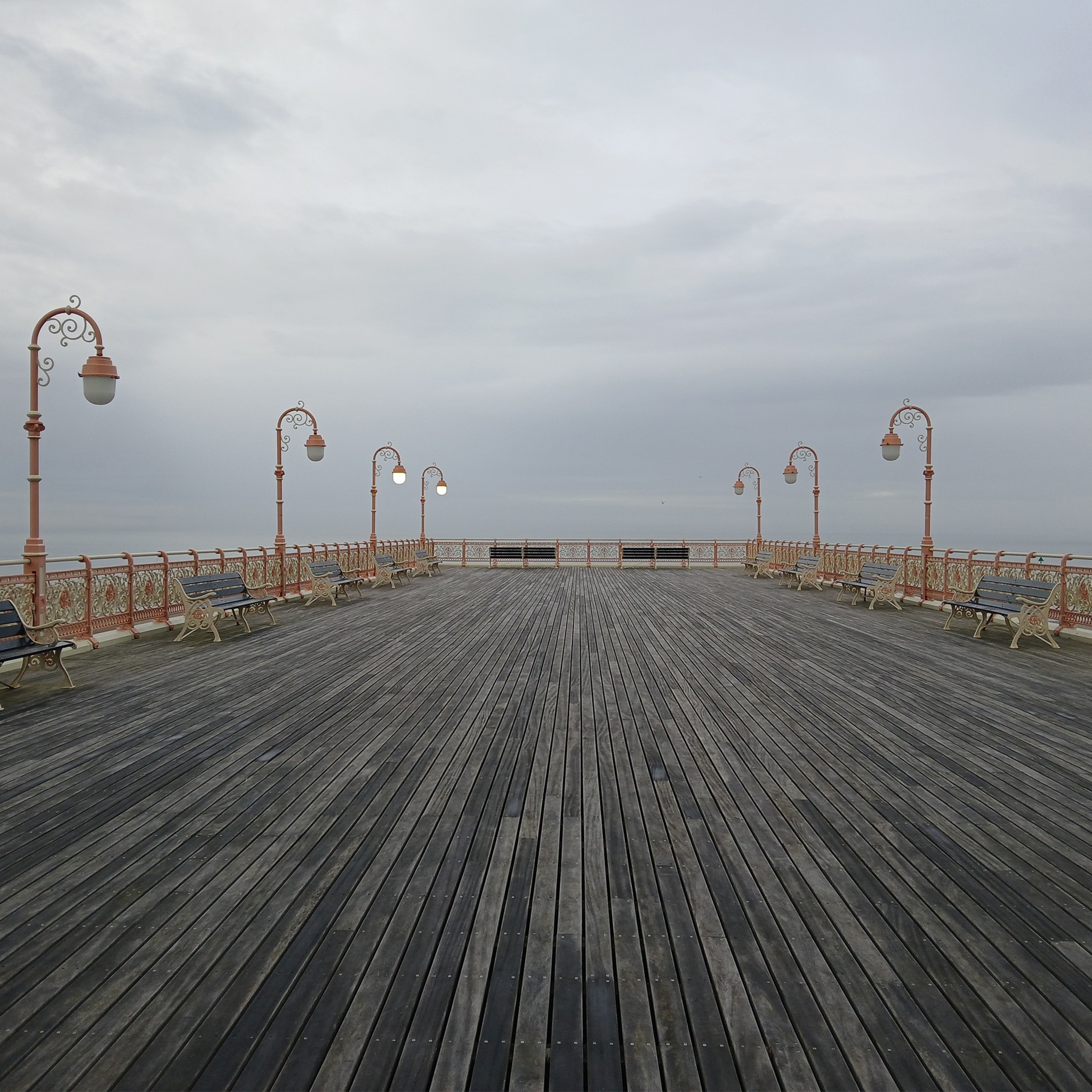
Pier Bae Colwyn

At this point it began to rain – so I hastened to see solace and shelter in the Black Cloak, again.

Time for the train home to Stockport – but you can bet I’ll be back.
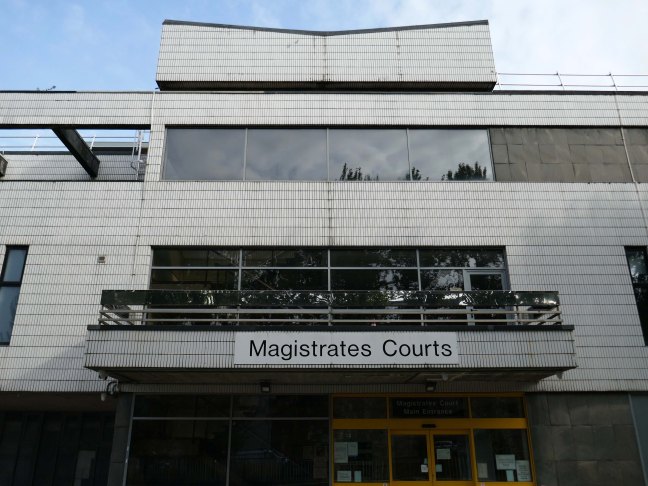
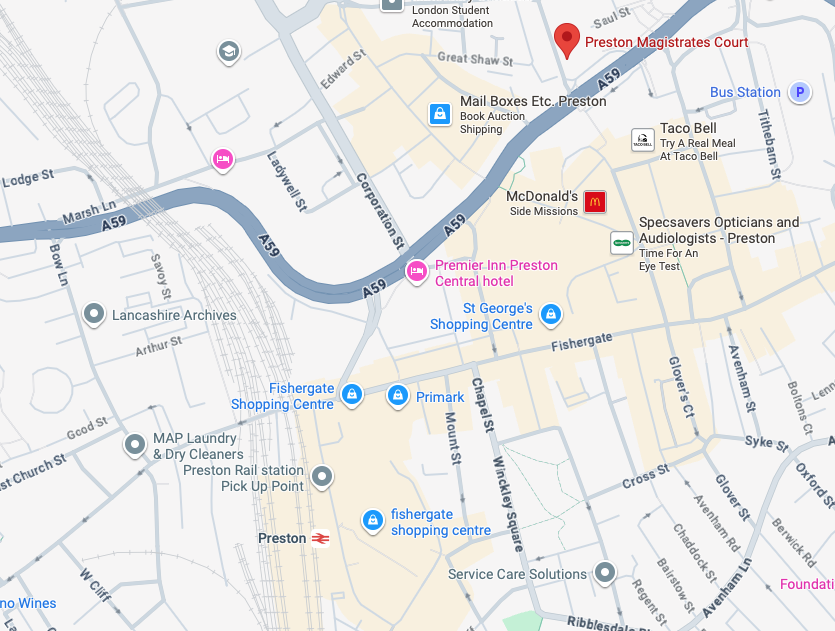
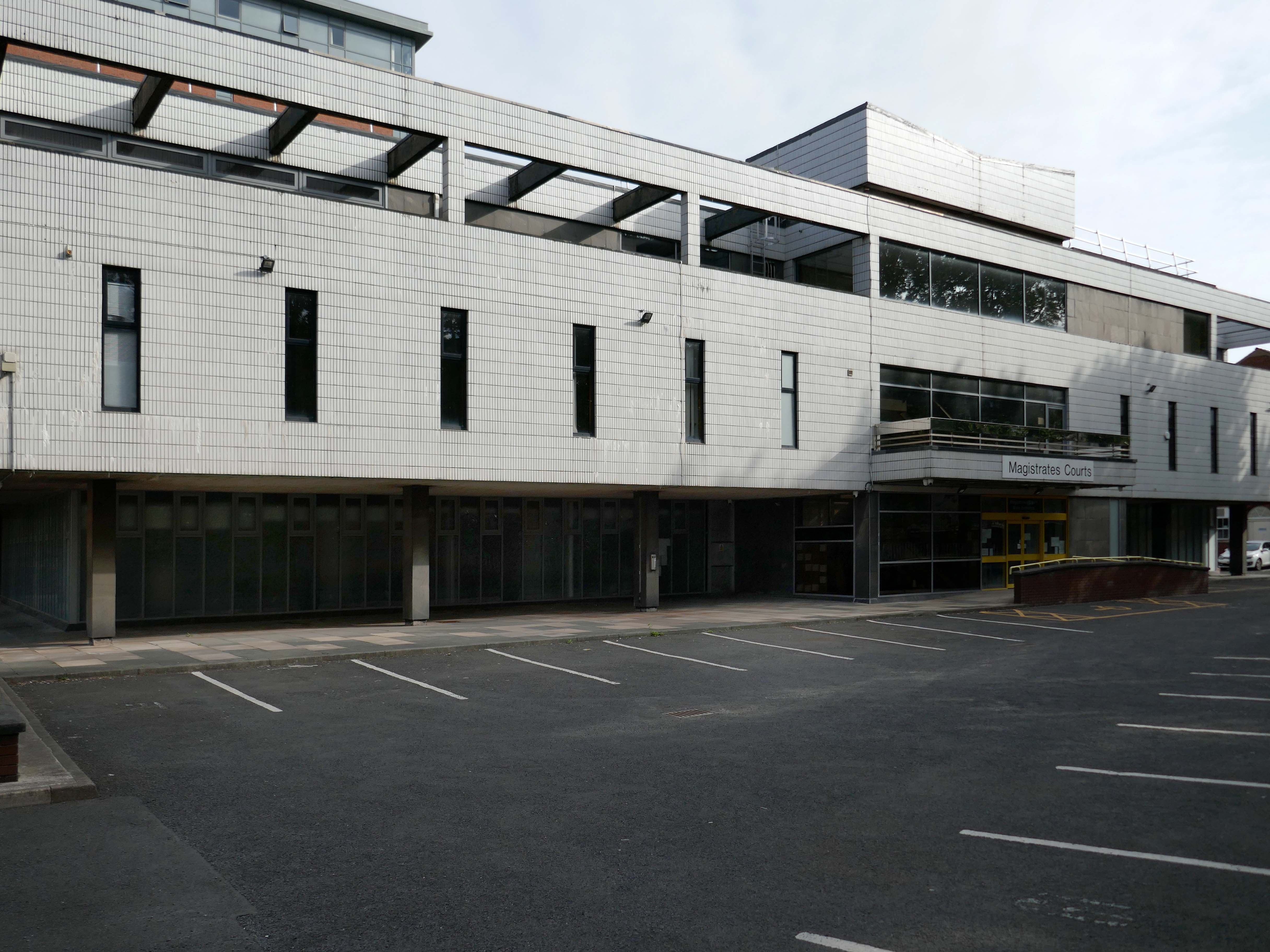
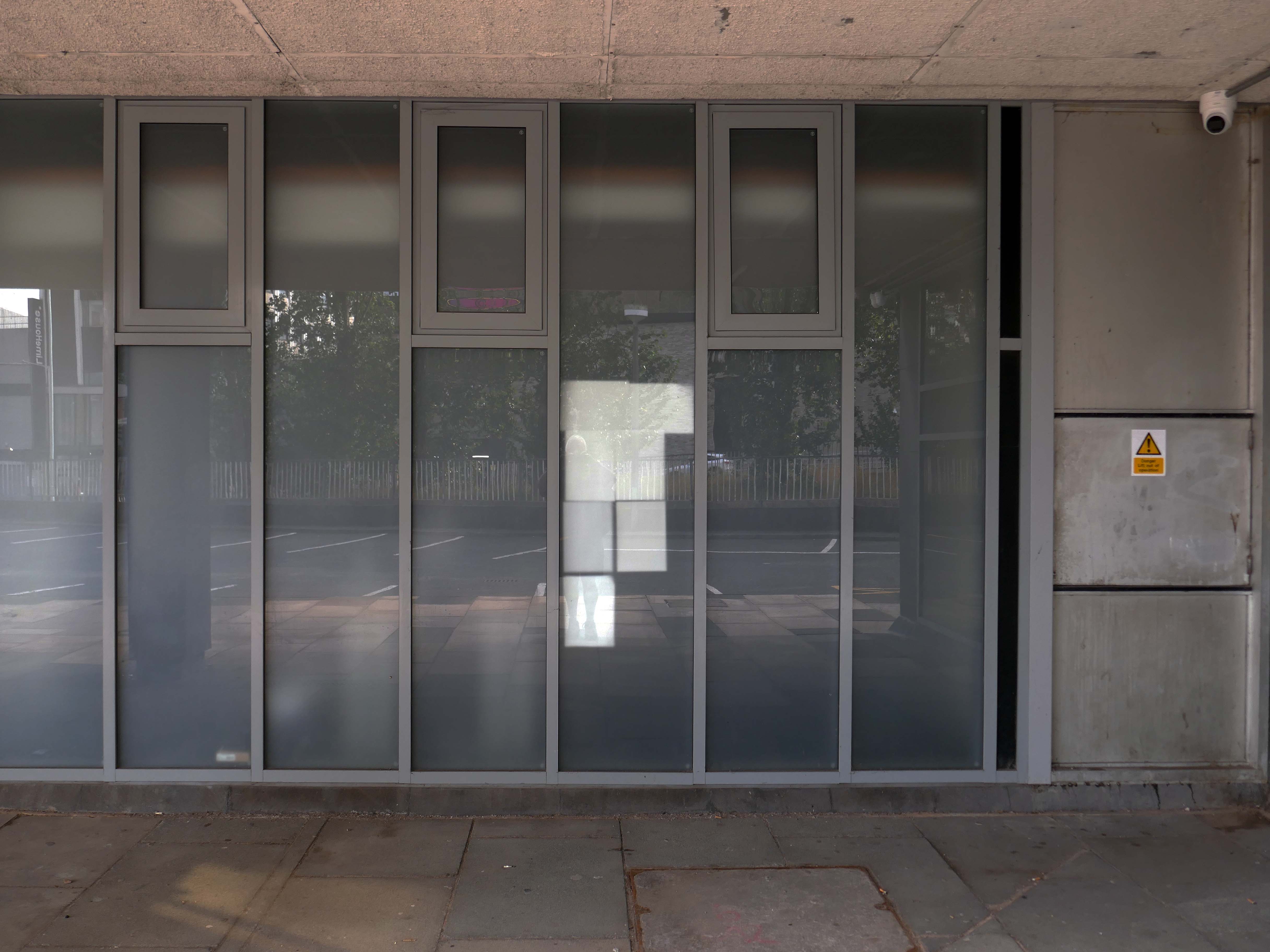
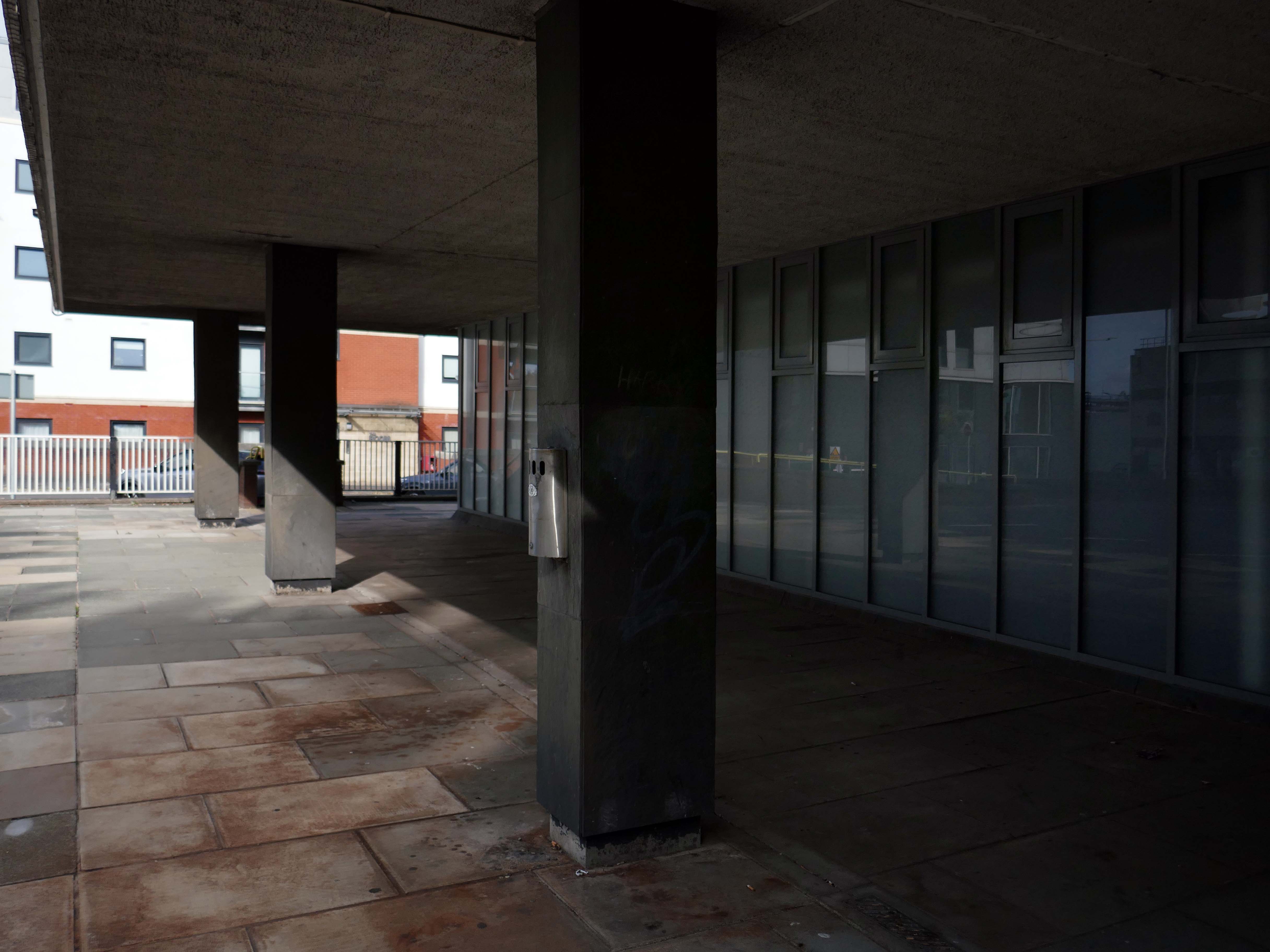
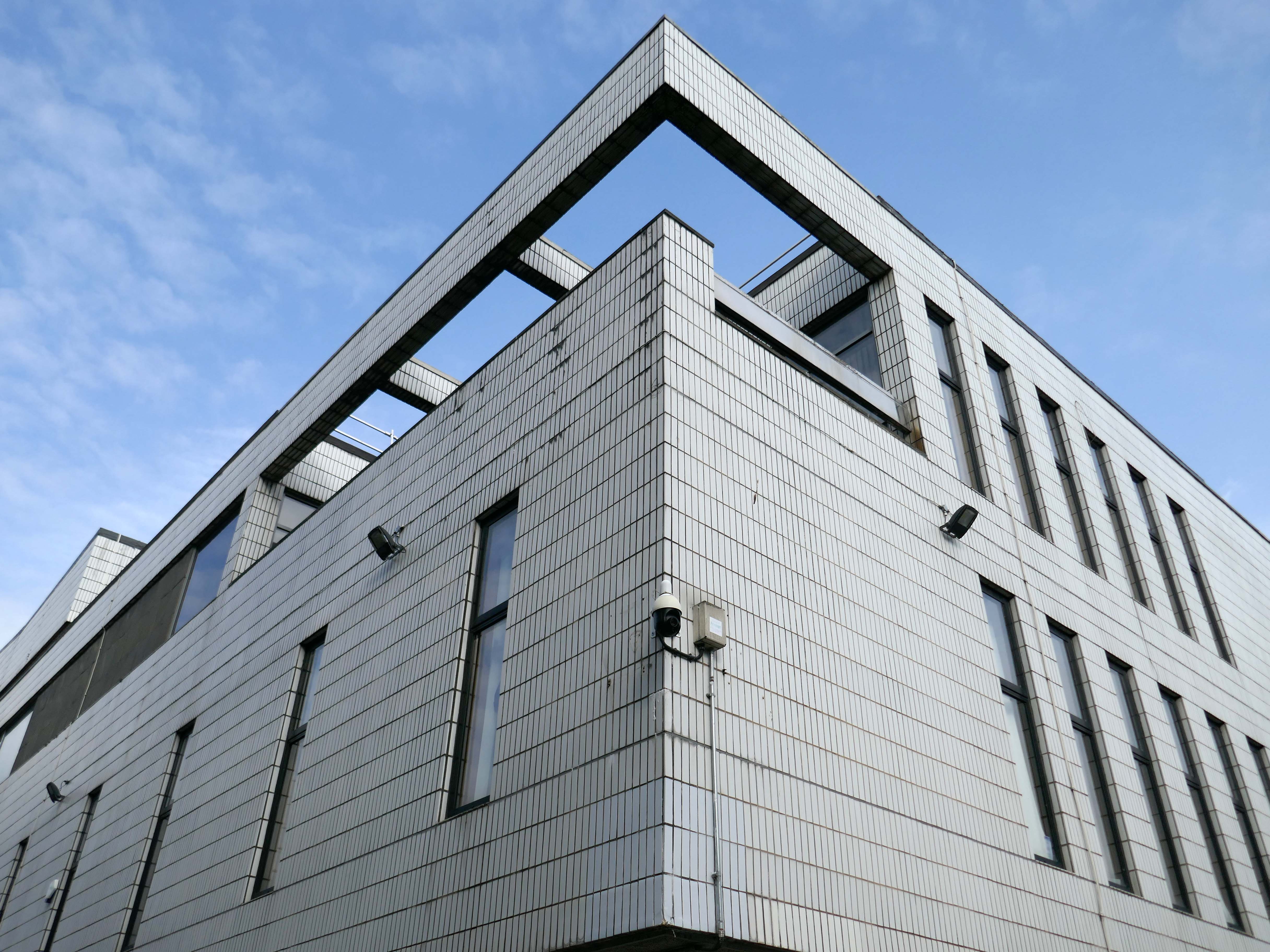
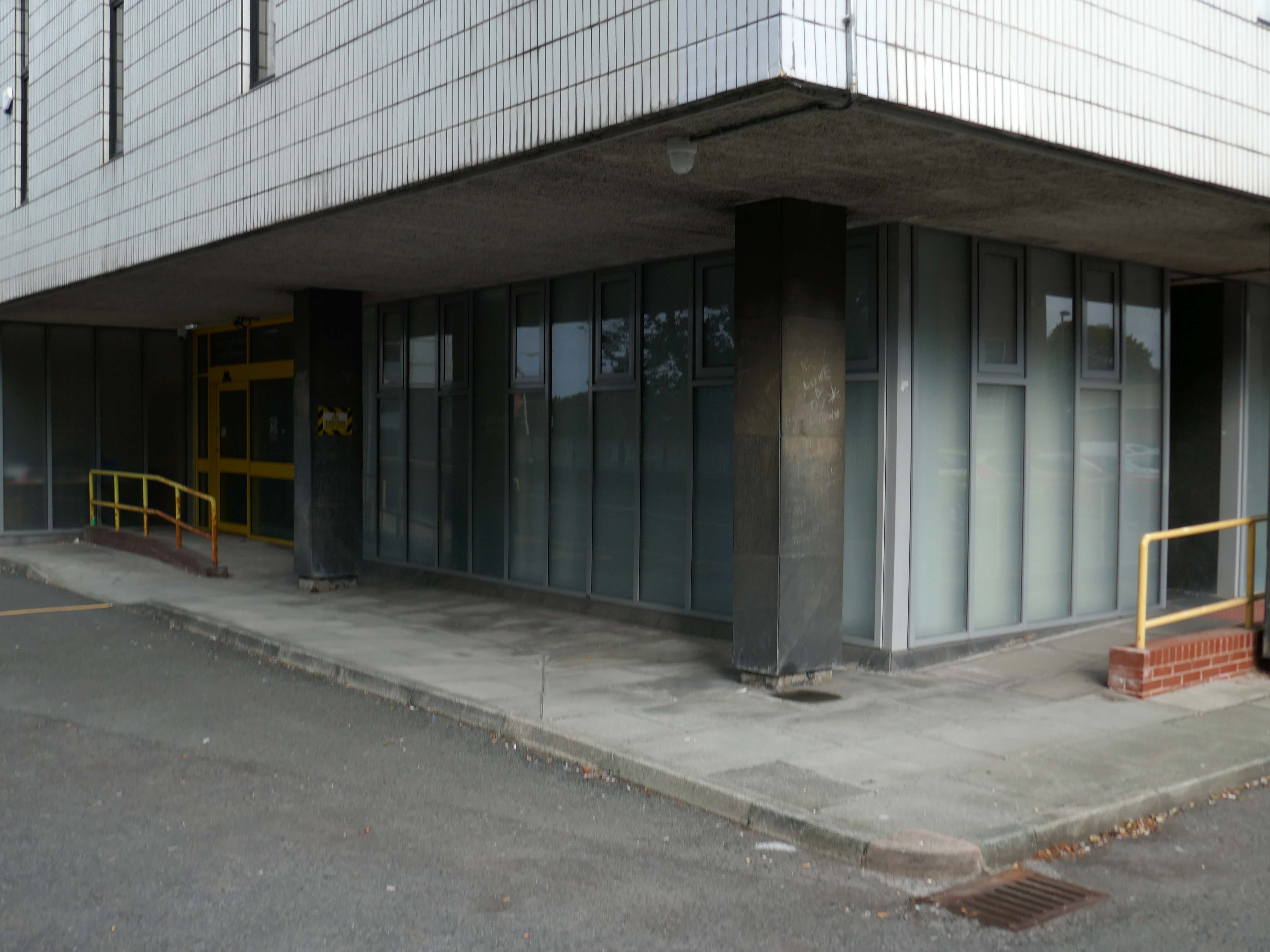
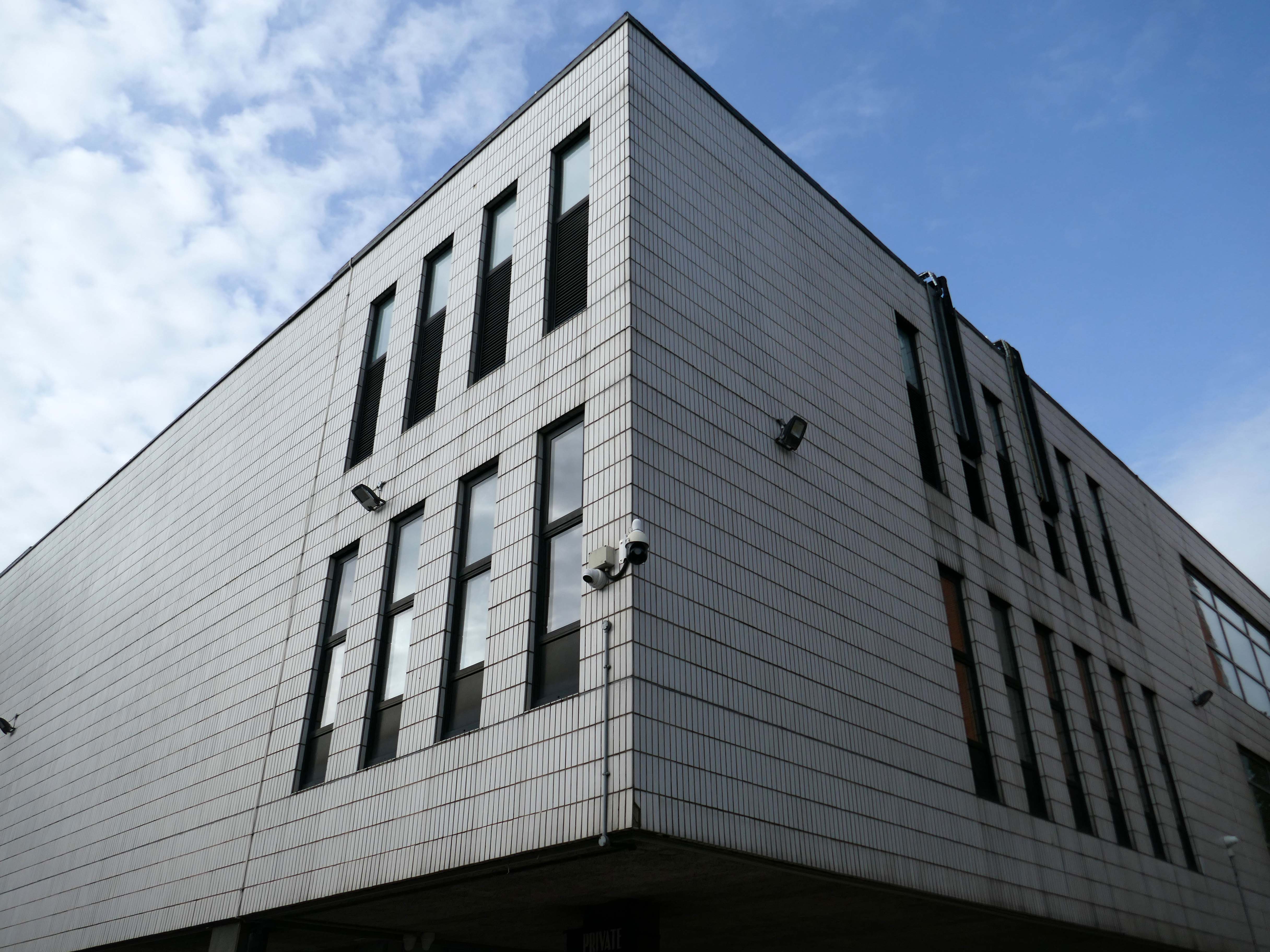
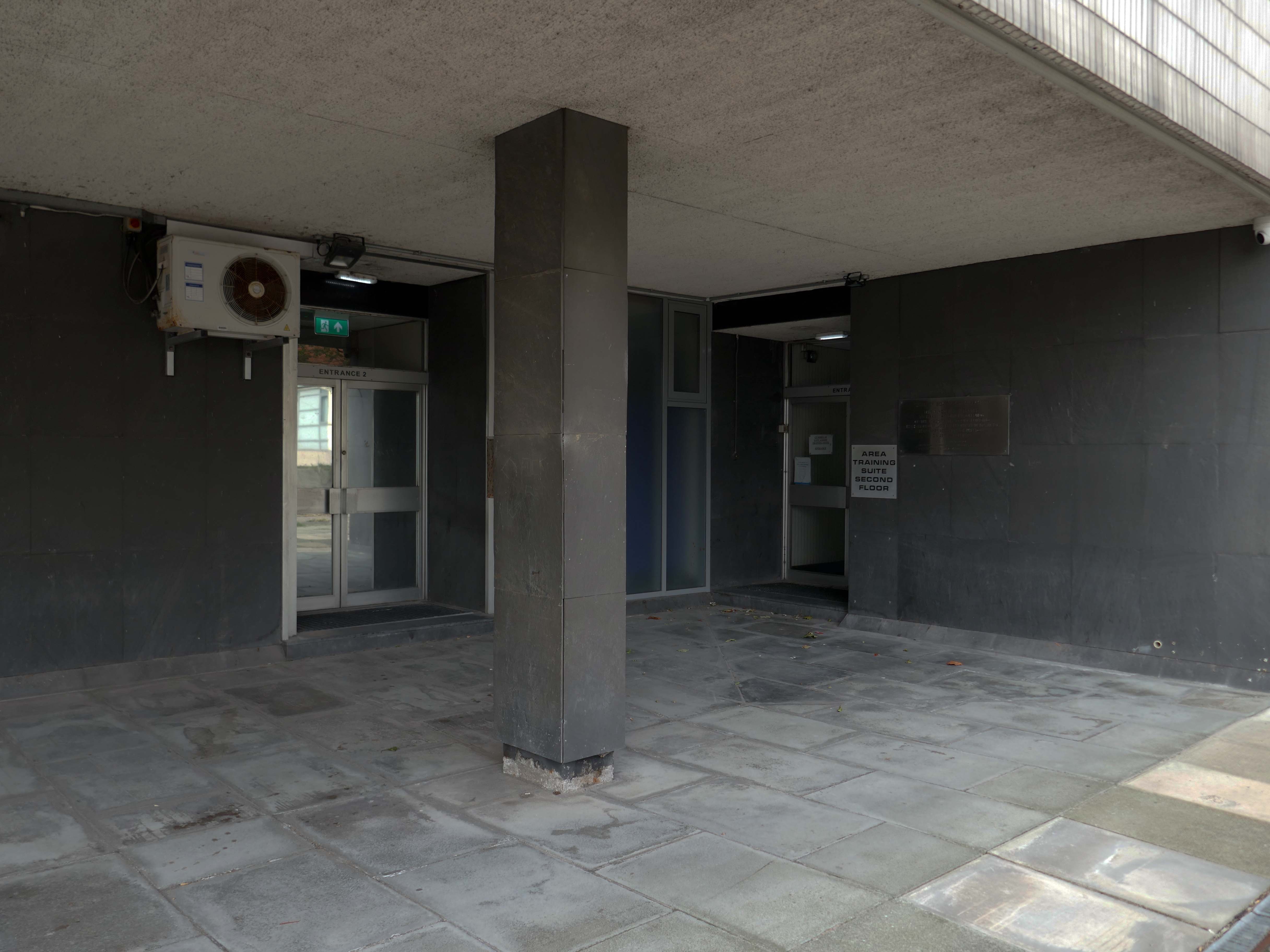
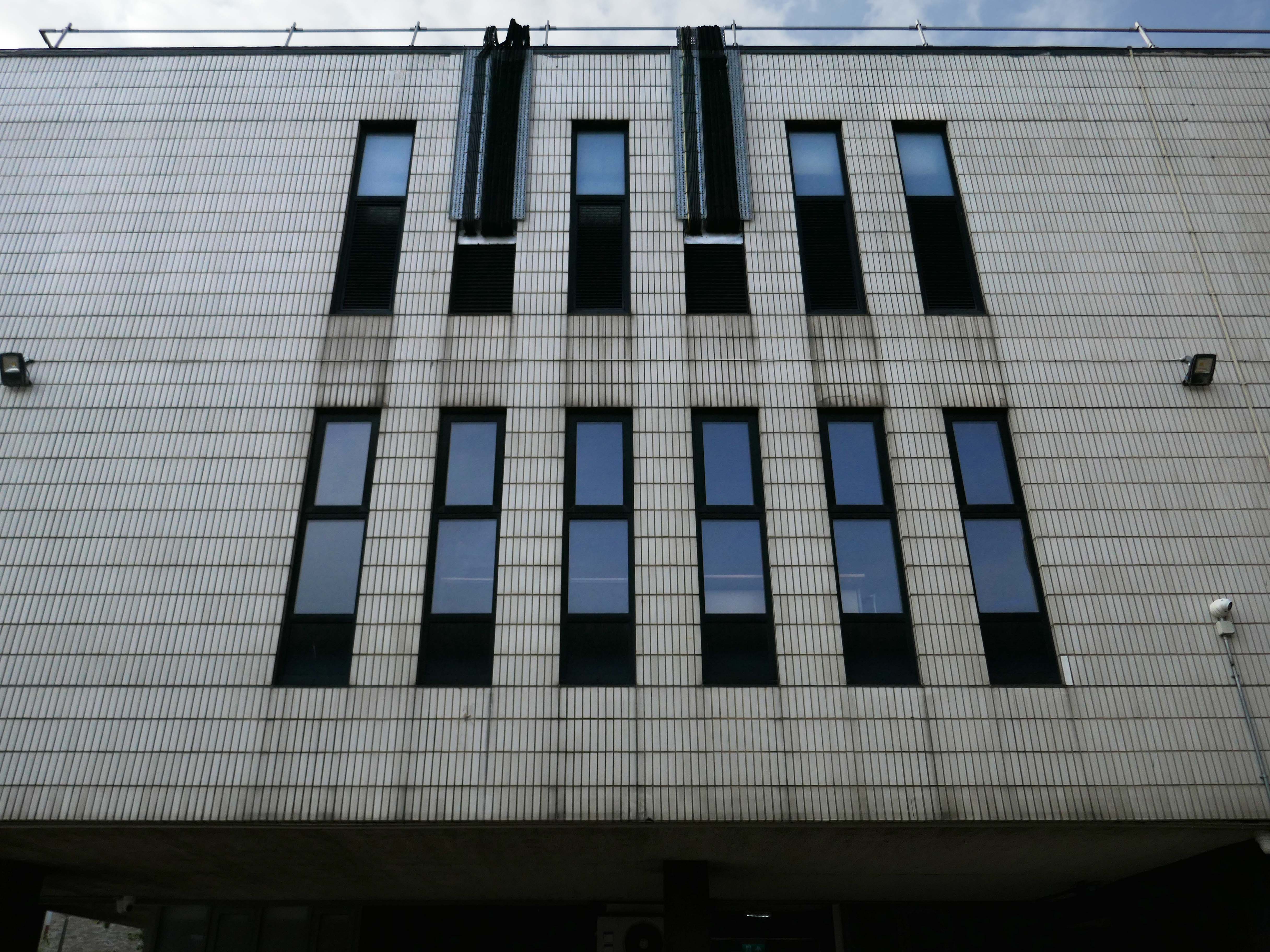
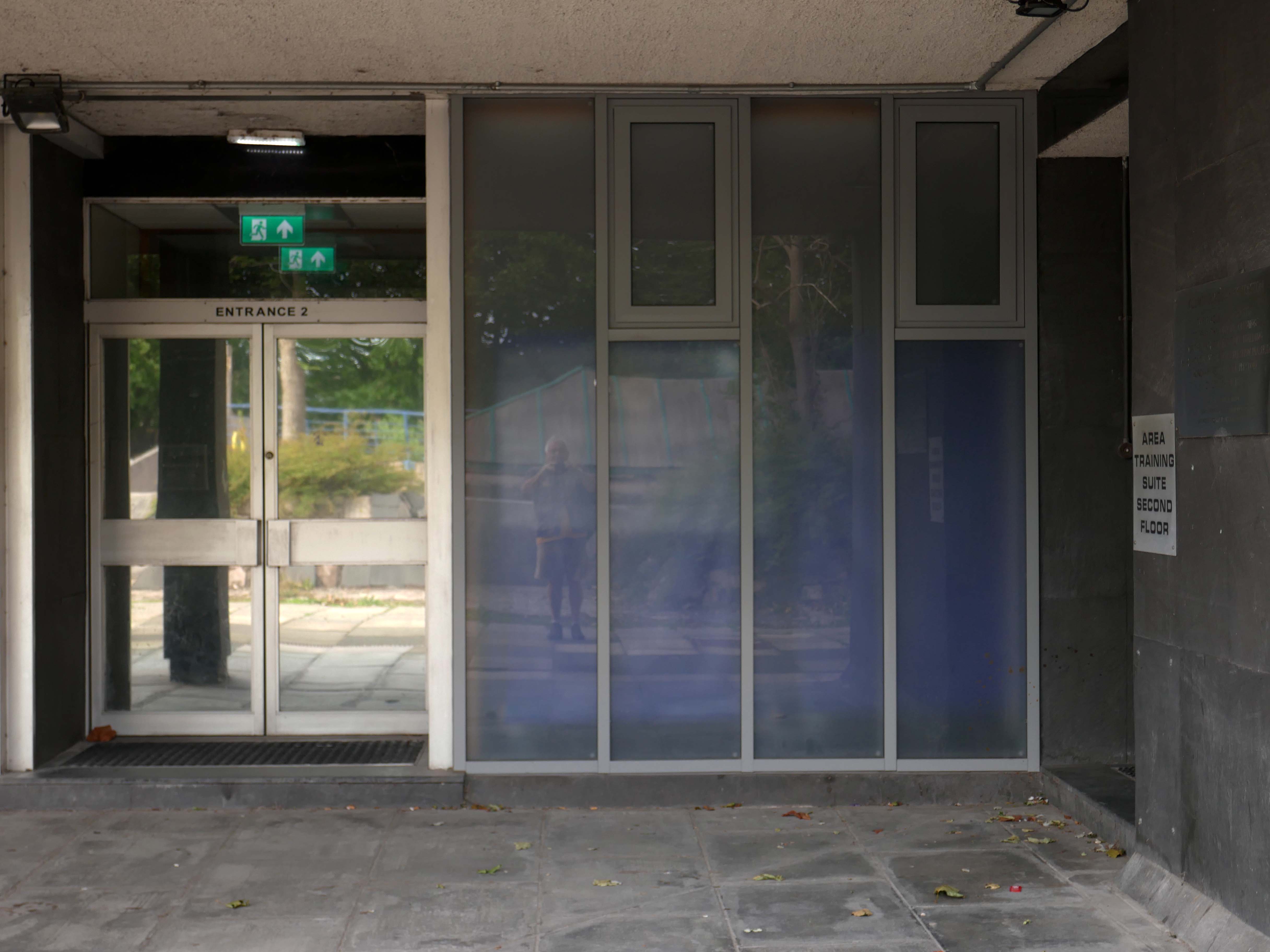
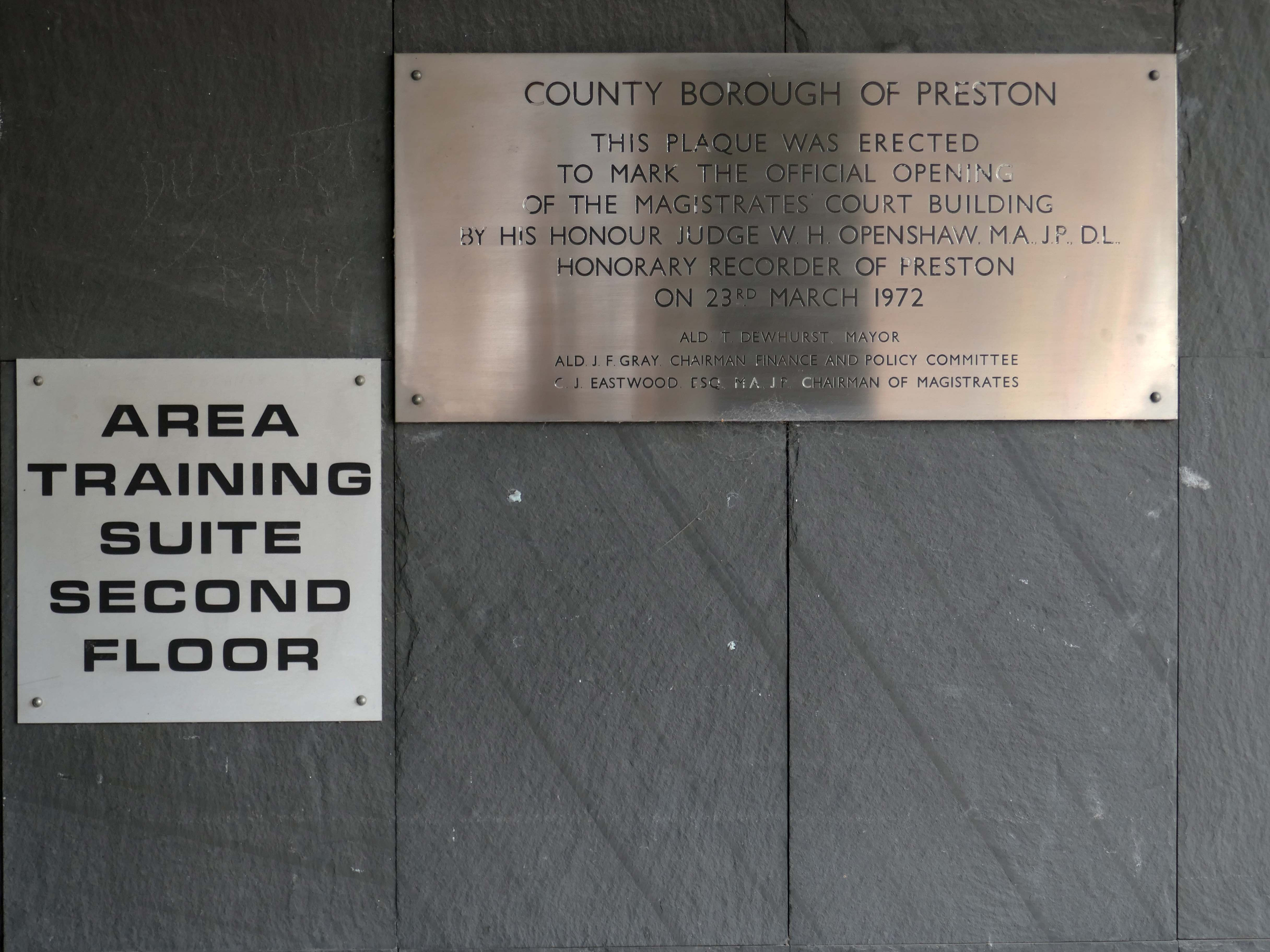
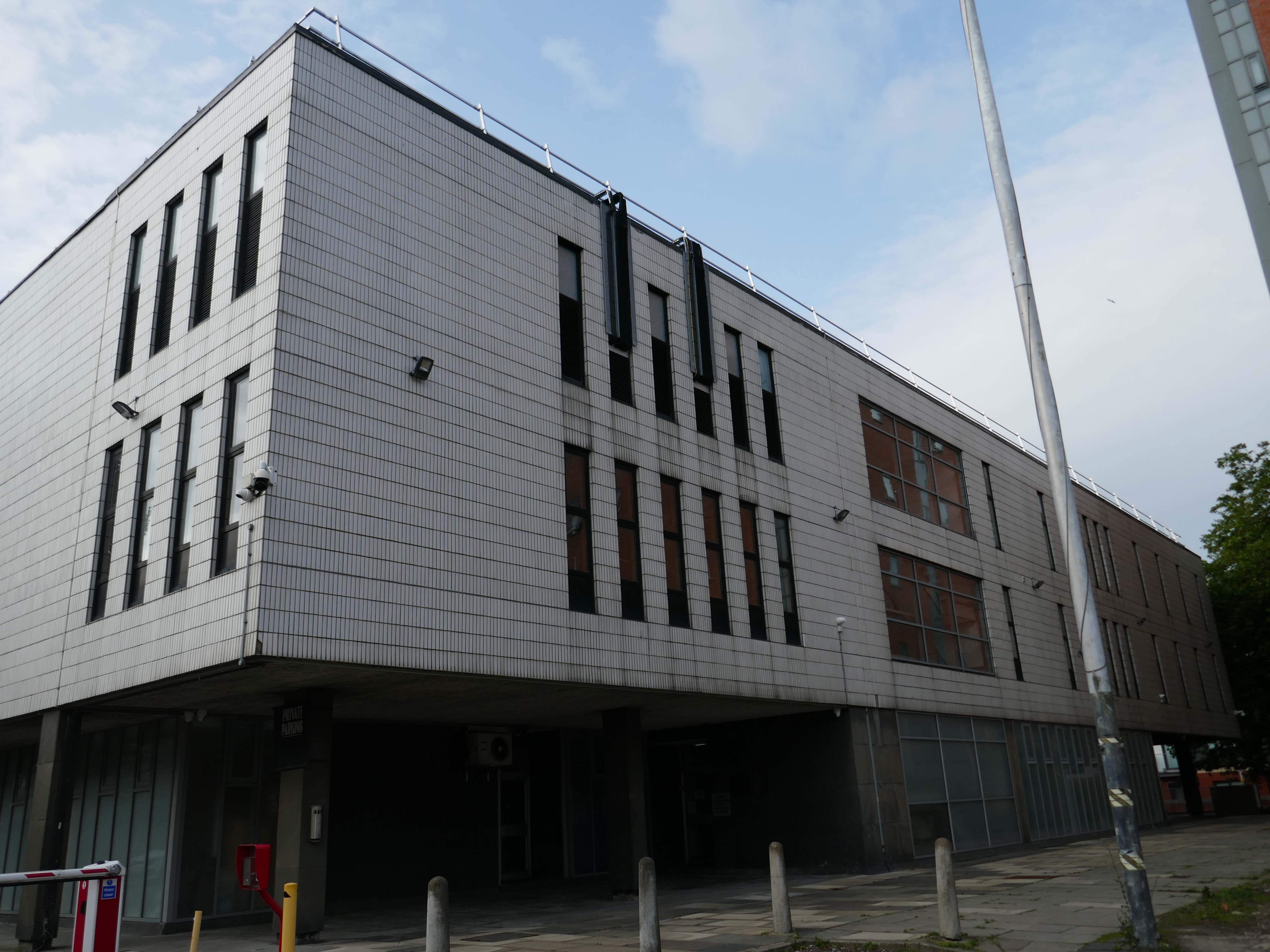
Magistrates’ Court – Preston

Lawson St Preston PR1 UK

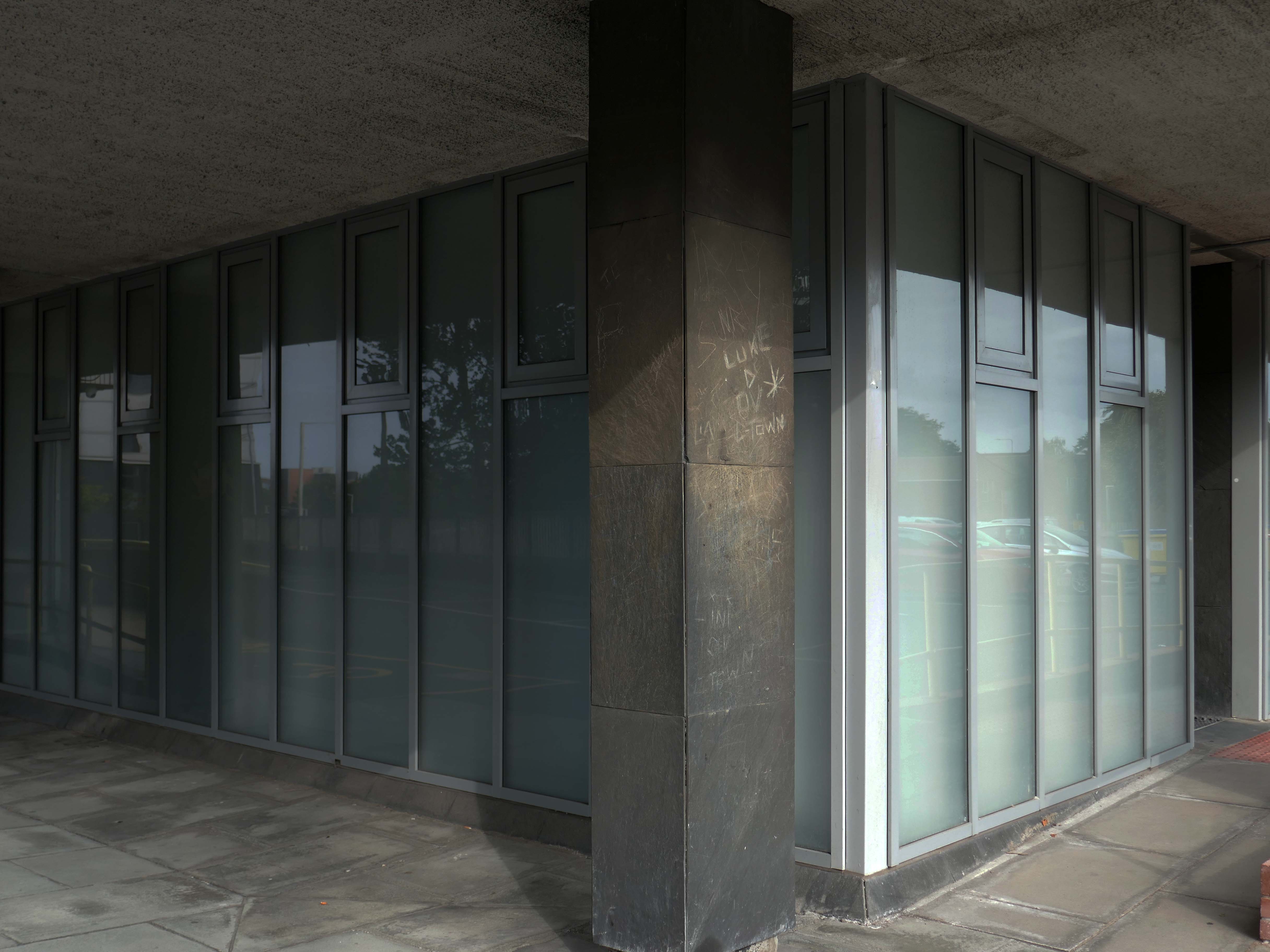
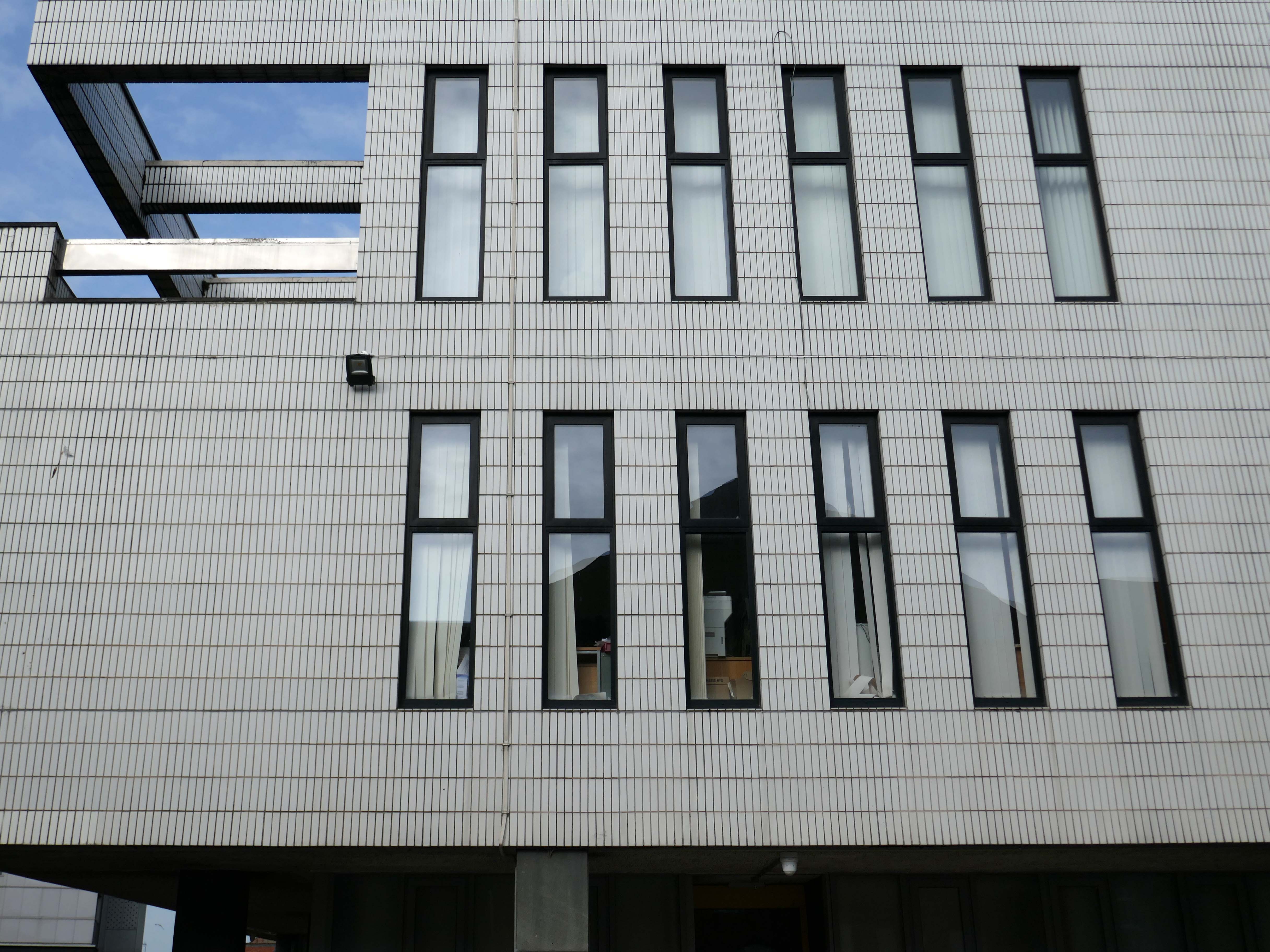
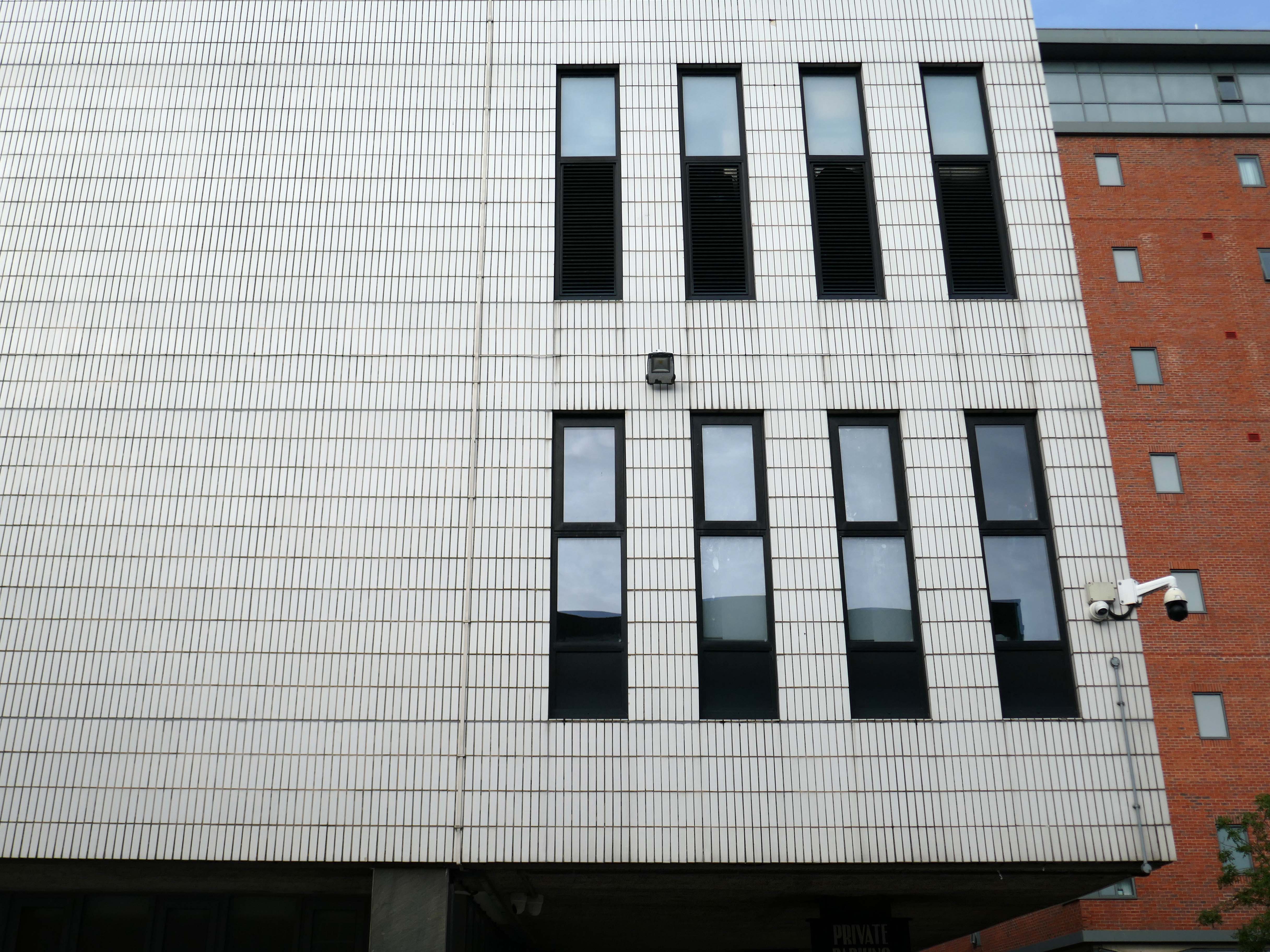
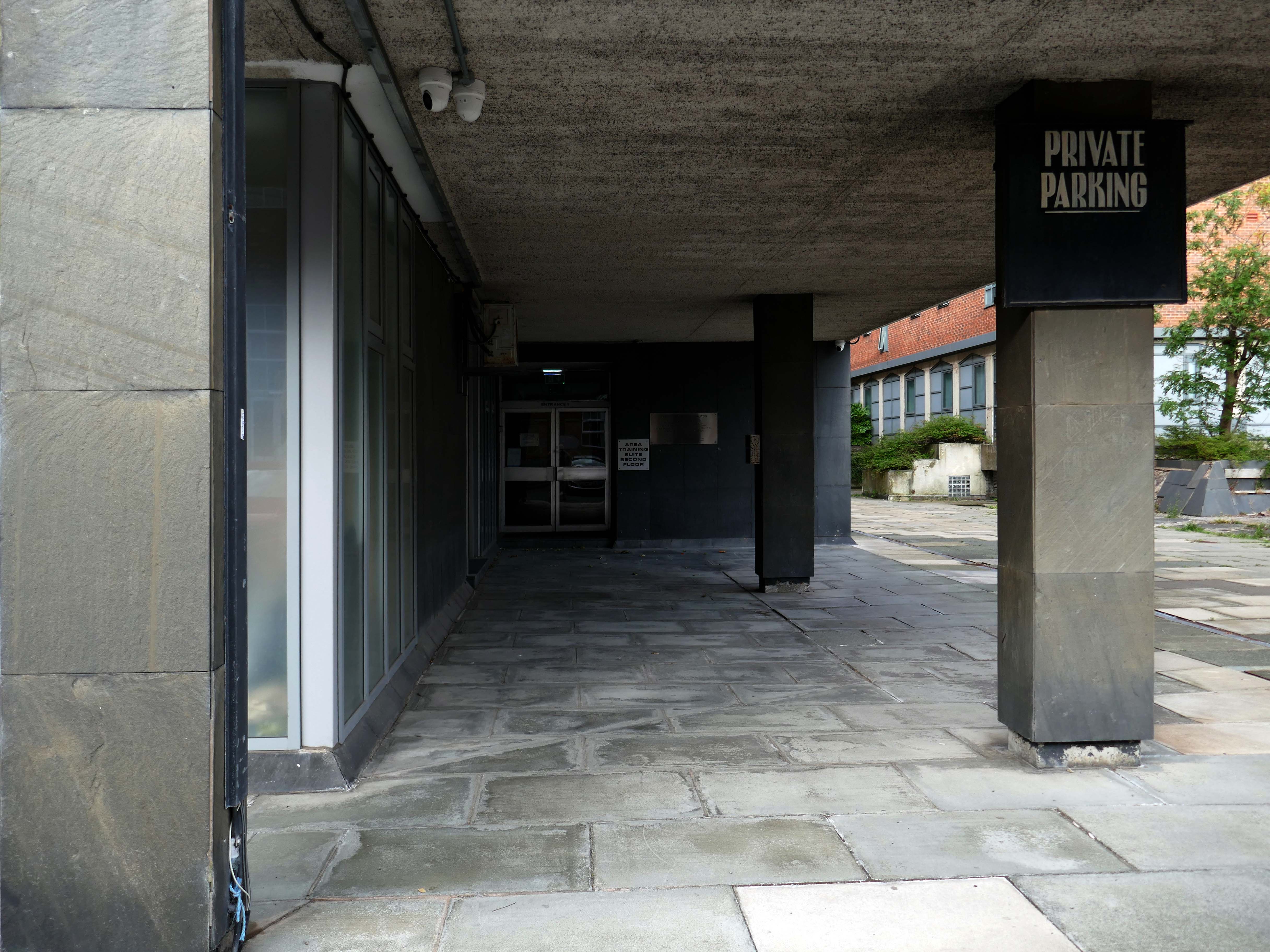
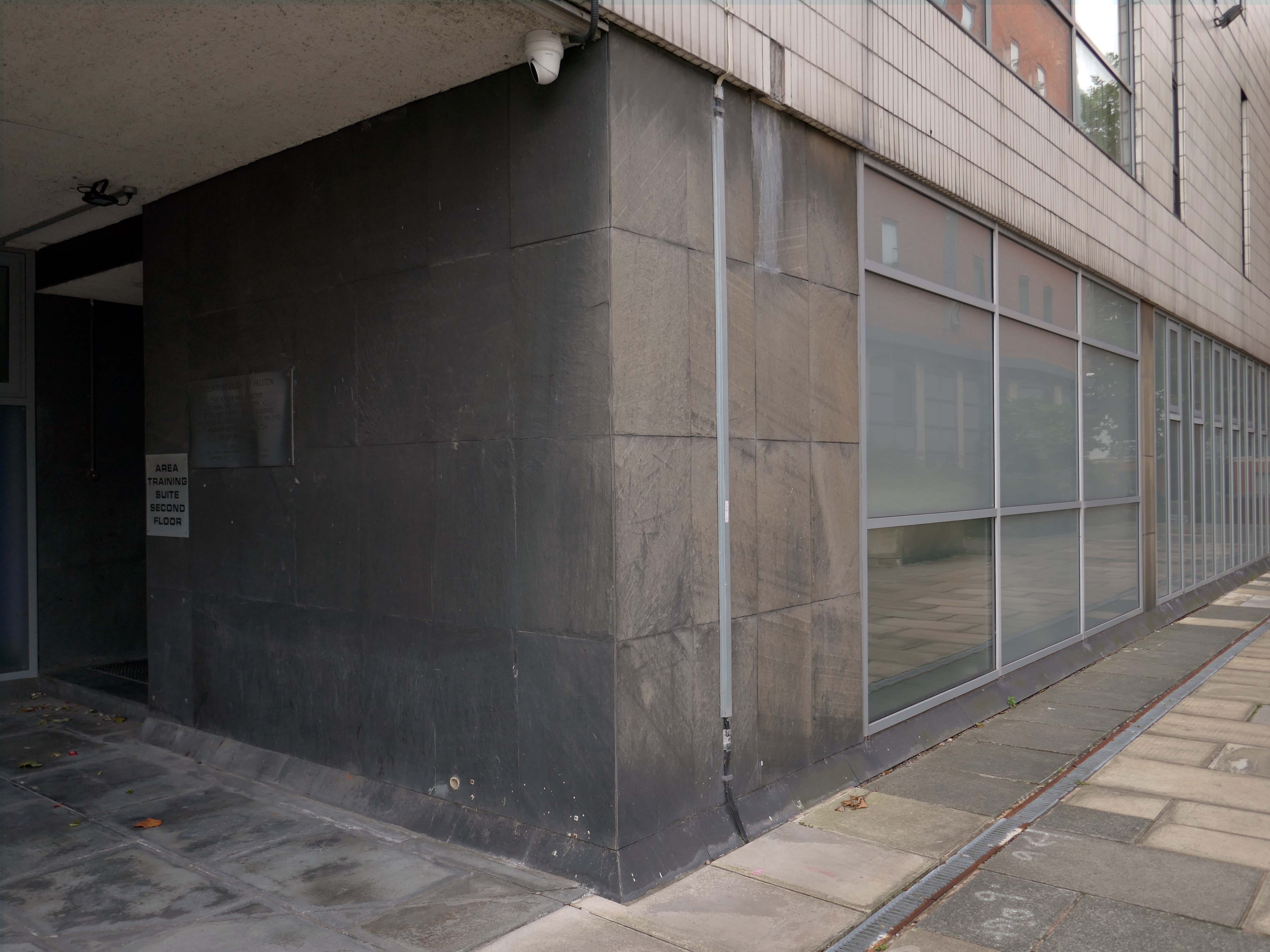
We have often walked by the Magistrates’ Courts on the Preston Walk.

So, it’s about time this low lying white tiled delight received some well deserved attention.

Though recently there have been structural problems:

The safety of everyone who uses our courts is paramount and the decision to temporarily close Blackpool and Preston Magistrates’ courts was made in line with professional advice following the detection of defective Reinforced Autoclaved Aerated Concrete. These court buildings will reopen once they are assessed as safe by professionals following the completion of required remedial works.

There have also been solutions:

Preston Magistrates’ Court is currently scheduled to reopen in January 2024.

They work for you

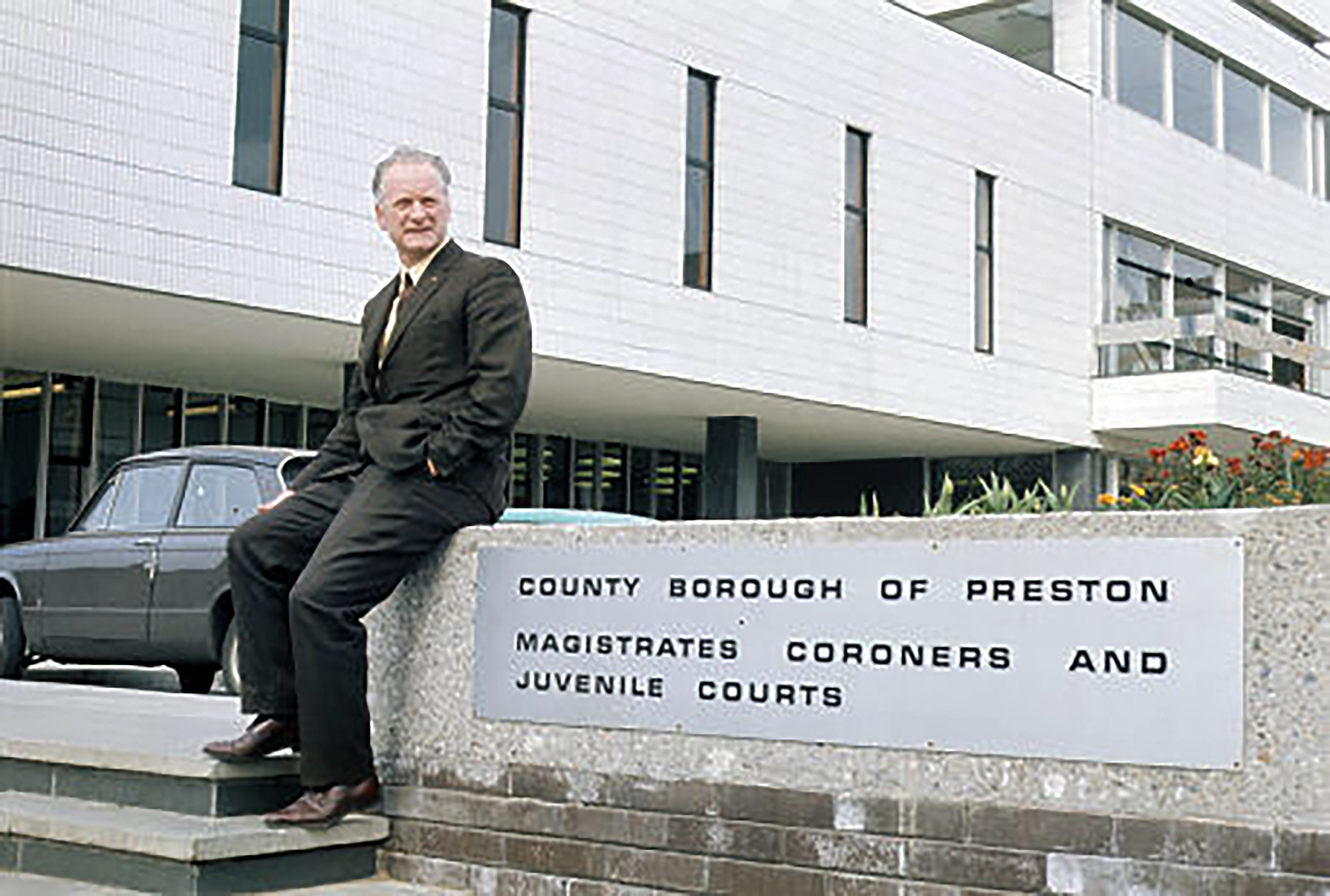
Local lad Tom Finney was unable for comment, though saddened to hear that the Microgramma sign was no longer in situ.


Copyright Rex Shutterstock

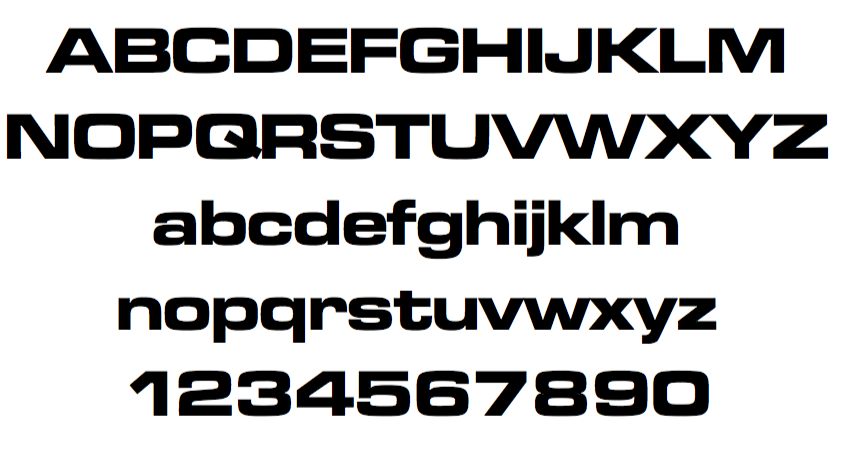
Microgramma is a sans-serif typeface designed by Aldo Novarese and Alessandro Butti for the Nebiolo Type Foundry in 1952. It became popular for use with technical illustrations in the 1960s, and was a favourite of graphic designers by the early 1970s.

The building is the work of the Borough Architects under John Hatton – though I am reliably informed that County Architect Roger Booth took an advisory role.

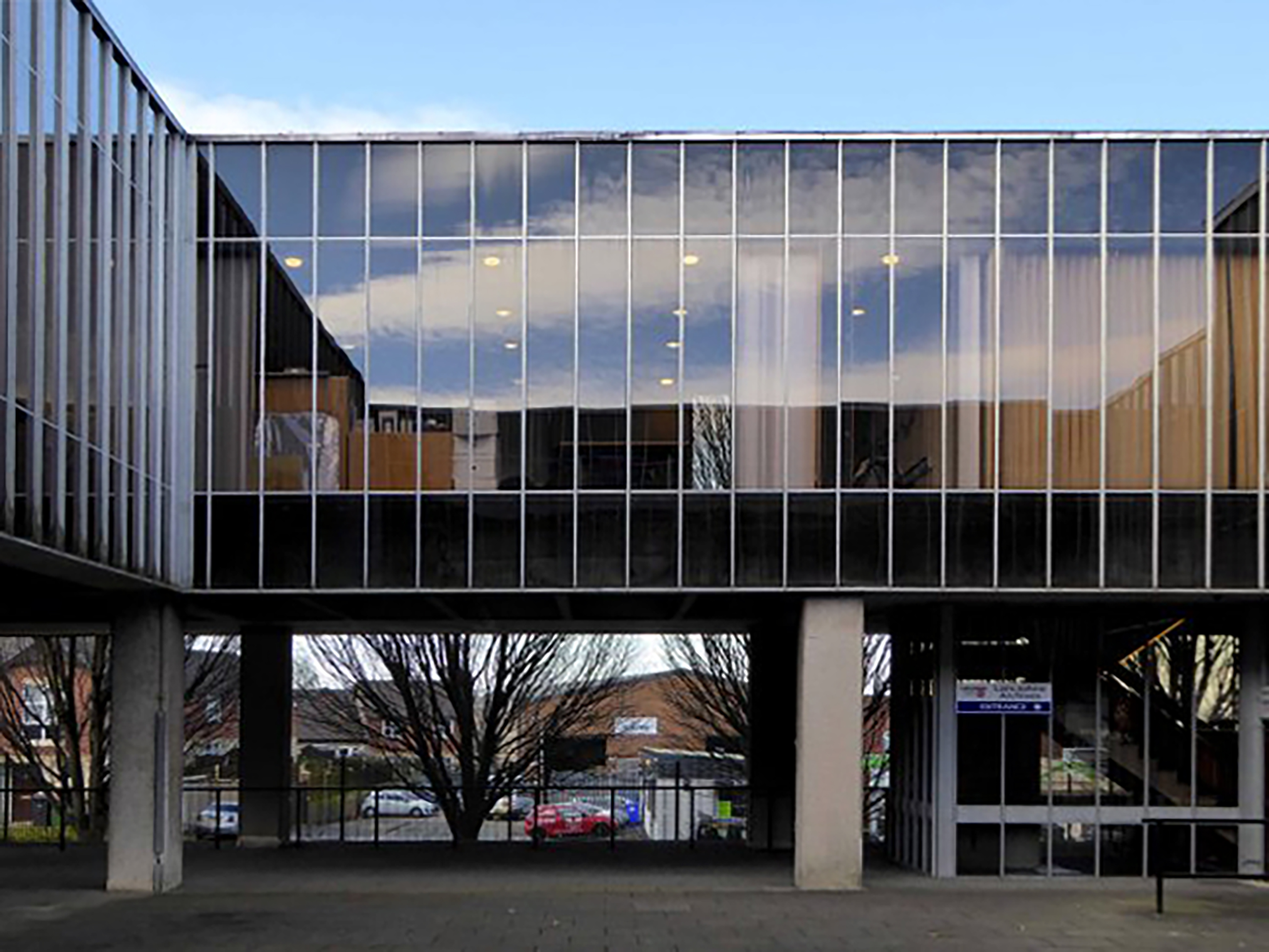
The Courts certainly echoes many of the stylistic and material characteristics of his work, particularly the County Archives, with similar piloti and glazing.

So let’s take a circuitous tour.

This is the seriously neglected seating area.

The Courts once had a Roger Booth Police Station as a neighbour.

Photographs – Richard Brook

Converted to apartments in 2013, with current plans for further developments.

More than 200 student flats are set to be built on part of Preston’s former divisional police headquarters. Preston City Council planning officers have recommended that councillors give the go-ahead to the scheme – at the junction of Walker Street and Lawson Street, to the rear of the magistrates’ and crown courts.

Blog Preston

The part of the plot where the new ‘studio apartments’ would be erected is currently occupied by a multi-level public car park, accessed from Saul Street, which has been operated as a pay and display facility by Chorley-based Parking Eye for the last nine years.

Other Roger Booth police stations have also been visited by the wrecking ball, Blackpool and Bury are now no longer extant.

Both Chorley and Morecambe are still standing.

Sunderland Museum

Burdon Rd Sunderland SR1 1PP

In 1879, the Museum moved to a new larger building next to Mowbray Park including a library and winter garden based on the model of the Crystal Palace. US President Ulysses Grant was in attendance at the laying of the foundation stone by Alderman Samuel Storey in 1877, the building opened in 1879.

During World War II, Winter Garden was damaged by a parachute mine in 1941 and demolished the following year. A 1960s extension took its place, but in 2001, a lottery funded refurbishment of the museum created a new Winter Garden extensionand improved facilities.

Wikipedia

Built in 1879 by local architects J & T Tillman, the museum building is Listed Grade II and was the first civic museum to be purpose-built outside of London.

I have been unable to find any attribution for the 1960s extension, built in the Festival of Britain style.

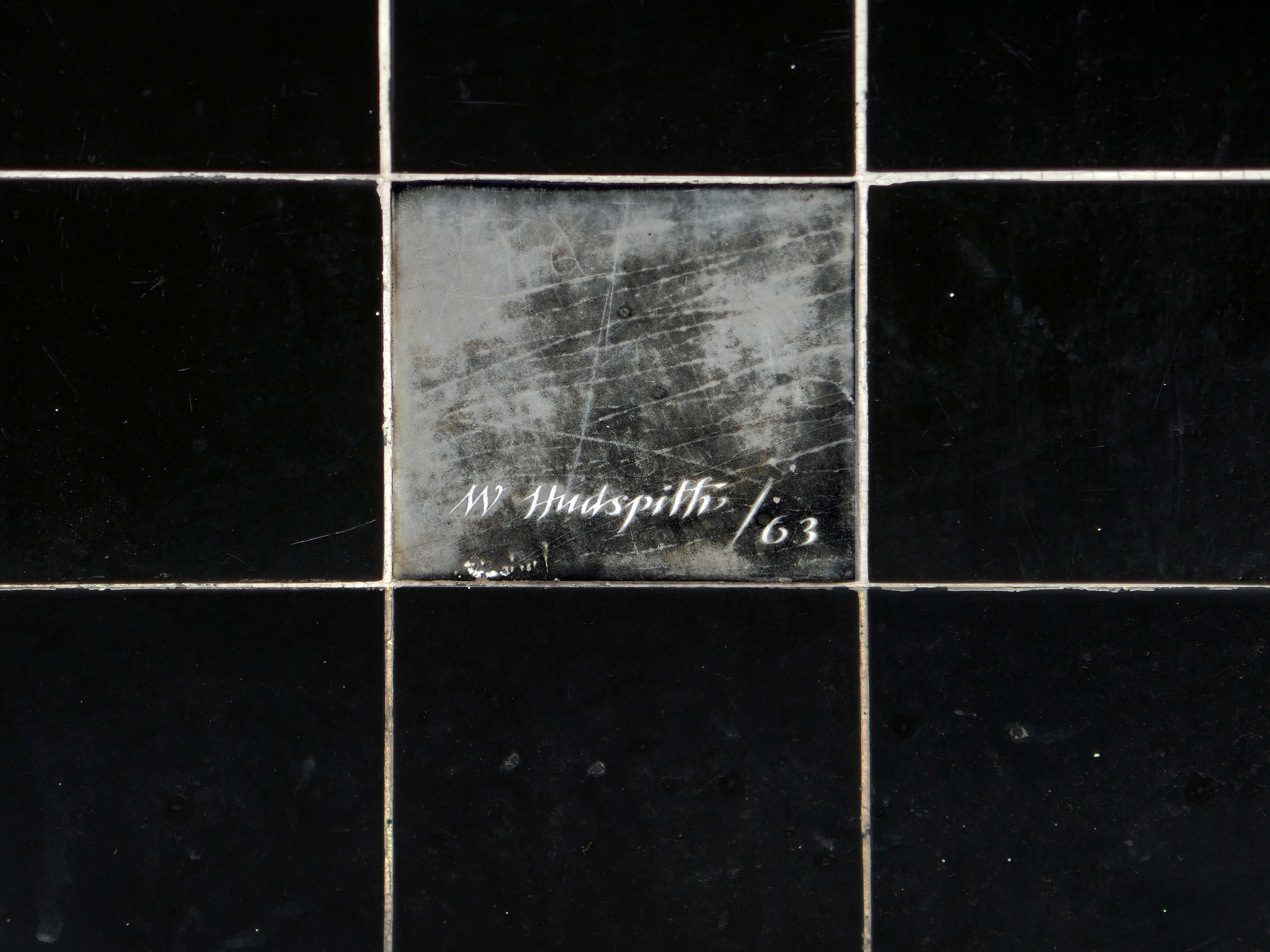
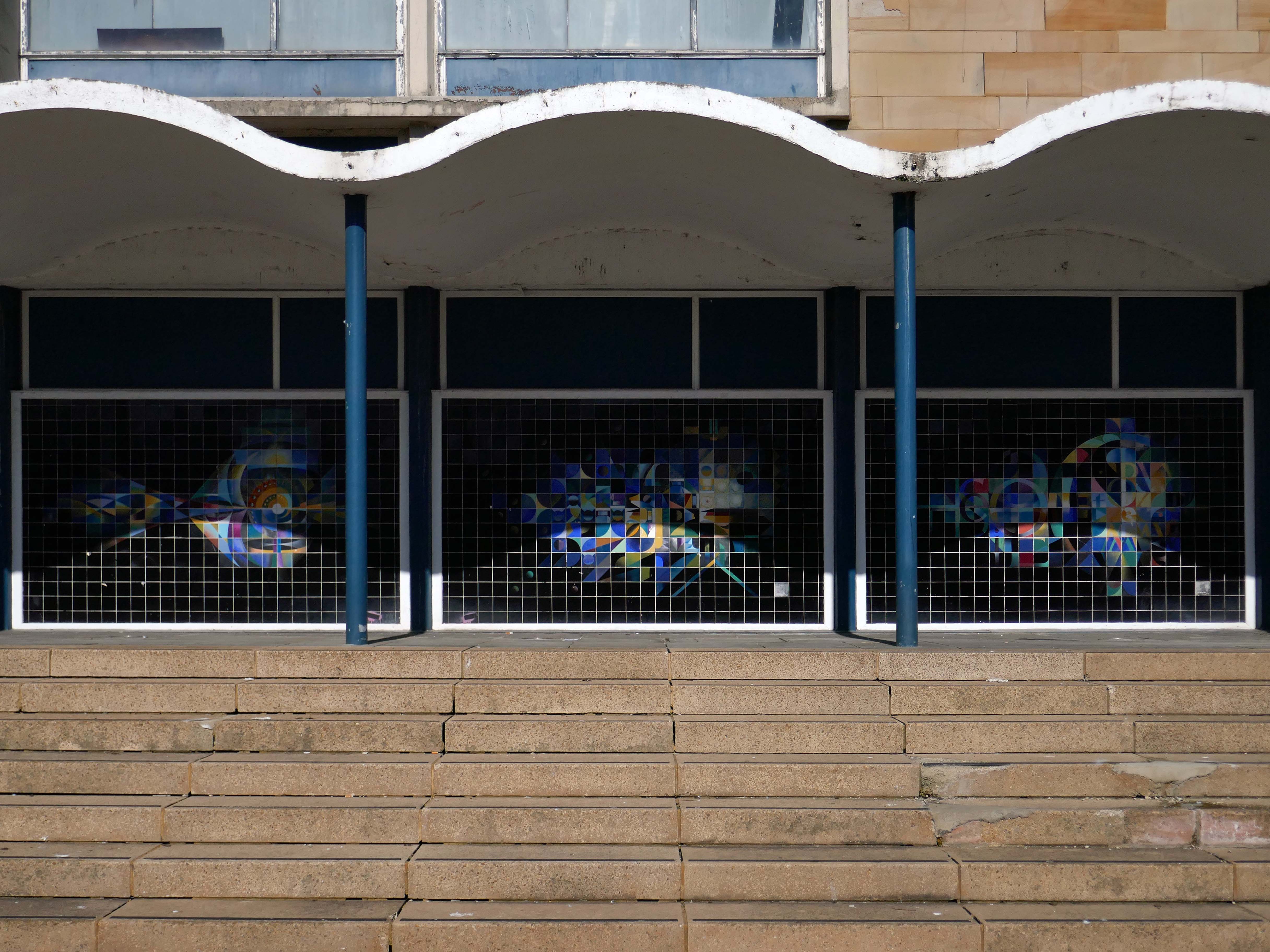
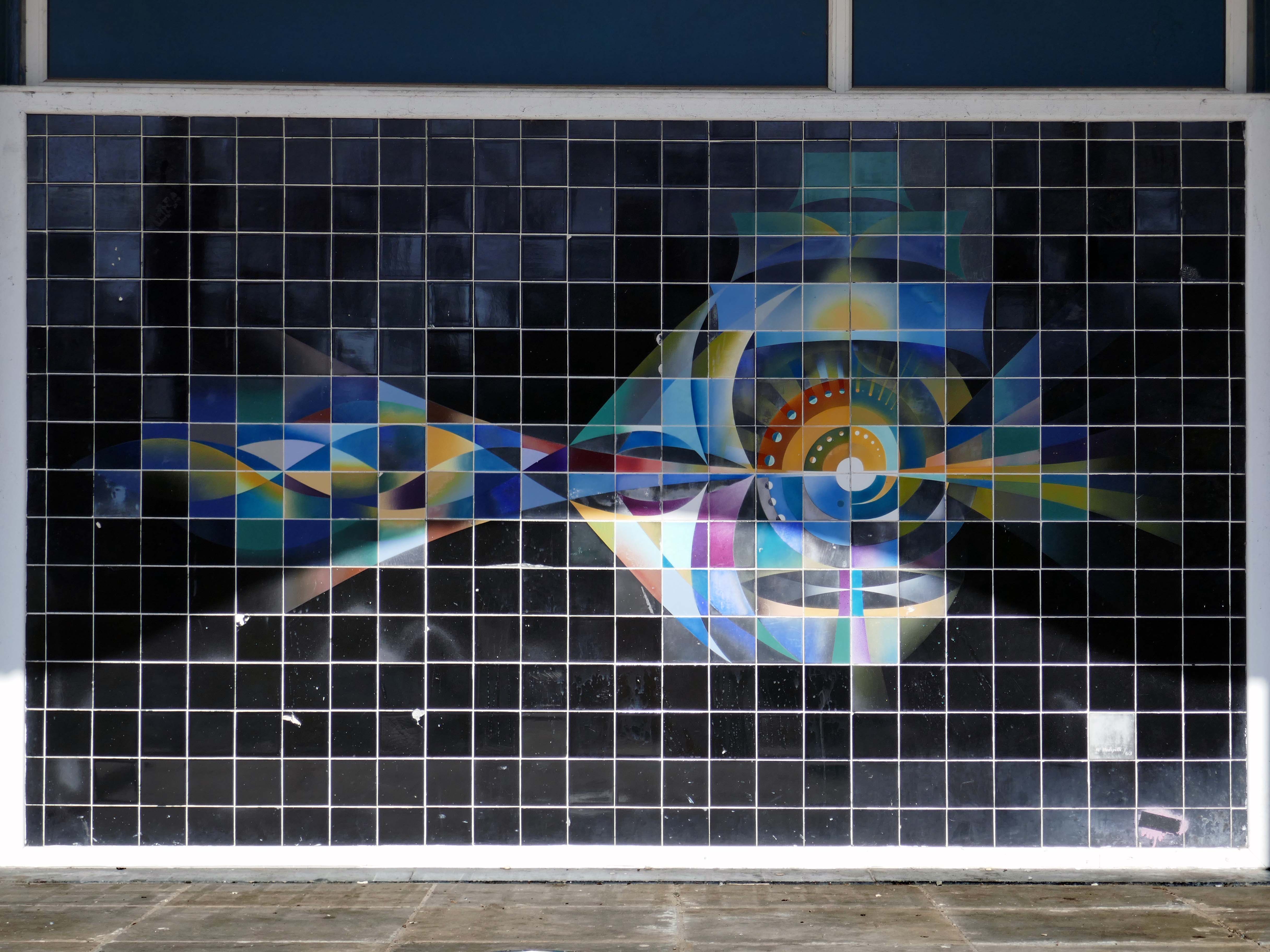
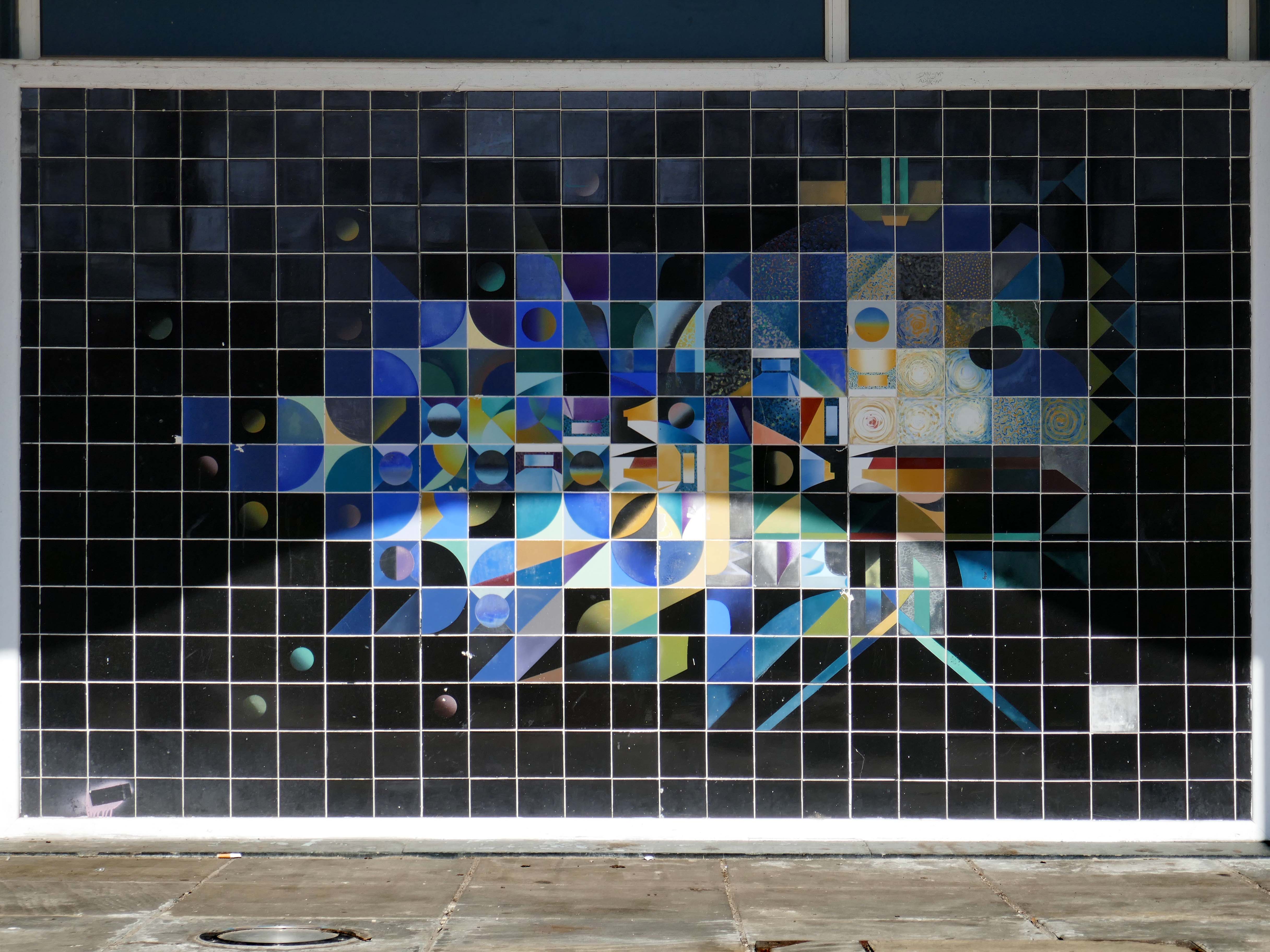
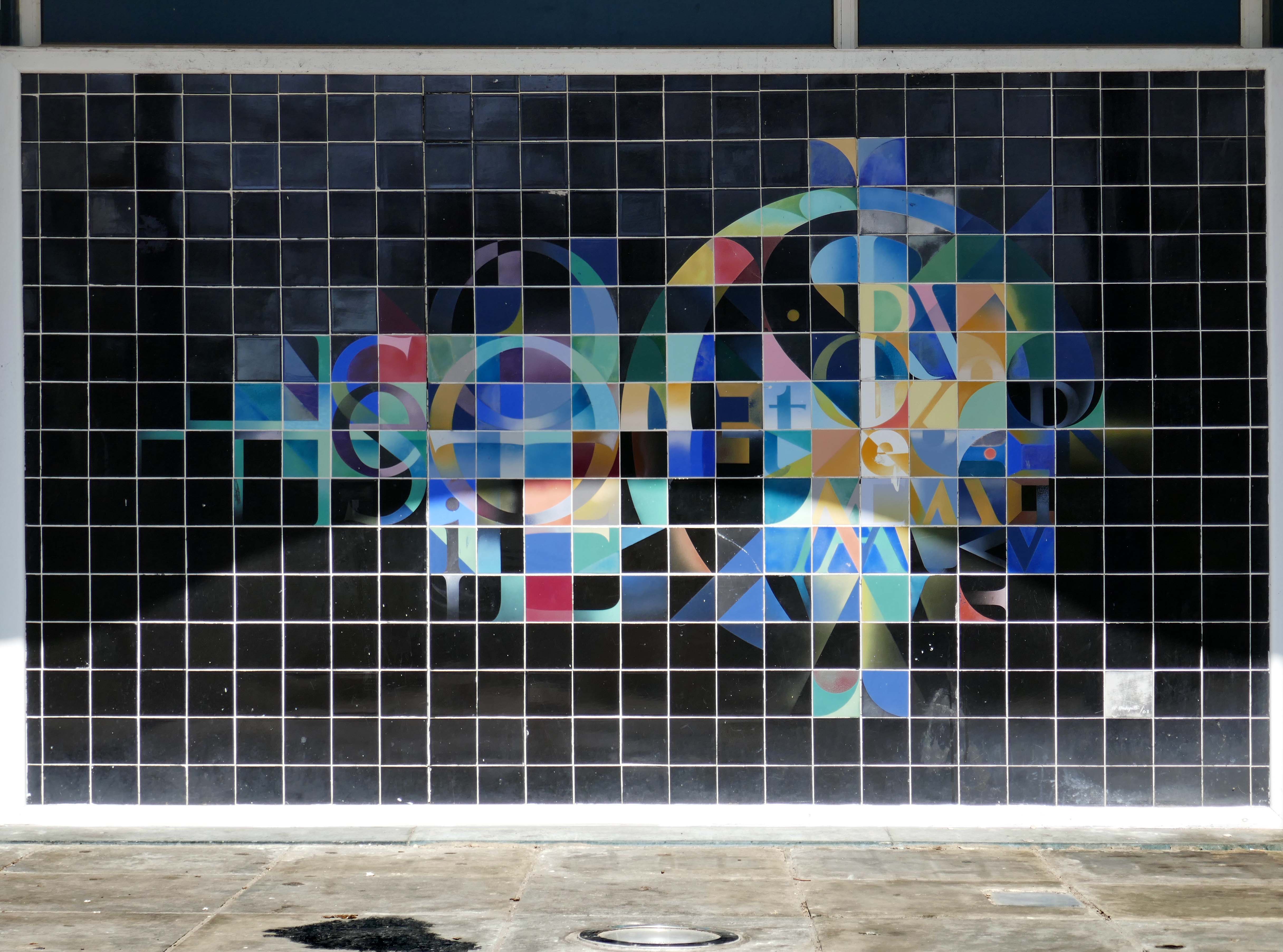
The panels, on the rear elevation, were by Walter Hudspith, then Senior Lecturer at Sunderland College of Art. They were the first examples of public art to be commissioned in Sunderland and were made for the building’s 1962-64 extension; they represent music, art and literature. The panels were restored by Lesley Durbin at the Jackfield Conservation studio in 2000-01.

Twentieth Century Society

The tiles represent literature, art and music

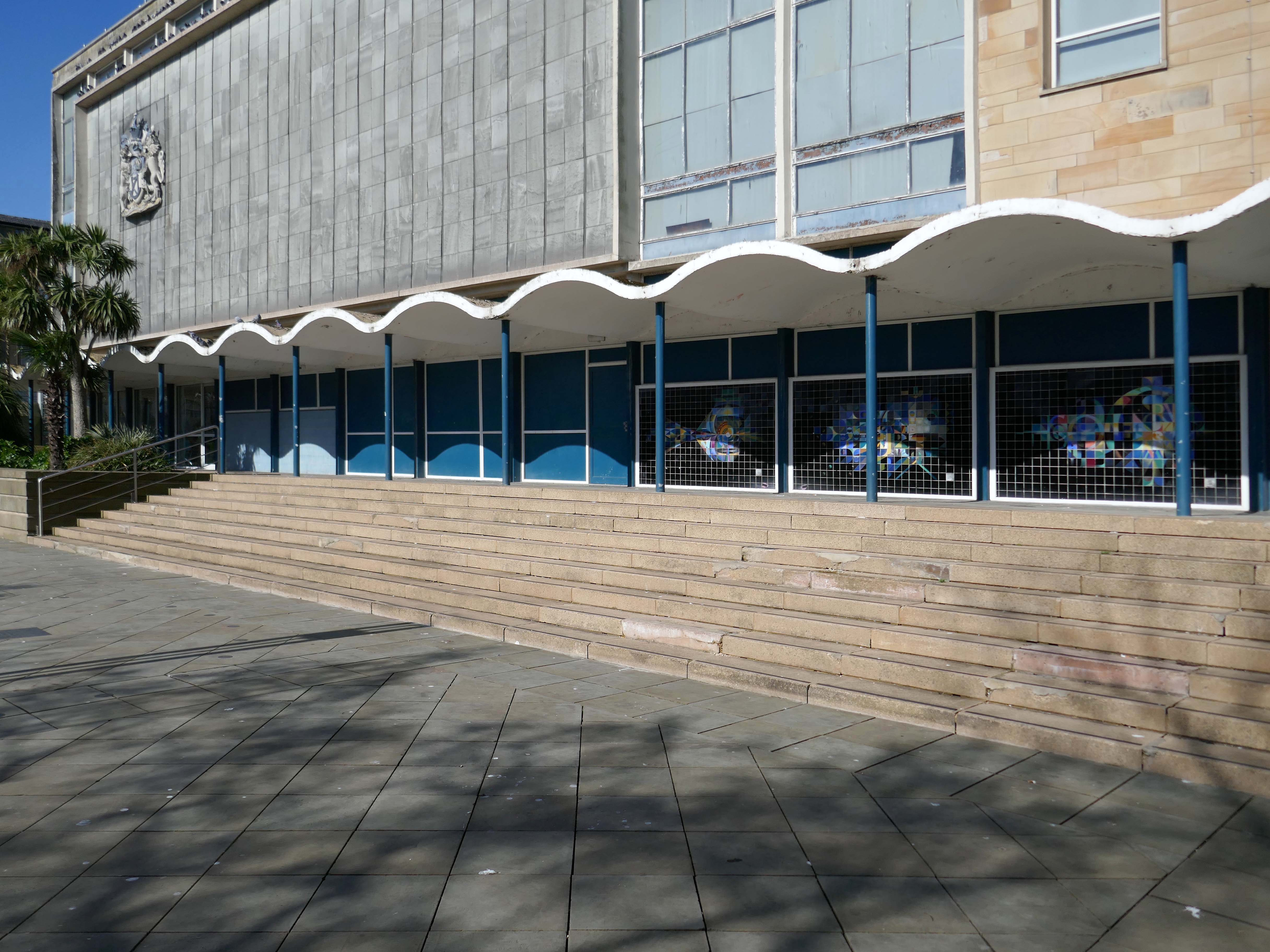
The distinctive waved concrete canopy was constructed by council worker Fred Davis in 1963.

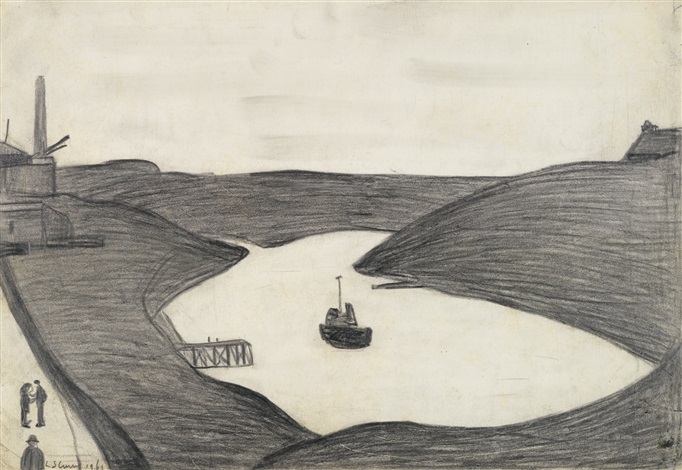
One day I was travelling south from Tyneside and I realised this was what I had always been looking for.

LS Lowry 1960 The Wear

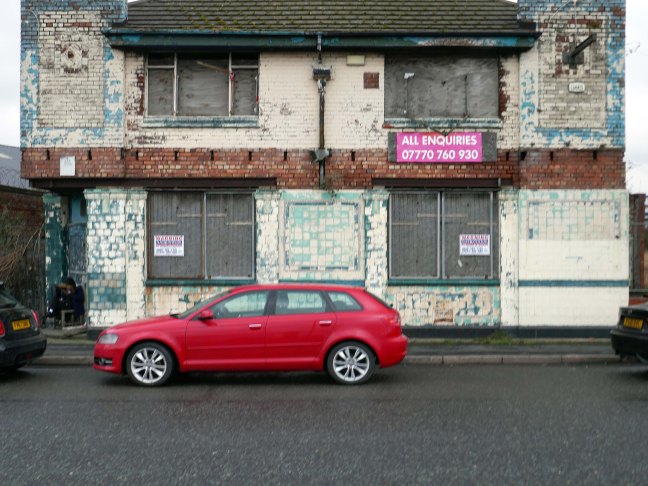
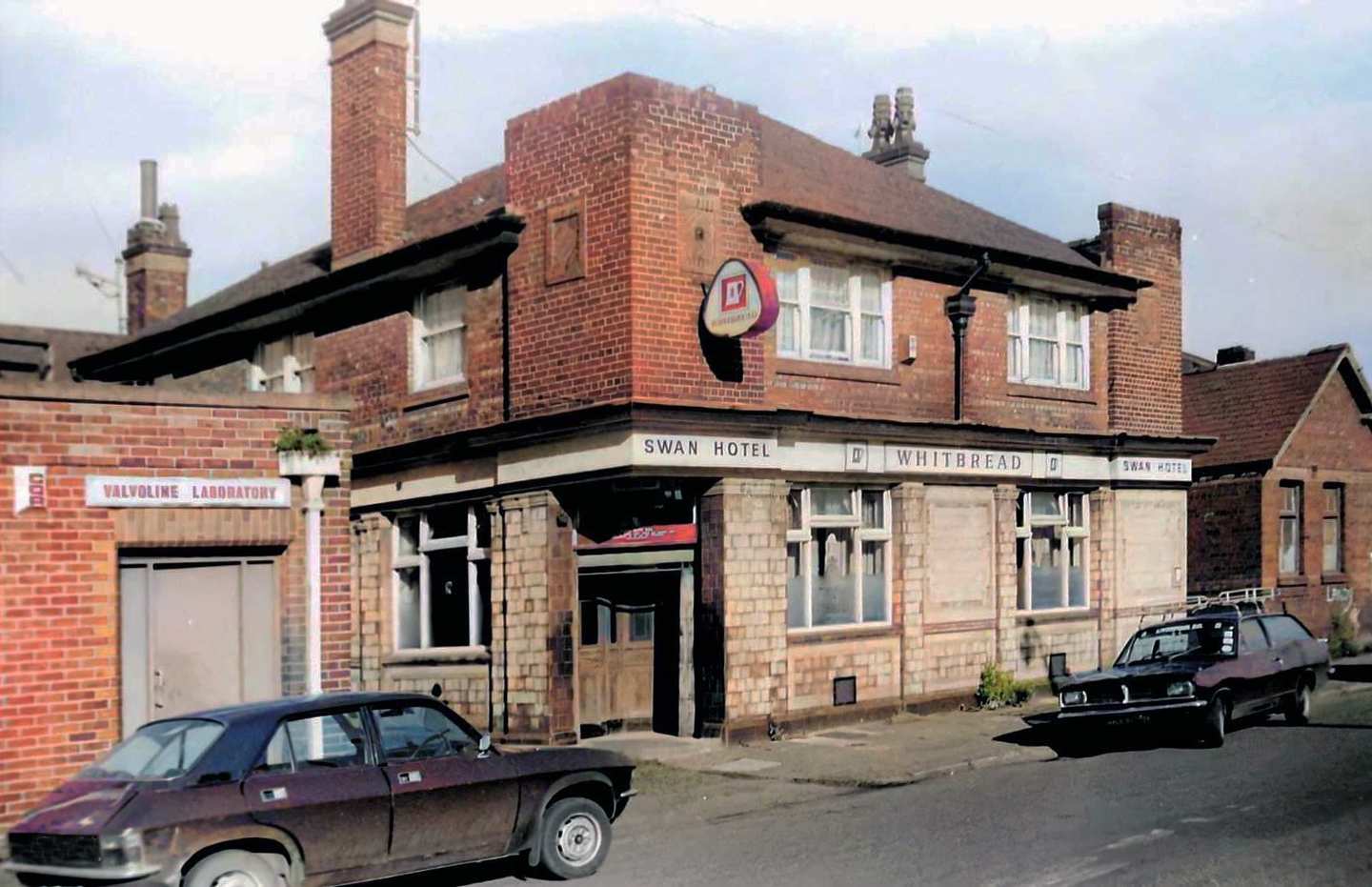
Swan Hotel – Birkenhead

Dock Road Seacombe CH41 1DG

Opened in 1878 as a West Cheshire Brewery pub, a Whitbread pub in the 1980s.

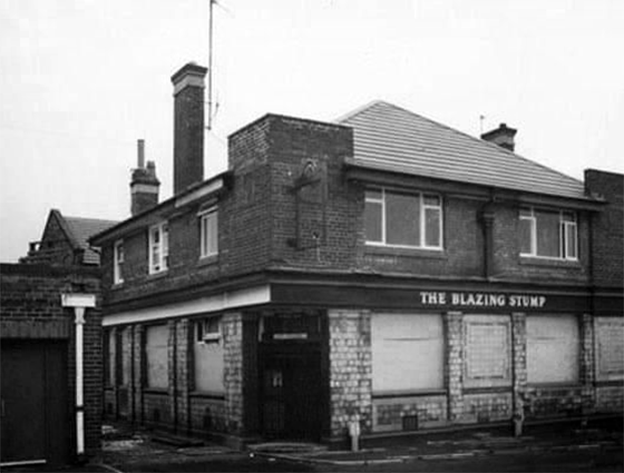
At one time named the Royal Swan, in the later years its name was changed to the Blazing Stump and before closure became a night club known as Bonkers.

A lost venue once loved for being the “wackiest fun pub” in the 1980s.

Date of closure unknown but thought to be late 1980s or early 1990s.

On the Dock Road was the ‘Swan Hotel which also opened in 1878. The nickname of the Swan Hotel was ‘The Blazing Stump’ and the story goes that an old seadog with a wooden leg used it to poke the fire. In those days pitch was used as a wood preservative, which is probably why his wooden leg caught fire when poking the fire one time too many – hence ‘The Blazing Stump.’

Due to its location near the Wallasey Docks majority of the customers who visited the pub came off the grain or ore boats. The pub would be thronged with Norwegians, Greeks, Germans, Swedes and Arabs and local people. When the pub was full the place had an unusual and interesting flavour because of this rare variety of people.

The ‘Stump’s’ days were numbered when less and less ships visited the Wallasey docks. The building still stands but remains unused, with the owner looking for a big payout sale. Or who knows, the doors may just open once more.

Wallasey Days Gone By

According to The Move Market, it last sold for £400,000 in 2022 – since then, its value has dropped by £37,000.

The talk of the town is now conversion to a go to destination.

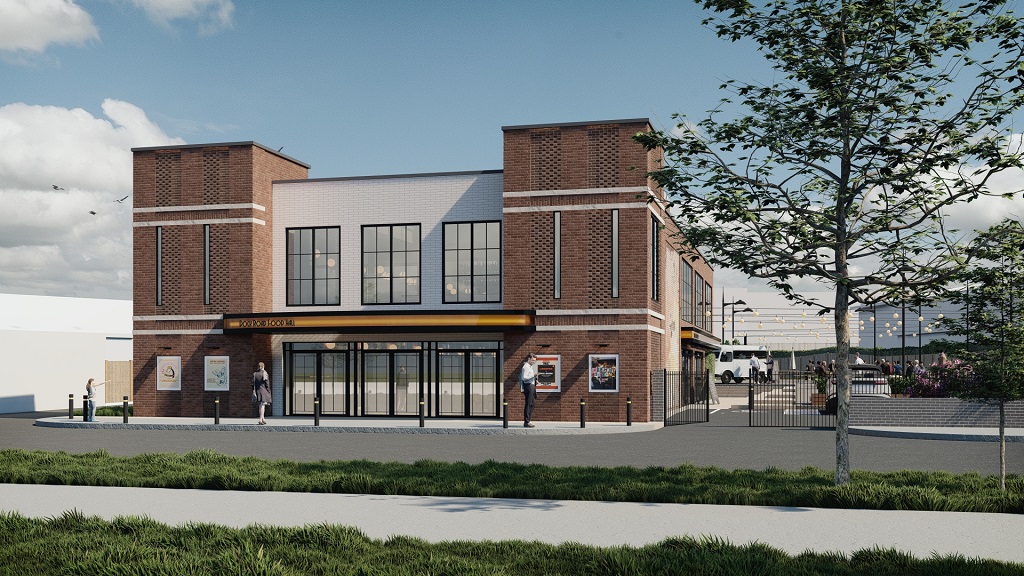
Now construction company AP Mitchell and Evoke Architecture have submitted plans to Wirral Council to completely turn the site around.

The plans include outdoor seating areas with benches, an outdoor event space, food and drinks vendors, and a large bar. A private function space will sit inside the new building which will be called the Dock Road Food Hall.

Birkenhead News

The design works carefully to balance modern design with reminiscent character features, sympathetic to the original building and surrounding historic buildings of similar style. The result is a contemporary structure that aligns with the evolving character of Dock Road and the Wirral Waters masterplan.

Place North West

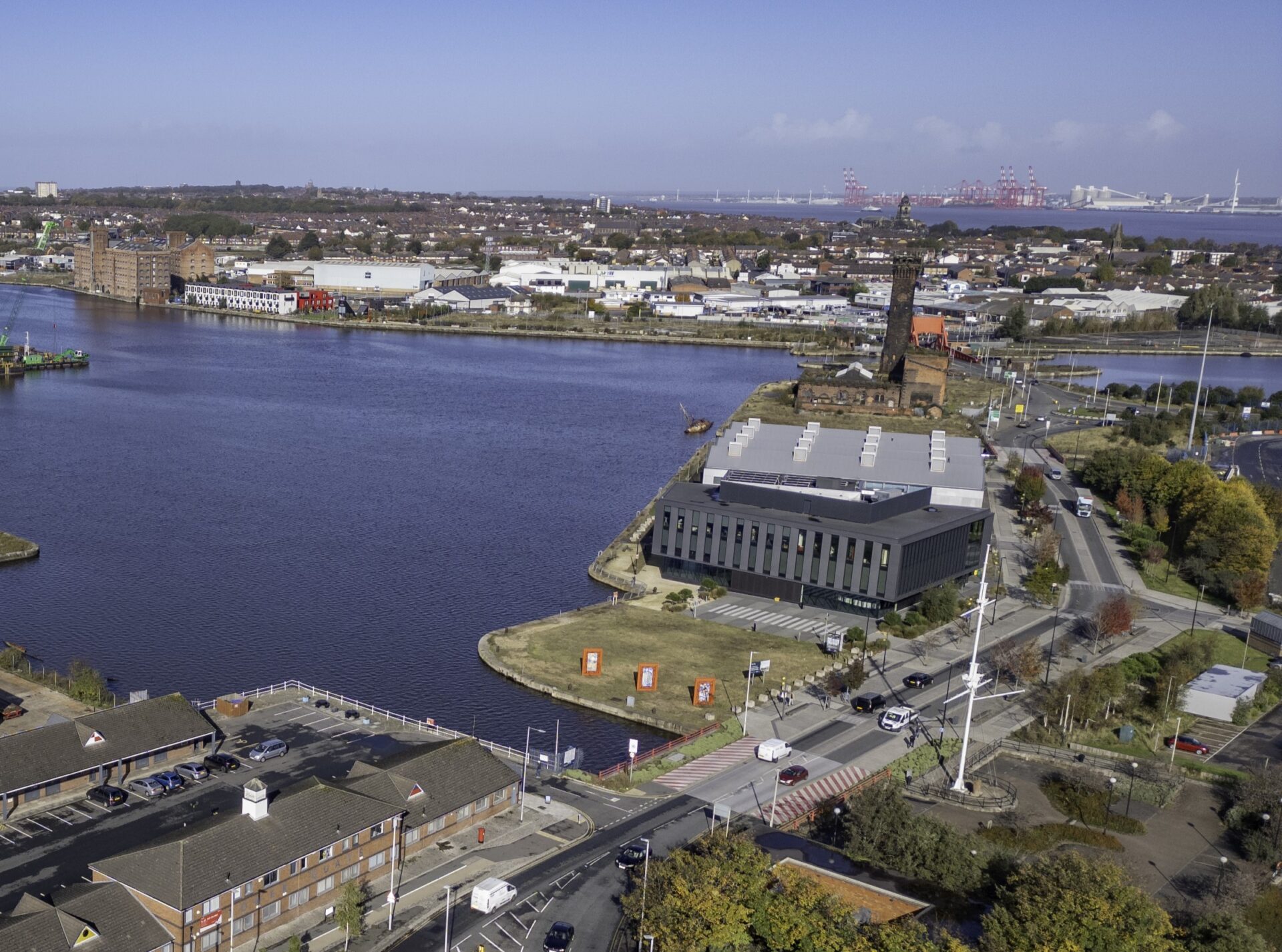
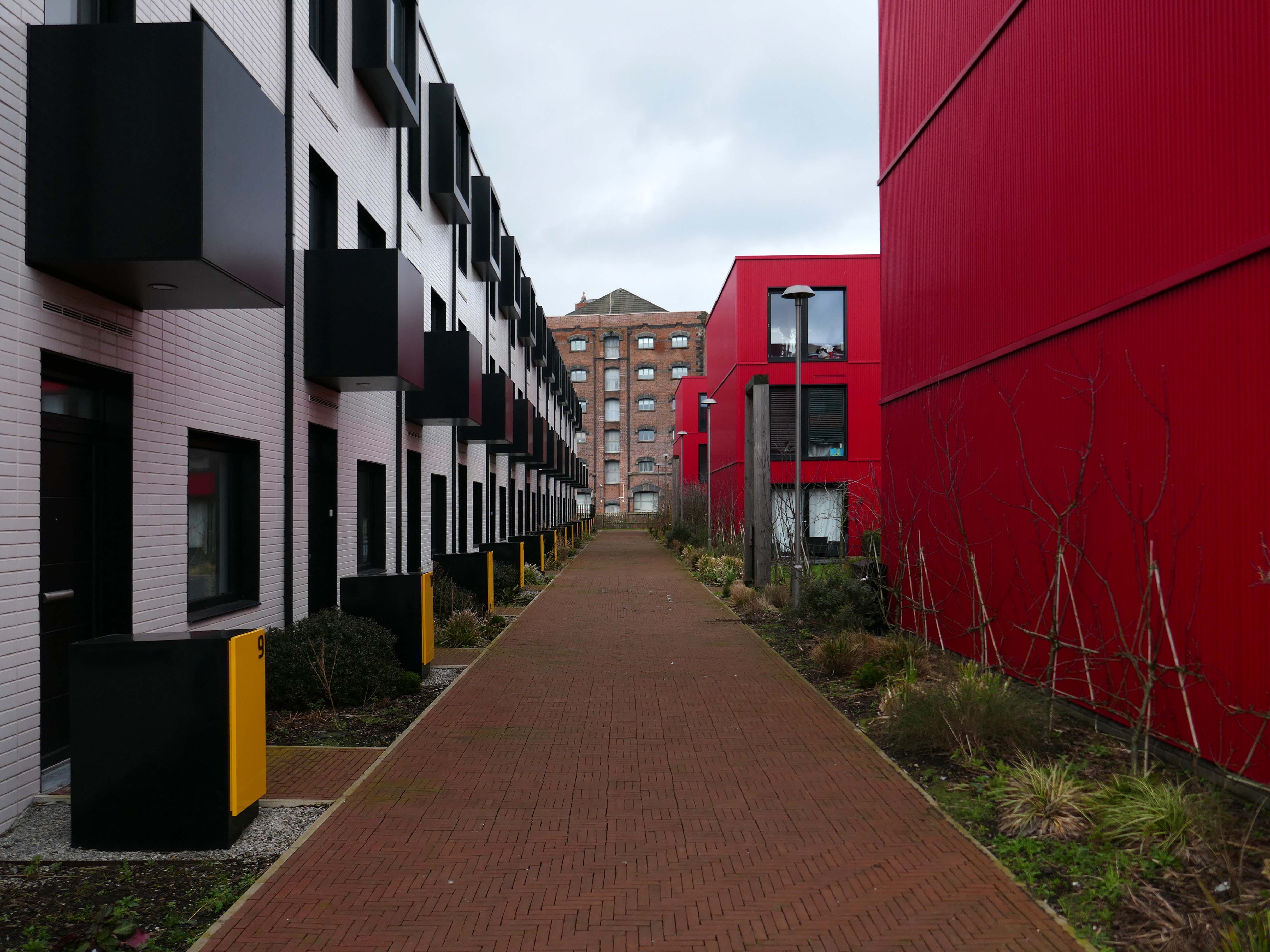
The character of the area is changes with the construction of modern housing and warehouse conversion – such as Redbridge Quay.

This is how the site looks, as of March 7th 2025.

Tib Street Manchester – Johnson & Nephew

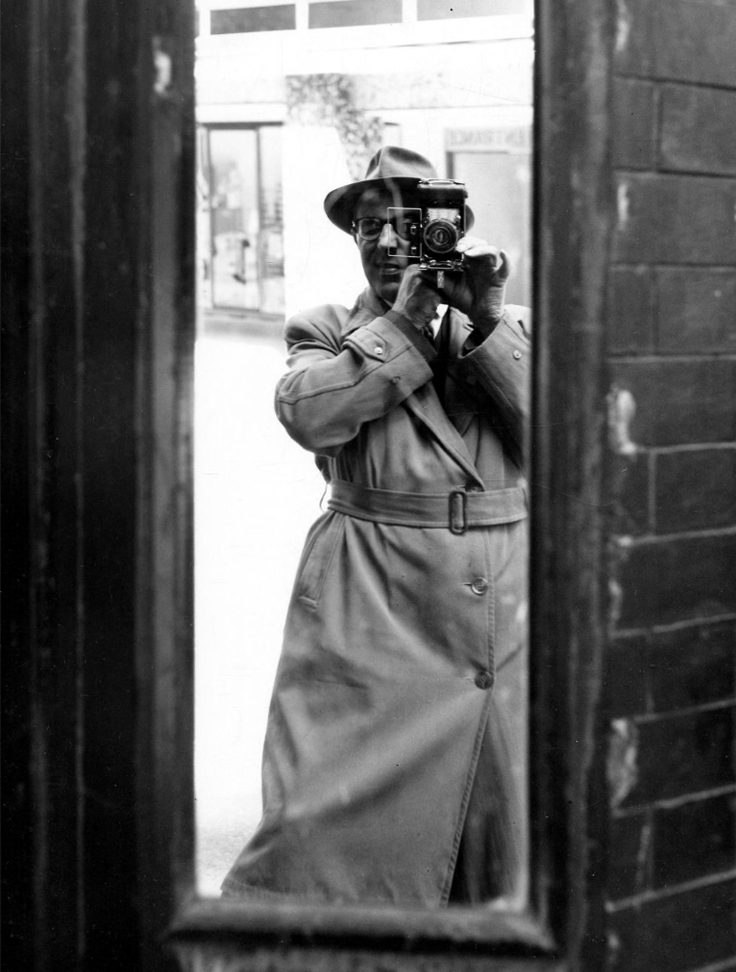
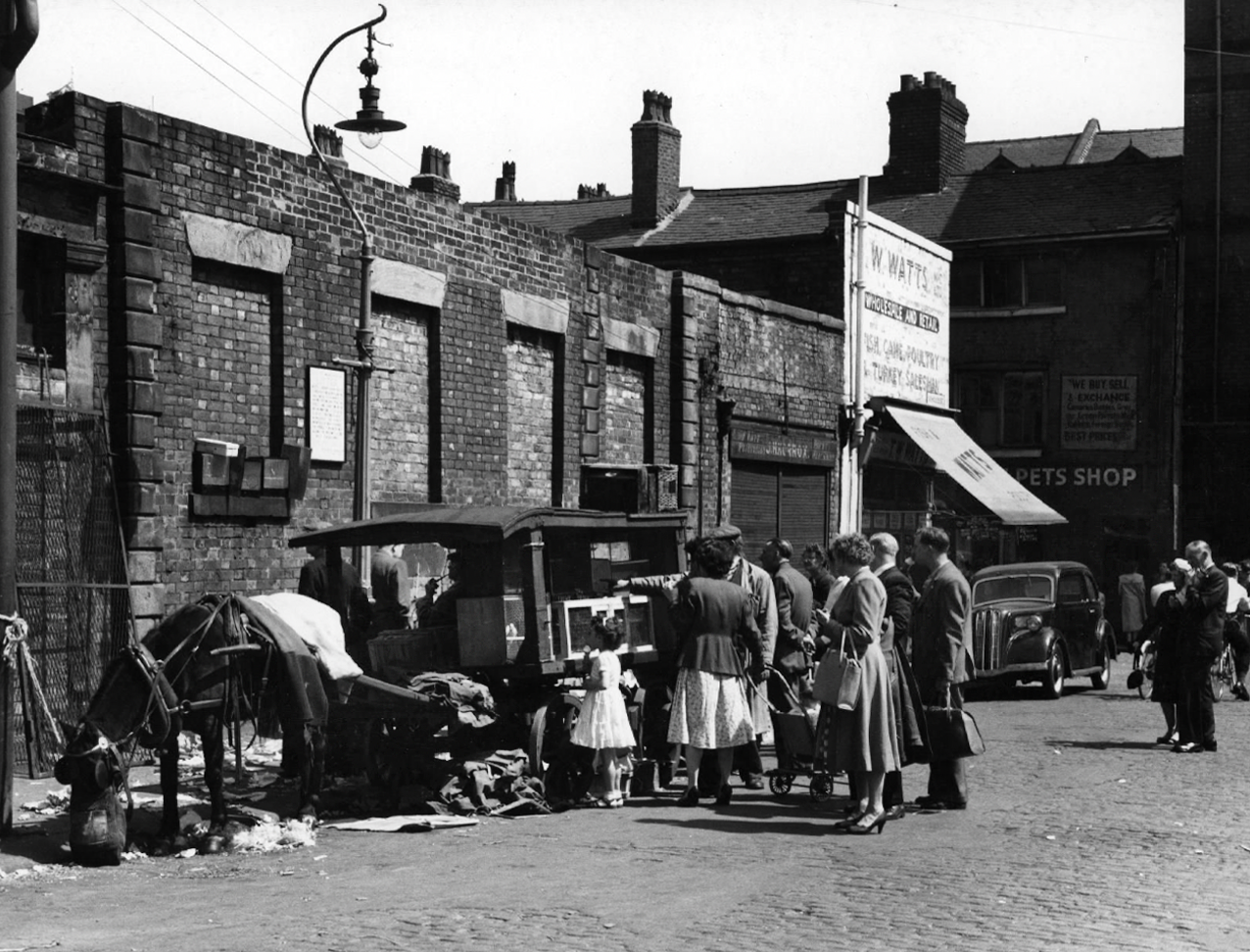
Thanks to L Kaye and the Manchester Local Image Collection there is a photographic record of Tib Street through the years.

Shot on 35mm black and white film, cautiously clad in gaberdine and trilby. The legwork aside the processing and printing of a whole heap of exposures was a gargantuan task.

Chapeau!

Mr L Kaye member of the Manchester Amateur Photographic Society.

The street is named for the culverted River Tib.

The river’s source is a spring in Miles Platting , from where it flows underneath Oldham Road and the eponymous Tib Street to reach the city centre. After flowing underneath West Mosley Street, the Tib crosses Princess Street to flow underneath the Manchester Town Hall Extension, the Central Library and the Midland Hotel’s dining room, before joining the Medlock at Gaythorn (now First Street,  close to Deansgate railway station.

Wikipedia

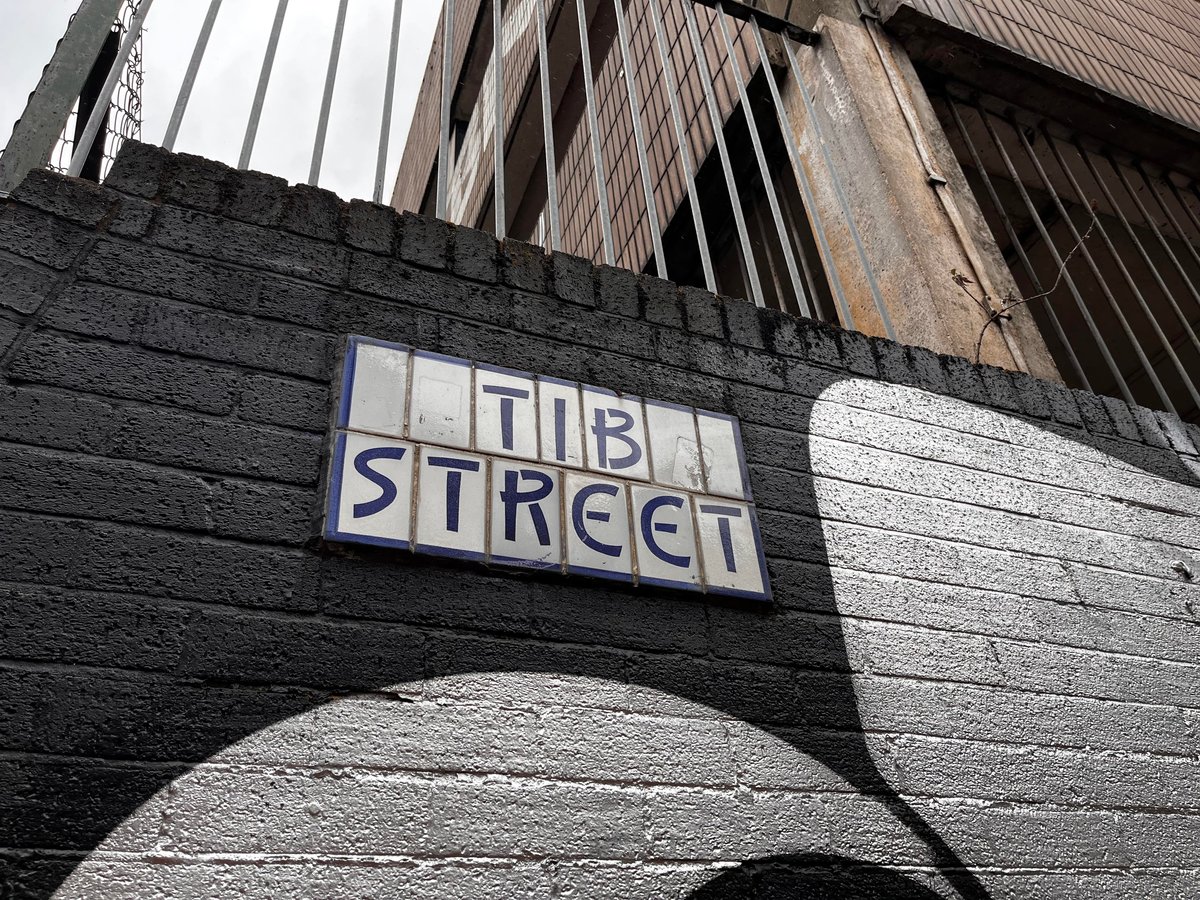
The distinctive street signs the work of my old pal Tim Rushton.

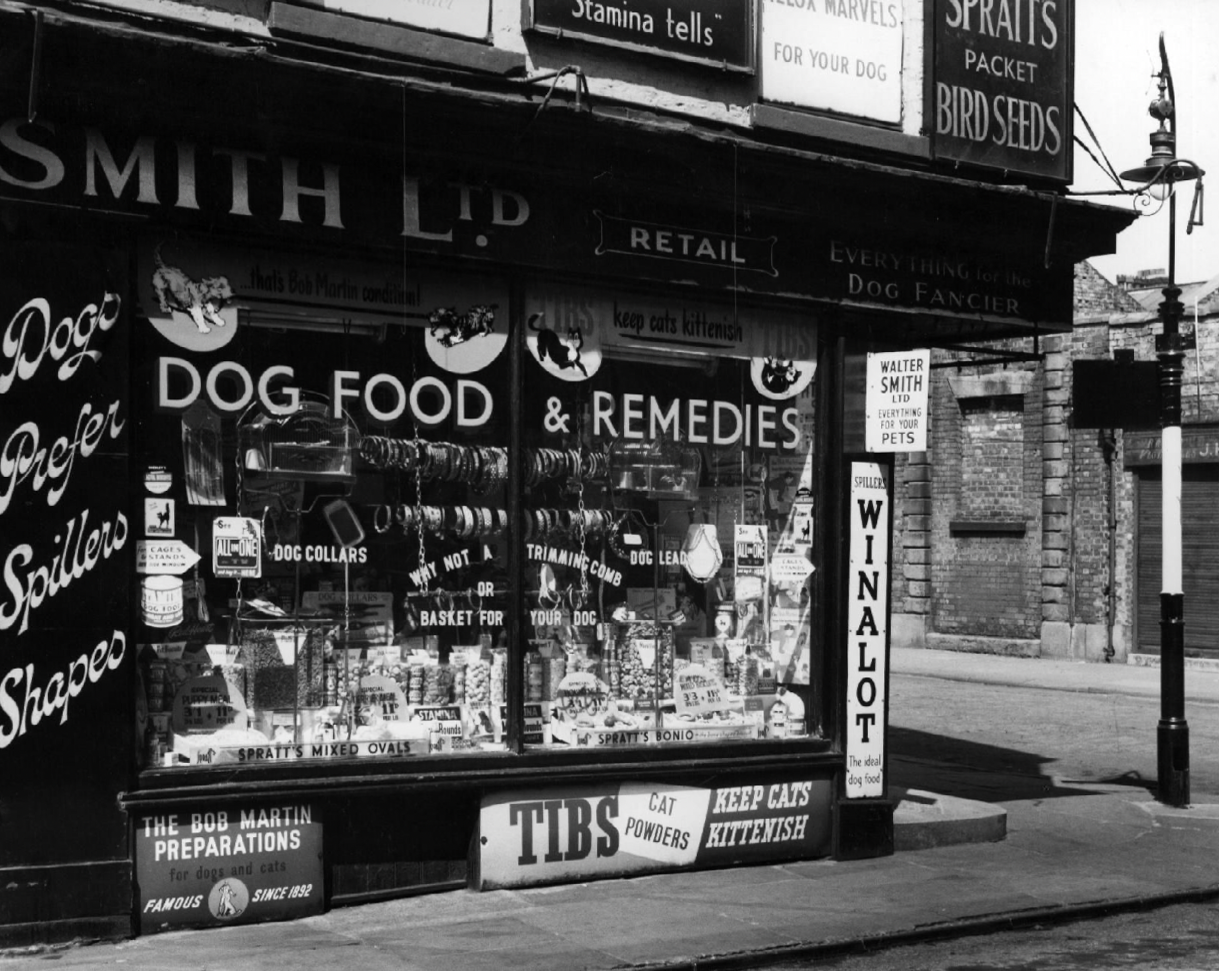
There are those who will remember Tib Street, as a street of pet shops.

Whilst on Sundays the area was transformed into an al fresco menagerie – a land of caged birds and cuddly coneys.

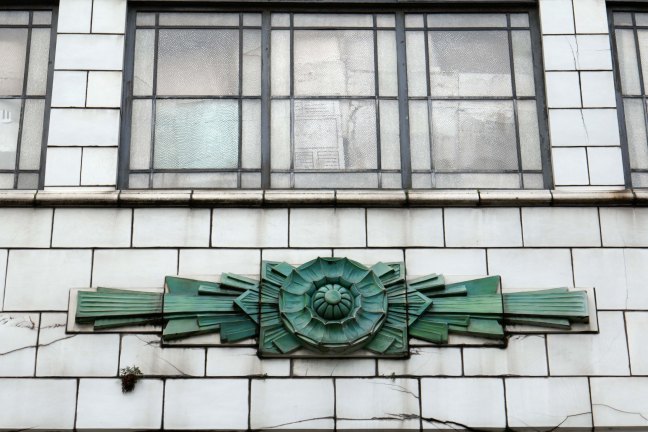
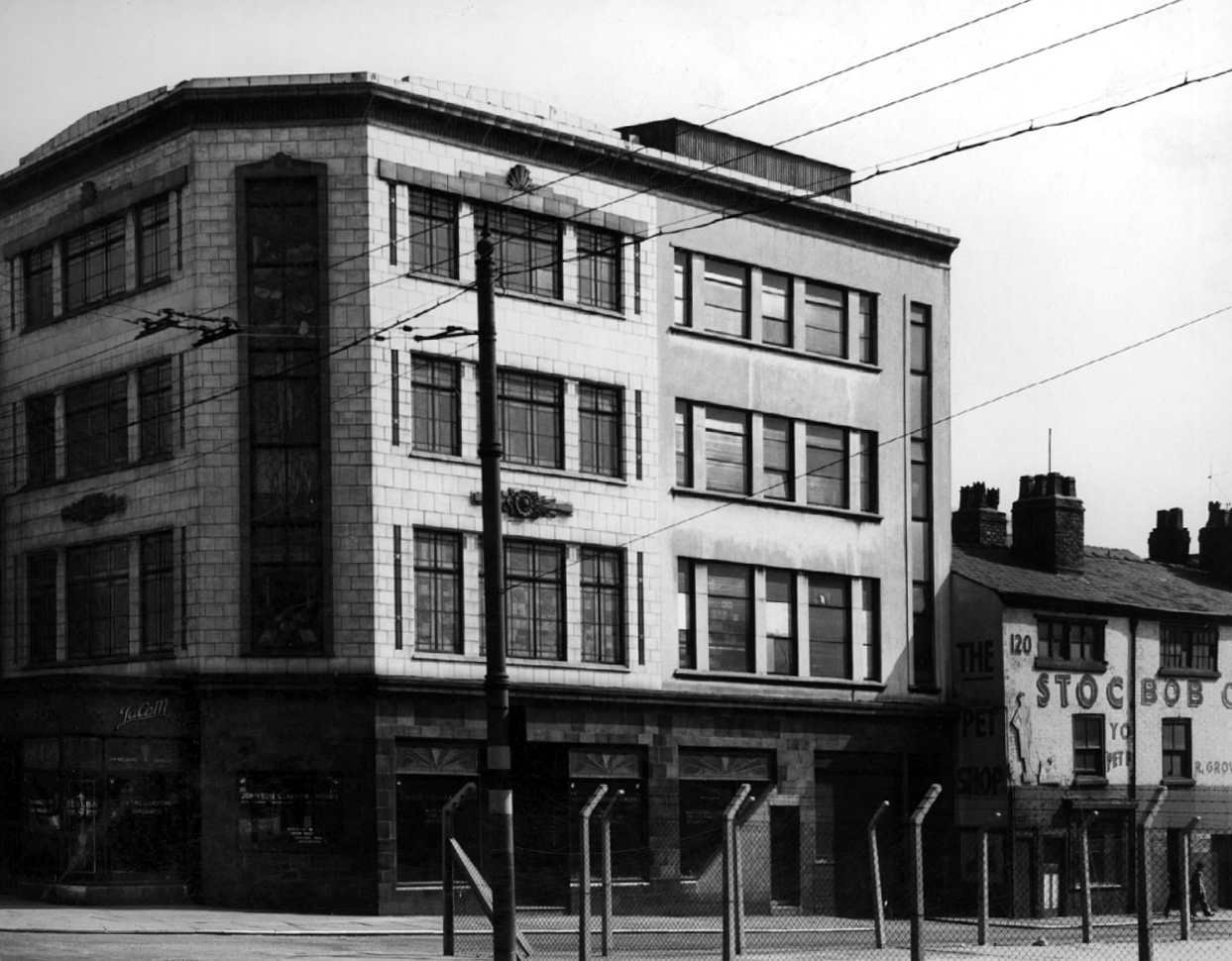
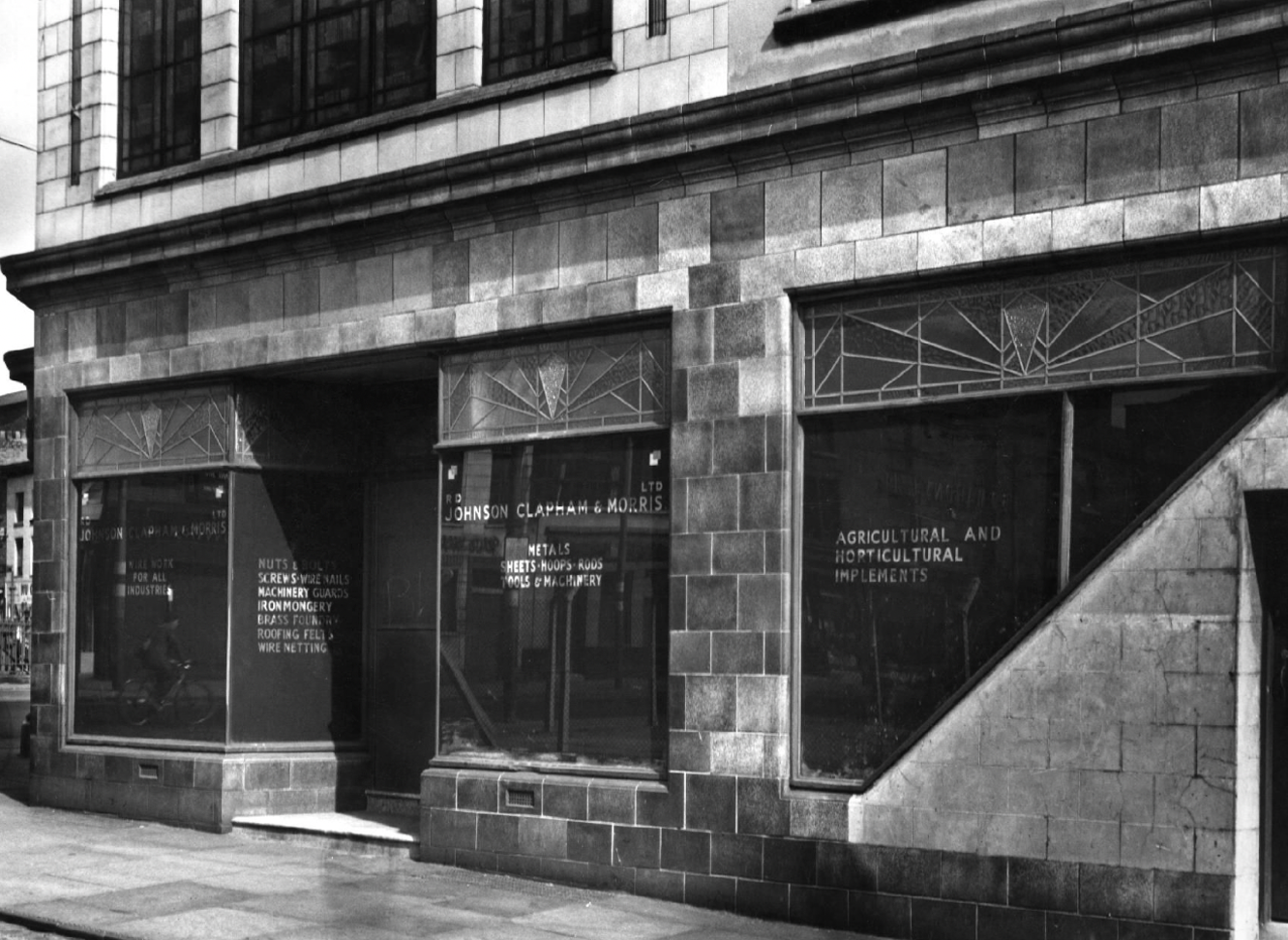
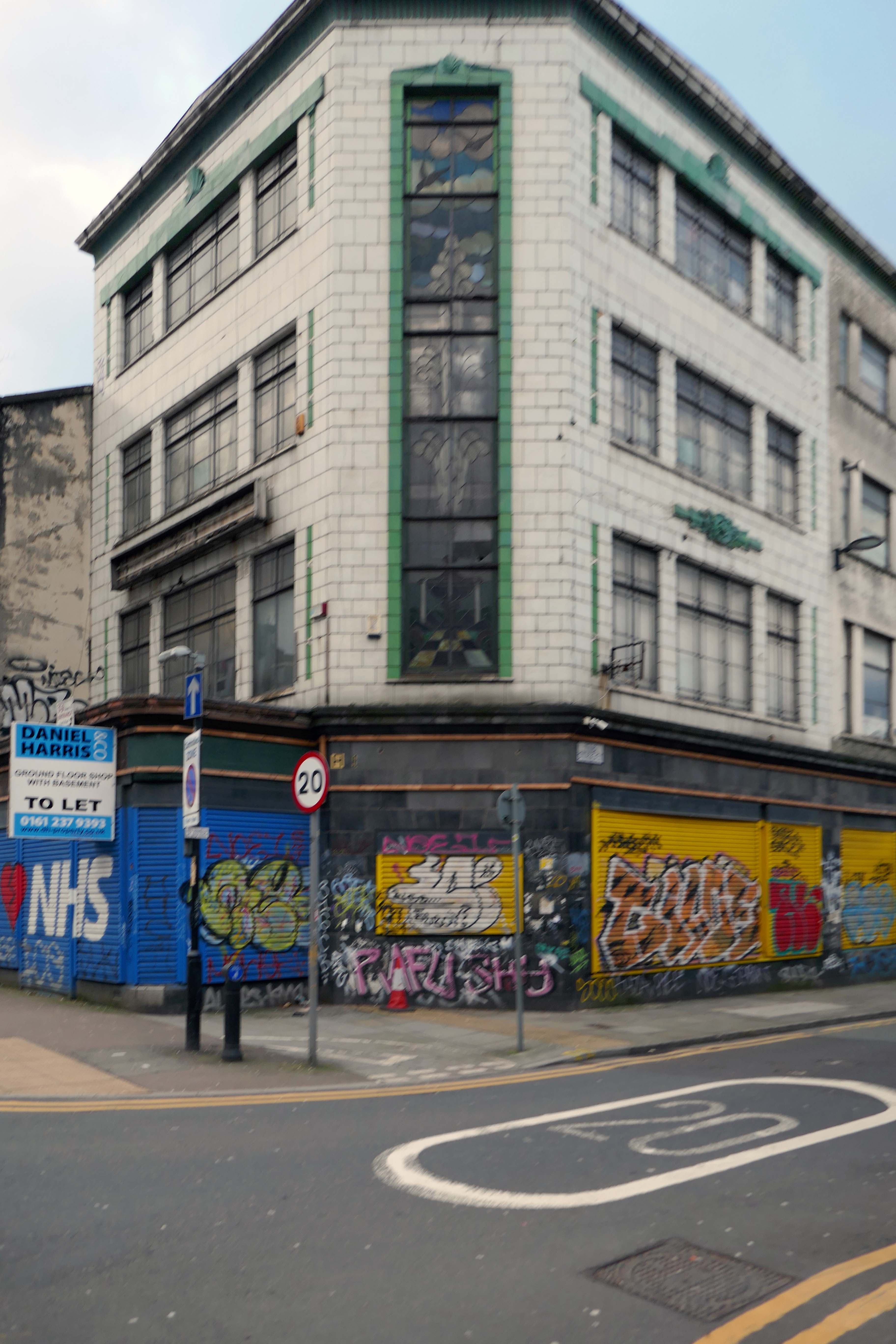
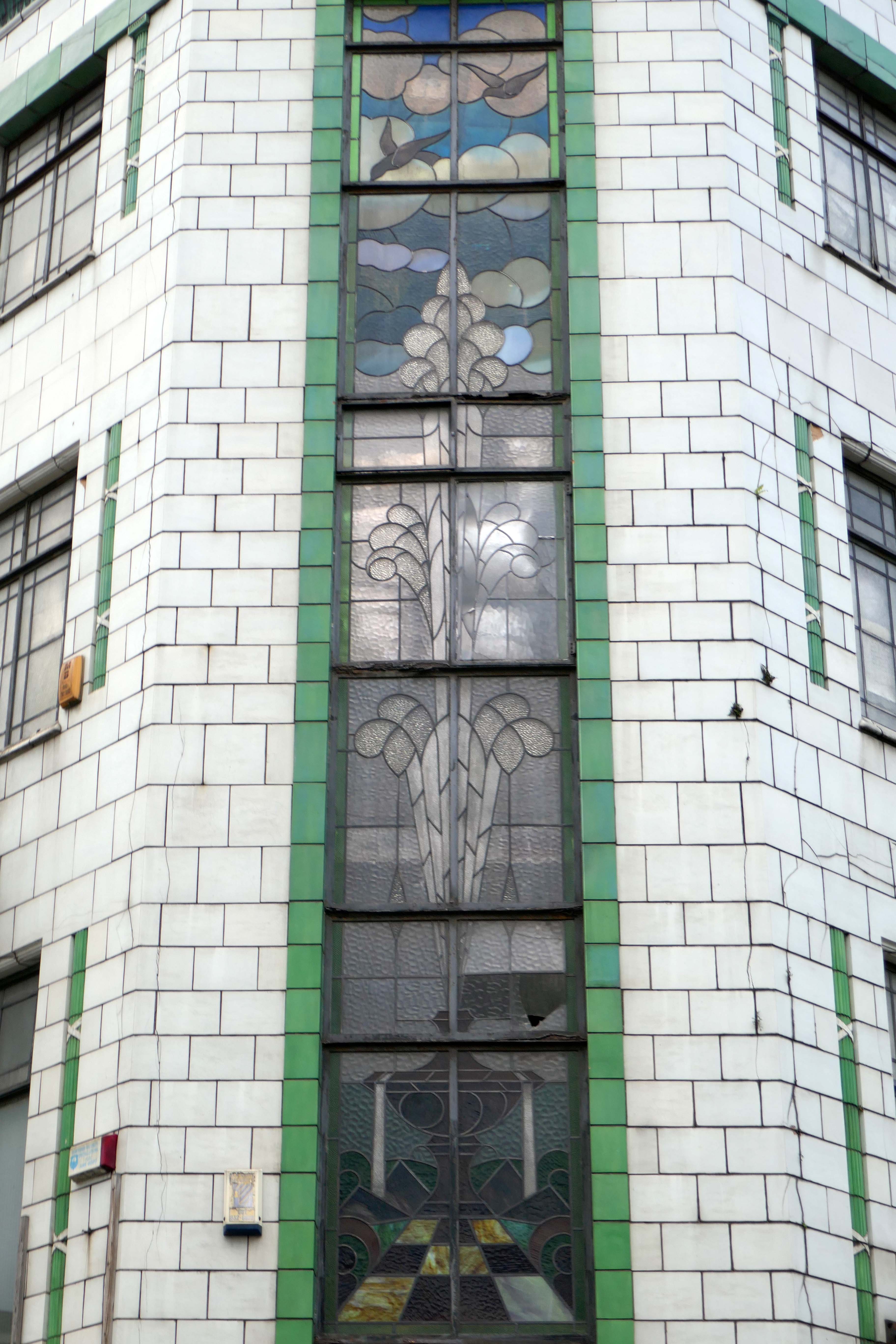
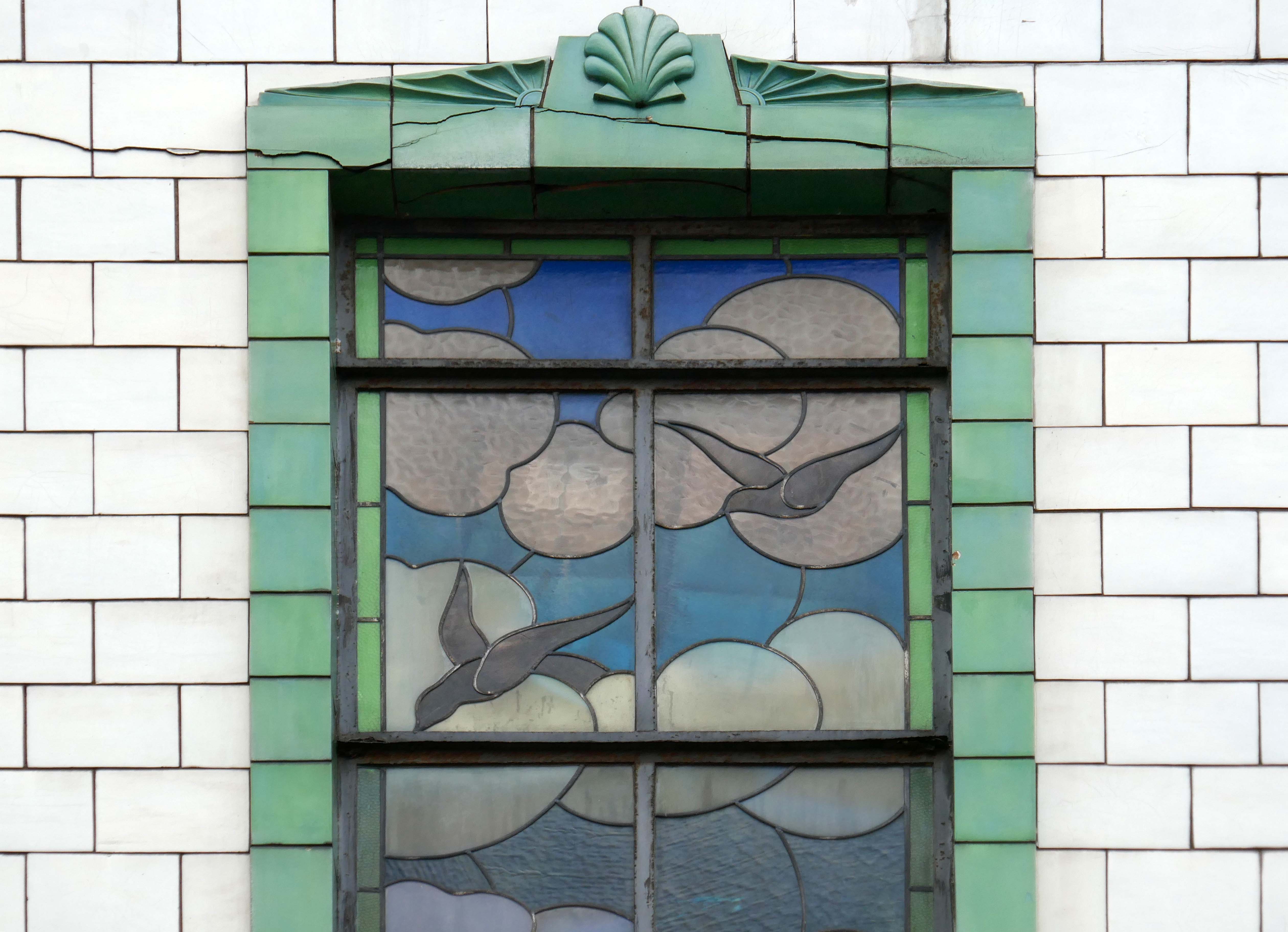
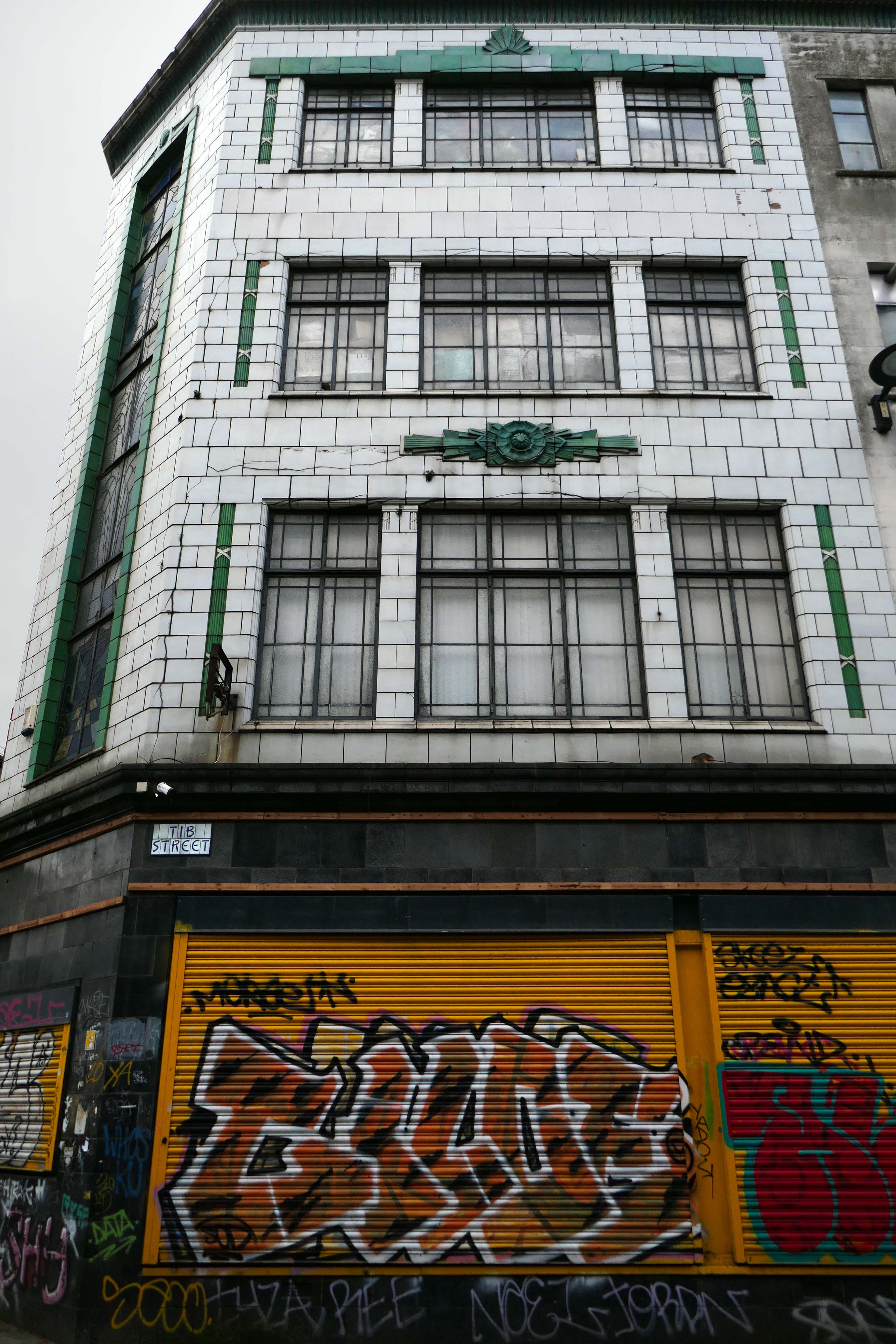
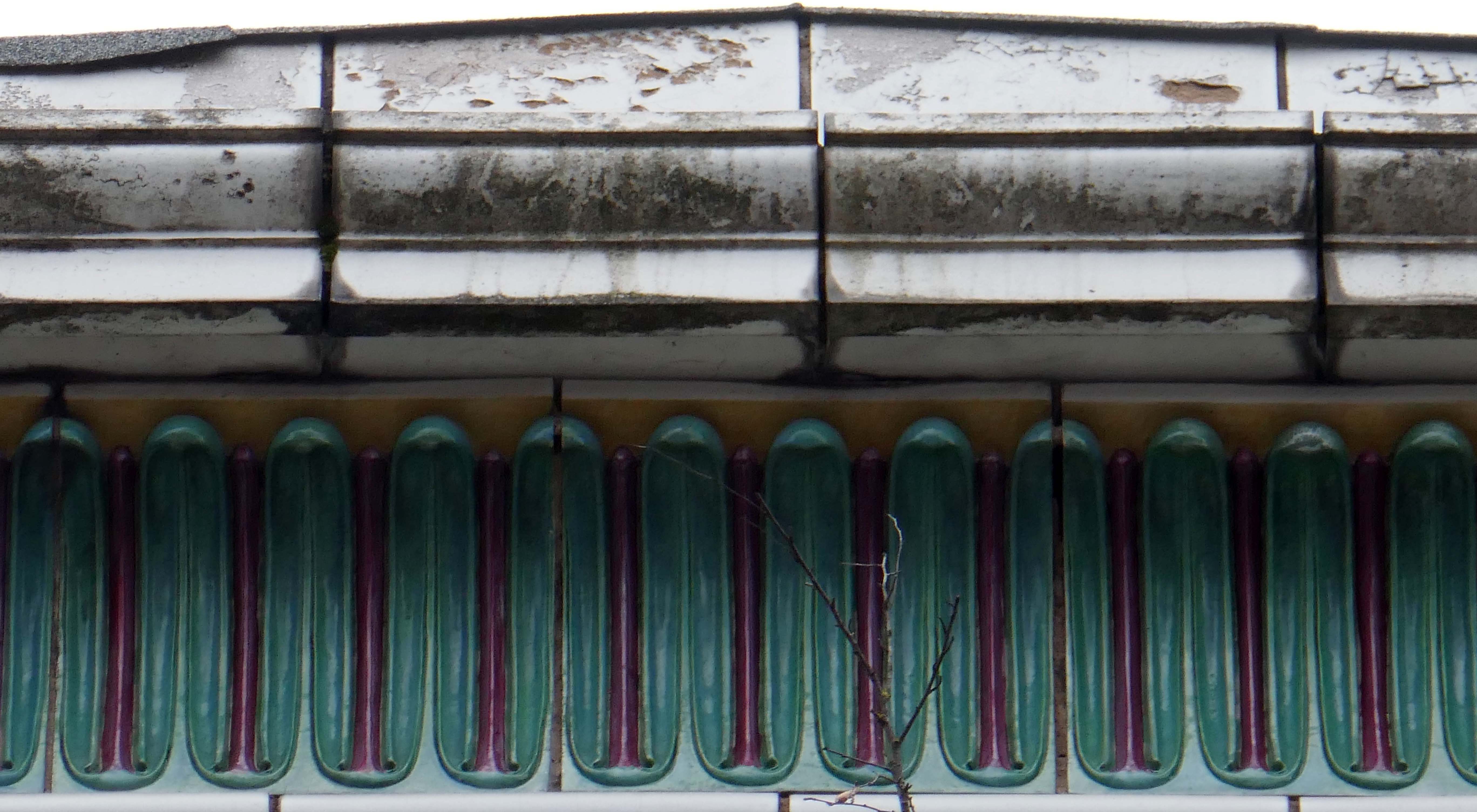
I have long been curious about the faience fronted shop on the corner of Tib and Swan Streets, it featured on my modernist mooch around the north of the city centre.

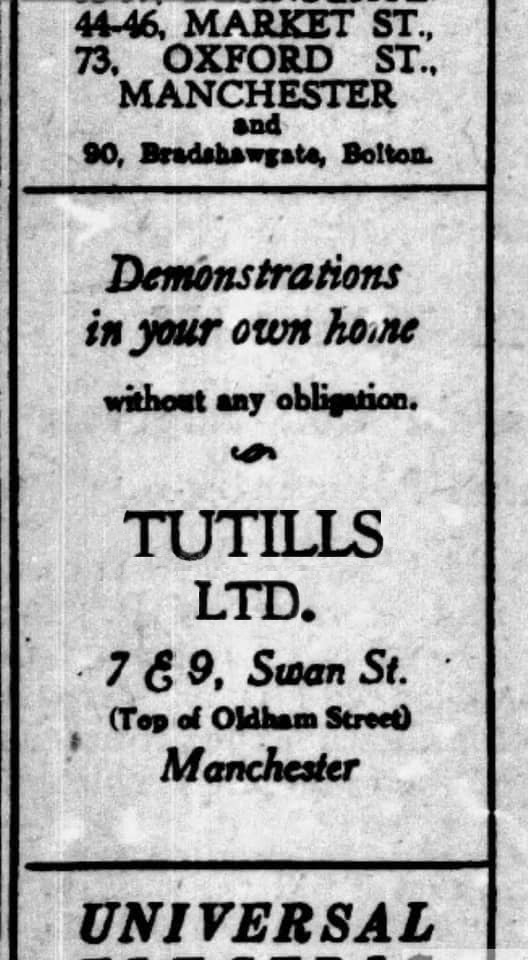
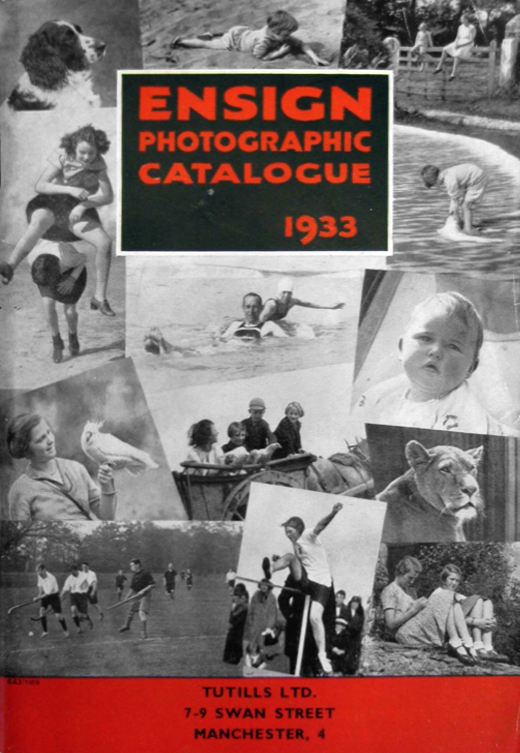
I have been informed by Lee Hutchings that it had originally been home to Tuttils Ltd.

Ensign Cameras existed until 1961.

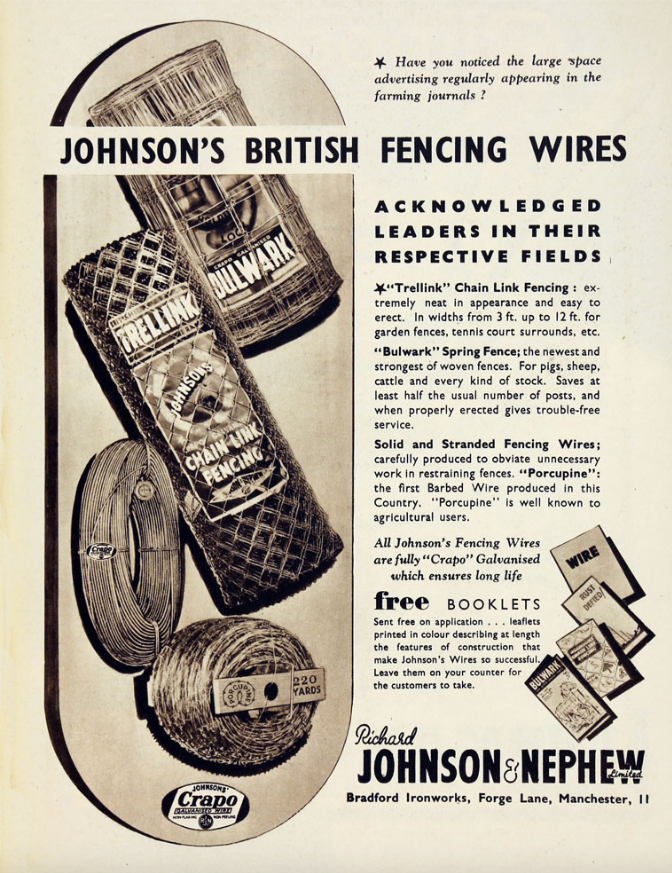
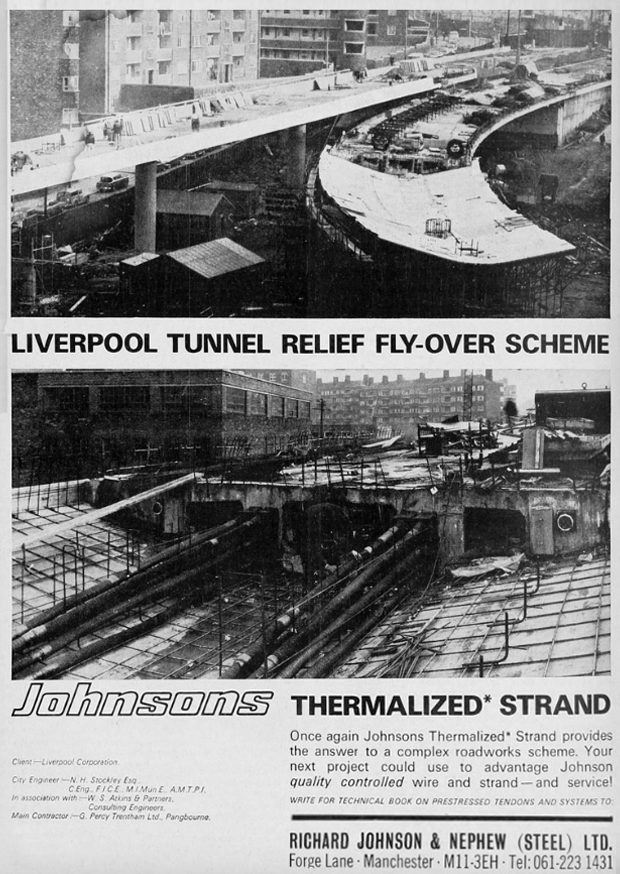
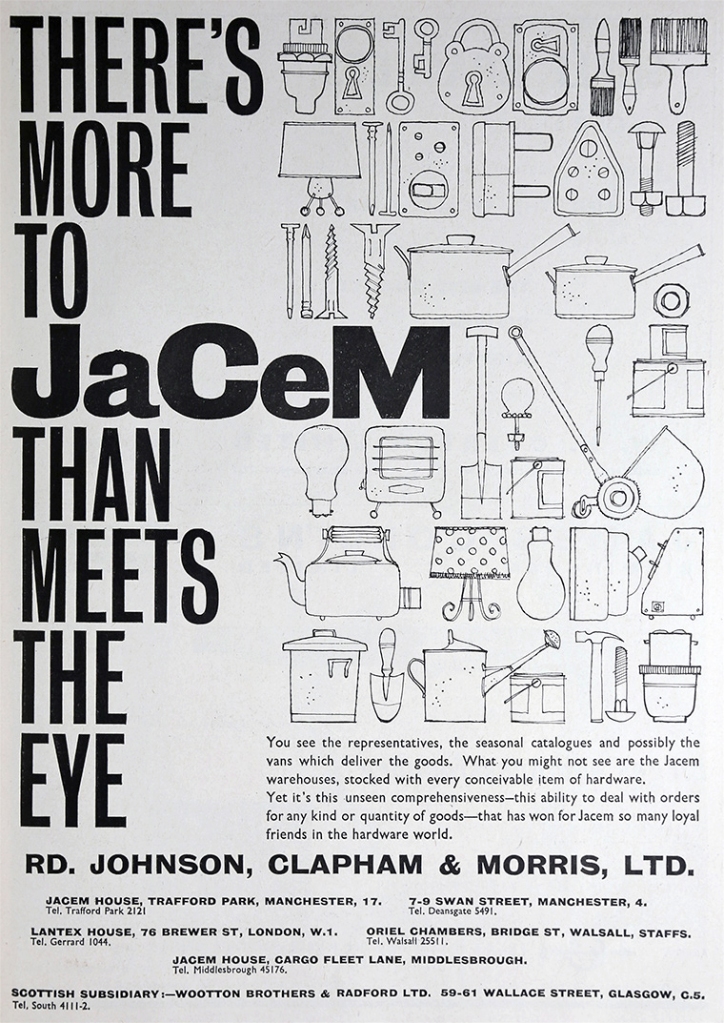
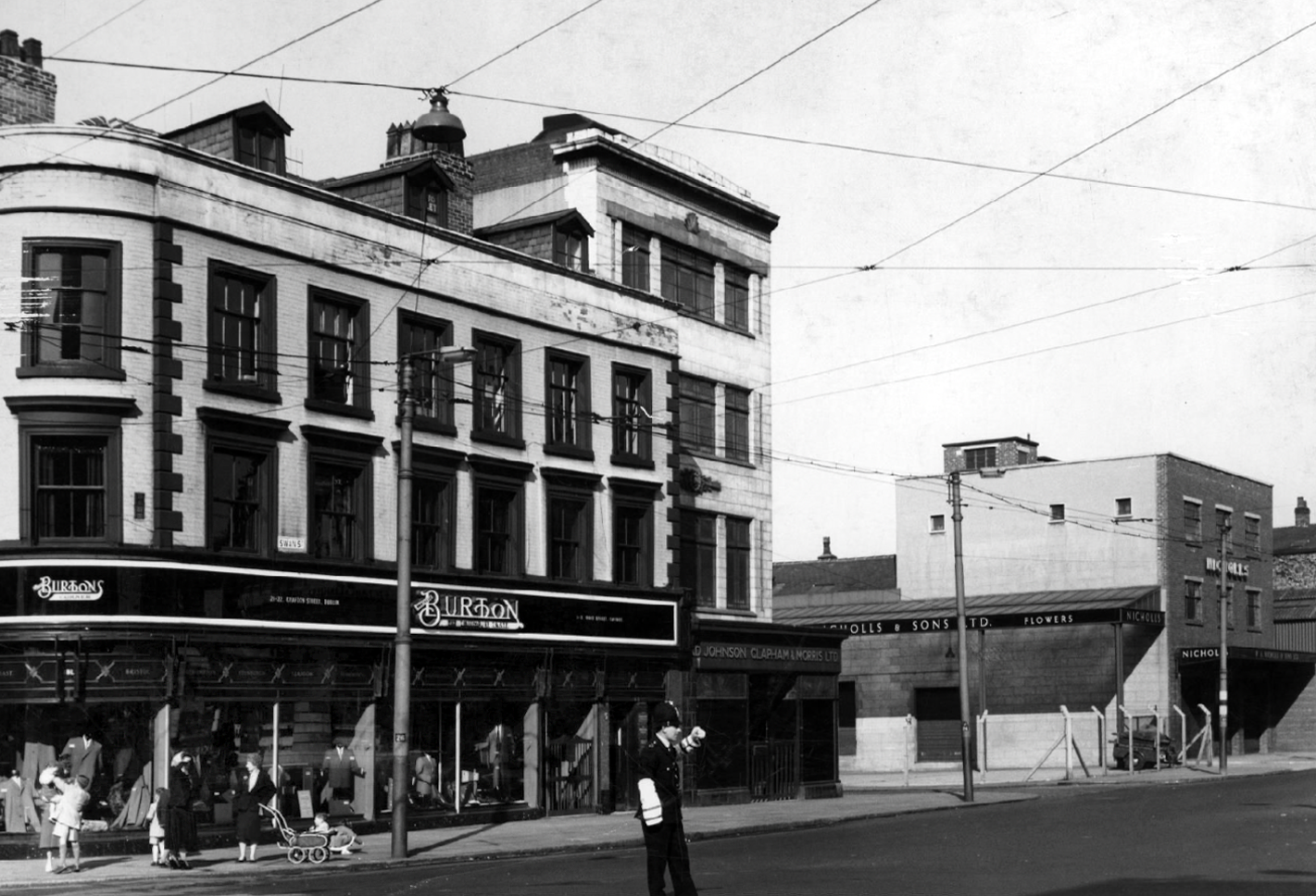
It was also, formerly the showrooms for local manufacturers Johnson & Nephew.

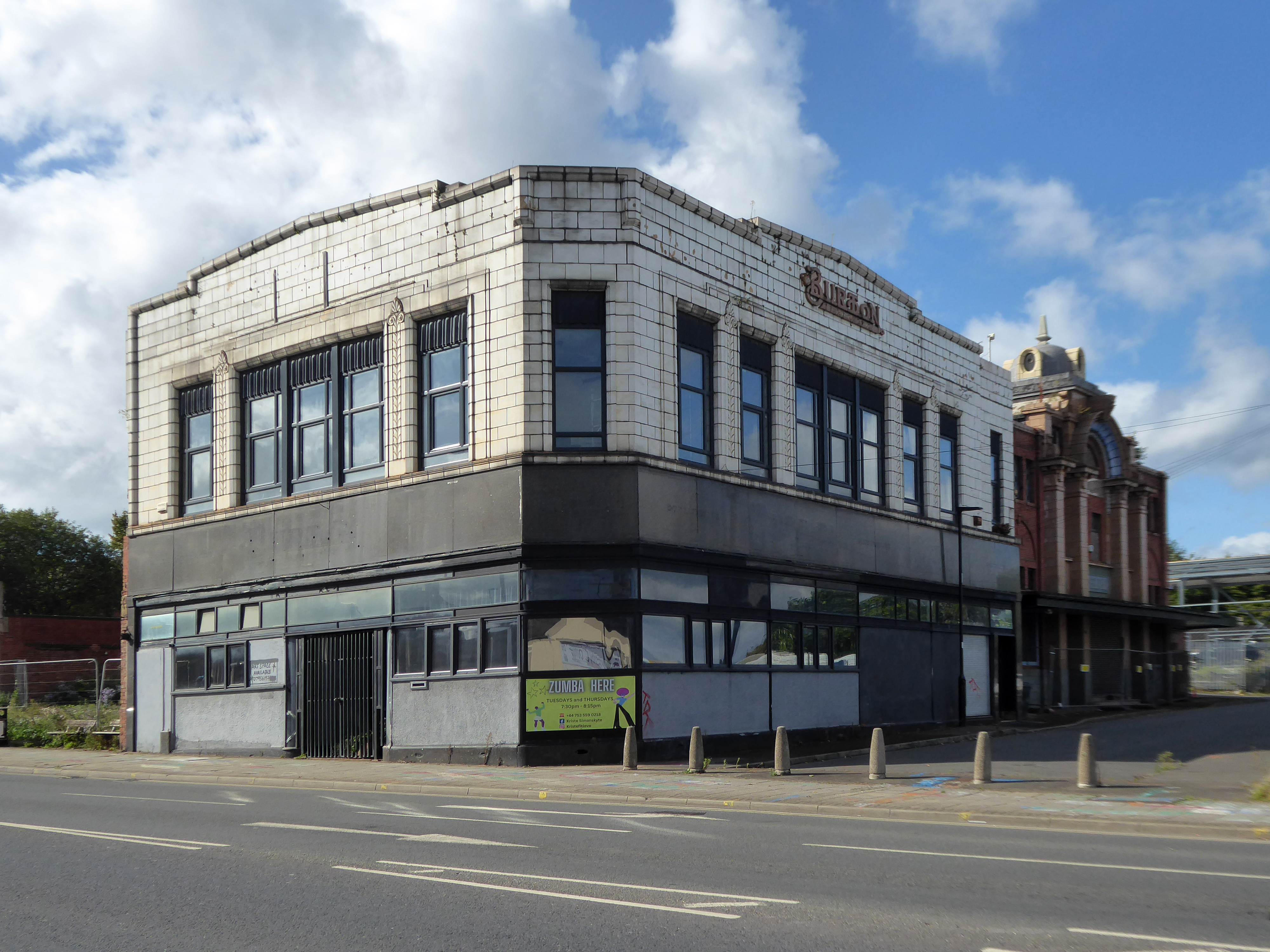
Here it is in 1959 – with a Burton’s for a neighbour.

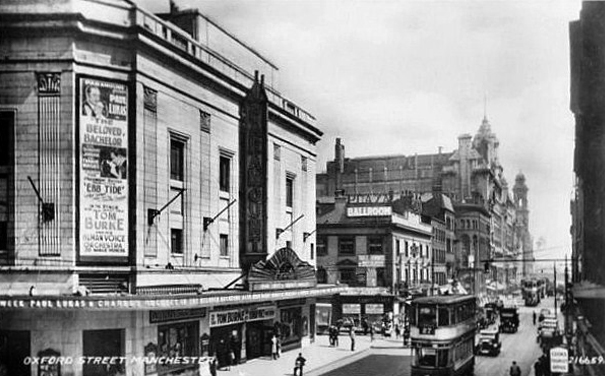
Pragmatic Manchester is far from awash with Art Deco – the lost Paramount/Odeon of Oxford Street comes to mind, demolished in 2017.

The Paramount Theatre was built in 1930 to the designs of architects Frank T. Verity & Samuel Beverley for the U.K. arm of the American Paramount Theatres Ltd. chain. The Manchester Paramount Theatre was a sumptuous American import.

Cinema Treasures

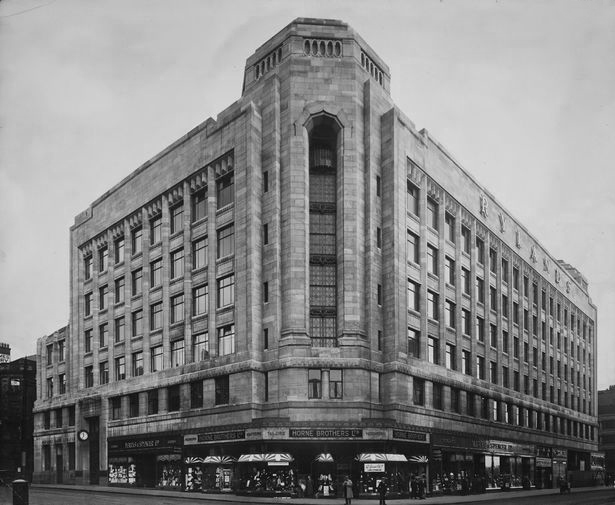
Along with the Rylands Building on High Street – currently receiving a facelift following the demise of Debenhams.

The building was originally built as a warehouse by J. Gerrard & Sons of Swinton for the Rylands textile company, which was founded by the entrepreneur John Rylands. That firm had occupied warehouses in High Street ever since 1822; its west-facing side is on High Street. The building was designed by the eminent Manchester architects, Fairhursts – Harry S. & P. G. Fairhurst, in an Art Deco style. It is clad in Portland stone and features a decorative corner tower and eclectic ‘zig zag’ window lintels. The work was completed in 1932.

Wikipedia

Rylands will be sensitively restored to its elegant past. The building will comprise workspace, retail and leisure, creating an exciting new destination in Central Manchester.

Rylands

Also of note are the works of Joe Sunlight the Express Building and Kendals.

The Tib/Swan Street site has now ceased trading as the last of the area’s pet shops.

Time alone will tell what fate awaits it.

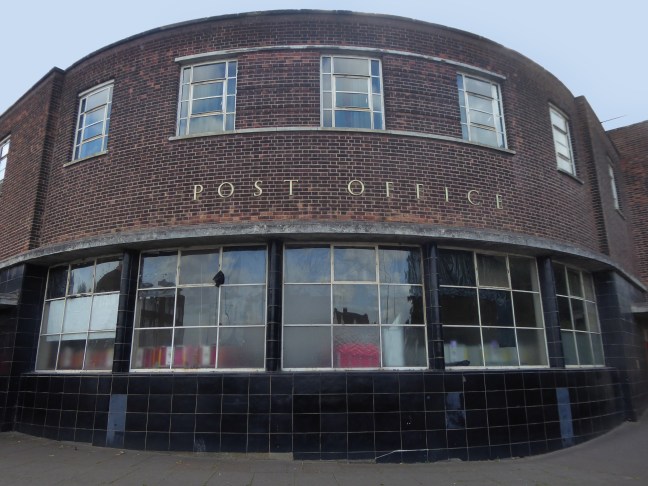
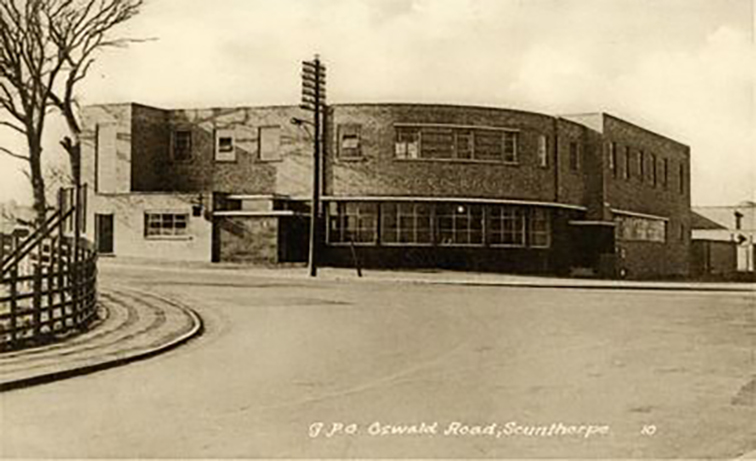
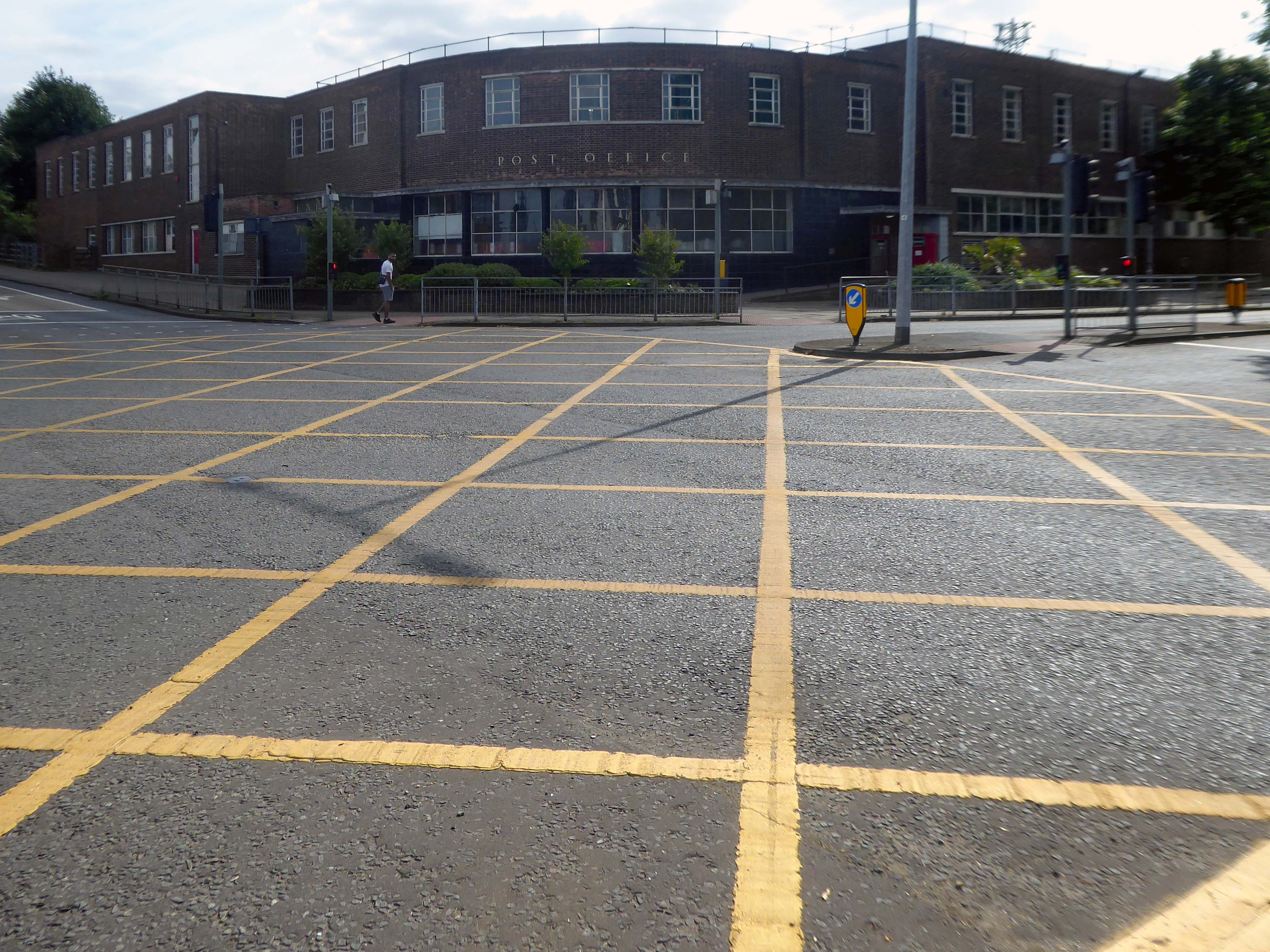
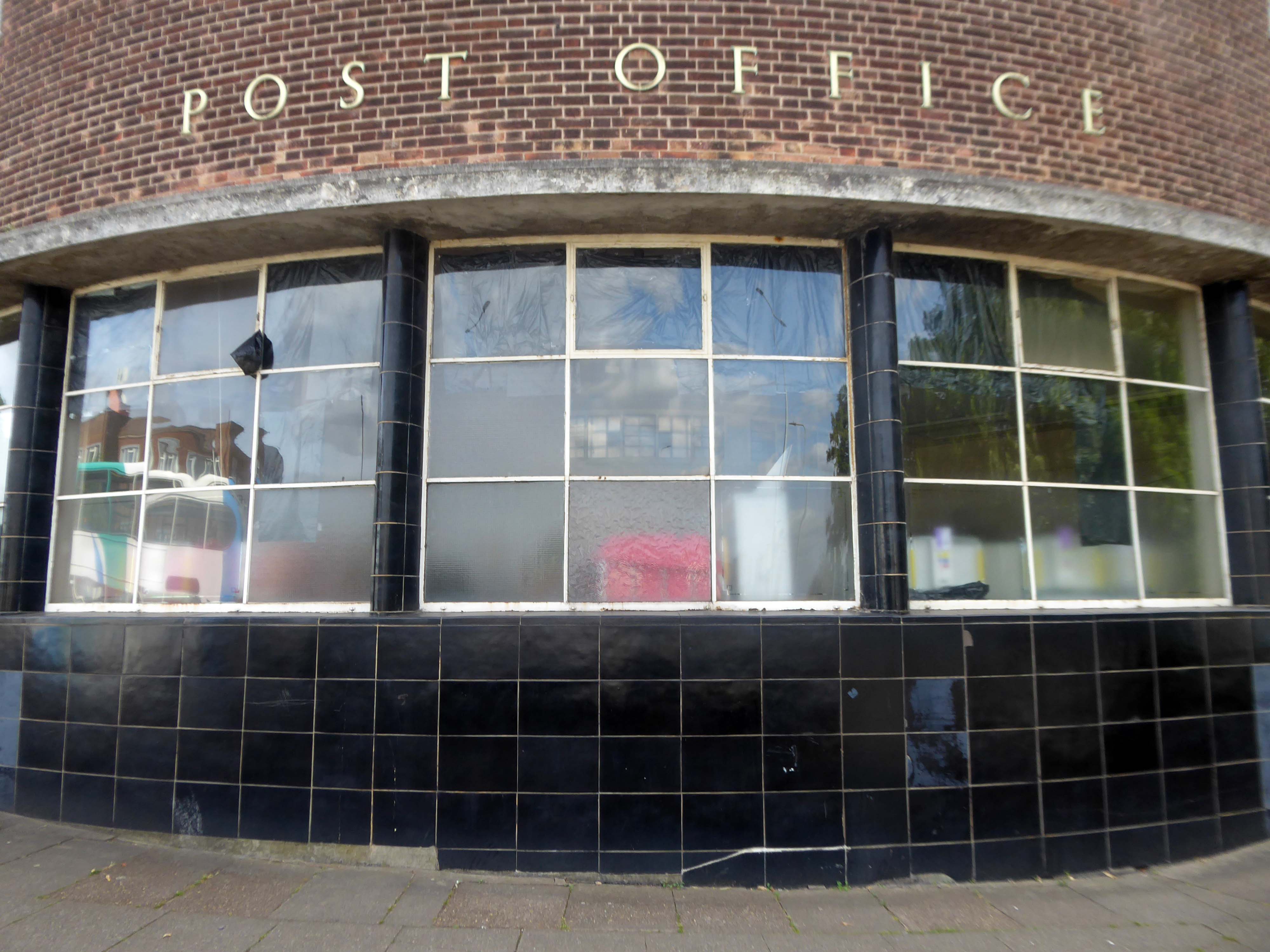
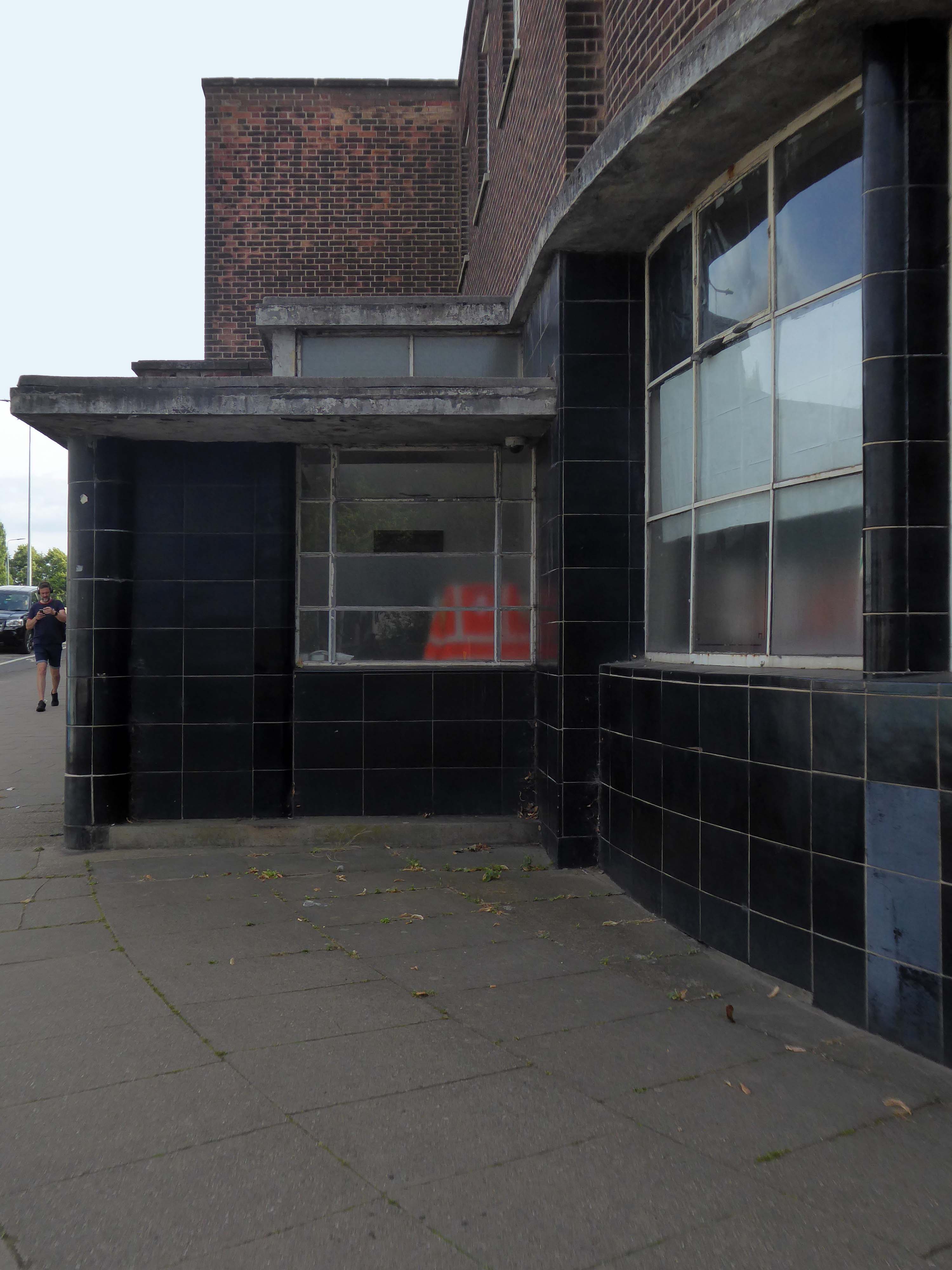
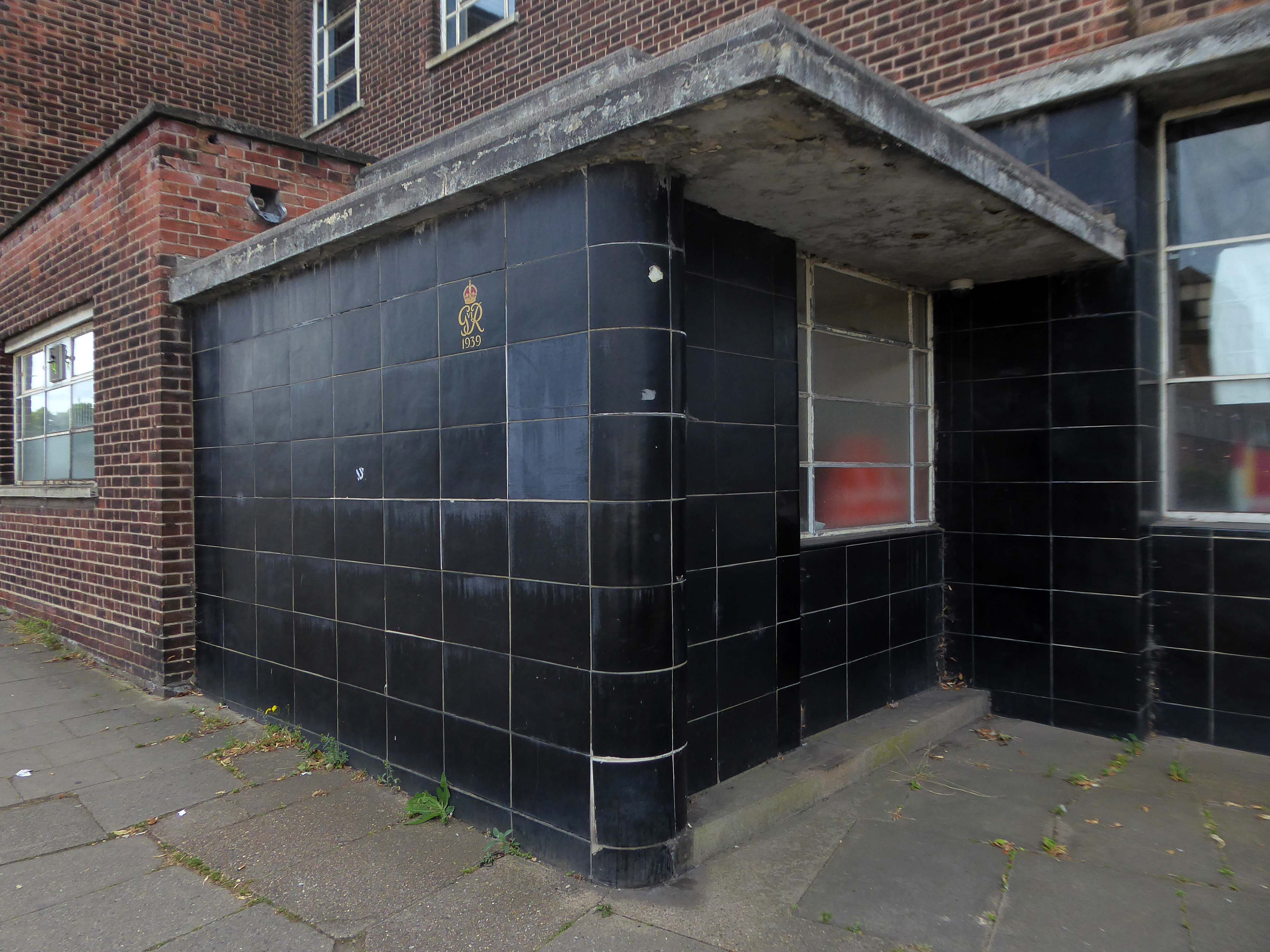
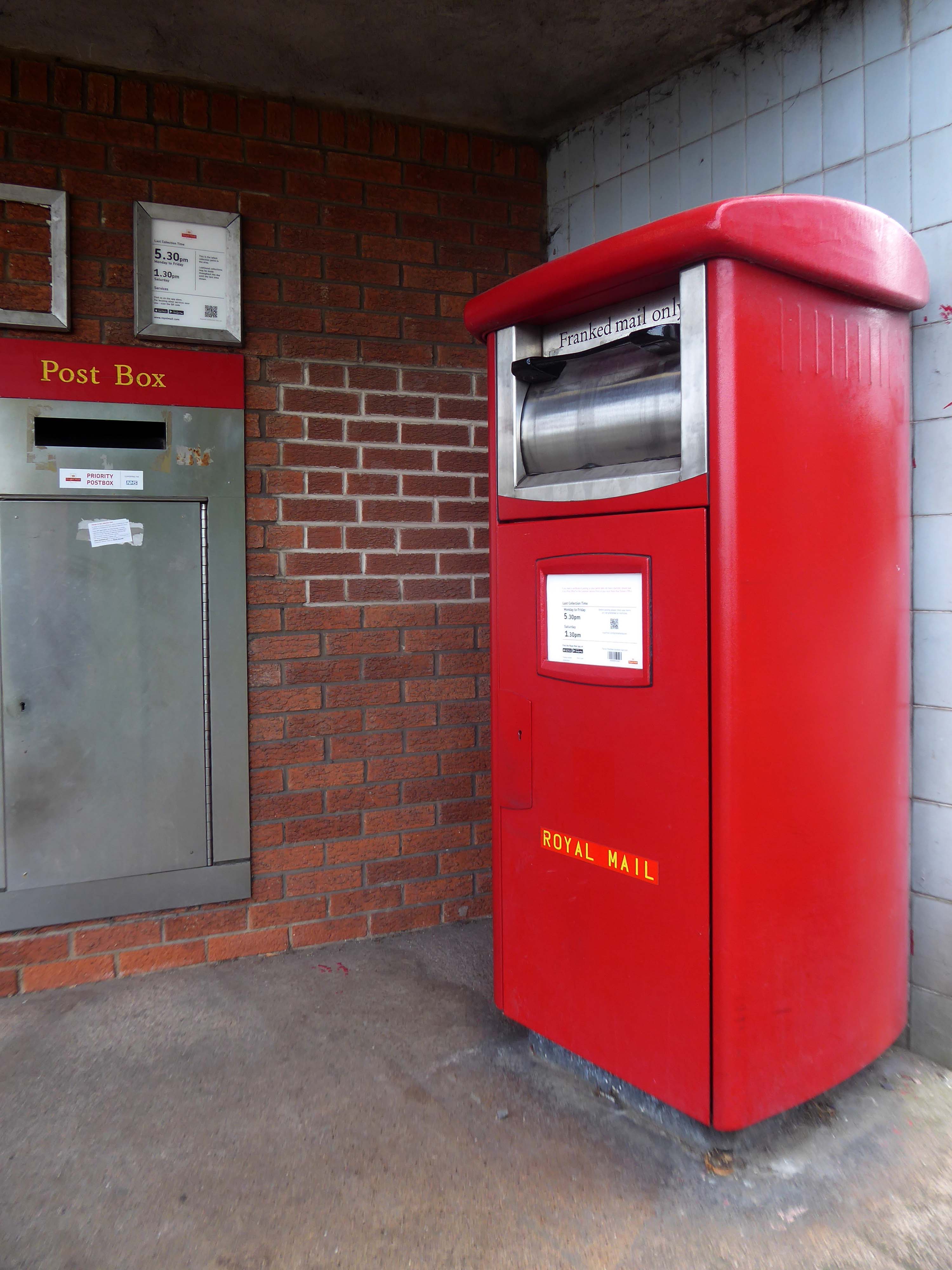
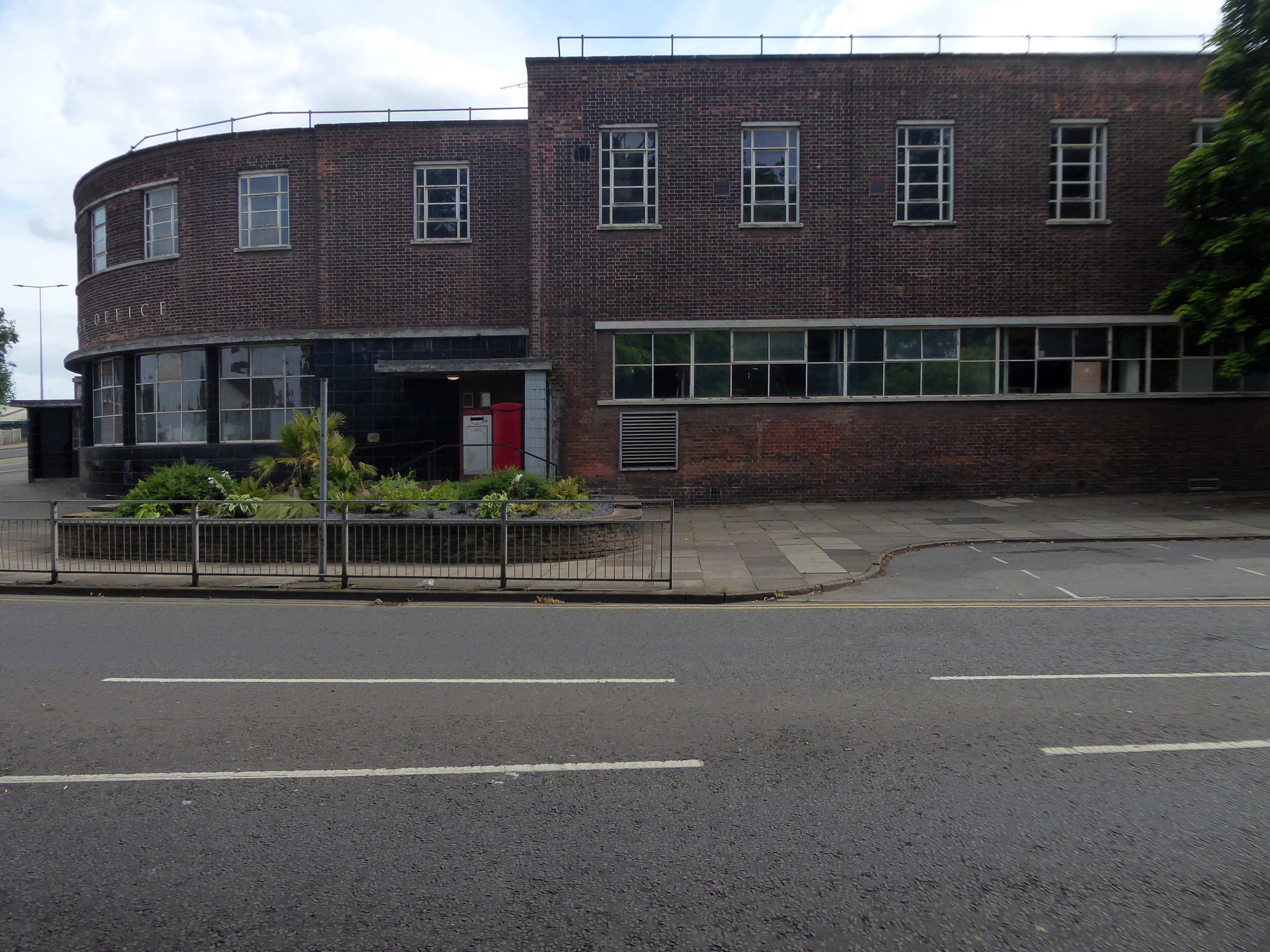
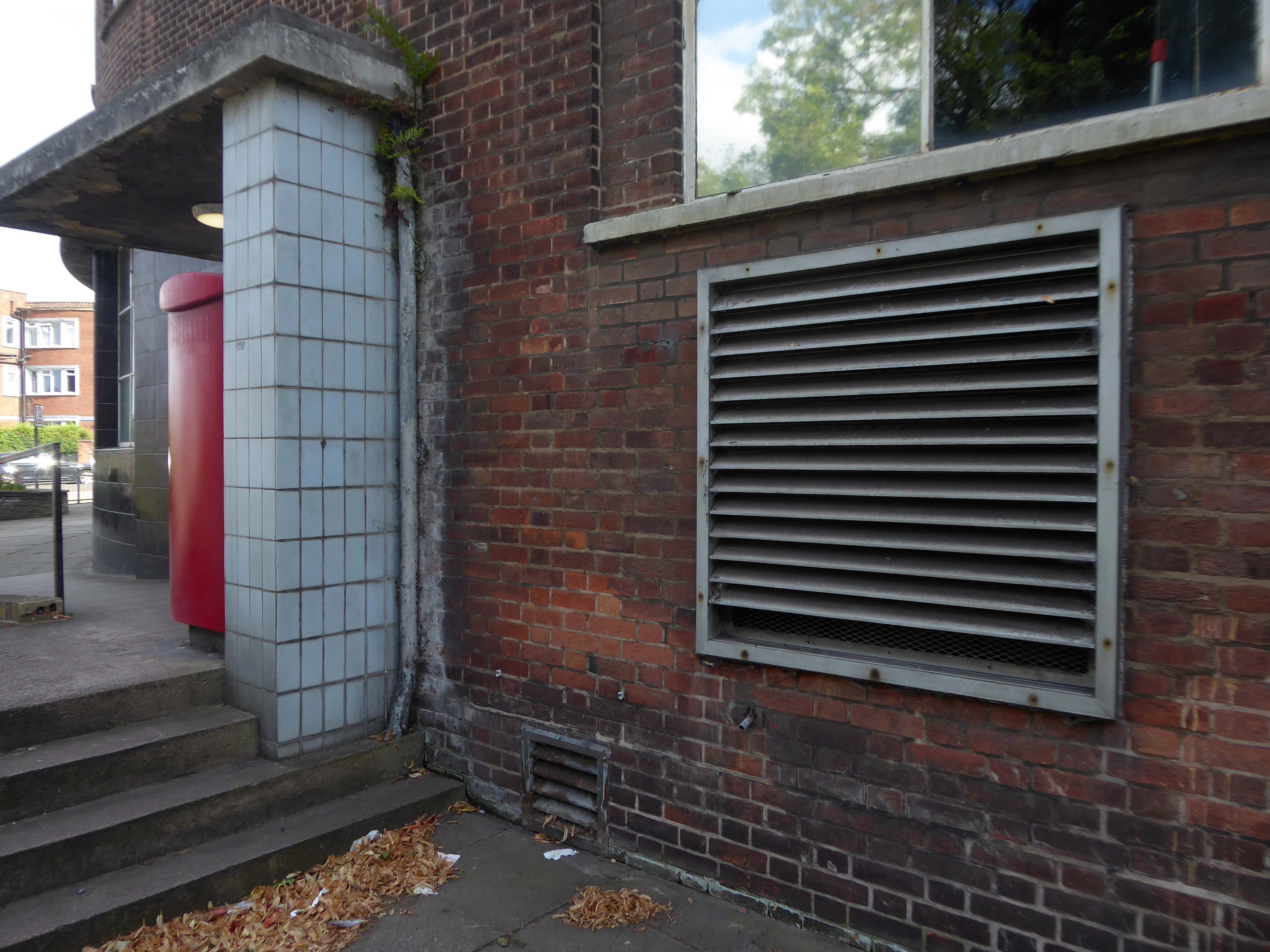
Scunthorpe Post Office and Telephone Exchange

Architect: John Haswell 1939

Opened on 2nd March 1939 and closed in 1992.

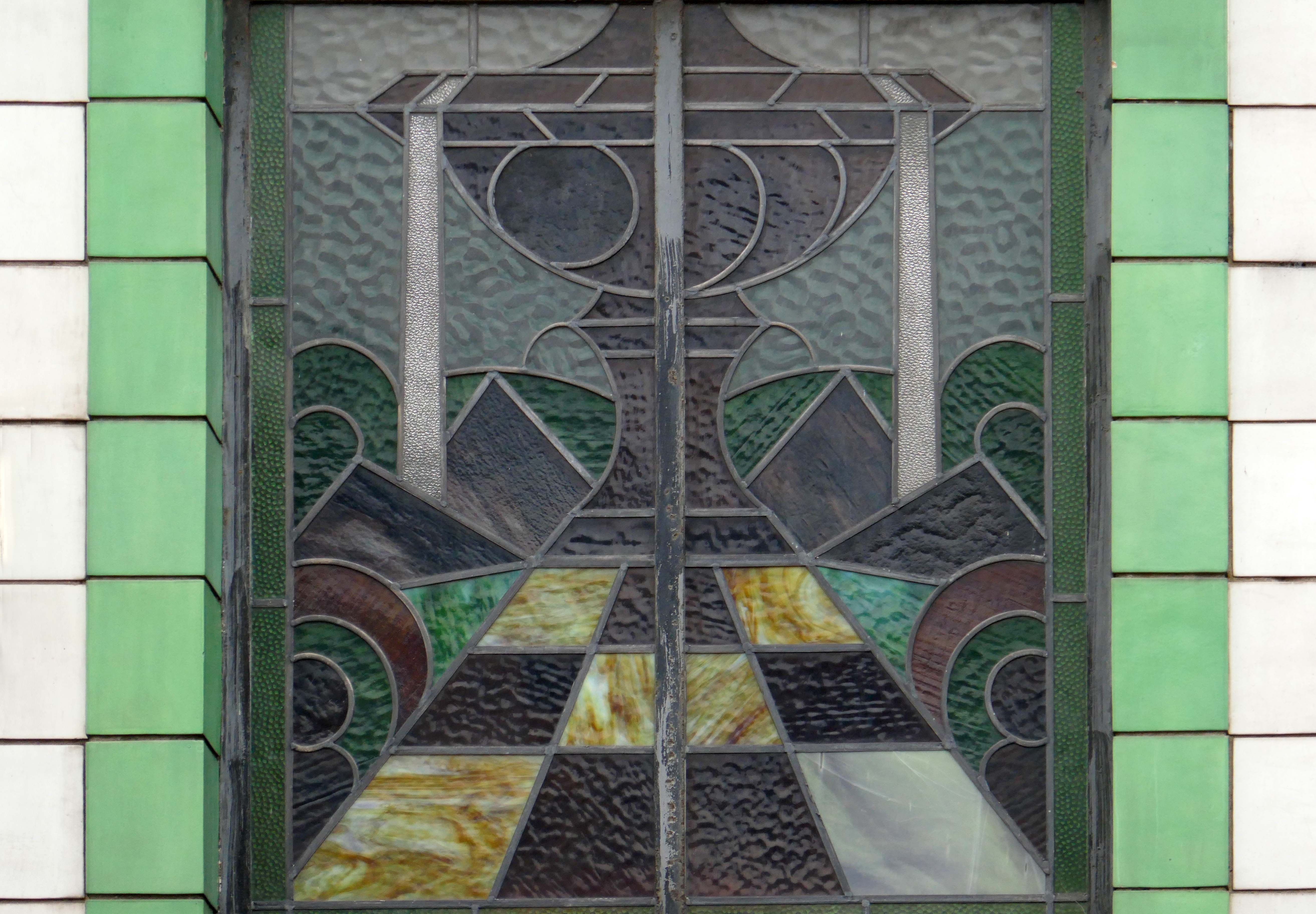
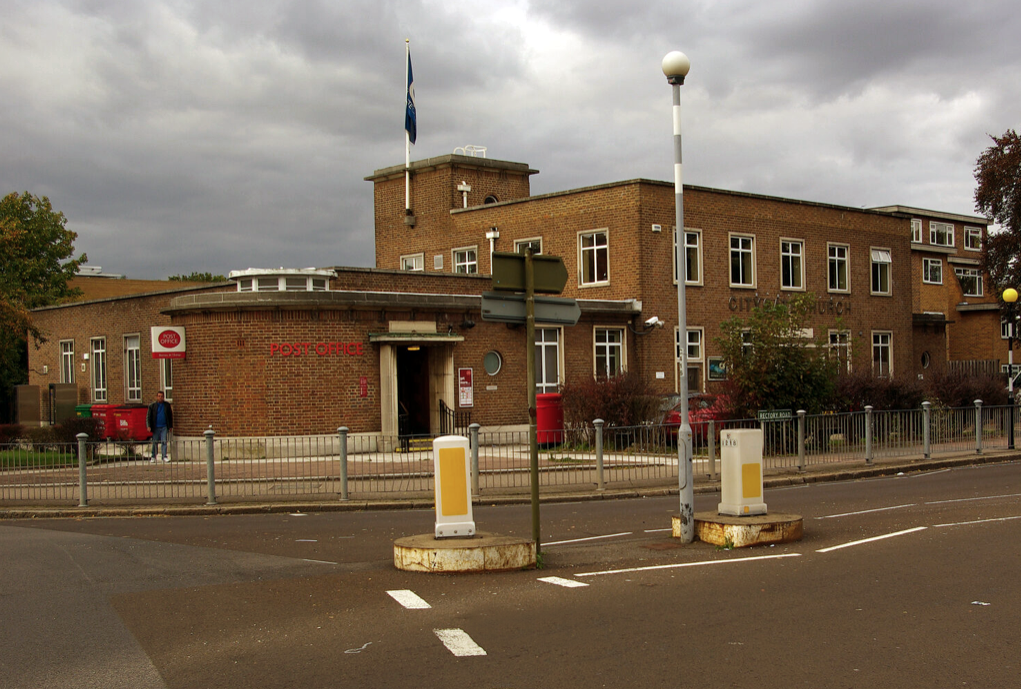
A rare excursion into modernism by the inter-war year’s Office of Works architects, as are both Beckenham and Penarth post offices.

British Post Office Architects.

Beckenham

Architect: Frederick Llewellyn 1939

Penarth

Architect Albert Myers 1936

Walking back to the train station, following a day out at the steel works, I espied the Post Office.

Next door is the sorting office.

And next for to the sorting office is the telephone exchange.

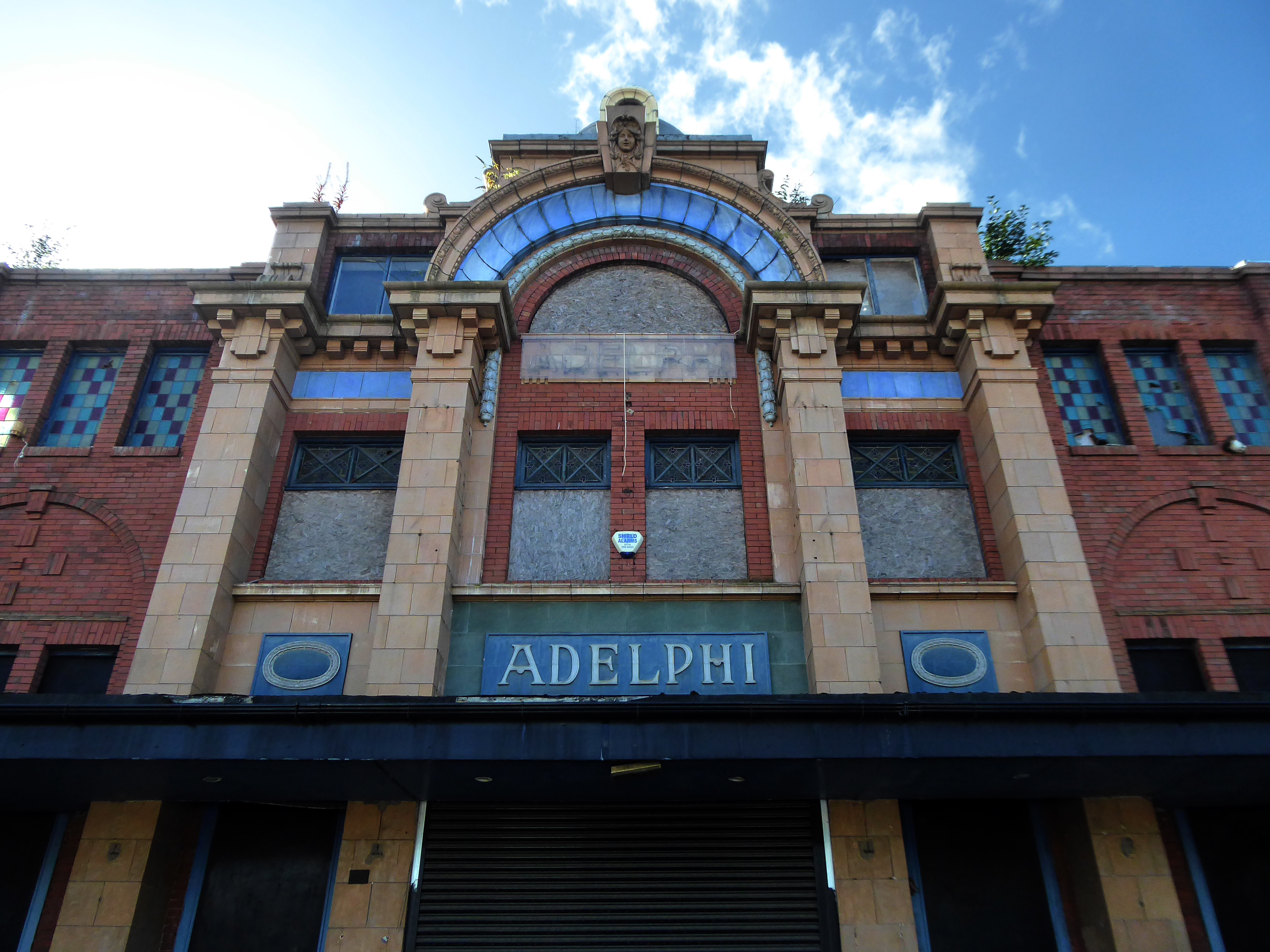
Adelphi Picture Theatre – Attercliffe

Vicarage Road Sheffield  S9 3RH

Architects: William Carter Fenton

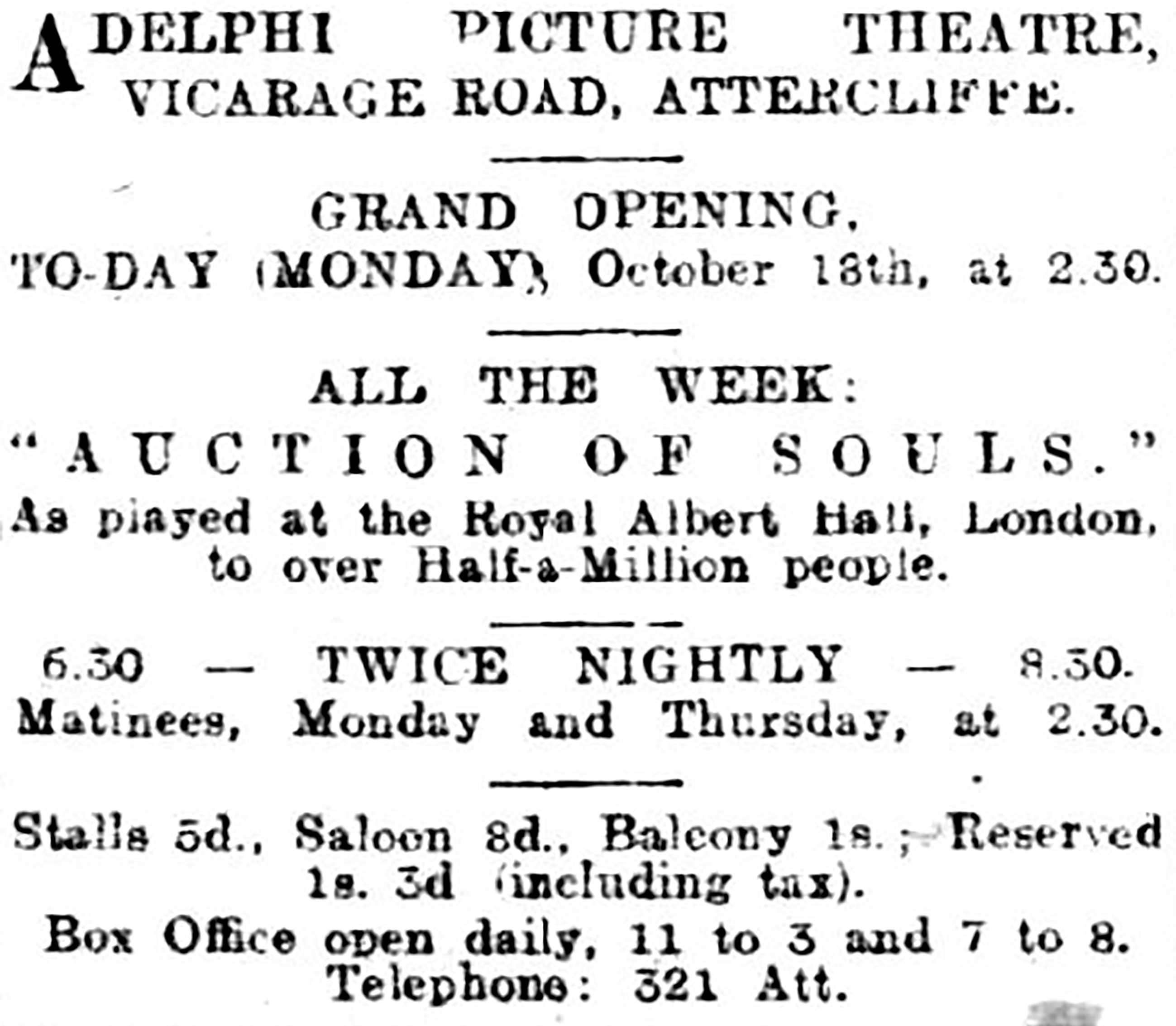
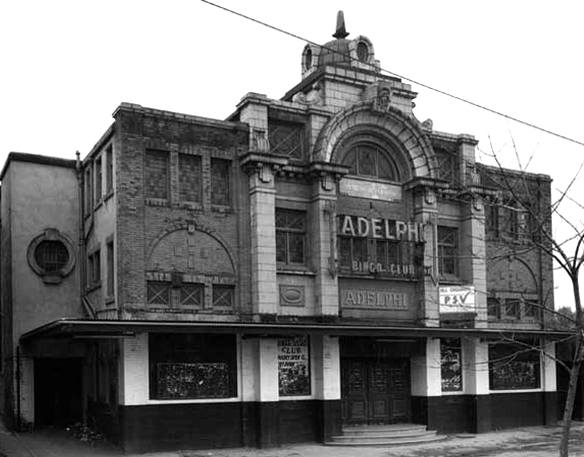
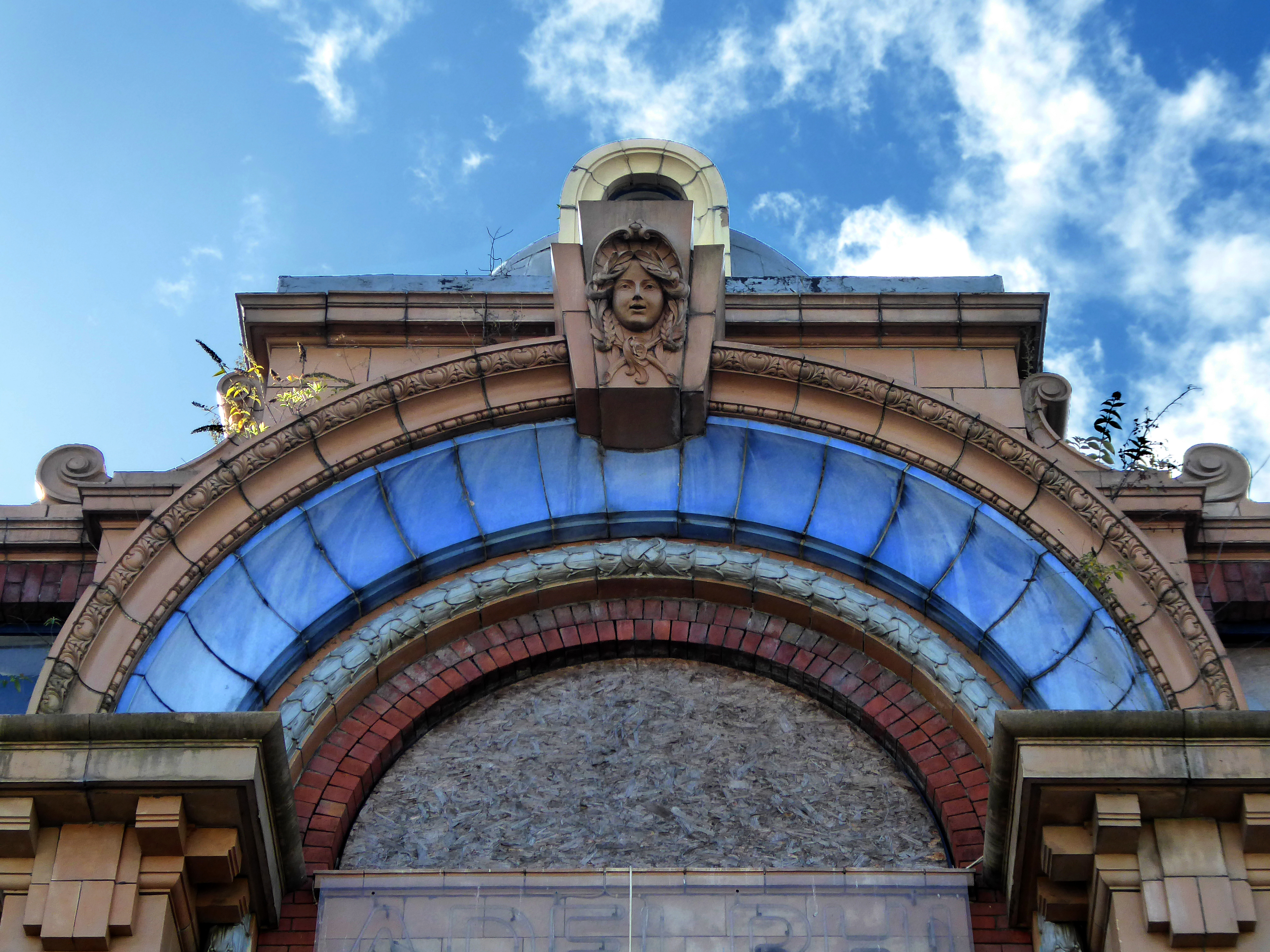
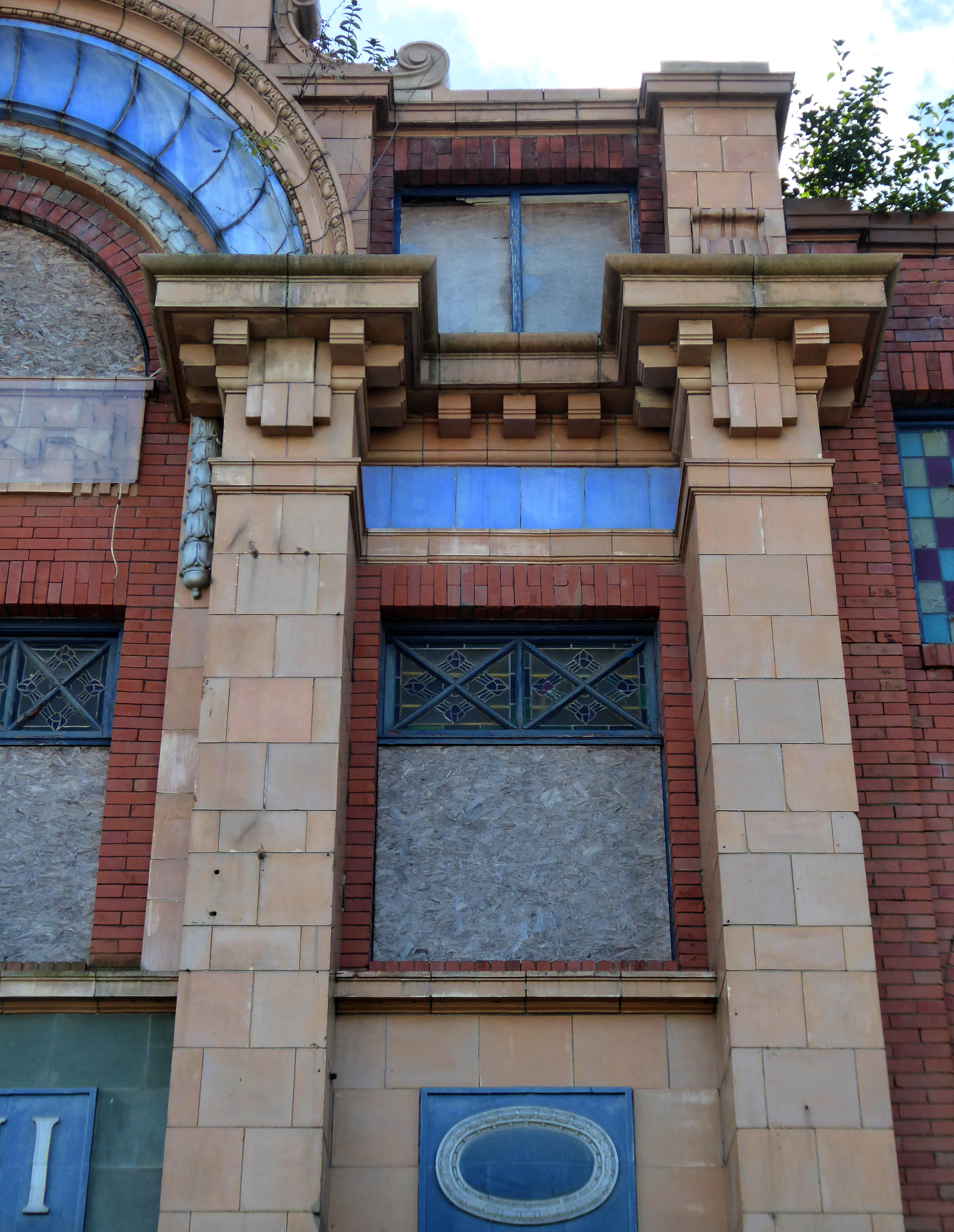
The Adelphi Picture Theatre is located in the Attercliffe district in the east of Sheffield. It opened on 18th October 1920 with Irving Cummings in Auction of Souls. The red brick building has buff and blue coloured terracotta enrichments on the façade, especially on the small turret dome over the entrance, which also has stained glass windows.

Seating in the auditorium was provided in stalls and circle, and the projection box was located in the rear stalls, underneath the circle. The cinema was in reverse, and patrons entered the auditorium from behind the screen. The decoration includes pilasters, a segment-arched panelled ceiling and a moulded proscenium arch with a central crest which is flanked by torches. The circle has a lattice-work plaster front.

Single photo enhanced with easyHDR 3.15.2: Adelphi 1920 10 18.jpg

It underwent some restoration in 1936 and a re-decoration in August 1939. It received some bomb damage during the second week of the blitz and was closed for around a month. It received further renovation in August 1946. It remained an independently operated cinema throughout its cinematic life and was usually tied in with the Coliseum Cinema on Spital Hill.

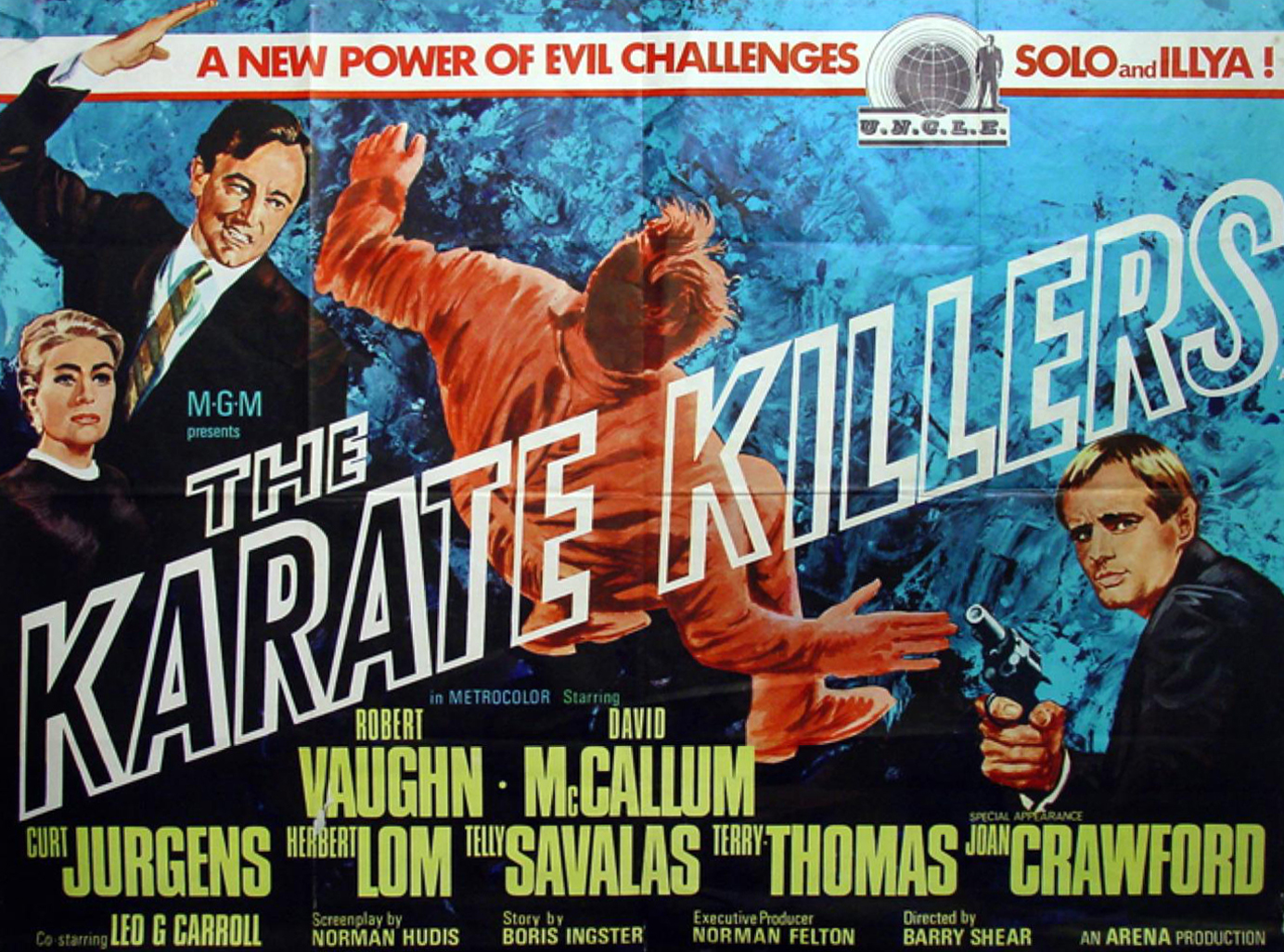
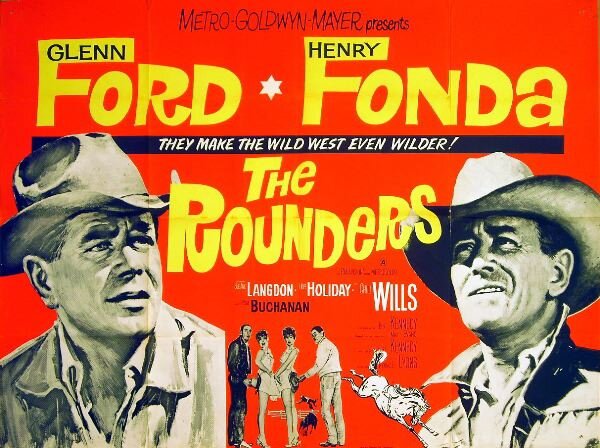
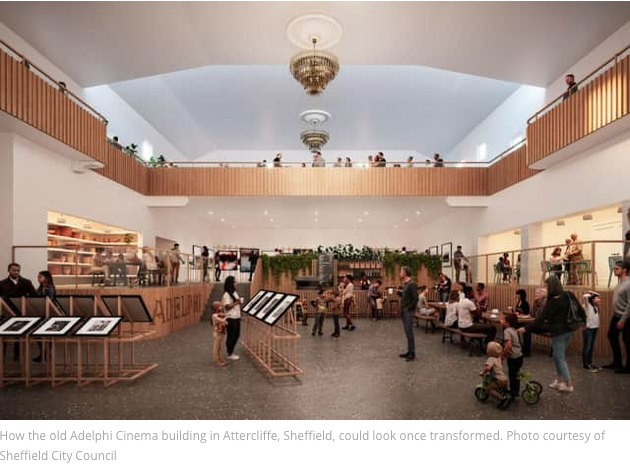
The Adelphi Picture Theatre closed on 28th October 1967 with Robert Vaughn in The Karate Killers and Glenn Ford in The Rounders. It became a bingo club, last operated by the independent Walkers Bingo. After this closed in around 1995 it became a nightclub and since March 2000 was converted into a music teaching centre. This closed in 2006, and the building stood unused, and by 2013, it was in use as a storage facility. It was announced in November 2022 that the city council were seeking to purchase the building to renovate and convert it into a community centre.

Since early 1996, the Adelphi Picture Theatre was designated a Grade II Listed building by Historic England.

Cinema Treasures

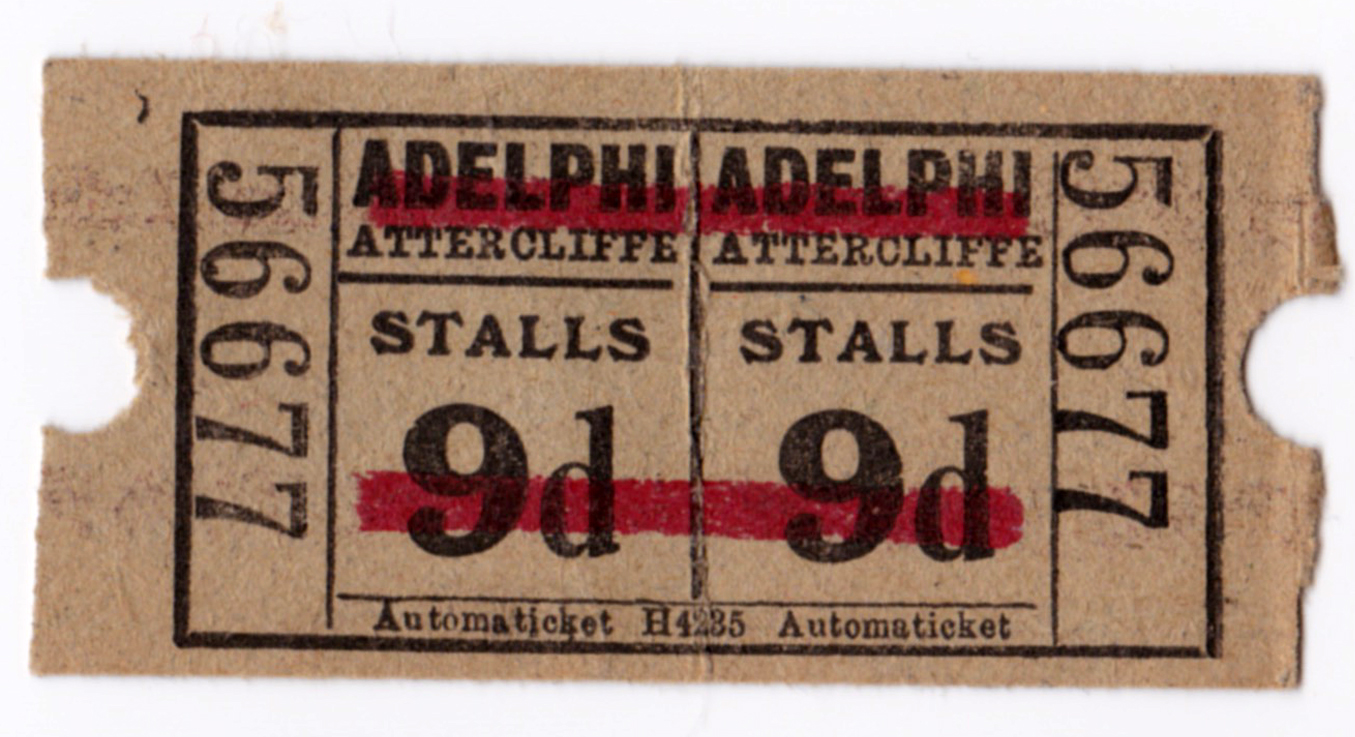
Just the other day I came across an old ticket stub issued by The Savoy in Heaton Moor.

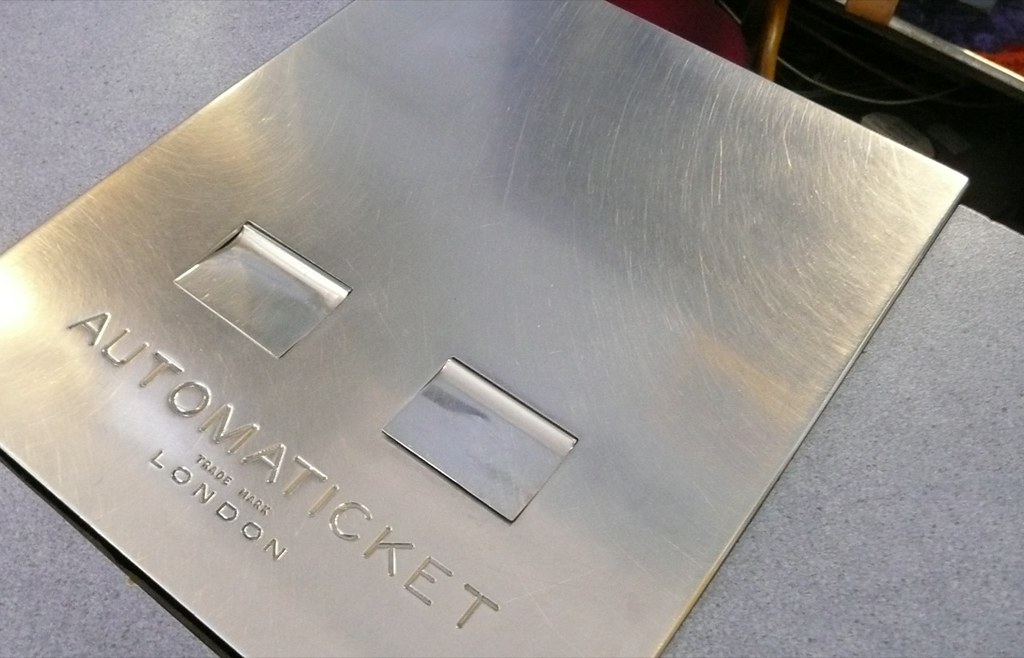
They used a Automaticket machine, but with dead stock tickets.

Evolving from being gear and lever driven, to powered by electric motors, these ticketing machines served as somewhat of an industry standard for over eighty years.

While there are still a few of these machines in use, the theatre industry generally abandoned such ticketing systems, in favor of computerized ticketing, by the late 1980’s.

Cinelog

The striking art deco – sic. building later hosted Sheffield’s famous Gatecrasher club nights, among other events, and was also used as a music teaching centre.

It sat empty from 2006 until 2013 and has since been used only for storage.

Sheffielder

My dad was a regular at The Adelphi during the war years. He remembers that the showings were always like a theatre with two matinees during the week and two evening showings everyday unlike the continuous showing at other cinemas and a children’s matinees on a Saturday.

He and his friends had six seats booked on Q row for every Monday and Saturday night as more often than not the films ran for three nights Mon, Tues and Wed, then a new picture Thurs, Fri, and Sat – no show on a Sunday. Occasionally a good film, now known as a blockbuster, would run for longer; if this was the case they just put up with seeing it twice.

The cost of the film was 4d or 6d upstairs, the cinemas in town were dearer.

Called up in February 1944 he did not return to Attercliffe until his first leave from the army a week before VE day in 1945. He returned from Germany, said hello to his Mum and Dad, dropped off his kit bag then caught the tram the three stops to the Adelphi where he knew his friends would be. The smartly dressed commisioner, in blue with plenty of gold braid, standing outside immediately recognised him even in army uniform. He showed him in telling him the lads were all there. He crouched in the aisle next to his friends and caused quite a commotion once he was spotted – he has no memory of the film showing but great memories of the reunion to this day.

Sheffield History

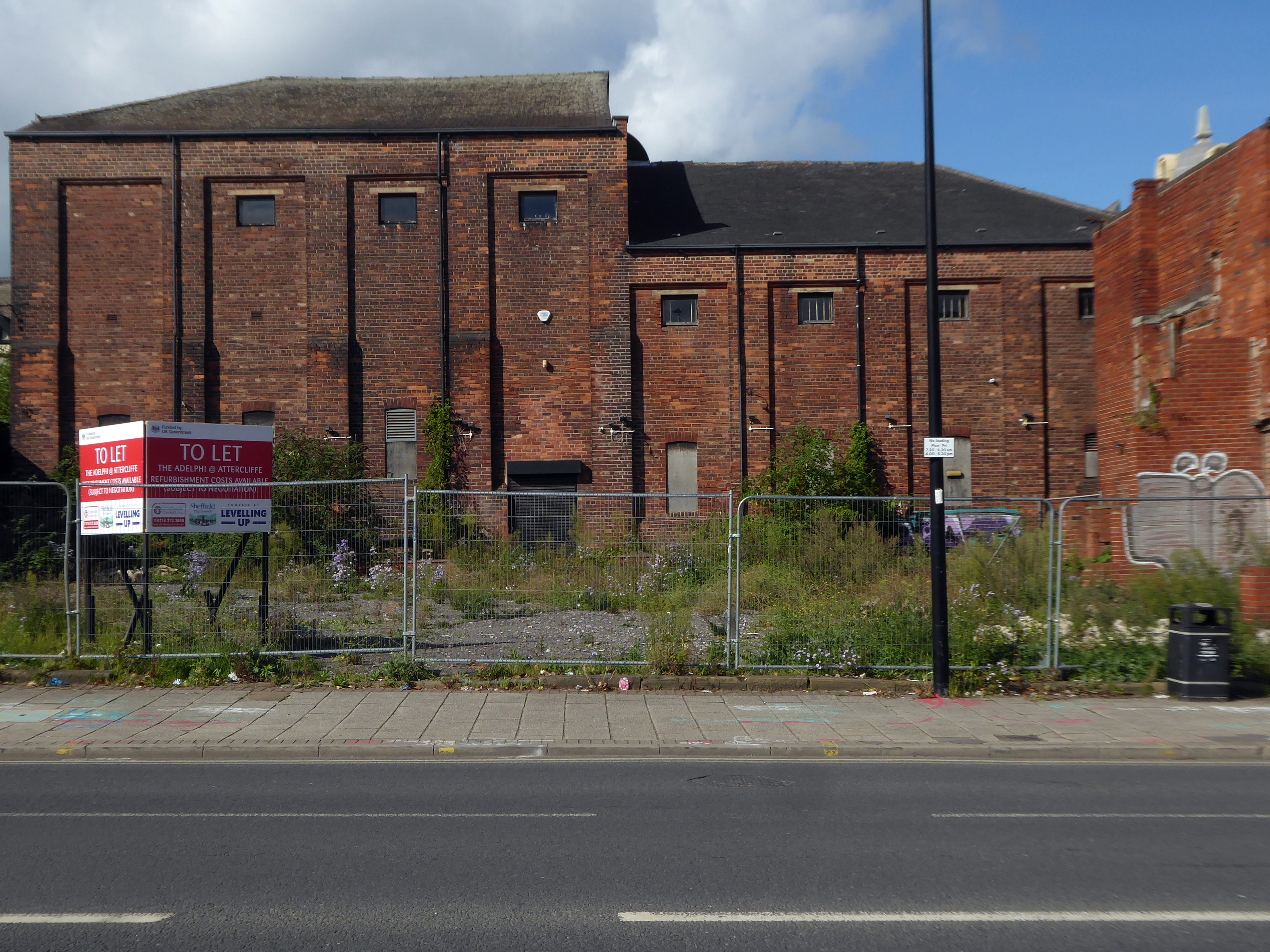
It was bought by Sheffield City Council earlier this year, as part of the Attercliffe Levelling Up project, and has now gone on the market as the council seeks someone to revive the Grade II-listed building as a vibrant cultural hub.

Councillor Ben Miskell, chair of the council’s Transport, Regeneration and Climate Policy Committee, said:

We’re thrilled to announce the Adelphi Cinema building in Attercliffe is now on the market and we’re eager to hear from interested parties. The building forms one part of our ambitious plans for the area which will all come together to breathe new life into the community.

These were taken by me in September 2023.

The Adelphi has a Burton’s for company.

Photo: David Edge April 2024

Bradford Revisited

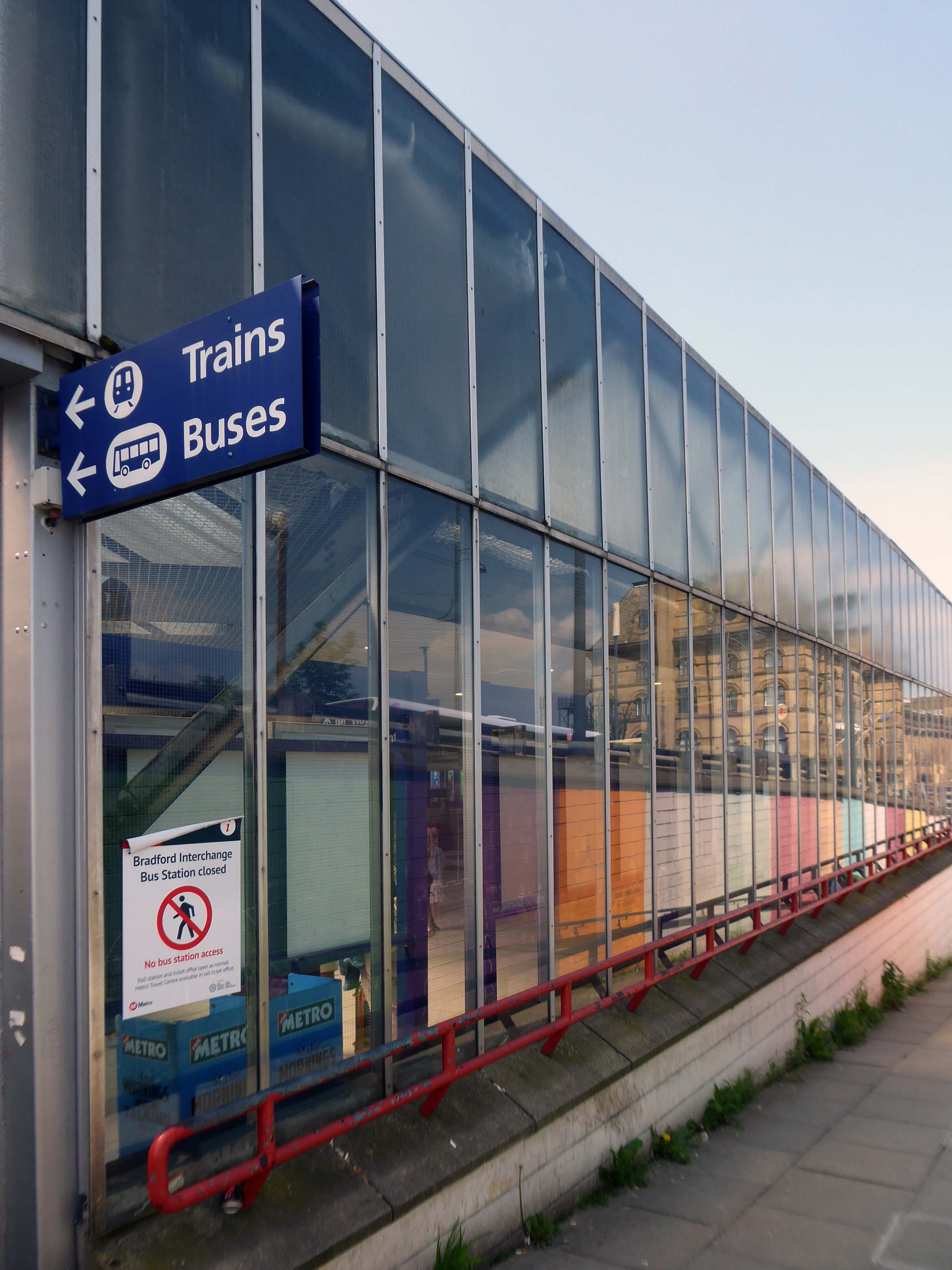
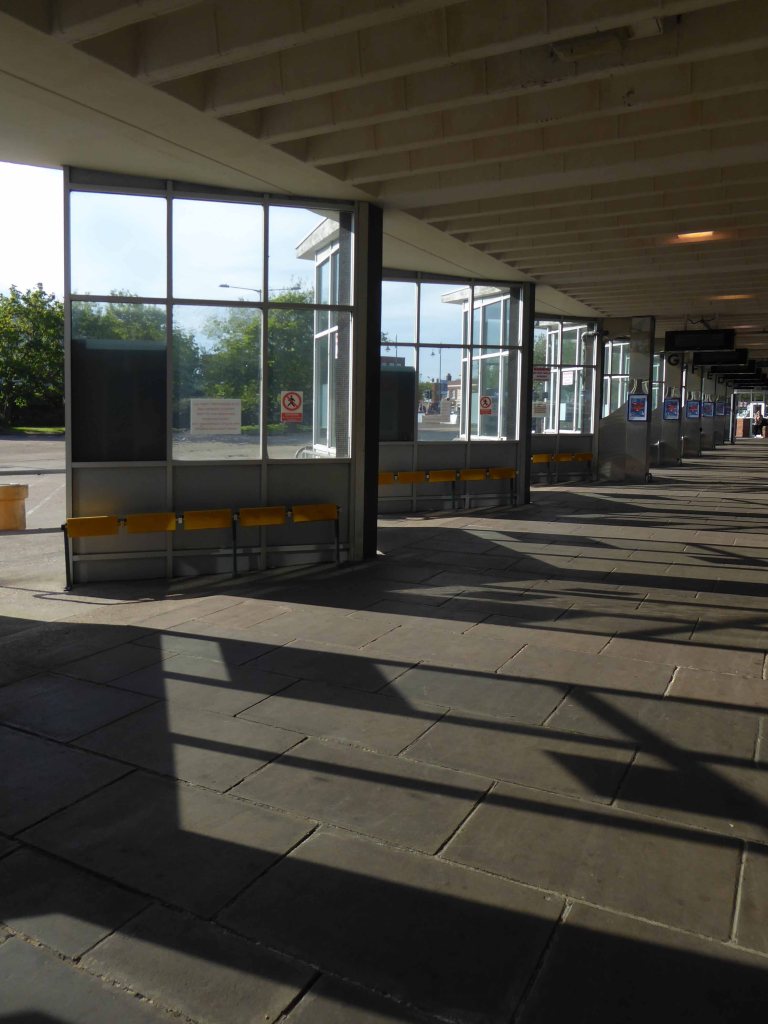
We arrive at and begin our journey at the Interchange – the bus station is closed, along with the station entrance.

Bradford accepts that it is a part of the Northern Supercity stretching from Coast to Coast – Liverpool to Hull. Every existing town and new settlement must be unique. People belong to their own hotspot as well as Coast to Coast. Bradford as a dispersed centre will give it individuality as well as becoming synonymous with the whole new city. Bradford is a mini version of the whole. It is composed of a series of mini hotspots which will each act as a focus for each square kilometre.

Bradford has the topography to allow every citizen to wake up to a view – both physical and mental. Their collective ambition can create a place of extraordinary difference.

Will Alsop

We have of course been here before.

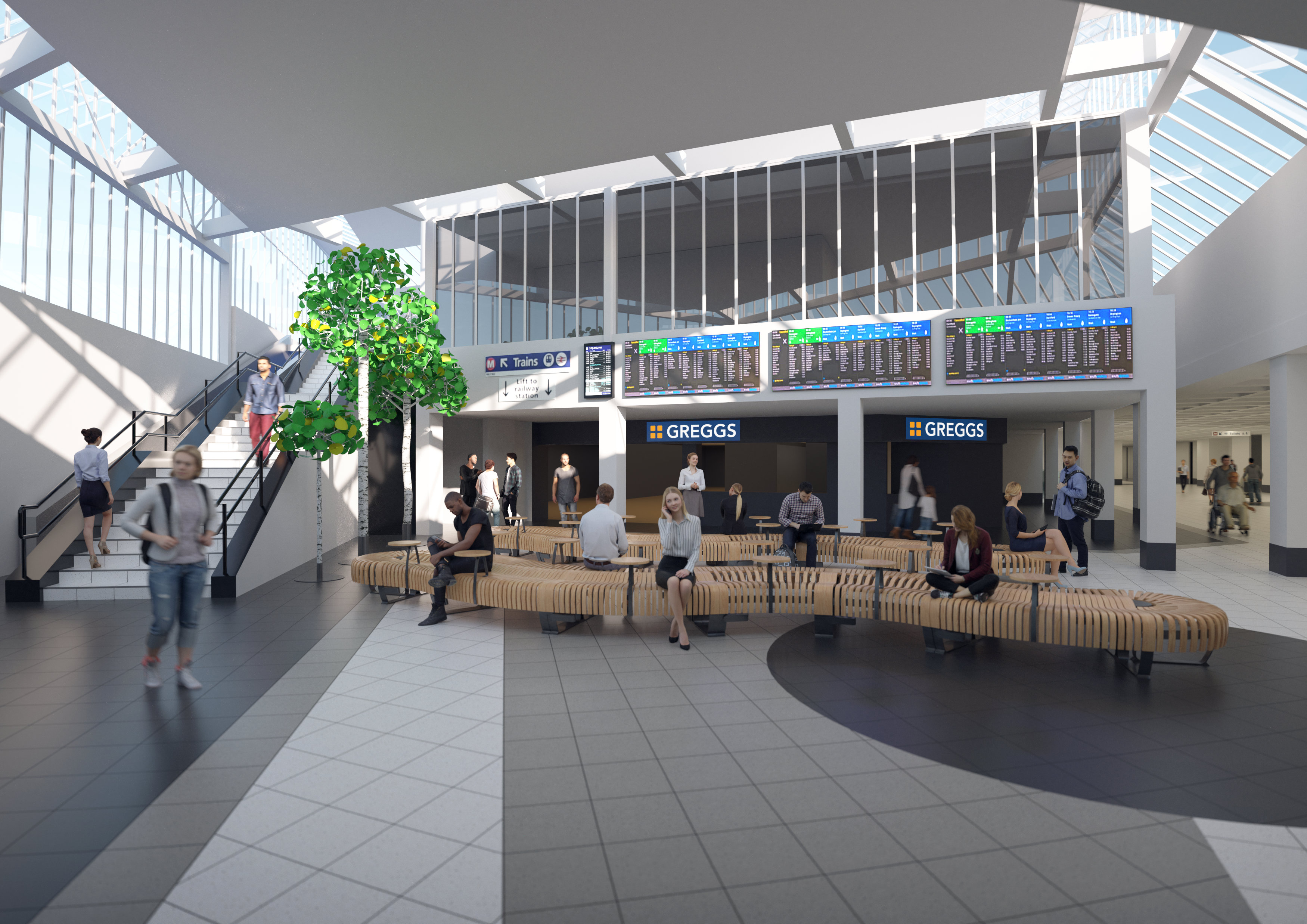
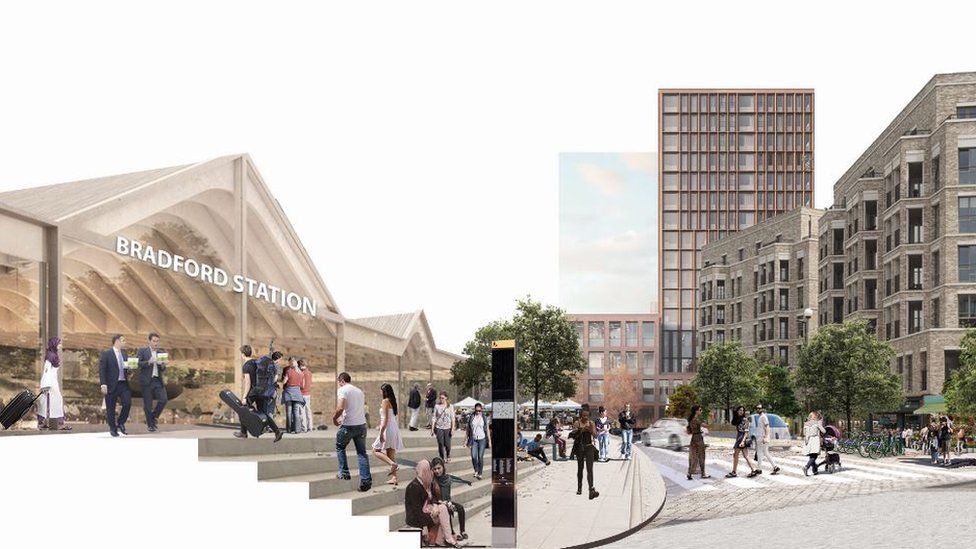
Bradford Interchange will get a new entrance and other improvements to bring it up to standard, the city council said. 

The NCP car park on Hall Ings would be demolished to create a new pedestrianised entrance.

BBC

The Interchange opened in 1971 was the first of its kind in the country, designed by the BR regional team headed by RL Moorcroft and the City Architect.

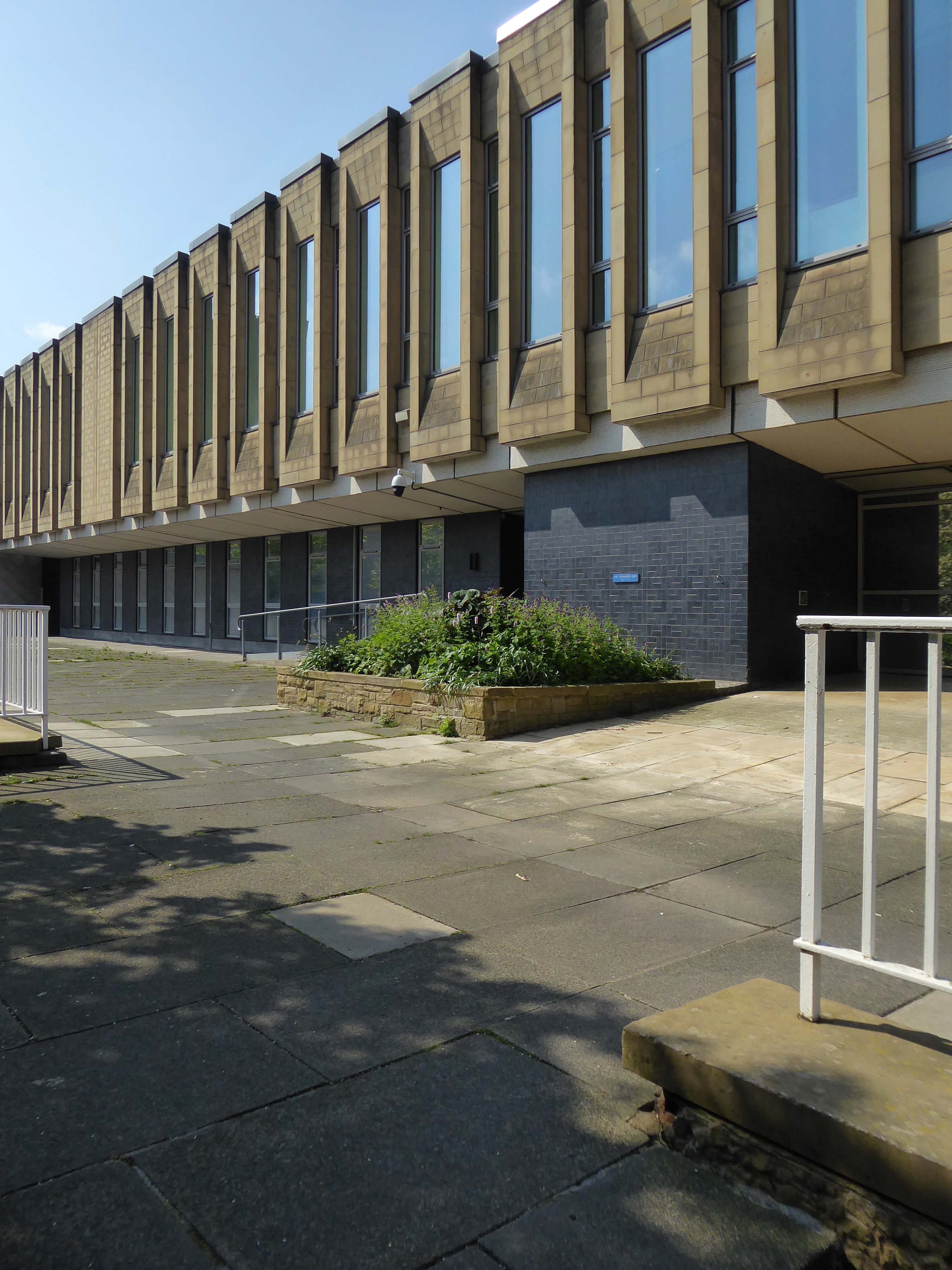
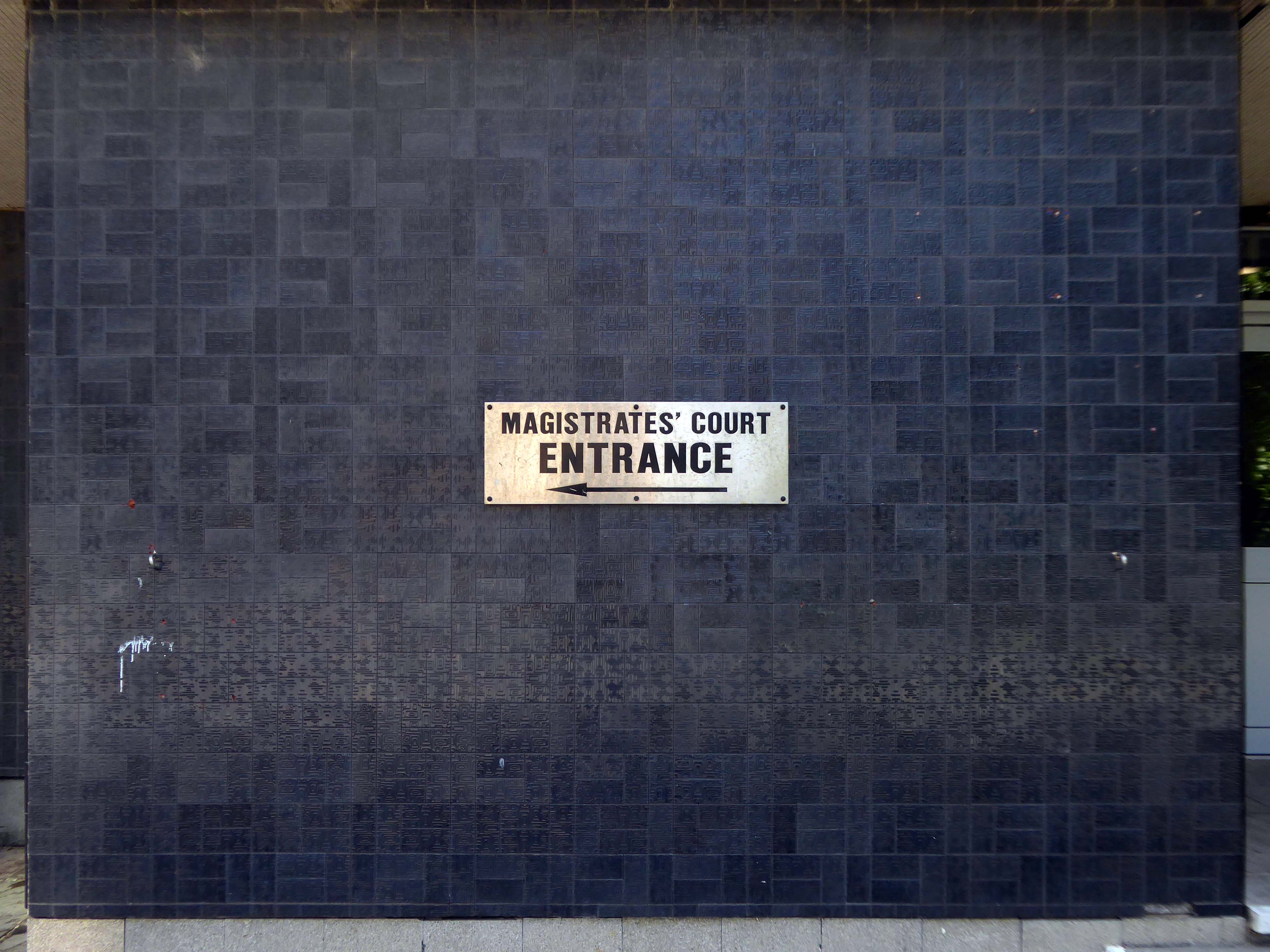
Onward to the Magistrates’ Courts designed by City Architect Clifford Brown in 1972.

Bradford is in the process of paving and puzzling pedestrians, as it becomes City of Culture in 2025.

So we wind our way over the inner ring road, advisedly avoiding the filled in underpasses.

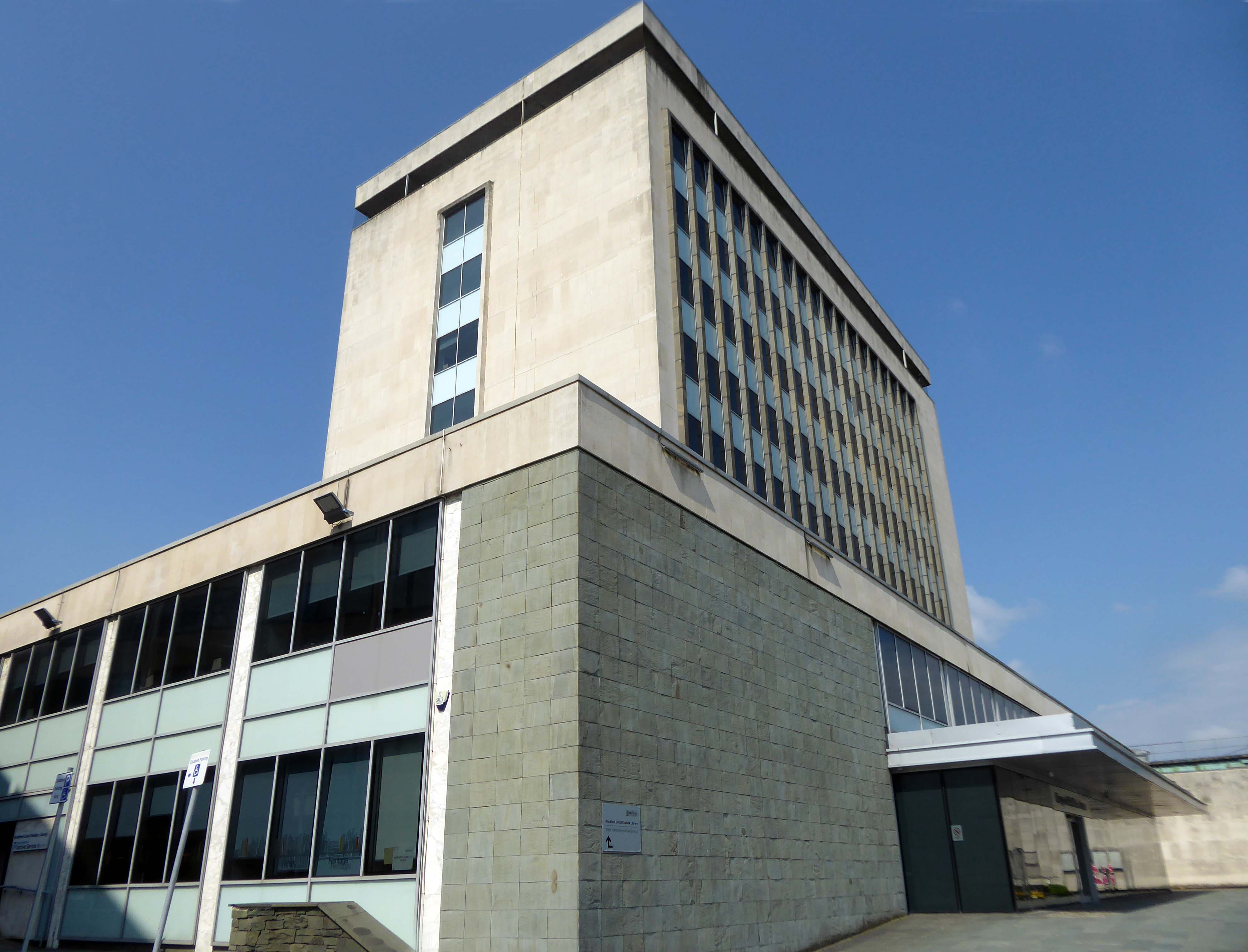
The former Central Library awaits us, designed in 1965 by Clifford Brown – a striking podium and tower, currently home to council offices.

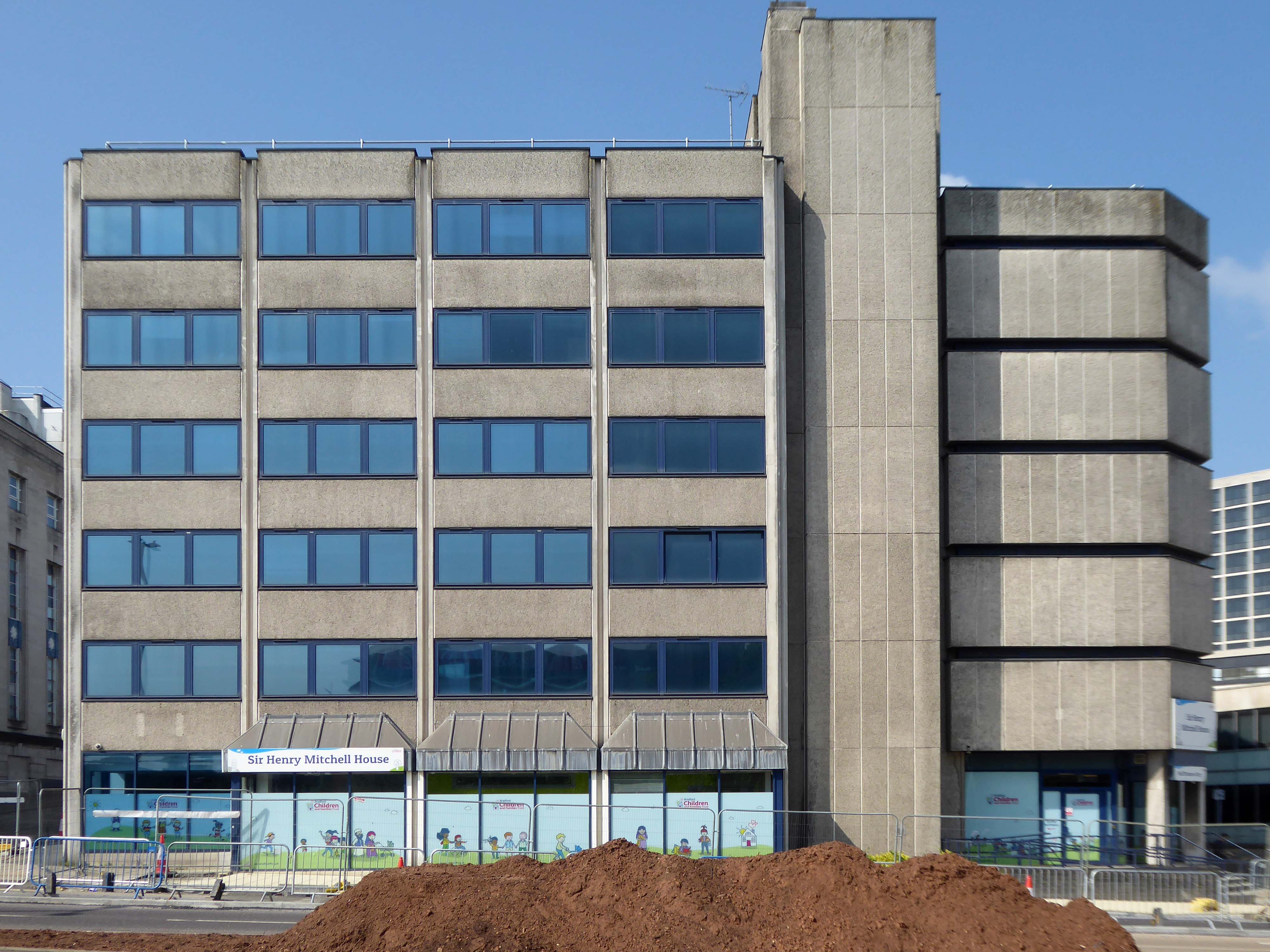
Next door the Sir Henry Mitchell House home to the Children’s Services.

Sir Henry Mitchell 1824 1898 was a mill owner and Mayor.

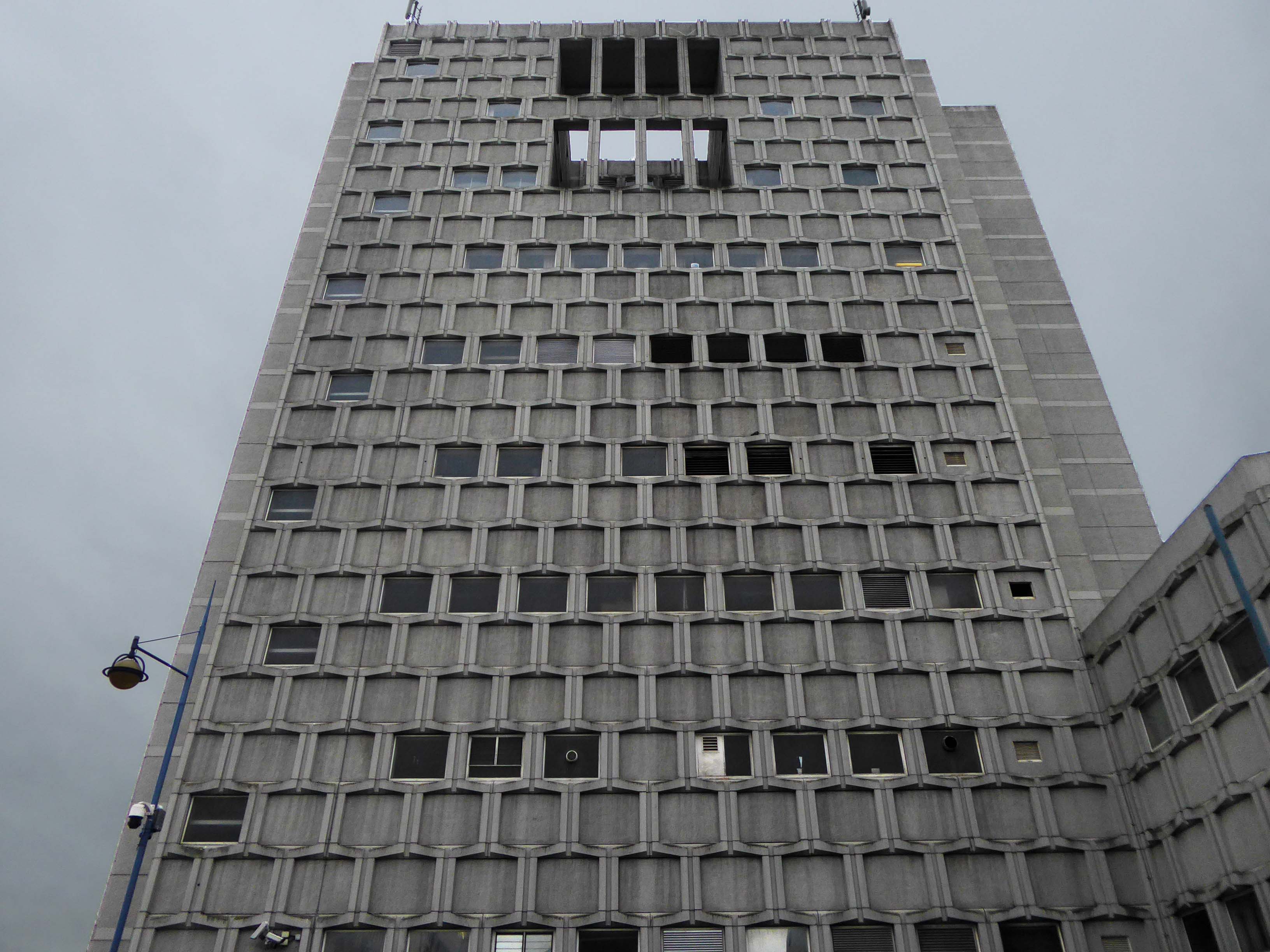
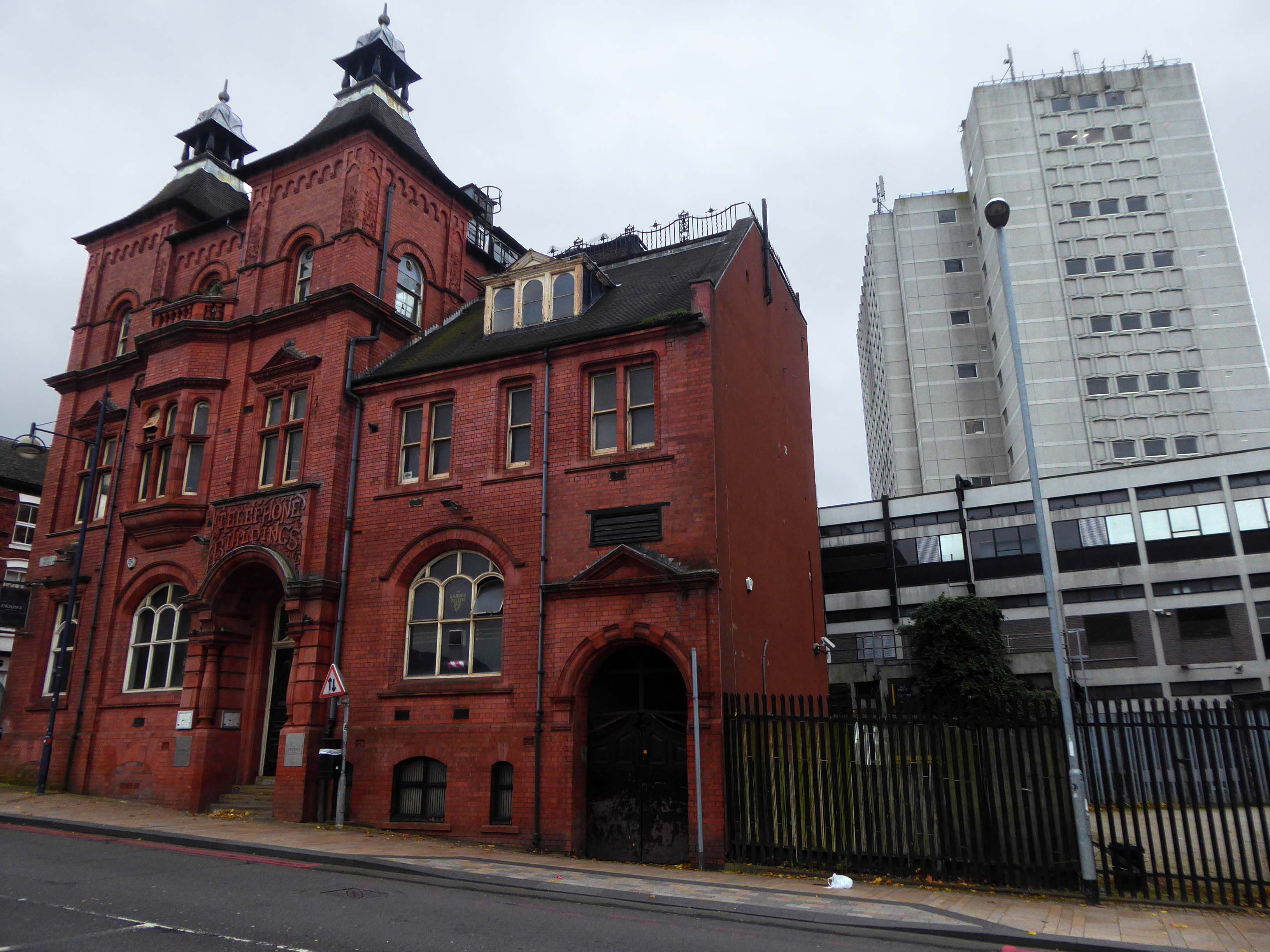
Moving further along the Telephone Exchange of 1936, design by architect FA Key.

Partner to the Telephone Exchange of 1976 by architect Trevor H Hanson for PSA

The gates were open and we were afforded a view of these delightful vents.

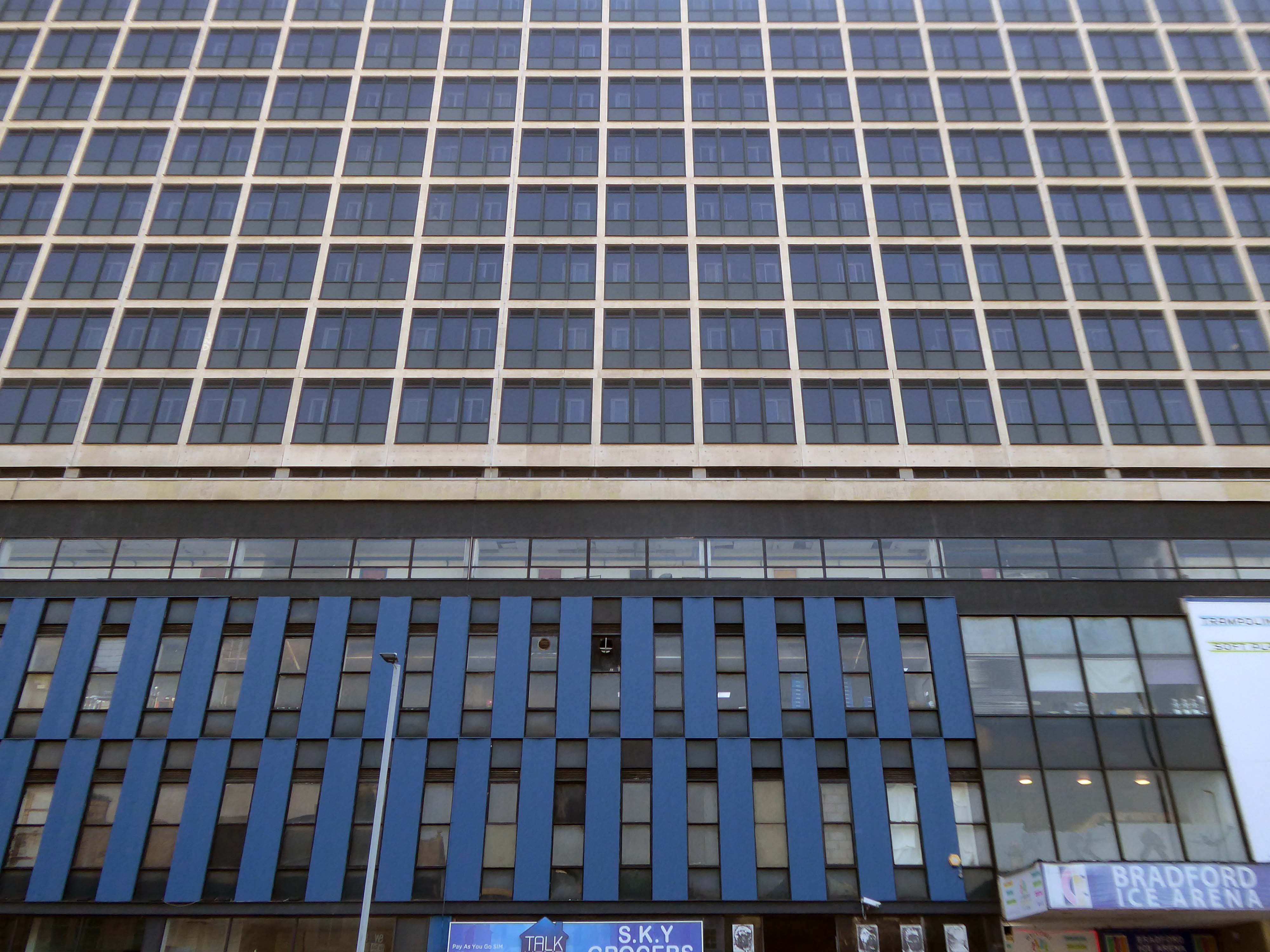
Next to the Ice Arena topped off with Wardley House – Sanctuary accommodation for key workers and students.

Wardley House is equipped with all the modern amenities you need for a comfortable and connected life as a key worker. The rent includes high-speed broadband and building-wide Wi-Fi, utility bills, and contents insurance. Our top-notch facilities comprise a large common room with a pool table, flat-screen TV, and live BT Sport – the perfect social space.

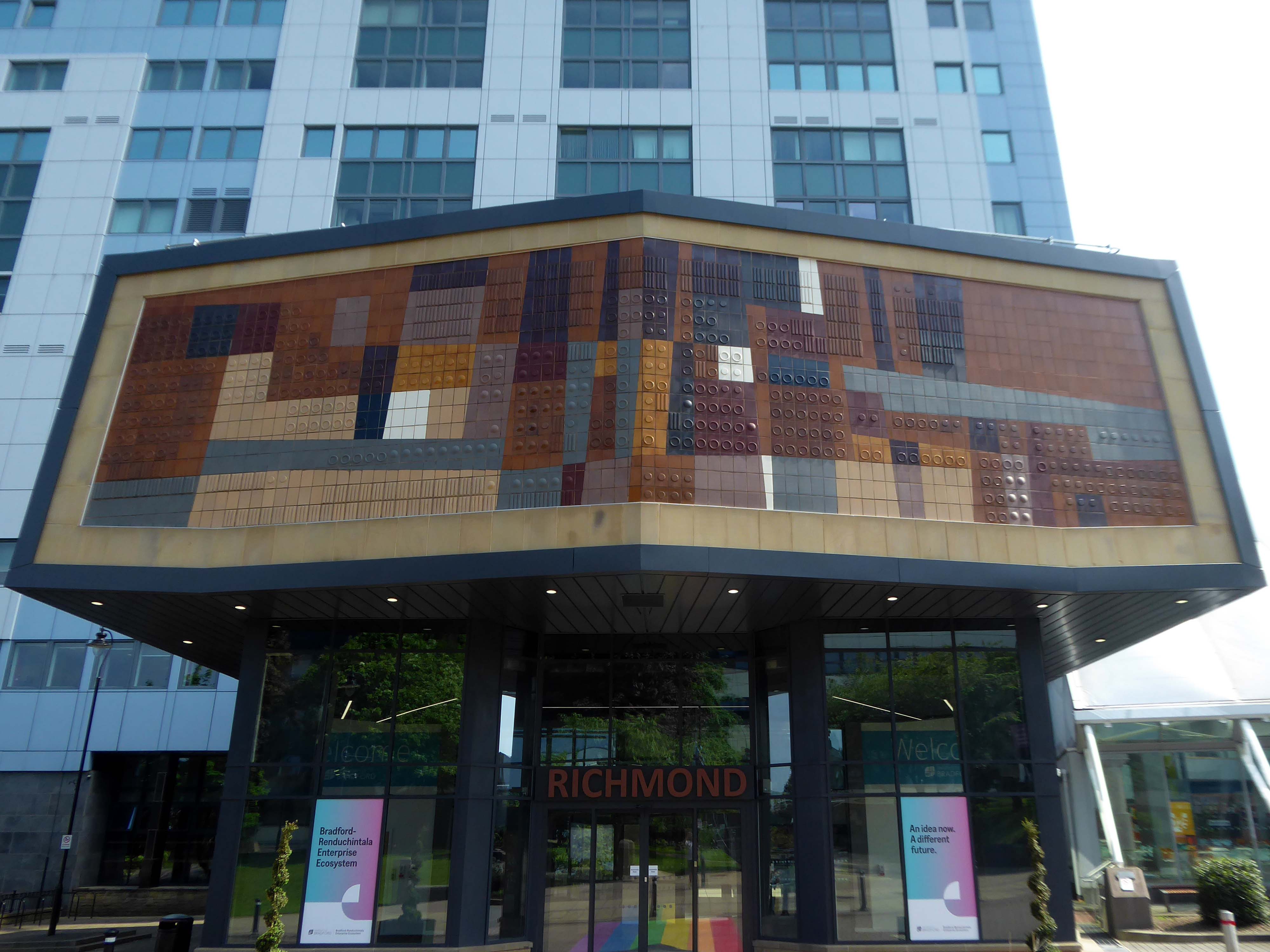
Up the hill and around the bend to the University of Bradford – the main Richmond Building fronted by Joe Mayo’s tiles.

At the University of Bradford our focus is on creating the conditions for social, cultural and economic impact. We will achieve this by using our proud heritage as a springboard and remaining steadfast in our commitment to equality, diversity and inclusion. We will harness our strengths in research, innovation, teaching and partnerships to extend our reputation, influence and impact. All of this will create a values-led culture that is inclusive and effective in enriching lives and benefitting society.

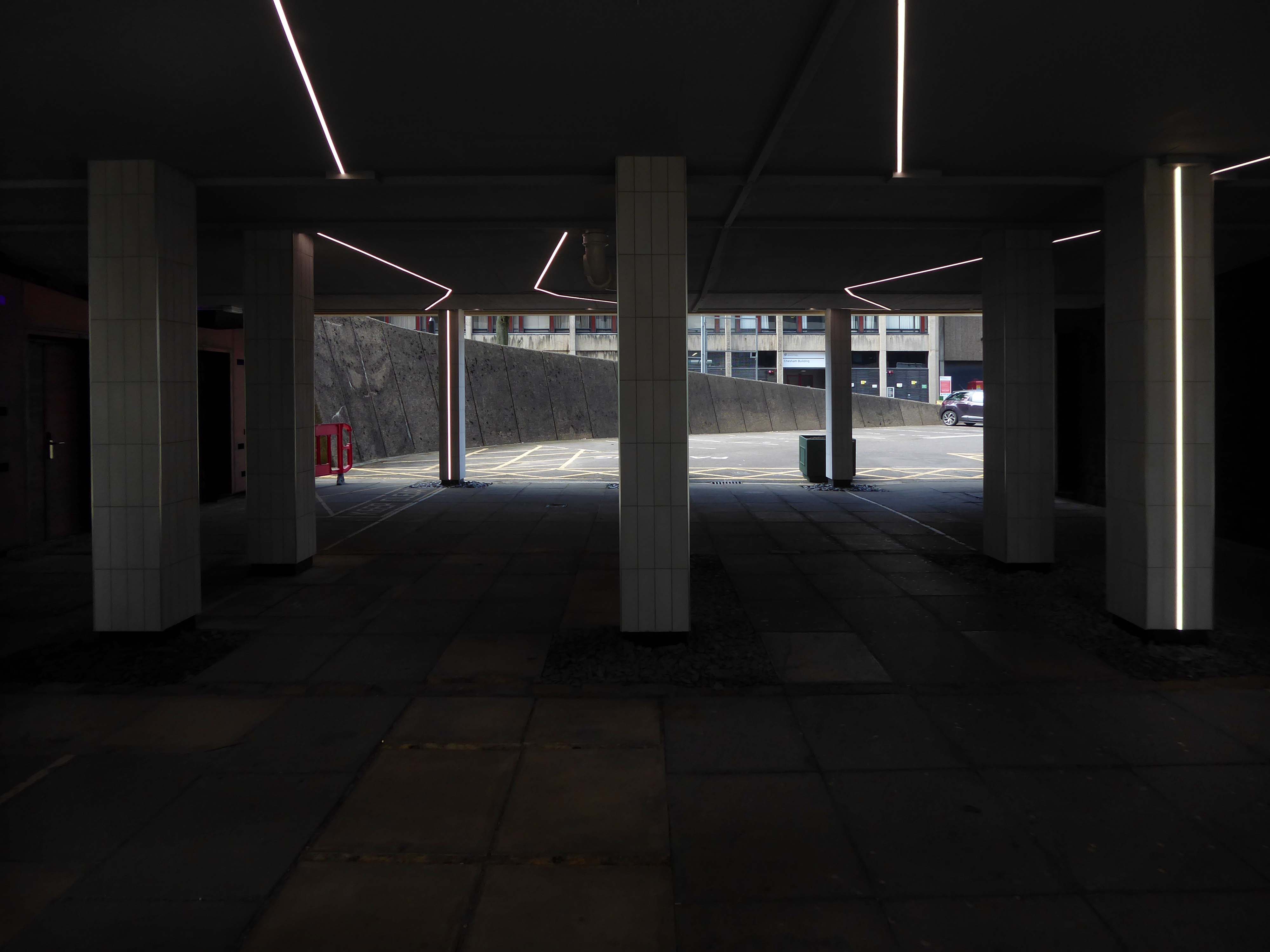
The undercroft has undergone a major refurb rethink – transformed into a Goth Disco.

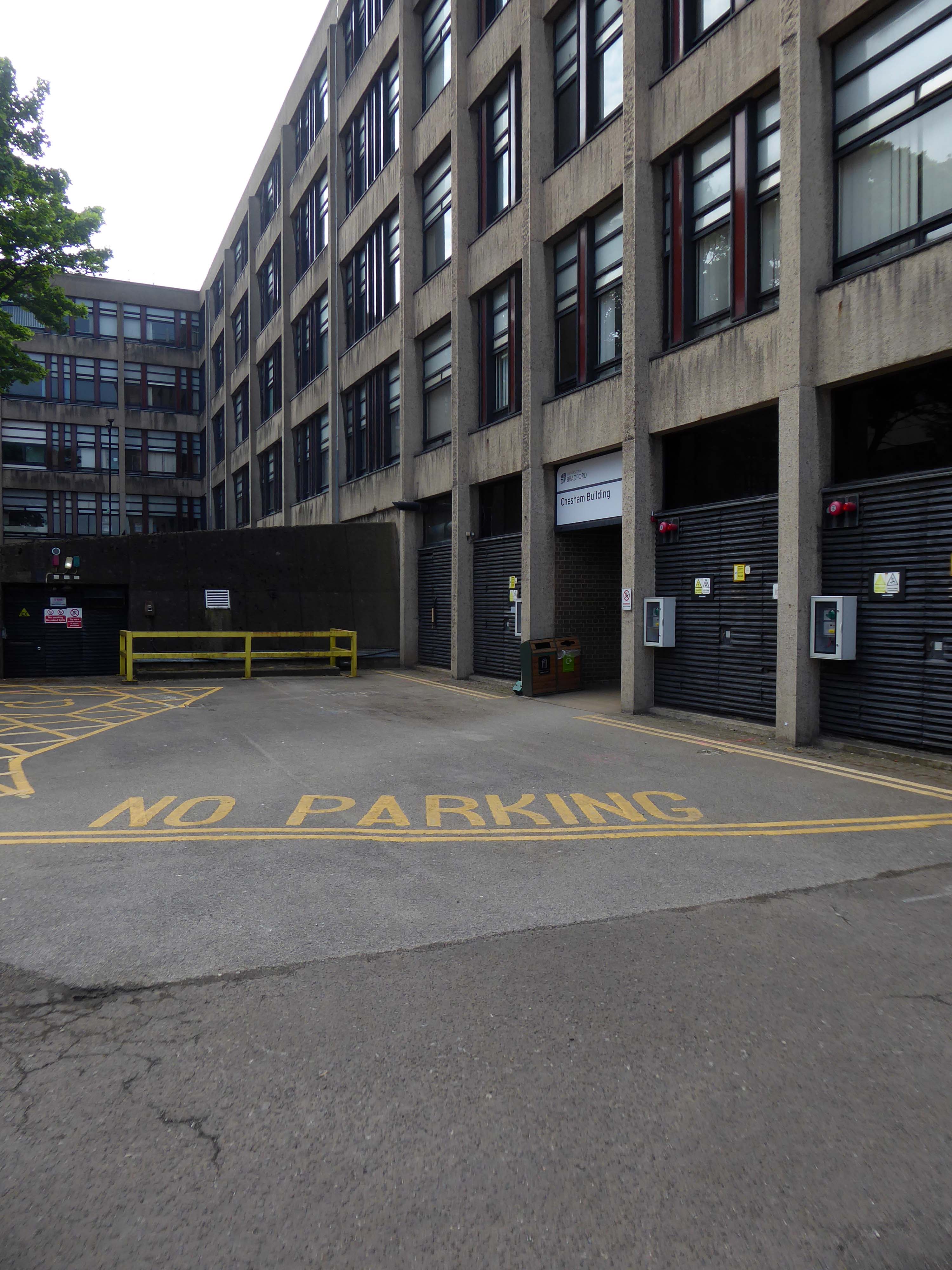
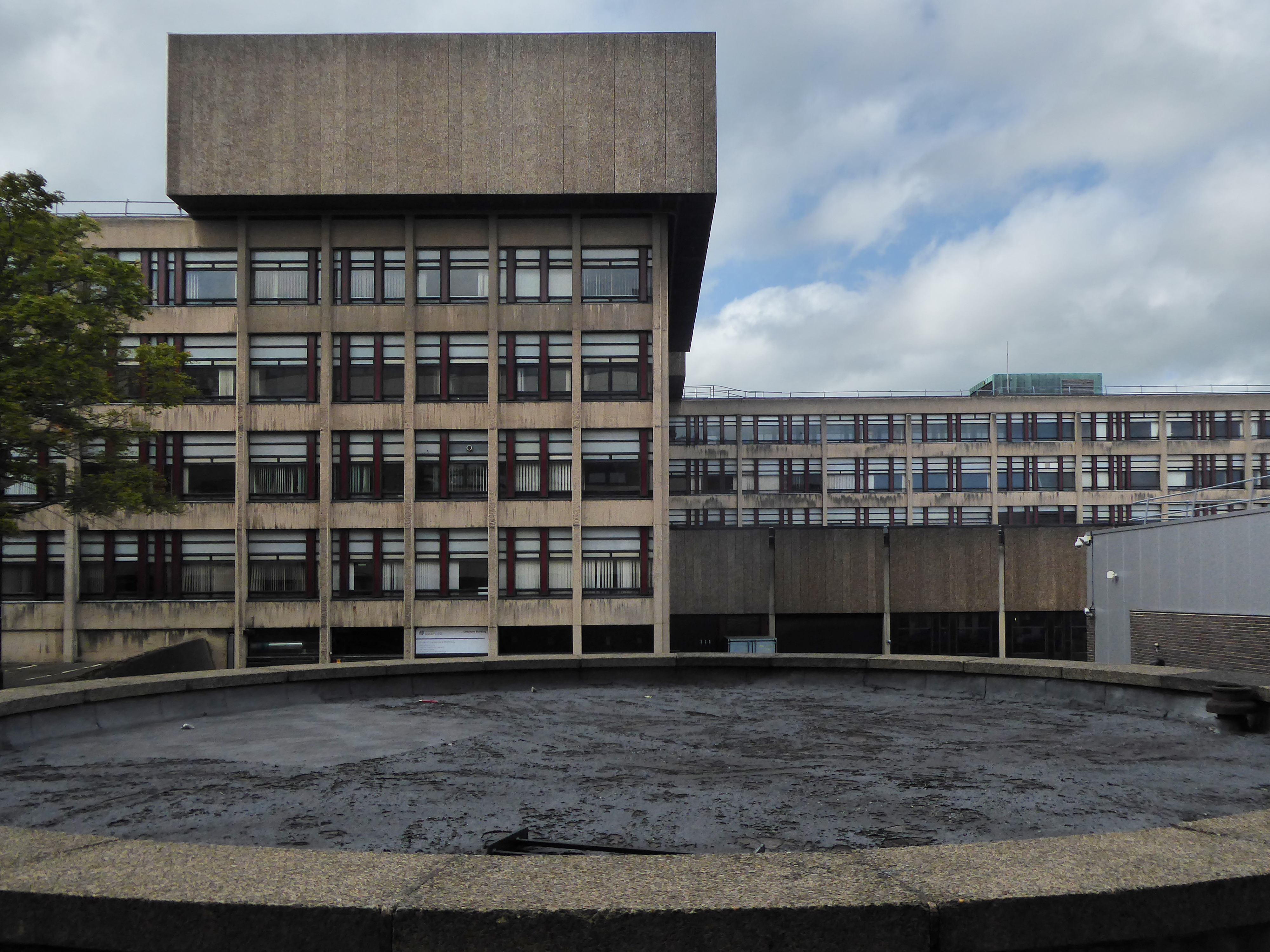
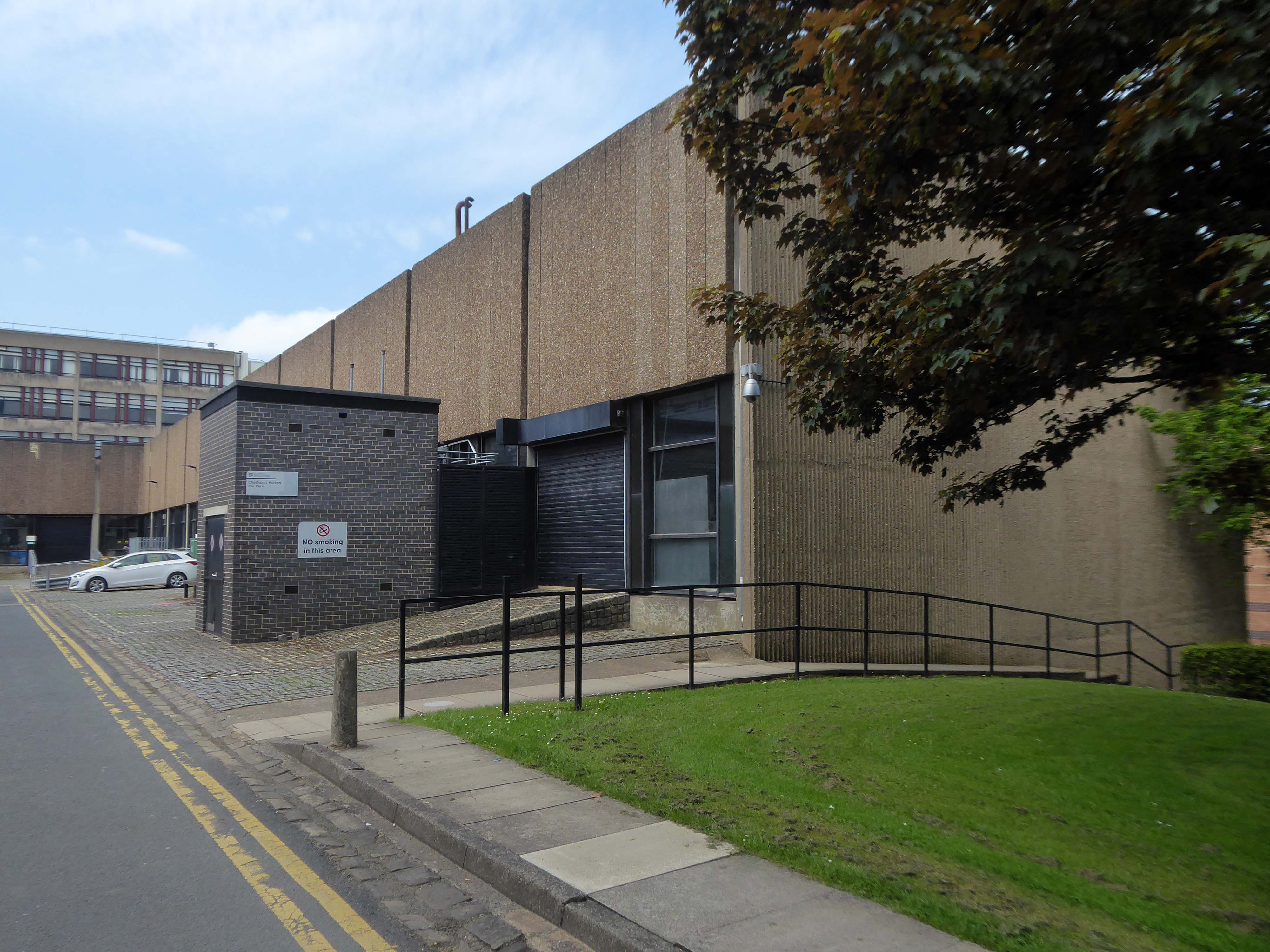
We emerge unscathed into the clear light of day and the BDP designed Chesham and Horton blocks.

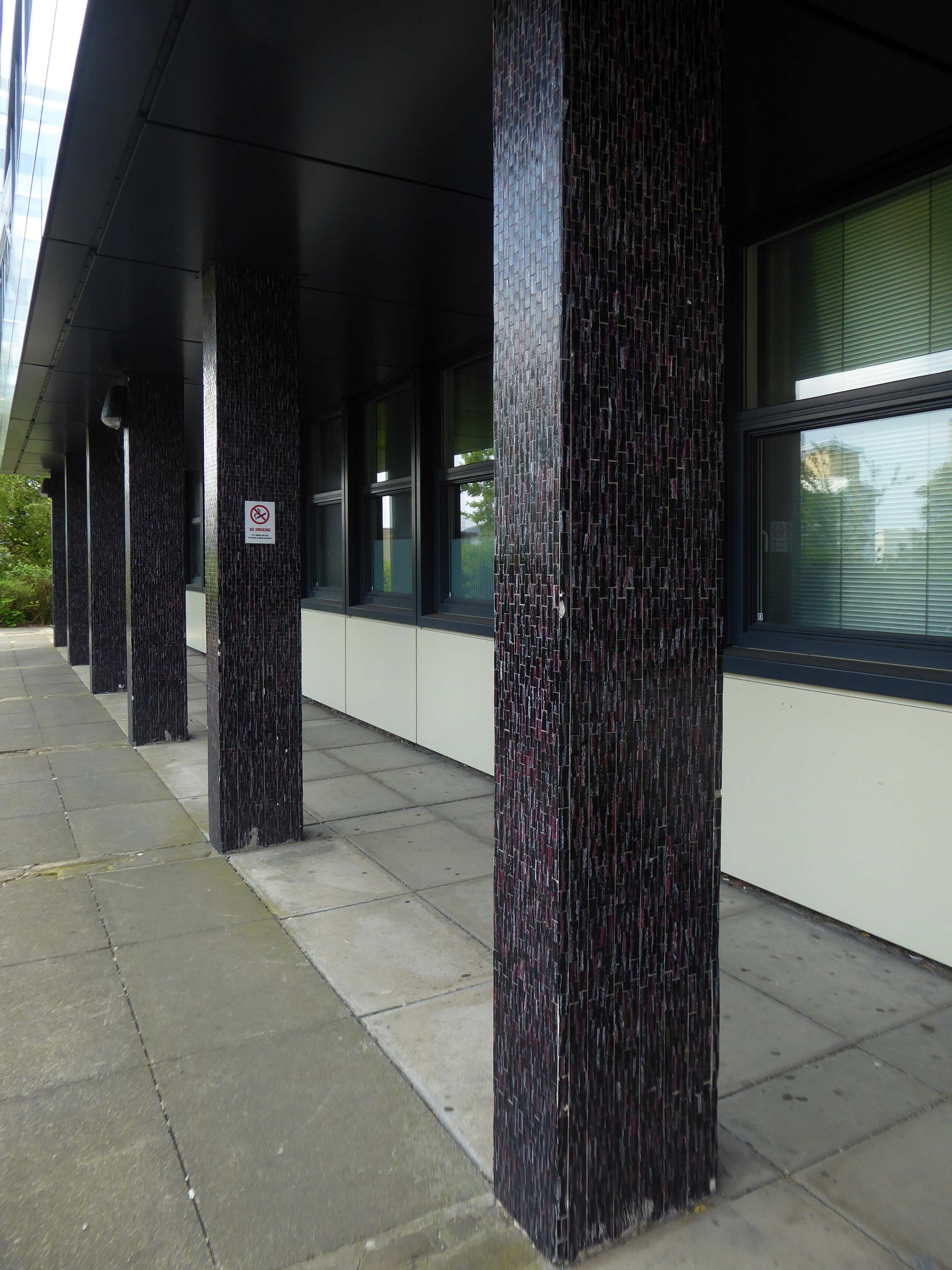
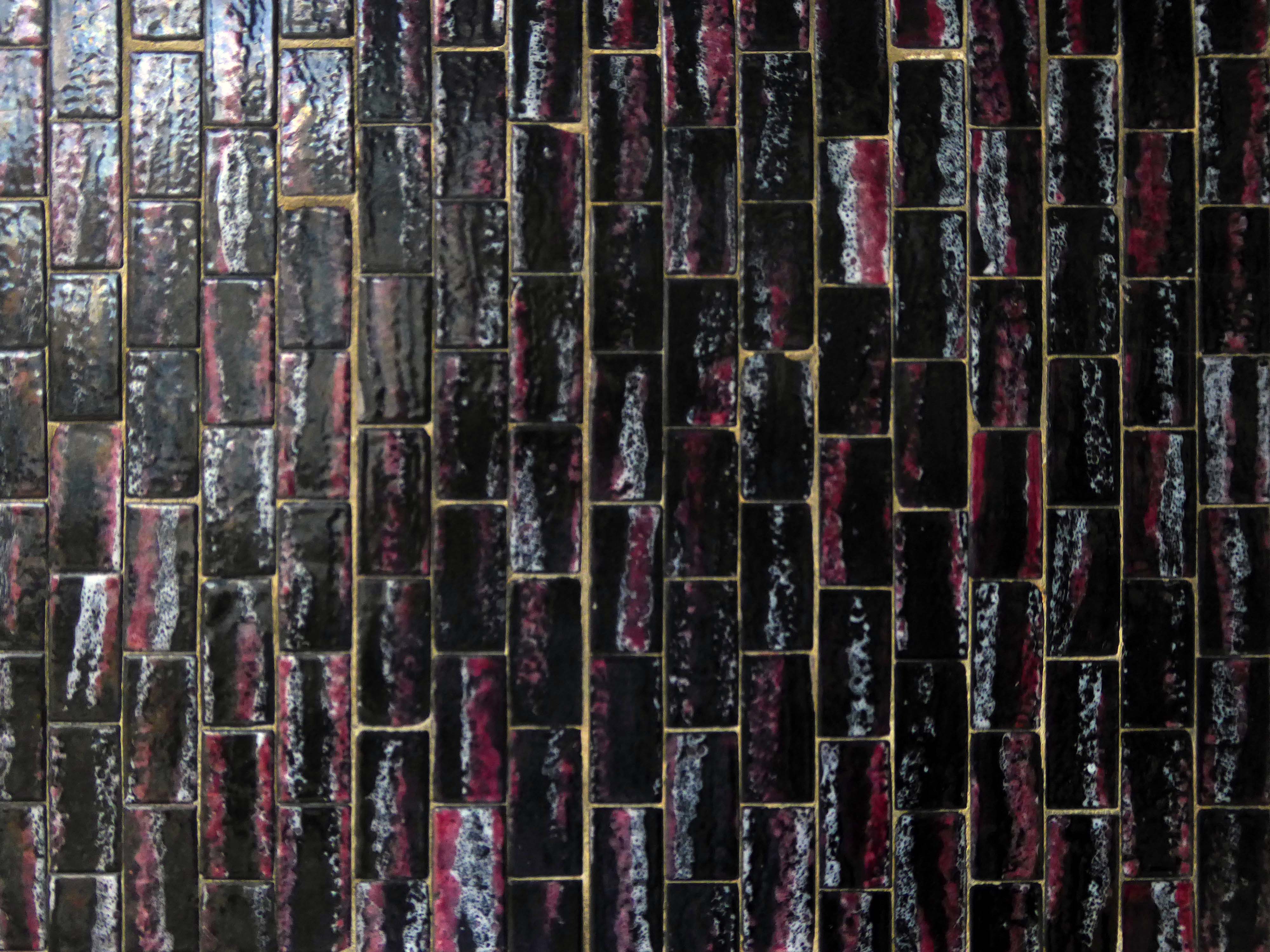
The mosaic covered columns remain unclad.

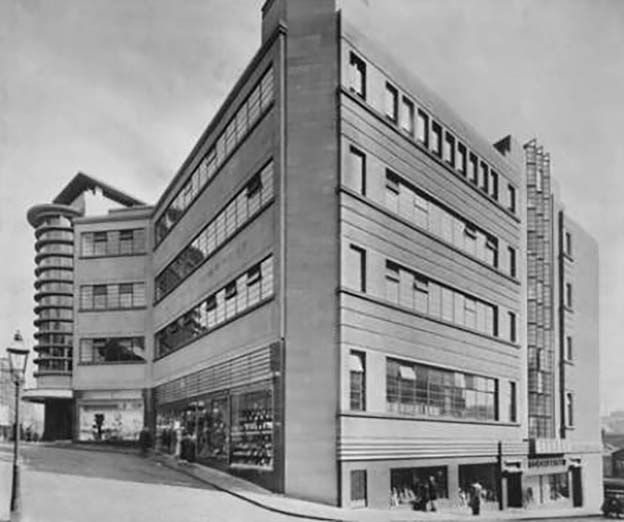
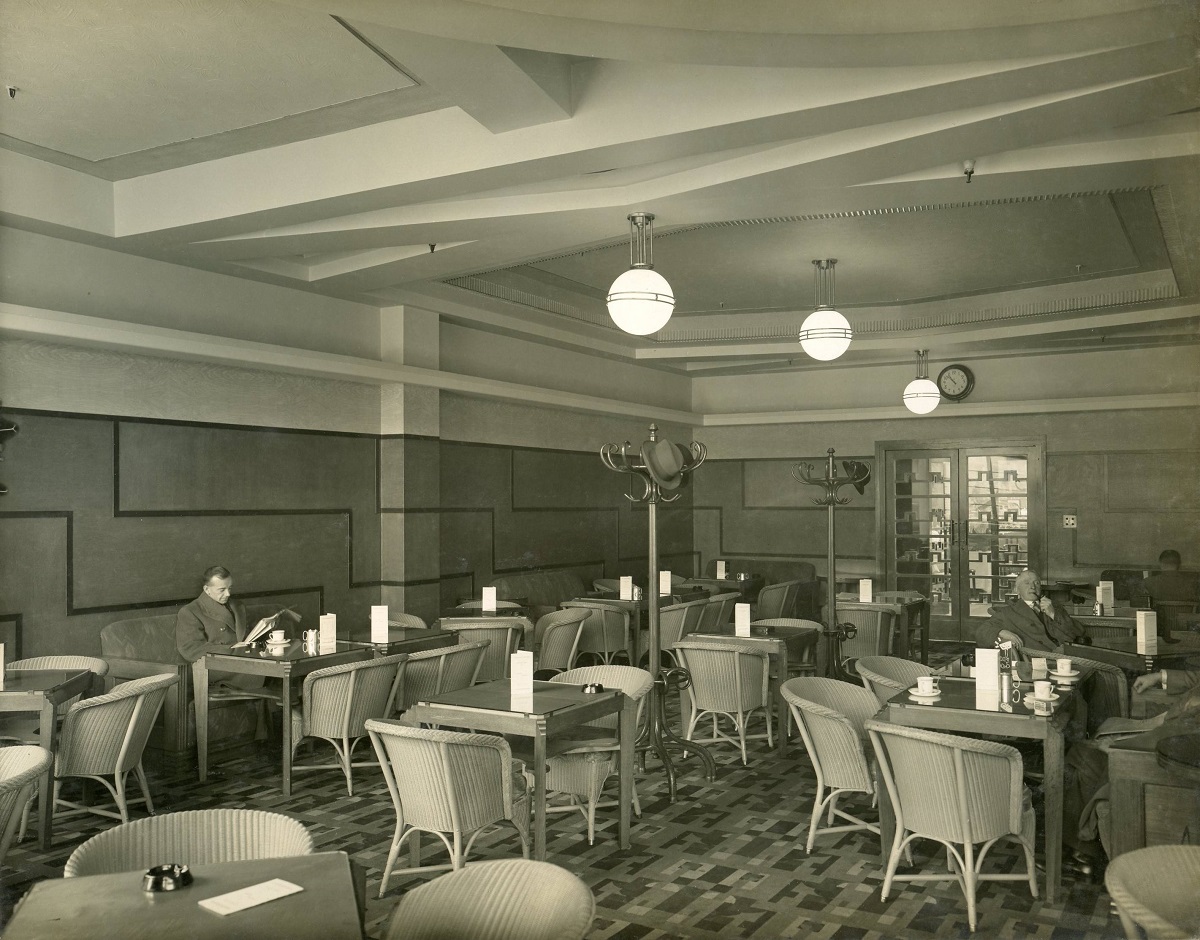
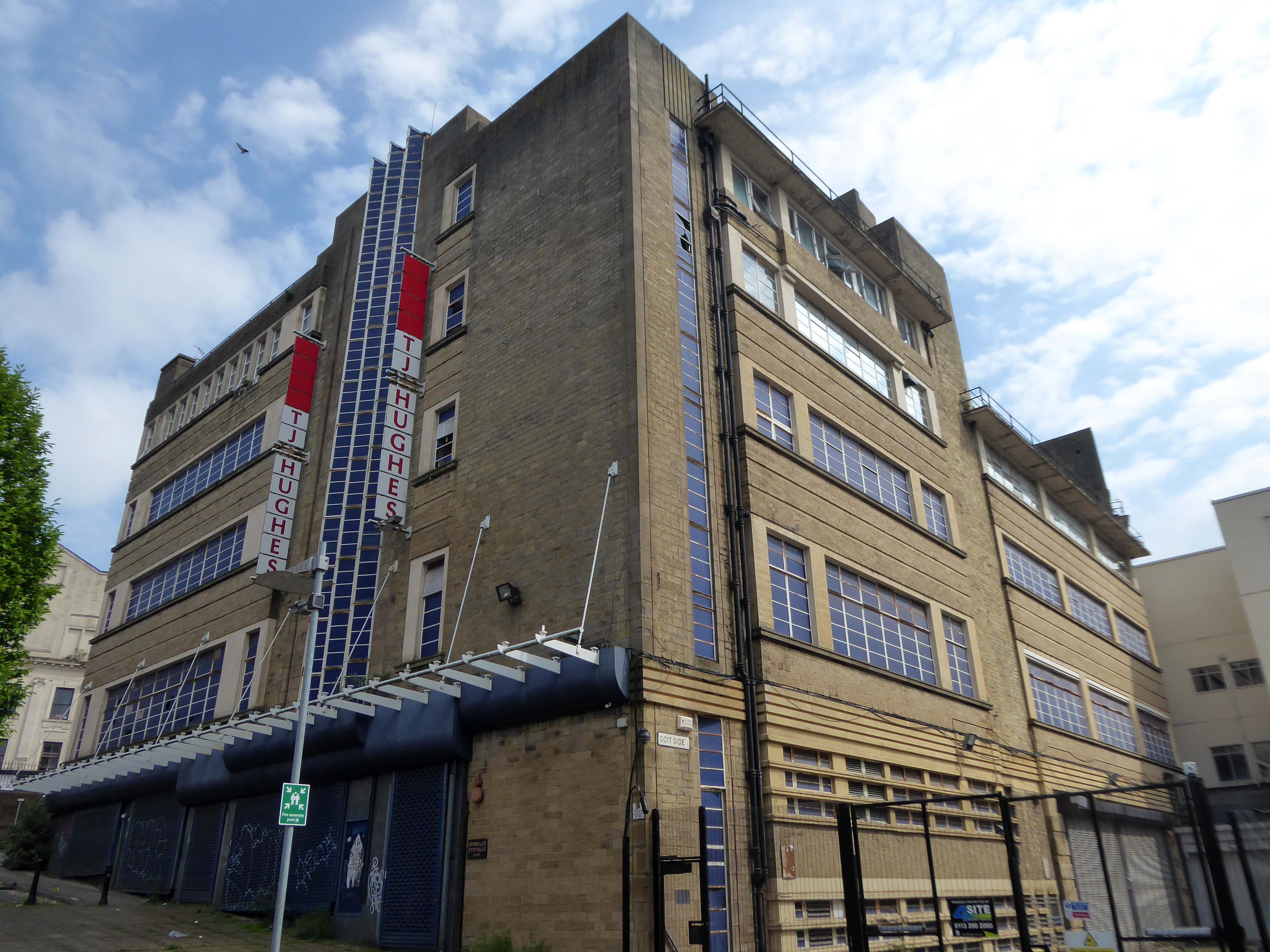
Let’s hop to the Grade II-listed Co-op designed by CWS in house architect WA Johnson and JW Cropper in 1935.

Architect W A Johnson worked for the Cooperative Wholesale Society from 1899 until 1950. He was heavily influenced by the German architect Erich Mendelsohn after 1930, evident in his embrace of the International Modernist style. Johnson travelled widely in Germany and Holland, and Mendelsohn’s Schocken store in Stuttgart 1928 is quoted as being a particular inspiration for the Bradford Co-op.

Demolished despite protests in 1960.

In 2019 the Architectural Heritage Fund announced a £5,000 Project Viability Grant to Freedom Studios Ltd.

The money funded a viability study to investigate the potential of building becoming a multi-use cultural hub.

As of May 2024, sadly there is no cultural hub.

Next we hot foot it to the Kirkgate Centre and Market – John Brunton and Partners 1975.

In 1979, the building won a European award from the International Council of Shopping Centres.

But the Historic England report described its design as mundane and repetitive.

Janice Ivory and Lisa Donison didn’t hold back in their criticism of the centre in its current state.

Thank God for that, was Janice’s reaction to the news the building was set to be bulldozed, although an exact date for its closure remains unknown.

It’s just a concrete monstrosity, she said of its design, which Historic England said was lacking architectural flair.

It’s just an ugly building, added Lisa.

Once dubbed Bradford’s space age retail destination, Kirkgate Shopping Centre will soon be no more. 

The city centre landmark, which opened for business as an Arndale in 1976, has been denied listed status by Historic England – paving the way for its demolition.

BBC

Geoffrey Cowley from Wibsey, who was in town for an eye appointment, said demolishing it:

Might be the right thing to do.

There are plans to remove and display the William Mitchell panels along with these other examples of his work.

In-situ at Highpoint.

In storage – removed from the Bradford And Bingley Building Society.

Artist Bernd Trasberger plans an artistic project, which involves repurposing Fritz Steller’s tile works.

As Ken Kesey so rightly said – Further!

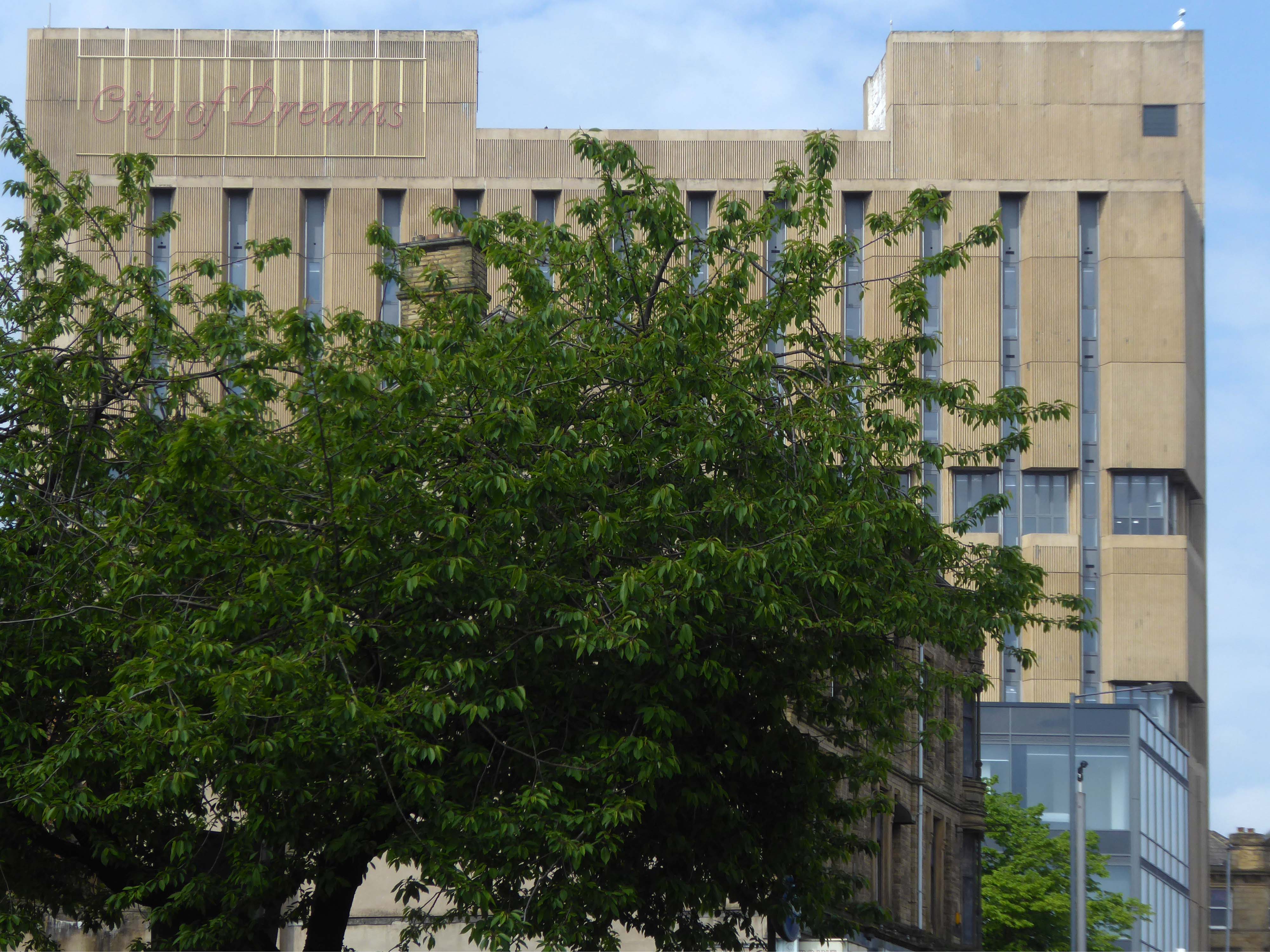
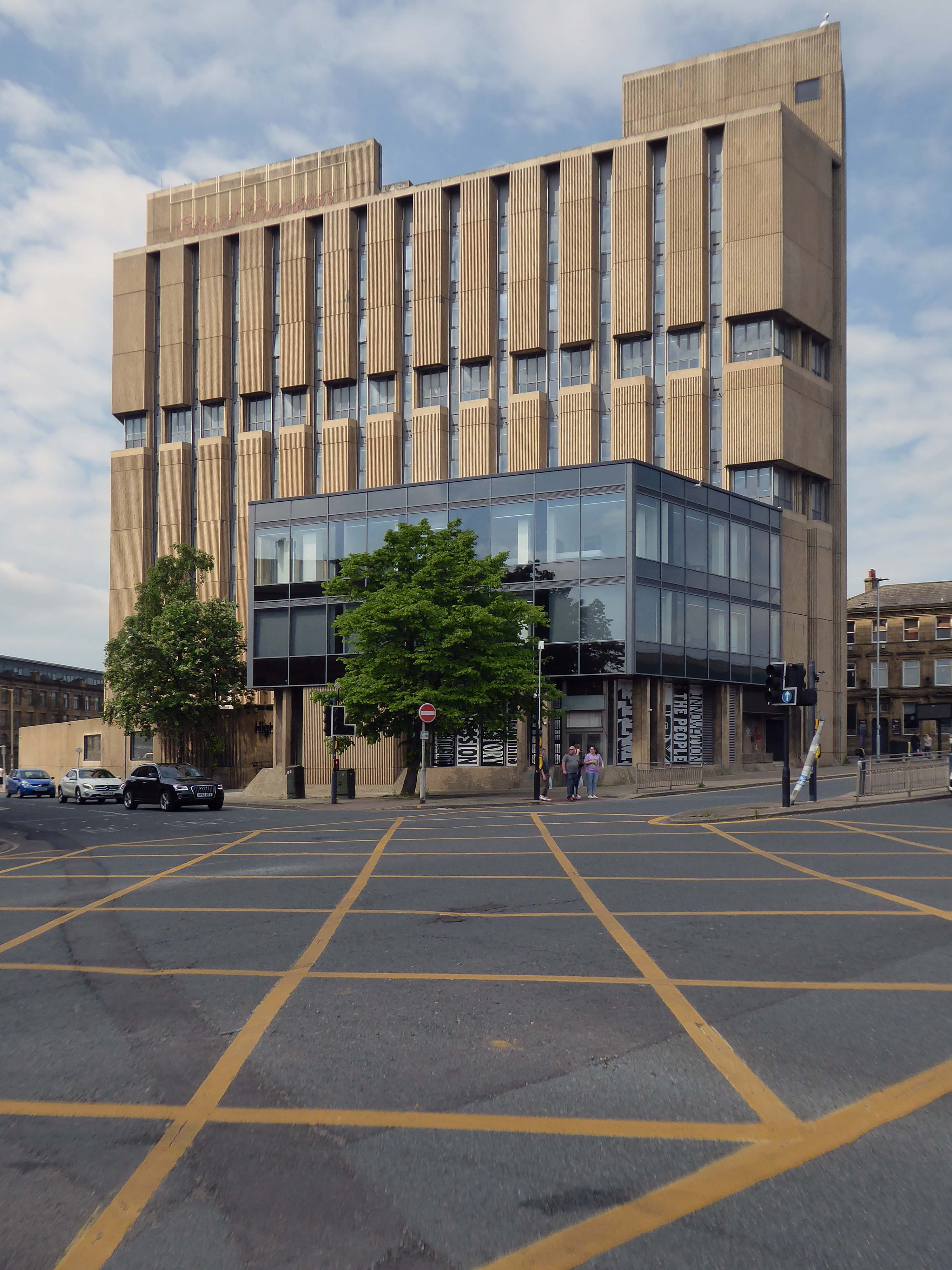
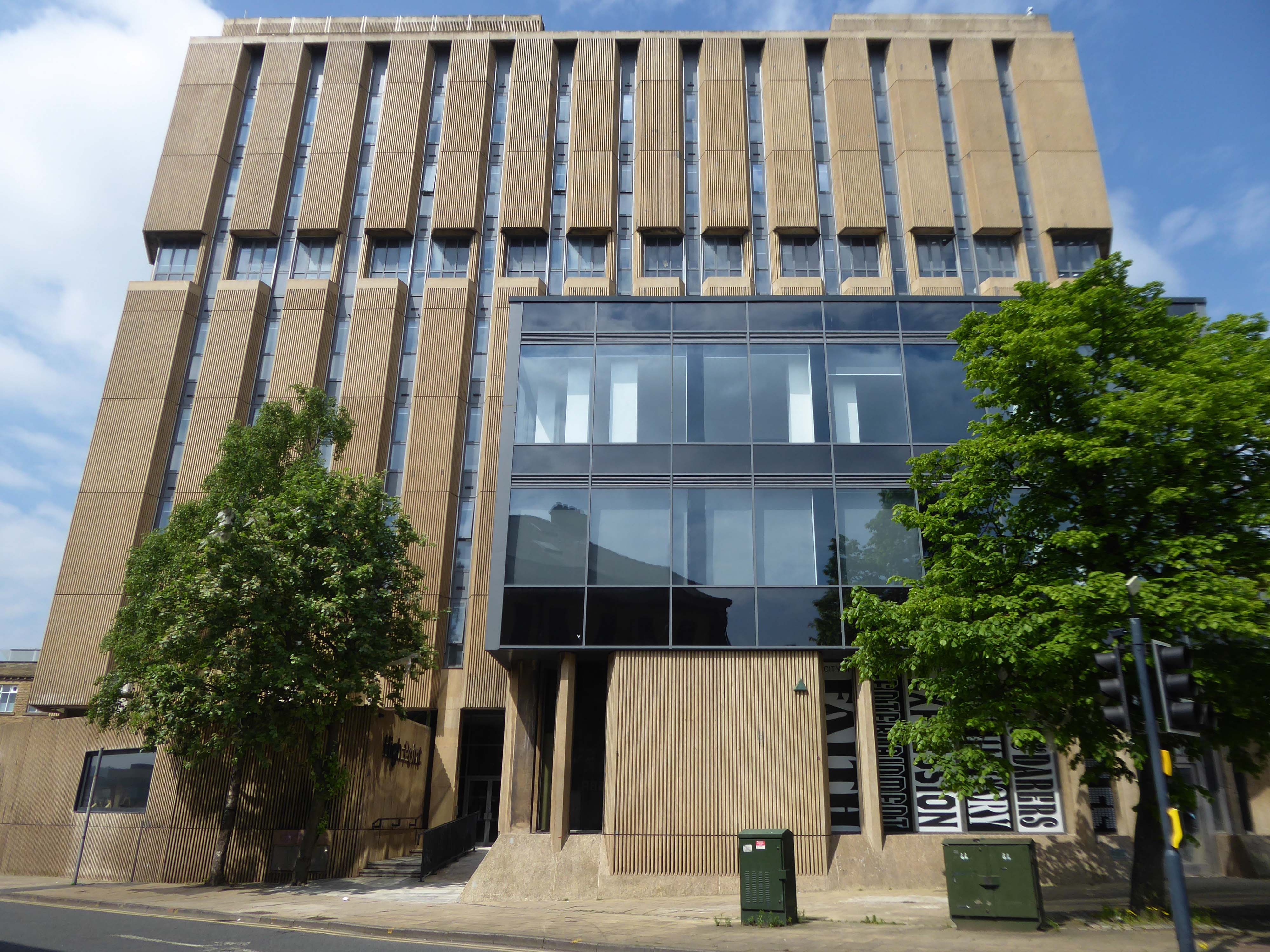
Up to Highpoint designed by John Brunton and Partners 1973.

The derelict former headquarters of Yorkshire Building Society, on one of the highest parts of the city centre, looms over the city centre, and to many people is the city’s ugliest building.

High Point is the perfect site for the first Radii development. Now perceived as an exemplar of the Brutalist style, this eight-storey titan, has languished derelict and in disrepair for many years in the heart of Bradford City Centre.

Our regeneration of High Point into an innovative residential apartment complex with a community at its heart, embraces ideas of sustainability, preservation, and rejuvenation that will bring a new lease of life to this abandoned landmark.

Sharp, chic and spacious apartments available. Furnished to the highest standards throughout and with the flex to provide you with office space if required – this is modern city living that’s easy on your eye and your pocket.

Radiiliving

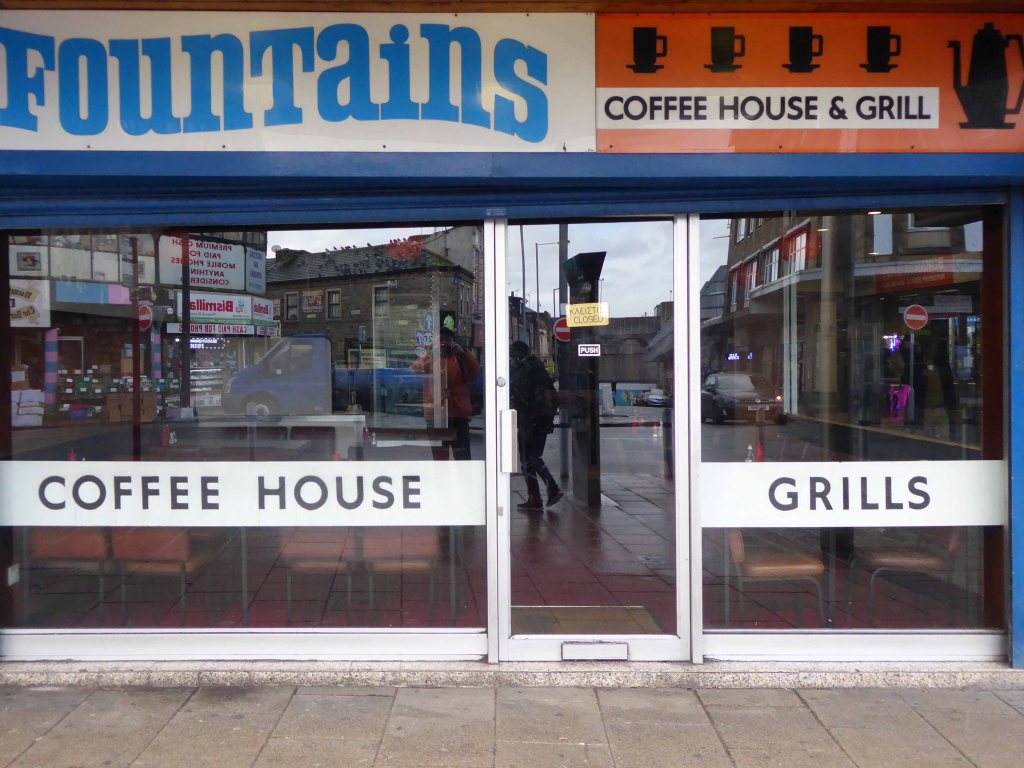
And finally the cafe that is not a cafe – Fountains, where the griddle no longer grills, the lights are always out and the shutters tightly shut, ain’t nobody home.

Wishing nothing but well for this West Riding gem – Bradford City of Culture and cultures and culture.

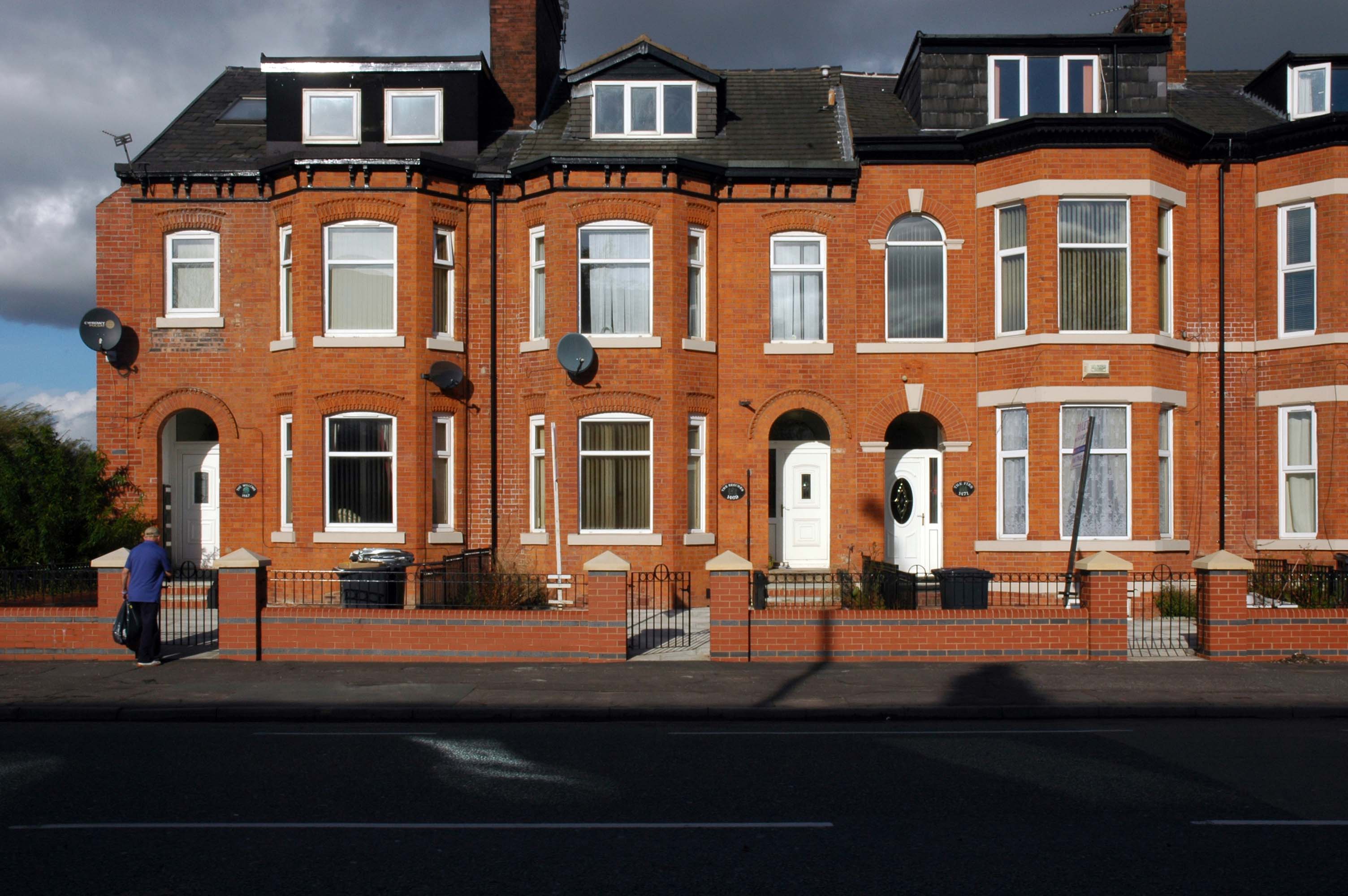
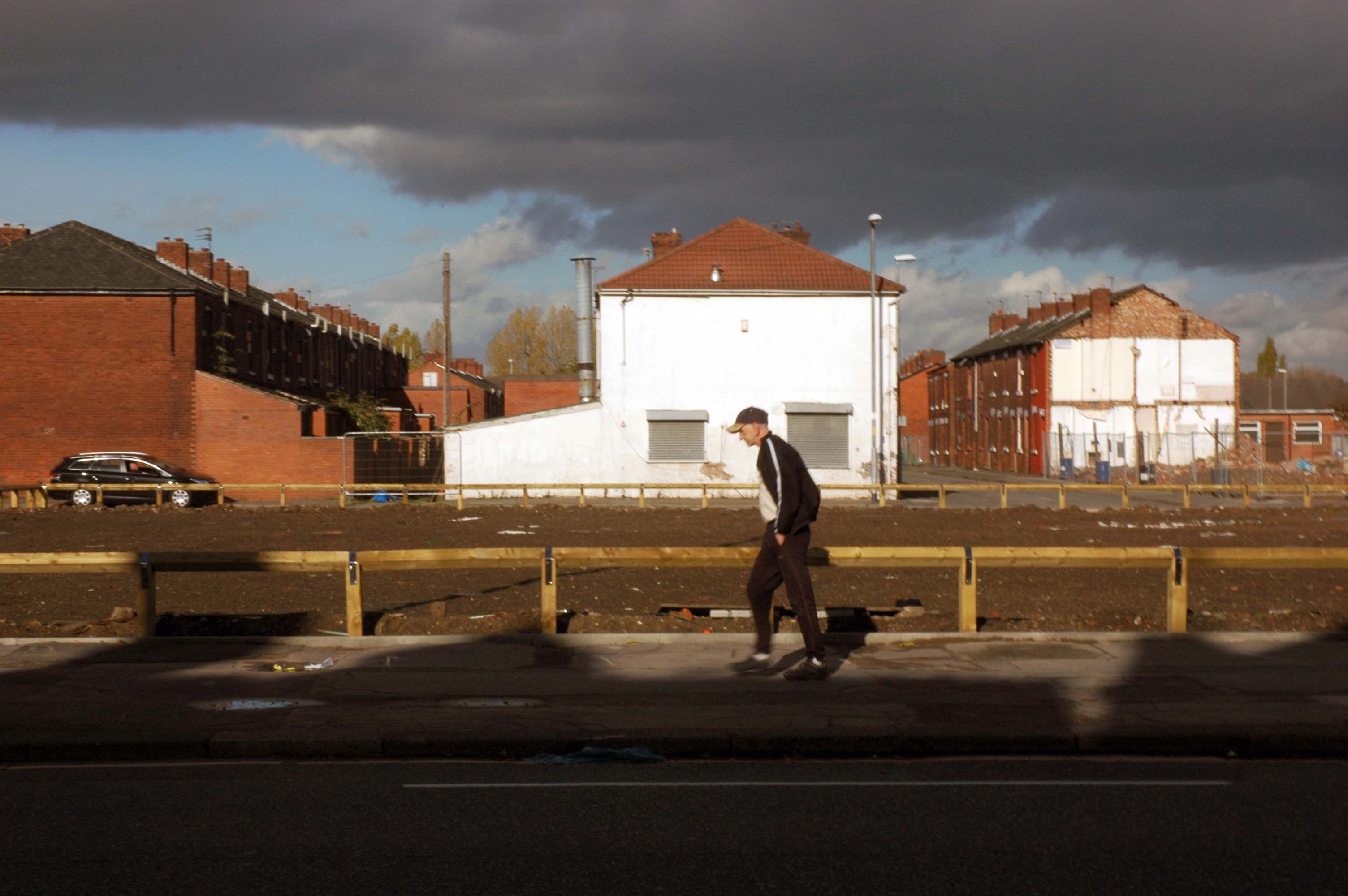
Manchester Arterial 2024 – A57

Having photographed the arterial roads of Manchester in 2014, I have resolved to return to the task in 2024.

Some things seem to have changed, some things seem to have stayed the same.

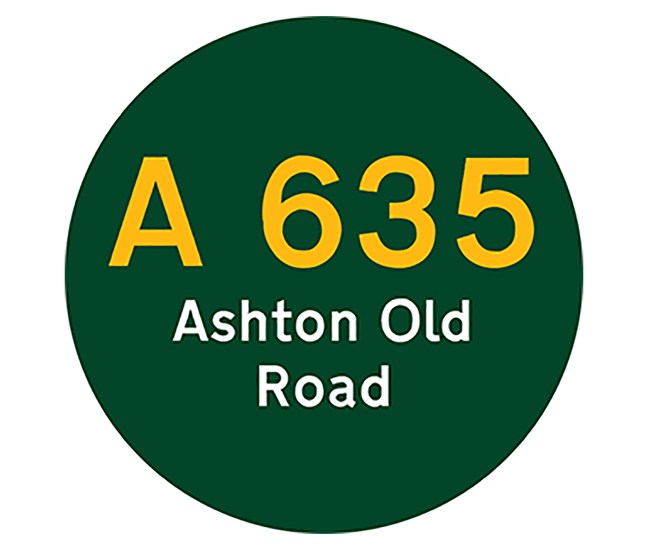
Manchester Arterial – A635

The road now begins slightly further south than it used to. Instead of starting on Fairfield Street in Manchester city centre, it begins immediately as the Mancunian Way ends, which at this point is the unsigned A635(M). The motorway flows directly into our route. There’s a TOTSO right at a set of lights, and we pick up the old alignment, which now starts as the B6469.

We can see the new City of Manchester Stadium on the left, site of the 2002 Commonwealth Games and now home to Manchester City FC. The road switches between S2 and S4 as it passes through the rather run-down urban areas of Ardwick and Gorton. A short one-way system at a triangular-shaped junction with the A662 leads onto a wider stretch as we near the M60 junction. This area is set to see significant industrial growth, with whole swathes of land either side of the now D3 road cleared and ready for development.

Sabre Roads

In 2014, having taken early retirement from teaching photography, I embarked on a series of walks along the arterial roads of Manchester.

See also Bury New Road and Cheetham Hill Road and Rochdale Road and Oldham Road and Ashton New Road

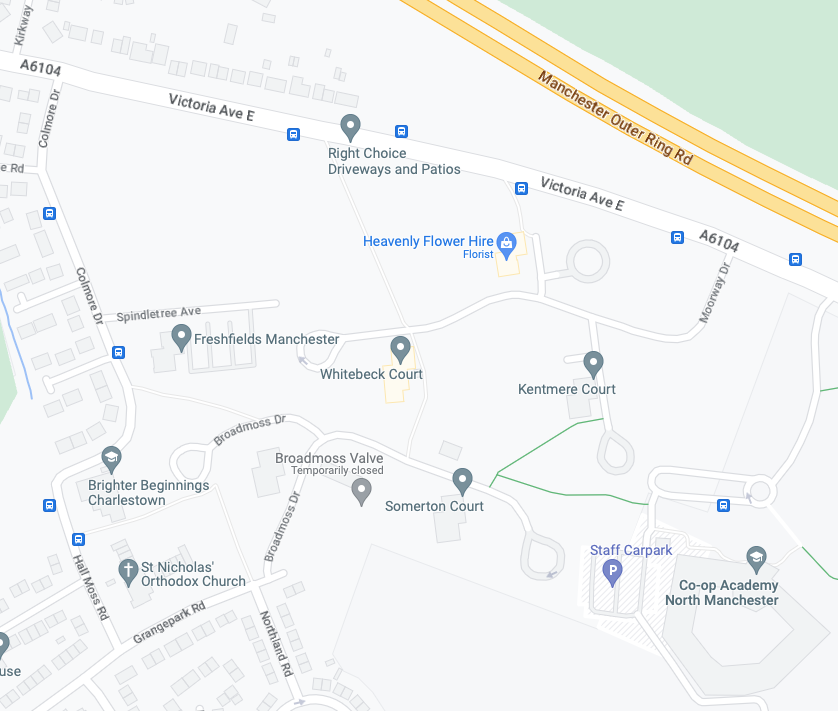
Charlestown Towers

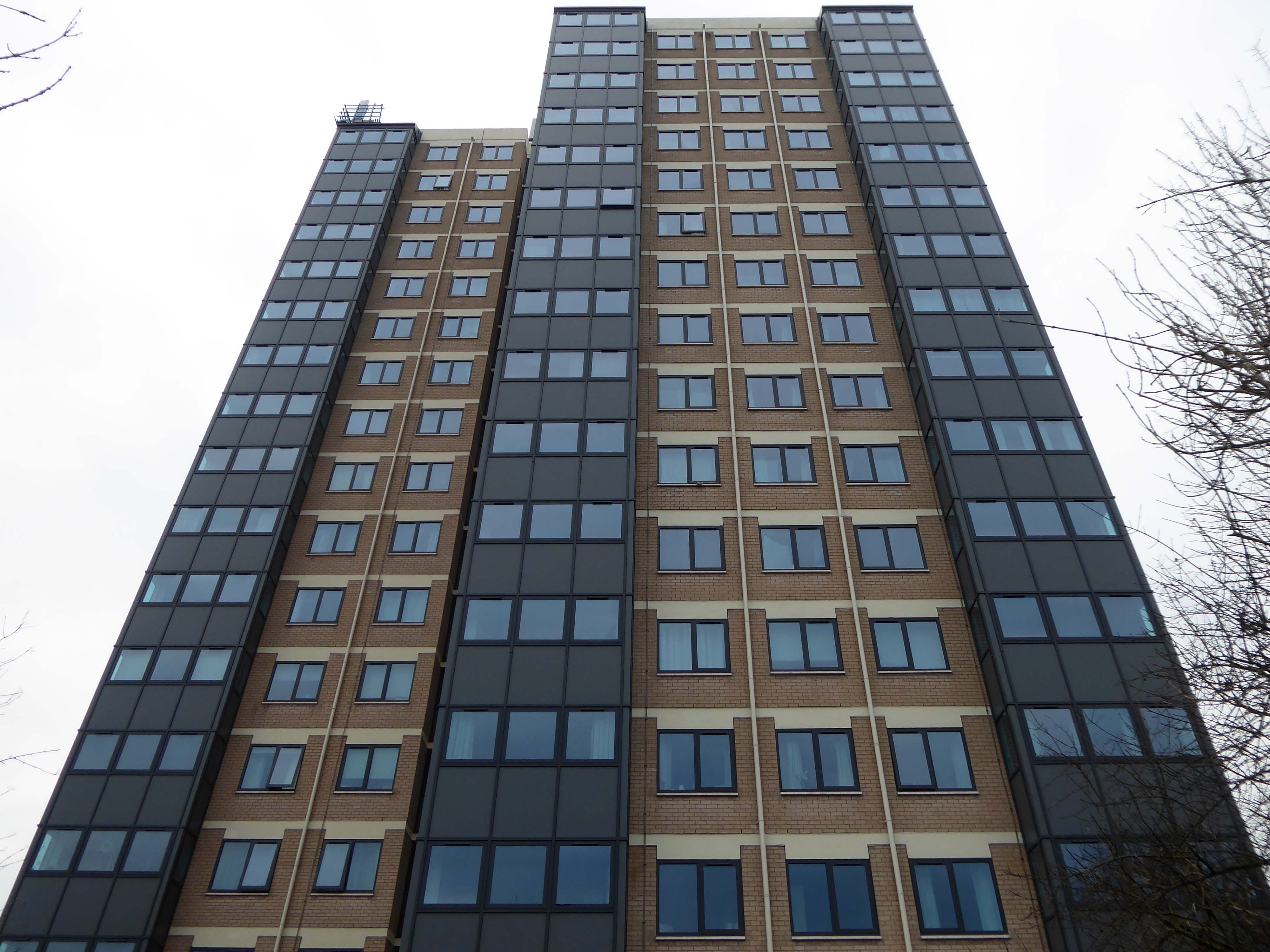
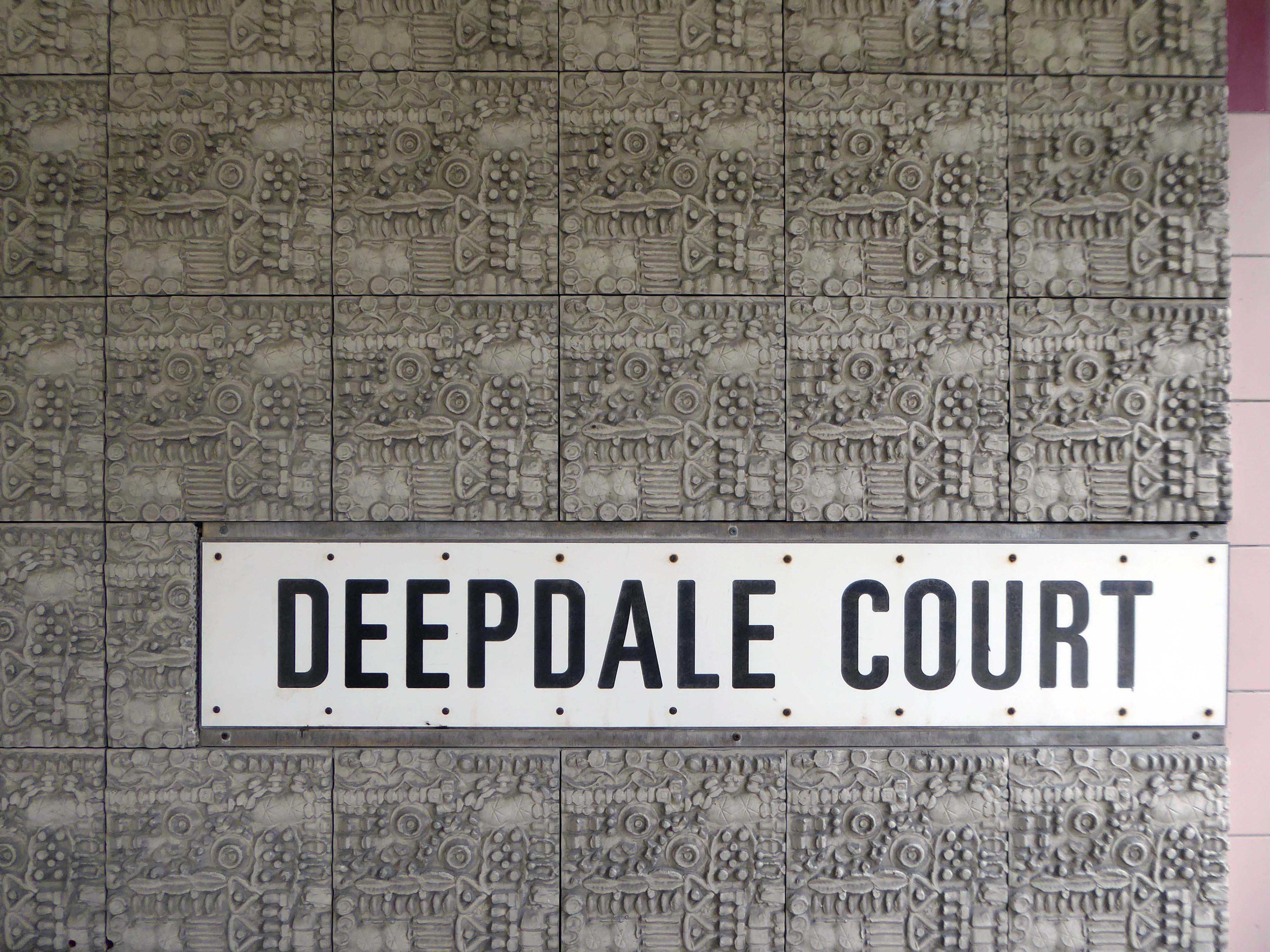
We have previously taken a look at Deepdale Court.

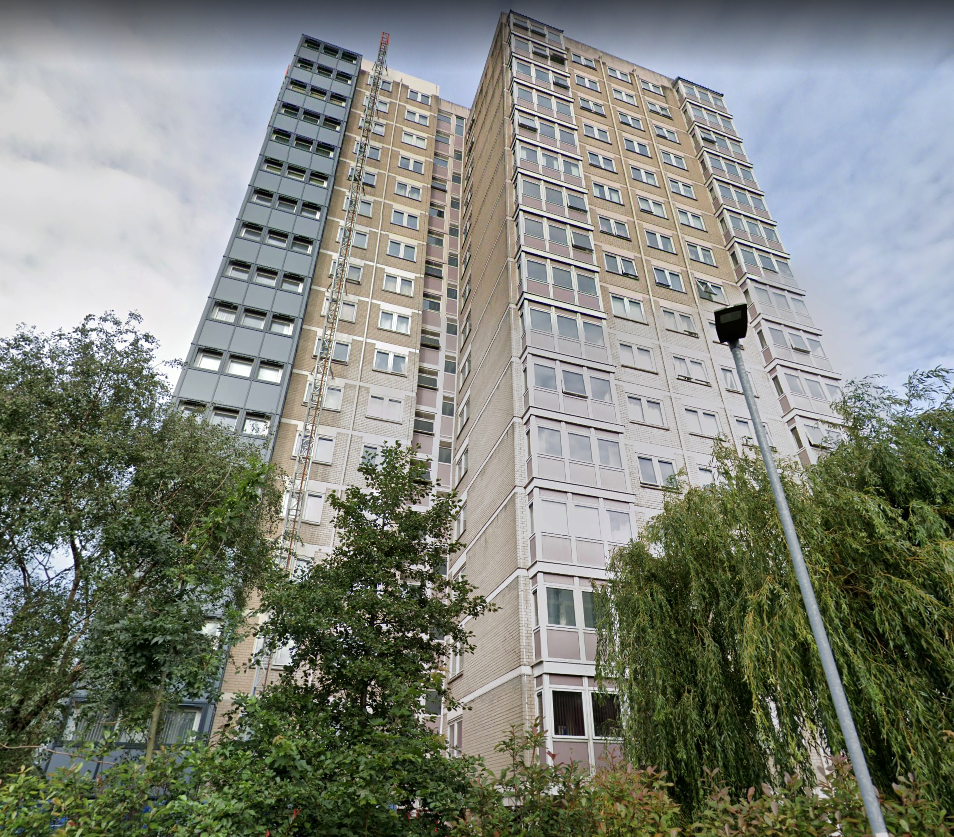
I returned last week to look at the remaining blocks.

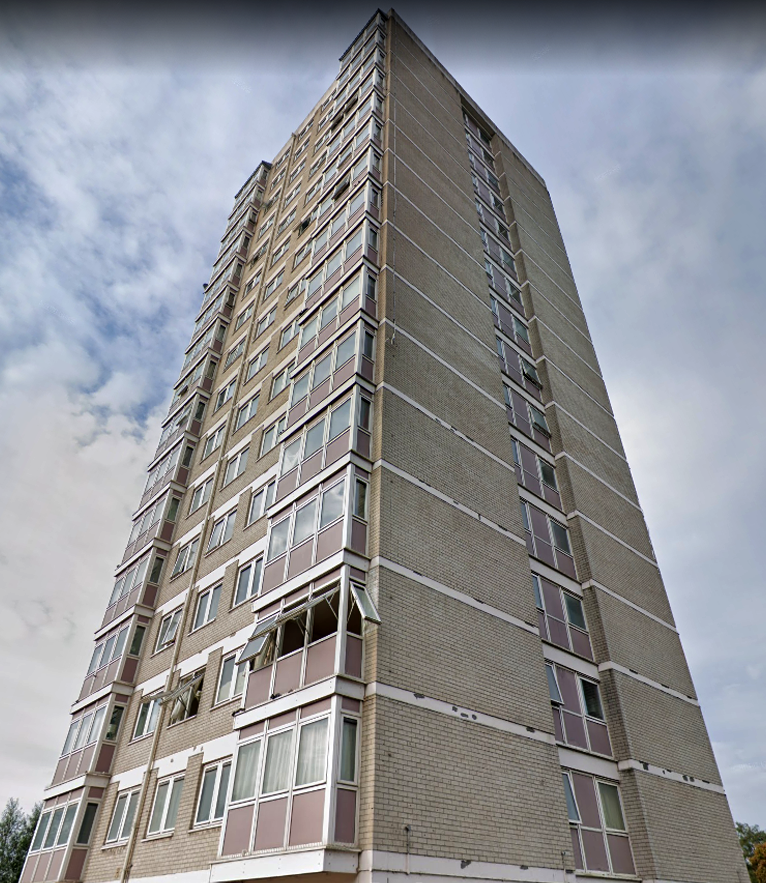
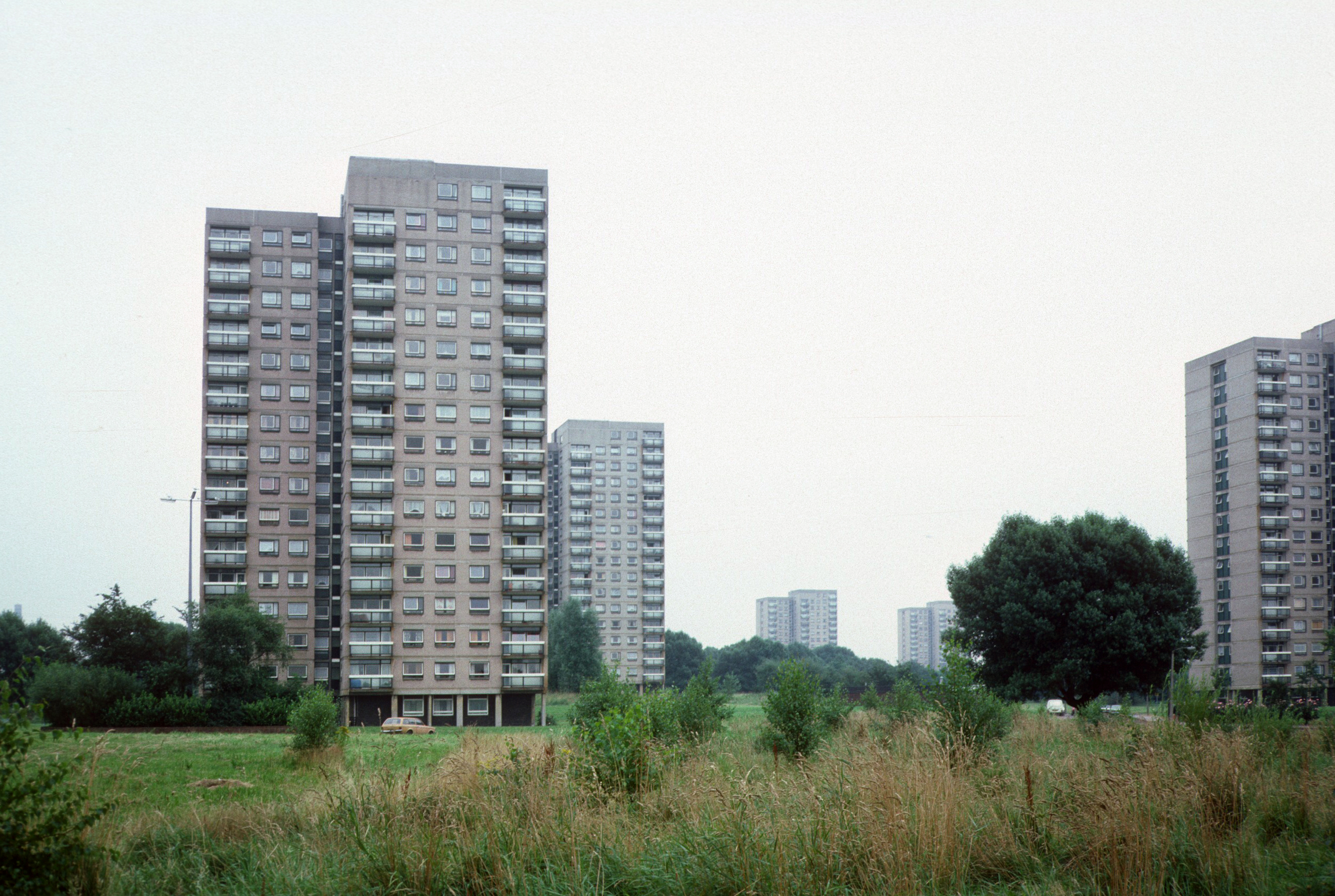
Cartmel, Rusland and Somerton are all social housing.

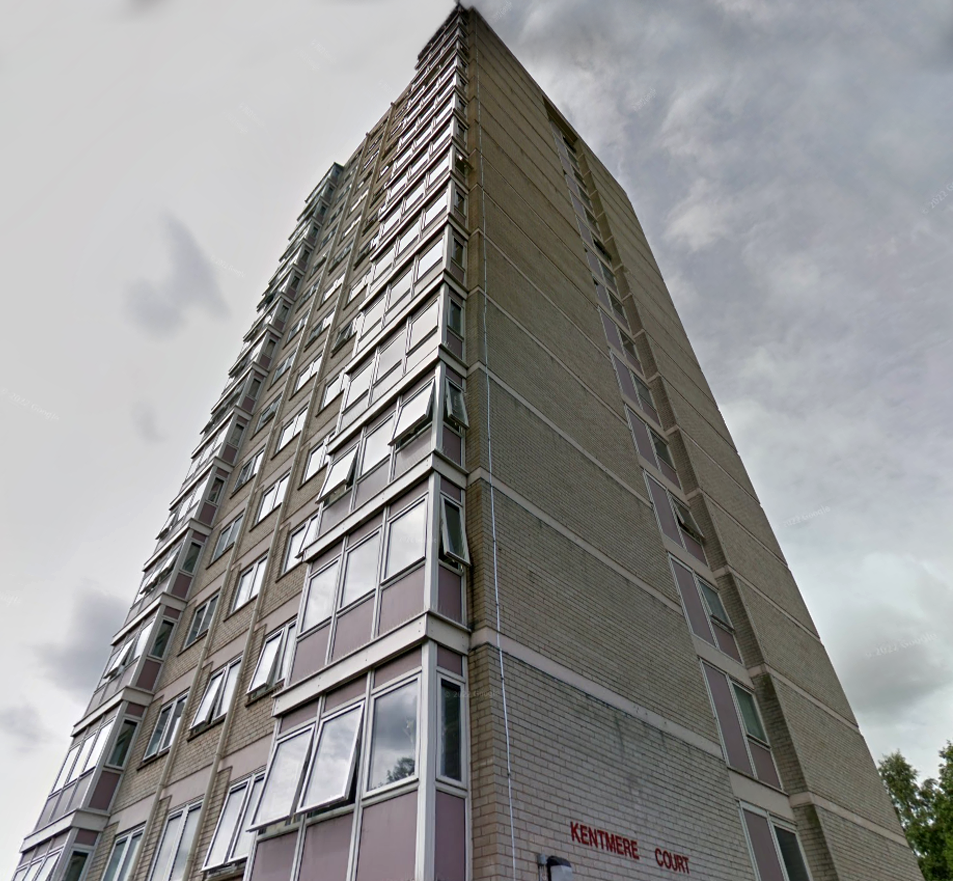
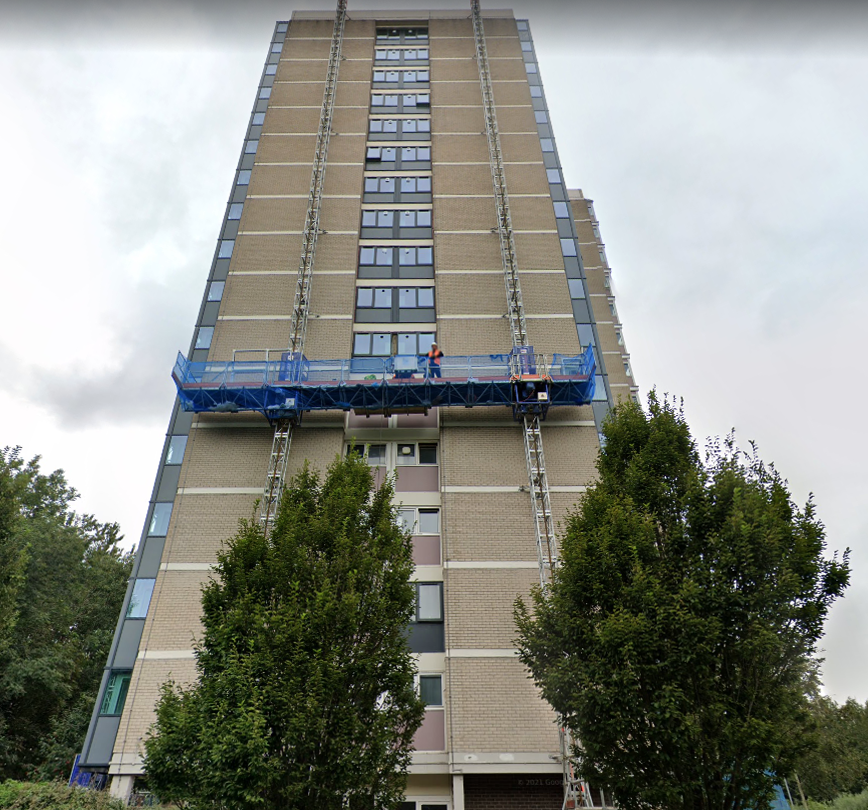
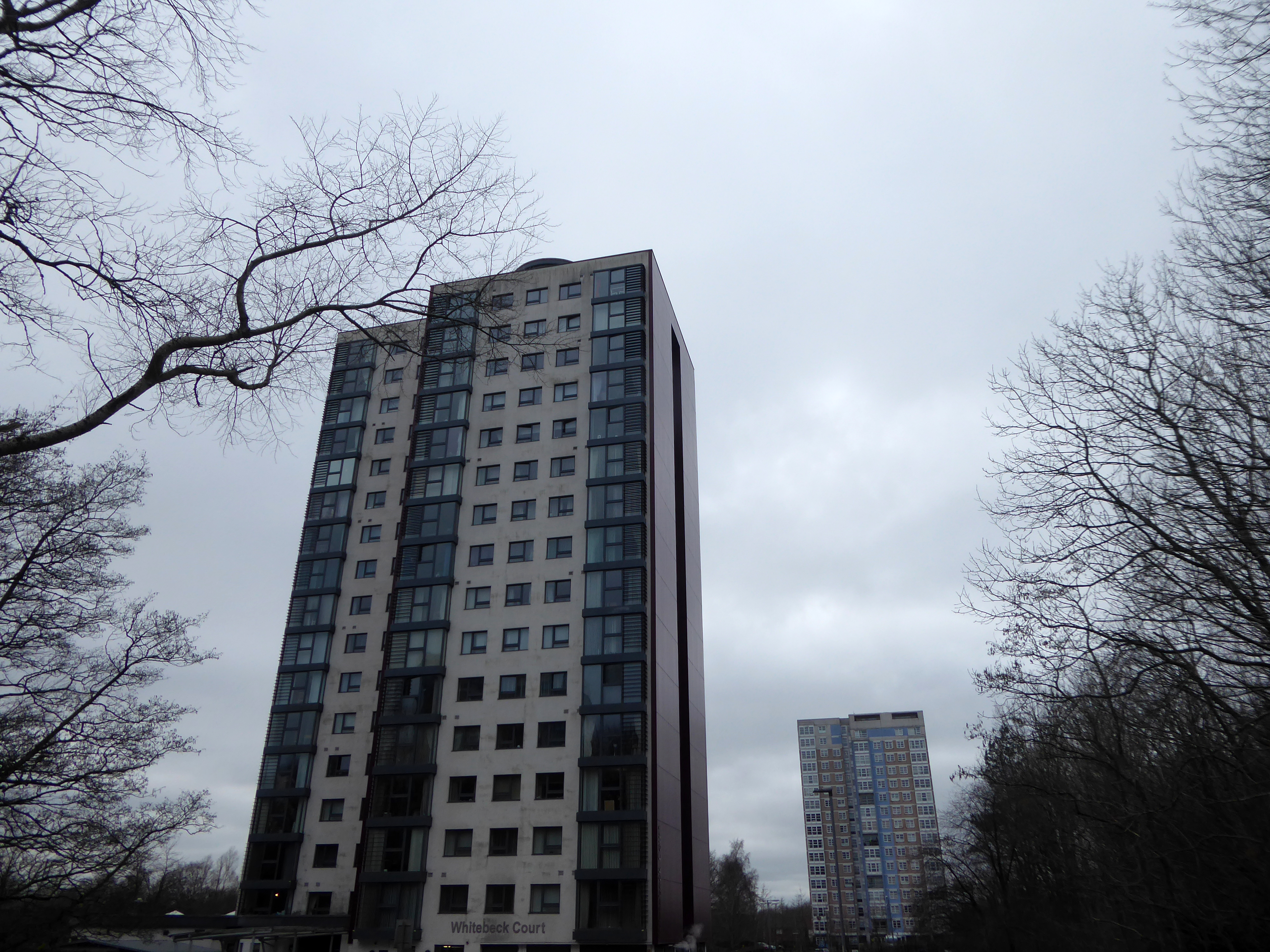
Kentmere and Whitebeck have been adapted for senior citizens managed by Northwards Housing.

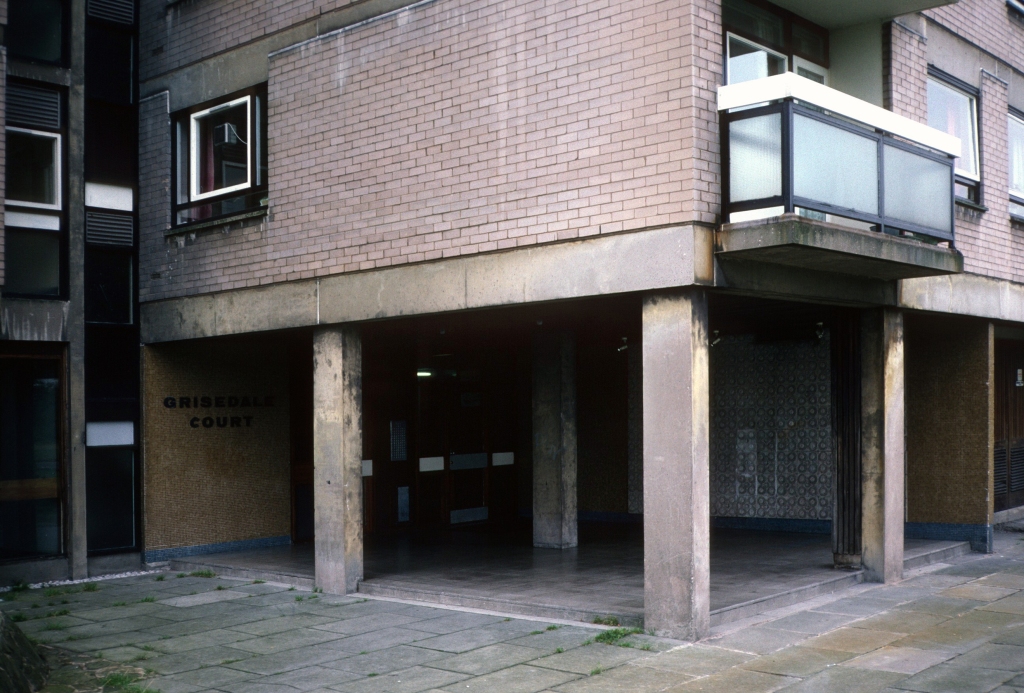
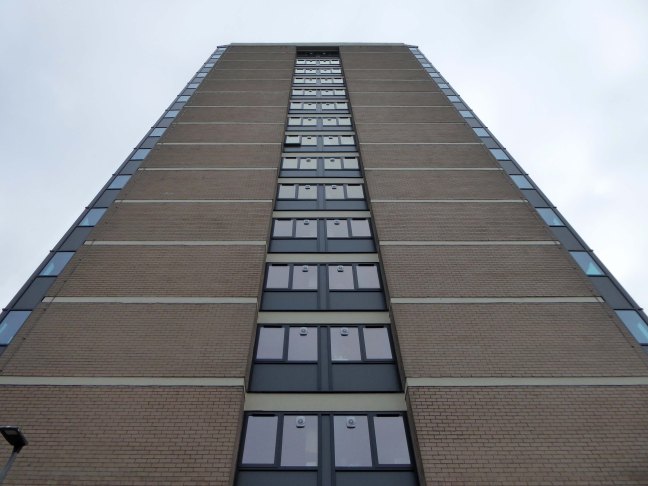
Freshfields formerly Grisedale is owned by private developers LPC Living and converted into a block of one, two and three bedroom homes.

Now, they boast floor-to-ceiling windows in the living spaces, modern fitted kitchens, and light wood-effect floors. Some also come with balconies.

A penthouse apartment, sold for £135,000 in 2008, even has a wrap-around outdoor terrace.

Manchester Evening News

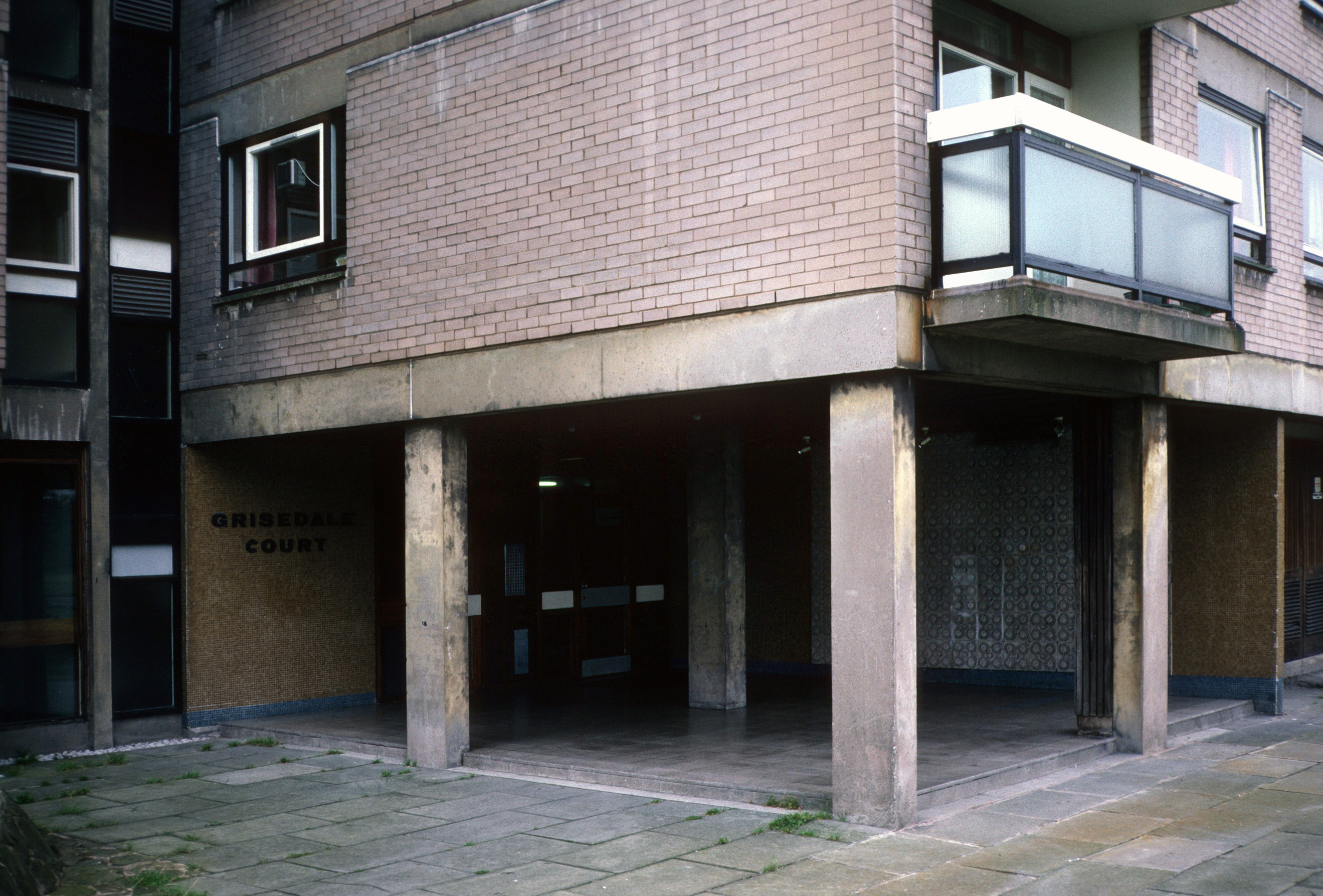
The circular tiles within Grisedale’s entrance have been covered or removed.

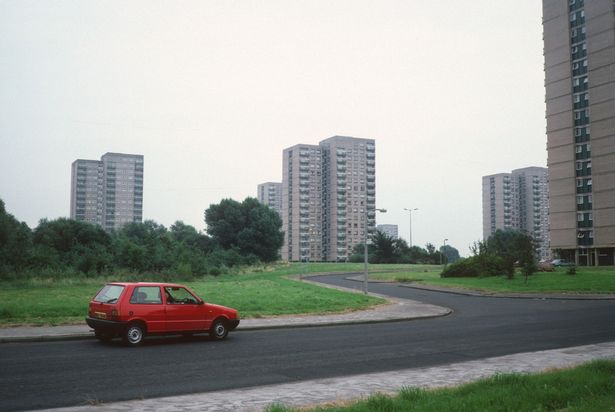
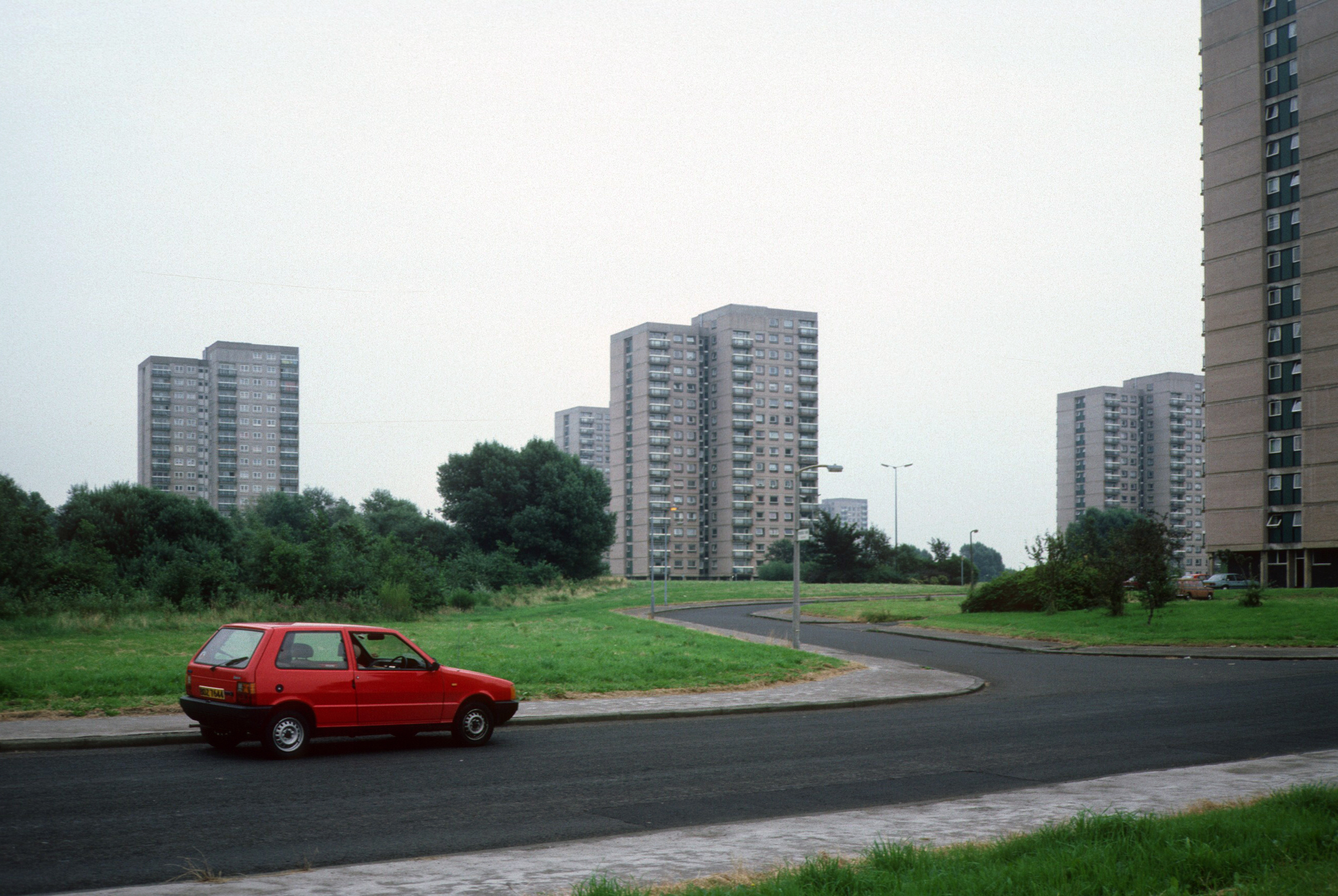
Tower Block – 1987

Tunstall Court and Skelton Court have been demolished.

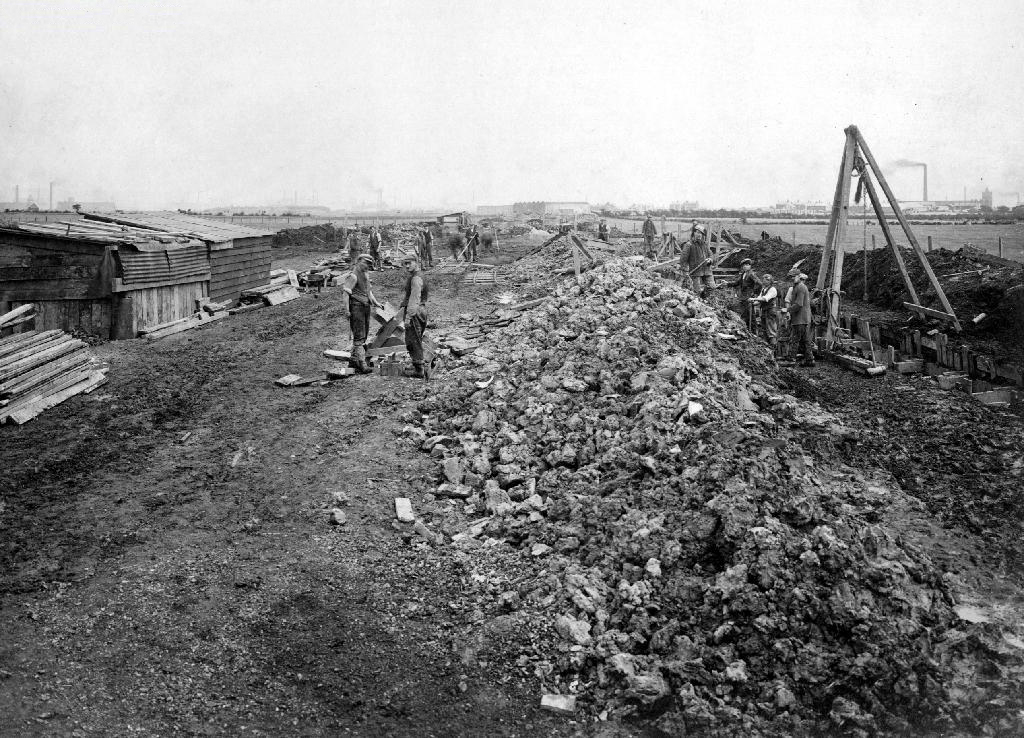
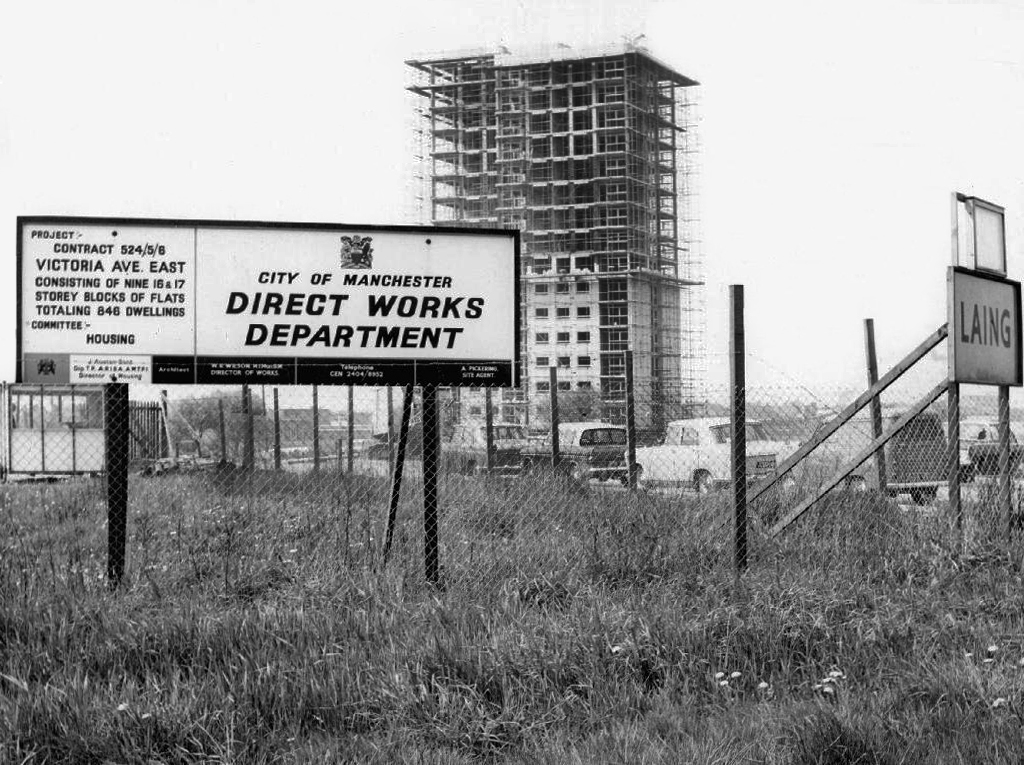
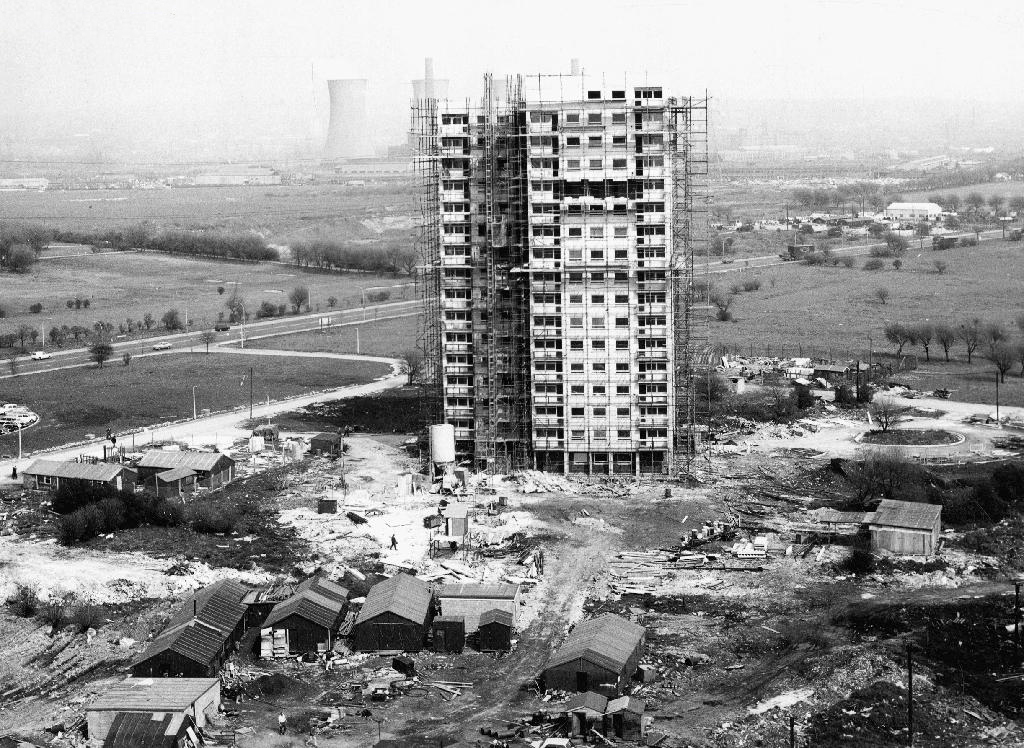
Let’s take a look back at the building of Victoria Avenue East – seen here in 1922.

The demands of an expanding industrial base and population created the need for new roads and housing.

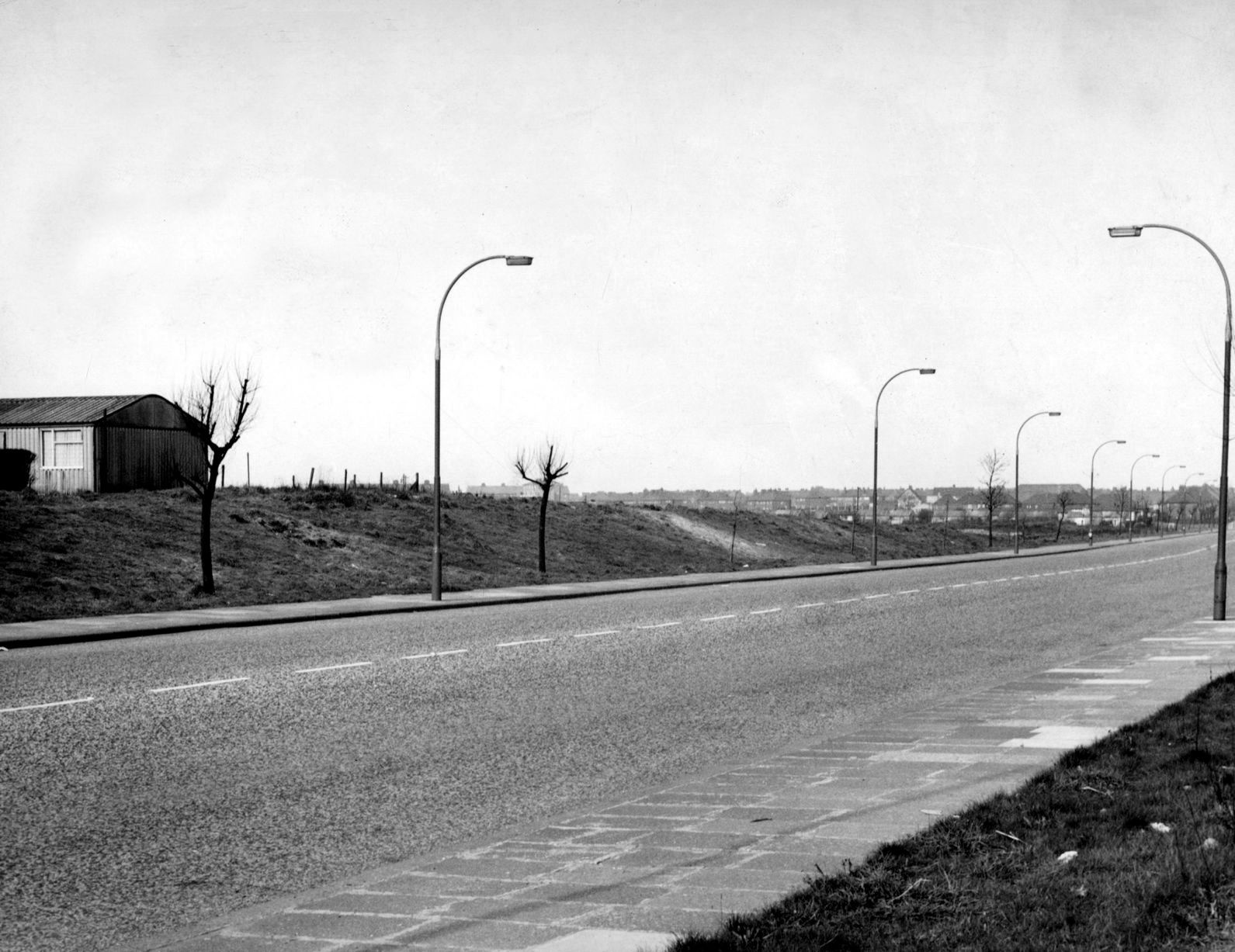
There was subsequent development of inter-war semi-detached homes.

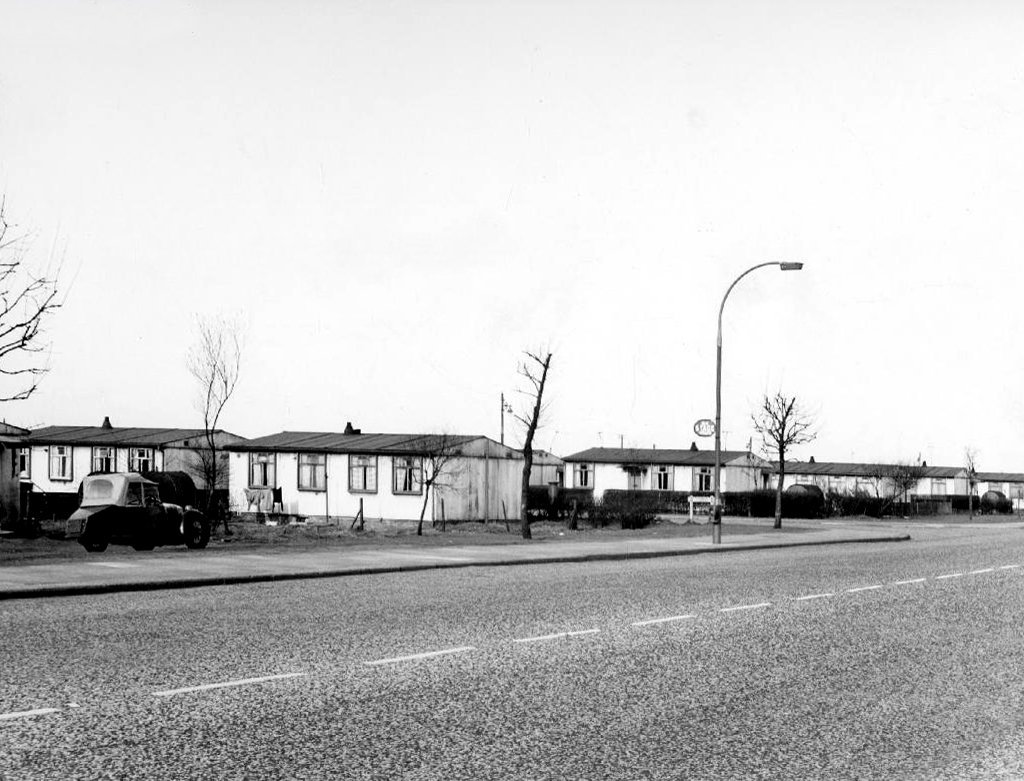
The urgent post-war need for temporary accommodation – was met by prefabricated structures.

Manchester City Council agreed to use the Phoenix model for their prefab estates.

A total of 43,206 Phoenix prefabs were built across the country, each one designed by the John Laing Group.

The Phoenix, designed by Laing and built by themselves as well as partners McAlpine and Henry Boot, looked much like an AIROH with a central front door. It was a two-bedroom in-situ preform design with steel frame, asbestos clad walls and an innovative roof of tubular steel poles with steel panels attached. Like all designs, it came pre-painted in magnolia, with green highlights on frames and skirting.

Phoenix prefabs cost £1,200 each constructed onsite, while the specially insulated version designed for use on the Isle of Lewis in the Hebrides cost £2,000.

Wikipedia

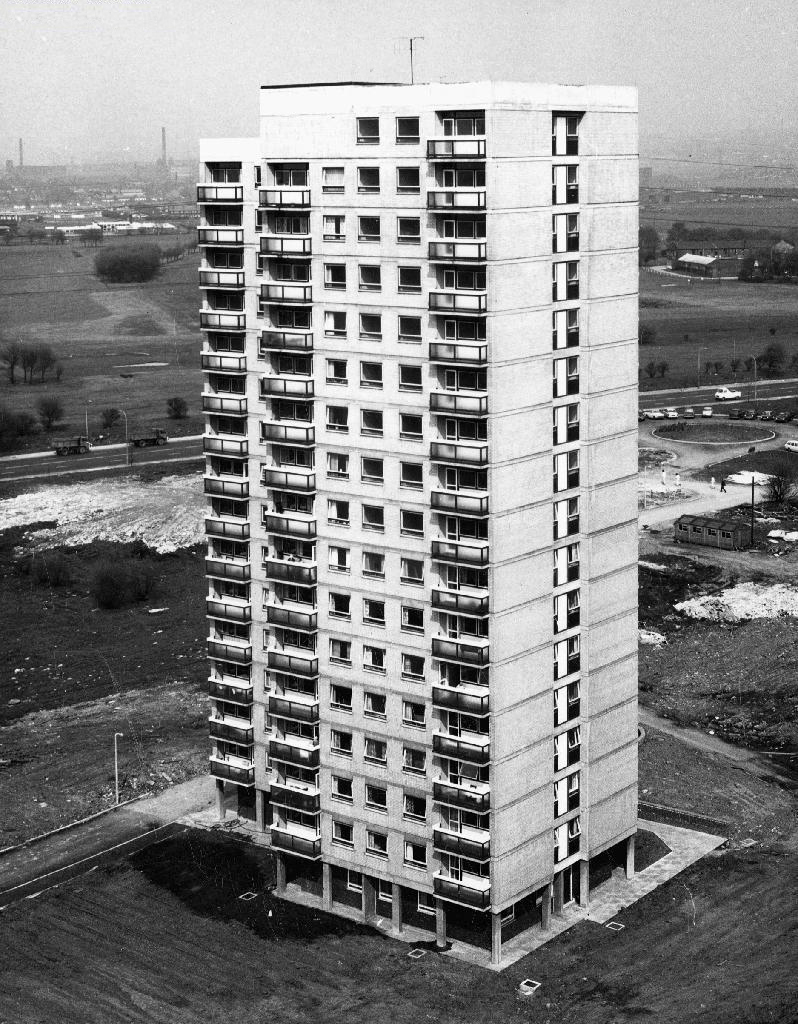
The prefabs were eventually demolished and along came the tower blocks – Architect J Austen Bent, whose work we have seen on the Wythenshawe Walk

In the distance Chadderton Power Station – demolished in 1986.

Photographs – Local Image Collection

Here are the blocks prior to and during the current renovation programme.

Kentmere

Cartmel

Somerton

Rusland

Here are the group as of February 2023.

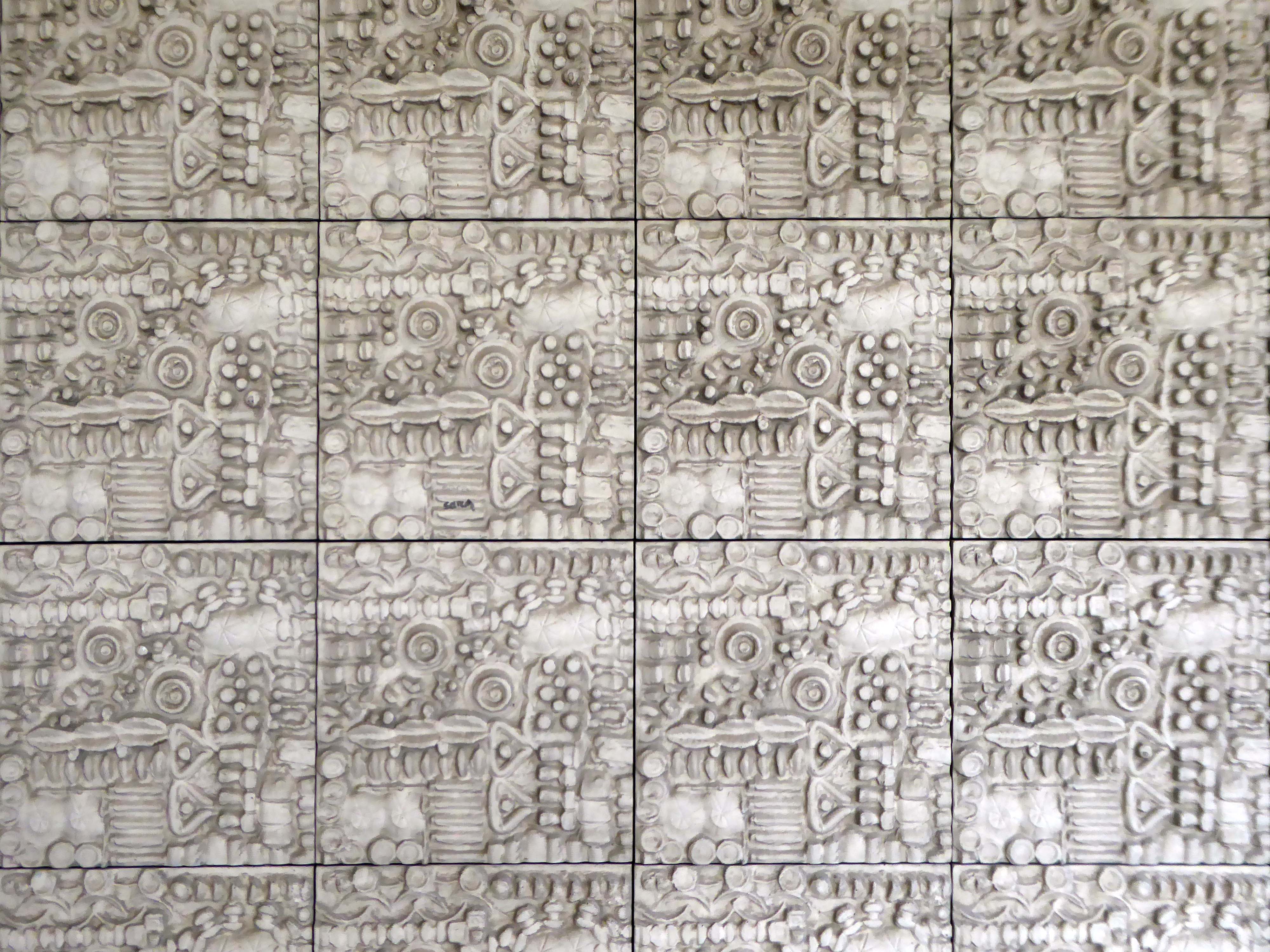
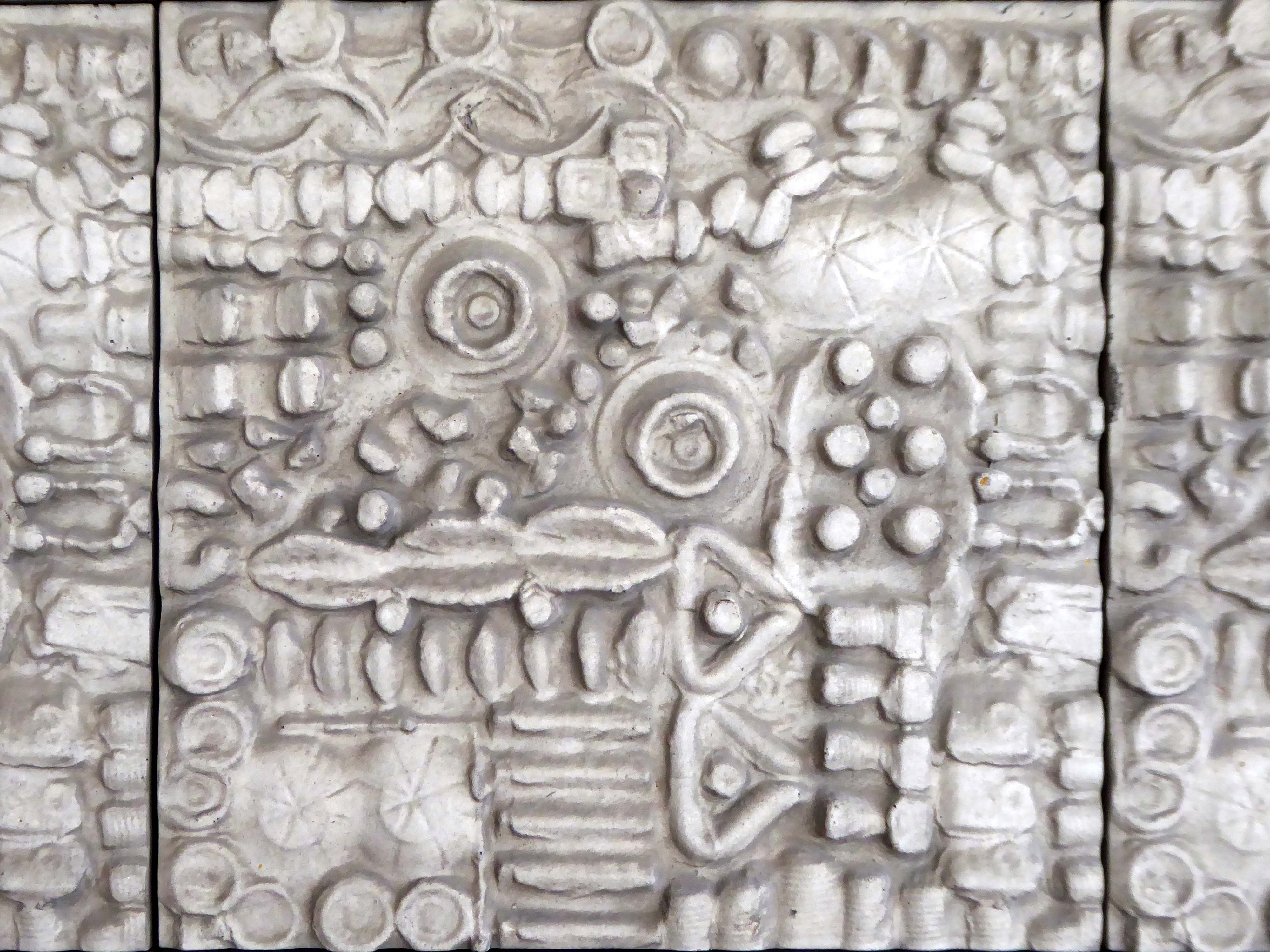
I was thrilled to find that each of the blocks had variants within the typology of handmade tiles.

Kentmere

Somerton

Cartmel

Rusland

There seems to be no record of attribution for these tiles – happily they are still extant.

Go and take a look.

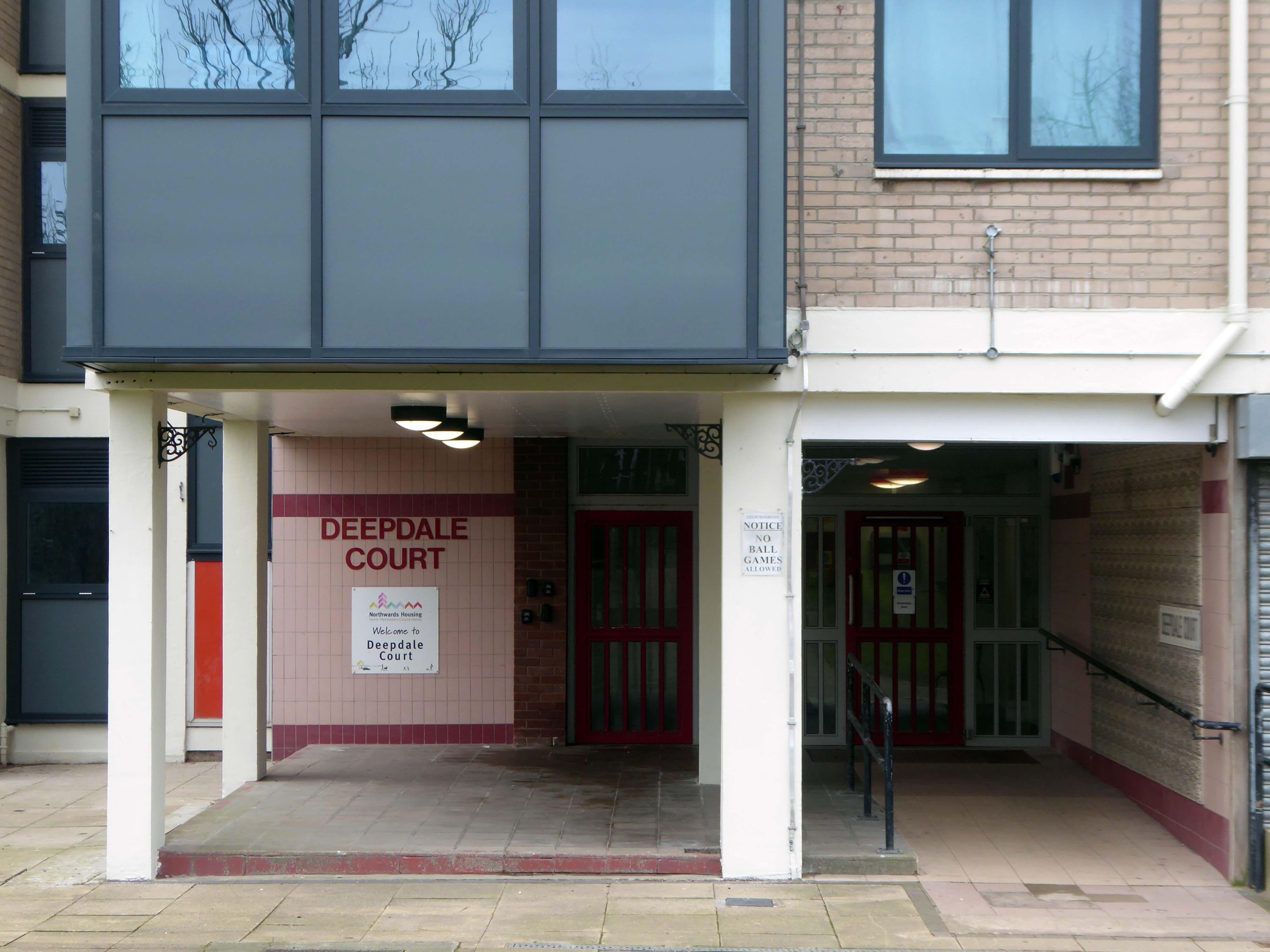
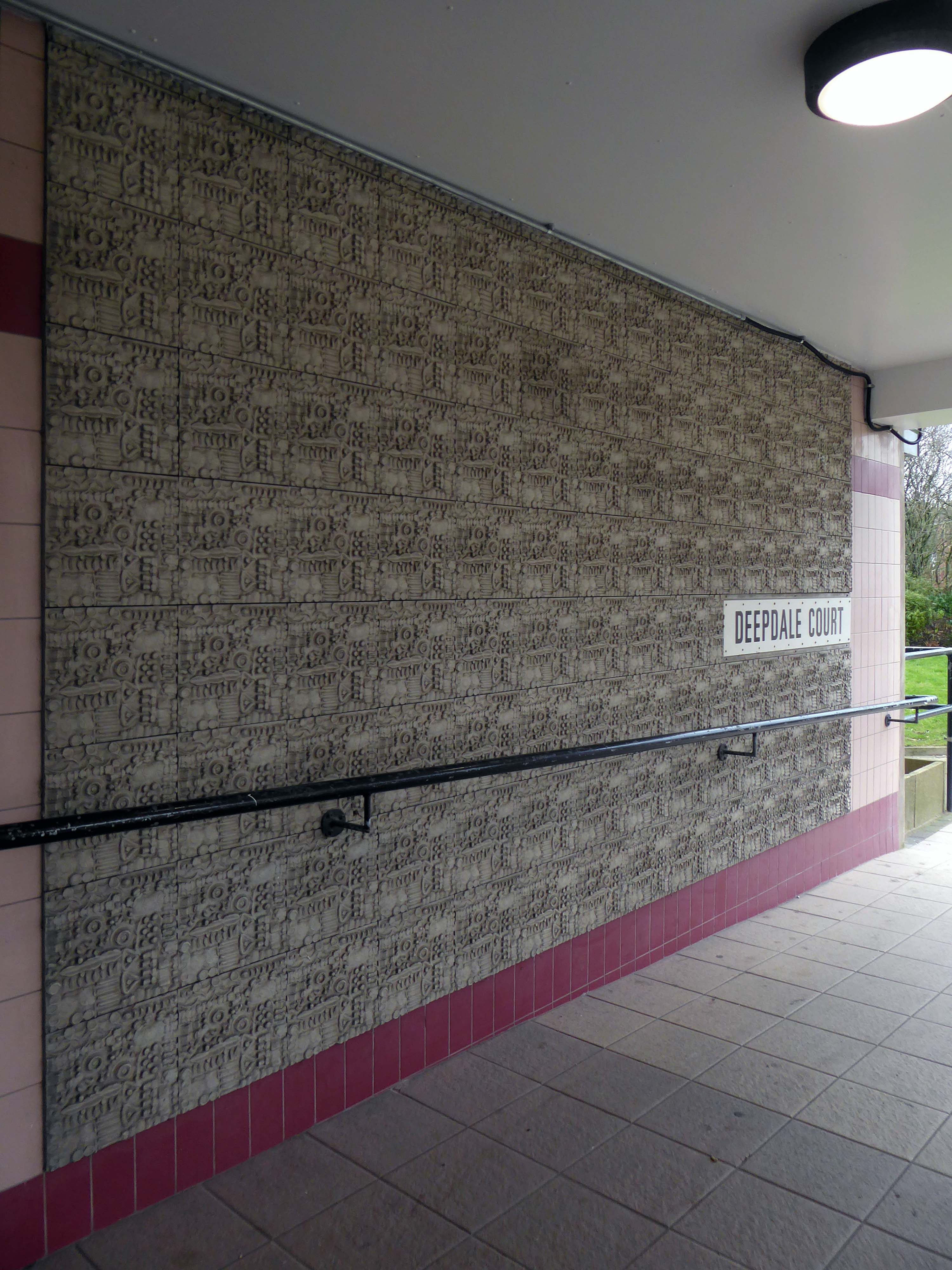
Deepdale Court – Blackley

Deepdale Court Northwold Drive Manchester M9 7HX

On the way betwixt somewhere and there I took time to come here.

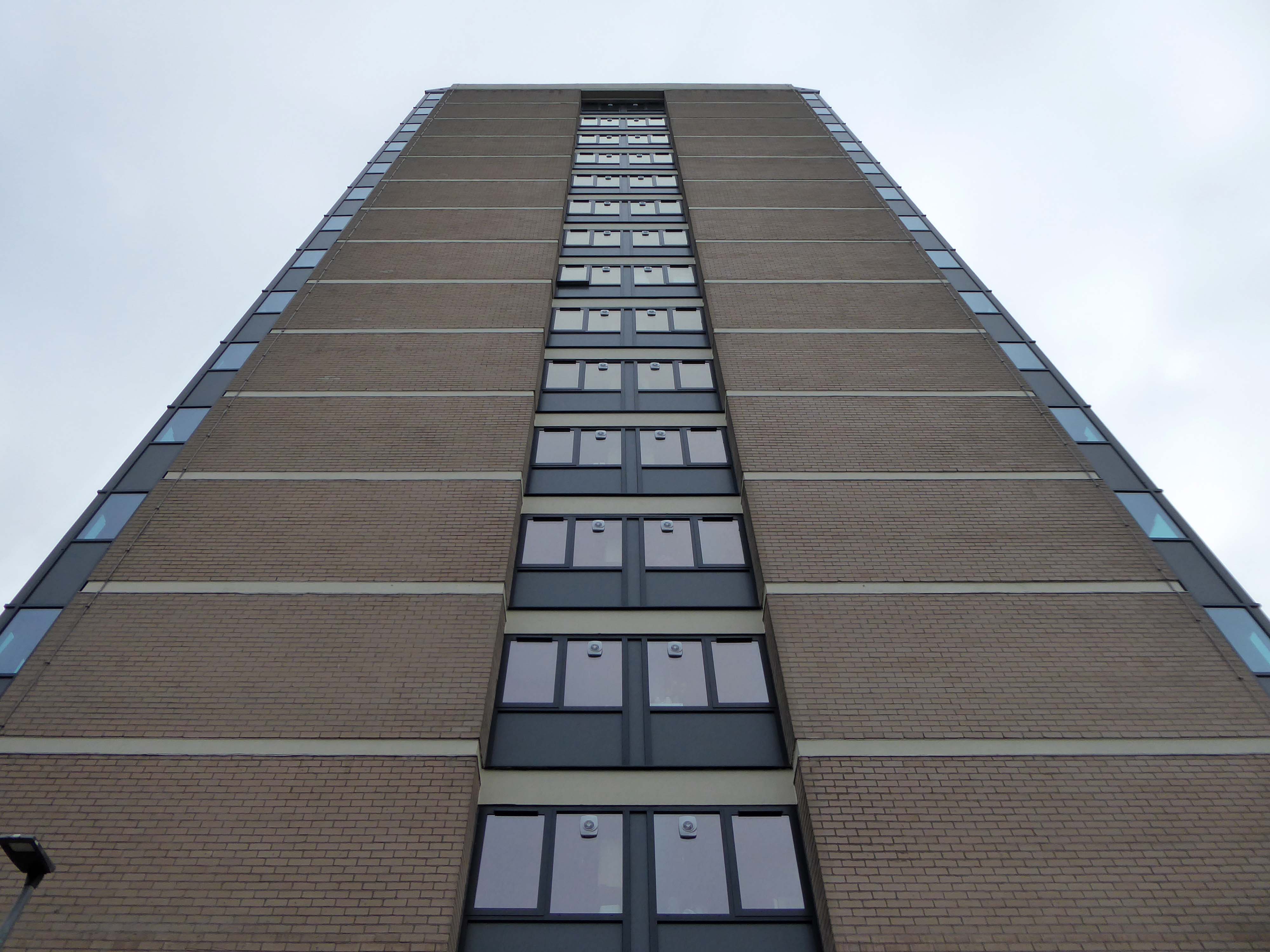
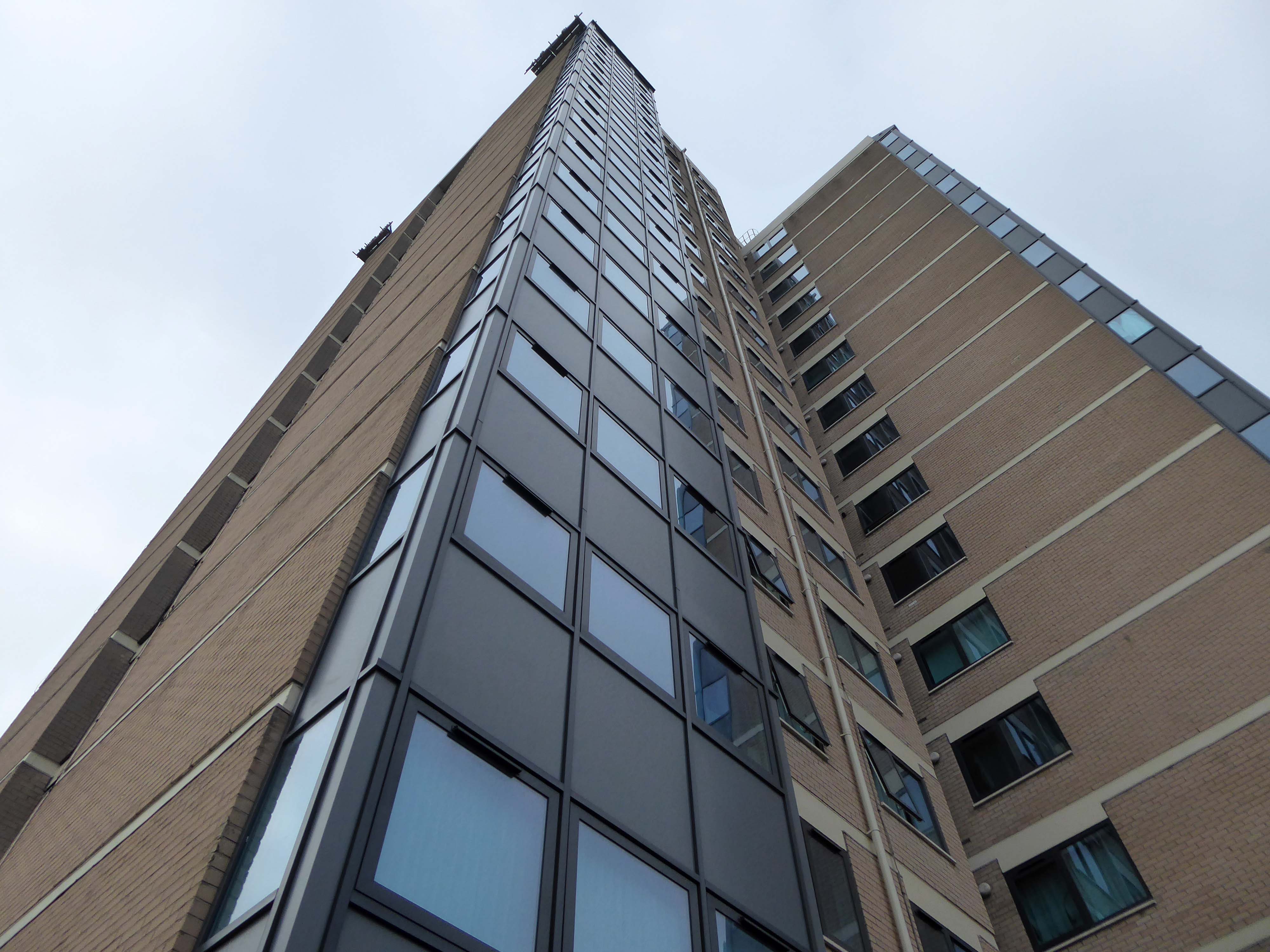
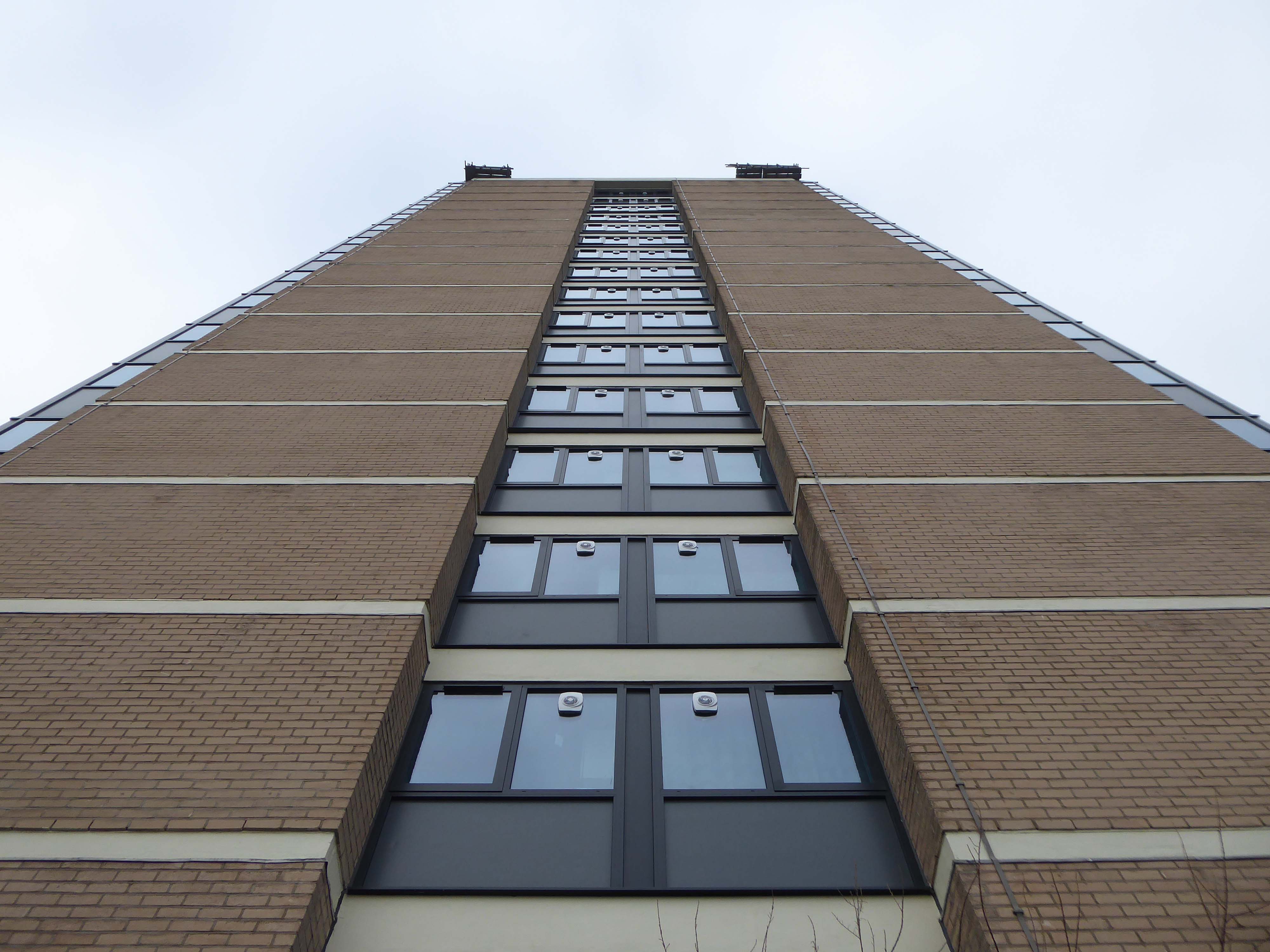
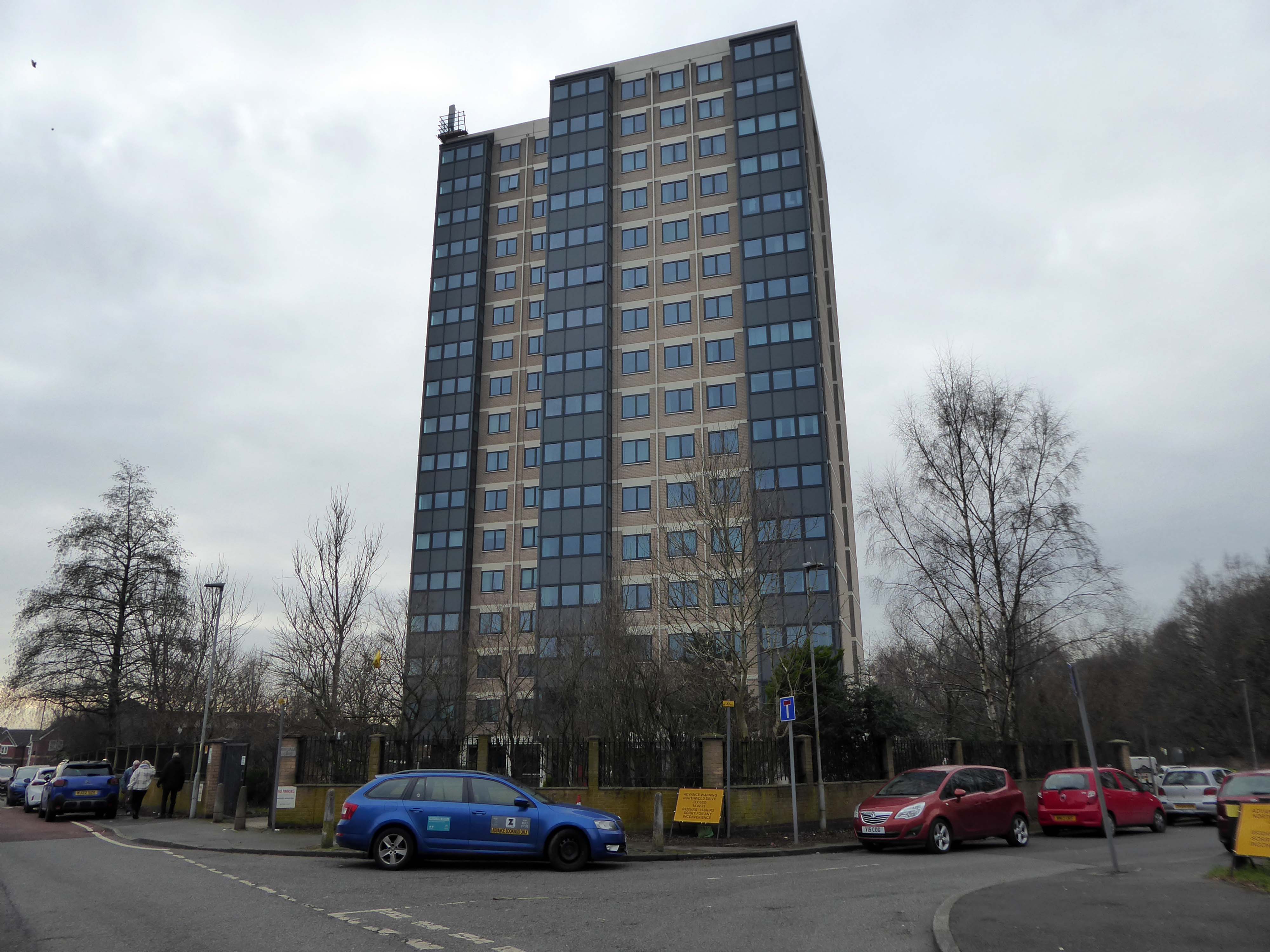
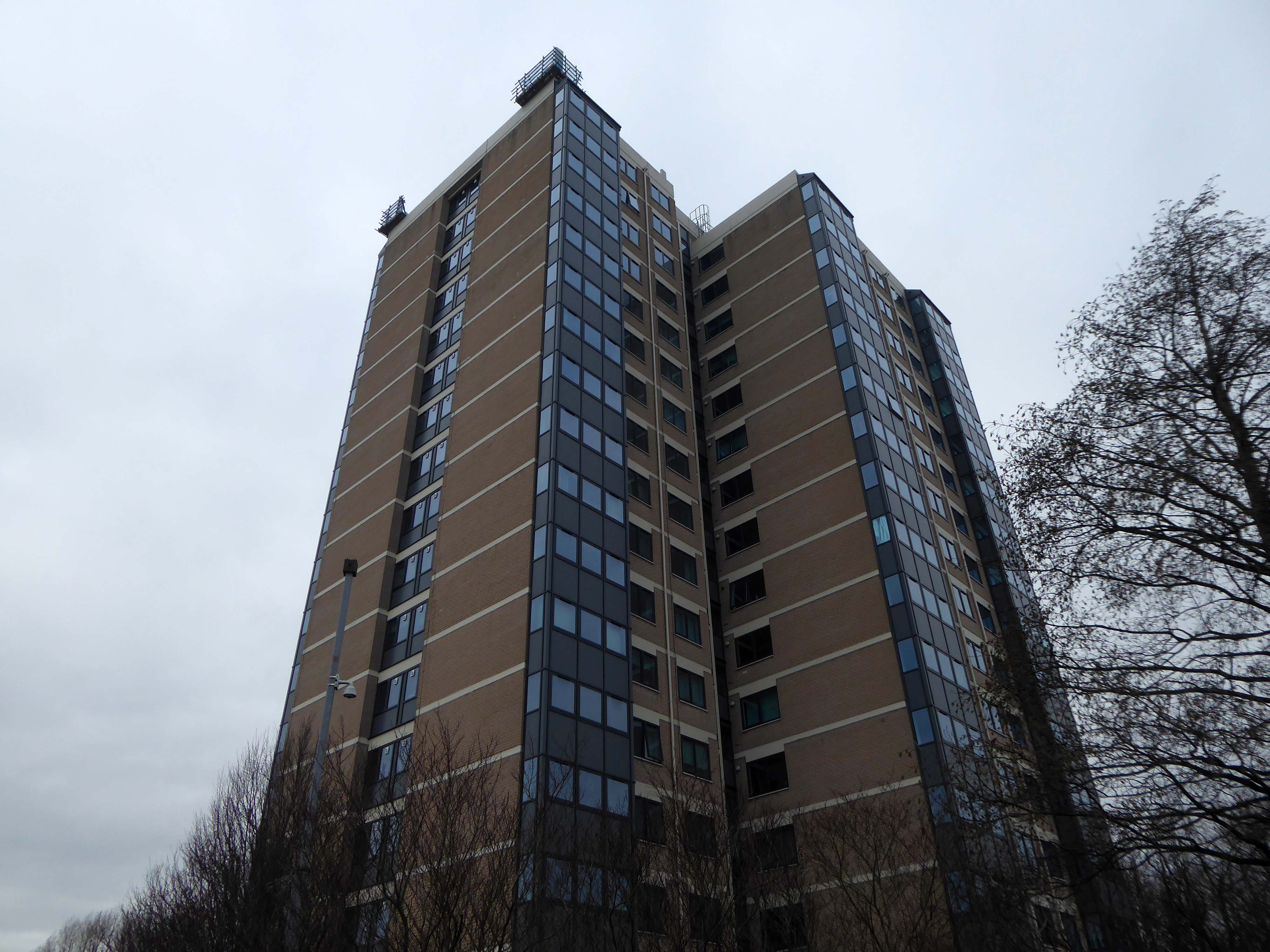
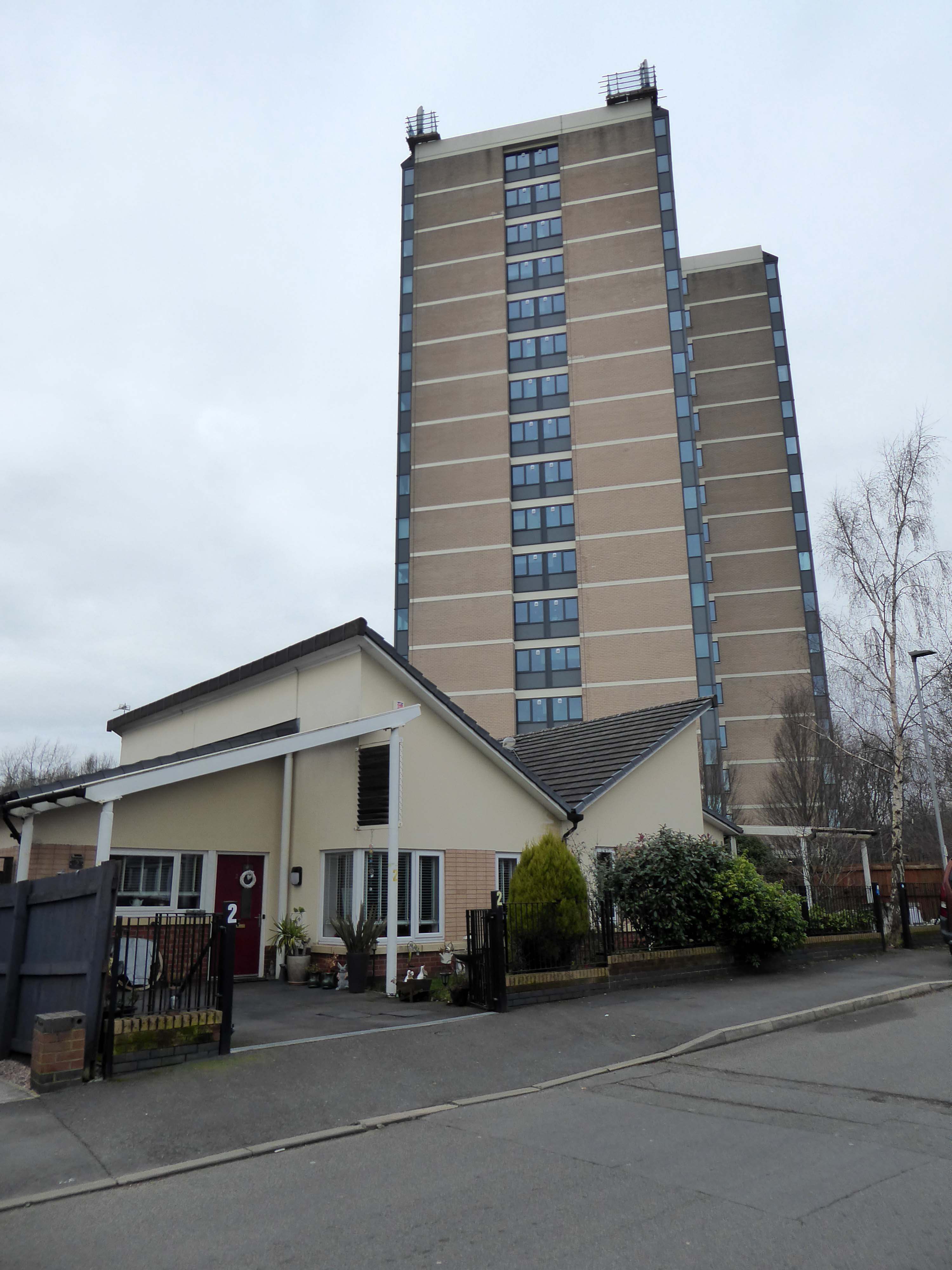
A tower block on high ground on the edge of Blackley.

One of nine seventeen-storey blocks containing eight hundred and forty six dwellings.

Committee approval date: 1967

Building contractor: Direct Municipal Labour

The two blocks that were demolished were Tunstall Court and Skelton Court.


Freshfields as listed is the new name for Grisedale Court as was sold by council and now private flats.

There are 16 floors in each block, 15 on one side and 16 on the other side

This area is known as the Charlestown Towers.

Tower Block

1987 – Grisedale Court with circular tiles in the entrance.

Over time the balconies have been boxed in and more recently the glazing replaced.

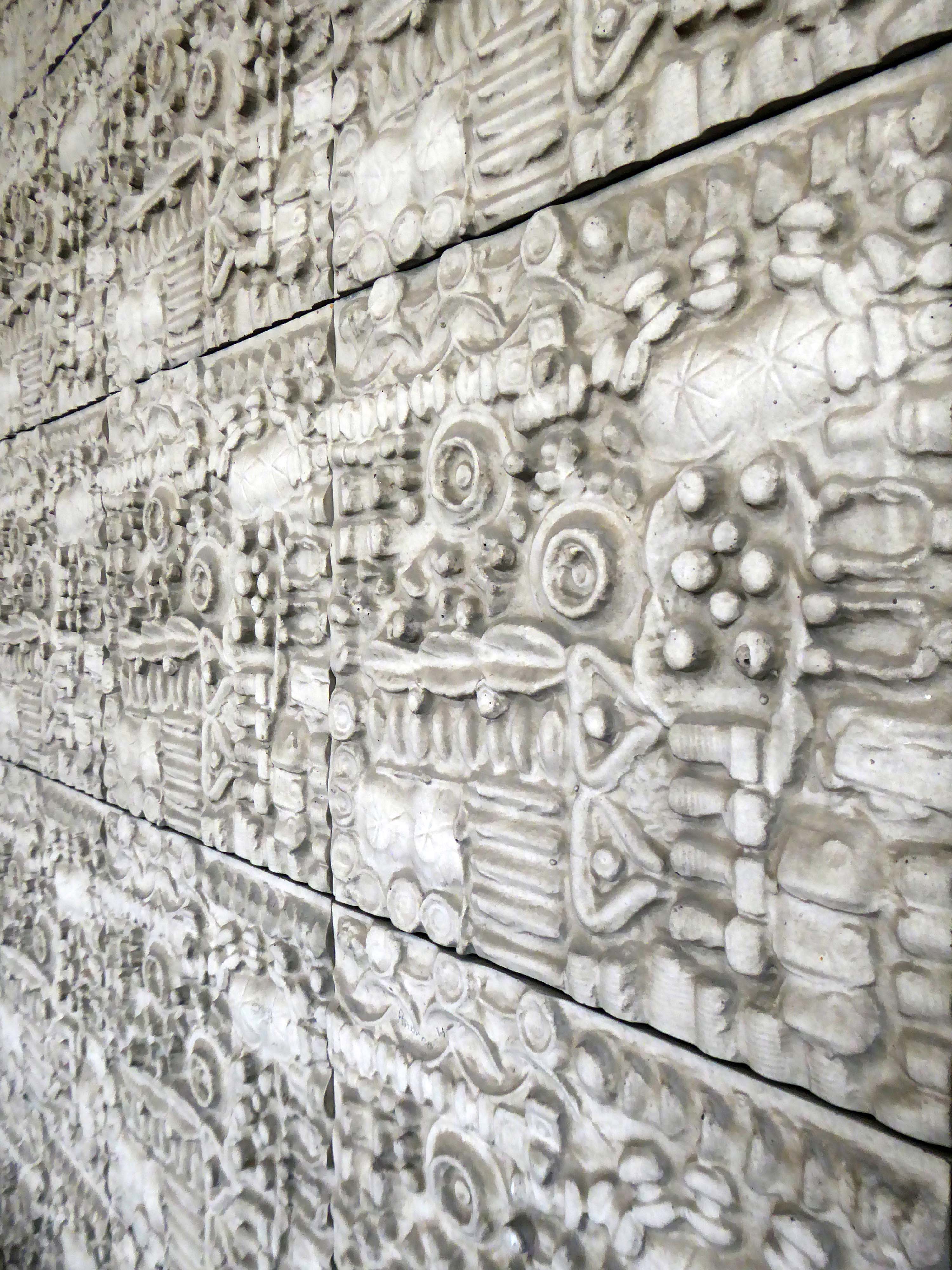
I was particularly interested in the hand made tiles inside the entrance – very much in the style of William Mitchell.

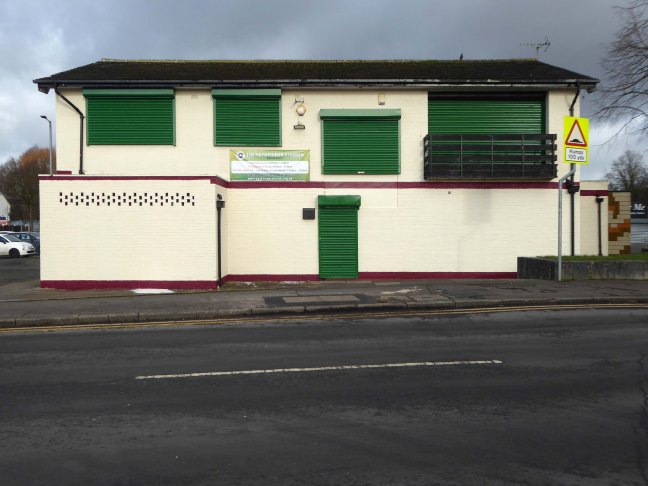
The Ark Royal – Harpurhey

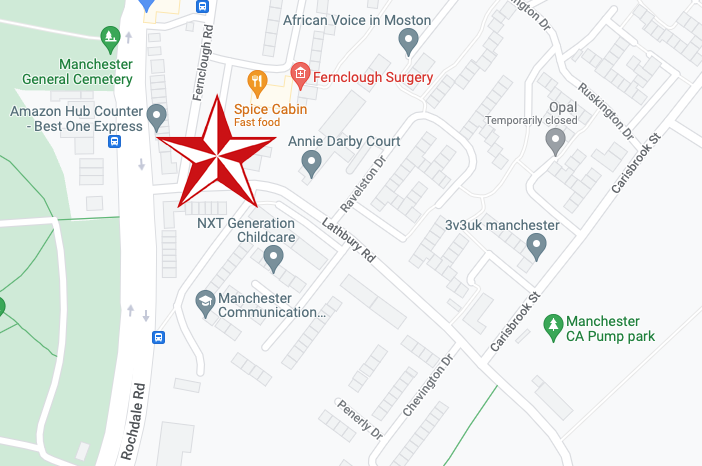
Lathbury Road Harpurhey M9 5SY

Looks to me as though the pub was launched in the 1960’s along with the surrounding houses and shops.

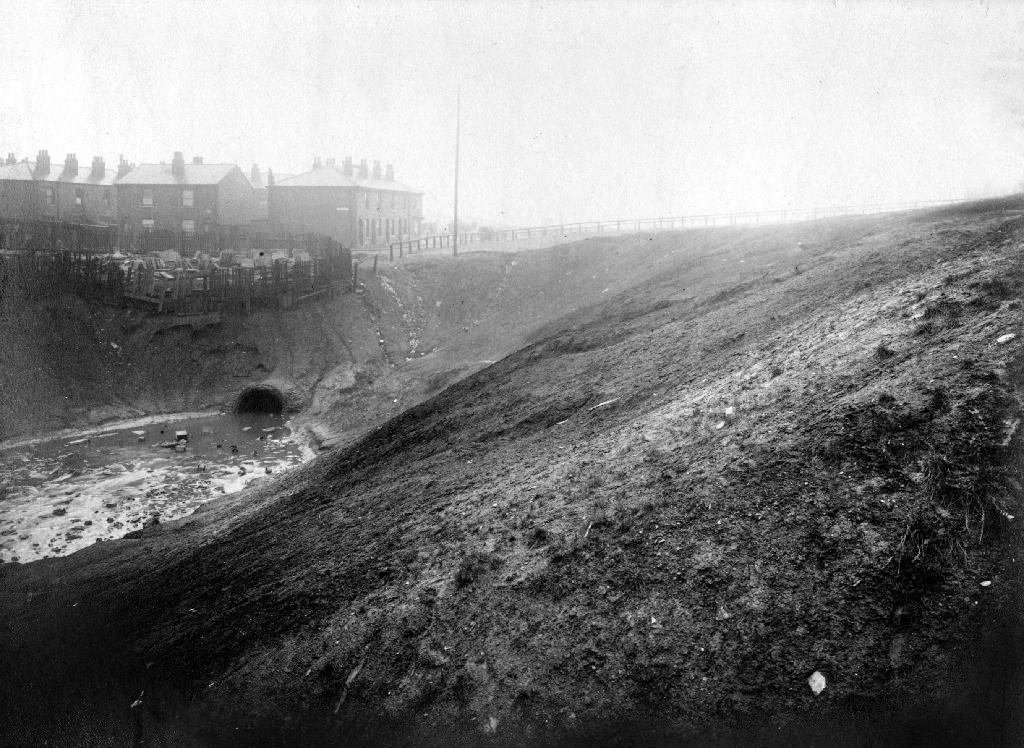
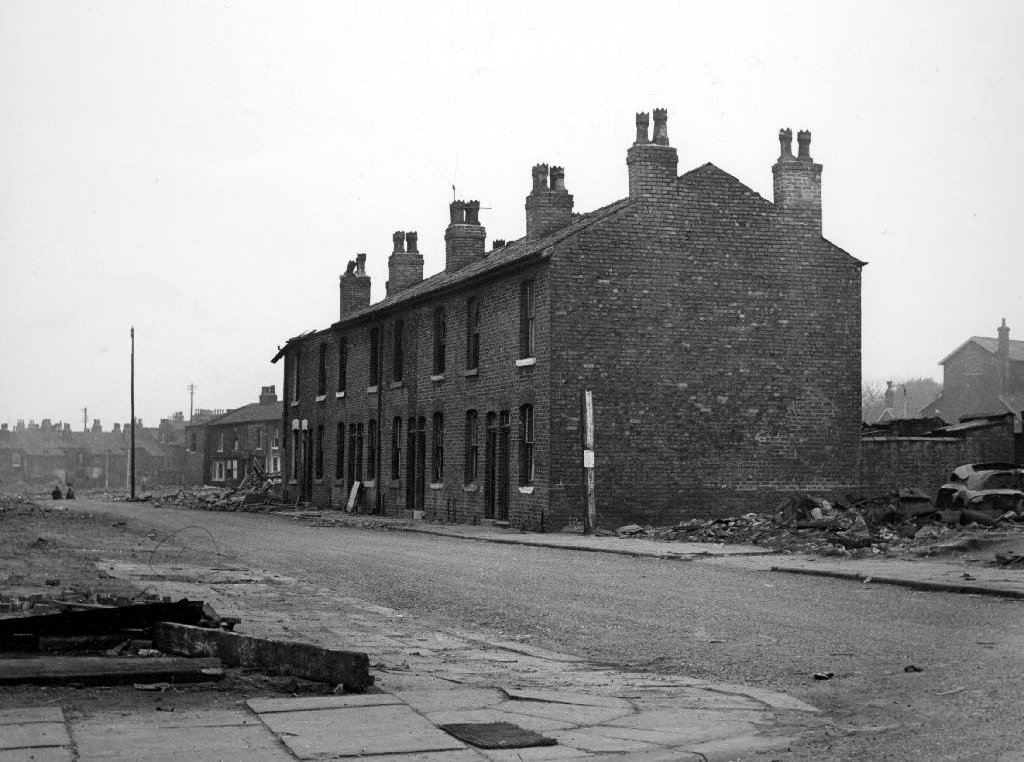
In 1910 Lathbury Road looked like this.

In 1968 the area was part of the Manchester slum clearance programme.

Photo: Tommy Brooks

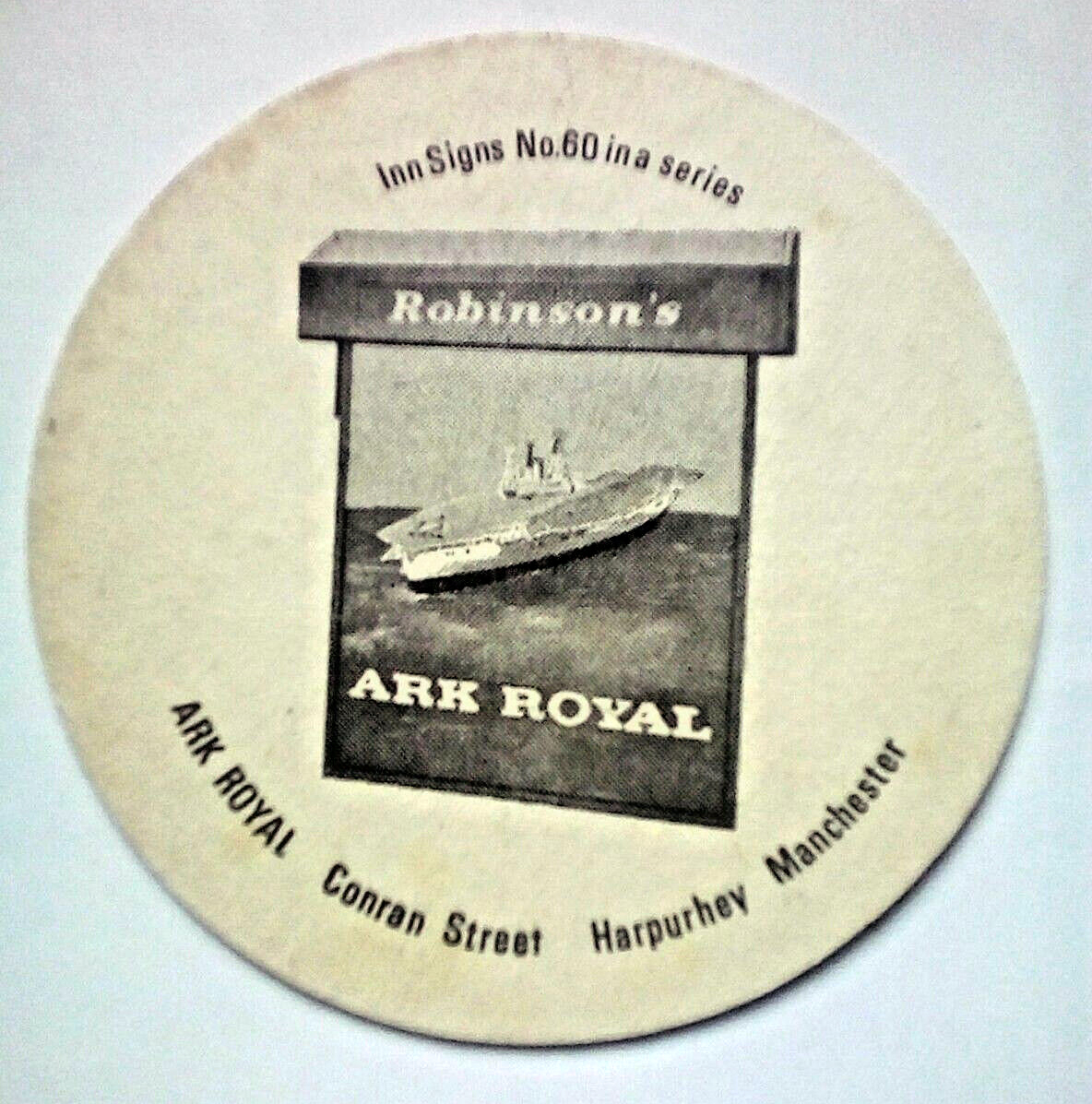
The real Ark Royal was built by Cammel Laird at Birkenhead, completed in November 1938.

Torpedoed and subsequently sunk on 10th November 1941.

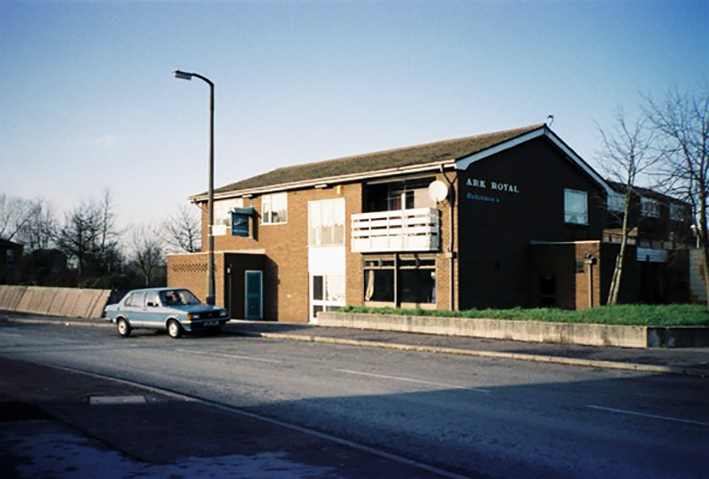
The pub closed in 2007 – here it is in 1992.

Photo: Alan Winfield

Another great looking estate pub that was on the same estate as the Hipp which it was also fairly close to.


There was the usual two rooms inside, I had a drink in the bar room which was quite busy on my Friday afternoon visit, there was also a more comfortable lounge.


The pub was a Robinsons tied house, there were two real ales on, I had a drink of Robinsons Bitter which was a nice drink, there was also Robinsons Mild on.


Another pub that was was well pleased to do.

Never Ending Pub Crawl

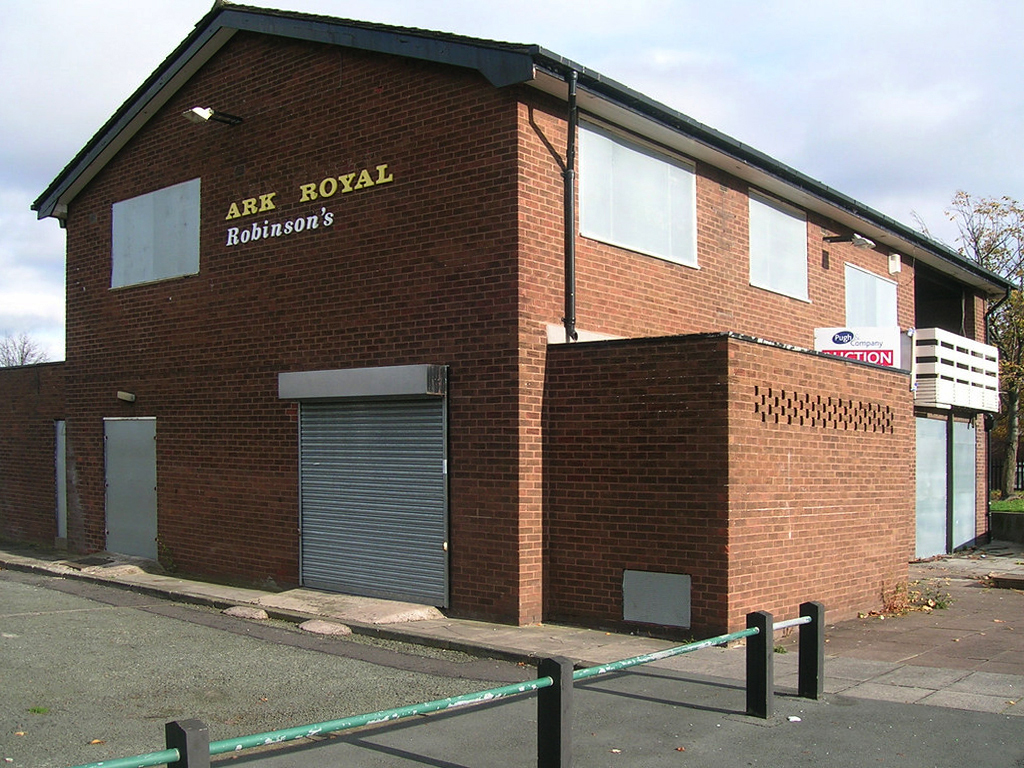
Here its is in 2007.

Photo: Mikey

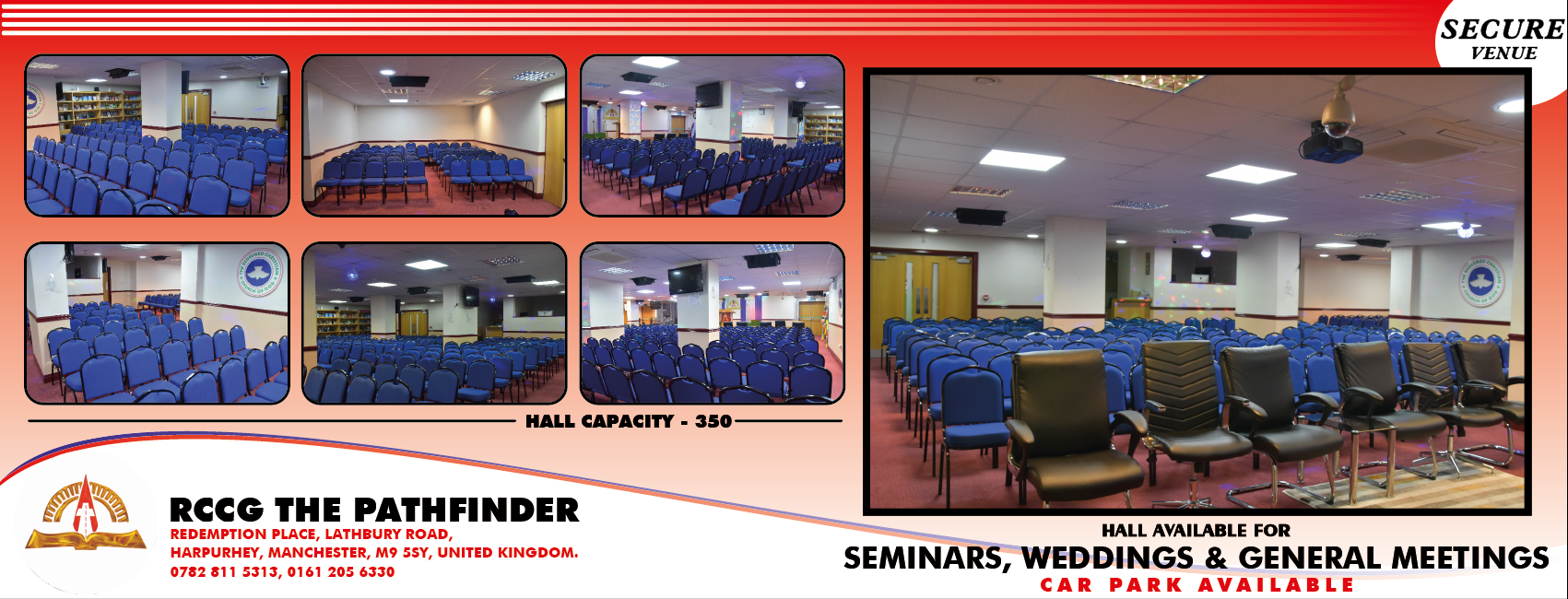
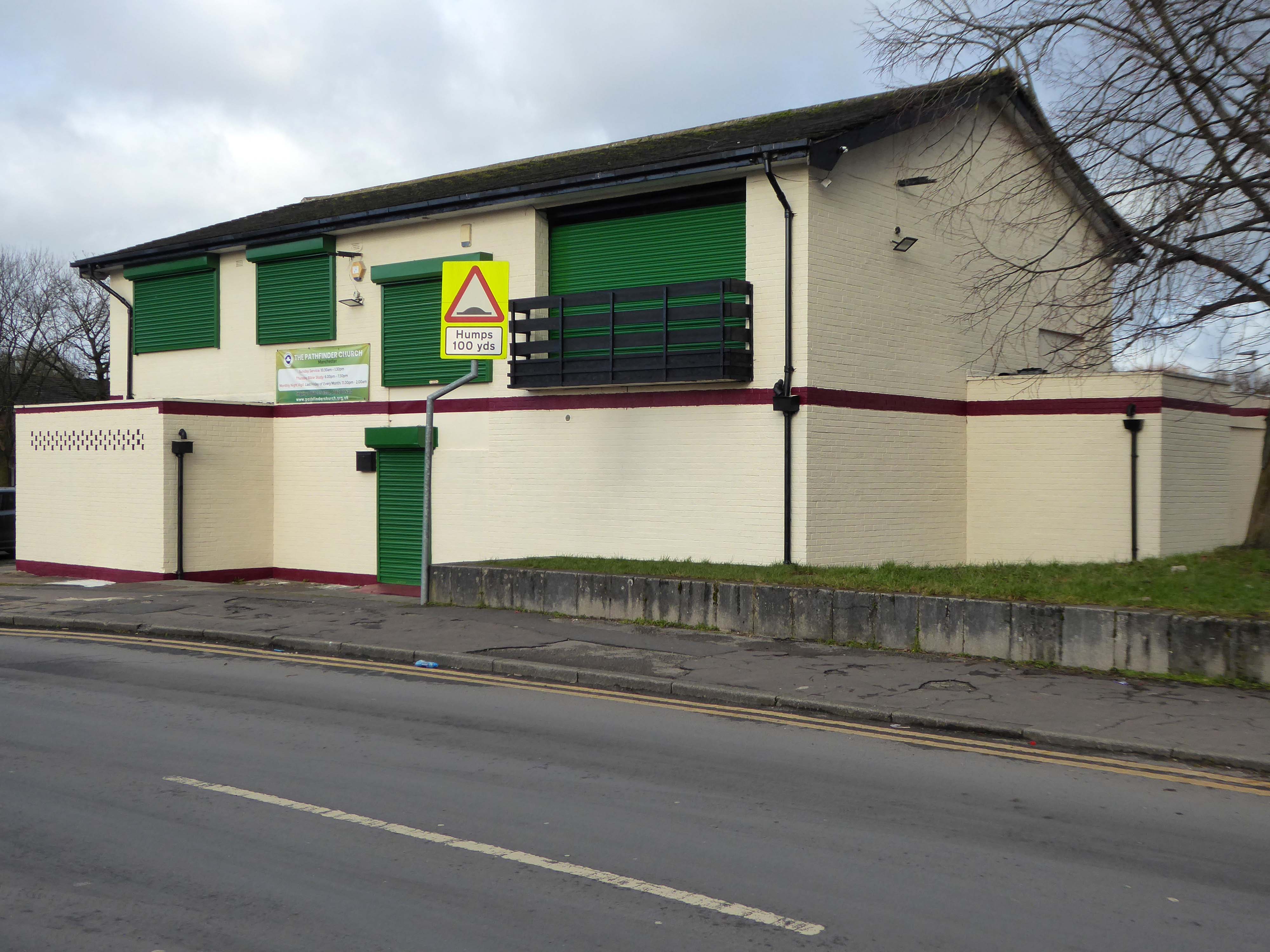
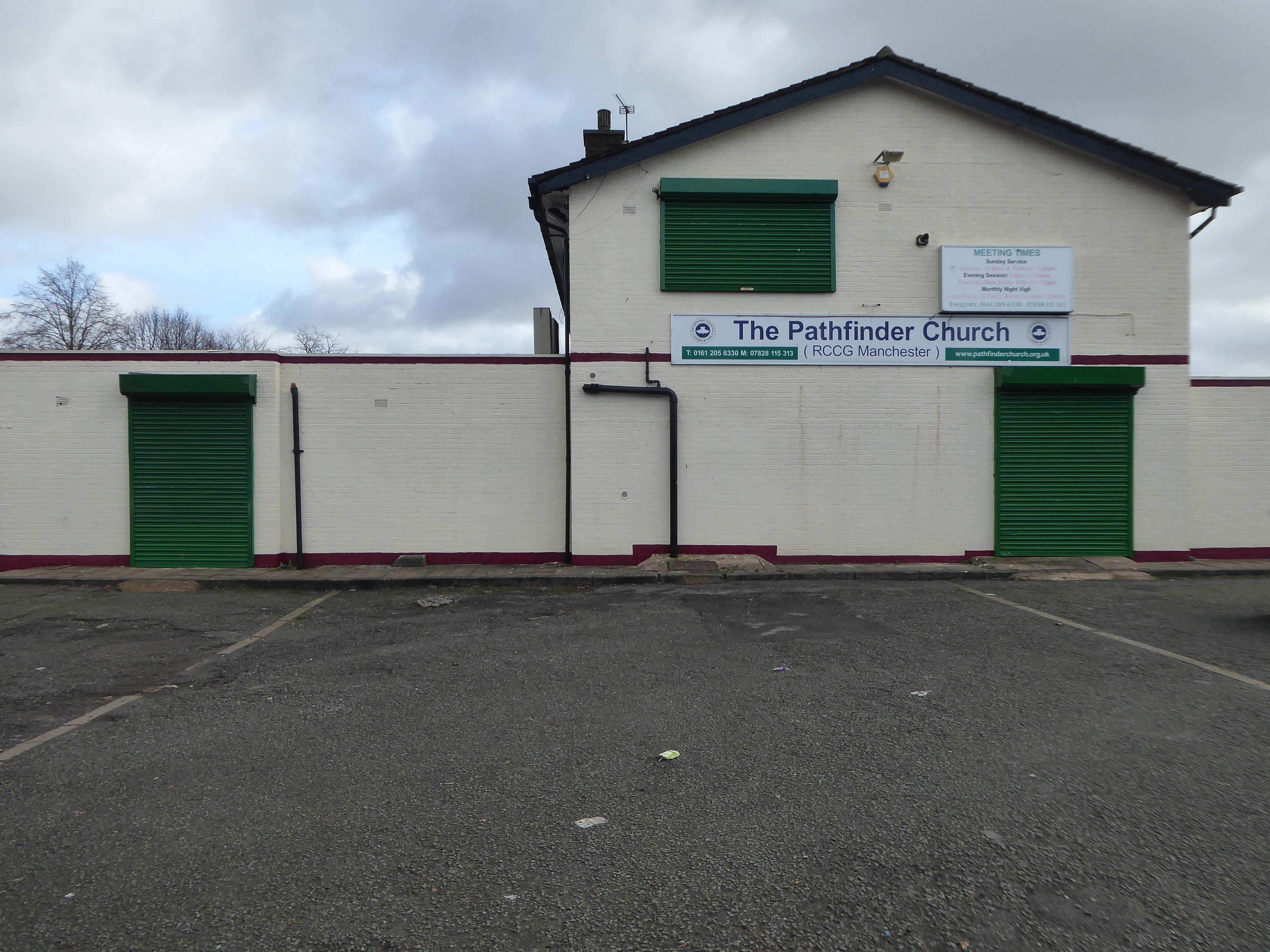
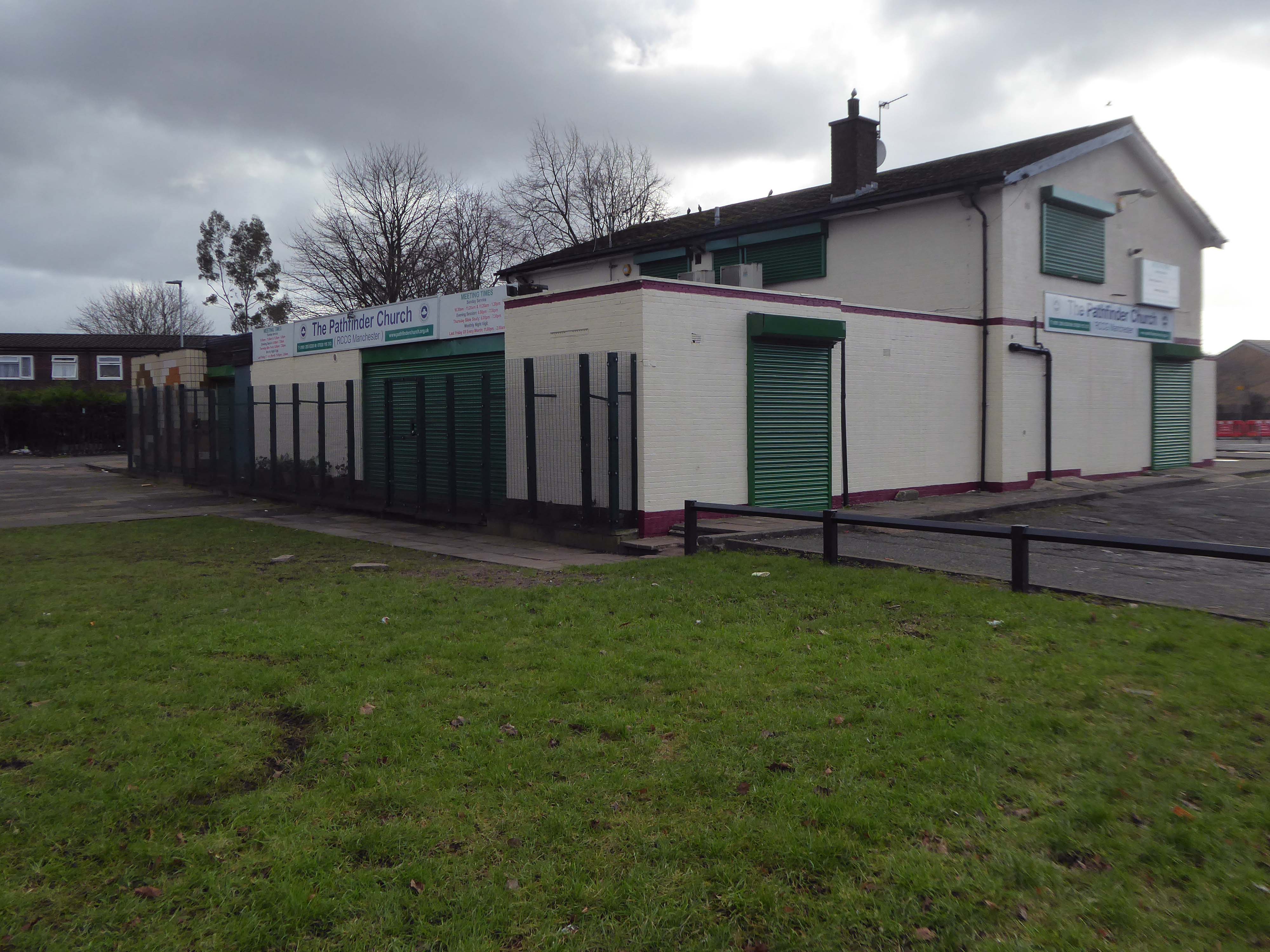
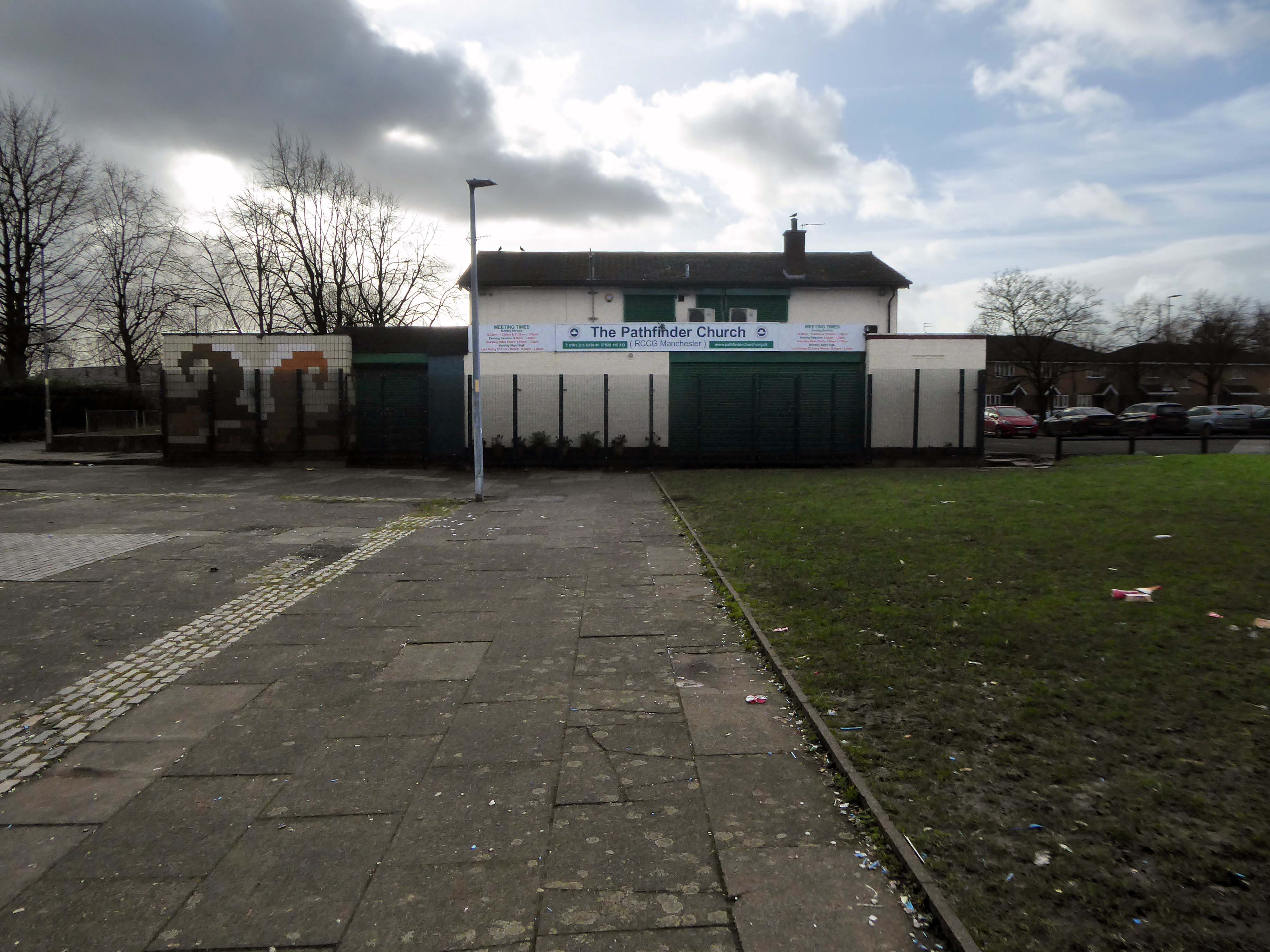
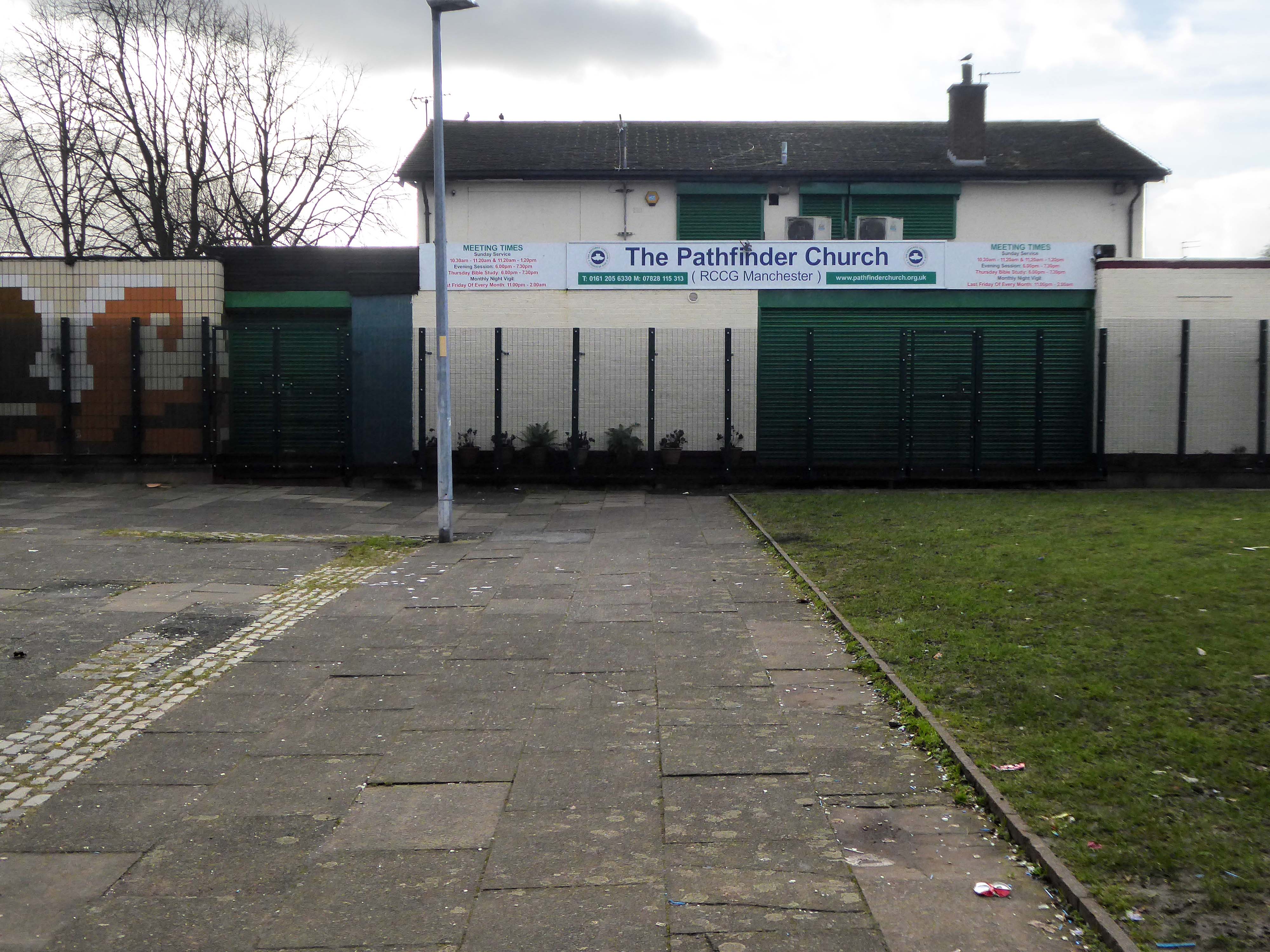
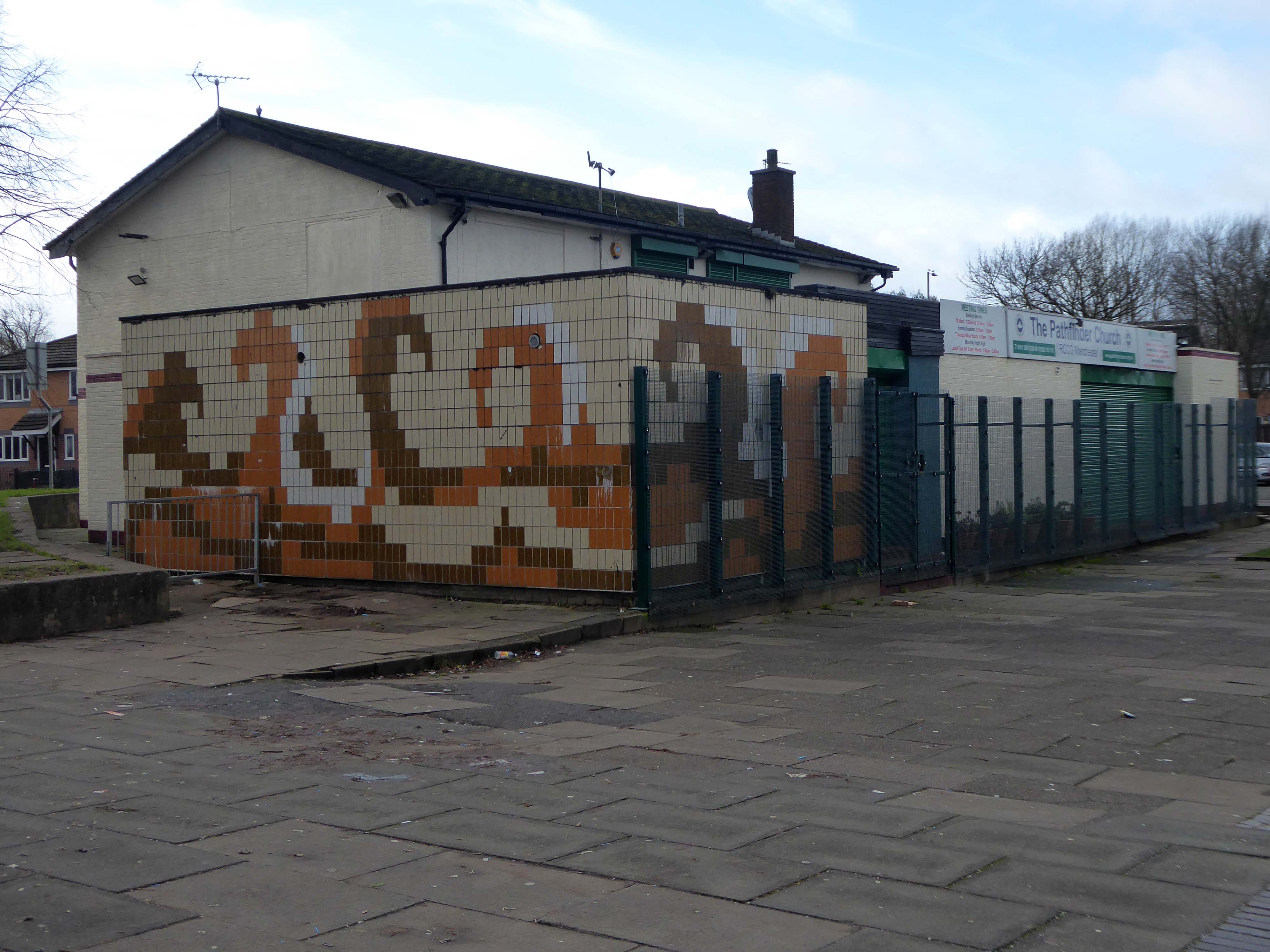
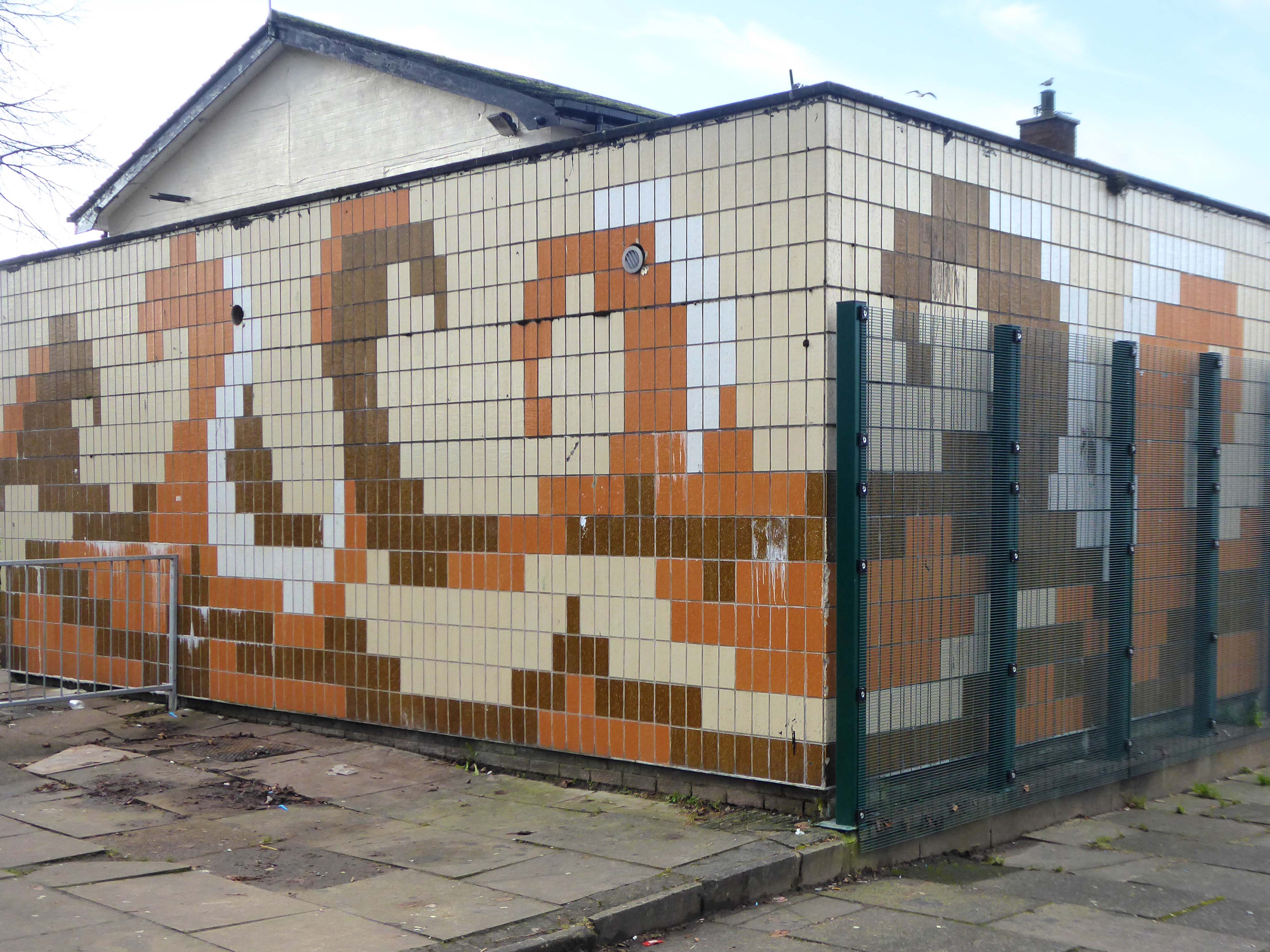
The pub currently trades as the Pathfinder Church.

We are committed to the growth and development of individual, our local and international communities. In the interim may I use this medium to invite you to be part of the move of God in our church, the Pathfinder.

The Lord bless your richly as you navigate through in Jesus name.

Stoke Walk

We begin by doffing our caps to Josiah Wedgwood – who along with countless other unsung heroes defined Stoke on Trent as the heart of the pottery industry.

Stoke is polycentric, having been formed by the federation of six towns in 1910.

It took its name from Stoke-upon-Trent where the main centre of government and the principal railway station in the district were located. 

Hanley is the primary commercial centre.

The other four towns are Burslem, Tunstall, Longton, and Fenton.

Wikipedia

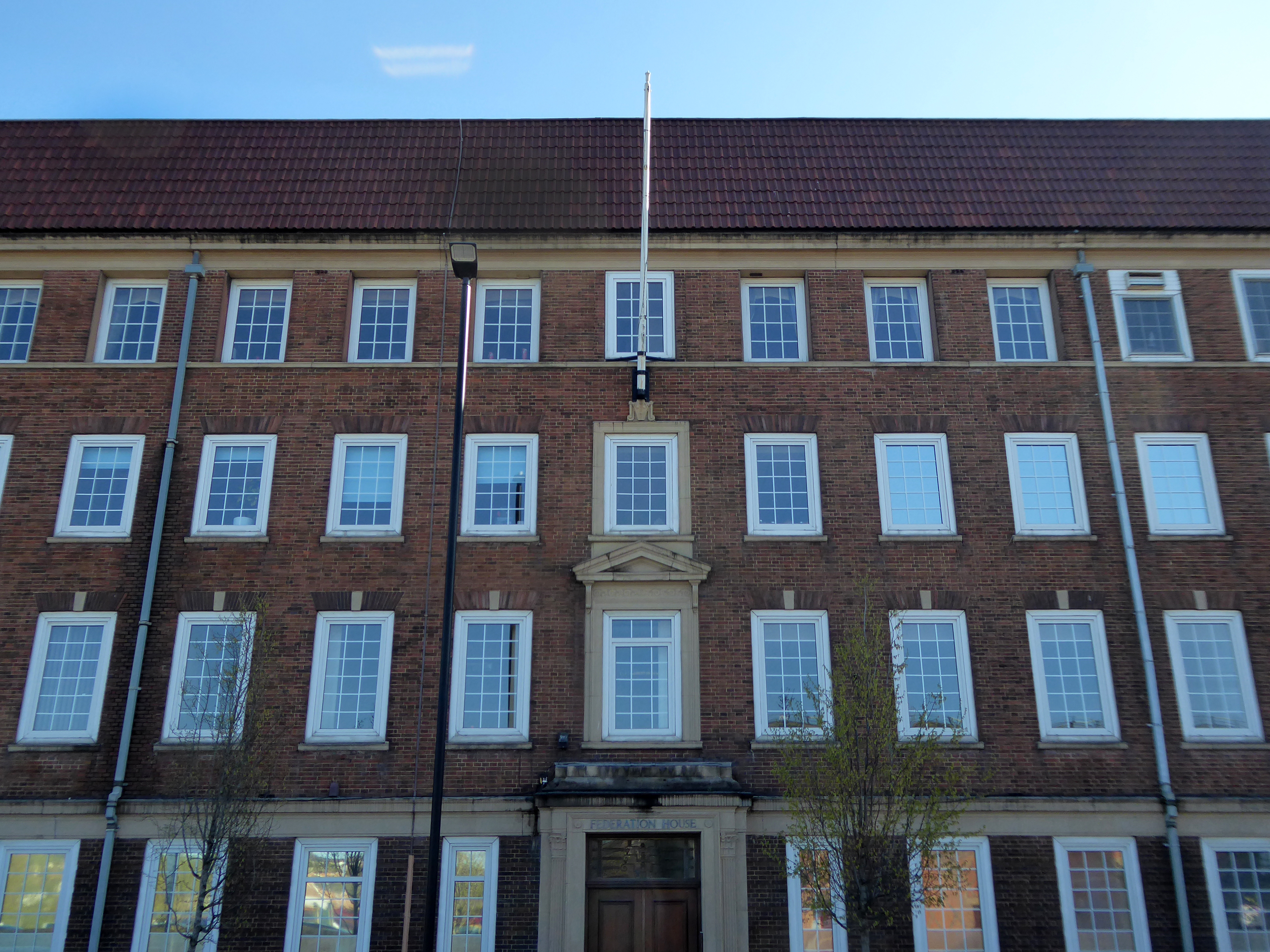
First up Federation House architects: Wood Goldstraw Yorath 1930 – described as Art Deco.

Built to house the British Pottery Manufacturers’ Federation now multiple occupancy.

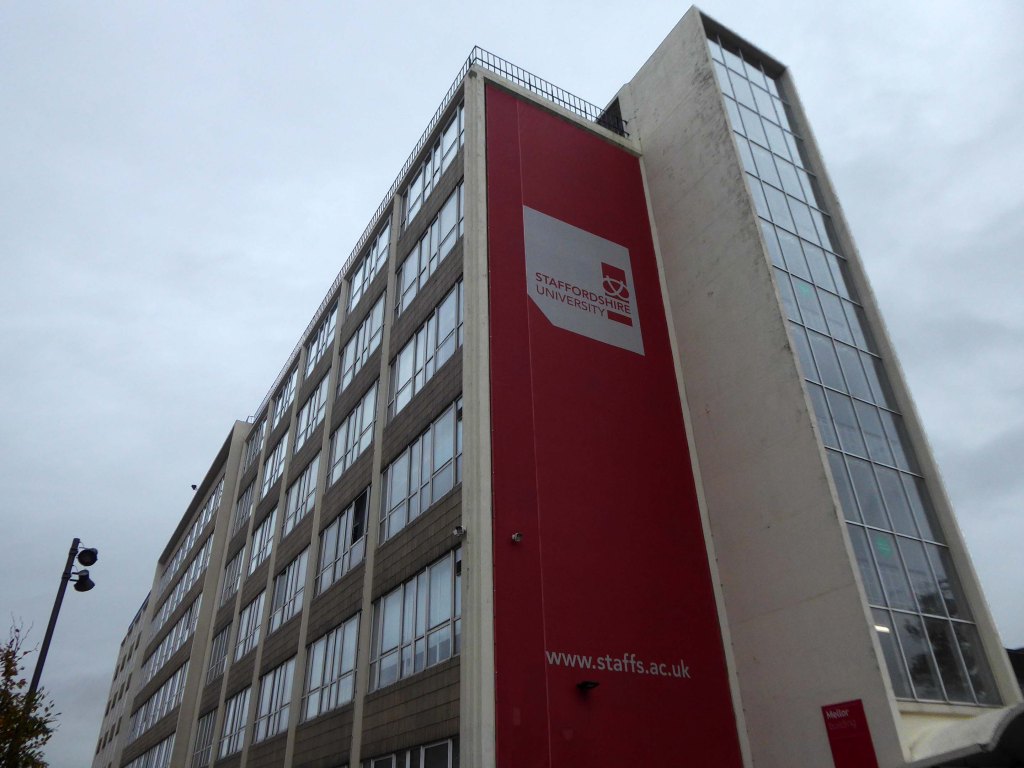
Around the corner to the Staffordshire University.

Staffordshire University was founded in 1914 as a polytechnic intistution, and was officially given University Status on 16 June 1992. Our University is famous for its forward-thinking approach, and has become a figurehead for its vocational and academic teaching, innovative grasp of industry, and student employability.

Although our campus continues to expand to create dynamic opportunities, we are proud of our heritage in the great city of Stoke-on-Trent. Steeped in the history of ceramic manufacture and production, industry in Stoke-on-Trent has been fuelled by Staffordshire University for over 100 years.

The Flaxman Building 1970 was designed by City Architect Thomas Lovatt and built by the City Works Department – the last public works assignment before competitive tendering opened up public restrictions to private enterprise.

Named for to Wedgwood’s famous modeller the classical artist, John Flaxman RA 1755-1826. 

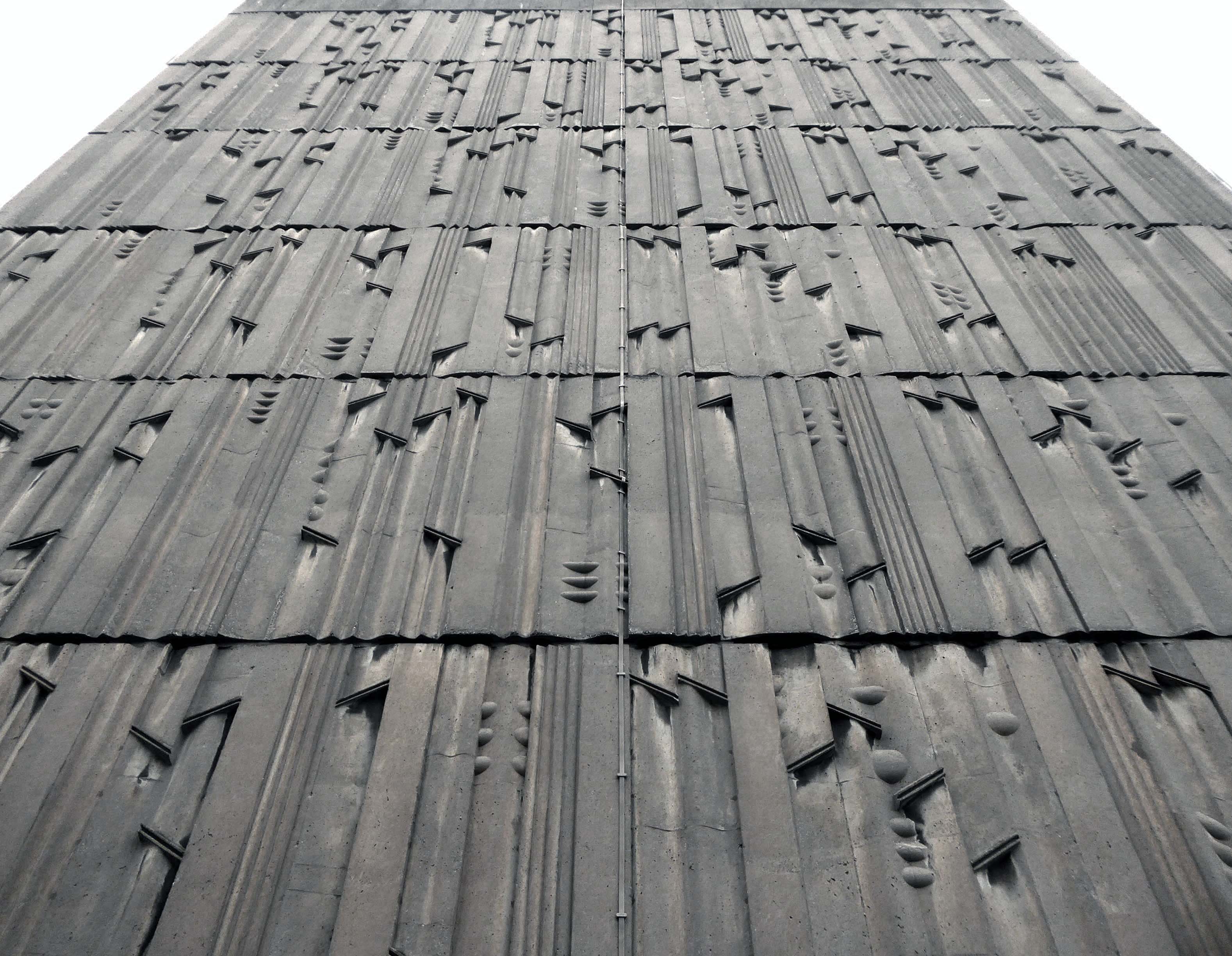
This concrete is very much in the style of William Mitchell – though there is no record of attribution.

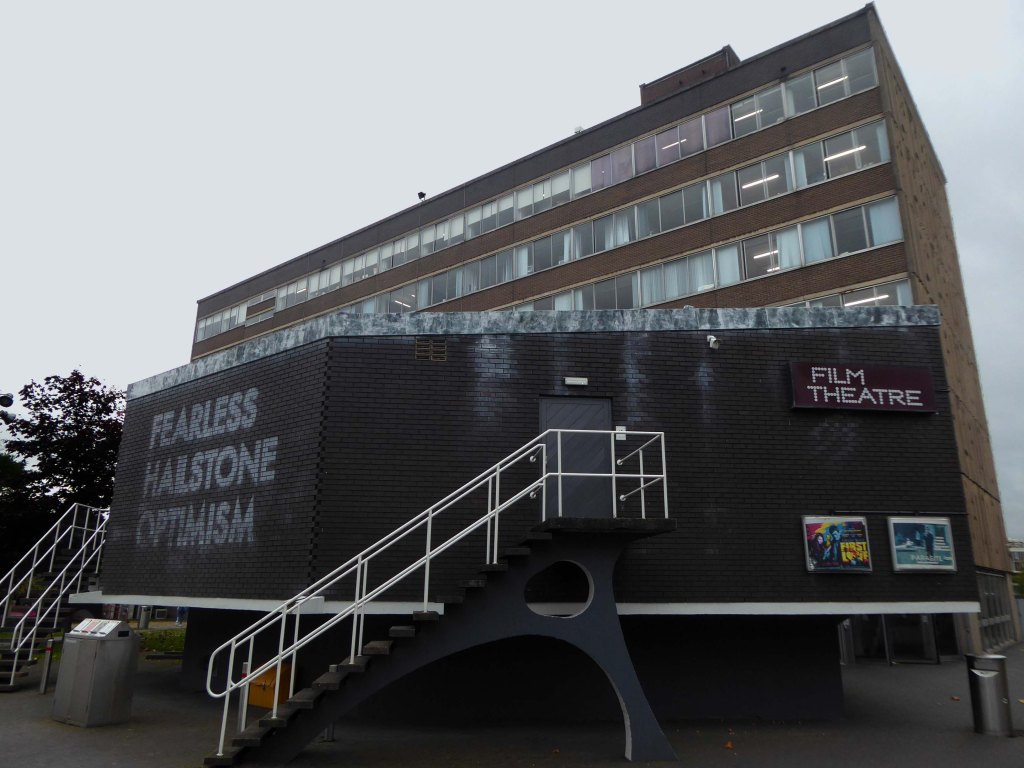
The Regional Film Theatre opened in College Road, on the premises of North Staffordshire Polytechnic now Staffordshire University in 1974.

The North Staffordshire Film Society moved there to screen films one evening a week, while the Film Theatre operated on three nights a week. 

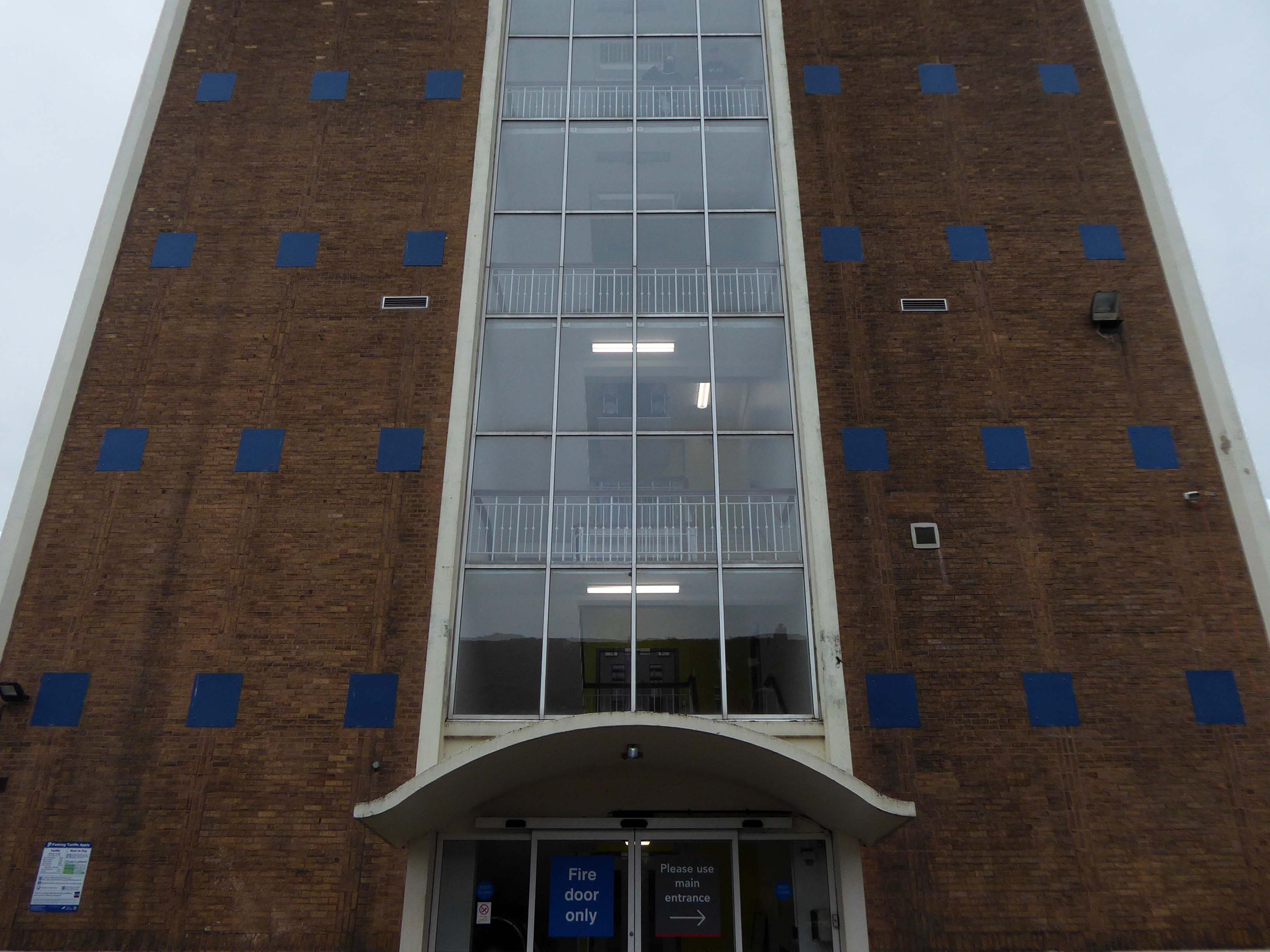
Across the way is the assertive slab tower of the 1950’s Mellor Building with its curvy cantilevered porch cover.

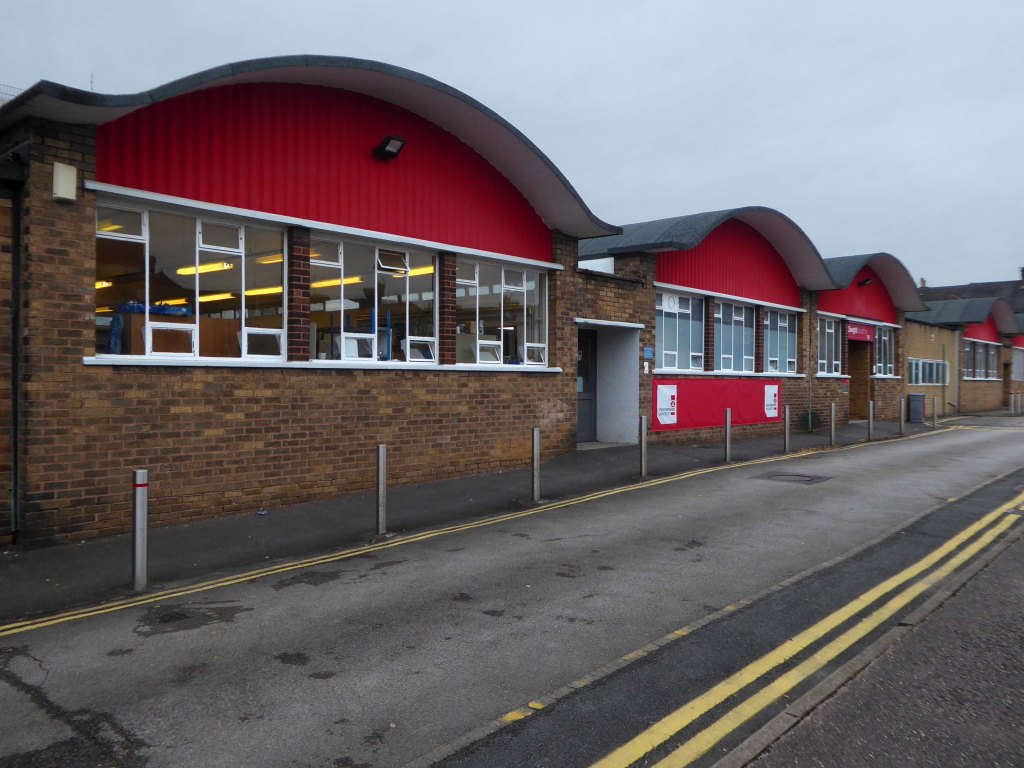
Out back is the wavy roofed Dwight Building.

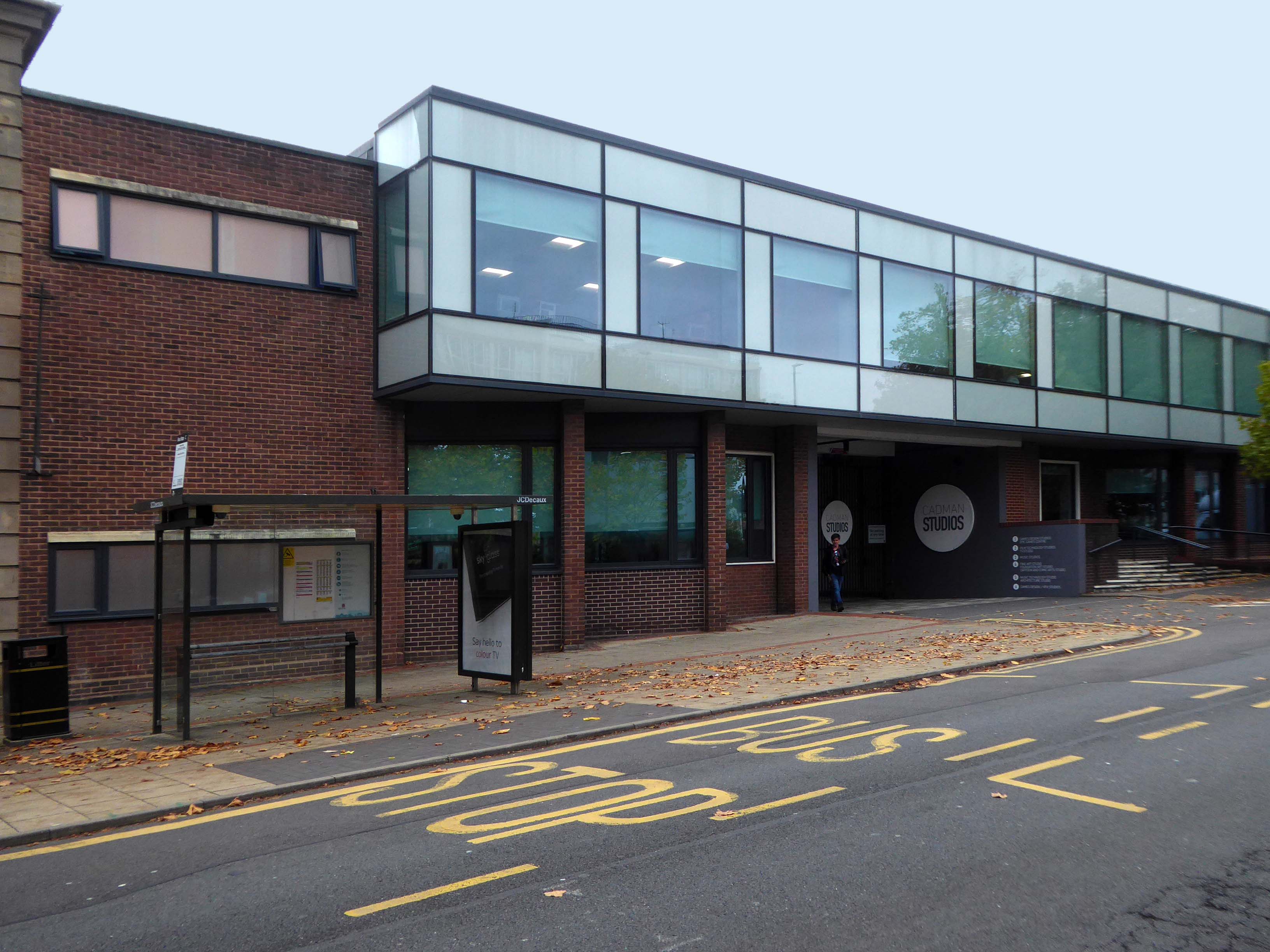
Over the road the new build of the Cadman Studios 2016 ABW Architects.

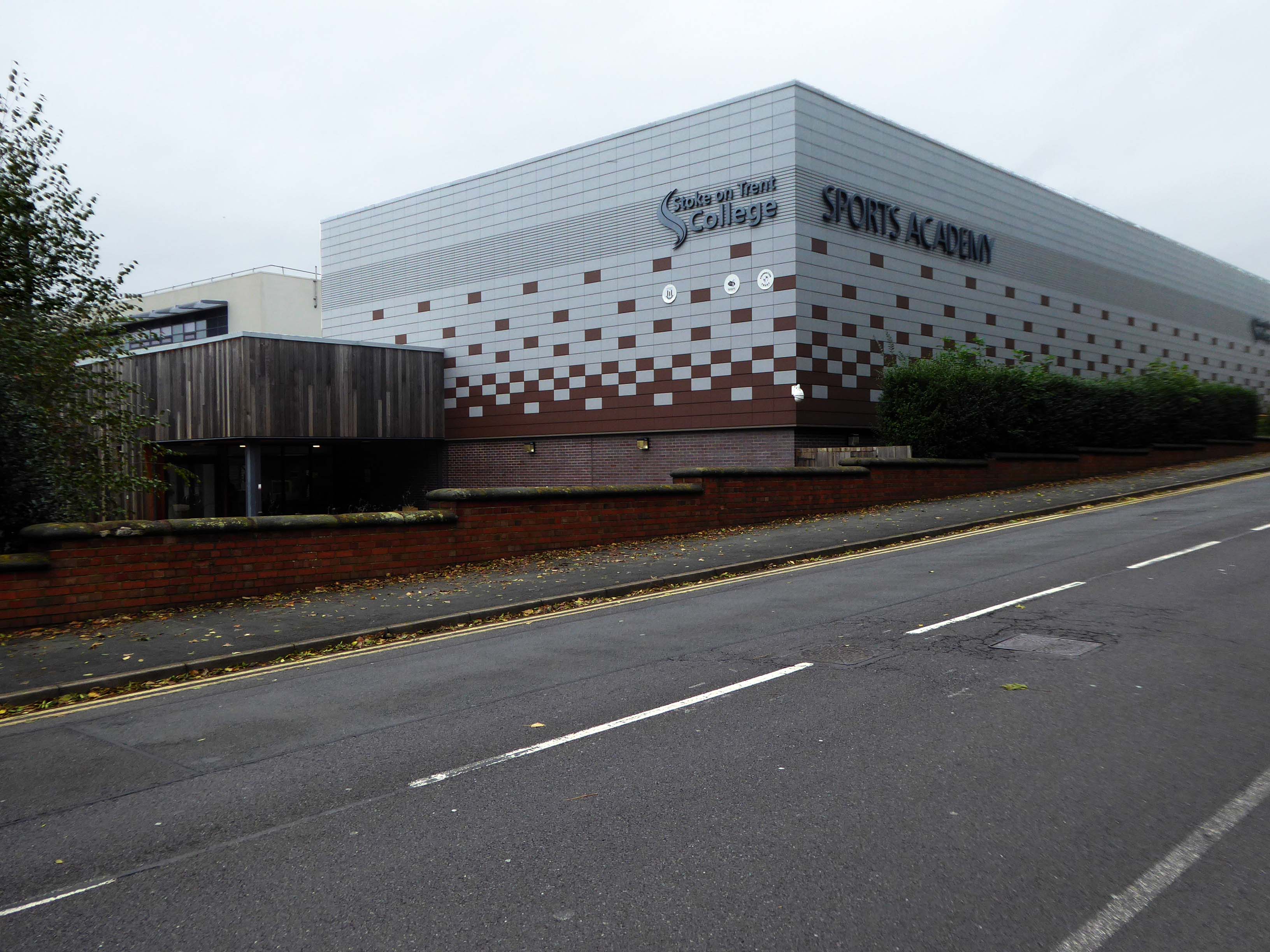
Walking towards Hanley we come upon the newly built Stoke on Trent College and Sports Academy.

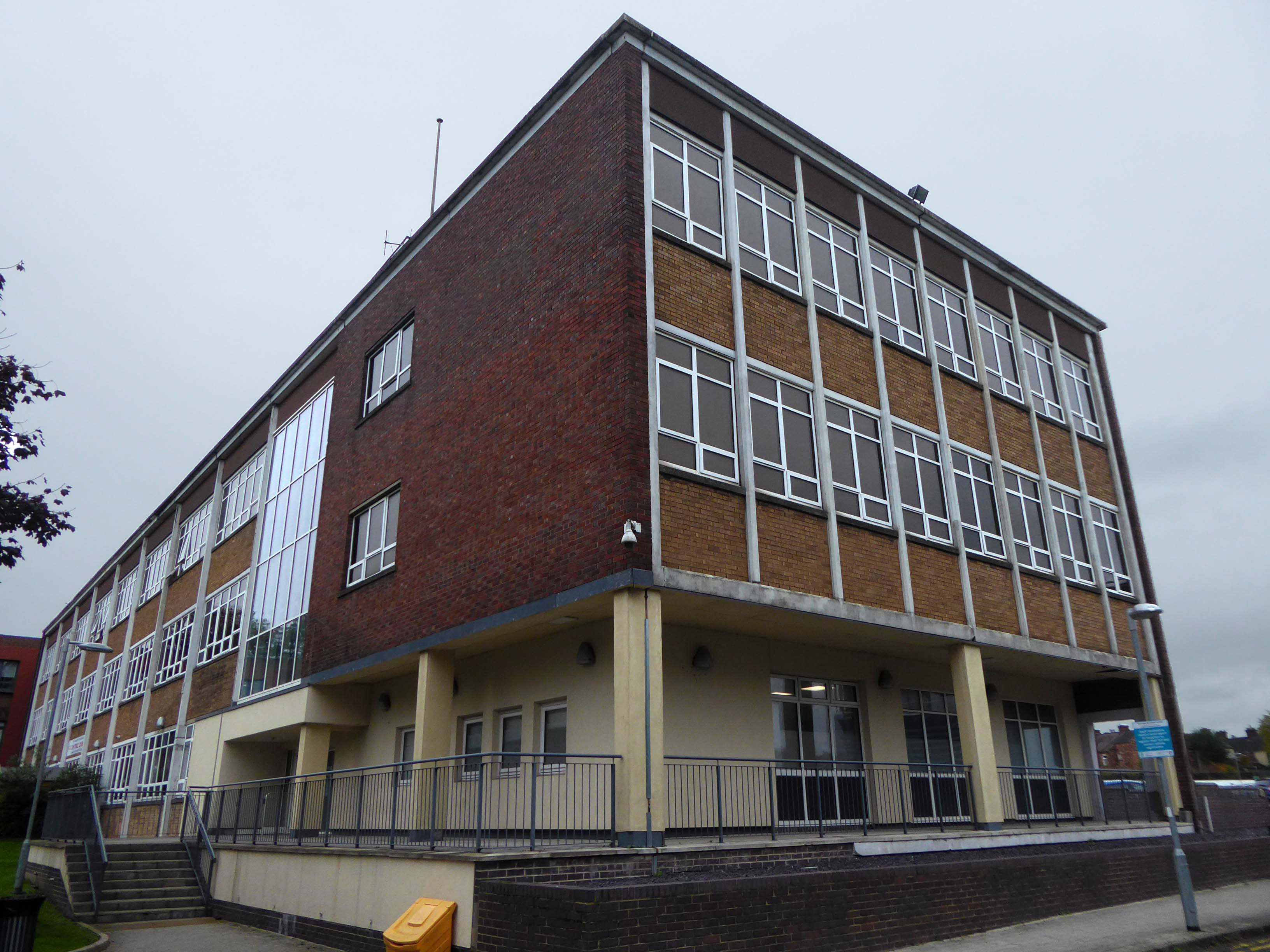
Only one block of the original build remains.

Photograph – 28 Days Later

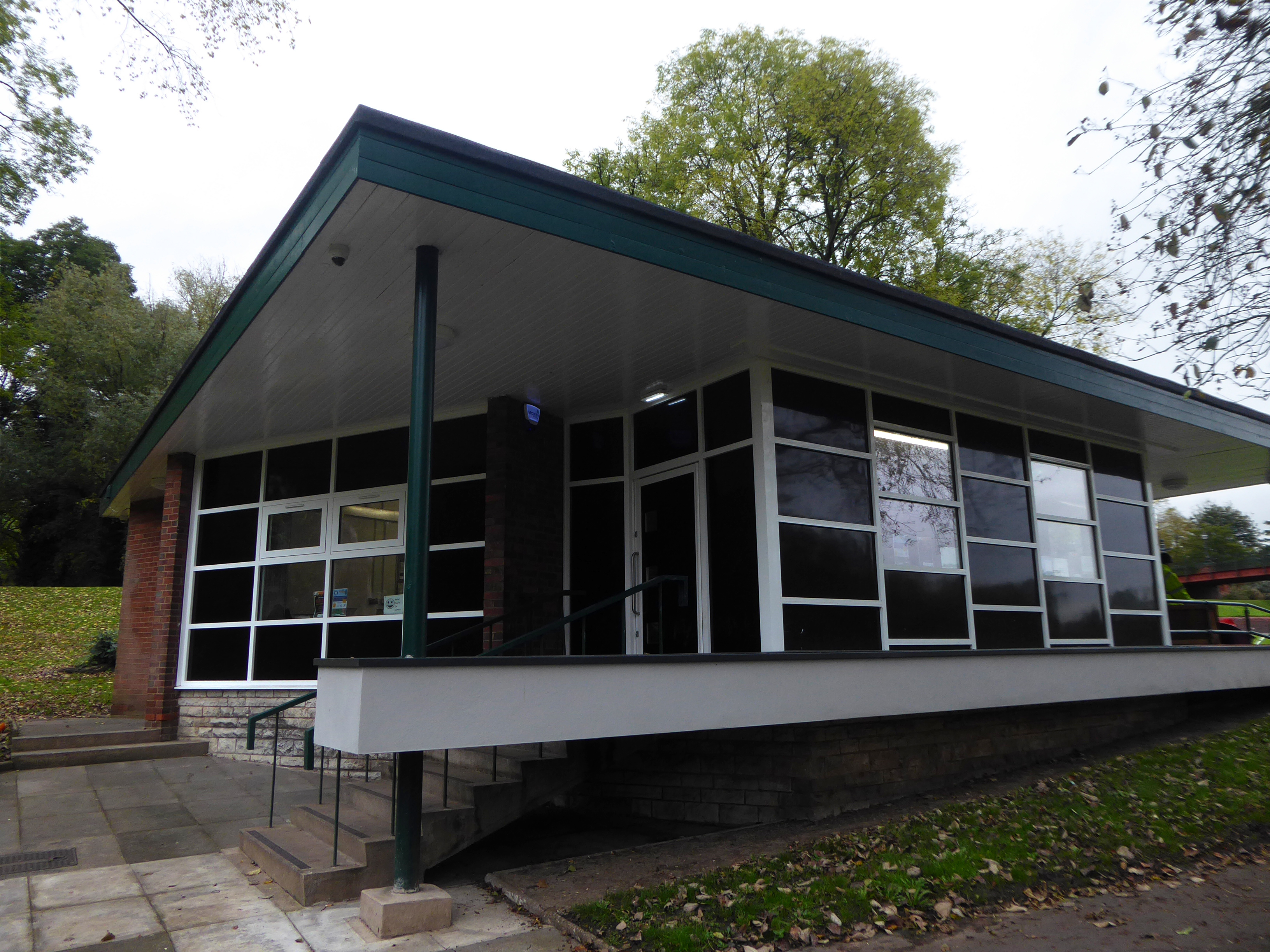
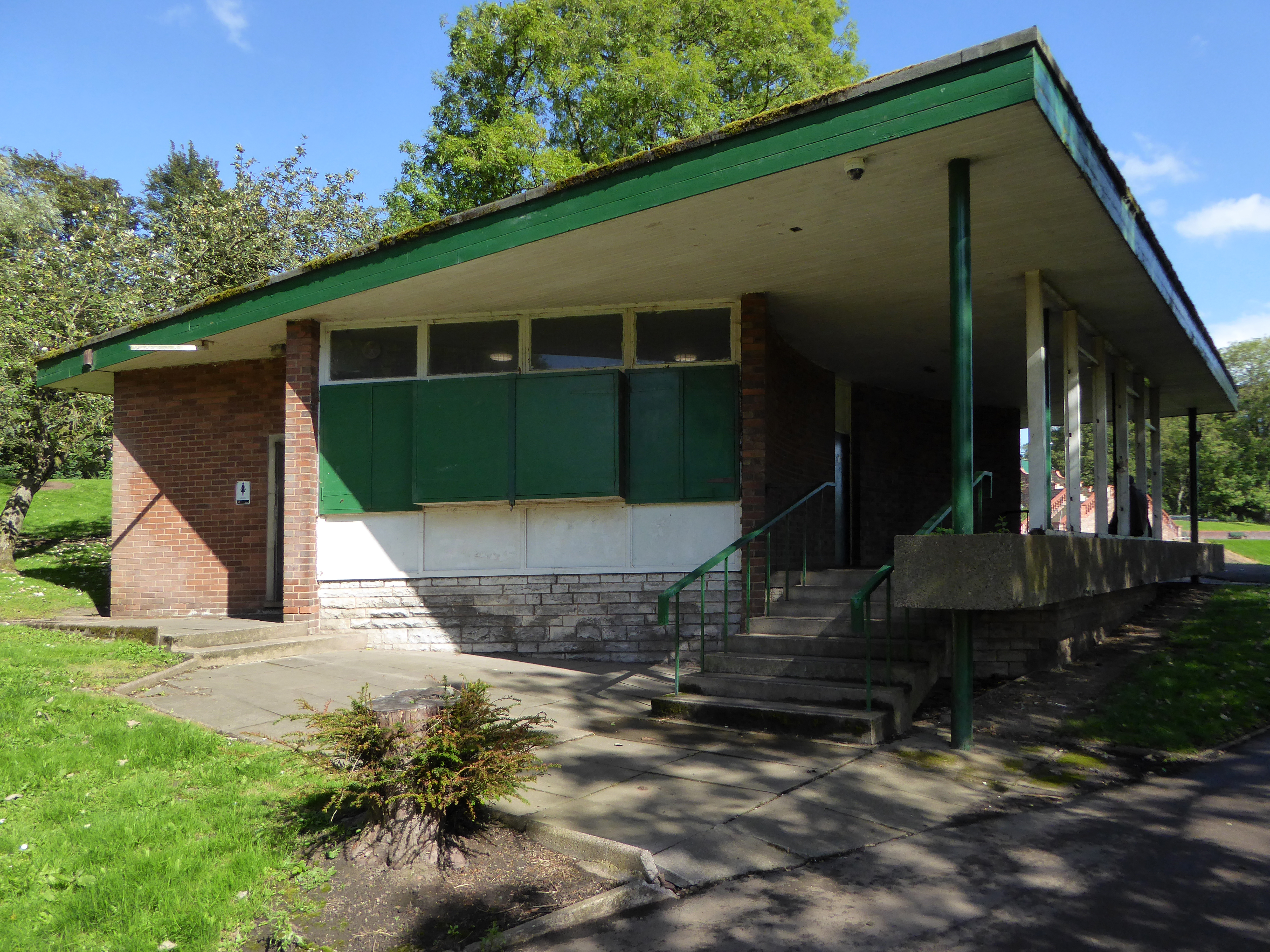
Tucked away in Hanley Park is this period building.

It has been refurbished and the walkway enclosed since my previous visit.

hanley park was laid out in the 1890s by Thomas Hayton Mawson the pavilion of 1896 is by his associate Dan Gibson.

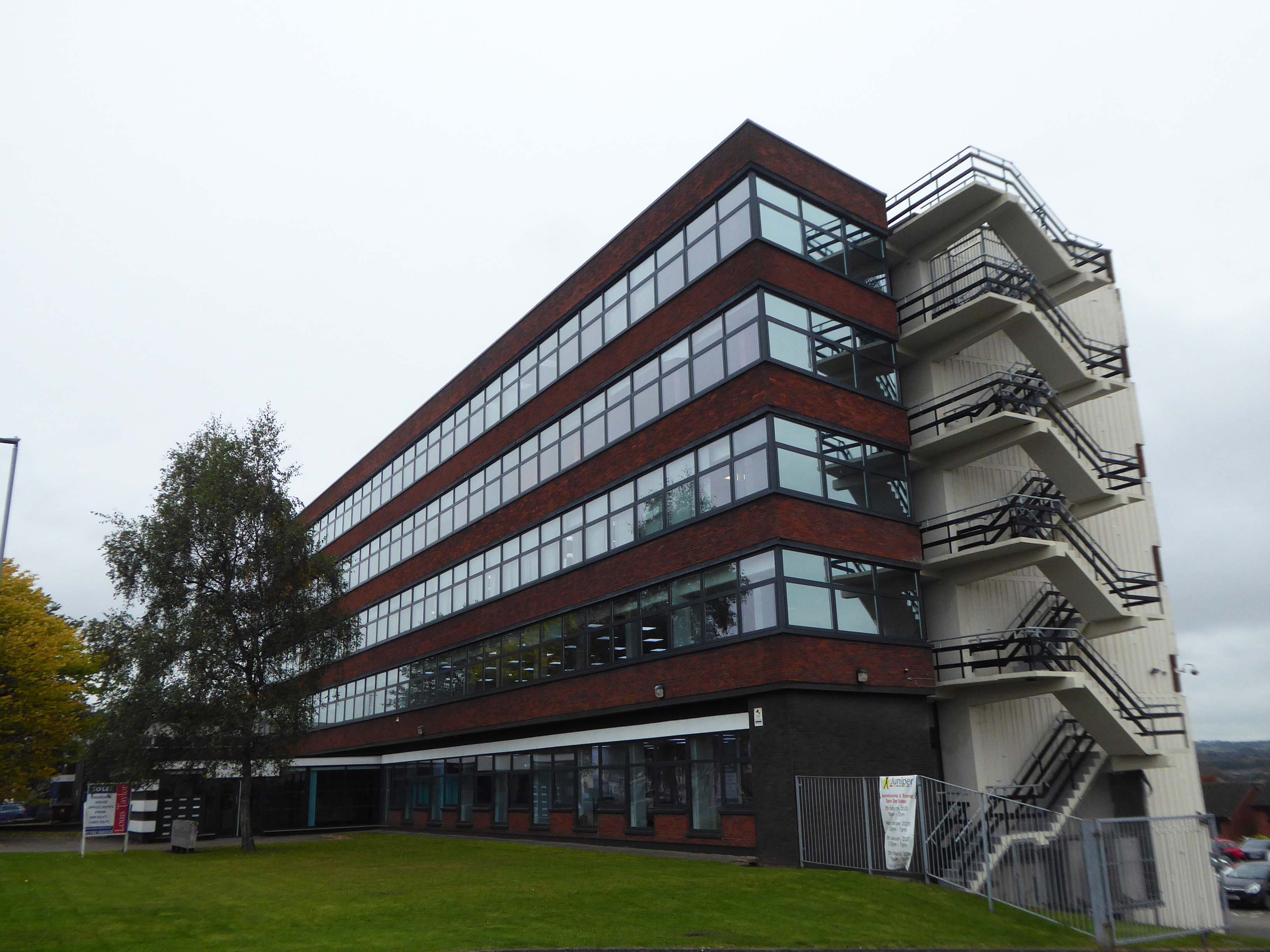
Further along the way we come upon Churchill House with its distinctive fire escape.

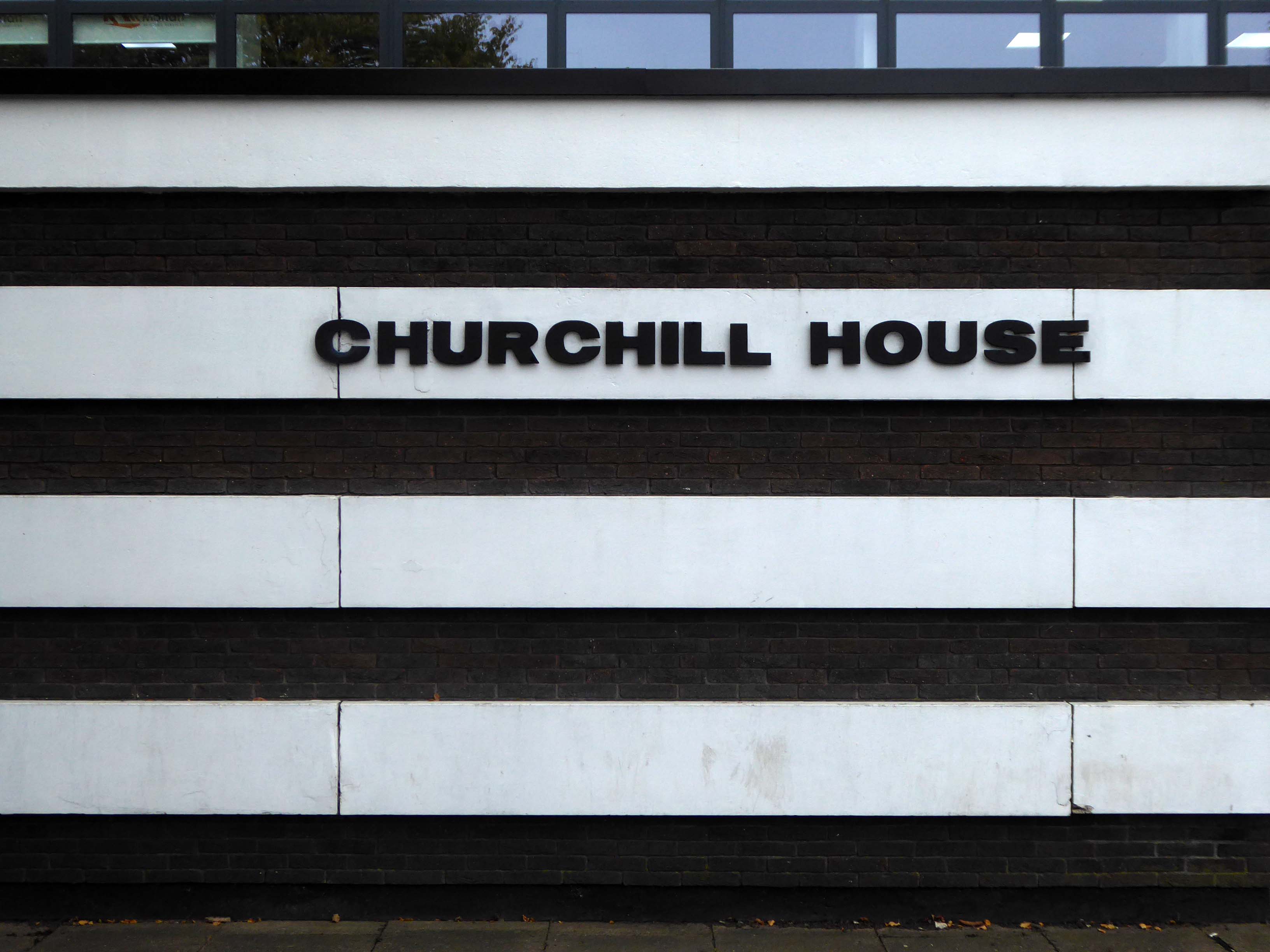
And original architectural signage.

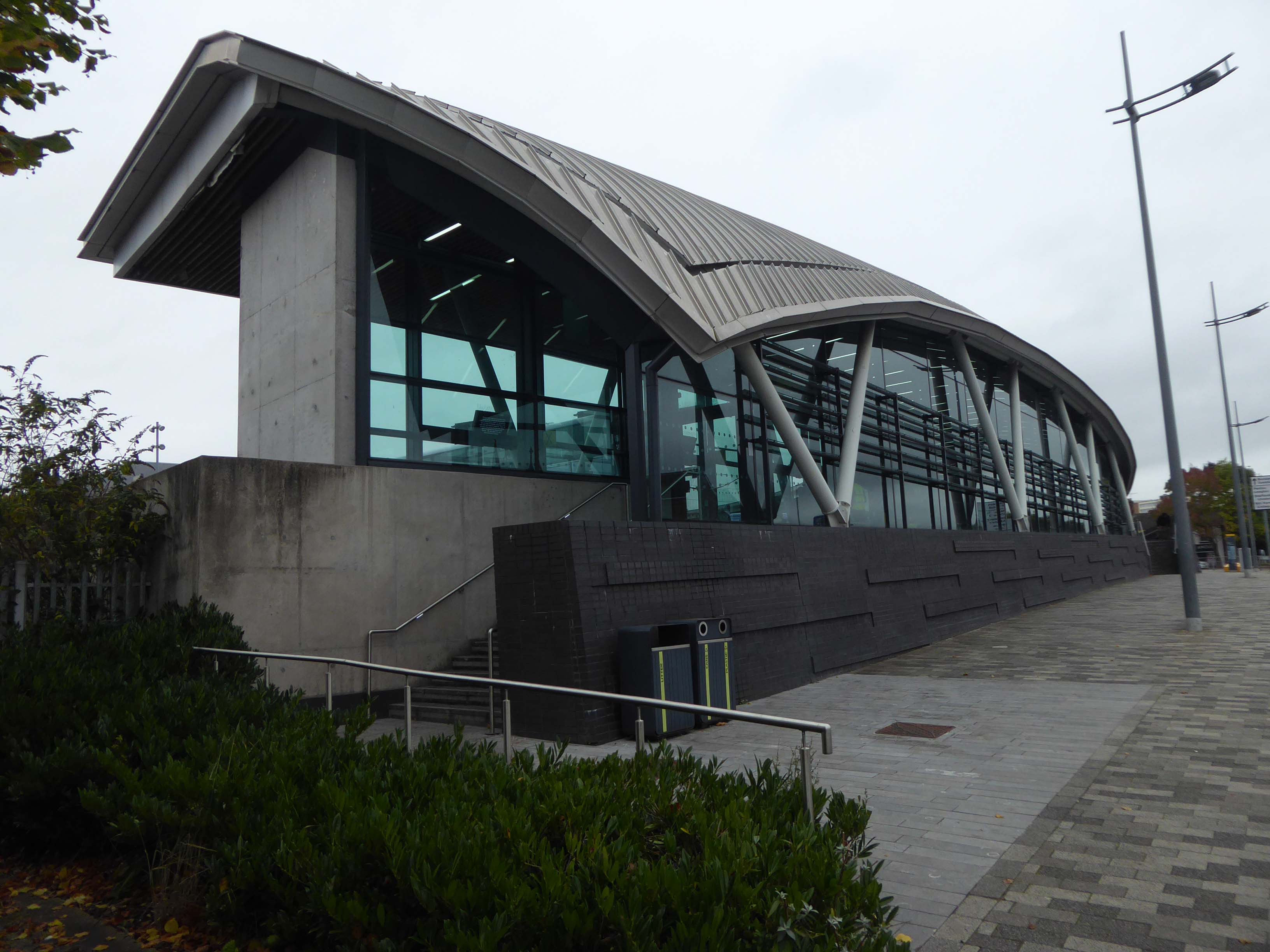
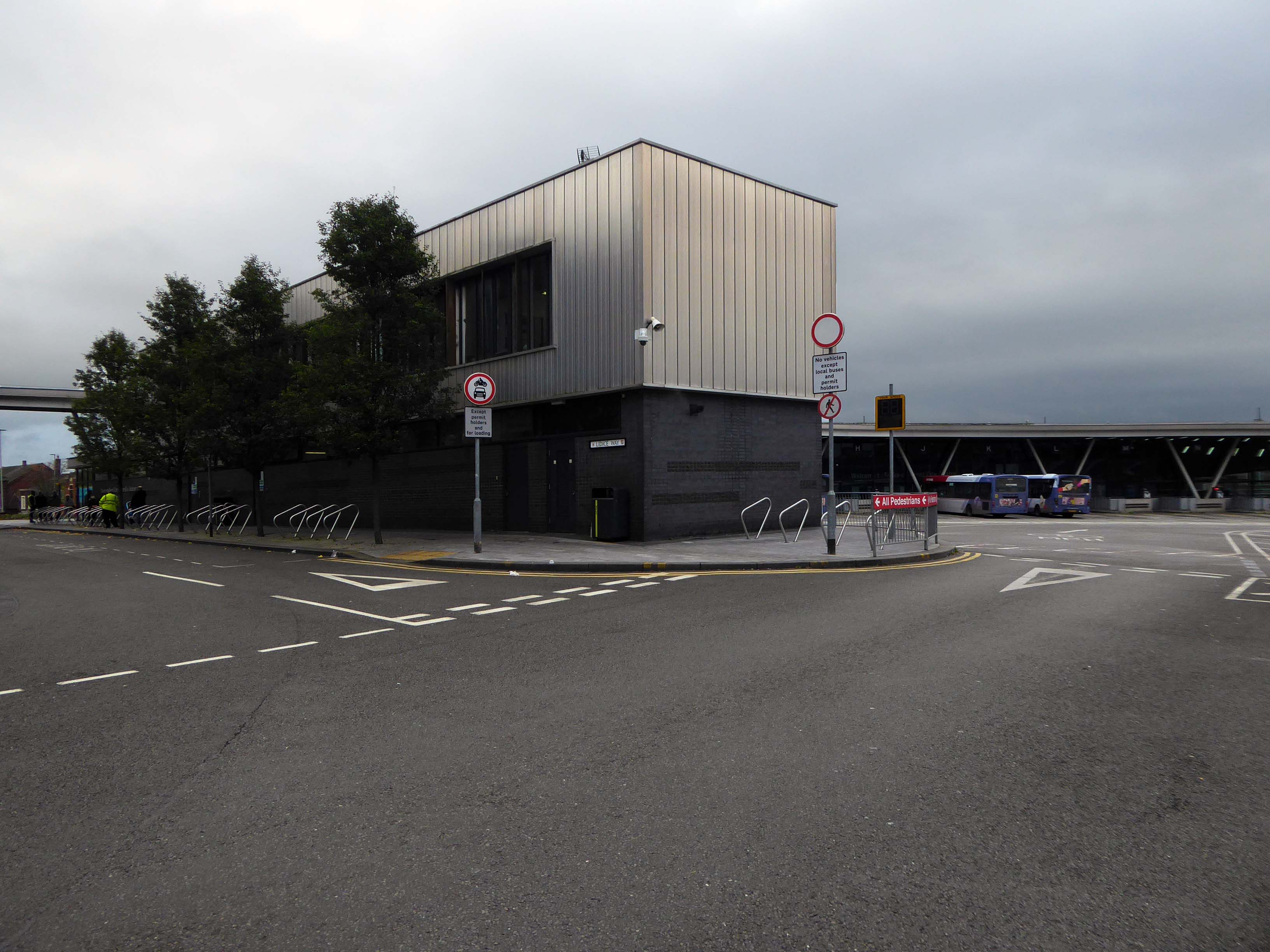
Crossing the inner ring road to the sweeping canopy of the Hanley Bus Station Architects Grimshaw engineers Arup.

Wrapping a corner site, the canopy rises and falls to create a mutable form: appearing as a shimmering, contemporary shield to the south, and a welcoming timbered environment to the north with sweeping views to Victorian Hanley.

Tapered down at the ends to shelter waiting passengers from the prevailing wind, the roof extends beyond the station edge to connect with the neighbouring public plaza.

Sitting atop a Staffordshire blue brick plinth with a Carlow blue limestone concourse, the station adopts materials that are resonant in this area. Its gracefully sweeping canopy belies the challenging site constraints, which were carefully resolved to accommodate the difficult routing of buses, the creation of a safe, sheltered environment for passengers and drivers, and a sloping site underpinned by clay and coal.

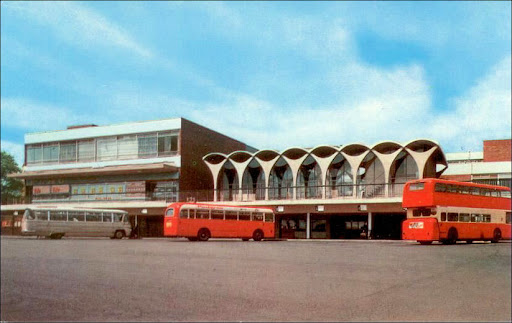
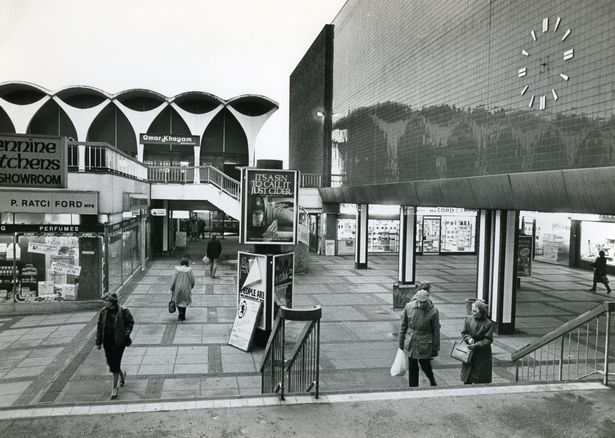
The former bus station and precinct long gone.

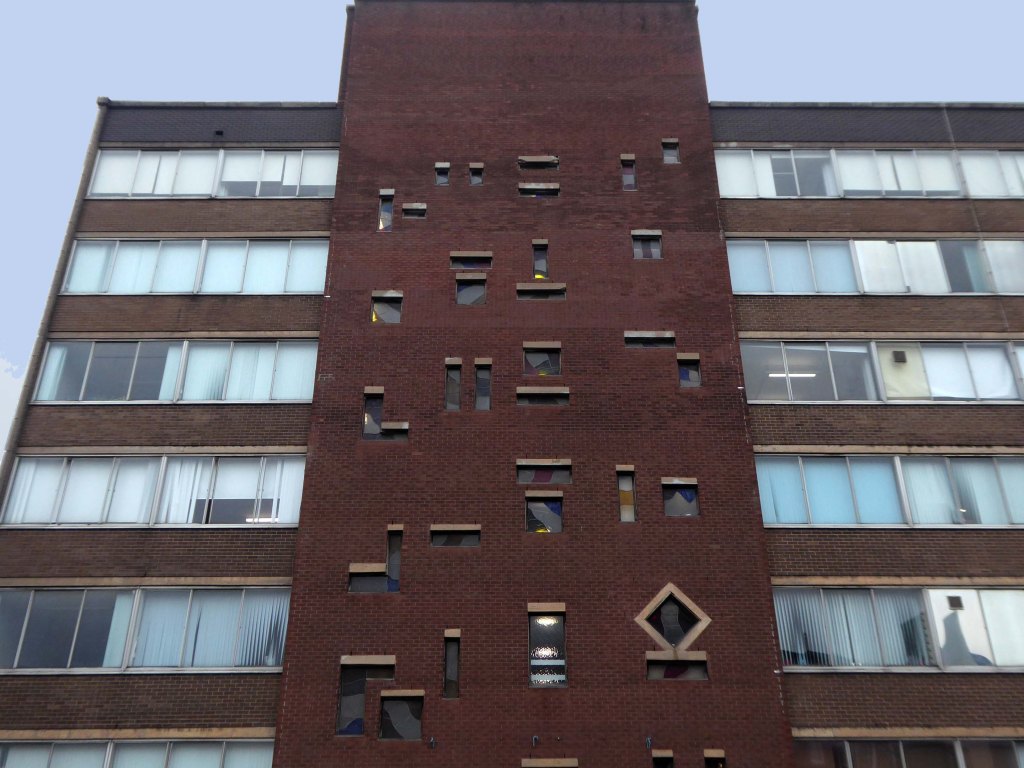
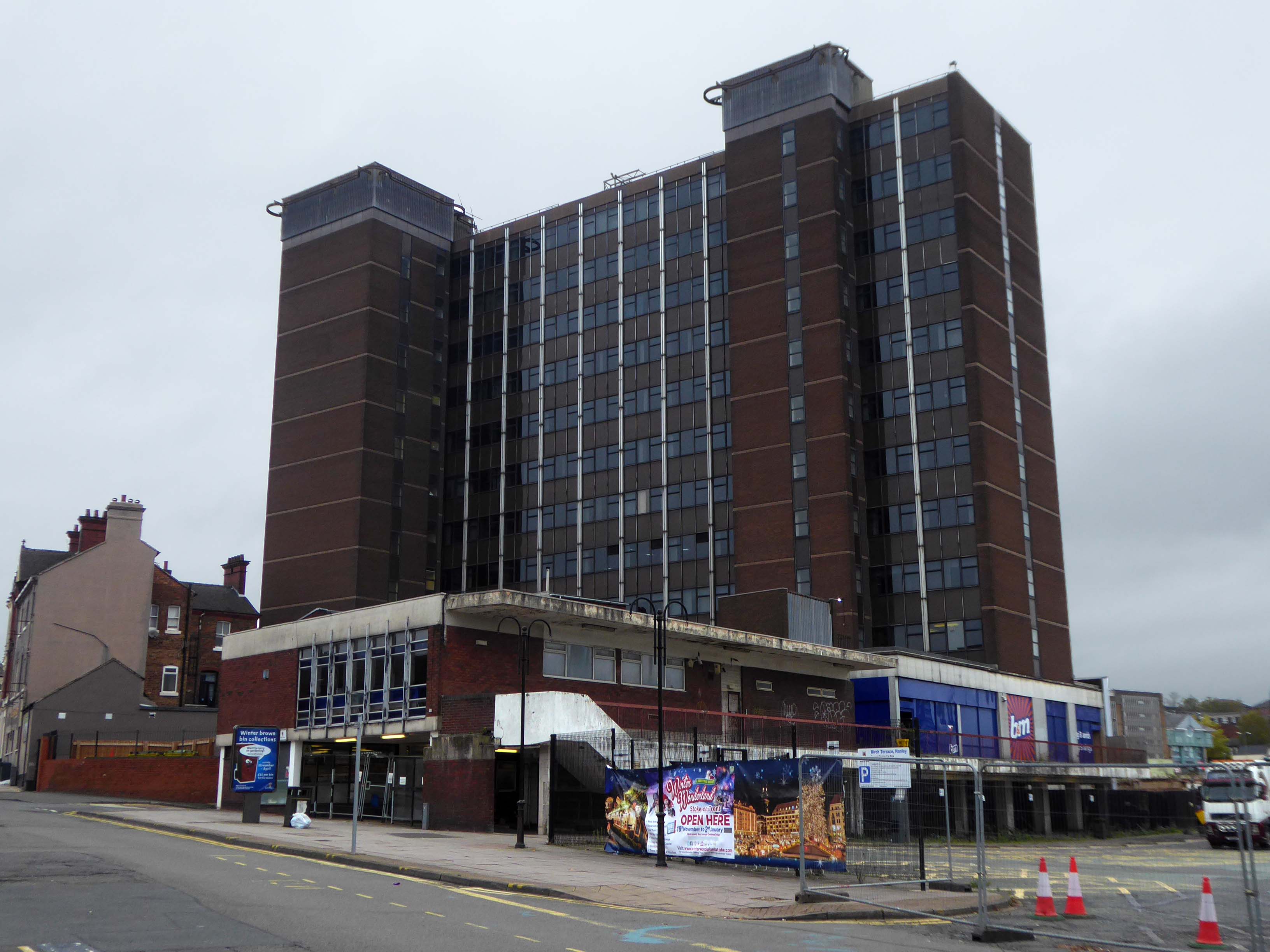
Above the former bus station looms Blackburn House home to HMRC, an imposing brown brick behemoth.

Photo James Morgan

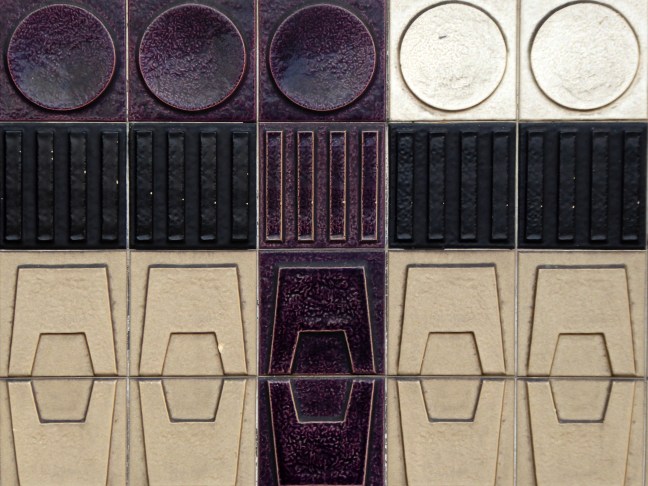
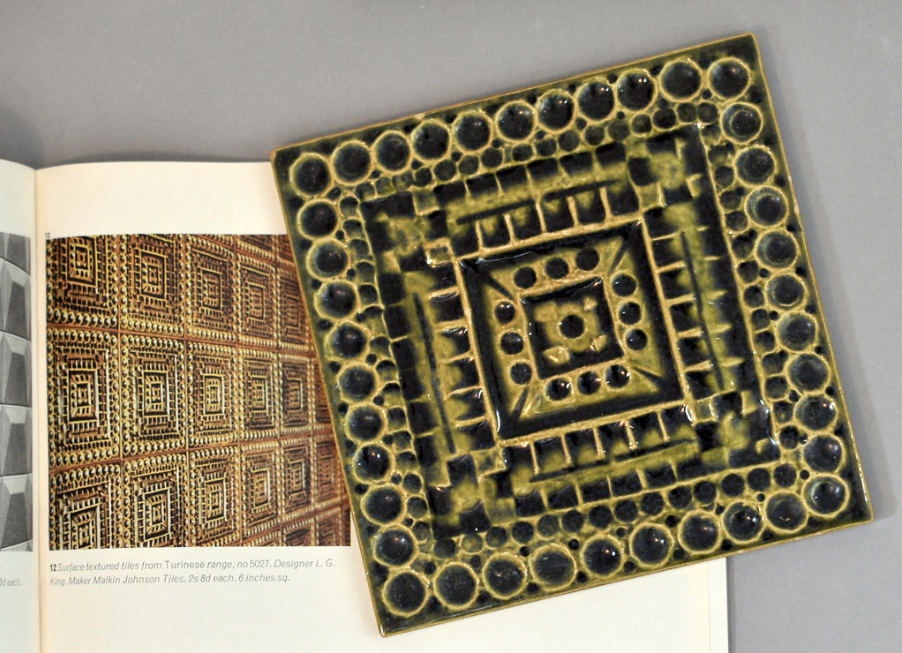
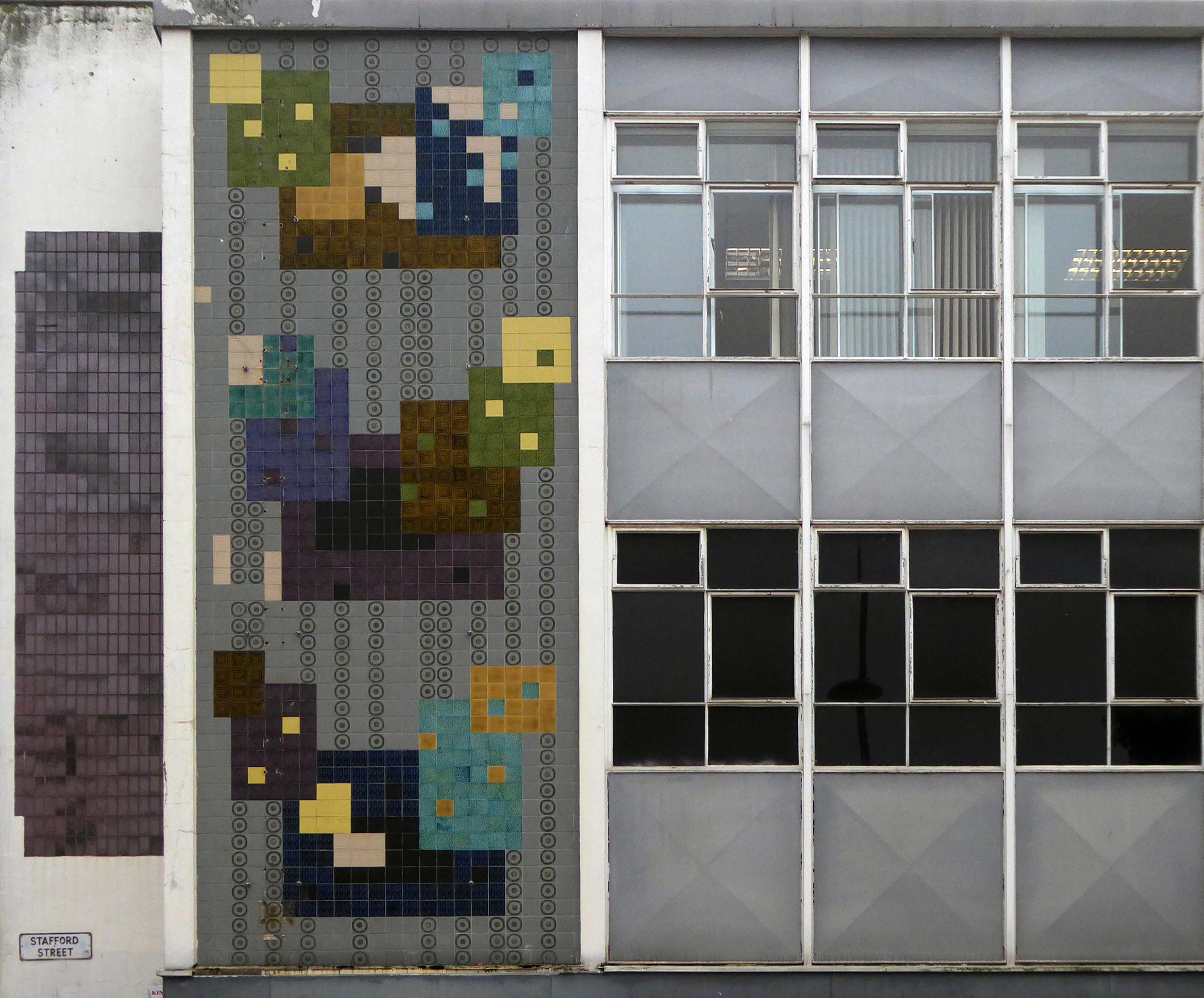
Previously C&A currently Wilko – adorned with these enchanting Tiles.

This little-noticed panel is composed of six inch surface-textured tiles in a variety of muted tones, mainly greens, purples and blues, some with geometric reliefs. The mural is unusual because it is one of the few surviving installations produced by Malkin Tiles; at least one of the motifs is from their ‘Turinese’ range marketed during 1961-8 and designed by Leonard Gladstone King, Malkin’s art director.

Tile Gazetteer

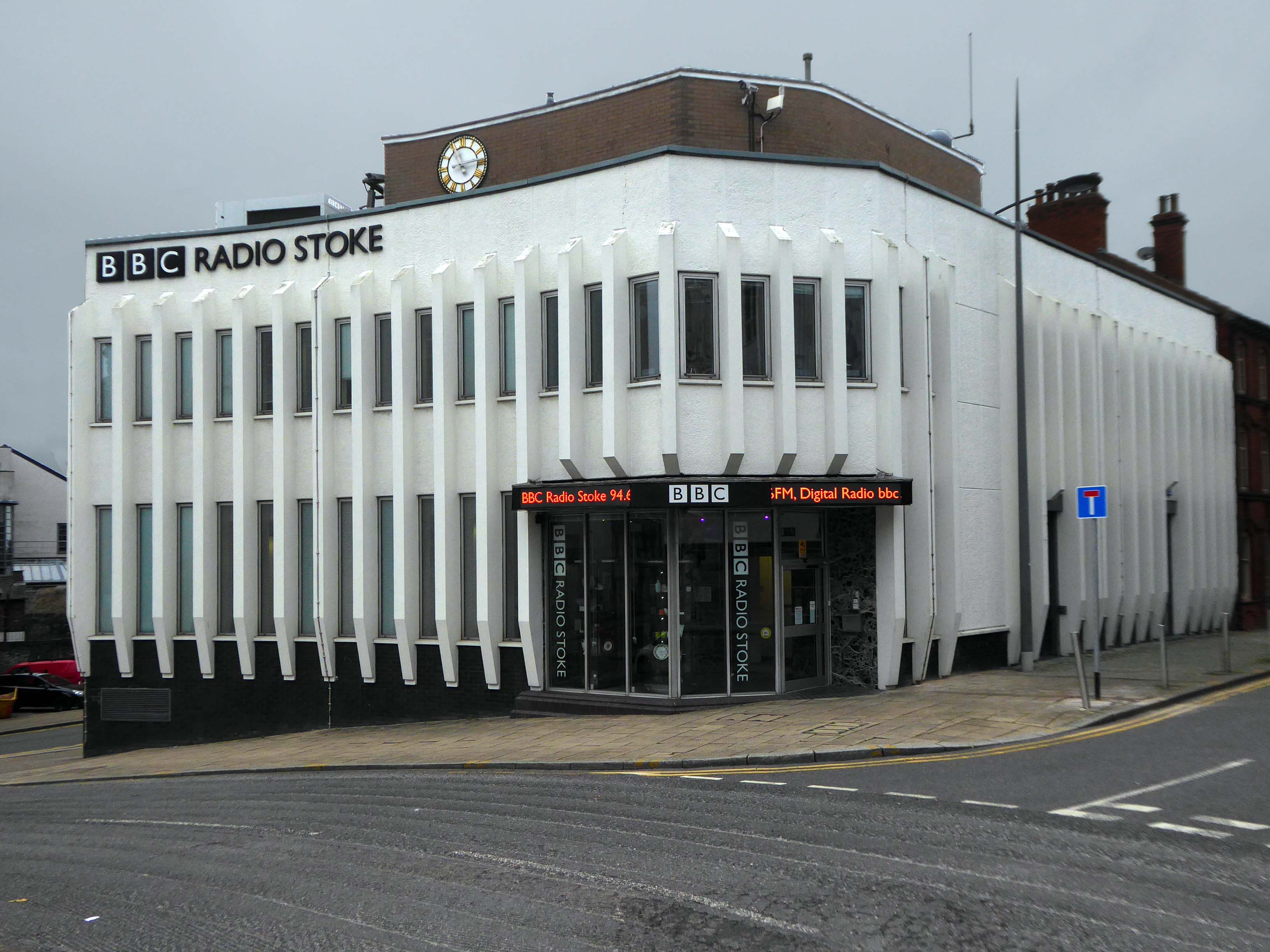
Over the road Radio Stoke HQ 1968 – formerly home to Hanley Economic Building Society.

Crossing back through town and over the ring road to look at some tiles.

Malkin Tiles of Burslem

Attached to some towers.

Surrounded by housing.

But missing this bridge – which was demolished in 2020.

Back into town again to look at the Burton’s.

Photo: Stoke Sentinel

Odeon Cinema – architects: Arthur J Price and Harry Weedon 1938

The Odeon was one of the original cinemas in the Oscar Deutsch chain of Odeon Theatres Ltd. It was opened on 13th February 1938 with Max Miller in “Educated Evans”. It had a very small entrance at the corner of Trinity Street and Foundry Street, with a slender fin tower on the left side, and clad in cream faience tiles. The bulk of the auditorium was along Foundry Street, and seating was provided for 1,036 in the stalls and 544 in the circle. Decoration was in a typical Odeon style, with several troughs across the ceiling containing concealed lighting.

The Odeon was closed by the Rank Organisation on 15th November 1975 with Roger Daltrey in Tommy. The auditorium decoration was stripped out in the early-1980’s, and by 1982 it was used for storage, when on 4th August 1982, it was partially damaged in a fire, although the main shell of the building was not damaged. By 1991, the building was standing derelict.

By 1999, a bar was operating in the former foyer area. By 2003, the former auditorium had been brought back to use as a Chicago Rock Café. In 2008, the building had become a bar & nightclub named Revolution, with the former foyer in use as a bar named The Base.

In December 2021 plans were announced to demolish part of the former Odeon Theatre to build flats.

Cinema Treasures

Photo: RIBA Pix 1937

Next door the former Stoke Sentinel newspaper offices.

You simply cannot miss the BT Hanley Tower.

And its elderly listed relation of 1900.

Up toward the Potteries MuseumJR Piggott City Architect 1956.

It has undergone extensive exterior reworking by Wood Goldstraw Yorath

Including the brick mural Industries of the Potteries 1981 Sculptor: G H Downing Designer: Frank Murrier

And recent extension of 2021.

Designed by Glancy Nicholls Architects, the team worked collaboratively through the SCAPE framework to design a 3,800 square foot extension. The facility includes bespoke structural glazing, which enables the Spitfire to be viewed from outside of the museum.

Morgan Sindall Construction

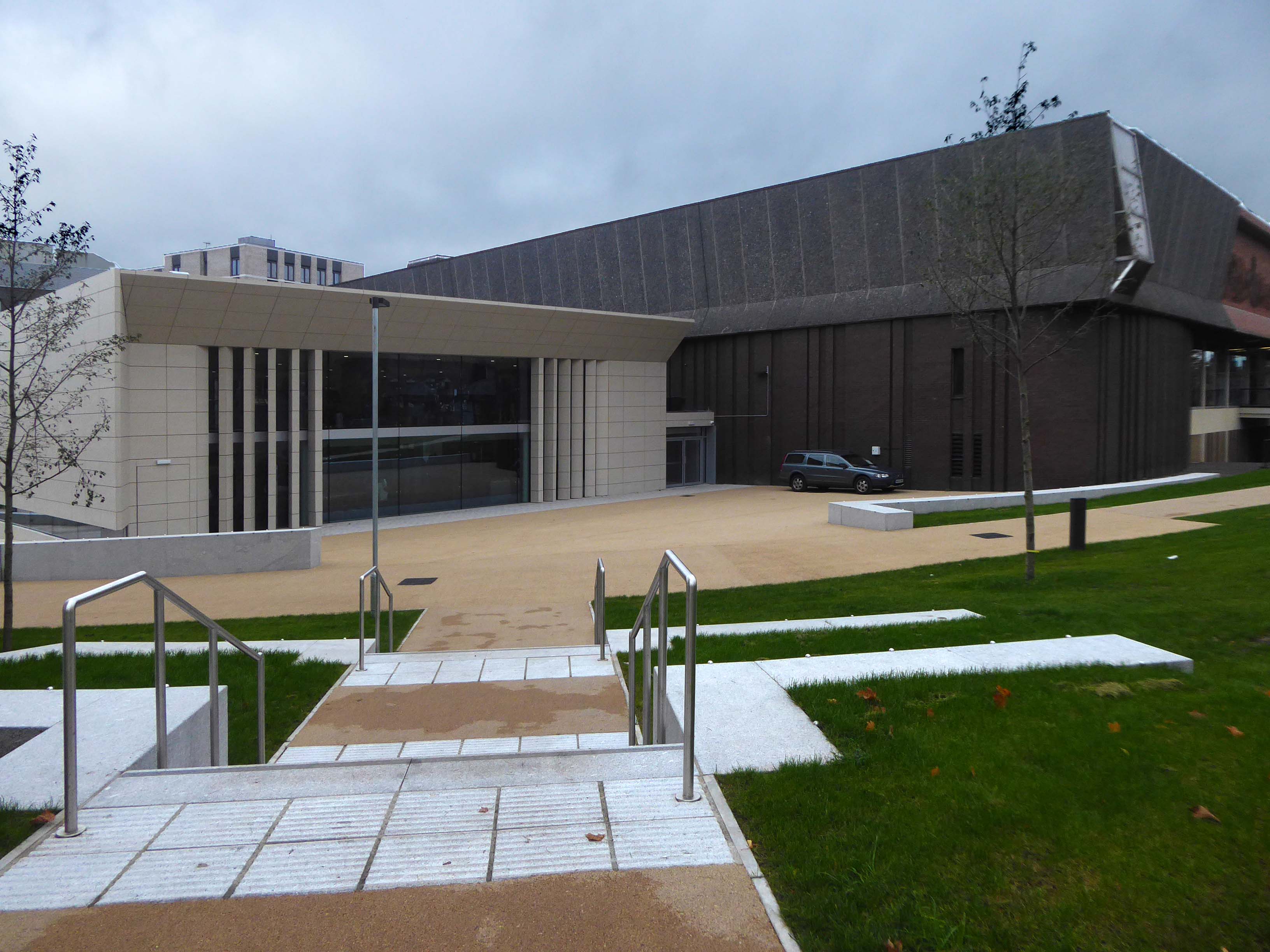
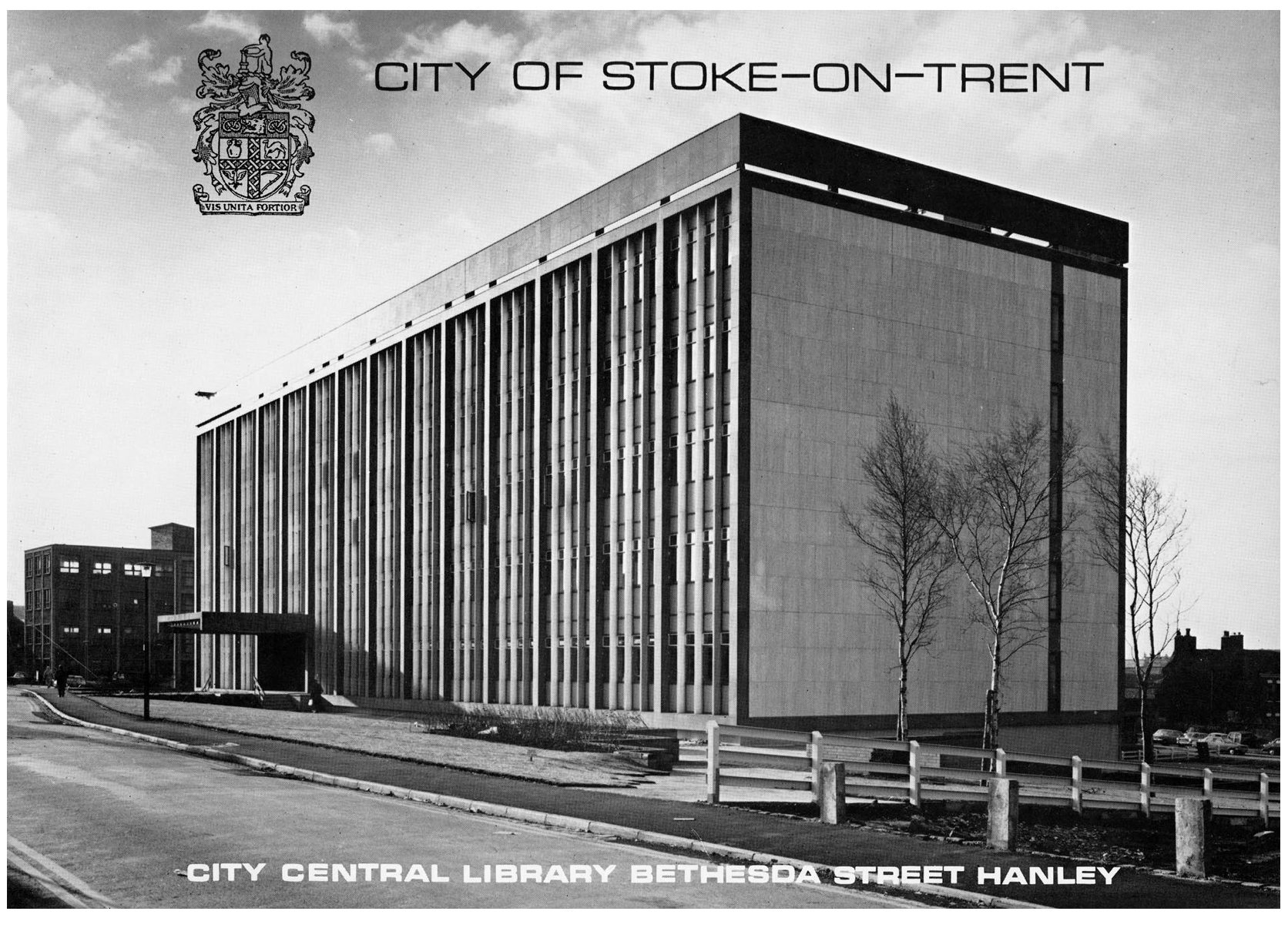
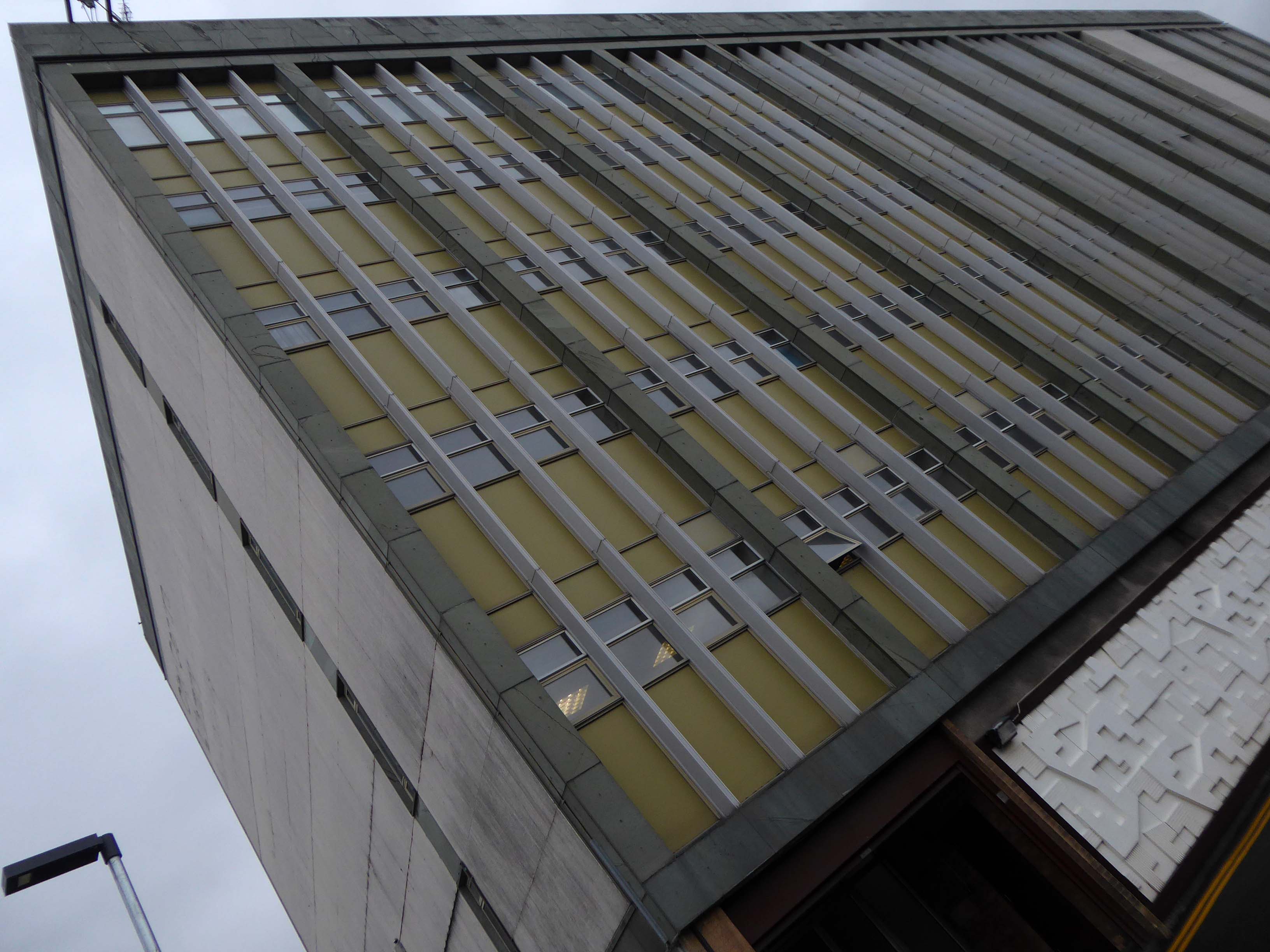
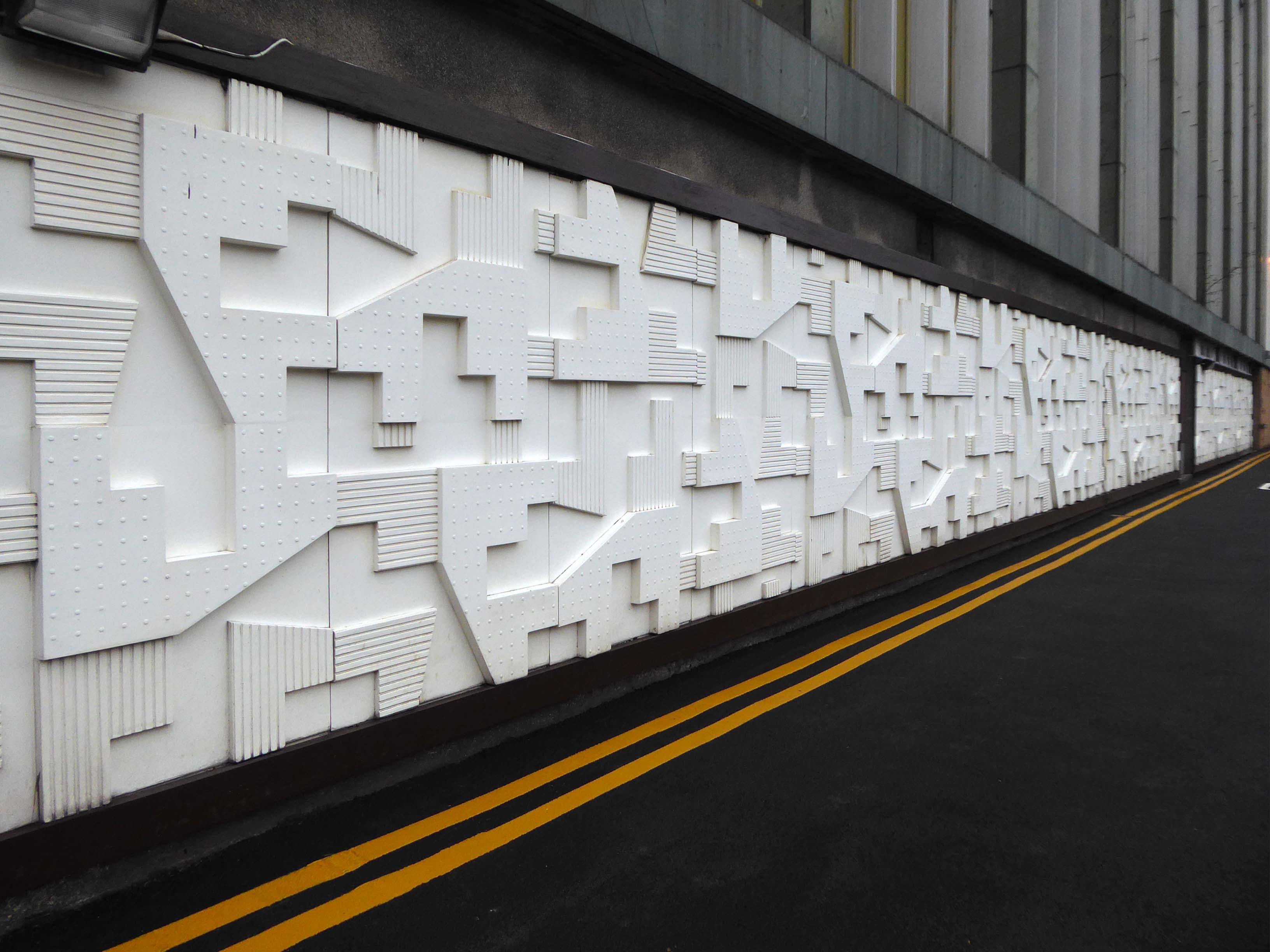
Next door the City Library and Archive 1968-70 by JW Plant City Architect.

The Archive is moving next door to the Museum.

With its its ultra smart relief out back and around the front cantilevered canopy.

Next door the former Cop Shop with the final wavy feature of the day – all yours for a cool £1,500,000

Hanley Tiles

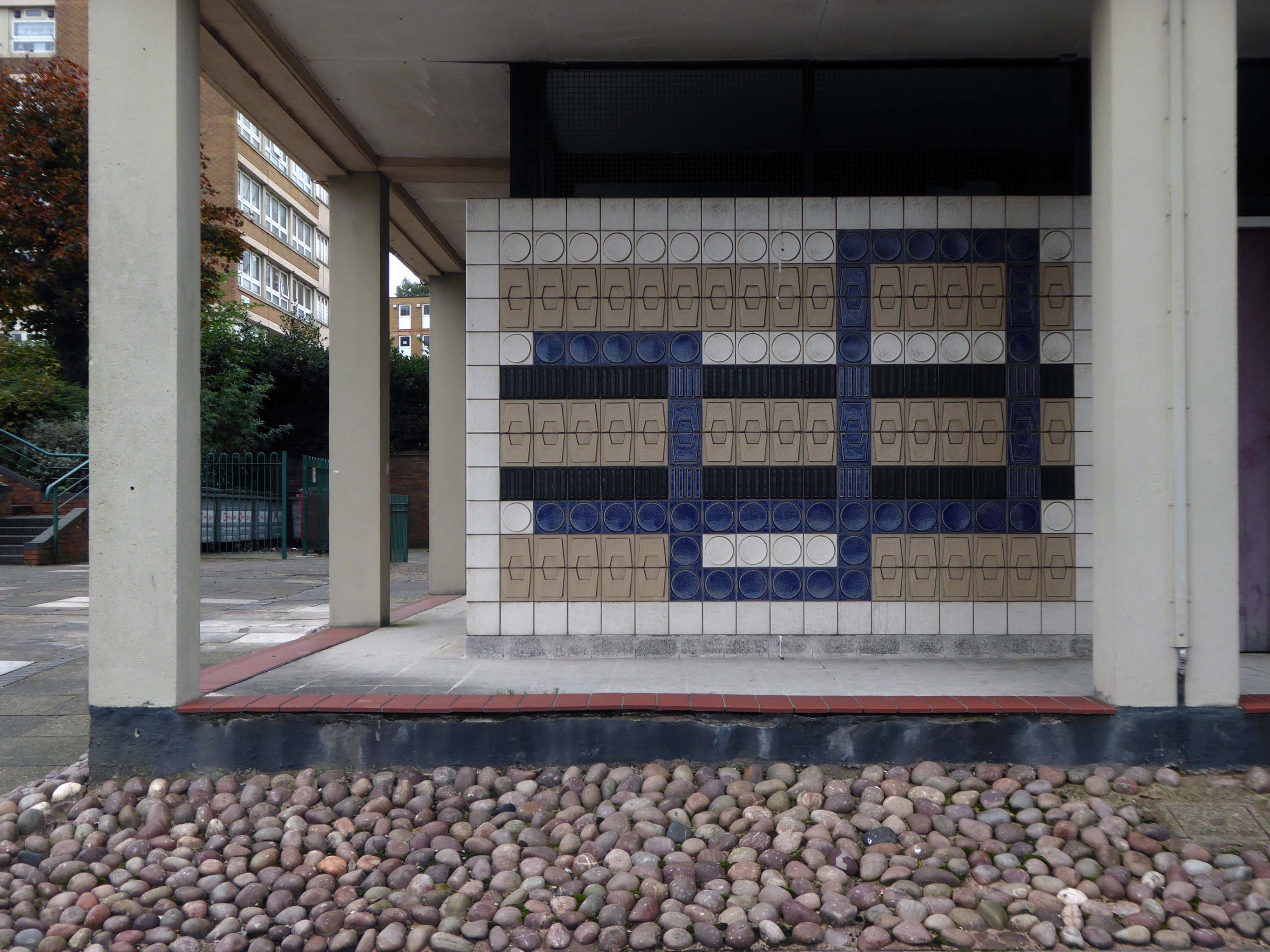
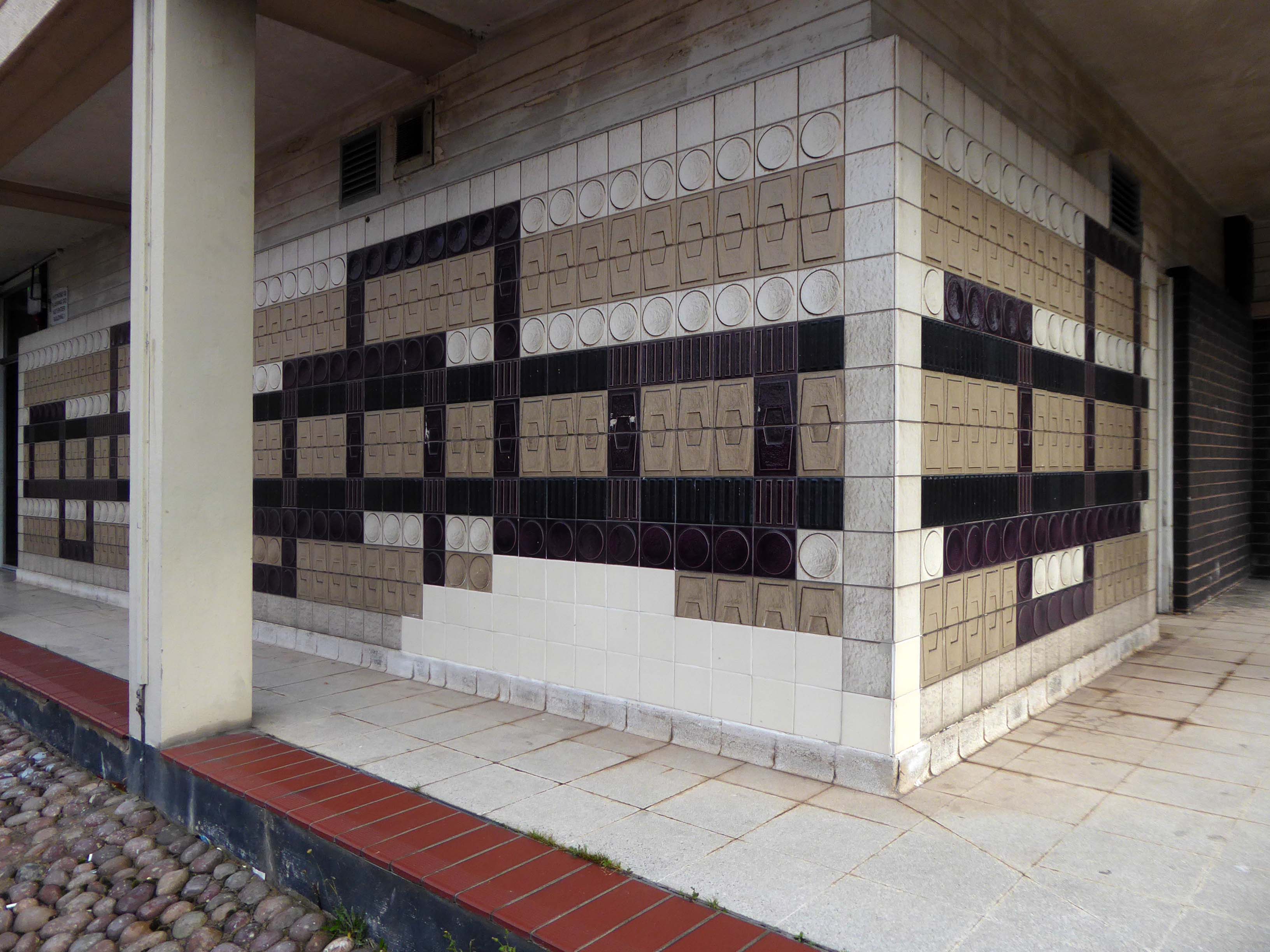
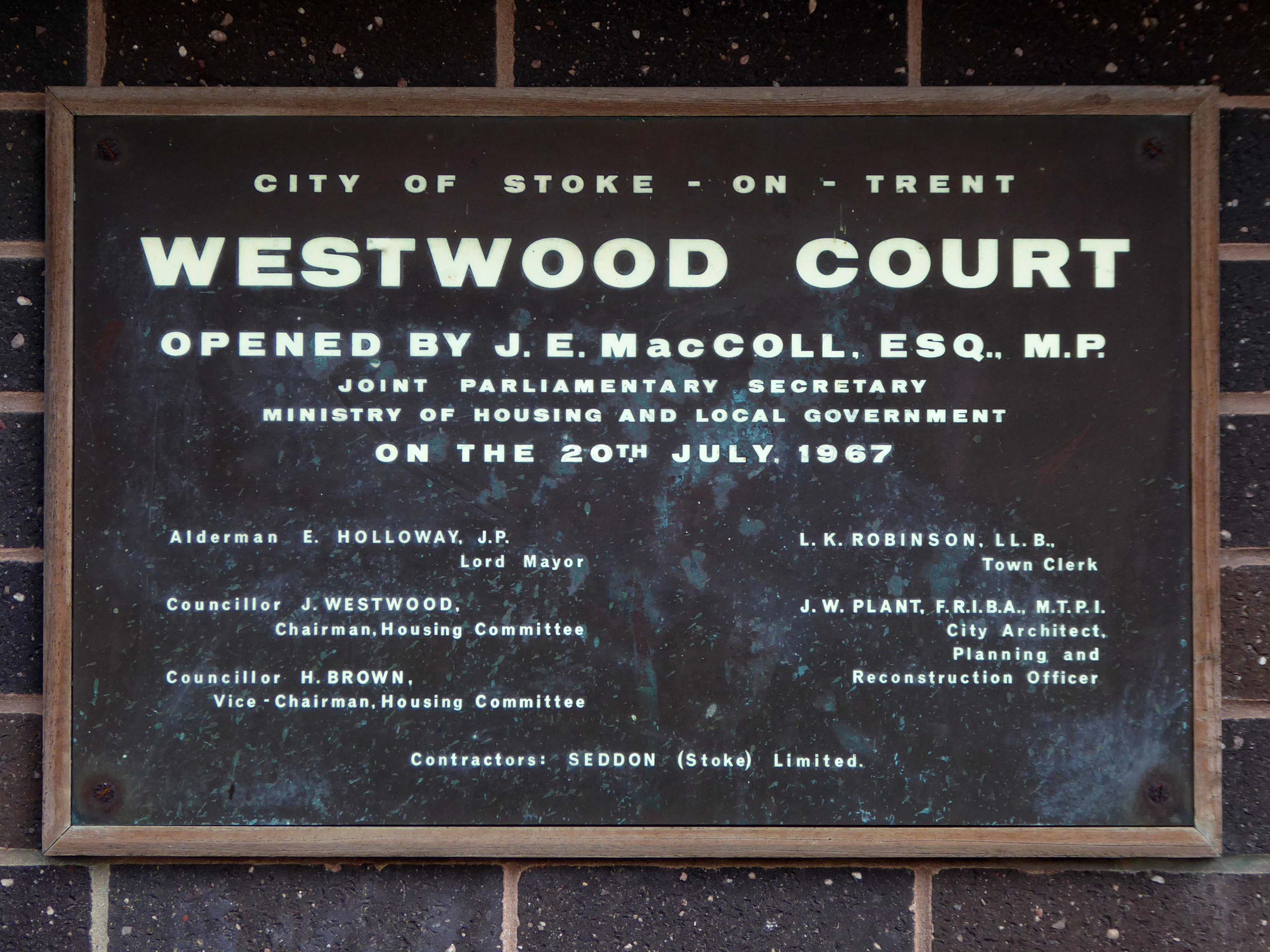
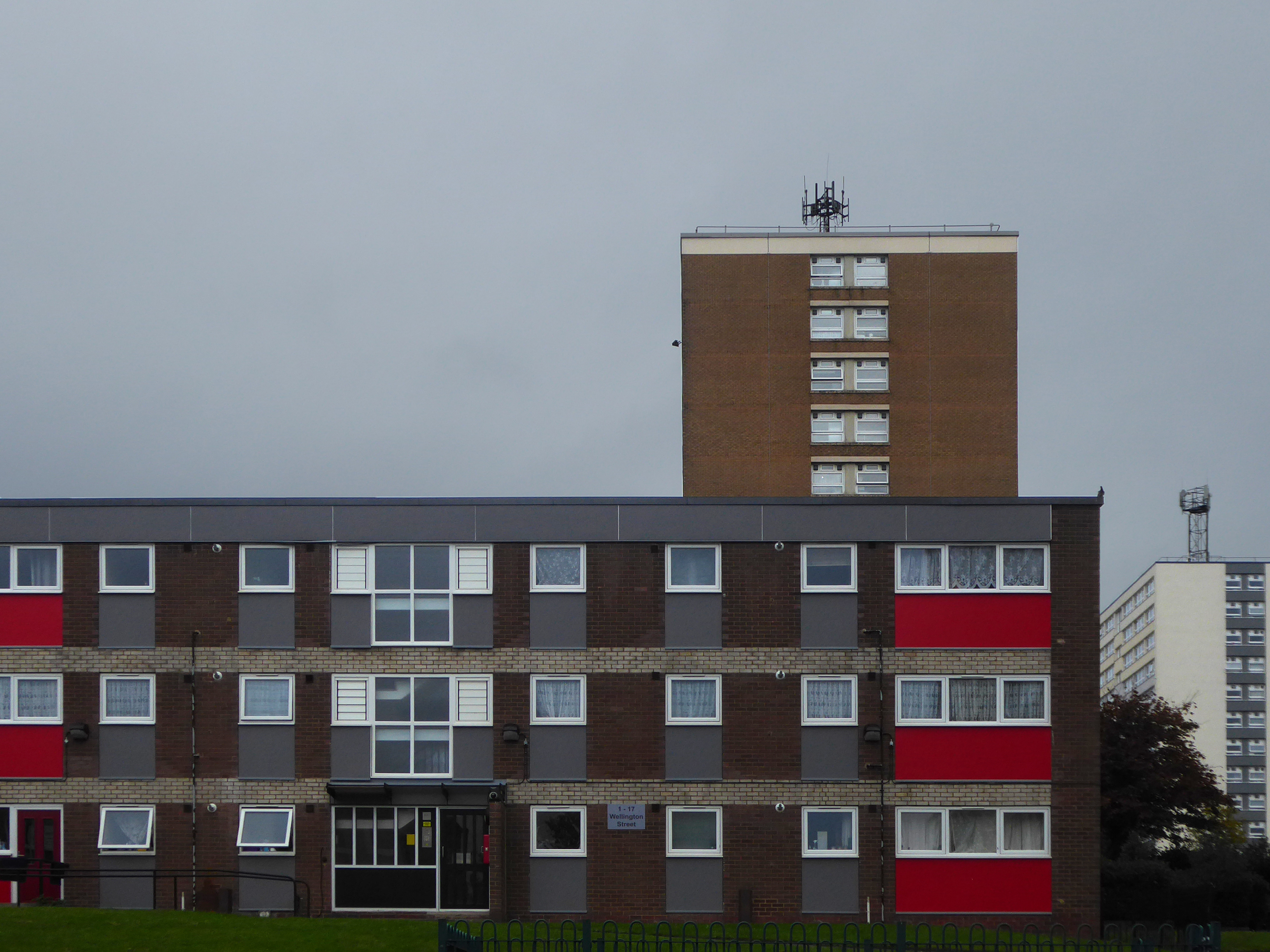
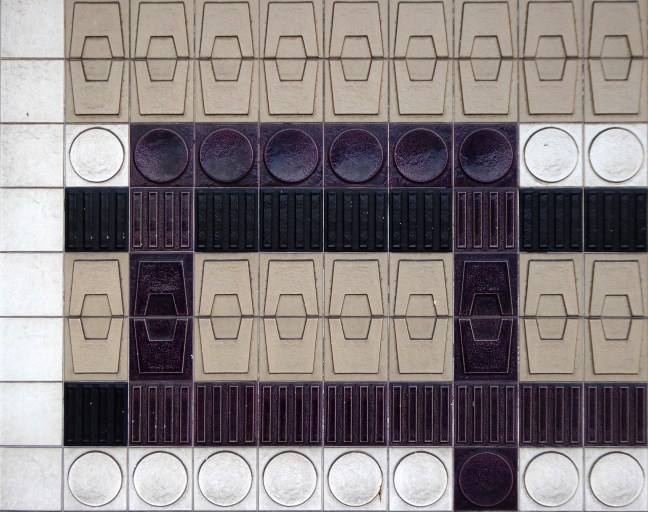
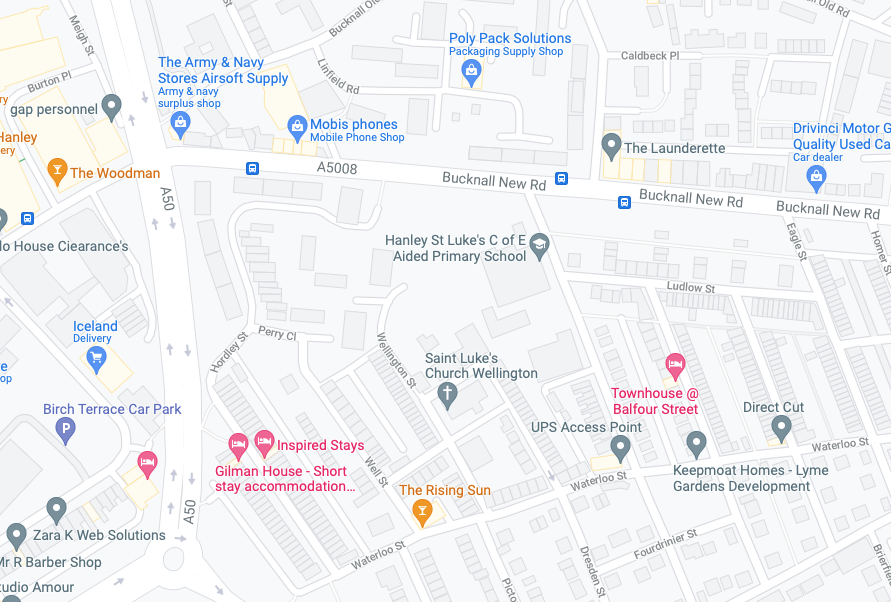
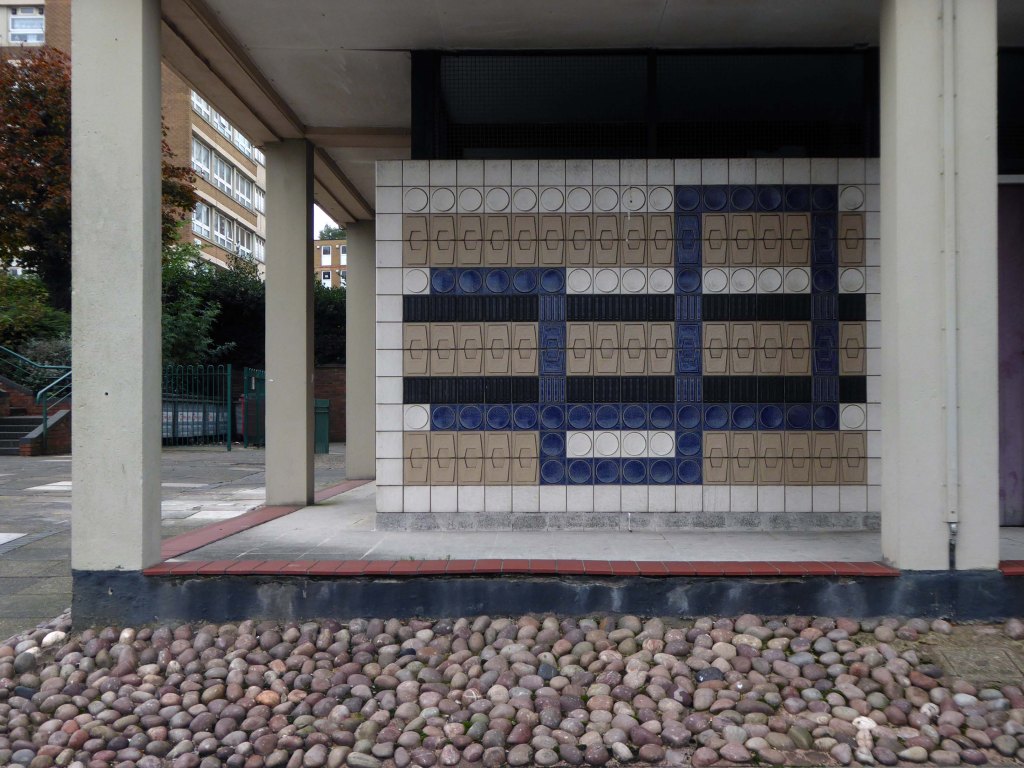
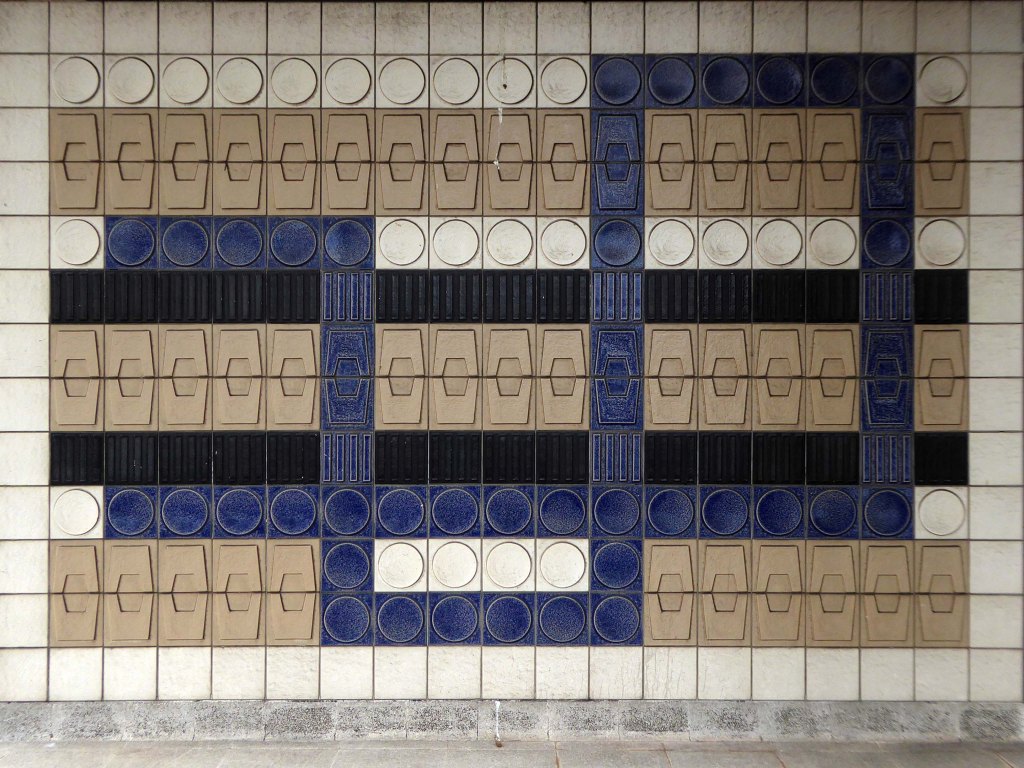
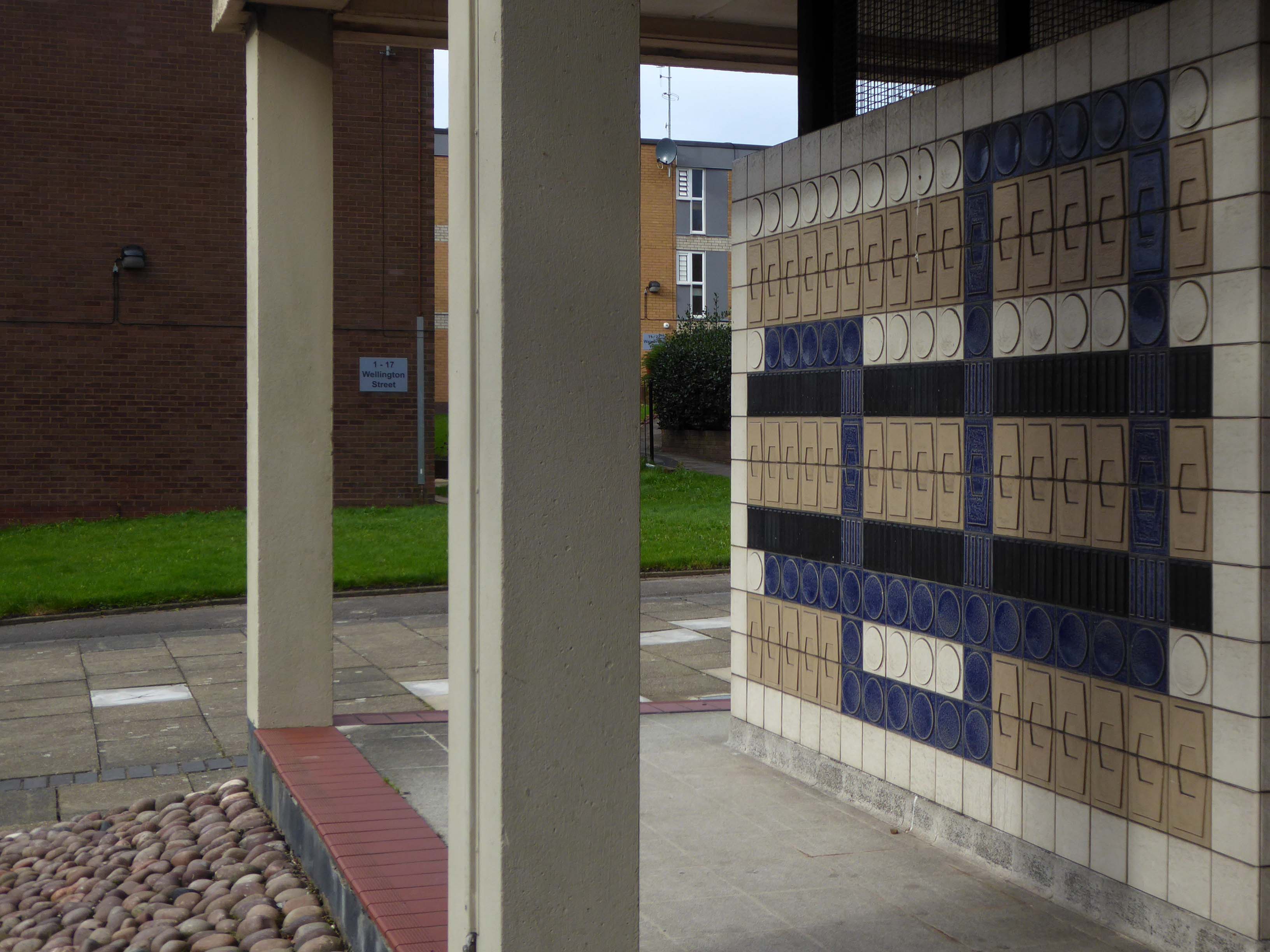
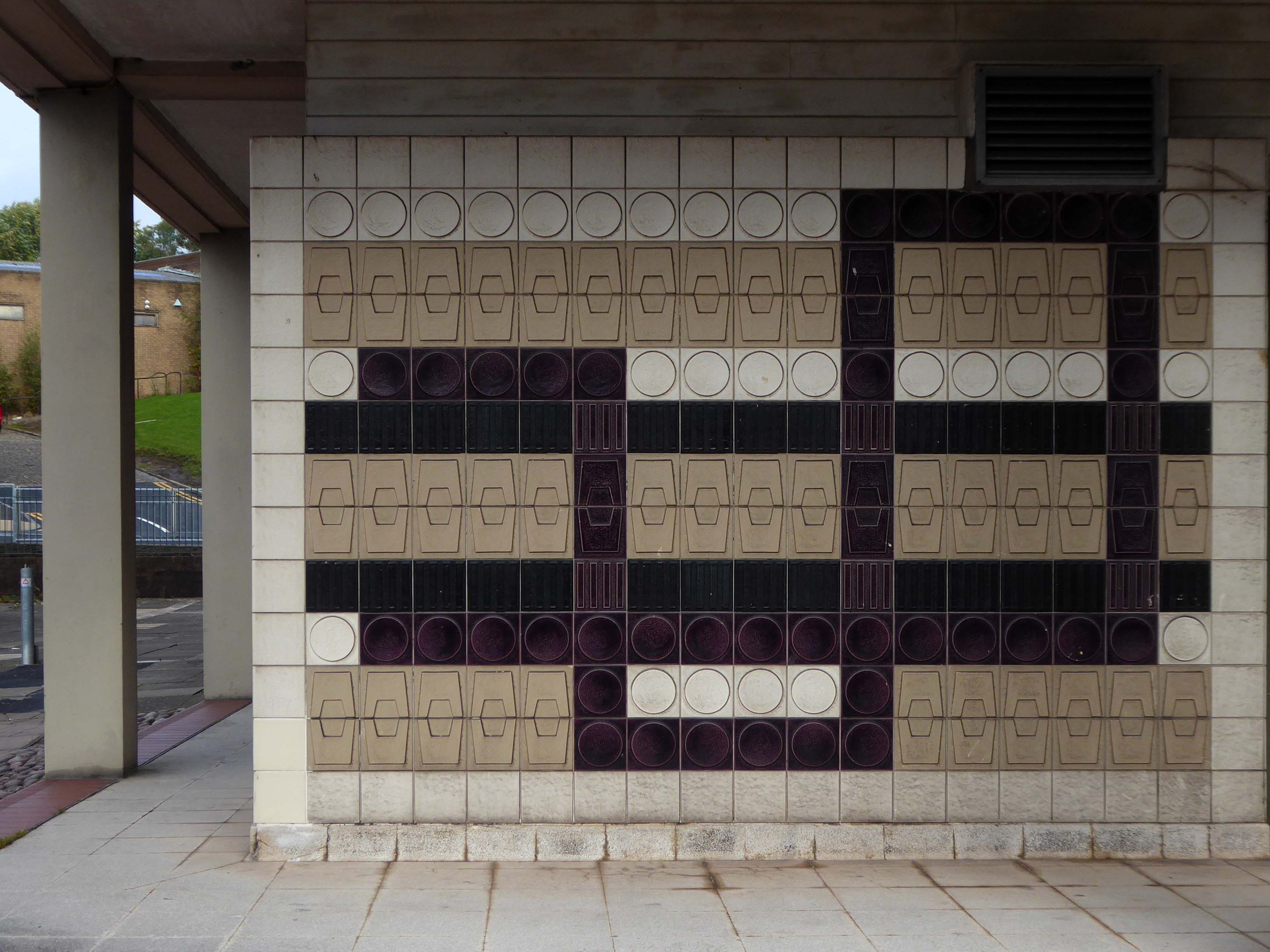
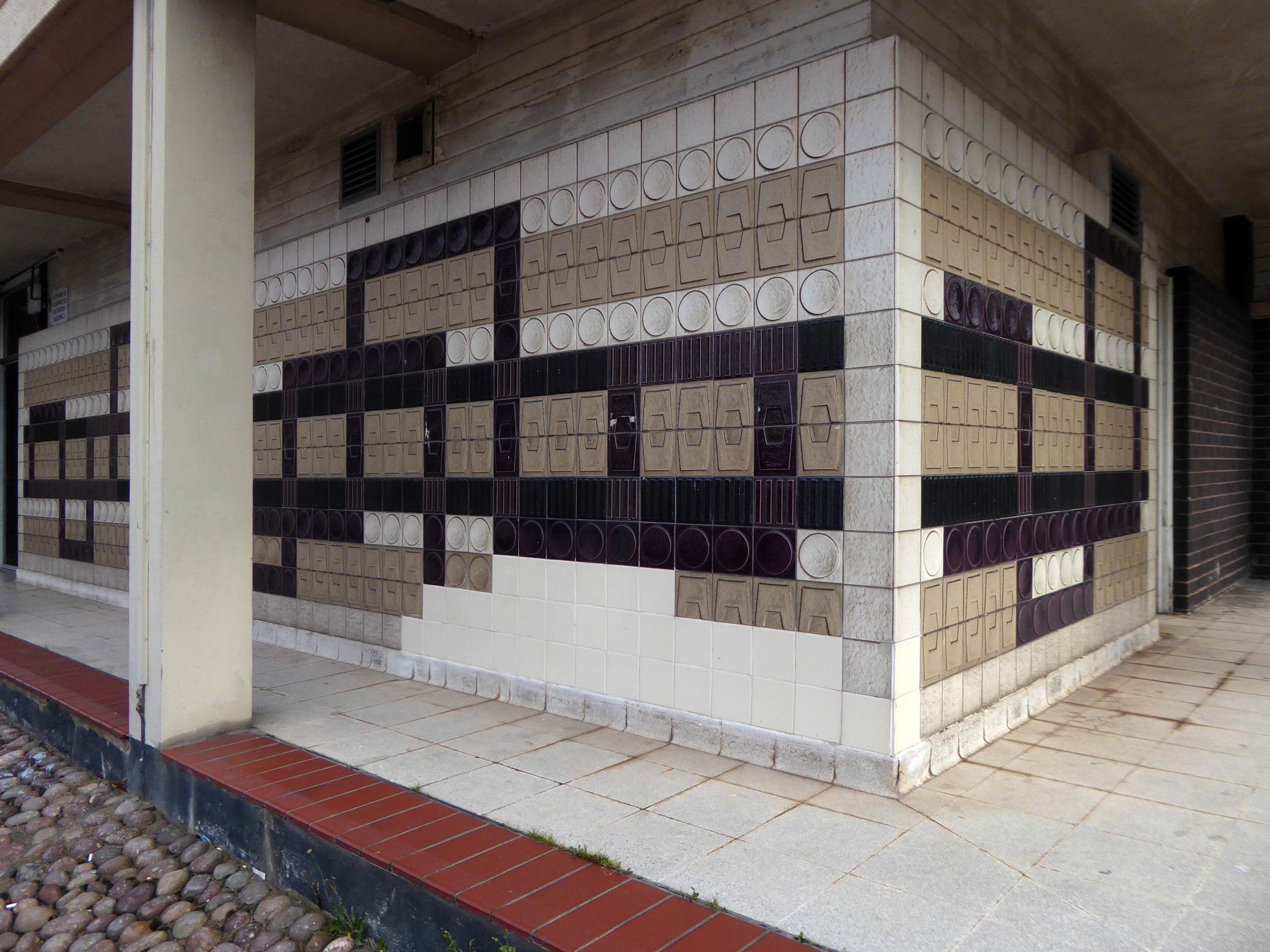
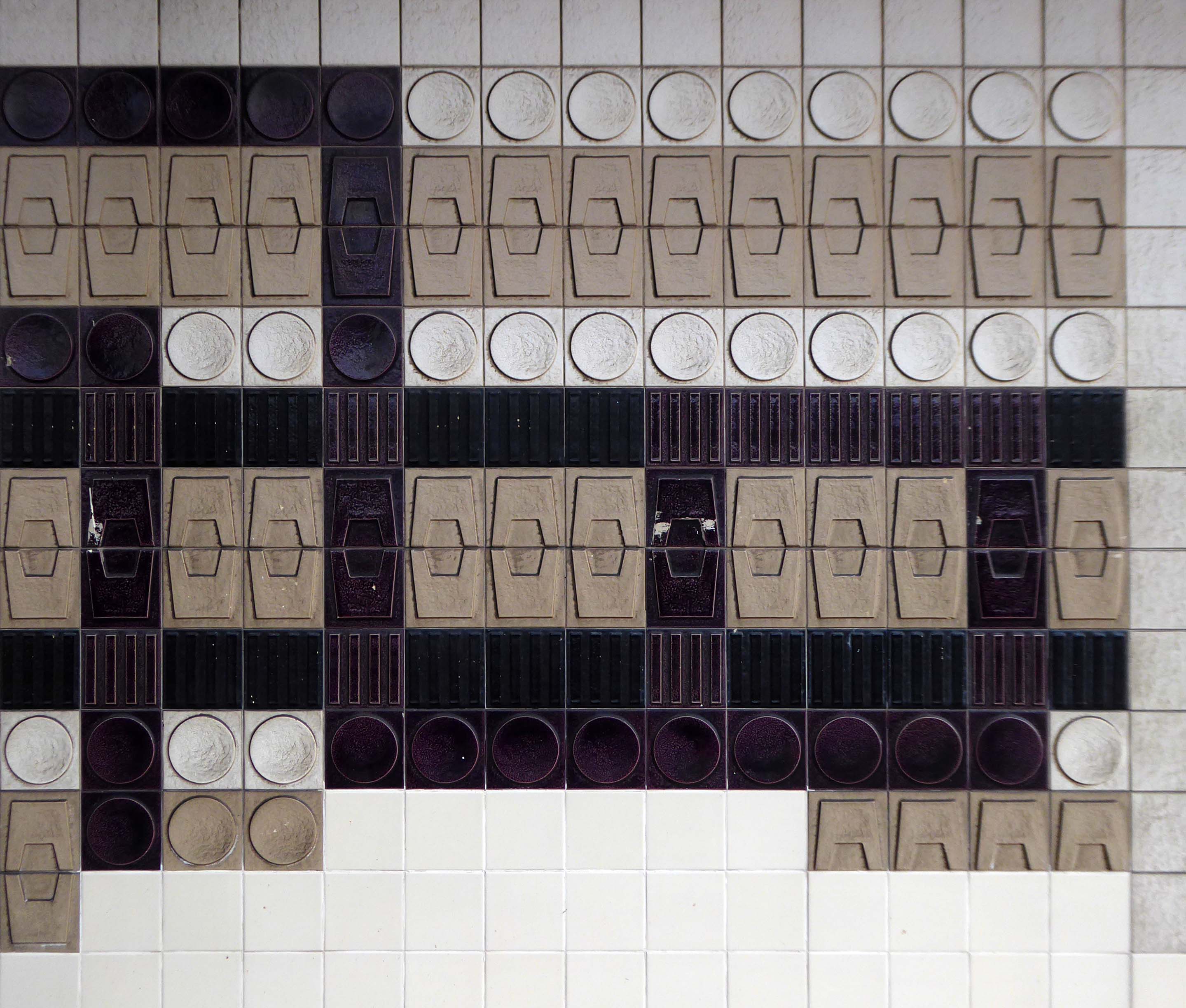
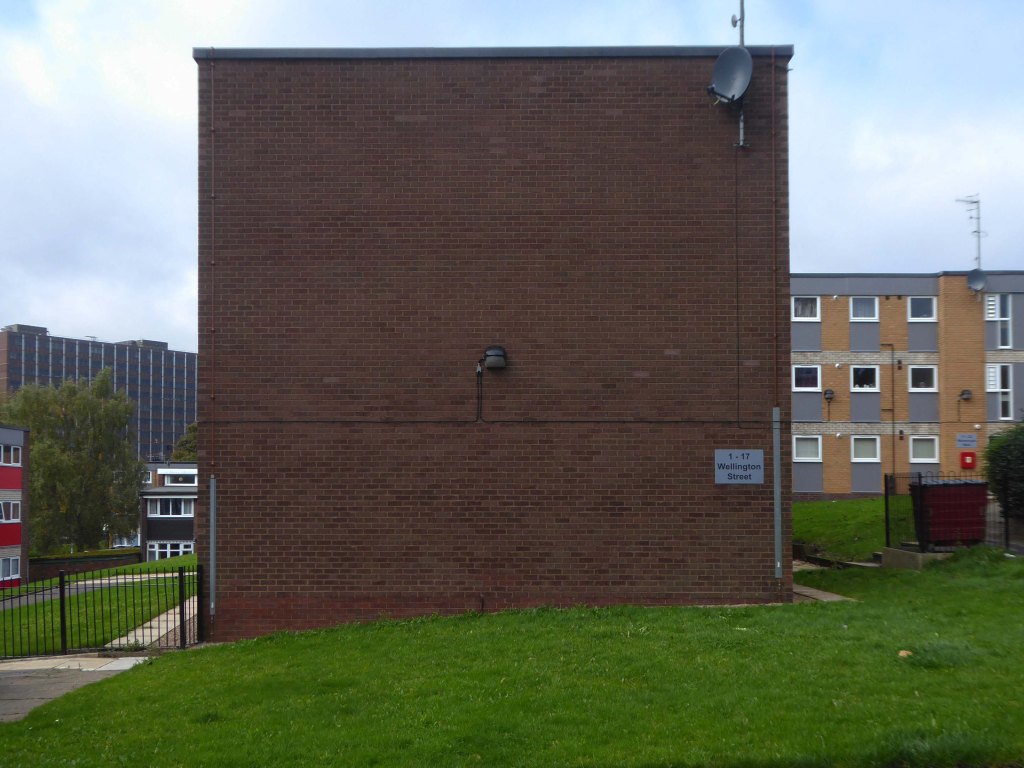
What a pleasant surprise to visit the flats adjoining Wellington Street and find two of the 1967 tower block tiled walls intact.

The blocks were designed by JW Plant – City Architect

Two colour ways in Modernist geometric order, displaying the Malkin Tiles to full effect.

As seen in Eastbourne.

Hanley Housing

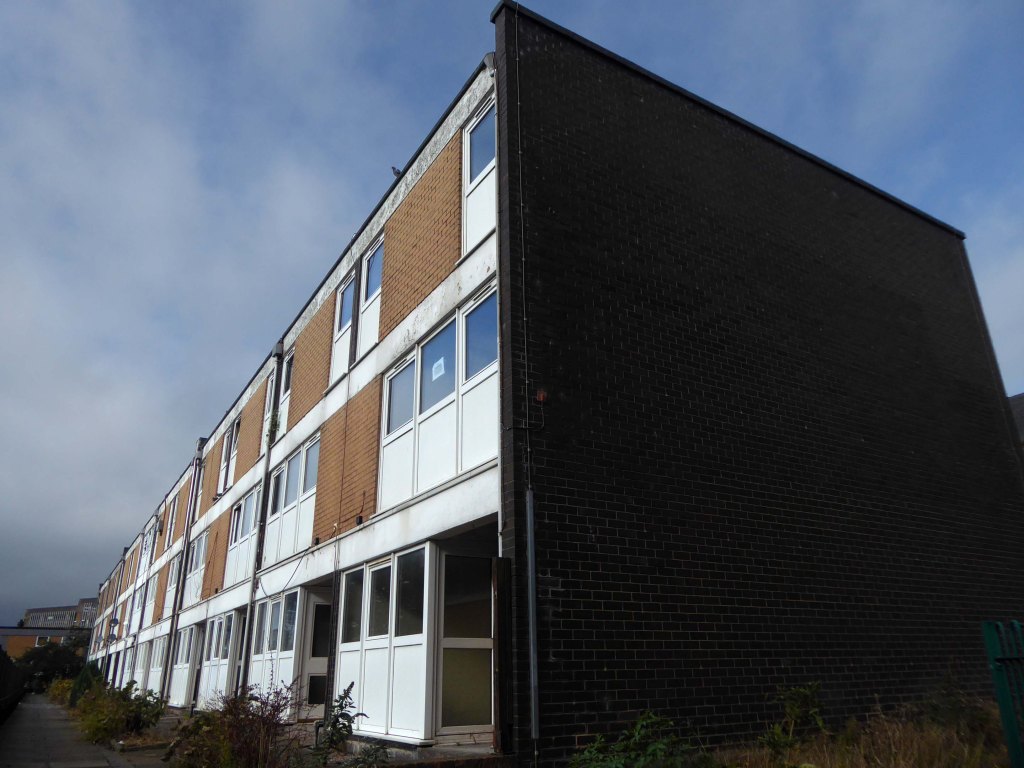
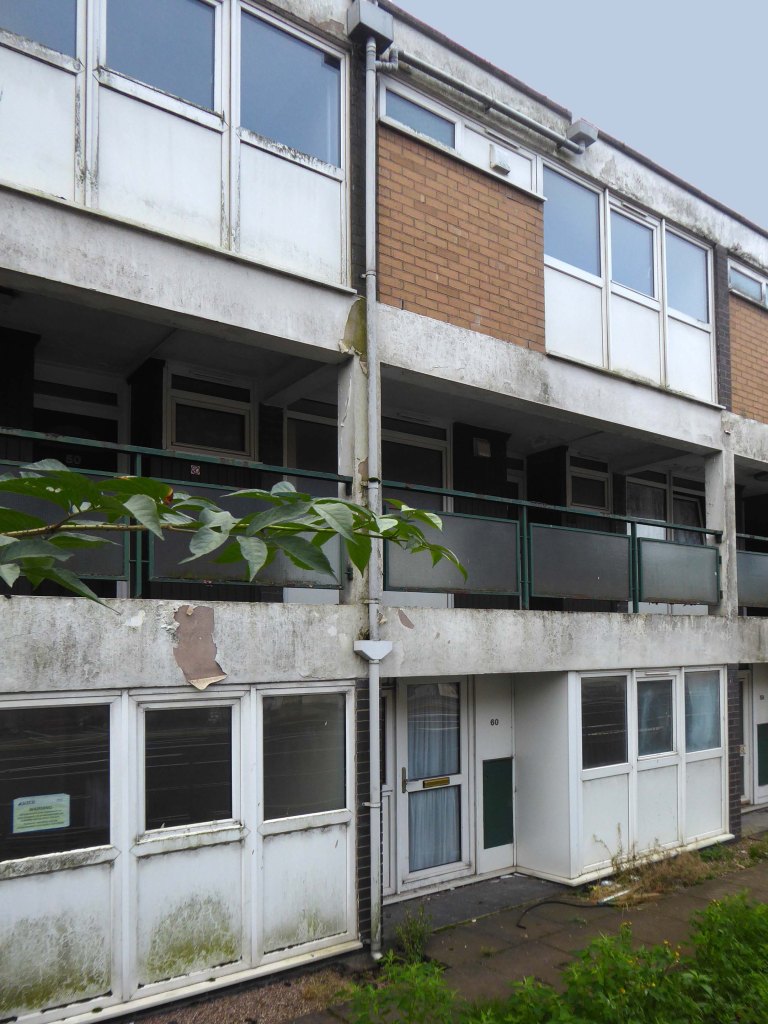
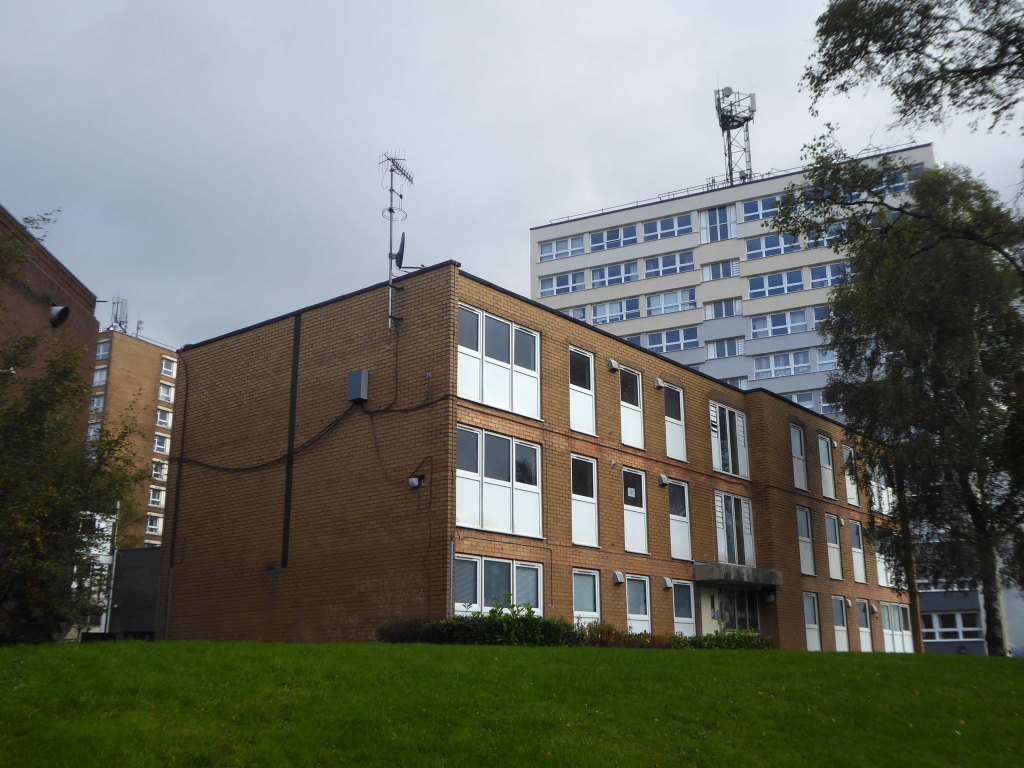
A tale of tower blocks and low rise terraces and maisonettes.

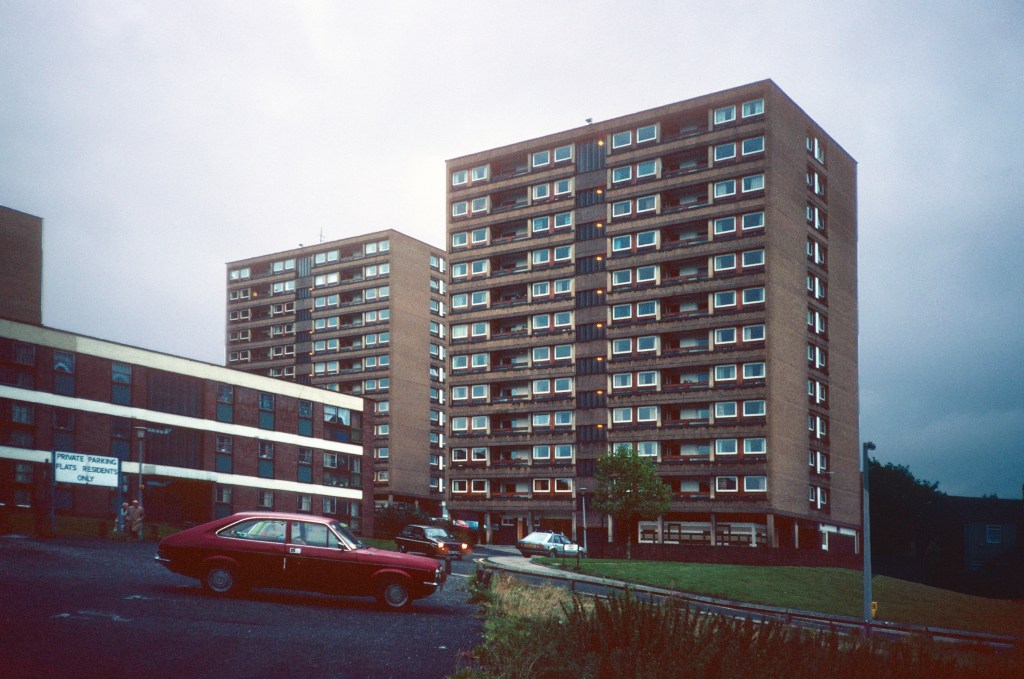
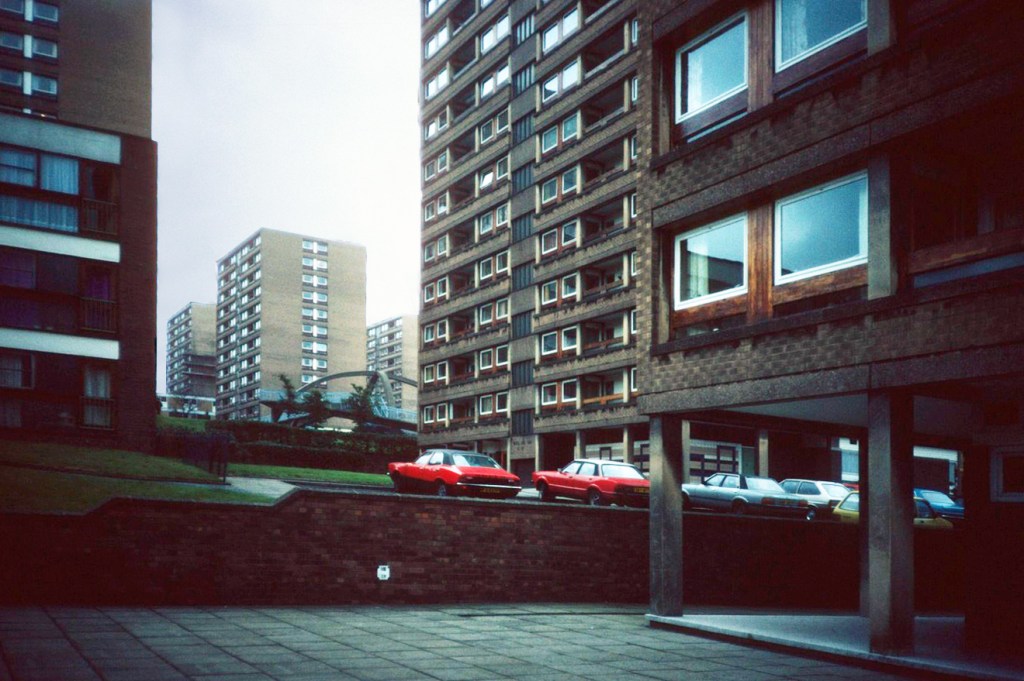
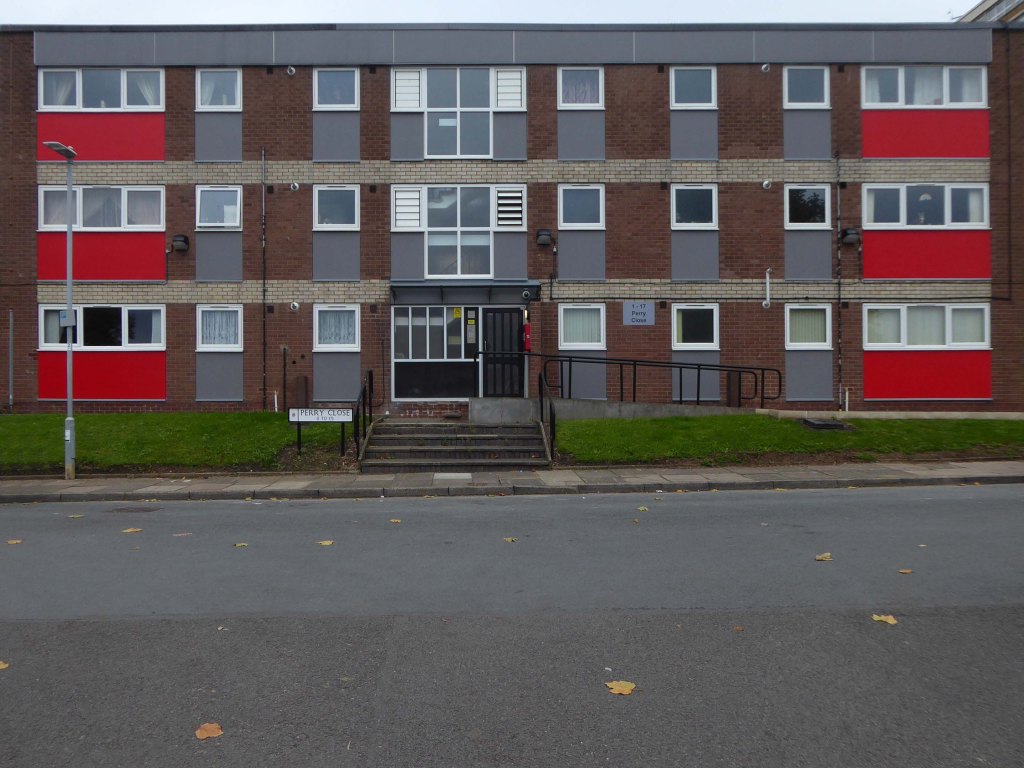
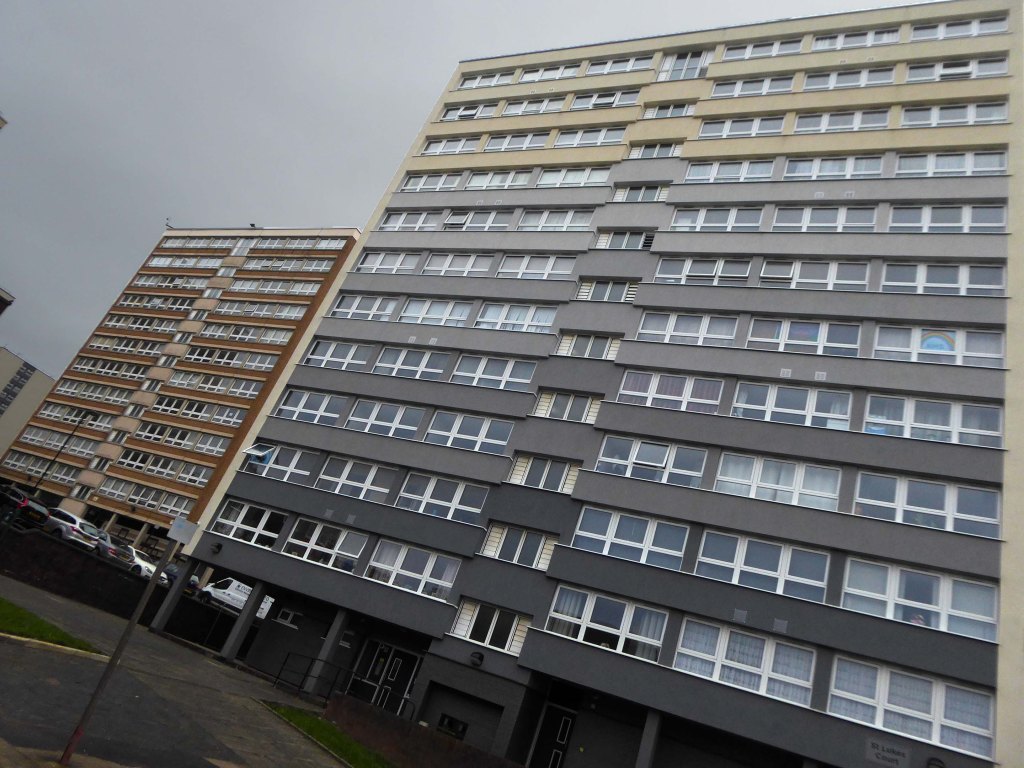
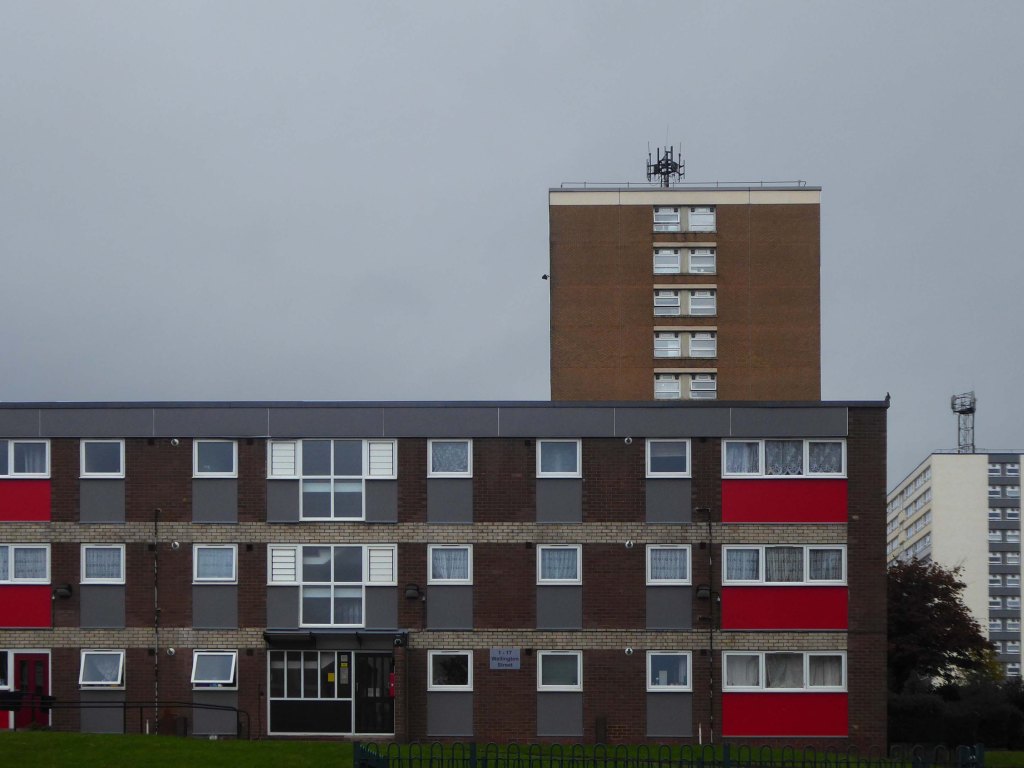
The first group of 1965, the work of City Architect JW Plant grouped around Westwood, Wellington and St Lukes Courts three 12-storey blocks containing 138 dwellings named Bucknall New Road Stage I.

Photographs Tower Block

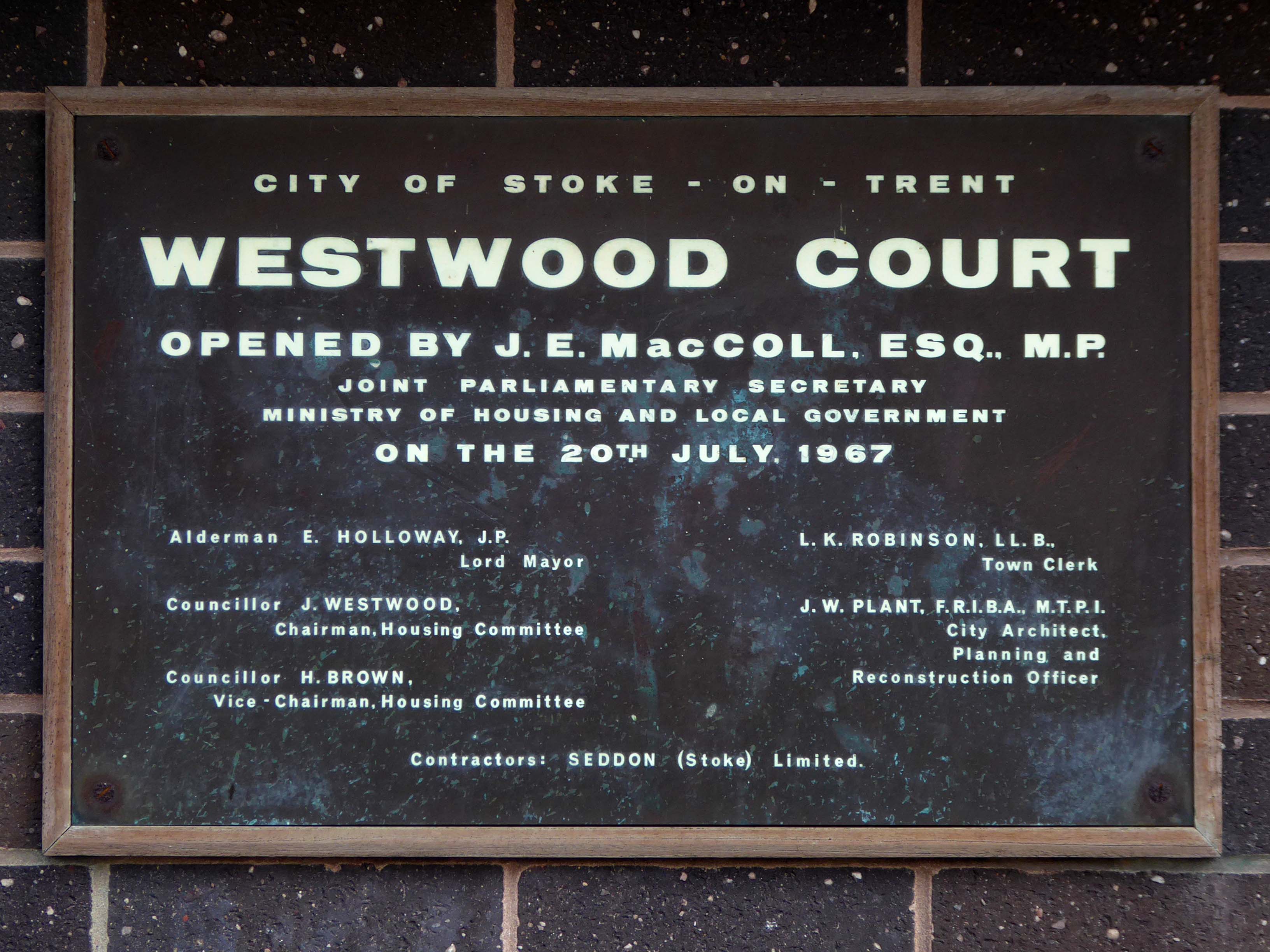
From a time when civic pride celebrated the development of social housing with a small plaque.

Two blocks have retained their distinctive tiles.

Similar to the Burslem produced Malkin Tiles I have seen in both Eastbourne and Halifax.

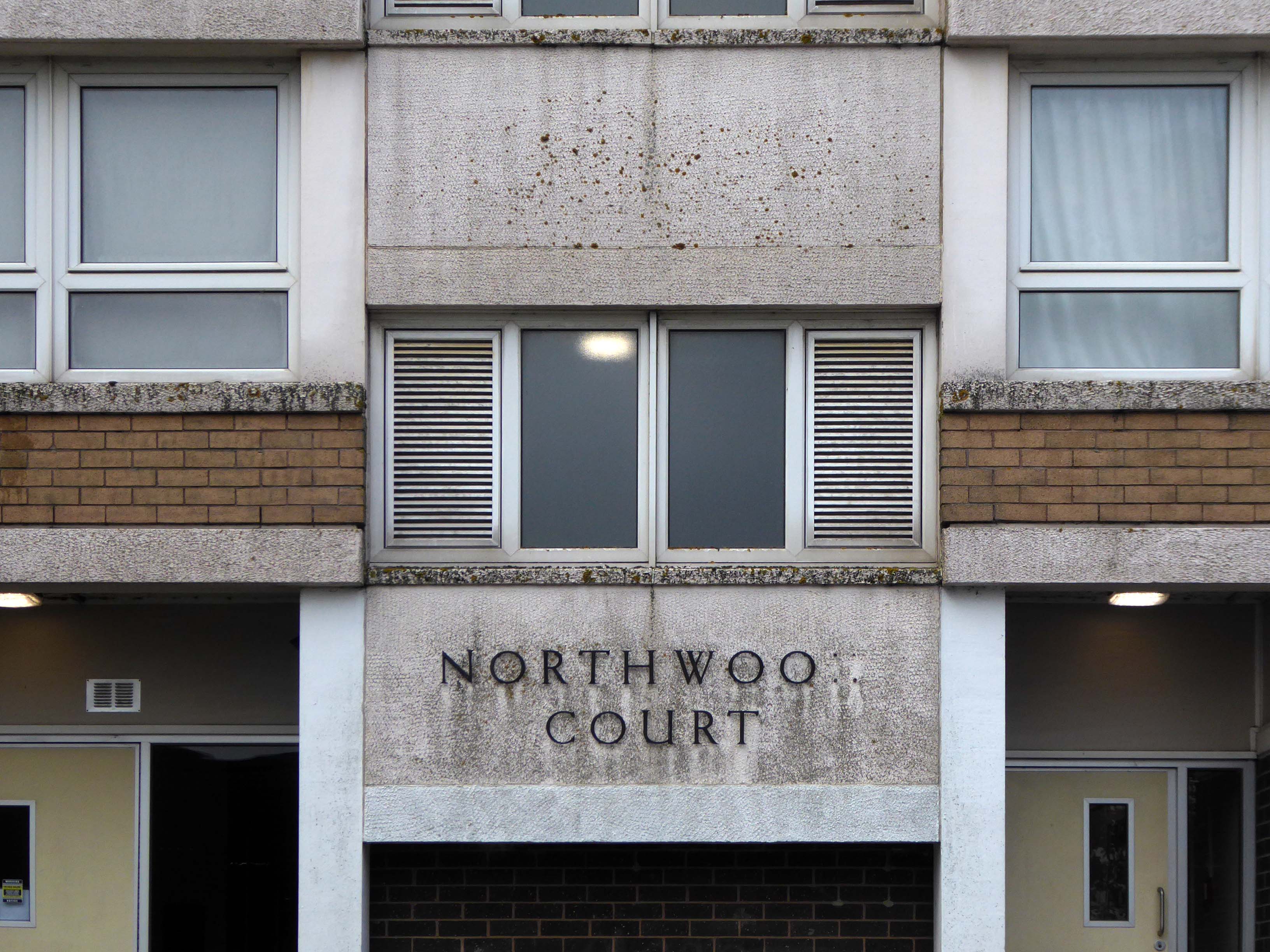
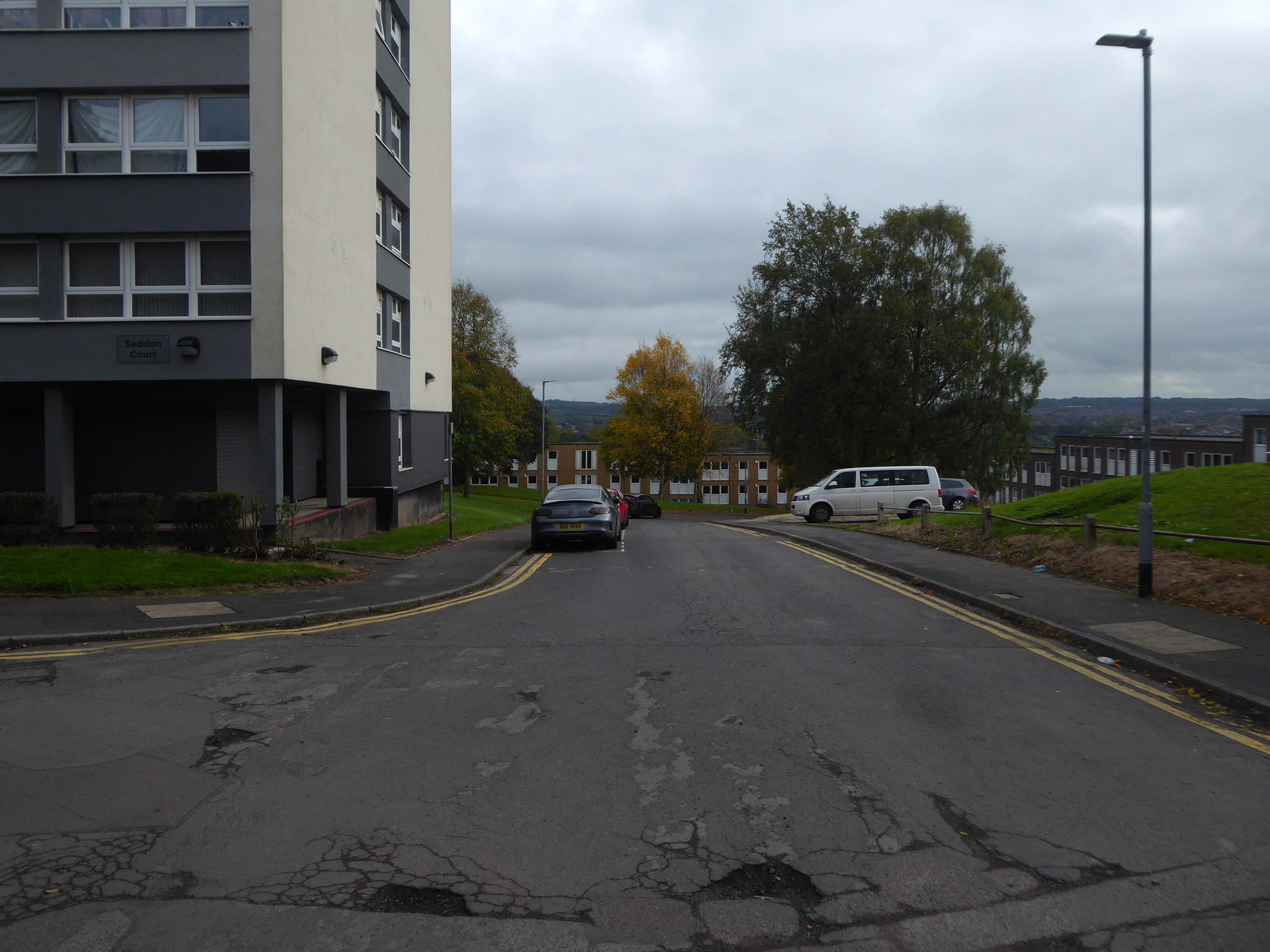
The second group Bucknall New Road Stage II 1968 – also the work of JW Platt Seddon, Northwood and Lindop Courts.

There are plans afoot awaiting finance to demolish and replace some of the terraces, as part of a wider plan for the City’s social housing.

The project would see the council join up with a social property investor and apply for government funding for the works.

The plans would see 226 apartments at Bucknall New Road, and 51 flats and 62 houses at Pyenest Street.

A total of 155 low rise flats and maisonettes at Bucknall New Road would be cleared, creating a net gain of 224 new affordable homes.

Cllr Randy Conteh, cabinet member for housing, communities and safer city, said: “This is a major initiative for the city and the first time a scheme of this scale and ambition has been developed.

Insider Media LTD

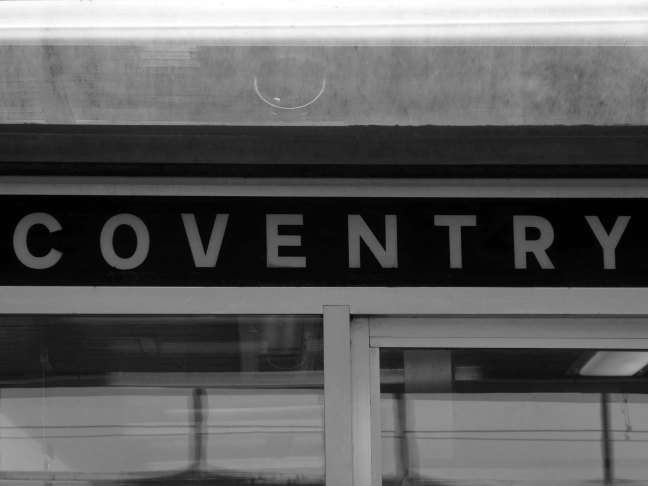
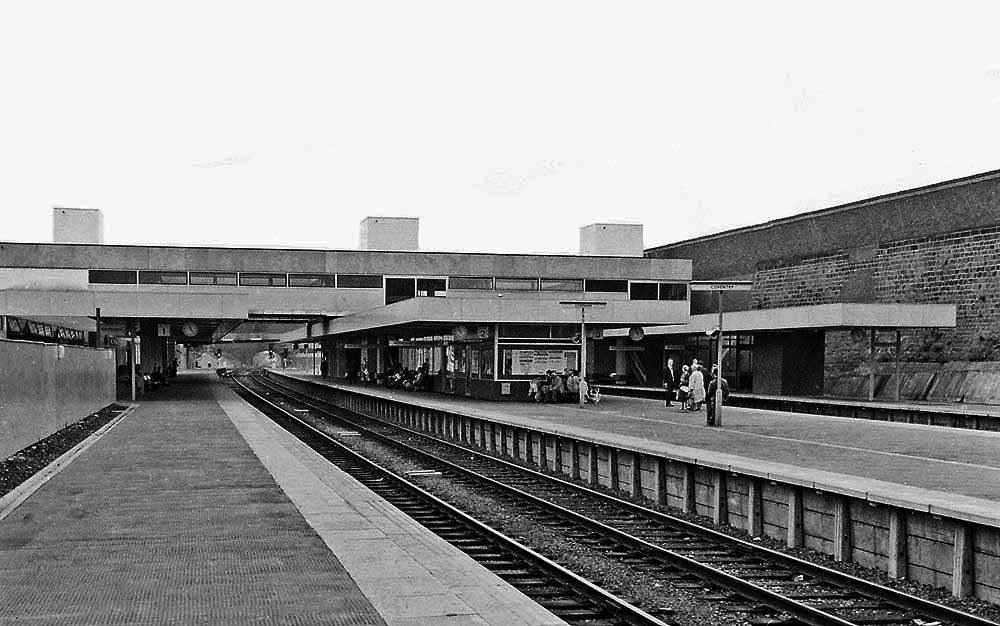
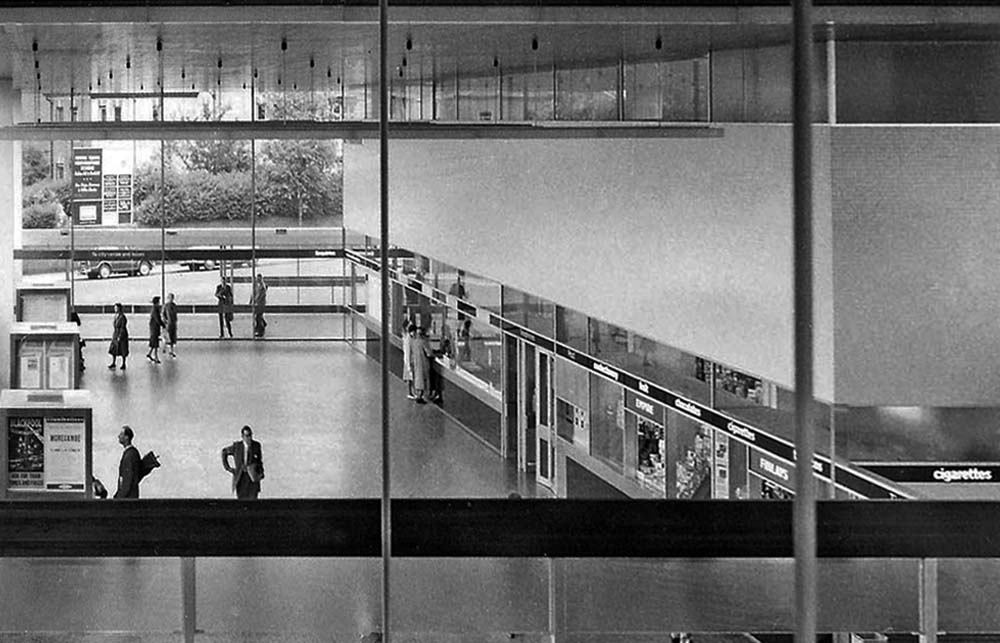
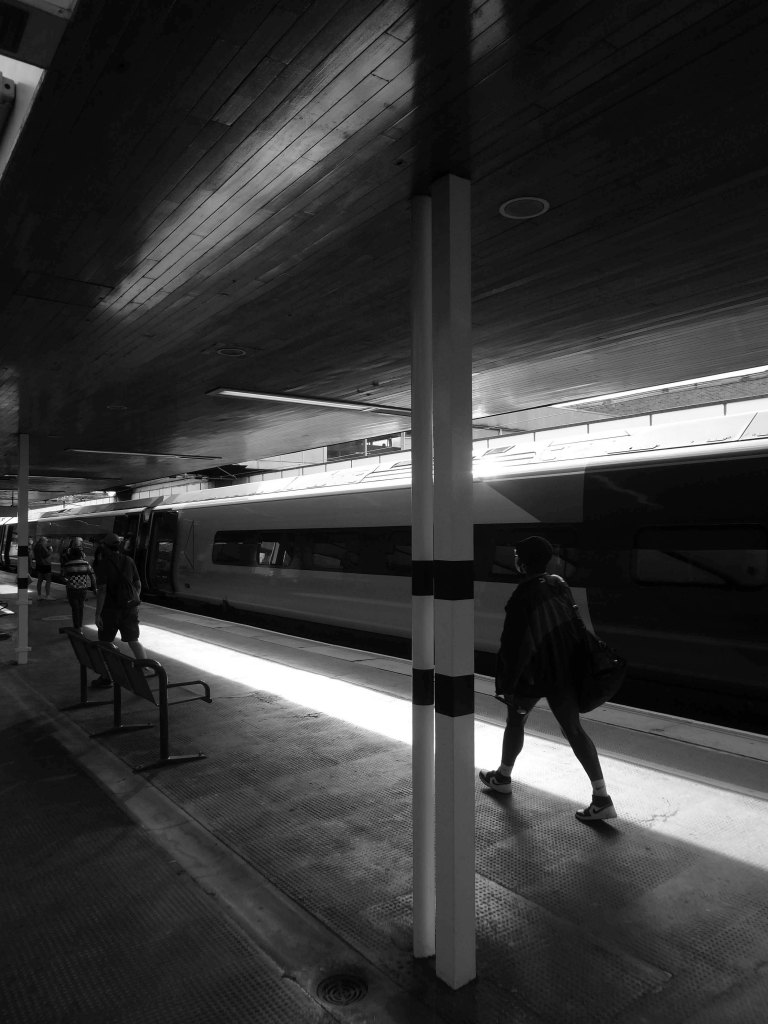
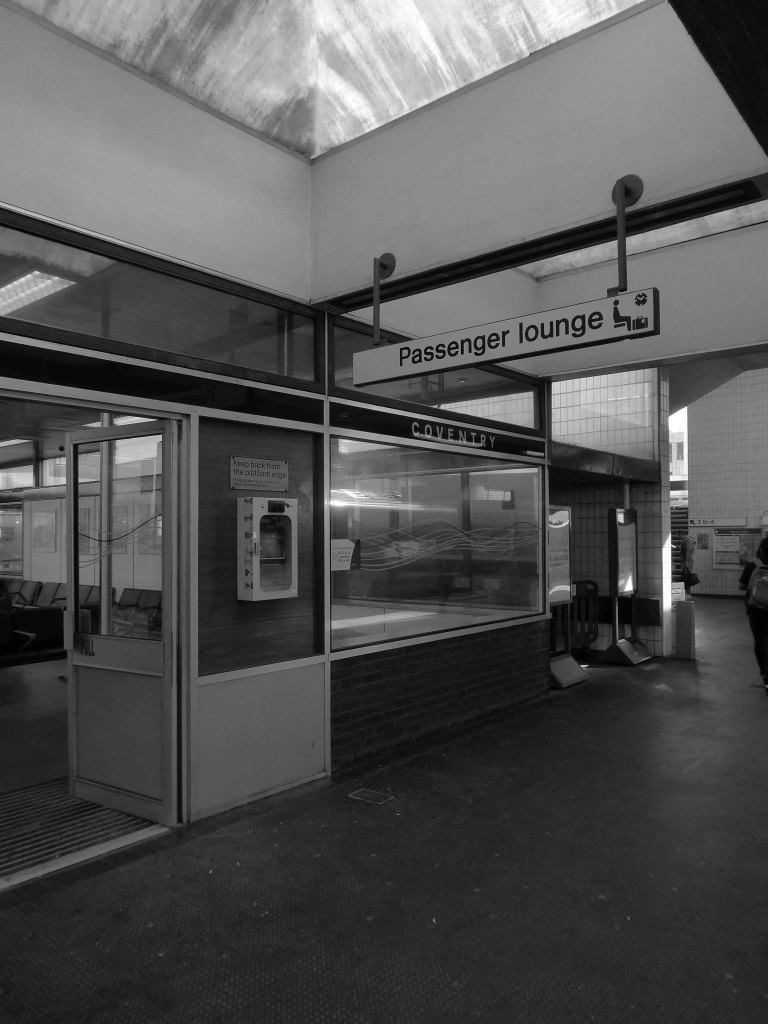
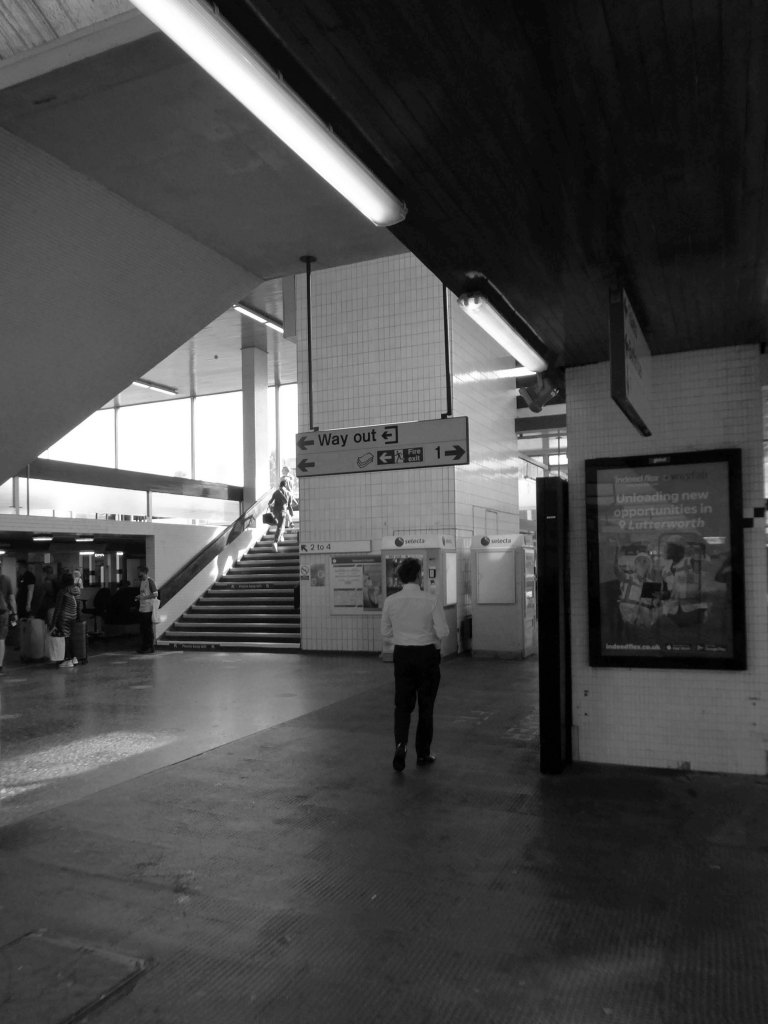
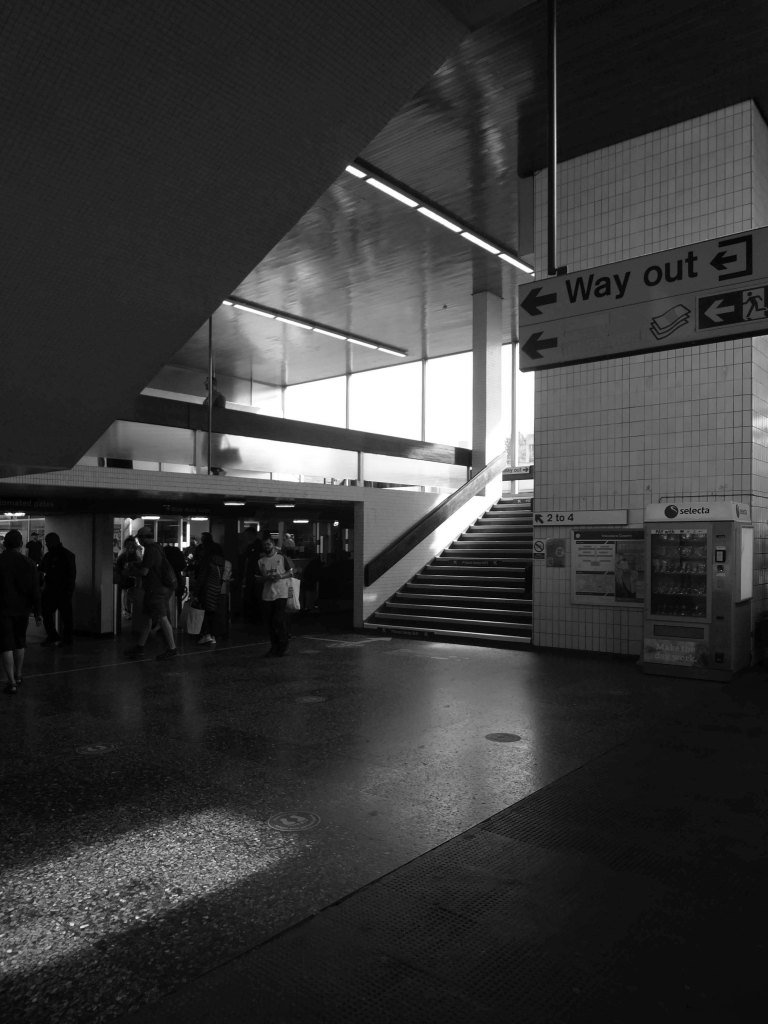
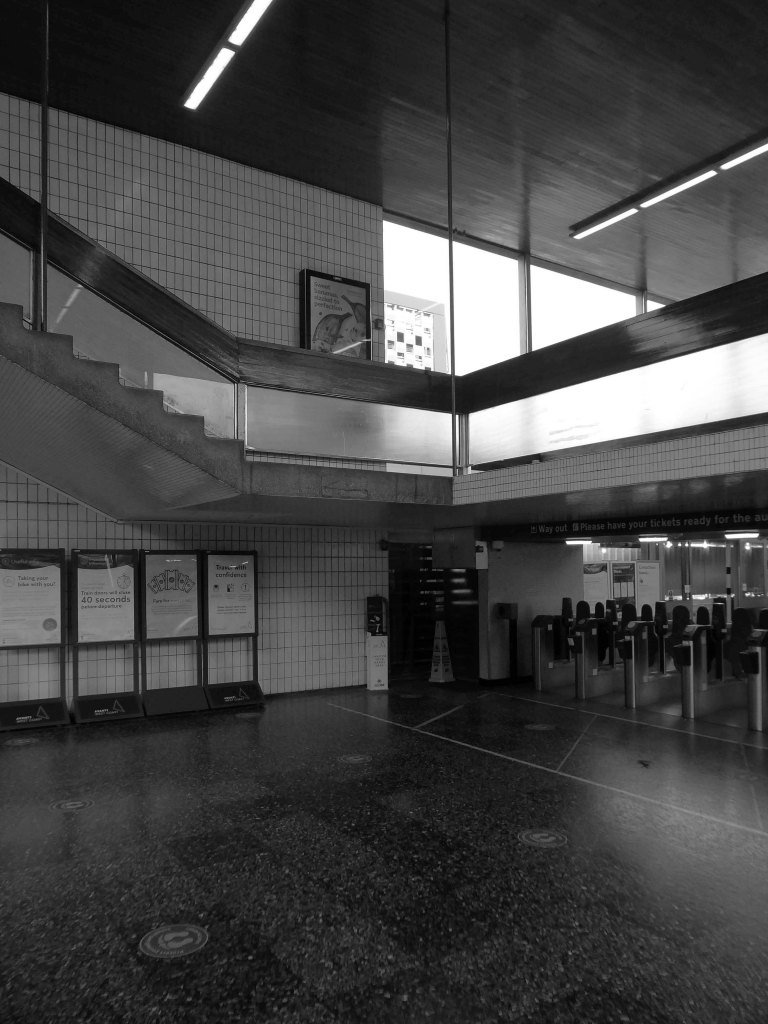
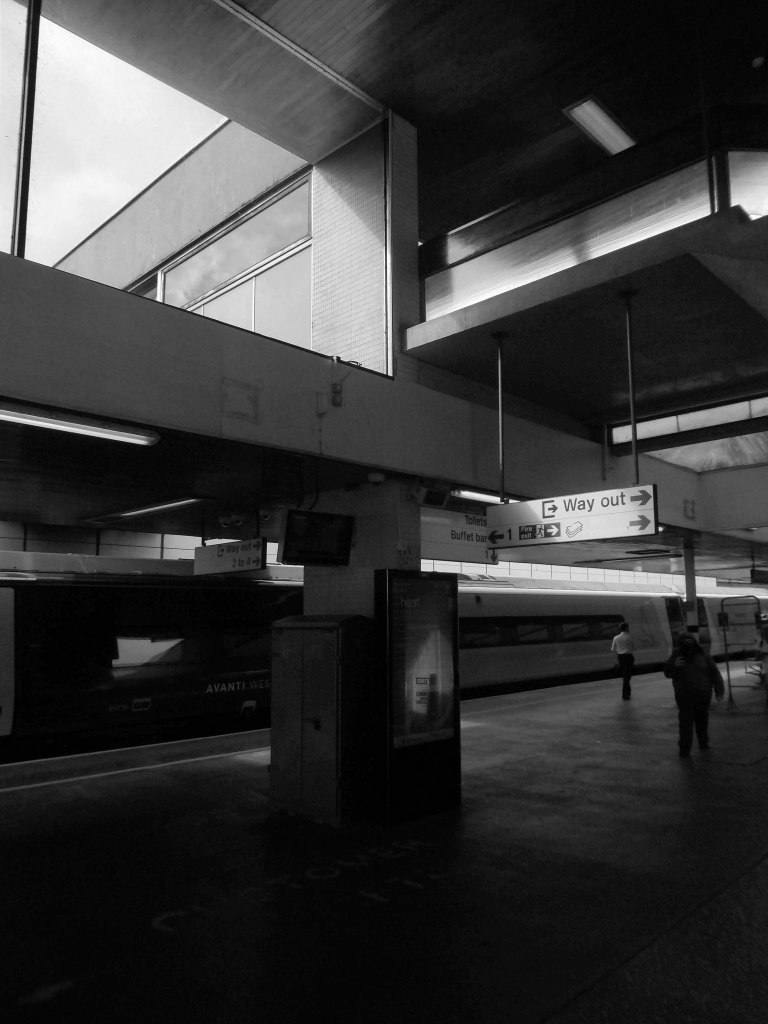
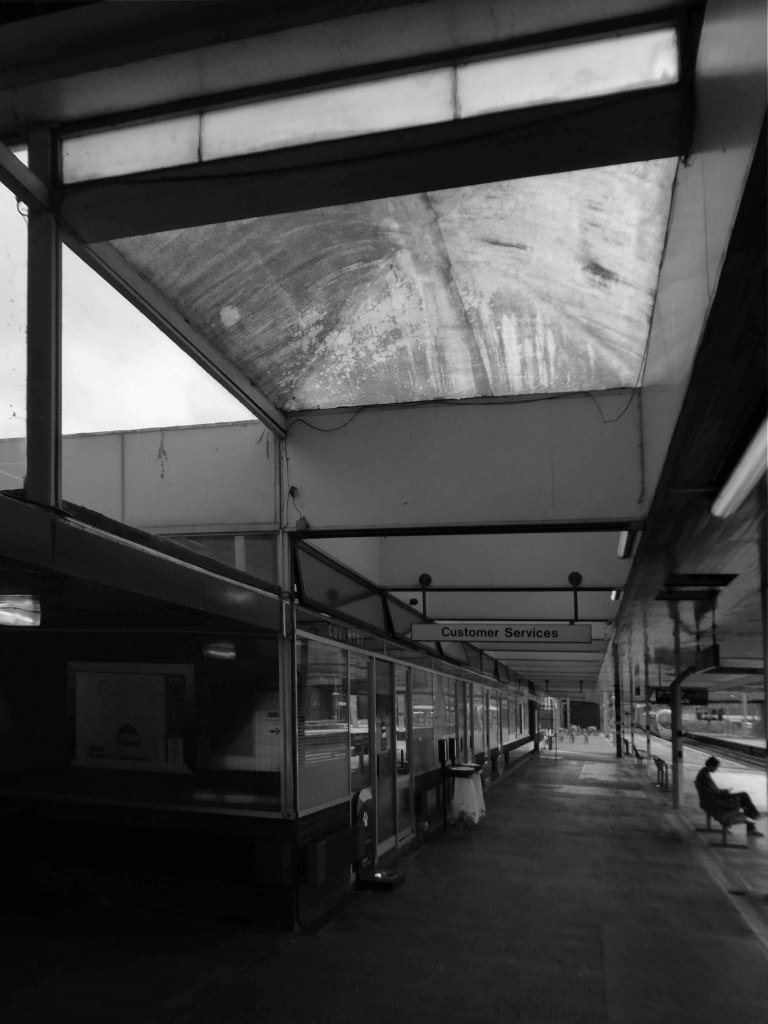
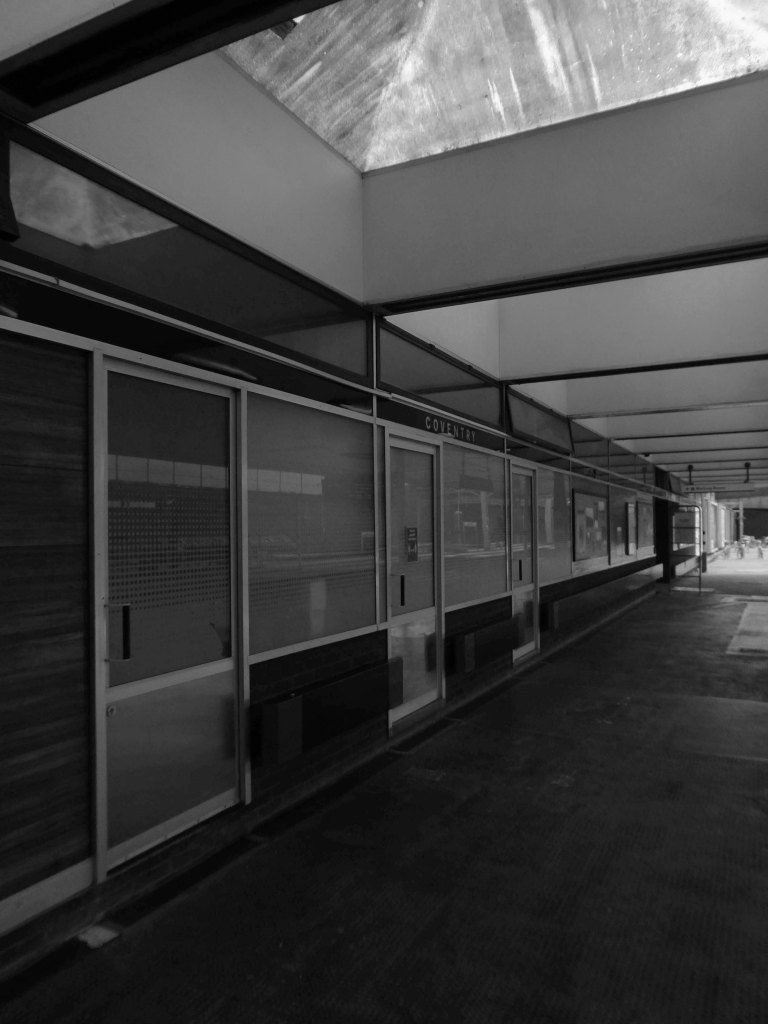
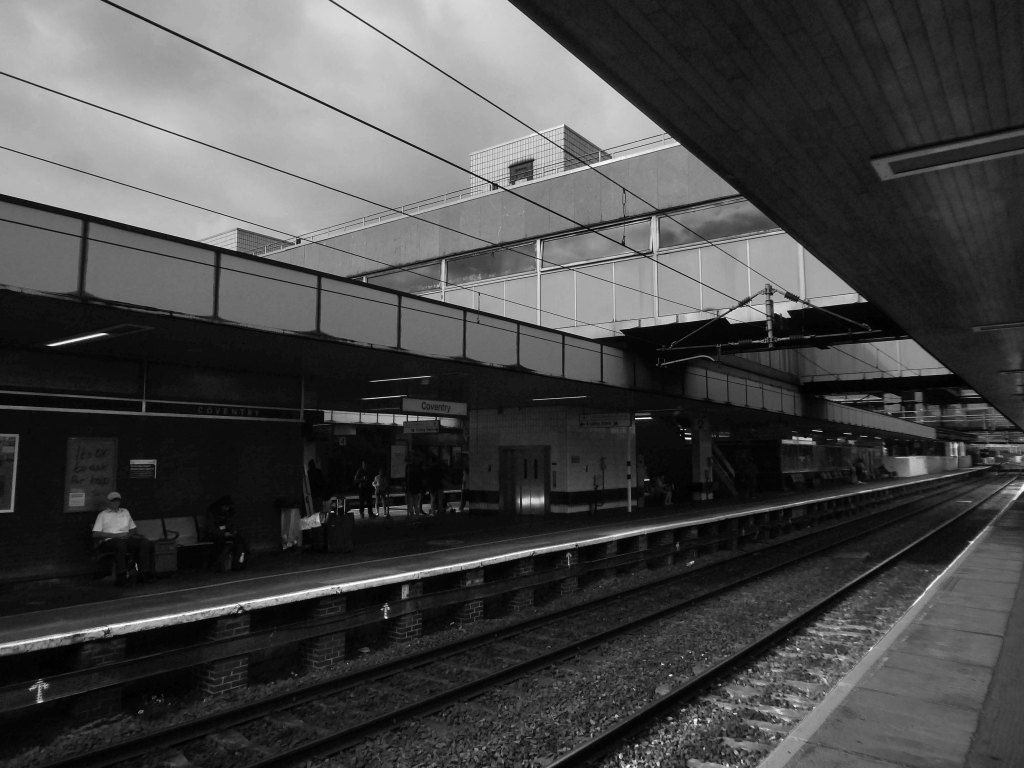
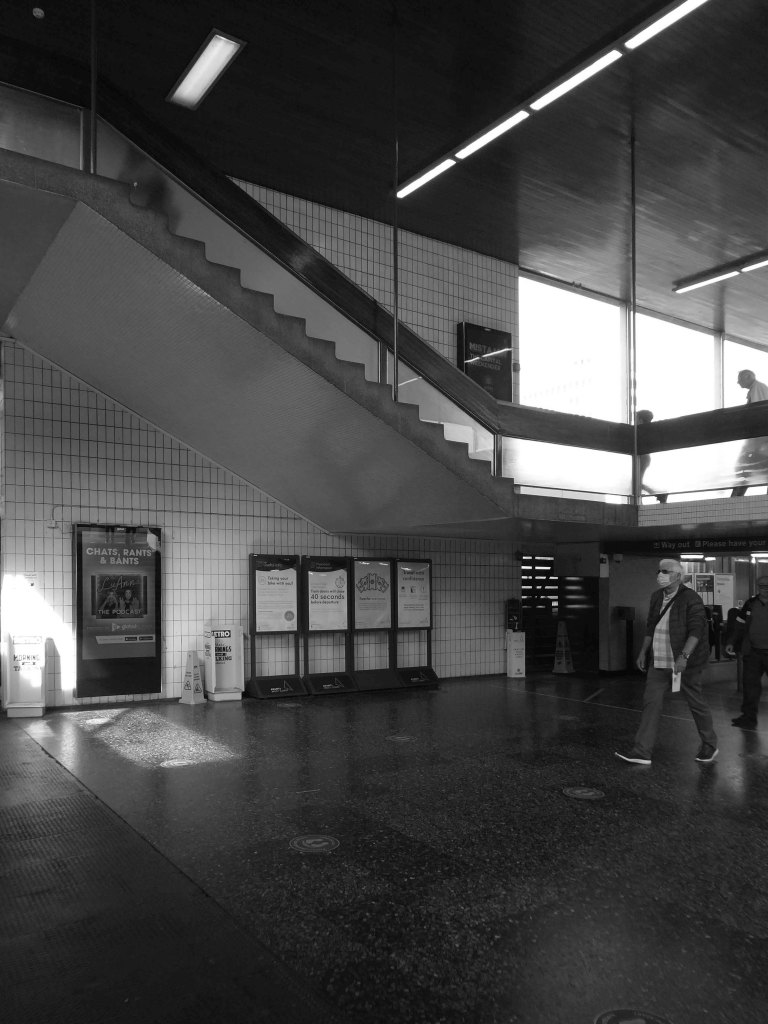
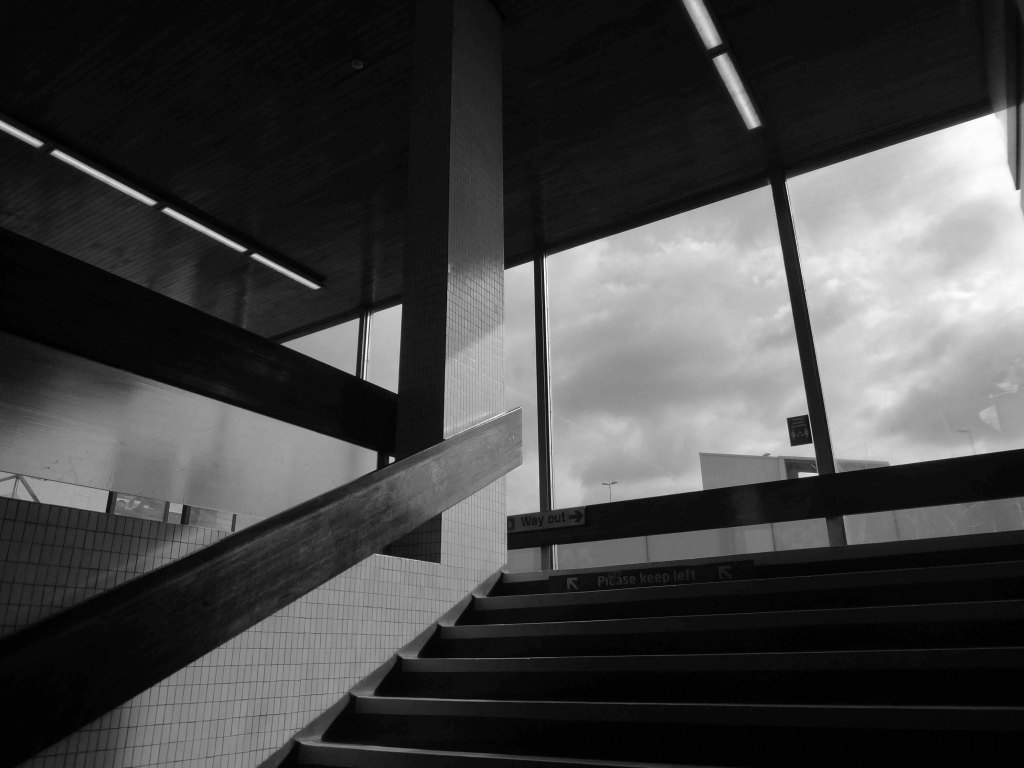
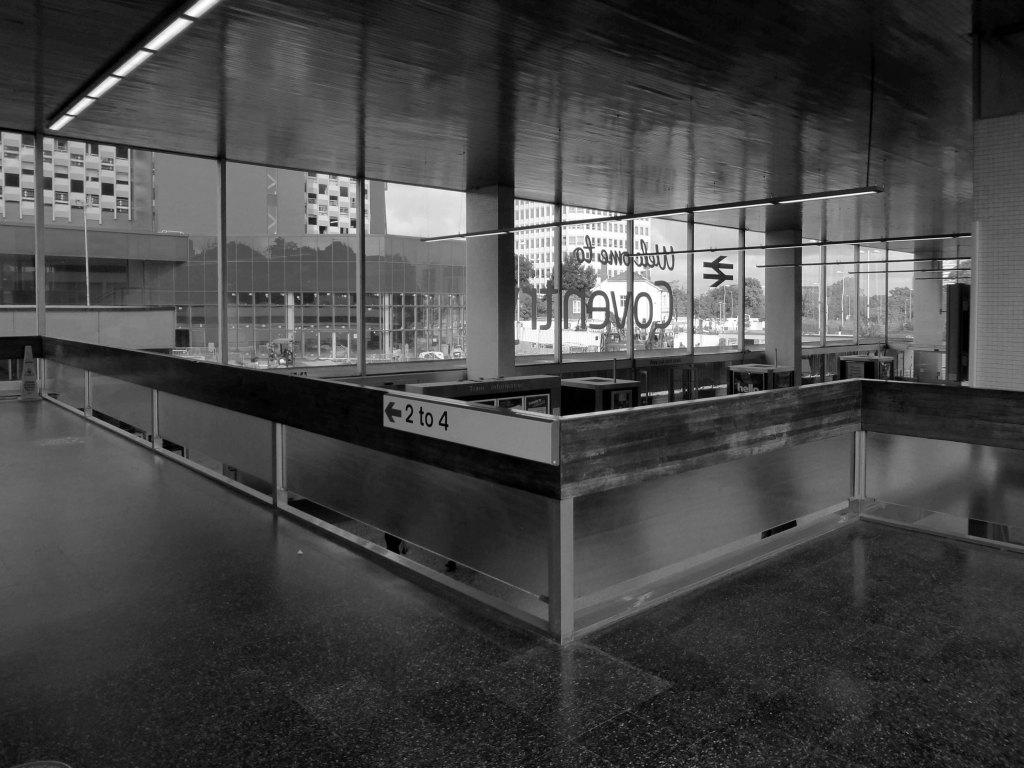
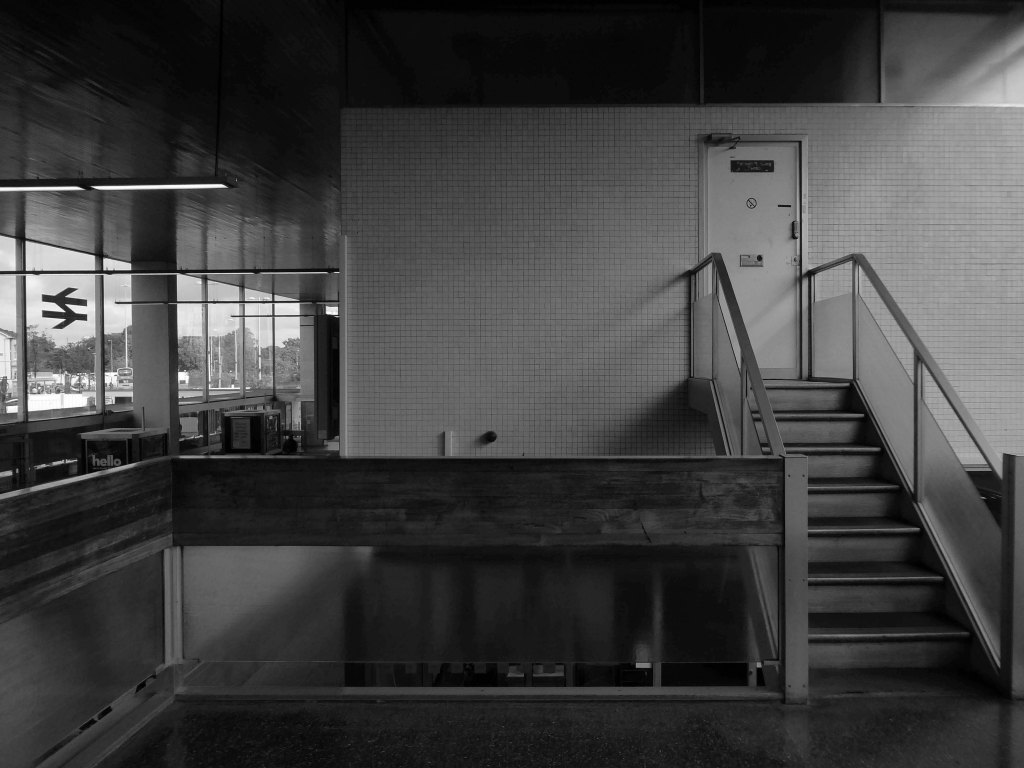
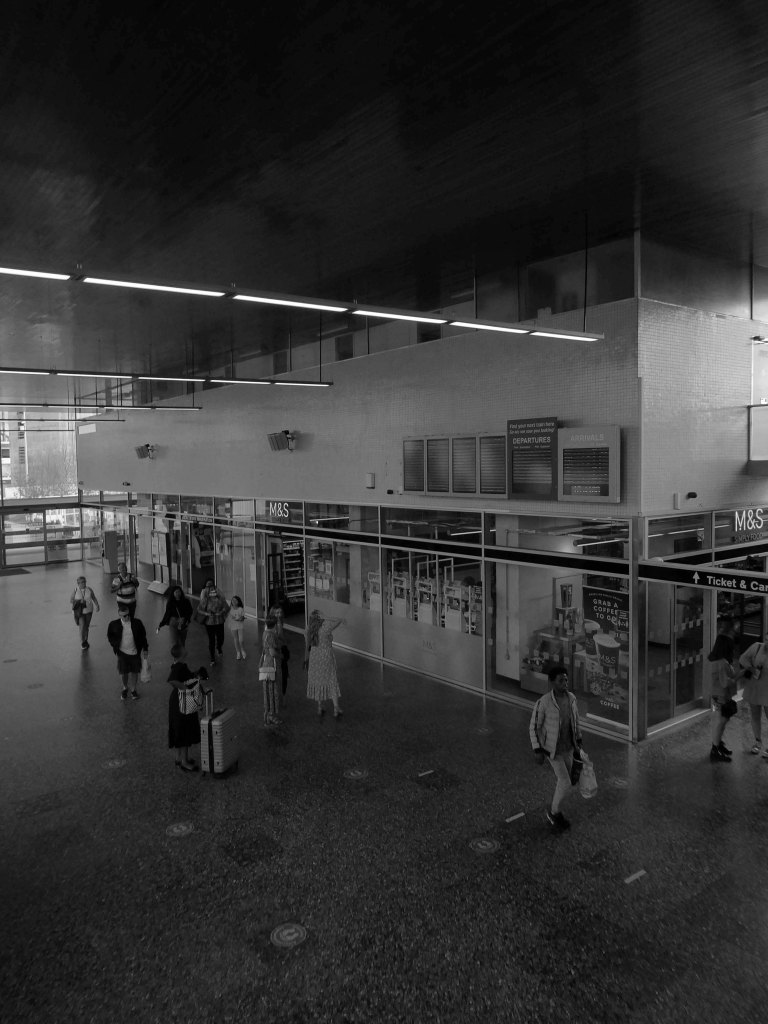
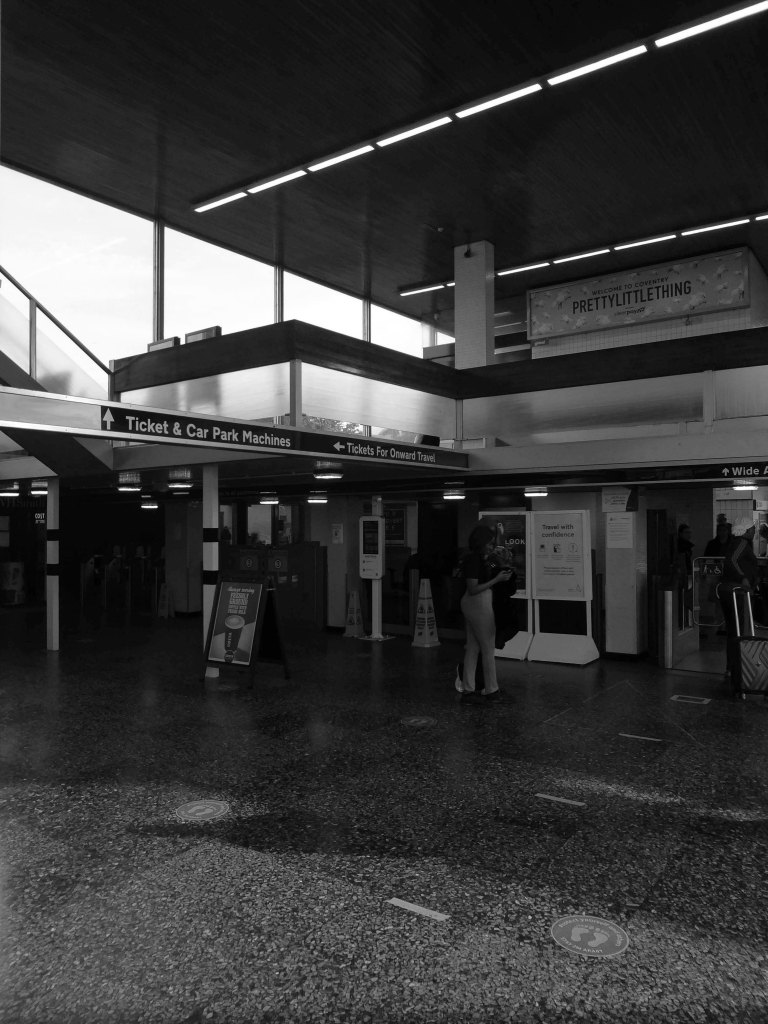
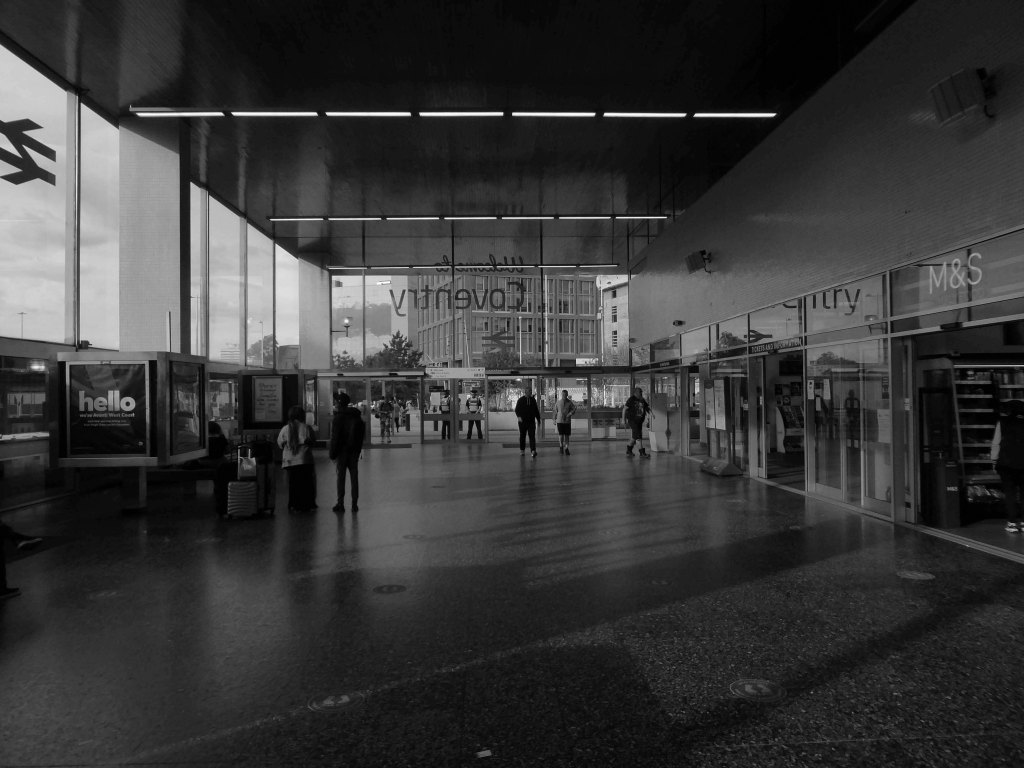
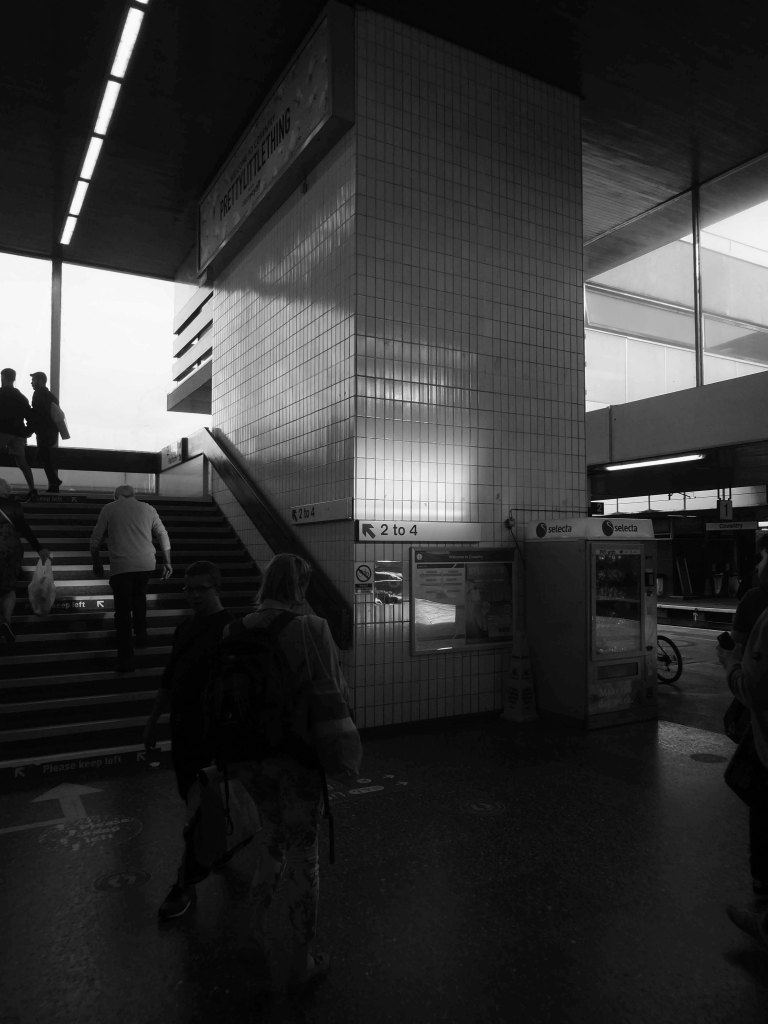
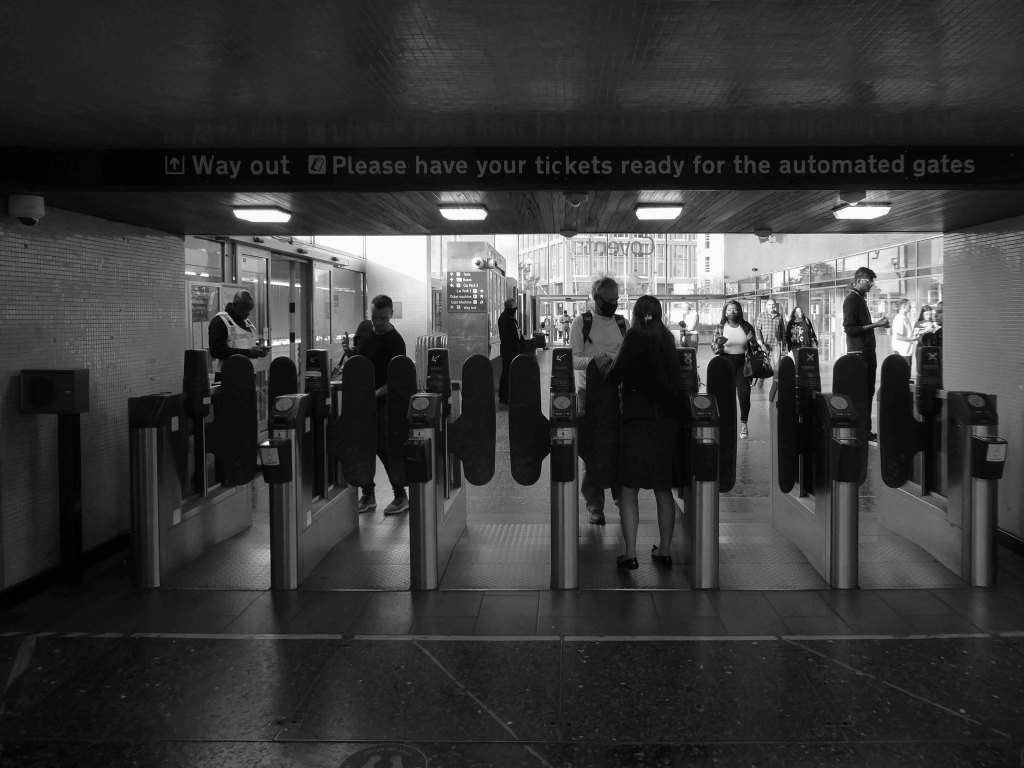
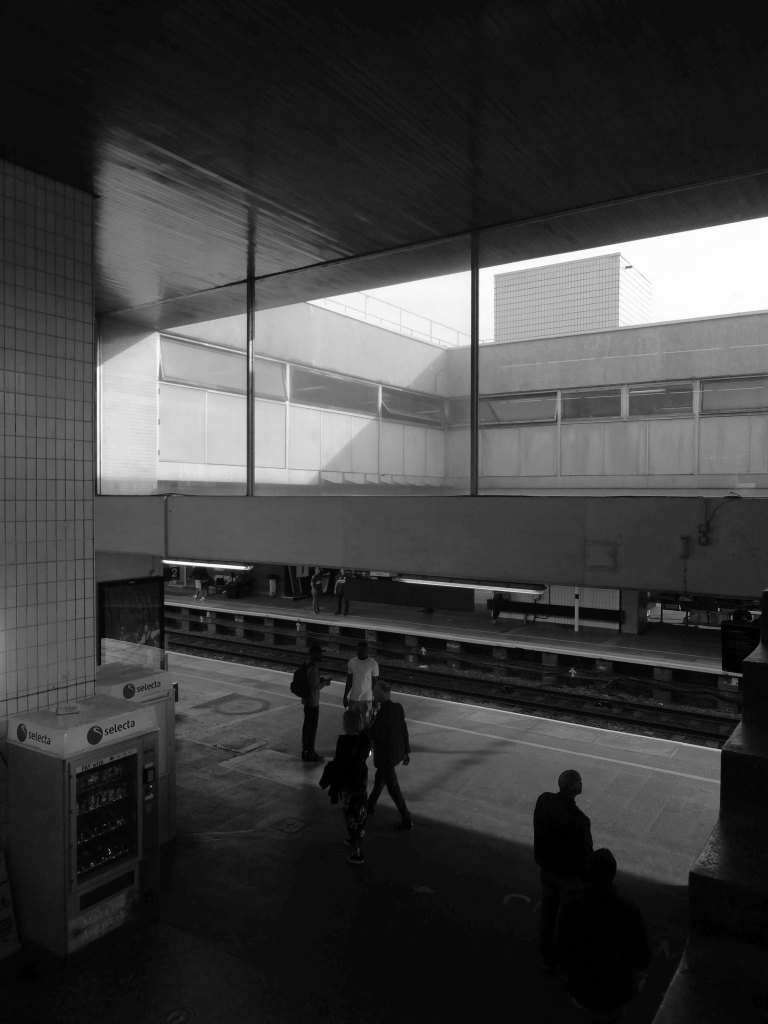
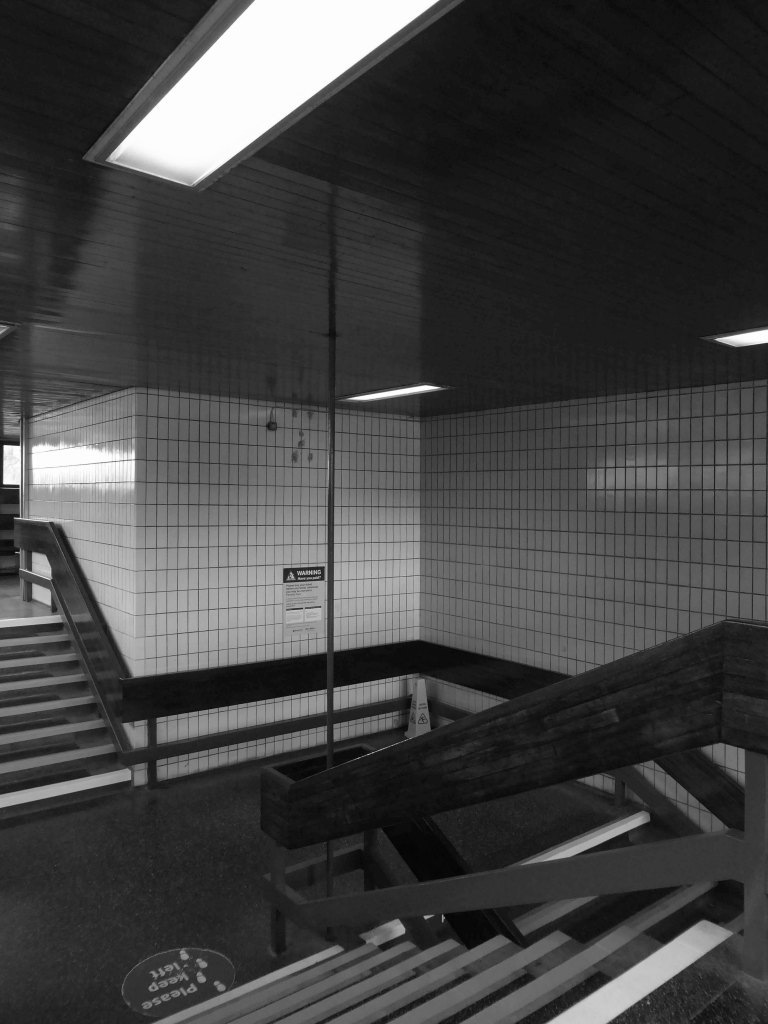
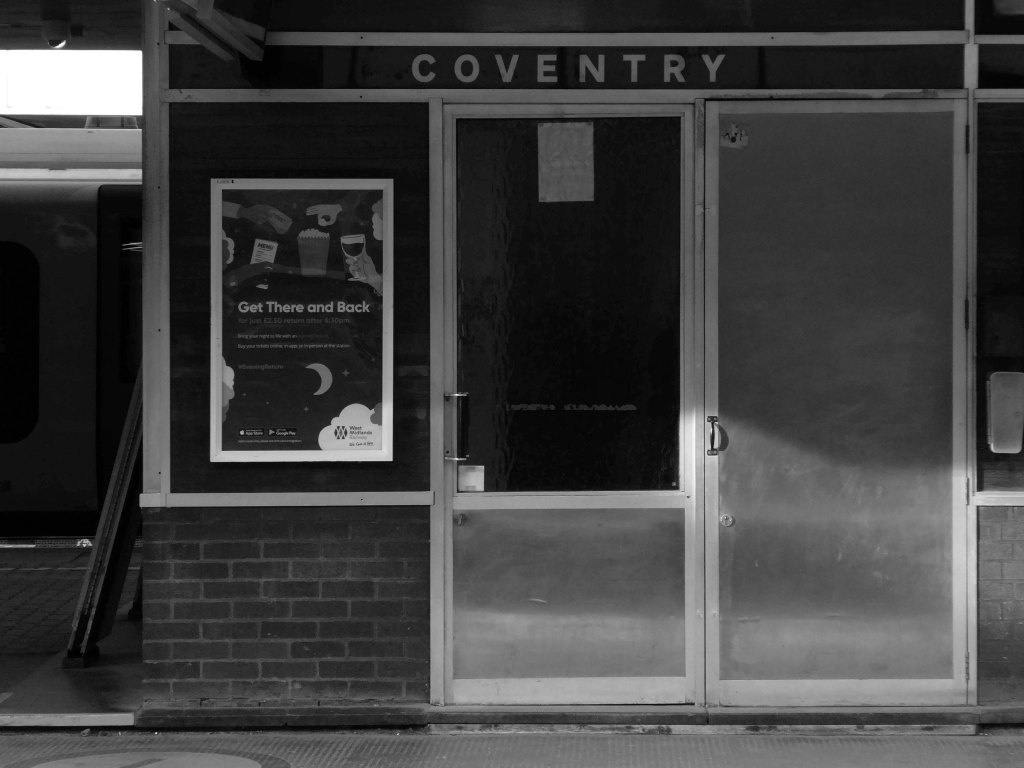
Coventry Station 2021

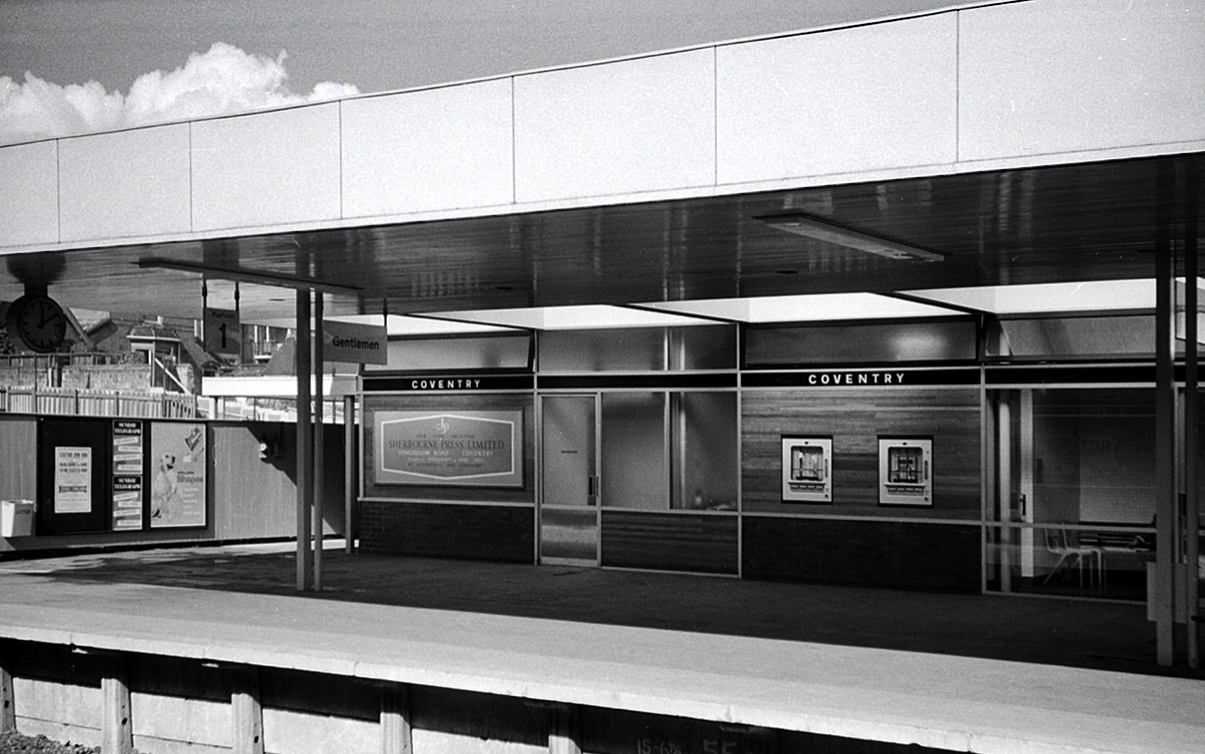
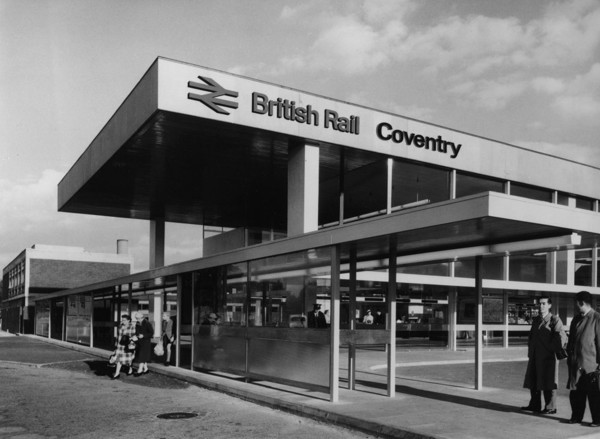
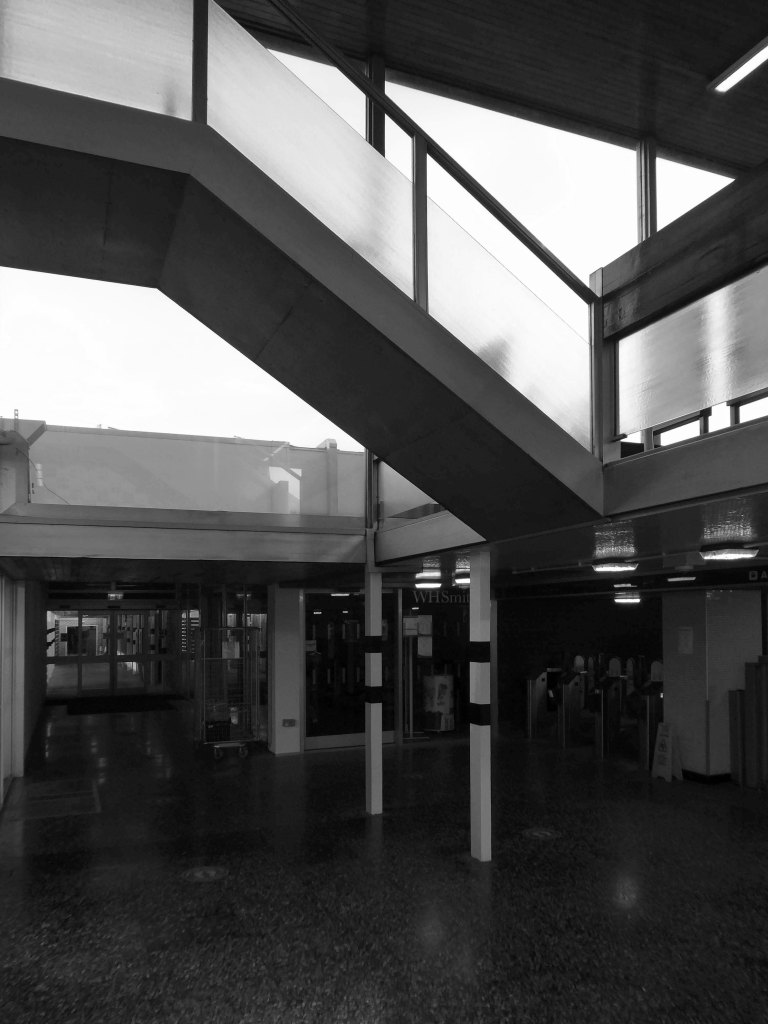
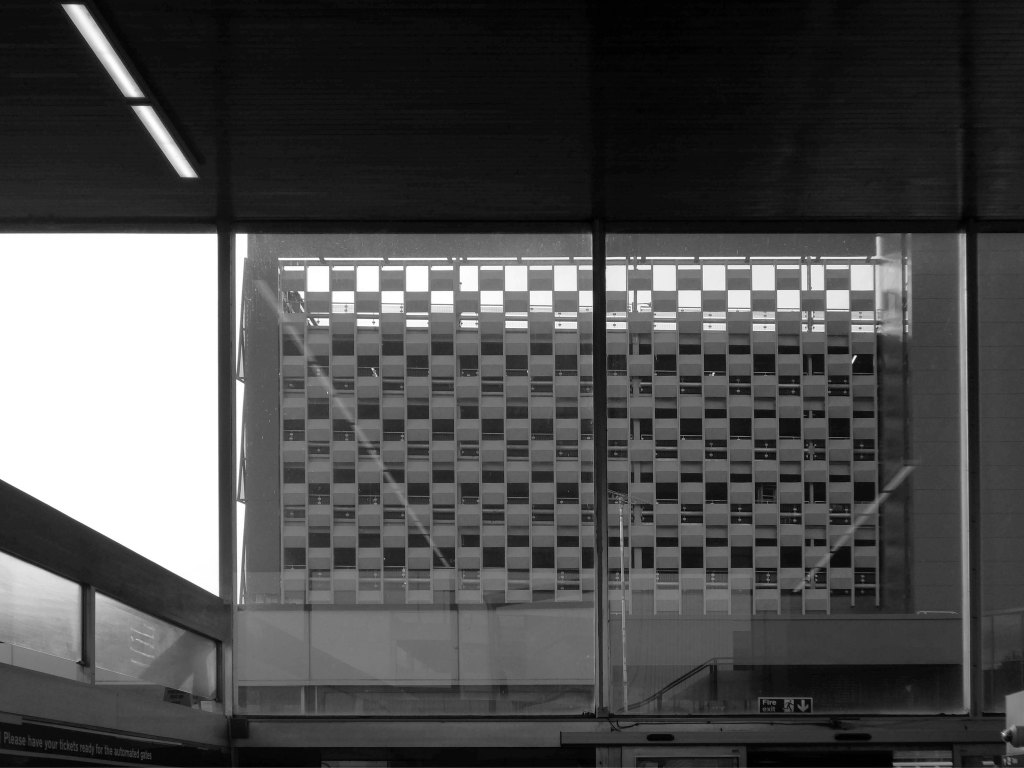
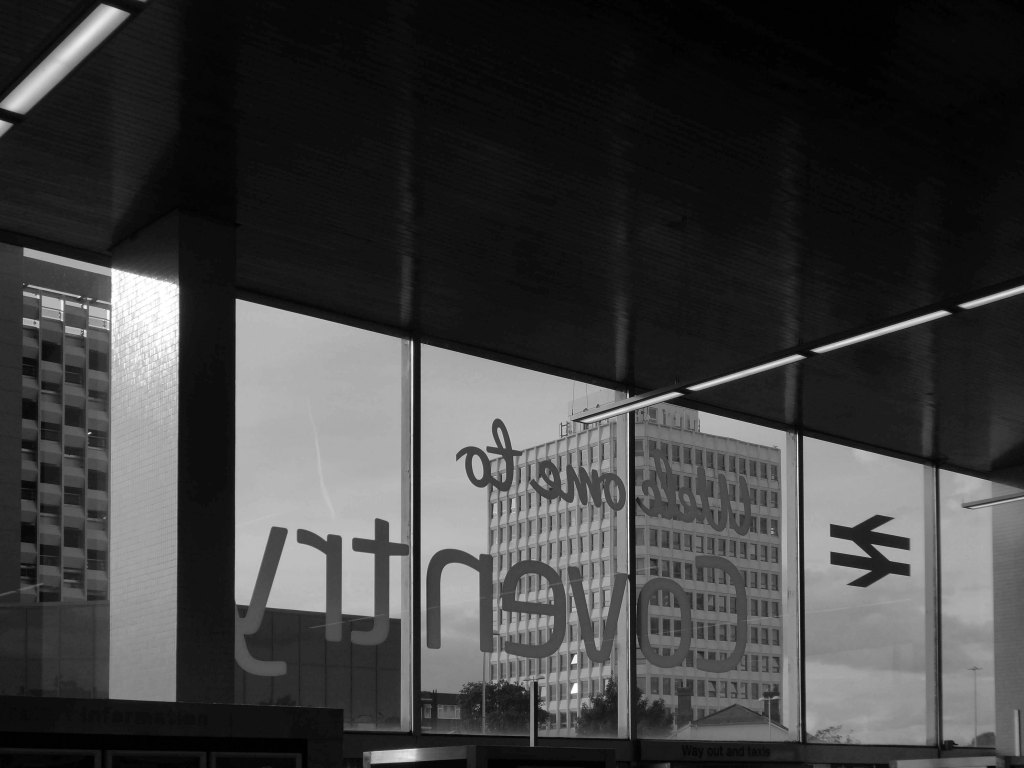
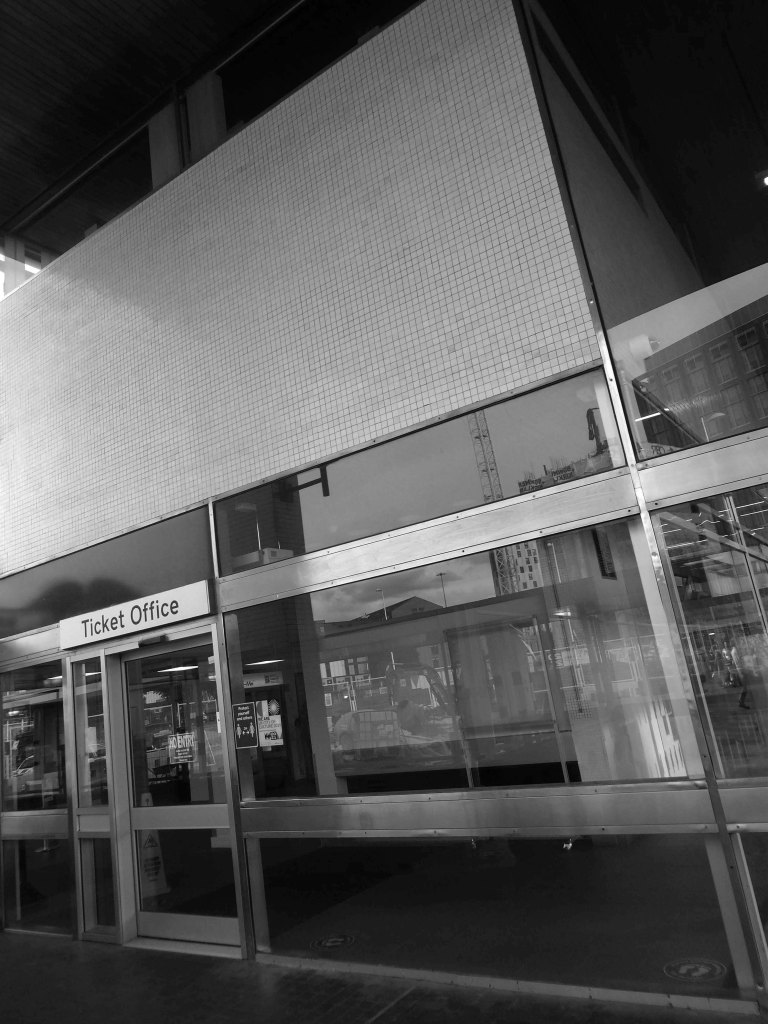
Here we are again, we have been here before – one of the nation’s finest post war railway stations.

Gateway to the City of Culture.

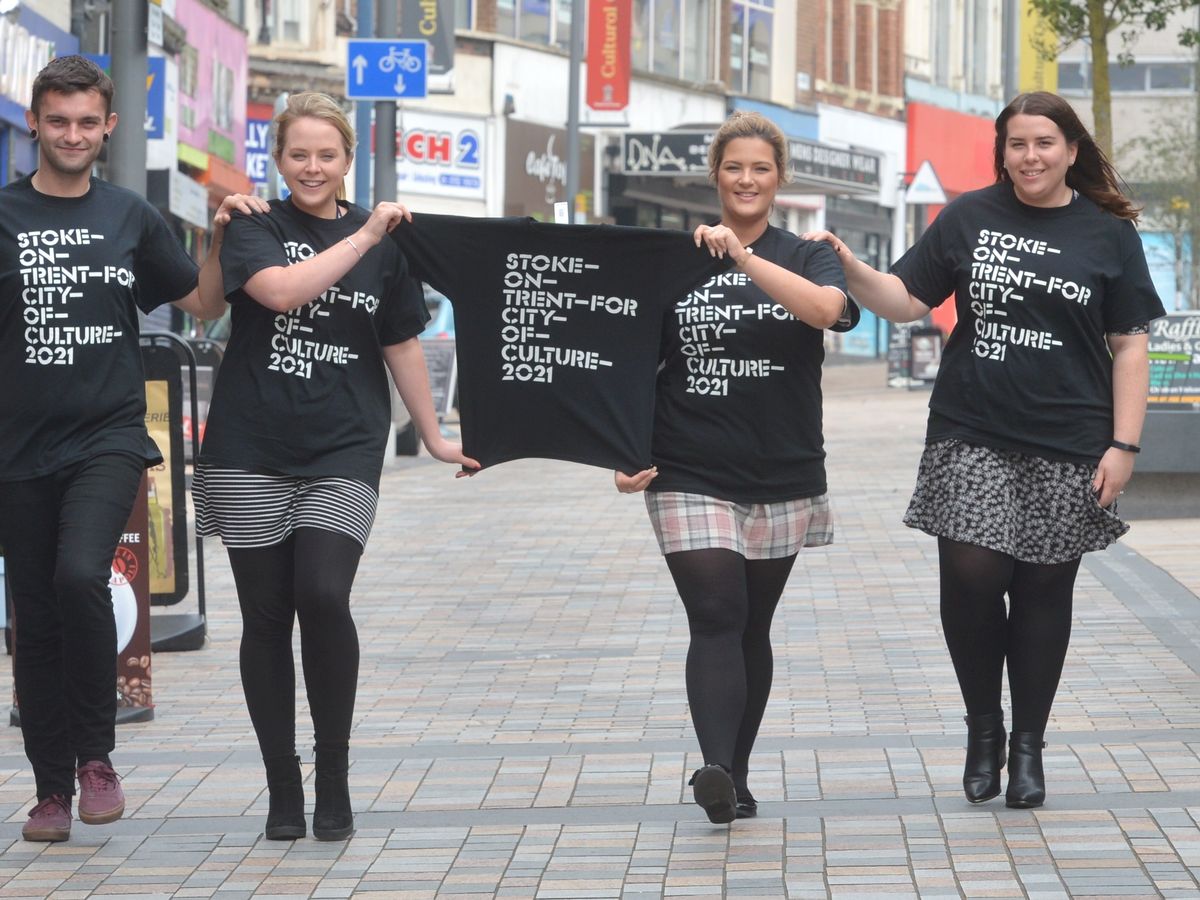
Though I freely admit that my heart belonged to Stoke’s failed bid.

So much so I bought a shirt.

Stoke Sentinel

The station is the work of architects WR Headley and Derrick Shorten who worked with John Collins, Mike Edwards and Keith Rawson.

Outstanding architecturally, particularly for its spatial qualities and detailing. 

It’s Grade II listed and rightly so.

Alan Murray-Rust April 1963
John Maltby RIBA Pix
March 1962
Warwickshire Railways

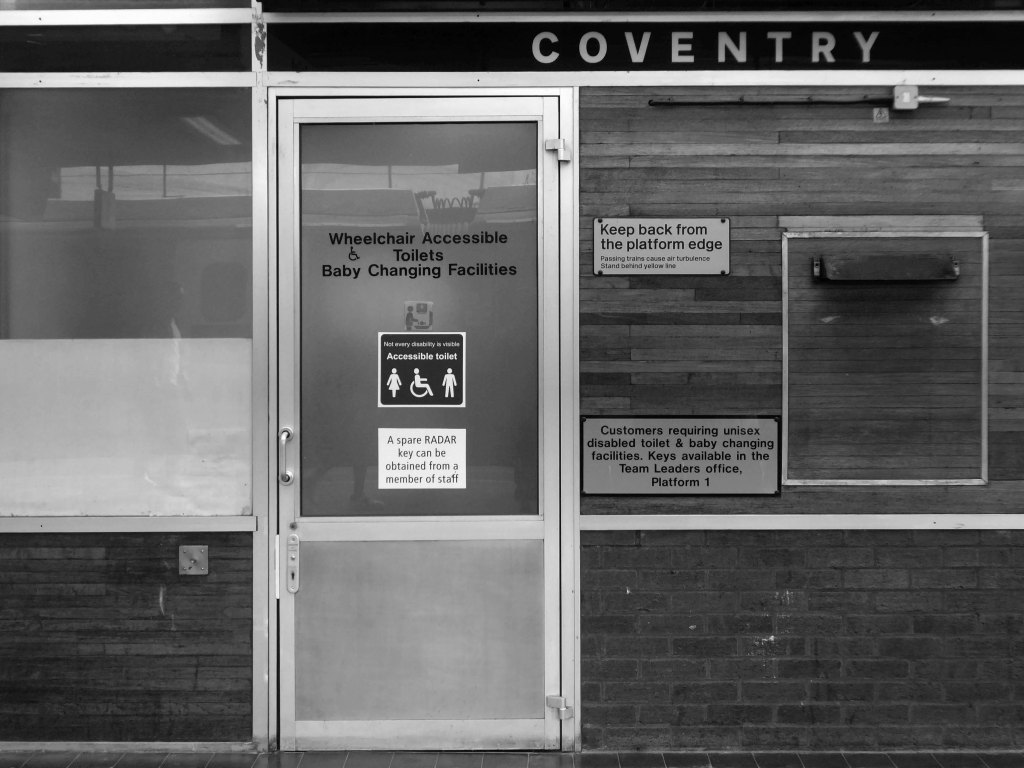
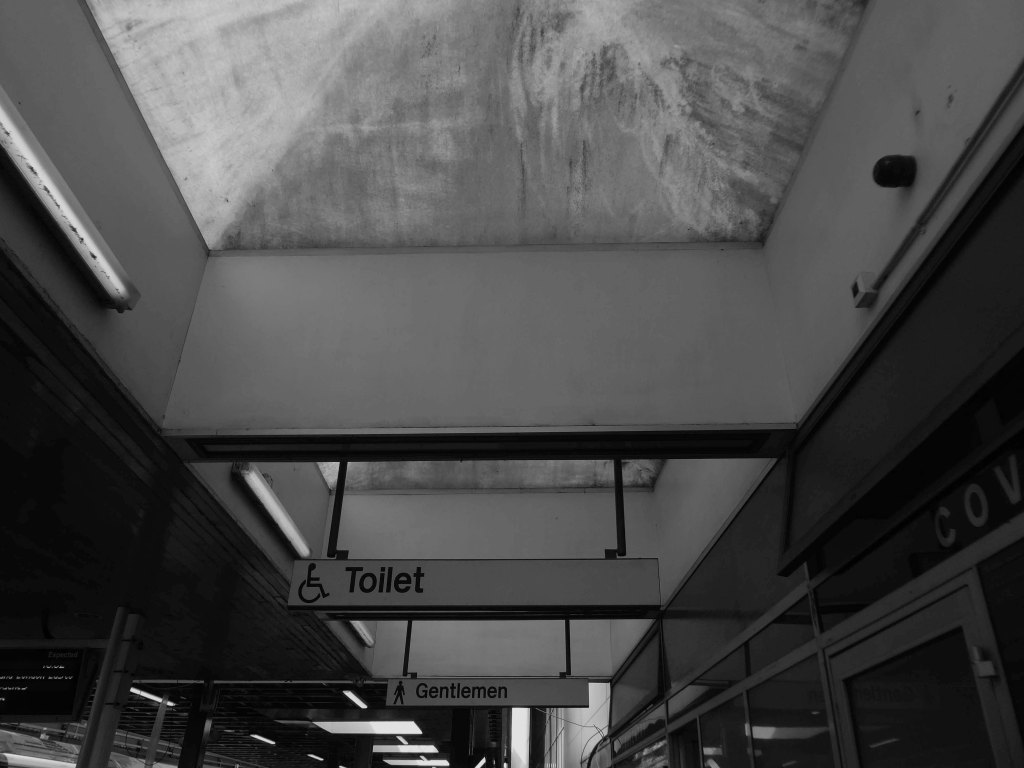
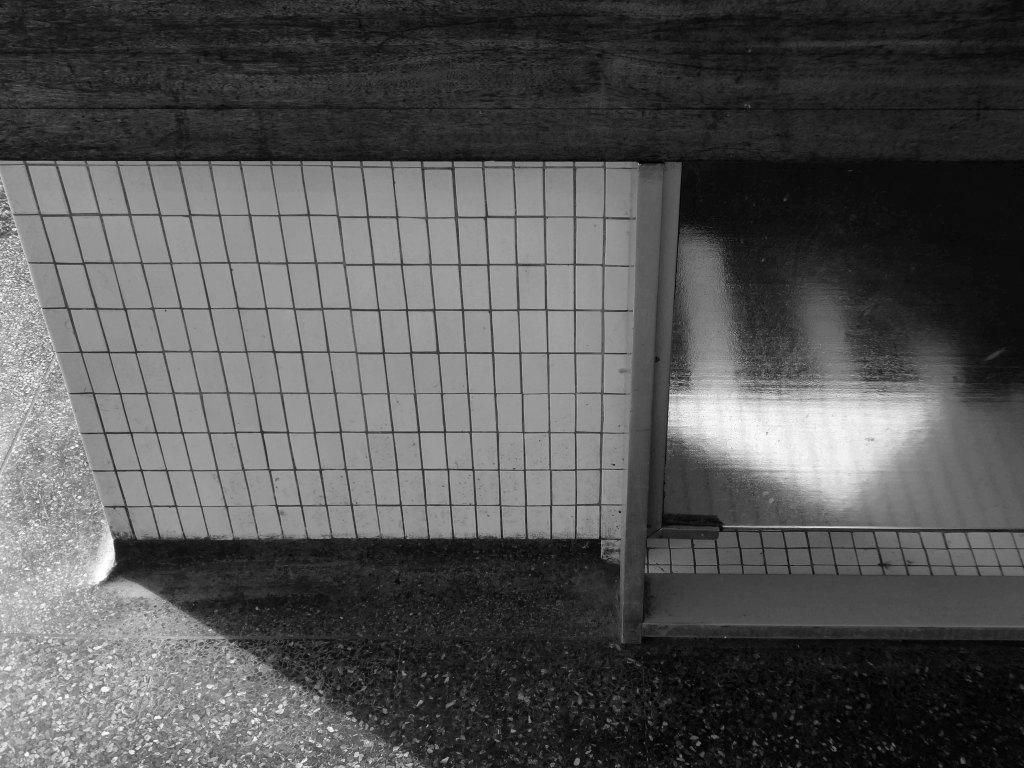
So here is my exploration of its spatial qualities and detailing. 

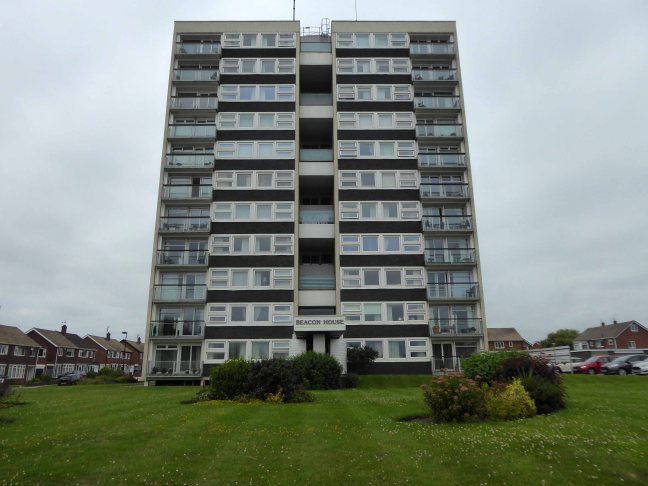
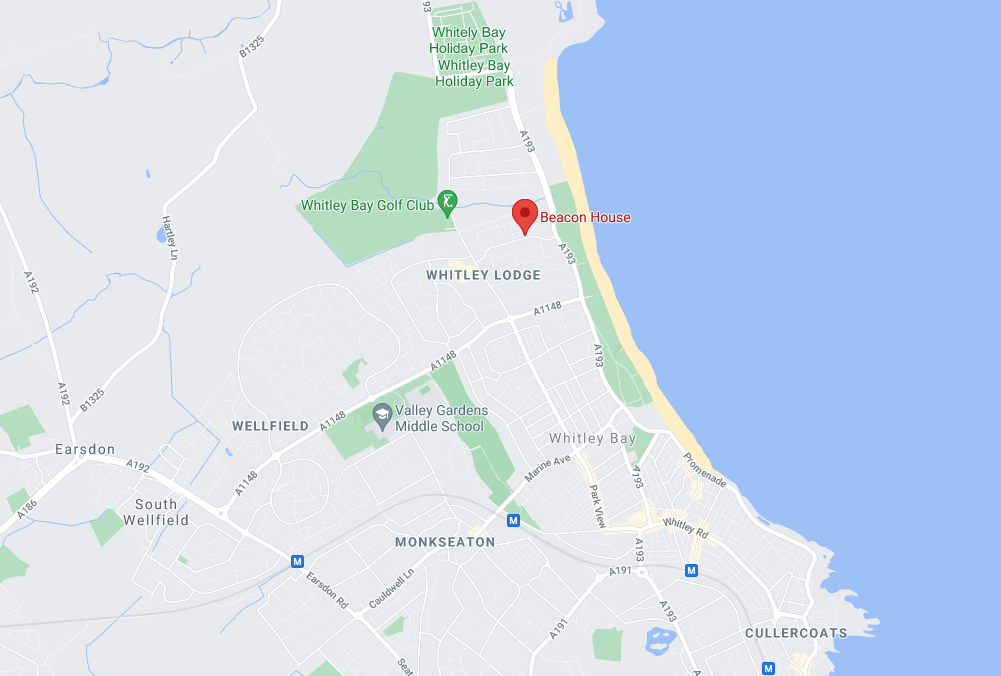
Beacon House – Whitley Bay

Granada Way
The Guardian

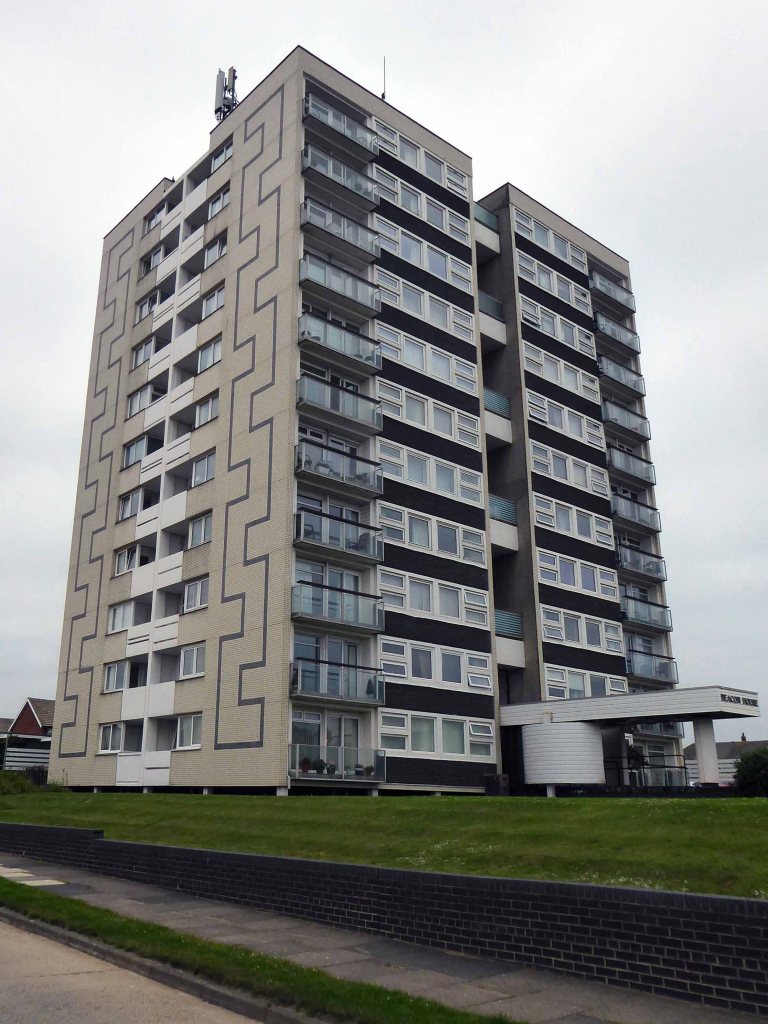
Beacon House Whitley Bay completed 1959.

Client: JM Liddell

Photograph: David Bilbrough

Cycling twixt Newcastle and Amble, I espied a tower block upon the horizon.

Leaving the coastal path I came upon Beacon House.

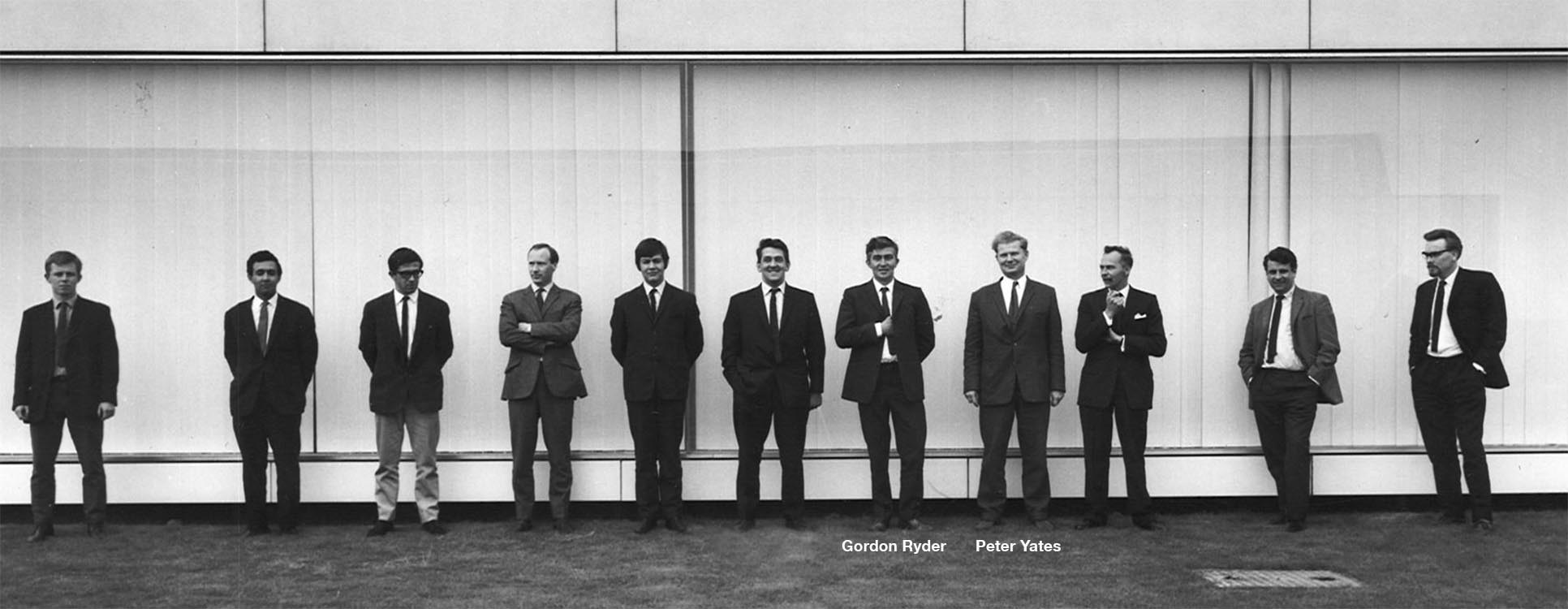
Research lead me to the work of Ryder and Yates Architecture.

Two pioneering young entrepreneurial architects who worked with Le Corbusier and Ove Arup first met in the office of Berthold Lubetkin. In 1953, they formed Ryder and Yates in Newcastle upon Tyne. That Le Corbusier, Lubetkin and, to no less extent Newcastle born Arup, had a powerful influence on the subsequent design philosophy of Gordon Ryder and Peter Yates can still be seen in any evaluation of Ryder’s work today.

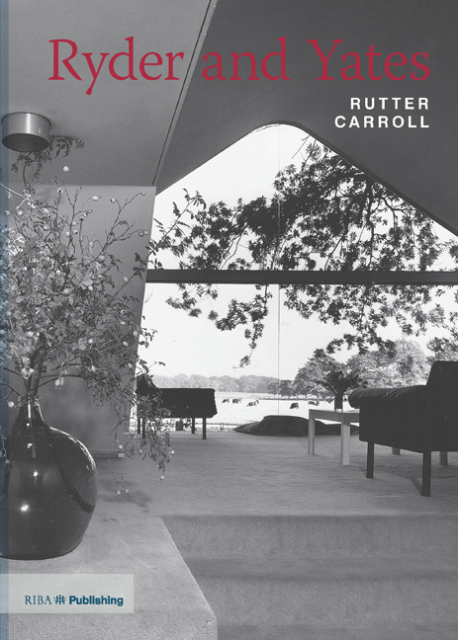
Their work celebrated in this RIBA publication.

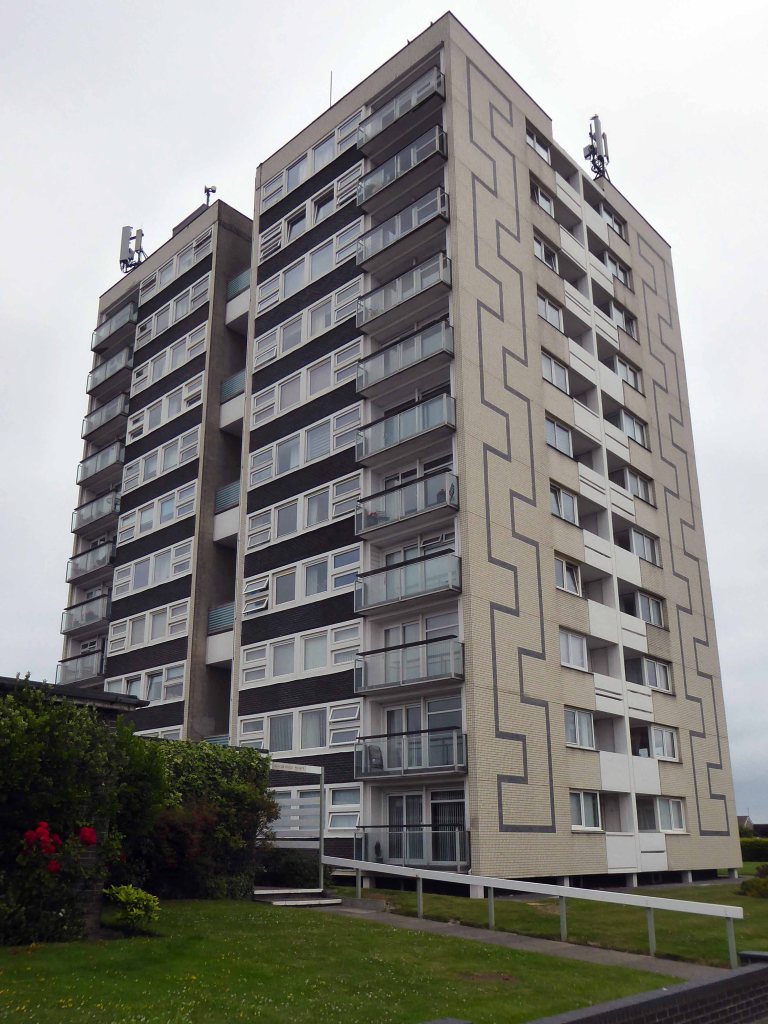
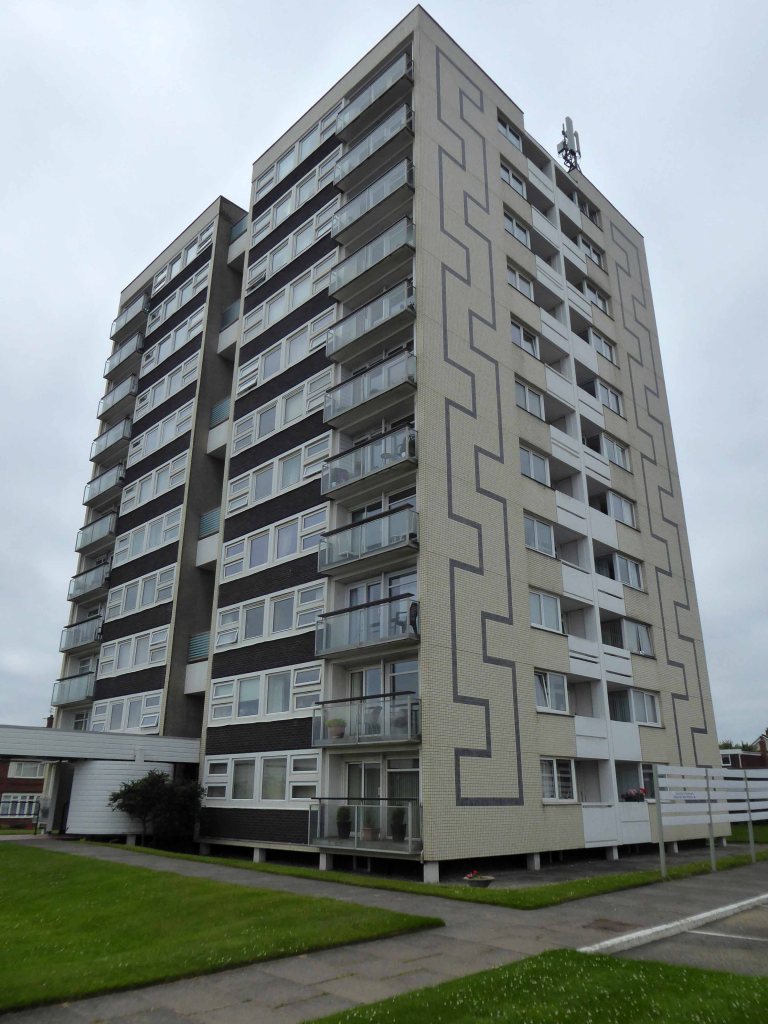
Beacon House is and elegant eleven storey tower, modest in scale yet rich in detail.

Two tiled elevations to the north and south.

Elegant balconies of a refined construction.

Plus a curious curved shell surrounding the entrance, along with a cantilevered covering.

Sadly this Peter Yates mural Procession of Shells is now lost.

Porstmouth

Having cycled here from Southampton, we now had time to cool our heels and look around.

Tim Rushton and I were Fine Art students here in the 1970’s, eager to take a trip down Memory Lane to Lion Terrace.

We’ll get there in a bit.

We took a look along The Hard discovering pubs that we never went in which are no longer pubs.

This pub was built in 1900, possibly on the site of an earlier pub. For most of its history it was tied to the Brickwood’s Brewery of Portsmouth. 

The pub closed in 1970 to become a restaurant, before becoming an estate agents offices.

The pub sign appeared in the 1971 film Carry On At Your Convenience.

Many Brickwoods’ pubs were ever so elegantly tiled, though the beer was largely undrinkable.

Just along the way another pub which we never really knew, though still a pub for all that.

Across the water in Gosport our old pals Harbour and Seaward Towers.

Along the way some high quality hard landscaping.

Beneath our feet the smiling face of Pompey!

We resisted the charming period charms of the Clarence Pier

The pier was originally constructed and opened in 1861 by the Prince and Princess of Wales and boasted a regular ferry service to the Isle of Wight.

It was damaged by air raids during World War II and was reopened in its current form on 1 June 1961 after being rebuilt by local architects AE Cogswell & Sons and R Lewis Reynish.

Mind the Baby Mr. Bean an episode of British TV comedy series Mr. Bean was filmed on location at Clarence Pier.

Wikipedia

Tim wisely eschews the Wimpy.

Lyons obtained a licence to use the Wimpy brand in the United Kingdom from Edward Gold’s Chicago based Wimpy Grills Inc. and, in 1954, the first Wimpy Bar was established at the Lyons Corner House in Coventry Street, London. The bar began as a special fast food section within traditional Corner House restaurants, but the success soon led to the establishment of separate Wimpy restaurants serving only hamburger-based meals.

In a 1955 newspaper column, Art Buchwald, syndicated writer for the Washington Post, wrote about the recent opening of a Wimpy’s Hamburger Parlor on Coventry Street and about the influence of American culture on the British.

Buchwald wrote:

Food served at the table within ten minutes of ordering and with atomic age efficiency. No cutlery needed or given. Drinks served in a bottle with a straw. Condiments in pre-packaged single serving packets.

In addition to familiar Wimpy burgers and milkshakes, the British franchise had served ham or sardine rolls called Torpedoes and a cold frankfurter with pickled cucumber sandwiches called Freddies.

During the 1970s Wimpy refused entry to women on their own after midnight.

Moving along eye spy the Isle of Wight Ferry through the Hovertravel window.

Hovertravel is now the world’s oldest hovercraft operator, and this service is believed to be unique in western Europe. 

It is the world’s only commercial passenger hovercraft service.

The operator’s principal service operates between Southsea Common on the English mainland and Ryde Transport Interchange on the Isle of Wight: the crossing time of less than 10 minutes makes it the fastest route across The Solent from land to land. 

This service commenced operations in 1965, Hovertravel currently operates two 12000TD hovercraft on a single route between Ryde and Southsea.

Wikipedia 

We took a turn into the back streets to visit our old home 20 Shaftesbury Road, where Catherine Lusher, Tim and I lived in the basement flats.

Liz Bavister and Trish Frowd lived above

The former Debenham’s is to become flats.

Hampshire Live

Nearby Knight and Lea has been listed

The Knight & Lee building, which is located between two conservation areas on a prominent corner of Palmerston Road and Clarendon Road in Southsea, Portsmouth, was designed by Cotton, Ballard and Blow.

C20

Notable surviving original interior features include spiral staircases with terrazzo flooring in the northwestern and southwestern corner customer entrance vestibules.

A little Stymie Bold Italic aka Profil for your delectation along with a delightful low concrete fence.

A ghostly sign.

The Wheelbarrow where we drank, currently home to Joe and his pizzas.

The former Duchess of Fife in Castle Road long gone Long’s pub

Long & Co Ltd Southsea Brewery

Founded by William Tollervey 1814 and was acquired by Samuel Long in 1839. Registered in March 1924. 

Acquired by Brickwoods Ltd 1933 when brewing ceased.

The Barley Mow my favourite local where we would take a drink later.

Later.

The evening was enlivened by the arrival of a drunken wedding party the bride all in white, veil askew.

The besuited groom three sheets to the wind, mayhem ensued, we departed.

The Grade II Listed India Arms – North part 1902 by AE Cogswell; south part formerly Fishmonger and Game shop 1900, which formed the extension to the public house c1980.

Once part of the long gone Gales Brewery estate.

Founded 1847 when Richard Gale acquired the Ship & Bell home brew house.

Registered in April 1888 with 80 public houses. 

Acquired by Fuller, Smith & Turner Ltd in 2005 with 111 houses and closed.

Now we is at the Borough Arms and other favourite – purveyors of strong rough cider.

Built in 1899 architect AE Cogswell as the Old Vic now listed but no longer a pub

Along with the adjacent Wiltshire Lamb which since the 1980s this pub has had a variety of names including, Drummond’s, Tut ‘n’ Shive, Monty’s and now Hampshire Boulevard, usually shortened to HB.

The Norrish Central Library: city architect Ken Norrish 1976 – is all that remains this Brutal part of Portsmouth.

It faces the stylish new Civic Centre: Teggin & Taylor 1976 – a piazza completed by the adjacent Guildhall.

Alas no more:

The Tricorn Centre was a shopping, nightclub and car park complex, it was designed in the Brutalist style by Owen Luder and Rodney Gordon and took its name from the site’s shape which from the air resembled a tricorn hat.

Constructed in the mid-1960s, it was demolished in 2004.

Next we are by the former Portsmouth Polytechnic Fine Art block in Lion Terrace.

The ground floor corner housed the print room where I learnt my craft under the tutelage of Ian Hunter who we hooked up with for a pint and a chat.

Thanks ever so Ian for everything.

The happy days came to an end when the department was acrimoniously closed during a Hampshire shuffle.

We also cycled out to Langstone Harbour in search of the Arundel Canal lock gates, where Tim had languidly drawn away the hours, too many summers long ago.

After some circuitous searching we finally found them.

We ended a long day in the Barley Mow sharing yet another pint, one of many in our almost fifty year friendship.

Southampton to Portsmouth

We arrived safely by train from Stockport at Southampton Central.

Following lengthy consideration we headed off on our bikes.

Whilst halting to review our progress, I realised that I had lost the map, a map vital to our further progress.

Returning to the station I found it nestled against the kerb.

Further assessment of our onward journey resulted in yet another retracing of steps.

In the shadow of Southampton Station dwarfed by Norwich House.

Resolute, we confront the fact that we are unsure of the route and following close scrutiny of the map, our environs and the surrounding signage, we proceed eastward towards our destination.

Wyndham Court – architects Lyons Israel Ellis, E.D. Lyons being the partner in charge along with Frank Linden and Aubrey Hume.

Leaving the city and heading along the Weston Shore – Southampton Water.

To our right several Seaside Moderne shelters

Tim feasts on a Mint Club biscuit.

To our left are the tower blocks of Weston Farm Foreshore – L. Berger City Architect 1963

Seen here in 1985 – Tower Block.
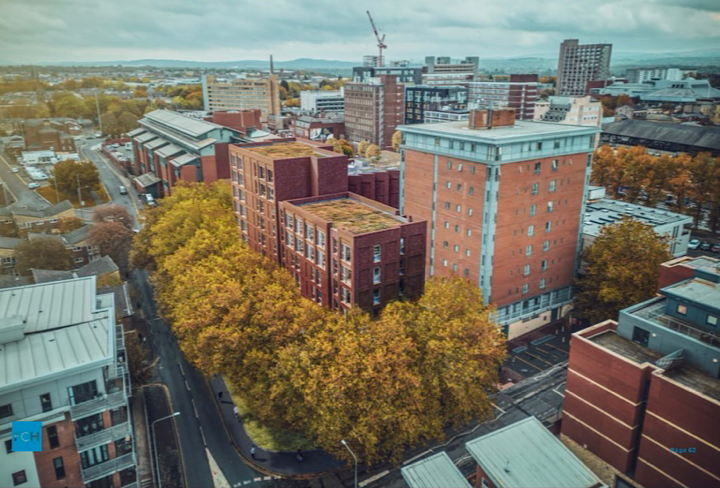
In the distance Canberra Towers Ryder and Yates 1967

Residents living on the second floor of 24-floor block Canberra Towers, on Kingsclere Avenue in Weston, were told to evacuate as flames erupted inside a kitchen.
The Daily Echo spoke to the residents of the affected flat, who said the cat knocked paper that was on top of the microwave, which then fell onto the toaster.
Tracey Long said:

I’ve got two cats, and Sponge was the one who knocked the paper.

He knocked paper off the microwave and into the toaster, it was quite scary.

I lost him in the flat but now I’ve found him again.

Daily Echo

Arriving just in time to be too late, next thing you know we’re bobbing along on the Hamble Warsash Ferry.

The obliging ferry folk having taken us across the estuary, despite our tardiness.

The village and the River featured in the 1980s BBC television series Howards’ Way.

Sadly little evidence of the successful TV show remains, however happily Henry VIII’s Dock and an Iron Age Fort have prevailed.

Onward to Gosport where we happen upon a diminutive yet perfectly formed Bus Station.

Originally built in the 1970s, the bus station was described in 2012 as knackered by the council chief executive at the time, Ian Lycett, and an investment plan was drawn up.

Talk of redevelopment then resurfaced in 2015, before the site was put on the market in 2016.

The News

Keith Carter, retiring owner of Keith’s Heel Bar in Gosport Precinct, has described the bus station as a missed opportunity.

The nearby Harbour and Seaward Towers have faired a little better, newly clad and their tiled murals intact.

While working for George Wimpey and Co. Ltd, and together with J E Tyrrell, Chief Architectural Assistant to Gosport Borough Council, Kenneth Barden was responsible for tiled murals on Seaward Tower and Harbour Tower, two sixteen-storey tower blocks built in 1963 on the Esplanade in Gosport. 

They really are something they really are.

And so following a ride on the Gosport Ferry we arrive at Portsmouth Harbour.

The land where British Rail signage refuses to die!

I have passed this way before on a Bournemouth to Pompey trip and both Tim and I were students at the Poly here in the 70s – more of which later.