Manchester City Council agreed to use the Phoenixmodel for their prefab estates.
A total of 43,206 Phoenix prefabs were built across the country, each one designed by the John Laing Group.
The Phoenix, designed by Laing and built by themselves as well as partners McAlpine and Henry Boot, looked much like an AIROH with a central front door. It was a two-bedroom in-situ preform design with steel frame, asbestos clad walls and an innovative roof of tubular steel poles with steel panels attached. Like all designs, it came pre-painted in magnolia, with green highlights on frames and skirting.
Phoenix prefabs cost £1,200 each constructed onsite, while the specially insulated version designed for use on the Isle of Lewis in the Hebrides cost £2,000.
More than once, though that’s no reason not to do so again – so I did.
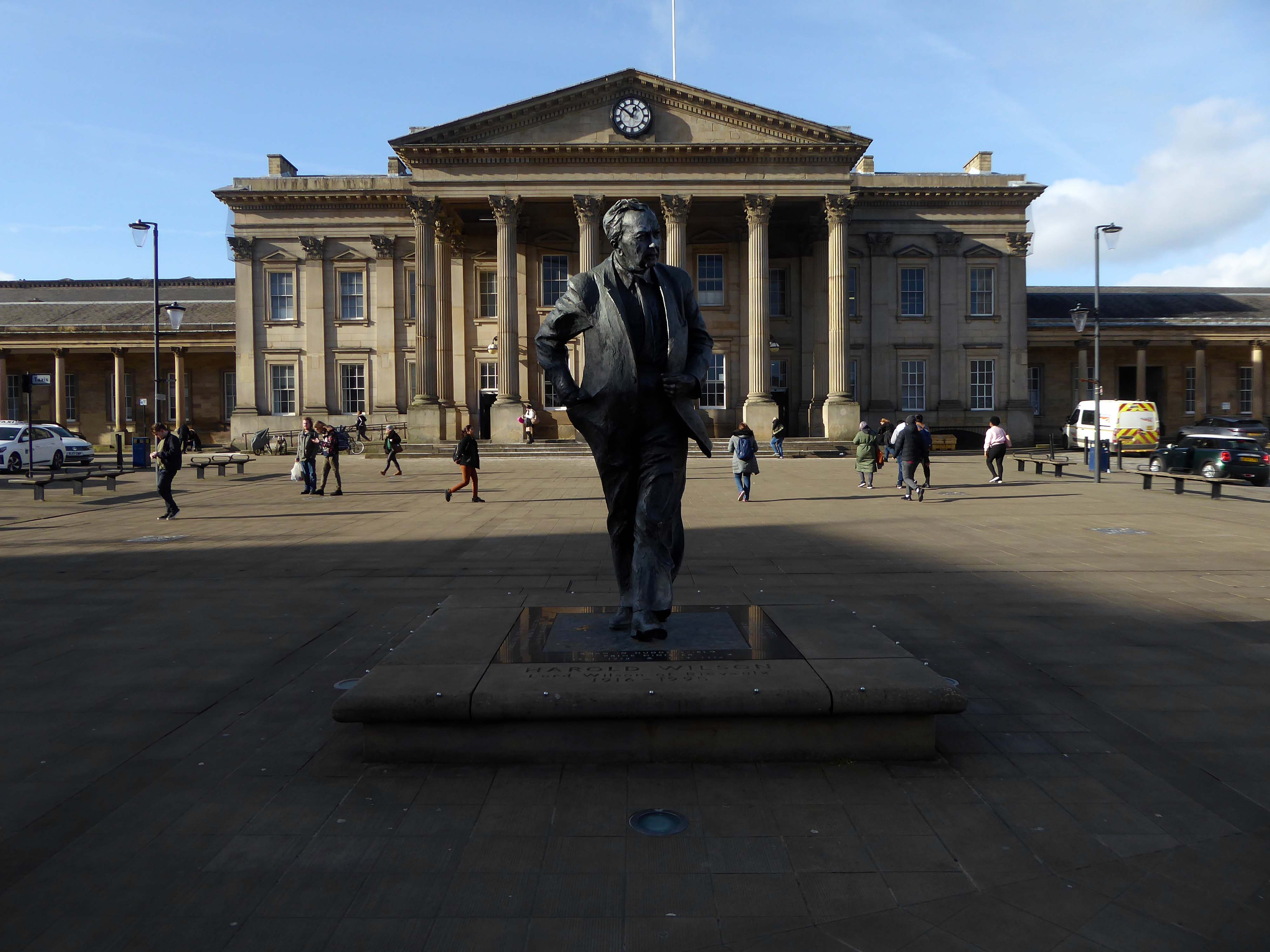
Saying hello to Harold.
Harold saying hello to us:
Nostalgia won’t pay the bills; the world doesn’t owe us a living; and we must harness the scientific revolution to win in the years to come. This scientific revolution is making it physically possible, for the first time in human history, to conquer poverty and disease, to move towards universal literacy, and to achieve for the whole people better living standards than those enjoyed by tiny privileged classes in previous epochs.
He warned change would have to reach every corner of the country; The Britain that is going to be formed in the white heat of this revolution will be no place for the restrictive practices or for outdated methods on either side of industry.
Standing sentinel over one of Nikolaus Pevsner and John Betjeman’s favourite railway station front elevations.
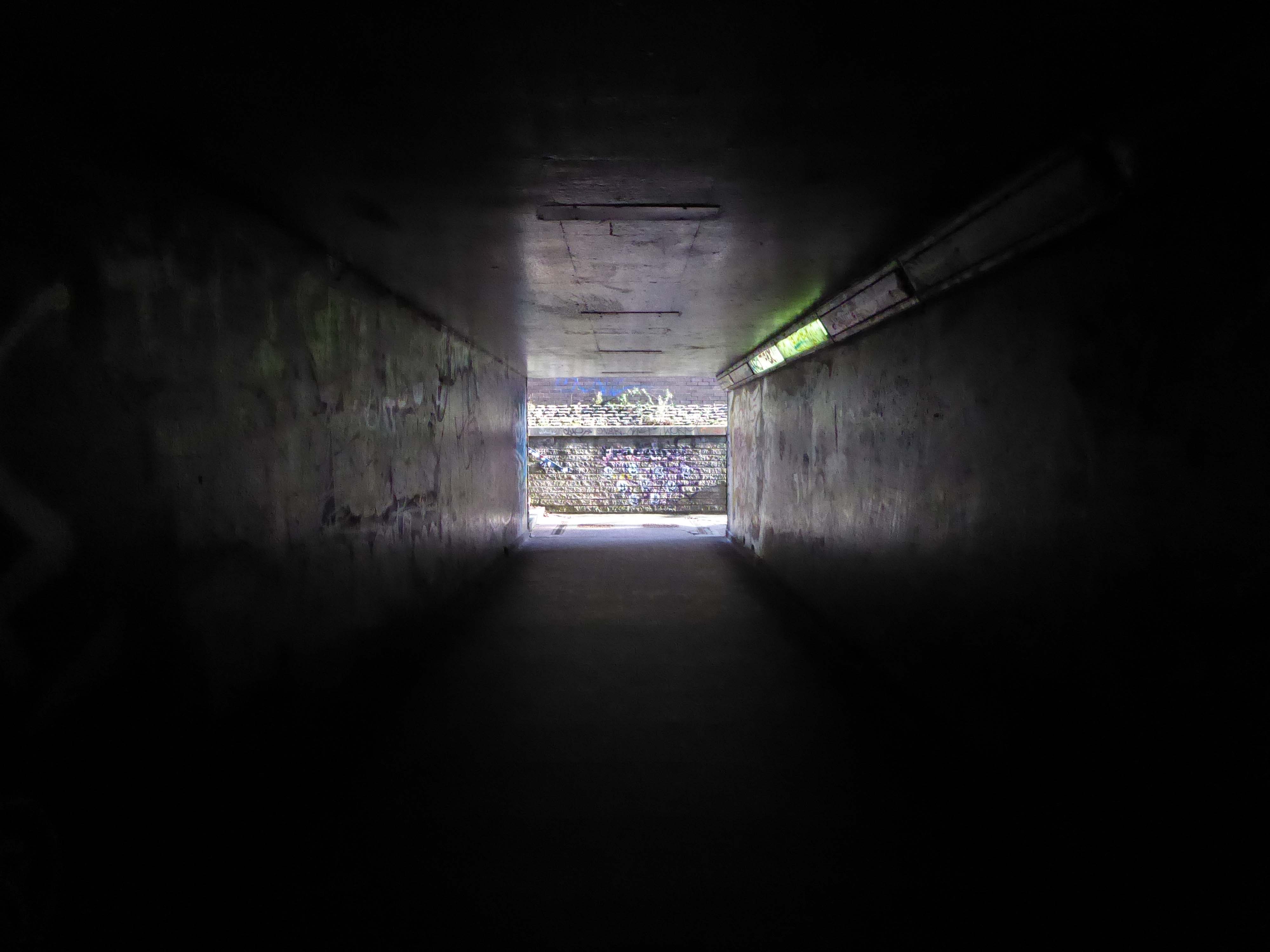
Through a passage darkly.
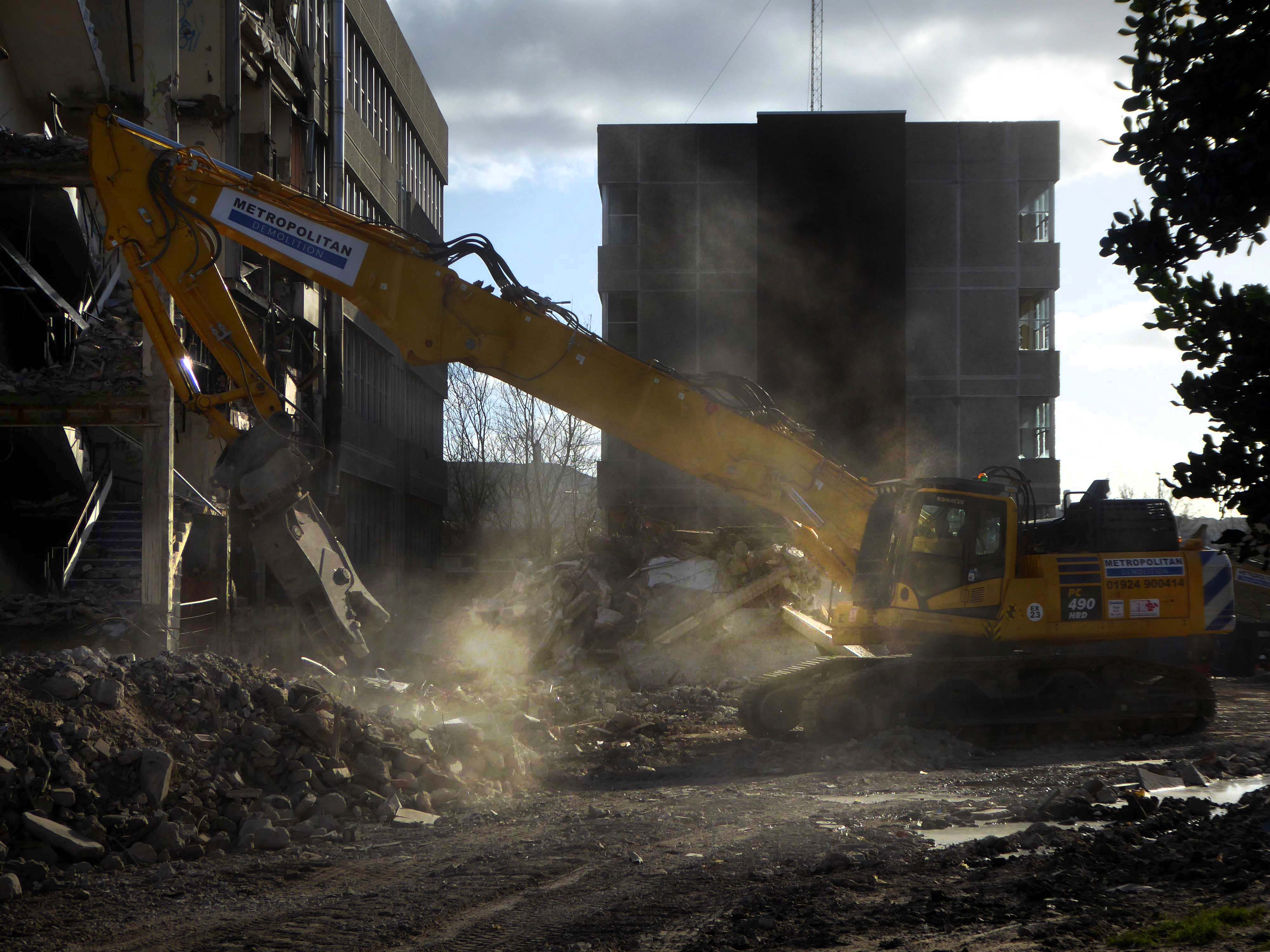
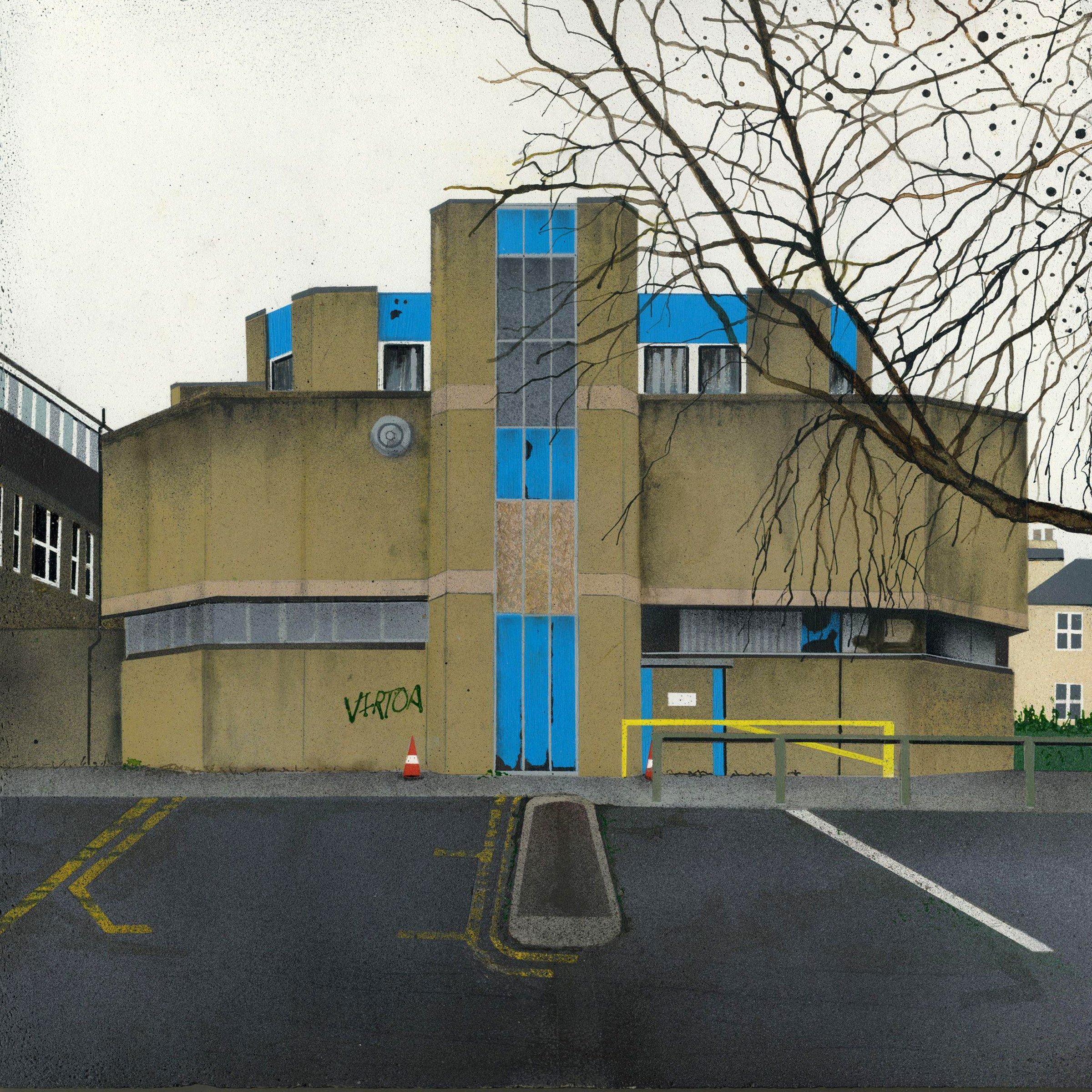
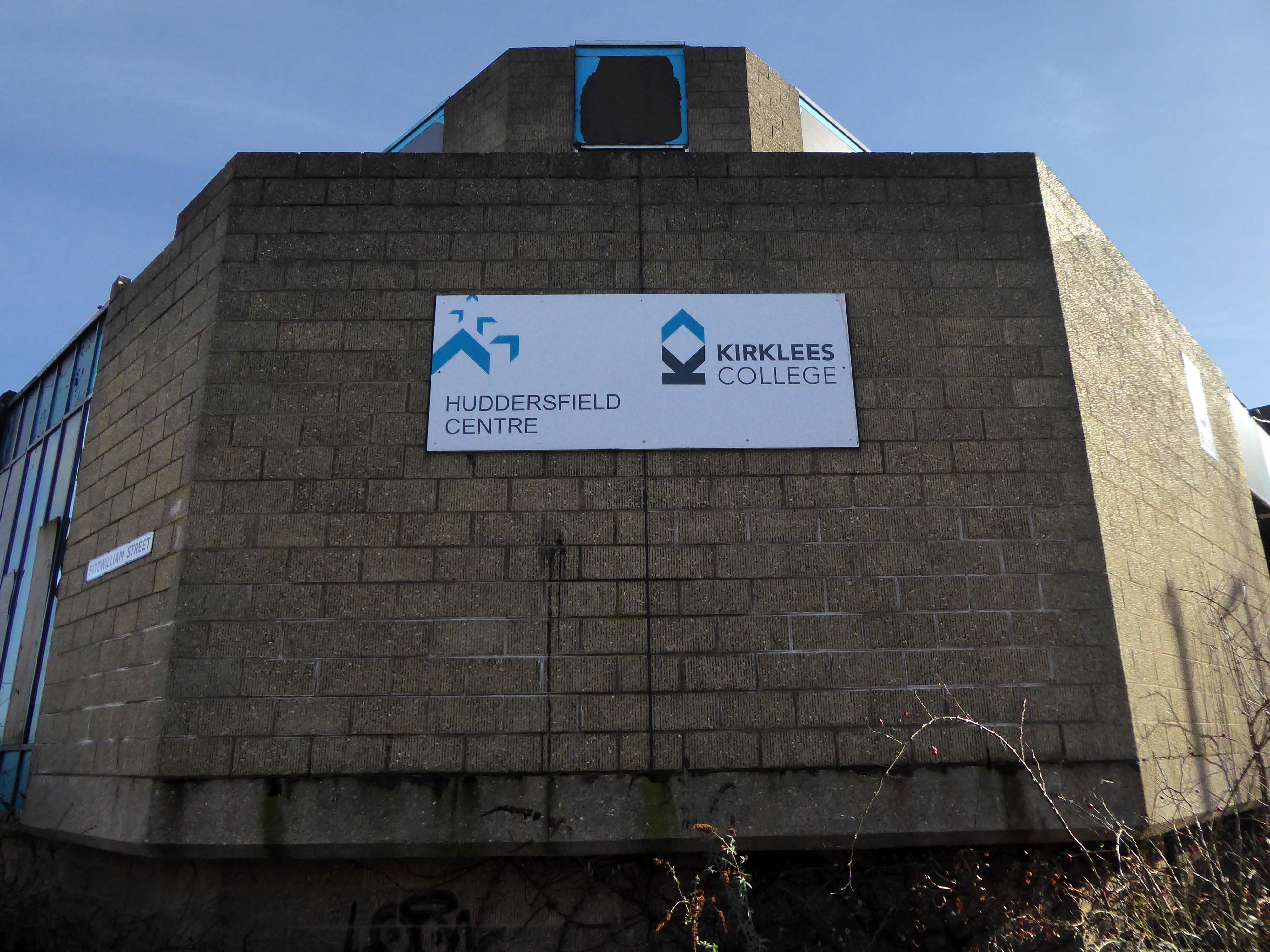
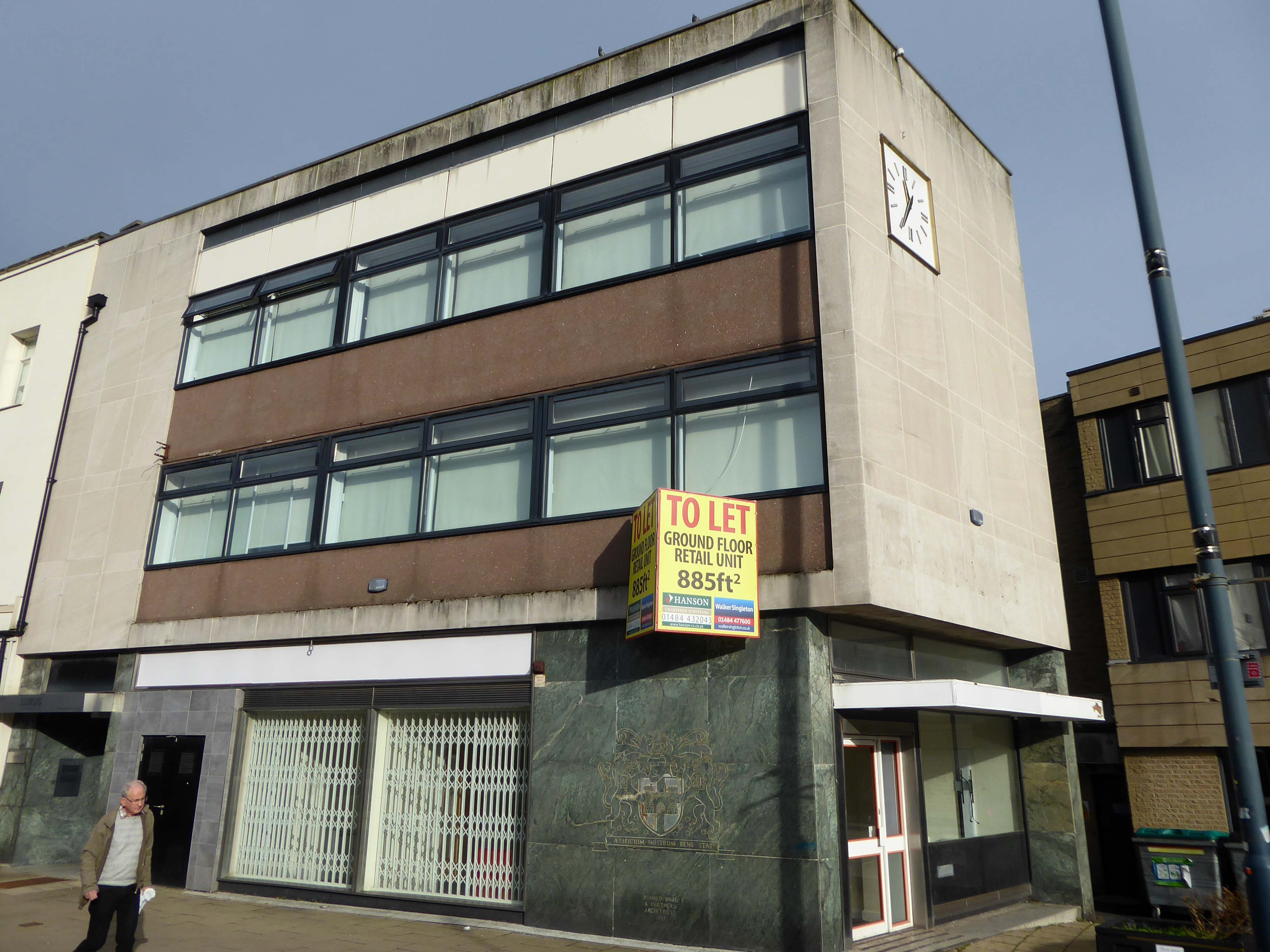
Emerging into the light of day and the demolition of the Kirklees College 1969-72 by Borough Architect Charles Edmund Aspinall.
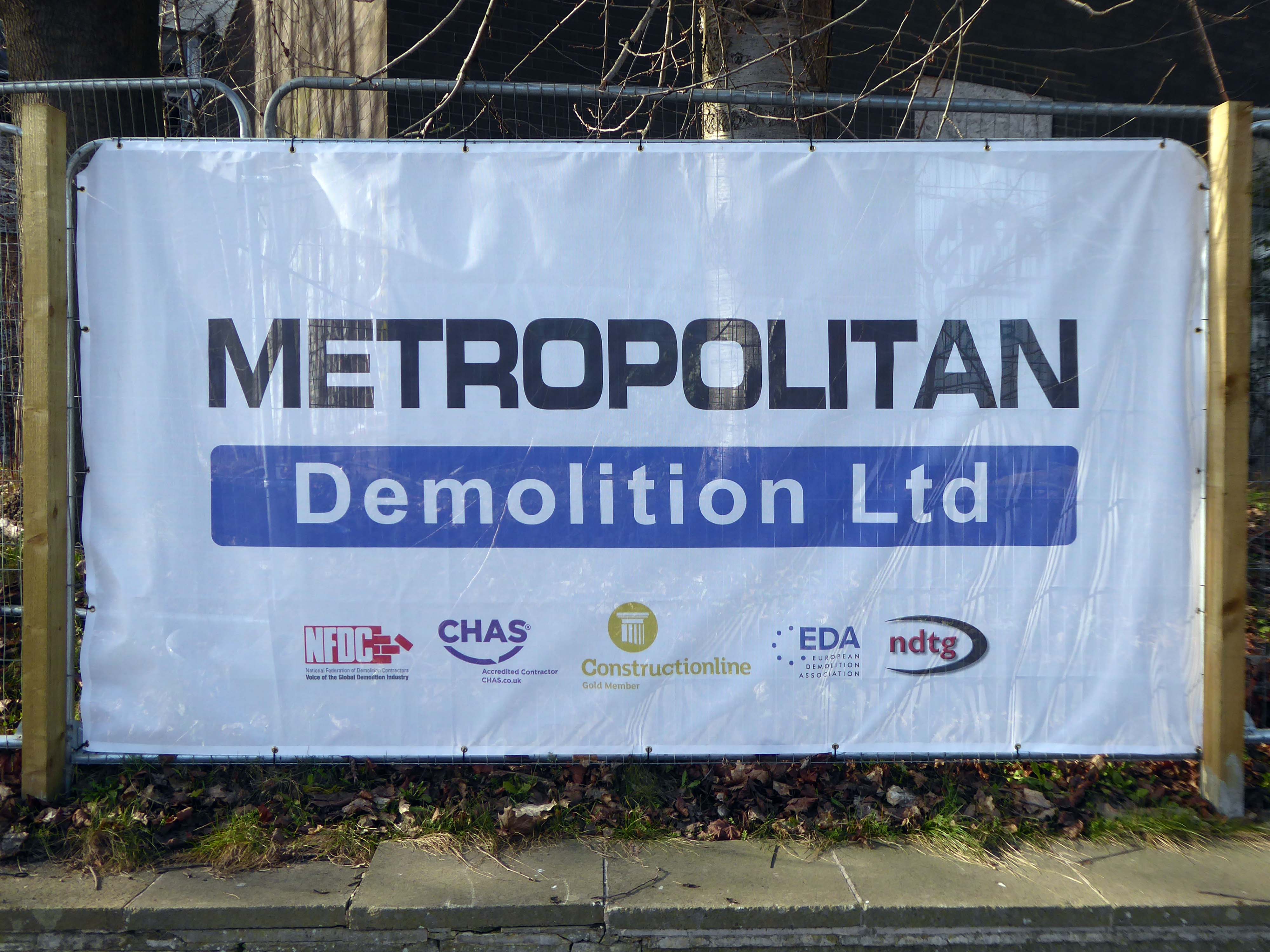
My thanks to the Metropolitan team who invited me in beyond the barriers.
We provide safe and efficient demolition services across a broad range of projects, from the small domestic dwelling to large scale industrial units – we offer the complete solution. With excellent communication and impeccable health and safety standards, we can project manage the decommissioning a structure on time and on budget.
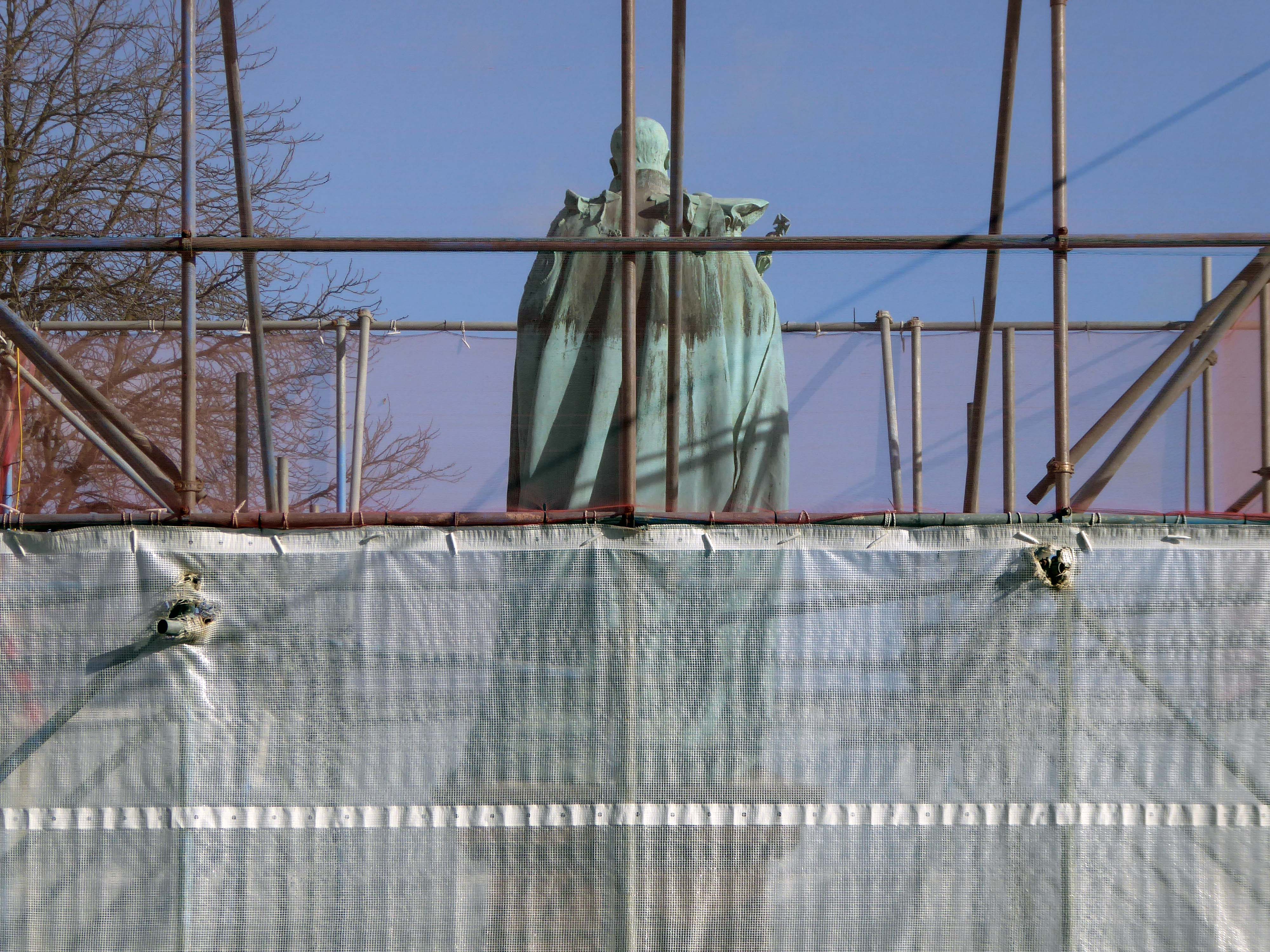
Edward VII is under wraps.
Everything else is up for smash and grab – including the later concrete block immortalised by Mandy Payne.
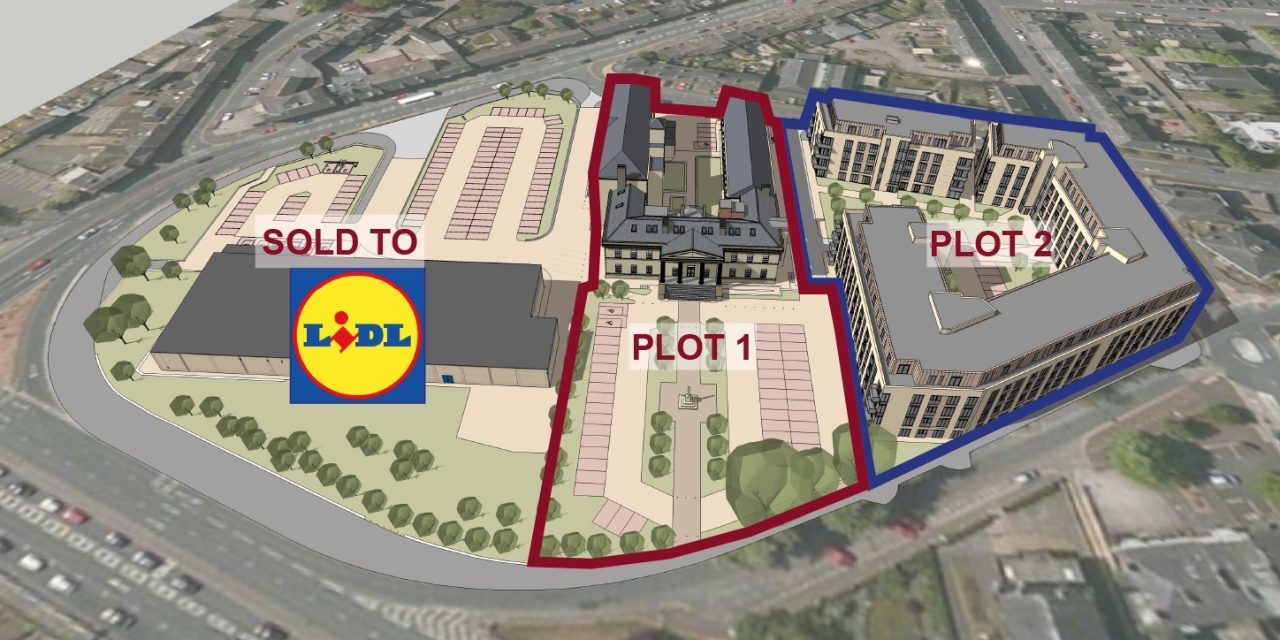
LIDL is coming – and some homes
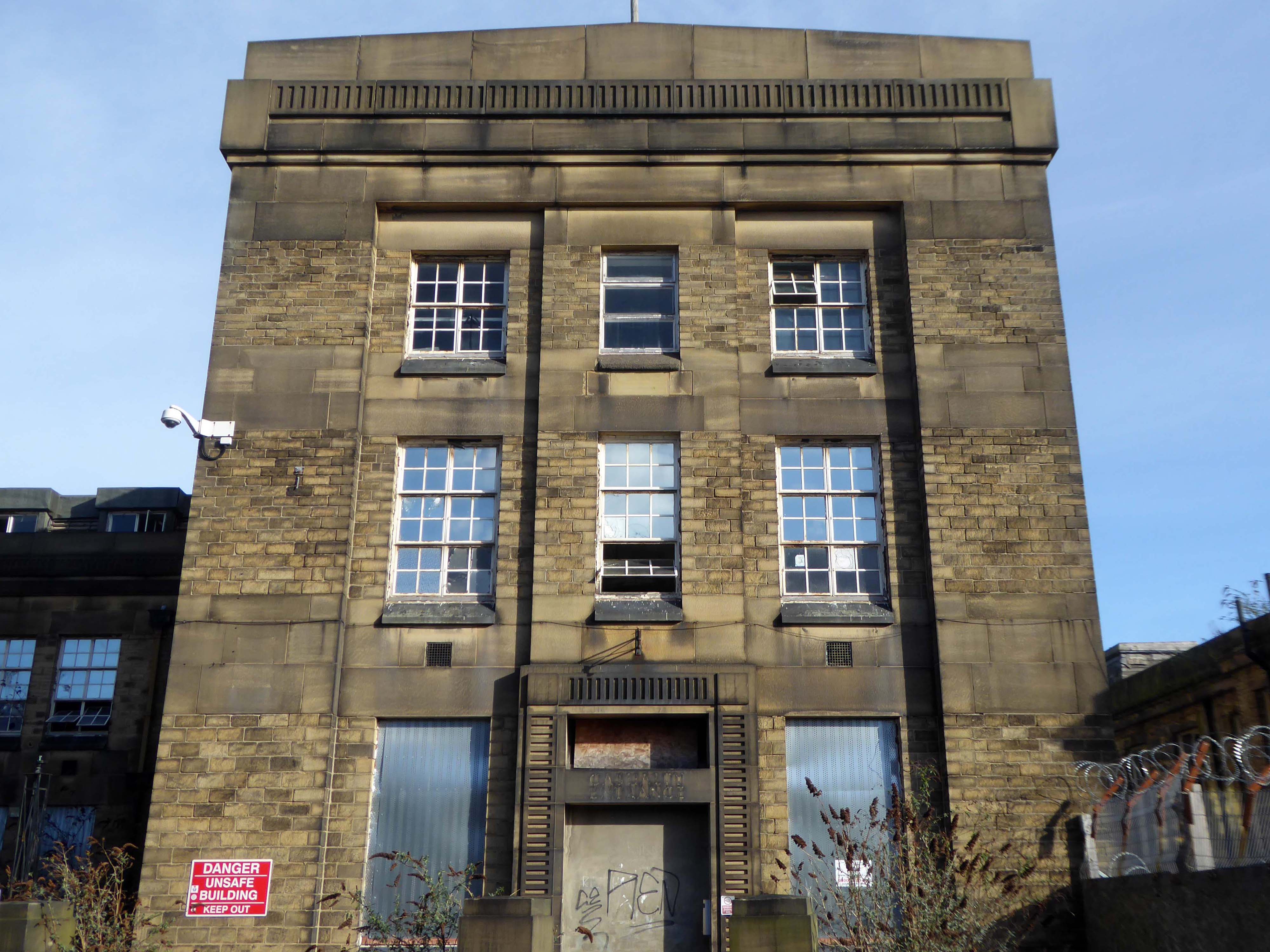
The final details have now been signed off by the council and work on the six-acre site – which includes the Grade II-listed original Huddersfield Royal Infirmary – can now begin.
The vandal-hit and fire-damaged late 1960s and early 1970s college buildings are to be demolished and Lidl will build a new supermarket with a 127-space car park. The store will eventually replace the store on Castlegate.
The former hospital will be retained and the site will see 229 apartments and an office complex. The apartments are expected to be for older or retired people.
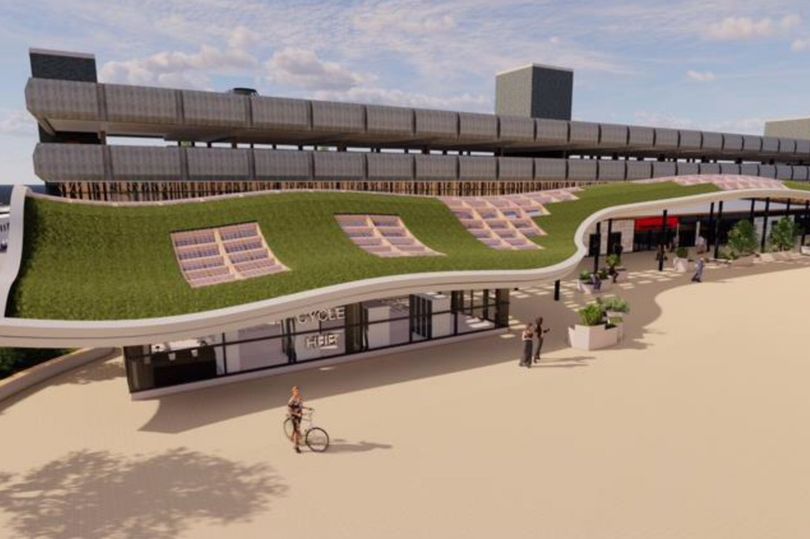
Huddersfield’s £20M game-changing bus station is set to be completed by the end of 2025 with a living grass roof, sixty bike cycle hub, upgraded shops and new facilities
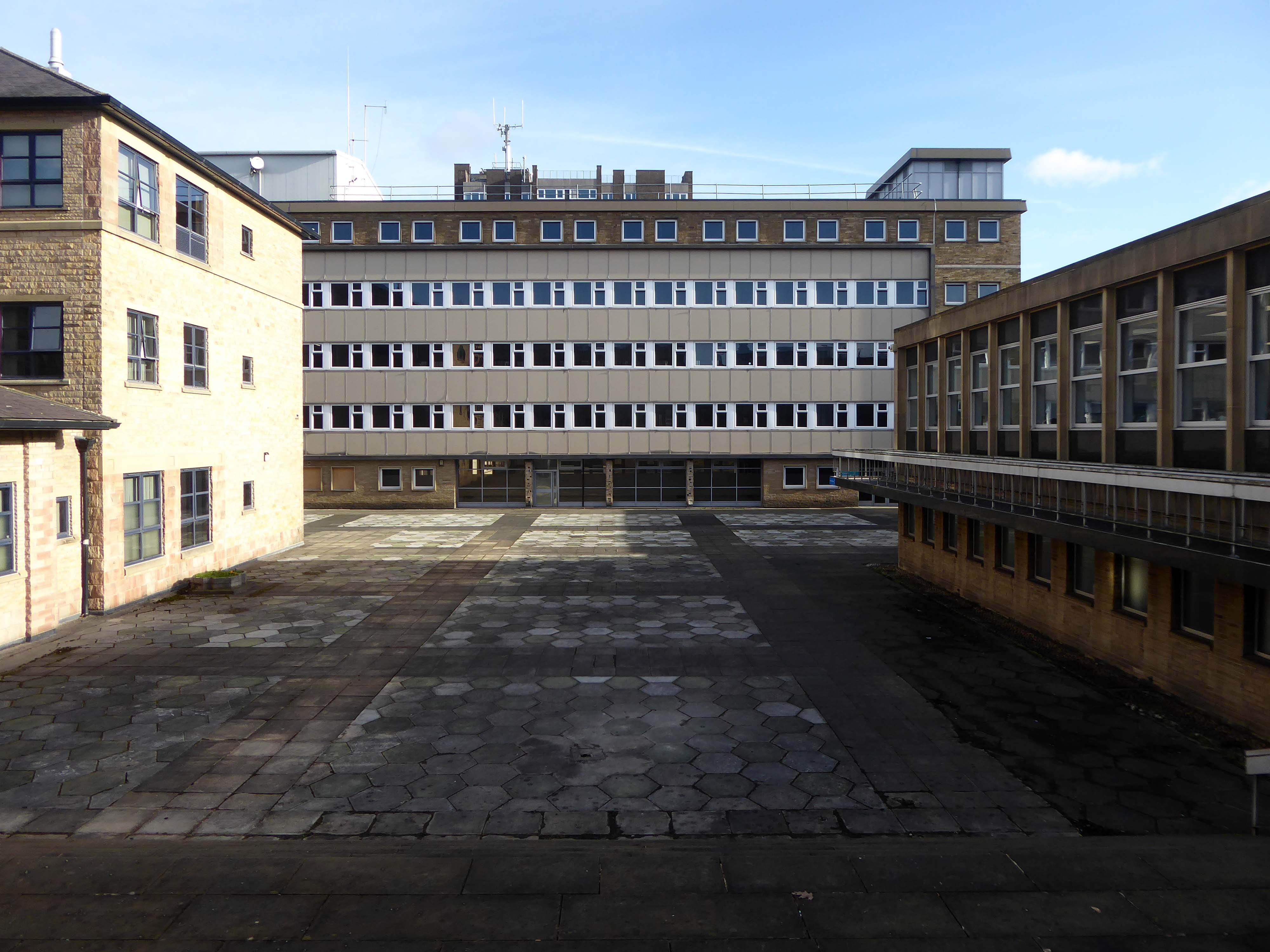
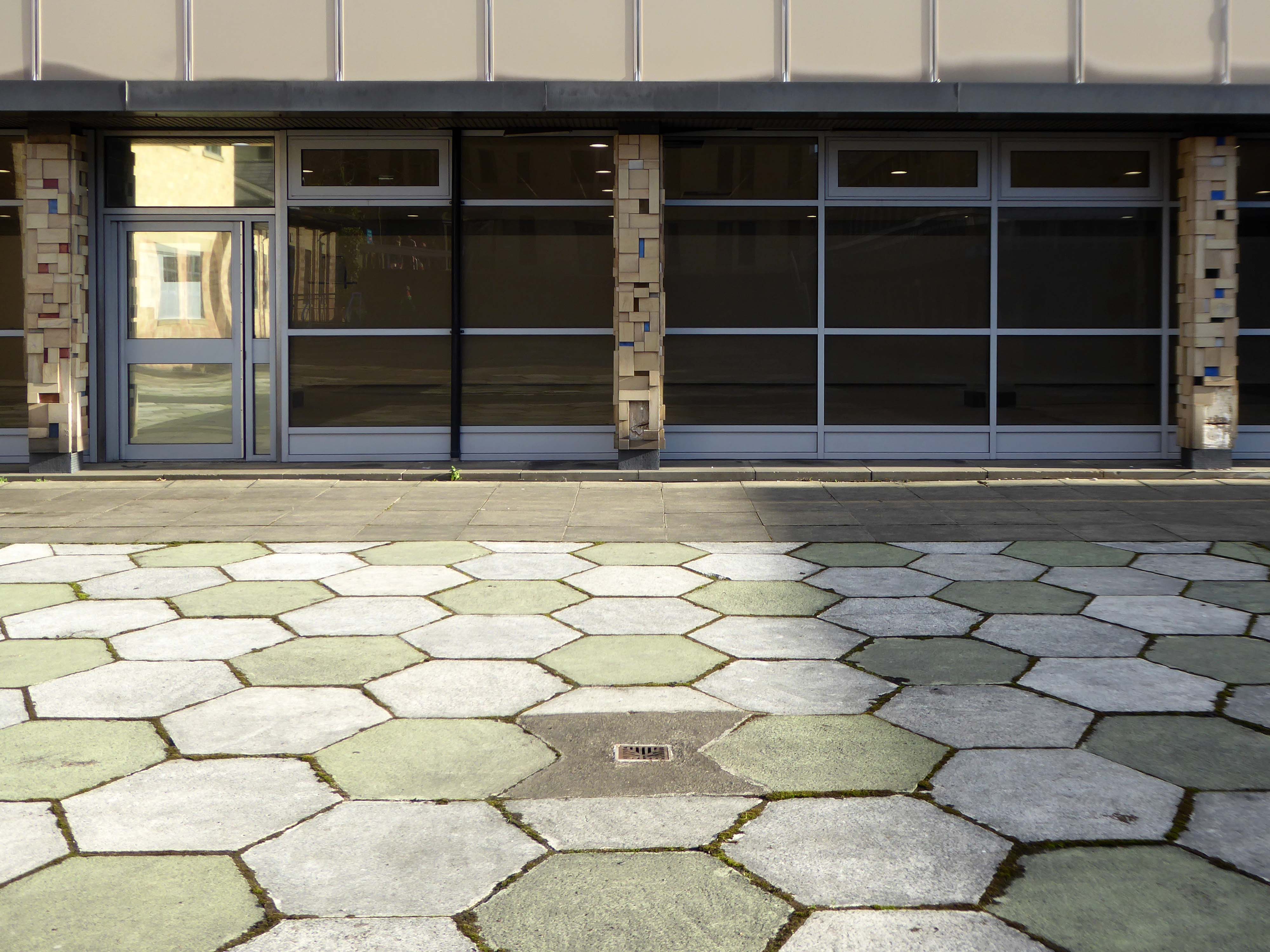
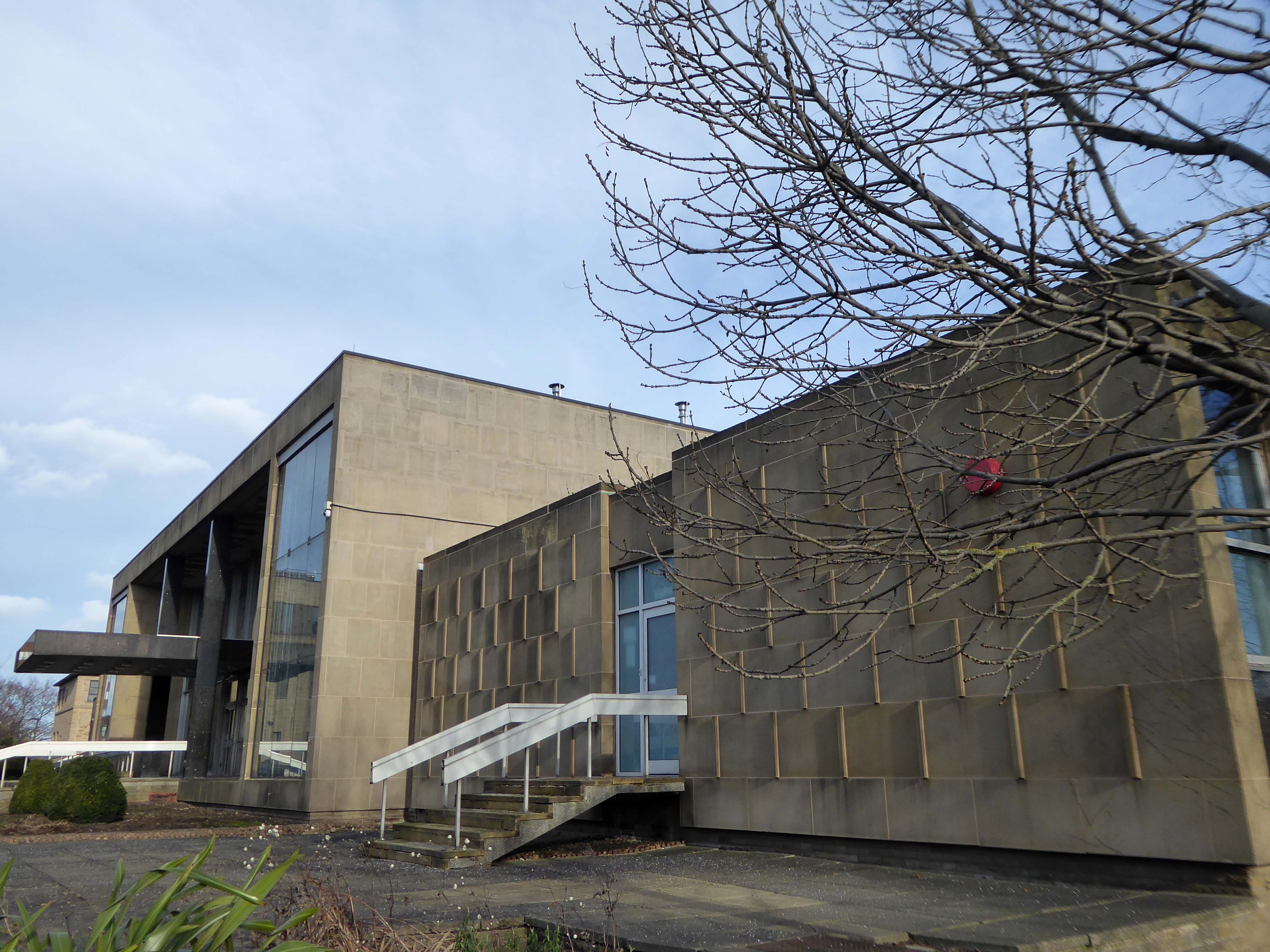
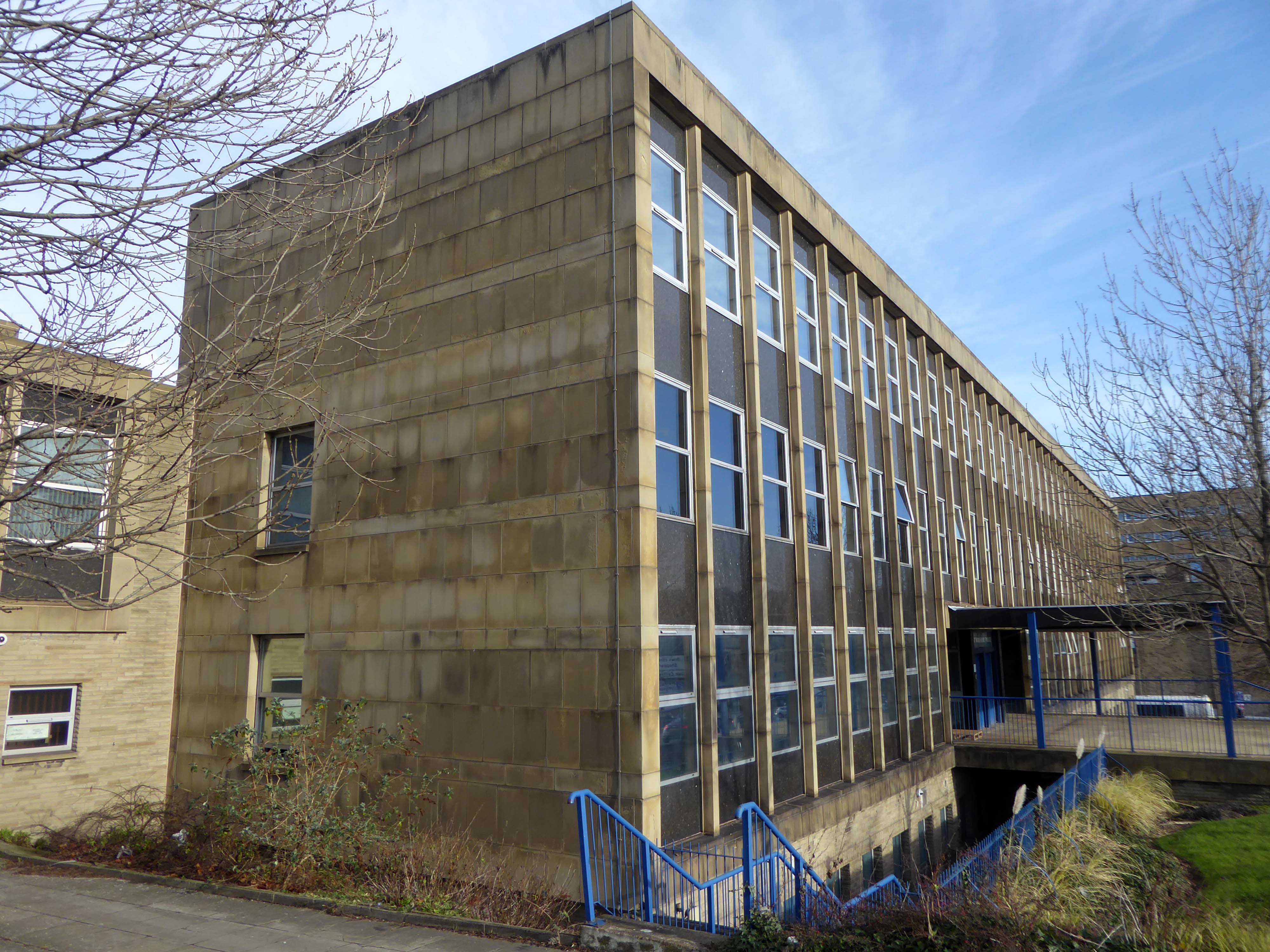
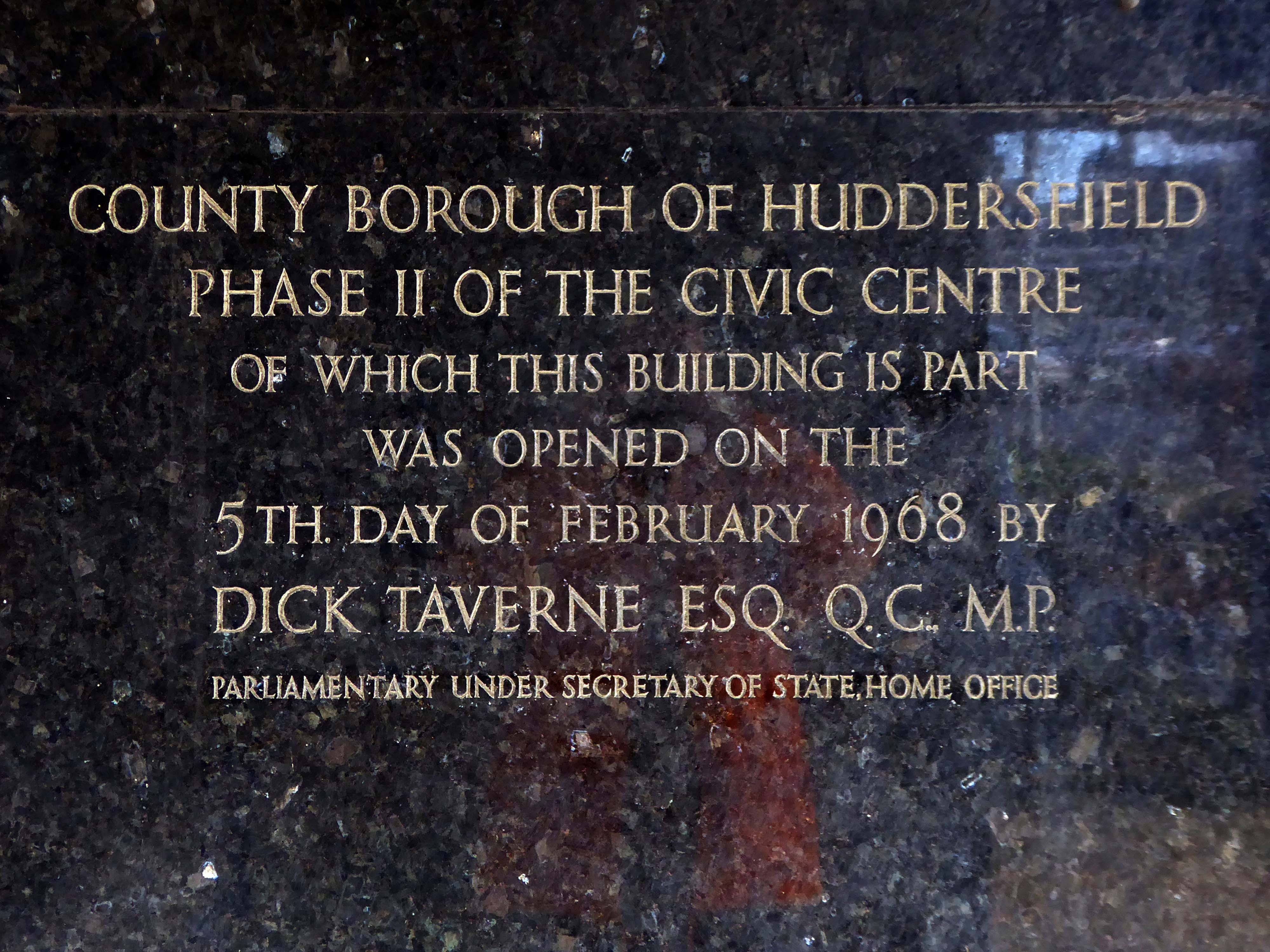
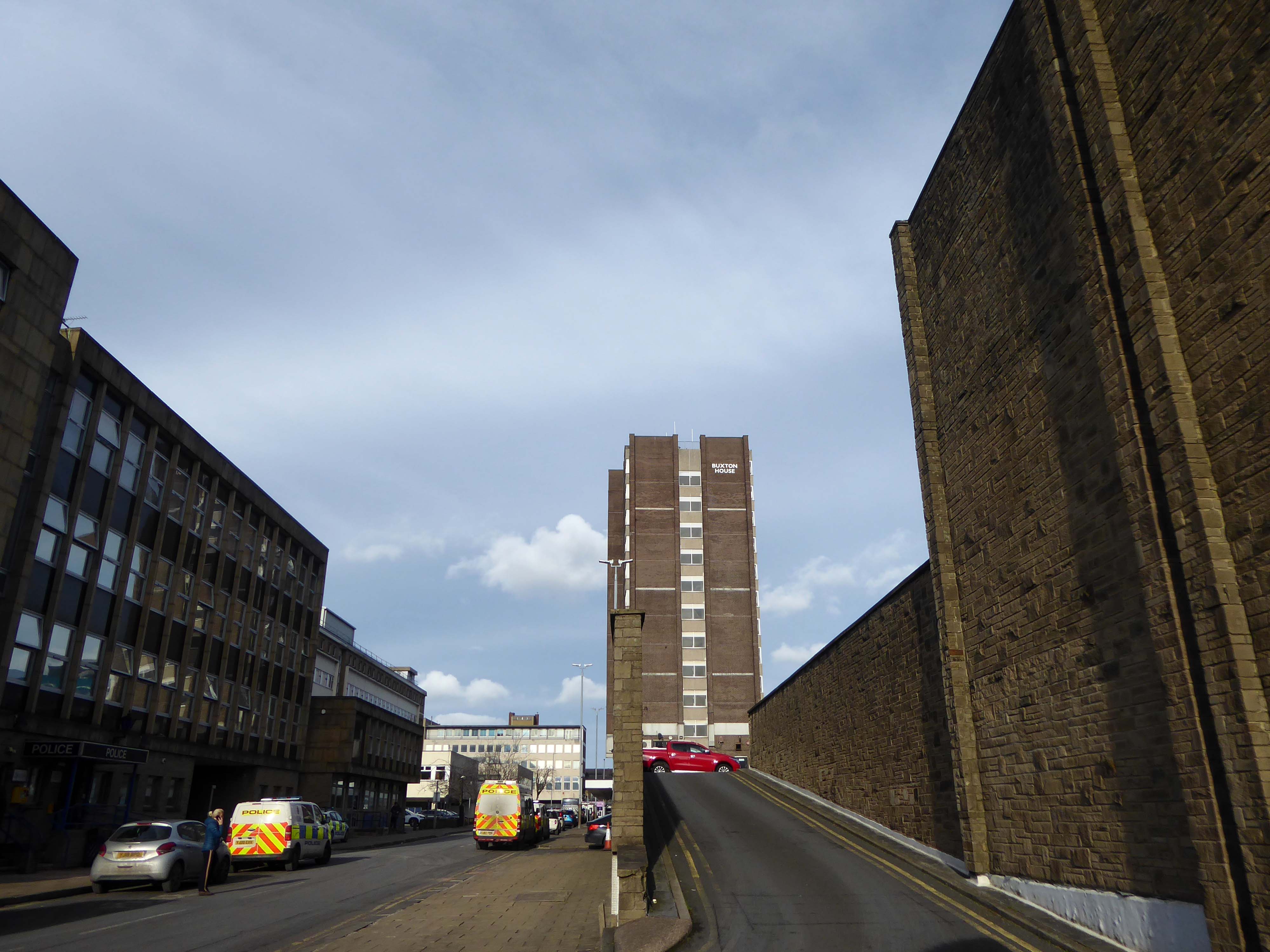
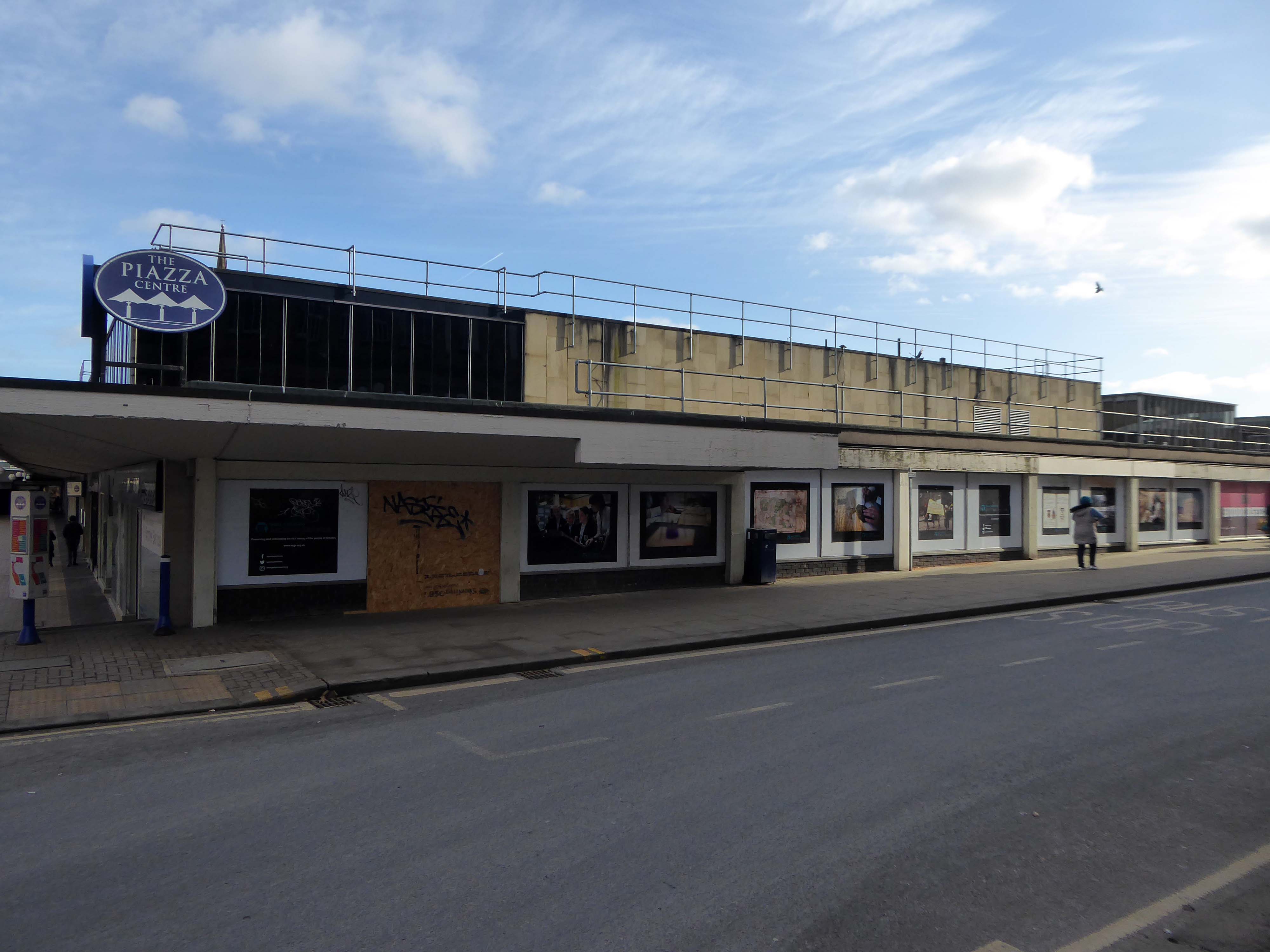
Crossing the road to the Civic Centre and the perennially empty piazza which along with the Magistrates Courts and Police Station was the work of the Borough Architects team – led by Charles Edmund Aspinall.
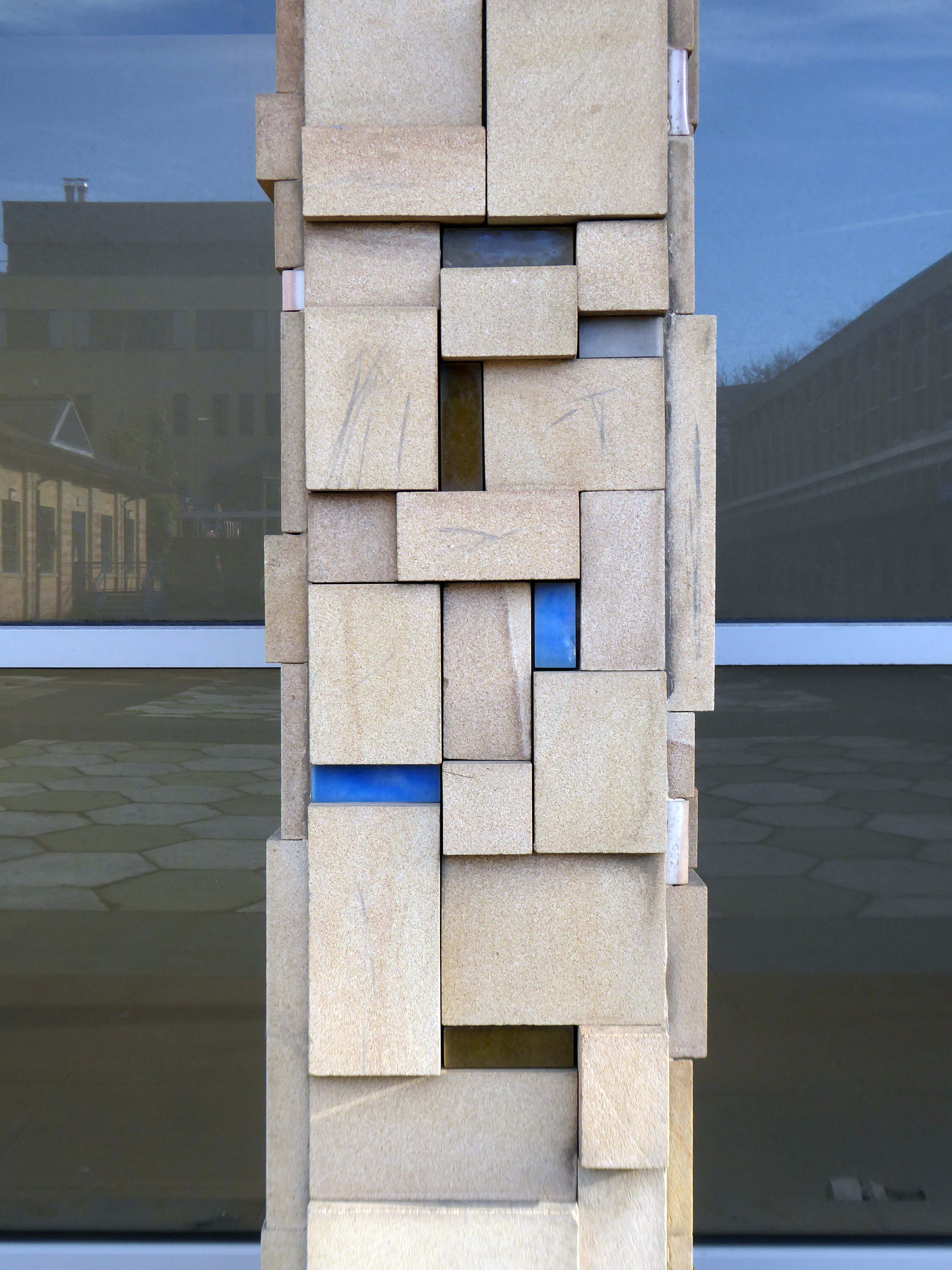
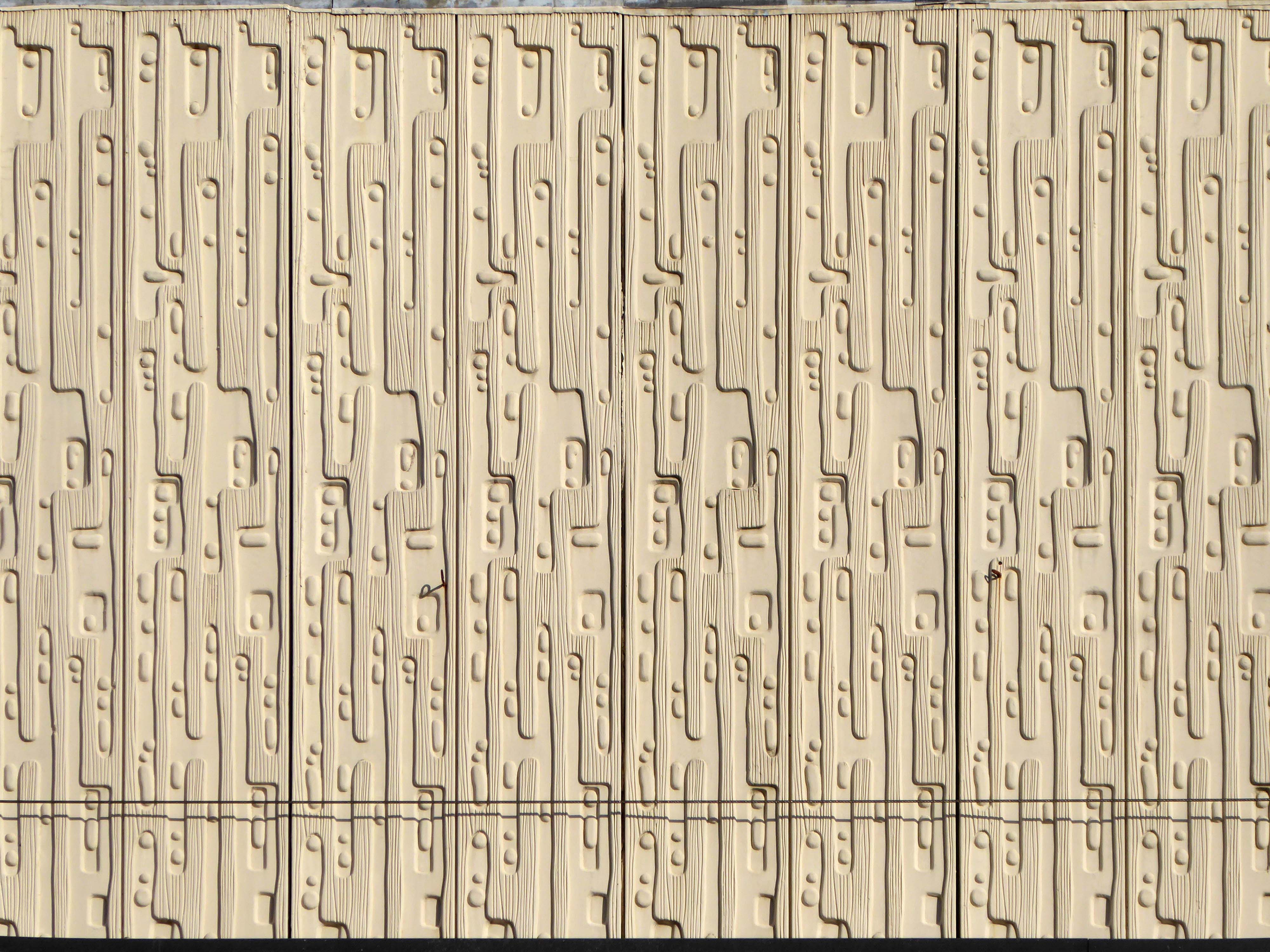
Walking excitedly toward the Exsilite panels set in the stone faced columns – a brand name for a synthetic, moulded, artificial marble.
Magistrates Courts
Police Station
Dick Taverne served under Harold Wilson’s premiership in the 1960s, he served as a Home Office Minister from 1966 to 1968, Minister of State at the Treasury from 1968 to 1969 and then as Financial Secretary to the Treasury from 1969 to 1970.
In 1970, he helped to launch the Institute for Fiscal Studies, now an influential independent think tank and was the first Director, later chairman.
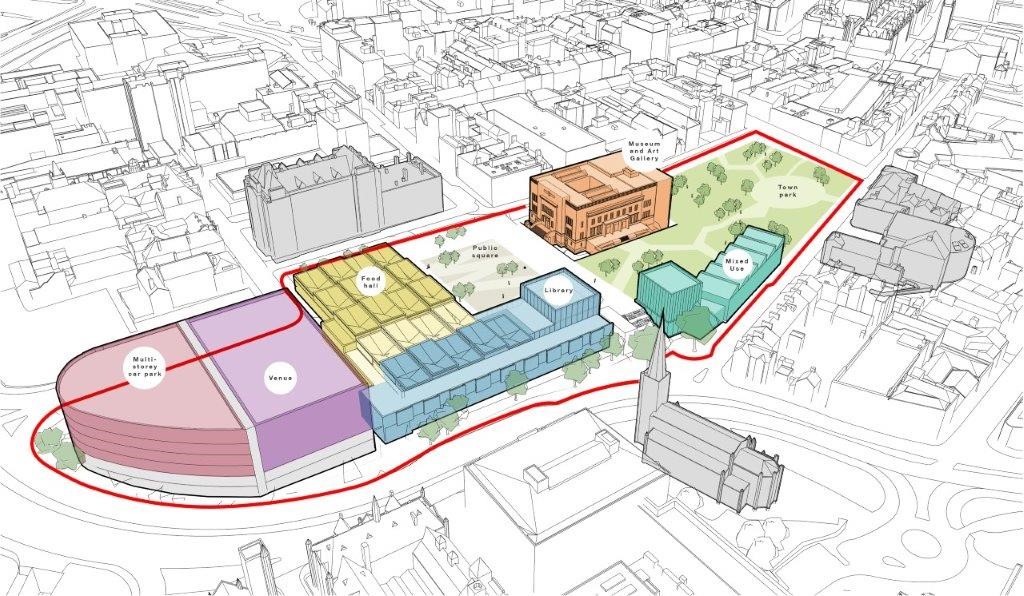
The vision is to create an inclusive space where families, residents and visitors can enjoy a vibrant mix of music, arts, food and more in one central area, overlooking a stunning new urban park.
The council plans to demolish the Piazza Centre and create a new events/live music venue, a food hall, a museum and art gallery, a new library and a new multi-storey car park, all centred around a new Town Park.
Named after one of the Twentieth Century’s finest artists, the space nurtures a new and inspired generation of designers. Through visual and physical connection, the environment encourages students to work together, stimulating communication and ingenuity, the ingredients of successful collaboration.
Take that to the bank/s
Keep savin’, keep buildin’ That interest for our love Take that to the bank Keep savin’, keep buildin’ That interest for our love Take that to the bank
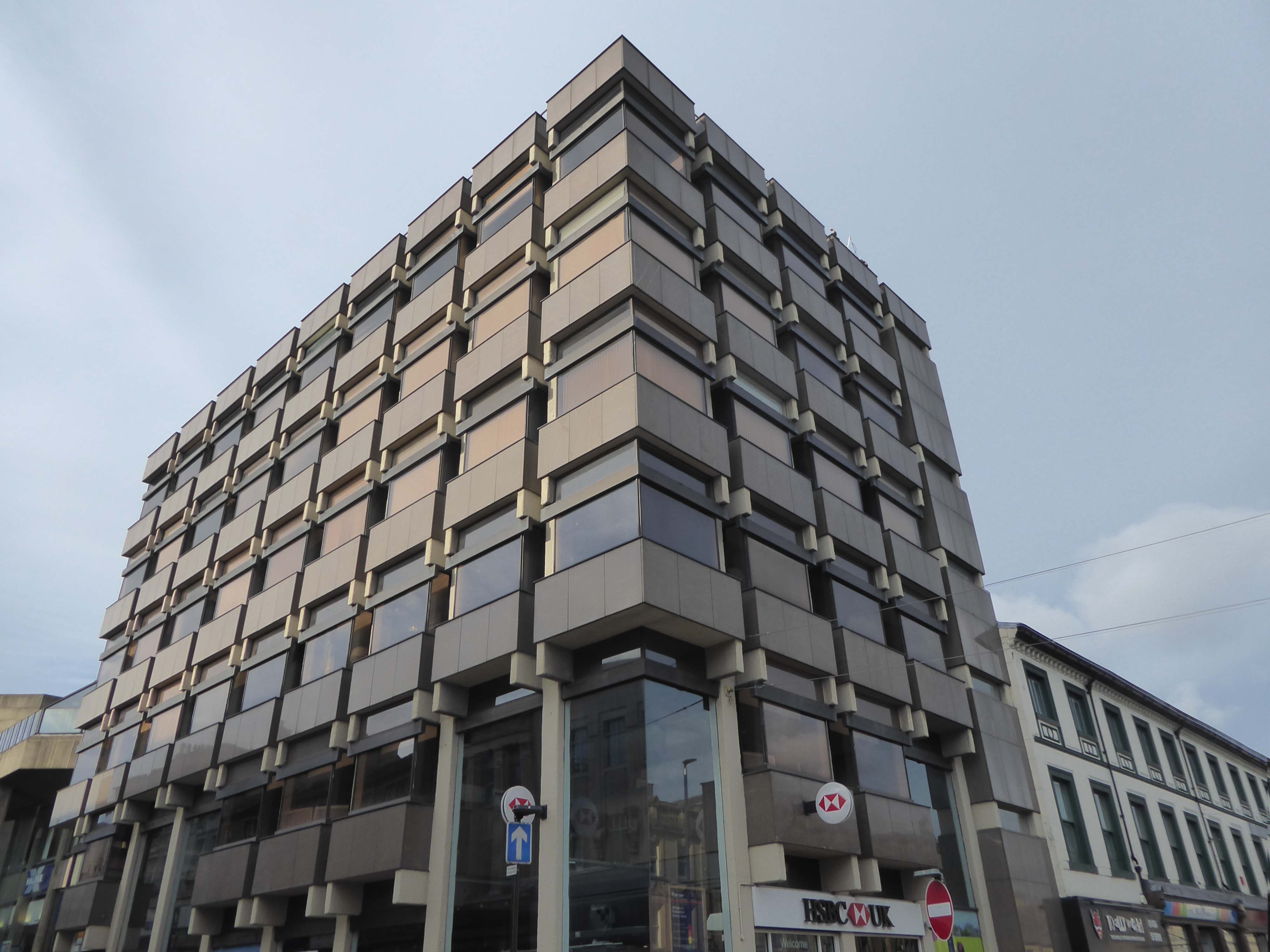
HSBC was designed by Peter Womersley, who also designed the thoroughly modern private house, Farnley Hey, near Castle Hill, which won the RIBA Bronze Medal in 1958.
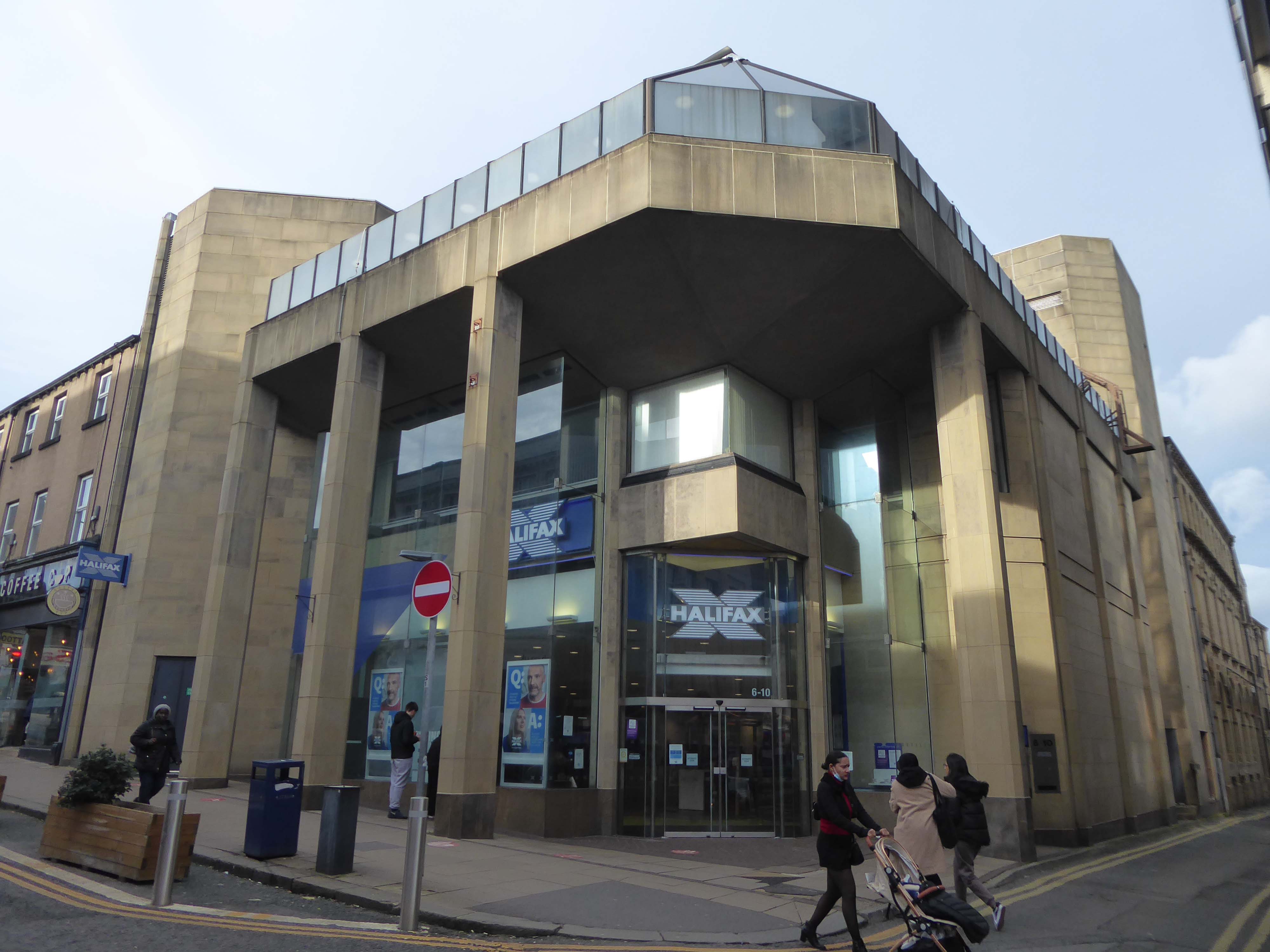
Halifax Building Society
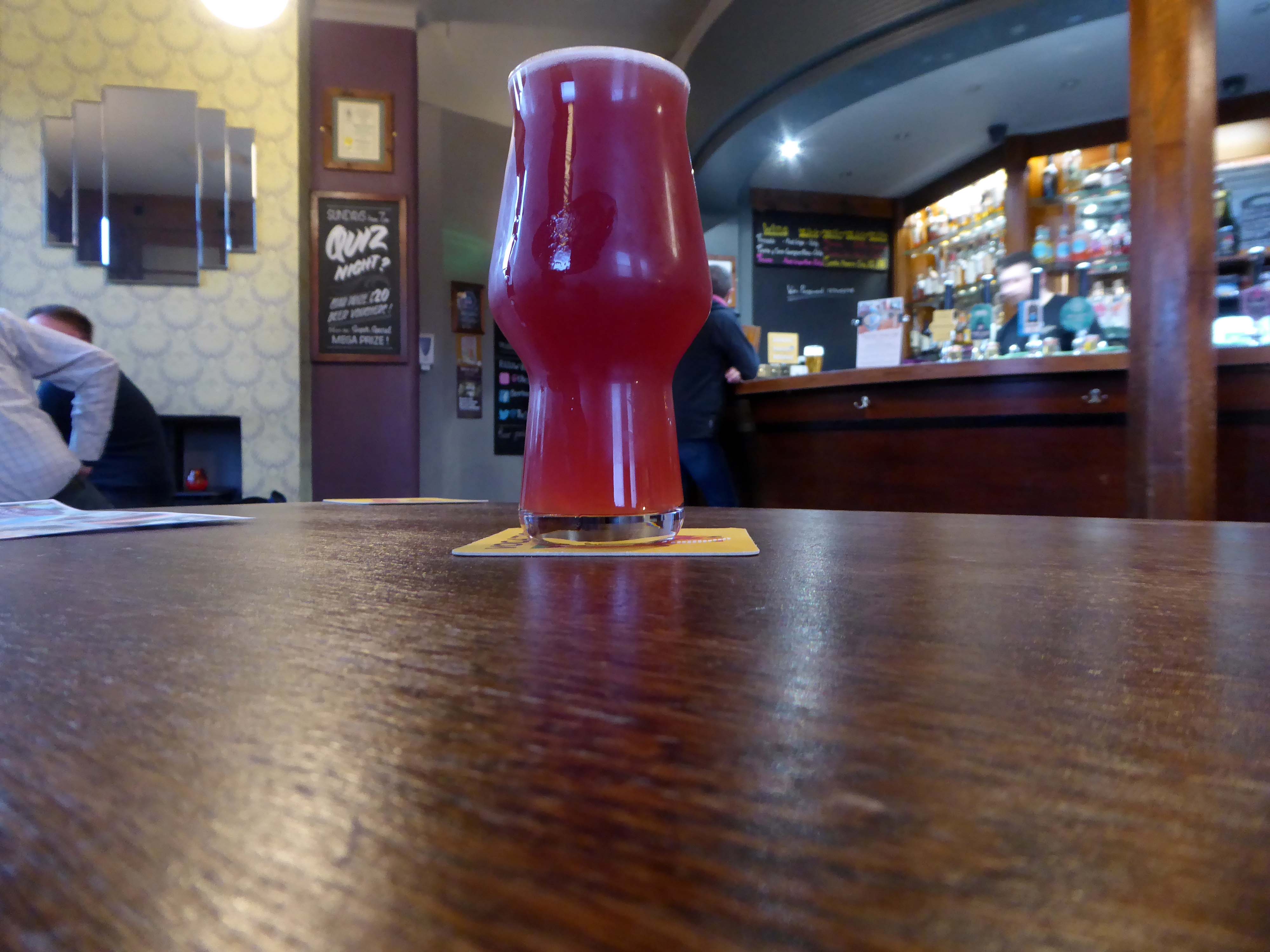
Having walked around town for more hours than enough I sought respite in The Sportsman and a glass of Squawk multi-berry fruited sour
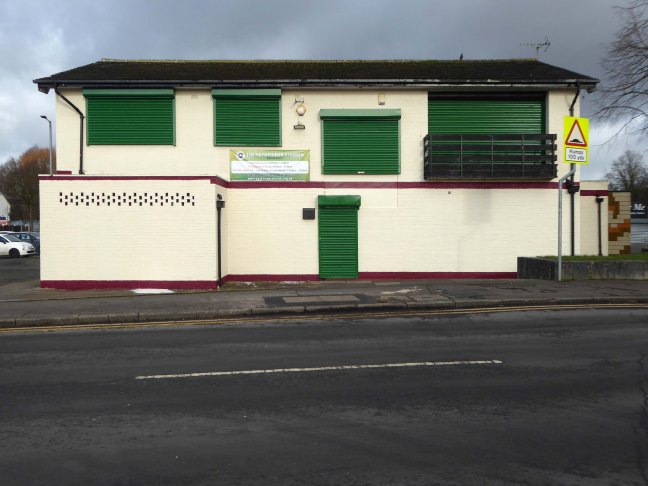
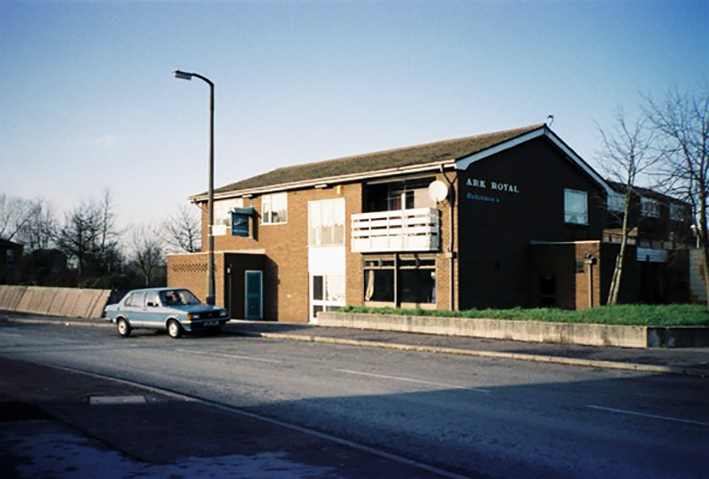
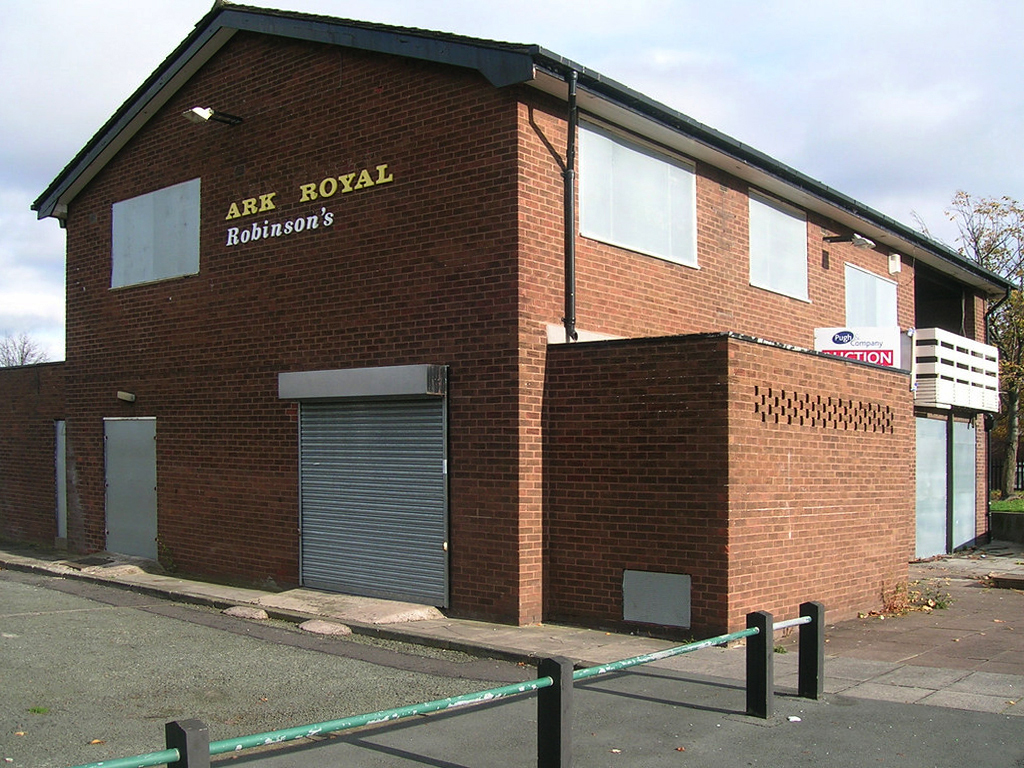
Another great looking estate pub that was on the same estate as the Hipp which it was also fairly close to.
There was the usual two rooms inside, I had a drink in the bar room which was quite busy on my Friday afternoon visit, there was also a more comfortable lounge.
The pub was a Robinsons tied house, there were two real ales on, I had a drink of Robinsons Bitter which was a nice drink, there was also Robinsons Mild on.
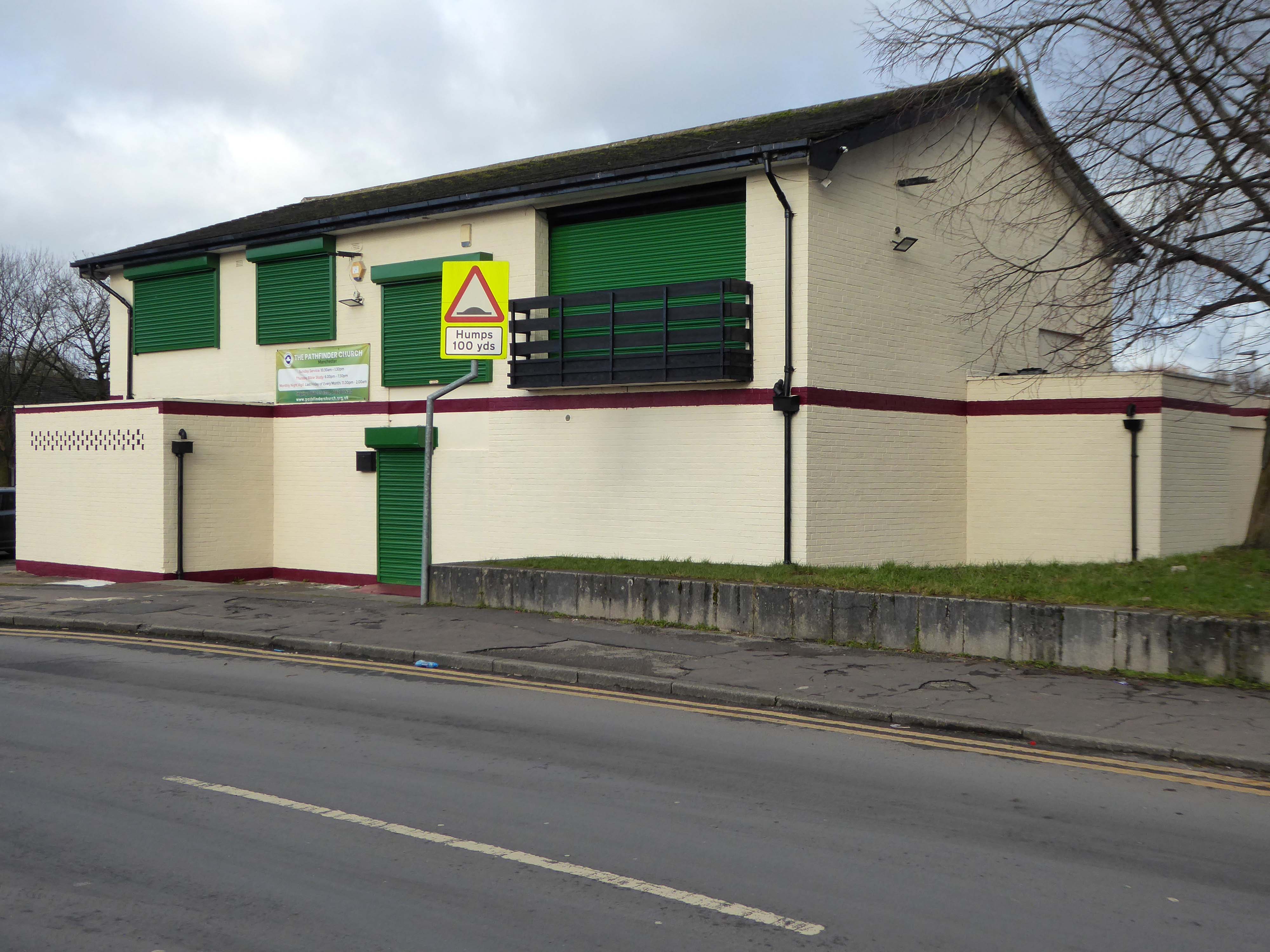
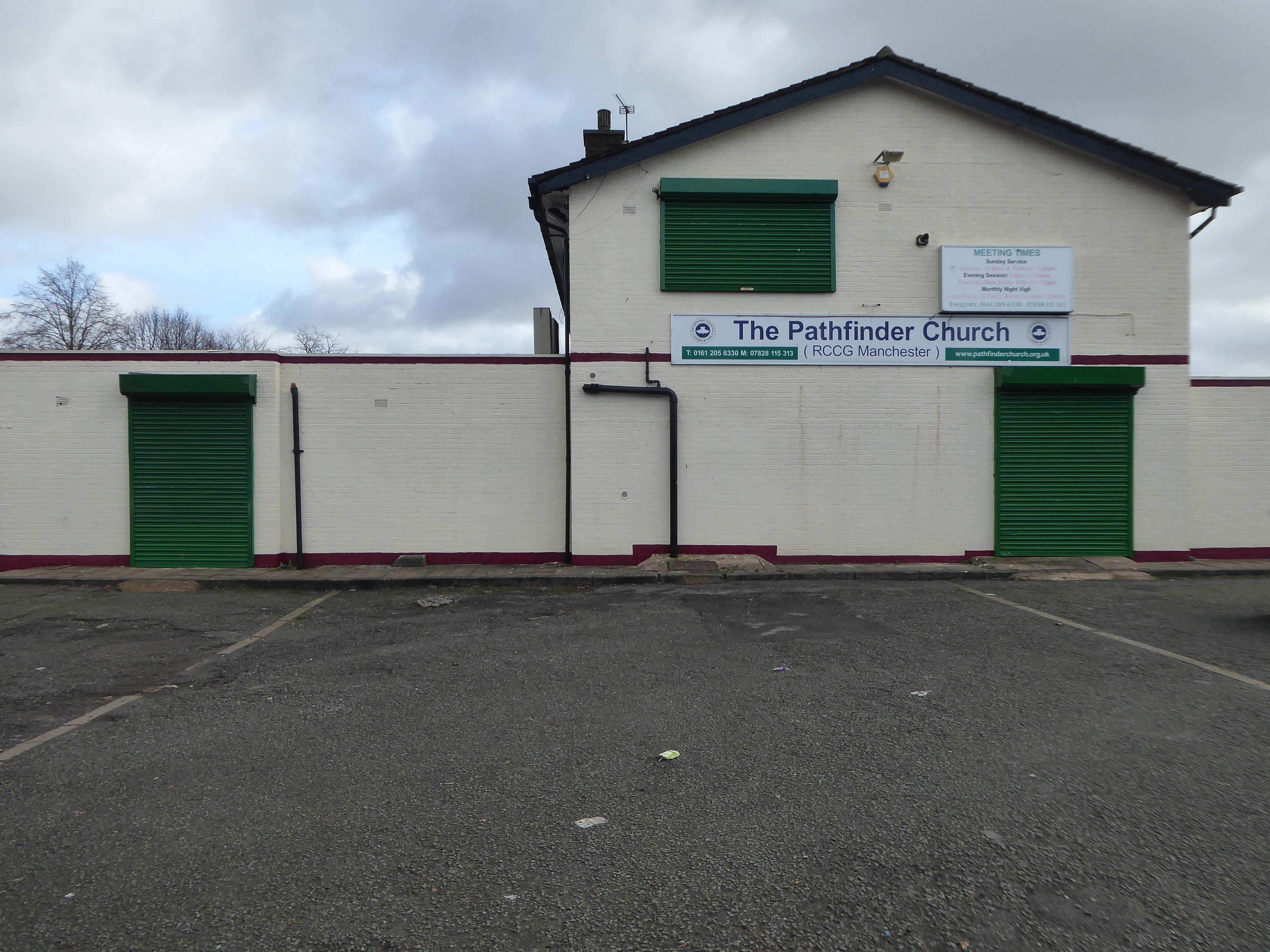
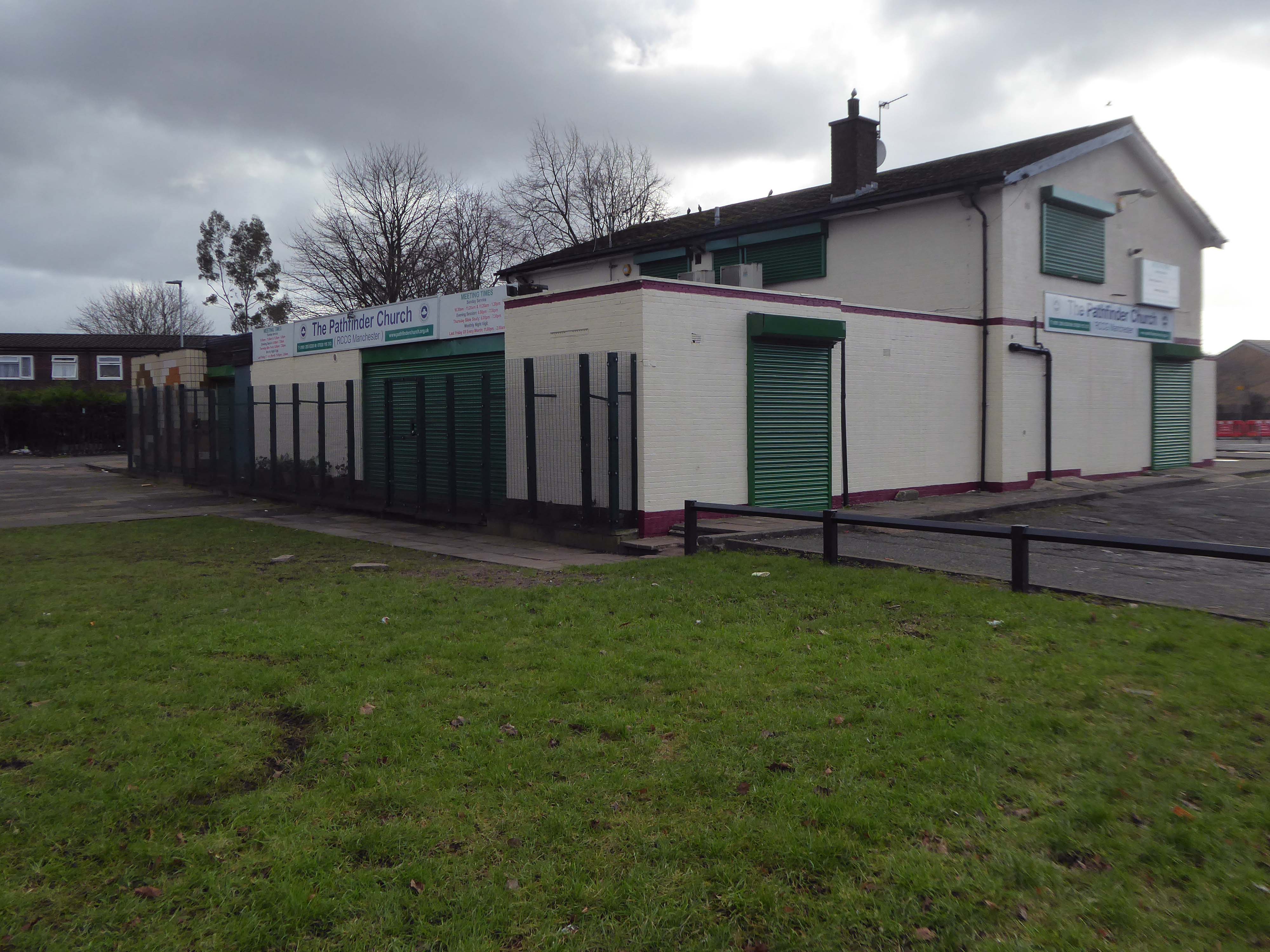
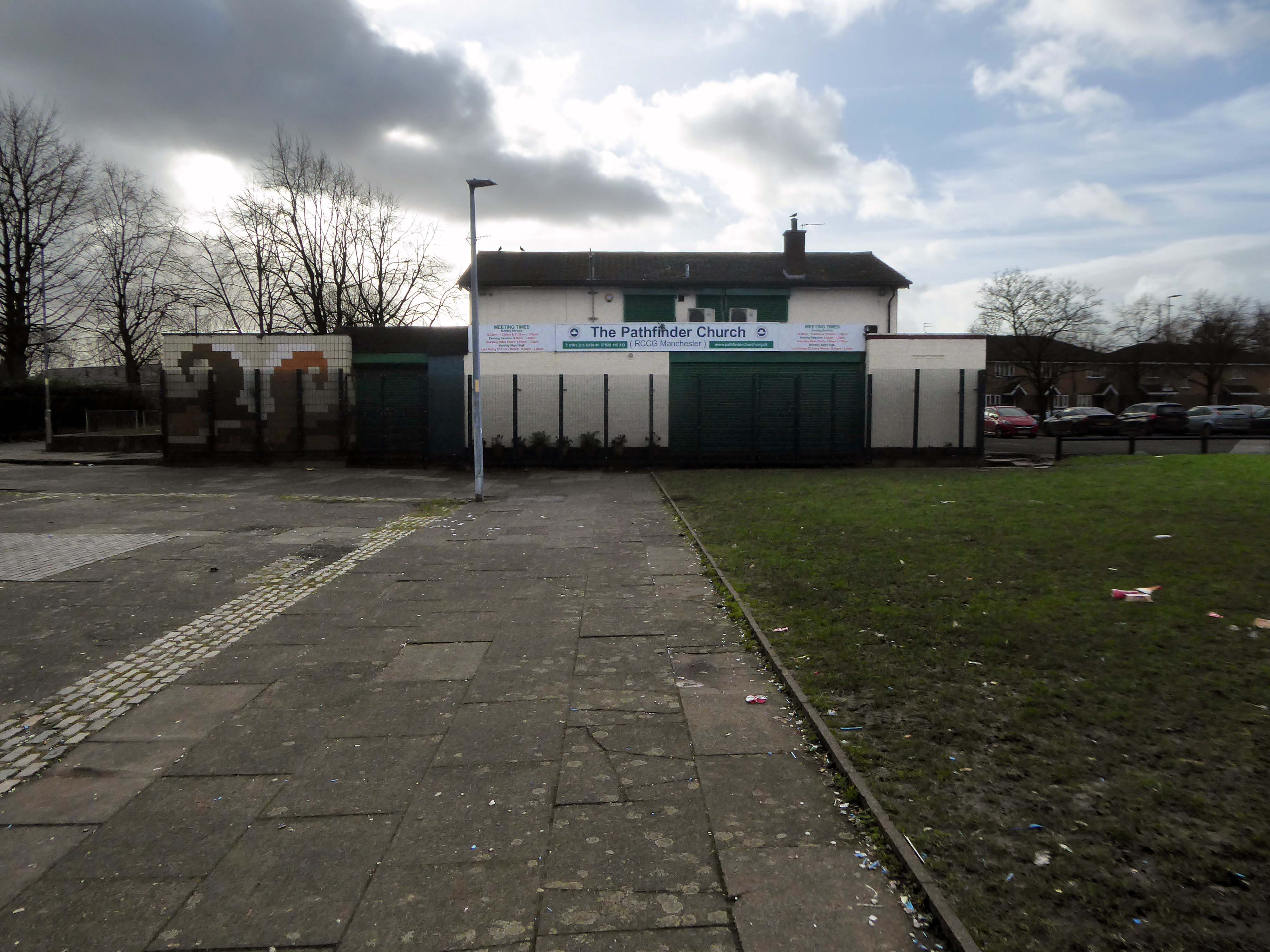
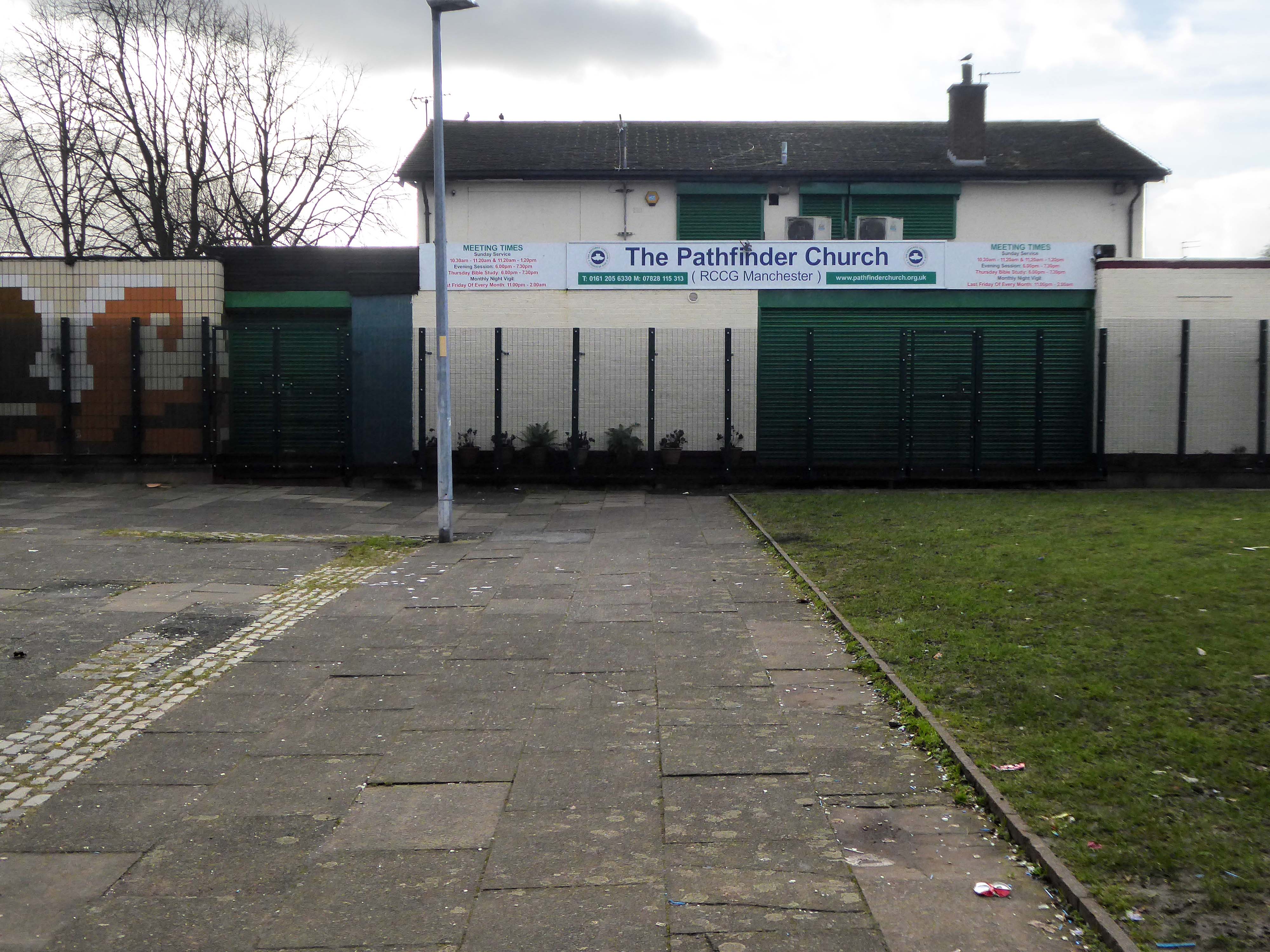
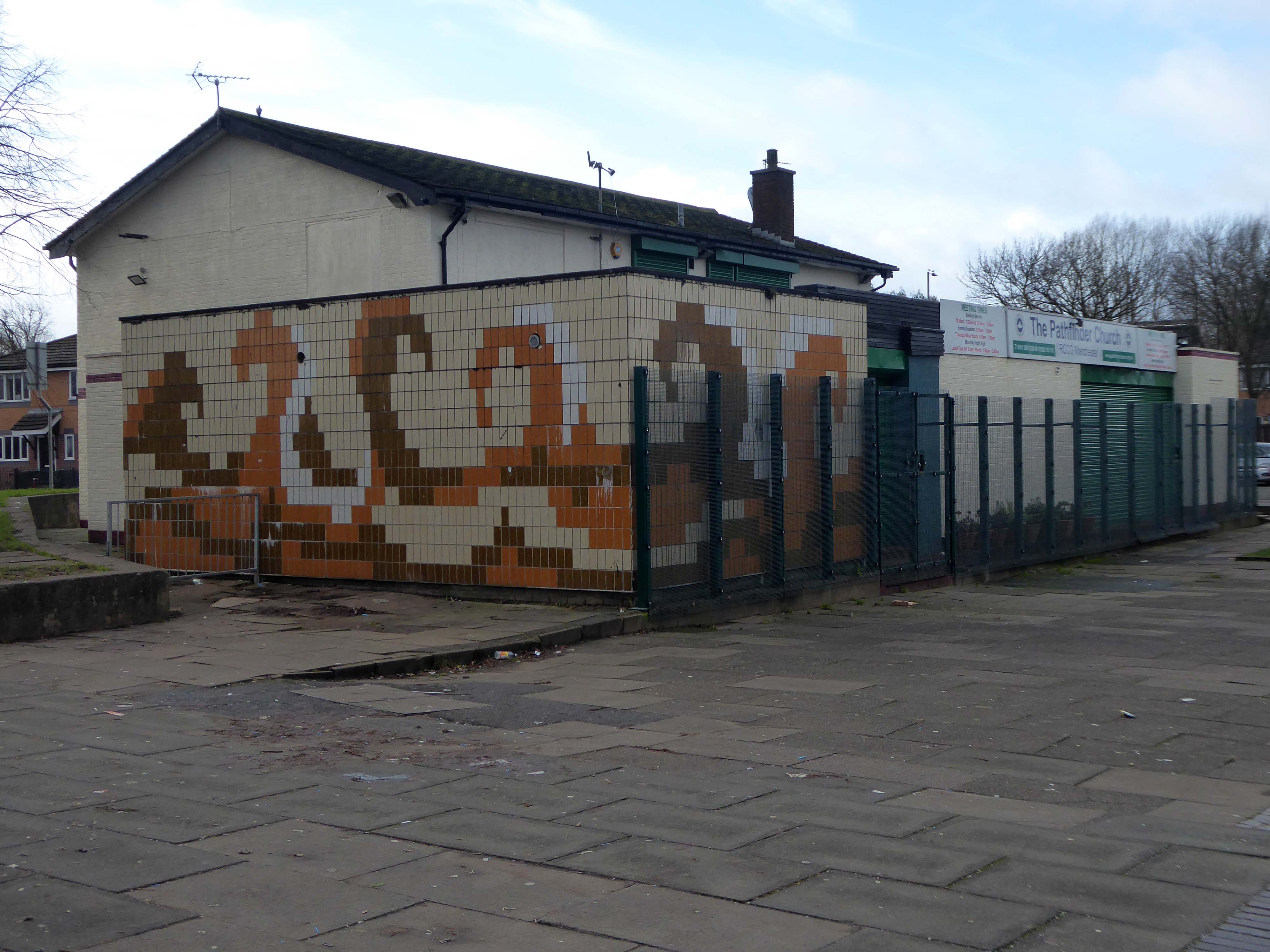
We are committed to the growth and development of individual, our local and international communities. In the interim may I use this medium to invite you to be part of the move of God in our church, the Pathfinder.
The Lord bless your richly as you navigate through in Jesus name.
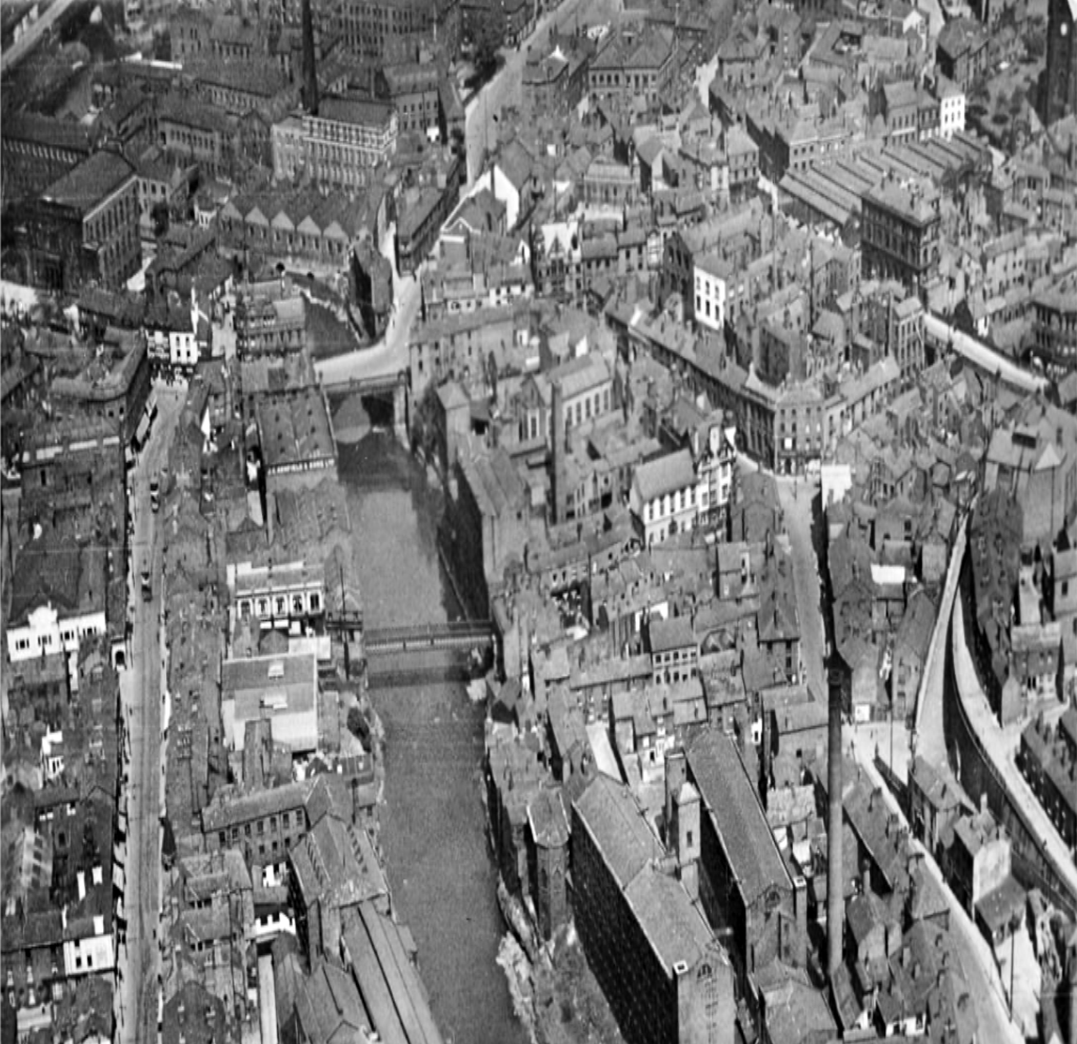
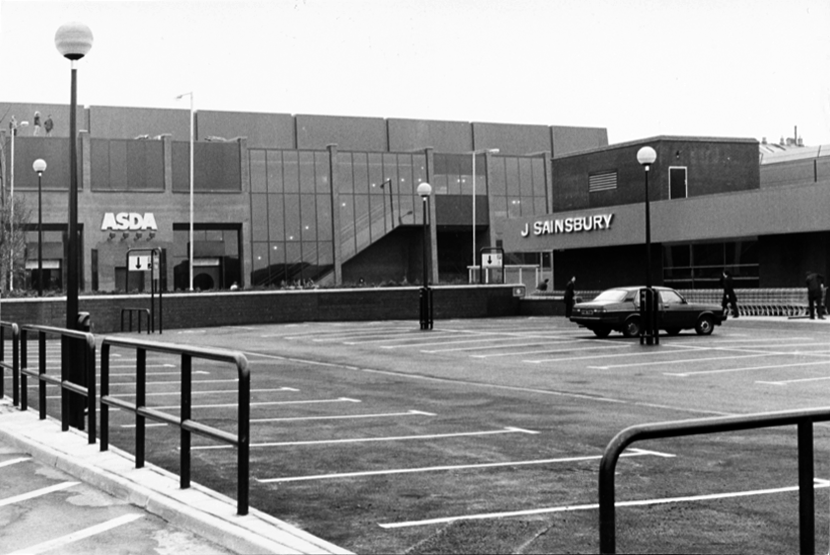
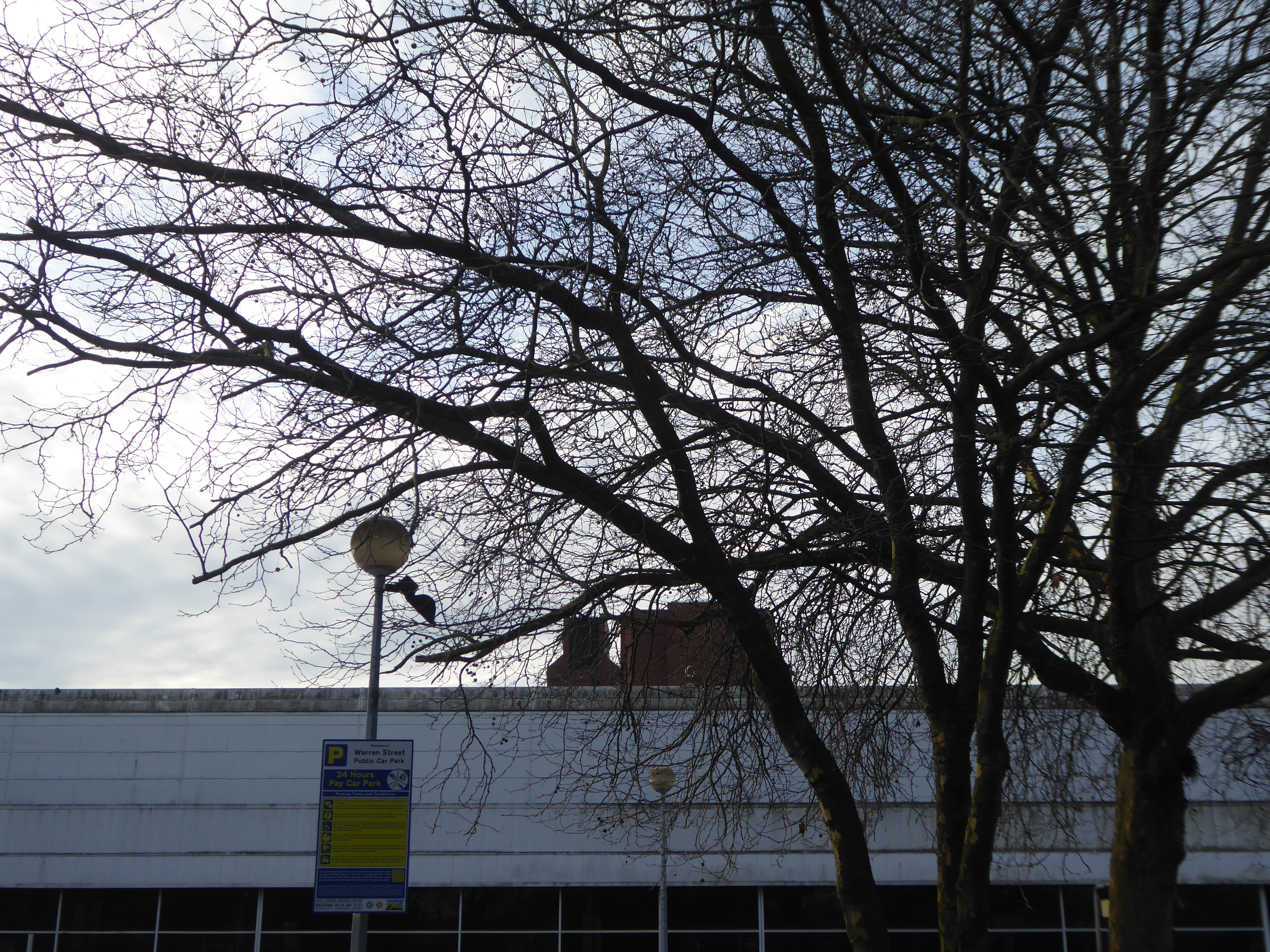
Warren Street Stockport, north of Lancashire Bridge beside the Mersey – seen here in the 1920s a mix of retail, dwellings and industry as was most of the town centre.
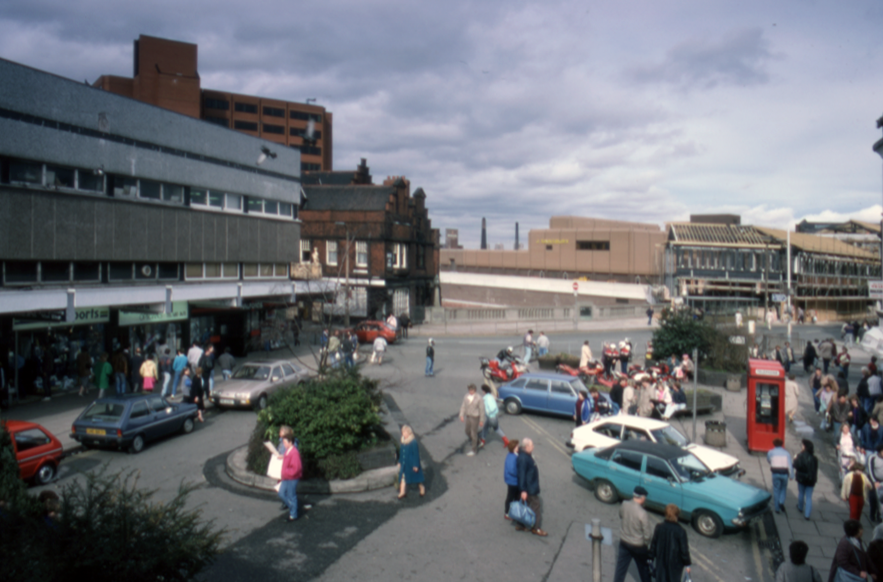
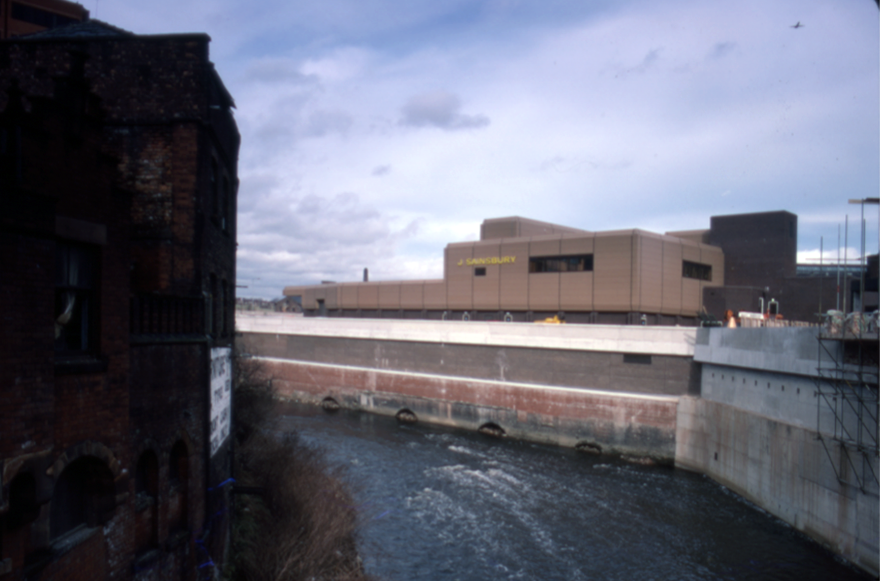
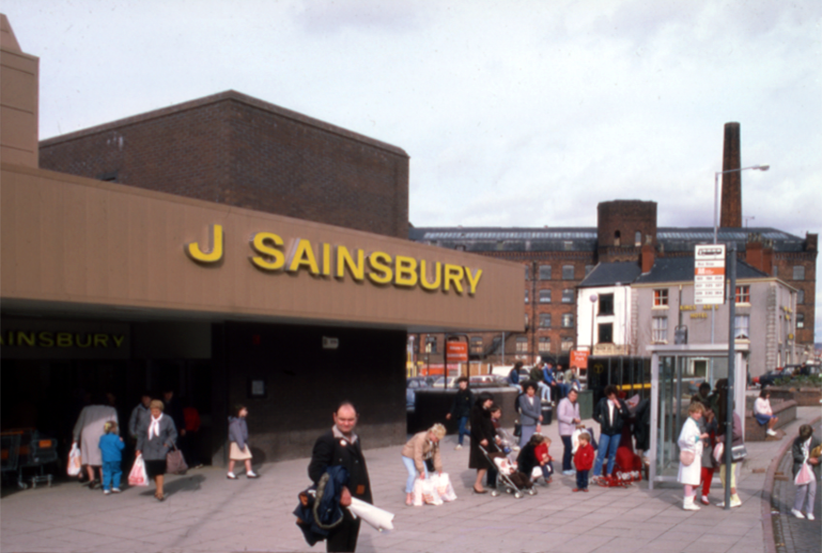
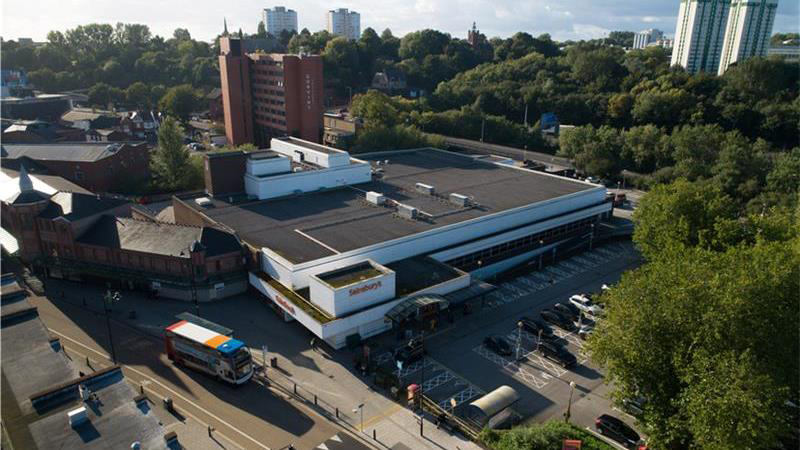
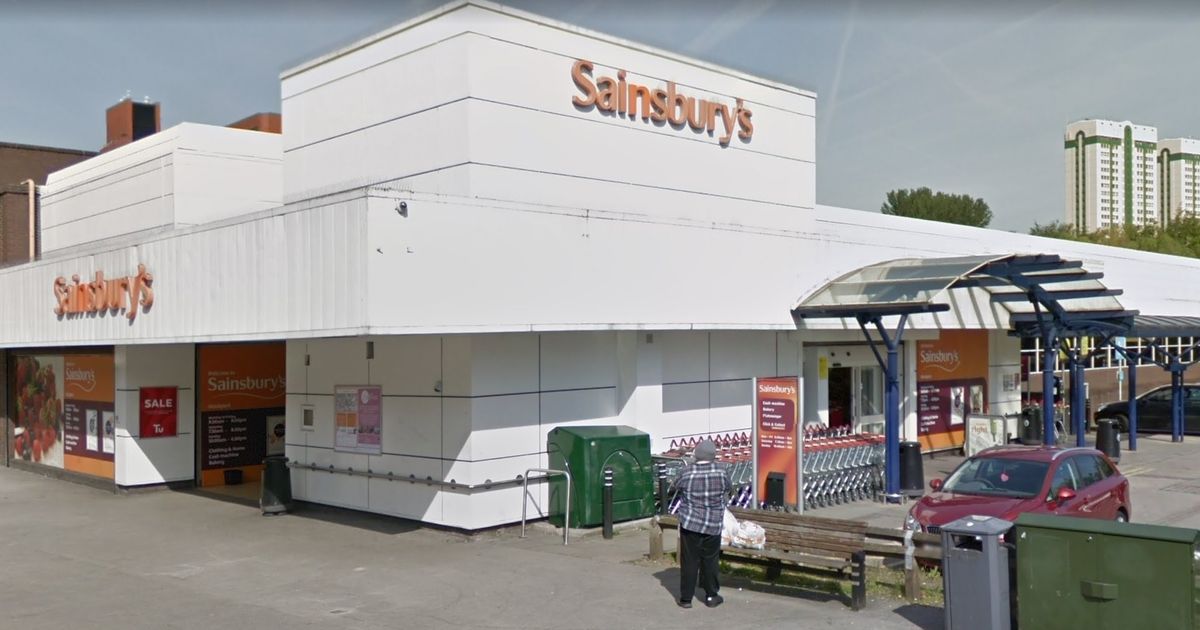
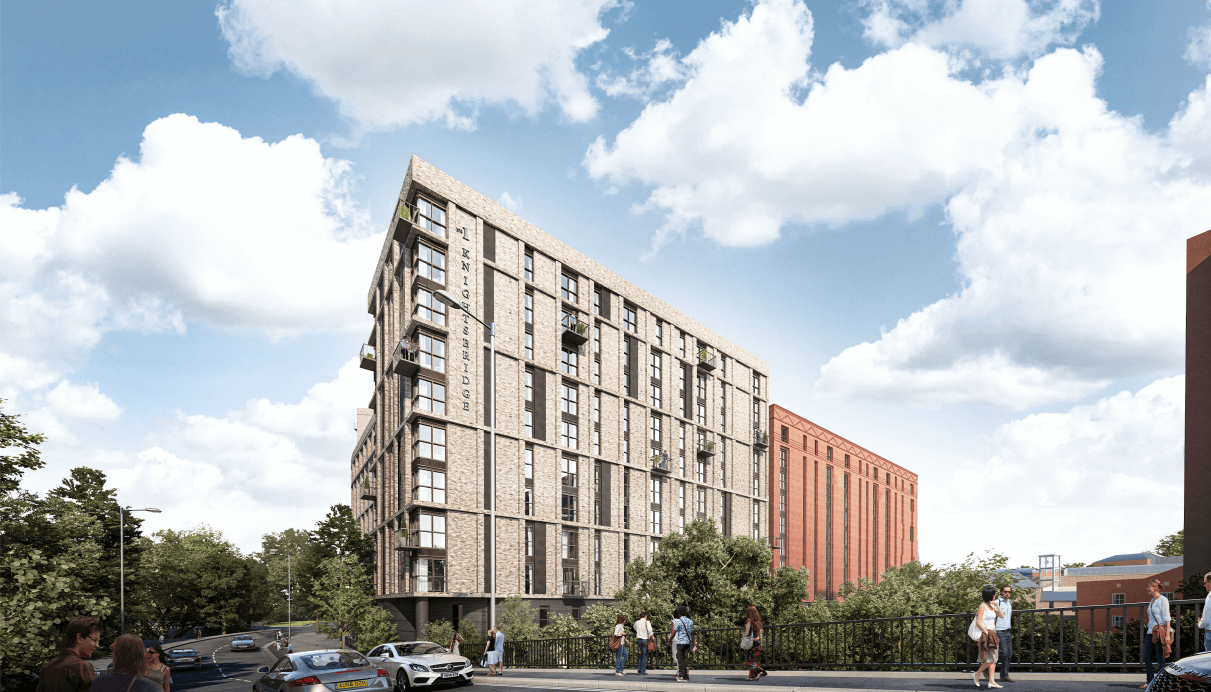
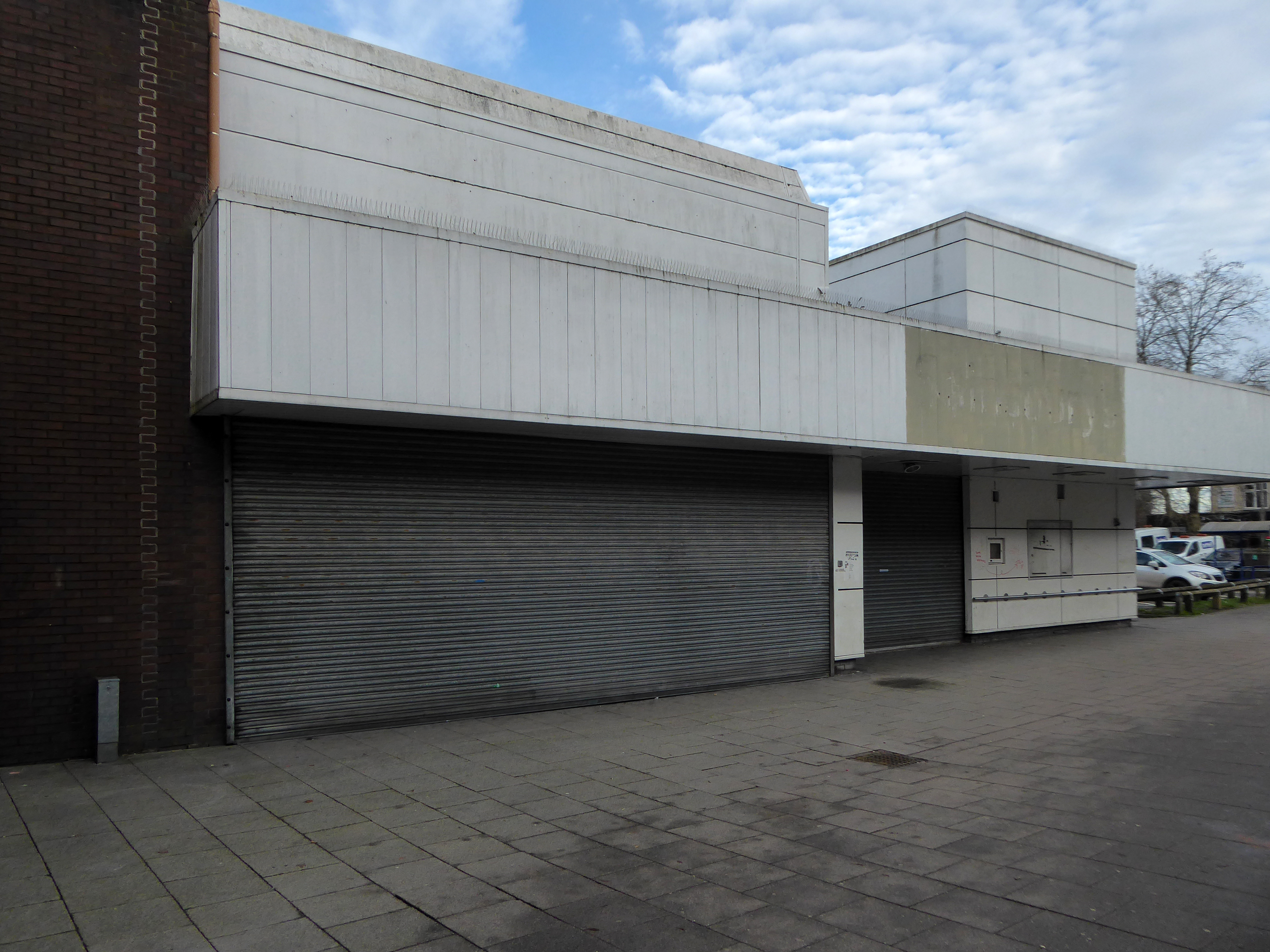
Plans to build hundreds of new homes – including a 15-storey tower block – on a vacant Sainsbury’s site in Stockport town centre are set to get the go-ahead.
Proposals that would bring more than 500 flats and 34 townhouses to the three-acre plot, in Warren Street, are set to go before the council’s planning committee next Thursday night. The 573 homes would be spread across a trio of buildings – rising in height from five to 15 storeys. Two of these would also have space for a range of potential uses, ranging from shops and cafes to gyms and creches.
Martin Halsey, operations director at Amstone Ventures, added:
We can see that Stockport has untapped demand for quality homes within its town centre, offering a vibrant lifestyle and everything Stockport town centre has to offer, all on the doorstep.”
Took a look around the site before it’s no longer possible to look around the site.
Take in all the best that Manchester’s creative scene has to offer and let your imagination go wild.
In 1807 you really had to use your imagination to discover the creative scene.
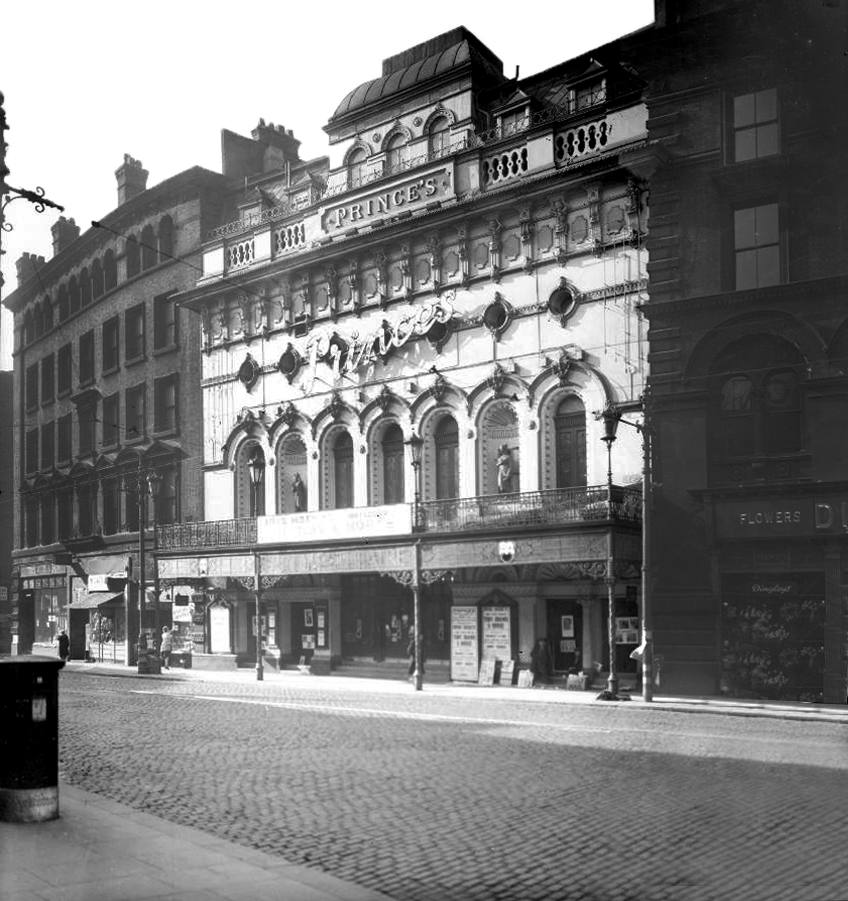
The site was home to the Prince’s Theatre:
Constructed by Metcalf and Waterson at a cost of £20,000, and designed by the architect Edward Salomons. The Theatre, which had seating for 1,590, opened with a production of Shakespeare’s ‘The Tempest’ on Saturday, October the 15th 1864, under the management of Charles Calvert.
Sadly the Prince’s Theatre was closed in April 1940 when it was sold to ABC Cinemas who planned to build a new Cinema complex on the site, the Theatre was subsequently demolished but because of the war – the new Cinema was never built
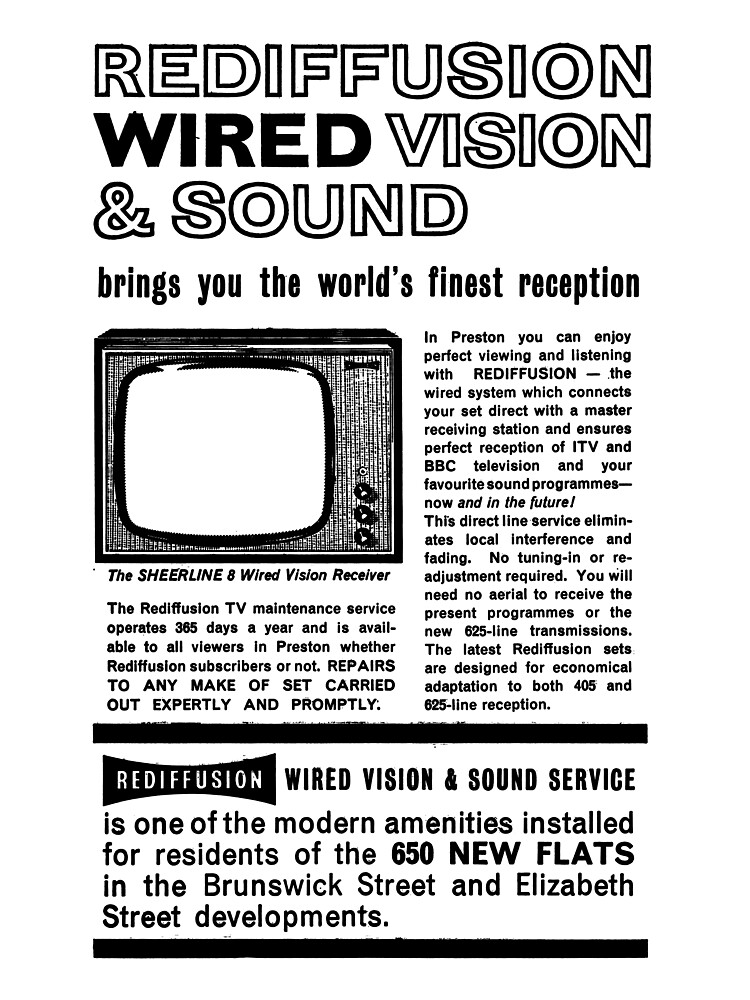
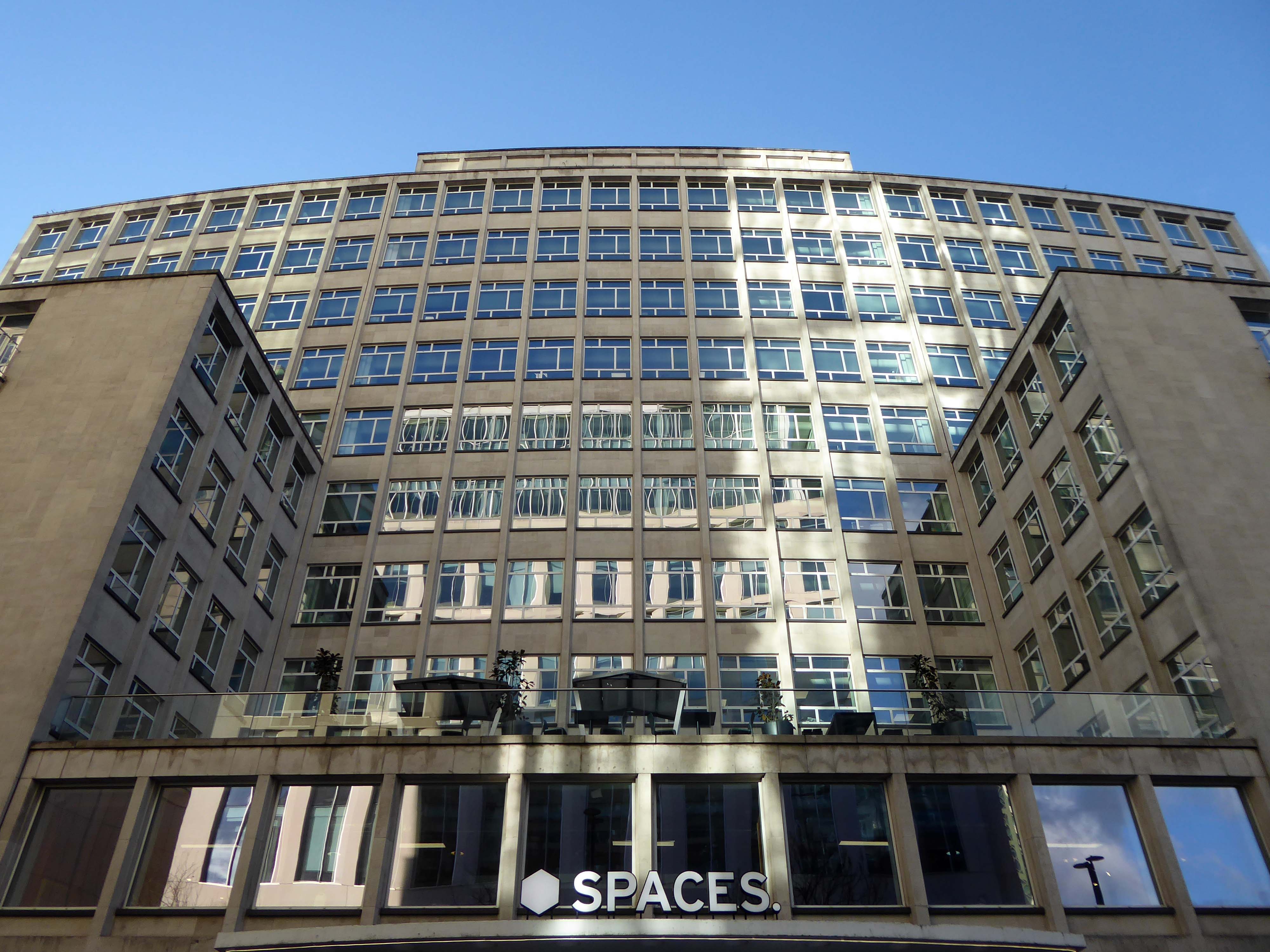
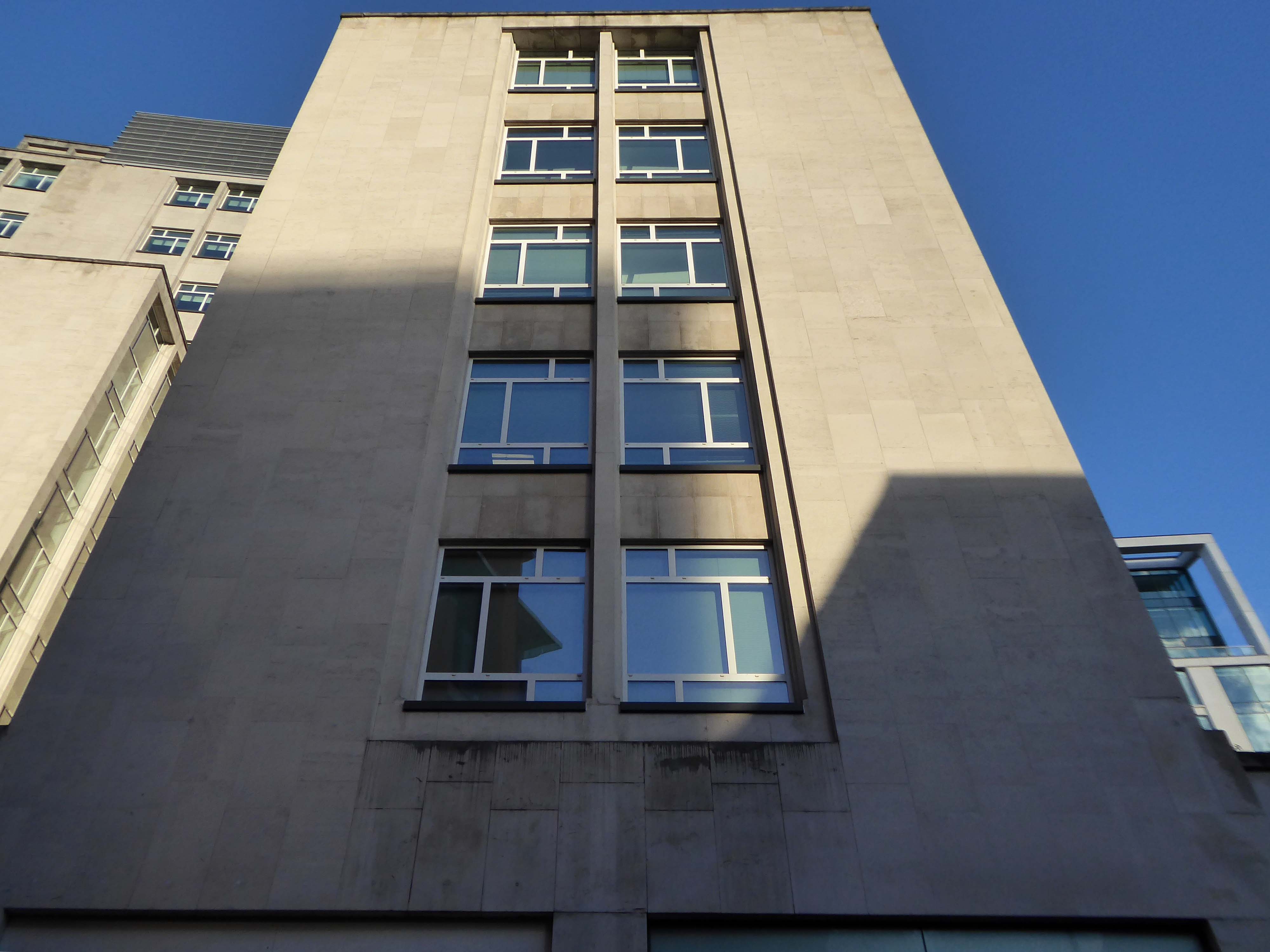
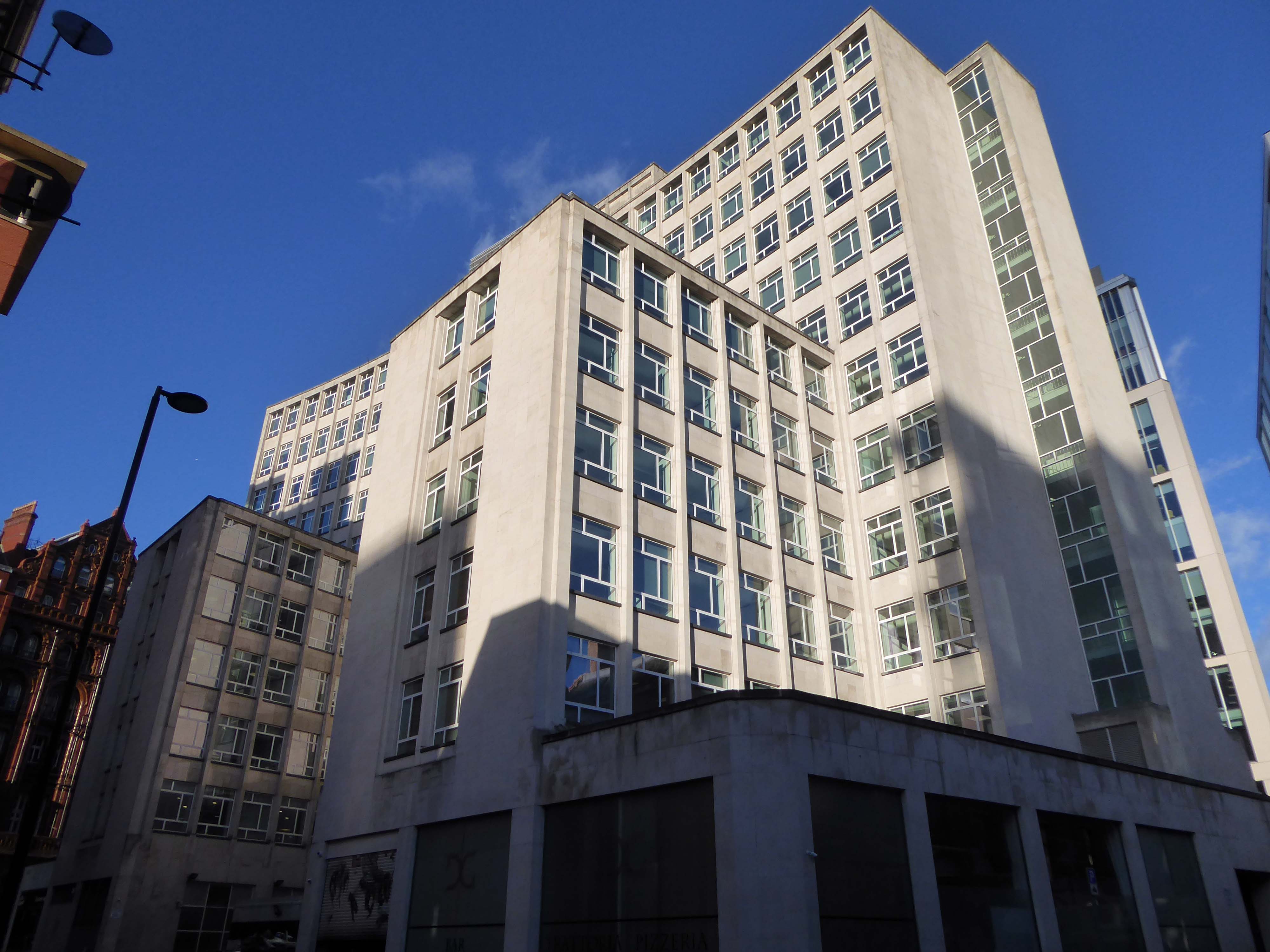
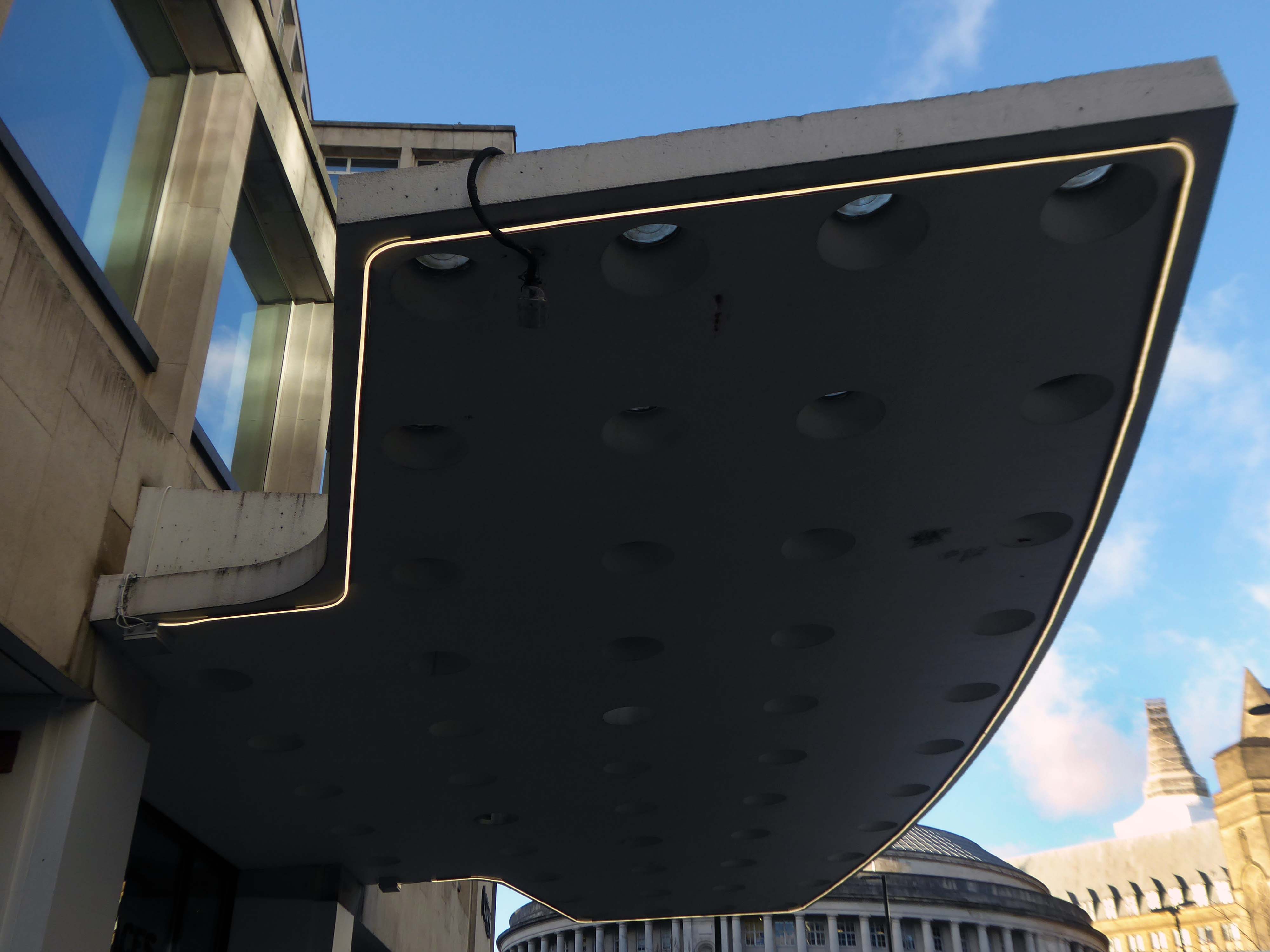
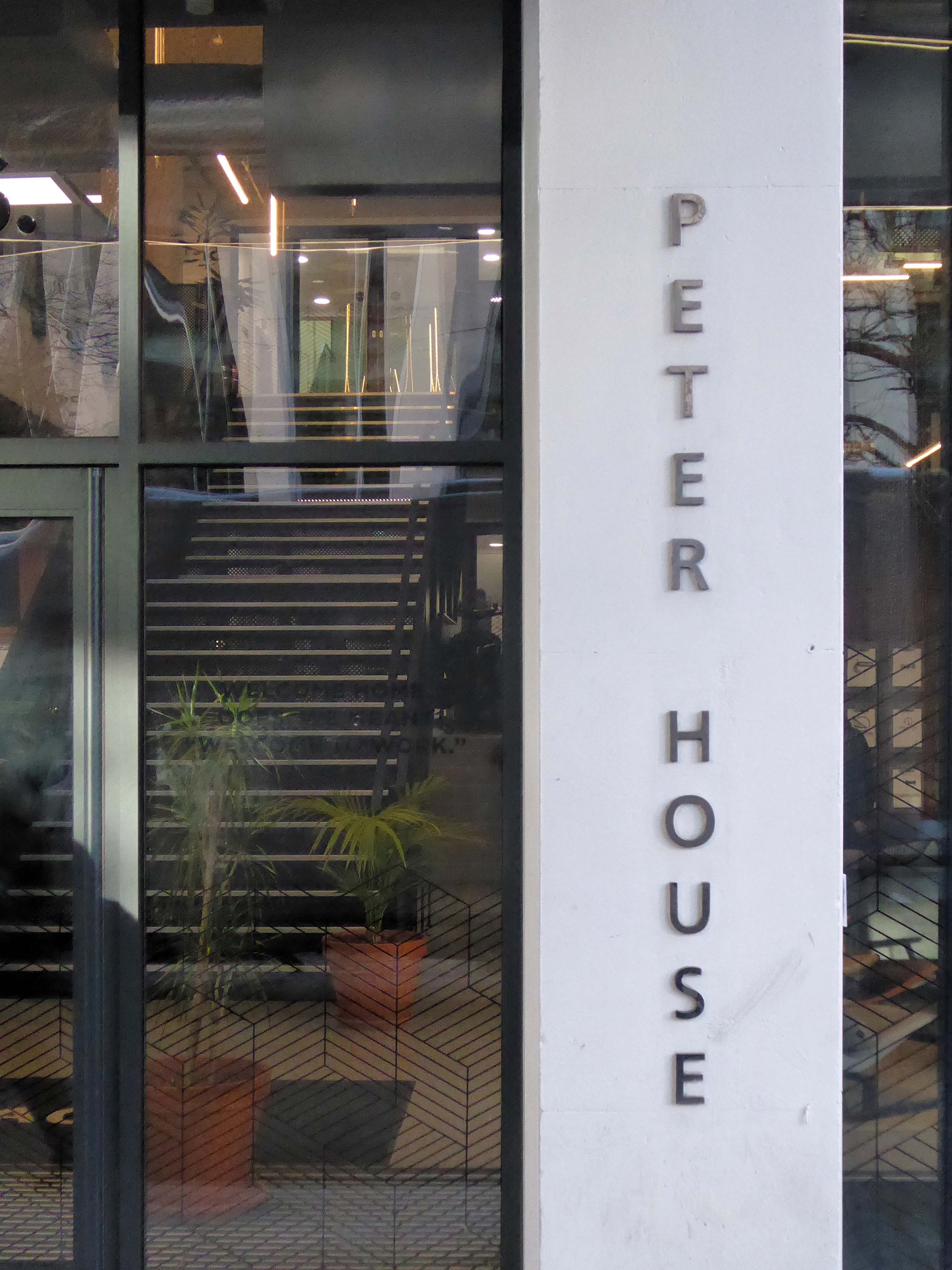
It was replaced by Rediffusion House – later Peter House architects Ansell & Bailey.
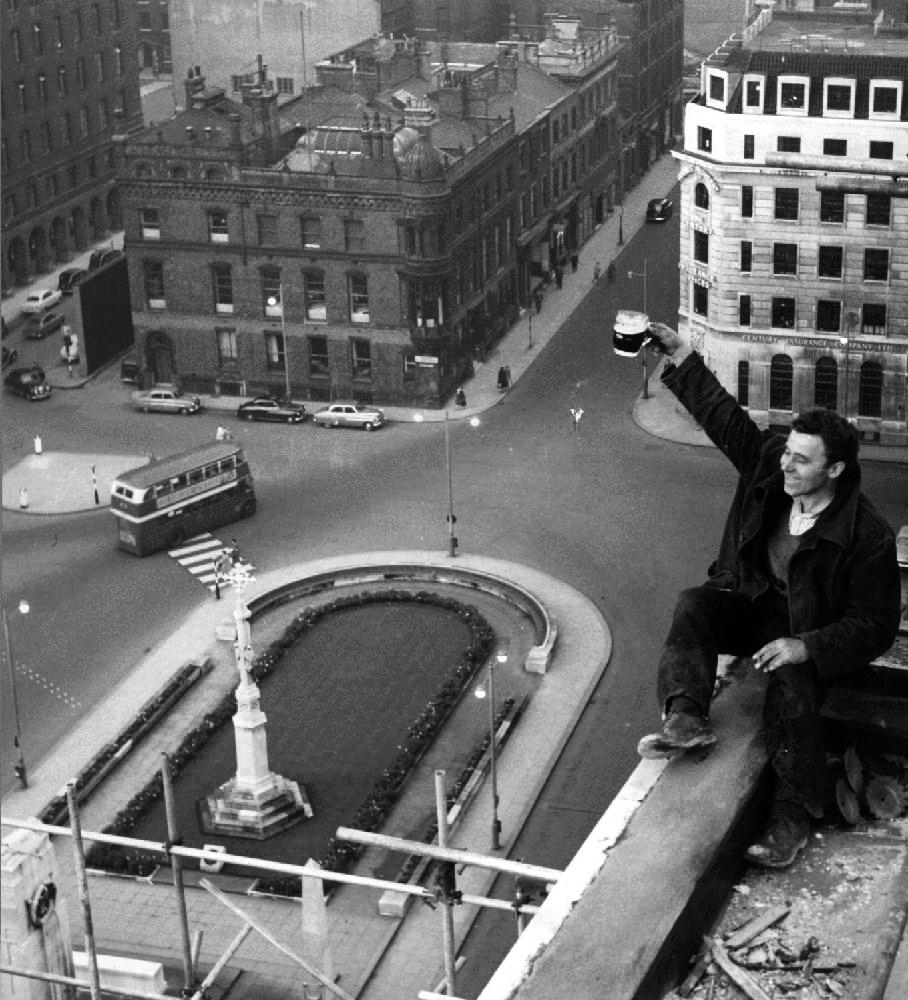
Topped out in 1957 with a pint of Chester’s Mild.
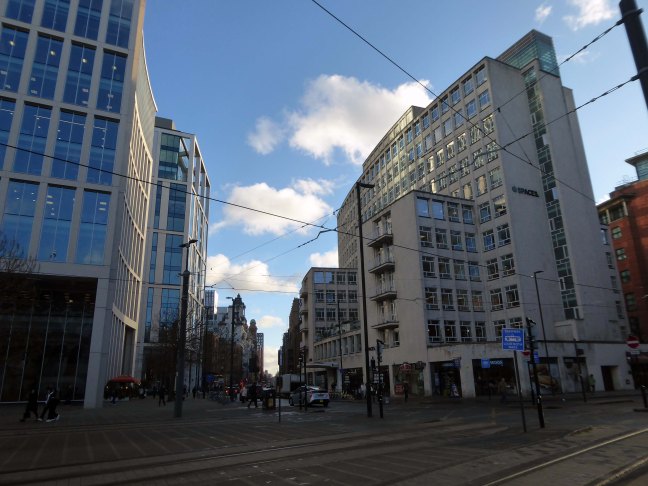
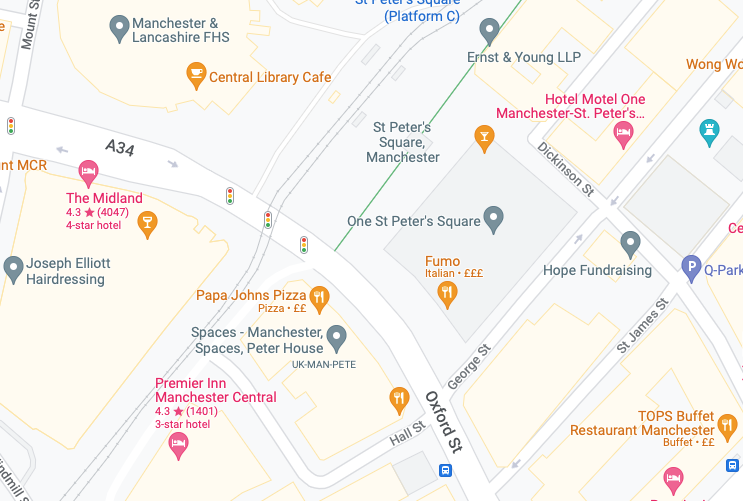
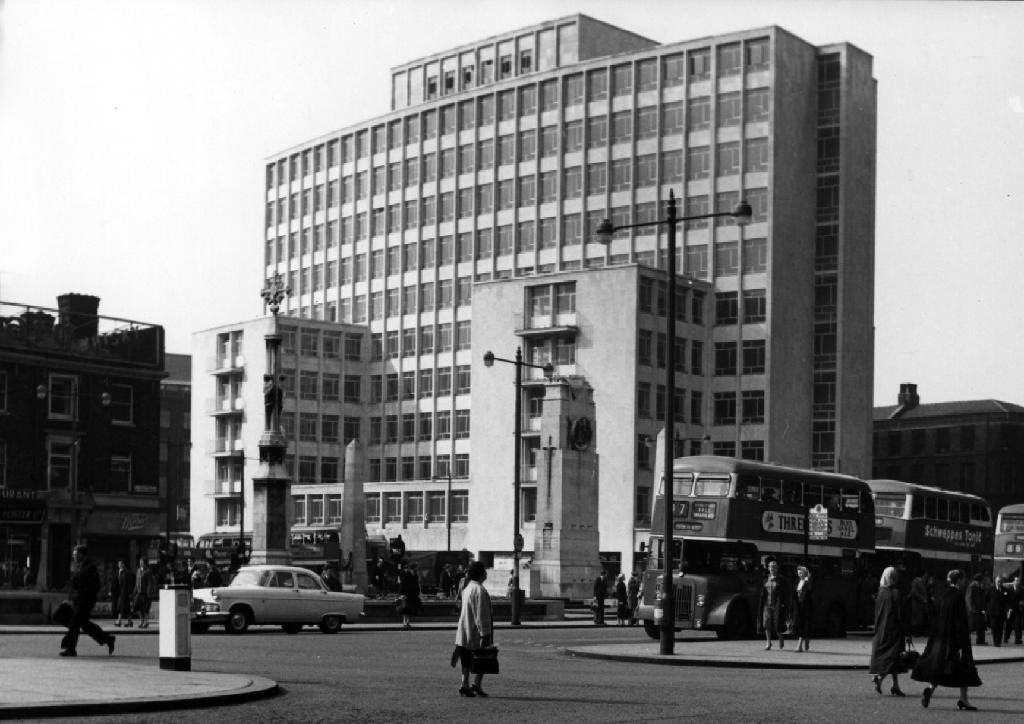
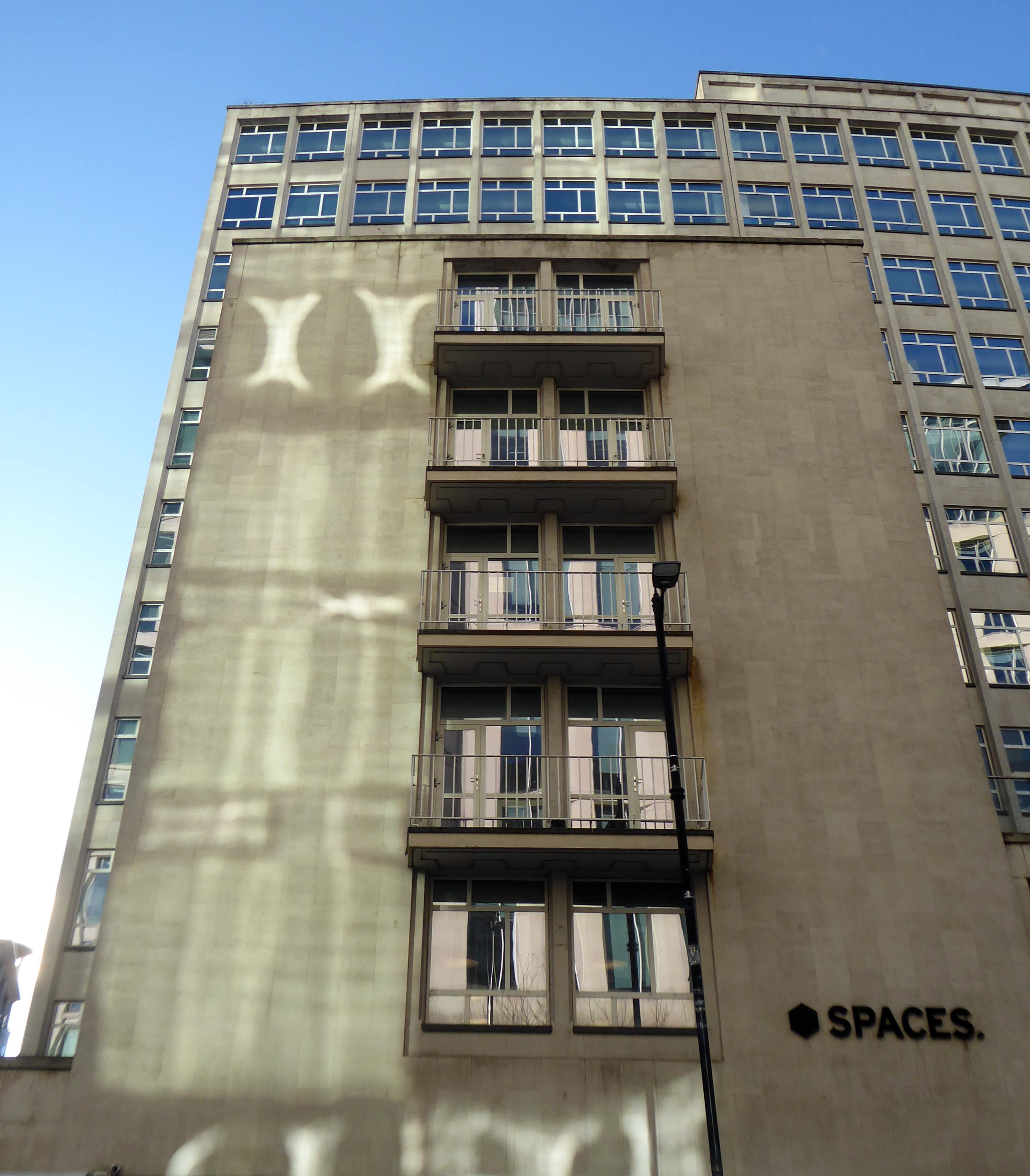
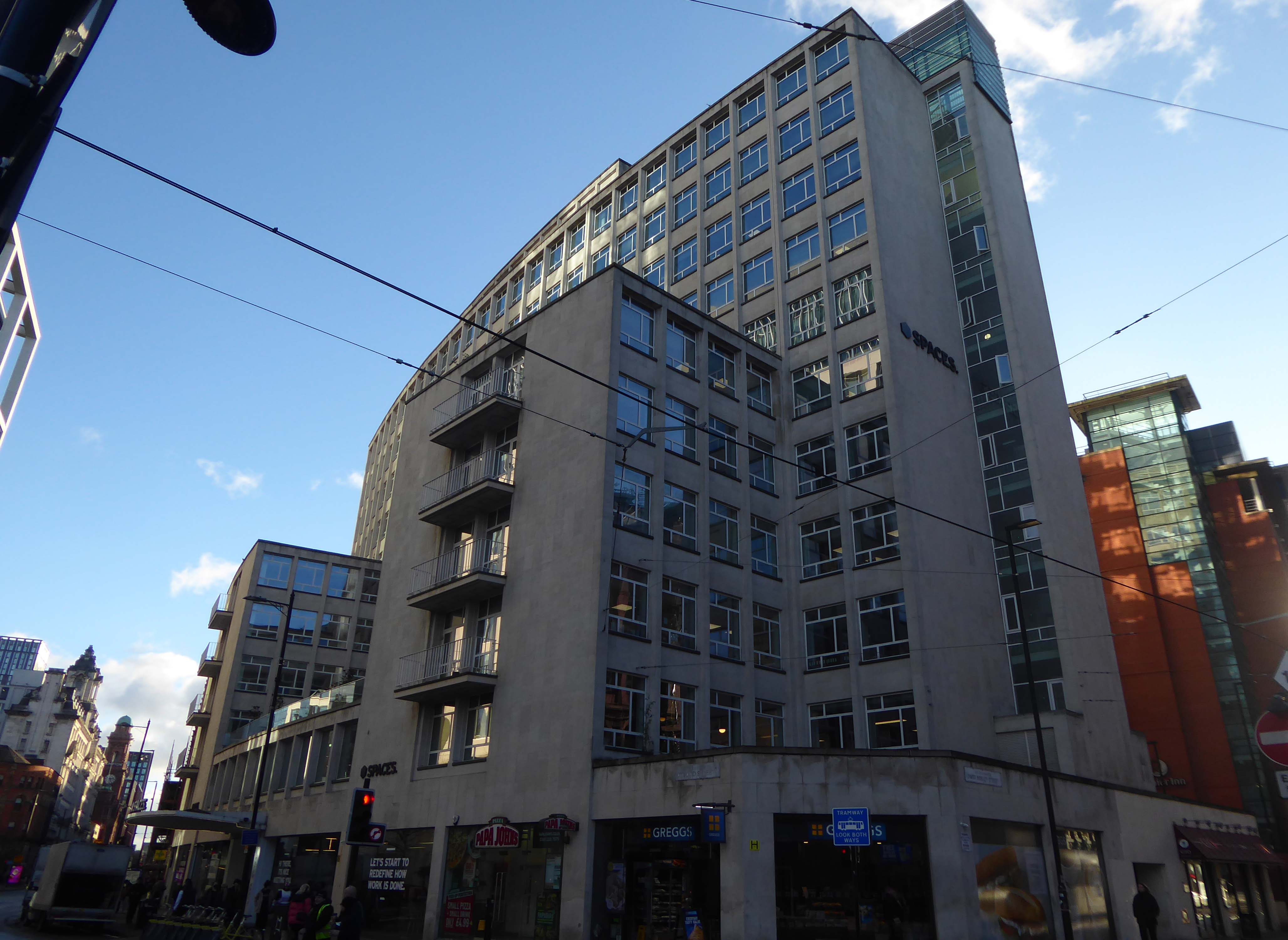
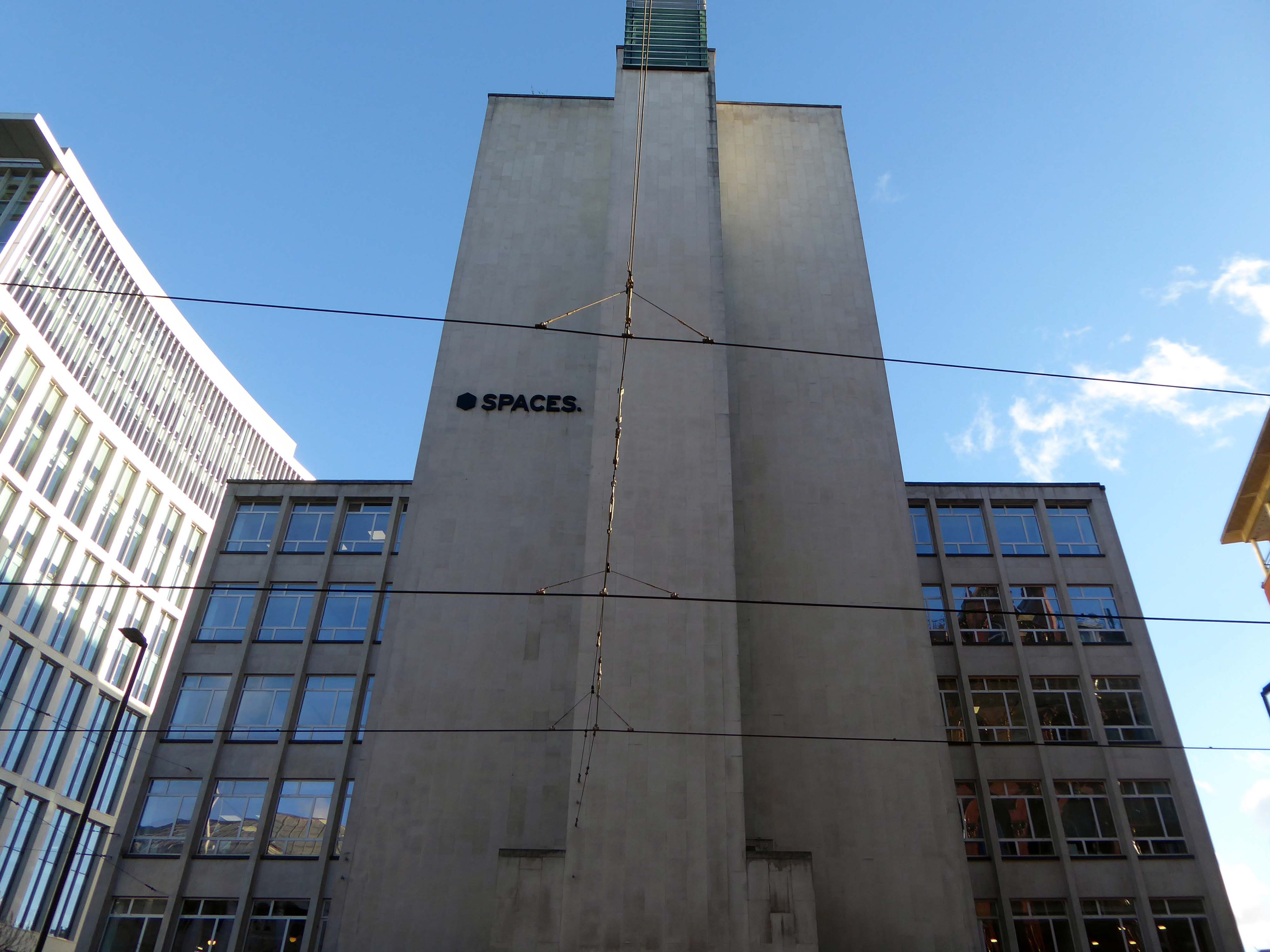
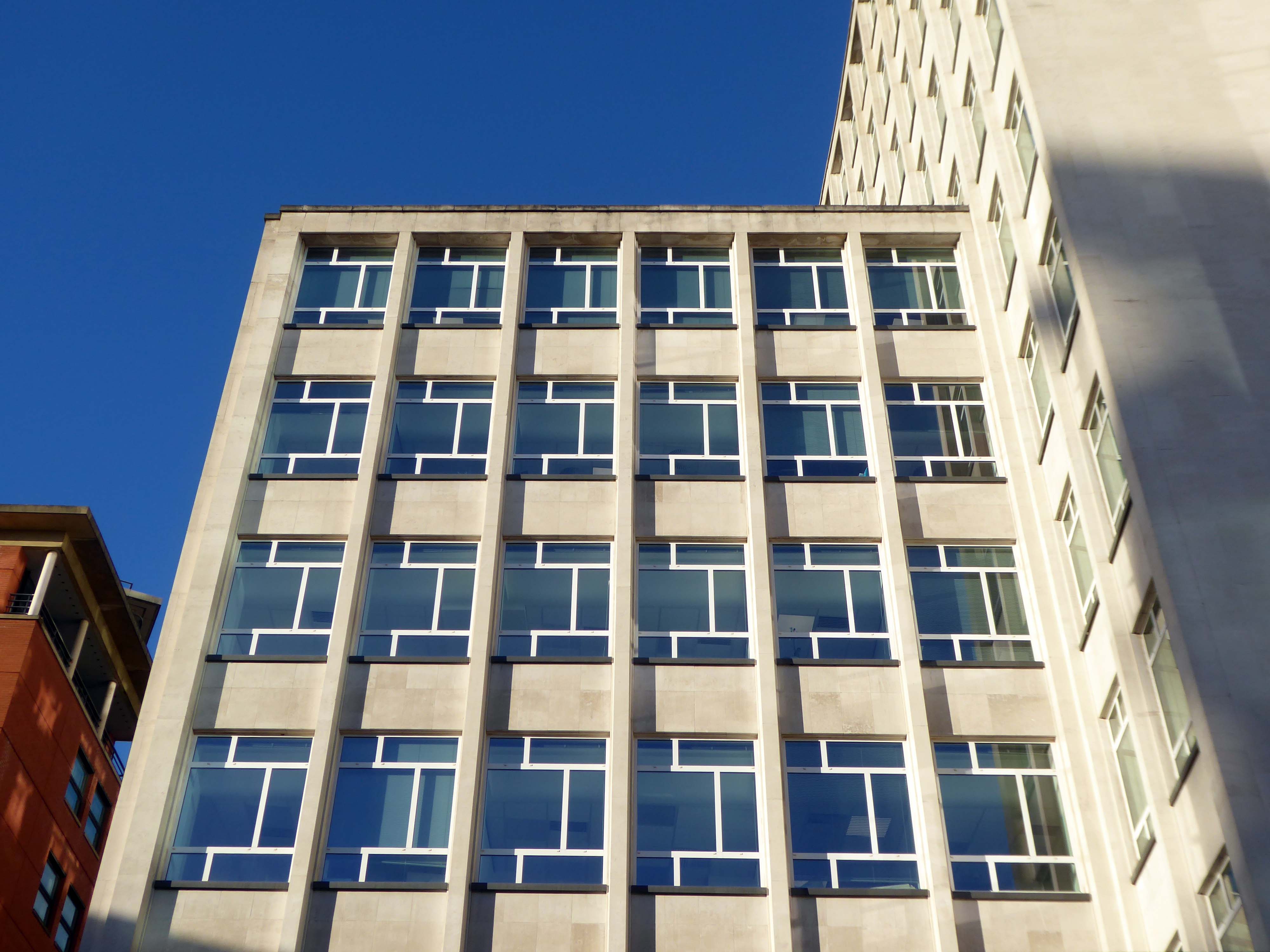
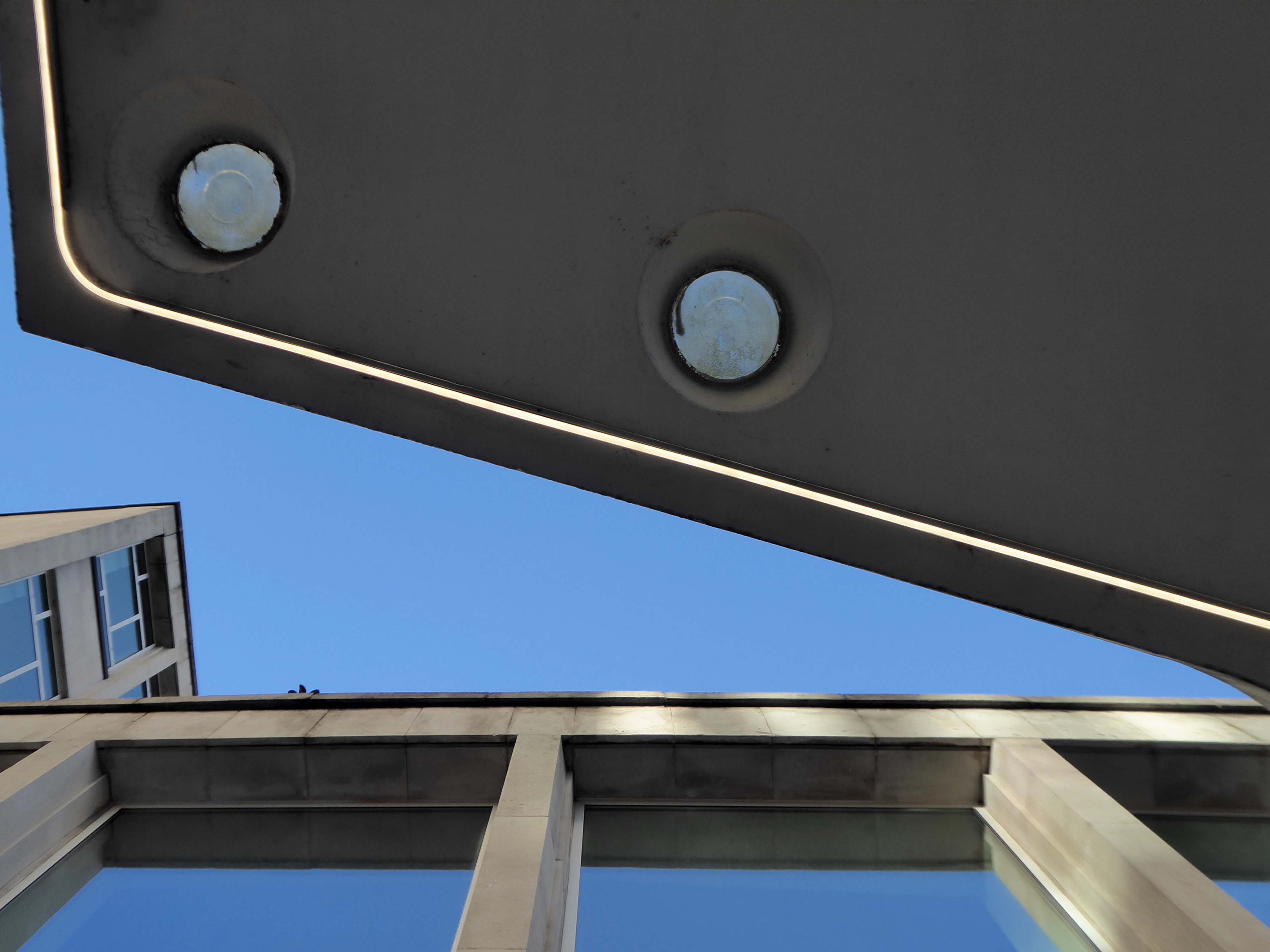
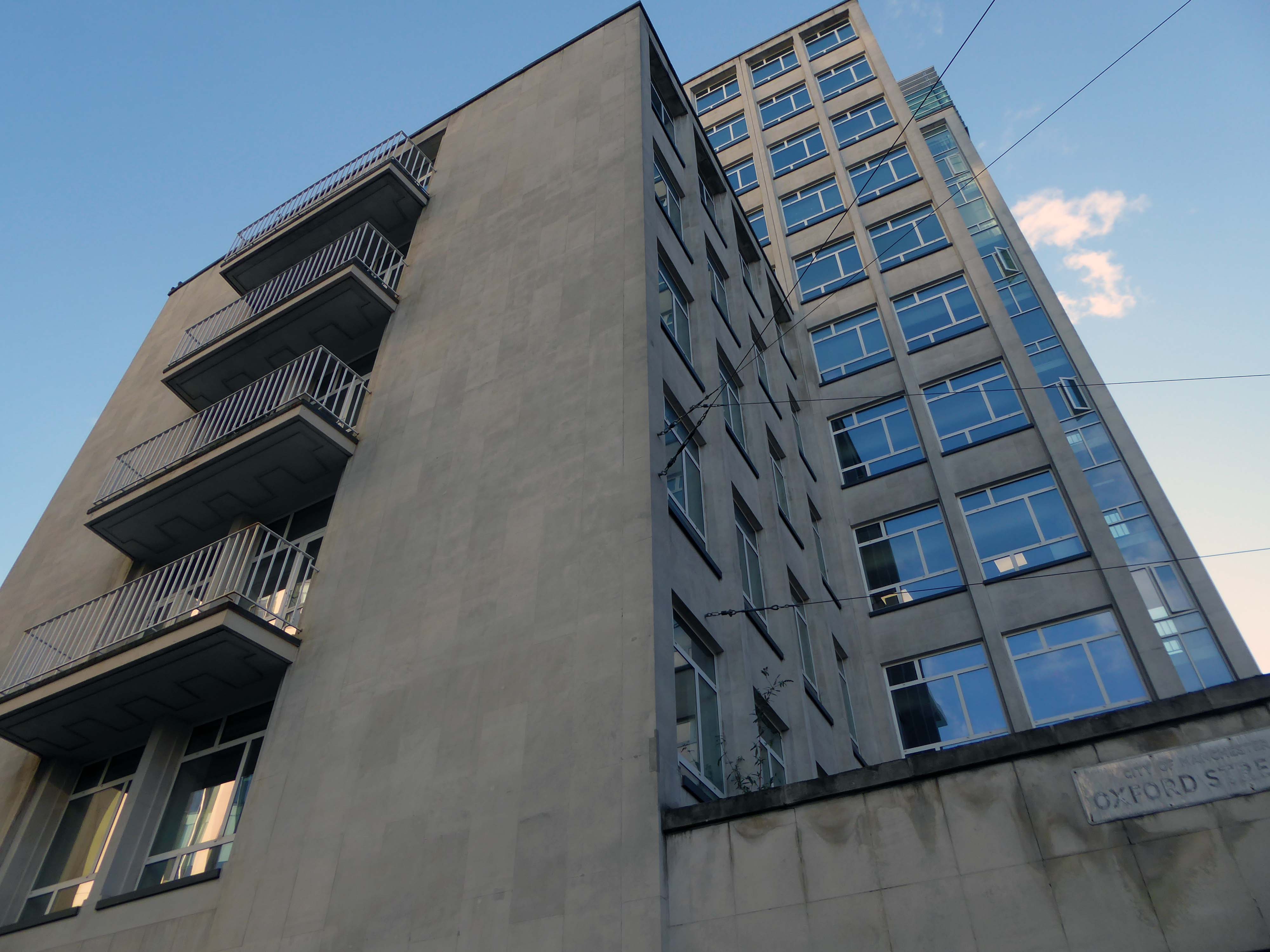
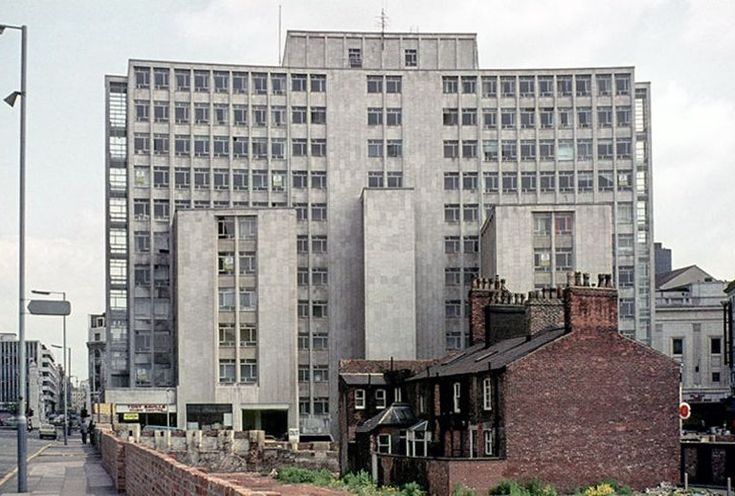
Peter House gracefully hugs the curve of Oxford Street as it leads into St. Peter’s Square. This was one of the earliest commercial buildings to be completed post-war, which demonstrates the slow economic recovery of the region. Built on a site that had been bombed, the Portland stone seemed to marry with the material narrative established by JW Beaumont and LC Howitt in their buildings of the 1950’s and following earlier interwar commercial buildings. This scheme has more panache than the rather serious facades of the Student Union building or the Law Courts though.
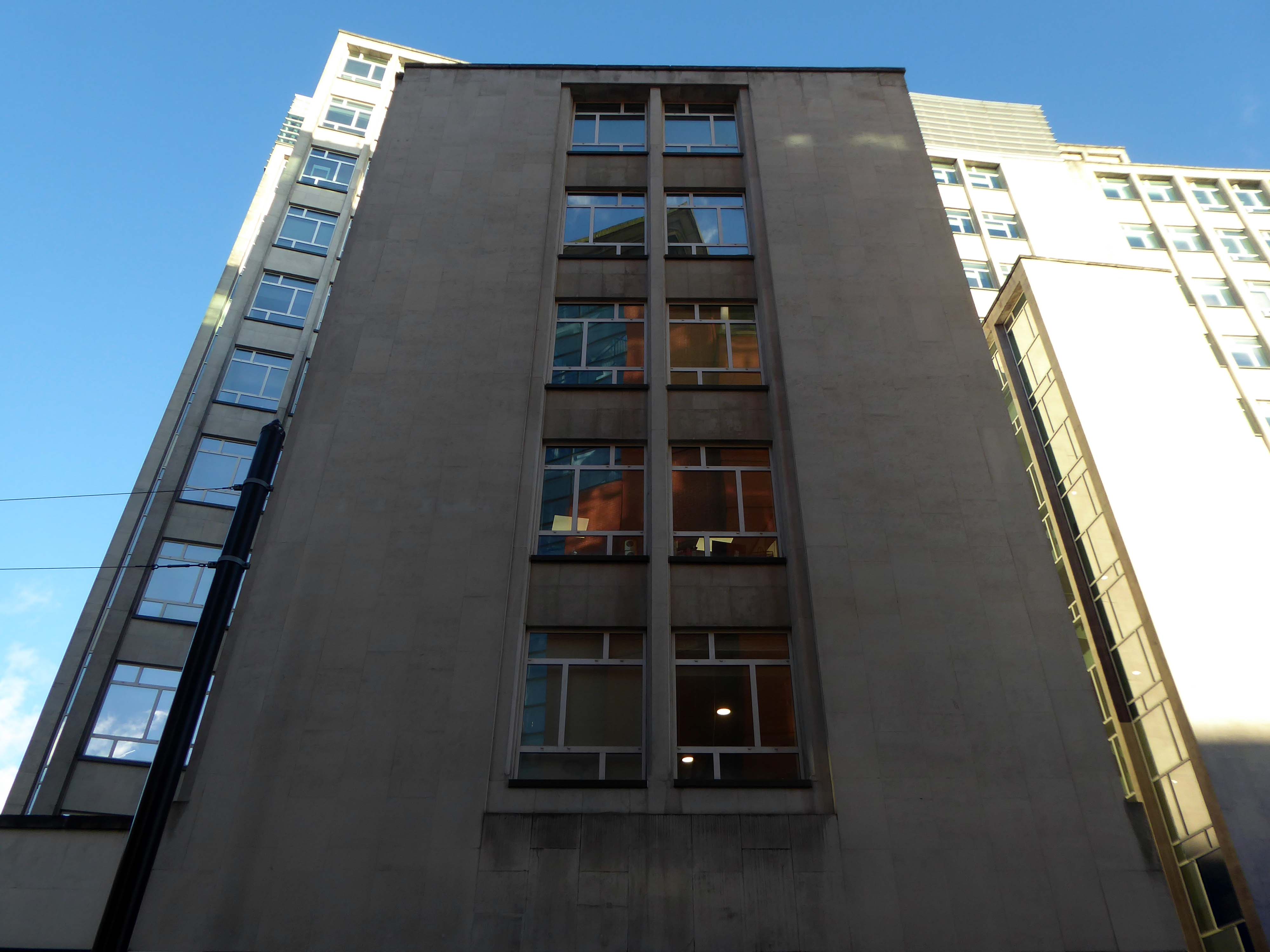
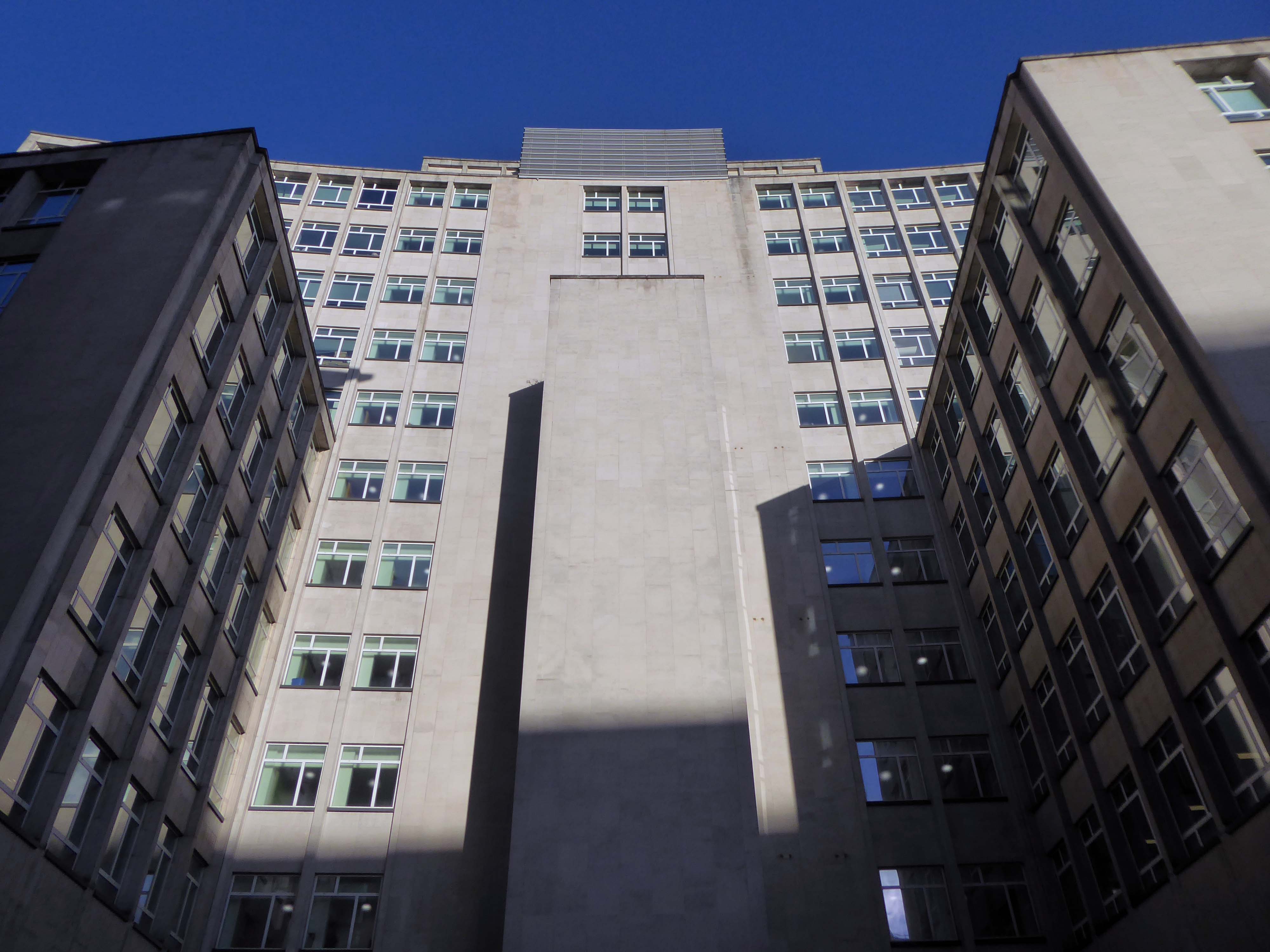
The stepped massing and the articulation of the wings of the building preclude the accepted commercial norm of developing to the edge of the site and instead promote a satisfying formal interplay between the six and eleven storey elements. The building has been sensitively modified despite a lack of any listed status and remains commercially viable as offices and as retail. The continued success may be attributed to the air of quality afforded by the stone, certainly it has ensured the longevity, particularly when one considers the fate that befell the easement hugging concrete of Elizabeth House – Cruickshank & Seward, 1971 across the road; it was demolished in 2012.
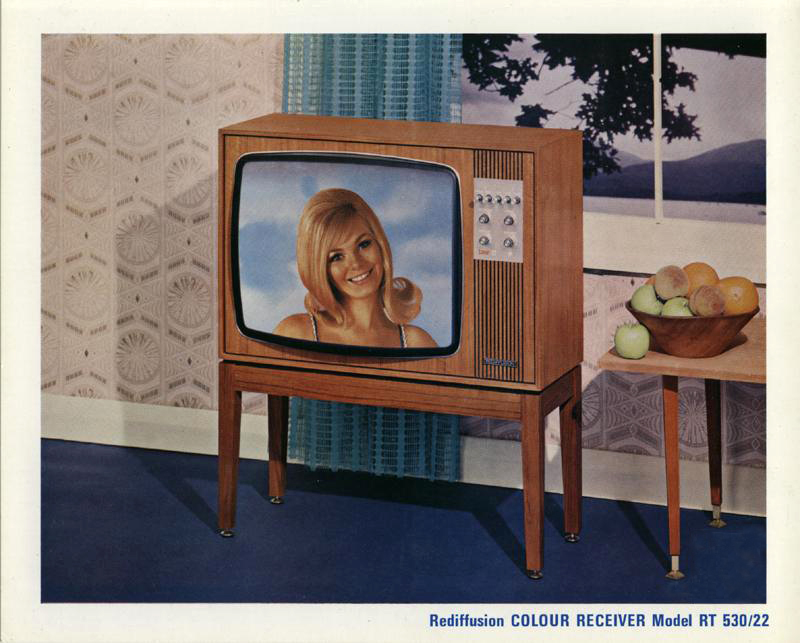
Rediffusion was the first independent commercial TV franchisee, in 1956 Associated-Rediffusion struck a very lucrative deal with Granada Television, the franchise holder for weekday broadcasts in the North of England.
The company offered a low-bandwidth cable TV and radio distribution system, provided in most United Kingdom towns. Selection of TV or radio station was by means of a rotary switch, usually mounted on a wall or window frame close to the point of entry of the cable into the home.
The Rediffusion retail chain, renting and servicing TVs, radios, VCRs and hi-fi systems, was common on high streets until it was bought by Granada Rentals in 1984.
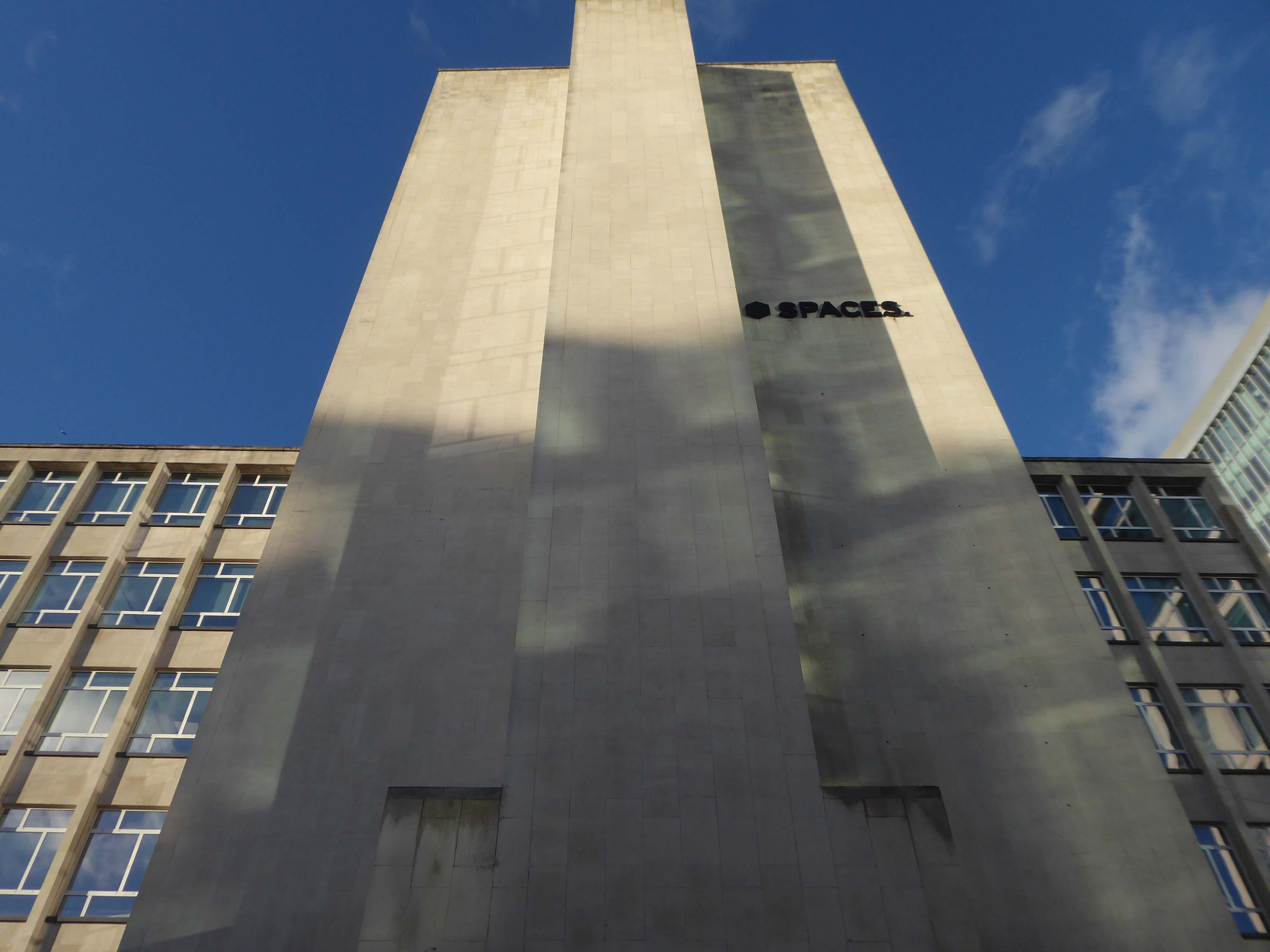
The days of the monolithic mono-culture of the sole occupant are in decline – we live in the age of the co-working space and homes of multi-use creative scene.
Peter House prevails a pale white Portland Stone embodiment of different days and different ways.
Let’s take a walk around.
As a footnote – once in the shadow of Peter House, Tommy Ducks was demolished overnight.
Apparently, its supporters managed to arrange a preservation order for the building but, according to the excellent Pubs of Manchester website, that order expired at midnight on February 12, 1993, and the pub was literally reduced to rubble before anyone could seek a renewal on February 13th.
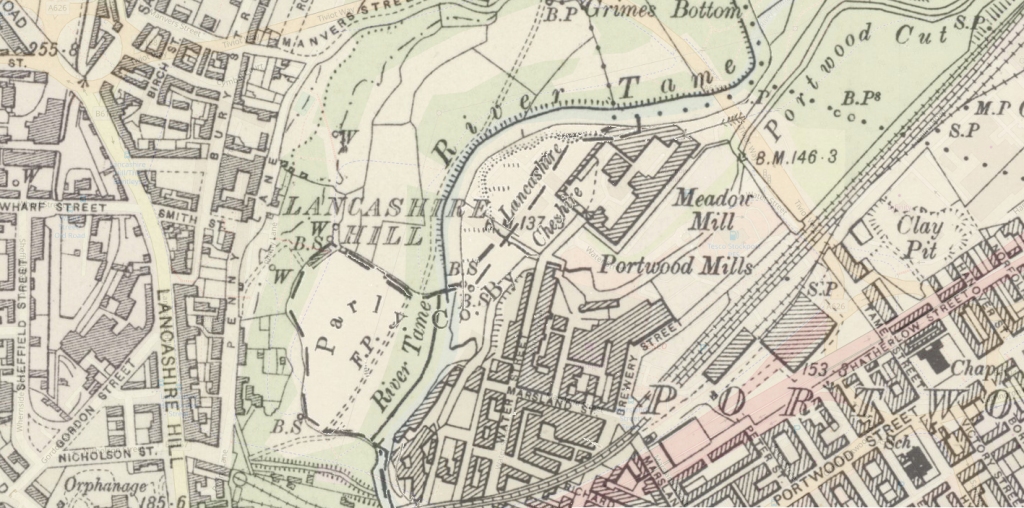
The 19th-century industrial concentrations in the above-named urban areas resulted in the Tame being a much polluted waterway. As well as industrial pollution from the dyes and bleaches used in textile mills, effluent from specialised paper-making cigarette papers, engineering effluents, including base metal washings from battery manufacture, phenols from the huge coal-gas plant in Denton, rain-wash from roads and abandoned coal spoil heaps there was also the sewage effluent from the surrounding population. Up to two-thirds of the river’s flow at its confluence with the Goyt had passed through a sewage works. The anti-pollution efforts of the last thirty years of the 20th century have resulted in positive fauna distributions.
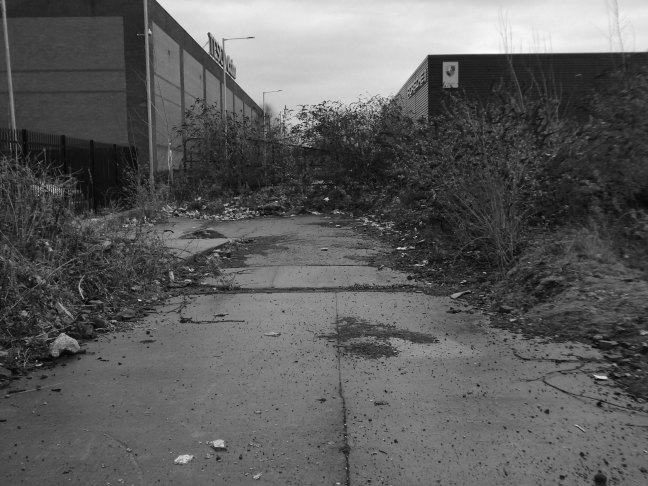
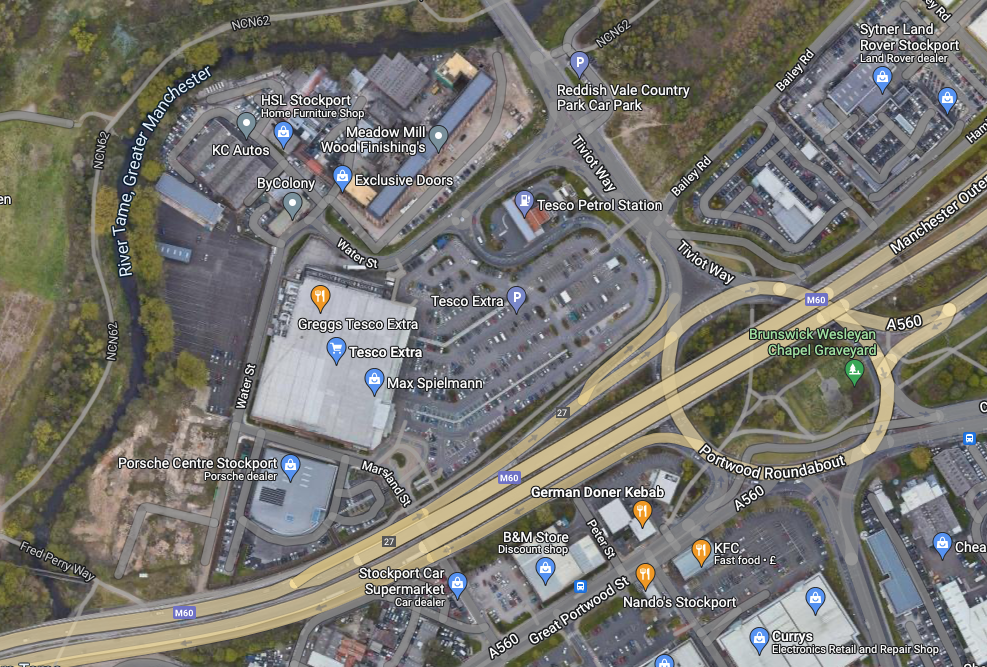
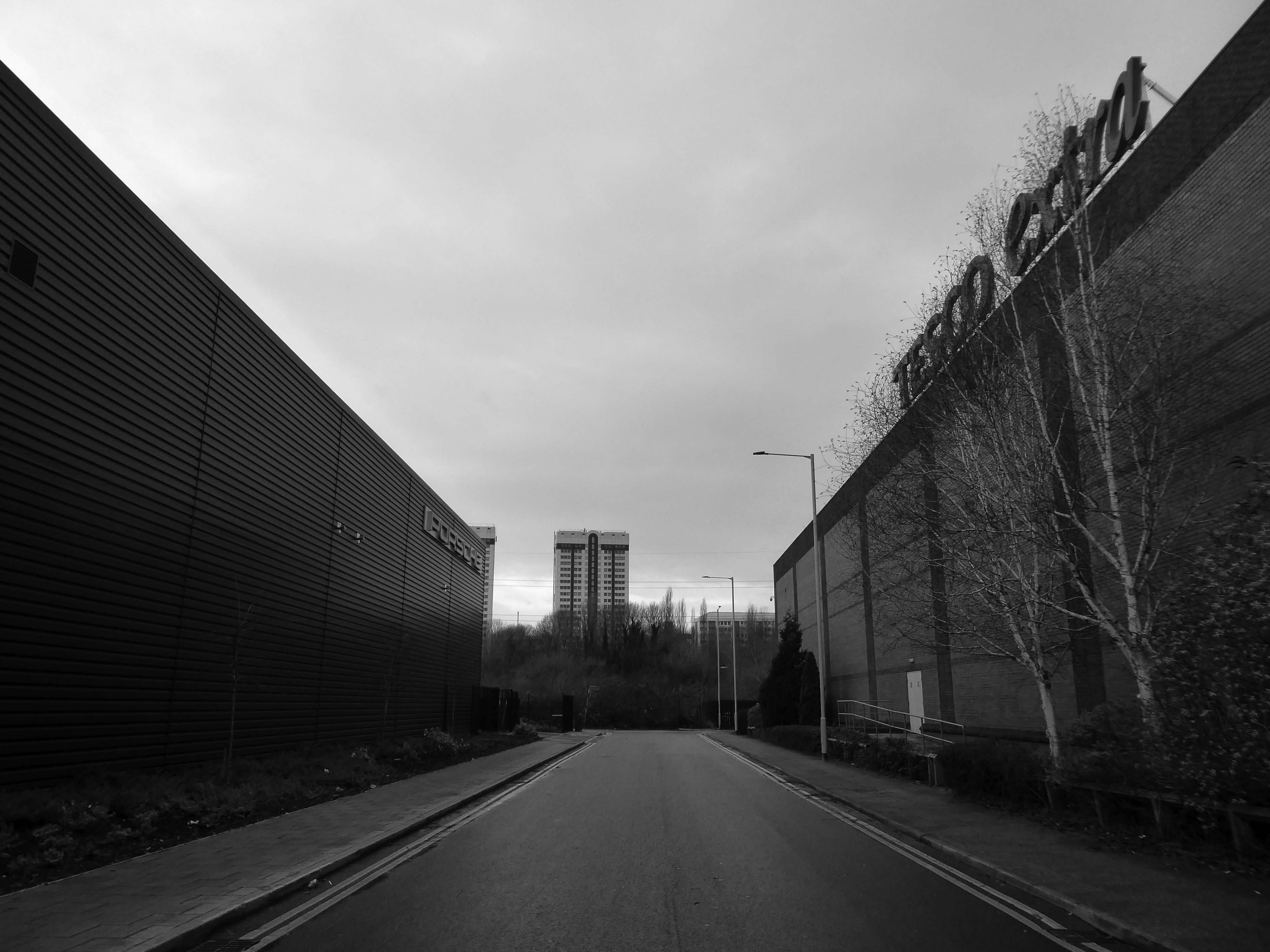
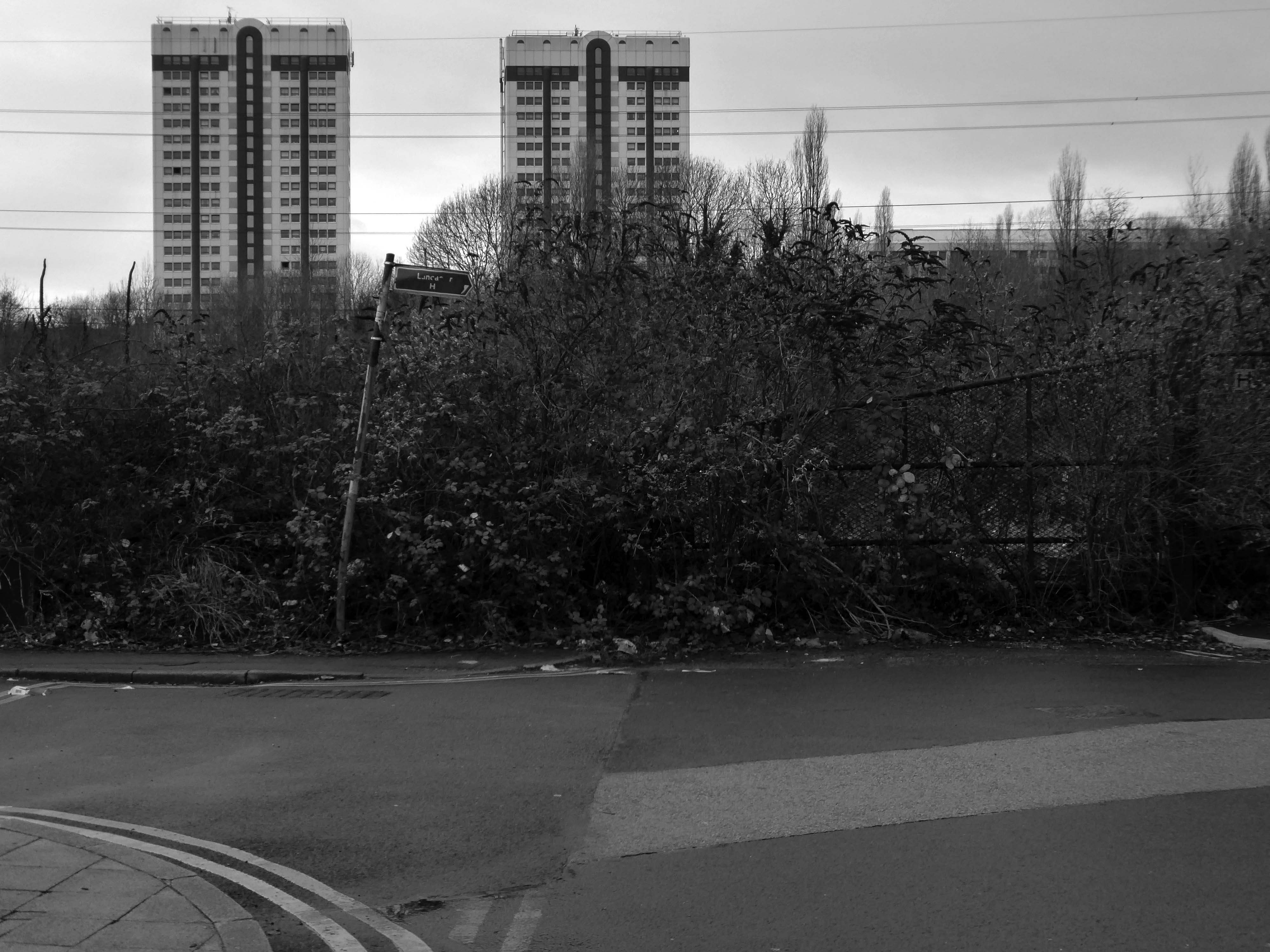
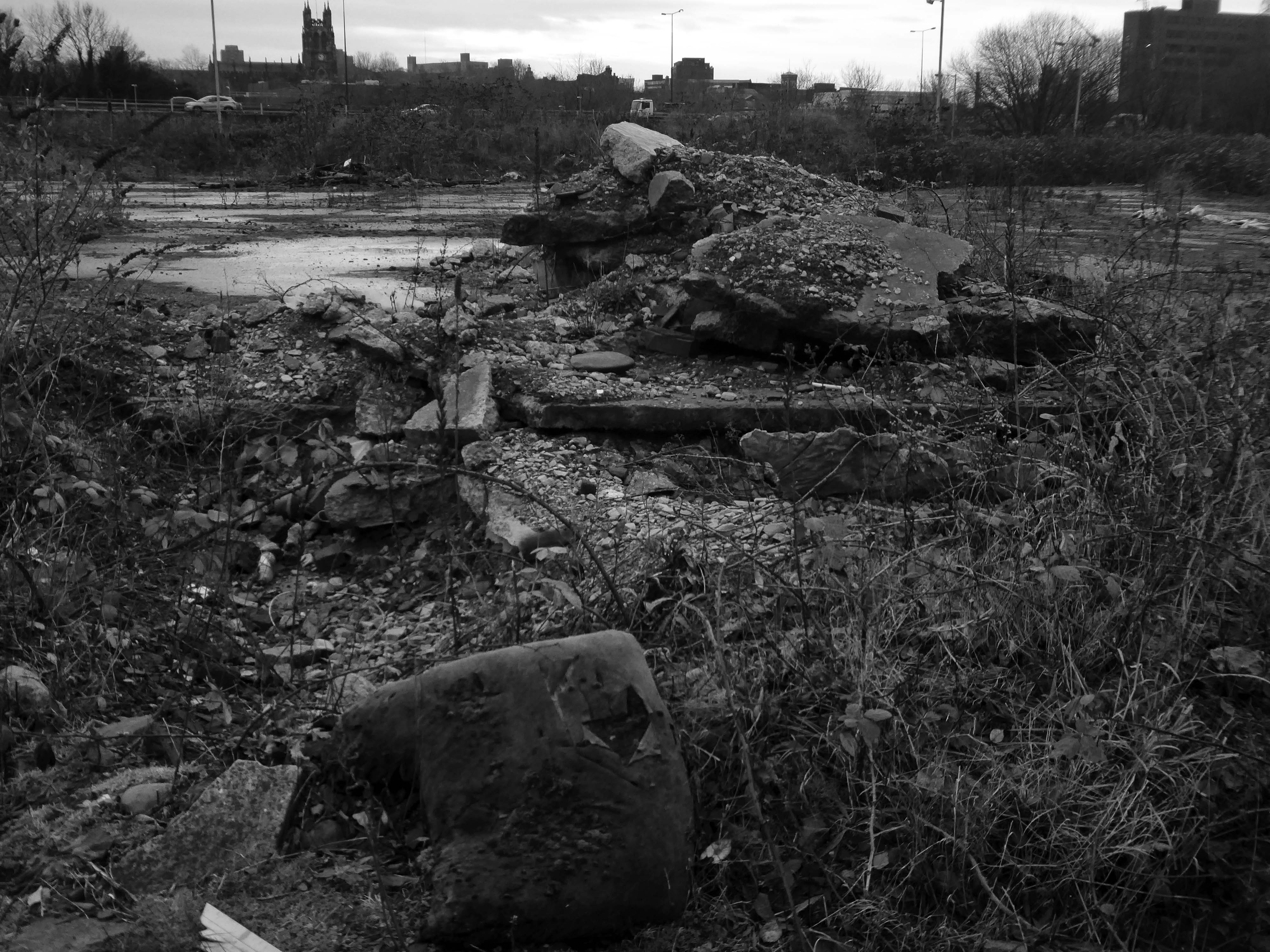
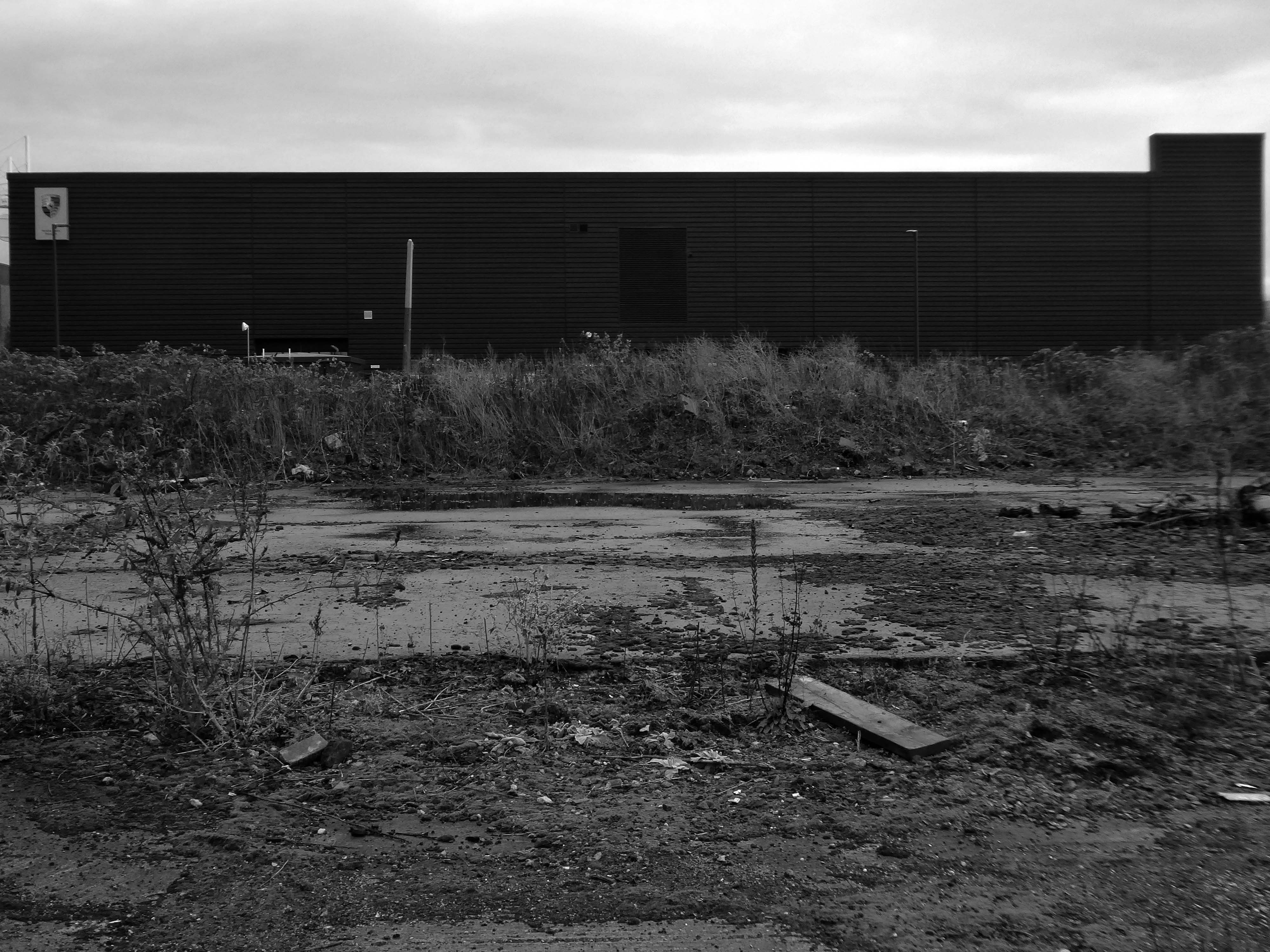
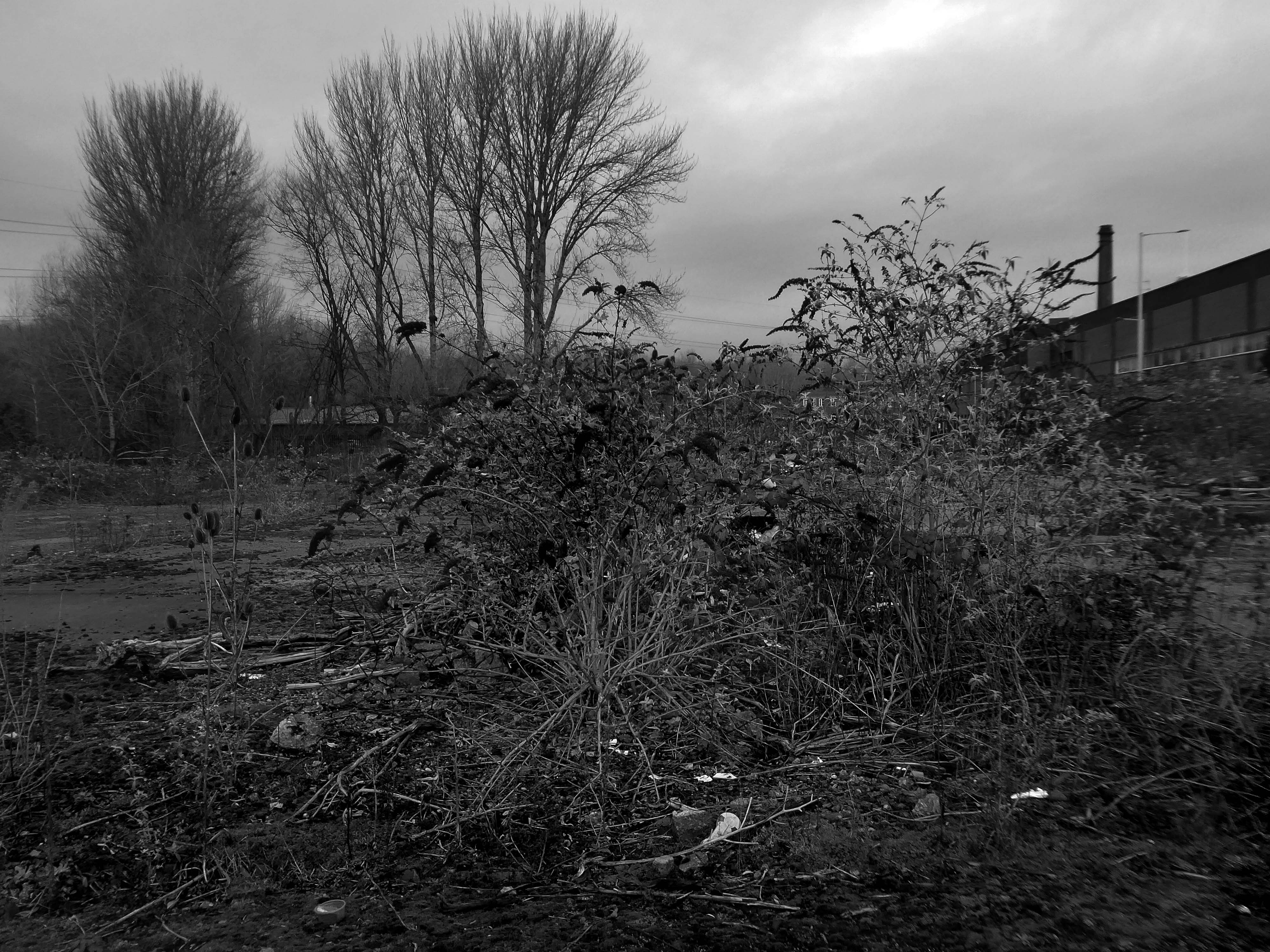
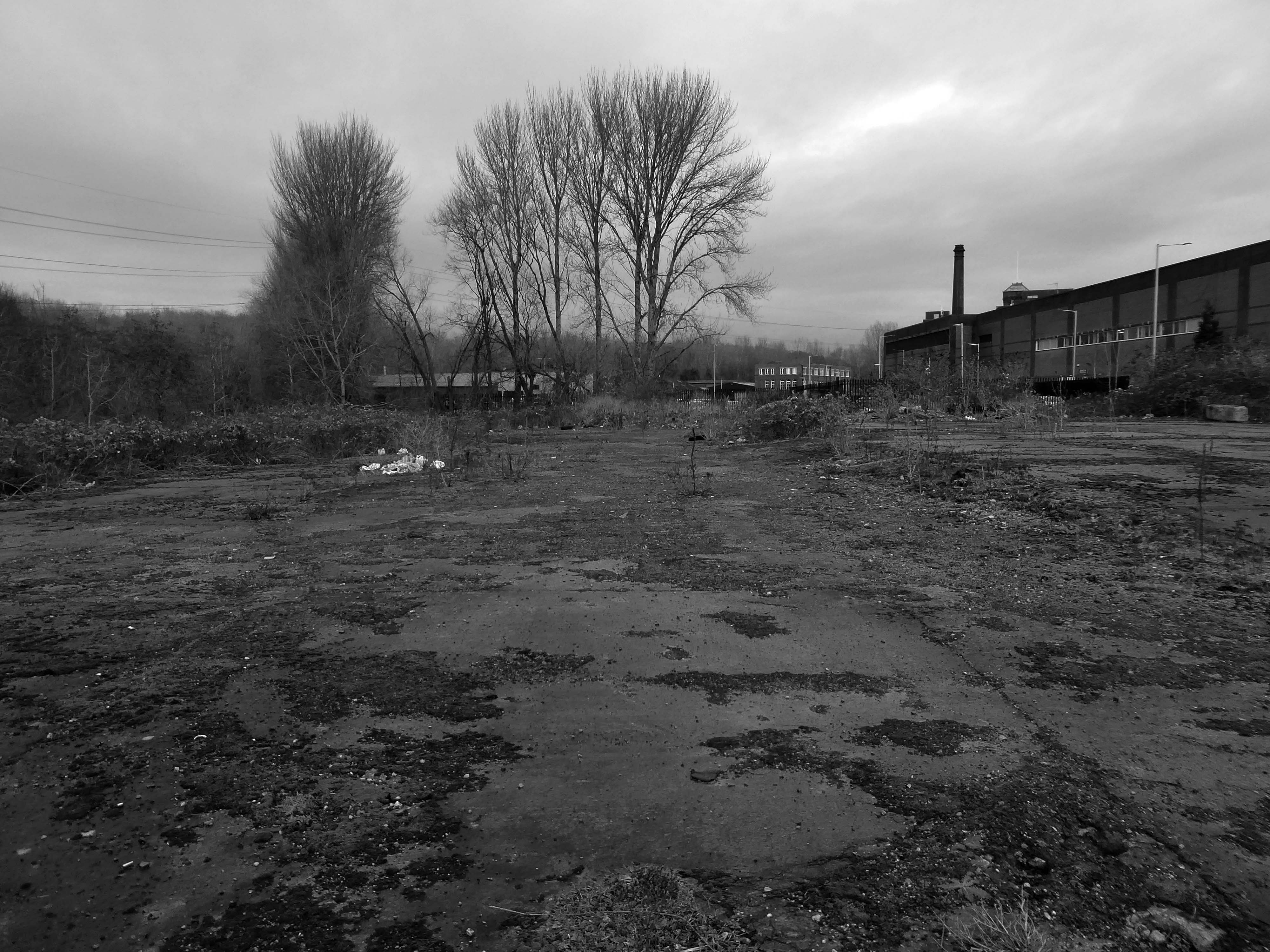
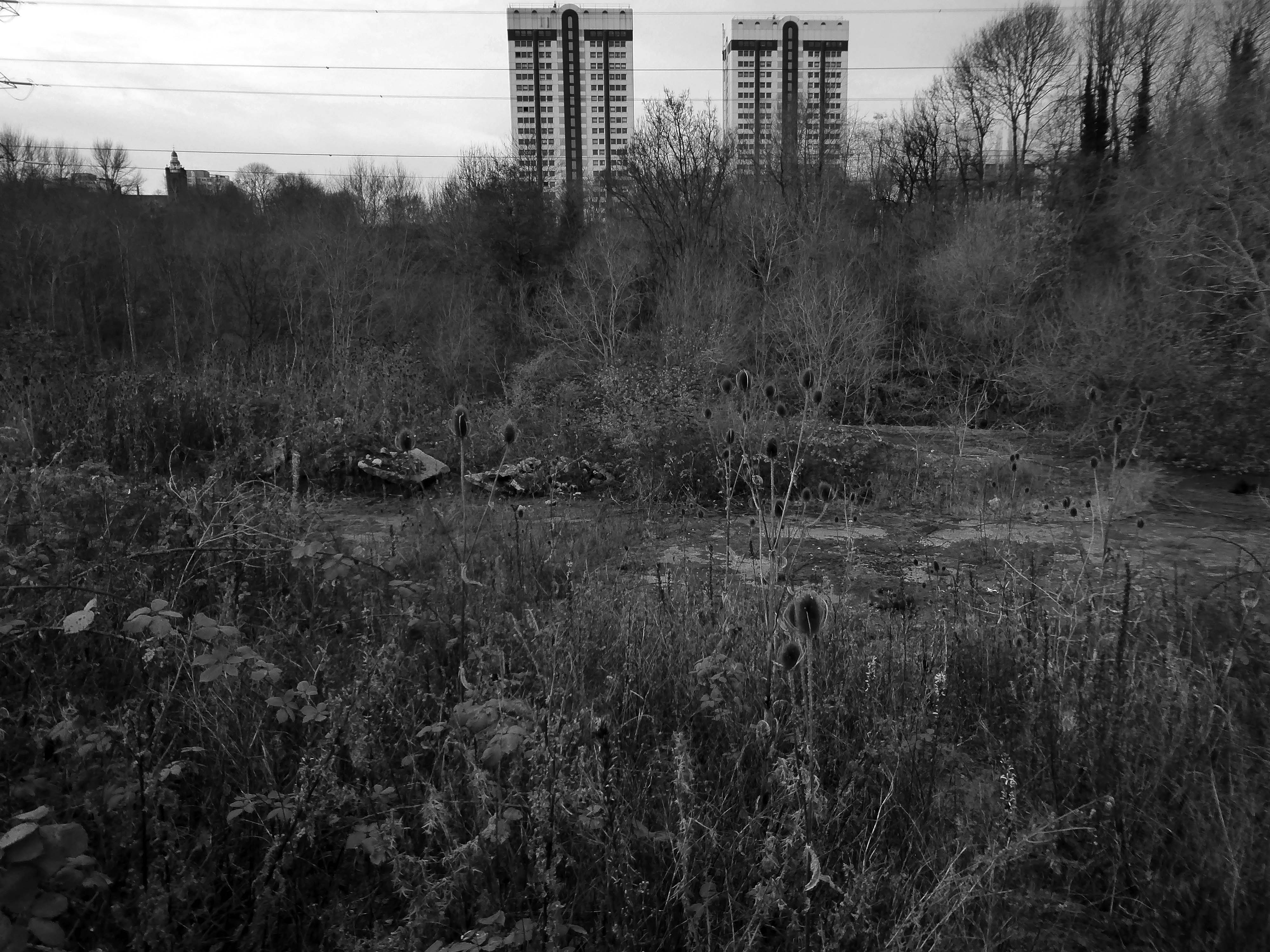
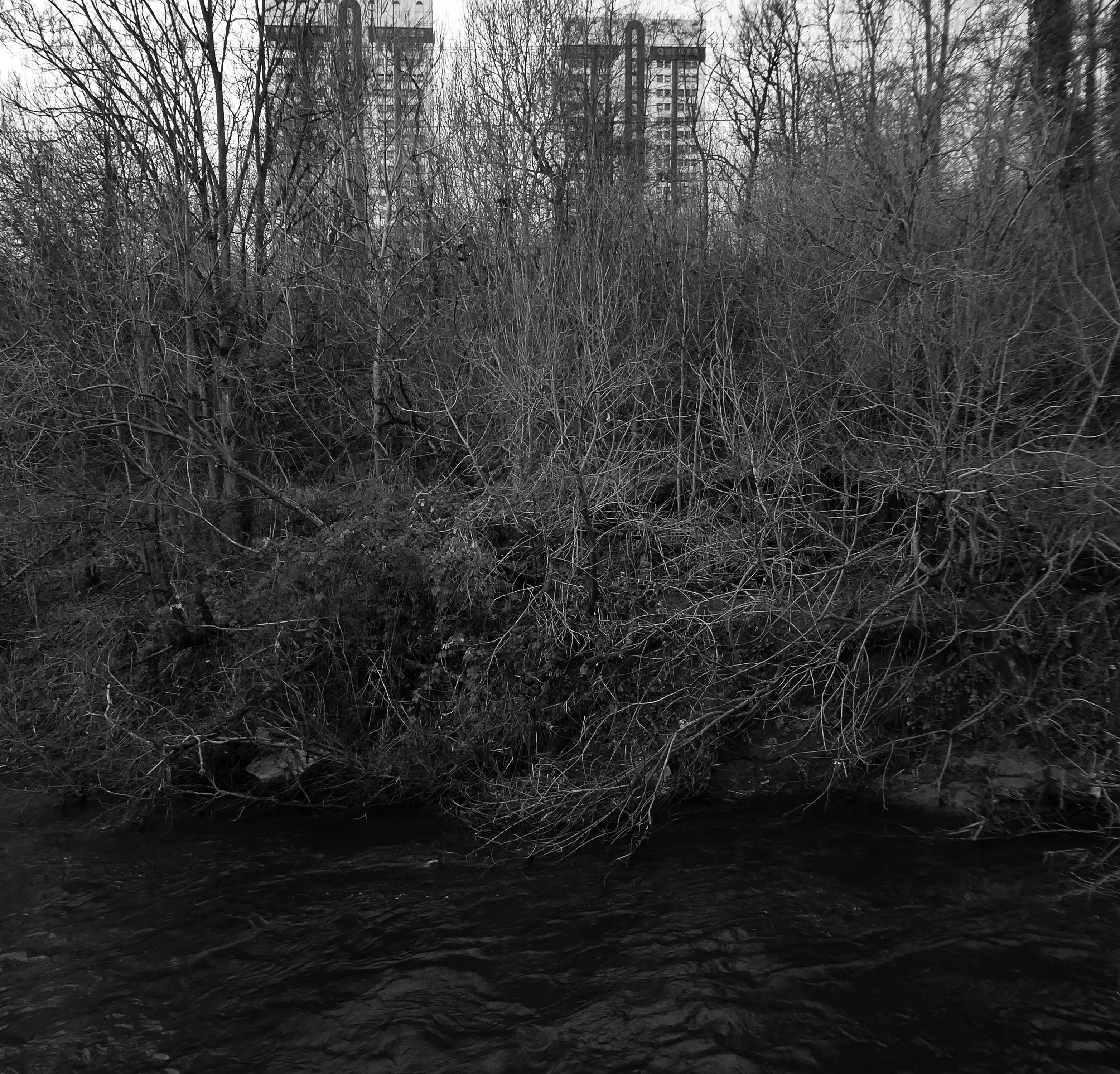
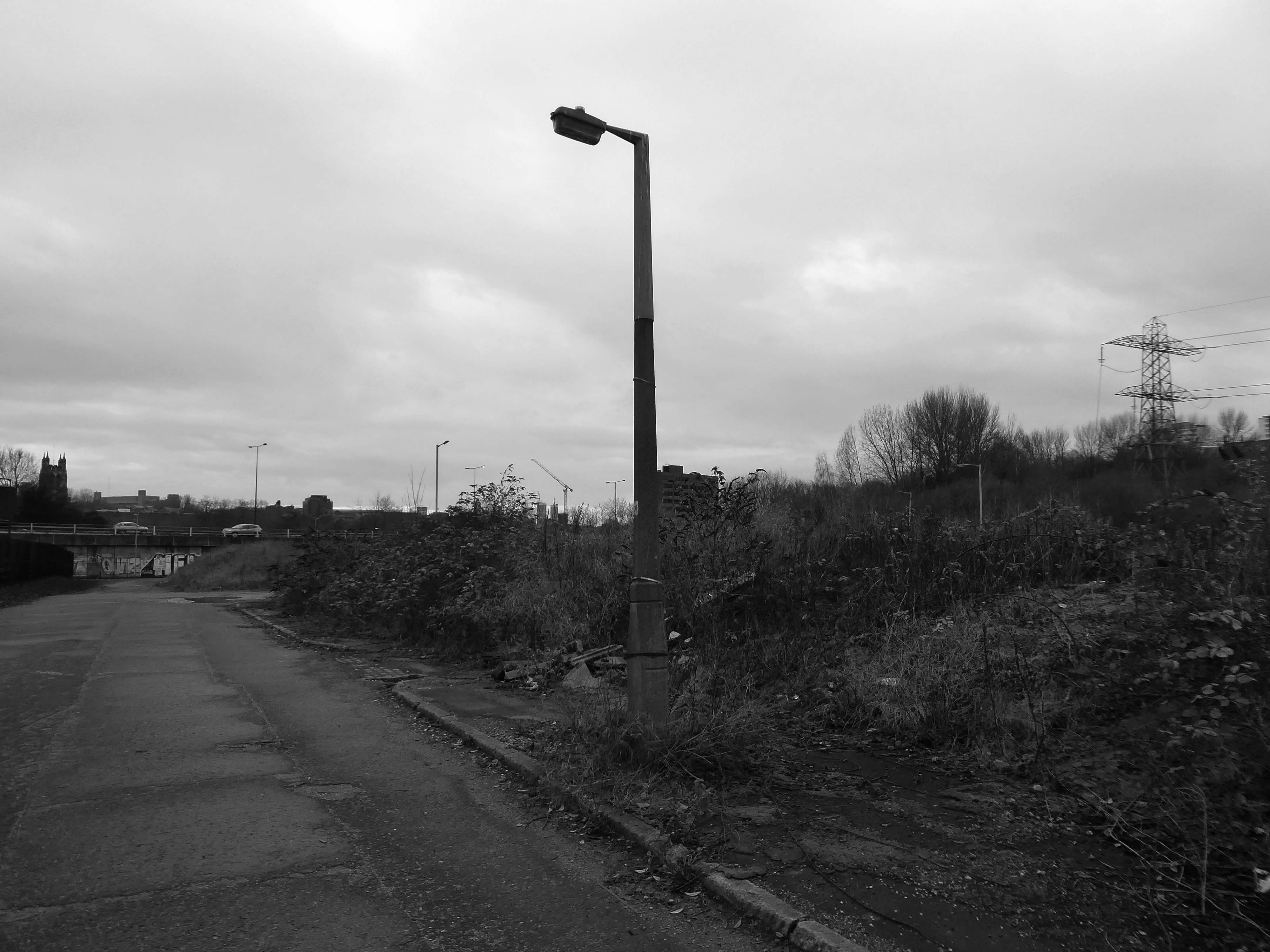
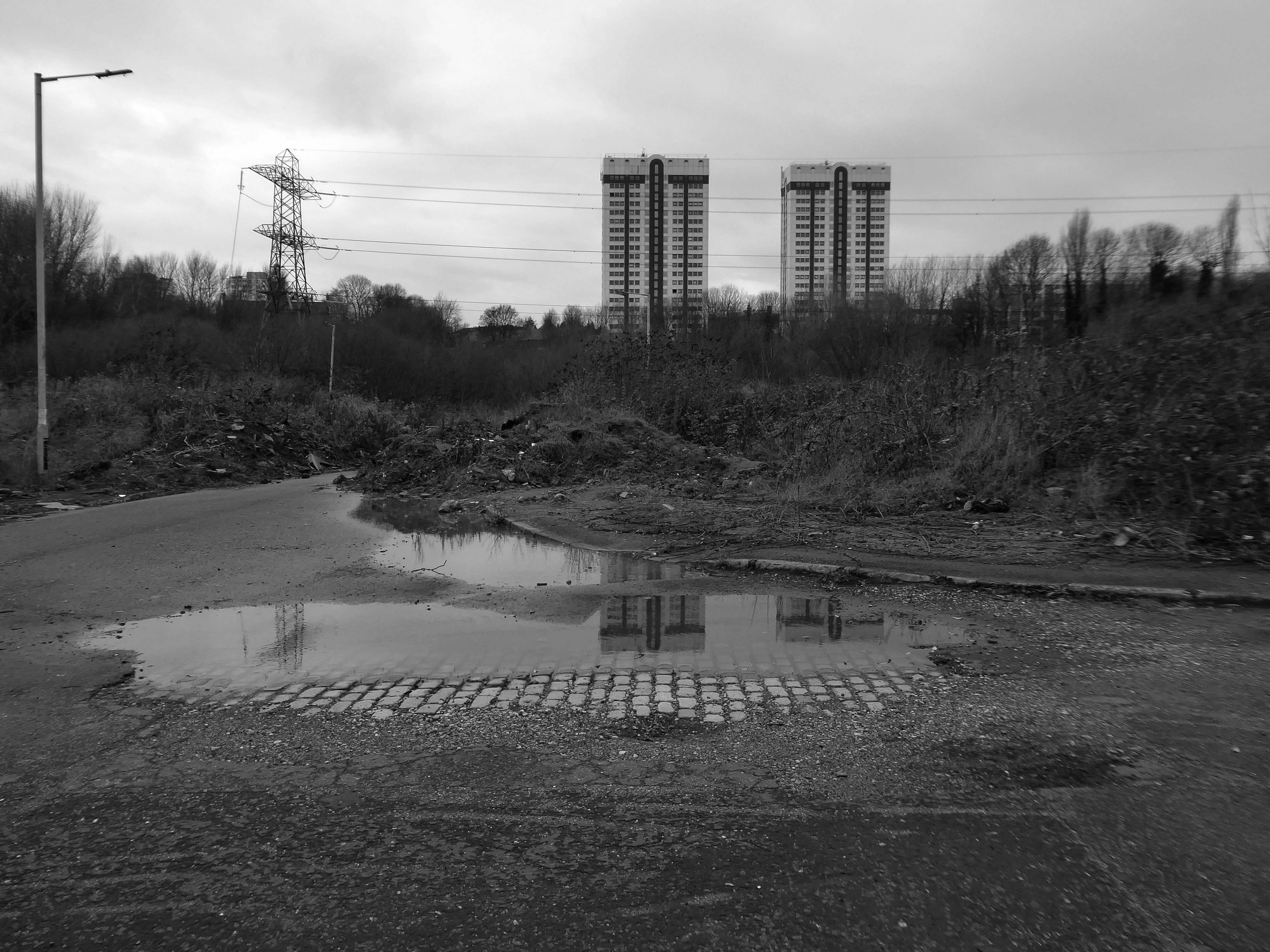
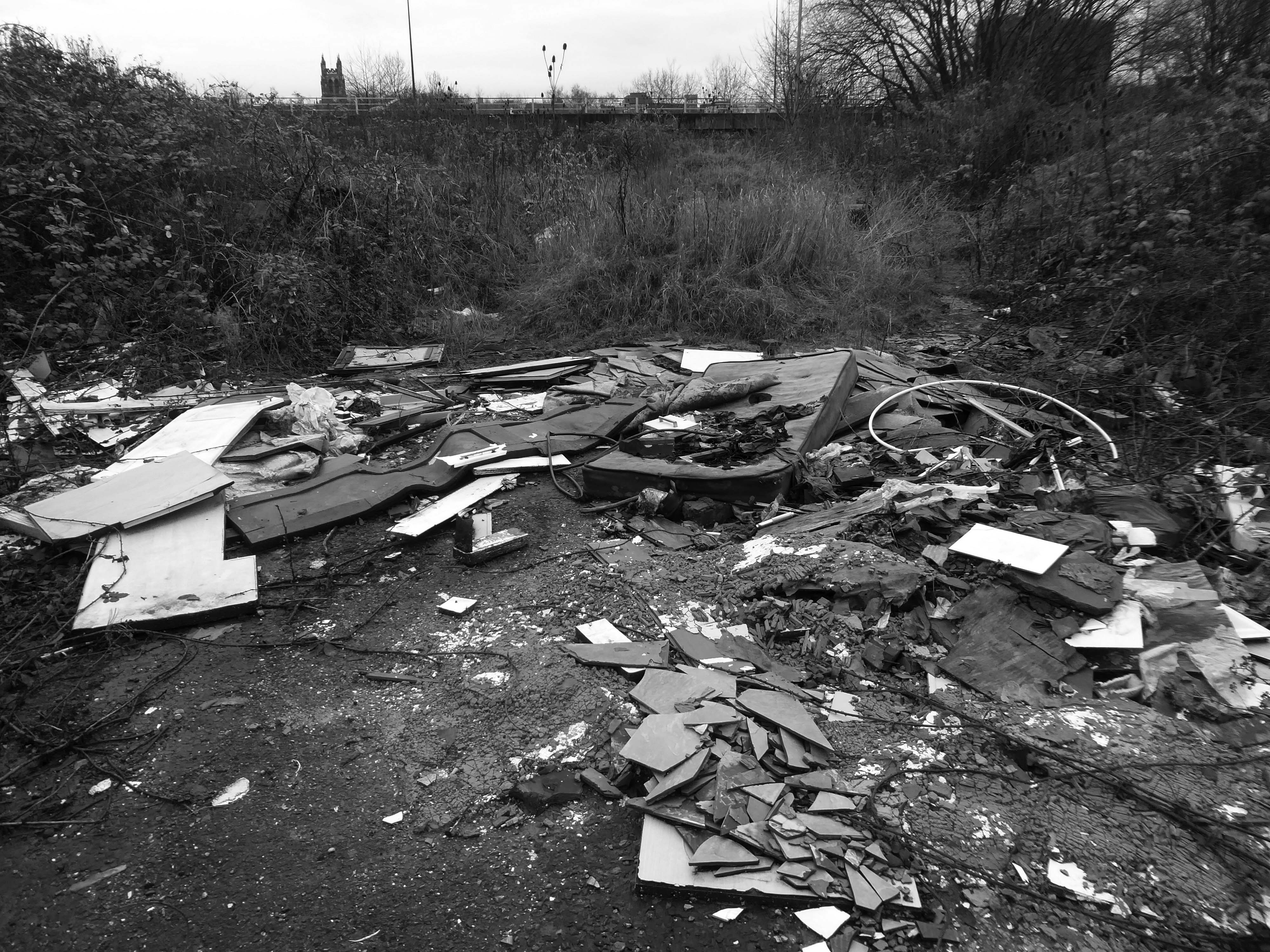
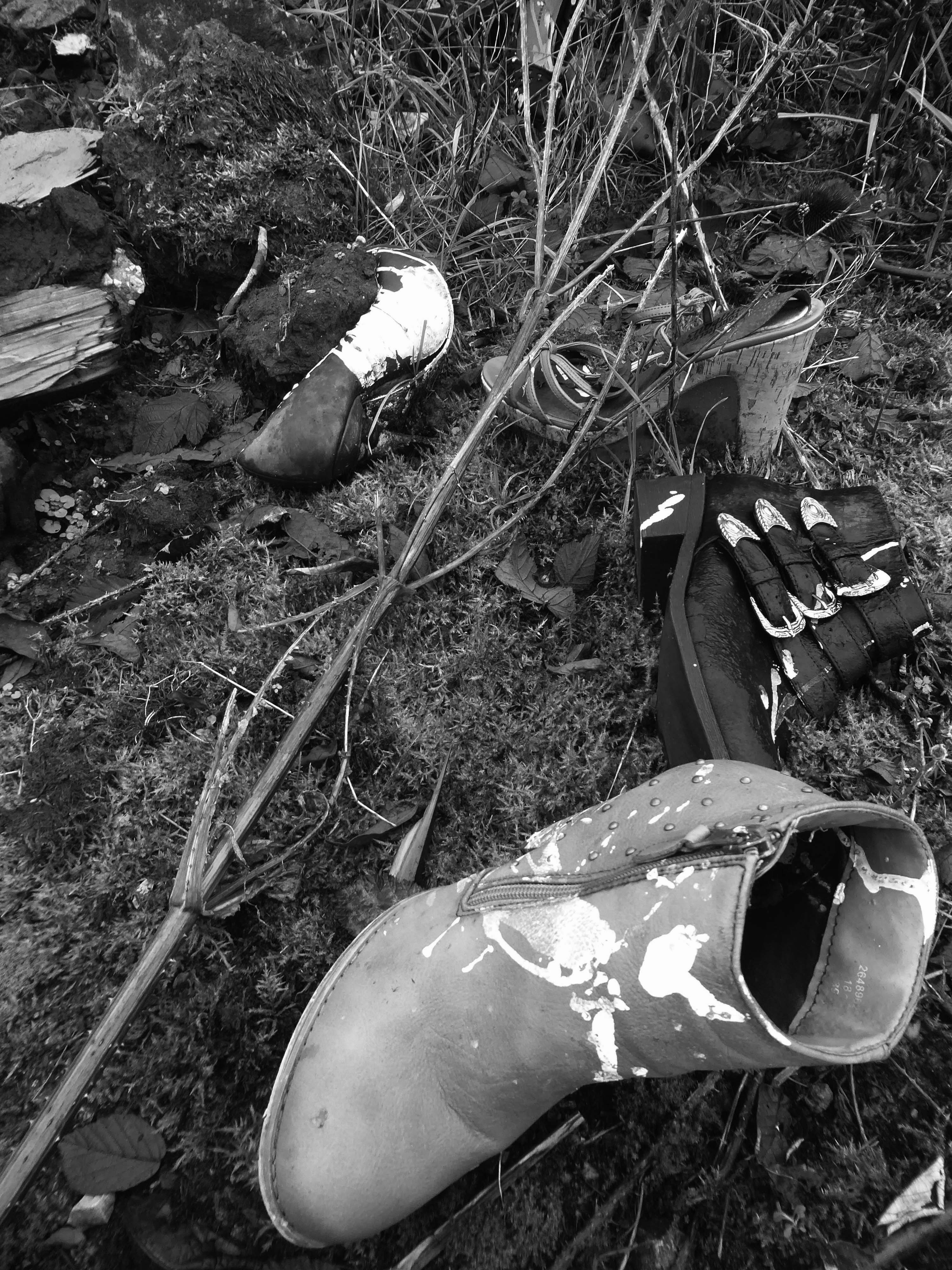
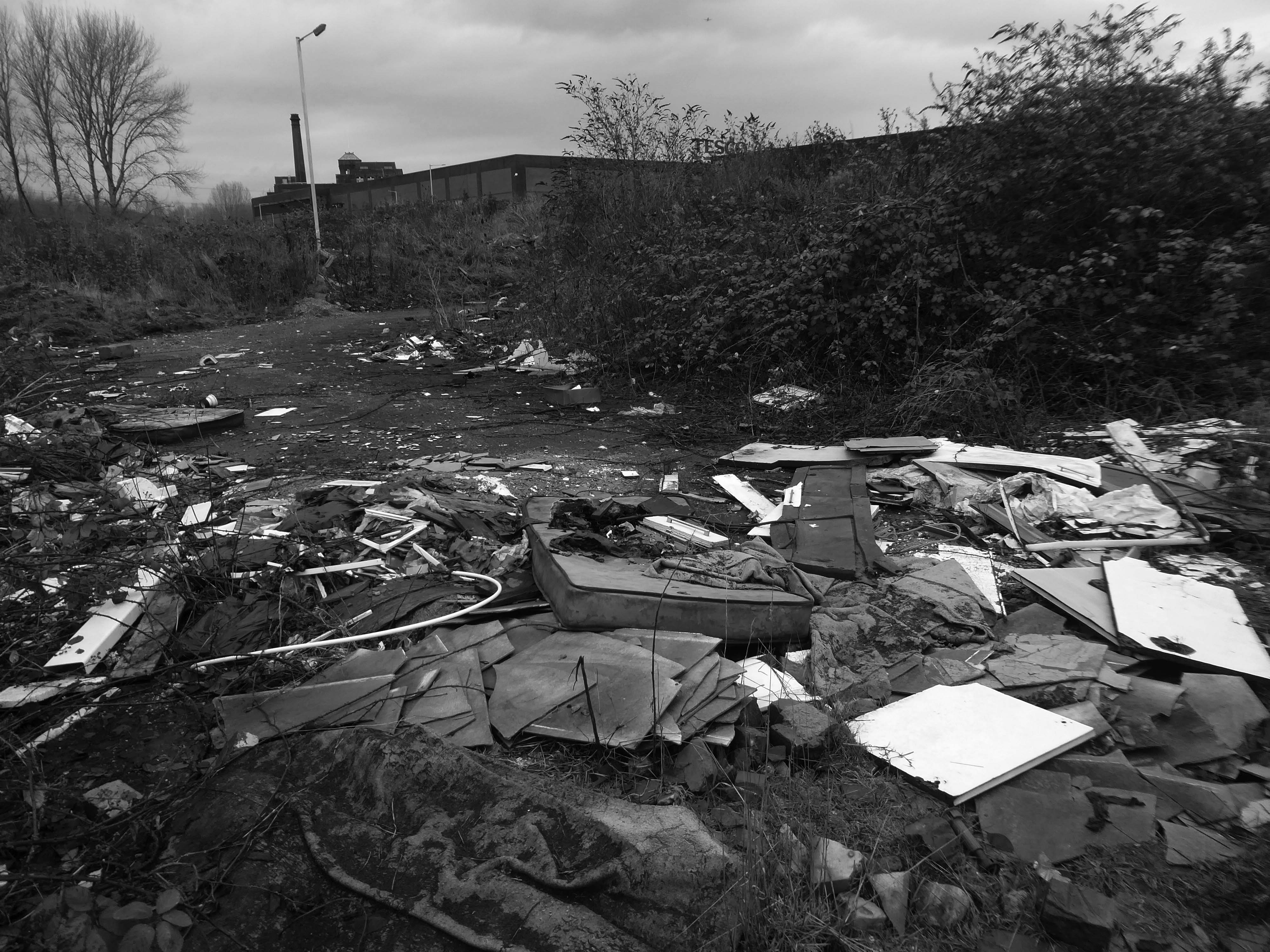
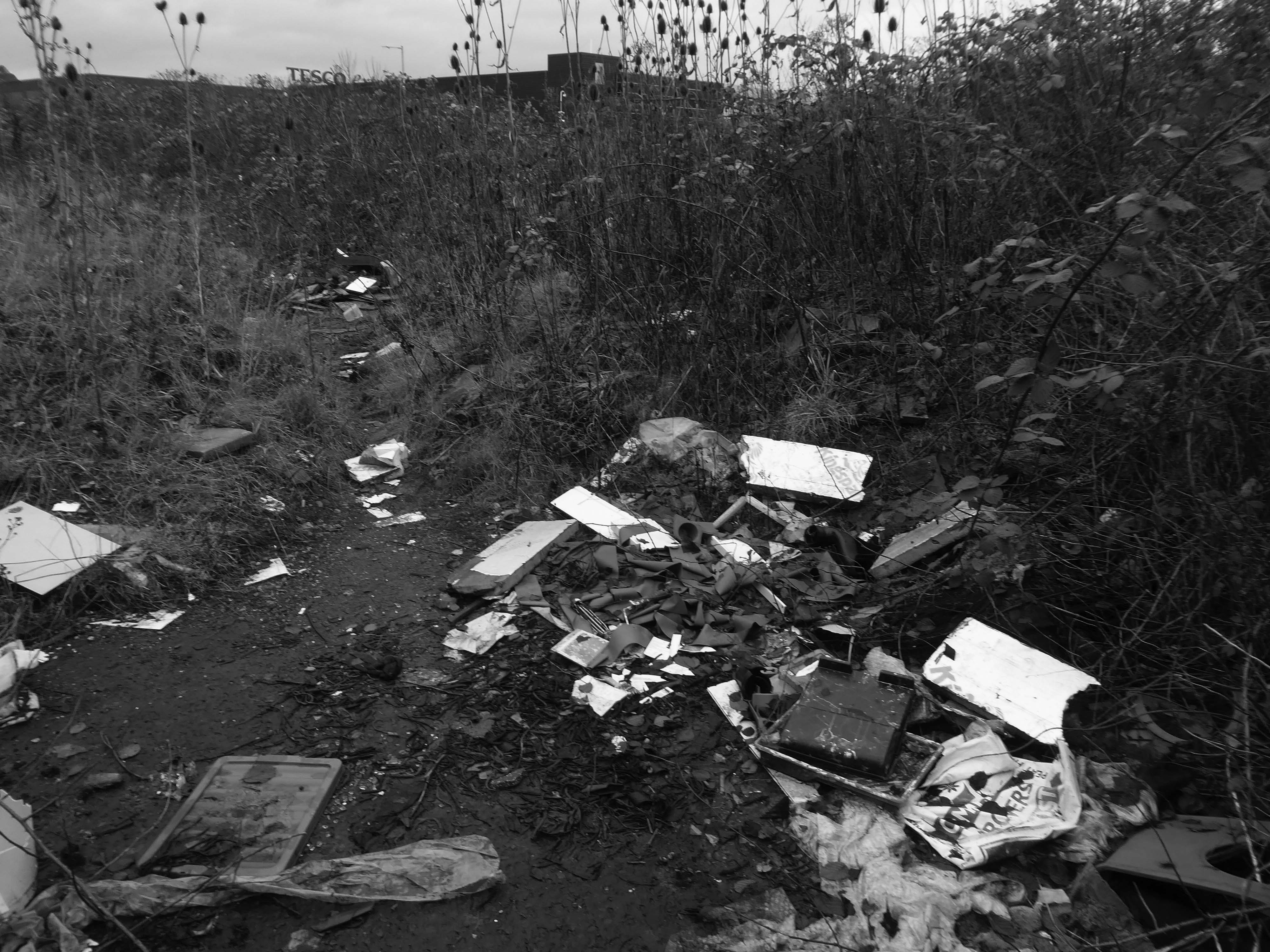
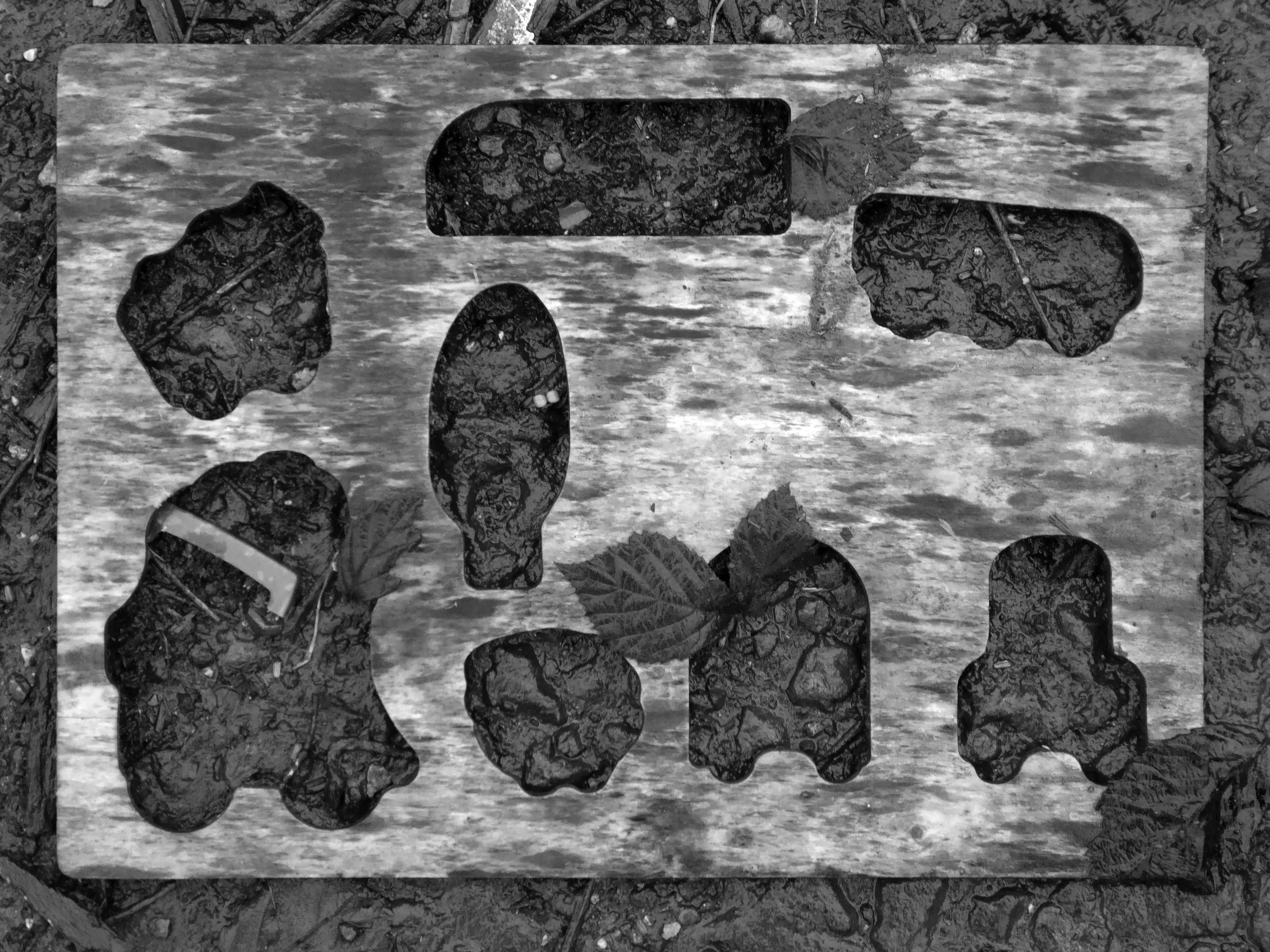
There is a plot of land to the left of Porsche which remains undeveloped, I often walk around this area, what would have once been for myself and others the place of childhood high jinx.
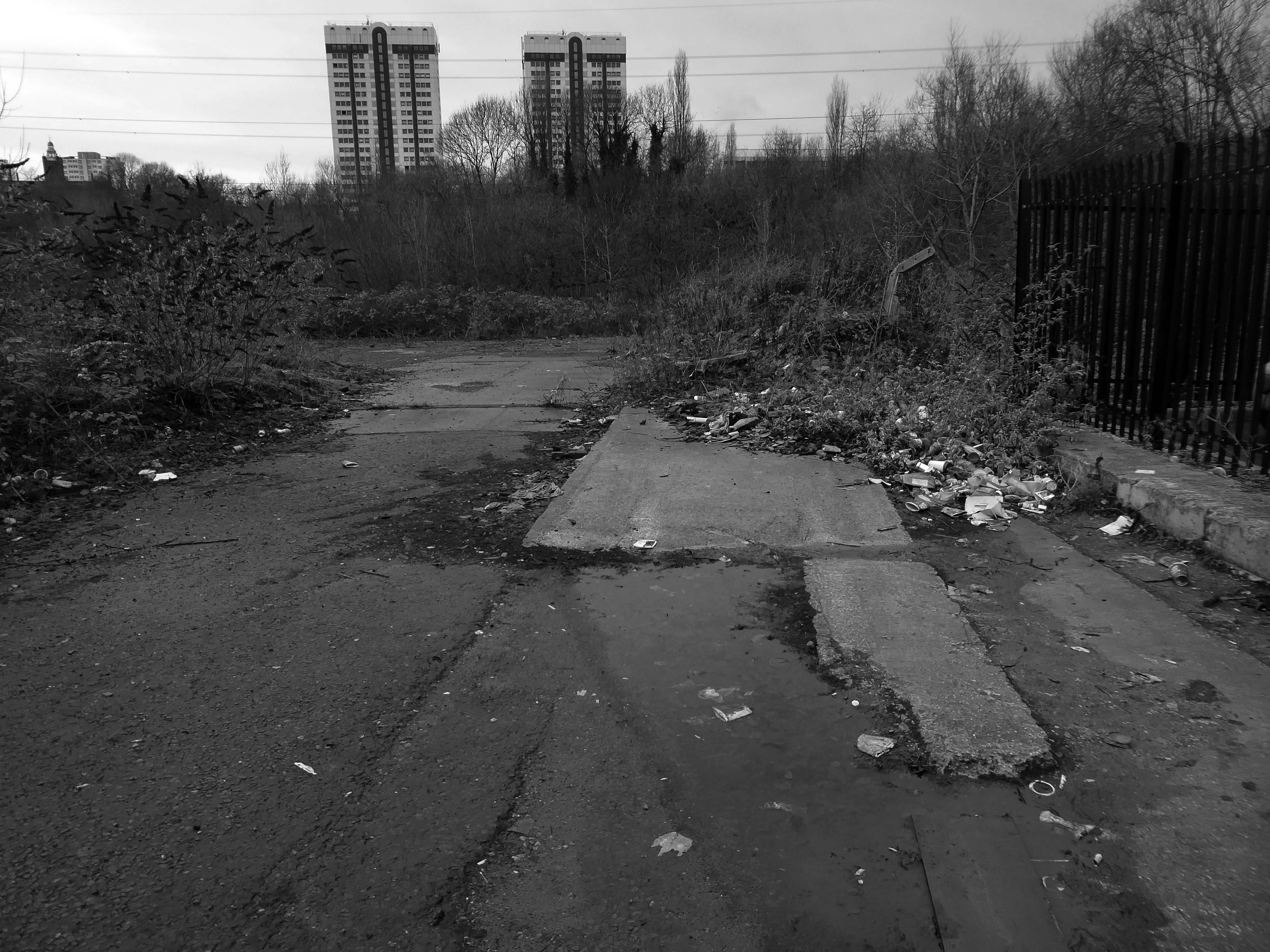
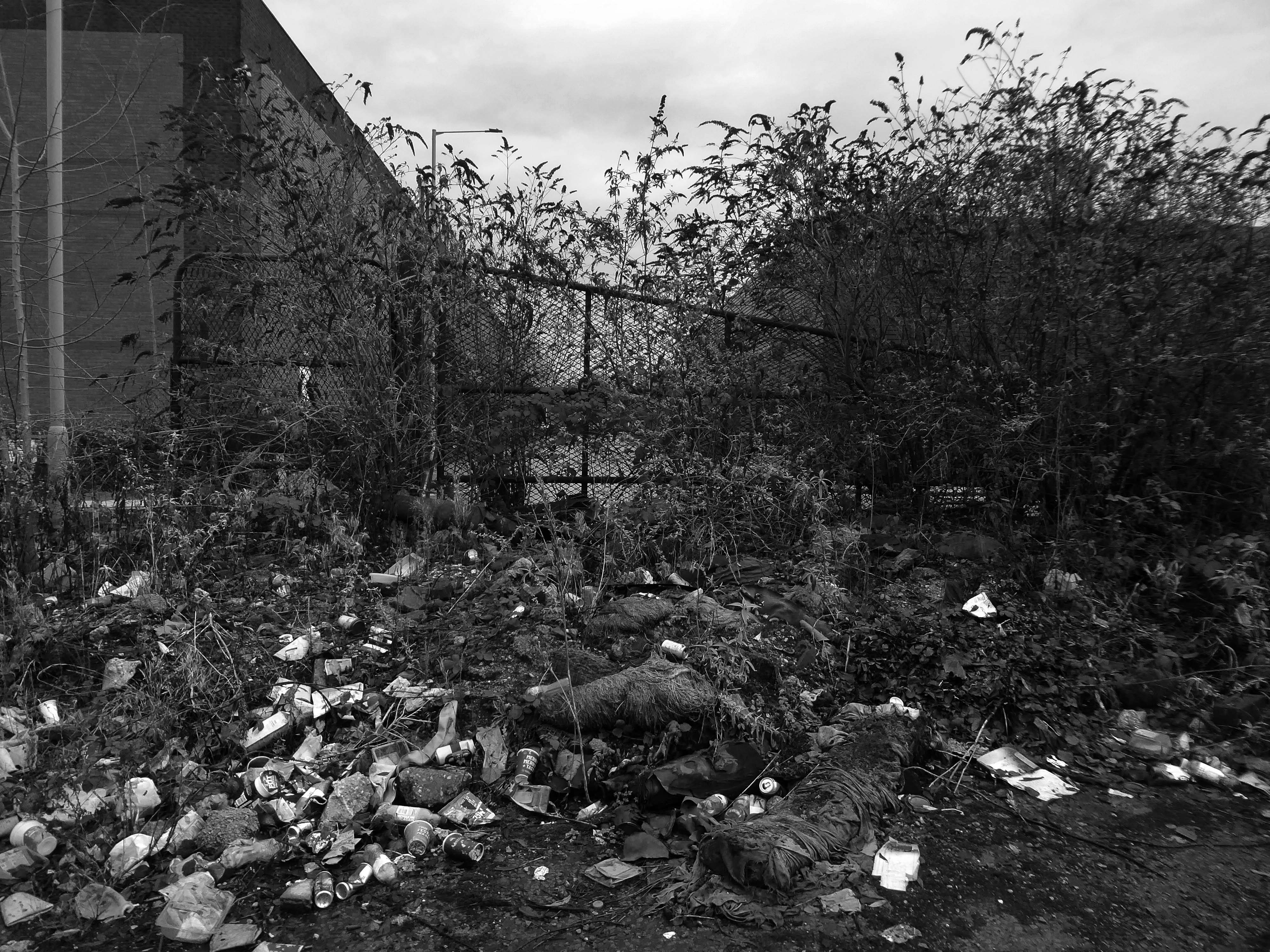
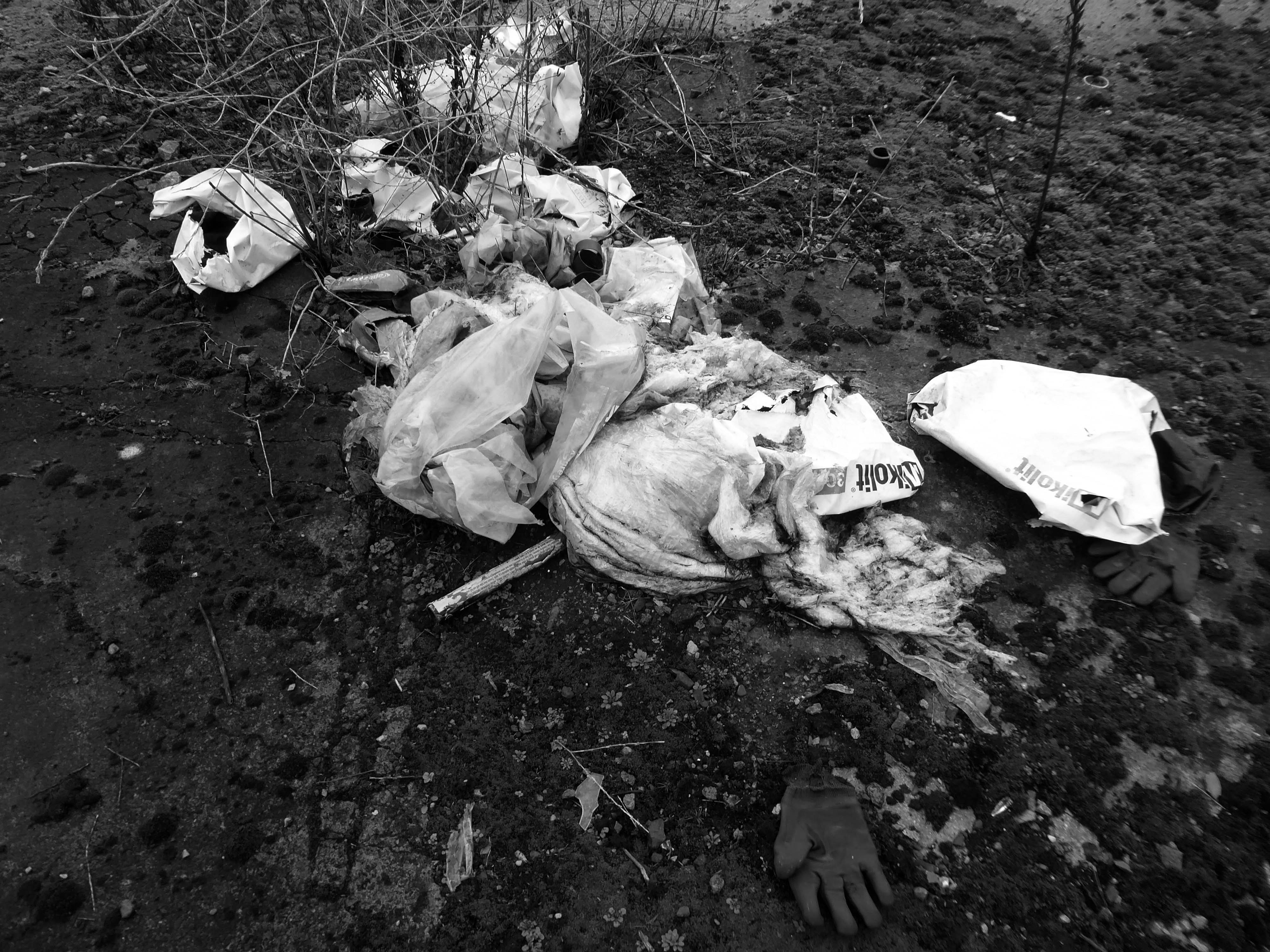
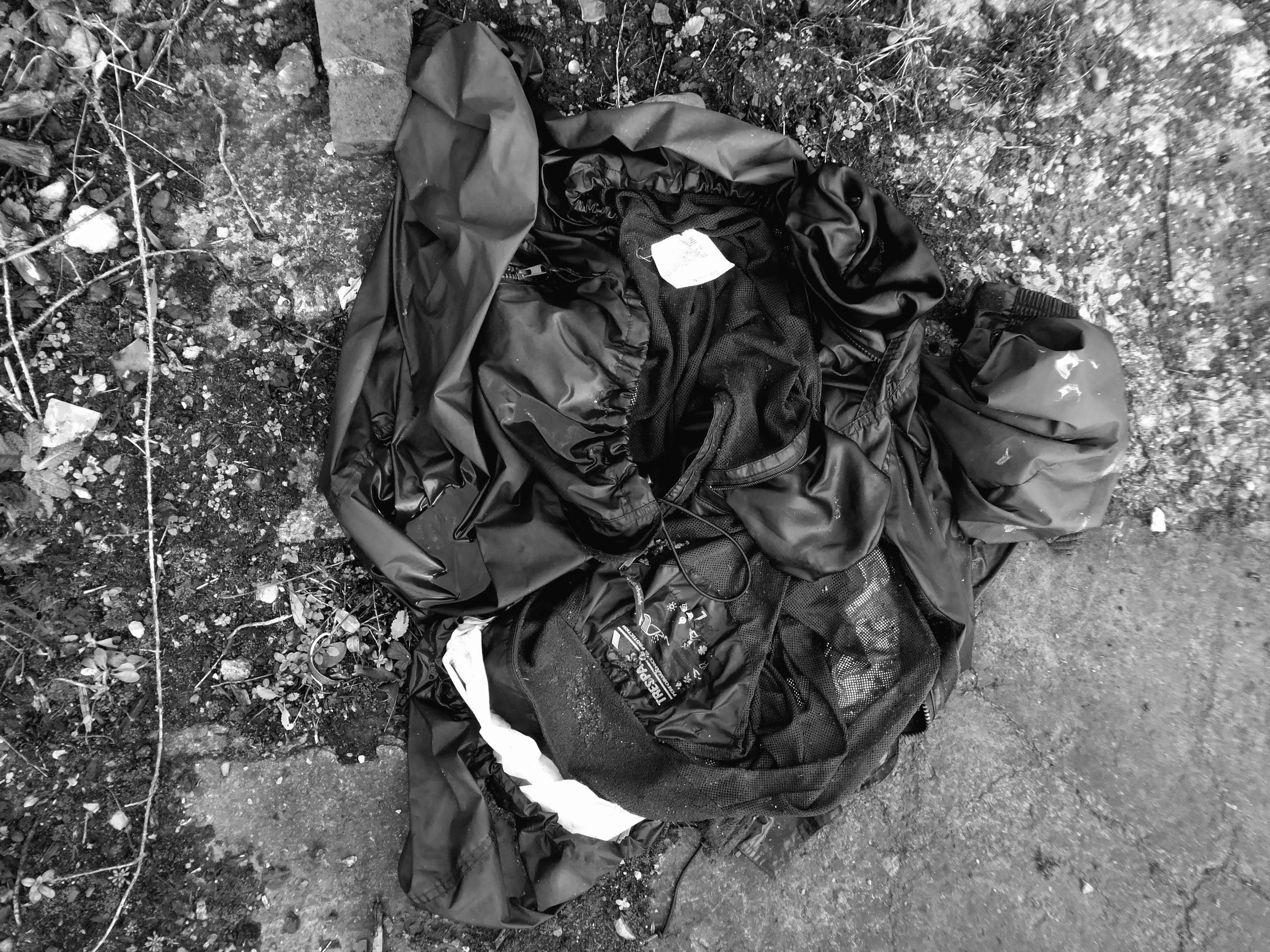
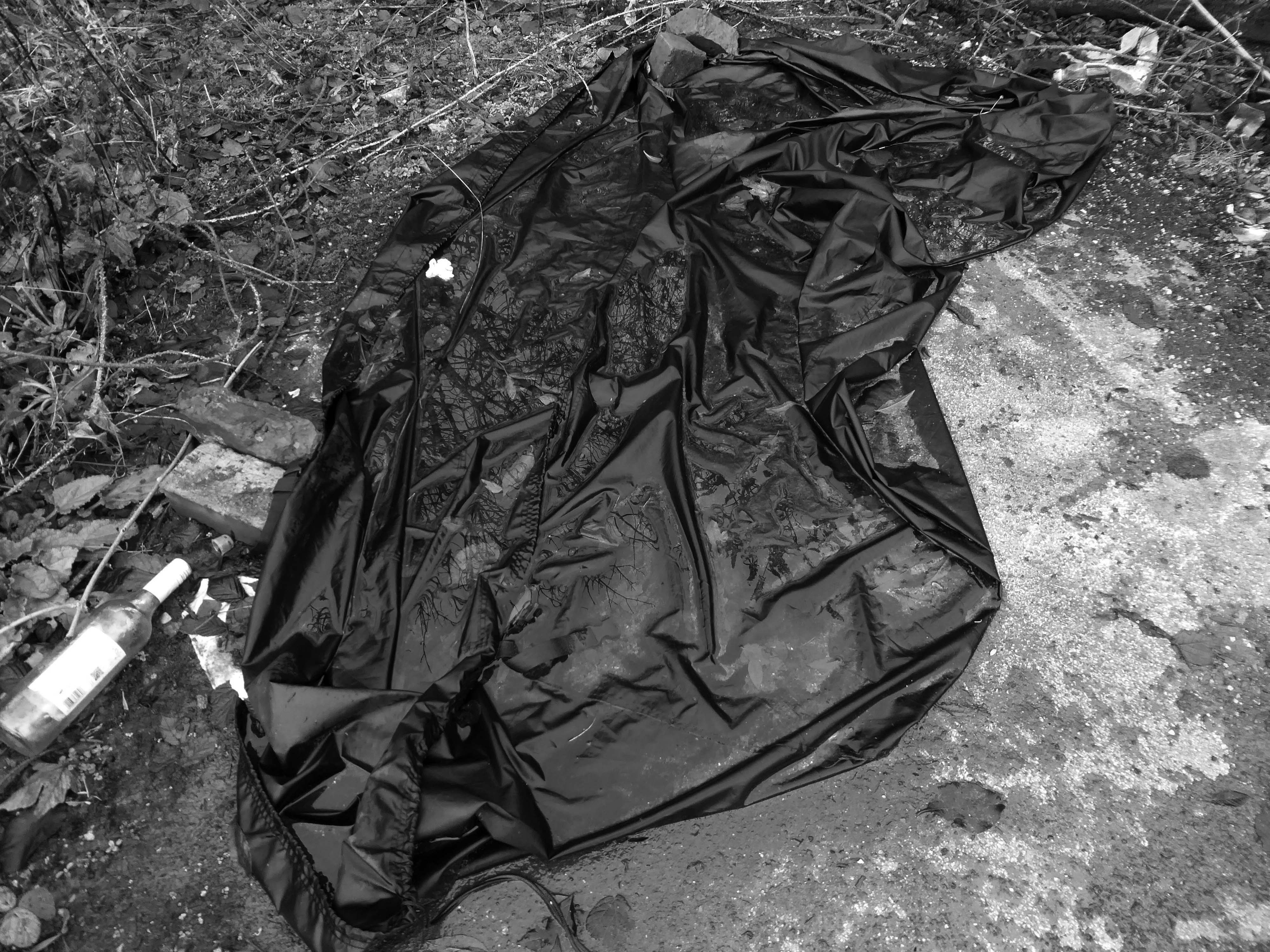
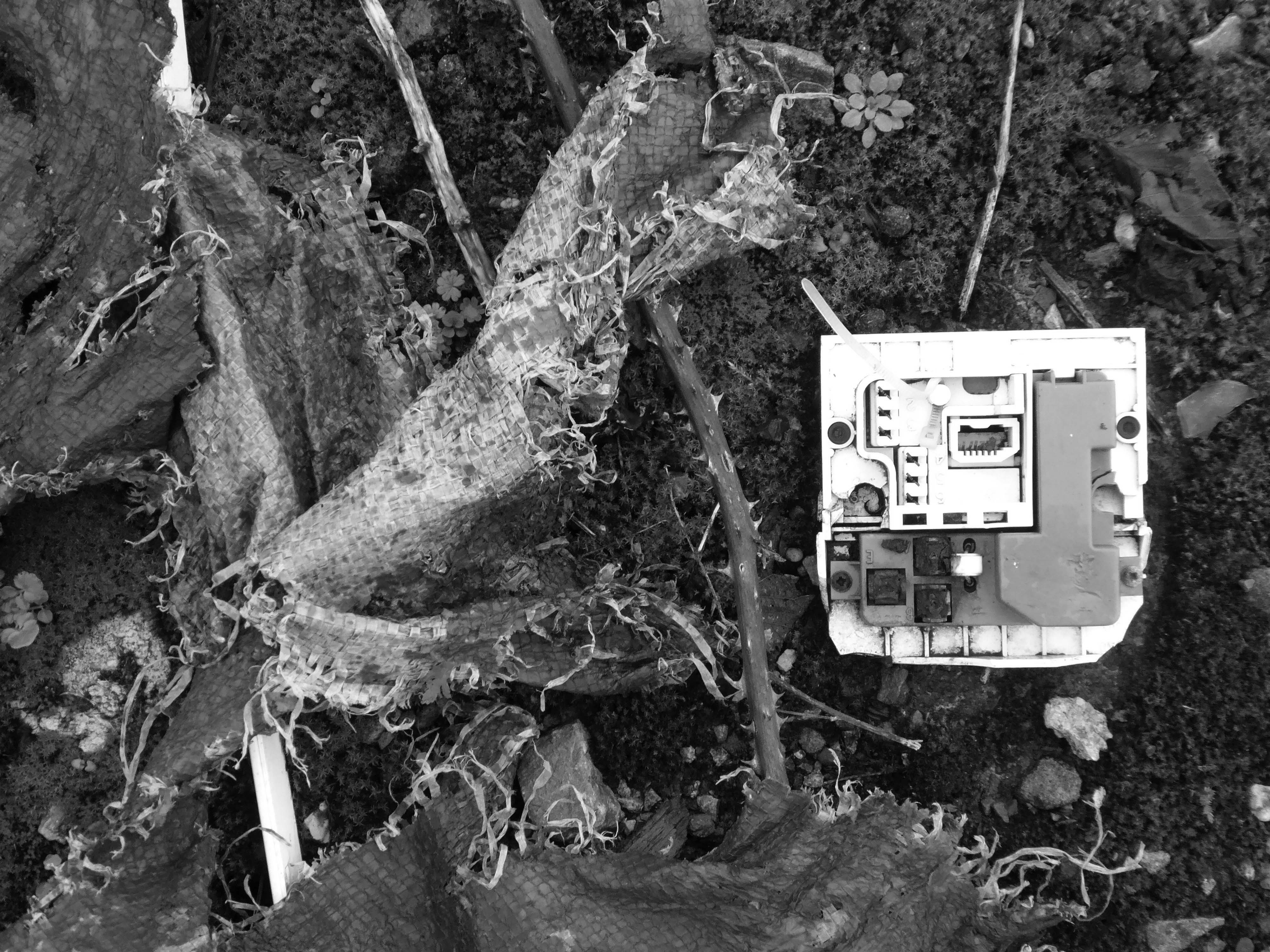
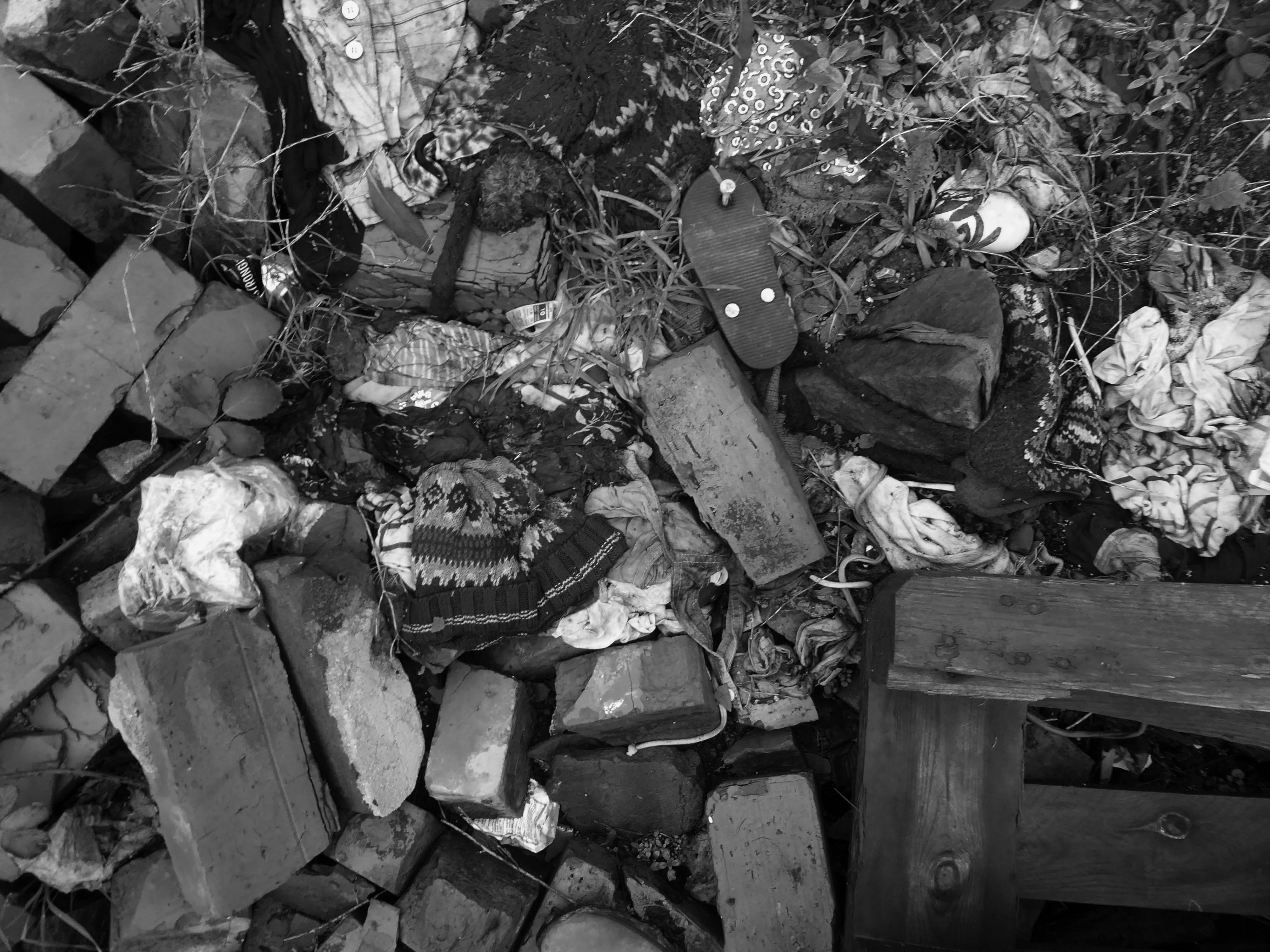
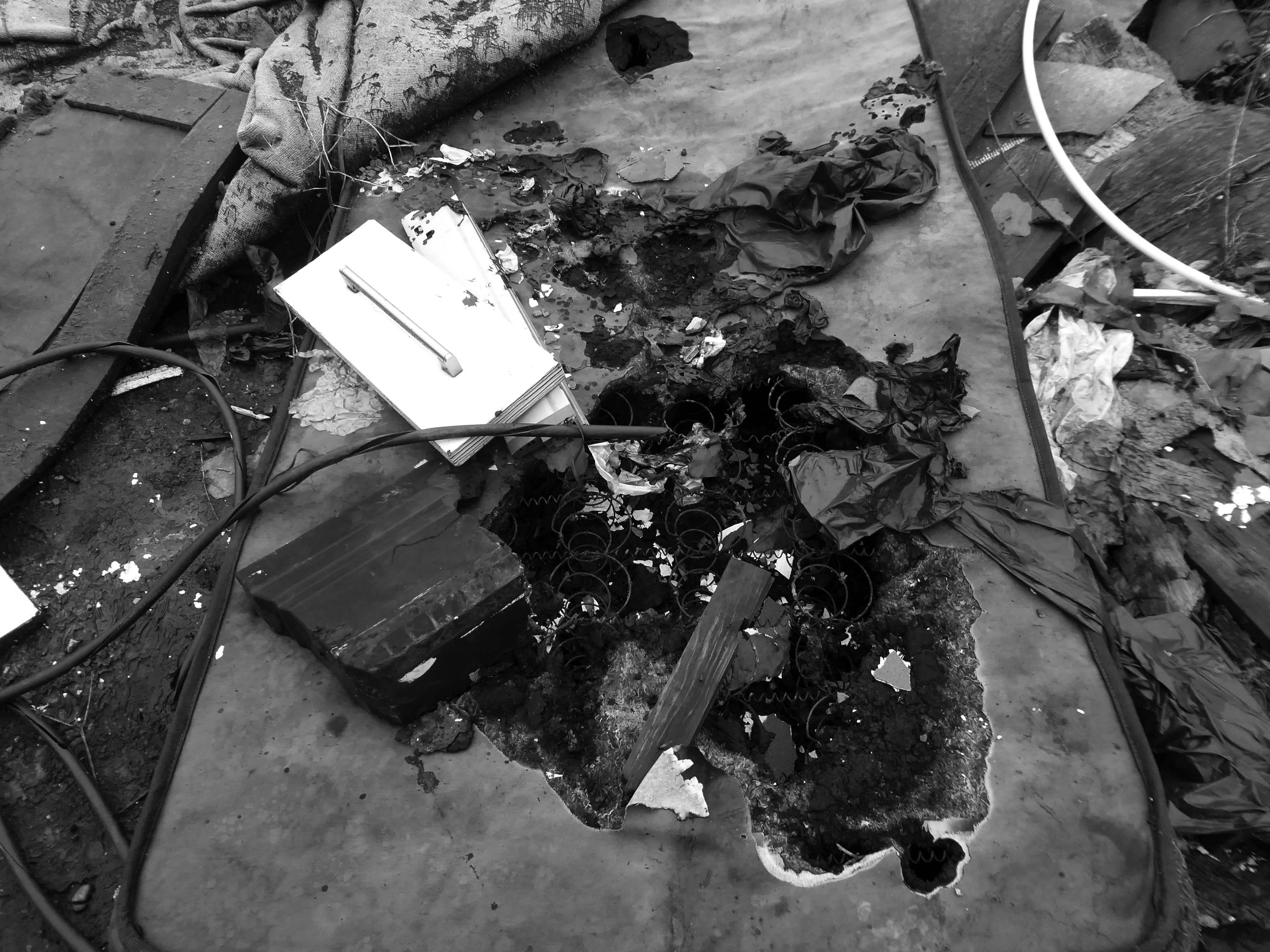
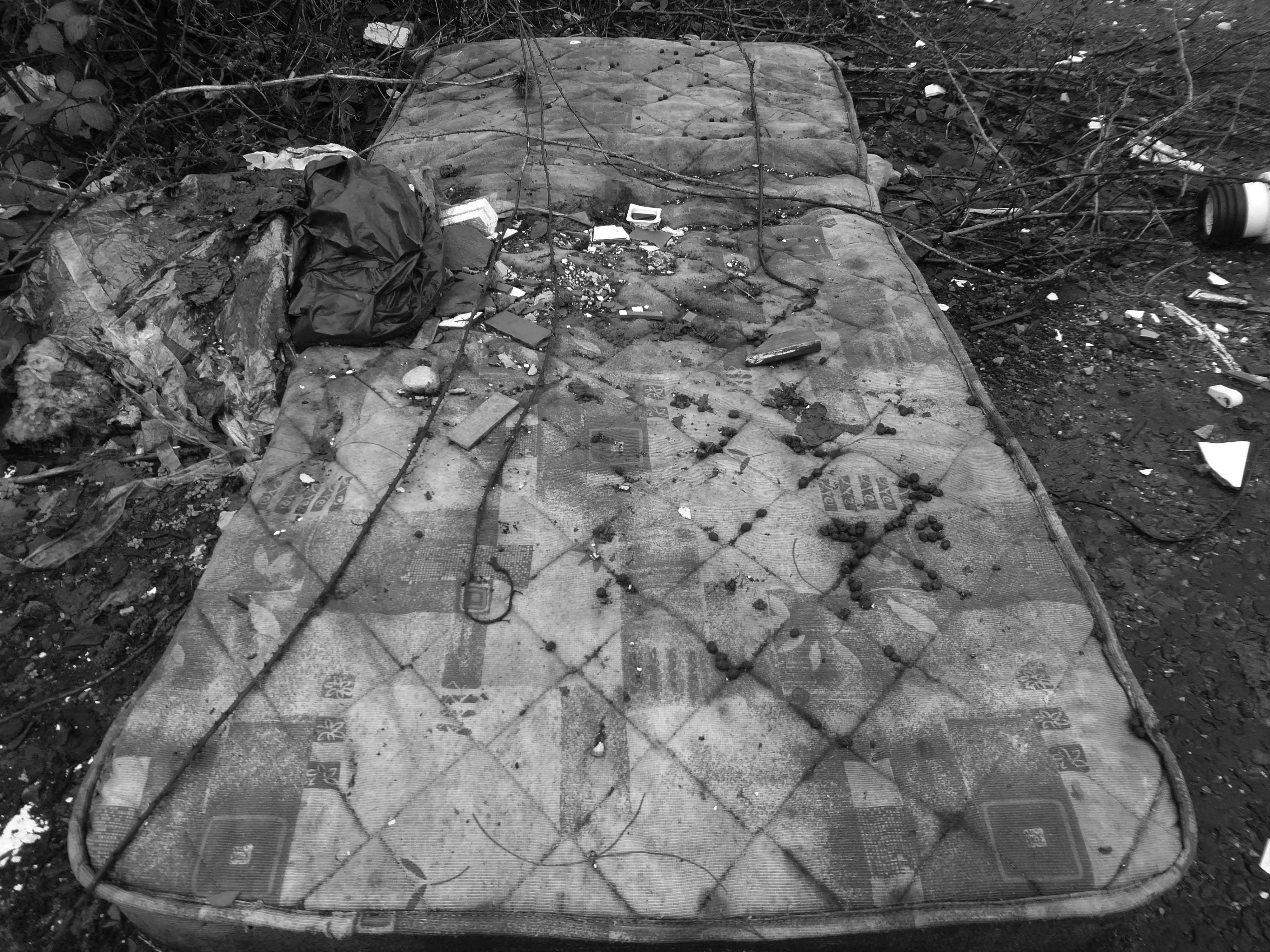
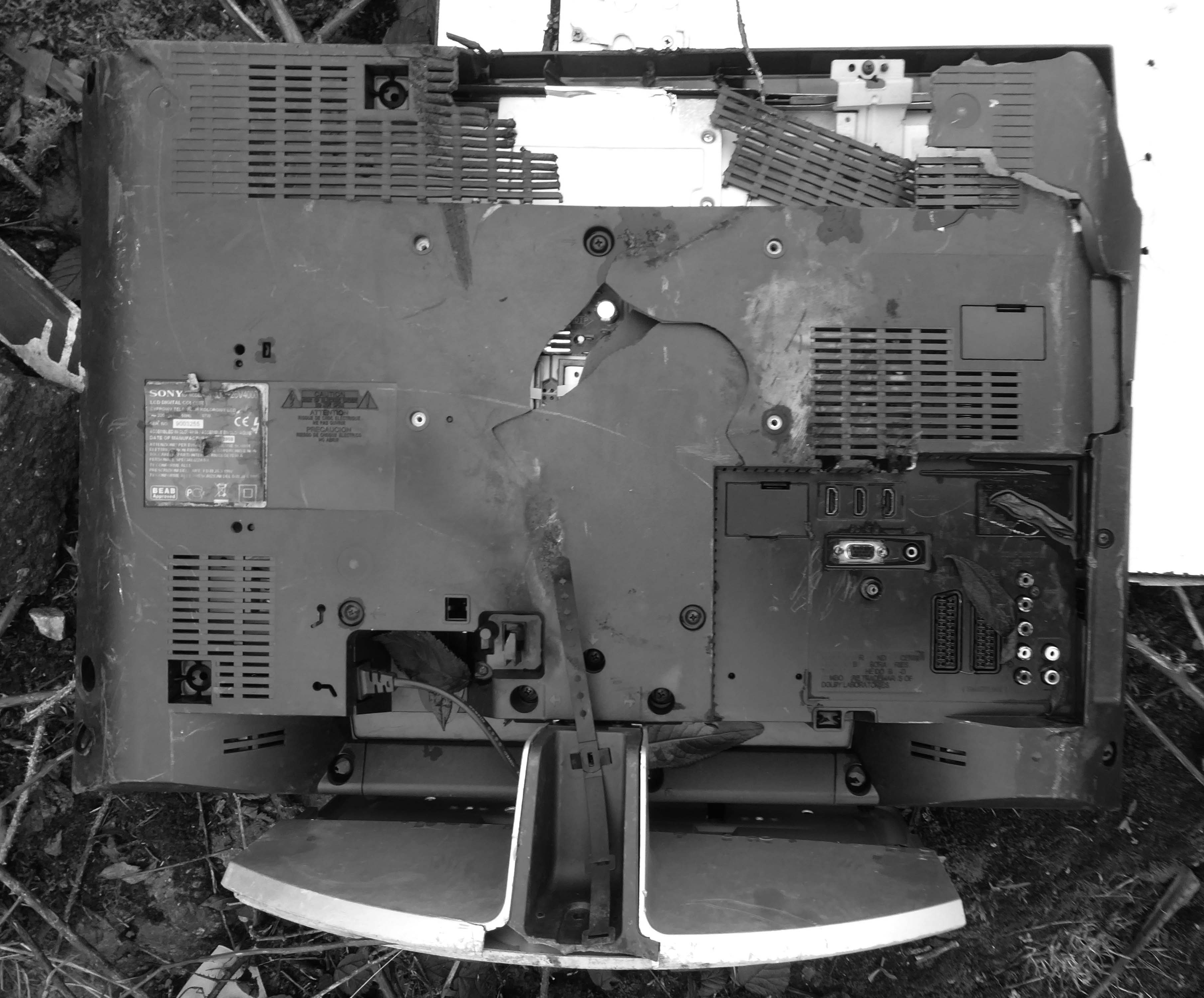
Now it is the domain of the fly-tipper, the home of the homeless, a war zone for a species which has declared war upon itself.
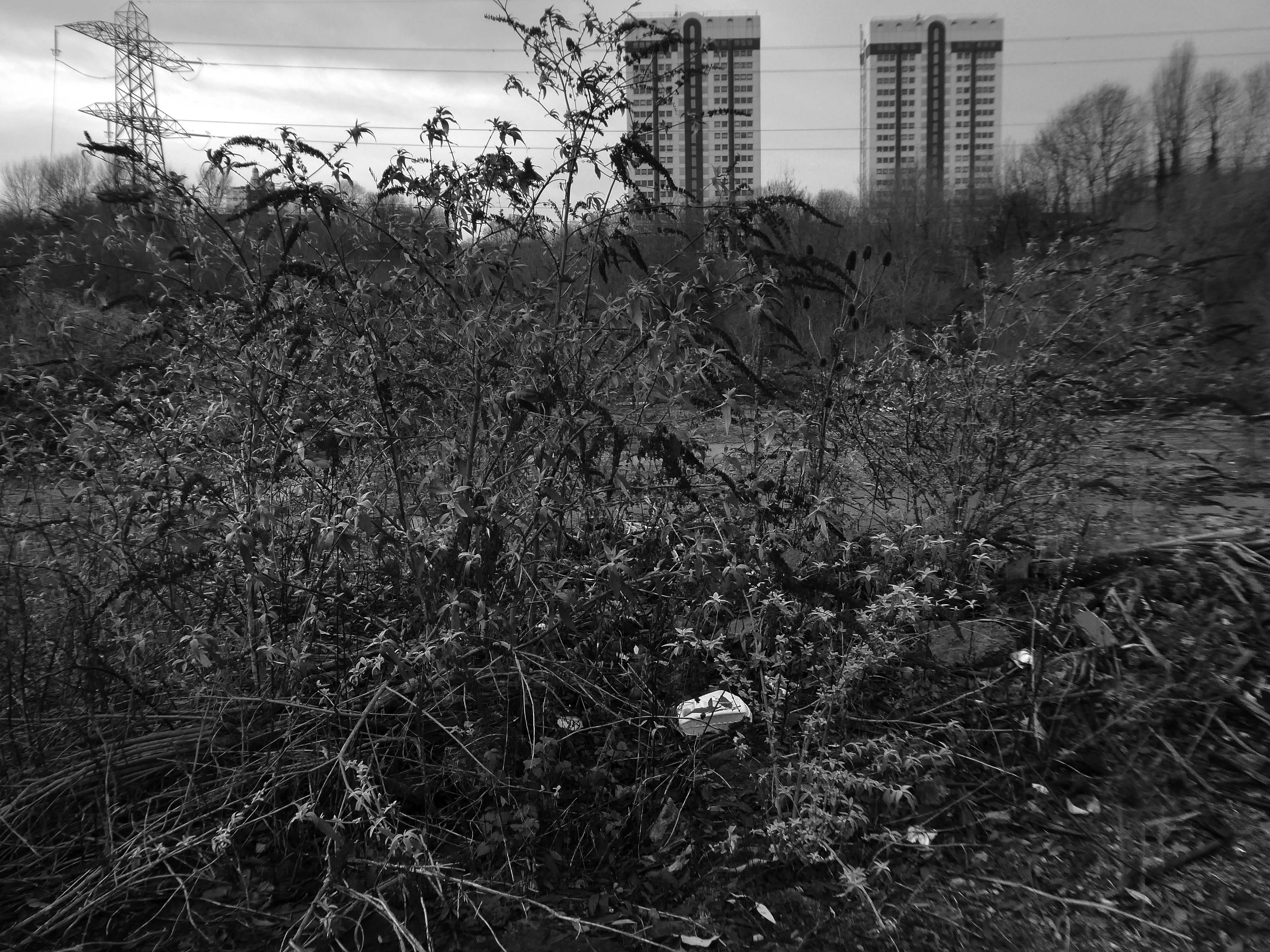
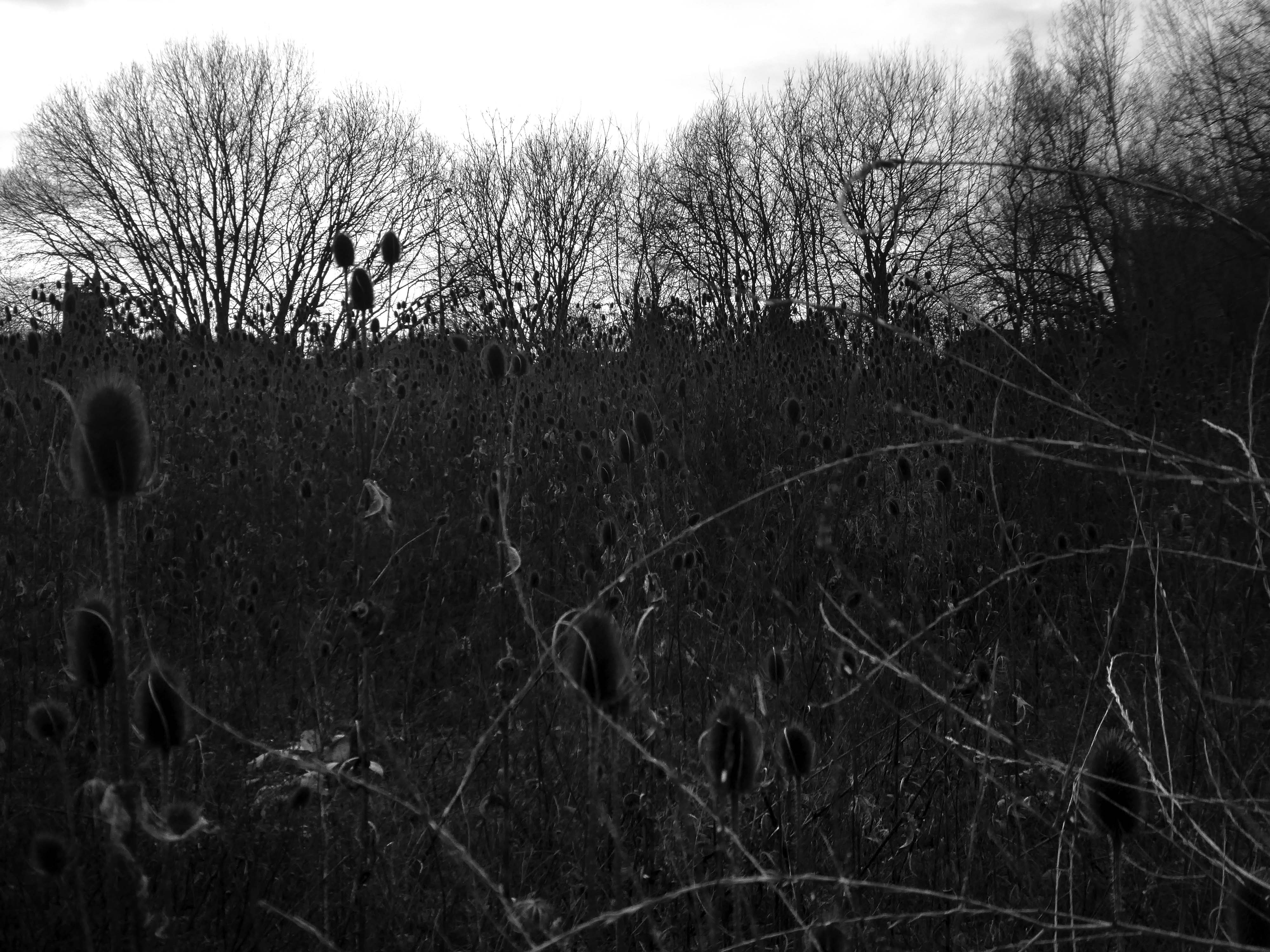
A desert of detritus, interpolated with tangles of brambles, seas of teasels and the ubiquitous buddleia.
This is the unofficial showroom for the unofficial Anthropocene Epoch – always crashing in a different car, during increasingly unseasonal weather, the superabundance of abundance.
It seems that the sun may set on us, before the sun finally sets.
Let’s take a peep at Portwood.
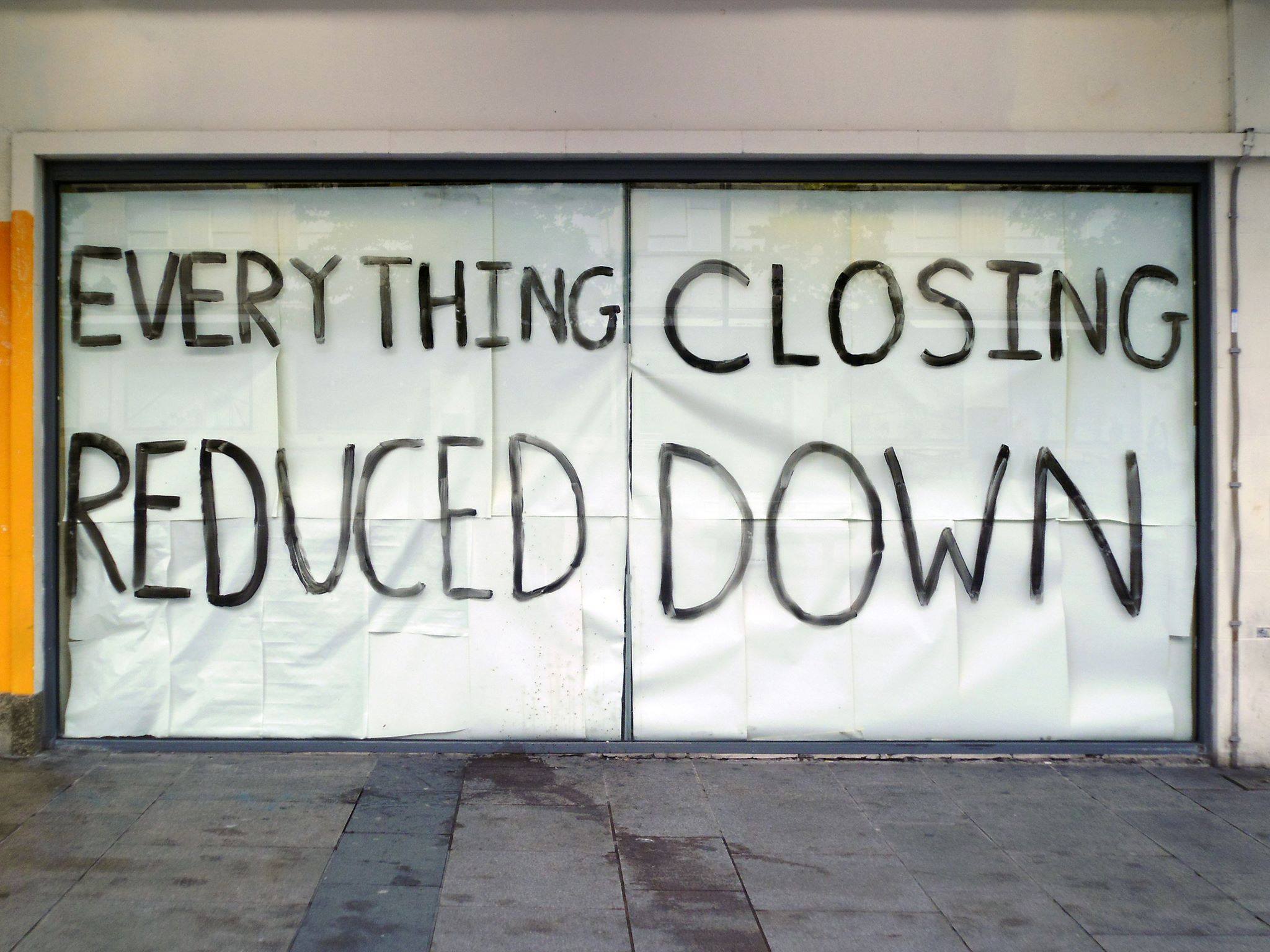
Game over.
Vehicle use affects our whole quality of local life. Traffic can be dangerous and intimidating, dividing communities and making street life unpleasant, whilst air pollution and traffic noise can make urban living uncomfortable.
The impacts of mass consumption are: Misuse of land and resources, exporting pollution and waste from rich countries to poor countries, obesity due to excessive consumption, a cycle of waste, disparities and poverty.
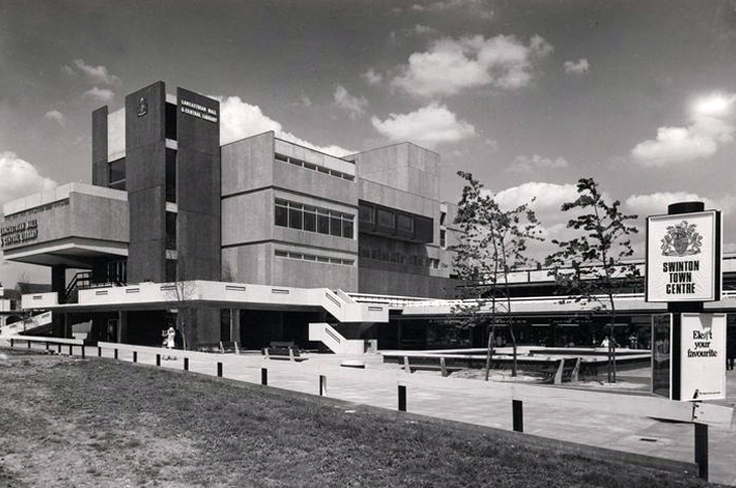
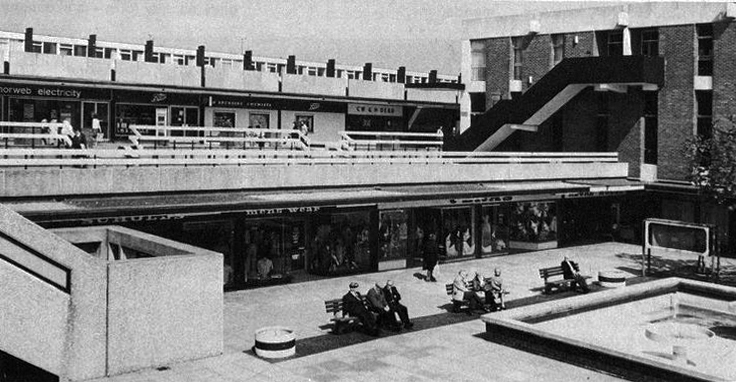
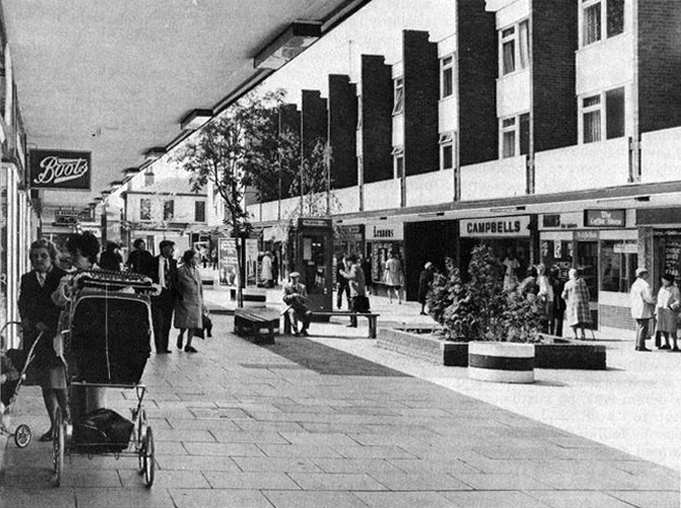
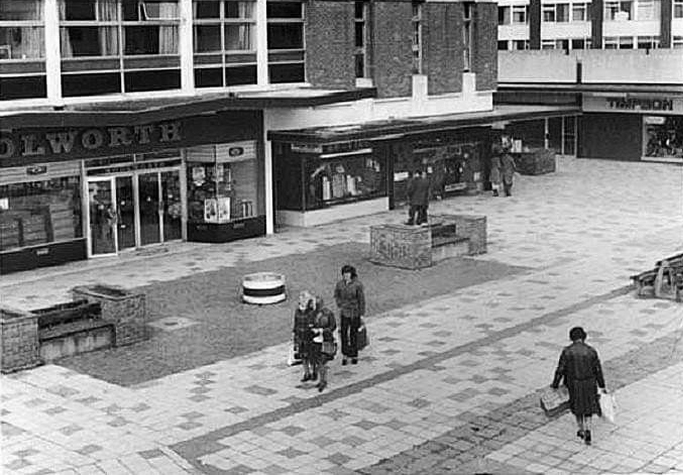
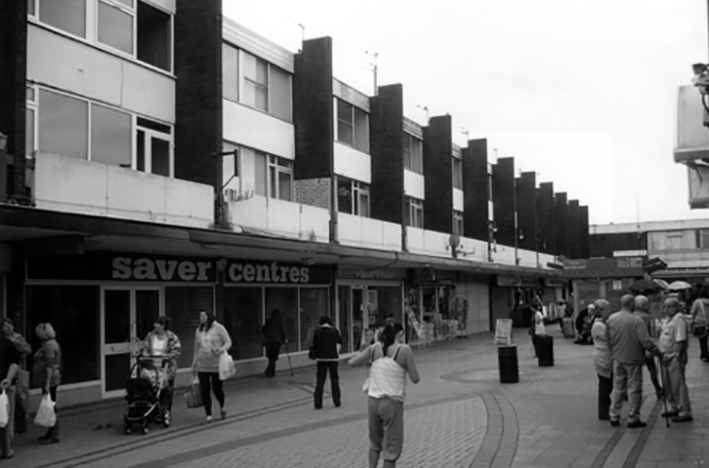
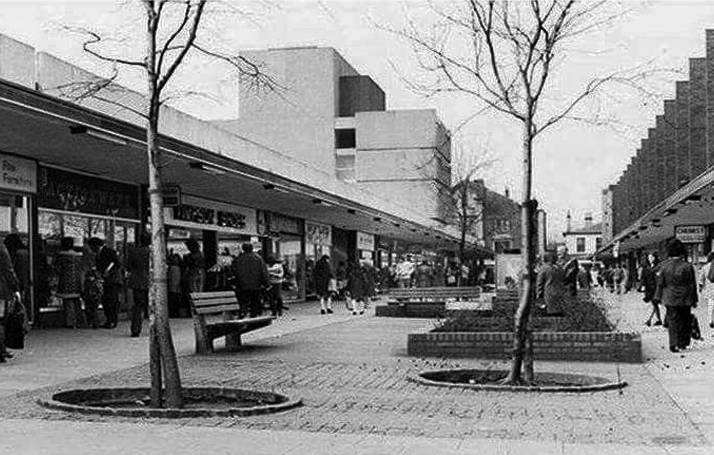
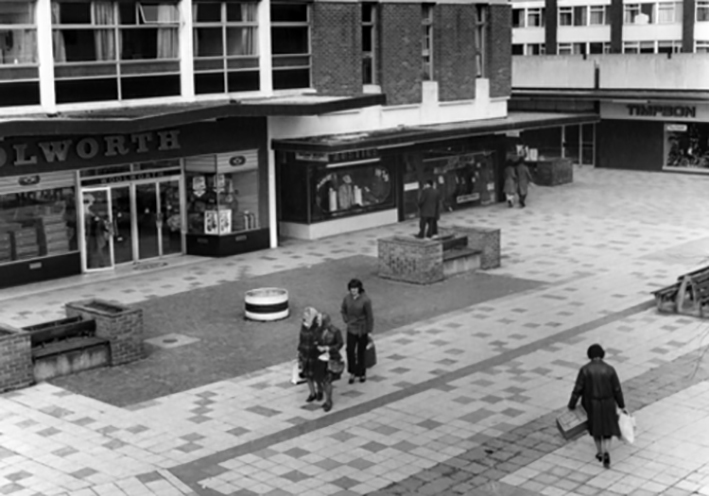
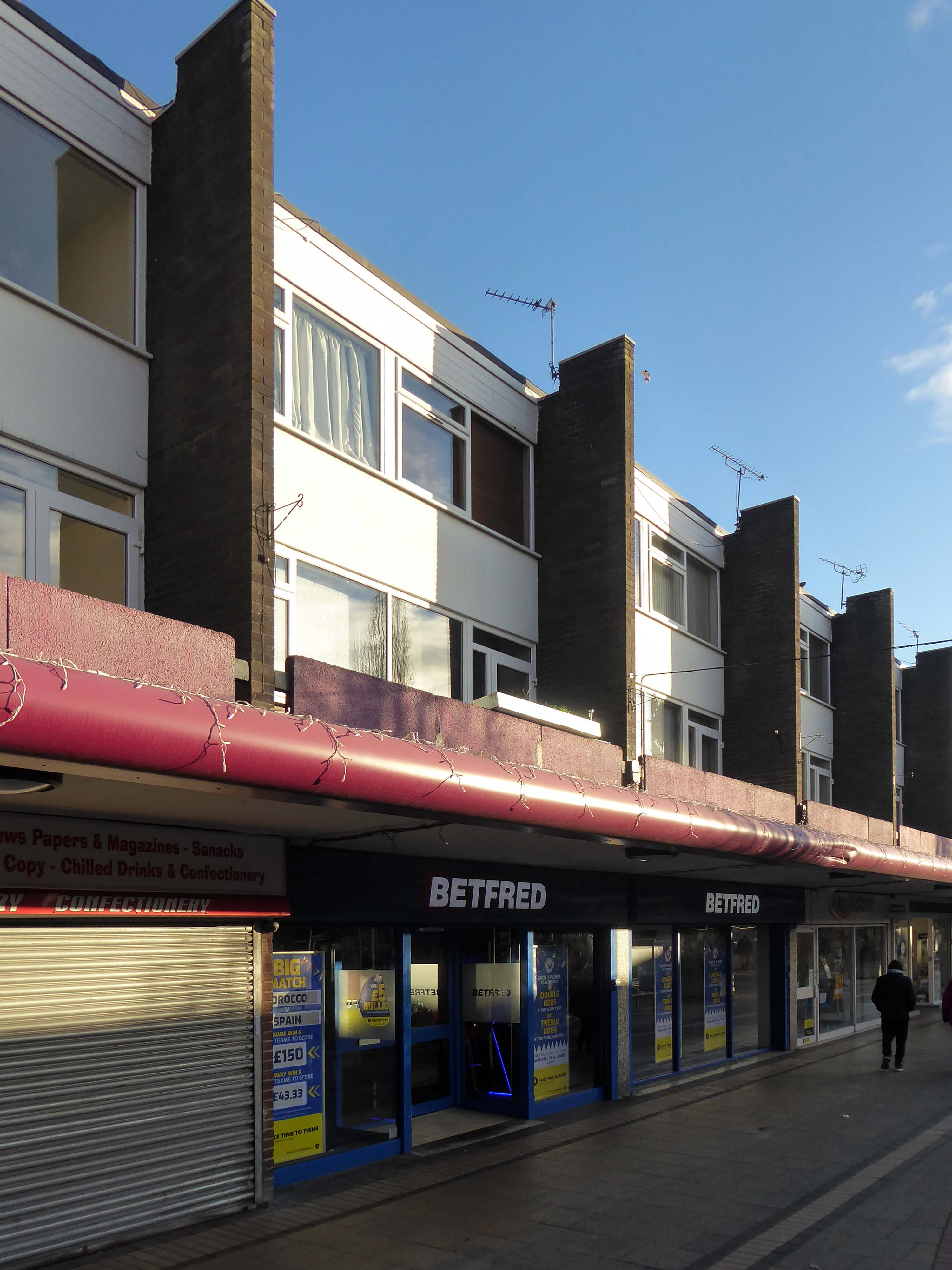
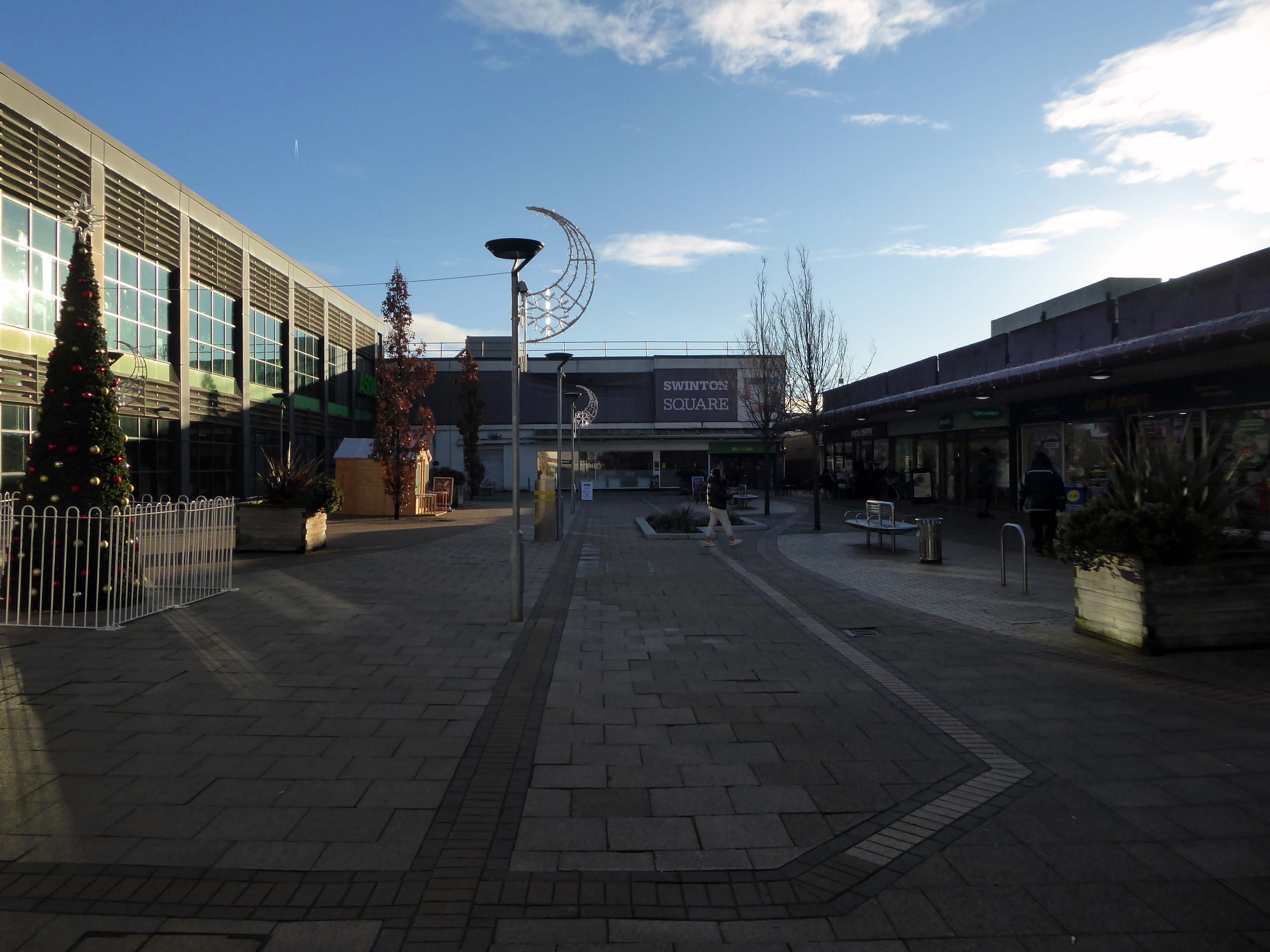
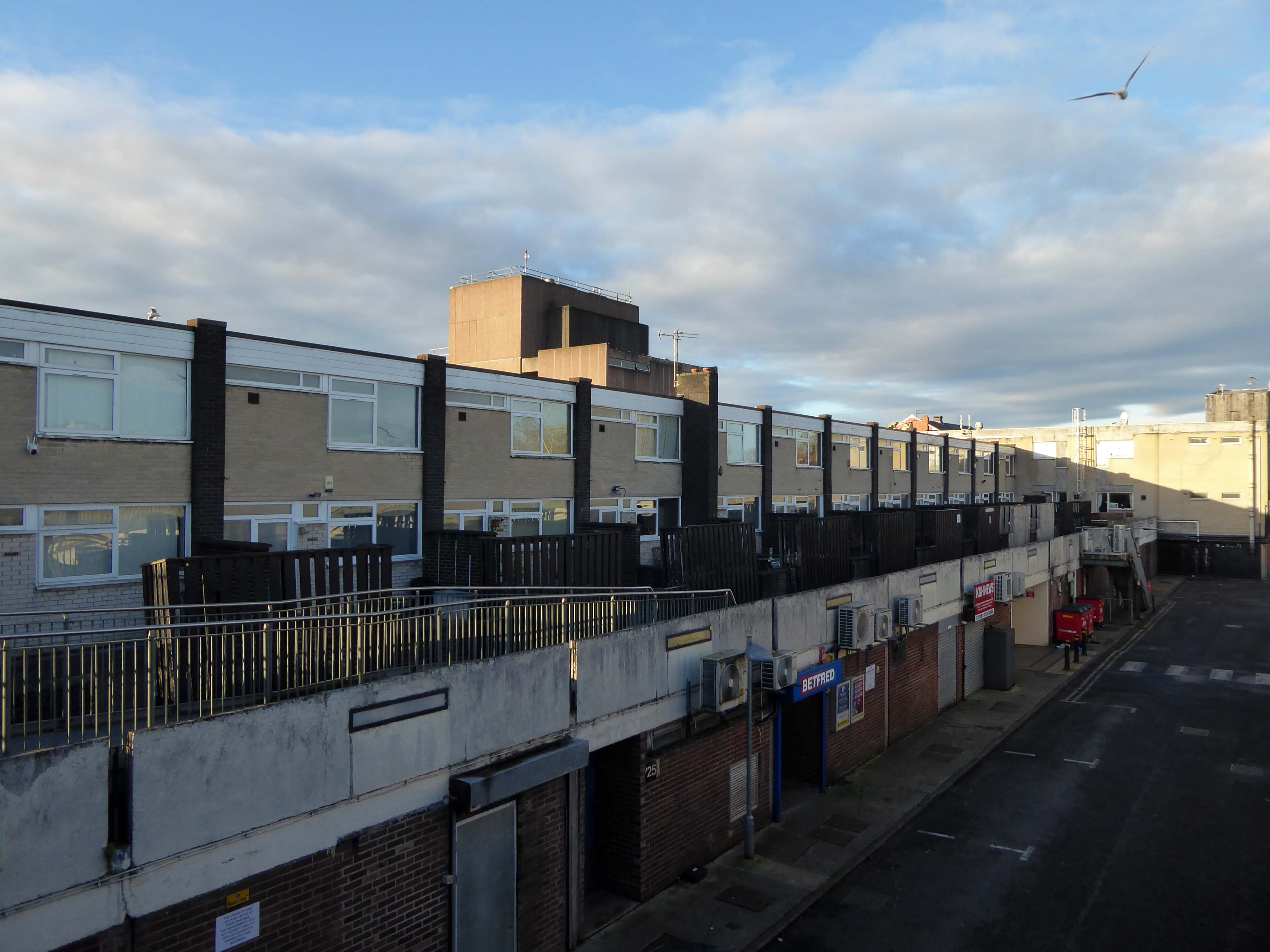
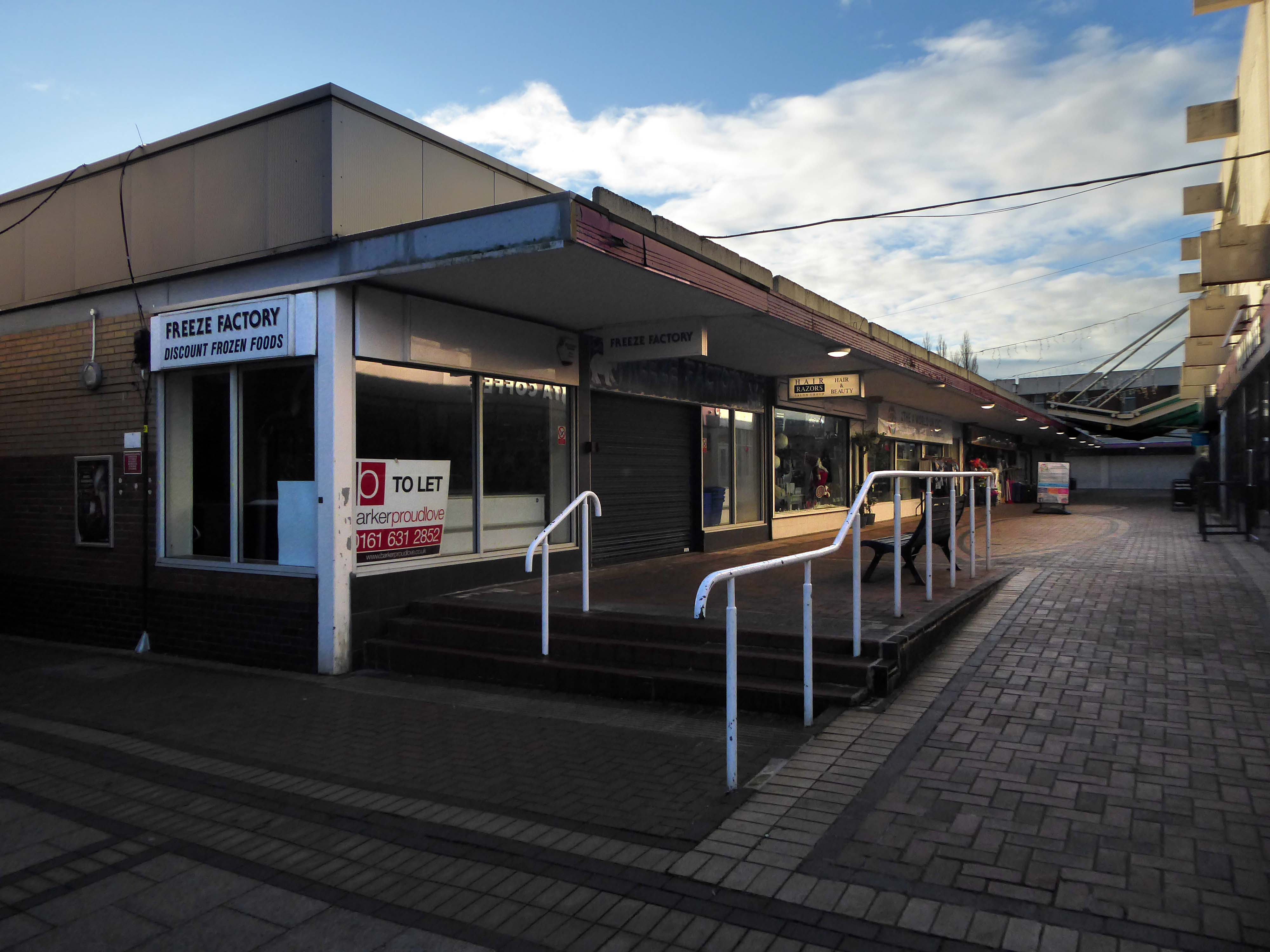
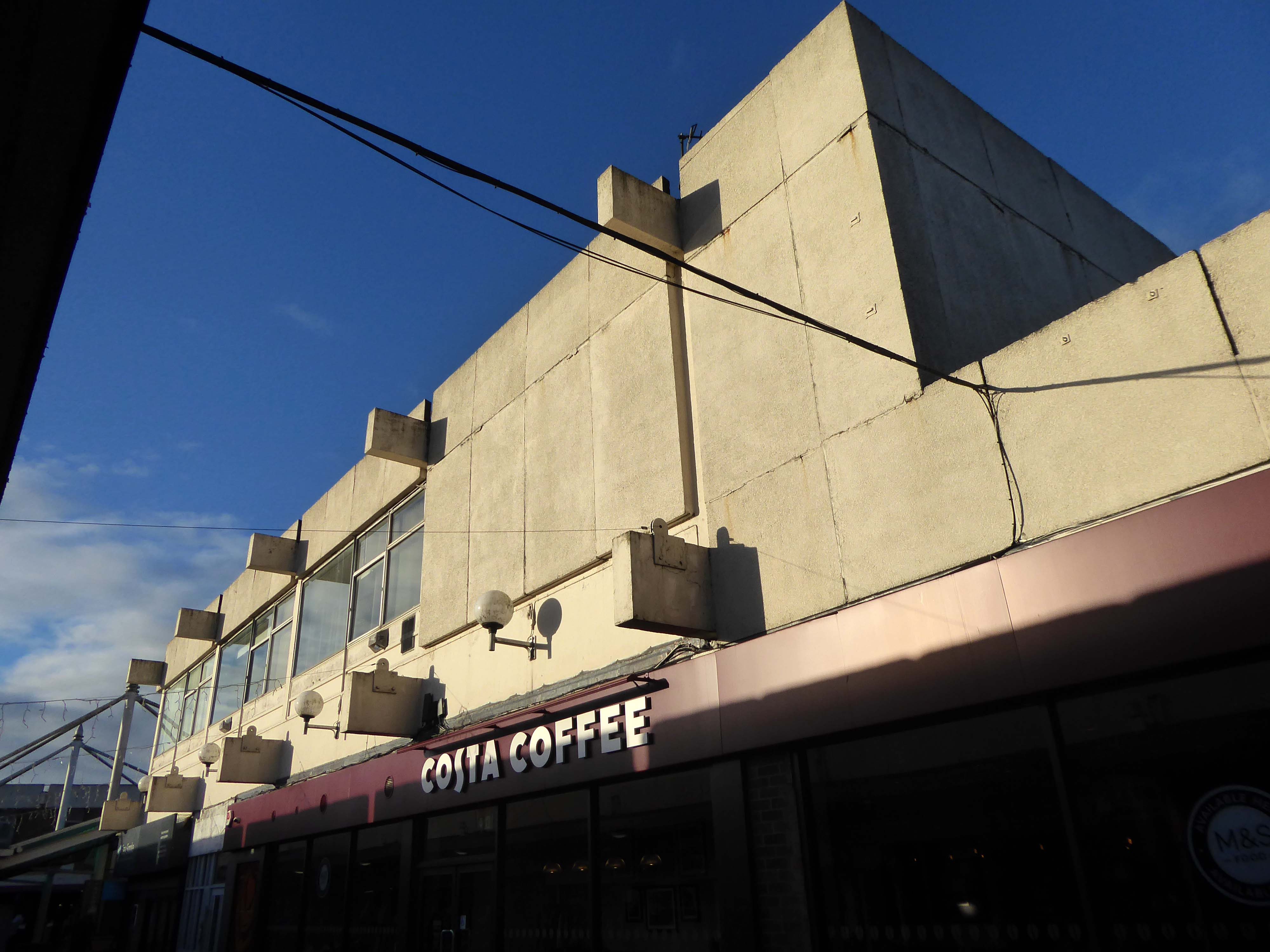
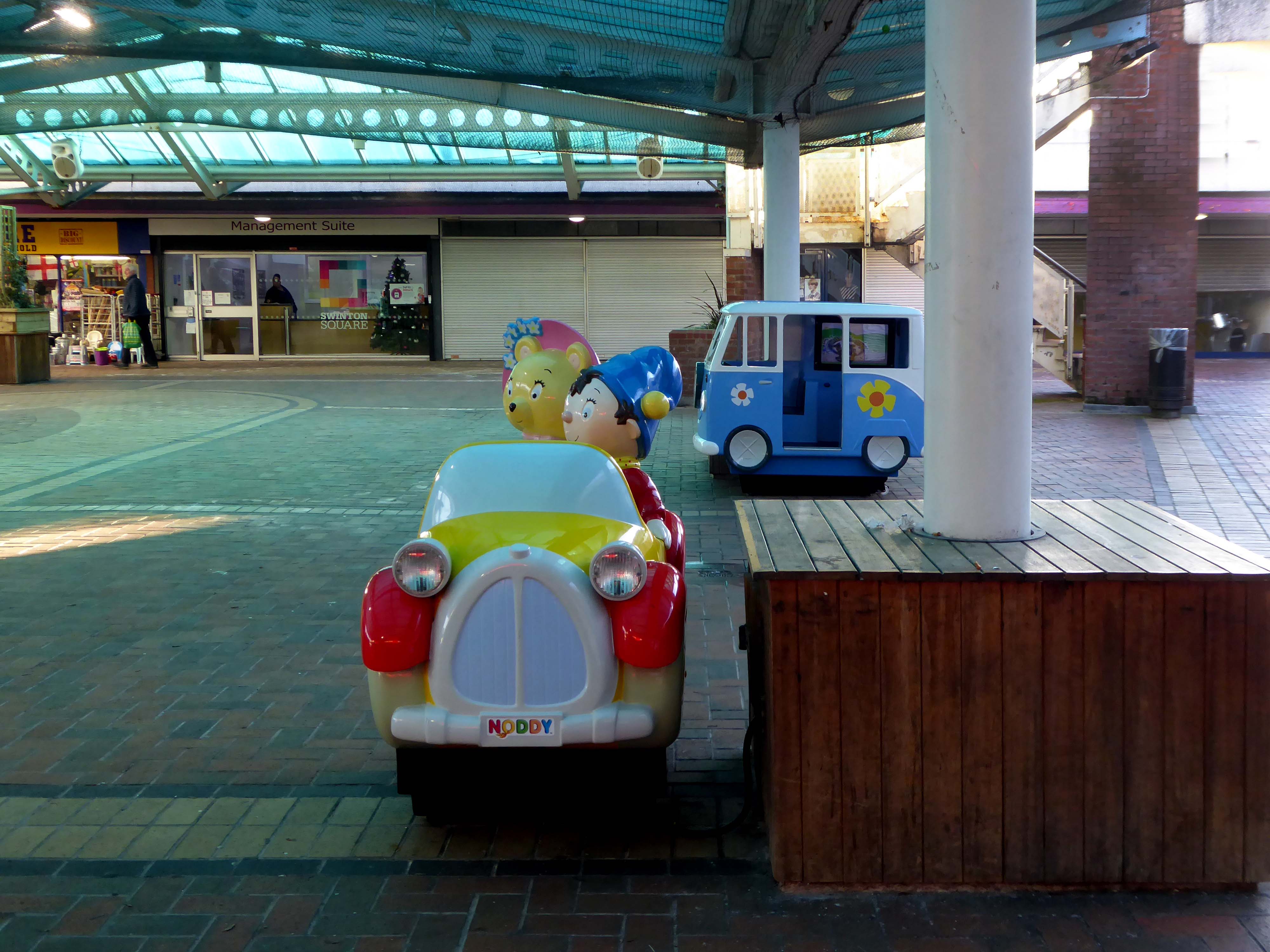
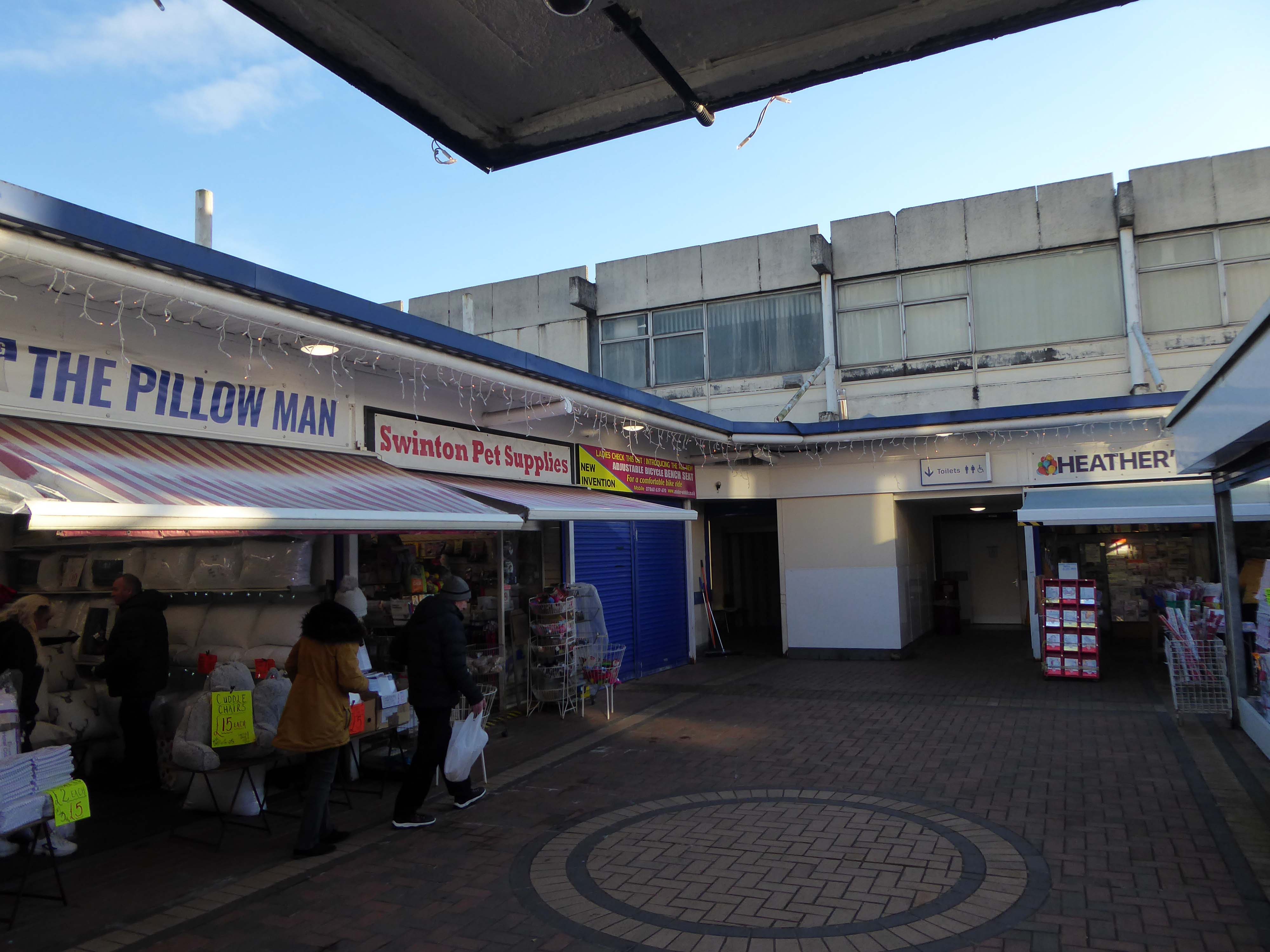
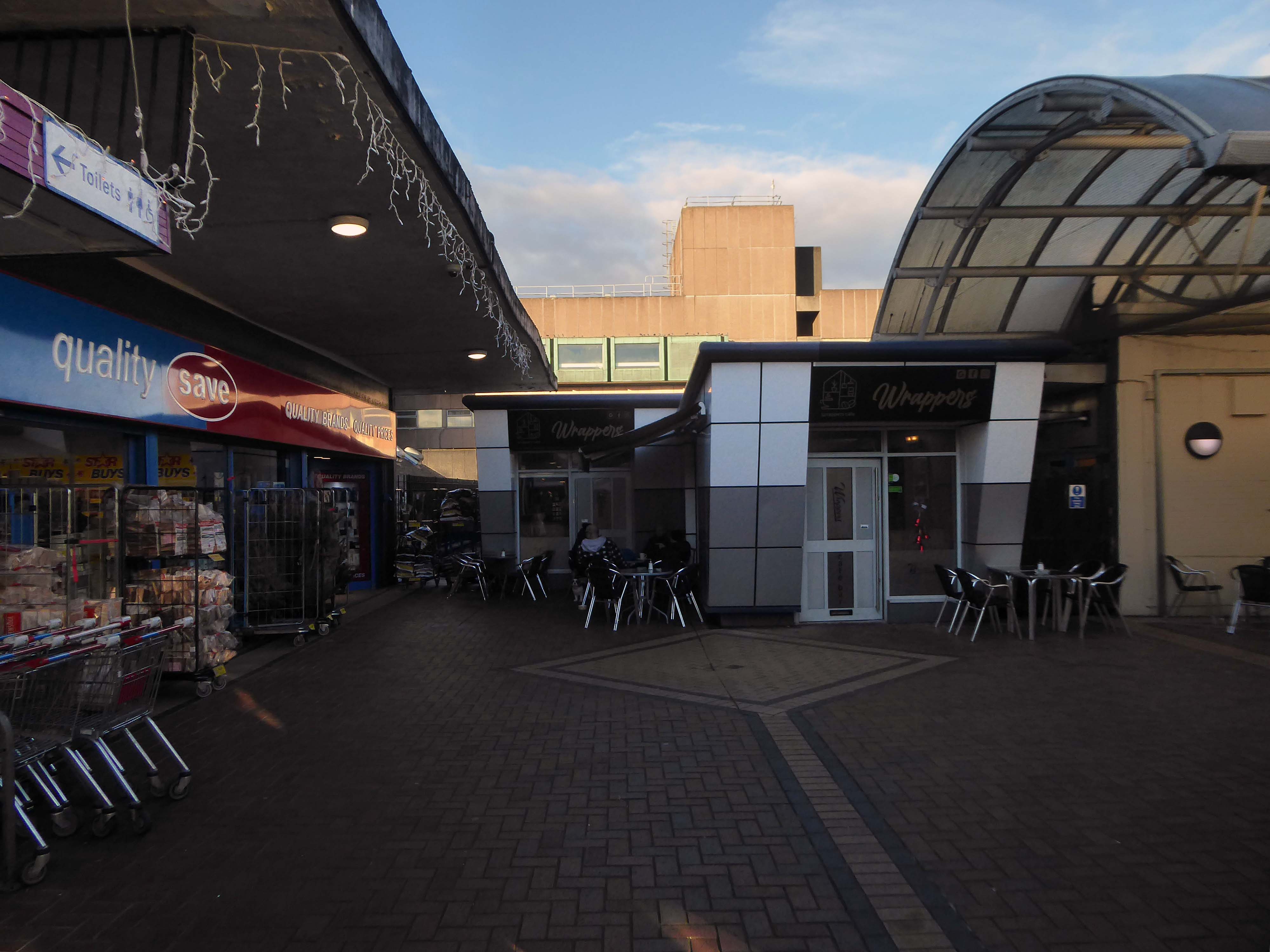
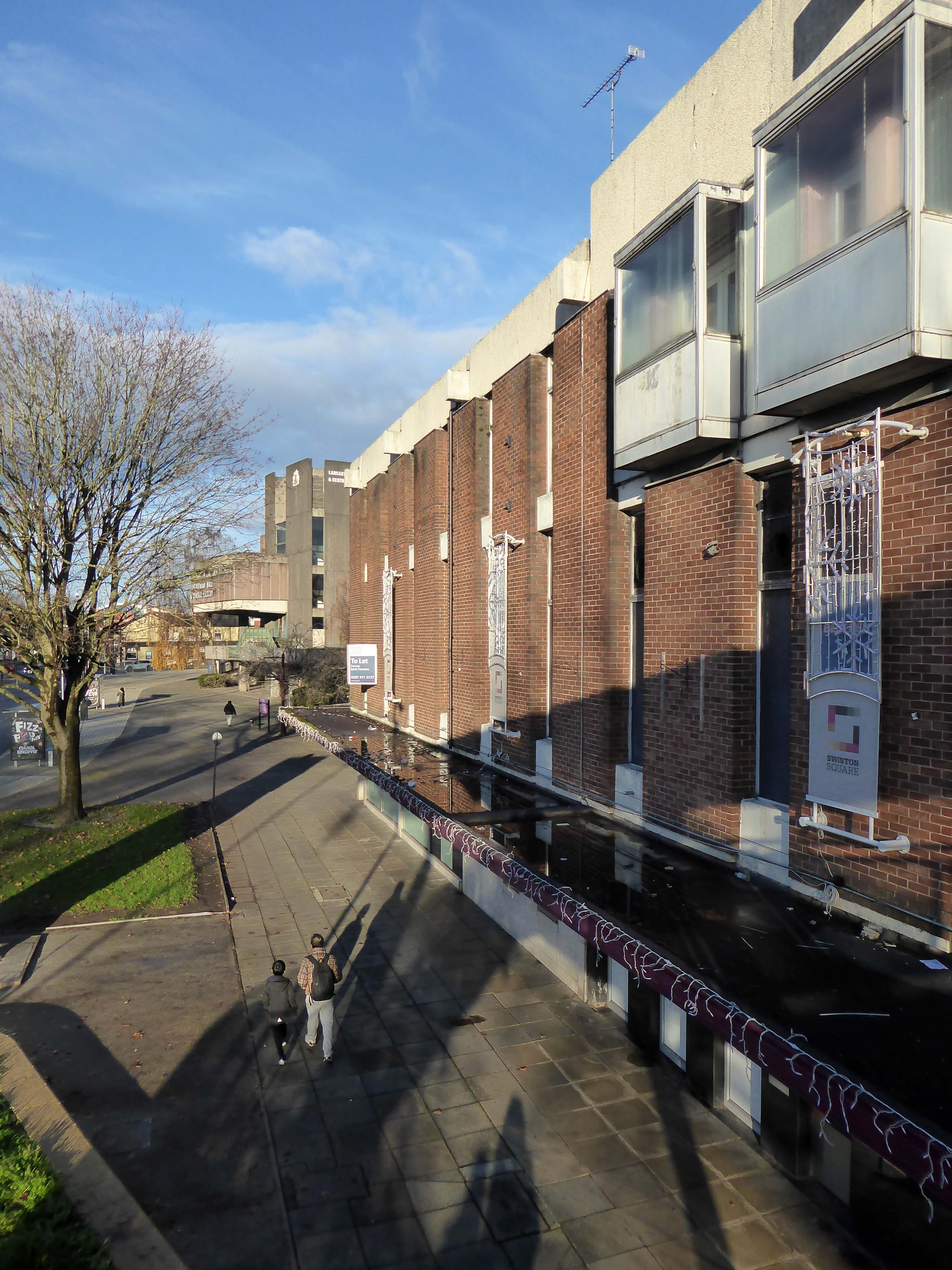
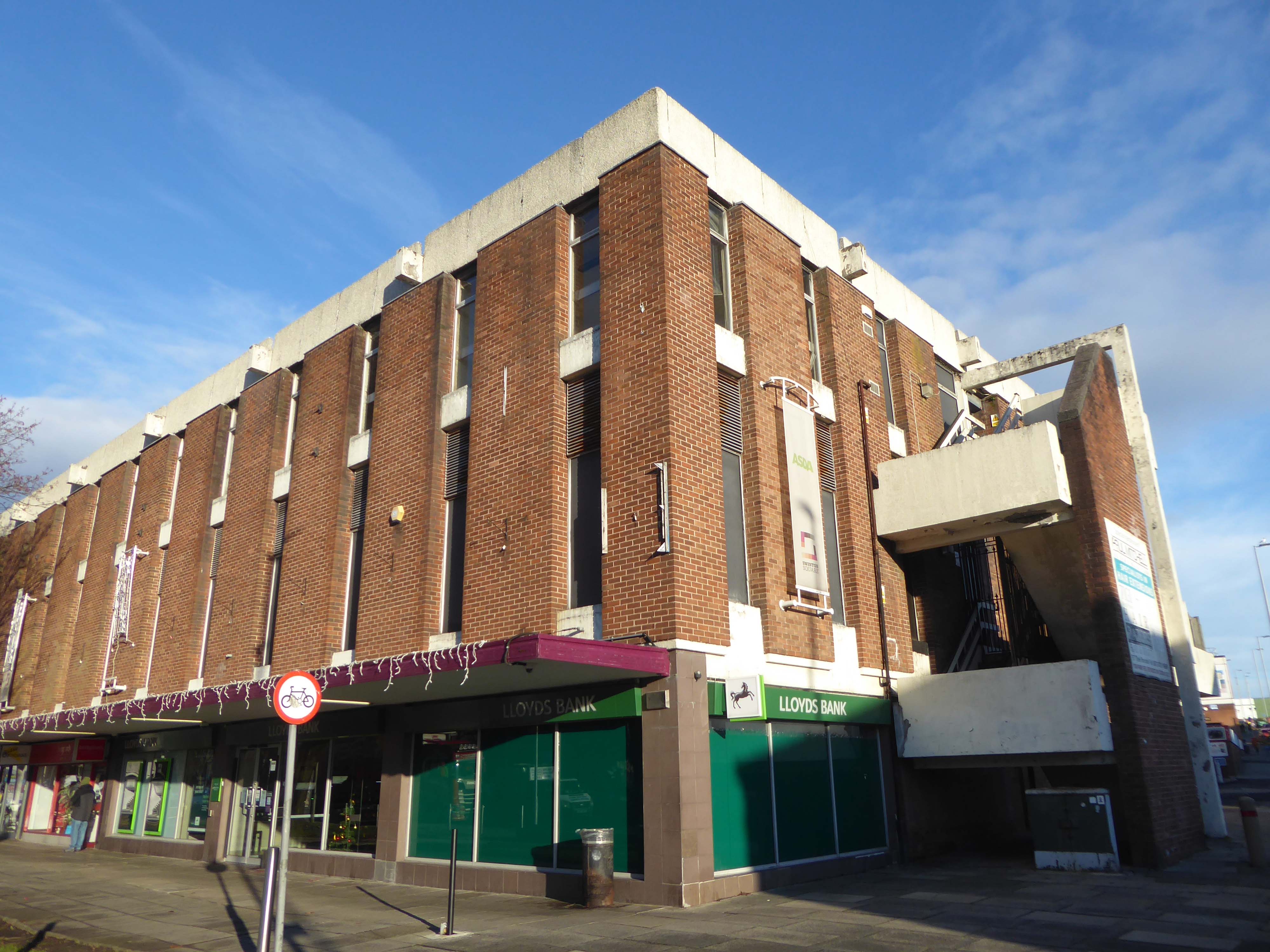
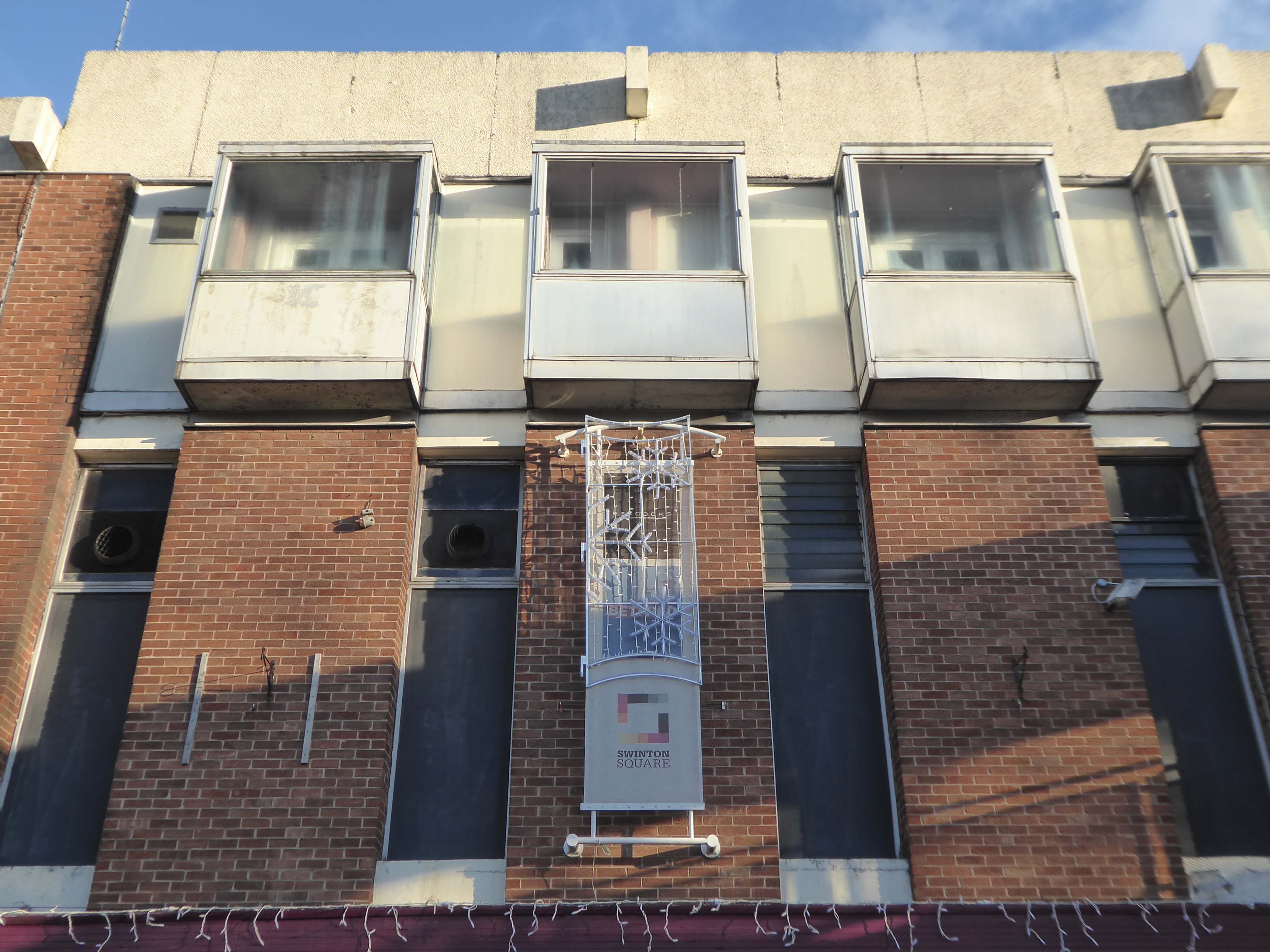
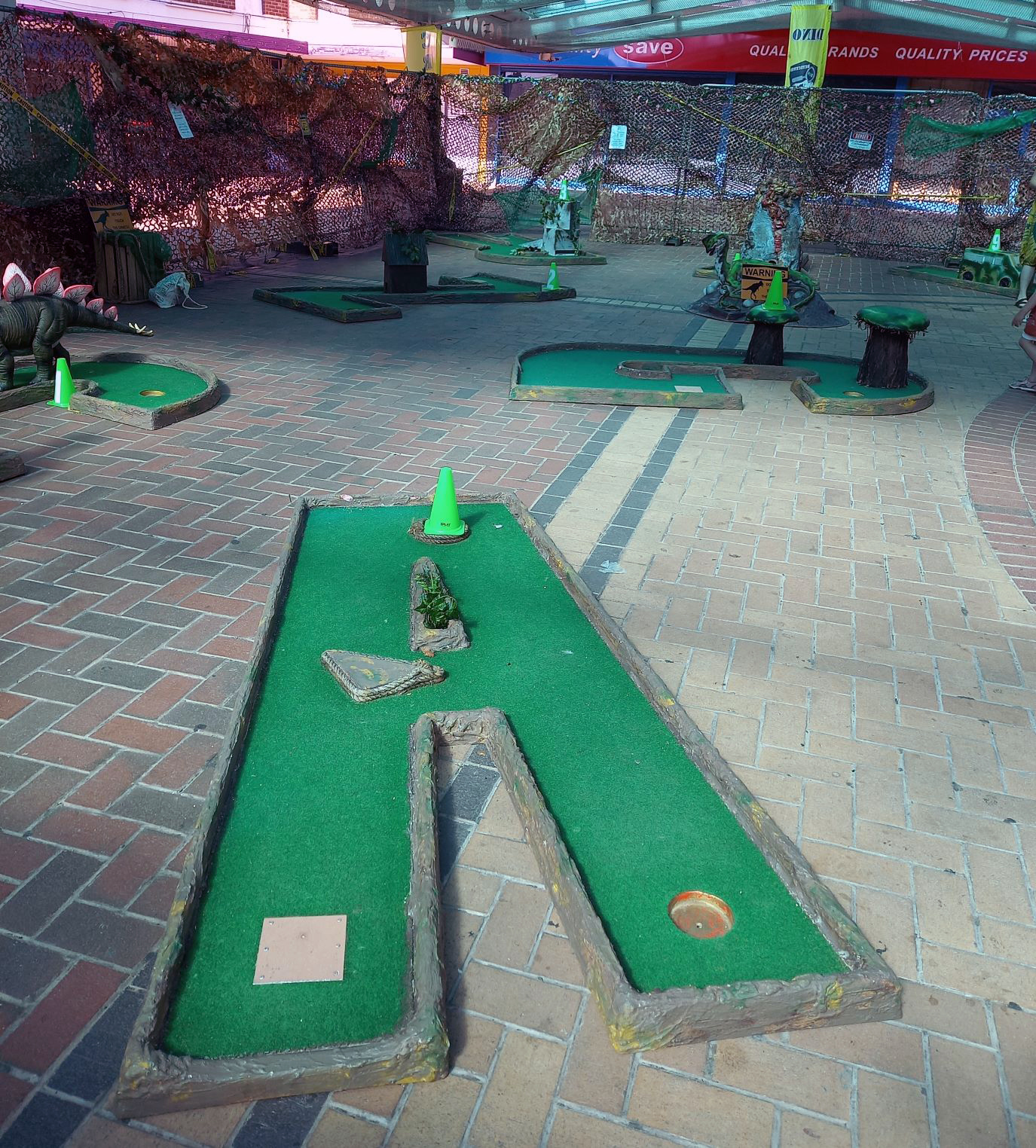
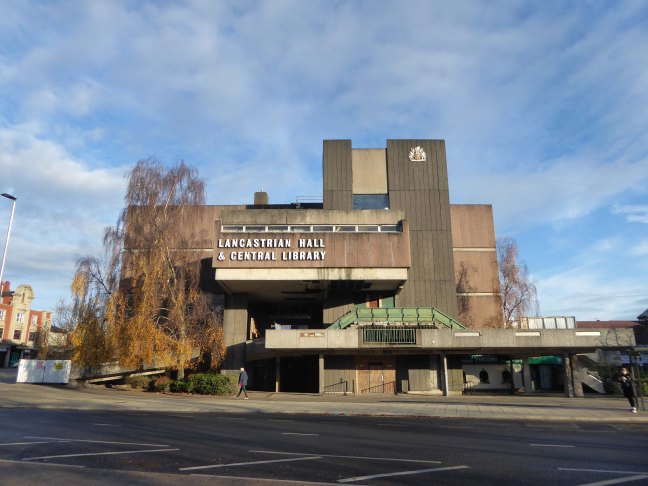
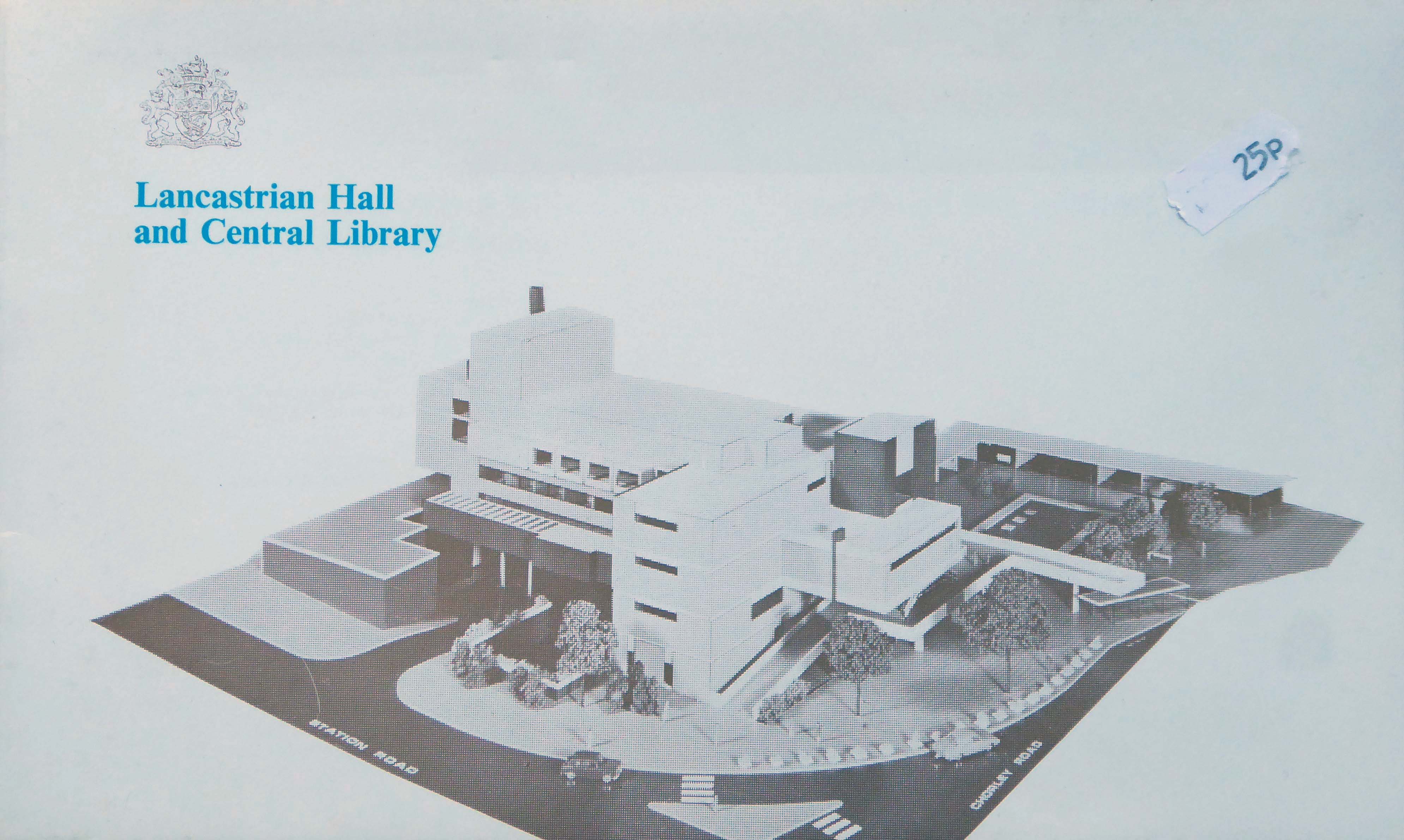
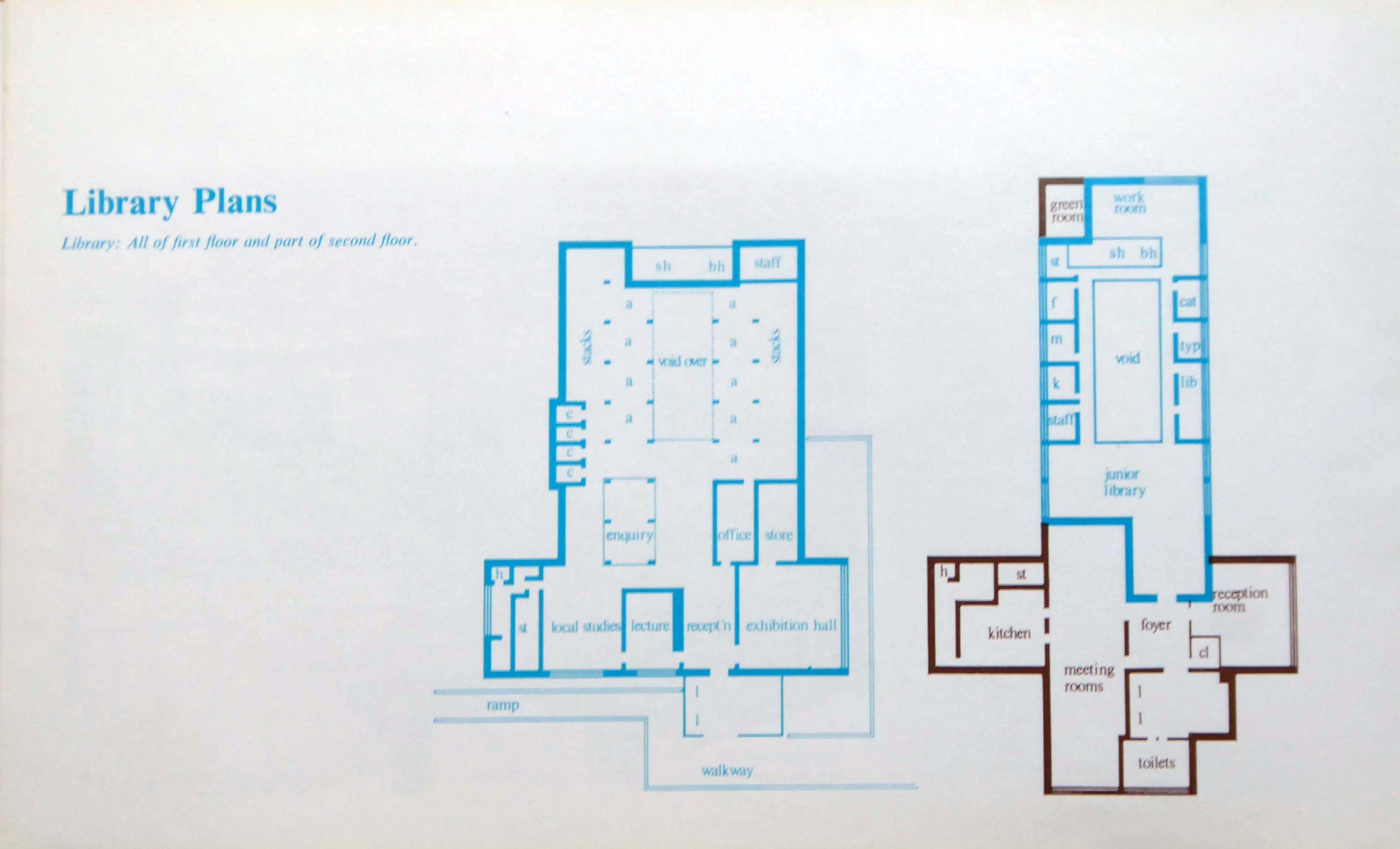
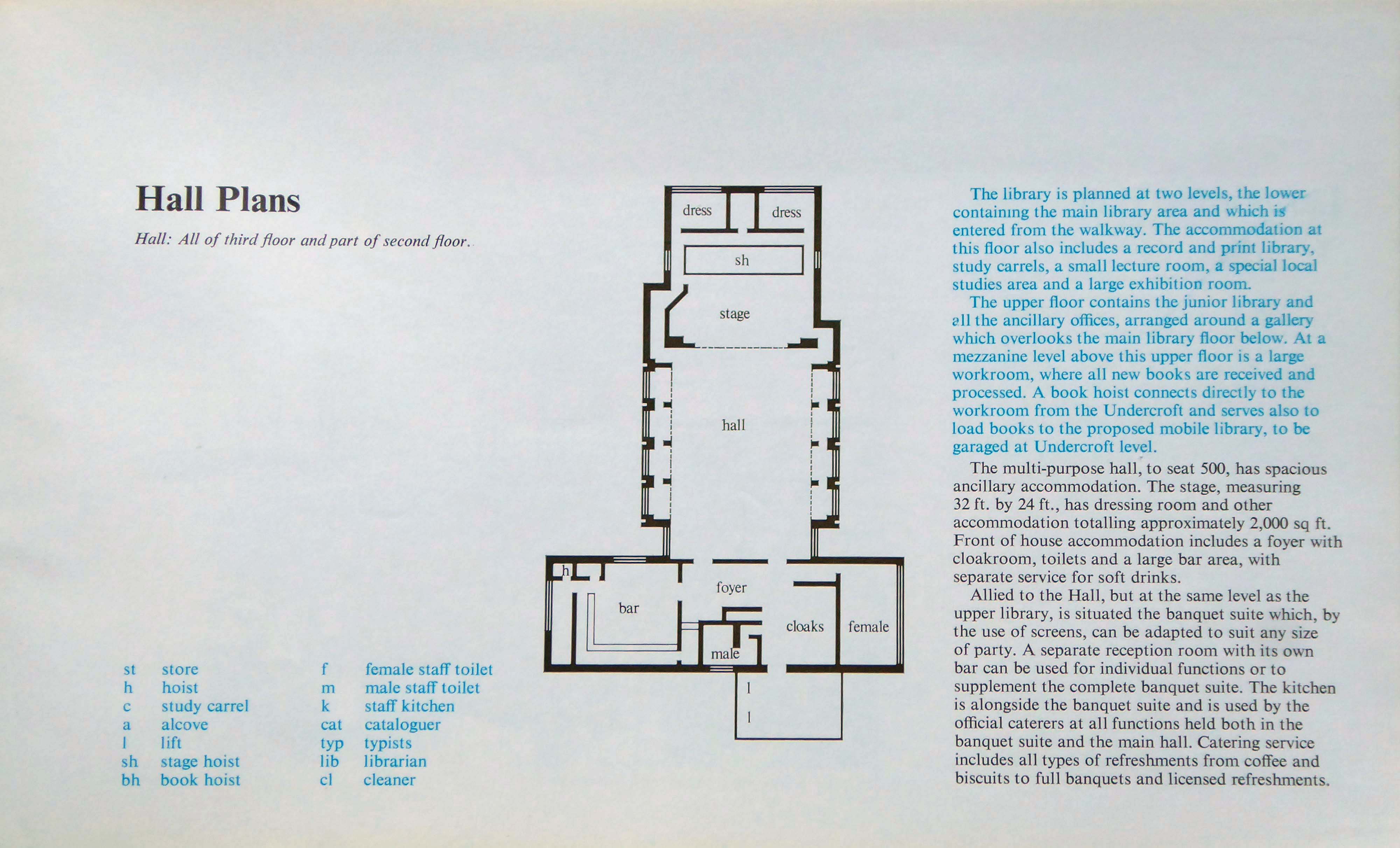
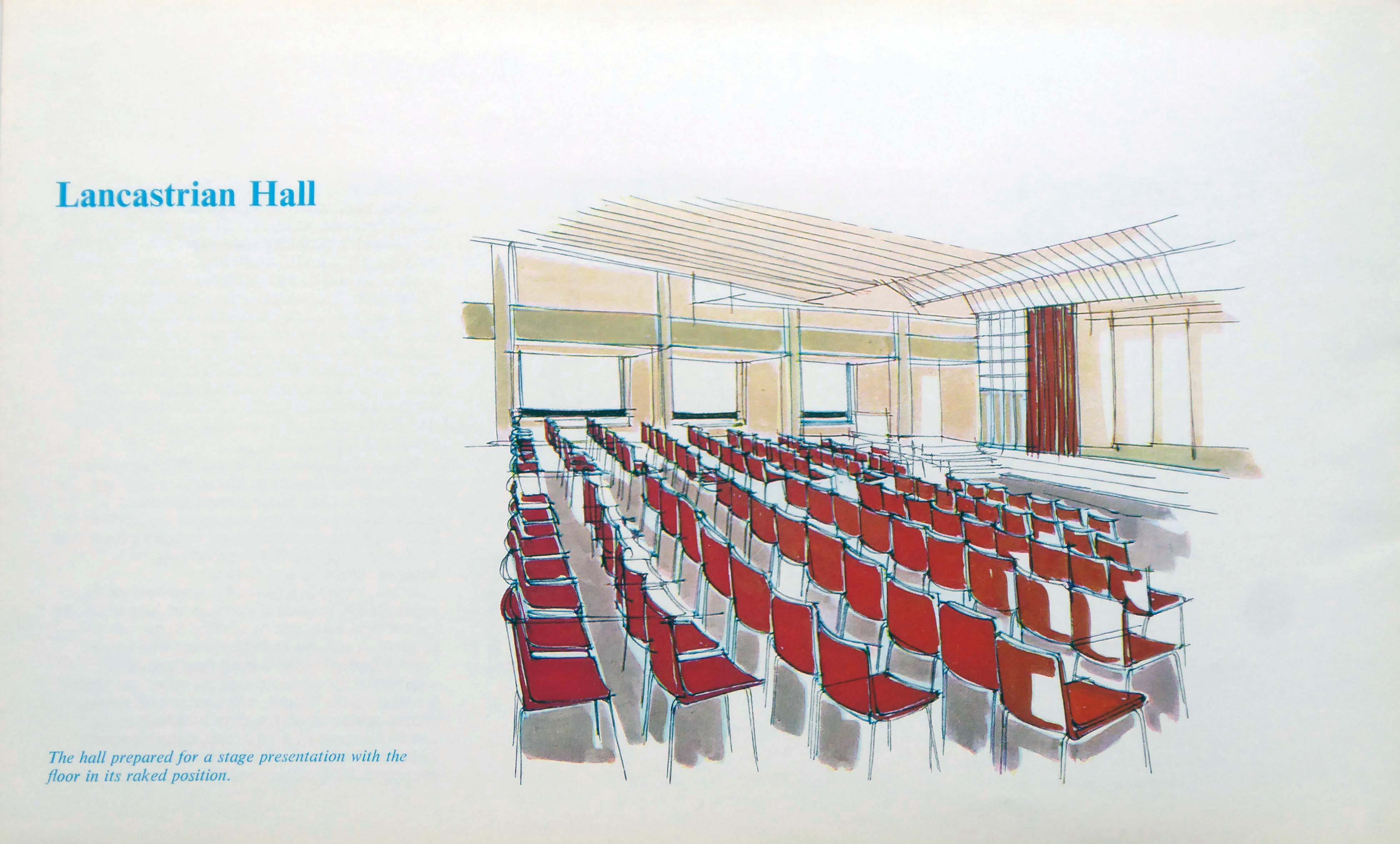
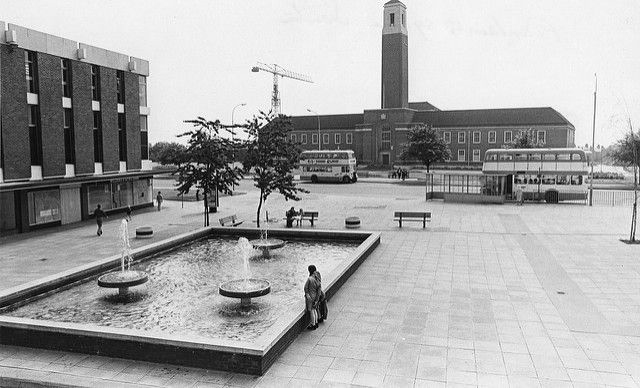
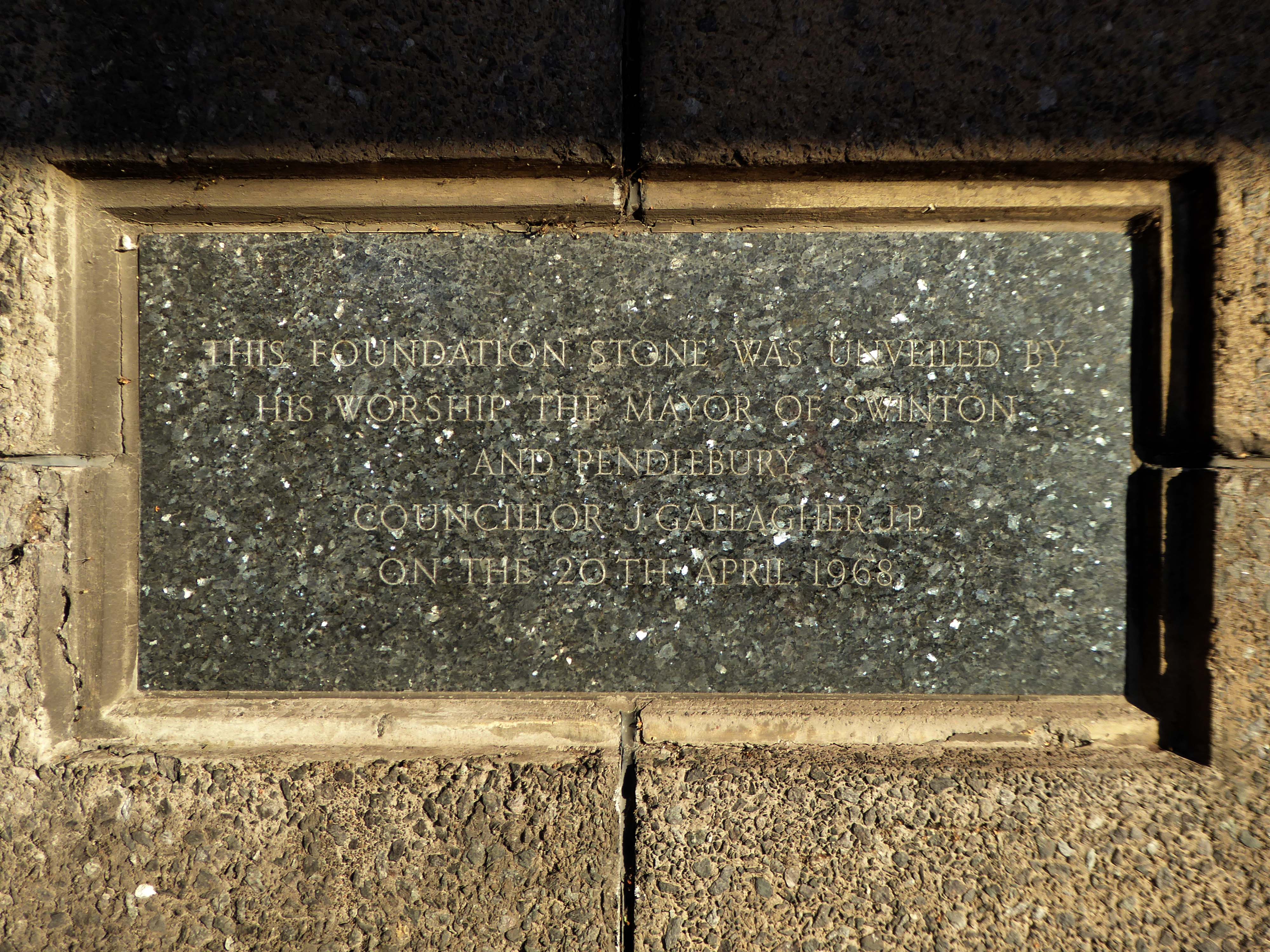
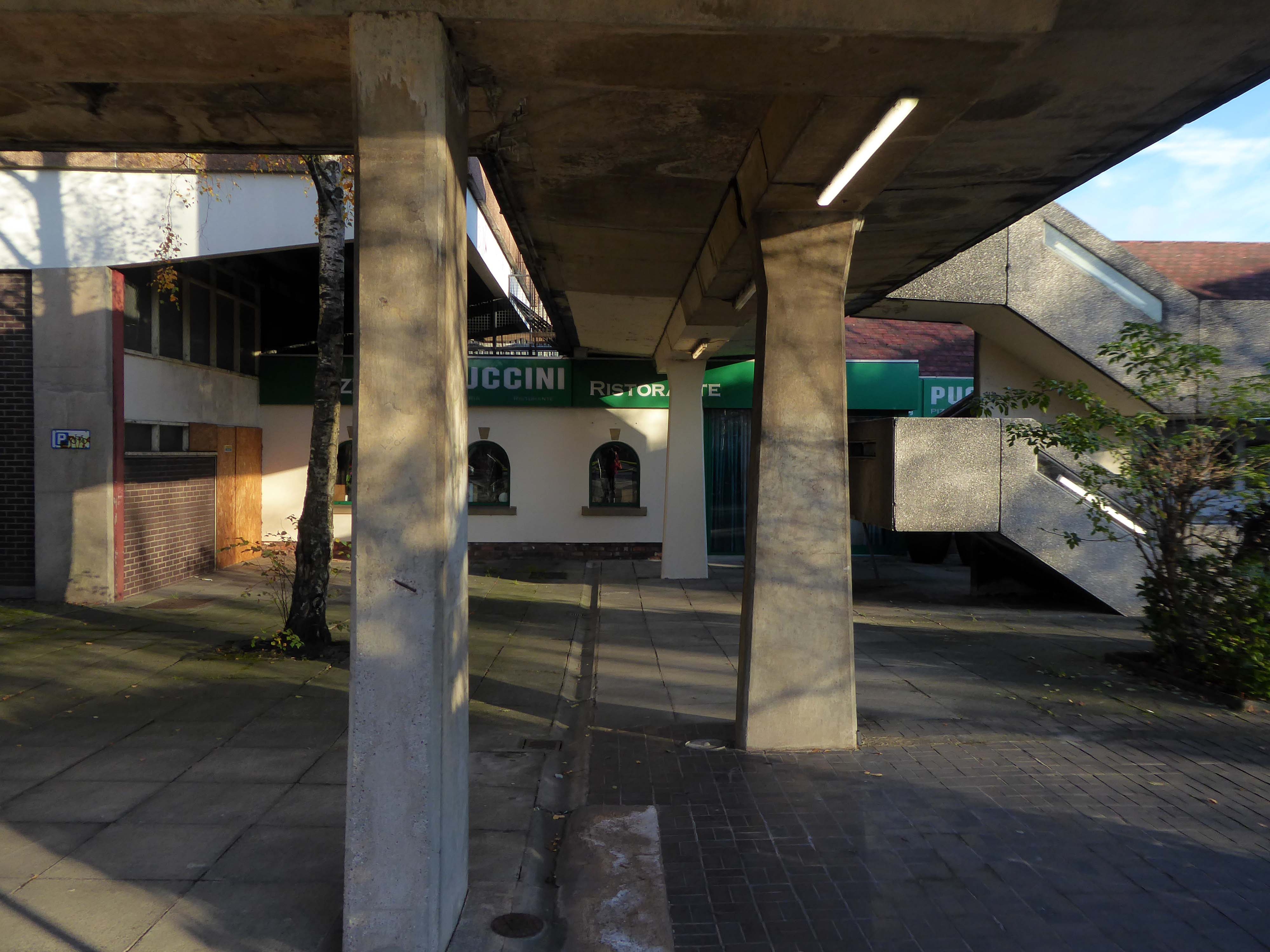
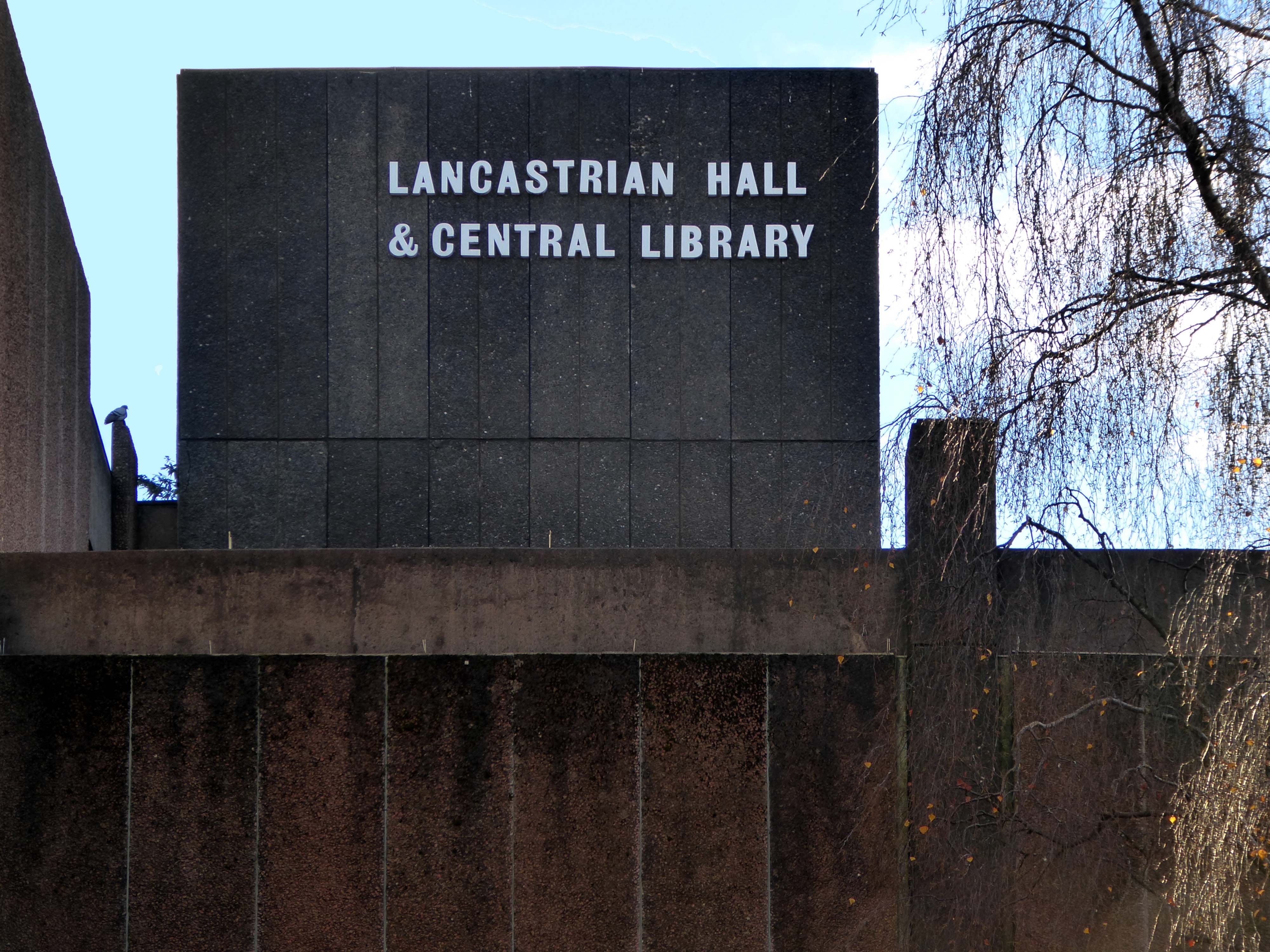
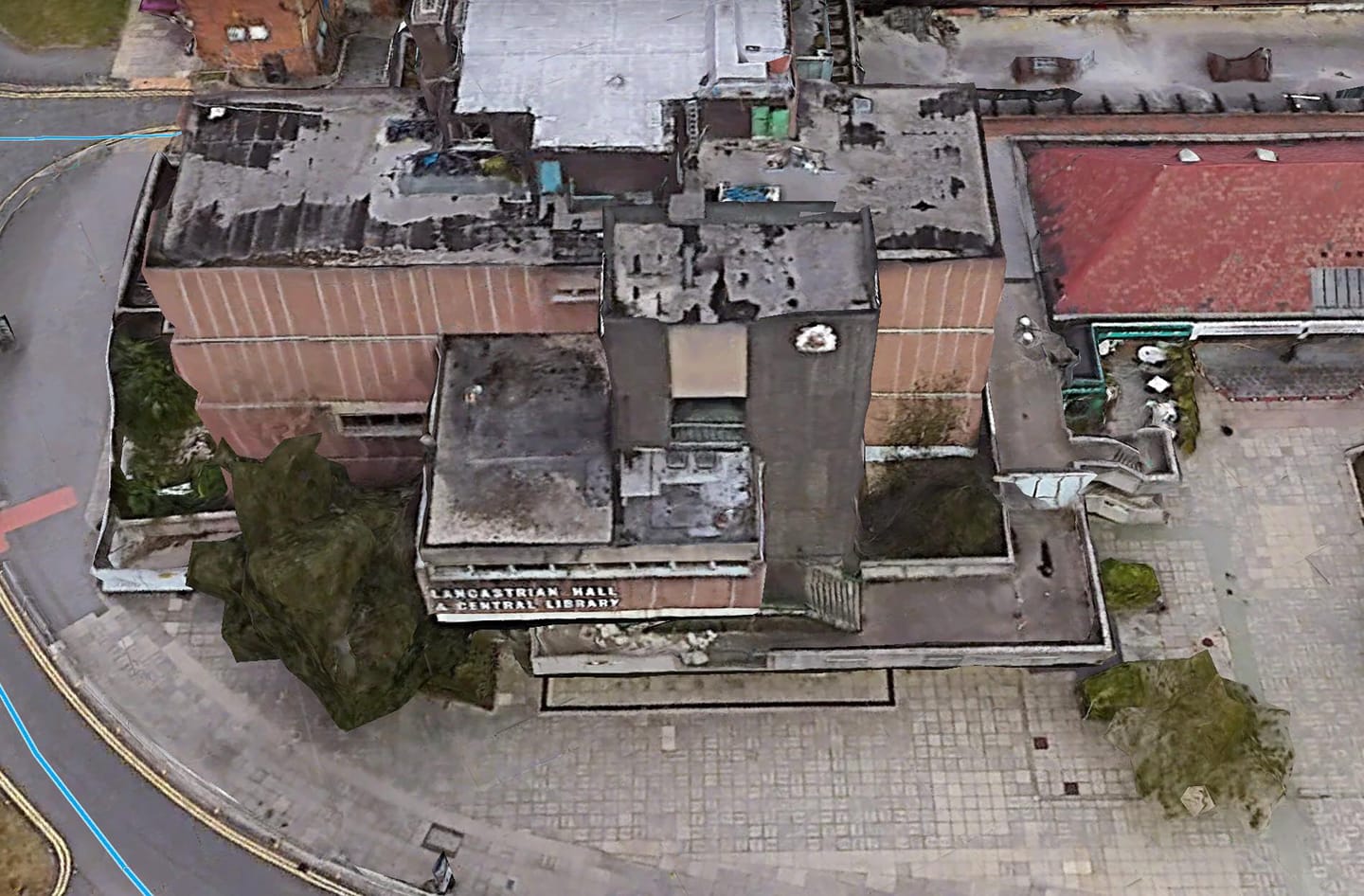
Opened in 1966 along with the slightly later Lancastrian Hall and Library, the Swinton Square shopping precinct provided an integrated modern setting for shopping, living, learning and entertainment.
The late 60s and early 70s was a time of general prosperity – and the hard landscaping offered a soft option for the local folk.
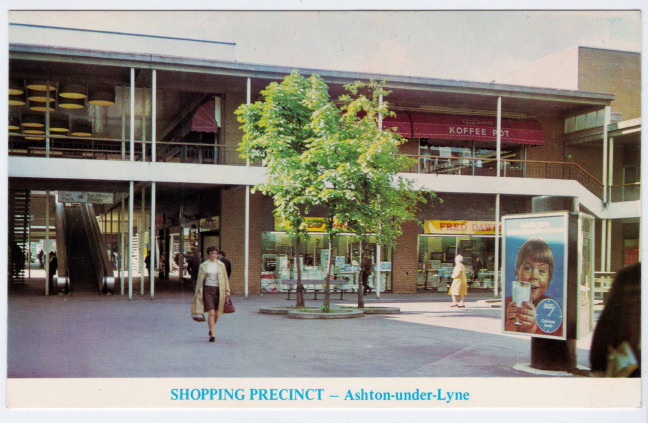
This was the age of the Precinct, celebrated nationally with postcard after postcard.
My local haunt in Ashton under Lyne.
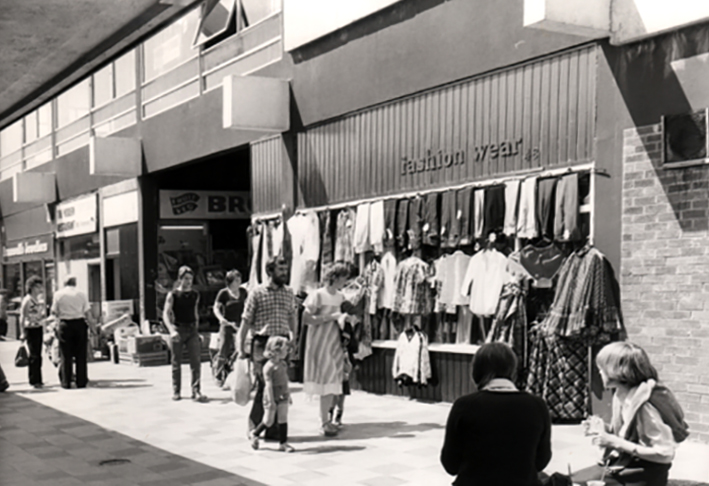
Local traders and national chains rubbed shoulders.
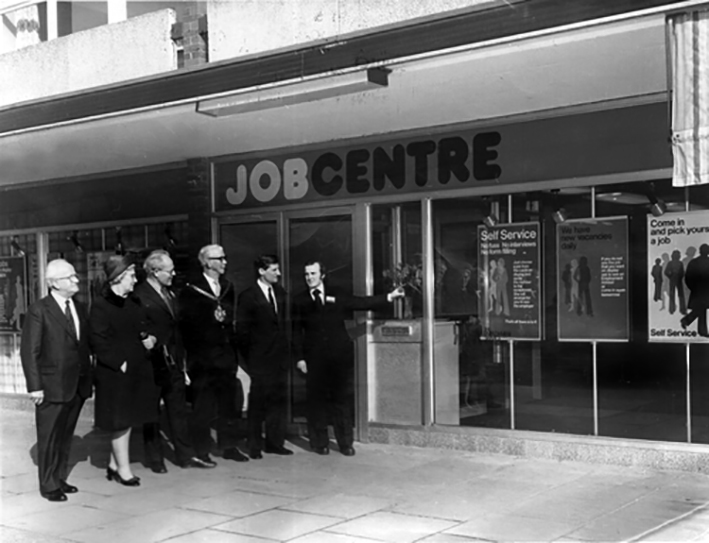
There was even a Job Centre opening- there was even a wide range of vacancies.
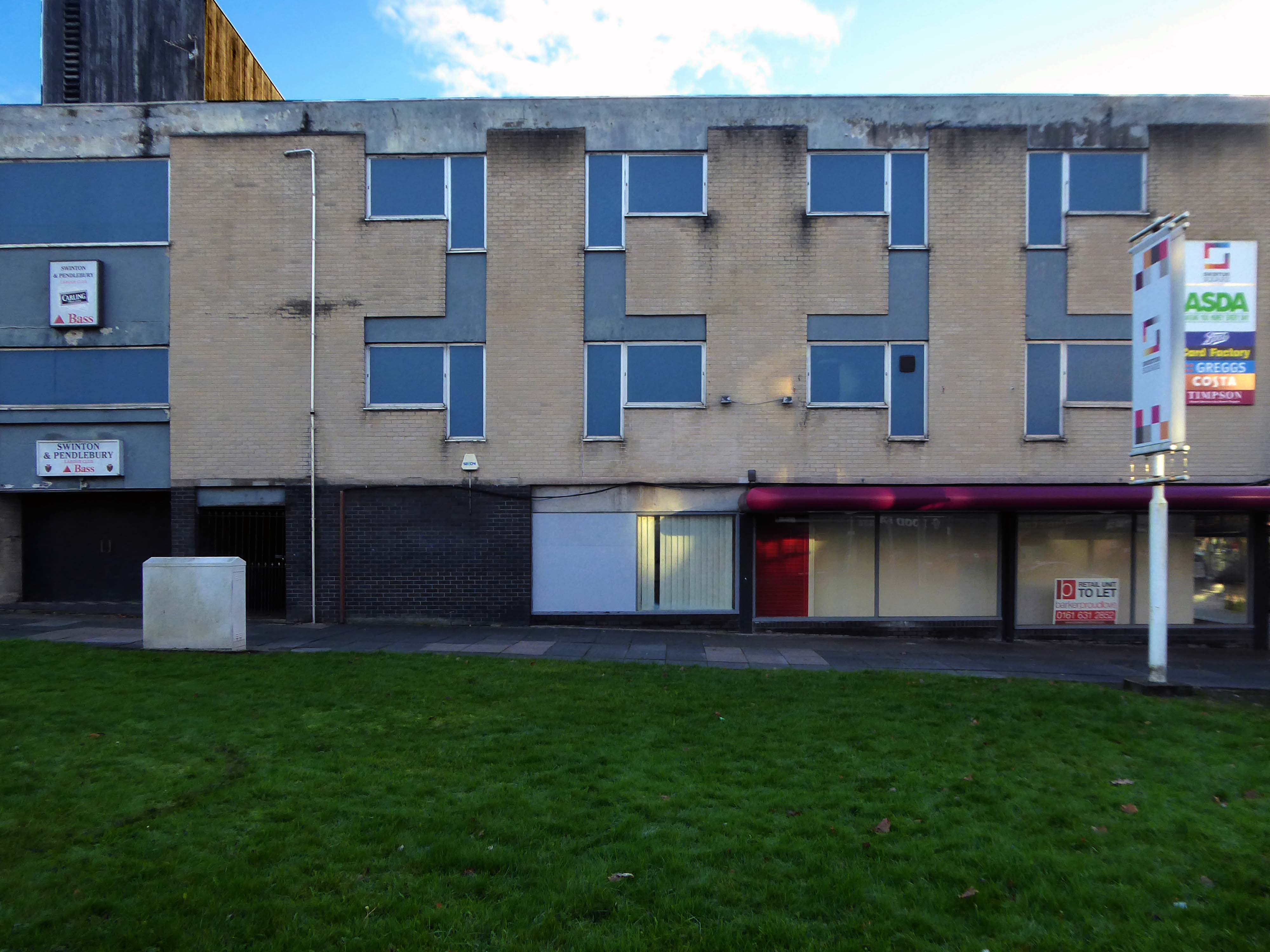
Following a challenging year, the letting reinforces Swinton Square as a pillar in the local community. Whilst retail has been heavily affected throughout the Covid-19 pandemic, footfall at the scheme has remained buoyant, with shoppers staying local, favouring the convenience and independent retailers of Swinton Square. Renovations began on the site of the new, temporary job centre at the beginning of the year and is due to be completed in May. The centre is expected to boost footfall and support for local, independent businesses.
Despite Swinton’s many strengths, it faces similar challenges to other towns. The shopping centre and other buildings in the town centre are dated and in need of investment. Demand for local housing has grown by 23% in the last five years, but there is a lack of high-quality family and affordable housing in the right locations in the area.
The vision is just the first step of the journey, the next is to appoint a developer partner who can take this vision and help shape it, through ongoing consultation and engagement with the community, into a framework and plan for Swinton that will guide future investment.
Councillors have approved a compulsory purchase order to complete the land assembly for the £300m Blackpool Central project but still hope to negotiate terms with property owners.
Blackpool Council’s executive unanimously agreed the recommendation towards enabling the Central Car Park to be transformed into a leisure destination boasting a flying theatre, virtual reality rides, a thrill and gaming zone, multi-media exhibition space and themed dining areas.
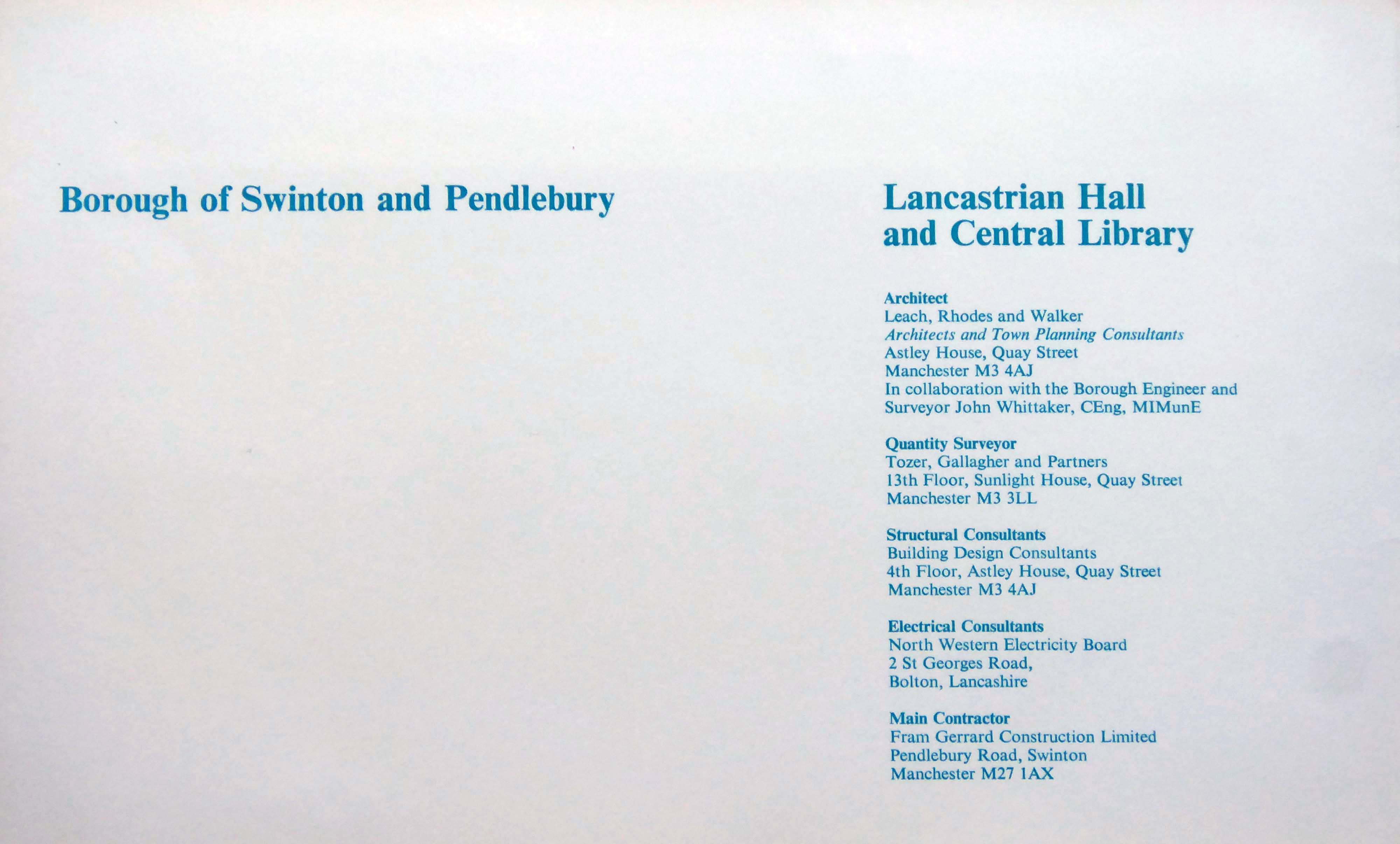
Completed in 1969 to designs by Leach Rhodes and Walker in collaboration with the Borough Engineer John Whittaker
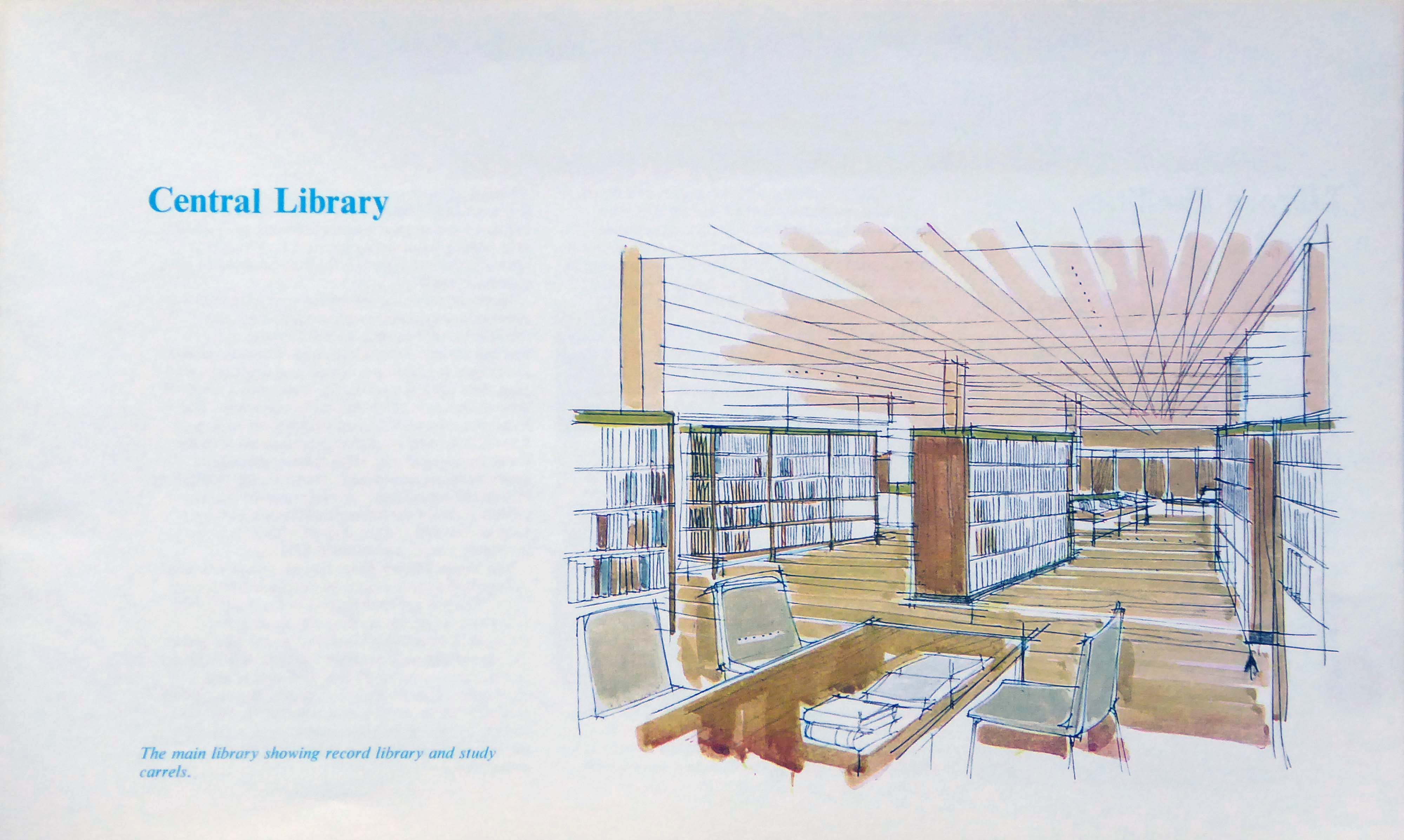
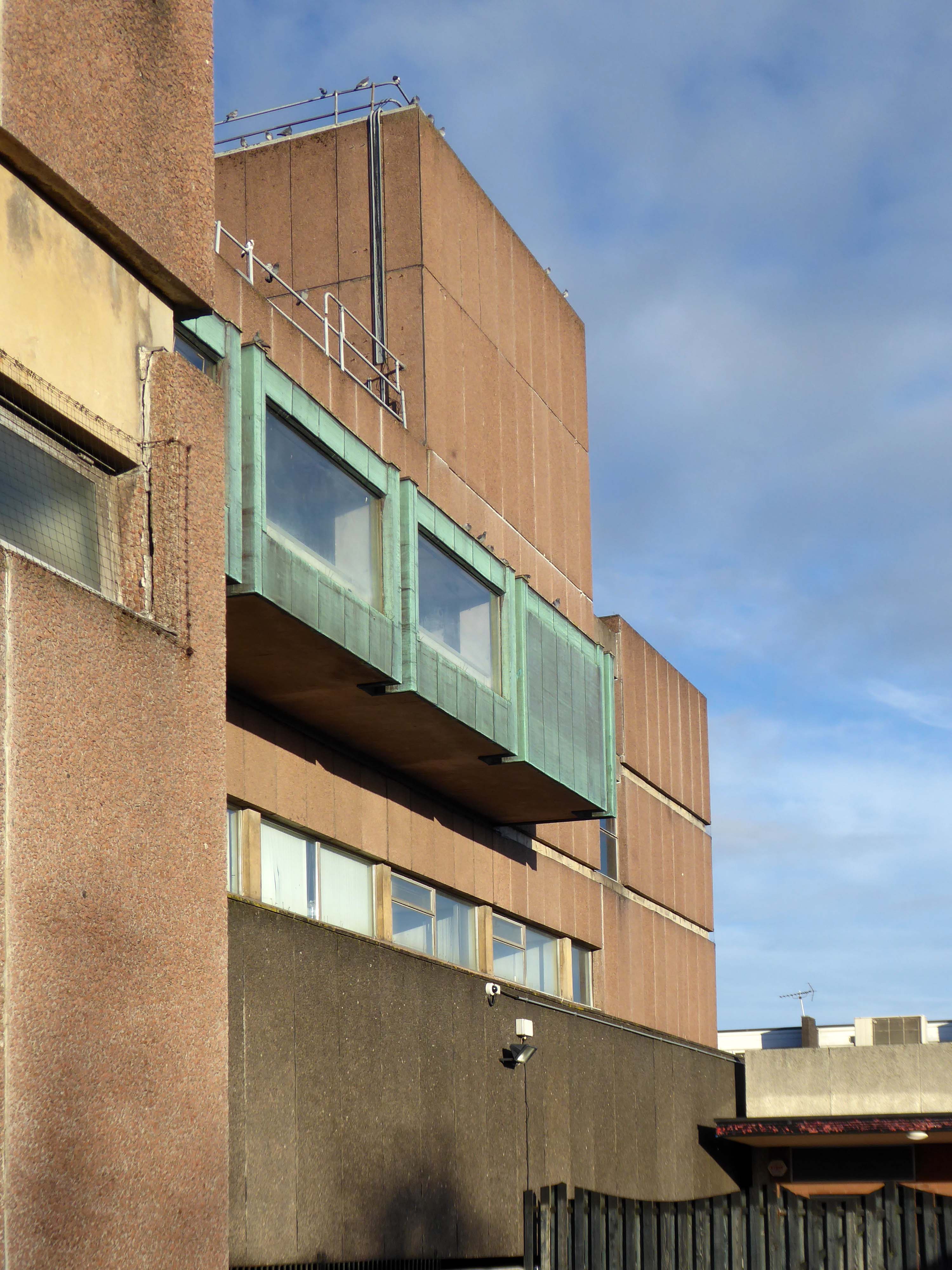
Constructed at the tail end of the Sixties – the last gasp of Municipal Modernism in the Borough, providing education, edification and entertainment for the local population.
The fountain is gone, the building is closed – the party’s over.
The Fast Cars are history – well they were history, until I was told that they are still speeding along!
A council has spent £348,000 on a masterplan for a town centre that the public has never seen.
Consultants have been used to come up with ideas to regenerate Swinton in Salford.
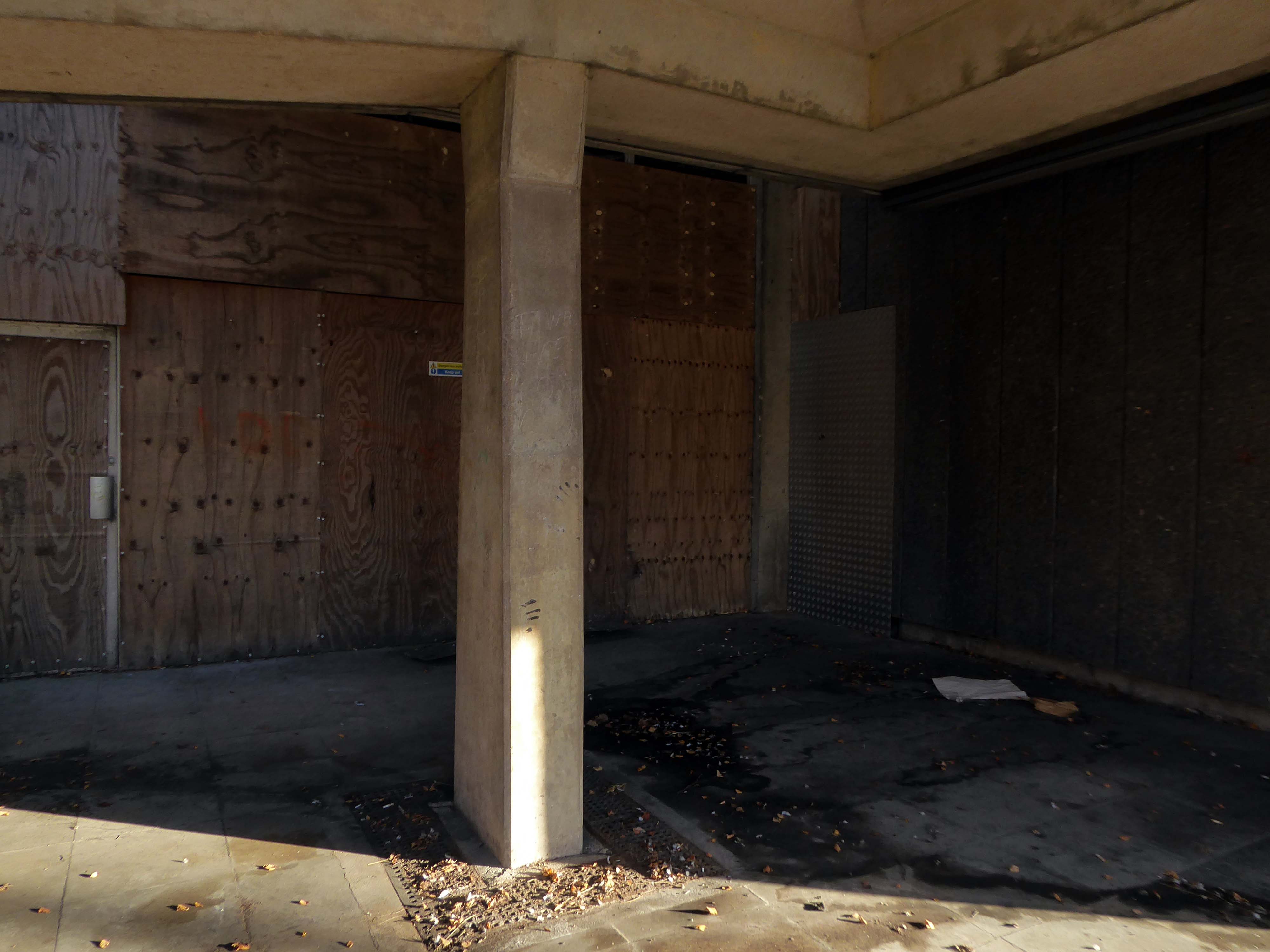
The town centre is dominated by the imposing Lancastrian Hall, opened in 1969, with an adjoining shopping mall.
The hall housed a council library and was used for civic and community meetings, wedding receptions and election counts.
But it has been closed since 2015 after the library moved to the new Gateway Building on the other side of Chorley Road.
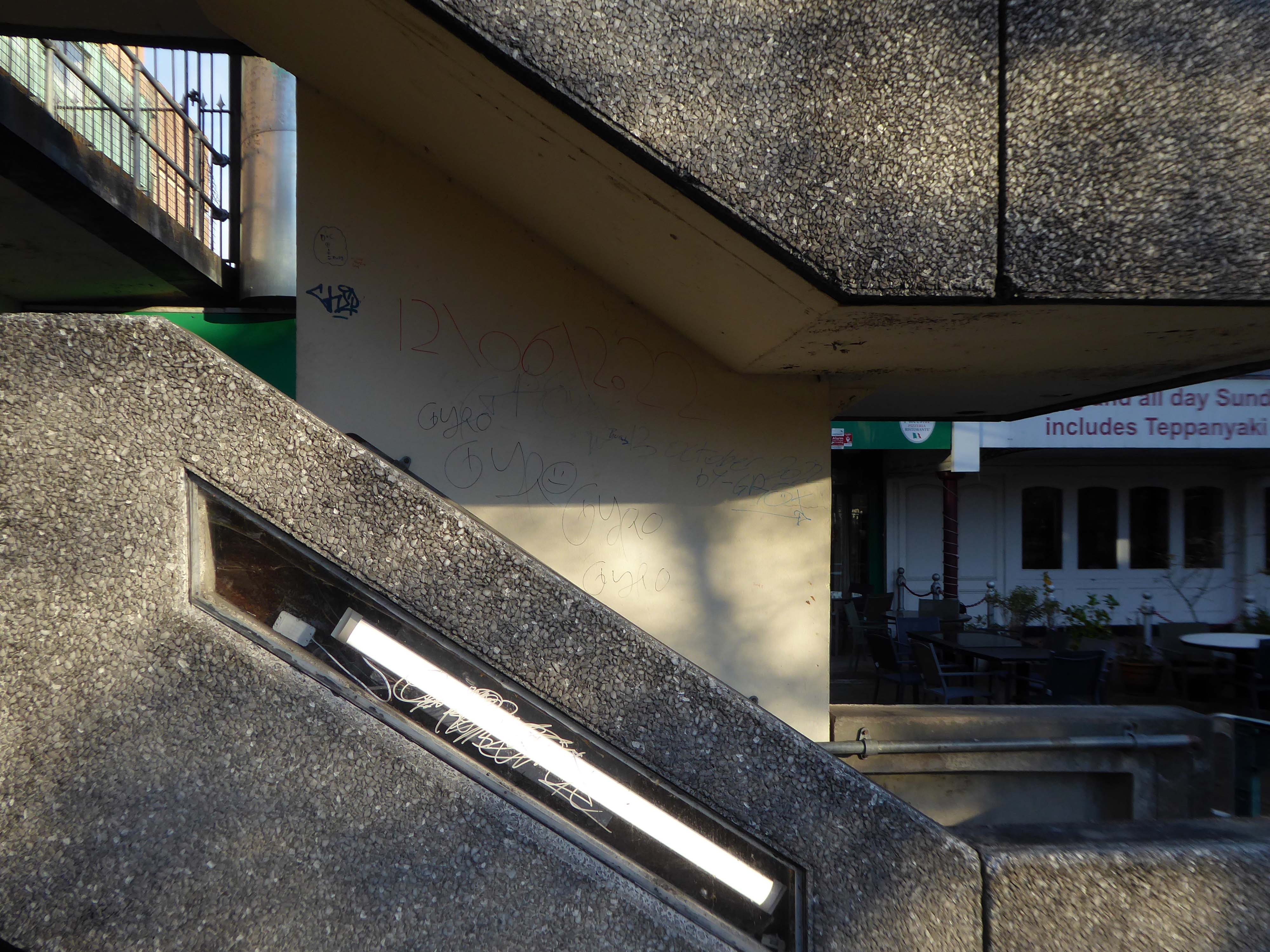
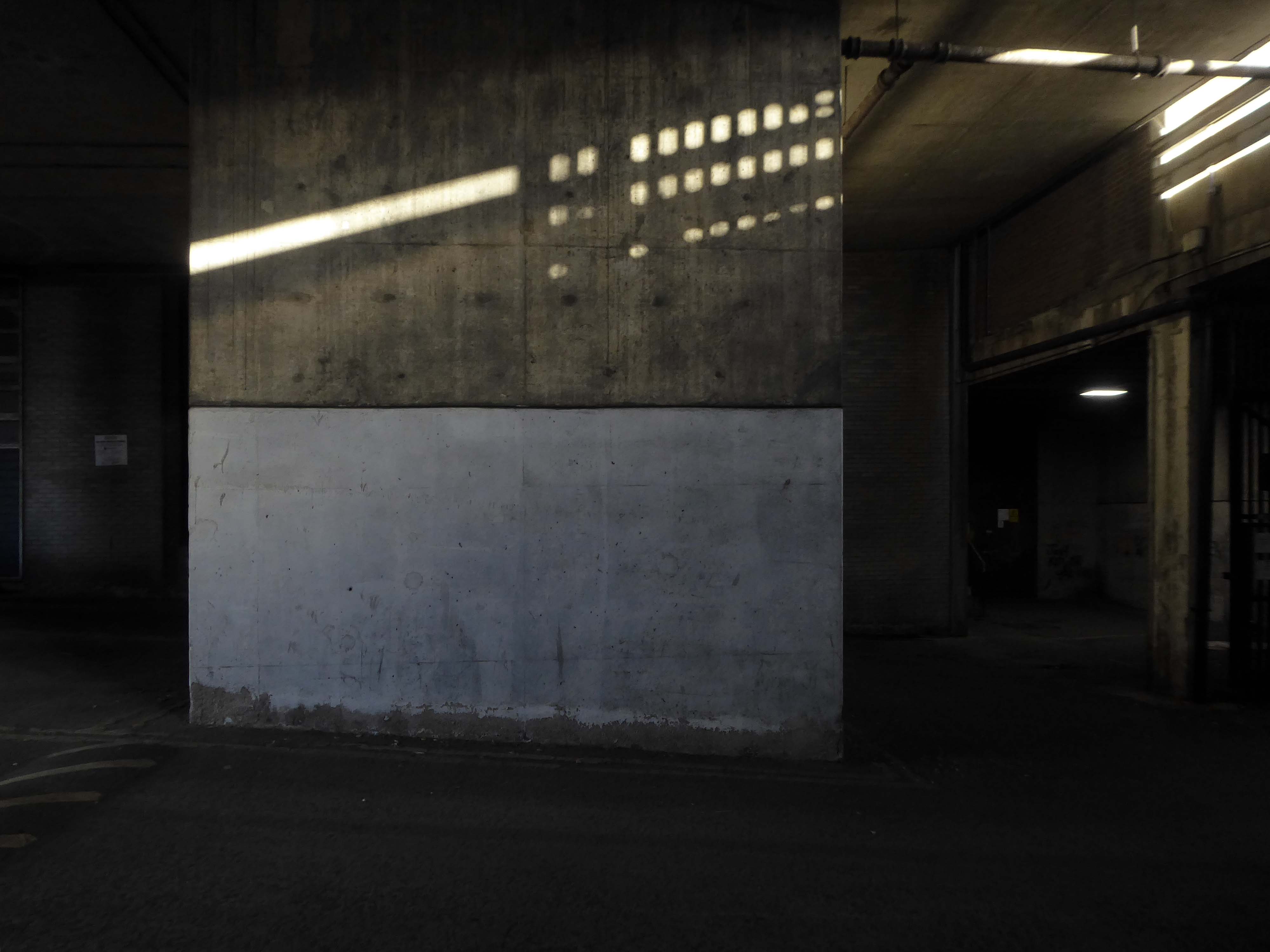
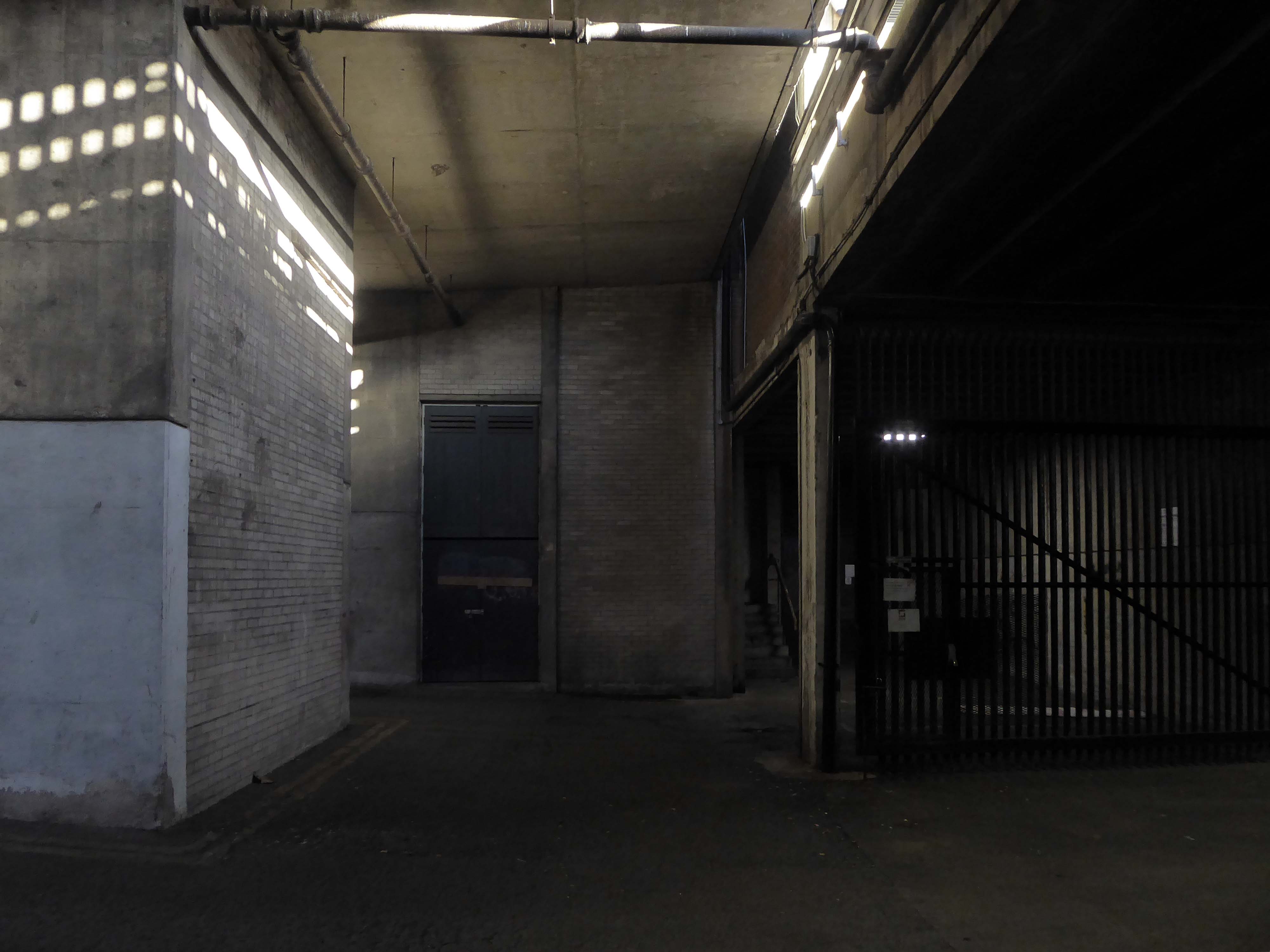
So this magical structure of stairways, undercrofts, elevated walks and majestic concrete clad volumes is under threat.
Swinton and the Lancastrian Hall deserve much better.
Over 550 people took part in the recent visioning work, and we are grateful for their time and valuable contributions.
An overwhelming majority of those who shared their views saw Swinton as a good place to live and bring up a family – somewhere friendly, with a strong sense of community.
People valued their local green spaces, but strongly felt that there needed to be more investment in the town centre, and a plan to tackle empty buildings and shops.
Overall, people felt that Swinton needed to be a more vibrant place, with more going on – and more reasons for people to visit and spend their leisure time there.
This is an opportunity to create tomorrow’s local centre, but that does rely on removing the Lancastrian Hall, rethinking the shopping centre, and repurposing the Civic Centre and the spaces around it.
Curiously brick-ish, for work largely concerning concrete.
Did they not know the Madcap Syd wrote See Emily Play down the road at the now demolished Leeds College of Technology?
A fact I discovered whilst researching my Leeds Walk.
Myself I would have gone with – Borrow Somebody’s Dreams ’til Tomorrow.
For here we have an exposition of the architecture of three Universities, exploring the possibilities of a new age.
An age typified by the expansion of minds and opportunities in higher education, rendered corporeal in glass, steel and concrete – with some concession to the use of brick.
I was minded of the political context to these campuses, radicalised by the events of the late Sixties and early Seventies.
Myself a student at Portsmouth Polytechnic during these heady days, where several Maoist, Marxist-Leninist, Stalinist and Trotskyite factions played out ideological debate and display, against these Modernist backdrops.
On the day of my visit to the Leeds campus, I saw three students stood behind a hardboard paste table, selling the Socialist Worker.
Along with staff building support for the following day’s UCU strike.
So to the exhibition – Another Brick In The Wall at the Stan and Audrey Burton Gallery until Saturday 25th March.
Photographer Simon Phipps shines a contemporary light on the innovative designs of this period. He has produced new work of a variety of campuses, including the University of Leeds, exclusively for the exhibition.
Alongside these contemporary photographs, the exhibition displays archival material from the Universities of Leeds, Sussex and East Anglia.
Rarely seen material from the Arup archive is also exhibited.
Let’s take a look at a topic from a bygone age that seems to come of age – there’s never been a better time to be Brutal!
Go and take a look, we really do need education – and exhibitions.
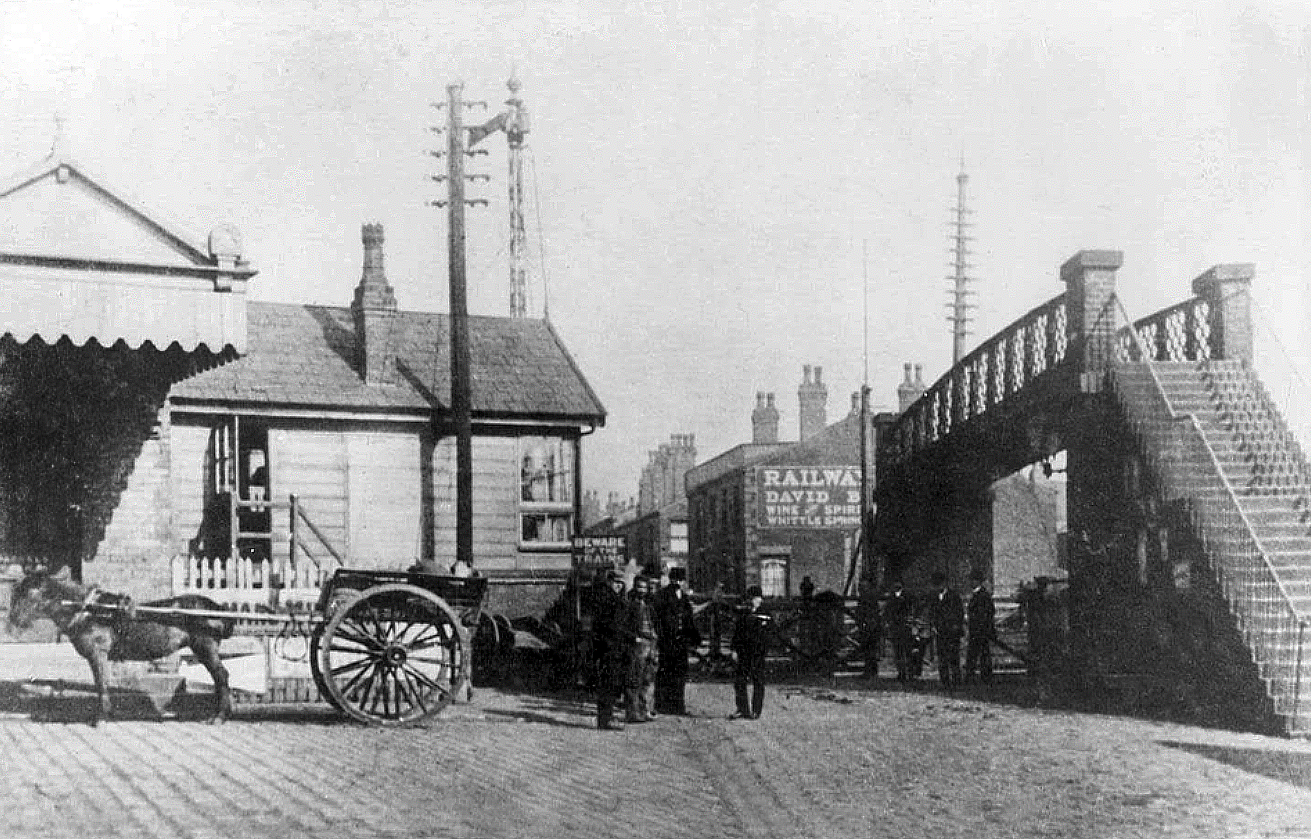
The current railway station is a modern version from the 1980s that was built on top of the original station. The level of the old platforms can be seen under the existing station’s two platforms which are connected by underpass. The initial station was opened on 22 December 1841 by the Bolton and Preston Railway – which later became part of the Lancashire and Yorkshire Railway and was subsequently served by the Lancashire Union Railway between St Helens, Wigan North Western and Blackburn from 1869.
Passenger trains over this route between Blackburn & Wigan were however withdrawn in January 1960. Further work was done in 2016 and 2017 in connection with the electrification of the line between Euxton Junction and Manchester.
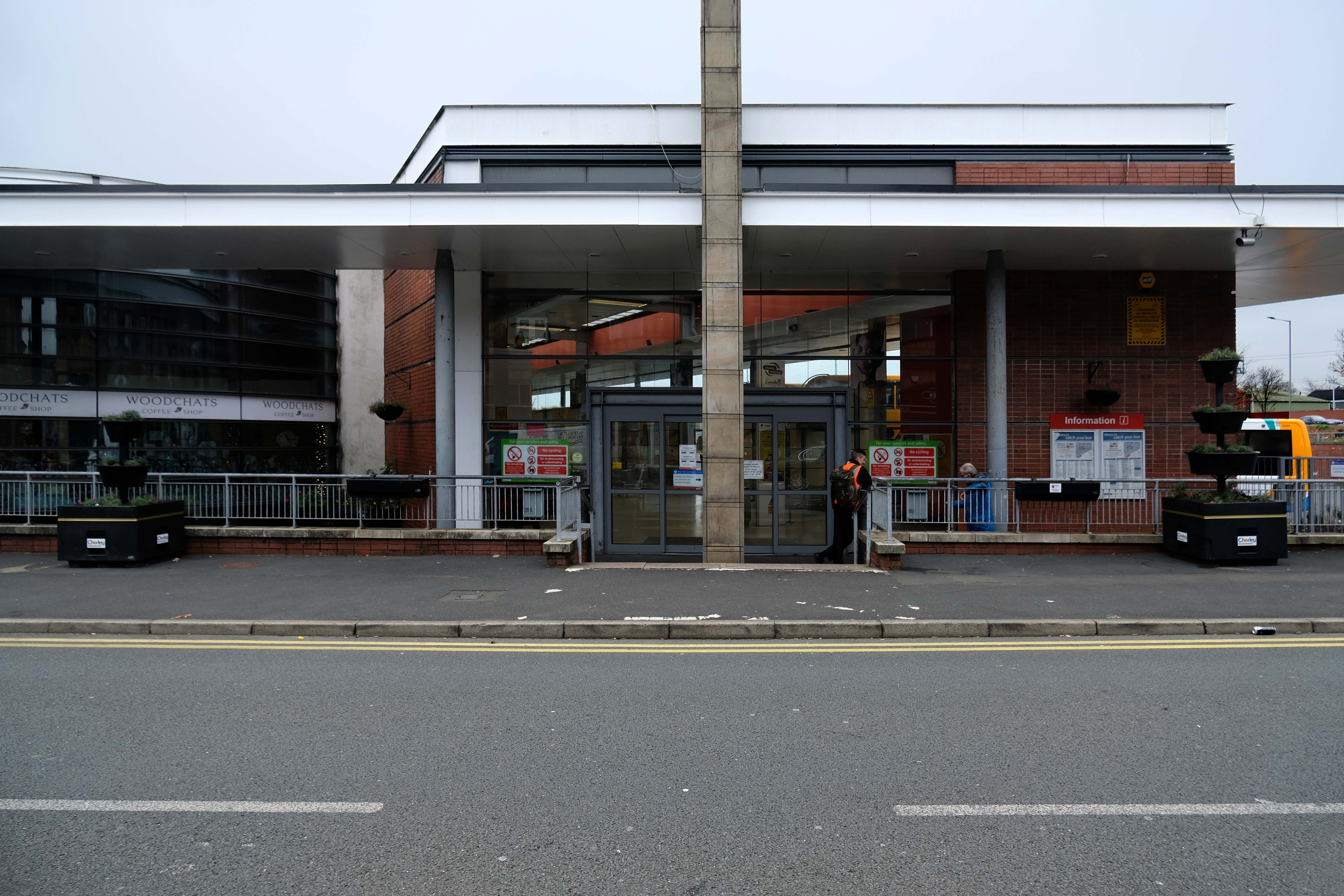
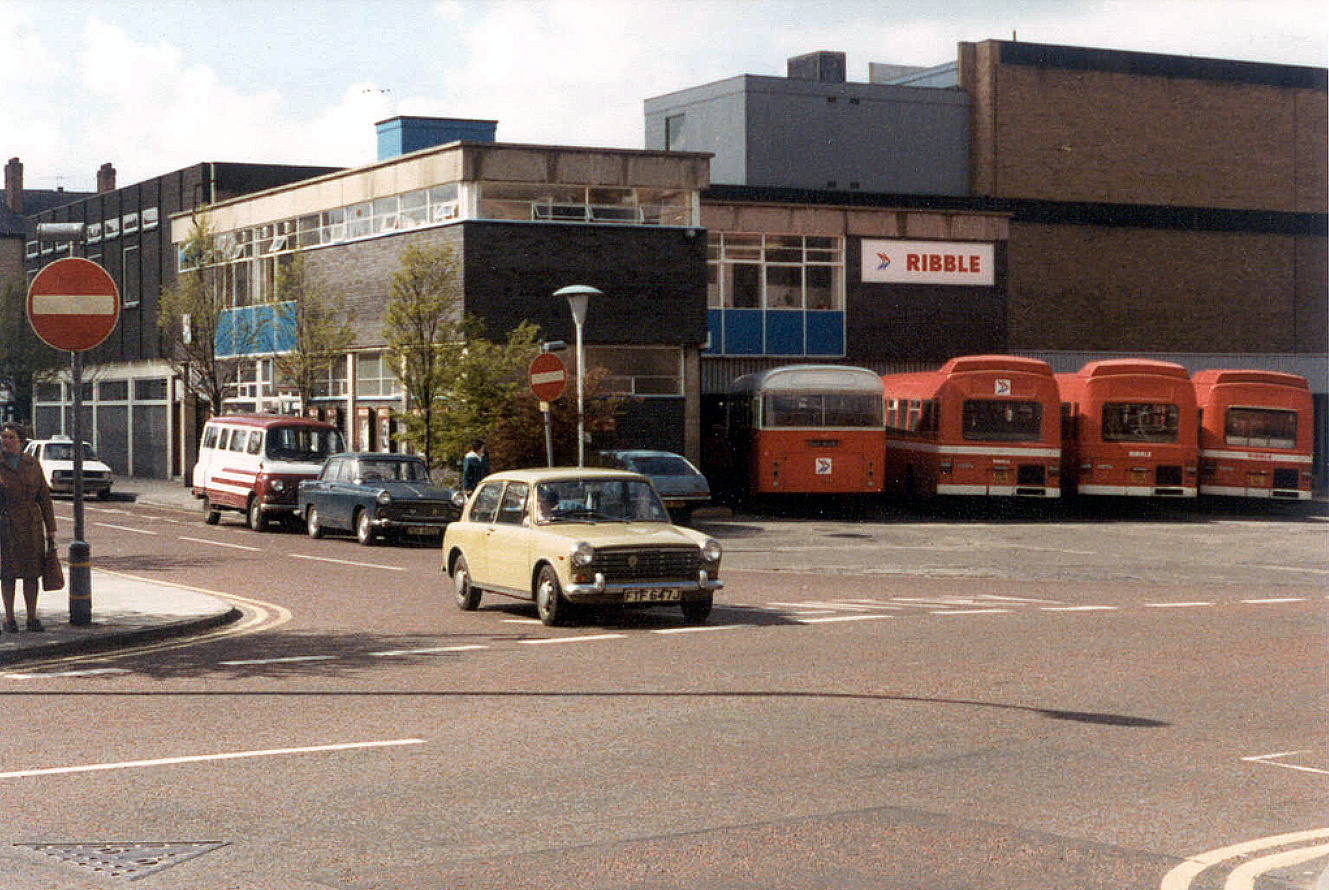
Crossed over to the Interchange – which was formerly a humble bus station, opened in February 2003 replacing the previous structure.
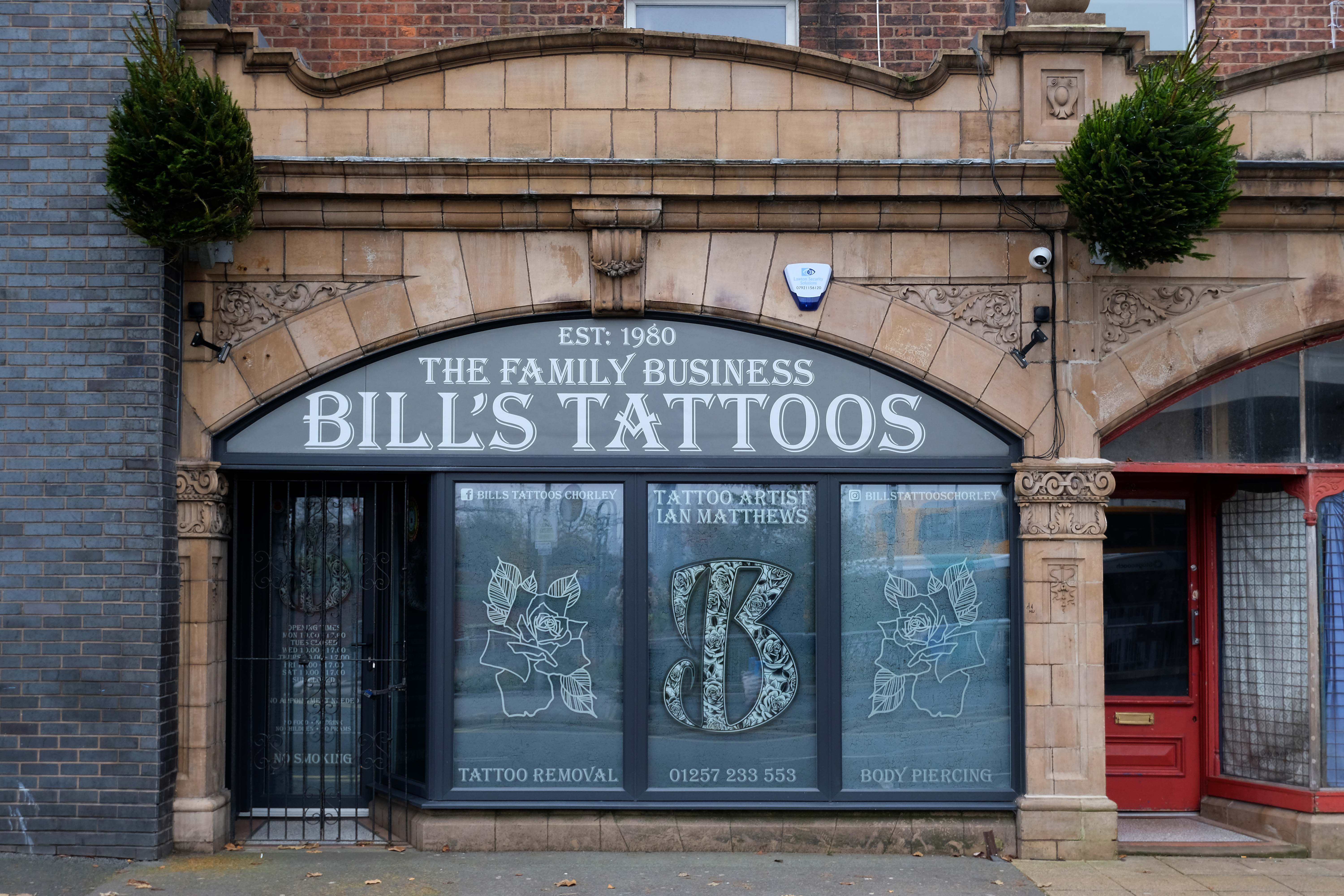
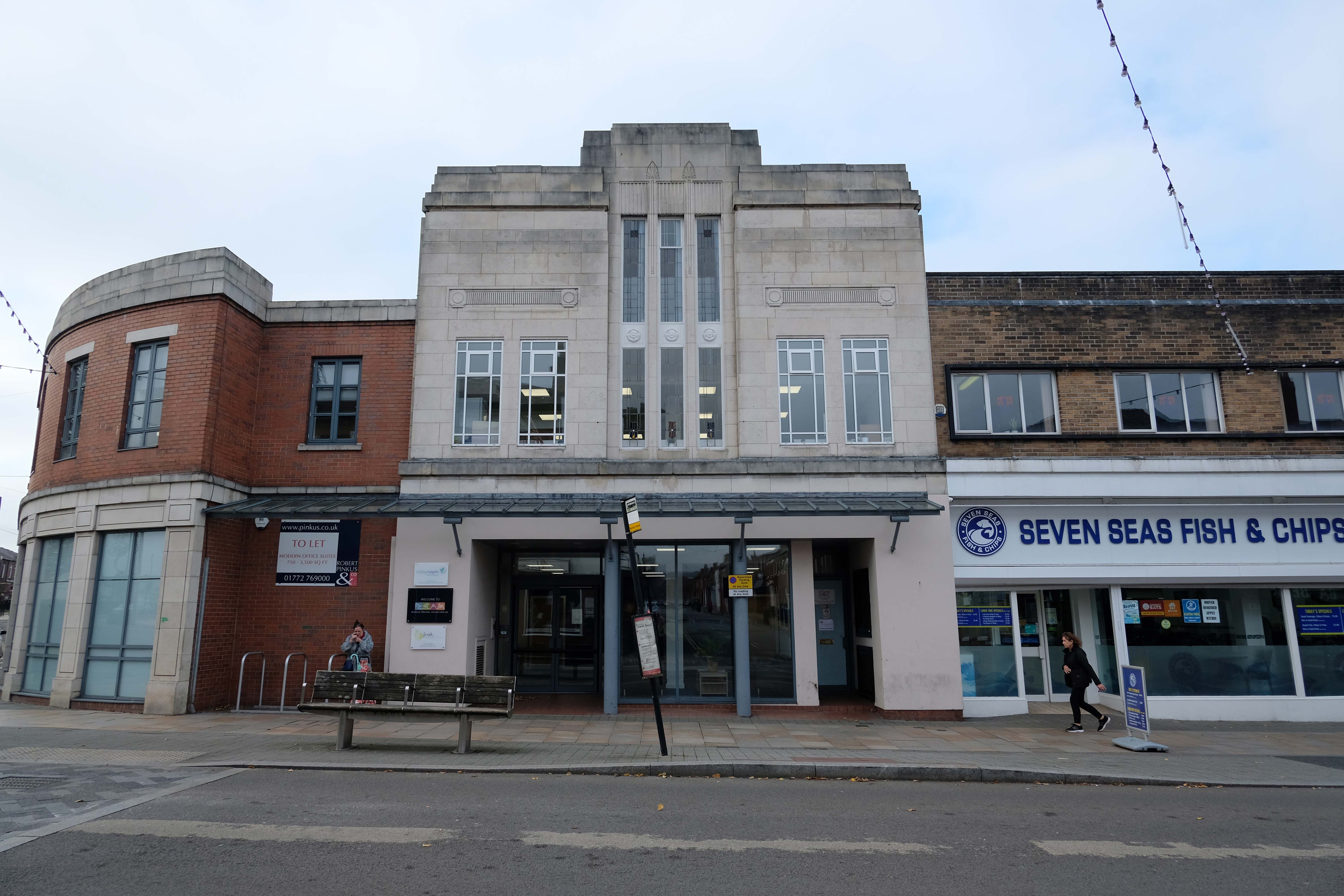
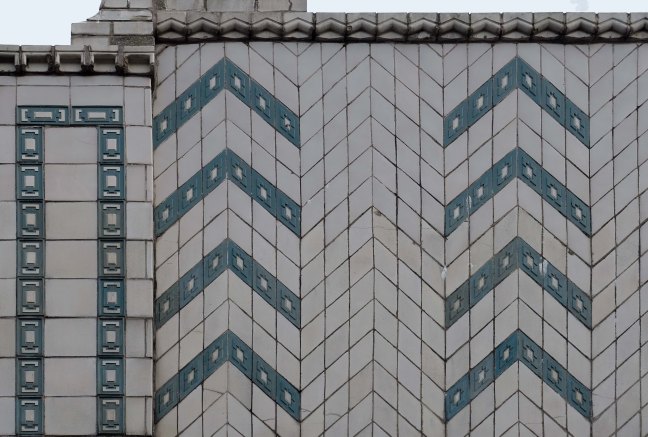
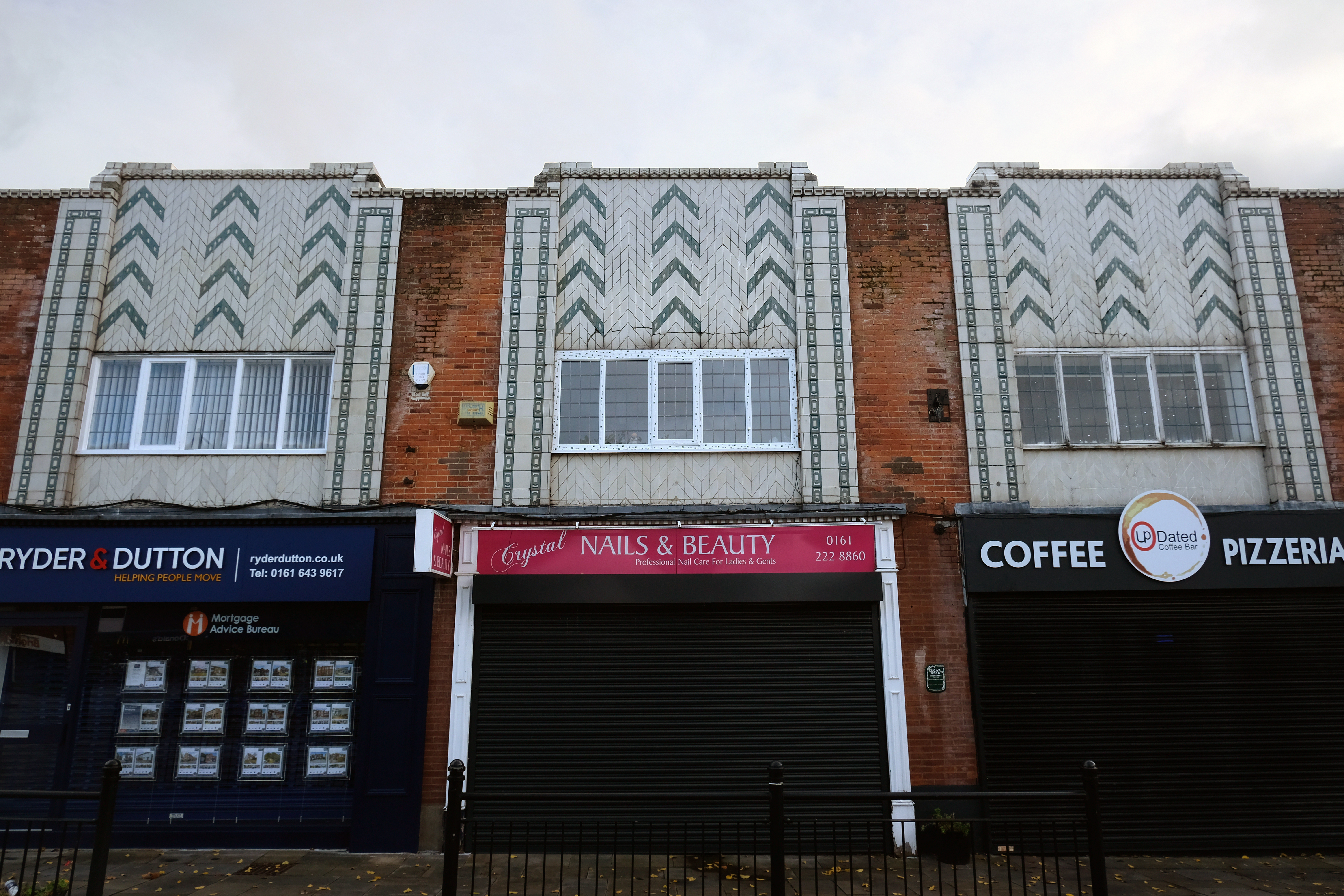
Across the way a stand of shops with distinctive faience fascias.
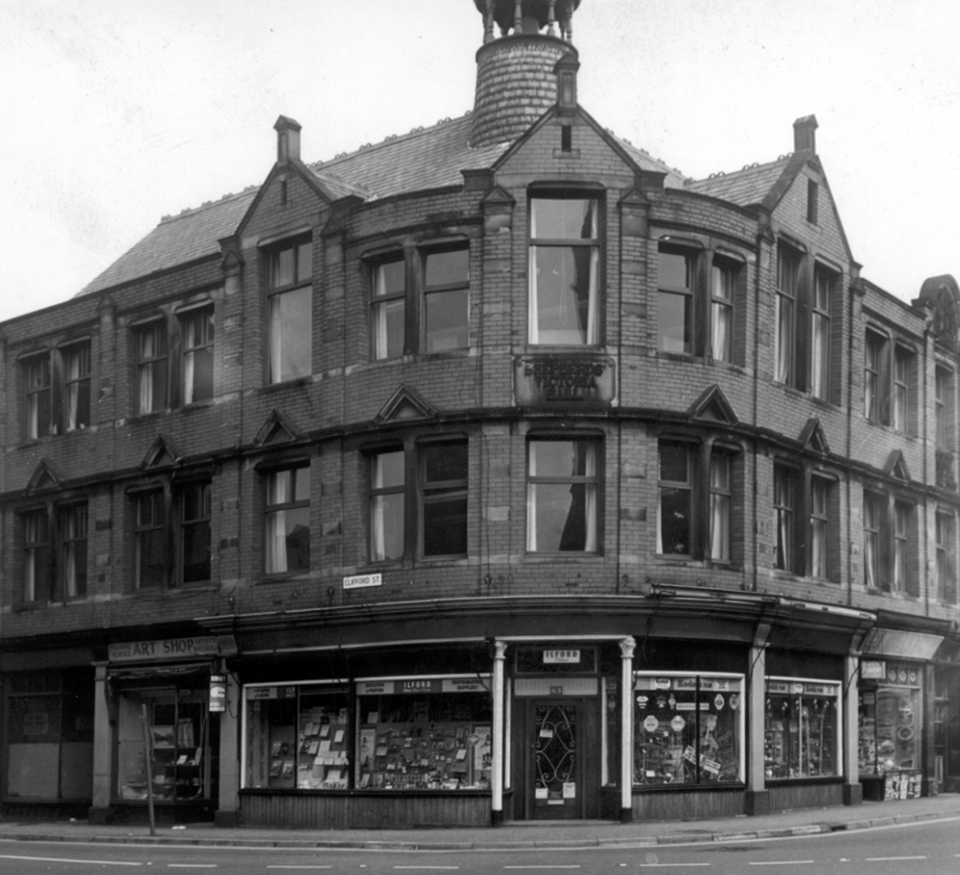
Further along the Shepherds’ Victoria Hall – once home to the Jubilee of the Ancient Order of Shepherds’ Friendly Society which was quite prominent in Chorley in the late 1800’s and early 1900’s
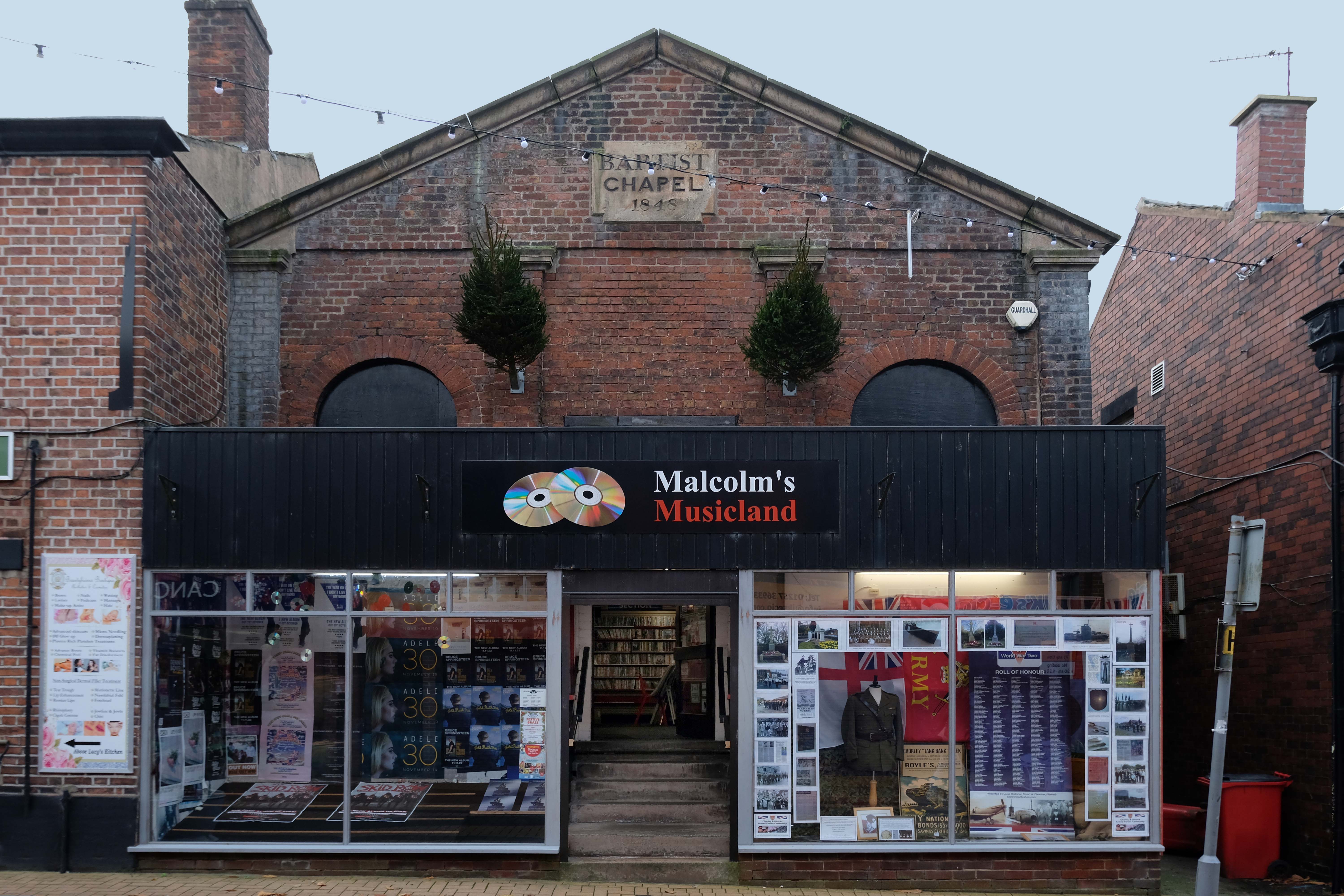
Down the way a ways a Baptist Chapel of 1845 on Chapel Street – currently trading as Malcolm’s Musicland.
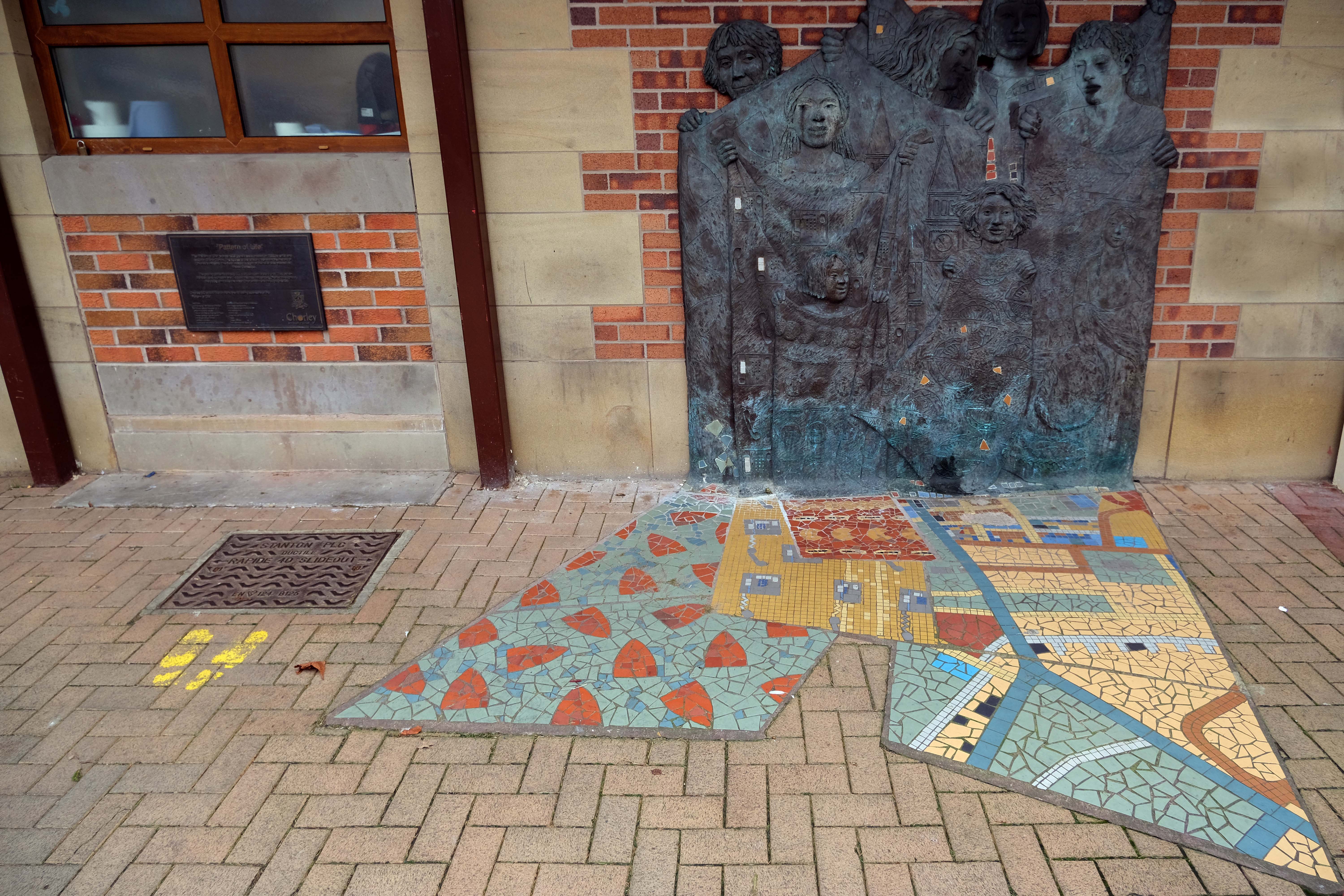
Hang a sharp right to the Market – where there is this newish piece of public art Pattern of Life a bronze relief by Diane Gorvin and mosaic work by Tracey Cartledge
This piece involves an innovative combination of cast bronze and ceramic mosaic. Two bronze relief panels display female figures holding out rolls of fabric, each decorated with patterns and images that are particular to the town of Chorley. Payphones, for example were invented and manufactured in Chorley, the crested newt is protected here and you might also notice the famous Chorley Cakes. As the fabrics tumble down, the designs are translated from bronze relief on the wall surface into 2D mosaic in the pavement.
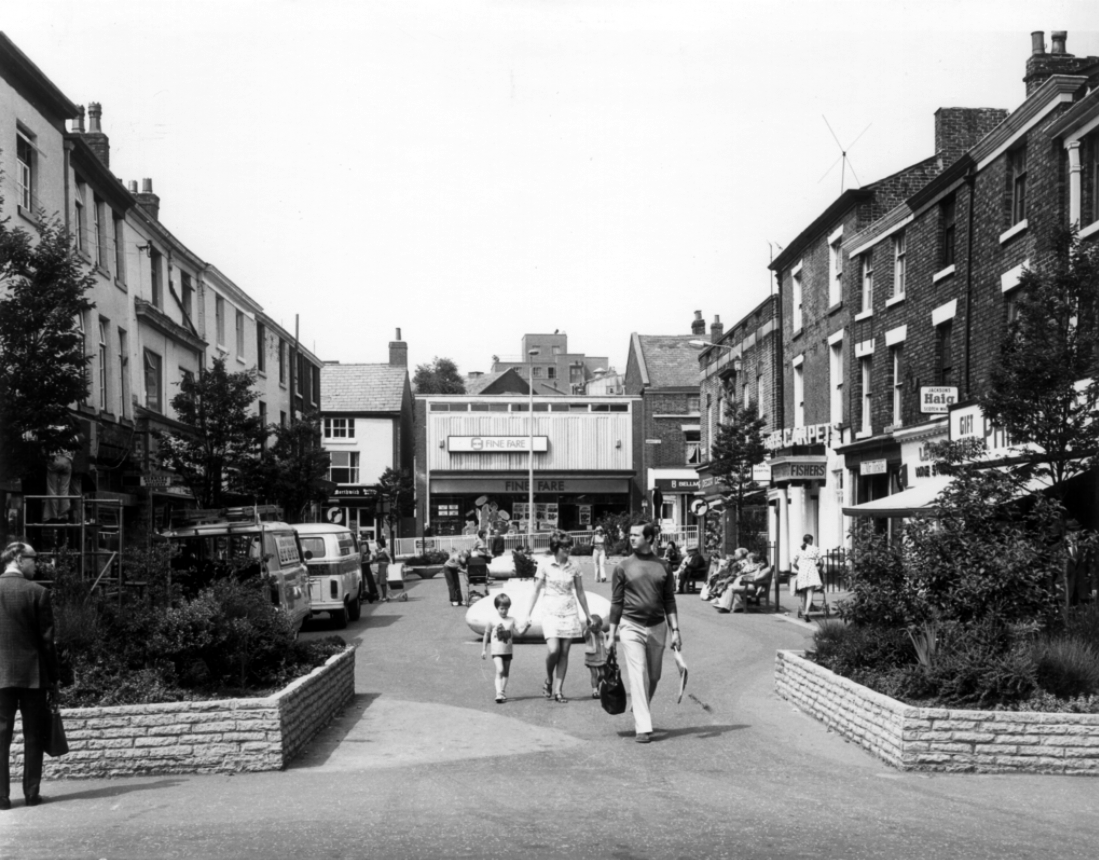
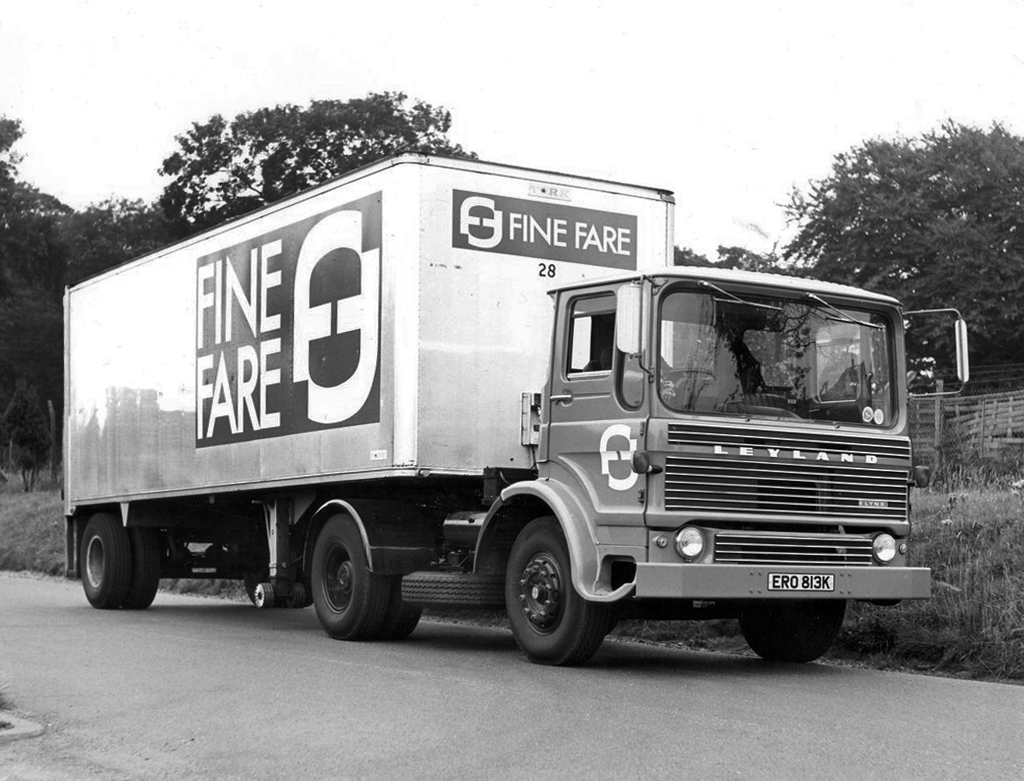
Looking down Fazakerley Street to where Fine Fare once was.
We’ll return to such matters in a moment – we have to get to the Post Office – which is no longer a Post Office.
It was a Post Office in 1935 – it also has a later extension.
The local list declares that the post office dates from 1935. This is almost certainly erroneous since the contract documents date from 1924, and from contract to completion the average construction and fitting-out time was about 18 months.
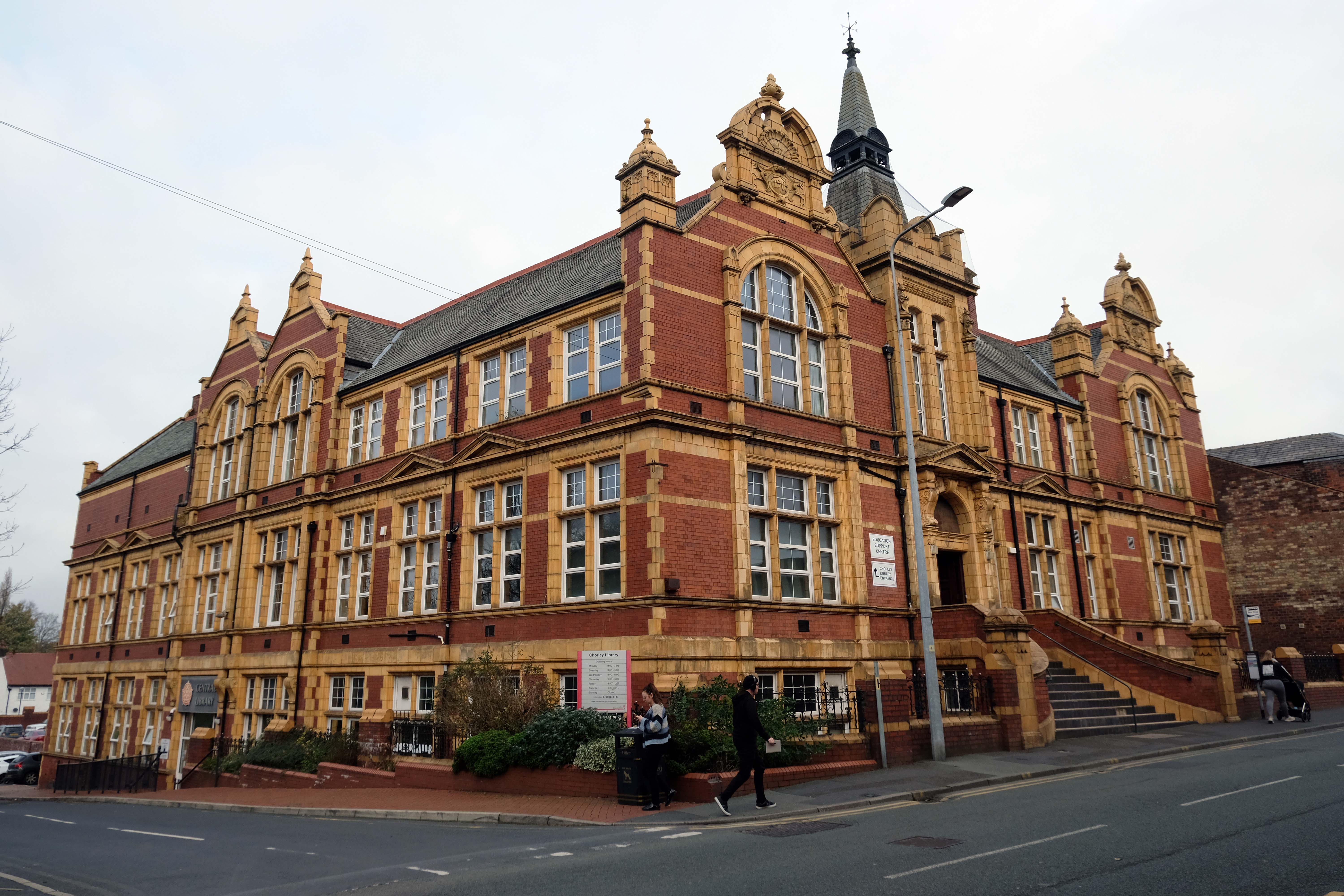
Plans supplied by the Architects Messrs. Cheers & Smith of Blackburn which were approved by the Education Committee on the 18th August 1904 – design proposals for the new Technical School entitled Light and Air.
The considerable task of erecting the school was given to the local builder Mr. William Hampson of Pall Mall.
Surely the envy of his trade, the total contract was worth a mouth- watering £10,041 15s. 9d. – approx. £720,000 today.
The building was officially opened by the 16th Earl of Derby on September 24th 1906.
Over the road the town’s newest retail development Market Walk – the work of AEW Architects.
Chorley Council bought the shopping centre from Orchard Street Investments for £23m in 2013 and commenced a large-scale regeneration scheme in 2018 involving a £15m, 79,000 sq ft retail and leisure extension led by main contractor Eric Wright Group and designed by AEW Architects. Here, Conrad Heald of Chorley Council tells his interviewer, AEW director Phil Hepworth, how the scheme came to fruition and has rejuvenated the town centre.
The memorial re-sited in 2018 commemorates the Chorley Pals.
In less than 20 minutes, 235 of the 720 men from the 11th East Lancs. were killed. Another 350 were wounded, of which 17 would eventually succumb to their wounds. Many of the Battalion died where they fell, in No Man’s Land.
As a result of the attack on the morning of the 1st July, the Chorley Pals – Y Company, had 31 men killed and three died within a month of their wounds received on that day. 21 have no known graves and their names are transcribed on the Thiepval memorial to the Missing on the Somme battlefield. A further 59 were wounded, making a total of 93 casualties out of approximately 175 men from Chorley who went over the top that morning.
Reversing now to the former Barclays Bank – which closed earlier in 2022.
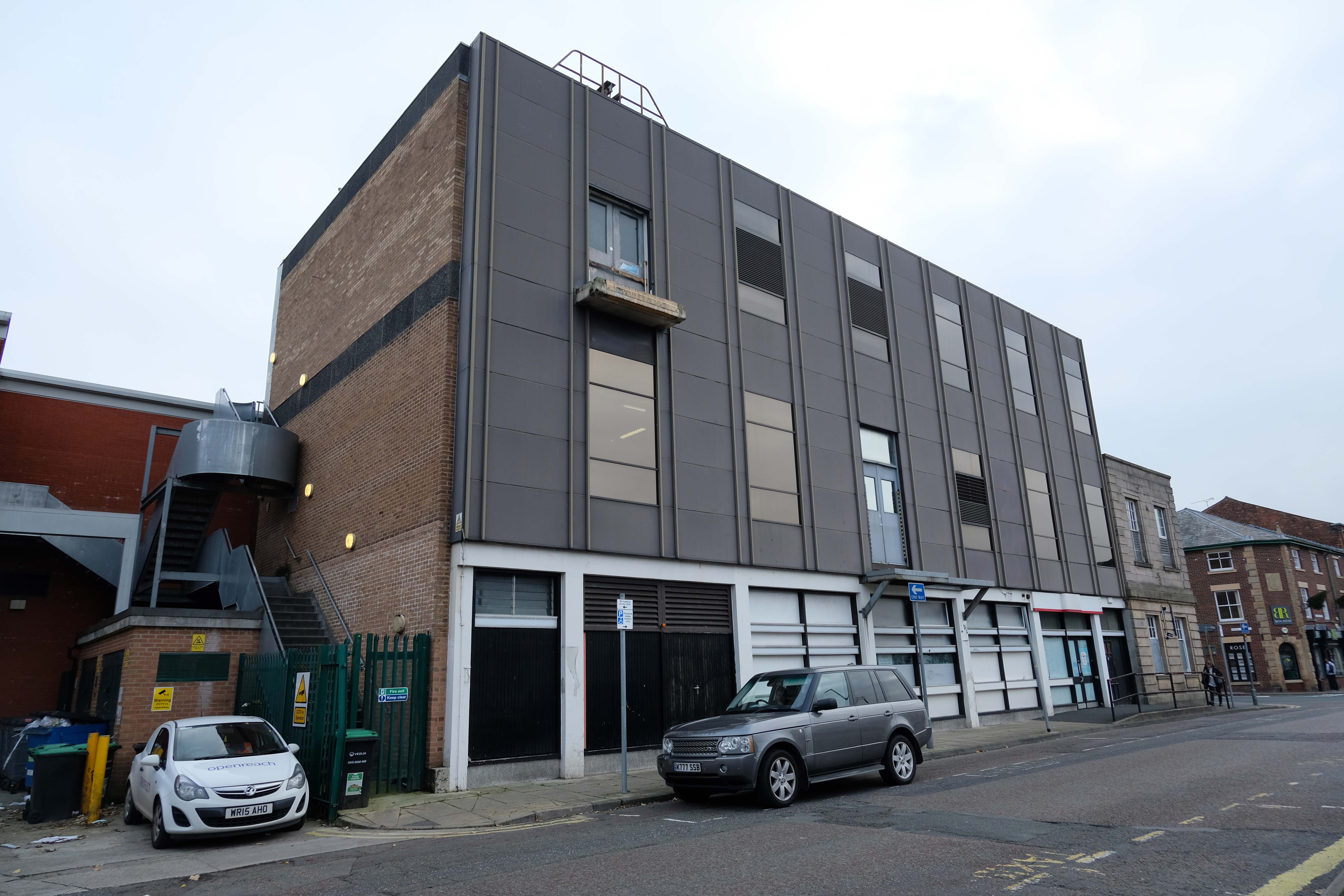
We return now to the former Fine Fare.
The company began as one single supermarket in Welwyn Garden City in 1951, as an offshoot of the Welwyn Department Store, owned by Howardsgate Holdings, the company of Ebenezer Howard, the founder of the garden city movement.
Now here’s a thing a bank which is a bank NatWest not gone west.
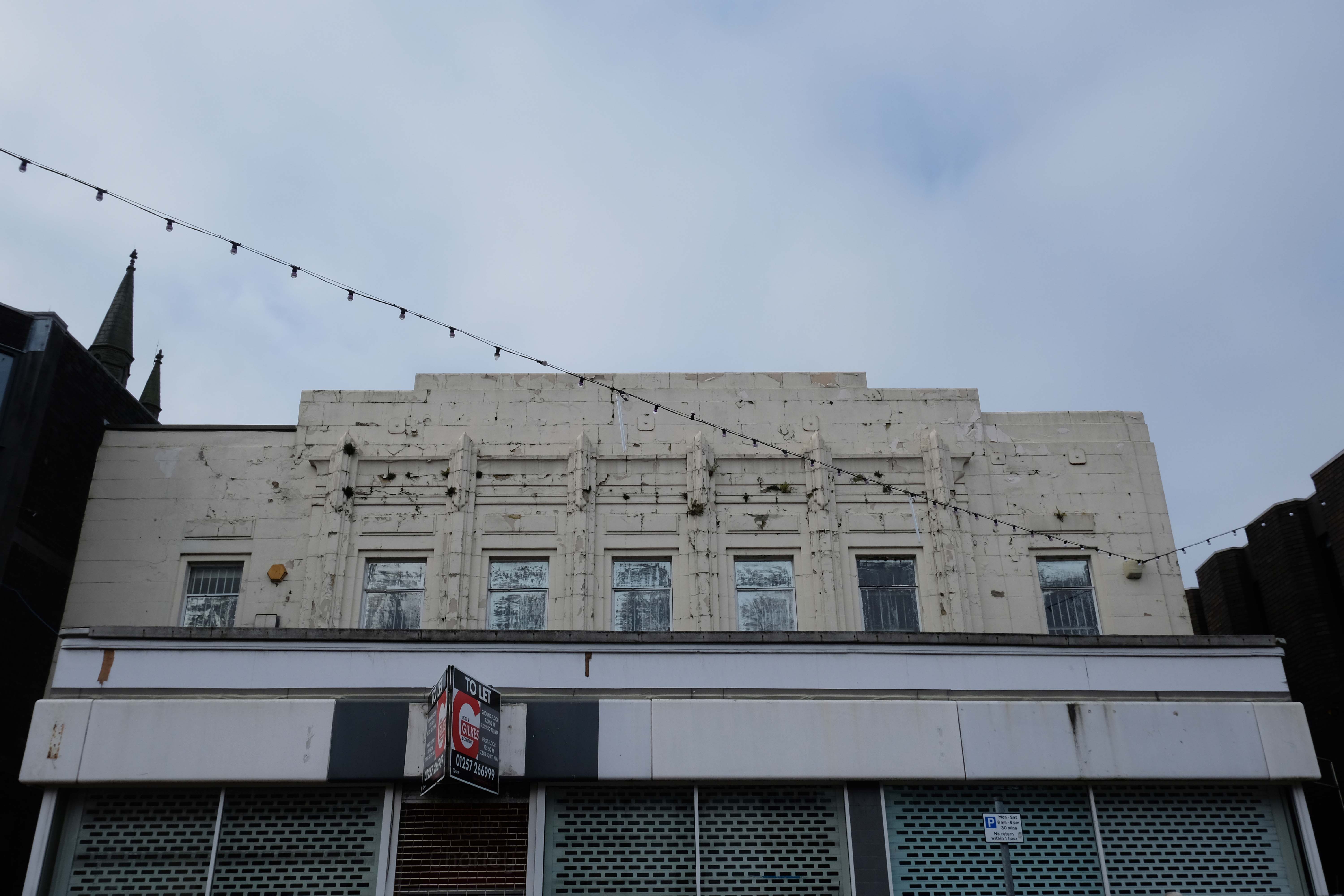
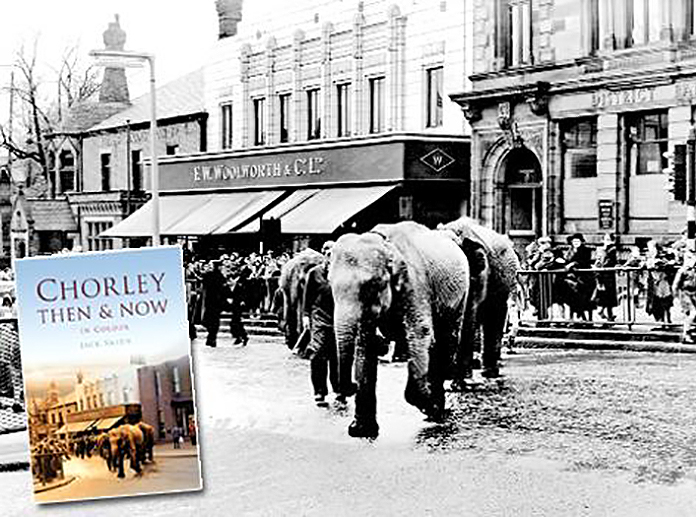
Next to the former Woolworths, opened in Chorley in 1930 on Market Street, with its pale Deco faience fascia.
They traded from this building for sixty five years, before closing in March 1995 in order to move to a new store on Market Walk – it became an Argos, then it didn’t.
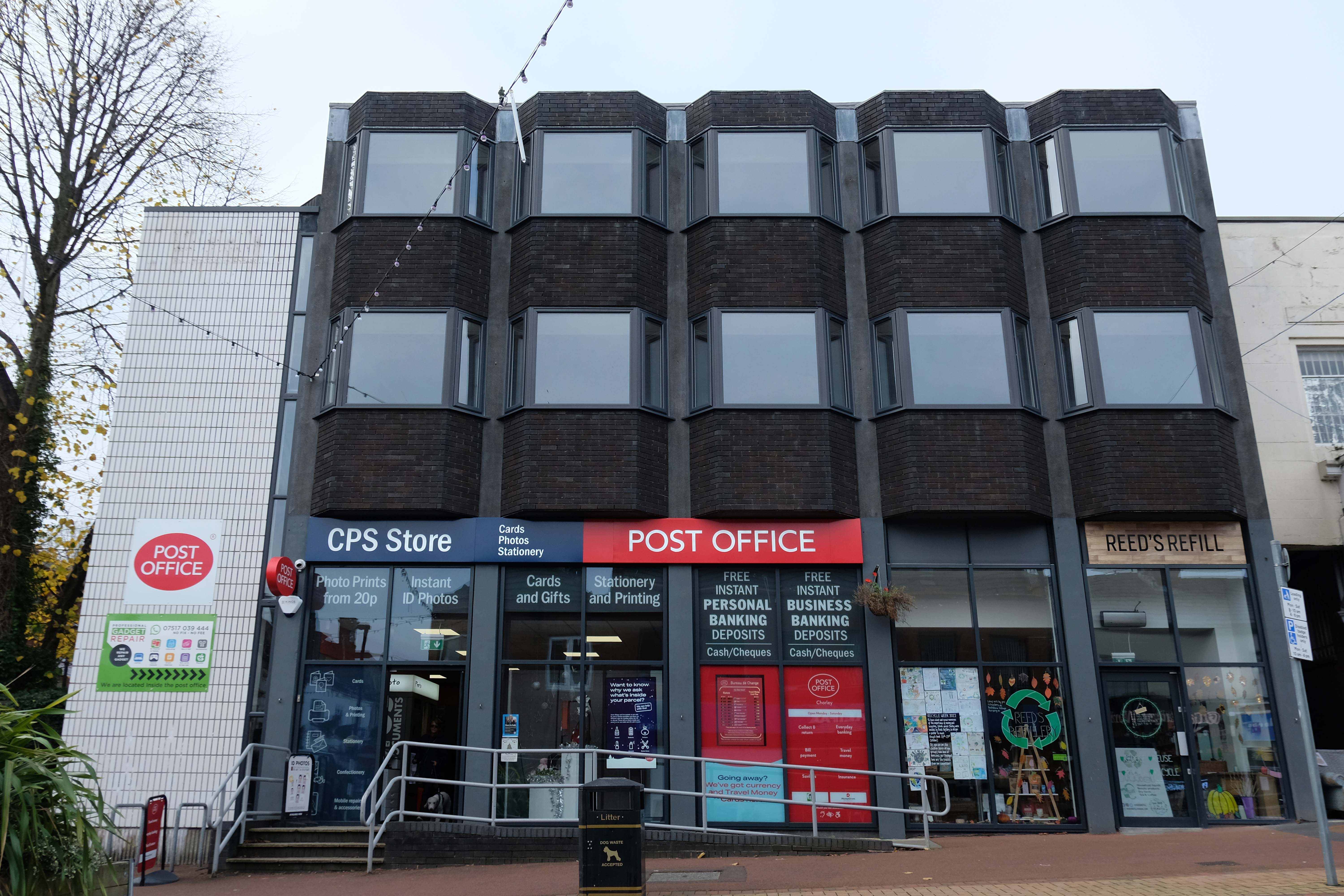
Here we are now at a Post Office that is a Post Office but was an RBS Bank.
The new location is at the former Royal Bank of Scotland on Market Street in the town centre.
Since the Post Office that was based at WH Smith on New Market Street came to an end, when that store closed in January, it relocated to a temporary unit in Market Walk until a permanent solution could be found.
The unit, which had been provided by the postmaster from Burscough Bridge Post Office, closed on Tuesday.
Kenny Lamont, Post Office Network Provision Manager, said a Post Office is important to a community.
This had been a Methodist Church – then, it became the HQ of the Lancashire Electric Power Company.
The Lancashire Electric Power Company was one of the largest private electricity companies in the UK. It was established in 1900 and generated and supplied electricity to 1,200 squares miles of Lancashire from 1905 until its abolition under nationalisation in 1948.
Time to back track to the Cop Shop – the work of County Architect Roger Booth and crew.
The Magistrates’ Courts are closed and up for sale.
Next door the White Hart once upon a time the Snooty Fox, a pub with an up and down trajectory – currently open and described online as plush.
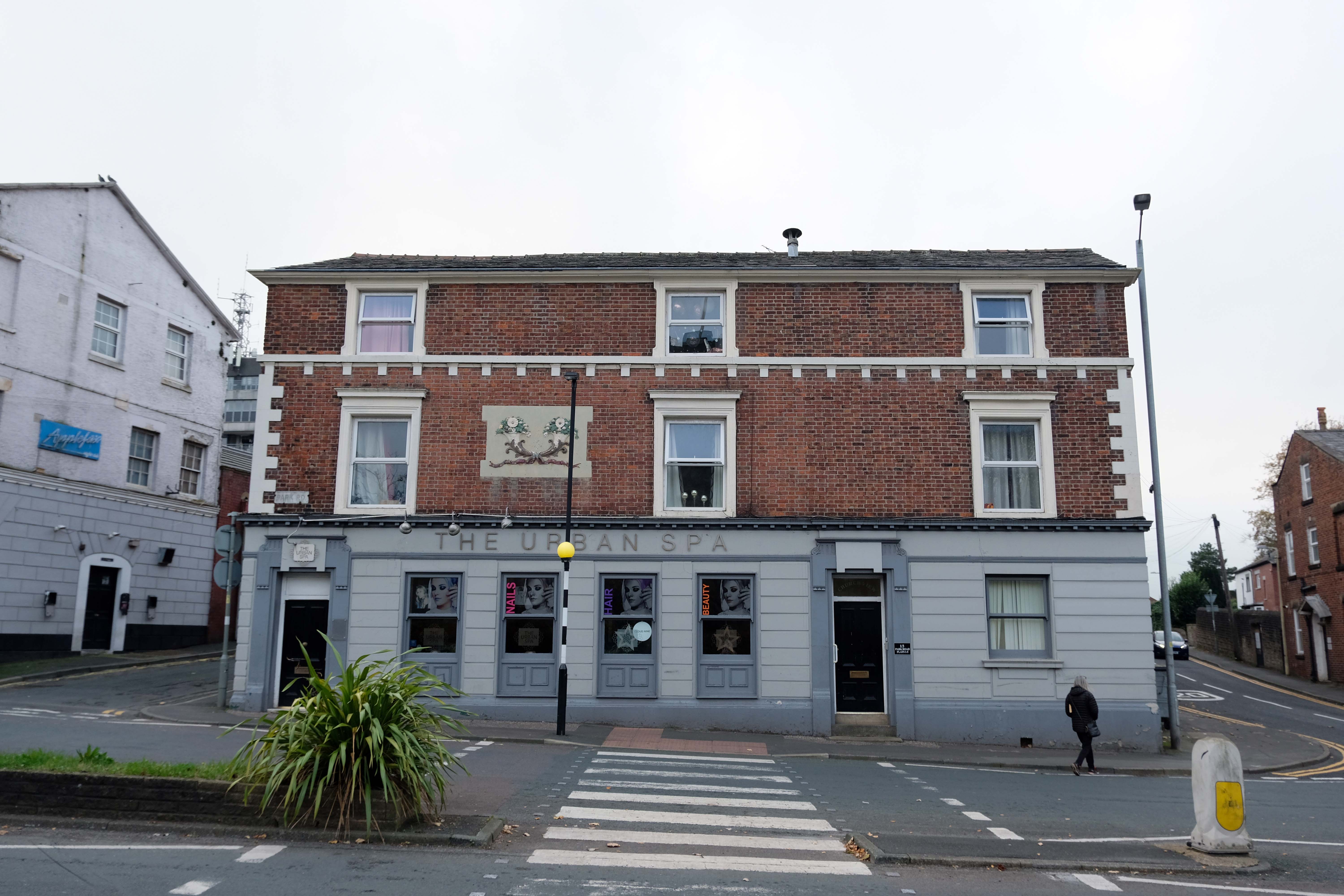
Down the road a pub no longer a pub but an Urban Spa.
We offer you a full range of professional treatments tailored to your own personal needs. We treat every client as an individual and offer an extensive range of treatments and professional products making your visit one to remember.
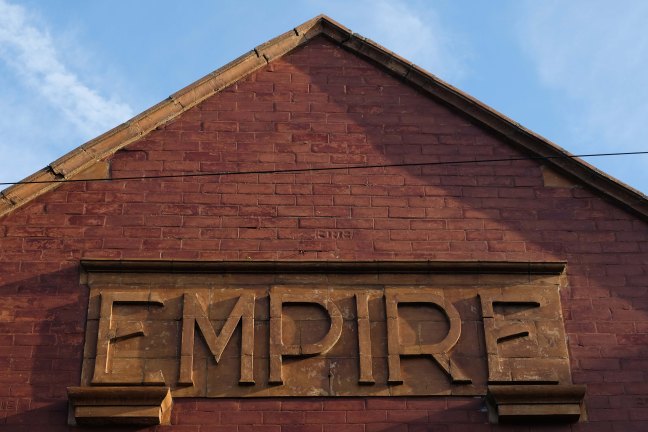
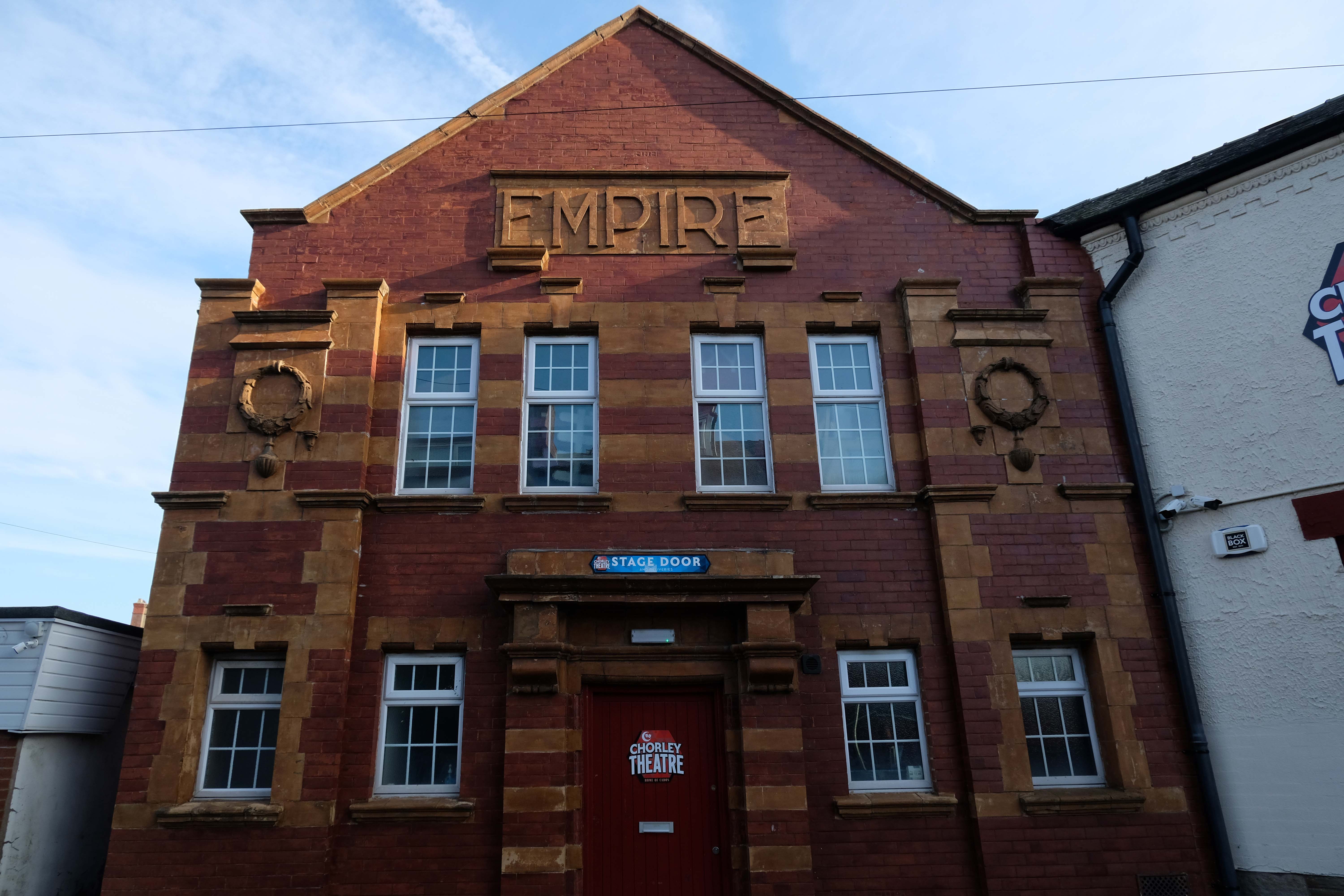
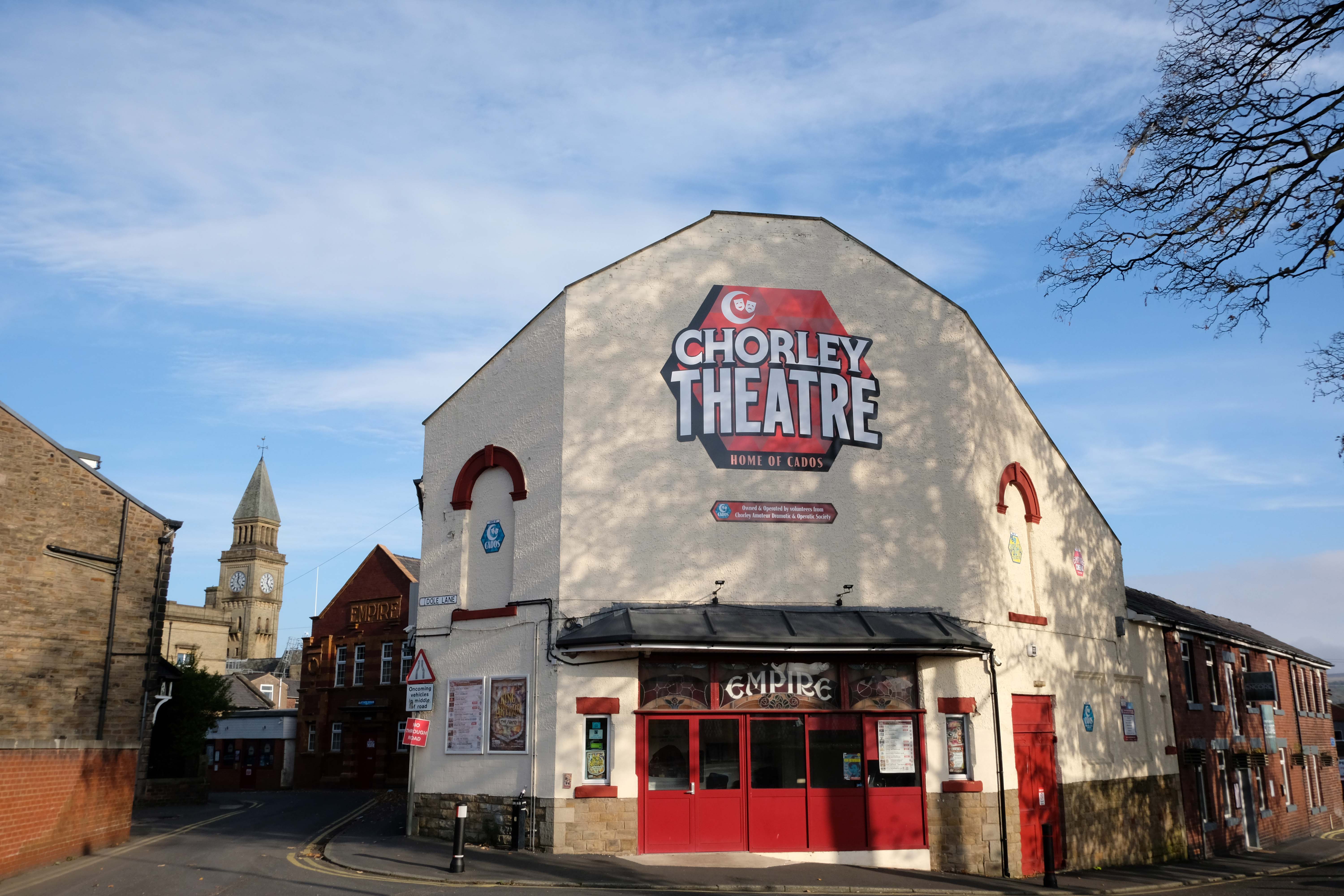
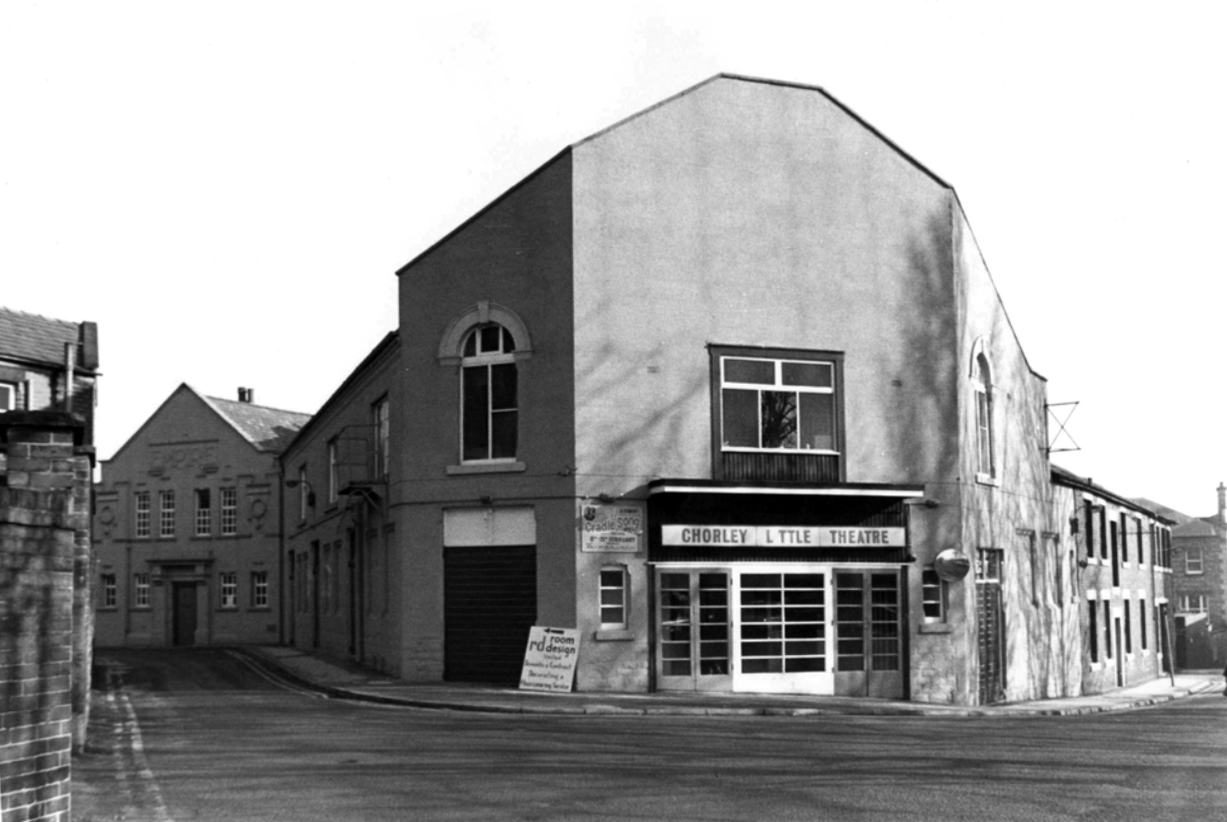
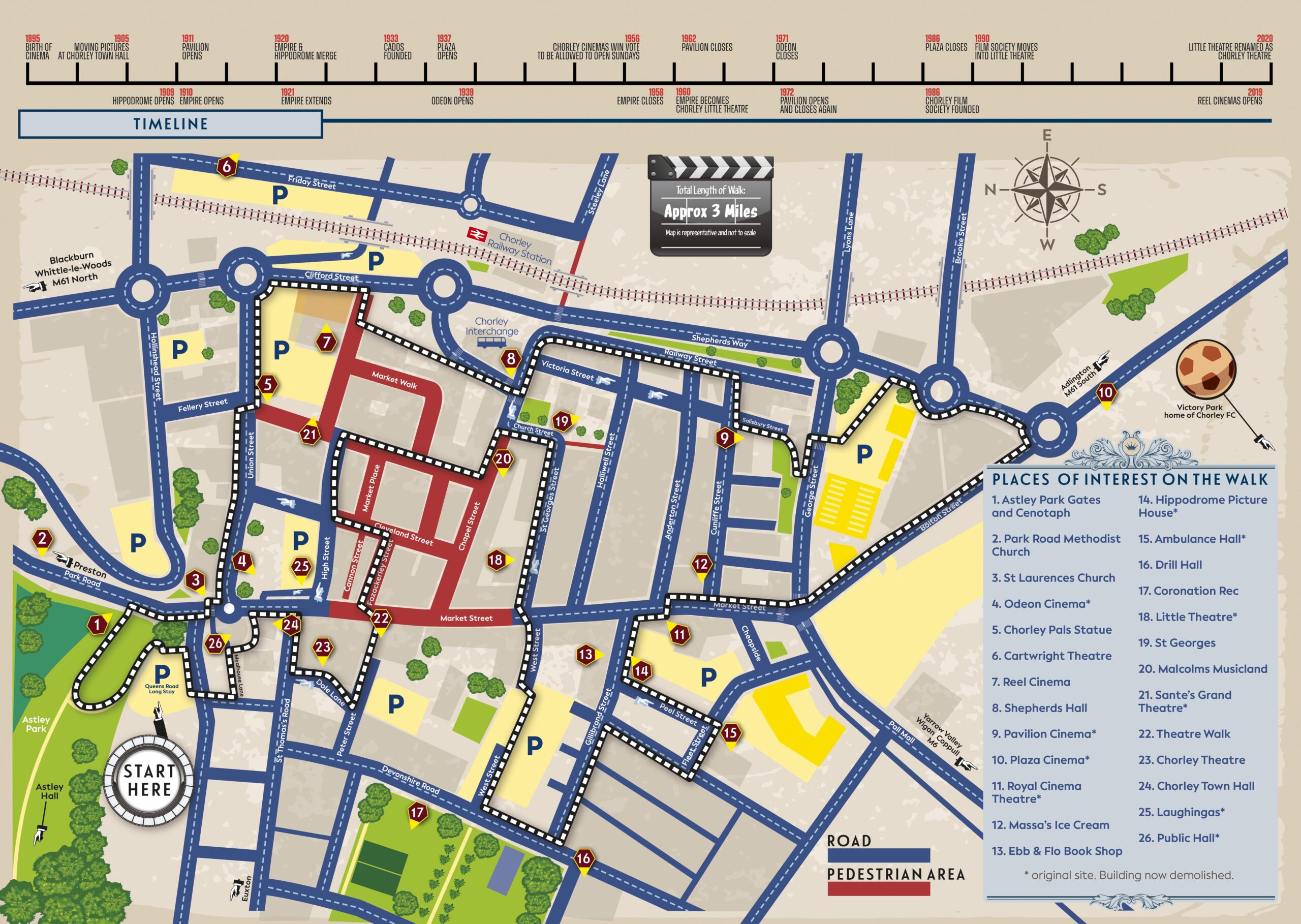
Let’s go to the theatre – The Empire tucked away at the back of town.
The Empire Electric Theatre opened, as the town’s first purpose-built cinema, on 3rd September 1910. In 1912 Archie Hooley began his connection with the cinema business at the Empire Electric Theatre. By 1927 it had been re-named Empire Cinema and by 1930 it was equipped with a Western Electricsound system and was operated by the Perfecto Filmograph Co. Ltd. By 1939 it was operated by the Snape & Ward chain. According to the Kine Year Books, in 1940 the seating was for 800, while by 1952 it had been reduced to 679 – still a far cry from today’s 236 seats. 3D films were shown in the early-1950’s. Archie had died in 1944; his son Selwyn closed the cinema in 1957, apparently “because of the taxes”.
1959
Wrestling took over for a while before Chorley Amateur Dramatic and Operatic Society – CADOS acquired the building and renamed it the Chorley Little Theatre. Since 1960 CADOS have been putting on high-quality productions, presenting at least six productions per season – from September to July. It is also the home of the award-winning Chorley Youth Theatre who meet every Saturday, putting on shows throughout the year; and Chorley Empire Community Cinema who present the cinema experience on their 21ft wide screen with 8-Speaker Surround Sound. Run entirely by volunteers the theatre has state-of-the-art sound systems and a full range of lighting equipment. There are two spacious dressing rooms, space for costumes and props and the Empire Bar. The building has disabled access throughout the public area, including a toilet, and the auditorium is fitted with a hearing loop. There are three spaces for wheelchairs in the auditorium. It was re-named Chorley Empire Cinema at Chorley Theatre in October 2019 and films are still part of the programming.
The Odeon Market Street was built for and operated by Oscar Deutsch’s Odeon Theatres Ltd. chain, it opened on 21st February 1938 with Jack Buchanan in The Sky’s the Limit.
Architect Harry Weedon was assisted by PJ Price.
It was closed by the Rank Organisation on 6th February 1971 with George Lazenby in “On Her Majesty’s Secret Service”. After laying closed and un-used for over two years it was sold to an independent bingo operator and re-opened on 9th August 1973 as a Tudor Bingo Club. It later became a Gala Bingo Club which was renamed Buzz Bingo Club in June 2018. It was closed on March 21, 2020 due to the Covid-19 Pandemic. On 15th July 2020 it was announced that the closure would be permanent.
The building was handed over to Chorley Council who decided that asbestos removal would be too costly and the building was demolished in August 2021.
Located on Salisbury Street, off Cunliffe Street, built in 1888 as a military warehouse, it was converted into a roller skating rink around 1909. It opened as the Pavilion Picture Palace on 14th September 1911, operated by George Testo Sante, a music hall strong man, who also operated the Grand Theatre as a cinema. By 1915, music hall acts were also part of the programme. After the end of World War I, the flat floor of the cinema was raked, allowing for better viewing of the screen. The proscenium was 30ft wide, the stage was 16 feet deep and there were two dressing rooms.
The Pavilion Cinema was the first in town to screen ‘talkies, when an Electrochord sound system was installed in 1929. It was taken over by the J.F. Emery Circuit in 1932 and they operated it until the end of 1933. The sound system was upgraded to a British Talking Pictures sound system. In 1954 it was the first cinema in town to be fitted with CinemaScope and the proscenium was widened to 36 feet.
The Pavilion Cinema was closed by 1962 and converted into a bingo club. In 1972 it was re-opened as a cinema again, but due to Star Cinemas chain barring it from showing first run features – they operated the Plaza Cinema, it was closed after 5 months of operation. It was later demolished and the area was redeveloped for housing.
No trace of The Hippodrome Theatre on Gillibrand Street, which was built and opened in 1909, or the Theatre Royal, opened on 30th September 1911, It was demolished in 1959.
A supermarket was built on the site which later became a McDonalds, which is now a Pizza Hut.
Last but not least – located on the Flat Iron Parade, aka Cattle Market, The Grand Theatre was a wooden building built in 1885, which presented melodramas and plays. In June 1909 it was taken over by George Testo Santo, who had been a music hall strongman, and his family. It went over to operating as a Picture Palace for a short season.
By 1914 it was operating as a full time cinema, but was destroyed by fire in 1914.
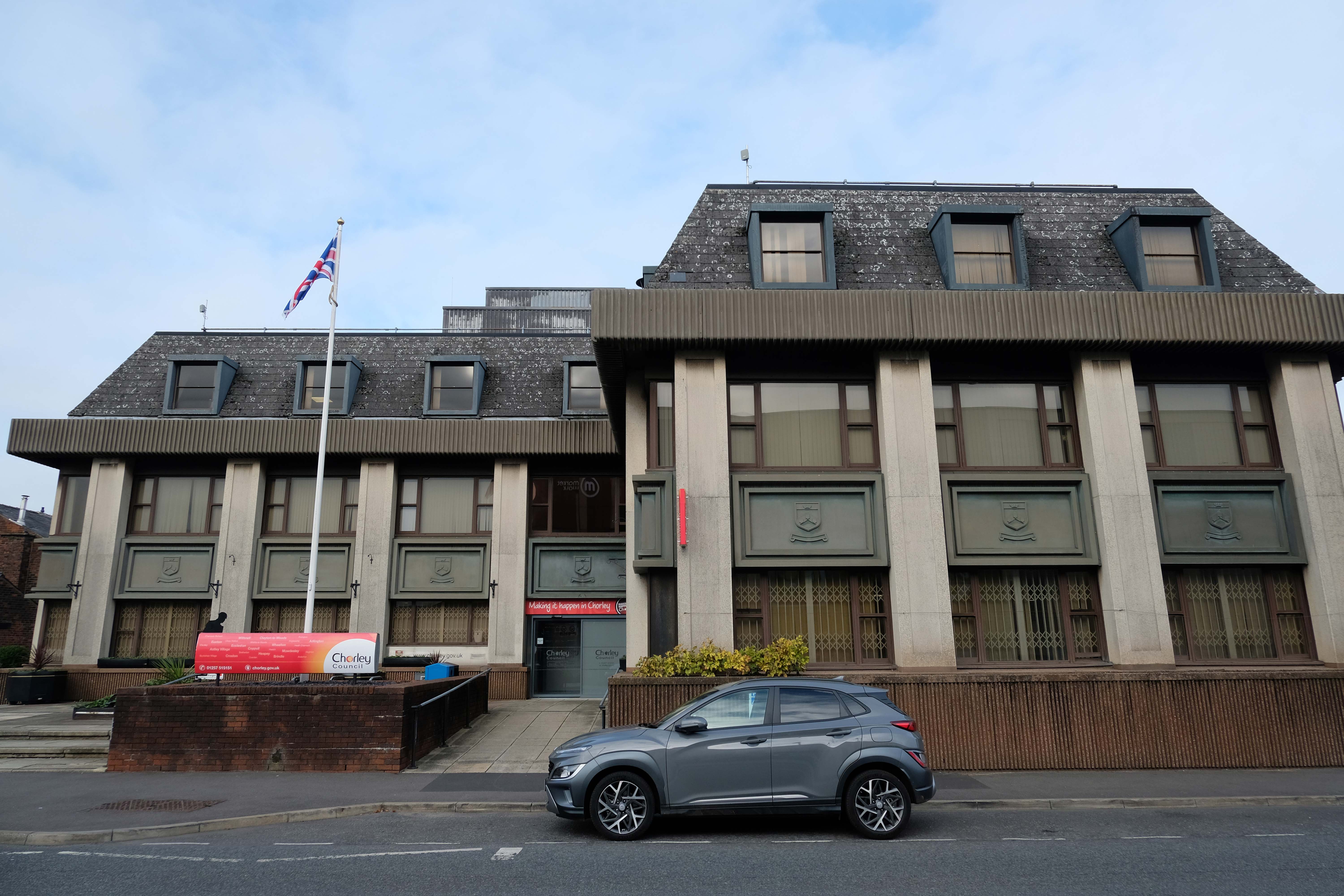
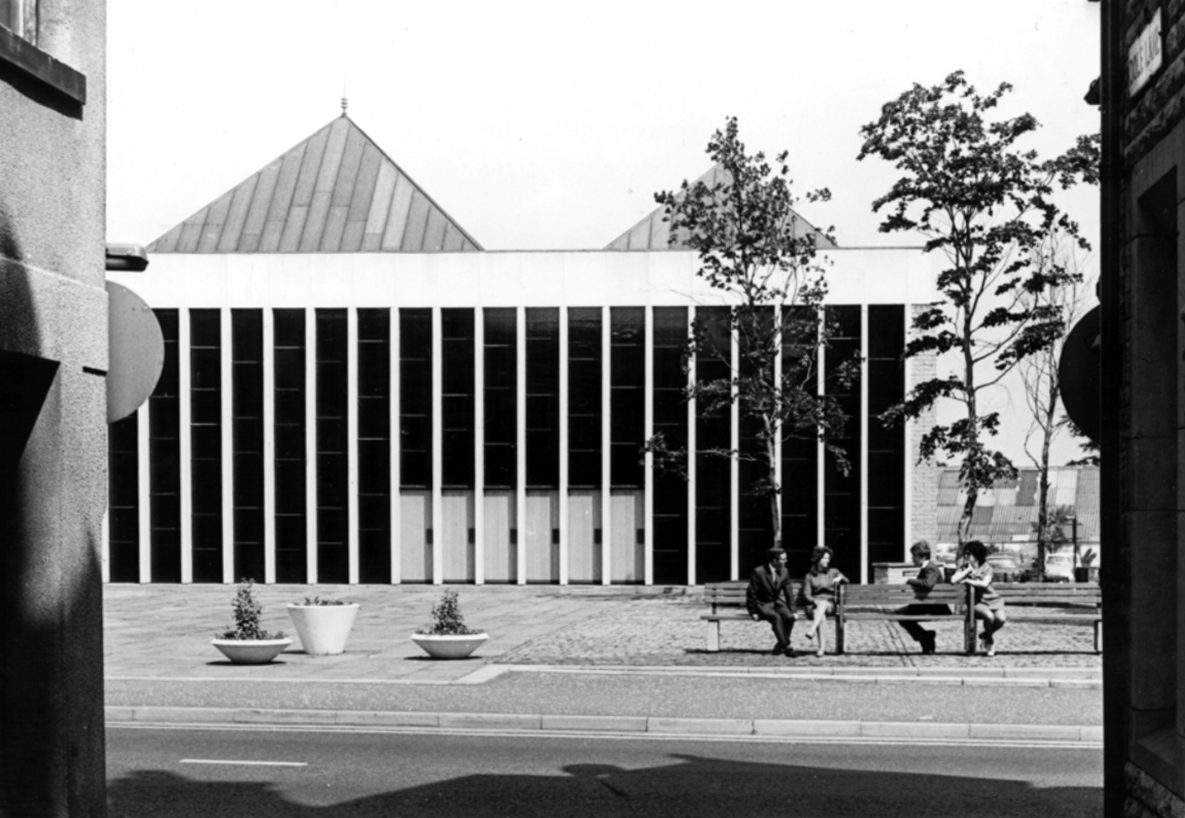
The police station and magistrates’ court at Chorley was designed to replace a building from 1896 – a weights and measures plaque from the original building was retained and remounted at the foot of the new building.
The two buildings were set adjacent one another and around a newly formed square with one side made up of the rear of the existing town hall. This small civic group was intended to relate to one another in scale, but was markedly contrasting in its material make-up.
County Architect’s Report: 1963-64.
The design team was Roger Booth, Lancashire County Architect; C.A. Spivey, Assistant County Architect; D.B. Stephenson, Design Architect; and D.G. Edwards, A.G. Gass, responsible for the detailed design and construction. The seven-storey in-situ concrete framed main block was the last bespoke police station to be built in Lancashire, following this the department developed a systemised concrete construction method which was deployed across the county. The dramatic cantilevers gave the new building a stature and presence that signalled authority. The lower levels were accessed by ramps and provided space for police vehicles. To enter the police station one ascended a set of external stairs across a pool that once contained koi carp – fittingly, one boy described the new building as a ‘fishtank’ upon its completion. The magistrates’ court was finished externally in a grey brick and carried the signature pyramid rooflights that were synonymous with the Department.
Coun Alistair Bradley, Leader of Chorley Council, confirmed that the council had enquired to take ownership of the building but that this was knocked back.
He said: We’ve enquired about taking the building on but the owners, the Ministry of Justice, has said they want to take it to market.
The building is being advertised as a potential site for a future office, residential, restaurant and bar, leisure, entertainment, and hotel.
Asked about its future, Chorley councillor Aaron Beaver told Lancs Live he had heard no news of developments but desperately wanted to see something happen with the building, he said:
It’s a perfect location. There’s lots of things it could be used for.
If you were to knock it down, there’s all sorts of things which could be built there. If you were to convert it to something like flats, it could be tricky because there’s not many windows.
Commenting on the progress of the sale since it’s closure, he added:
I wouldn’t say it’s slow moving, I’d say it’s not moving.
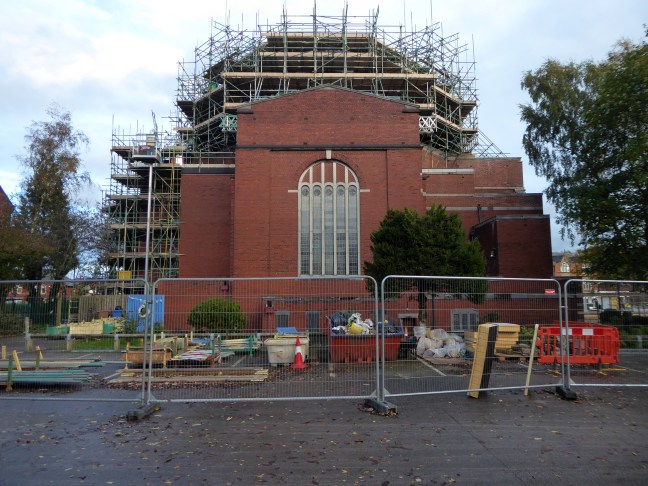
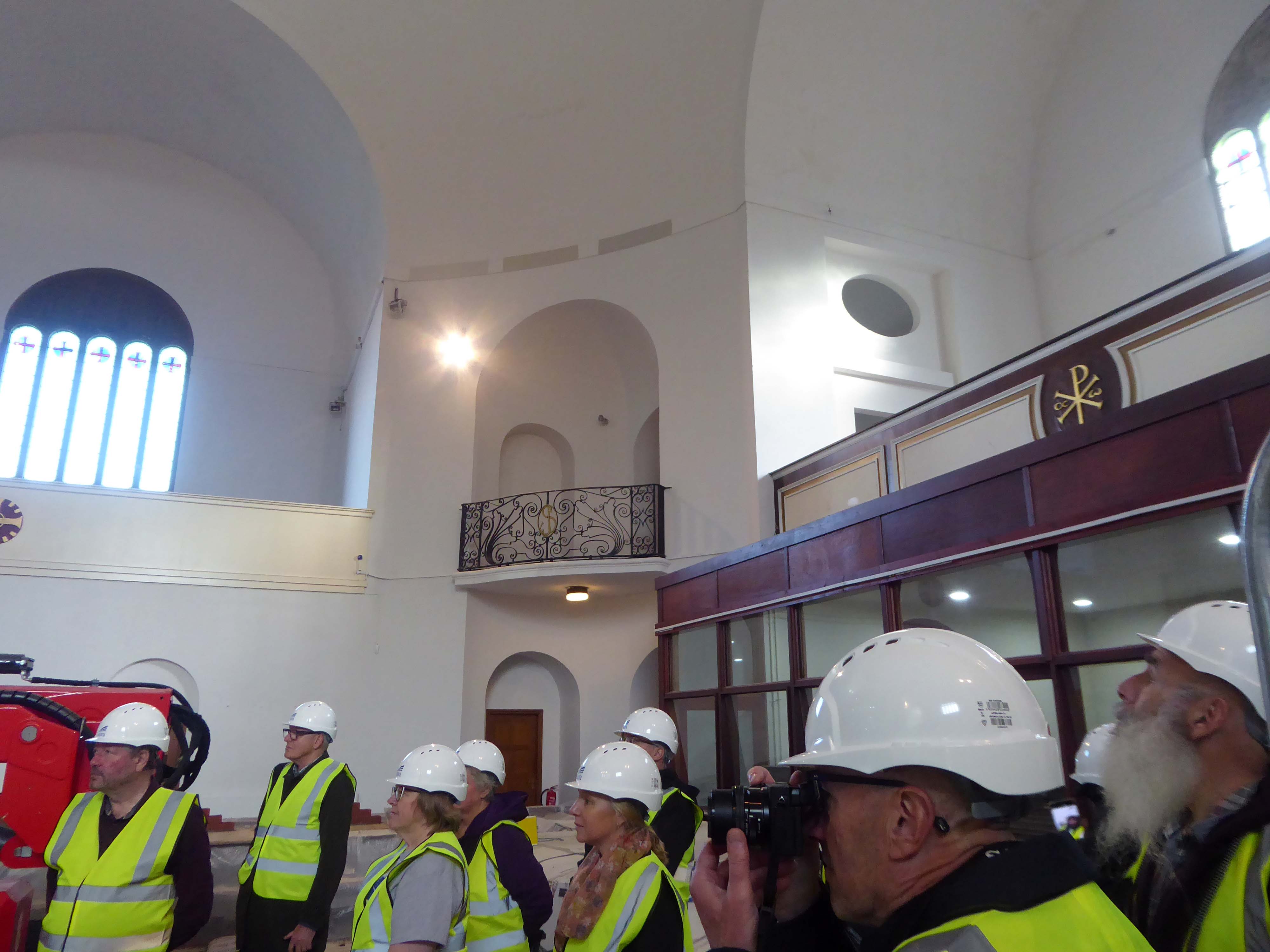
I was last here in 2020 – made ever so welcome in this Byzantine cathedral like church.
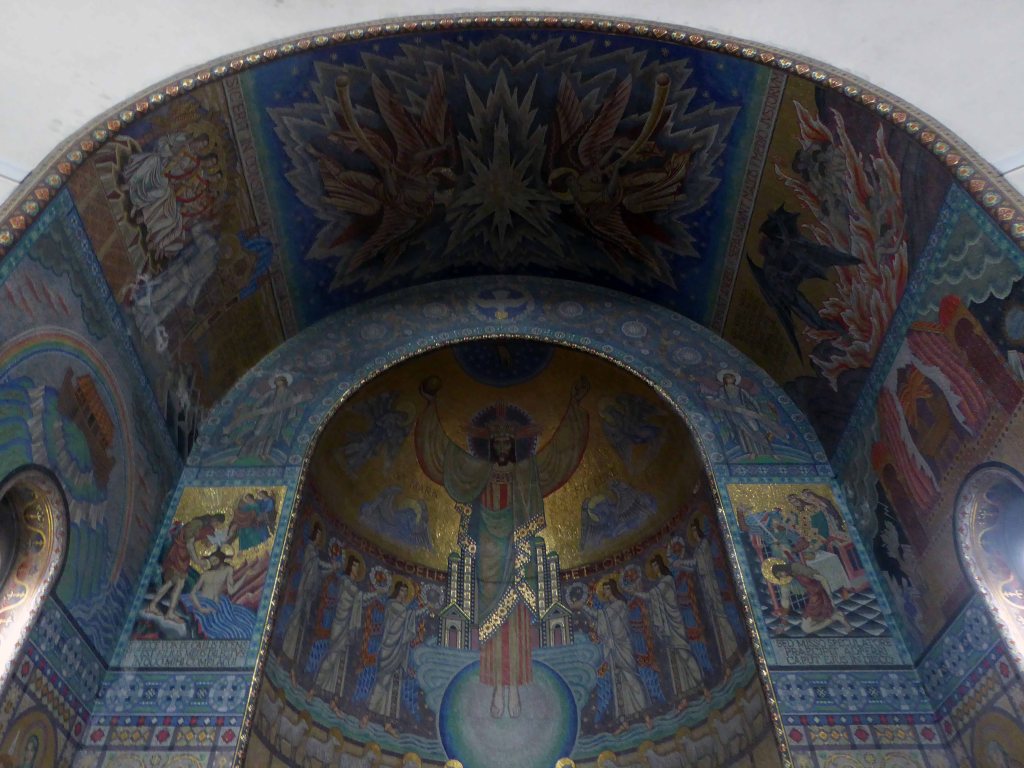
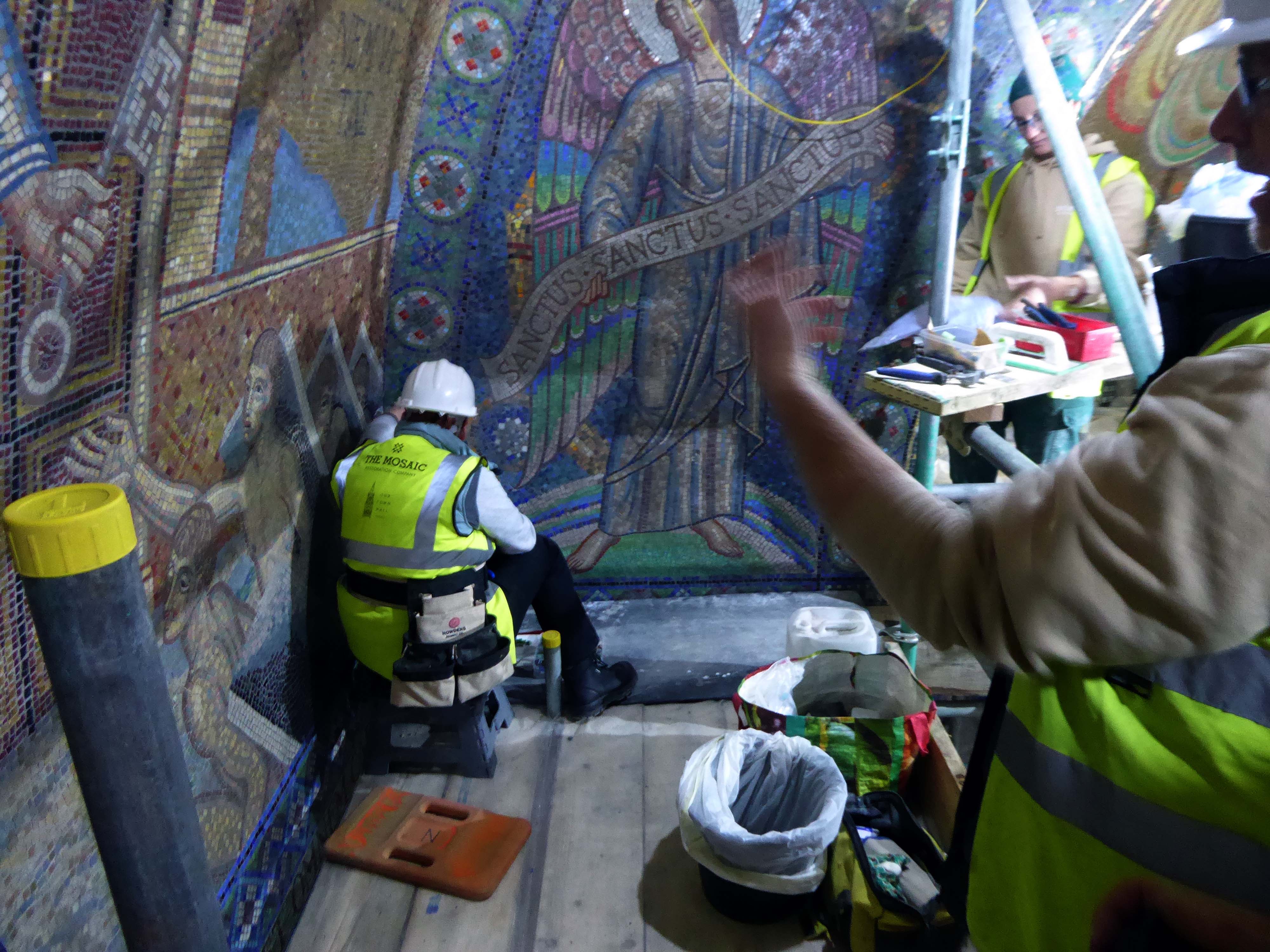
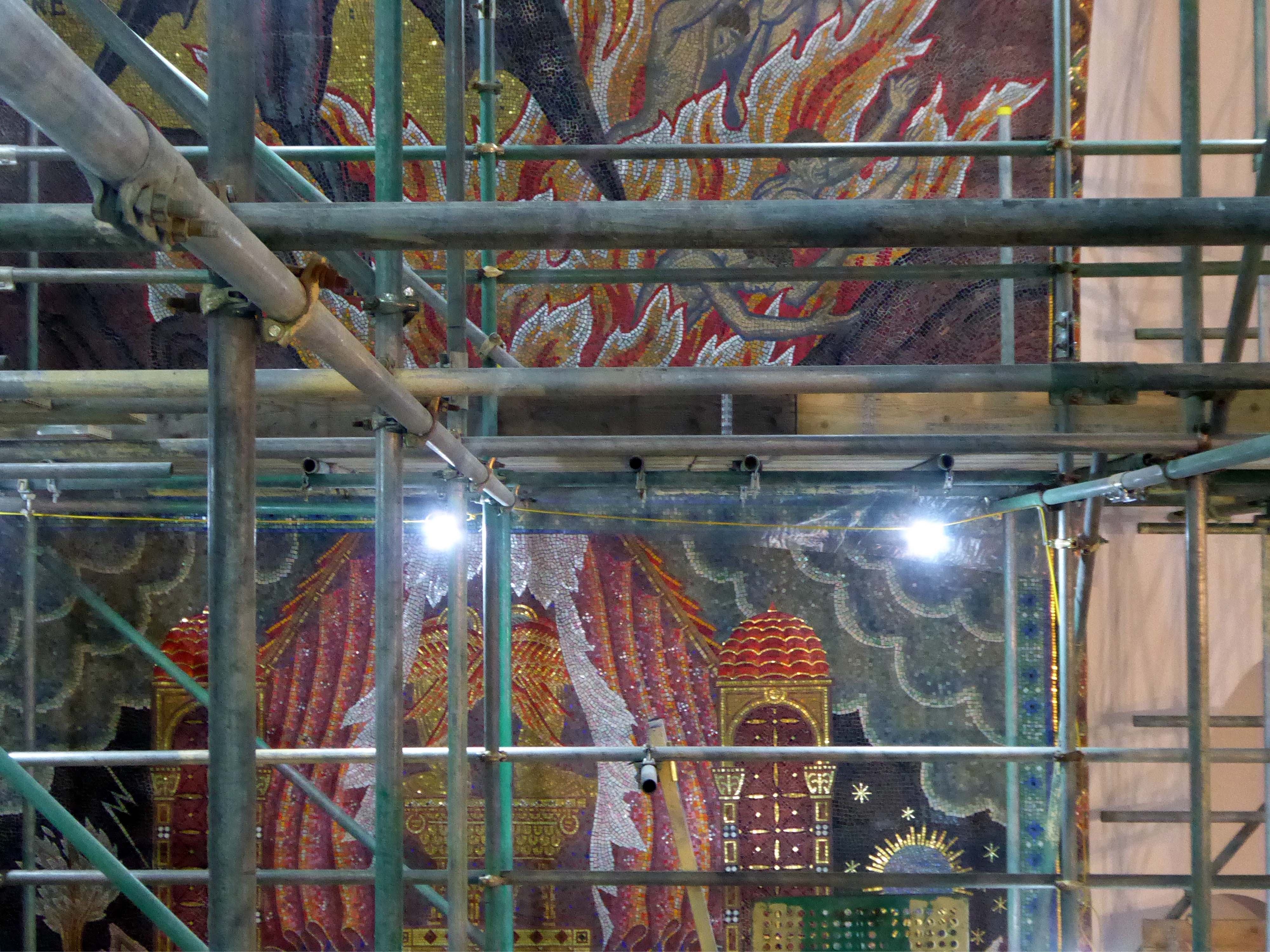
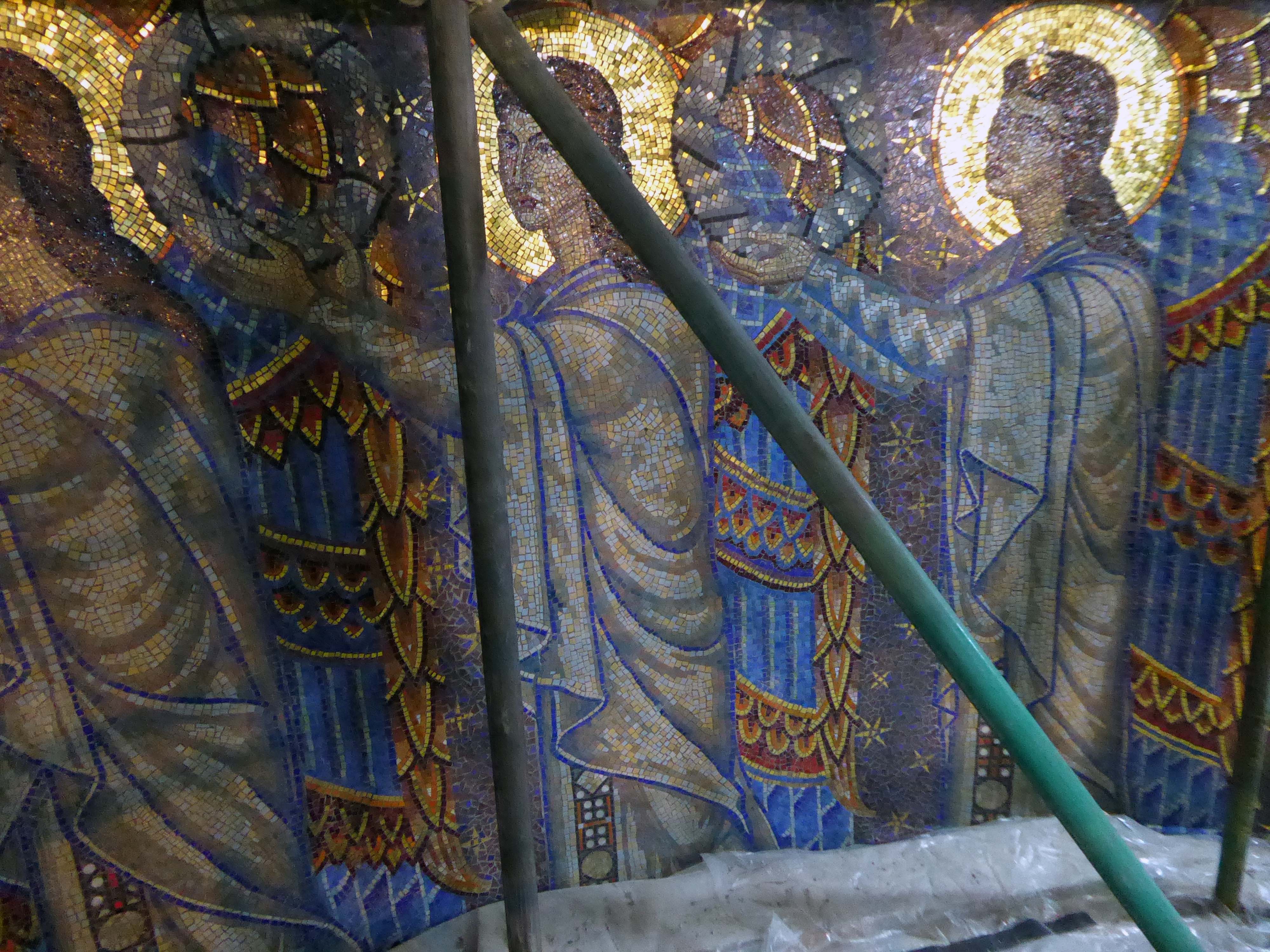
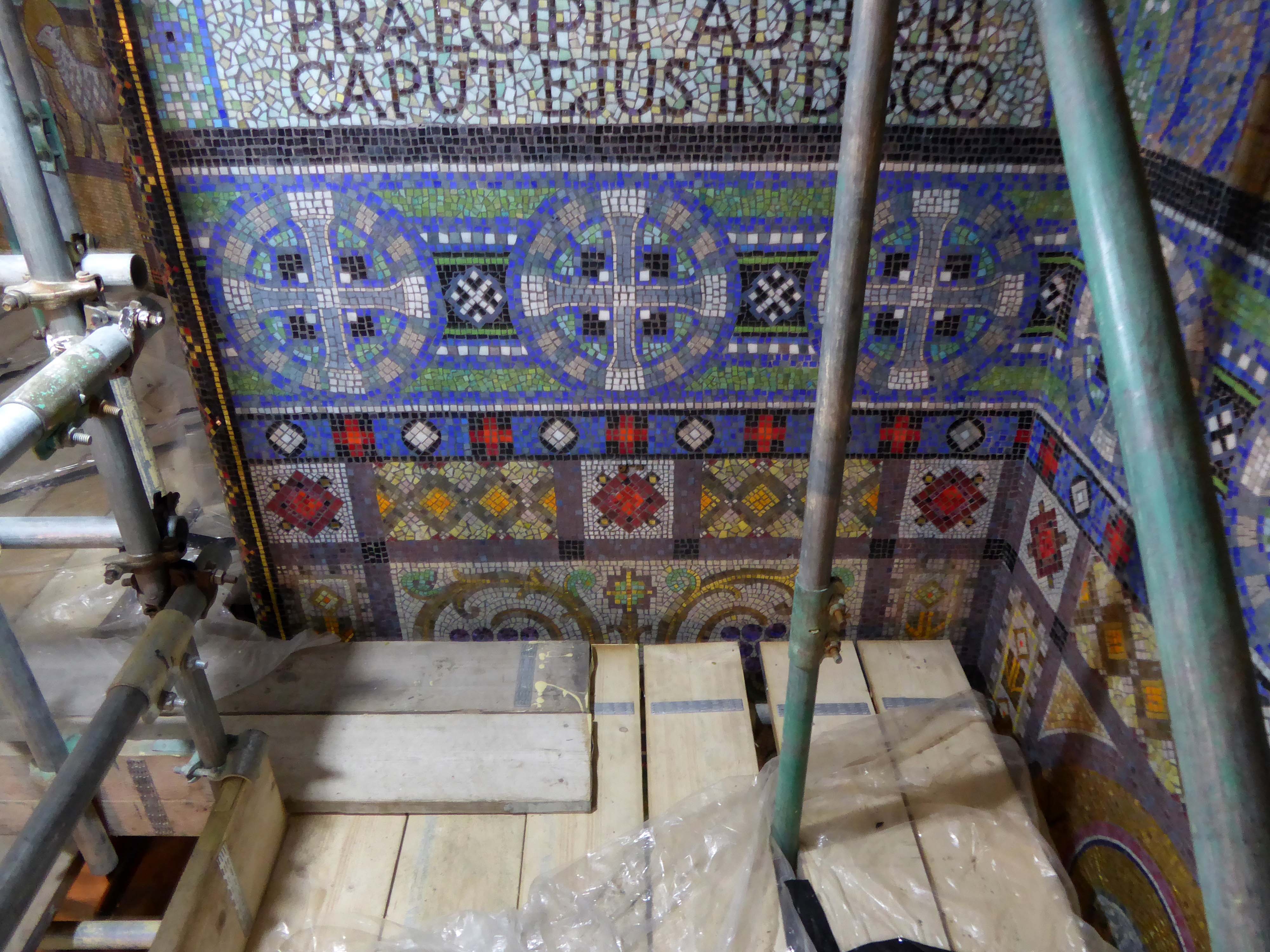
The apsed sanctuary is completely covered in a mosaic scheme with the theme Eternal Life designed by Eric Newton. Newton was born Eric Oppenheimer, later changing his surname by deed poll to his mother’s maiden name. He was the grandson of Ludwig Oppenheimer, a German Jew who was sent to Manchester to improve his English and then married a Scottish girl and converted to Christianity. In 1865 he set up a mosaic workshop, (Ludwig Oppenheimer Ltd, Blackburn St, Old Trafford, Manchester) after spending a year studying the mosaic process in Venice. Newton had joined the family company as a mosaic craftsman in 1914 and he is known to have studied early Byzantine mosaics in Venice, Ravenna and Rome. He later also became art critic for the Manchester Guardian and a broadcaster on ‘The Critics’. Newton started the scheme in 1932 and took over a year to complete it at a cost of £4,000. It had previously been thought that he used Italian craftsmen, but historic photographs from the 1930s published in the Daily Herald show Oppenheimer mosaics being cut and assembled by a Manchester workforce of men and women. It is likely, therefore, that the craftsmen working on St John the Baptist were British.
There had, as ever, been issues with the structure, water ingress and such, given several flat roofs and a temperamental ferro-concrete dome.
Happily, a successful Lottery Heritage Fund grant has covered the cost of two phases of repair to the physical fabric.
Thanks to the Parish Team, for once again making us all feel so welcome, and thanks also for their efforts in securing the finances which have made the restoration possible.
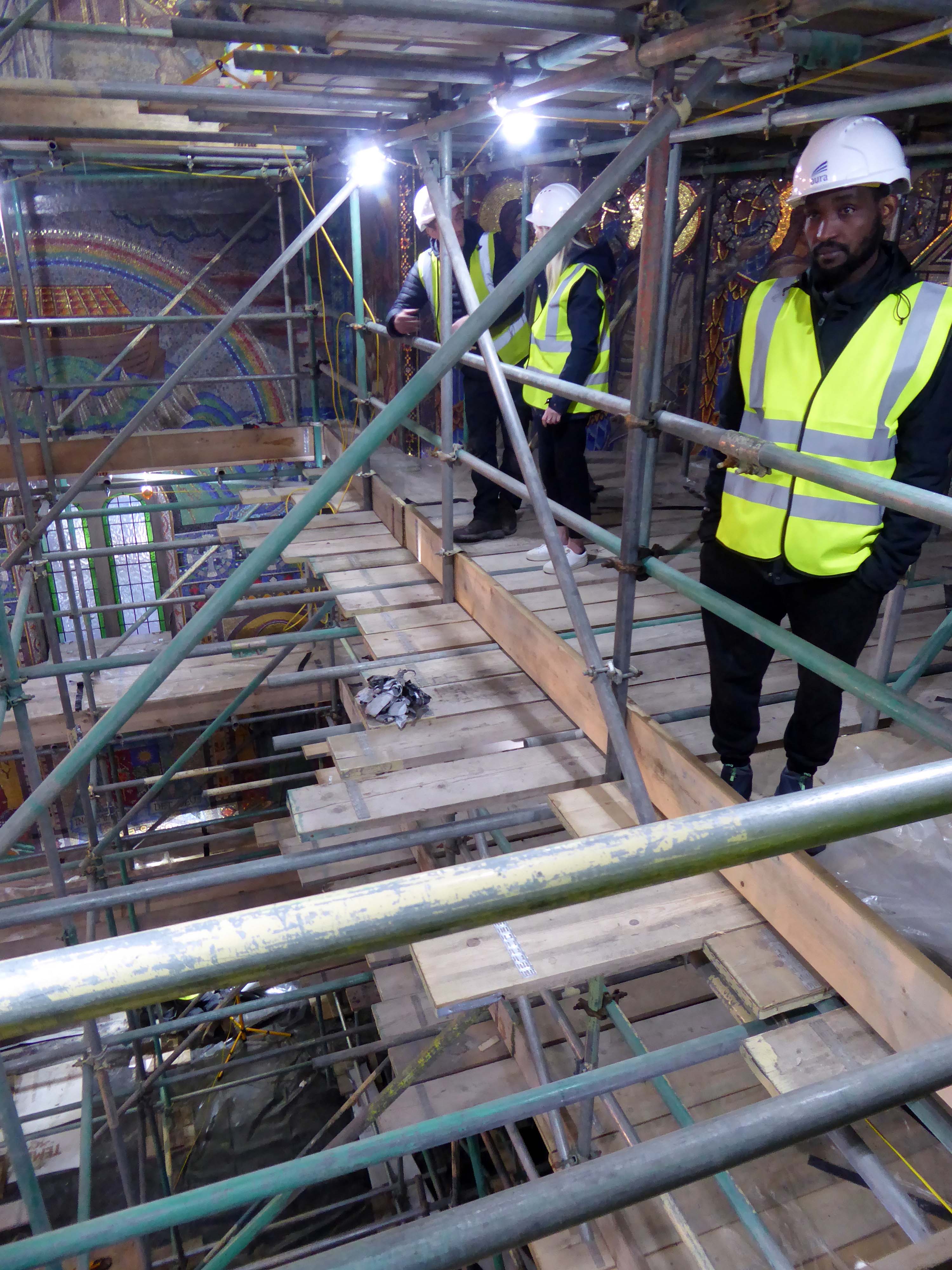
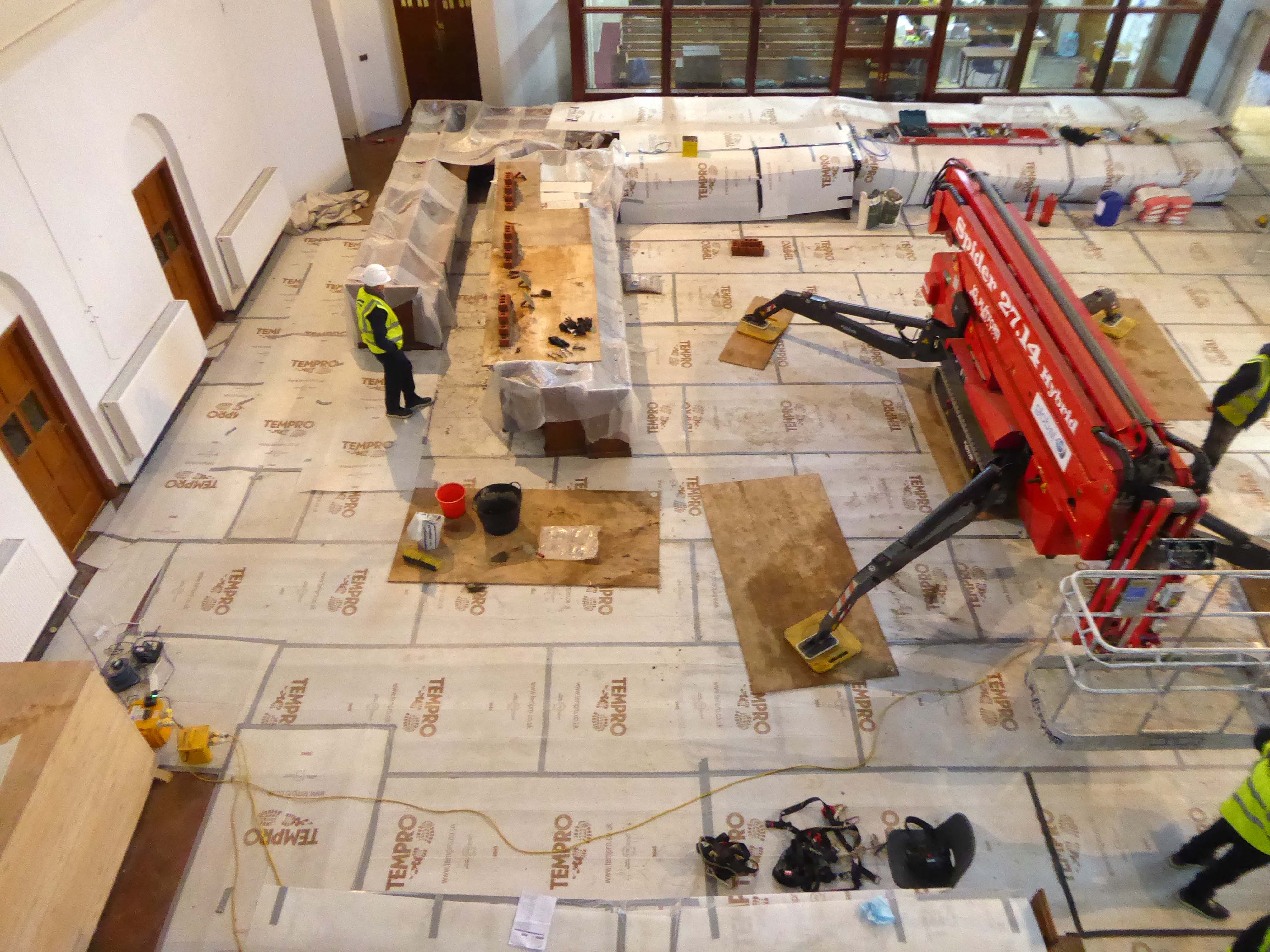
We were all issued with our hard hats and hi-vis at the comprehensive and informative introductory talks.
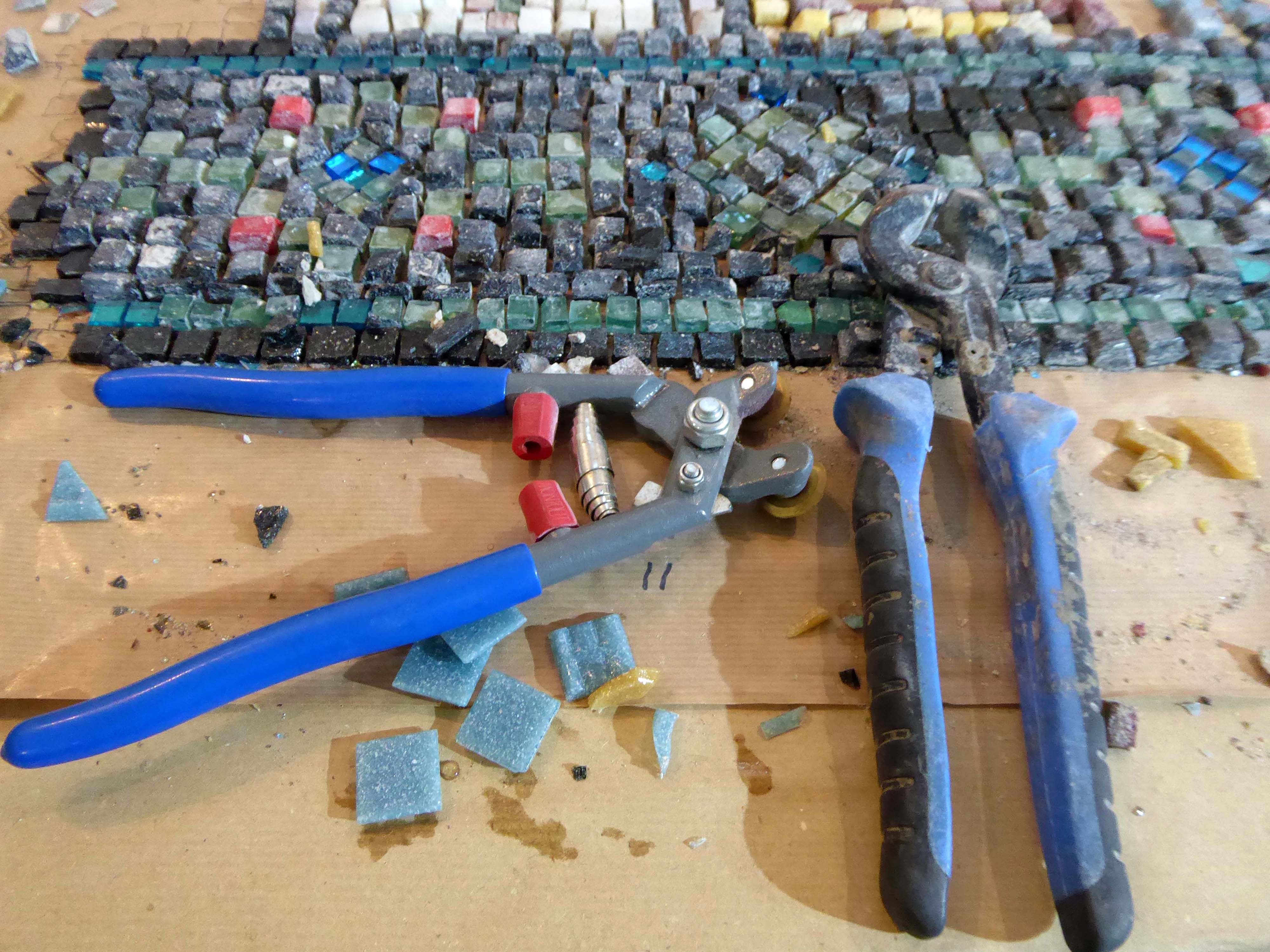
Followed by a detailed explanation of the mosaic work being undertaken by Gary and his team from the Mosaic Restoration Company.
This involves skilfully cleaning the whole work, whilst repairing and replacing any damaged areas.
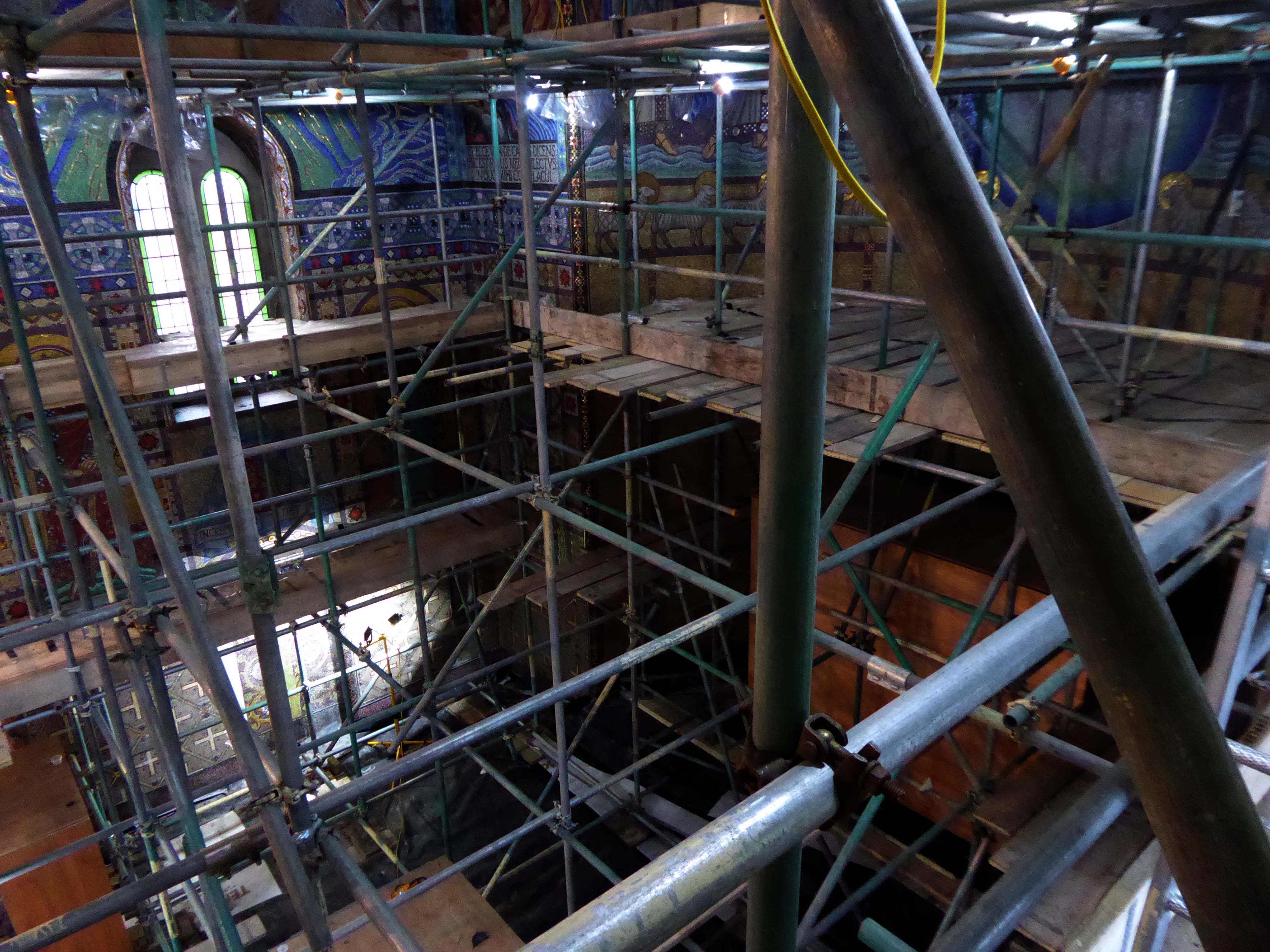
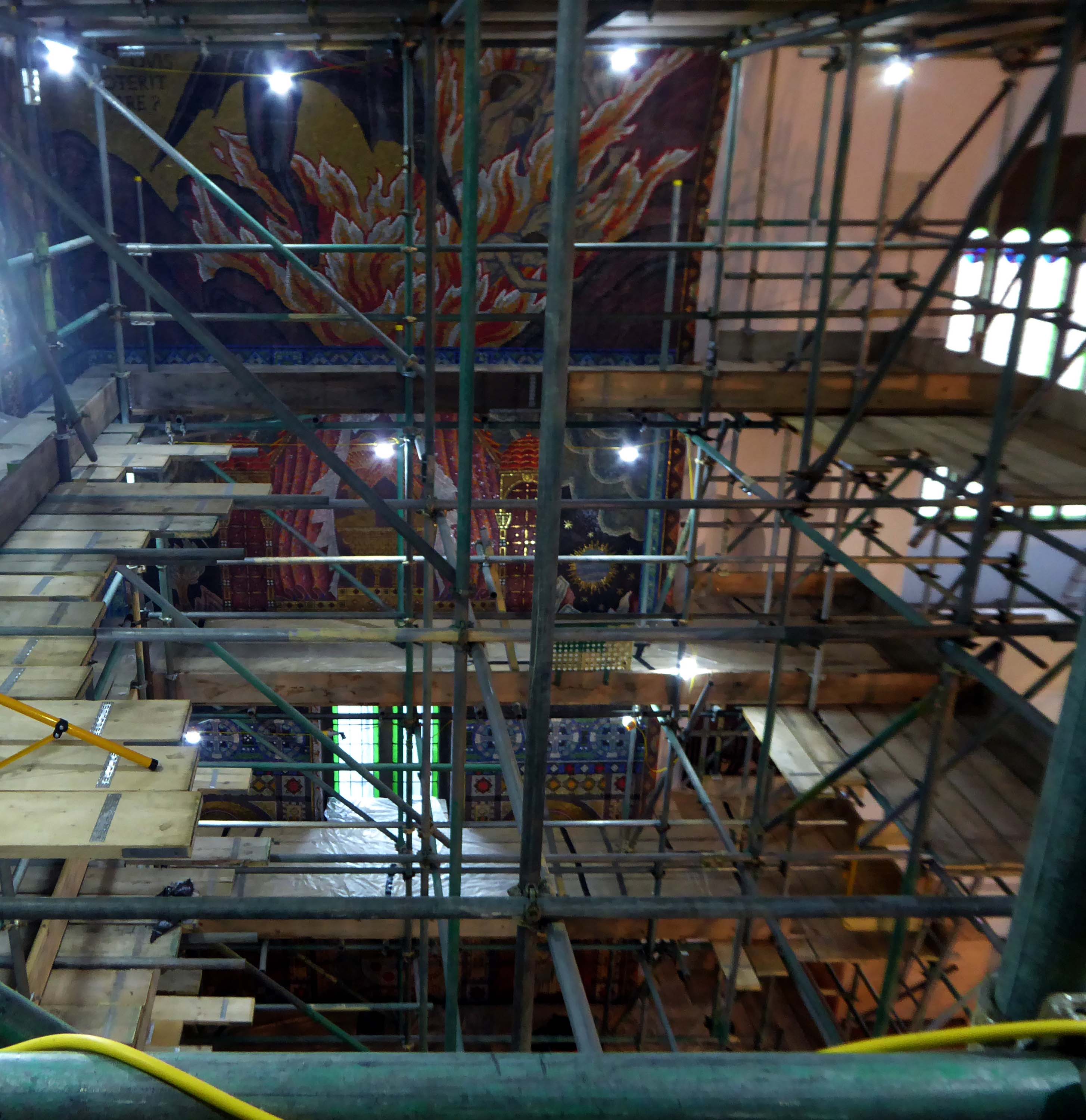
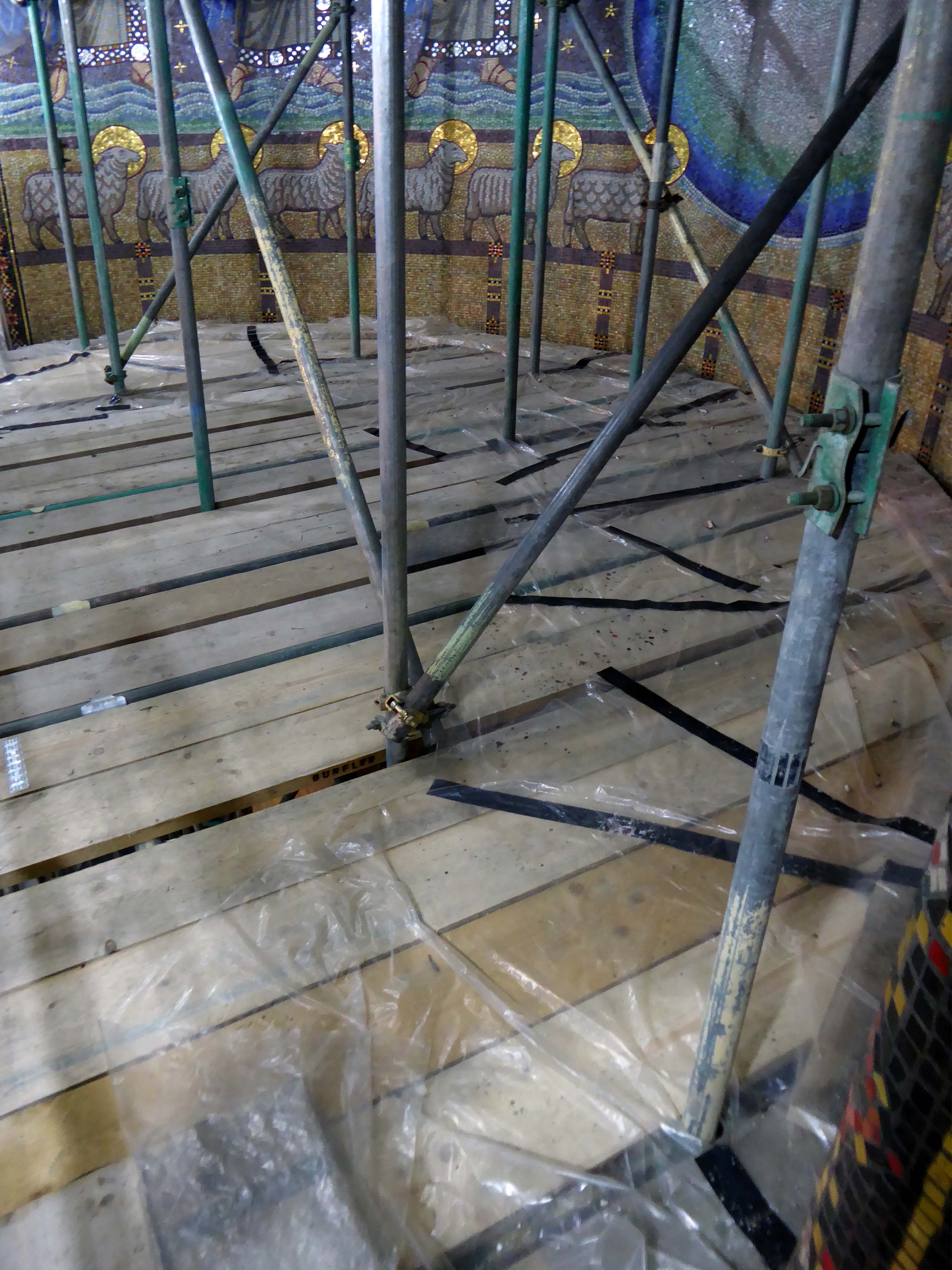
We were then privileged to ascend the vast scaffold, the better to inspect the work up close and personal.
And this is what we saw.
Many thanks again to our hosts, the contractors and all those involved with this spectacular undertaking.
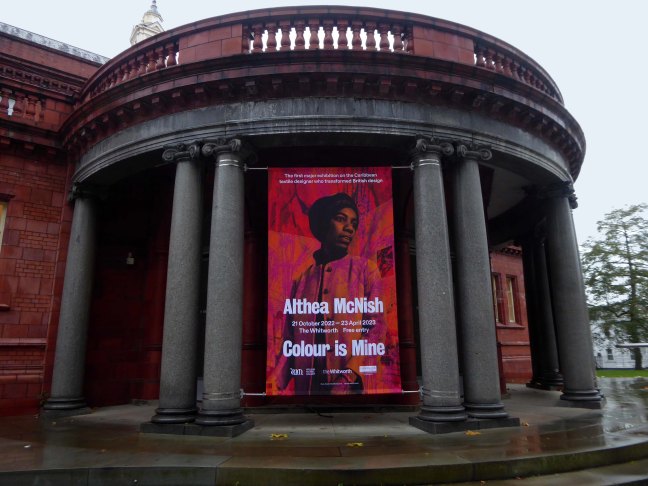
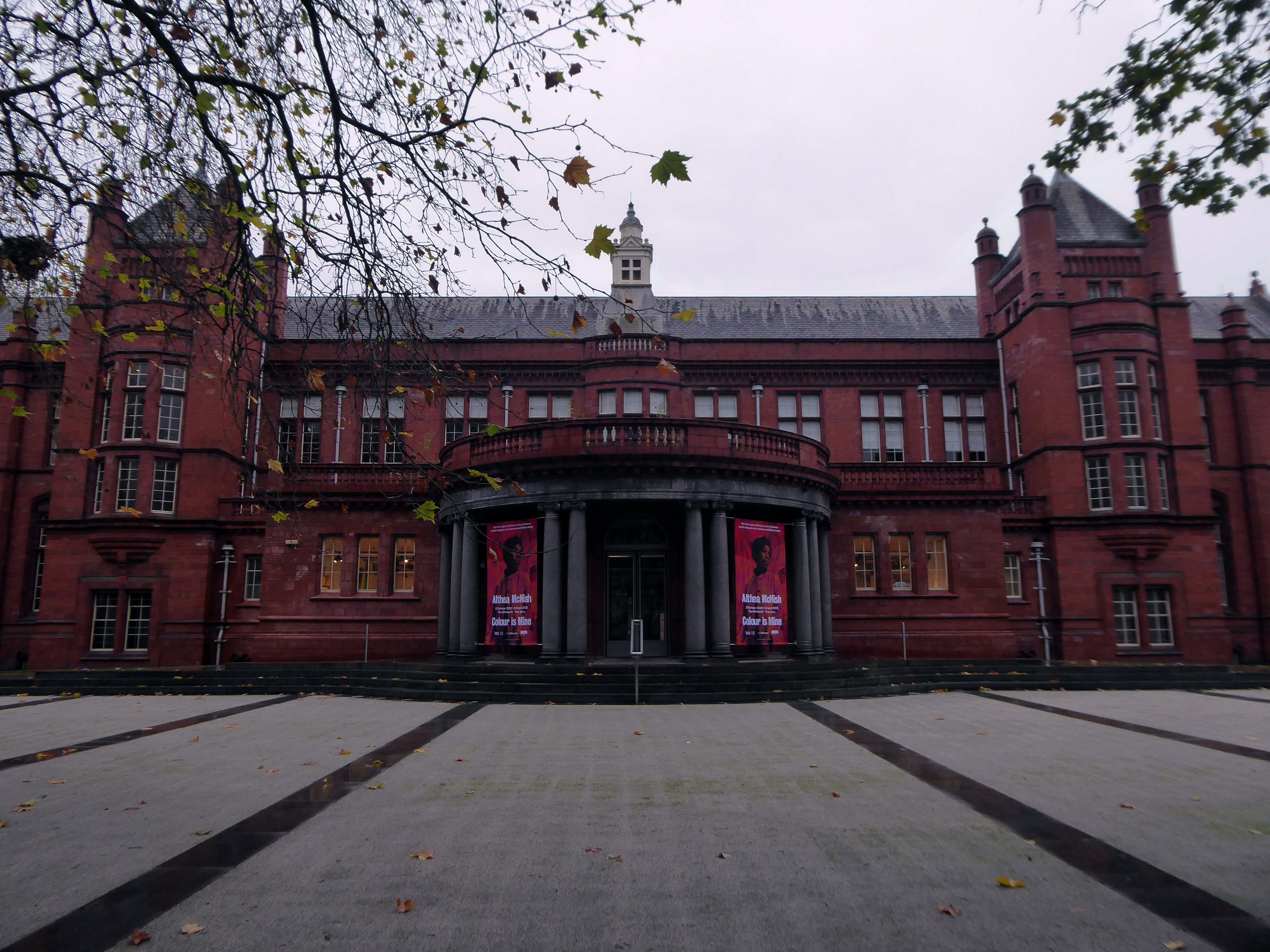
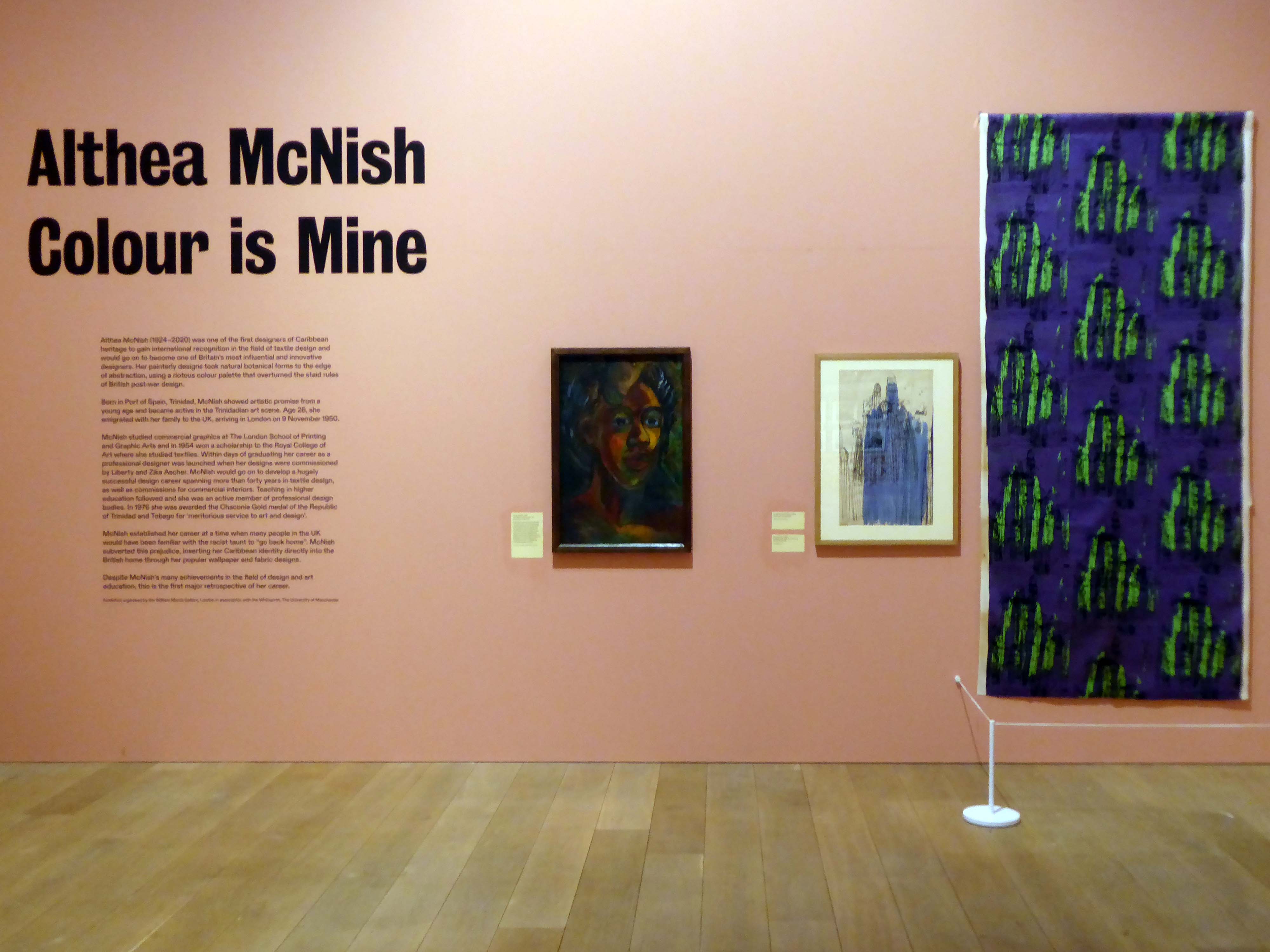
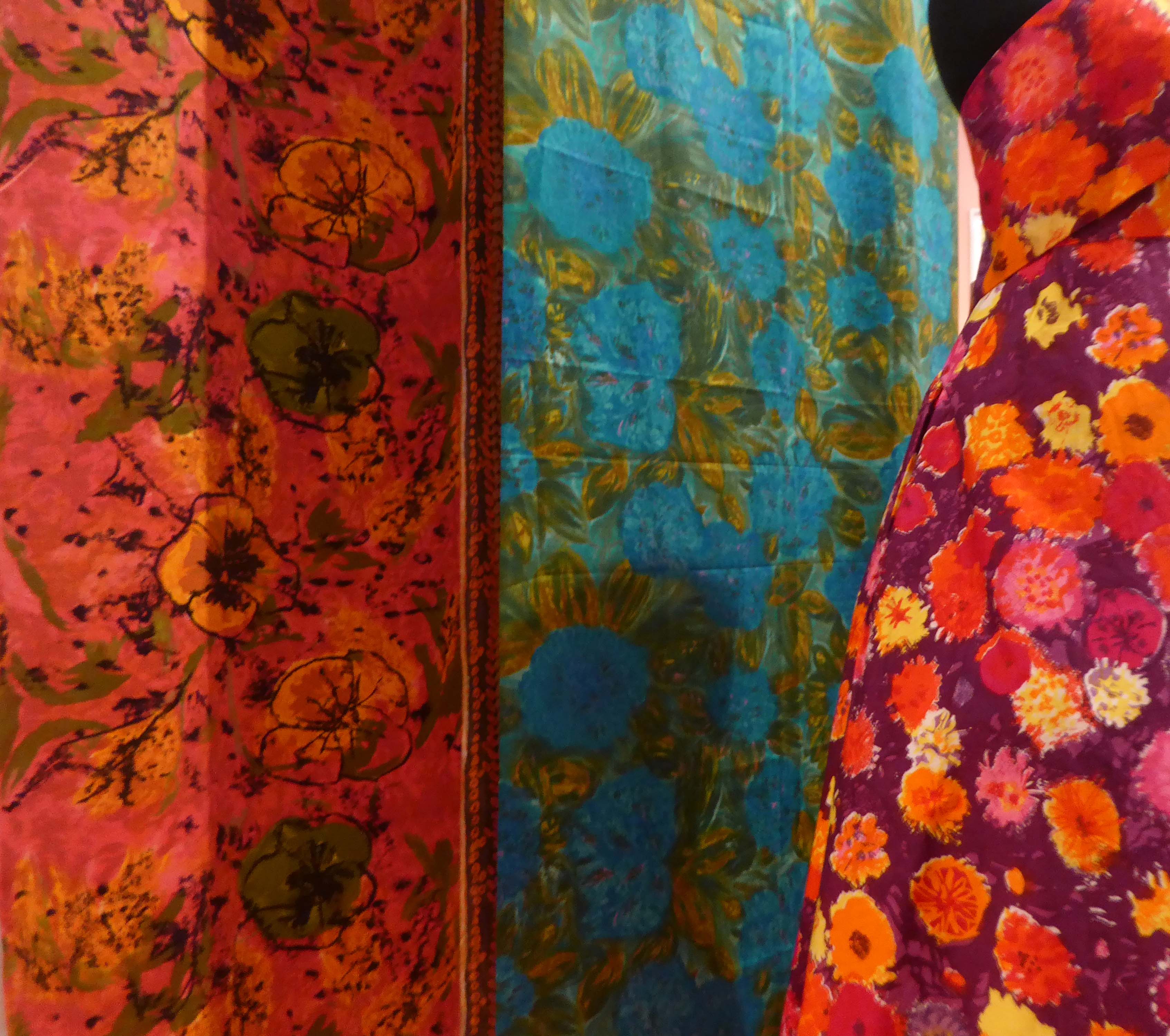
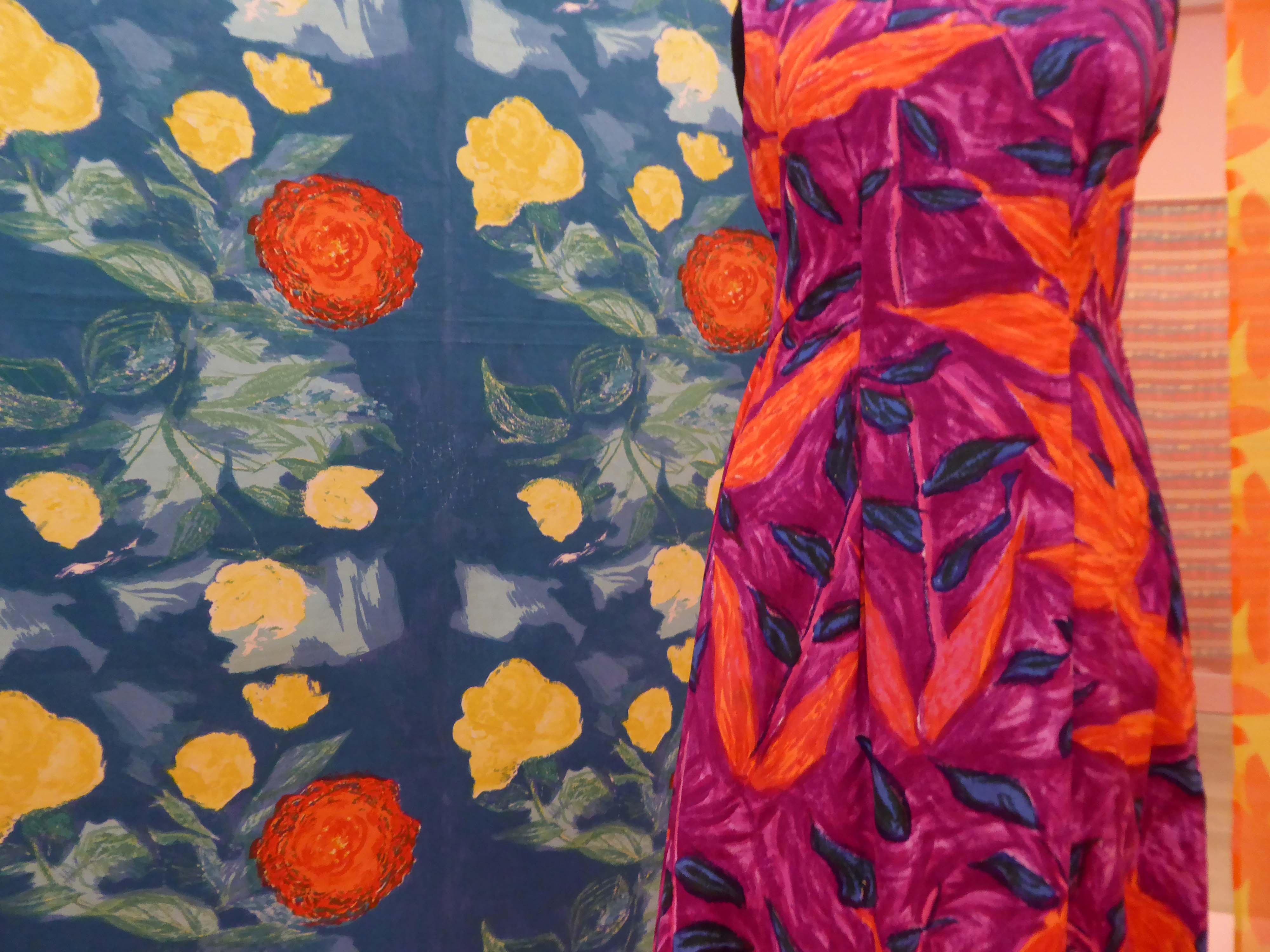
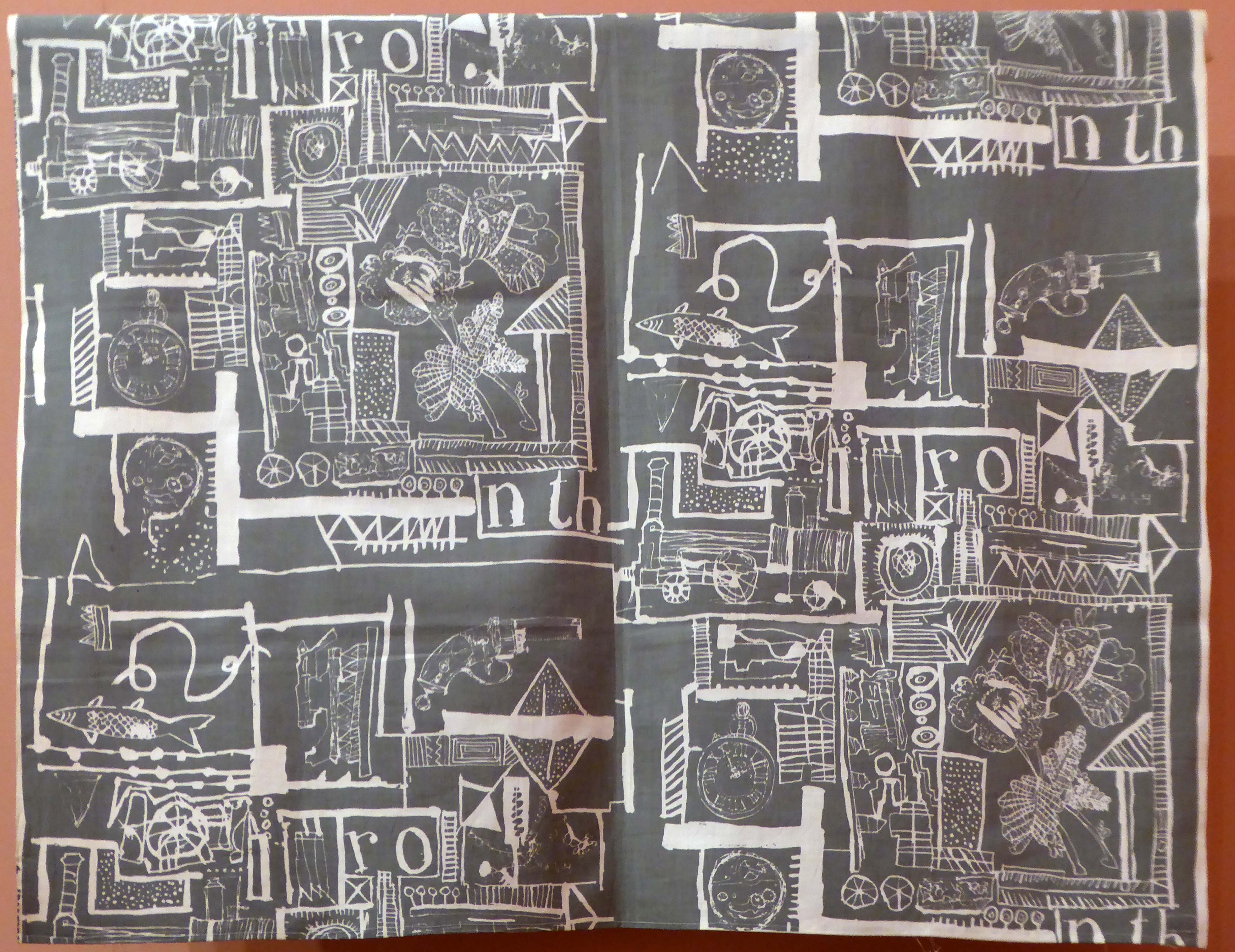
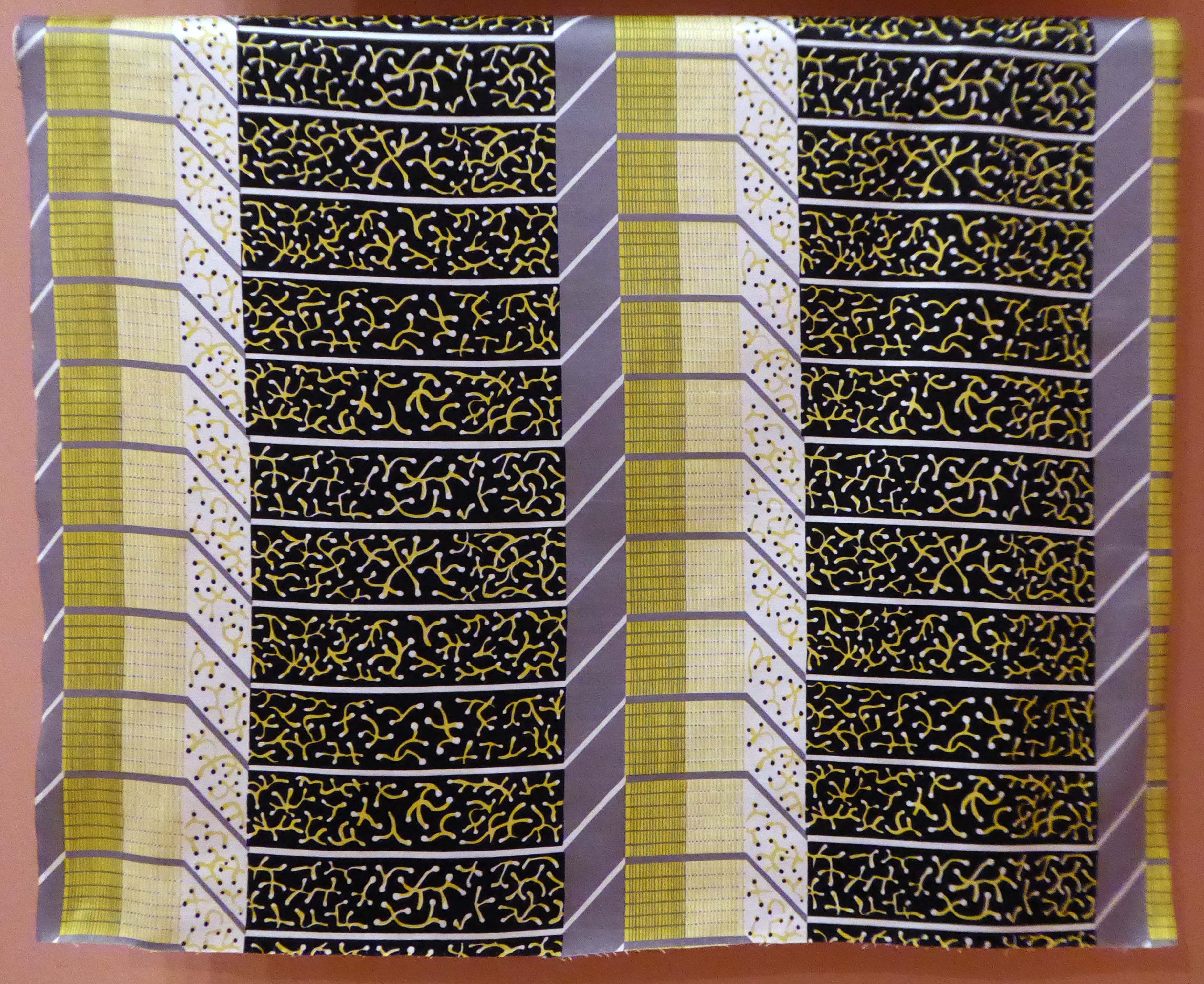
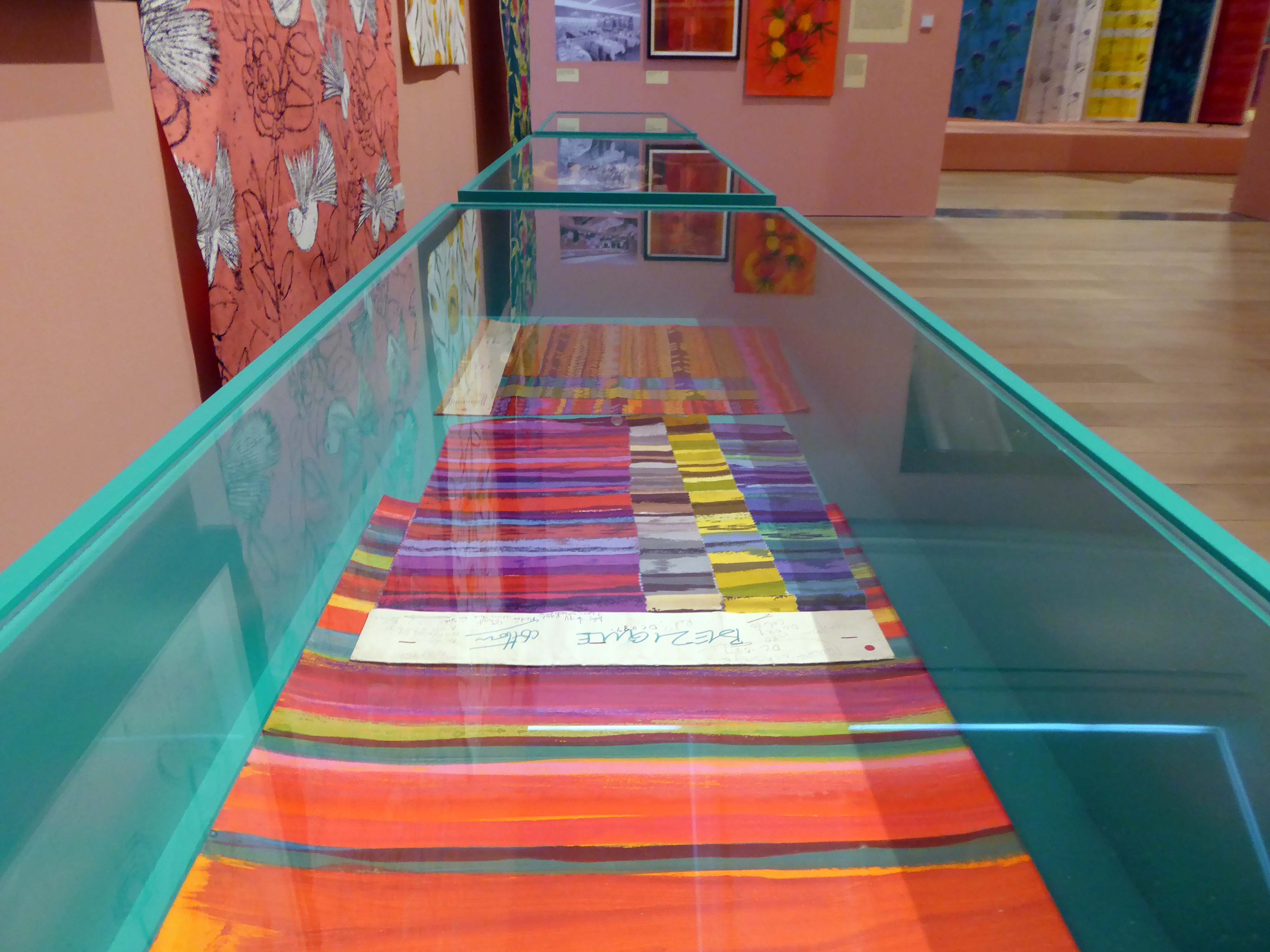
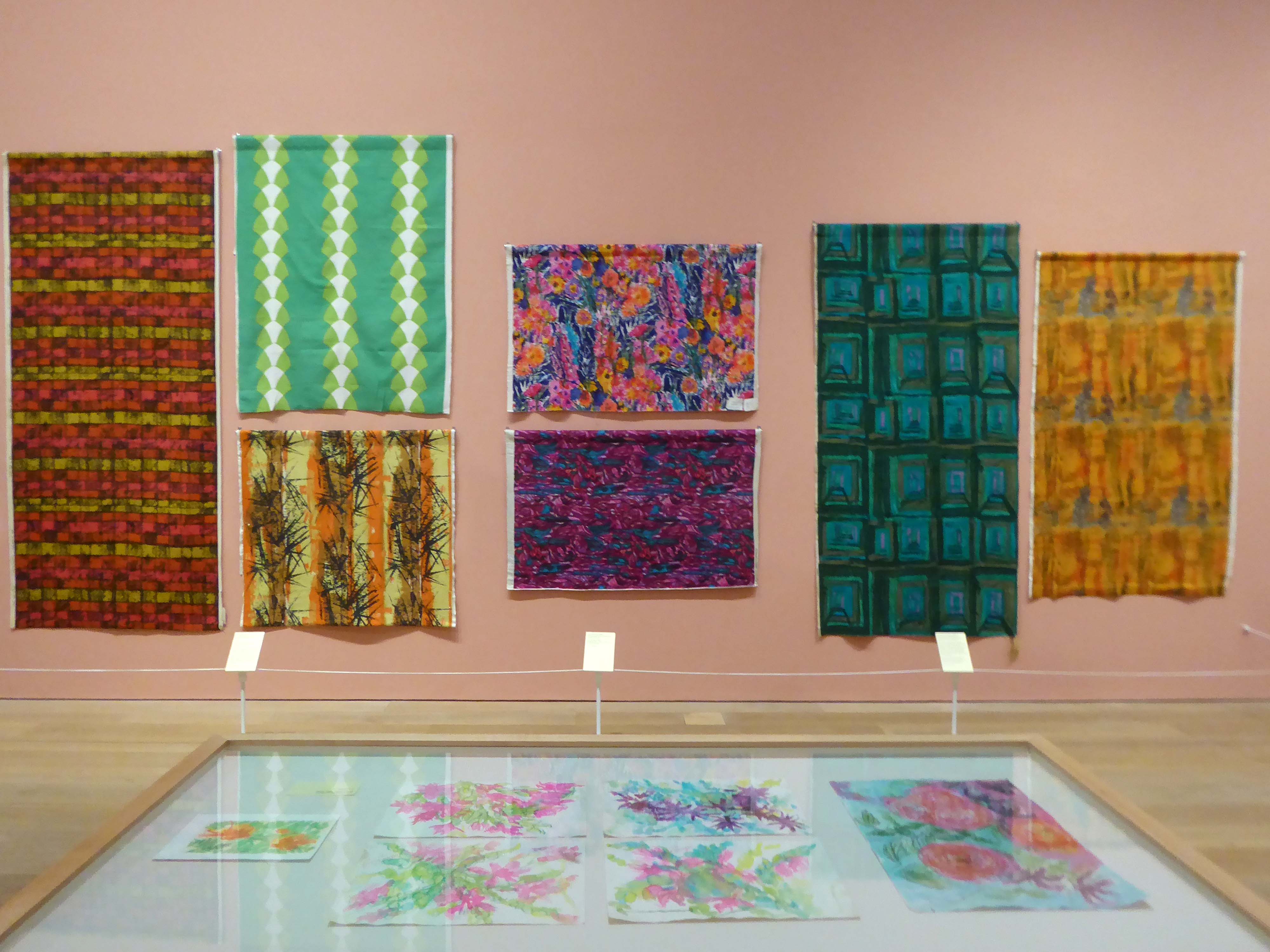
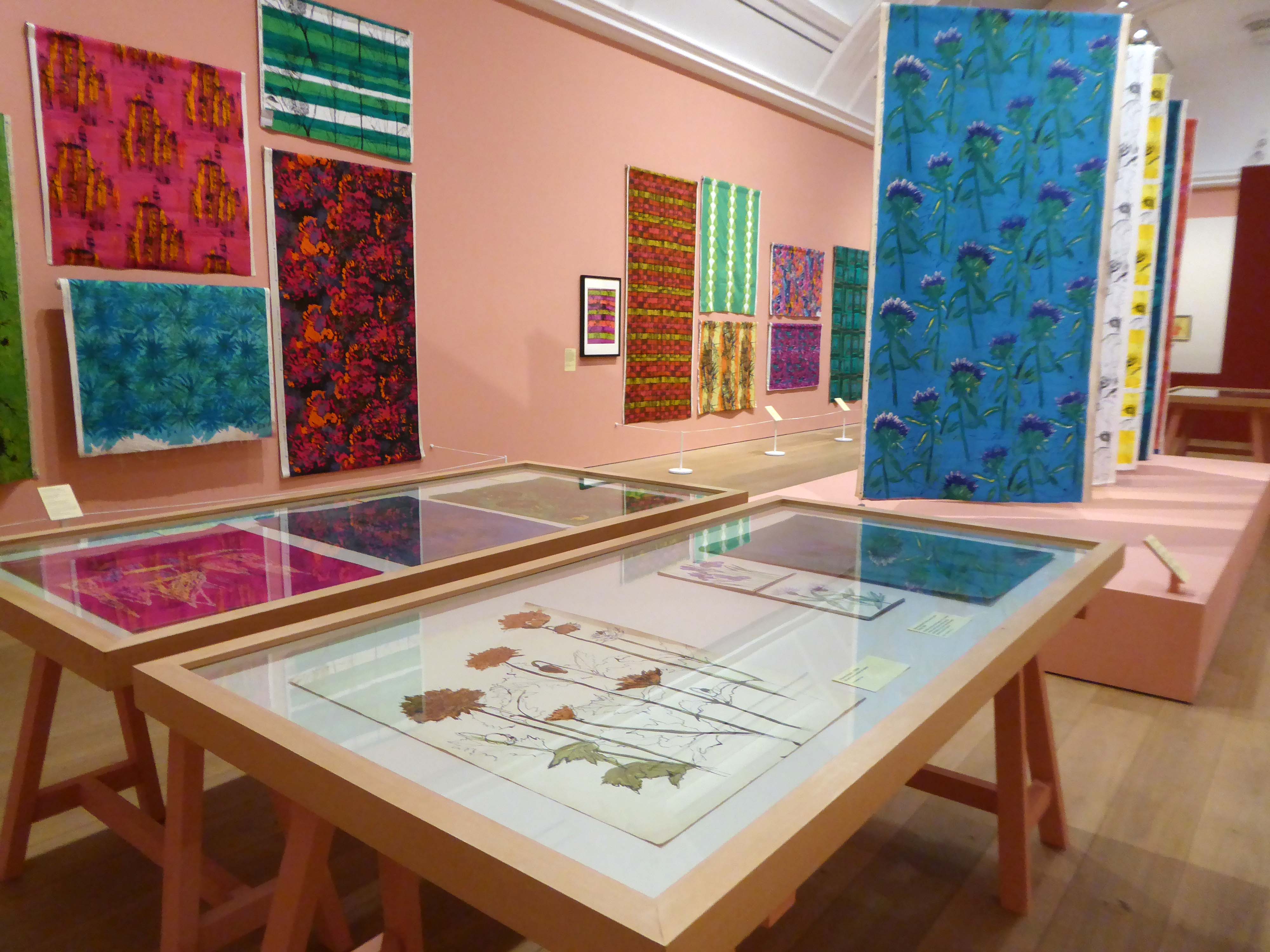
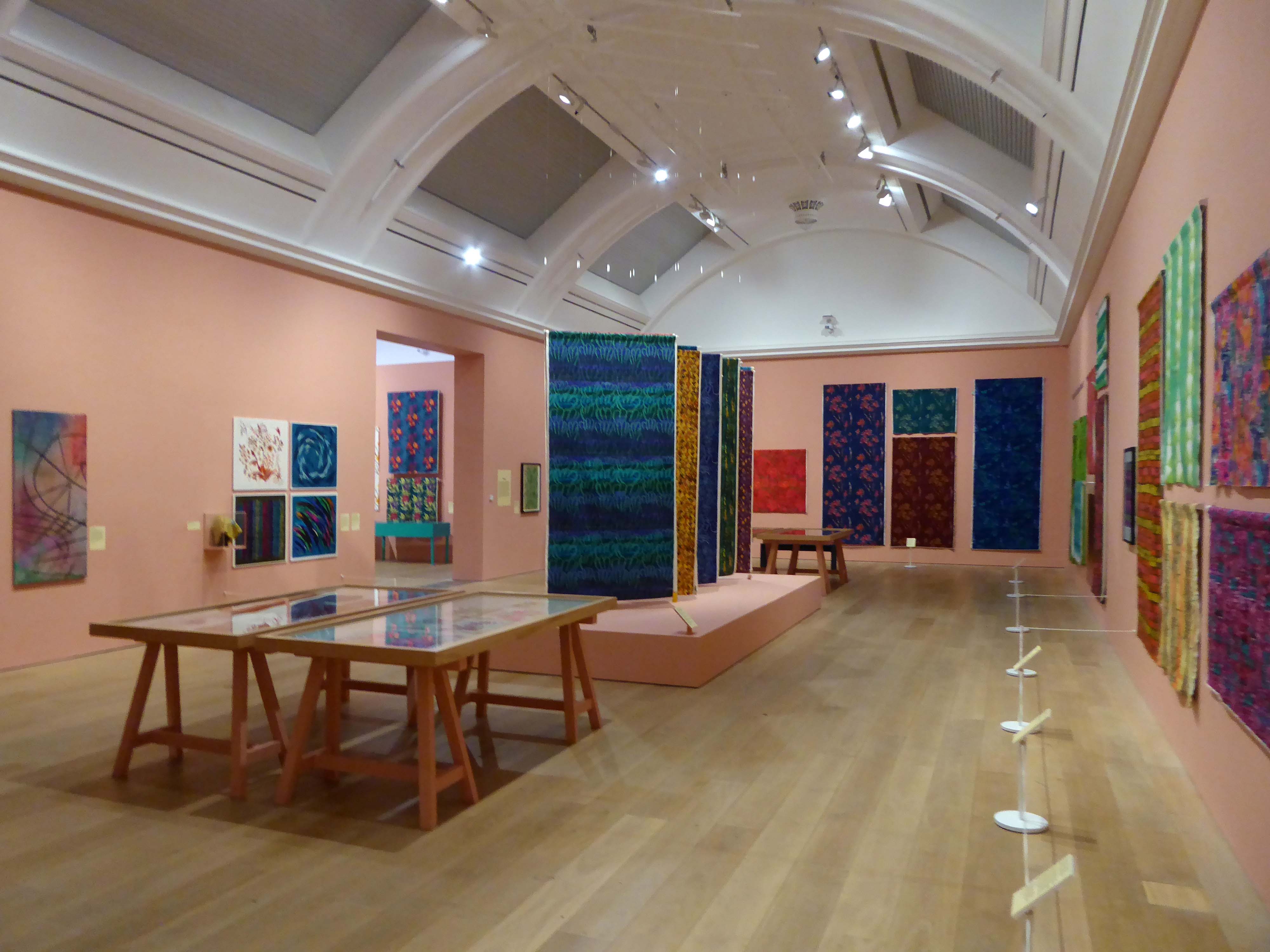
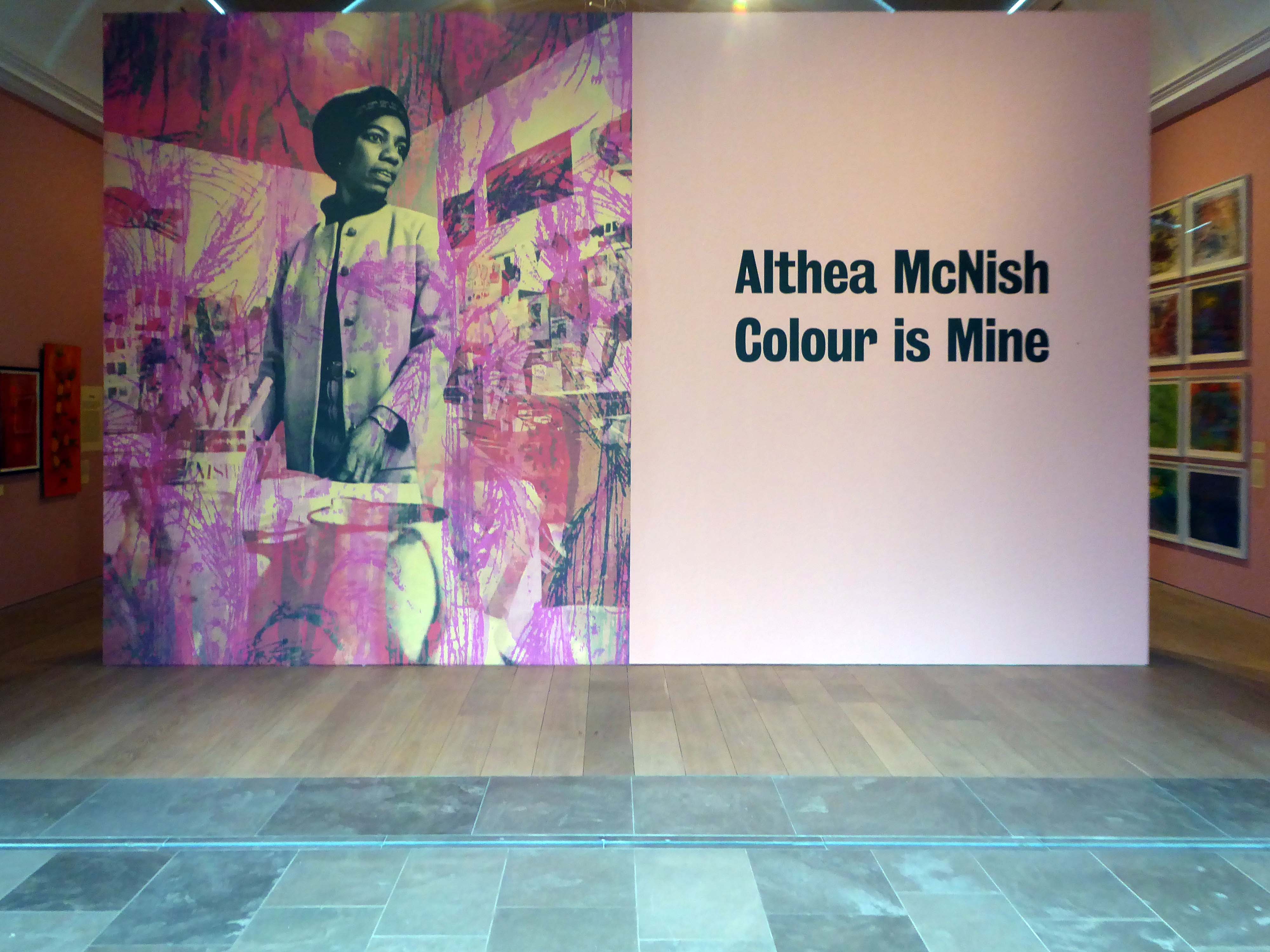
Recently opened and on for a while, I was here first thing Saturday morning – here are the details of Colour is Mine.
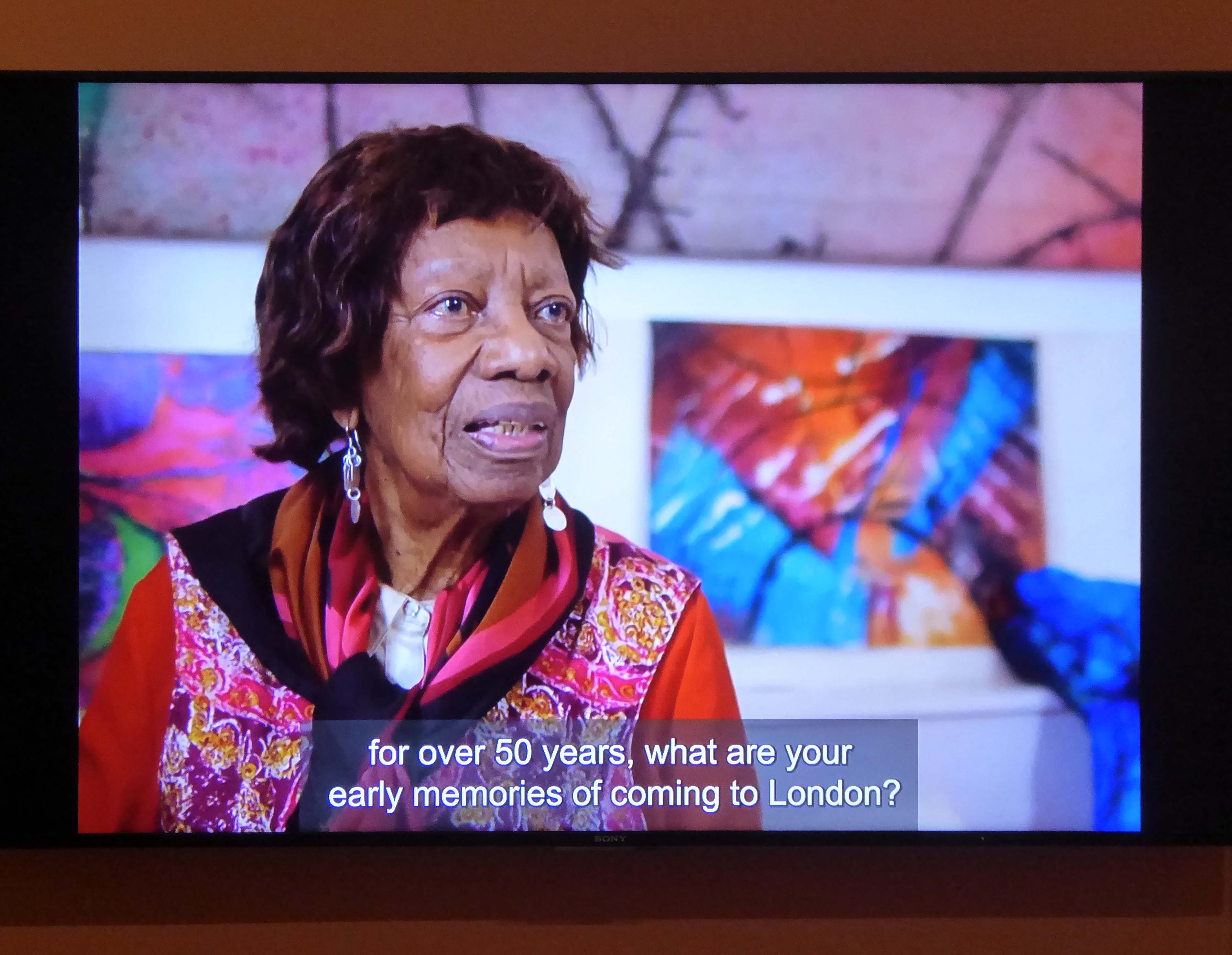
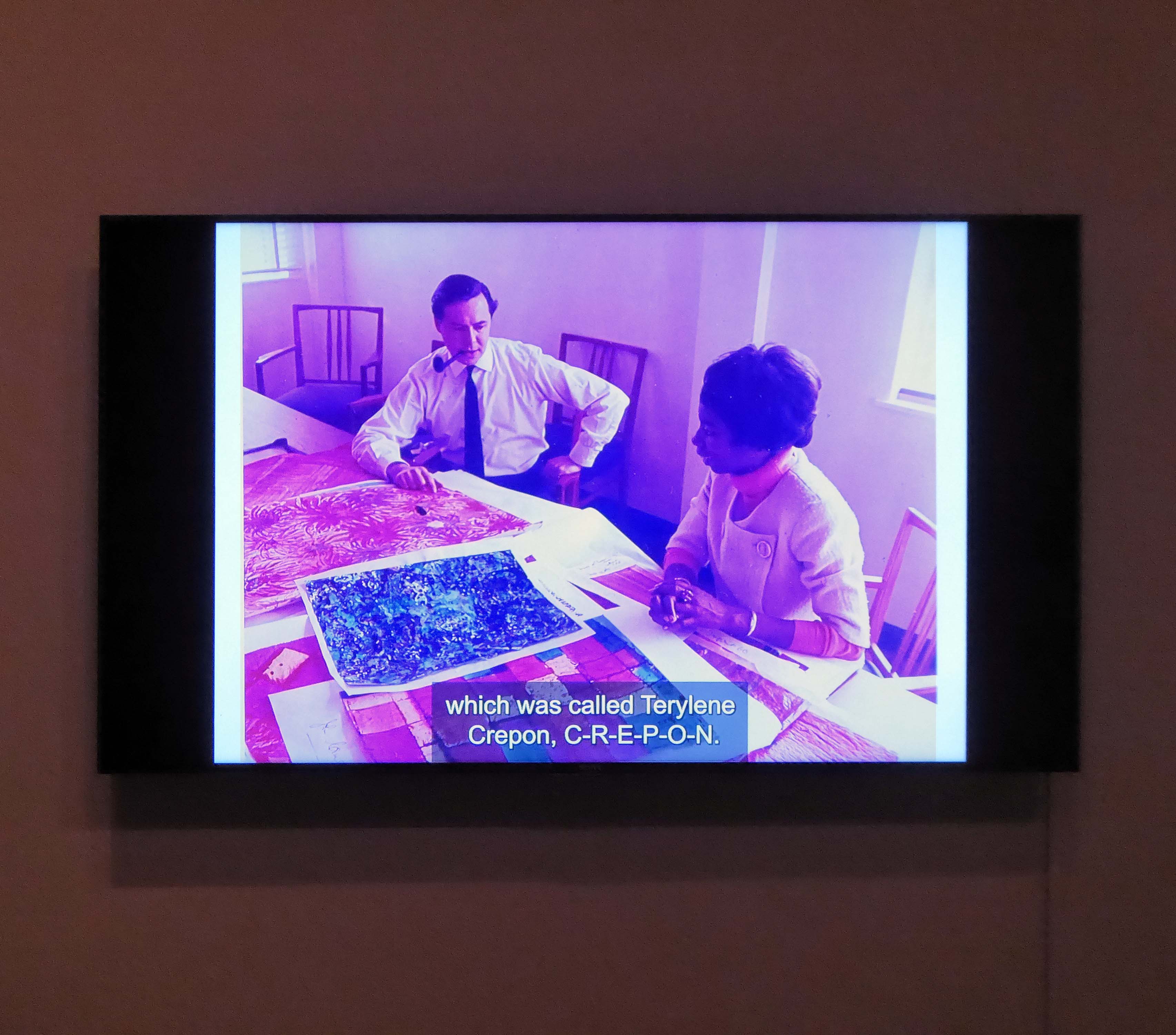
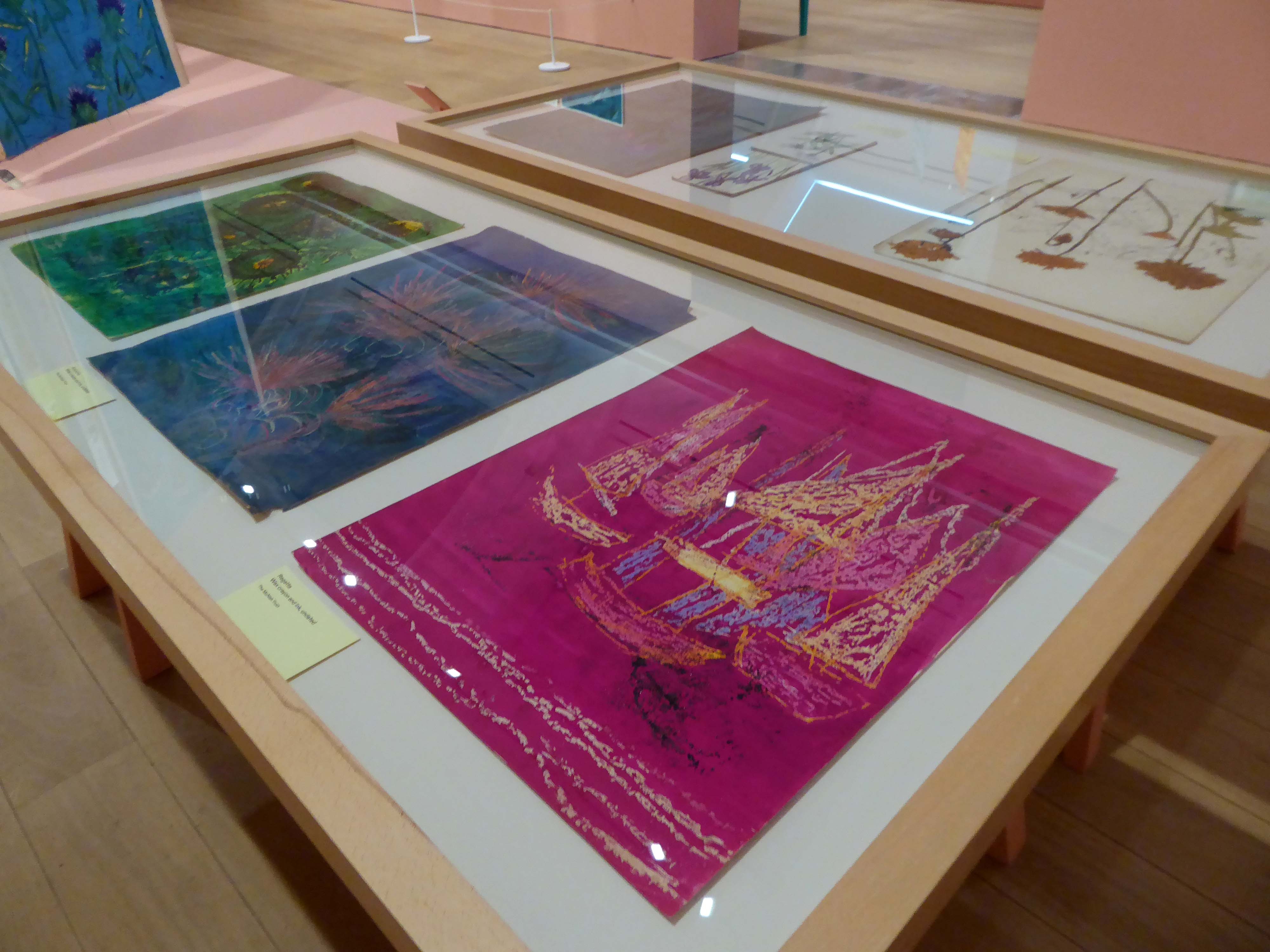
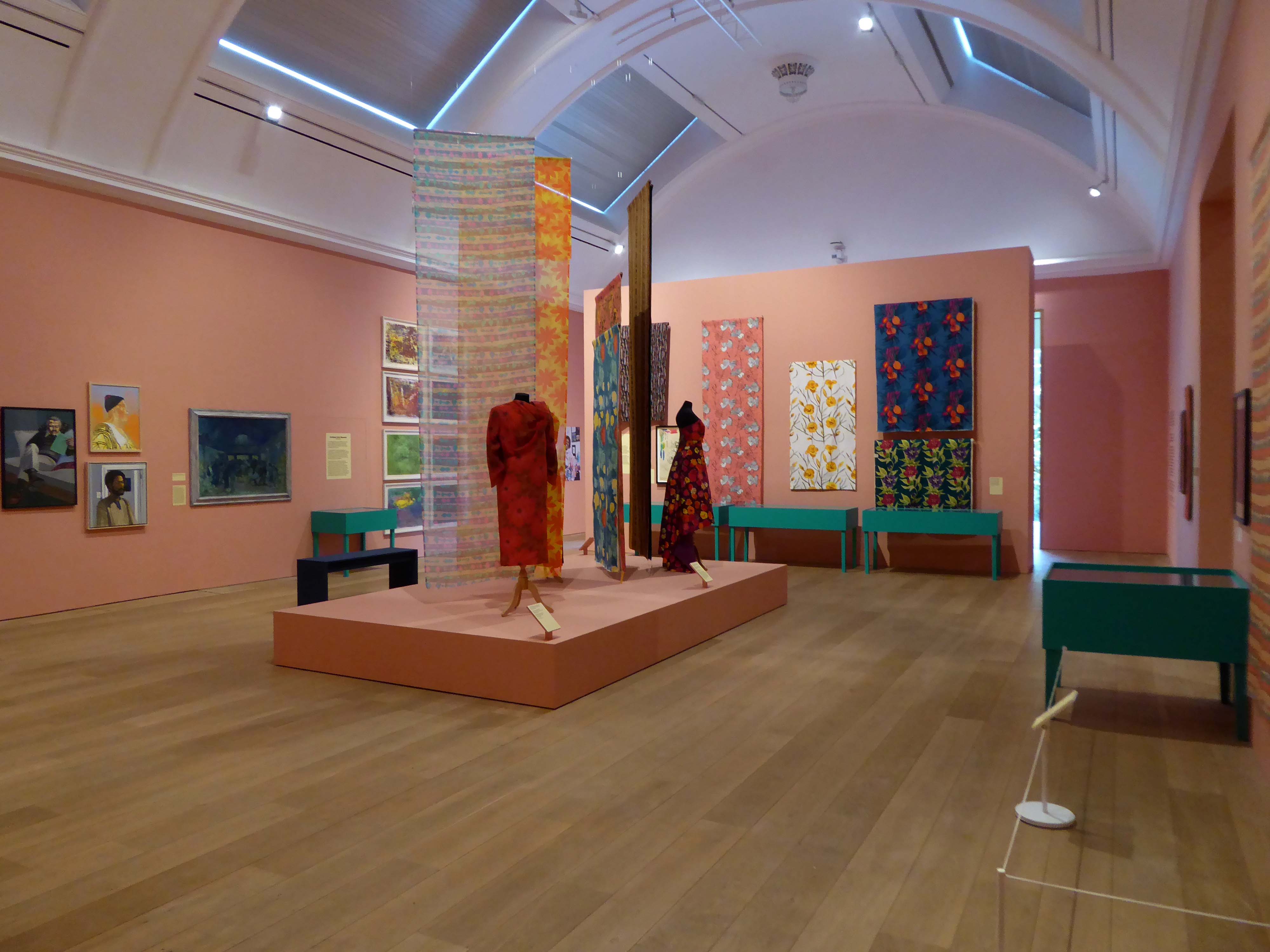
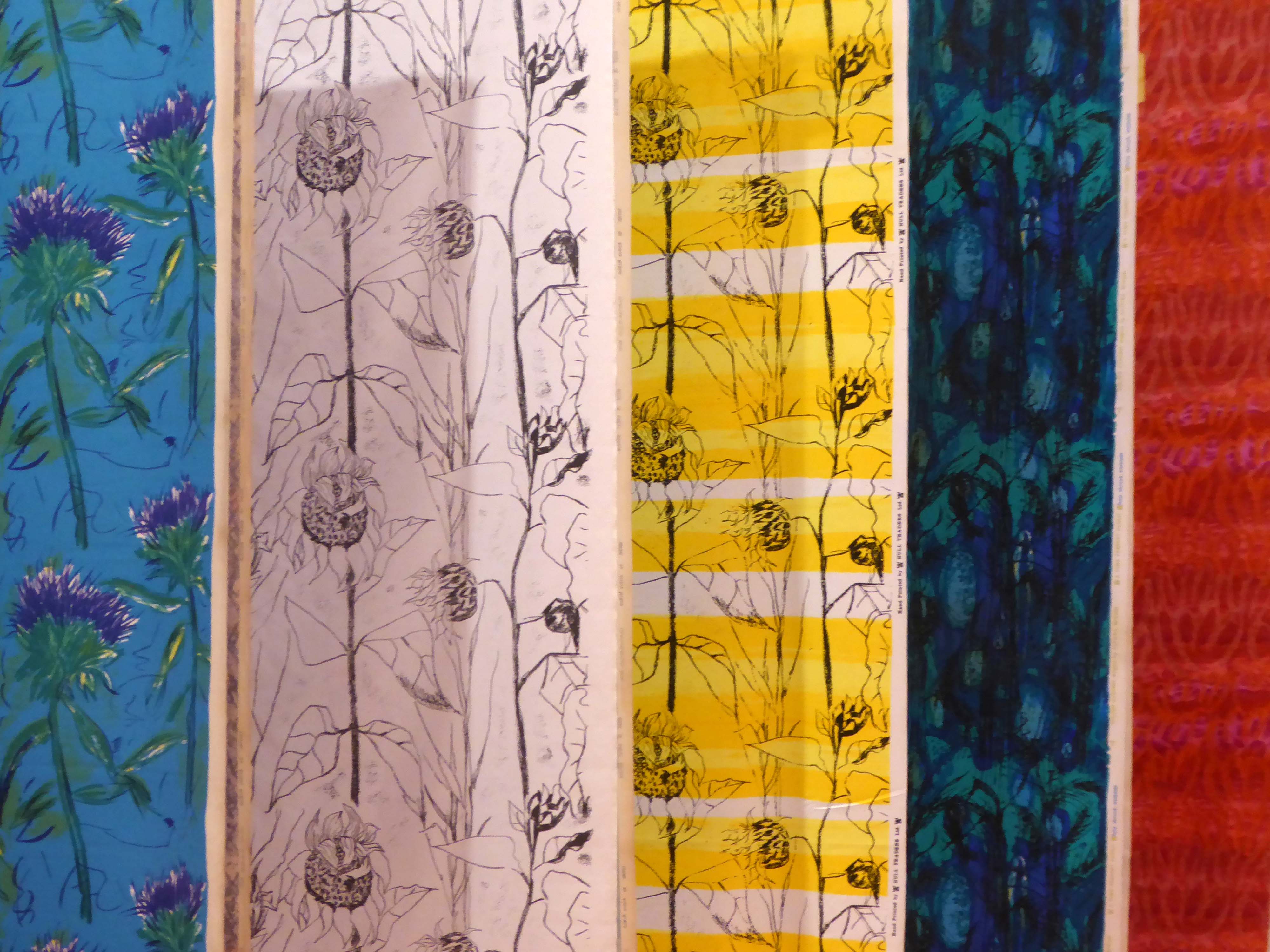
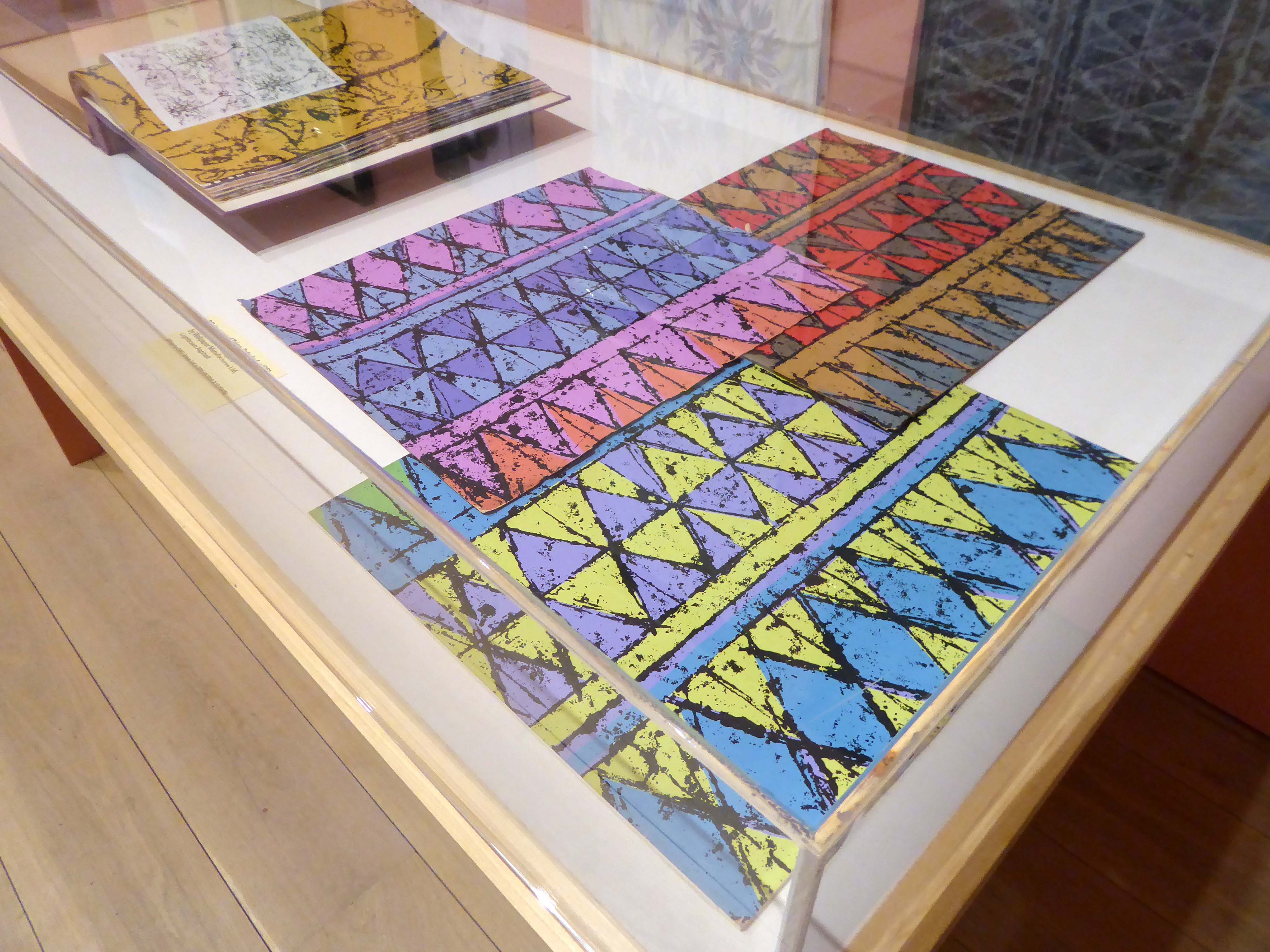
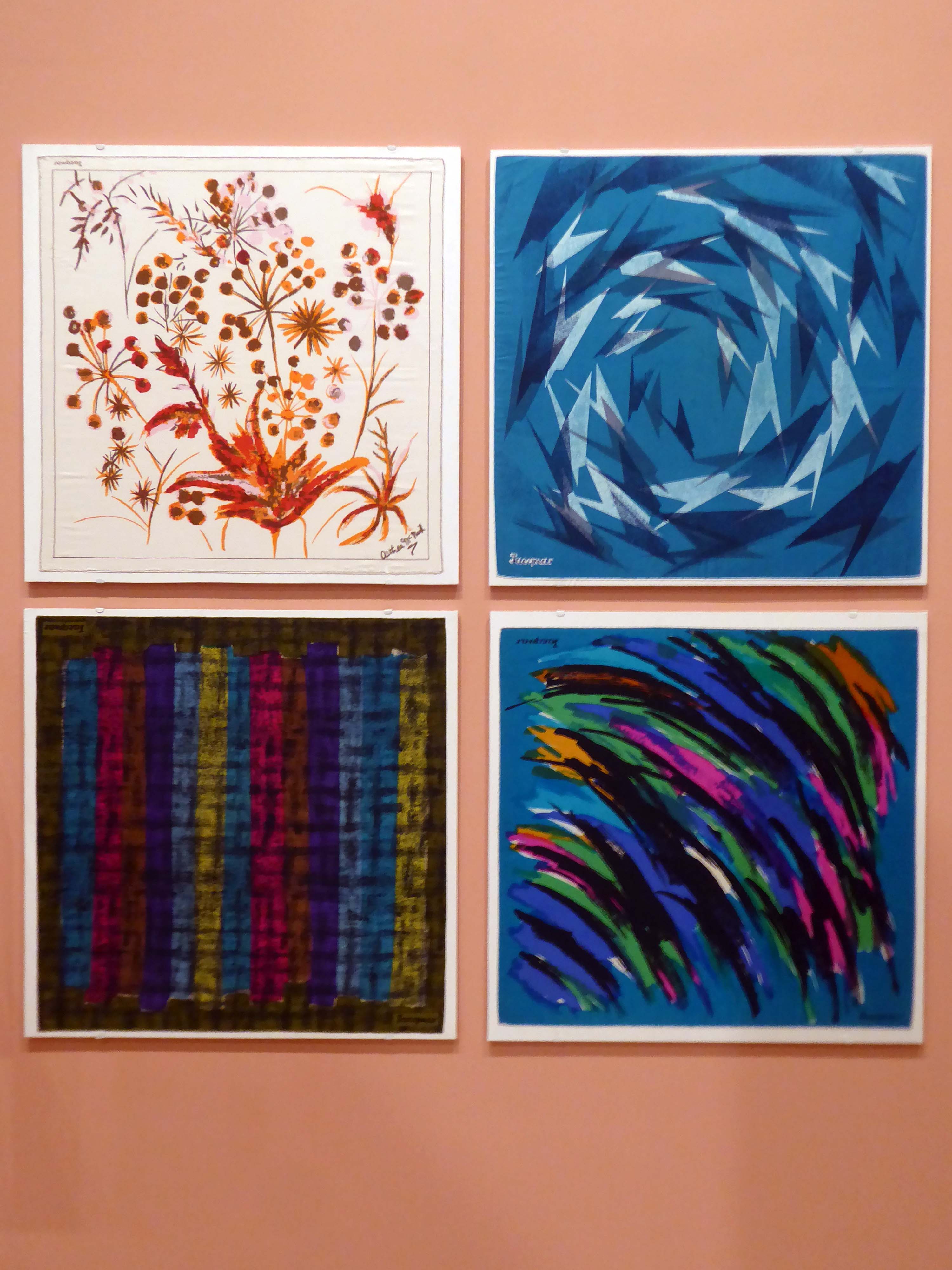
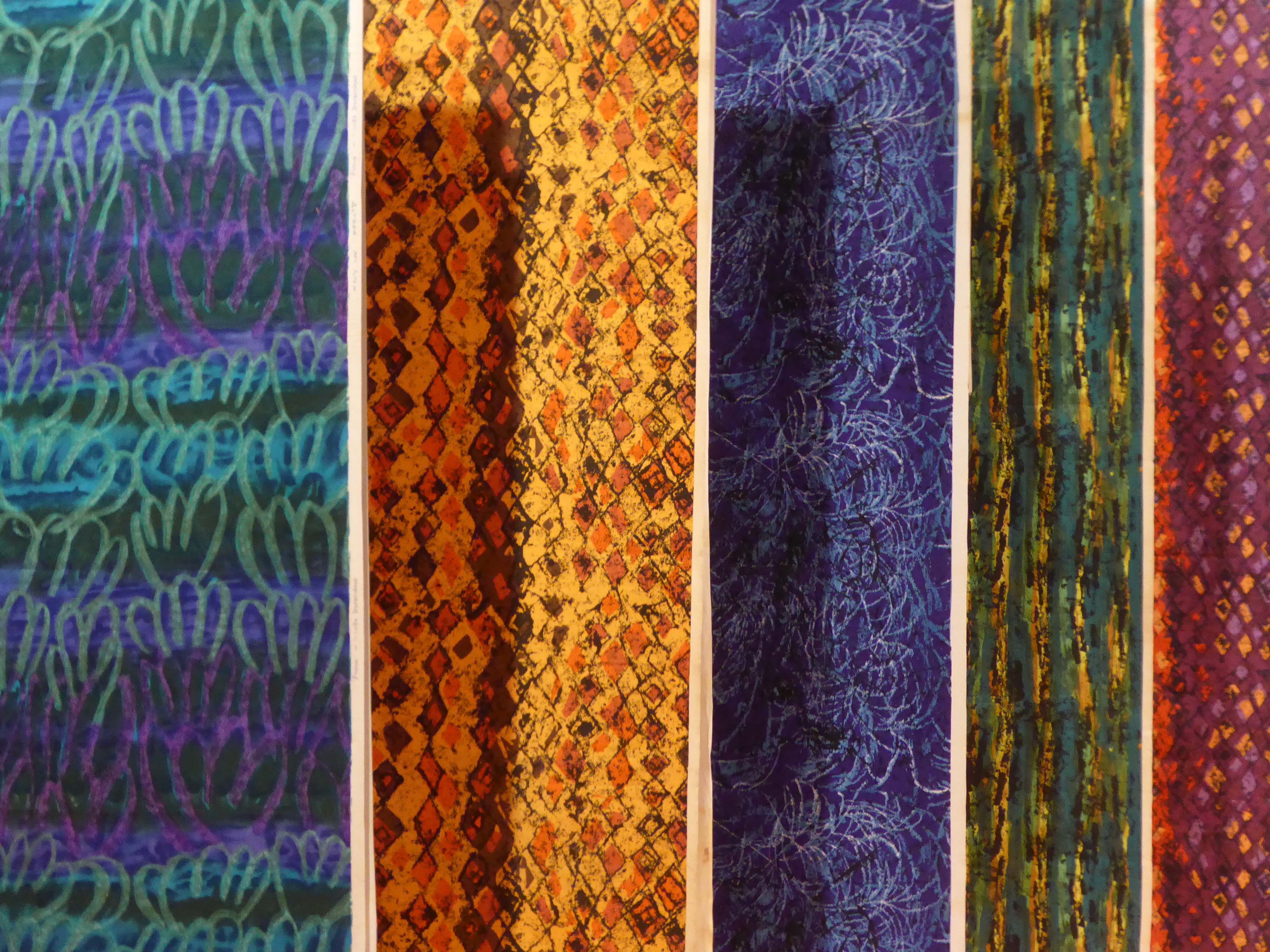
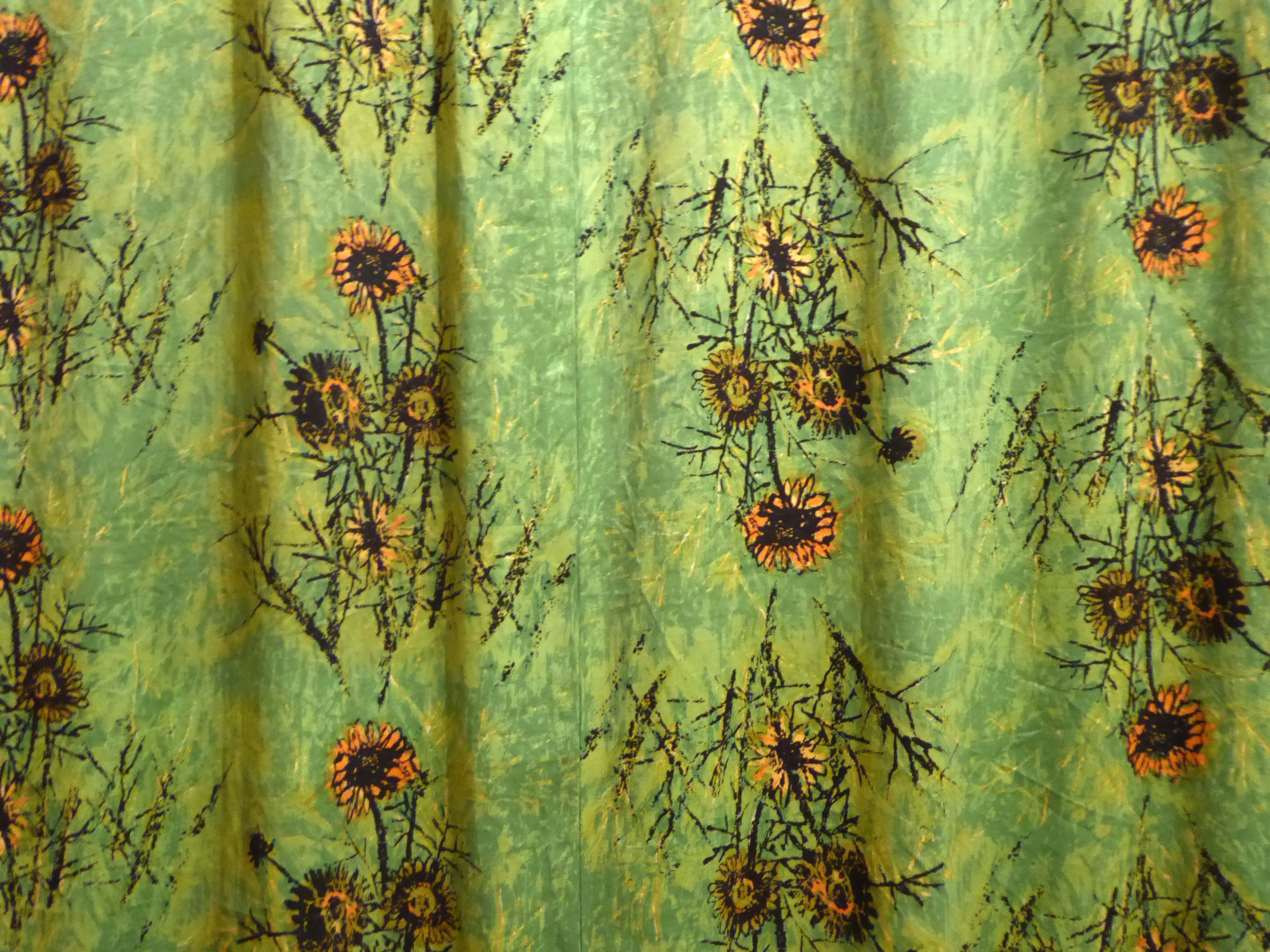
Althea McNish was the first Caribbean designer to achieve international recognition and one of the most influential and innovative textile designers in the UK. Drawing on extensive new research, this exhibition explores McNish’s extraordinary career and her transformative impact on mid-century design, along with her enduring influence today. Highlights include items from McNish’s recently uncovered personal archive – much of which has never been seen before. Also on display will be examples of McNish’s original designs alongside her most celebrated textile and wallpapers.
Althea McNish: Colour is Mine is a touring exhibition from the William Morris Gallery, London, and has been curated by Rowan Bain, Principal Curator at the William Morris Gallery and Rose Sinclair, Lecturer in Design Education at Goldsmiths, University of London. Althea McNish: Colour Is Mine is part of a three-year research, exhibition and archiving project generously supported by the Society of Antiquaries through its Janet Arnold Award.
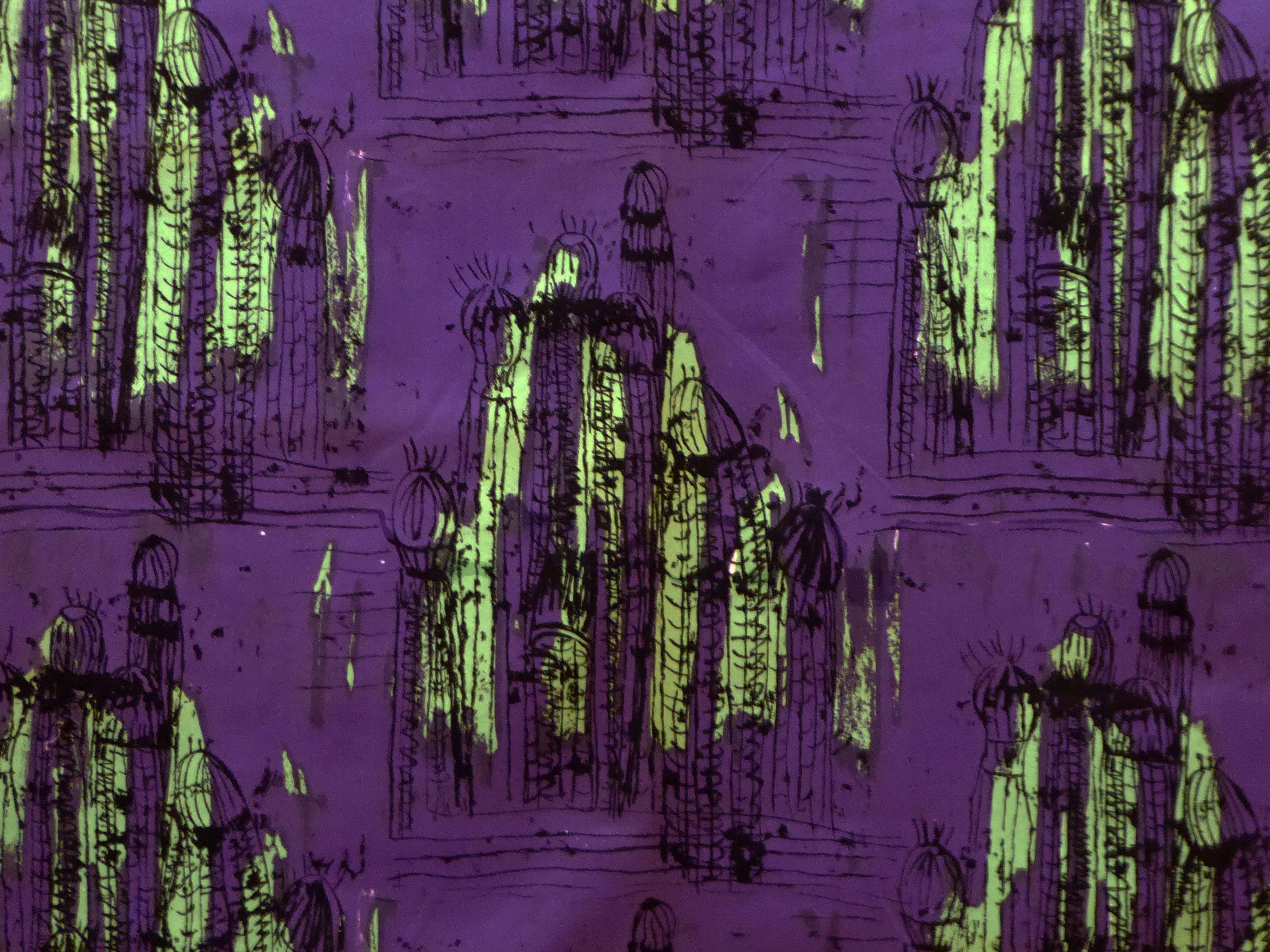
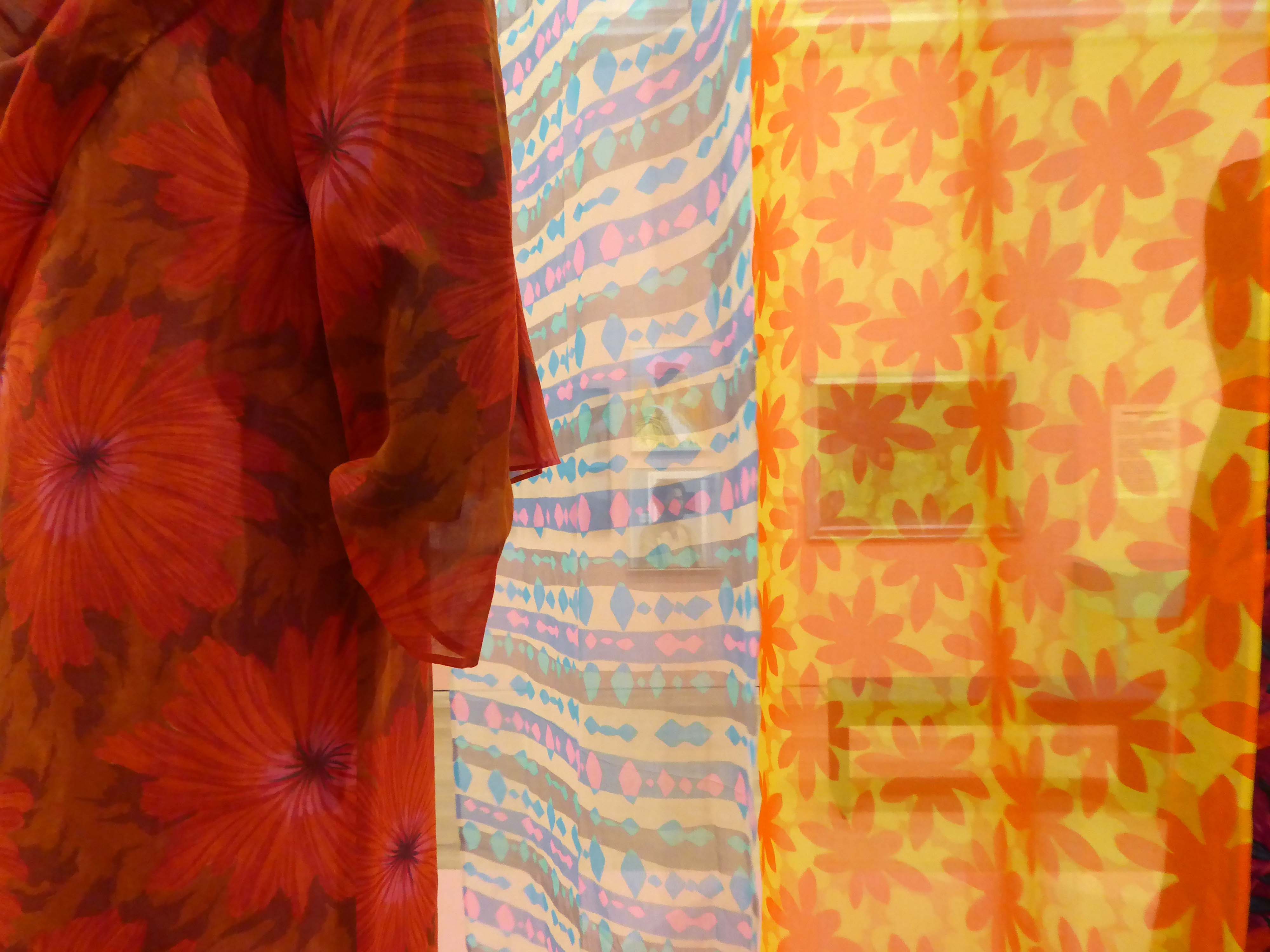
Her work collided with new technologies in printing and fabrics, along with developments in design which were very much of their time: a freer more expressive approach to drawing and colour – using observational drawing from natural forms and geometric pattern
Typically employing the techniques of wax resist and a wandering Indian ink line.
Her work for the leading manufacturing and retail companies extended across fabric and dress design, wallpaper and accessories.
I urge you to go and see it – several times, the show is so wide ranging and joyous, a fitting testament to a creative life well-lived.
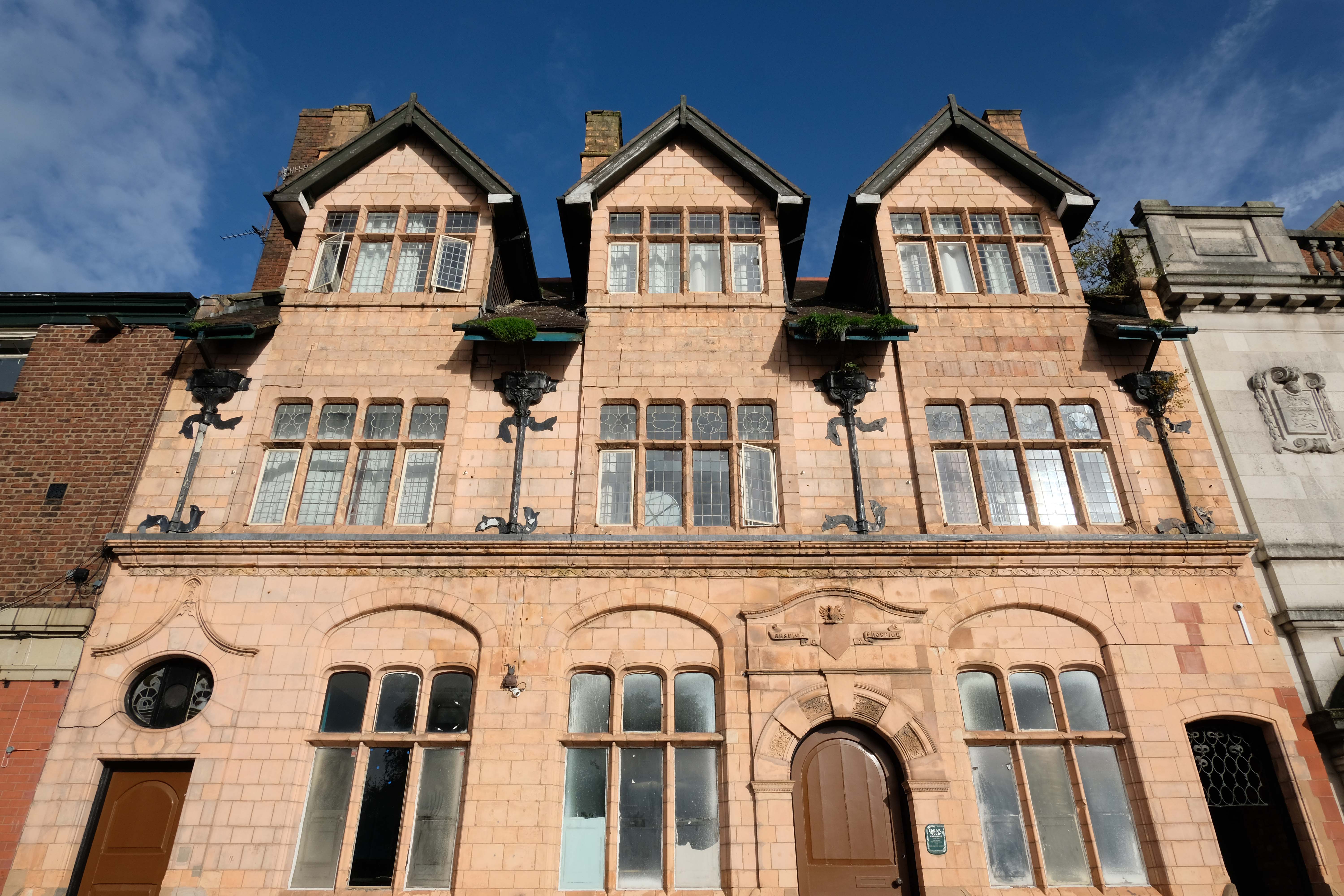
Middleton has not the gloom of so many South Lancashire towns its size. It benefits from its position close to the hills, but it has also the advantage of a large medieval church on a hill and of a number of buildings by one of England’s most original architects of the period around 1900.
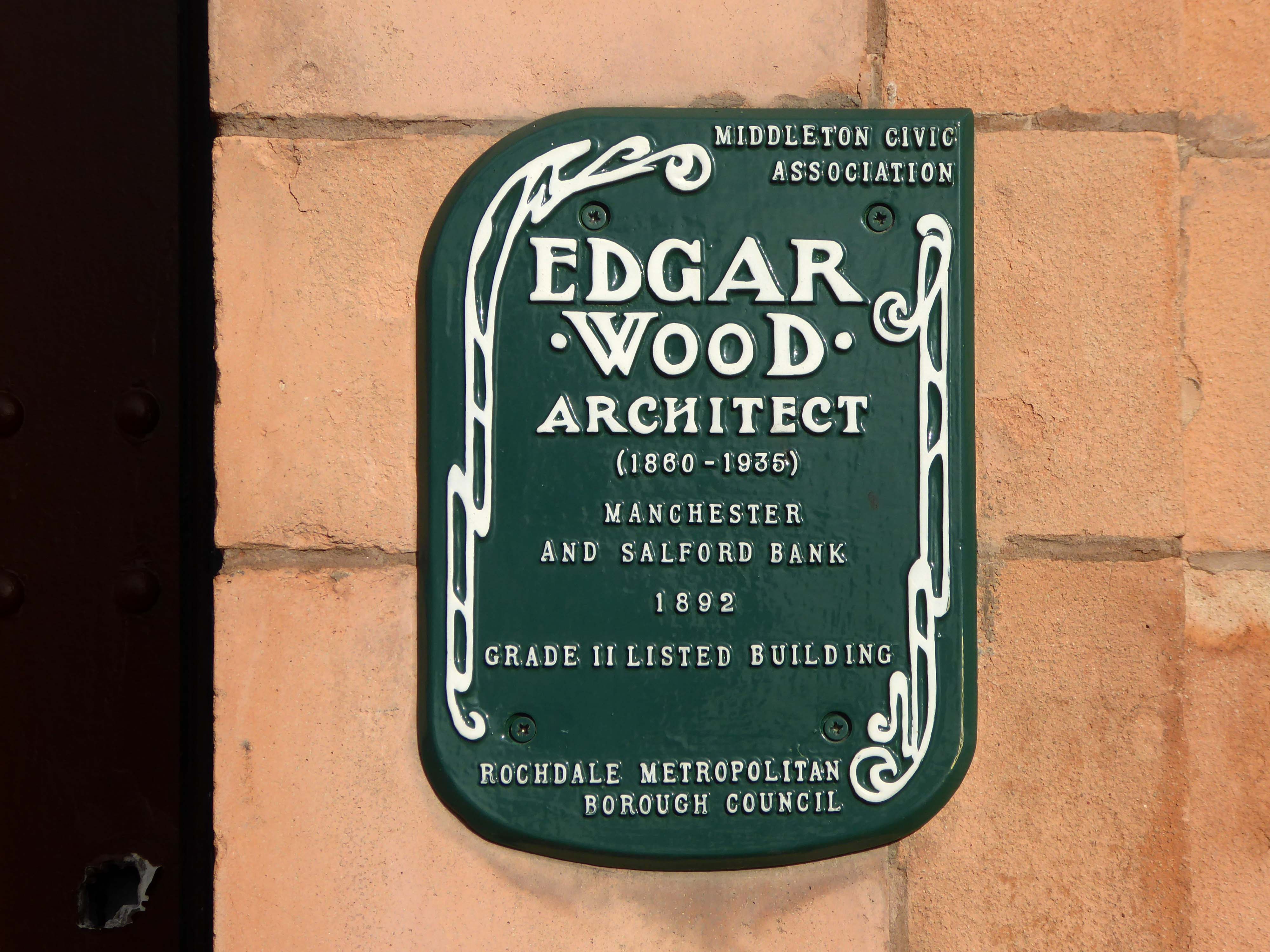
He was the most advanced English architect of his generation, stylistically moving through through art nouveau, vernacular, expressionist and finally art deco phases a decade or more before other designers. He became England’s uncontested pioneer of flat roofed modern buildings. He worked more like an artist than an architect, designing buildings, furniture, stained glass, sculpture, metal and plaster work. His buildings are mostly clustered in the towns of Middleton, Rochdale, Oldham, Huddersfield and Hale. Influenced by the writings of William Morris, he saw himself as an artisan serving the people of these localities.
Sixty-seven sets of designs for the proposed free library at Middleton were received by the Corporation of that borough in response to their advertisement; and a joint committee comprising of six members of the Corporation and six non-members has awarded the premium to Mr Lawrence Booth, architect of this city.
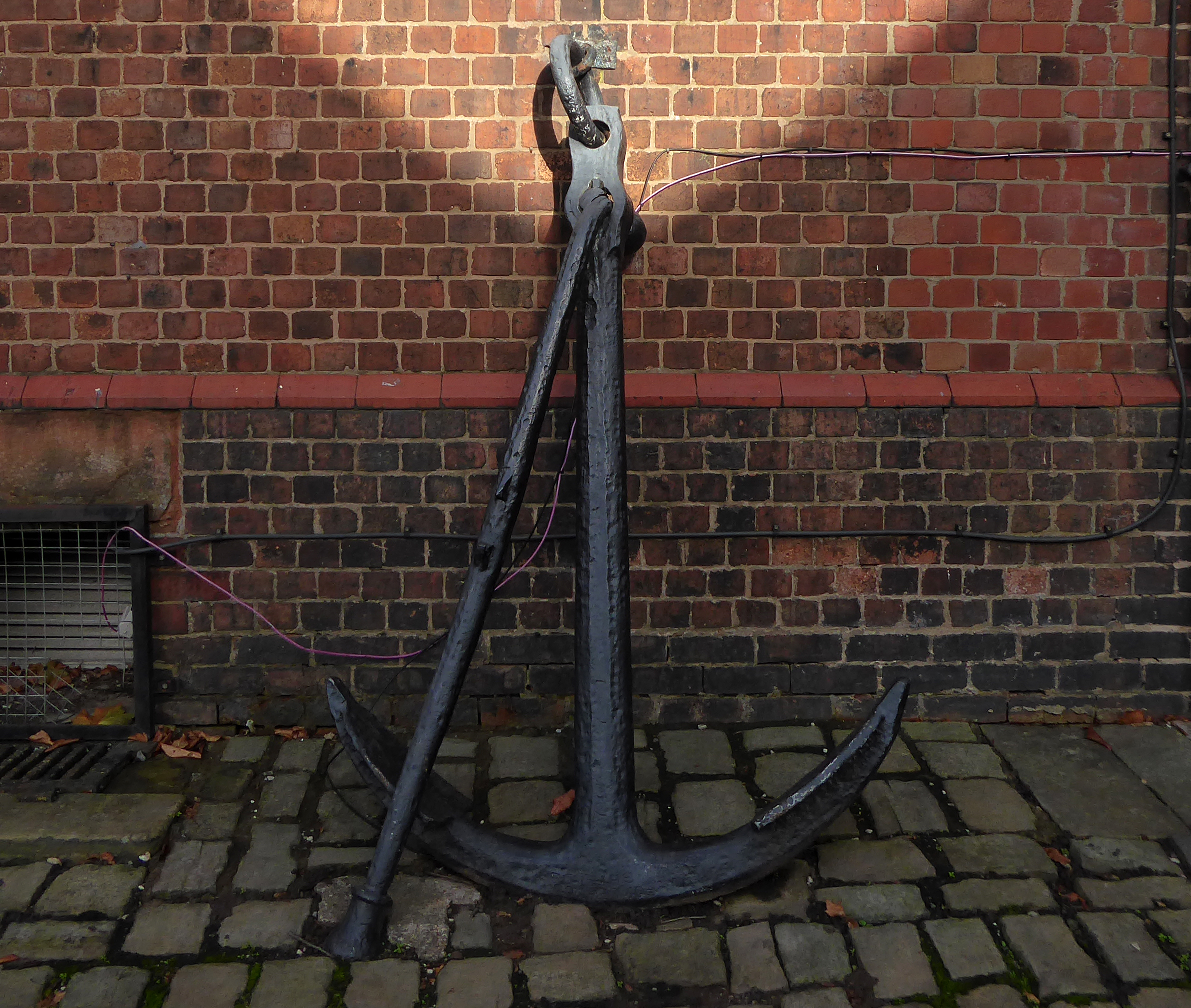
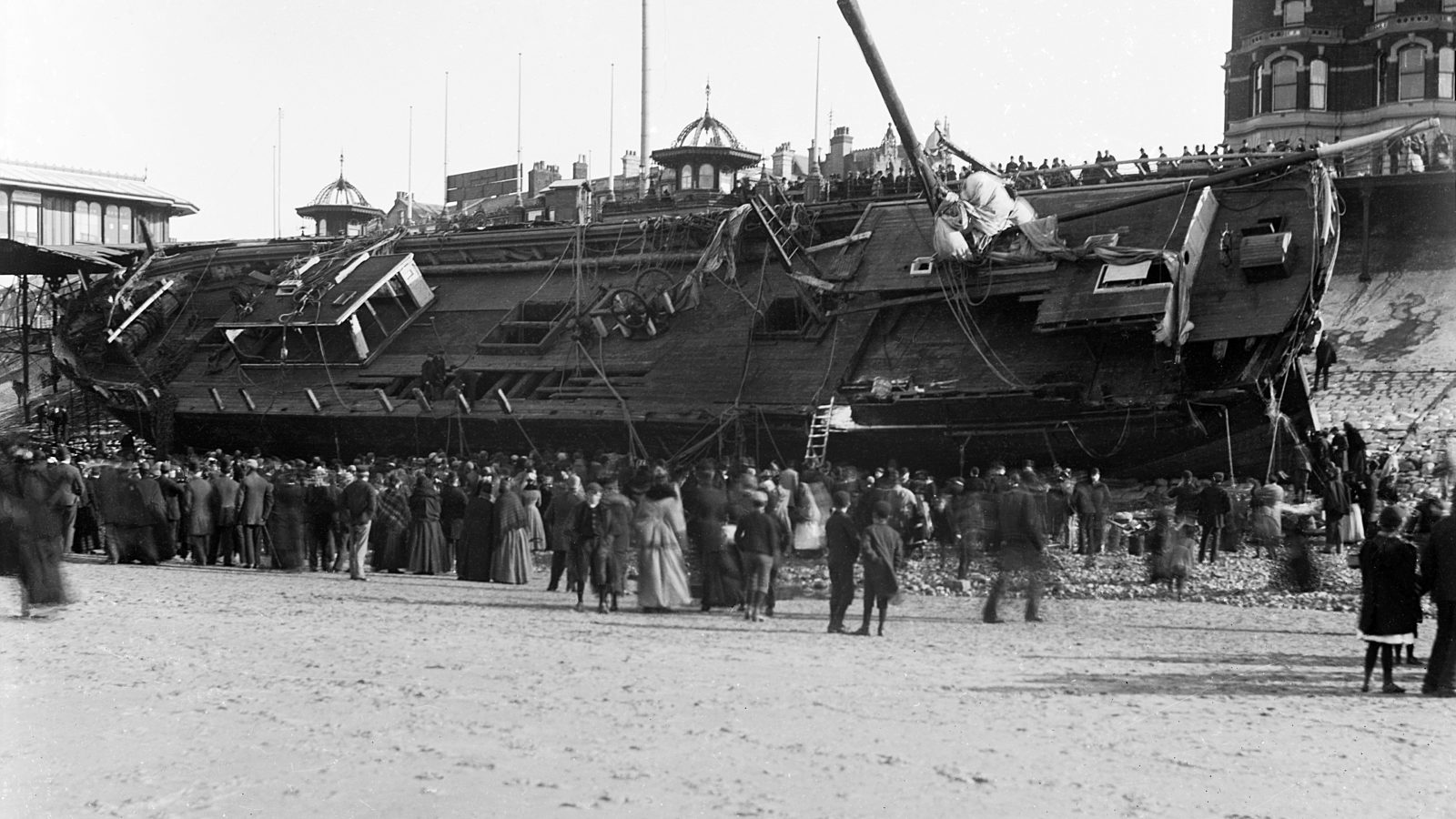
Curiously, we encounter an anchor.
Around 10pm that evening when weather conditions deteriorated to near hurricane-force gales, with the Sirene making little headway despite tacking.
Losing her helm, her sails in tatters and within sight of the Great Orme, the gales drove her back through the night towards the Lancashire coast. Eventually, and with great difficulty, Captain Gjertsen and his crew managed to manoeuvre the stricken vessel between the Central and North Piers. Becoming increasingly unmanageable, and swept in by the rushing tide and gale force winds, the Sirene looked a doomed vessel. She was helpless in the close shore currents, and unable to drop anchor she was at the mercy of the waves. She was carried alongside the North Pier, tearing off a section of the pier superstructure and part of her own keel.
Thousands of people lined the Promenade to witness the spectacle as she came in on the south side of the pier; many more stood on the pier itself, but there was a mad rush for safety when the ship collided against the structure.
The captain and crew survived, including the ship’s cat, many offers were made for the cat, but the captain refused them.
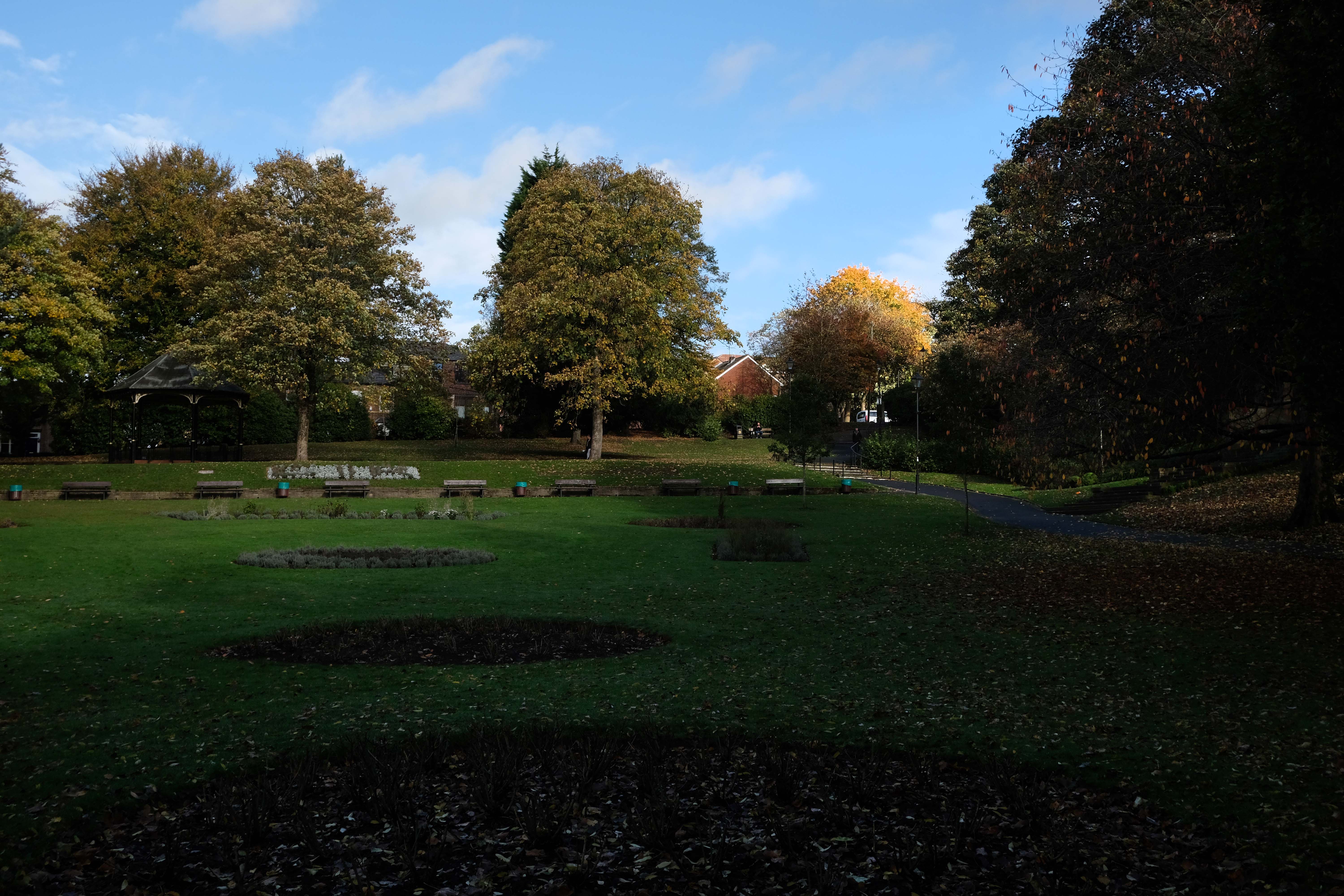
Onwards through Jubilee Park opened in 1889 to commemorate the Golden Jubilee of Queen Victoria.
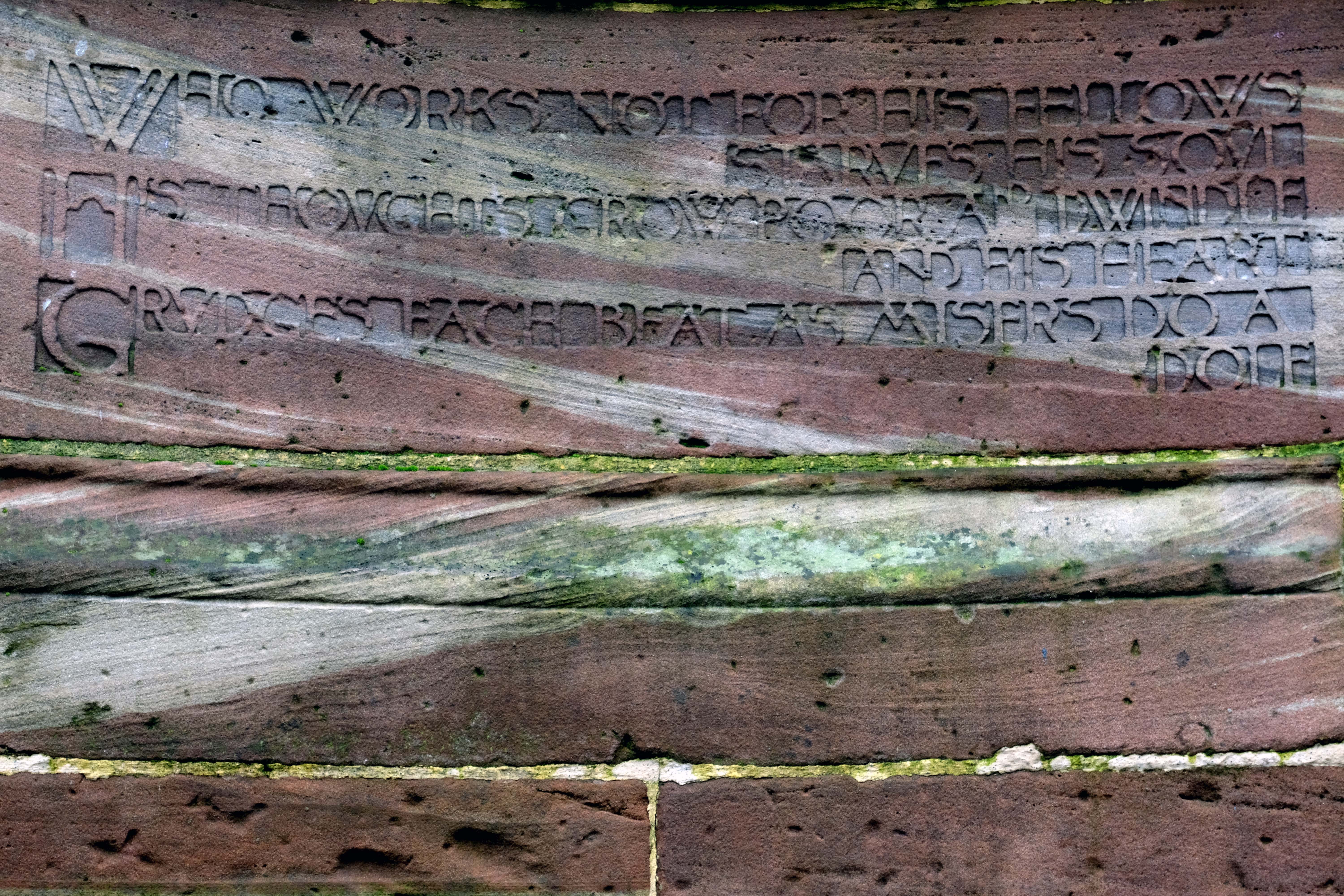
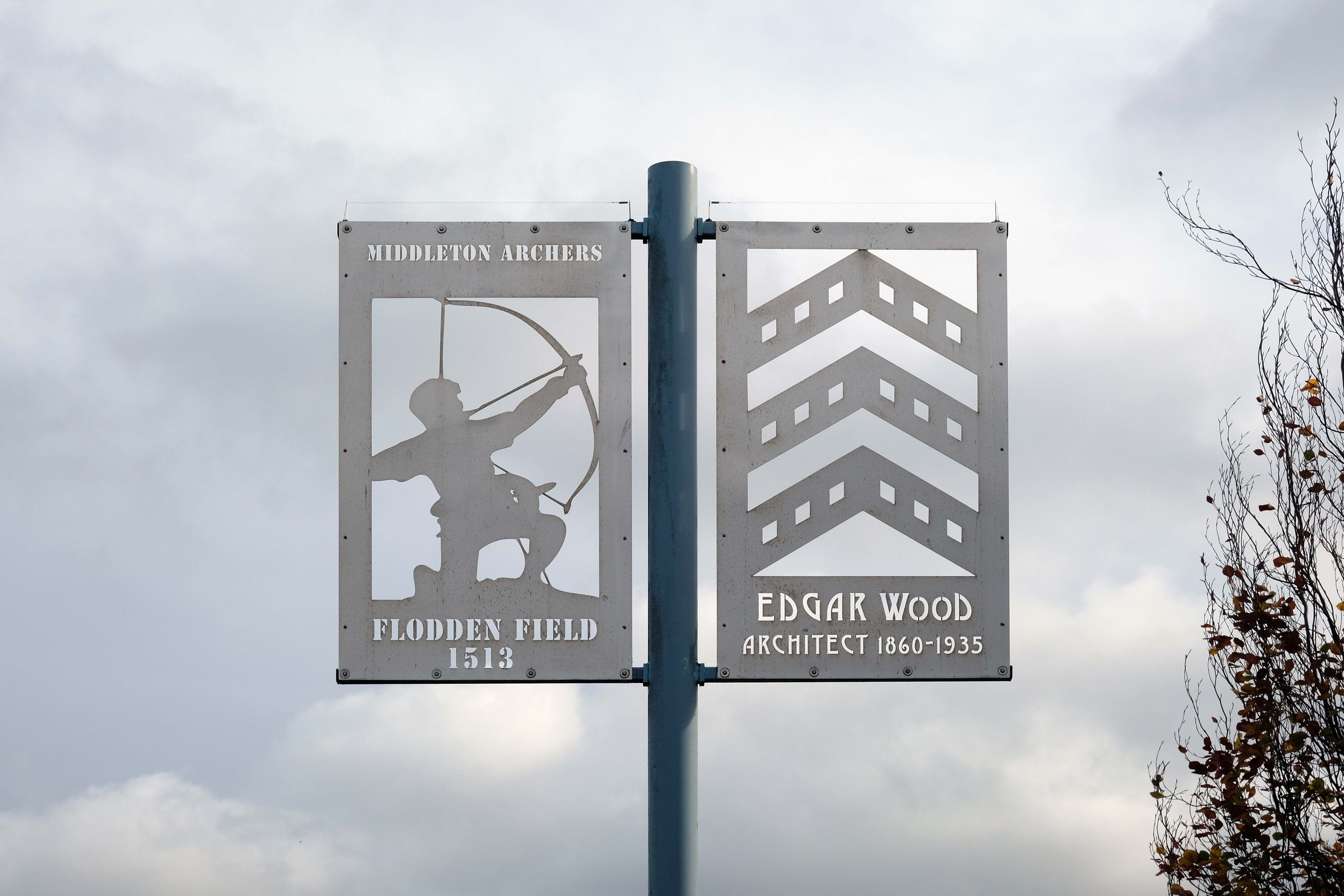
In 1906 Alderman Thomas Broadbent Wood commissioned his son, Edgar, to design a flight of steps to lead up to a contemplation spot in the park – the inscription reads:
Who works not for his fellows starves his soul.
His thoughts grow poor and dwindle and his heart grudges each beat, as misers do a dole.
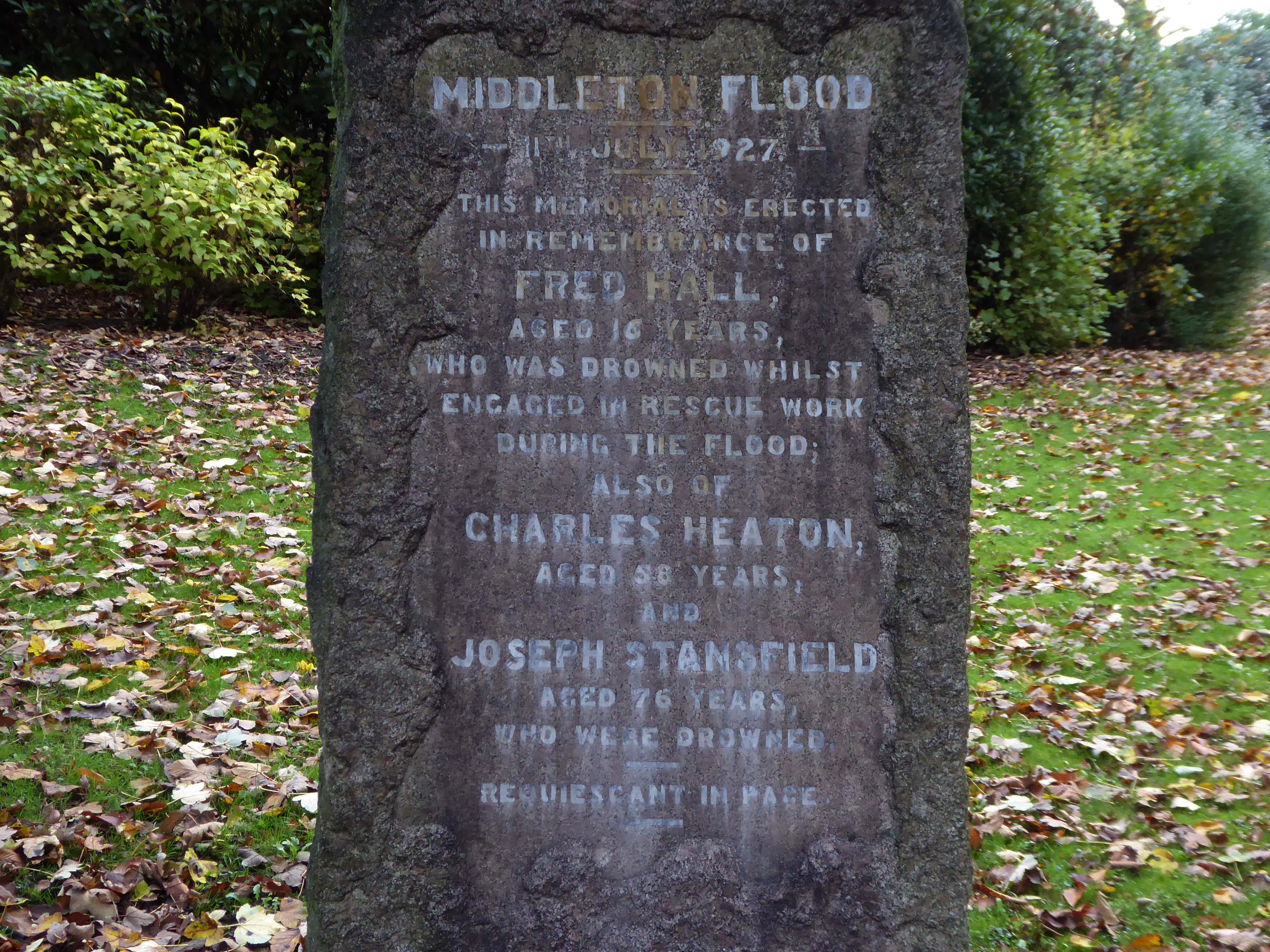
Nearby we find a memorial to the Middleton Flood – following torrential rain, the canal embankment at Mills Hill broke, flooding the already swollen River Irk, subsequently deluging the town.
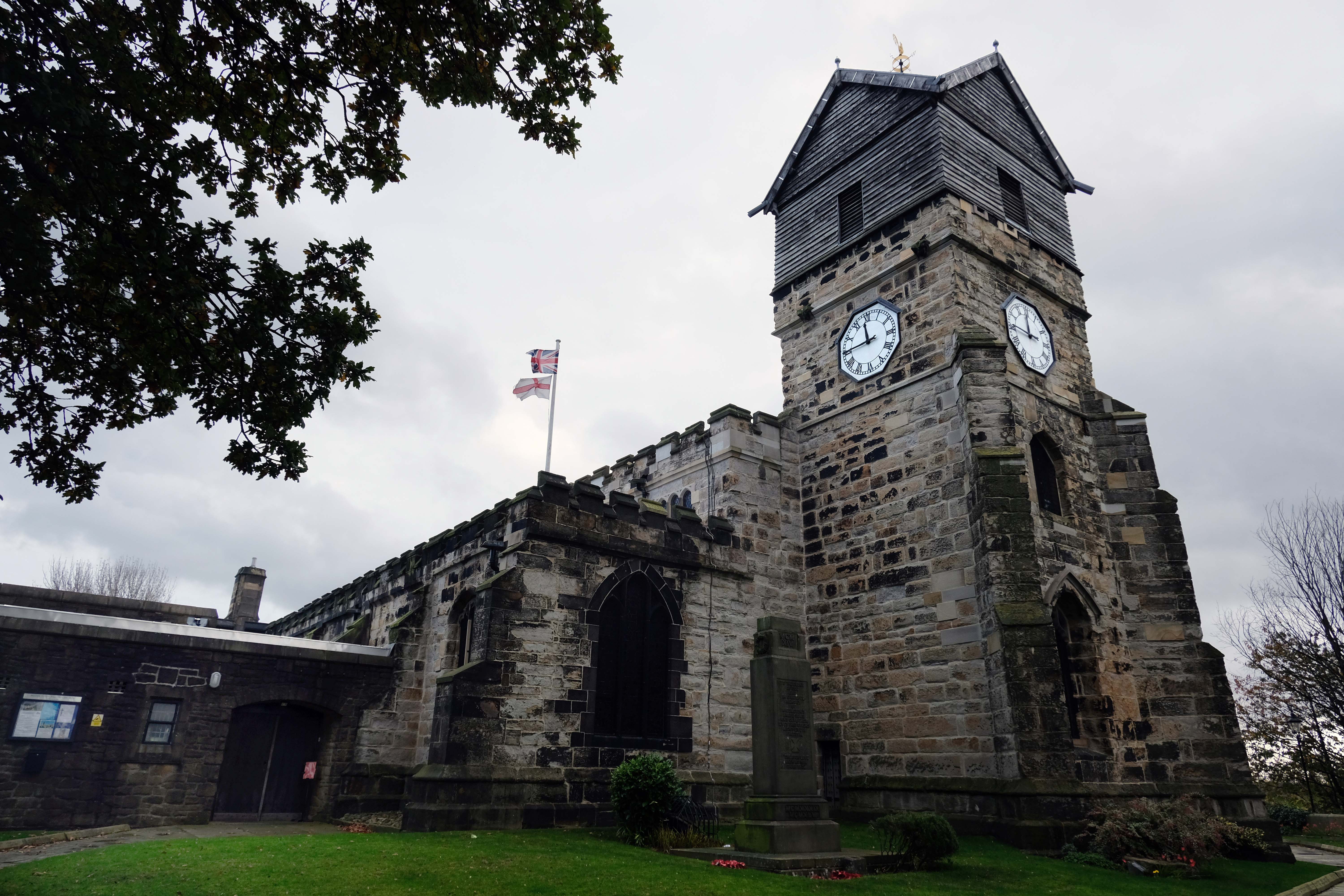
Much of the present building was erected in 1412 by Thomas Langley – born in Middleton in 1363, who was Bishop of Durham and Lord Chancellor of England. He re-used the Norman doorway from an earlier structure to create the tower arch. Also distinctive in this region is the weather-boarded top stage to the tower.
The church of St Leonard was enlarged in 1524 by Sir Richard Assheton, in celebration of the knighthood granted to him by Henry VIII of England for his part in the Battle of Flodden in 1513. The Flodden Window, in the sanctuary, is thought to be the oldest war memorial in the UK. It commemorates on it the names of the Middleton archers who fought at Flodden. The church also has one of the finest collections of monumental brasses in the north of England, including the only brass in the UK depicting an English Civil War officer in full armour, Major-General Ralph Assheton.
George Pace designed a war memorial and, in 1958, added a choir vestry and installed new lighting.
Wikipedia
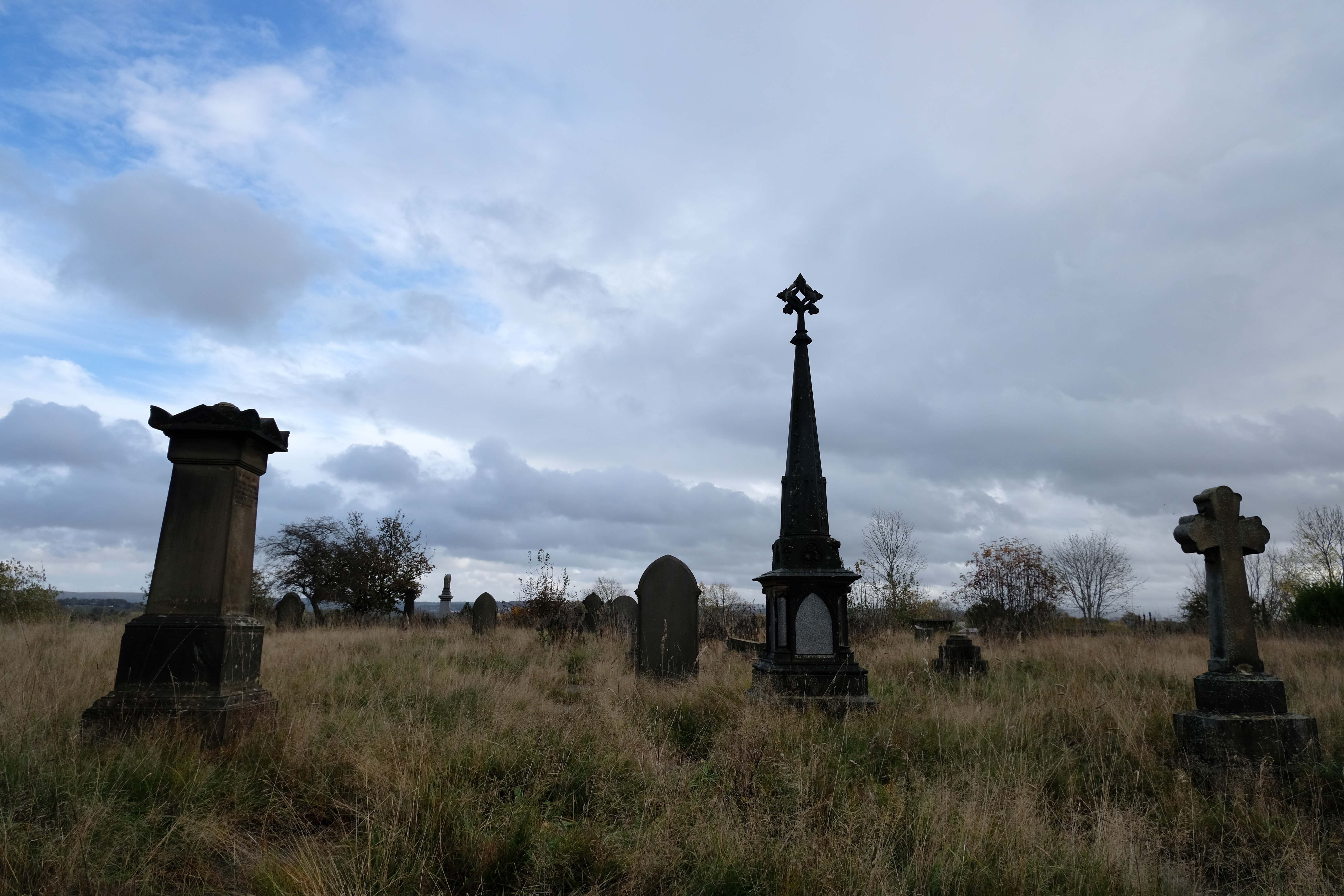
Middleton Old Cemetery once the Thornham and Middleton Burial Ground, which became the local authority cemetery in 1862.
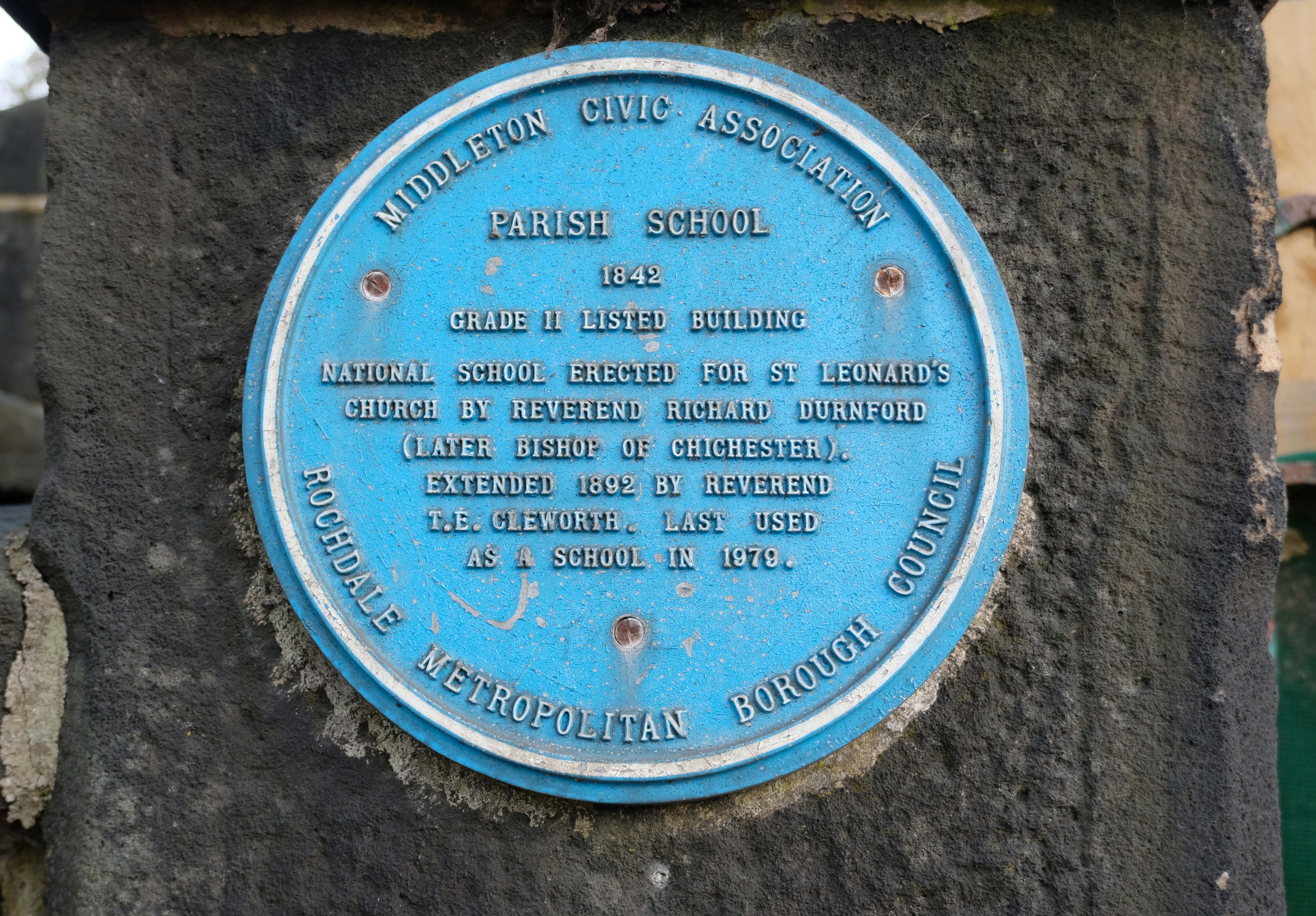
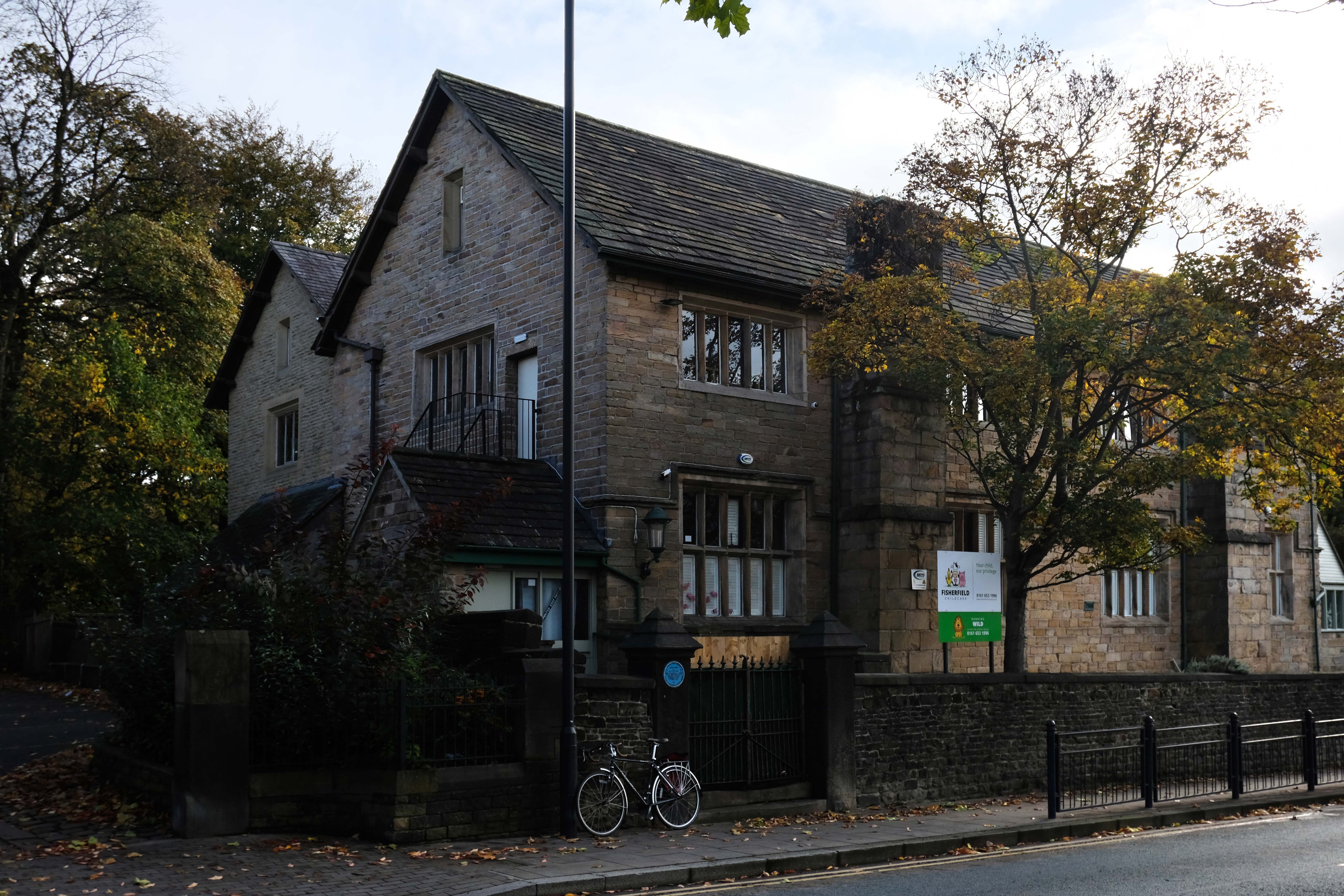
Retrace to the Library – adjacent is the Parish School 1842
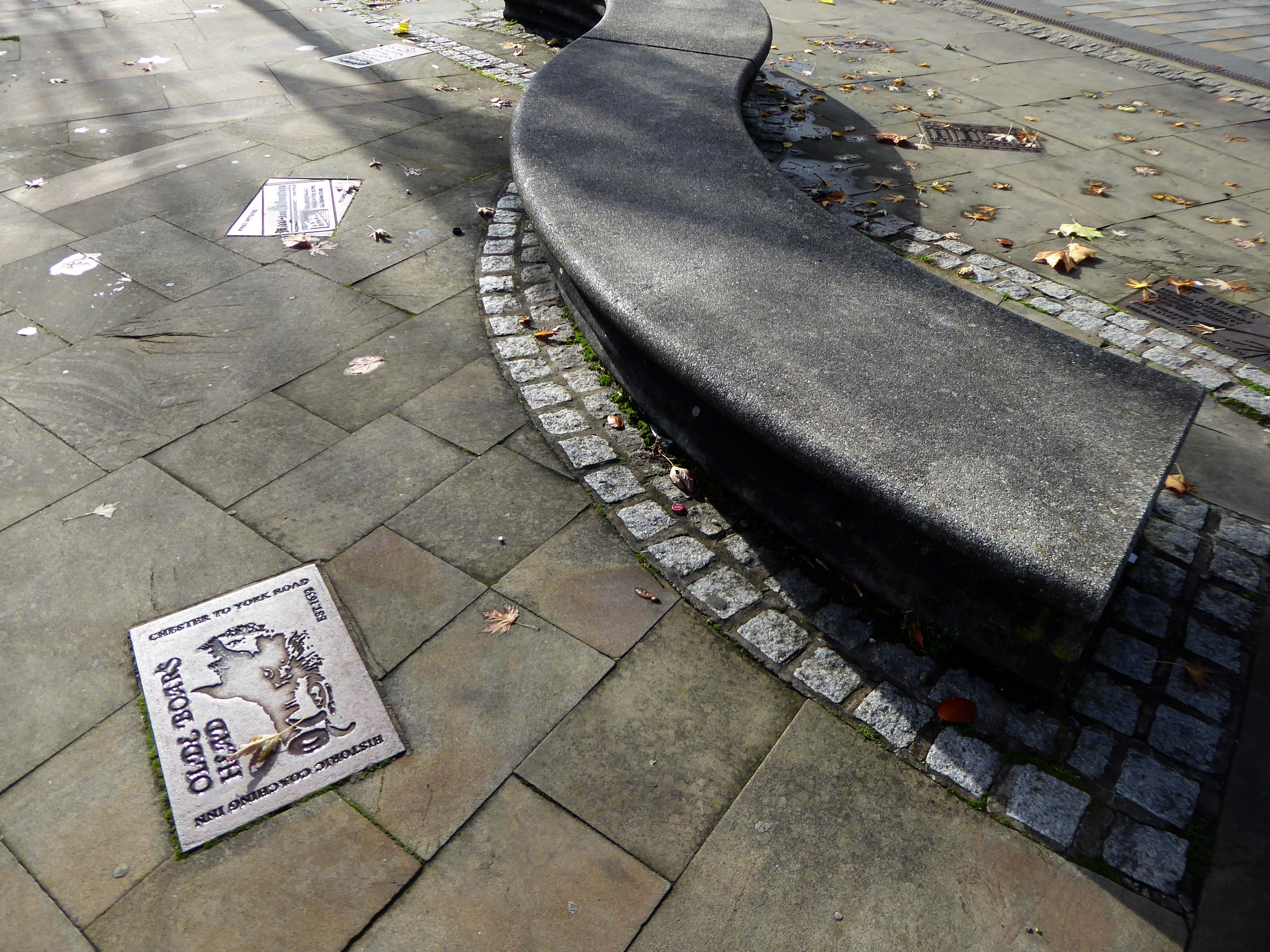
Part of the timber framing to the right of the front door has recently been tree-ring dated and confirms a building date of 1622. The first tenant was Isaac Walkden, son of Middleton schoolmaster, Robert Walkden. Isaac died during a typhus epidemic in the summer of 1623. His will, preserved at Lancashire Archives, includes an inventory of all his possessions listed on a room by room basis. There were a total of 9 beds and 20 chairs or stools in the 6 rooms. This, together with barrels, brewing vessels, pots, glasses, etc, strongly suggest the building was an inn. The Walkden family went on to run the Boar’s Head until the end of the 17th century. They also farmed nearby land including what is now Jubilee library and park.
In 1888, the fledgling Middleton Corporation purchased the building from the church with the intention of demolishing it to build a town hall. Discussions were held in 1914 but, thankfully, the plan was abandoned due to an outcry from the public spearheaded by architect Edgar Wood.
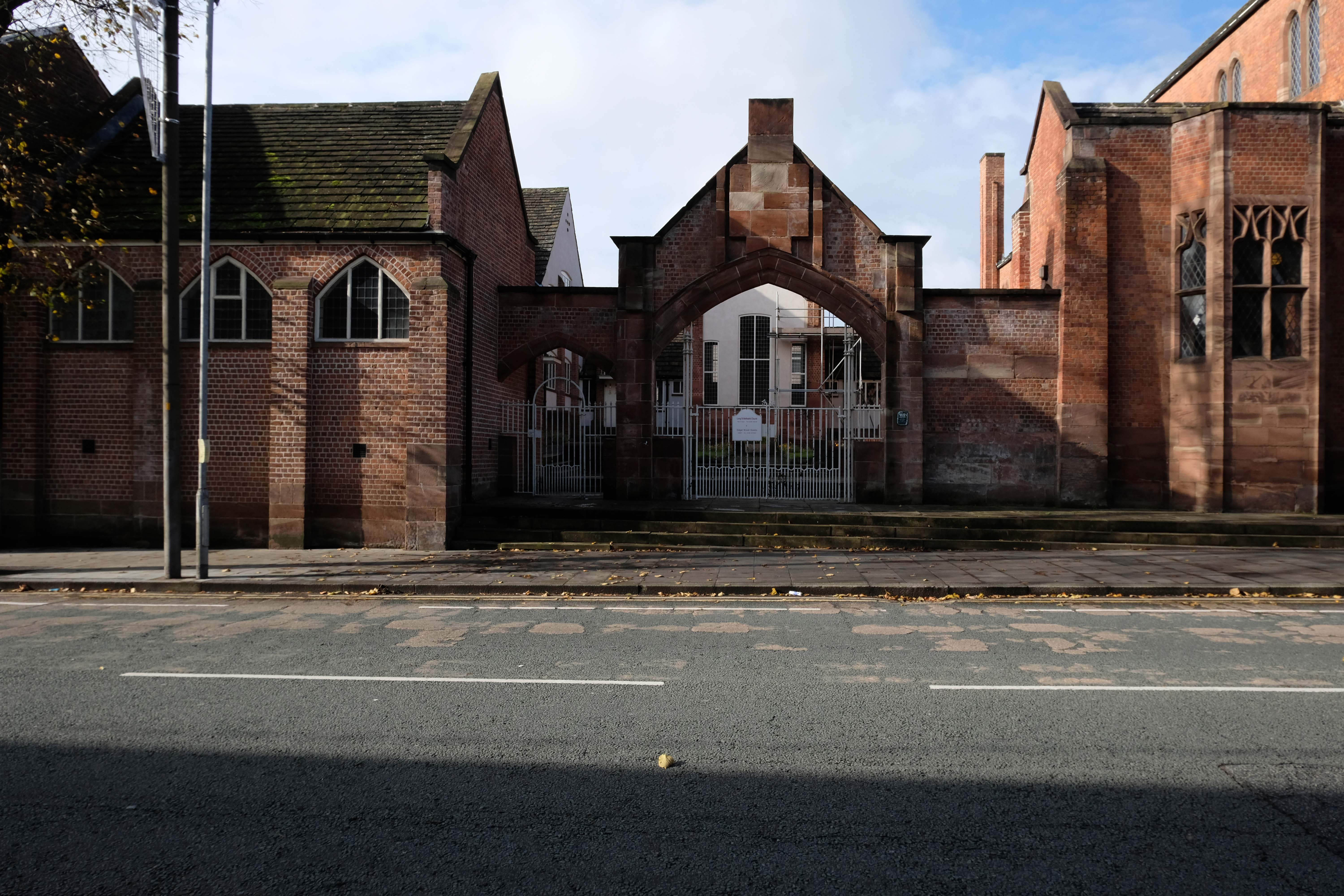
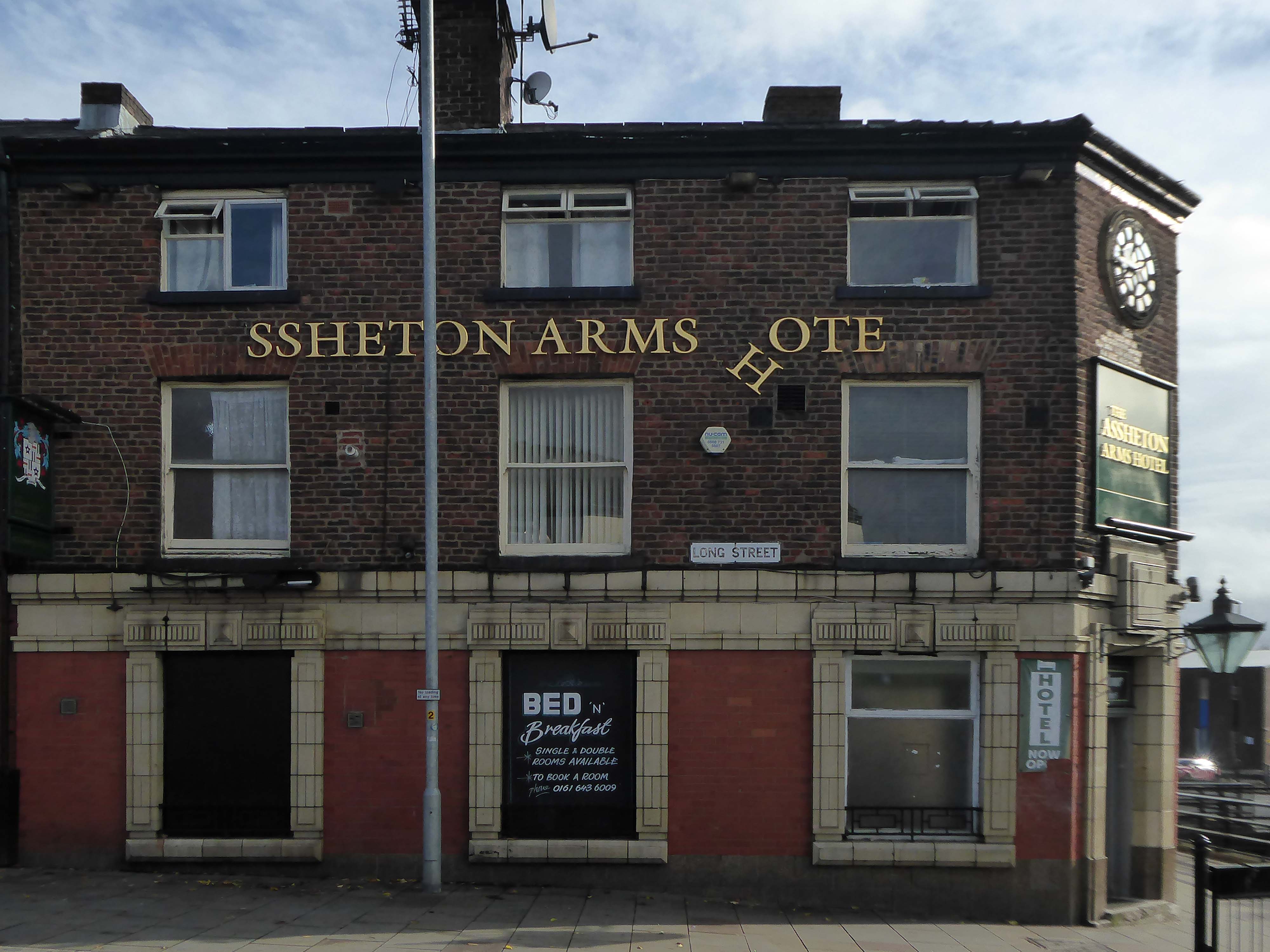
Further down Long Street to the Assheton Arms Hotel.
Then around the corner to the Manchester & Salford Bank again by Edgar Wood
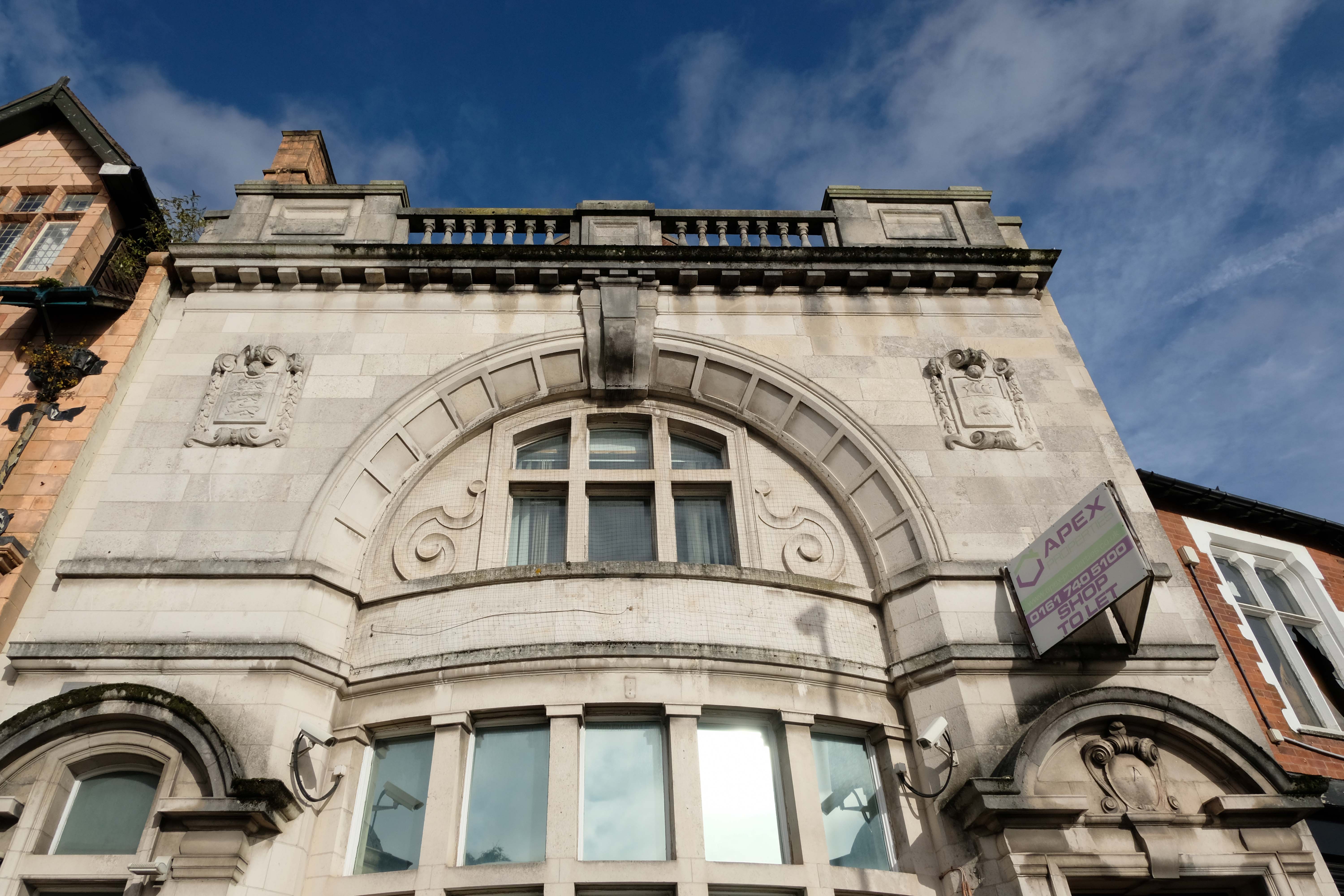
Next door the former Market Place Bank latterly RBS.
Plans to convert a long-vacant town centre bank into a nightclub have been revived despite previously being rejected over anti-social behaviour concerns.
An application to change the use of the former Royal Bank of Scotland, in Middleton, was refused by Rochdale council’s planning committee eighteen months ago, with members citing a history of alcohol-fuelled trouble in the area.
Further up Market Place the faience fronted Bricklayers Arms formerly a Bents and Gartsides boozer – delicensed in 2012 and Converted to a takeaway.
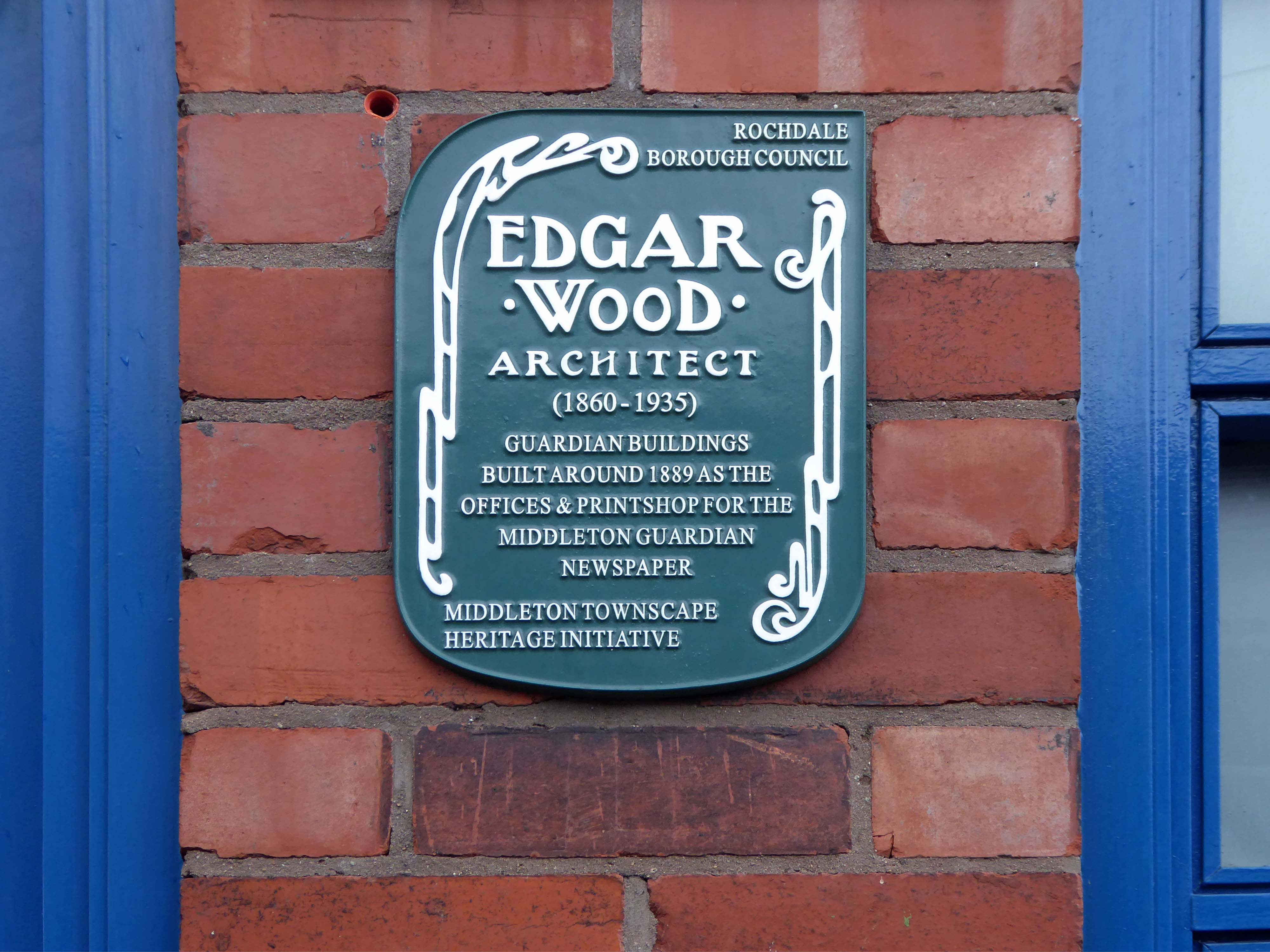
Moving along Wood’s much altered Guardian Buildings 1889.
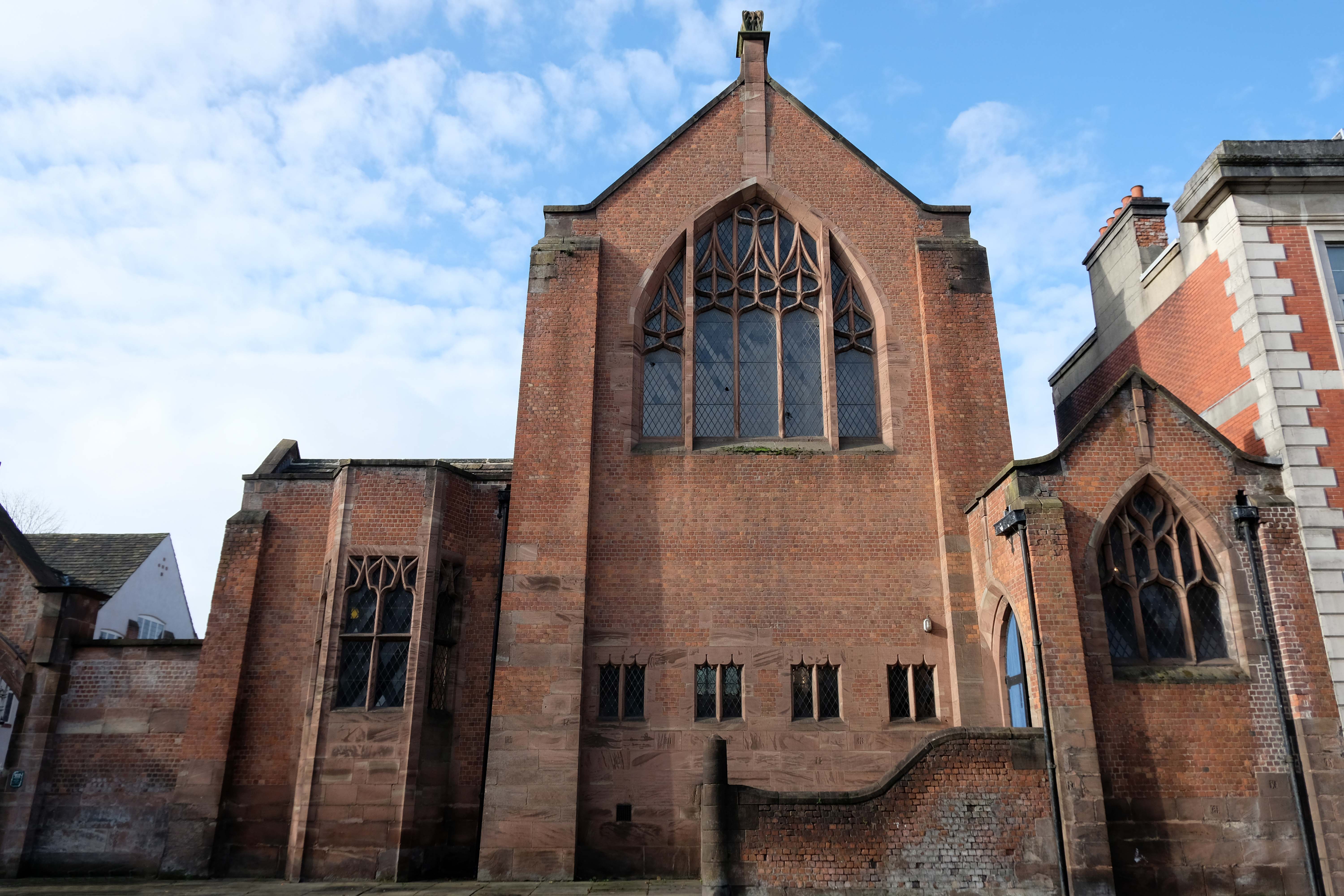
The Guardian Buildings, were commissioned by Fred Bagot, the proprietor of the Middleton Guardian newspaper and a man with a reputation at the time for keeping a tight control of finances. In consequence, Guardian Buildings were one of Edgar Wood’s low budget buildings, of which there are several in and around Middleton. The building housed the operations of the newspaper with the cellar containing the printing machines and the tall ground floor housing a shop, office and more machines. The whole of the first floor, with its pair of oriel windows, was taken up by the composing room.
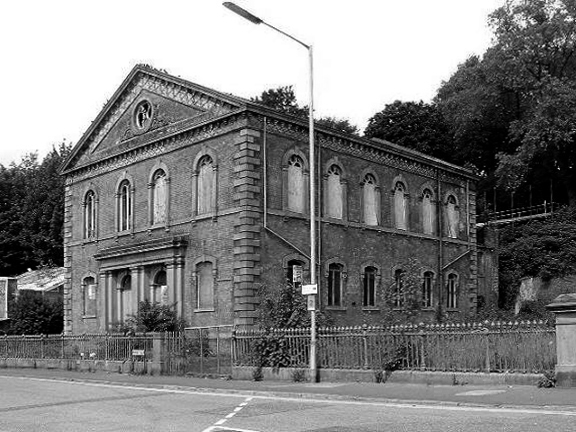
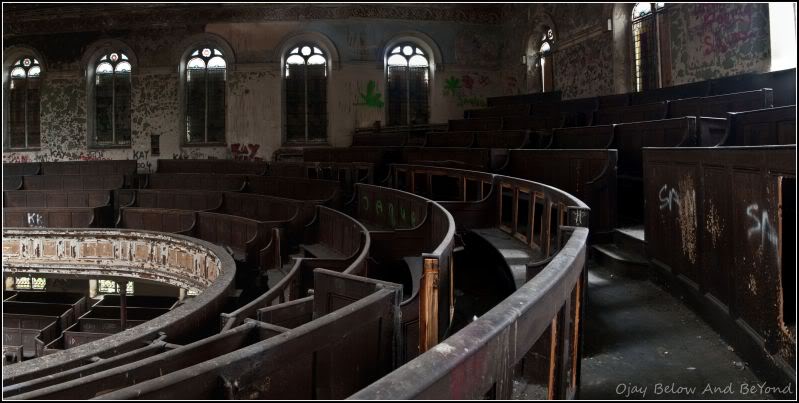
It fell into disrepair after the church moved to smaller premises in Alkrington in the 1960s.
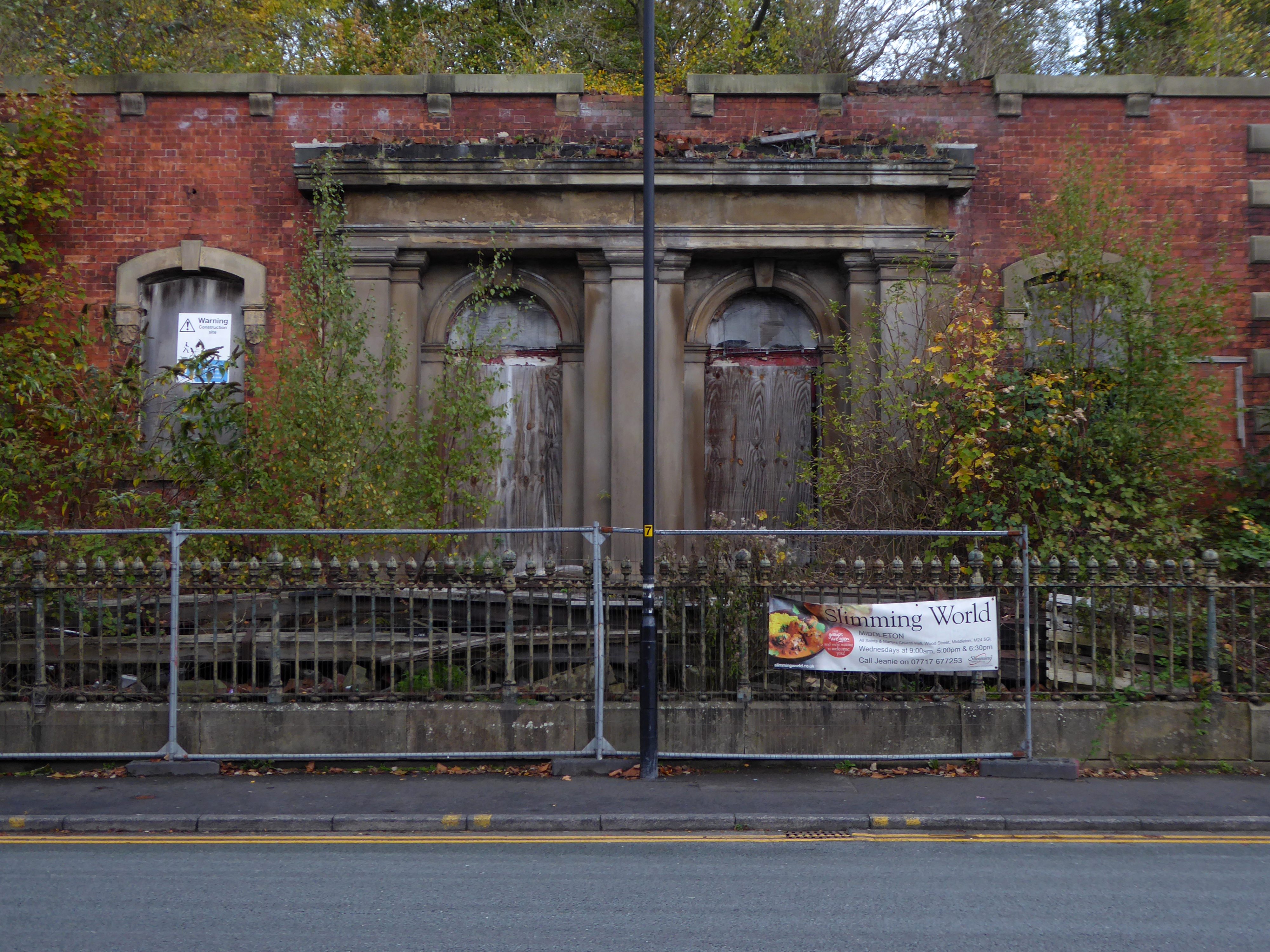
The building collapsed in July 2012, when it was hit by a fire.
On Townley Street Lodge Mill built in1839 beside the River Irk battling on despite recent setbacks.
In August 2019, Martin Cove and Paula Hickey opened a small ice cream shop on the ground floor of the mill – named the Ice Cream Shop at Lodge – selling locally-made ice cream from Birch Farm, Heywood.
Across the way the magnificent Sub Station and Electrical Department Offices.
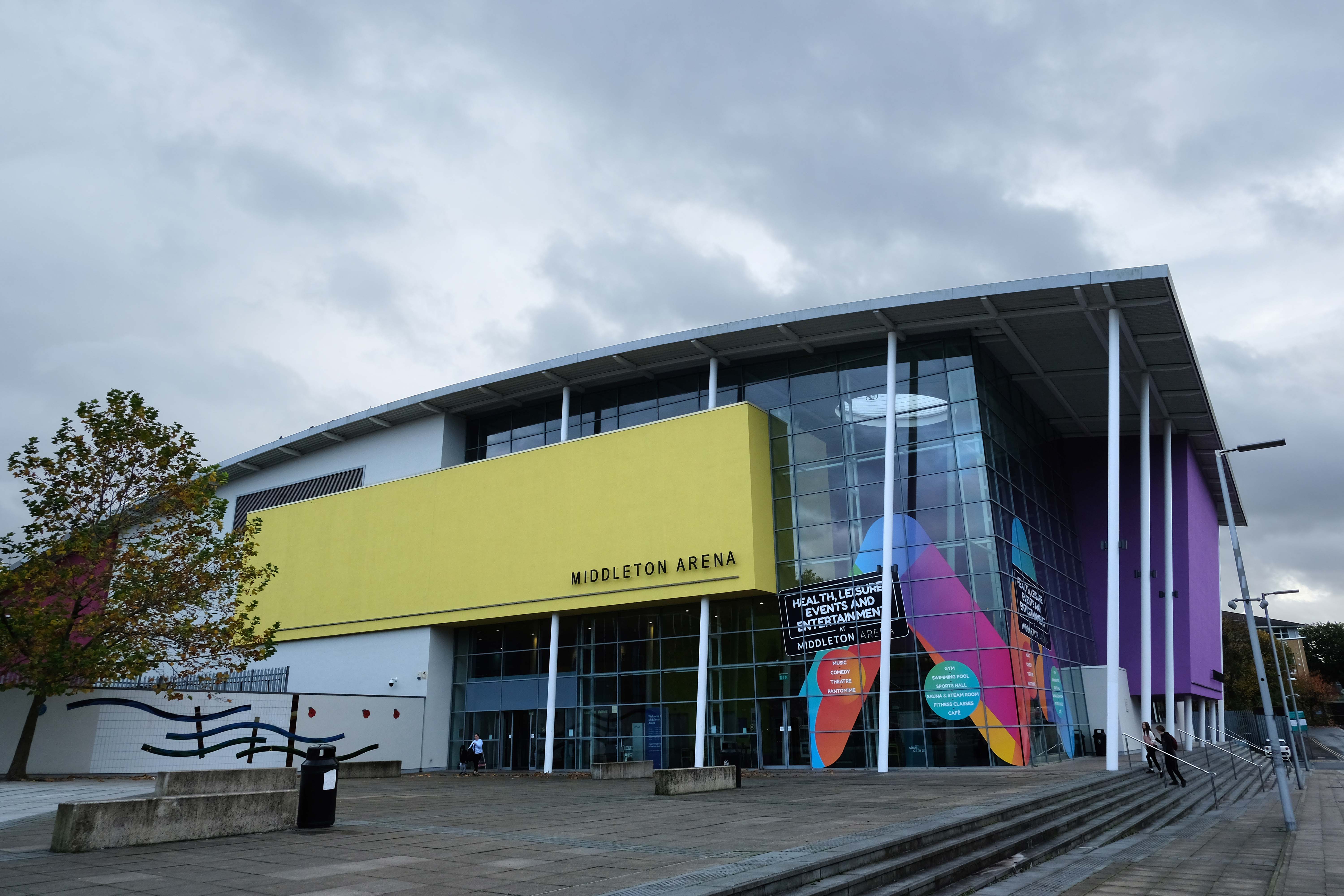
Then taking a turn around the banks of the Irk down Sharp Street onto Lance Corporal Joel Halliwell VC Way, where we find the Middleton Arena – BDP 2009
Then over the road to Oldham Road and Grade II ListedWarwick Mill 1907 G. Stott of J. Stott and Sons.
The mill recently changed ownership and new owner, Kam Lei Fong (UK) Ltd, has been working with Rochdale Borough Council over the past nine months on proposals to redevelop the site.
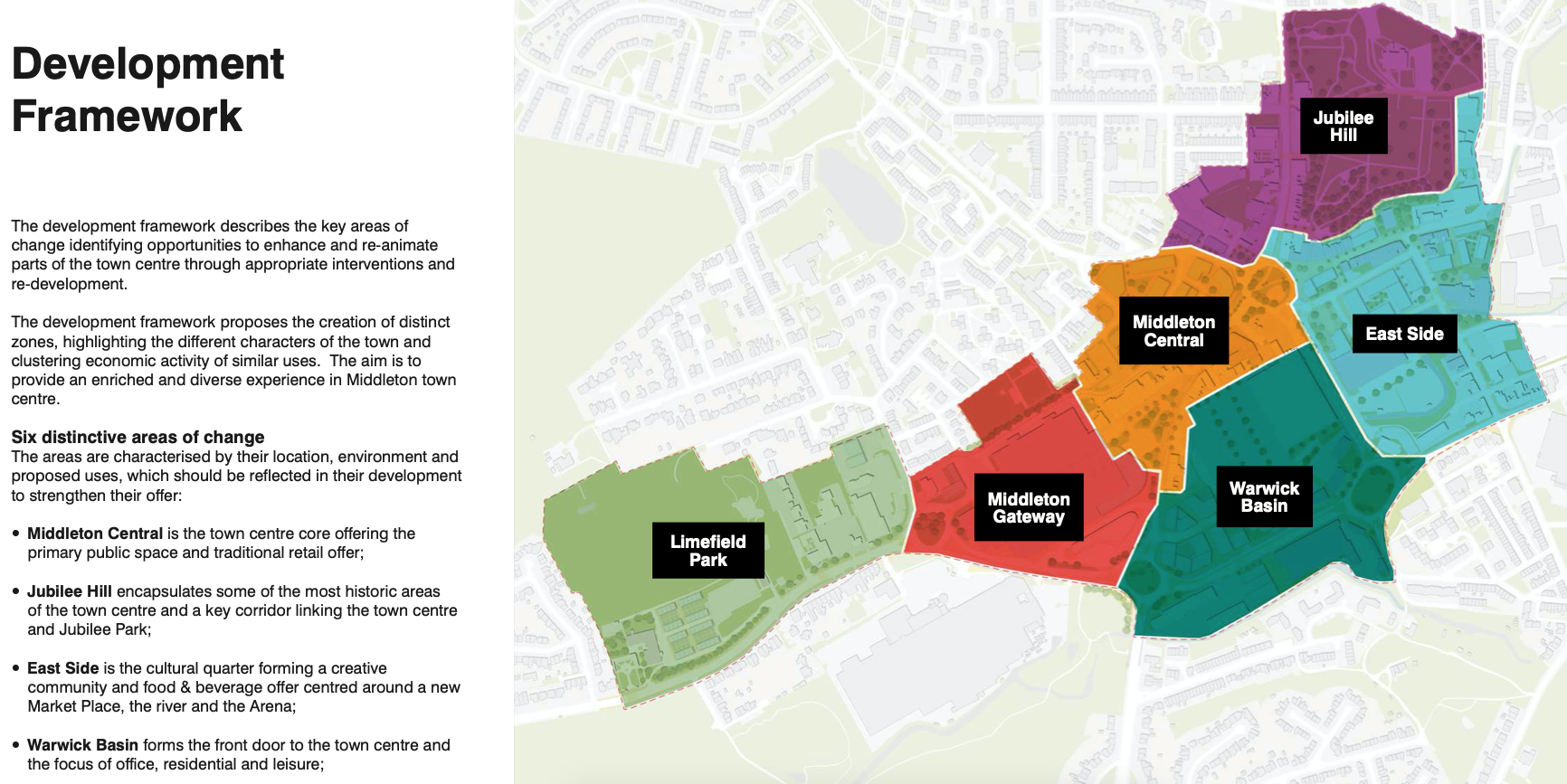
The plans will form the cornerstone of a new masterplan for Middleton town centre focusing on delivering new homes, business space, highway and environmental improvements, new walking and cycle routes to pave the way for the planned extension of the Metrolink into Middleton Town Centre.
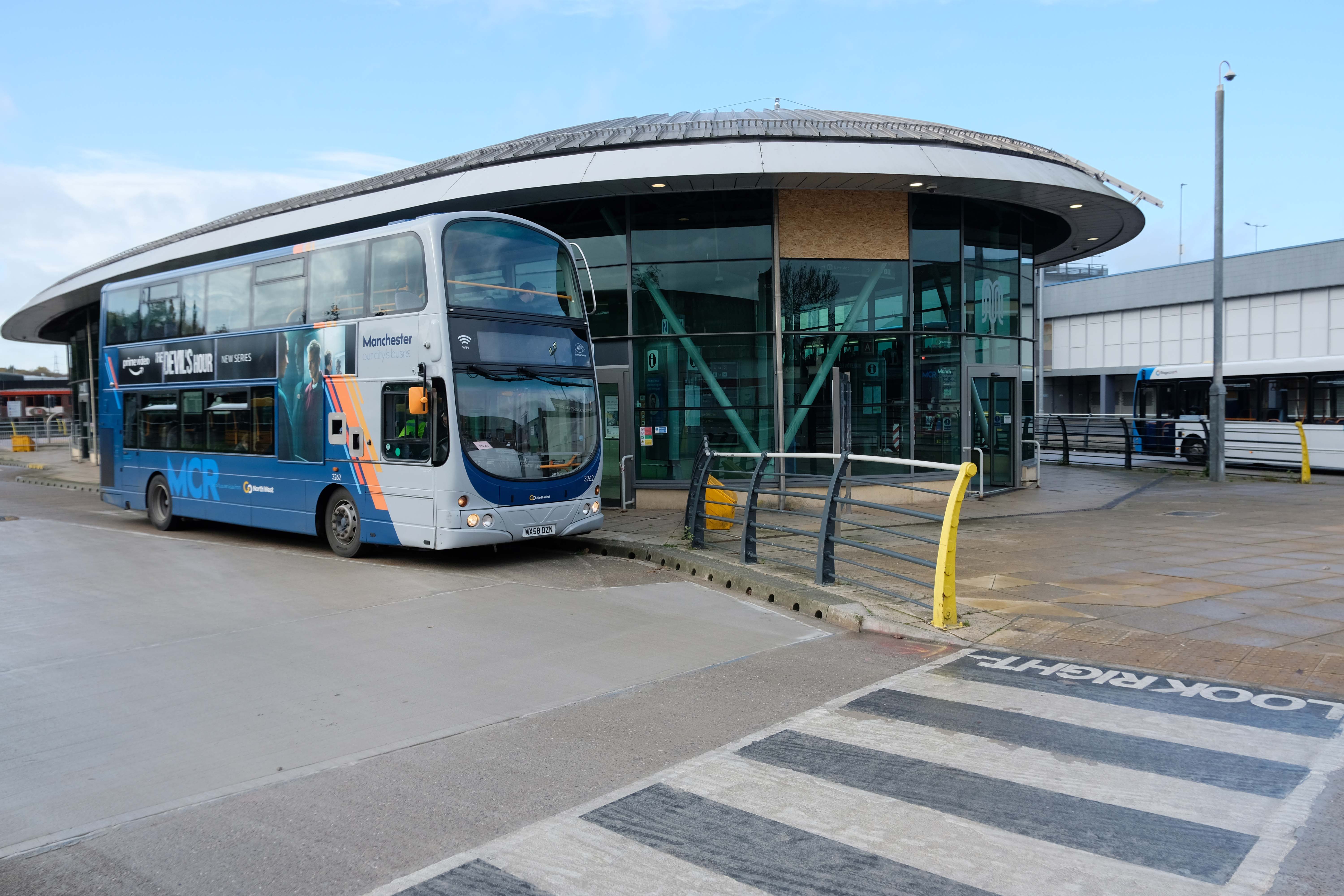
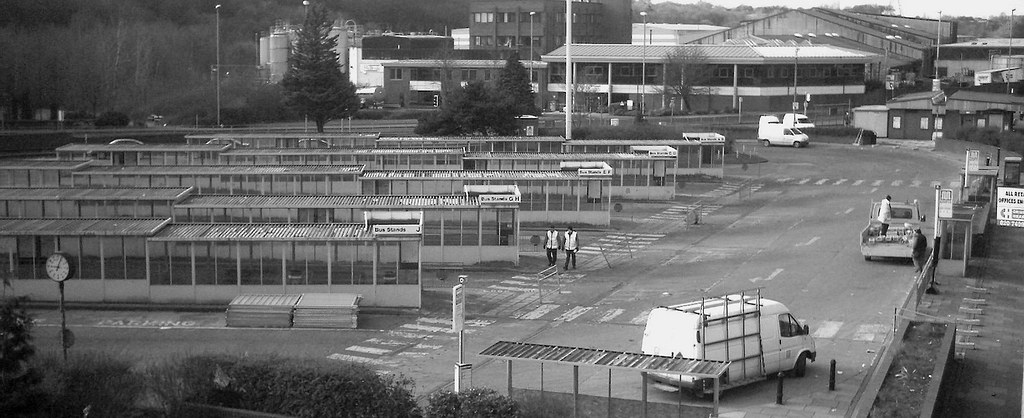
The station, with 13 stands, cost £4.5 million and replaced the previous station which dated to the 1970s.
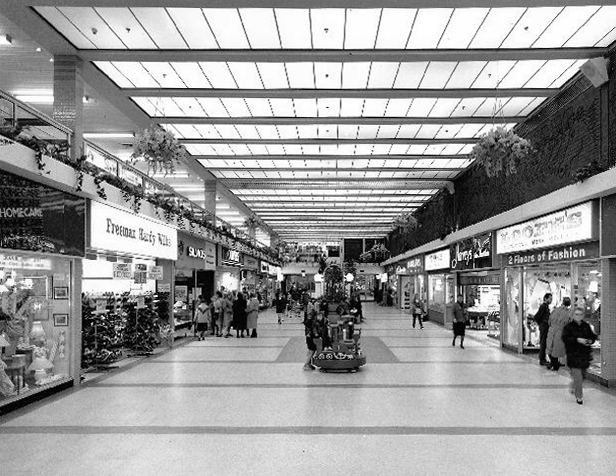
The Middleton Arndale Centre commenced trading in 1971, although it was officially opened by Her Royal Highness the Duchess of Kent in March 1972.
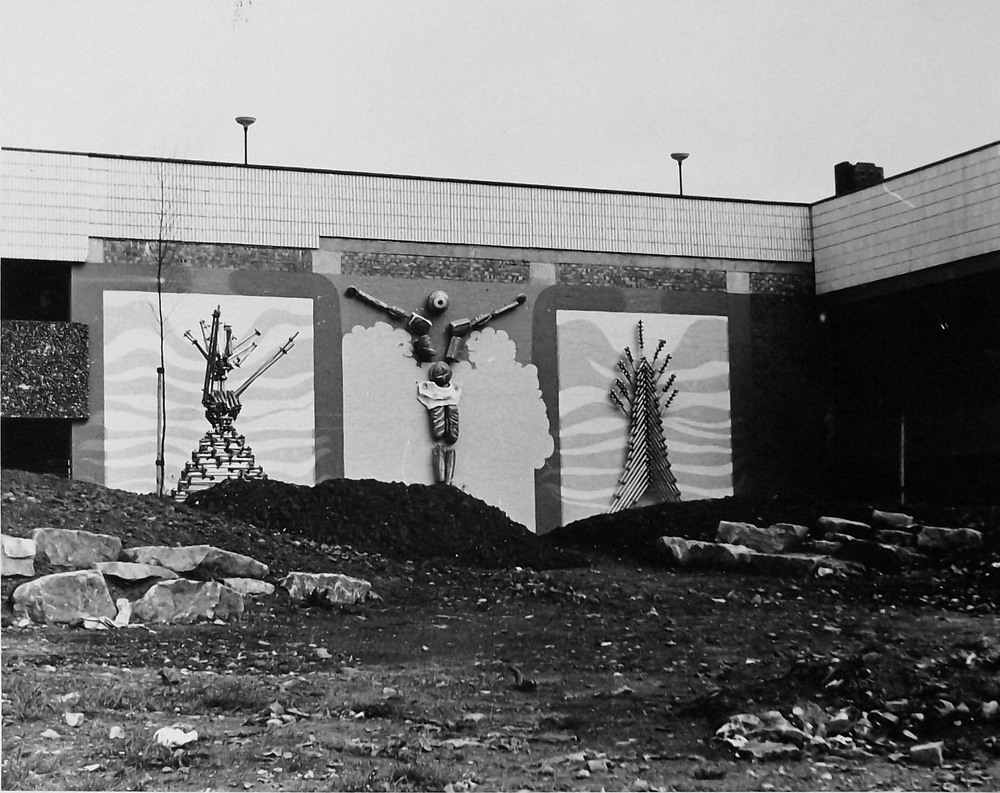
Once home to The Breadman designed by Rochdale’s town artist of the time, Michael Dames.
Photo: Local Image Collection – Touchstones
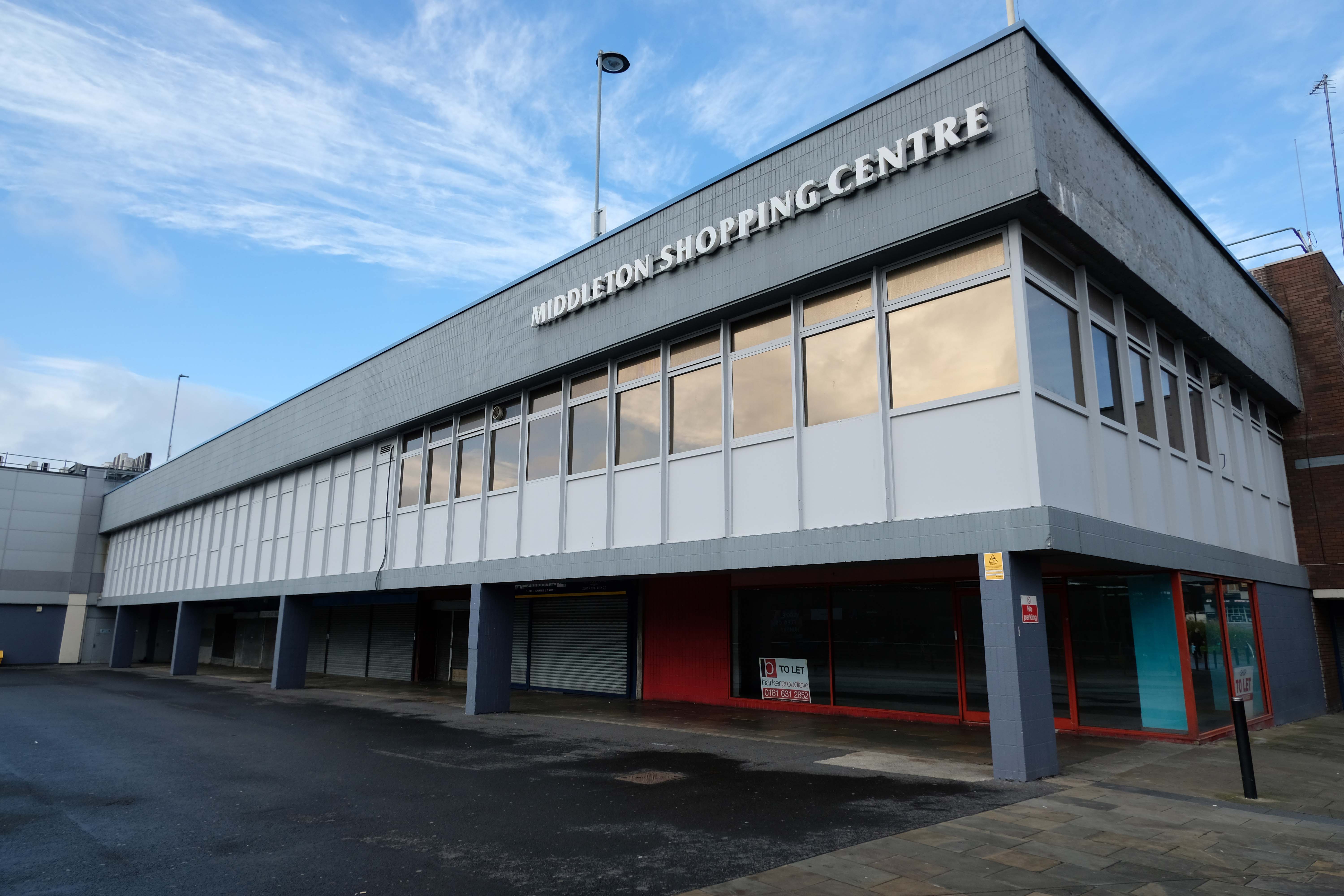
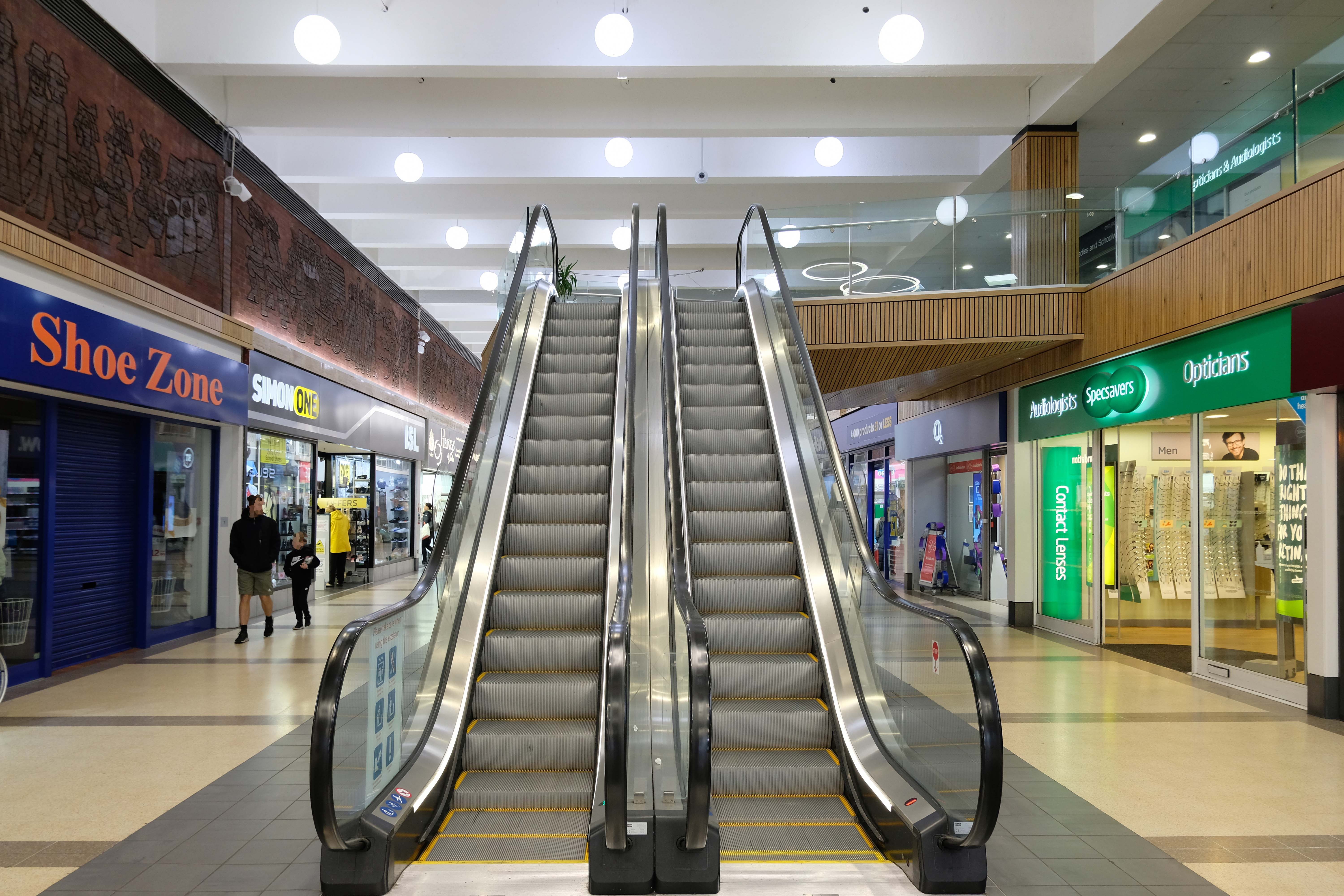
Now trading as the Middleton Shopping Centre
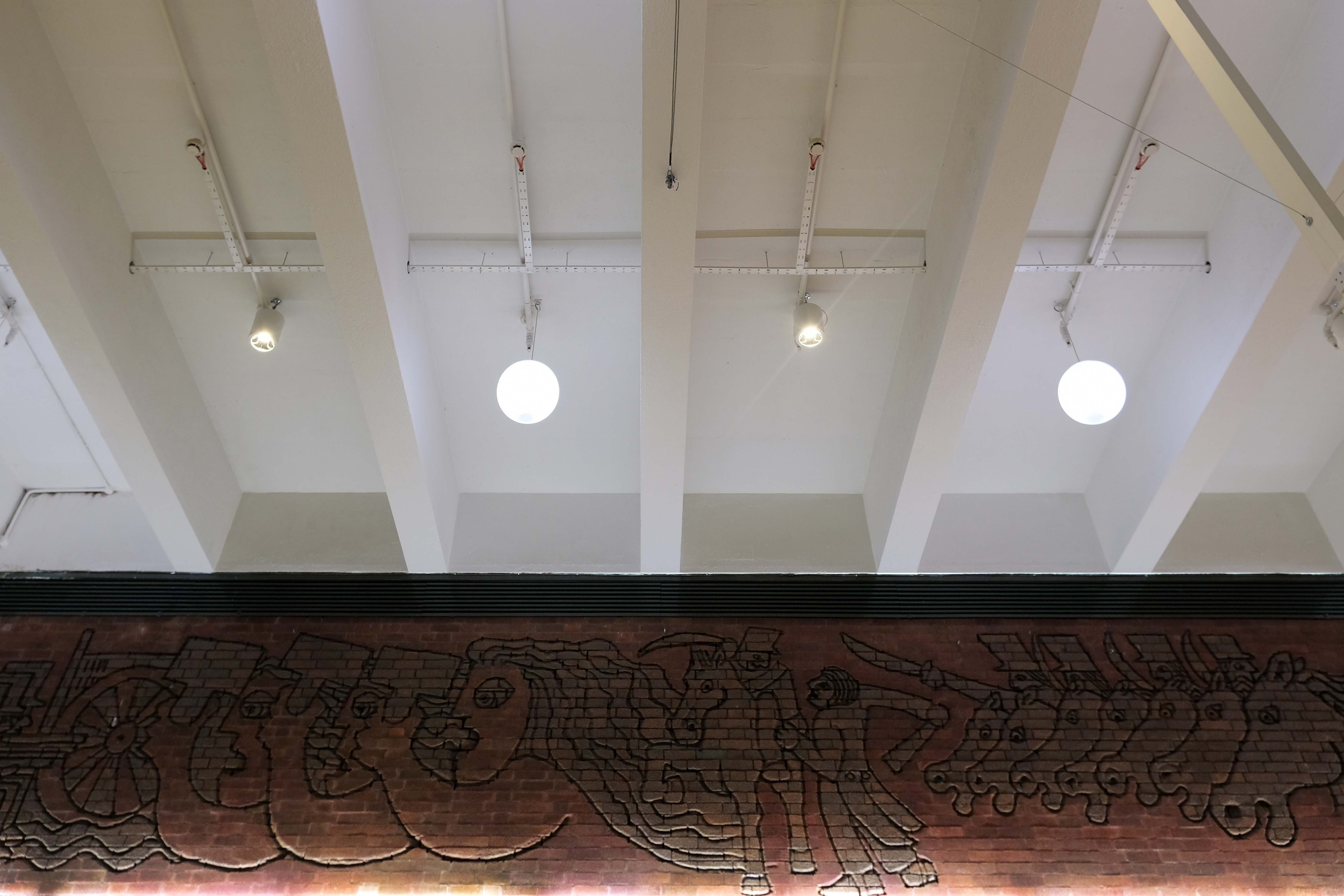
The brick reliefs illustrating the town’s history are by Fred Evans of Dunstable, who completed the work in one week during May 1972 using a high powered sandblasting blaster.
Thanks to Phil Machen for the top tip.
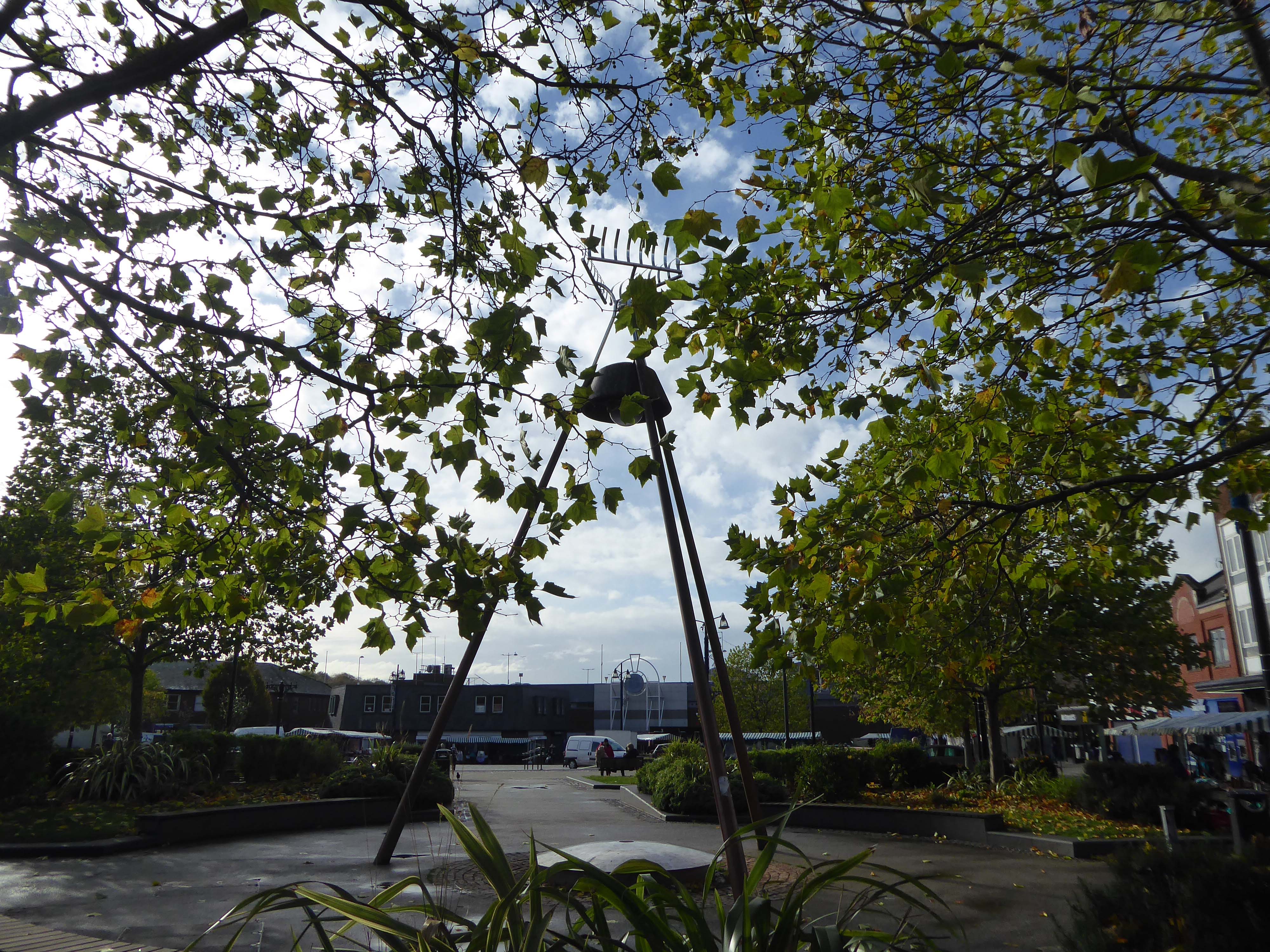
At the centre of the public domain the Middleton Moonraker 2001 by Terry Eaton
According to folklore, the legend has several different interpretations. One version is that a traveller came upon a drunken yokel trying to rake a reflection of the moon in a village pond, convinced it was cheese.
This version conveys the notion that the men were drunk and acting foolishly.
However, an alternative narrative – and perceived to be the most reliable version – tells a different story and dates back to the time when smuggling was a significant industry in rural England.
It appears that many residents wish to rid themselves of the Moon Raker moniker and presumably become Middletonians.
There’s so much more to Middleton’s history than the Moonraker. Why did they spend all that money on a fairytale?
There were 3,000 Lancaster bombers built in Middleton during World War Two, a magnificent contribution to the effort to beat Hitler.
The bulbs inside the moon which light it up at night haven’t worked for five years.
Bernard Wynne
Along Long Street the Cooperative store what was – next door the long gone Palace Cinema demolished in 2001.
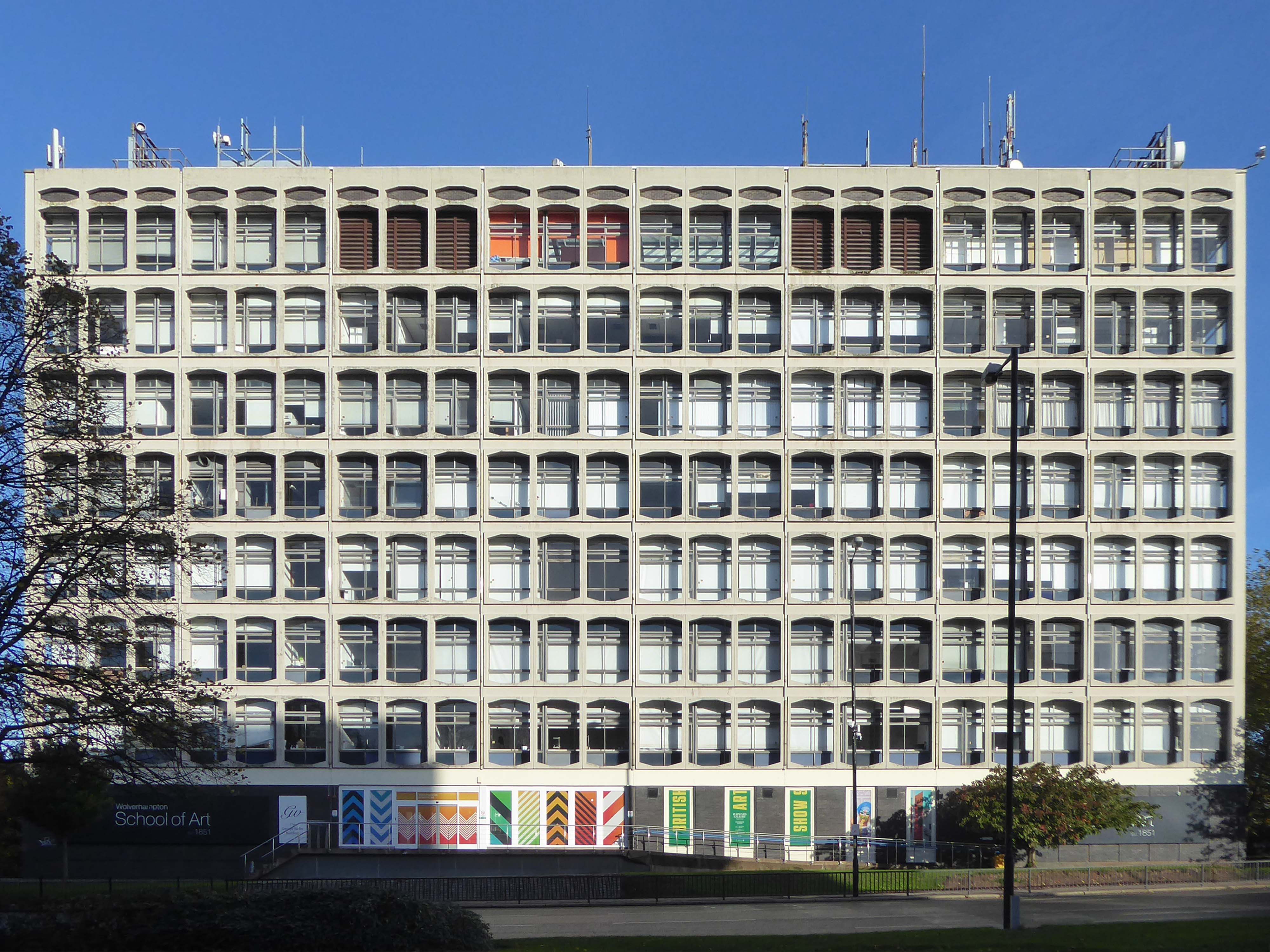
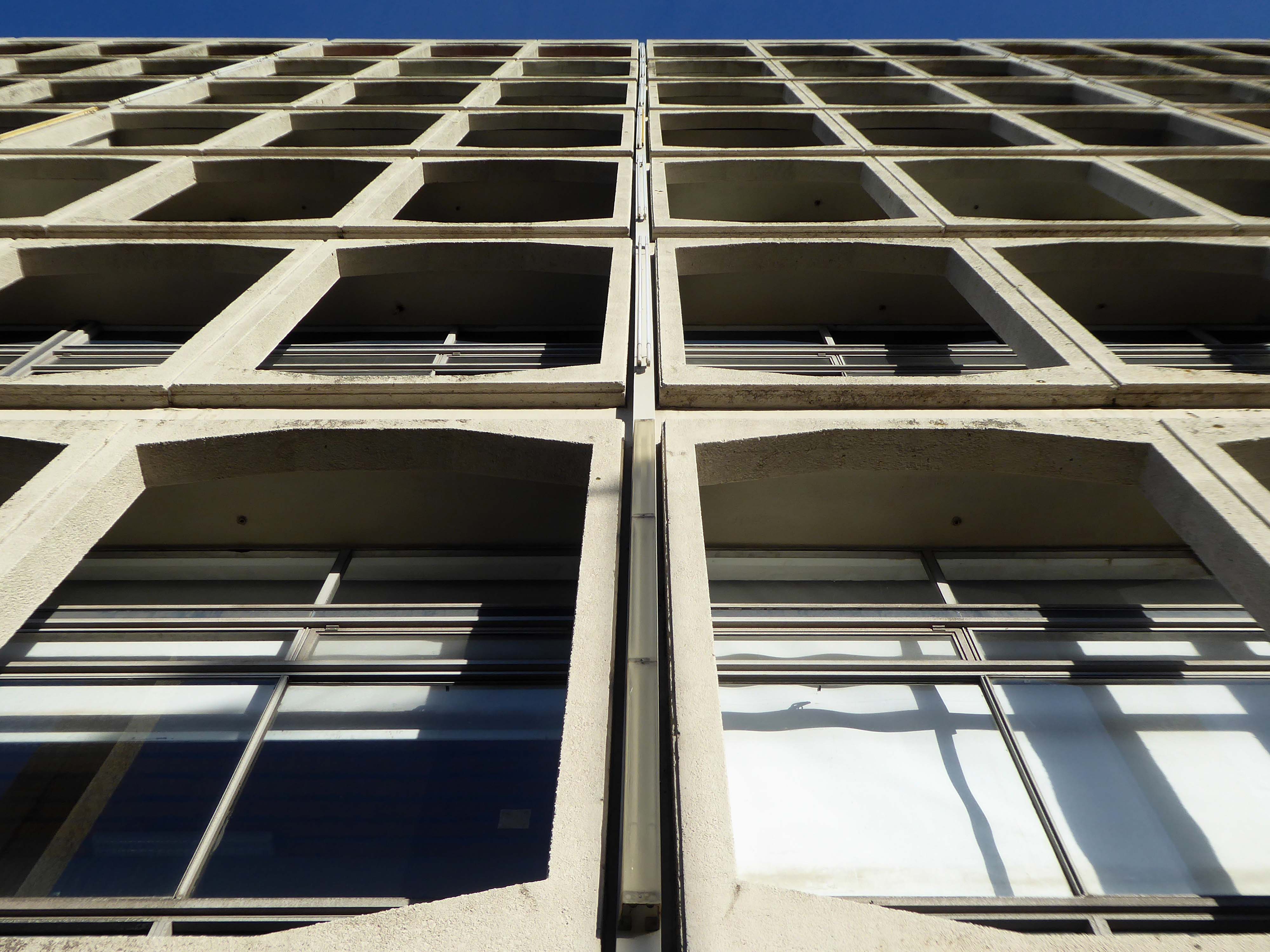
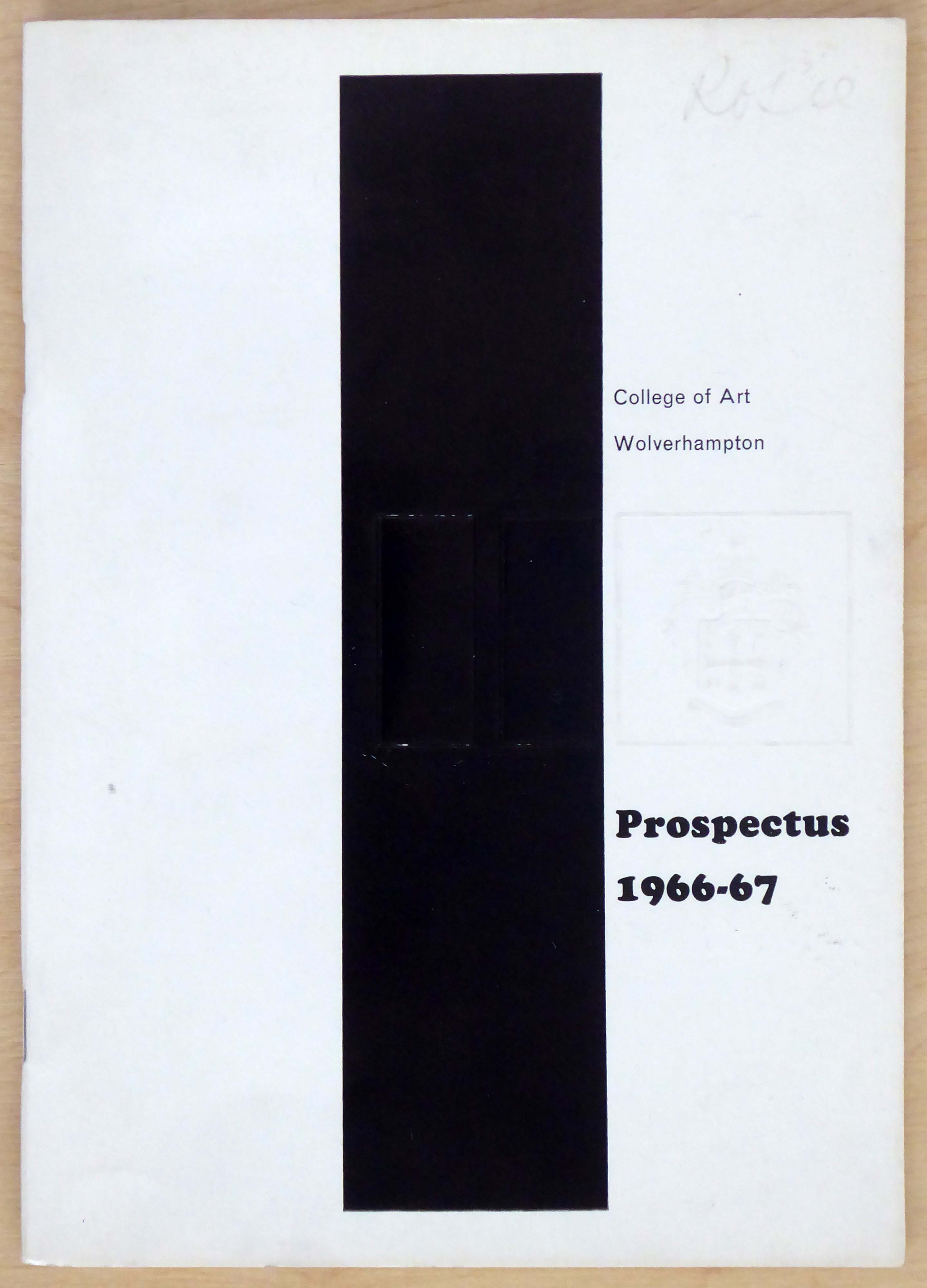
In May 1950 the School of Art and Crafts became Wolverhampton College of Art.
Its aims were to maintain and develop the closest possible relations with industry, collaborate with employers to develop new training courses, and to maintain a high level of achievement in the fine arts.
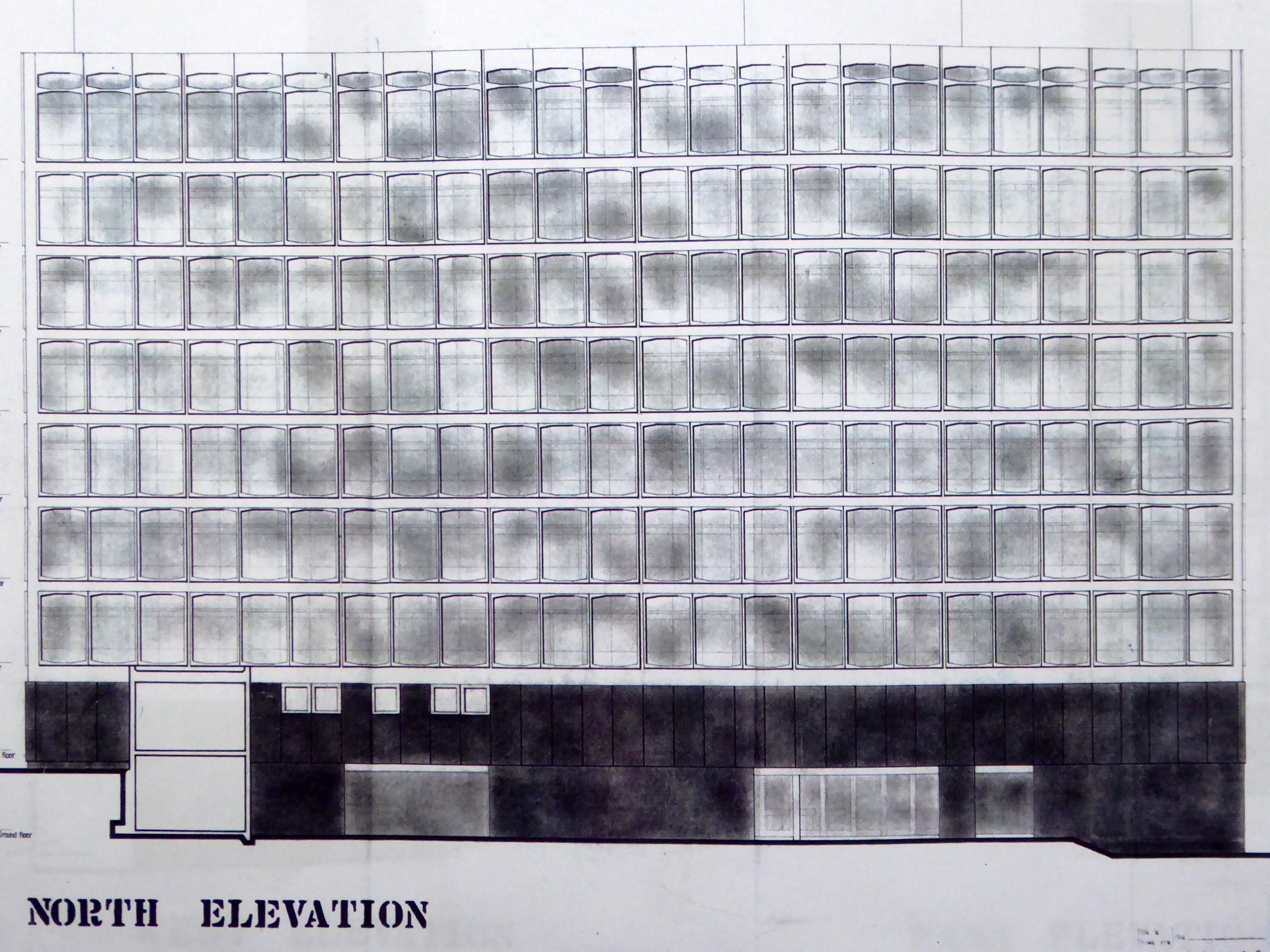
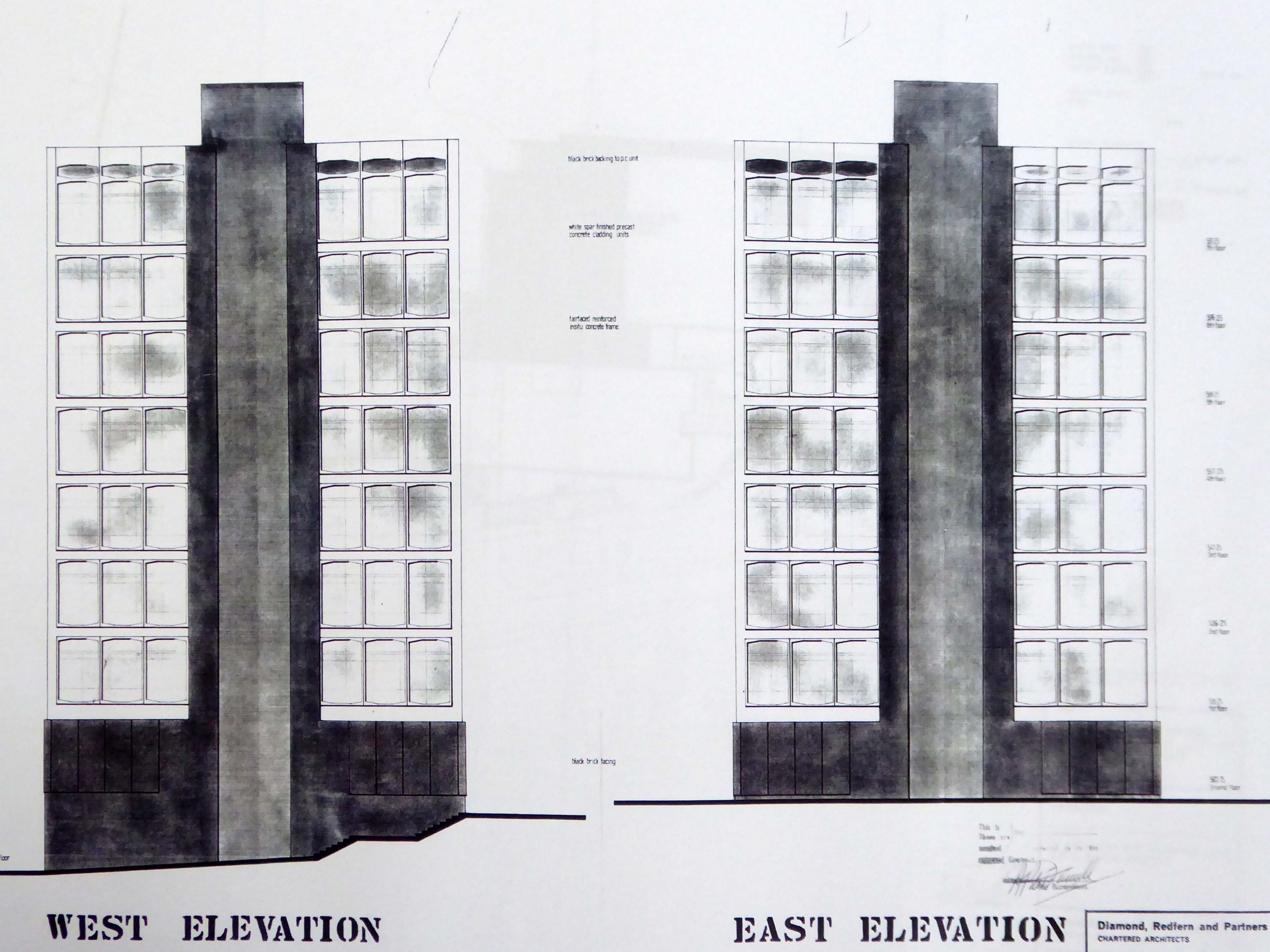
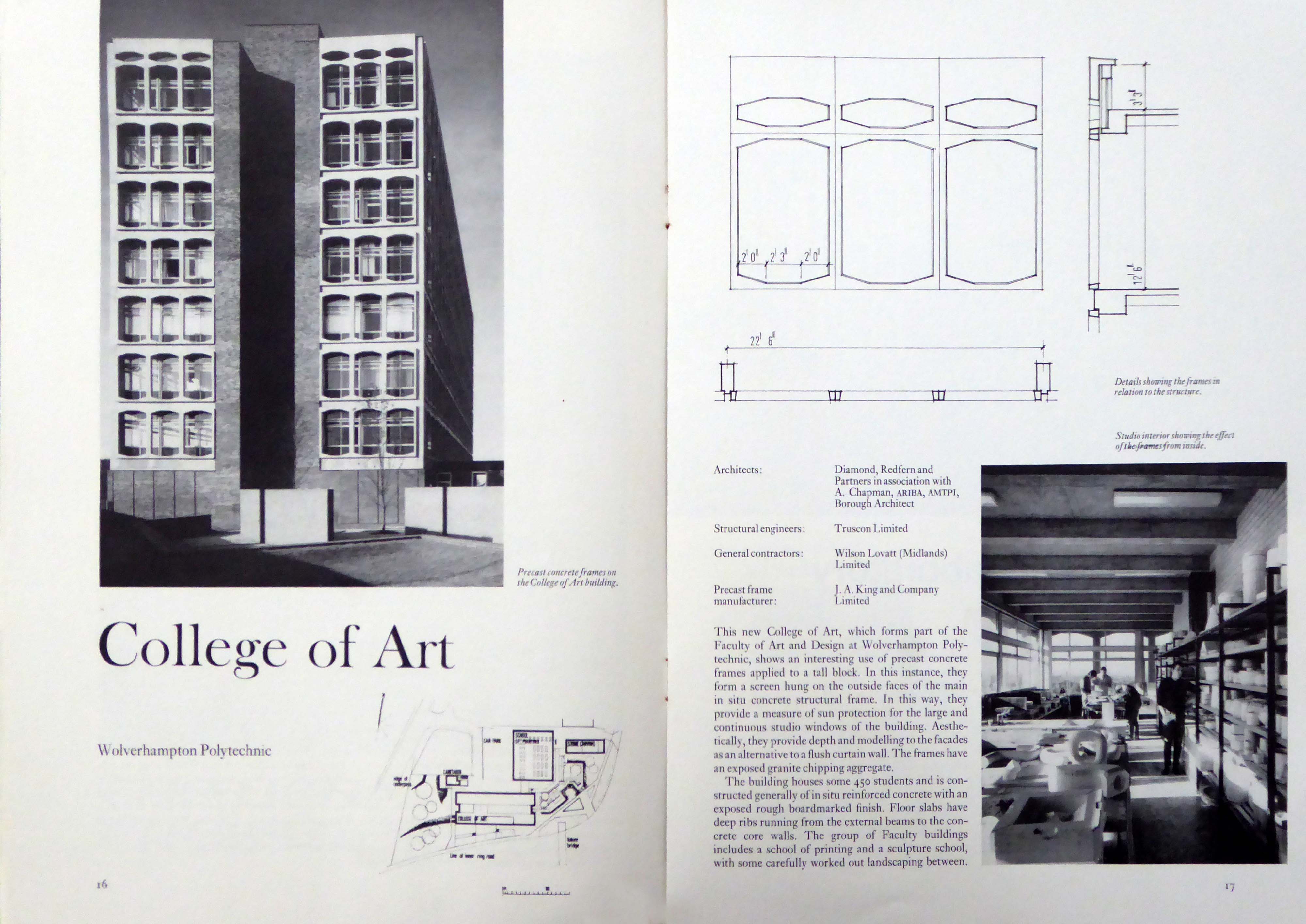
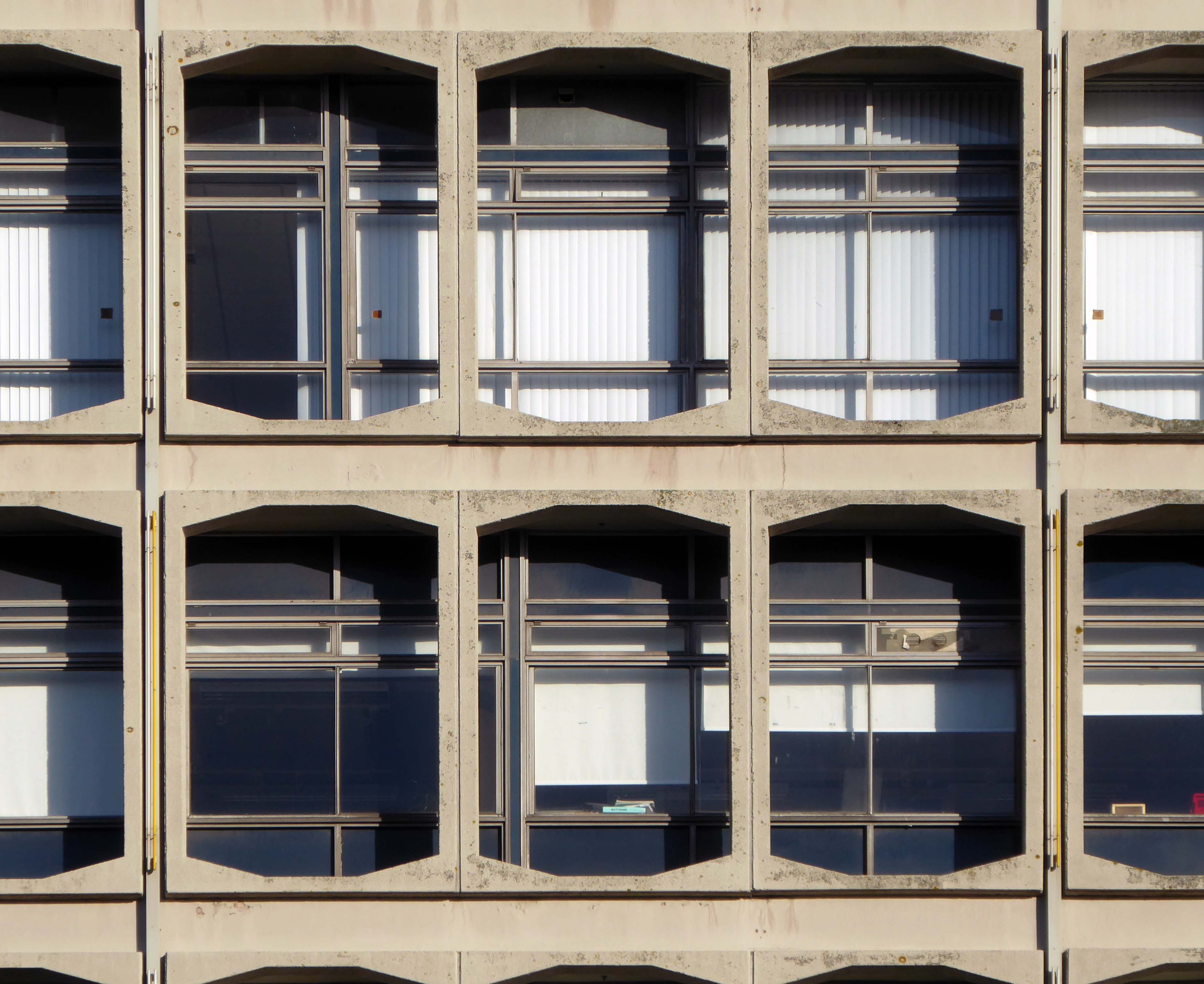
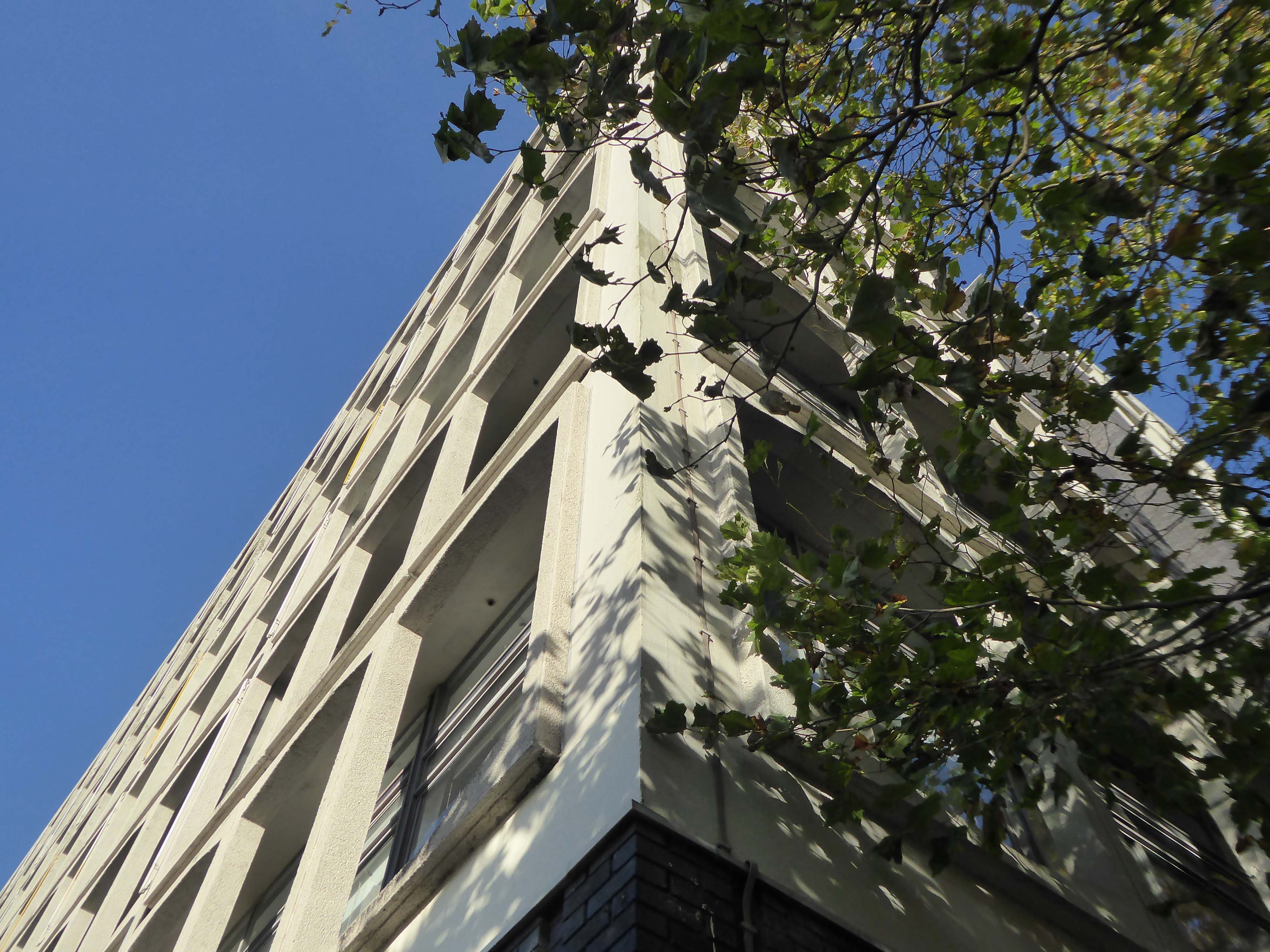
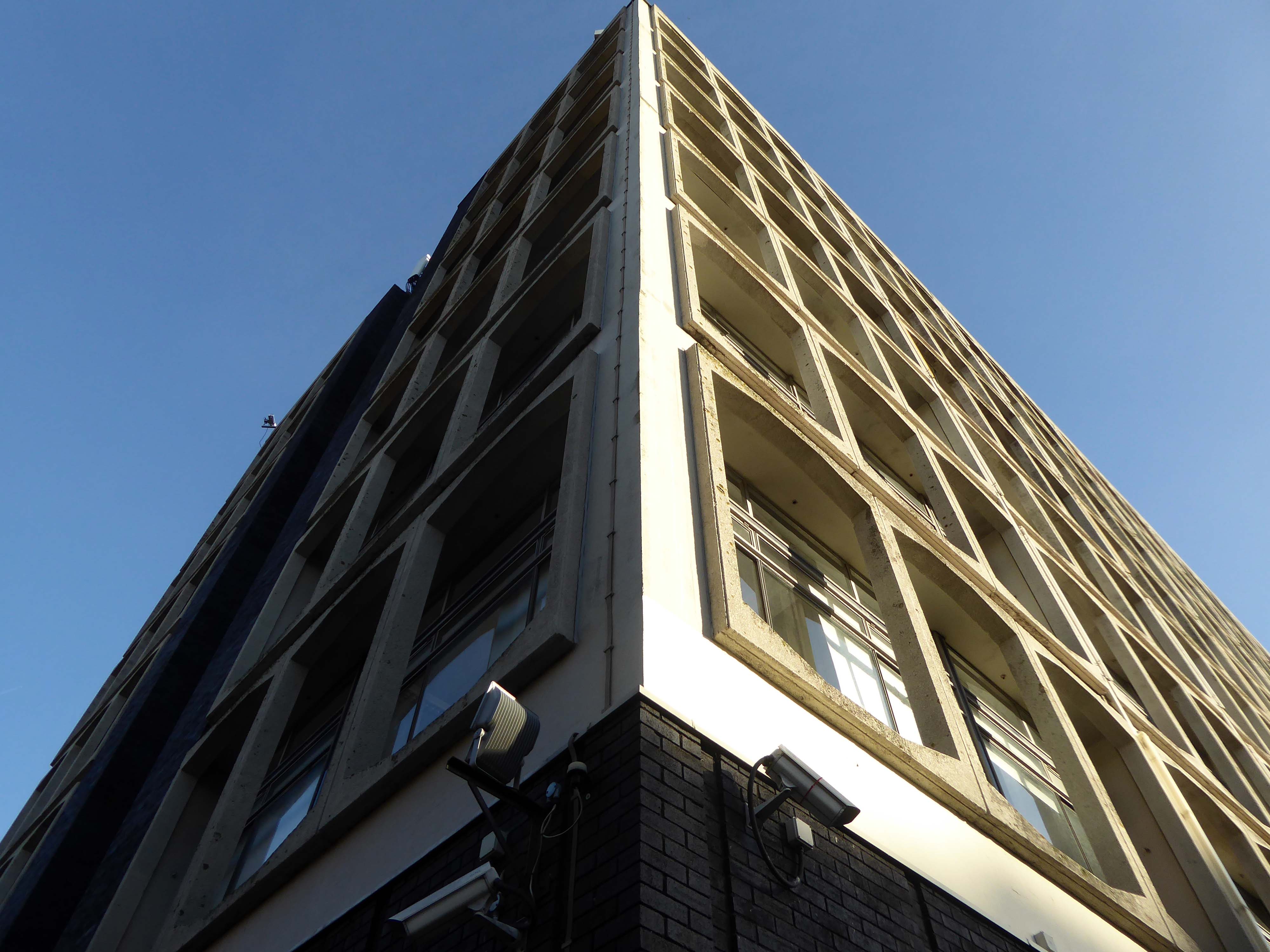
In 1963 the college began running its first degree-level course in the form of a Diploma in Art and Design. Three years later the college had a new Principal, Robin Plummer who oversaw the building of a new college alongside Ring Road St Peters. Work on the new site began in the summer of 1967, and by early 1969 the new building had appeared.
Architects: Diamond Redfern and Partners with A Chapman Borough Architect
The first degree show was held there on 12th June, 1969 and the first full academic year started in September 1969. The building was officially opened by an ex student, Sir Charles Wheeler on 23rd October, 1970.
Wolverhampton College of Art merged with Wolverhampton College of Technology to form The Polytechnic Wolverhampton – which was founded on 1st September 1969.
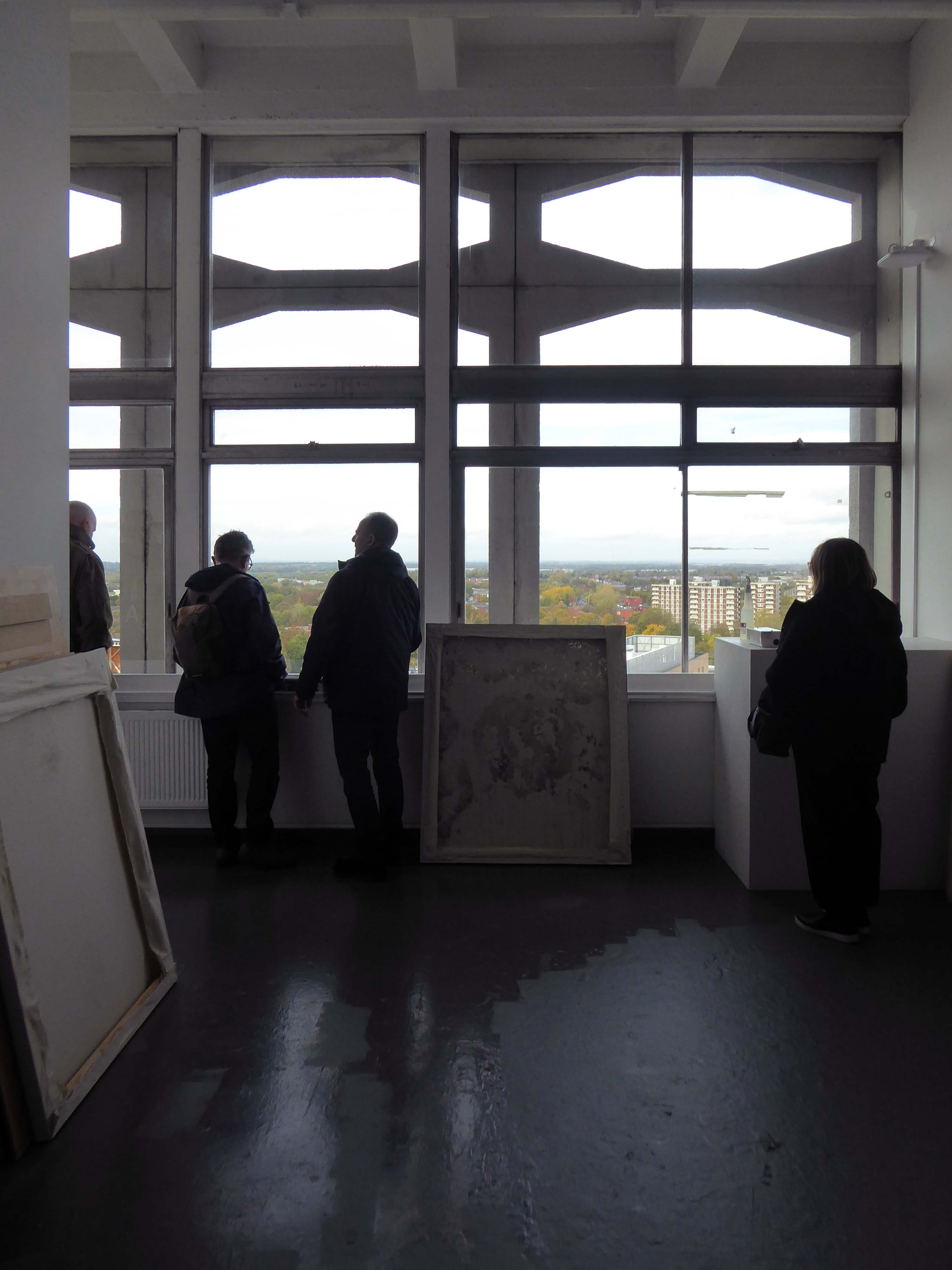
A group of interested parties visited the College, as part of a photographic walk lead by Black Country Type aka Tom Hicks with the cooperation of the School of Art, organised by the Modernist Society.
Being a product of the Great British Art School Challenge I was delighted to find the college to be in rude health. Floor after floor of well equipped studios and workshops which service the needs of hoards of eager students.
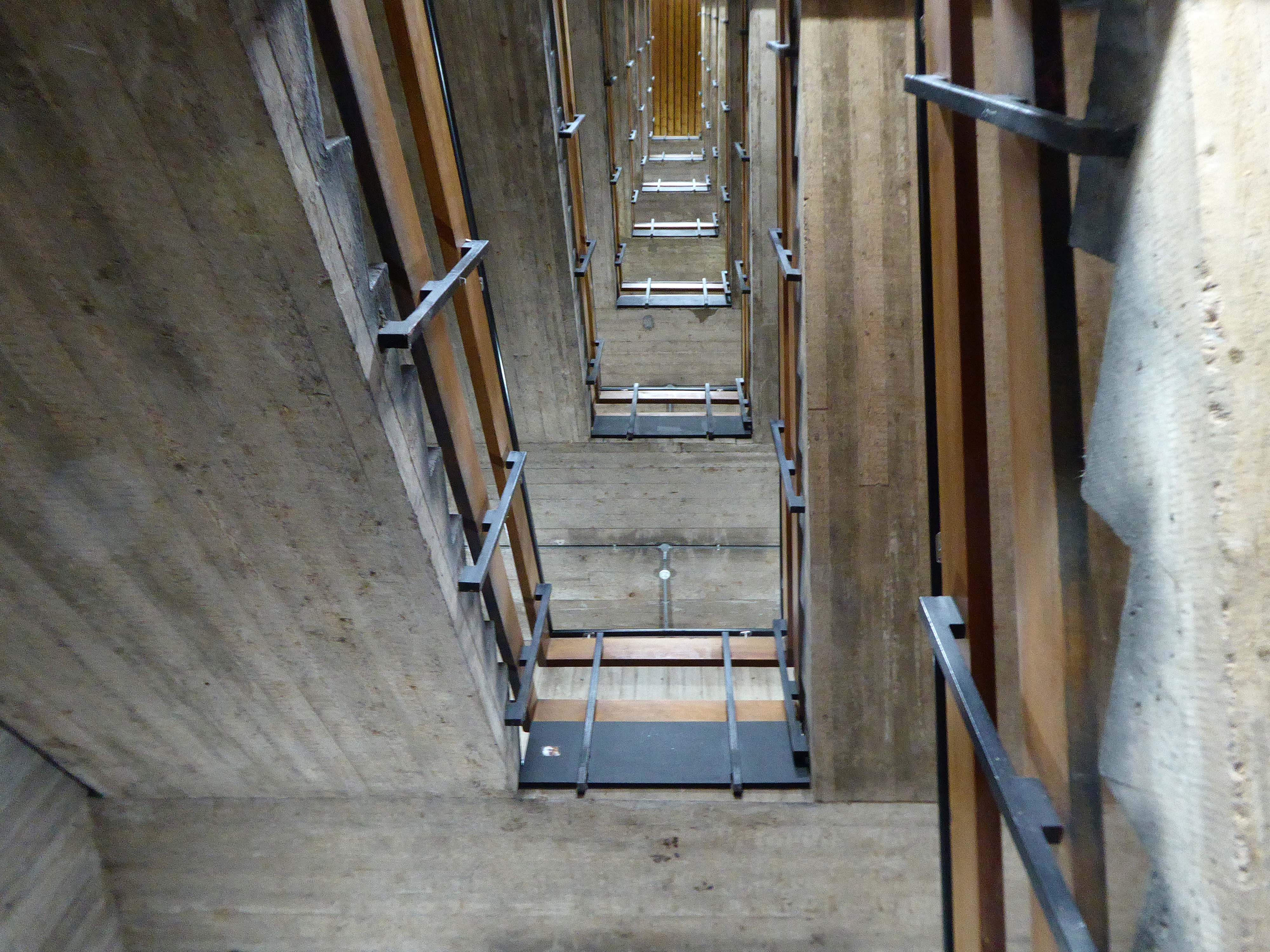
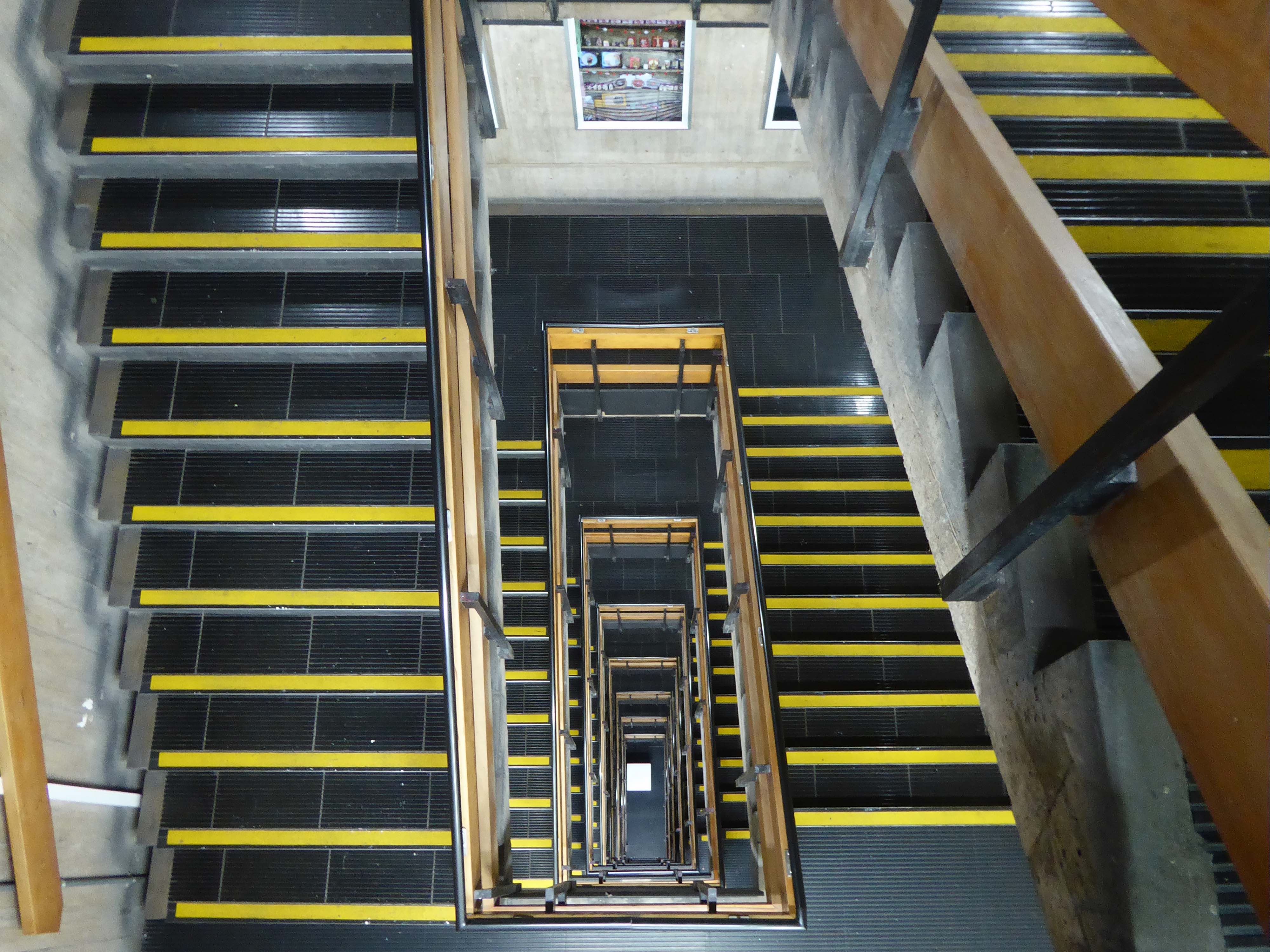
Accessed by raw shuttered concrete stairwells.
As a historically inky individual I was particularly taken with the extensive printmaking facilities.
Whilst Oxford Road echoes to the sound of Freshers fleet of foot.
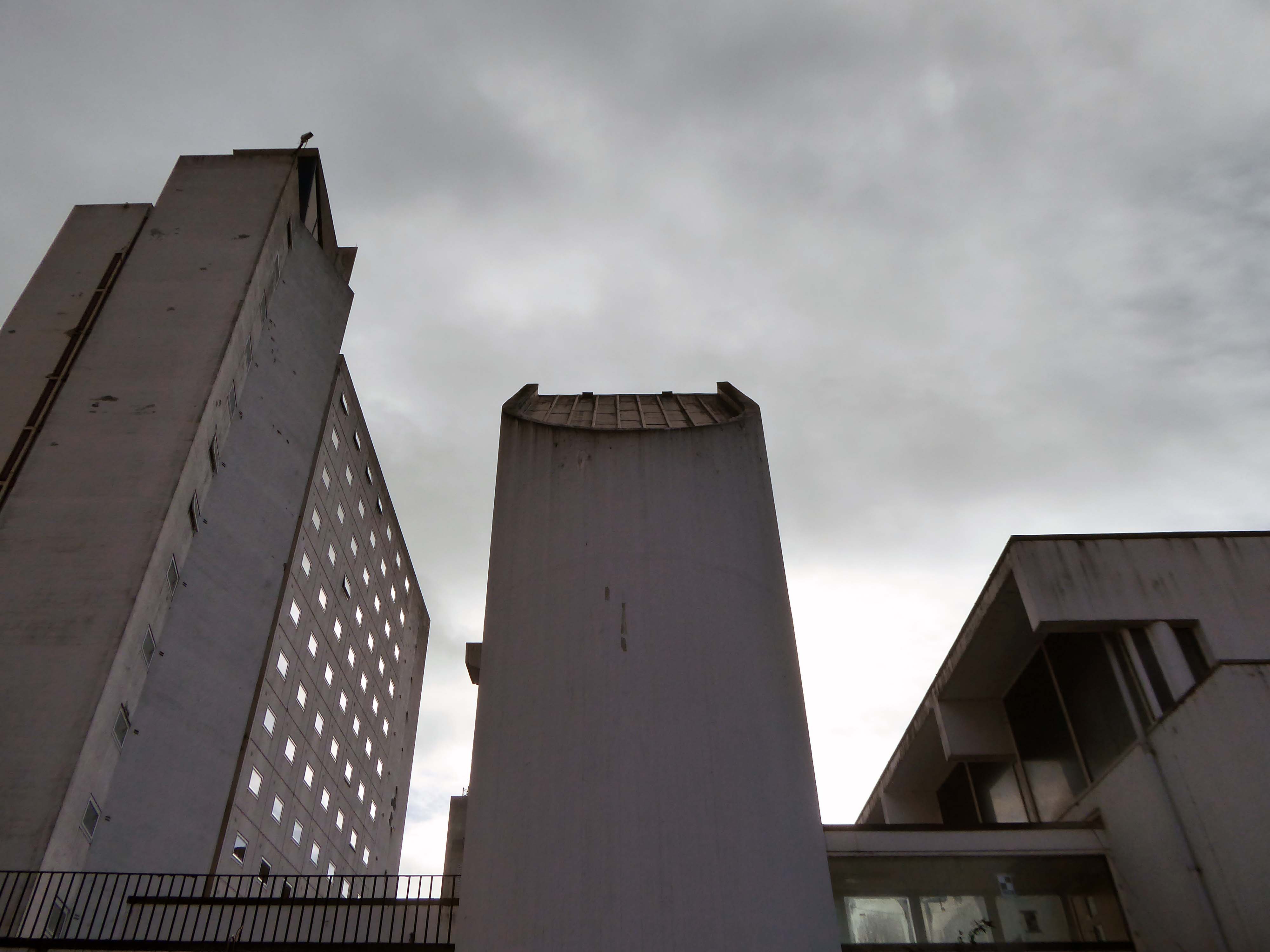
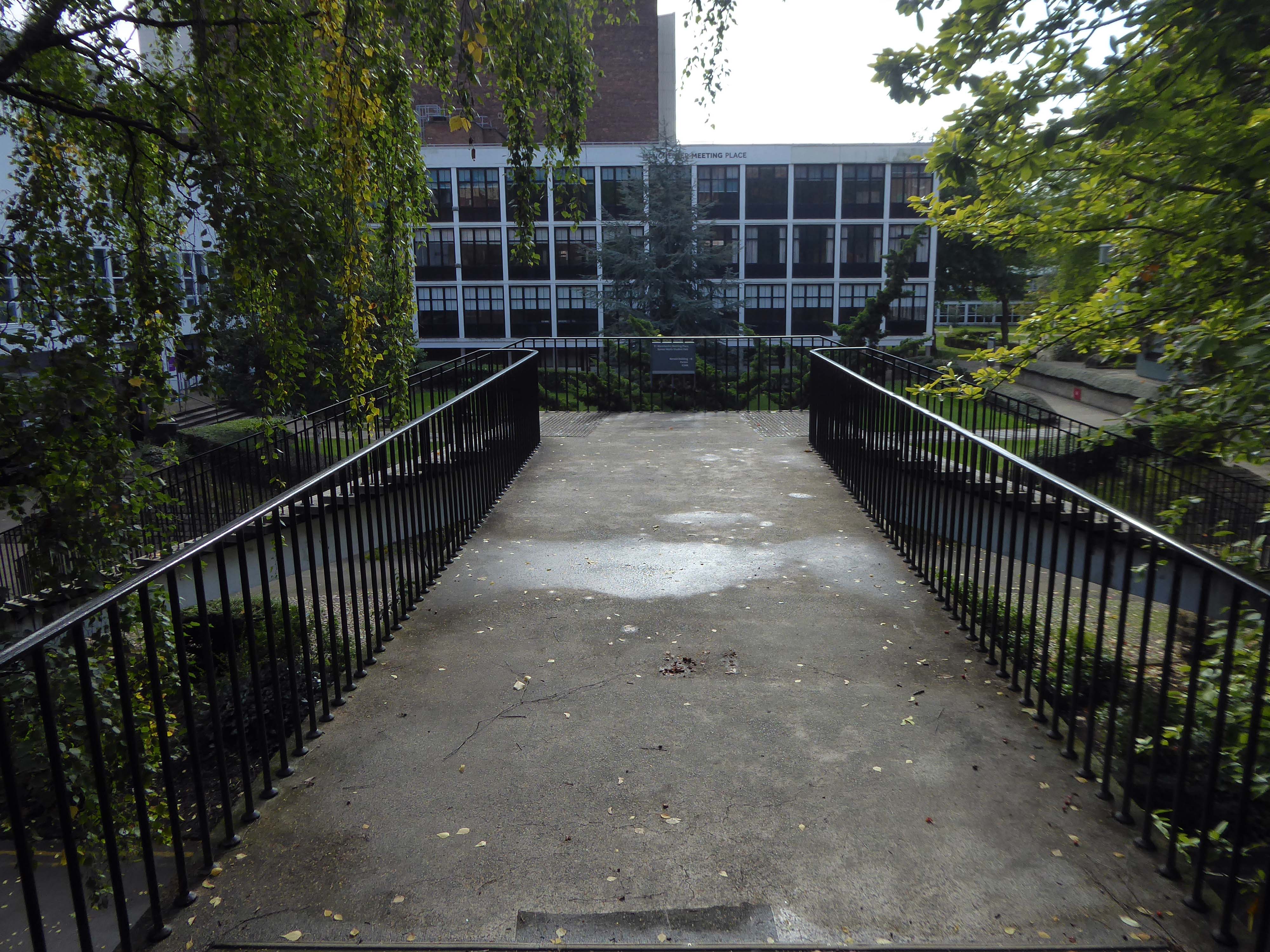
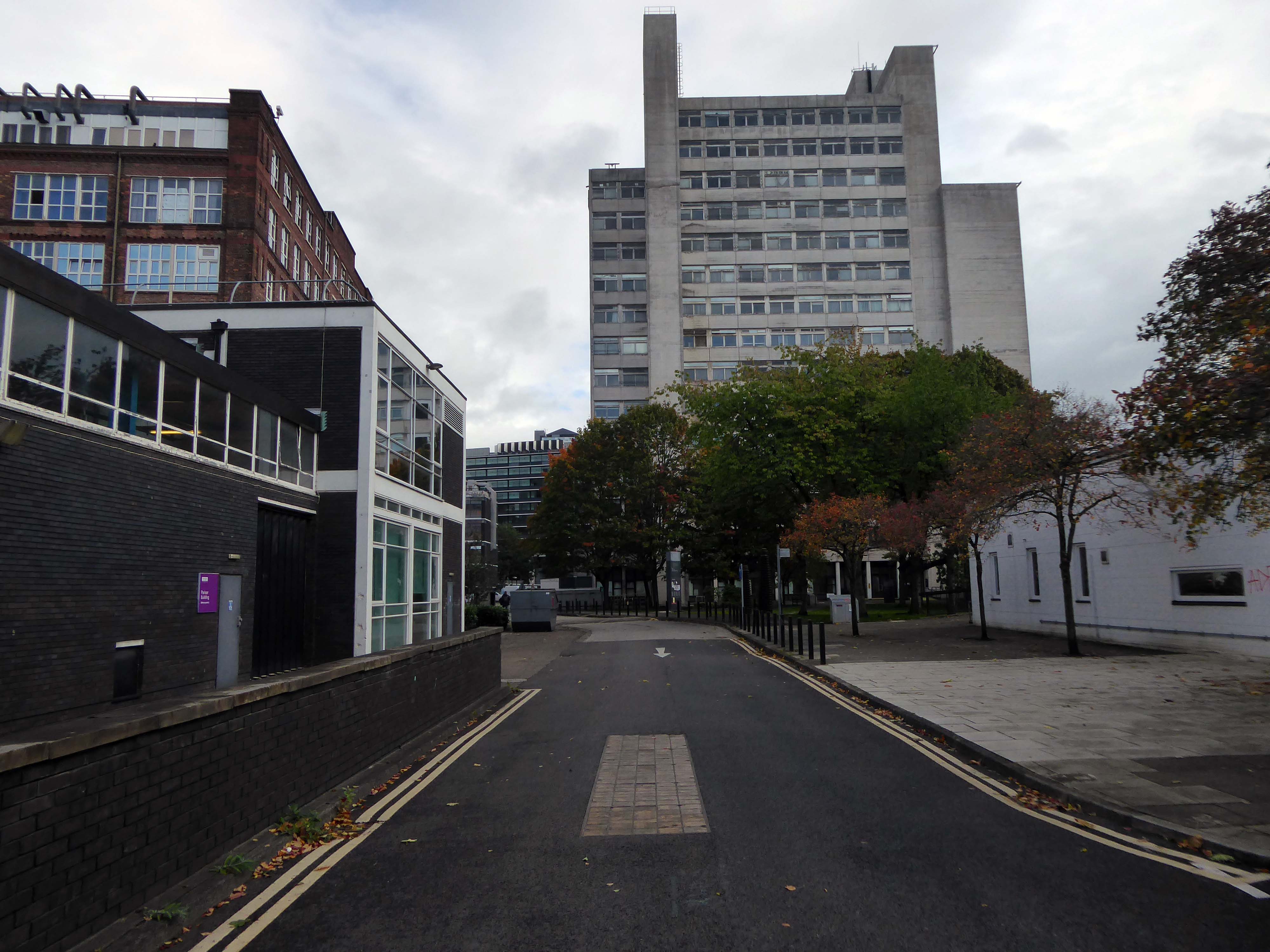
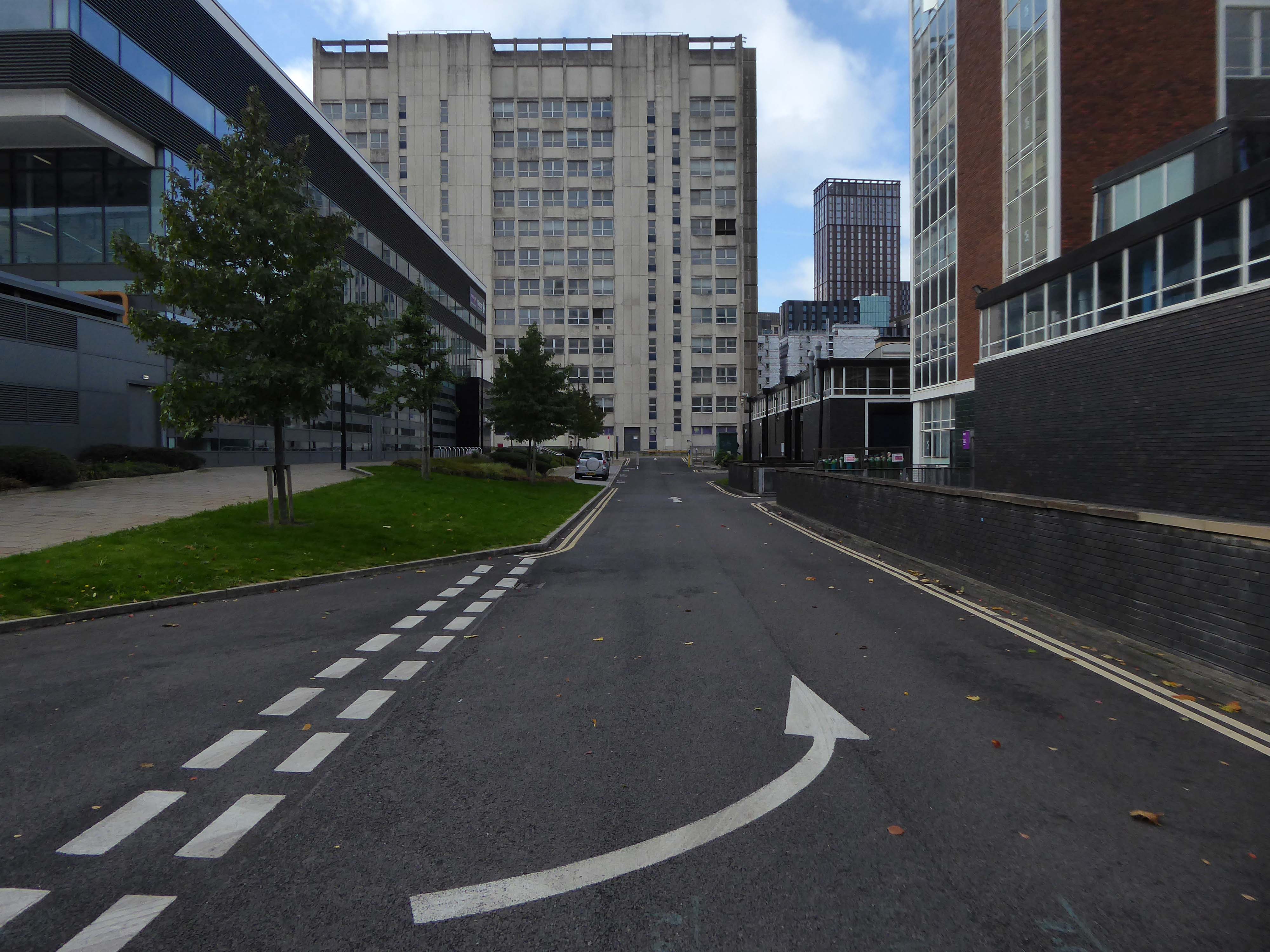
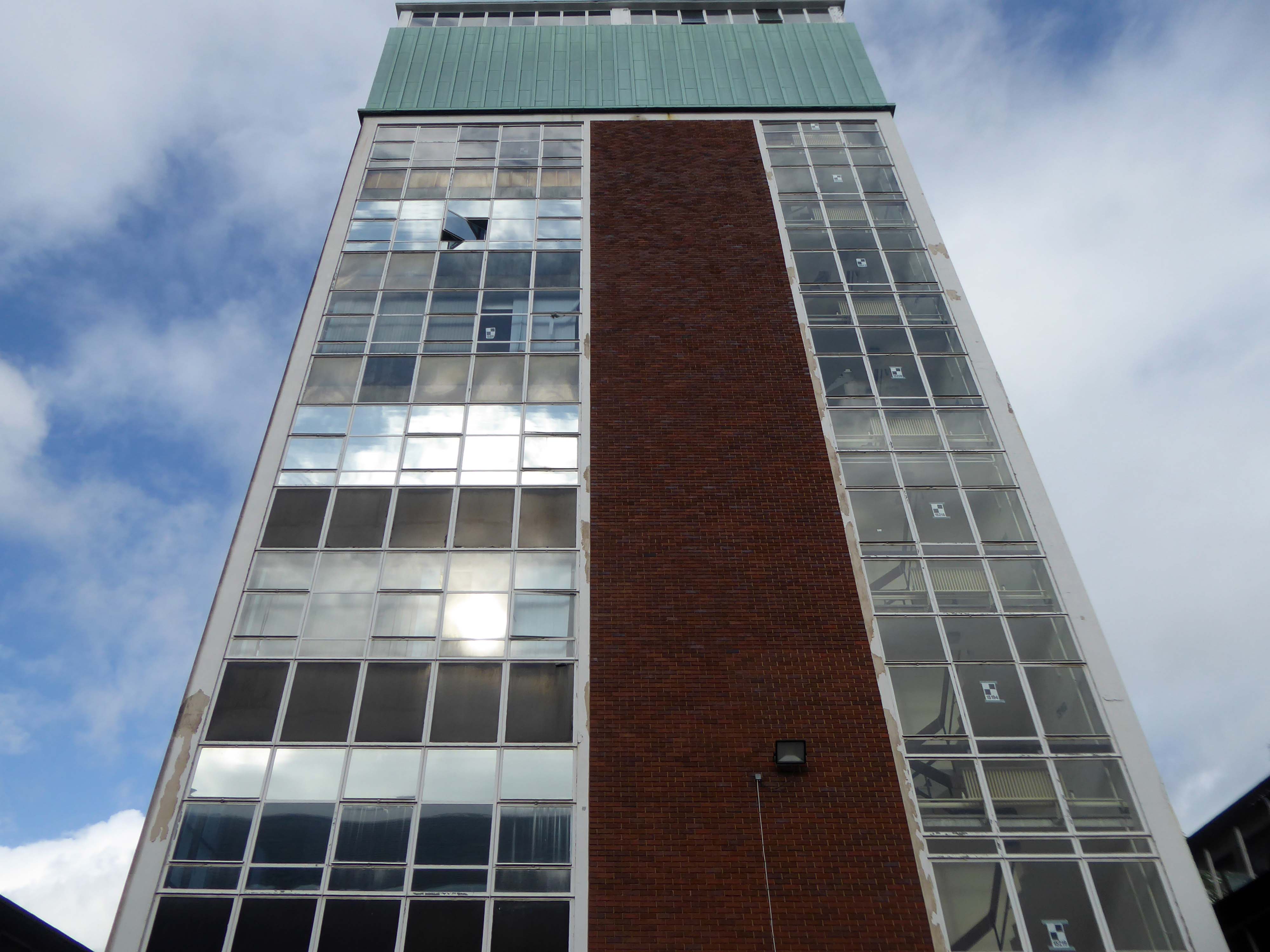
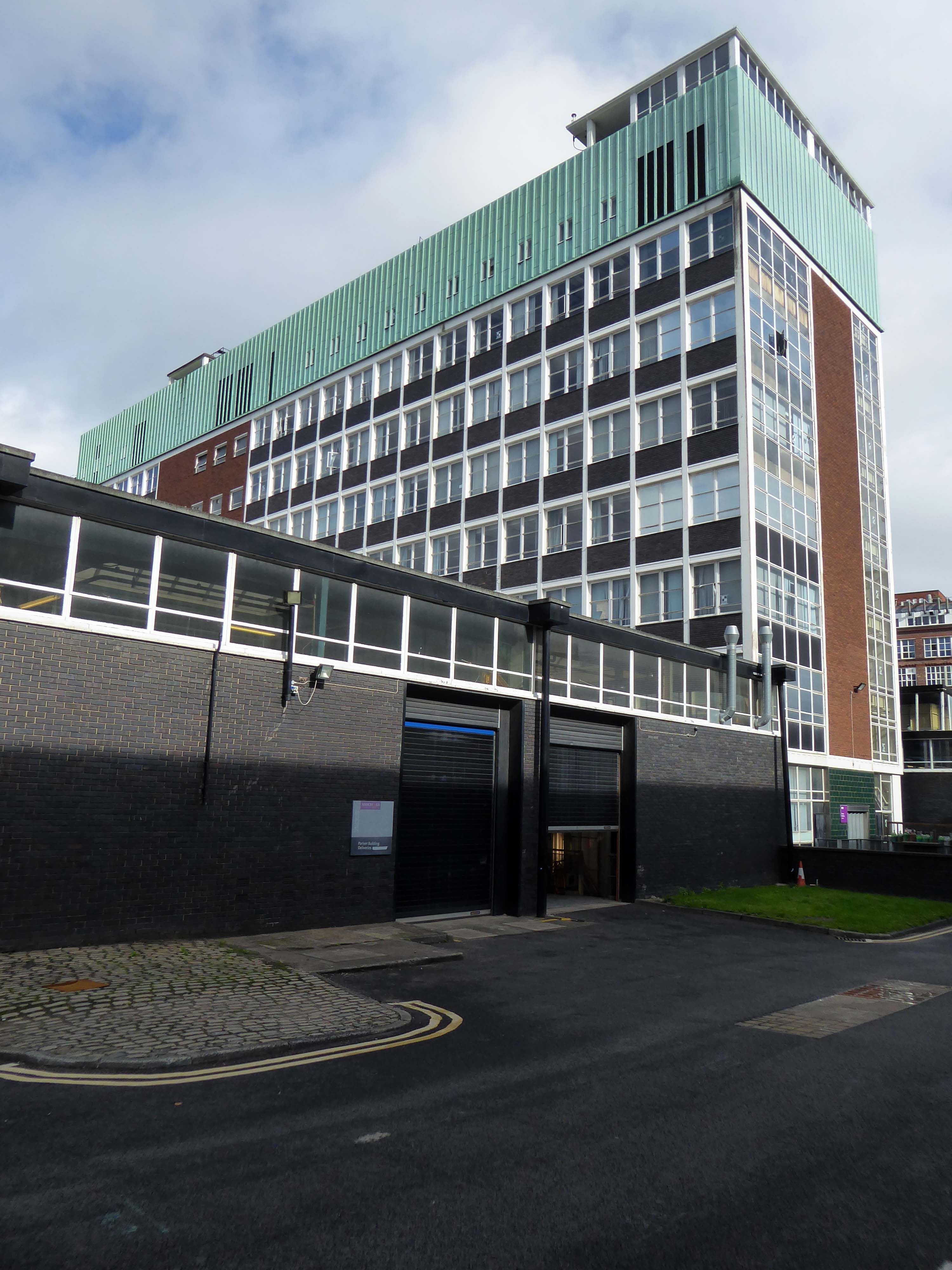
UMIST is only home to fallen leaves and a palpable air of melancholia.
The last of the students have left and a crew of hi-vis workers are busy stripping the remains of days long gone.
We have all walked on by before and will again – though with heavier heart, into an all too uncertain future – for only the Holloway Wall is listed.
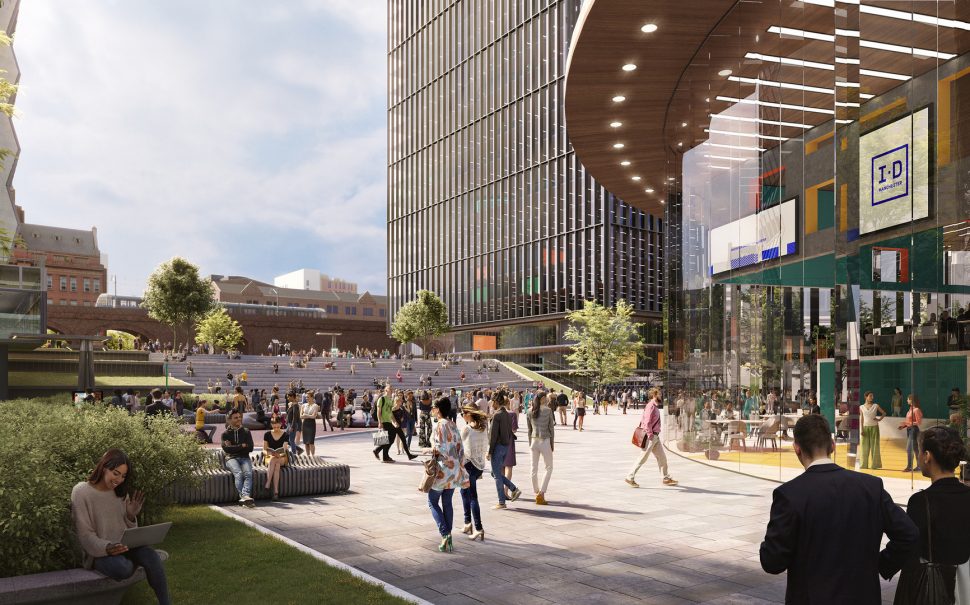
Now a grand redevelopment project has been unveiled to tend to that. According to the developer’s website, the plan promises to accelerate growth, partnership and collaboration.
Christened ID Manchester, the plans could see the area hacked into a glass maze of ultra-modern offices, apartments and hotels.
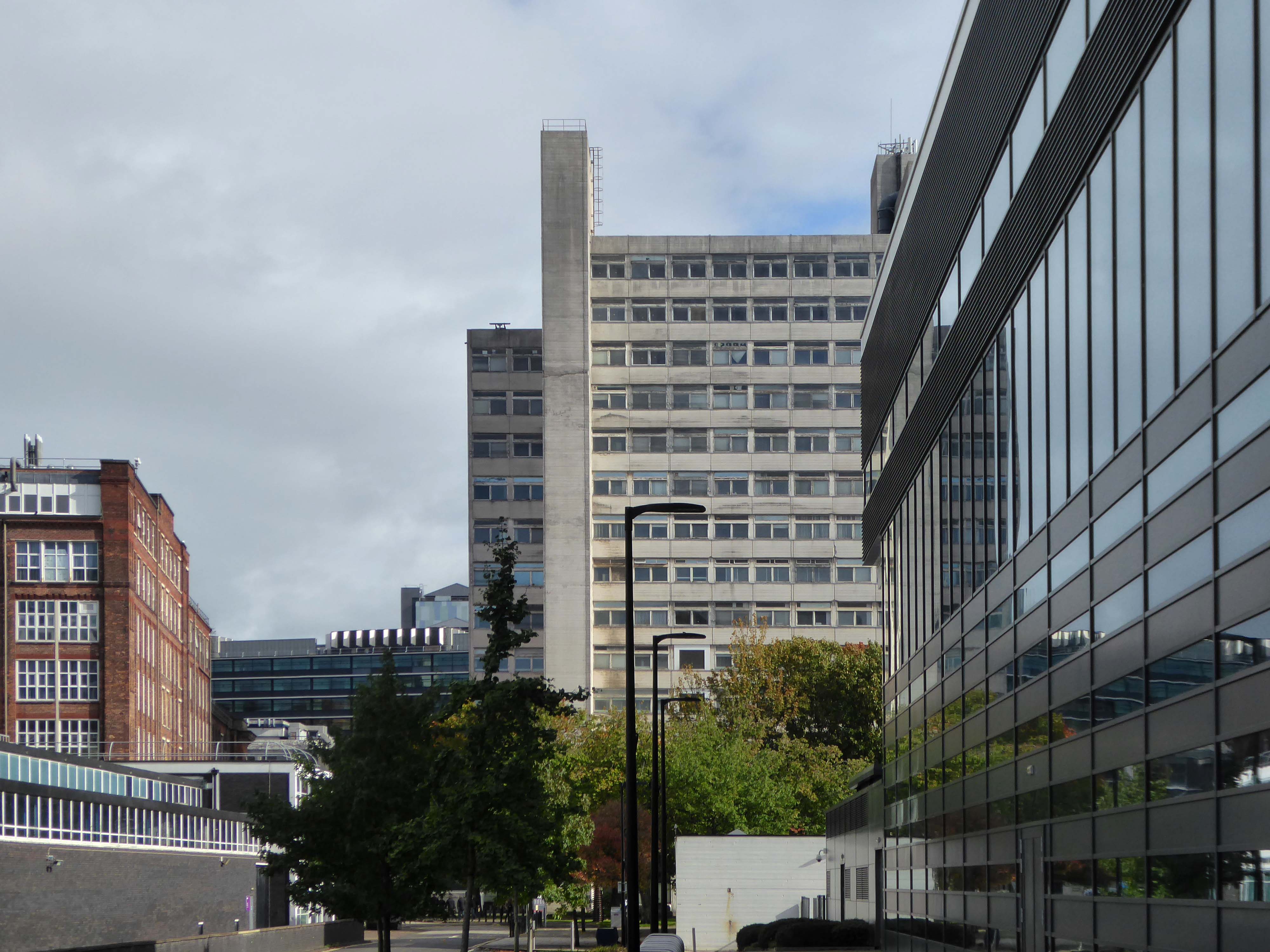
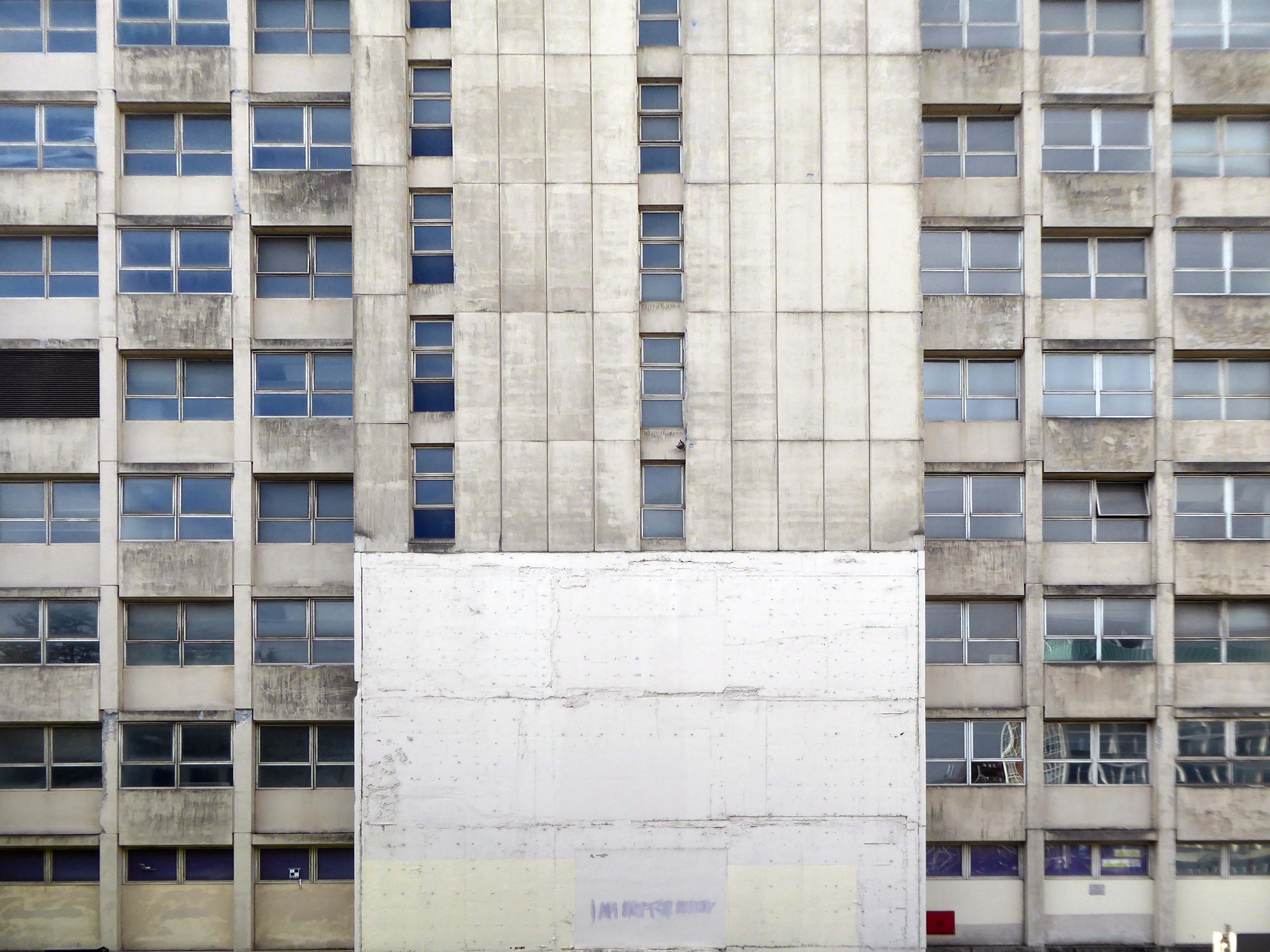
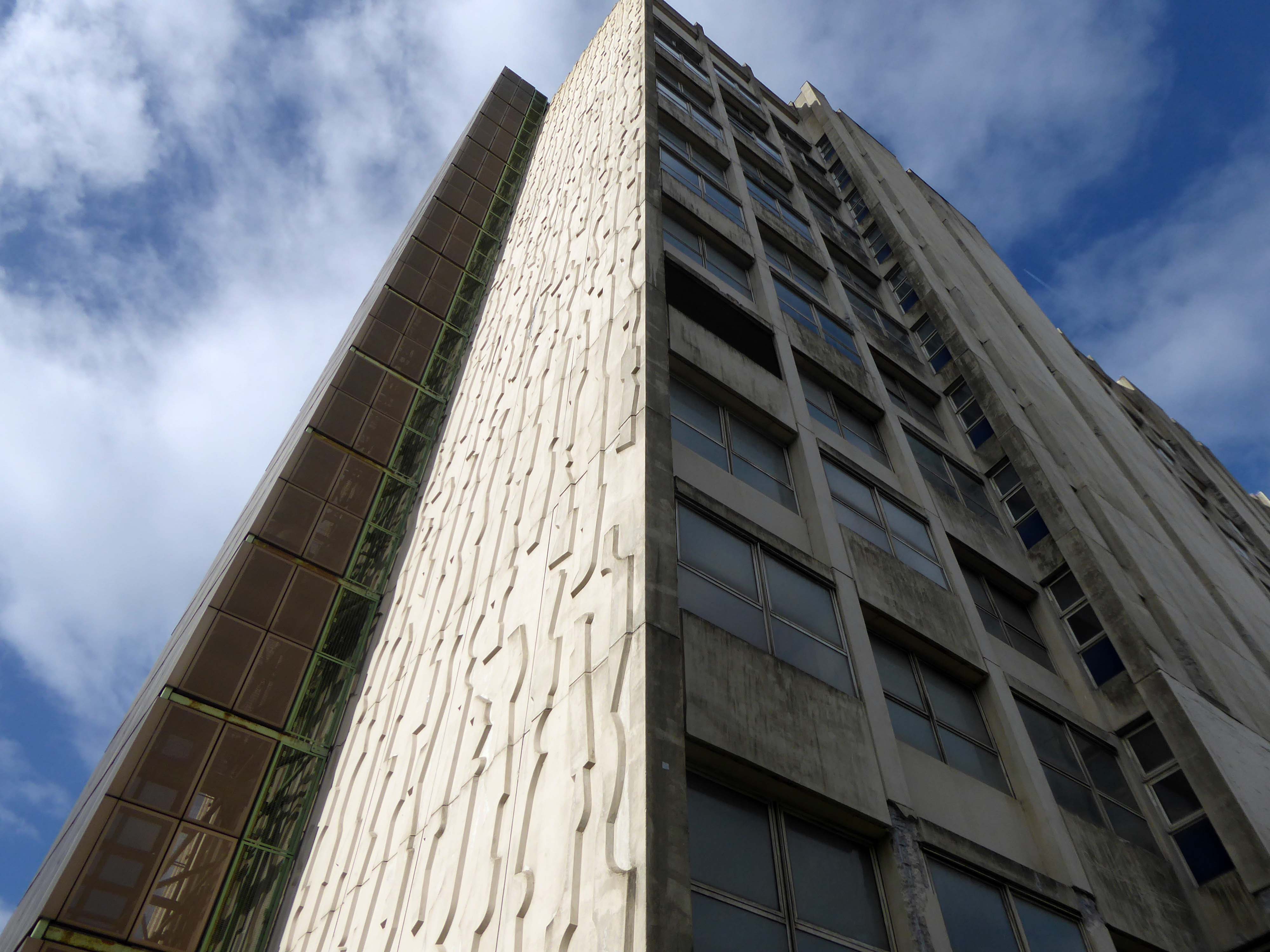
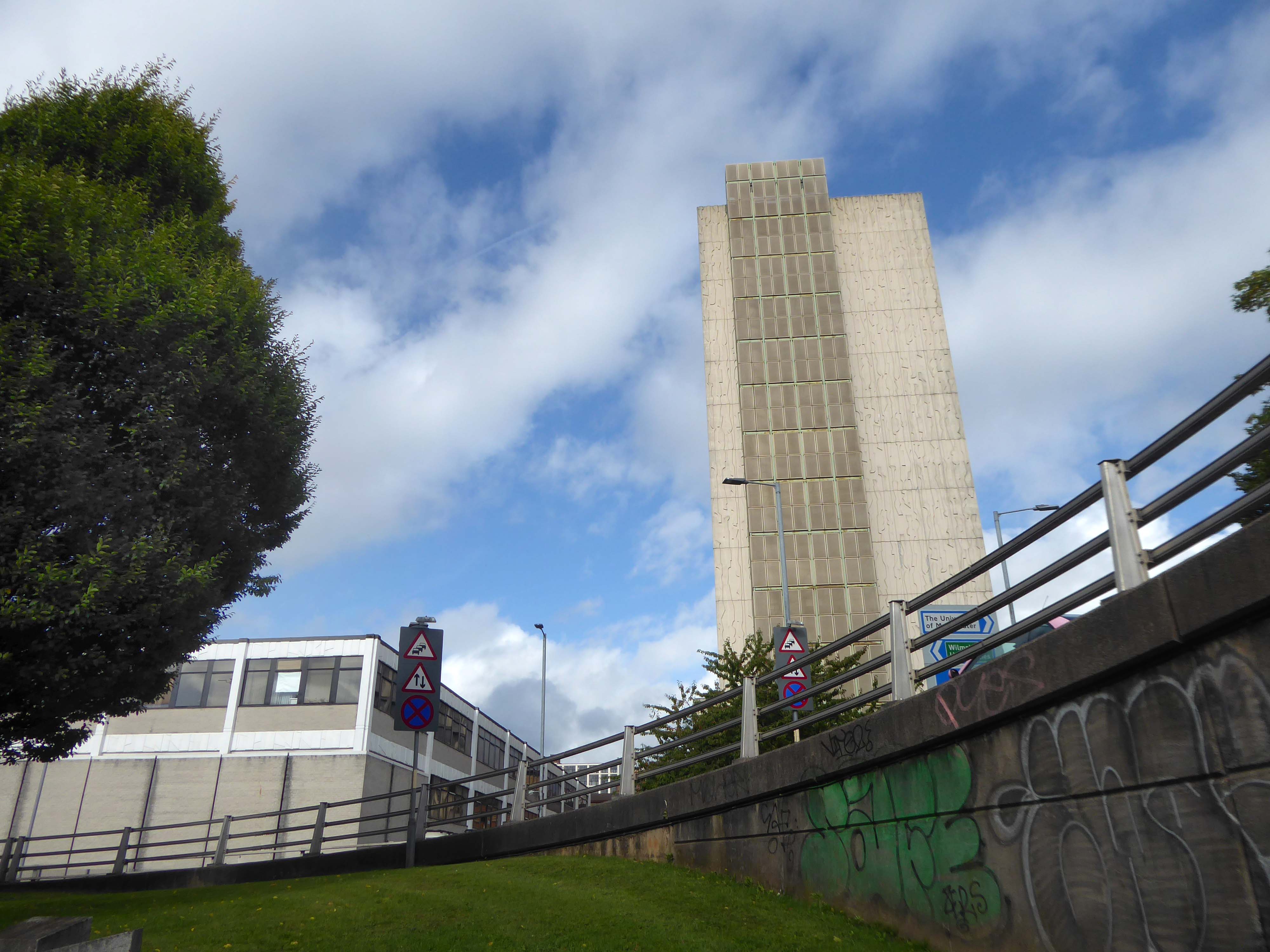
The old Royal building opened in 1978 and has served the city ever since – despite ongoing infrastructure problems. Looking at the crumbling, unsightly building, it is clear why Liverpool is desperate for its sparkling new facility to finally open.
When the new build plans were first announced, the Trust stated: “Once the new hospital is constructed, our existing hospital will be demolished. In its place, there are plans to develop a world-class health campus, as well as landscaping green space, roughly the size of Chavasse Park.”
In January 2020, two years after Carillion’s collapse, a report from the National Audit Office, projected the overall costs of the new Royal could tip over the £1.1 billion mark. It also commented on the plans for the old building, stating: “Further work to demolish the old hospital and create a new underground car park and public plaza, was not included in the PFI project and is currently unfunded. The cost of this was not included in the PFI project and is currently estimated at £38 million.”
The Royal Liverpool – it’s amazing that people are supposed to get better there. Then again, what motivation it must be to get yourself back home! No wonder it’s being replaced.
J Carter, Aigburth
In 2011 the Echo’s readers voted it the ugliest building in town.
Unloved and due for demolition just as soon as the money can be found – though it may be around for some time to come – go and have a look.
Walking toward Giles Gilbert Scott’s – Anglican Cathedral via the University Campus.
We are greeted by William Mitchell’s sliding door panels.
Let’s take a look inside.
Above is the tower with large areas of stained glass designed by John Piper and Patrick Reyntiens in three colours – yellow, blue and red, representing the Trinity.
On the altar, the candlesticks are by RY Goodden and the bronze crucifix is by Elisabeth Frink. Above the altar is a baldachino designed by Gibberd as a crown-like structure composed of aluminium rods, which incorporates loudspeakers and lights. Around the interior are metal Stations of the Cross, designed by Sean Rice. Rice also designed the lectern, which includes two entwined eagles. In the Chapel of Reconciliation, the stained glass was designed by Margaret Traherne. Stephen Foster designed, carved and painted the panelling in the Chapel of St. Joseph. The Lady Chapel contains a statue of the Virgin and Child by Robert Brumby and stained glass by Margaret Traherne. In the Blessed Sacrament Chapel is a reredos and stained glass by Ceri Richards and a small statue of the Risen Christ by Arthur Dooley. In the Chapel of Unity is a bronze stoup by Virginio Ciminaghi, and a mosaic of the Pentecost by Hungarian artist Georg Mayer-Marton which was moved from the Church of the Holy Ghost, Netherton, when it was demolished in 1989. The gates of the Baptistry were designed by David Atkins.
Designed by NBBJ and HKS – The Royal Hospital is one of the national infrastructure schemes being delivered under a Government PFI contract, with work having started in 2014 led by now-collapsed contractor Carillion.
After Carillion went into administration, further issues were uncovered during a structural review by Arup in 2018, including that the cladding on the building was unsafe and the project had to be reviewed and re-costed as a result. The targeted completion date is now five years later than planned.






























































































 Modern Mooch