
Well here we are again.
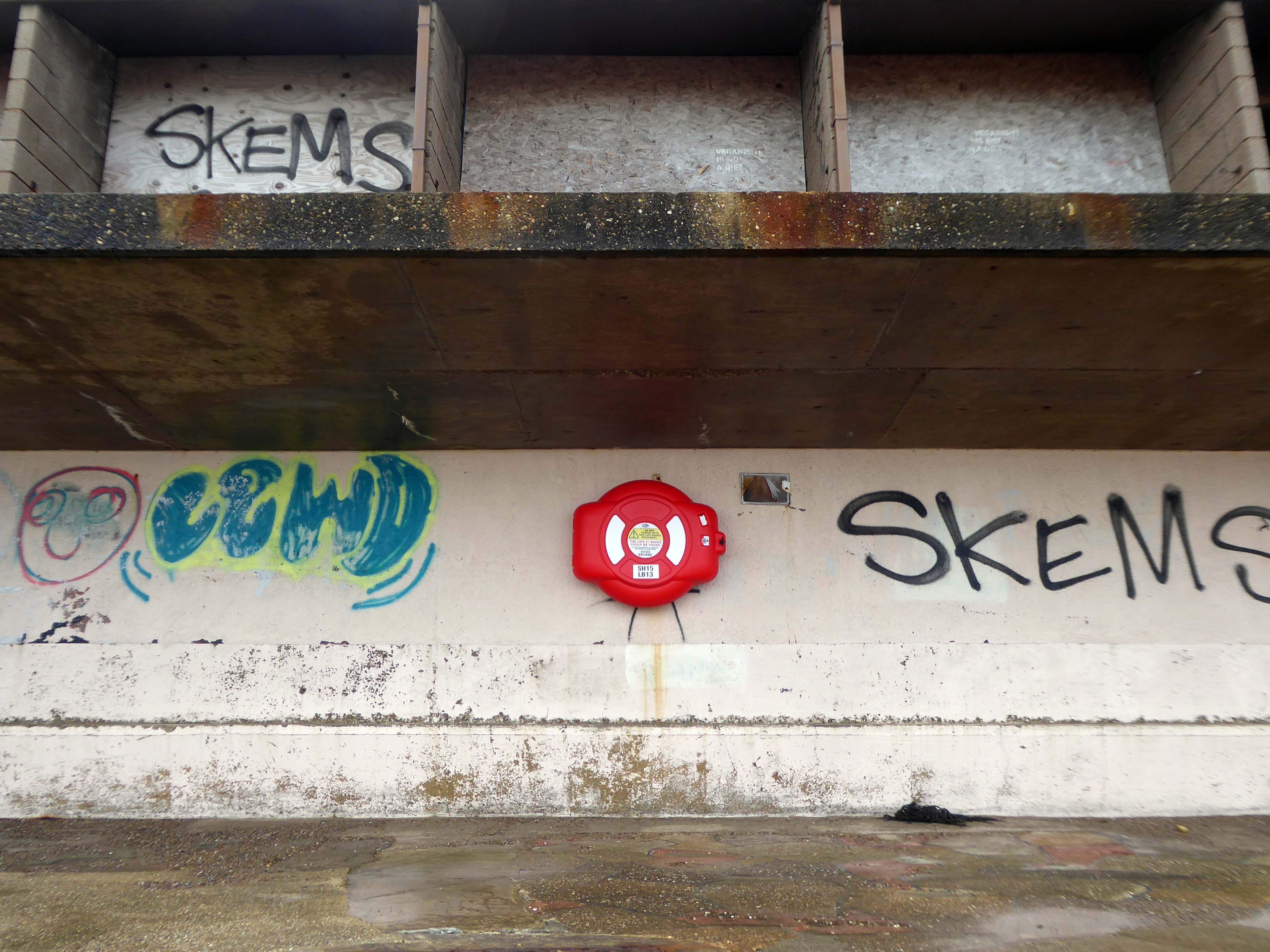
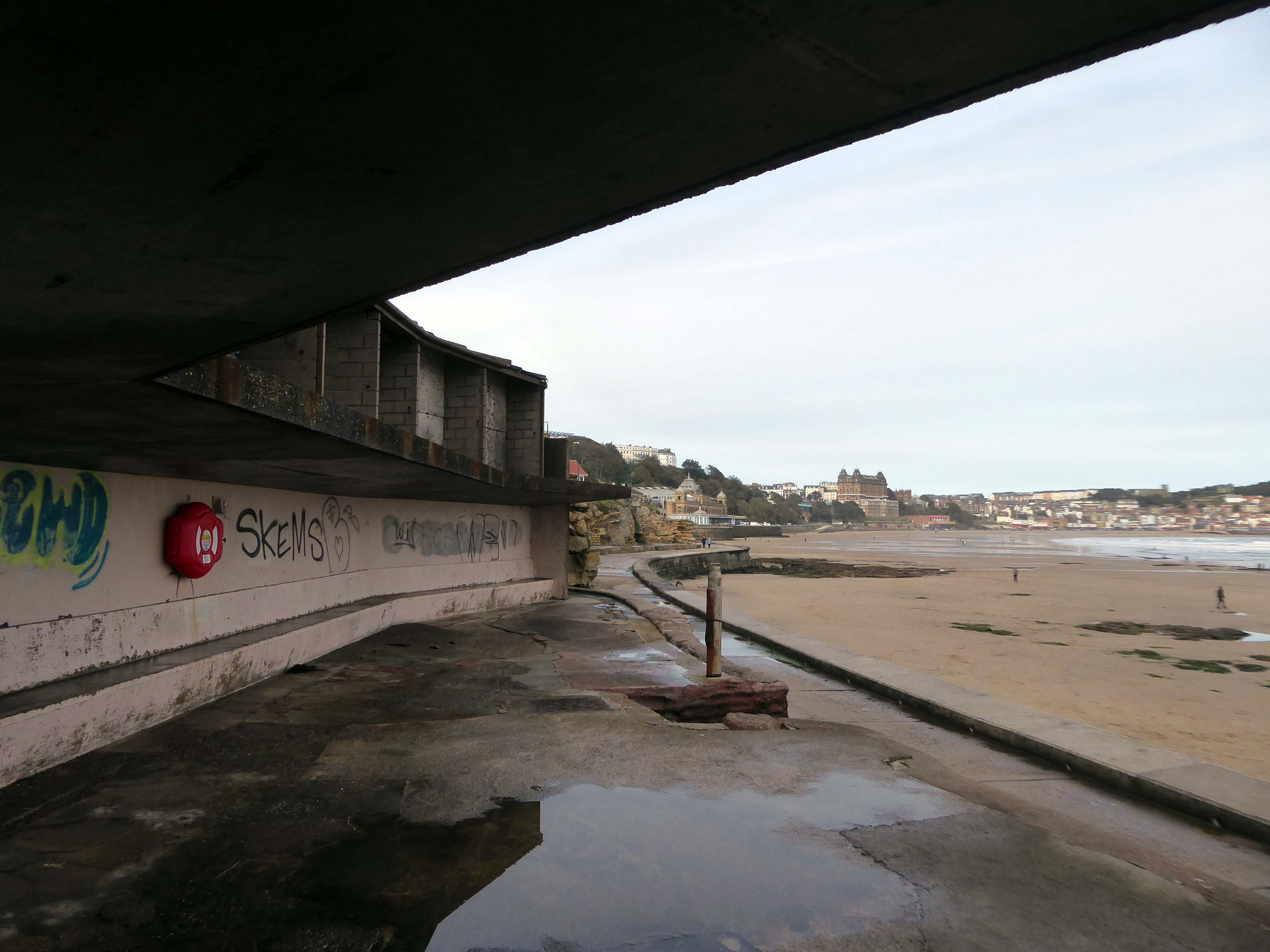
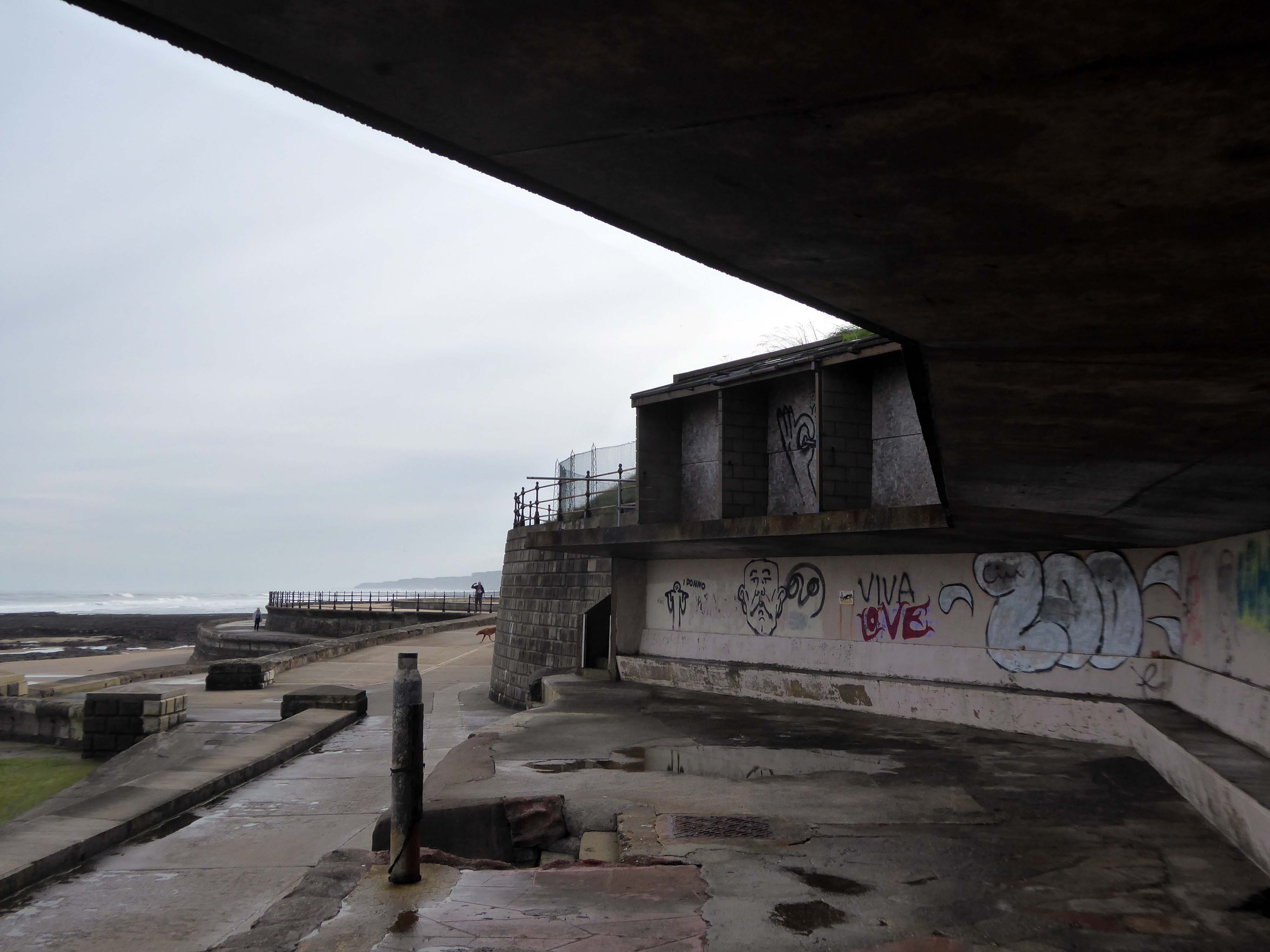
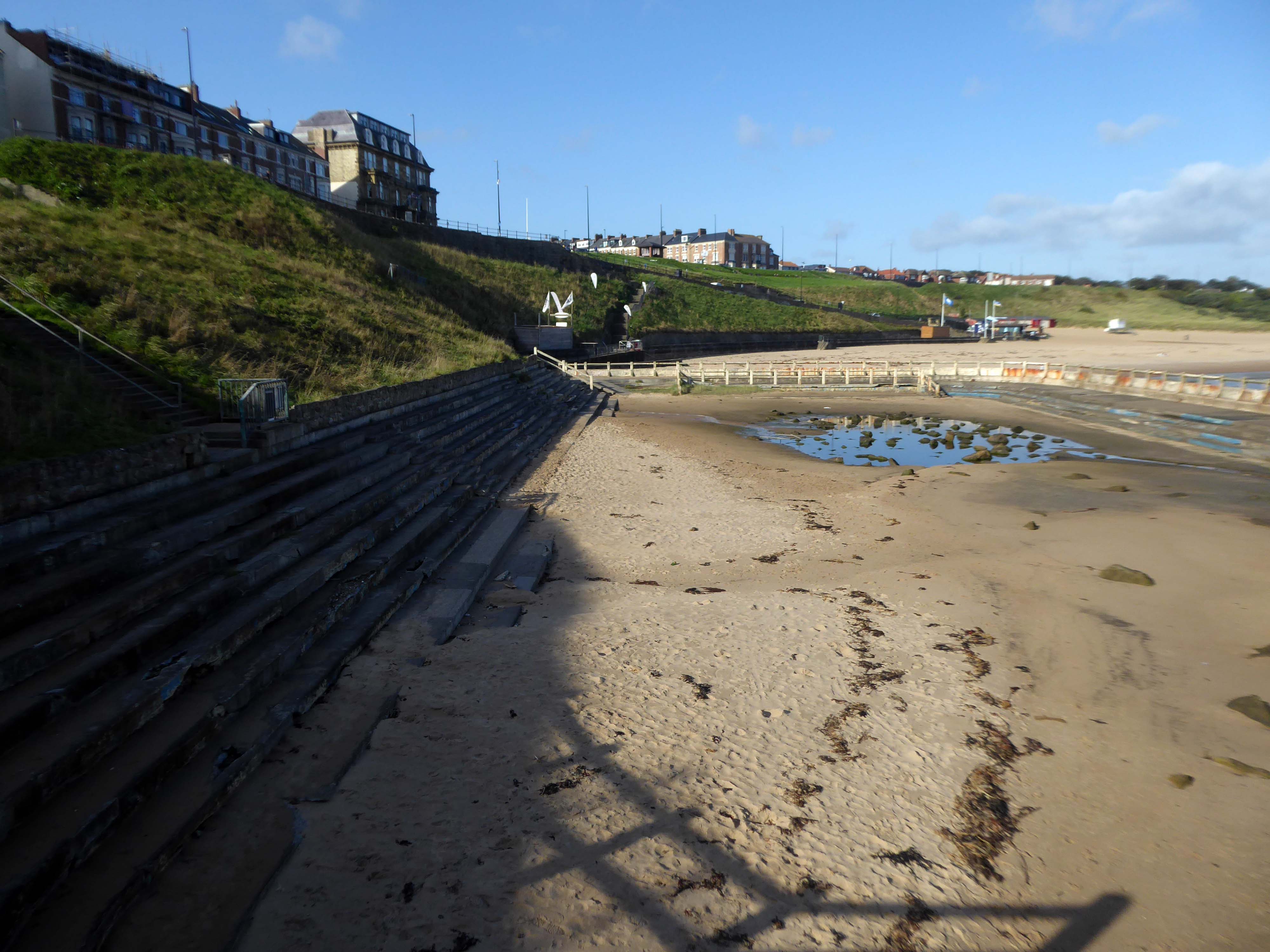
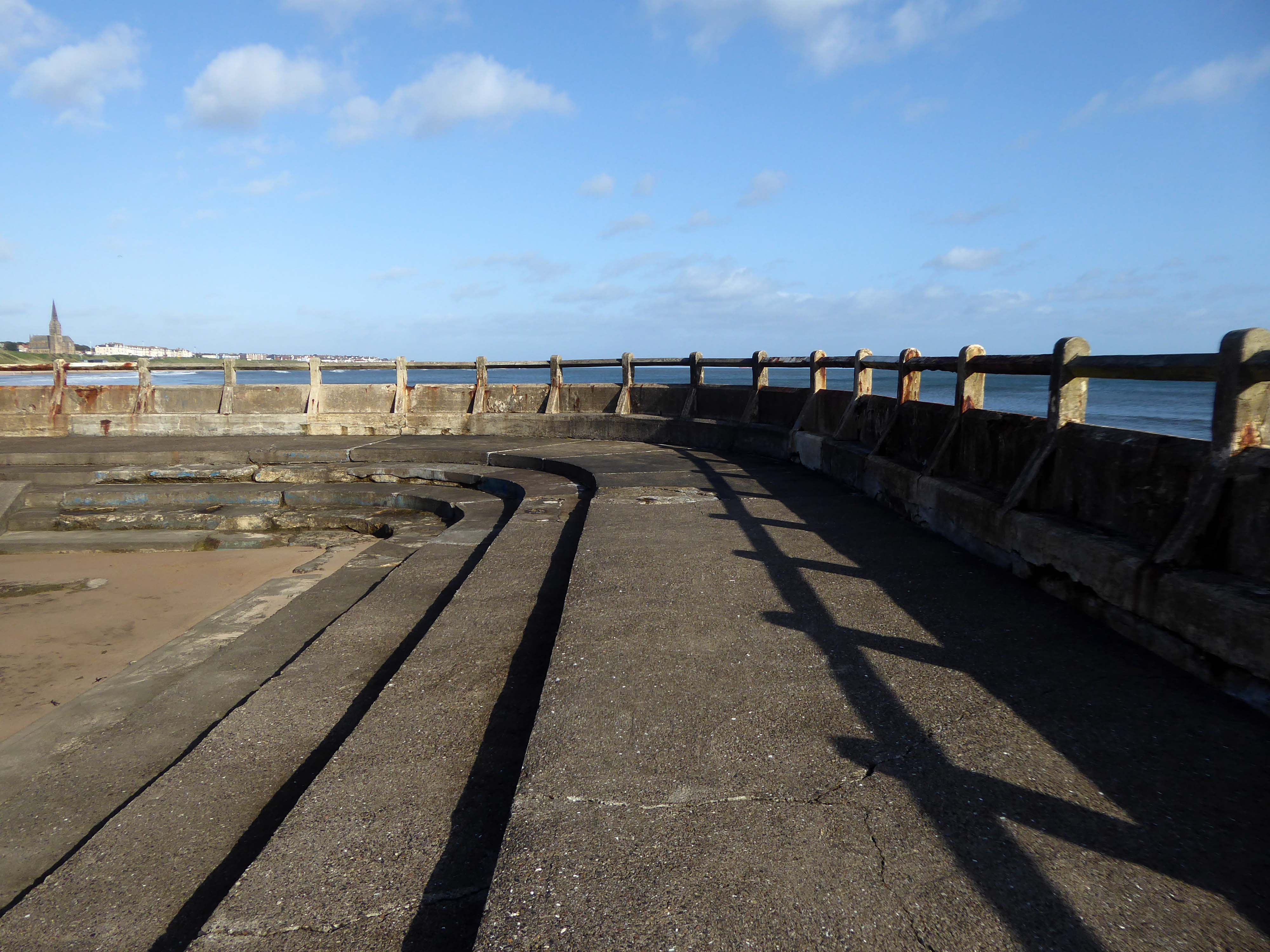
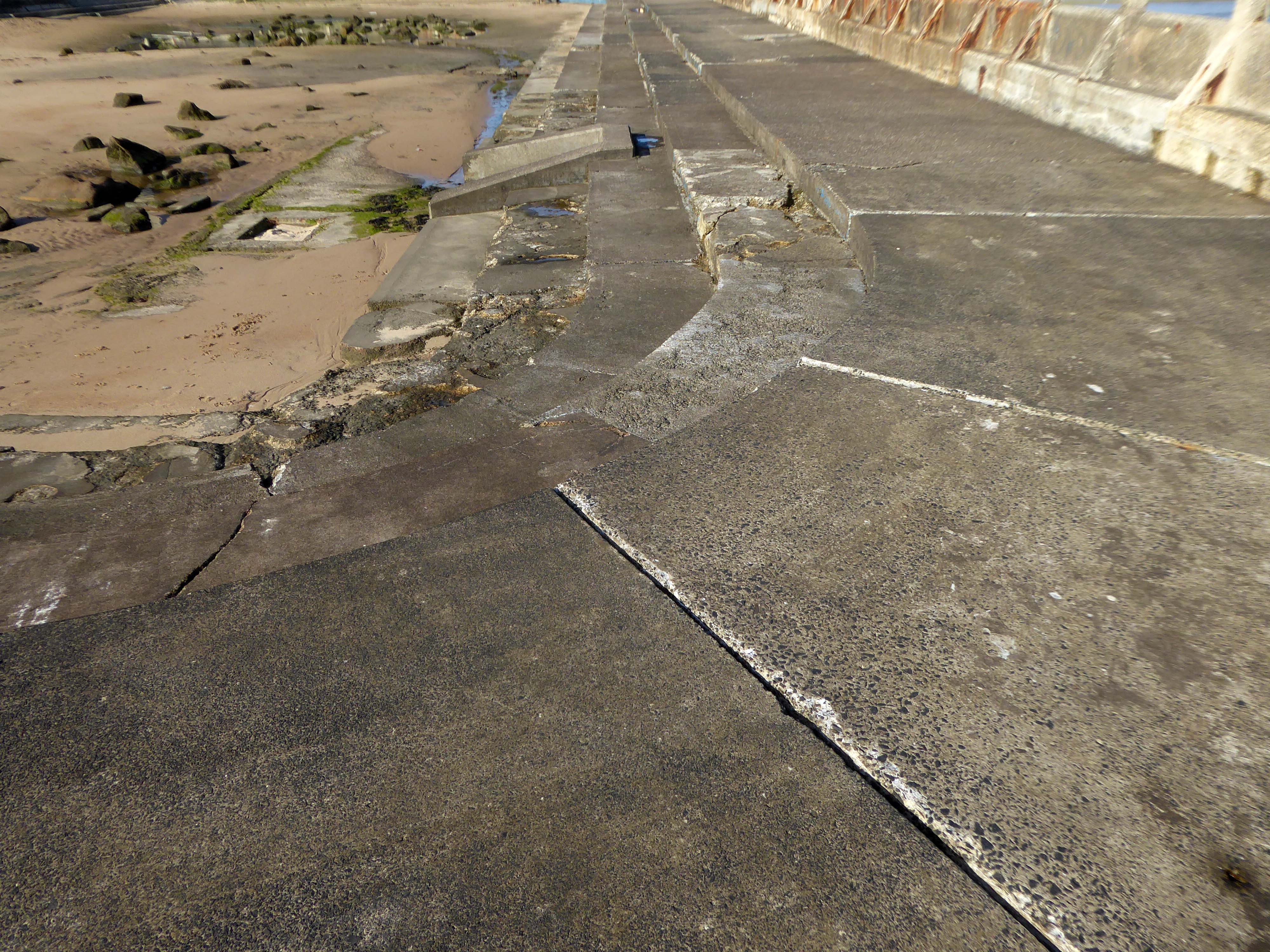
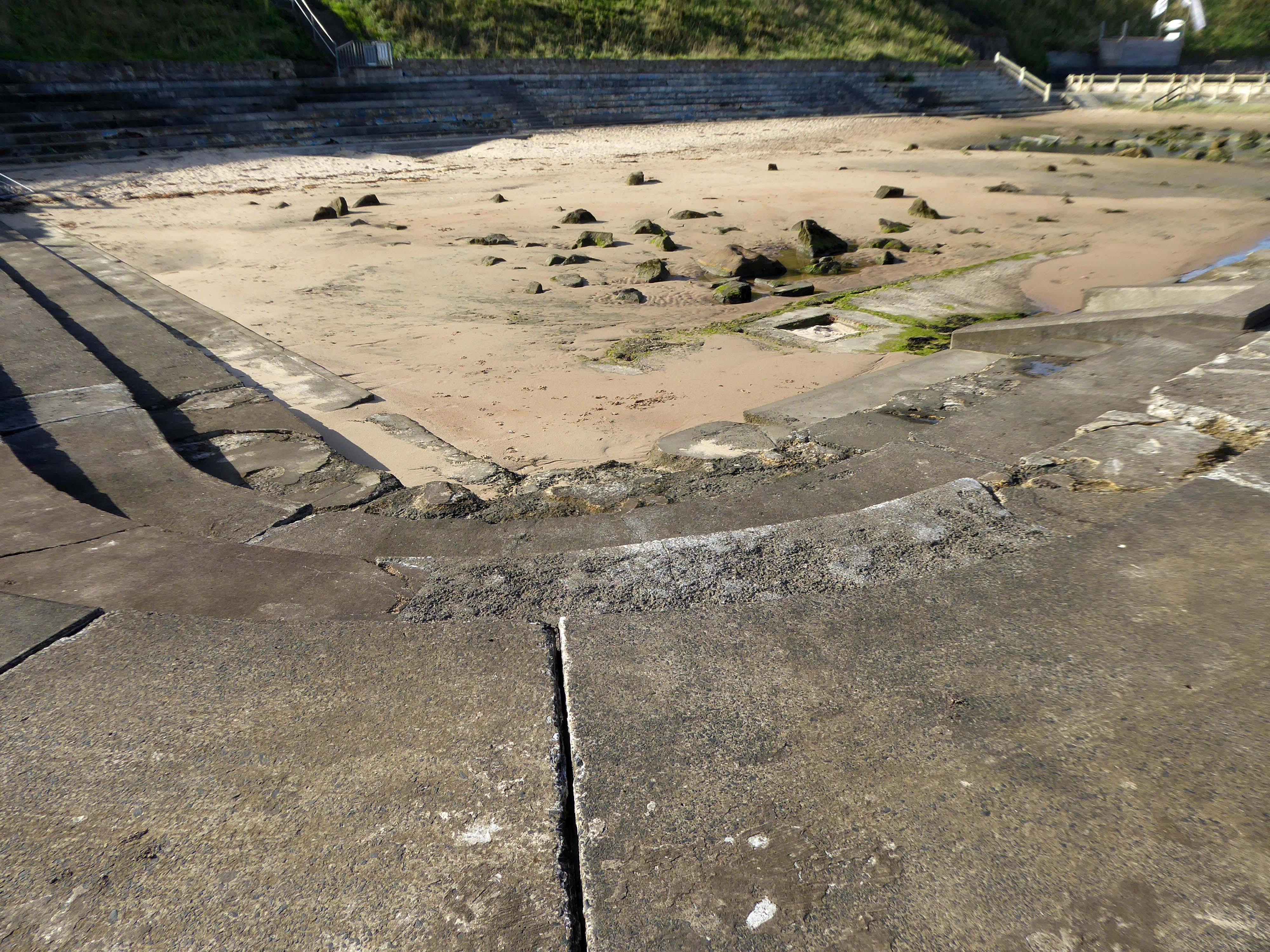
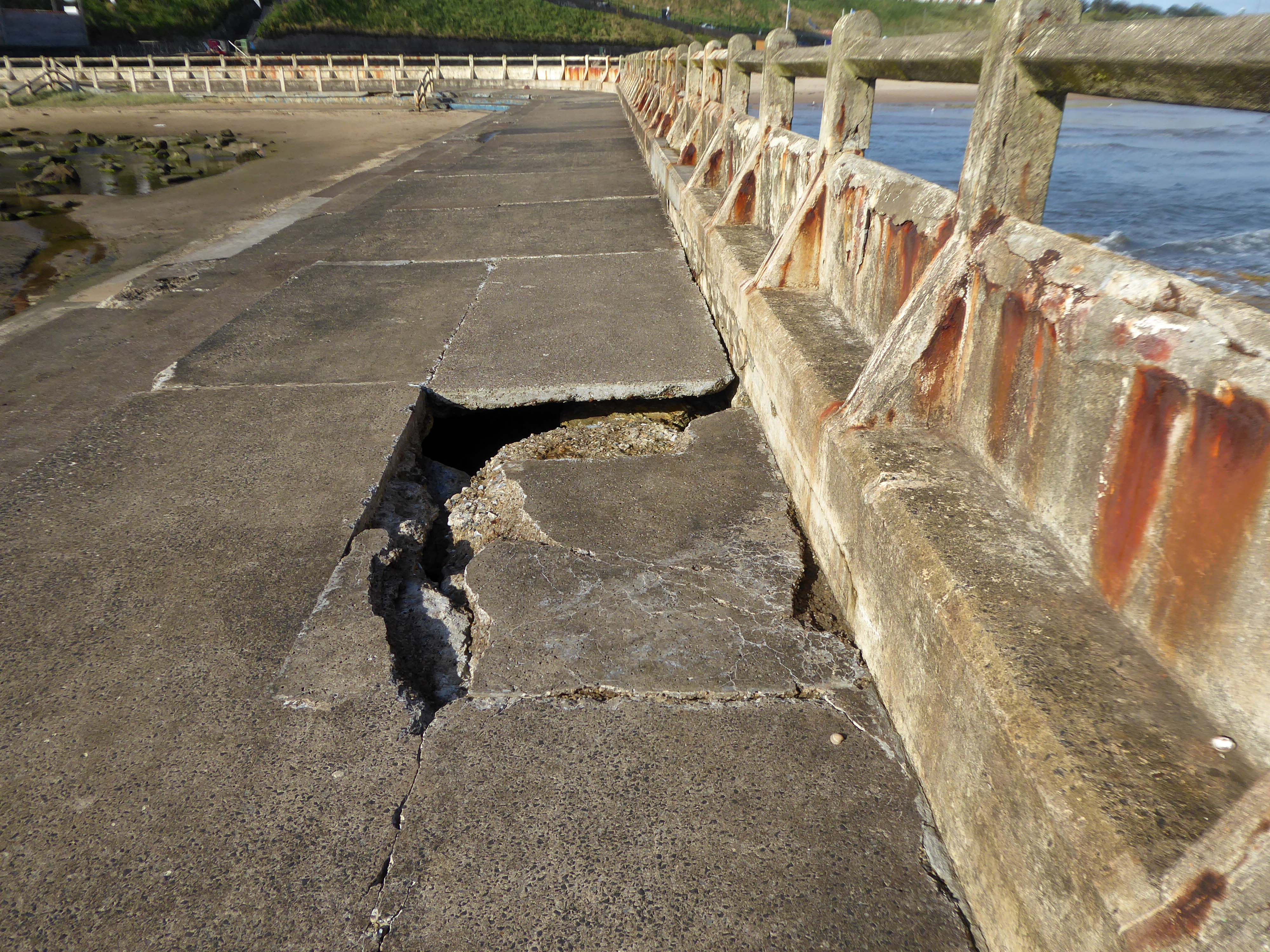
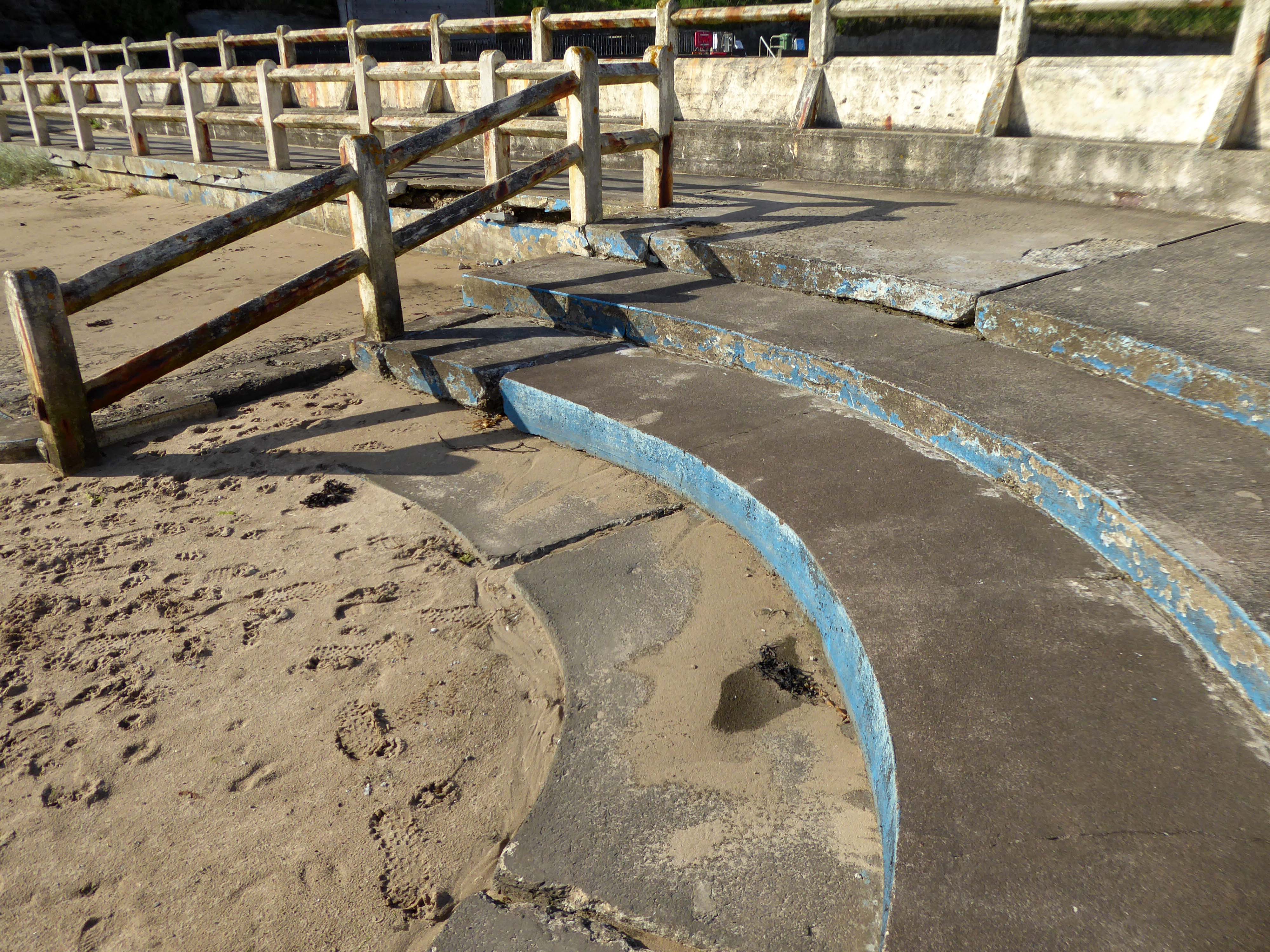
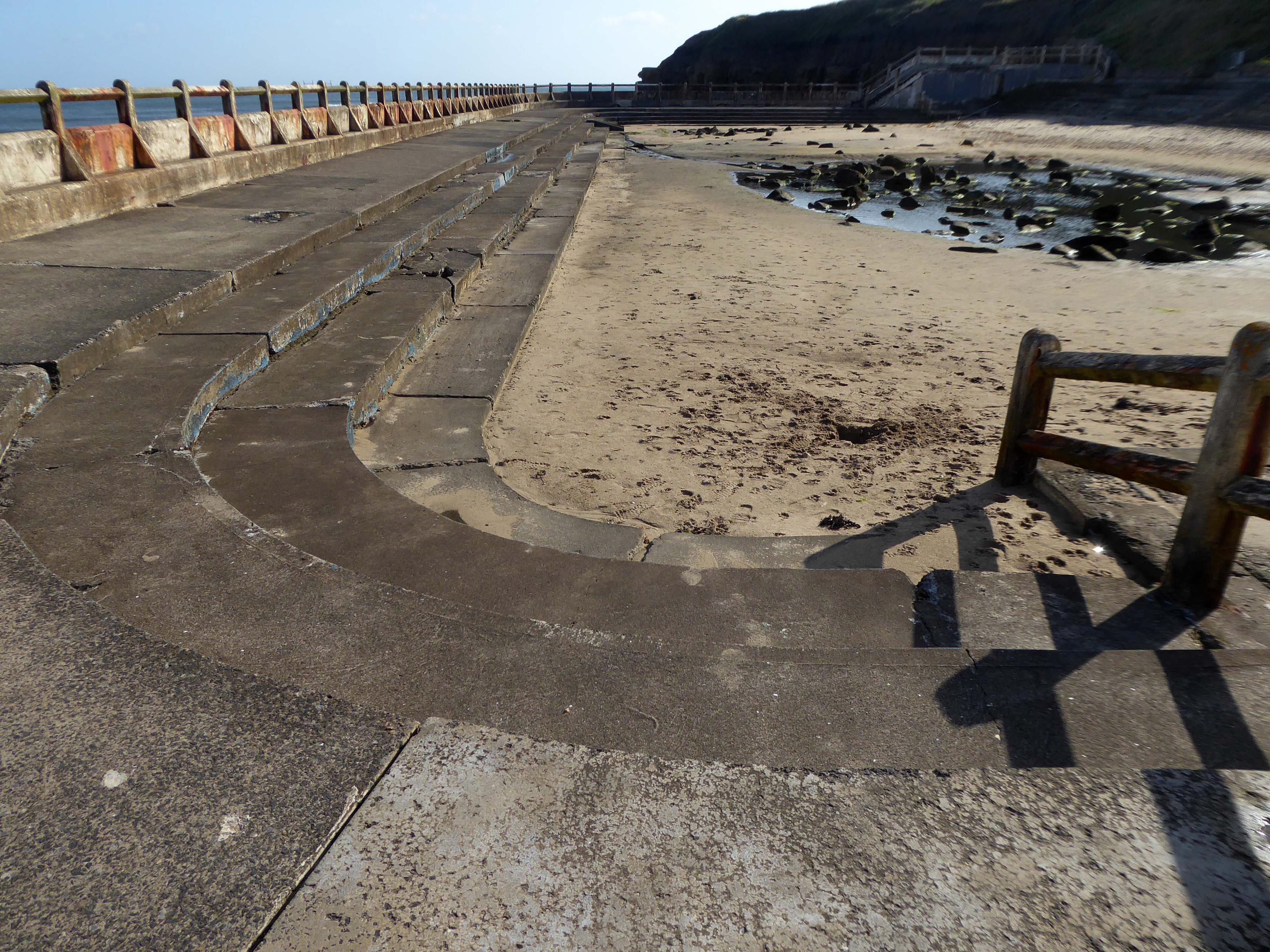
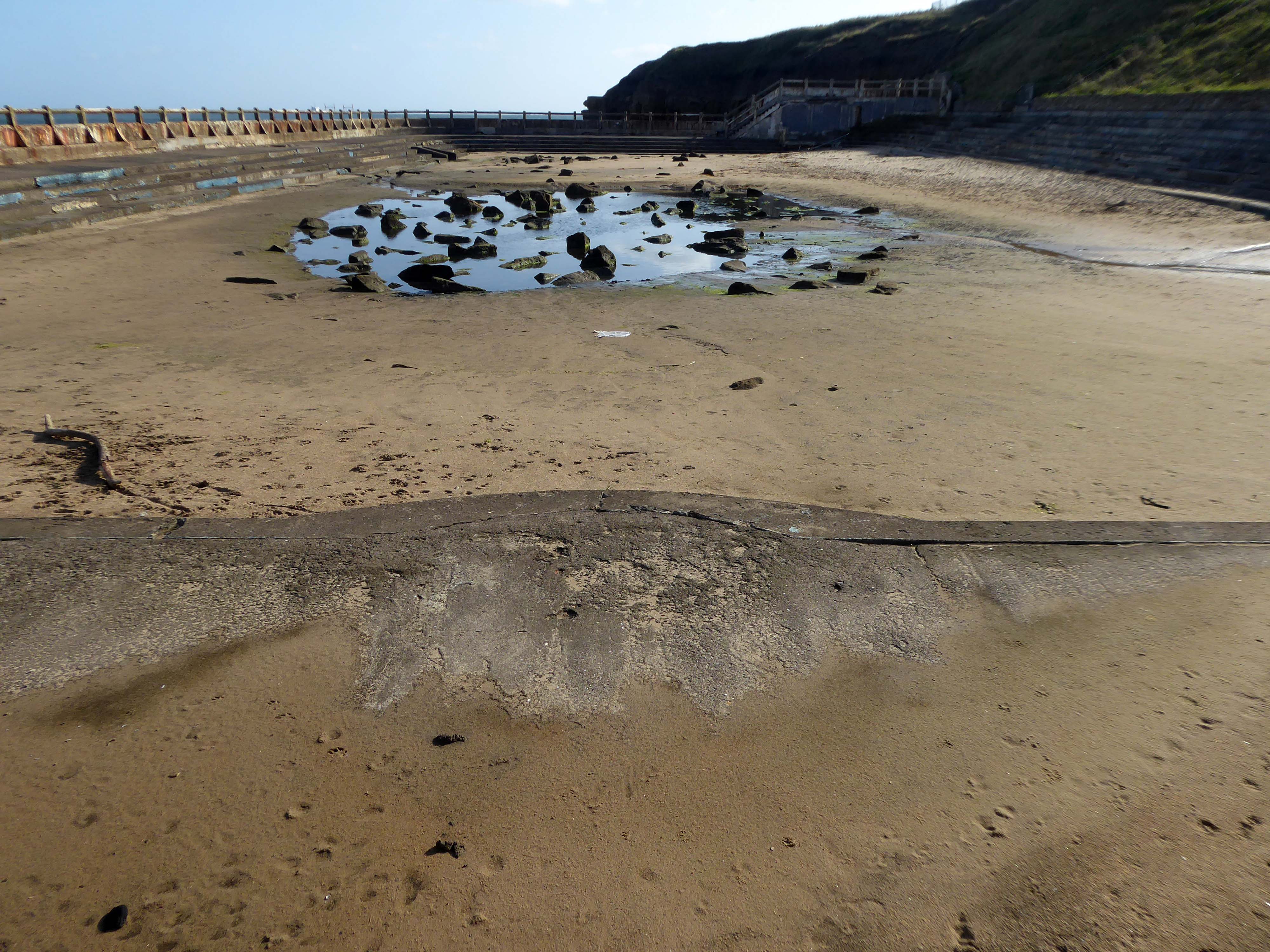
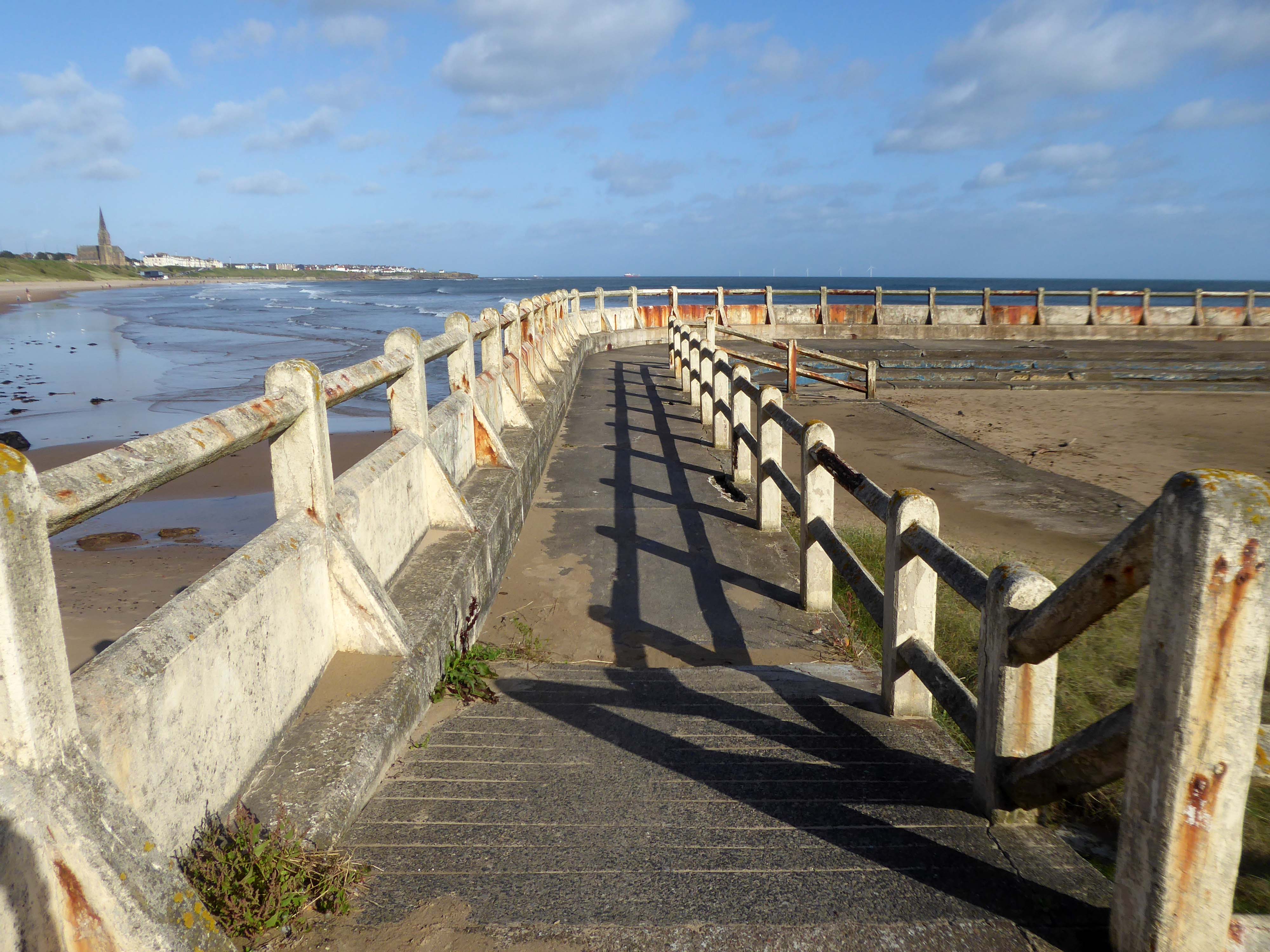
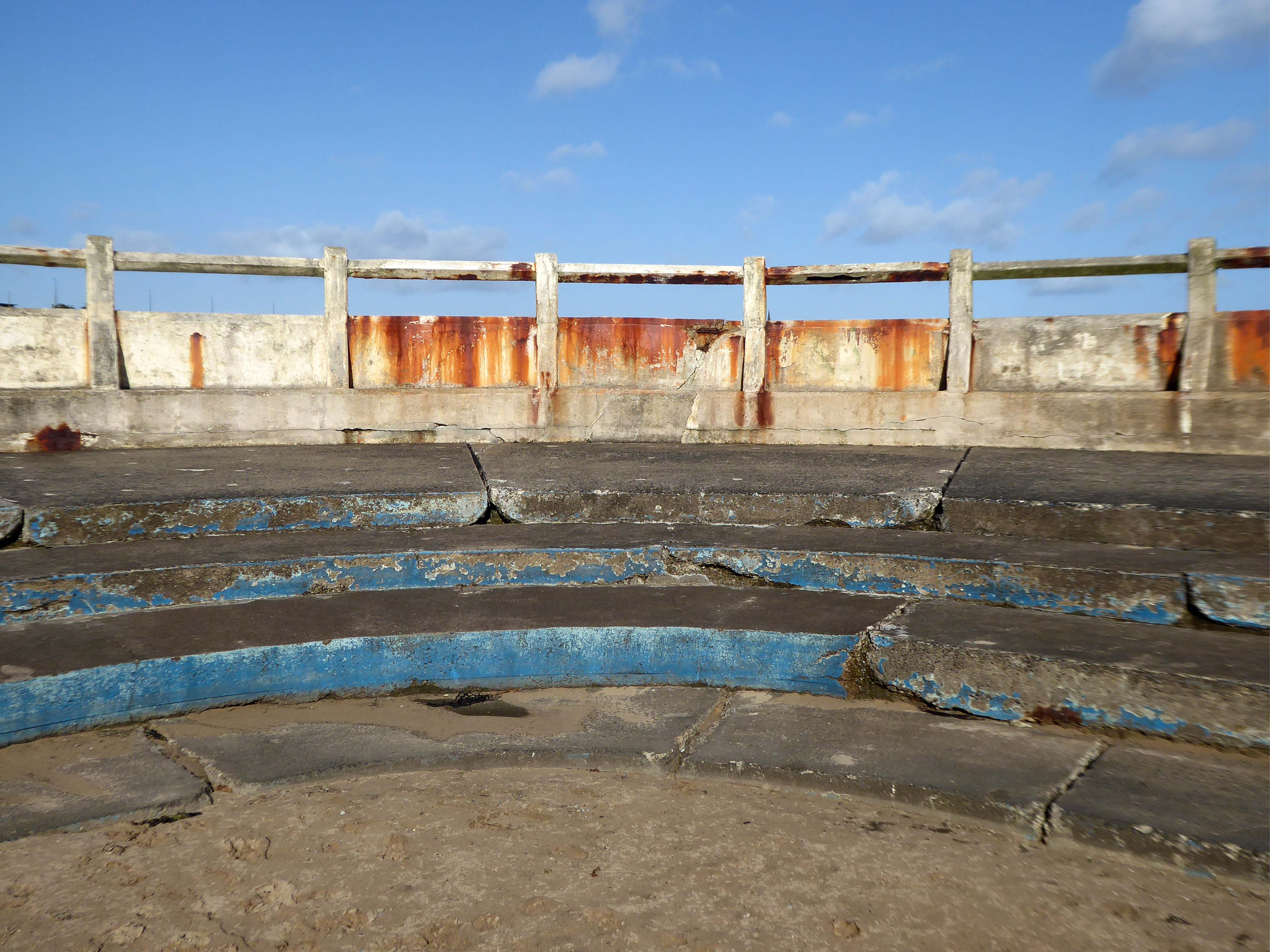
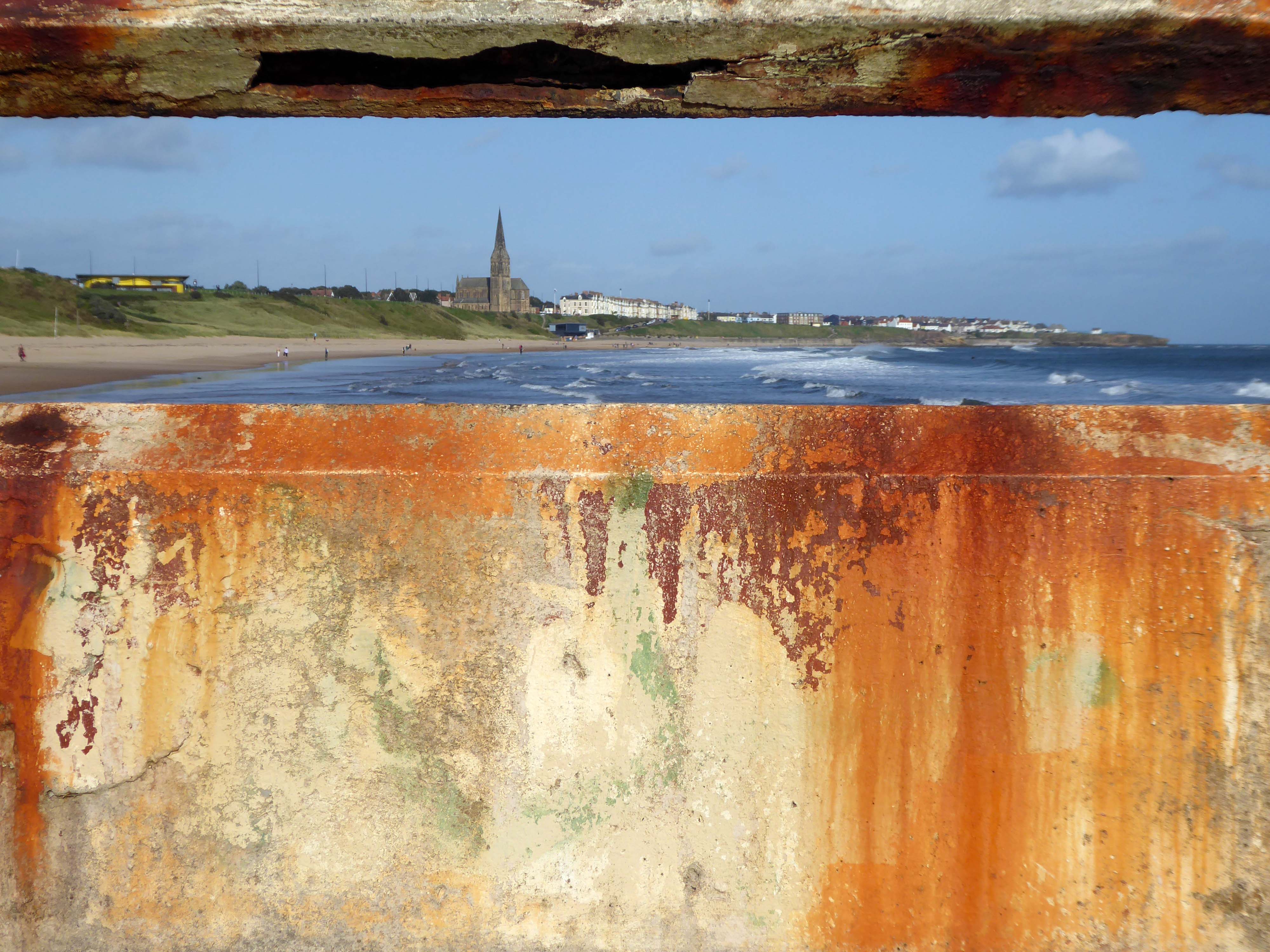
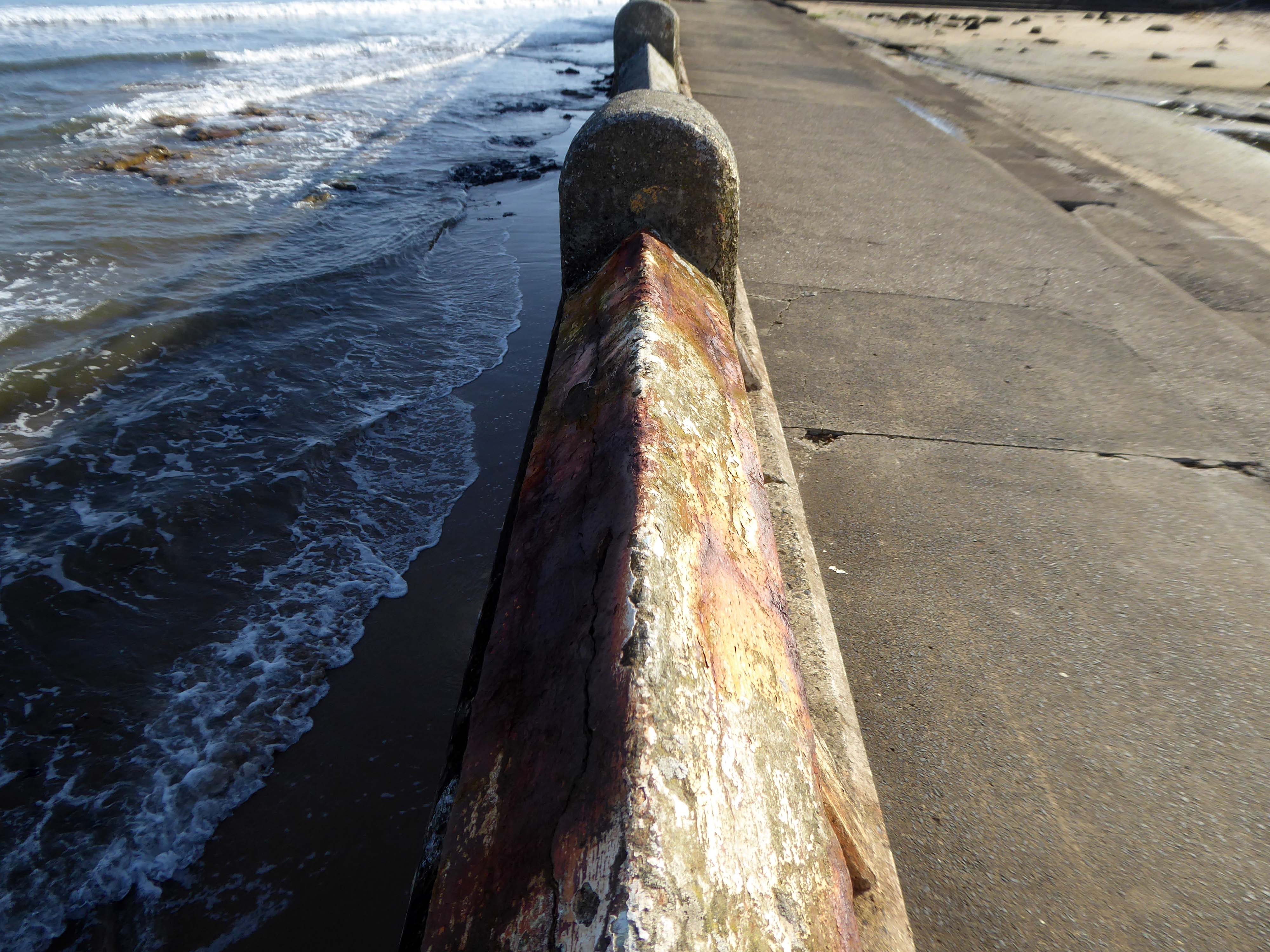
The wind, sea, rain and sand continues to erode the beleaguered beach huts.
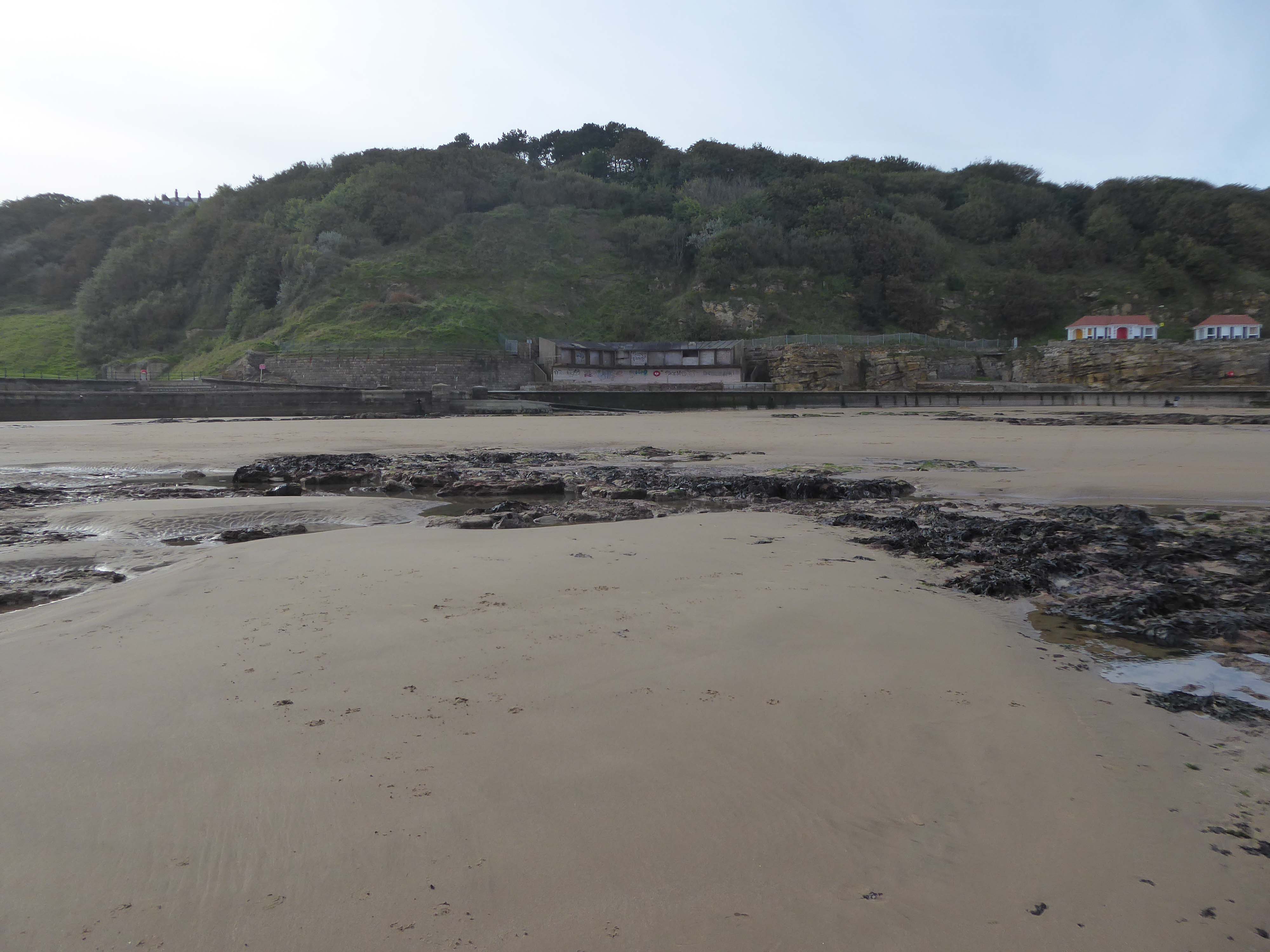
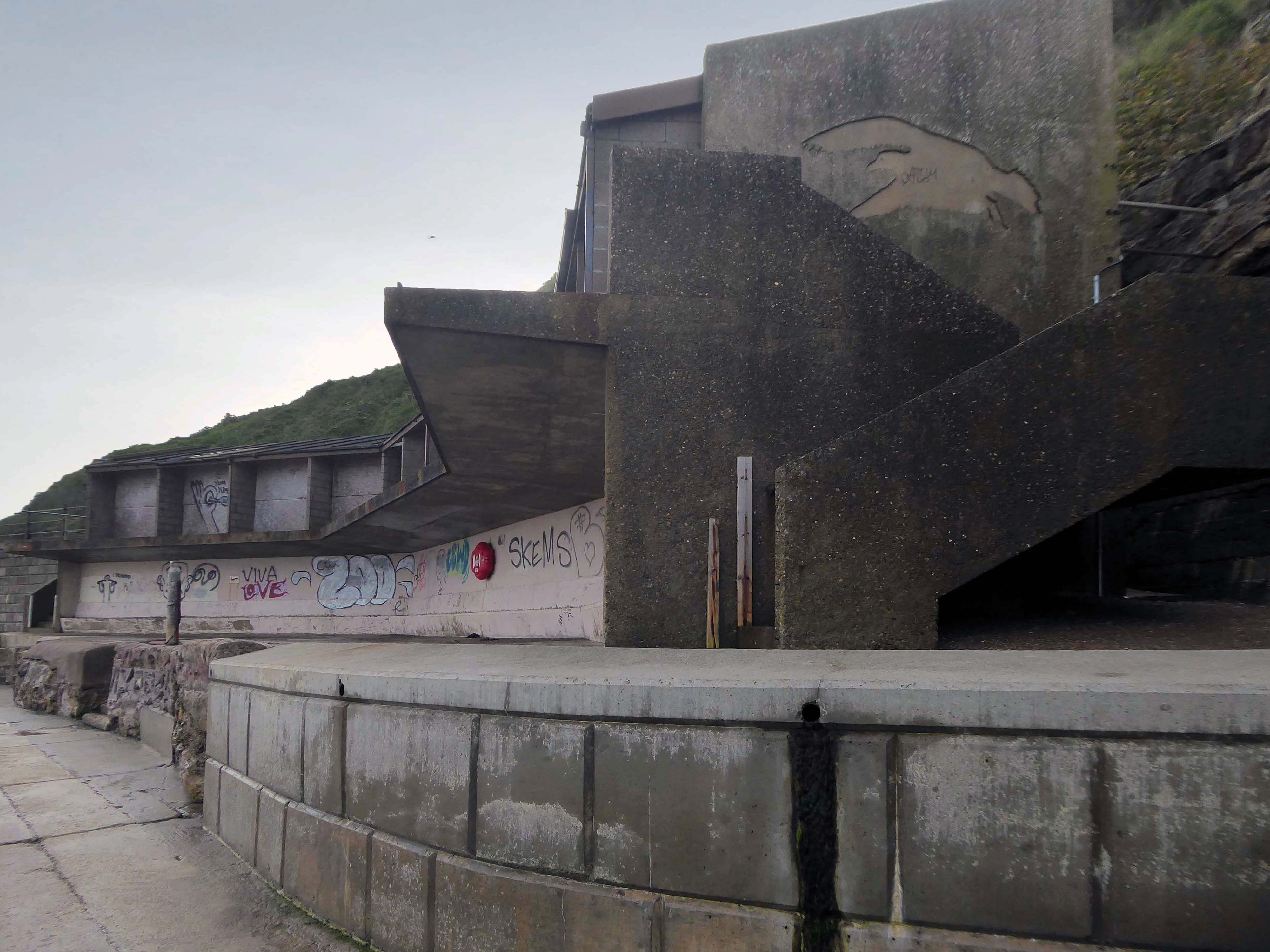
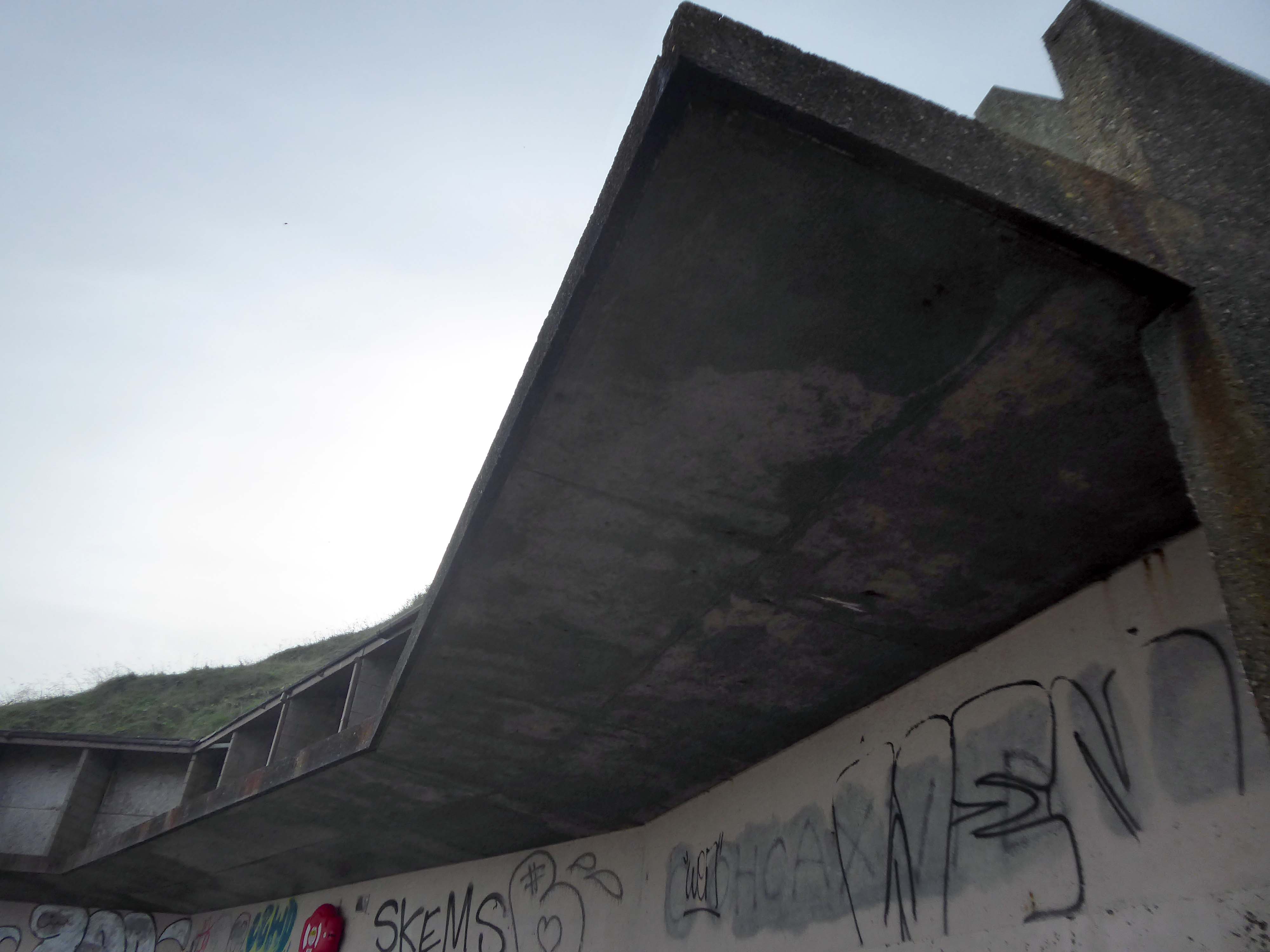

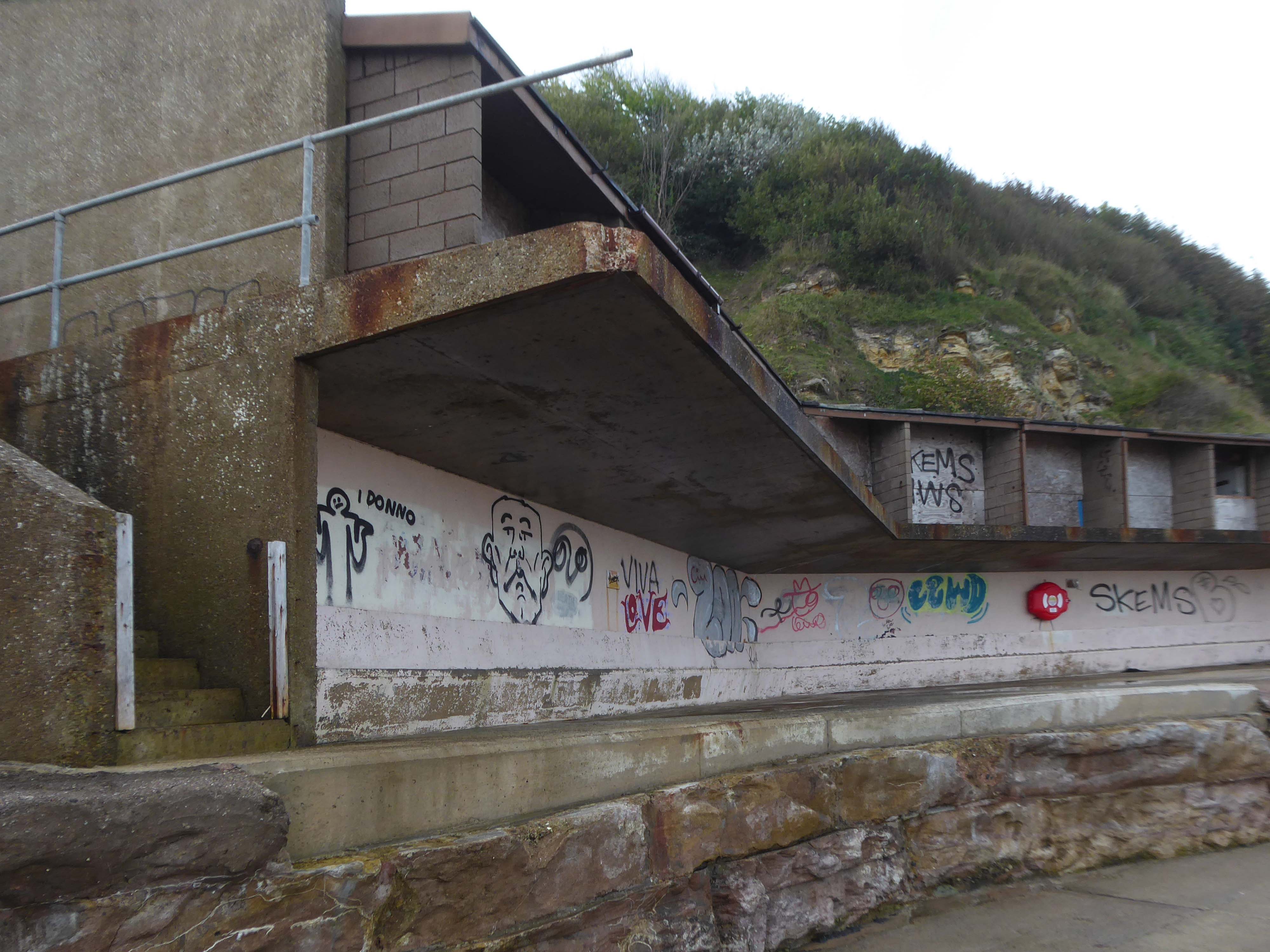



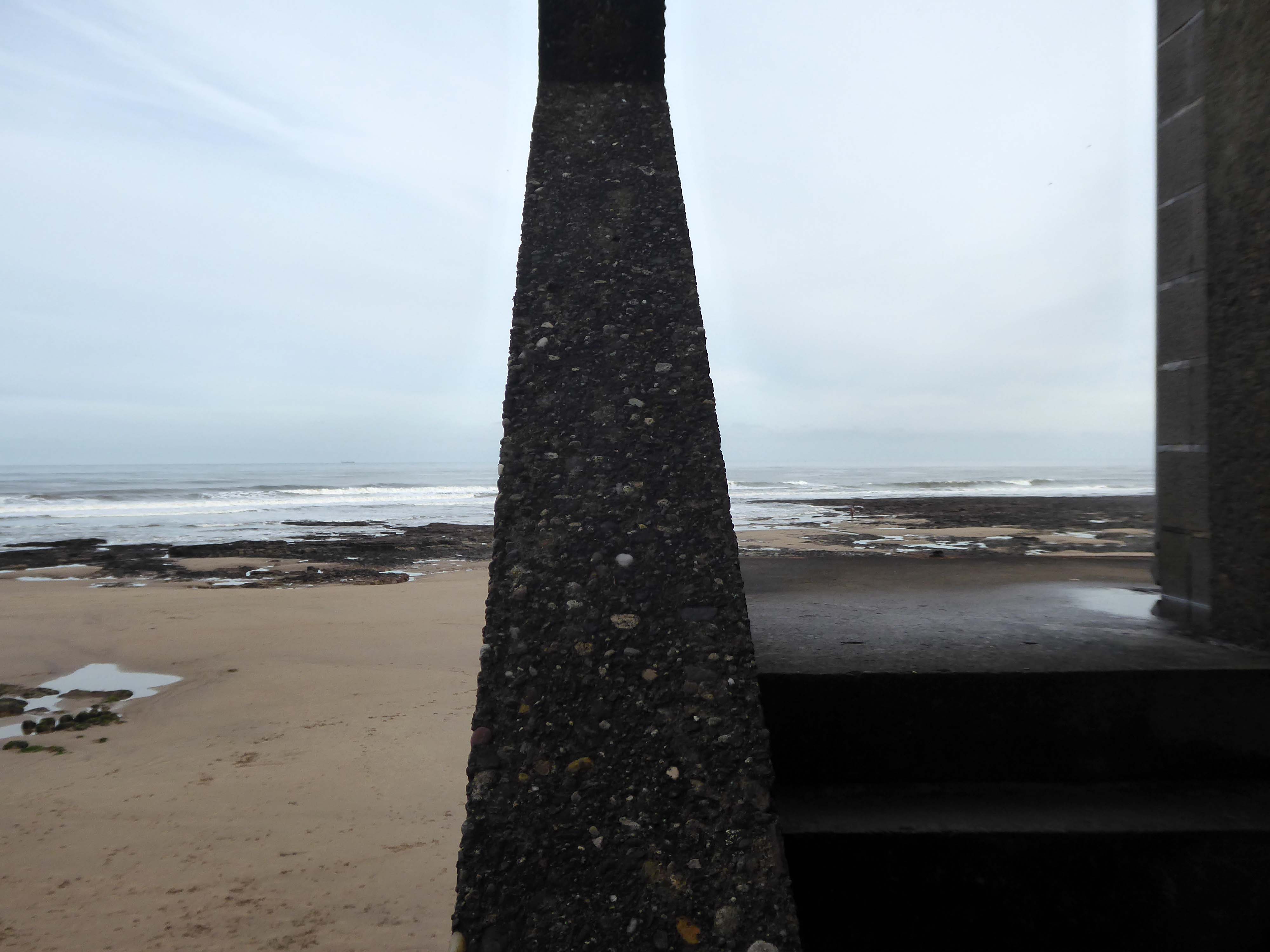
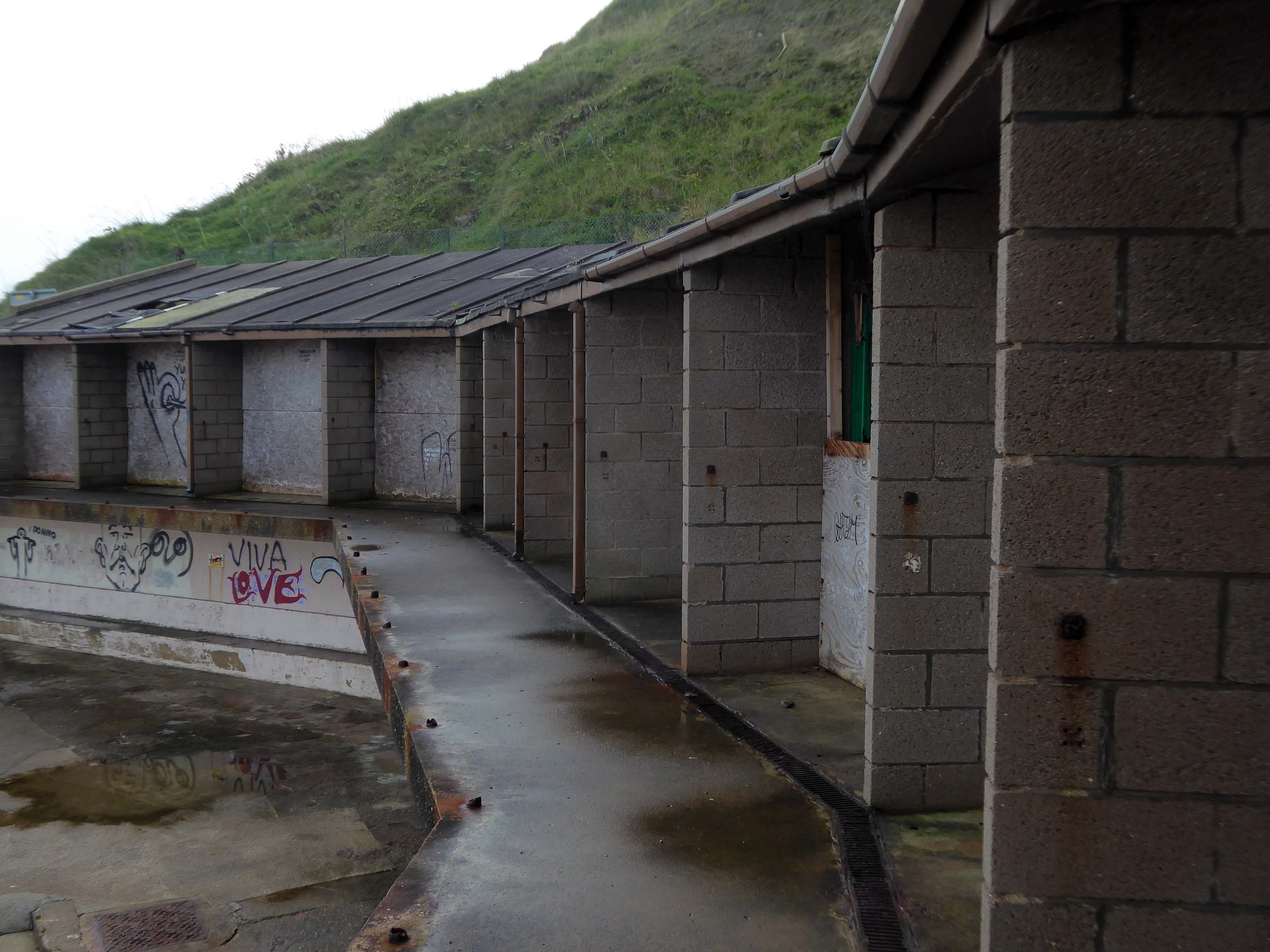

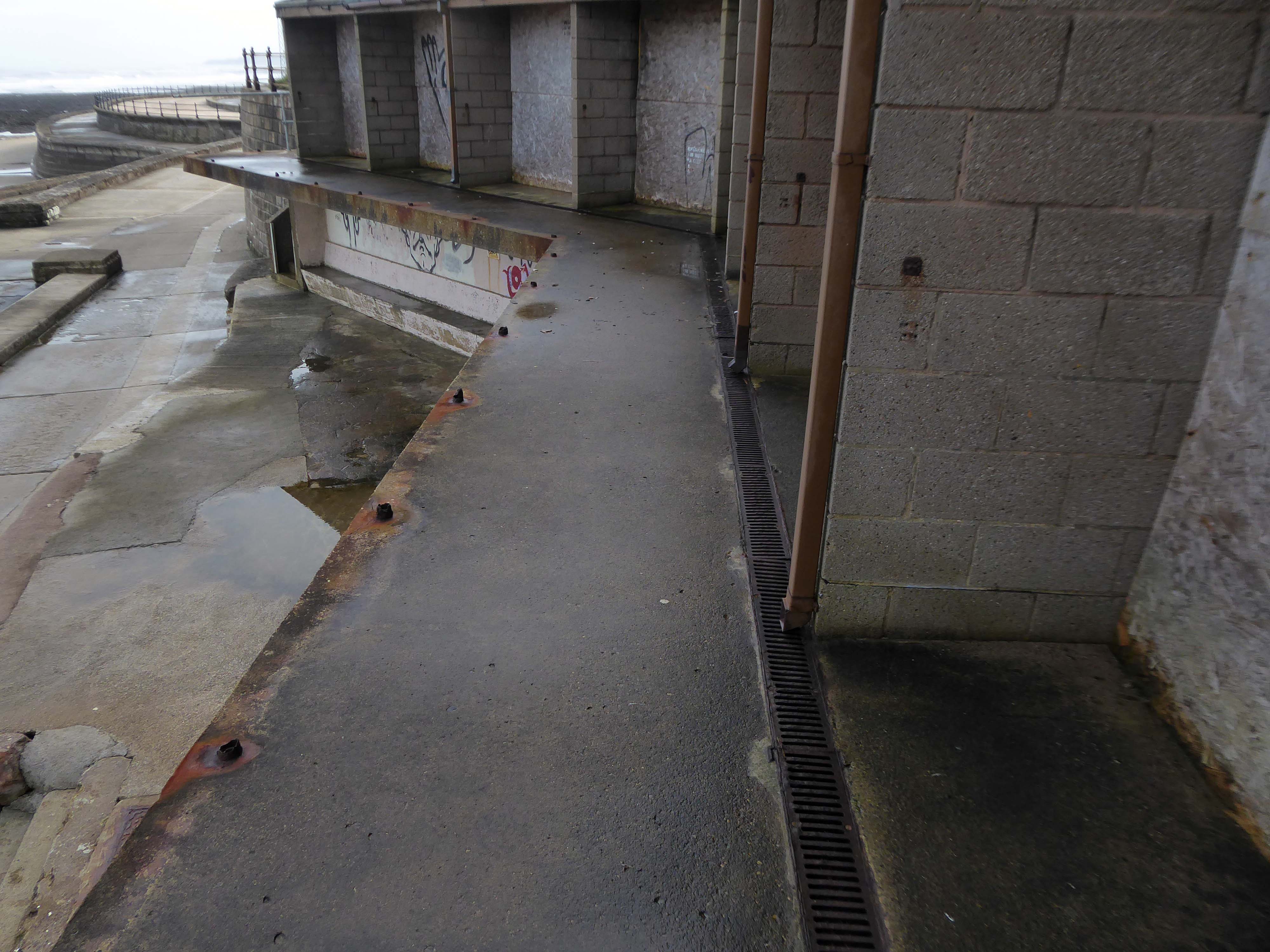
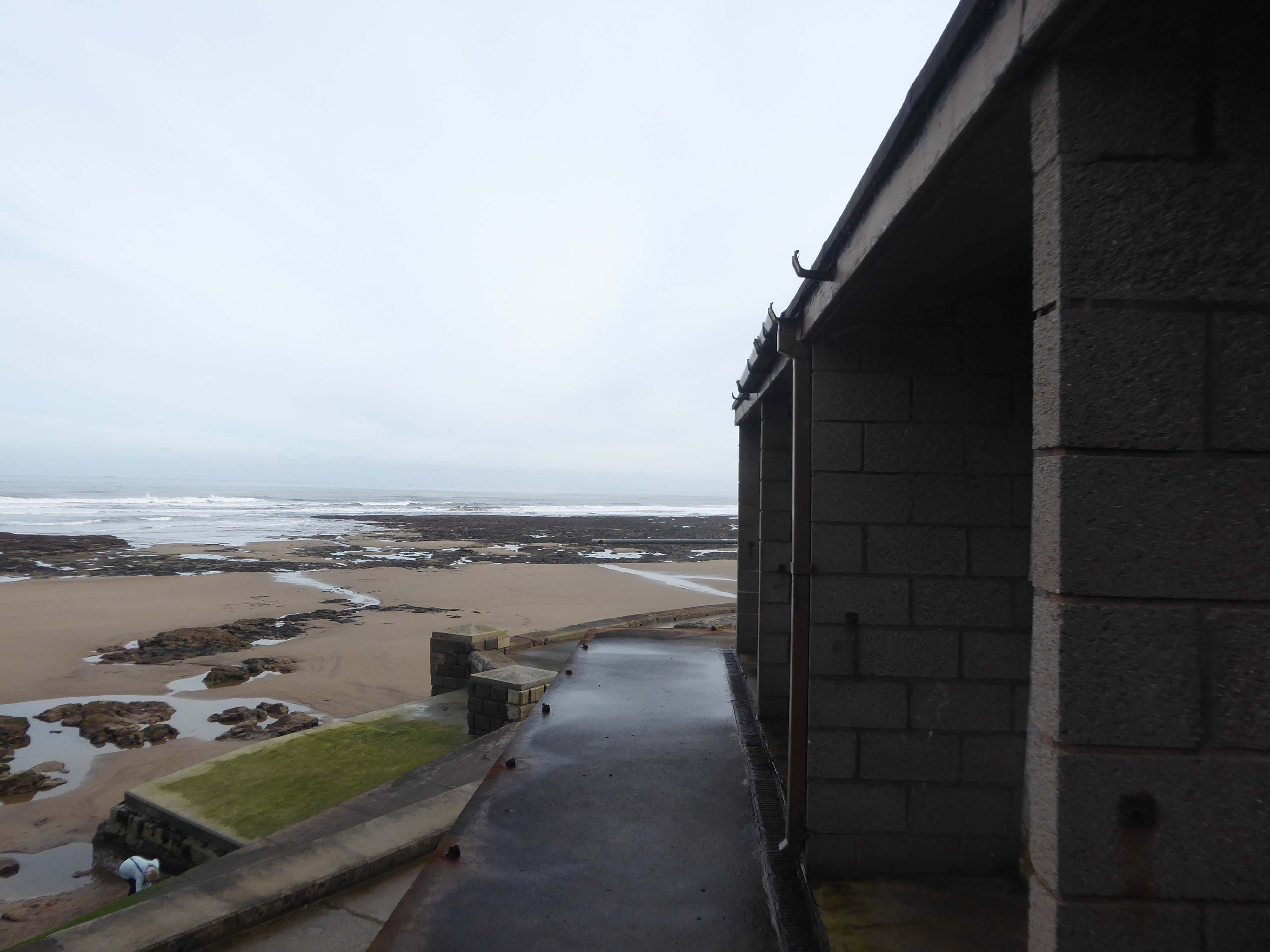
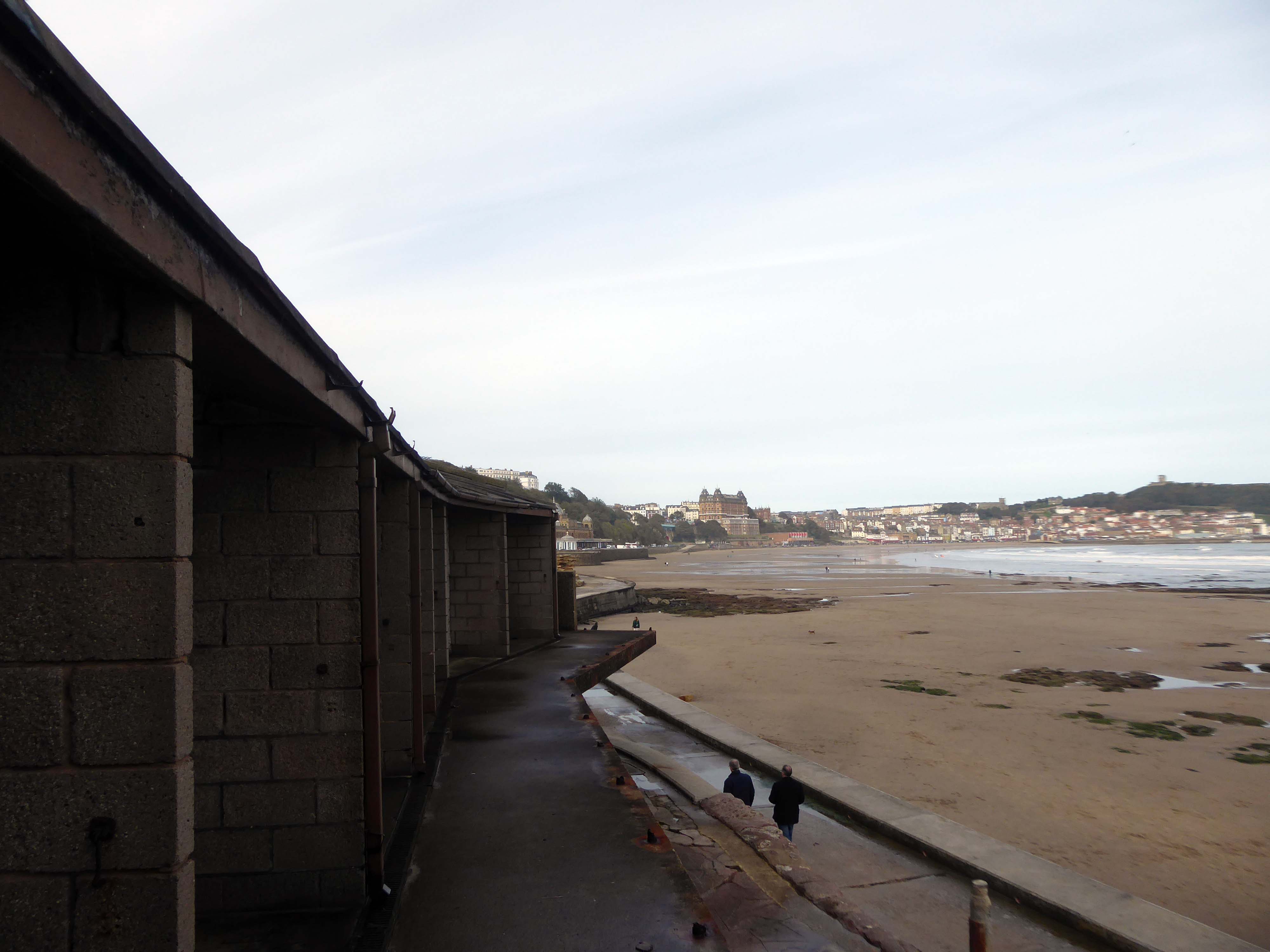
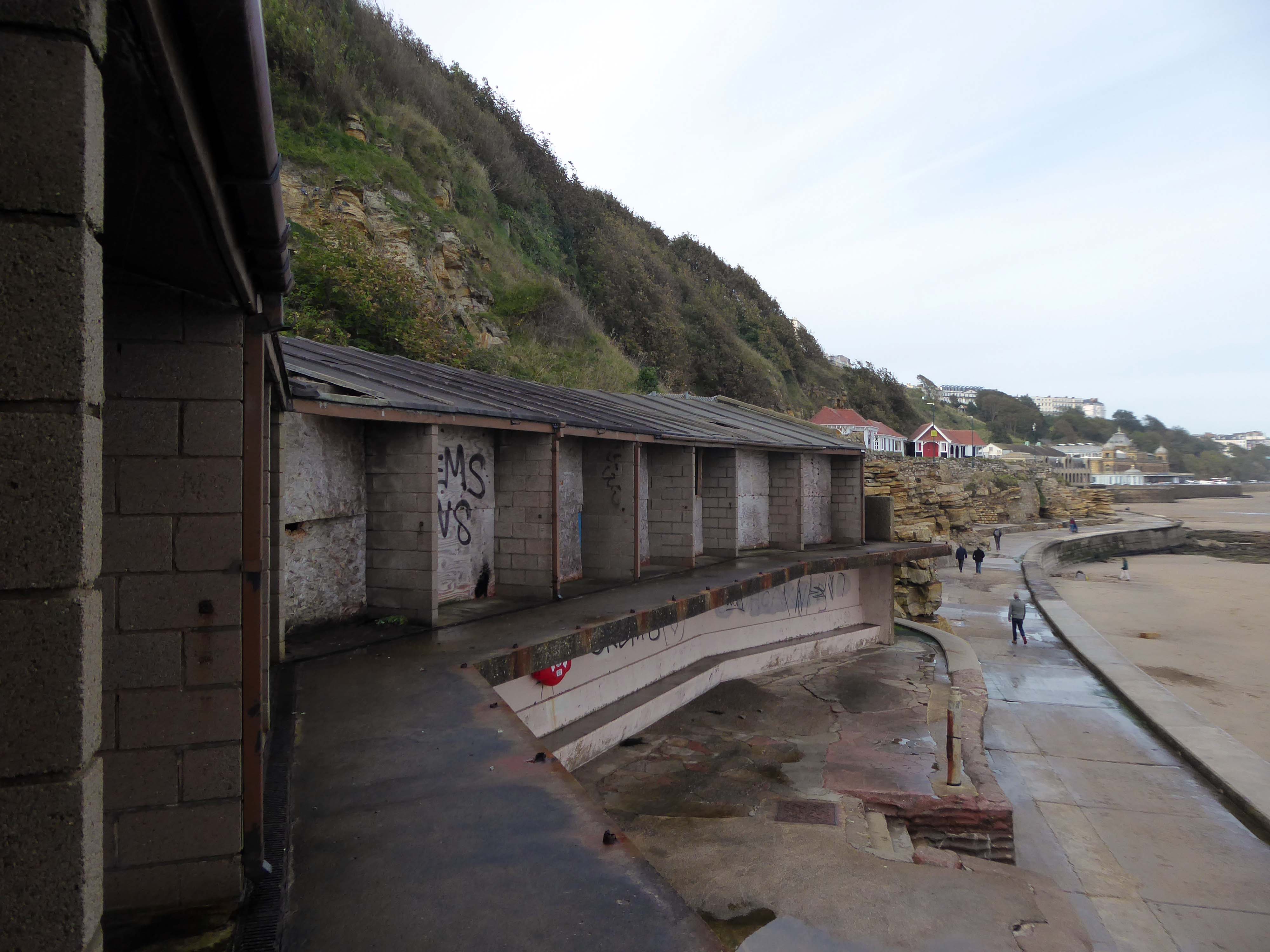


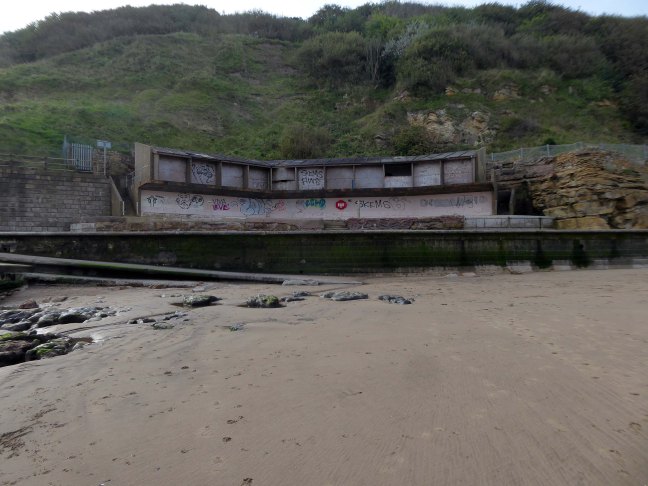
Well here we are again.
The wind, sea, rain and sand continues to erode the beleaguered beach huts.
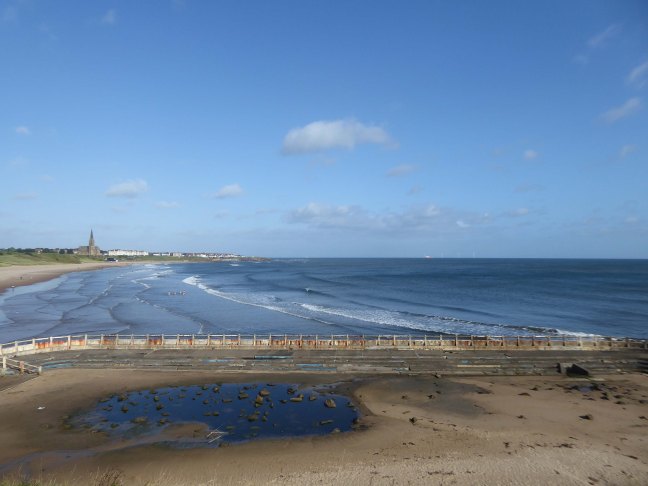
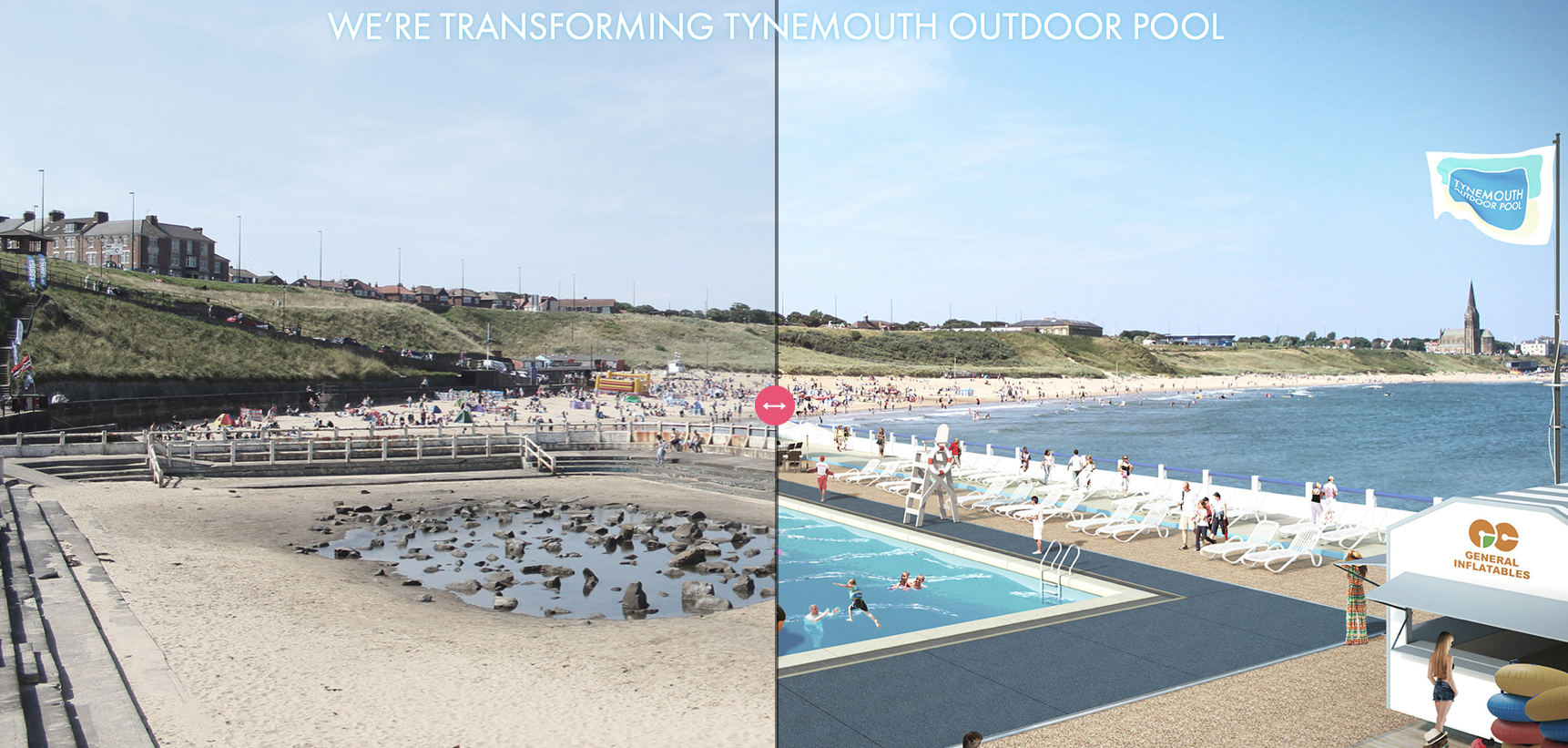
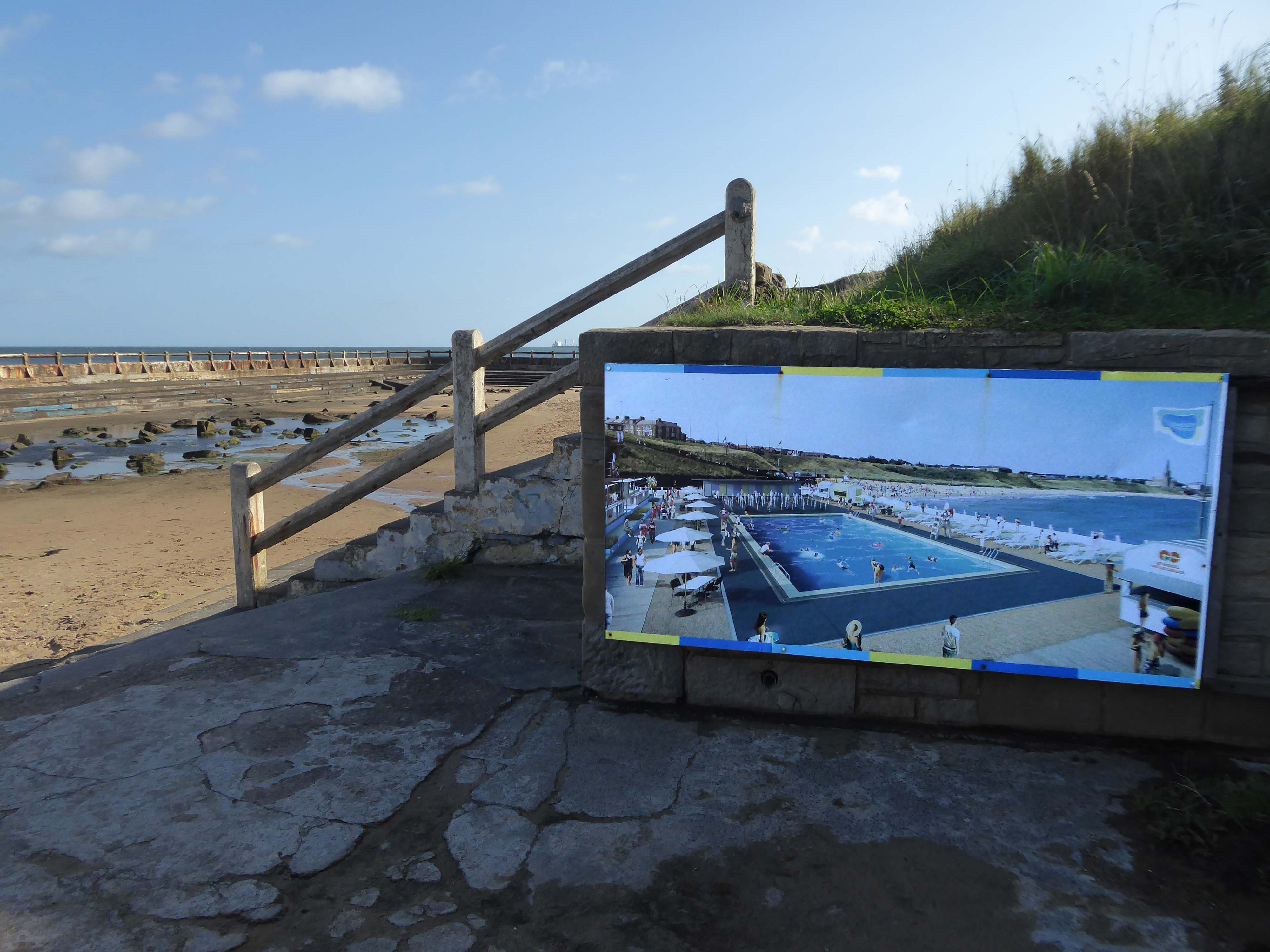
Here we are again and the local community are hard at work funding the pool’s transformation.
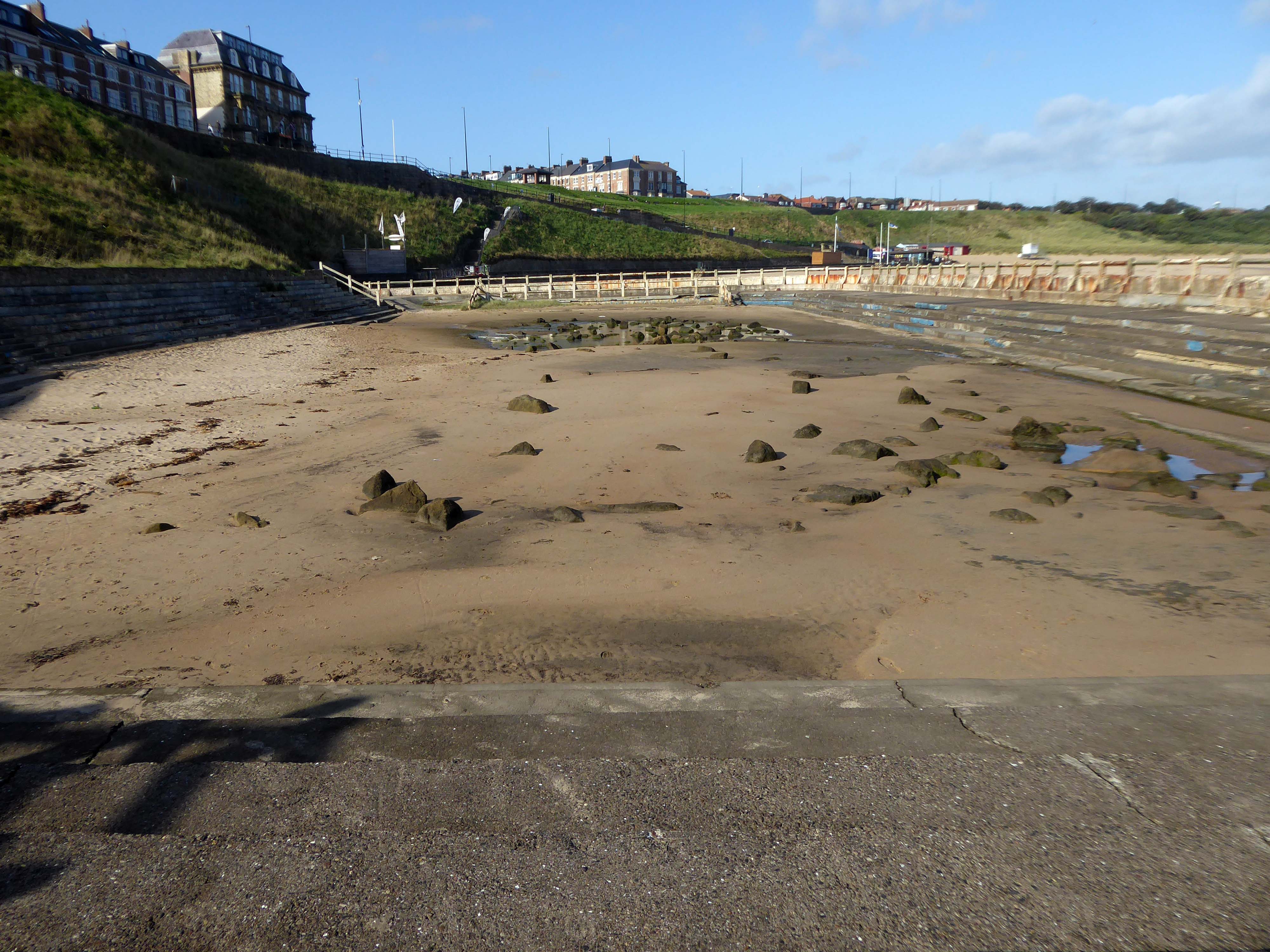
We’re the Friends of Tynemouth Outdoor Pool and we’re aiming to transform the incredible eyesore that sits at the end of one of the country’s favourite beaches into a brand new outdoor pool that’s modern, safe and, most importantly, heated.
Here’s a record of my previous visit.
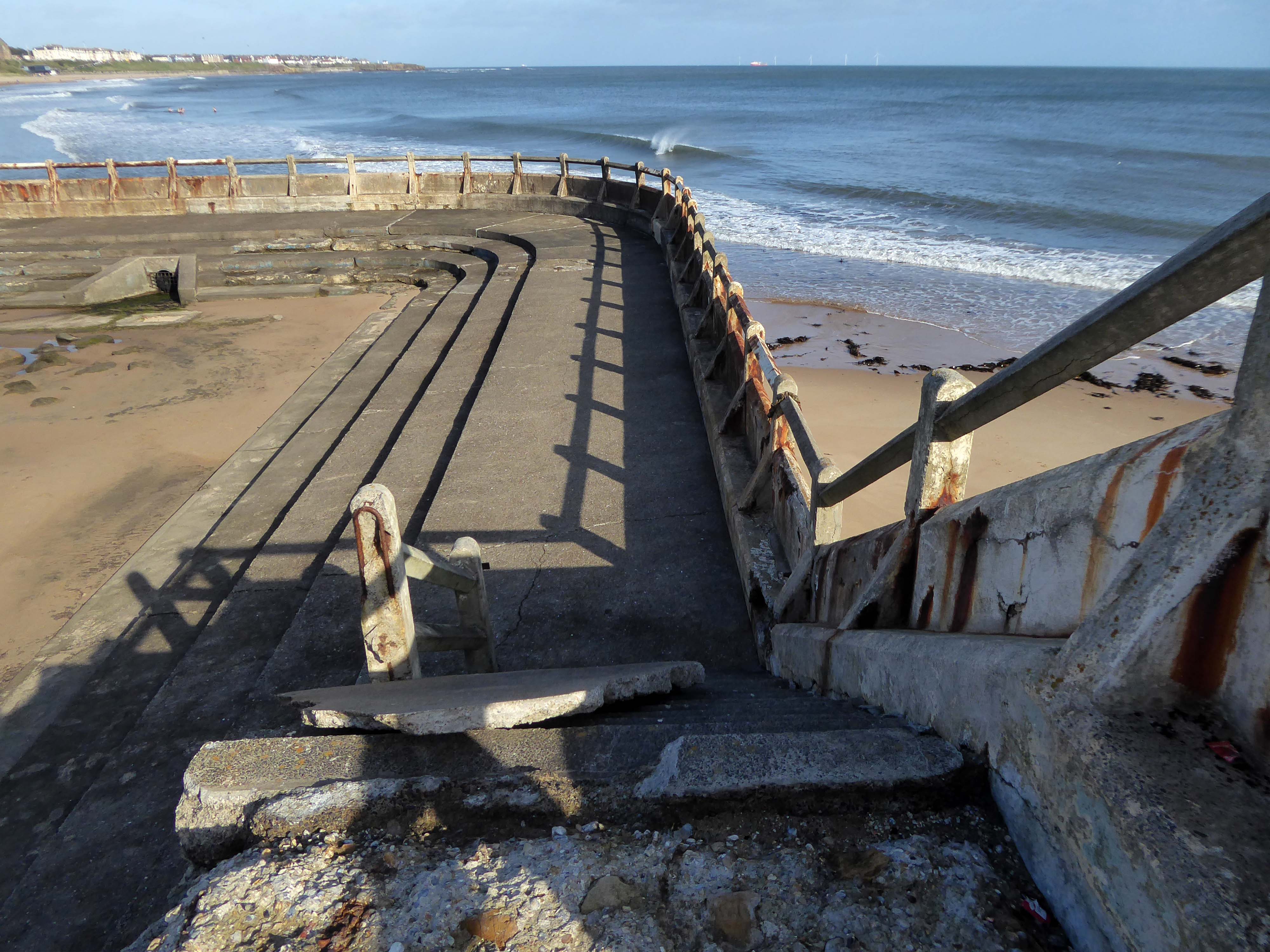
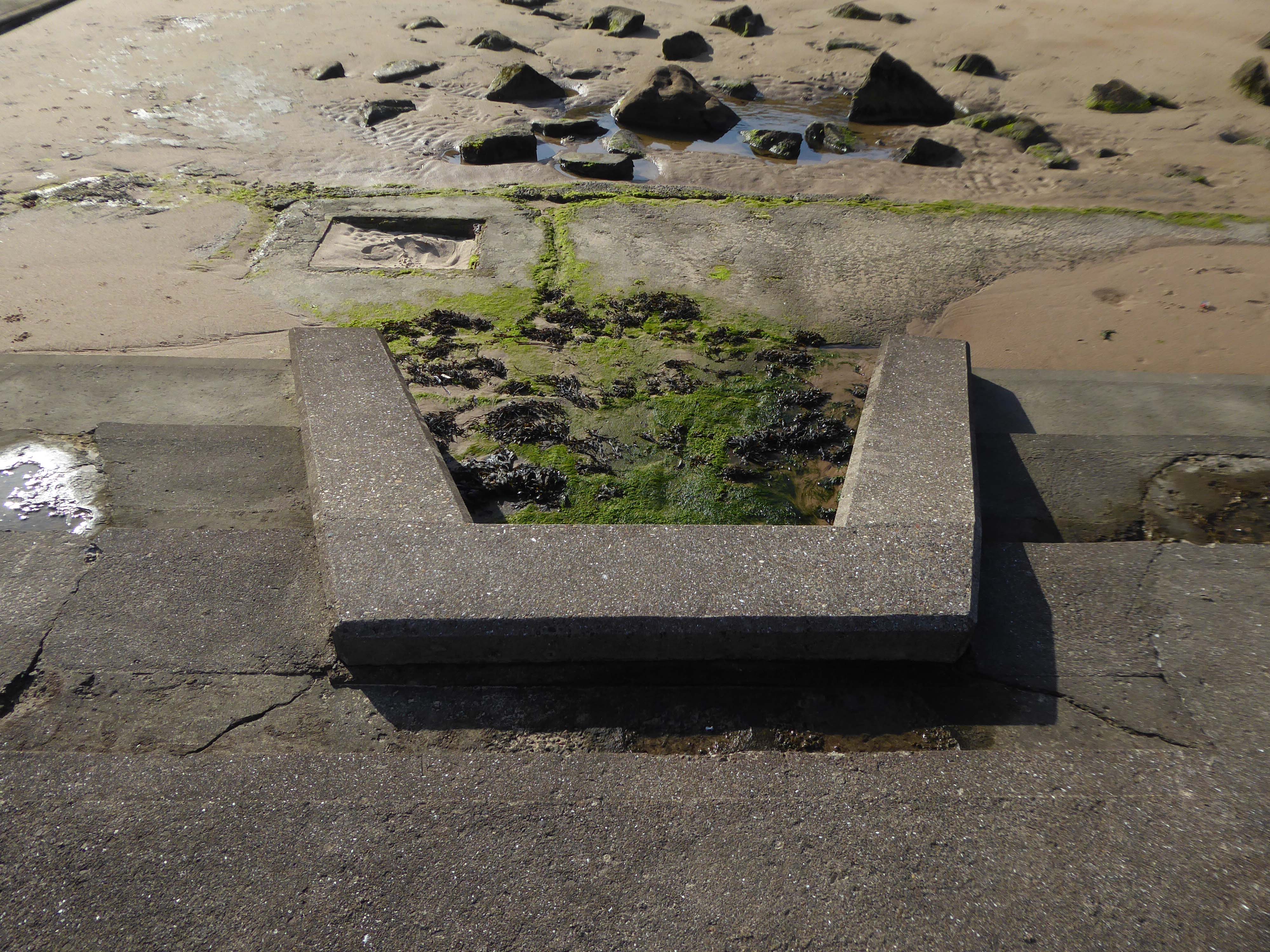
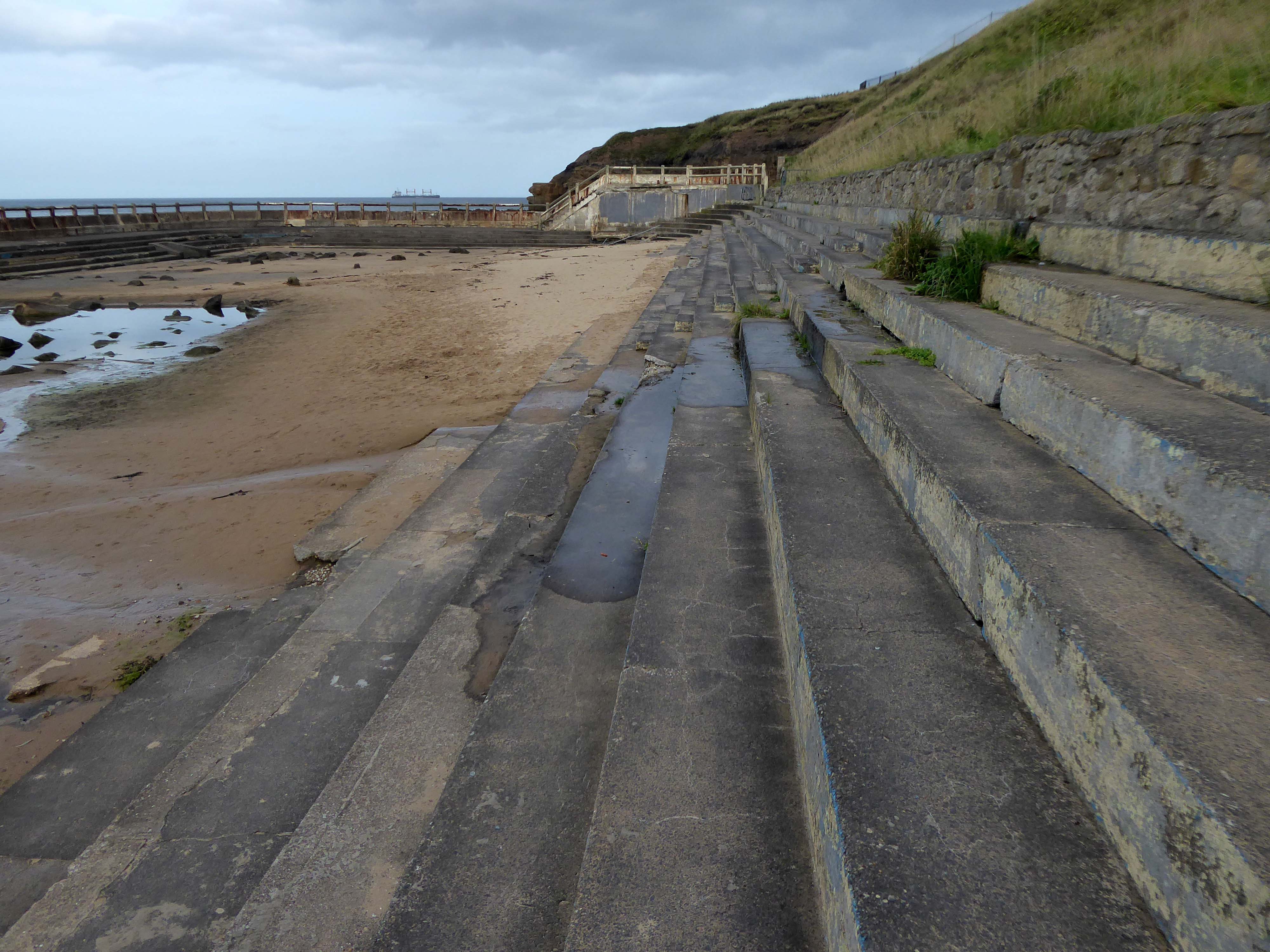
Refurbishment work is yet to begin, sea, sun, sand and wind can be unkind to concrete.
Let’s hope that the glory days return sooner rather than later.
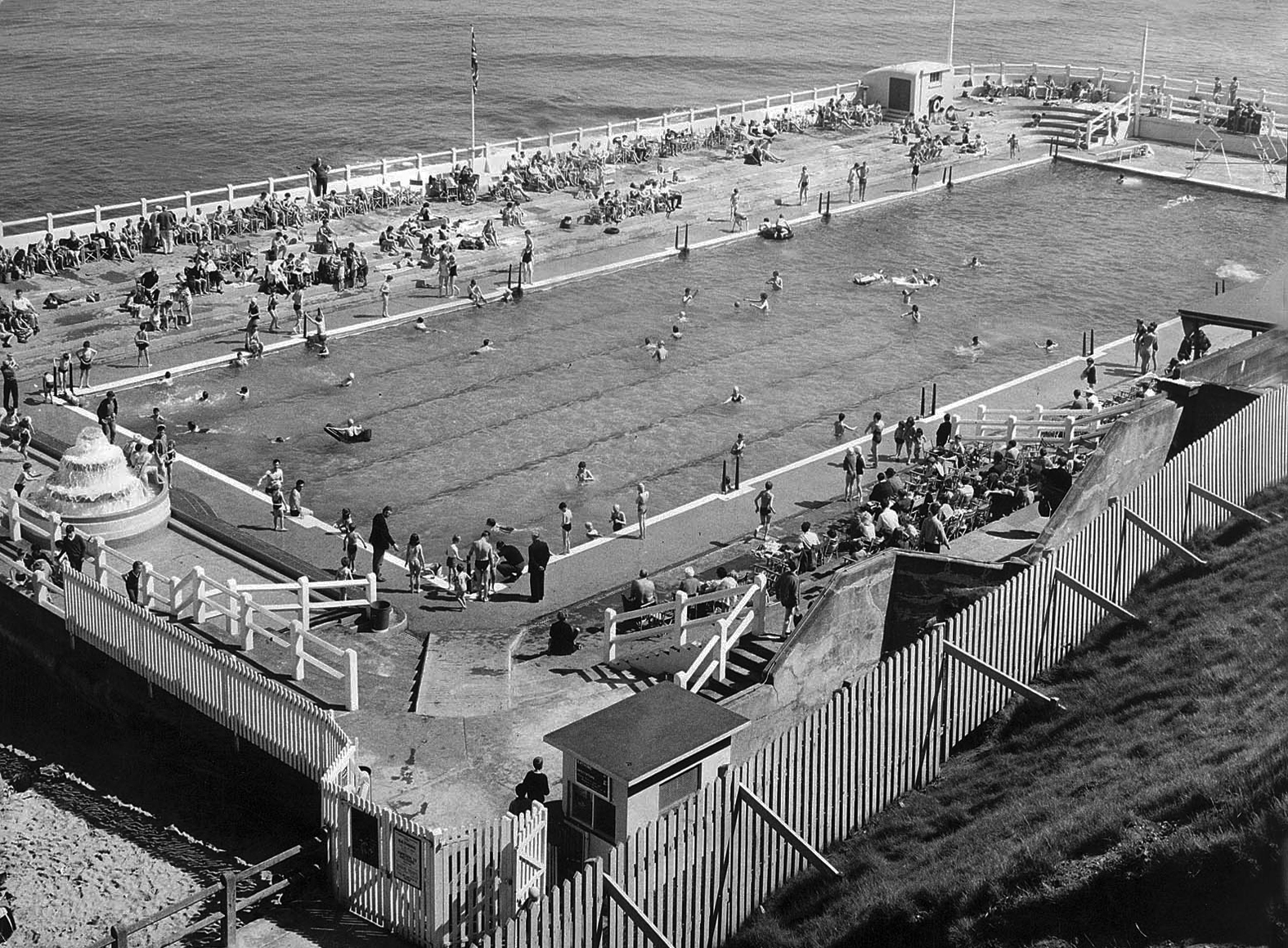
May 1969
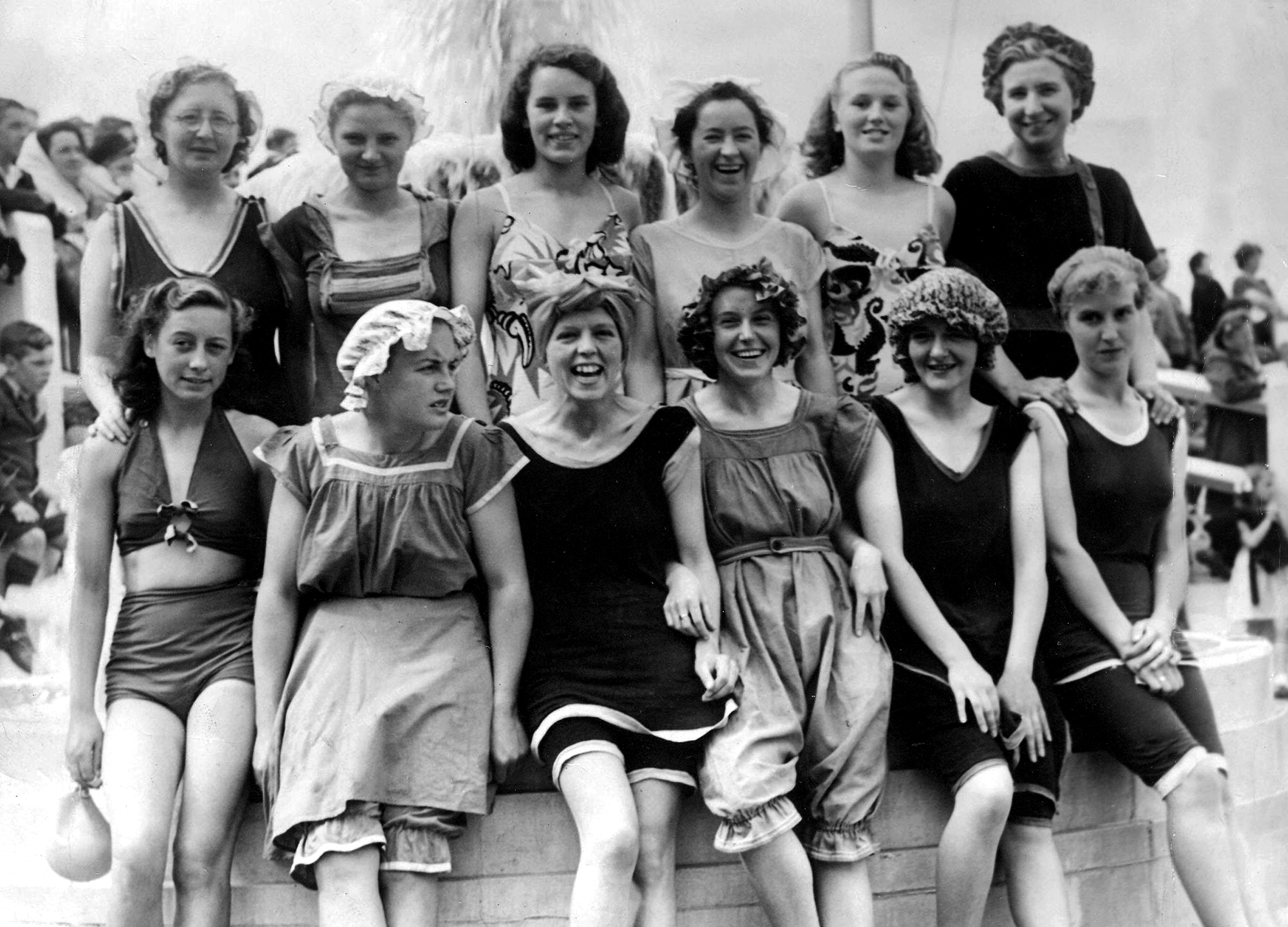
July 1949
Archive images: Memory Lane
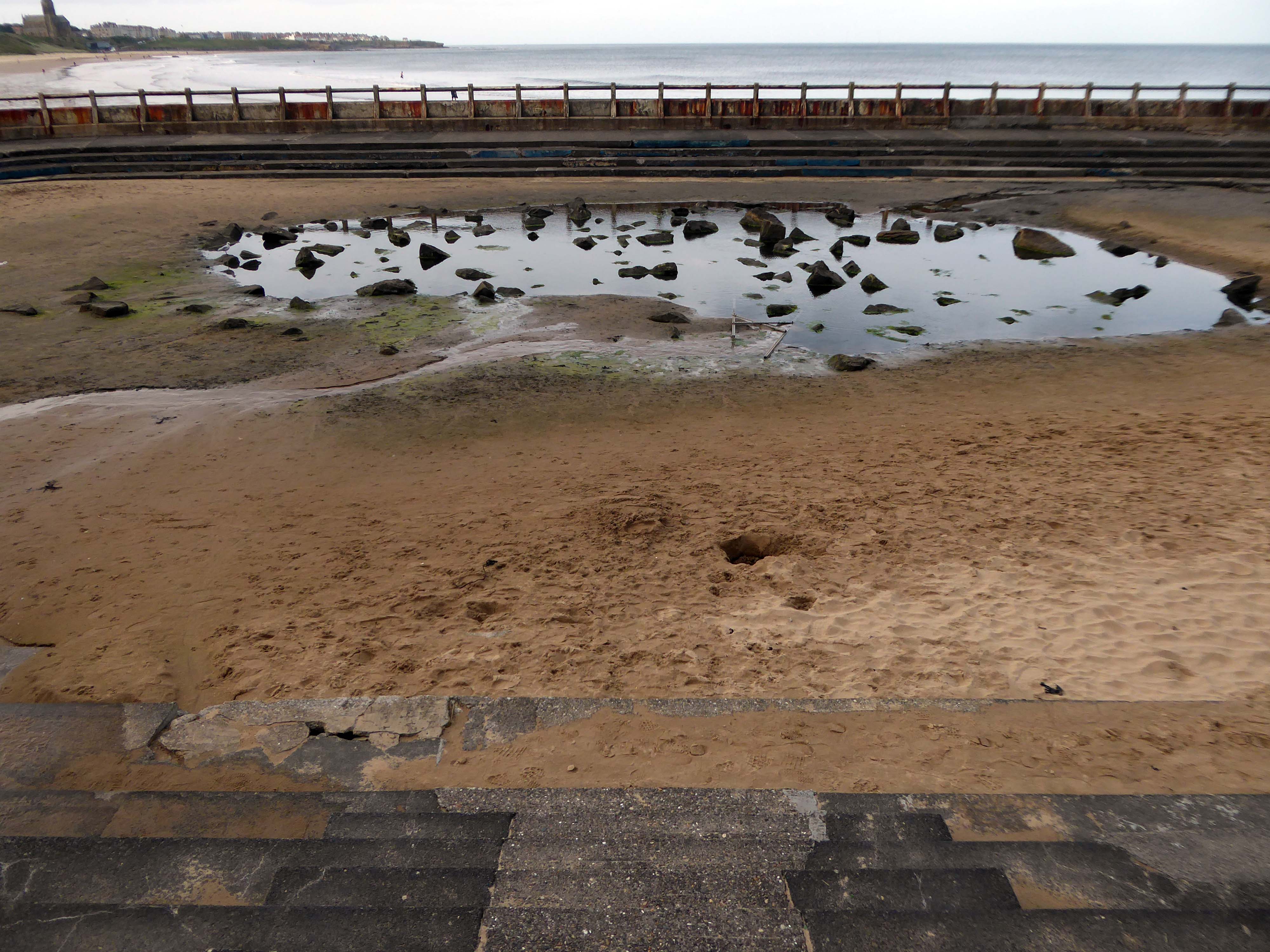
At the Southern end of Tynemouth Longsands beach, on the North East coast, lies the decaying remains of Tynemouth Outdoor Swimming Pool. A concrete, rectangular, salt water tidal pool, built in the 1920s. Popular with locals and holiday makers alike for over 50 years. It began to lose favour in the late 70s with the introduction of cheap package holidays abroad, just as other British coastal holiday destinations lost out.
The pool fell into disrepair, and in the mid 90s the Local Authority demolished the ancillary buildings and bulldozed the rubble into the pool, at a cost of £200,000, before filling with concrete and imported boulders to form an artificial ‘rock pool’.
The anticipated marine life they introduced never flourished and the pool remains an eyesore to this day.
Friends of Tynemouth Pool






Tyne Mill is one of a trio of mills designed by Oscar Faber for Spillers Ltd – the others are in Cardiff and Avonmouth and led to subsequent commissions from the company. Spillers began with a single mill in Bridgwater in around 1833, and during the 20th centruy had mills all over Britain.
Spillers operations were flour milling and manufacturing animal feeds, and they came to Newcastle in 1896. Grinding grain to flour produces both heat and fine dust a combination guaranteed to be a fire hazard. The fire retardant properties of reinforced concrete, and its relative cost effectiveness, made it a popular choice for mills and other industrial buildings.
Construction took place during the winter and a warming plant heated the concrete constituents before and after mixing, to control the setting time which governs how soon the slip-form shuttering can be moved to the next lift. The concrete was usually kept at 15.6 deg C, though this could be varied to speed or delay setting times.
The mill building has the actual mill above a warehouse area. Its footprint is 88.4m by 27.4m with 12 storeys and a maximum height of 51.2m. It has reinforced concrete columns and beams, but timber floors of 100mm thick Columbian pine with a 25mm thick maple strip finish. The walls are of 280mm thick brickwork with flashing on each floor to drain the cavity.
When completed, Spillers Tyne Mill was the largest flour mill in Europe and apparently the tallest milling building in the world. It could process 254,000 tonnes of grain annually, brought to the mill by ship via Spillers Quay or by rail on the track extension along Quayside.

A goods line down to the Newcastle quayside from Manors Station was agreed in 1845, but not authorized until 28th June 1863 and opened on 1st June 1870.
The Quayside Branch Line closed on 16 June 1969. The railway was in use for ninety-nine years and its eventual demise reflects the changes in the Quayside and Ouseburn themselves from shipping and industrial use to one now of housing and leisure facilities. The northern portal of tunnel 2 was removed when the Metro system was constructed in the late 1970s. The cutting above Lime Street was filled in in 1977 and the tunnel at the quayside bricked up and landscaped over in the 1990s. Only the Red Barns tunnel remains as a metro overrun facility.

Demolition began in June 2011 and was completed by January 2012.

All that remains is a car park:
24/7, completely free and always spaces! A hidden parking gem of Newcastle! 10 minute walk to Millennium Bridge. Security is almost non-existent but busy enough that trouble should be deterred.
However:
A popular Newcastle car park will be staying locked up overnight in an effort to crack down on boy racers. Council bosses have confirmed plans to permanently close the Spillers car park in Ouseburn at 10pm each night after it was plagued with – significant anti-social behaviour.
The future of the car park is uncertain, with major redevelopment plans having emerged for the area.
While planning permission has expired for the controversial Whey Aye Wheel project, which would have seen Europe’s biggest observation wheel built at Spillers Wharf, there remain proposals to build housing on the riverside plot.
However as of September 2023 a car park is a car park – a car park with embedded remnants of the railway yard, interspersed with rapidly emergent plant life, and crumbling concrete obstacles.
Along with a discarded packet of Wotsits.
The ingredients list of Wotsits Cheese reveals that cheese and dairy-derived components play a significant role in creating the mouthwatering flavor. The primary ingredients include corn and rapeseed oil, which form the base of the crunchy corn puffs. However, it is the cheese flavoring that truly brings the cheesy goodness to Wotsits cheese.


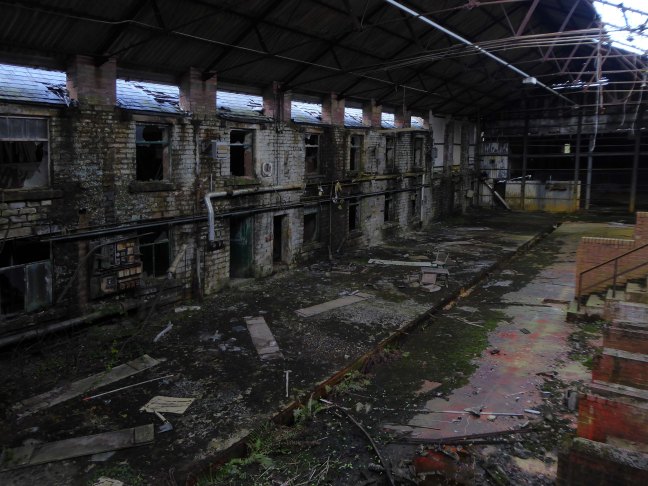
Chisworth Works Coombes Lane Holehouse Charlesworth and Chisworth SK13 5DQ
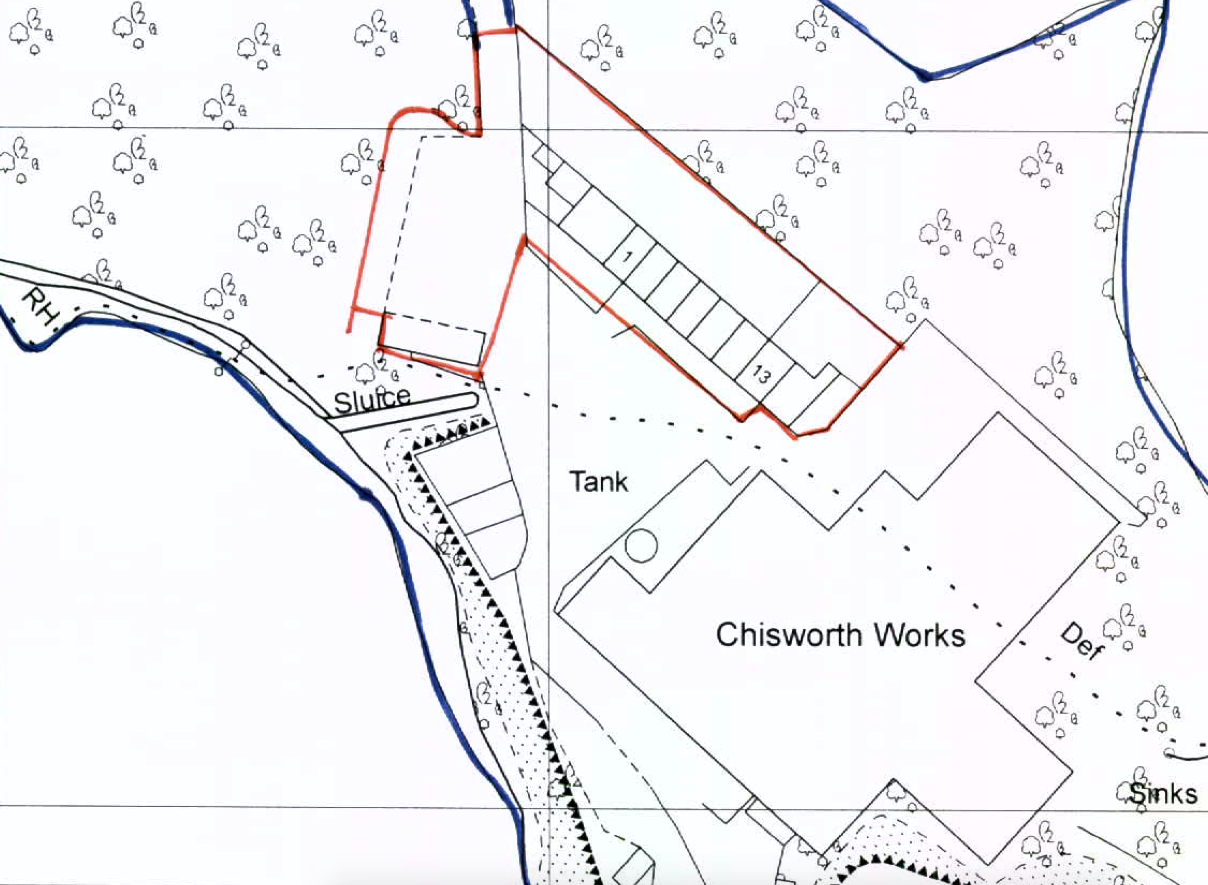
Built at the end of the 18th or in the early 19th centuries; Chisworth Works was as a cotton band manufactory. During these times, the site was called Higher Mill.
It was referred to as Higher Mill, as there was a lower works, Mouse Mill in Holehouse, owned by the Booth family.
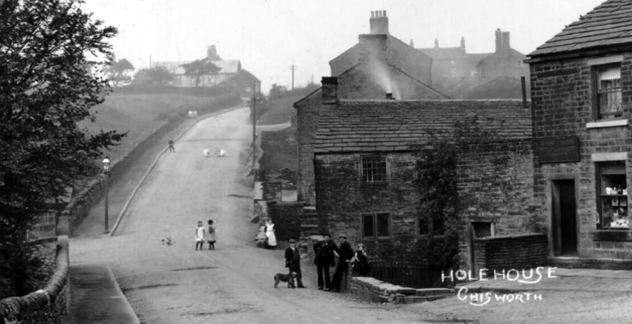
Keiner & Co., at Charlesworth, employ over 100 people and are engaged principally in the production of synthetic and chrome tanning extracts.
Glossop Official Handbook 1948
It has been a longstanding, low-lying object of interest to those intrepid Urban Explorers.
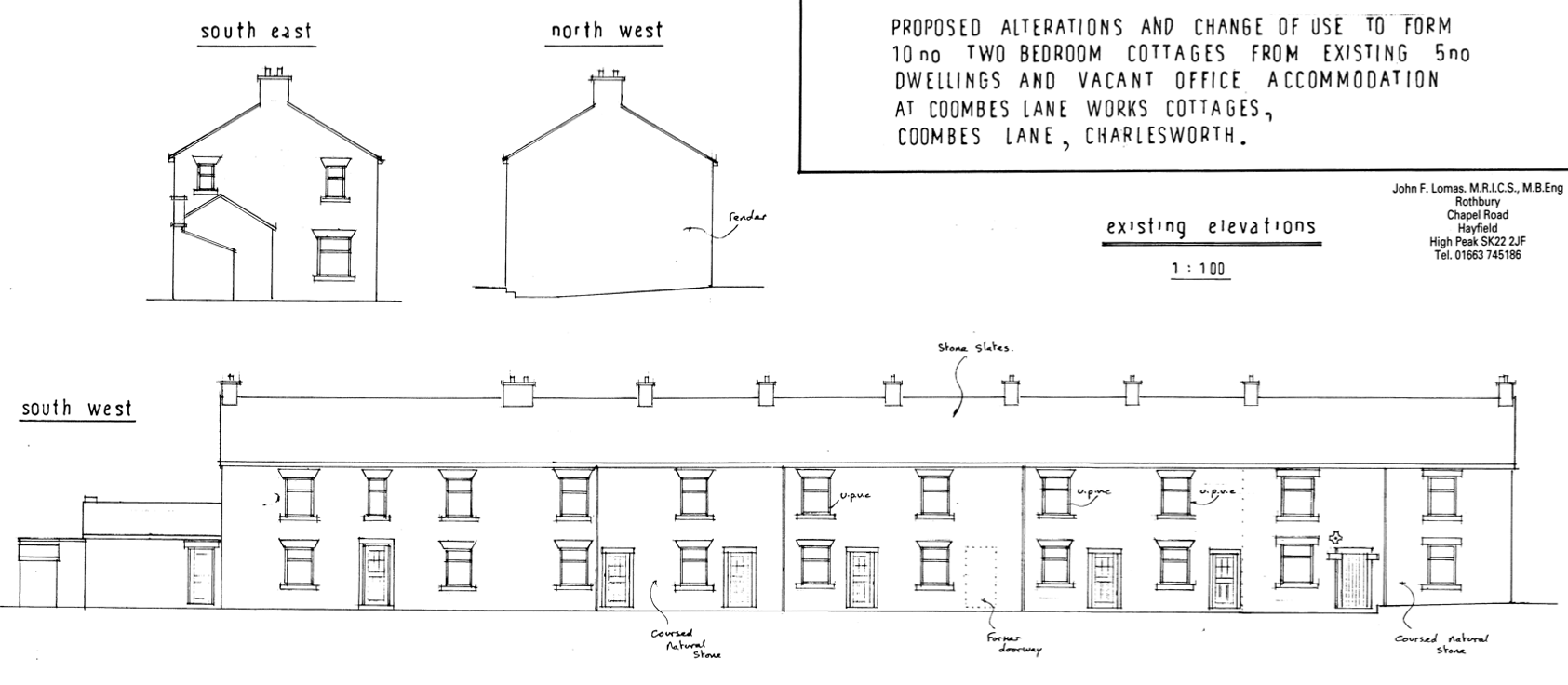
A planning application of 2009 was submitted for redevelopment of the terraced cottages.
Proposed alterations and change of use to form ten two bedroom cottages from existing five dwellings and vacant office accommodation.
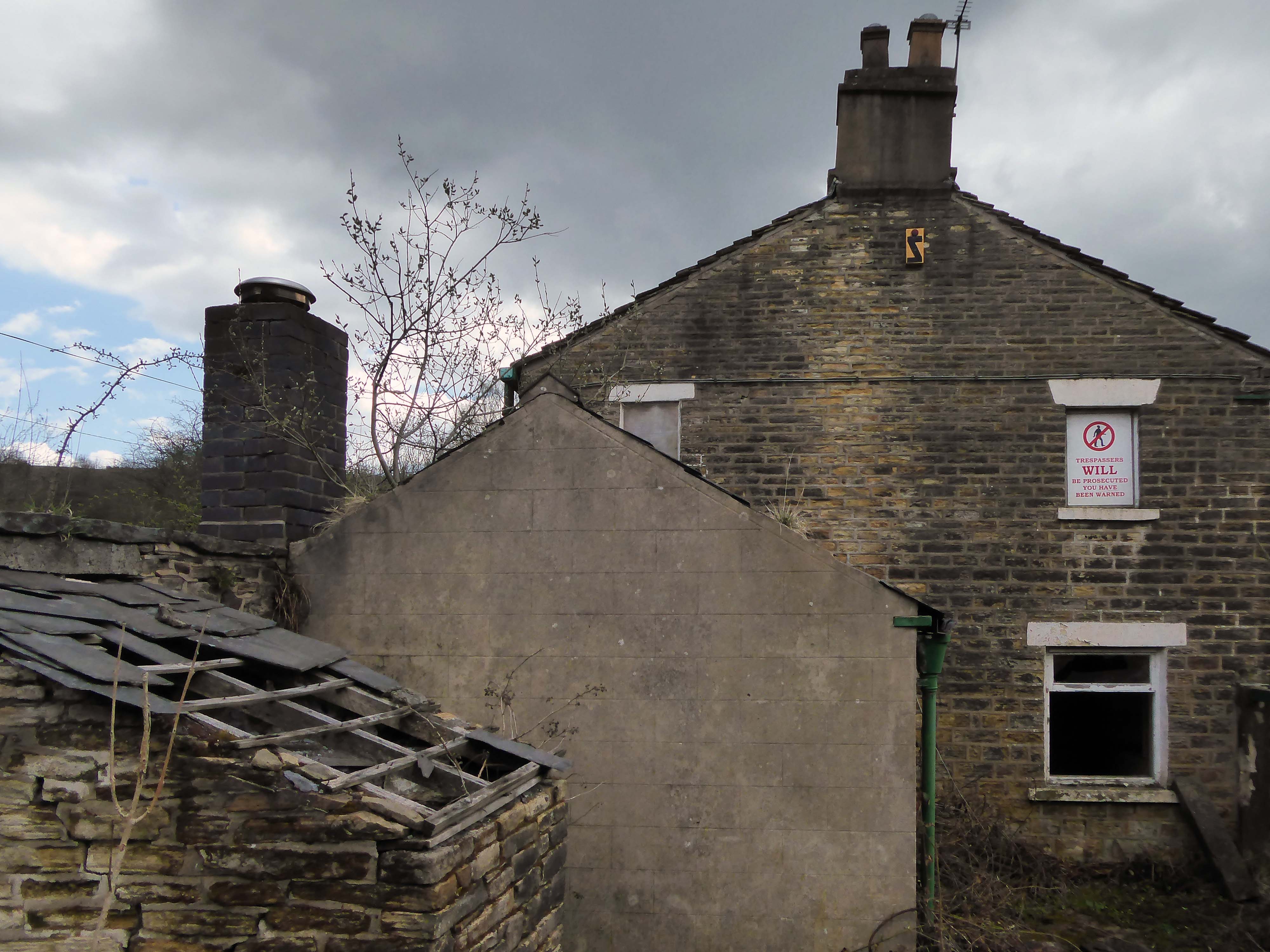
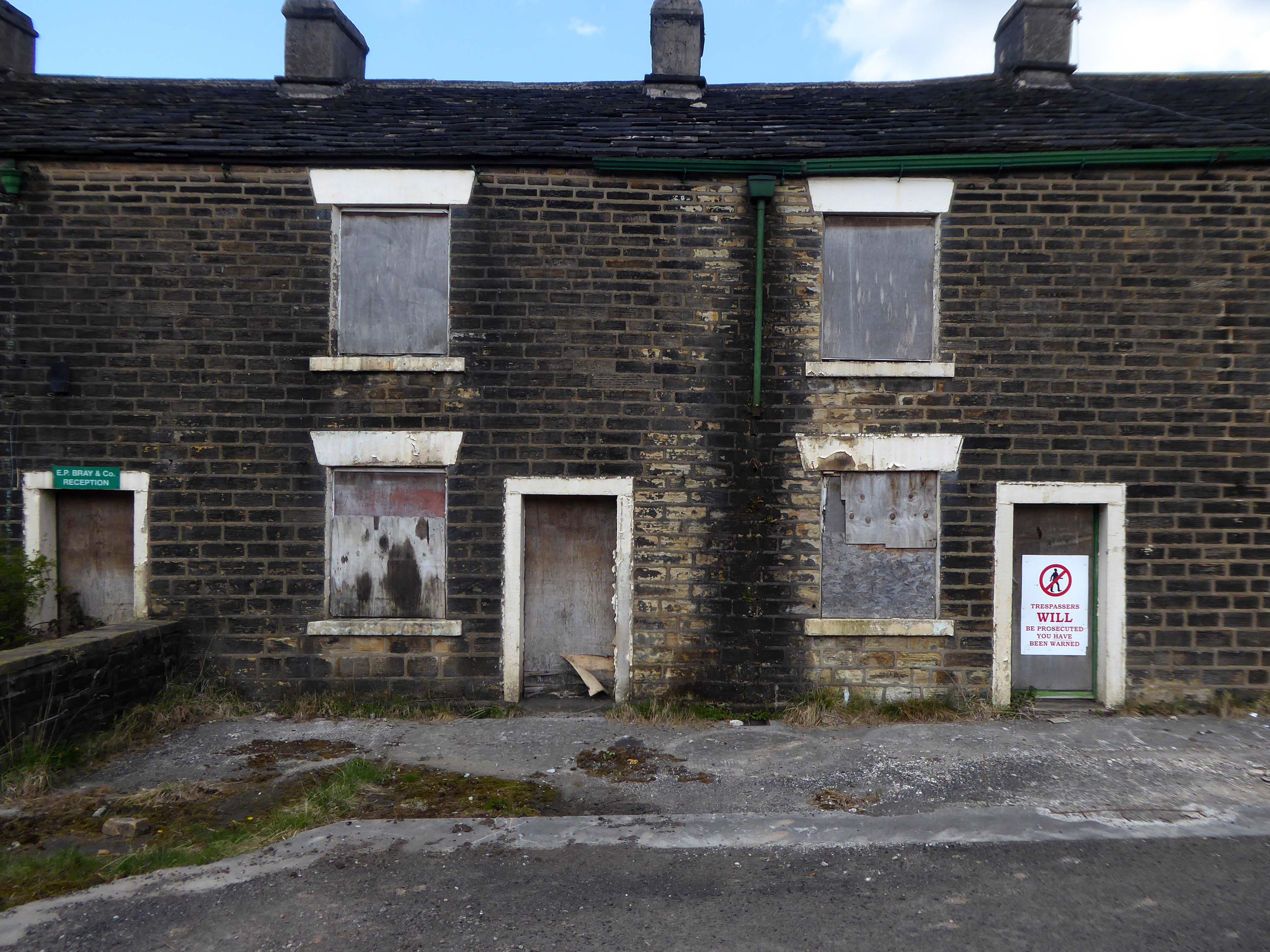
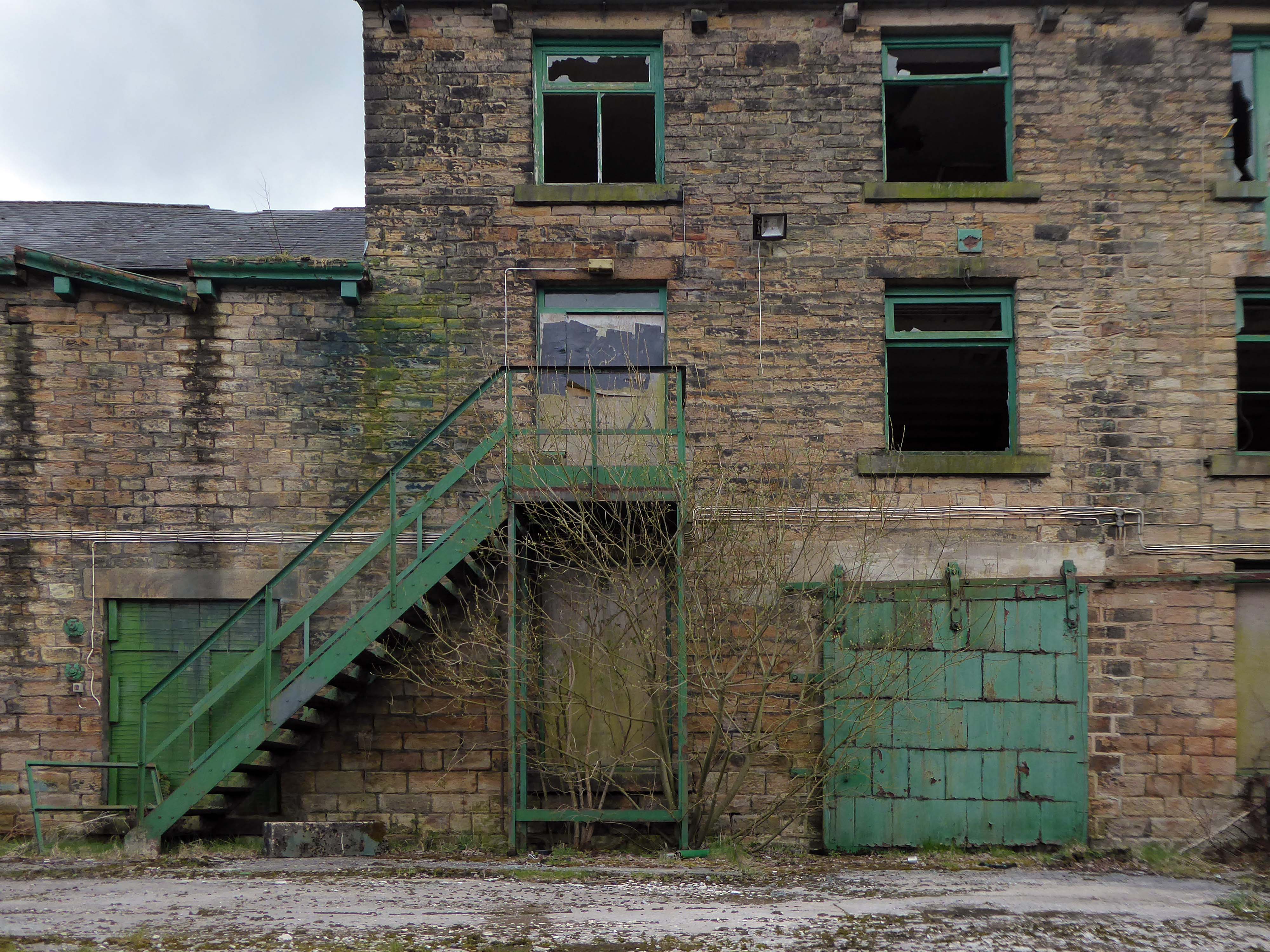
This was the state of play in April 2021 – the interior photographs were taken through an open aperture.
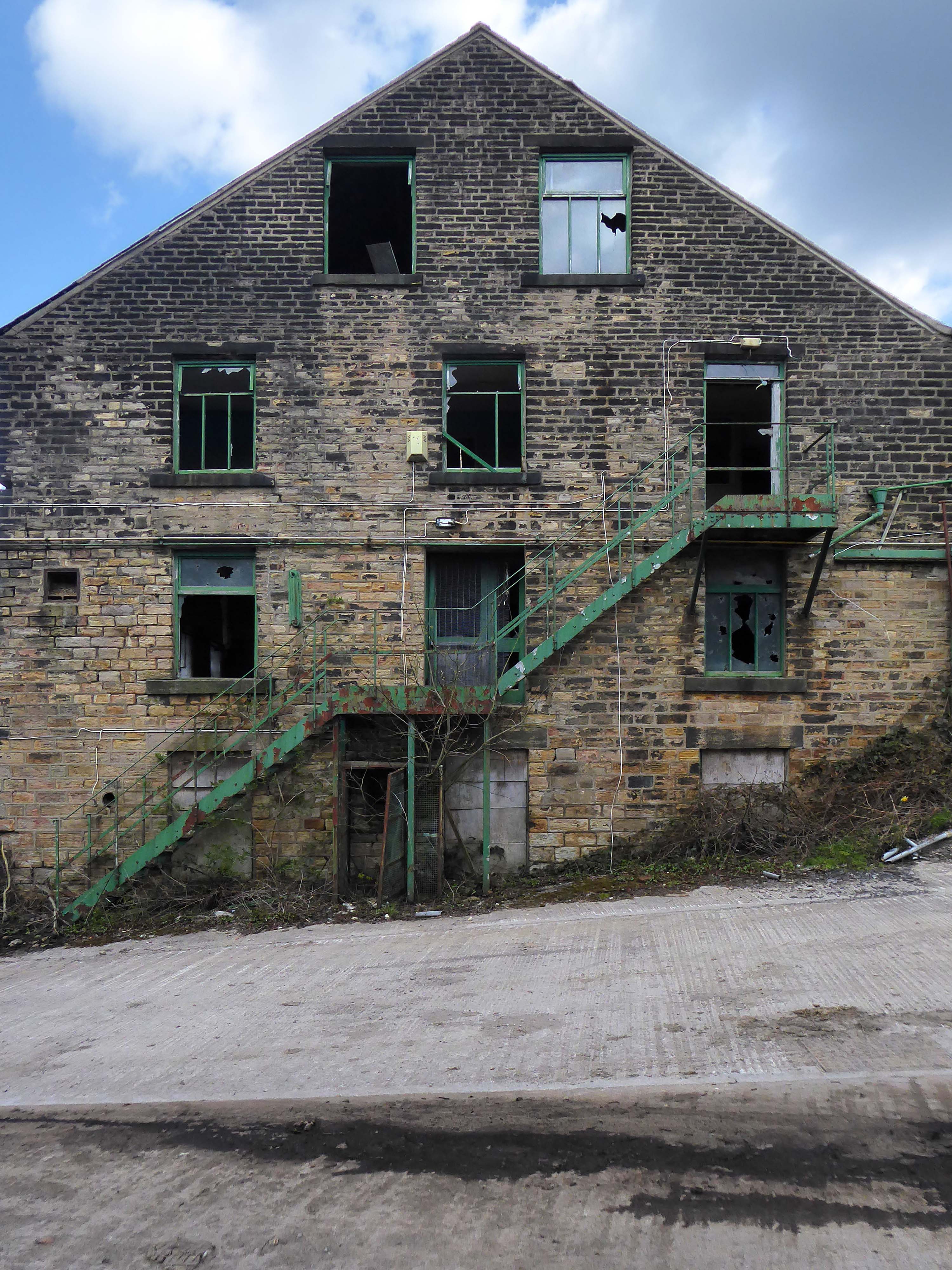
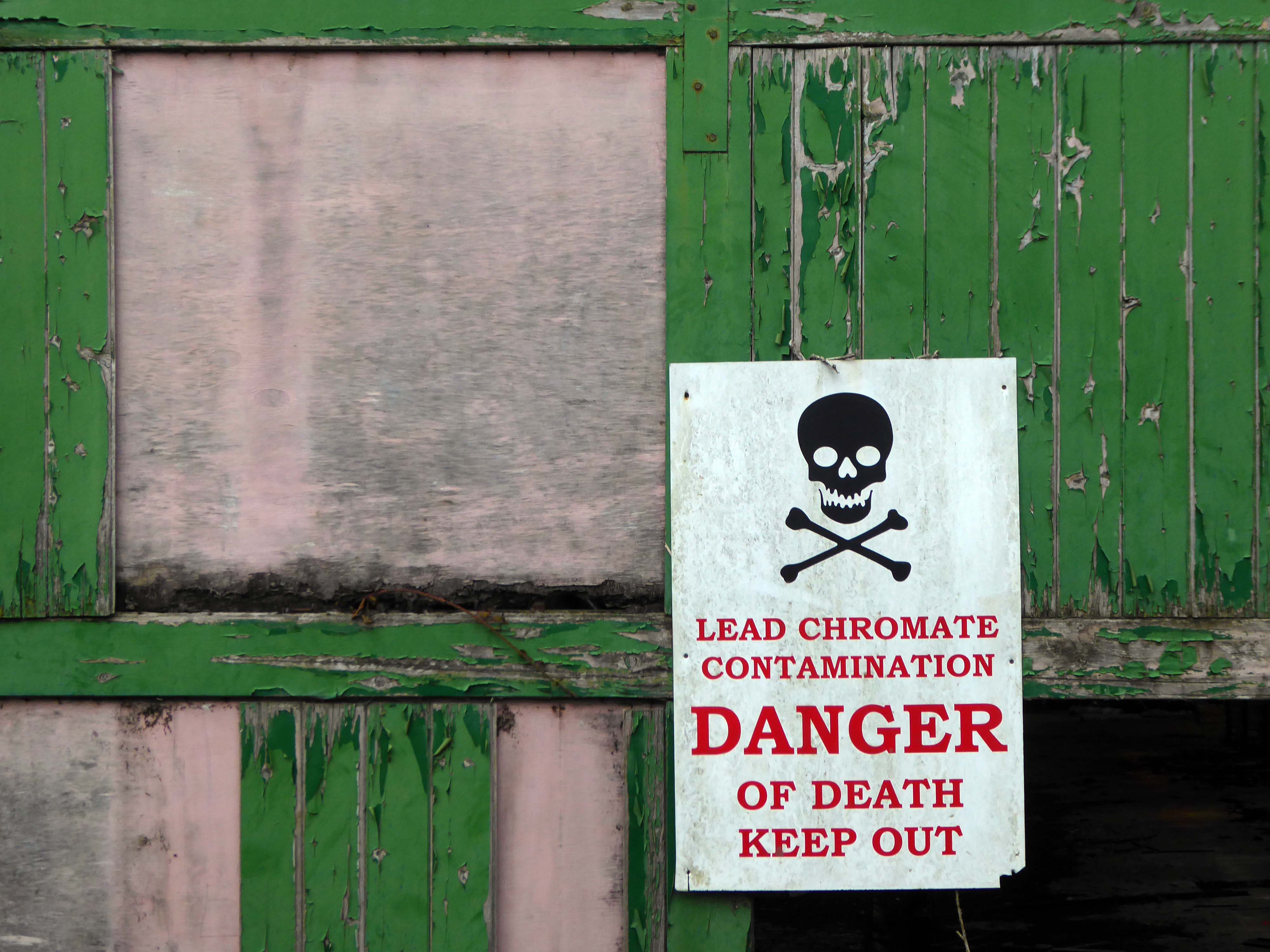
Lead Chromate can affect you when inhaled or swallowed. Contact can irritate and burn the skin and eyes. Prolonged skin contact may cause blisters and deep ulcers.
Inhaling Lead Chromate can irritate the nose, throat and lungs.Exposure can cause headache, irritability, and muscle and joint pain. Repeated exposure can cause Lead poisoning with metallic taste, colic and muscle cramps.
Inhaling Lead Chromate can cause a sore and/or a hole in the septum.
Lead Chromate may cause a skin allergy.
Lead Chromate may damage the nervous system. Exposure may cause kidney and brain damage, and anemia.
The building was subsequently owned by EP Bray.
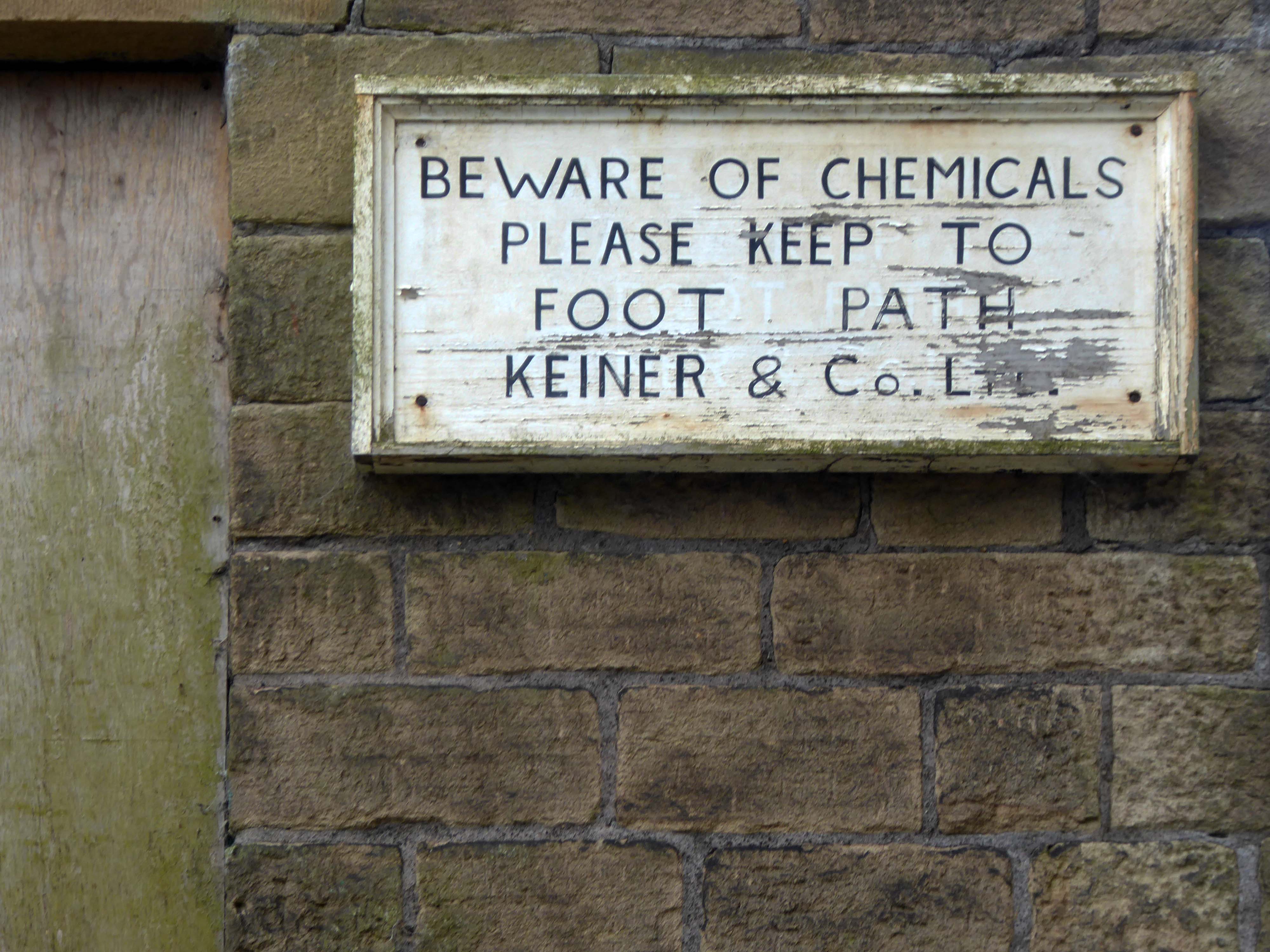
Wherever the choice has had to be made between the man of reason and the madman, the world has unhesitatingly followed the madman.
Aldous Huxley – Crome Yellow
Chrome yellow is a derivative of Lead Chromate.

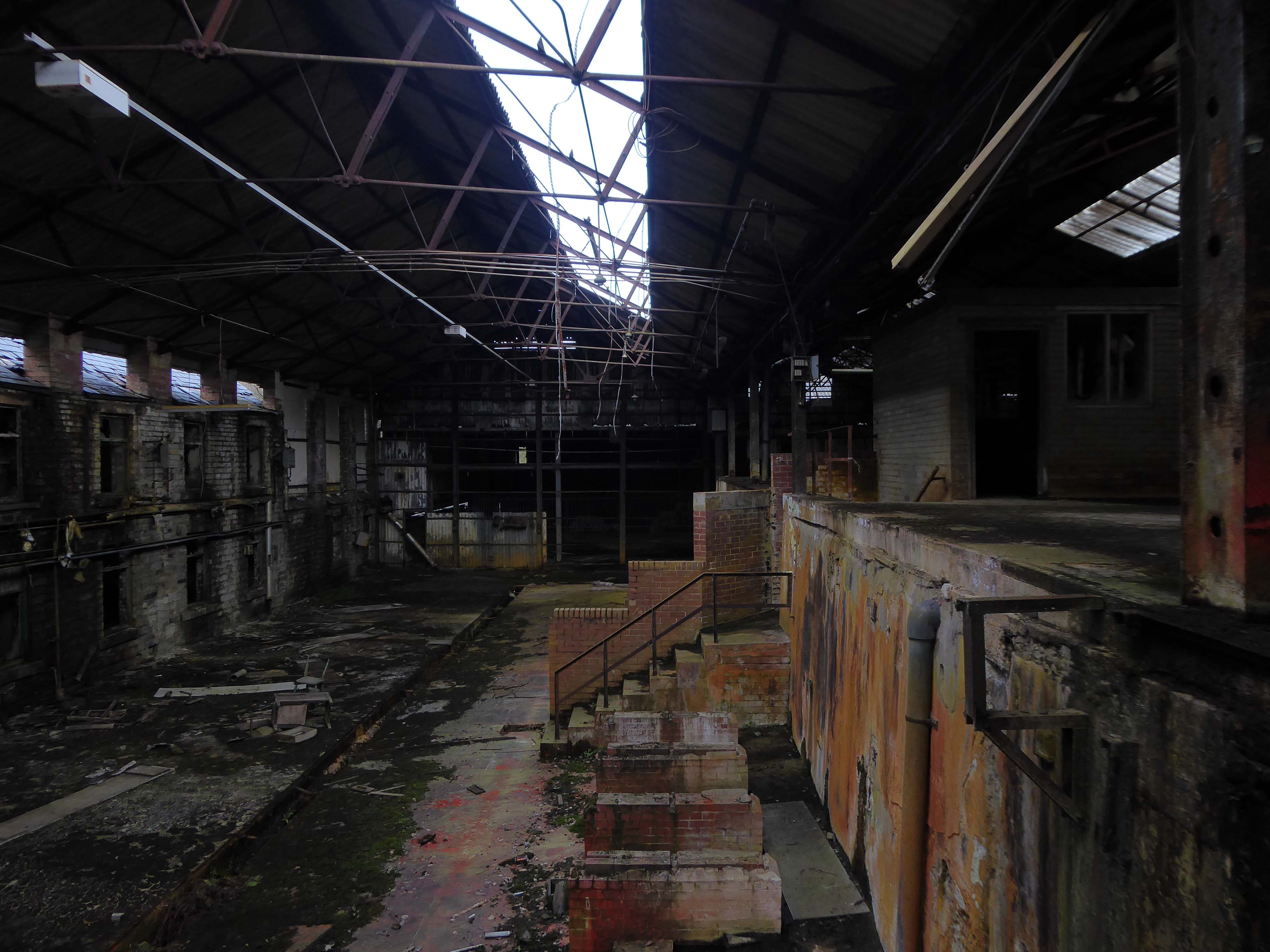
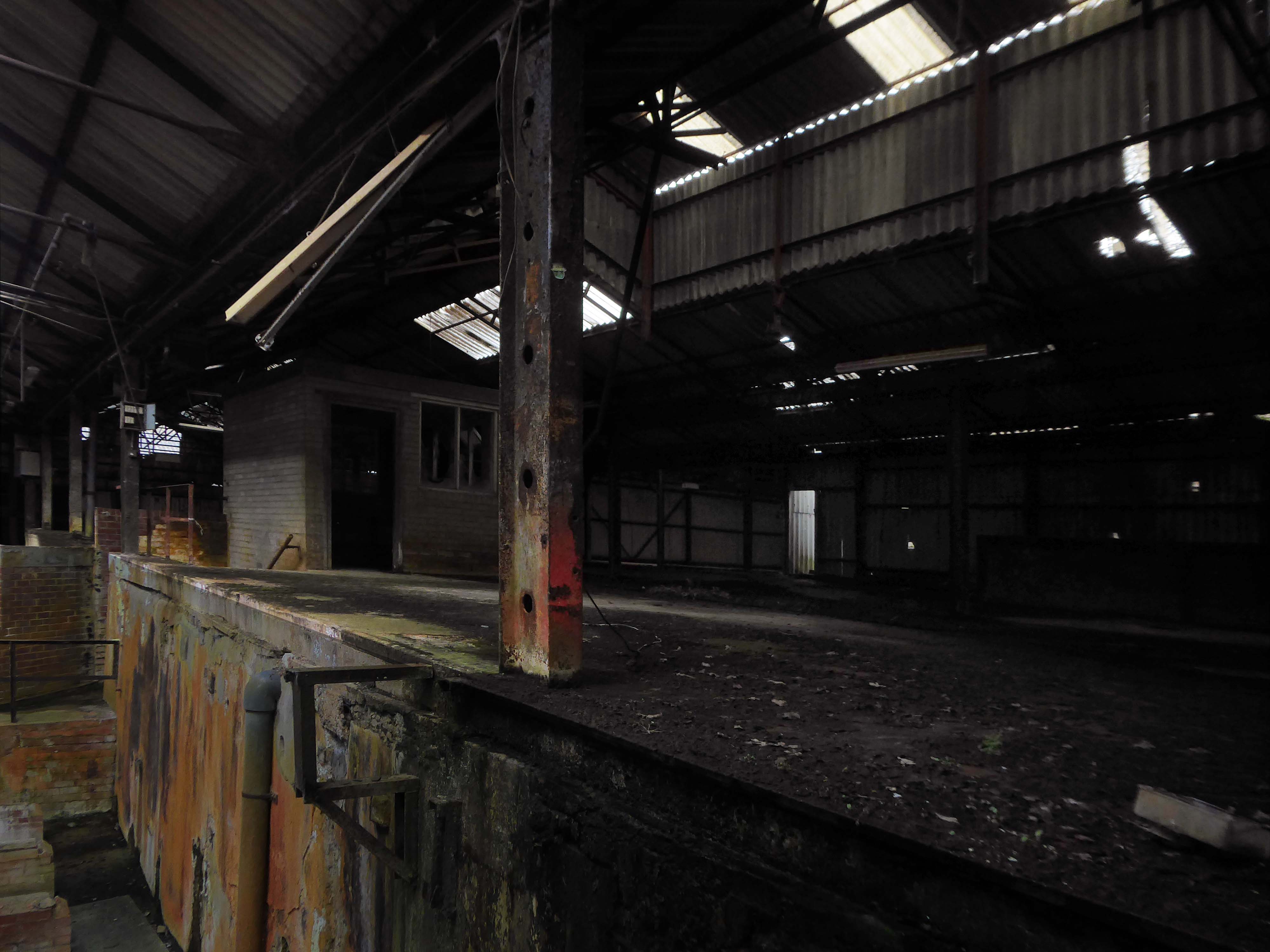
For over two hundred years the site has been a place of toil, dangerous toil taking its toll.
The valleys which inevitably fed the Mersey, were home to the origins of the Industrial Revolution – people and water powered.
This is a toxic landscape, nestled in the heart of ancient post-glacial earth movements:
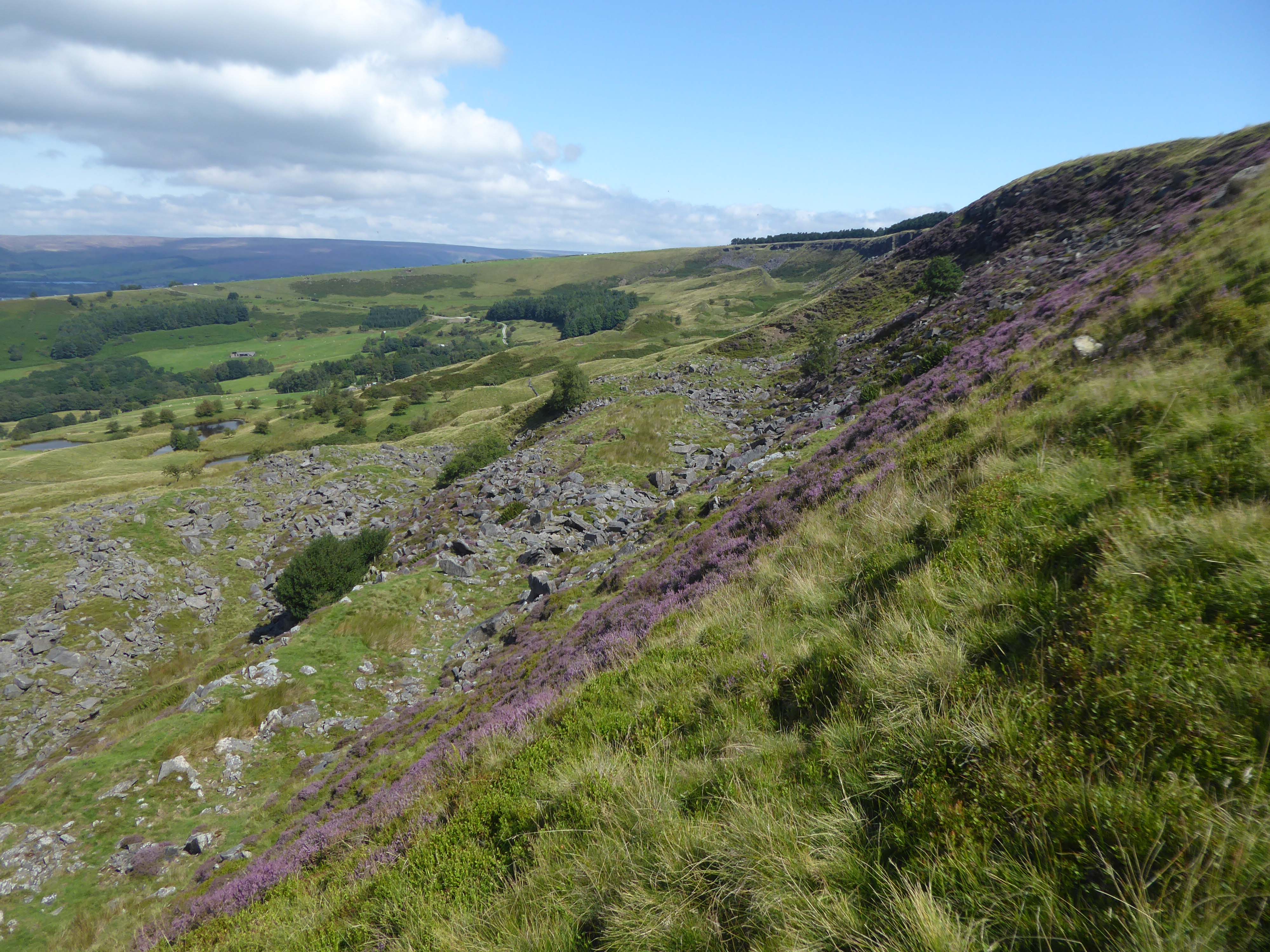
Geomorphological investigations of two landslide areas on the Cown Edge escarpment showed that slope failure was primarily the result of local stratigraphic and lithological conditions and not of past climatic vicissitudes or changes in the form of the relief. Failure on each occasion took place by shearing along the same line of weakness: shales either within a calcareous shale band or in close proximity to it became decomposed and unable to bear the weight of the slope forming material above it. Each displacement resulted in a bank slip failure and the formation of a block glide landslide. The morphology indicates that slip movements has occurred several times and the periods when these took place have been determined using palynological methods. These results indicate that the Cown Edge landslides date from a post-glacial period.
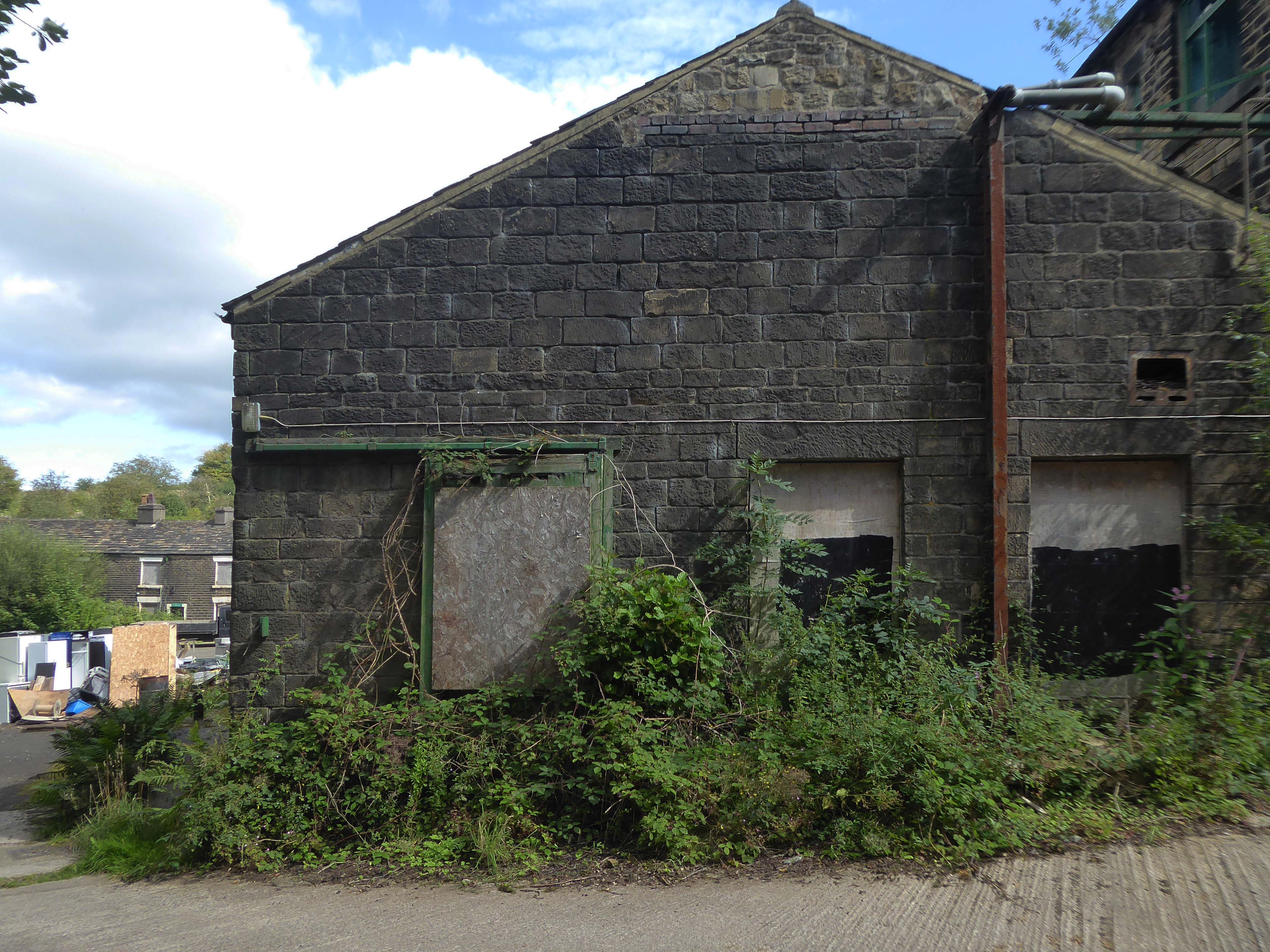
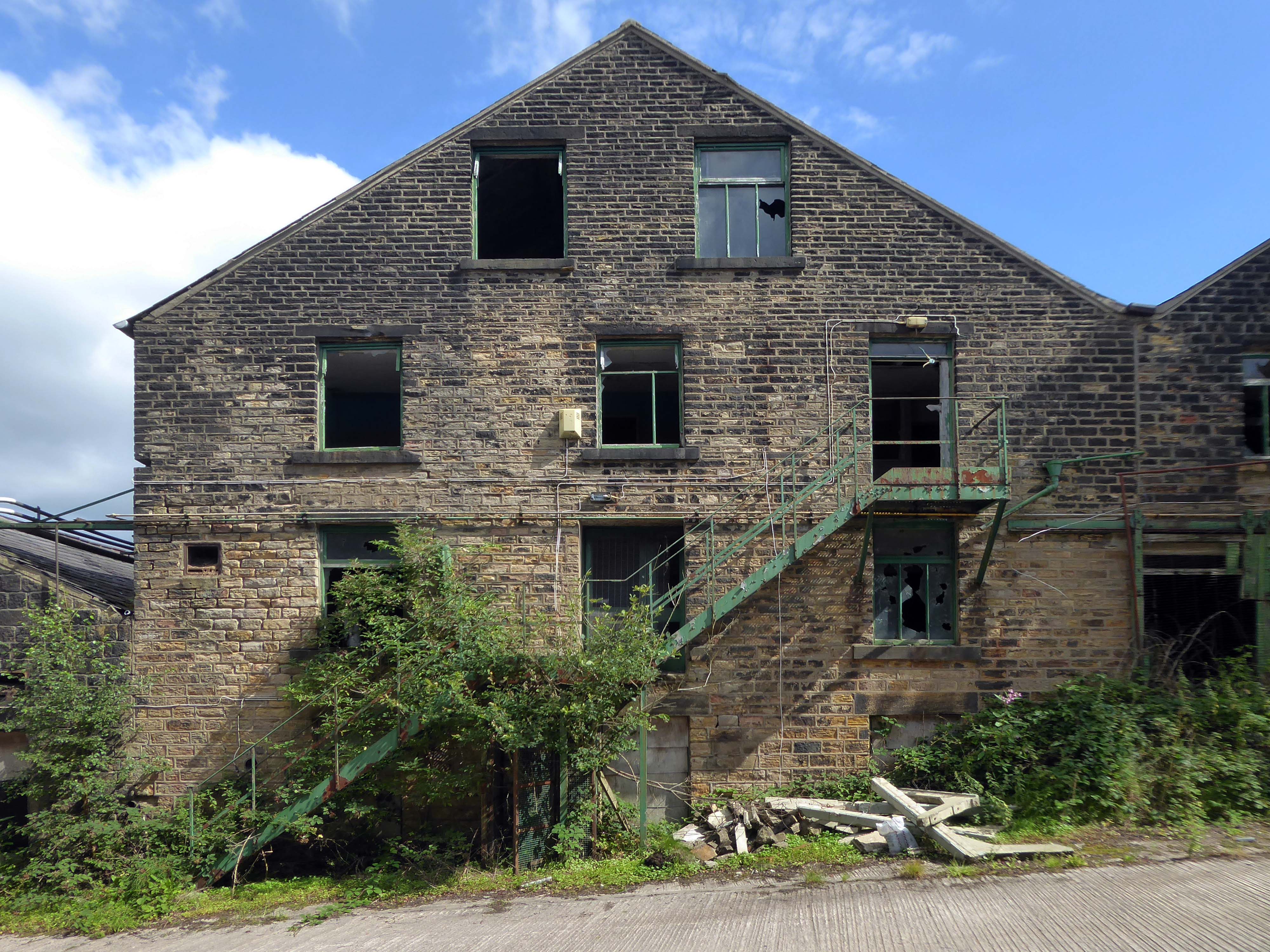
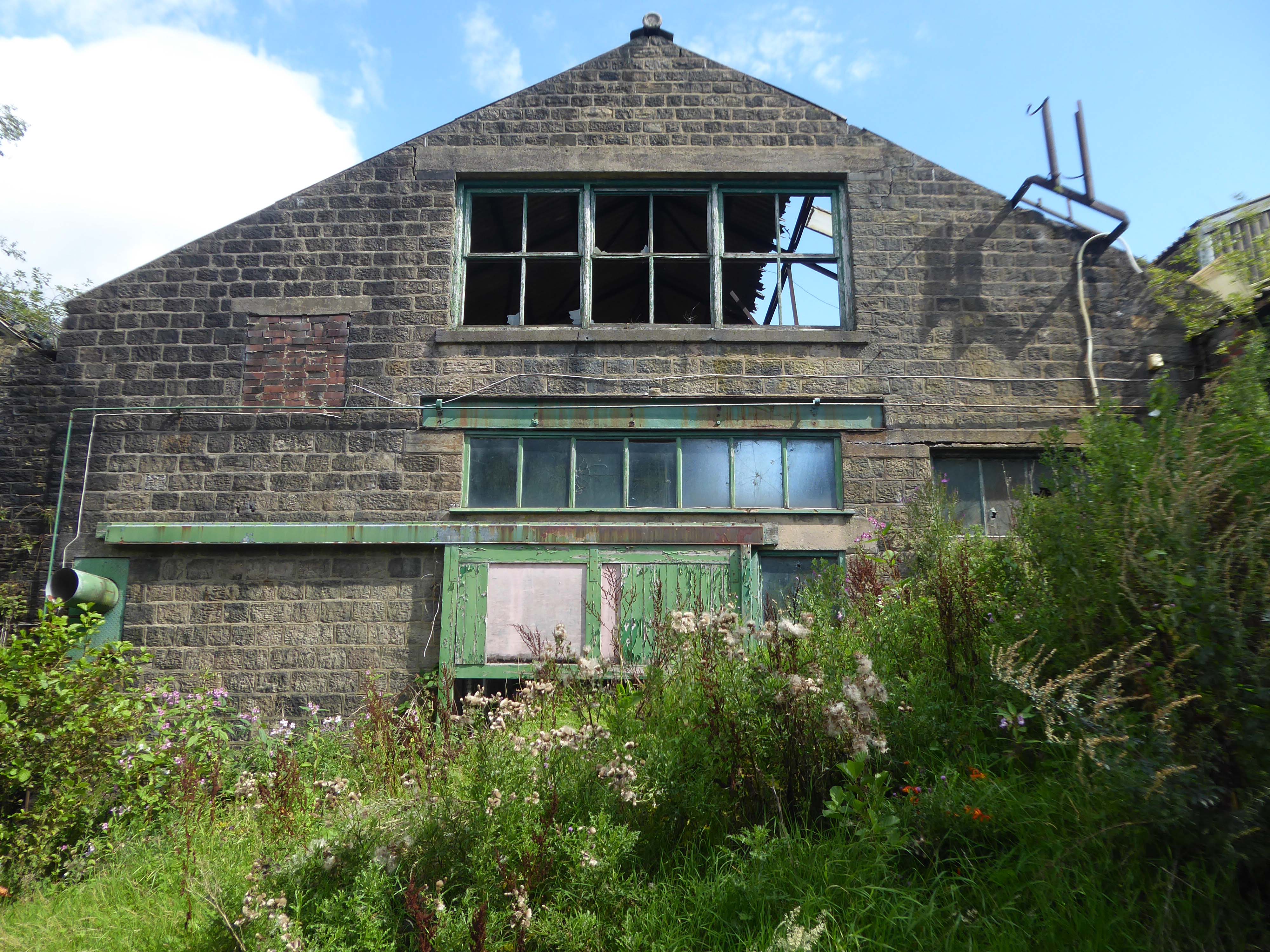
As of August 2023 the terraces remain un-rehabilitated.
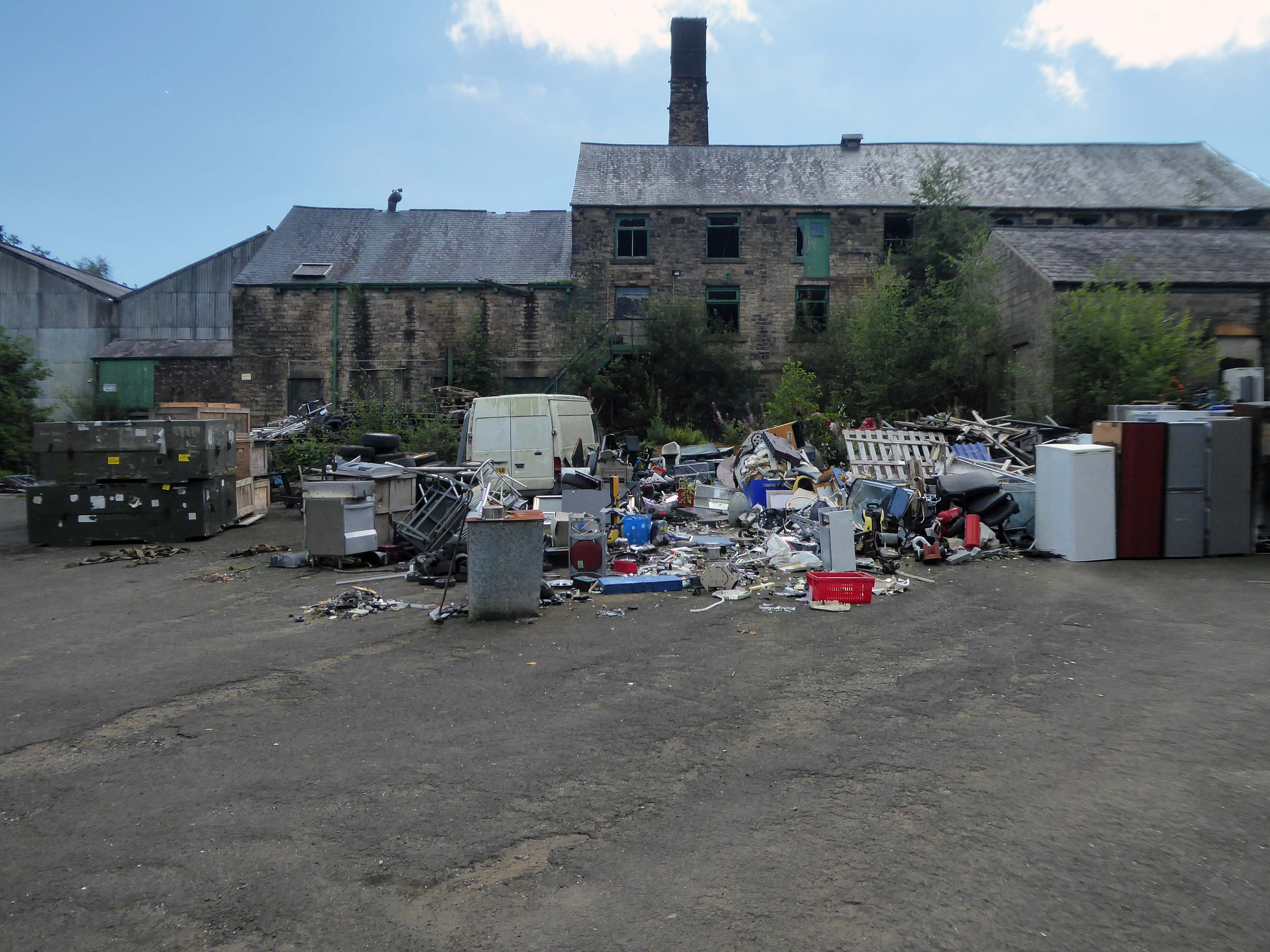
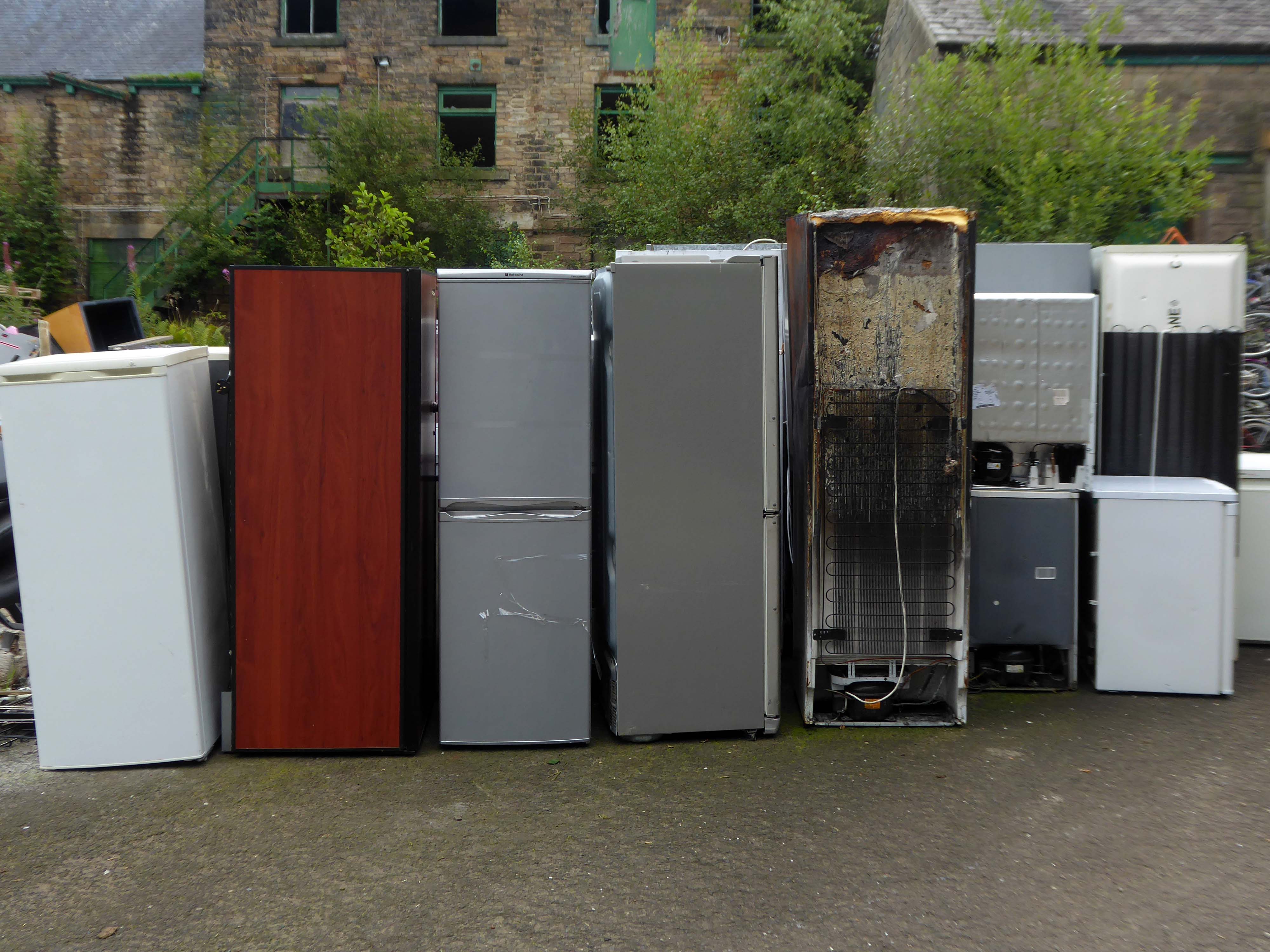
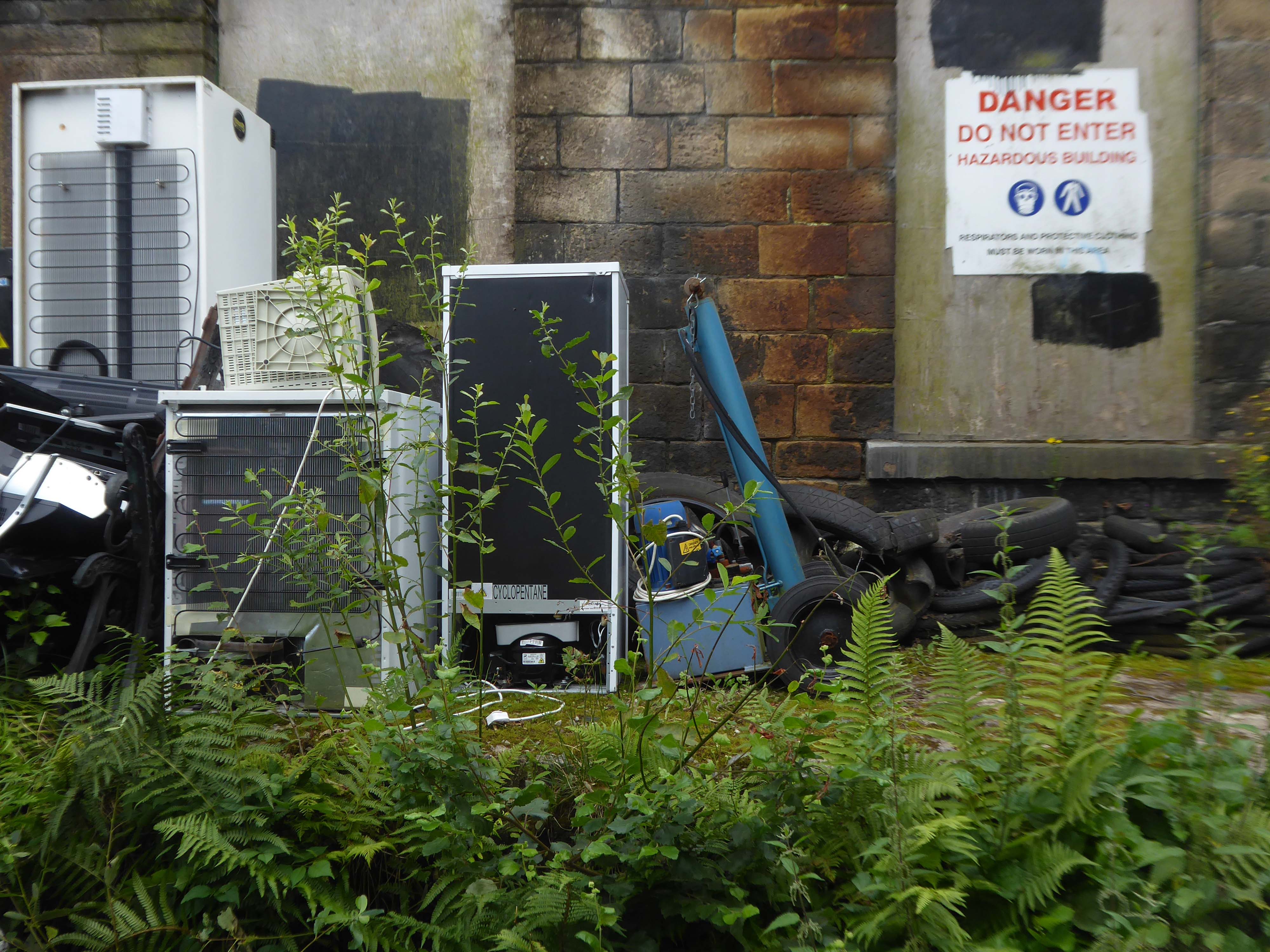
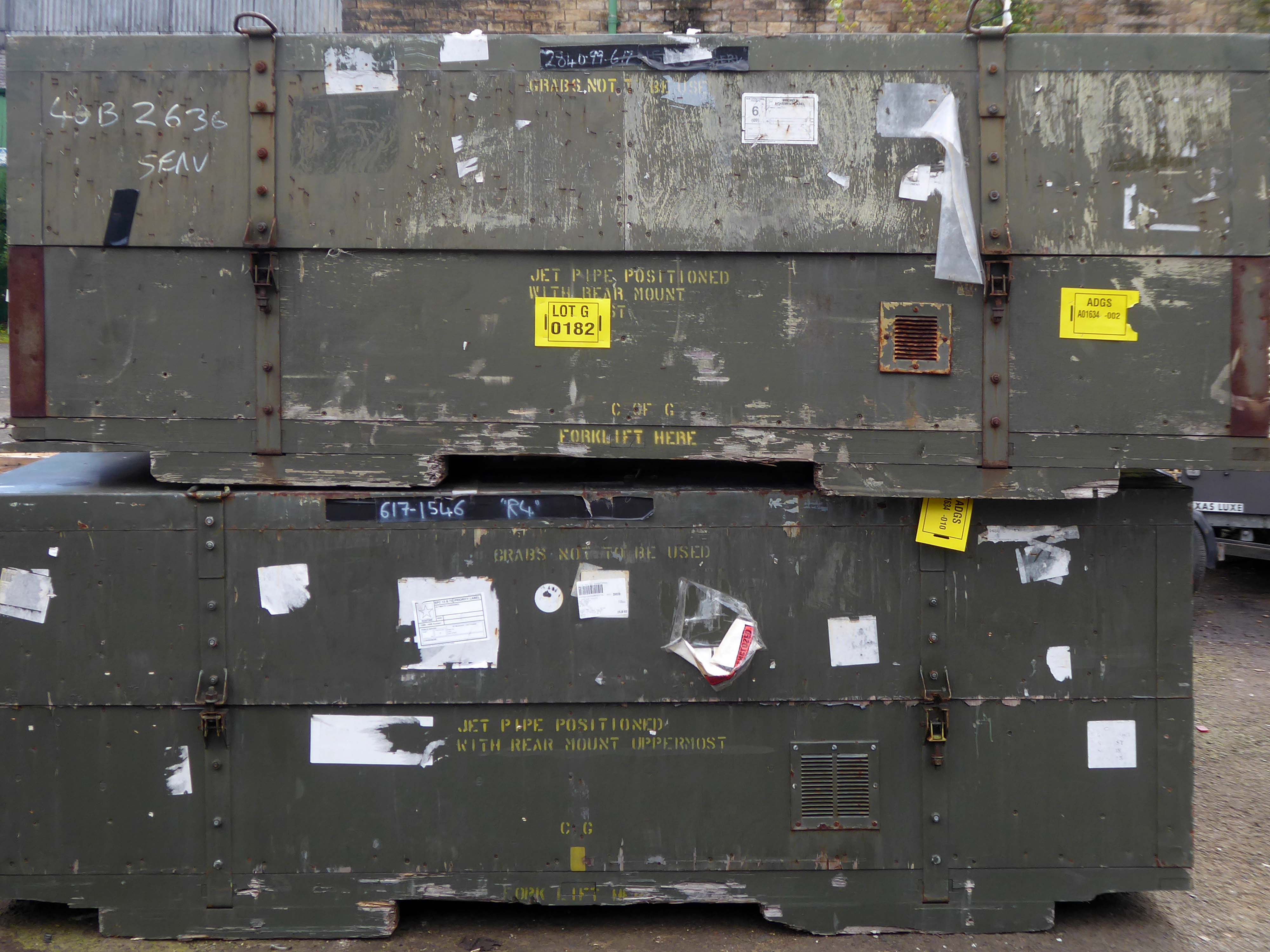
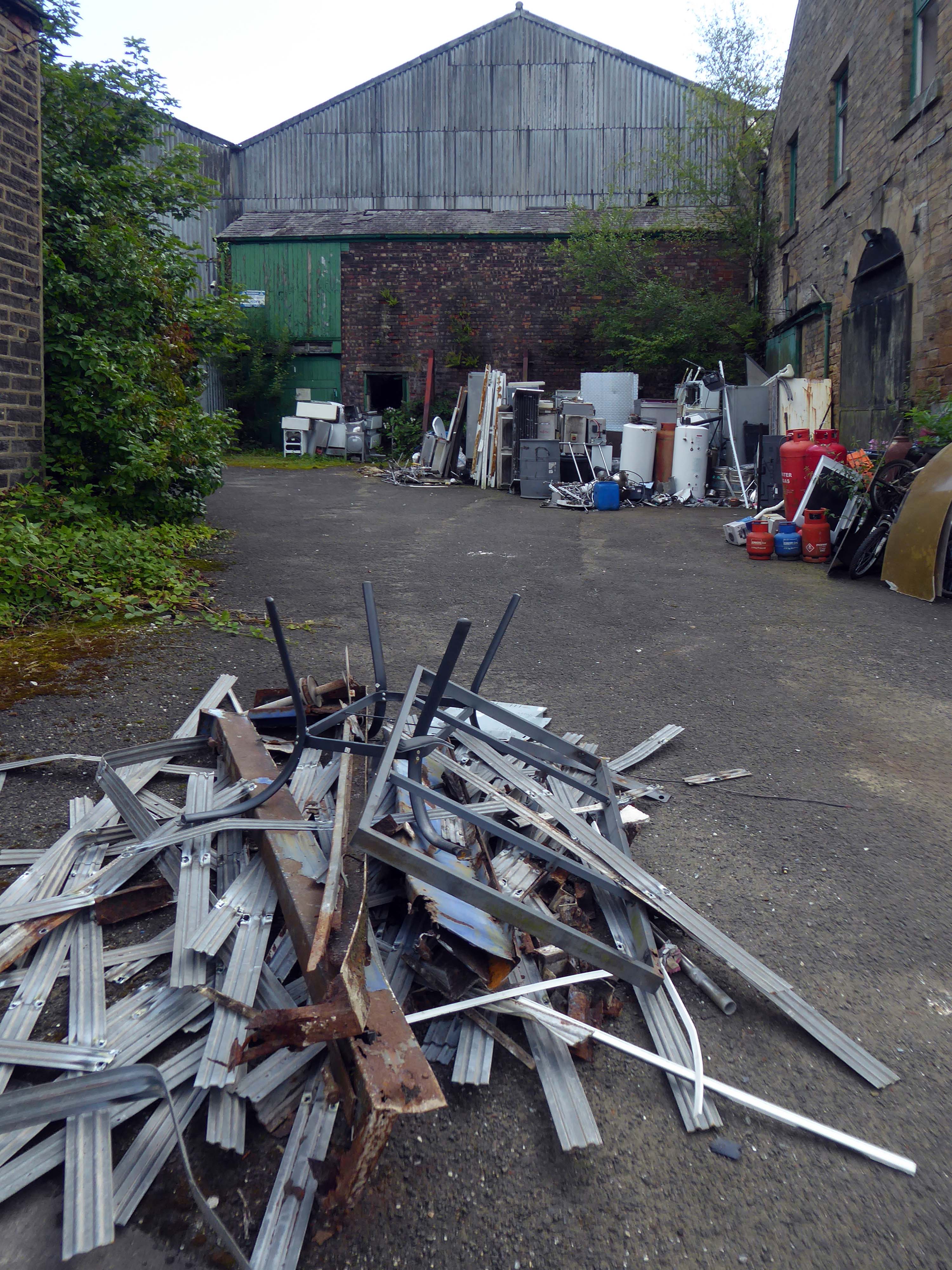
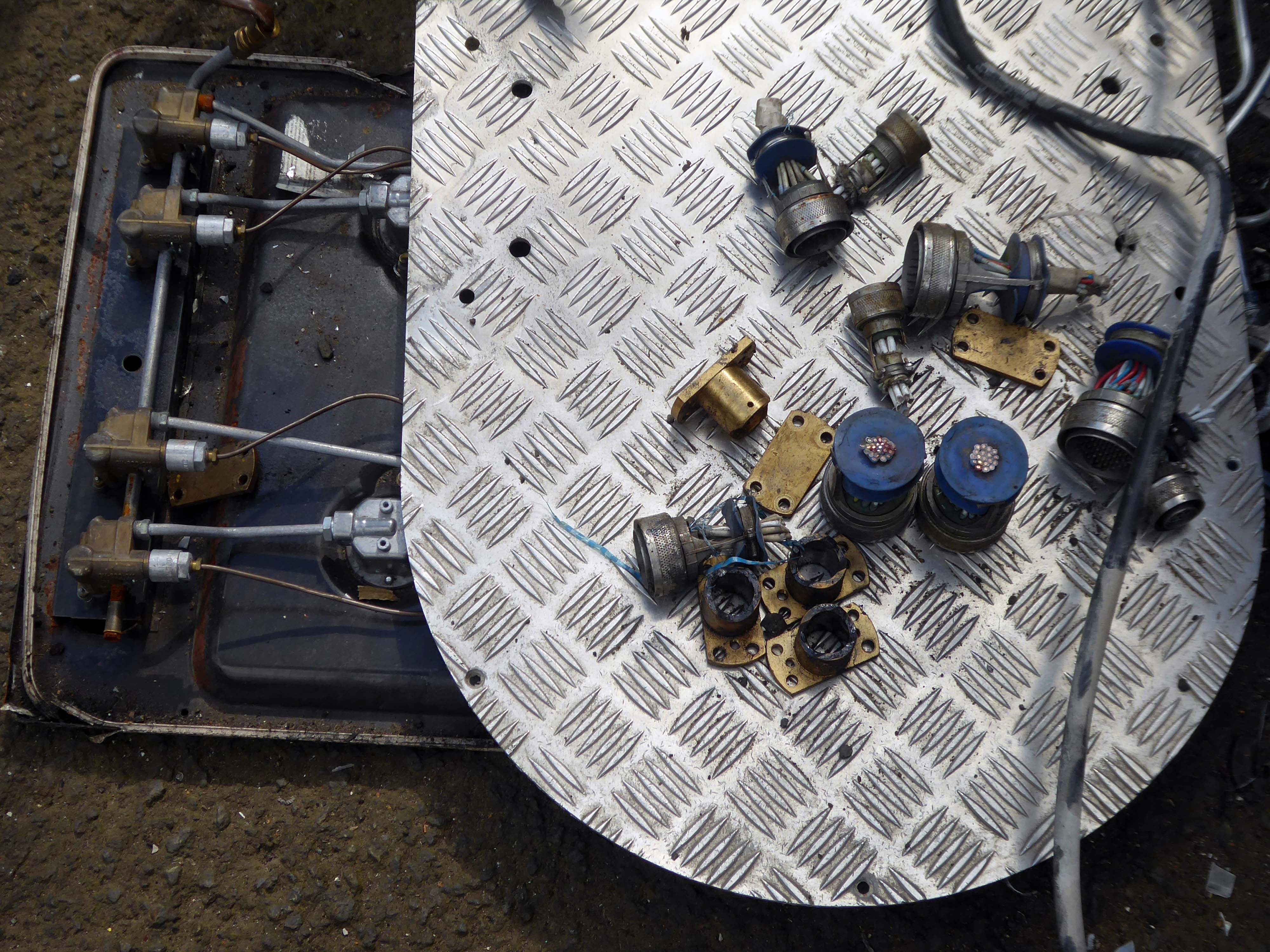
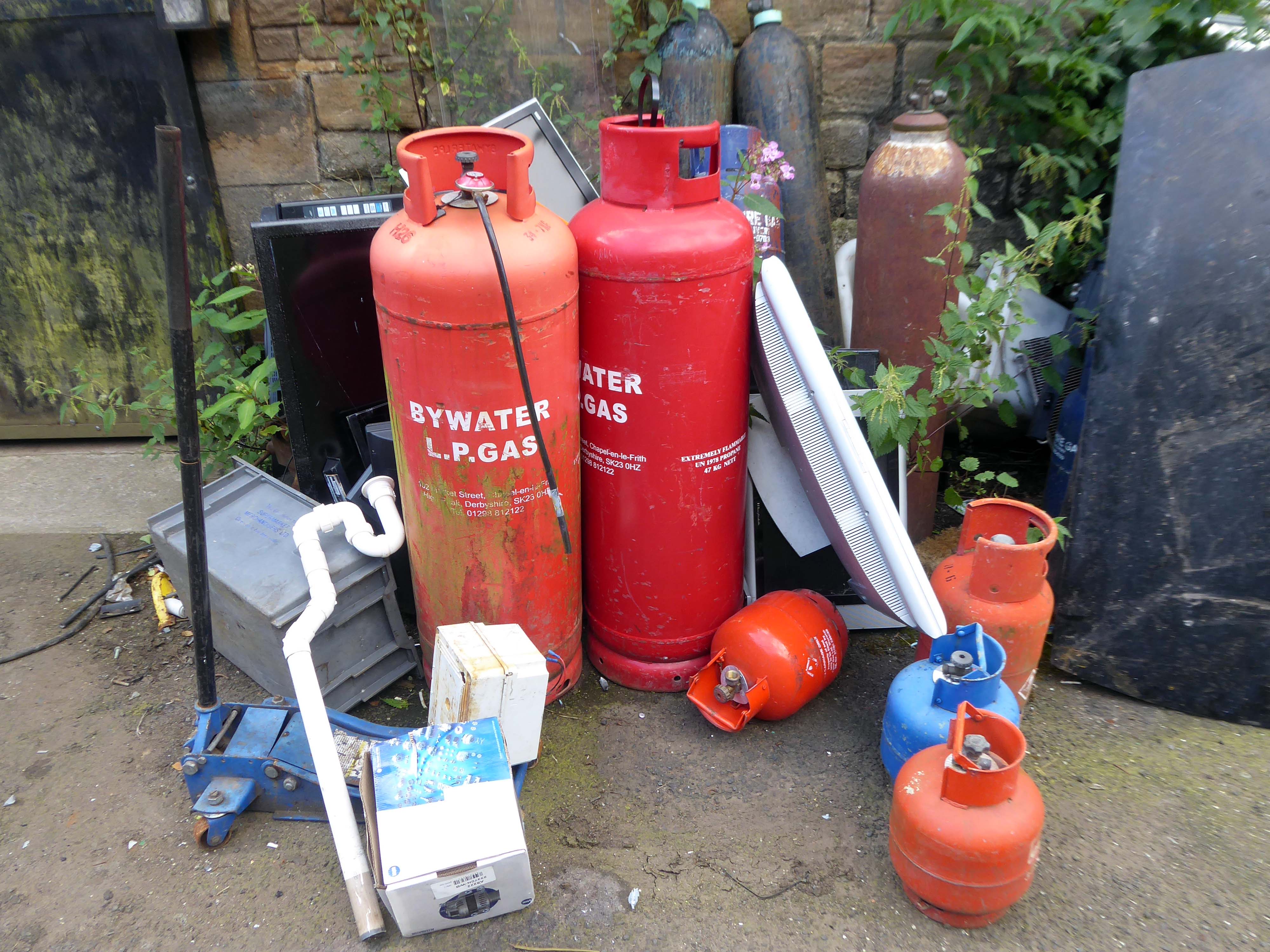
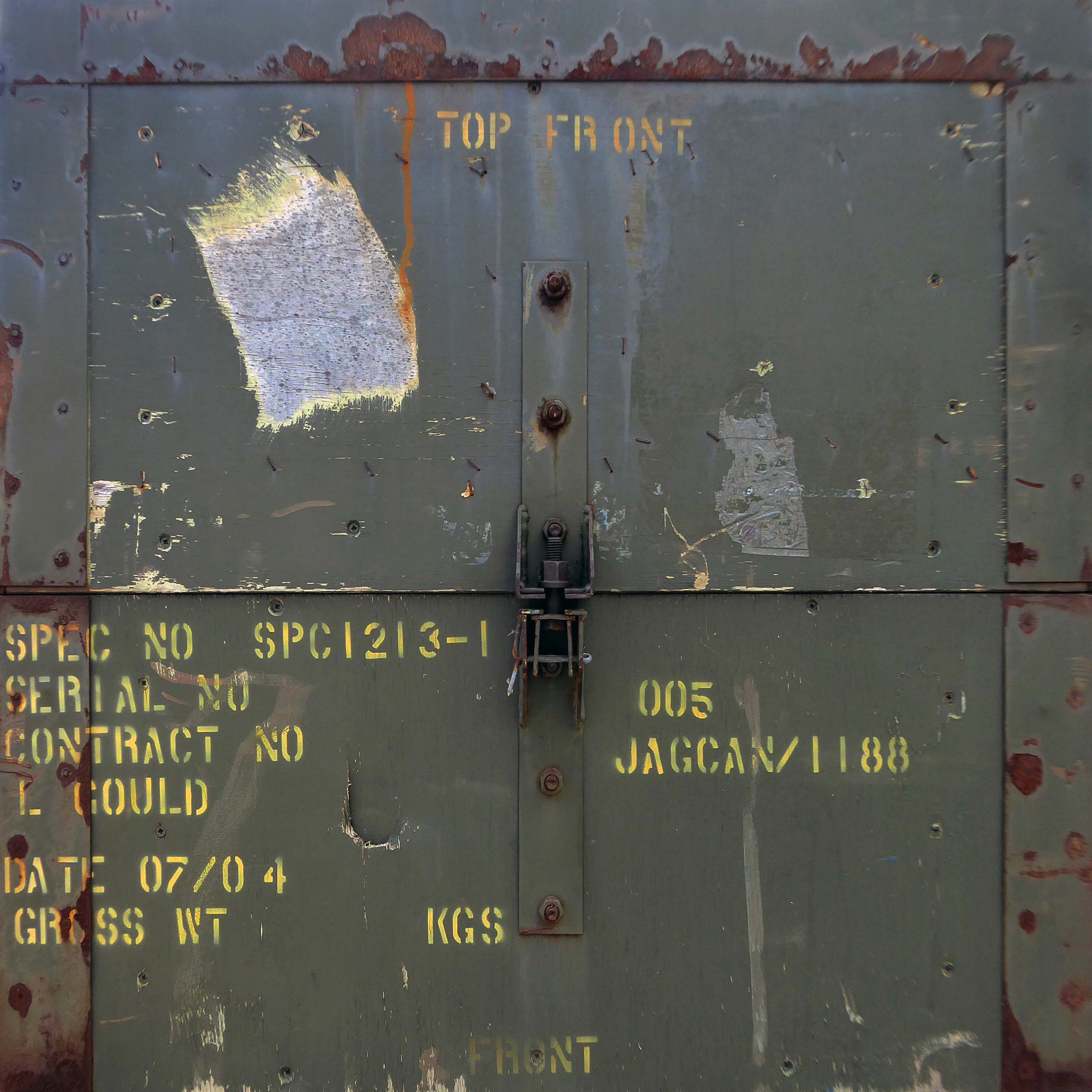
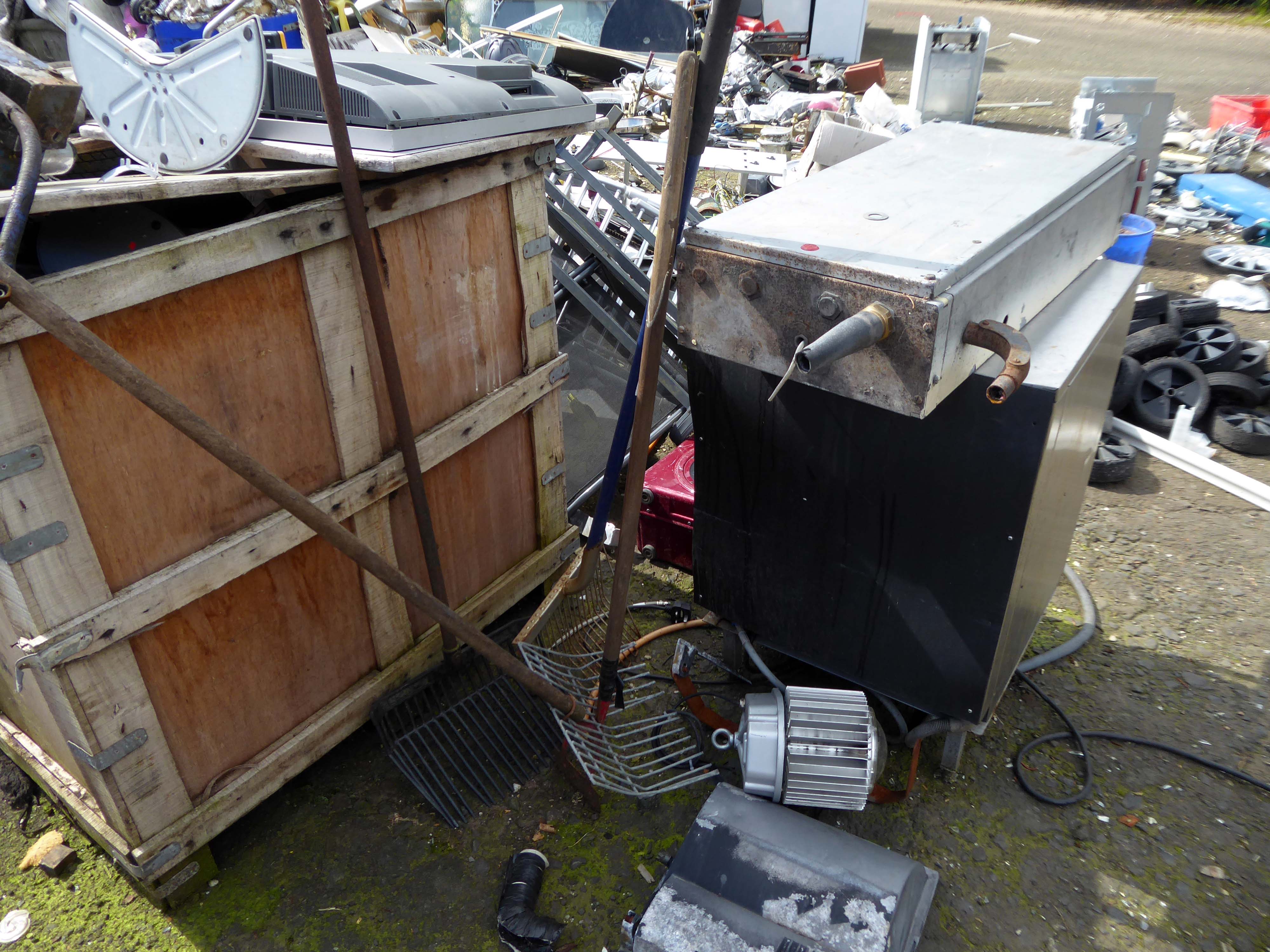
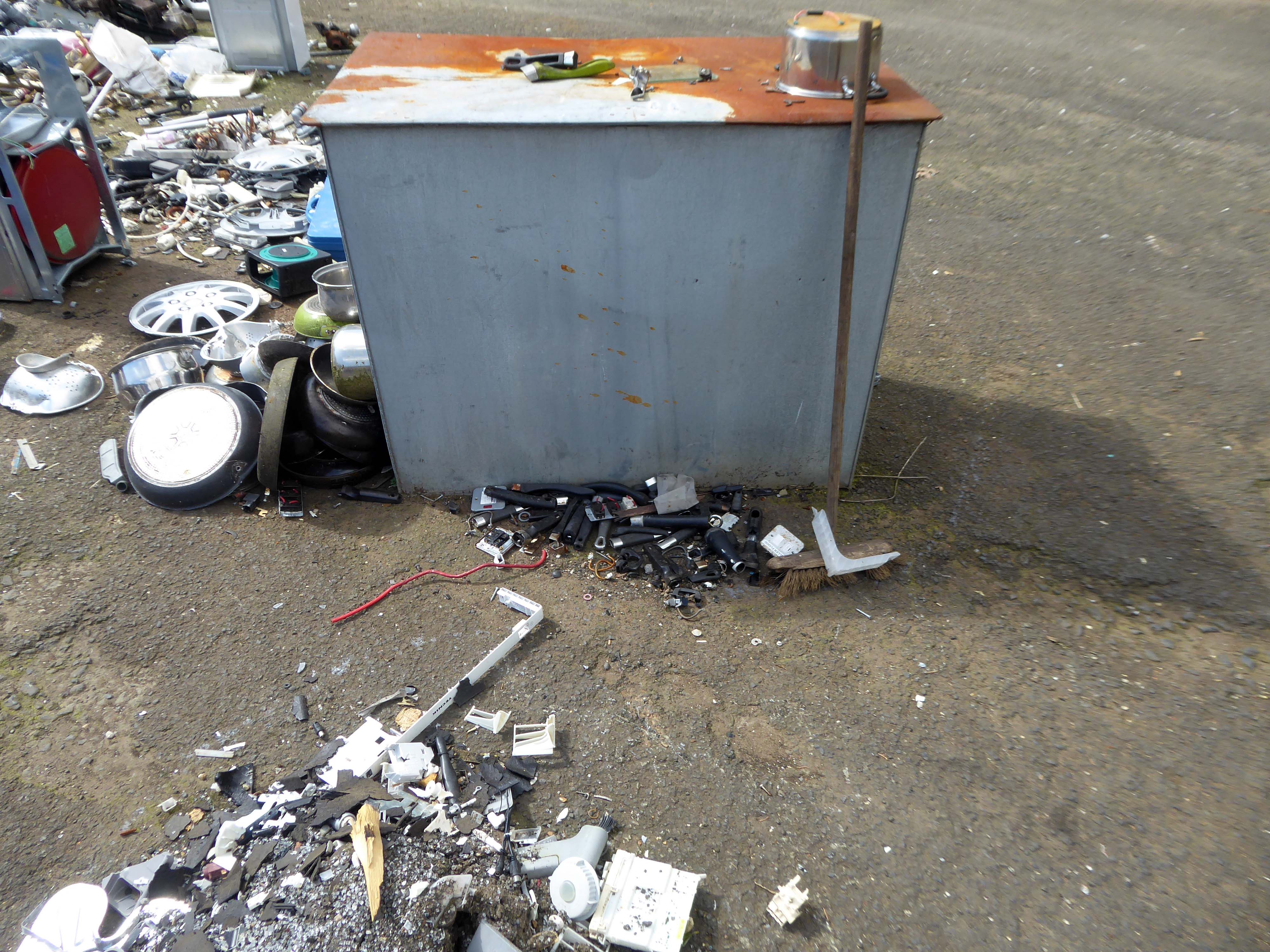
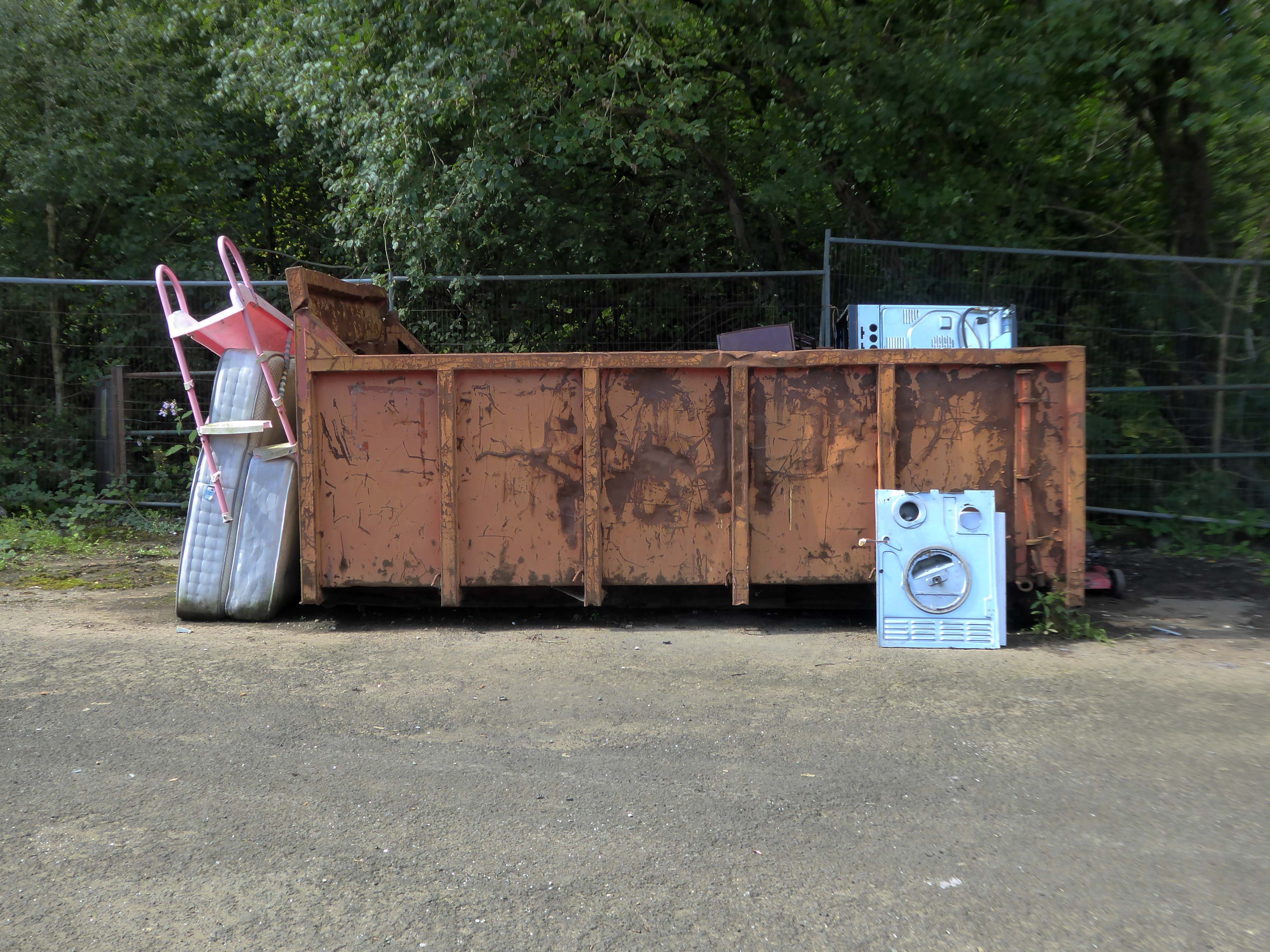
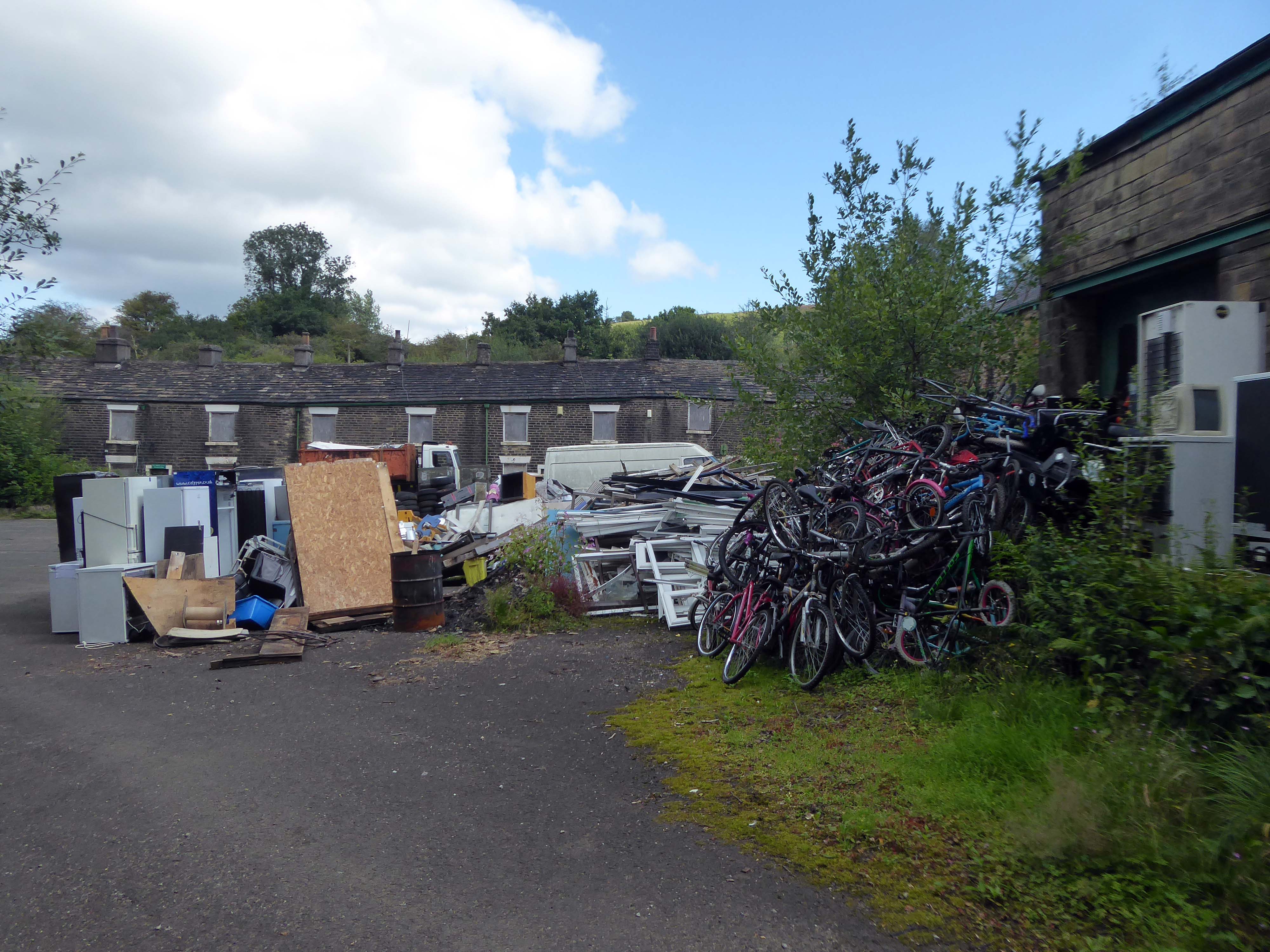
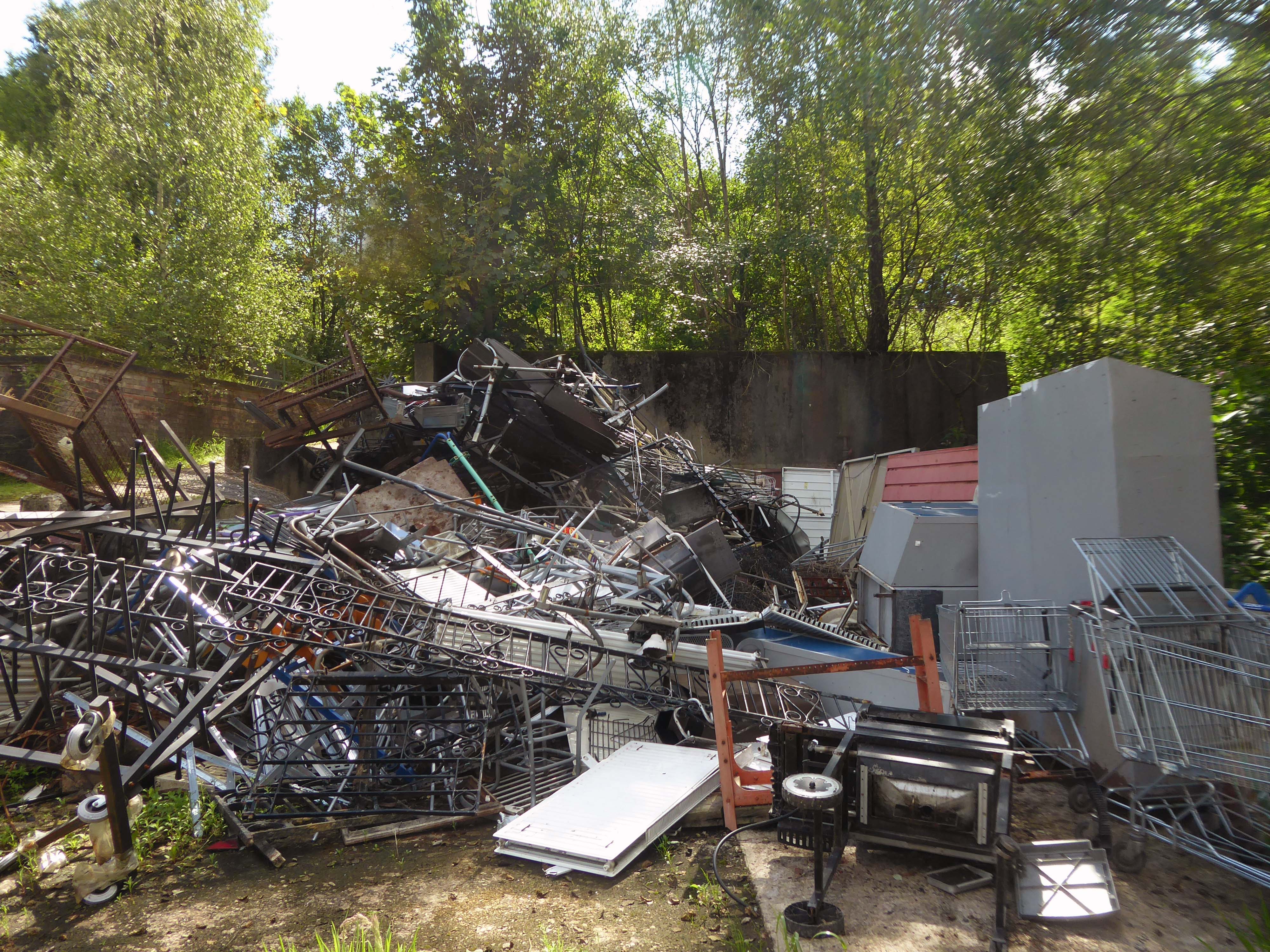
The forecourt of the factory is currently strewn with the detritus of an ever more wasteful world.





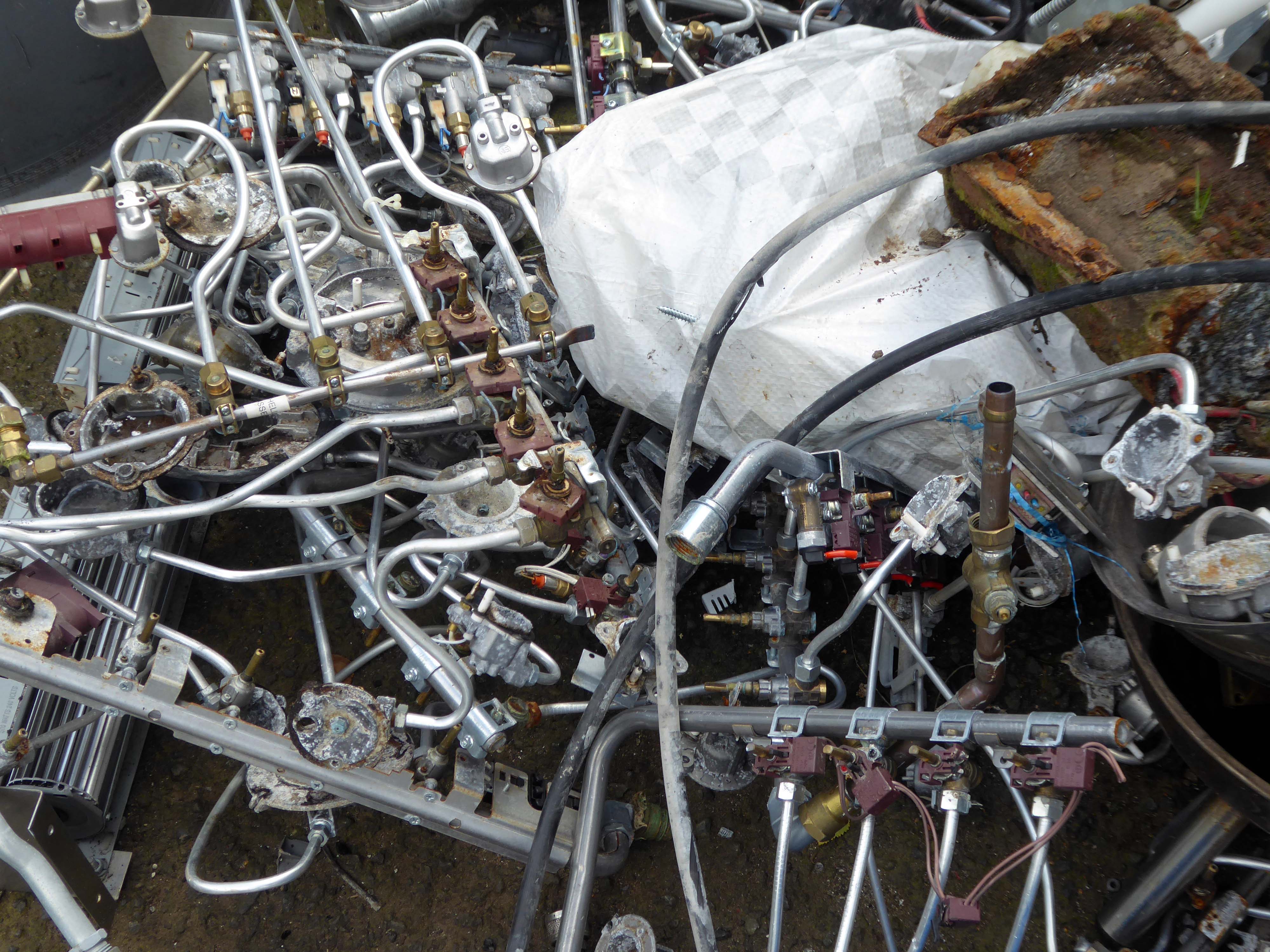
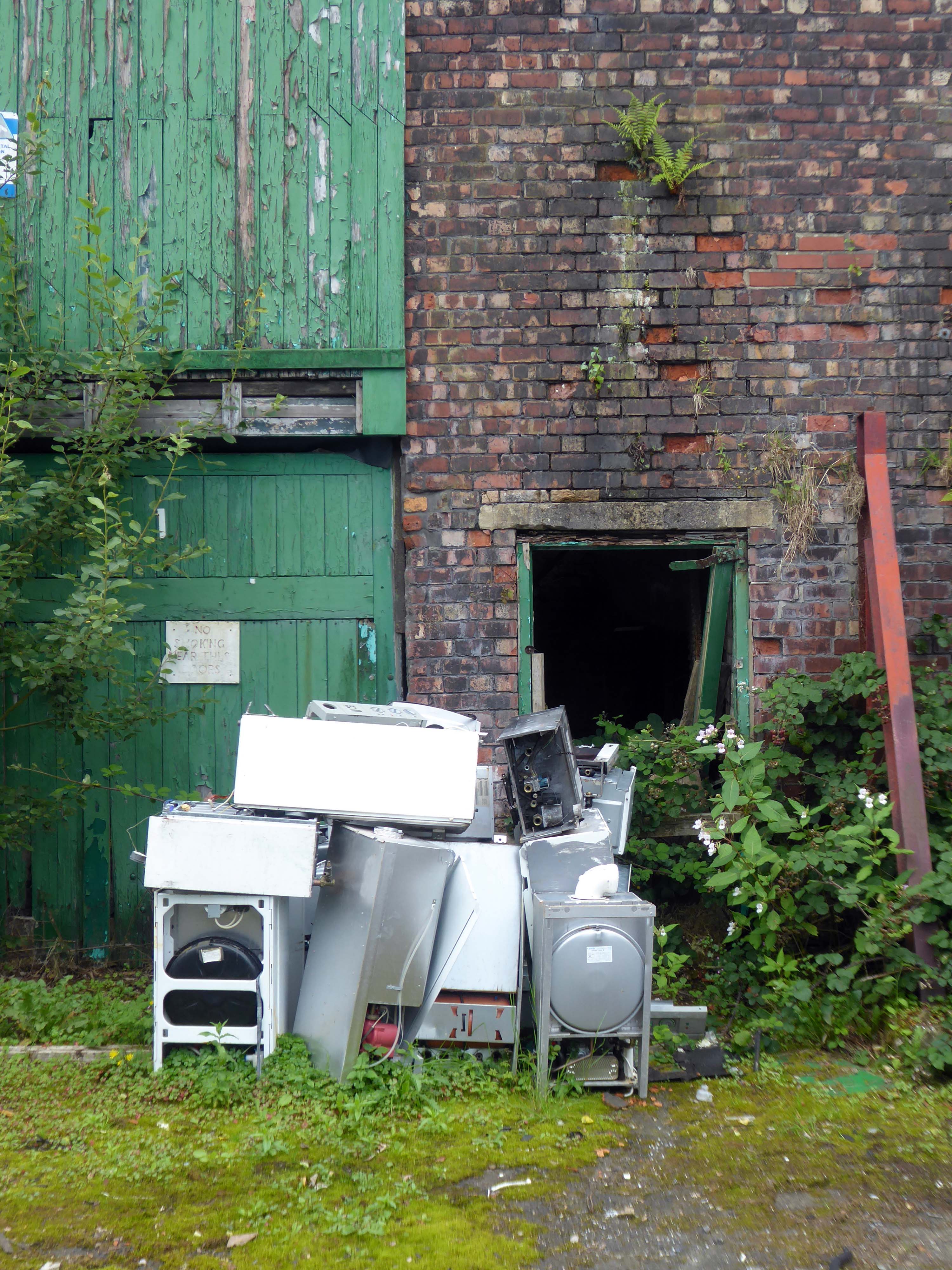
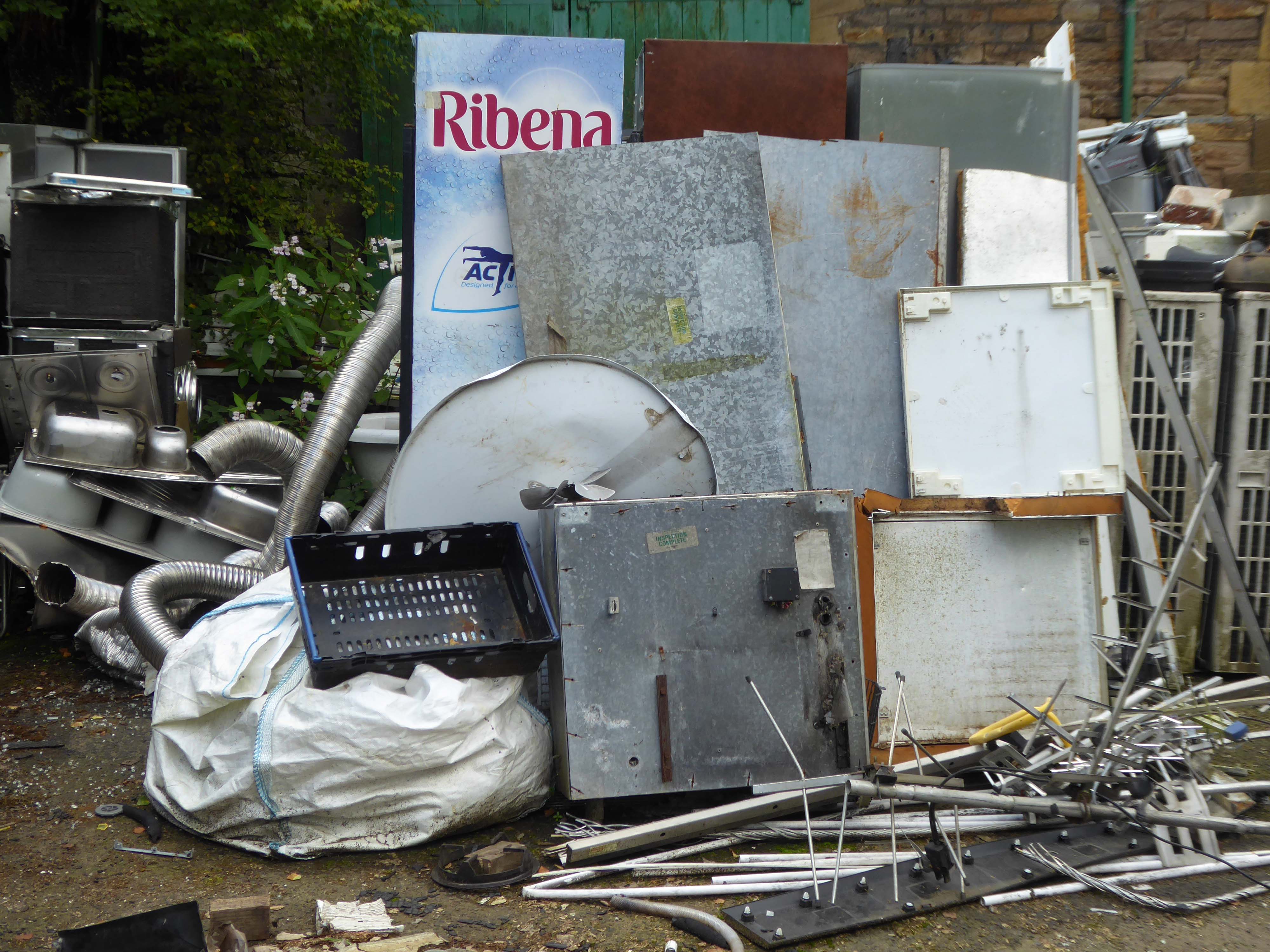
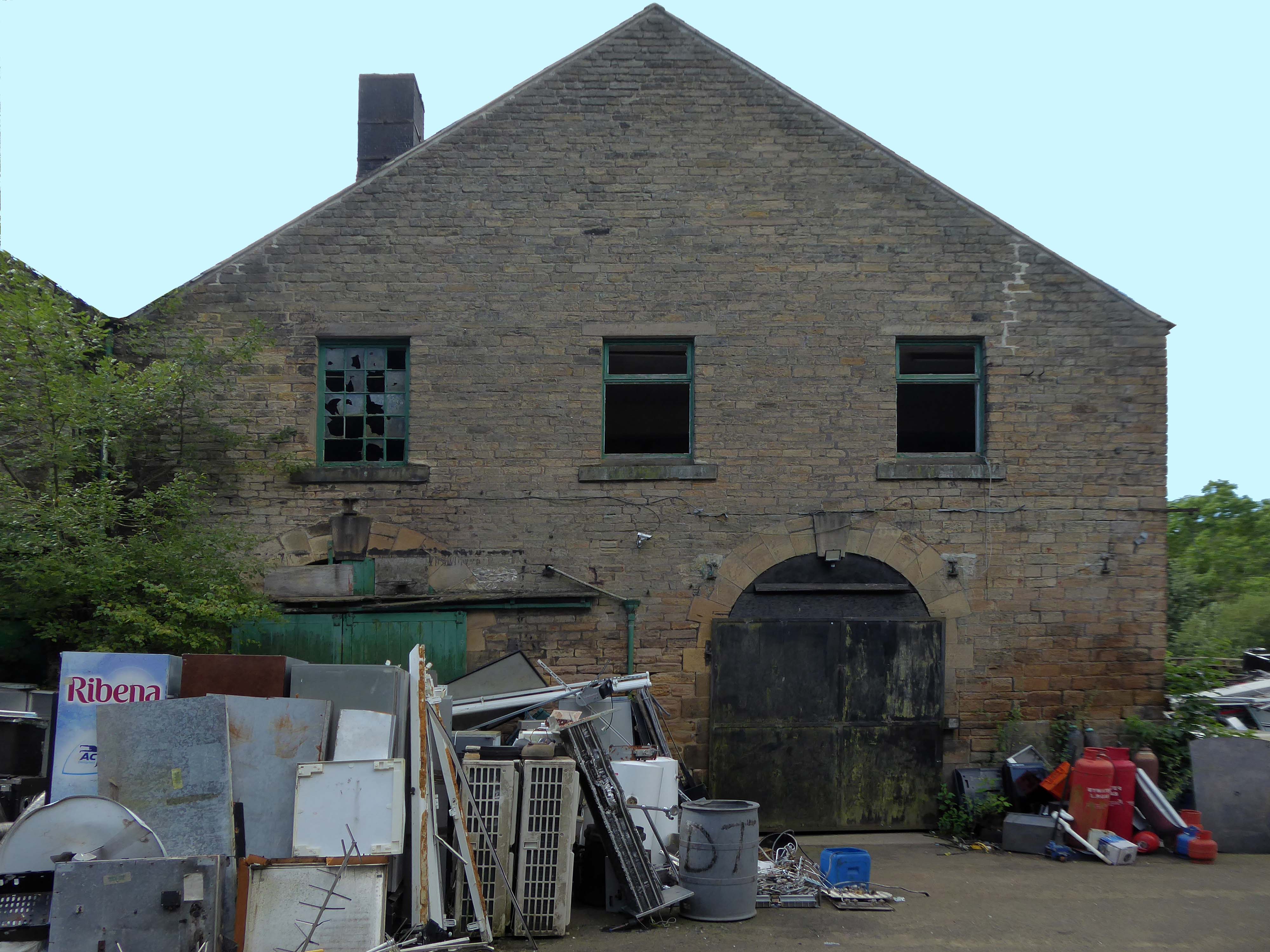




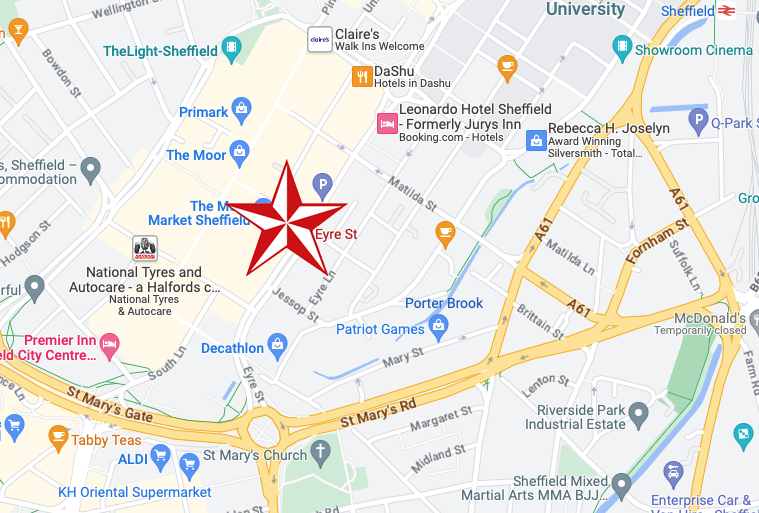
176 Eyre Street Sheffield Yorkshire S1 4QZ
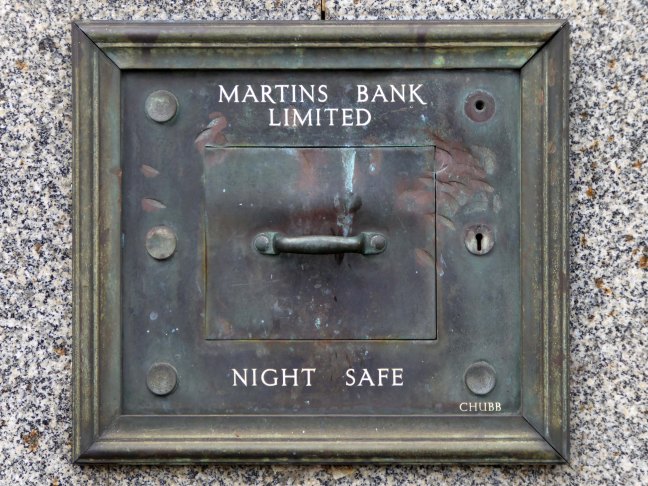
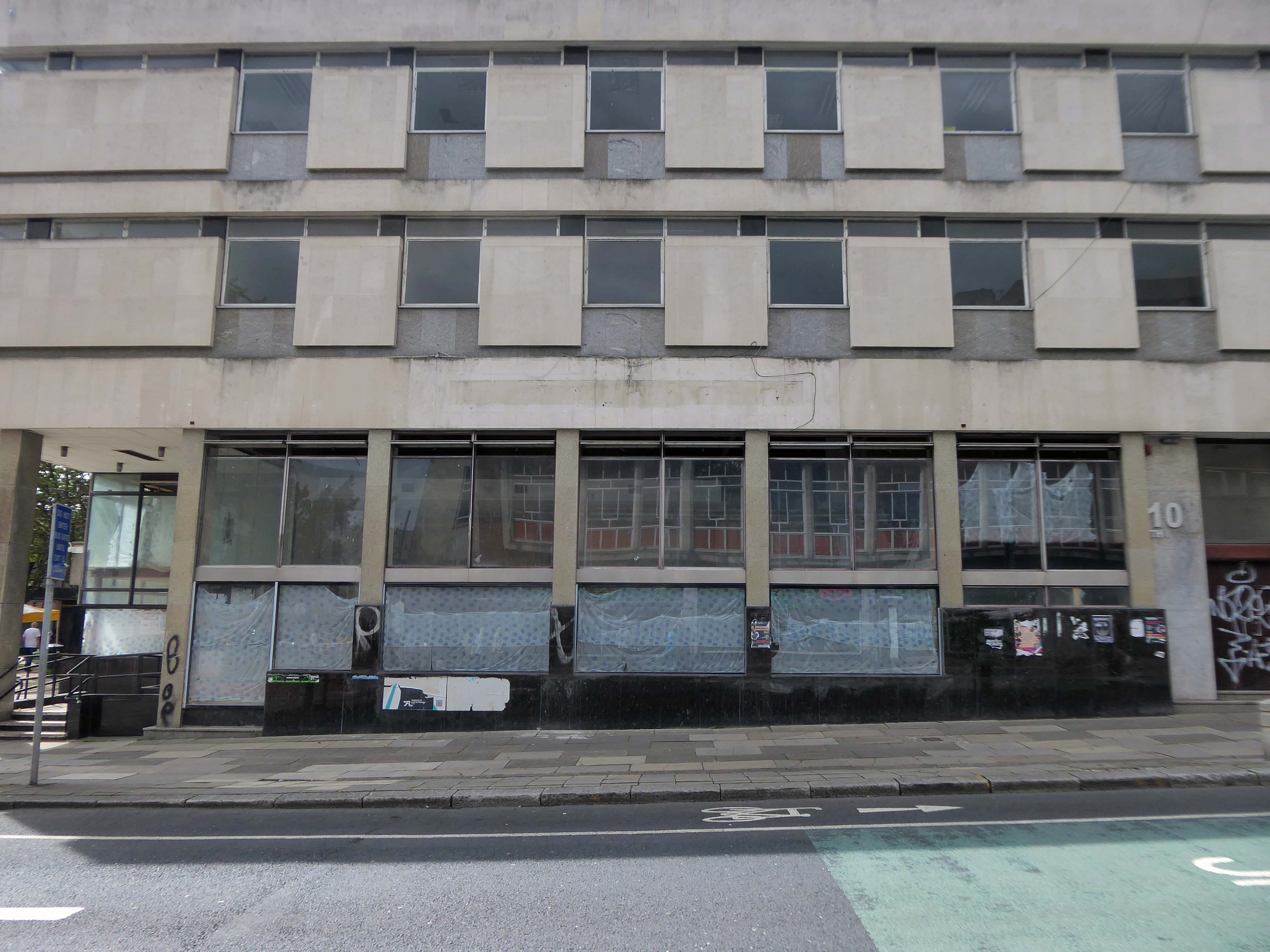
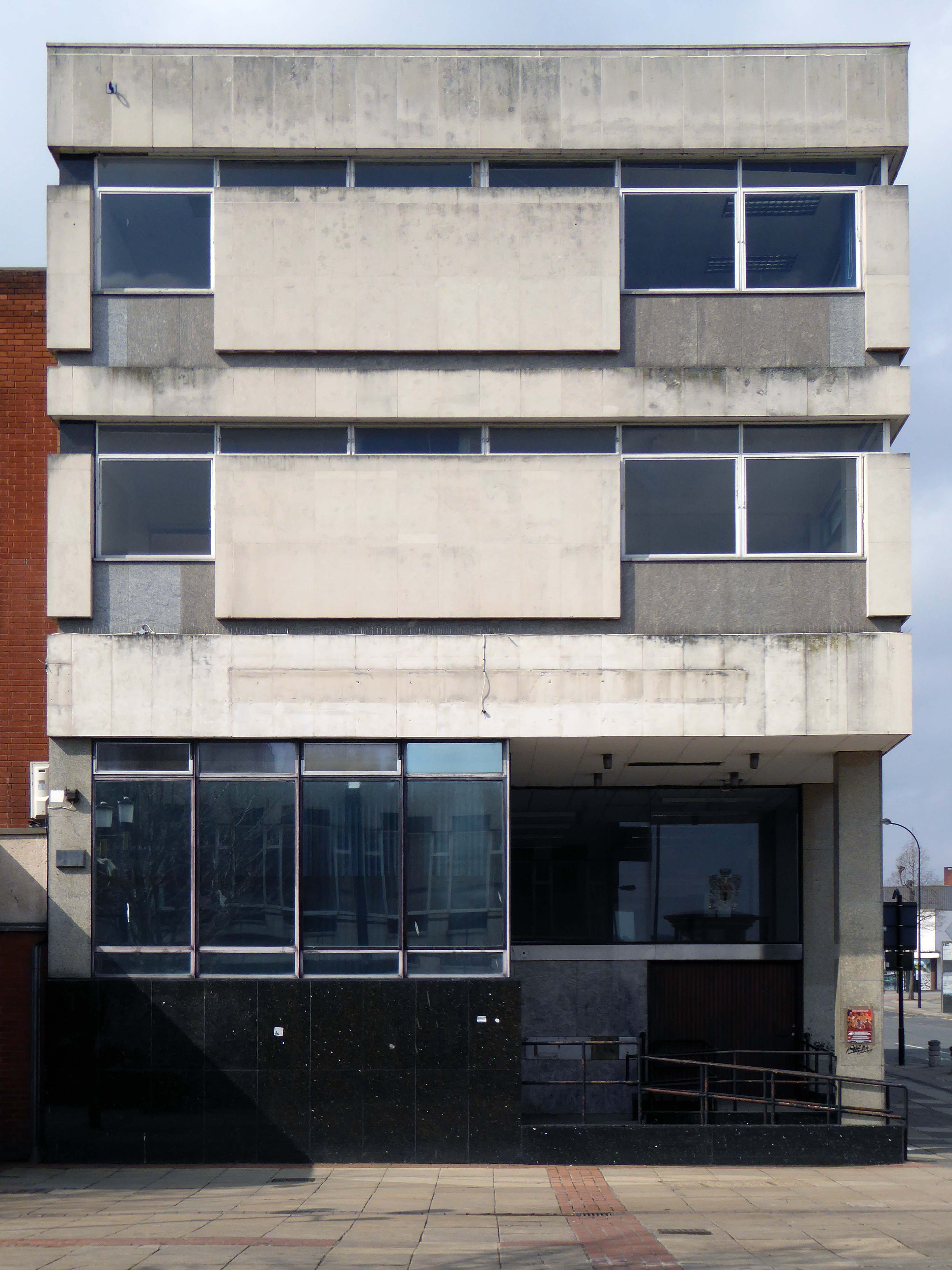
Opened in 1961, Martins Bank’s branch at Sheffield Moor is new and purpose built, occupying space left in the Sheffield Moor area by the bombing of the second world war. Time flies however, and more than fifty years on, the building is empty and awaiting the next chapter of its life.
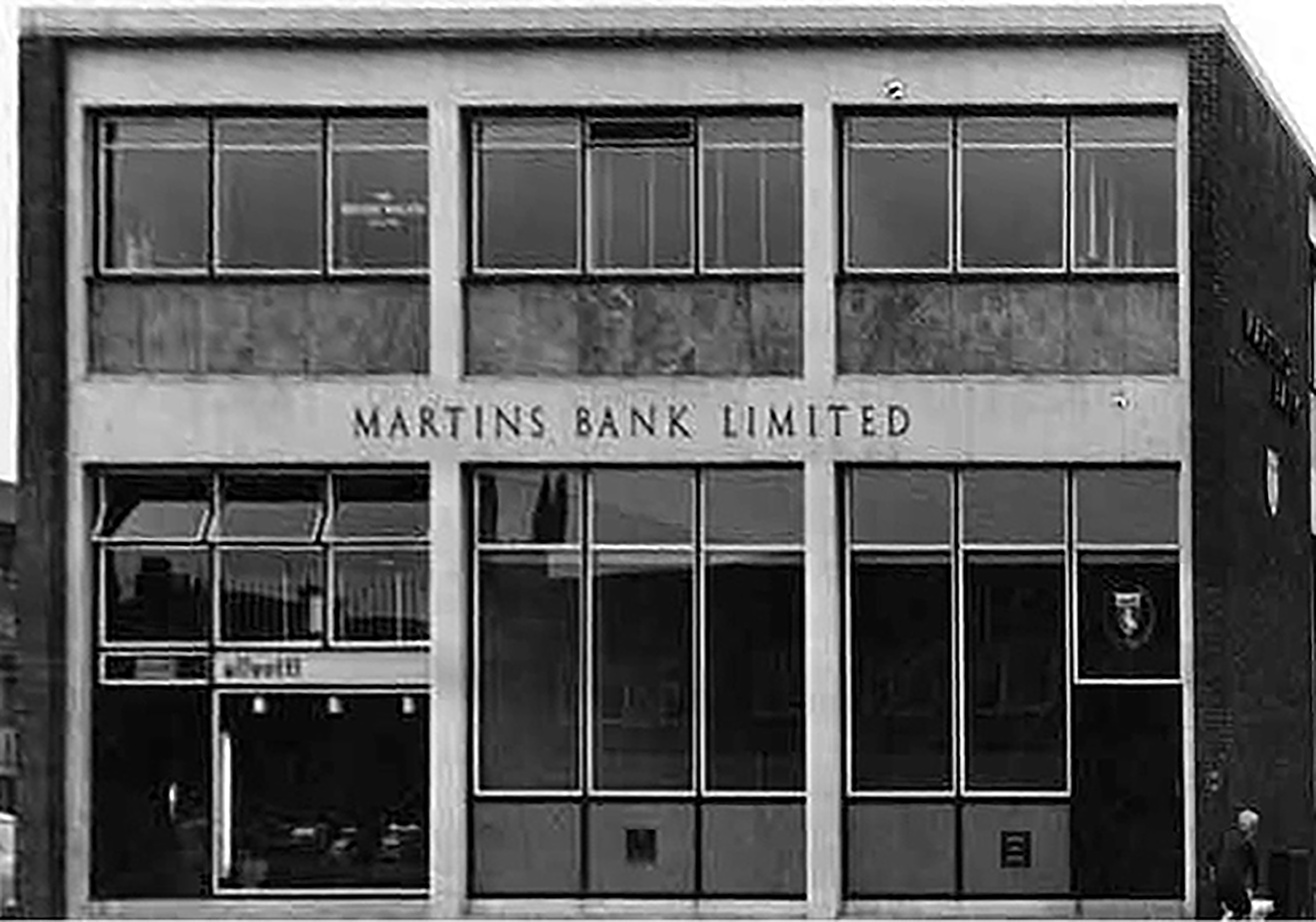
Note the olivetti shop incorporated into the bank building.
Our New Branch at Sheffield Moor owes its existence to the extensive replanning of this area of Sheffield. Part of it was destroyed during the war and the remainder has been or is in course of being pulled down as the plan unfolds for the creation of a brand new shopping area.
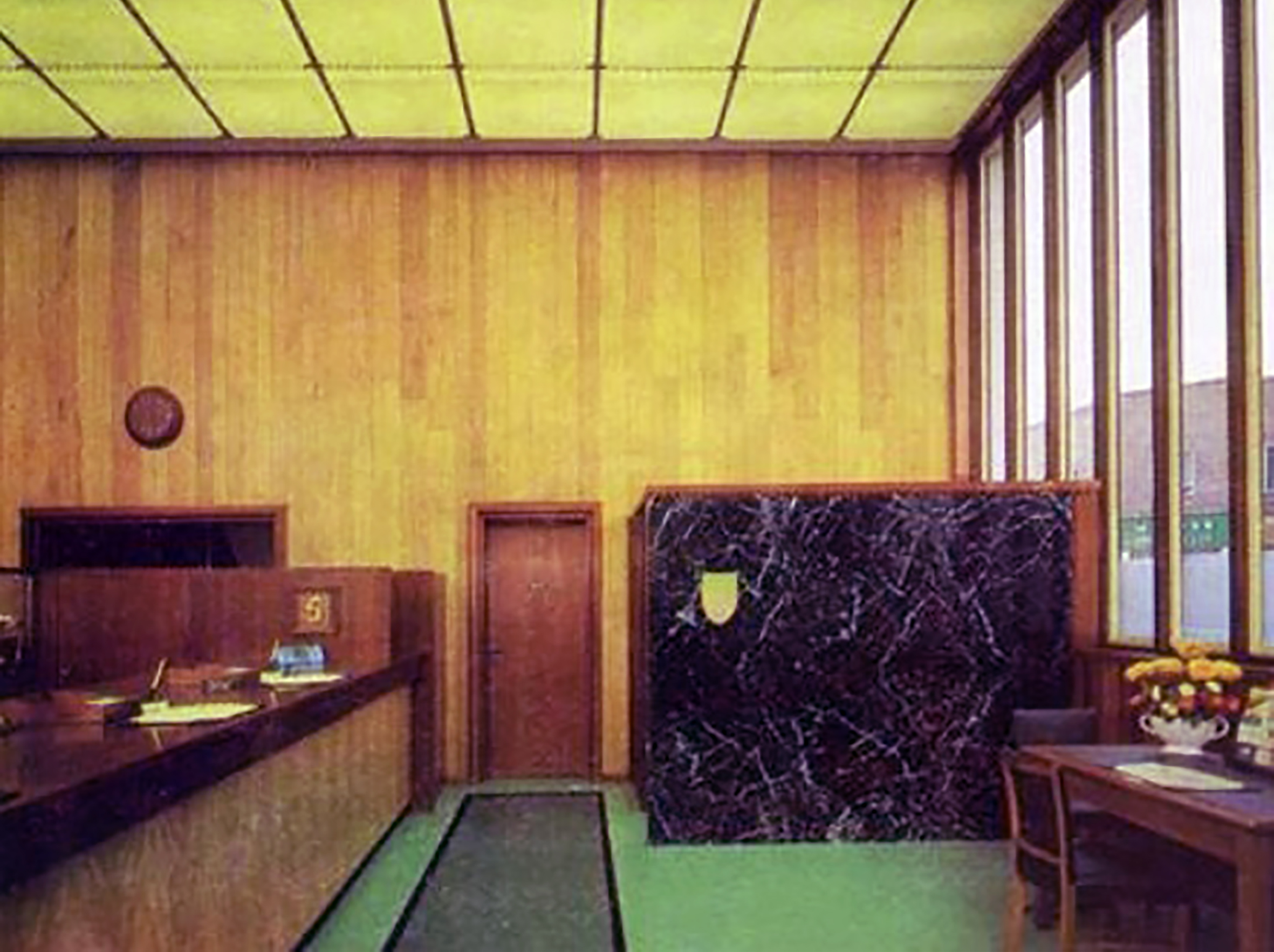
It is really too far from the old commercial quarter to be effectively served by our branch at West Street and so the banks are moving in. It is a beautiful modern building with interior decor which responds to the full blaze of sunshine most cheerfully, or, on a dark day when the illuminated ceiling has to be switched on, creates an oasis of light, warmth and welcome which makes it a pleasure to step inside.
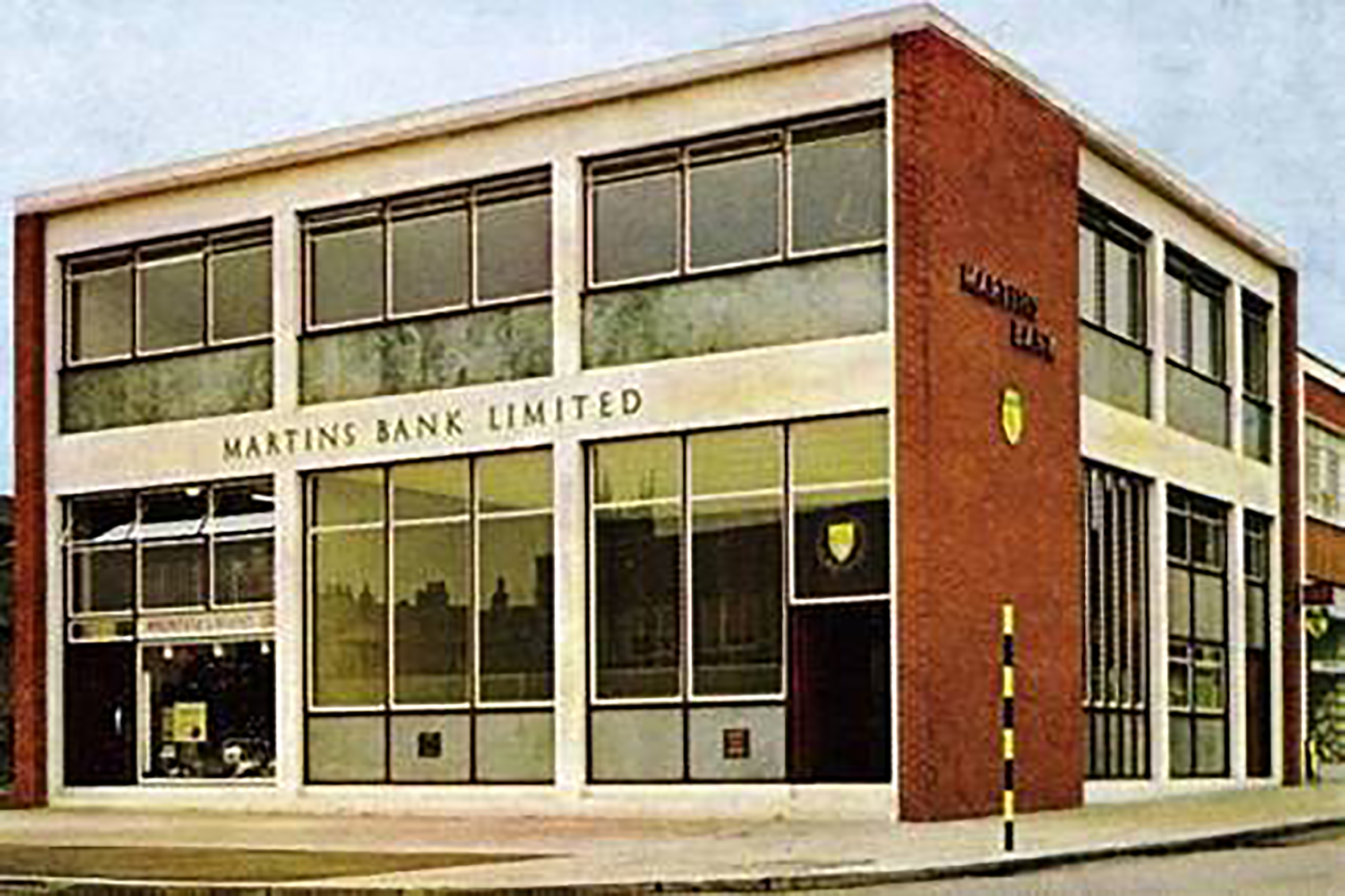
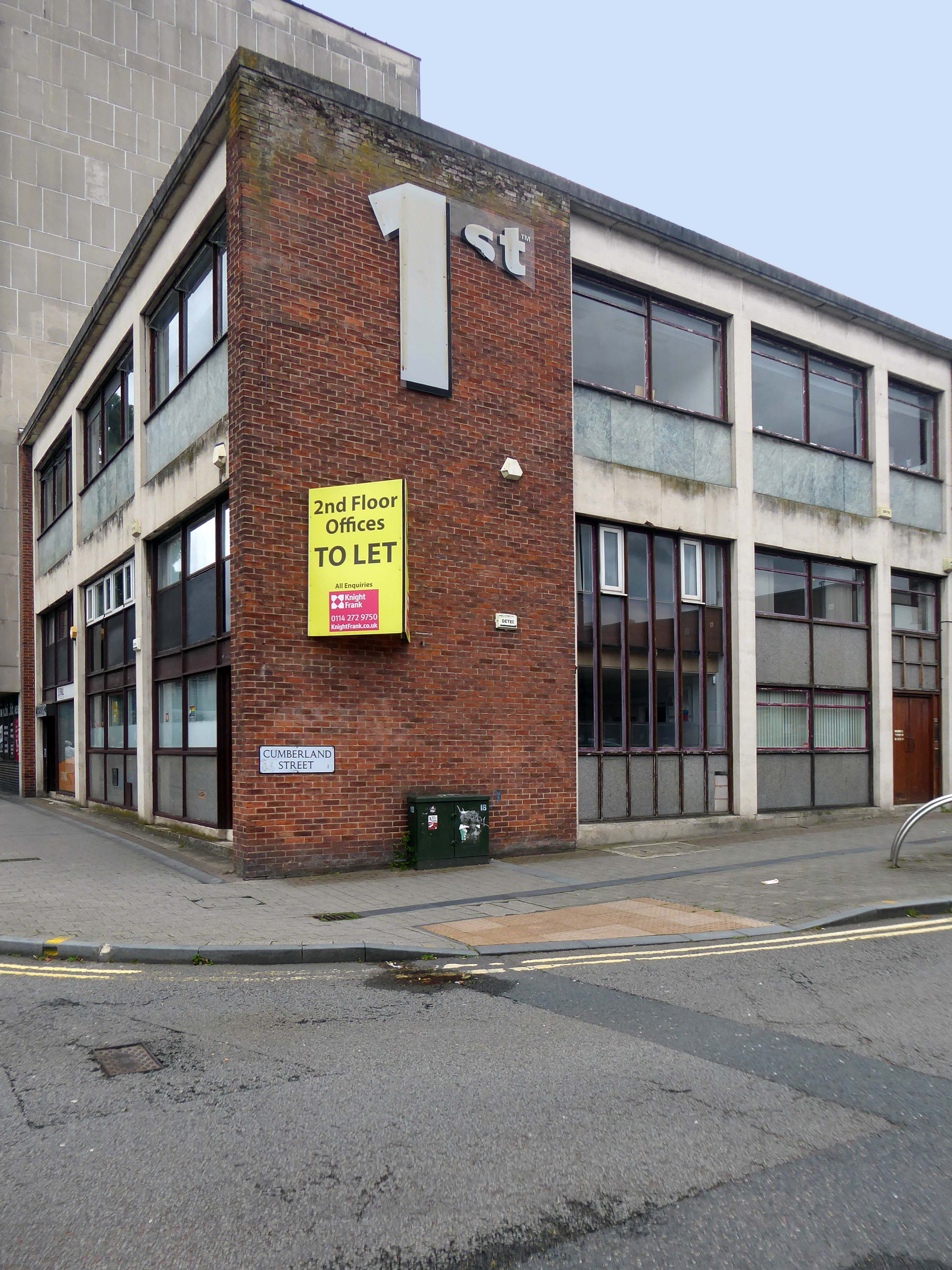
Today the building is, sadly, a shadow of its former self.
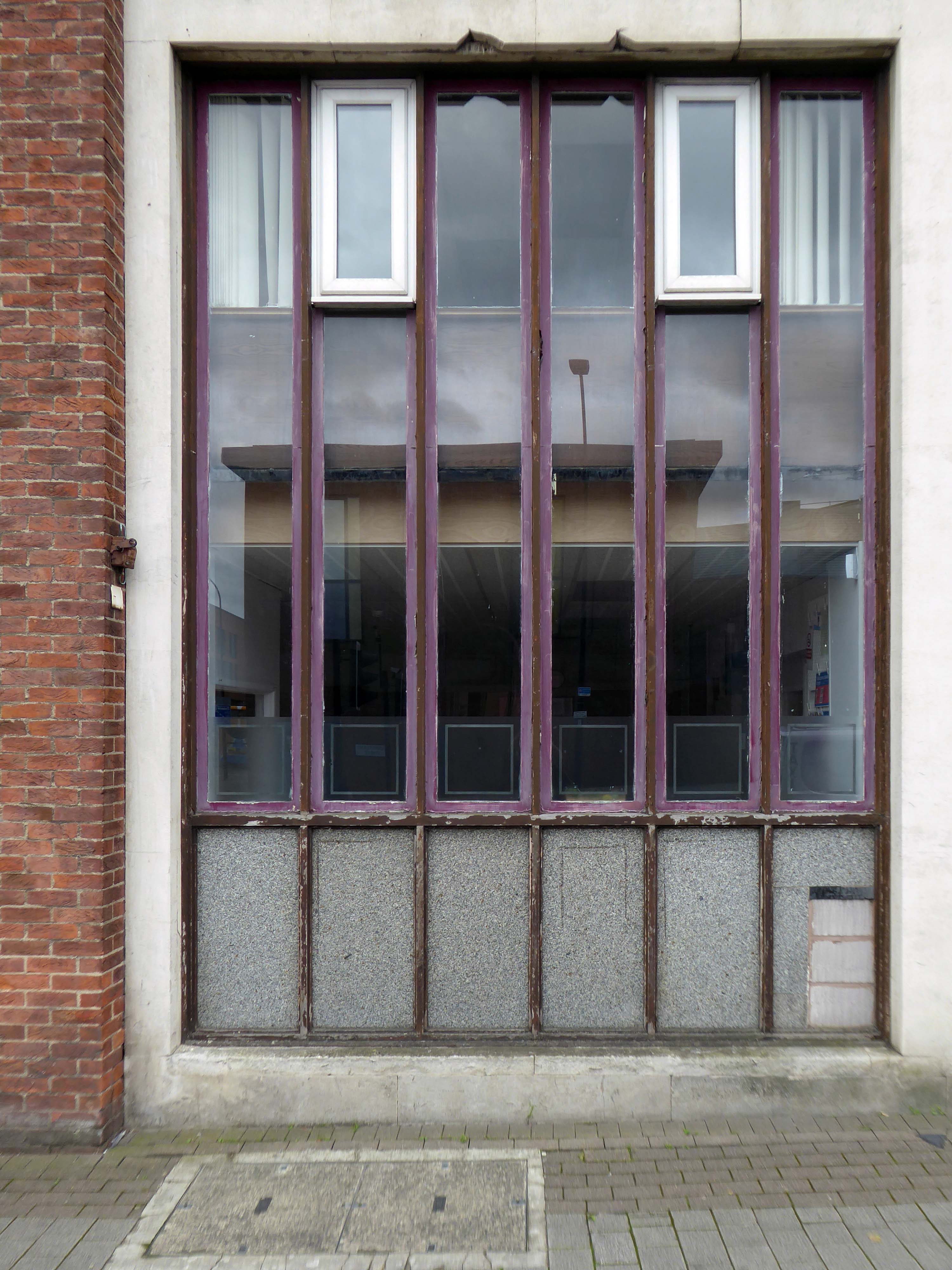
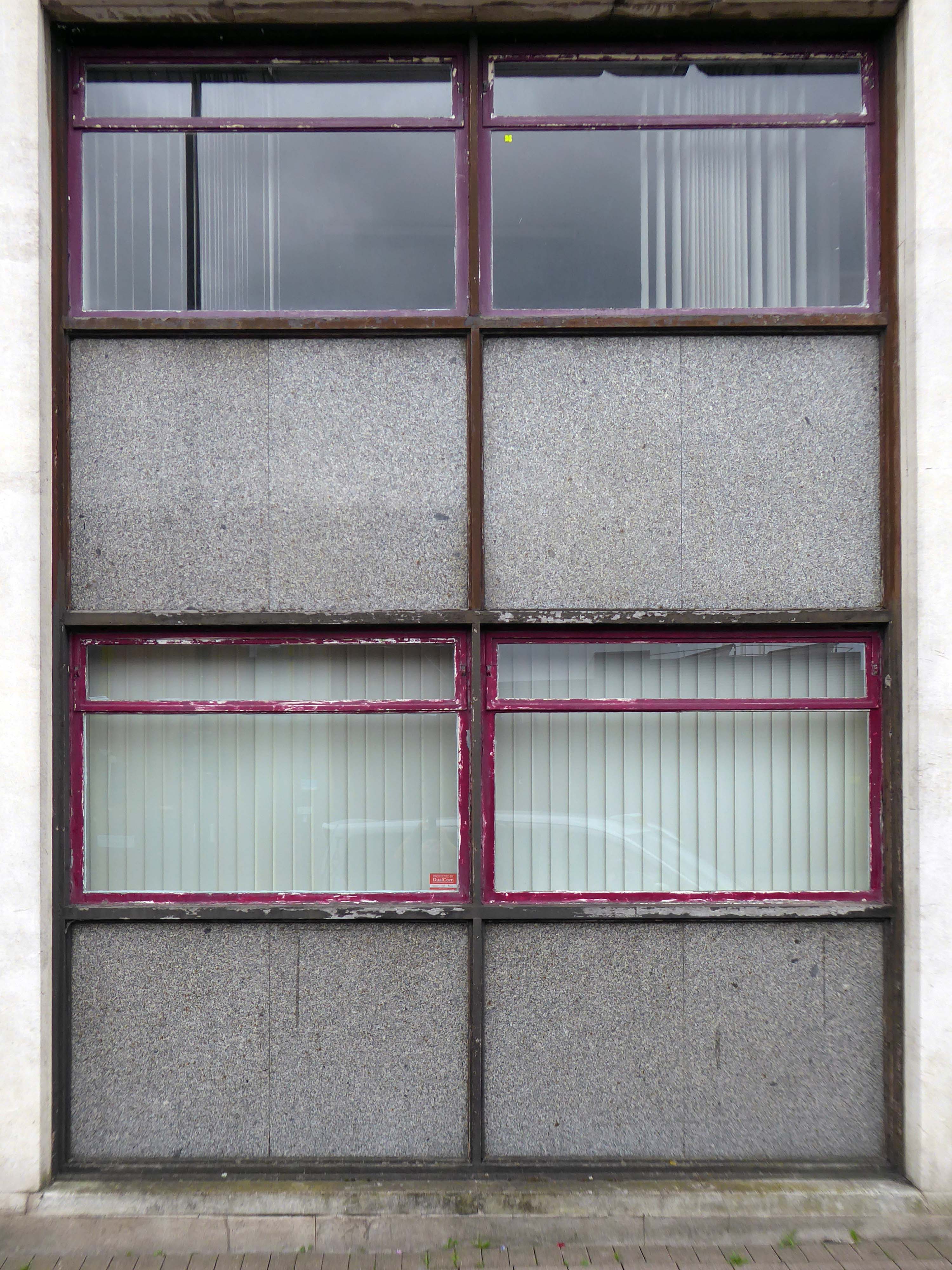
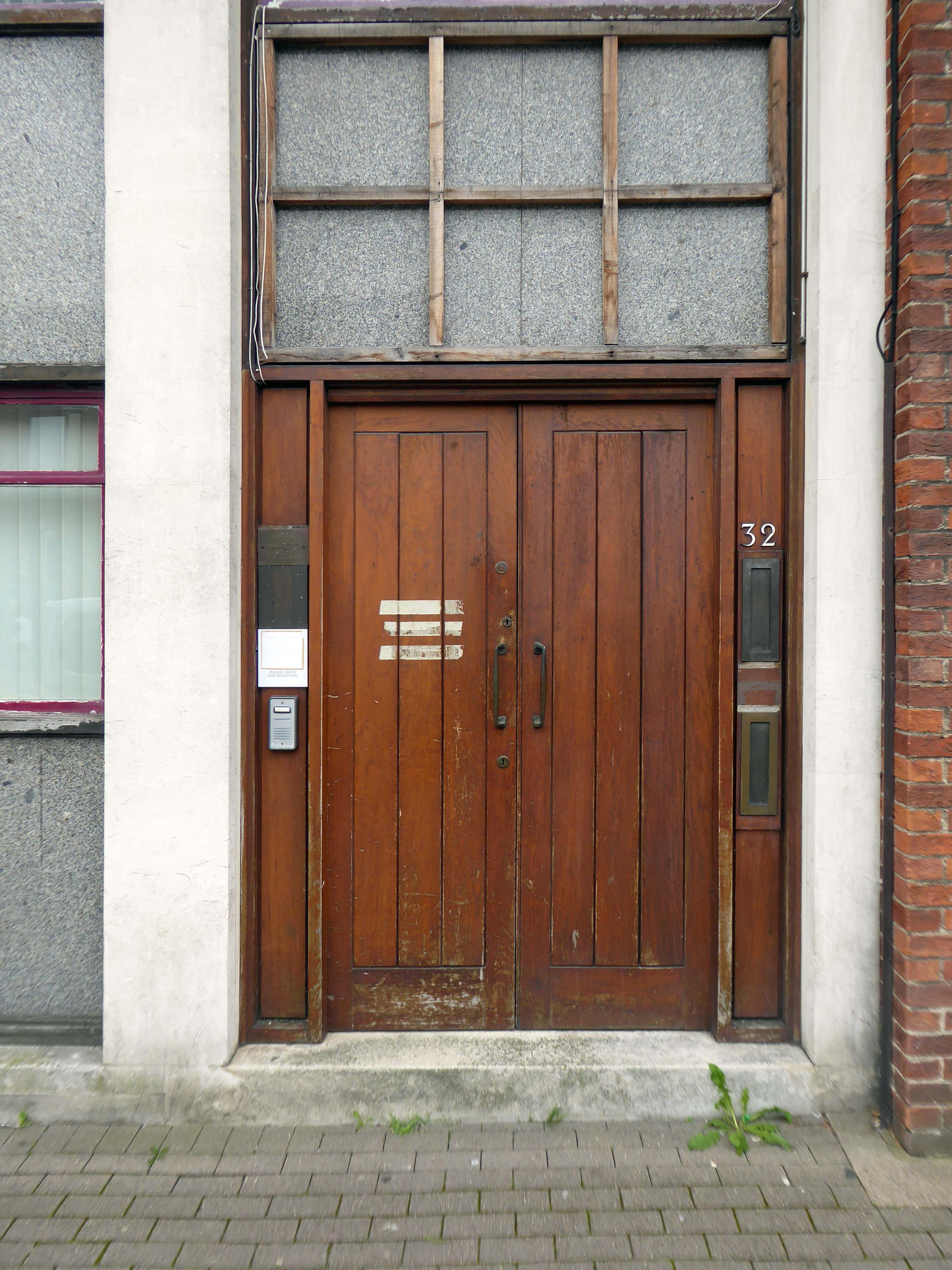
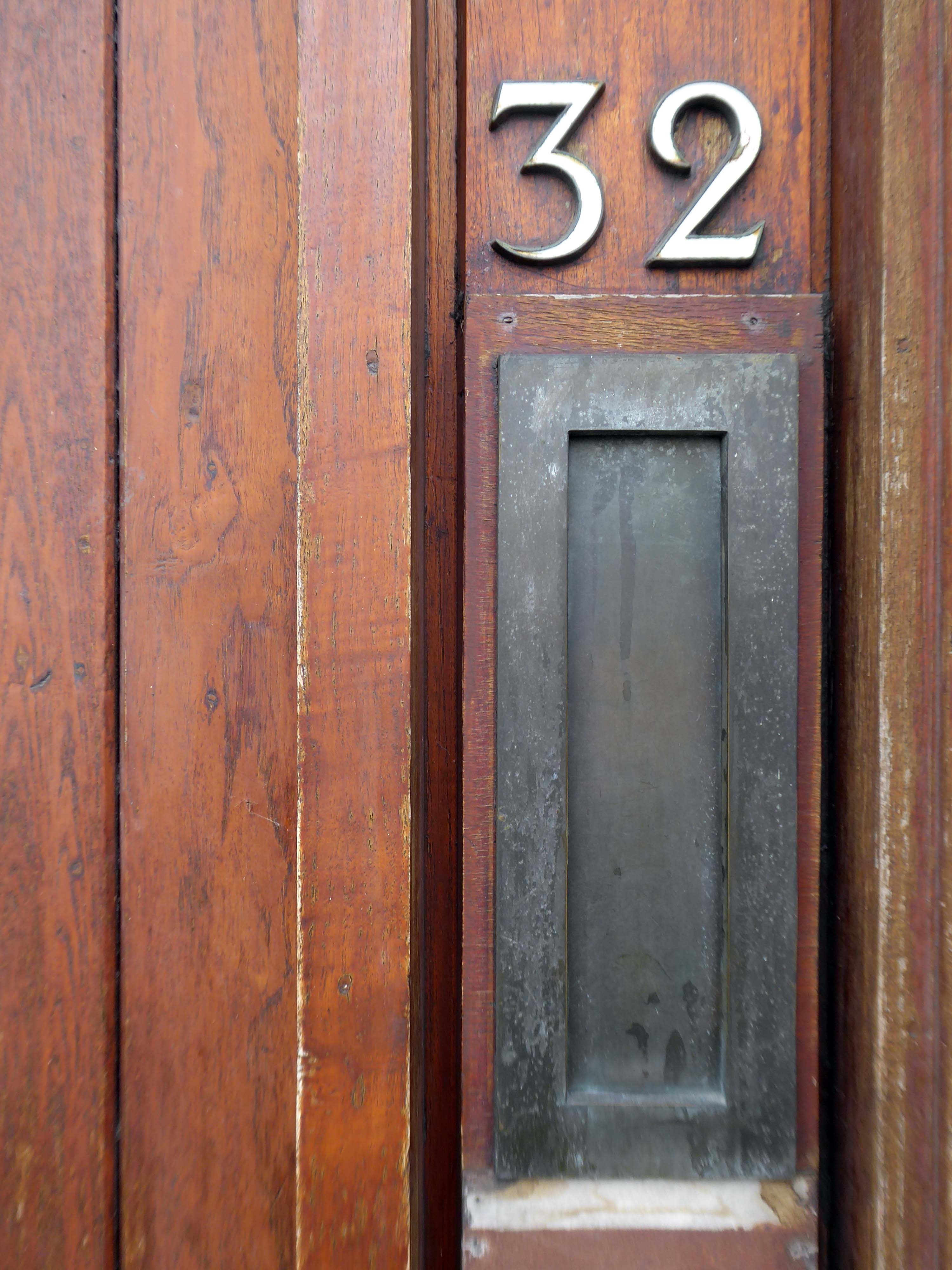
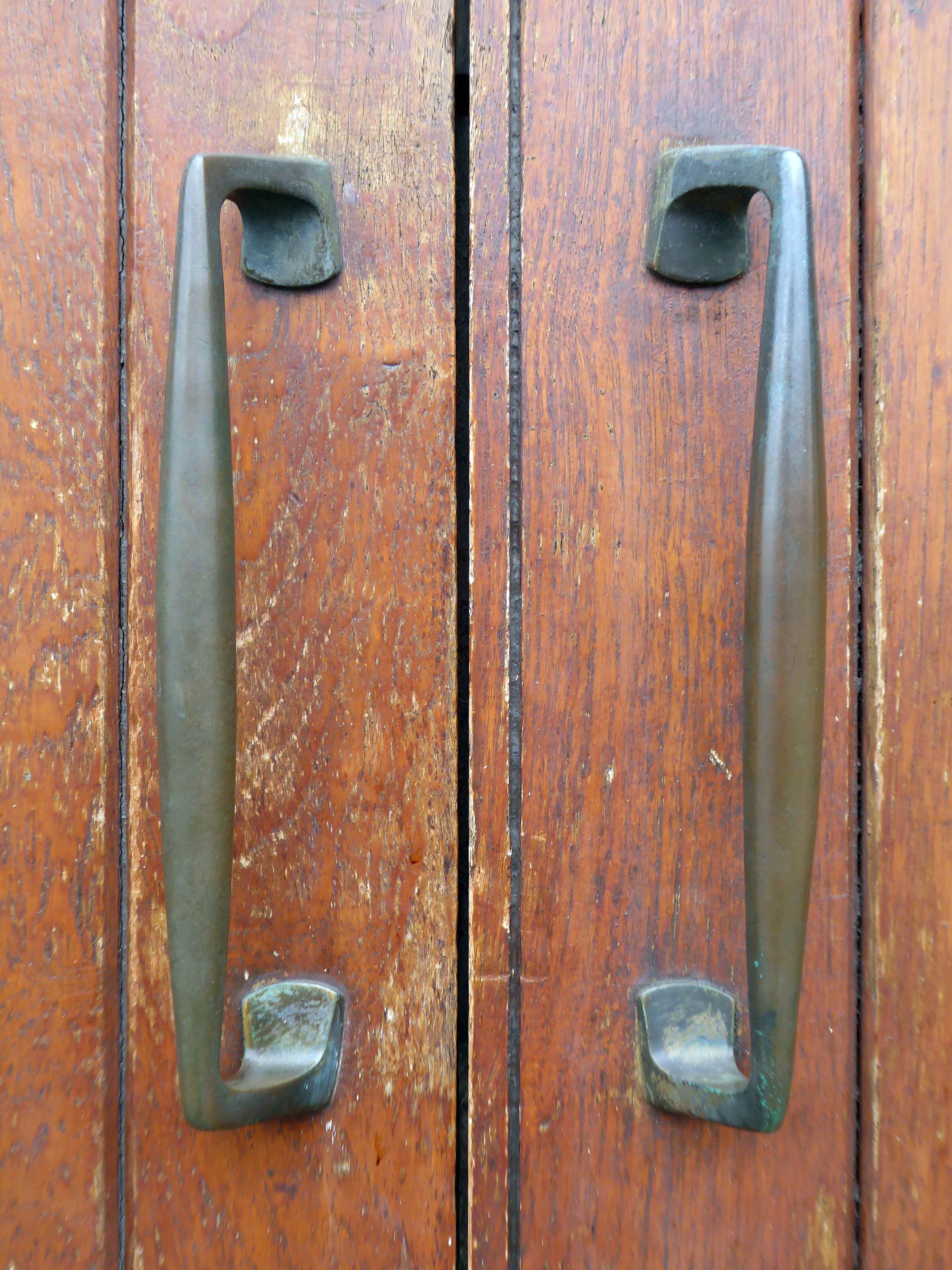

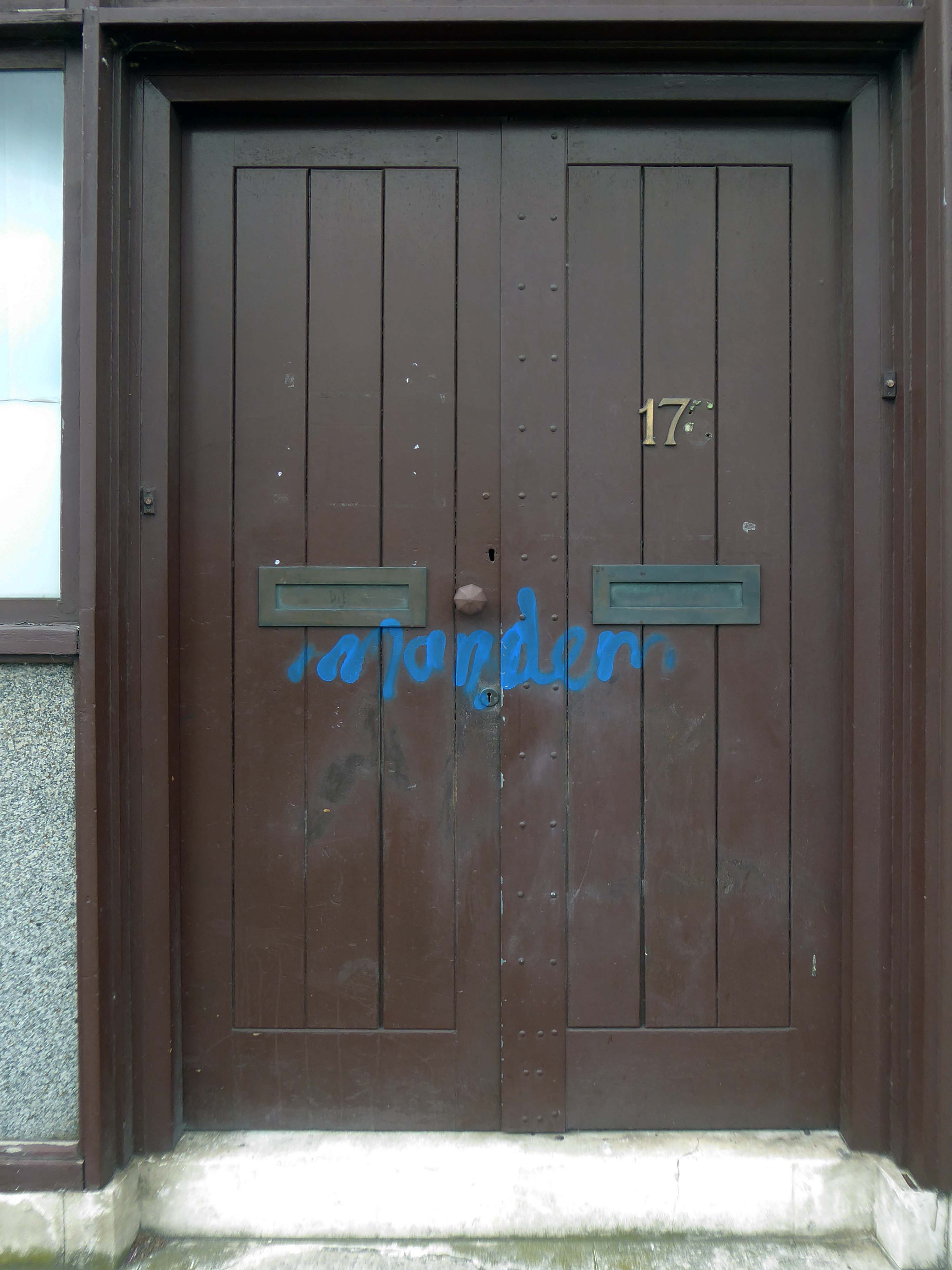
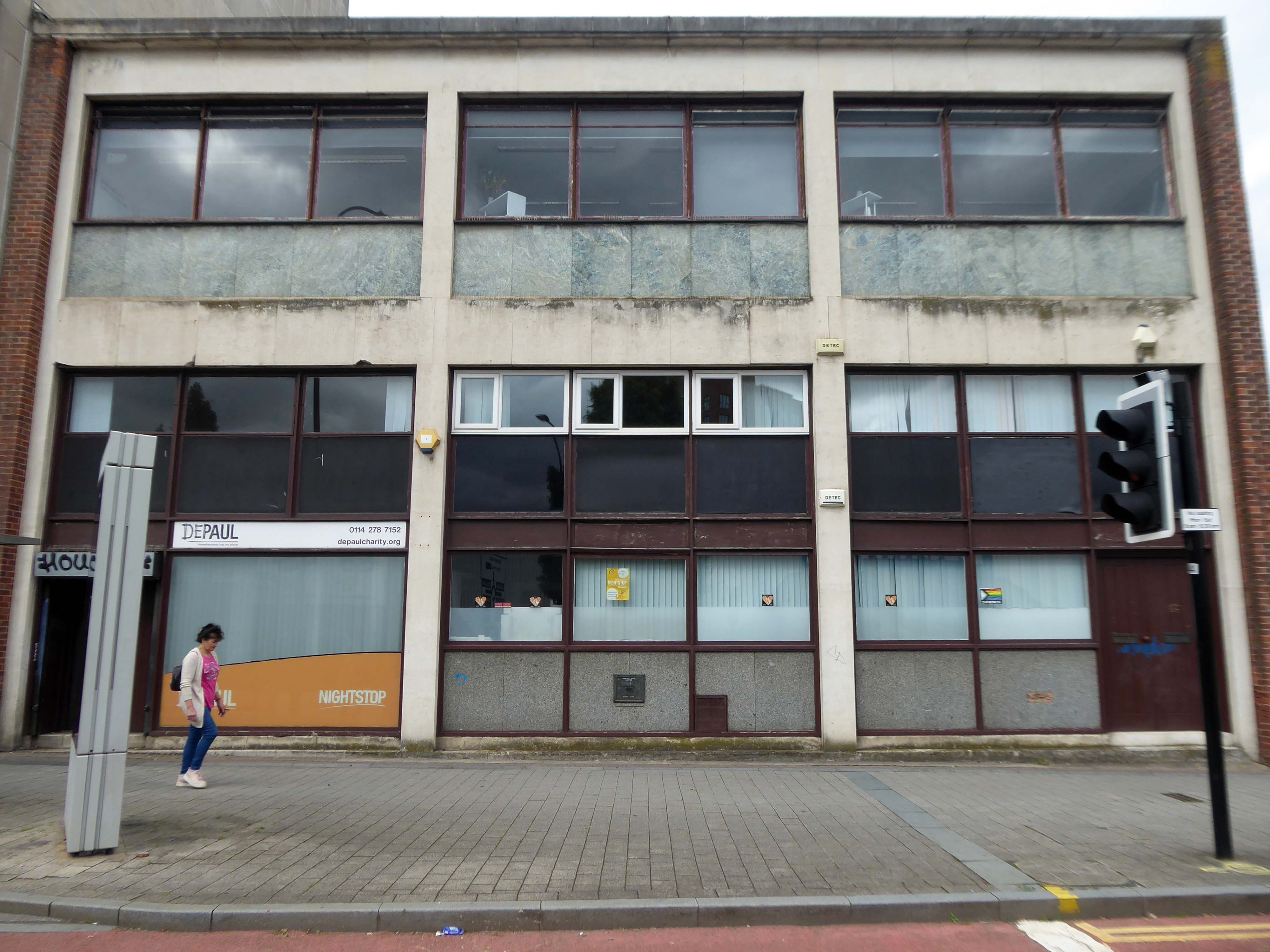
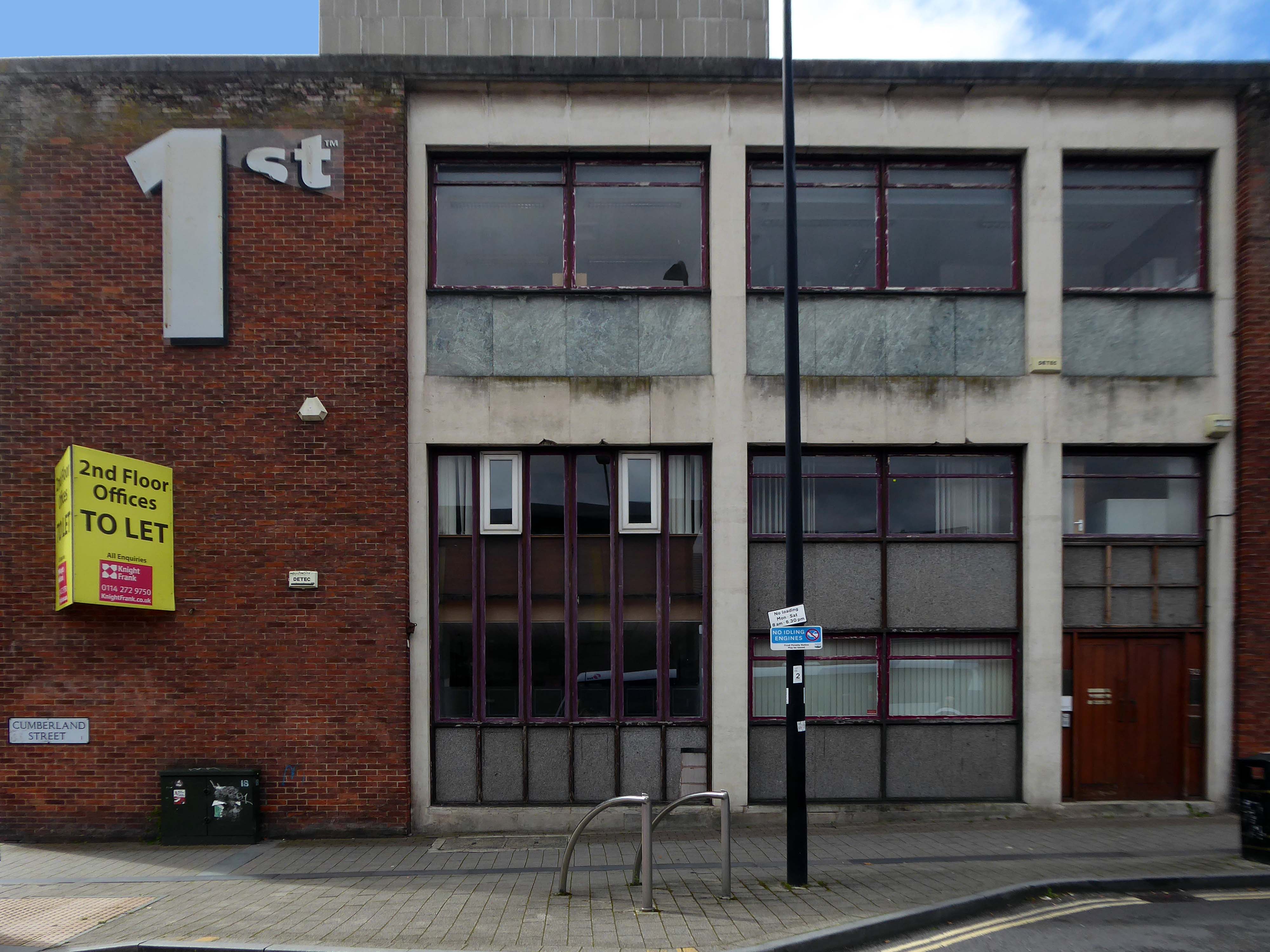
Other Sheffield banks are available- William Deacon’s, where refurbishment seems to be taking place.
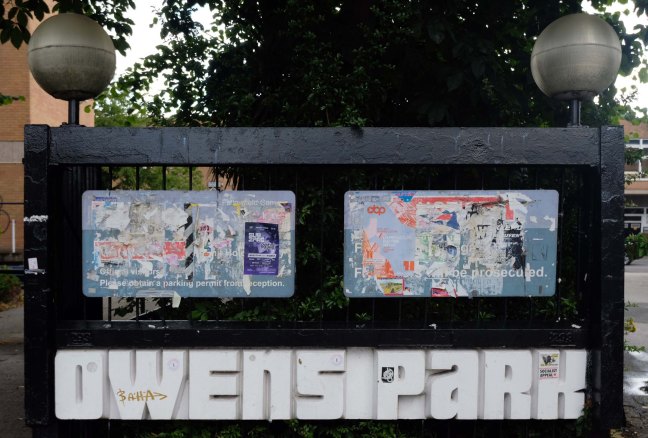
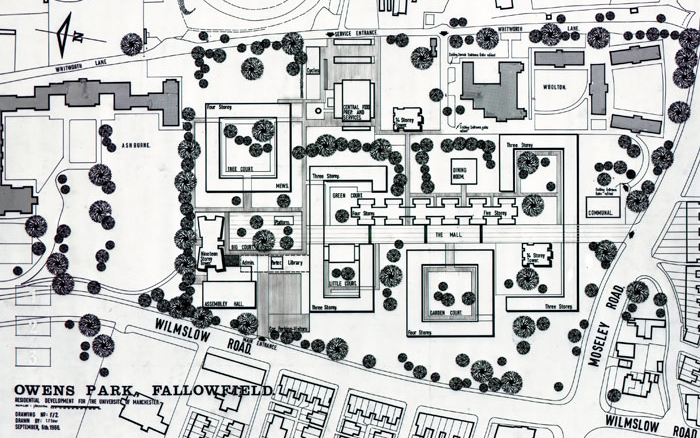
We visited the Lancashire County Archive where we were shown this brochure from the Building Design Partnership – BDP archive, which is held there.
The archive is open to the public.
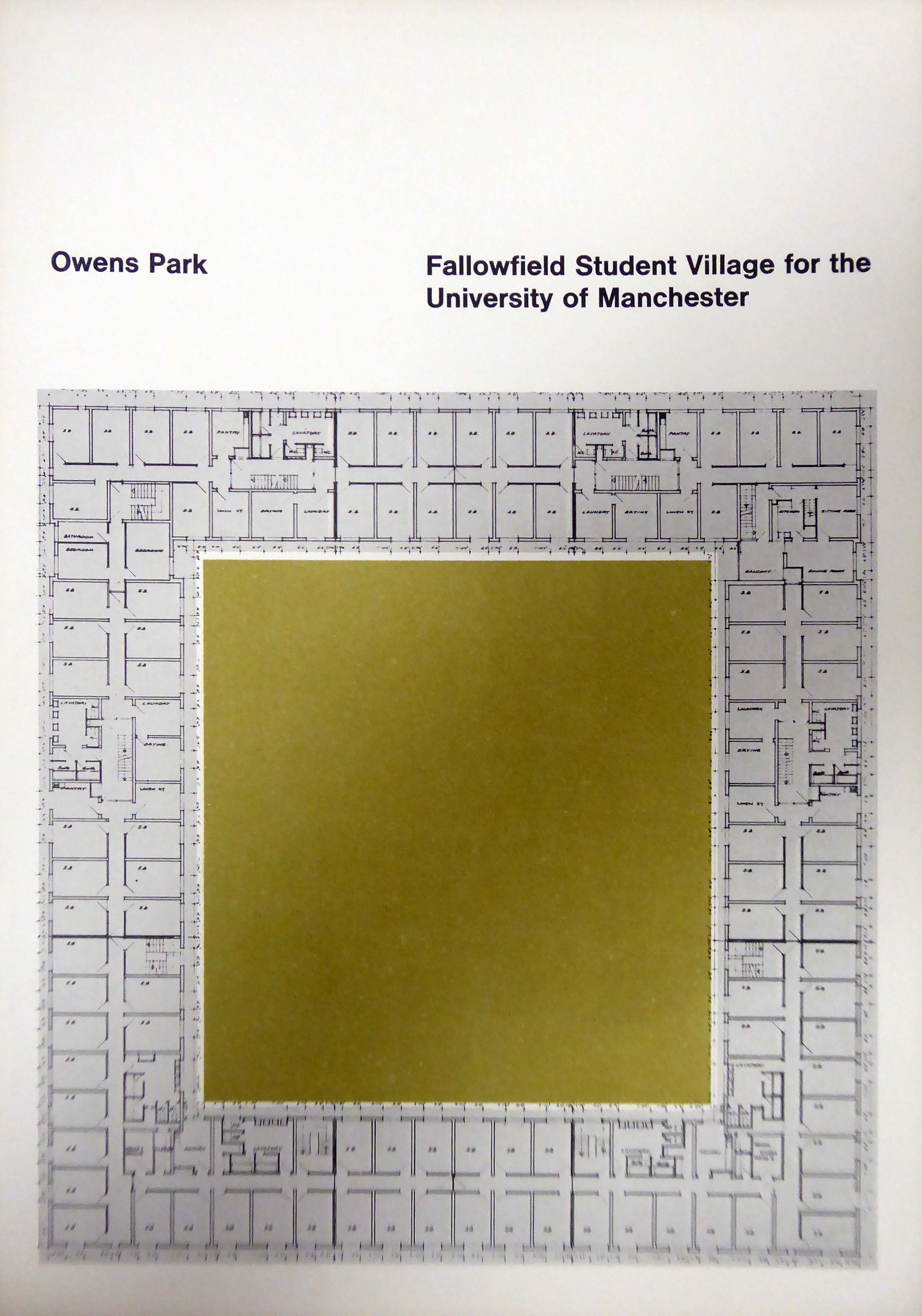
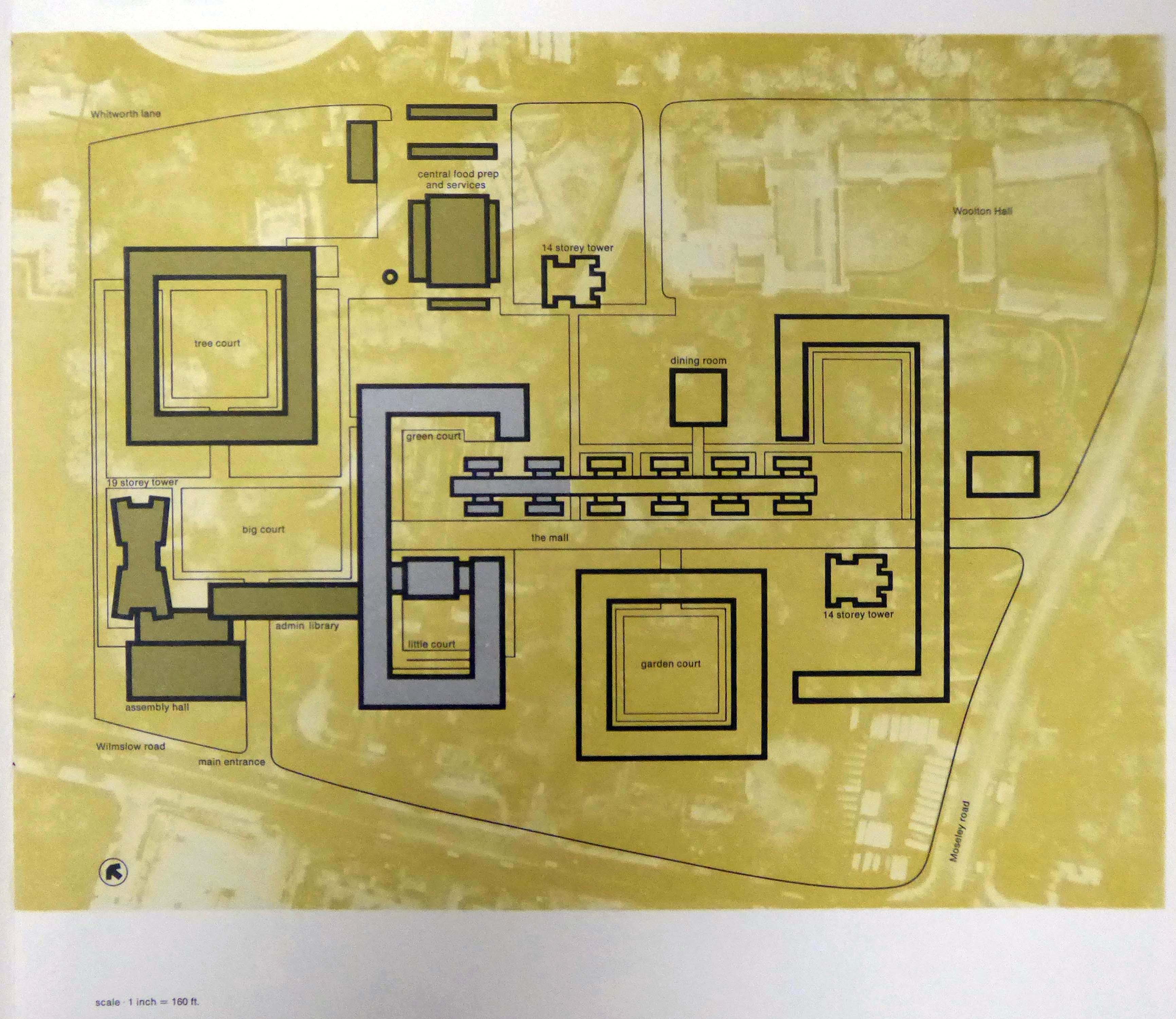
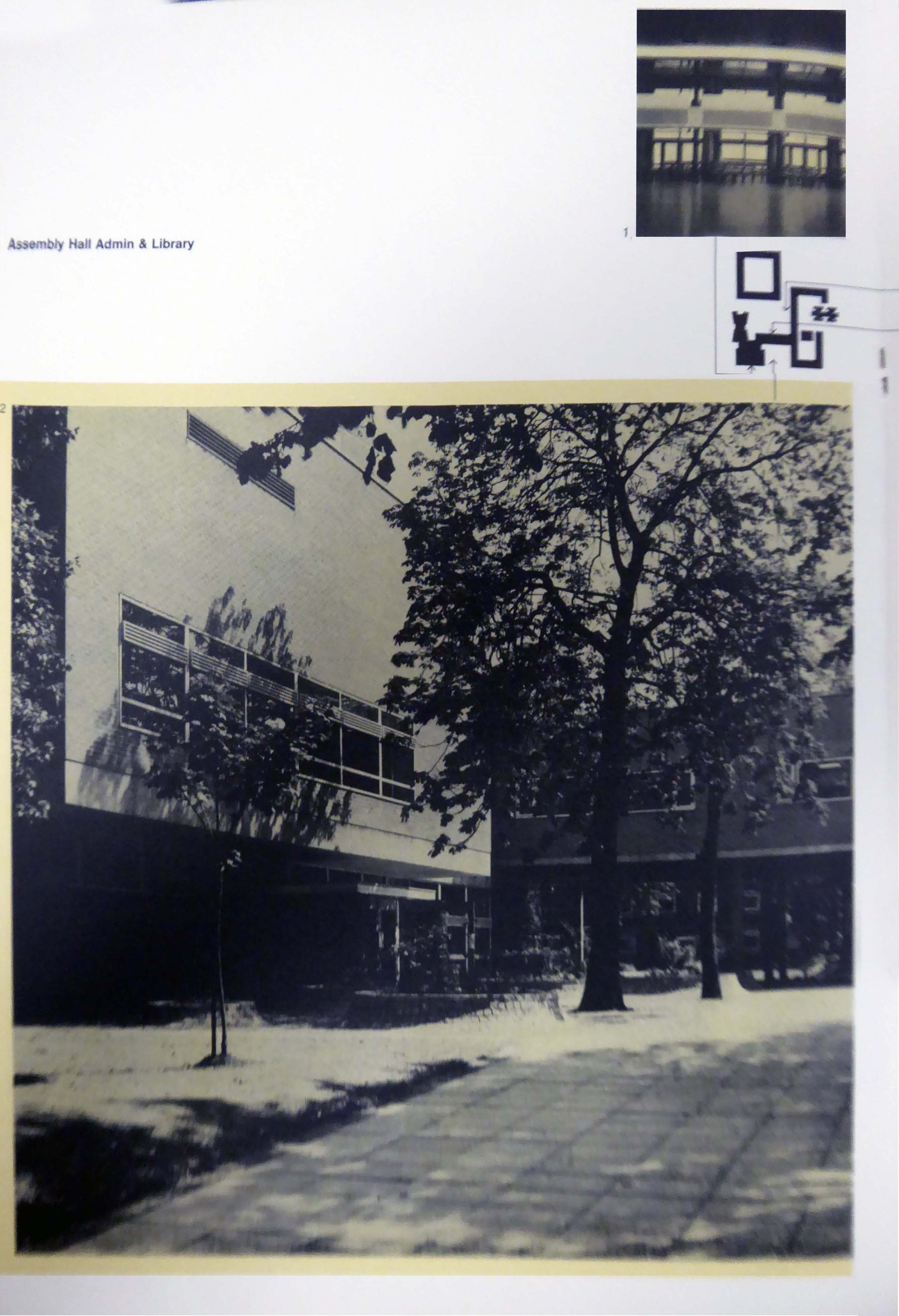
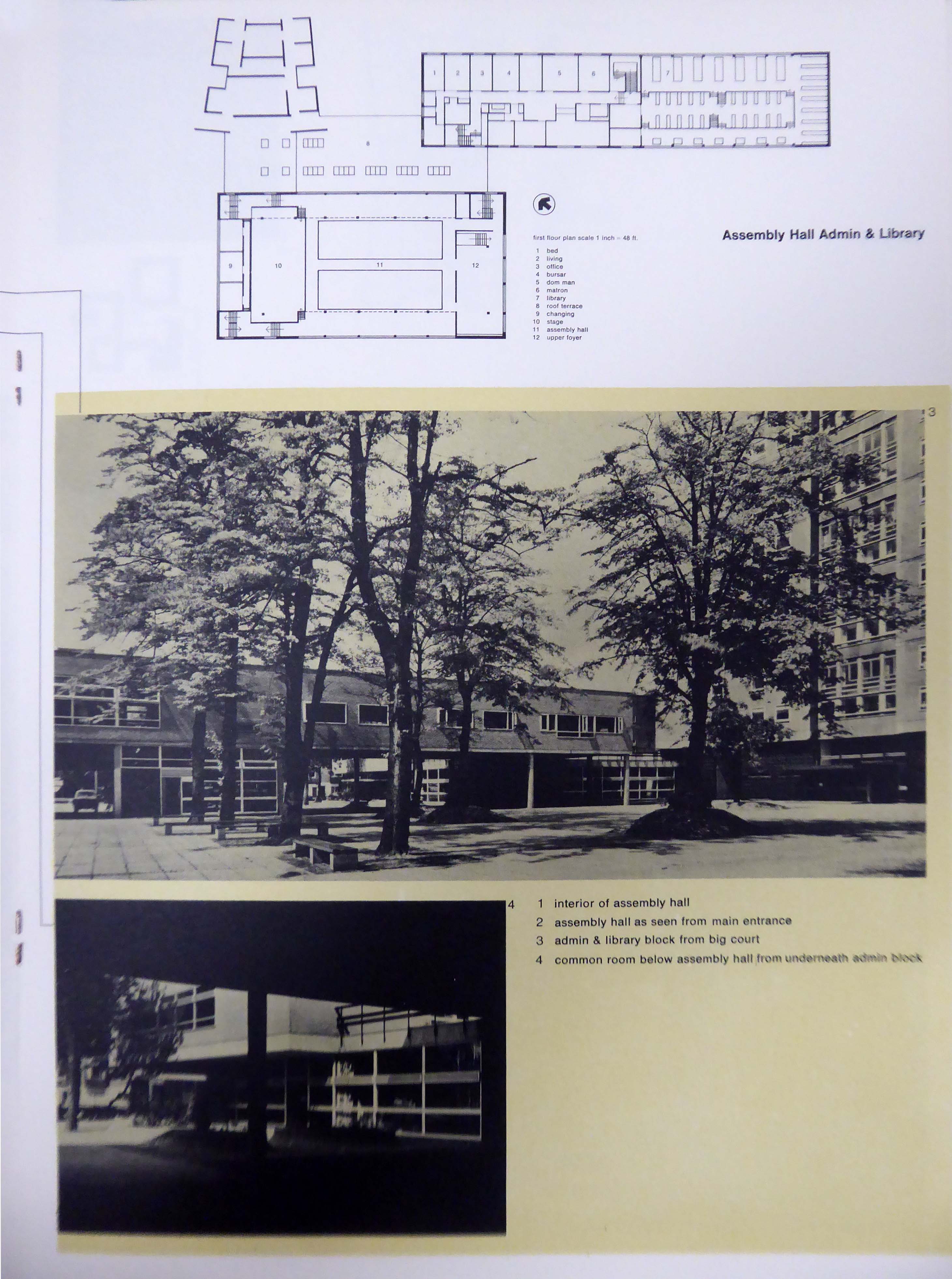
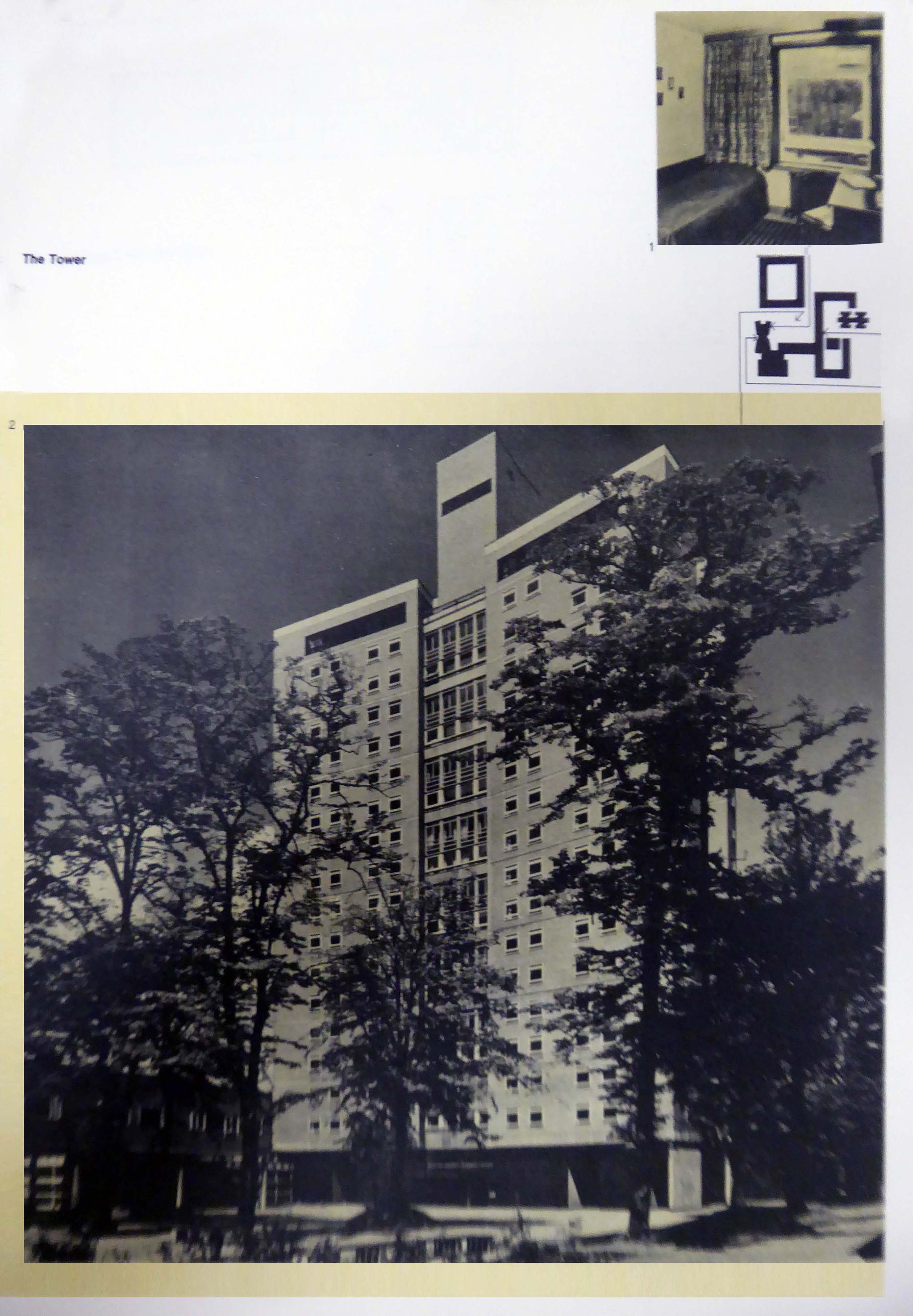
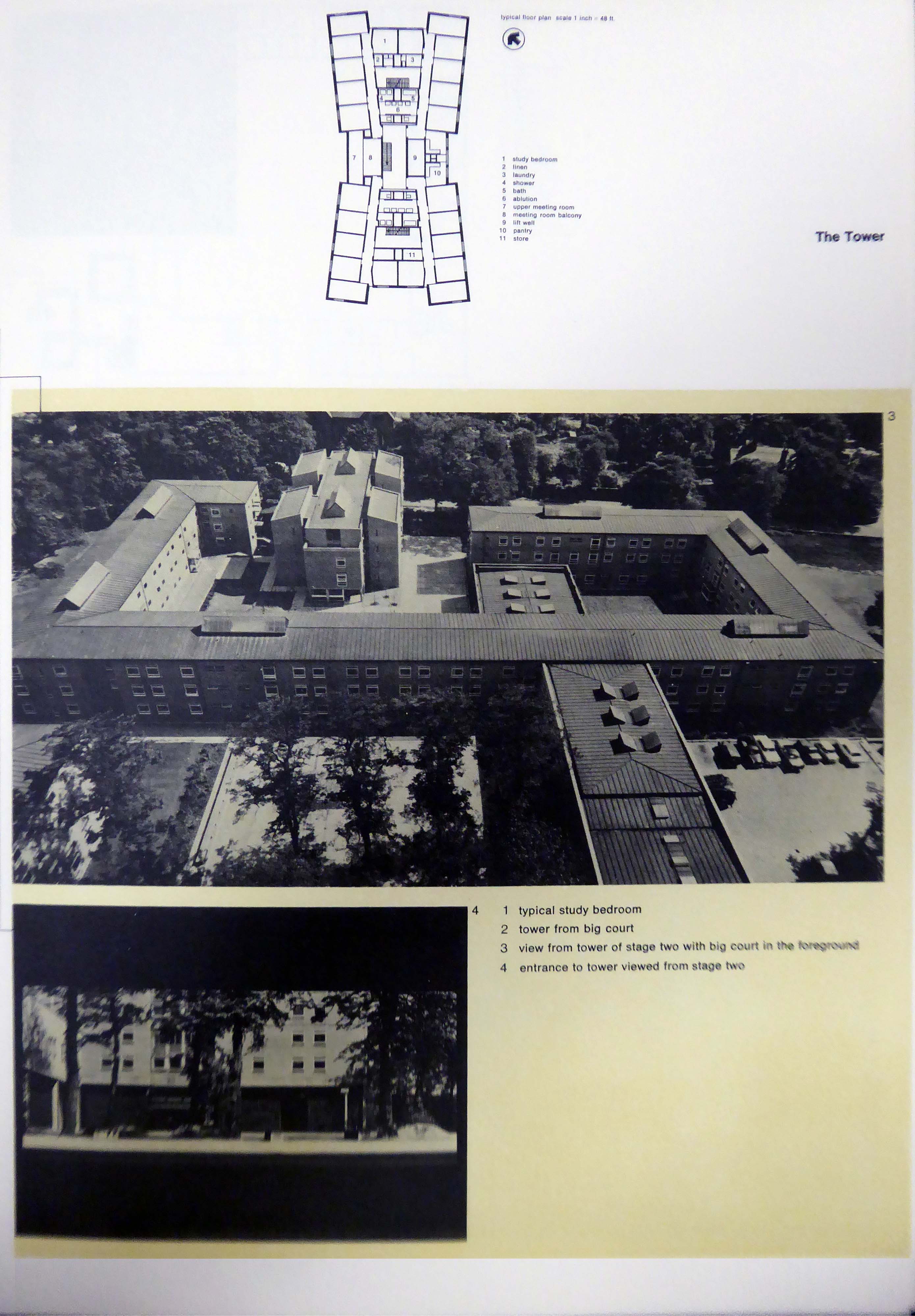
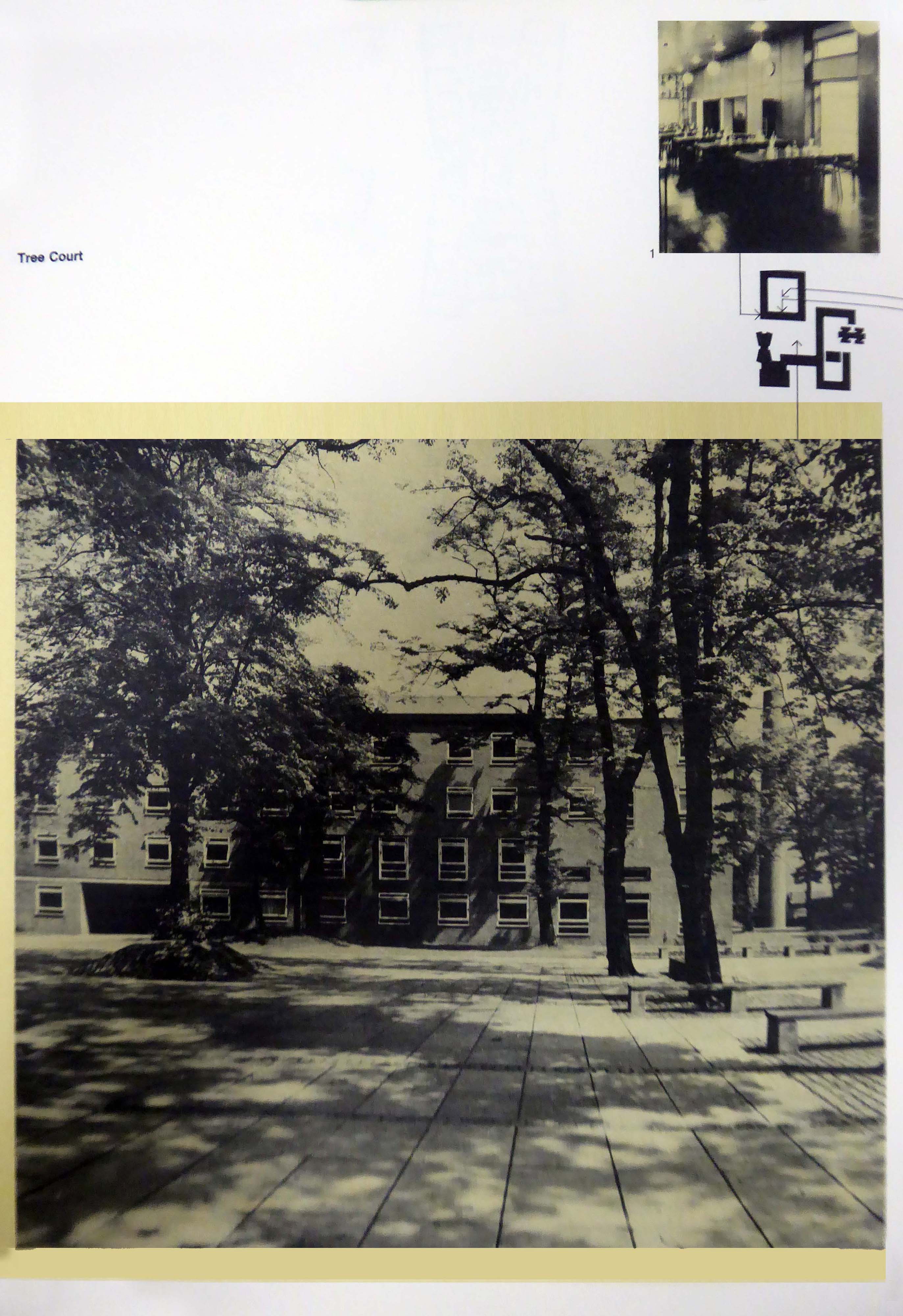
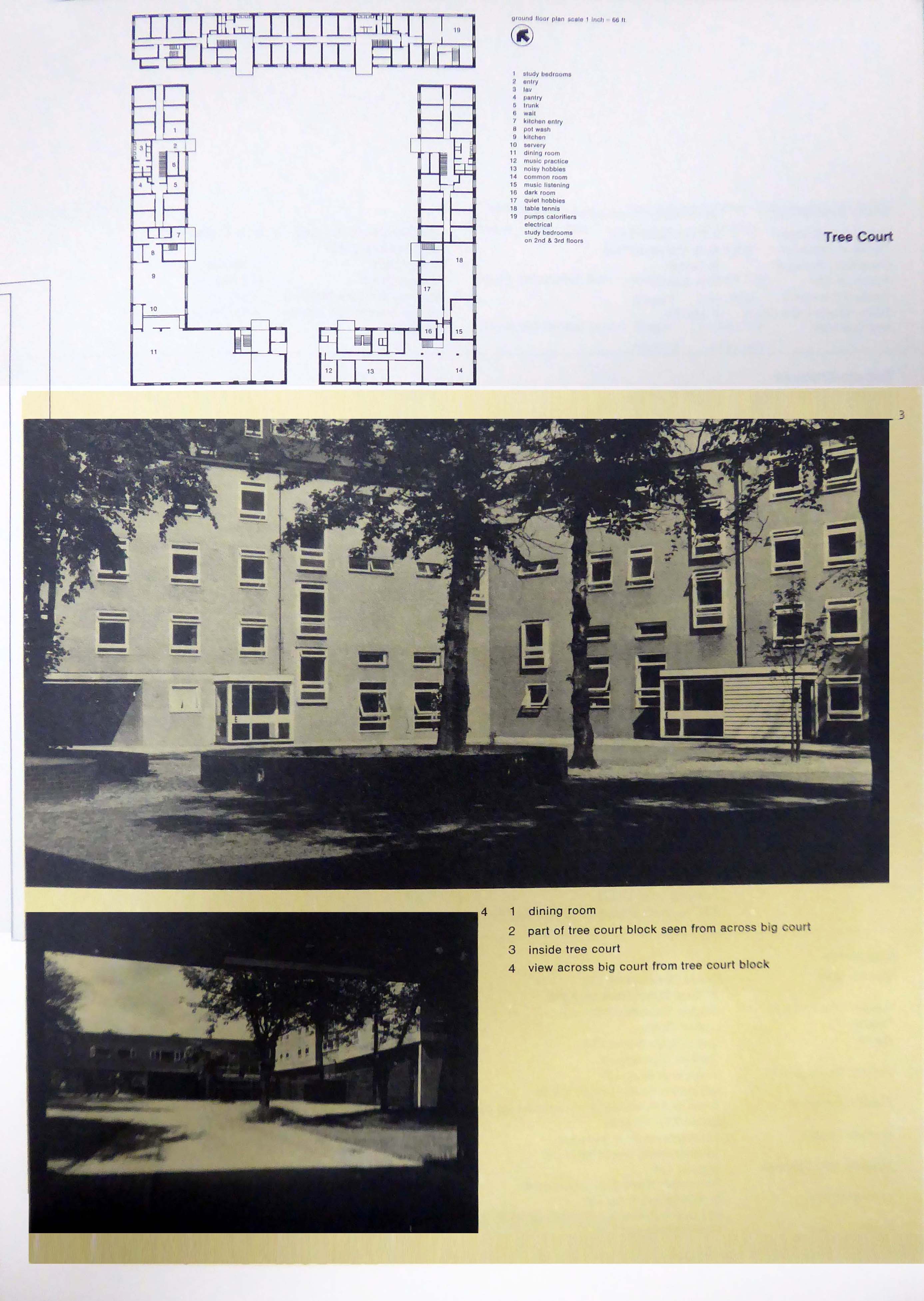
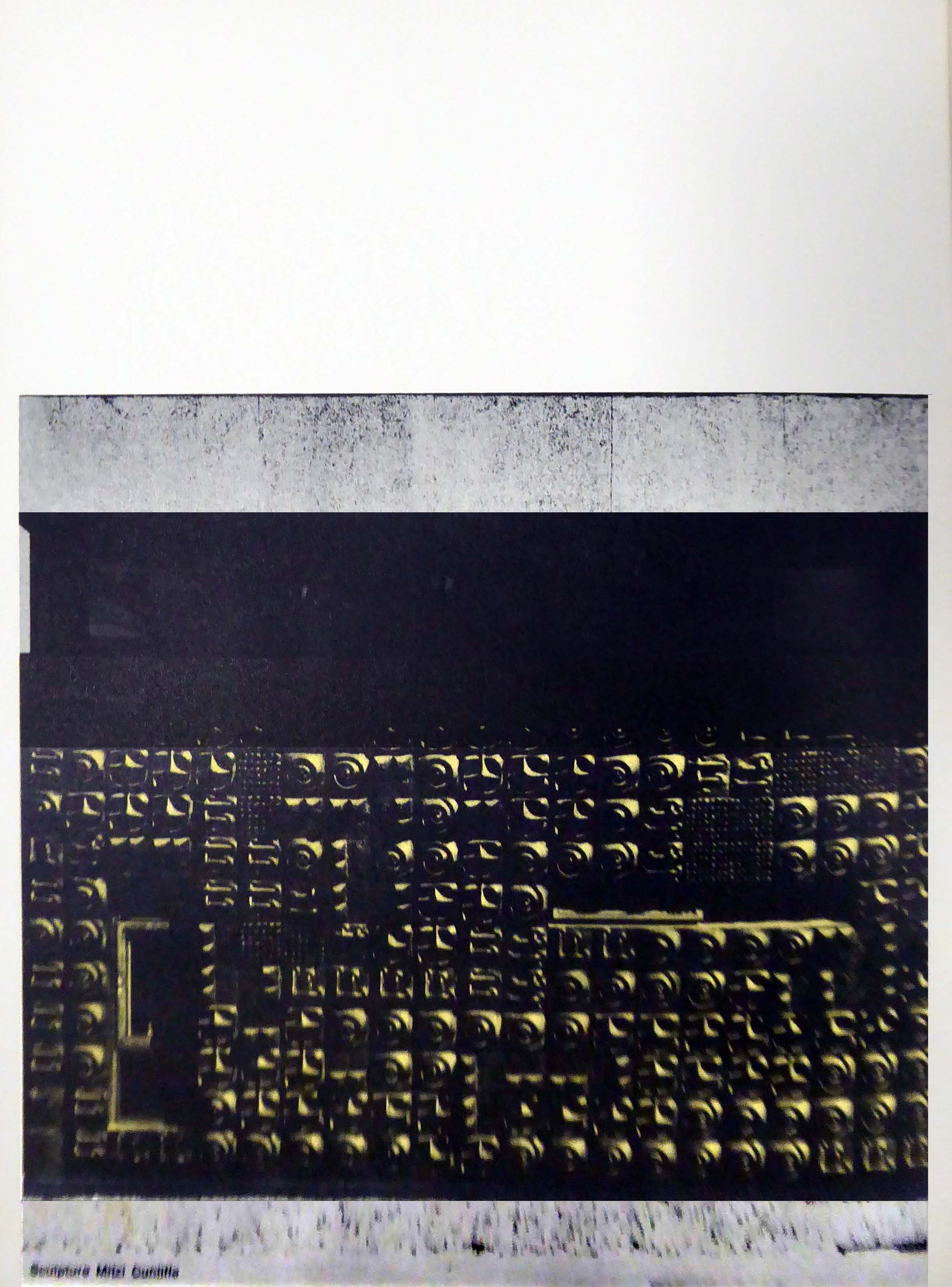
I have previously led walks there to view the Apollo sculptural relief by Mitzi Cunliffe.
I am assured that the relief will be re-sited within the new development.

The Student Village was opened in 1964.
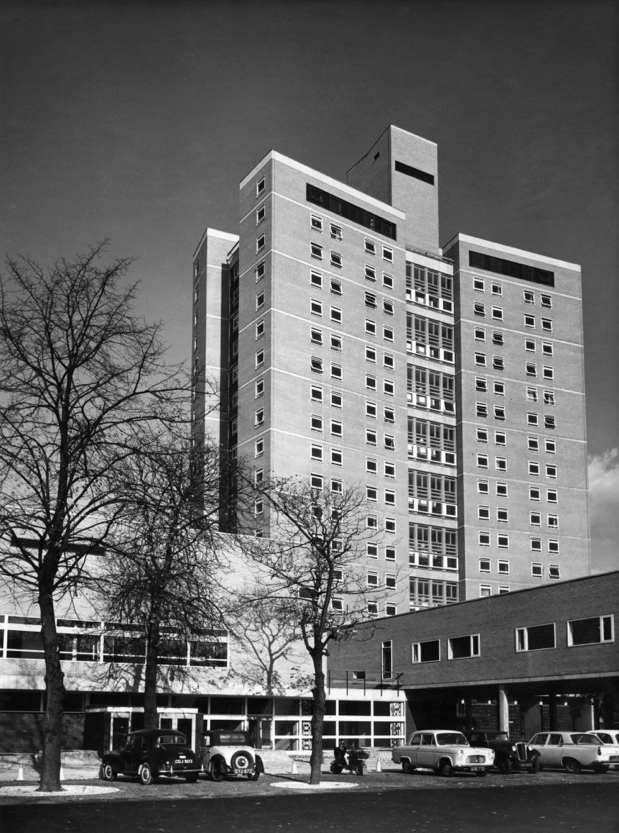
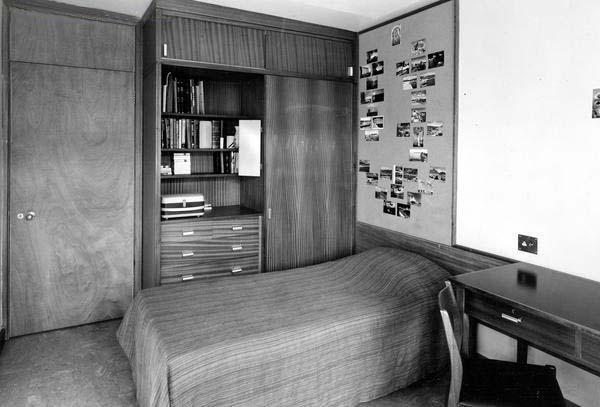
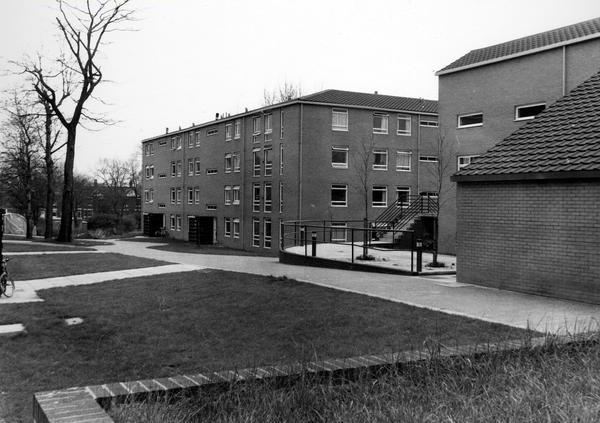
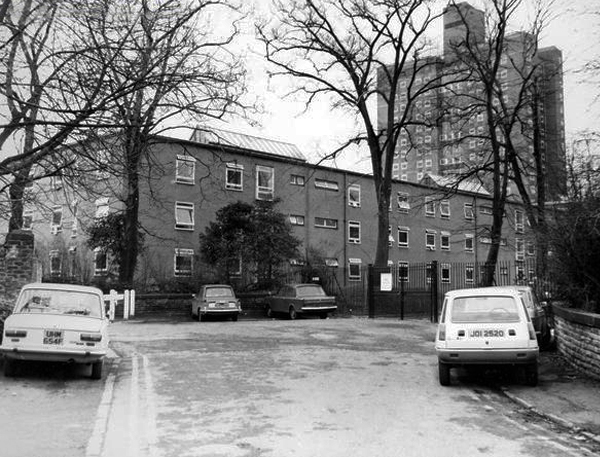
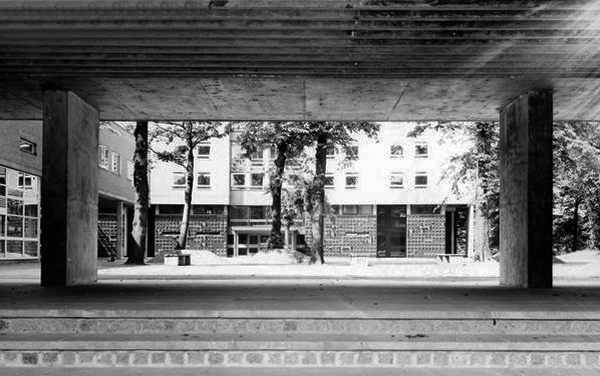
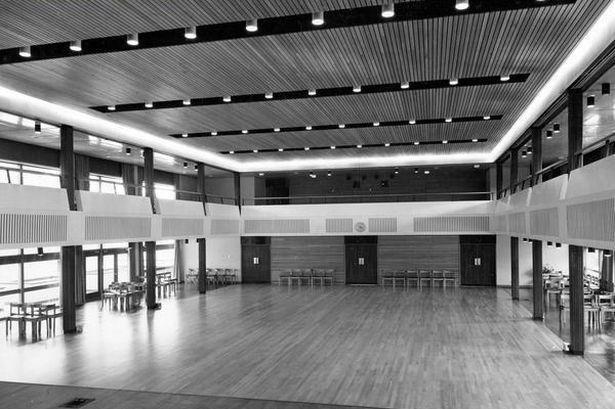
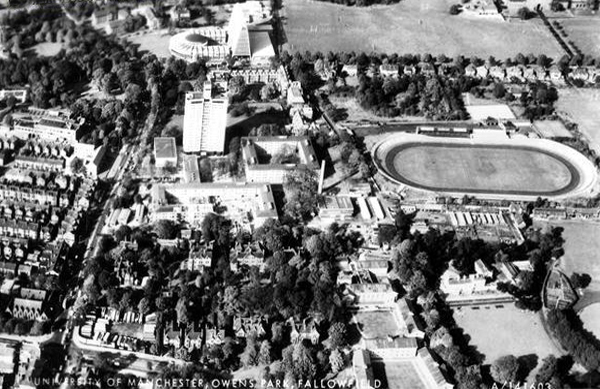
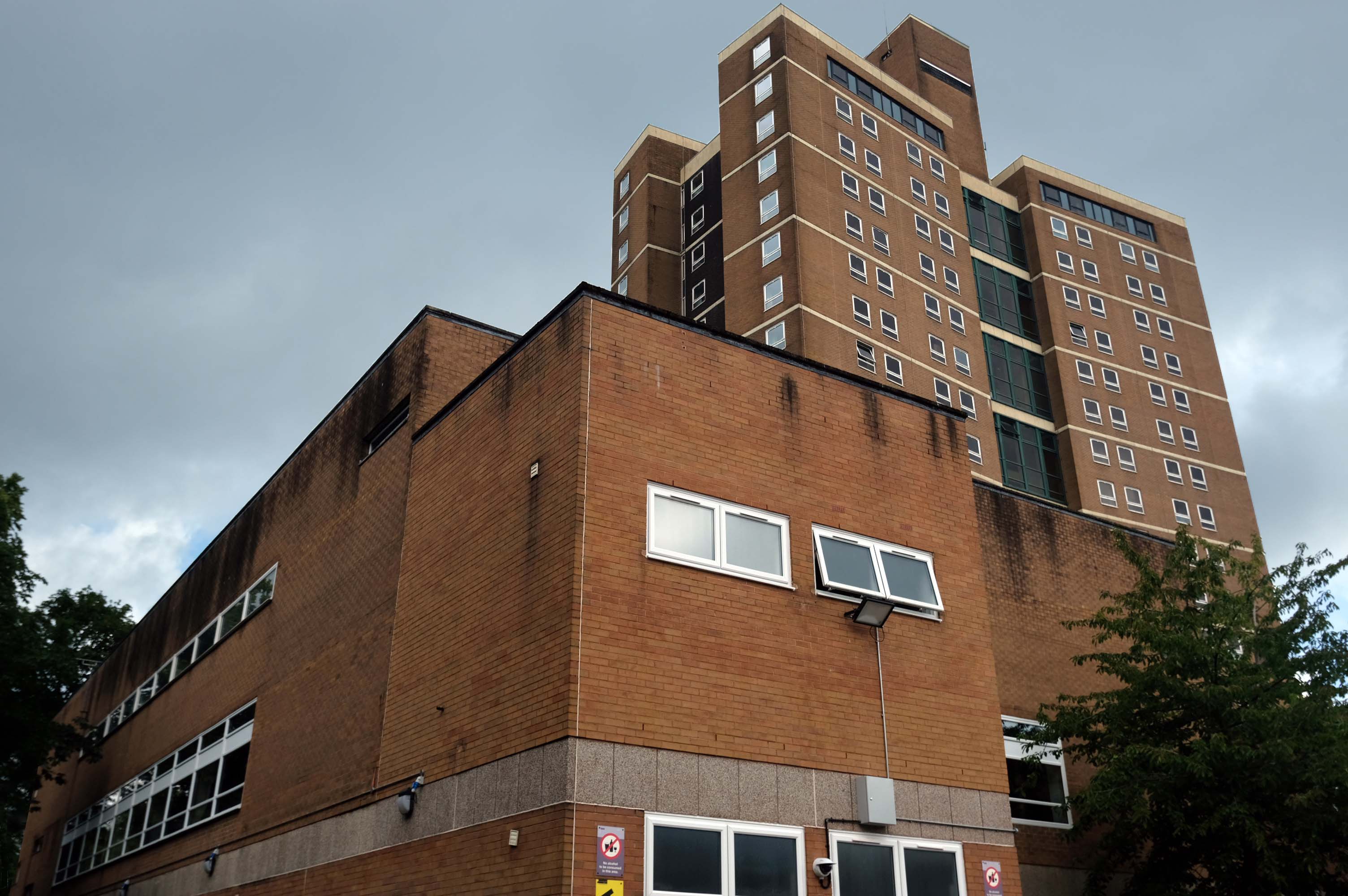
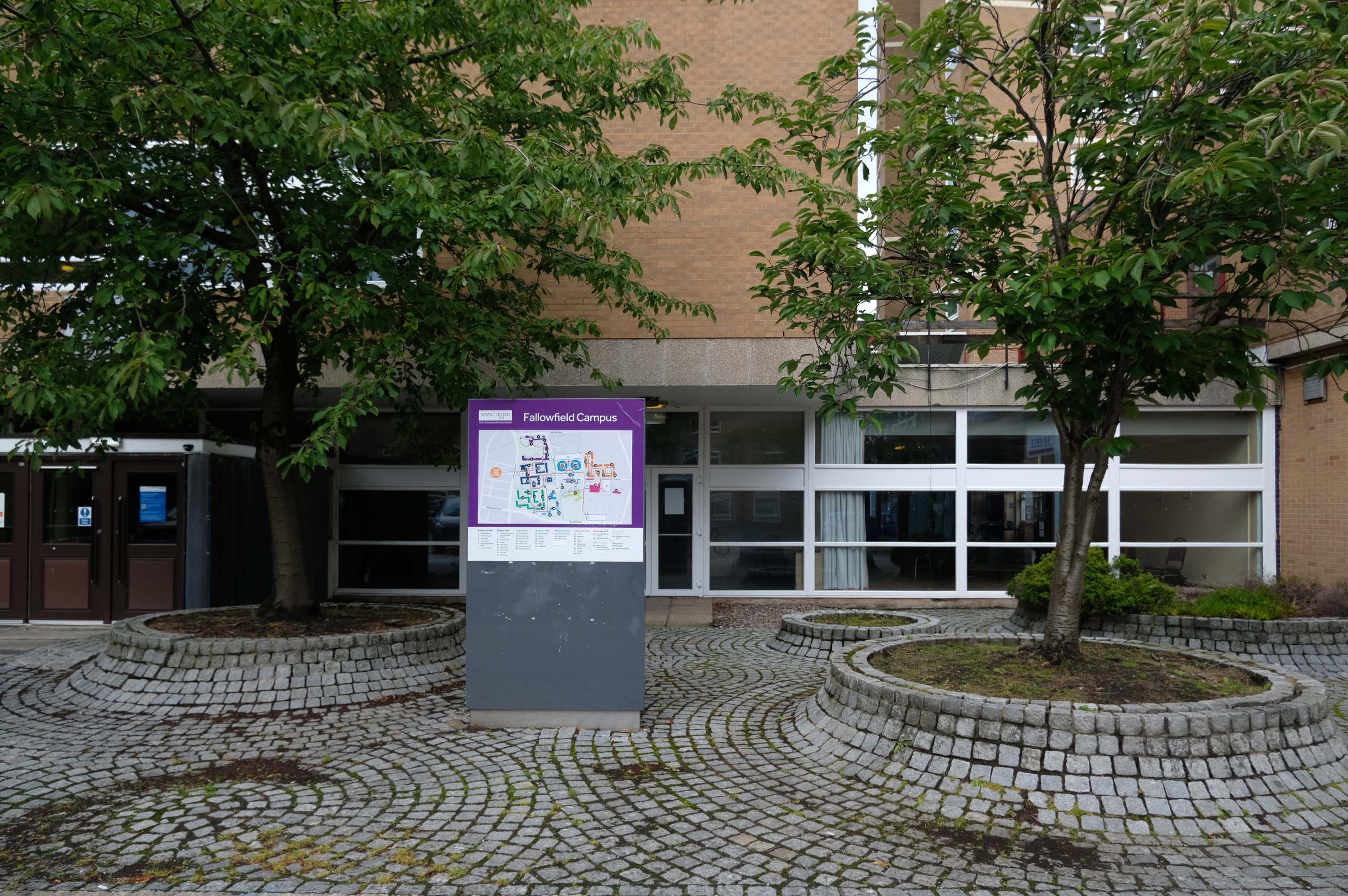
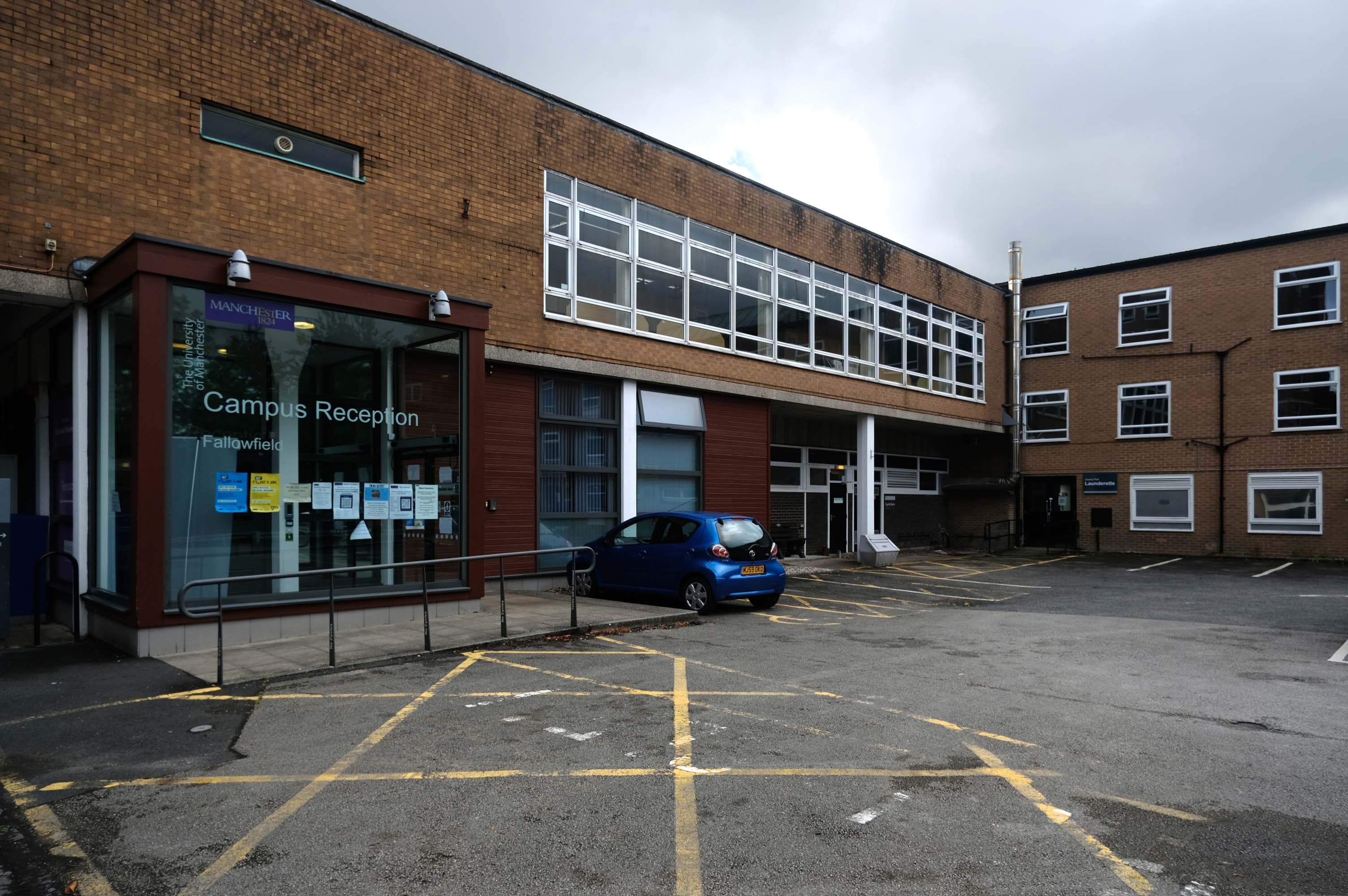
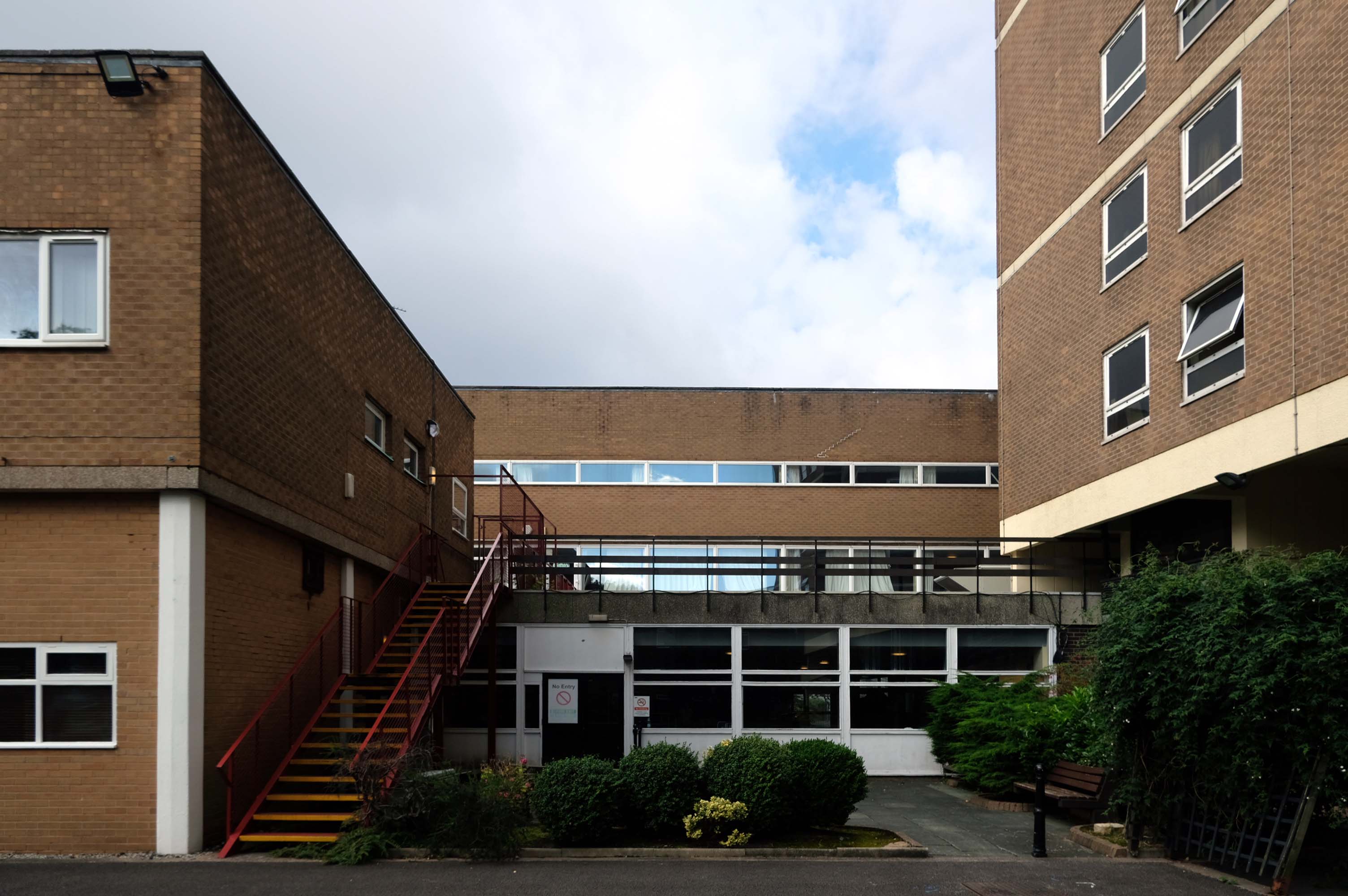
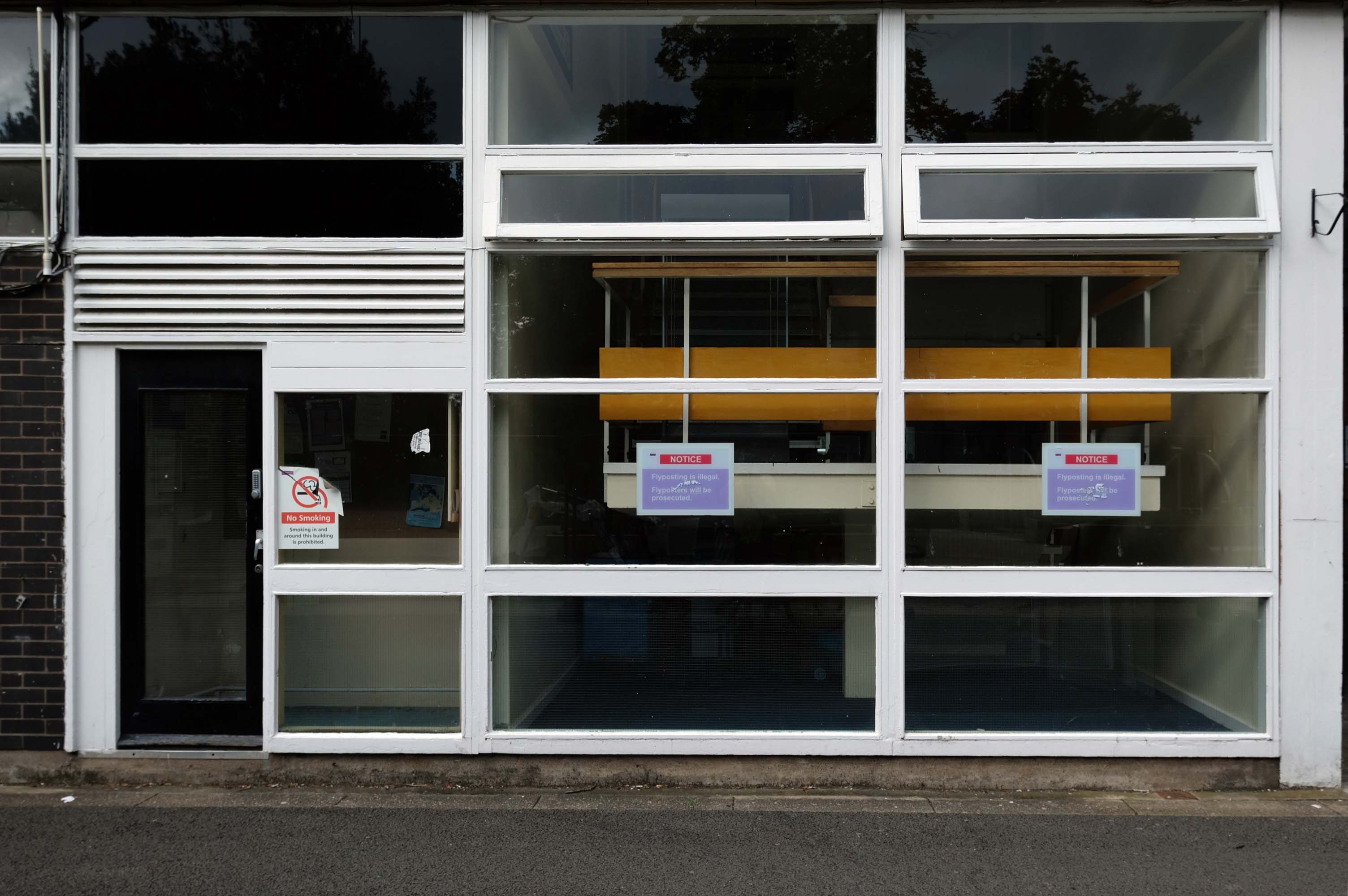
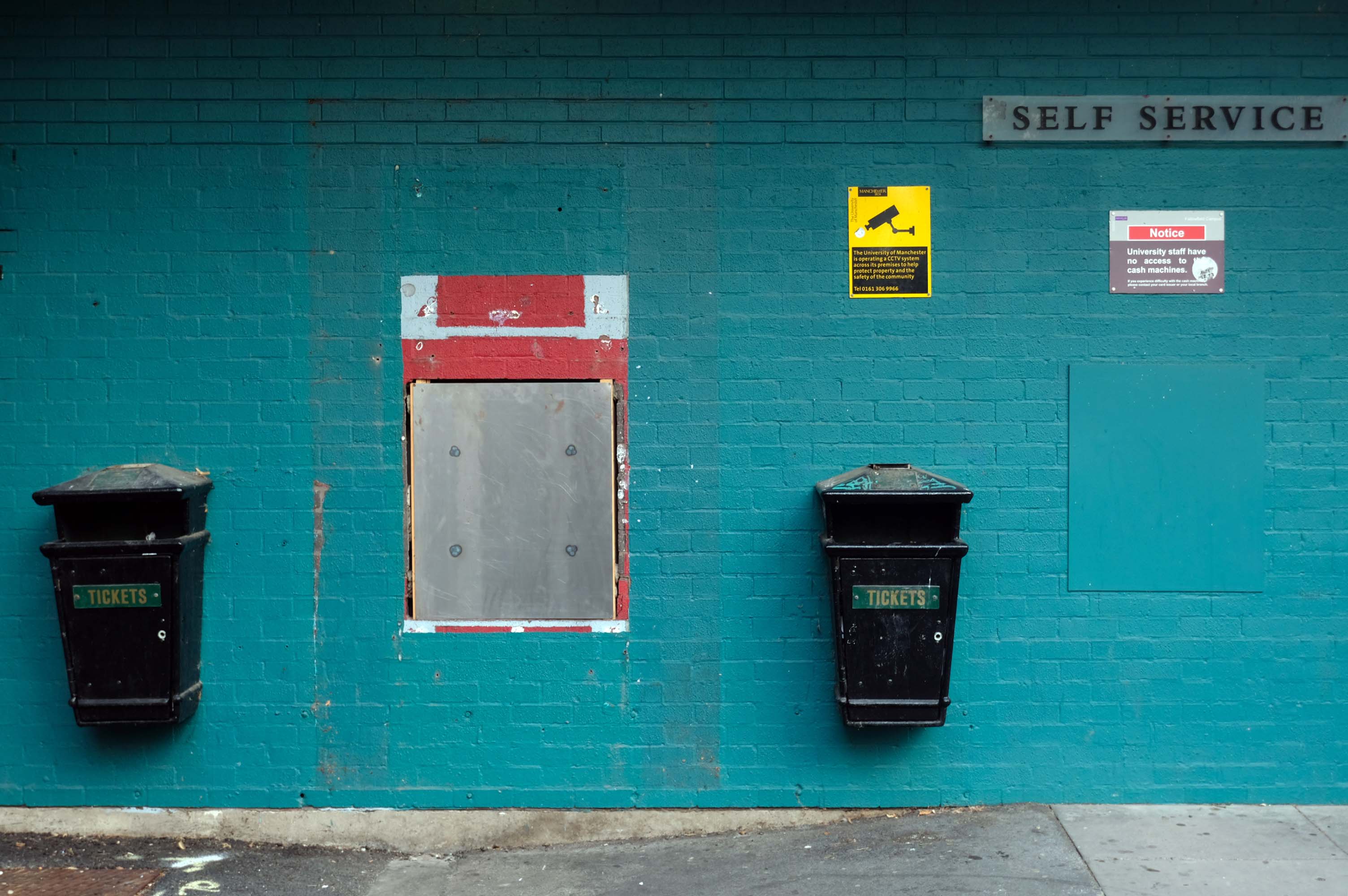
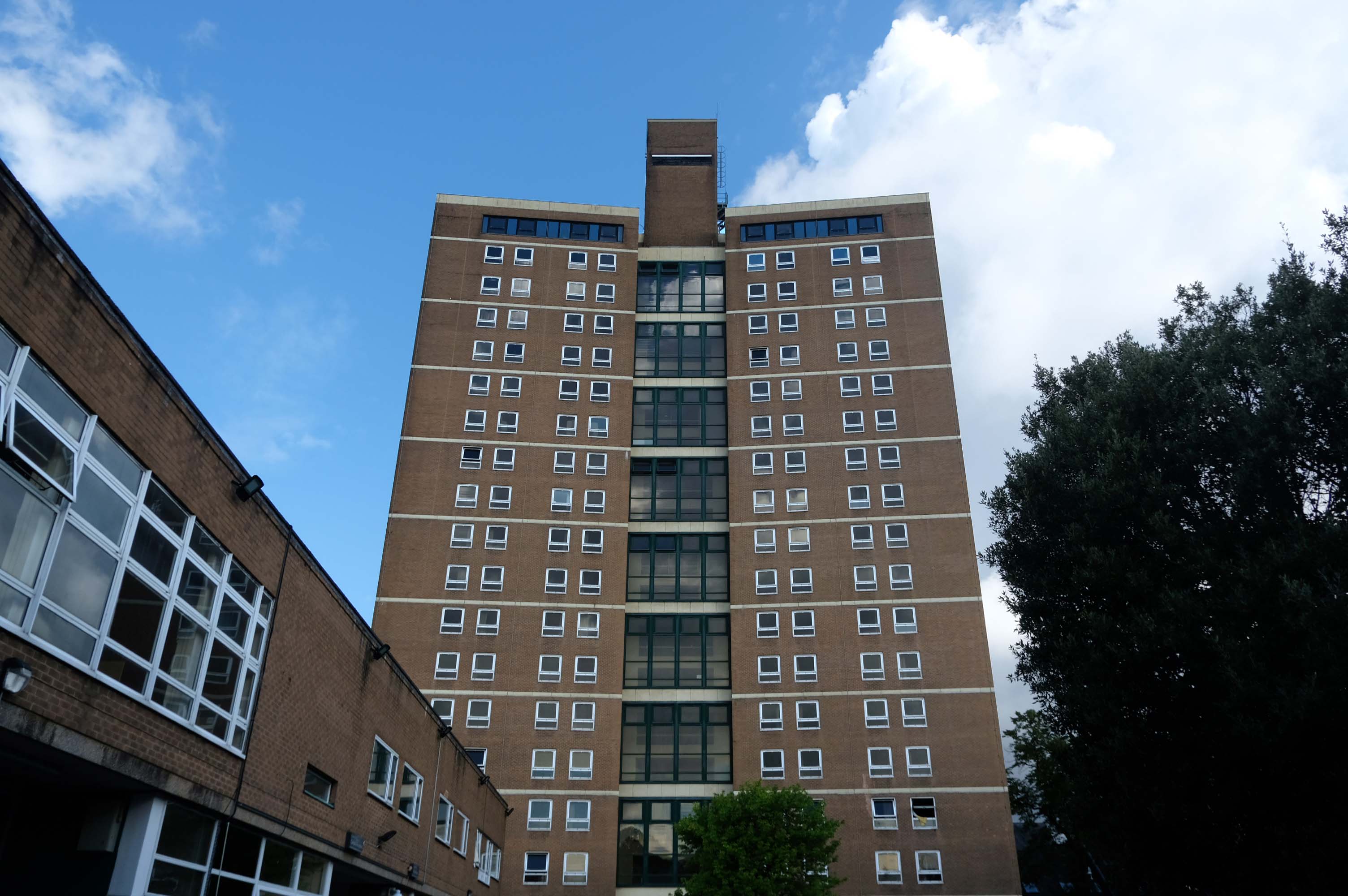
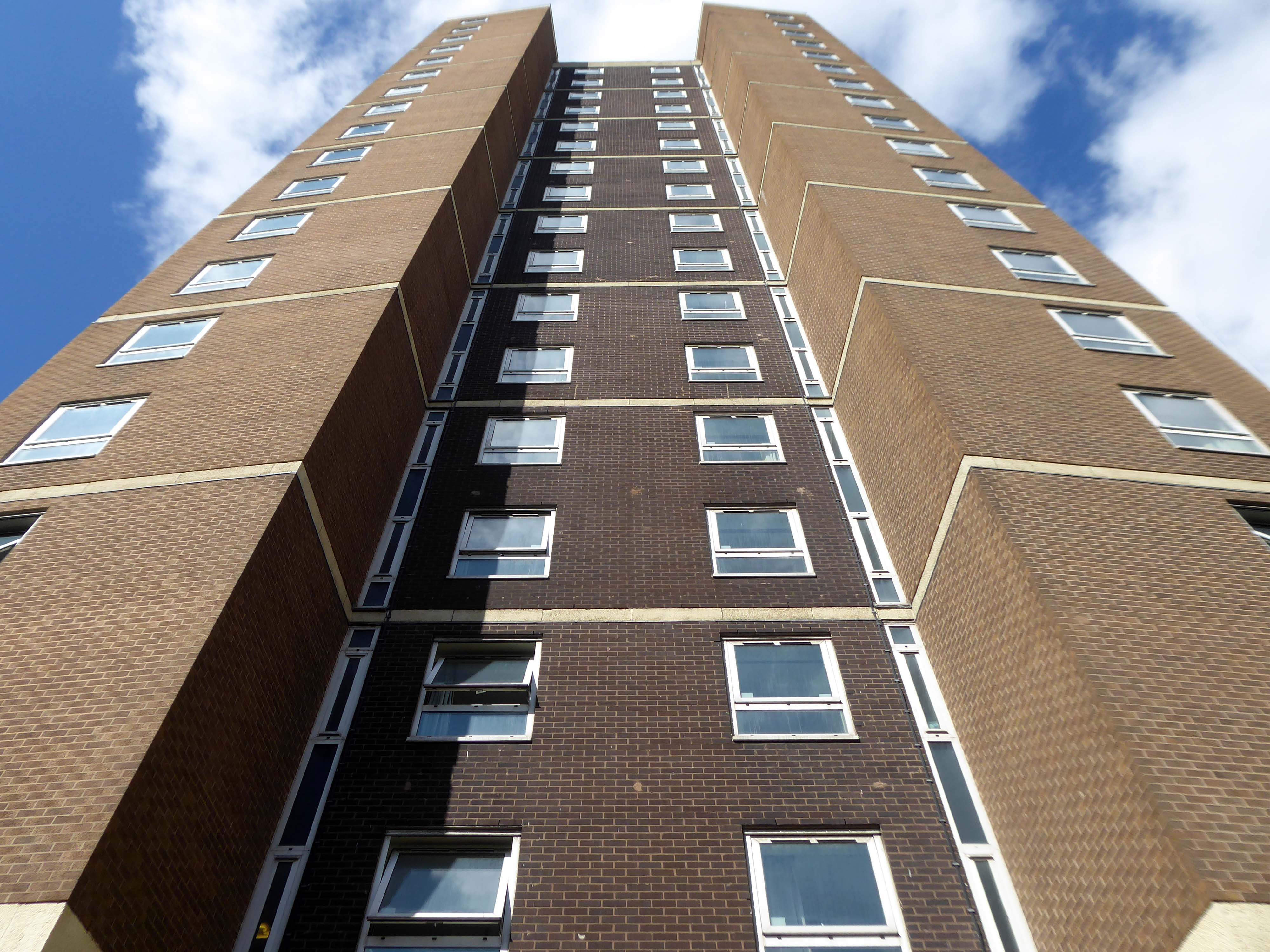
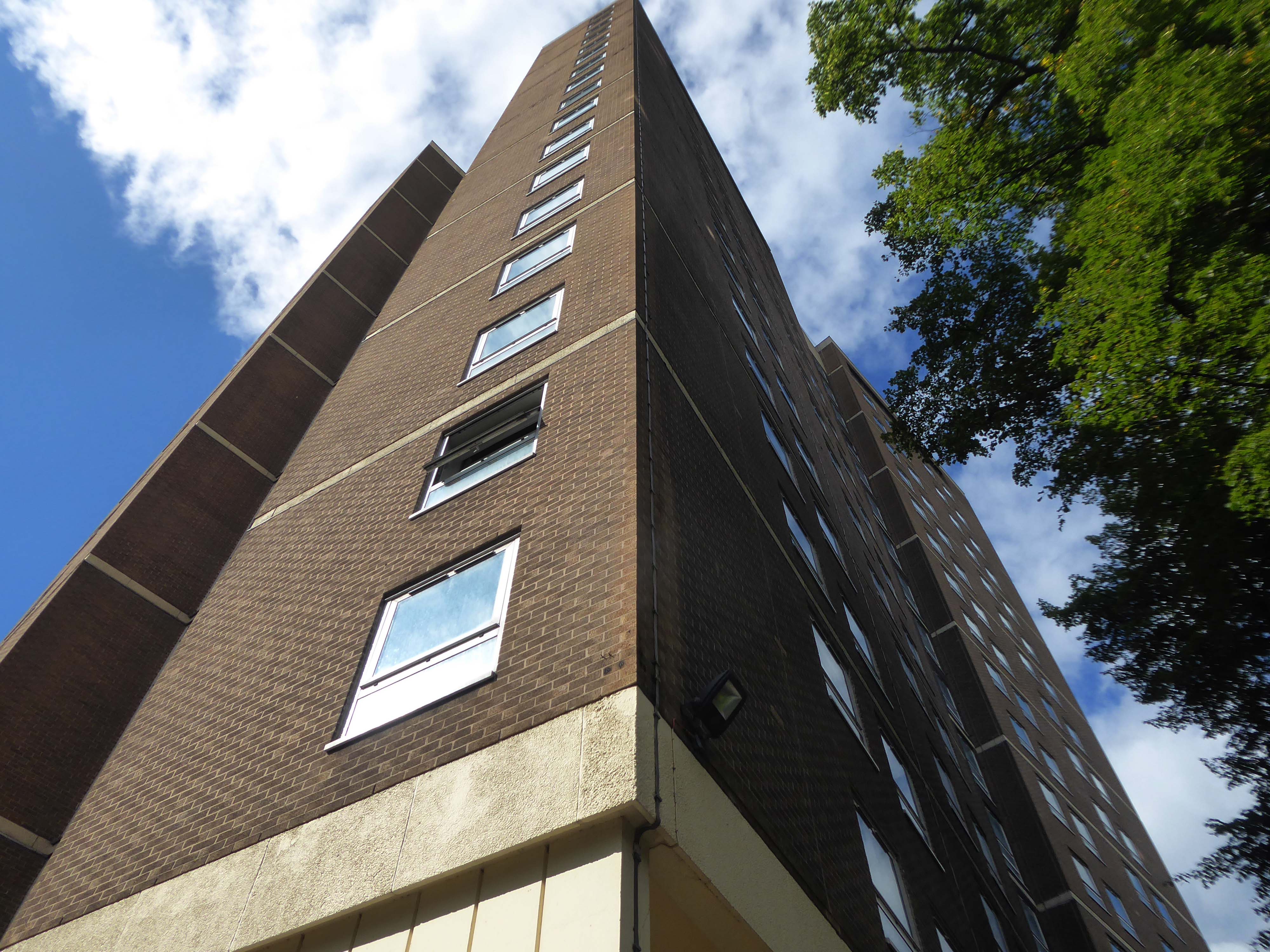
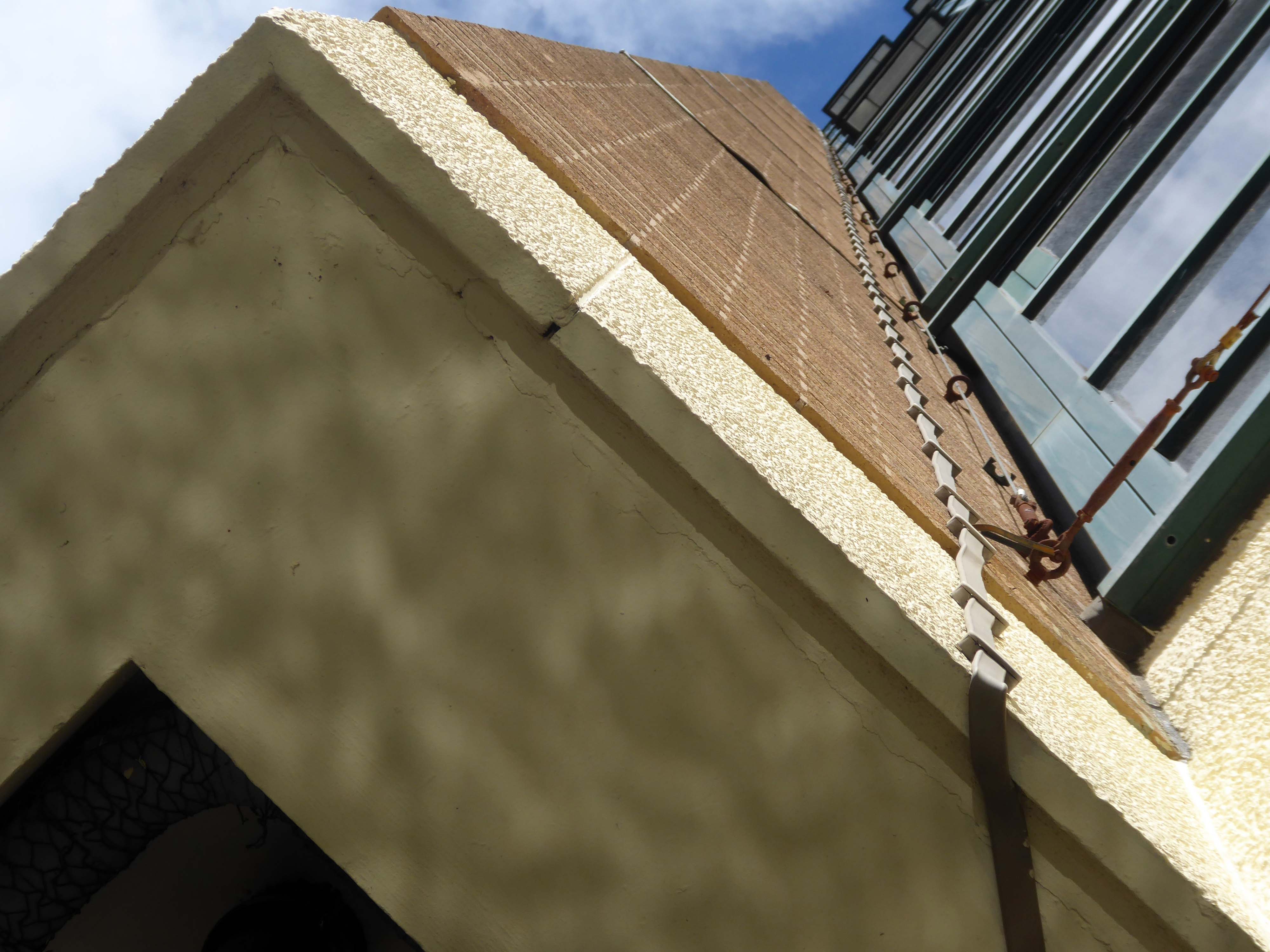
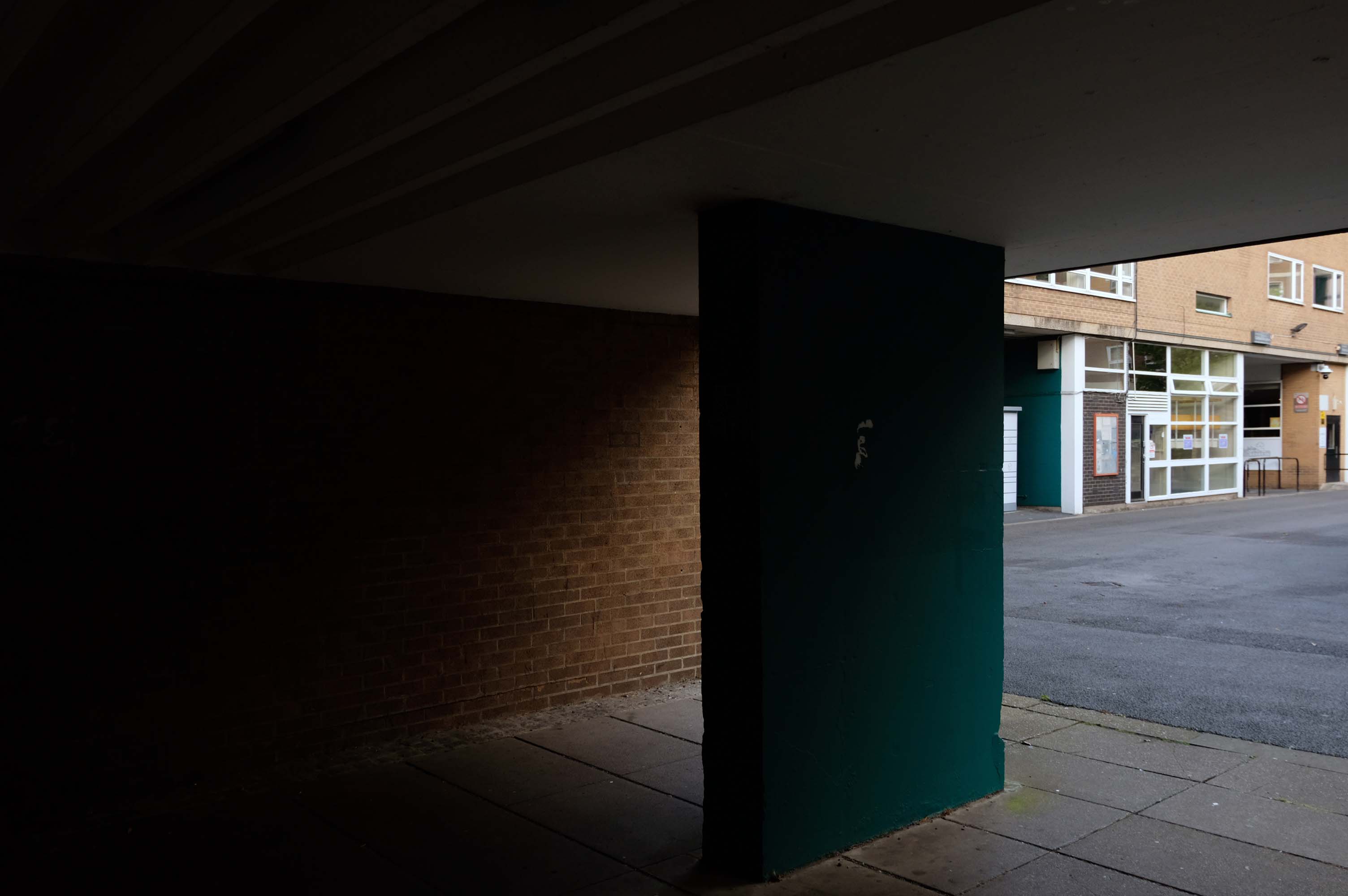
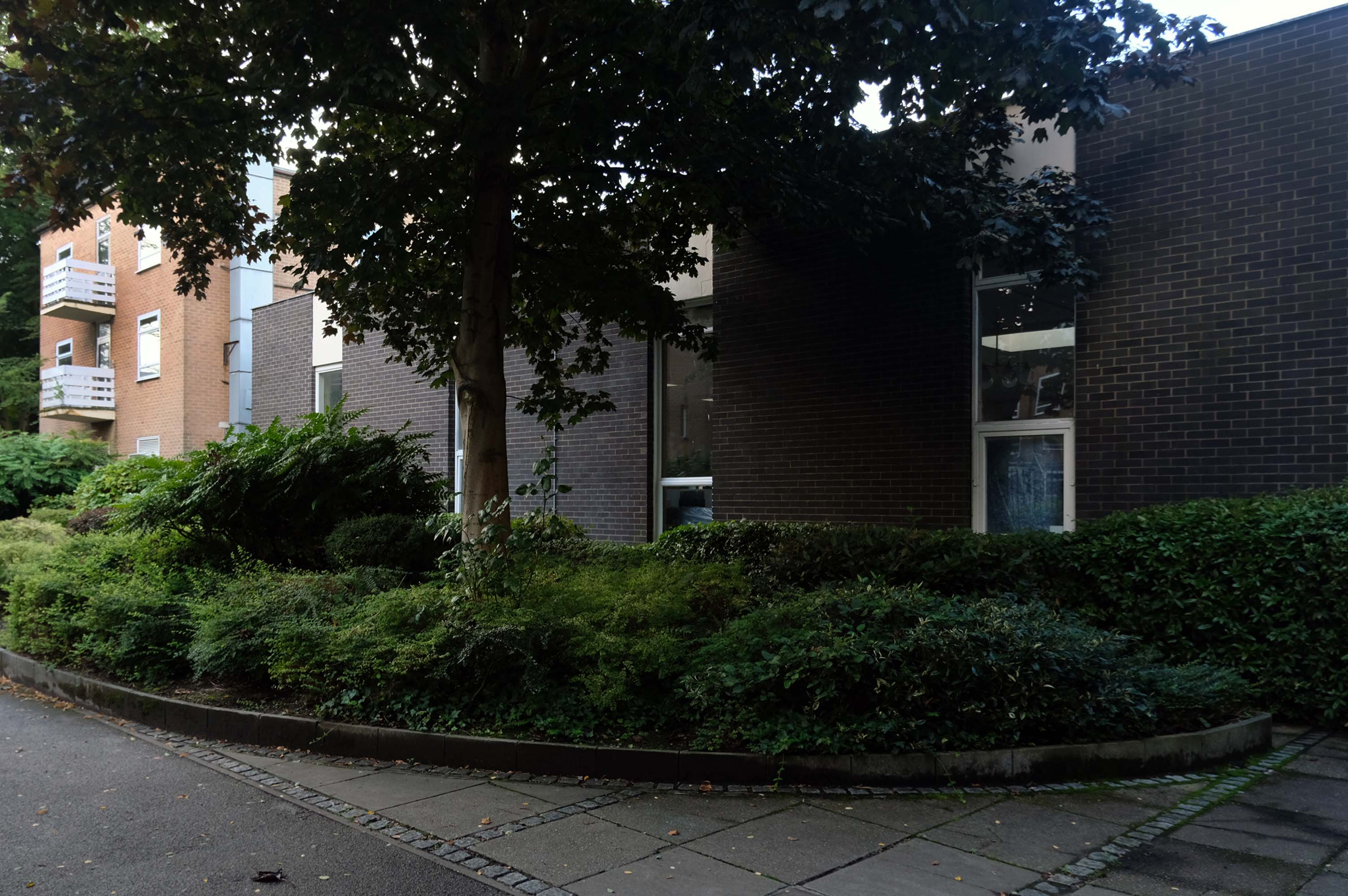
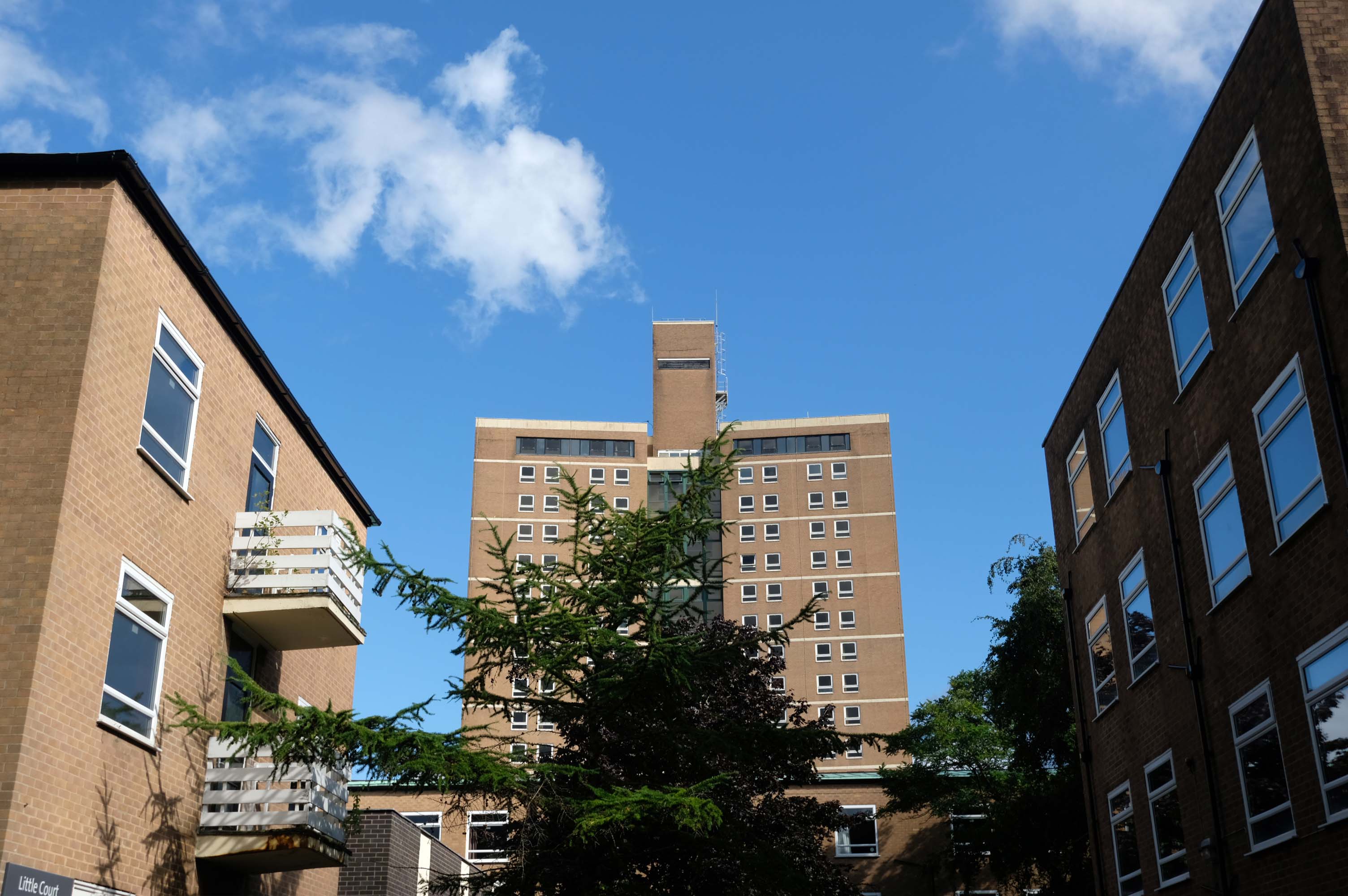
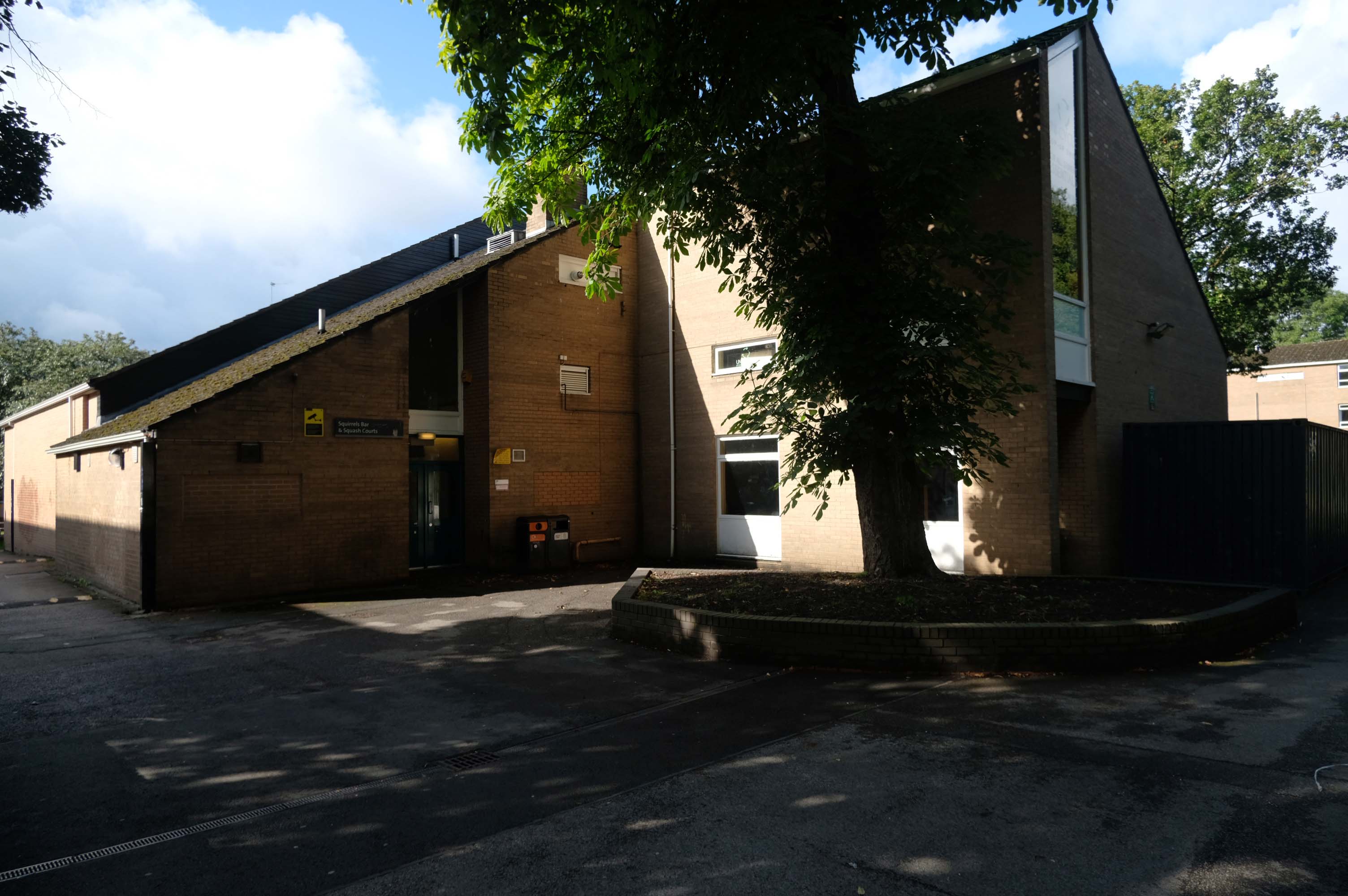
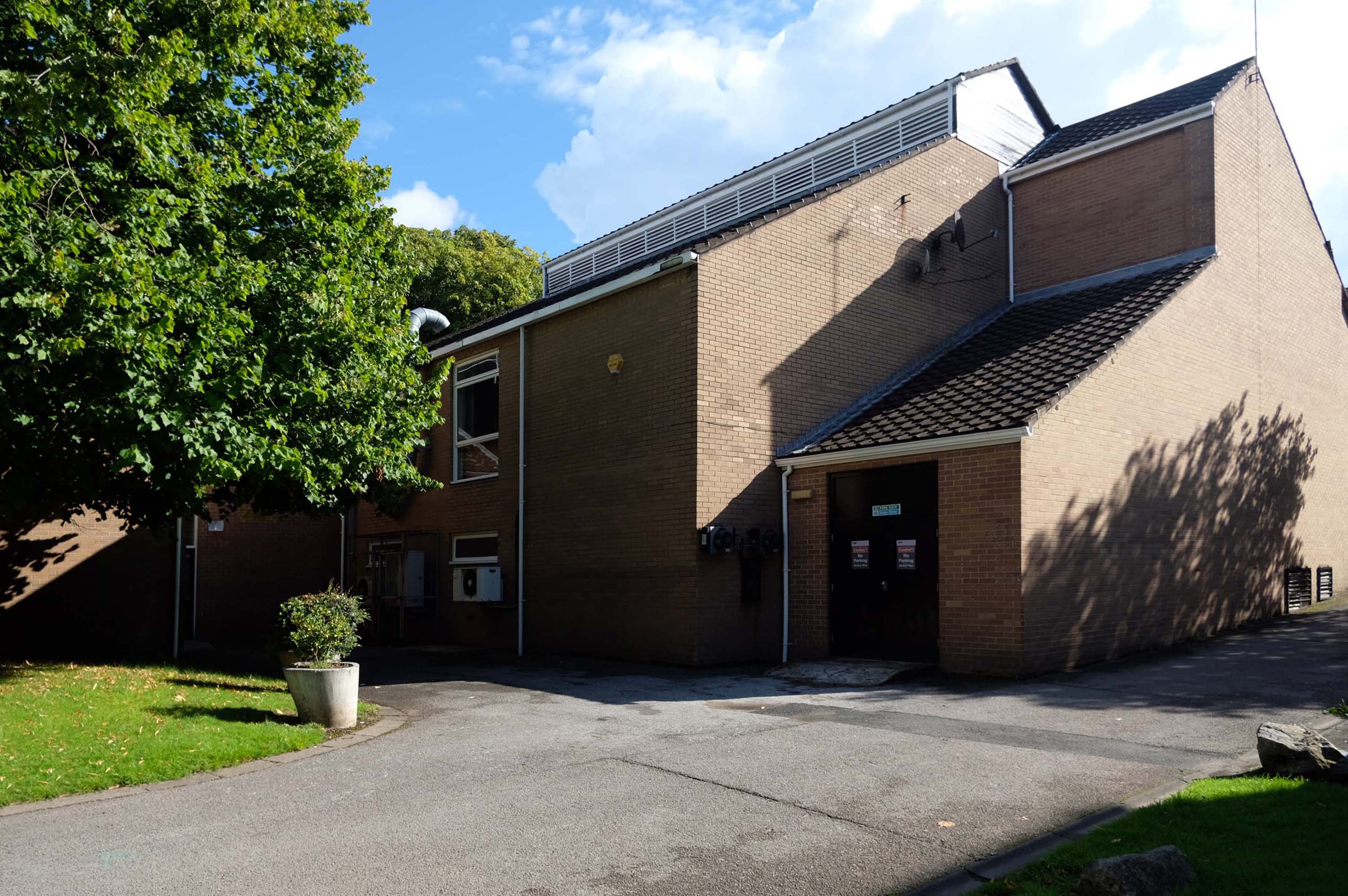
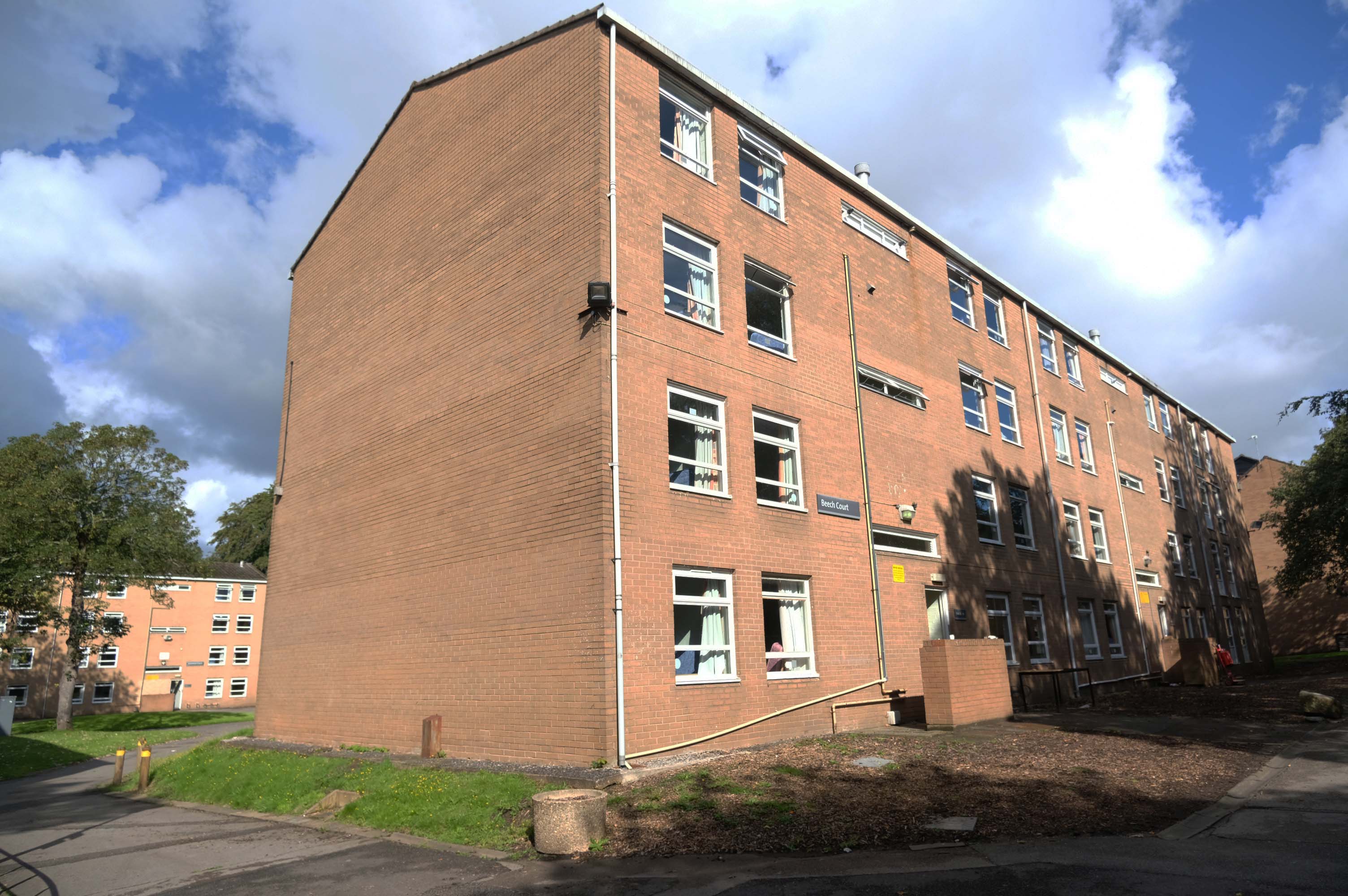
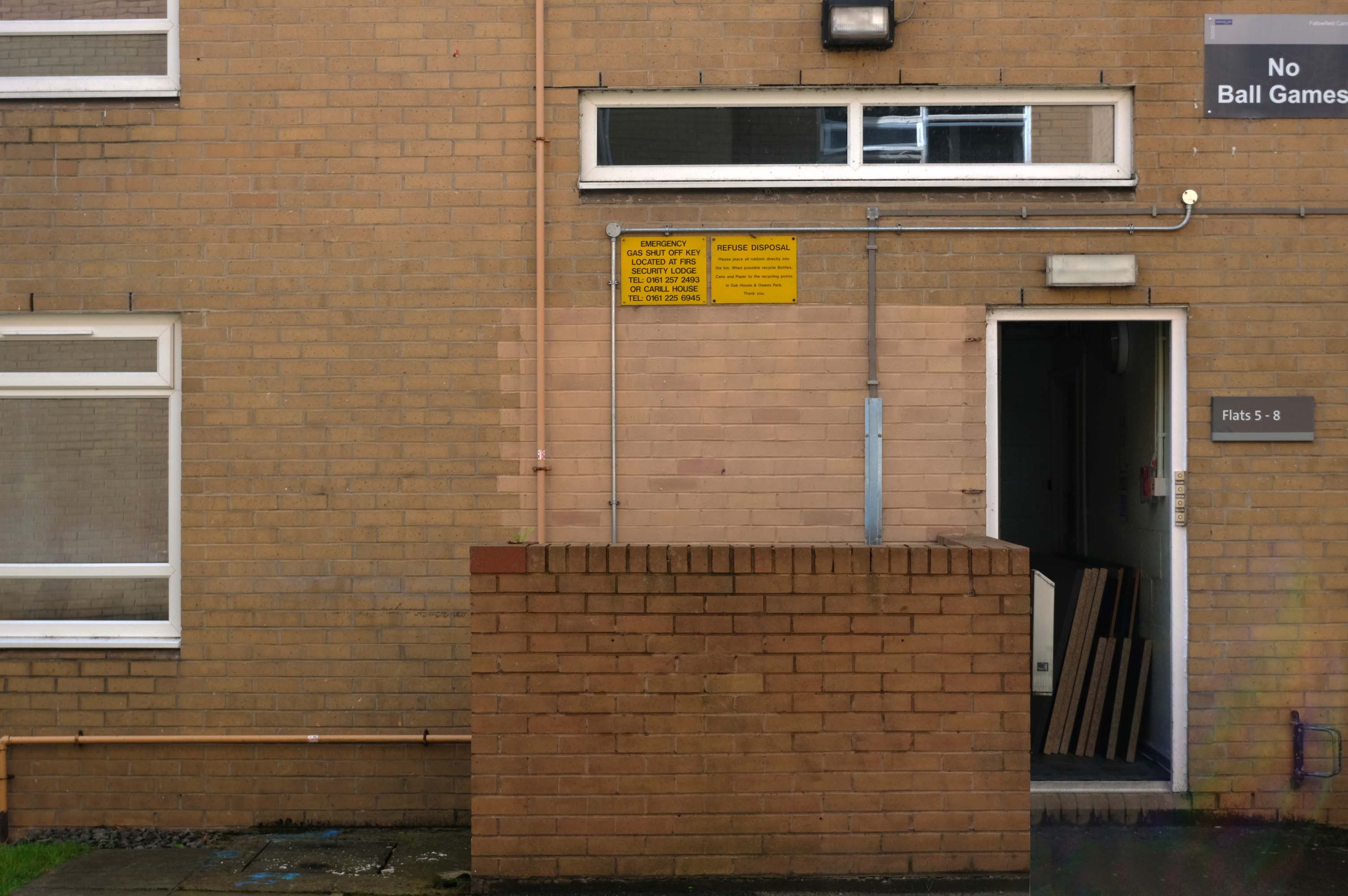
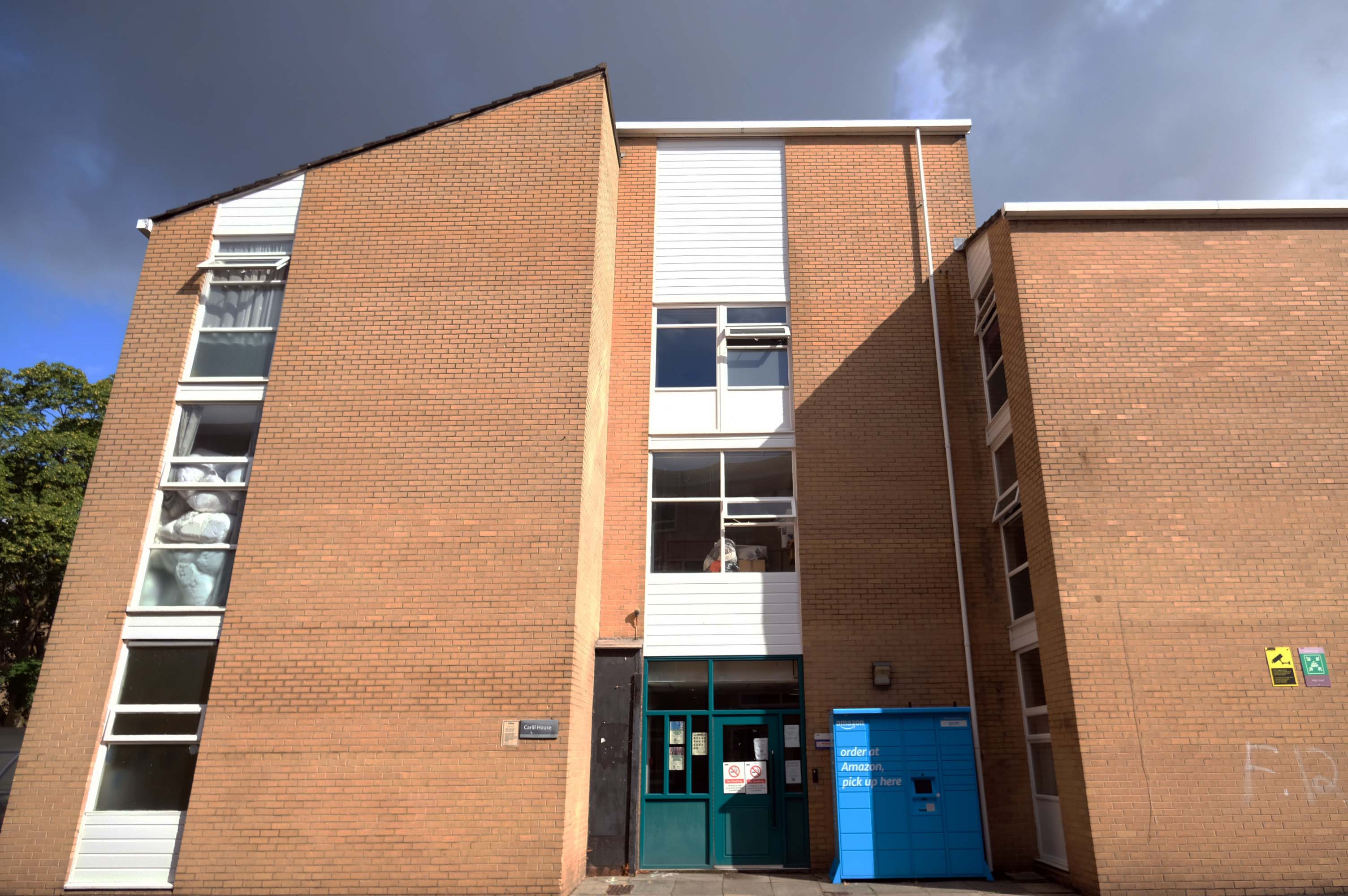
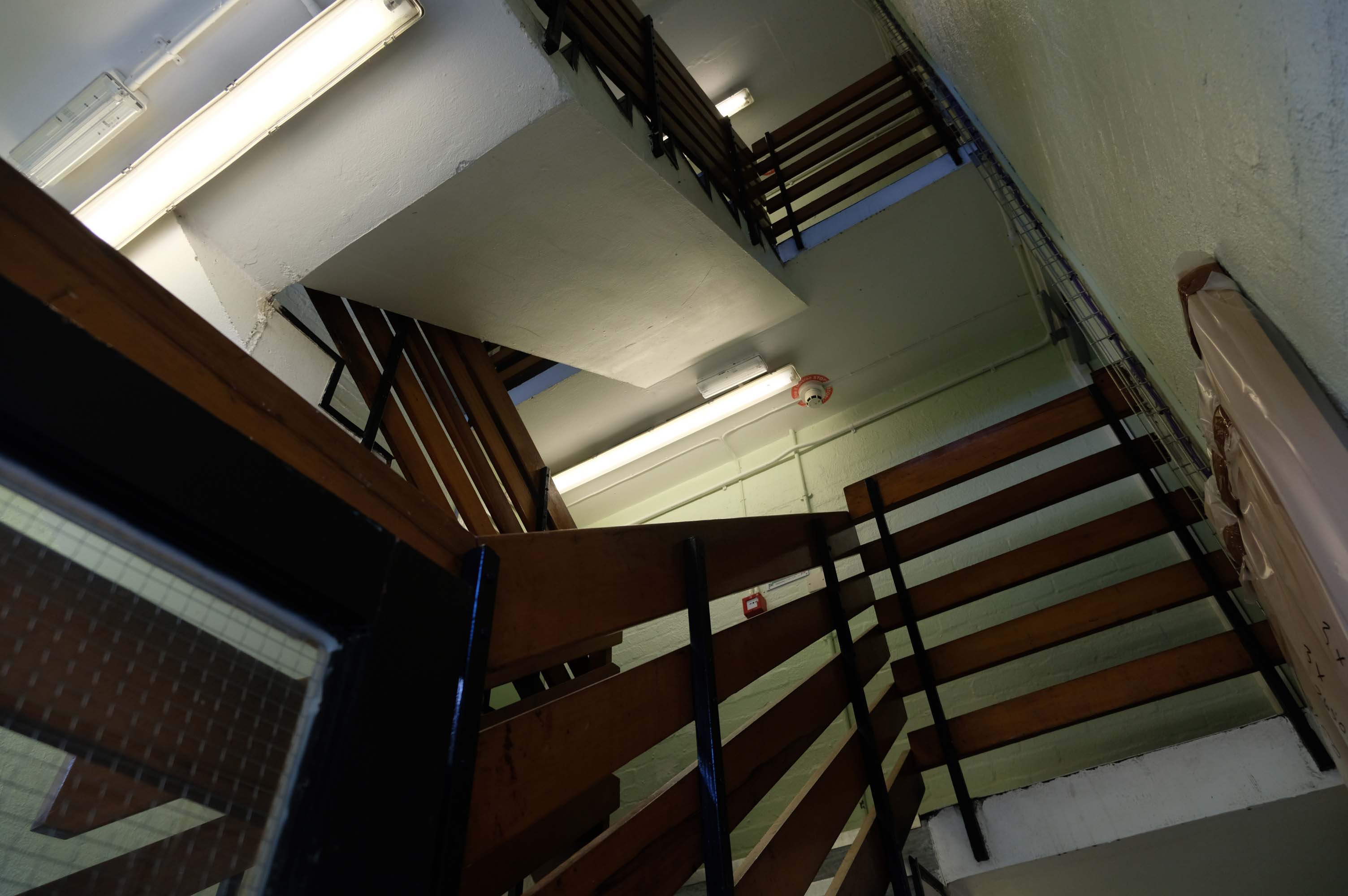
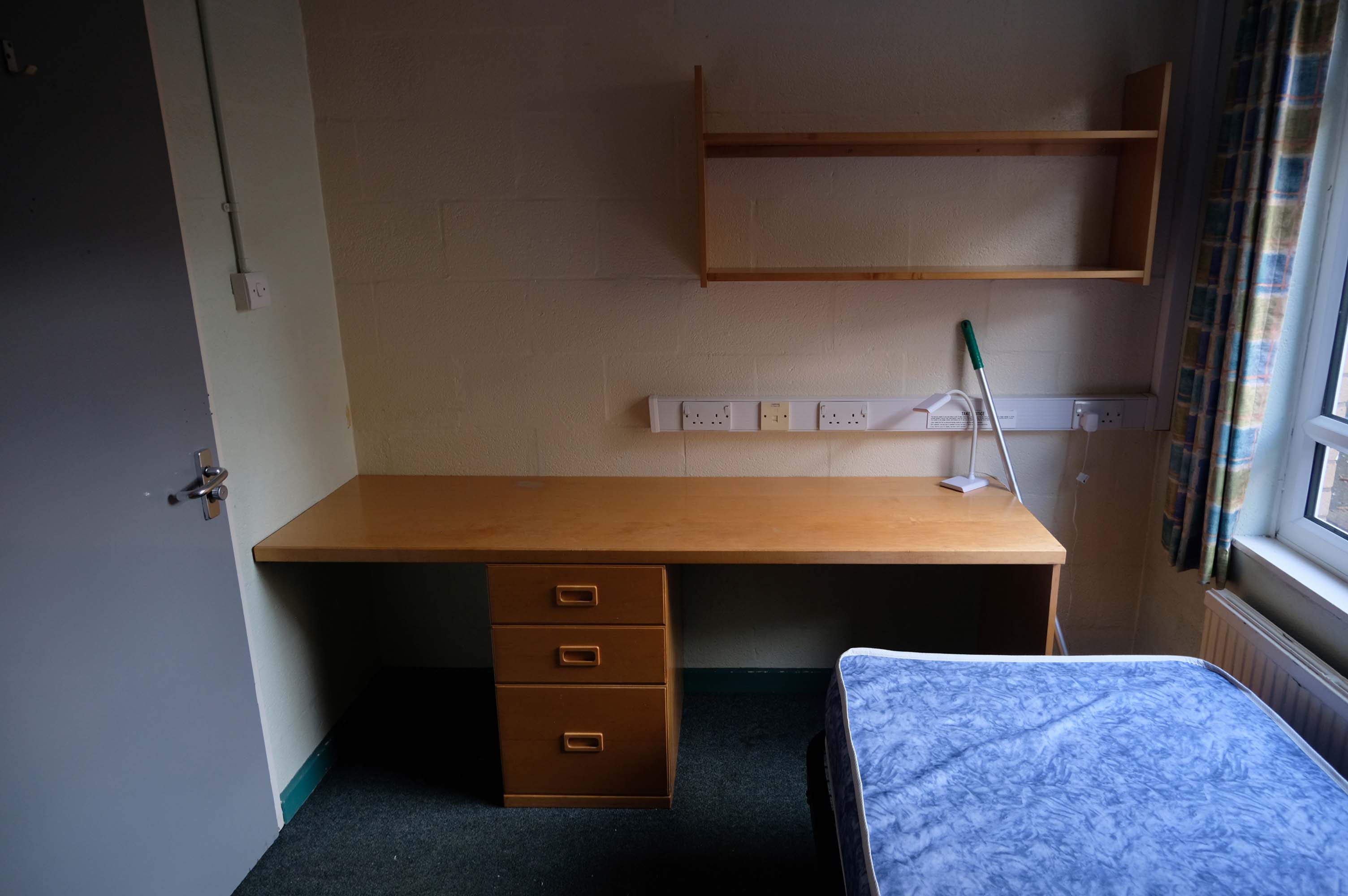
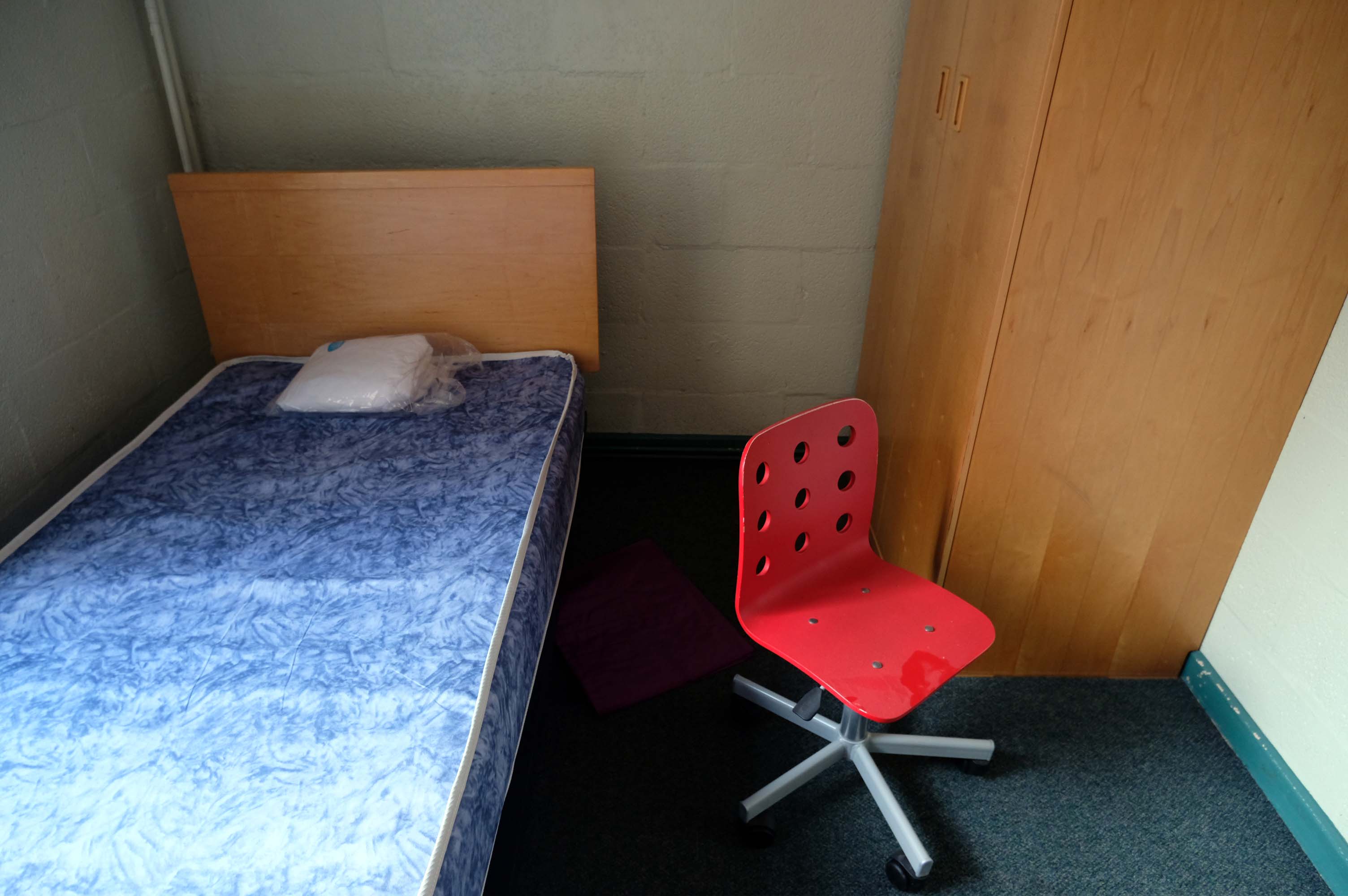
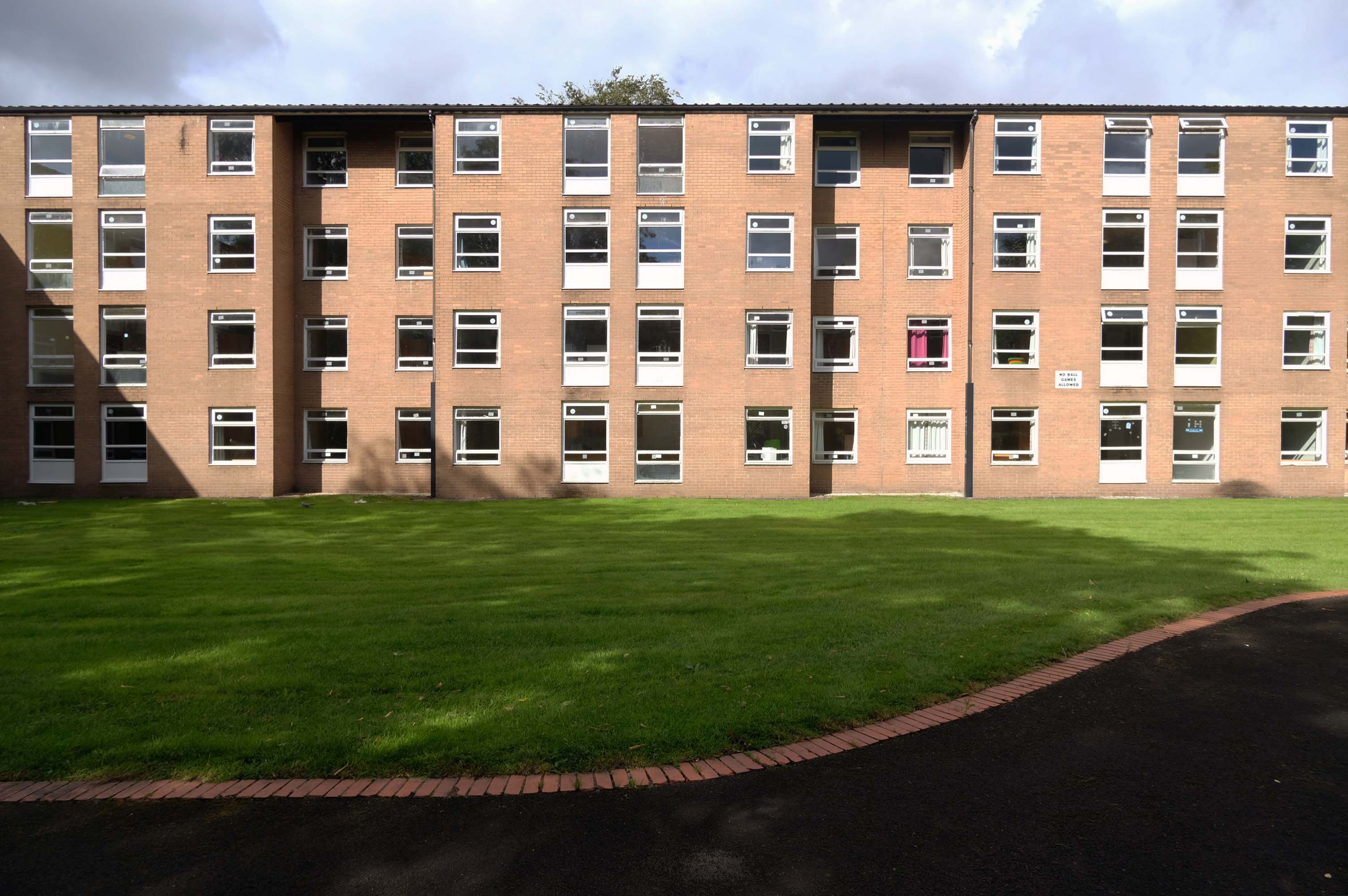
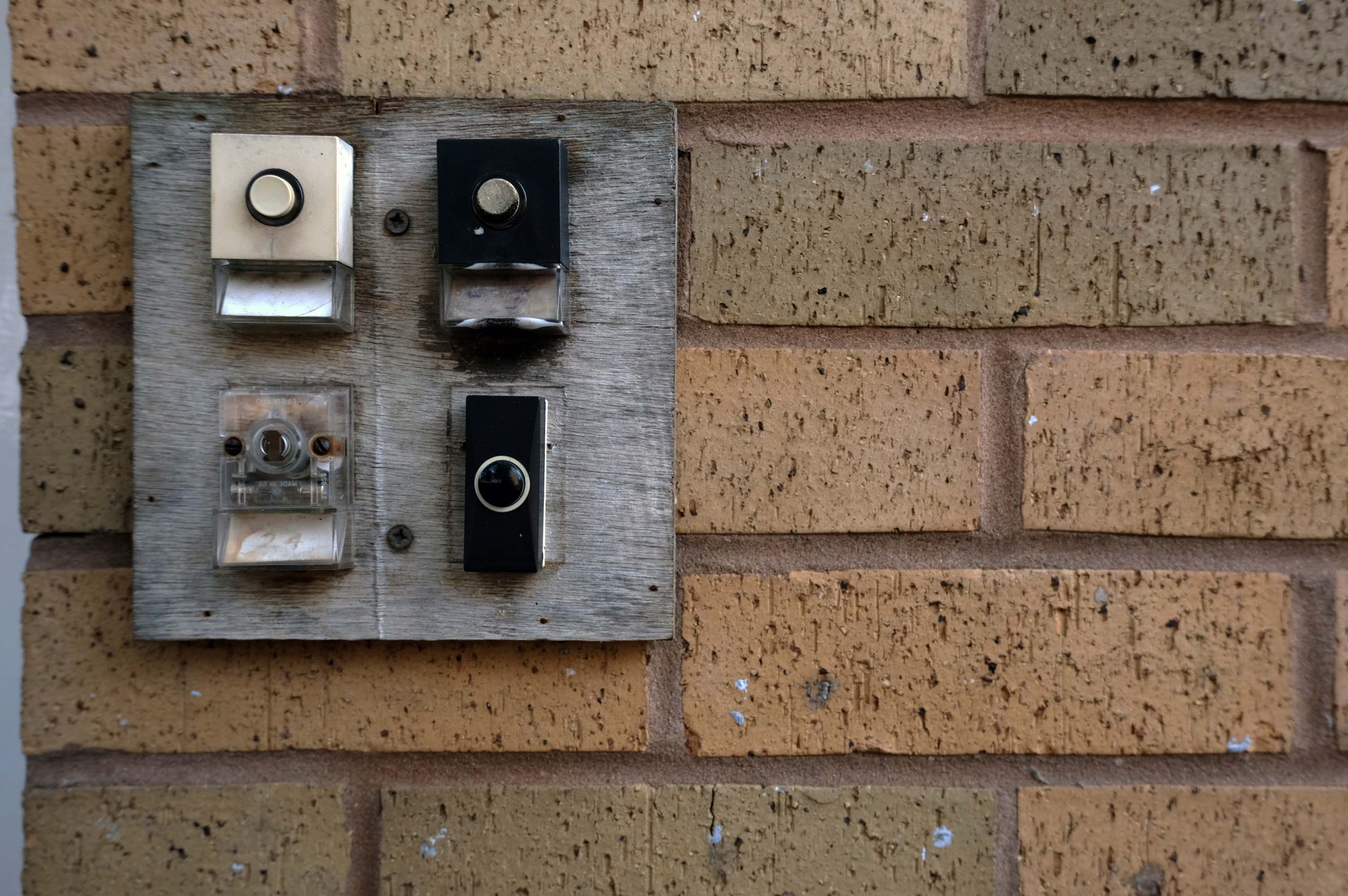
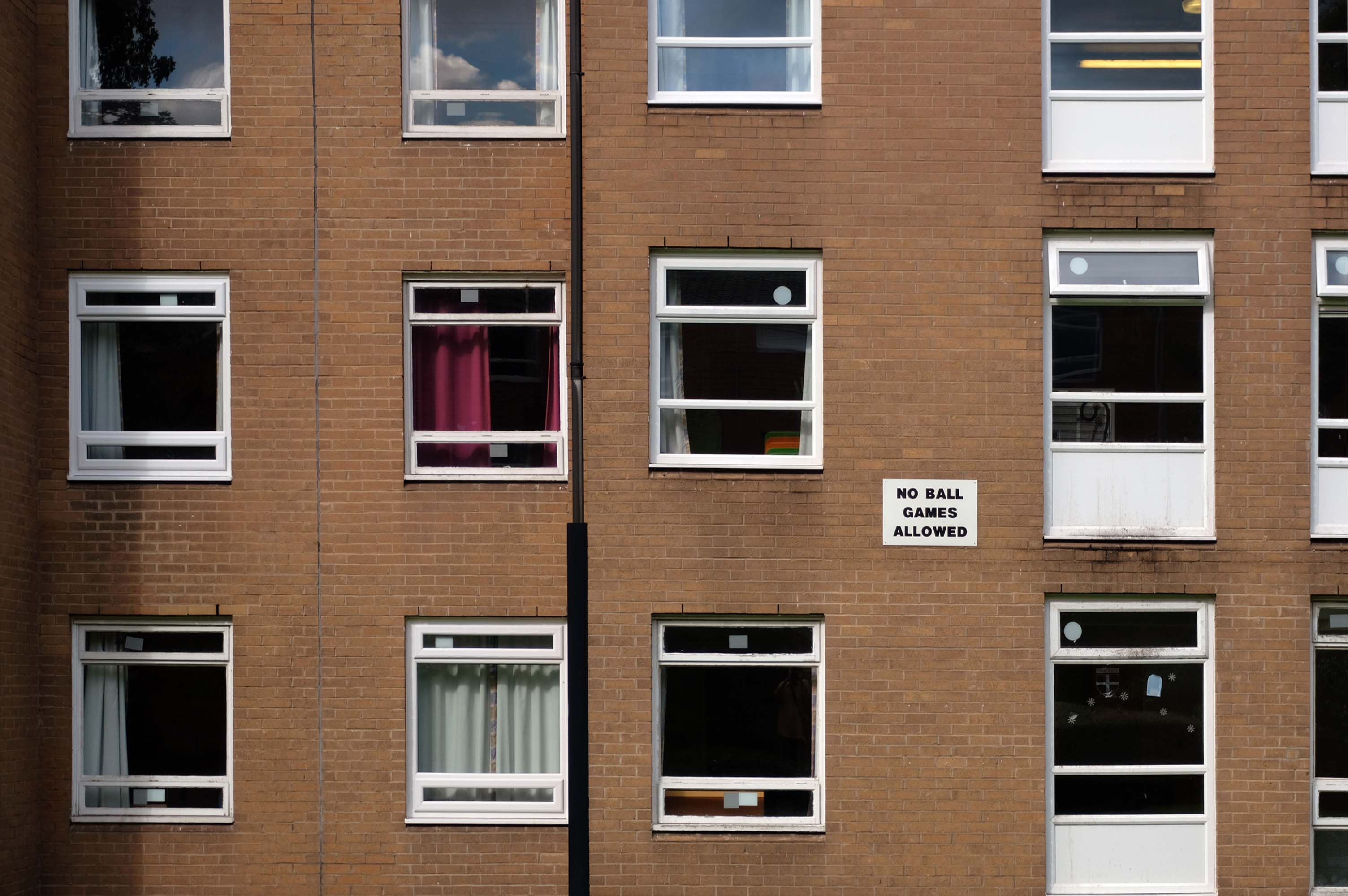
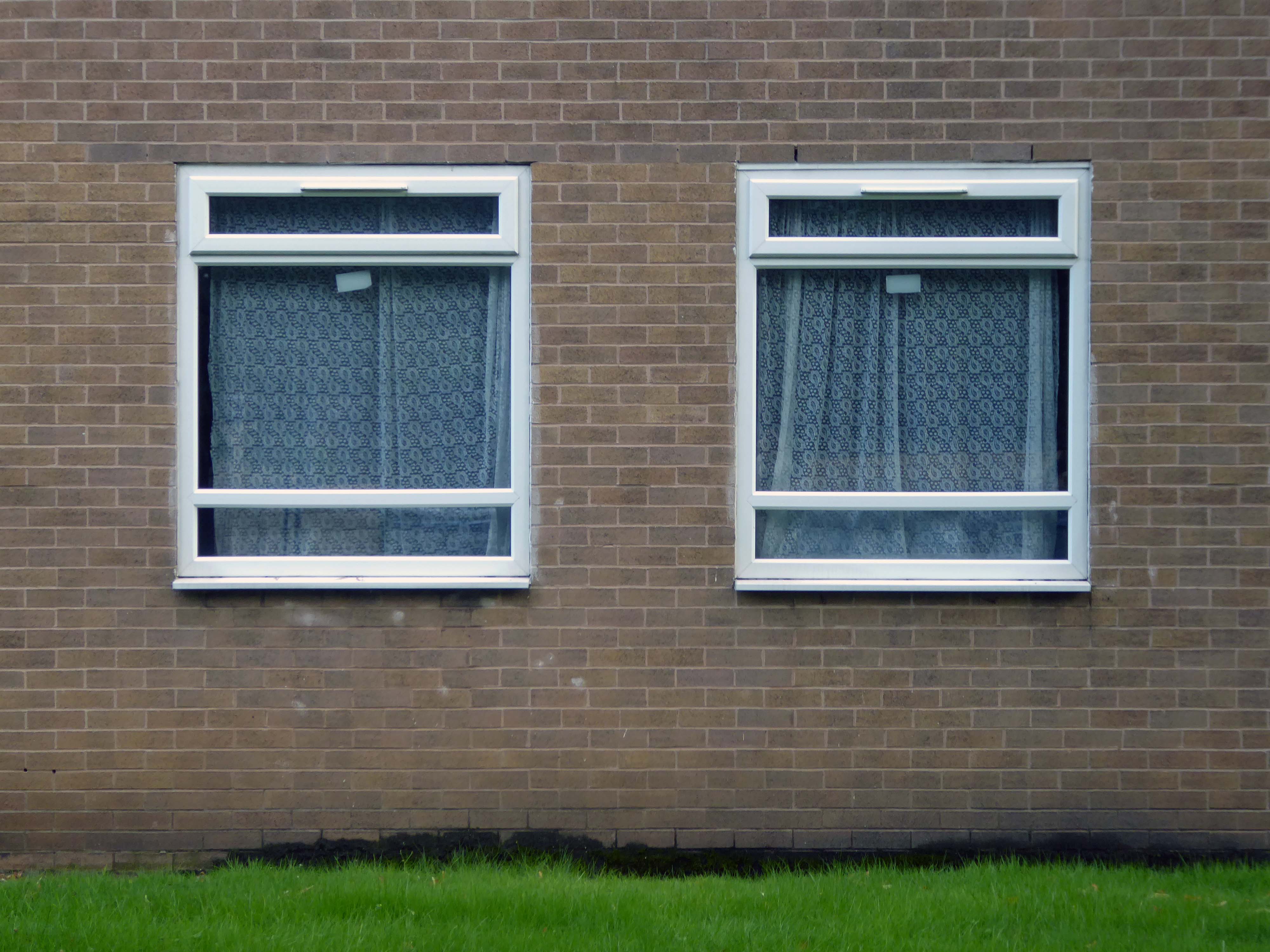
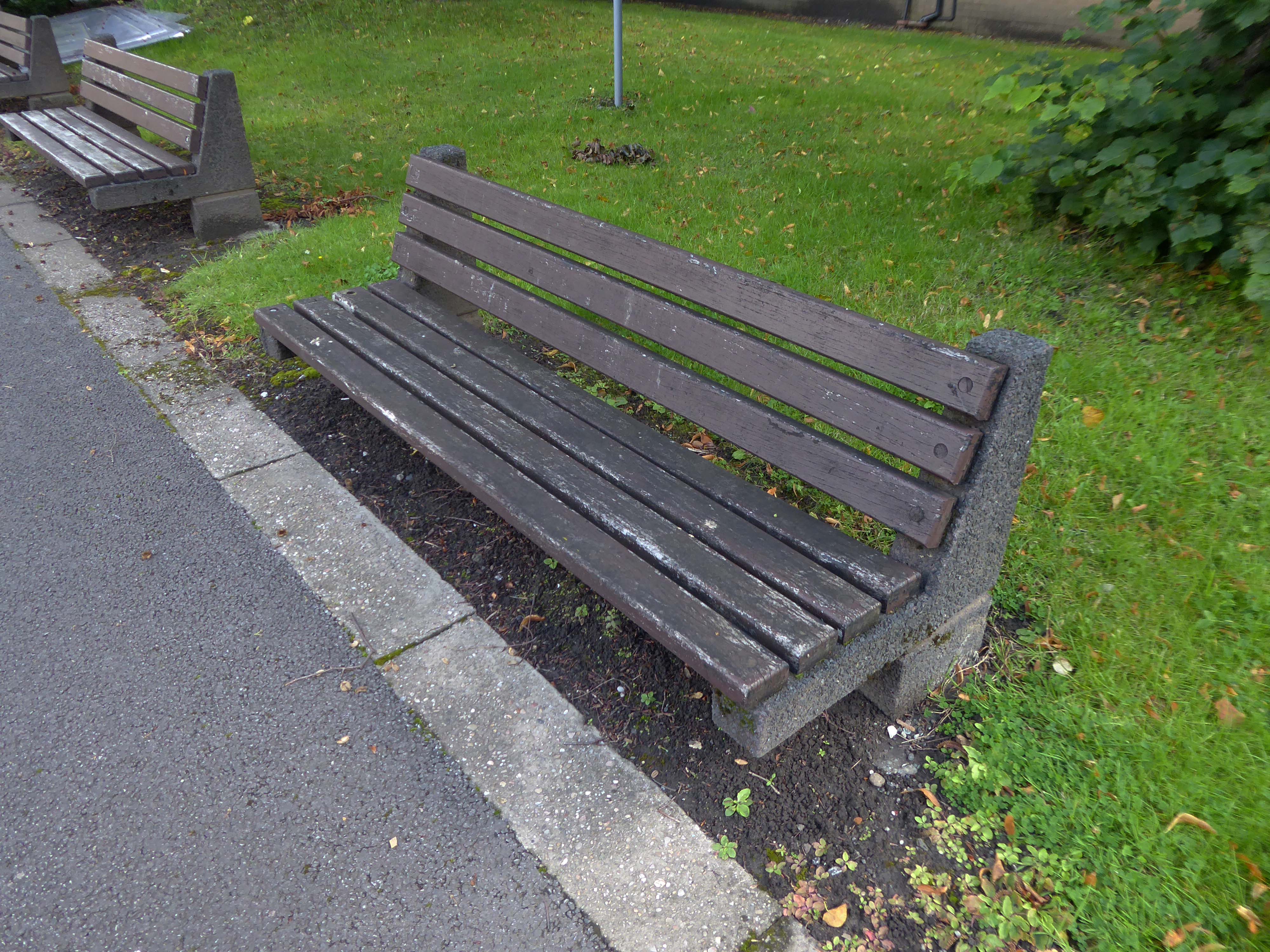
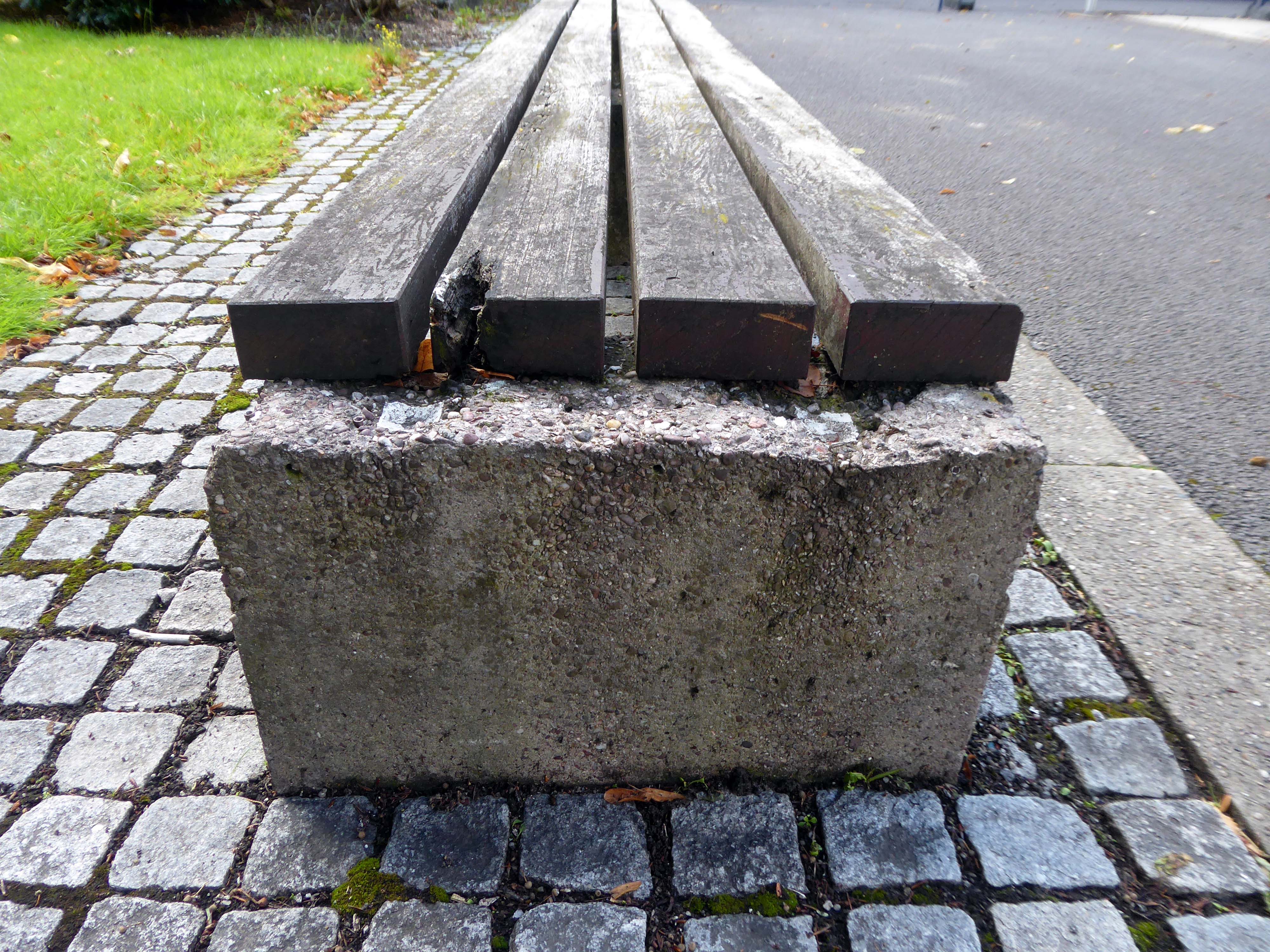
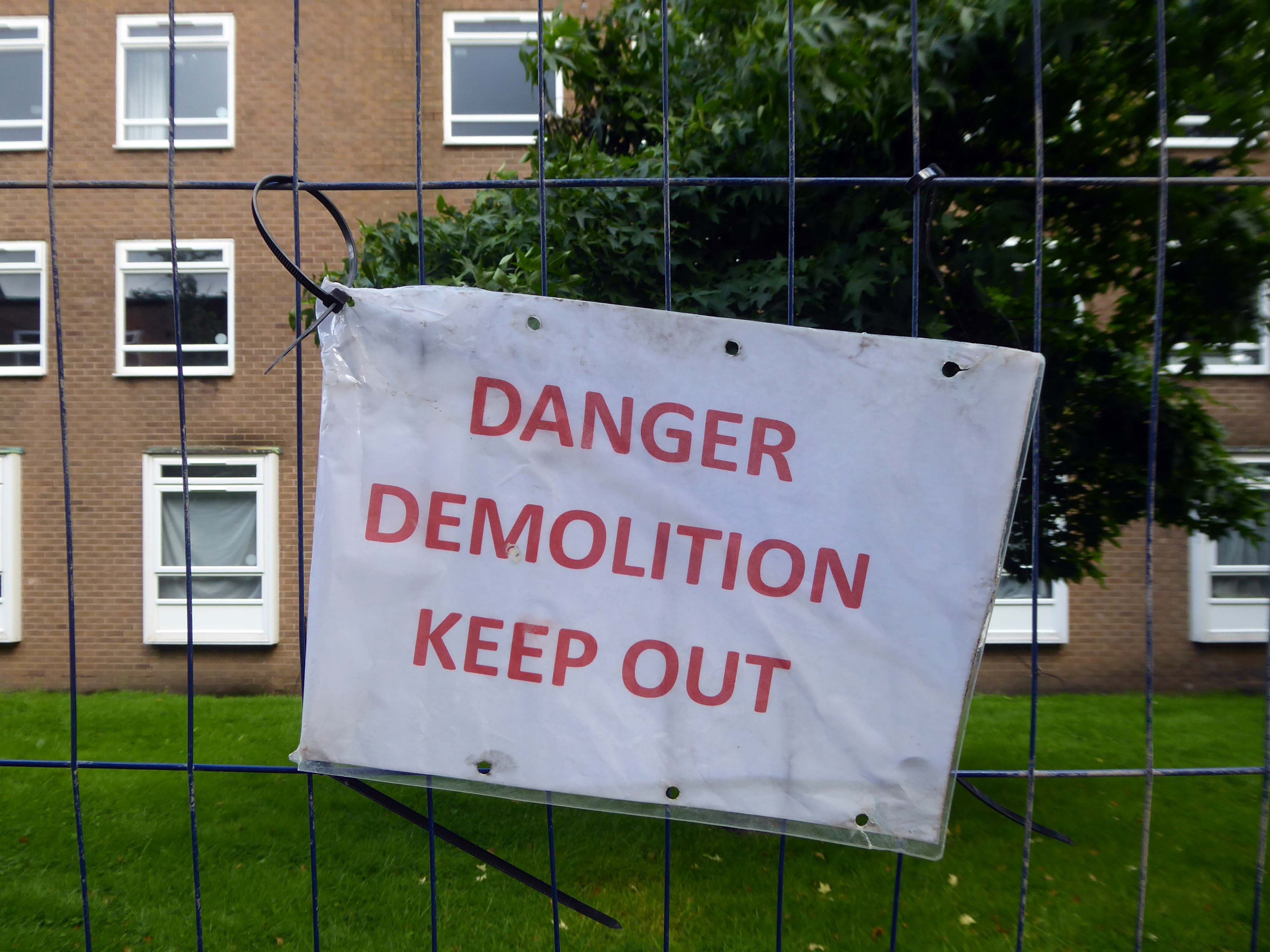
Plans are in place for redevelopment of the site and the demolition of the tower block and adjacent housing.
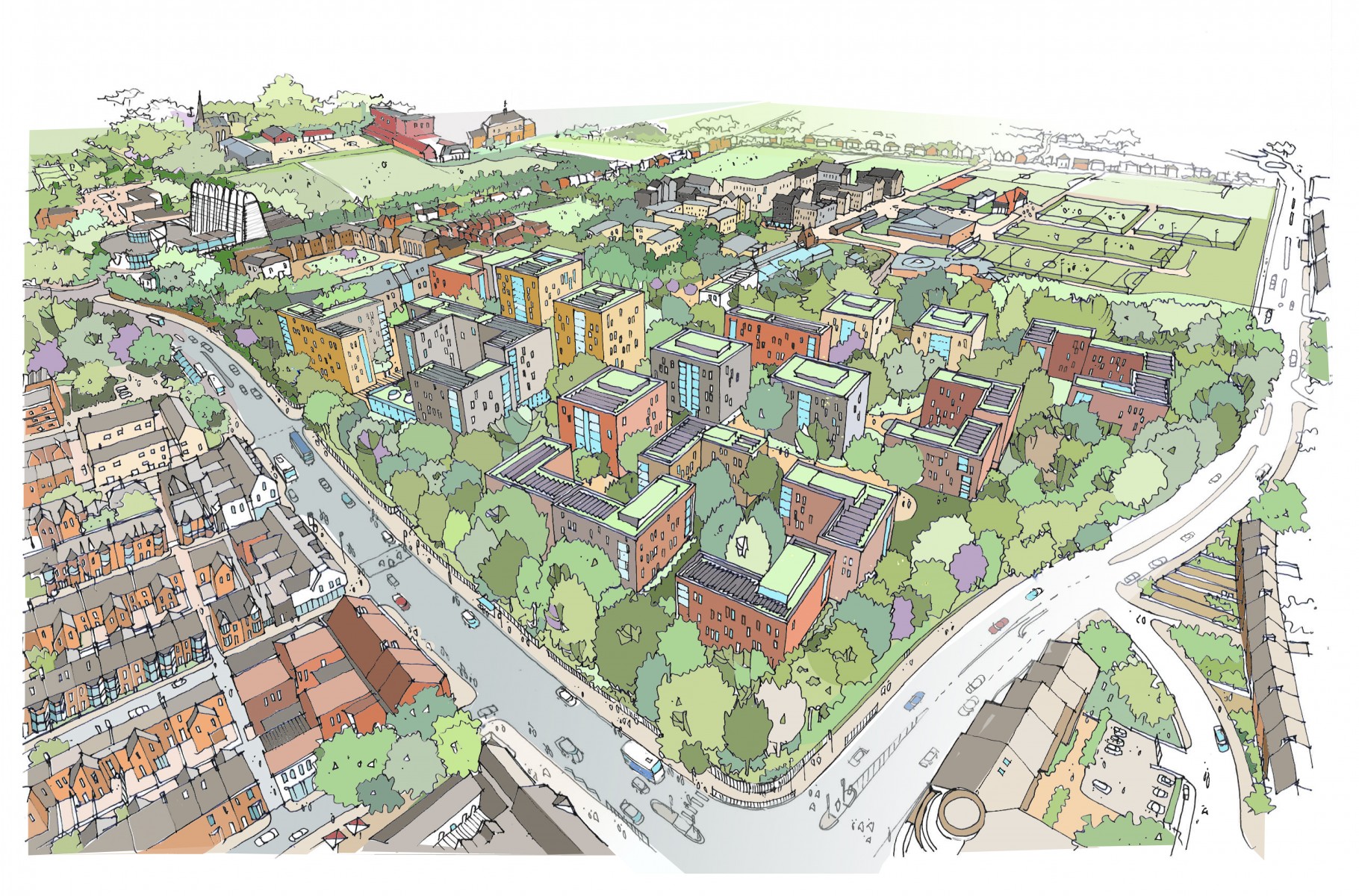
The scheme, designed by Sheppard Robson, would see 3,300 new bedspaces brought forward, taking the total number of units at the complex to 5,400, a net increase of 950. This is an increase of around 1,000 new units compared to the previous iteration of the project, approved in 2015.

The history of youth work goes back to the birth of the Industrial Revolution in the 18th century, which was the first time that young men left their own homes and cottage–industries to migrate to the big towns. The result of this migration was an emergent youth culture in urban areas, which was responded to by the efforts of local people.
Work with young women however was seen as less important, because young women’s needs at this time were seen as being centred on homemaking, which were already, supposedly, provided for in the home.
By 1959 widespread moral panic in the press about teenage delinquency led the British government to look into a national response to catering for the needs of young people. In 1960 a government report known as The Albemarle Report was released, which outlined the need for local government agencies to take on responsibility for providing extracurricular activities for young people. Out of this the statutory sector of the youth service was born. For the first time youth centres and fully paid full-time youth workers made an appearance across the whole of Britain.
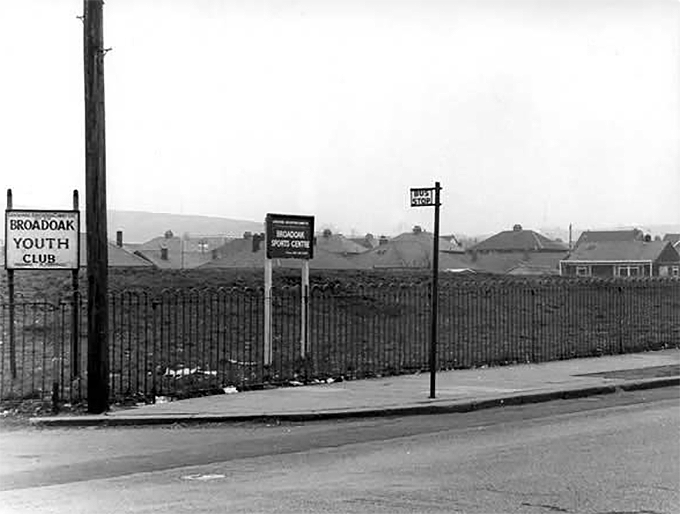
Which is where I enter this short history, attending the Broadoak Youth Club in Ashton, during the late 60s early 70s. These were days of ping pong, snooker, spinning 45s and drinking pop if you had the coppers.
Council run, housed in an architectural style best described as bunker like.
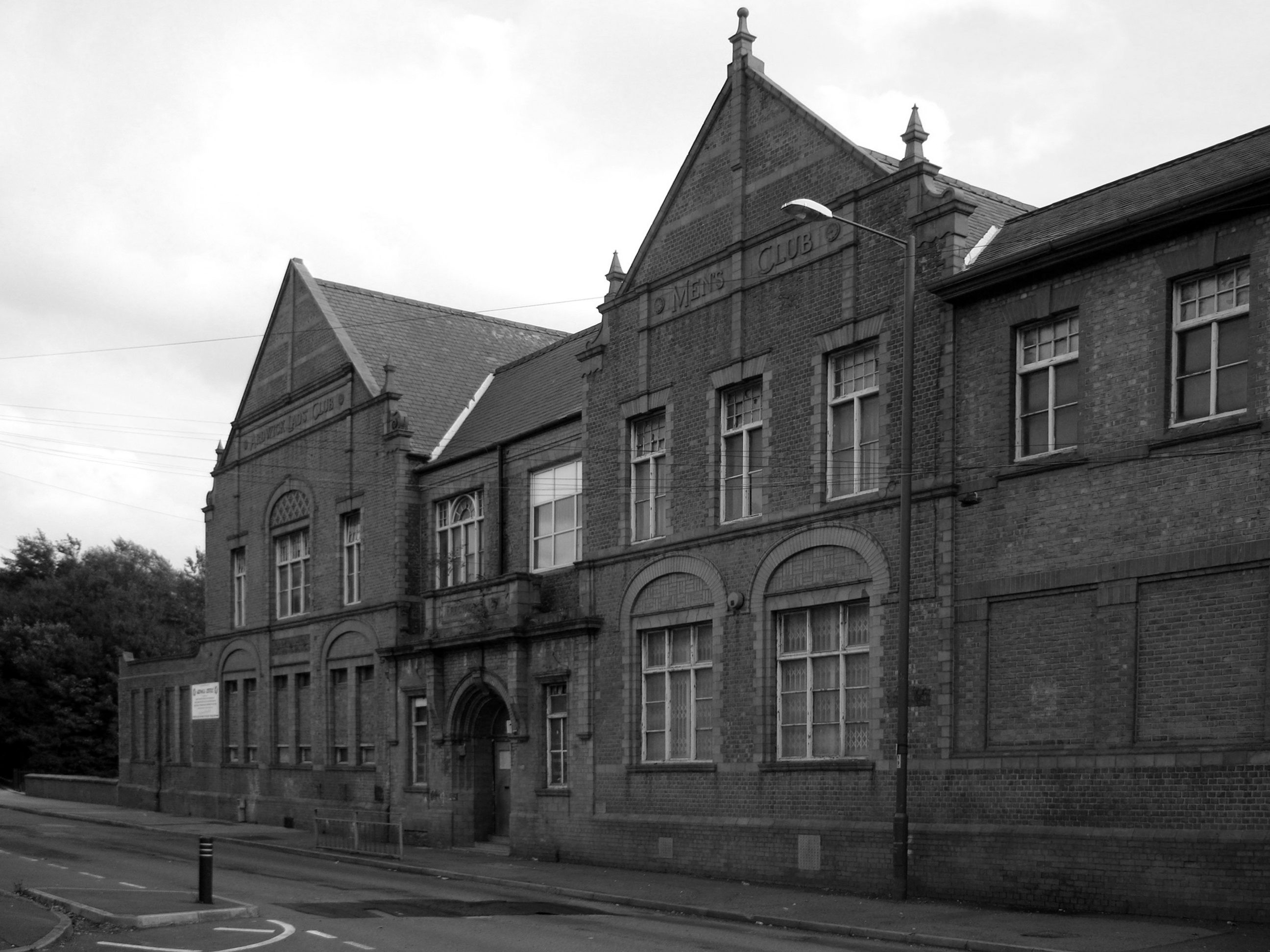
I uncovered a little of Manchester’s youth club history during my travels.
The Ardwick Lads’ and Mens’ Club on Palmerston Street, latterly the Ardwick Youth Centre, opened in 1897 and is believed to be Britain’s oldest purpose-built youth club still in use and was until earlier in 2012. Designed by architects W & G Higginbottom, the club, when opened, featured a large gymnasium with viewing gallery – where the 1933 All England Amateur Gymnastics Championships were held – three fives courts, a billiard room and two skittle alleys – later converted to shooting galleries. Boxing, cycling, cricket, swimming and badminton were also organised. At its peak between the two world wars, Ardwick was the Manchester area’s largest club, with 2,000 members.
On the 10th September 2012 an application for prior notification of proposed demolition was submitted on behalf of Manchester City Council to Manchester Planning, for the demolition of Ardwick Lads’ Club of 100 Palmerston Street , citing that there was “no use” for the building in respect to its historic place within the community as providing a refuge and sporting provision to the young of Ancoats.
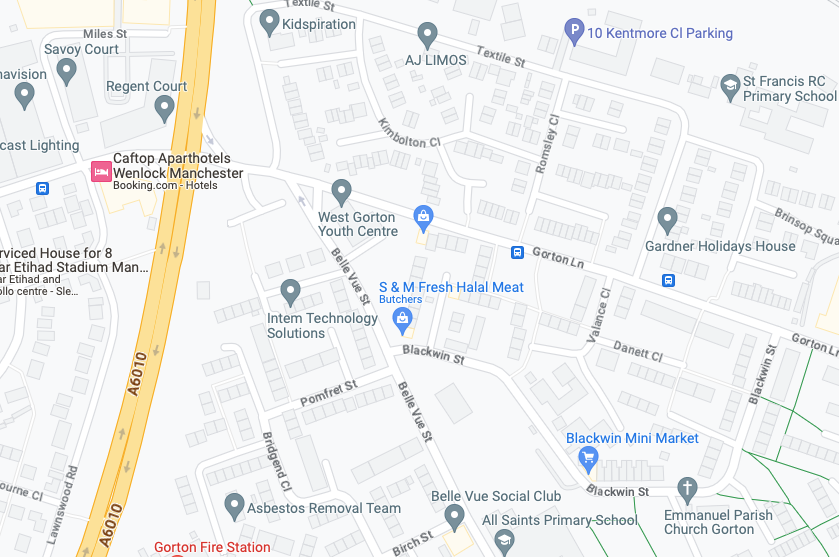
Whilst cycling through Gorton, I passed the now defunct West Gorton Youth Centre.
Intrigued I started to dig a little deeper, I remembered playing five-a-side at Crossley House in Openshaw.
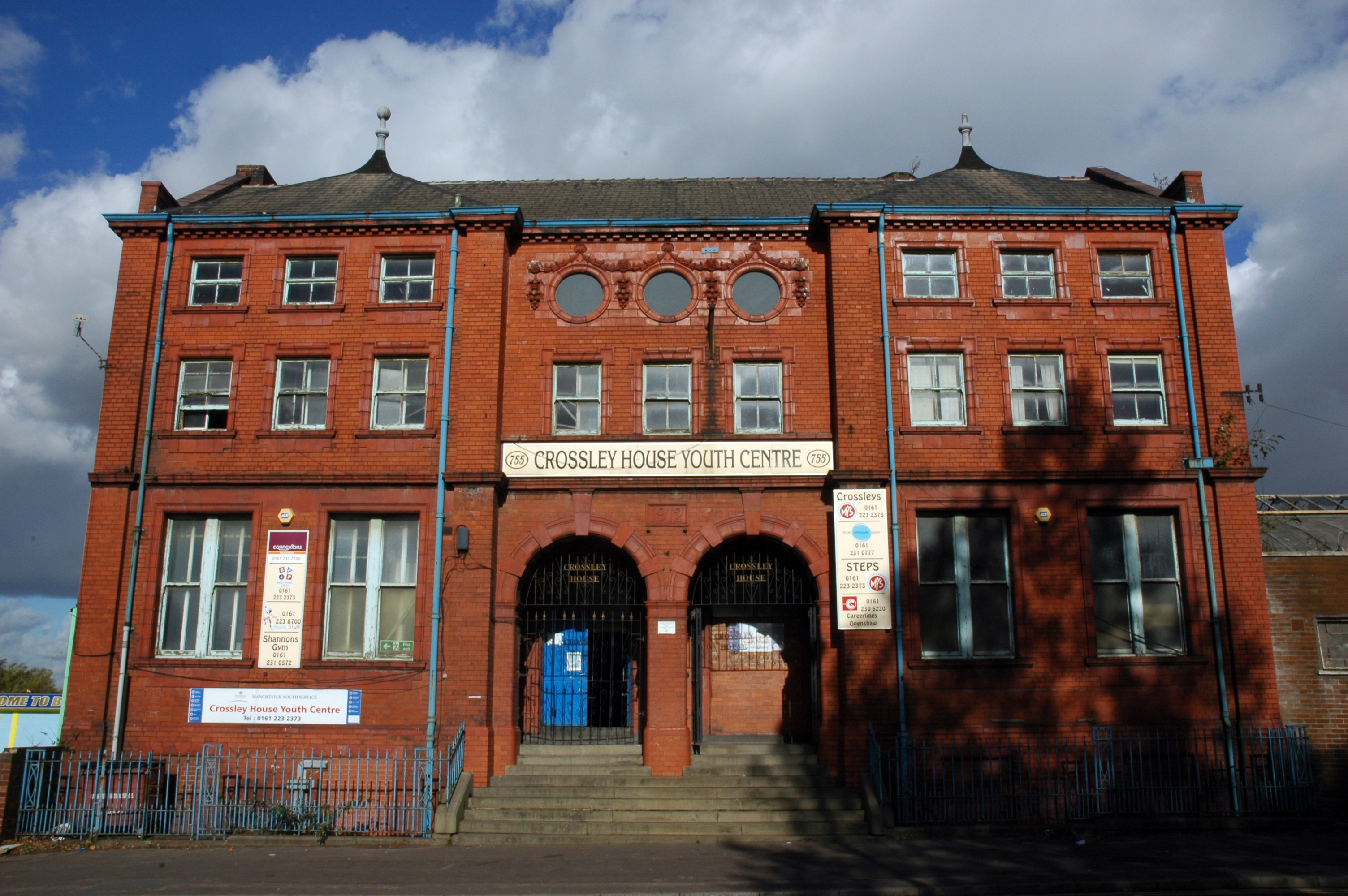
Openshaw Lad’s Club was founded in November 1888 by William John Crossley. It was previously known as the Gorton and Openshaw Working Lad’s Club and the Crossley Lad’s Club. The Crossley family financed the club up to 1941 and they built the club premises, Crossley House to commemorate Sir William Crossley after his death in 1911. The building was opened on 1 September 1913. In July 1941 the premises were handed over to the National Association of Boy’s Clubs and a management committee was formed to administer the club
Simon Inglis gives the architect as John Broadbent; Buildings of England names the architect as James Barritt Broadbent.
Architects of Greater Manchester
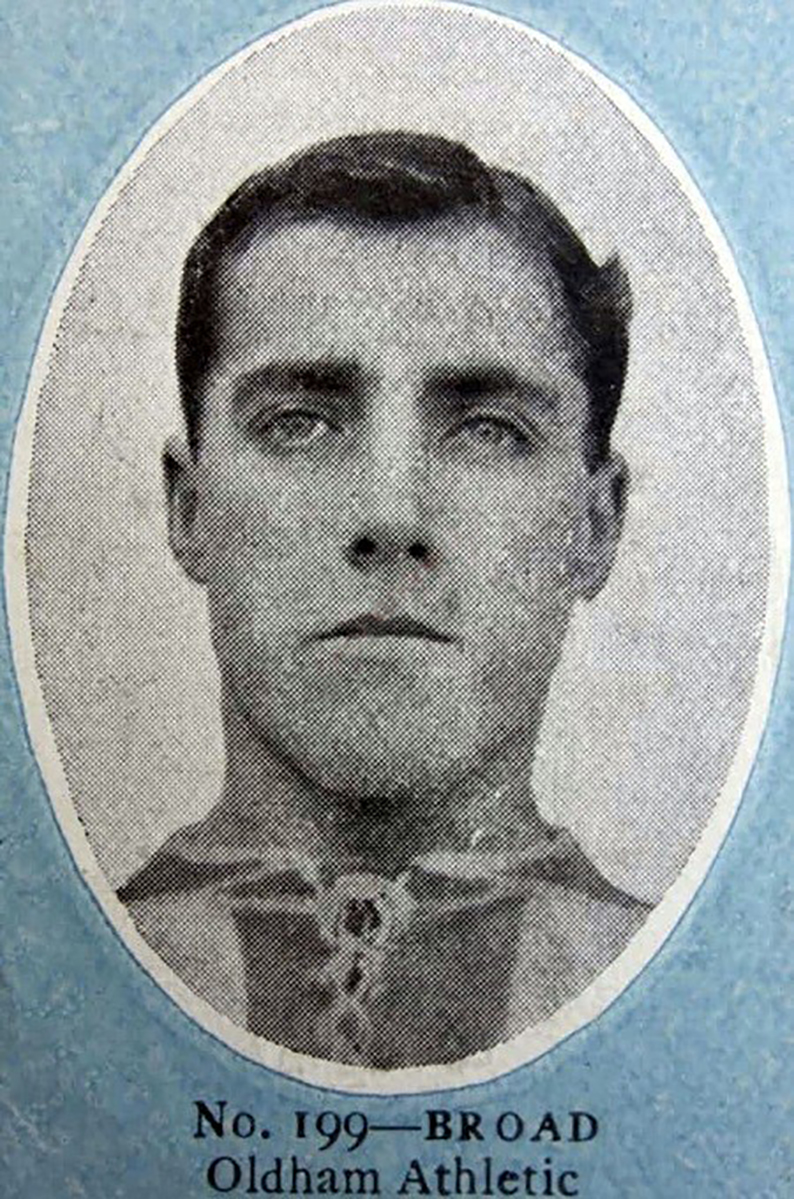
Stalybridge born outside right Tommy Broad started with Redgate Albion in 1902 spending time at Manchester City without making their first eleven before playing for Denton Wanderers in 1903 and Openshaw Lads Club in 1904 from where he joined Second Division West Bromwich Albion in September 1905 making his Football League debut at Wolverhampton Wanderers that September. After a single goal in 15 appearances he moved to Chesterfield Town in the February 1908 scoring 5 goals in 50 appearances for The Spireites over the next two seasons at Saltergate, where he was an ever present in 1908-09.
He moved to Second Division Oldham Athletic in May 1909 and they were promoted as Second Division runners-up in his first season when he missed only one game, scoring a career best 7 goals in the campaign, and in three seasons at Boundary Park he scored 9 goals in 104 appearances. He then played for Bristol City between the summer of 1912 and the suspension of peacetime football due to the onset of the First World War in 1915, where he missed only one match in his first two seasons, scoring 8 times in 111 appearances at Ashton Gate.
During the First World War he served in the Armed Forces and after its resolution he joined First Division Manchester City in the summer of 1919, making 44 appearances in two years at Hyde Road, and helping The Citizens to finish runners up in the League Championship in 1920-21, which he followed with a move to Stoke in the summer of 1921 where Broad along with his younger brother Jimmy helped The Potters to promotion in 1921-22, finishing as Second Division runners-up, although this was followed by relegation the following season.
After three years in The Potteries, where Broad scored 4 times in 89 first team appearances, he moved to the South Coast to join Southampton. Broad still holds the distinction of being the oldest player ever signed by The Saints, being just three weeks short of his 37th birthday. At The Dell, he was used as cover for Bill Henderson and only had a run of three games in October, followed by six more appearances in April. In September 1925, Broad moved to Weymouth of the Western League, before playing out his career with Rhyl.
Manchester City’s ground was up the way at Hyde Road Stadium at the time.
In 2013 disaster struck the club:
A legendary boxing gym – former base of superstars Ricky Hatton and Marco Antonio Barrera – could be forced to shut after it was ransacked by thieves.
Crooks ripped out copper piping and stole priceless equipment from the Shannon Boxing Club in Openshaw.
Searching the Local Image Collection – revealed other locations.
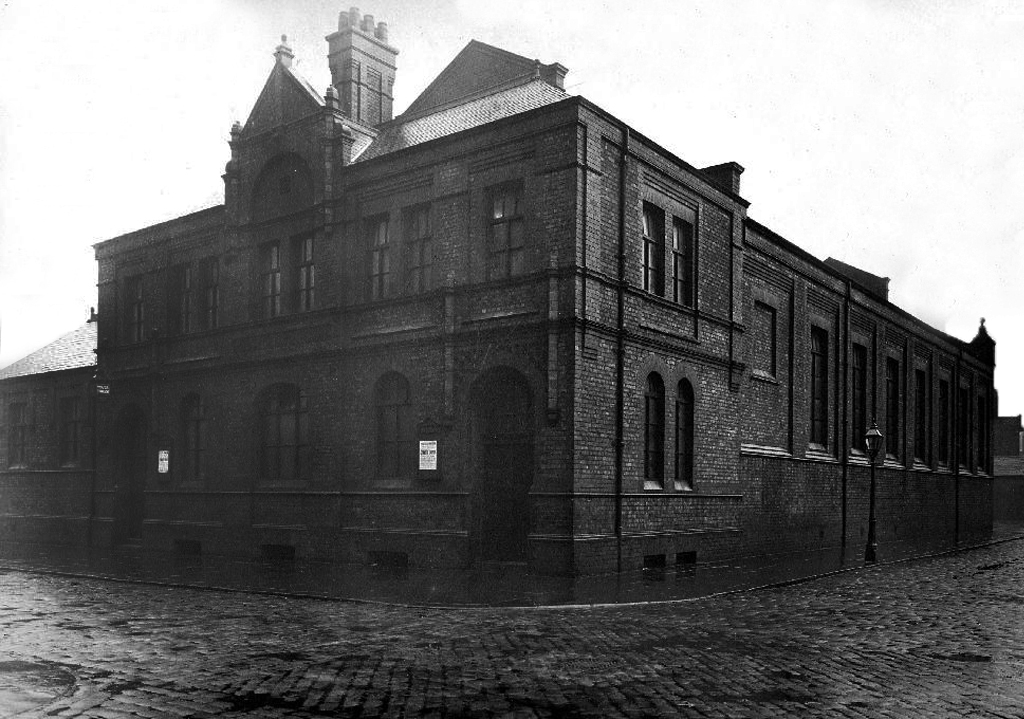
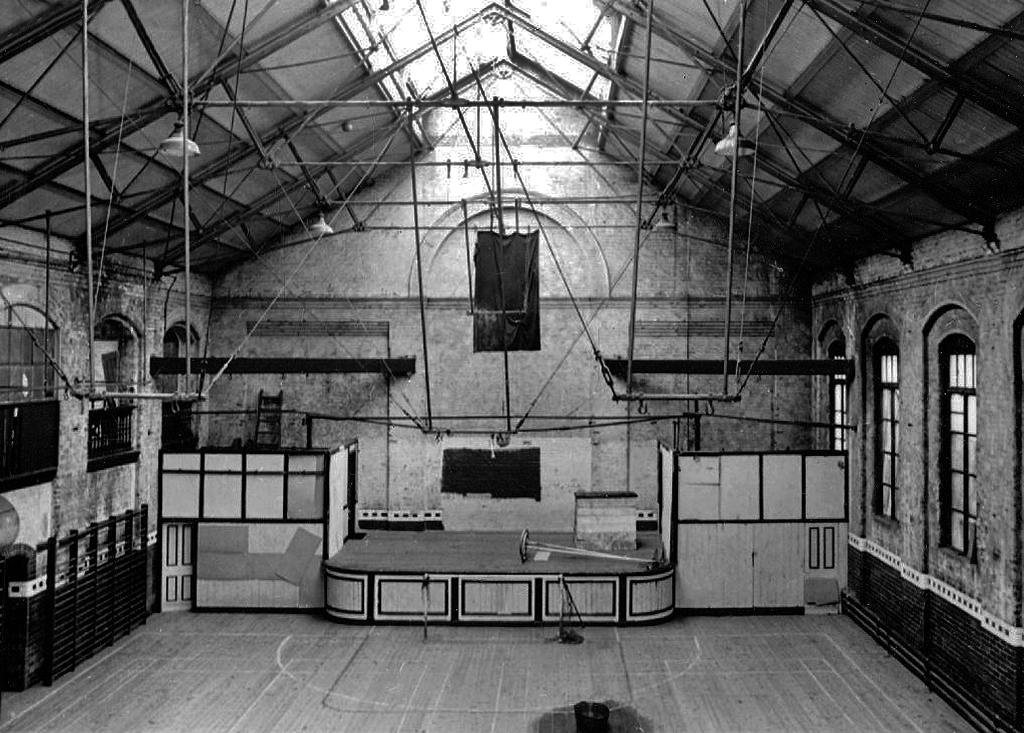
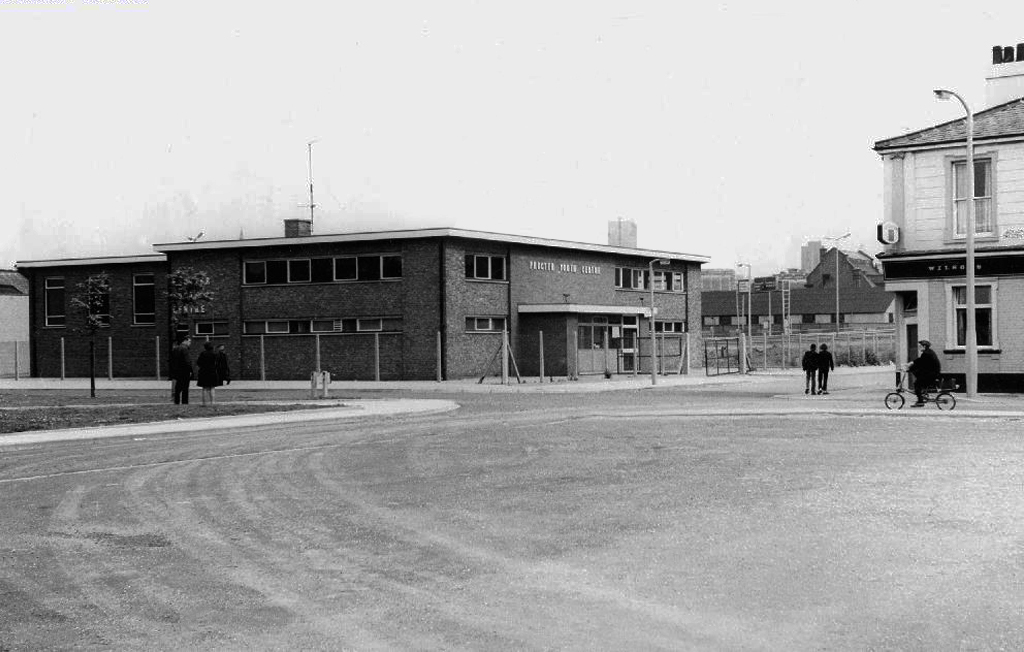
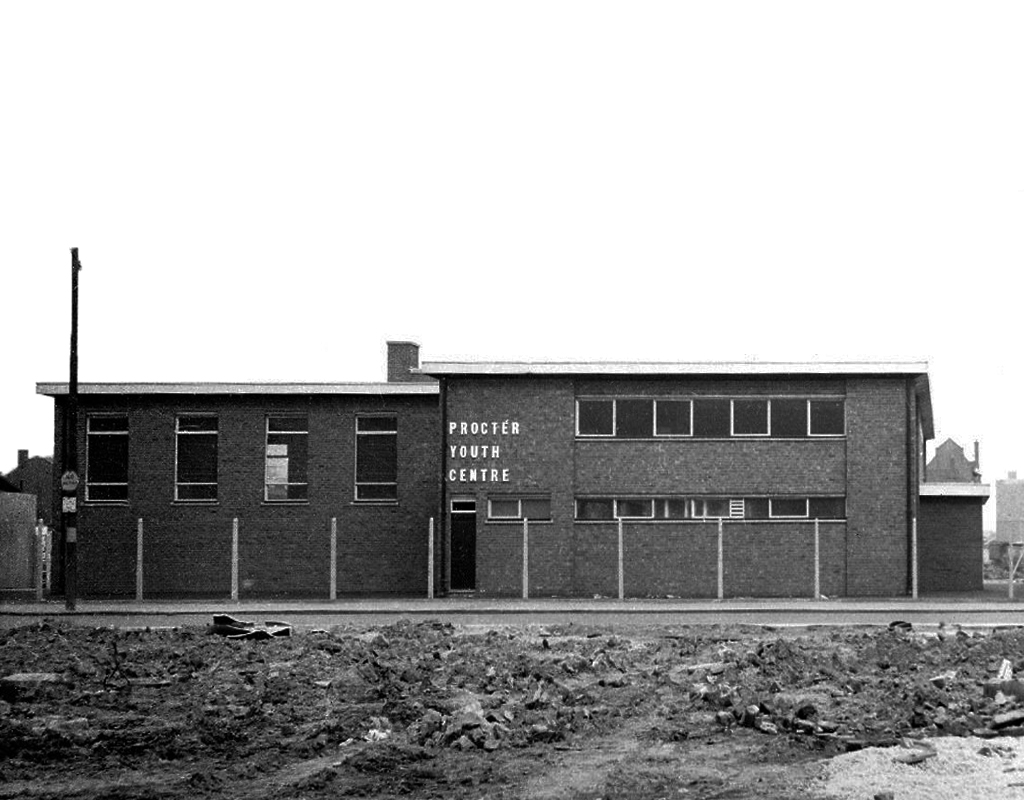
Procter Youth Centre a victim of city’s spending cuts
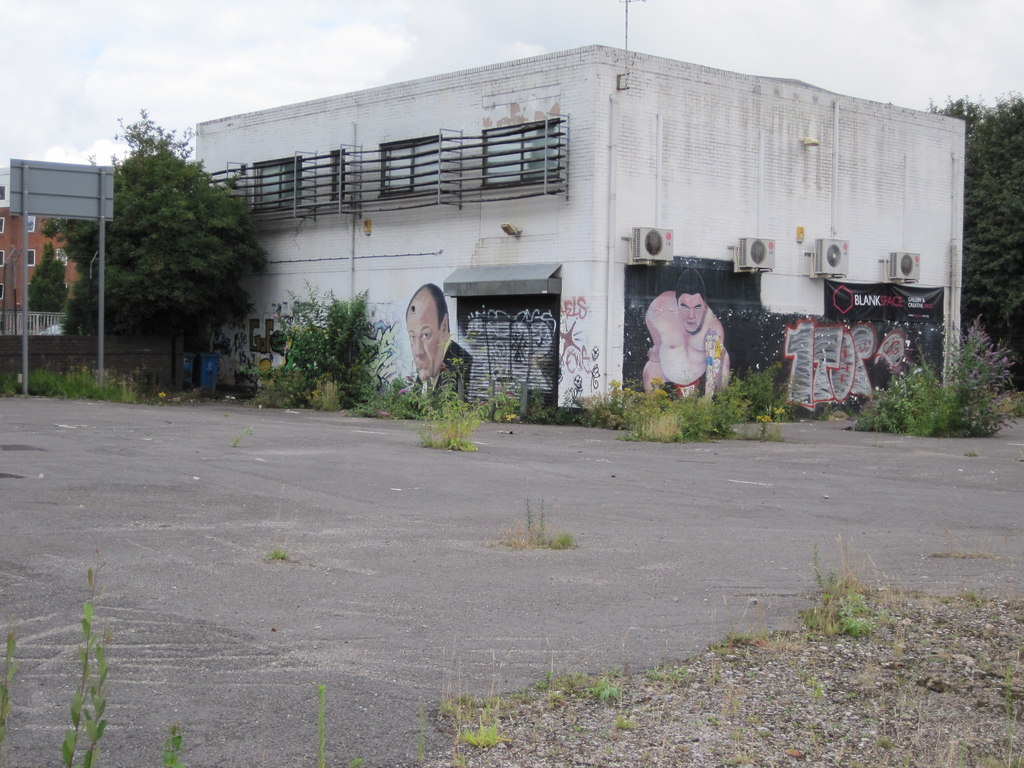
Procter Youth Centre 1966-2011. Despite being in singularly ugly building, it was very popular, providing a wide range of activities such as pool, football and martial arts, to name but a few. In 2009 the premises were refurbished with £668,000 being spent on a weights room, dance studio, recording studio. Then two years later Manchester City Council did the logical thing – closed it! Some of the eight staff offered to take a pay cut but to no avail. There were plans to use the building as a pupil referral unit. Today the building stands in the middle of wasteland that is the process of redevelopment.
Hulme 1972
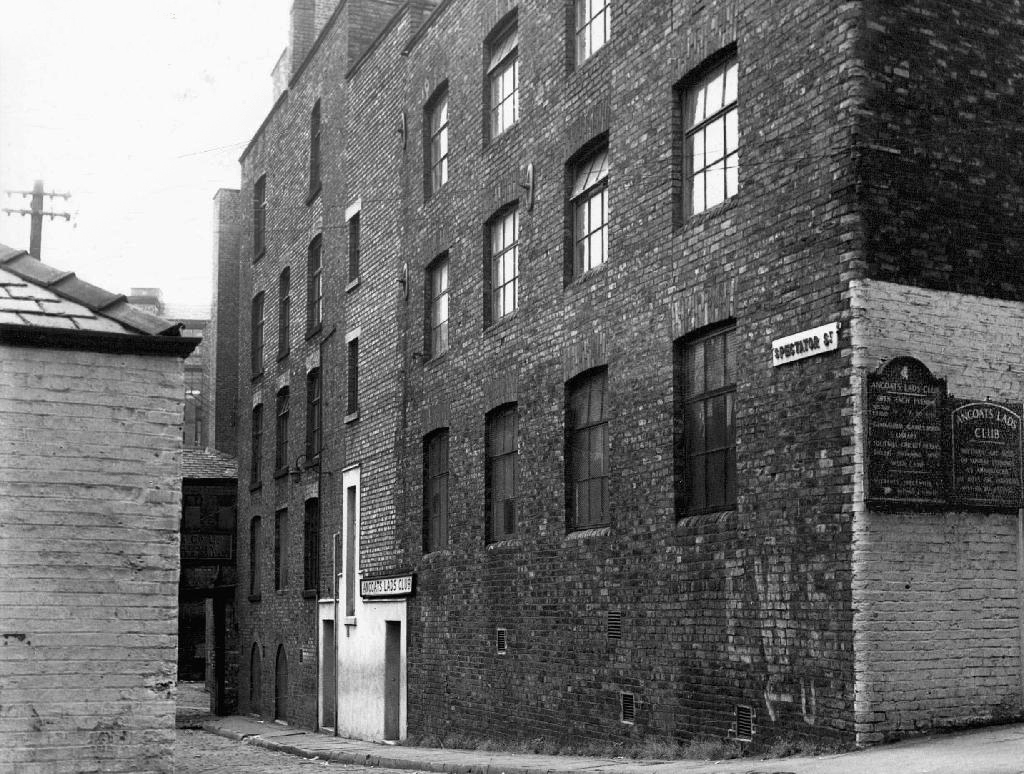
Ancoats 1962
Ancoats Youth Club had sadly ceased being a place for the community to come together and use the facilities a number of years before it became a bed shop before it was finally demolished in 2011, with yet another community resource gone forever.
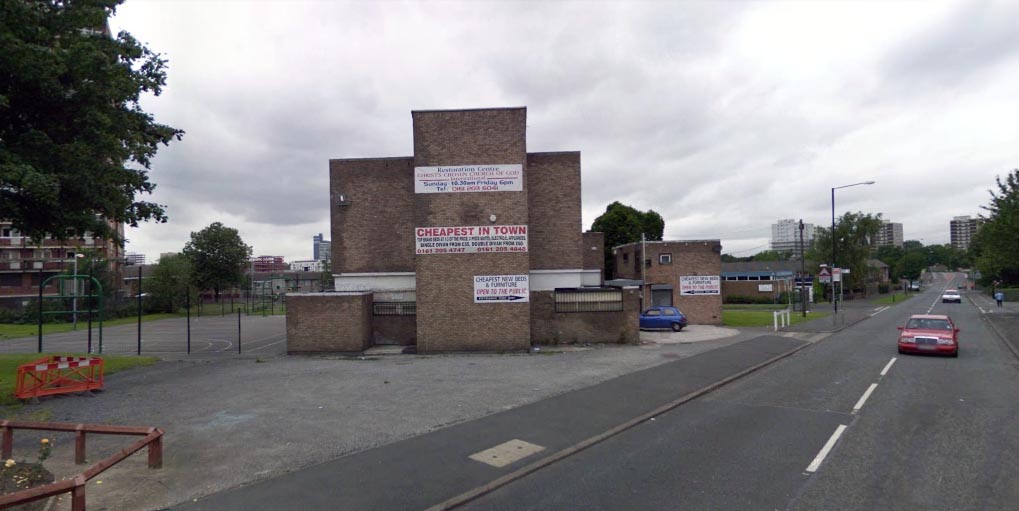
Ancoats
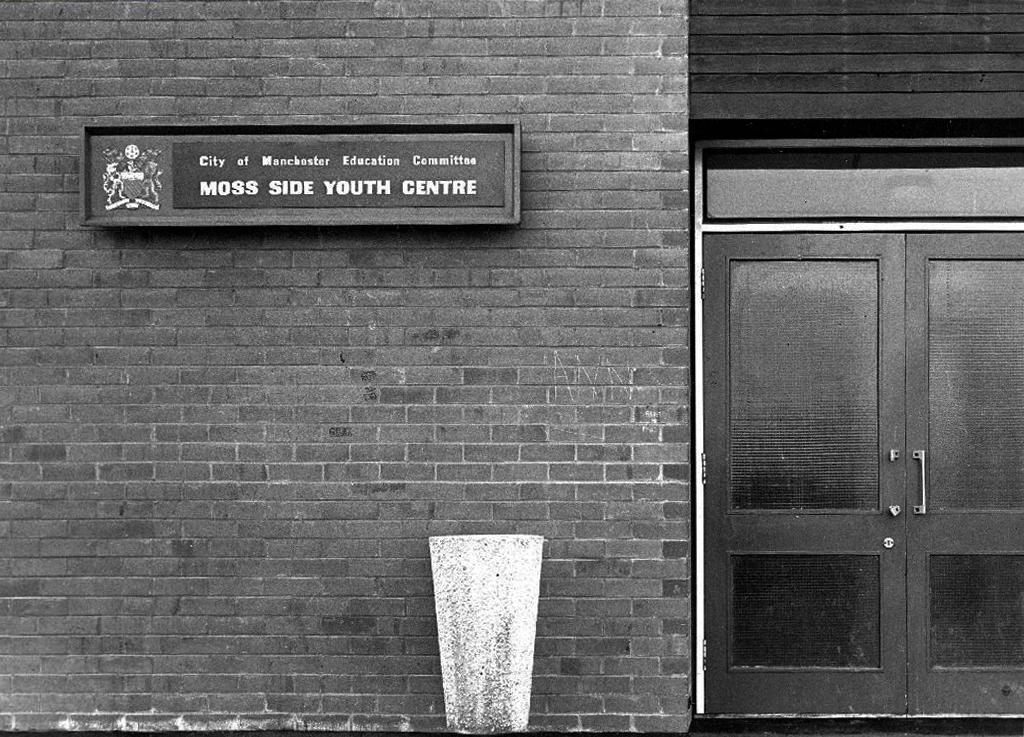
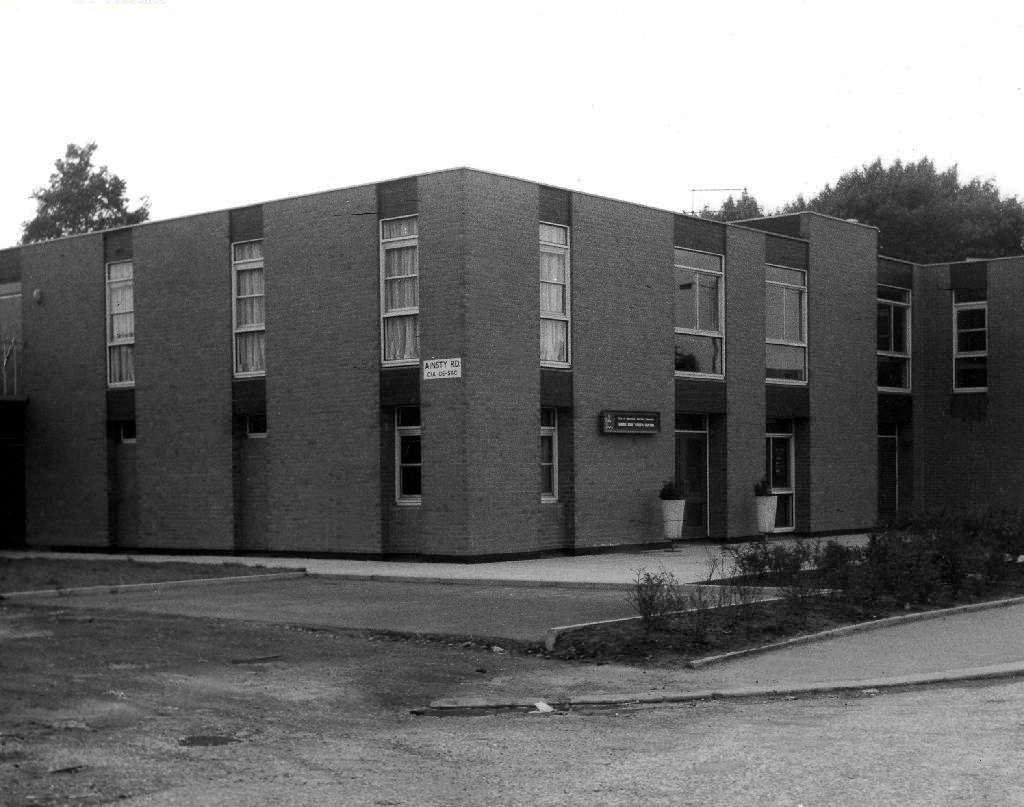
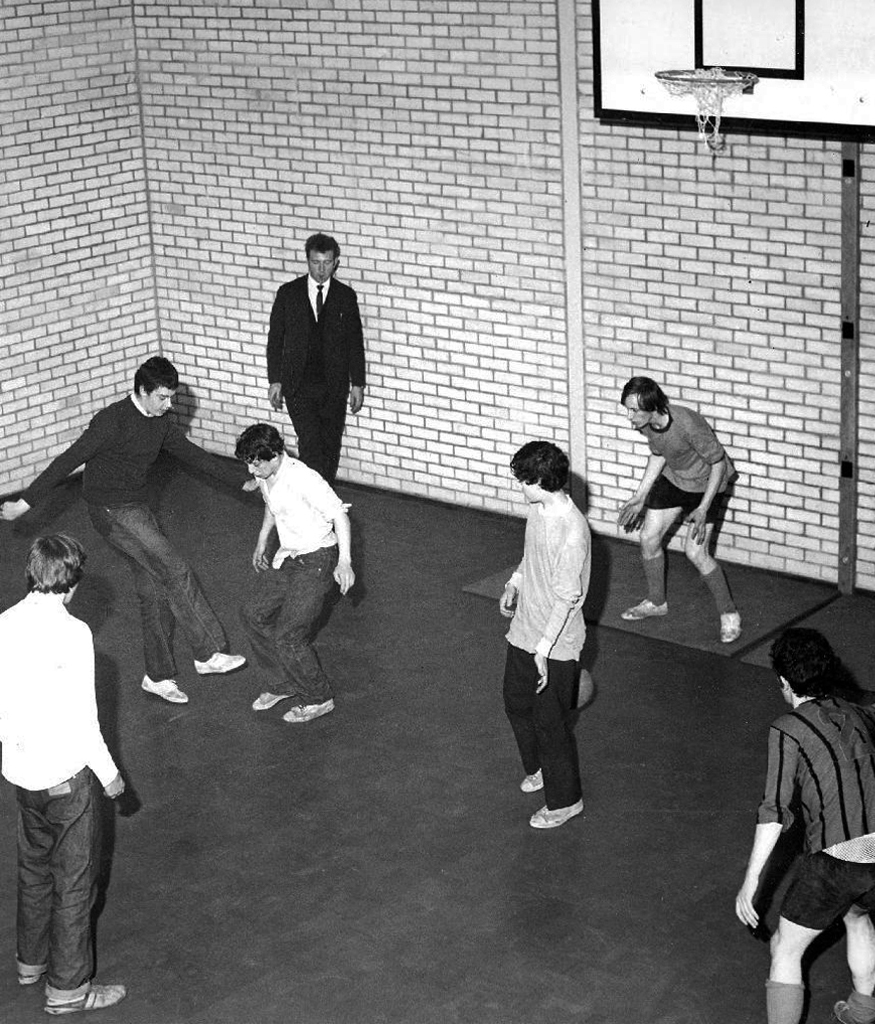
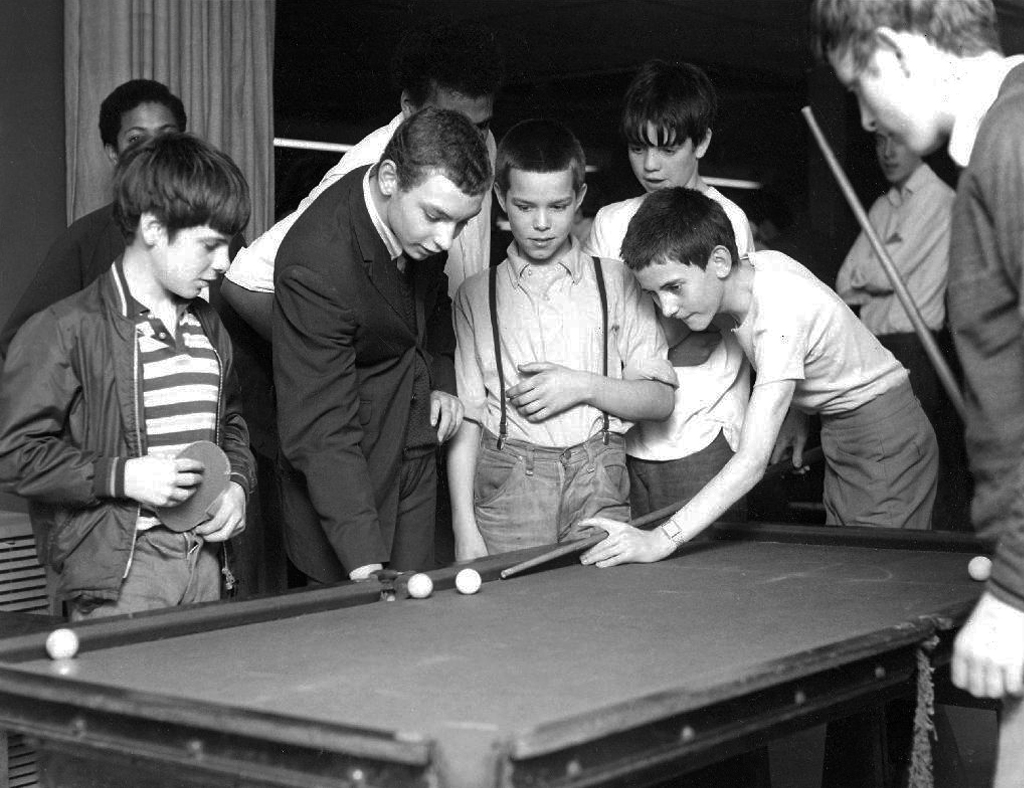
Moss Side 1972
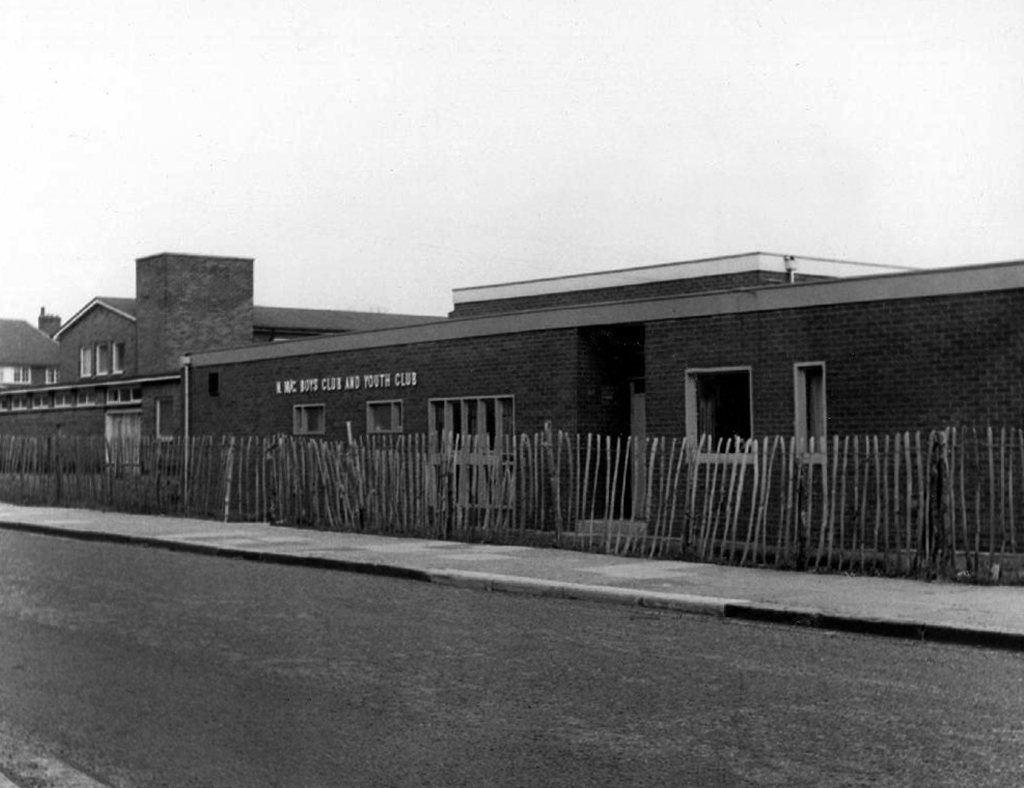
Blackley 1969
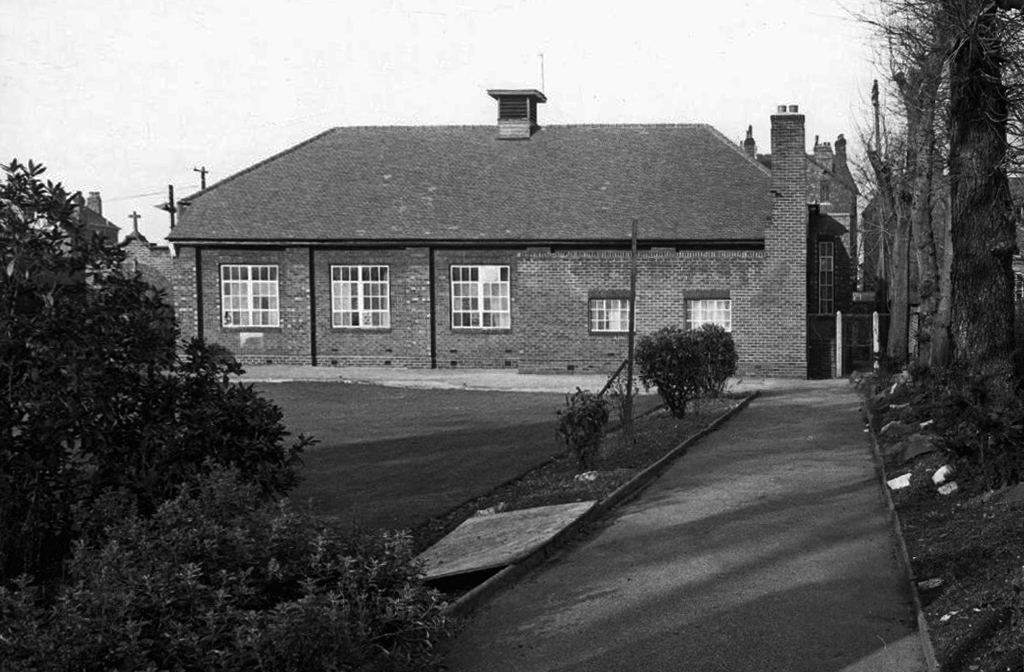
Victoria Park St Edwards Youth Club 1976
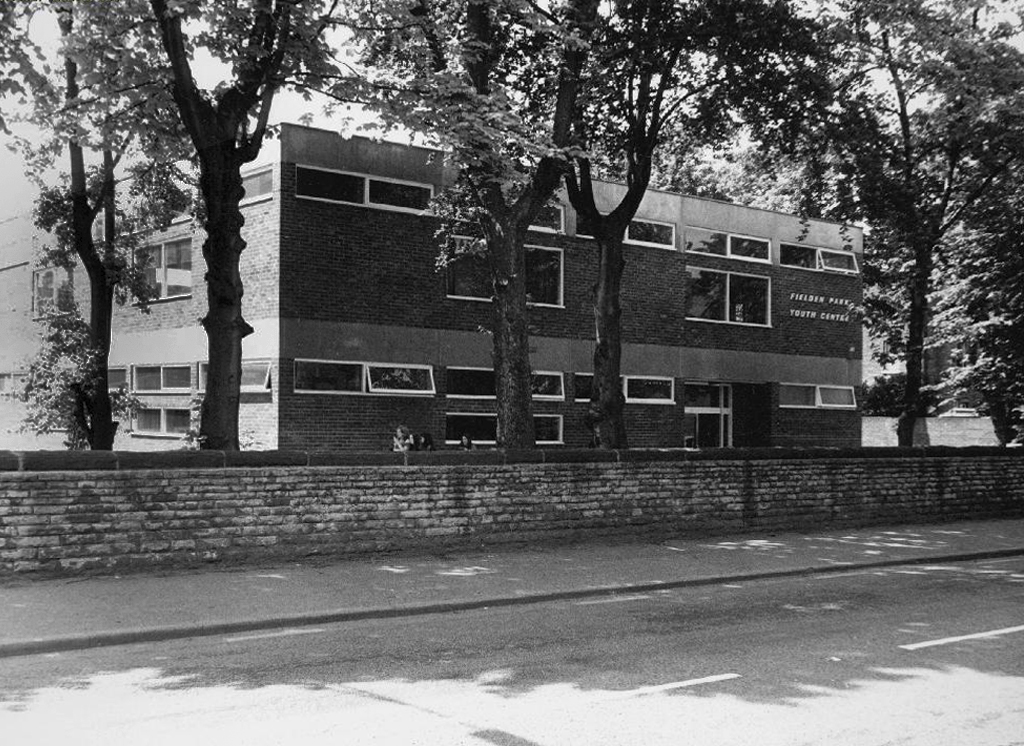
Fielden Park 1972
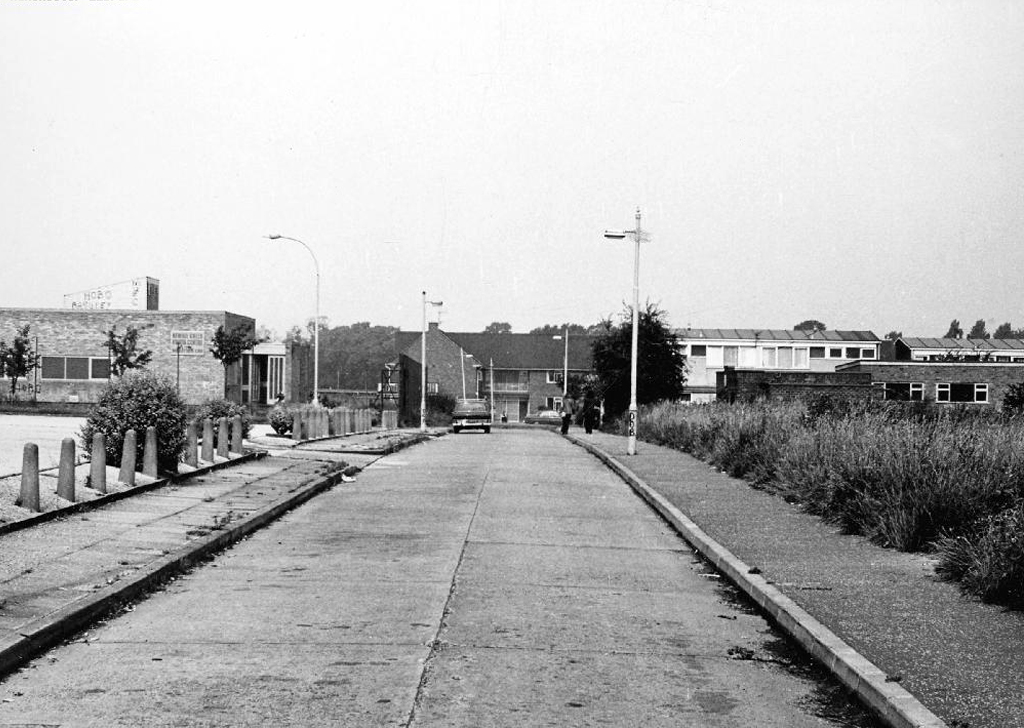
Newall Green 1972
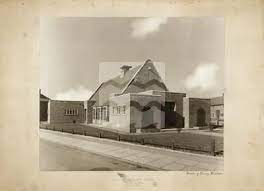
Royal Oak Community Centre Baguley
Bringing us back to Gorton – the unoccupied and demolition ready Youth Centre.
Surrounded by new-build and no stranger to a passing Bentley.
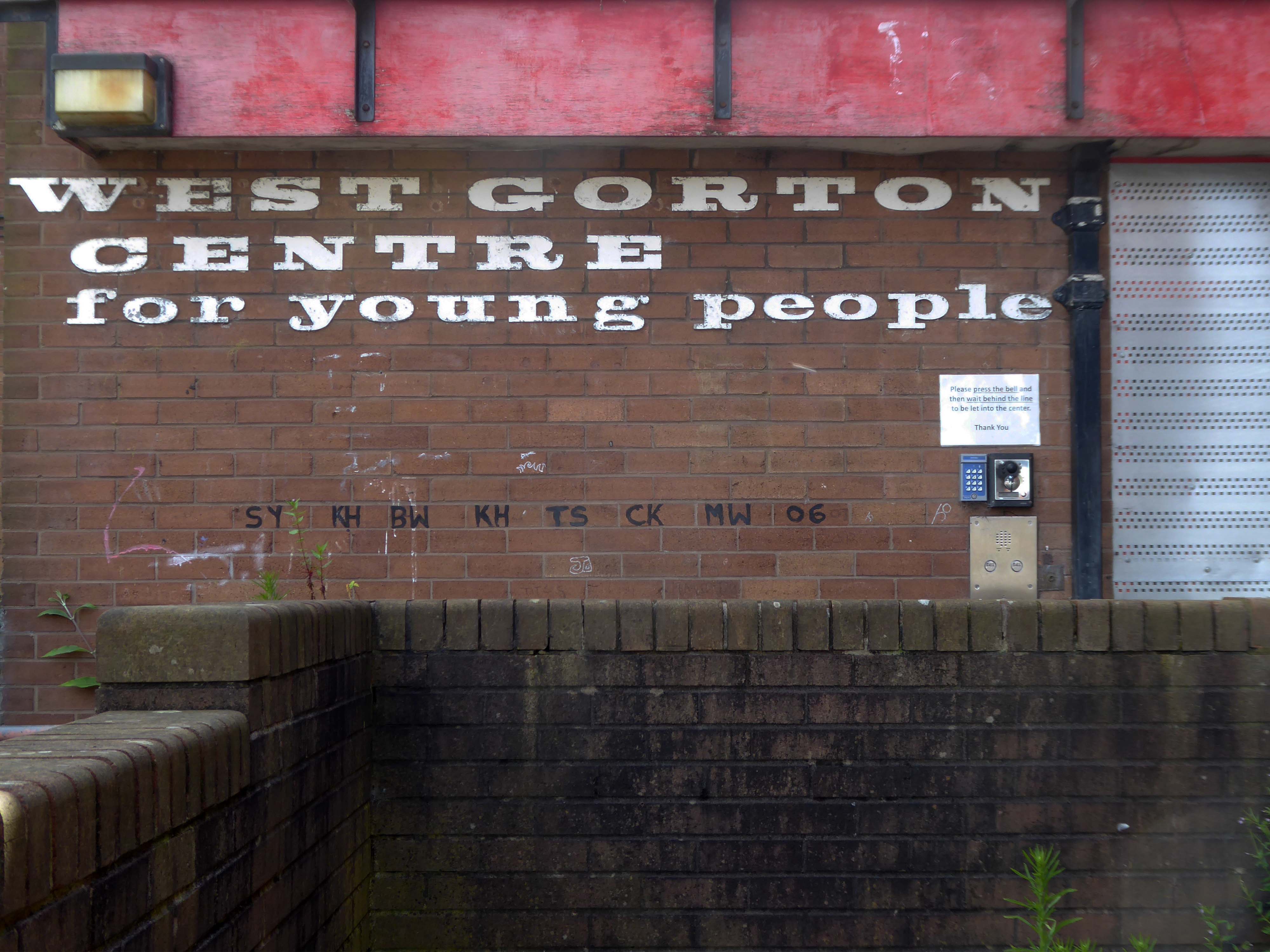
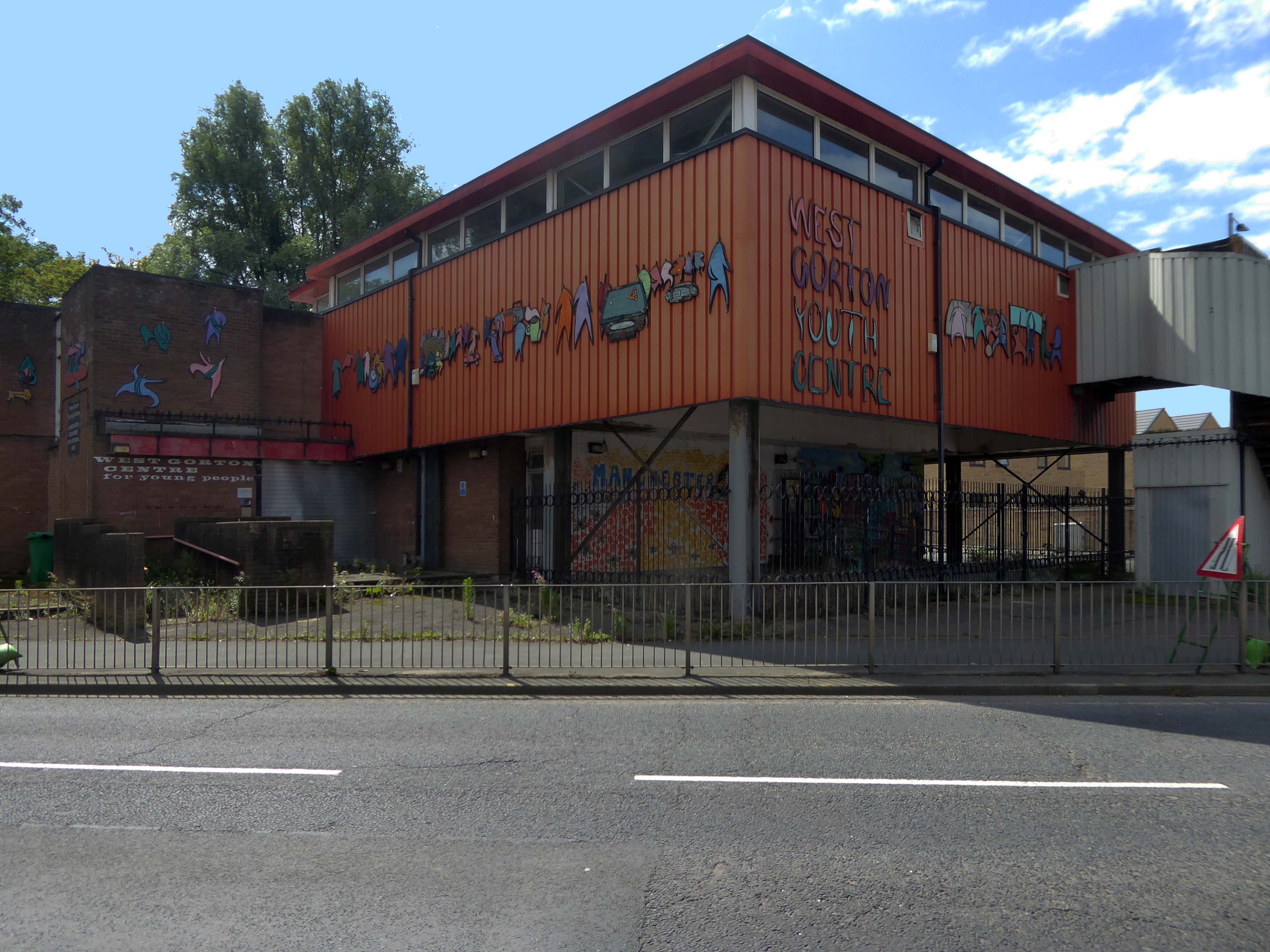
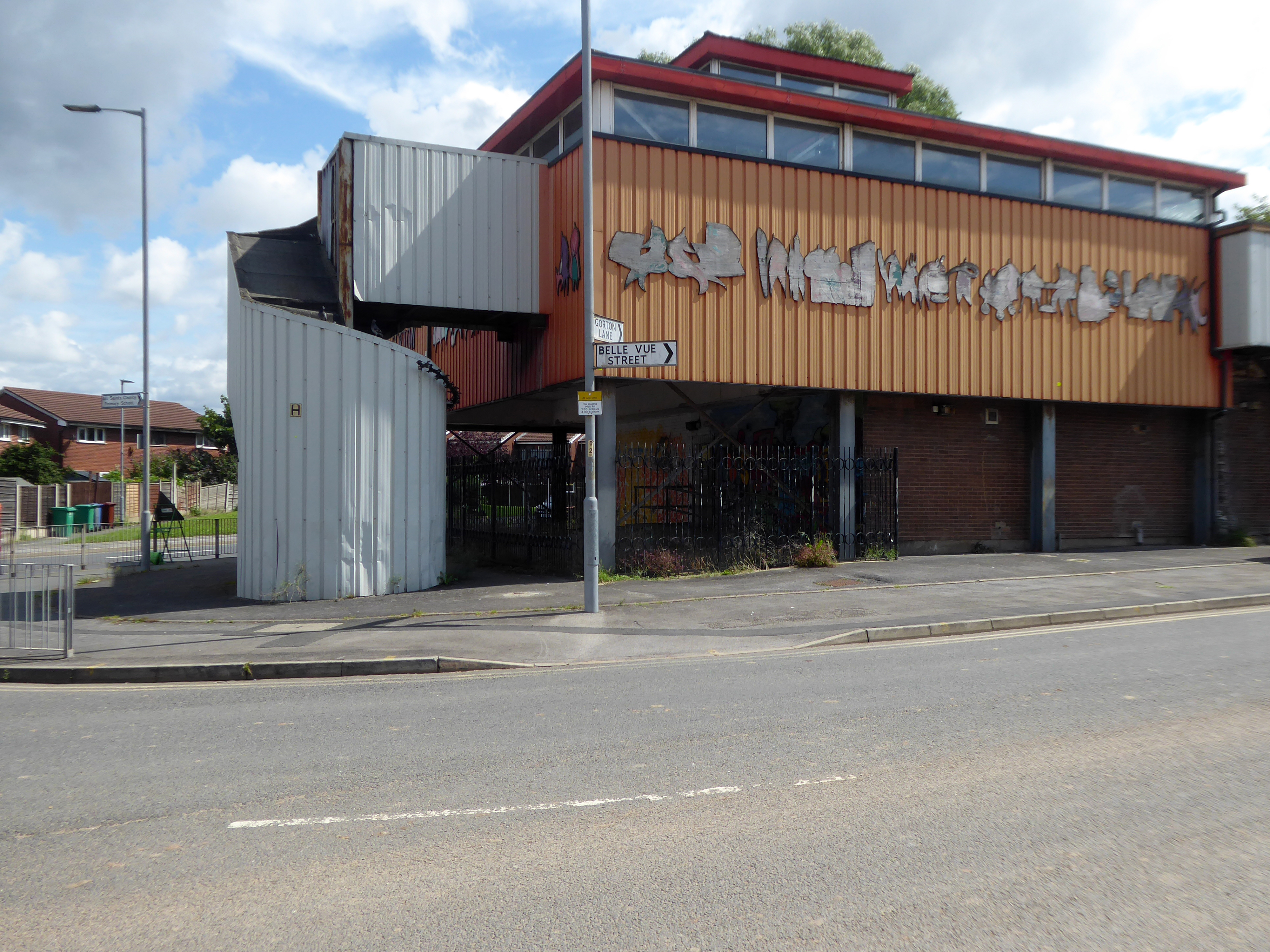
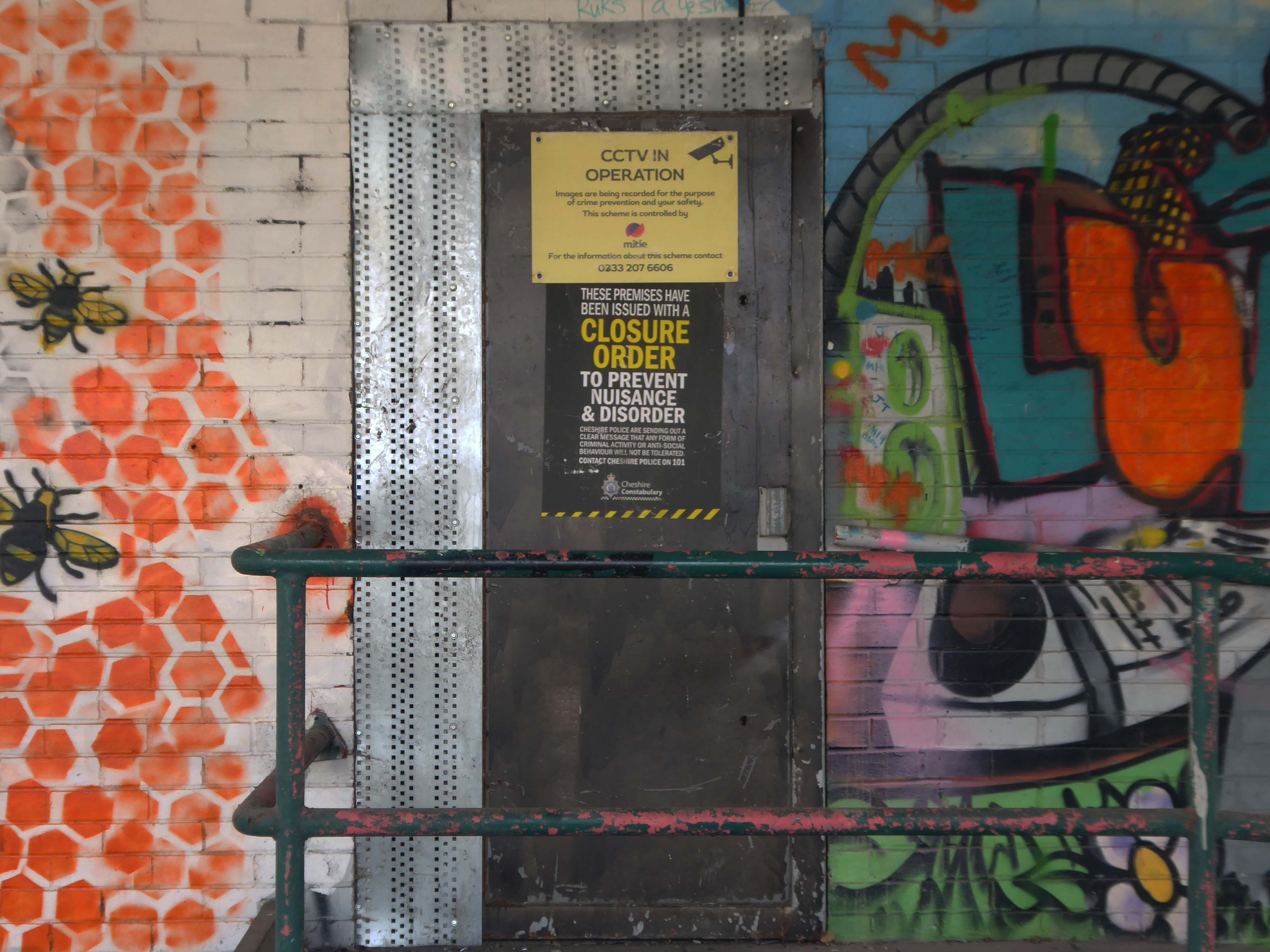
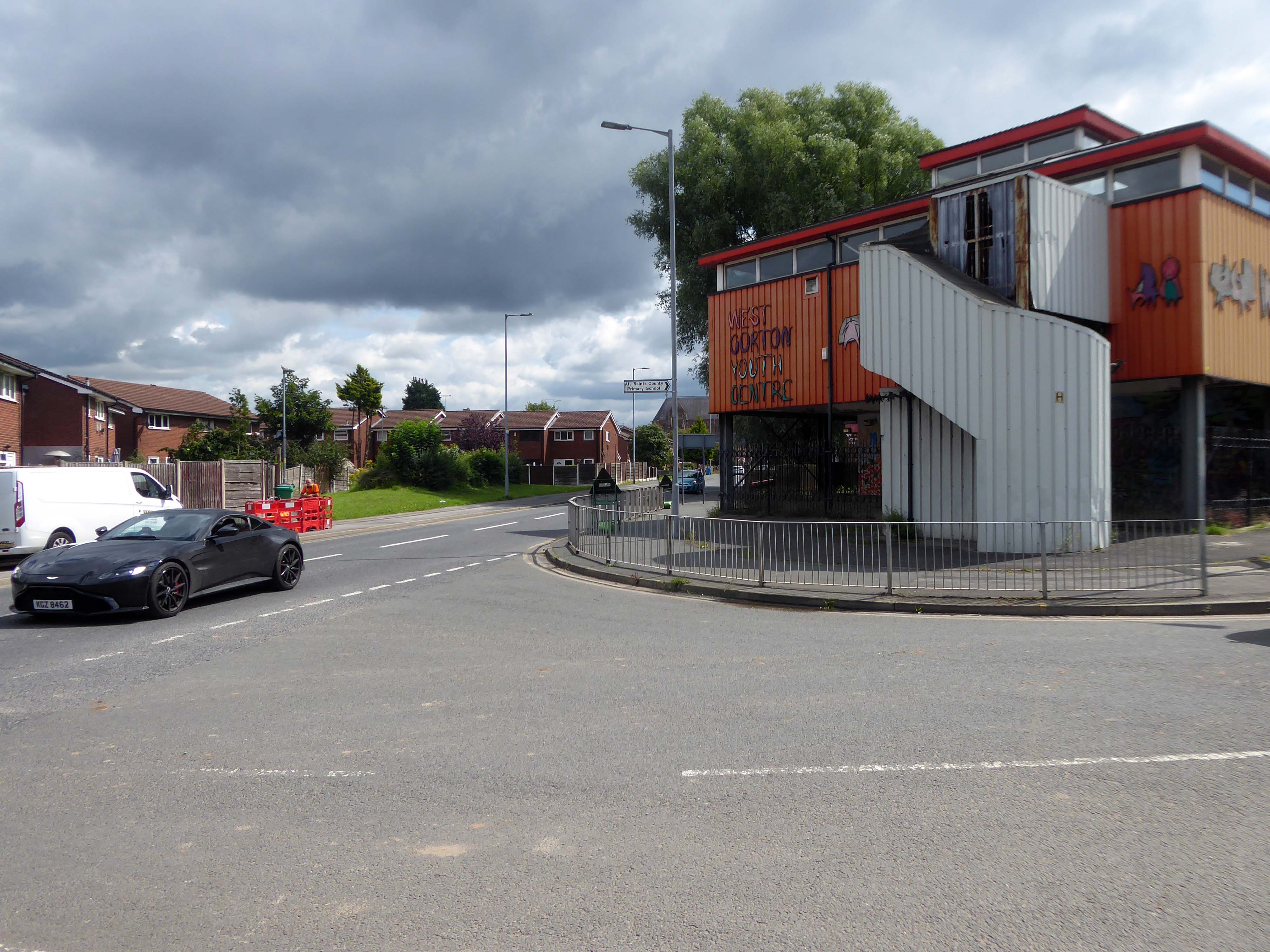
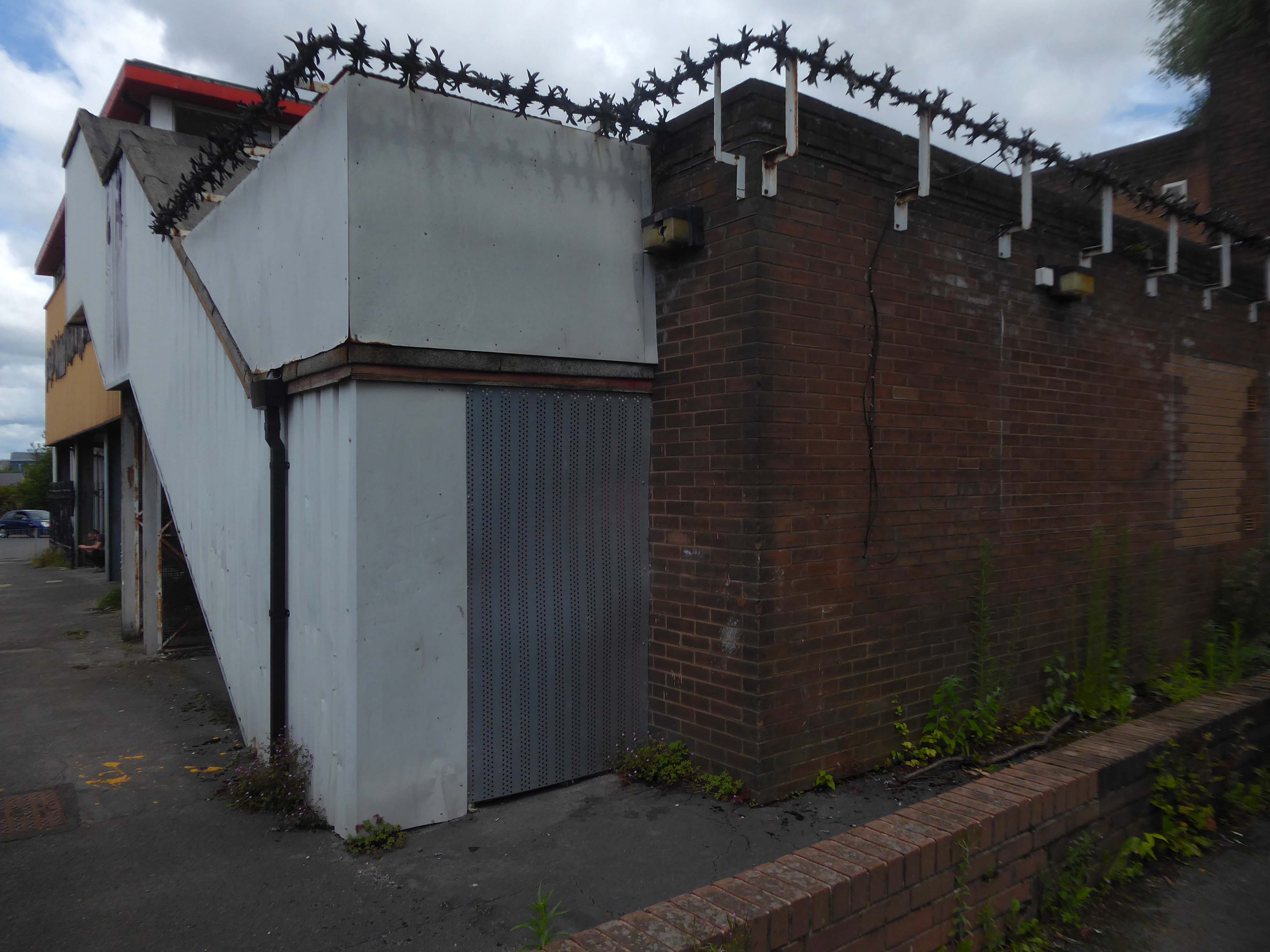

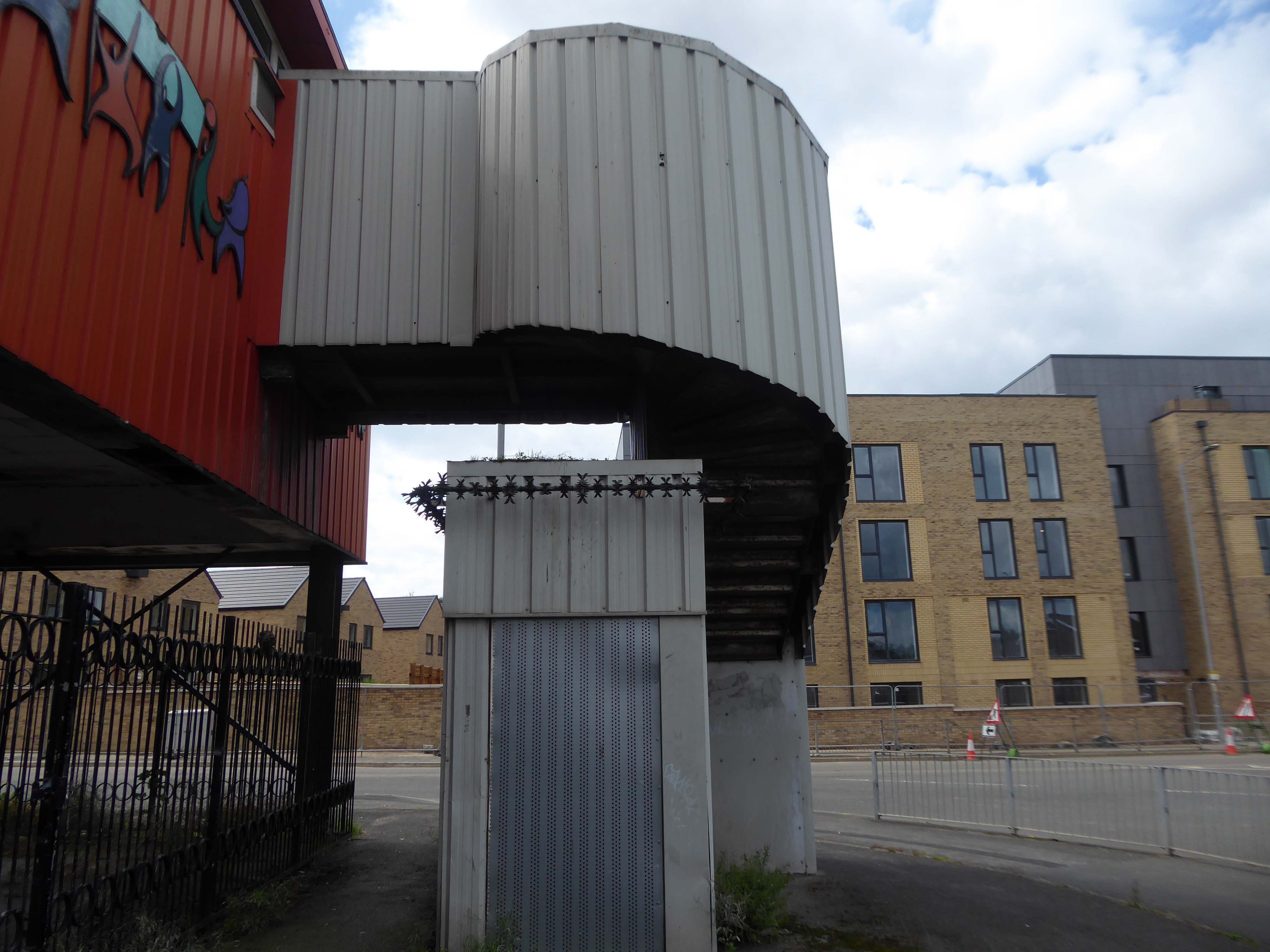
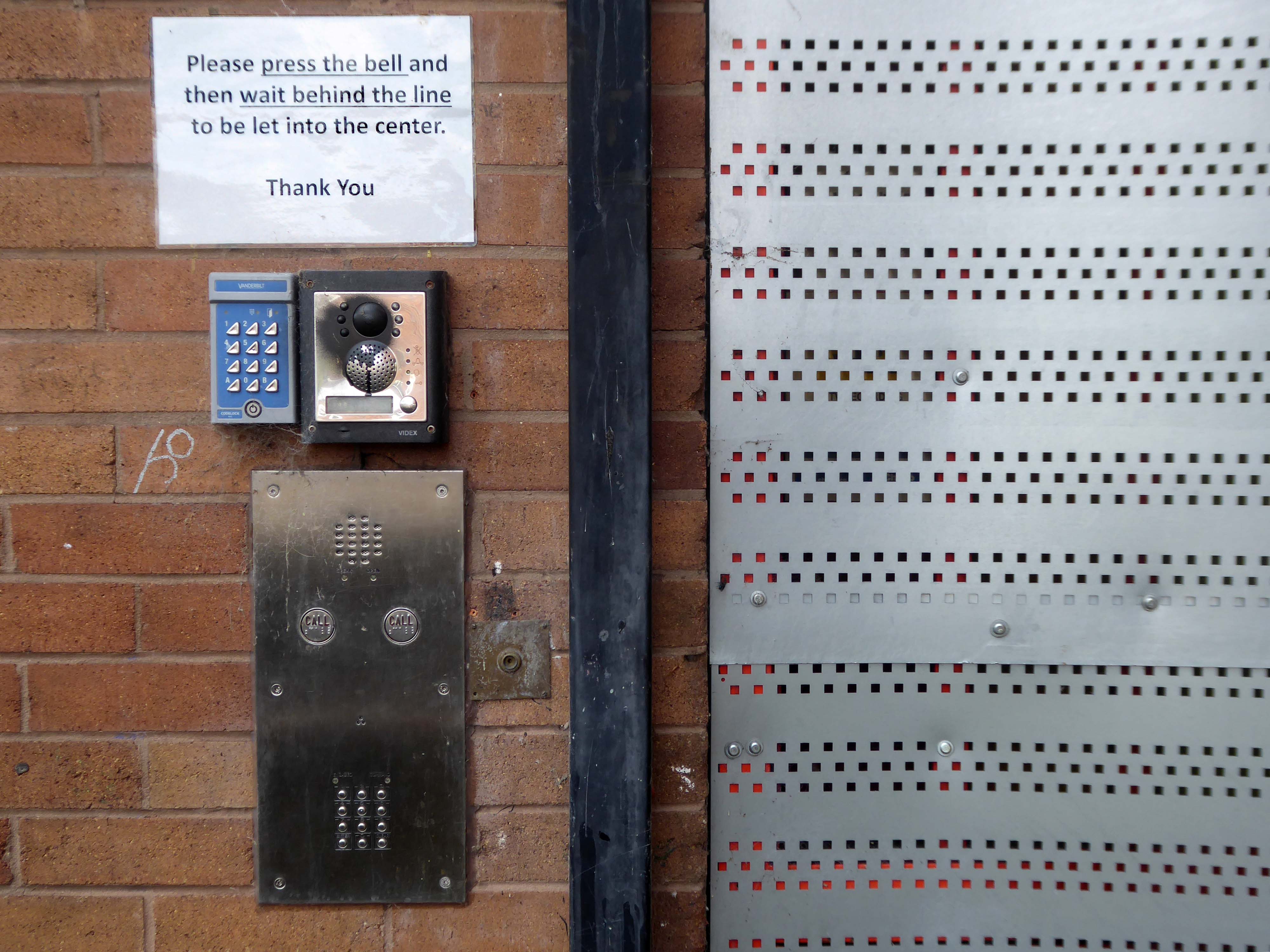
Where the state has created a vacuum the charitable sector steps in.
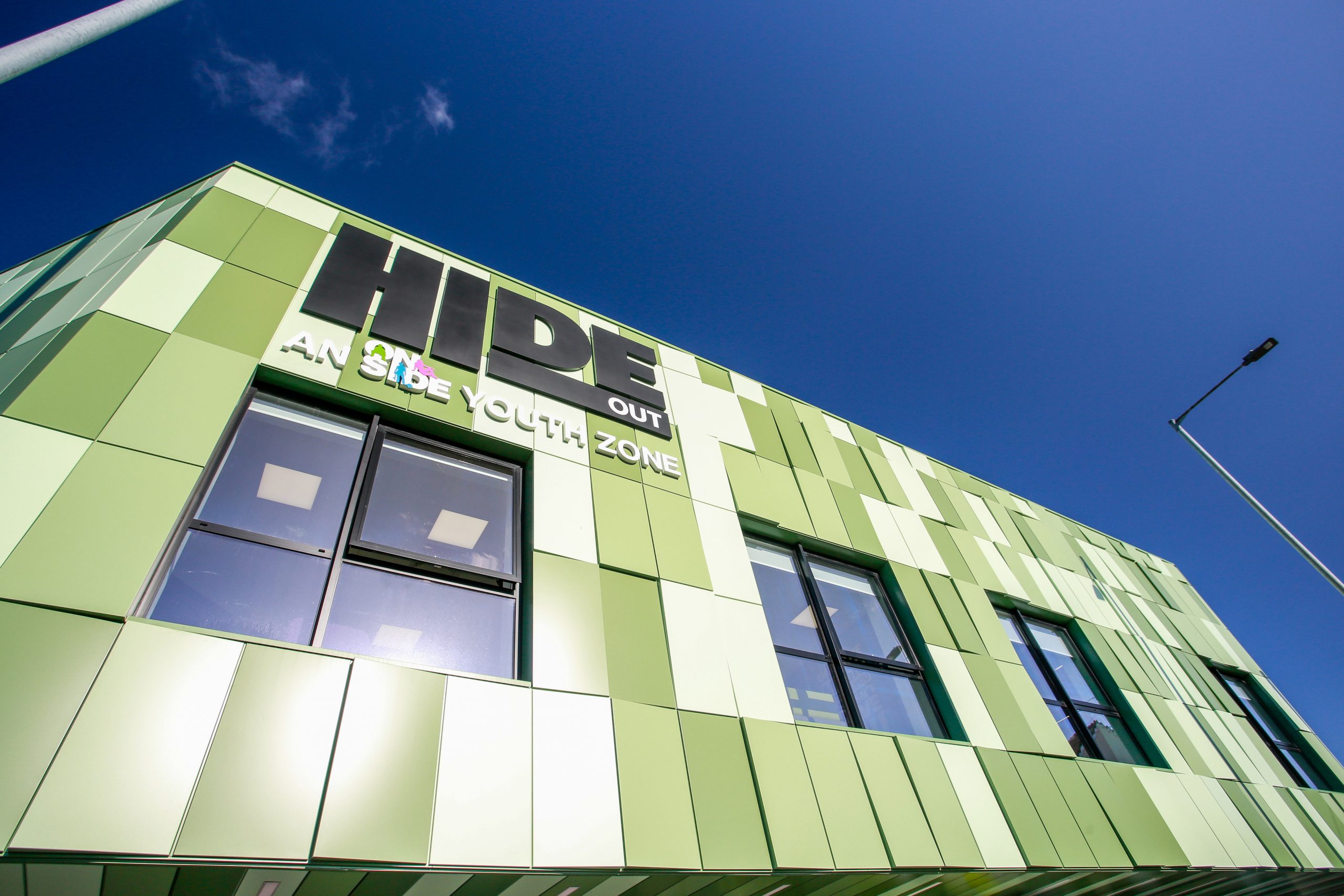
Designed by Seven Architecture, the Manchester Youth Zone East will be the second of its type in Greater Manchester, following the Factory Youth Zone in Harpurhey.
HideOut Youth Zone is a registered charity based in Manchester and has been in existence since 2019.
We are a Youth Zone dedicated to providing opportunities and experiences to all local young people.
Following years of slow decline the area is on the up.
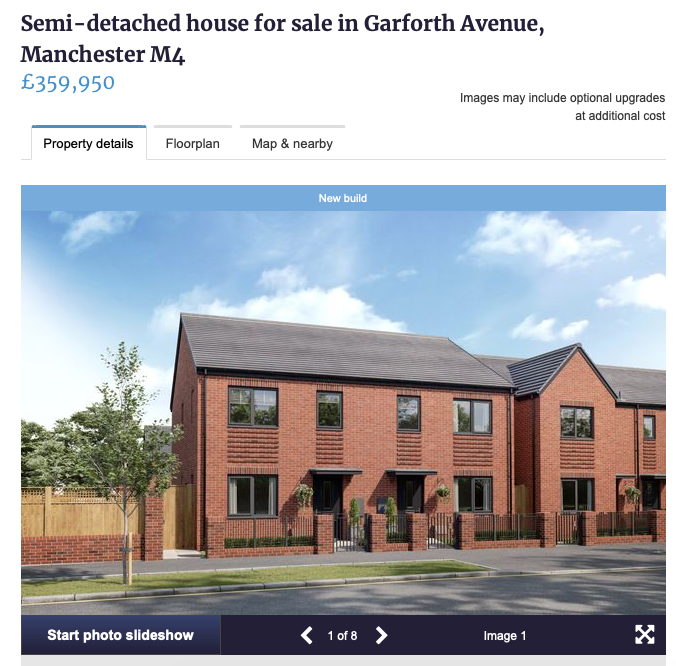
Linden Homes’ new build properties on Belle Vue Street, Gorton have now completely sold out, with the first of the 14 homes ready for homeowners to move into this month.
The properties are part of the £9m Grace Gardens development, which is situated in a prime location in an up-and-coming part of Greater Manchester.
Though affordability is always an issue.
Manchester now runs three Youth Centres across the city.


Here we were in 2016 – the last gasp of businesses on the square.
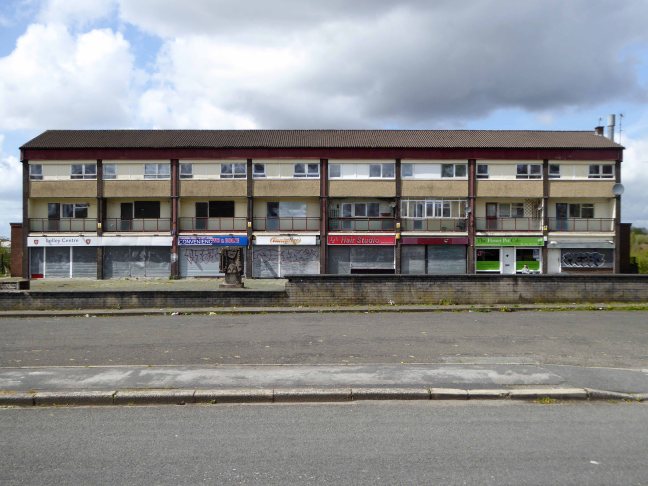
A hangover from the optimism of a long lost decade.
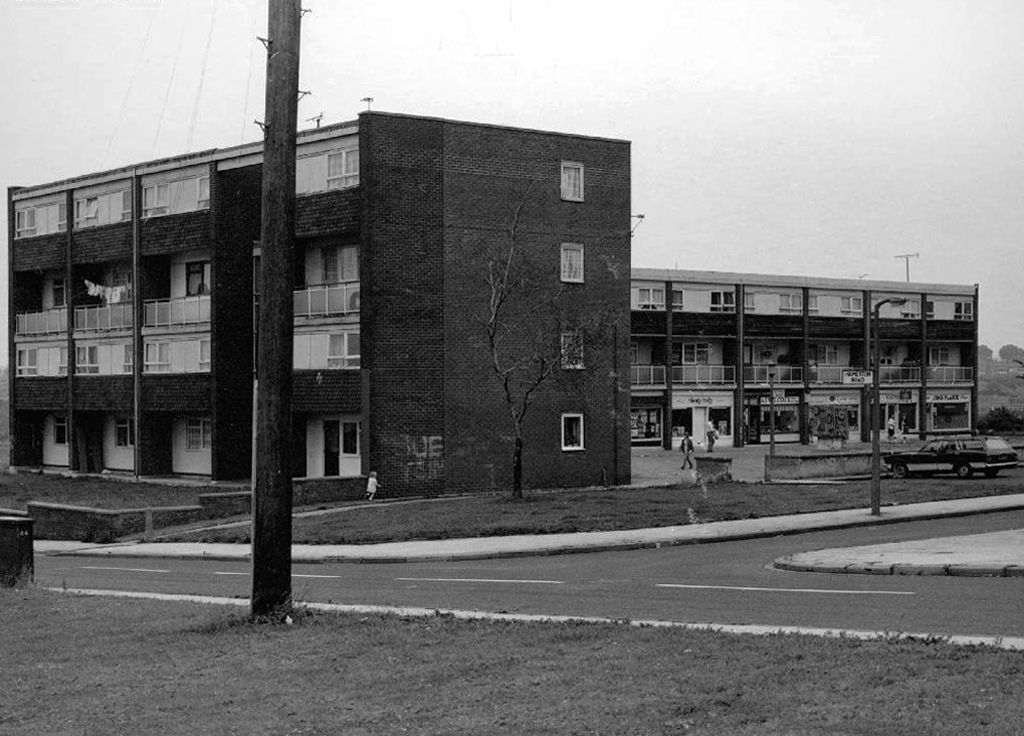
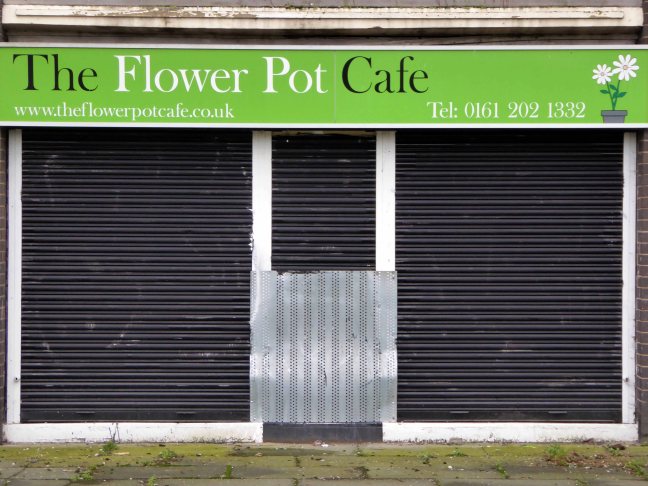
Returning in 2018 to find the shops all shut
In 2019 the grass now fills up the cracks.
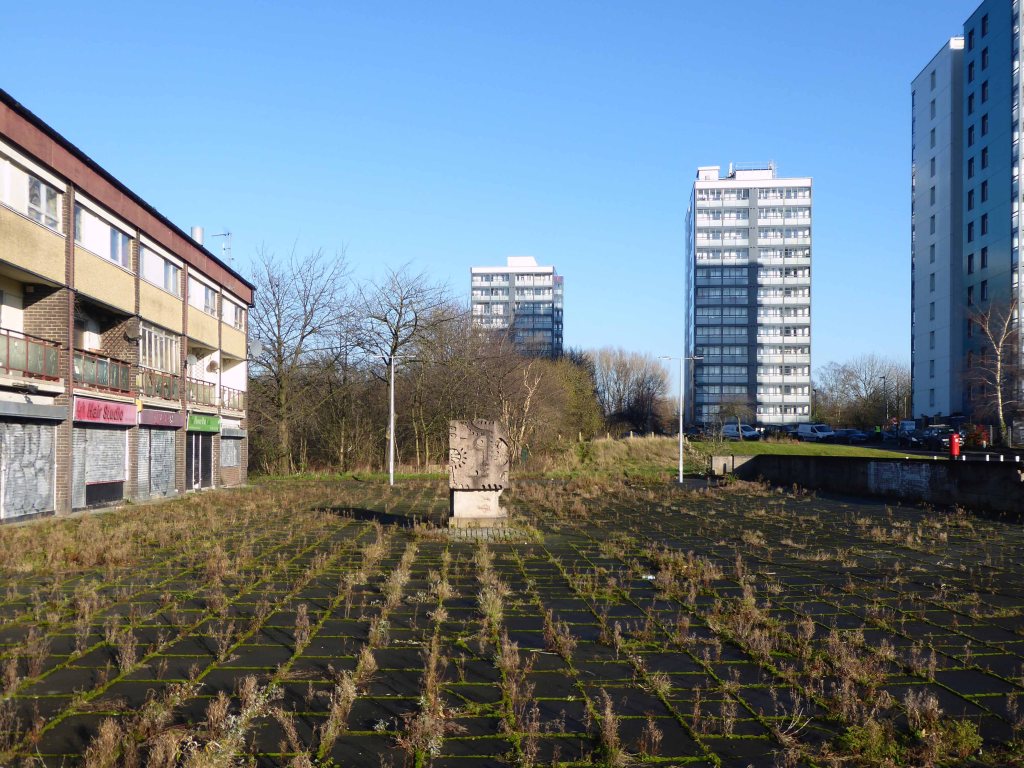
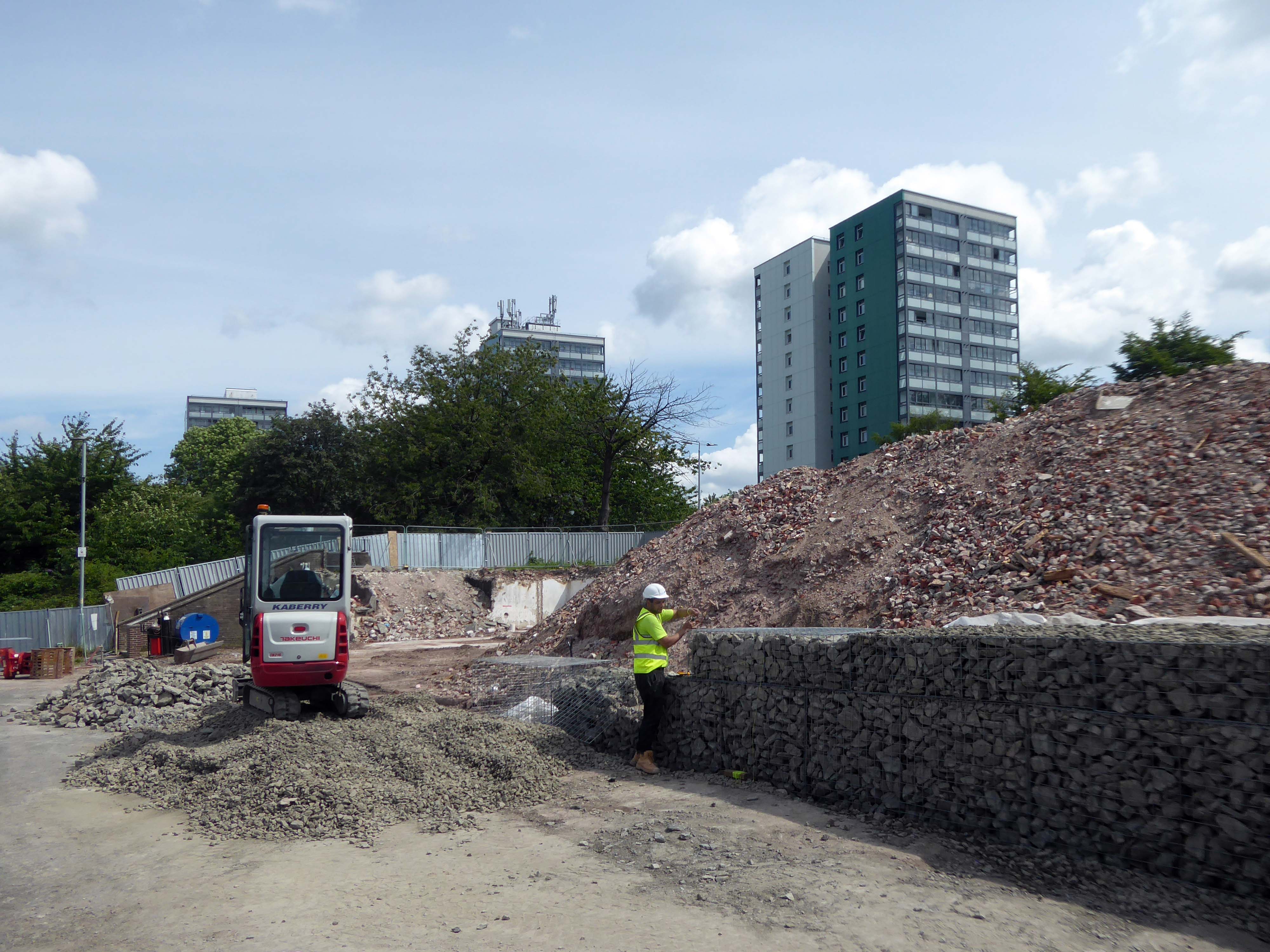
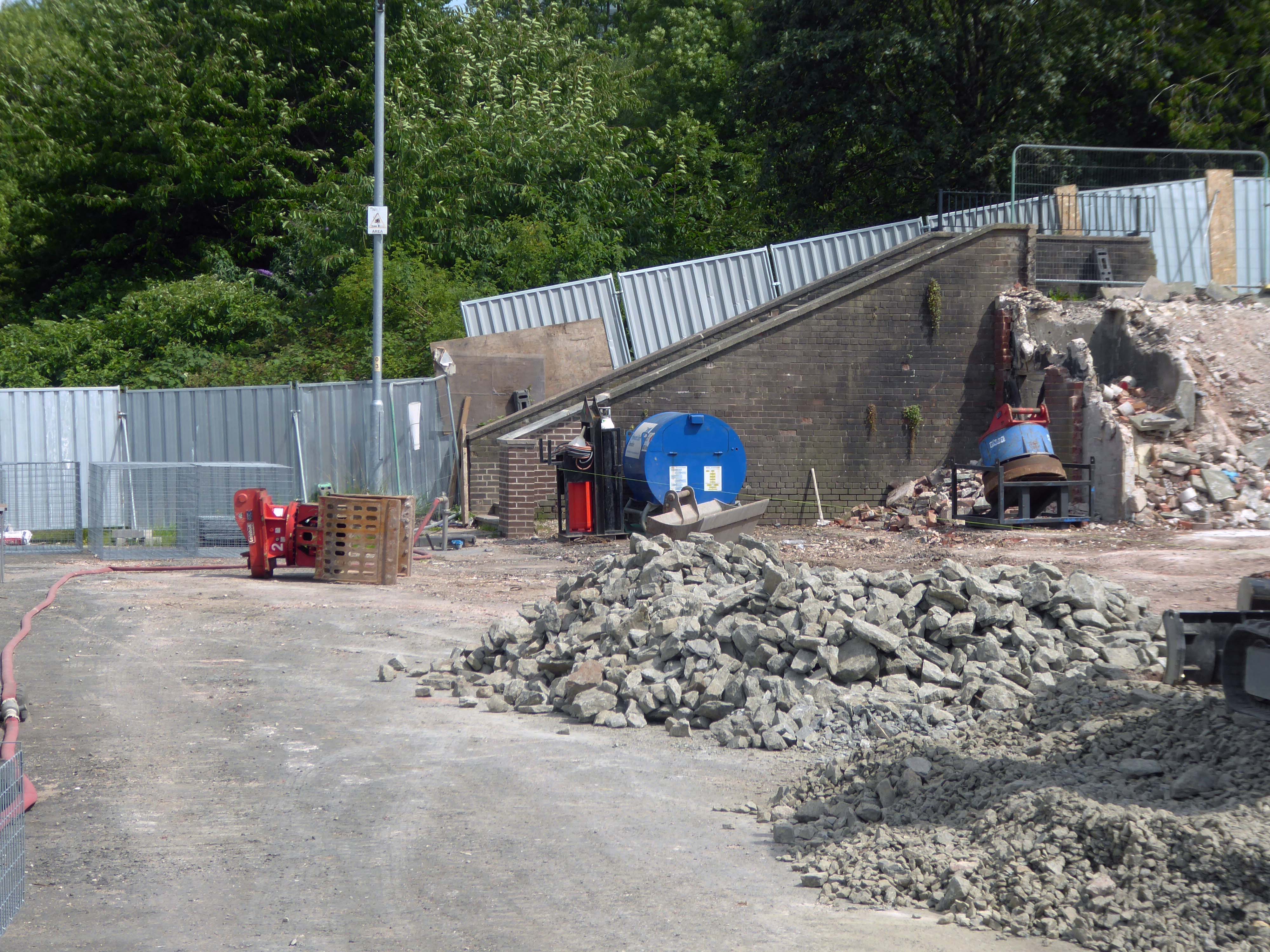
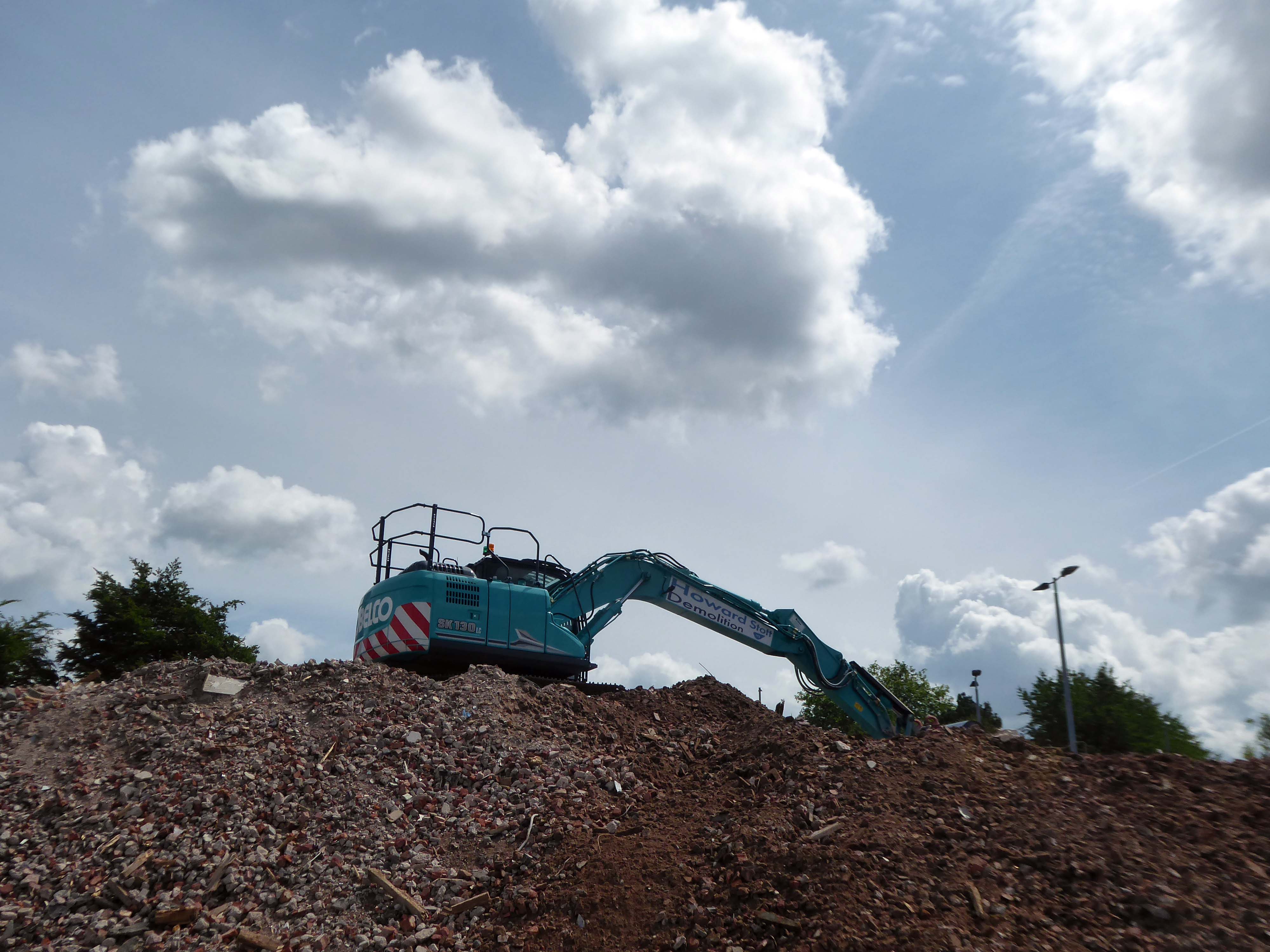
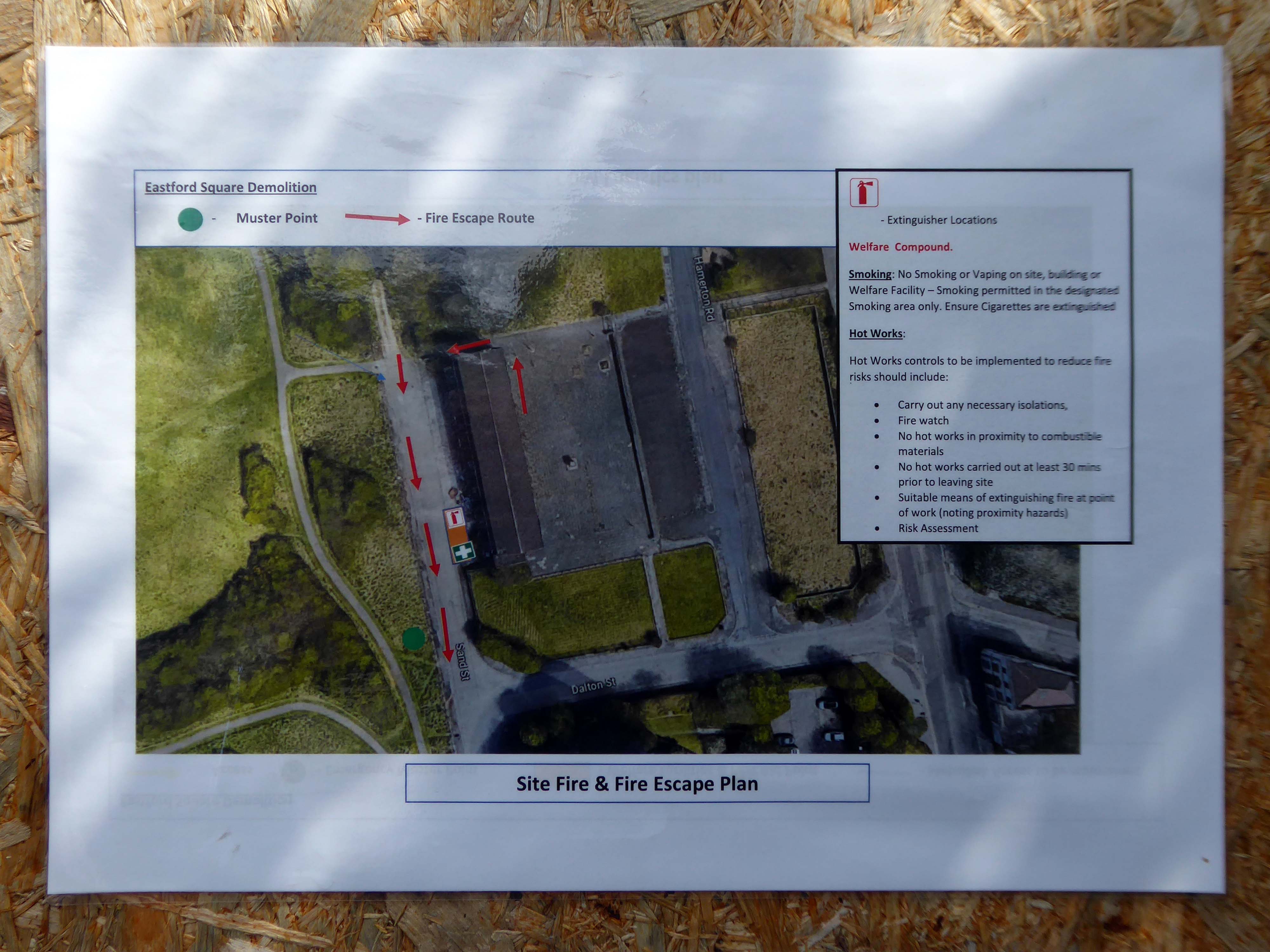
April 2023 and the shops and homes are being prepared for demolition.
The company responsible for the demolition also dropped the Robert Tinker, on nearby Dalton Street.
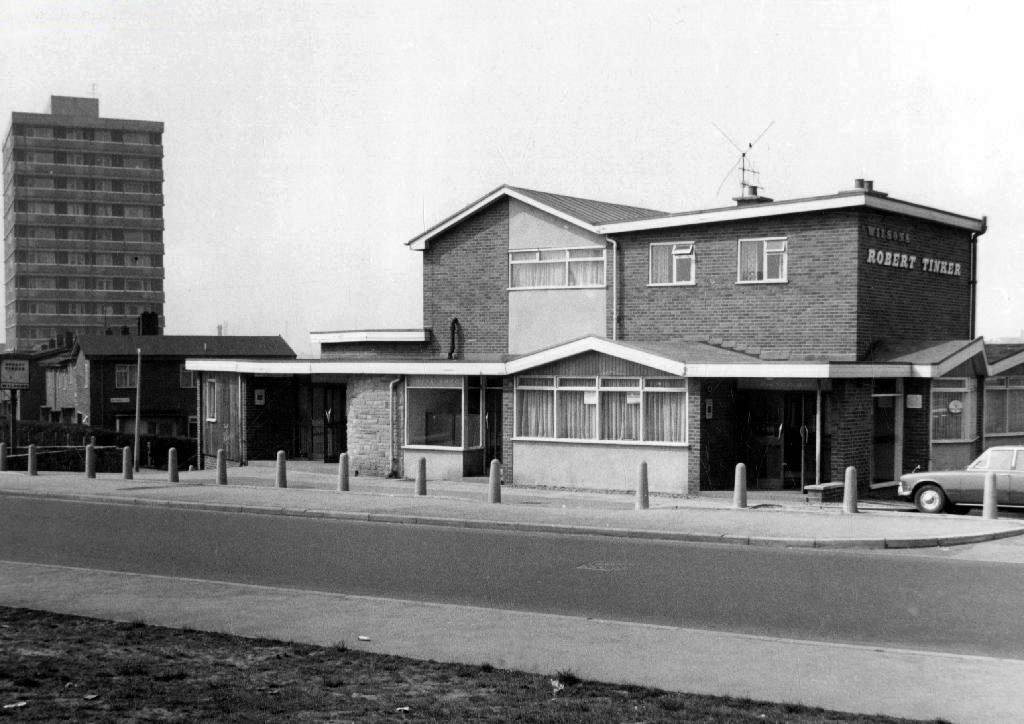
While it is not yet clear exactly what will replace the shopping parade, work has already started nearby on other projects within the scheme. The first phase of development in Collyhurst will see 274 new homes built in the area.
The council has pledged to reinstate the William Mitchell totem nearby.
However the weight of the concrete sculpture and its base have presented unforeseen challenges.
Siting a crane above the Victorian rail tunnel is an issue, as is the cost, a quote for £100,000 was deemed excessive. So stasis is the order the day – the immovable object awaits an unstoppable force.
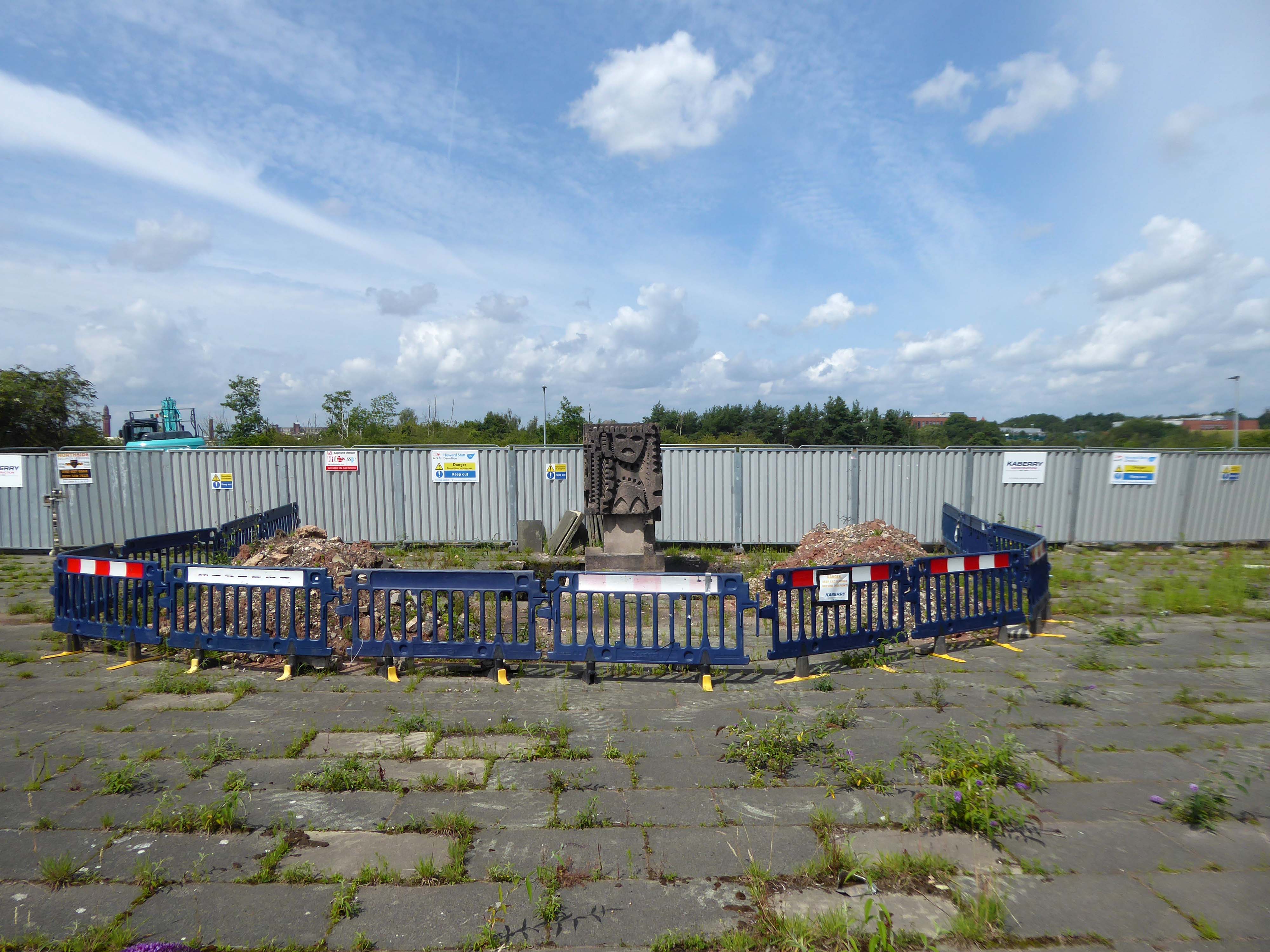
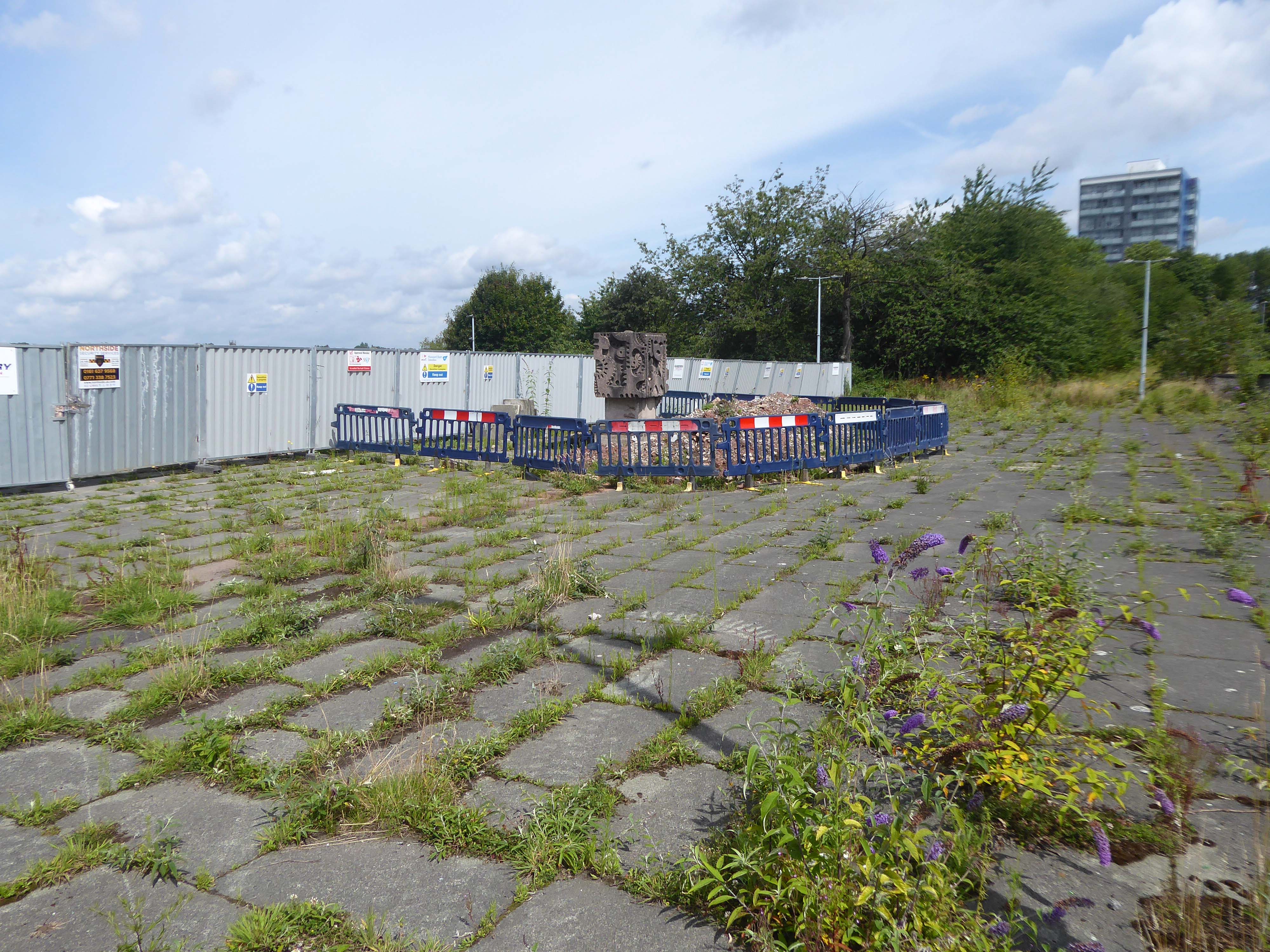
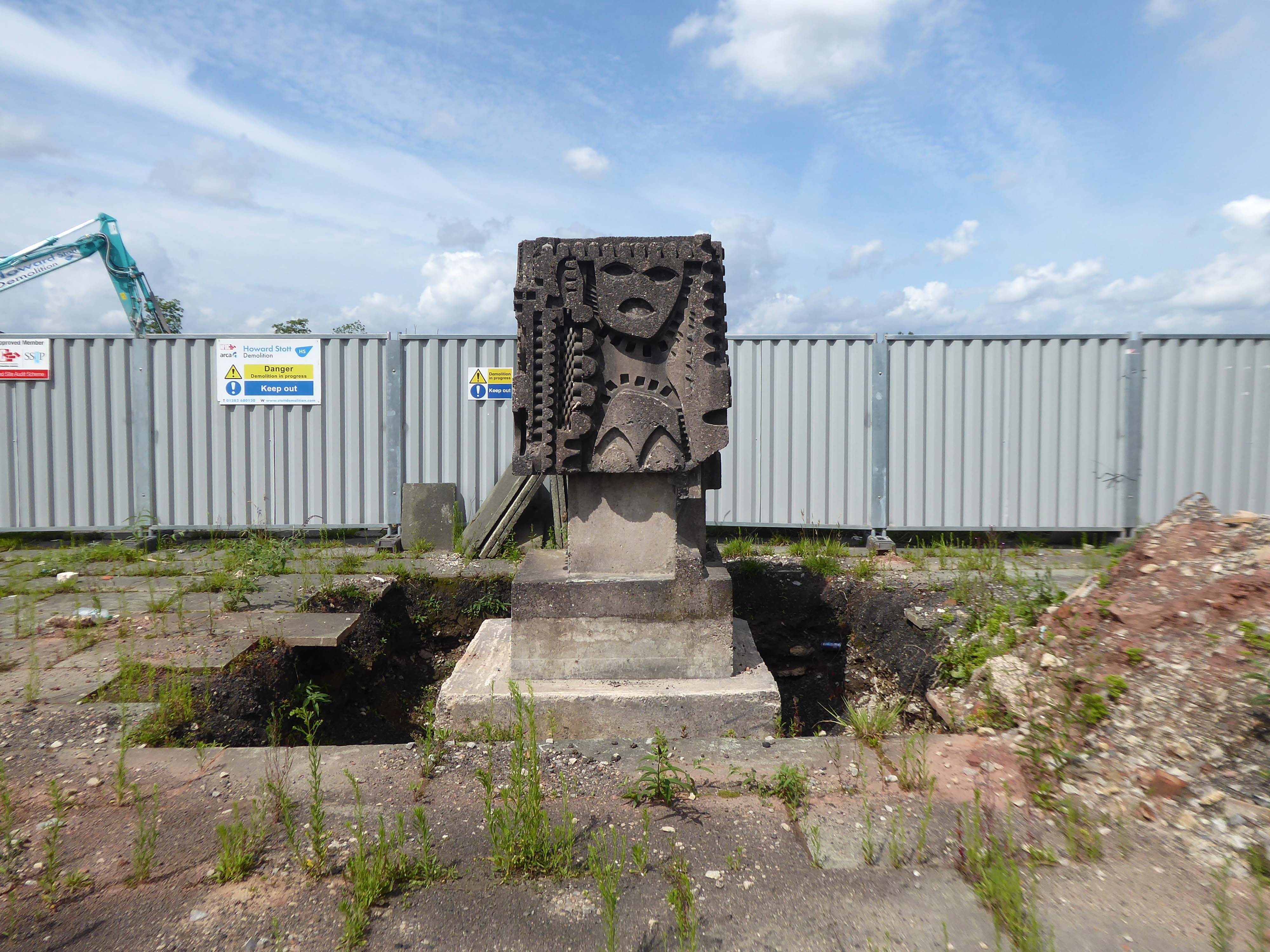

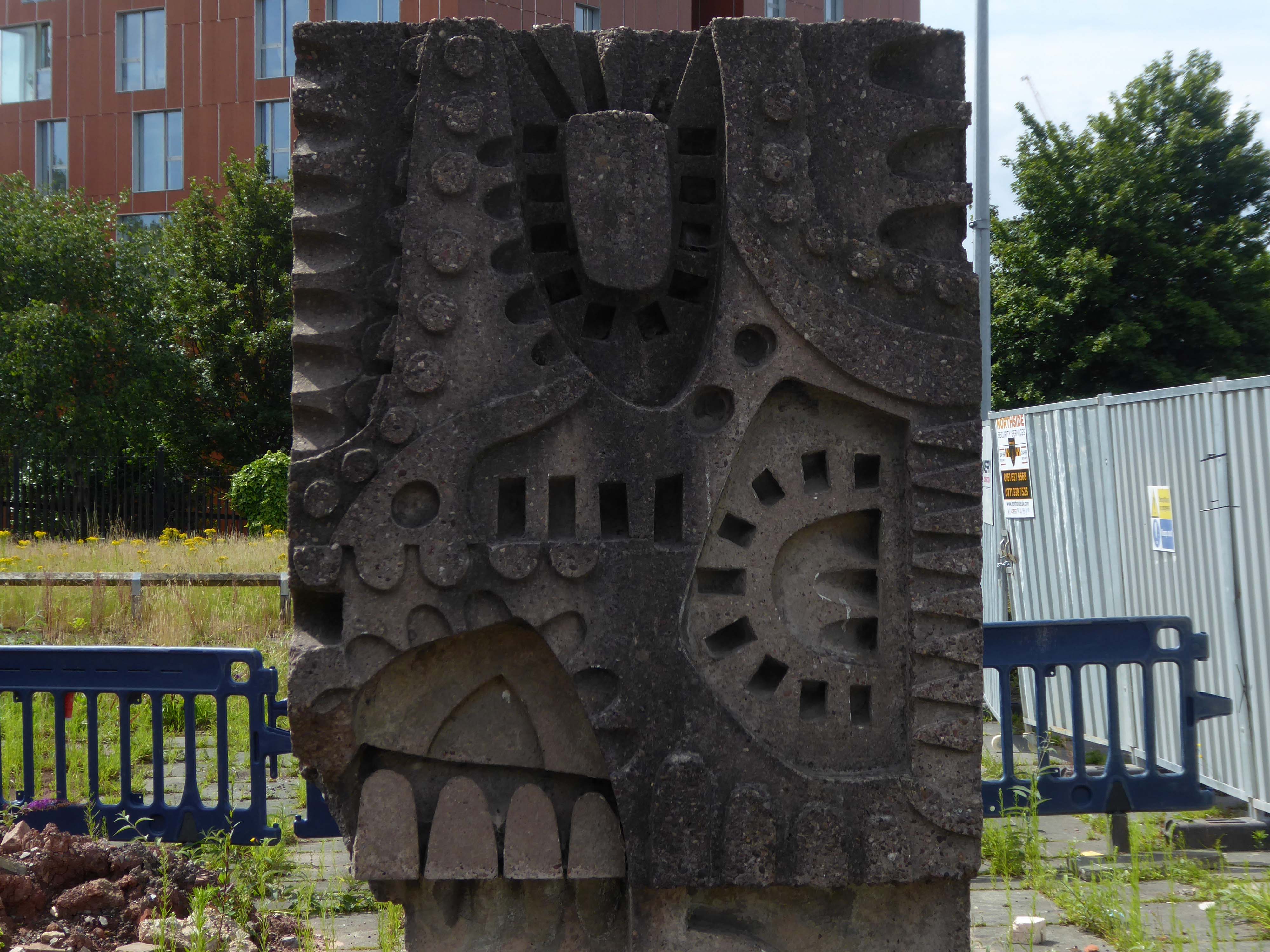
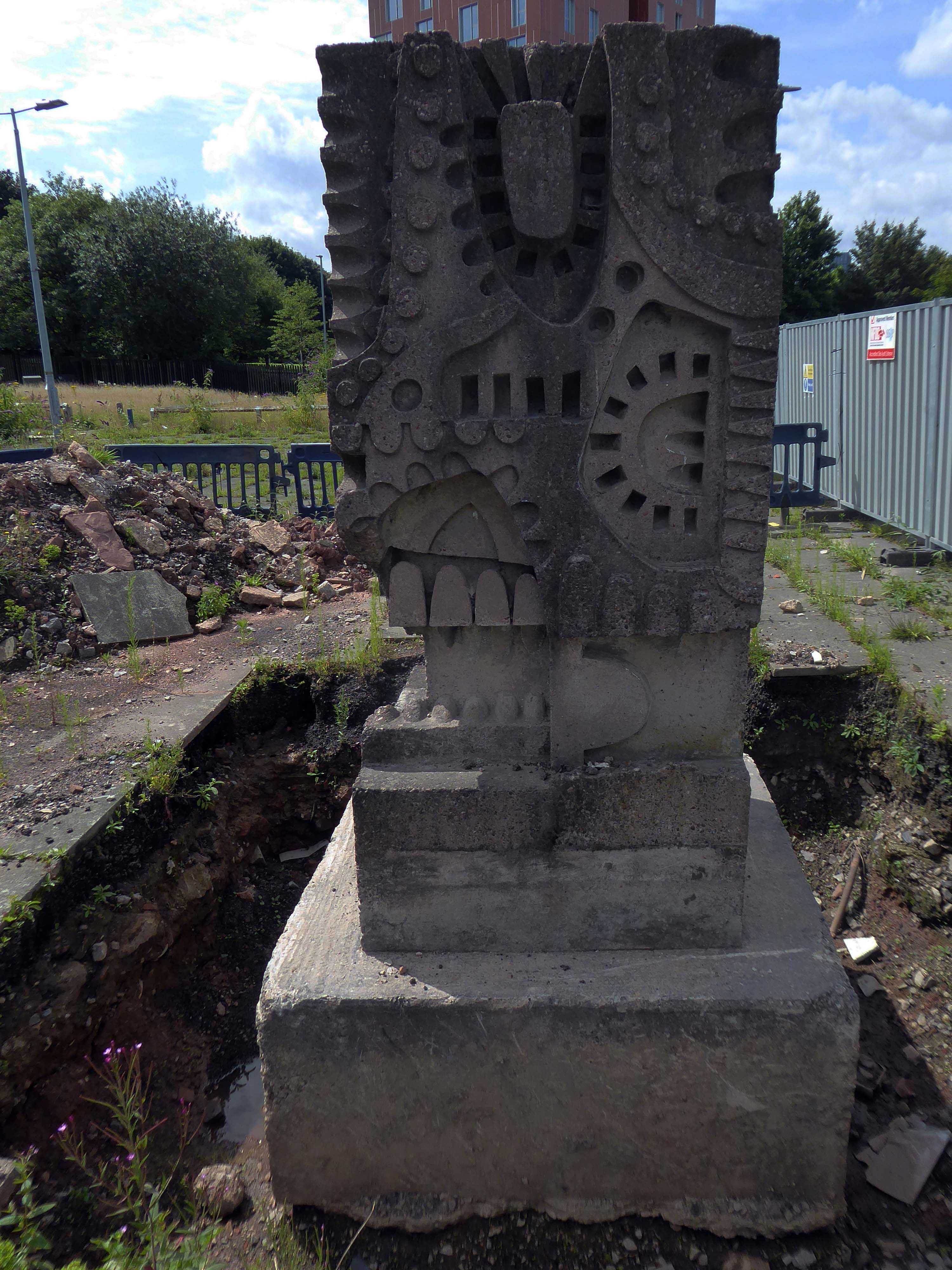
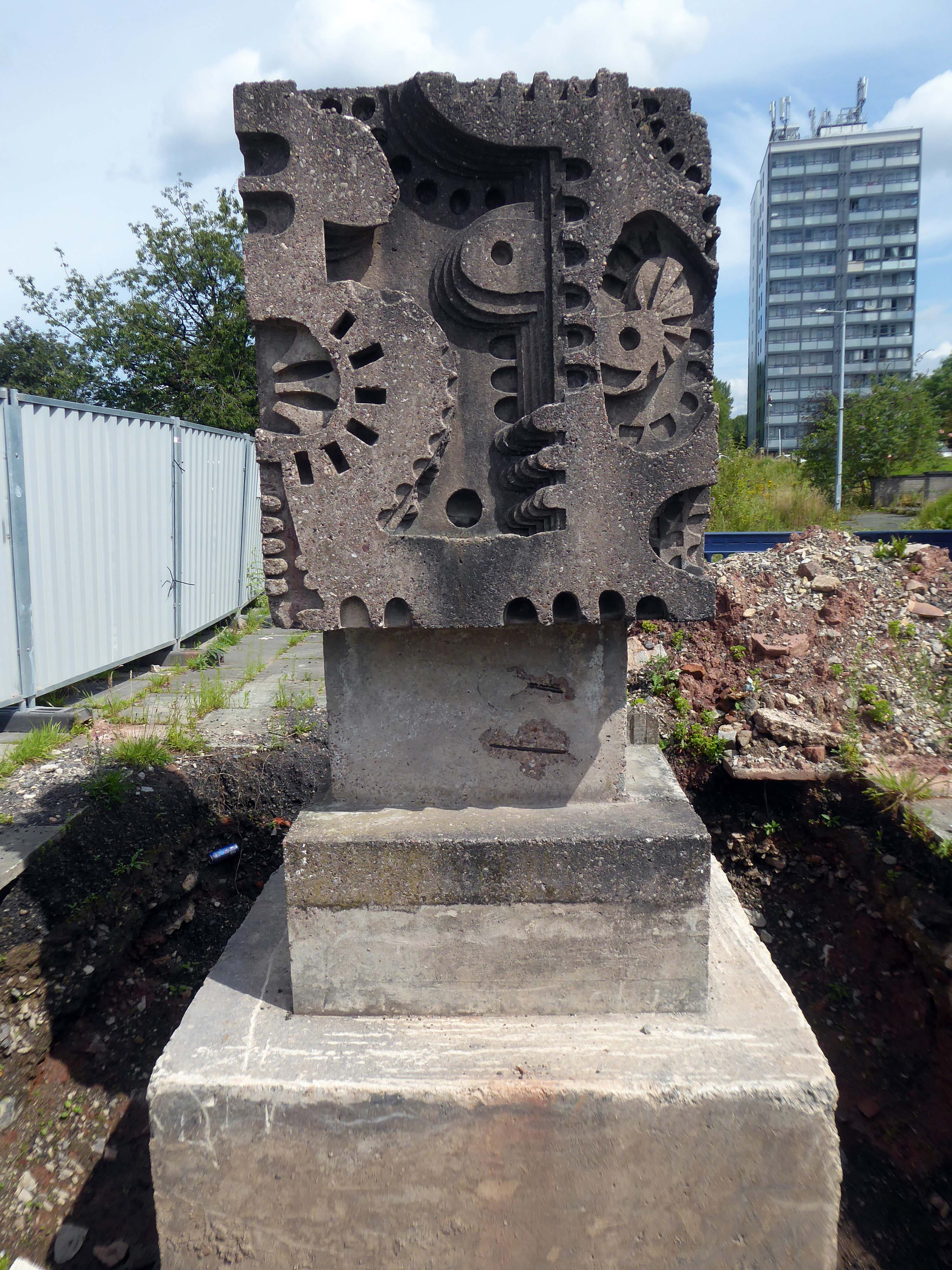
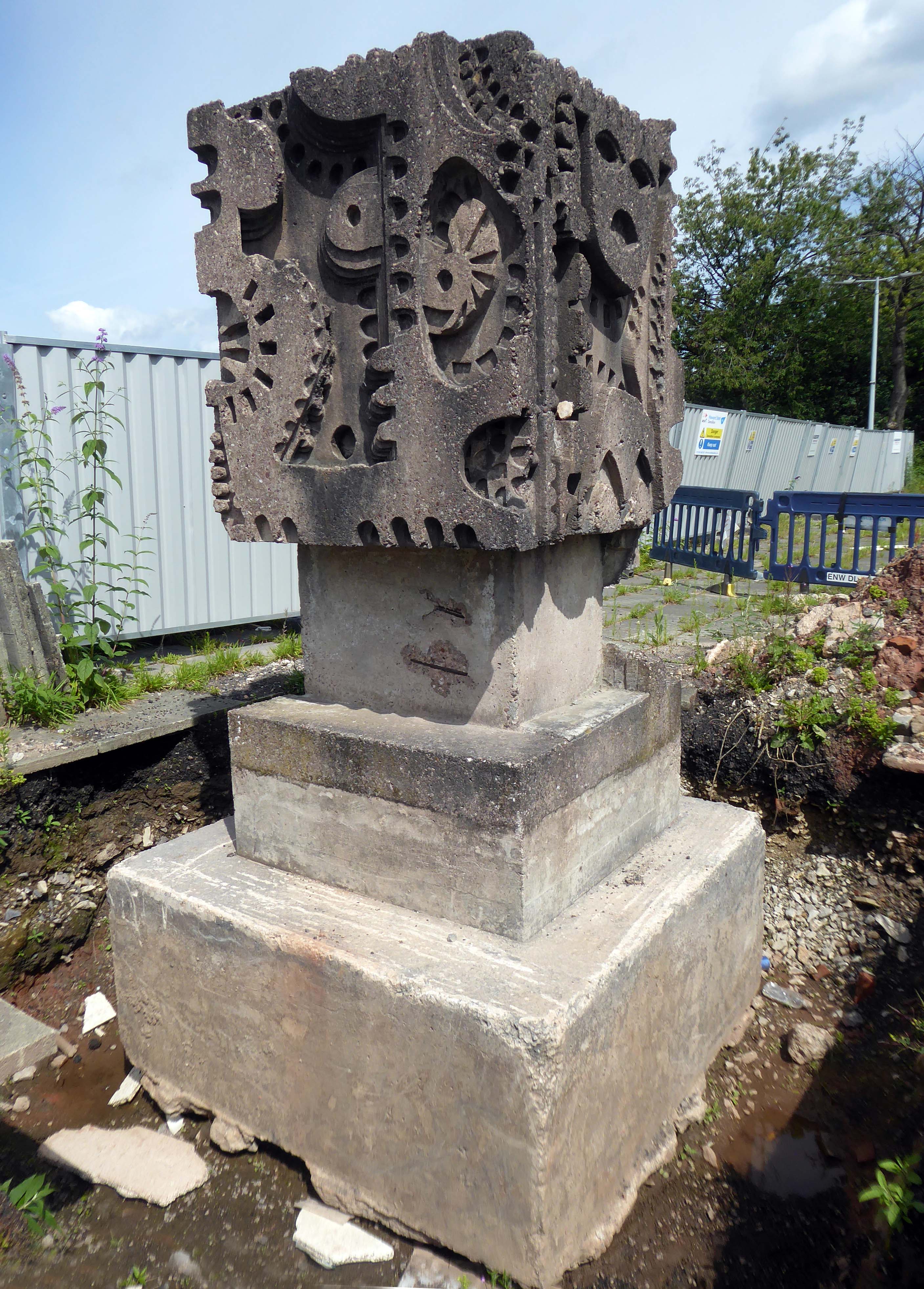
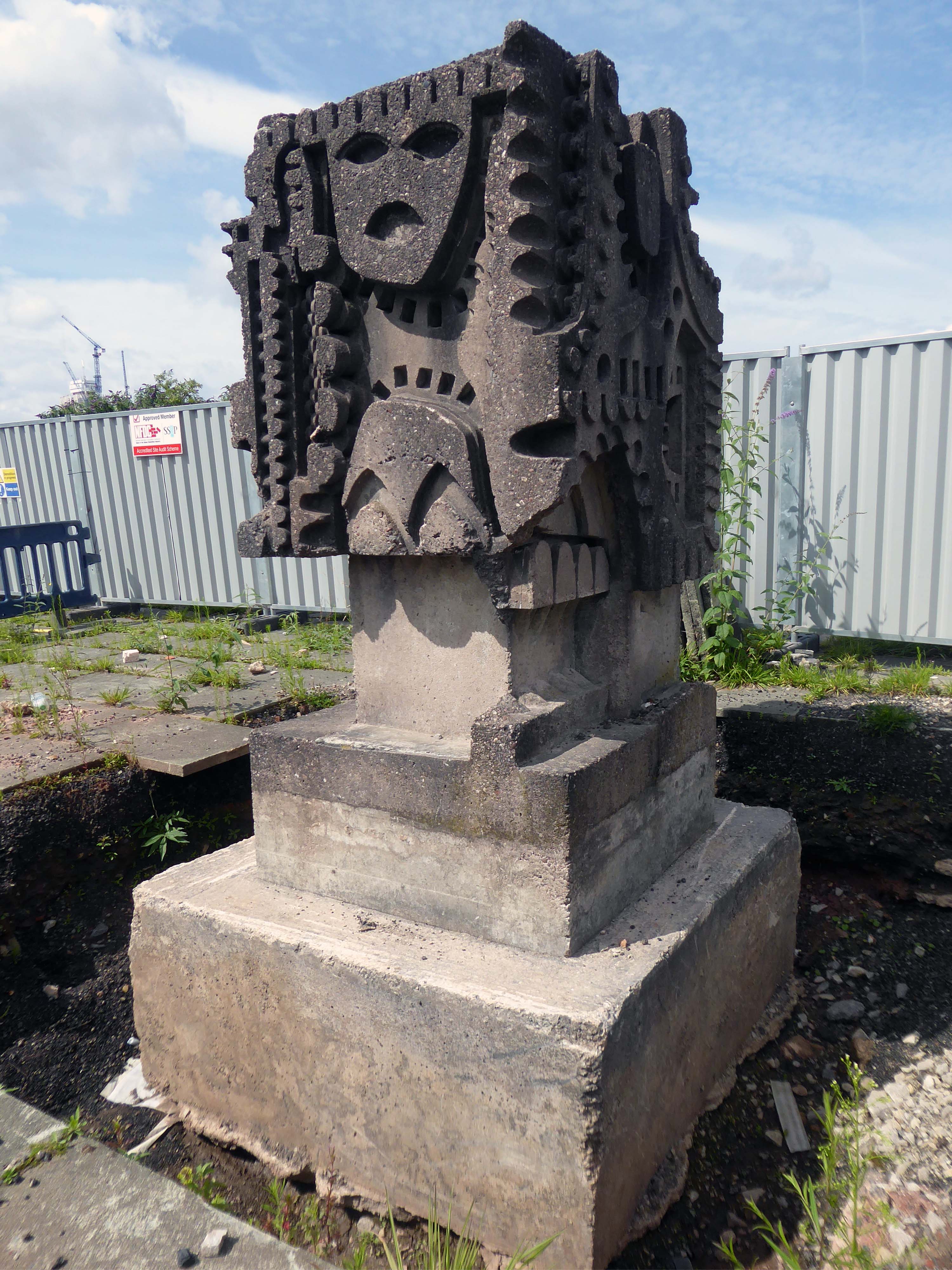
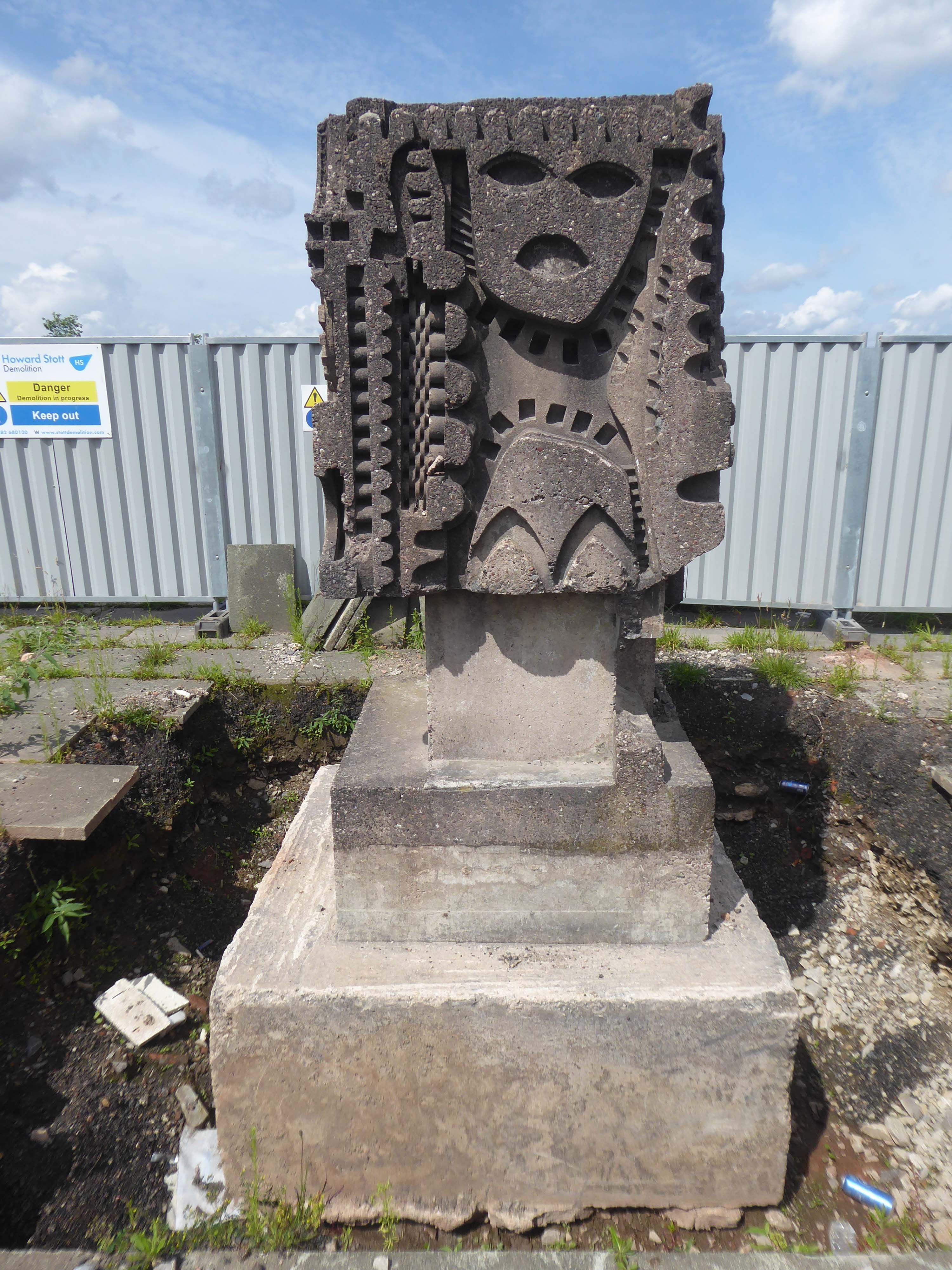

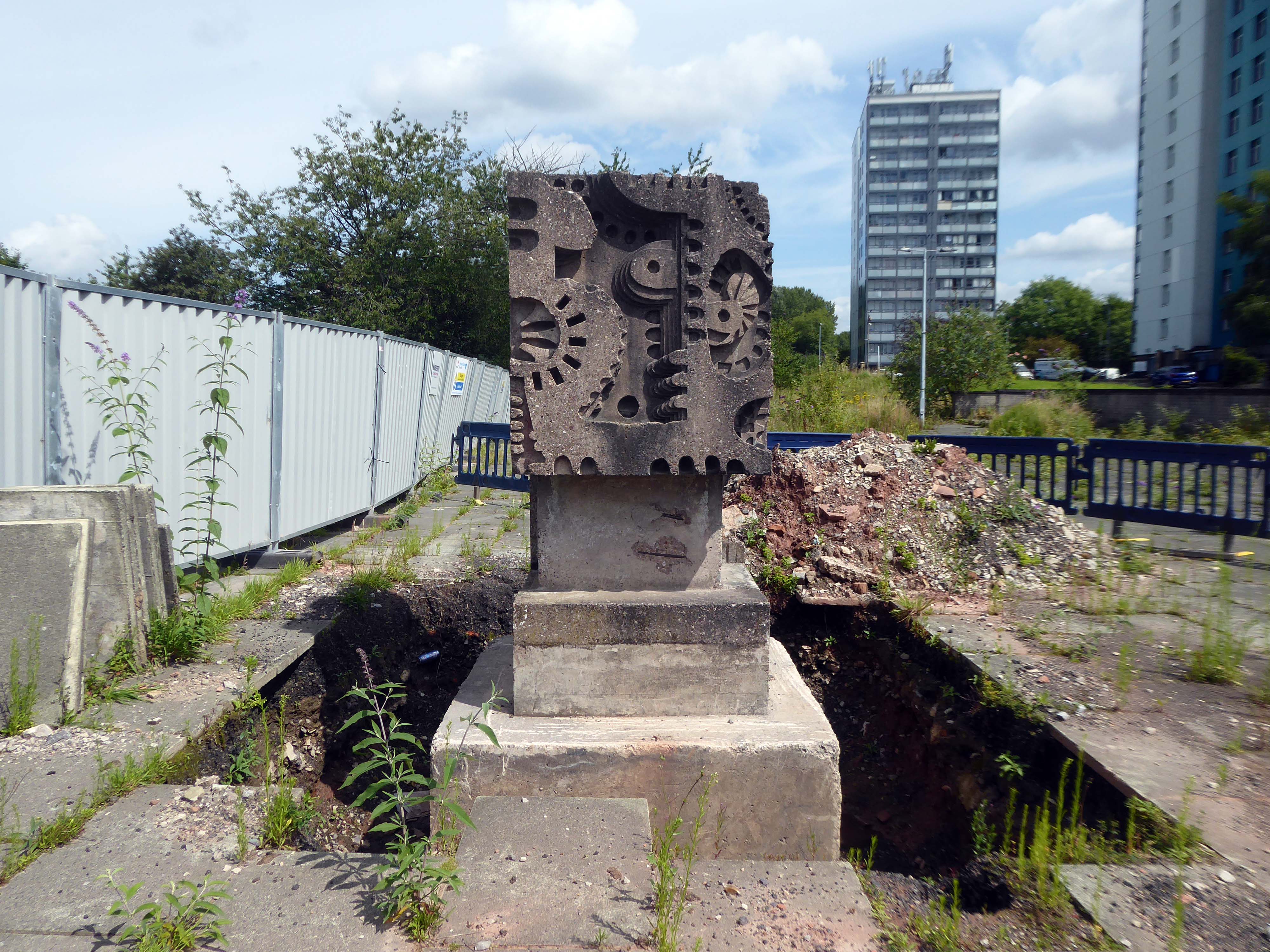
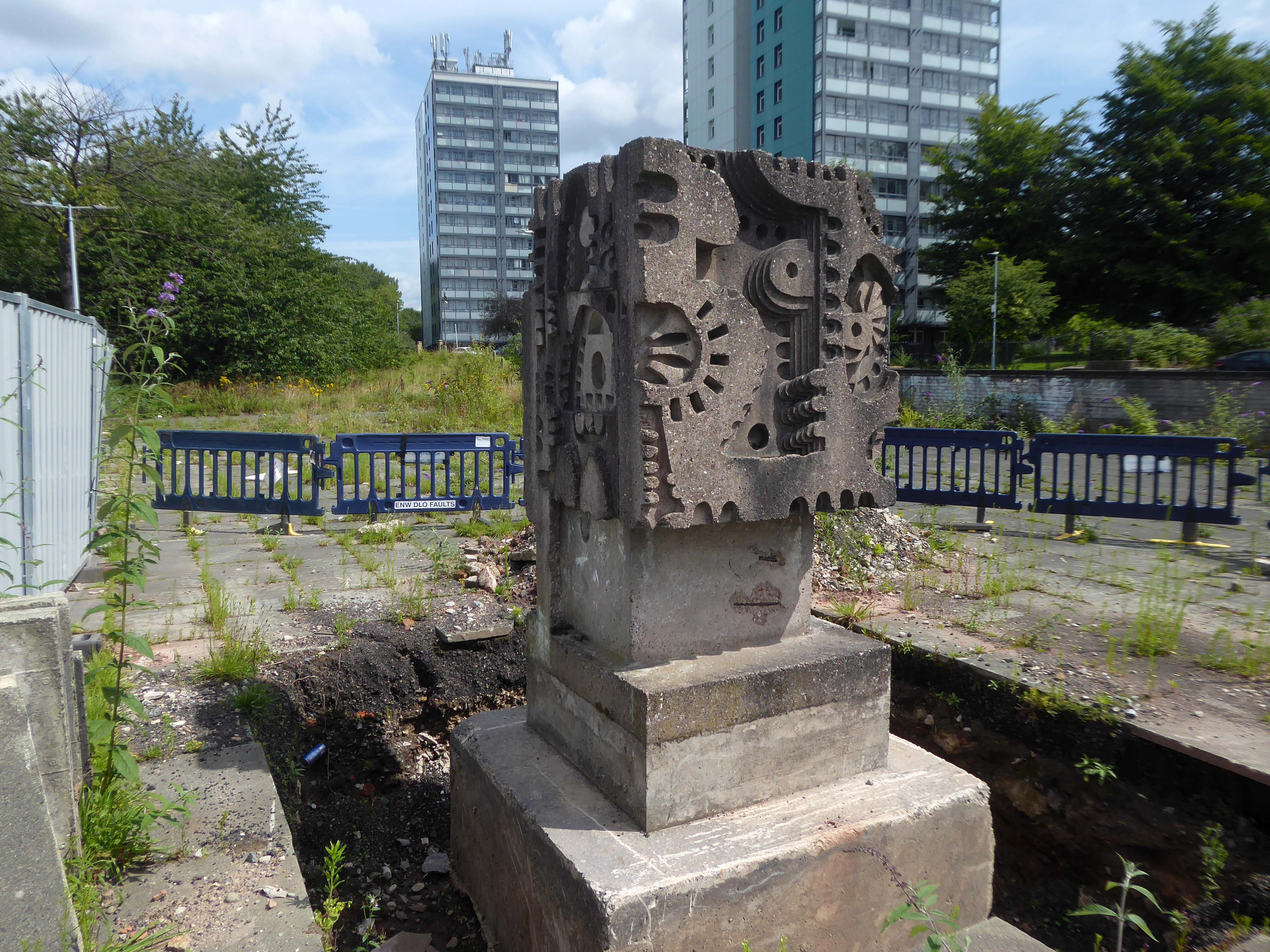
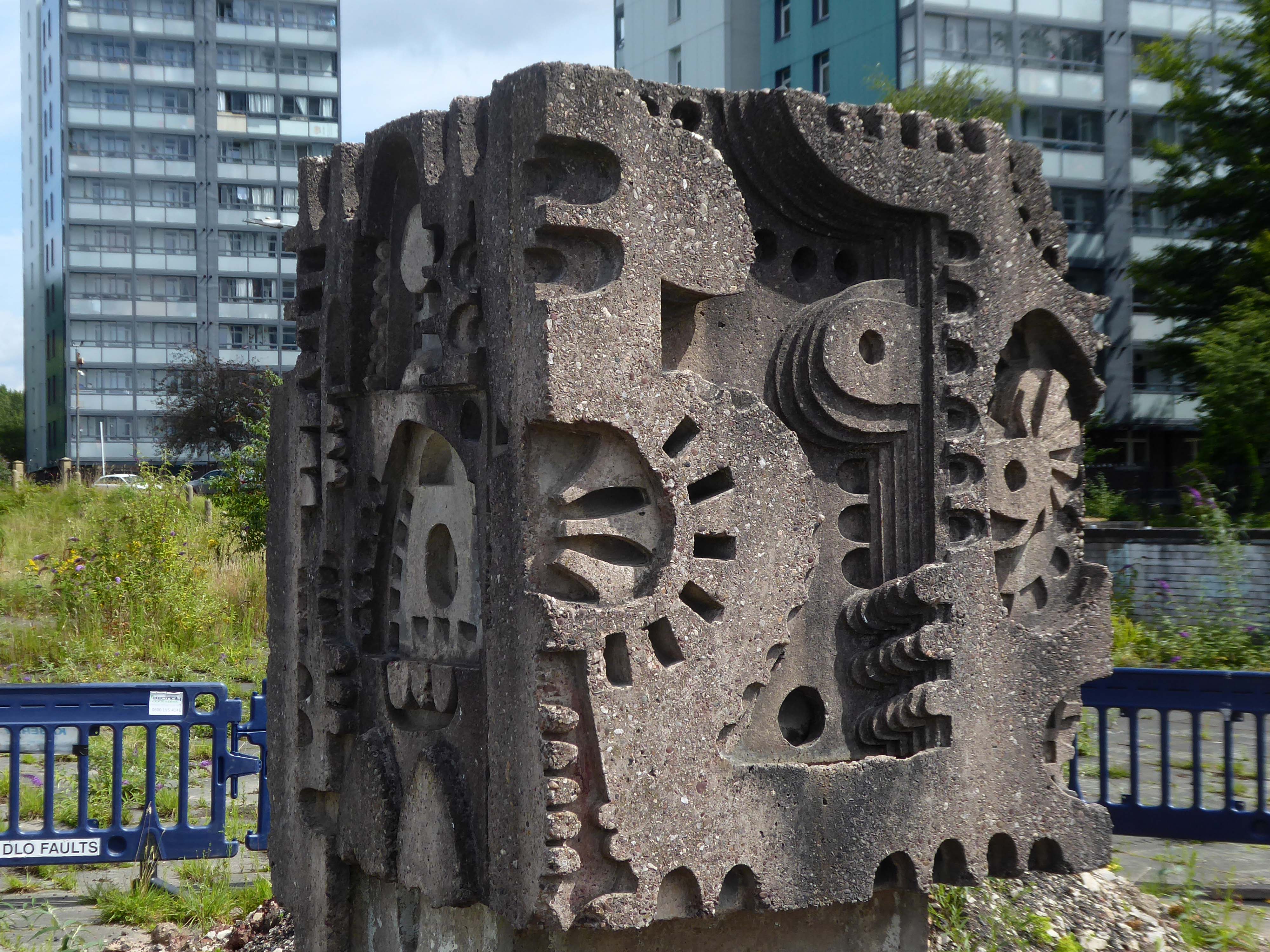
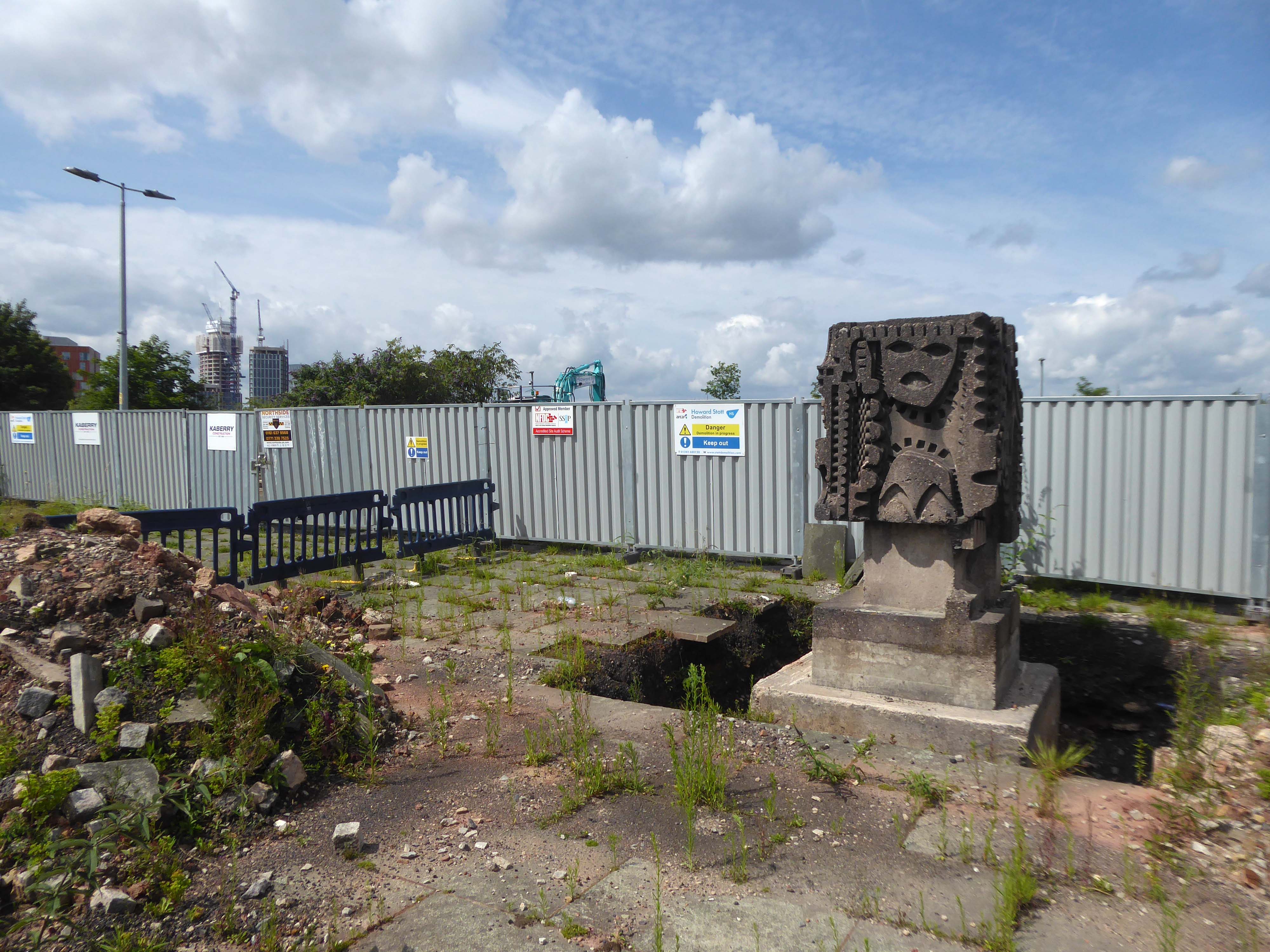
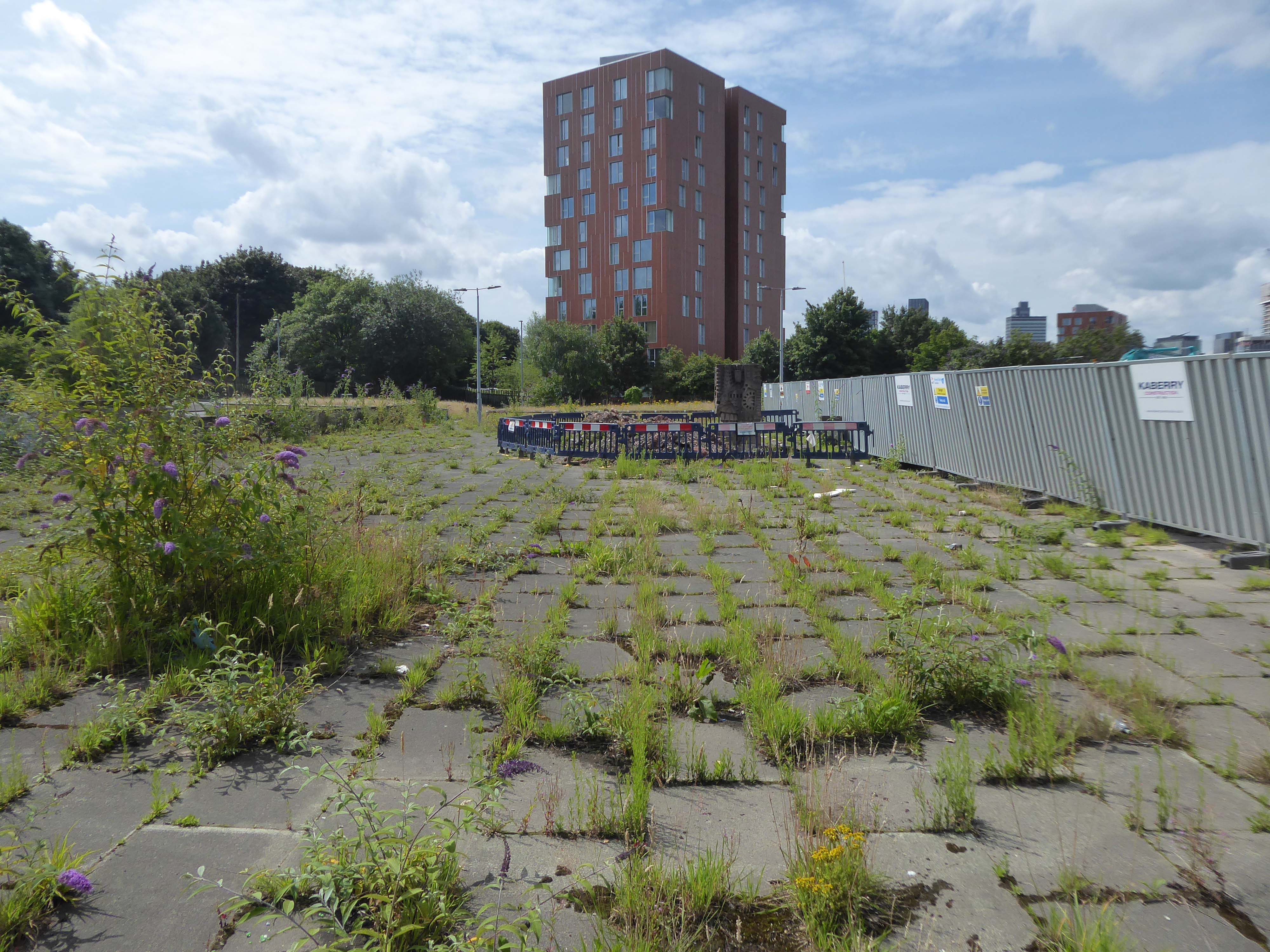
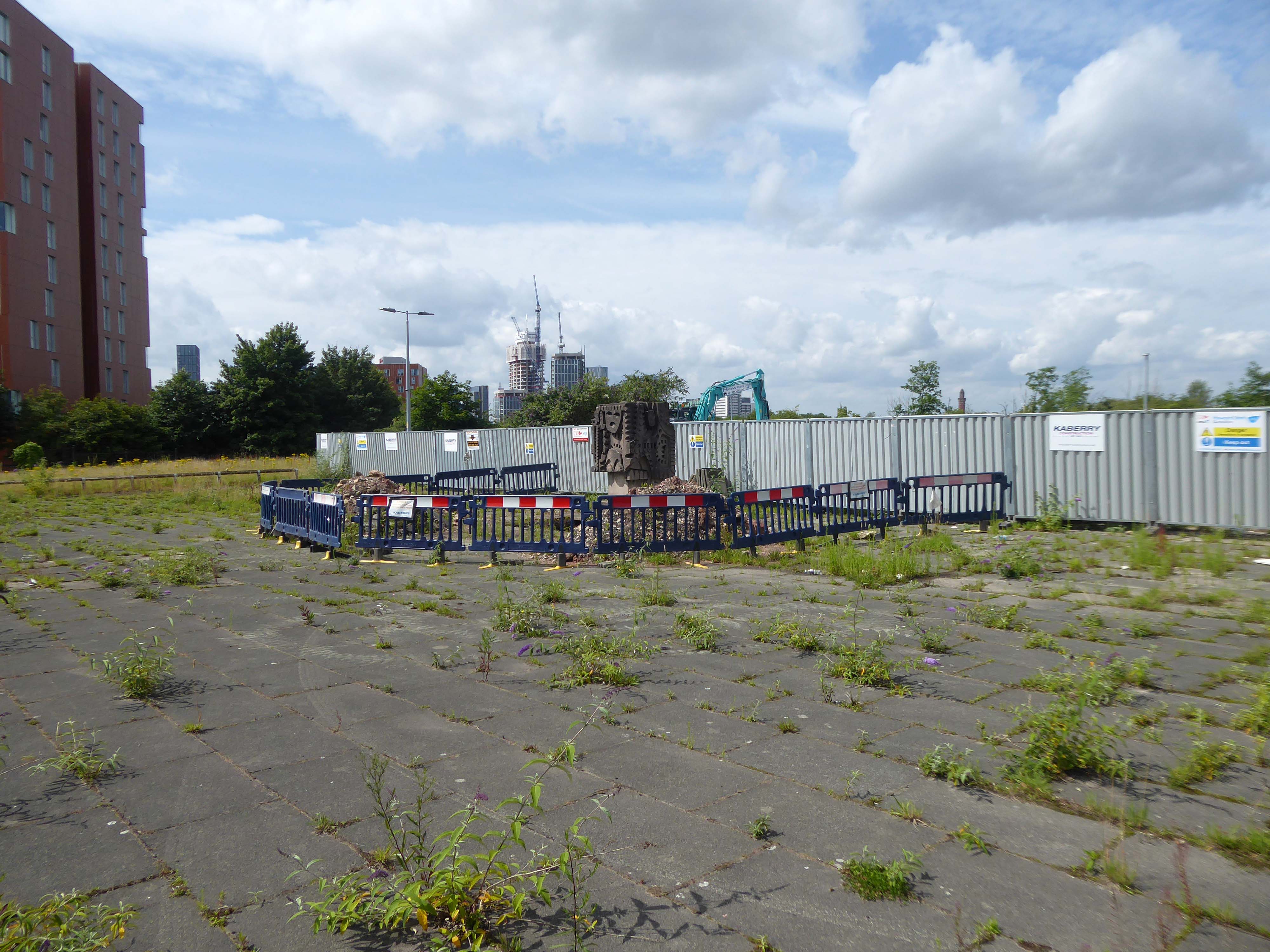
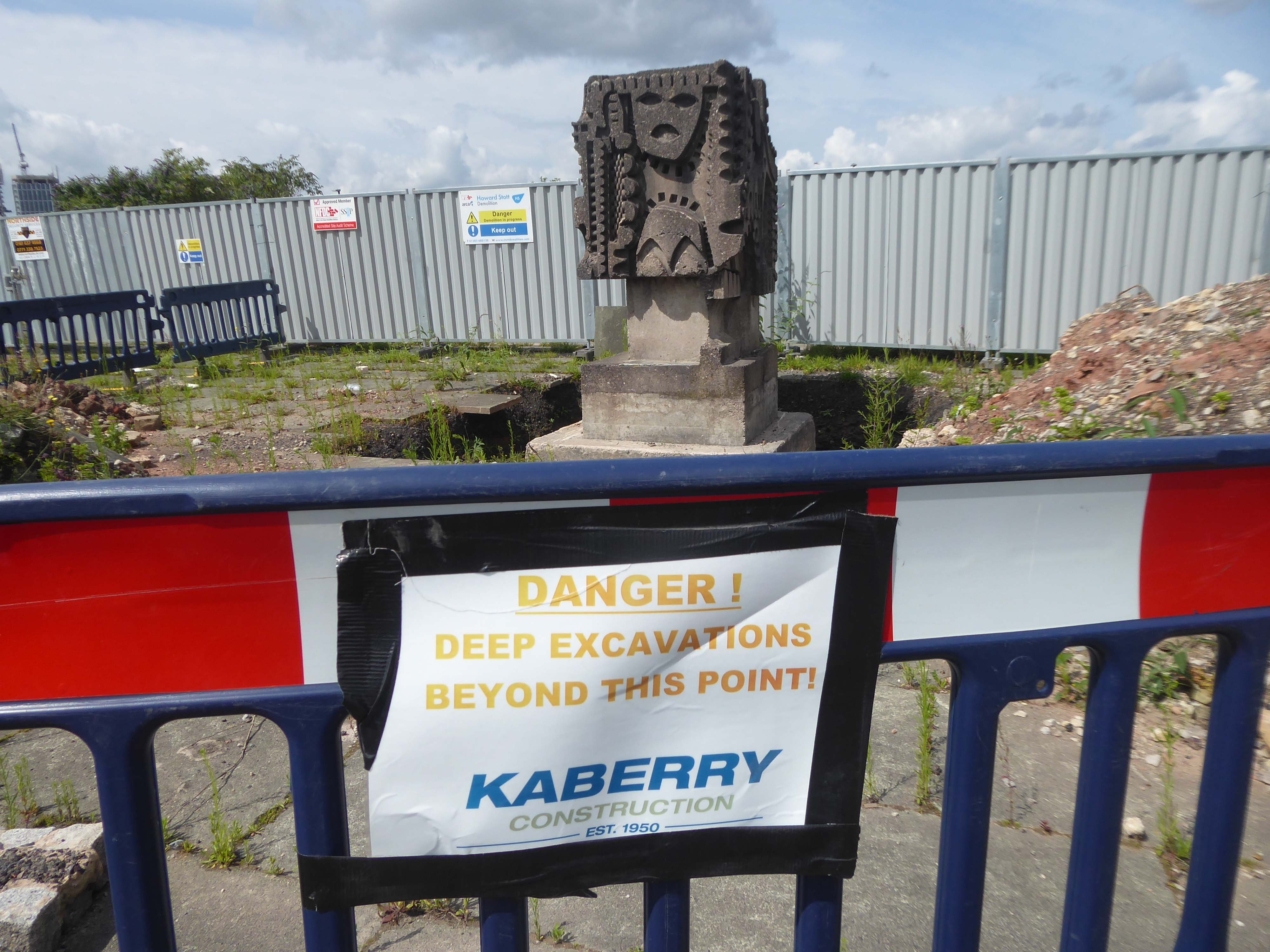
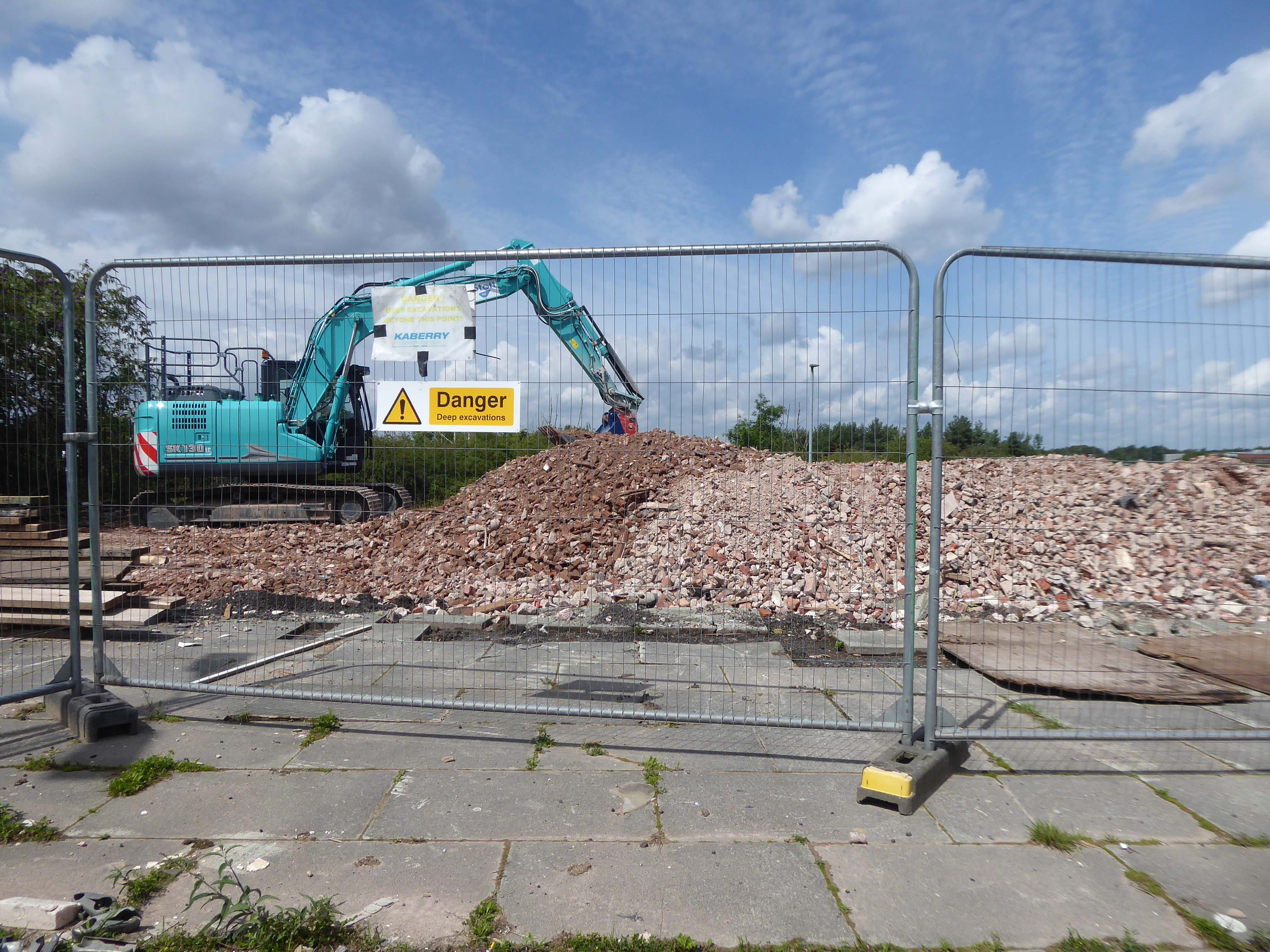
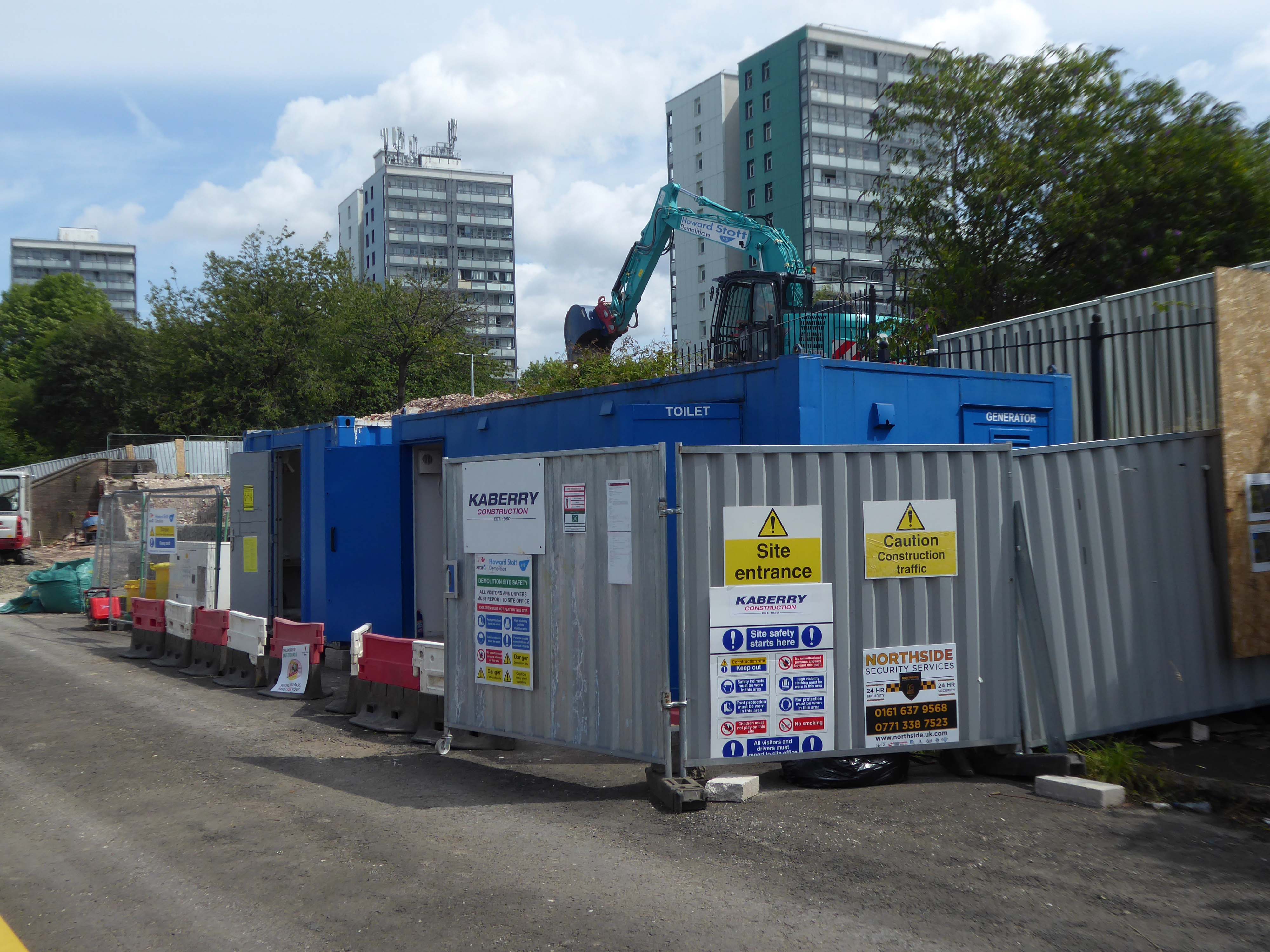
The sculpture is one of four around Manchester – the Hulme exemplar is long gone.
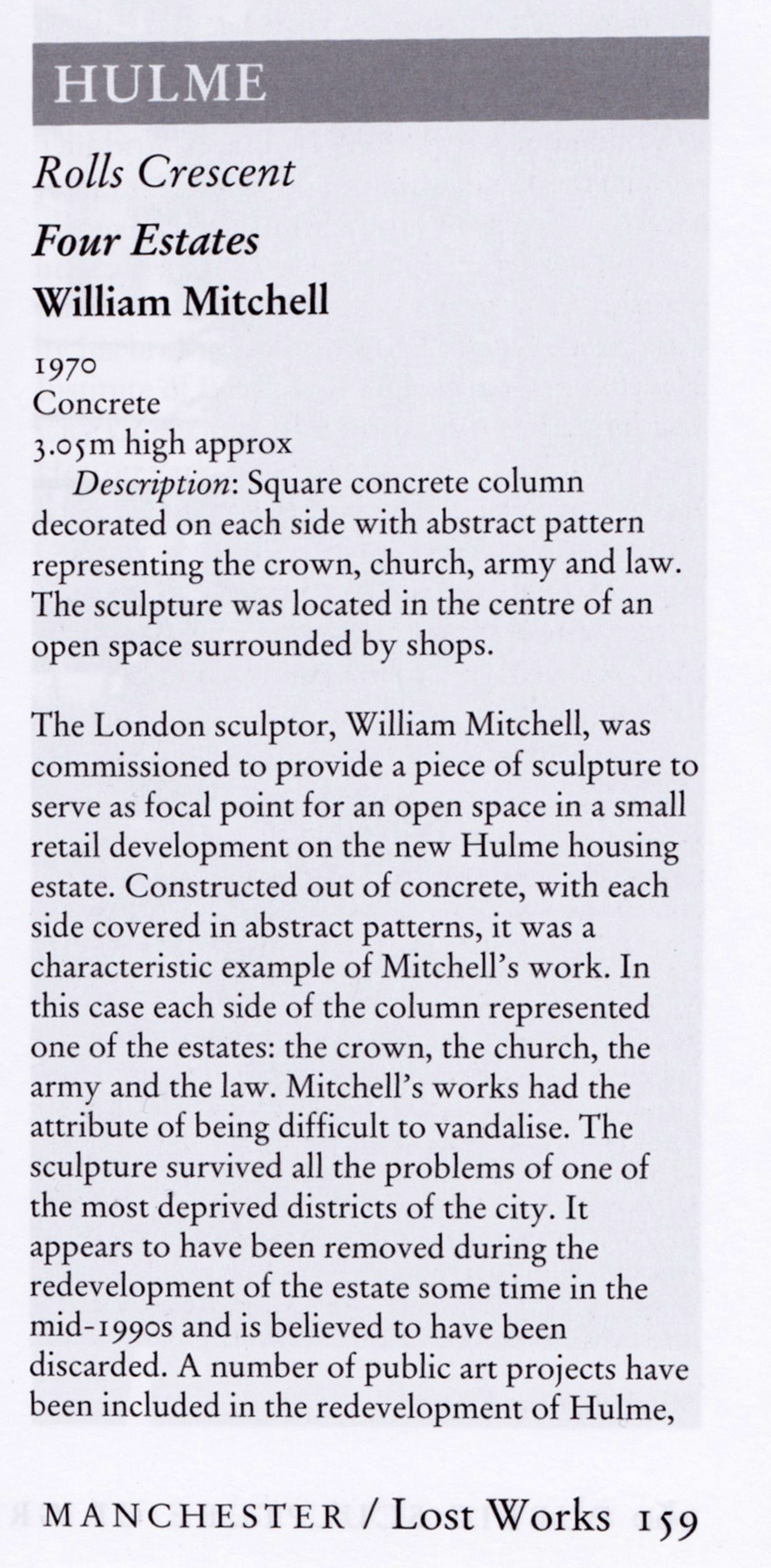
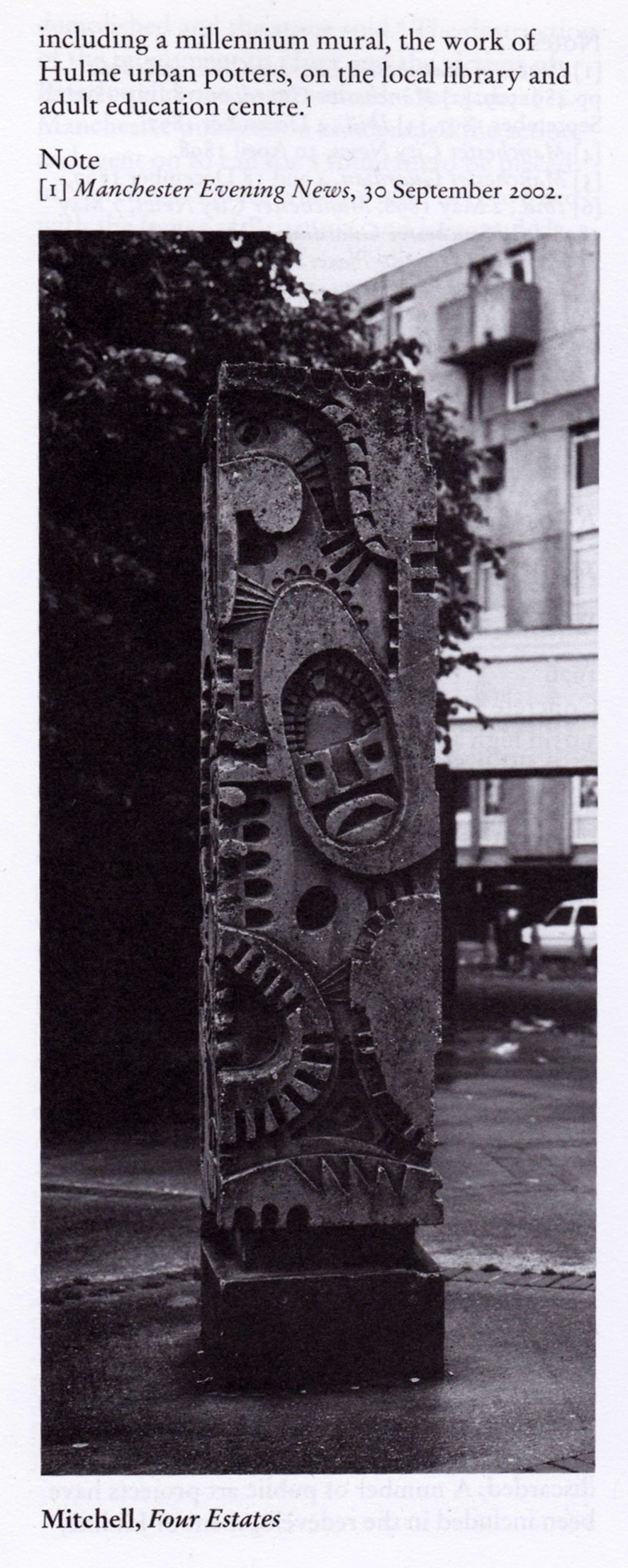
The Newton Heath and Platt Court totems are both still intact.


Hyde Road was a football stadium in West Gorton, Manchester, England.
It was home to Manchester City FC and their predecessors, from its construction in 1887 until 1923, when the club moved to Maine Road.

Billy Gillespie on the ball.
Before its use as a football ground, the site was an area of waste ground, and in its early days the ground had only rudimentary facilities. The first stand was built in 1888, but the ground had no changing facilities until 1896; players had to change in a nearby public house, the Hyde Road Hotel.

As a Chester’s house, a condition of the club’s official link to the pub was that supporters and club officials and players would sup Chesters ales, and in return Stephen Chesters Thompson of the brewery helped finance stadium improvements.

The move of MCFC to Maine Road in 1923 following a fire at the Hyde Road ground, didn’t adversely affect the Hyde Road Hotel and it continued to serve the West Gorton community and the once-bustling Hyde Road thoroughfare.
As late as the 1980s, renamed the City Gates, it was a popular watering hole before the match for supporters travelling in from East Manchester. It was kitted out in all sorts of MCFC memorabilia and was run by George Heslop, City legend of the 1960s, after he’d had the Royal George in town.


Sadly, as the community around it was decimated, the pub struggled and its last hurrah was as the City Gates theme pub. The business failed in 1989 and the pub sat empty and rotting for twelve years until it was demolished, despite a half-hearted fans campaign to save it. Two keystones from the Hyde Road Hotel reside in the MCFC memorial garden and are all that remain of this significant Manchester pub.
Sadly one of many Hyde Road pubs to bite the dust
By 1904 the ground had developed into a 40,000-capacity venue, hosting an FA Cup semi-final between Newcastle United and Sheffield Wednesday the following year.
The stands and terraces were arranged in a haphazard manner due to space constraints, and by 1920 the club had outgrown the cramped venue. A decision to seek an alternative venue was hastened in November 1920, when the Main Stand was destroyed by fire. Manchester City moved to the 80,000-capacity Maine Road in 1923, and Hyde Road was demolished shortly afterward. One structure from the ground is still in use in the 21st century, a section of roofing which was sold for use at The Shay, a stadium in Halifax.

Maine Road – which in turn closed on May 11th 2003, City losing 1-0 to Southampton

City are now at home at the Etihad – formerly the Commonwealth Games Stadium.

The area was also home to the Galloway Boiler Works – you can see the employees of 1900 here.
The northeastern end of City’s stadium was known as the Galloway End.


Bennett’s Iron Foundry also occupied the site – excavation of which, is currently taking place.


Bilclam furniture now sells for big money.

The foundry employed some of the club’s players, and the Galloway Boiler Works, supplied some of the materials to develop the Hyde Road ground.
I had always known the area as the Olympic Freight Depot – seen from the passing train.


I cycled by the other day and the containers are long gone – the site is being cleansed to a depth of two metres.
Loitering by the gates, I asked if I may take some snaps .
Please y’self – so I did.


So what’s next on the cards, for this little corner of local history – set twixt Bennett Street and Hyde Road?


New homes is on the cards – and on the hoardings.
Plans have been revealed for a 337-home development on the Olympic Freight depot in West Gorton.
Brought forward by Sheffield-based Ascena Developments, the planning application to Manchester City Council outlines proposals for 191 houses and 146 apartments, split across two blocks.
Alongside the homes, the development would include a 3,000 sq ft circular community centre and café, shop, and a unit which is earmarked for a chip shop.
However:
Kellen Homes has been granted planning consent to redevelop the thirteen-acre Olympic Freight depot on Bennett Street in Manchester into 272 homes.
The developer, owned by Renaker founder Daren Whitaker, lodged plans for the West Gorton scheme last year following the withdrawal of an earlier and larger scheme drawn up by Sheffield-based Ascena Developments.
So no chip shop, I assume?

The site will require significant remediation, impacting the scheme’s viability, the report states.
As a result, no affordable housing is proposed.

Thanks.
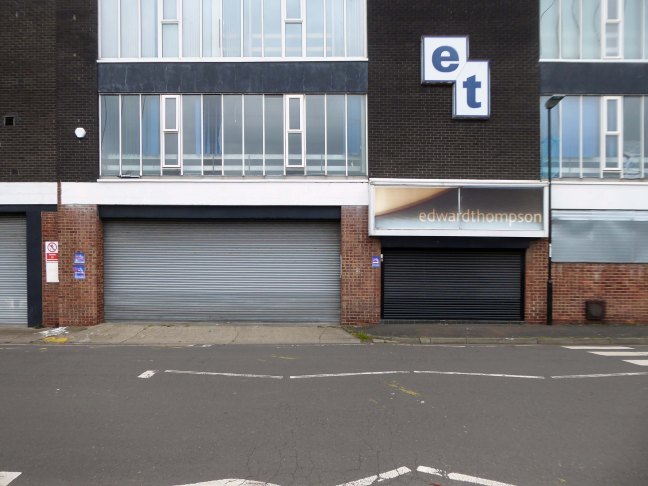
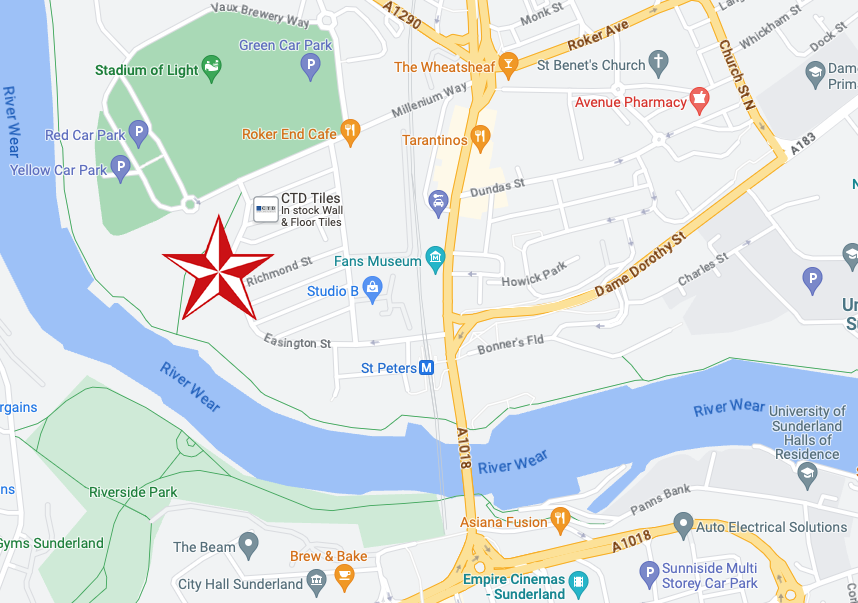
Richmond St Monkwearmouth Sunderland SR5 1BQ
Two swans in front of his eyes
Colored balls in front of his eyes
It’s number one for his Kelly’s eye
Treble-six right over his eye
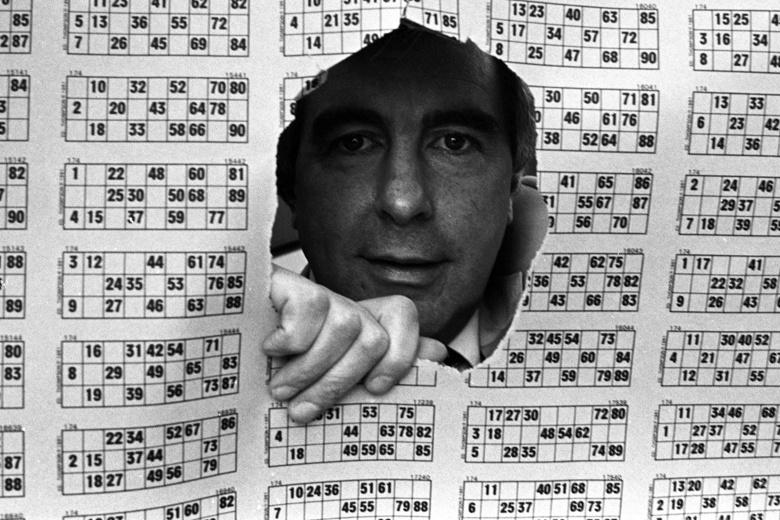
Edward Thompson, the family printing business, was founded in Sunderland in 1867.
They identified a business opportunity when a local priest, Jeremiah O’Callaghan, ordered some bingo tickets for a parish fund-raising exercise.
From those humble beginnings, Edward Thompson mushroomed in size as Britain went bingo-mad in the 1960s, becoming first the UK’s and then the world’s biggest producer of bingo cards and tickets.

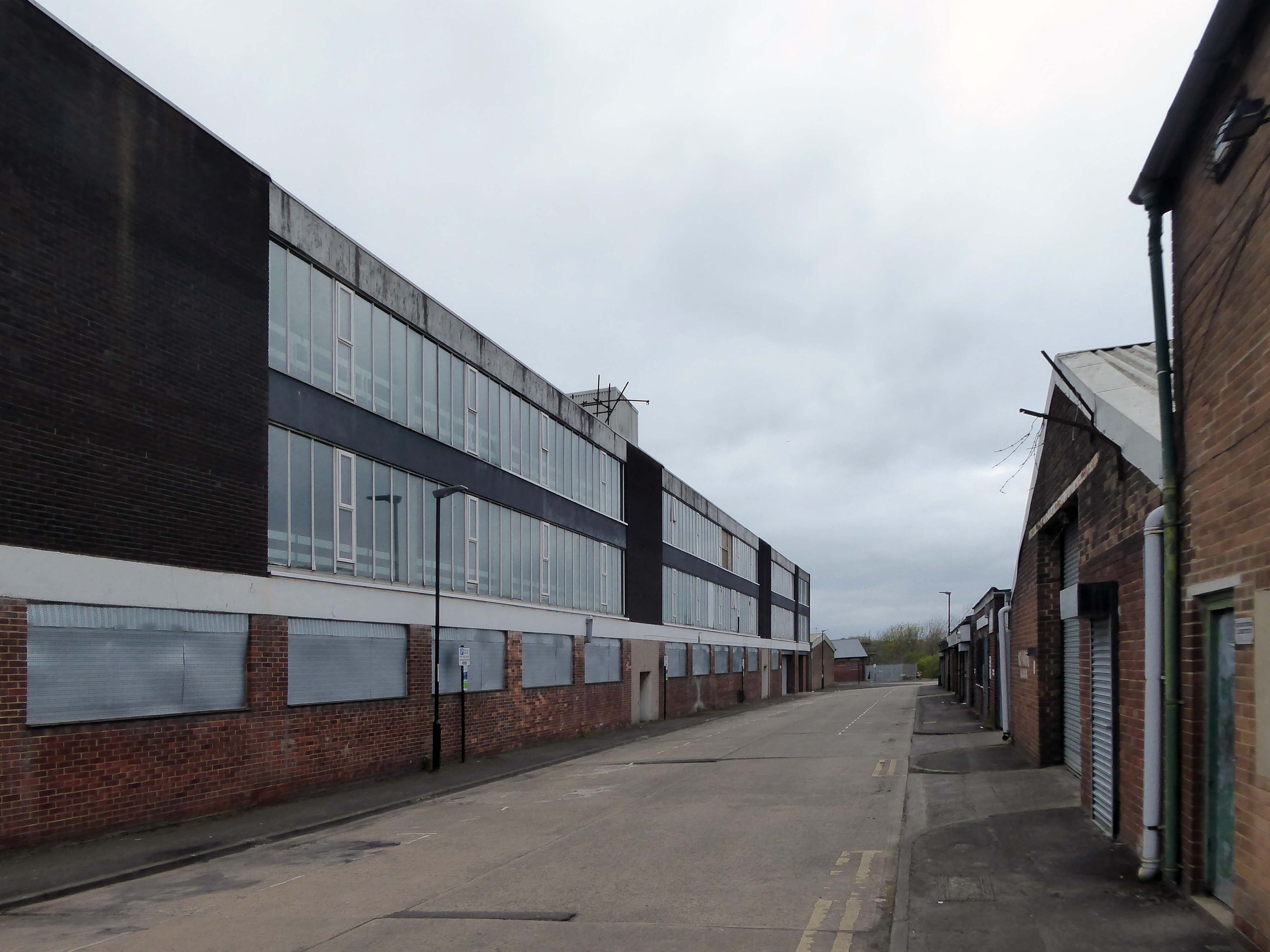
The company which has been printing for more than 155 years – has been hit hard by the crash in bingo hall use as Covid ripped through the leisure sector. CEO Paddy Cronin said he was ‘gutted’ but the business had finally had to face the inevitable as the cashflow dried up.
We were built on a bet but our luck has now run out – he told The Northern Echo.
Covid completely changed the market and as the halls went into decline it just became untenable so I had to break the news to the workers.
They were the pioneers of newspaper bingo, printing the first cards in 1975 and going on to work in places like Bolivia and Belgium and even printing the ballot papers for Nelson Mandela’s 1994 election in South Africa.
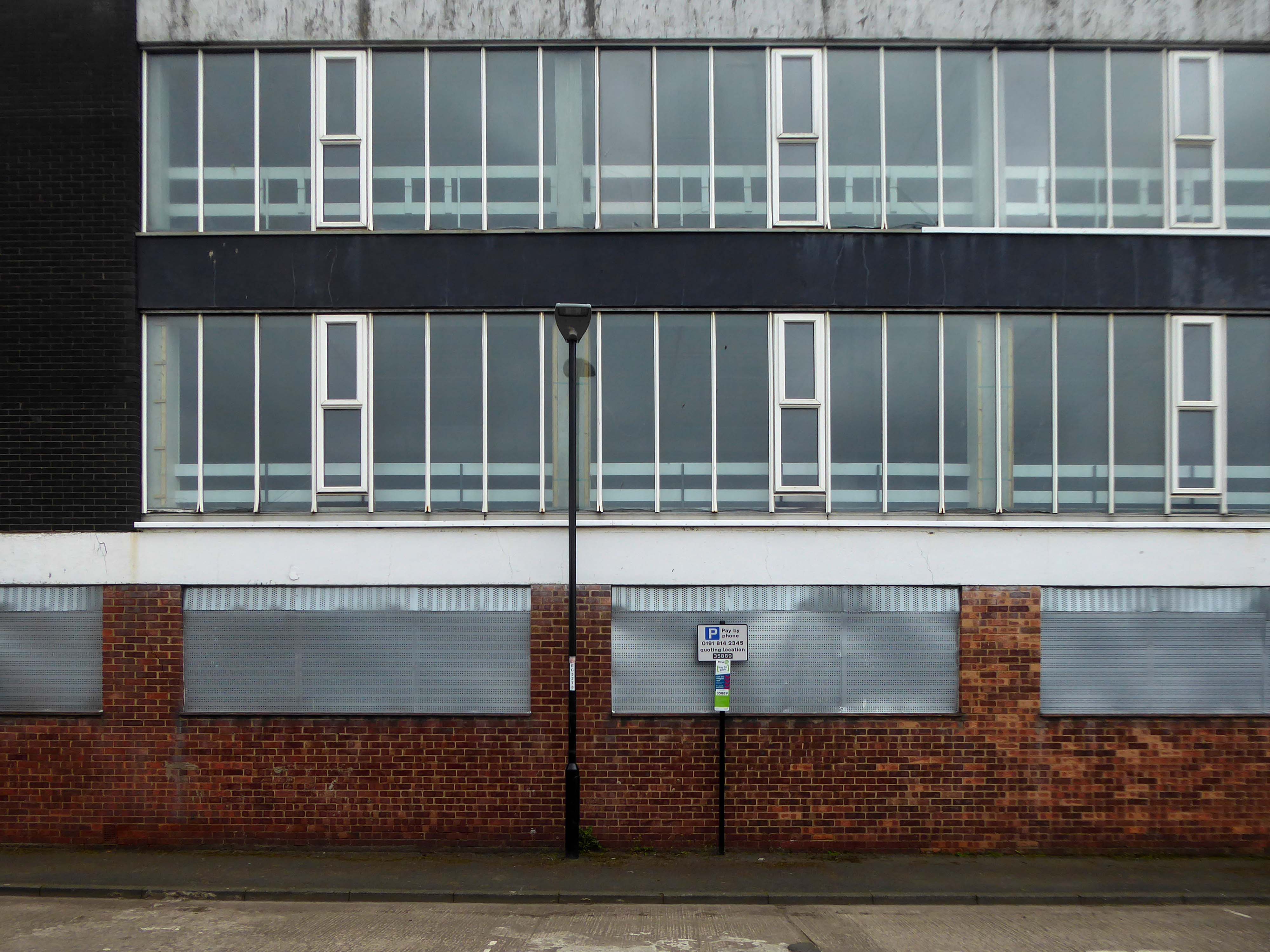
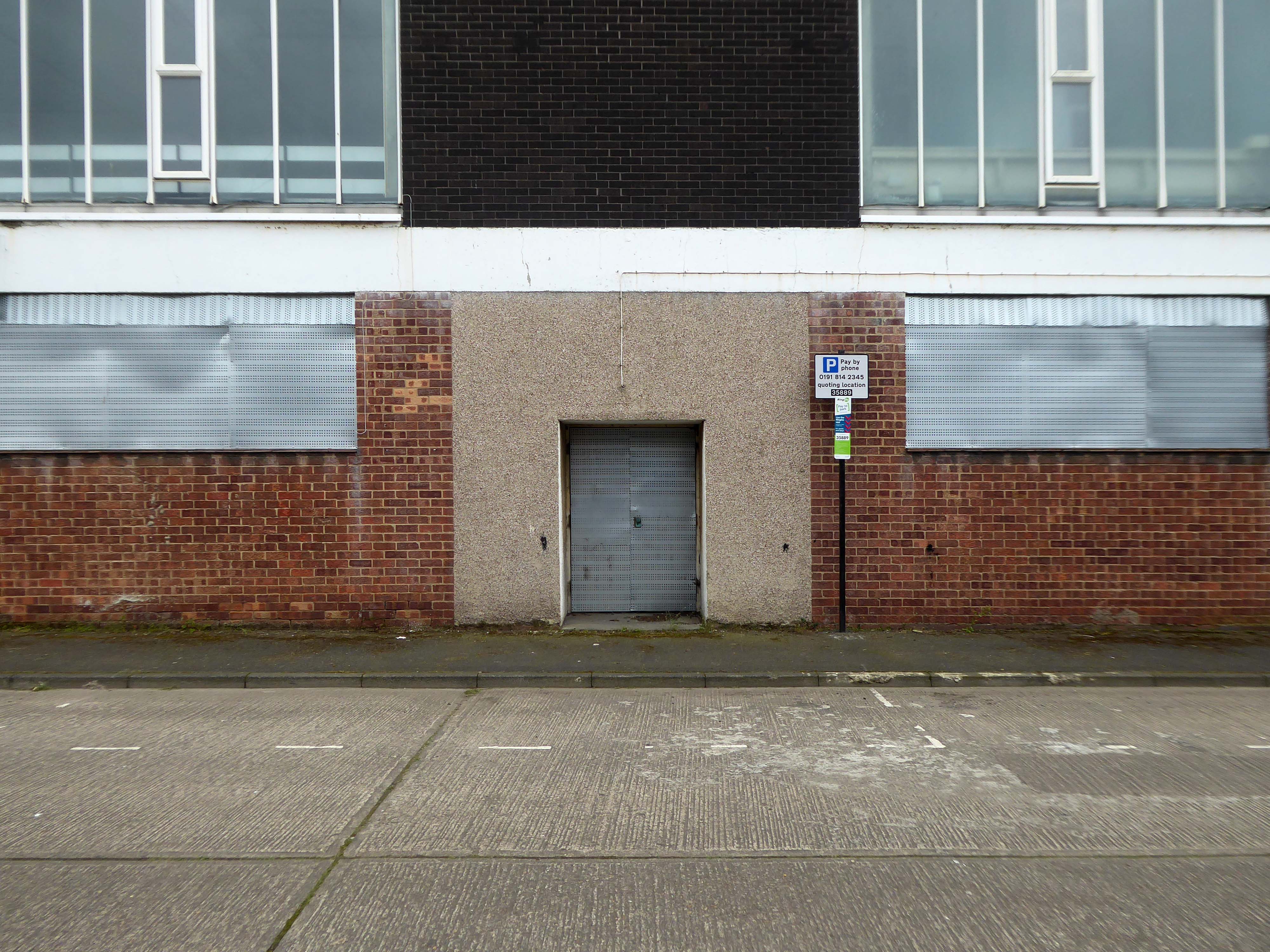
So their number is up the factory is tinned-up, house has been called for the very last time.
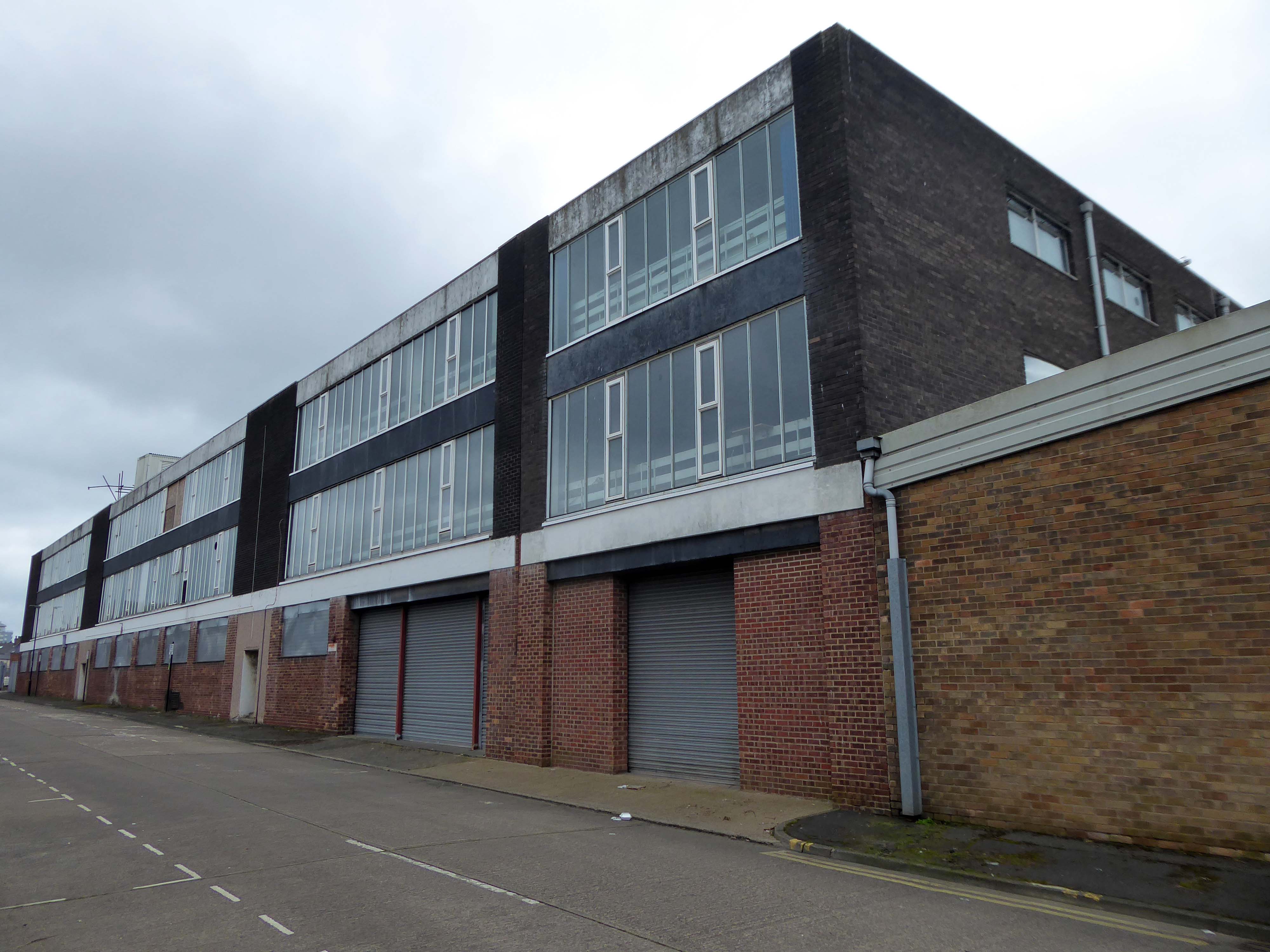
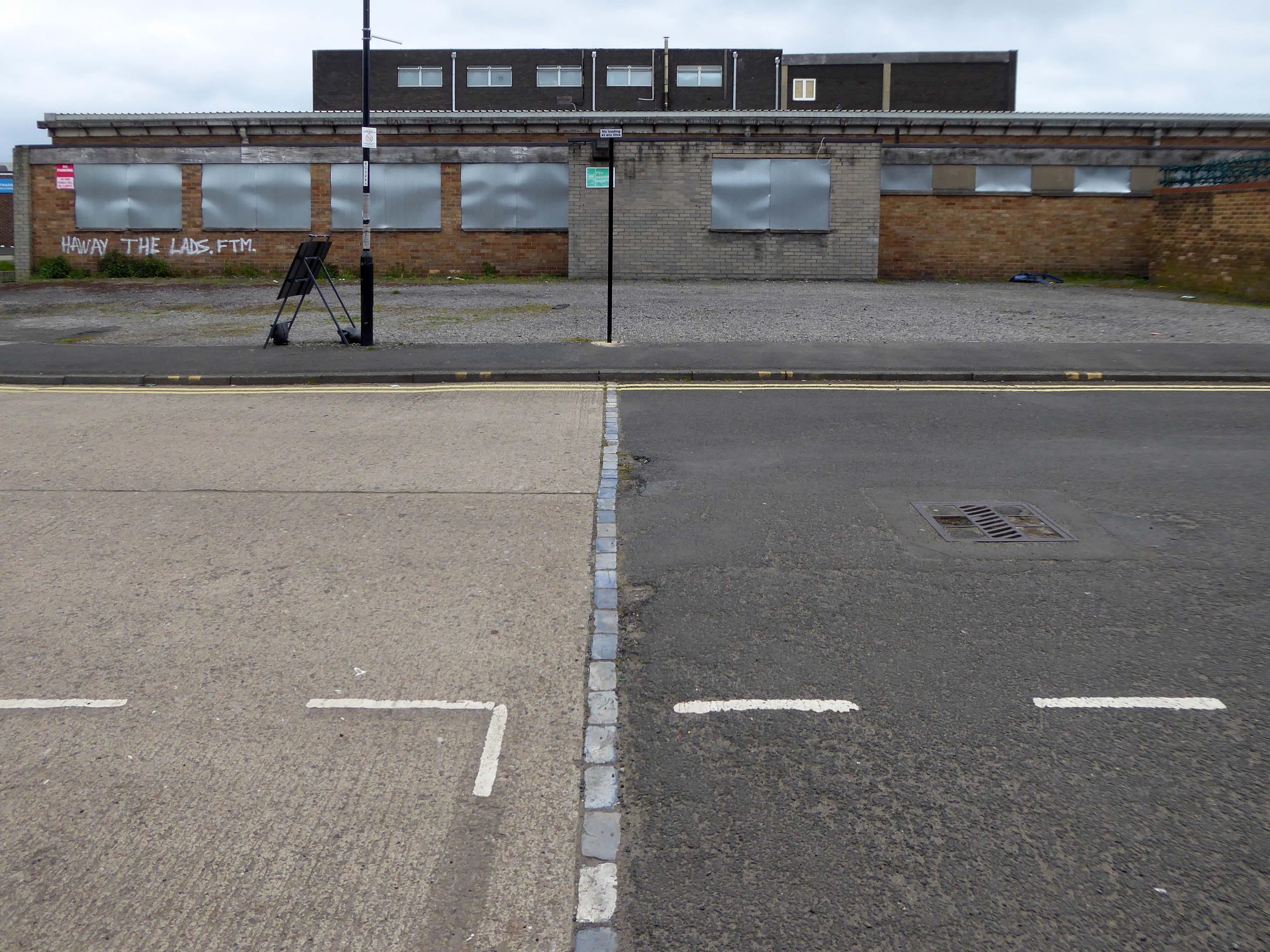
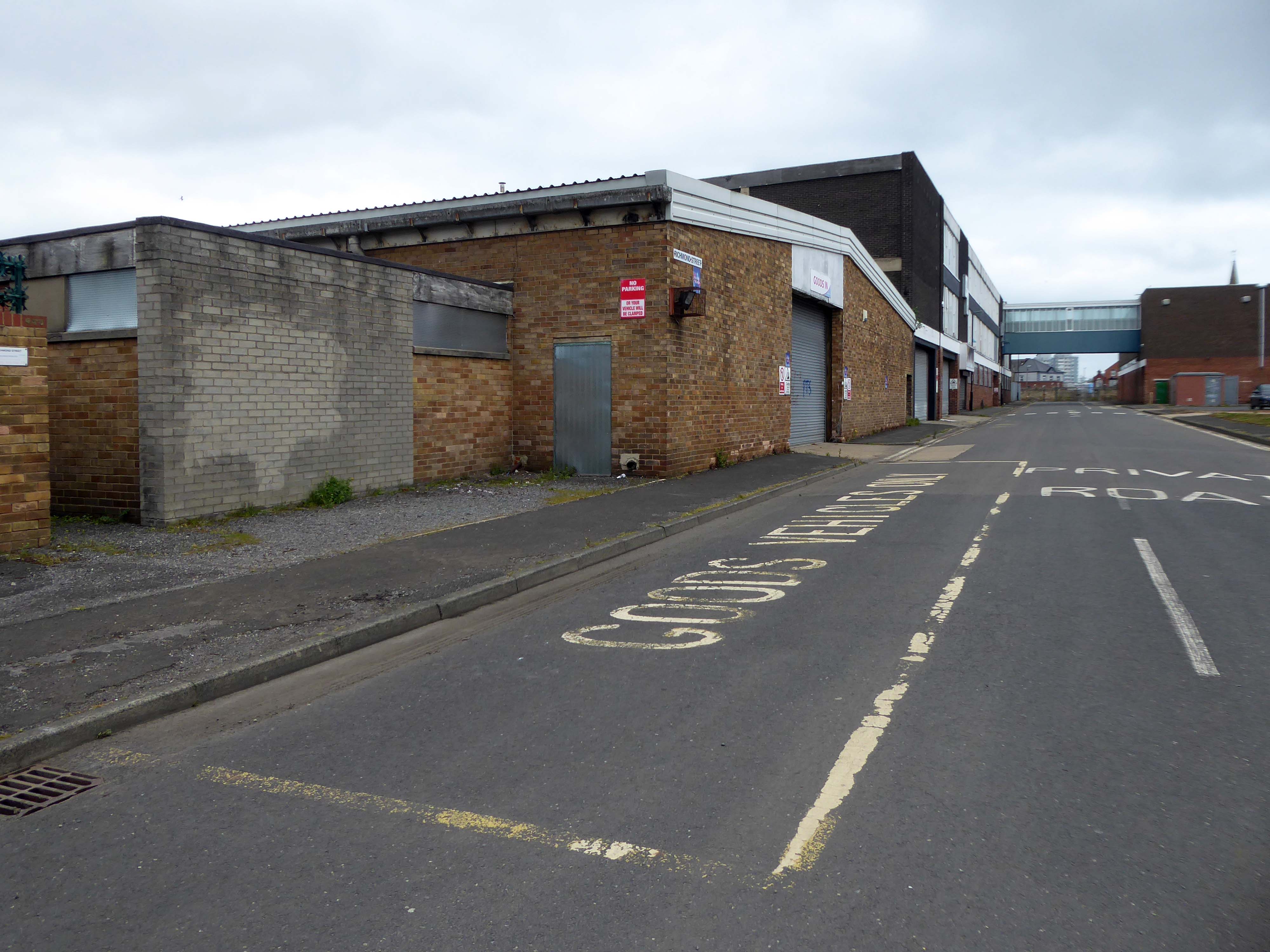
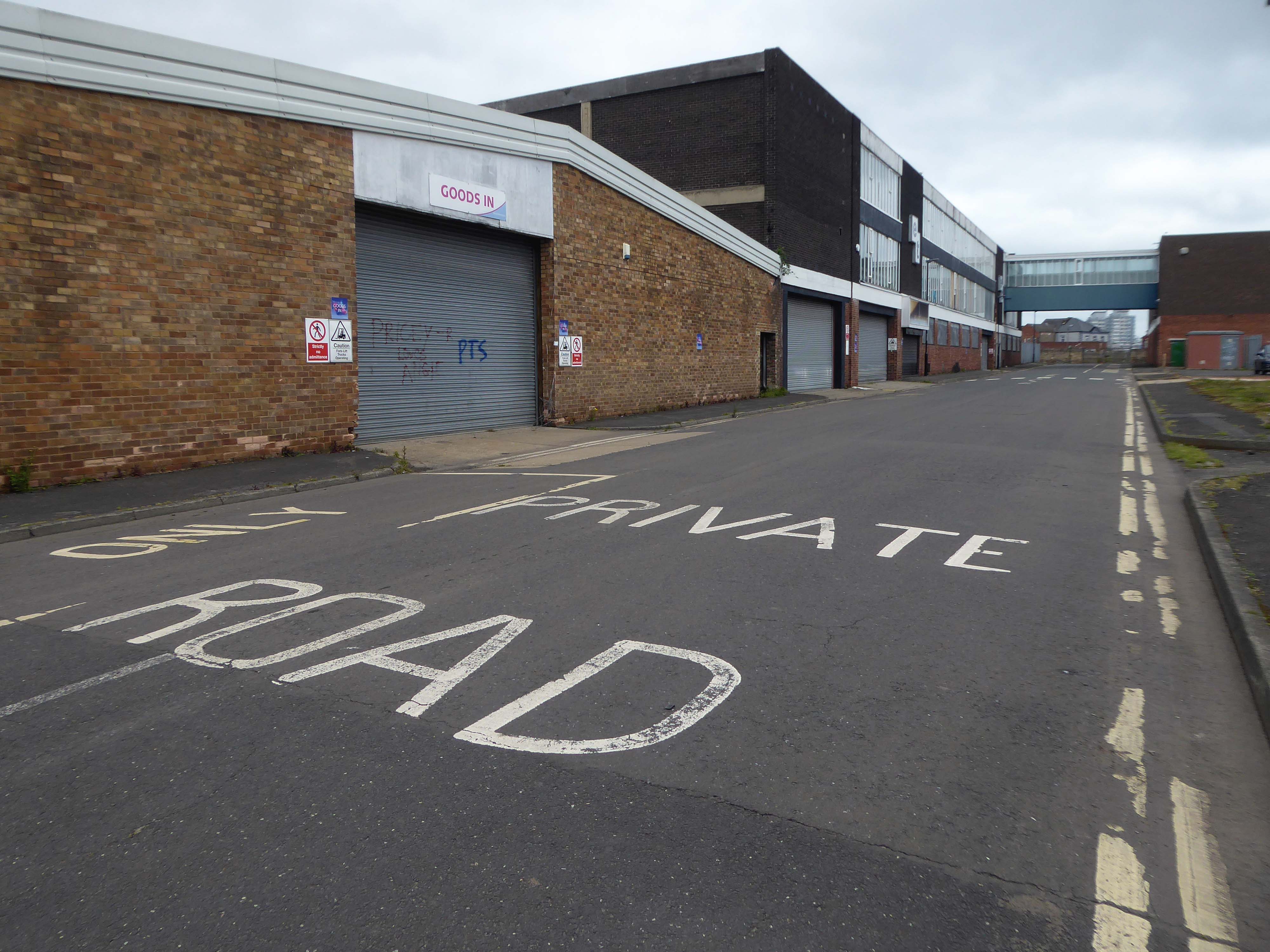
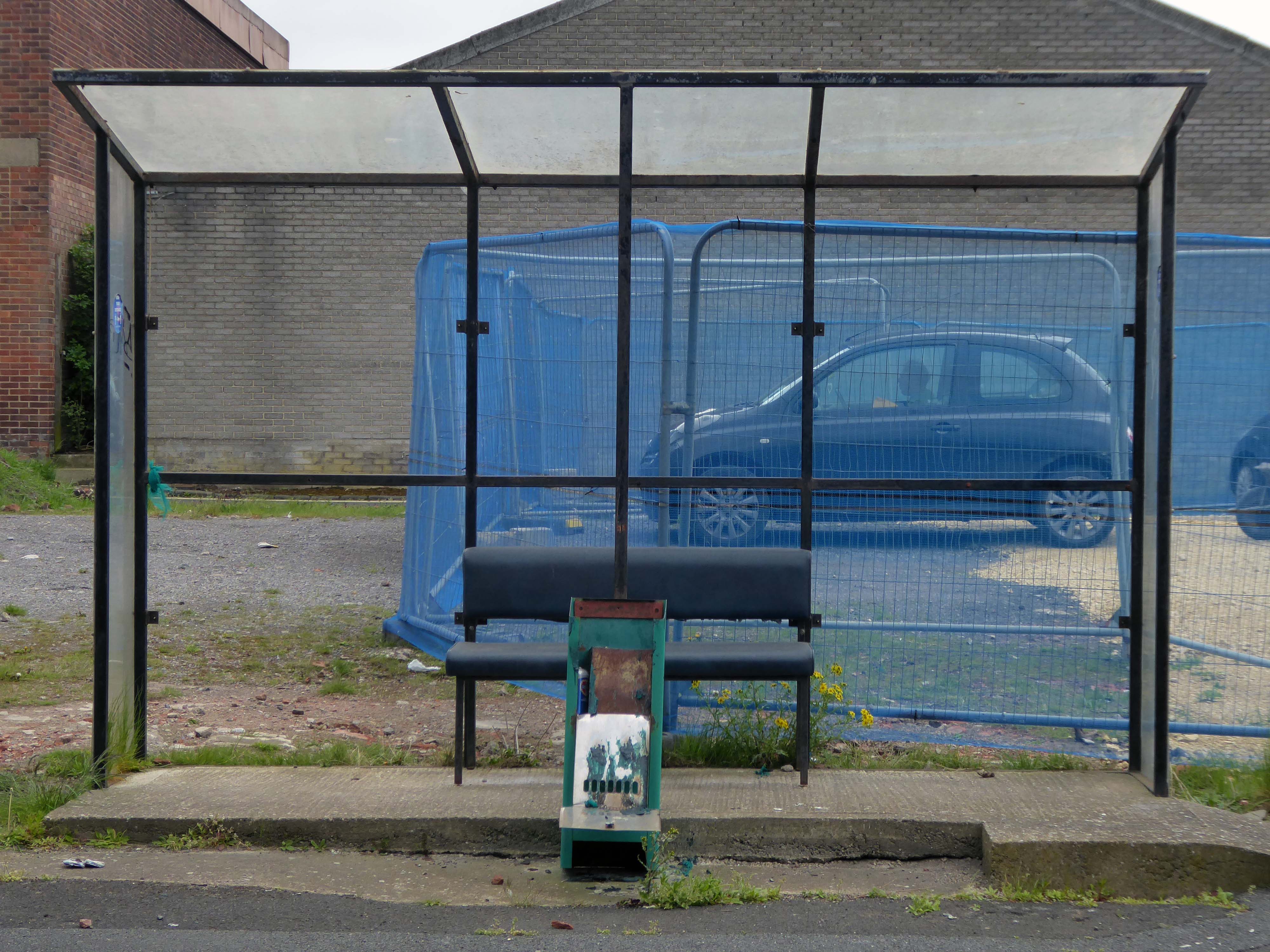
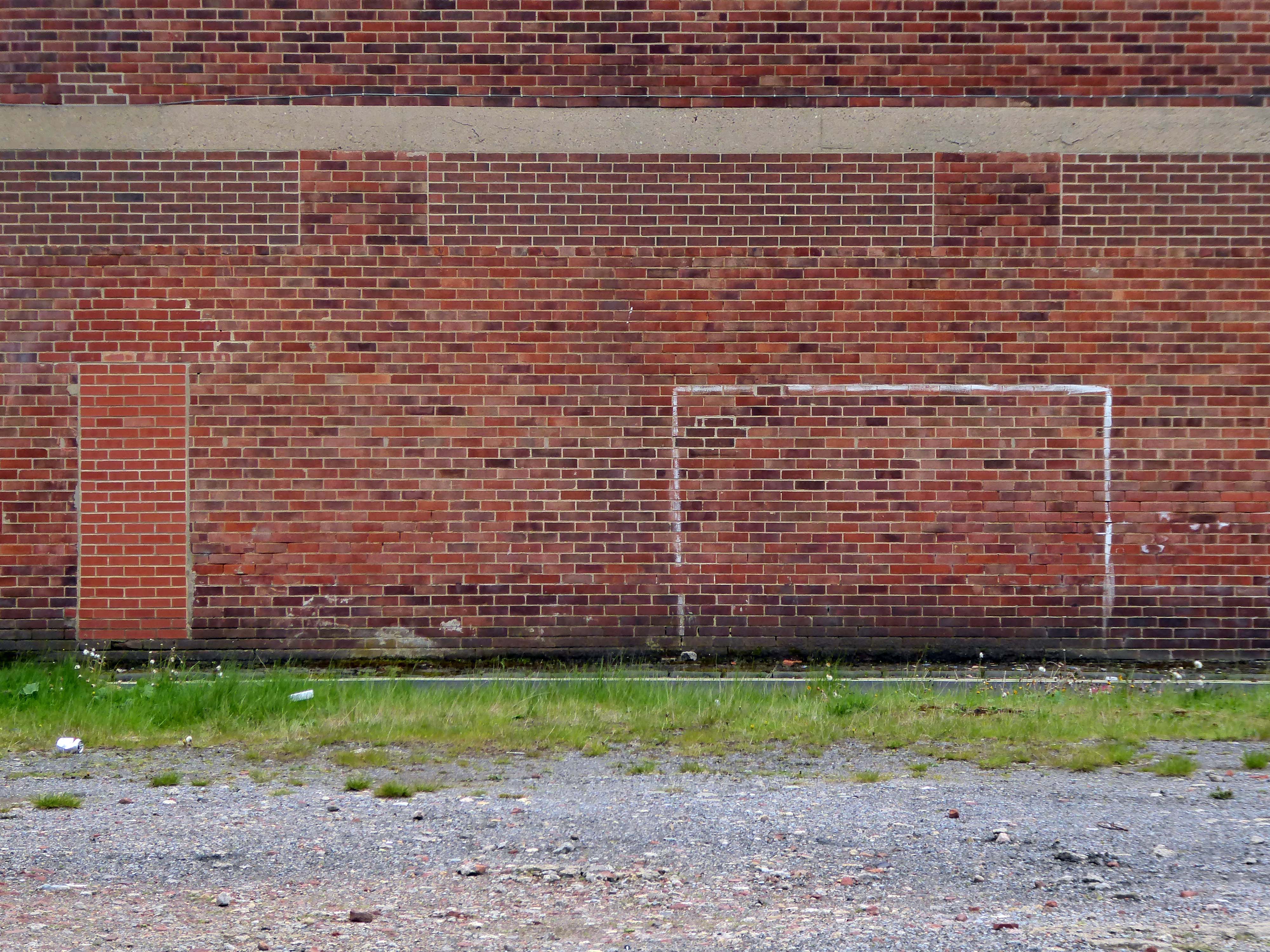
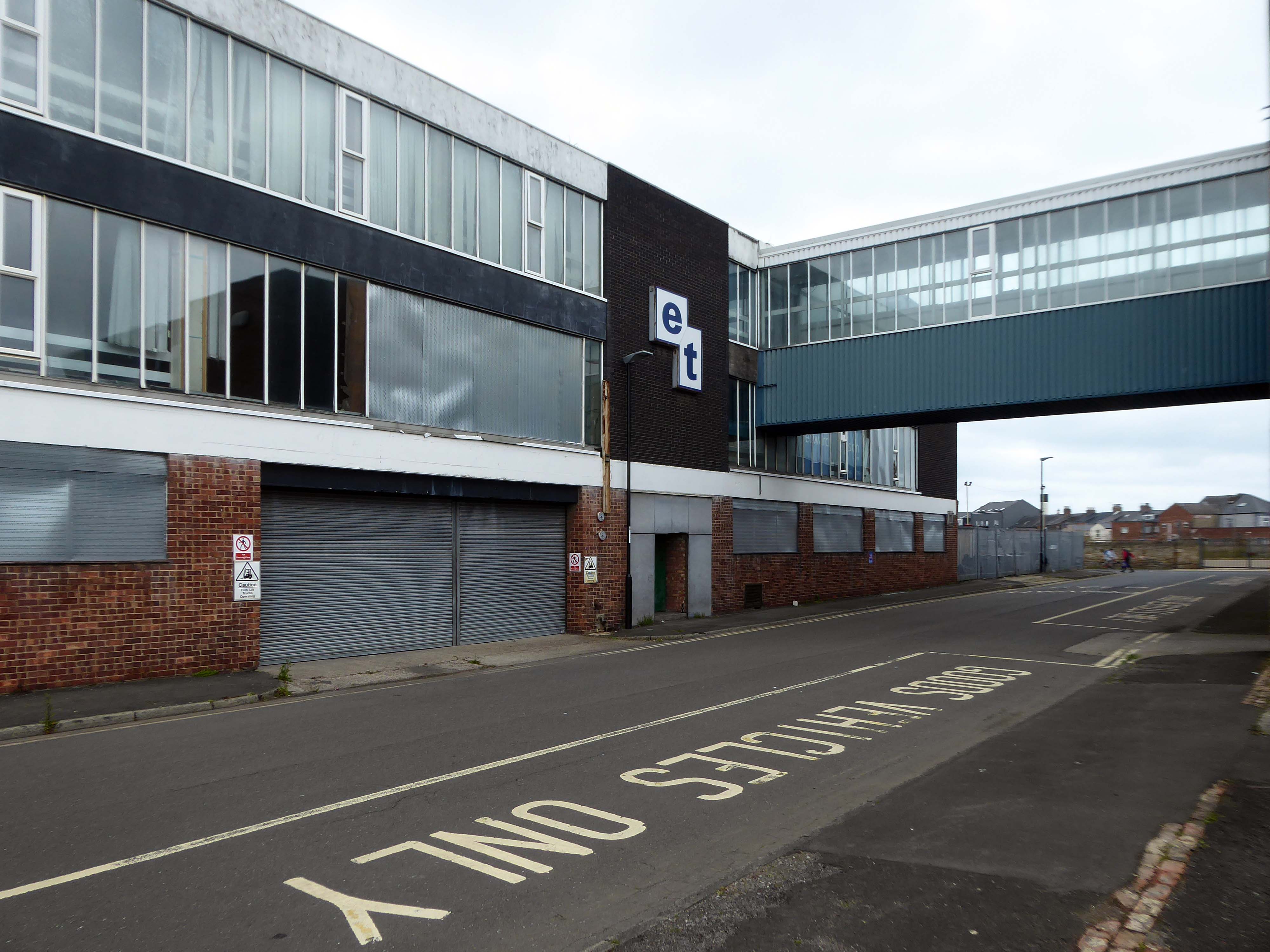
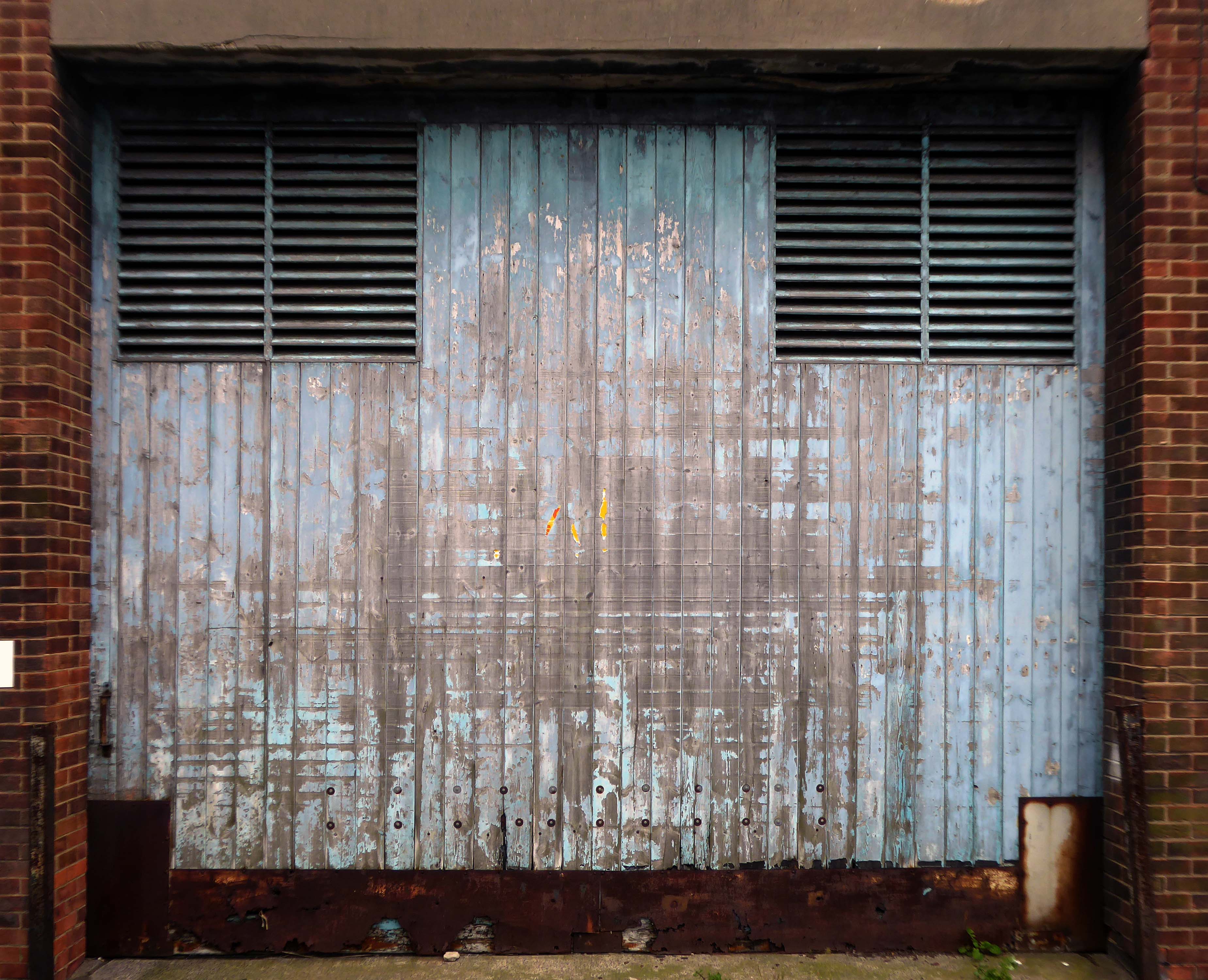
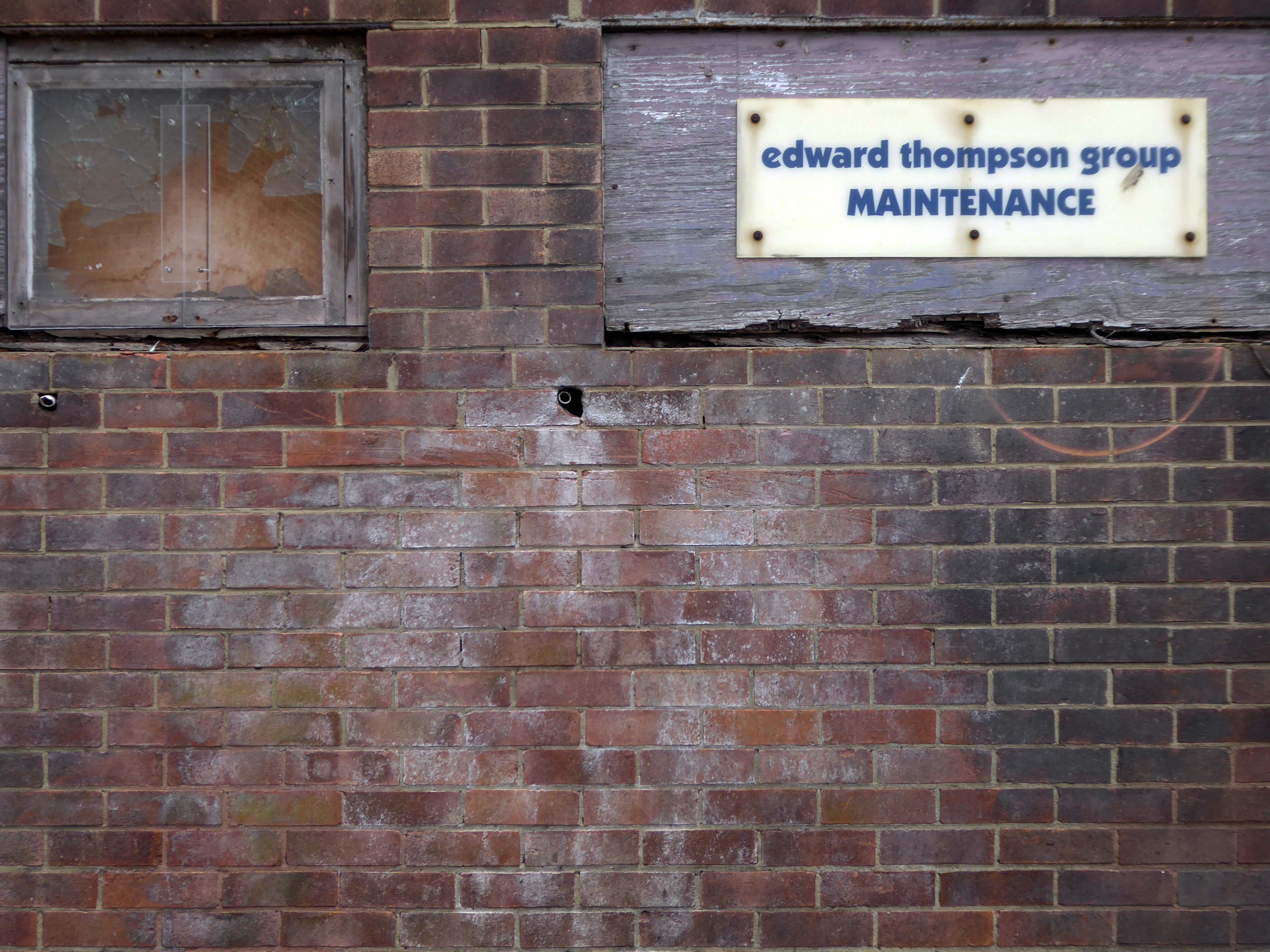
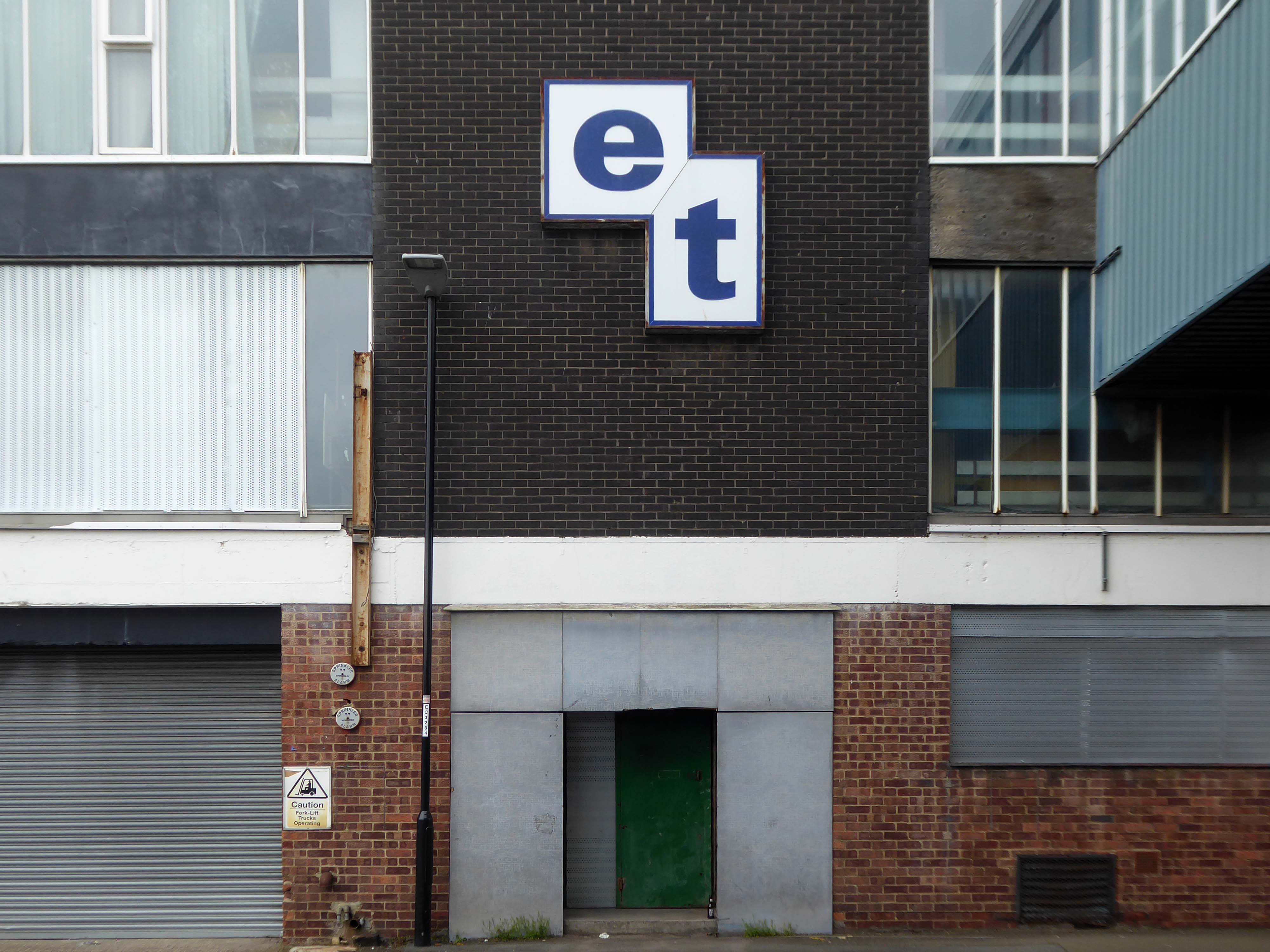
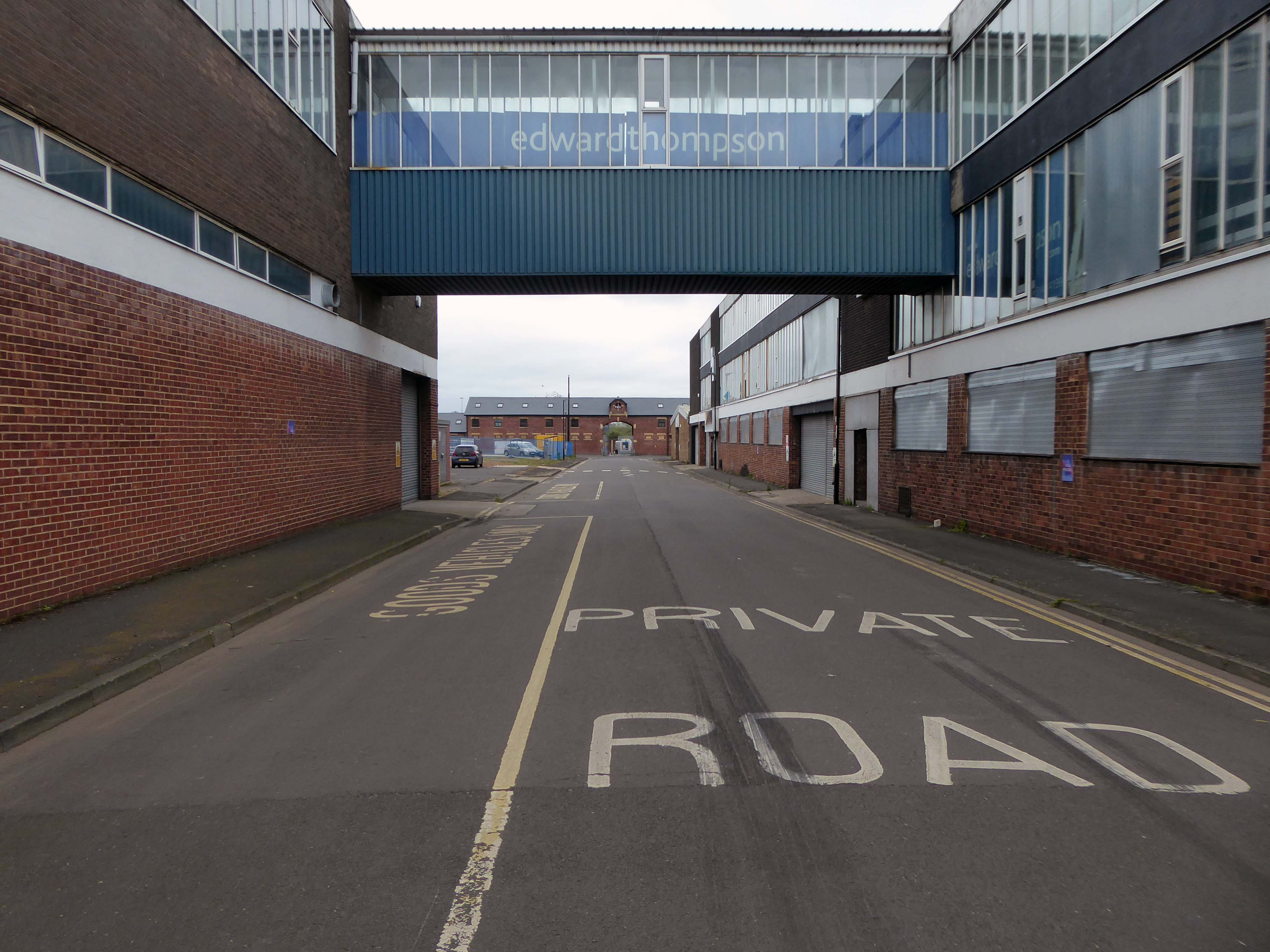
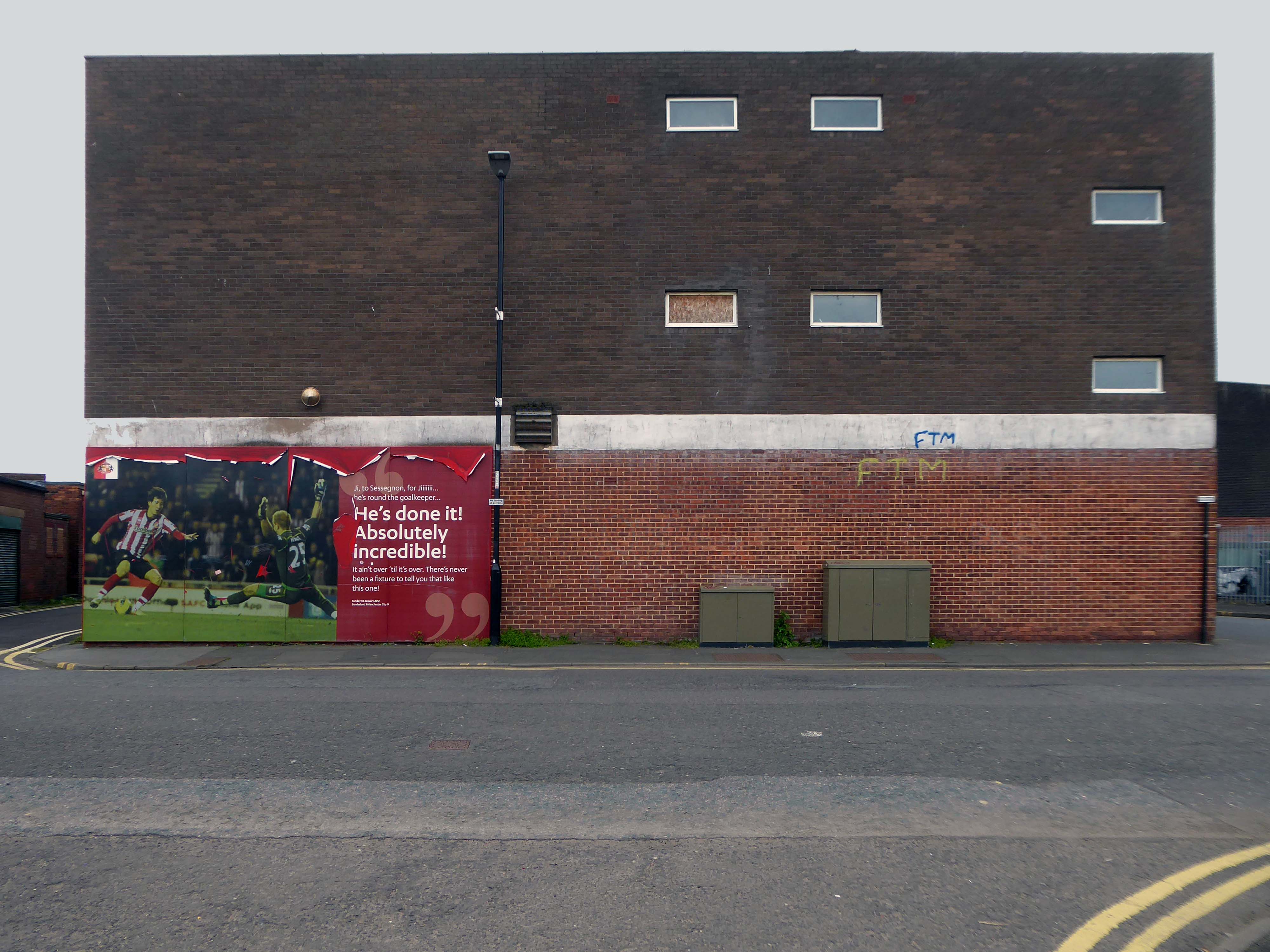
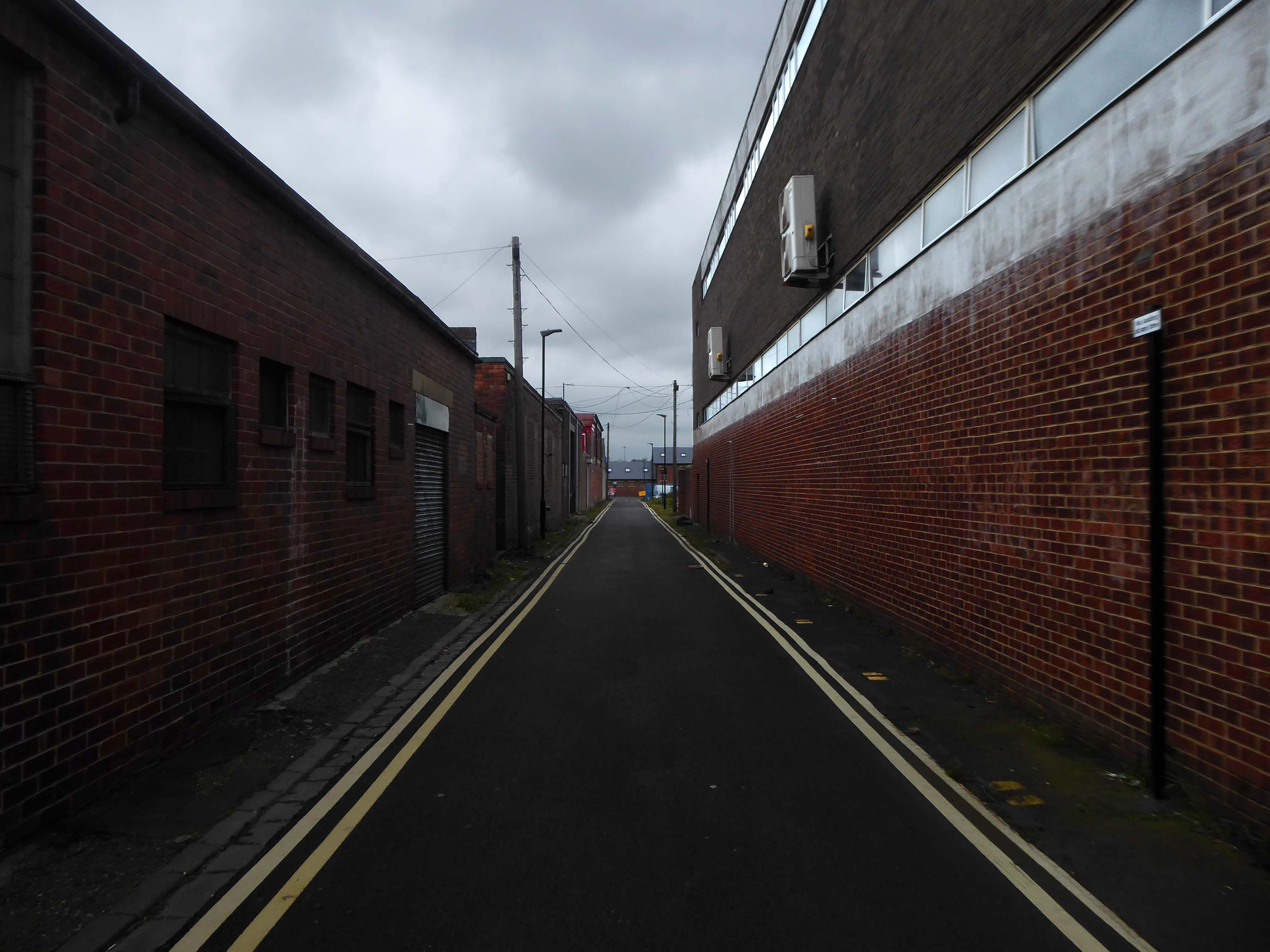
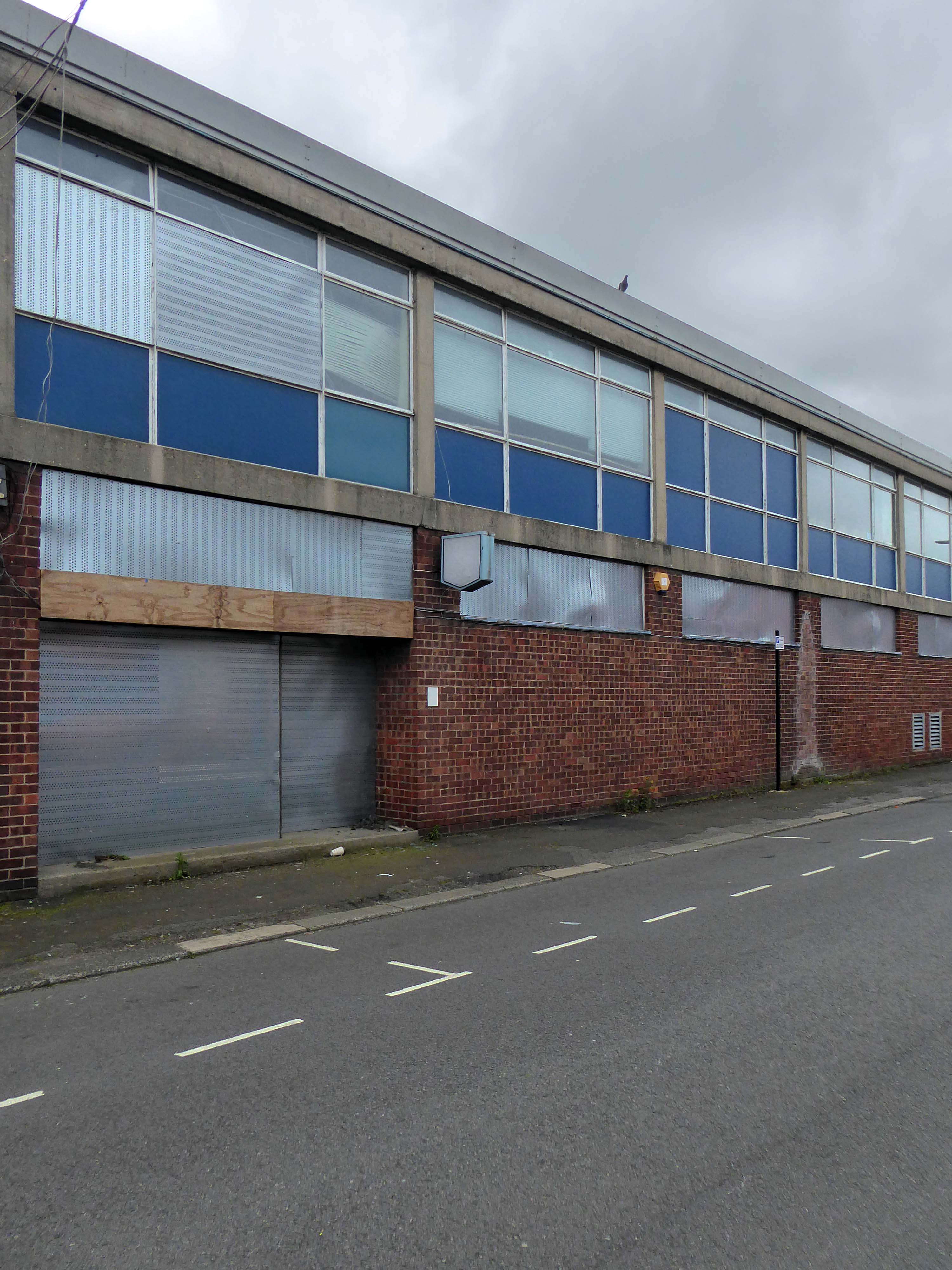

Yeah, yeah, industrial estate
Well you started here to earn your pay
Clean neck and ears on your first day
Well we tap one another as you walk in the gate
And we’d build a canteen but we haven’t got much space

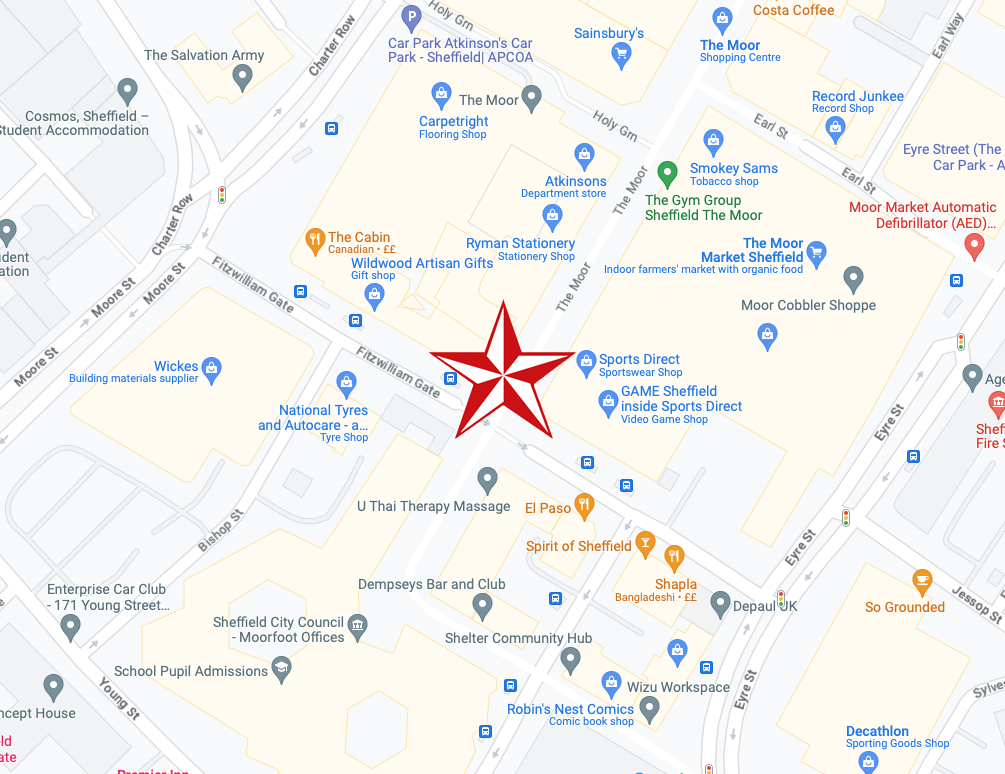
106 The Moor Sheffield S1 4PD
And looking for love.
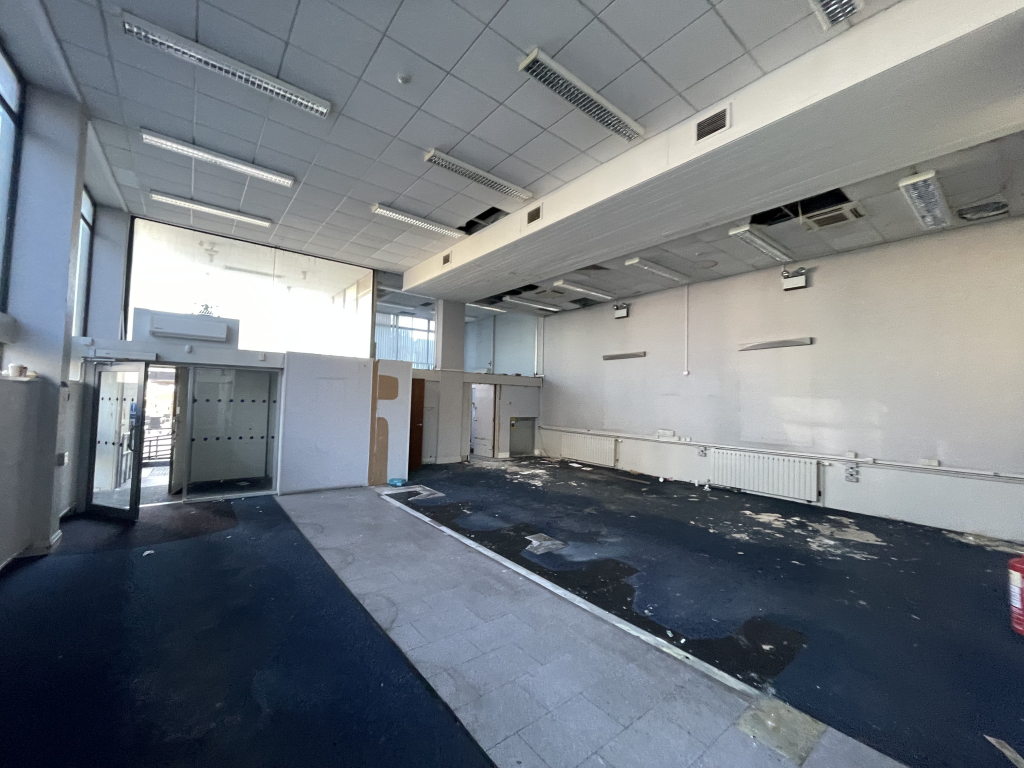
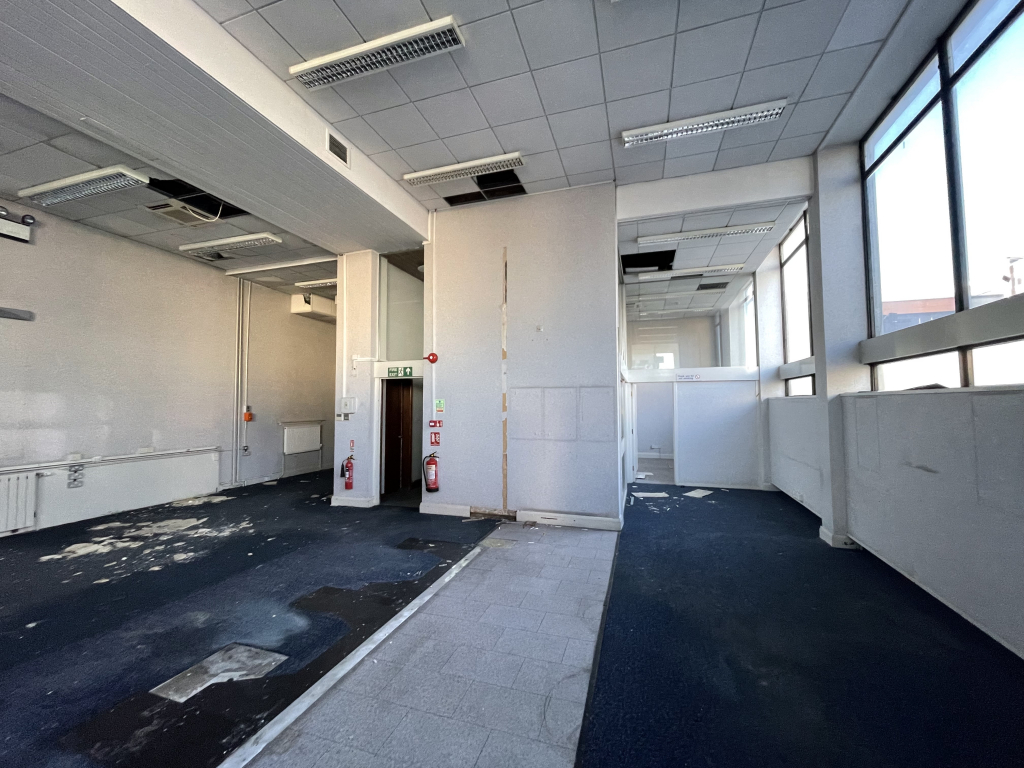
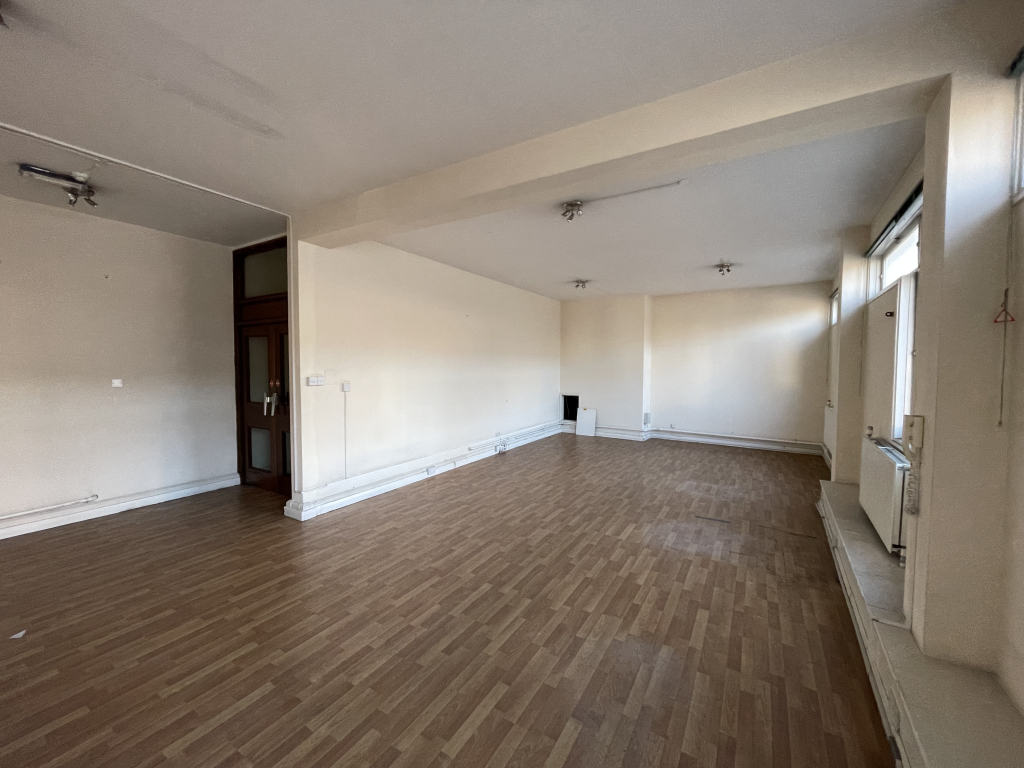
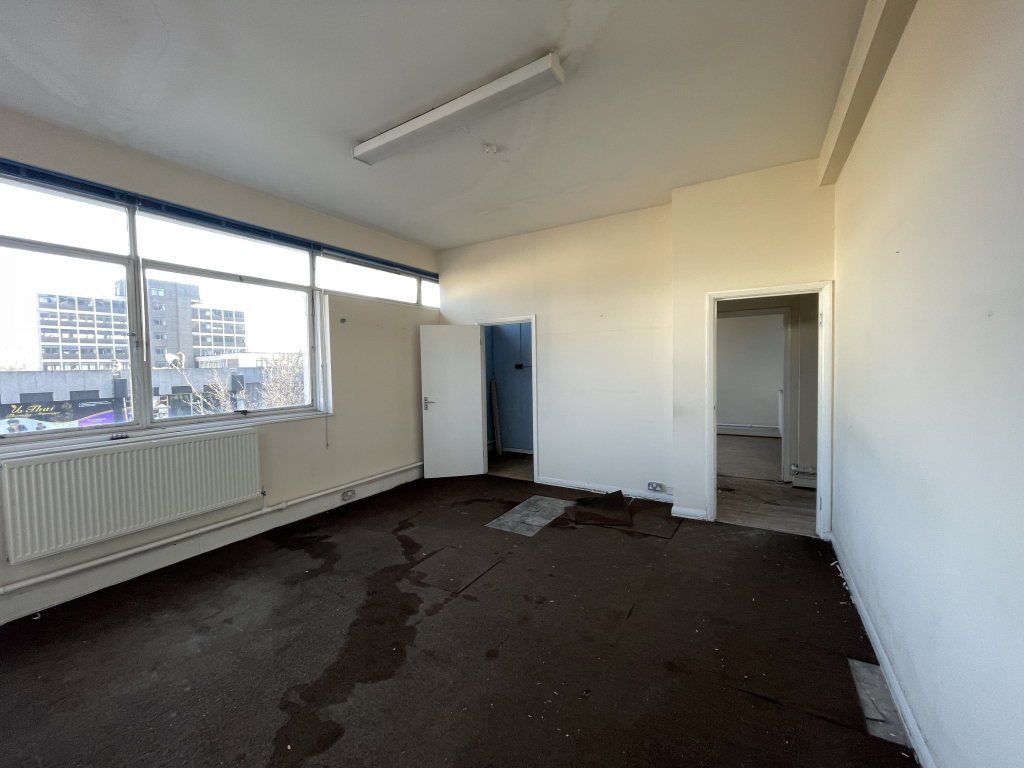
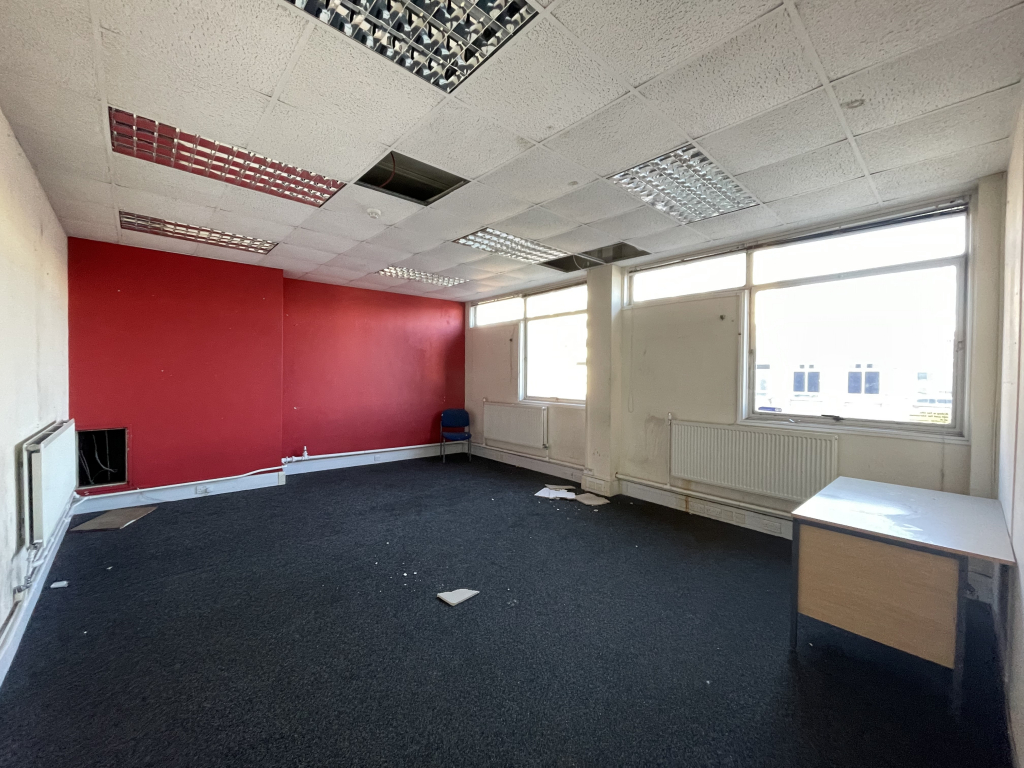
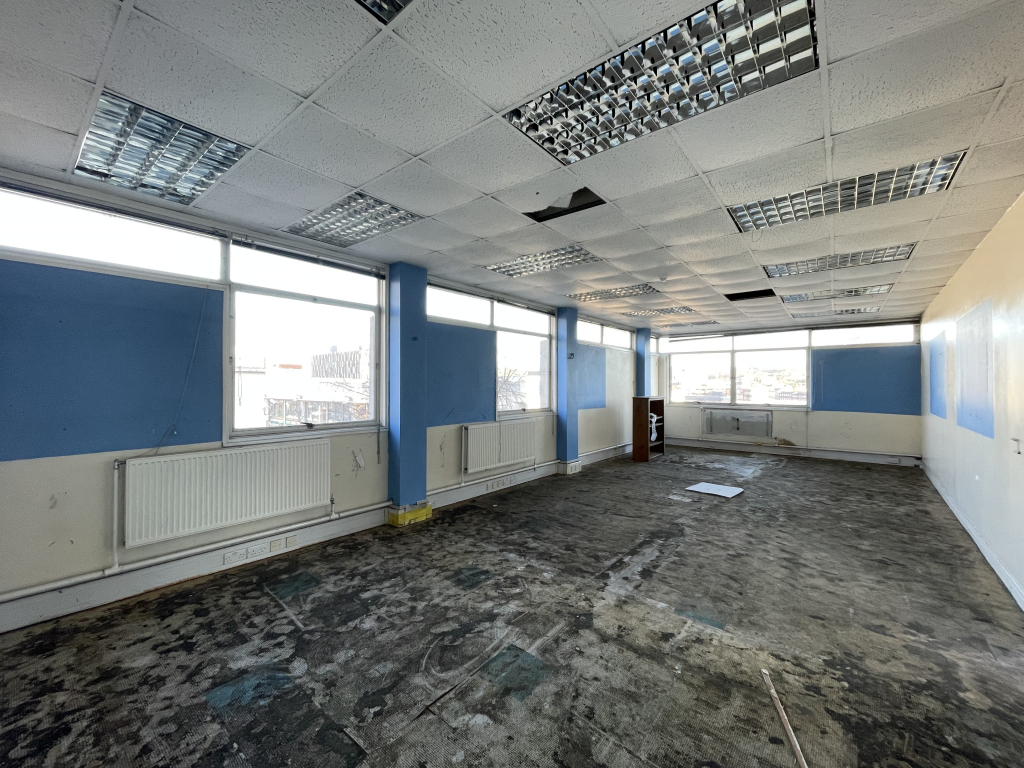
I have often wandered by and wondered, well what were you?
The answer arrived last week on Instagram via Sheffield Modernist
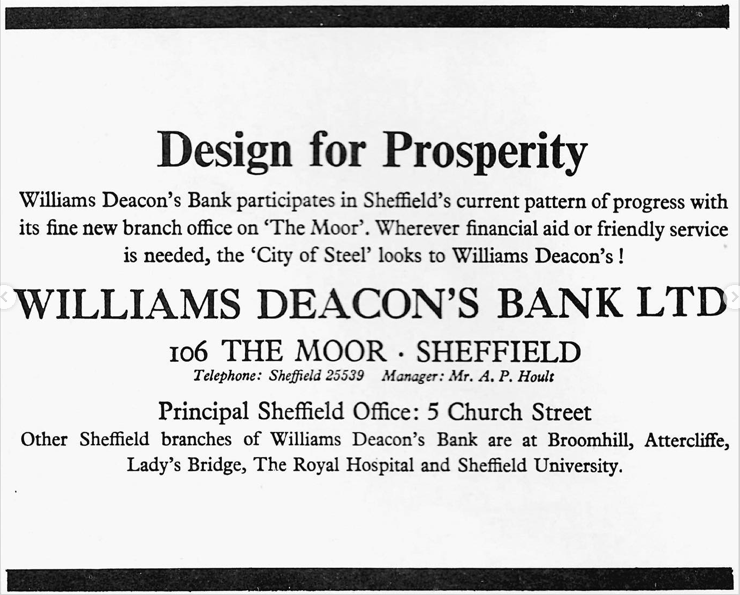

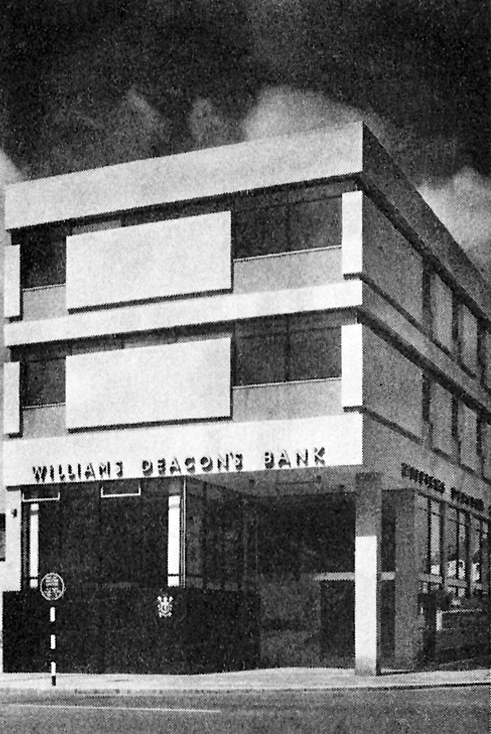
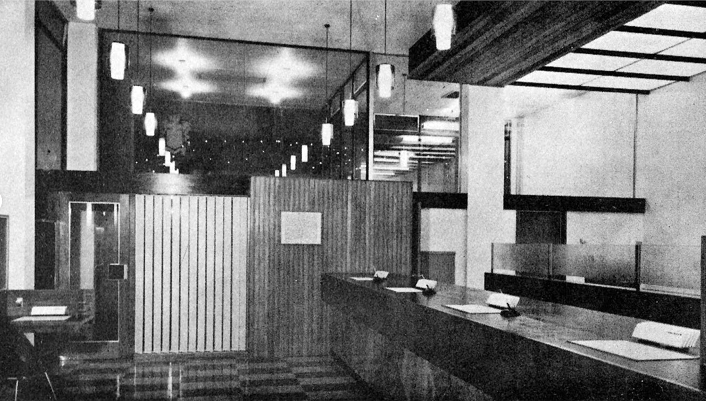

Architects: WT Gunson & Son.
Images: Design In Sheffield 2 1964/5
@sheffieldmodernist
Williams Deacon’s Bank
This joint-stock bank was established in Manchester in 1836 as Manchester & Salford Bank by a group of promoters keen to take advantage of recent legislation allowing the formation of joint-stock banks outside London. The bank had up to 15 directors and the issued capital was £1m, of which £252,100 was paid up by December 1836.

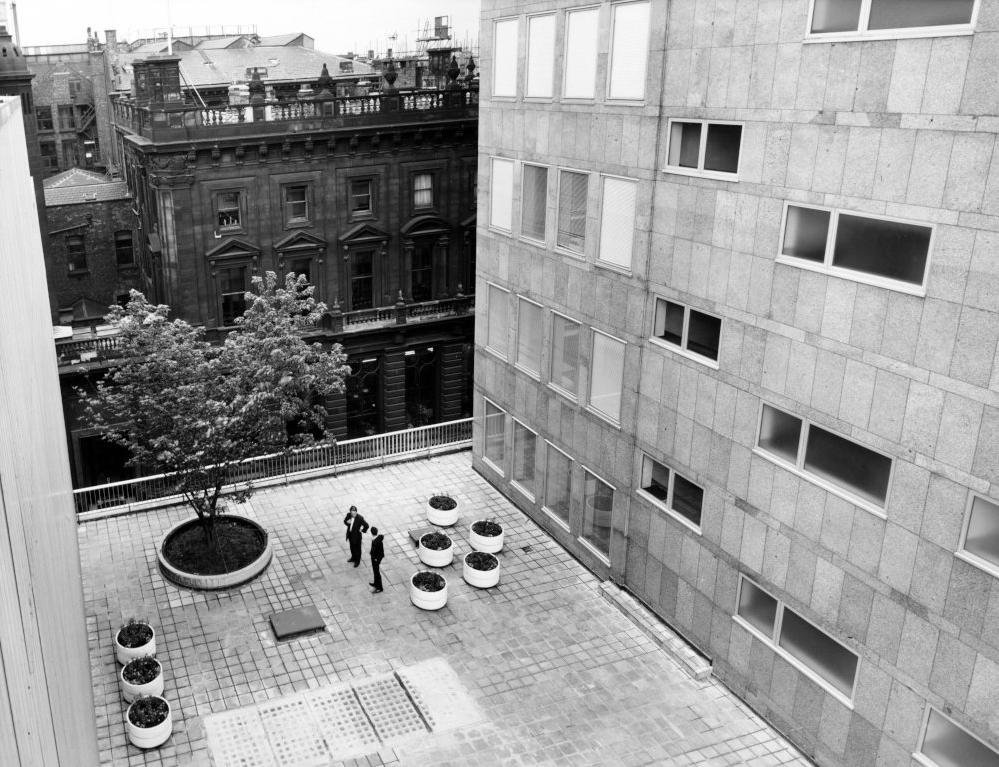
RIBA Pix: Headquarters building for William Deacon’s Bank Limited – Mosley Street Manchester: the garden at podium level.
Harry S Fairhurst & Son 1965
The first shareholders’ meeting, in May 1836, took place in temporary premises, but in August 1836 a banking house was rented in King Street. Land off Mosley Street was later acquired and a new banking house completed in 1838.

In 1969 The Royal Bank of Scotland was restructured and Williams Deacon’s became a direct subsidiary of a new holding company, National & Commercial Banking Group. The following year the holding company’s subsidiaries in England and Wales – Williams Deacon’s Bank, Glyn, Mills & Co and the English and Welsh branches of The National Bank – merged to form Williams & Glyn’s Bank.
In 1972 Williams & Glyn’s Bank joined with five other European banks to form the Inter Alpha Banks Group to exploit opportunities in the European Economic Community. In 1985 The Royal Bank of Scotland Group’s two major subsidiary holdings, Williams & Glyn’s Bank and The Royal Bank of Scotland, were fully merged as The Royal Bank of Scotland plc.
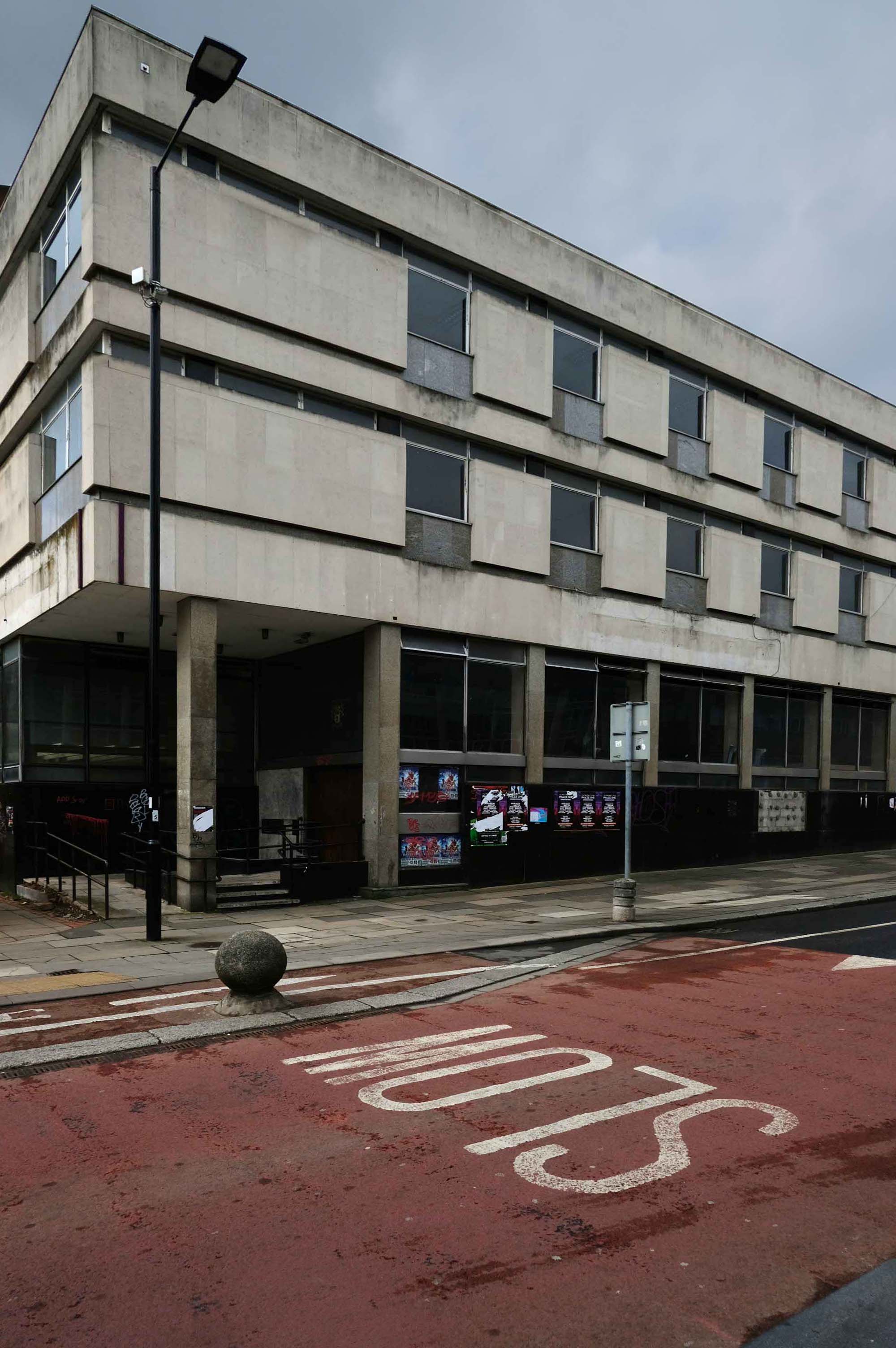
The very merry monopolies and mergers merry dance – consequently this perfectly formed Modernist bank stands alone and forlorn.
Love, for sale or to let.






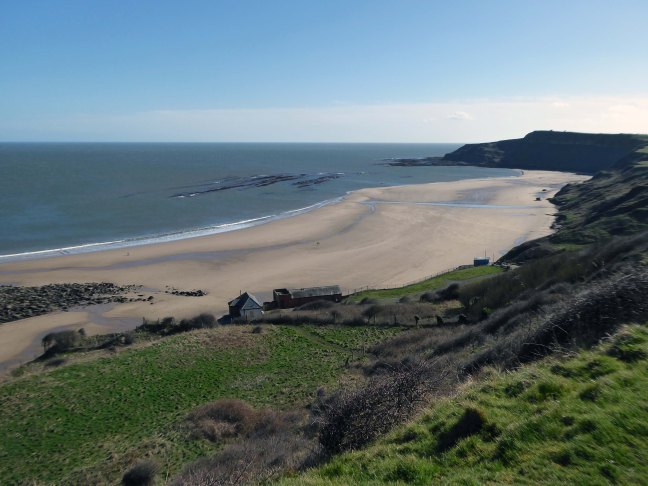
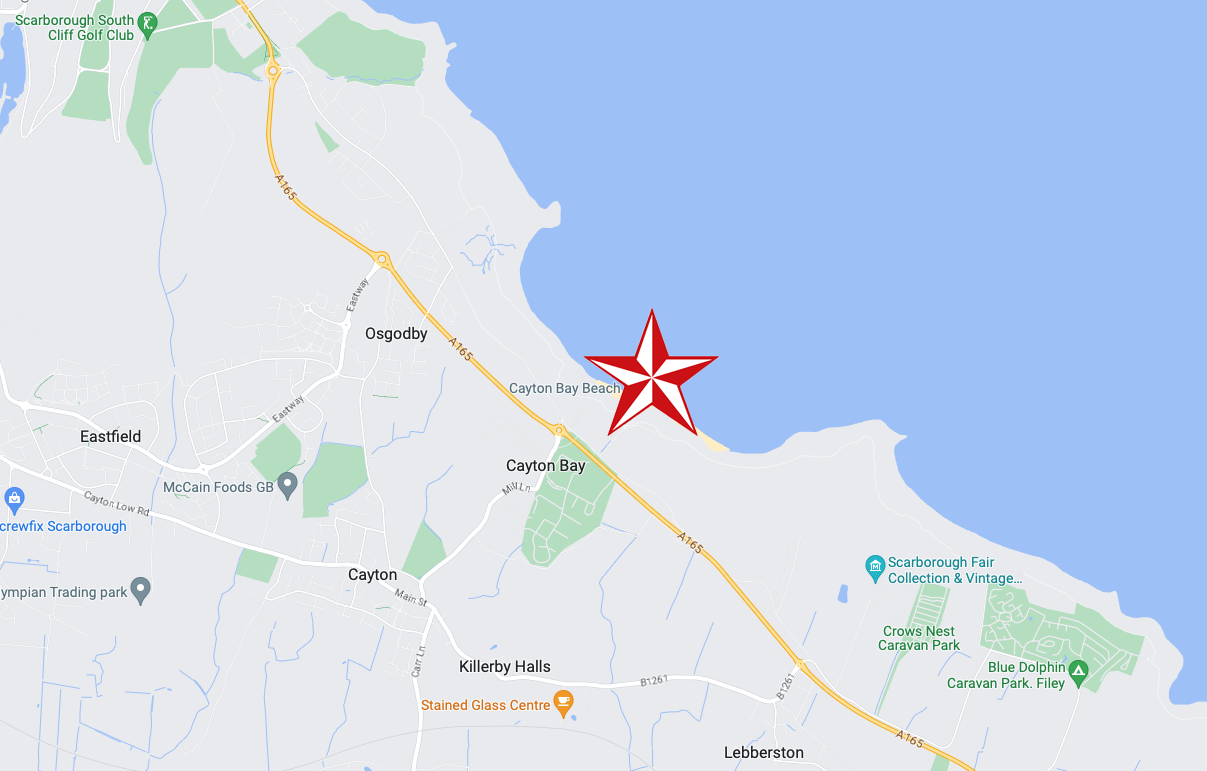
Things come and go on the coast.
As Mr Marx noted:
All that is solid melts into air.
The soft clays of the cliffs are subject to constant erosion.
In 2008 fresh landslips have occurred around Cayton Bay. The bungalows built on the old holiday camp at Osgodby Point have started to suffer serious erosion. The cliffs around the Cornelian and Cayton areas are just made of soil. So erosion is to be expected. It may taken time. But there is not much which can be done to prevent the seas moving in.
The Pumping Station was partially demolished in 1956.
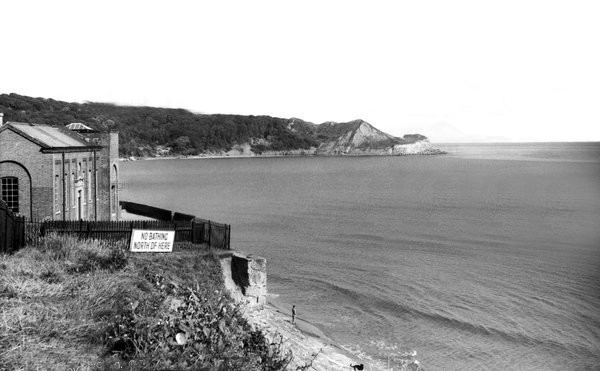
Several well worn layers of geological time have been hanging around for a while now.
Whilst the long-gone critters are but fossilised versions of their former selves.
The rocks found at Cayton Bay are Jurassic aged from the Callovian stage. At the north end of Cayton Bay, the Cornbrash Formation can be seen, comprised of red-brown, sandy, nodular, bioturbated limestone with oysters and other bivalves.The Cornbrash lies beneath the start of the Cayton Clay Formation. Walking south towards Tenant’s Cliffs, Lower Calcareous Grit is brought to beach level, followed by a calcareous limestone. At the waterworks, low tides reveals a section in the Middle and Upper Jurassic rocks.
On scouring tides, argillaceous limestone and calcareous sandstone can be seen layered along the Upper Leaf of the Hambleton Oolite, which is seen excellently in the low cliff on the southern side of the Brigg. The tough, impure limestone contains well-preserved bivalves and ammonites. The sequence is shown in the diagram but faulting has caused unconformities.
During scouring, Oxford Clay can be seen along the foreshore south of the argillaceous limestone. Walking further south, Red Cliff is reached, where rocks of the Osgodby Formation slope above the Oxford Clay.
The Wallis’s Holiday Camp of 1936 – eventually overwritten by a more a la mode commercial enterprise.
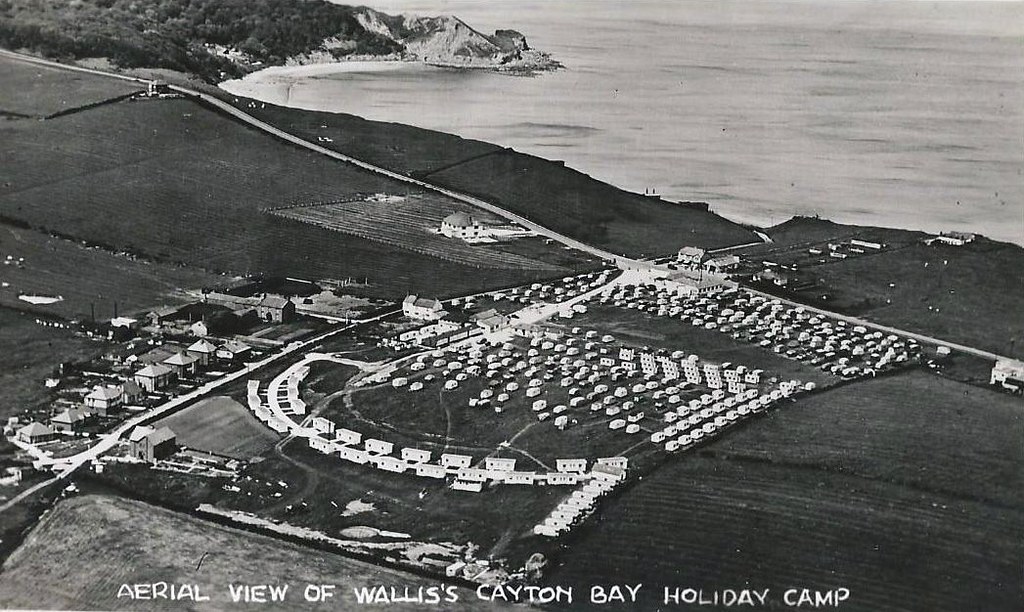
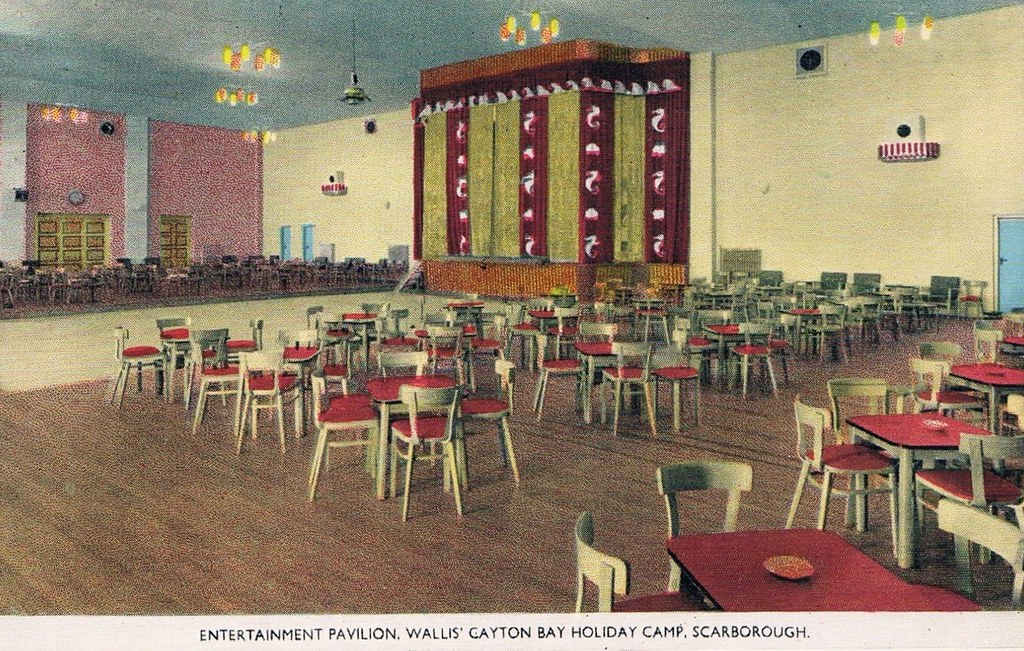
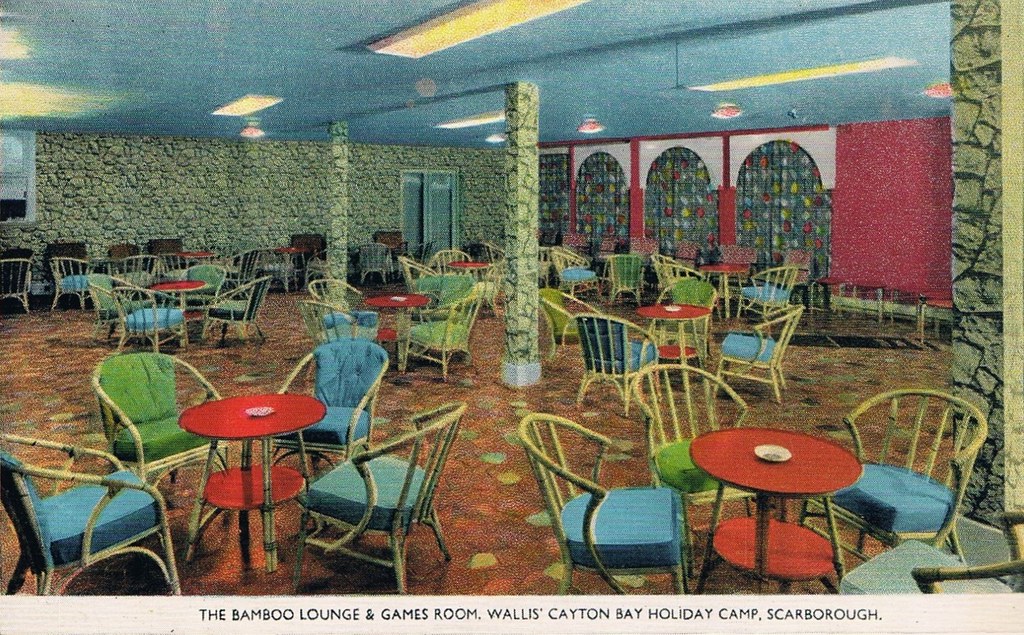
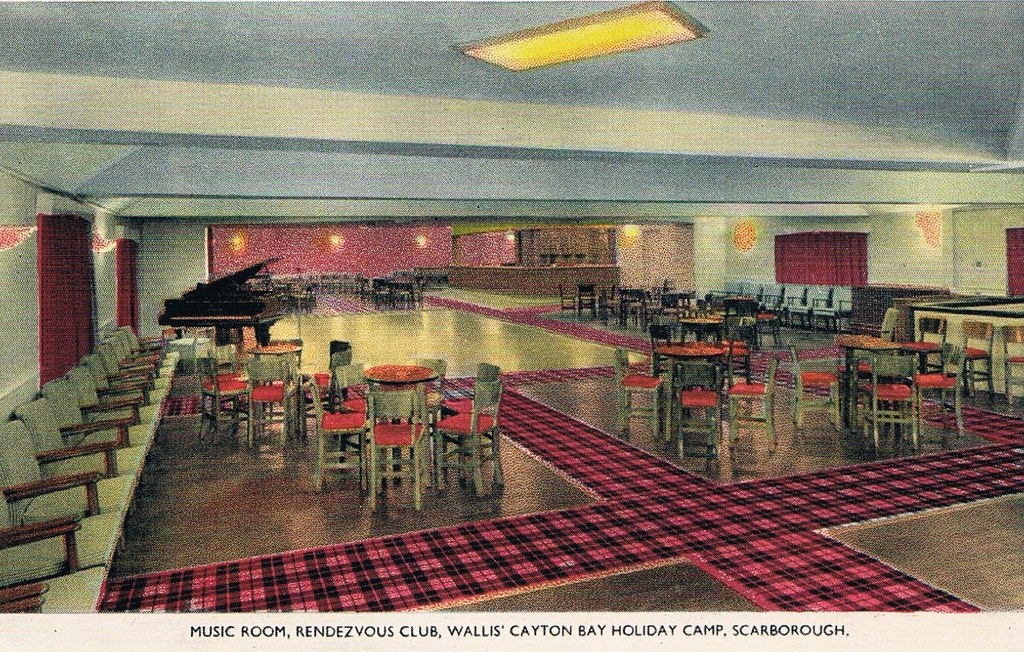
Photos: Glen Fairweather
Also missing in action the NALGO Holiday Camp – we are no longer a land of the Closed Shop, rather a land of the closed trade union holiday camp.
There was a similar setup at Croyde Bay.
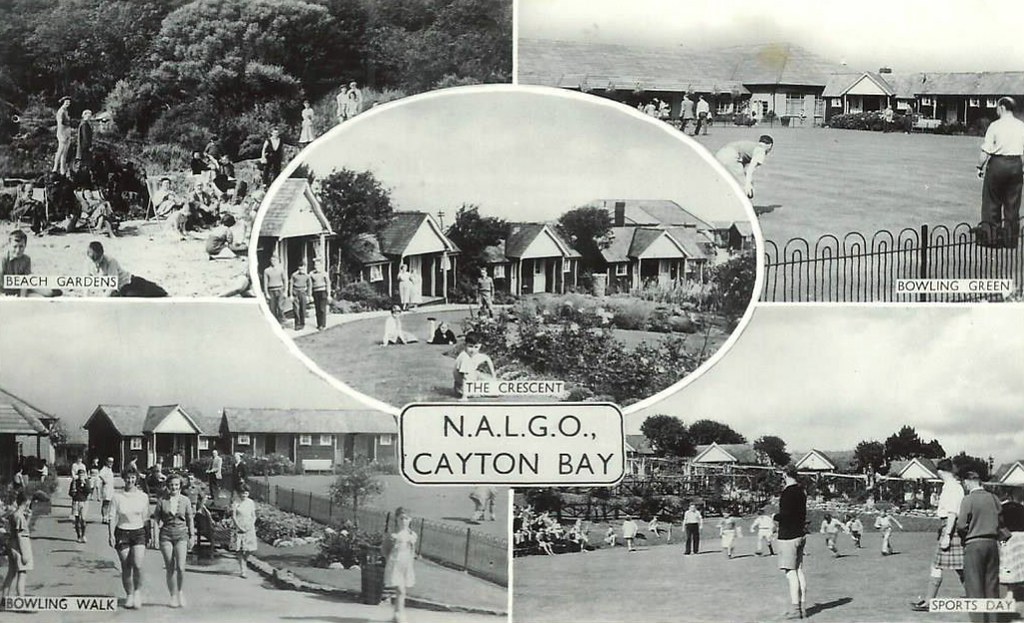
Originally the first Trade Union holiday camp in the North of England, owned by NALGO it opened its doors in 1933. It had 124 wooden bungalows, accommodating 252 visitors. A dining hall with waiter service, a rest room along with recreation rooms for playing cards, billiards, a theatre for indoor shows and dancing was also provided. The new centre also provided Tennis courts, Bowling greens along with a children’s play area. The visitors could walk to the beach where there was a sun terrace and beach house which also had a small shop.
Click here to see photos of the NALGO camp from the 1930s.
One of the earliest visitors were the family of poet Philip Larkin and during the Second World War it became a home for evacuated children from Middlesbrough.
The NALGO camp closed in 1974 and was later sold.
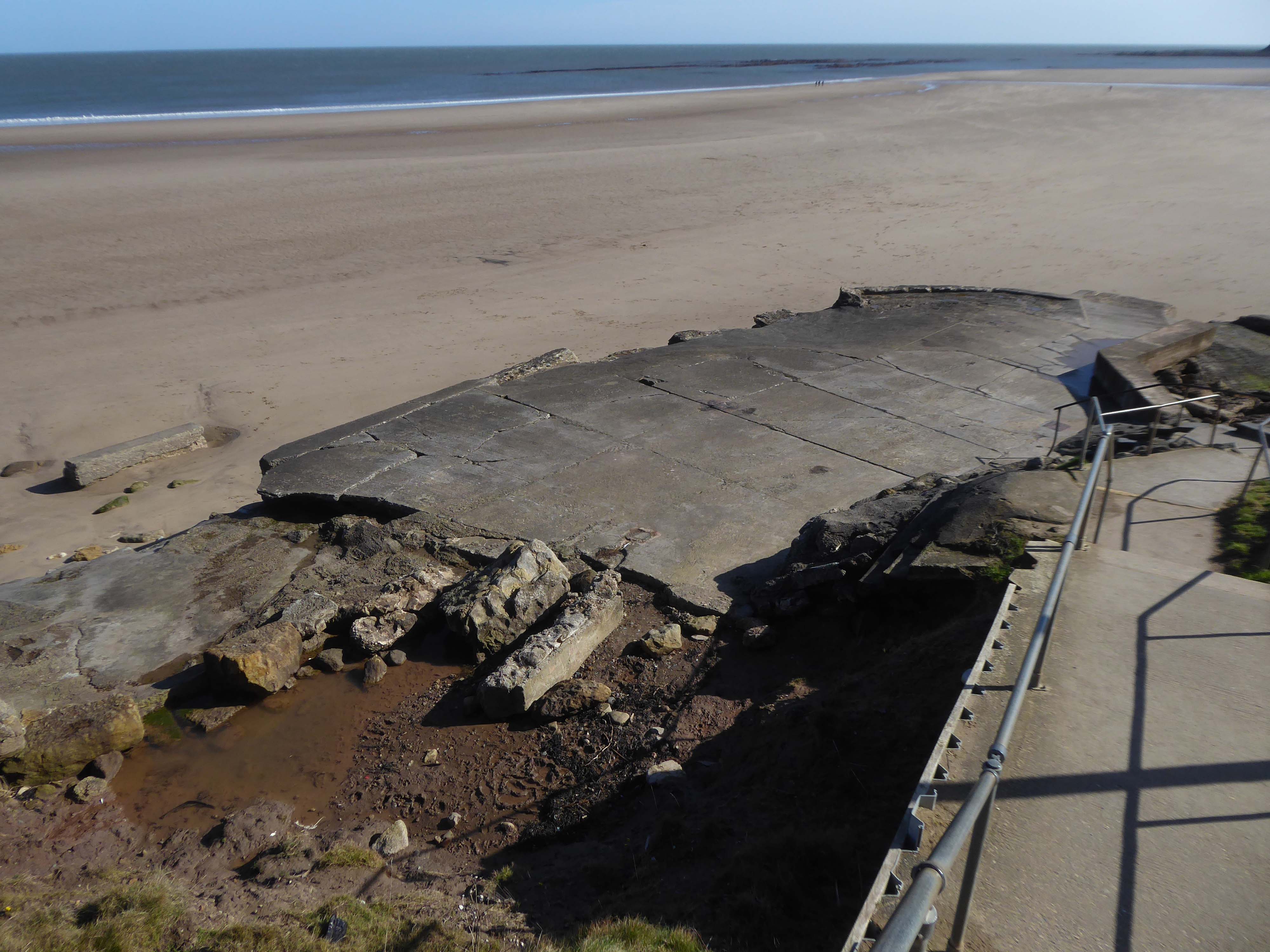
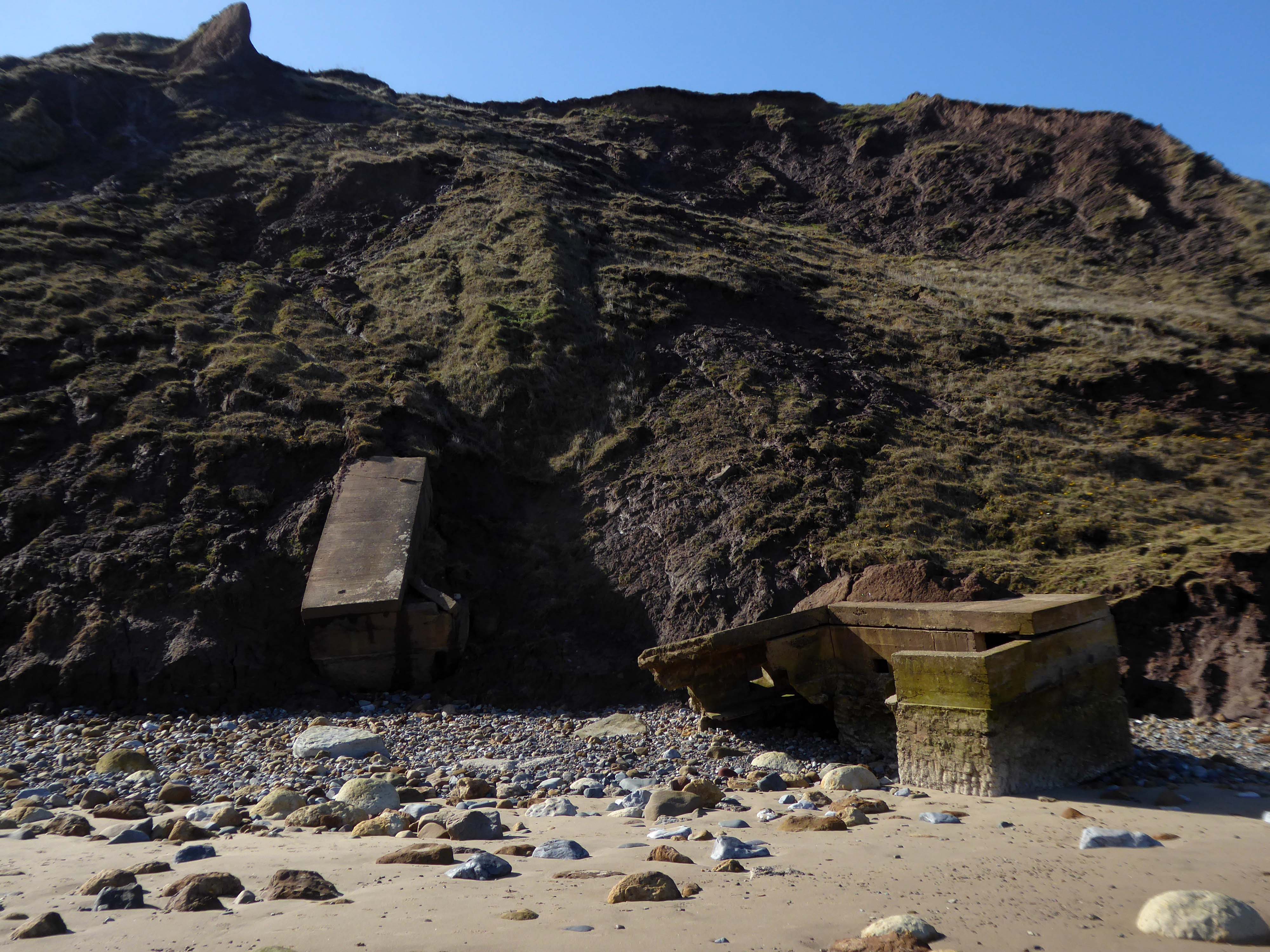
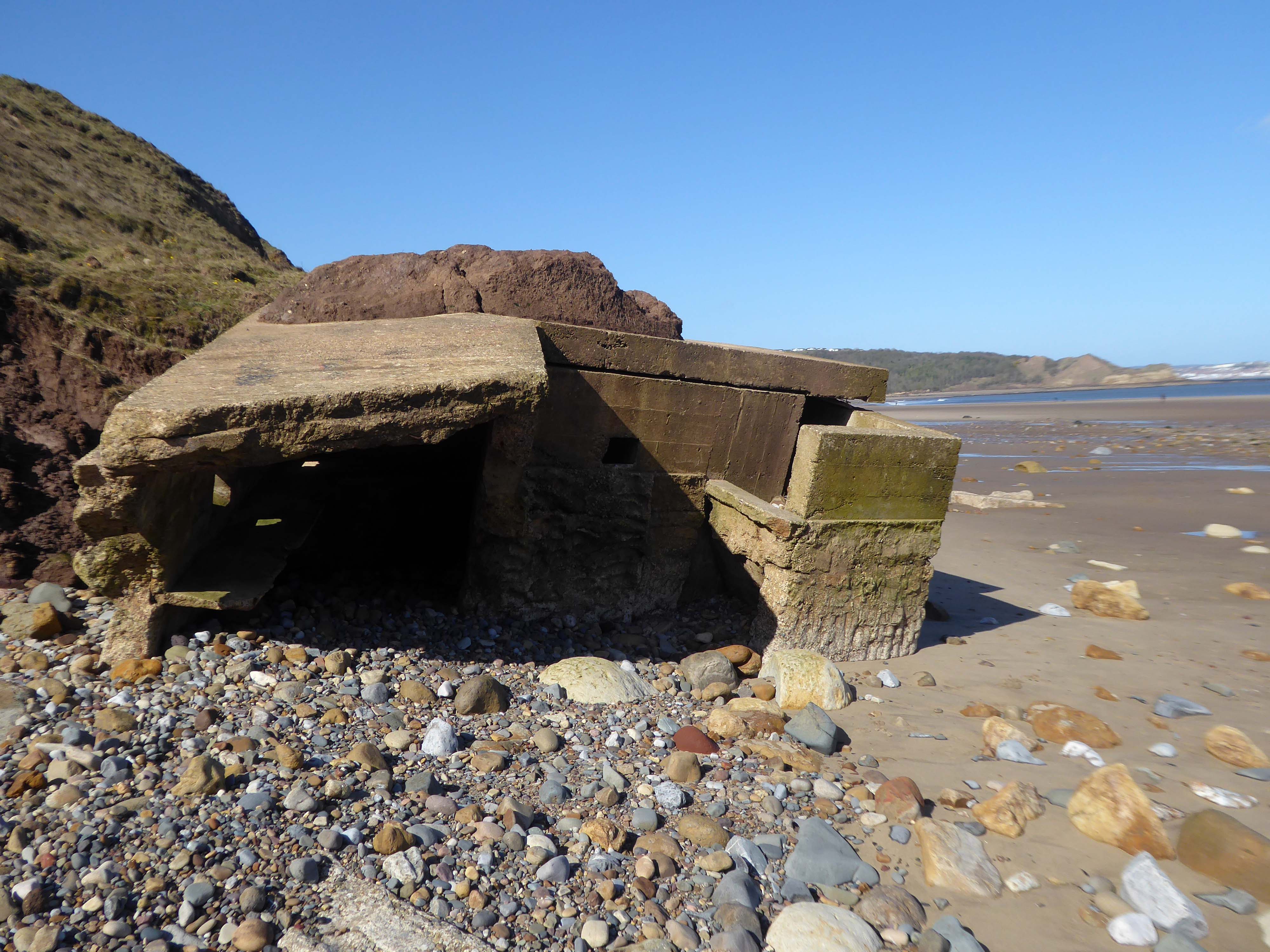
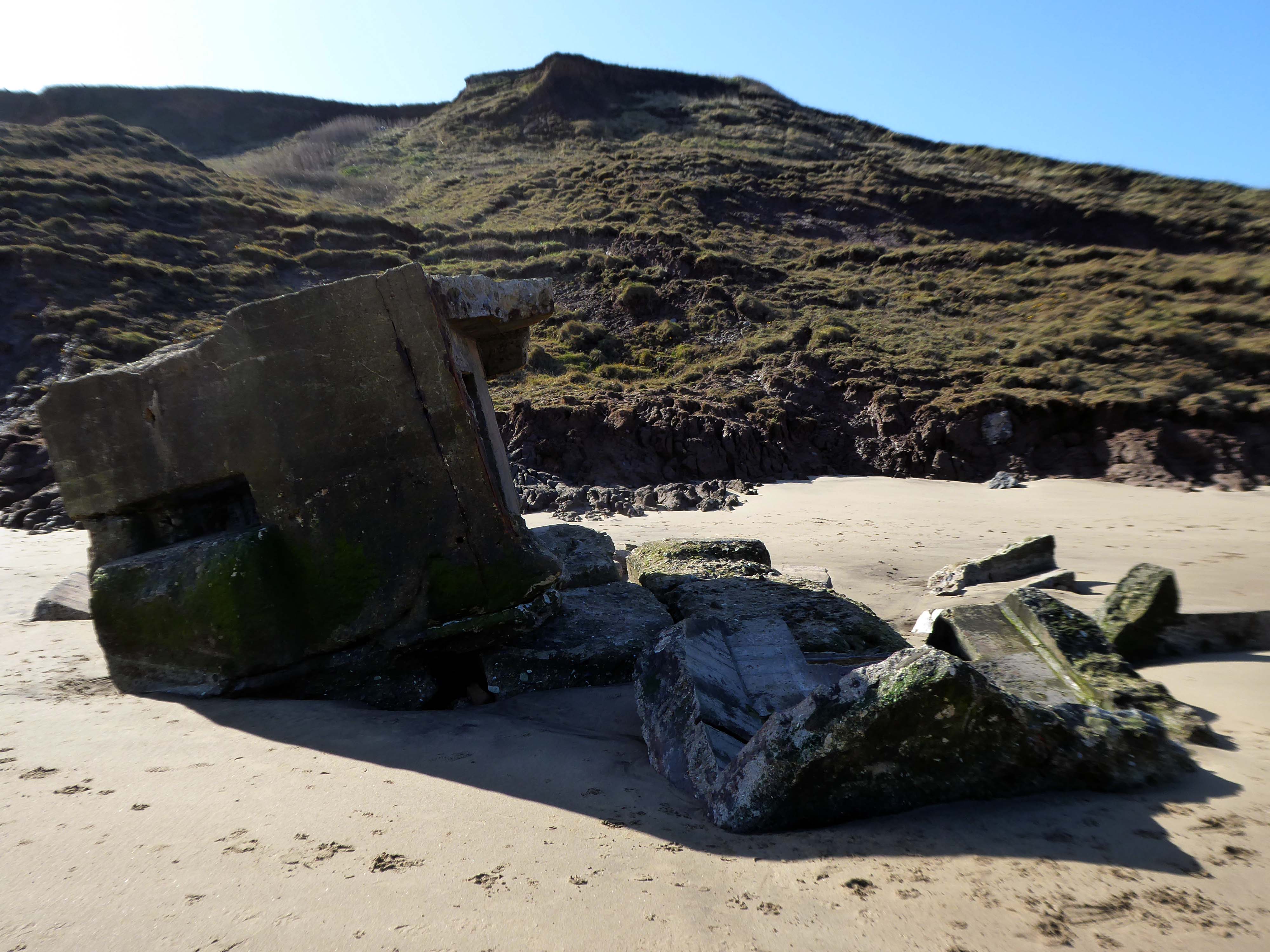
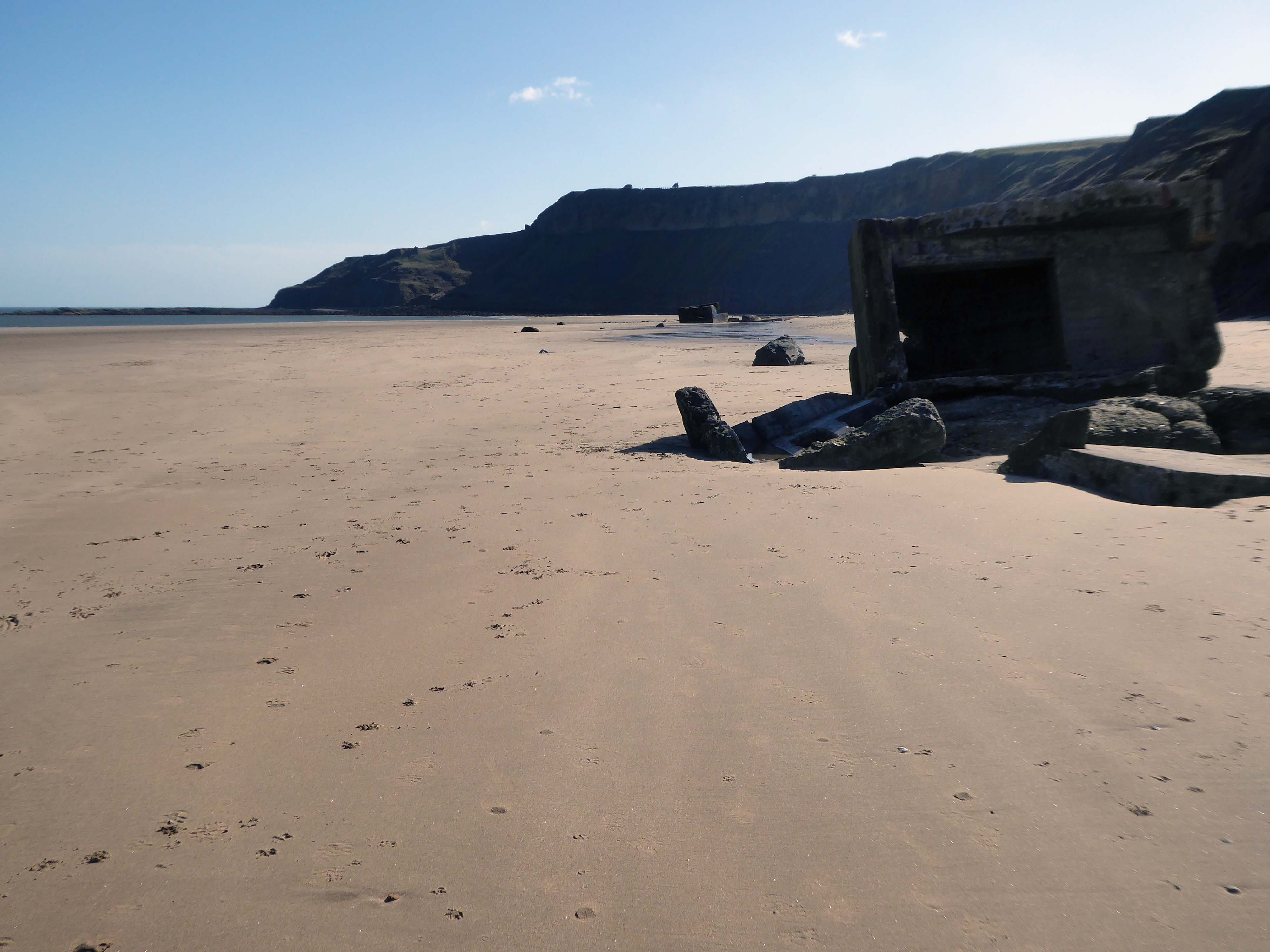
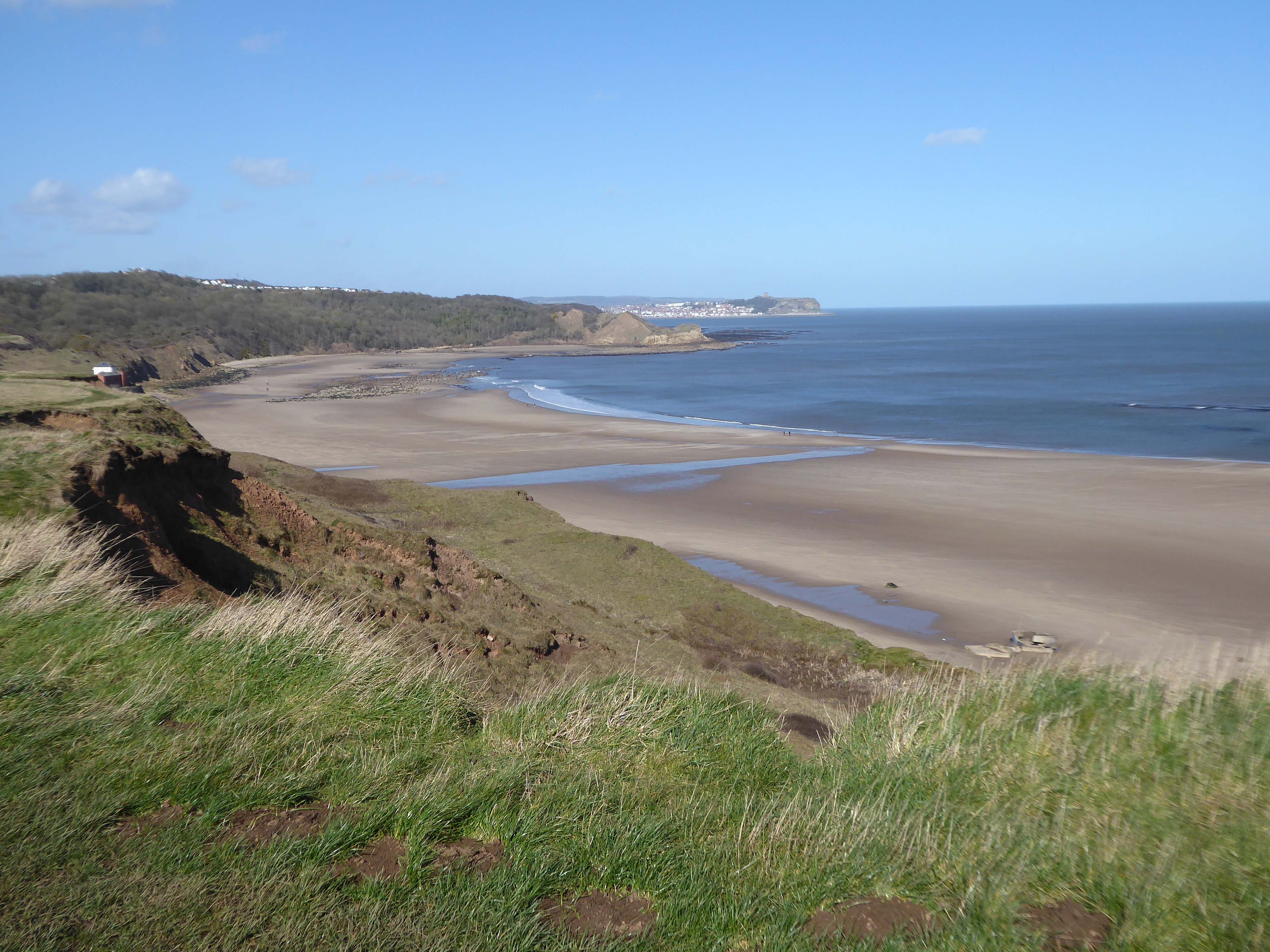
The wide sandy bay was an ideal location for WW2 pillboxes and gun emplacements – anticipating a possible North Sea invasion.
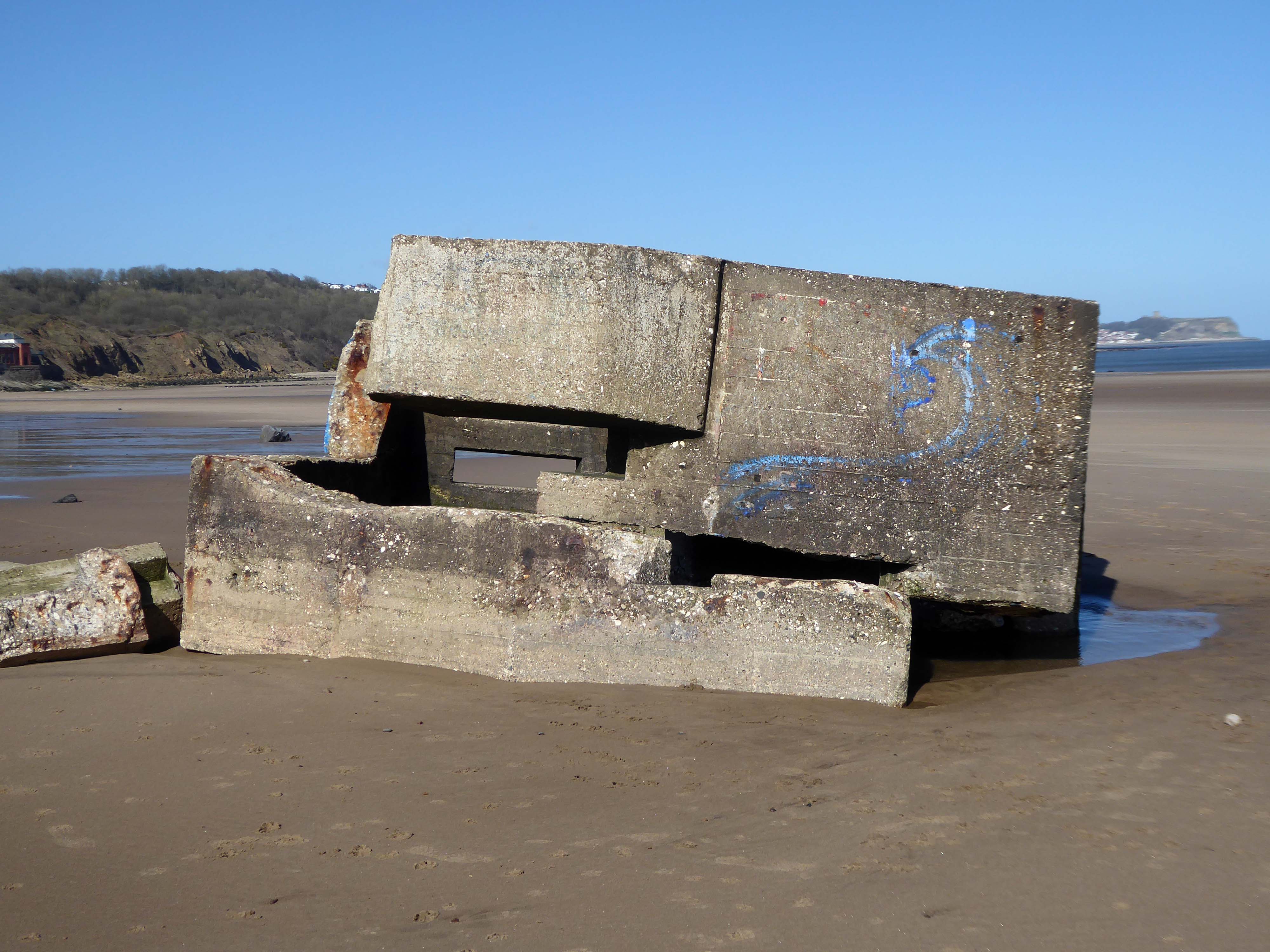
They too are built quite literally on shifting sands.
The pillbox – one of many built along the coast to defend against an invasion during World War II – had started to break down, leaving one large piece of stone in a precarious position.
Rob Shaw, of Ganton, noticed the large slab was propped up dangerously against another piece of stone last September.
He said he reported his concerns to Scarborough Borough Council then, but that nothing was done until last month.
The dad-of-two said before the work:
I used to work in construction and I would have been fired if I had left a lump of concrete like that, it could weigh four or five tonnes.
It just needs lying flat on the sand so it can’t fall on anyone.
A spokesperson for Scarborough Borough Council said the council had assessed the pillbox and arrangements had been made for the problem section to be removed.
The Scarborough News
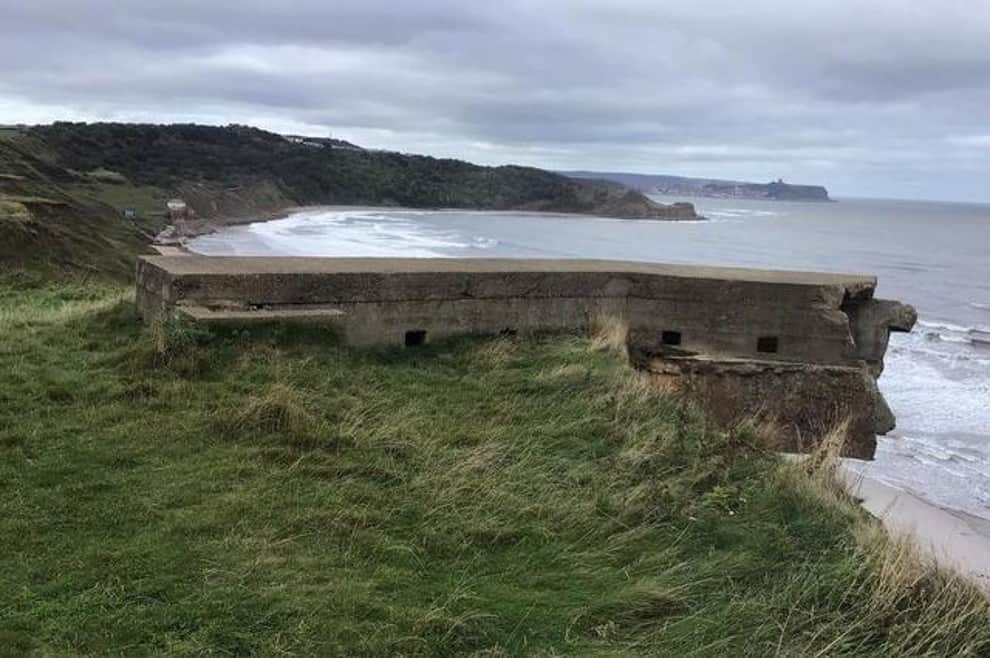
This unstable cliff-top structure was allegedly hastened bay-wards by the Council.
Claims that we pushed the pillbox off the cliff are untrue – our colleagues have many amazing talents but pushing huge concrete structures is not one of them. The structure people can see at the base of the cliff is the other section of the pillbox that has been on the beach for many years.
So let’s take a look at the state of play as of March 2023 – walking amongst these crumbling concrete remnants.
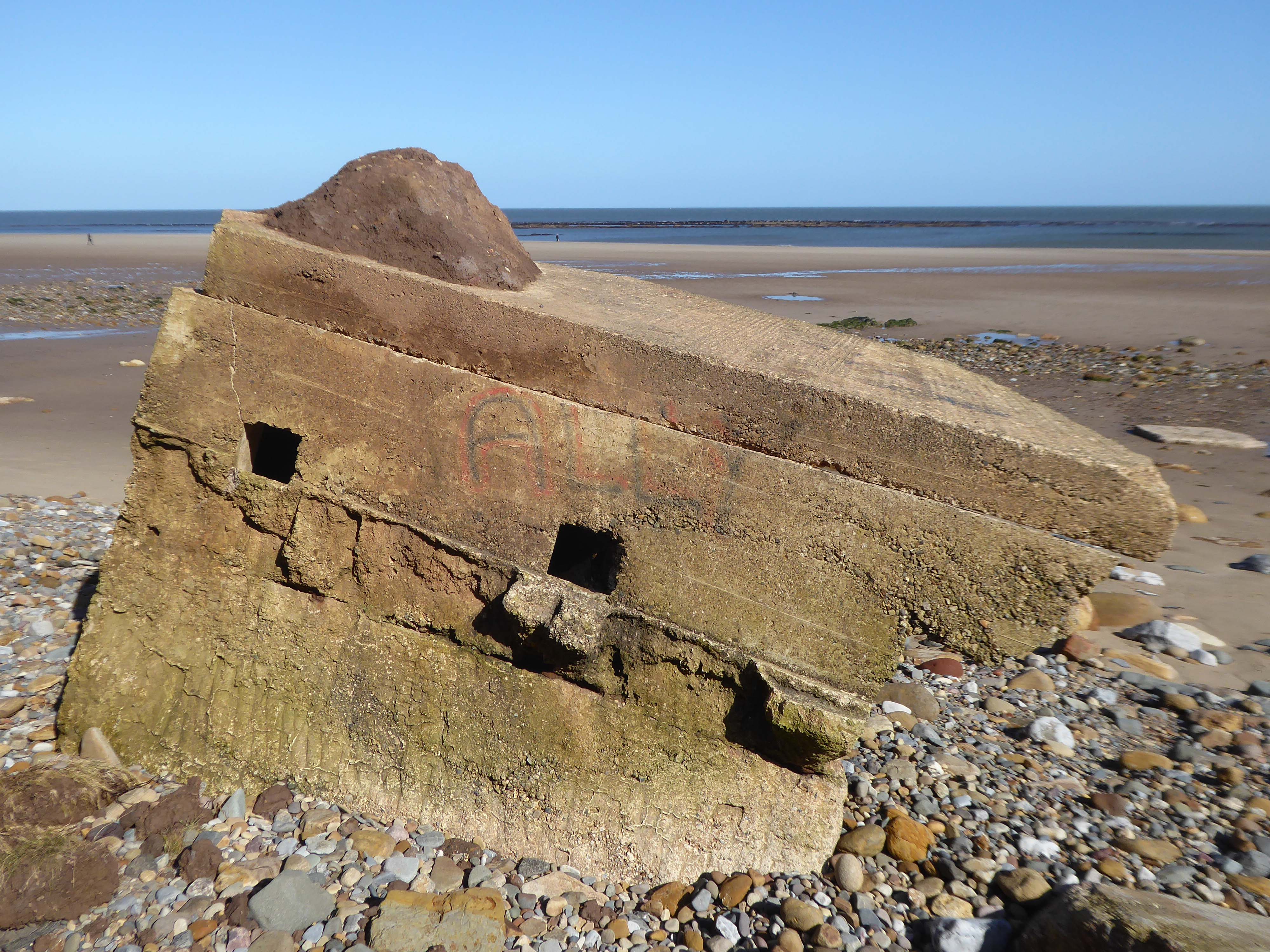
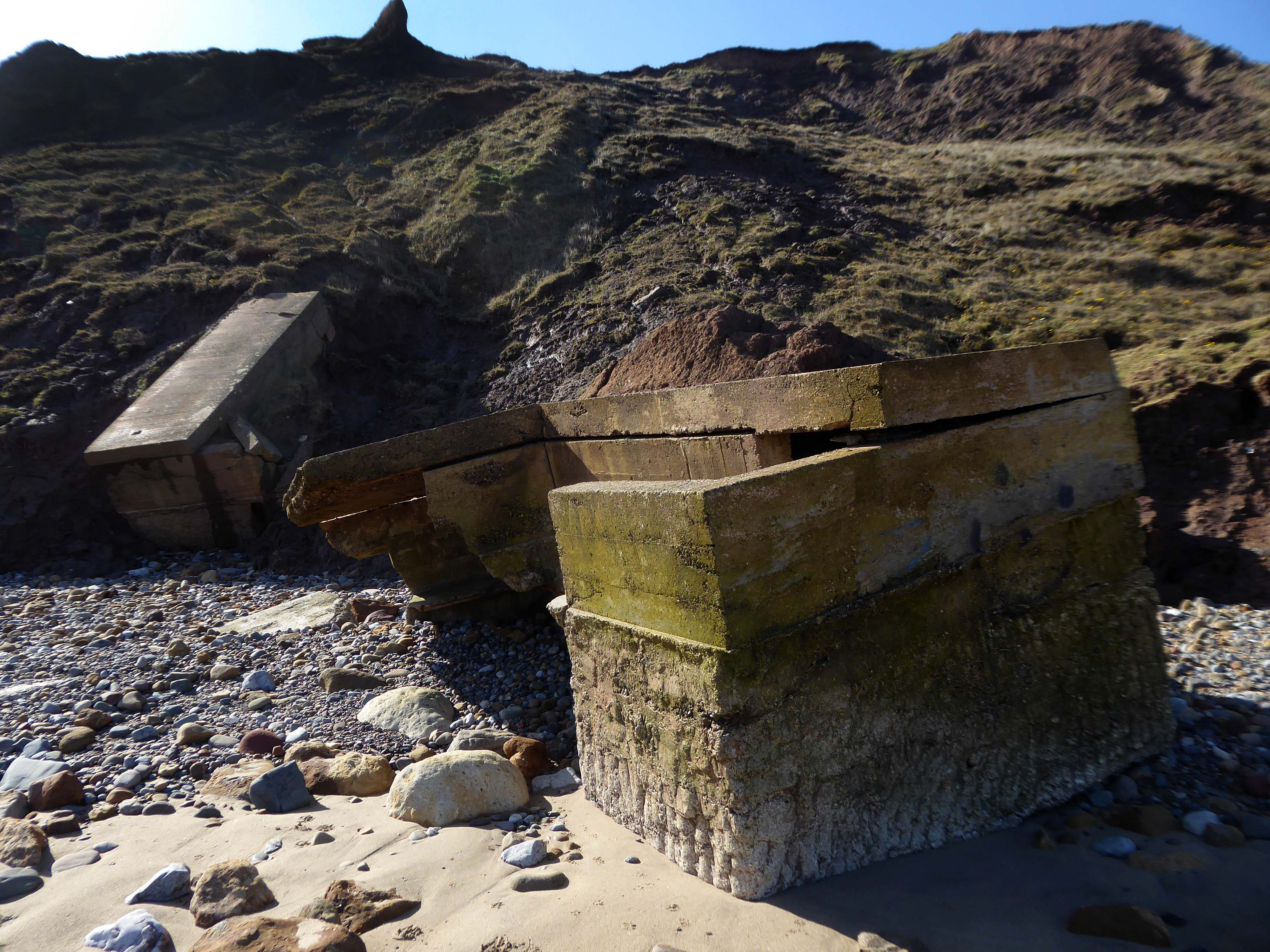
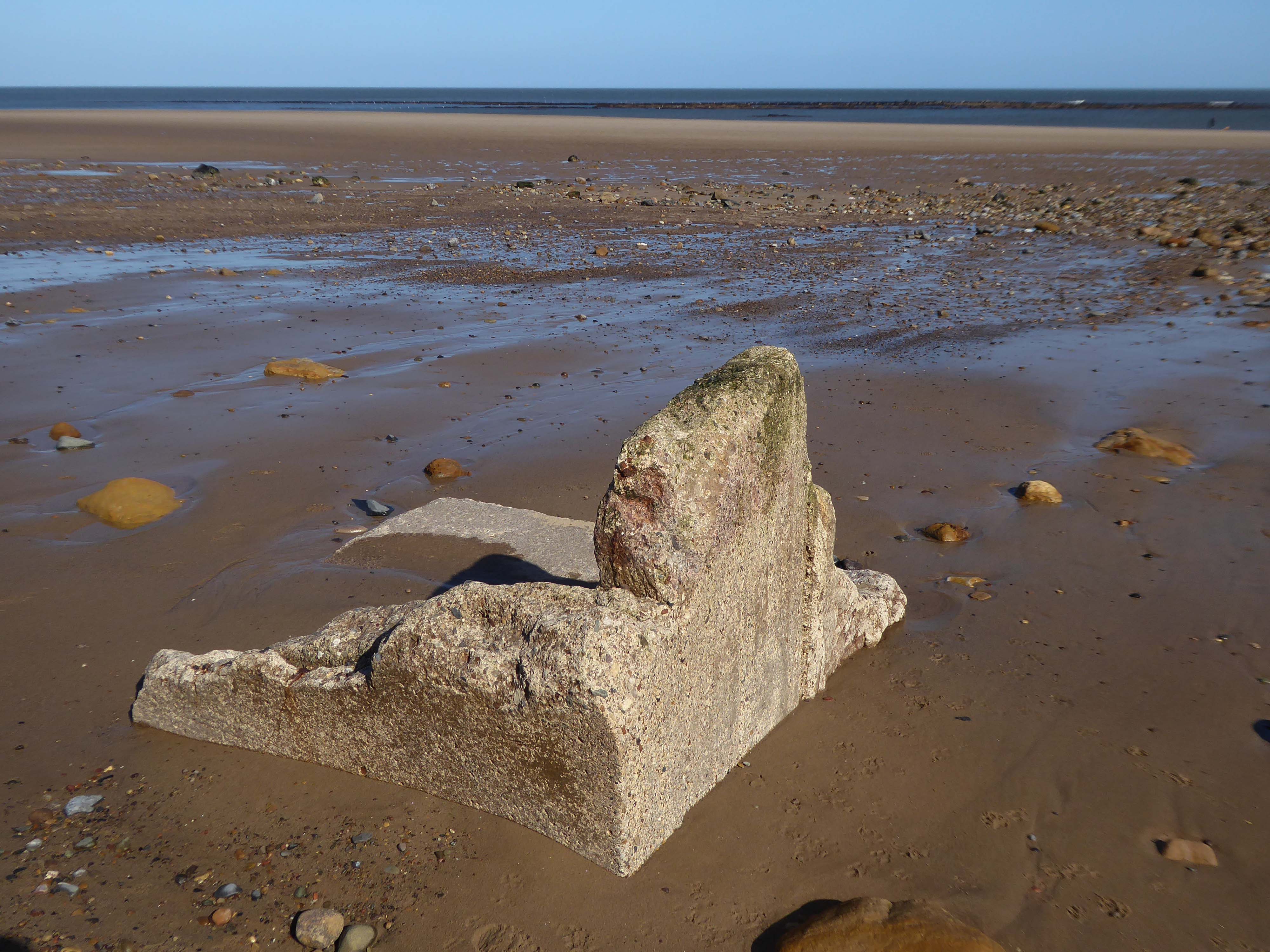
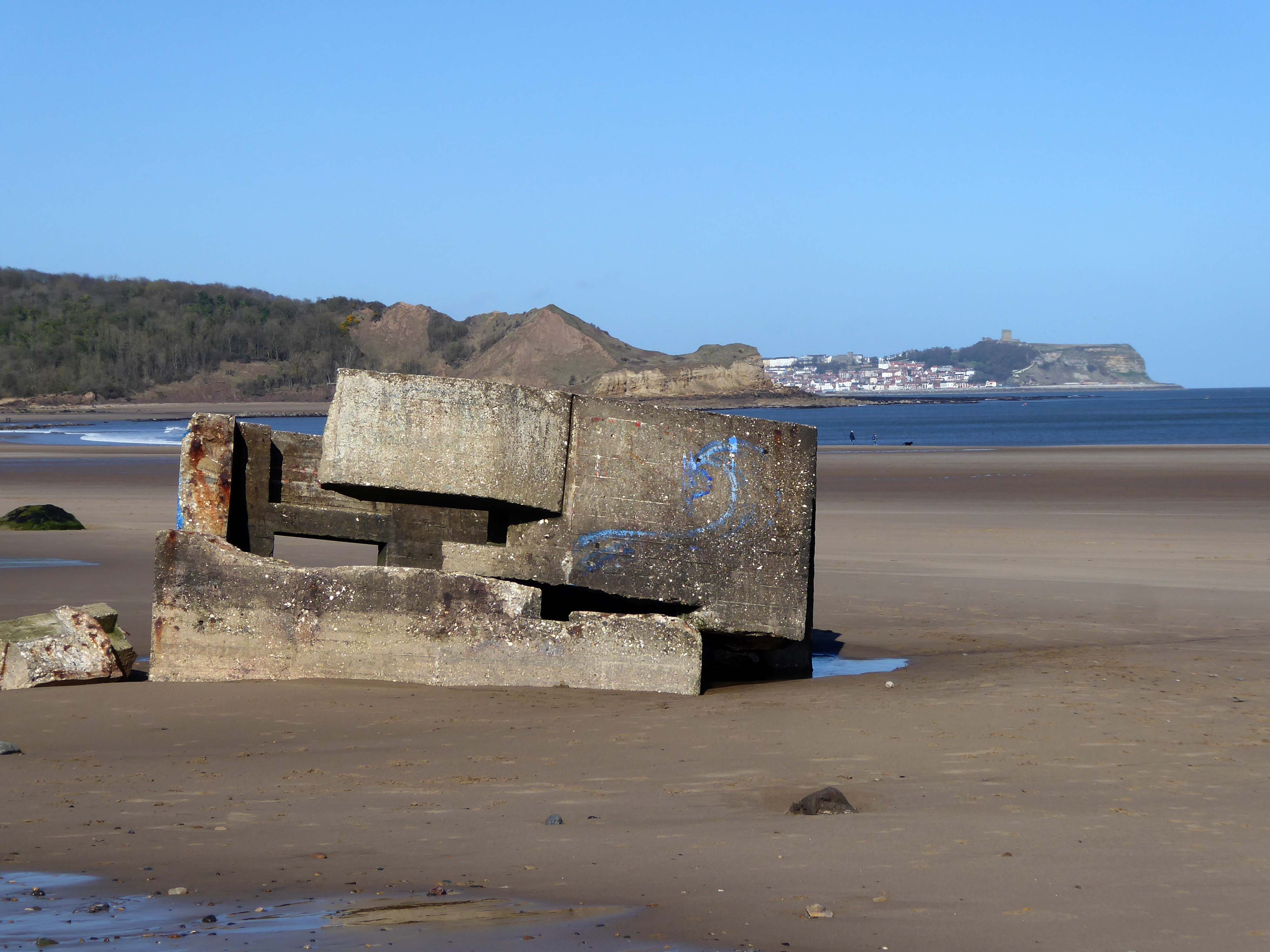
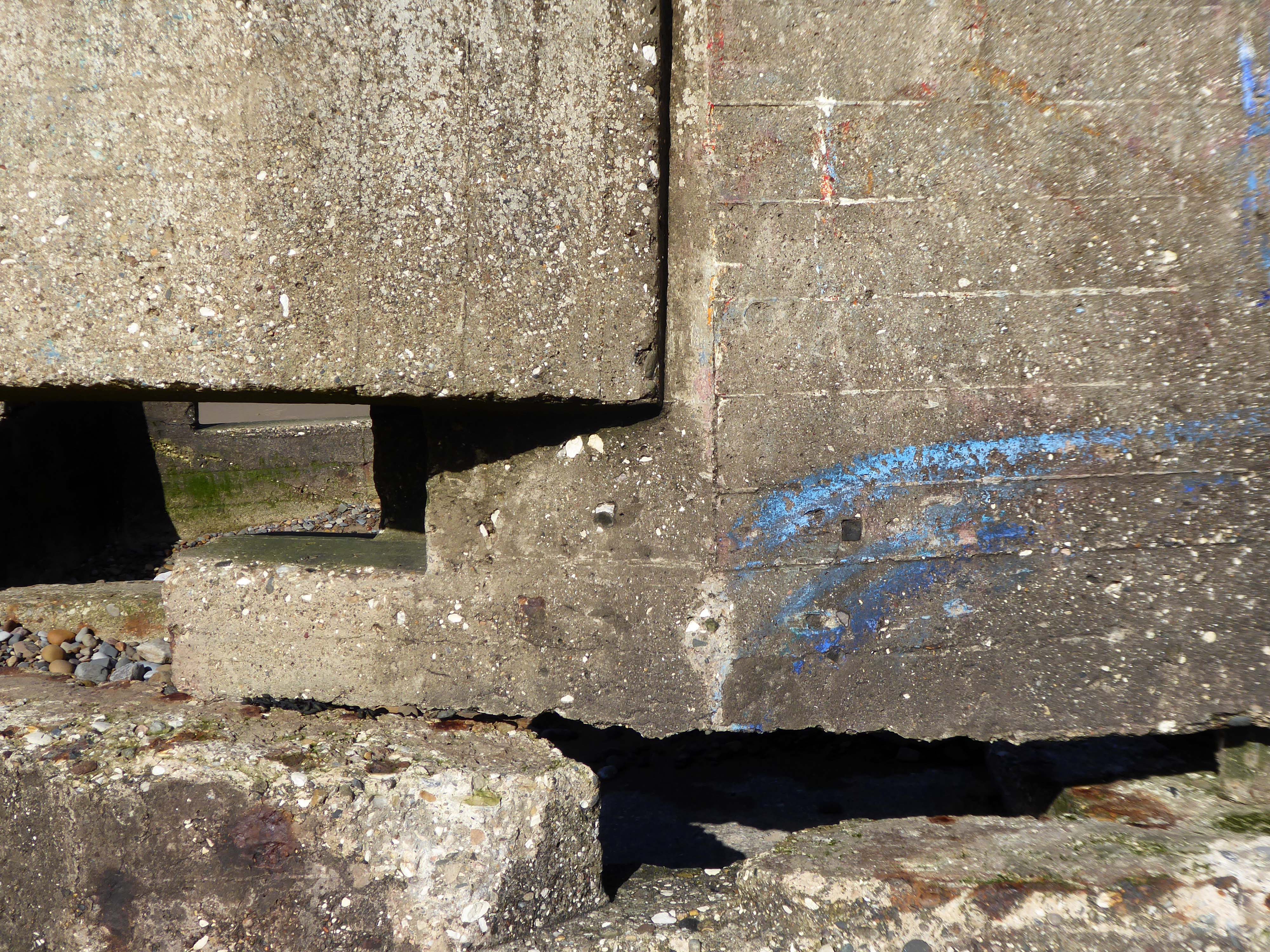
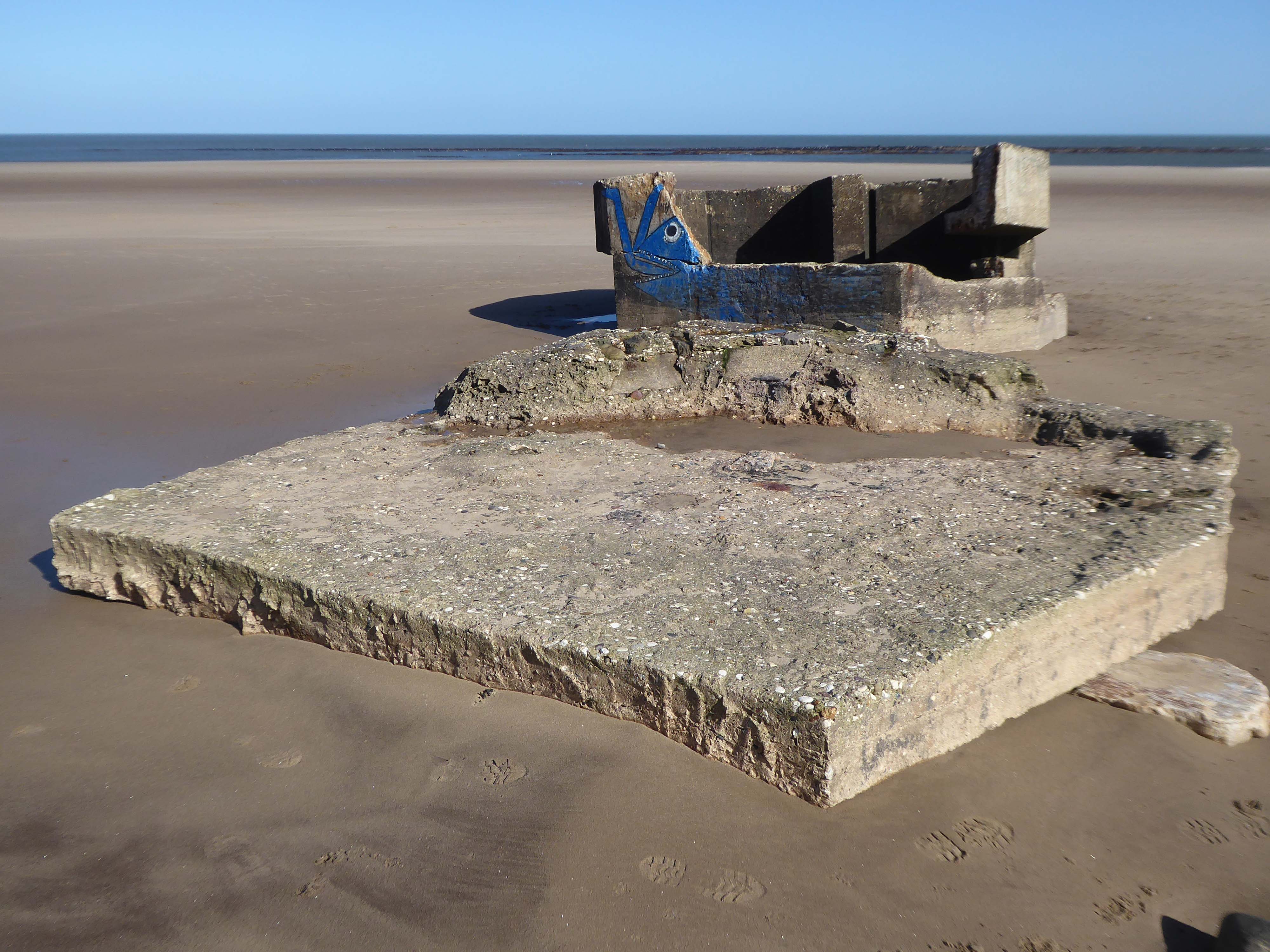
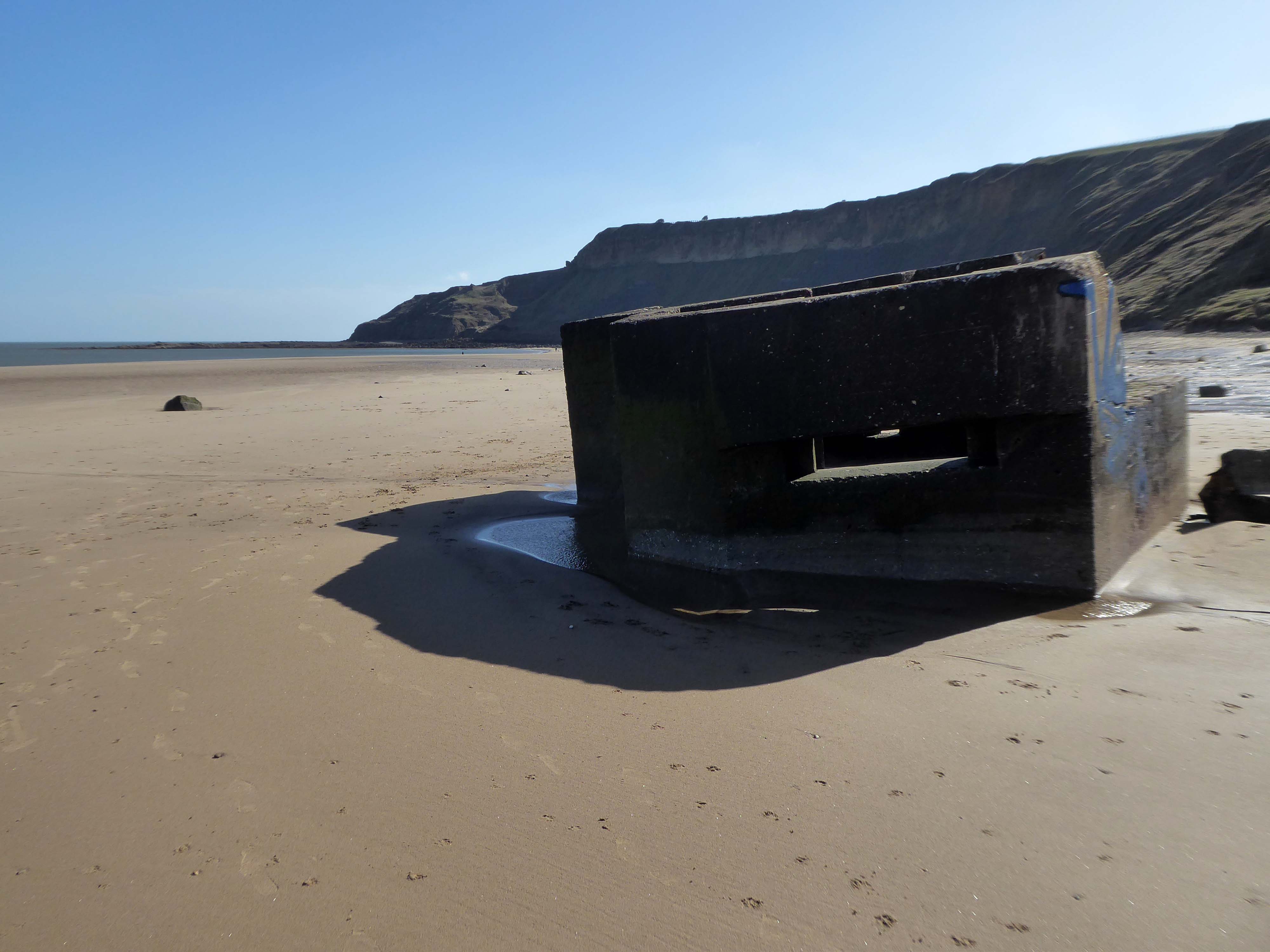
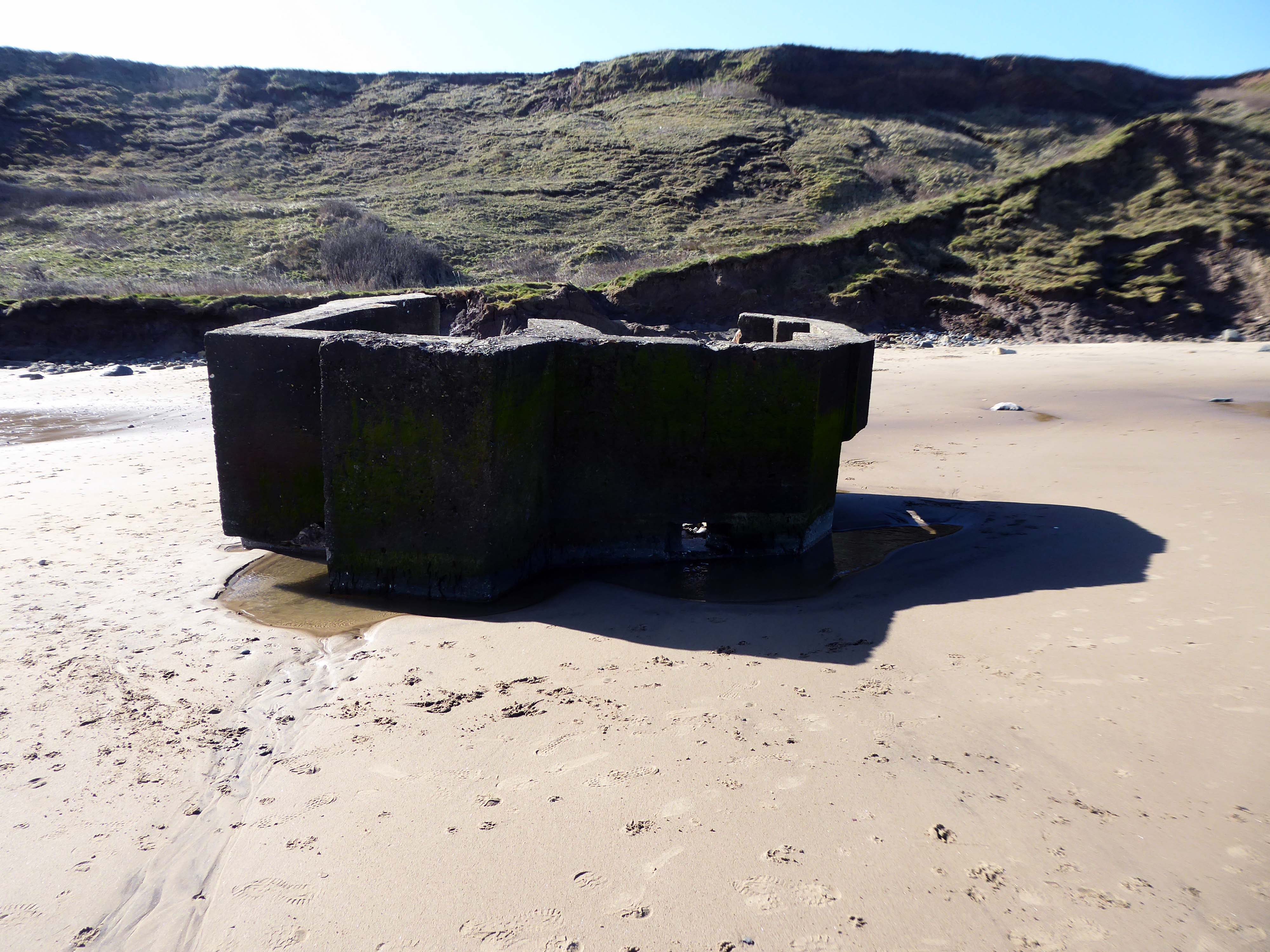
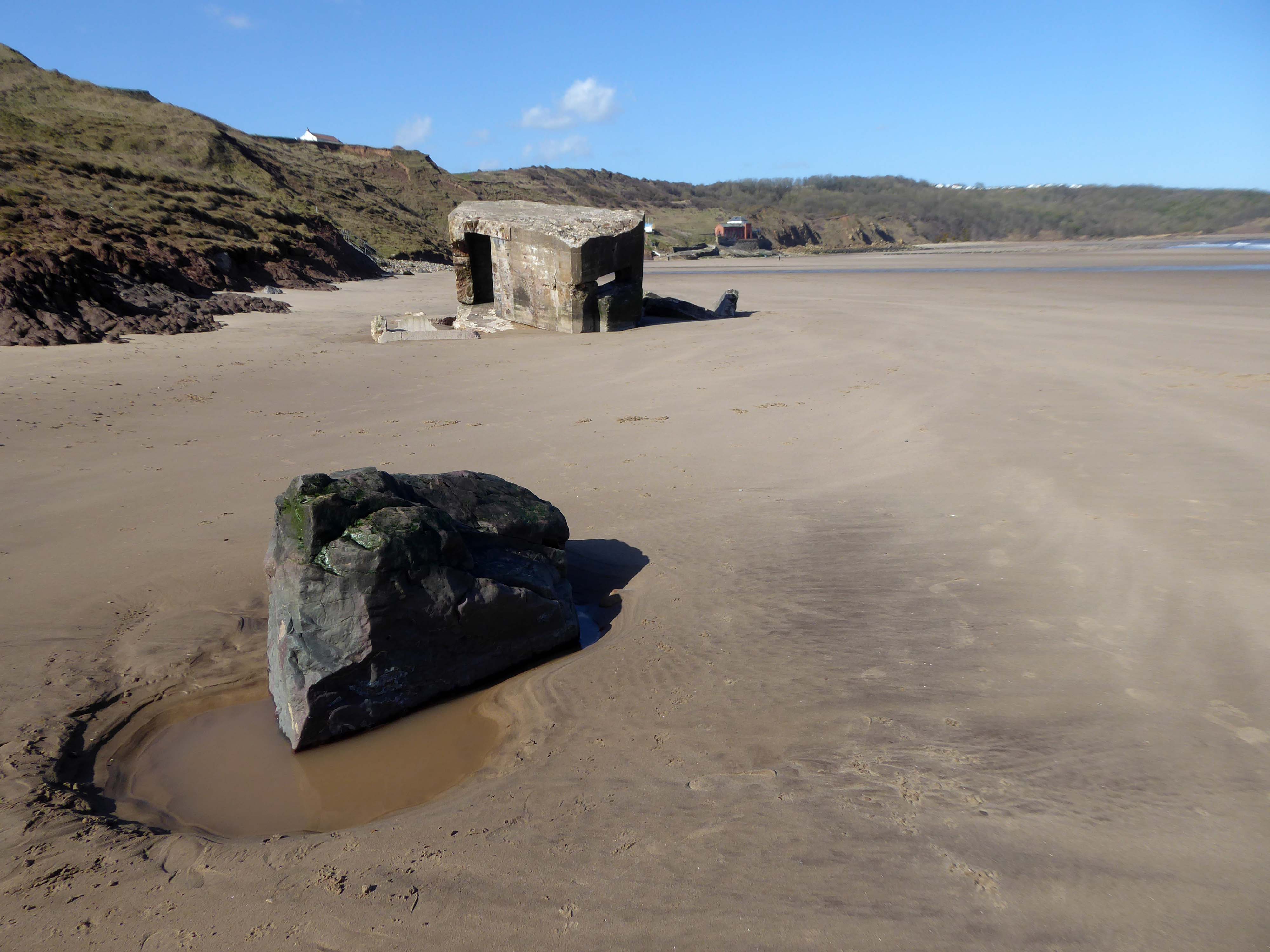
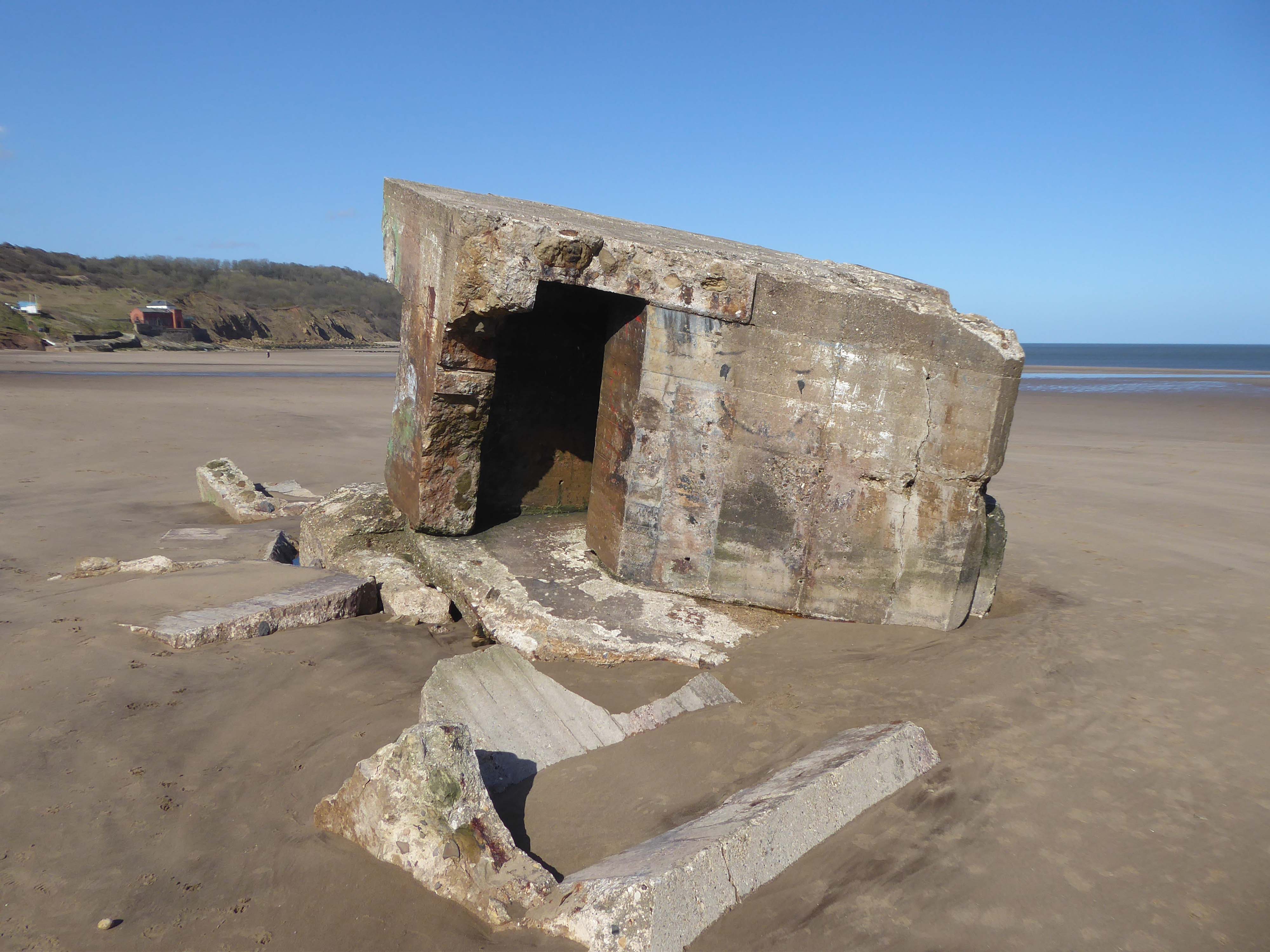
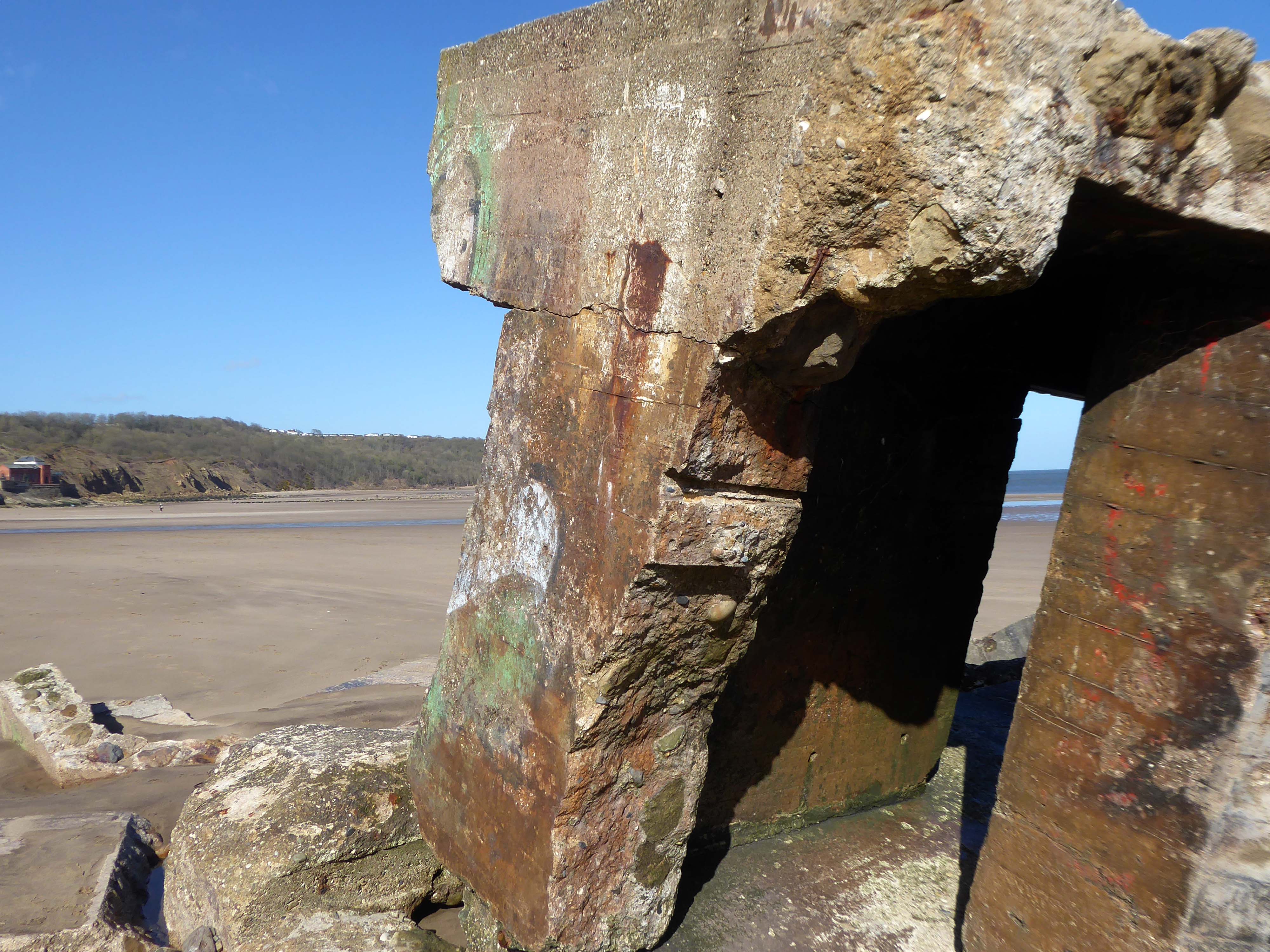
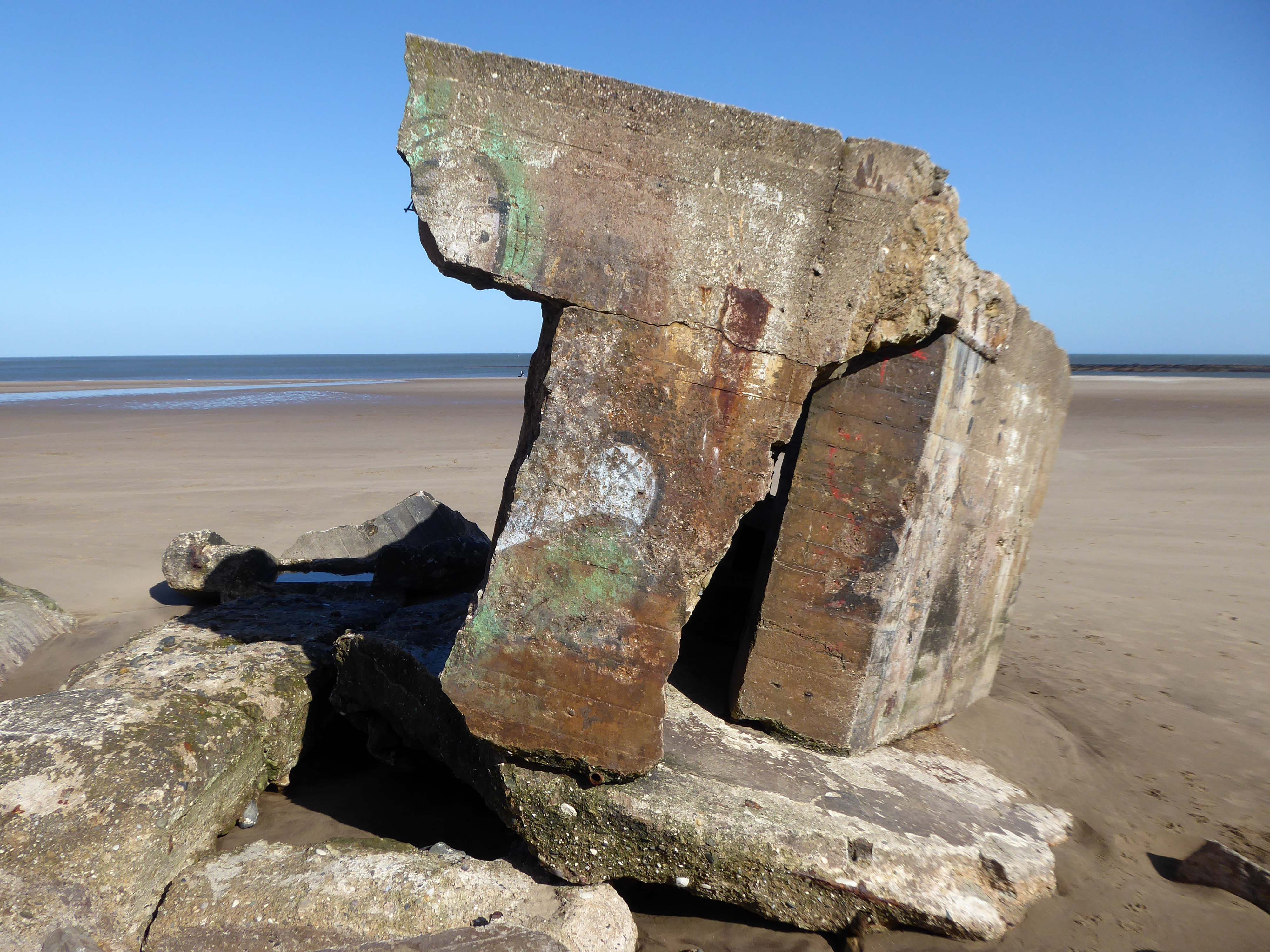
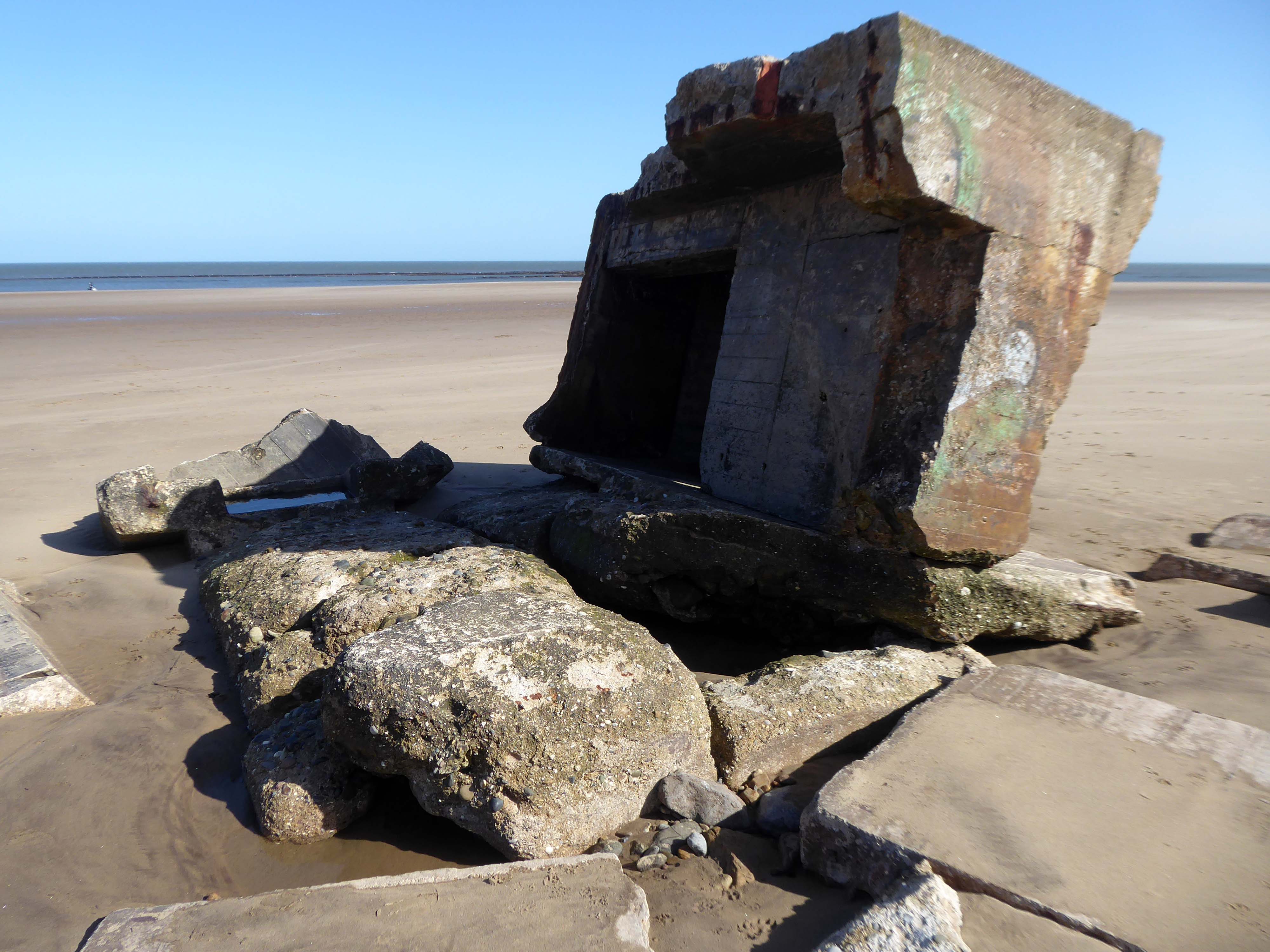
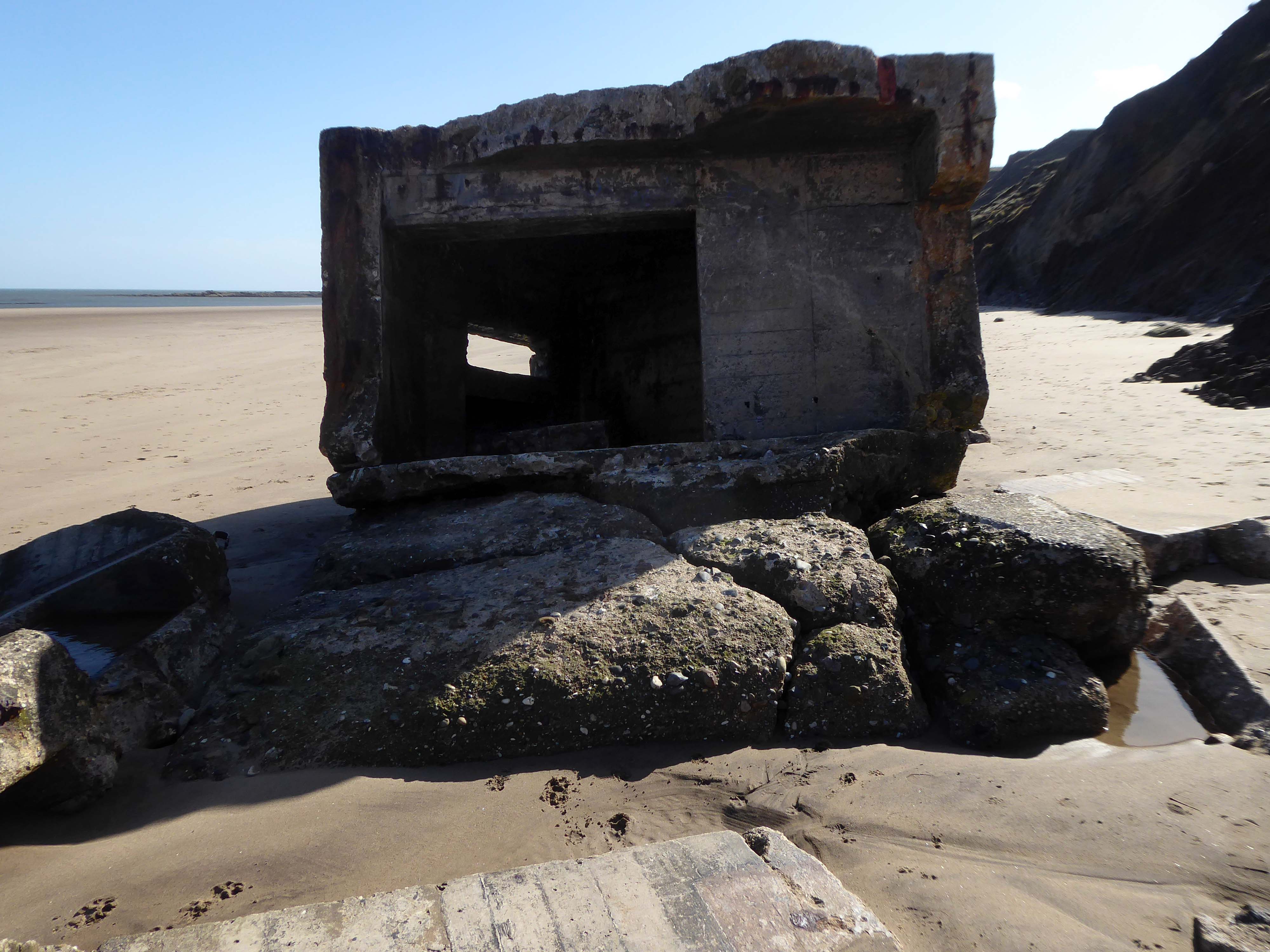
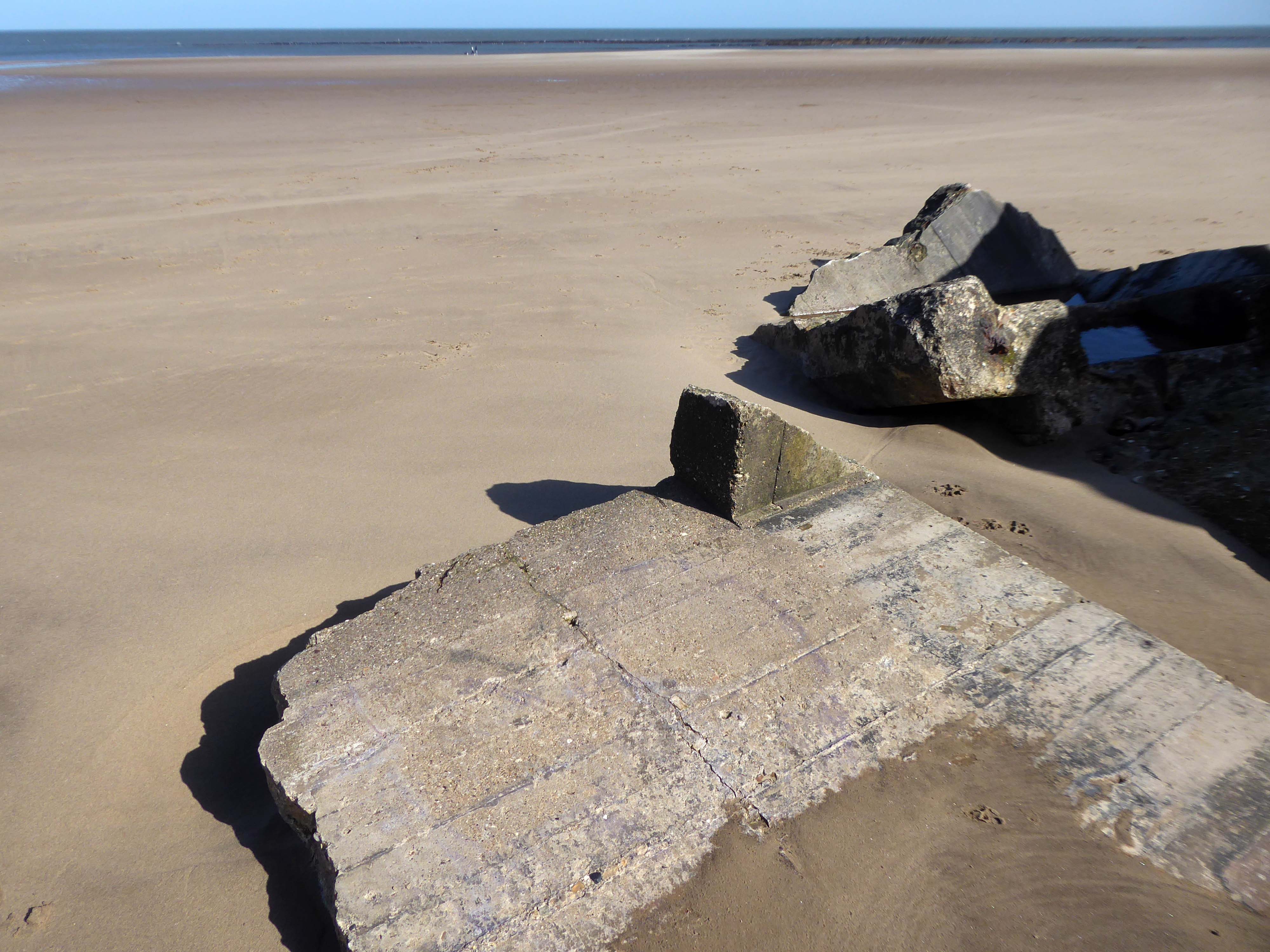
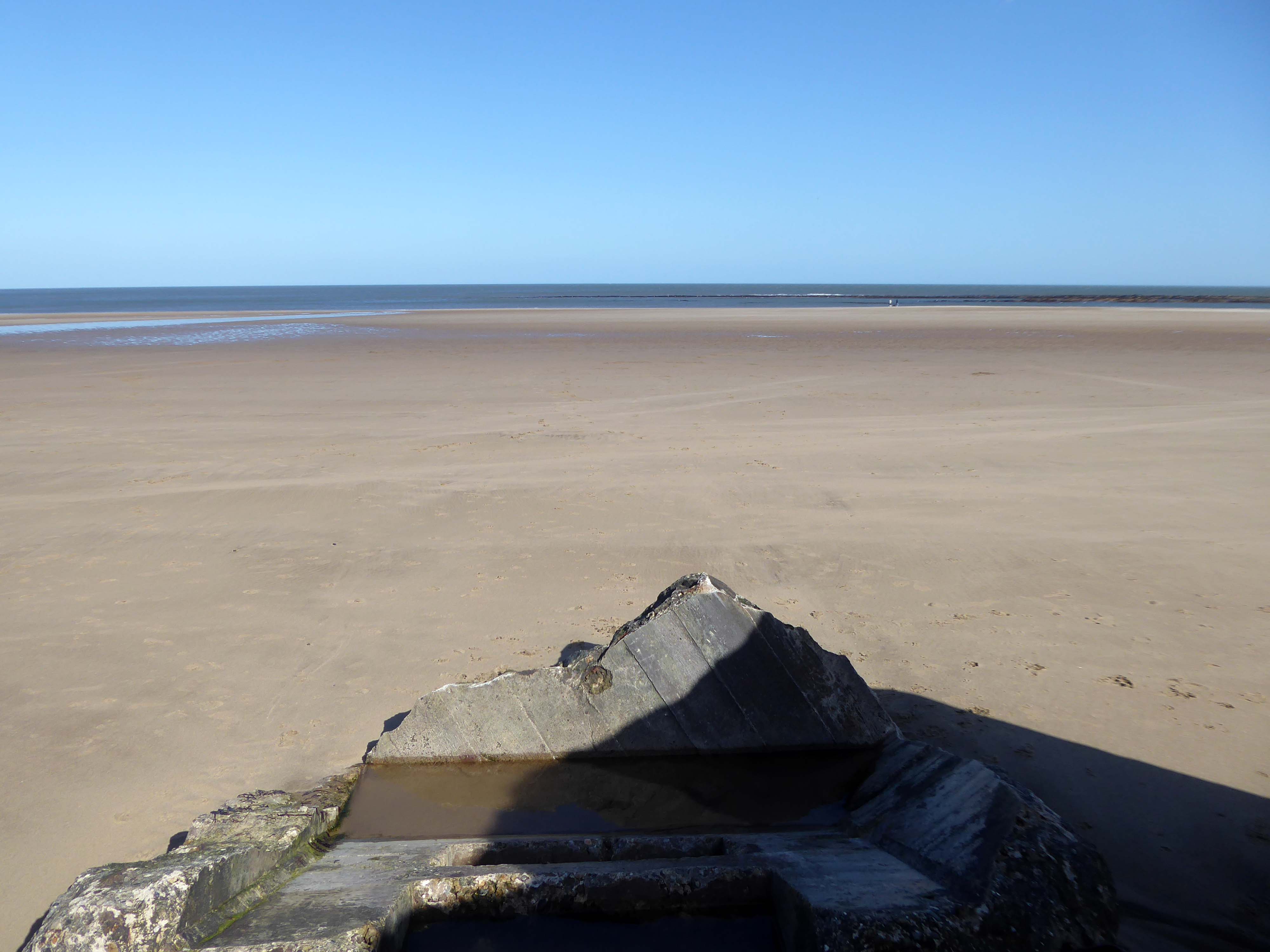
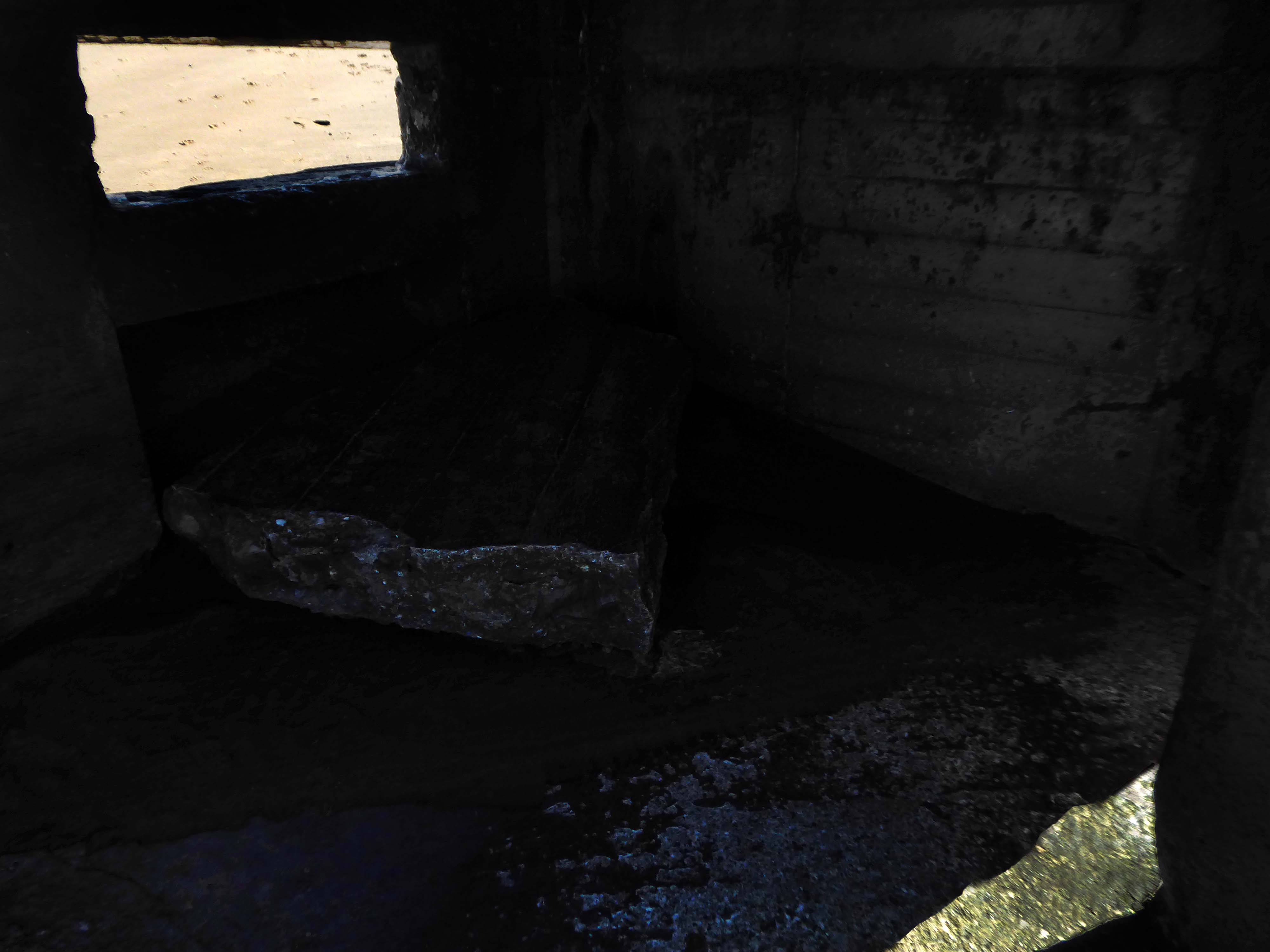
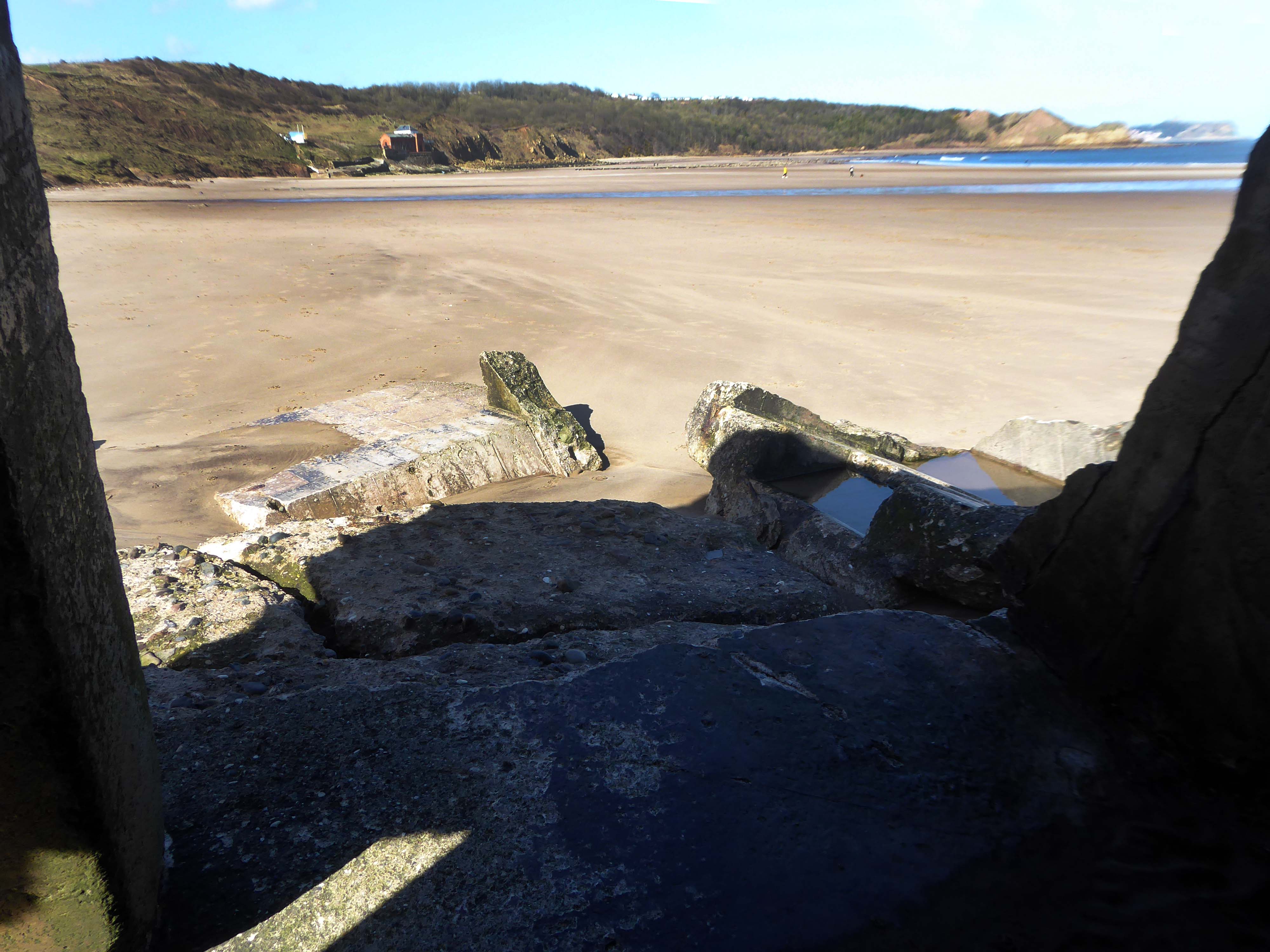
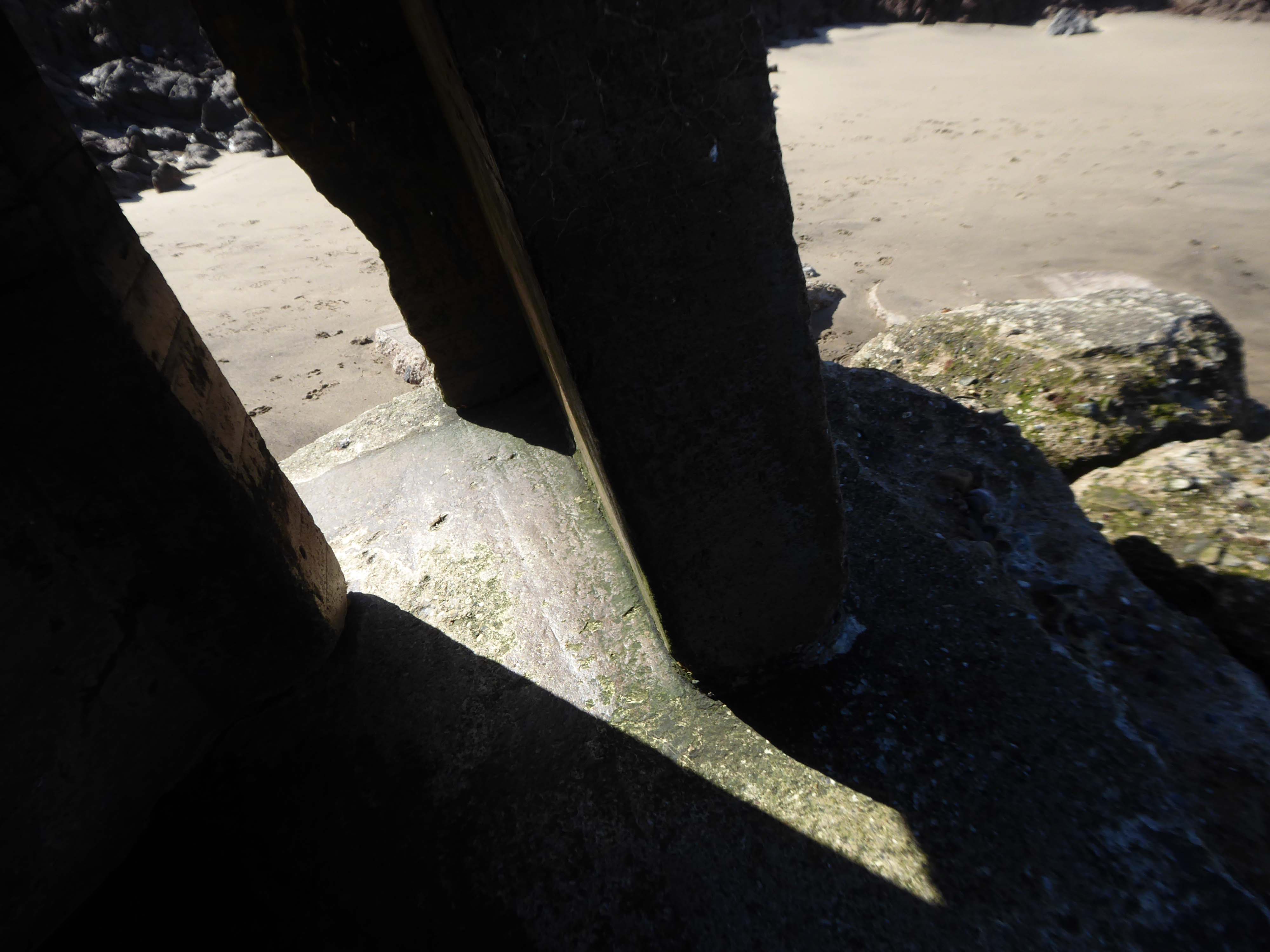
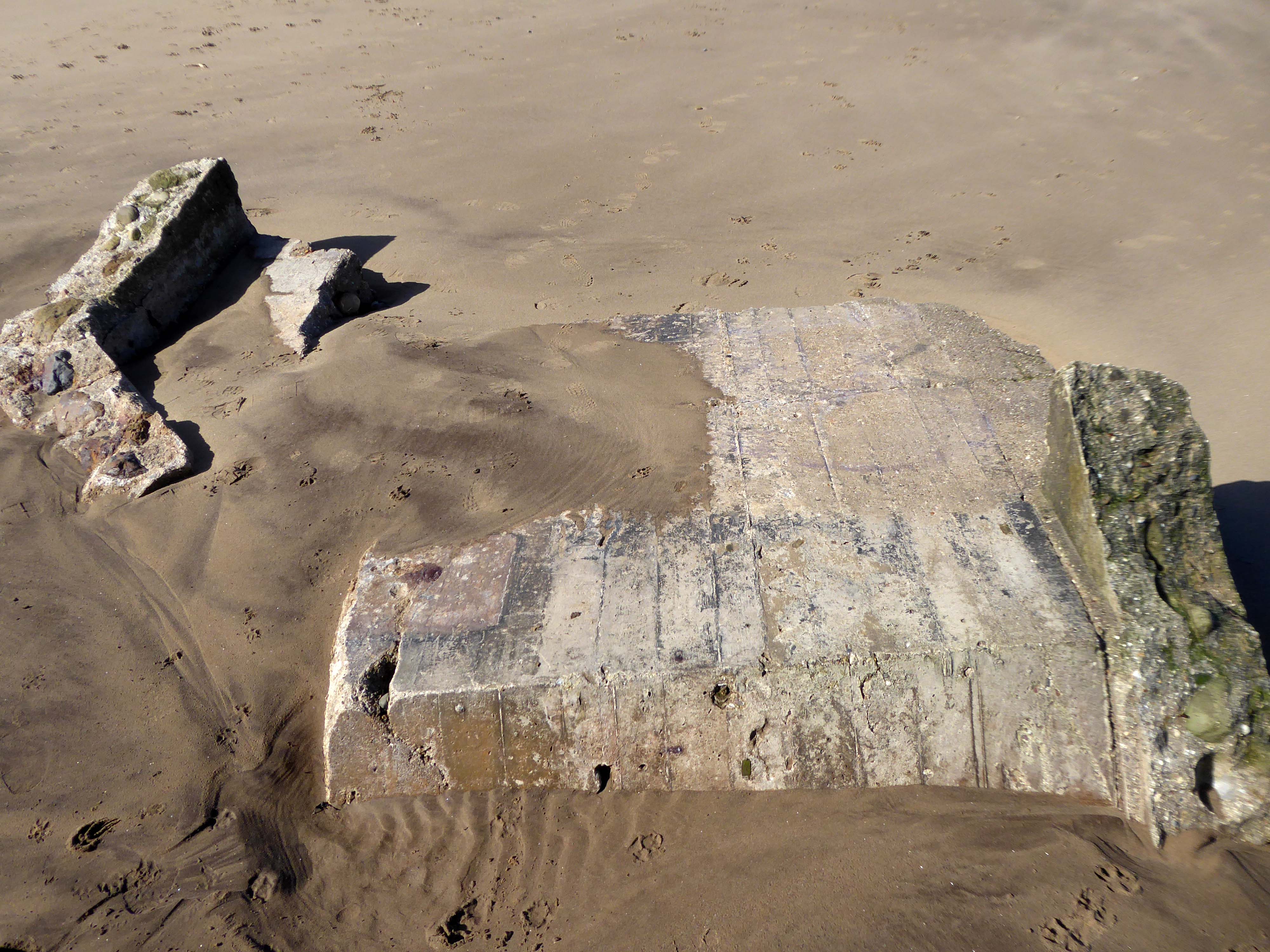
It’s Friday, the rain has almost stopped and I have a job to do.
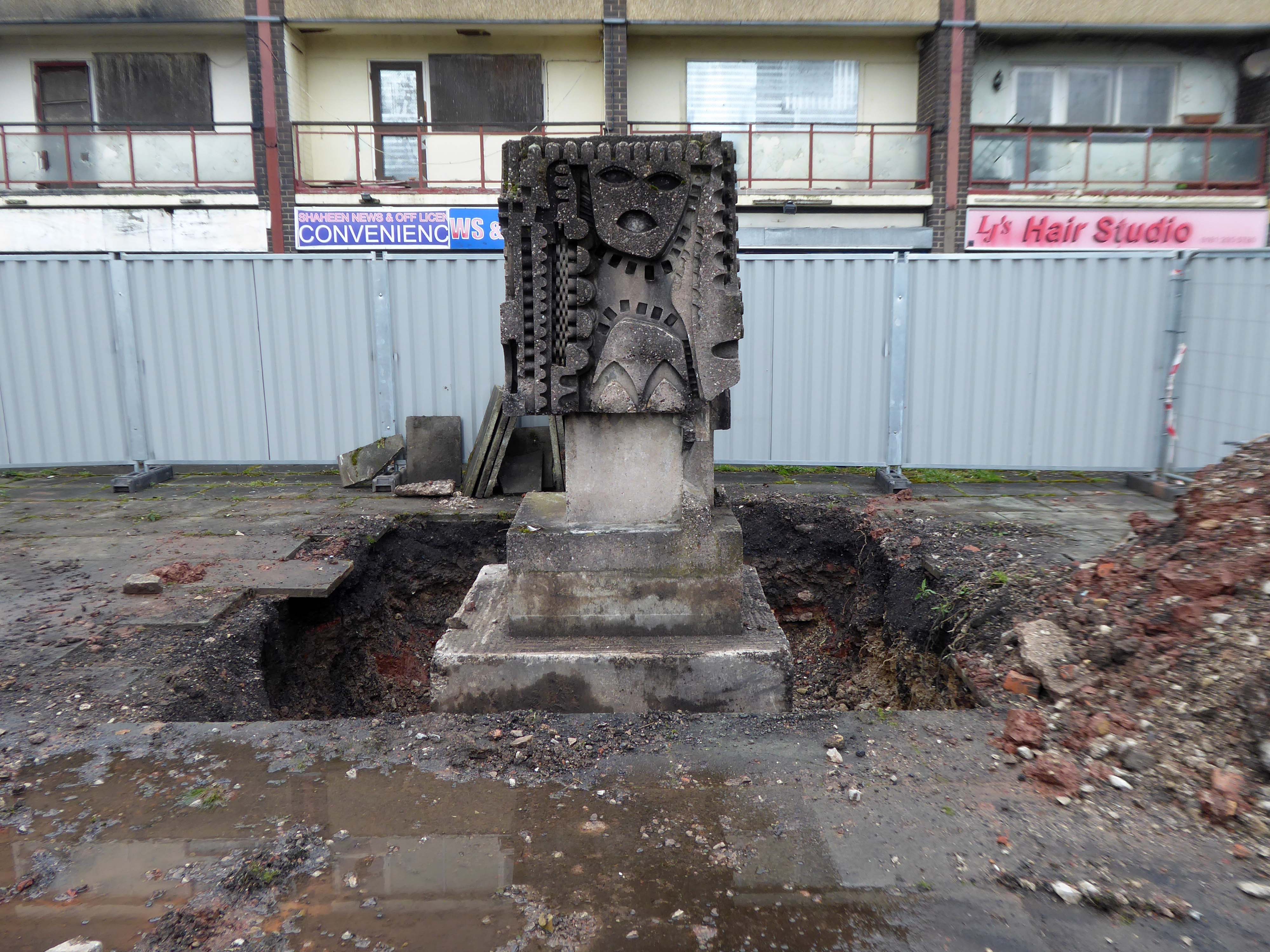
The putative William Mitchell totem in Eastford Square is being moved.
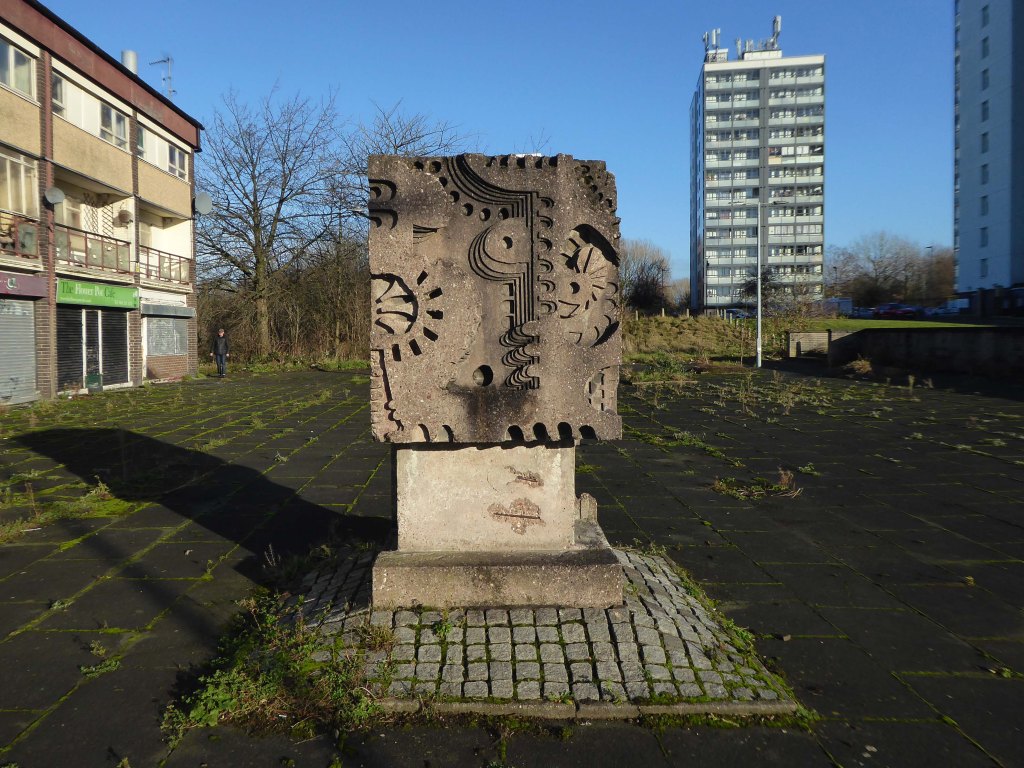
Having taken a particular interest in this particular piece of public art for some time – I need to go and take a little look.
But what will we see along the way, as we hasten along Rochdale Road?
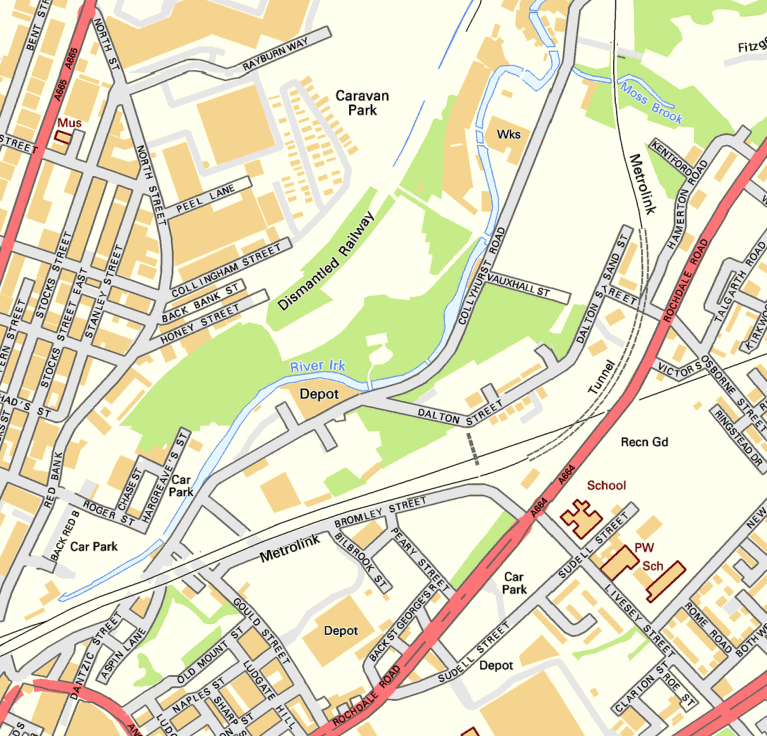
Which once looked like this, way back when in 1904.
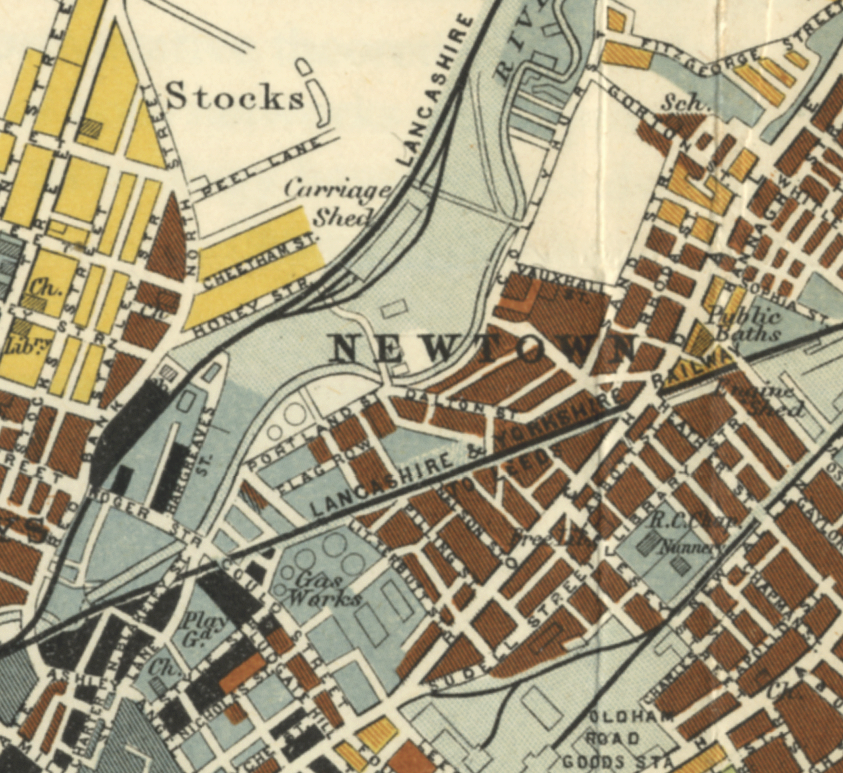
Though some things inevitably come and go, as some things are prone to do.
The city is undergoing yet another reinvention as Manchester becomes – an attractive place to invest and do business.
See, I am doing a new thing!
Now it springs up; do you not perceive it?
I am making a way in the wilderness and streams in the wasteland.
Isaiah 43:19
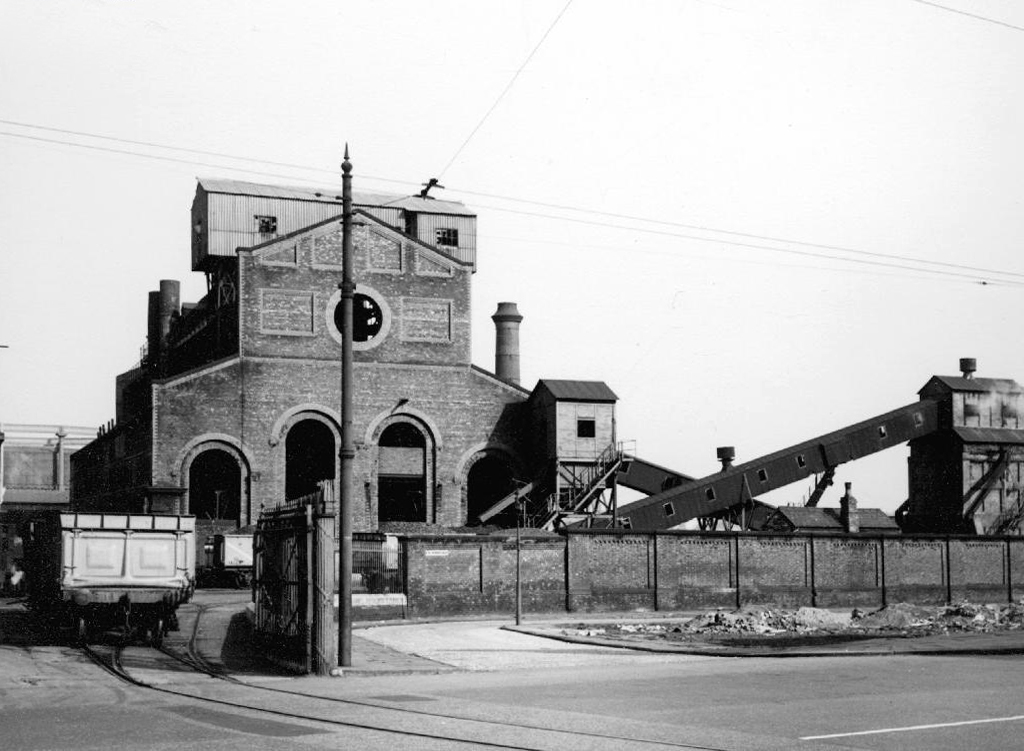
Once there was a gas works here – adjoining Gould Street, seen here in 1958.
The Gould Street Gas Works was a gas manufacturing plant located in Manchester, England. Originally built in 1824, the plant was operated by the Manchester Corporation Gas Department and was in operation from 1833 to 1969. It was named after the street on which it was located, which was named after John Gould, who was a prominent Manchester businessman in the 19th century.
The Gasworks New Town neighbourhood is one of seven envisioned by the £4bn Victoria North masterplan. It will feature nine buildings ranging from 8 to 34 storeys. The 6.6-acre site has most recently been home to a car park but the green development will overwhelmingly prioritise walking and cycling over driving. It will result in tens of millions of pounds being pumped into the city’s economy over the lifetime of the development.
Plans for a trailblazing city centre regeneration scheme that will create more than 1200 homes has been approved by Manchester City Council.
A total of 85 of the 1200, will be affordable homes available through Shared Ownership.
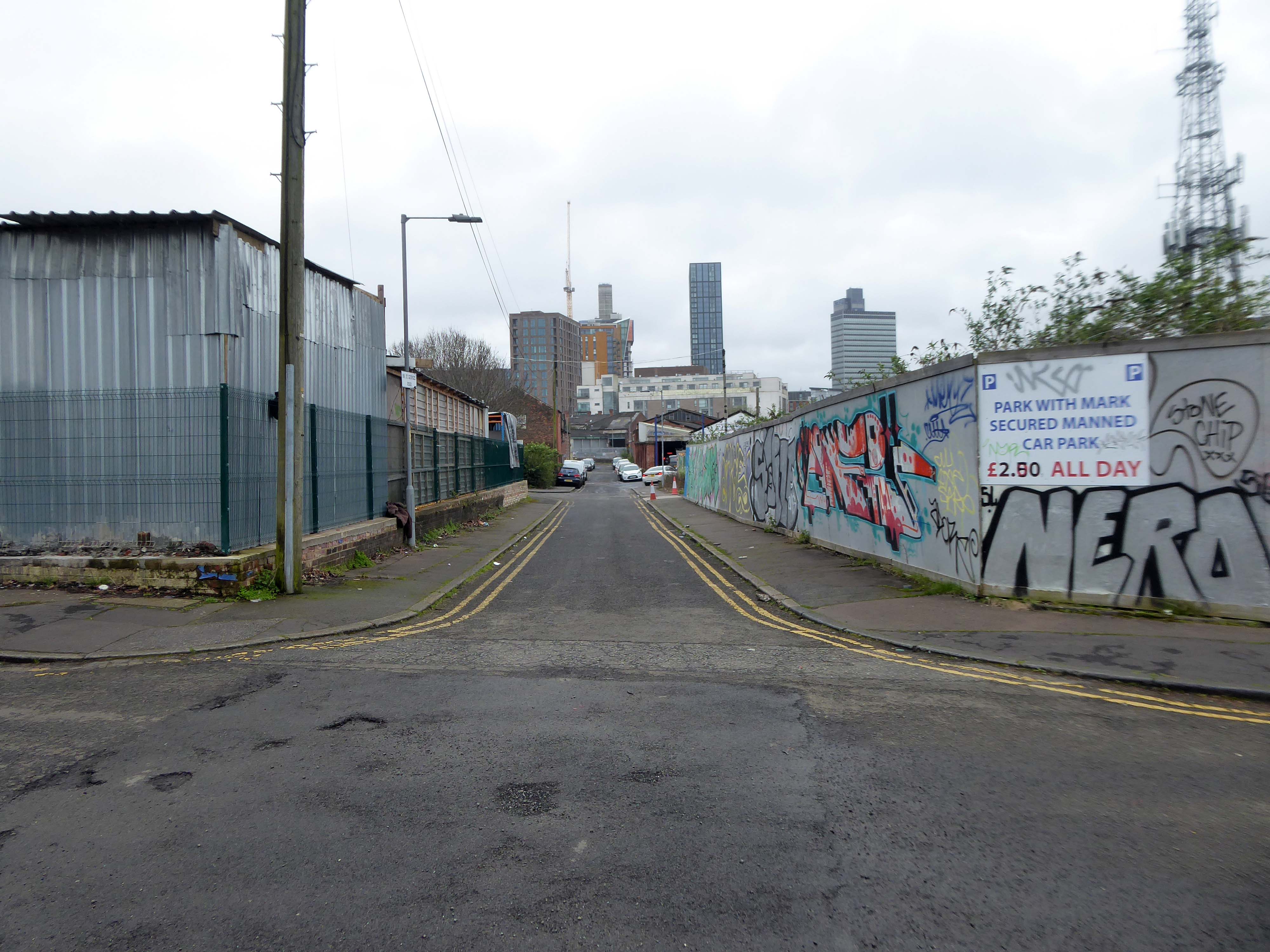
Though as of March 31st 2023 ground is yet to be broken, no signs of the:
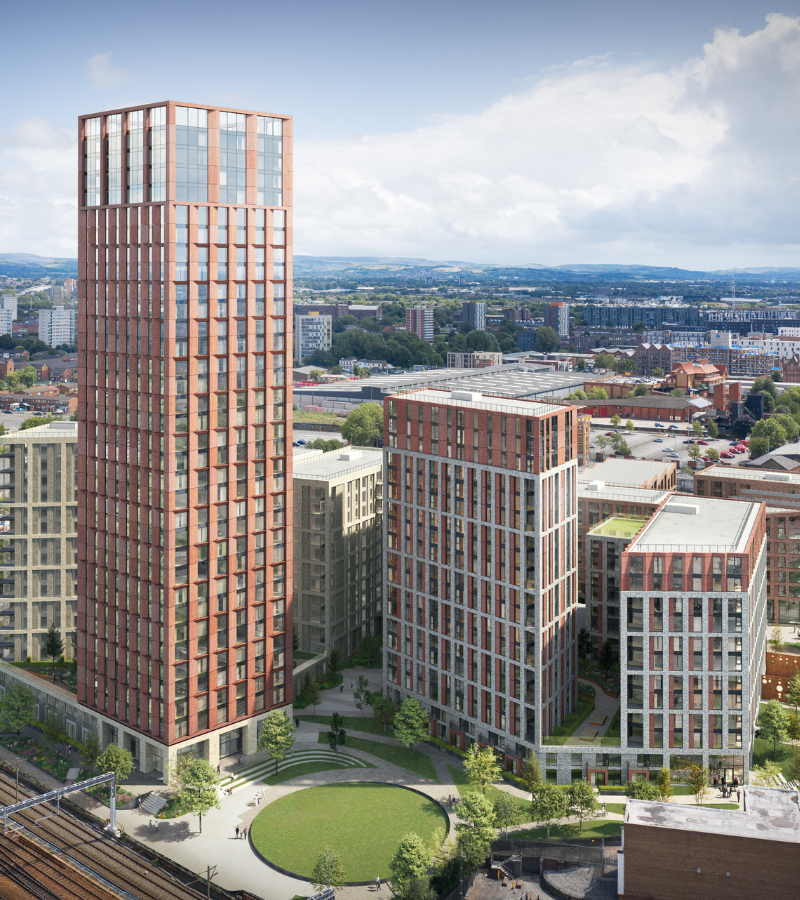
New centre of gravity for central Manchester that will create thousands of jobs and inject tens of millions of pounds into the city’s economy.
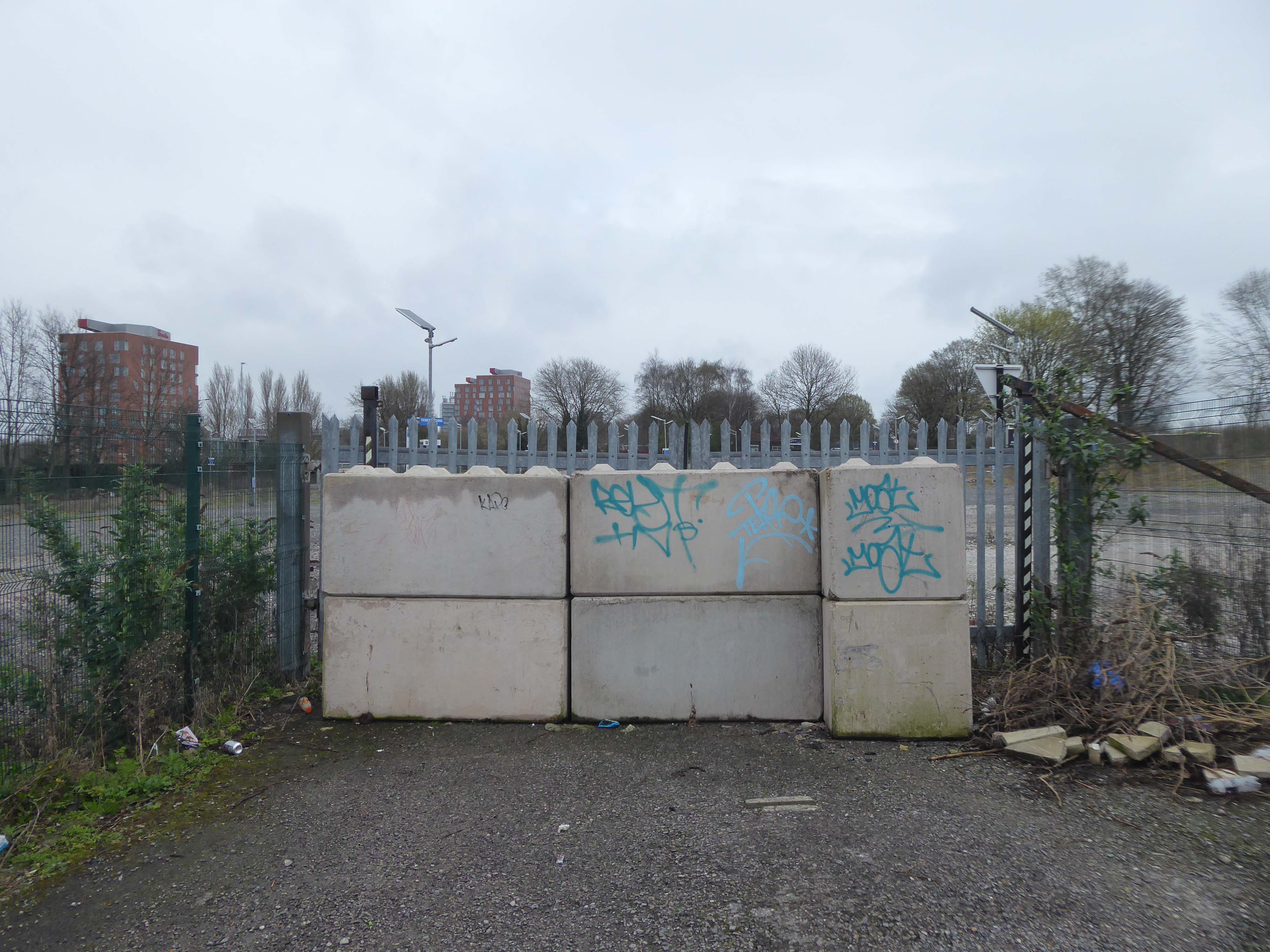
So you zig-zag wanderers, make the most of these wide open expanses of affordable car parking, while you can.
The future may yet be here today – or the next.
Let’s duck under the railway, through this sad damp pedestrian tunnel – the domain of the cash strapped daytime drinker, transient tagger and disaffected leaflet distributor.
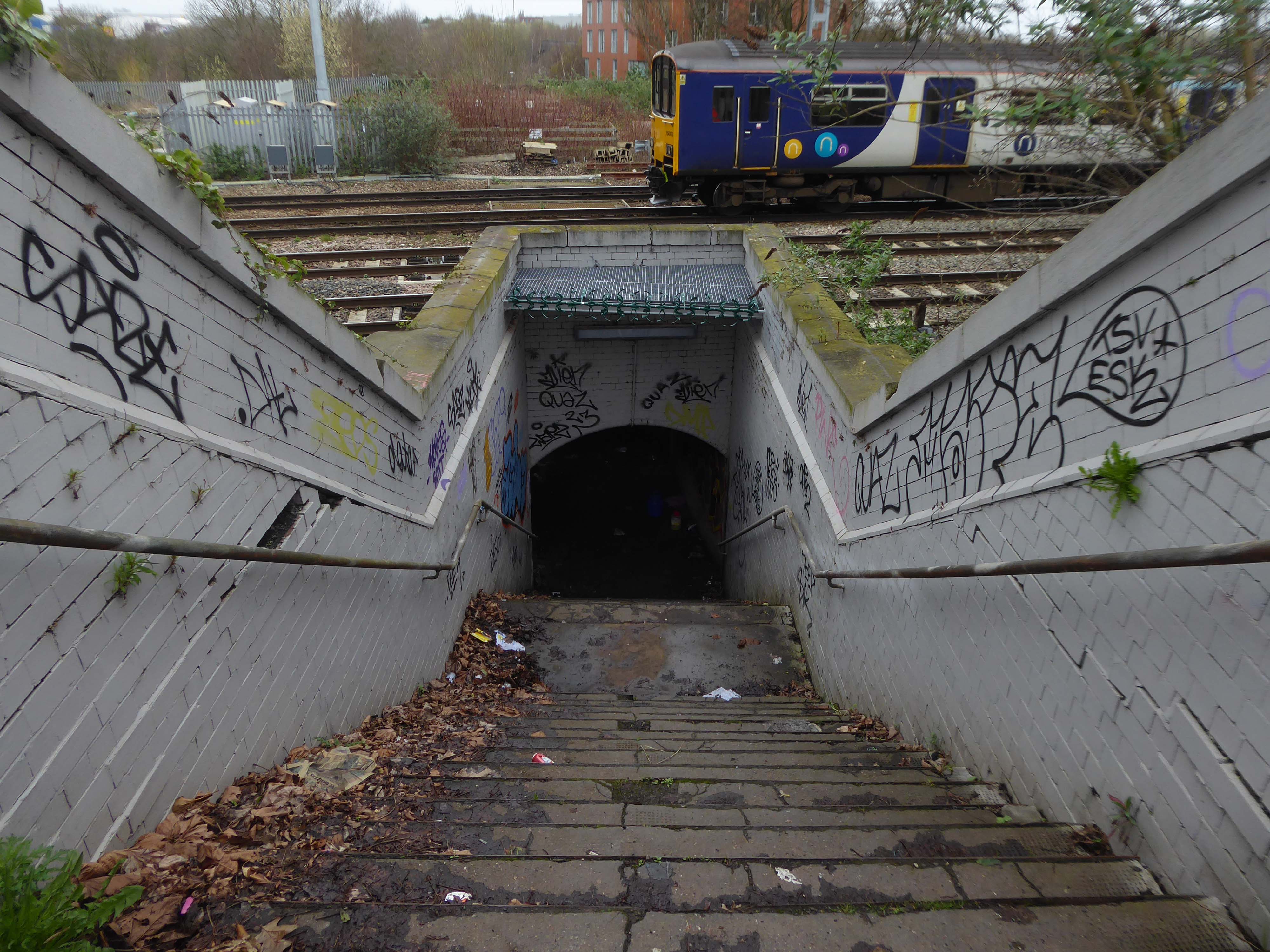
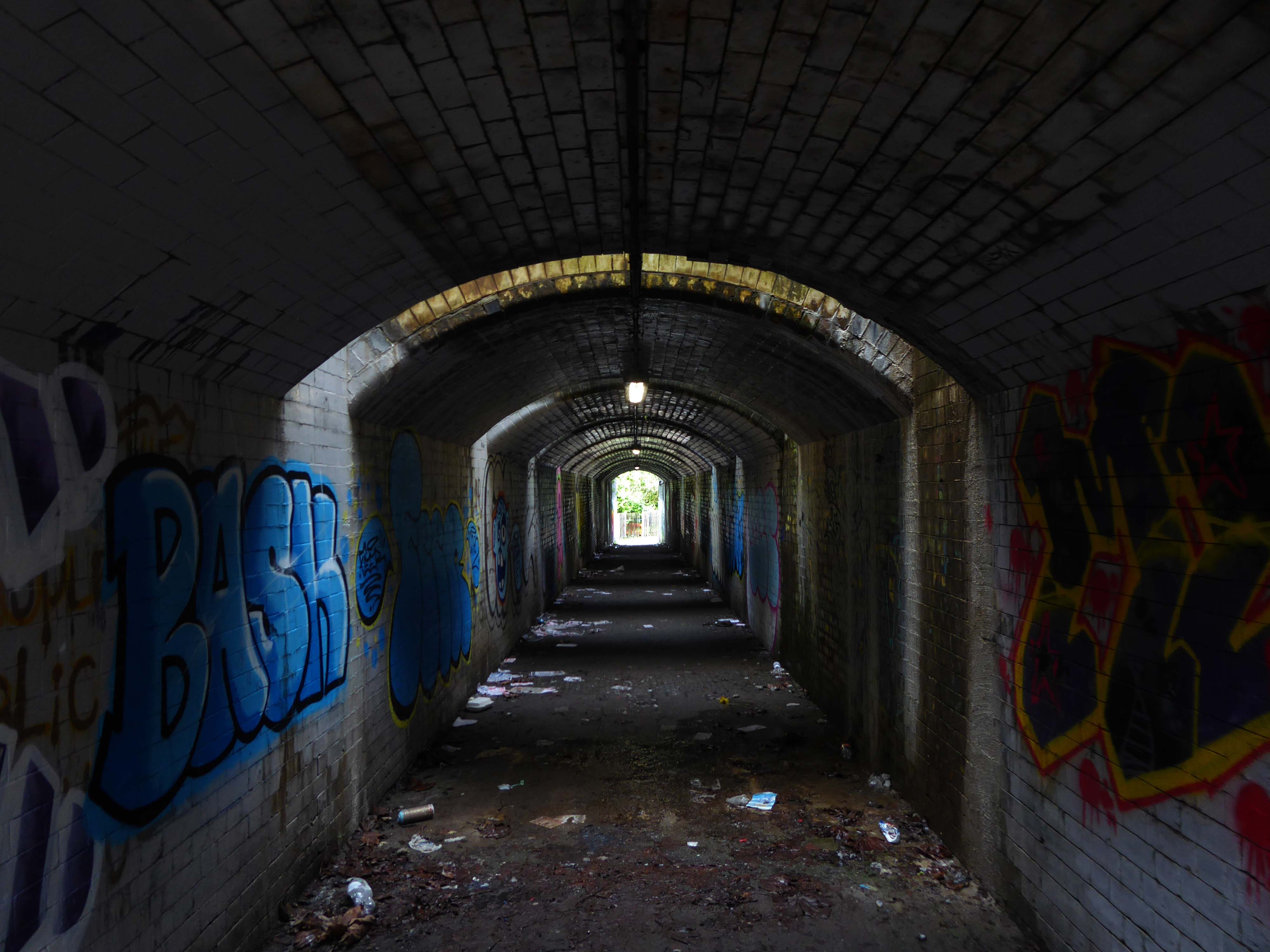
Next thing you know you have emerged into the daylight on Dalton Street – we have been here before seeking the Collyhurst Cowboy.
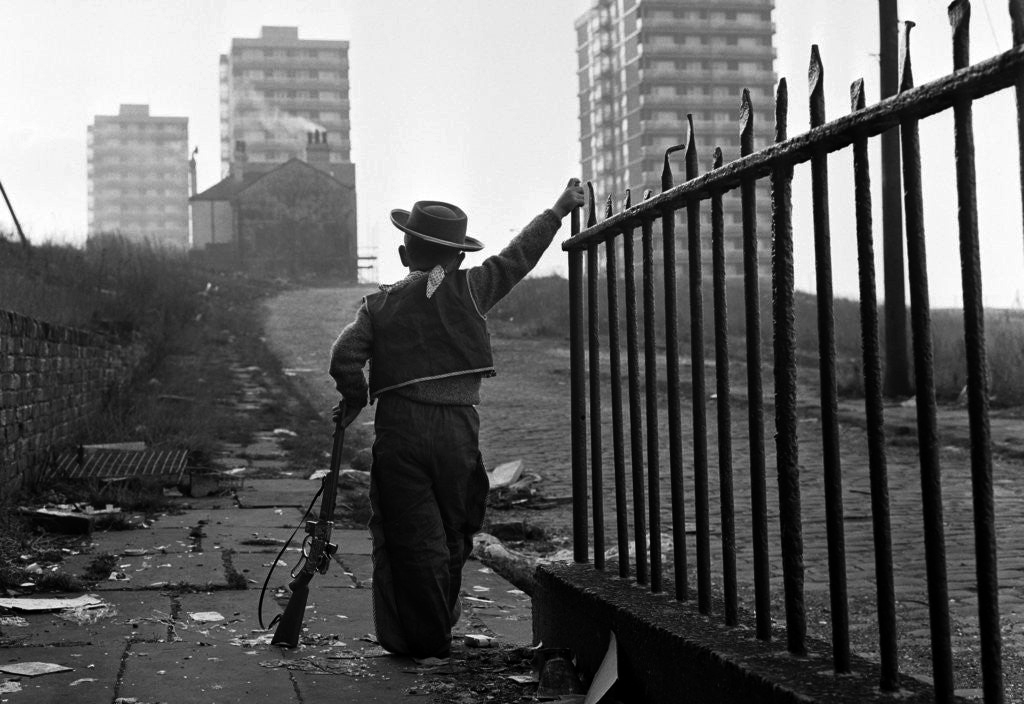
Photograph: Dennis Hussey
Onwards to Eastford Square.
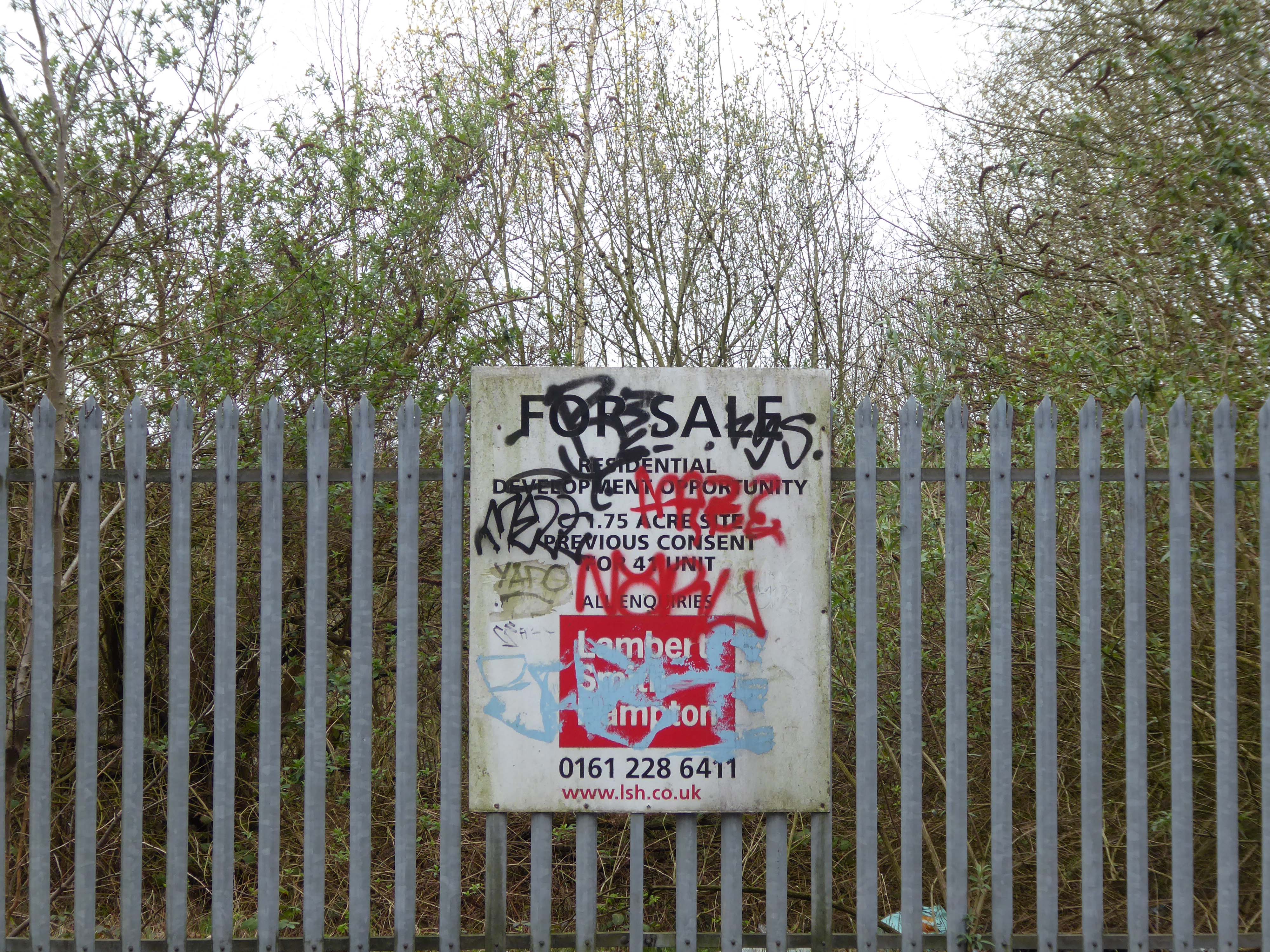
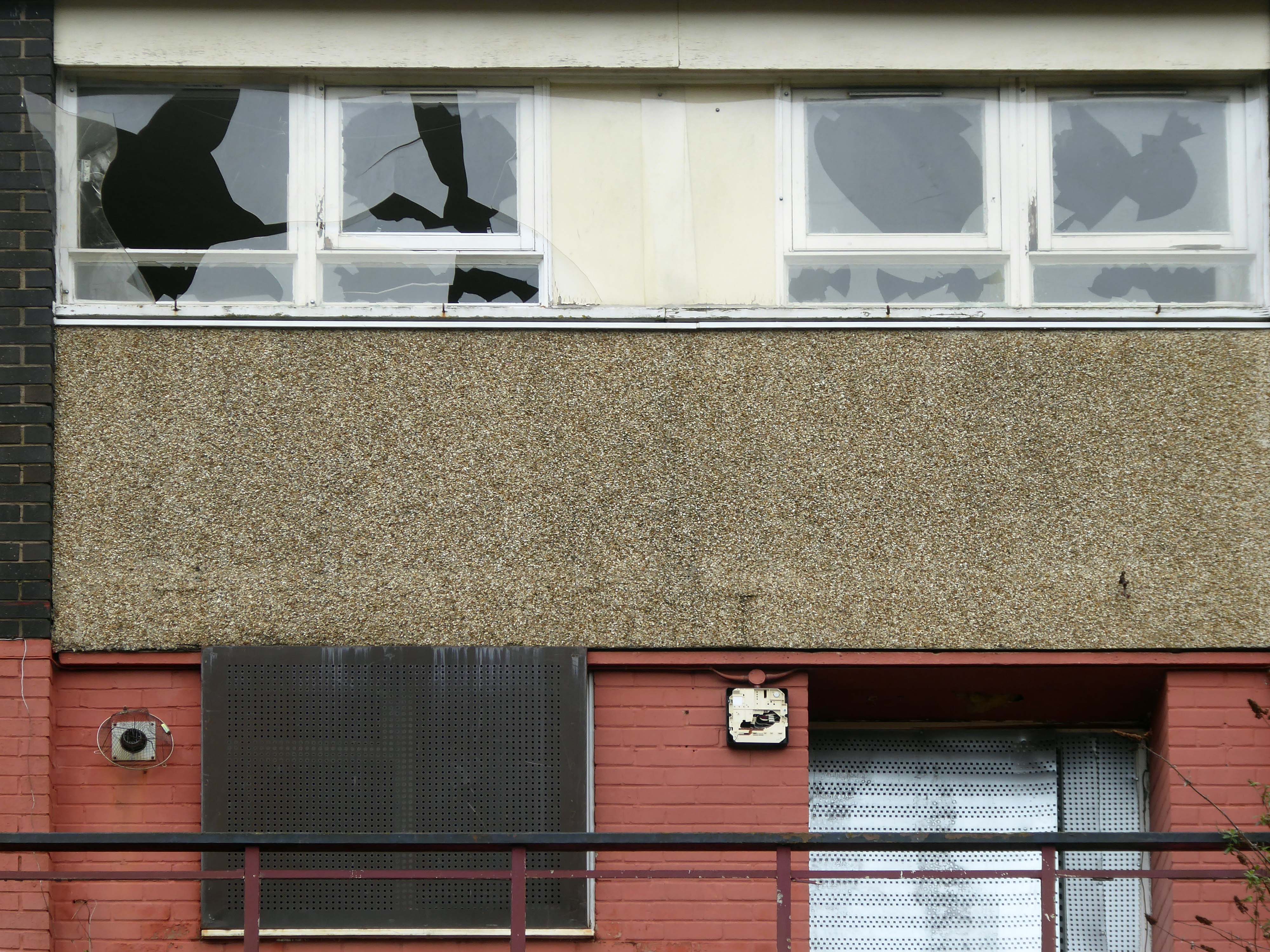
The shops and maisonettes are due to be demolished any day now – no longer to gaze open-eyed upon the former quarry of Sandhills.
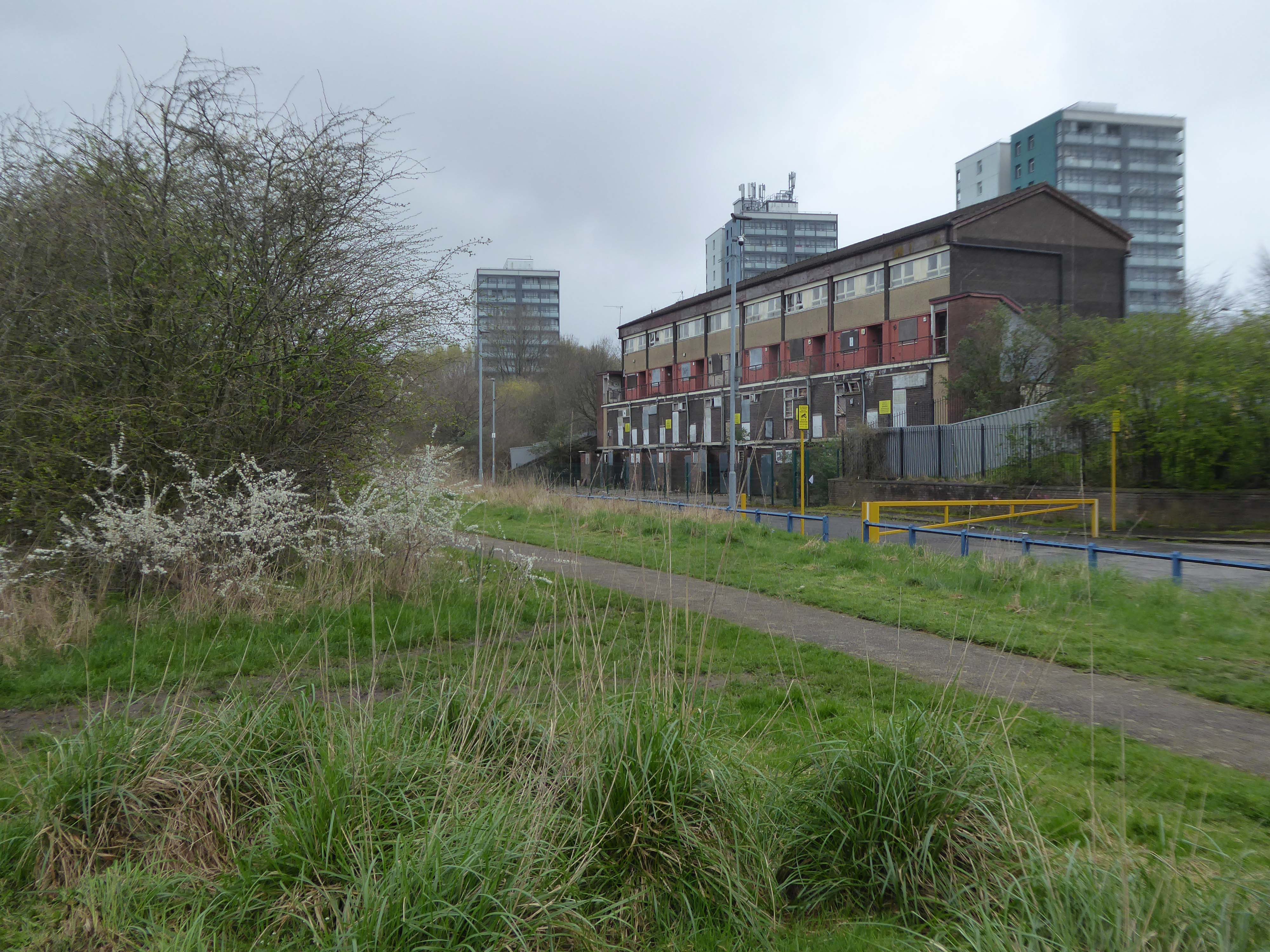
Around the front the diggers have been a digging – digging up around the base of the totem.
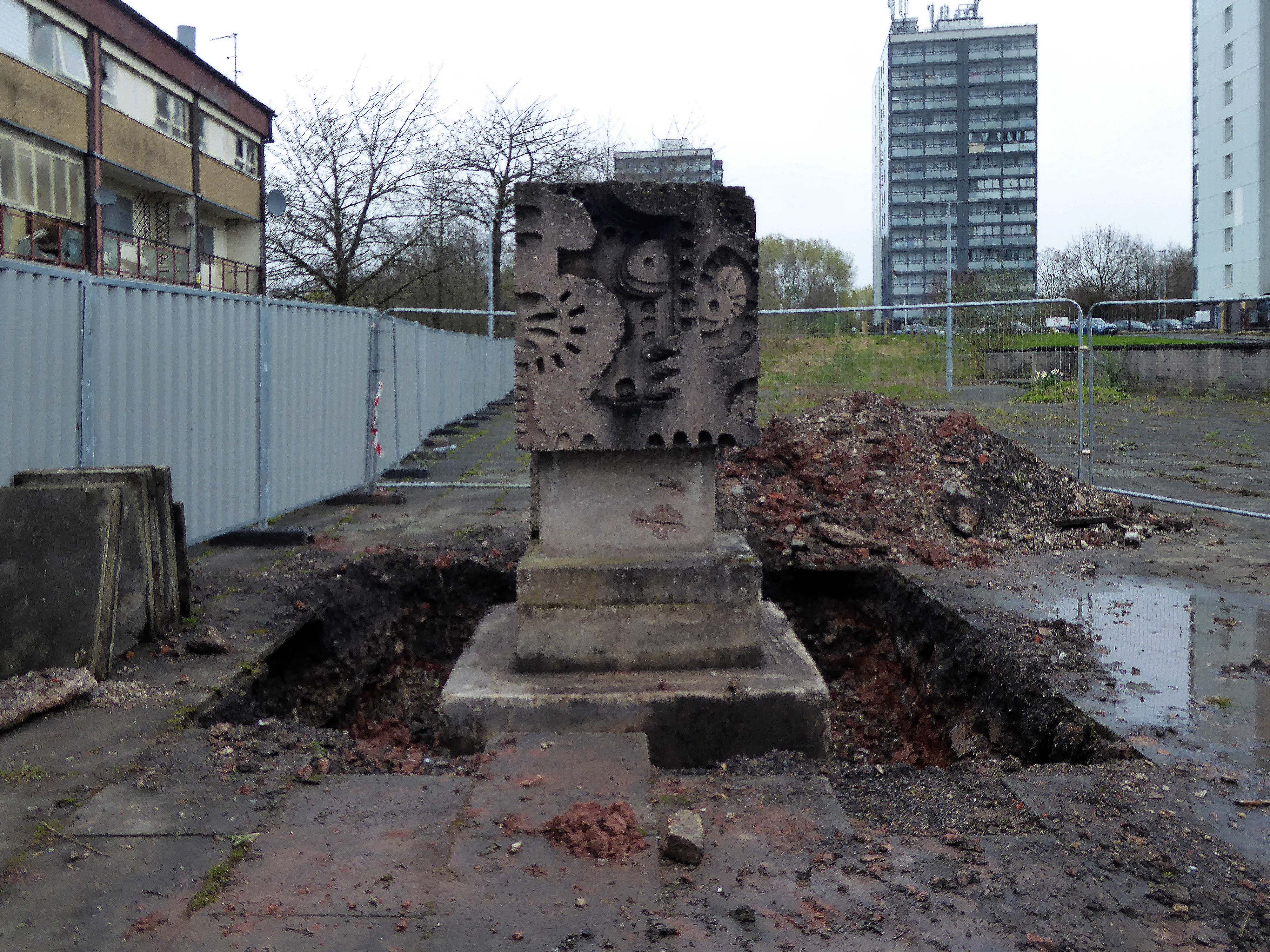
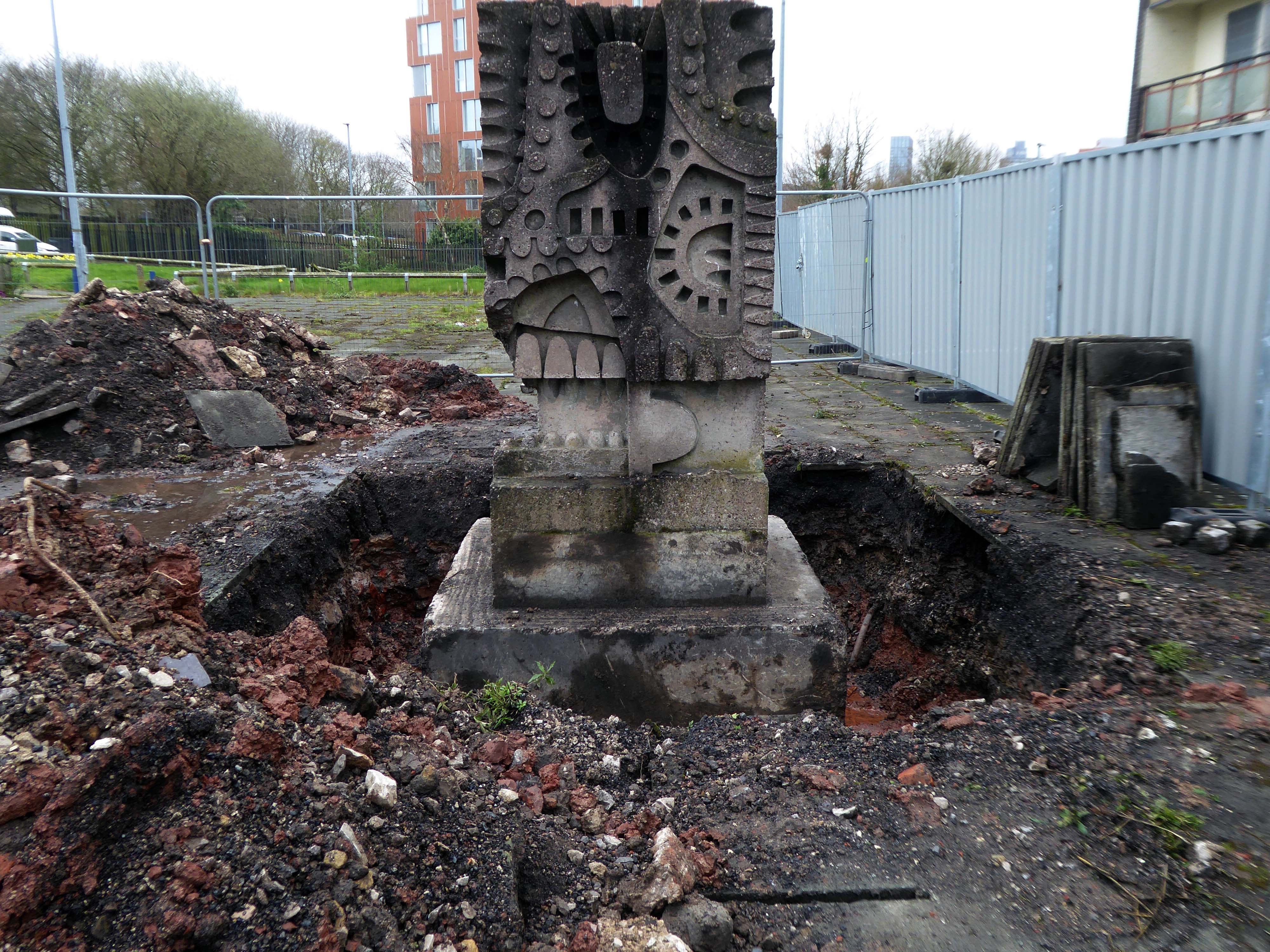
The work is to be re-sited by the nearby tower blocks.
The end is nigh.
Heading now for Collyhurst Road and the Irk Valley – seen here in 1960.
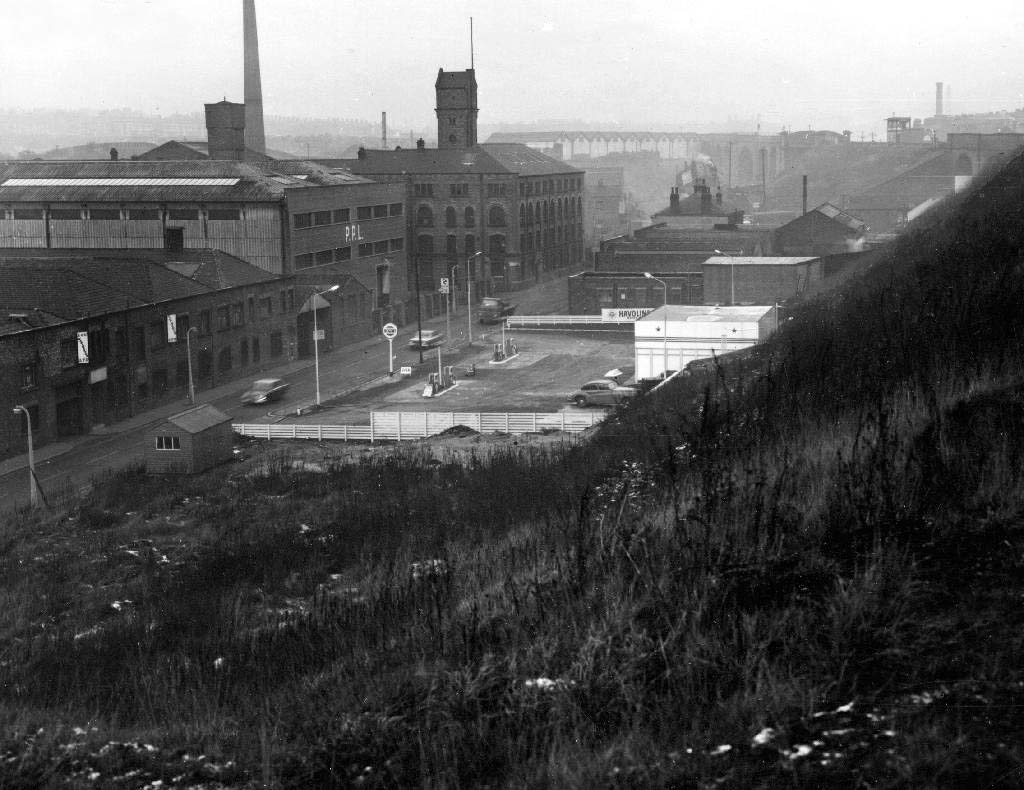
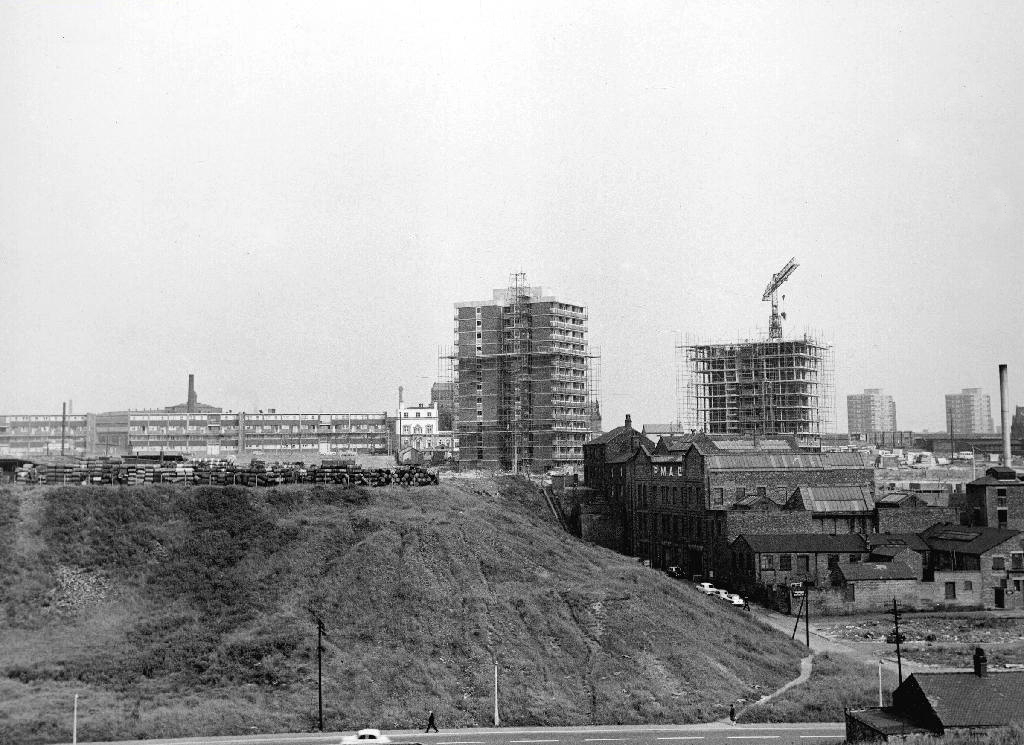
Looking back on the Square and the Dalton Street flats – Humphries, Dalton, Roach, Vauxhall and Moss Brook Courts under construction.
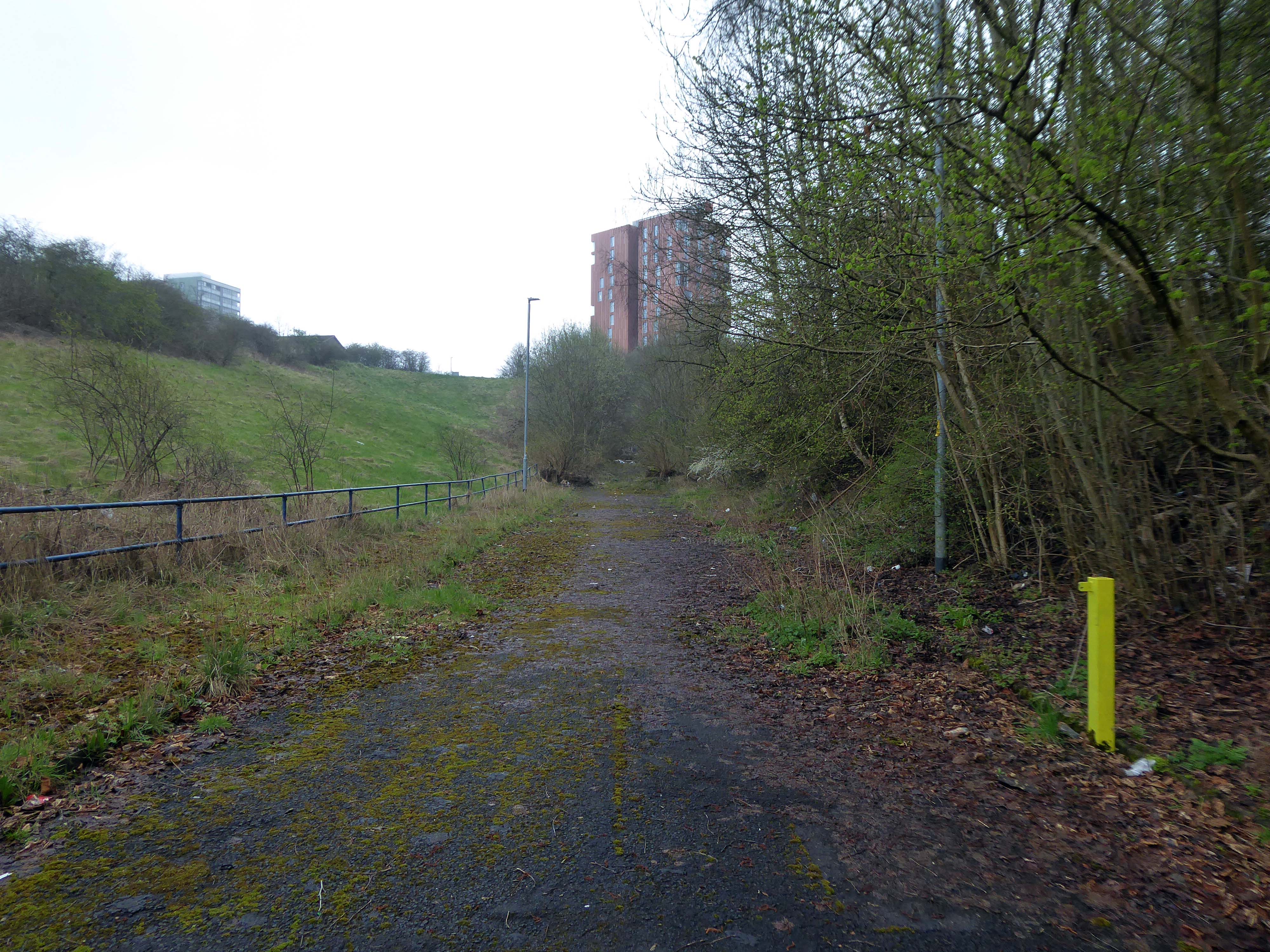
Vauxhall Street now but a shadow of its former self – the last traces of industry long gone.
Reclaimed over time by trees and dense underbrush.
Crossing Collyhurst Road and up and over the railway via Barney’s Steps also known as the Lowry Steps.
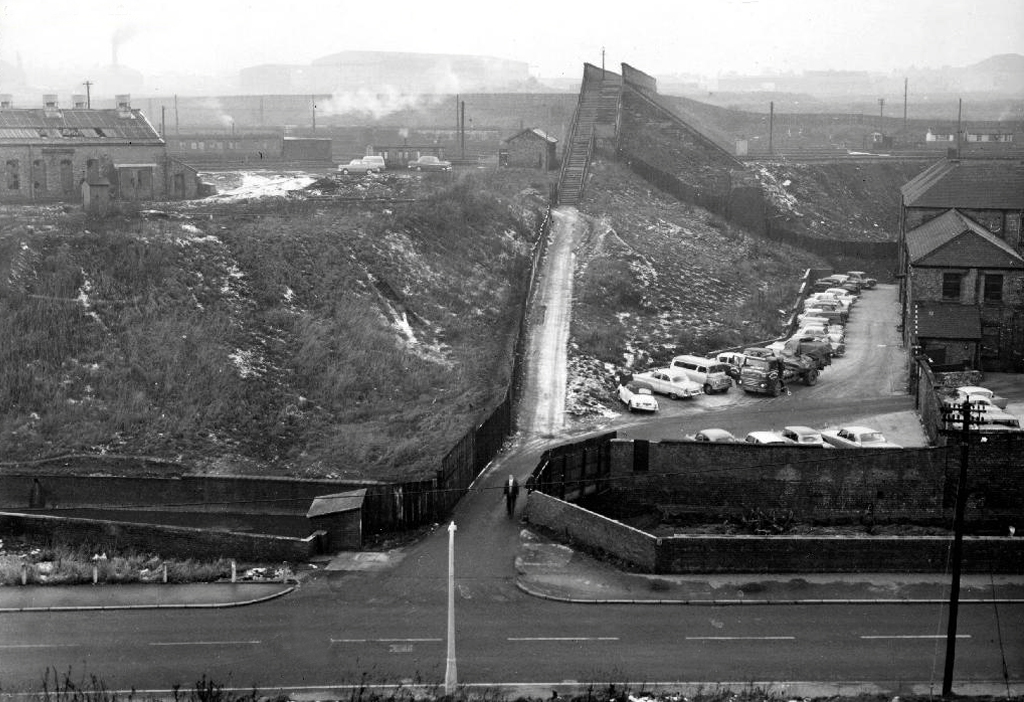
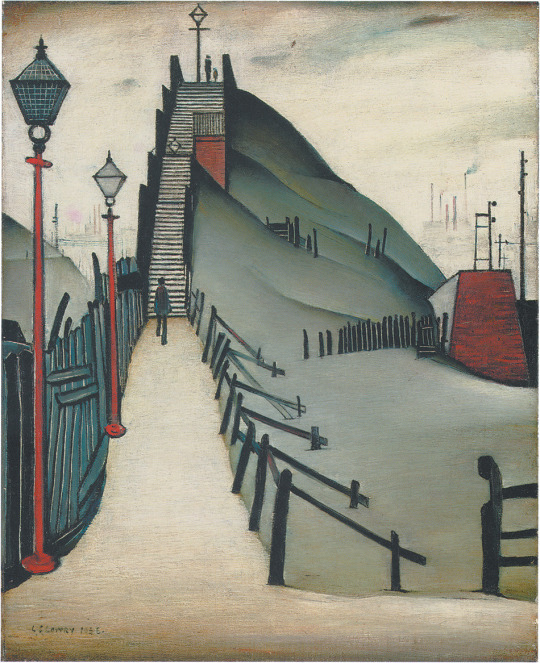
LS Lowry
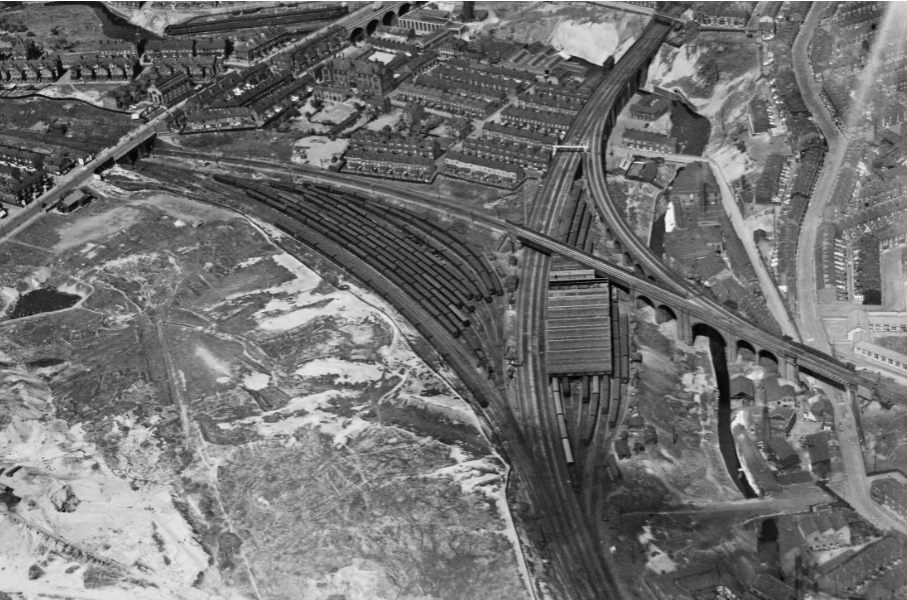
By the late 1950’s the whole of this area which we called Barney’s Tip became a refuse tip for Manchester City Council.
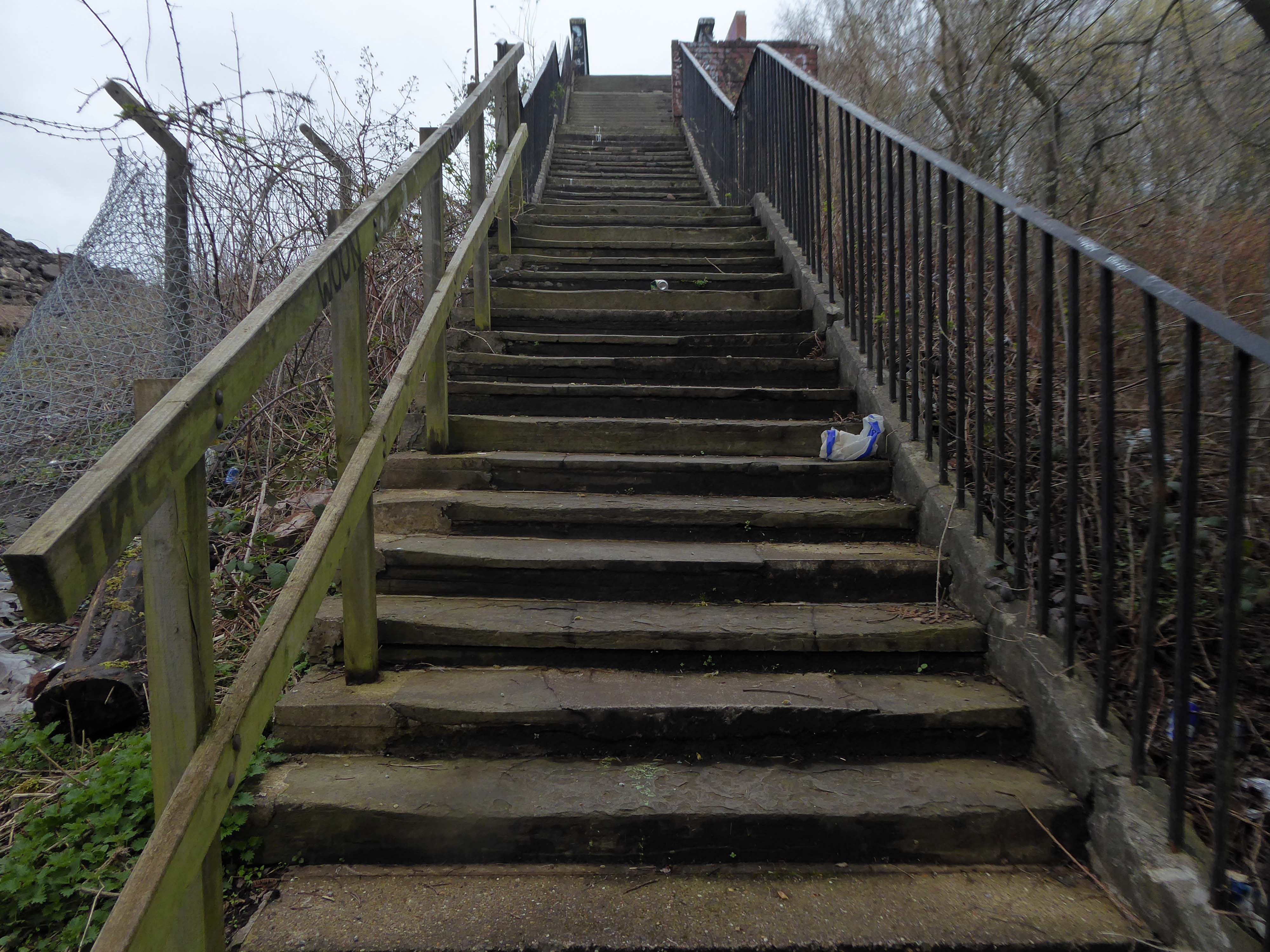
The area is in the process of being reconfigured as a delightful country park.
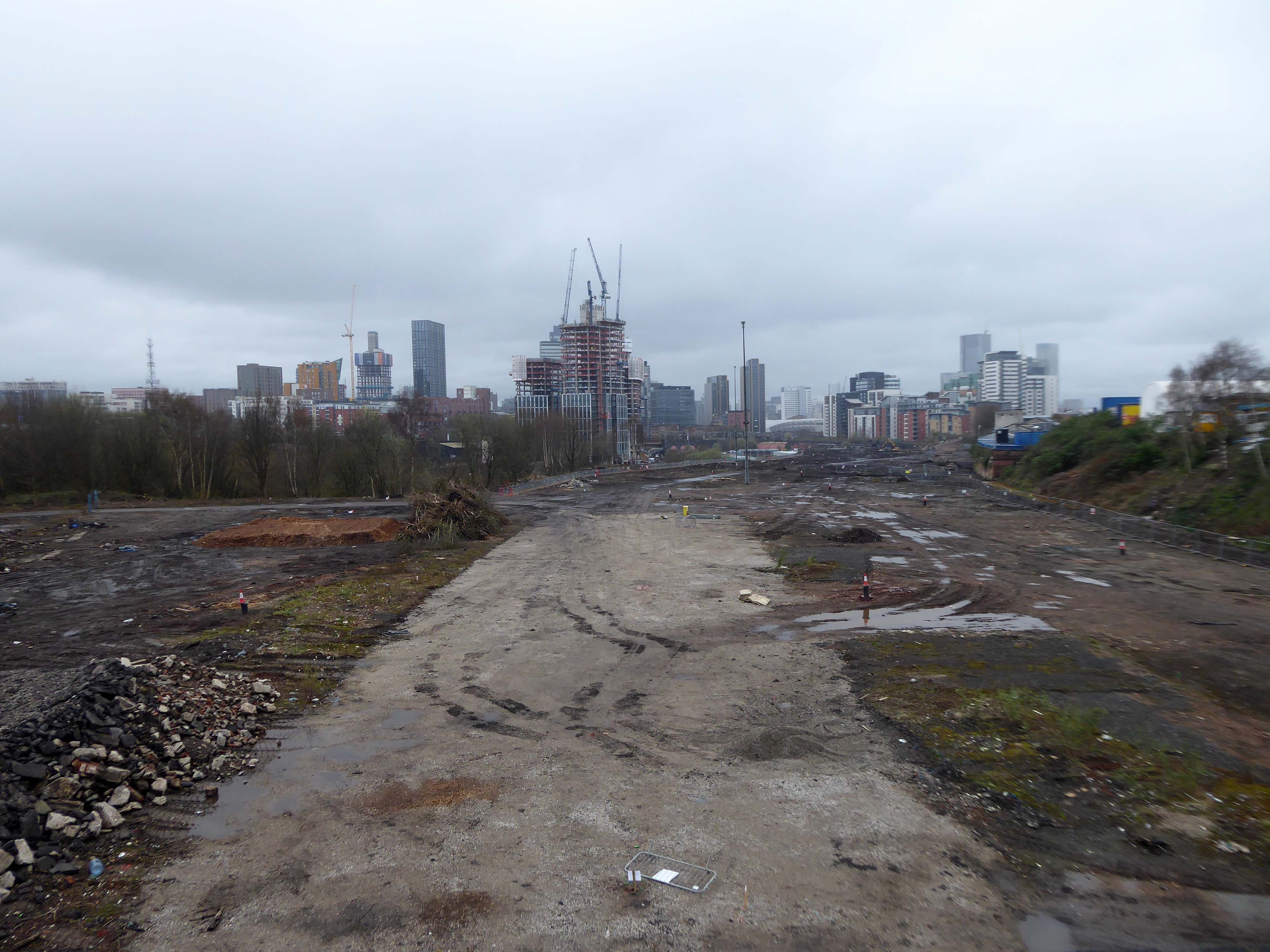
The investment will also help develop an initial phase of the planned City River Park incorporating St Catherine’s Wood as part of a network of public open space, including improvements along the River Irk and works to improve flood resilience, unlocking the potential of the Irk Valley that will characterise the wider Northern Gateway project.
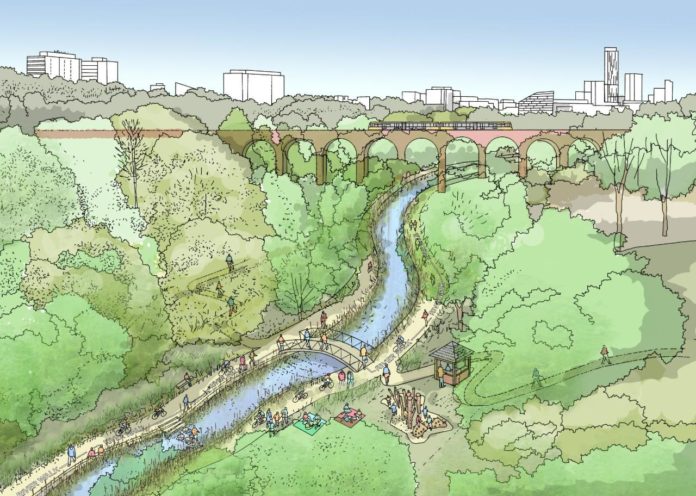
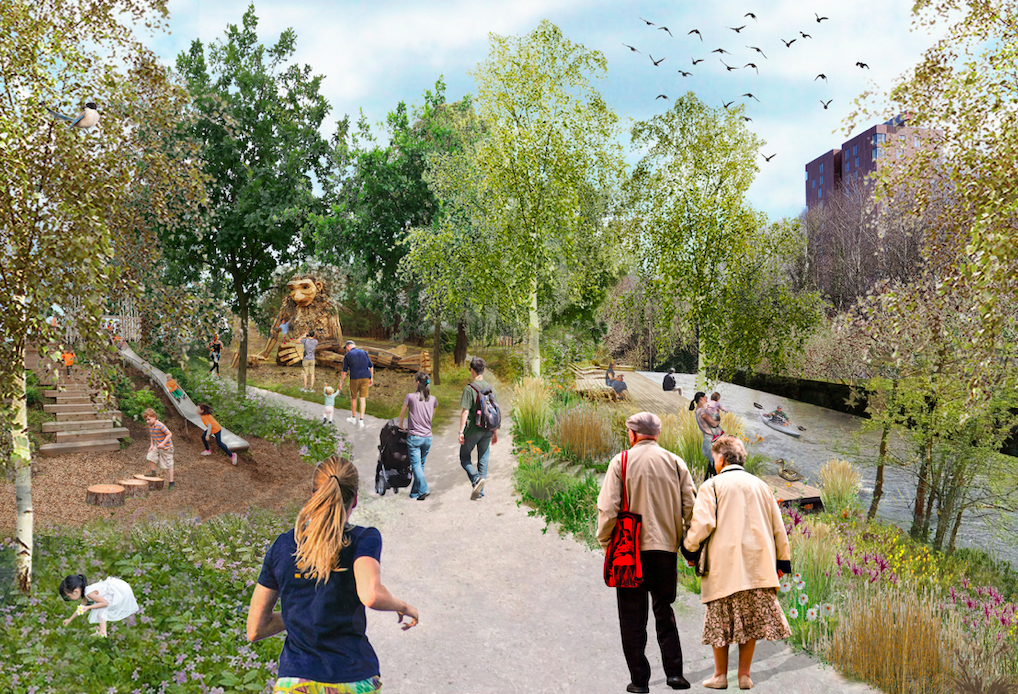
The first phase of the City River Park will begin work to transform former railway architecture to develop the new Viaduct Linear Park north of Victoria Train Station, new stepped public realm space – Red Bank Terraces, along with new green space by the River Irk and the key improvements to St Catherine’s Wood.
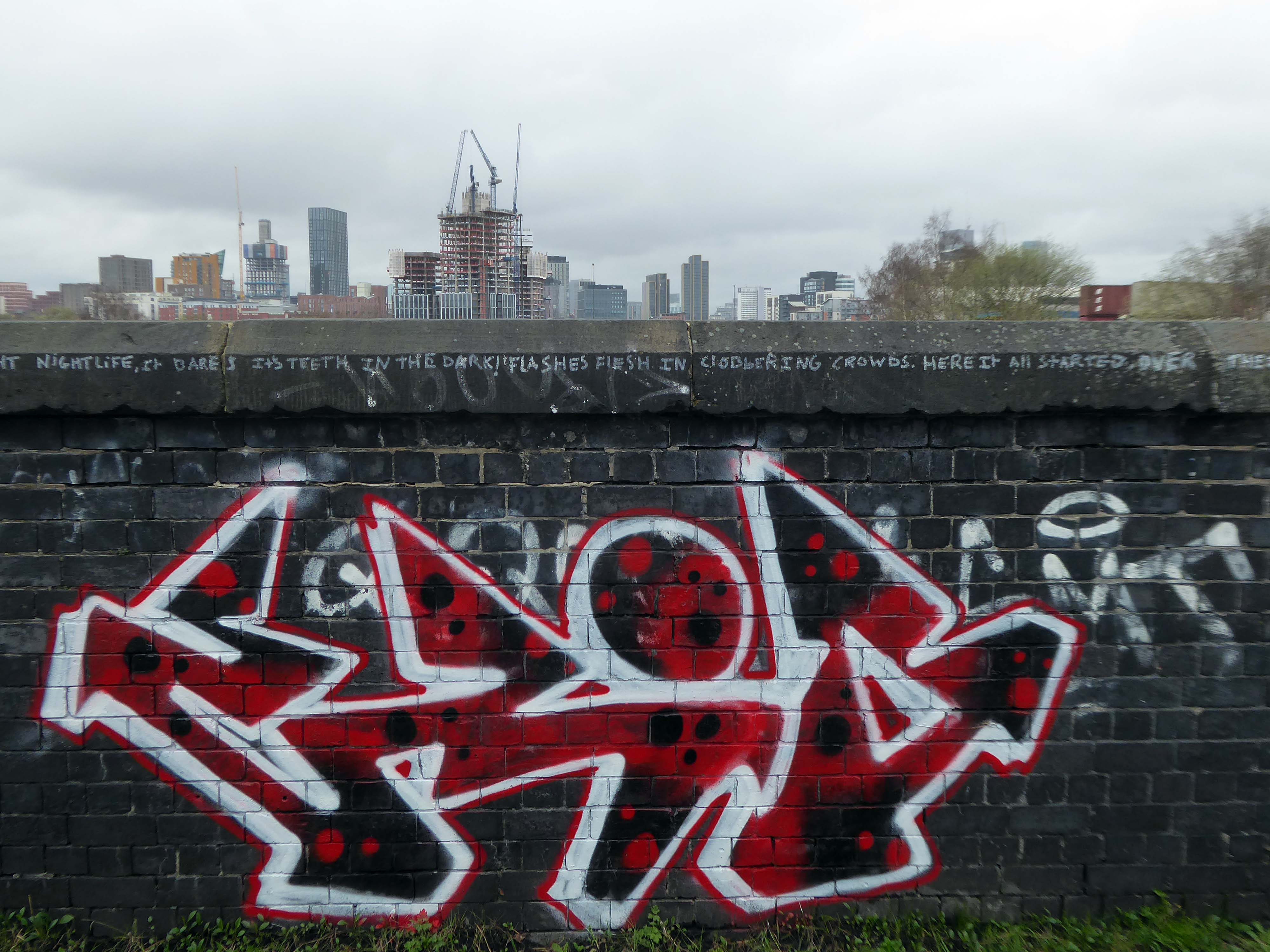
The Victoria North Express is coming your way!
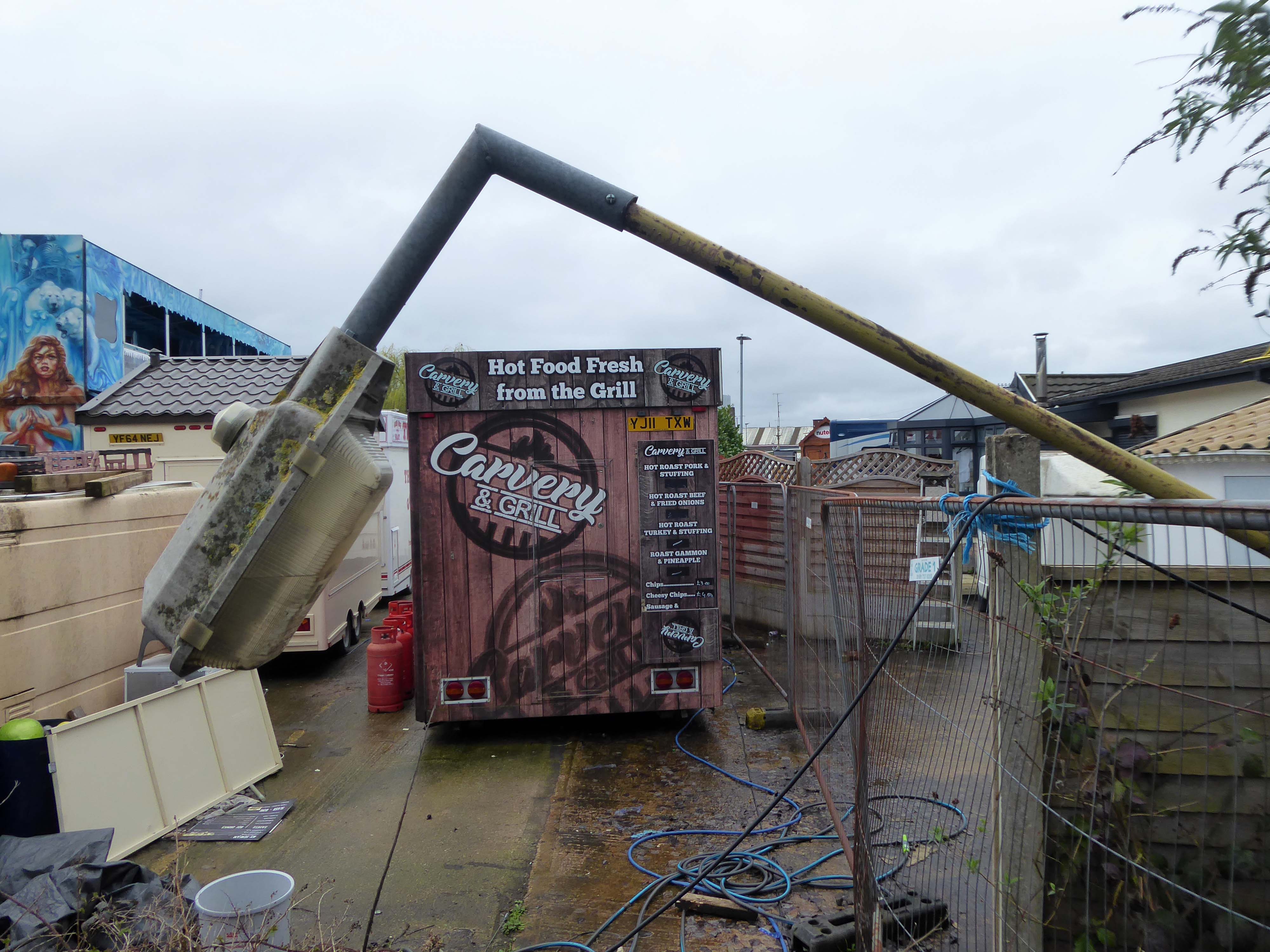
Pressing on we pass the Showman’s quarters.
Collingham Street is lined with trucks, trailers, stalls and mobile homes.
But there’s nothing temporary about this Cheetham Hill neighbourhood; most residents have lived here for years and many plan to spend the rest of their lives here.
Founded more than forty years ago, it was created by the Showman’s Guild of Great Britain – and it’s reserved exclusively for fairground workers both retired and current.
Built on Queens Road tip, a former rubbish dump, and rented out by Manchester Council, many of the 52 homes belong to older retired showmen or families for whom an itinerant lifestyle has become more challenging.
It’s a close-knit community with a unique shared history.
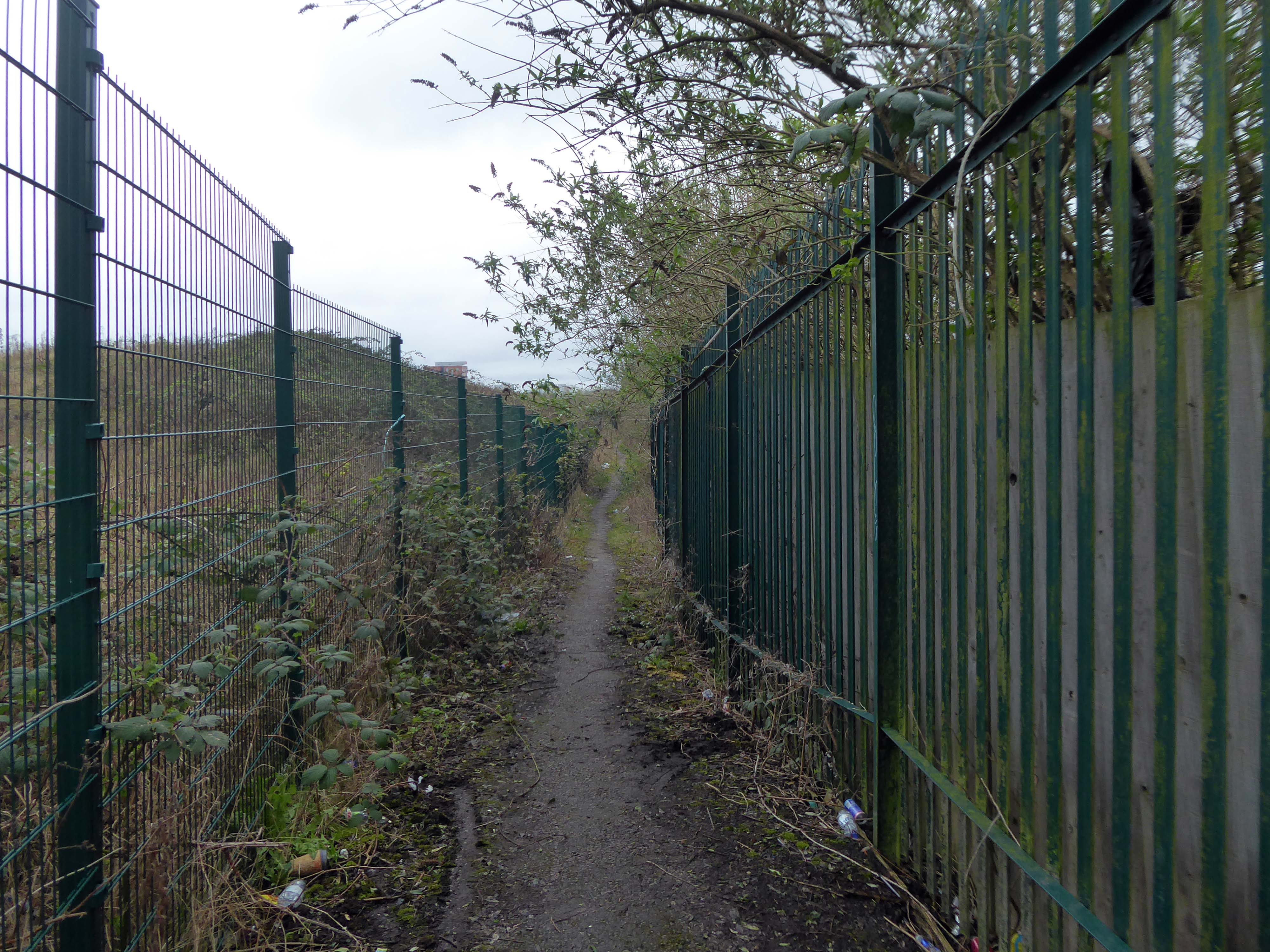
Emerging eventually onto Rayburn Way.
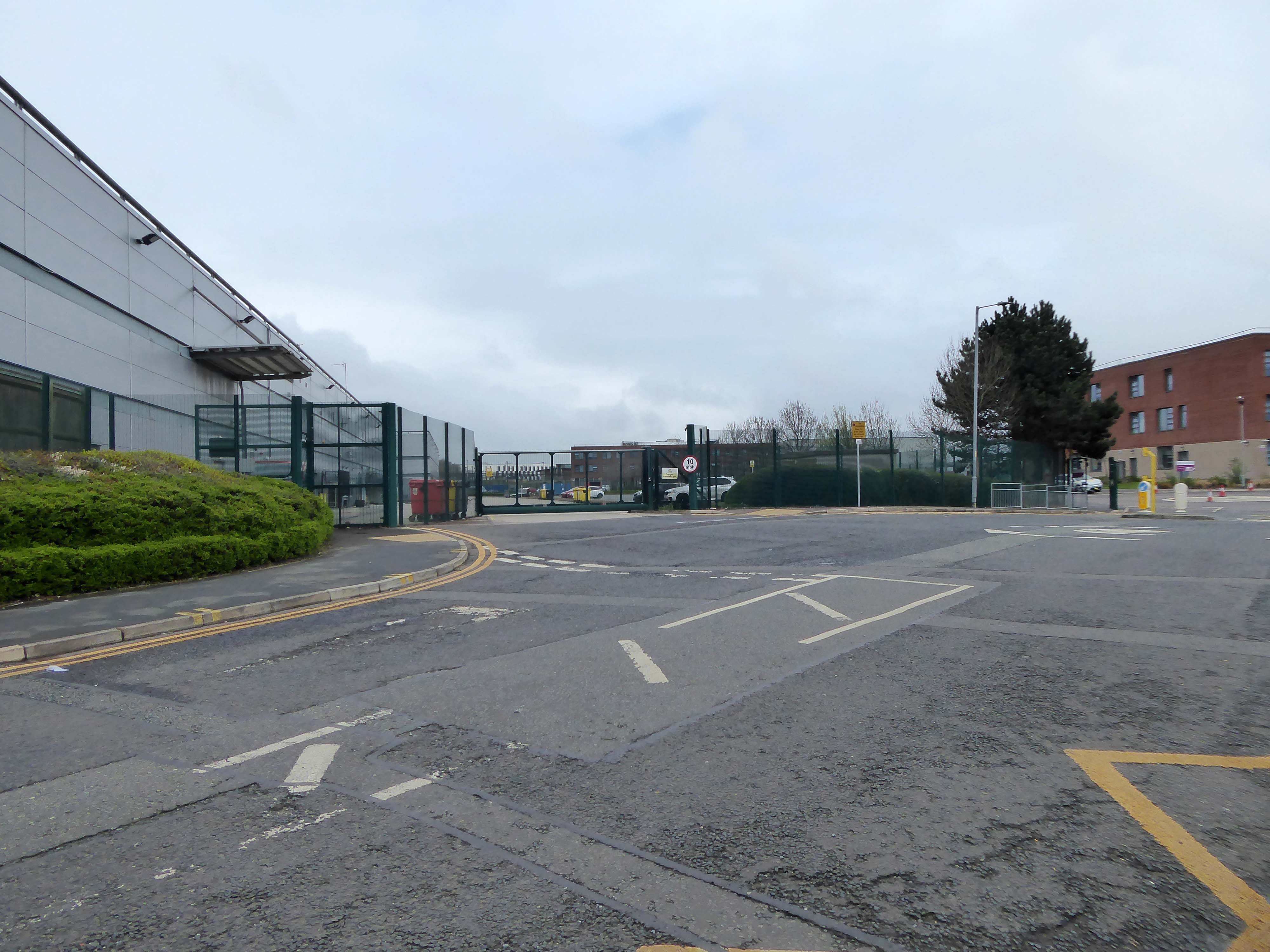
Home to the Eden Girls Leadership Academy and Eden Boys Leadership Academy.
And a whole host of delightful light industrial units.
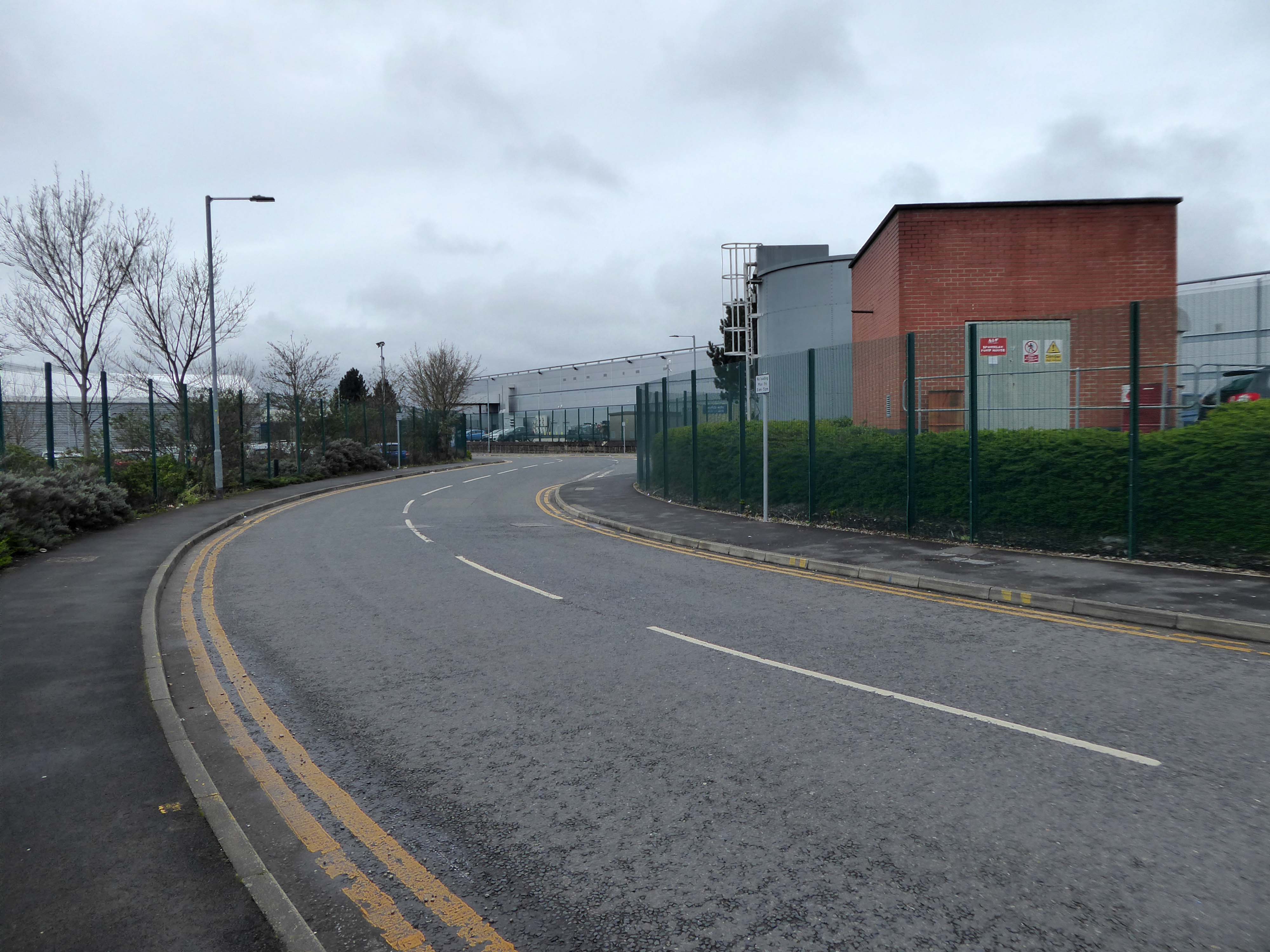
Let’s all go west – along North Street.
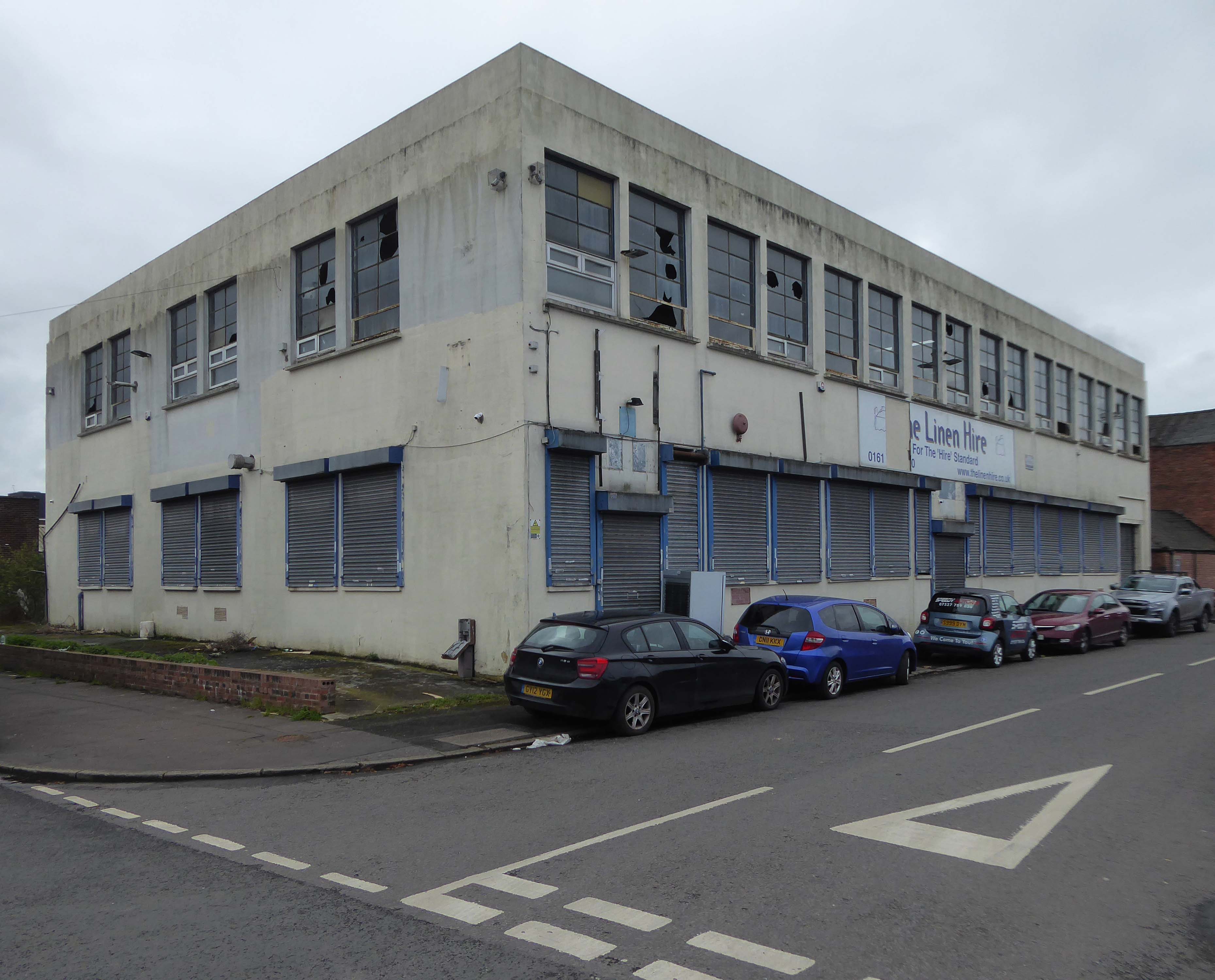
On the corner of Derby Street and Honey Street we find Hamnett & Andrew – Insuflex Works
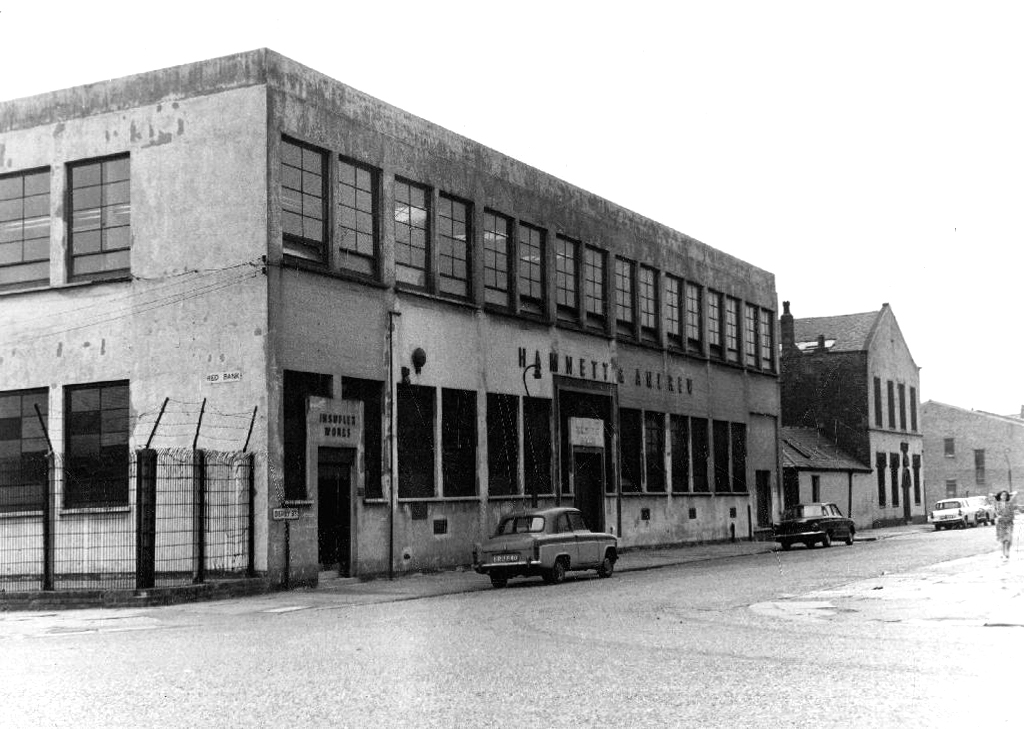
Later transformed into Linen Hire, though I fear that further linen hire may well be in abeyance, on a permanent basis.
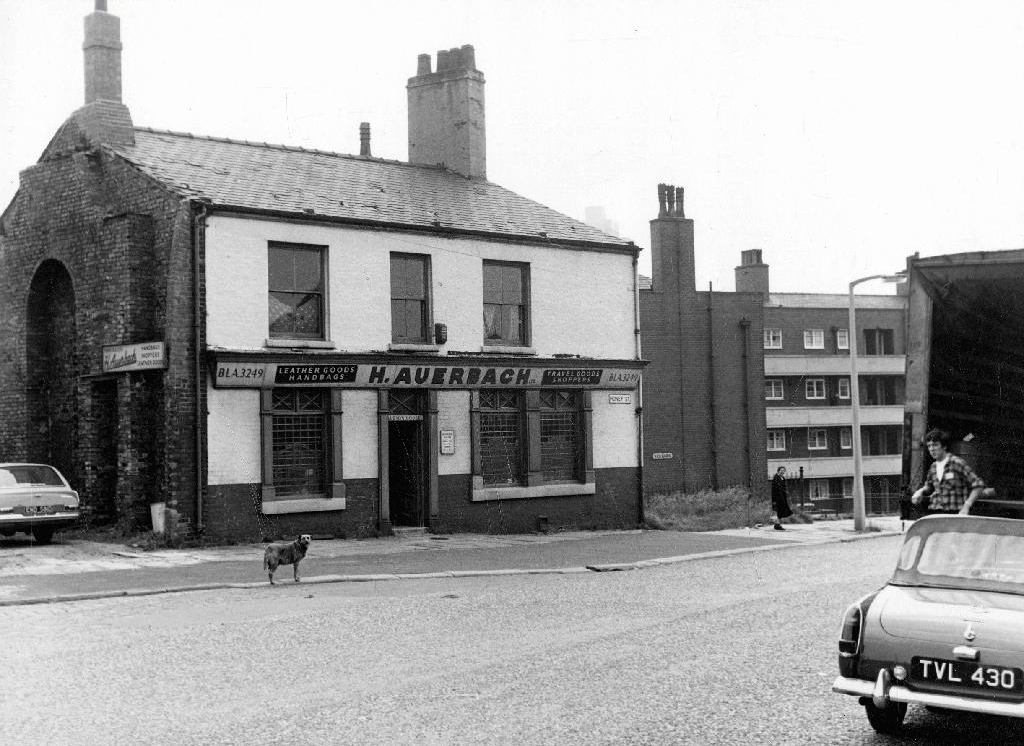
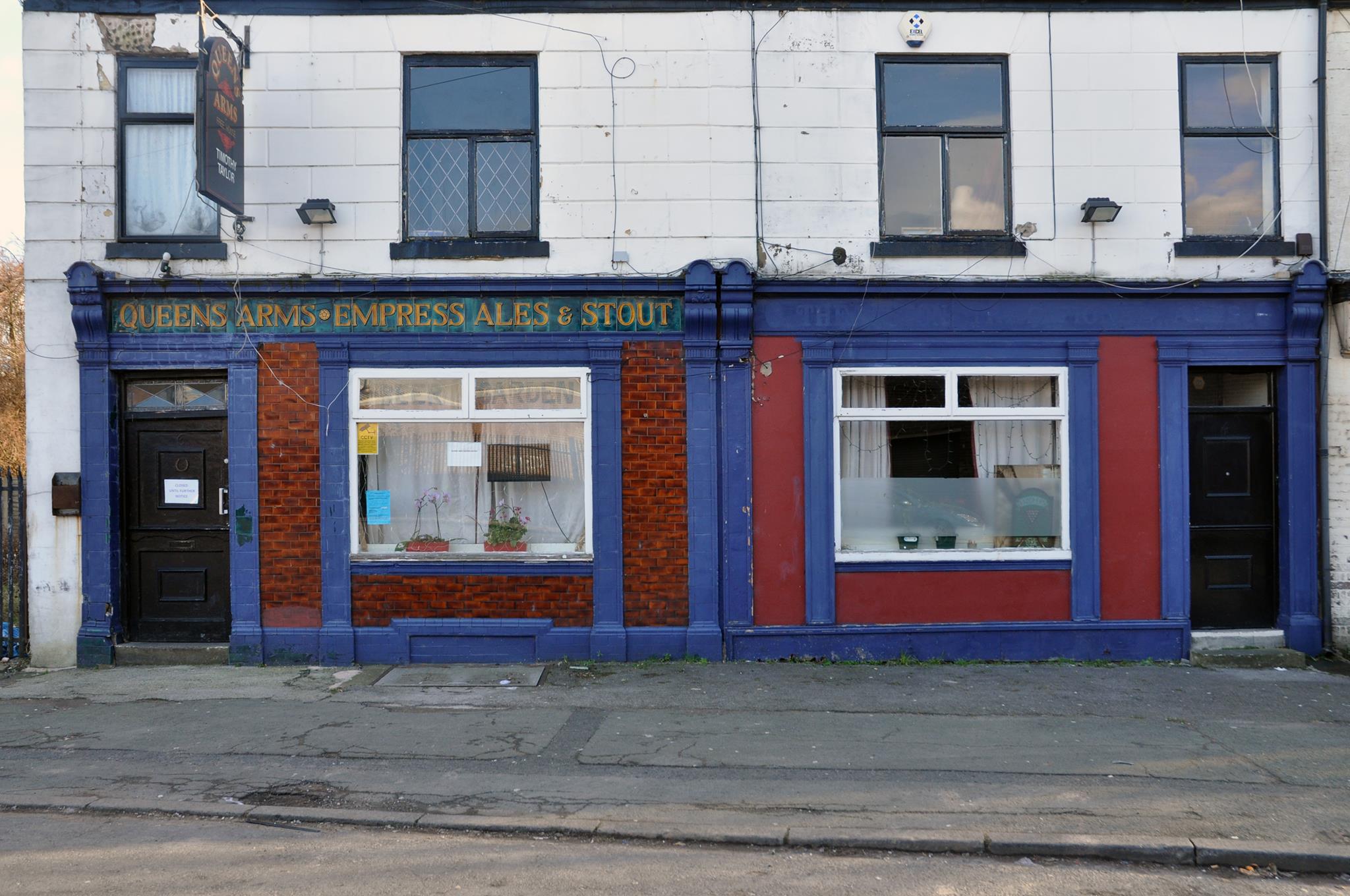
What was happening at the Queens Arms back in 1966?
These were the older premises.
Then next door, the newer premises.
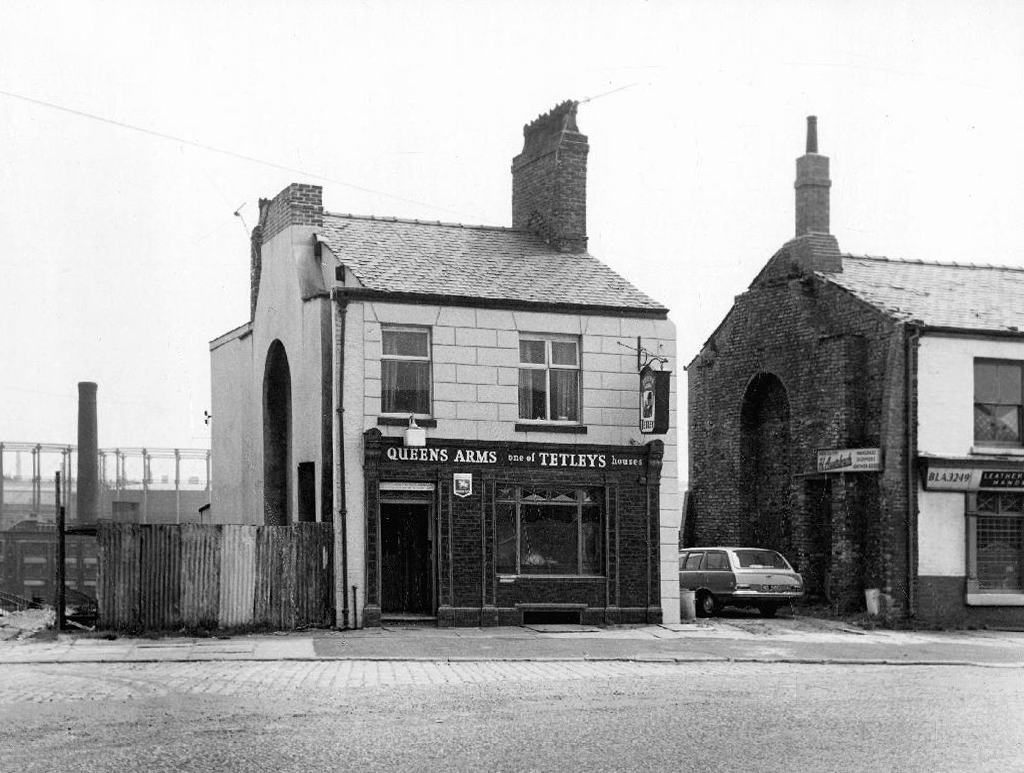
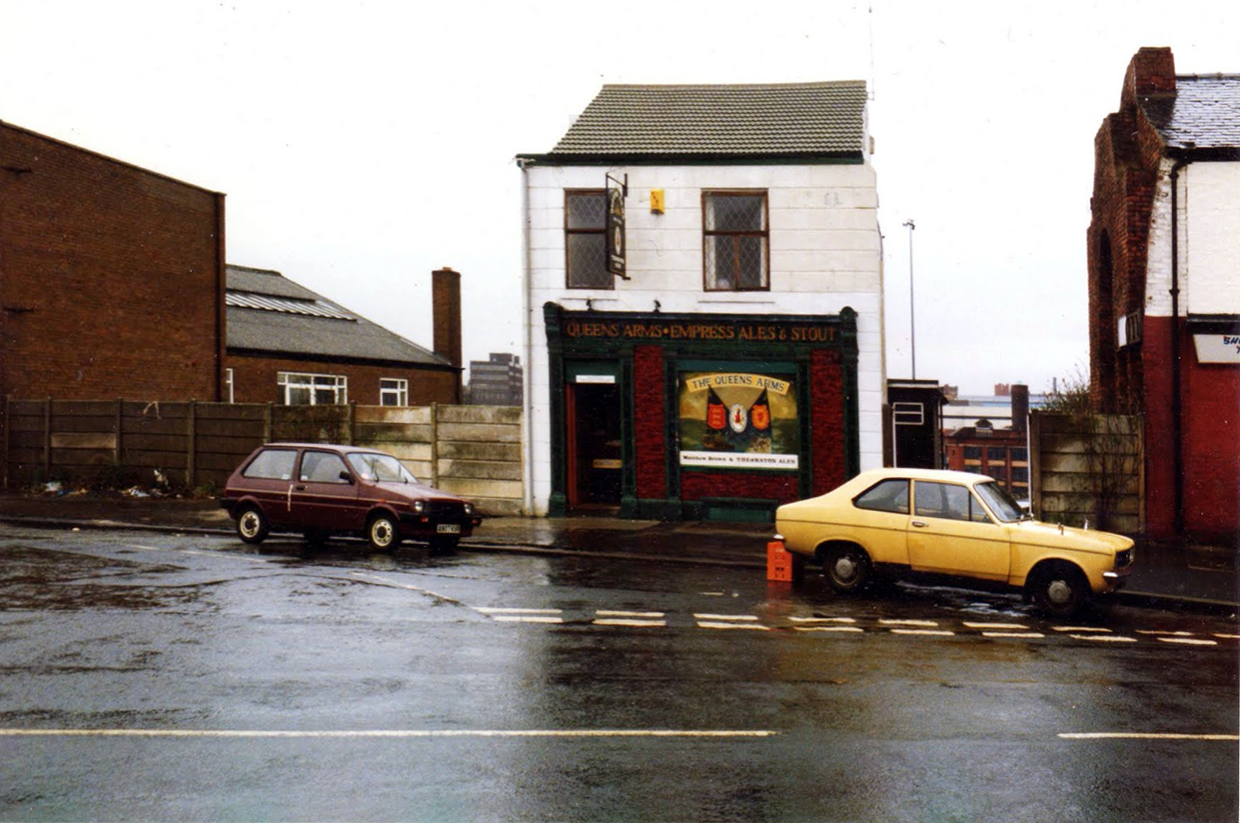
Photo: Alison G
The Queens Arms was held in high regard amongst the real ale crowd and had been a regular fixture in the Good Beer Guide.
As recently as 2007 it was named the City Life Pub of the Year,
Empress Brewery Co Ltd – 383 Chester Road, Old Trafford.
Registered as above May 1896 – 236 public houses.
Acquired by Walker Cain Ltd. 1929 and brewing ceased.
The pub was extended in 1987.
Seen here in 2015 closed for the foreseeable.
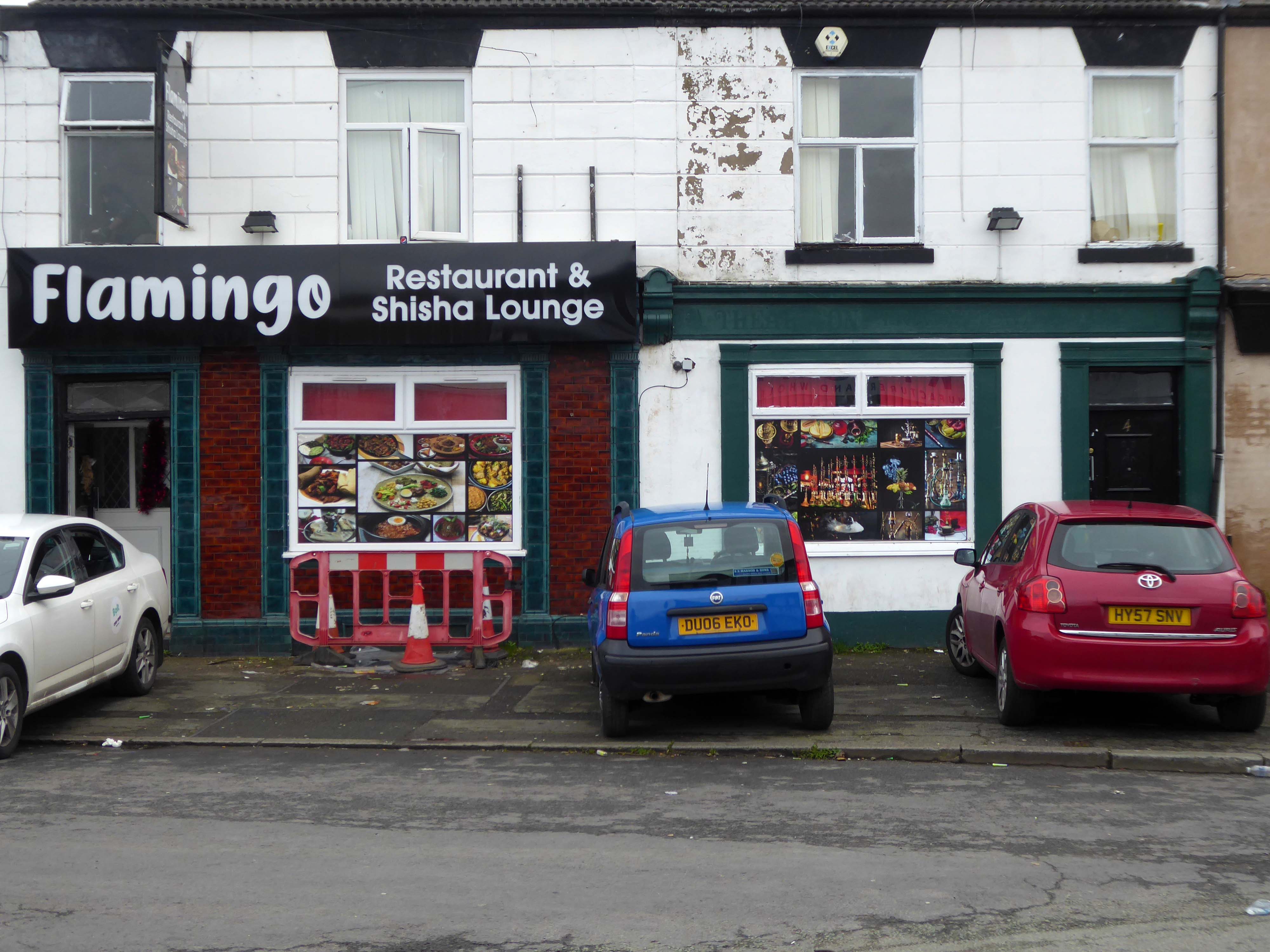
Recently becoming Flamingo – well strike me pink!
Though not without its own particular issues it would seem, according to the MEN.
The licensing out of hours team has received noise complaints relating to the premises which was found to be open beyond permitted hours when visited. Officers also identified breaches of the Health Act during inspections in which people were seen smoking shisha pipes in an enclosed extension at the back.
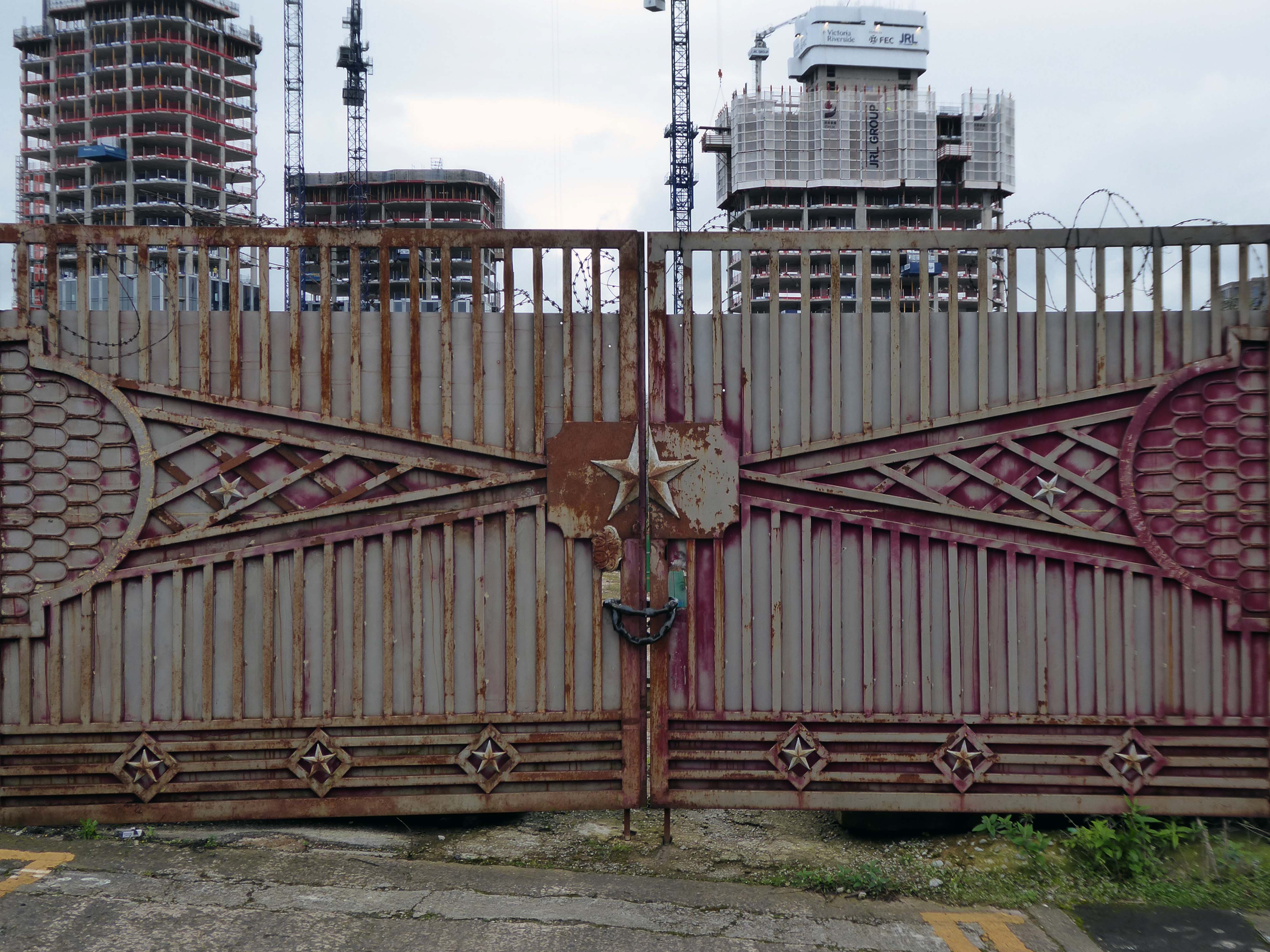
We will leave the Flamingo be and head back into town – but not without giving a nod to this confusing collision between this self-made scrapyard-man chic gate and the ever changing skyline of overheated urban regeneration.
The new creation has come: The old has gone, the new is here!
Corinthians 5:17
Archival photographs – Manchester Local Image Collection
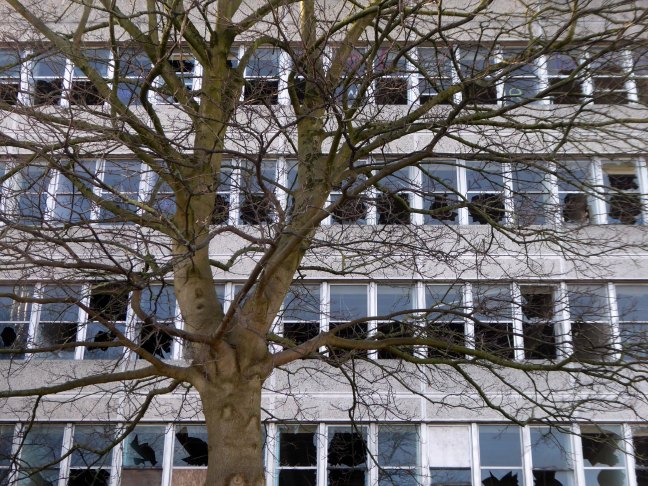
I have walked this way before.
More than once, though that’s no reason not to do so again – so I did.
Saying hello to Harold.
Harold saying hello to us:
Nostalgia won’t pay the bills; the world doesn’t owe us a living; and we must harness the scientific revolution to win in the years to come. This scientific revolution is making it physically possible, for the first time in human history, to conquer poverty and disease, to move towards universal literacy, and to achieve for the whole people better living standards than those enjoyed by tiny privileged classes in previous epochs.
He warned change would have to reach every corner of the country; The Britain that is going to be formed in the white heat of this revolution will be no place for the restrictive practices or for outdated methods on either side of industry.

Standing sentinel over one of Nikolaus Pevsner and John Betjeman’s favourite railway station front elevations.
Through a passage darkly.
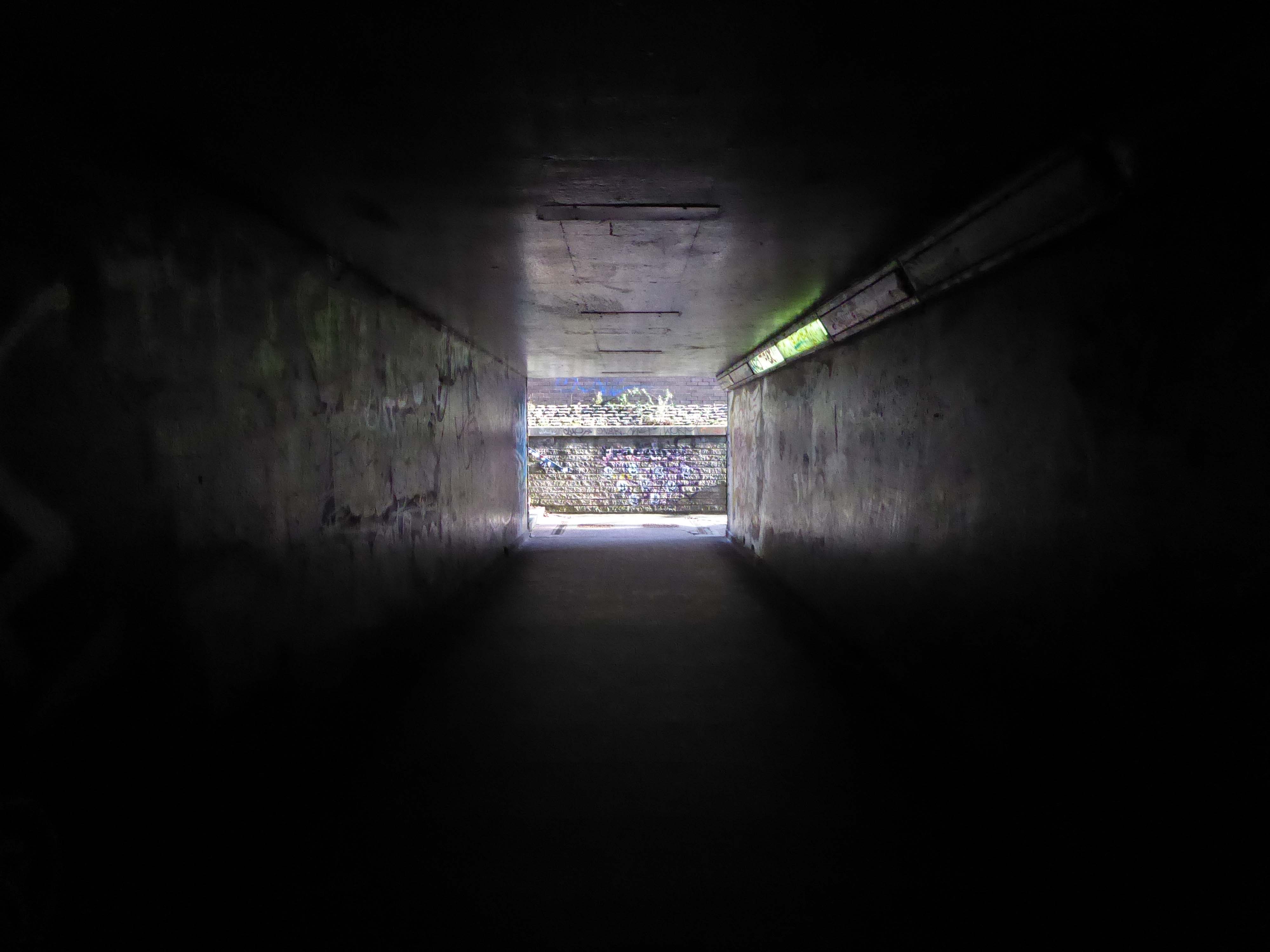
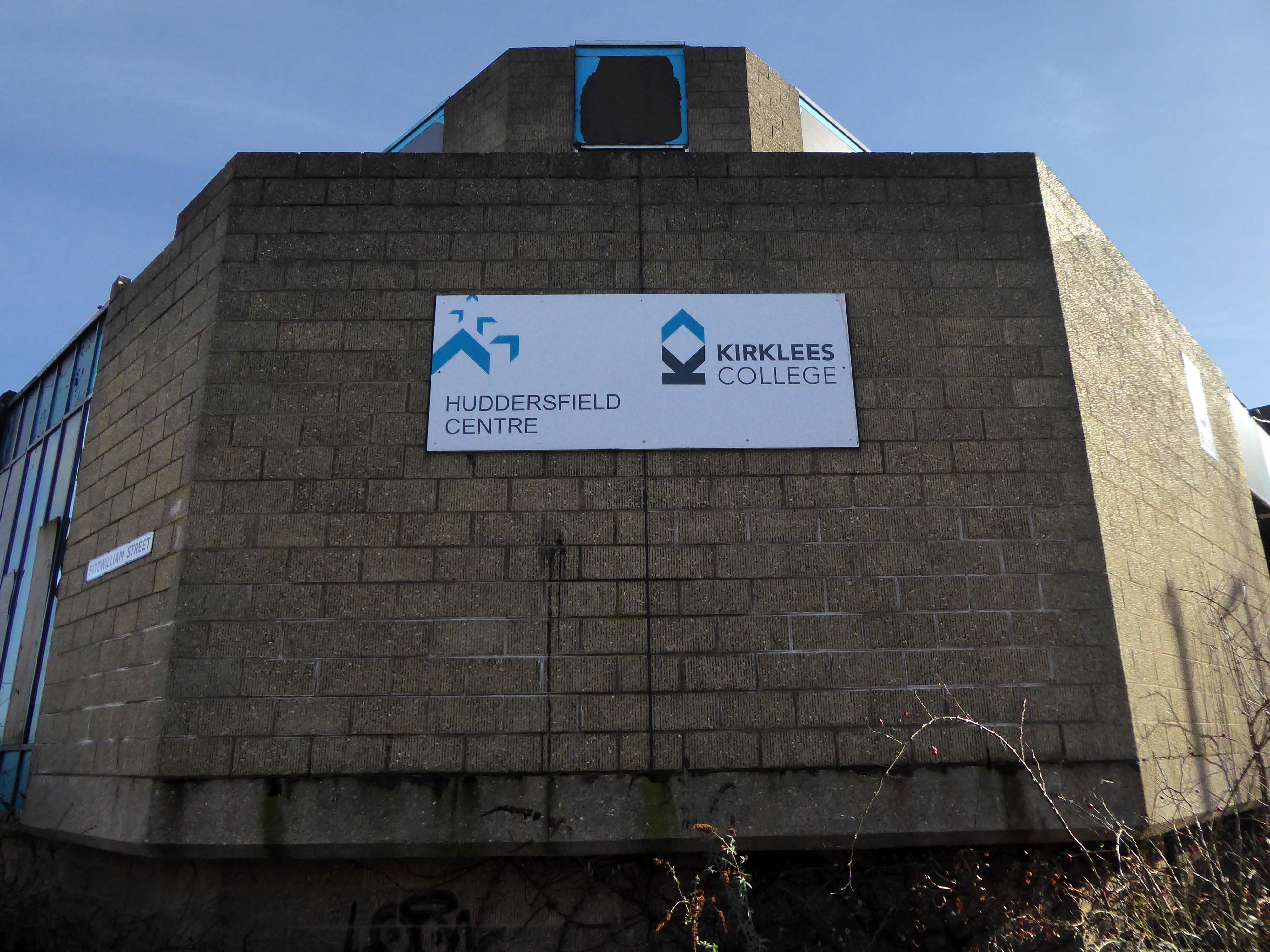
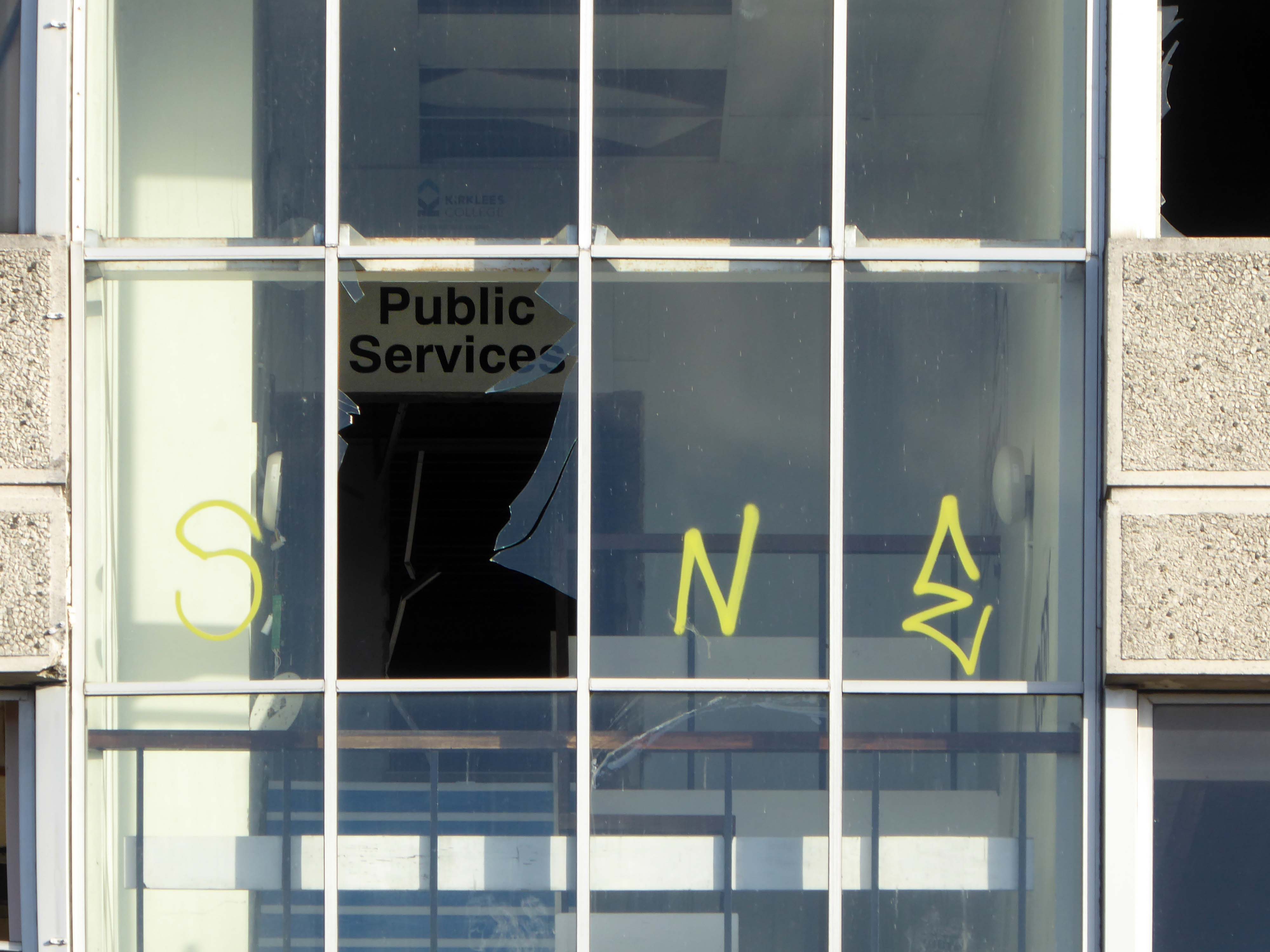
Emerging into the light of day and the demolition of the Kirklees College 1969-72 by Borough Architect Charles Edmund Aspinall.
My thanks to the Metropolitan team who invited me in beyond the barriers.
We provide safe and efficient demolition services across a broad range of projects, from the small domestic dwelling to large scale industrial units – we offer the complete solution. With excellent communication and impeccable health and safety standards, we can project manage the decommissioning a structure on time and on budget.


Edward VII is under wraps.
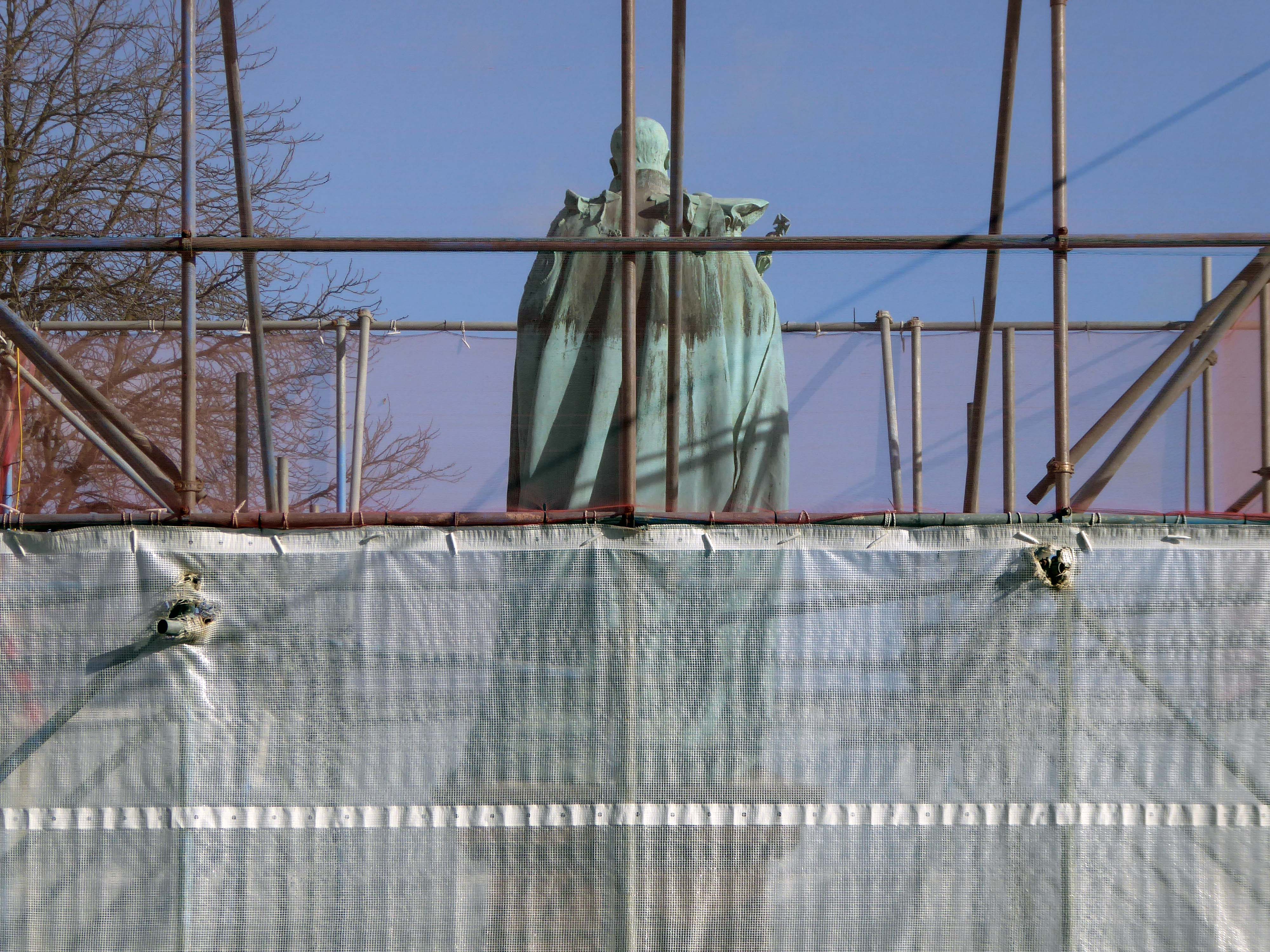
Everything else is up for smash and grab – including the later concrete block immortalised by Mandy Payne.
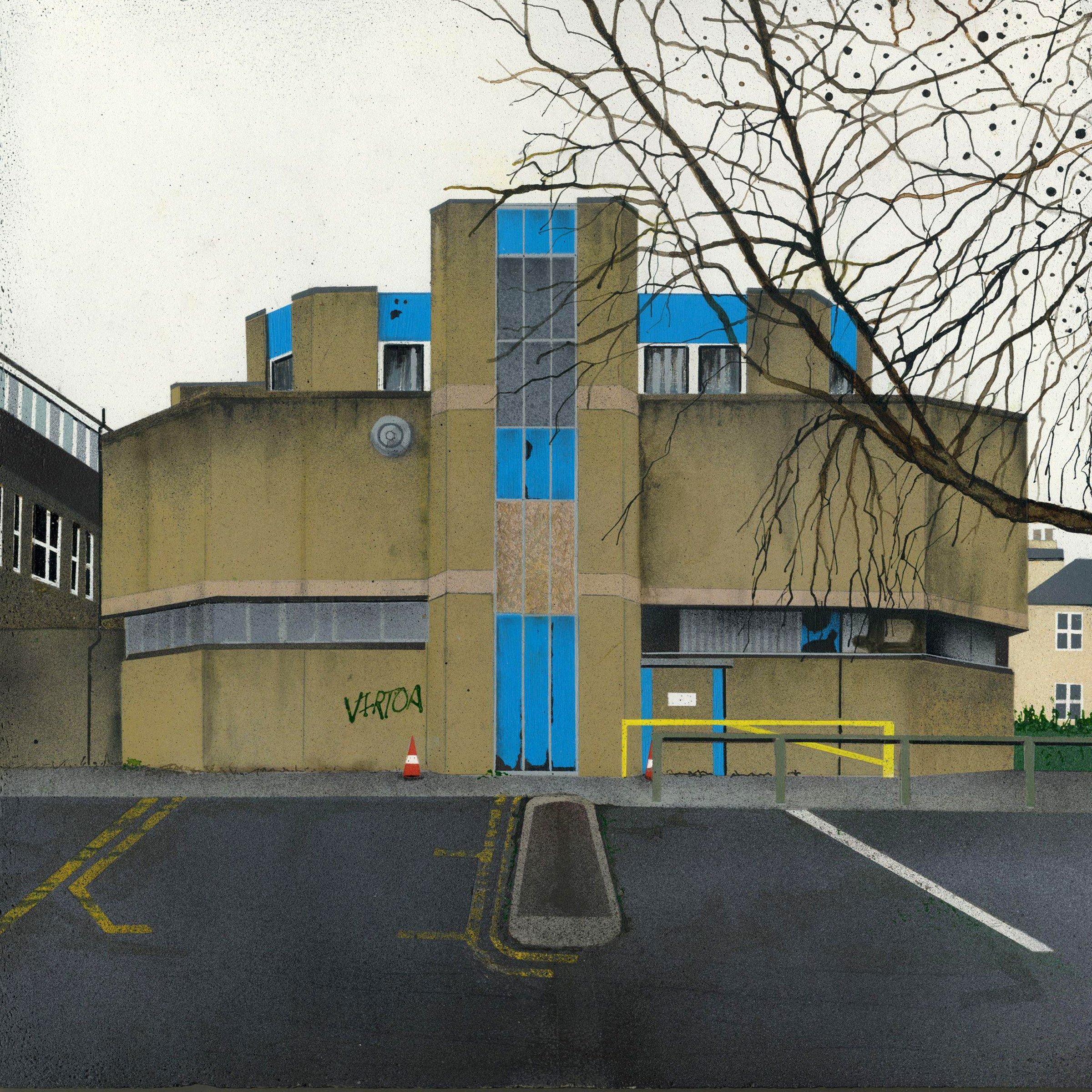
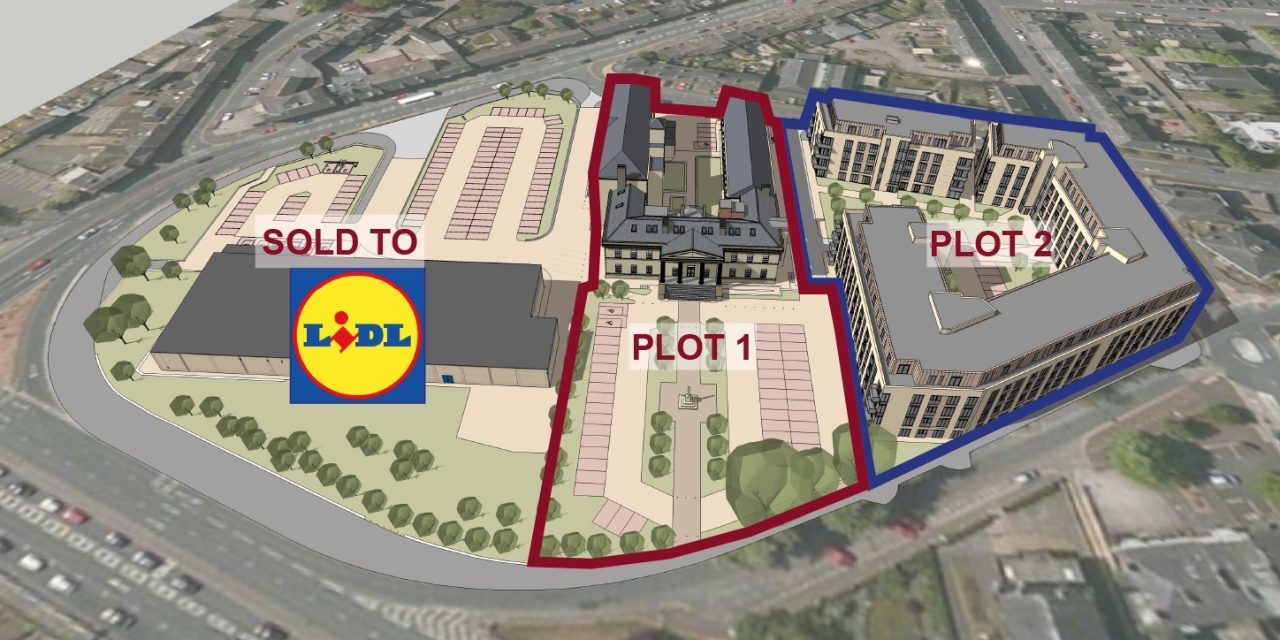
LIDL is coming – and some homes
The final details have now been signed off by the council and work on the six-acre site – which includes the Grade II-listed original Huddersfield Royal Infirmary – can now begin.
The vandal-hit and fire-damaged late 1960s and early 1970s college buildings are to be demolished and Lidl will build a new supermarket with a 127-space car park. The store will eventually replace the store on Castlegate.
The former hospital will be retained and the site will see 229 apartments and an office complex. The apartments are expected to be for older or retired people.
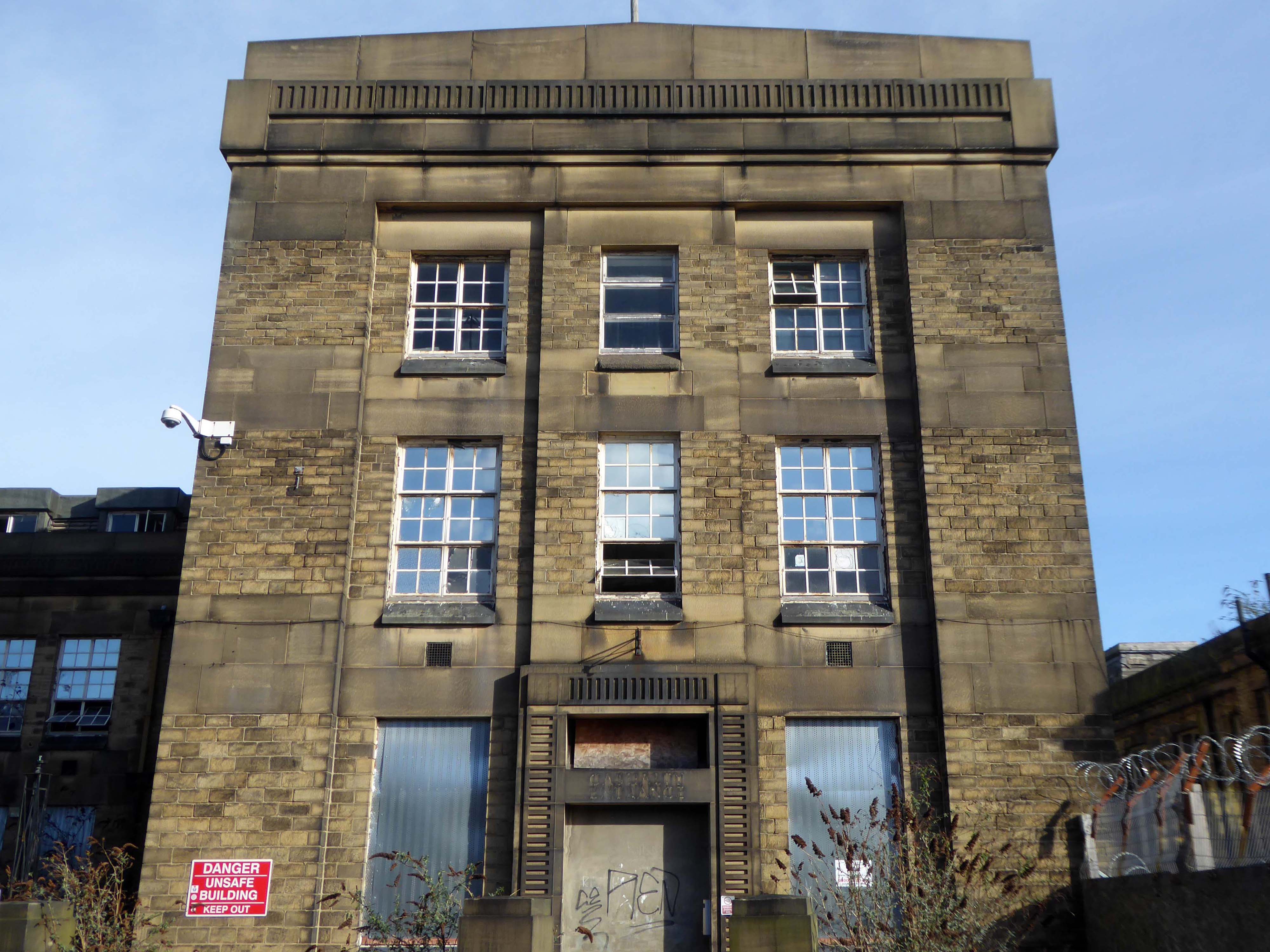
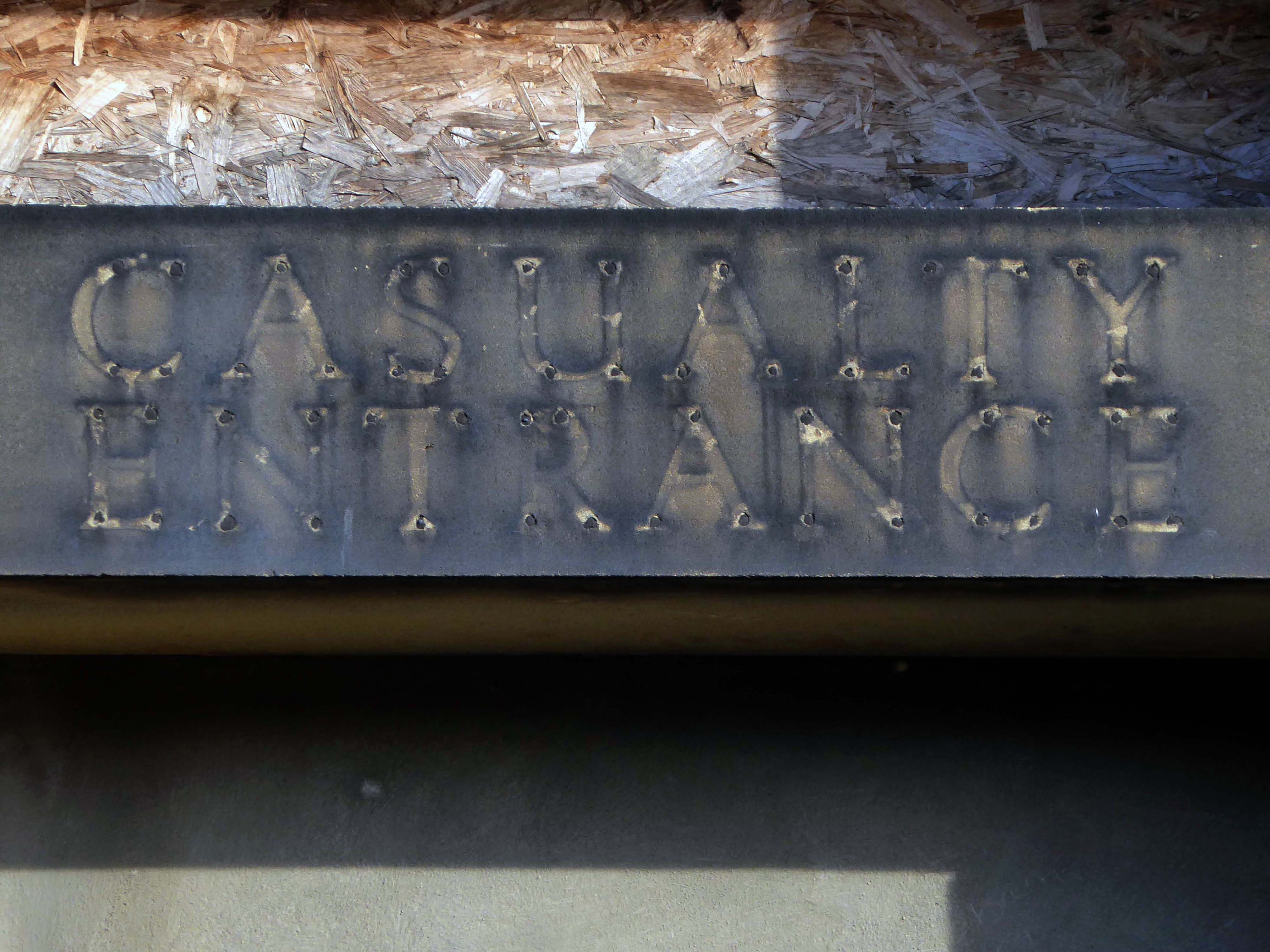
The inter-war infirmary is also destined for an imminent demise.
Next we take a turn around the bus station.
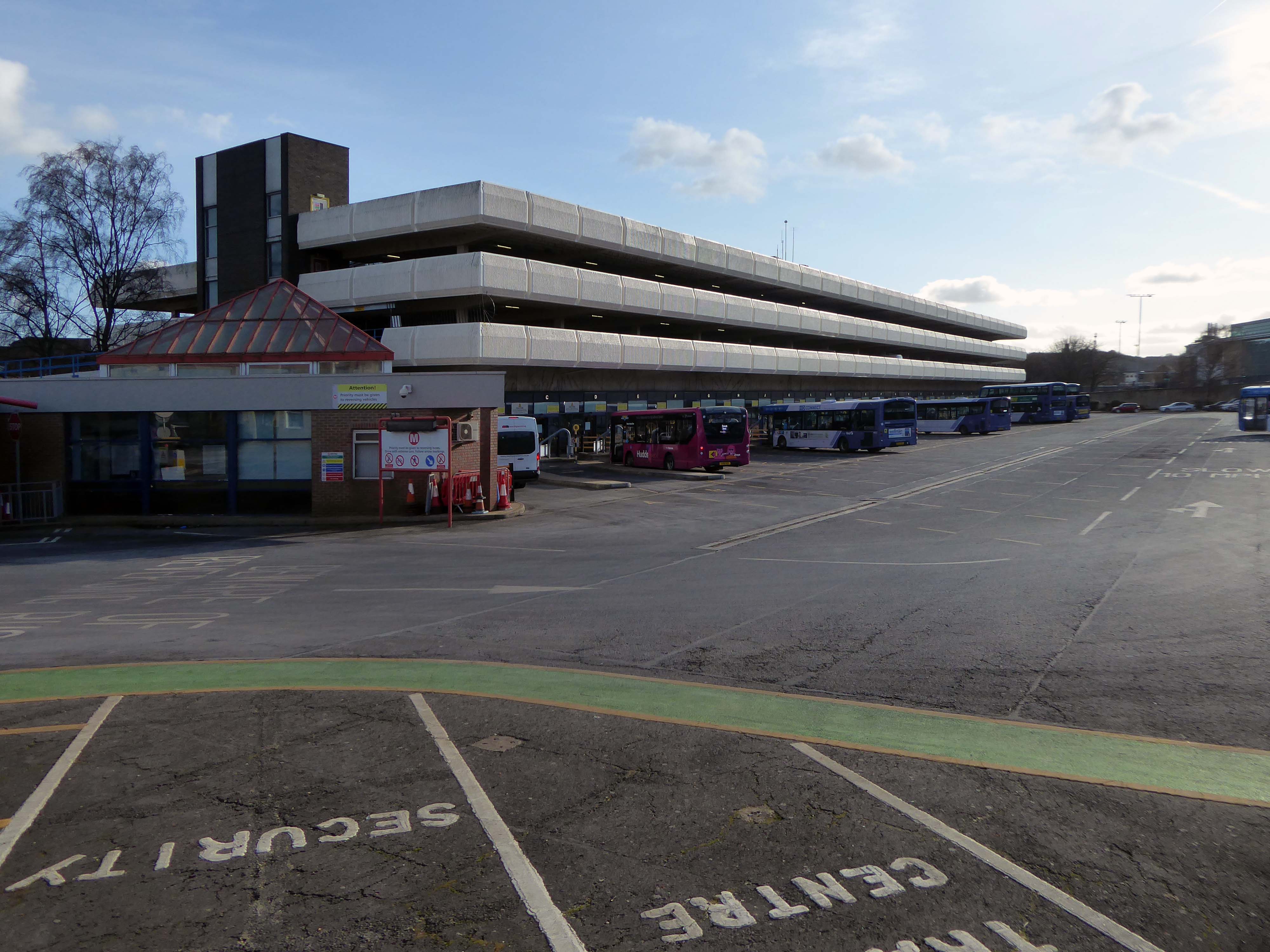
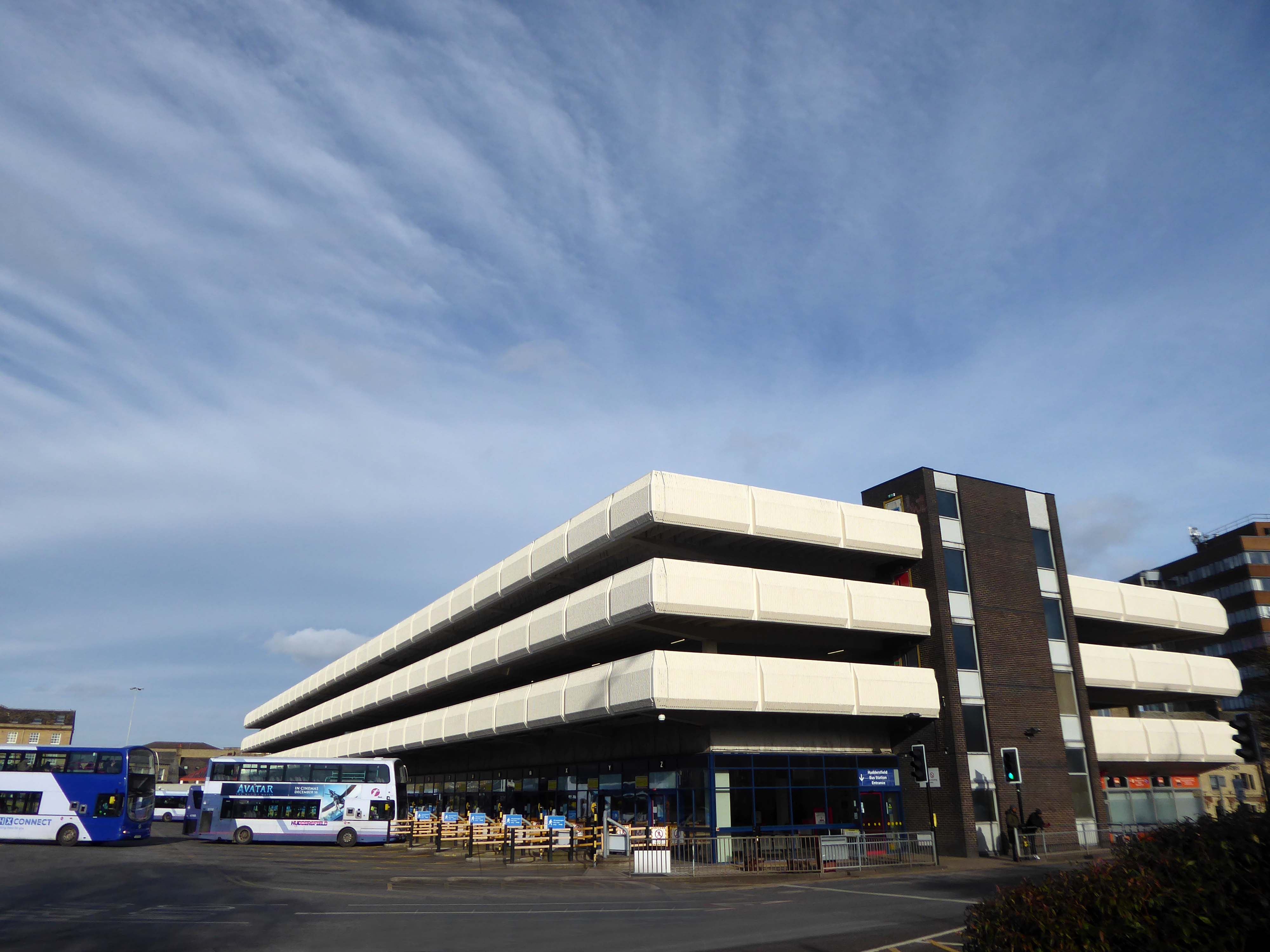
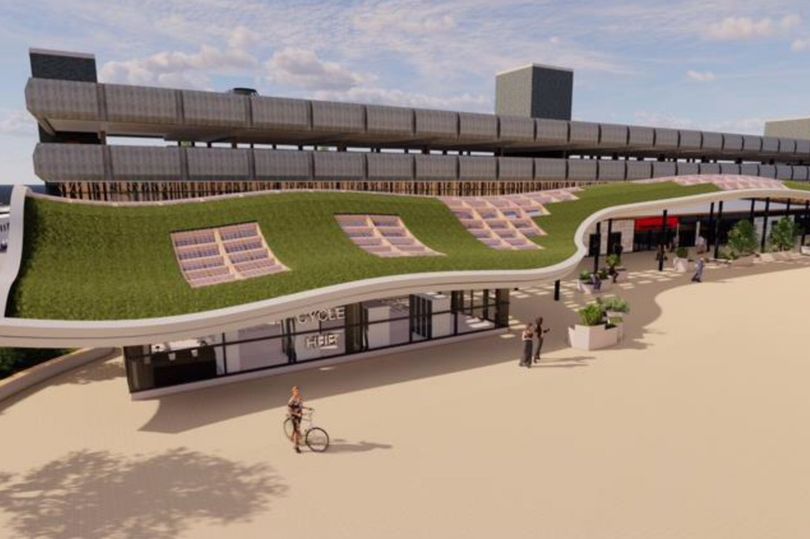
Changes are afoot for the buses.
Huddersfield’s £20M game-changing bus station is set to be completed by the end of 2025 with a living grass roof, sixty bike cycle hub, upgraded shops and new facilities
The project between West Yorkshire Combined Authority and Kirklees Council aims to transform one of West Yorkshire’s busiest bus stations, and uplift the area that surrounds it.
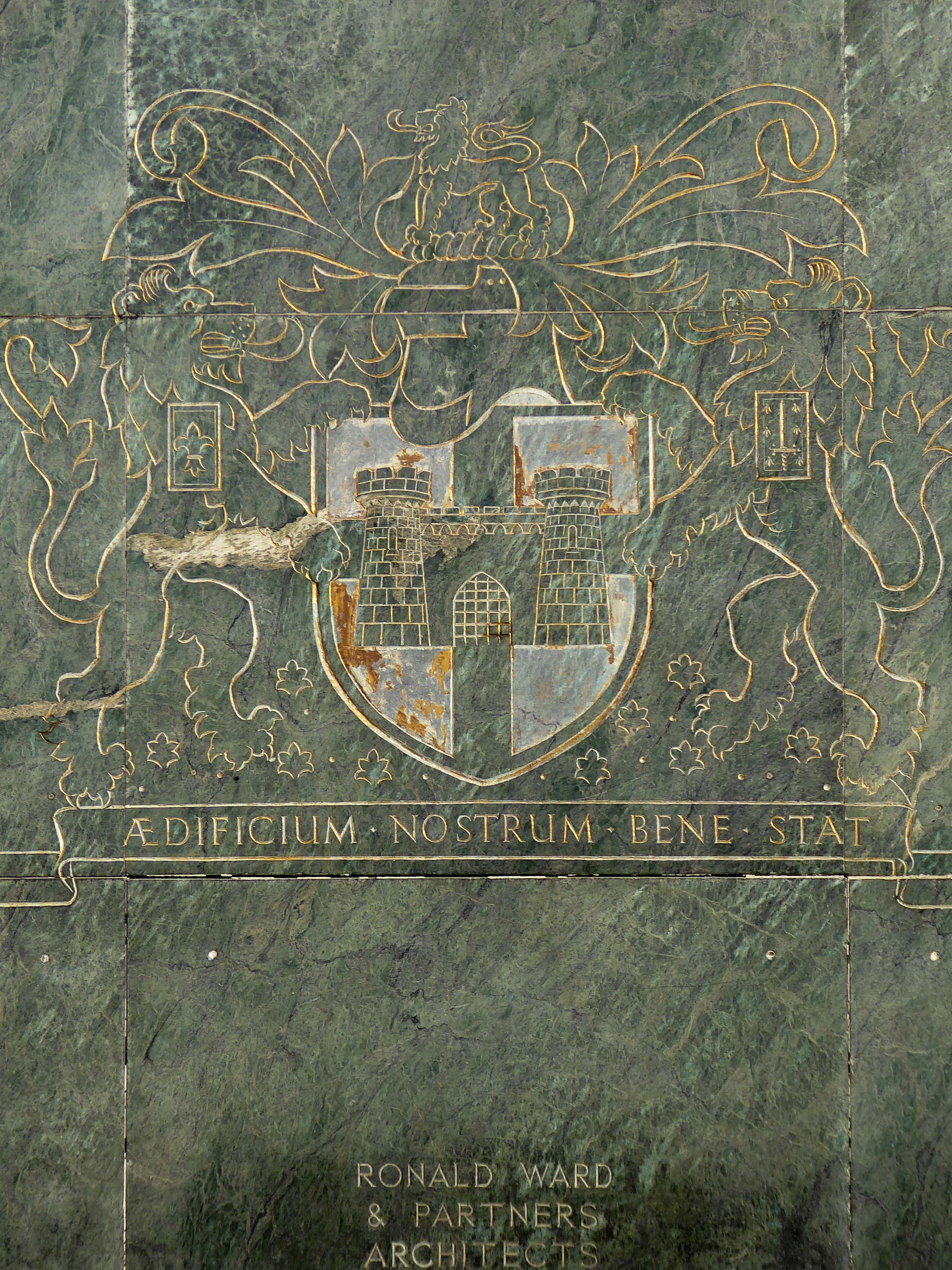
Over the way this diminutive commercial building – with a distinctive rectangular stopped clock and boldly incised gold leaf heraldic device.
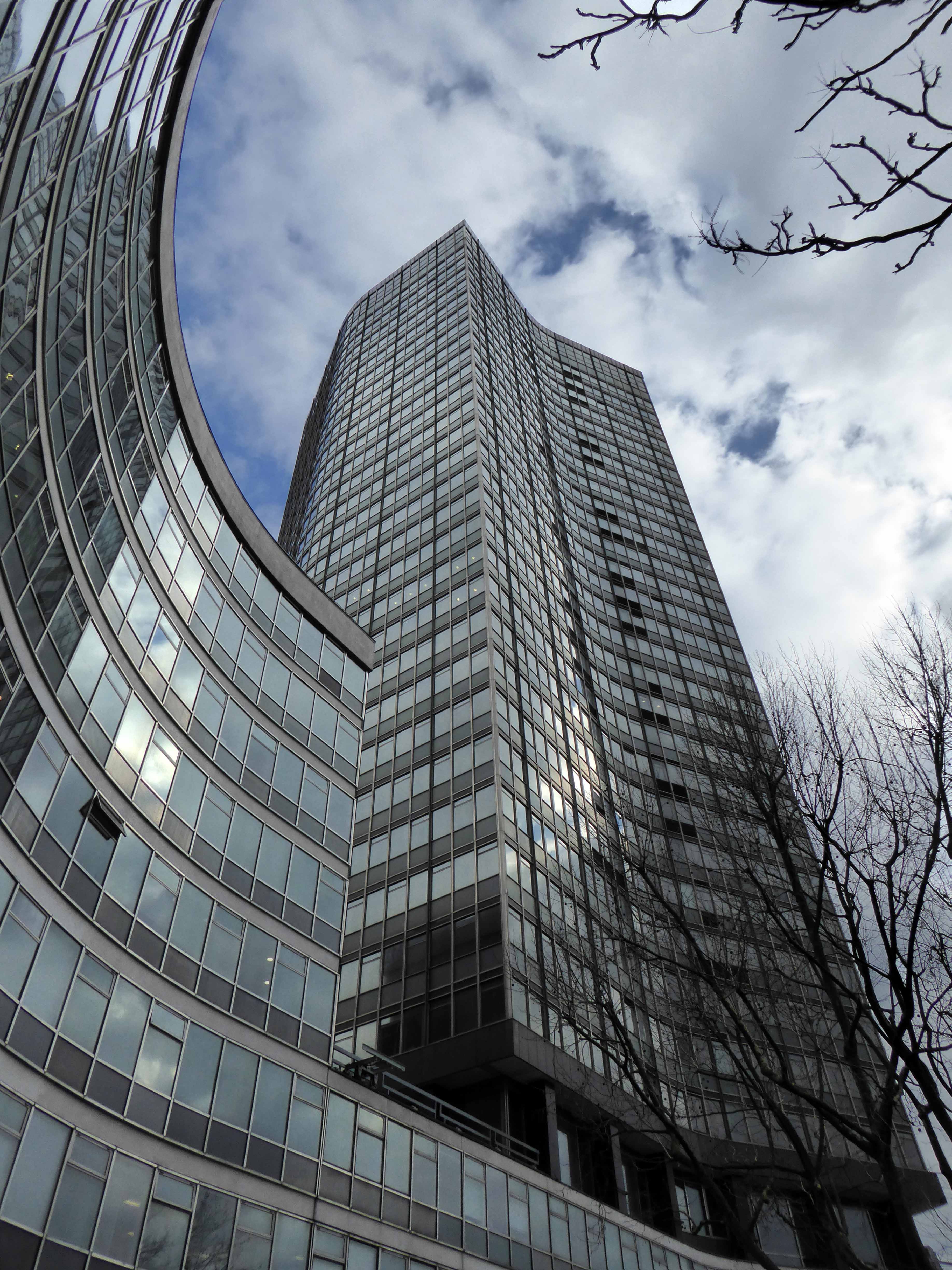
Architects: Ronald Ward & Partners.
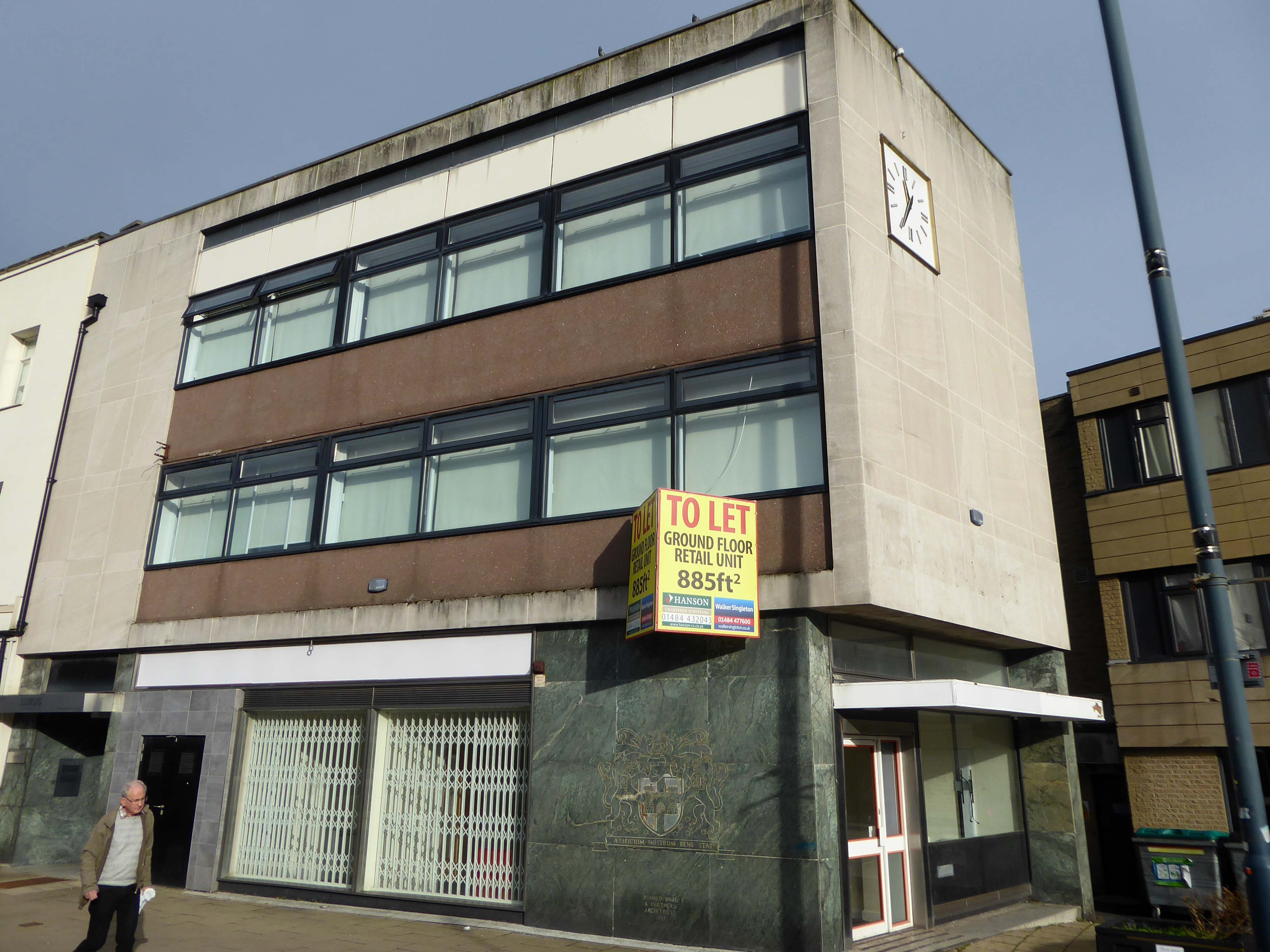
The same crew were also responsible for Millbank Tower
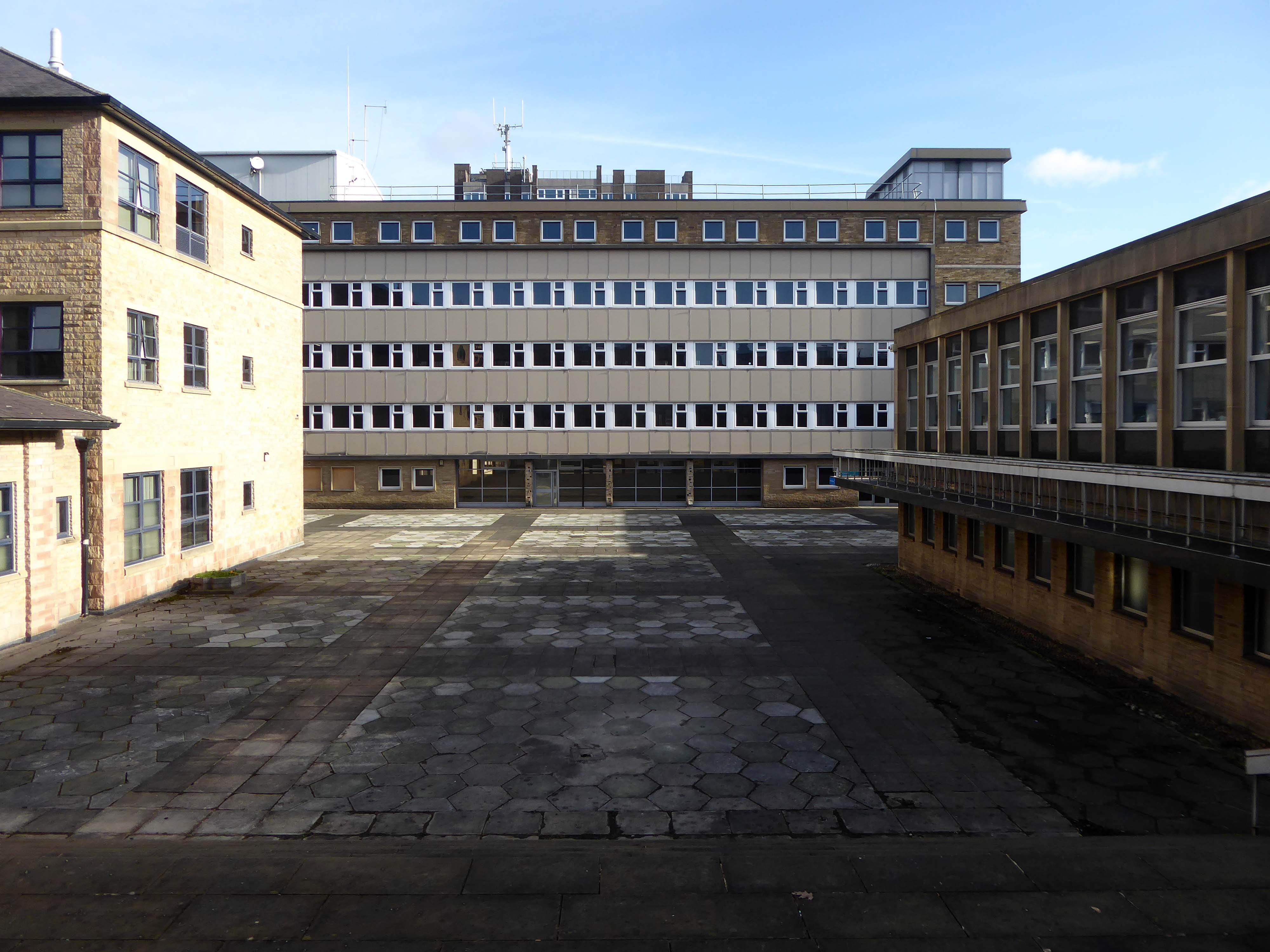
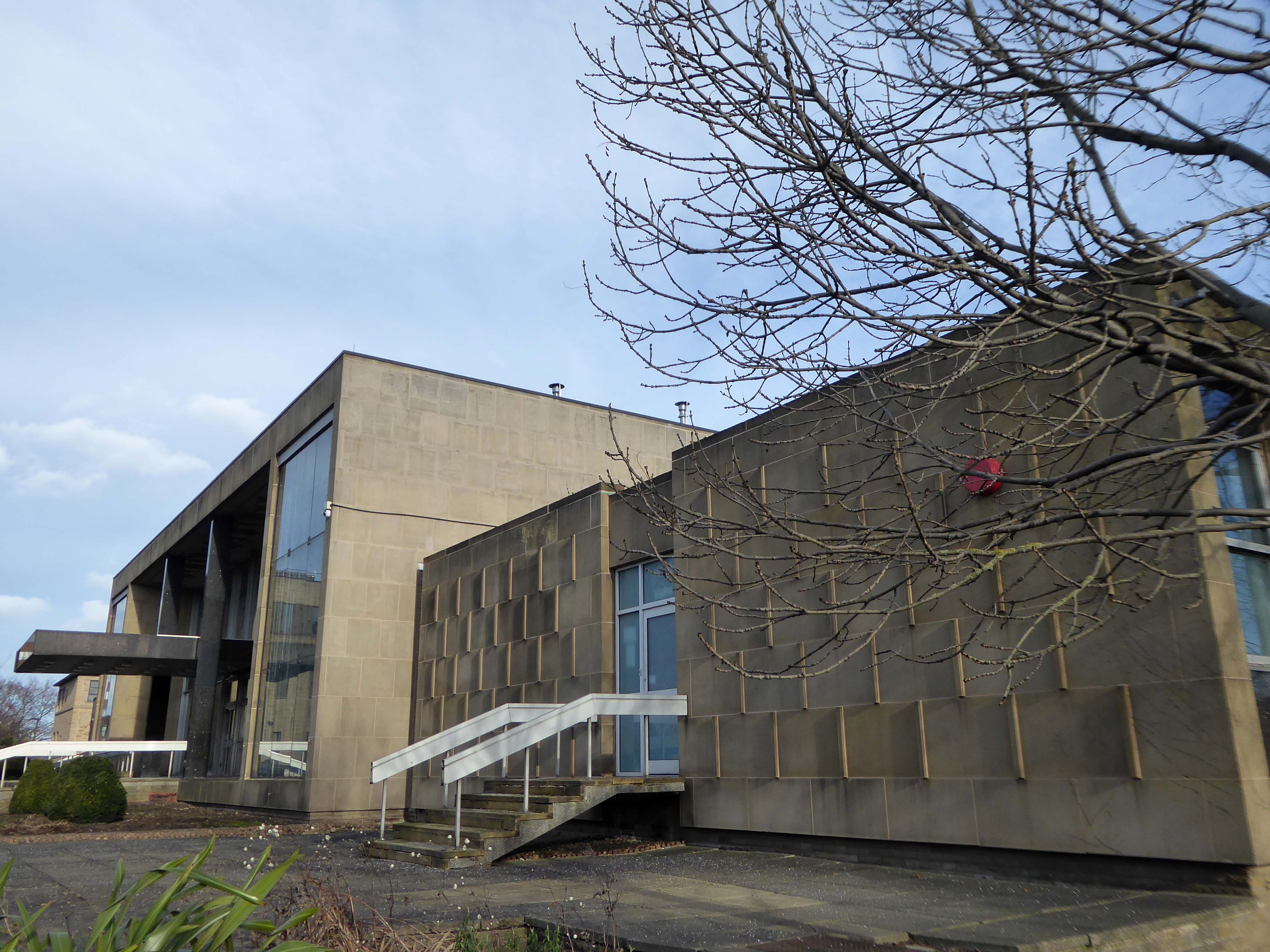
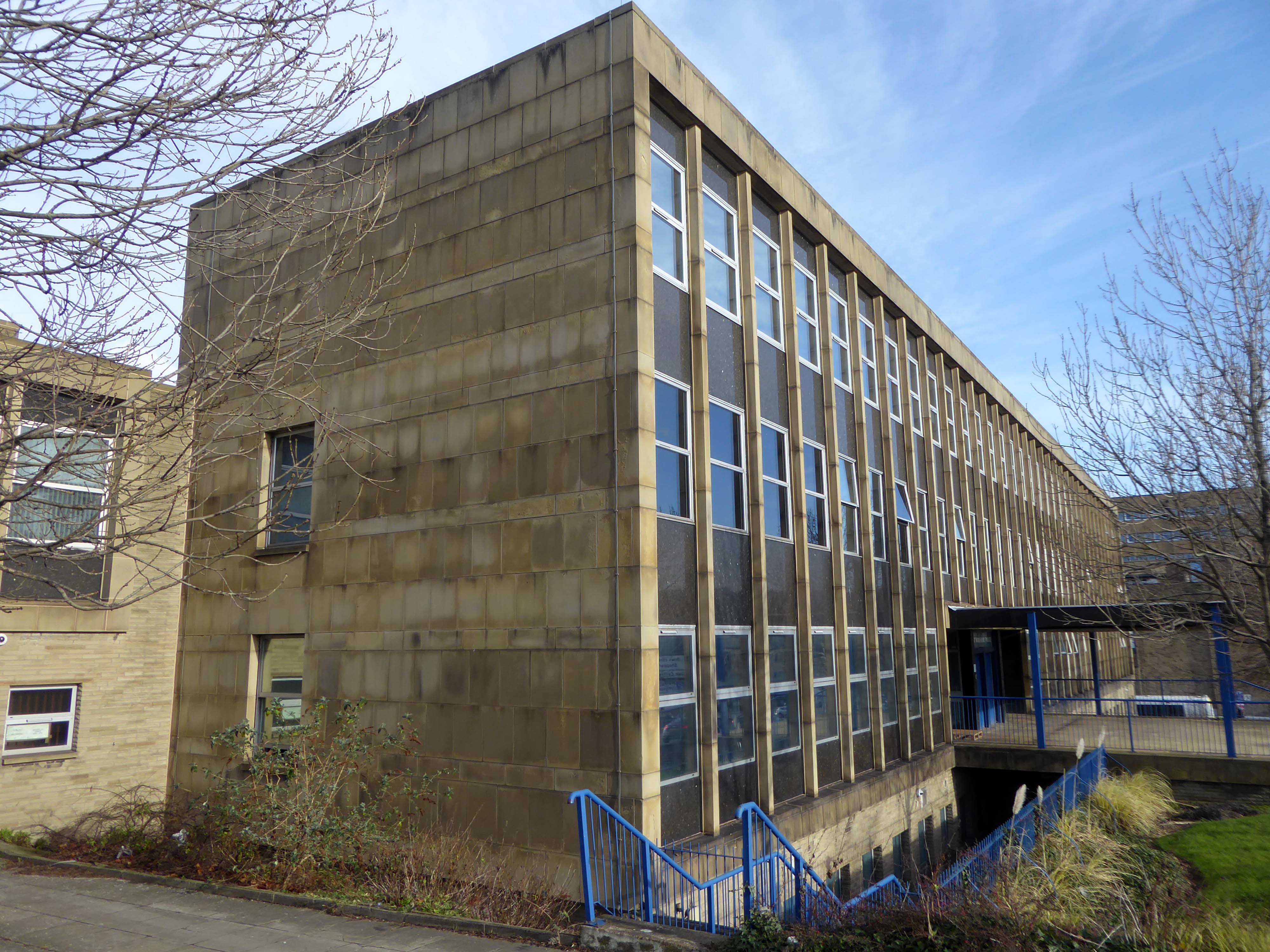
Crossing the road to the Civic Centre and the perennially empty piazza which along with the Magistrates Courts and Police Station was the work of the Borough Architects team – led by Charles Edmund Aspinall.
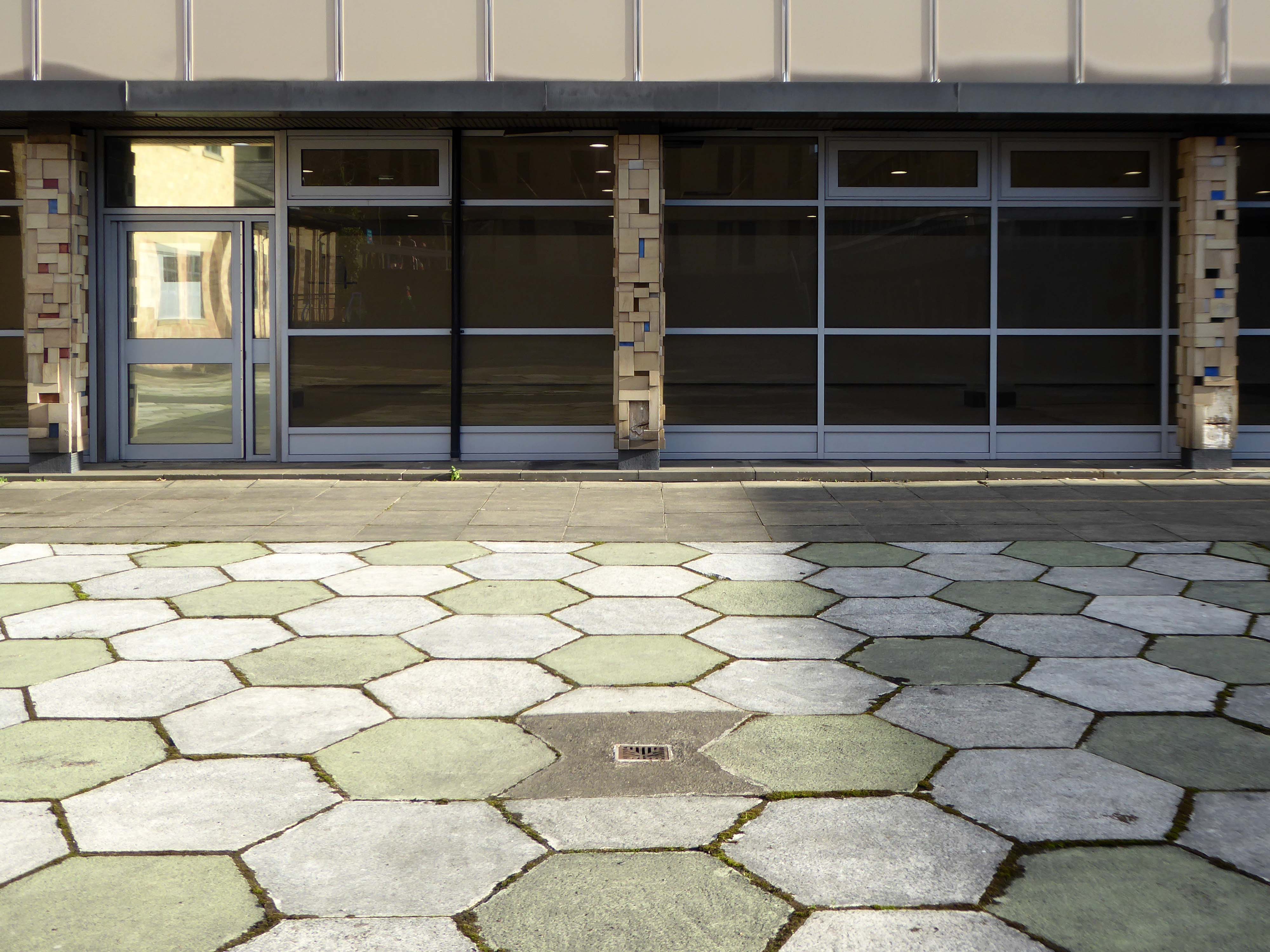
Walking excitedly toward the Exsilite panels set in the stone faced columns – a brand name for a synthetic, moulded, artificial marble.

Magistrates Courts
Police Station
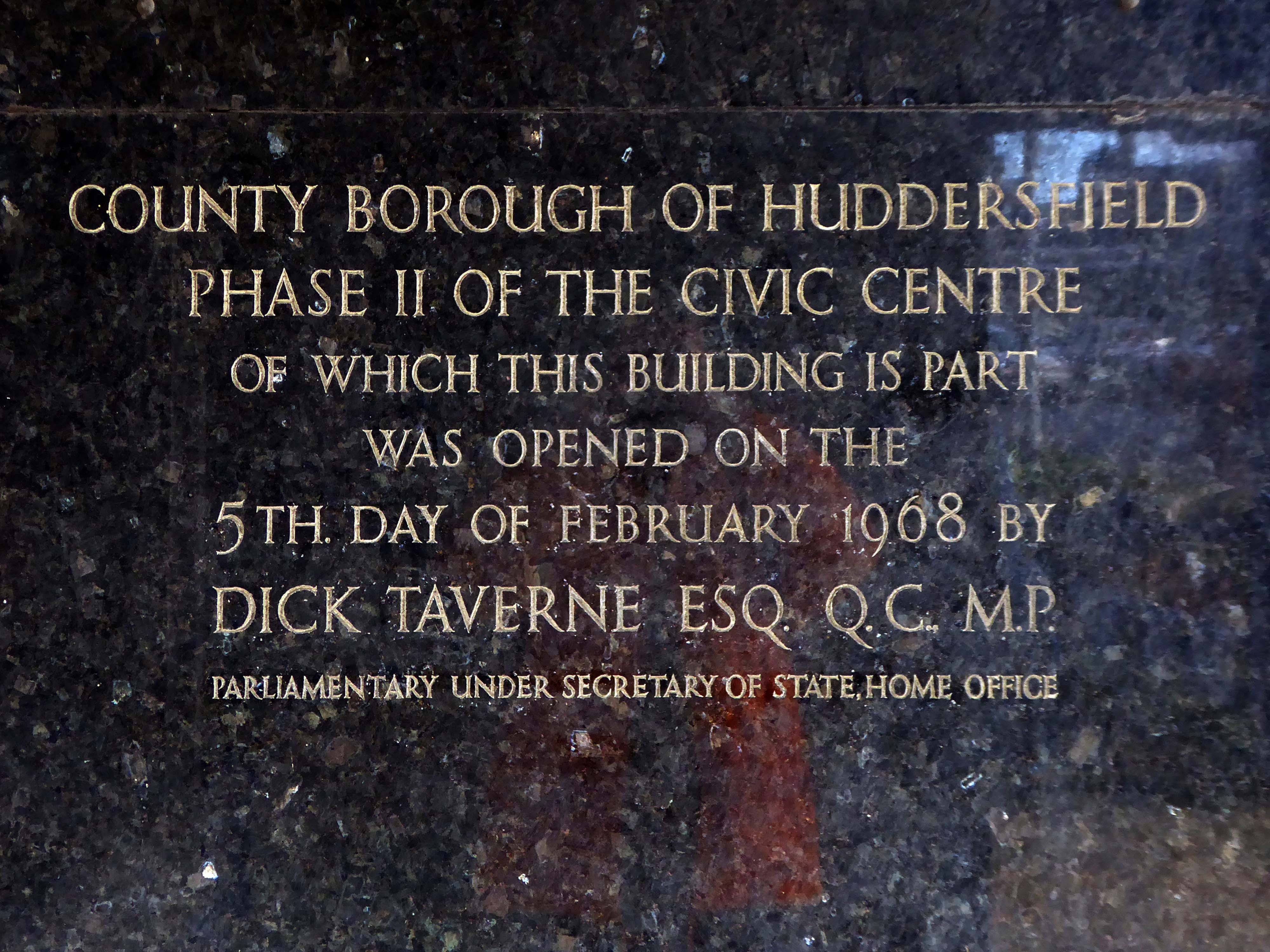
Dick Taverne served under Harold Wilson’s premiership in the 1960s, he served as a Home Office Minister from 1966 to 1968, Minister of State at the Treasury from 1968 to 1969 and then as Financial Secretary to the Treasury from 1969 to 1970.
In 1970, he helped to launch the Institute for Fiscal Studies, now an influential independent think tank and was the first Director, later chairman.
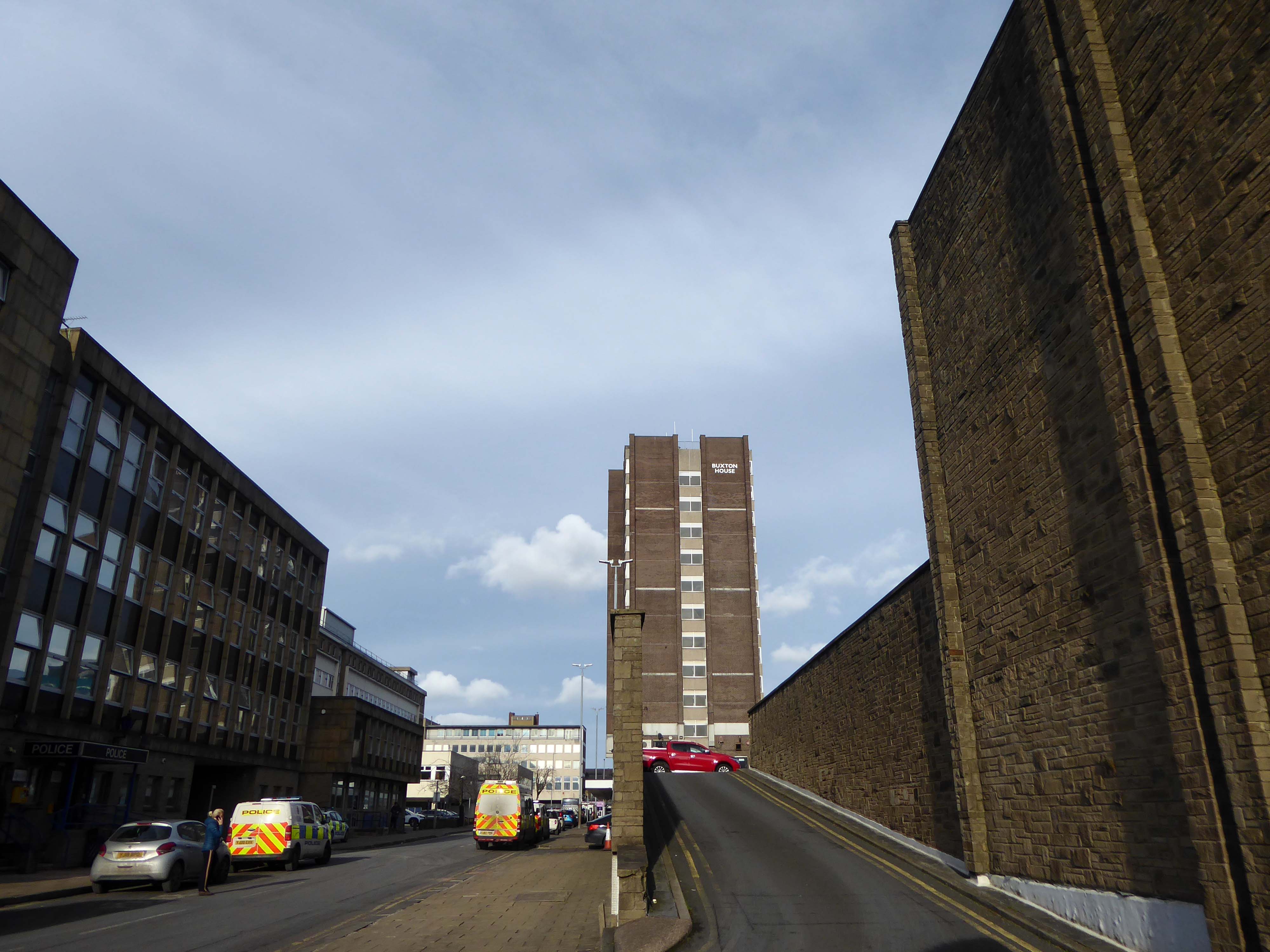
A view up the road to Buxton House – Contractor J Gerrard.
J Gerrard & Sons Ltd’s tender for the contract was £146,210.
The Queensgate Market and Piazza Centre is at the heart of redevelopment plans.
The vision is to create an inclusive space where families, residents and visitors can enjoy a vibrant mix of music, arts, food and more in one central area, overlooking a stunning new urban park.
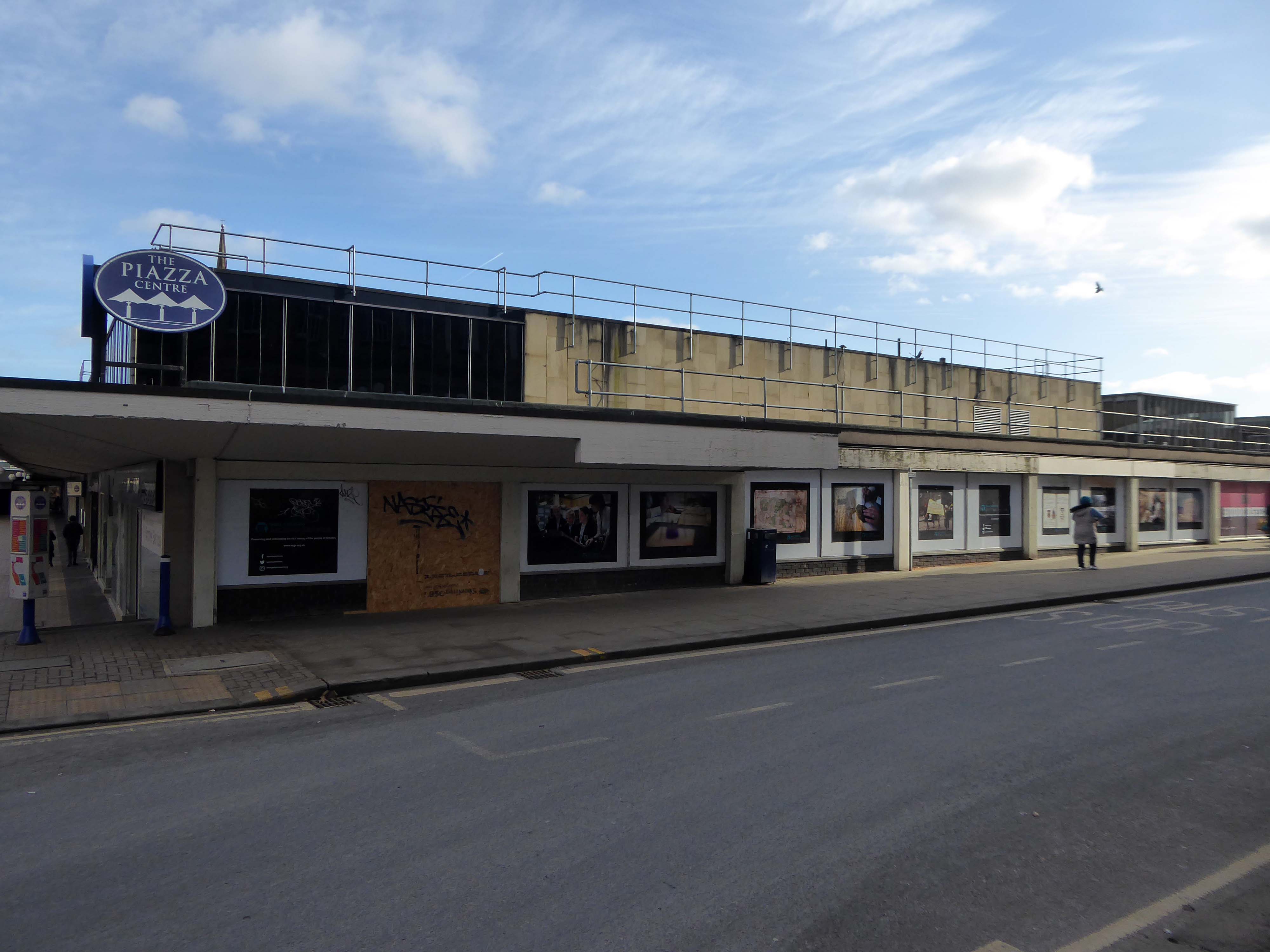
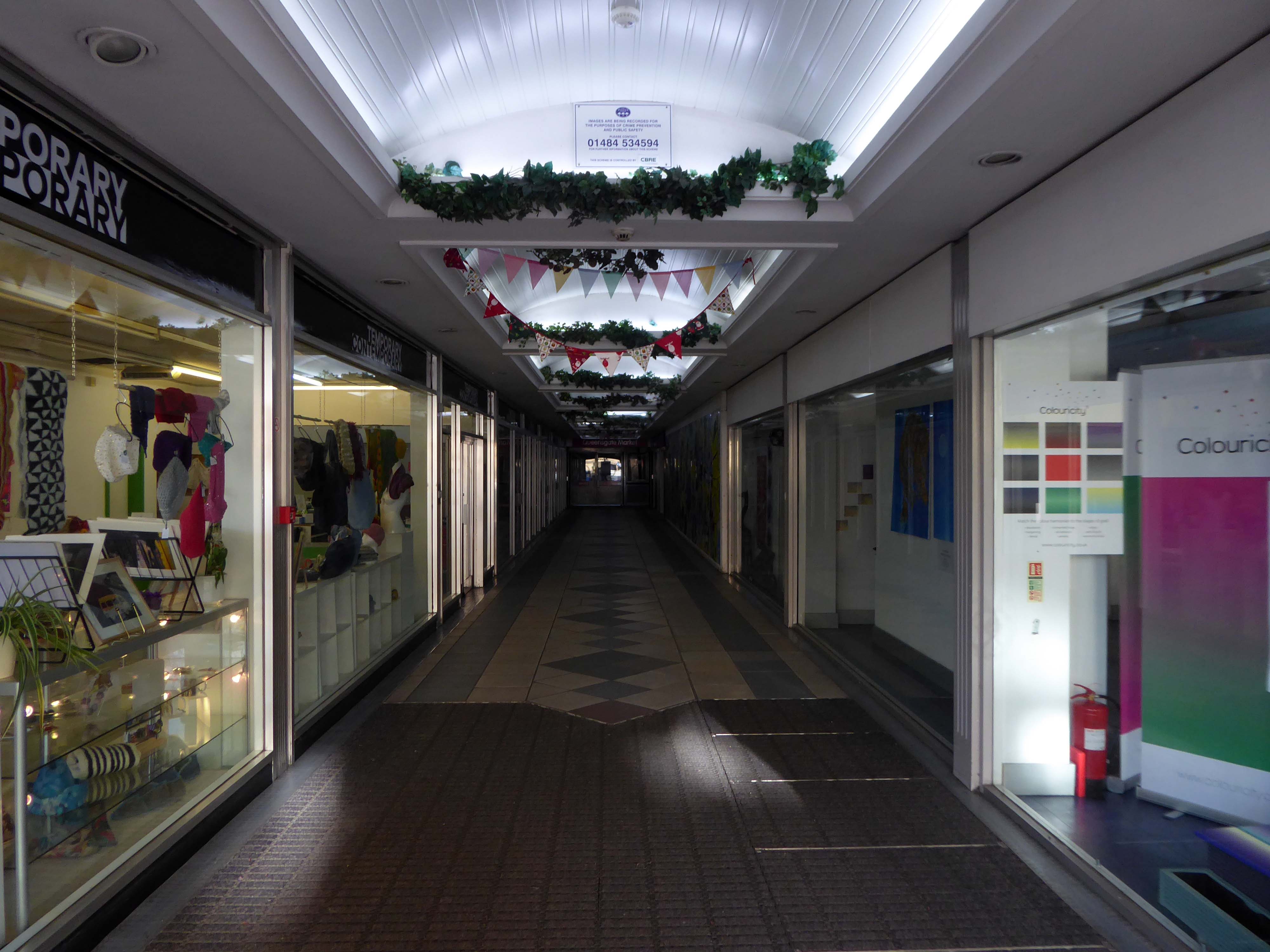
The Market is currently closed.
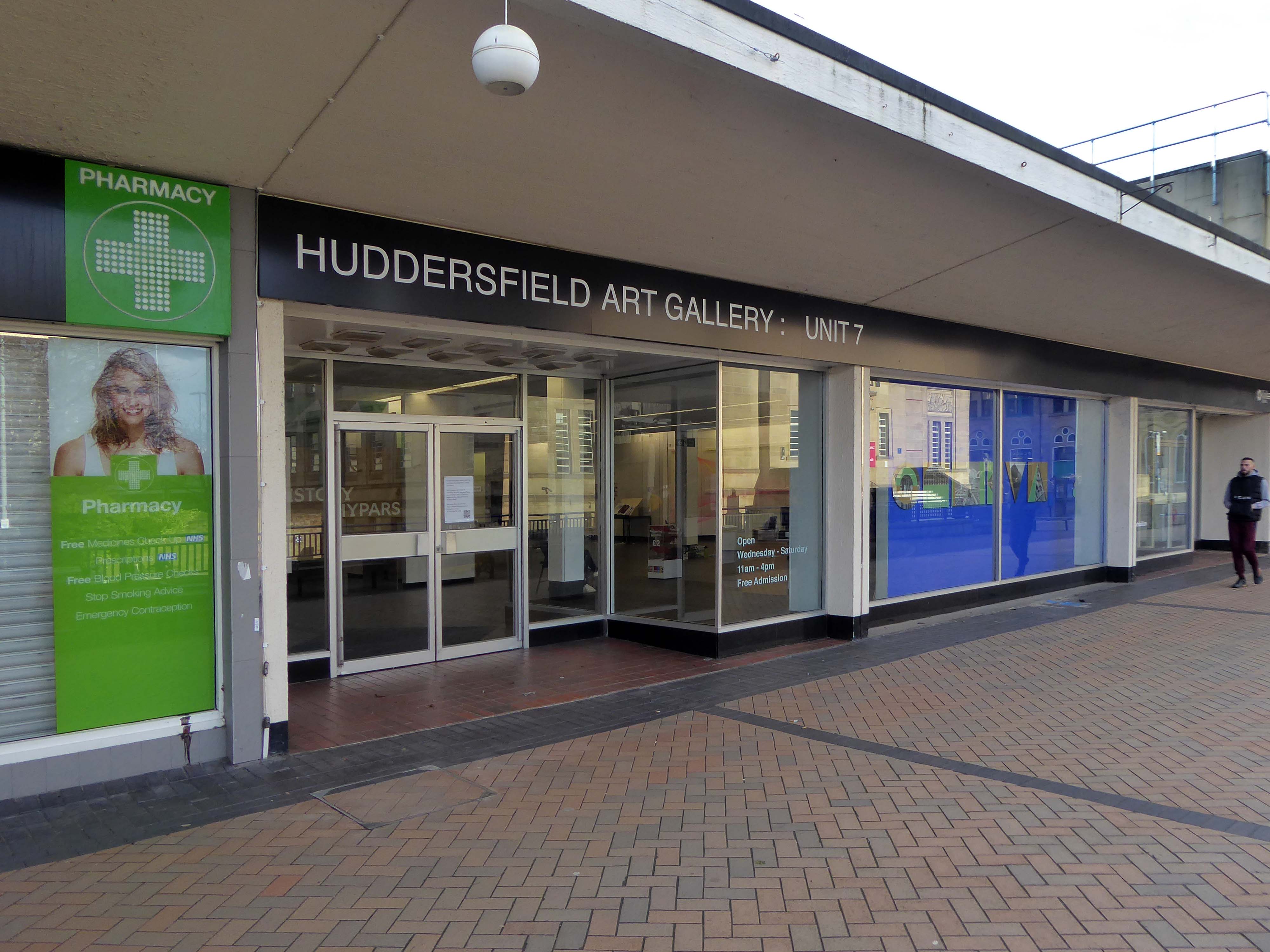
The Piazza repurposed – currently housing the regeneration exhibition.
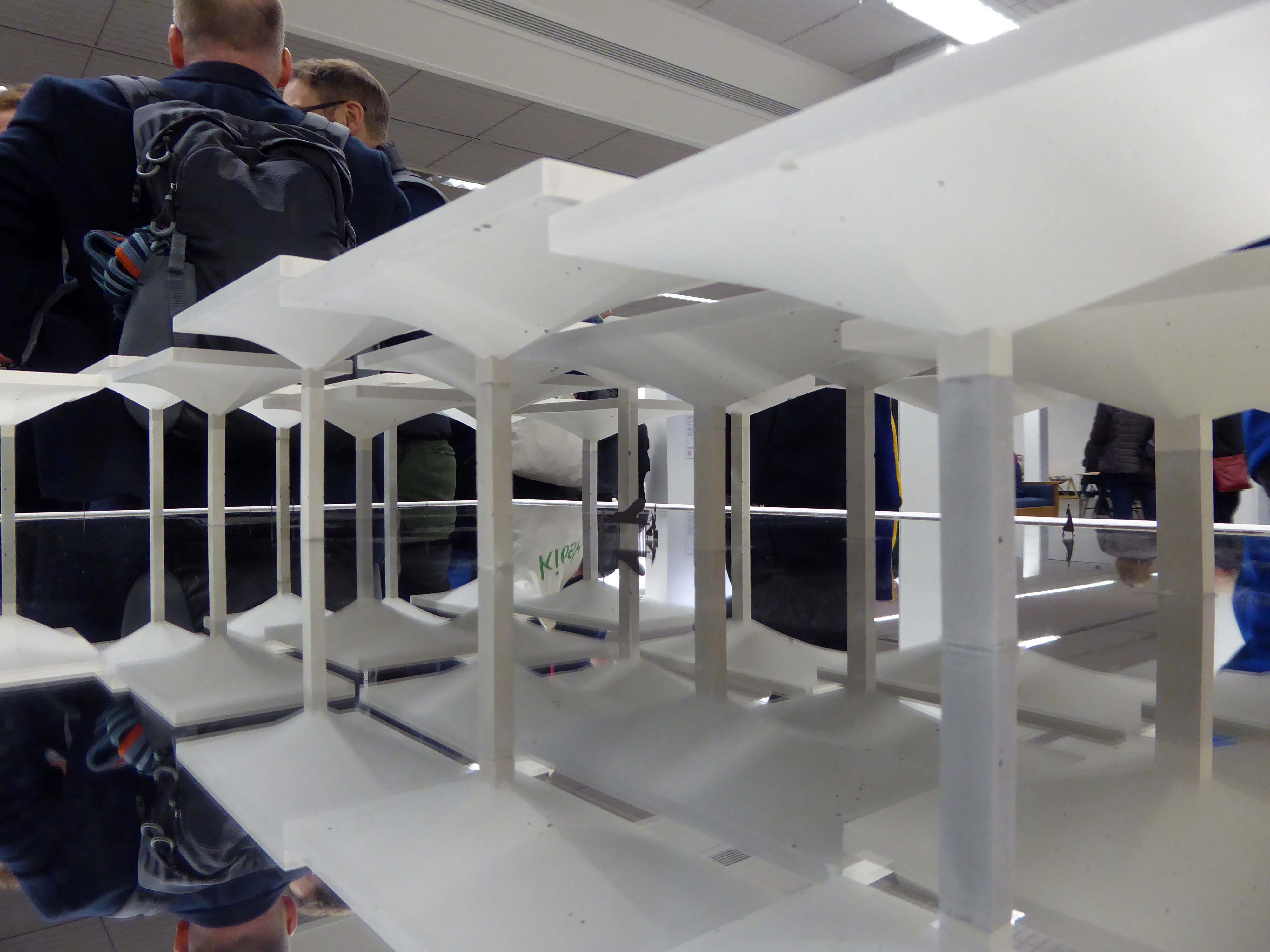

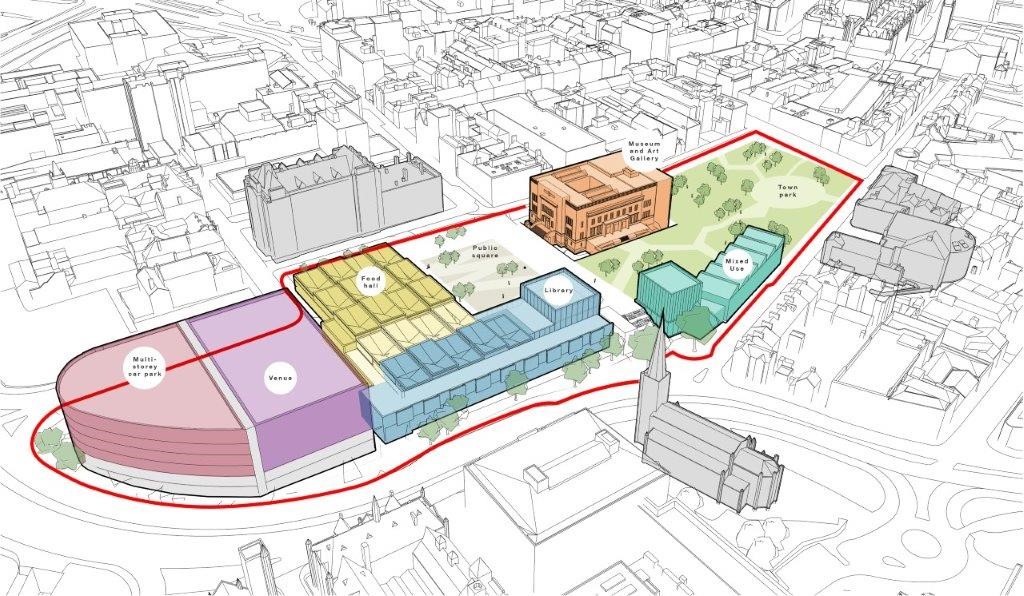
The council plans to demolish the Piazza Centre and create a new events/live music venue, a food hall, a museum and art gallery, a new library and a new multi-storey car park, all centred around a new Town Park.
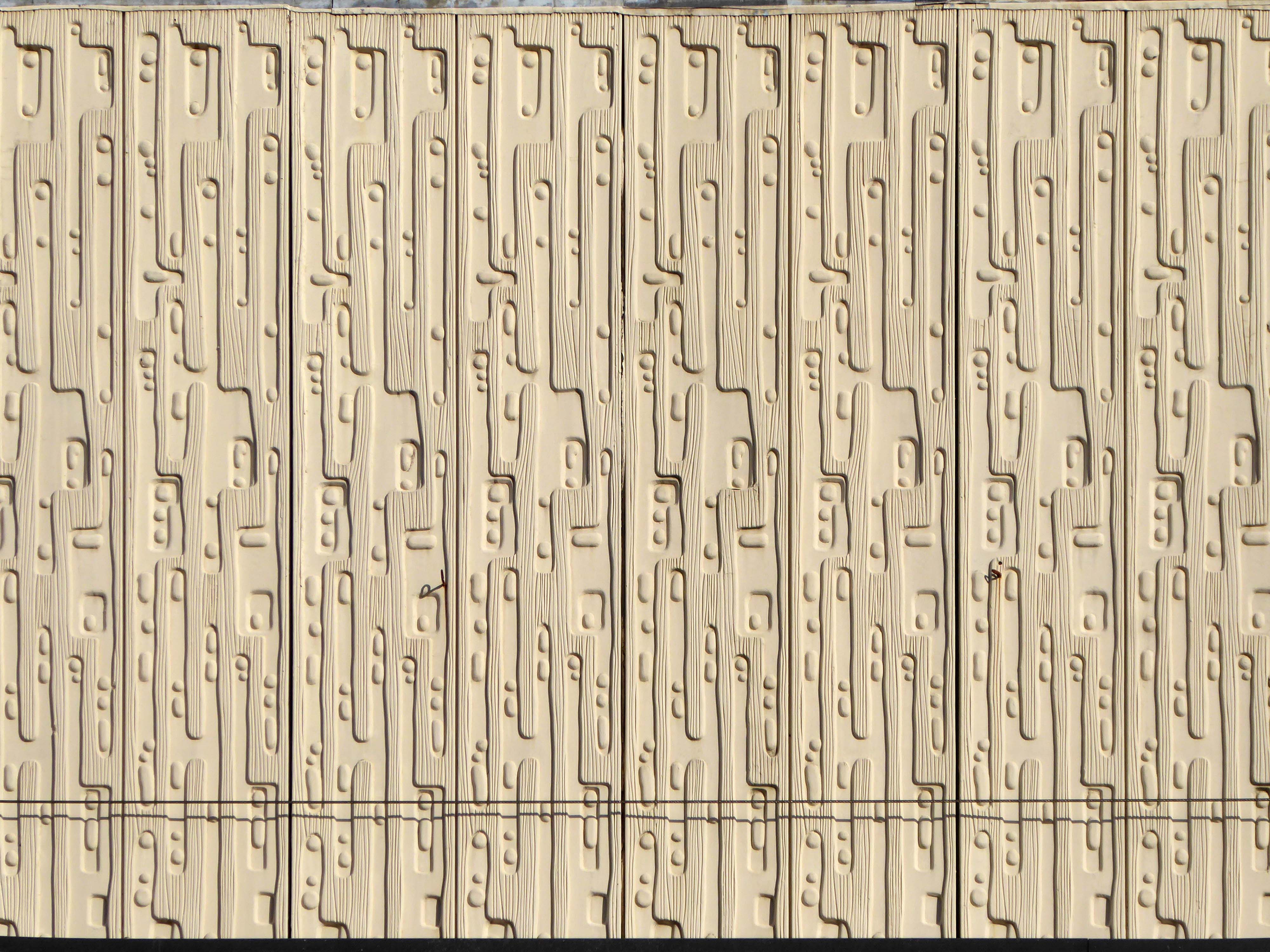
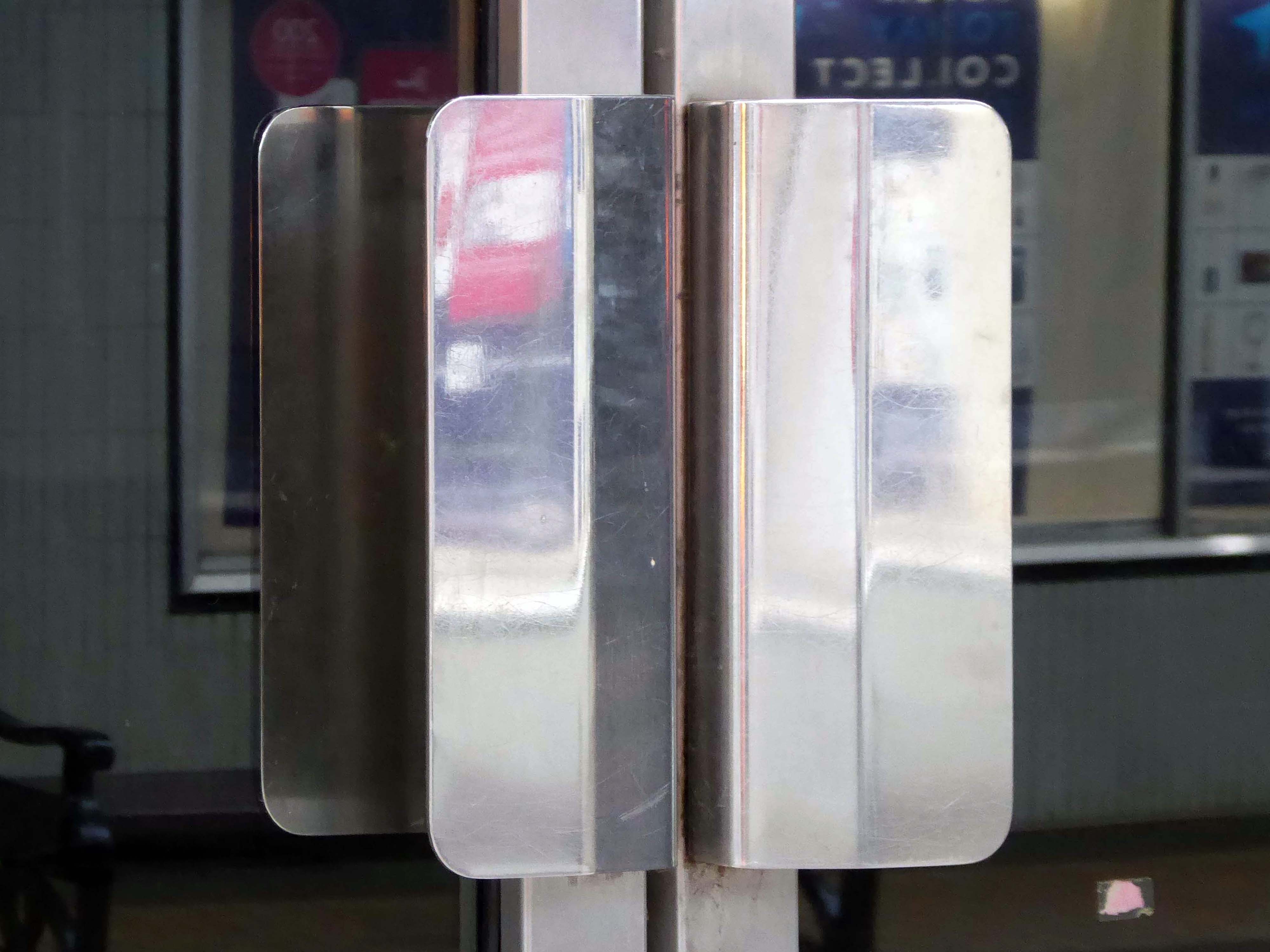
I do hope that the decorative panels and door handles survive.
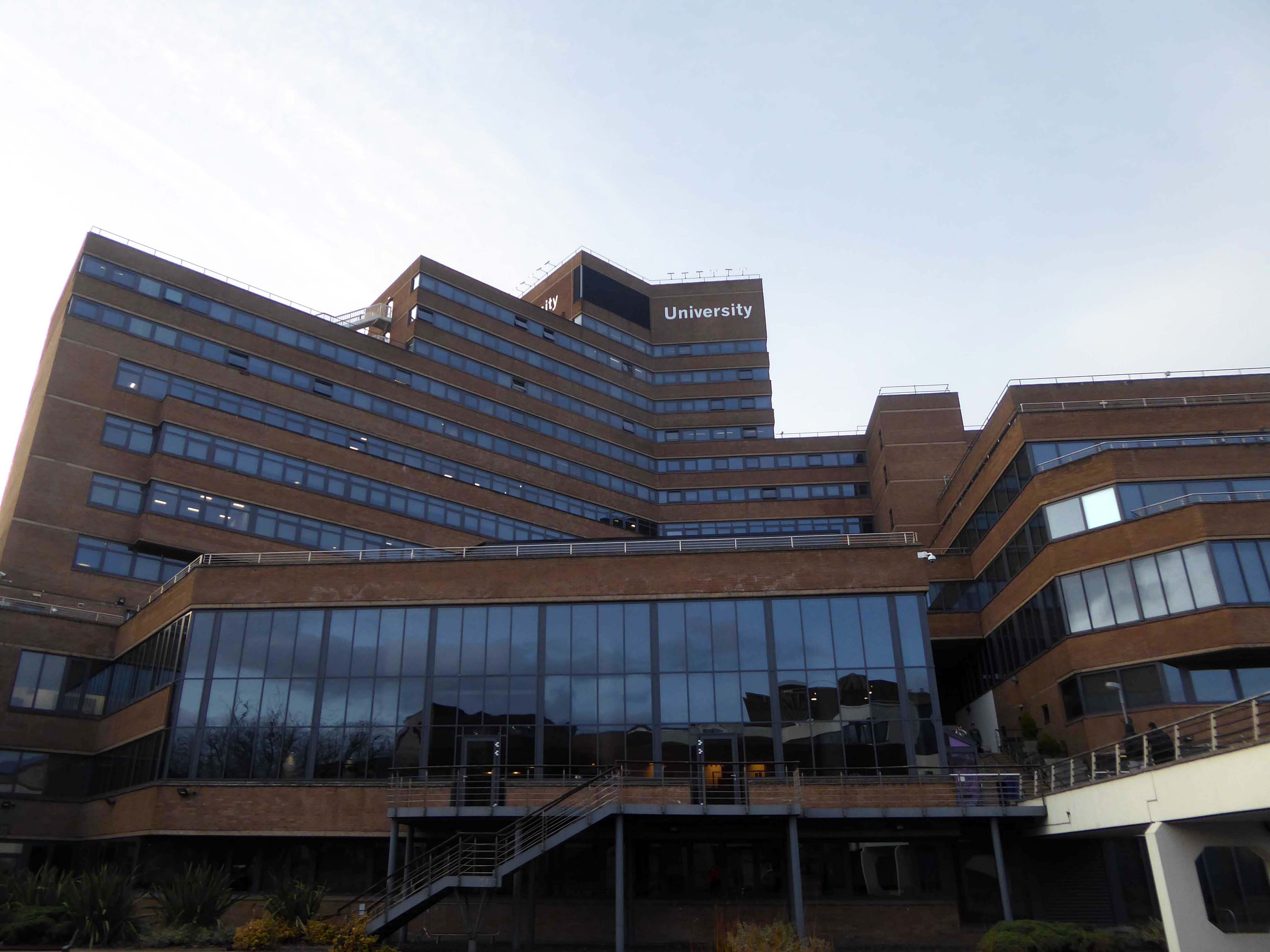
Wandered around the University Campus as the light faded.
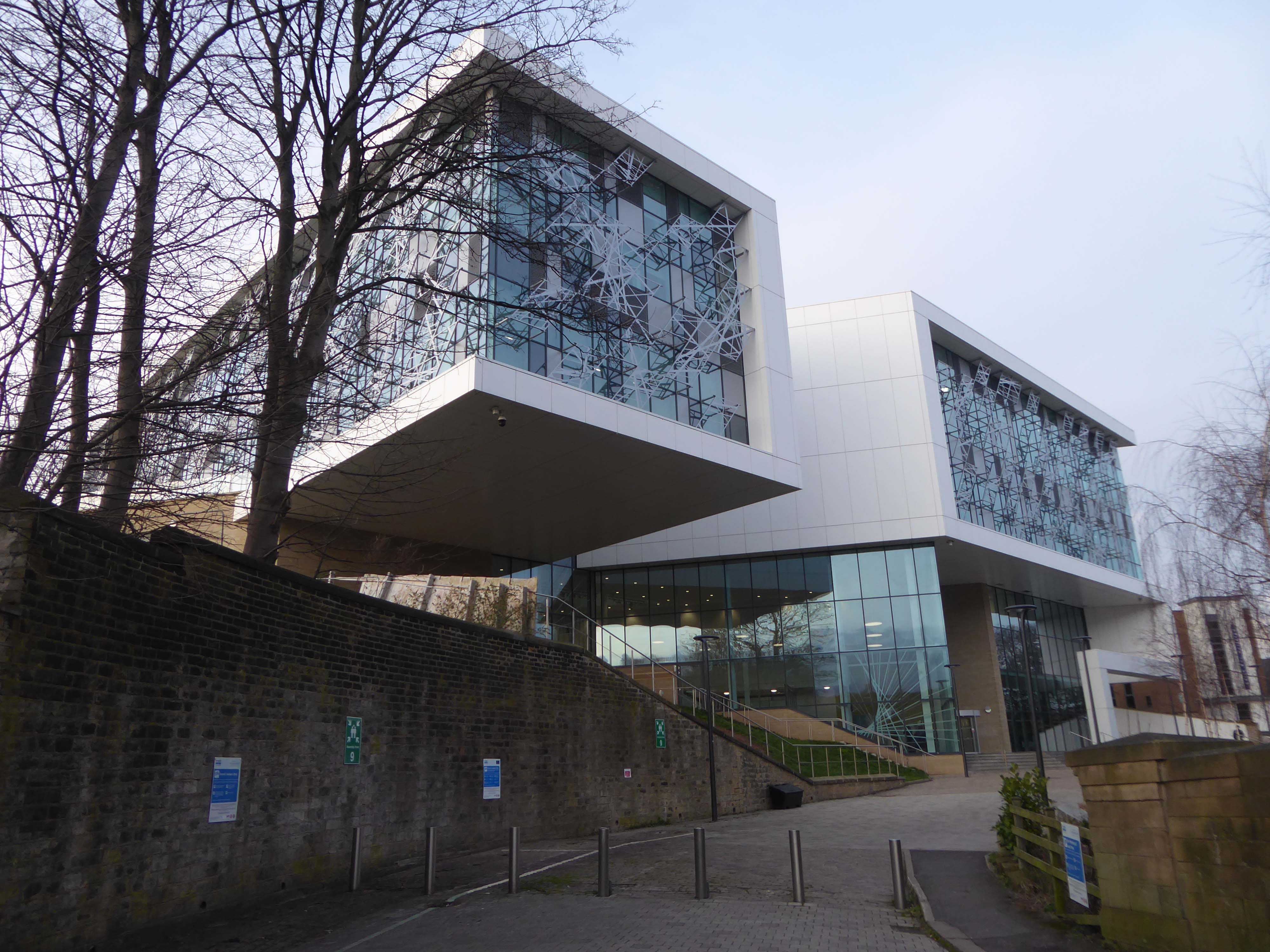
Barbara Hepworth Building Architects: AHR
Named after one of the Twentieth Century’s finest artists, the space nurtures a new and inspired generation of designers. Through visual and physical connection, the environment encourages students to work together, stimulating communication and ingenuity, the ingredients of successful collaboration.
Take that to the bank/s
Keep savin’, keep buildin’
That interest for our love
Take that to the bank
Keep savin’, keep buildin’
That interest for our love
Take that to the bank
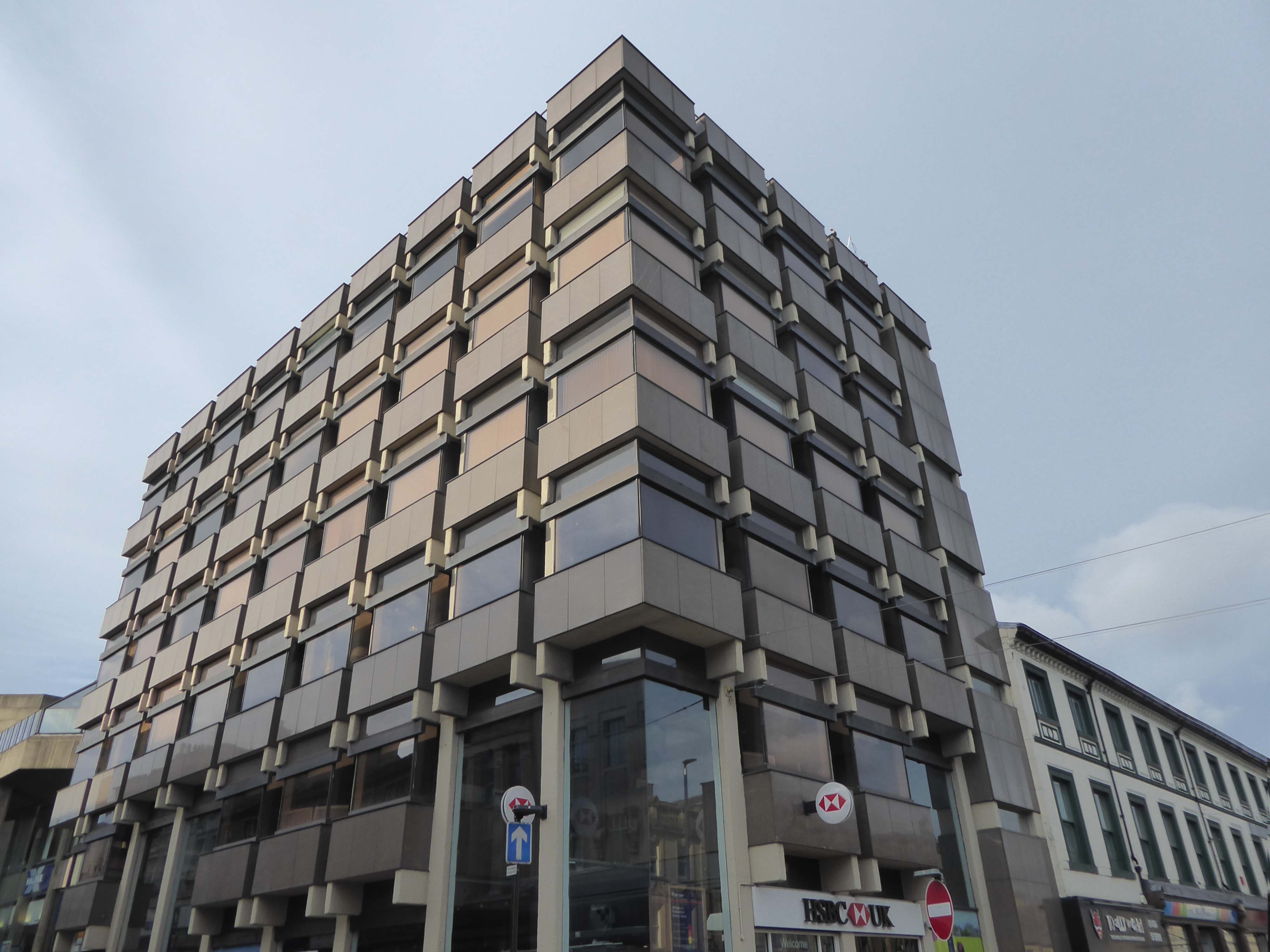
HSBC was designed by Peter Womersley, who also designed the thoroughly modern private house, Farnley Hey, near Castle Hill, which won the RIBA Bronze Medal in 1958.
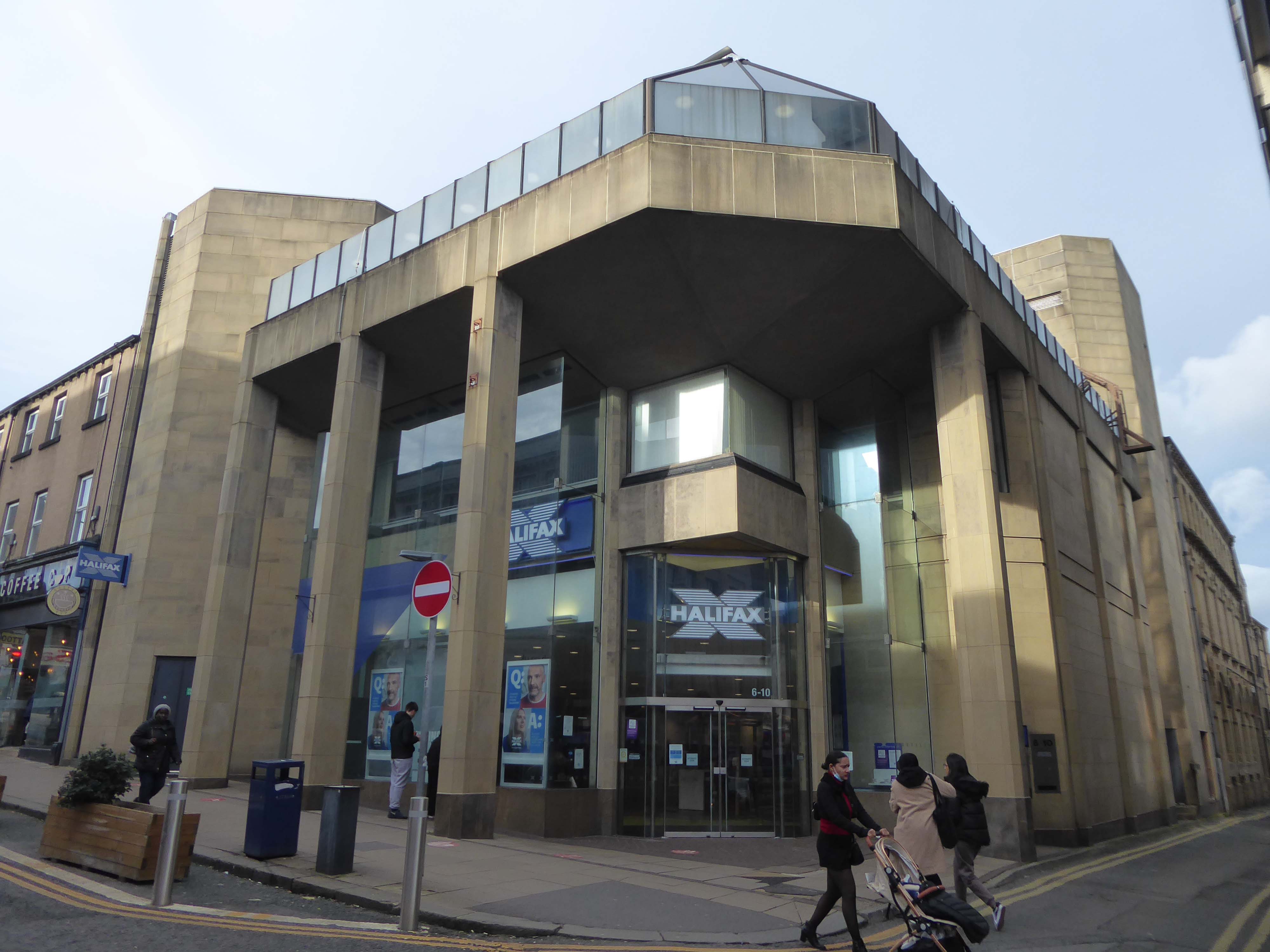
Halifax Building Society
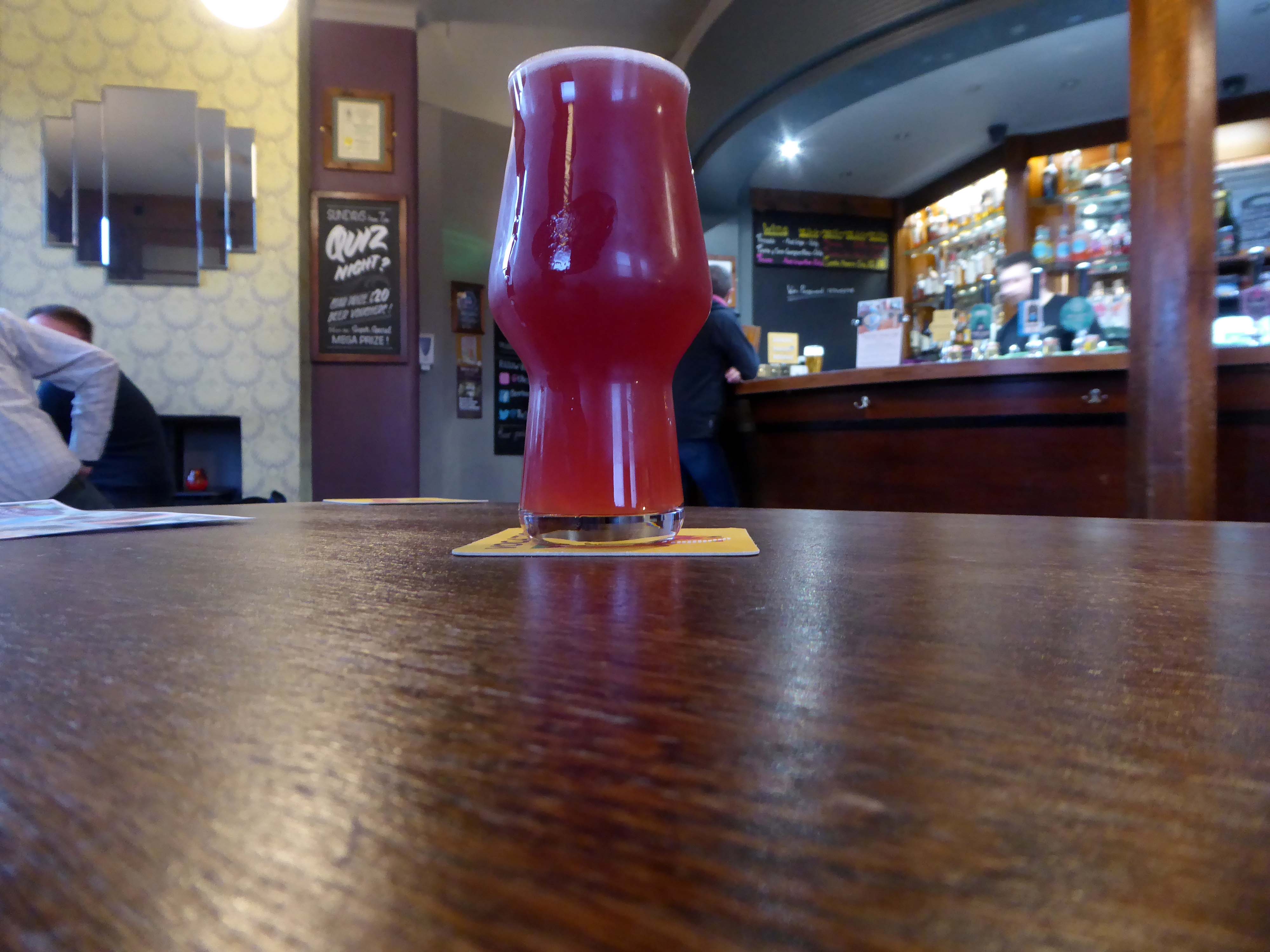
Having walked around town for more hours than enough I sought respite in The Sportsman and a glass of Squawk multi-berry fruited sour

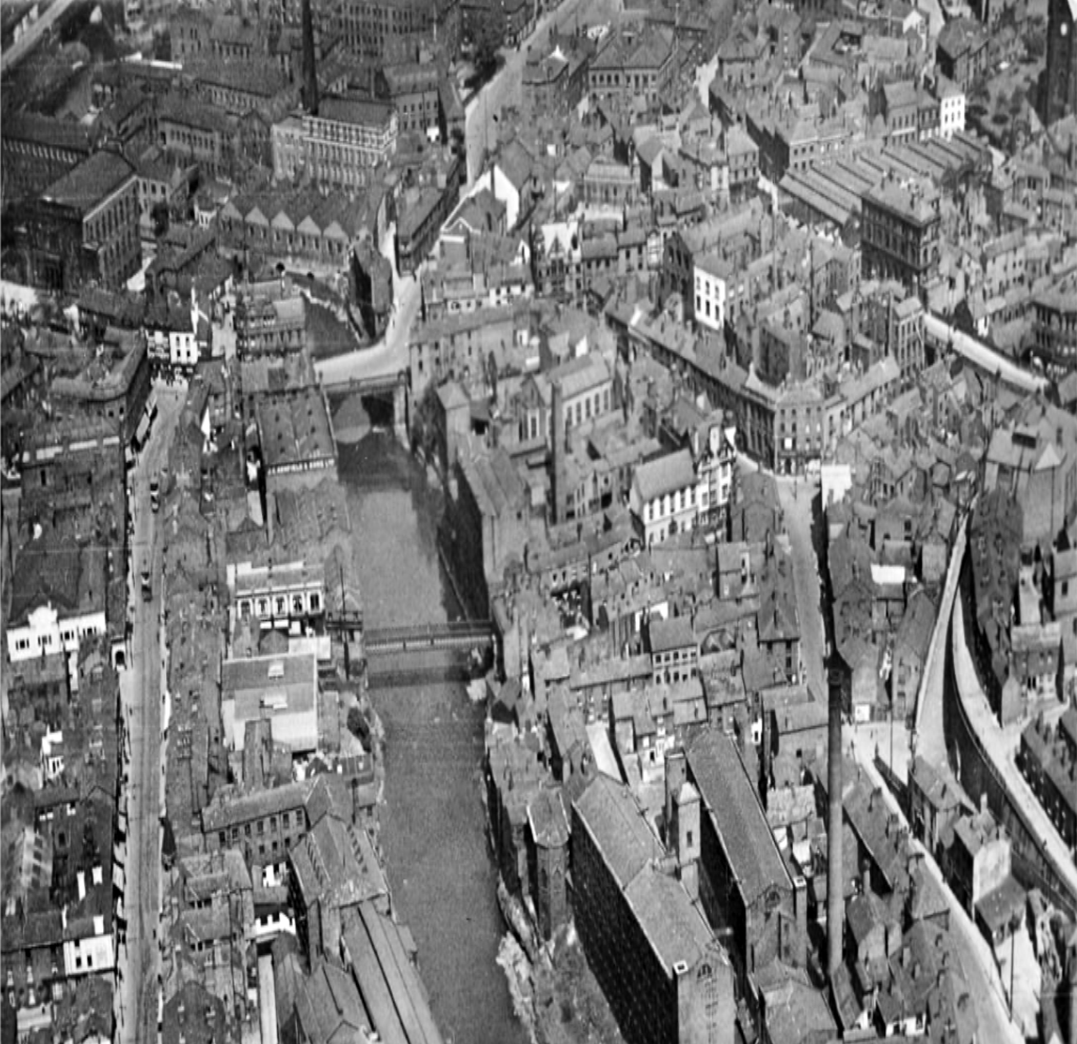
Warren Street Stockport, north of Lancashire Bridge beside the Mersey – seen here in the 1920s a mix of retail, dwellings and industry as was most of the town centre.
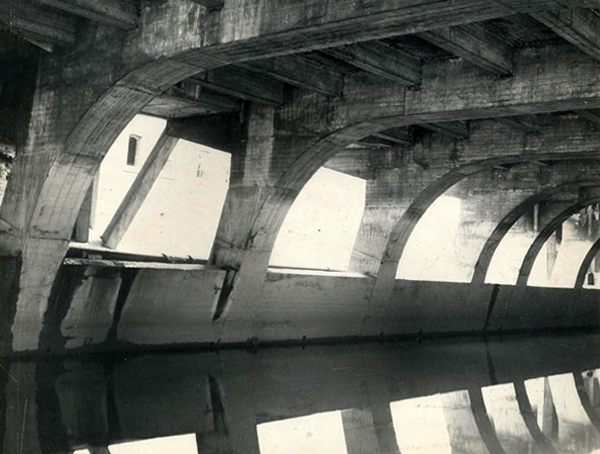
The river was culverted and covered as it passed through in 1936
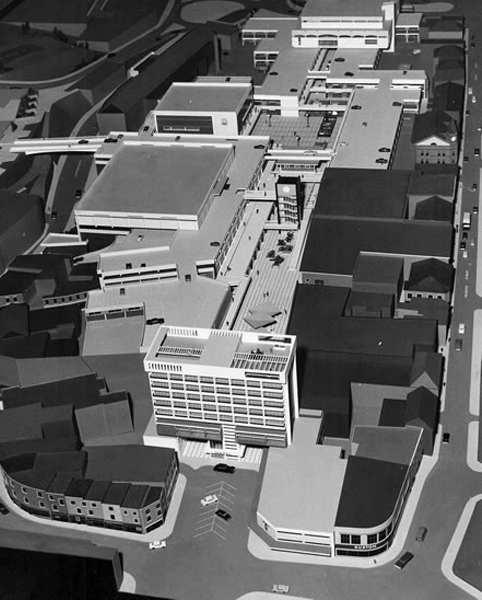
The Merseyway Shopping Centre was completed and opened in 1965 – architects Bernard Engle and Partners
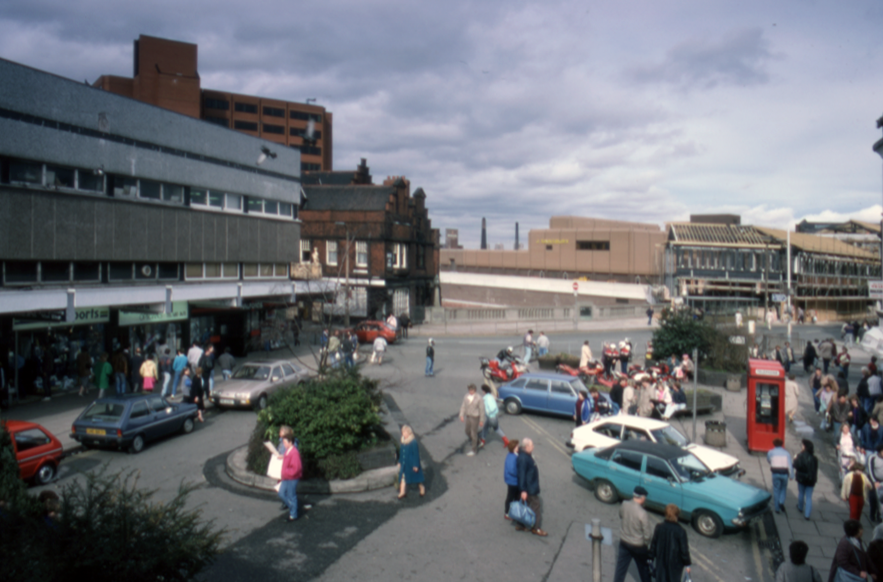
A later extension followed along Warren Street.
The Sainsbury’s building can be seen beside the river – opened 29th October 1985
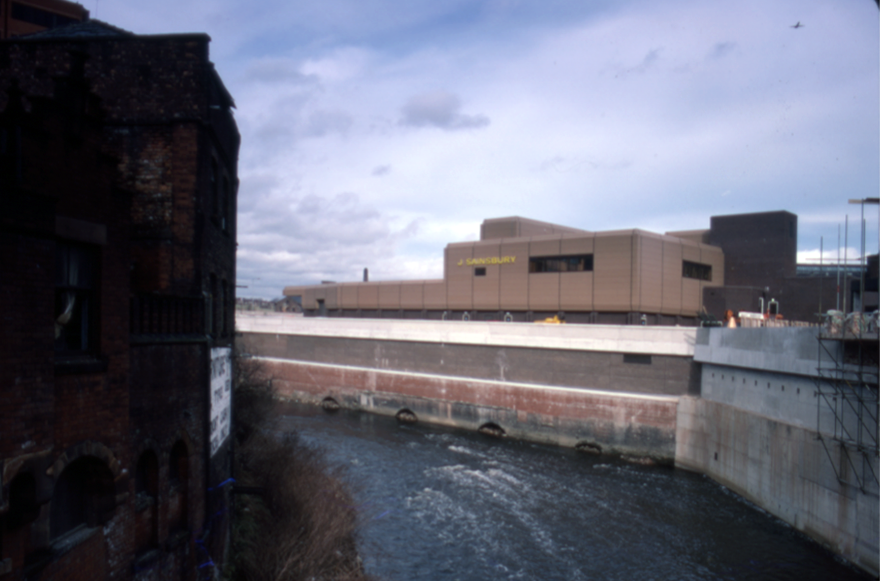
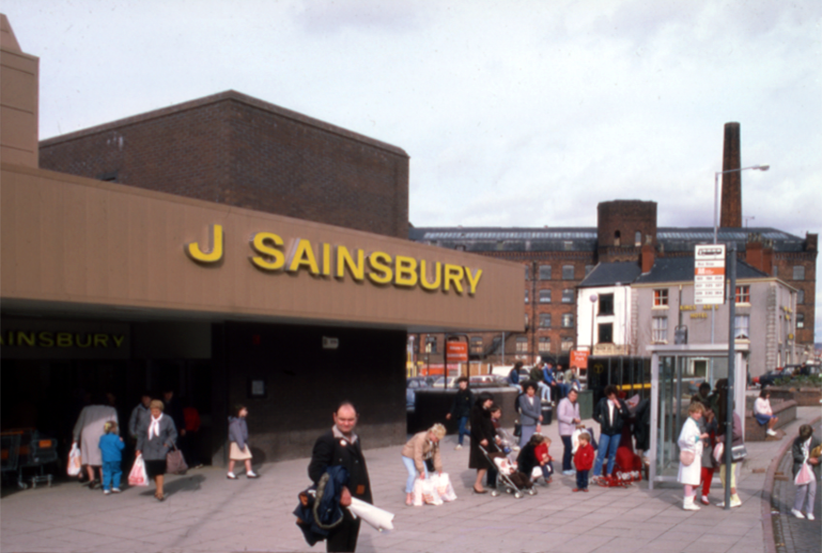
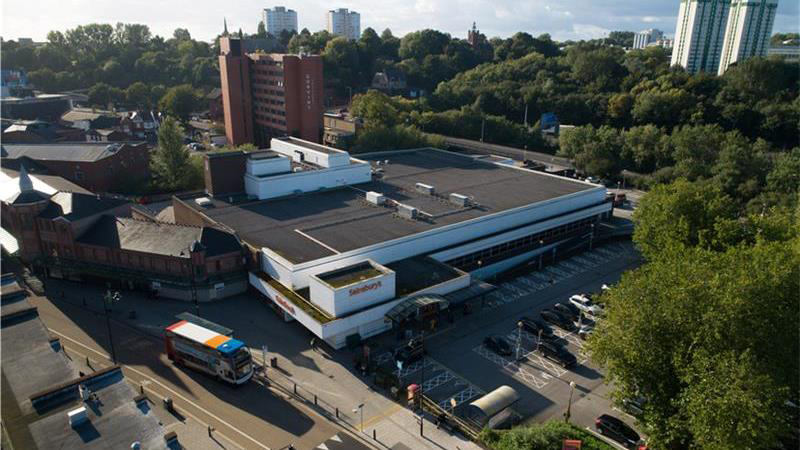
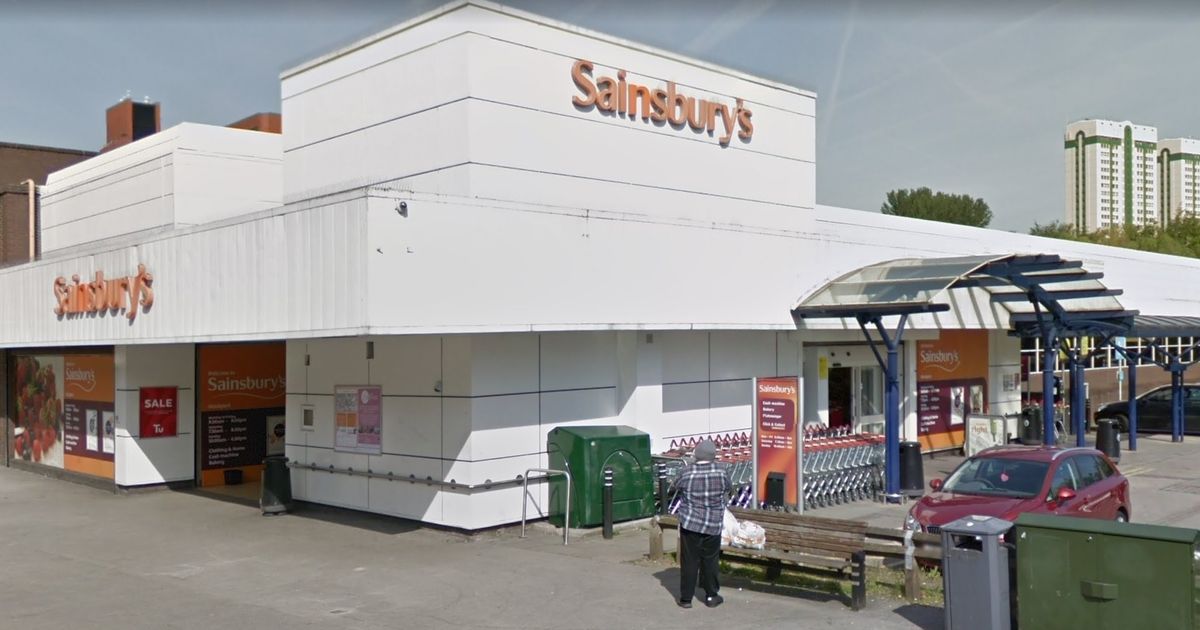
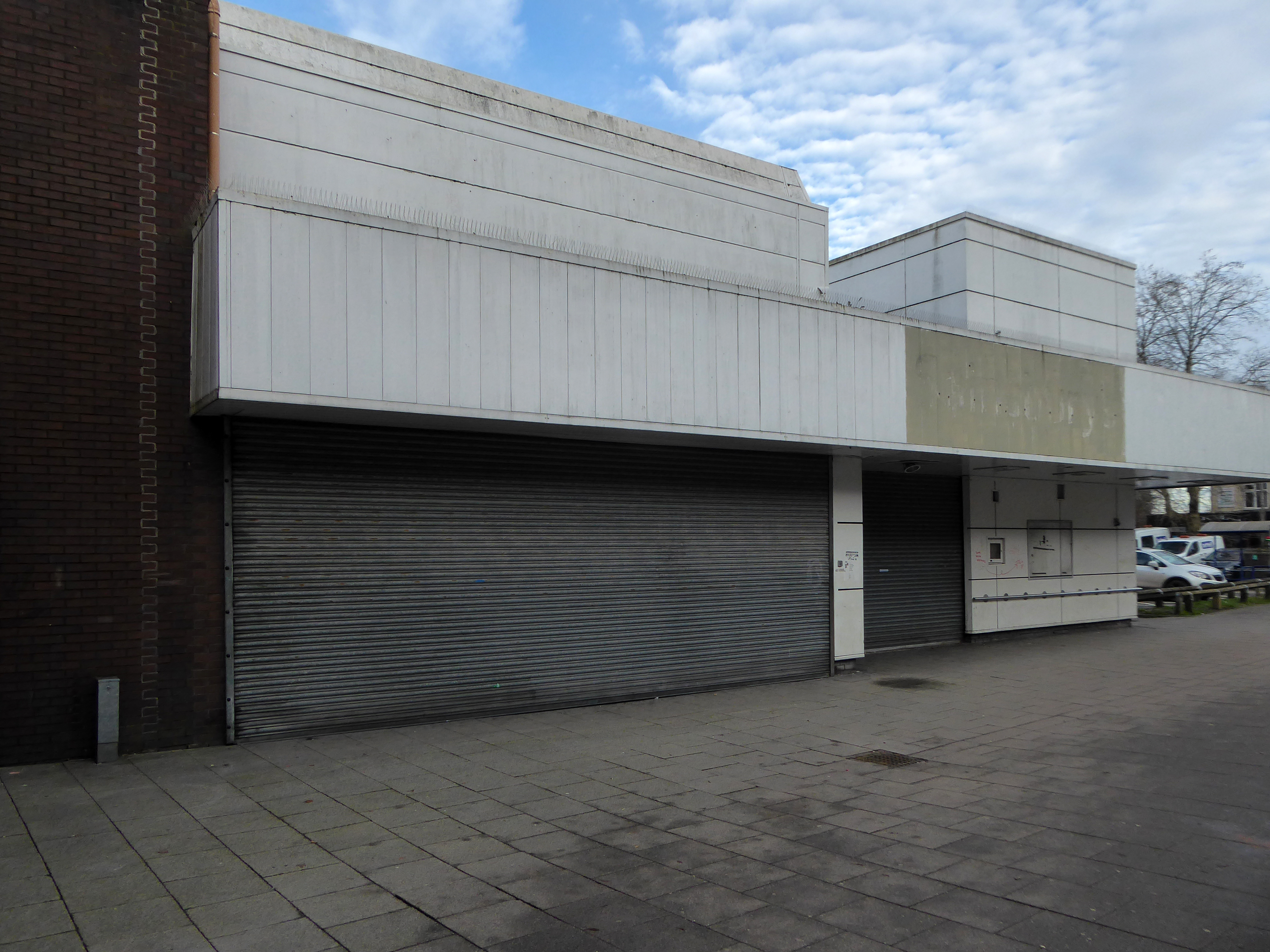
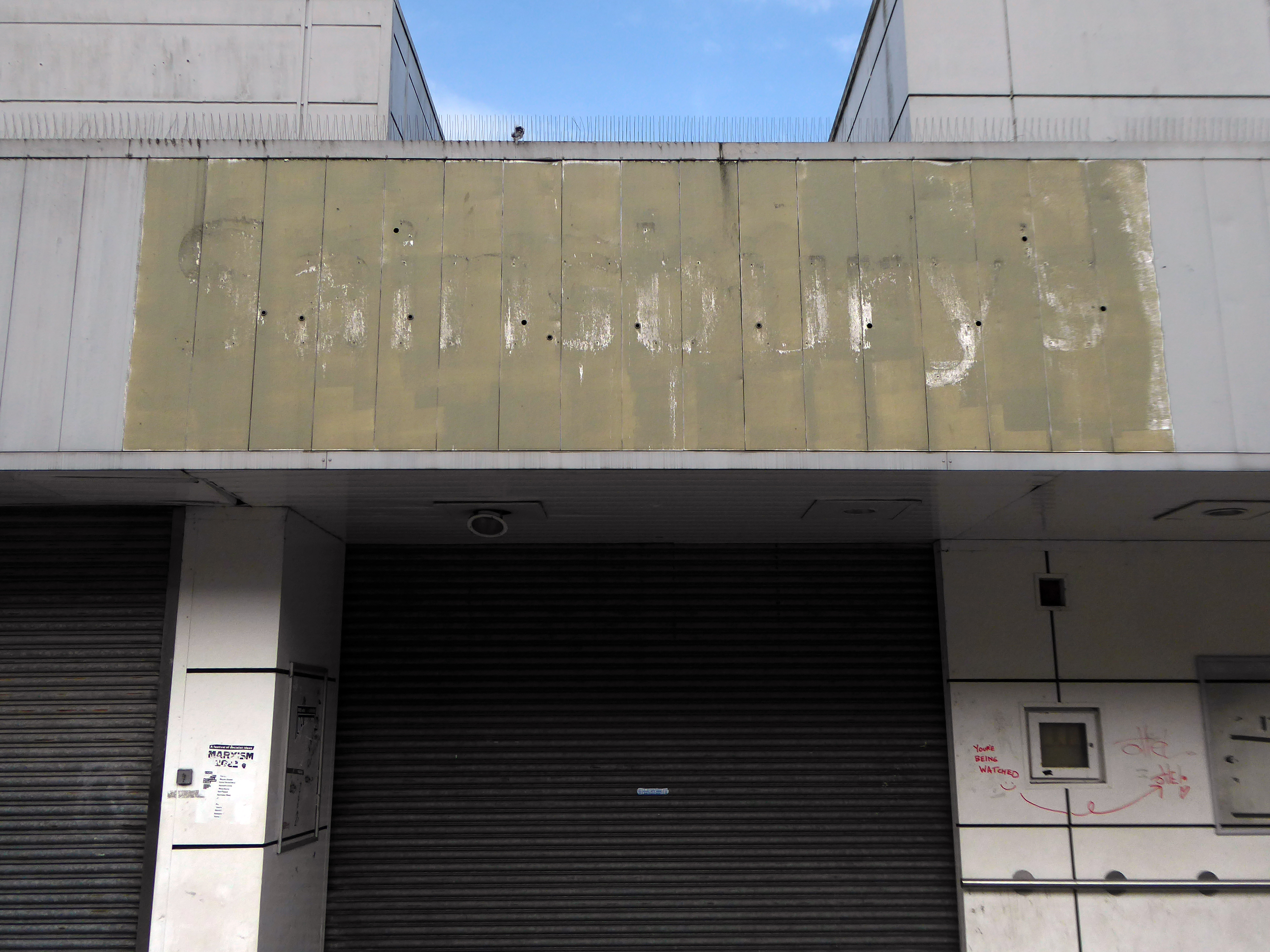
The branch closed in January 2021 – the Asda is still open.
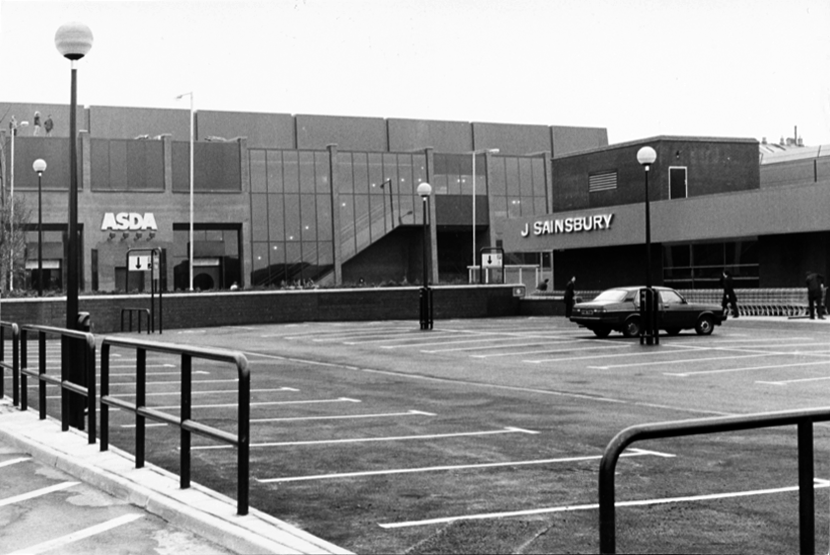
Store Images – Sainsbury’s Archive
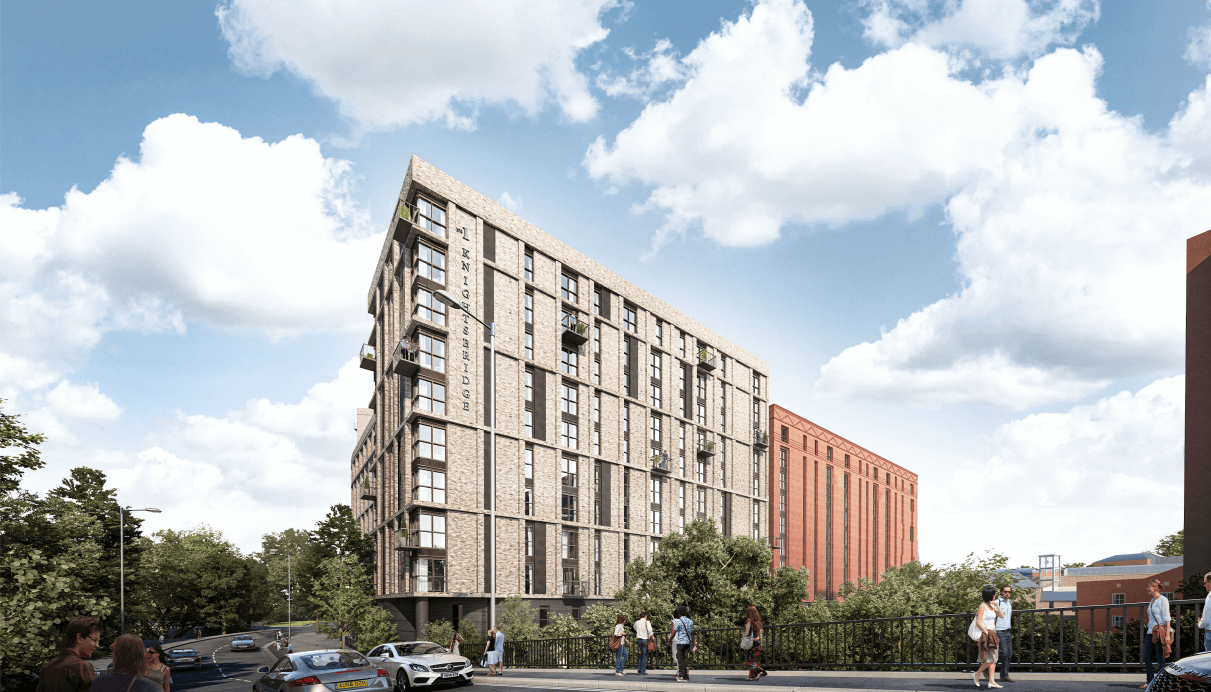
Plans to build hundreds of new homes – including a 15-storey tower block – on a vacant Sainsbury’s site in Stockport town centre are set to get the go-ahead.
Proposals that would bring more than 500 flats and 34 townhouses to the three-acre plot, in Warren Street, are set to go before the council’s planning committee next Thursday night. The 573 homes would be spread across a trio of buildings – rising in height from five to 15 storeys. Two of these would also have space for a range of potential uses, ranging from shops and cafes to gyms and creches.
Martin Halsey, operations director at Amstone Ventures, added:
We can see that Stockport has untapped demand for quality homes within its town centre, offering a vibrant lifestyle and everything Stockport town centre has to offer, all on the doorstep.”
Took a look around the site before it’s no longer possible to look around the site.
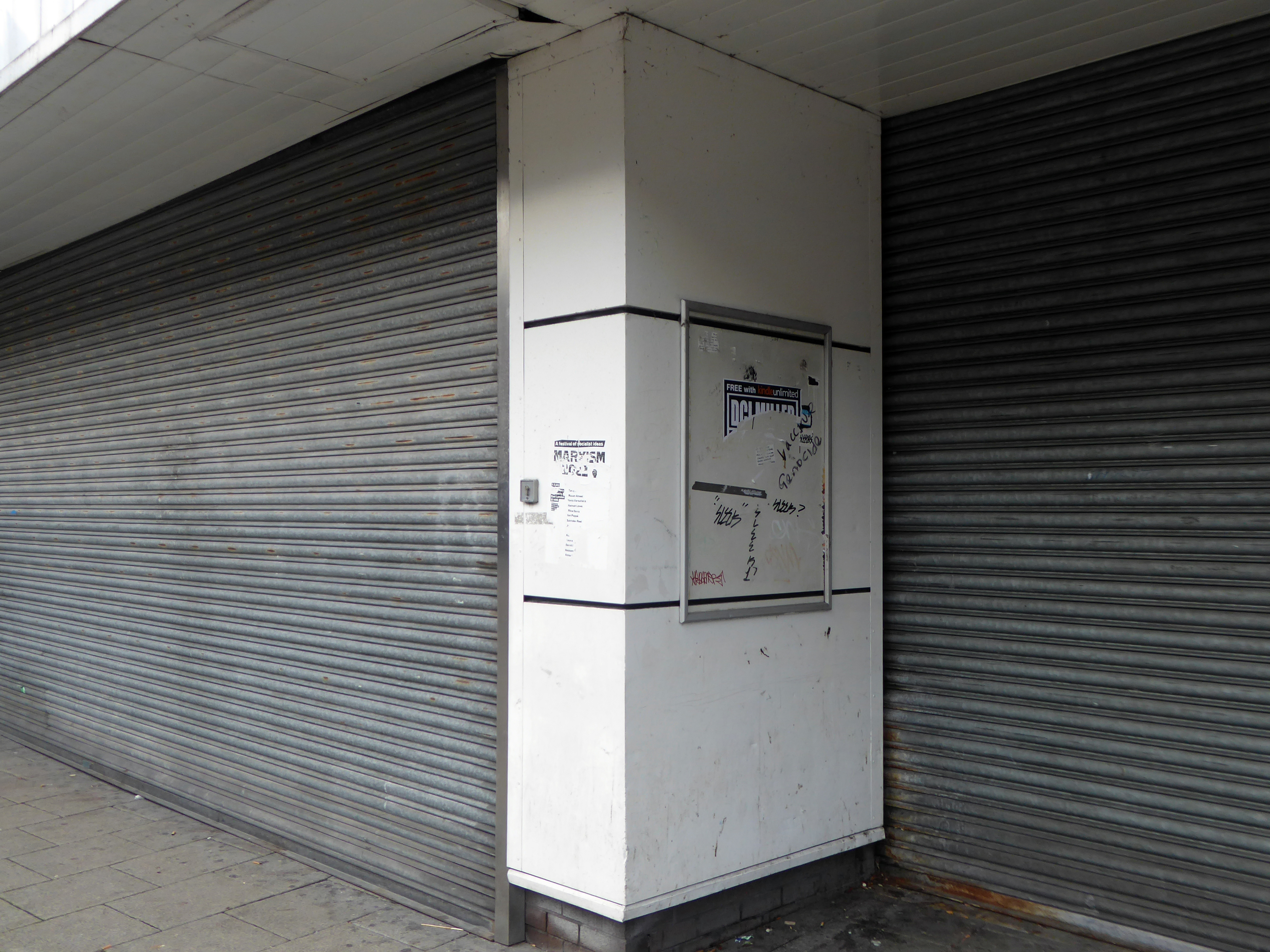
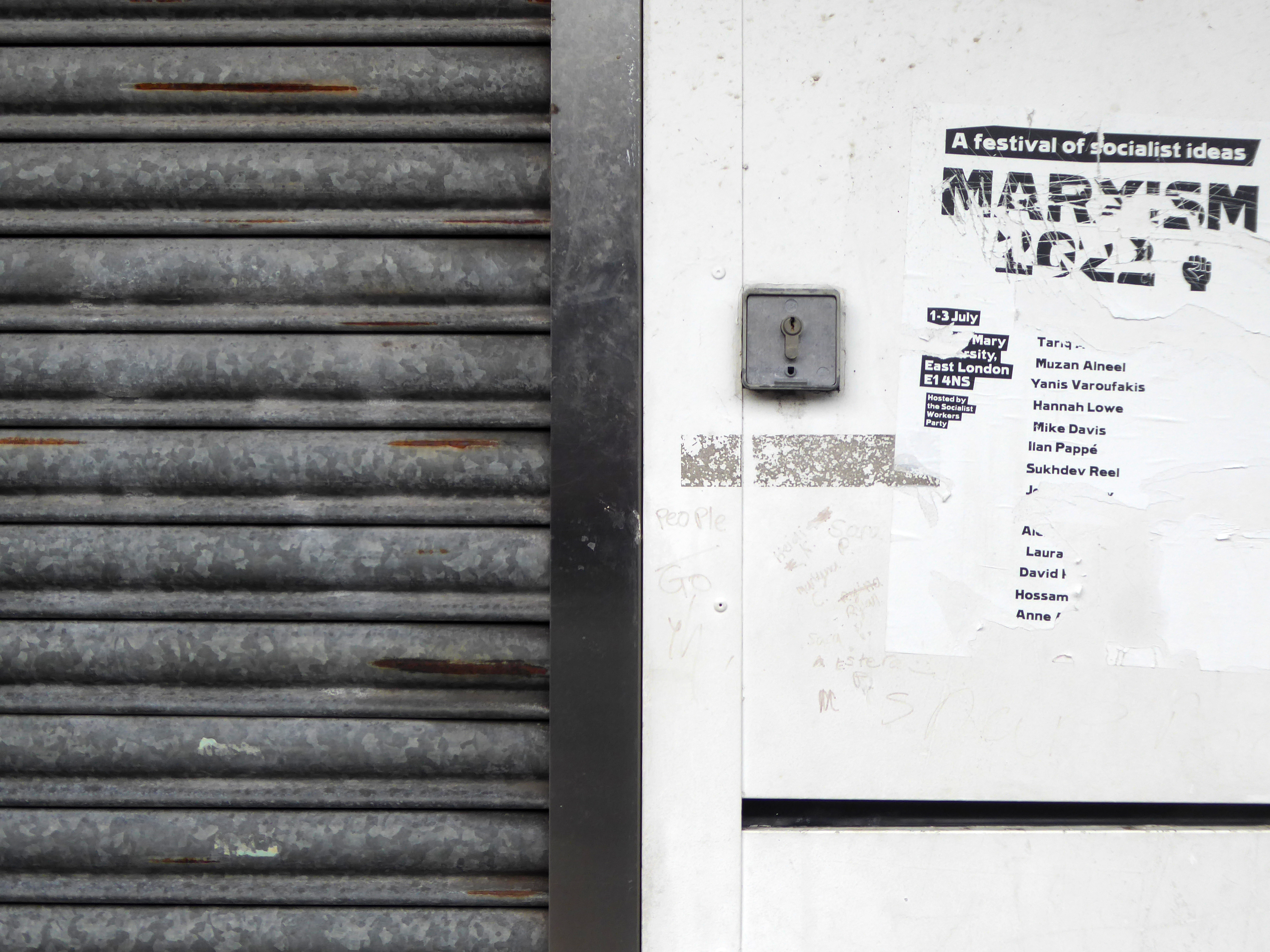
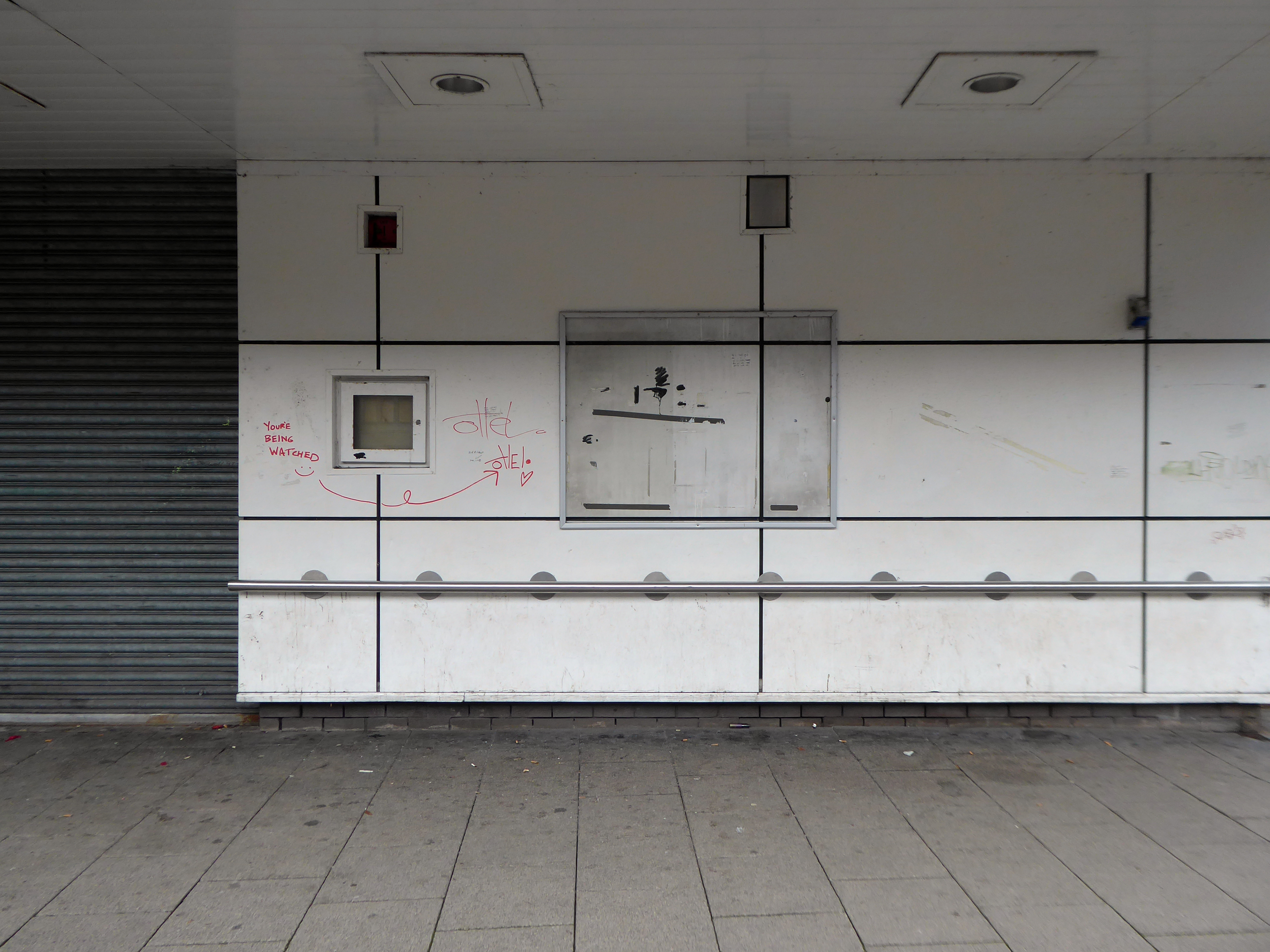
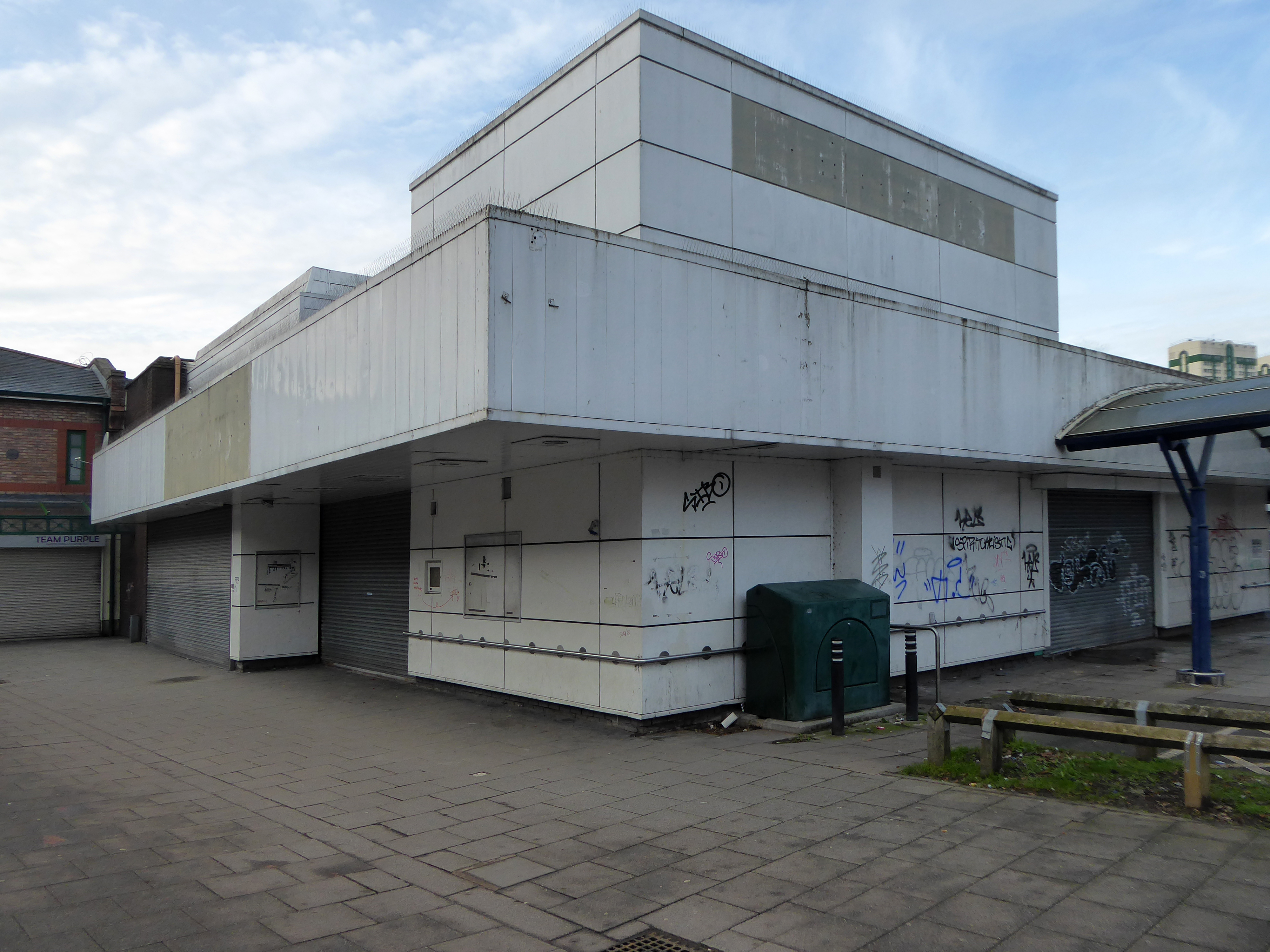
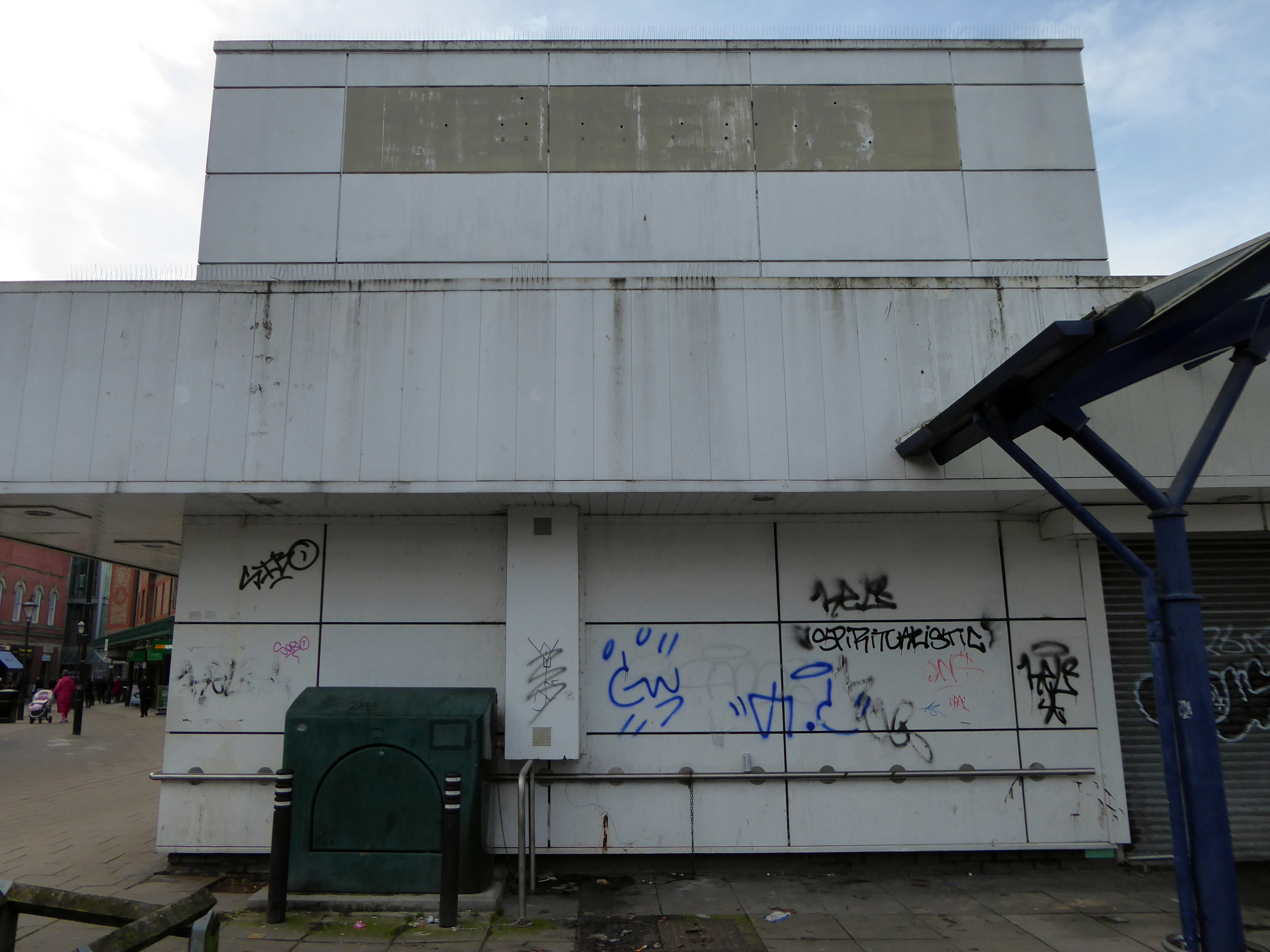
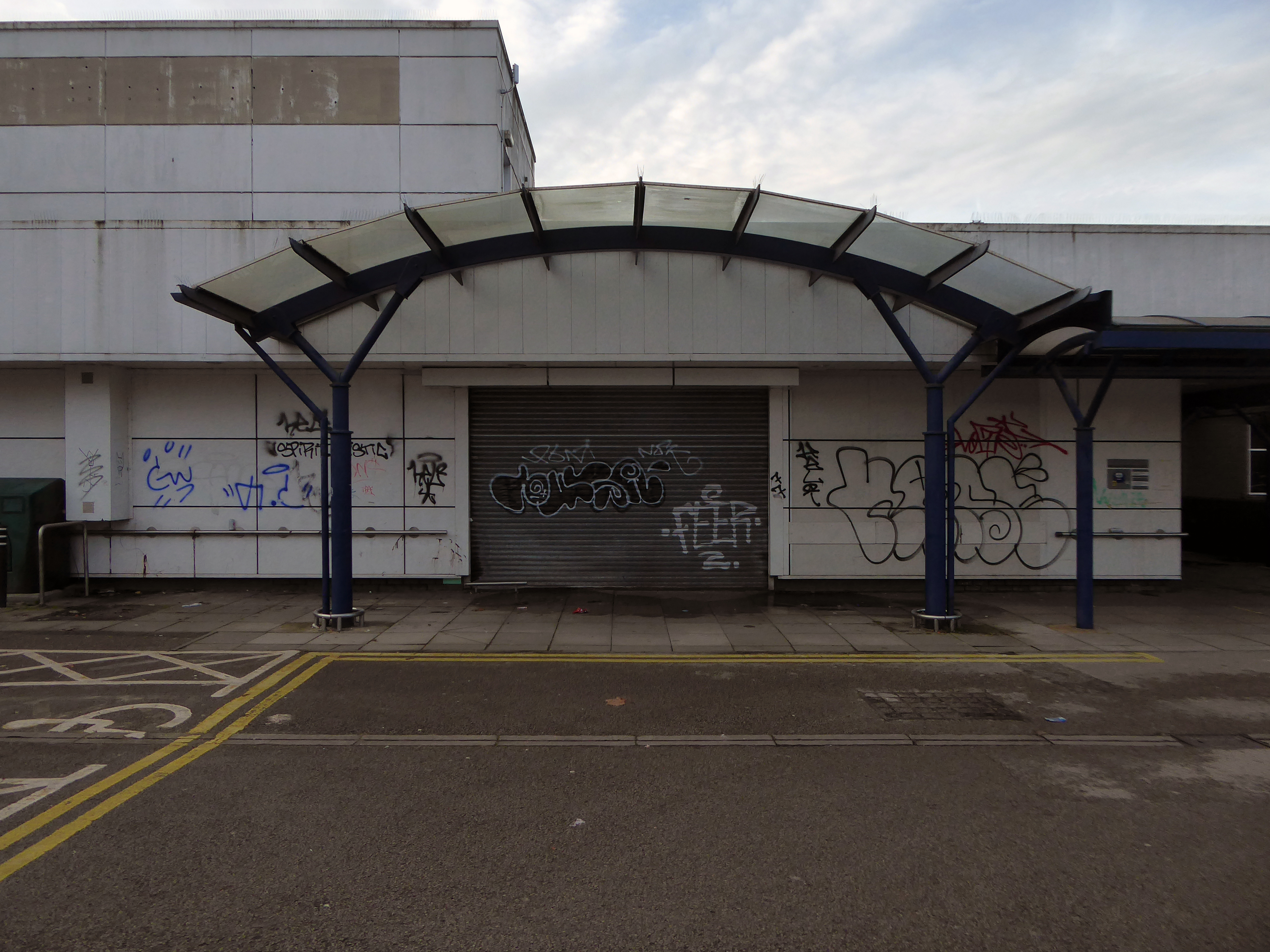
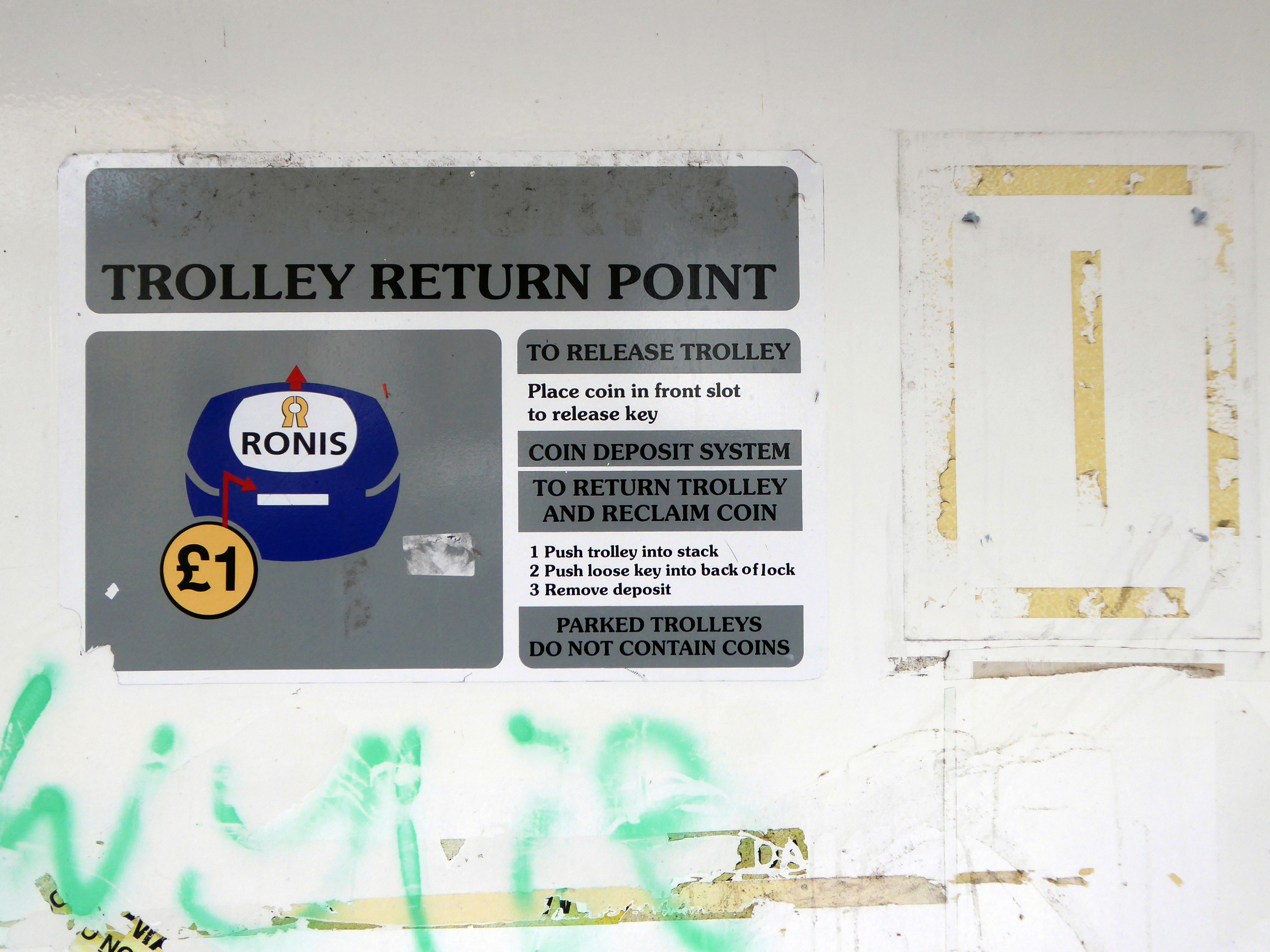
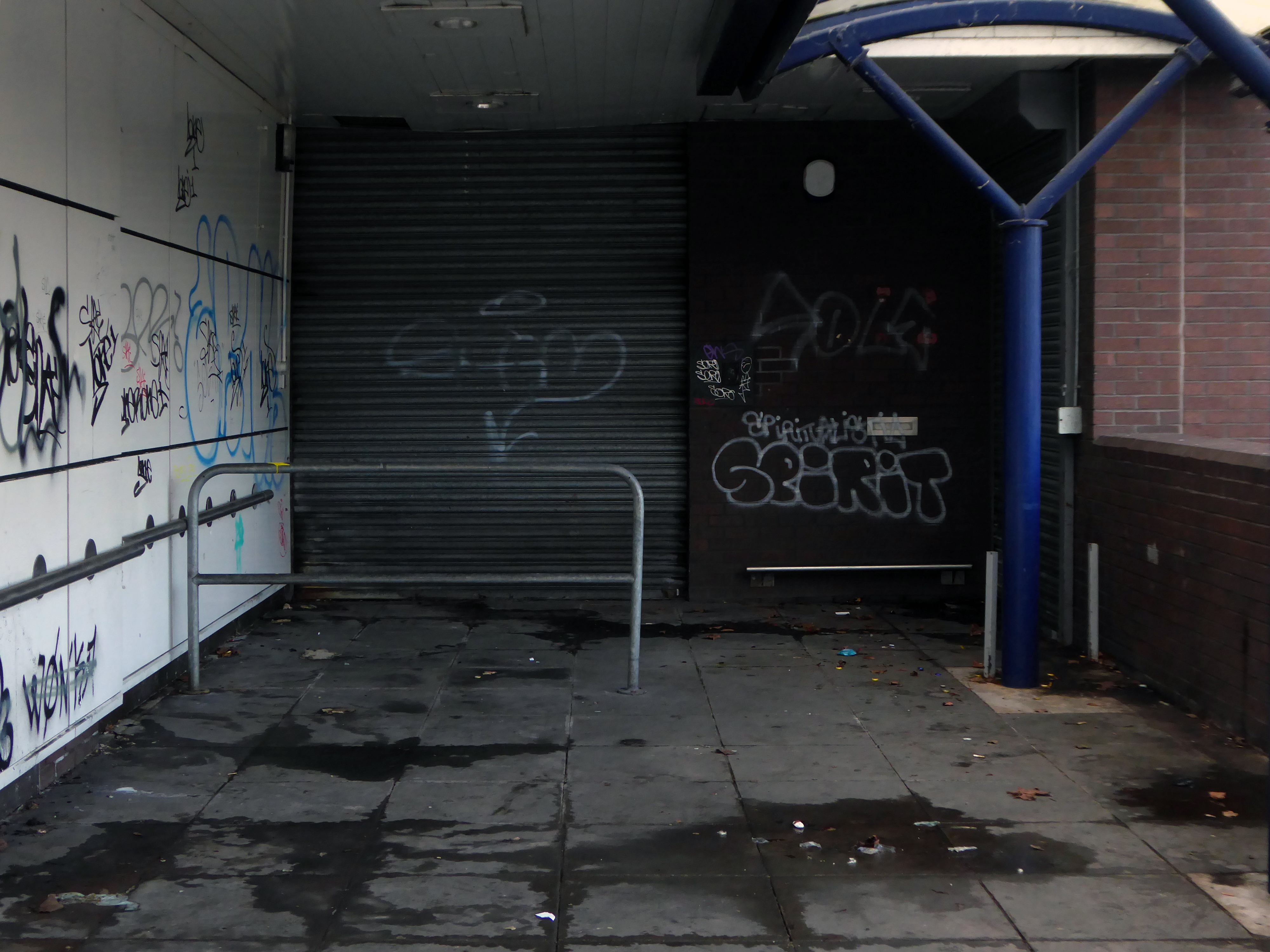
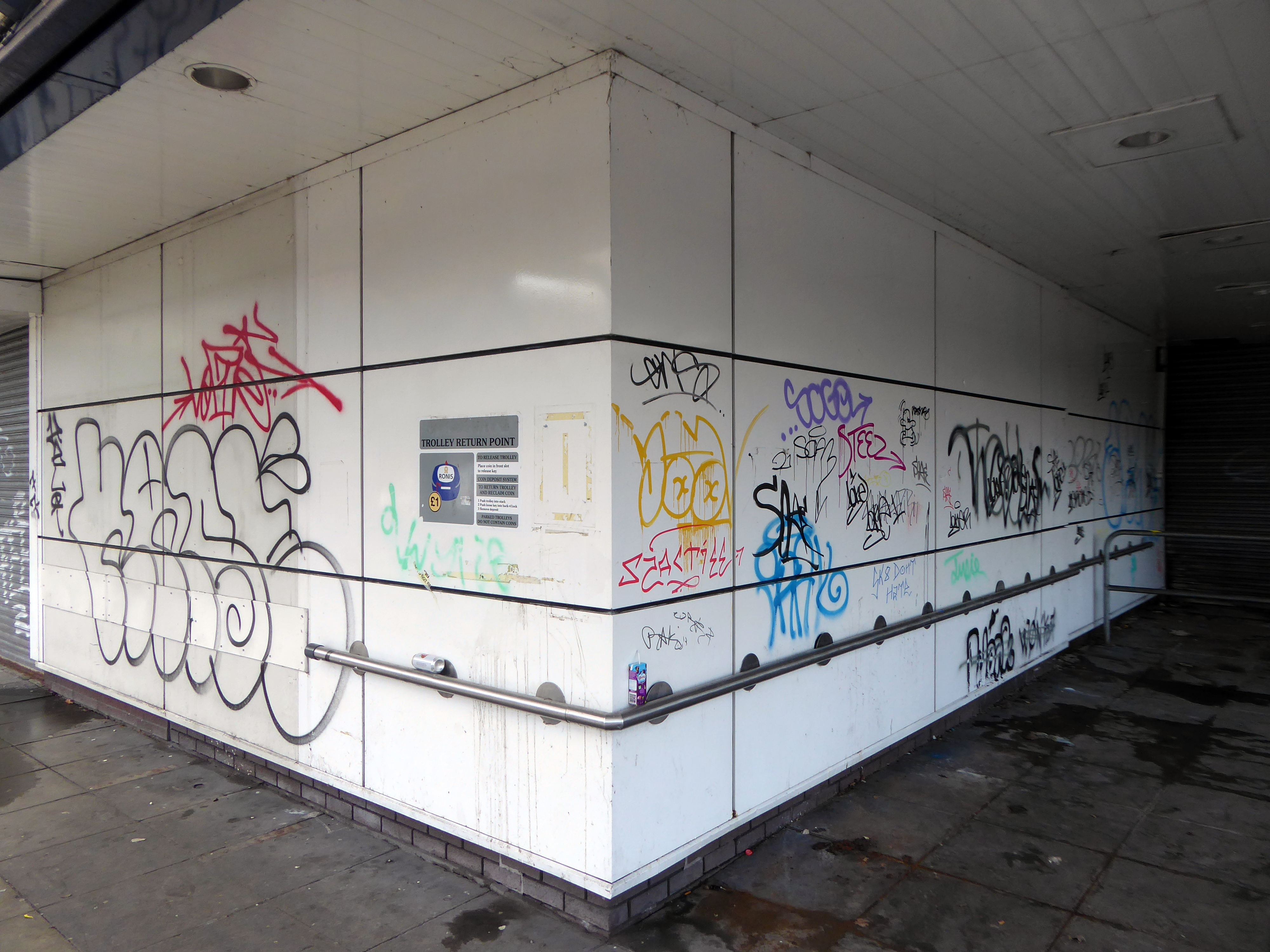
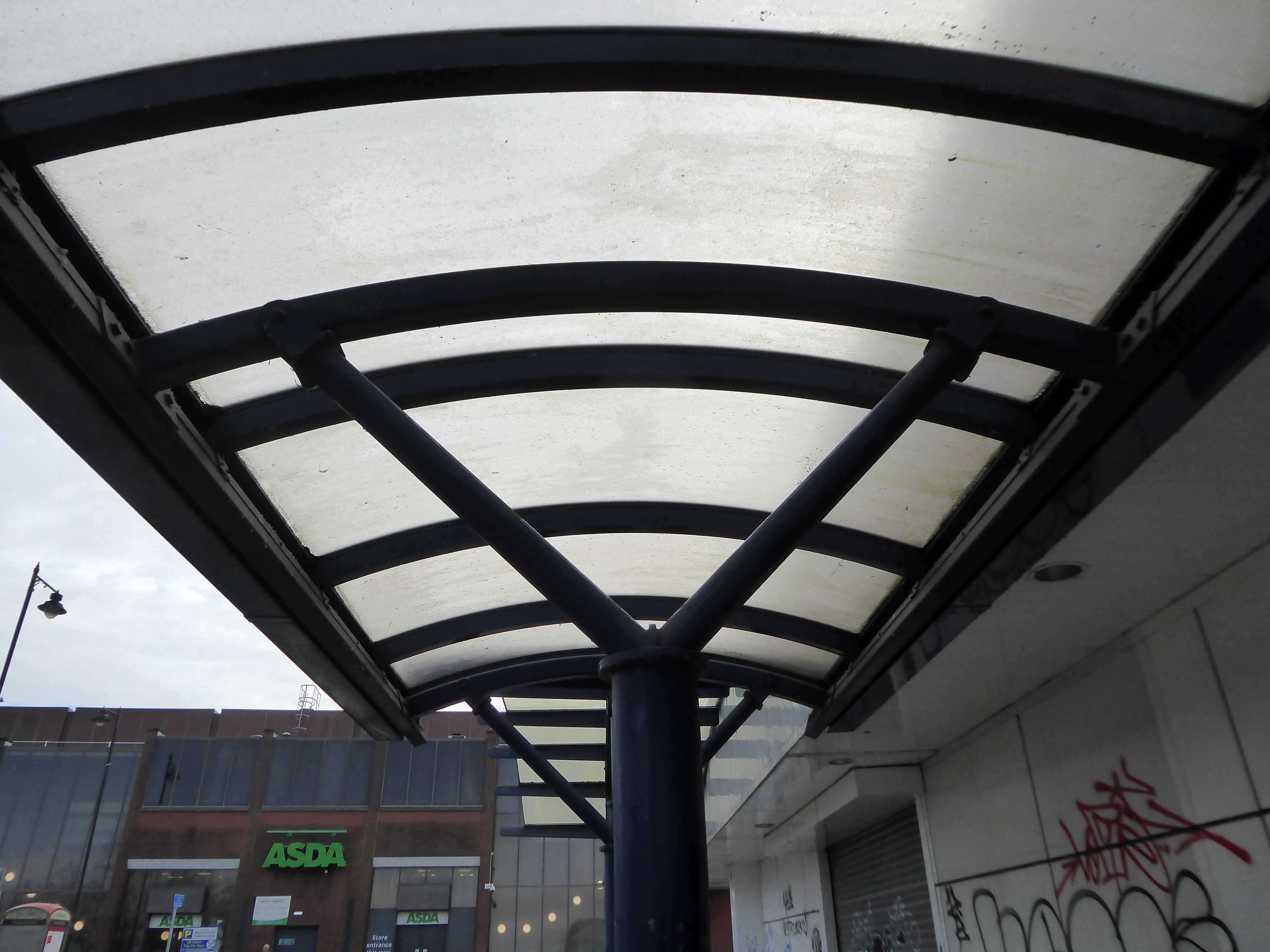
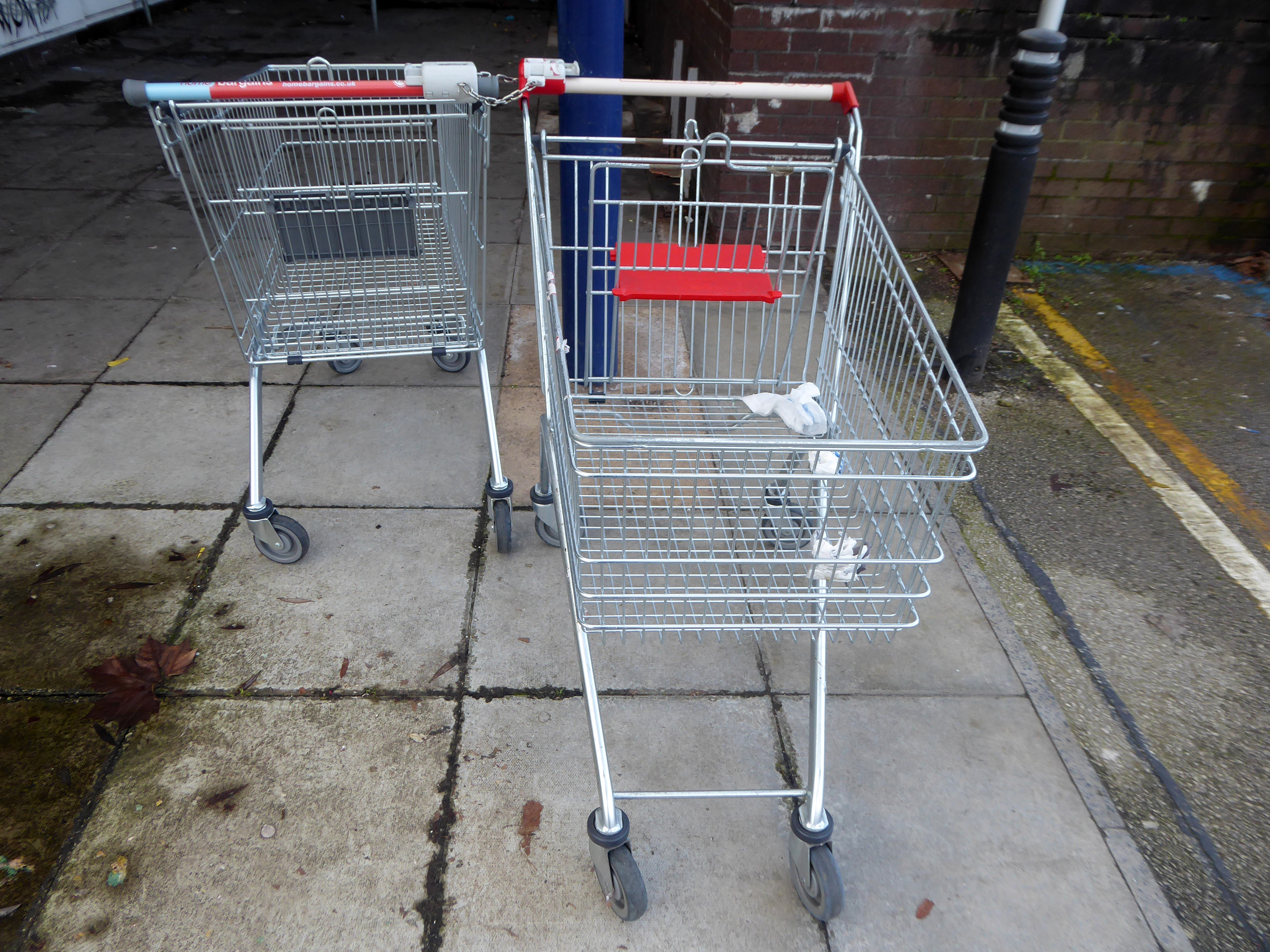
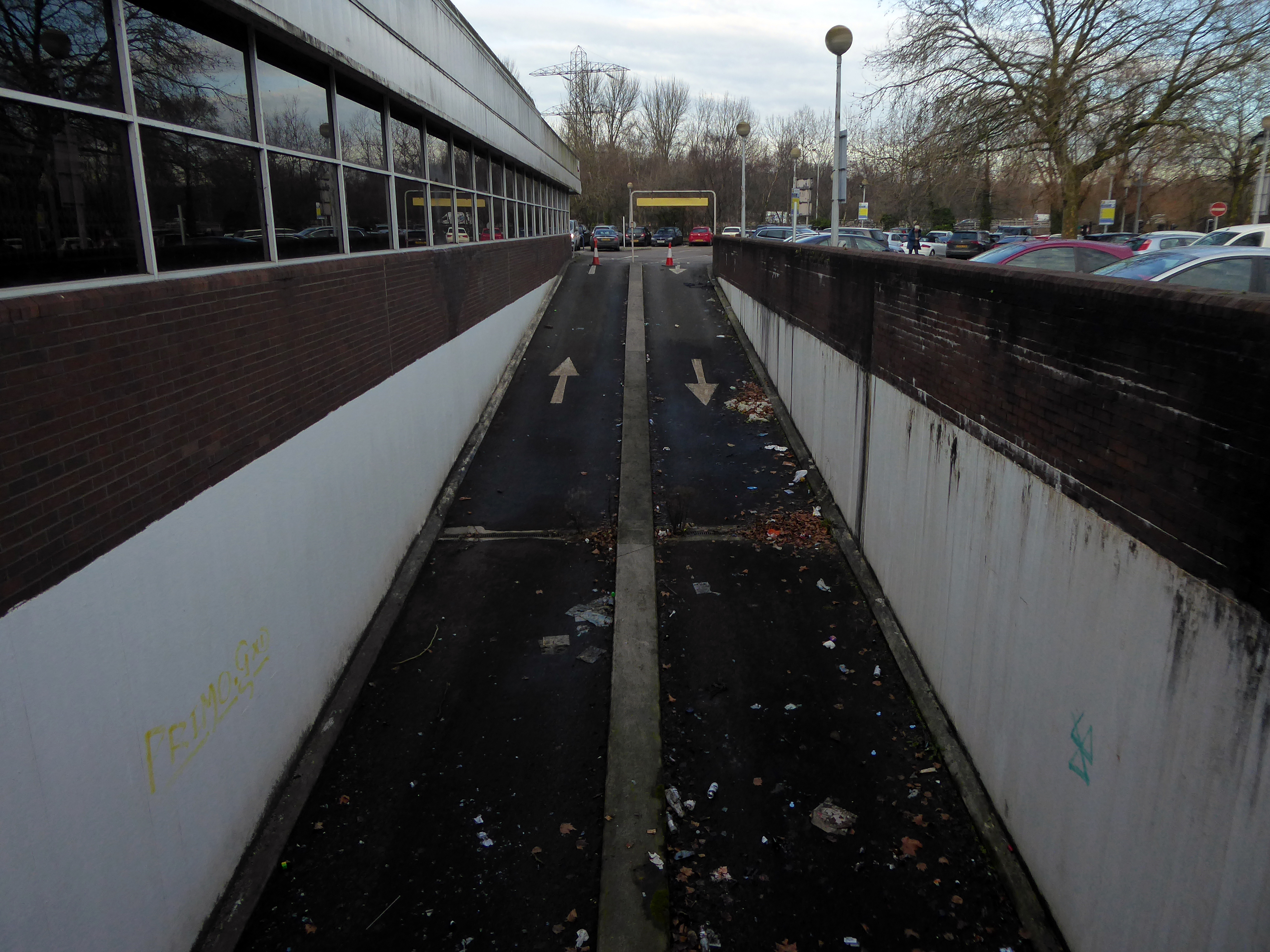
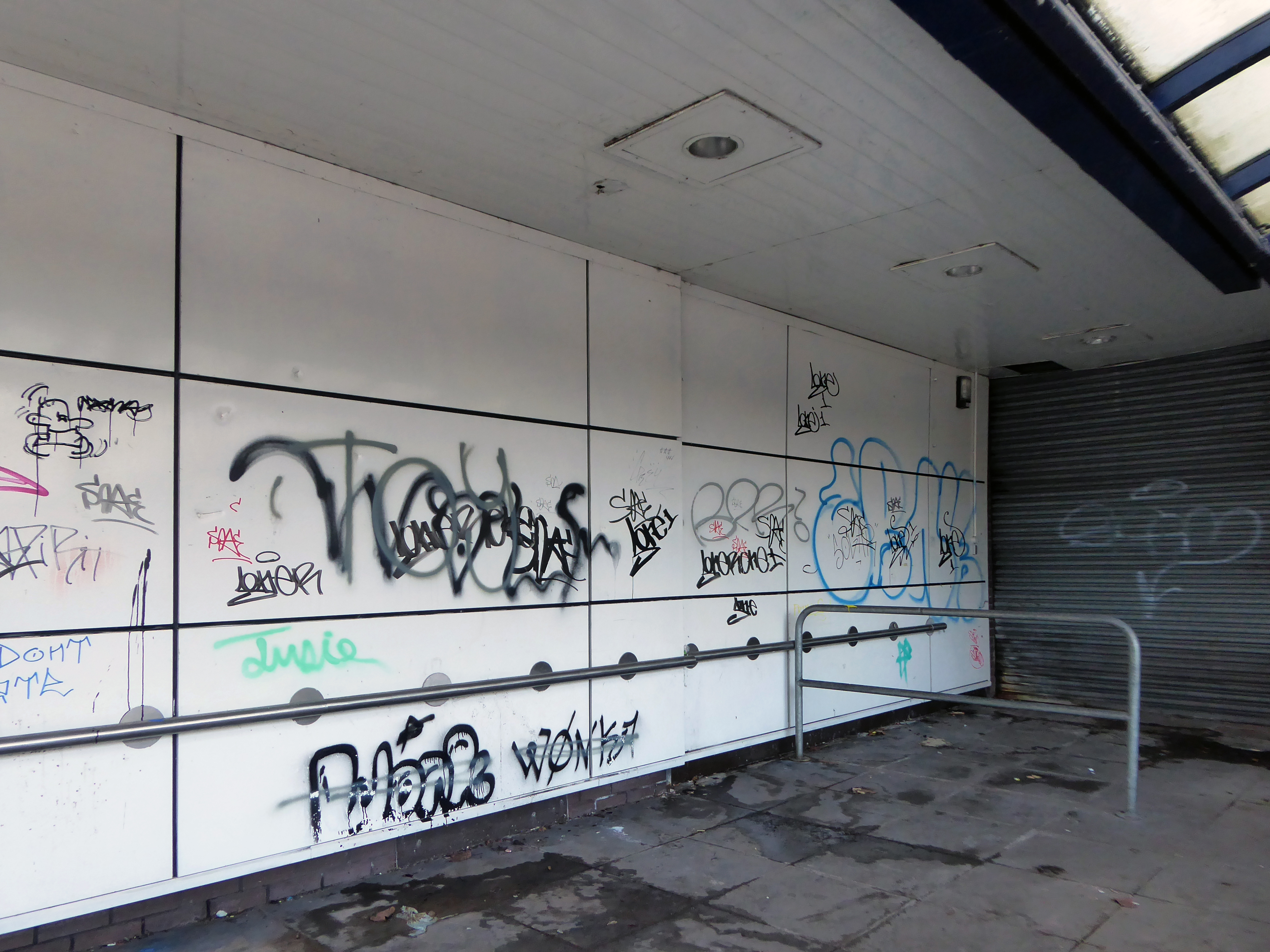
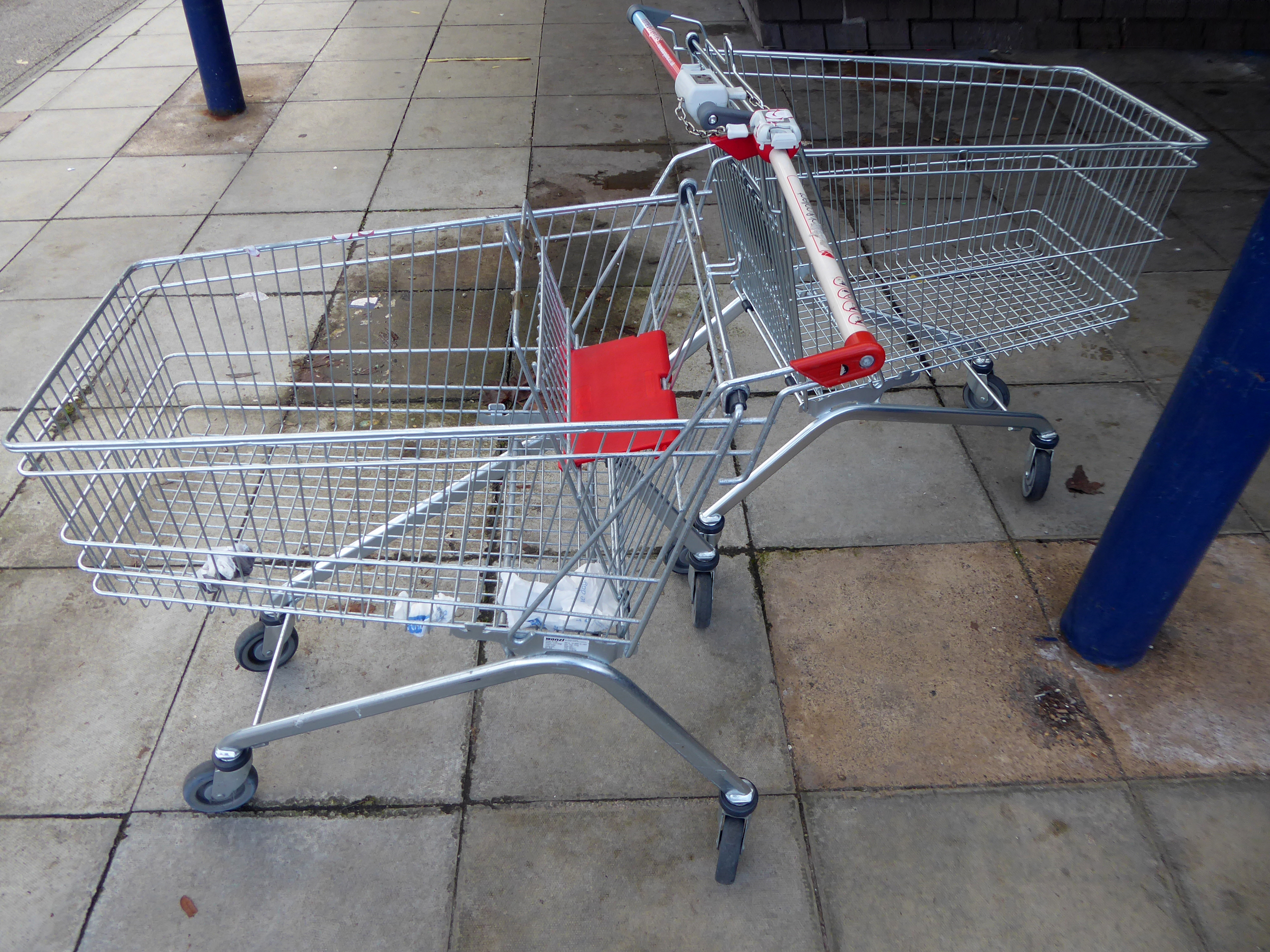
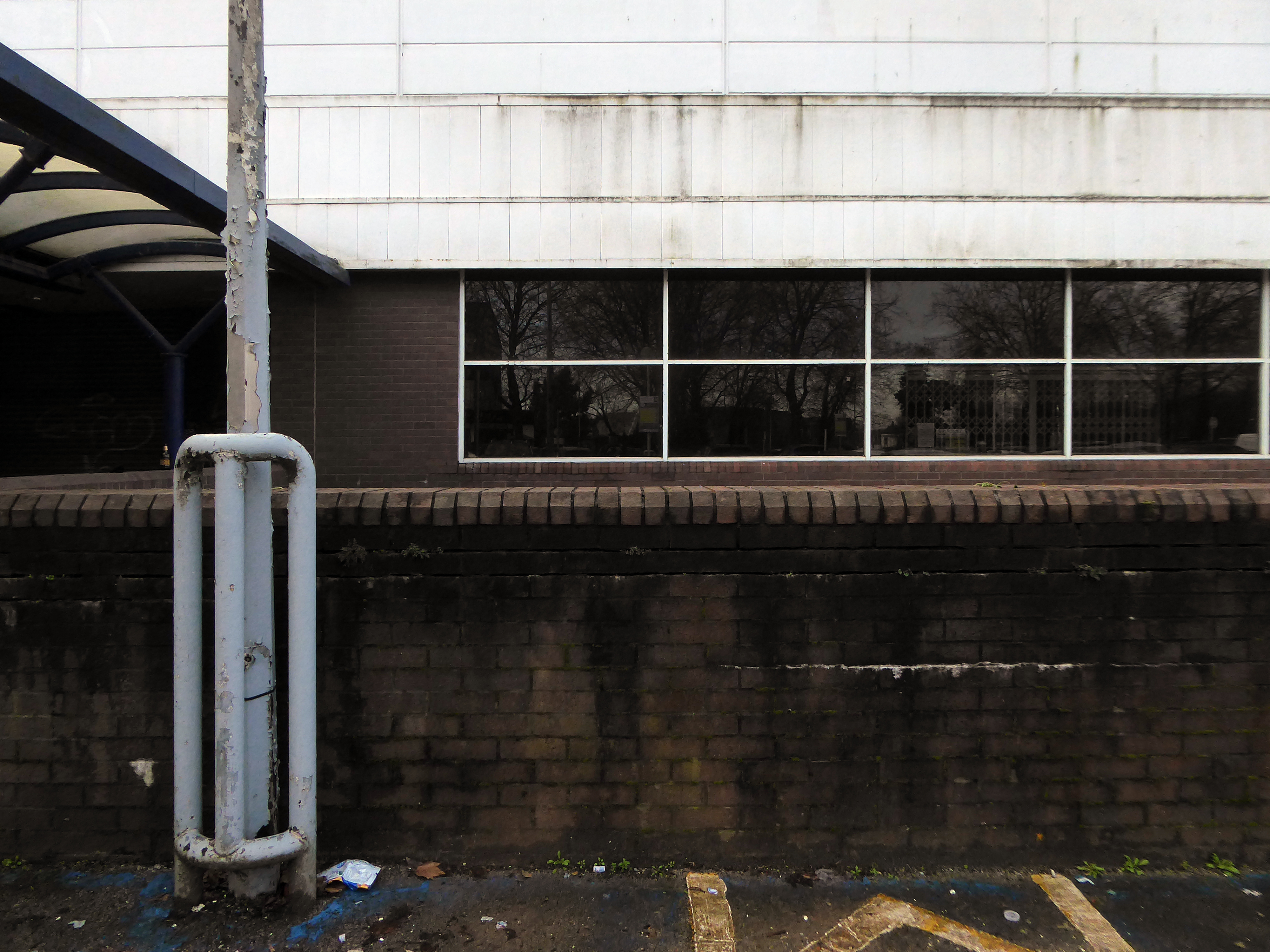
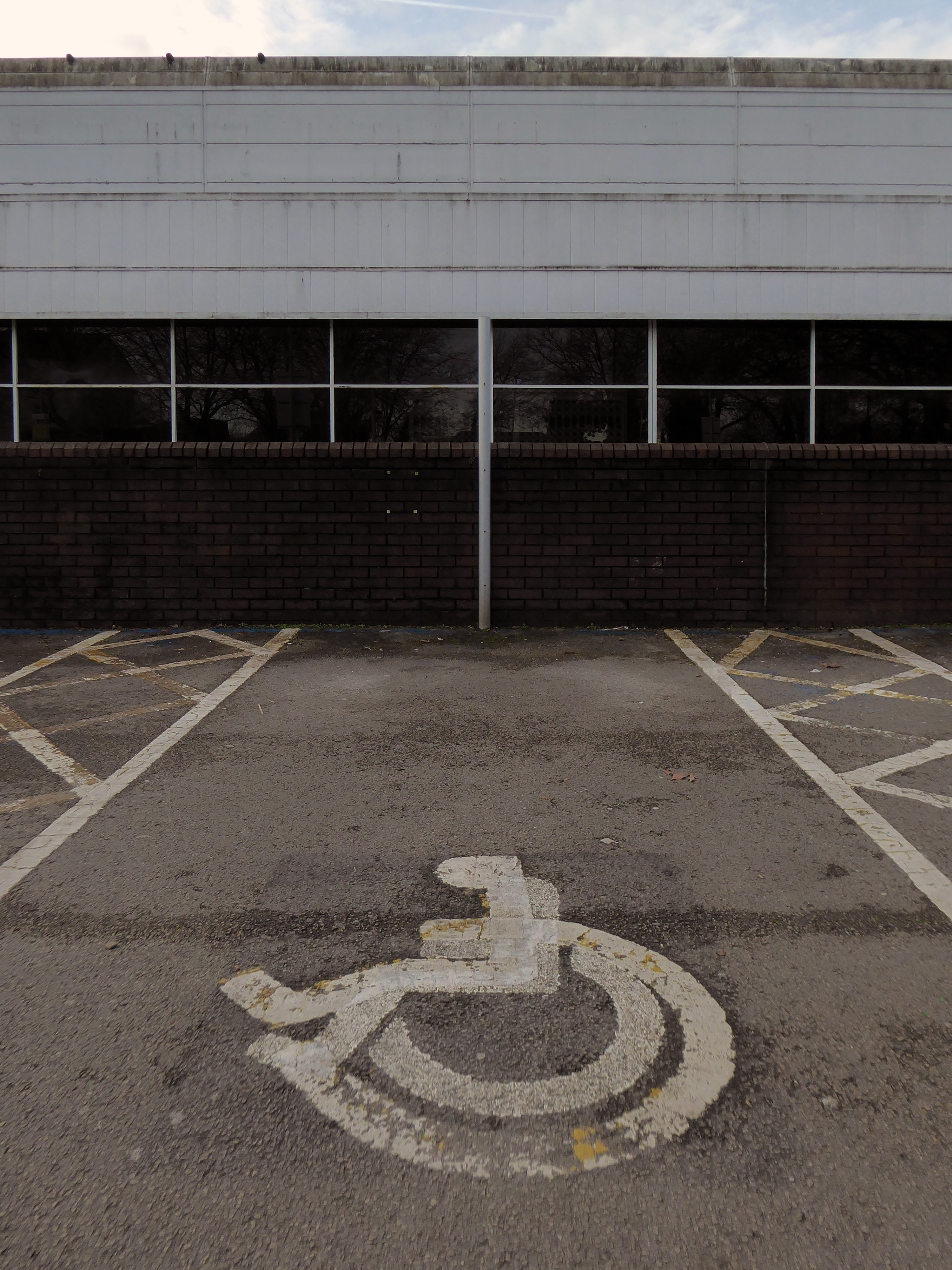

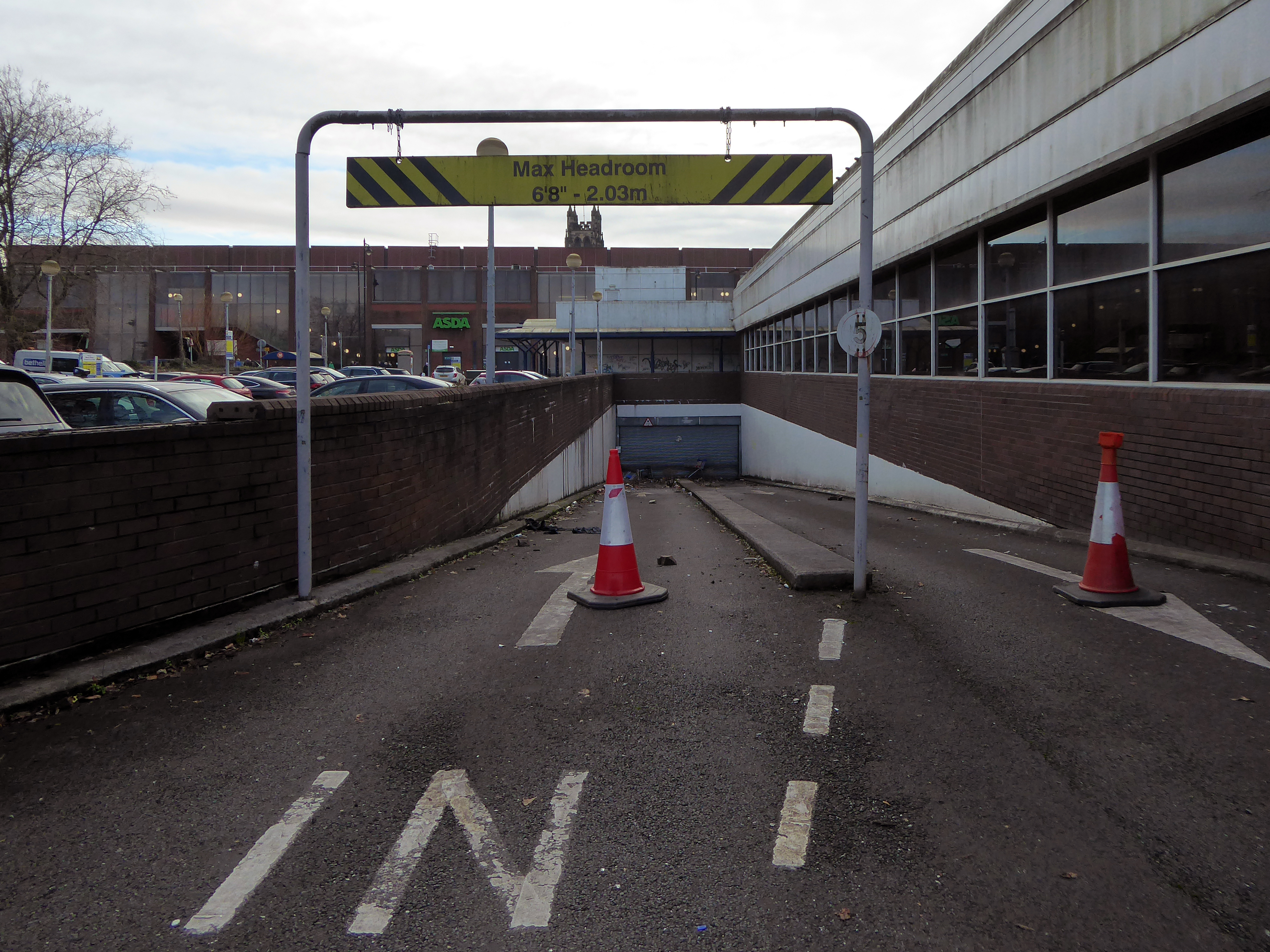
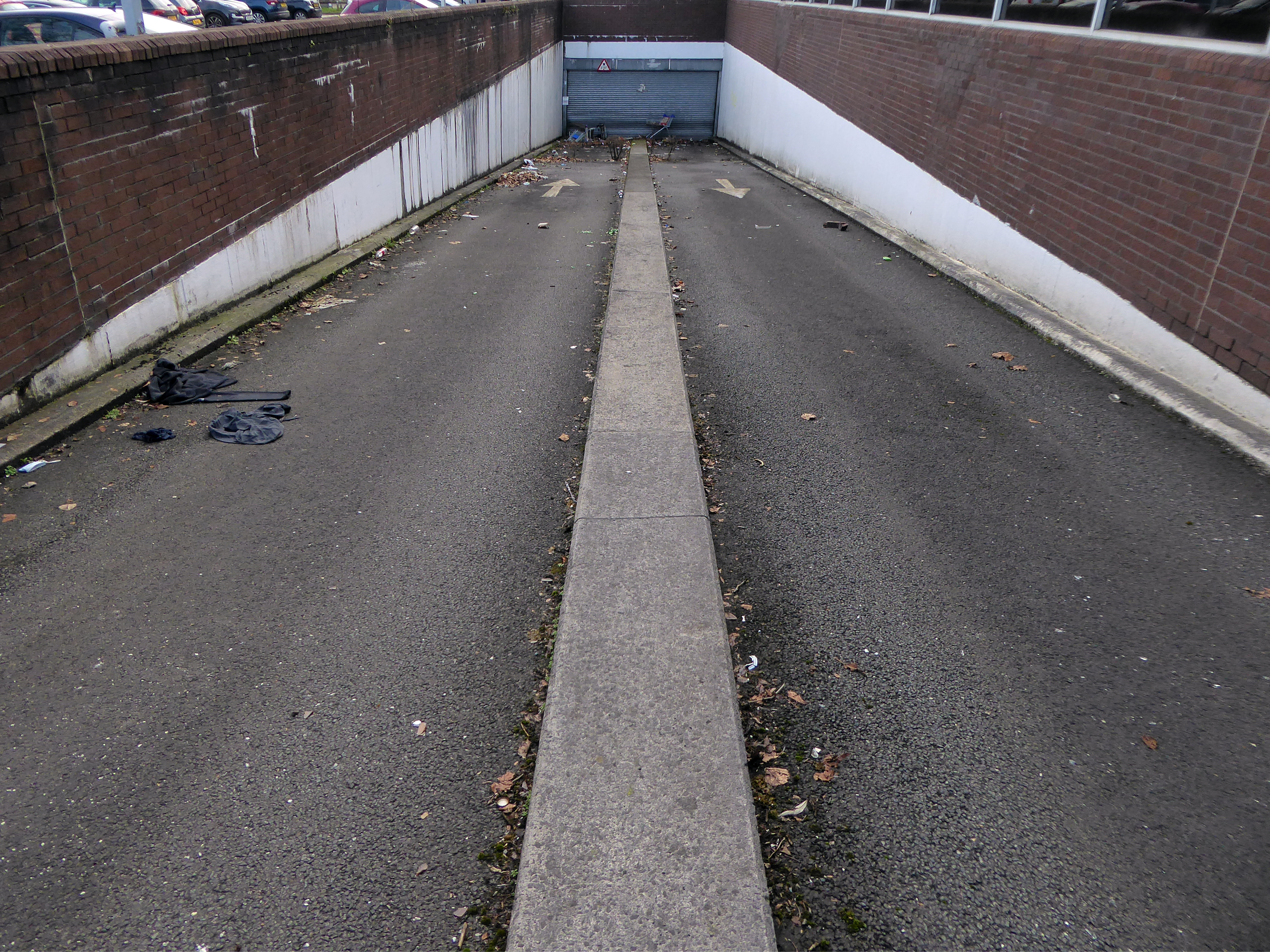
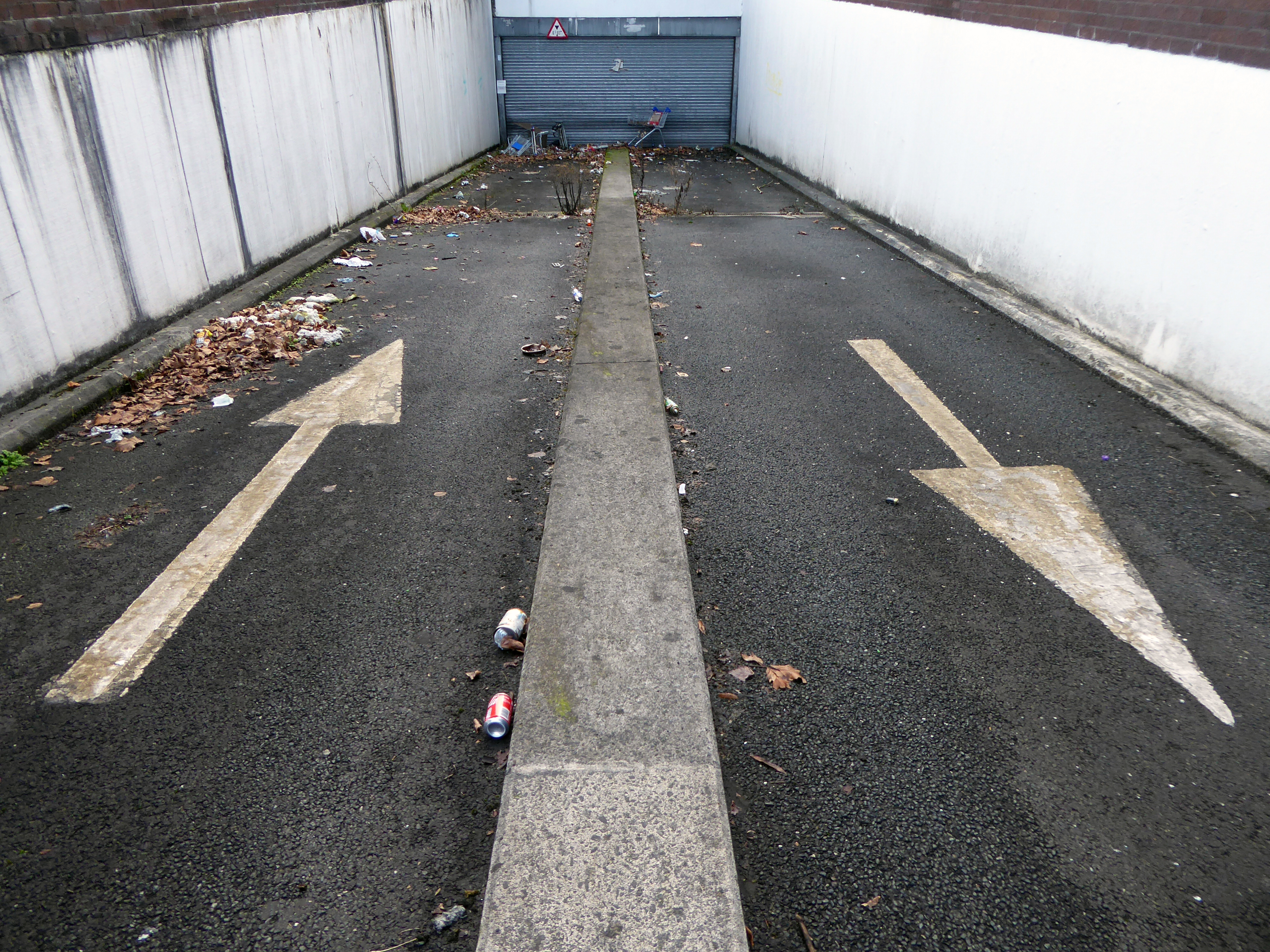
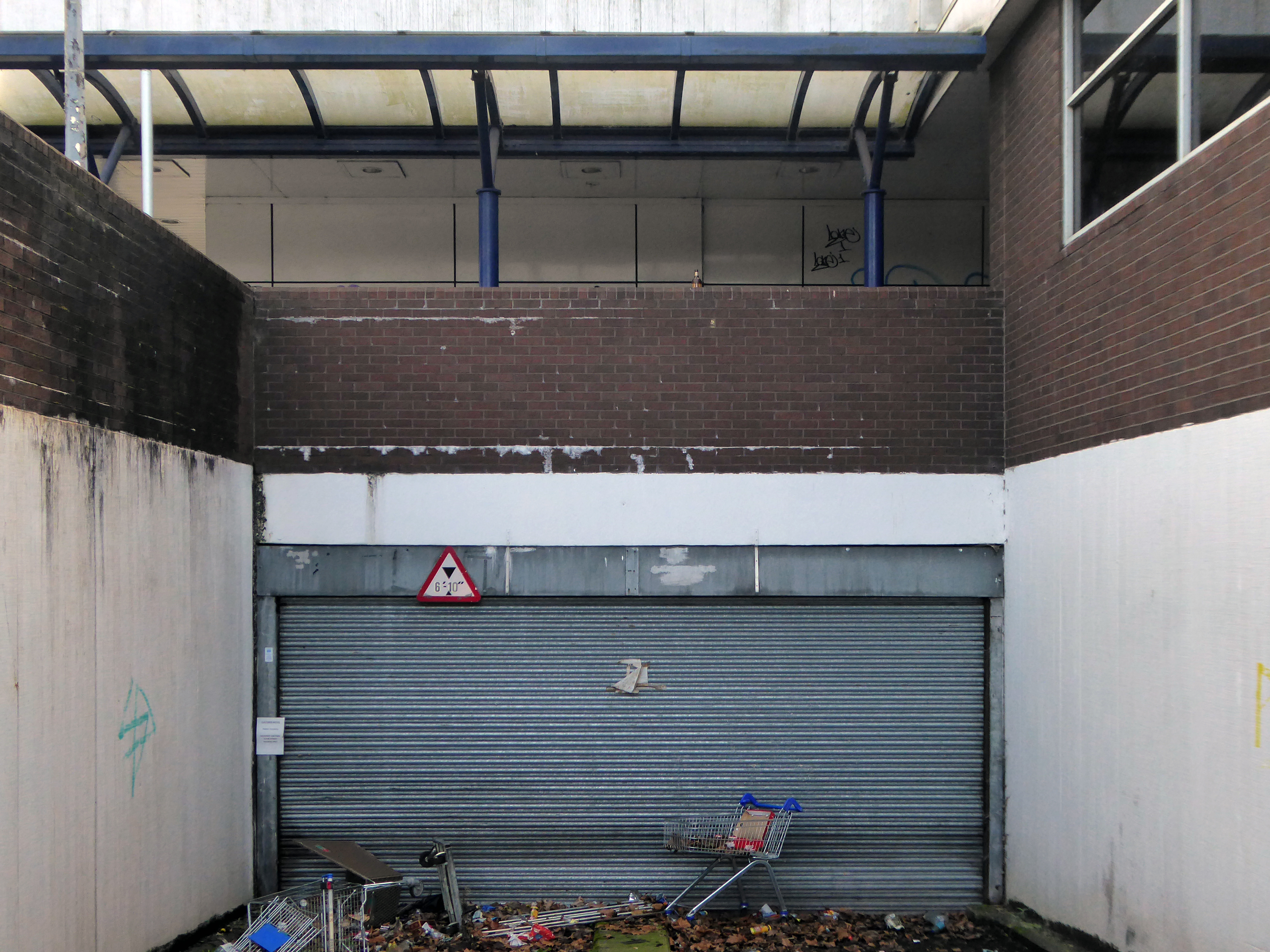
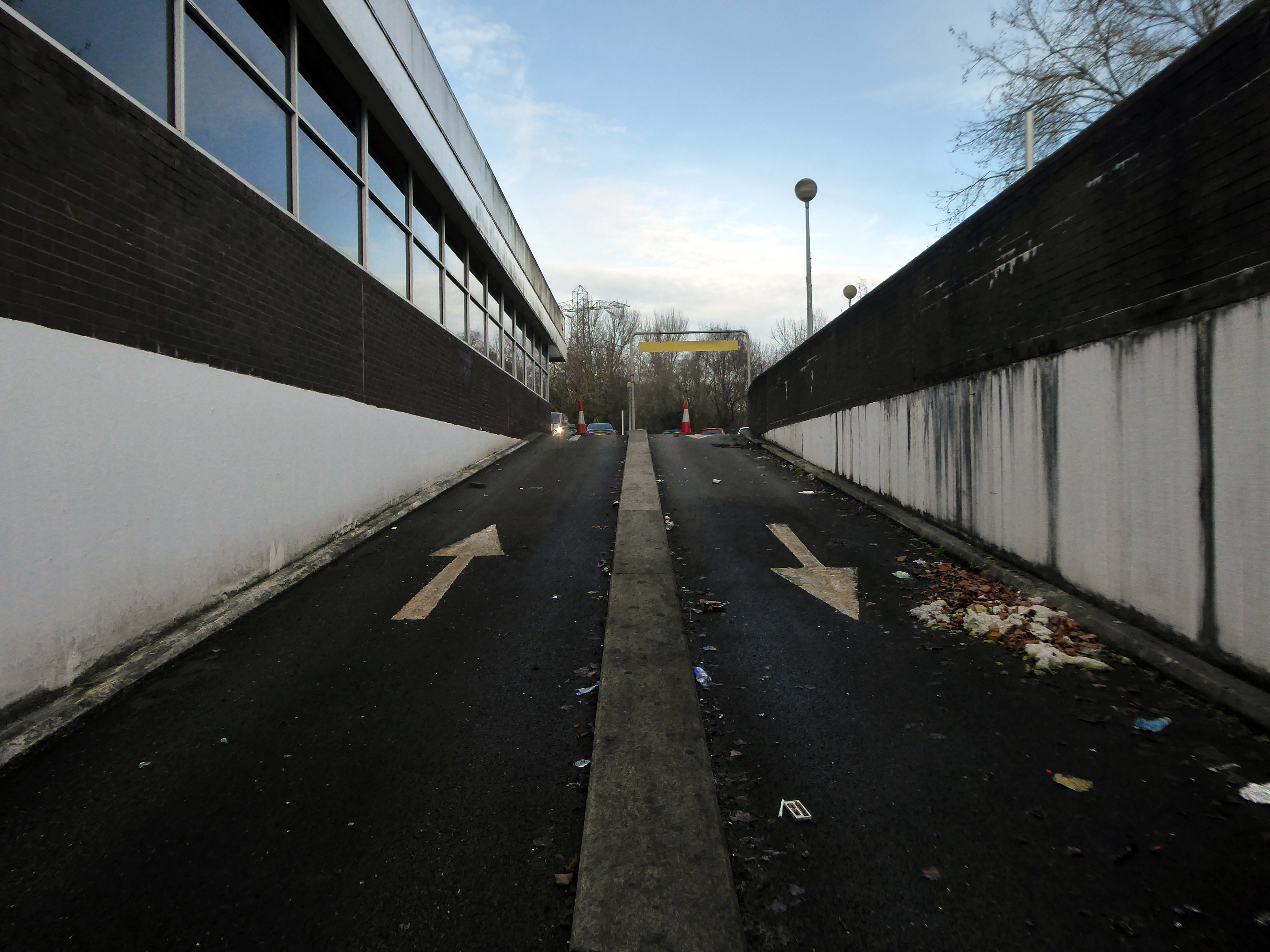
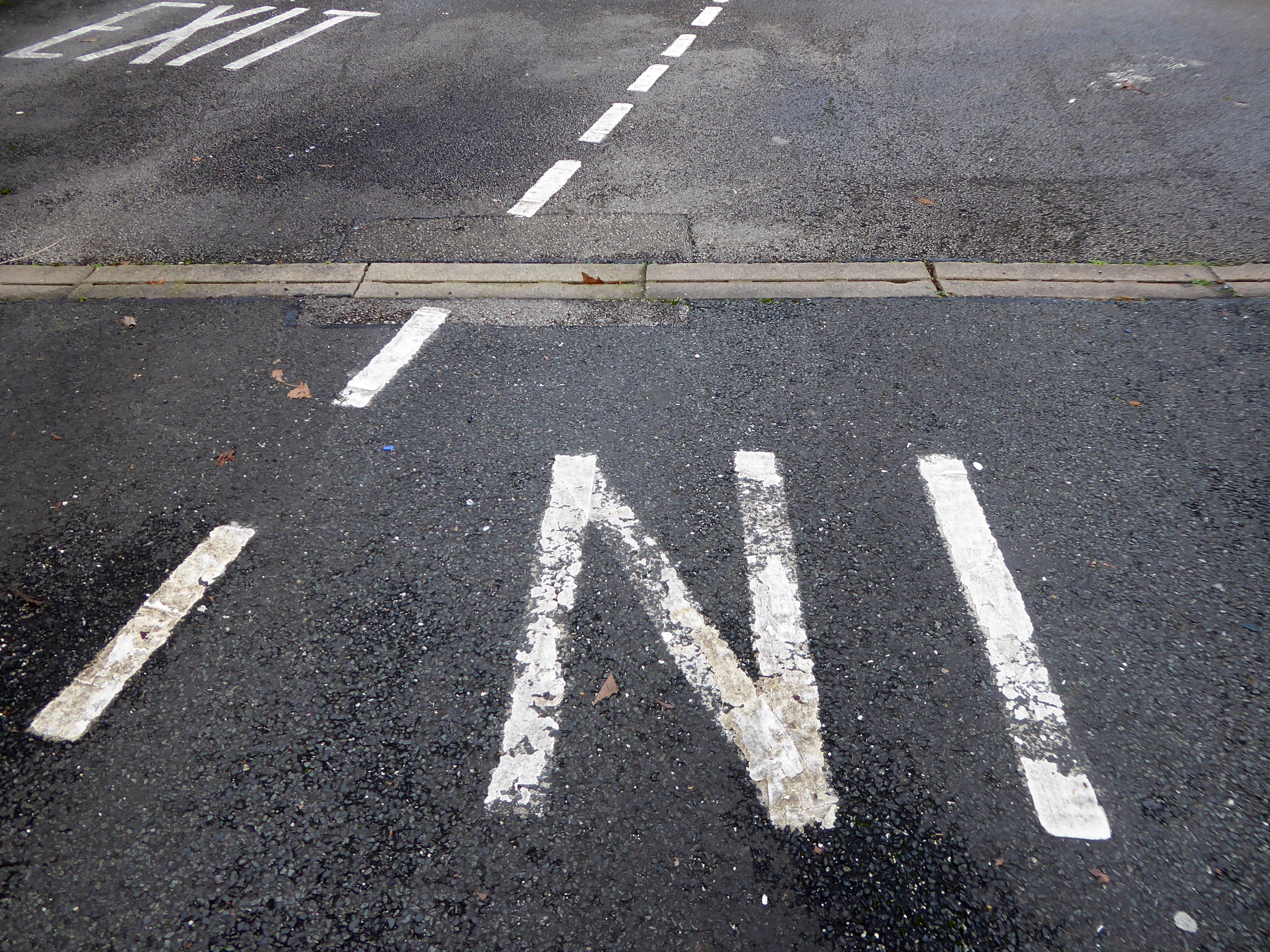
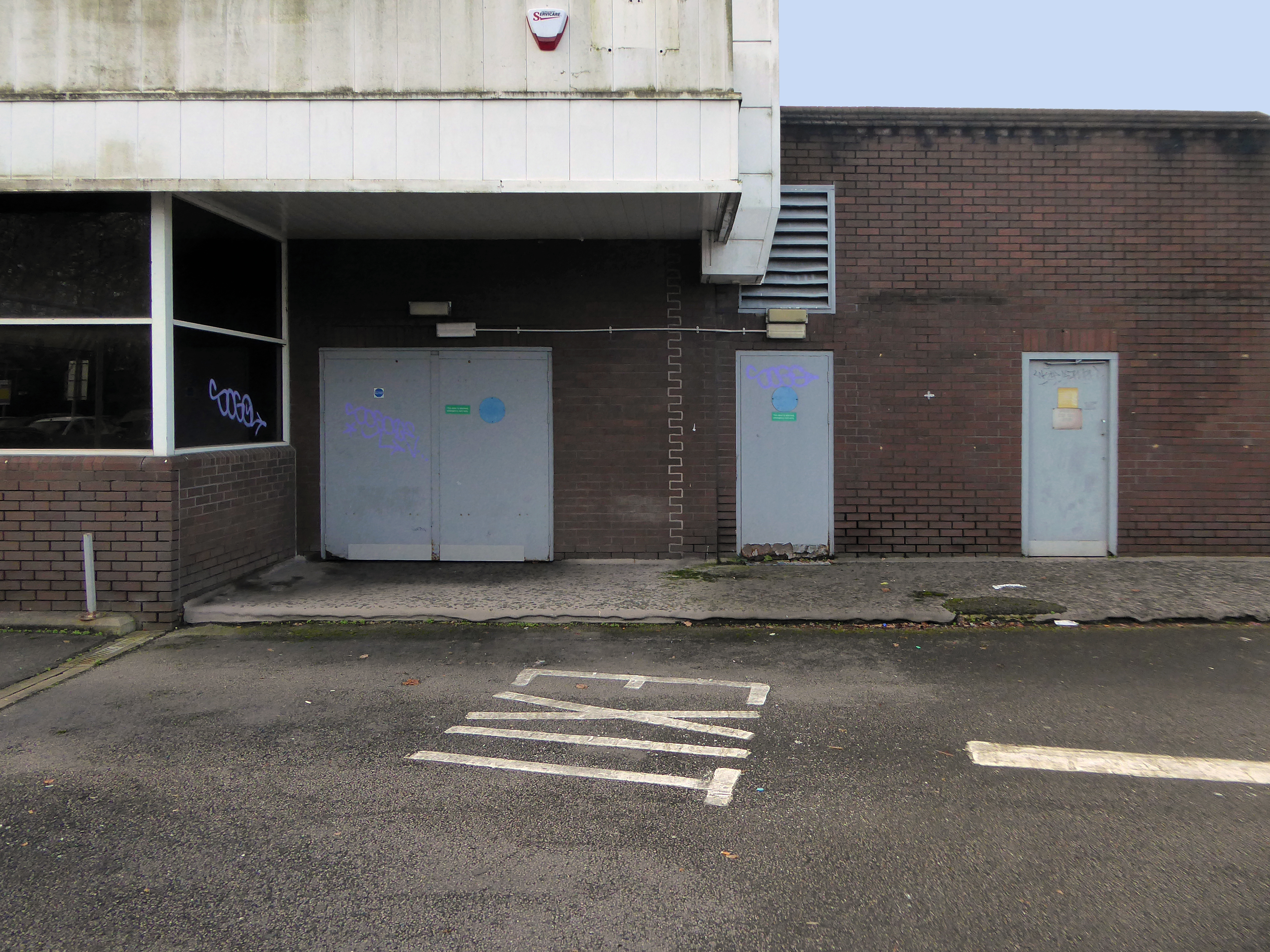
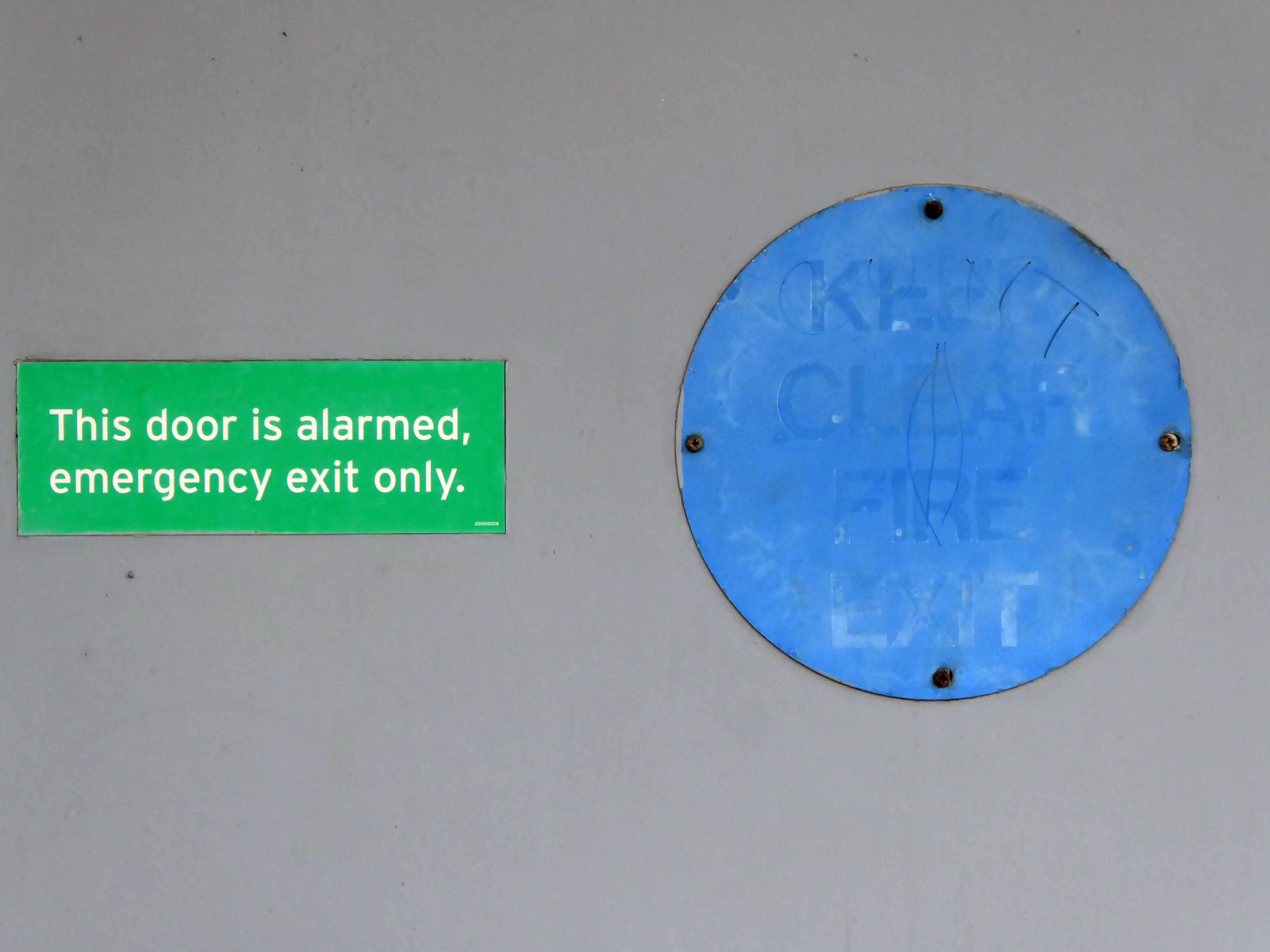
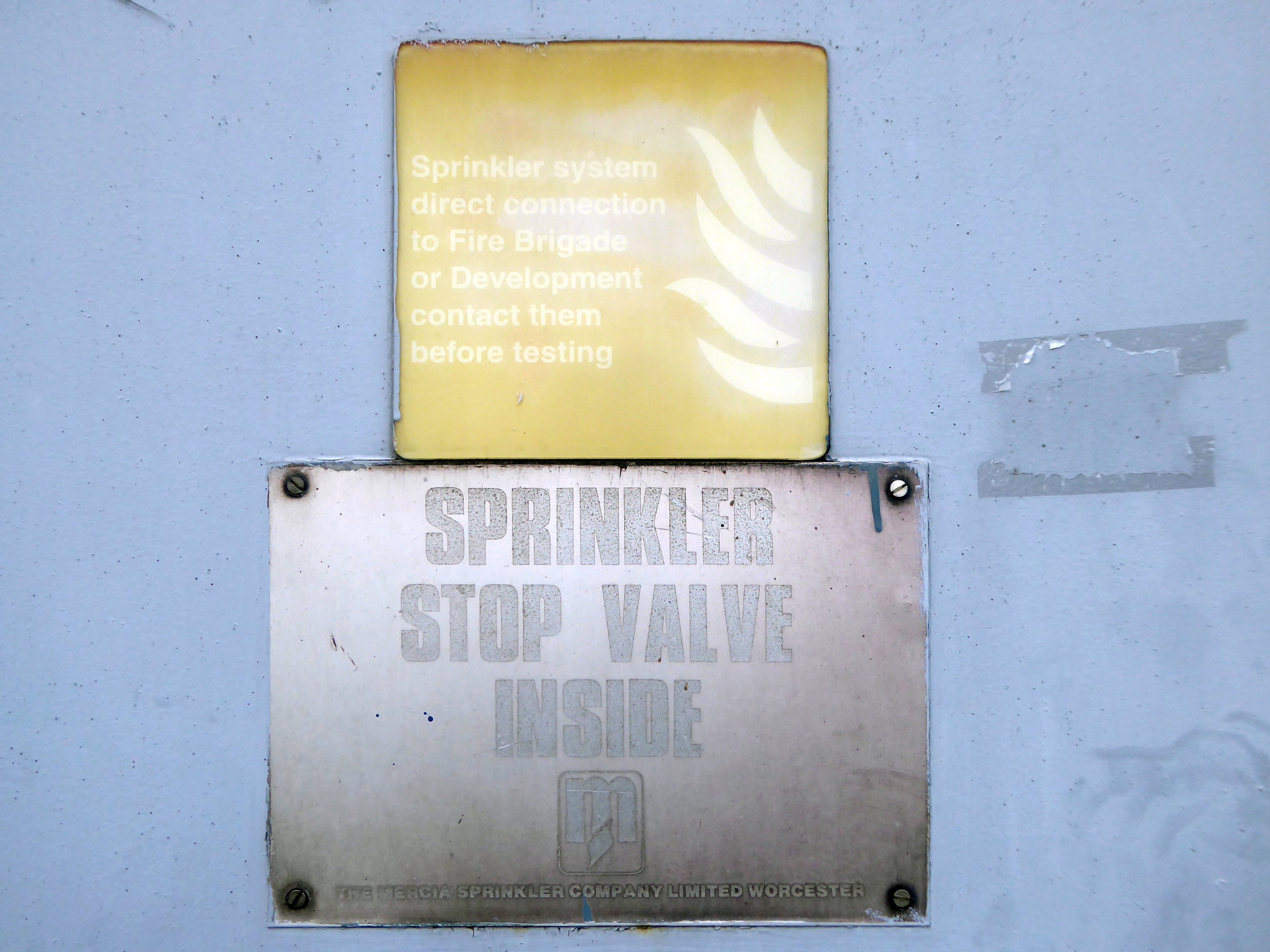
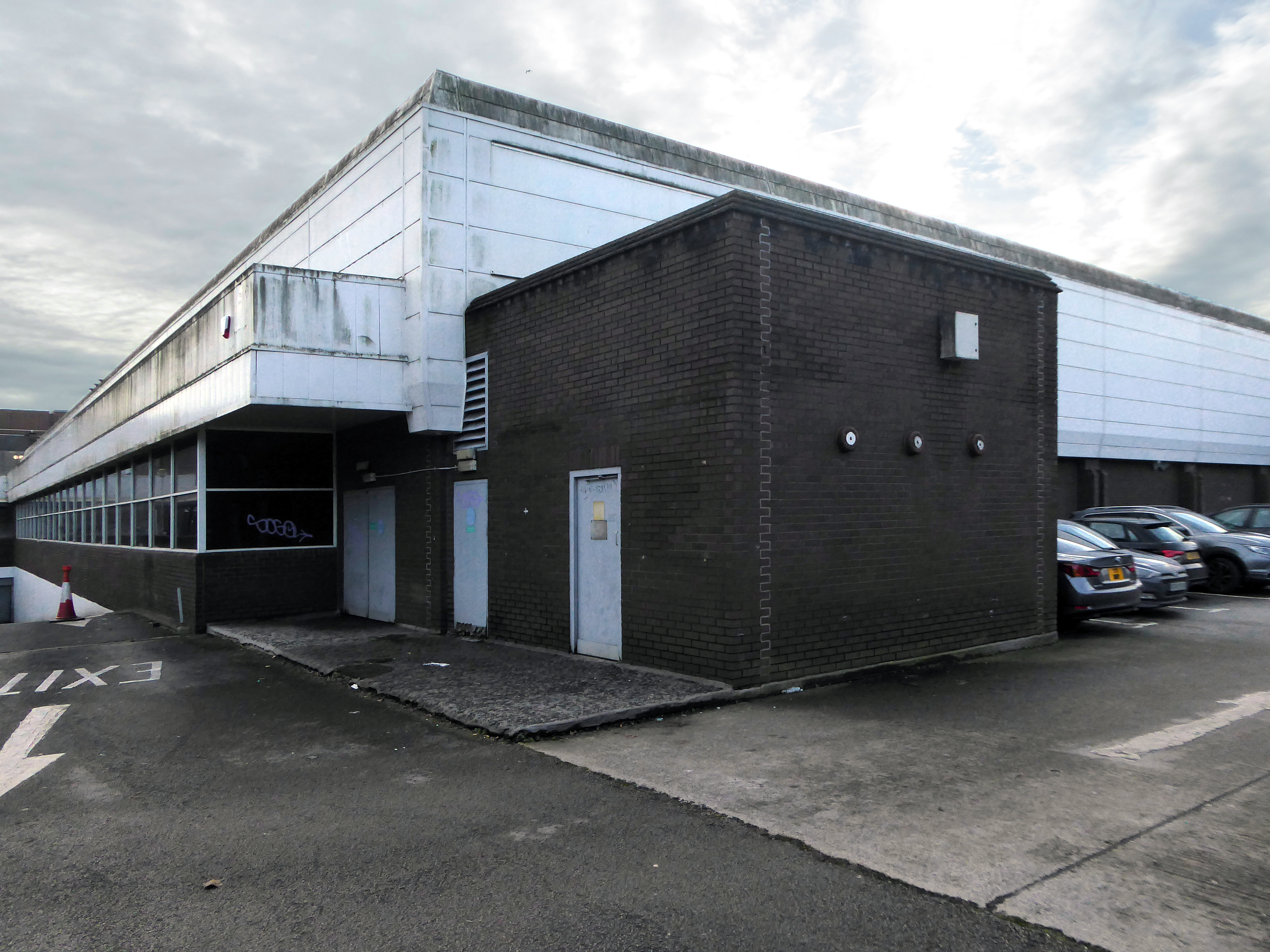
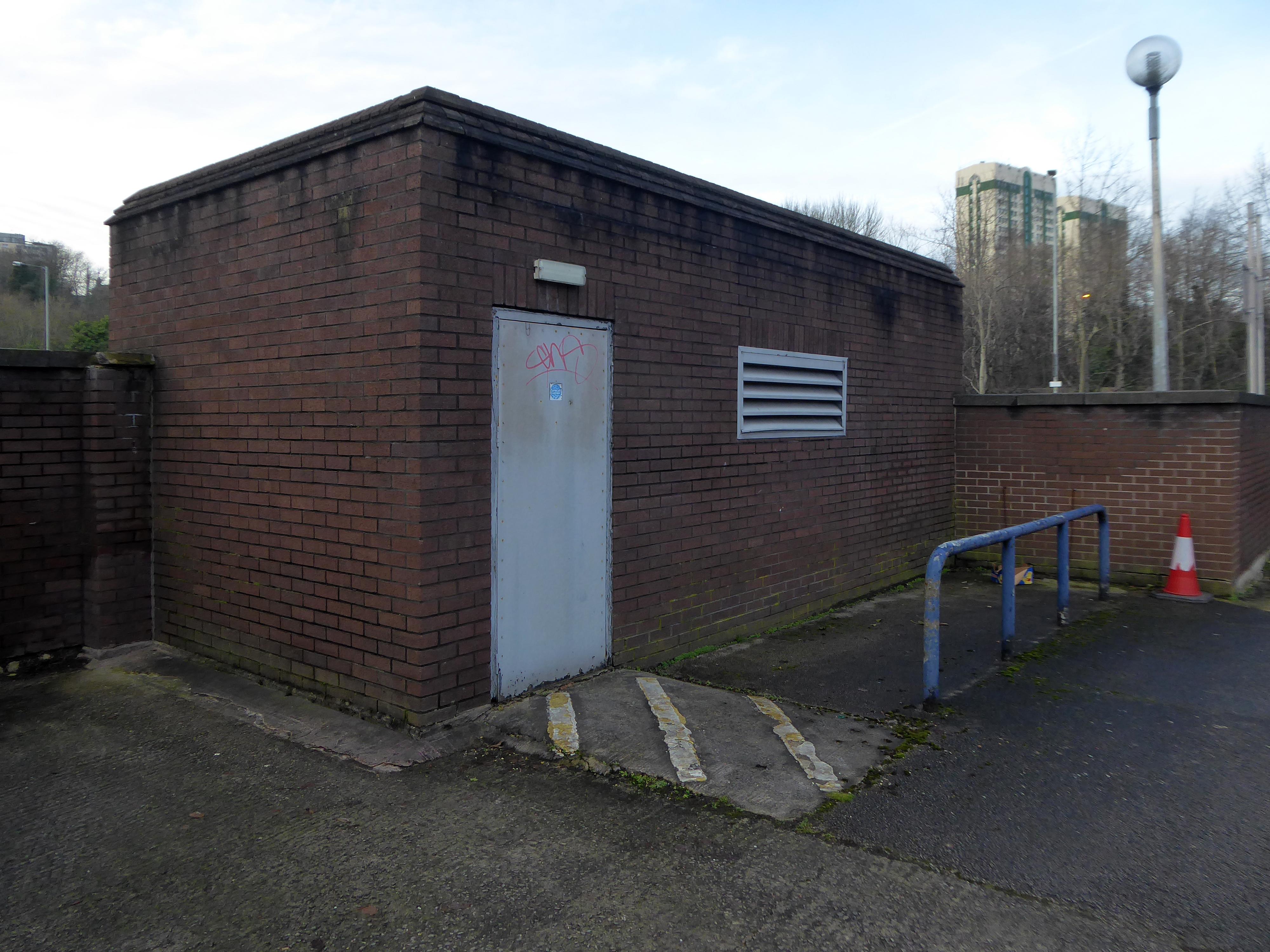
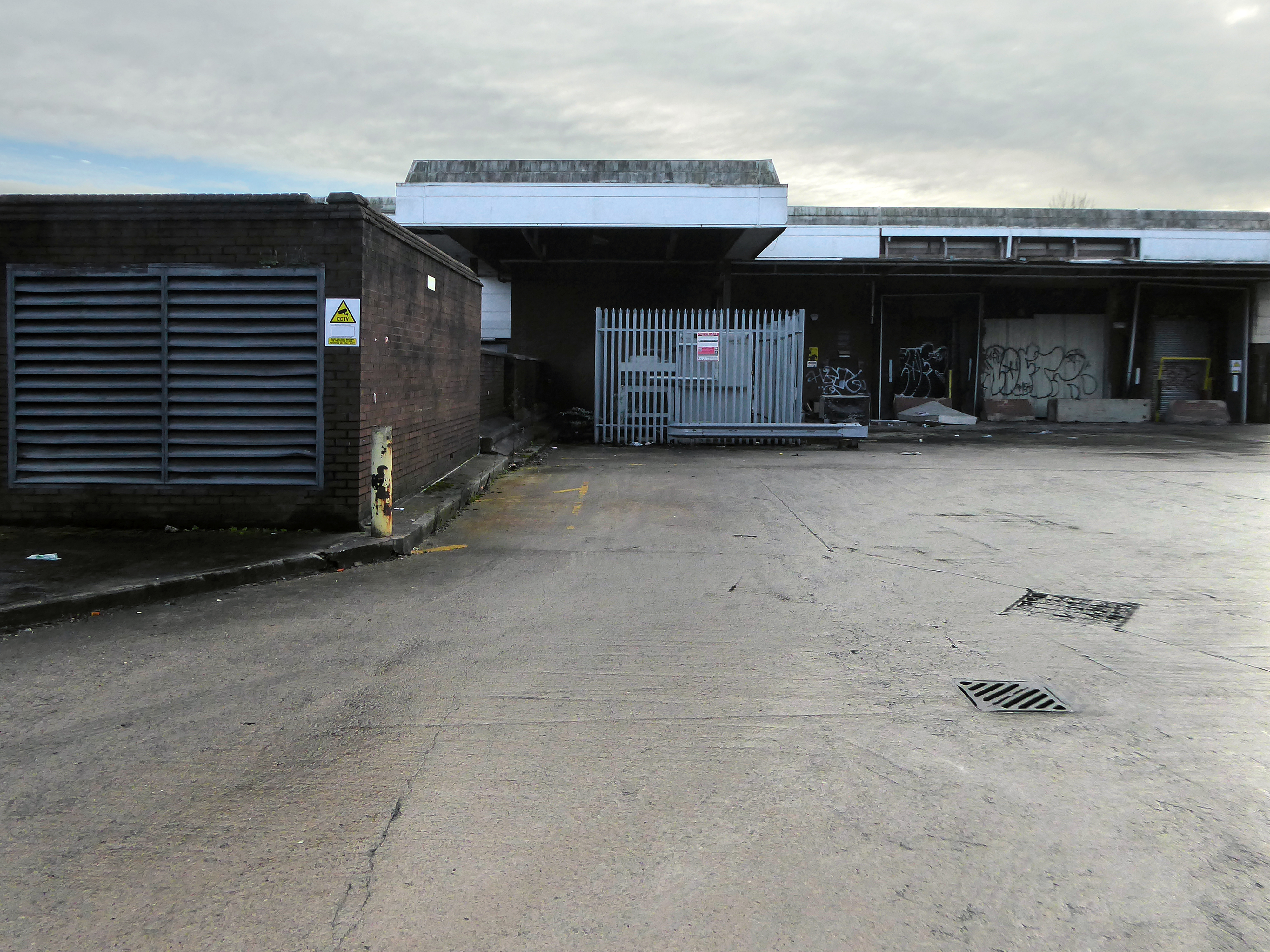
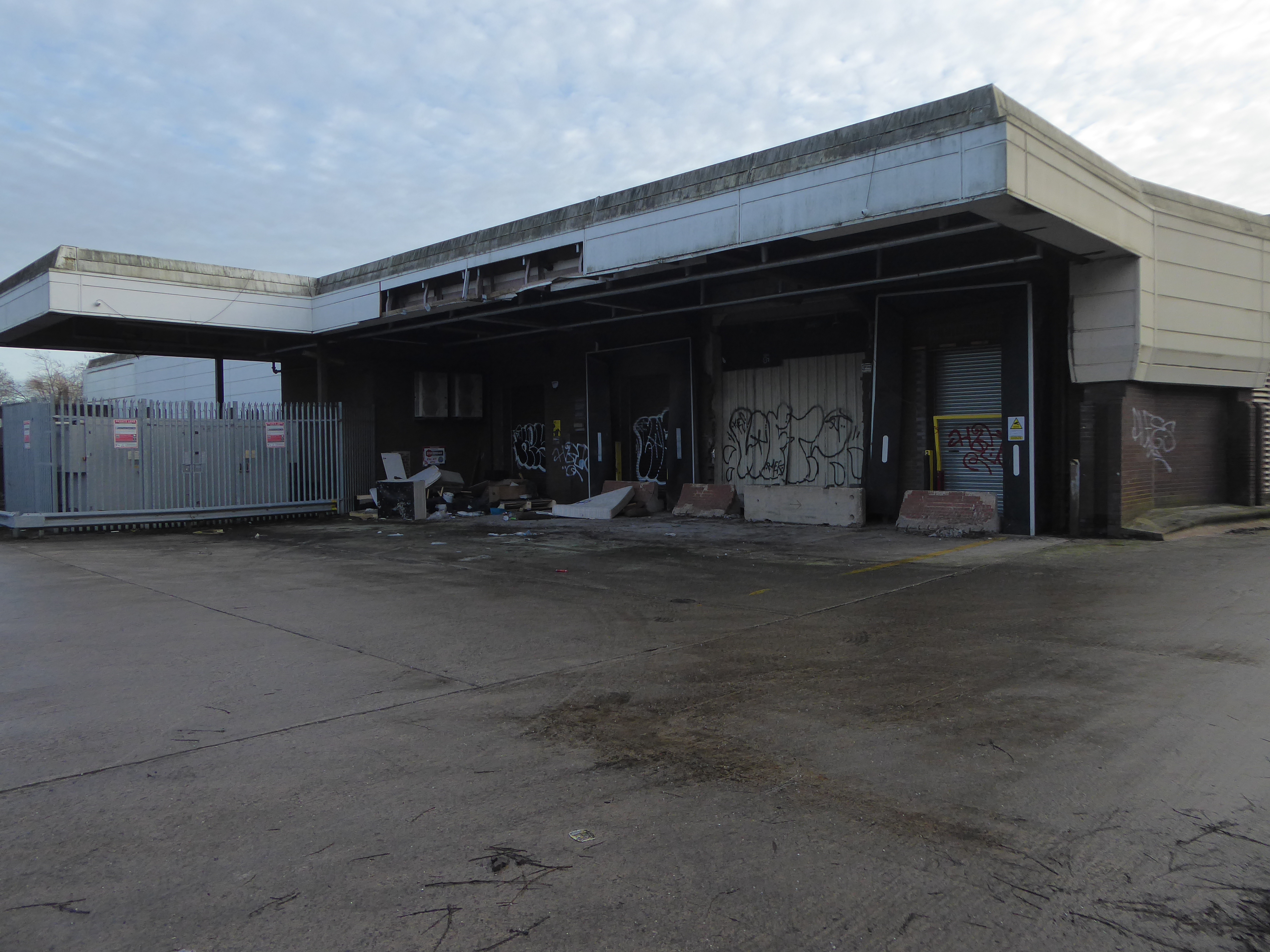
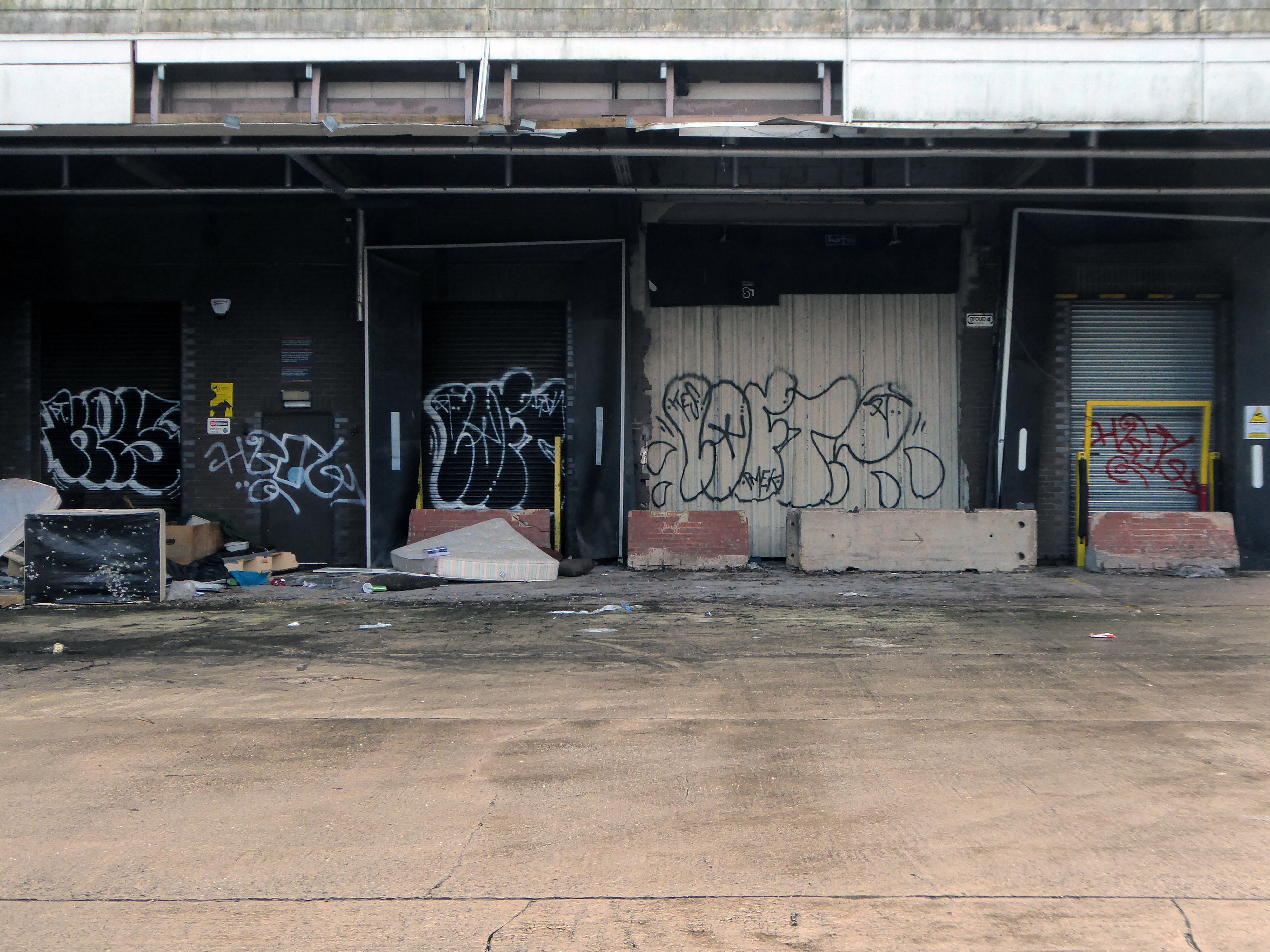
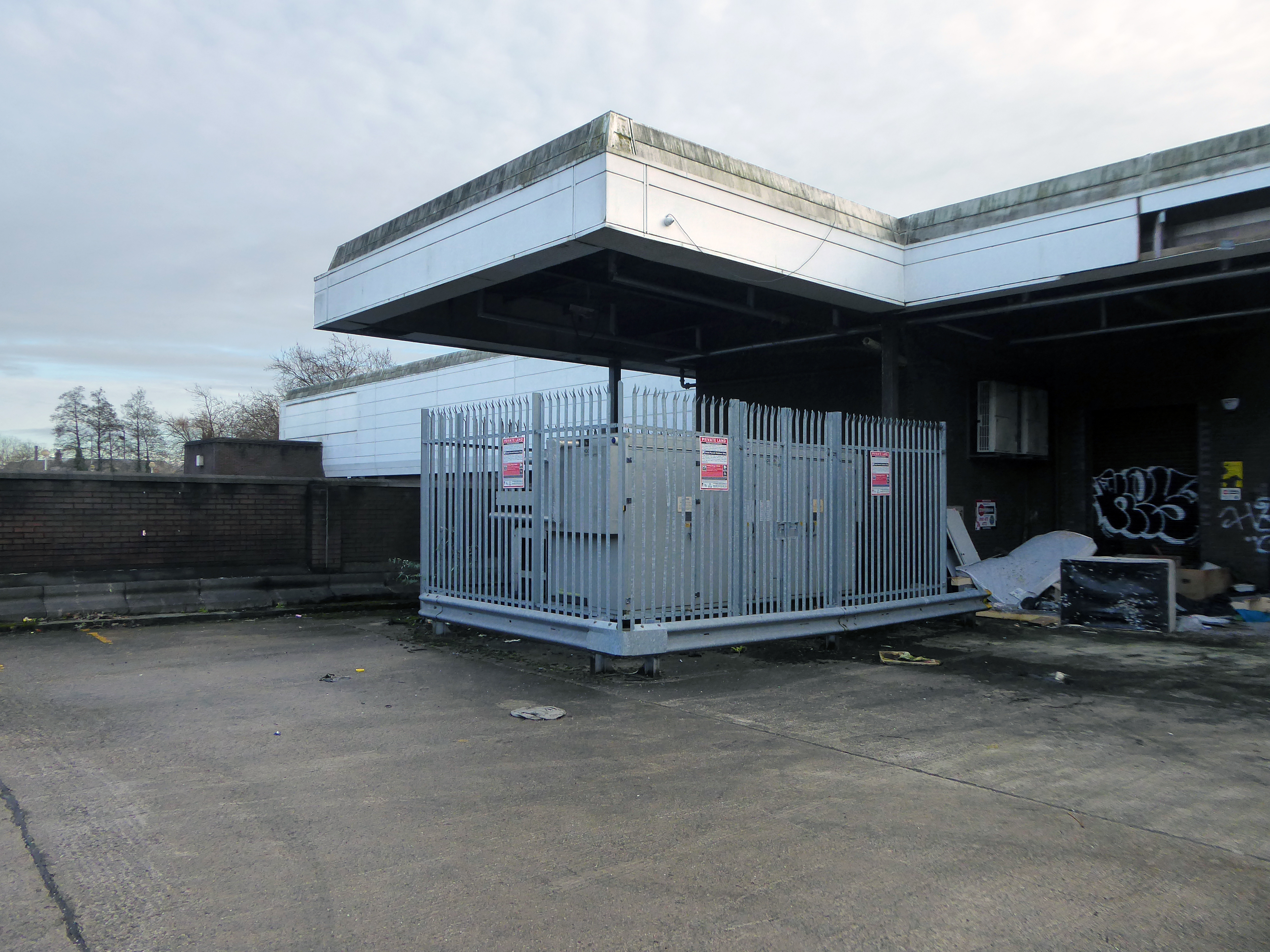
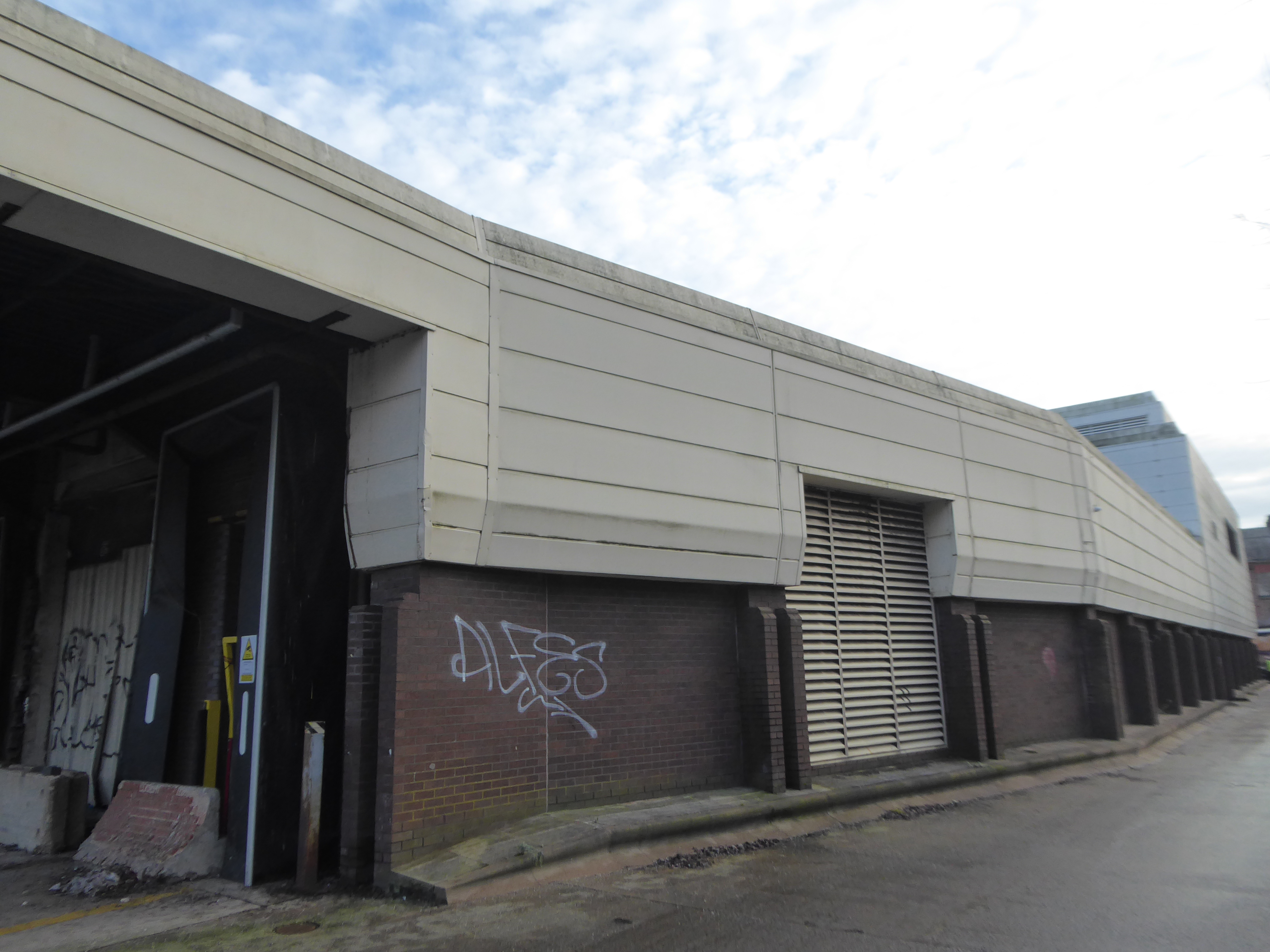
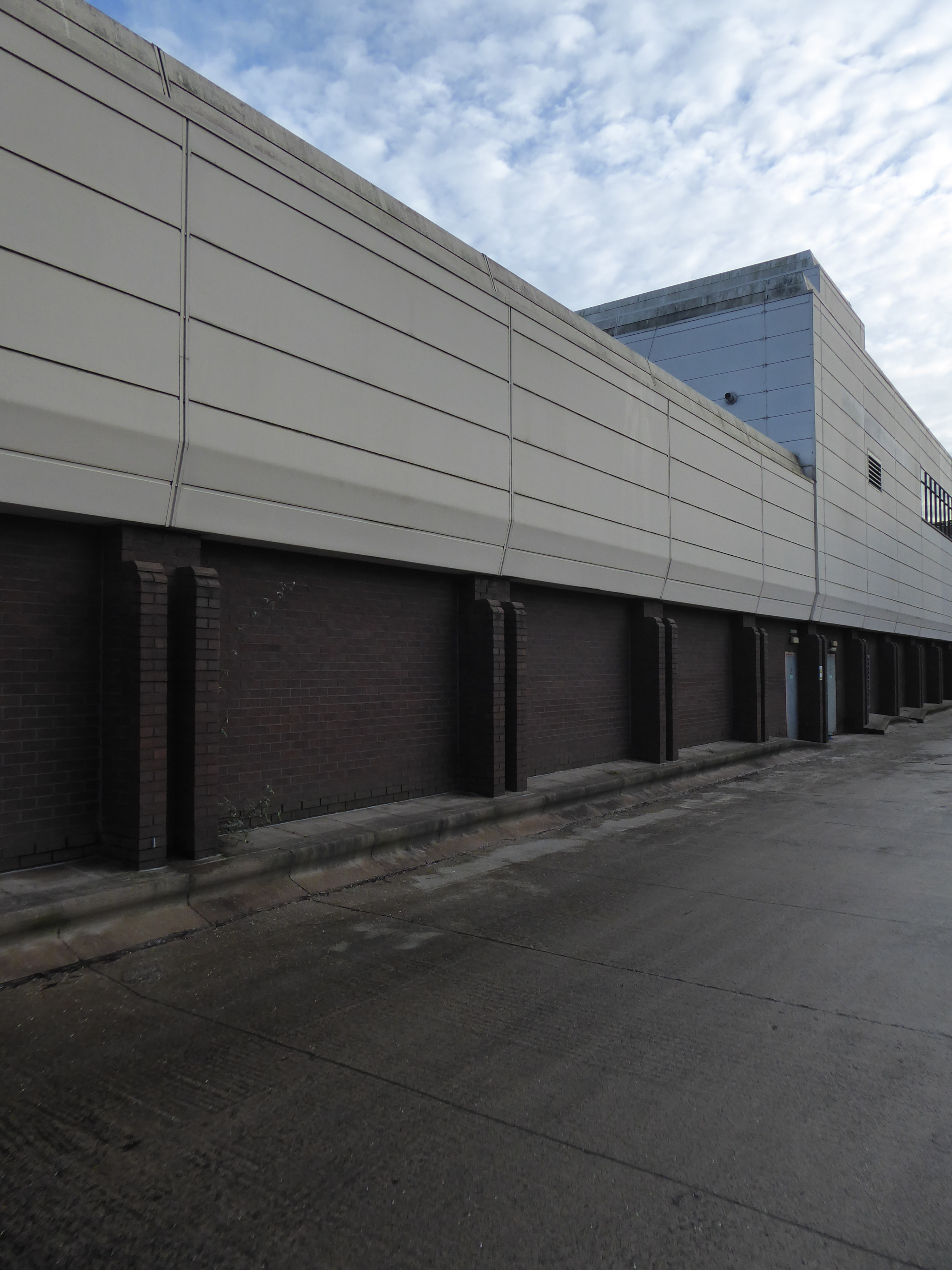

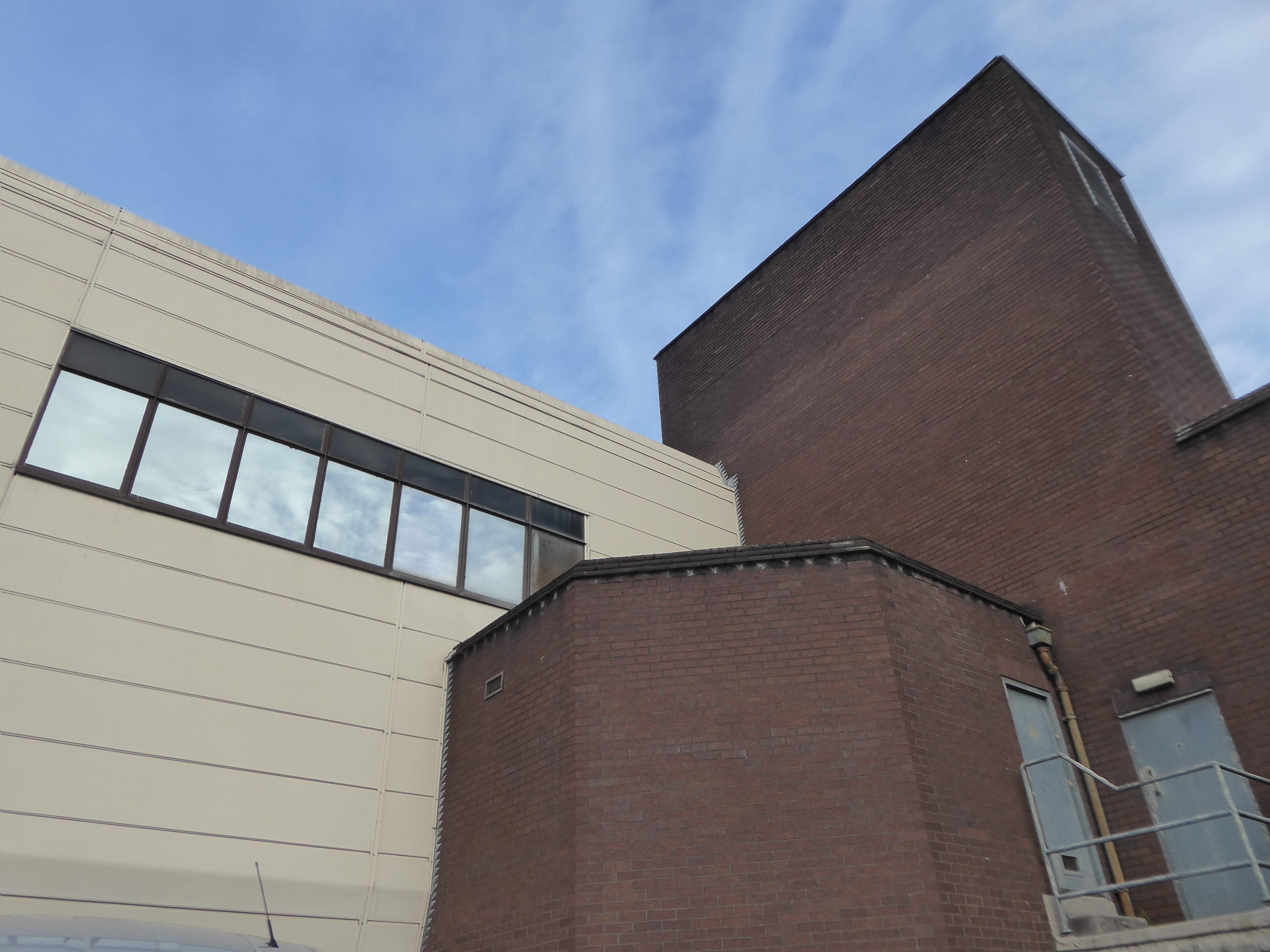
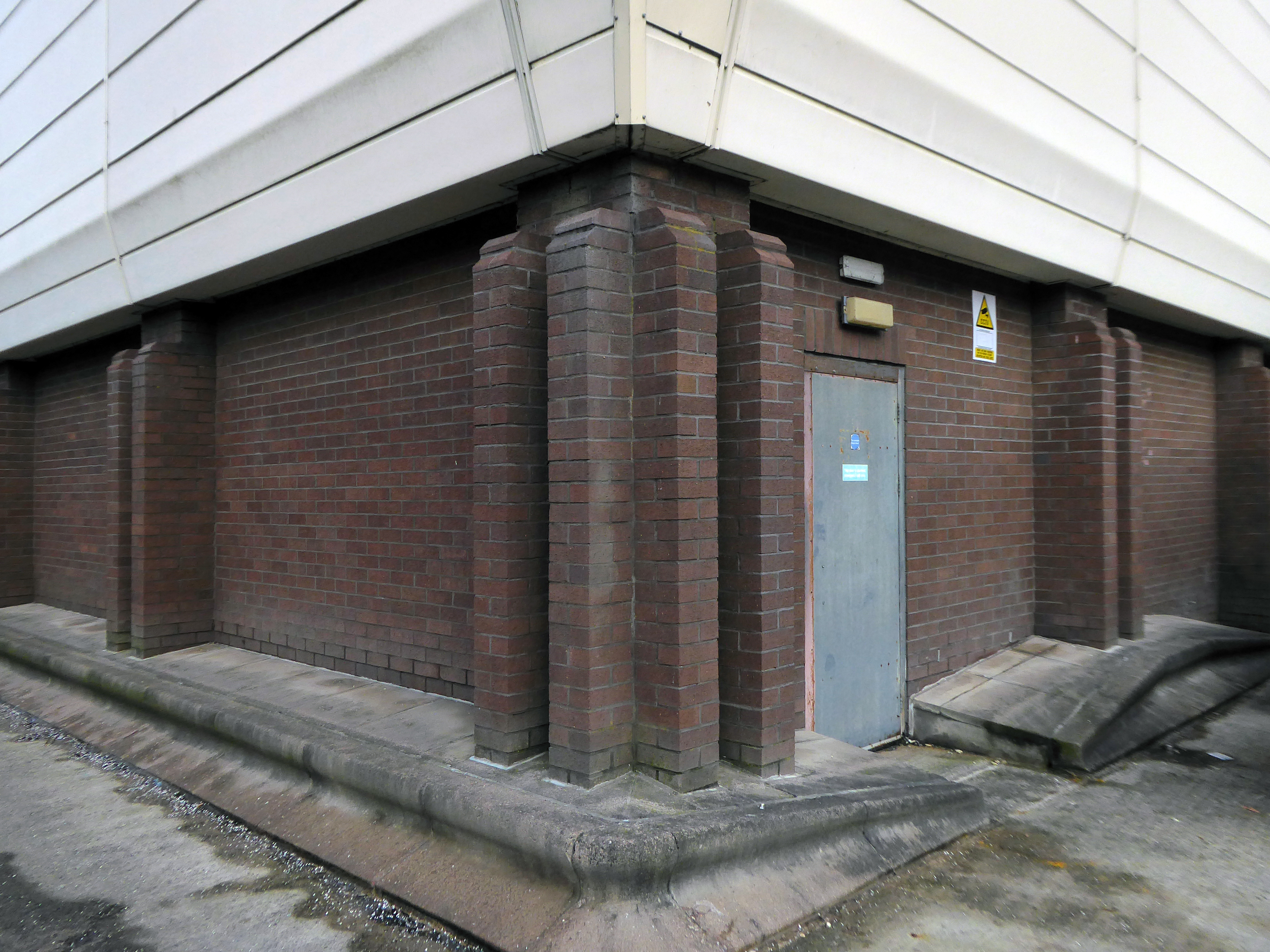
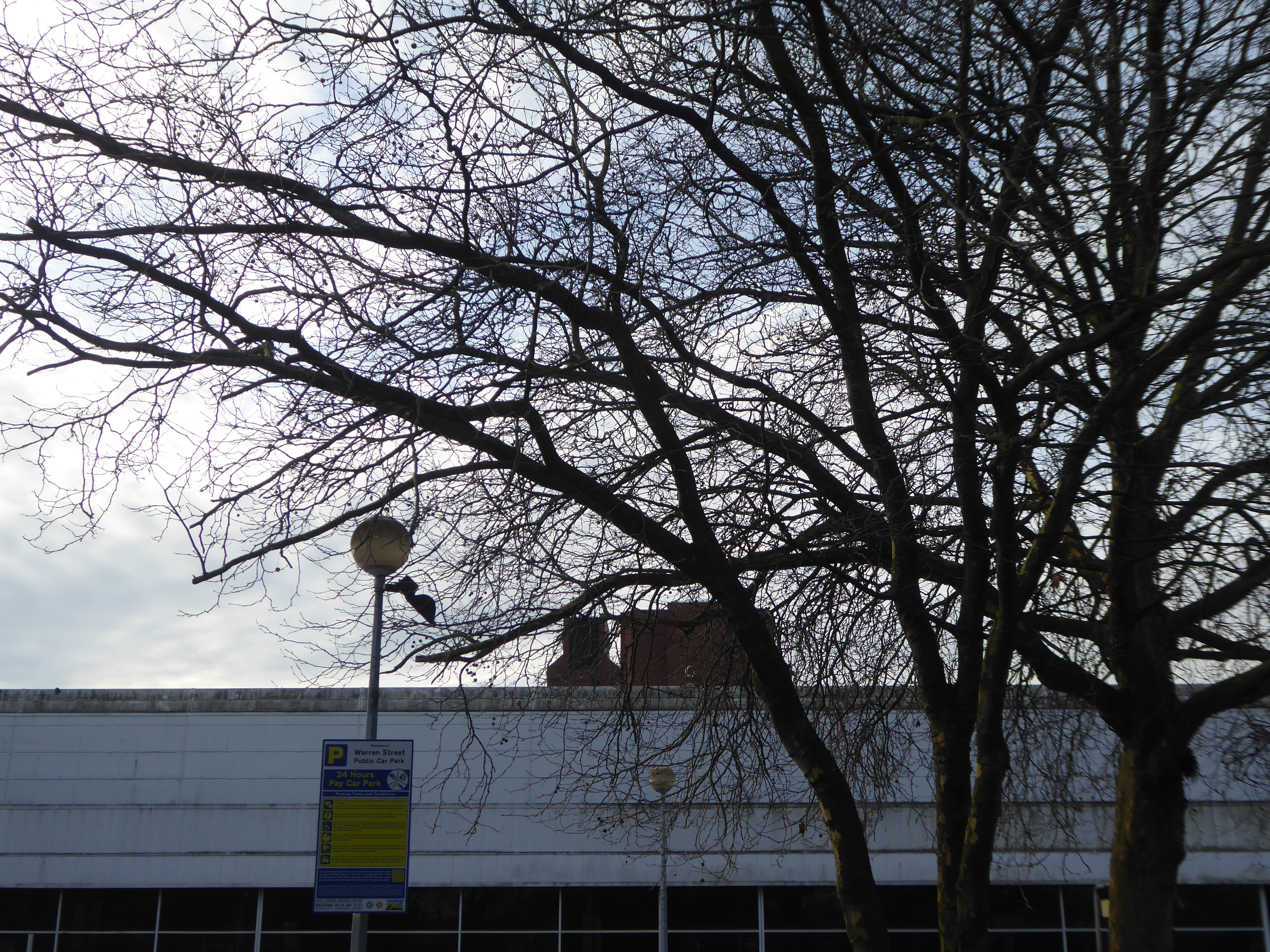

Situated at the junction of Salkeld Street and Cook Street

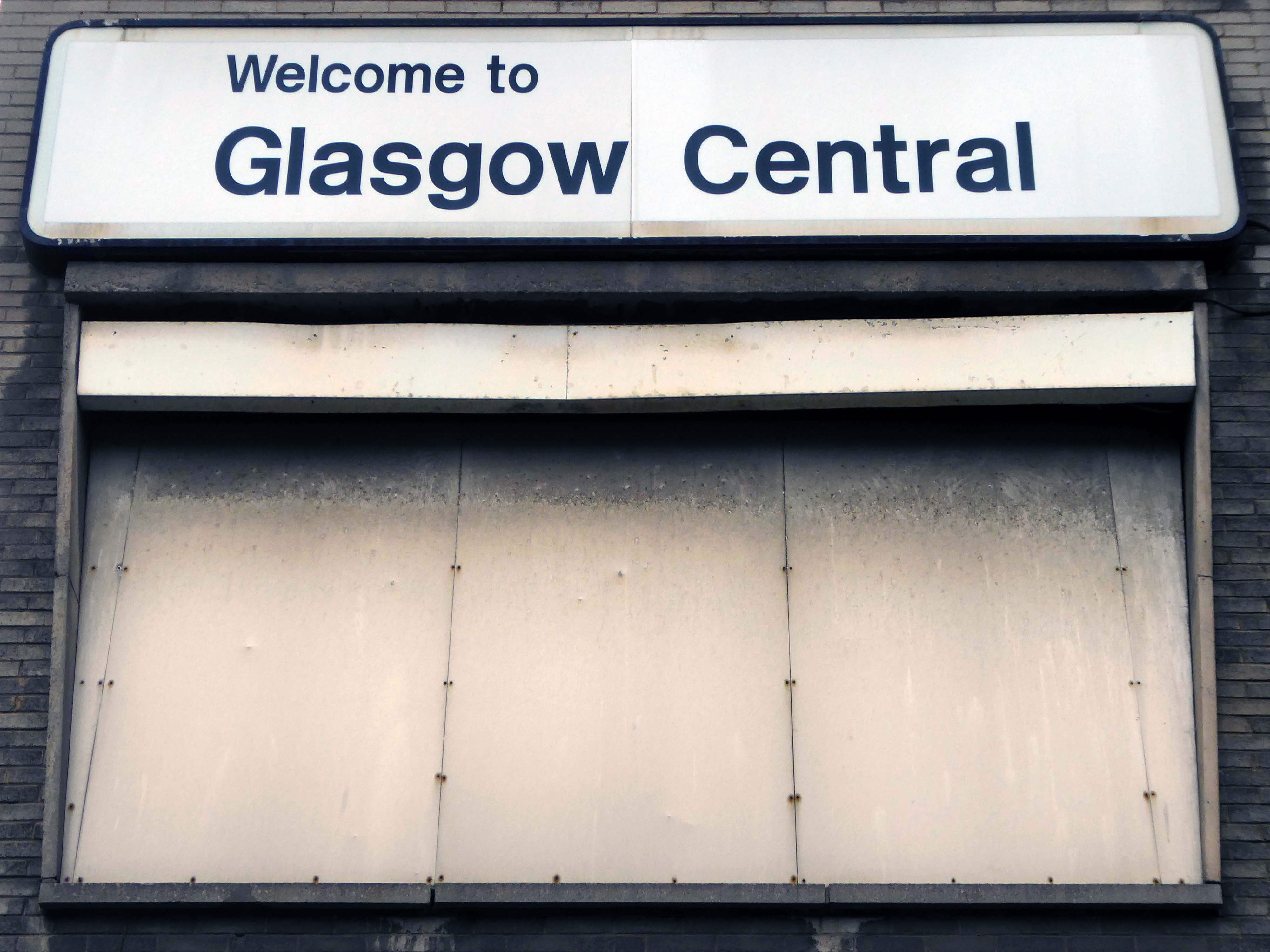
Glasgow Central Signalling Centre, located in the vee of Bridge Street Junction, opened on 2 January 1961. It replaced signal boxes at Central Station, Bridge Street Junction, Eglinton Street Junction and Eglinton Street Station. When initially opened it was capable of handling 1,000 routes.


Glasgow Central Signalling Centre closed on 27 December 2008, when its area of control was transferred to the new West of Scotland Signalling Centre – WSSC at Cowlairs. The NX panel is to be preserved. The station is currently signalled by two Westinghouse Westlock Interlockings which are controlled via an Alstom MCS control system.




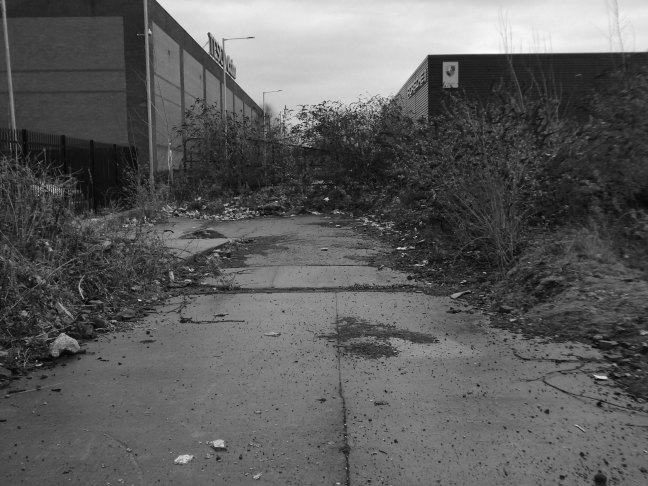
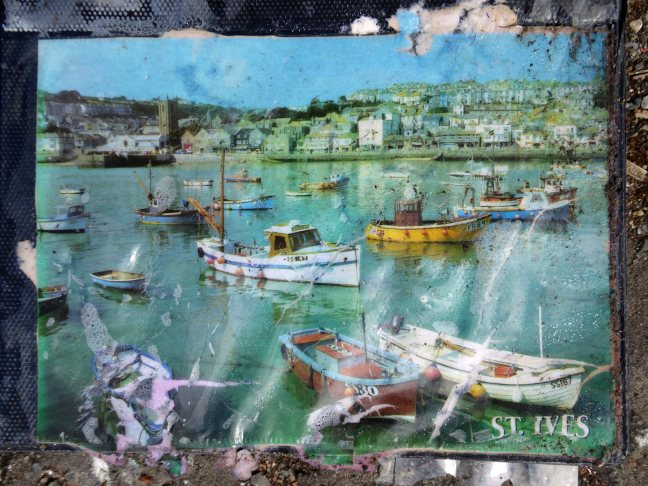
Where are we?
We once were lost, but are we saved?
A remnant from a discarded photographic album locates us in Cornwall.
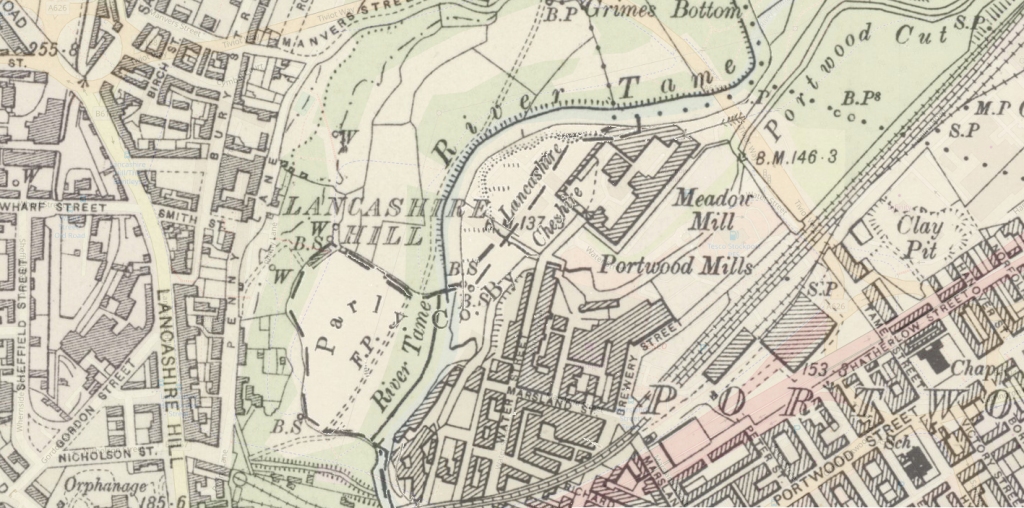
The Ordnance Survey places us at the heart of the Industrial Revolution.
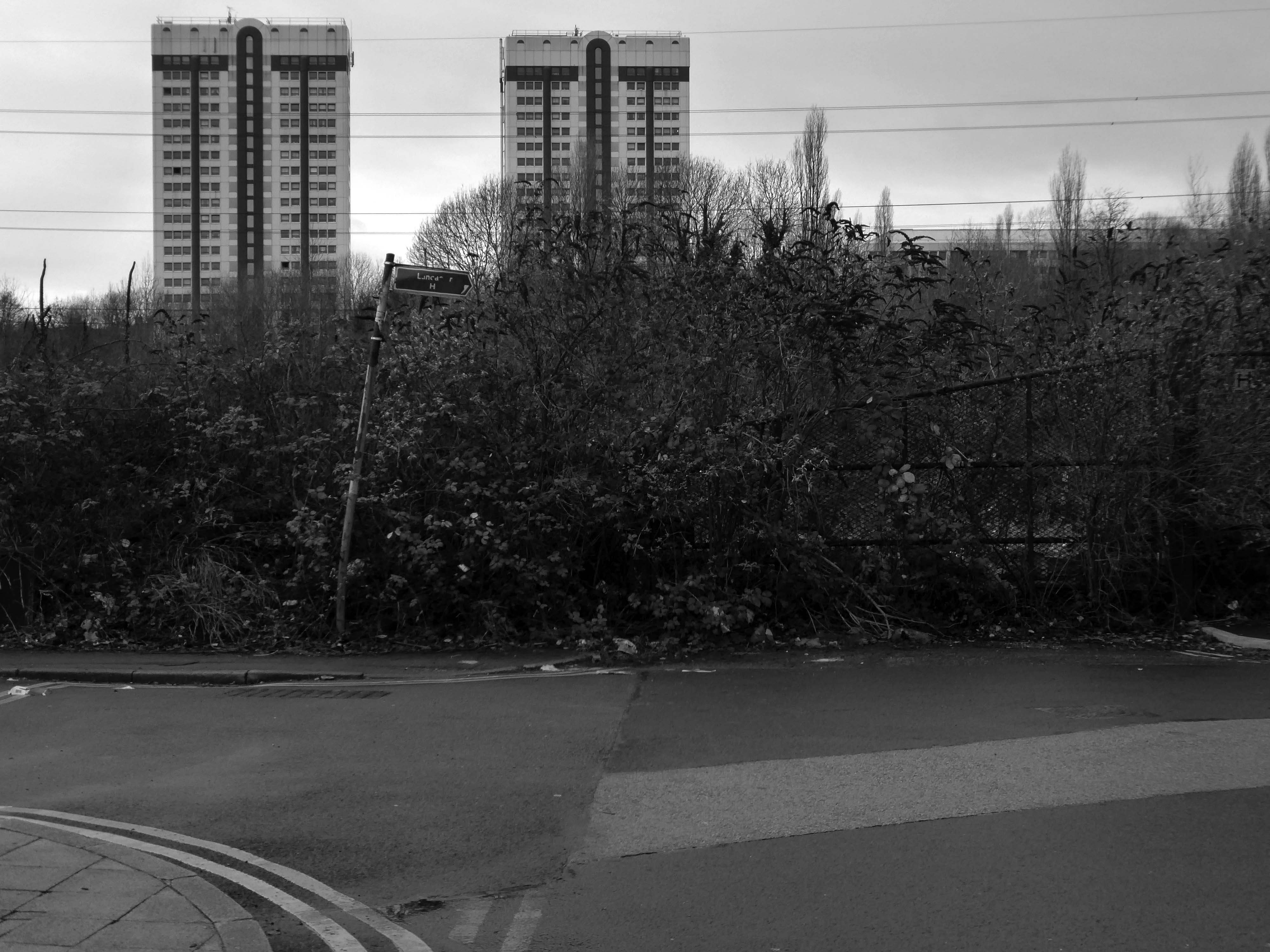
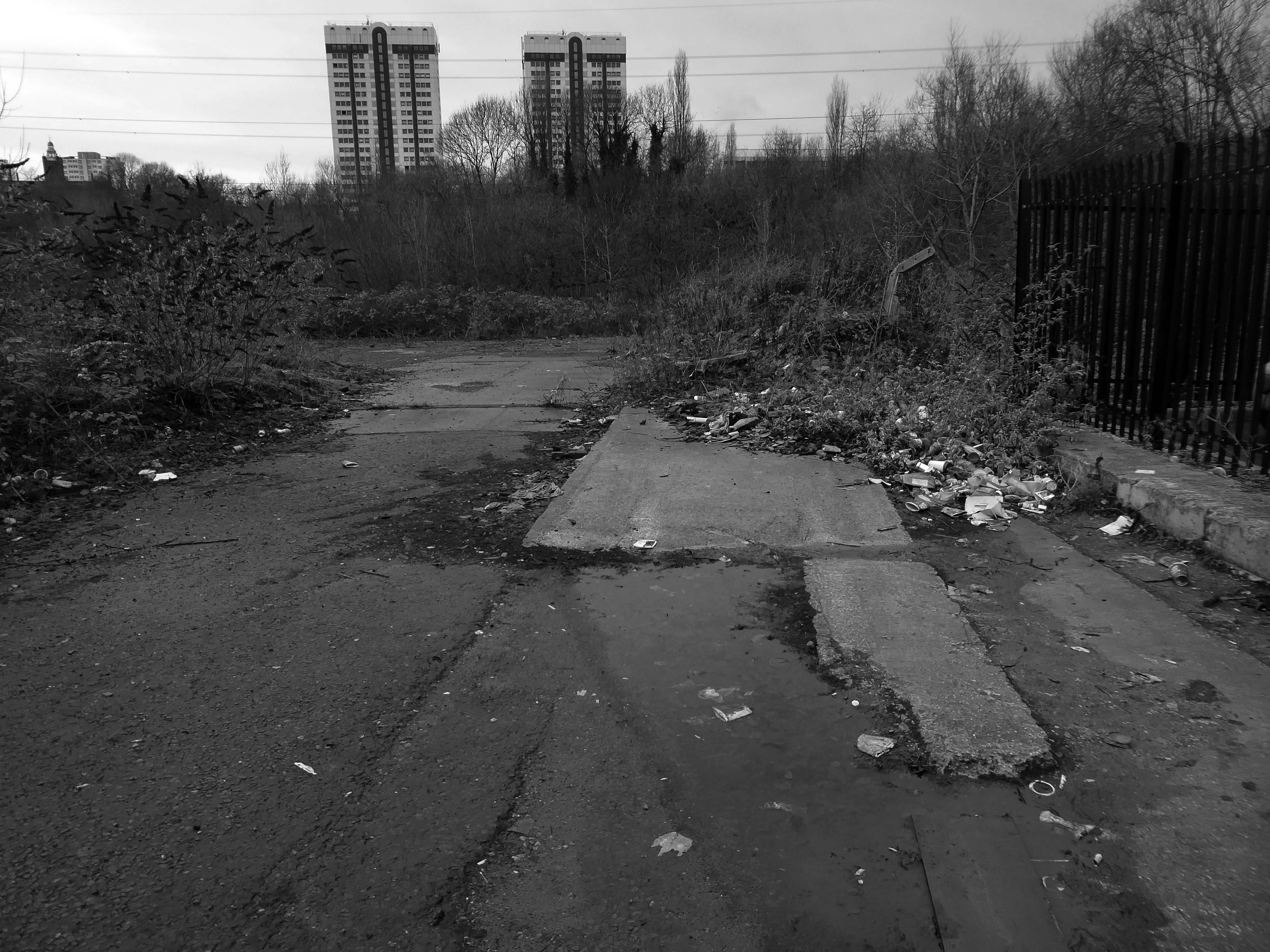
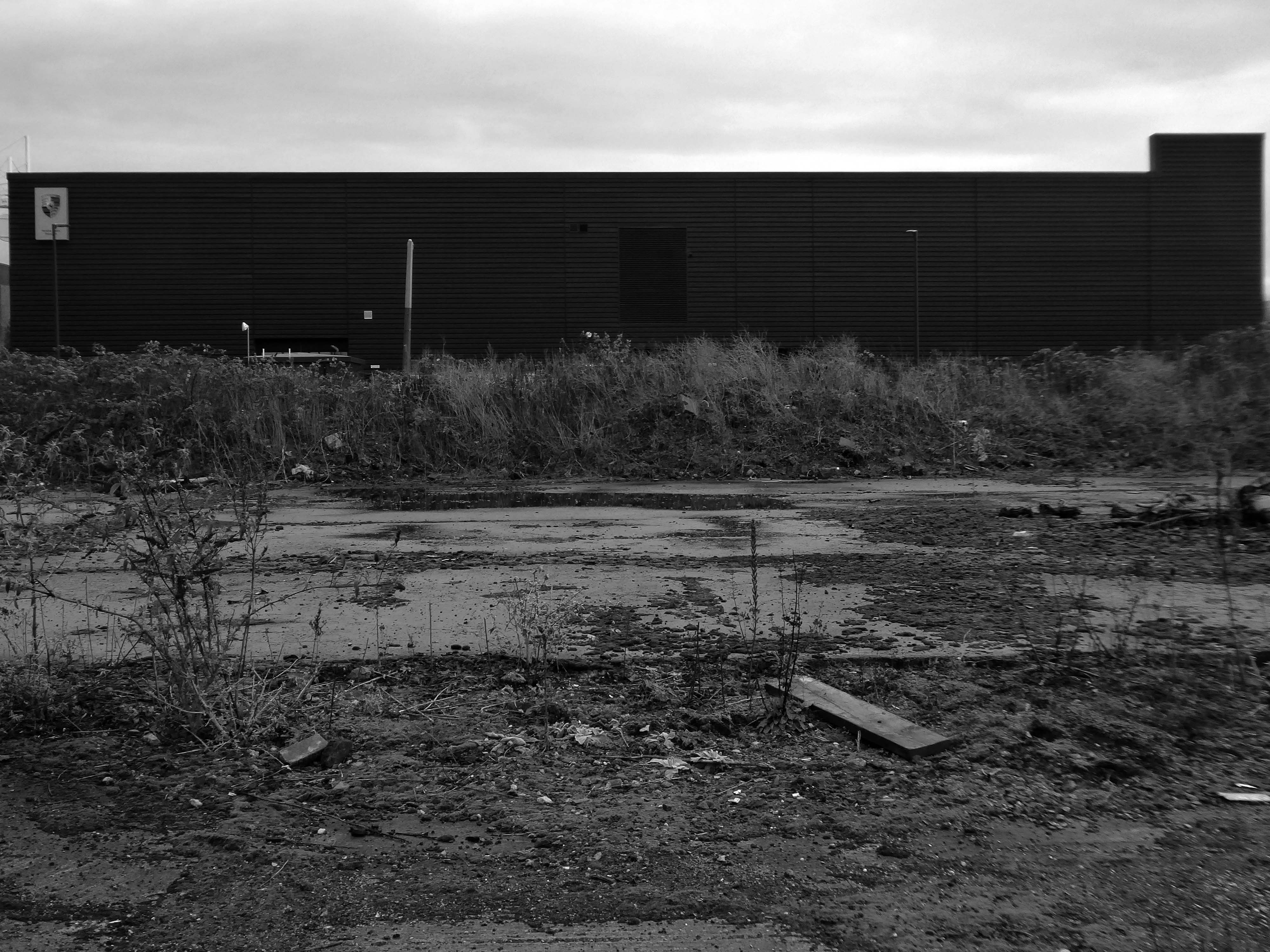
Now we are in the shadow of Tesco Extra and a recently opened Porsche dealership.
As of 2022, the supermarket chain had a brand value of roughly 9.91 billion US dollars.
Porsche Automobile Holding SE net worth as of January 2023 is 16.51 US dollars.
By the side of the River Tame and the M60 Motorway
The 19th-century industrial concentrations in the above-named urban areas resulted in the Tame being a much polluted waterway. As well as industrial pollution from the dyes and bleaches used in textile mills, effluent from specialised paper-making cigarette papers, engineering effluents, including base metal washings from battery manufacture, phenols from the huge coal-gas plant in Denton, rain-wash from roads and abandoned coal spoil heaps there was also the sewage effluent from the surrounding population. Up to two-thirds of the river’s flow at its confluence with the Goyt had passed through a sewage works. The anti-pollution efforts of the last thirty years of the 20th century have resulted in positive fauna distributions.
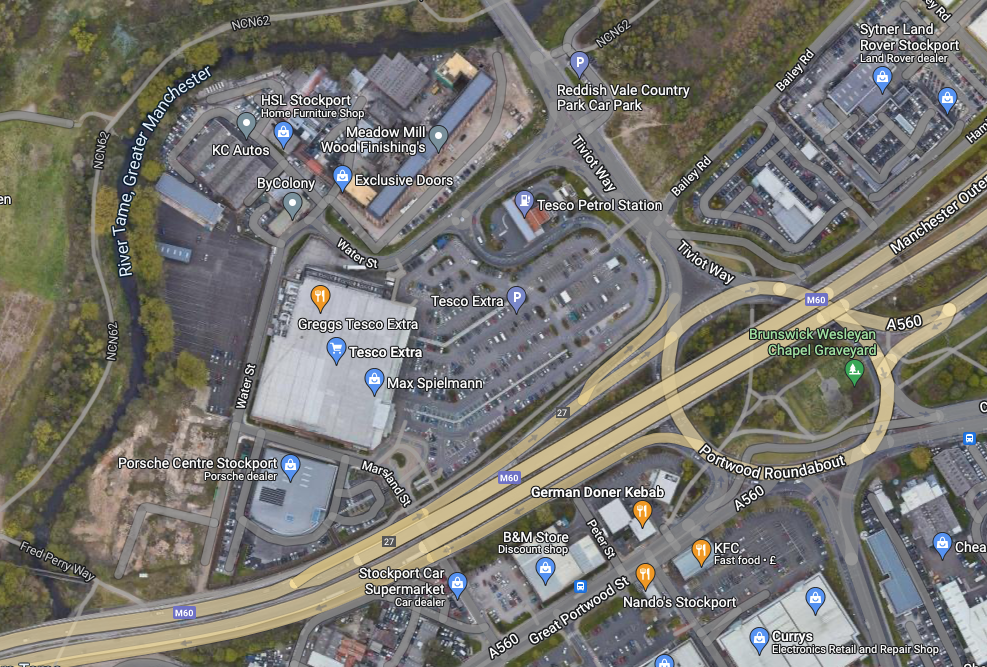
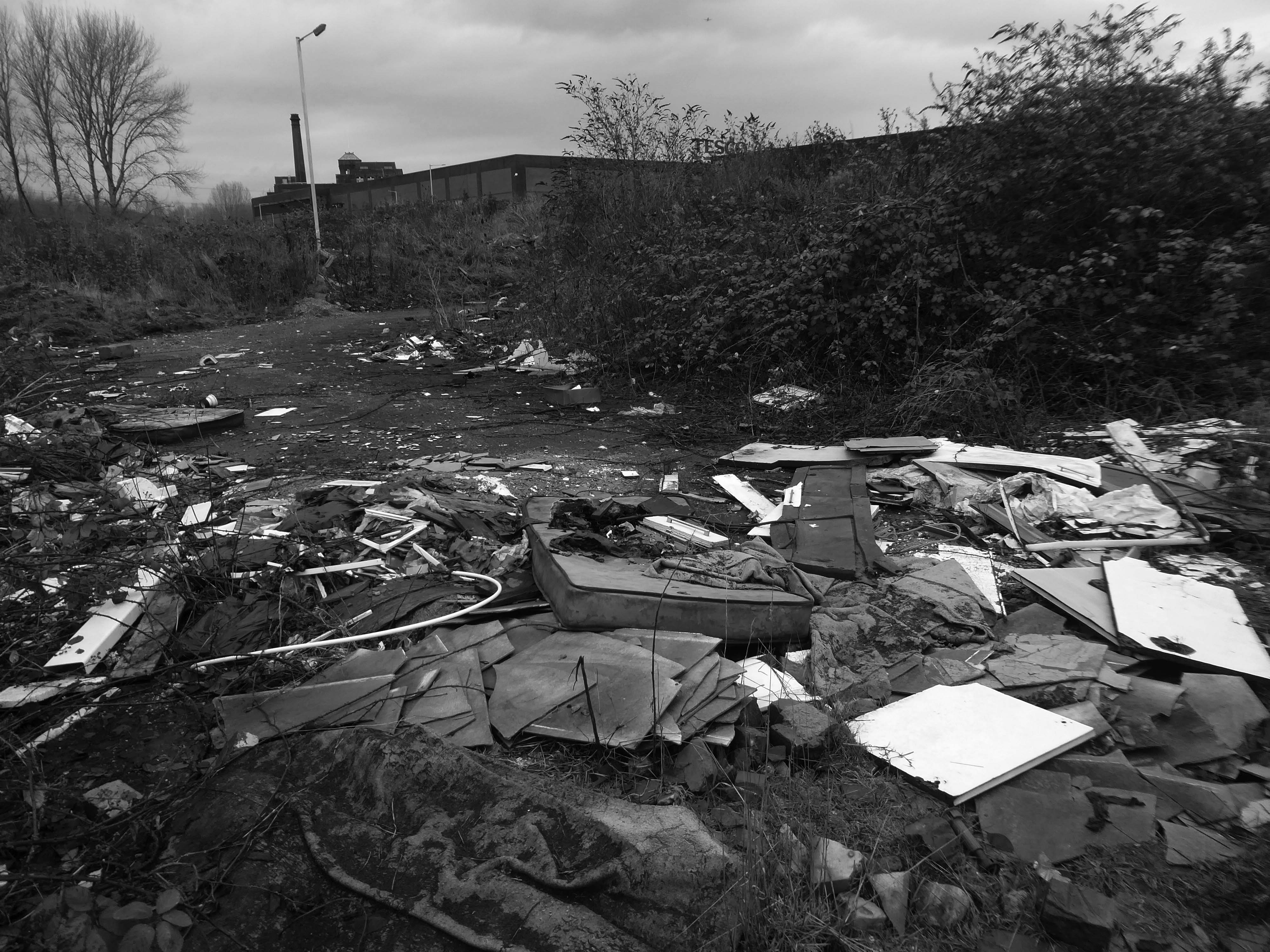
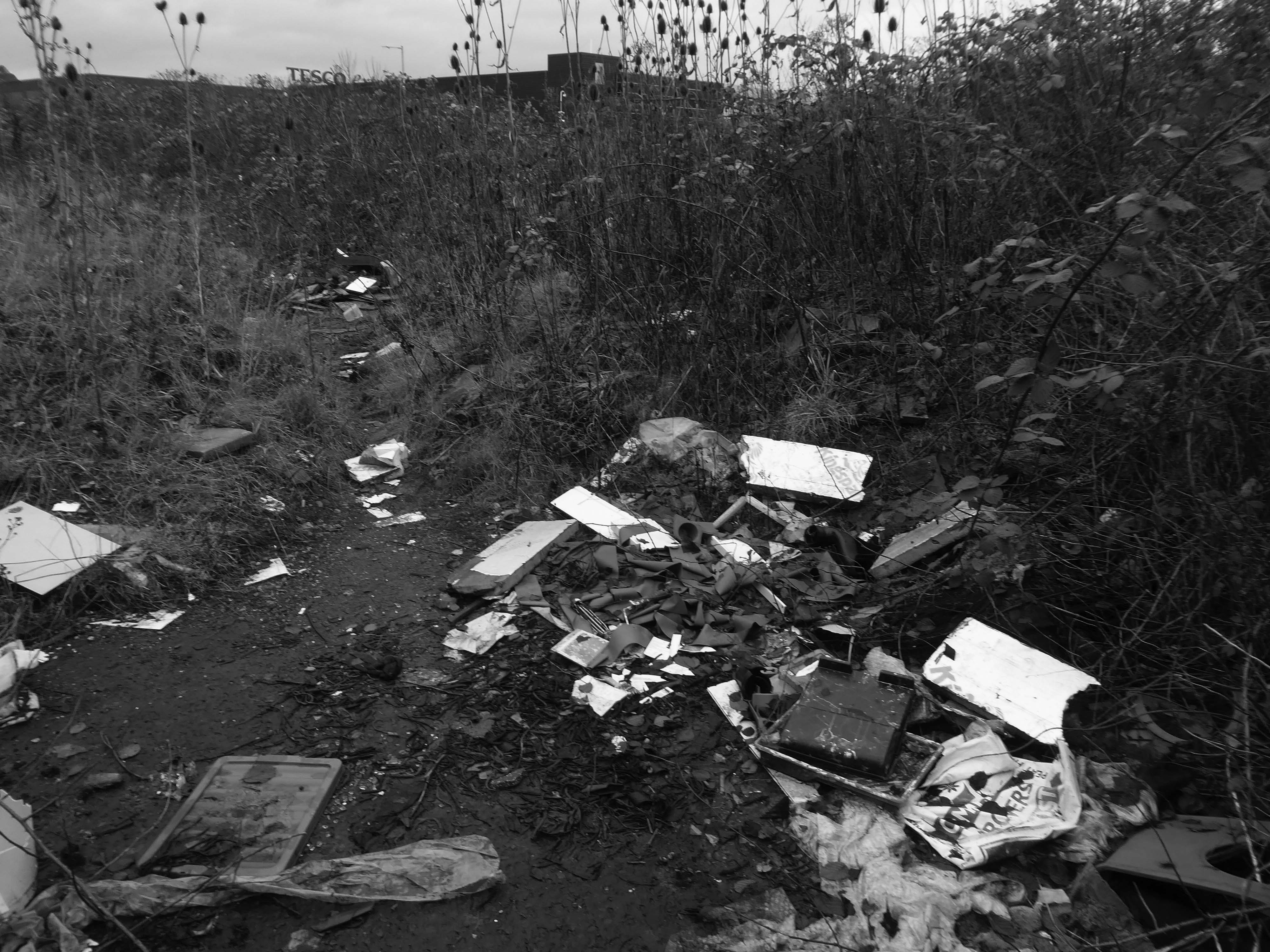
There is a plot of land to the left of Porsche which remains undeveloped, I often walk around this area, what would have once been for myself and others the place of childhood high jinx.
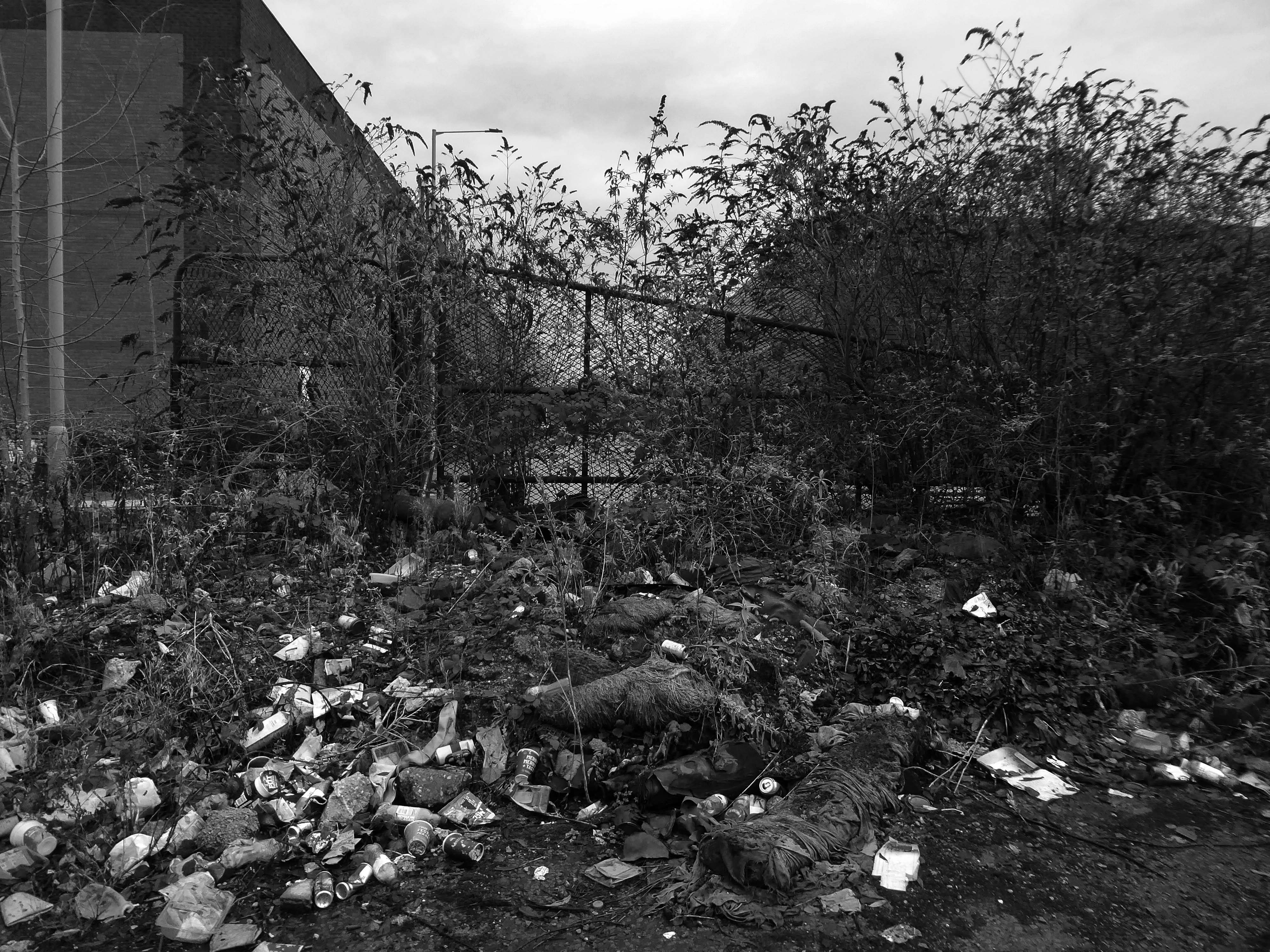
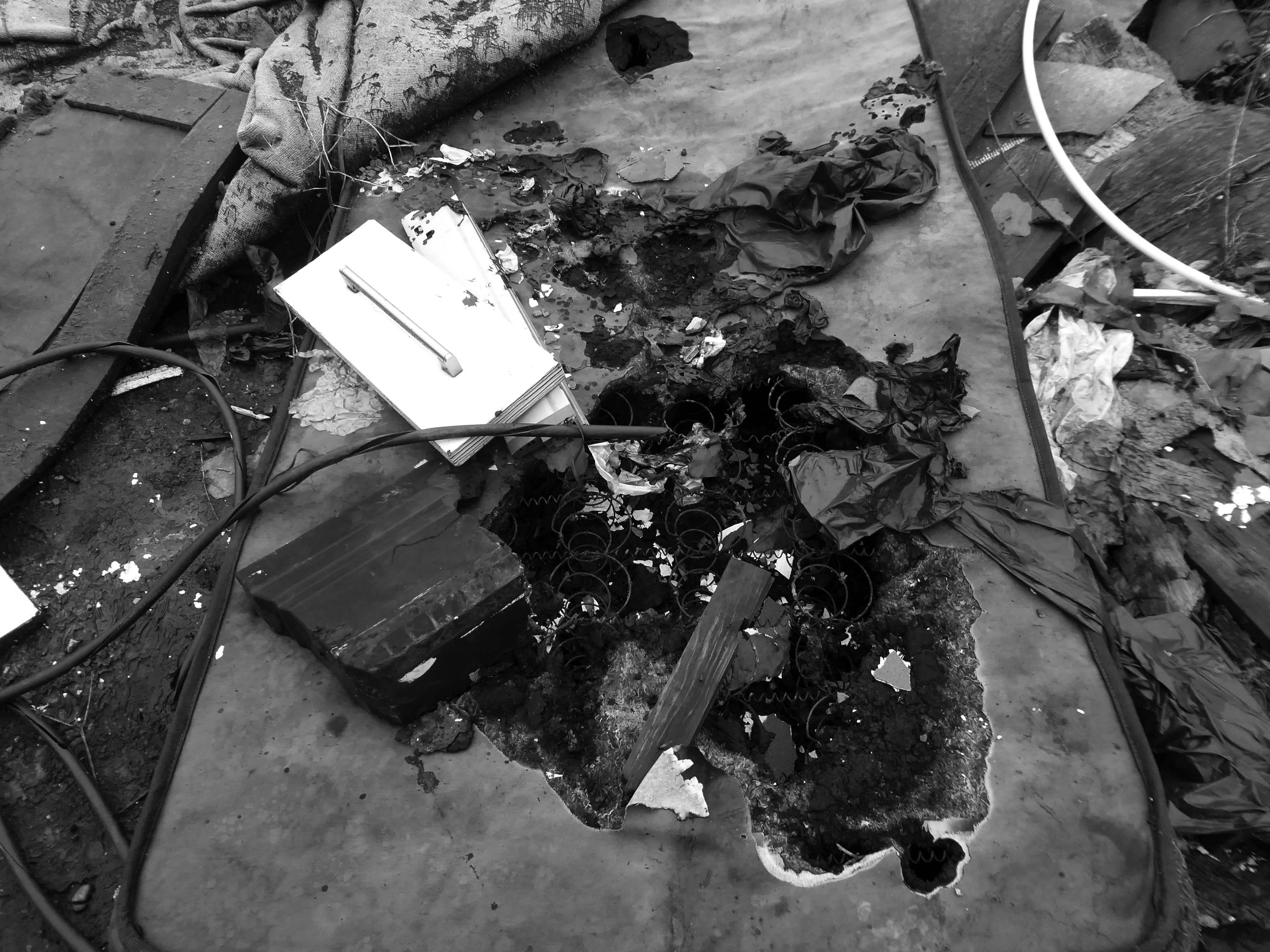
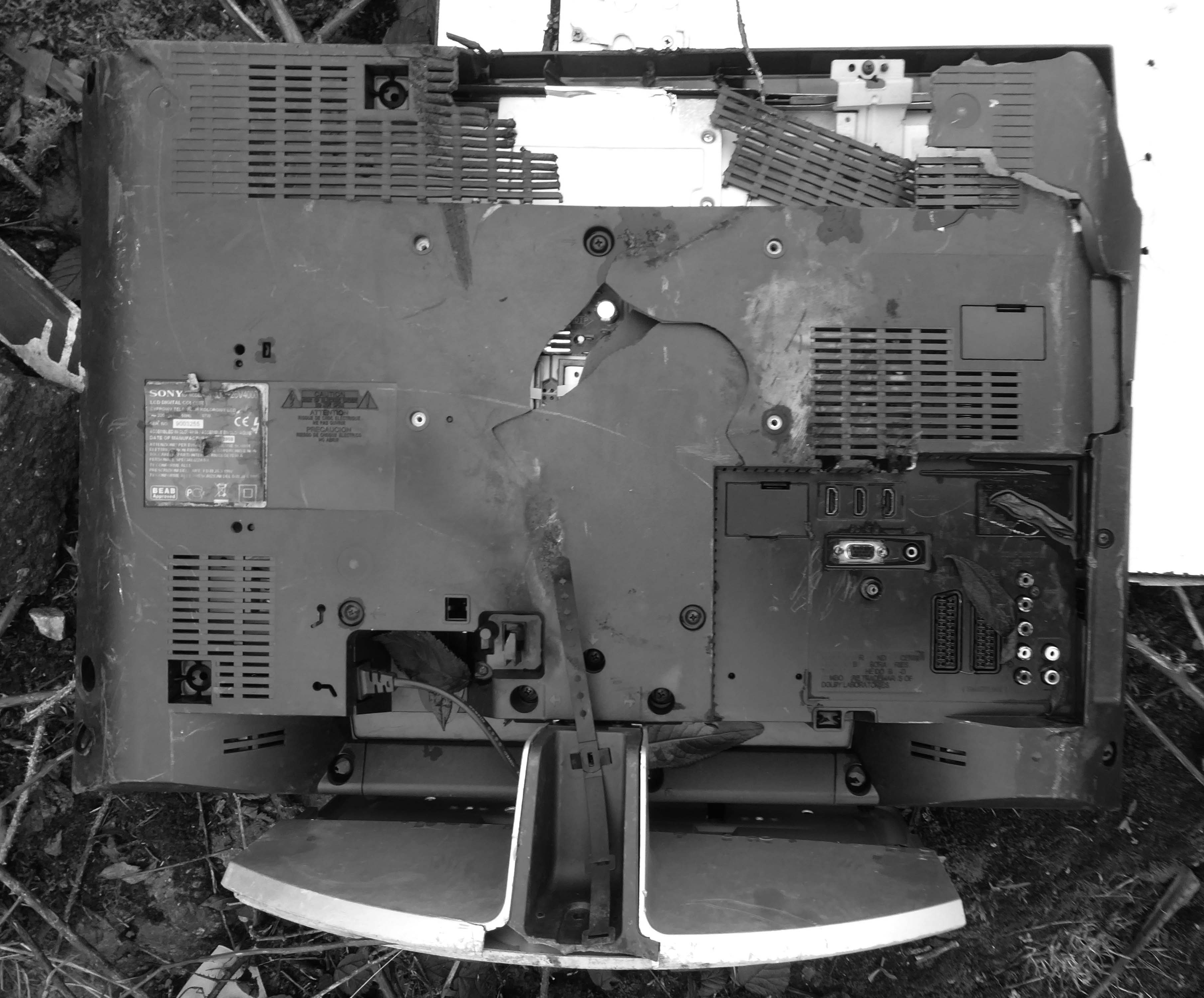
Now it is the domain of the fly-tipper, the home of the homeless, a war zone for a species which has declared war upon itself.
A desert of detritus, interpolated with tangles of brambles, seas of teasels and the ubiquitous buddleia.
This is the unofficial showroom for the unofficial Anthropocene Epoch – always crashing in a different car, during increasingly unseasonal weather, the superabundance of abundance.
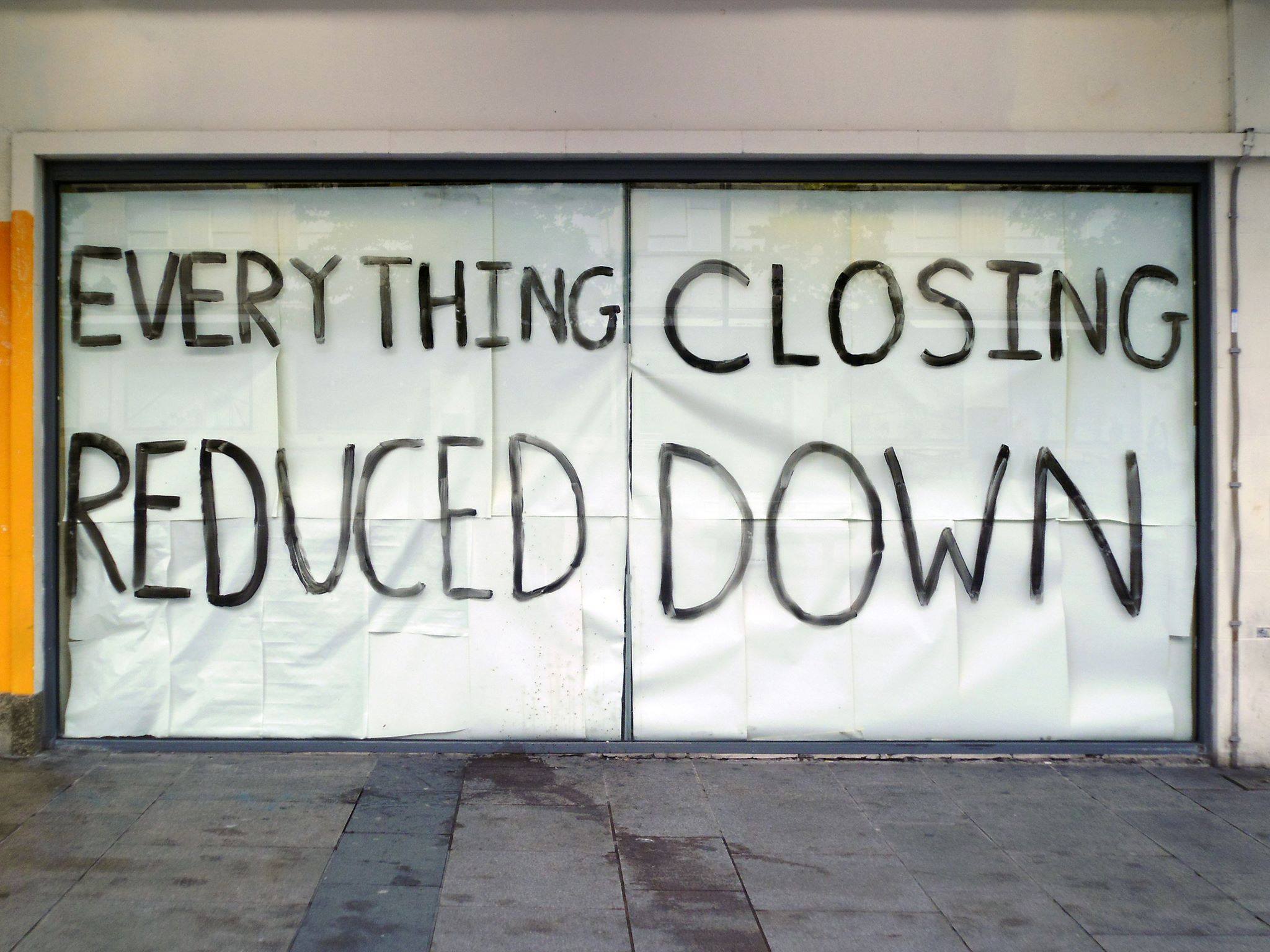
It seems that the sun may set on us, before the sun finally sets.

Let’s take a peep at Portwood.
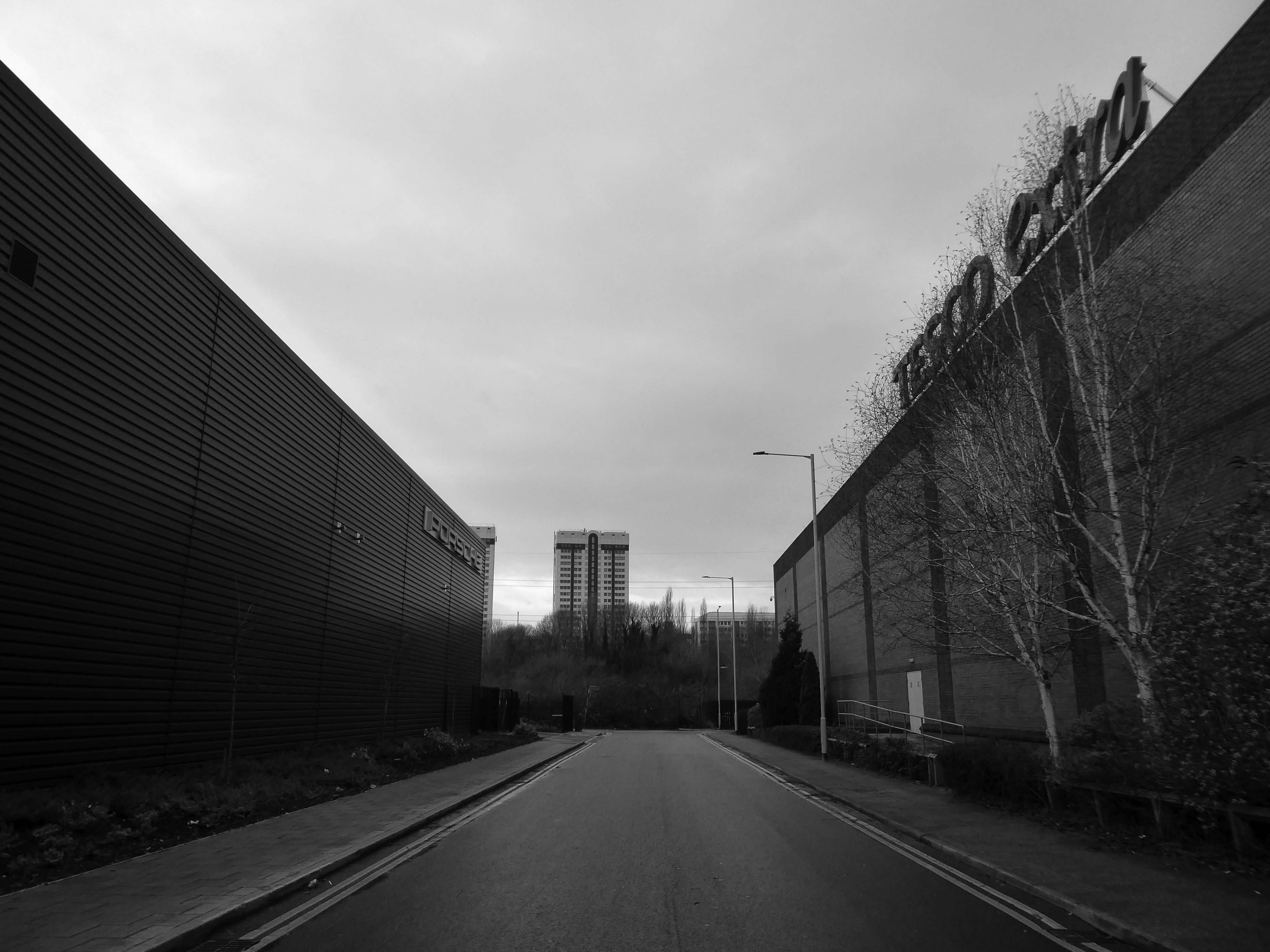


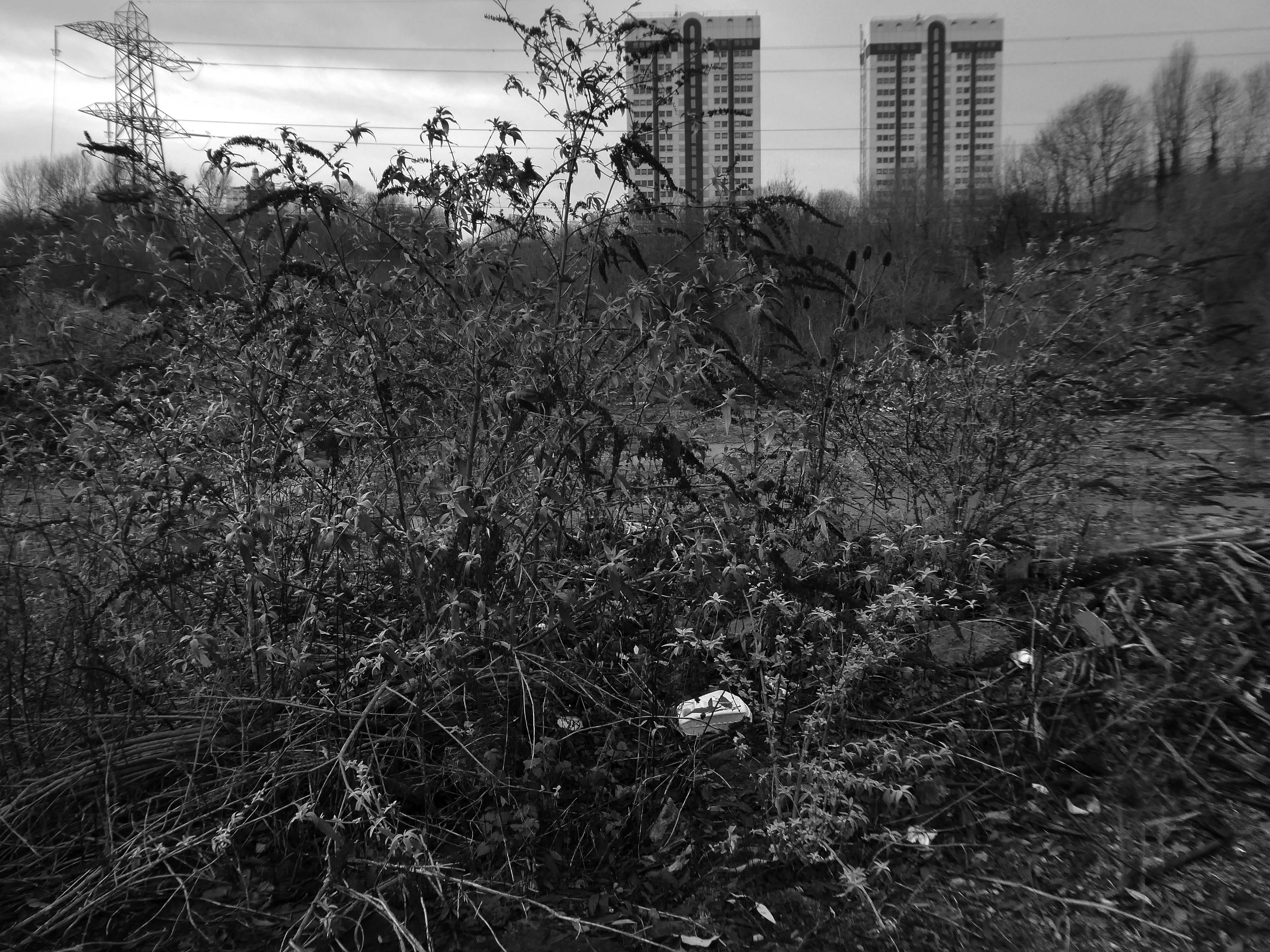
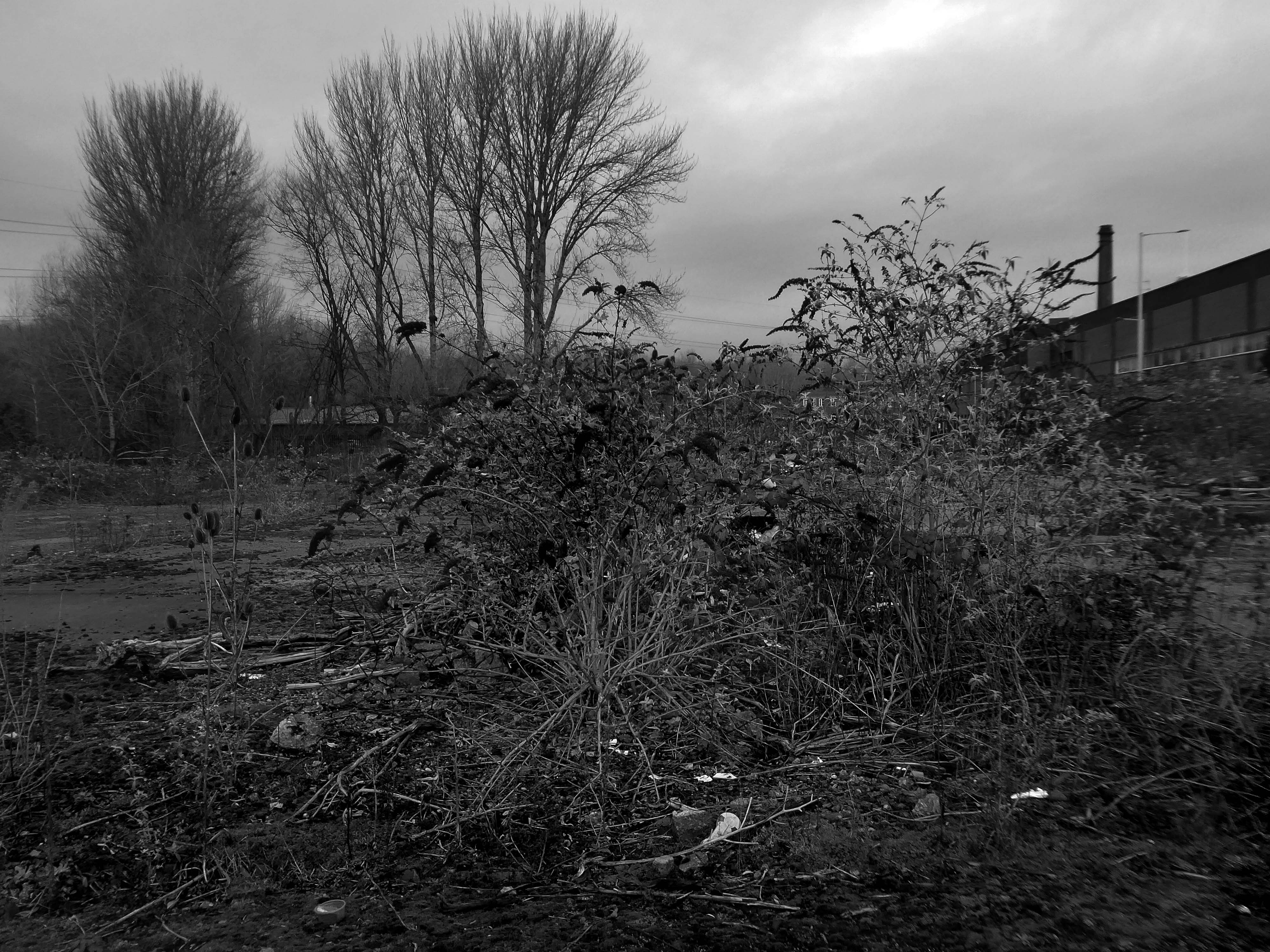
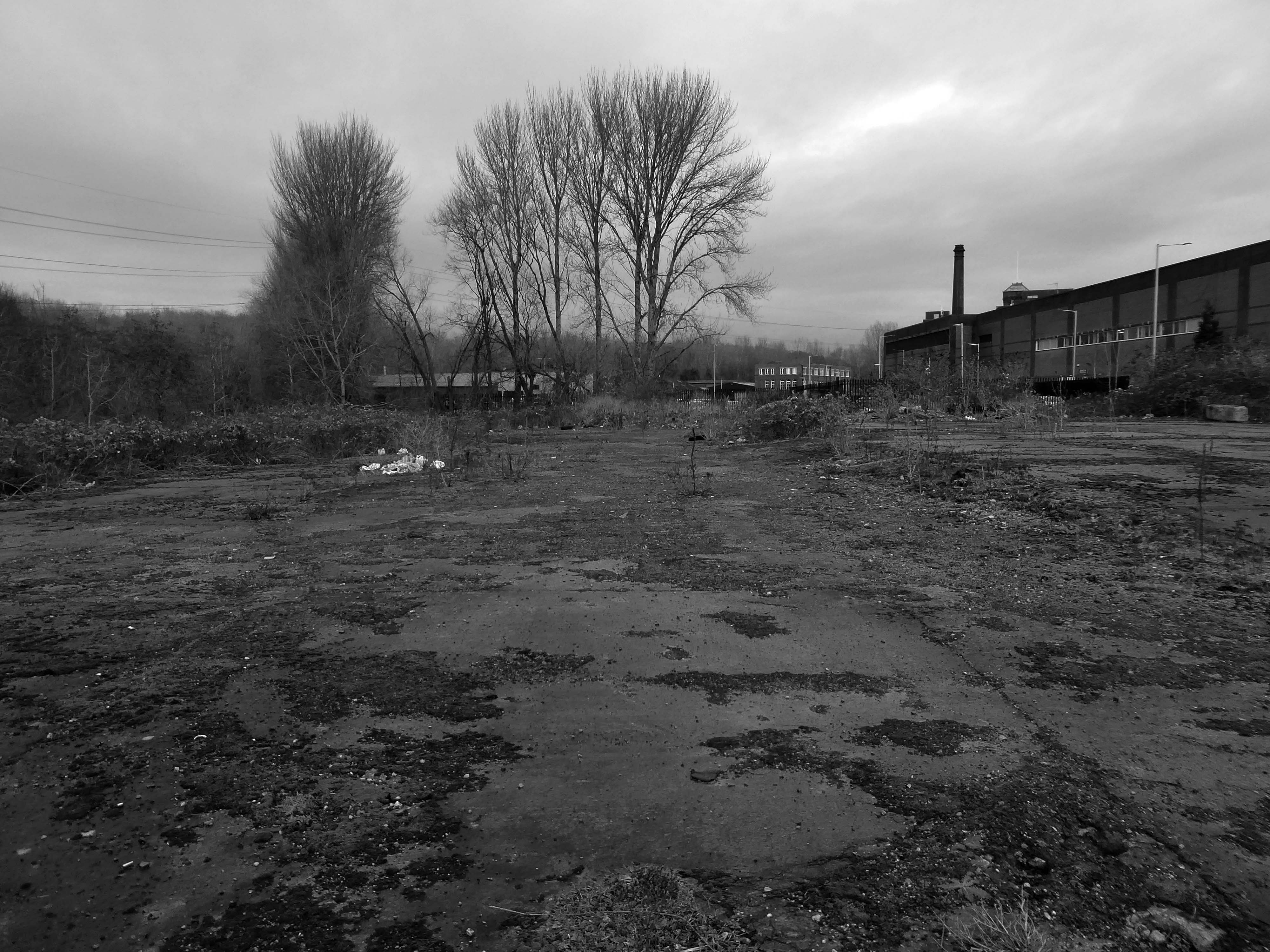
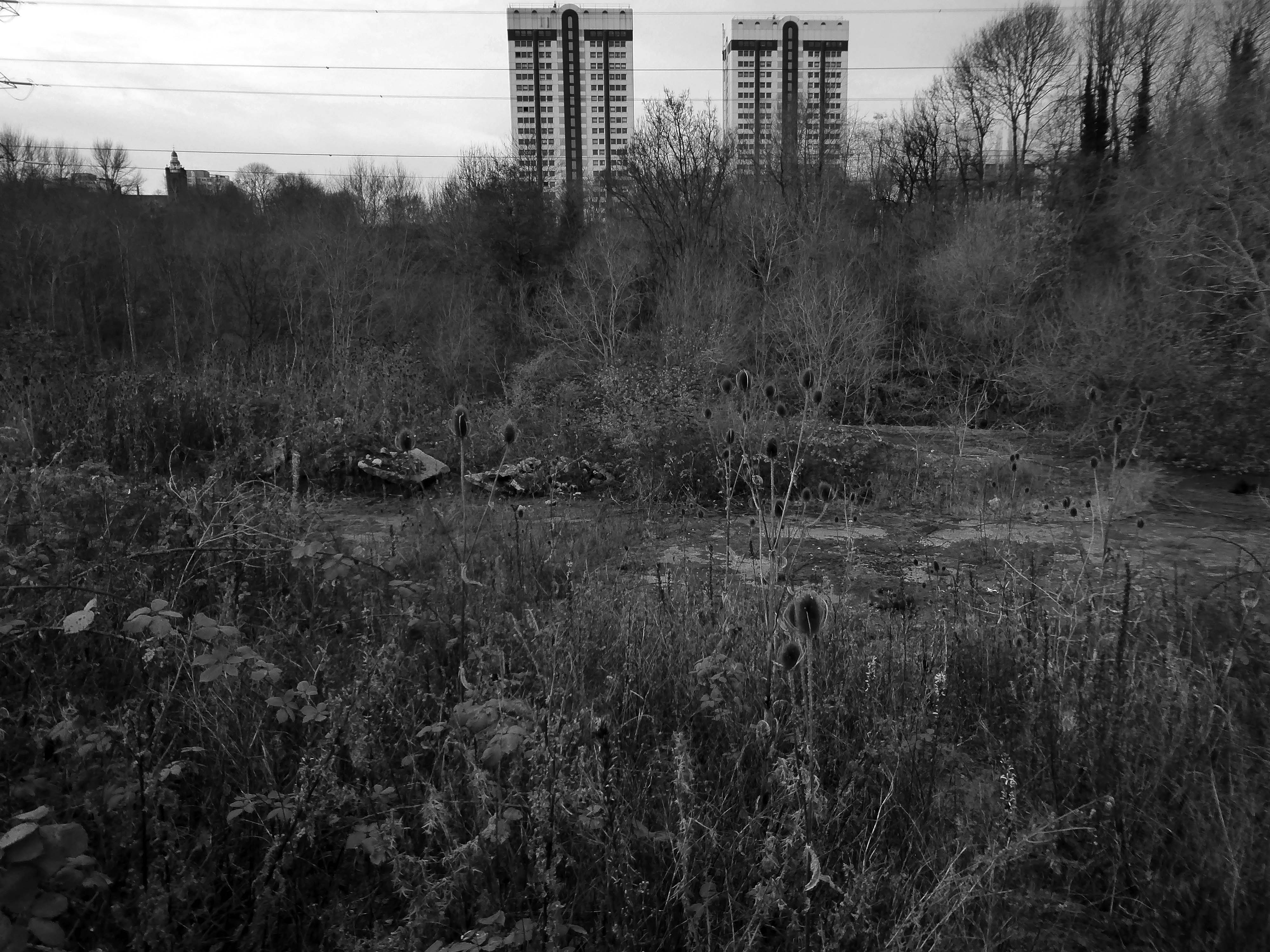
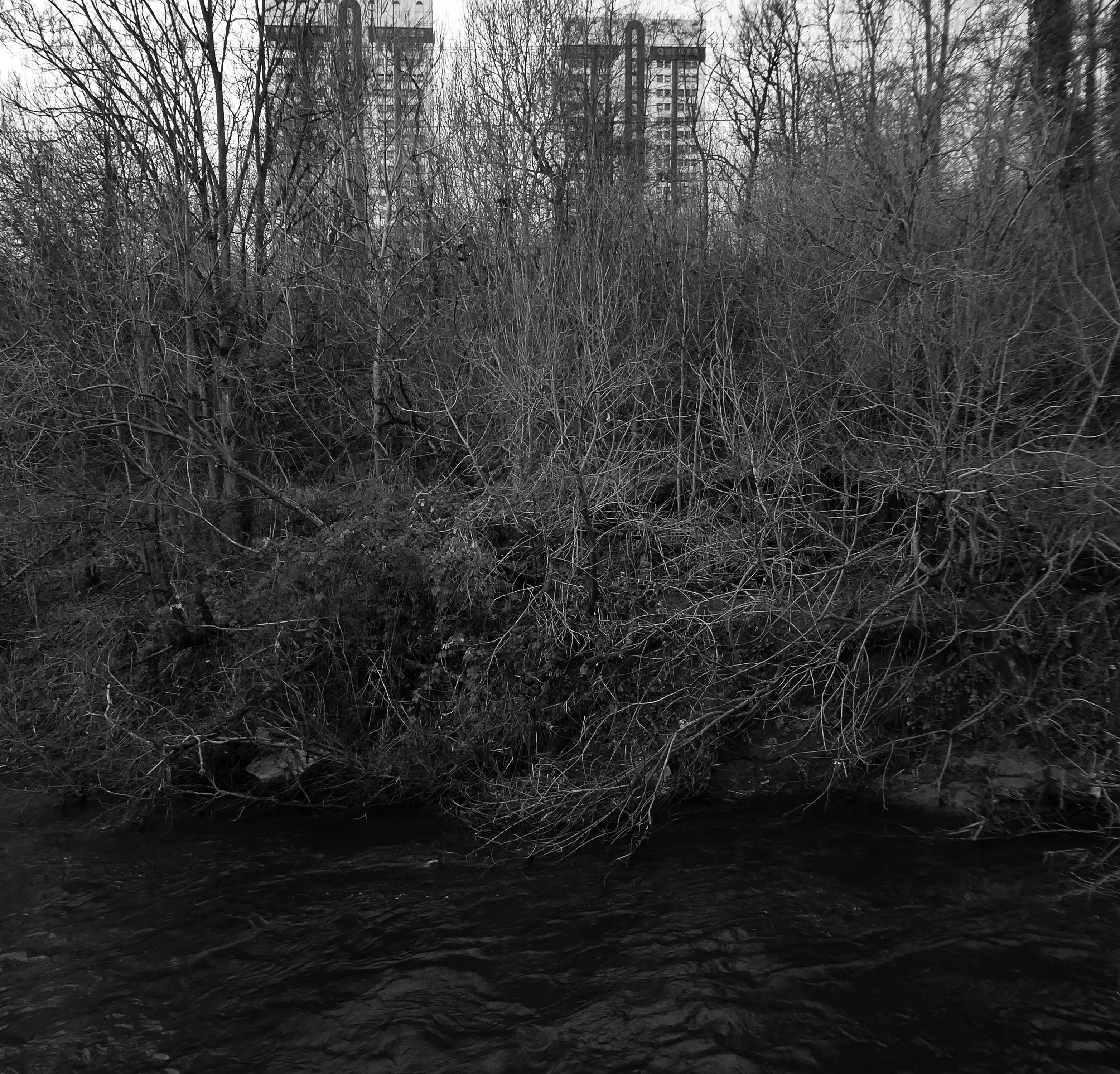
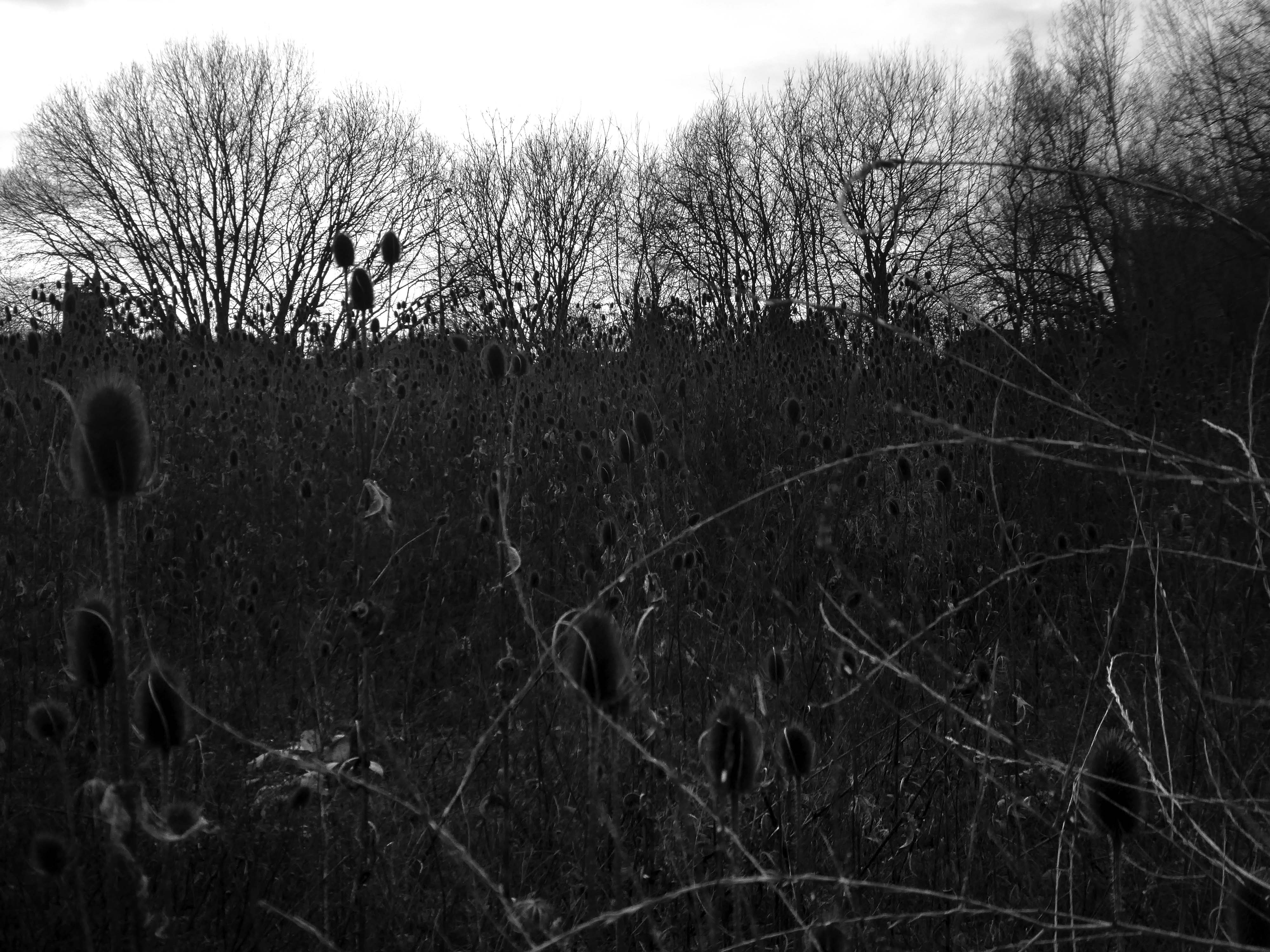

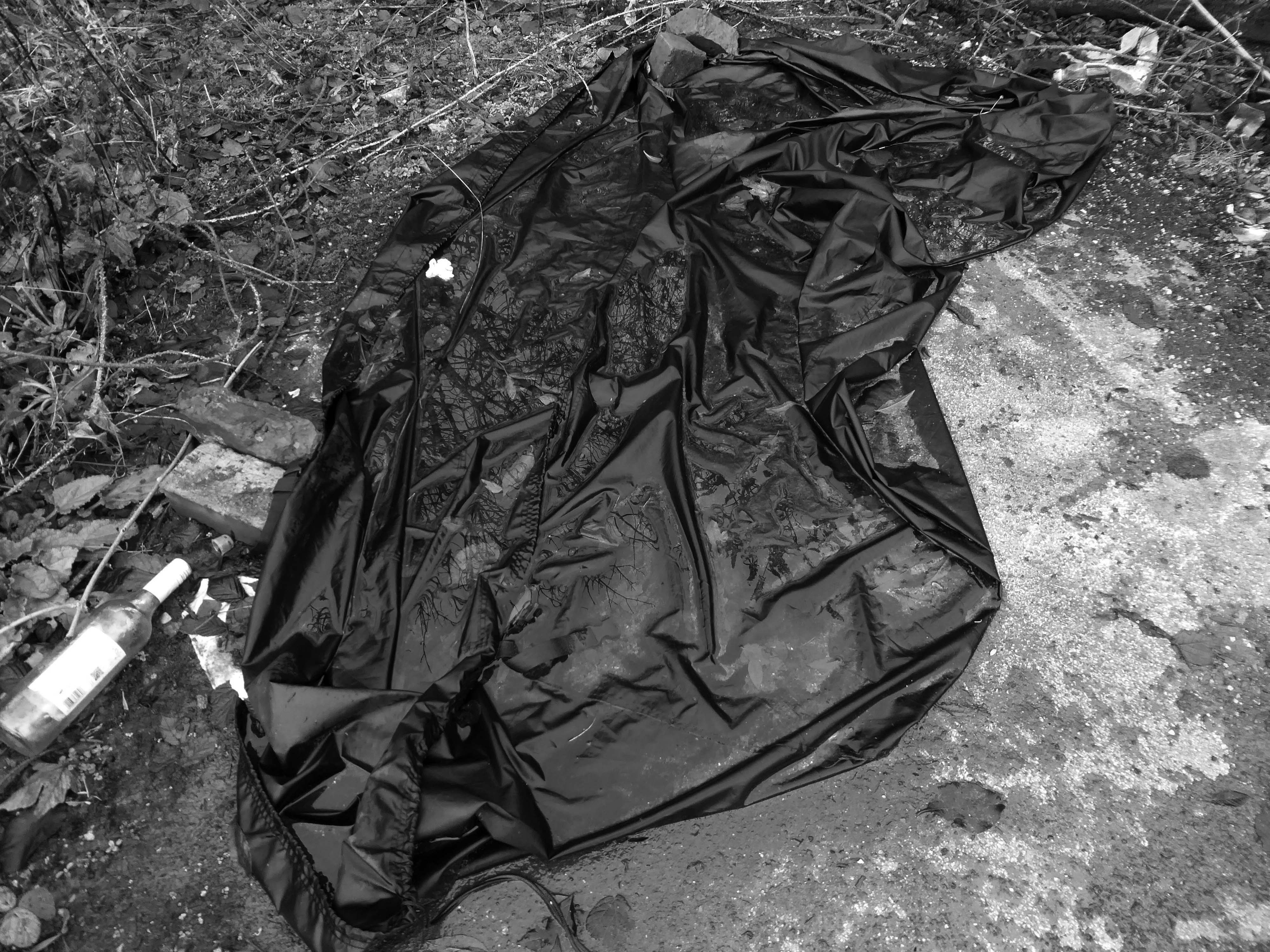
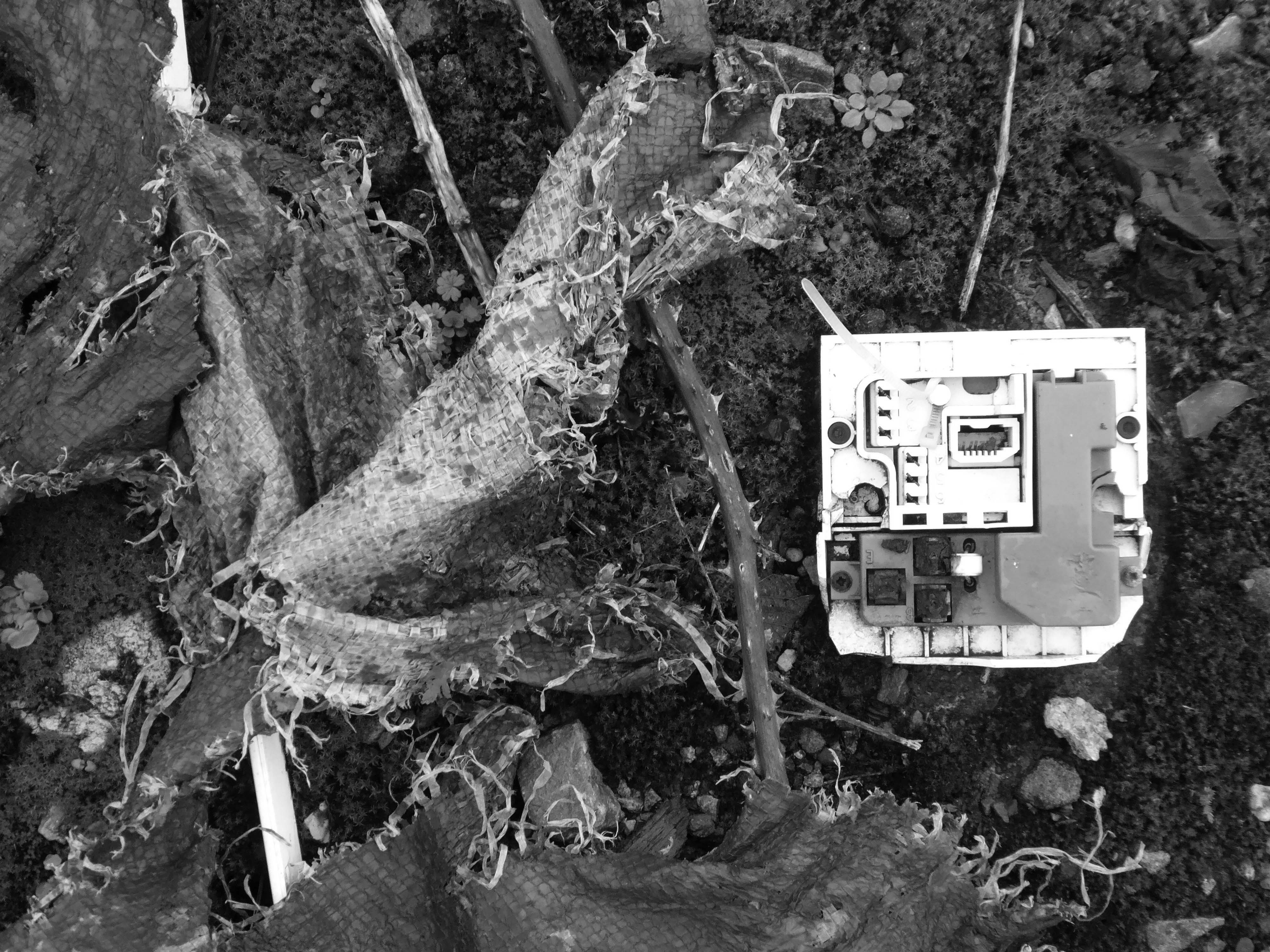
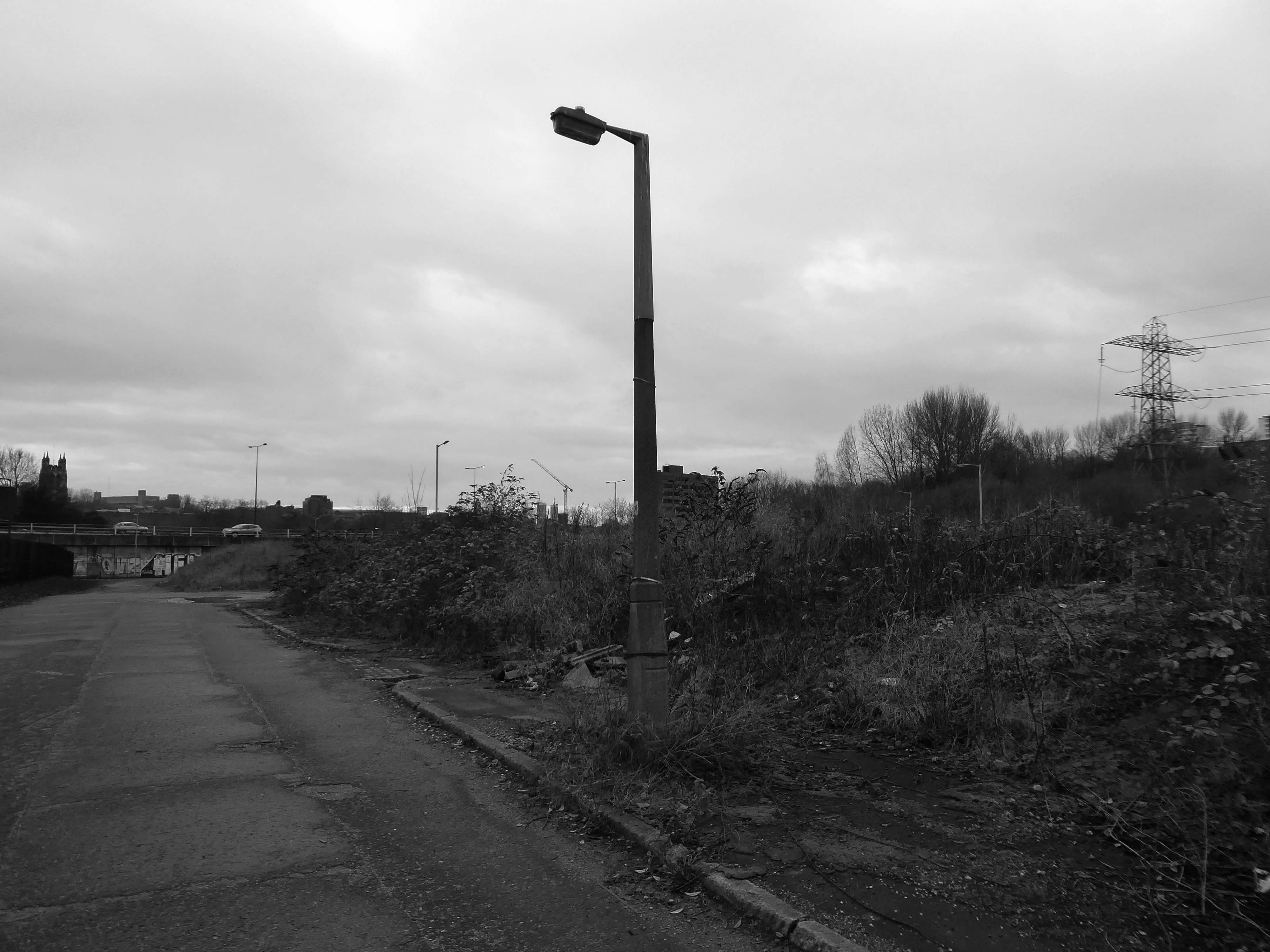
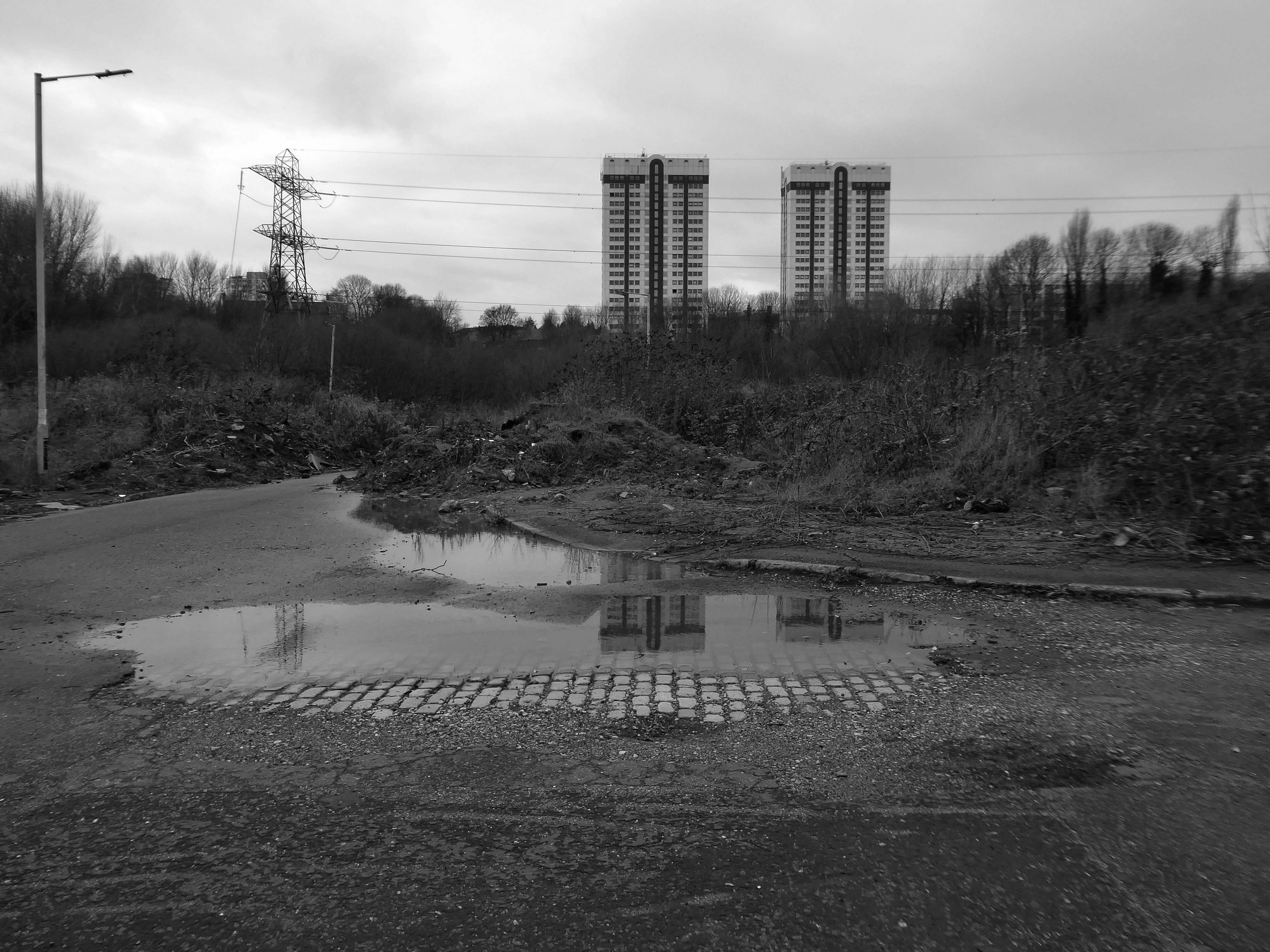

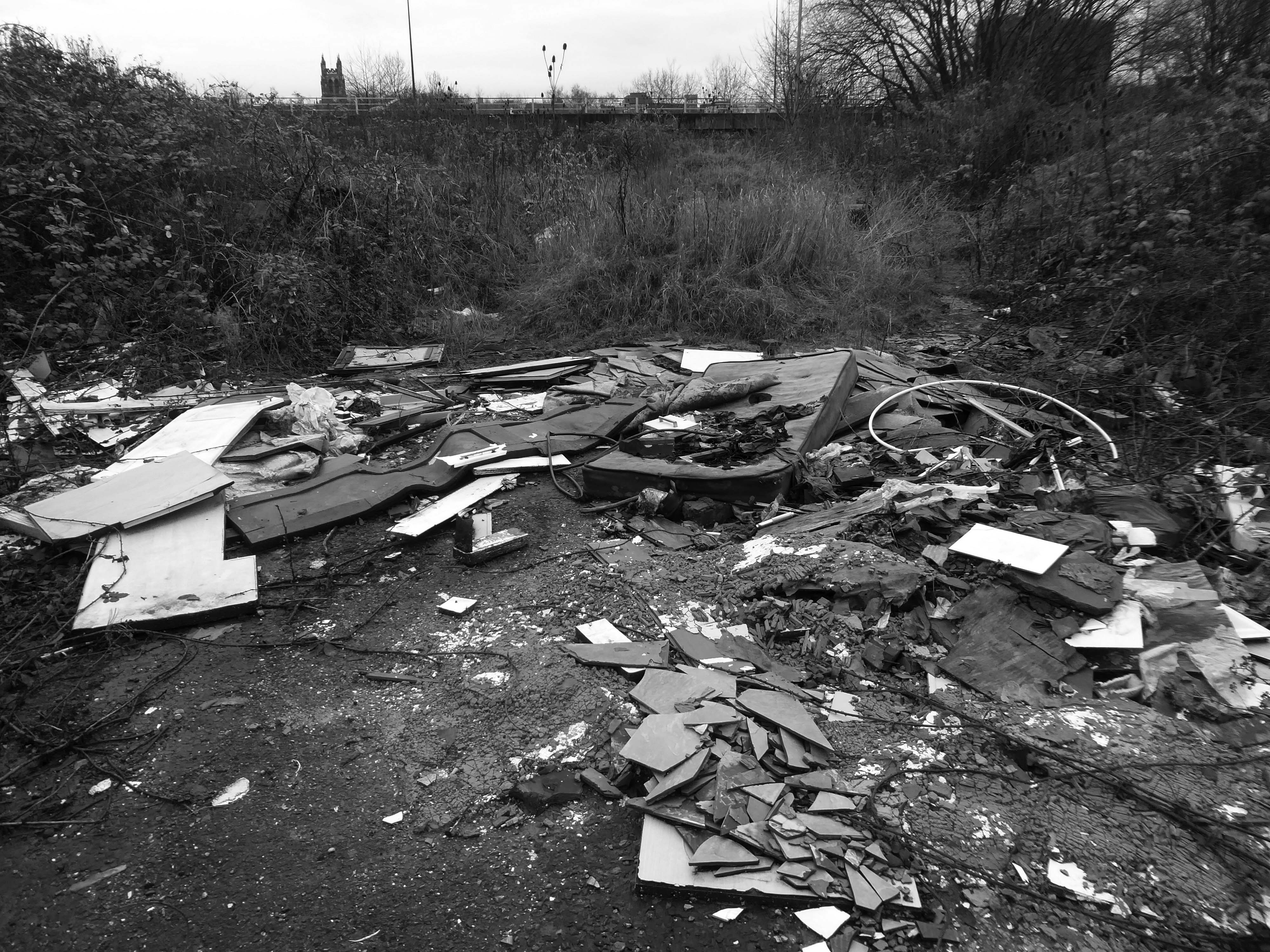


Game over.
Vehicle use affects our whole quality of local life. Traffic can be dangerous and intimidating, dividing communities and making street life unpleasant, whilst air pollution and traffic noise can make urban living uncomfortable.
The impacts of mass consumption are: Misuse of land and resources, exporting pollution and waste from rich countries to poor countries, obesity due to excessive consumption, a cycle of waste, disparities and poverty.

I have been outside several times in 2016 again in 2020 – never inside.
Let’s take a look:


Photos – Blackpool Gazette
So whilst in town for a stroll I strolled by once again, the main block now tagged and tinned up.
Whilst the Courts are still in use, until they make their move in 2025, stasis seems to be the order of the day.
There are no signs as yet of the proposed redevelopment of the site.

Some day maybe
Councillors have approved a compulsory purchase order to complete the land assembly for the £300m Blackpool Central project but still hope to negotiate terms with property owners.
Blackpool Council’s executive unanimously agreed the recommendation towards enabling the Central Car Park to be transformed into a leisure destination boasting a flying theatre, virtual reality rides, a thrill and gaming zone, multi-media exhibition space and themed dining areas.
Let’s veer off the promenade and assess the situation.


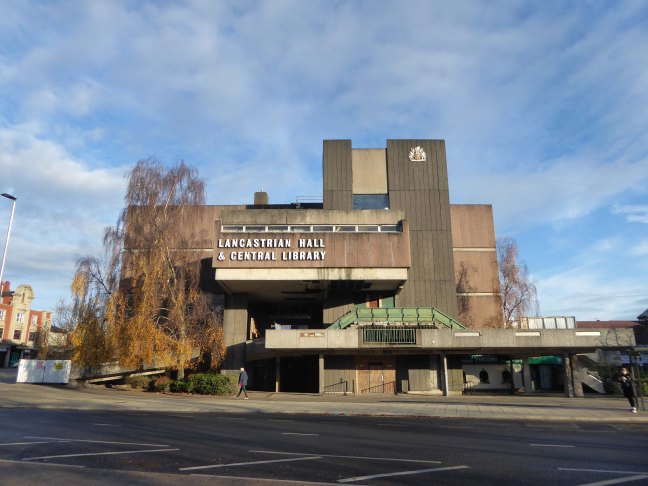
Completed in 1969 to designs by Leach Rhodes and Walker in collaboration with the Borough Engineer John Whittaker
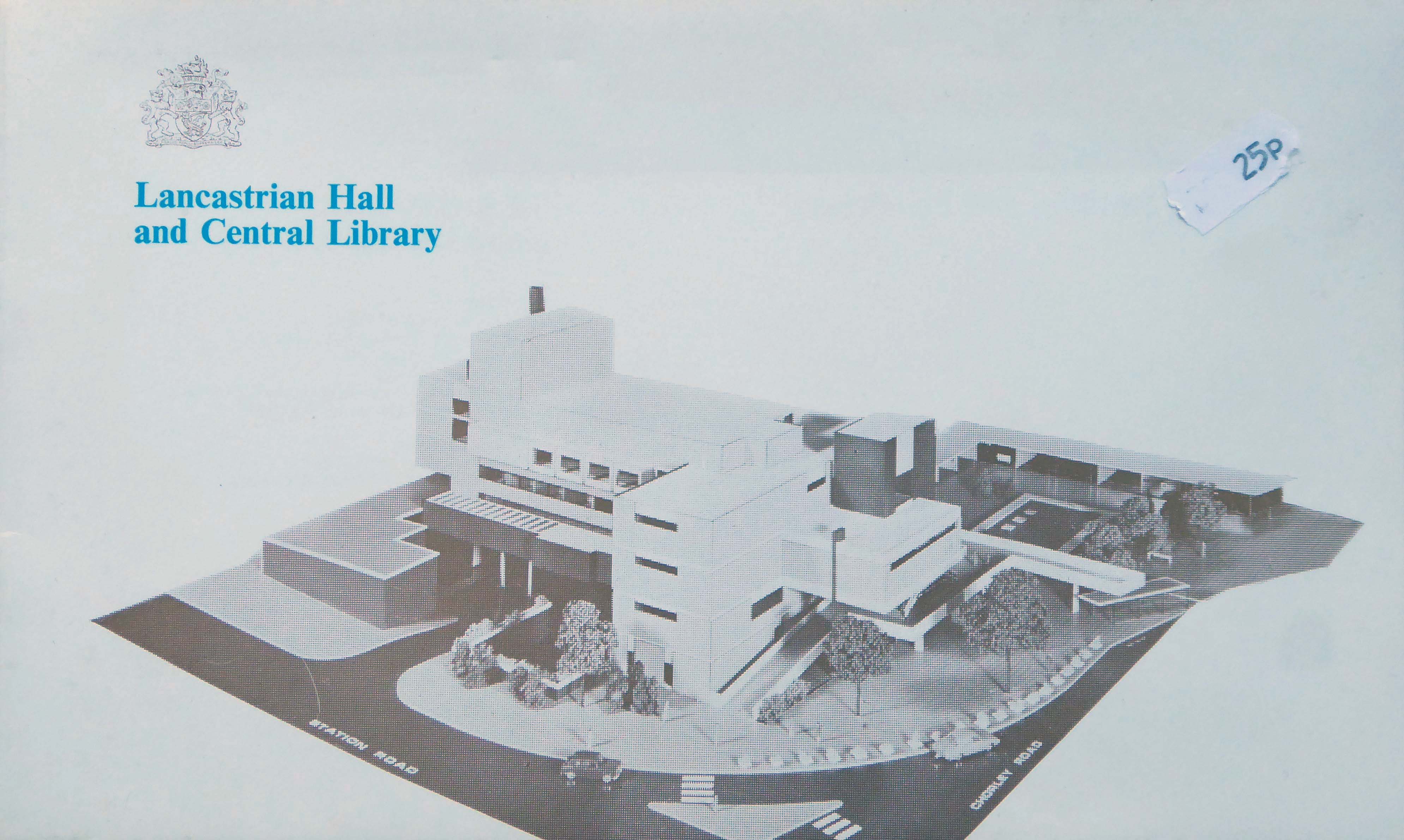
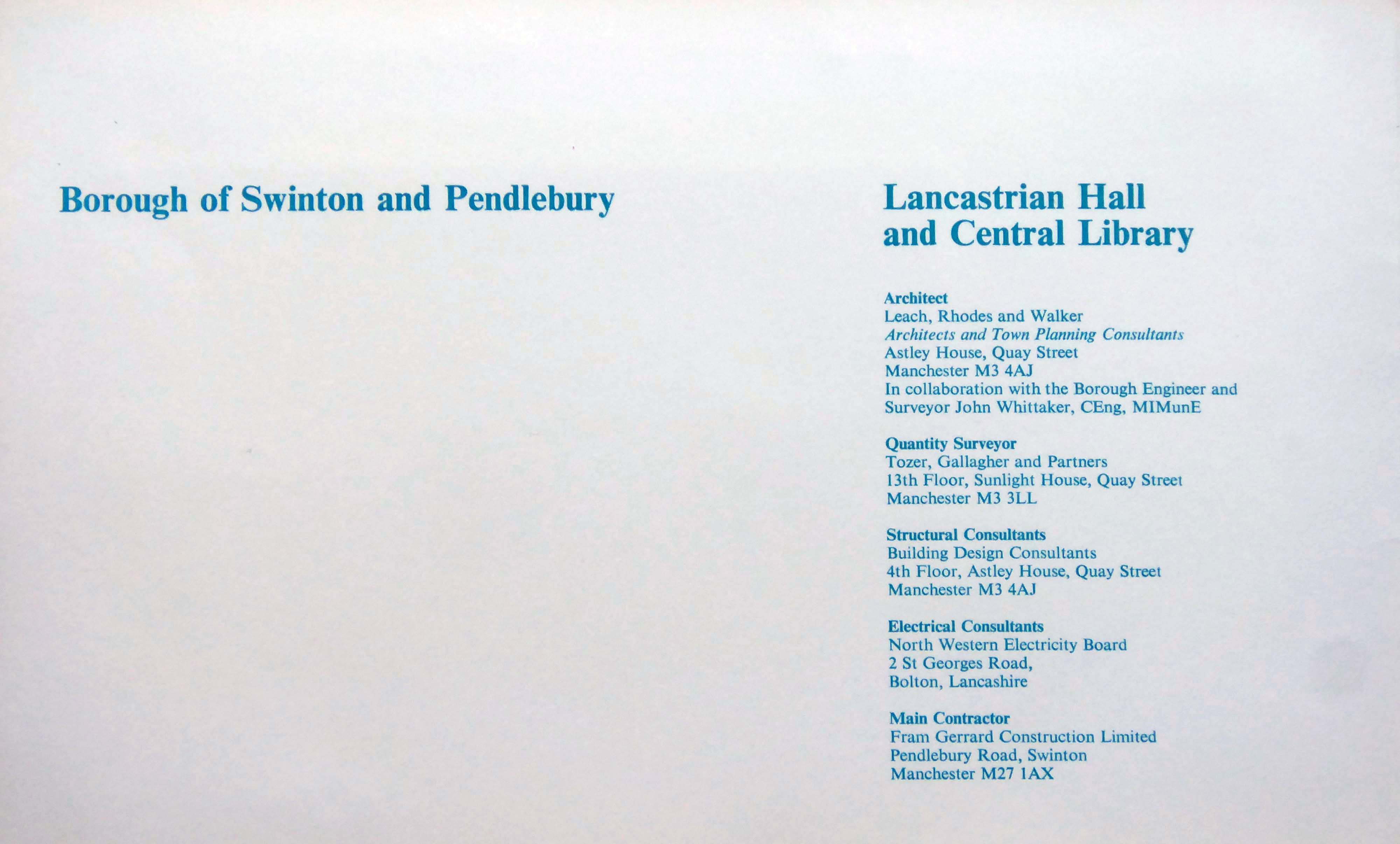
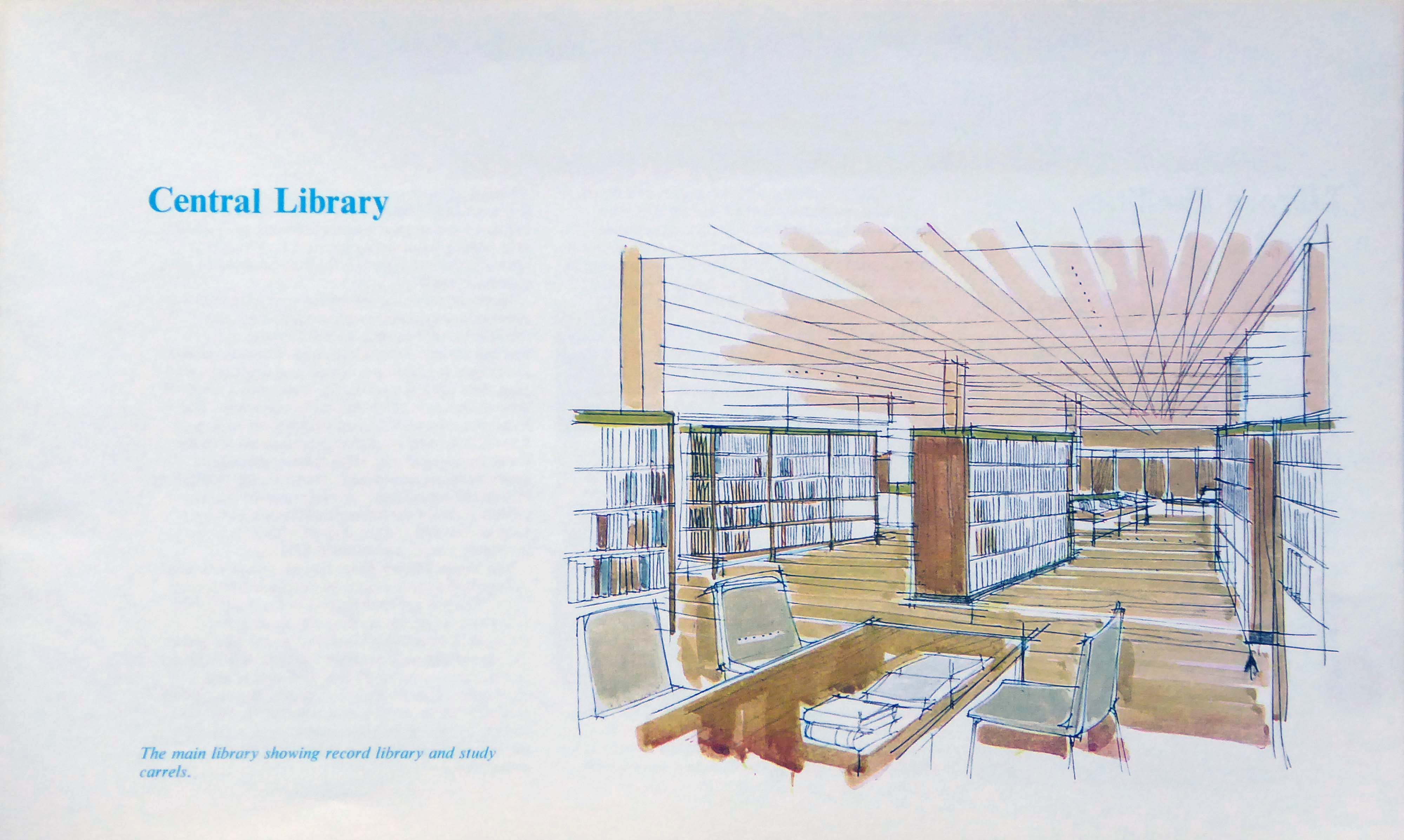

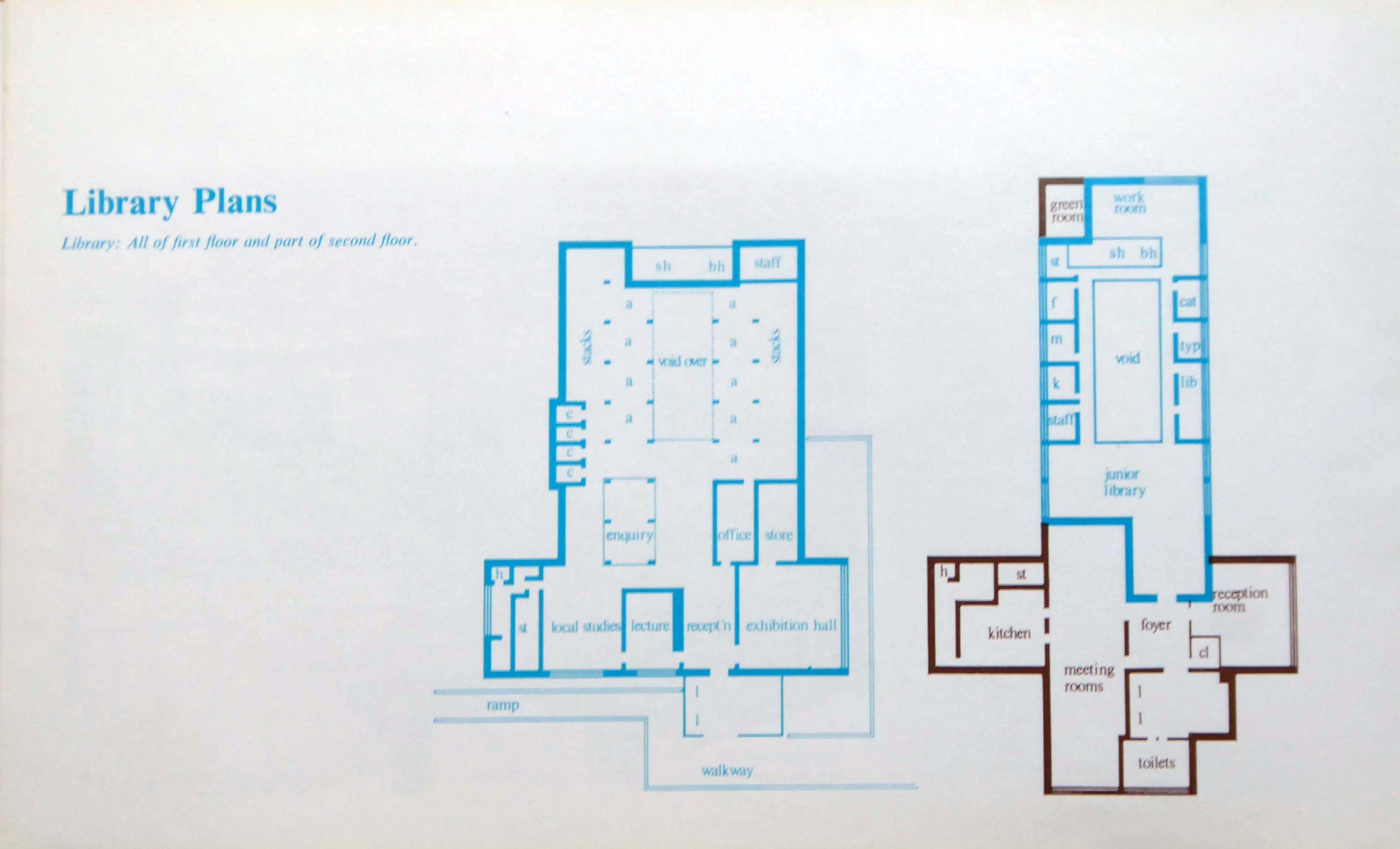
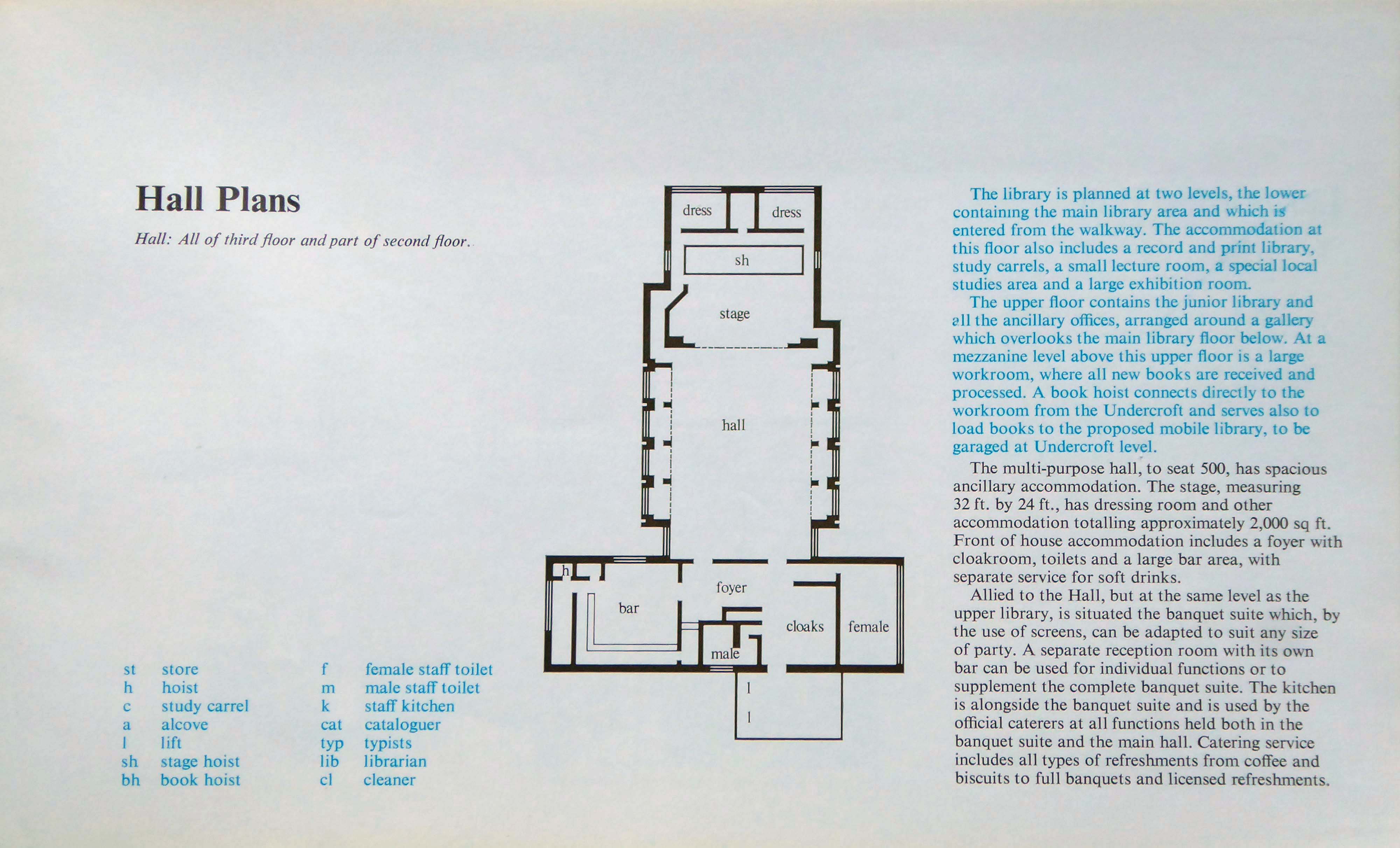
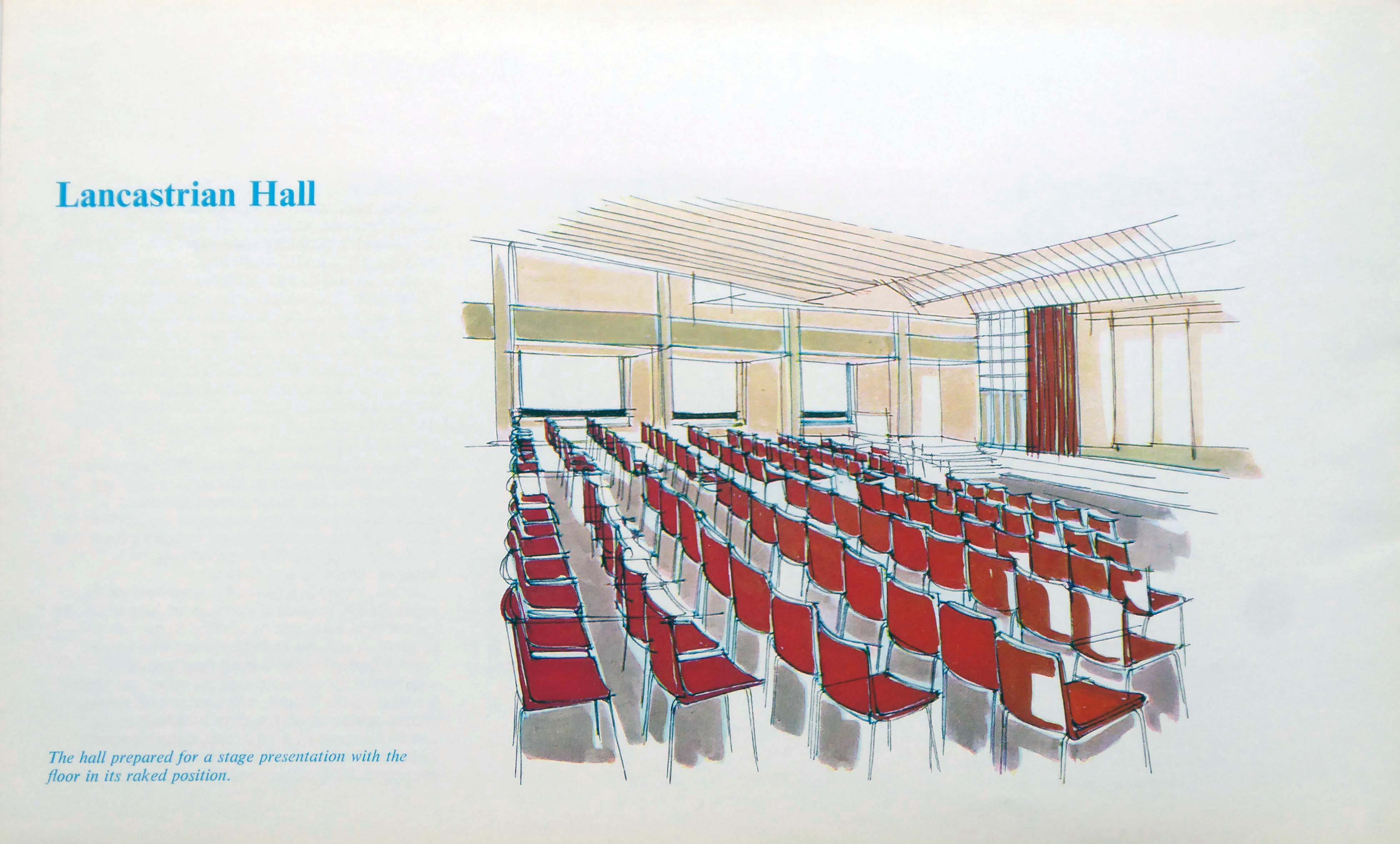

Constructed at the tail end of the Sixties – the last gasp of Municipal Modernism in the Borough, providing education, edification and entertainment for the local population.
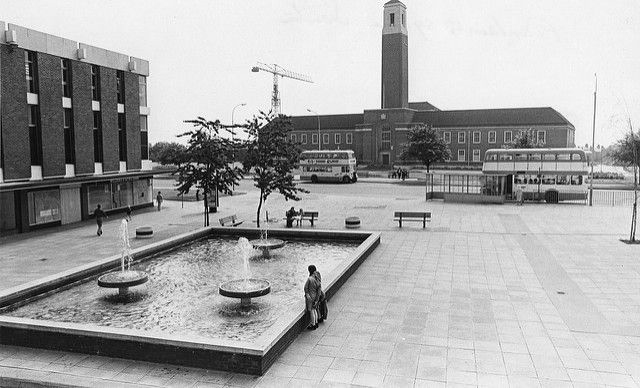
The fountain is gone, the building is closed – the party’s over.
The Fast Cars are history – well they were history, until I was told that they are still speeding along!

A council has spent £348,000 on a masterplan for a town centre that the public has never seen.
Consultants have been used to come up with ideas to regenerate Swinton in Salford.
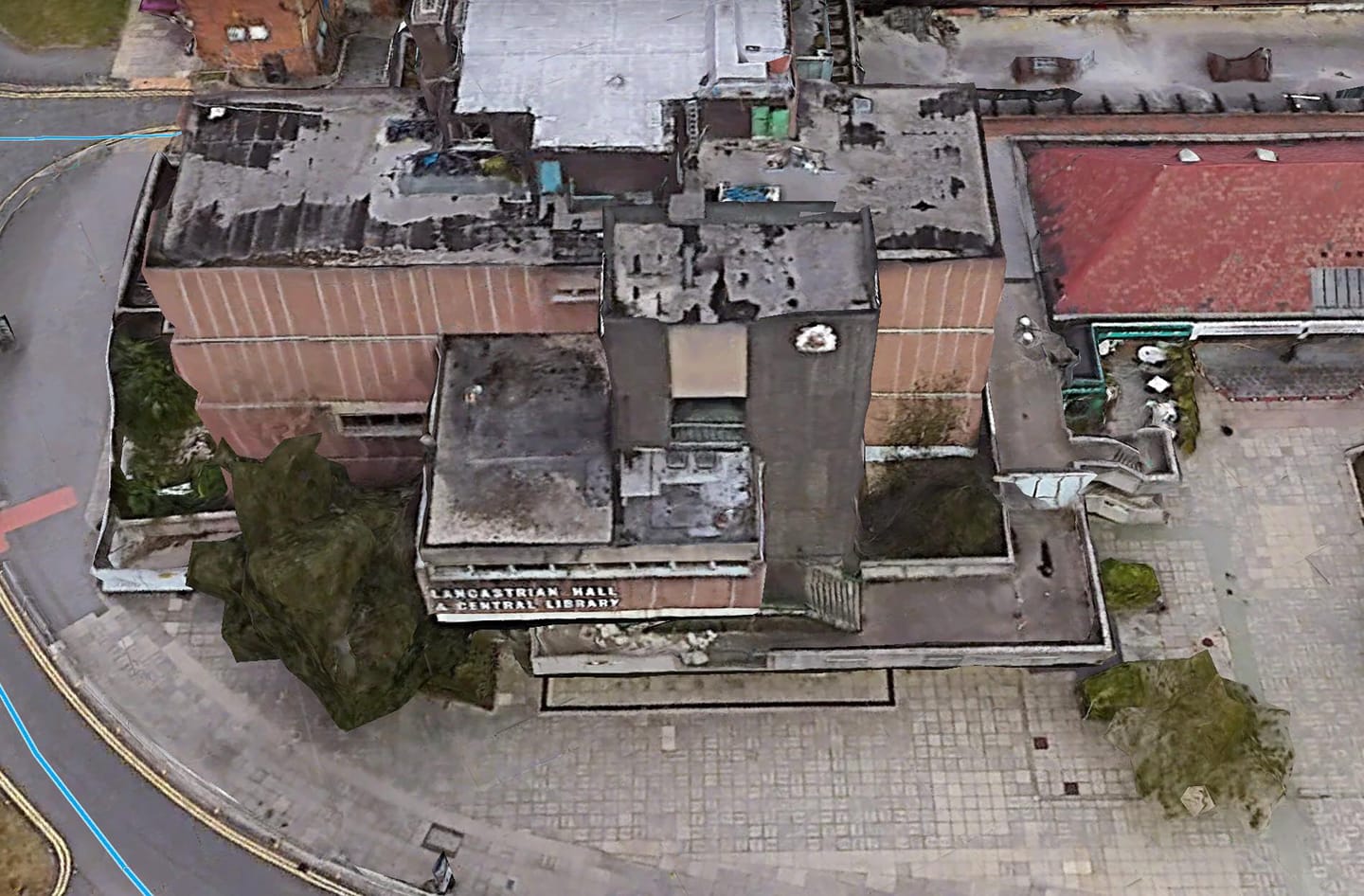
The town centre is dominated by the imposing Lancastrian Hall, opened in 1969, with an adjoining shopping mall.
The hall housed a council library and was used for civic and community meetings, wedding receptions and election counts.
But it has been closed since 2015 after the library moved to the new Gateway Building on the other side of Chorley Road.
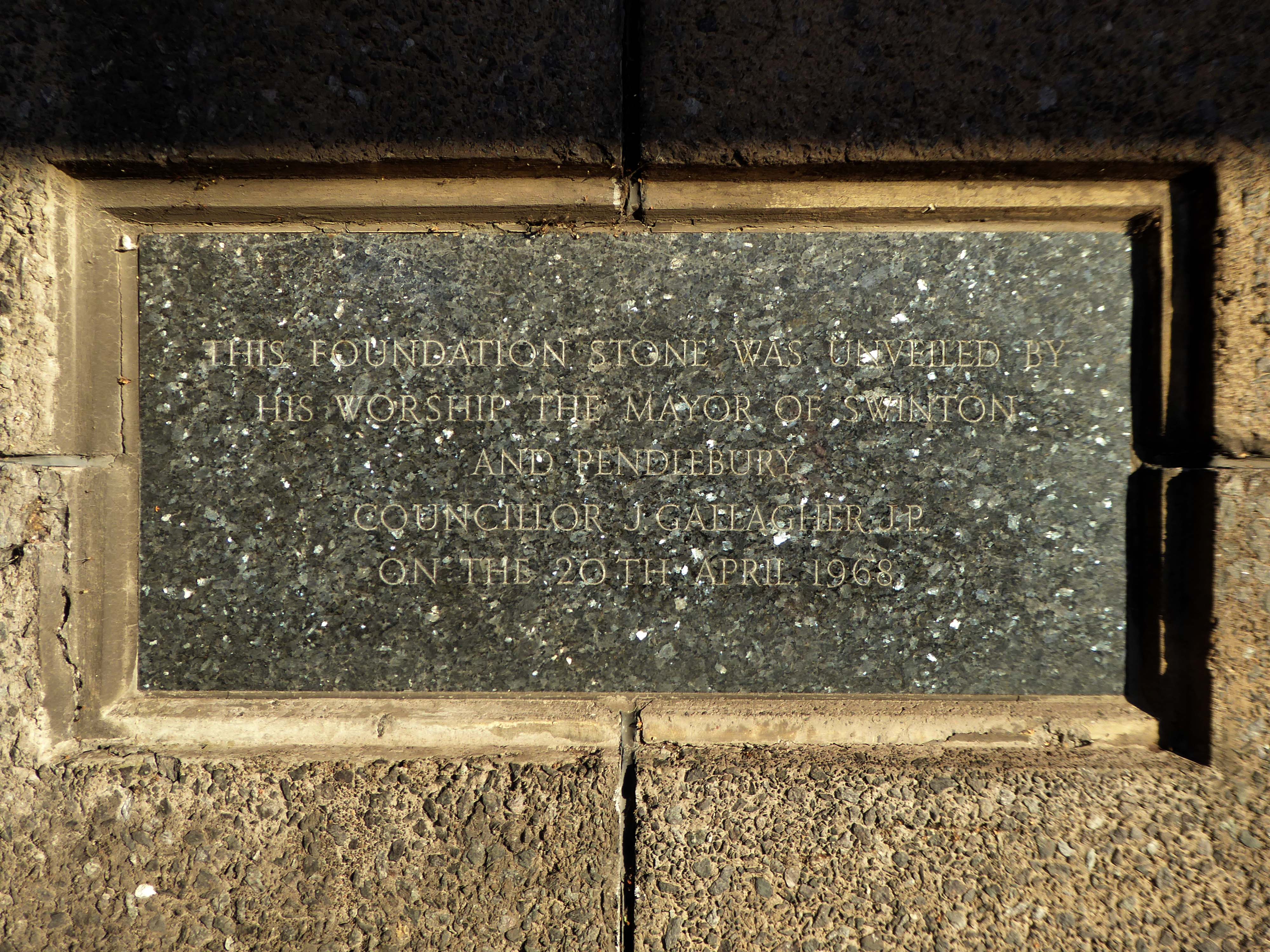
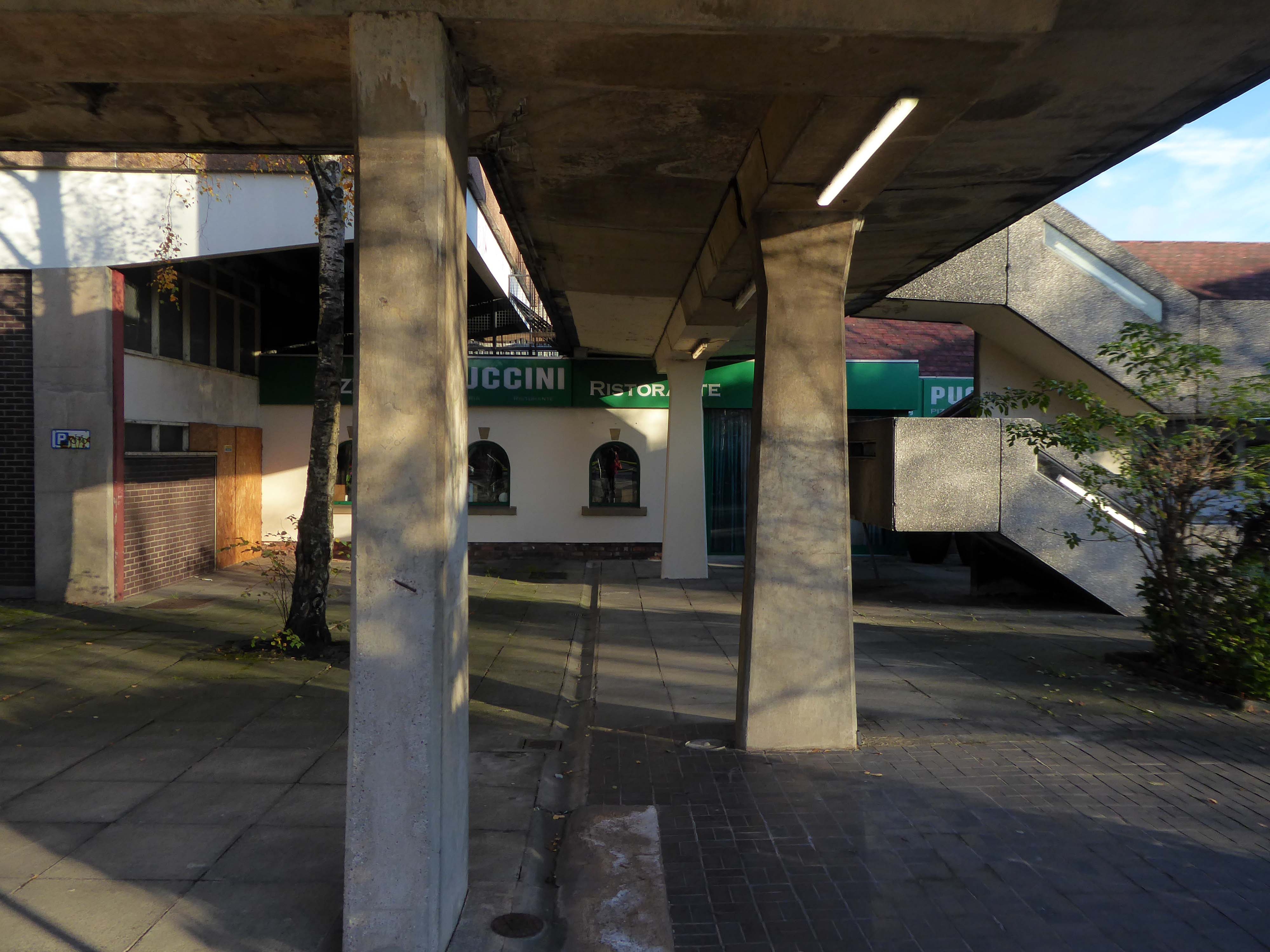
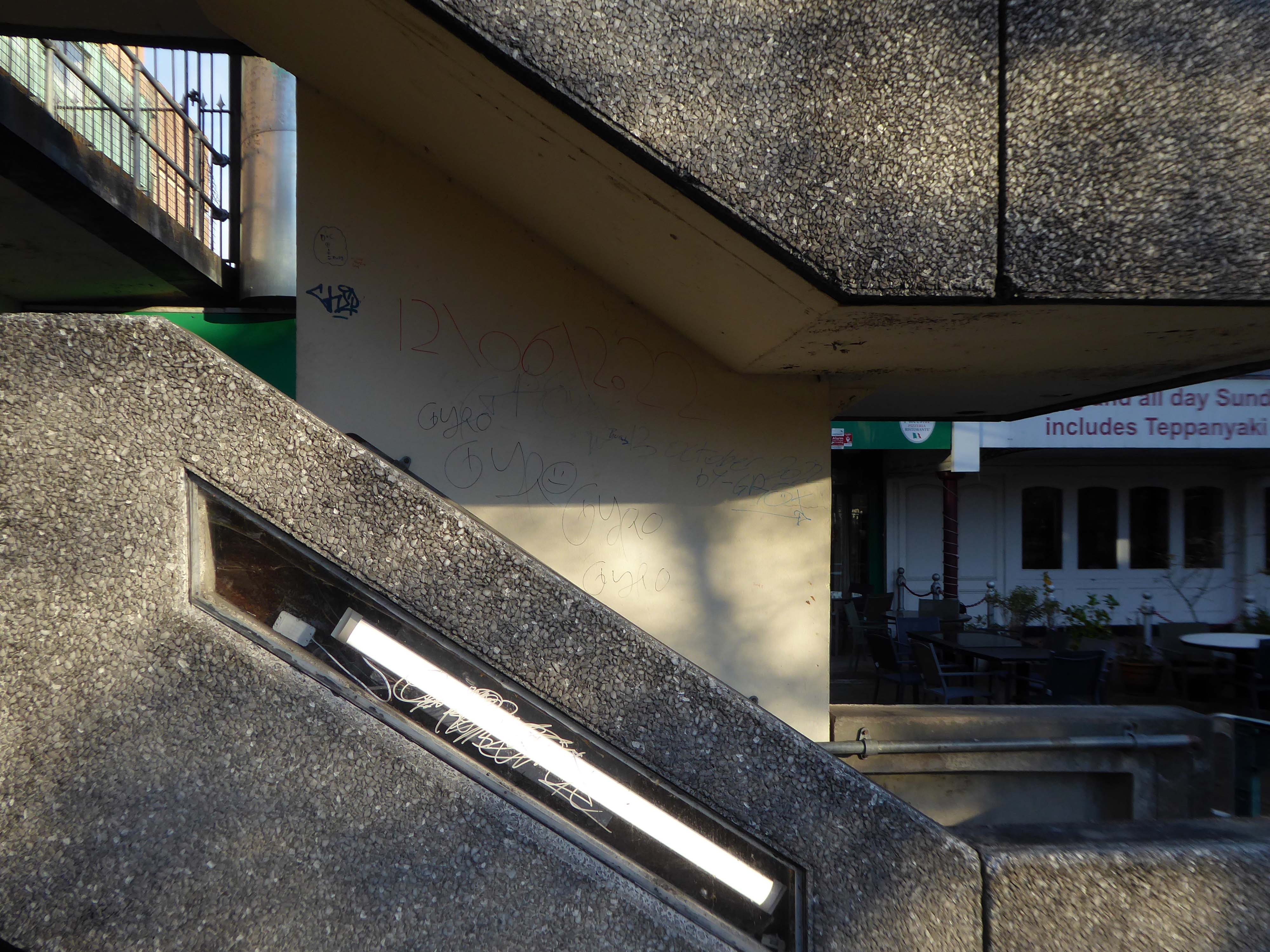
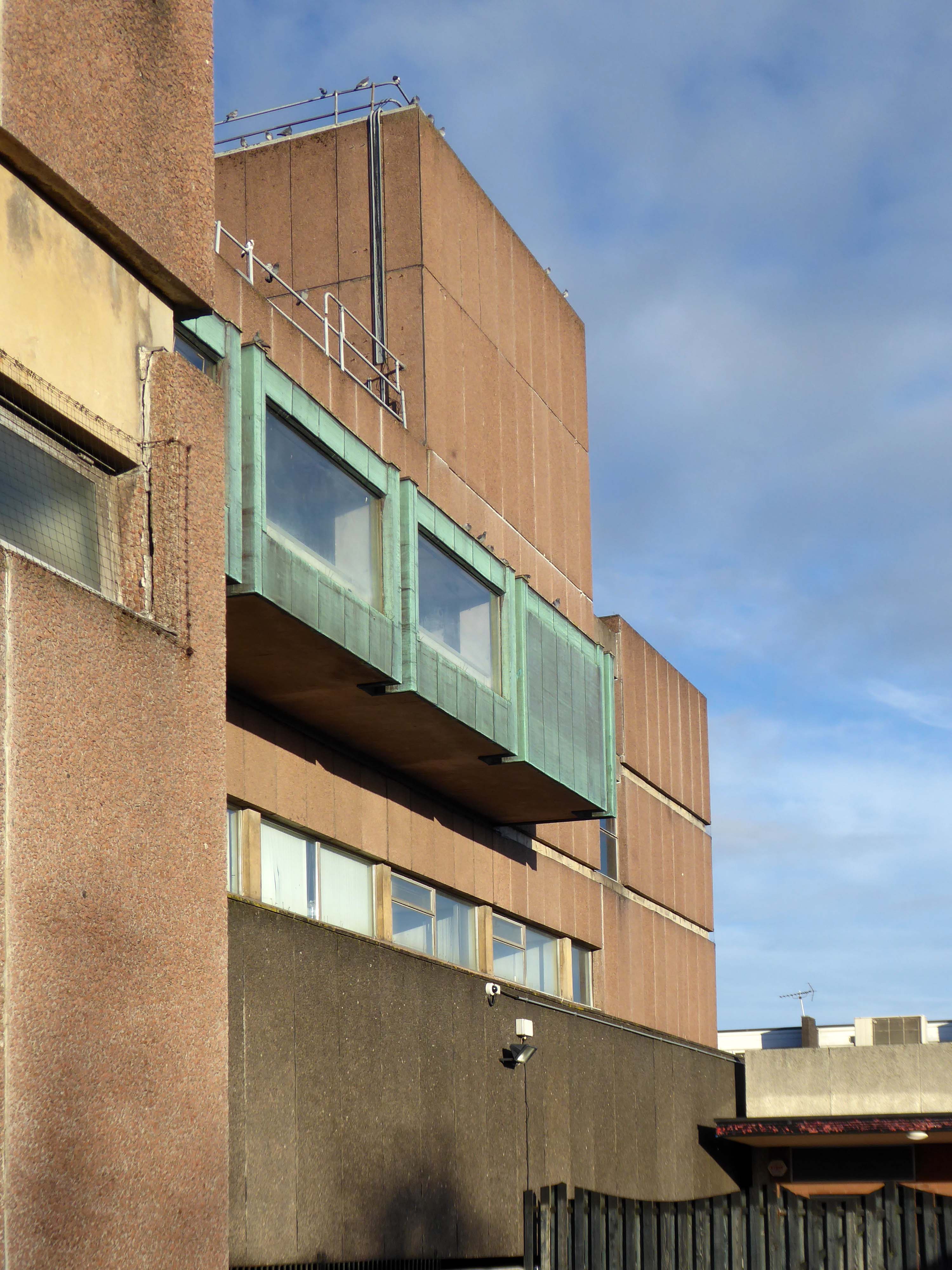
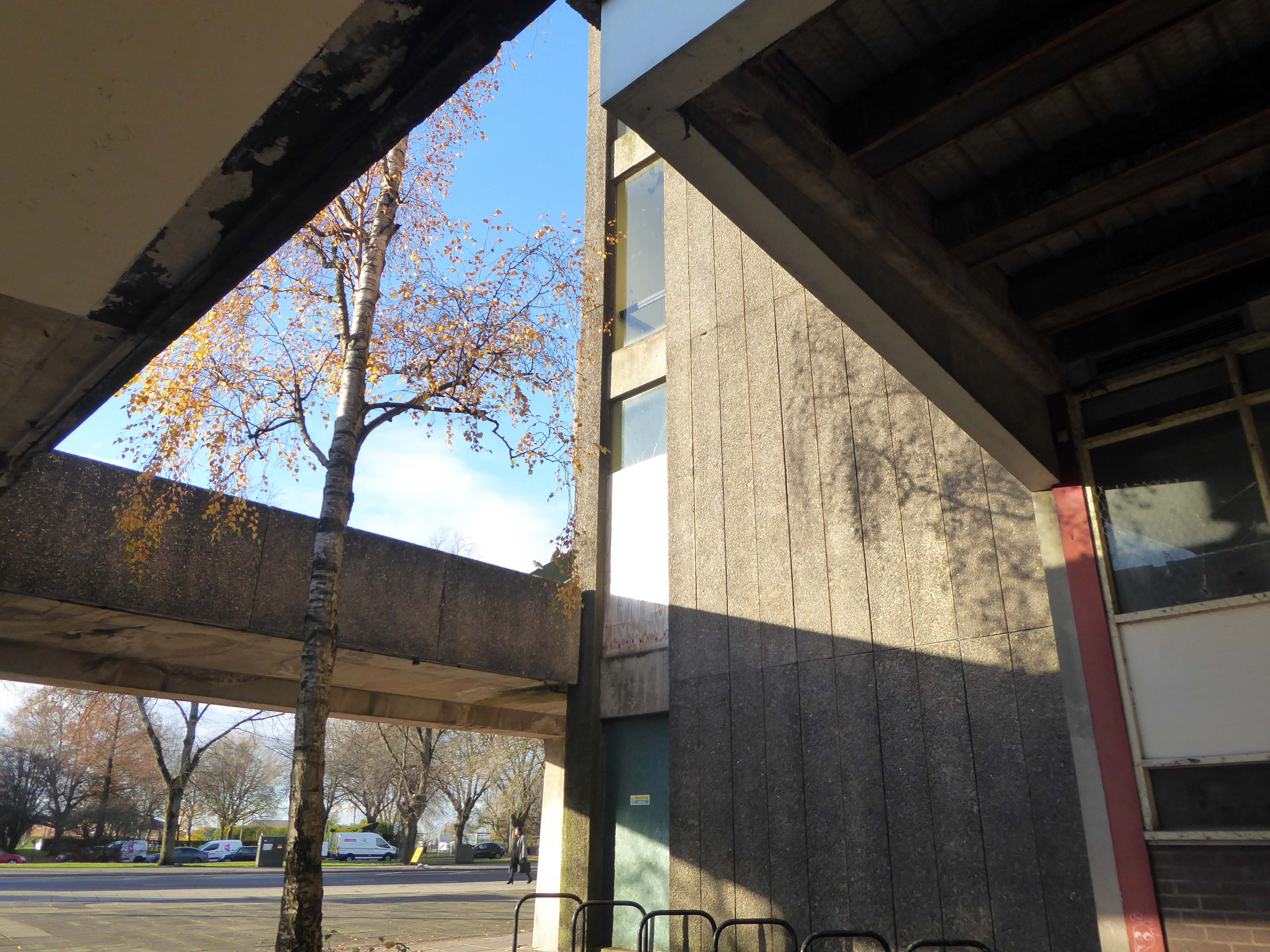
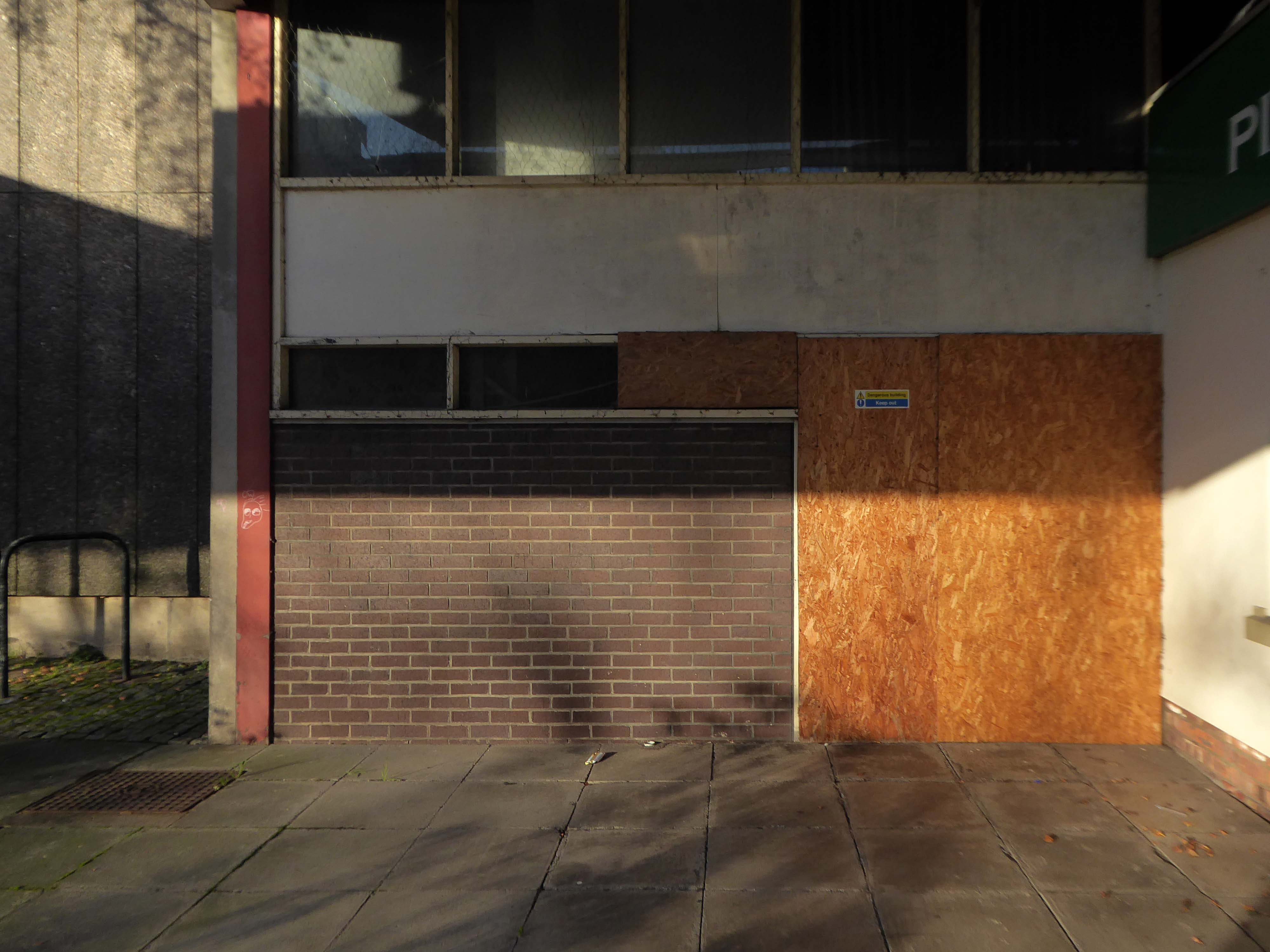
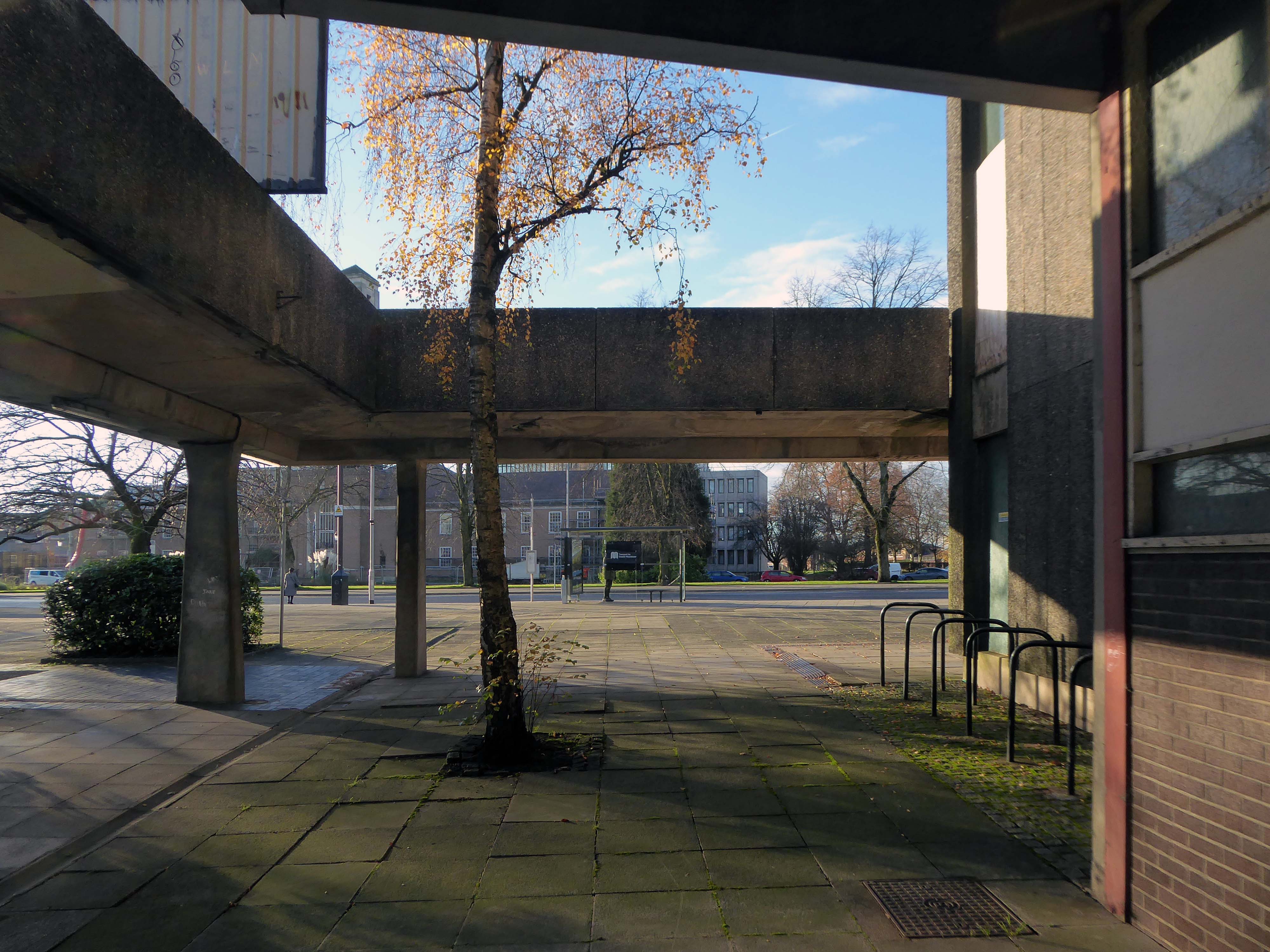
So this magical structure of stairways, undercrofts, elevated walks and majestic concrete clad volumes is under threat.
Swinton and the Lancastrian Hall deserve much better.



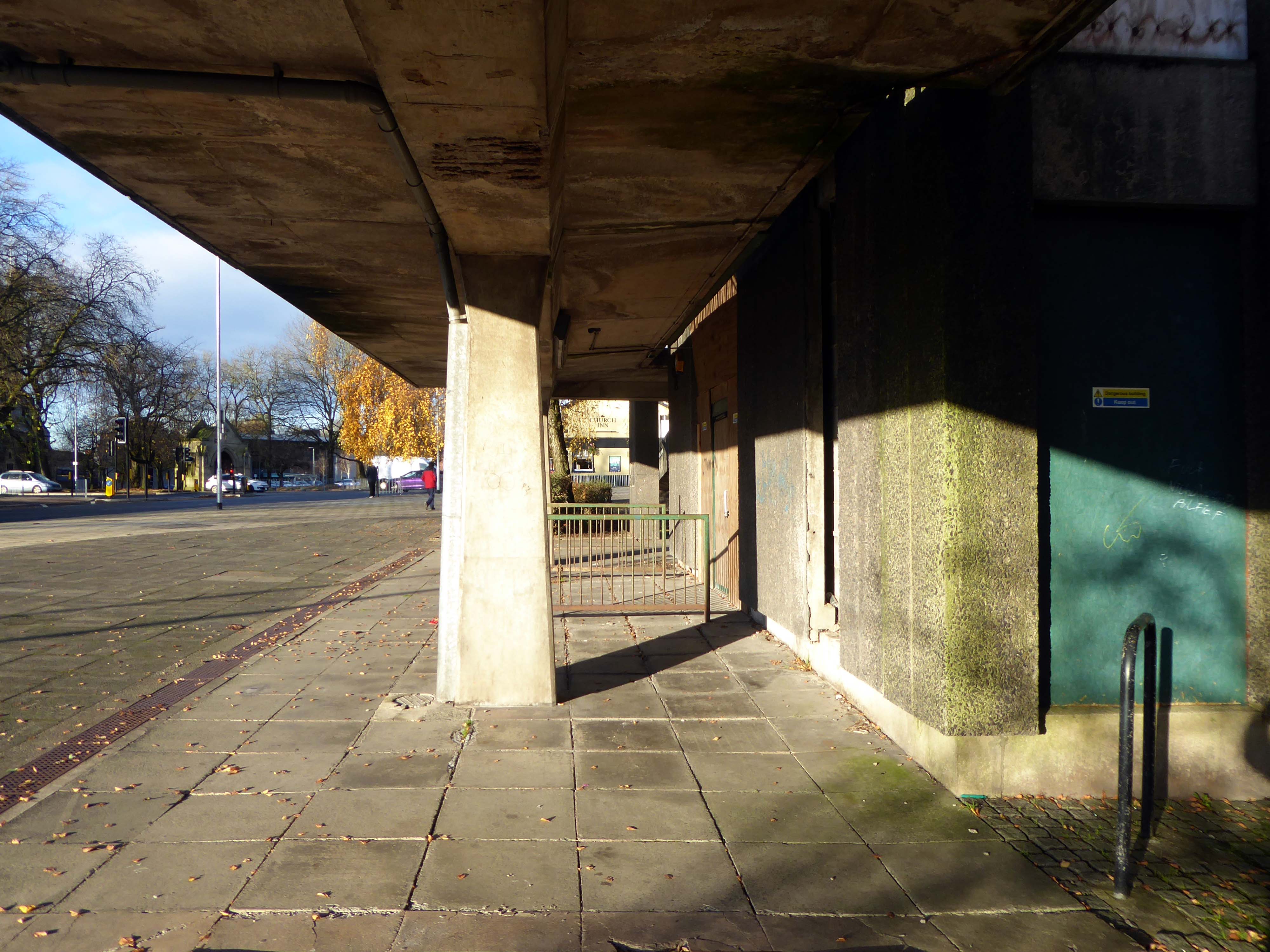


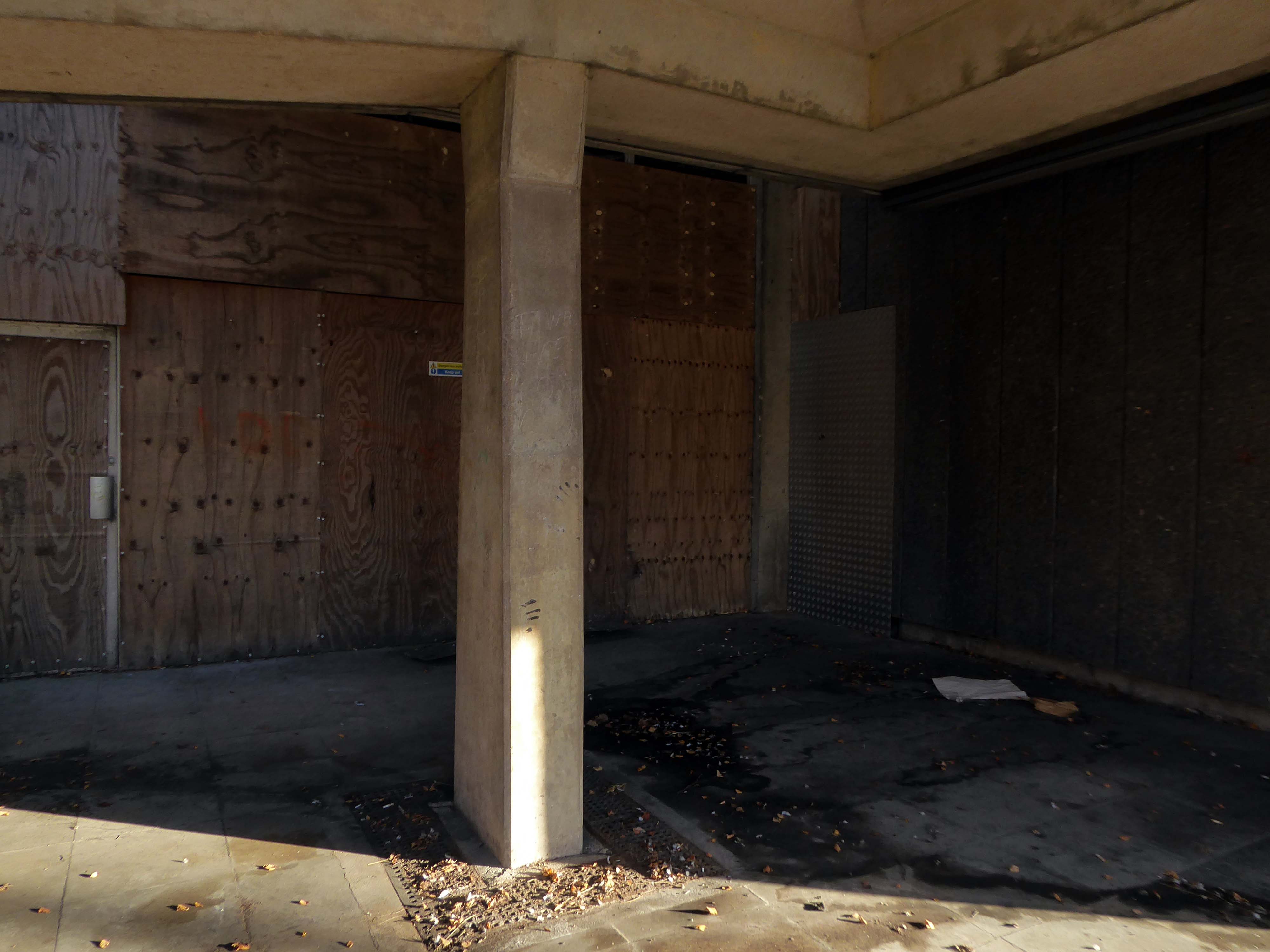




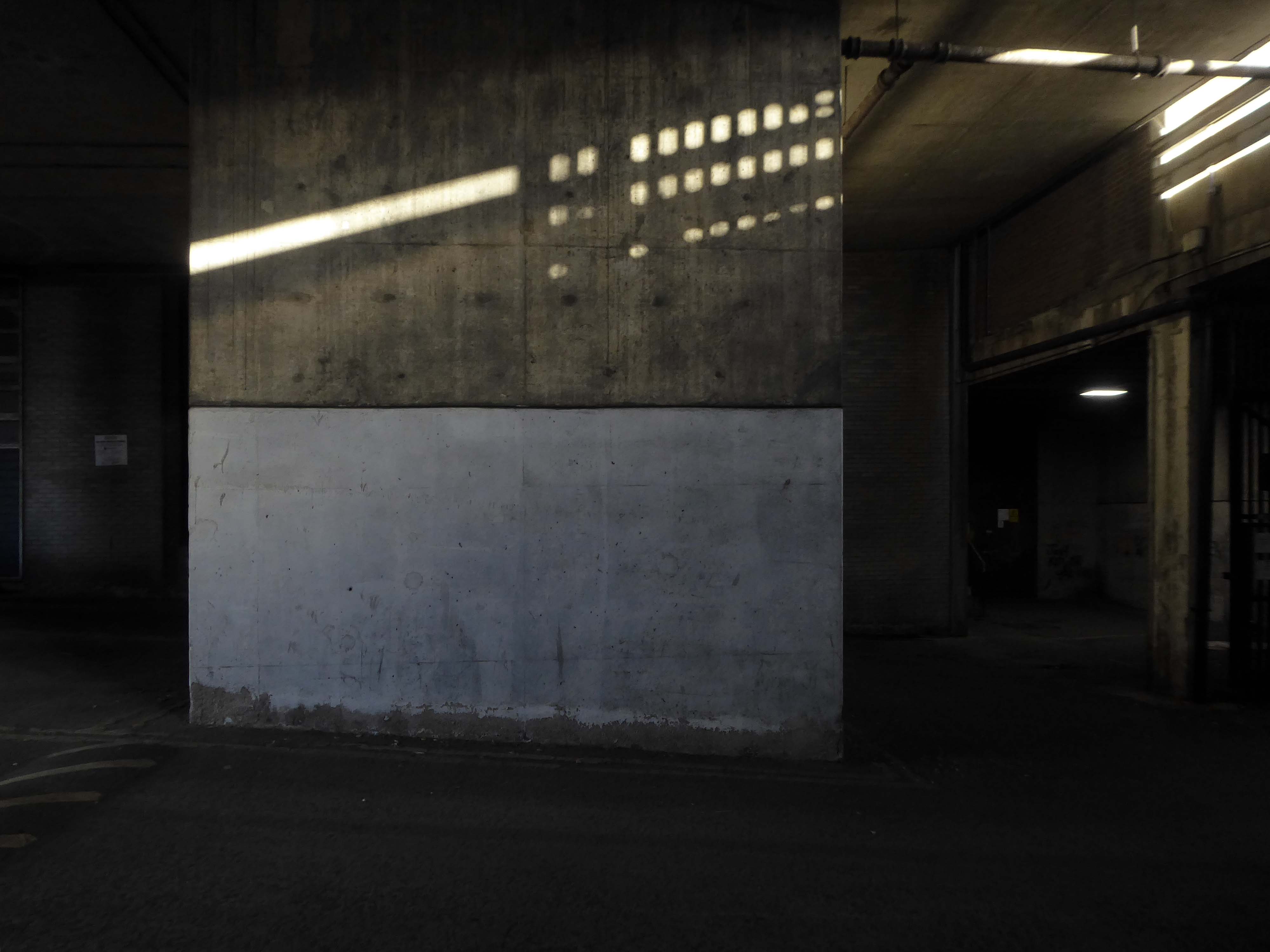
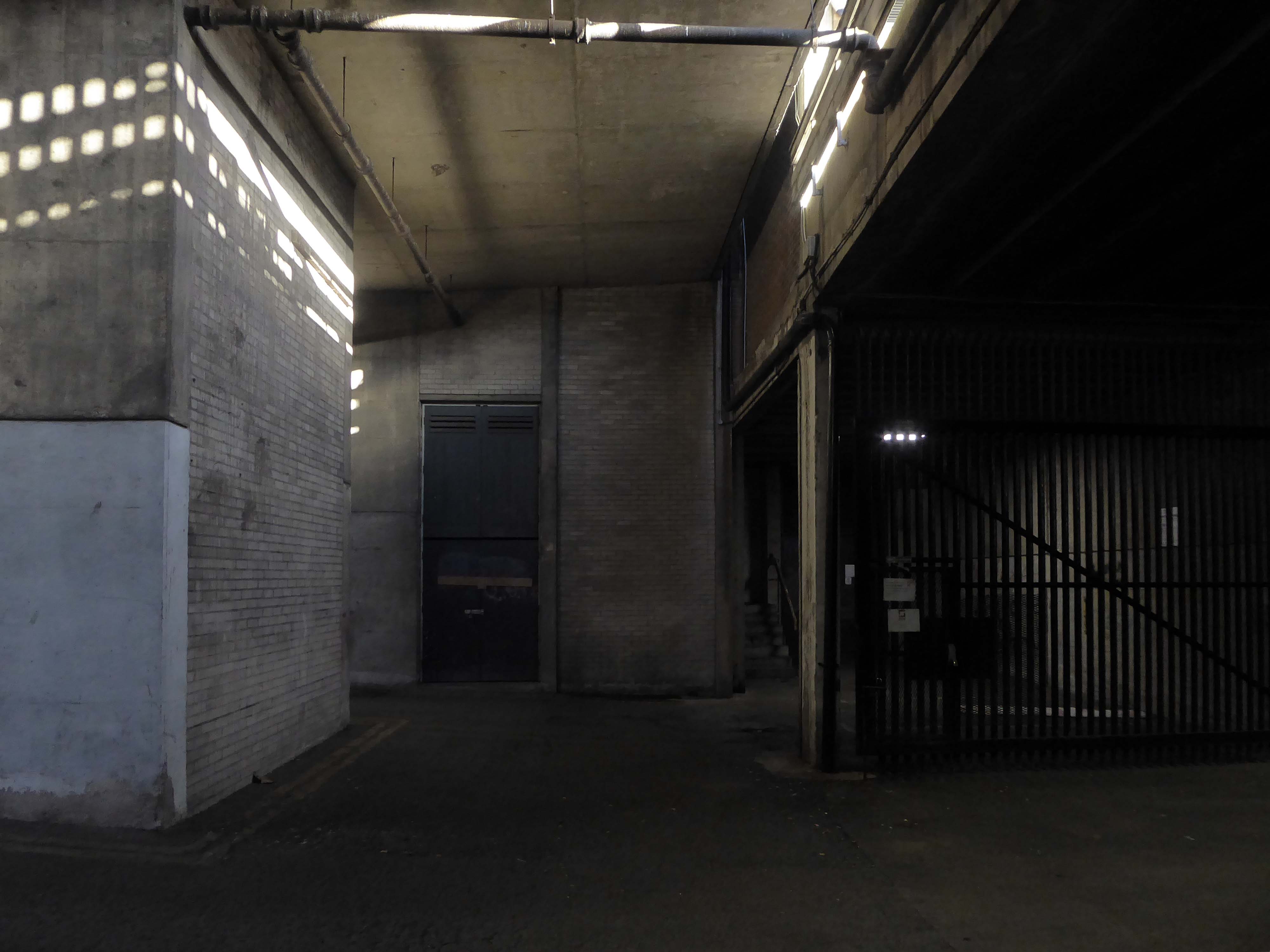

Over 550 people took part in the recent visioning work, and we are grateful for their time and valuable contributions.
An overwhelming majority of those who shared their views saw Swinton as a good place to live and bring up a family – somewhere friendly, with a strong sense of community.
People valued their local green spaces, but strongly felt that there needed to be more investment in the town centre, and a plan to tackle empty buildings and shops.
Overall, people felt that Swinton needed to be a more vibrant place, with more going on – and more reasons for people to visit and spend their leisure time there.
This is an opportunity to create tomorrow’s local centre, but that does rely on removing the Lancastrian Hall, rethinking the shopping centre, and repurposing the Civic Centre and the spaces around it.

St Thomas’s Road Chorley PR7 1RZ
The police station and magistrates’ court at Chorley was designed to replace a building from 1896 – a weights and measures plaque from the original building was retained and remounted at the foot of the new building.

The two buildings were set adjacent one another and around a newly formed square with one side made up of the rear of the existing town hall. This small civic group was intended to relate to one another in scale, but was markedly contrasting in its material make-up.

County Architect’s Report: 1963-64.
The design team was Roger Booth, Lancashire County Architect; C.A. Spivey, Assistant County Architect; D.B. Stephenson, Design Architect; and D.G. Edwards, A.G. Gass, responsible for the detailed design and construction. The seven-storey in-situ concrete framed main block was the last bespoke police station to be built in Lancashire, following this the department developed a systemised concrete construction method which was deployed across the county. The dramatic cantilevers gave the new building a stature and presence that signalled authority. The lower levels were accessed by ramps and provided space for police vehicles. To enter the police station one ascended a set of external stairs across a pool that once contained koi carp – fittingly, one boy described the new building as a ‘fishtank’ upon its completion. The magistrates’ court was finished externally in a grey brick and carried the signature pyramid rooflights that were synonymous with the Department.
Many thanks to Richard at Mainstream Modern

This is one of many Roger Booth police stations I have visited – Bonny Street Blackpool under threat, Bury long gone and the extant variant in Morecambe
The Magistrates’ Court is up for sale:
Coun Alistair Bradley, Leader of Chorley Council, confirmed that the council had enquired to take ownership of the building but that this was knocked back.
He said: We’ve enquired about taking the building on but the owners, the Ministry of Justice, has said they want to take it to market.

The building is being advertised as a potential site for a future office, residential, restaurant and bar, leisure, entertainment, and hotel.
Asked about its future, Chorley councillor Aaron Beaver told Lancs Live he had heard no news of developments but desperately wanted to see something happen with the building, he said:
It’s a perfect location. There’s lots of things it could be used for.
If you were to knock it down, there’s all sorts of things which could be built there. If you were to convert it to something like flats, it could be tricky because there’s not many windows.


Commenting on the progress of the sale since it’s closure, he added:
I wouldn’t say it’s slow moving, I’d say it’s not moving.

We eagerly await any possible developments.
Whilst walking around the adjoining Police Station.


 Modern Mooch