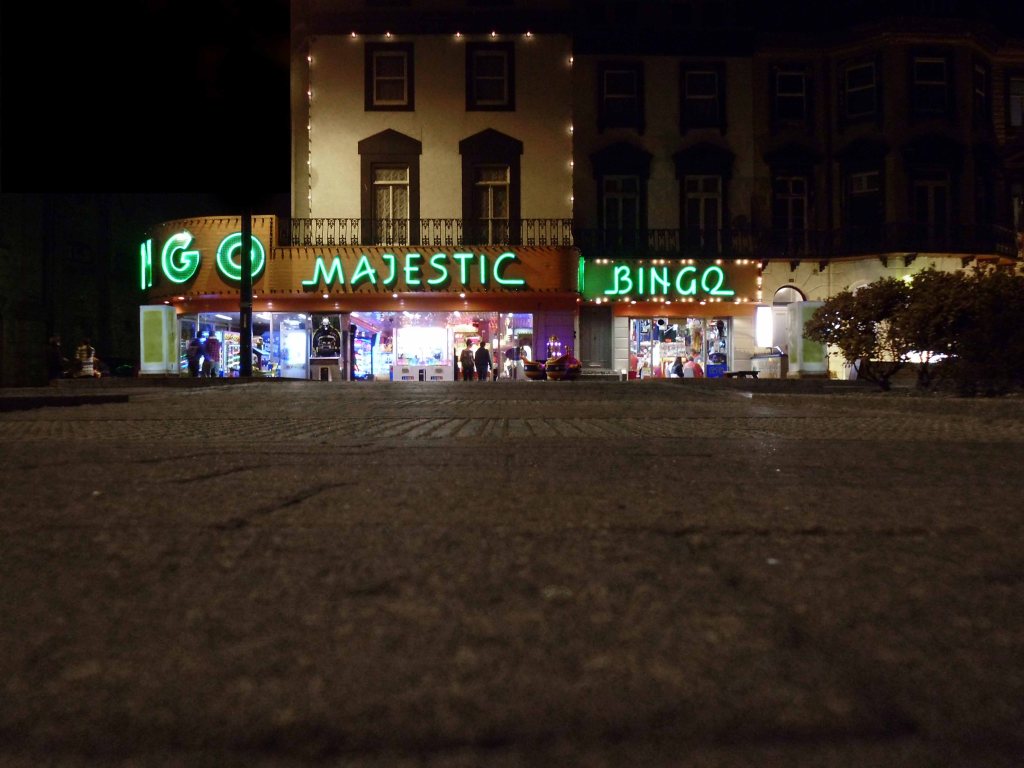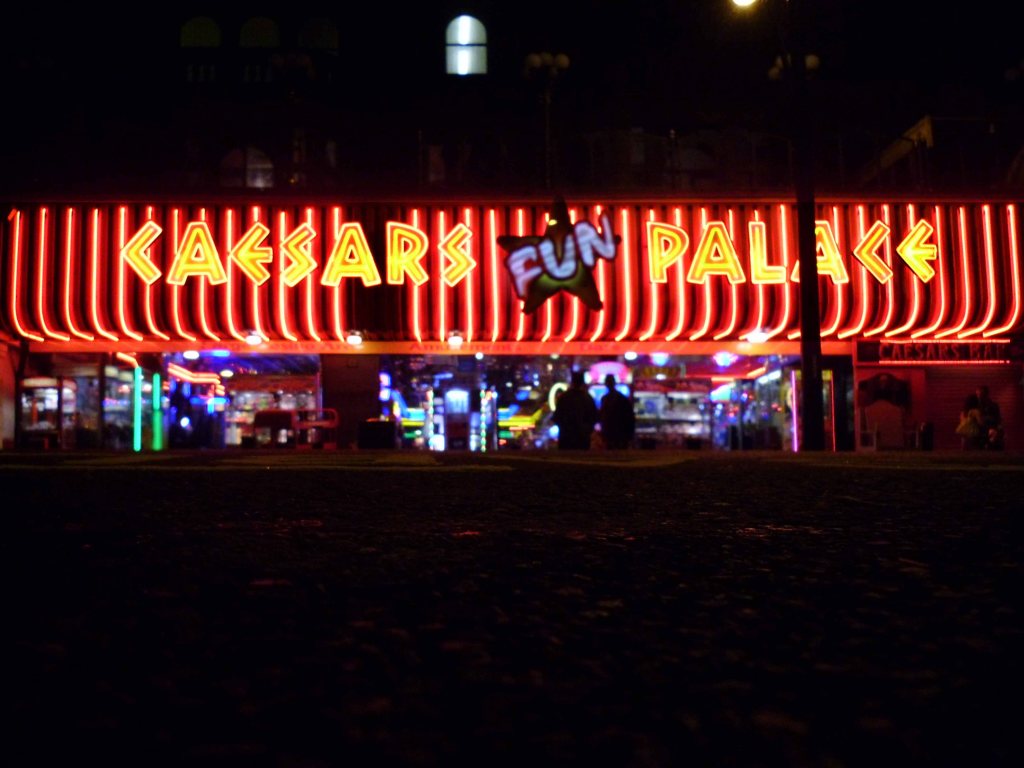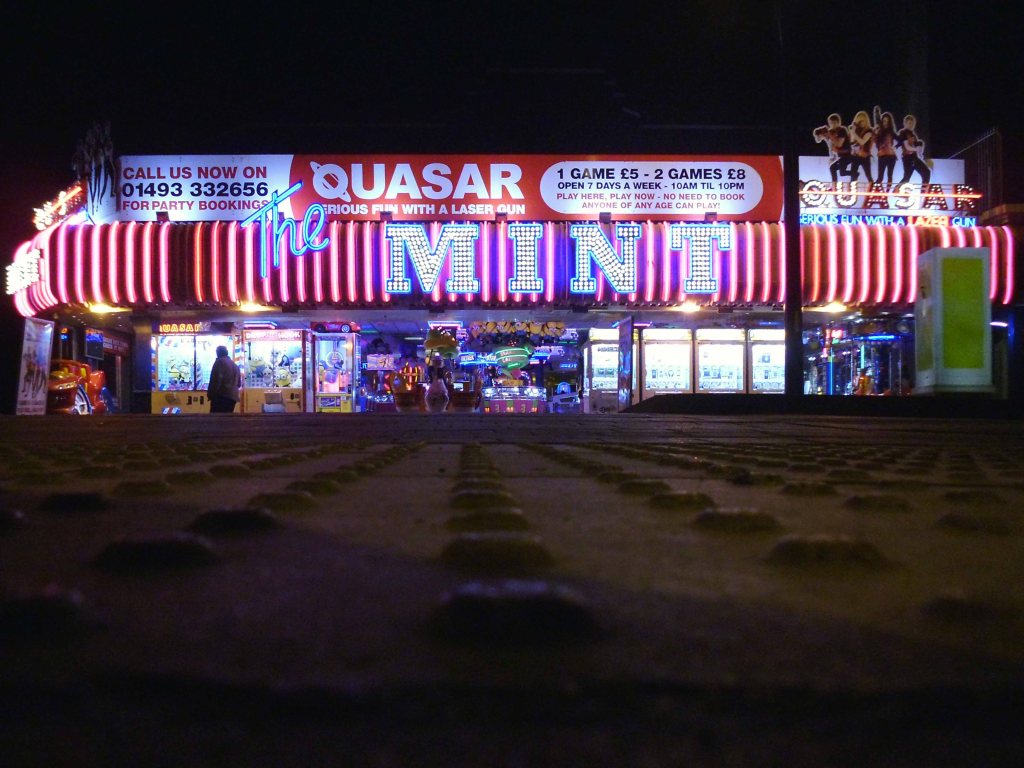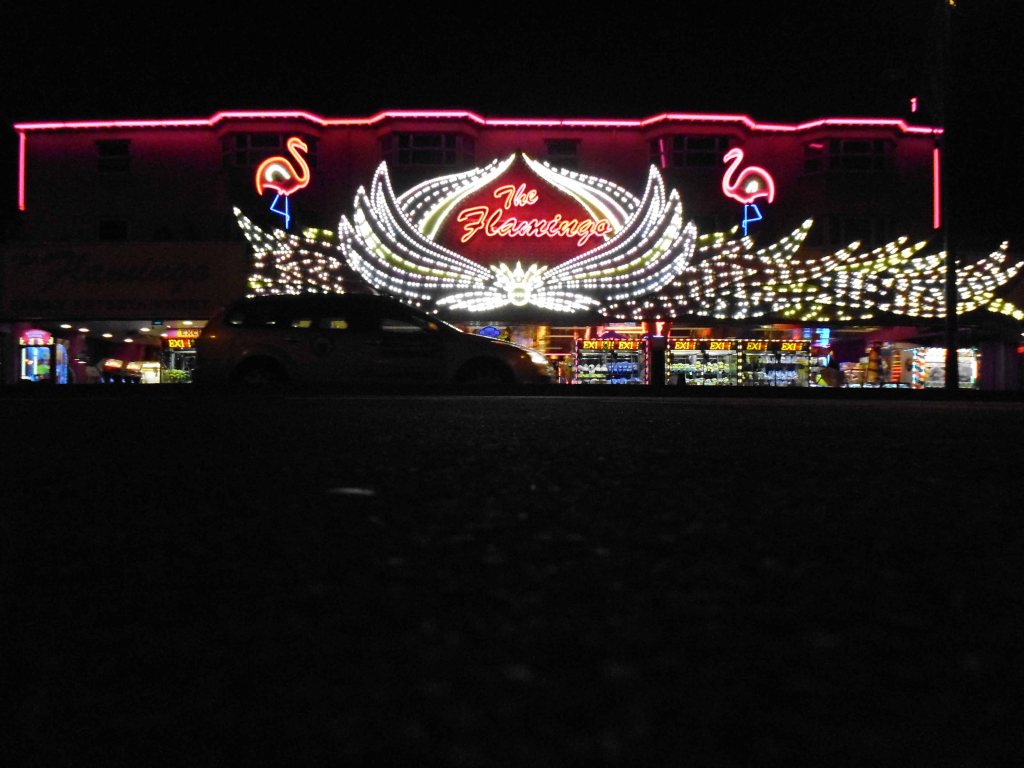
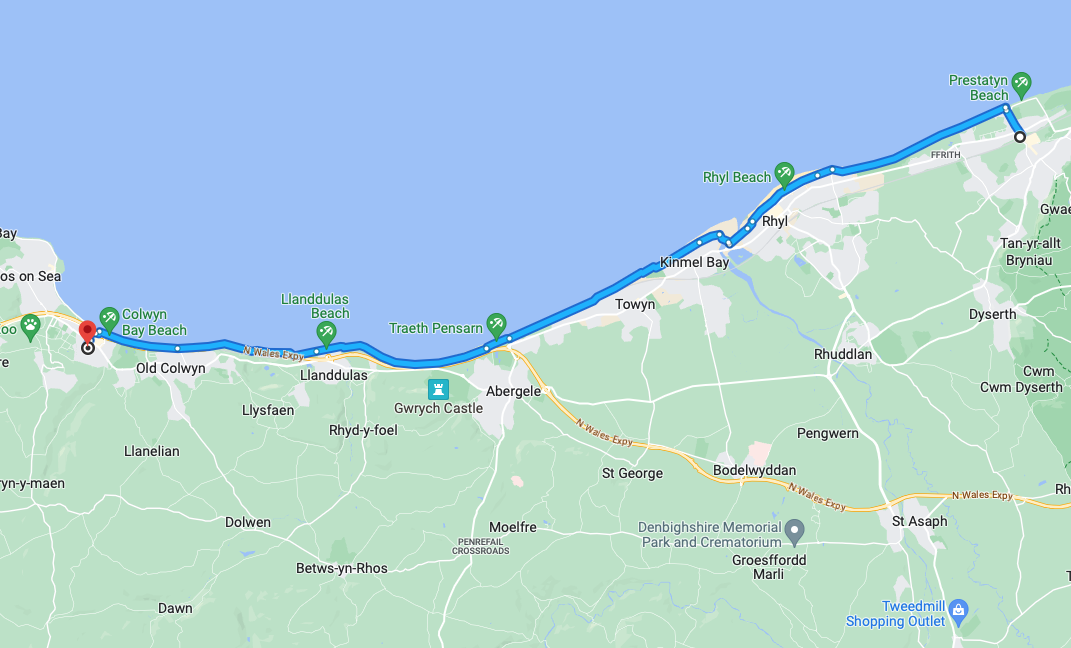
Prestatyn to Colwyn Bay

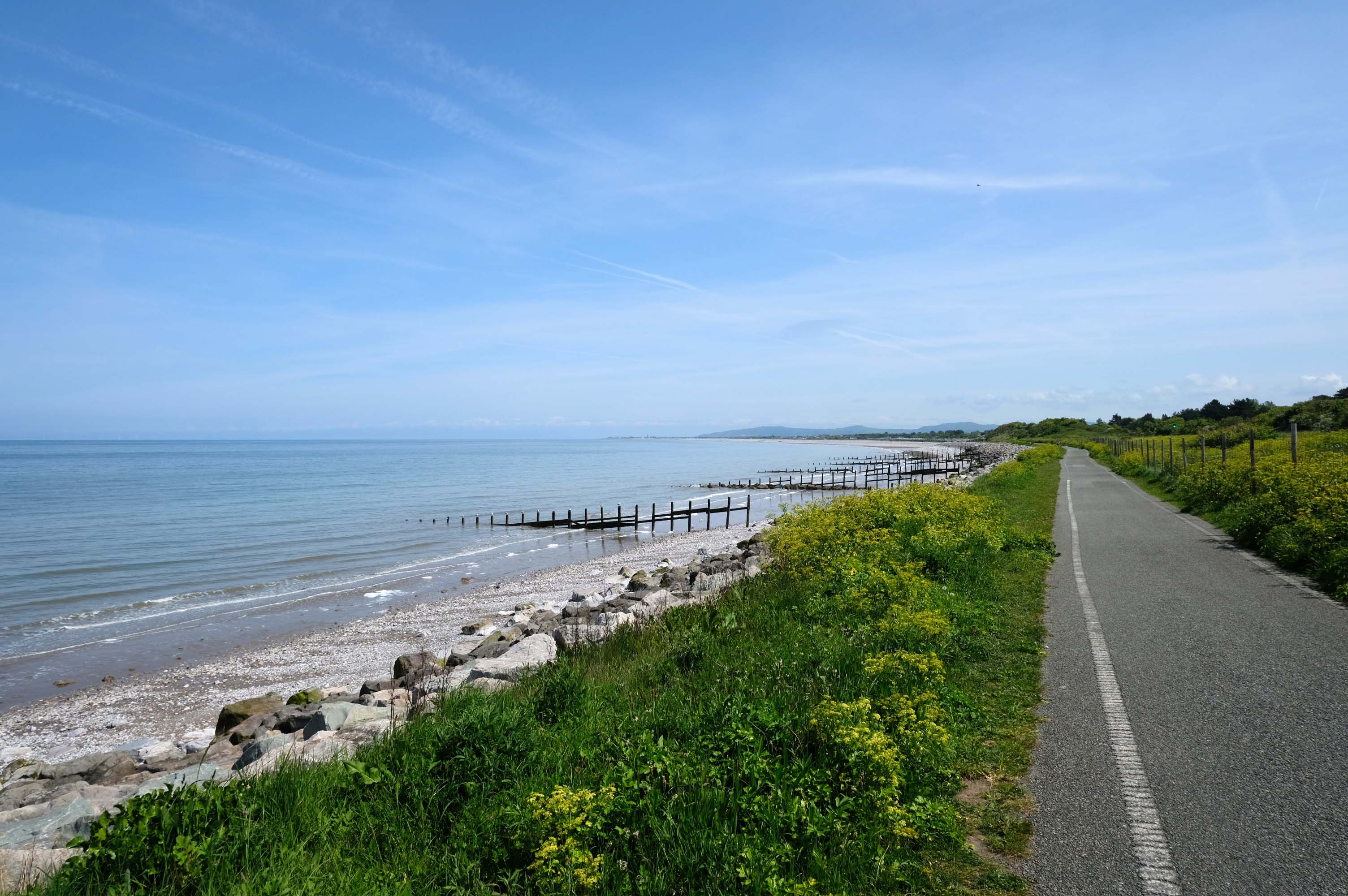
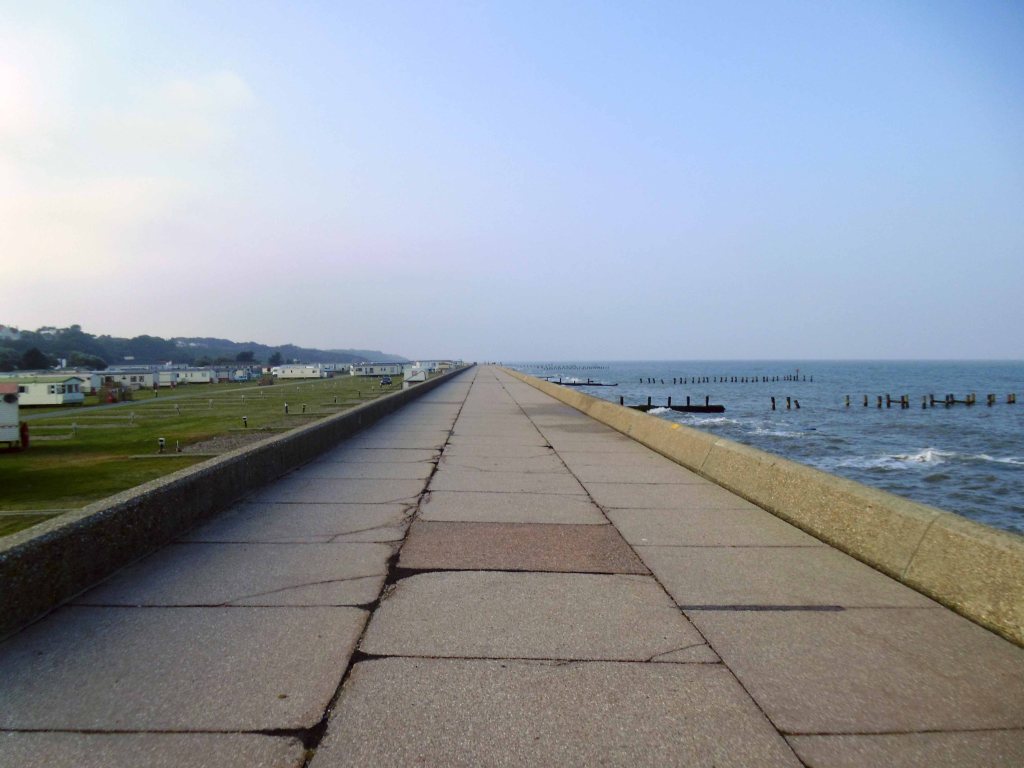
15.1 miles of National Cycle Route 5 – almost constantly, closely cuddling the coast.
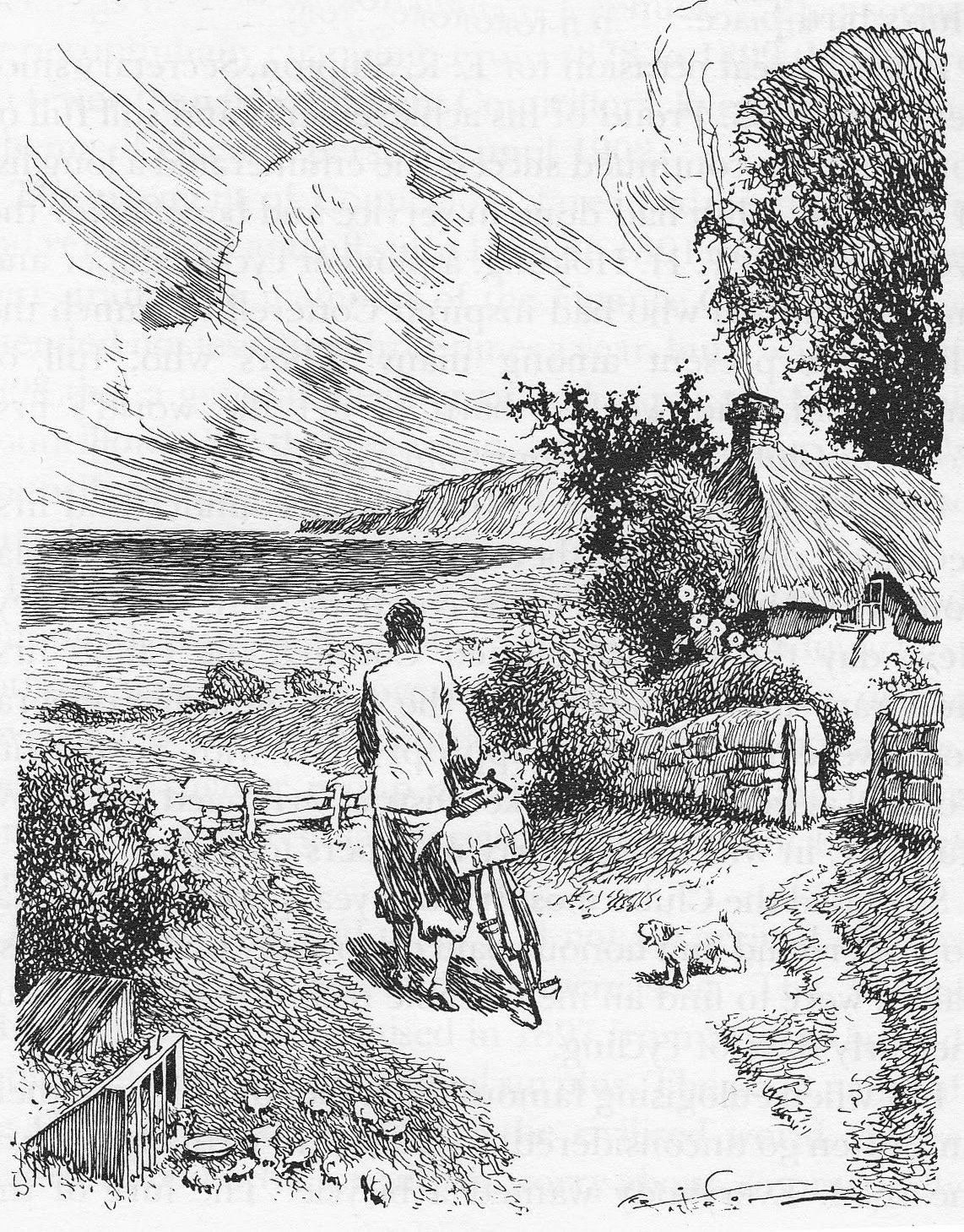
Frank Patterson

Prestatyn

There is evidence that the current town location has been occupied since prehistoric times. Prehistoric tools found in the caves of Graig Fawr, in the nearby village of Meliden, have revealed the existence of early human habitation in the area.

“Sunny Prestatyn” became famous for its beach, clean seas and promenade entertainers, and visiting for a bathe was considered very healthy by city-dwelling Victorians.

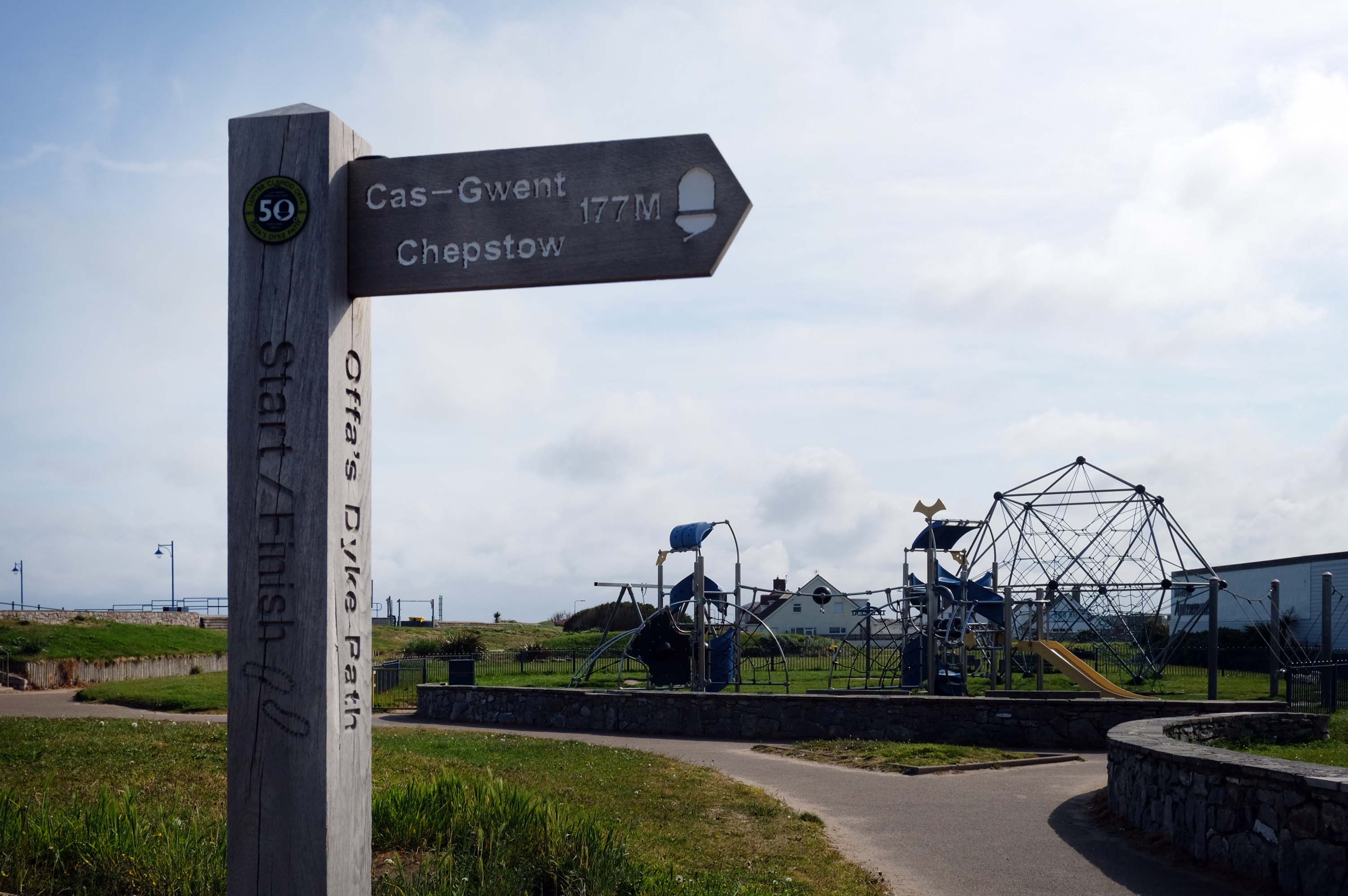
The town is at the northern end of the Offa’s Dyke Path, although not on Offa’s Dyke itself.
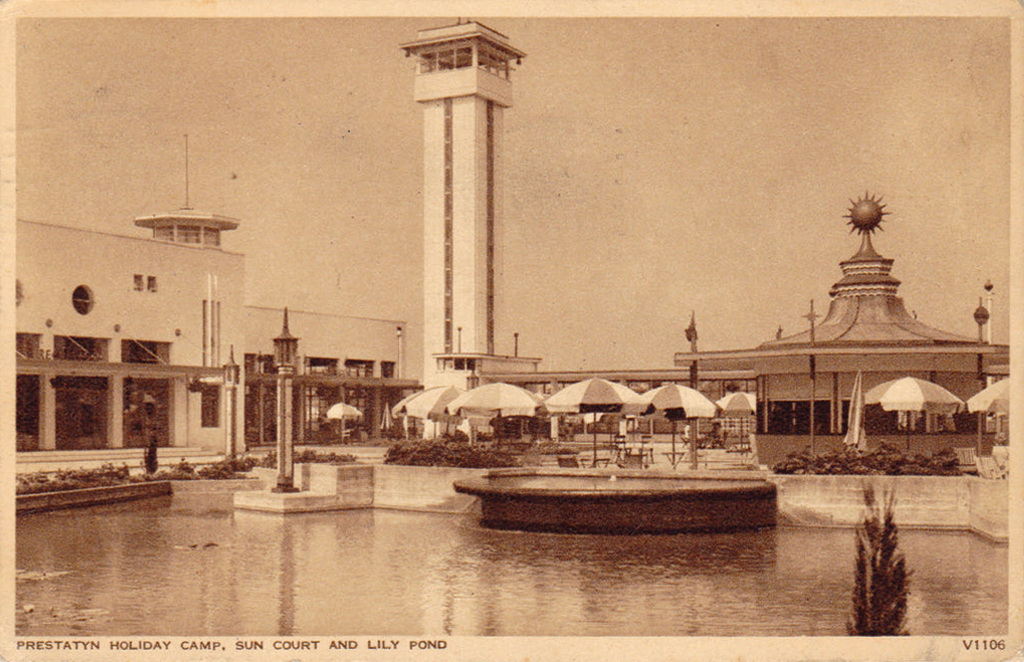
The holiday camp in Prestatyn was built by the London Midland and Scottish Railway Co. in 1939. The main buildings were in classic 1930s style, featuring rounded building ends, steel framed windows and porthole windows. Chalets showed an early form of sectionalised building method.

Requisitioned as a military camp until after the Second World War, it reopened as a holiday camp in the early 1950s. The site was demolished and cleared between February and March 2001.

Coflein

The camp was sold in 1975 and taken over by Pontins, but it closed in 1985.

After that, it was used by the police for riot control training.

In 1973 the camp took a starring role in the comedy movie Holiday on the Buses.

The refurbished Pontin’s now trades as Prestatyn Sands.

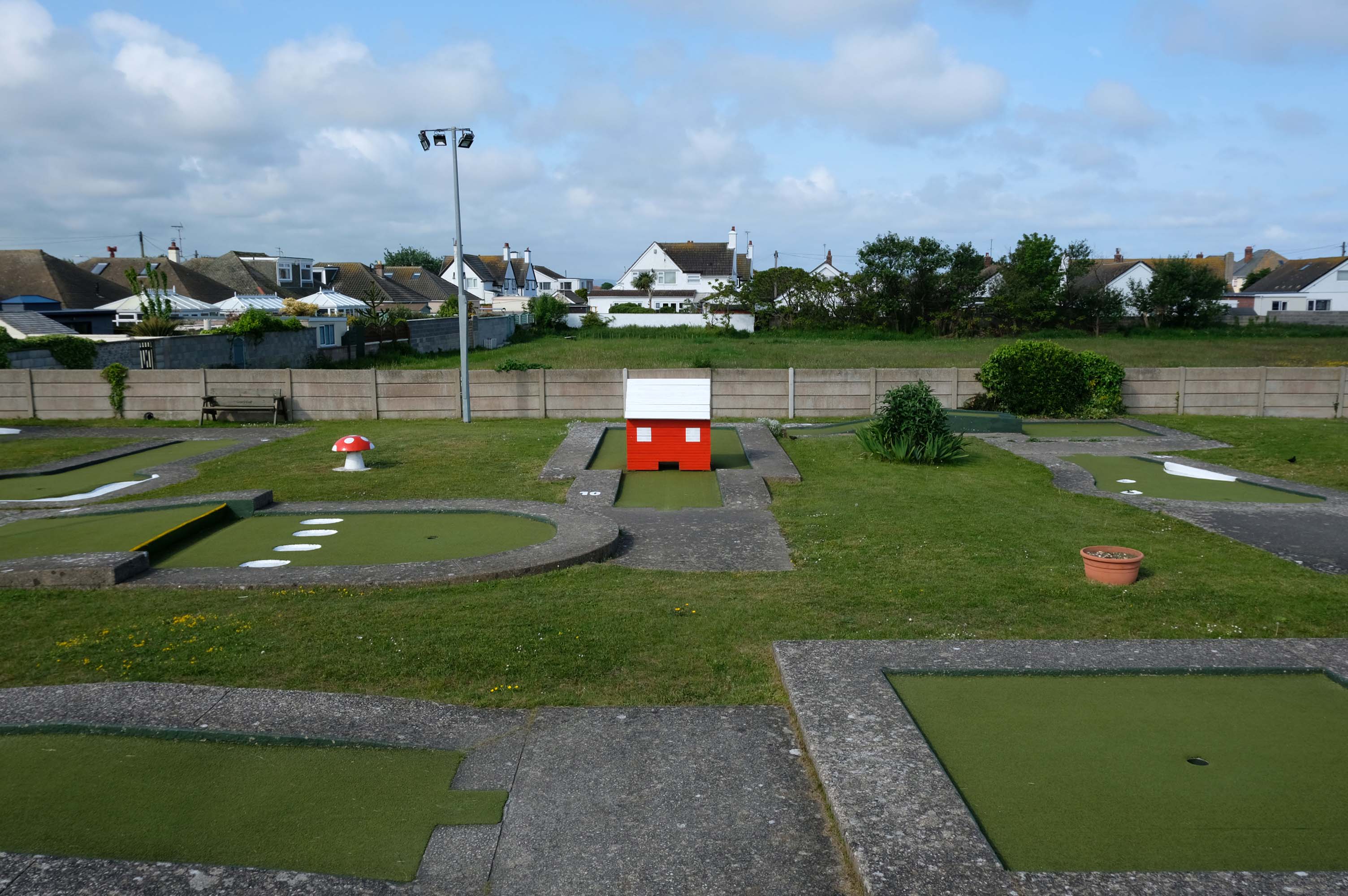
Prestatyn offers the opportunity to engage in an impromptu game of Crazy Golf – though the facility was closed on the morning of my visit.

The crazy golf was fantastic the kids didn’t want to leave plus the lady was so helpful plus the price were very reasonable – would highly recommended.
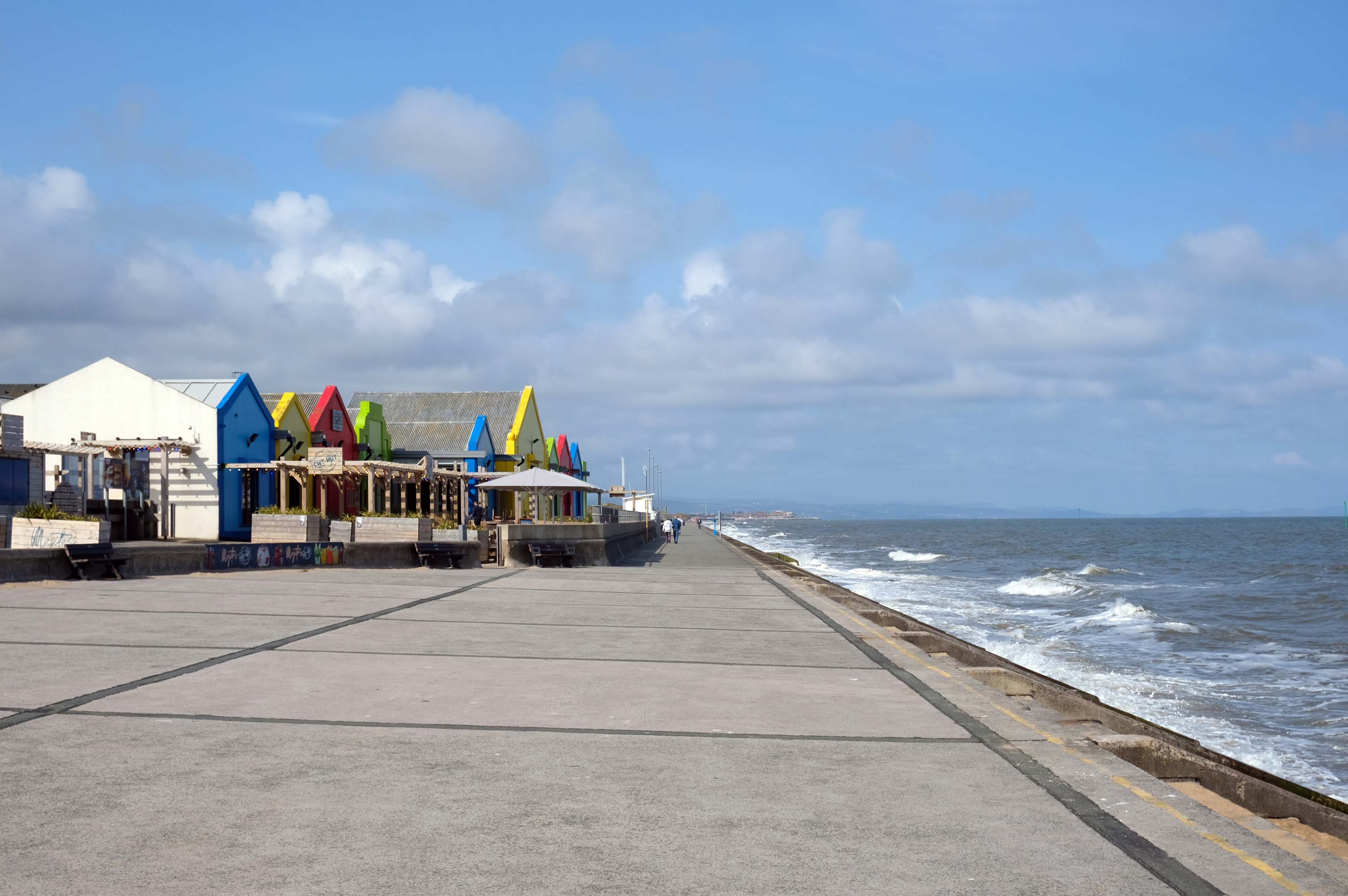
The promenade is dominated by a tight knit group of modern leisure facilities.
An expansive car park fronts directly onto the seafront.
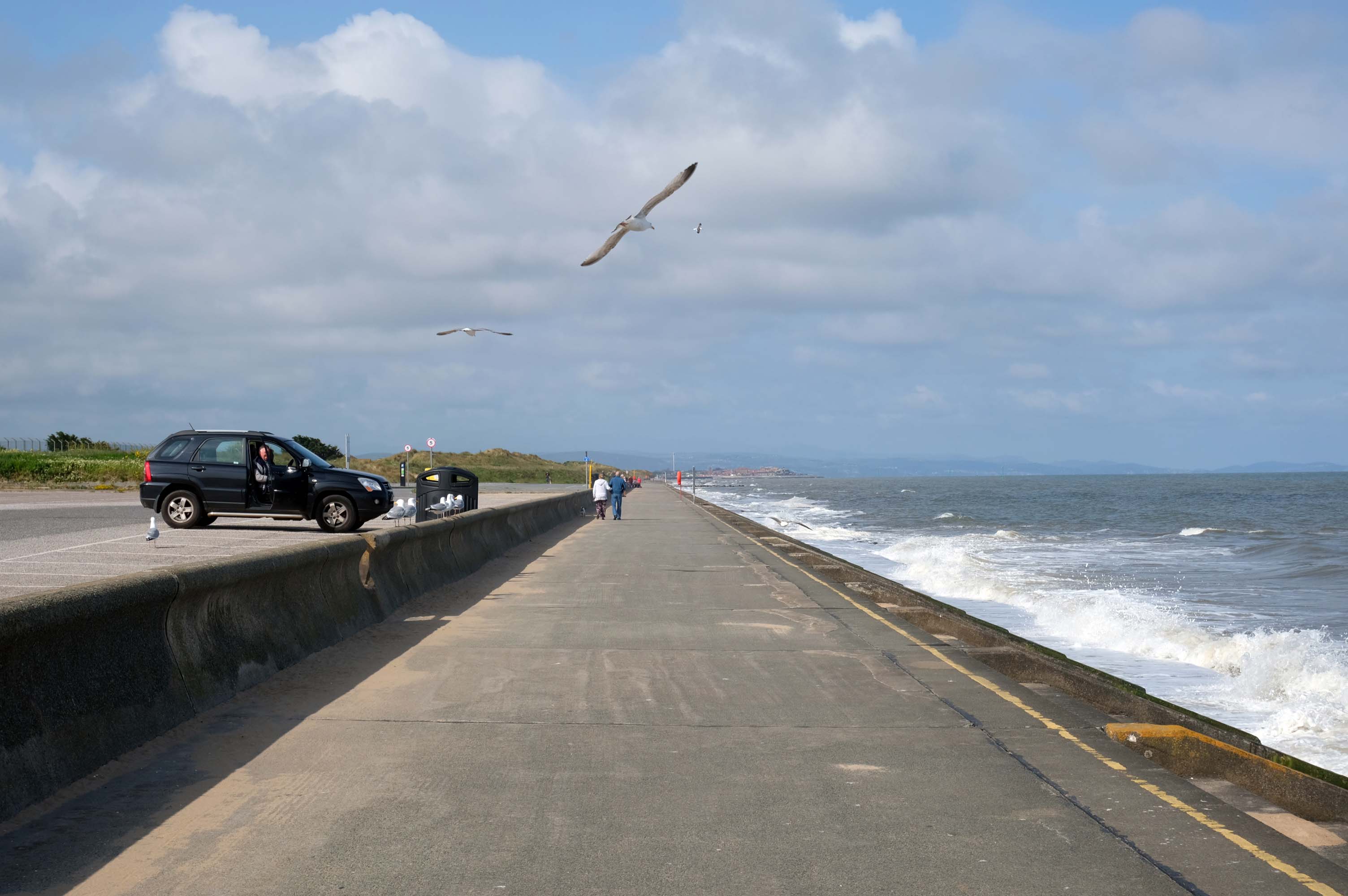
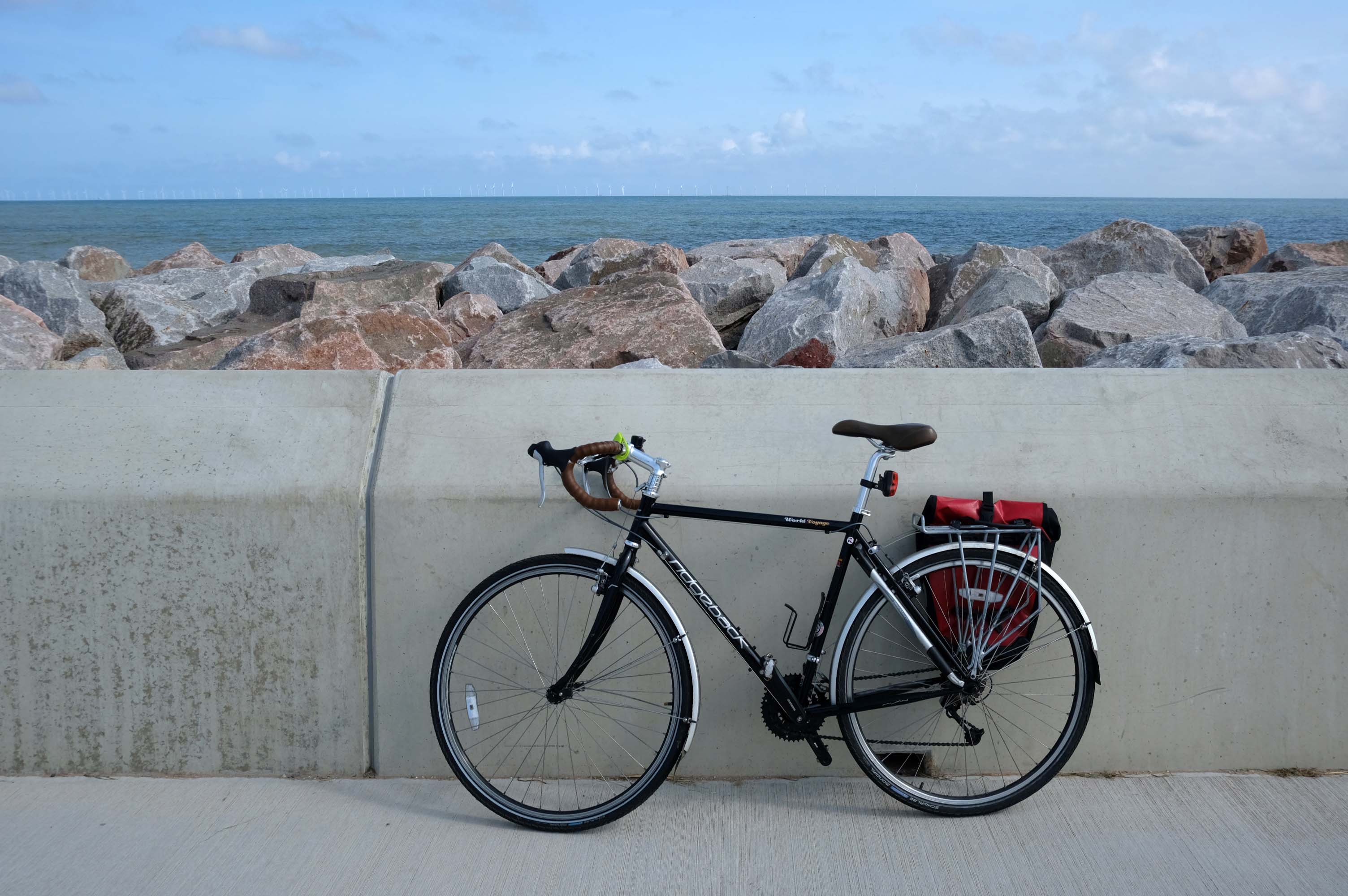
There have been serious reinforcements made to the seawalls – ensuring that the passing cyclist will not be washed away, by the crashing waves of the incoming tide.
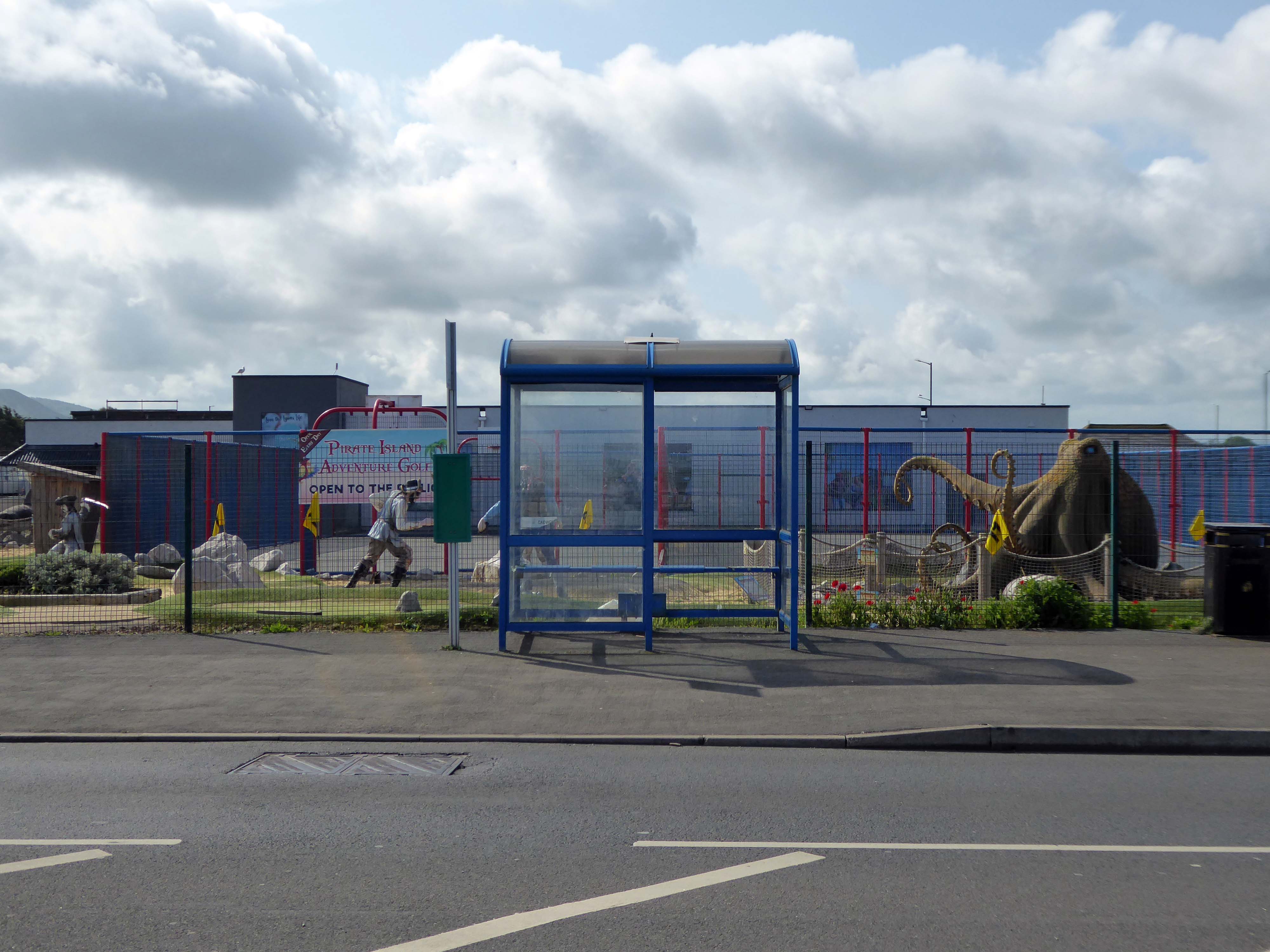
The reinforcement work demands that we temporarily detour onto the Rhyl Coast Road, where we encounter Pirate Island Adventure Golf.

Uncover hidden treasure on the North Welsh Coast at Pirate Island Adventure Golf at Lyons Robin Hood Holiday Park.

Make friends with the great white shark, octopus, and the resident pirates who guard the Island.

This 18-hole course is a fun and crazy challenge for all the family, with stunning views of Rhyl seafront to boot. Plus, it’s located just a stone’s throw away from Sherwoods Sports Bar where refreshments are served.
Rhyl
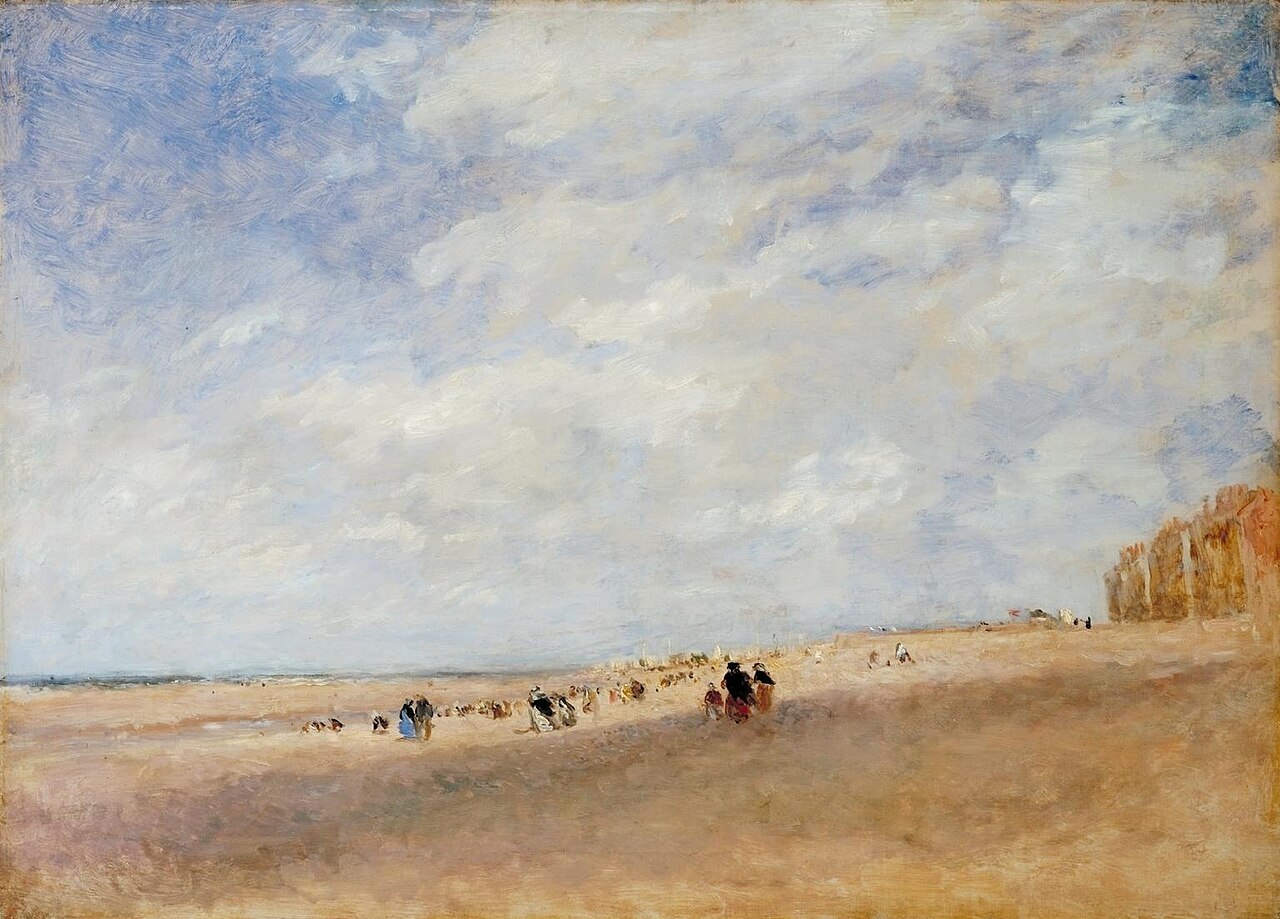
Rhyl Sands: David Cox 1854

The Welsh orthography has proved difficult for English writers to transliterate as Rhyl’s opening voiceless alveolar trill is uncommon in the English language.
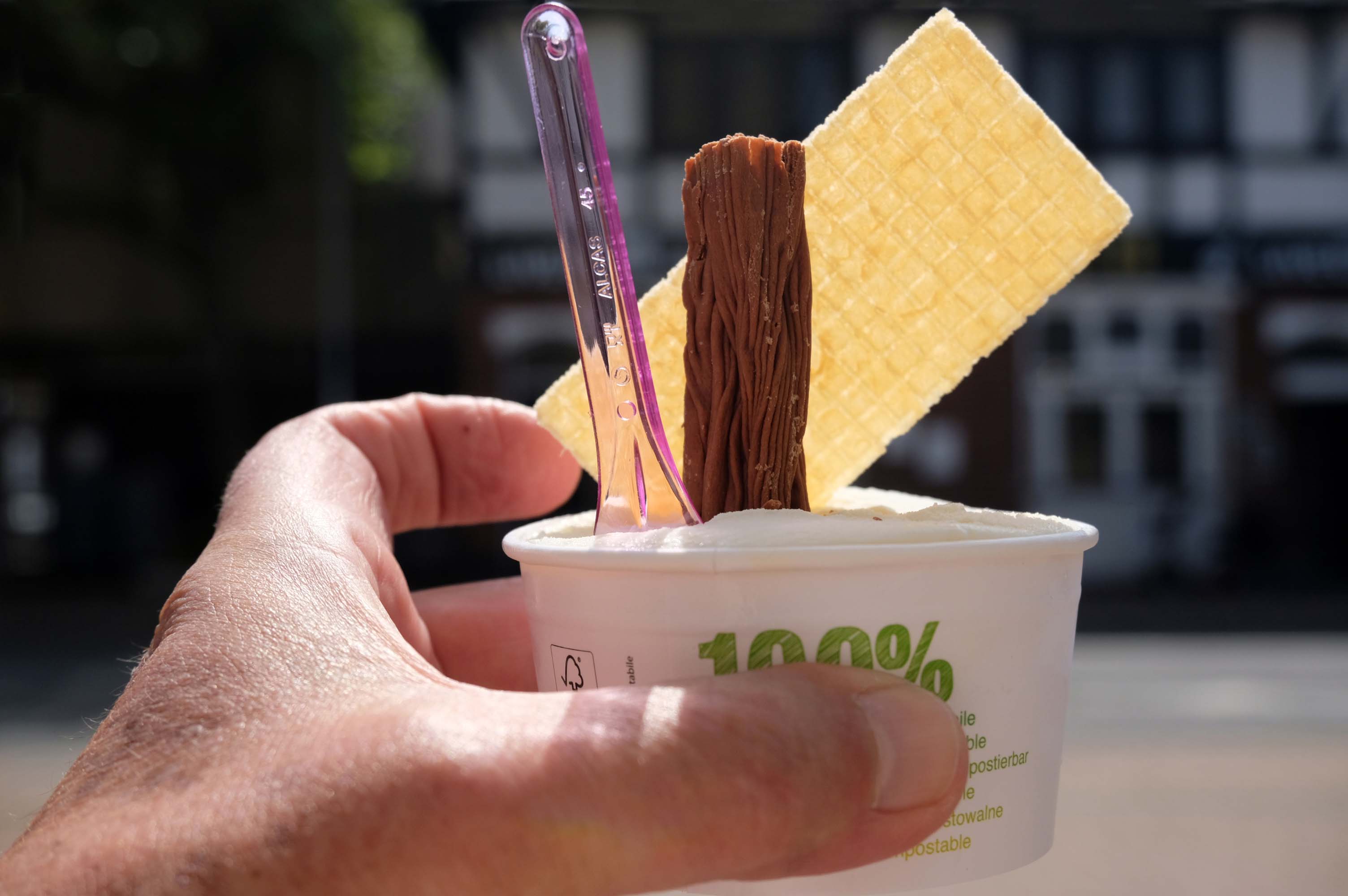
I nipped into town for a tub from Sidoli’s – £1.83 well spent.
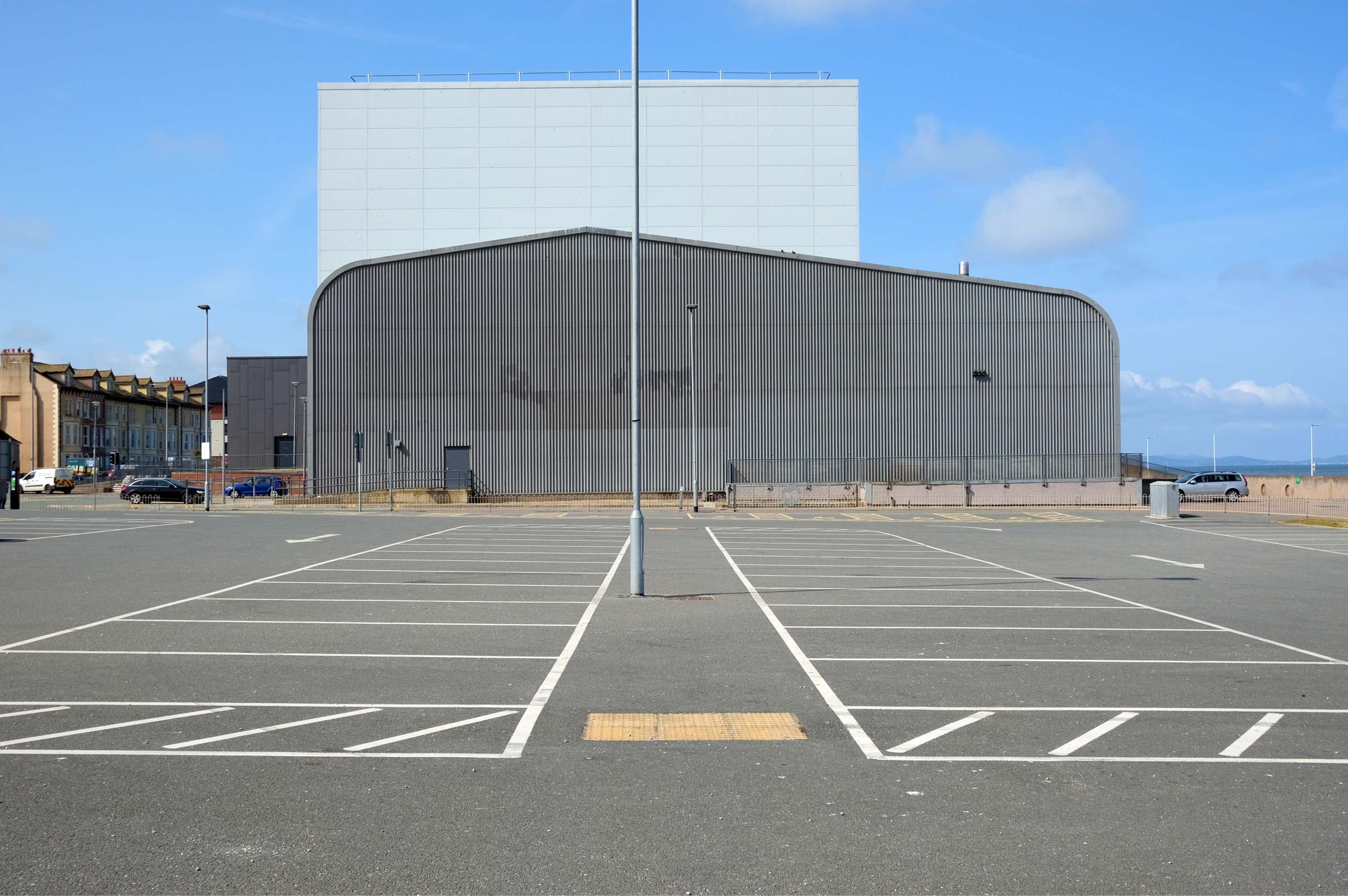
The promenade is home to a series of entertainments including the Rhyl Pavilion Theatre

The theatre, owned and operated by Denbighshire Council, has also been re-clad as part of the project, designed by architects Space & Place.

It forms part of a wider redevelopment of Rhyl’s seafront, which includes the demolition of the Sun Centre and the construction of a £15m water park.
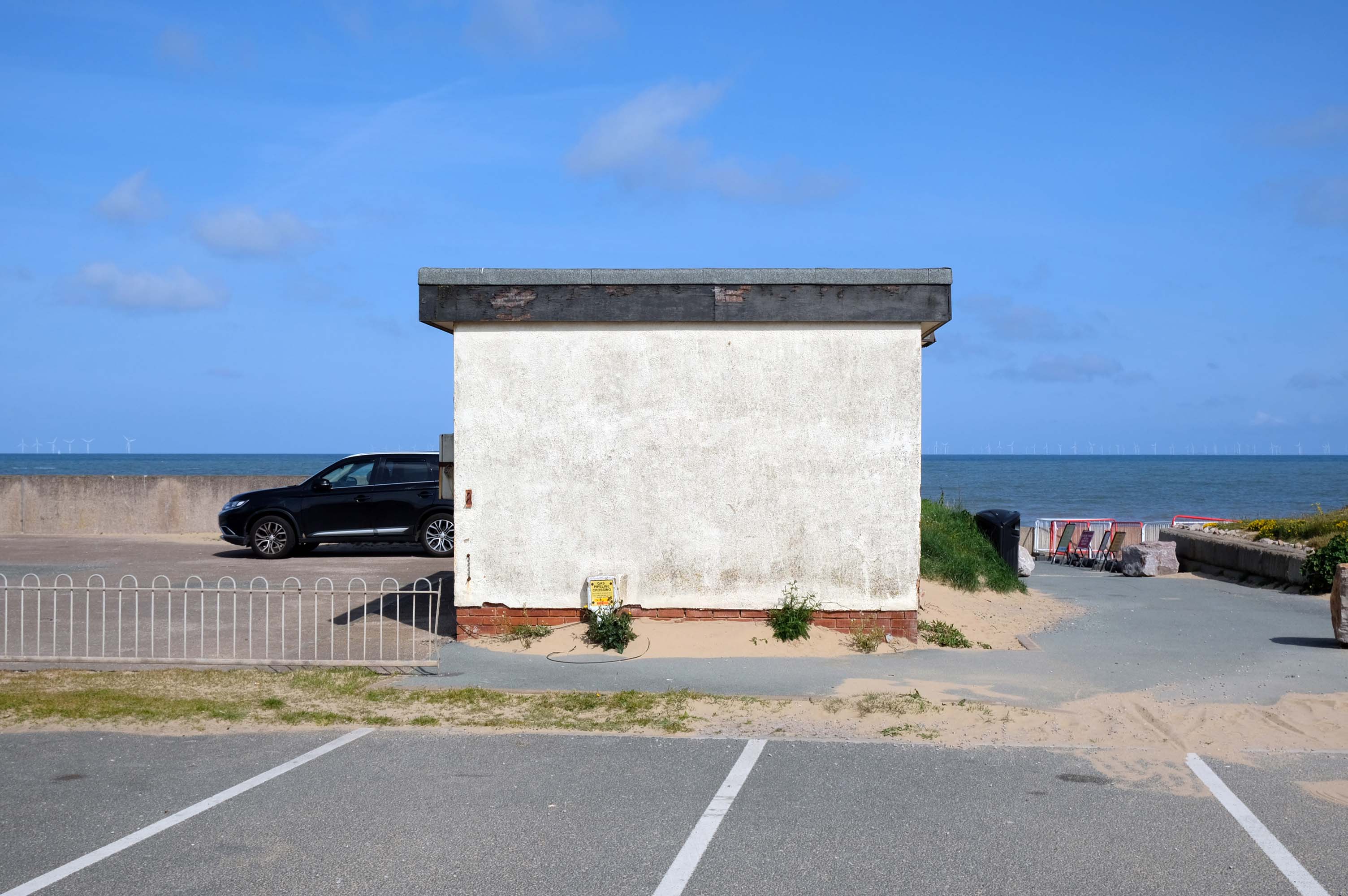
Place North West 2019

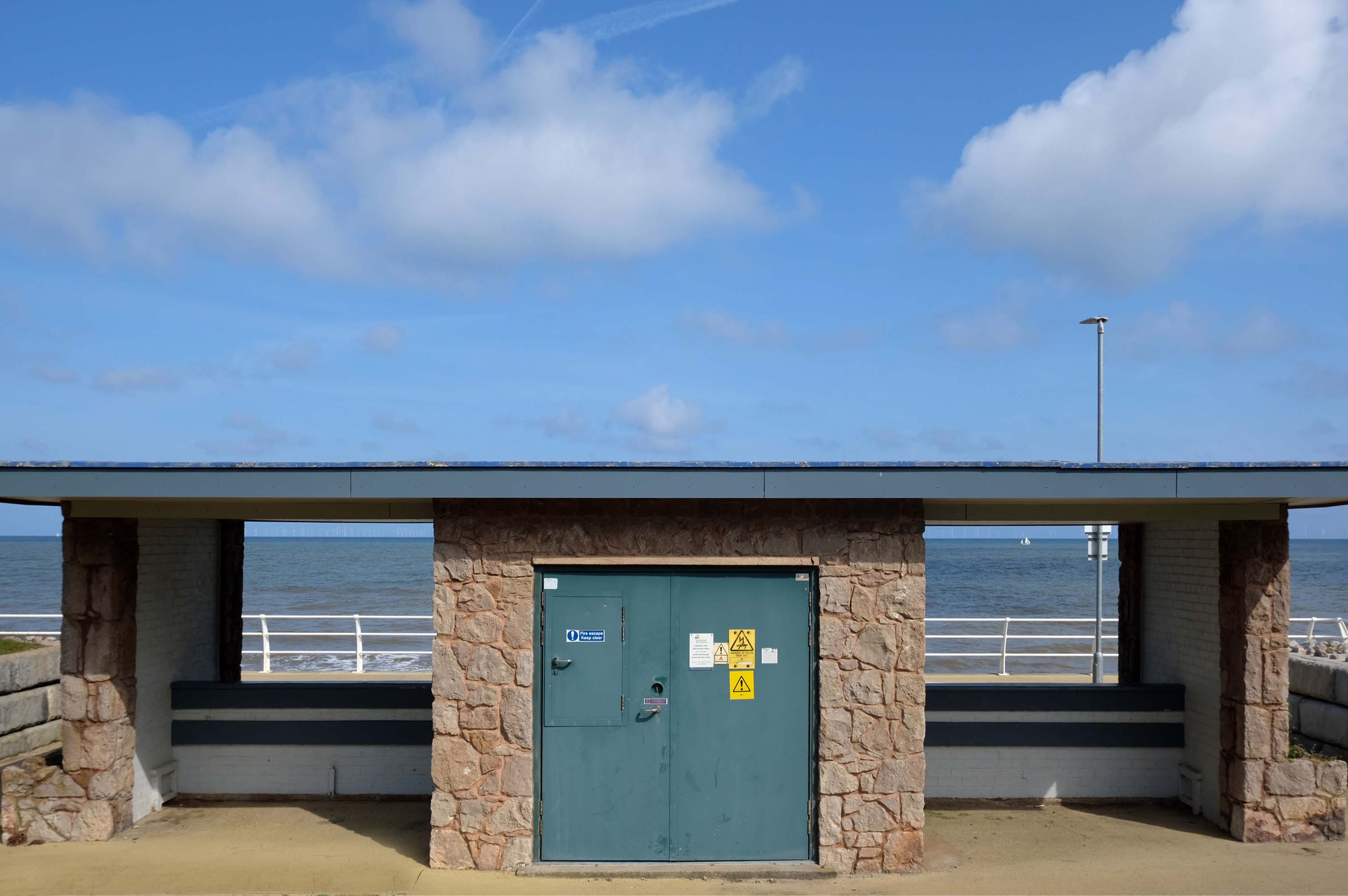
There is a also a becalmed Post Modernist Piazza – named Rhyl Events Arena.
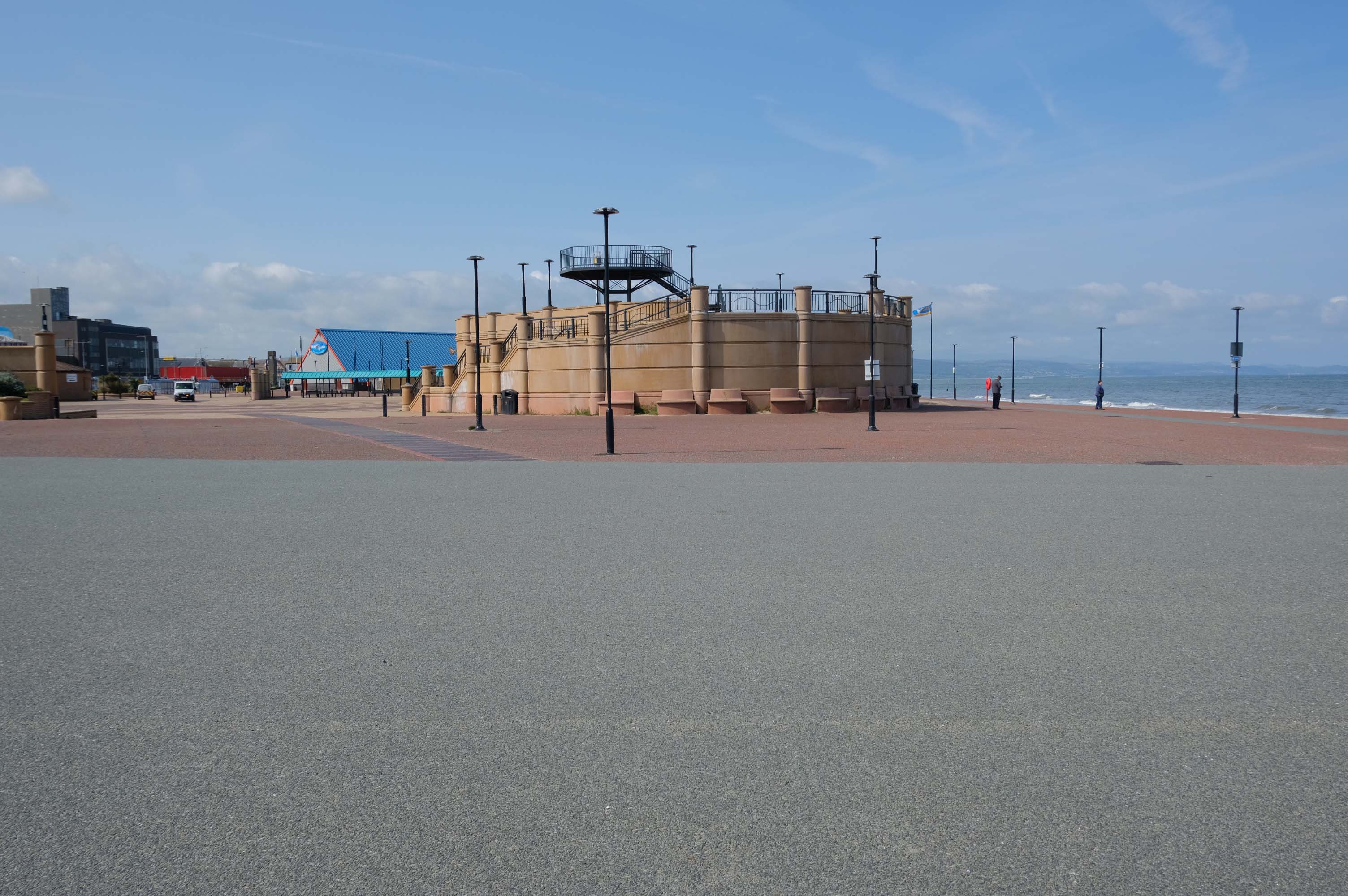
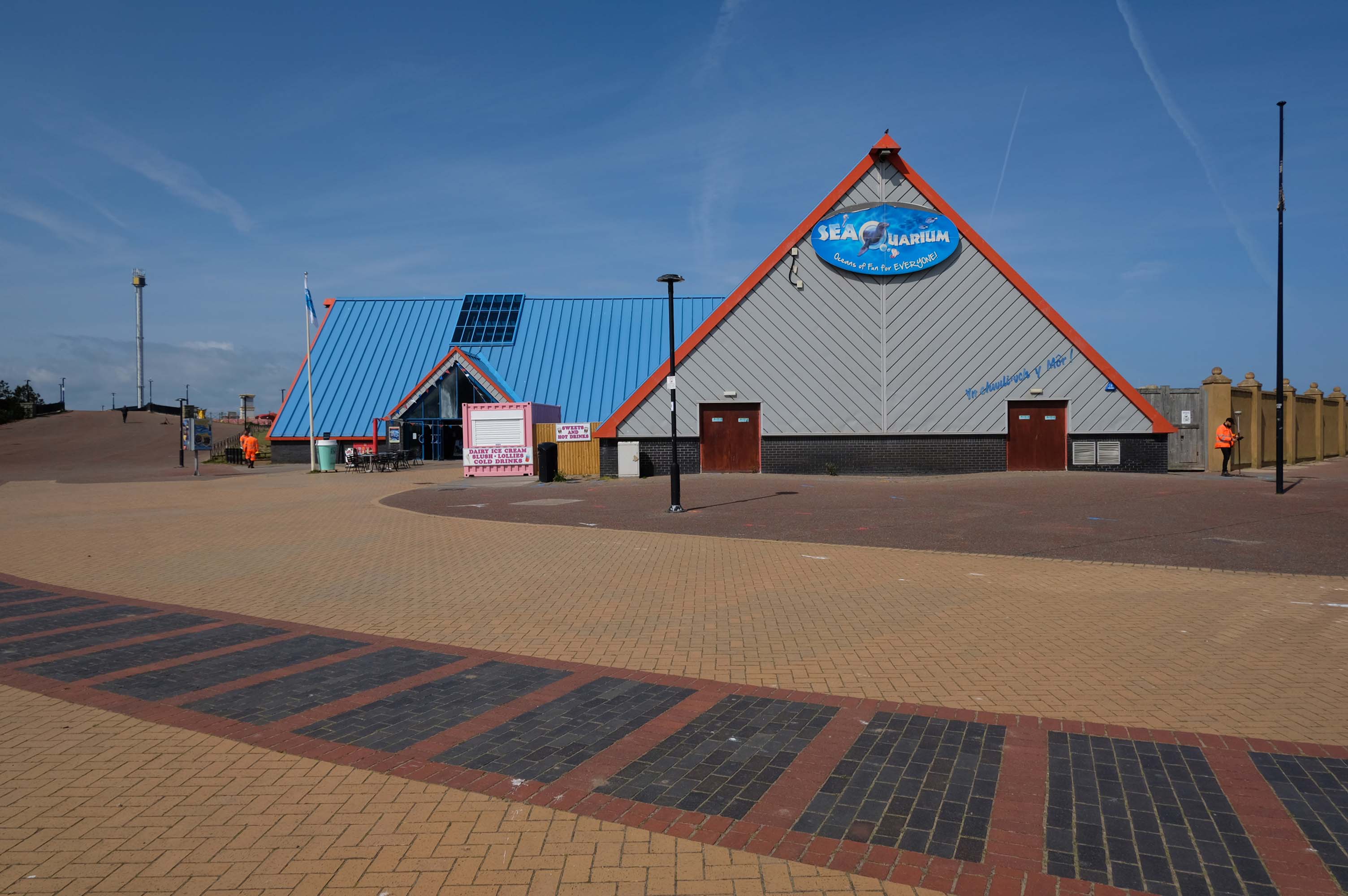
The playful nursery geometry of the SeaQuarium.
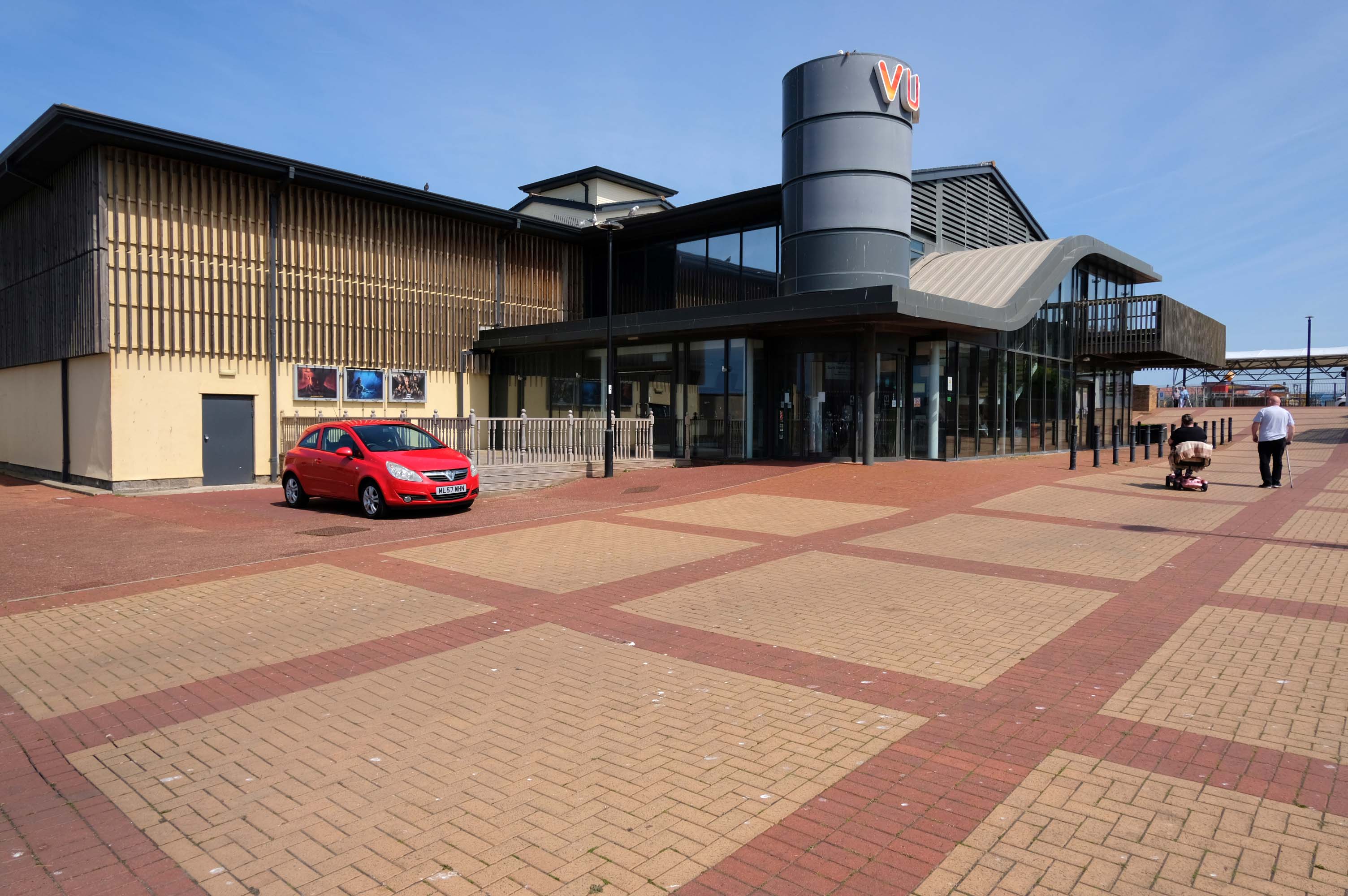
The functionalist Vue Cinema.

Tickets were £5.99 for a standard seat, the staff said not to bother upgrading as the premium seats were rubbish, sound was okay and picture quality was okay. 

Food price was expensive so it maybe cheap to get in, but £16.99 for a large popcorn and drink ups the price, would go again if in the area.
Joanne H – Bingley UK

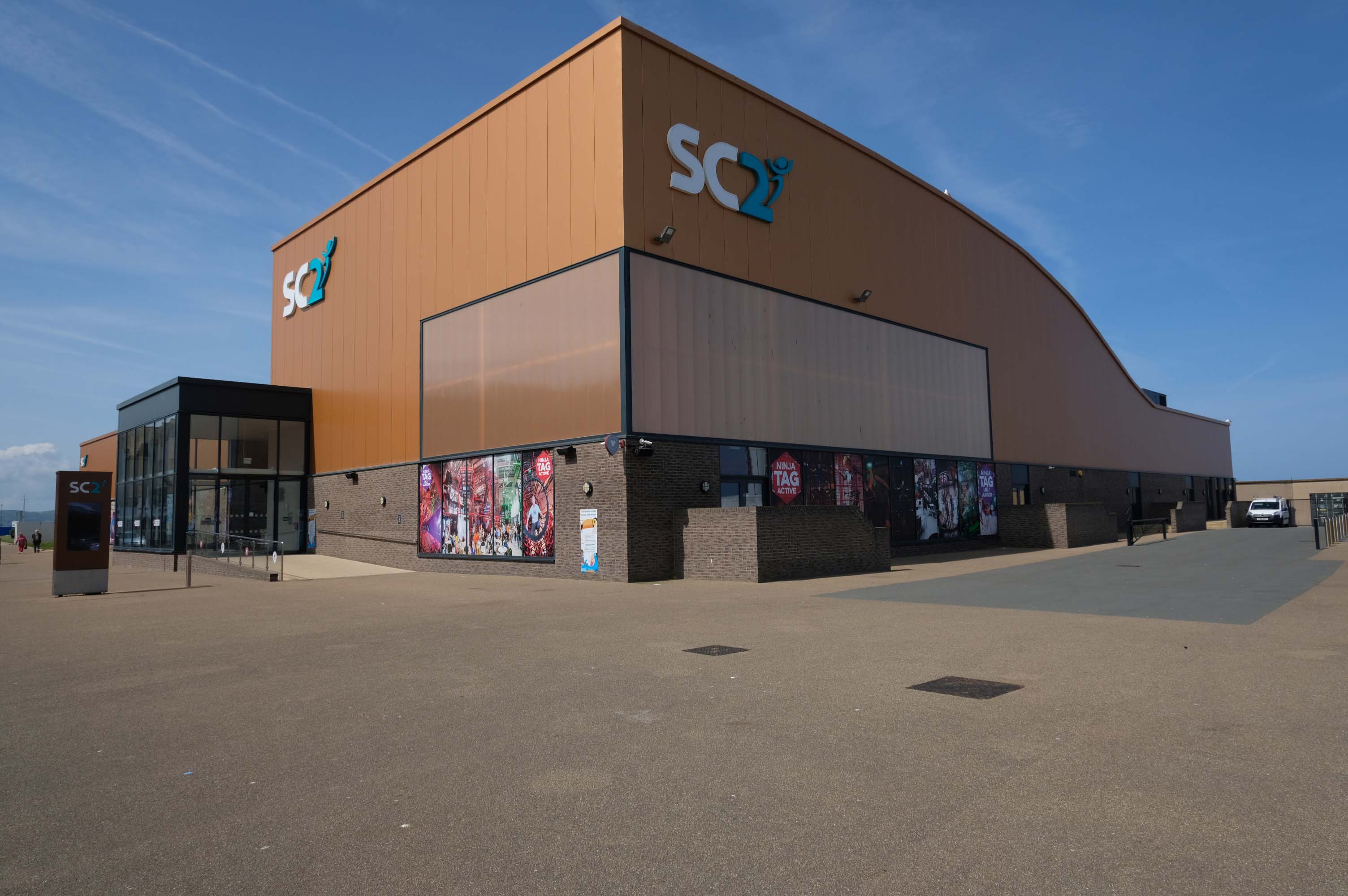
The slightly off-brown behemoth SC2 designed by architect Space & Place.
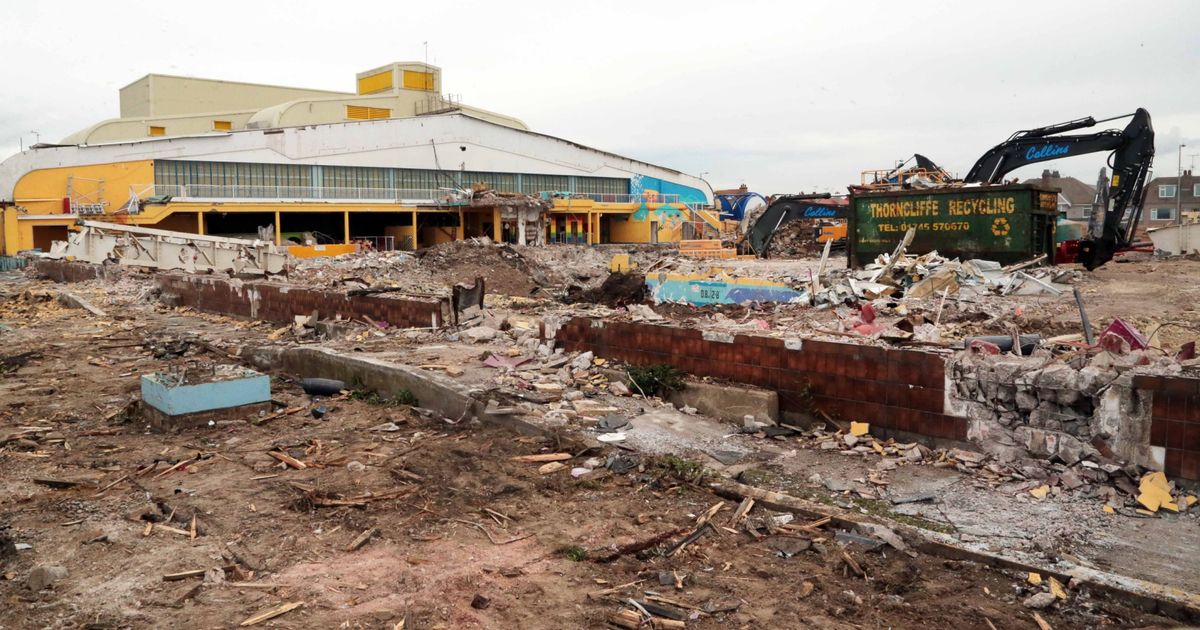
The former Sun Centre having been demolished.
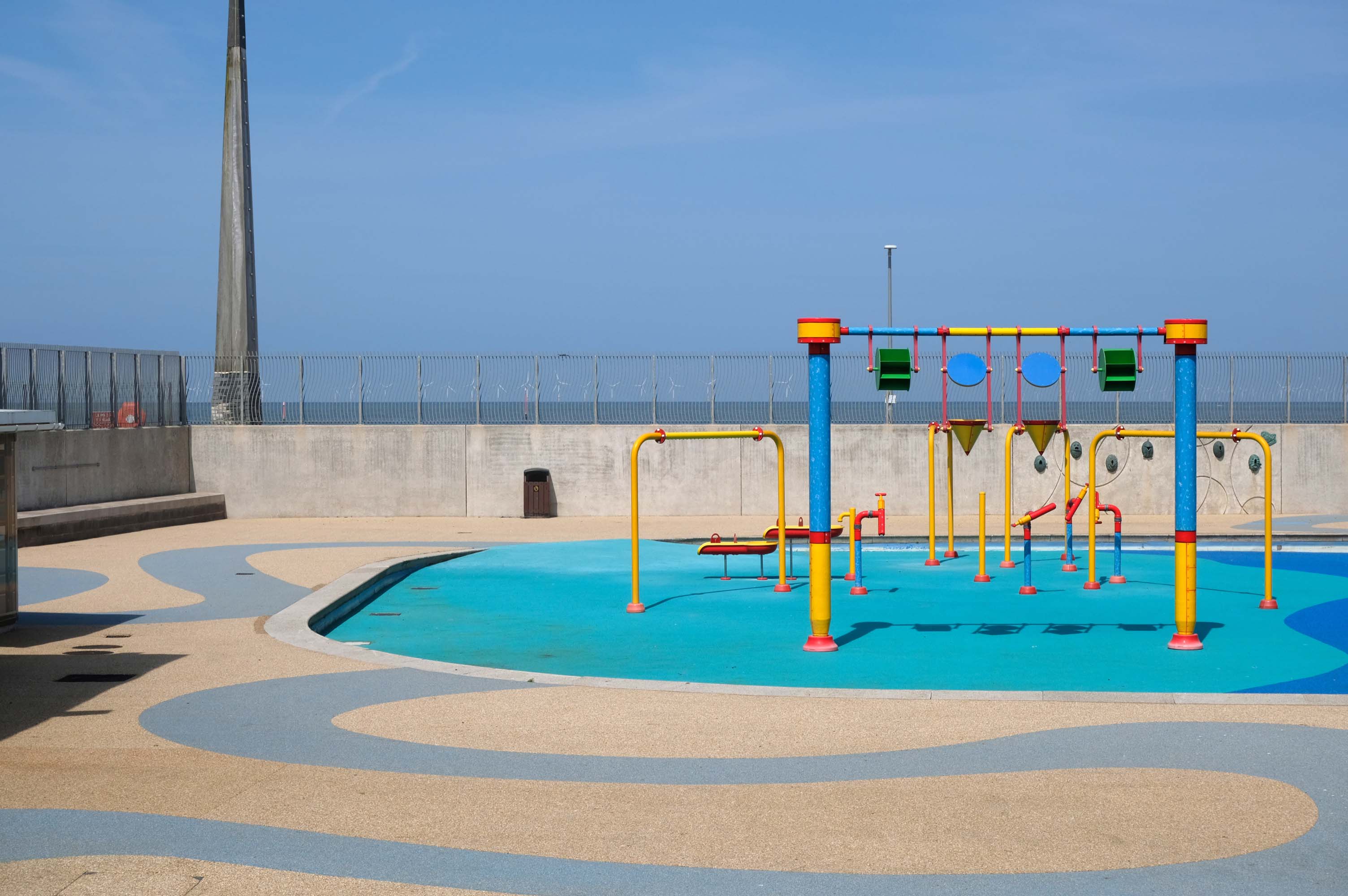
The outdoor play area has a distinctive Ettore Sottsass theme.
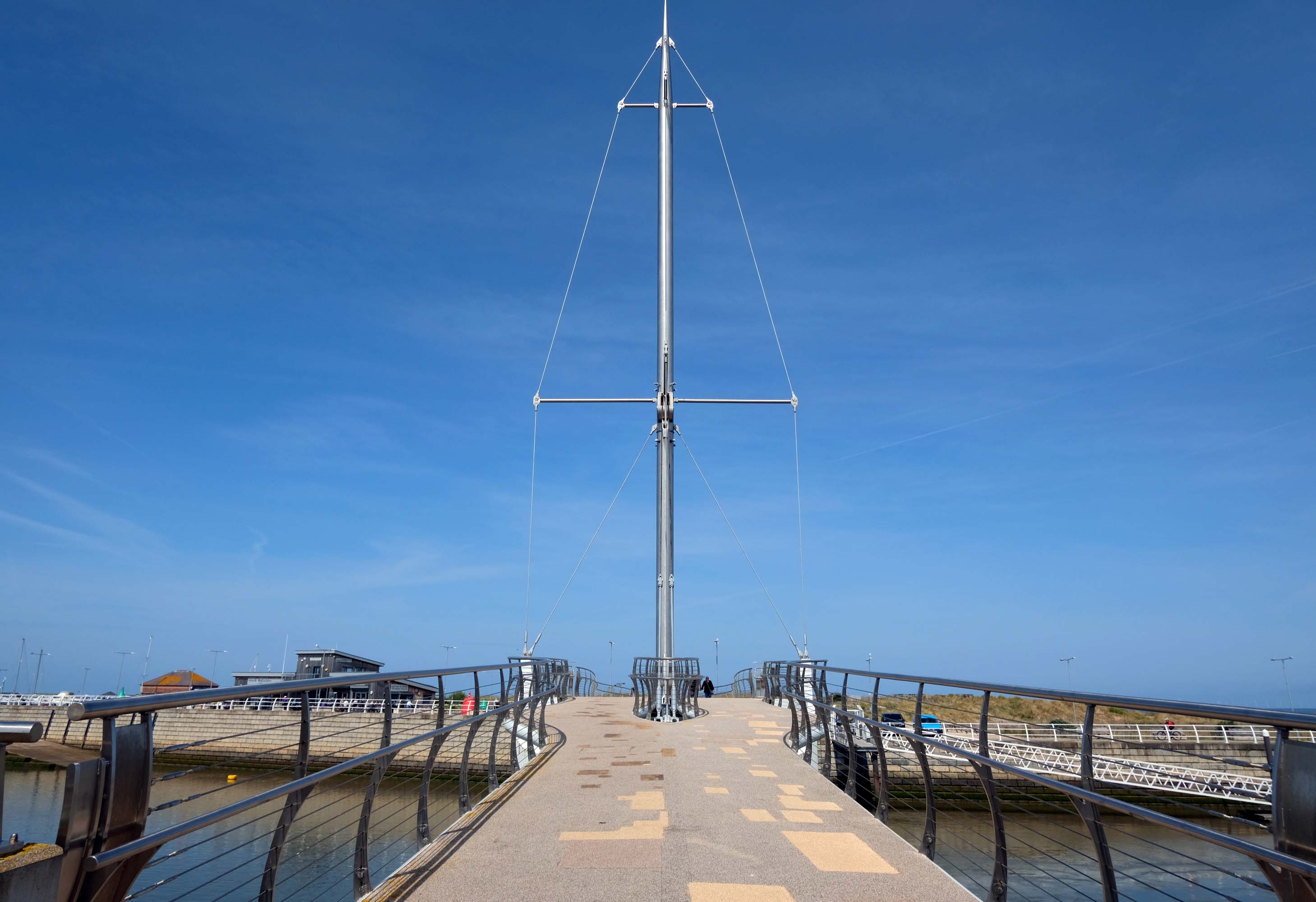
Crossing the harbour by way of the brand new Pont y Ddraig Bridge opened in October 2013.

The bridge was designed by Gifford – now part of Ramboll and built by Dawnus, fabrication of the two bascule decks was by AM Structures.
Happy Pontist

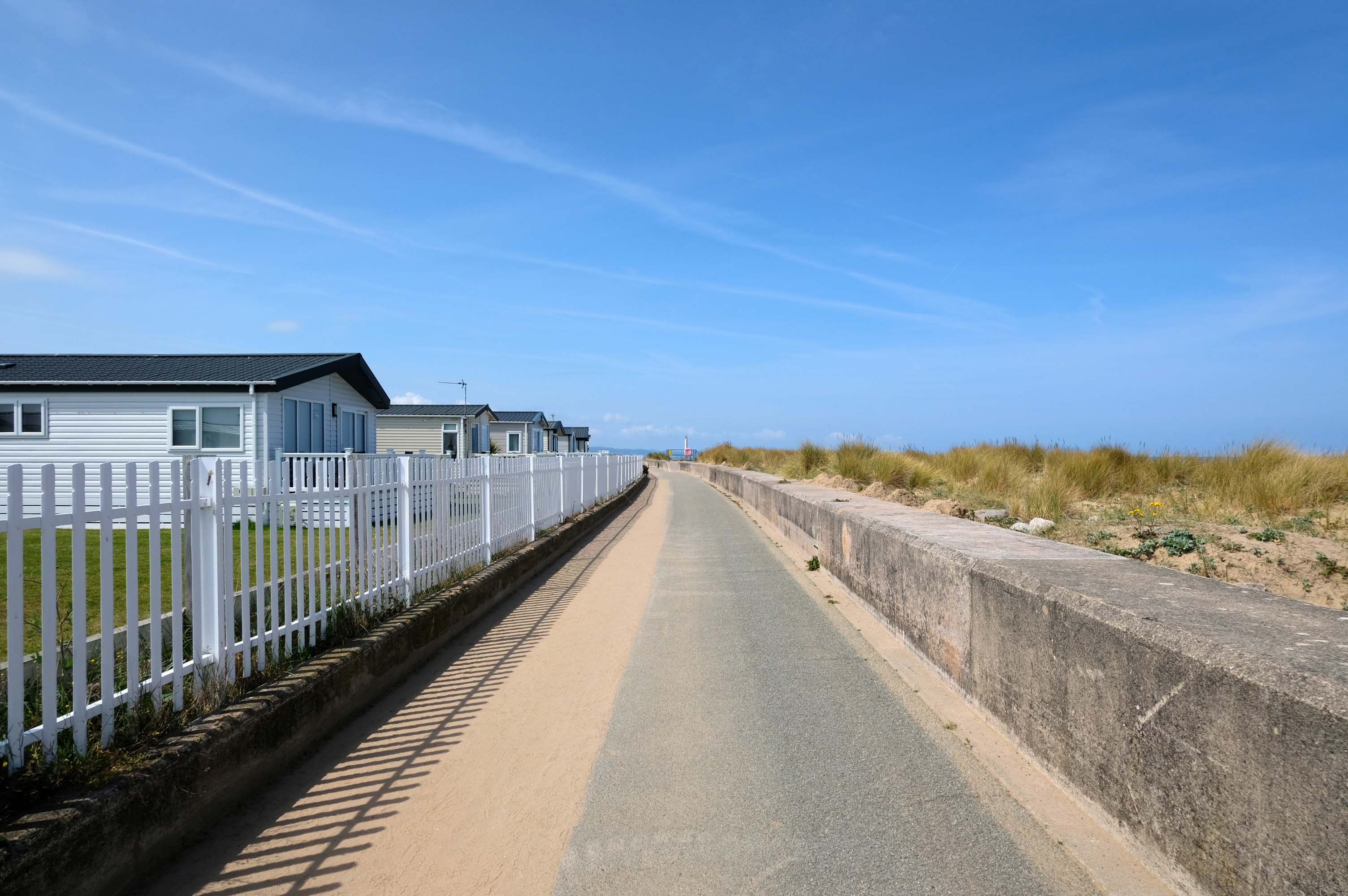
Much of the coast is fringed with chalets and static caravans.
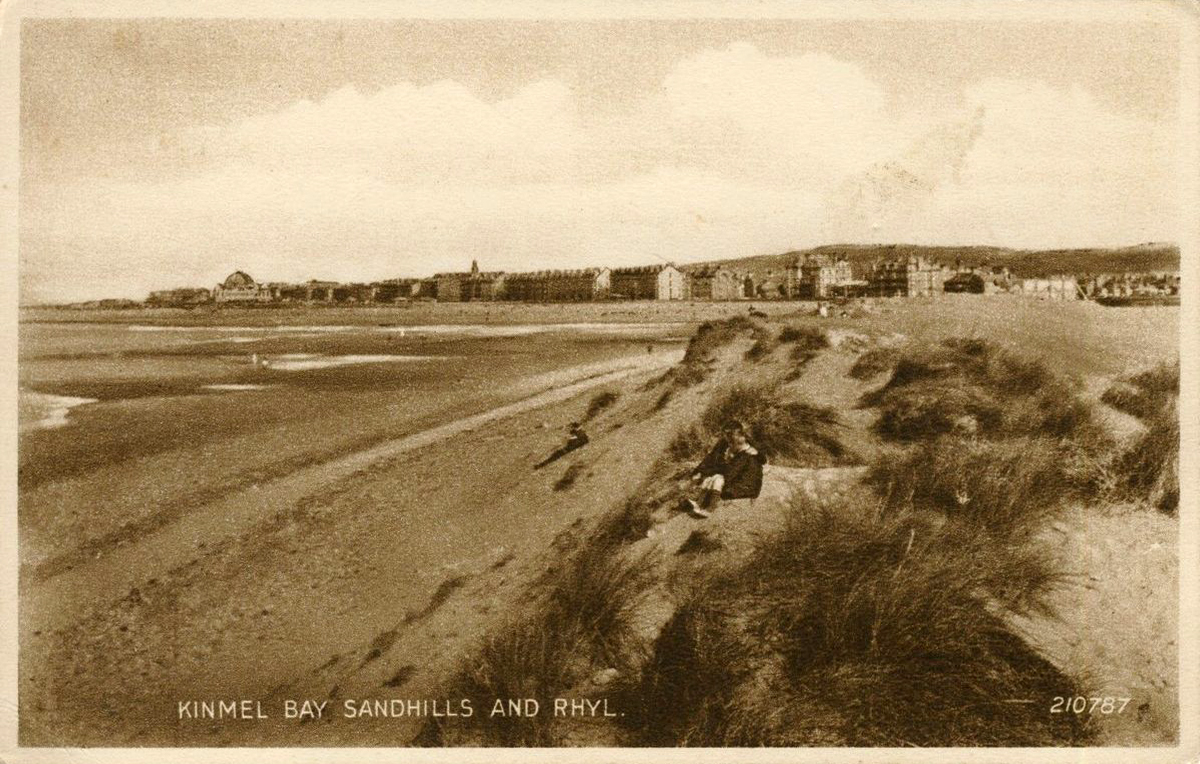
Kinmel Bay
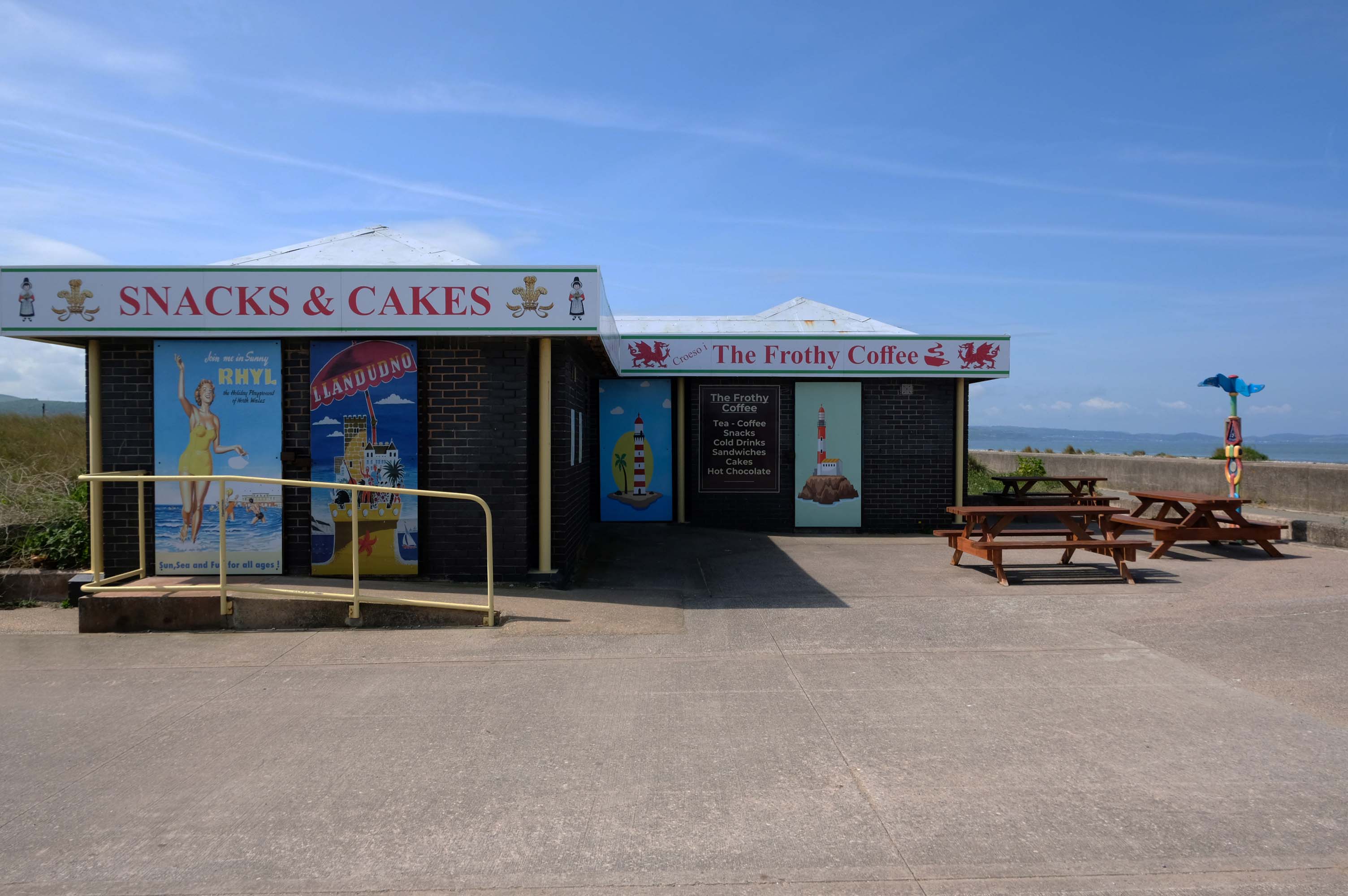
Home to The Frothy Coffee.

There aren’t enough food, service, value or atmosphere ratings for The Frothy Coffee, yet – be one of the first to write a review!

Kinmel Bay beach is popular with tourists and the local population. In addition to various small shops and takeaway outlets, there is also an Asda superstore that opened in 1981, which includes a large petrol filling station.
Wikipedia

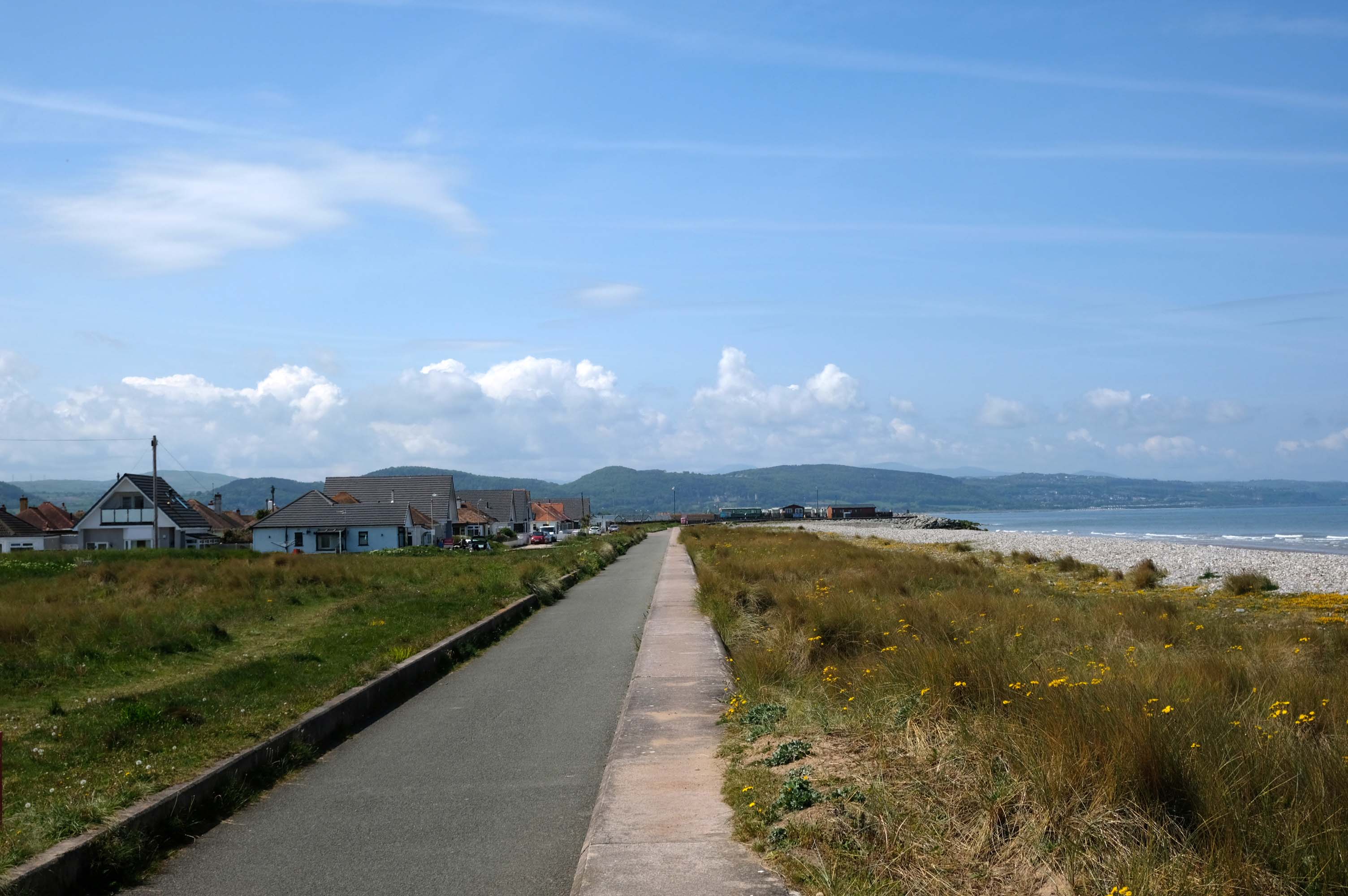
The concrete shore is softened by grasses and wild flowers – with views of the mountains beyond.
Here we are in Towyn
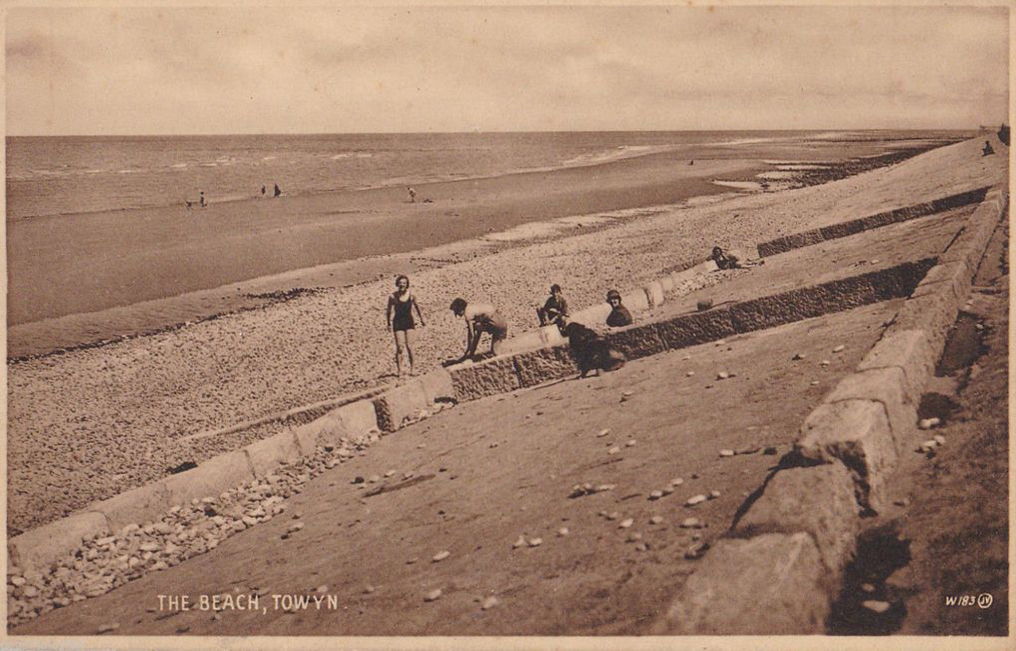
The town made national headlines in 1990 when a combination of gale-force winds, a high tide and rough seas caused Towyn’s flood defences to be breached at about 11.00am on 26 February. Four square miles of land was flooded, affecting 2,800 properties and causing areas of the resort to be evacuated. Further flooding occurred later the same week, on 1 March, shortly after the site of the disaster was visited by Prince Charles and Princess Diana.

Scientific experts also believe that the silt left behind from the flooding had left the town with a higher concentration of radioactivity, over ten times the governmental safety limits, most likely originating from the nuclear processing plant at Sellafield which had been dispersed into the Irish Sea over many years since its construction.

Wikipedia

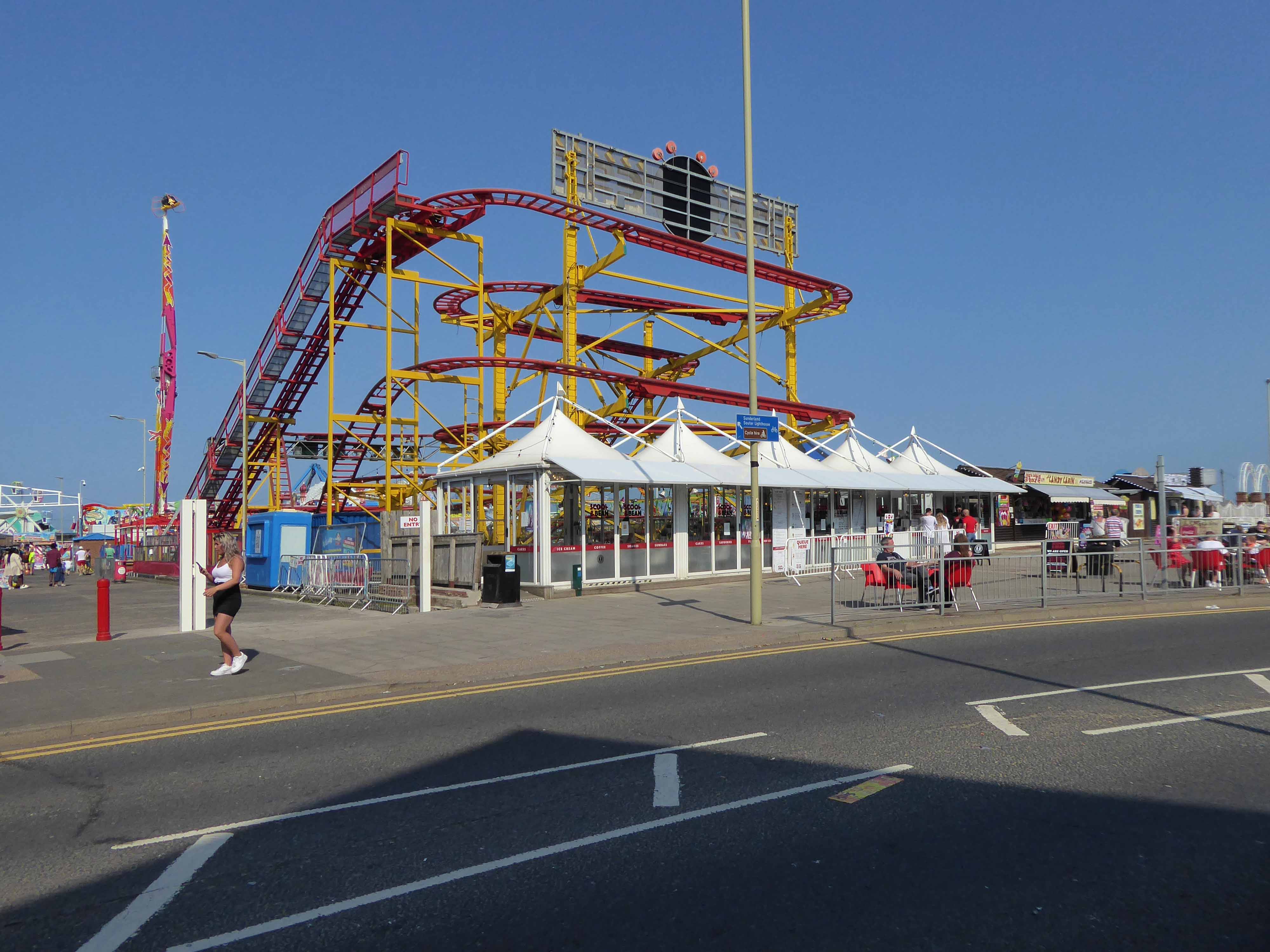
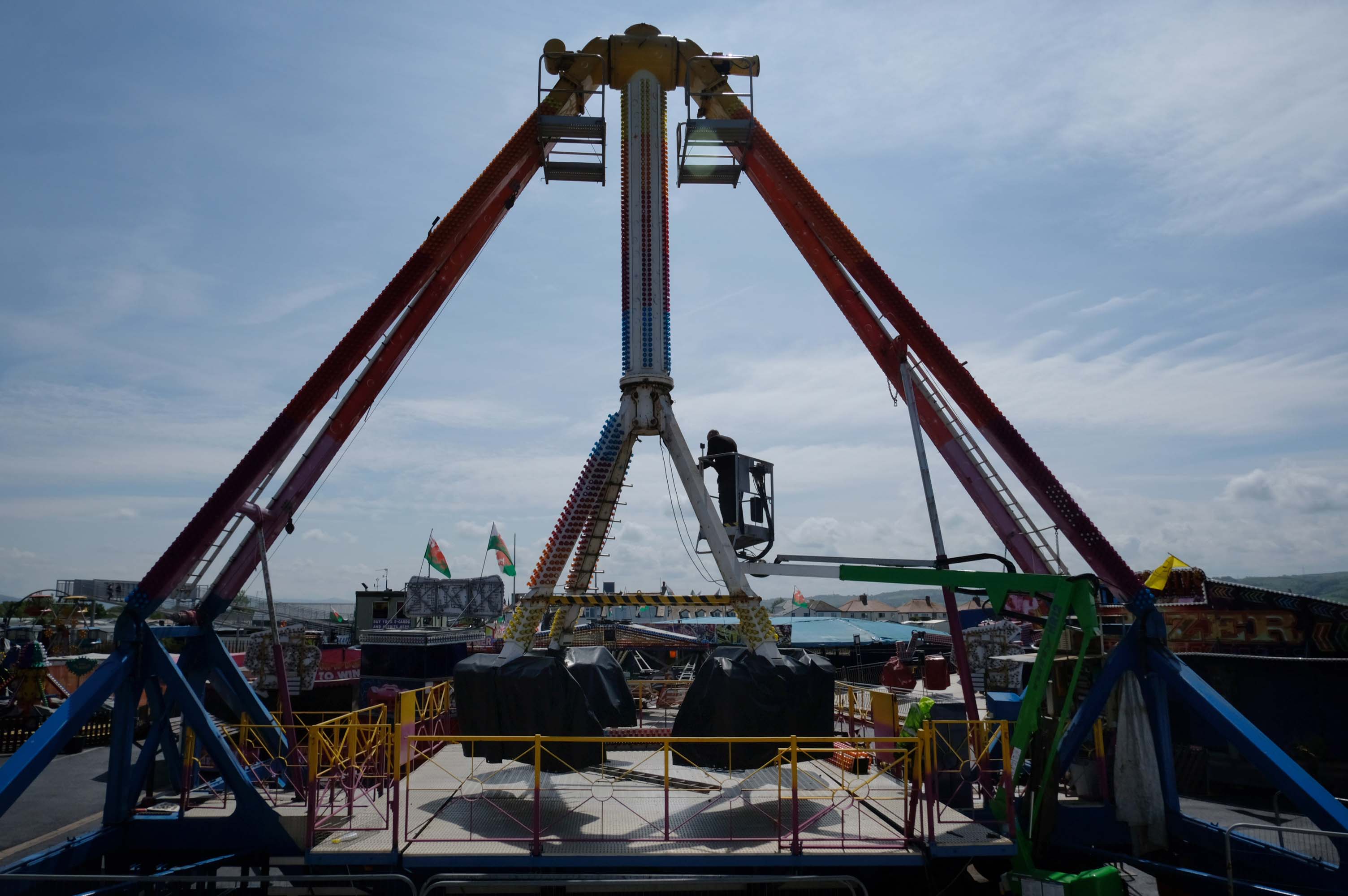
Excitements galore, await at the well maintained funfair.
Motor cars to the fore, as the intrepid sea-anglers prepare for a day of sea-angling.
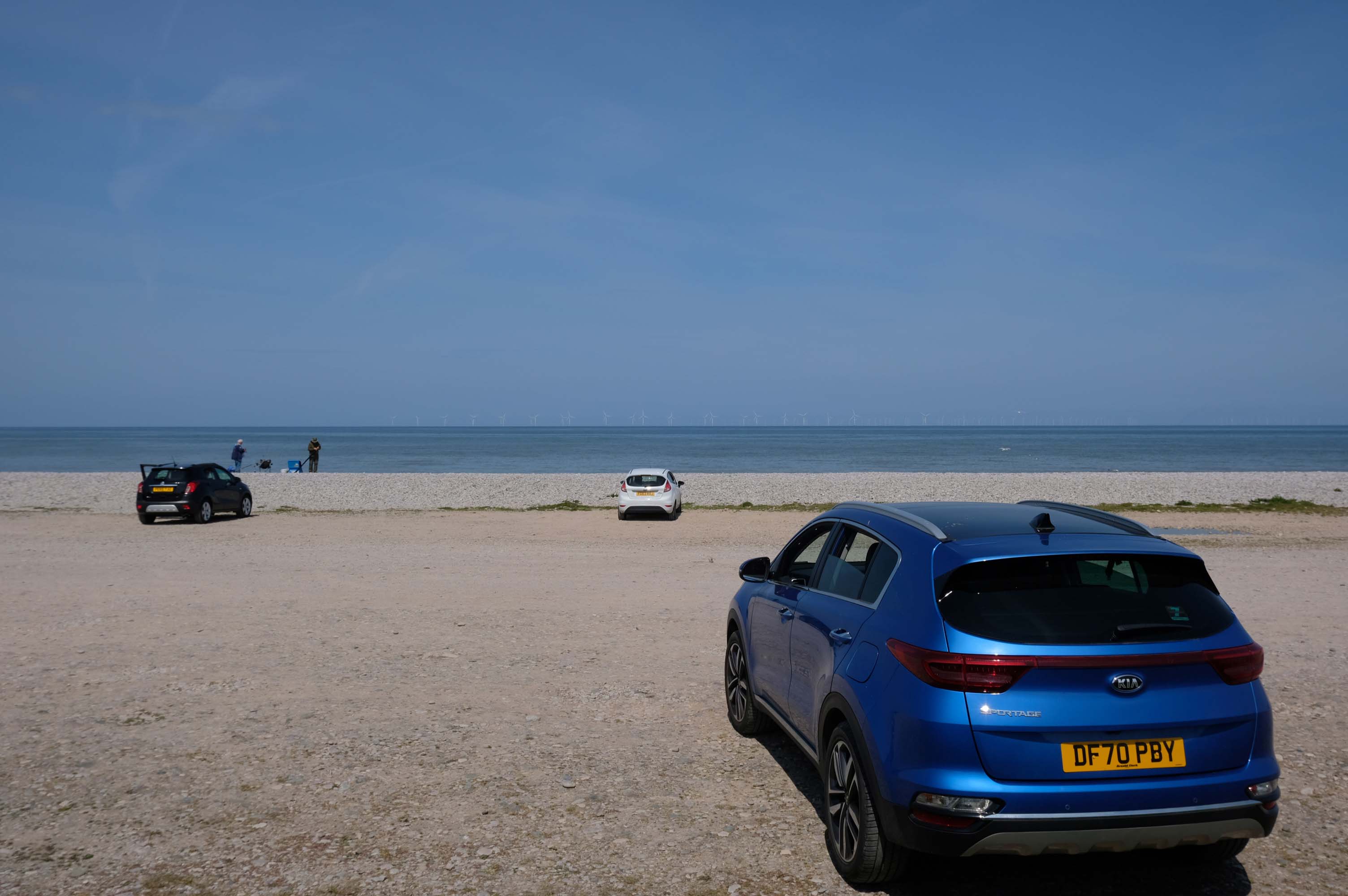
Abergele where Family Fun can be found in the form of Kiddies Karts.

In 2020/21 Abergele hosted the 20th and 21st editions of I’m a Celebrity Get Me Out of Here! at Gwrych Castle, due to the Covid pandemic restrictions in Australia.
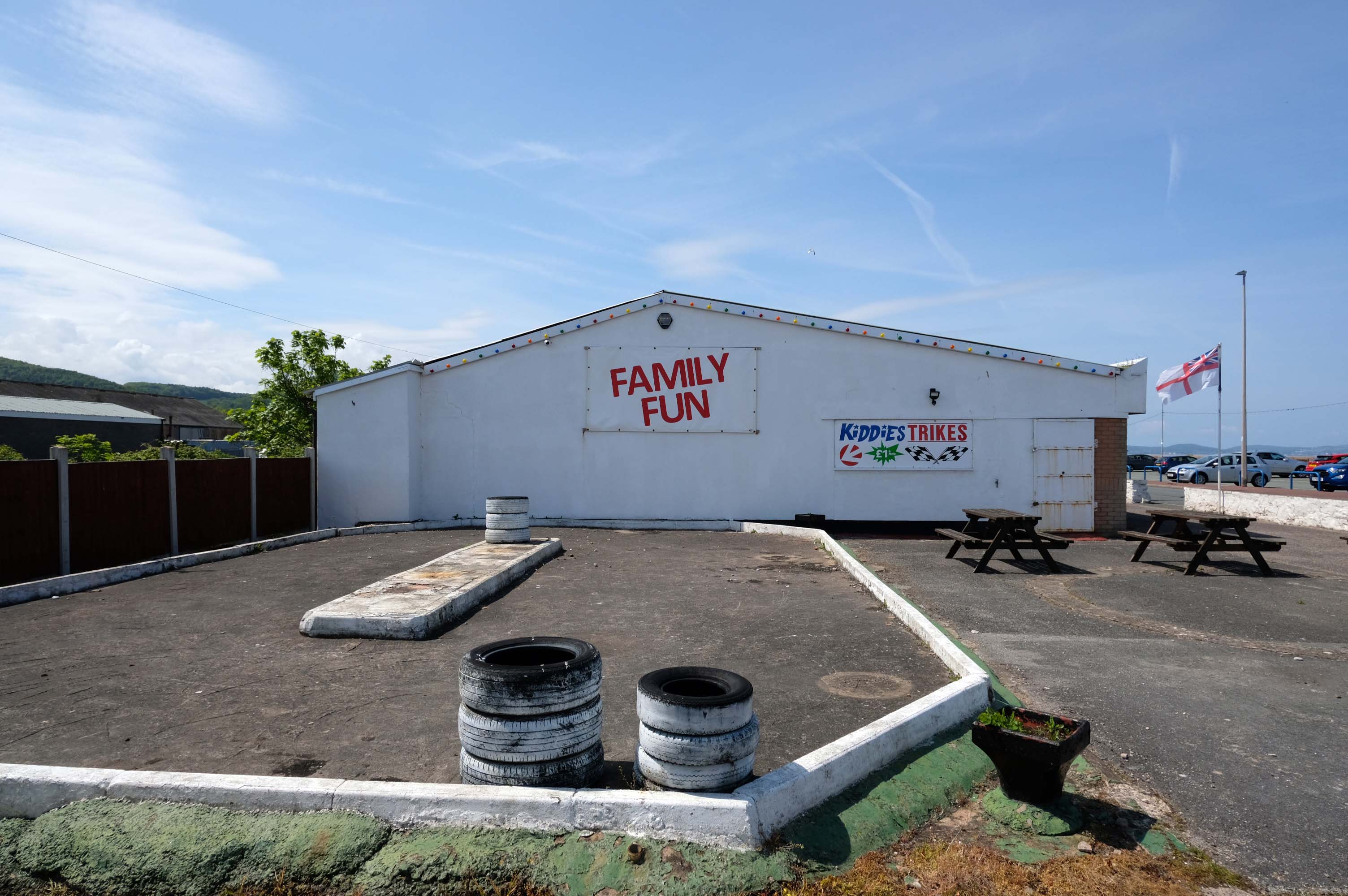
I failed to avail myself with a chilly treat courtesy of Danny’s Whippy, having already had my 99 tub, from Sidoli’s in Rhyl.
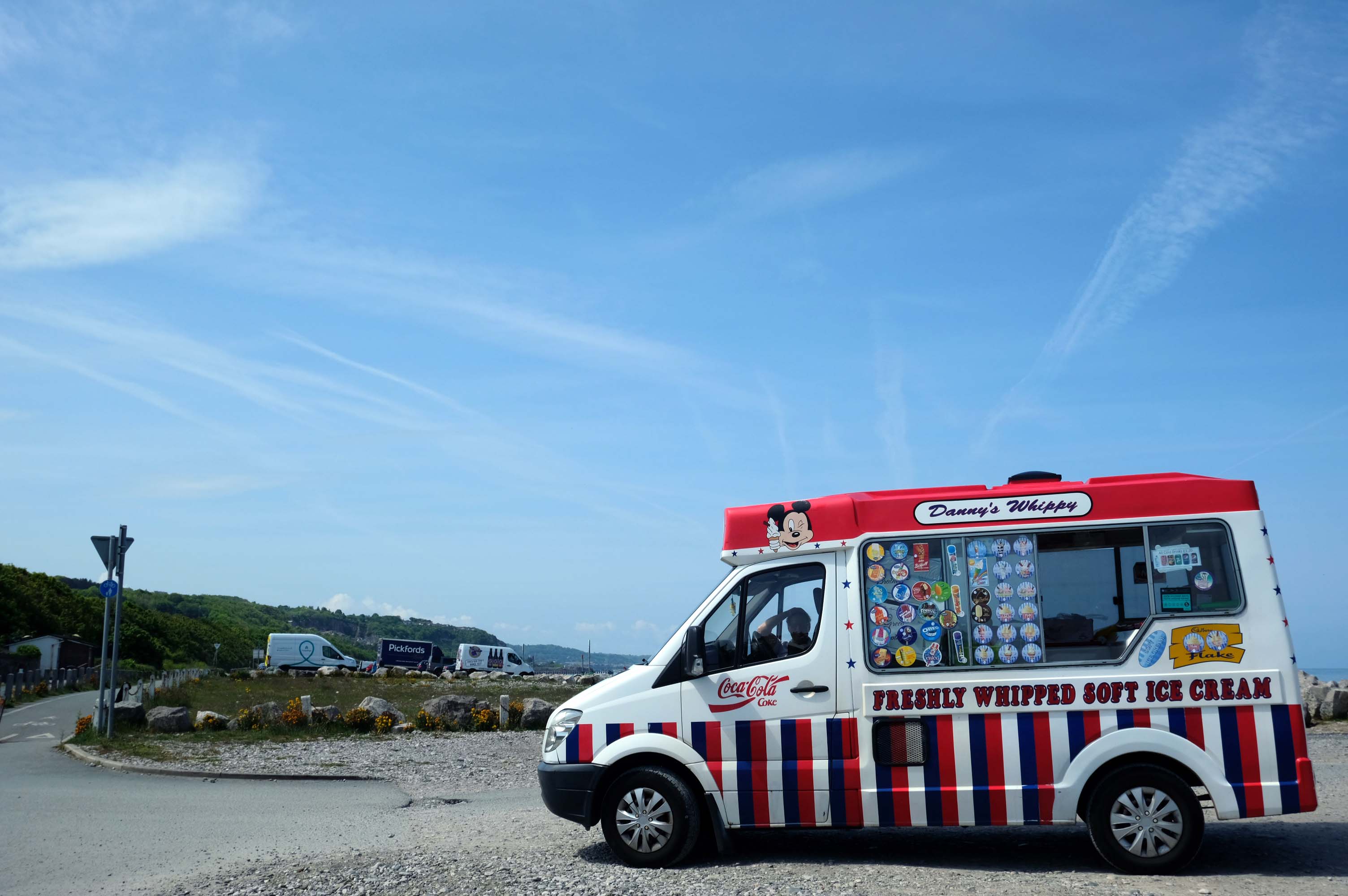
Local brewery Purple Moose’s delivery van driver takes a timely break, whilst fellow cyclists stop for a cig and a chat.
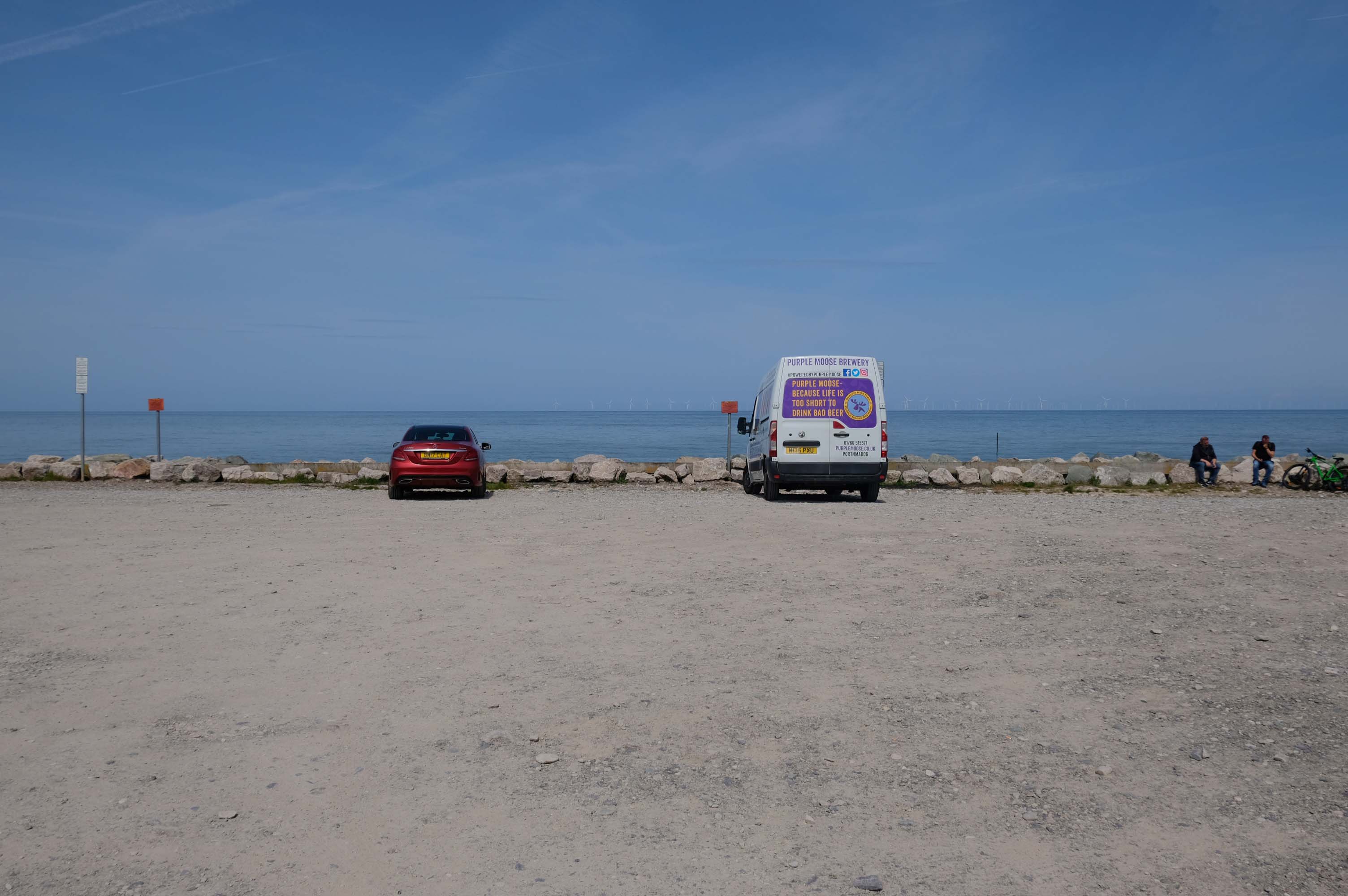
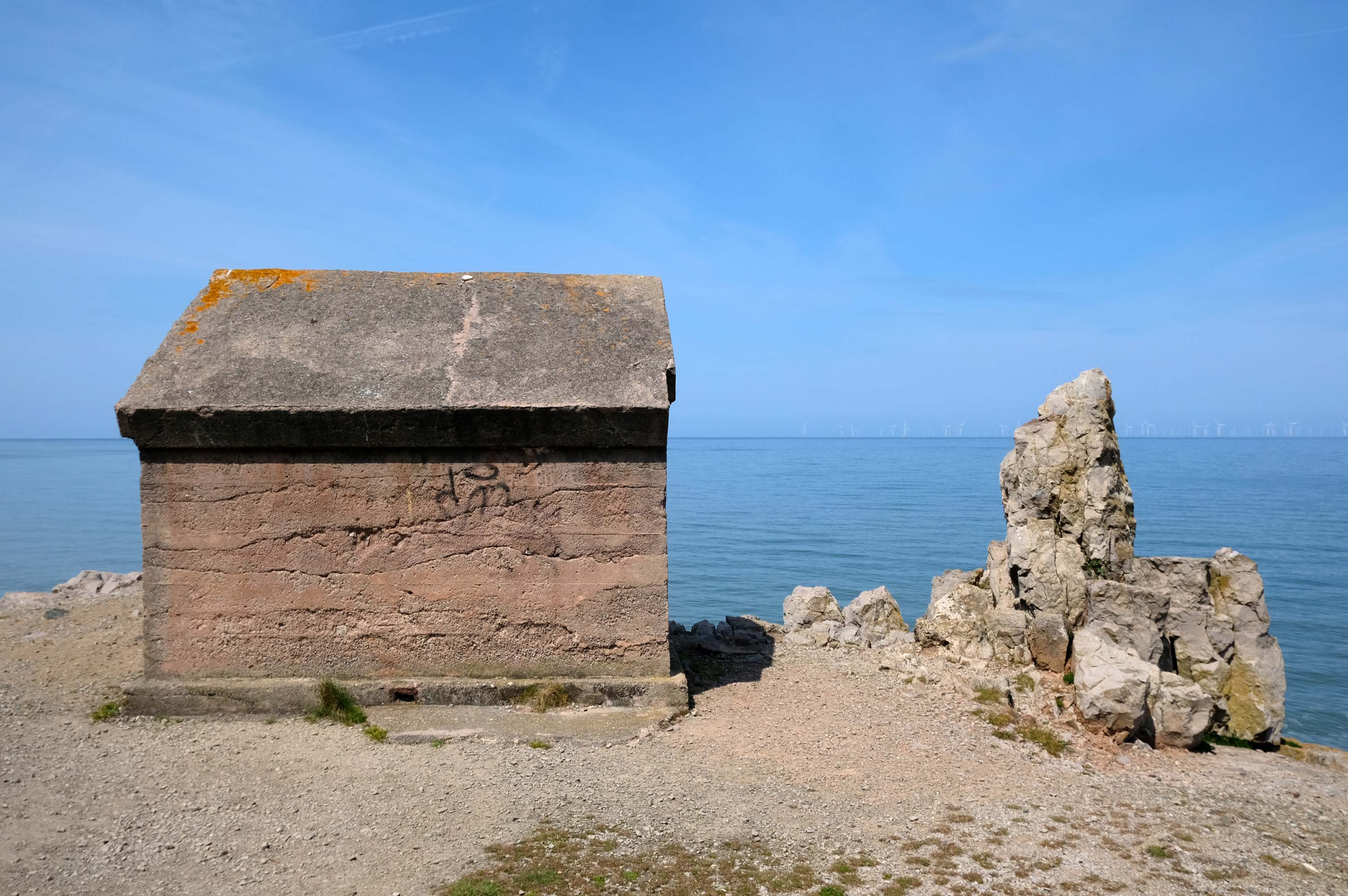
Rugged rocks, sadly lacking ragged rascals, as the Little Orme comes into view.
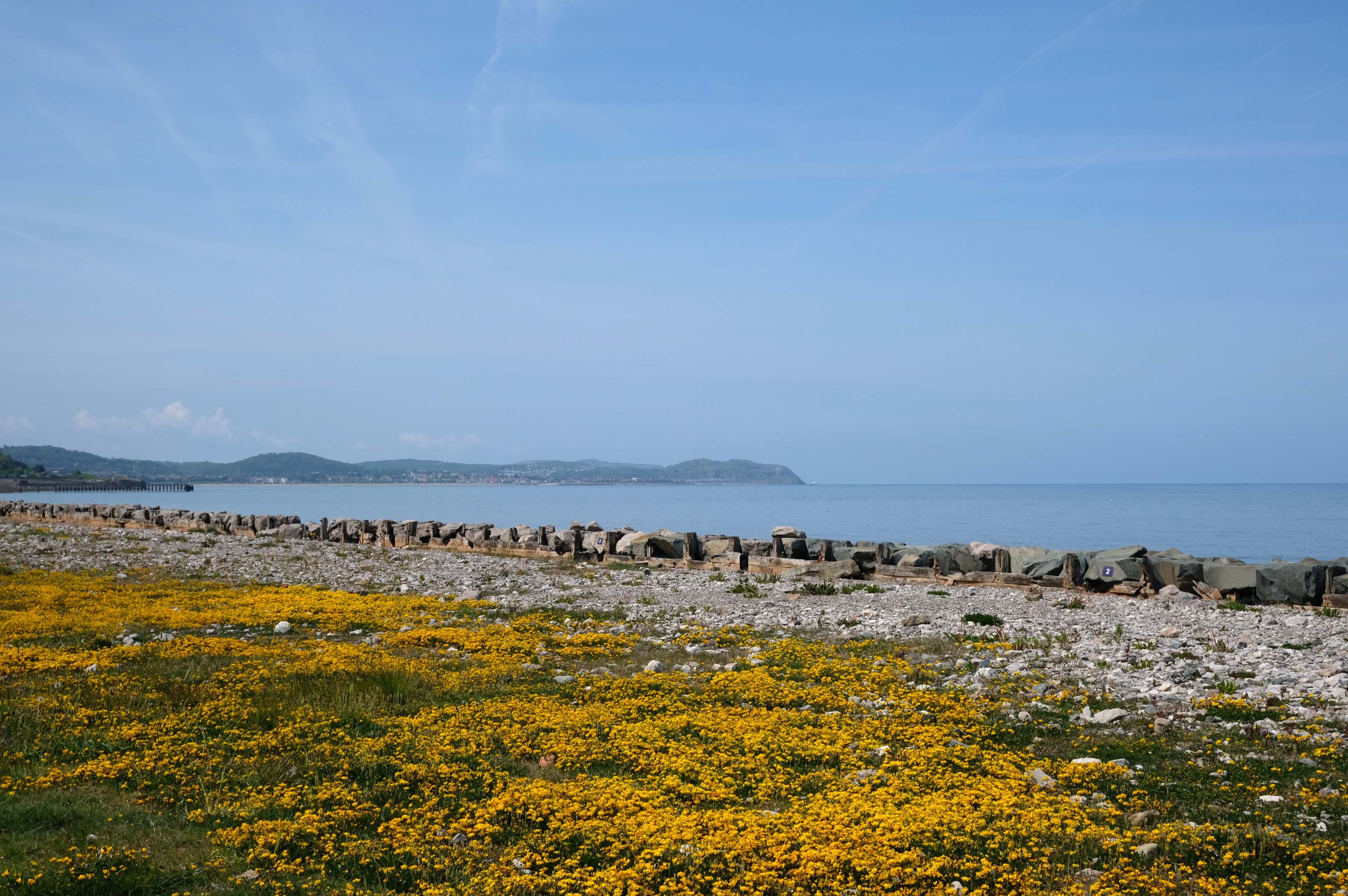
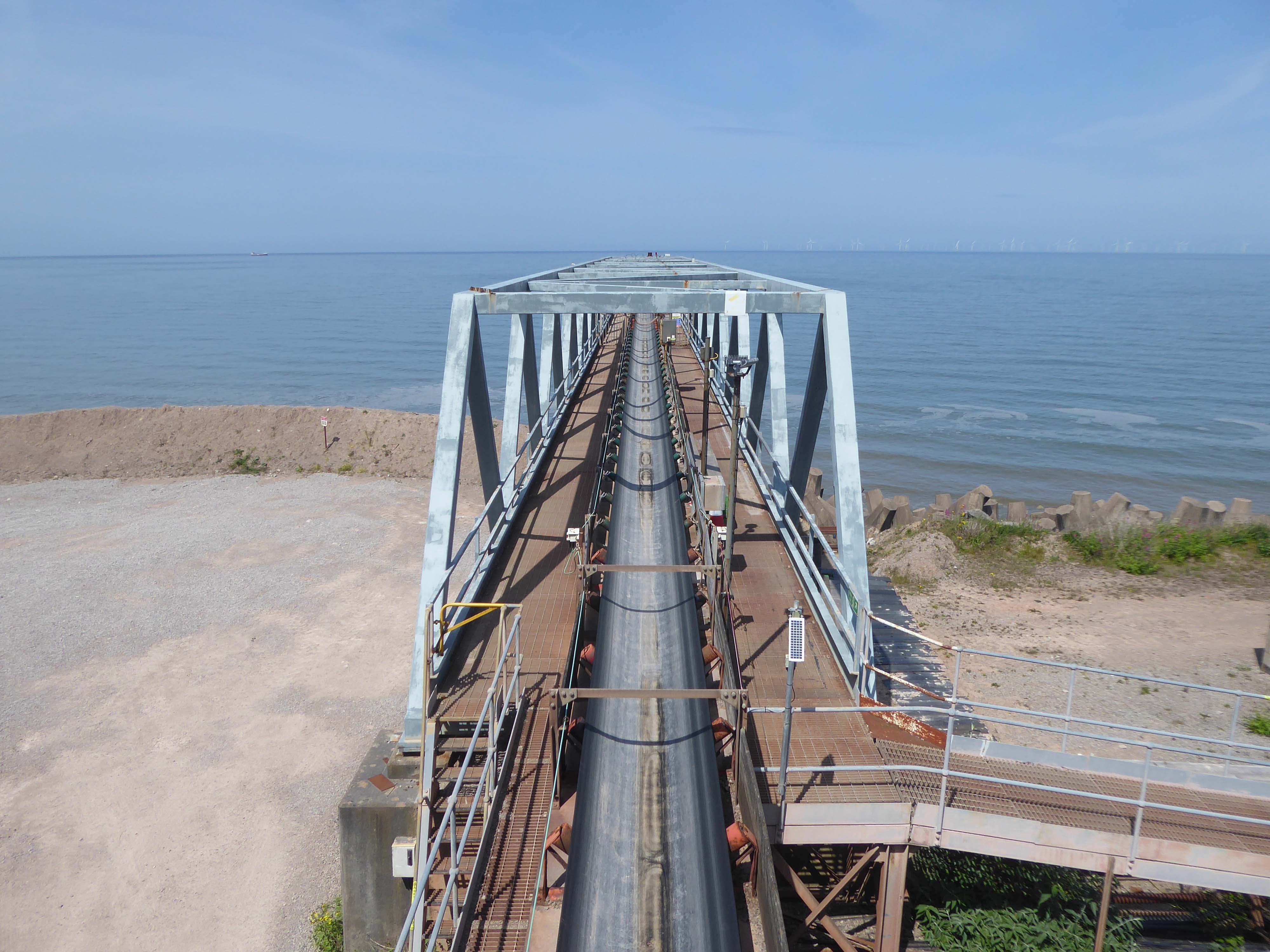
Cast concrete defences, and Raynes Quarry jetty at Llandulas.

The quarry was originally known as Llysfaen Limeworks, being close to Llysfaen railway station. James Trevelyan Raynes of Rock Ferry, Birkenhead, took over the quarry in the 1870s, adding large new limekilns. Lime from the quarry was shipped to various alkali works. Alkali was used for soap, textiles and many other goods.

Quarrying in this area has also produced porcelain-like limestone for high quality architectural uses. St Margaret’s Church – also known as the Marble Church in Bodelwyddan, was built with limestone from Llanddulas.

In November 2011 one of the freighters, MV Swanland, sank in stormy weather on the Irish Sea after collecting 3,000 tons of stone from Raynes jetty bound for the Isle of Wight.

Two crewmen were rescued but five, all Russian, were lost.

History Points

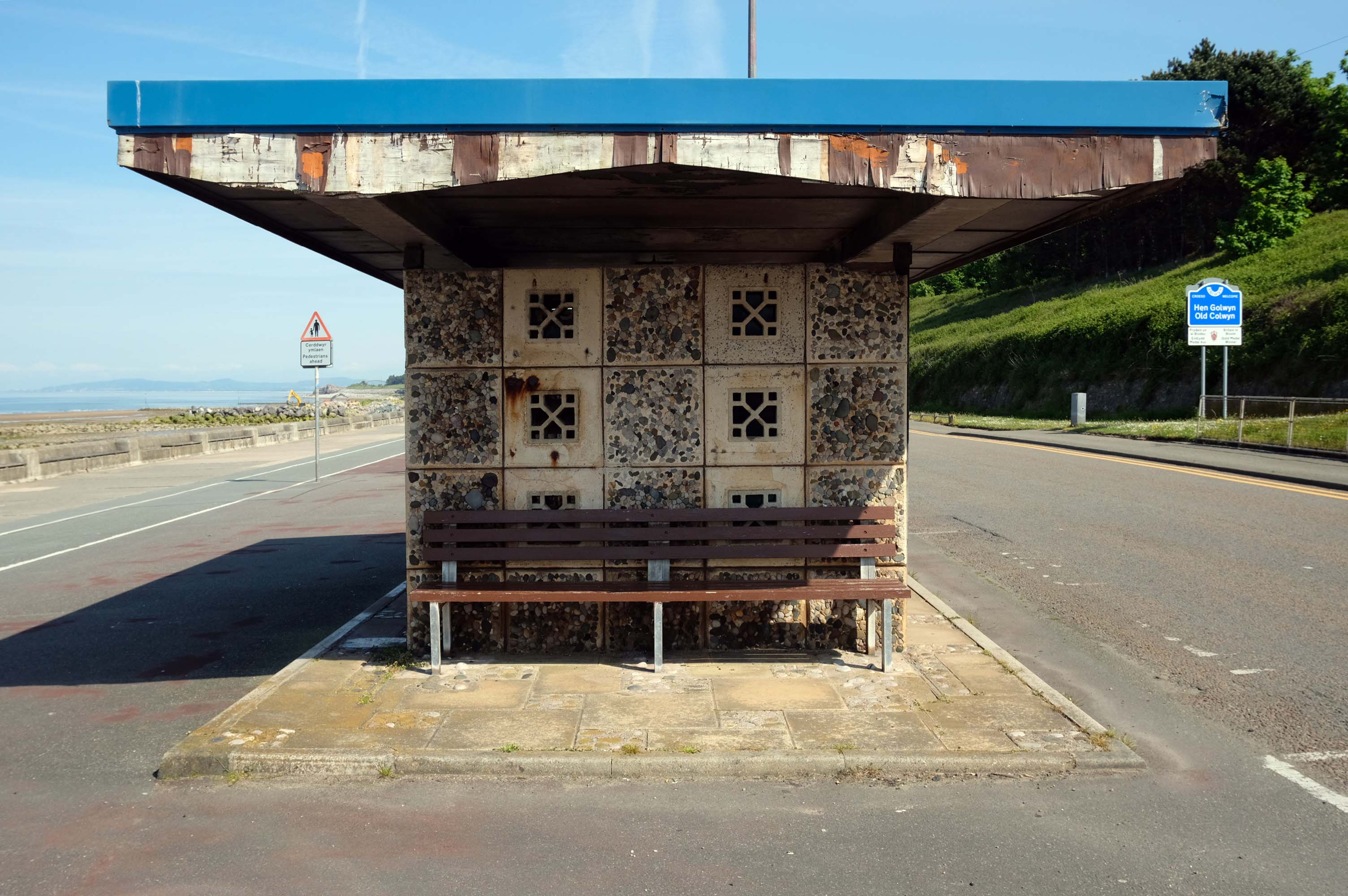
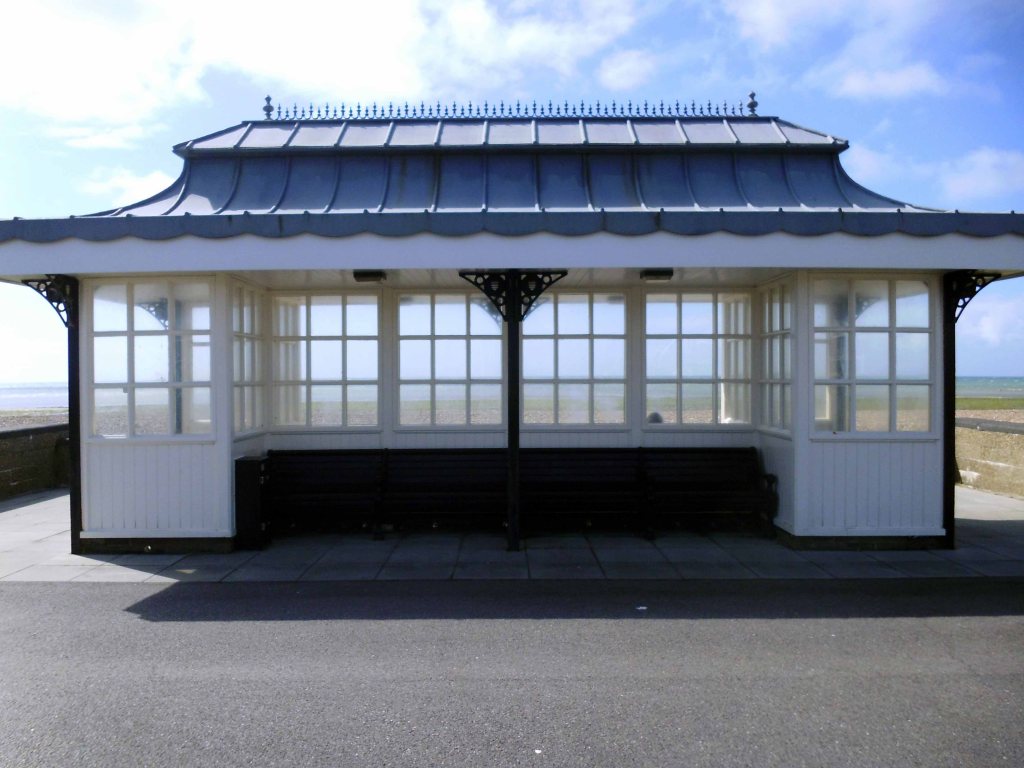
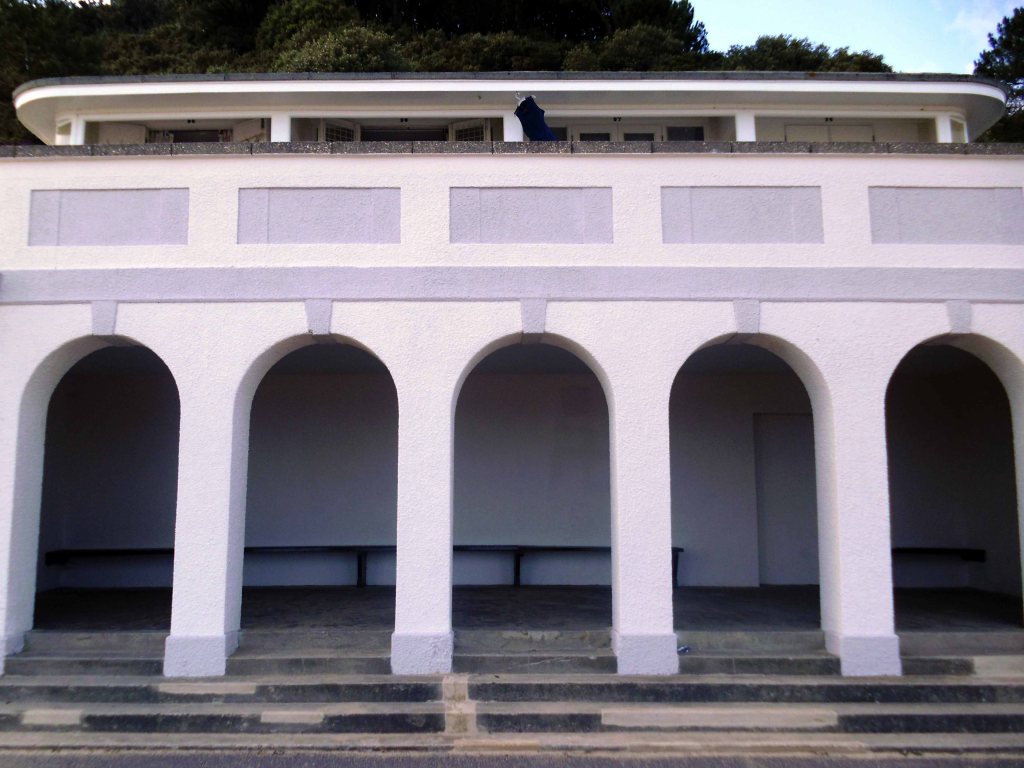
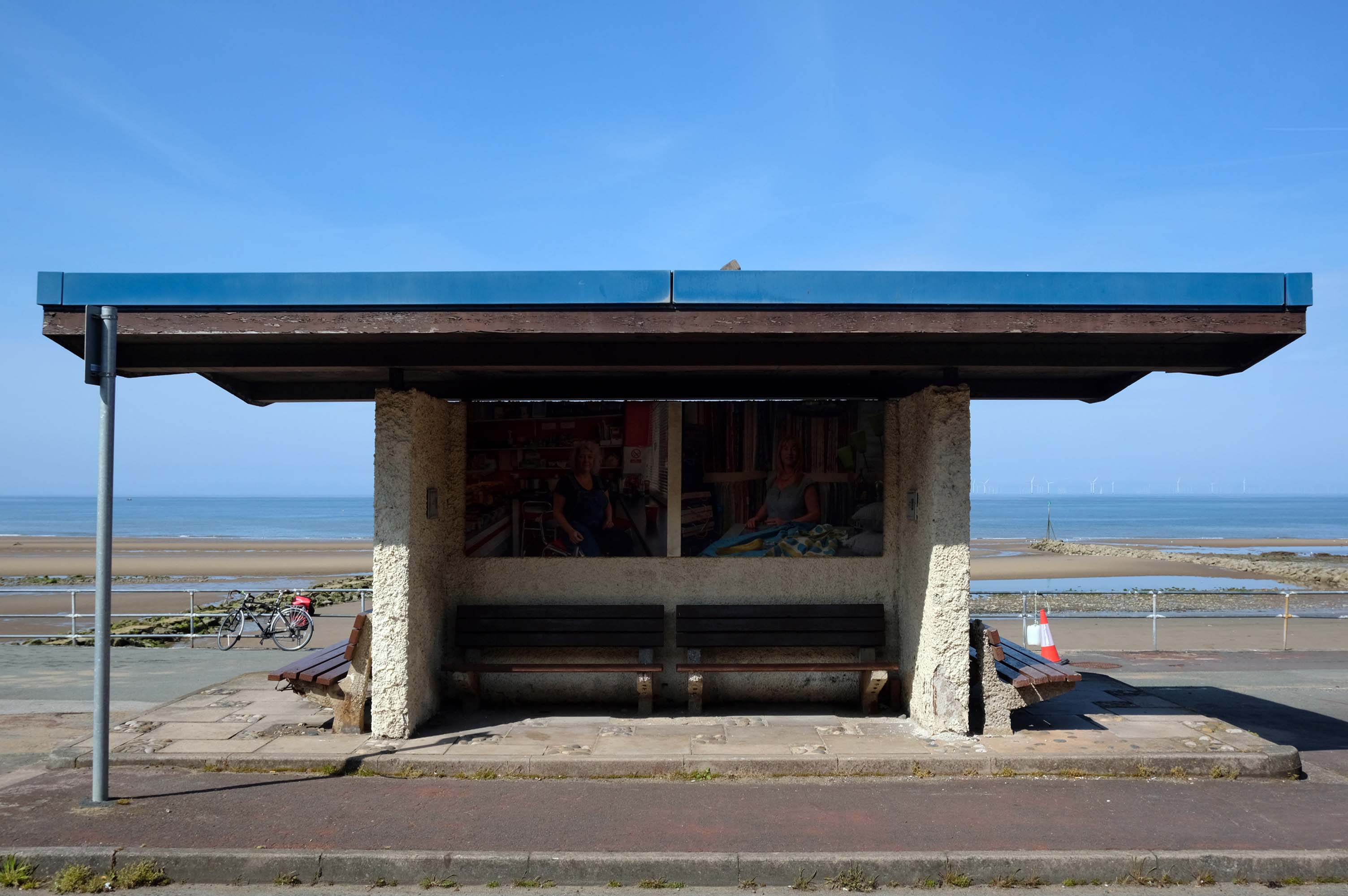
Almost the end of the line here in Old Colwyn – where there are the last of a series of shelters.

Formerly lining the prom all the way to Rhos on Sea
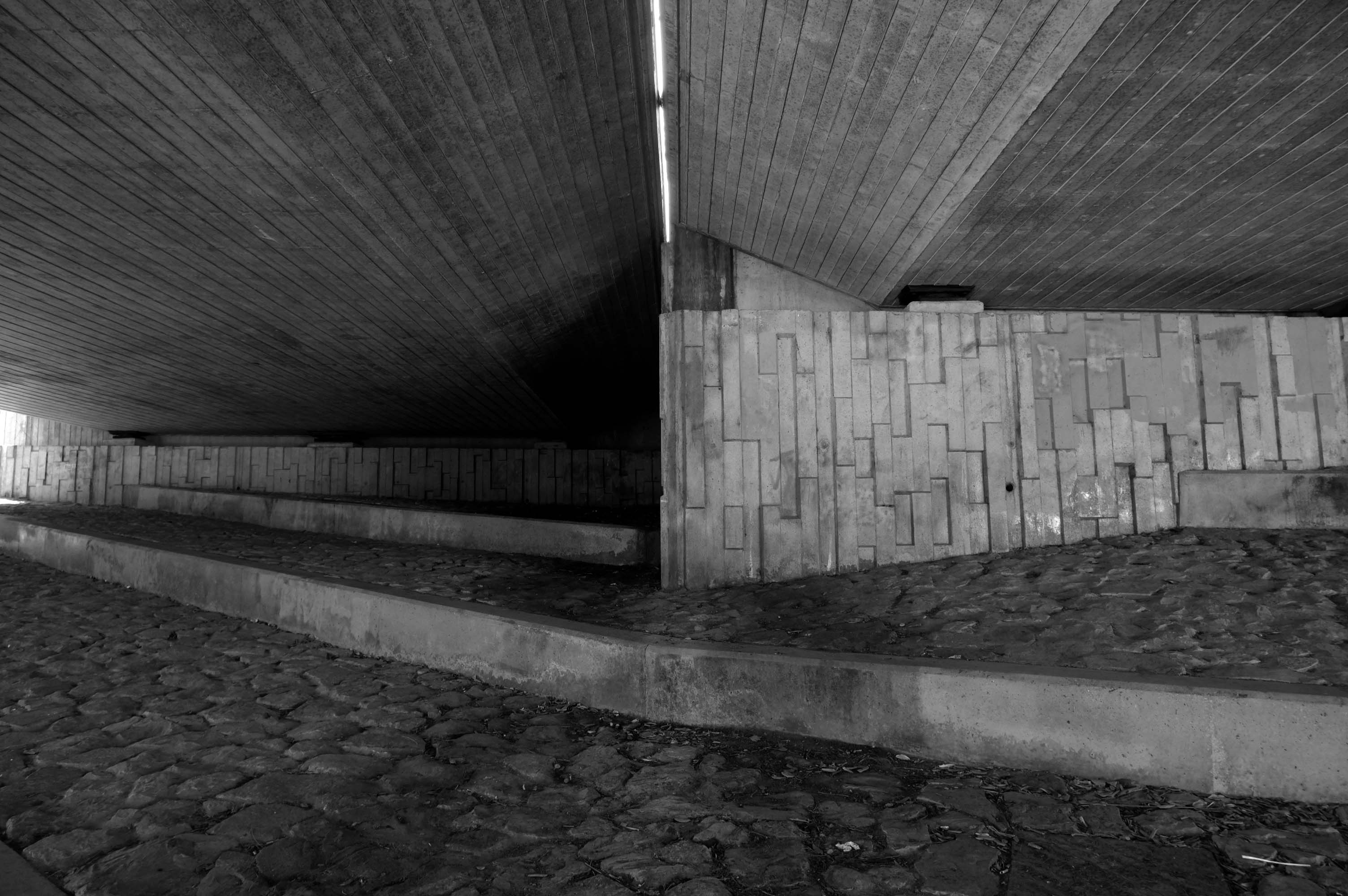
Cutting under the A55 Expressway to Colwyn Bay.
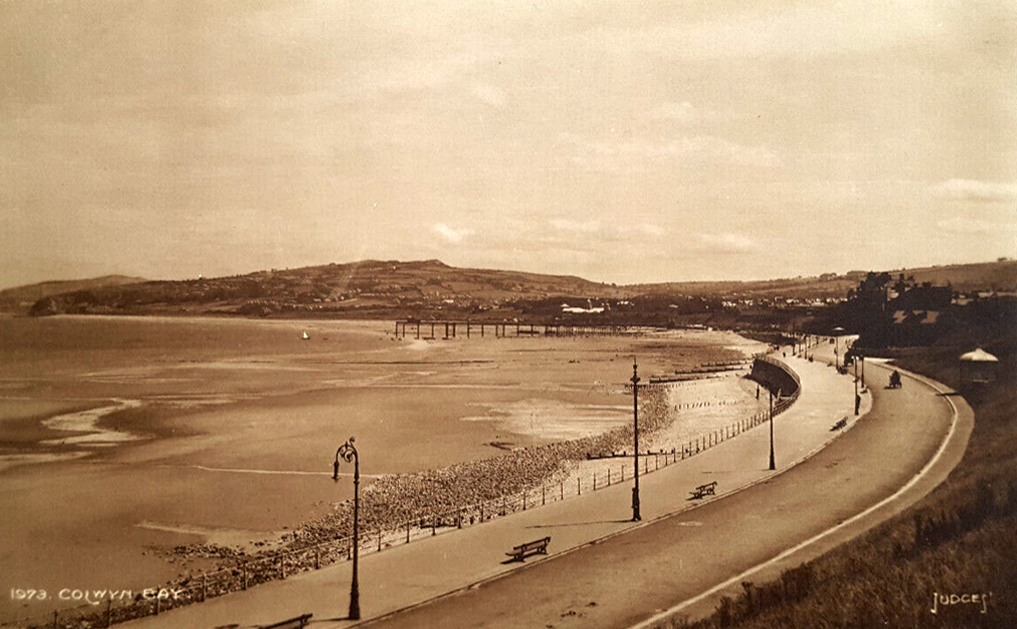
During World War II the Colwyn Bay Hotel, Marine Road – now demolished, was the headquarters of the Ministry of Food. This also housed the Cocoa & Chocolate division and was the communications hub for the ministry, they continued to use the hotel until 1953.
Wikipedia

Just in time for the 4.00 opening of Black Cloak Brewery & Taproom.
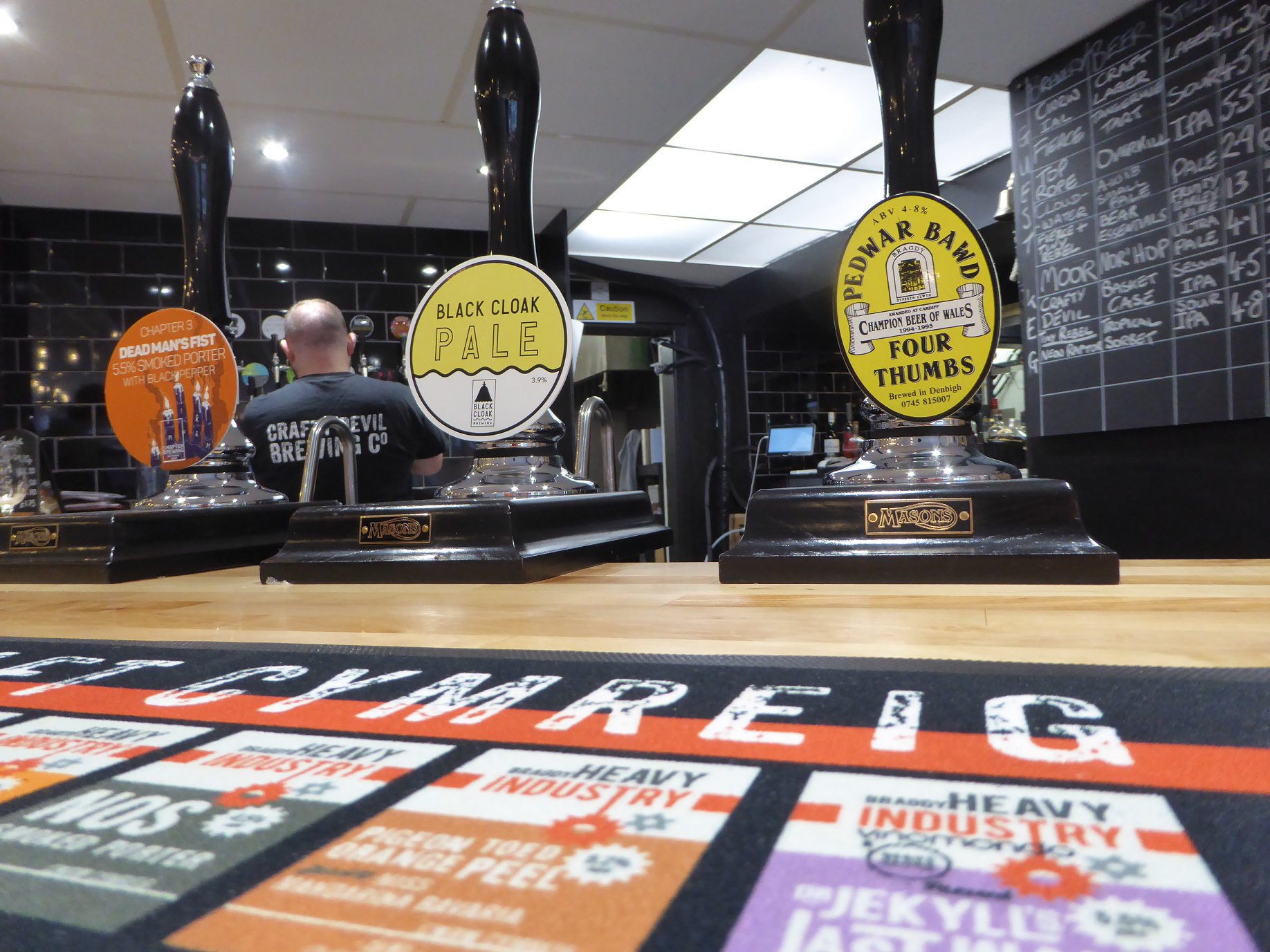
A fine and fitting end to a sunny day cycling along the North Wales Coastal Cycle Route.

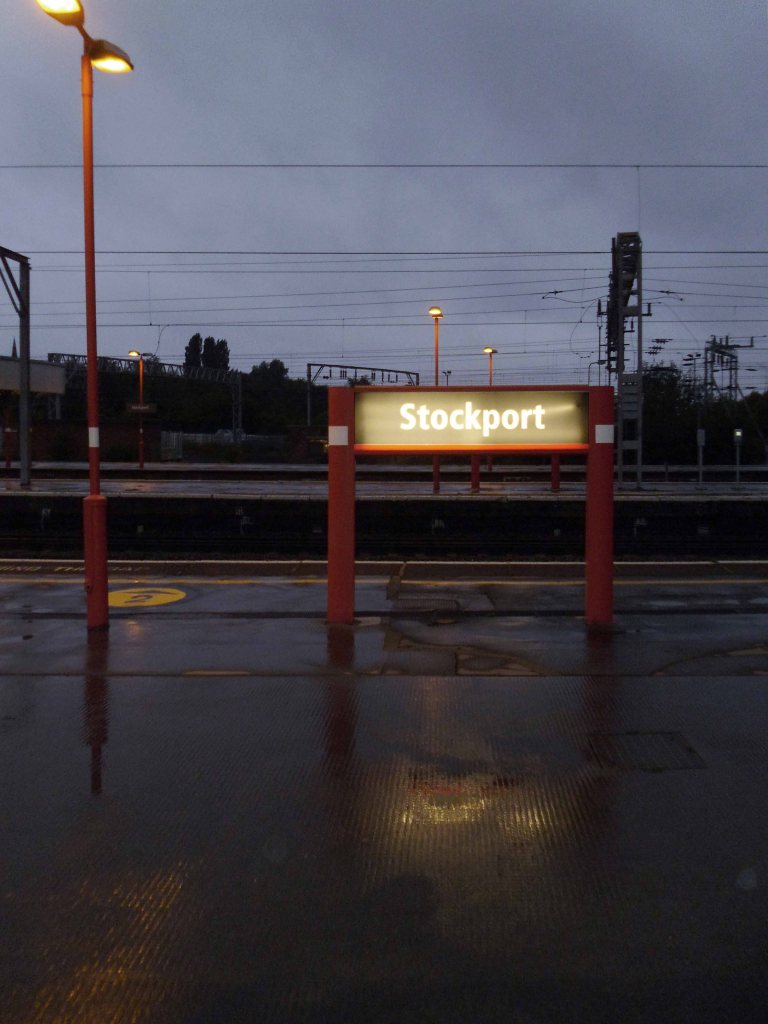
Time for the train home to Stockport – but you can bet I’ll be back.
Huddersfield Re-walked

I have walked this way before.

More than once, though that’s no reason not to do so again – so I did.

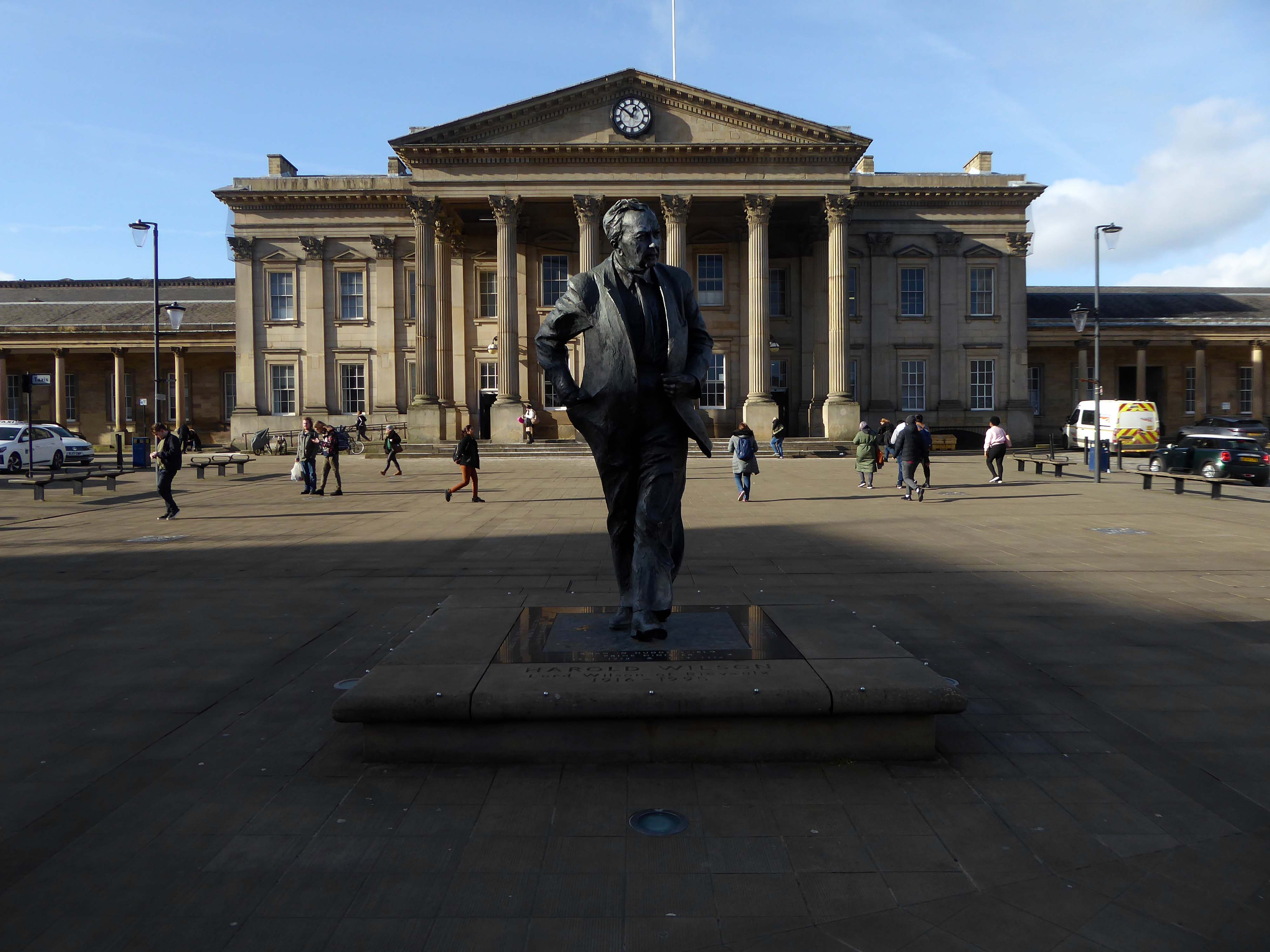
Saying hello to Harold.

Harold saying hello to us:

Nostalgia won’t pay the bills; the world doesn’t owe us a living; and we must harness the scientific revolution to win in the years to come. This scientific revolution is making it physically possible, for the first time in human history, to conquer poverty and disease, to move towards universal literacy, and to achieve for the whole people better living standards than those enjoyed by tiny privileged classes in previous epochs.

He warned change would have to reach every corner of the country; The Britain that is going to be formed in the white heat of this revolution will be no place for the restrictive practices or for outdated methods on either side of industry.

Fabian Society

Standing sentinel over one of Nikolaus Pevsner and John Betjeman’s favourite railway station front elevations.

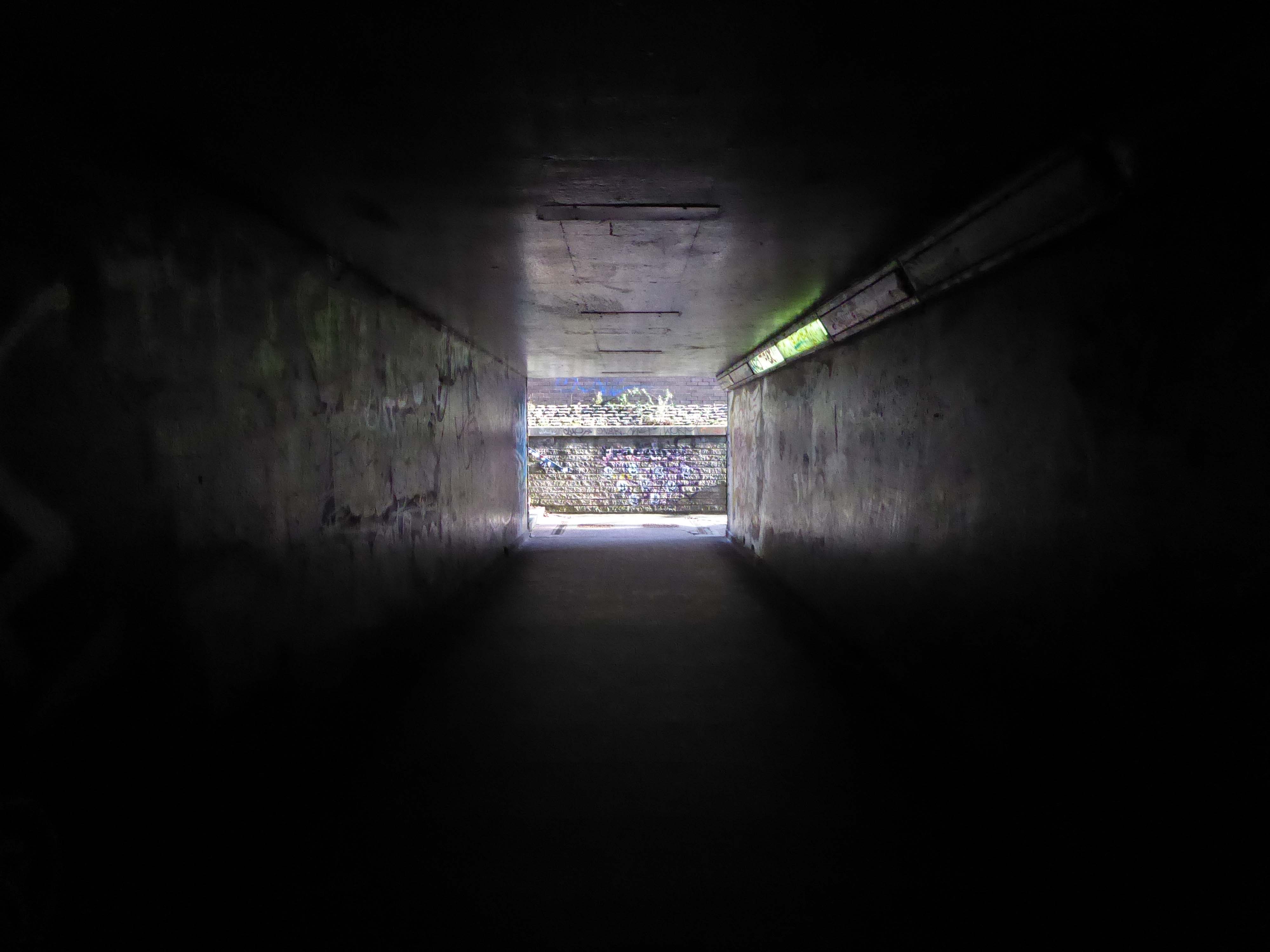
Through a passage darkly.

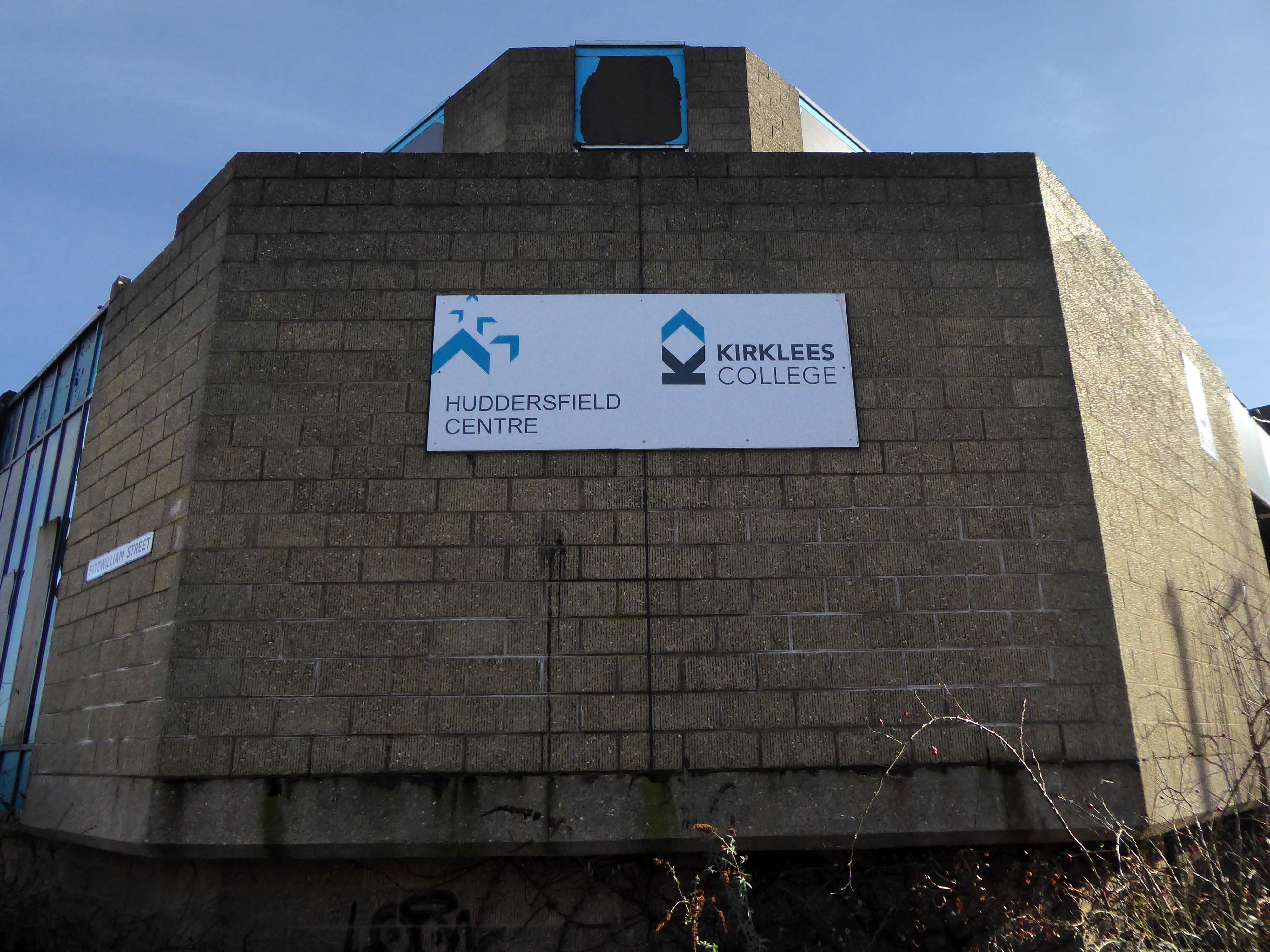
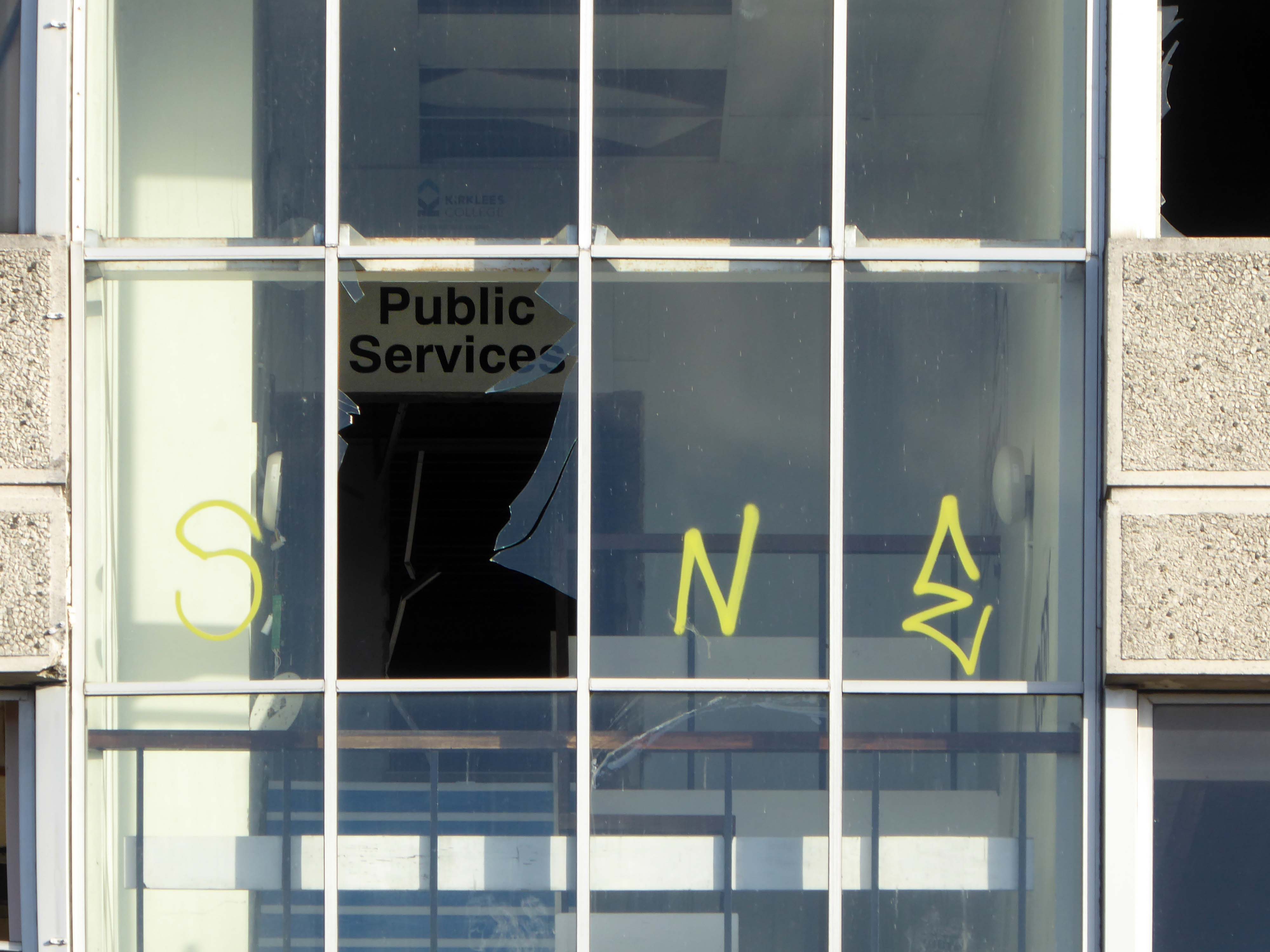
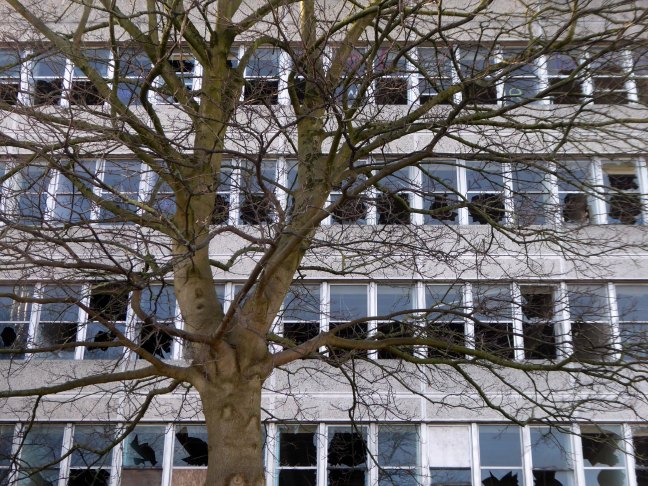
Emerging into the light of day and the demolition of the Kirklees College 1969-72 by Borough Architect Charles Edmund Aspinall.

My thanks to the Metropolitan team who invited me in beyond the barriers.

We provide safe and efficient demolition services across a broad range of projects, from the small domestic dwelling to  large scale industrial units – we offer the complete solution. With excellent communication and impeccable health and safety standards, we can project manage the decommissioning a structure on time and on budget.

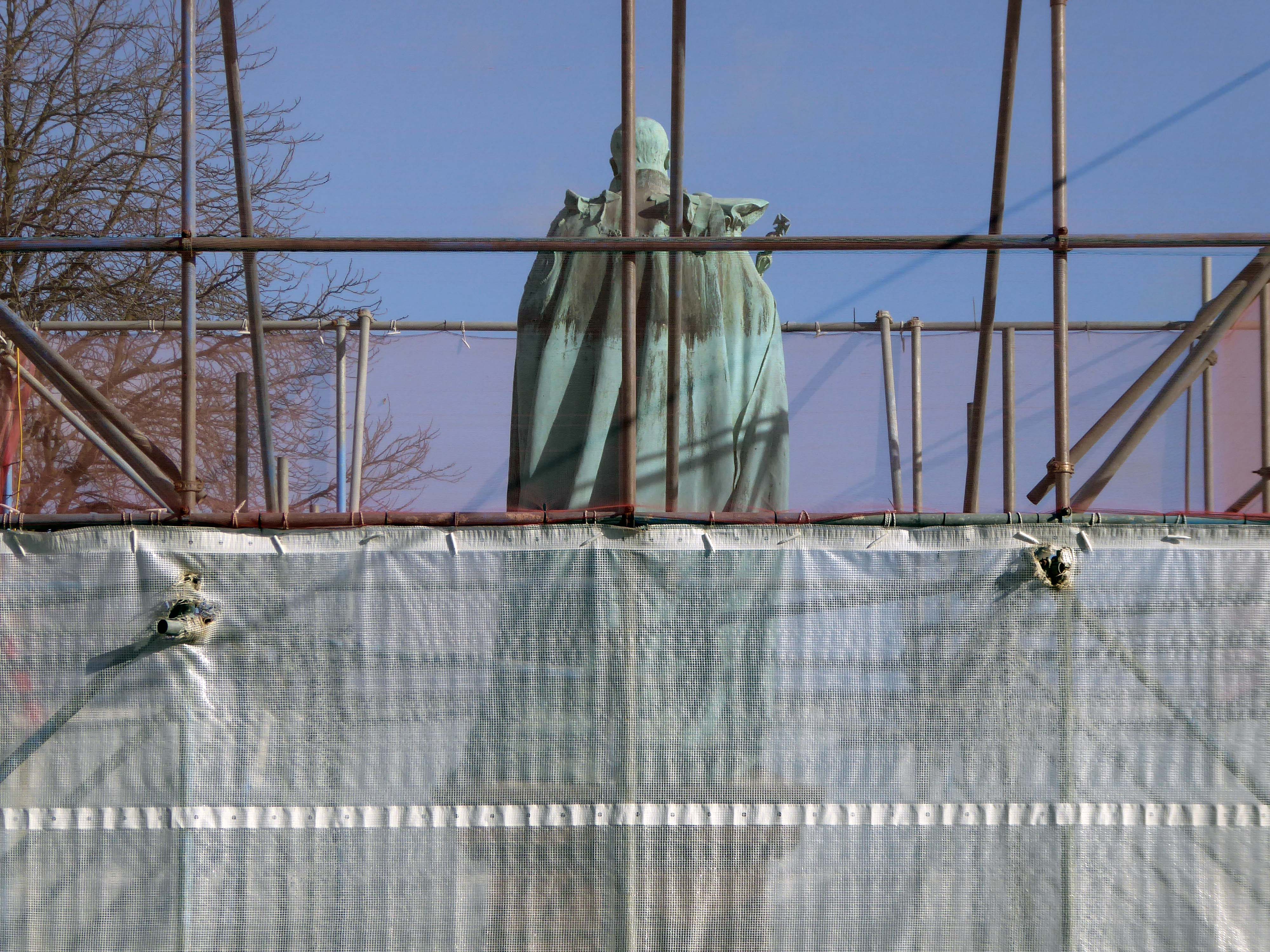
Edward VII is under wraps.

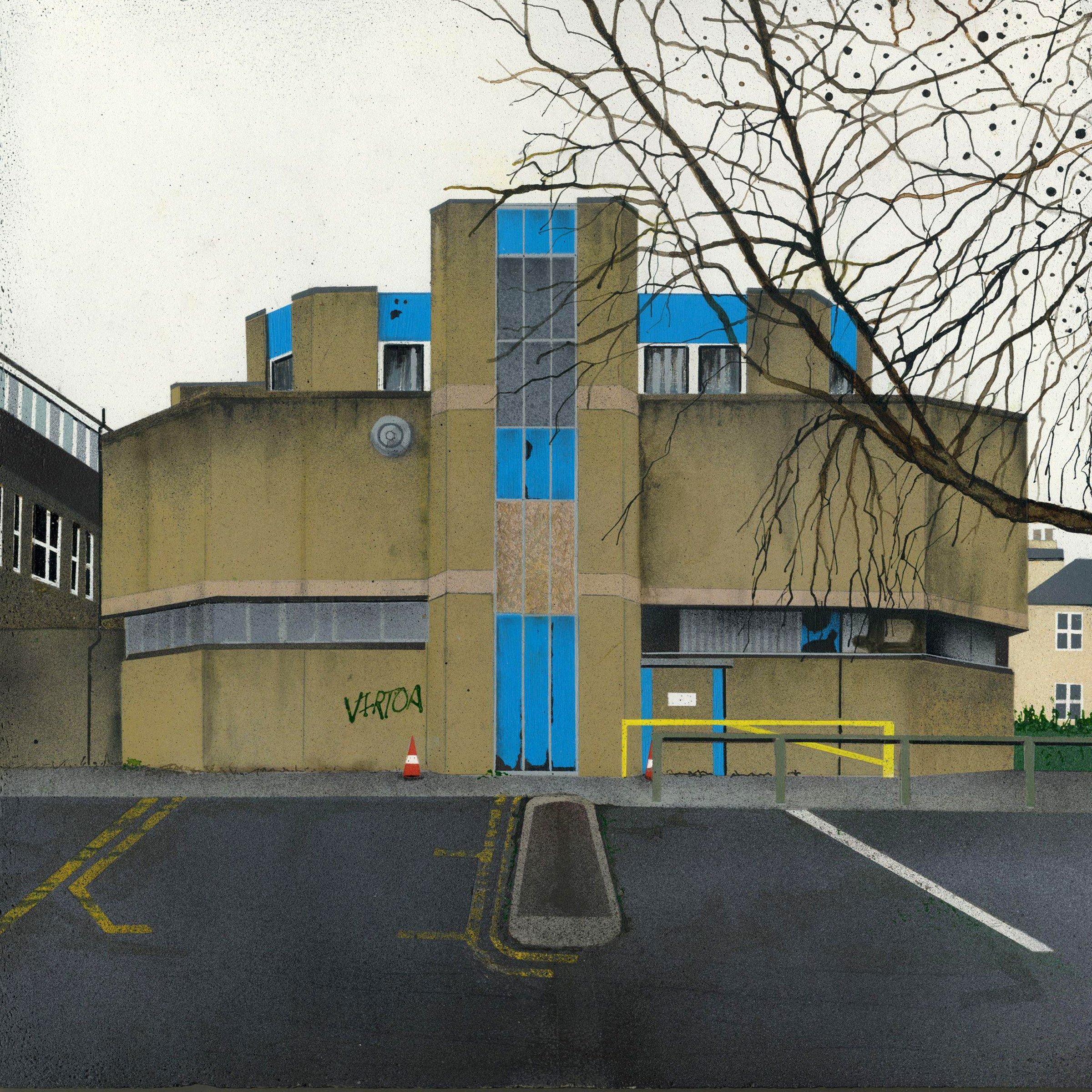
Everything else is up for smash and grab – including the later concrete block immortalised by Mandy Payne.

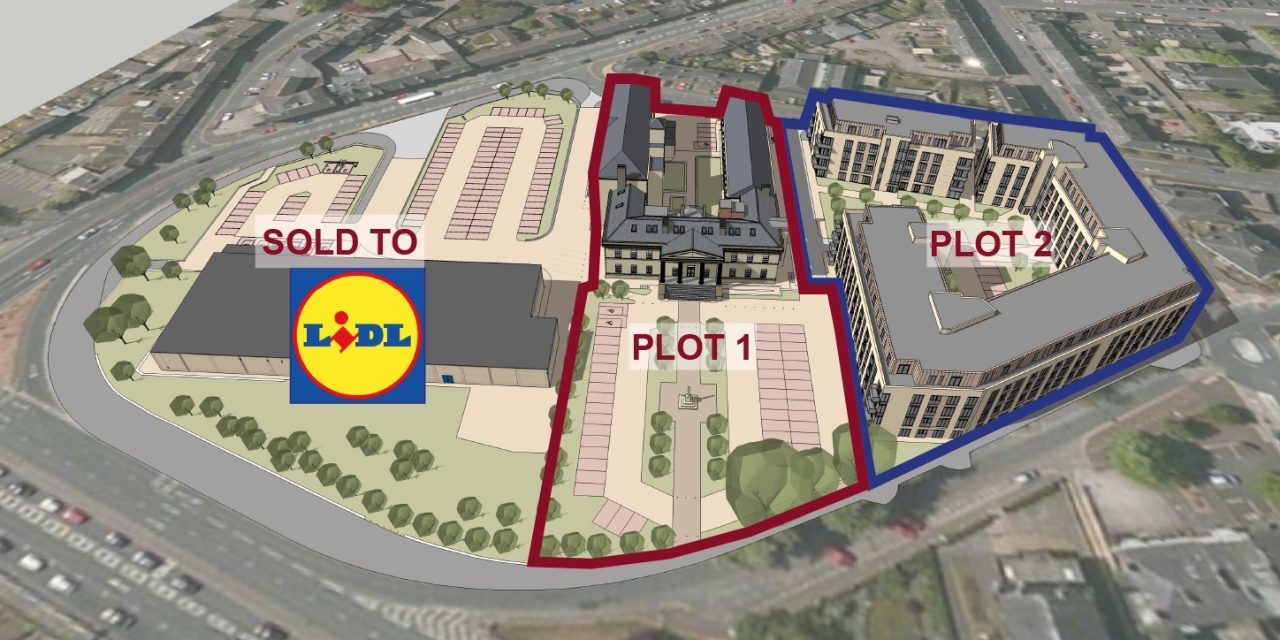
LIDL is coming – and some homes

The final details have now been signed off by the council and work on the six-acre site – which includes the Grade II-listed original Huddersfield Royal Infirmary – can now begin.

The vandal-hit and fire-damaged late 1960s and early 1970s college buildings are to be demolished and Lidl will build a new supermarket with a 127-space car park. The store will eventually replace the store on Castlegate.

The former hospital will be retained and the site will see 229 apartments and an office complex. The apartments are expected to be for older or retired people.

Huddersfield Hub

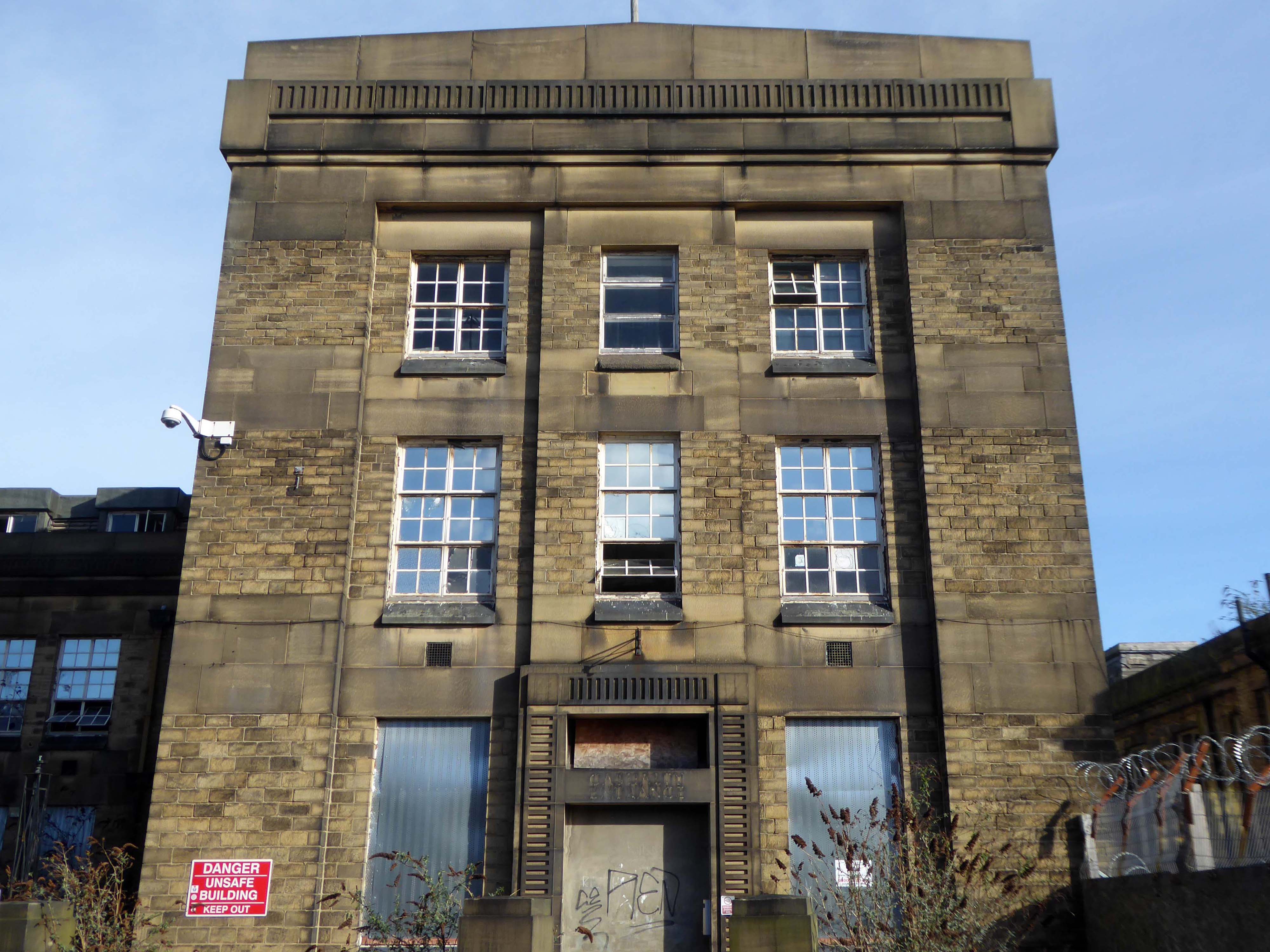
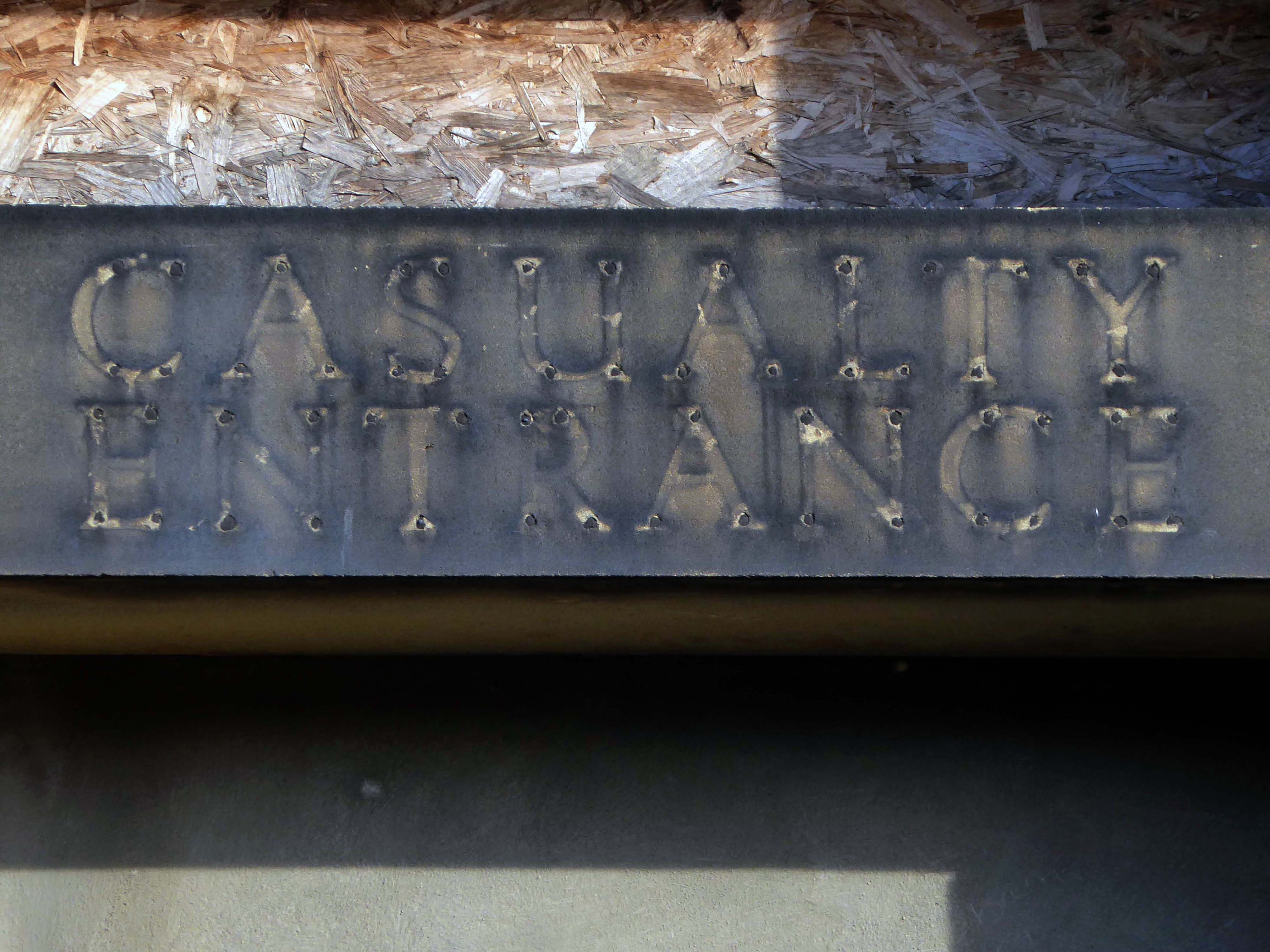
The inter-war infirmary is also destined for an imminent demise.

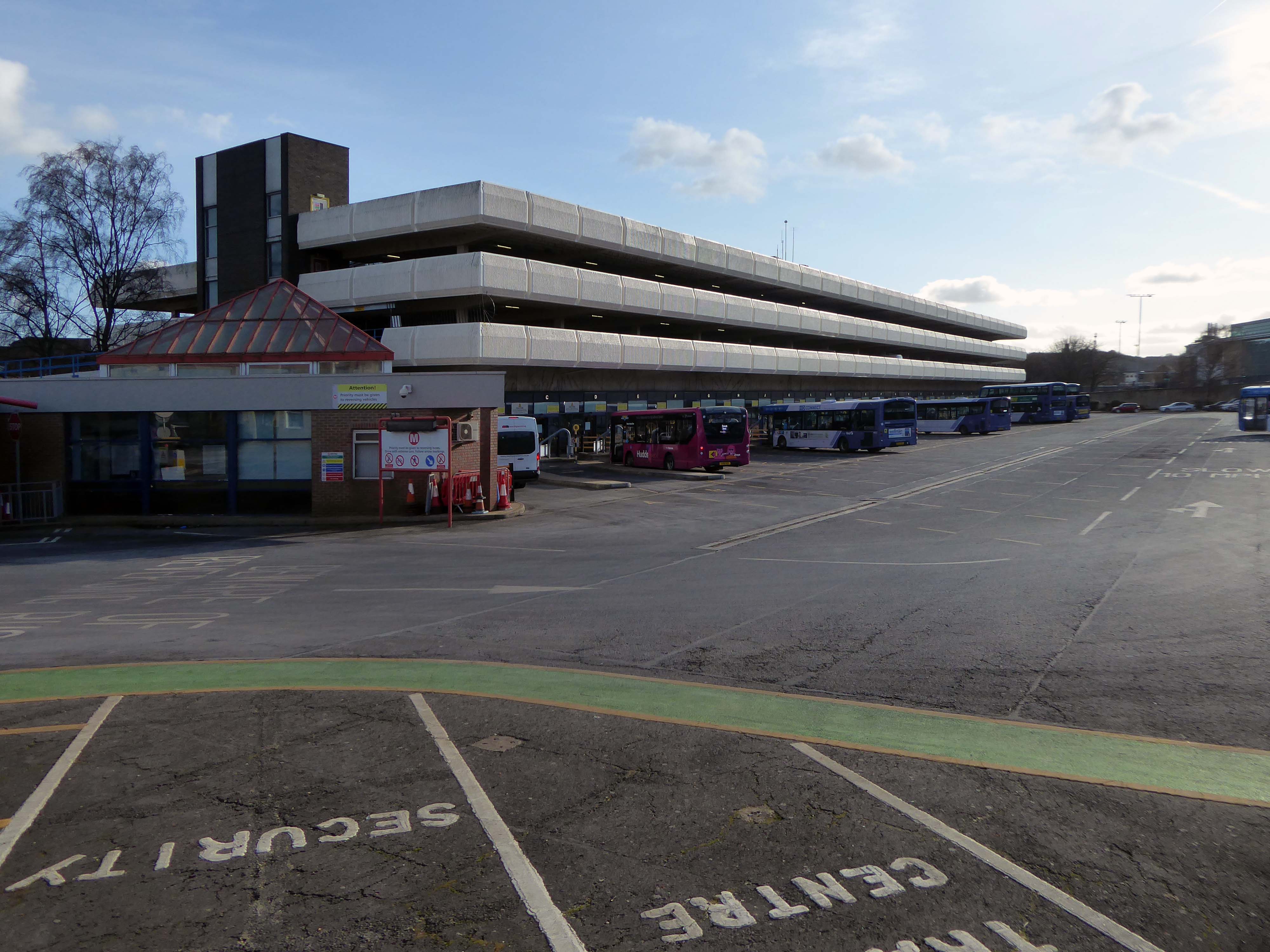
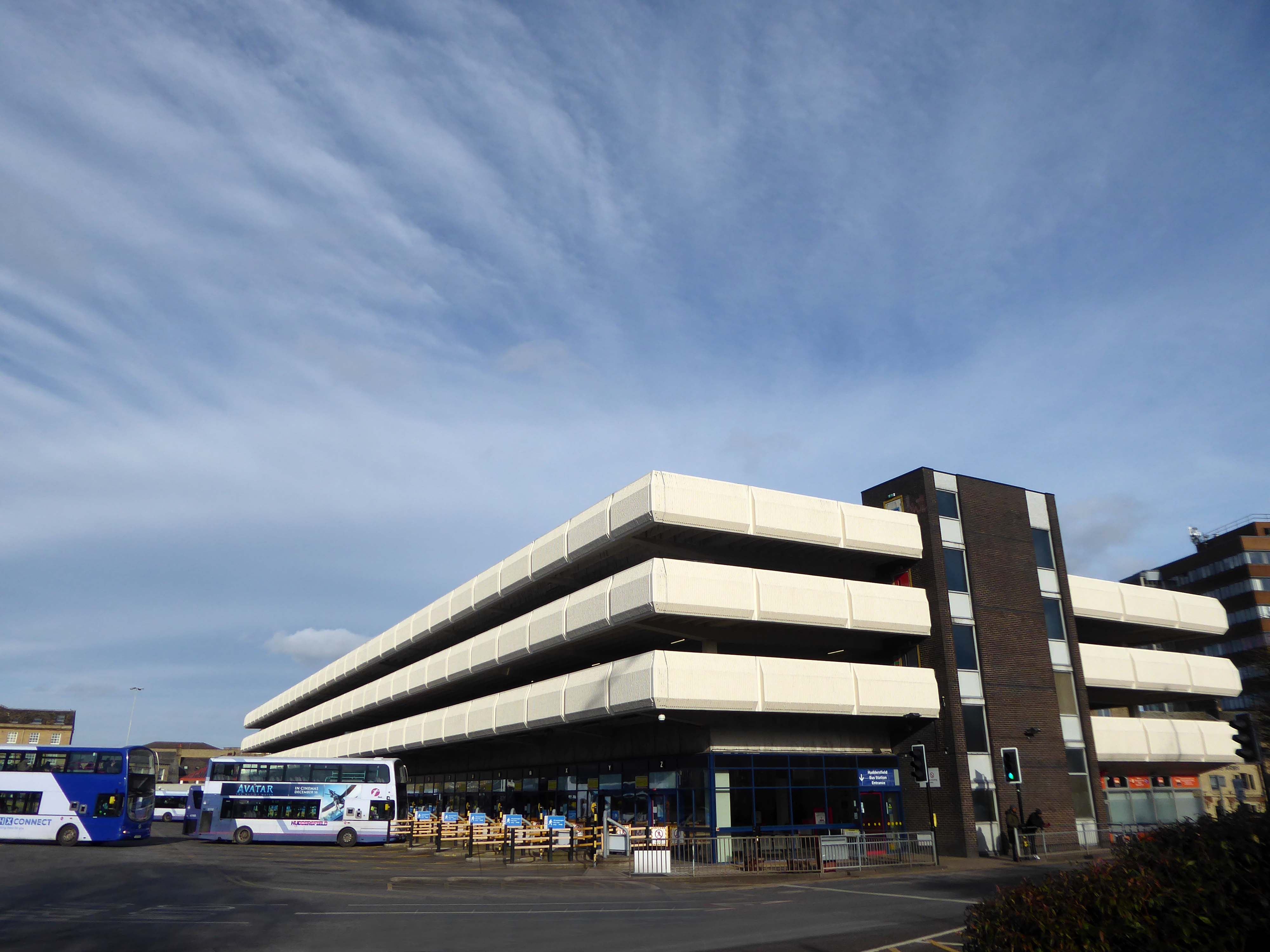
Next we take a turn around the bus station.

Changes are afoot for the buses.

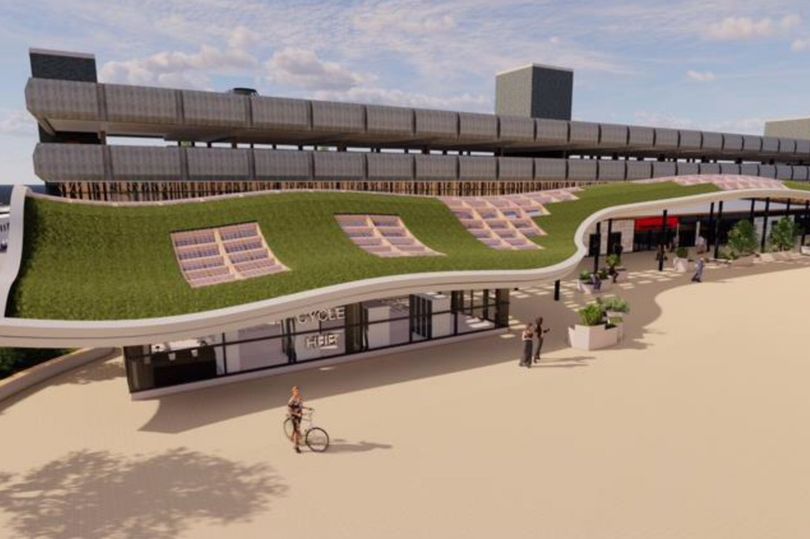
Huddersfield’s £20M game-changing bus station is set to be completed by the end of 2025 with a living grass roof, sixty bike cycle hub, upgraded shops and new facilities

The project between West Yorkshire Combined Authority and Kirklees Council aims to transform one of West Yorkshire’s busiest bus stations, and uplift the area that surrounds it.

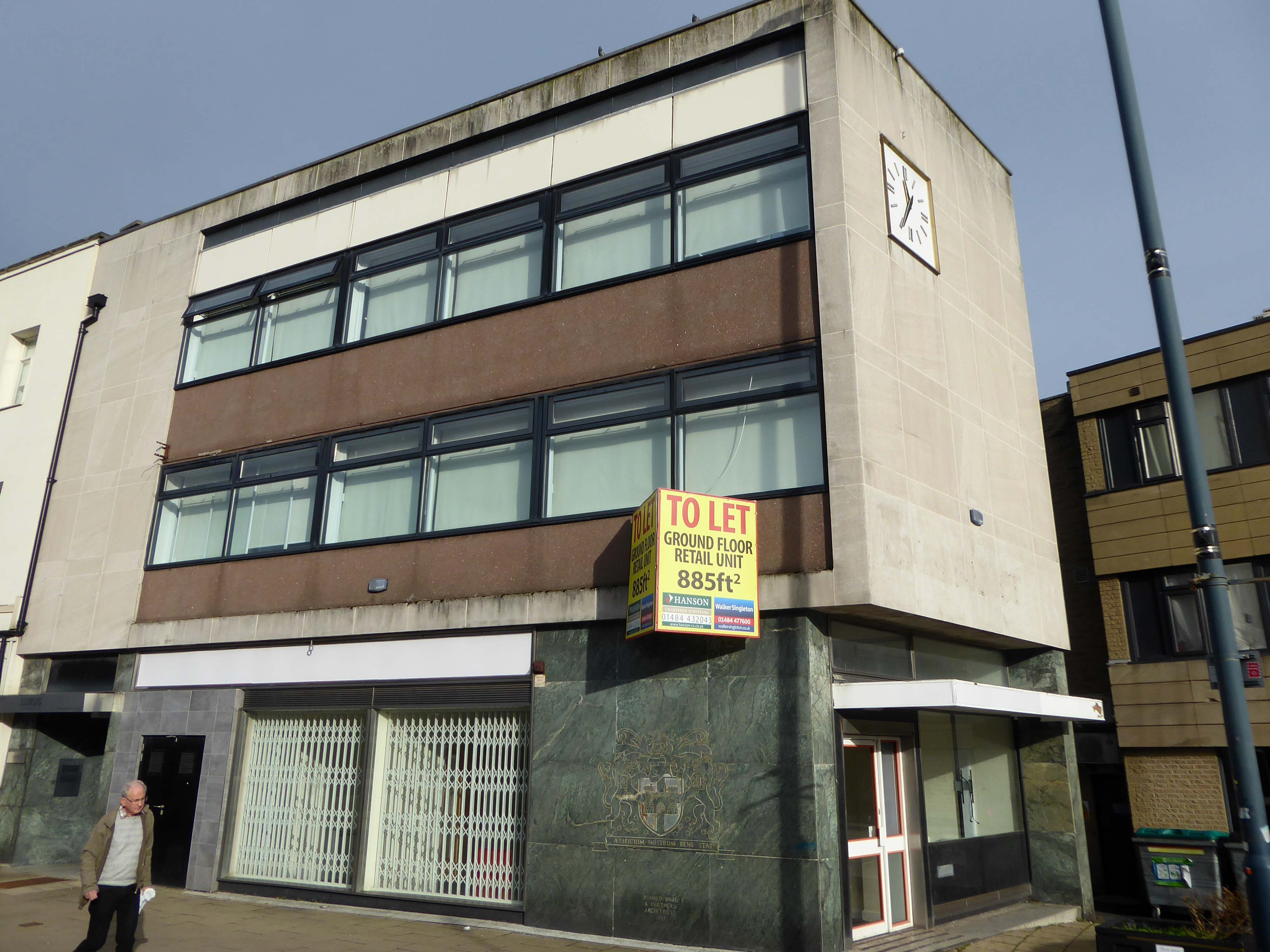
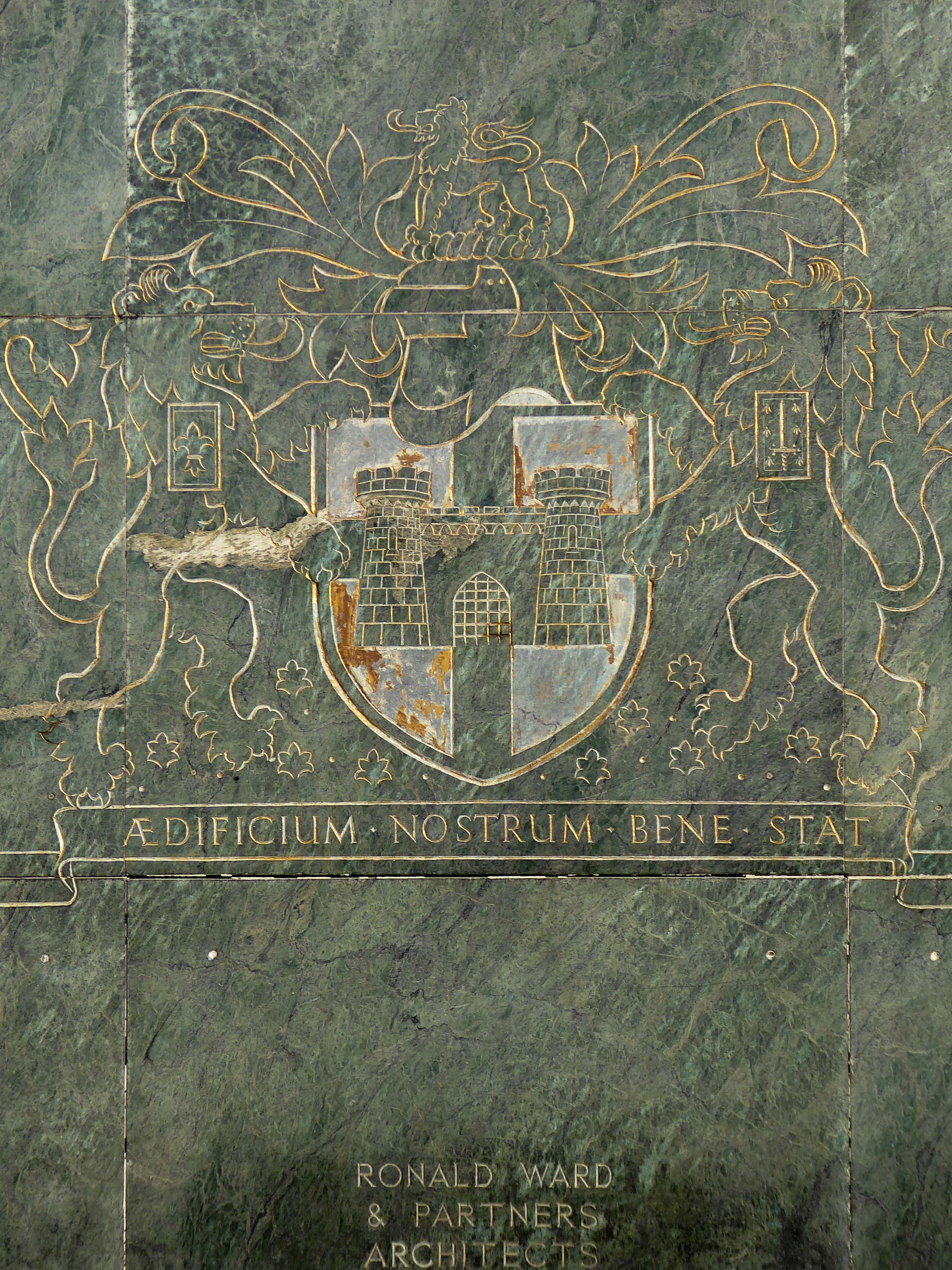
Over the way this diminutive commercial building – with a distinctive rectangular stopped clock and boldly incised gold leaf heraldic device.

Architects: Ronald Ward & Partners.

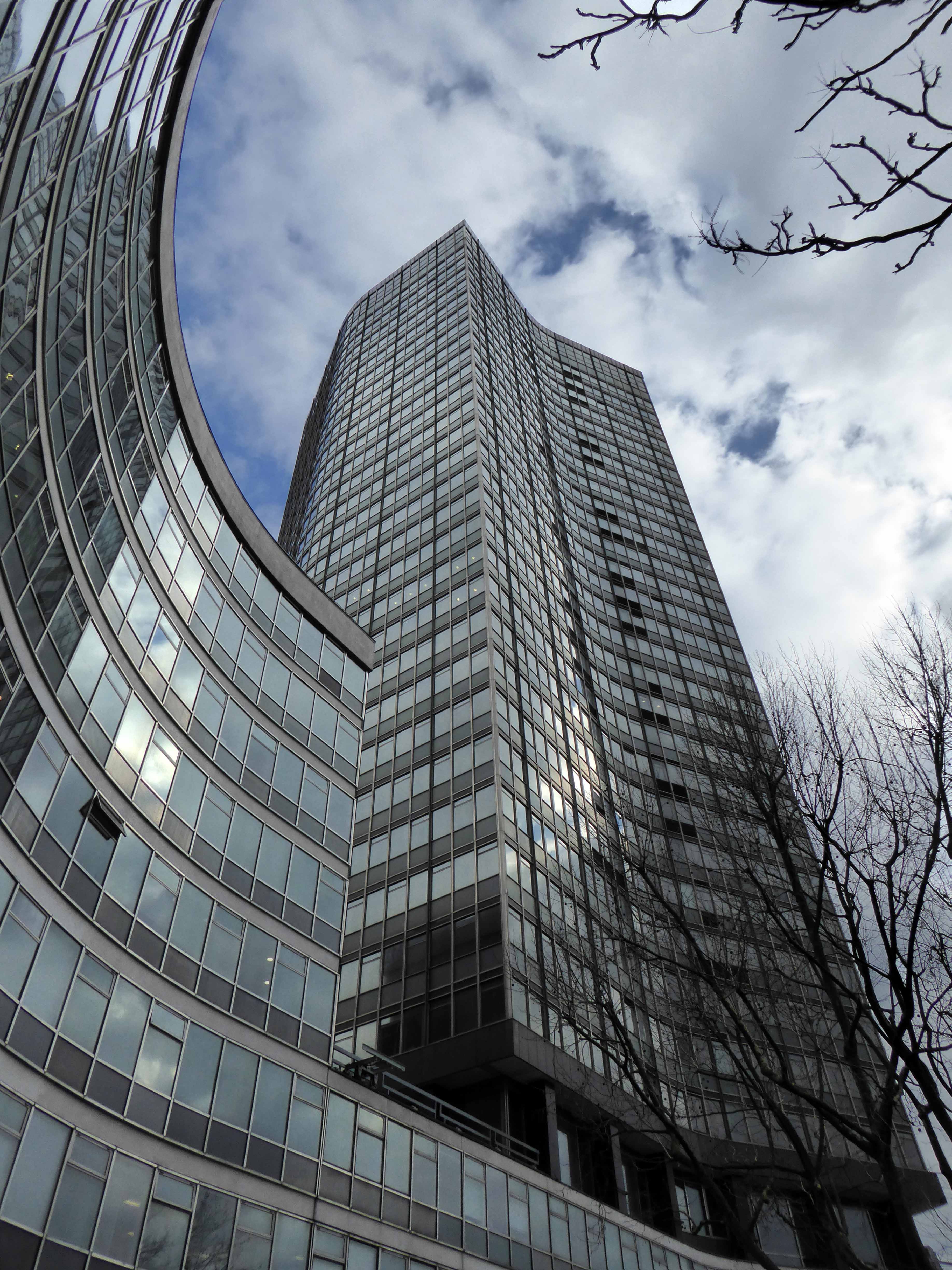
The same crew were also responsible for Millbank Tower

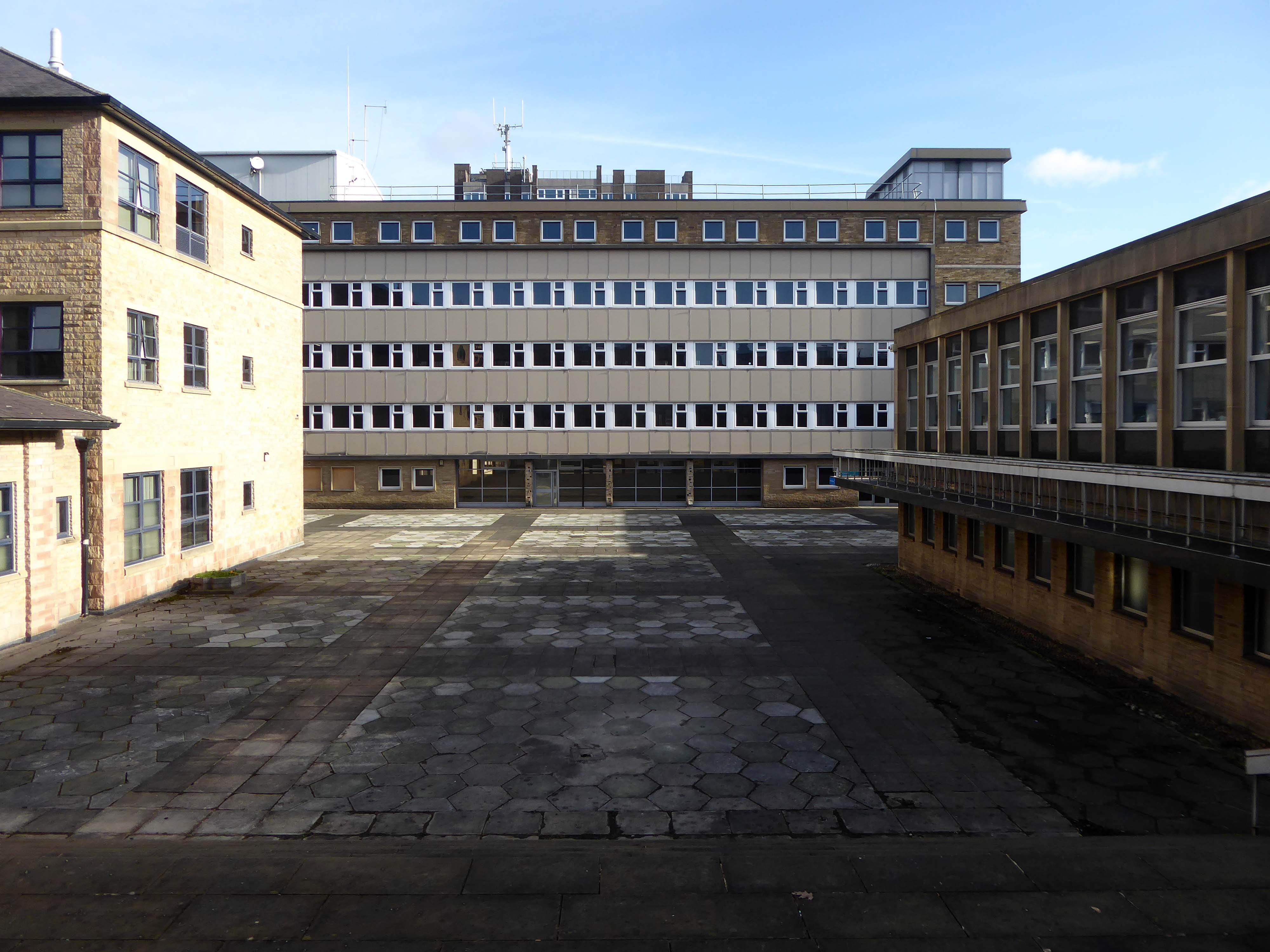
Crossing the road to the Civic Centre and the perennially empty piazza which along with the Magistrates Courts and Police Station was the work of the Borough Architects team – led by Charles Edmund Aspinall.

Walking excitedly toward the Exsilite panels set in the stone faced columns – a brand name for a synthetic, moulded, artificial marble.

Magistrates Courts

Police Station

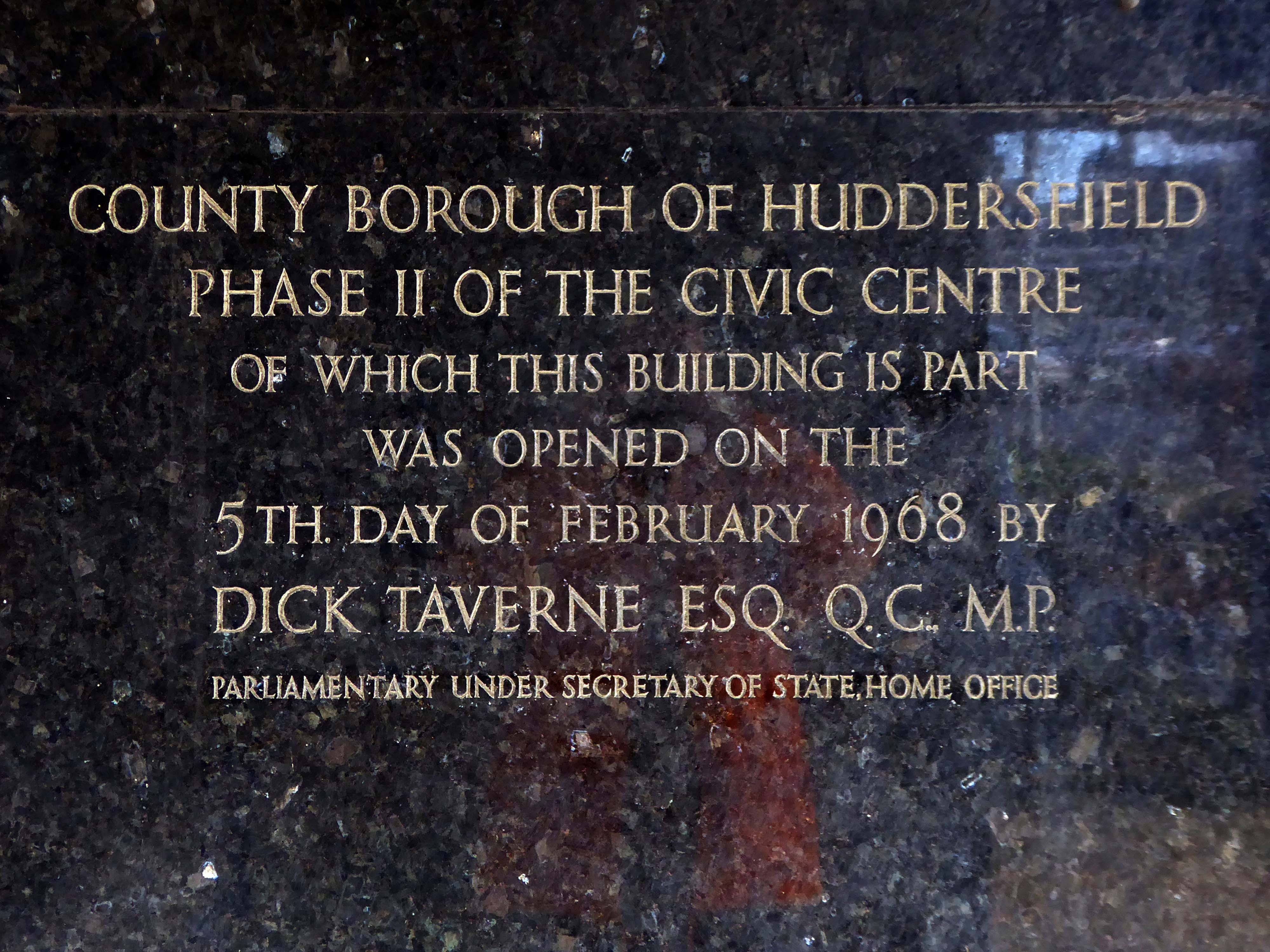
Dick Taverne served under Harold Wilson’s premiership in the 1960s, he served as a Home Office Minister from 1966 to 1968, Minister of State at the Treasury from 1968 to 1969 and then as Financial Secretary to the Treasury from 1969 to 1970.

In 1970, he helped to launch the Institute for Fiscal Studies, now an influential independent think tank and was the first Director, later chairman.

Wikipedia

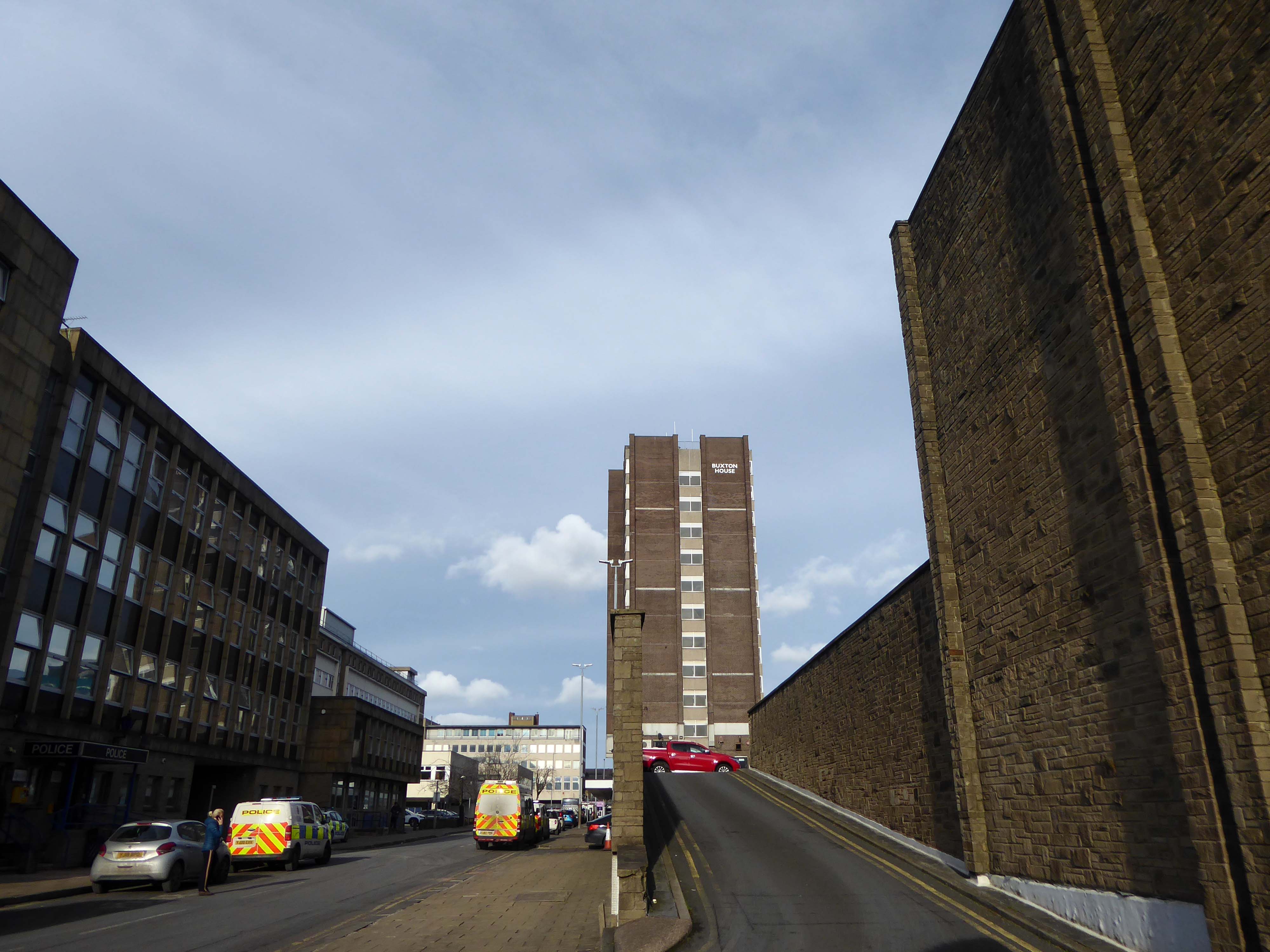
A view up the road to Buxton House – Contractor J Gerrard.

J Gerrard & Sons Ltd’s tender for the contract was £146,210. 

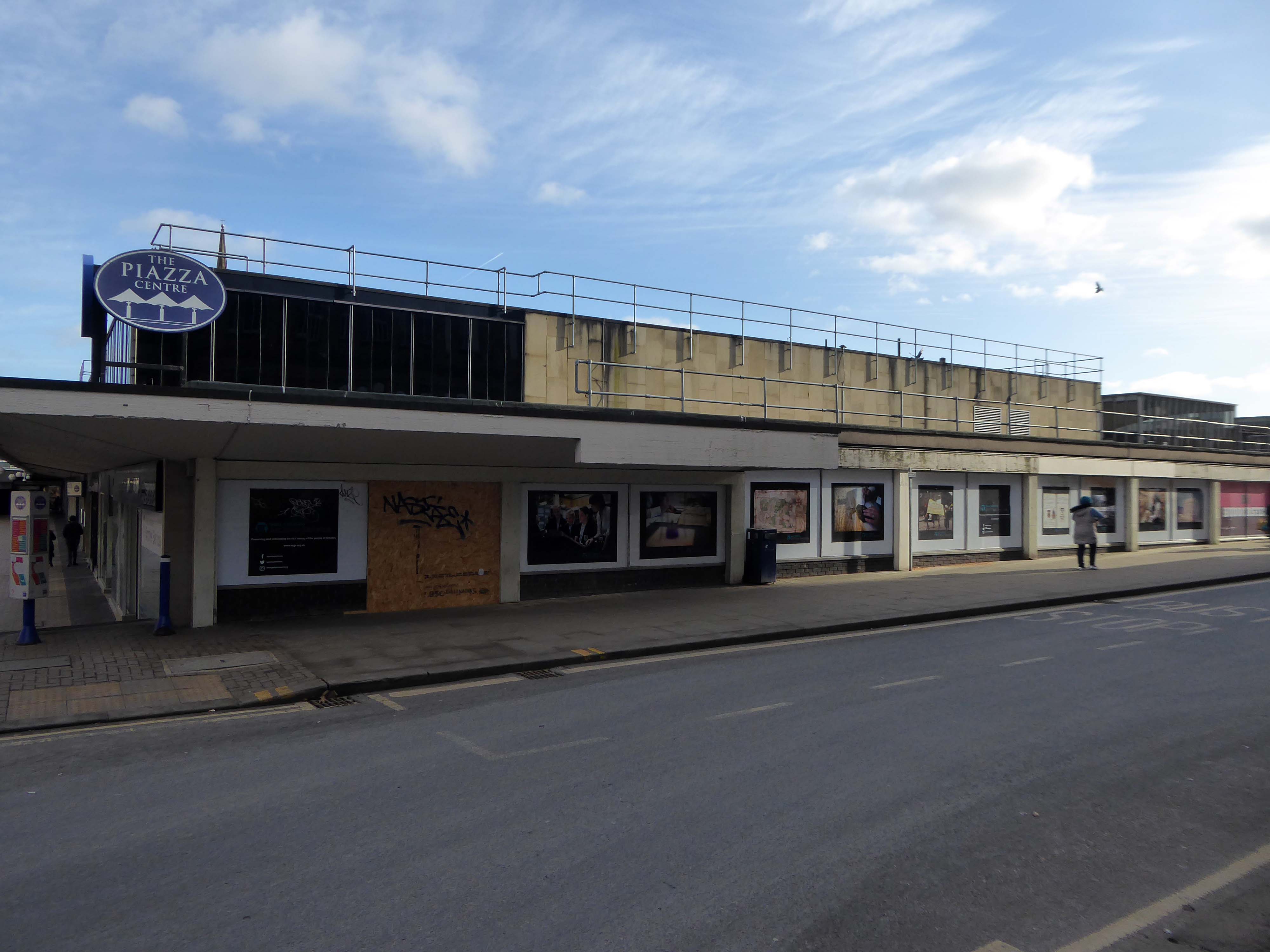
The Queensgate Market and Piazza Centre is at the heart of redevelopment plans.

The vision is to create an inclusive space where families, residents and visitors can enjoy a vibrant mix of music, arts, food and more in one central area, overlooking a stunning new urban park.

Kirklees Together

The Market is currently closed.

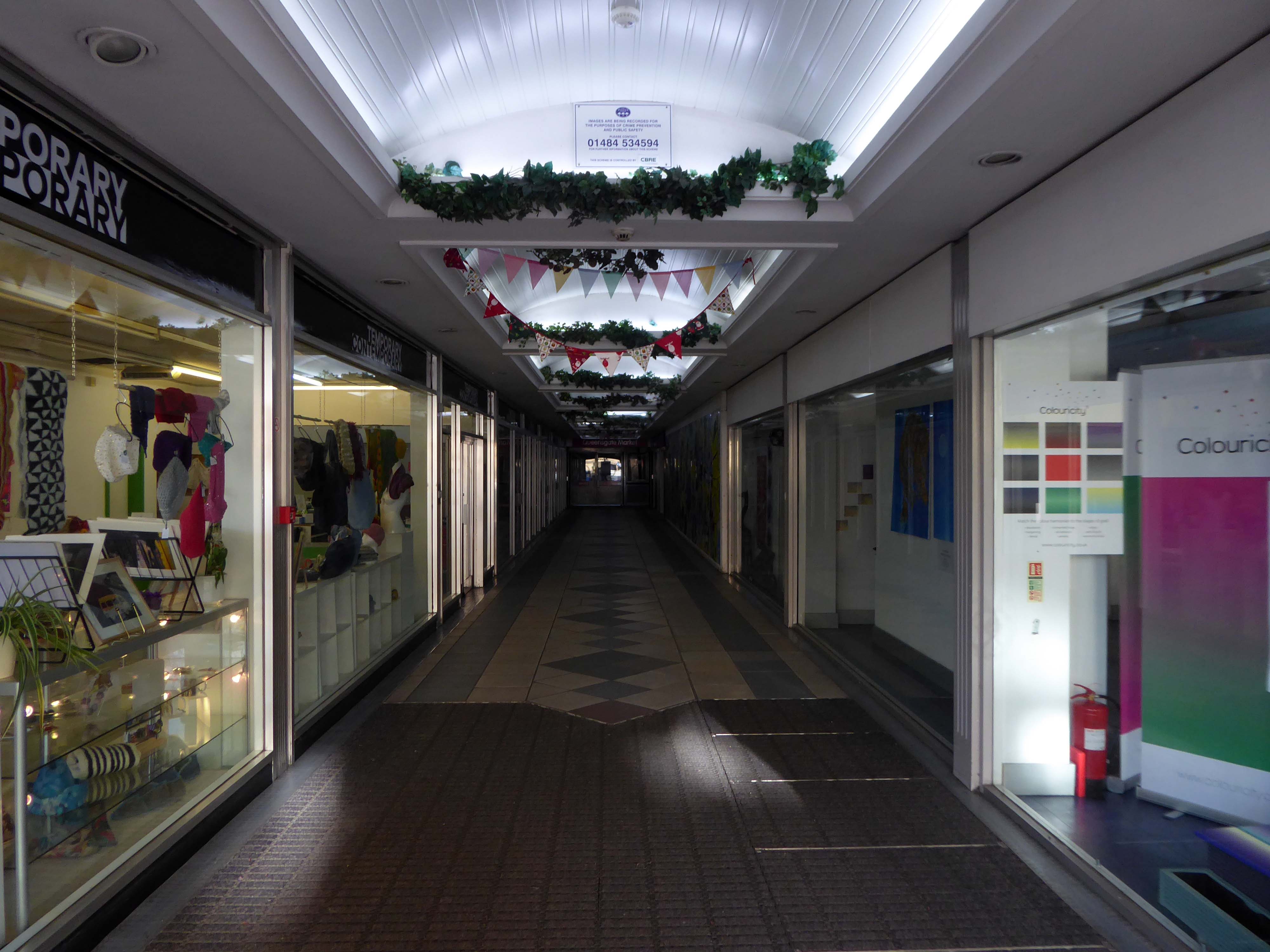
The Piazza repurposed – currently housing the regeneration exhibition.

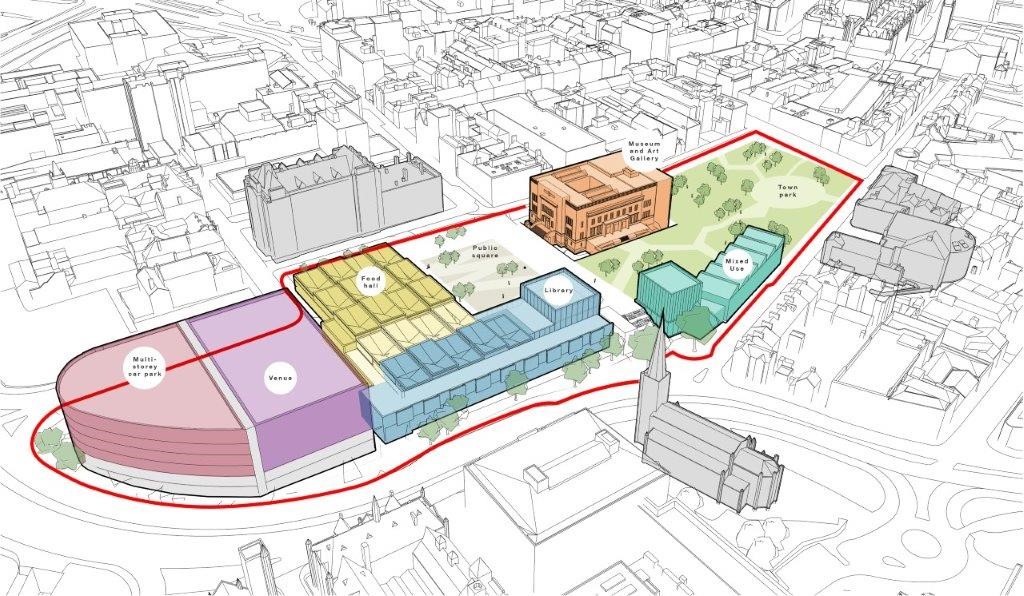
The council plans to demolish the Piazza Centre and create a new events/live music venue, a food hall, a museum and art gallery, a new library and a new multi-storey car park, all centred around a new Town Park.

Huddersfield Hub

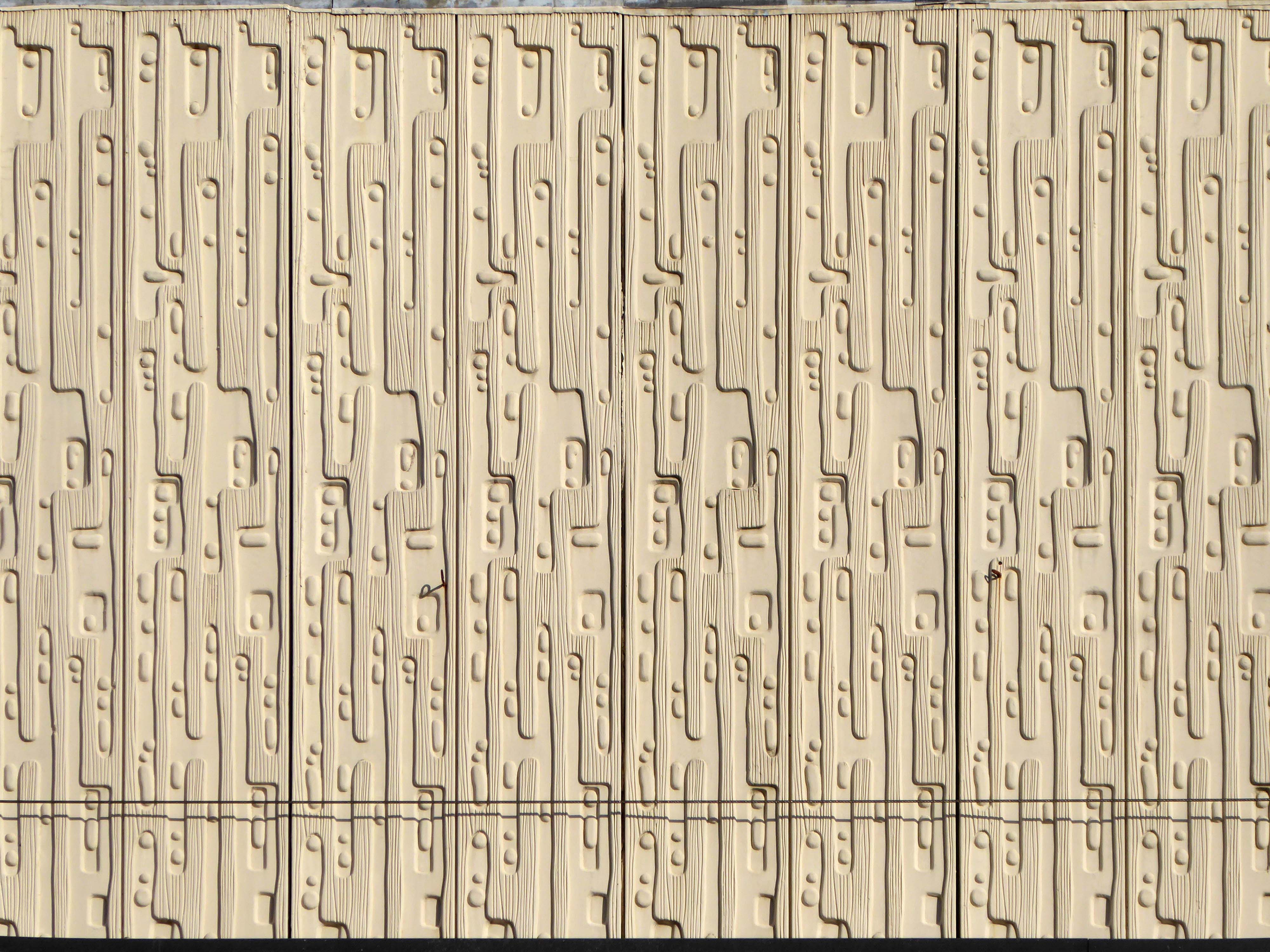
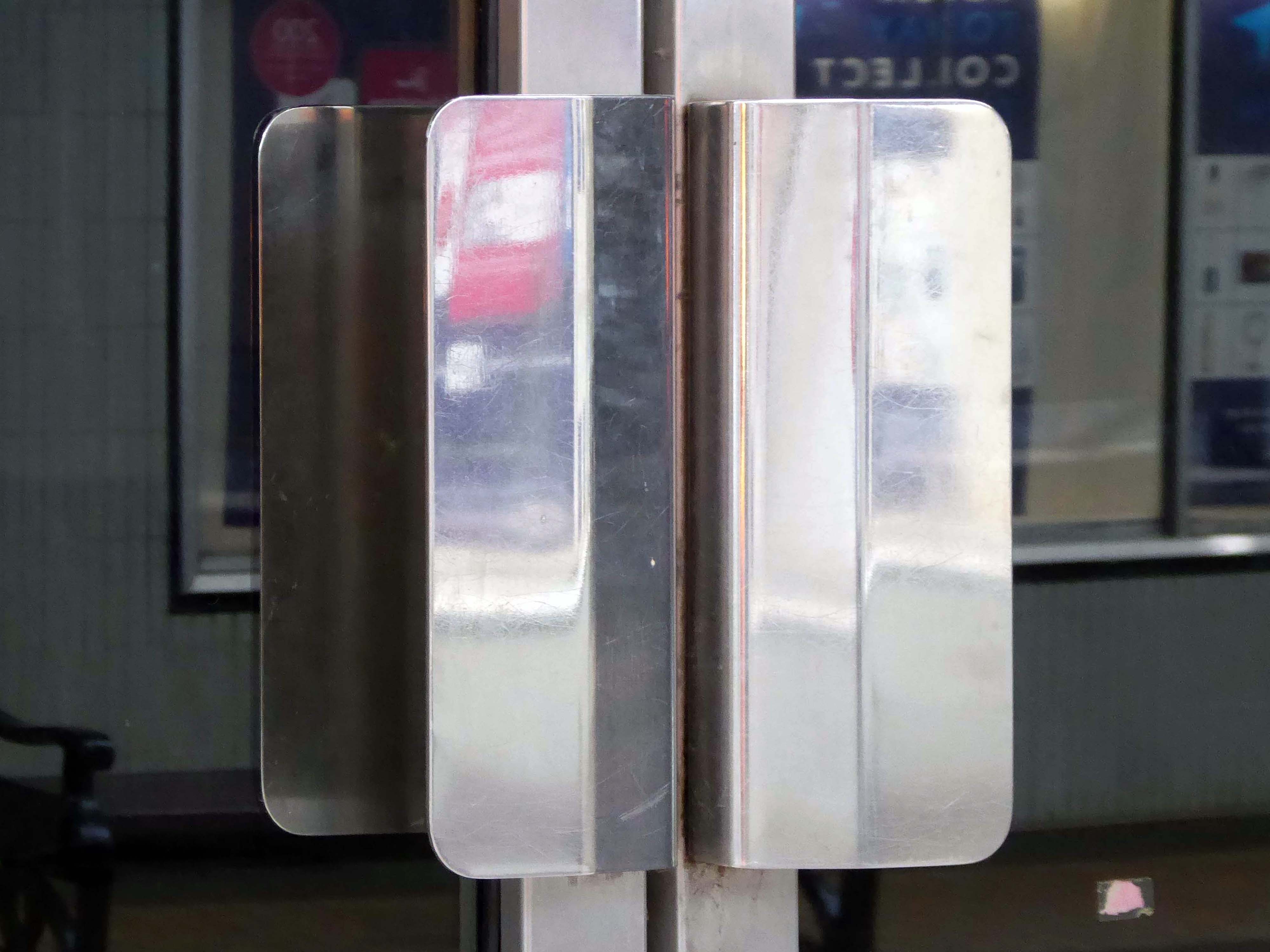
I do hope that the decorative panels and door handles survive.

Wandered around the University Campus as the light faded.

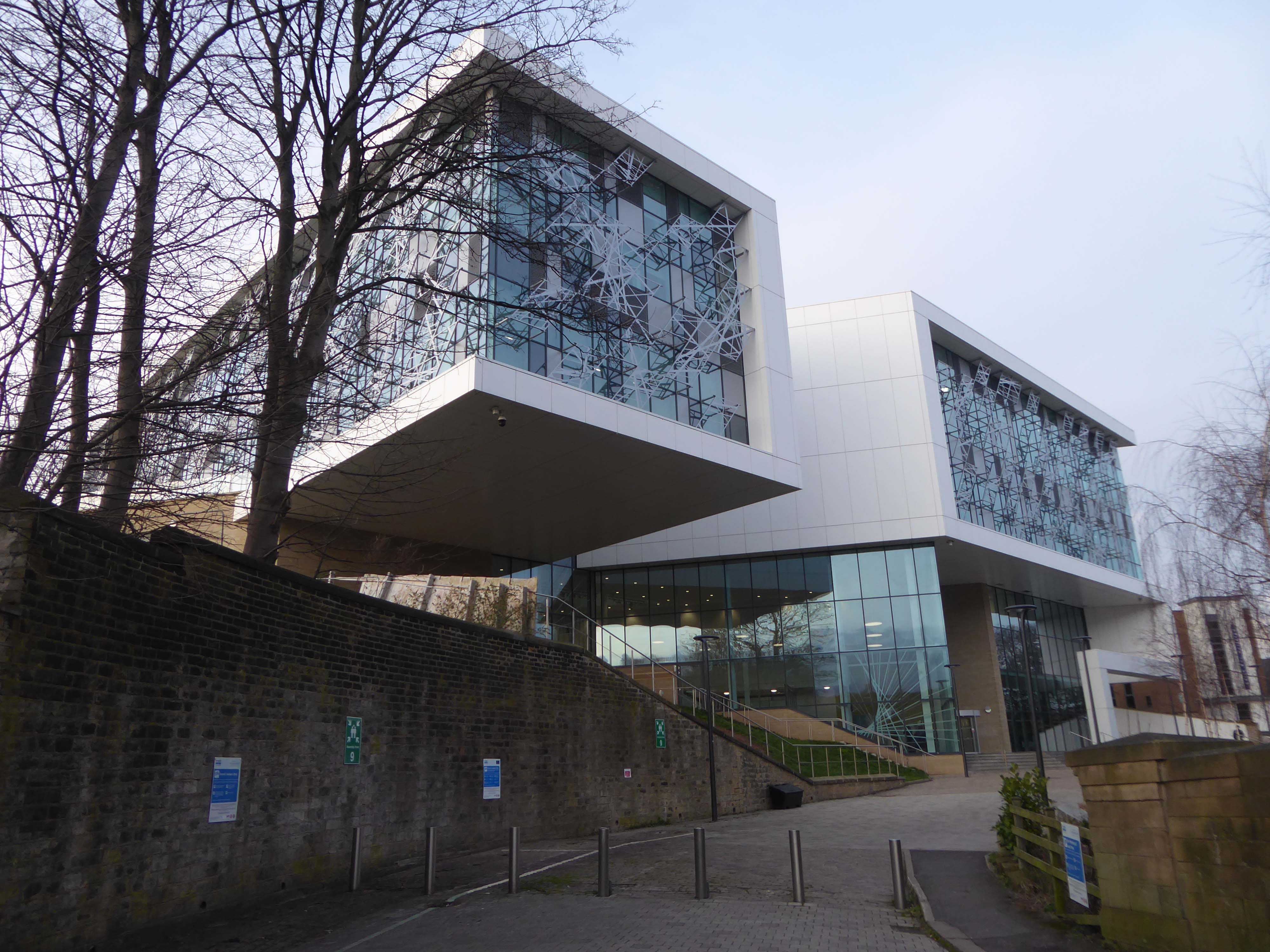
Barbara Hepworth Building Architects: AHR

Named after one of the Twentieth Century’s finest artists, the space nurtures a new and inspired generation of designers. Through visual and physical connection, the environment encourages students to work together, stimulating communication and ingenuity, the ingredients of successful collaboration.

Take that to the bank/s

Keep savin’, keep buildin’
That interest for our love
Take that to the bank
Keep savin’, keep buildin’
That interest for our love
Take that to the bank

Shalamar

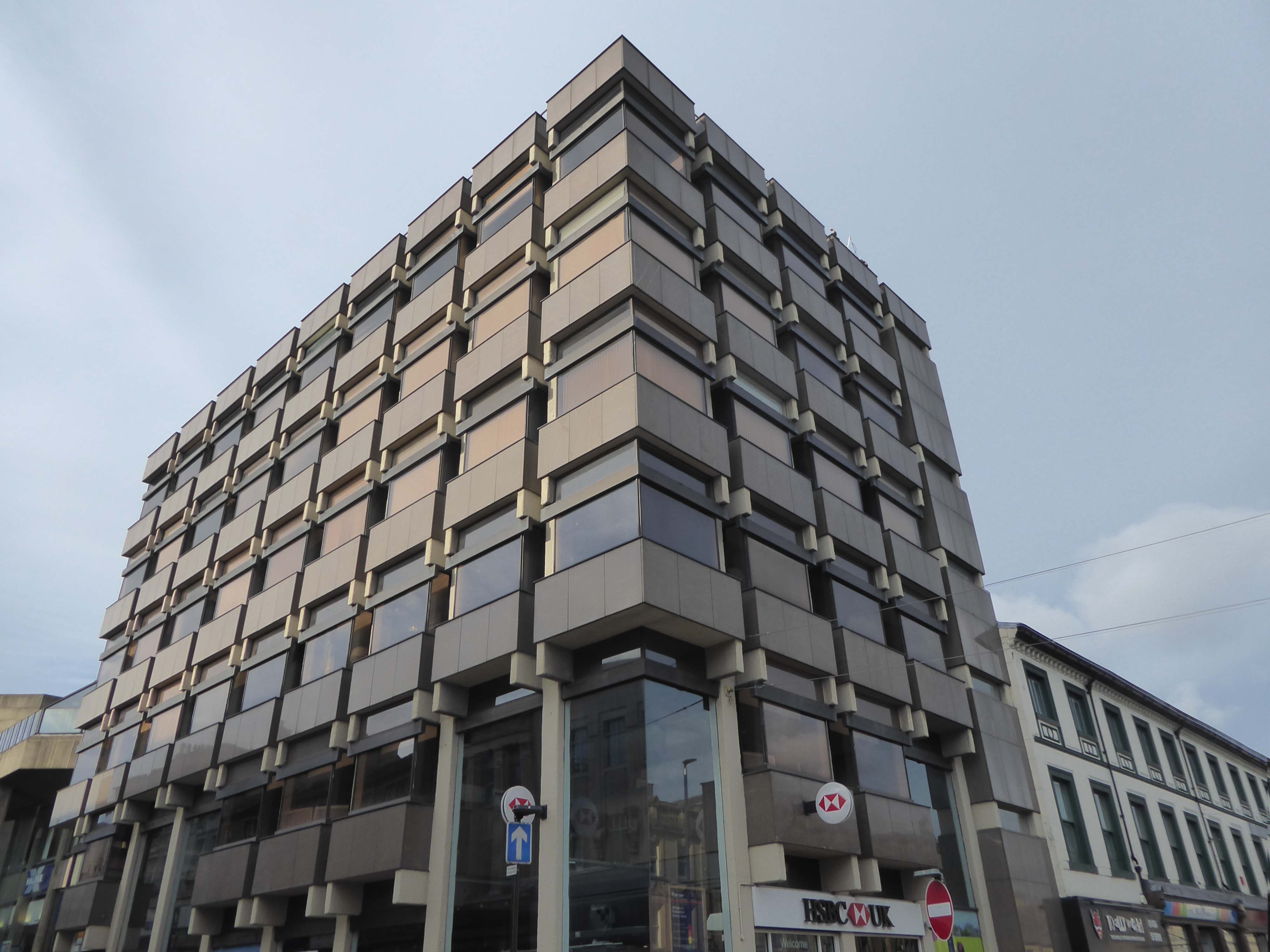
HSBC was designed by Peter Womersley, who also designed the thoroughly modern private house, Farnley Hey, near Castle Hill, which won the RIBA Bronze Medal in 1958.

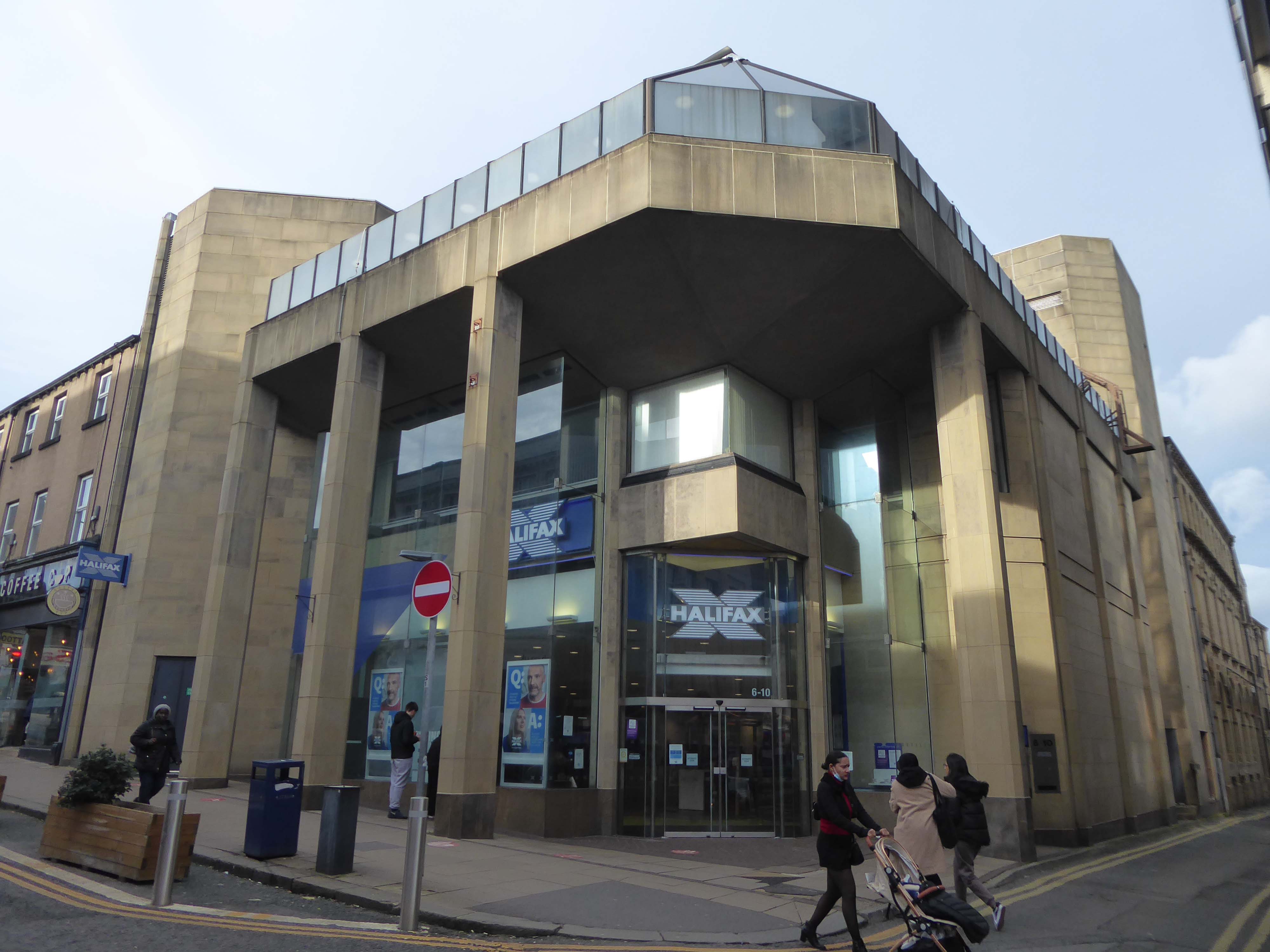
Halifax Building Society

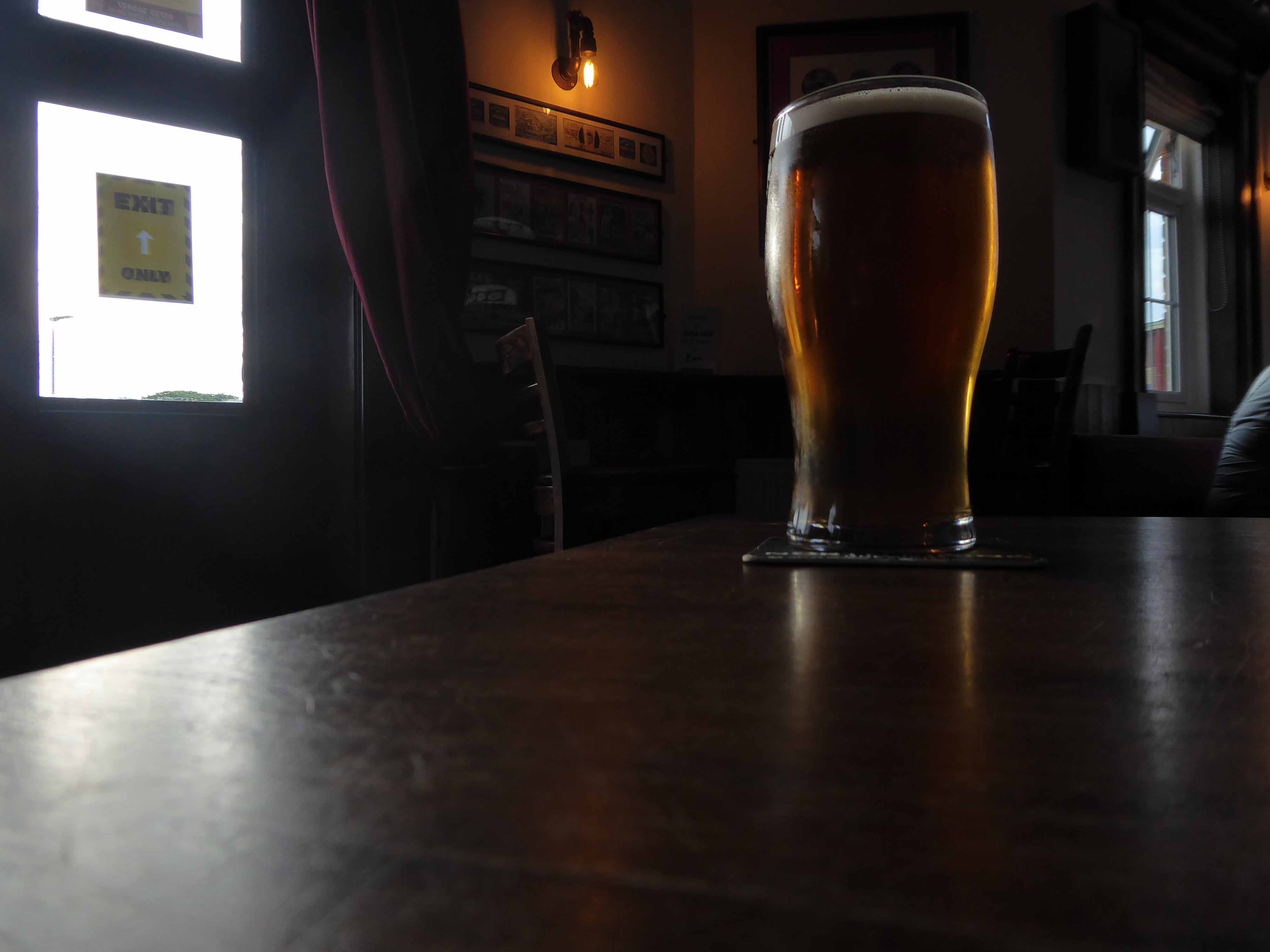
Having walked around town for more hours than enough I sought respite in The Sportsman and a glass of Squawk multi-berry fruited sour

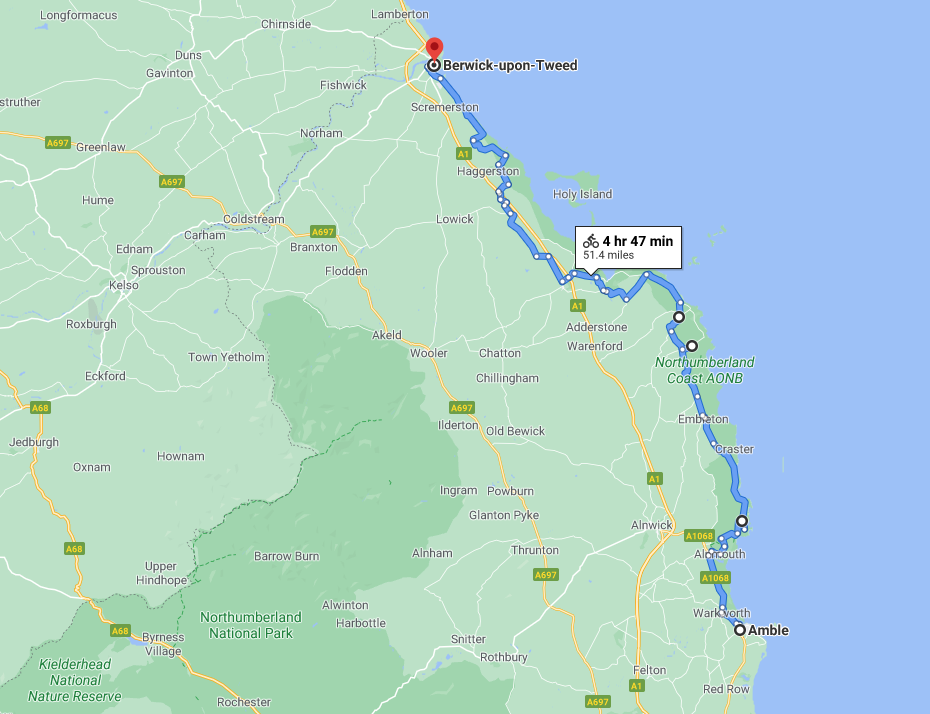
Amble to Berwick upon Tweed

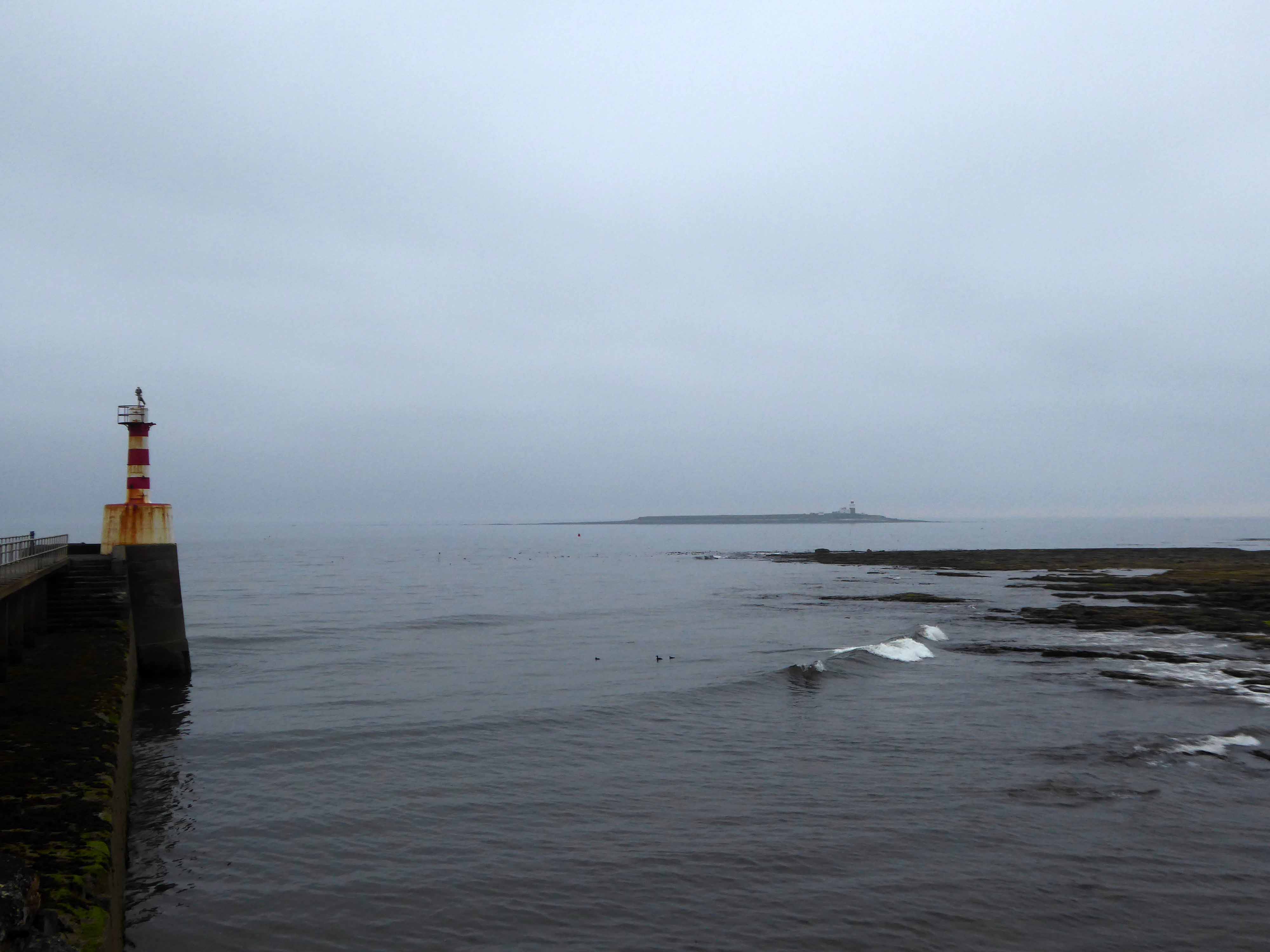
The final day the first sight of cloud and sea mist.

I awoke early and took an amble around Amble.

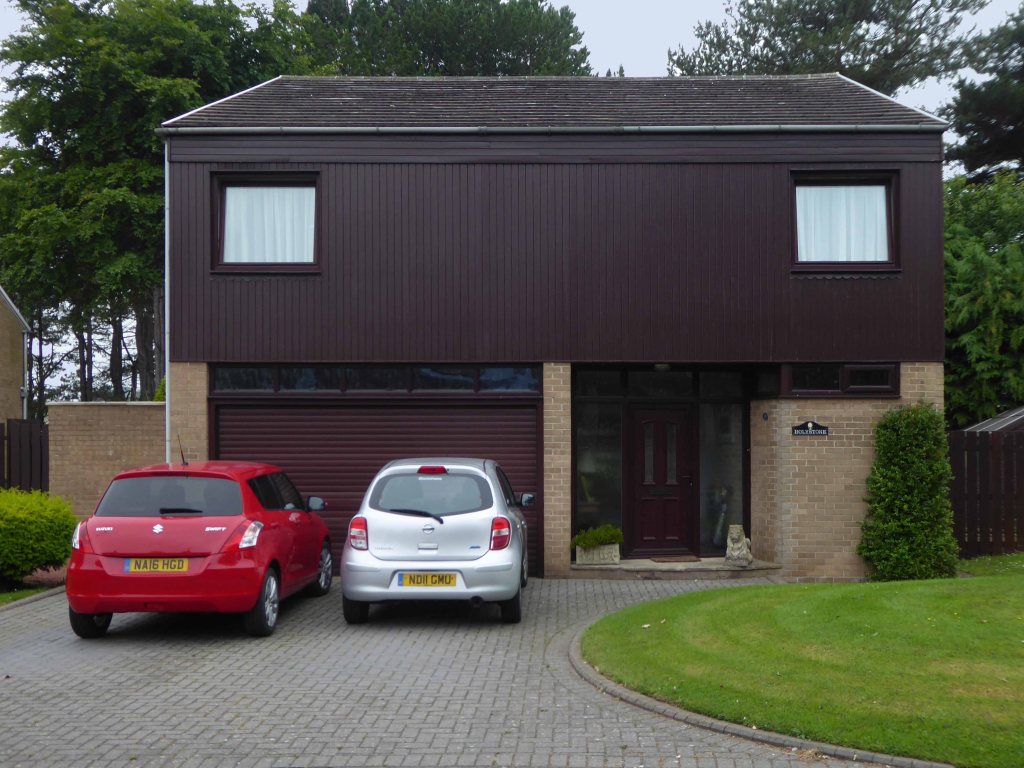
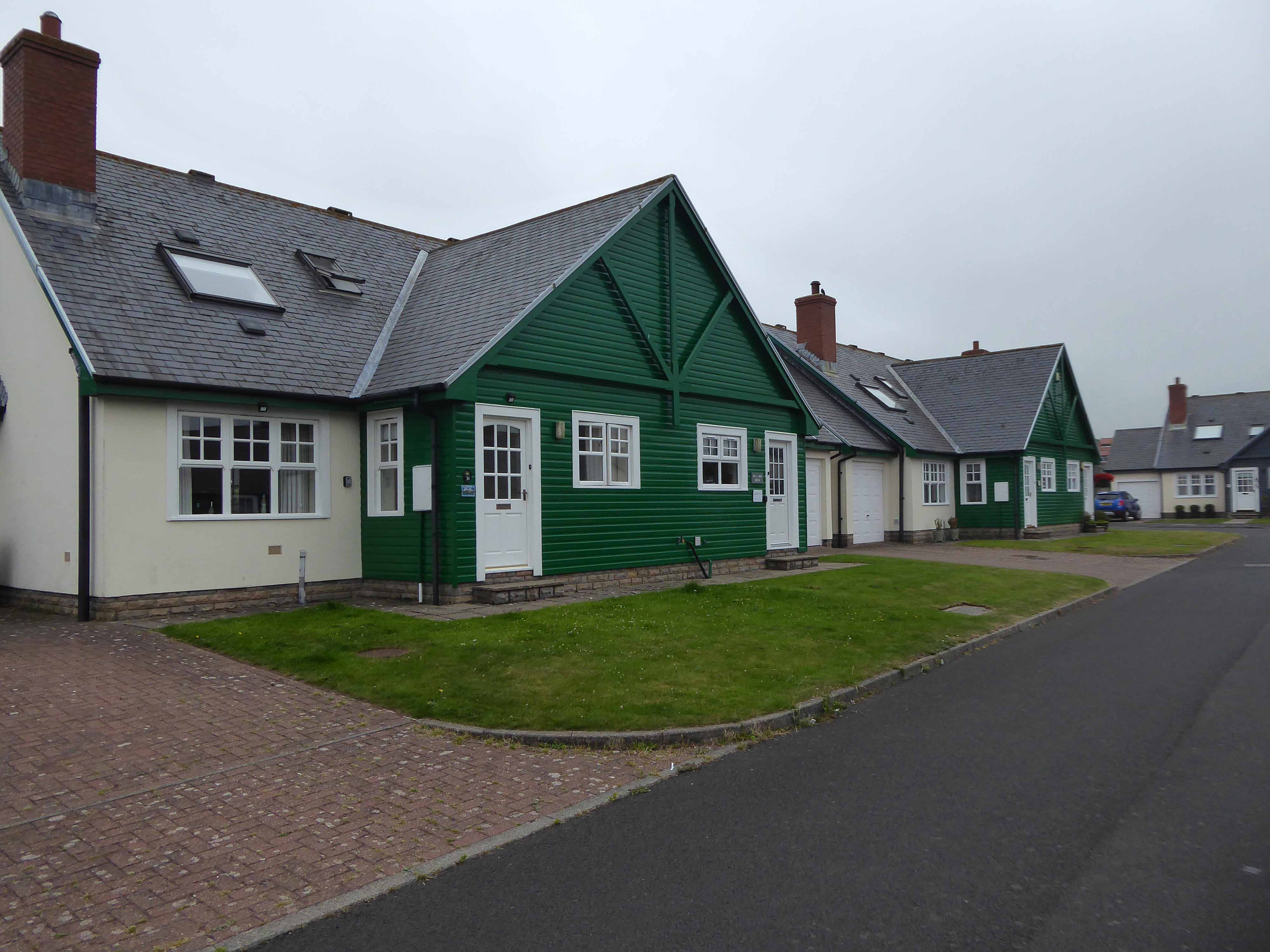
Then off on the road to Warkworth and beyond to Alnmouth – where I revisited a small group of asymmetric post-war dormer bungalows.

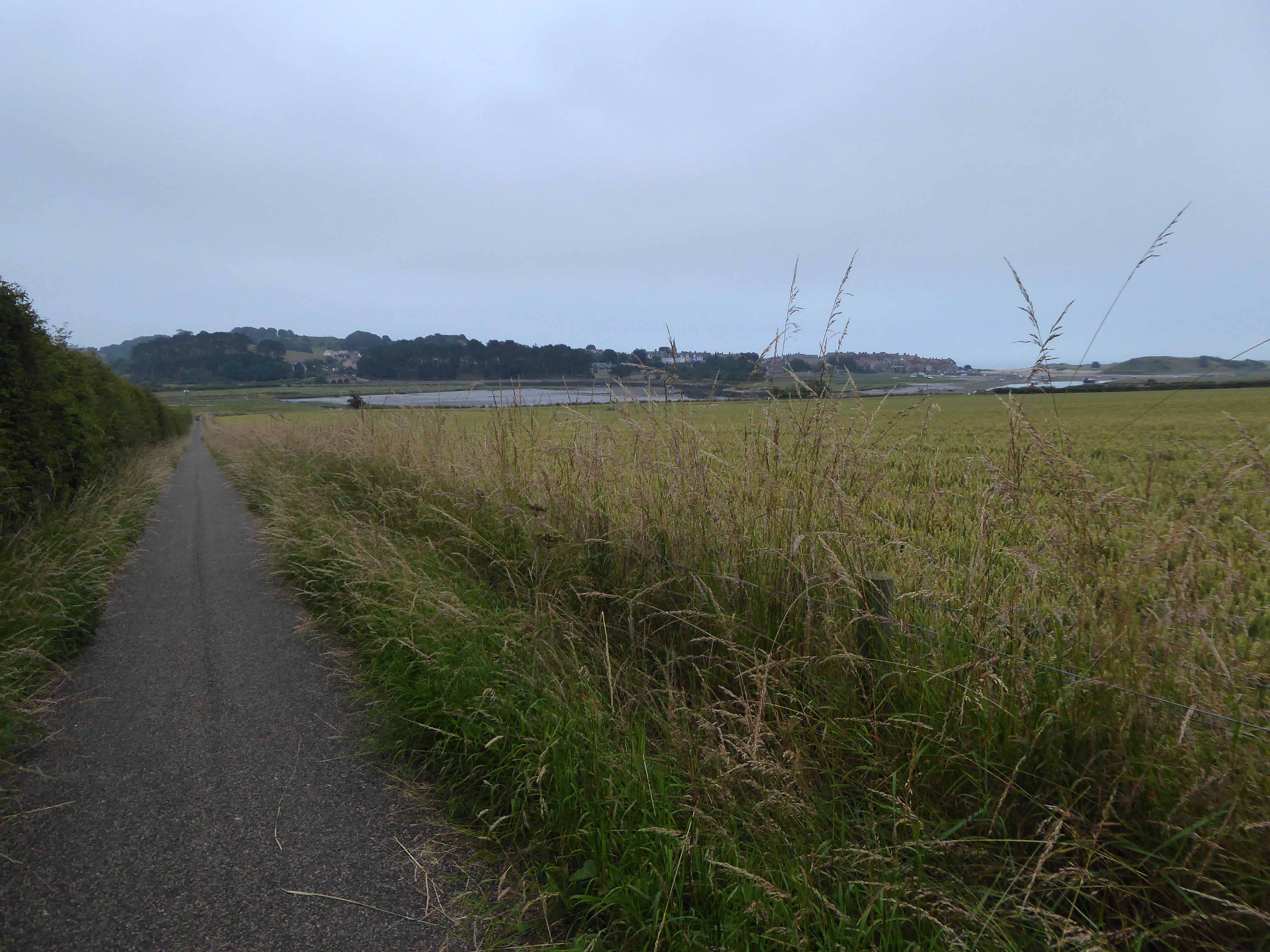
Stopping to view the flood plain of the River Aln, chatting perchance with the local environmental officer.

Who explained how the flood defences had been removed, as this encouraged the natural process of flooding and receding to proceed unhindered, thus preventing property from being interminably sodden.

We also discussed the decline in vernacular architecture and the fashion for all that is New England, much to the detriment of New Northumberland.

One day everywhere will look like a someone else’s vision of somewhere else.

The good folk of Craster have wisely prevented the local bus from entering the North Sea.

The way north took me over a well laid concrete track.

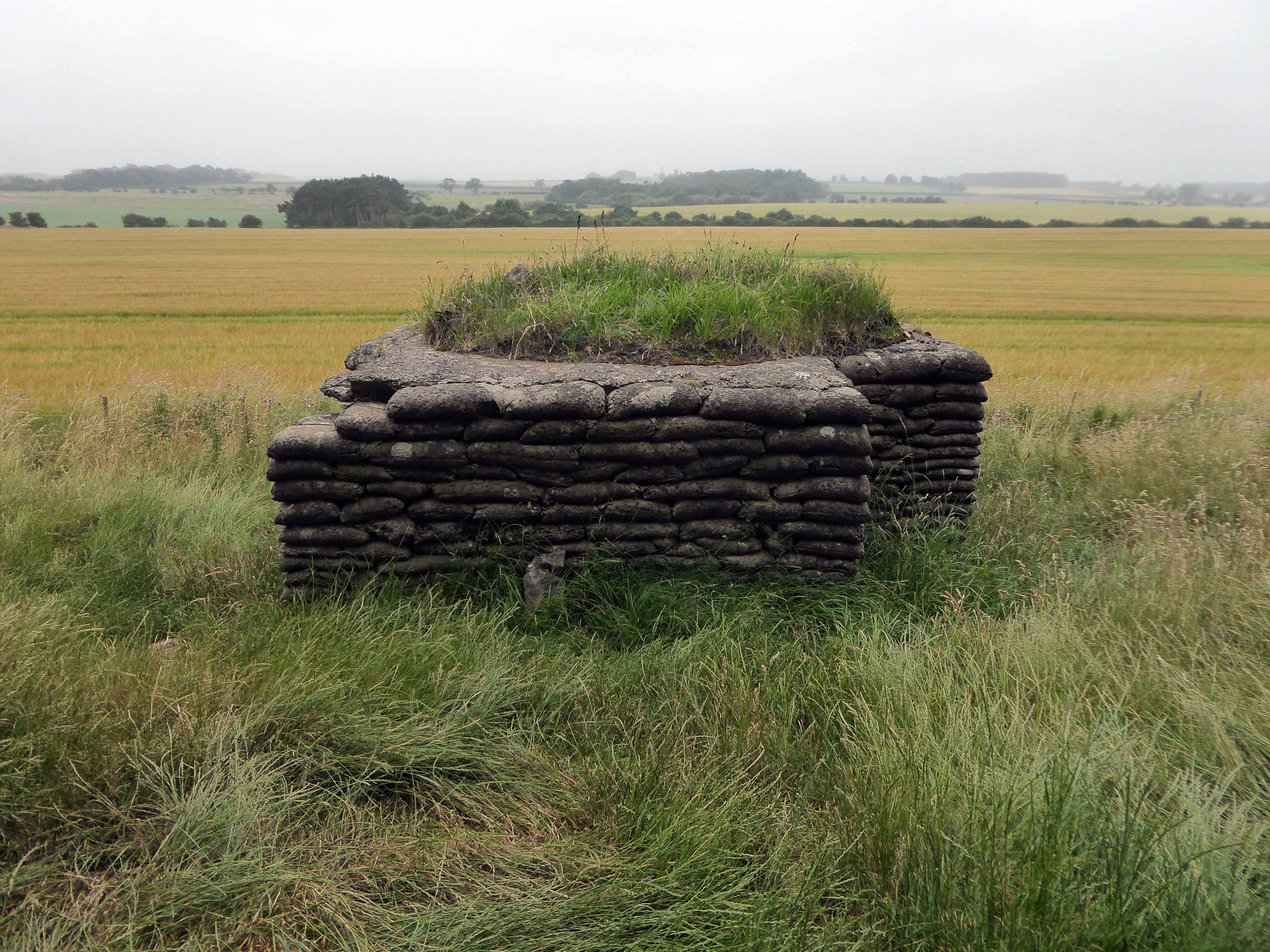
I came upon three wise men from Durham, Rochdale and Doncaster, gathered around a concrete-bag bunker.

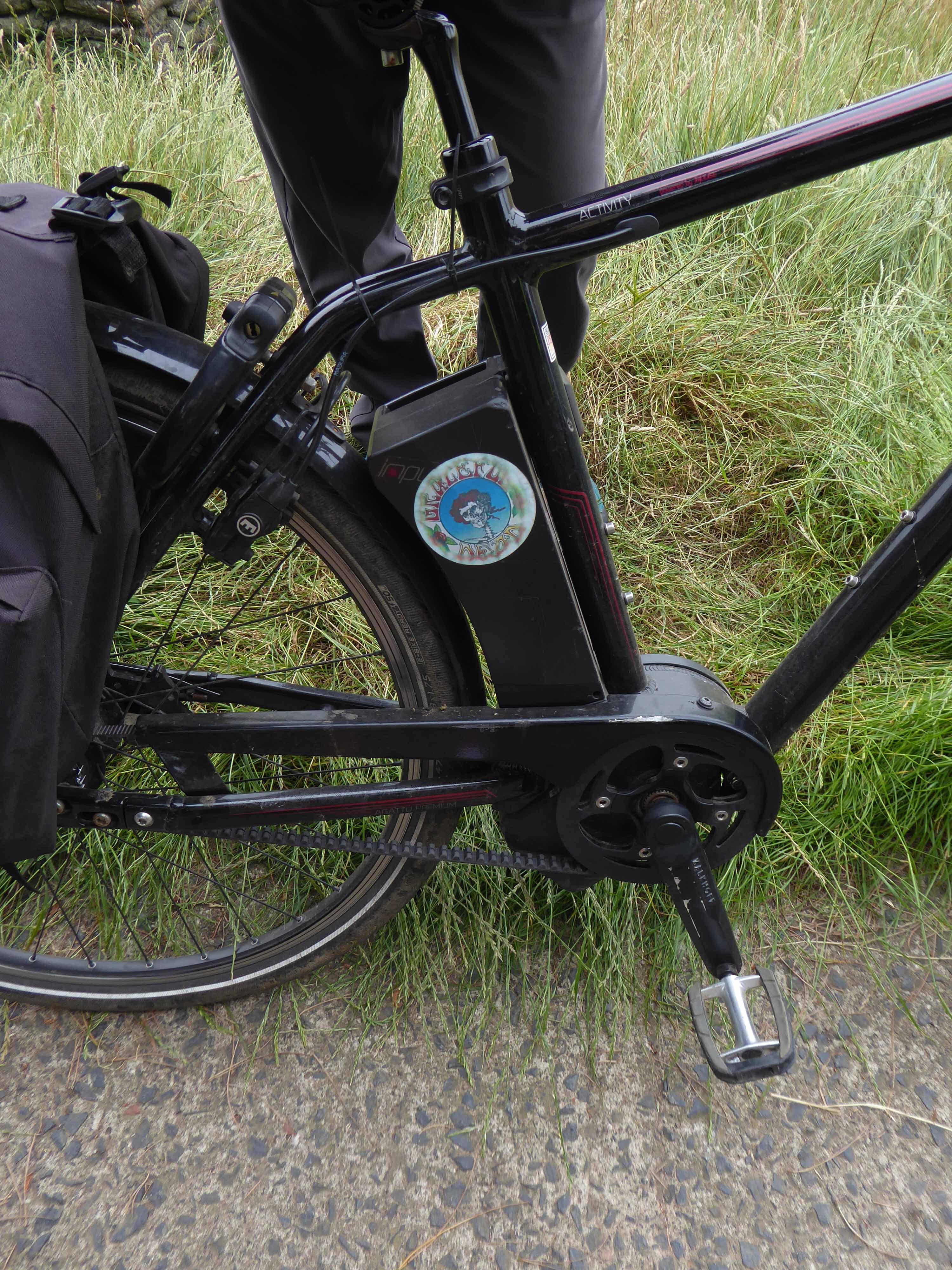
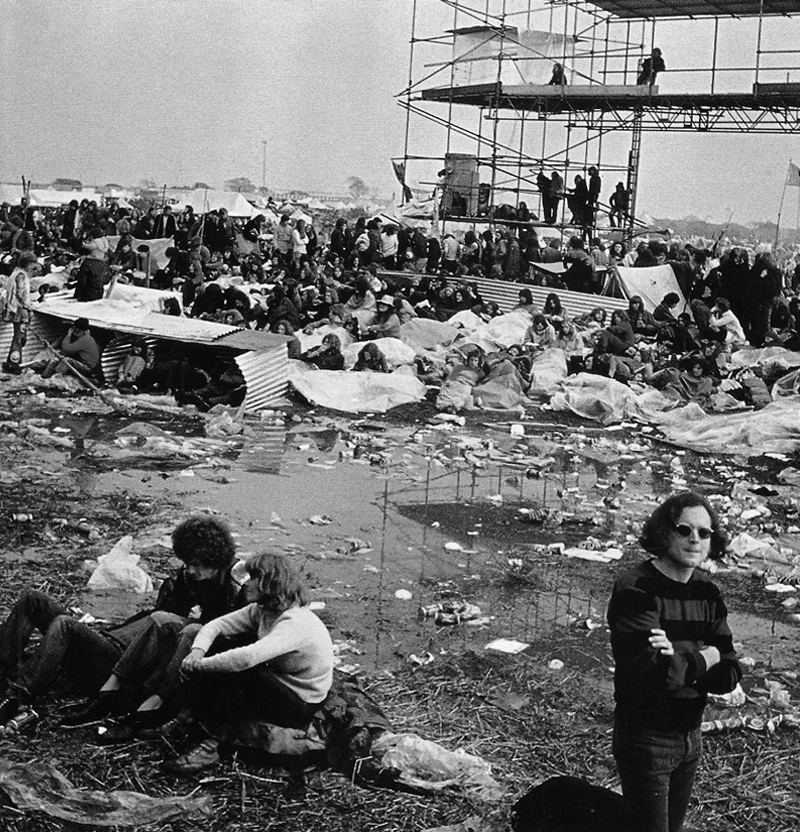
They were all Grateful Dead fans who like me had attended the Bickershaw Festival in 1972.

The first and last outdoor festival I ever done attended, unforgettable.

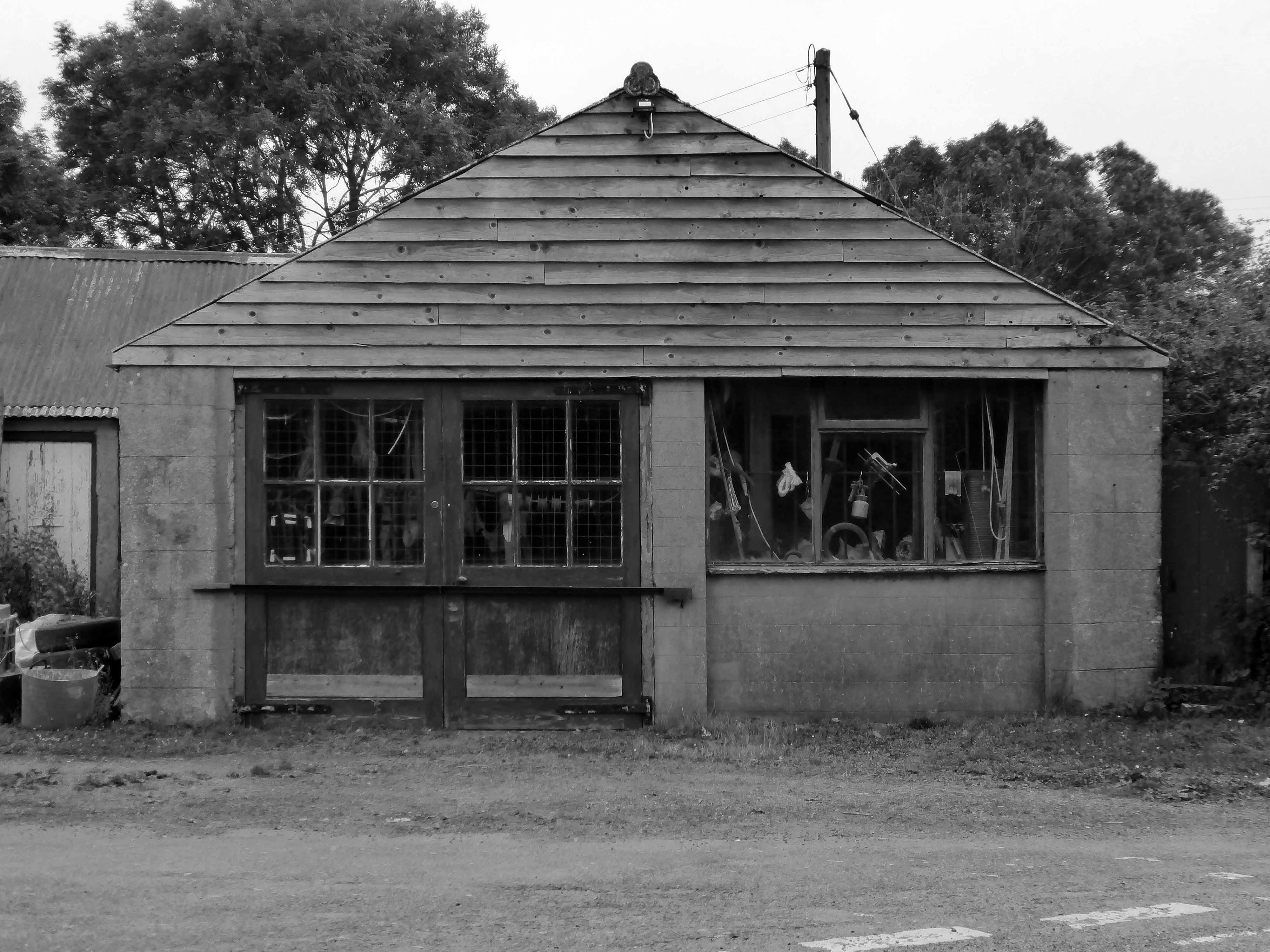
Weaving down and around quiet lanes I encountered this Walker Evans workshop.

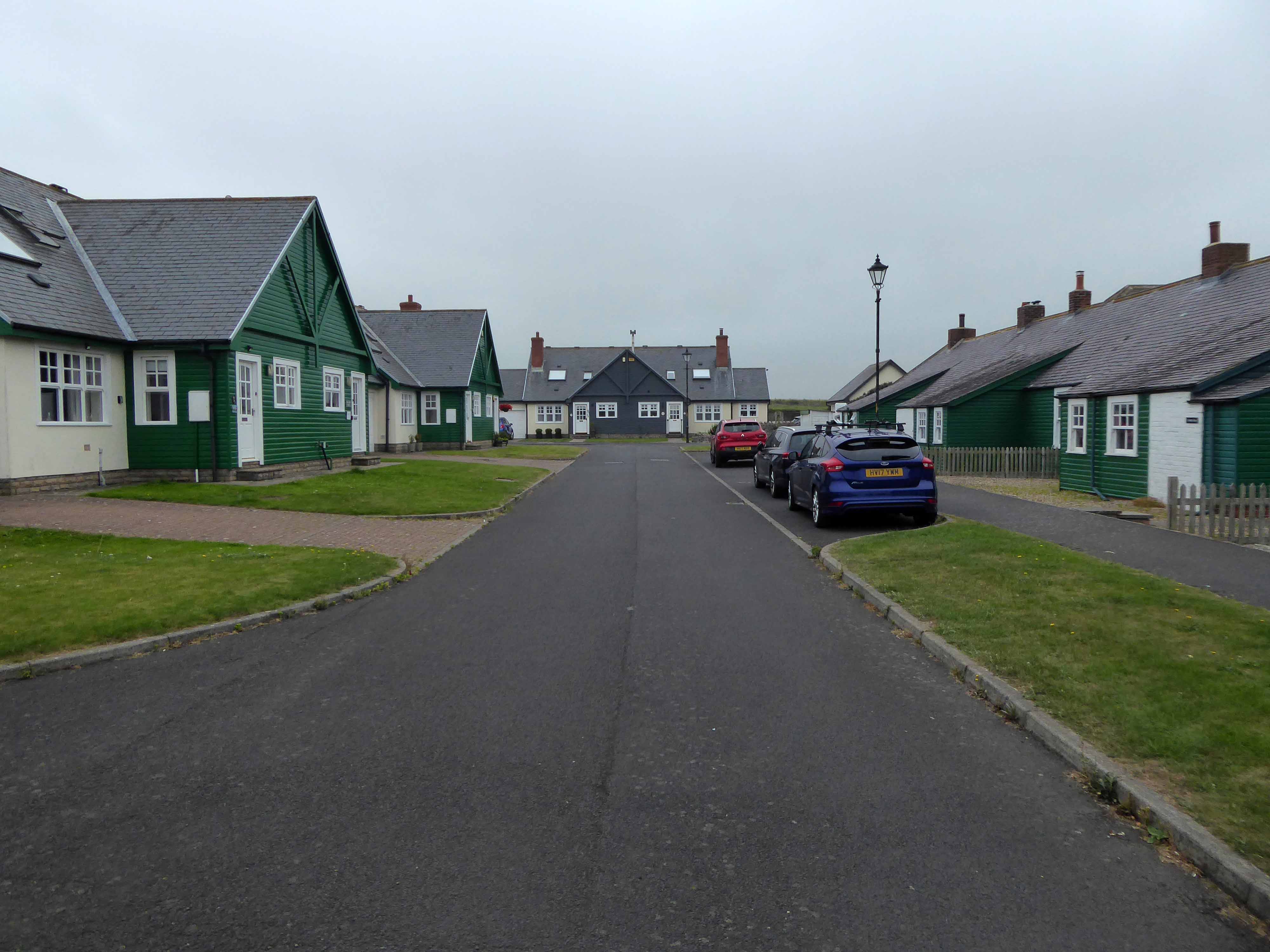
Armstrong Cottages is an estate originally built by Lord Armstrong for the workmen restoring Bamburgh Castle.

The 1901 Census lists the current inhabitants with their provenance and professions.

114 residents are listed for the 19 cottages, of whom 53 are working men employed in the building trade: their professions include stonemasons, joiners, plumbers, rope & pole scaffolders, blacksmiths, and plasterers.

Many come from Northumberland or Scotland, but a significant proportion are from further afield: Cumberland, Westmorland, Lancashire, Durham, Yorkshire, Derbyshire – and one from the Channel Islands.

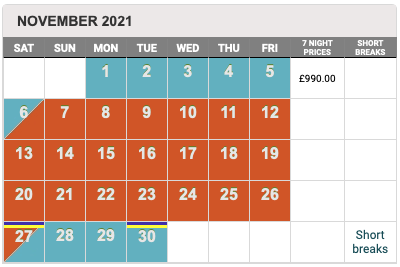
Seven nights in November will now cost you the best part of a thousand pounds.

The Armstrong family the former owners, made millions from the sale of armaments.

If I thought that war would be fomented, or the interests of humanity suffer, by what I have done, I would greatly regret it. I have no such apprehension.

He also said:

It is our province, as engineers to make the forces of matter obedient to the will of man; those who use the means we supply must be responsible for their legitimate application.

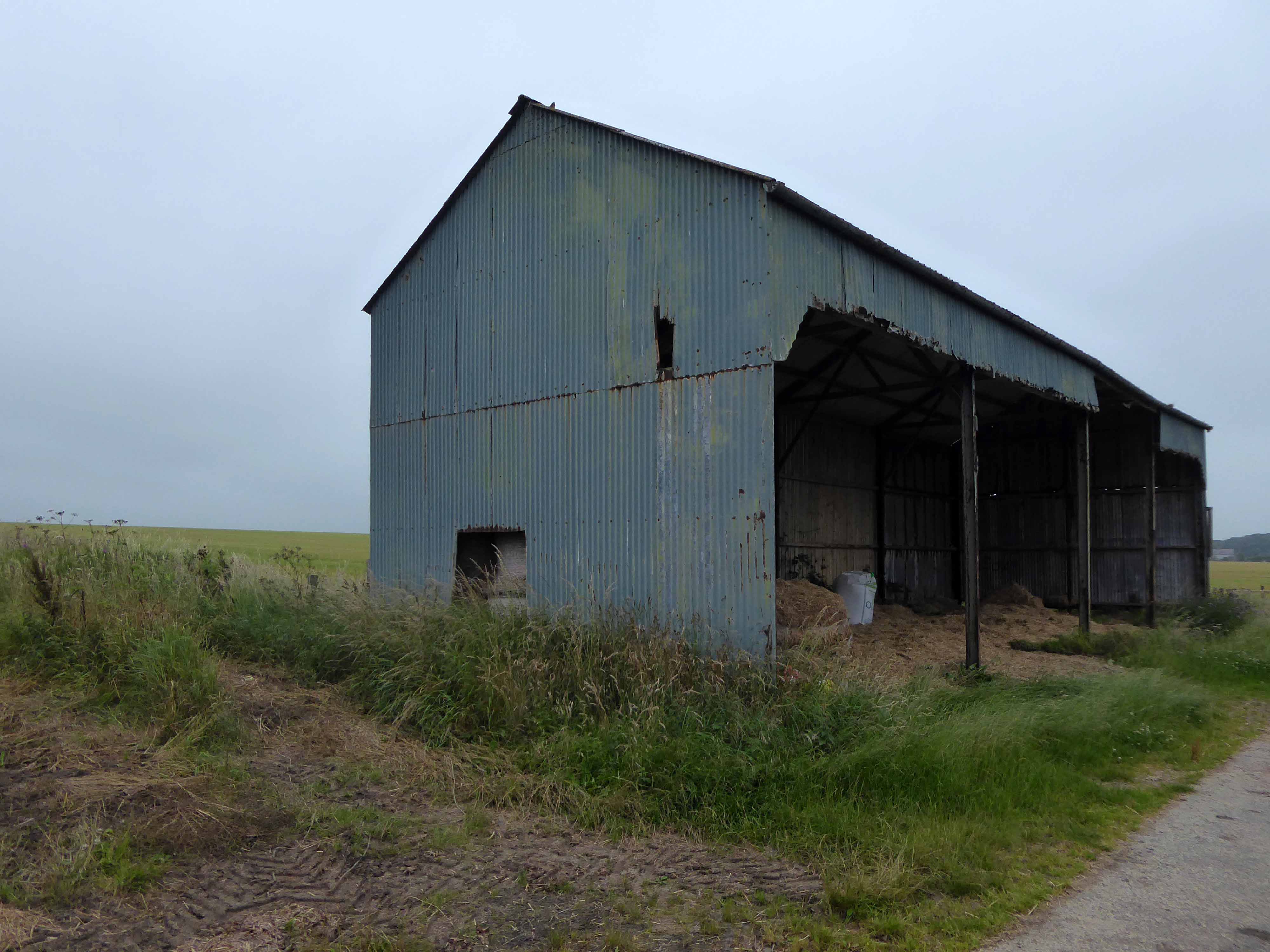
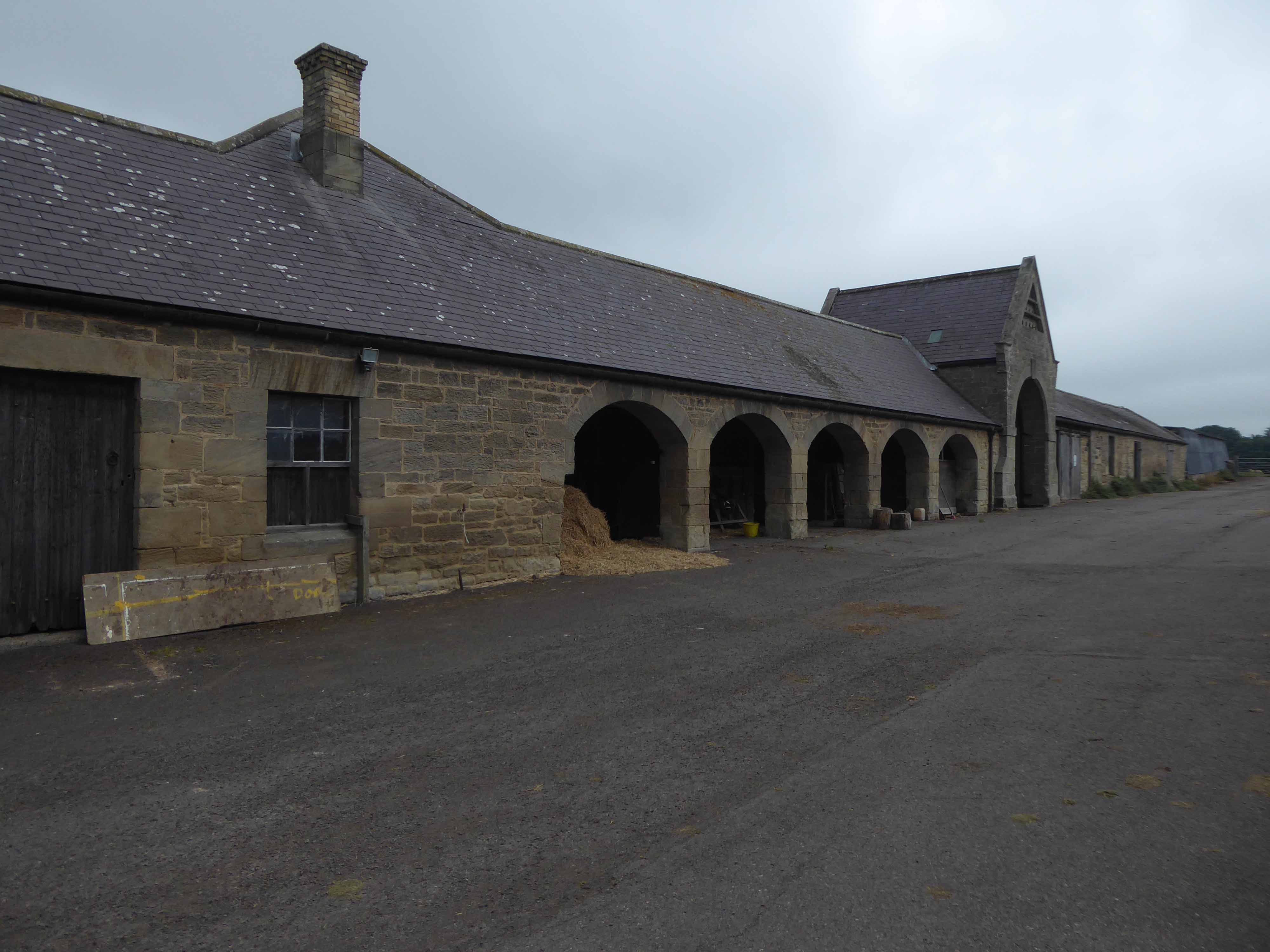
I paused a wee while to take a sip of water and admire the agrarian architecture.

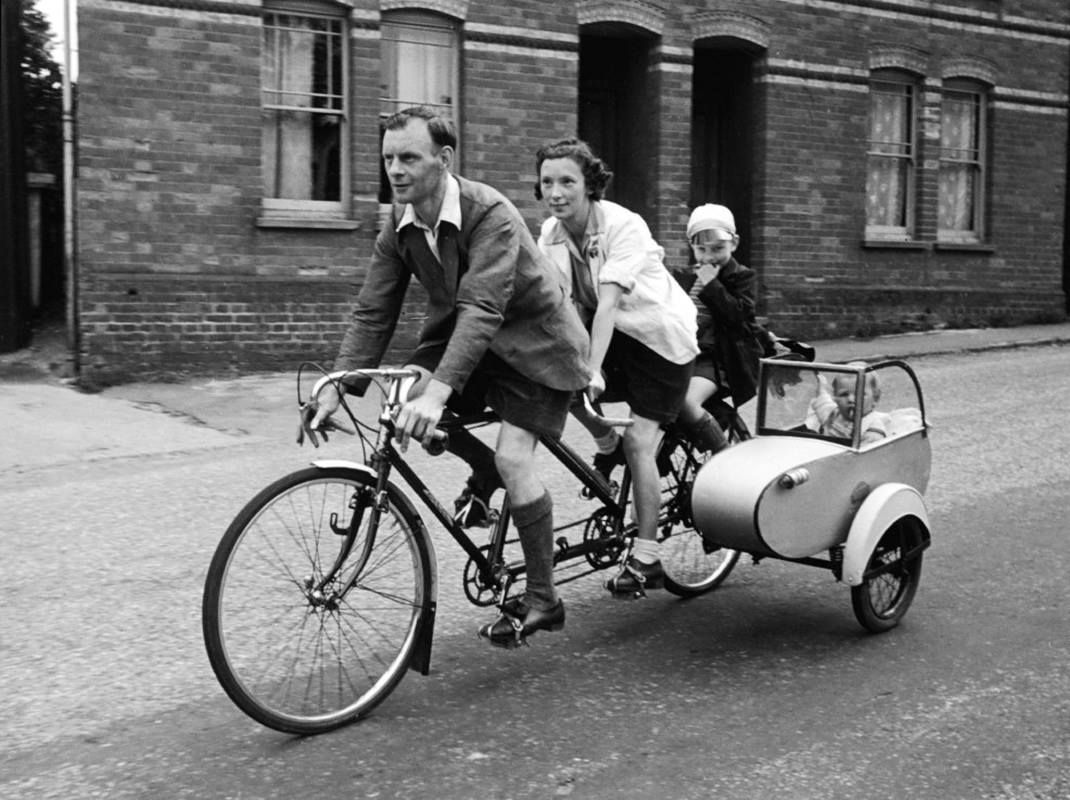
A couple on their bikes stopped to chat, as a babe in arms the lad had been transported by mam and dad, in a sidecar with tandem attached.

Such a delightful and poignant recollection – we wished each other well and went on our way.

I made my way from the rolling hills back down toward the coast.

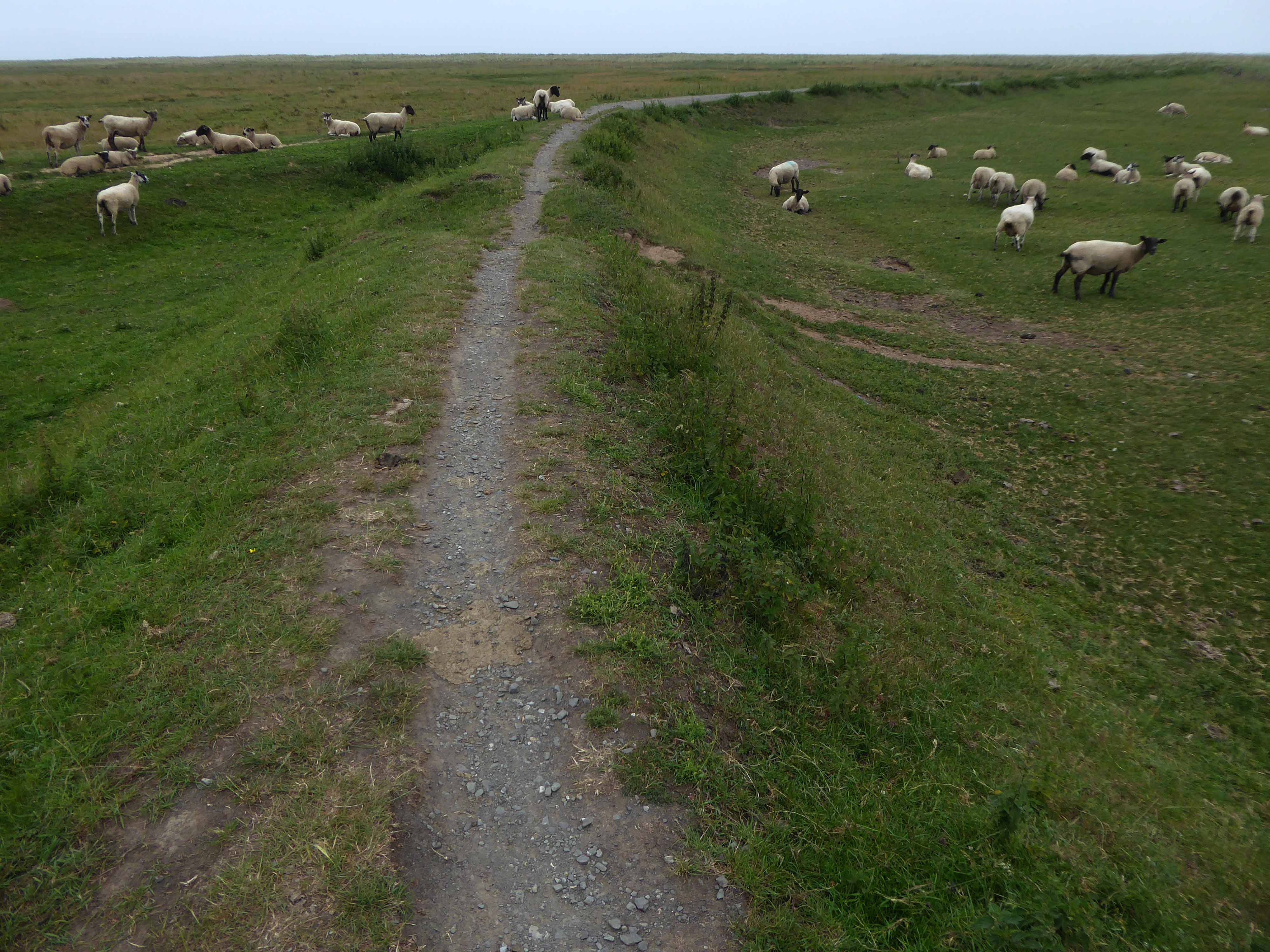
Where a permissive path hugged the shore, which I cautiously shared with some equally cautious sheep.

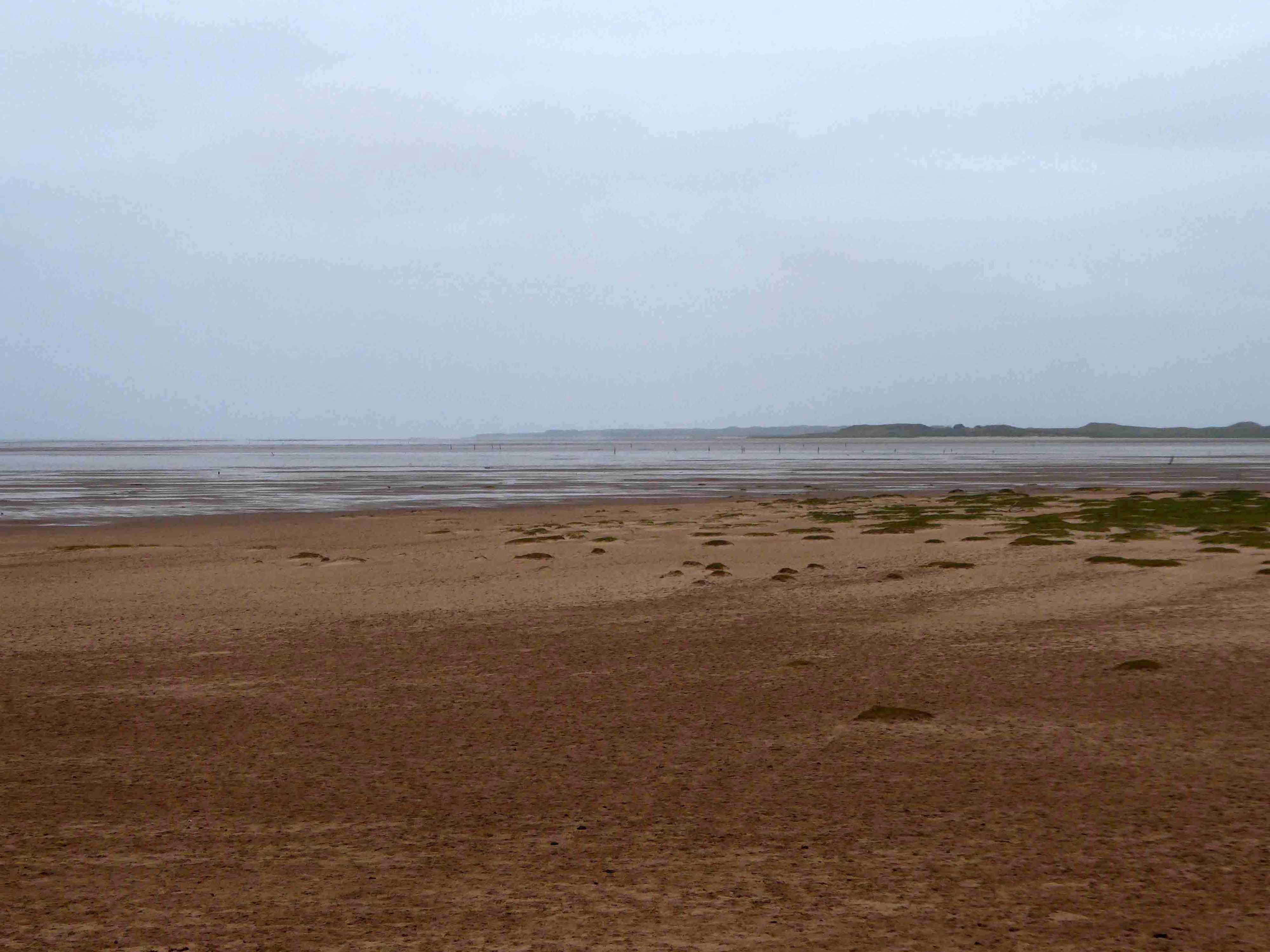
Looking back toward Lindisfarne.

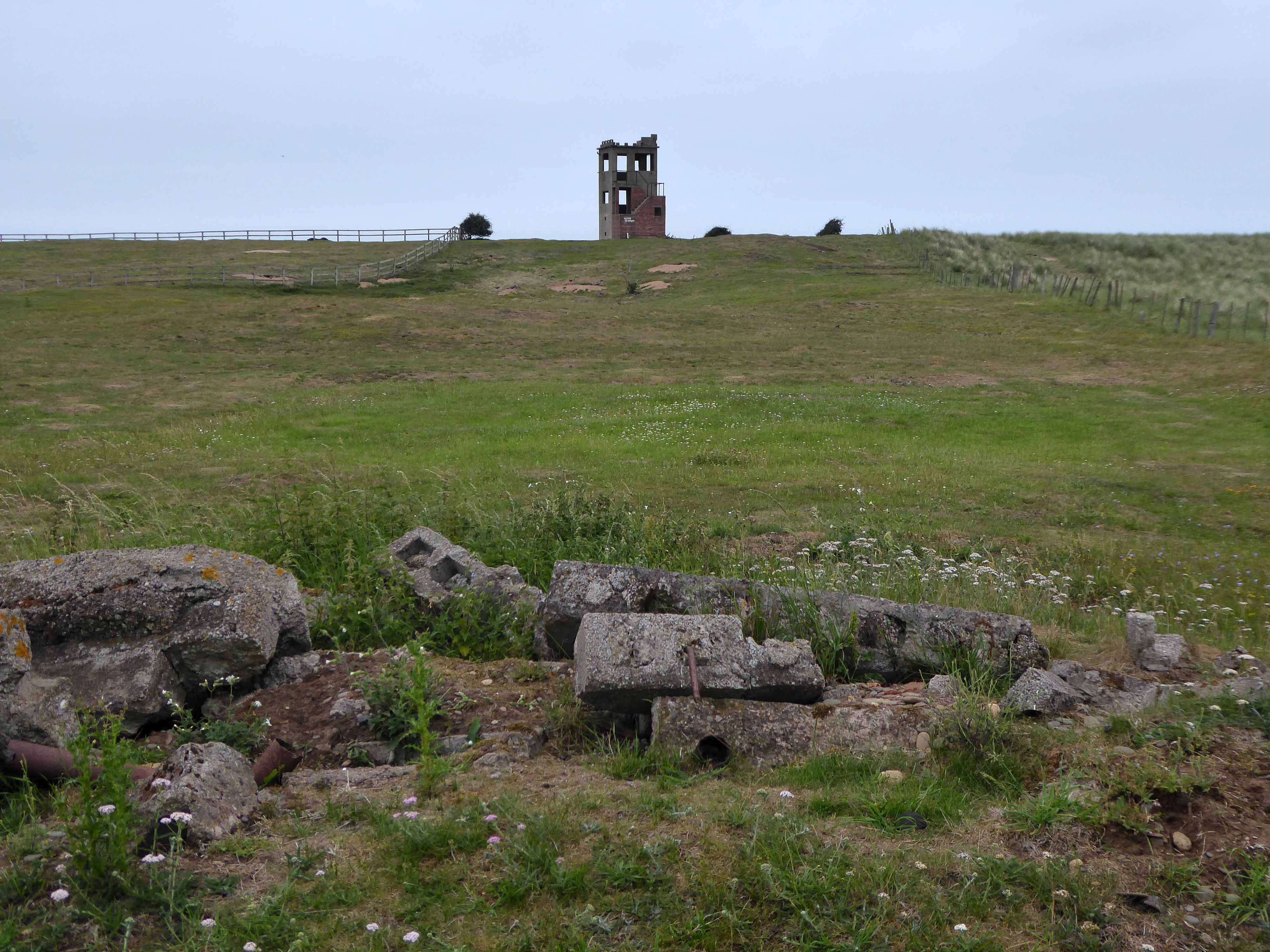
Looking forward to the past.

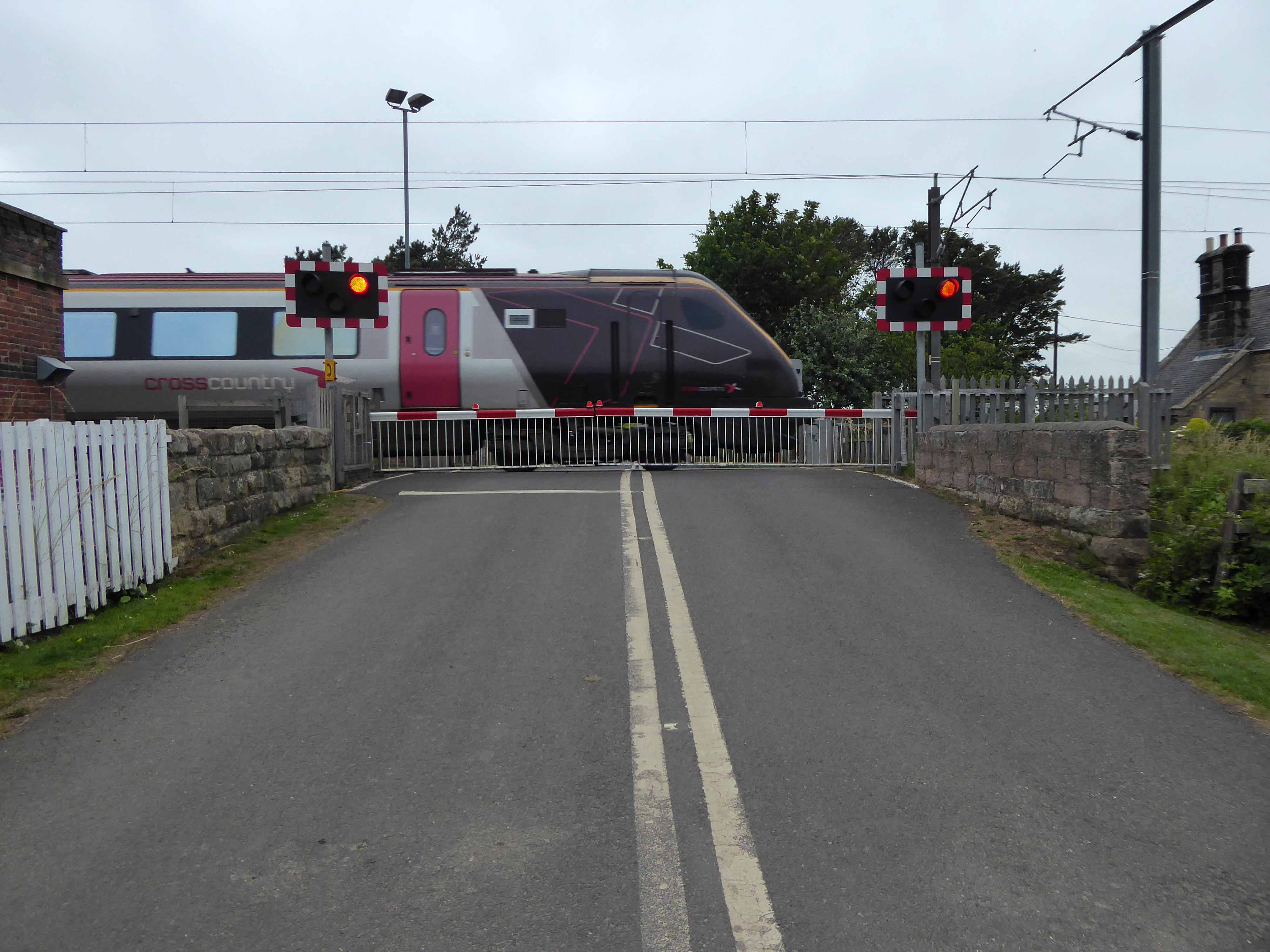
Pausing for the passing of a mainline train.

Berwick upon Tweed in view.

Come the evening I spent an hour or two in The Curfew, feasting on fine beer, company, haggis scotch egg and game pie.

Finishing with this well deserved and wonderful, bottle of Oude Geuze.

The final day – so many marvellous miles covered, forever stopping to chat, snap, look and learn.

No finer way to see the world, though so condensed and intense even at touring speed – apologies to all the things that I failed to see.

So long to Amble, Newcastle, Redcar, Scarborough and Hull.

Newcastle to Amble

Well here we are heading north for a fourth day – having bidden farewell to Hull, Scarborough and Redcar.

Passing a few familiar sights.

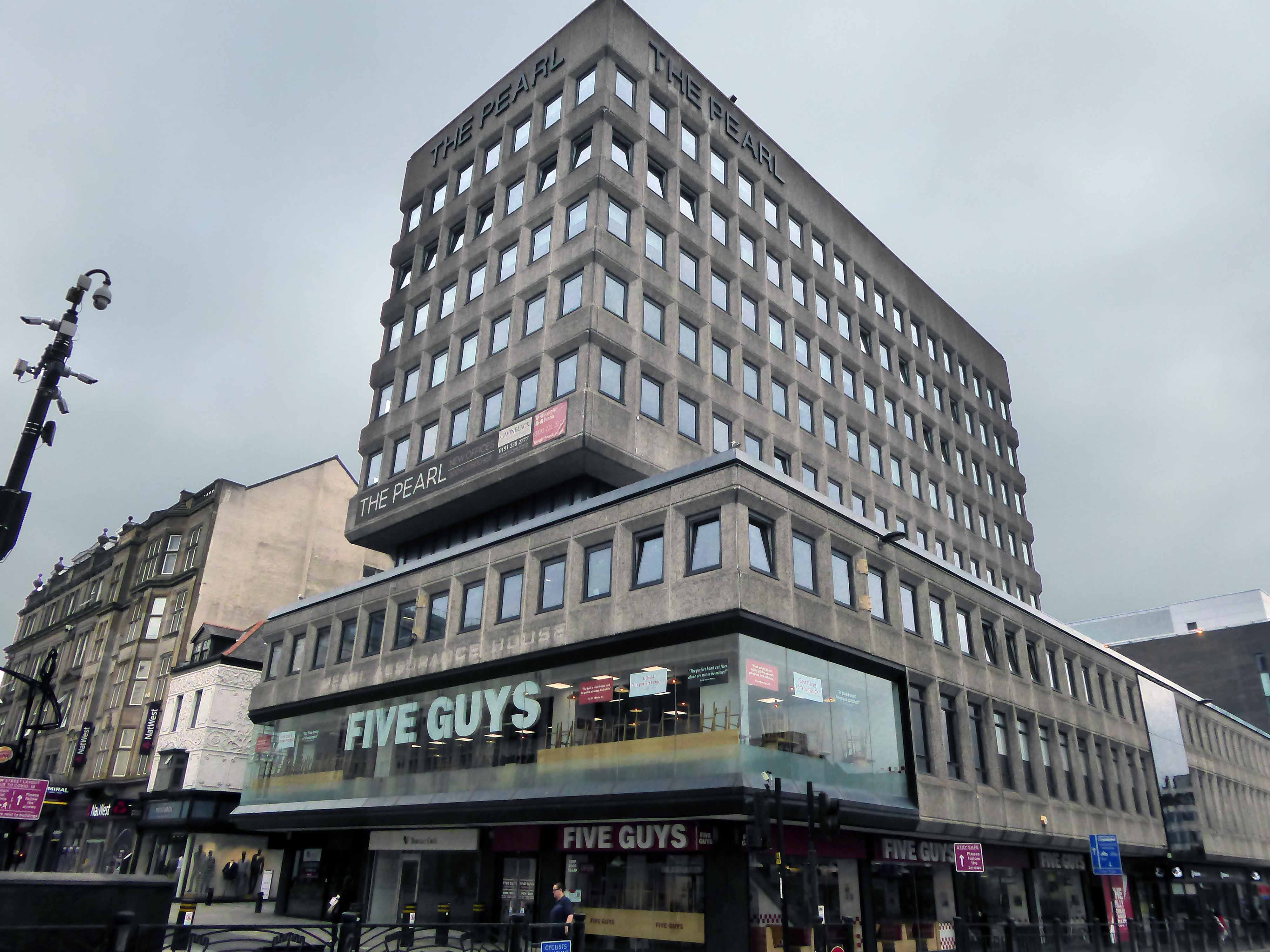
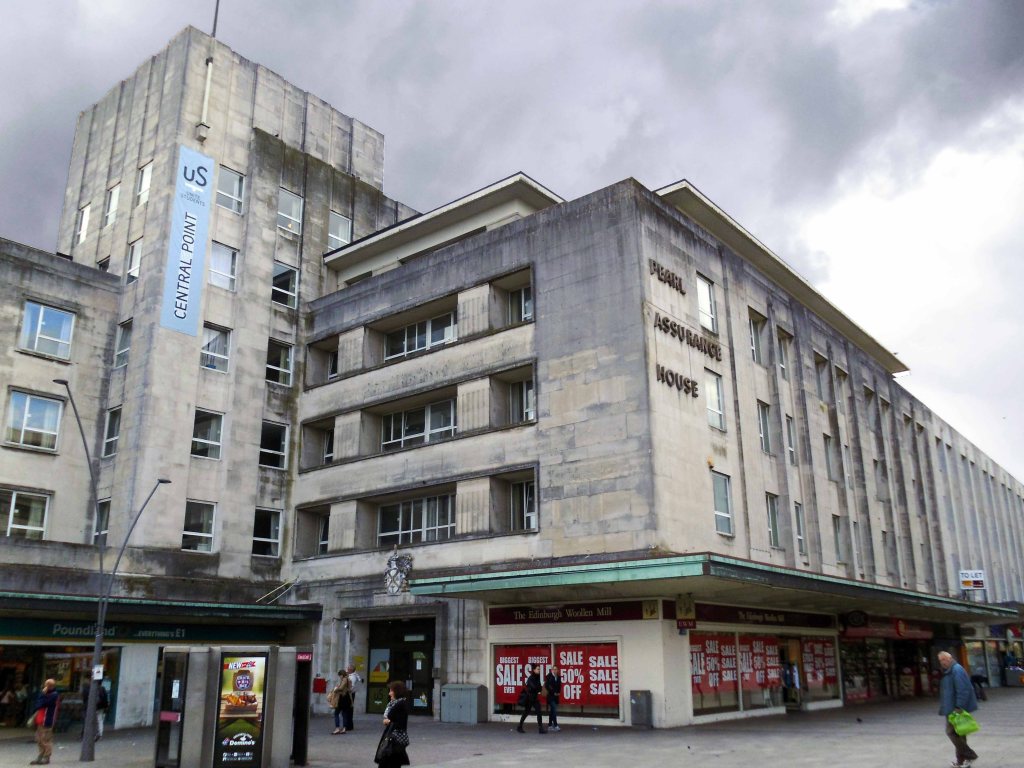
Pearl Assurance House Architect: T P Bennetts

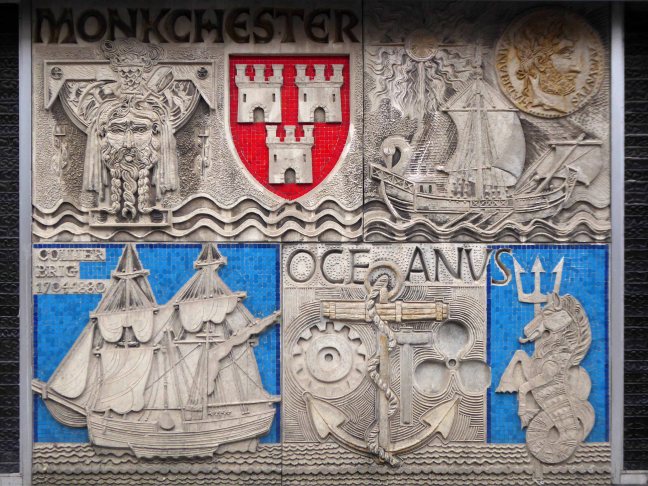
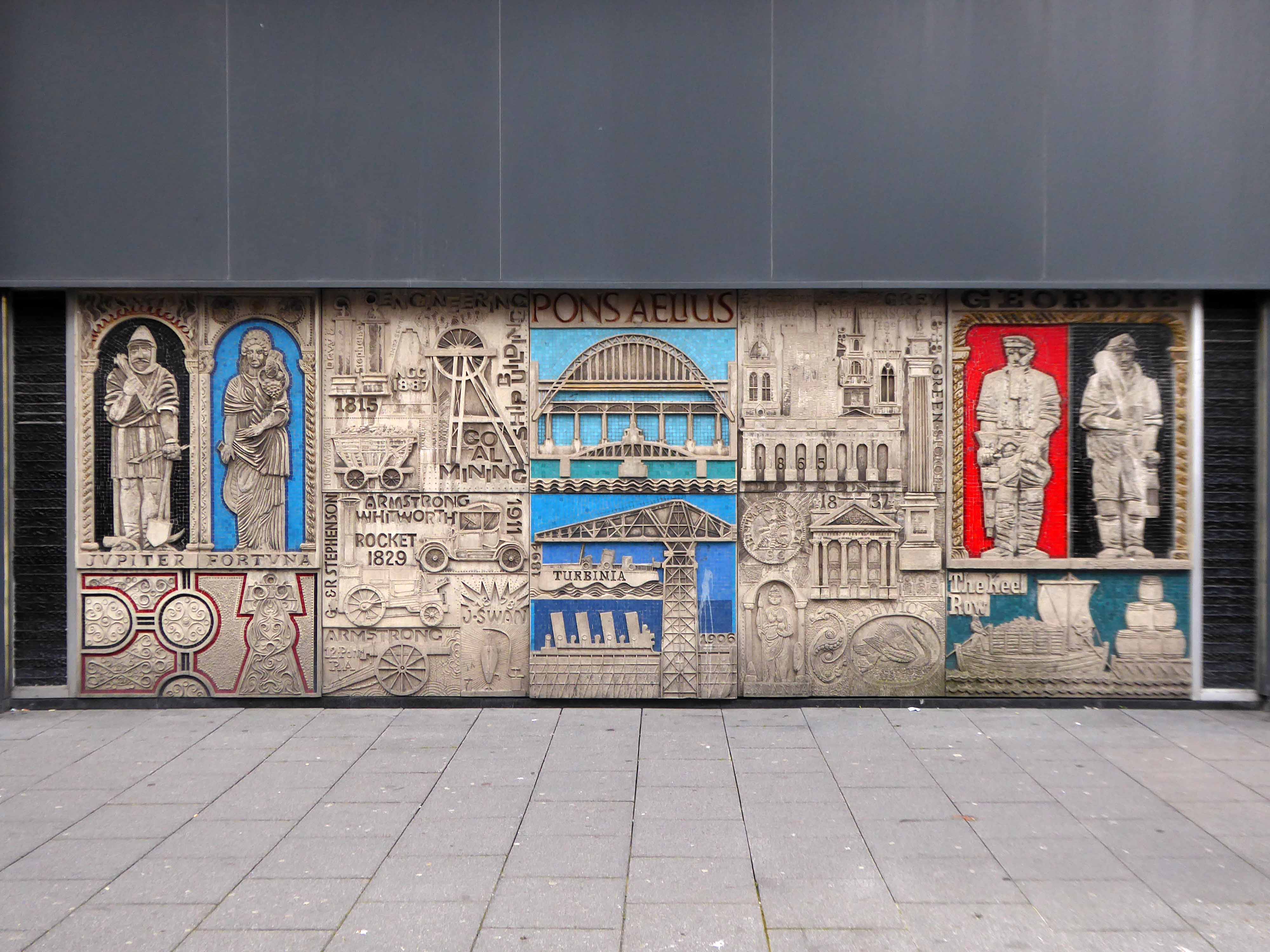
BHS Murals Joyce Pallot and Henry Collins.

The building was originally developed by C&A and it is thought that funding for the reliefs might have been provided by the store and/or Northern Arts. It became BHS which subsequently closed, the building is now occupied by Primark, C&A estates still own the site. 

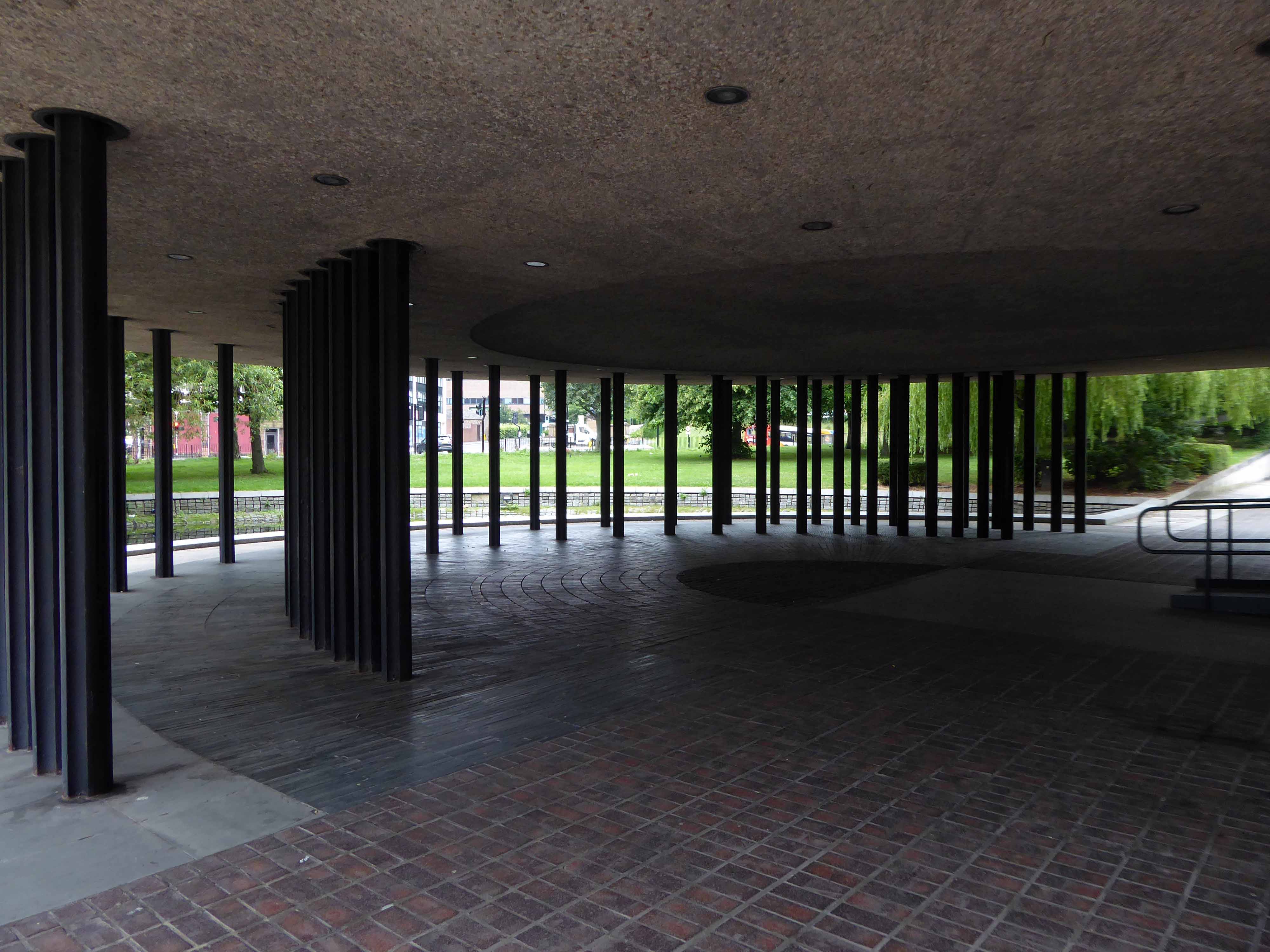
Civic Centre entrance to the Council Chamber.

Taking a bold leap into the unknown I left the city centre, unwisely following unfamiliar roads, predictably becoming very lost.

I sought assistance from a passing fellow cyclist, very kindly he guided me to Tynemouth, following a mysterious and circuitous course across the undulating terrain – thanks.

The city quickly becomes the seaside with its attendant retail bricolage.

An all too familiar redundant Lido – opened in 1925 and closed in the mid 90’s – but a Friends Group aims to breathe new life into the site.

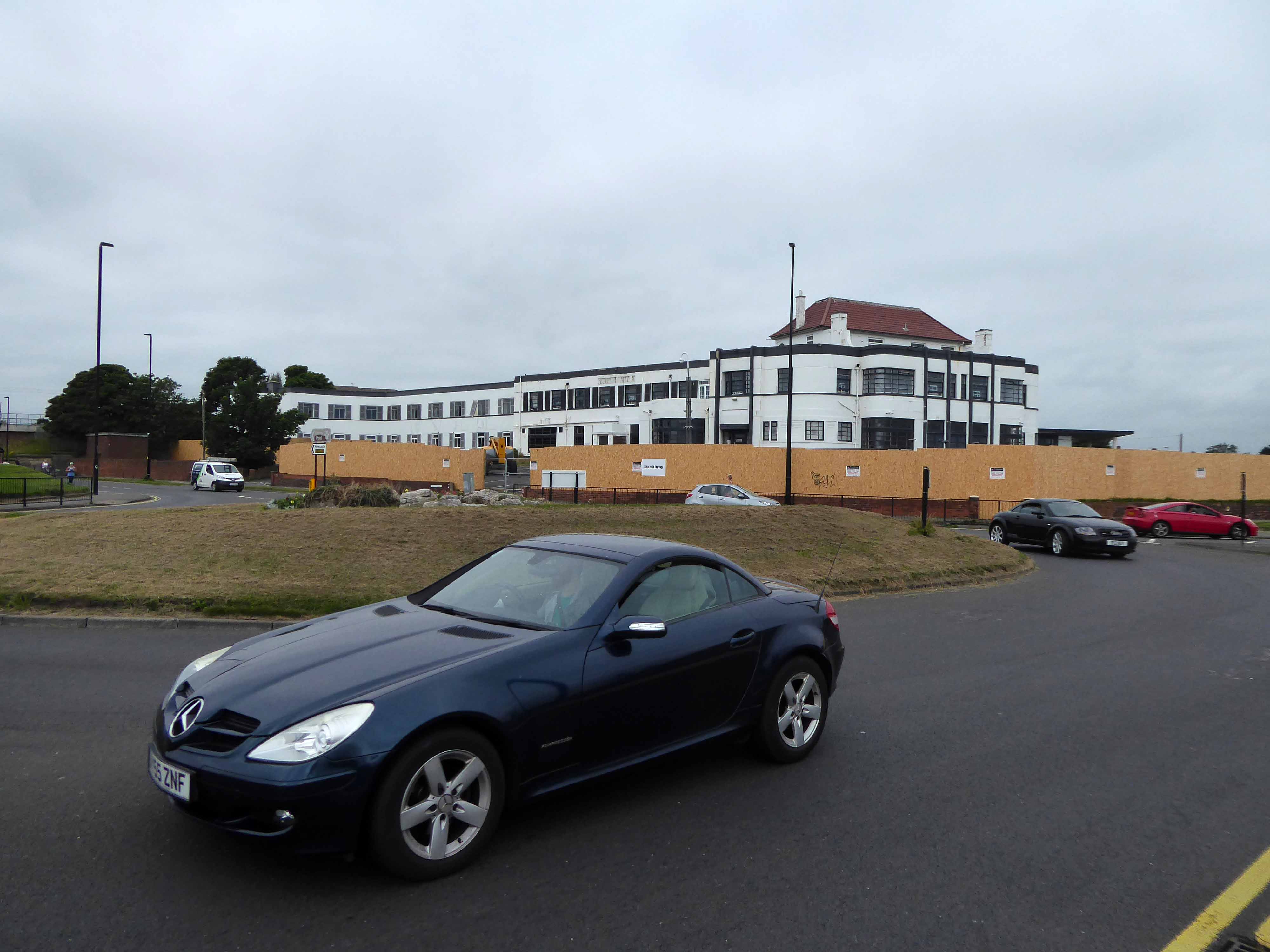
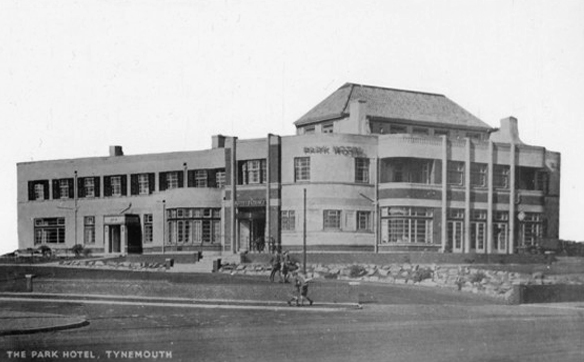
The Park Hotel built in the 1930’s and recently refurbished has been bought by The Inn Collection Group.

Chronicle Live

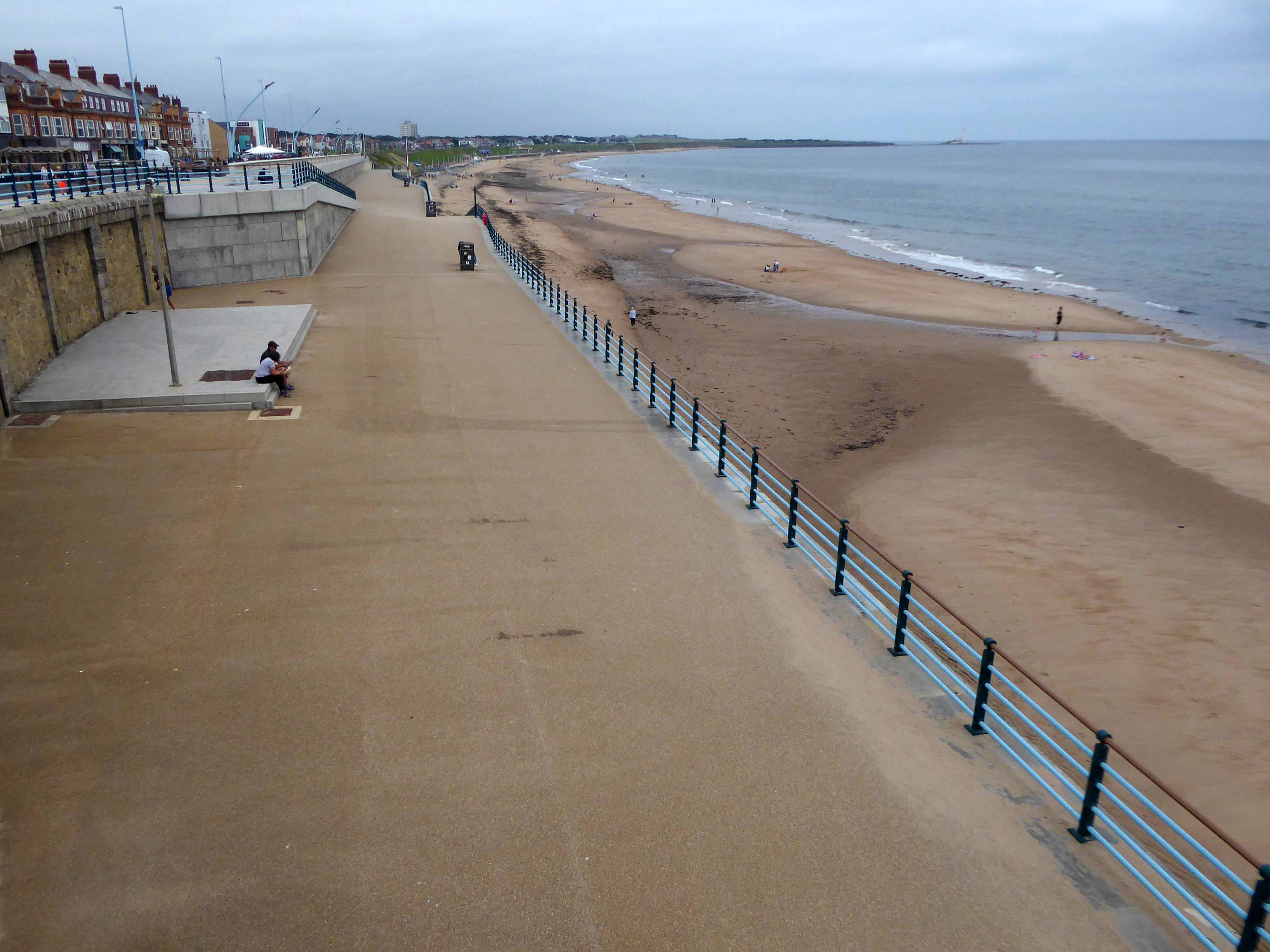
Much has been done to improve the promenade at Whitley Bay

The Whitley Bay Seafront Master Plan sets out our ambitious plans to regenerate the coastline between St Mary’s Lighthouse and Cullercoats Bay.

The proposals are a mix of council and private sector developments and involve more than £36m of new investment at the coast.

North Tyneside Gov

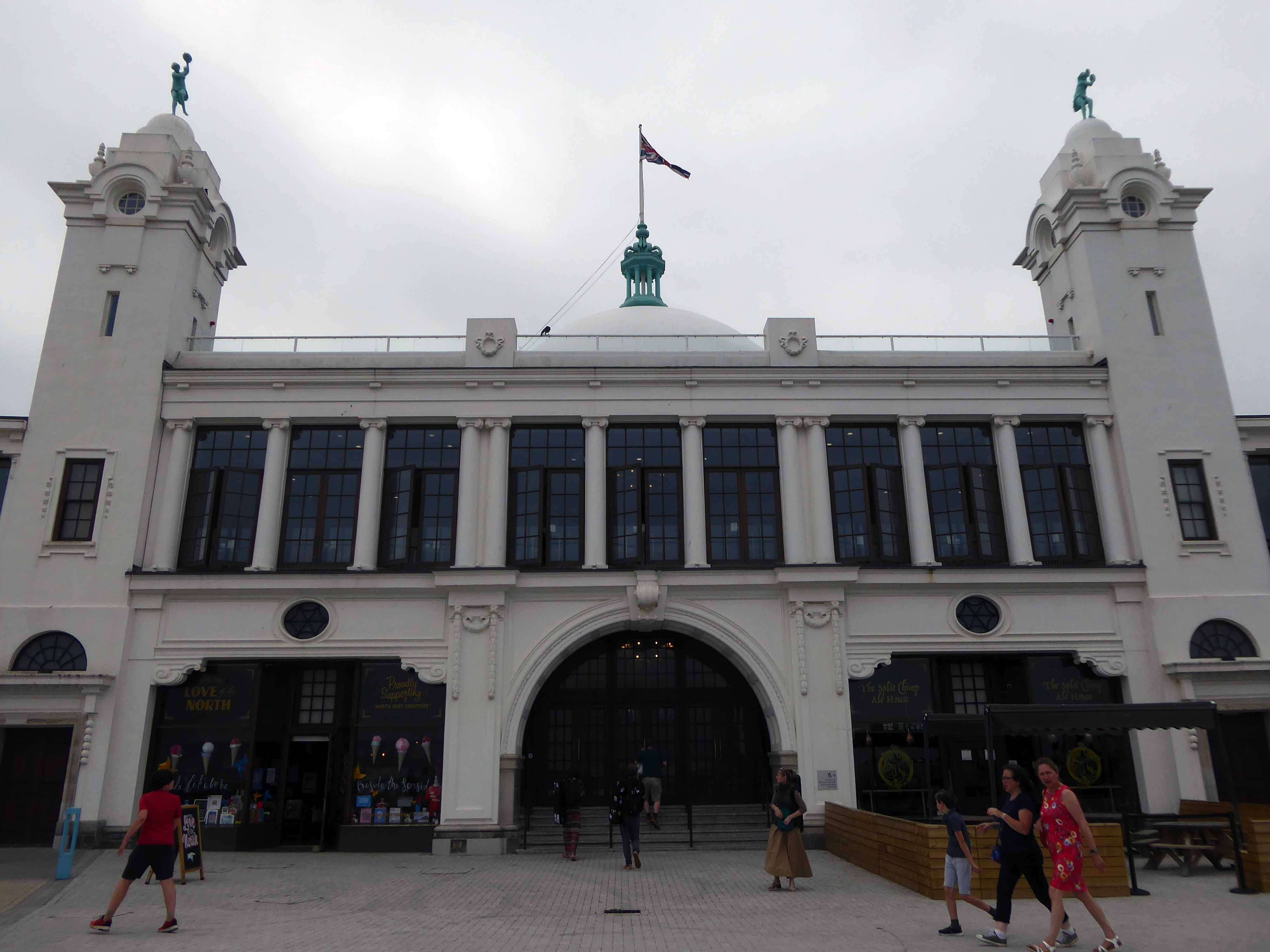
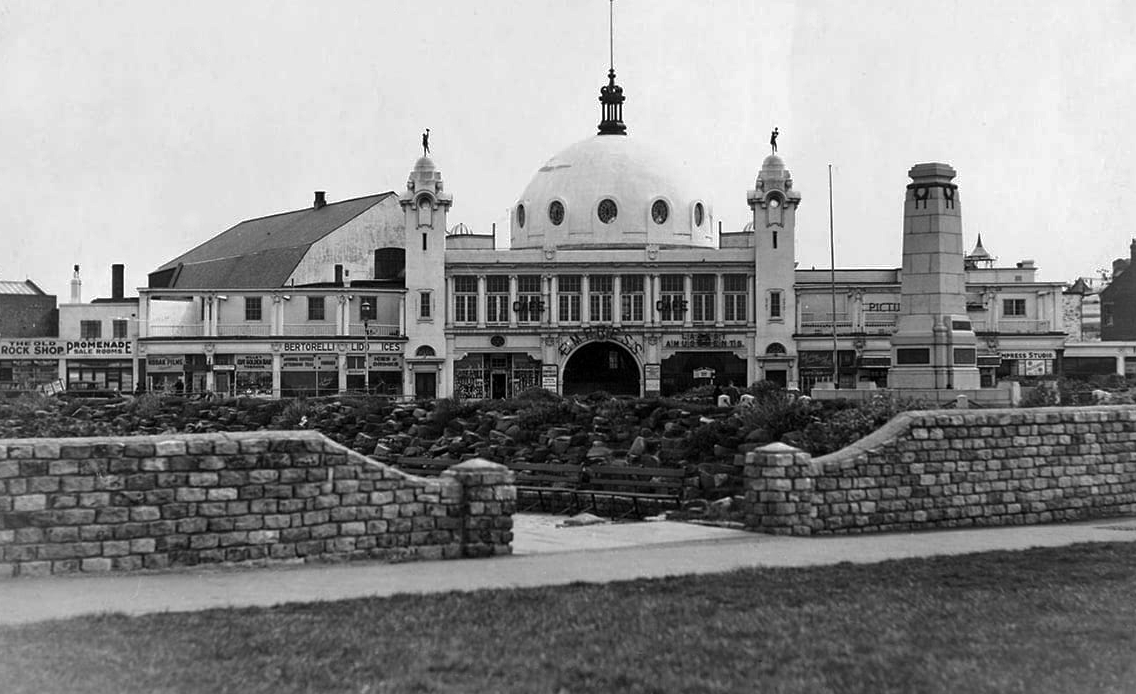
In 1908 the Spanish City was officially opened.

A simple three-arched entrance had been built facing the seafront and the area was now completely enclosed within a boundary. In 1909, large rides appeared, including a Figure Eight rollercoaster and a Water Chute. Elderton and Fail wanted to make a statement and create a new, grand entrance to the fairground. They hired the Newcastle architects Cackett& Burns Dick to survey the site and begin drawing up plans for new Pleasure Buildings.

Building began in February 1910 and the construction was completed by builders Davidson and Miller 60 days later. The use of the revolutionary reinforced concrete technique pioneered by Francois Hennebique was perfect for the job, being cheap and fast. The Dome and surrounding buildings – a theatre and two wings of shop units – opened on 14 May 1910 to great fanfare. Visitors marvelled at the great Spanish City Dome, the second largest in the country at the time after St. Paul’s Cathedral in London, which provided a spectacular meeting place with uninterrupted views from ground level to its ceiling, 75 feet above.

Telegraph-wire cyclists, acrobatic comedians, singing jockeys, mermaids, they all appeared at the Spanish City during its first decade. One of the wings hosted the menagerie, where visitors could see hyenas, antelopes and tigers! This was converted into the Picture House cinema in 1916.

Spanish City

Eventually the Master Plan will be fully implemented.

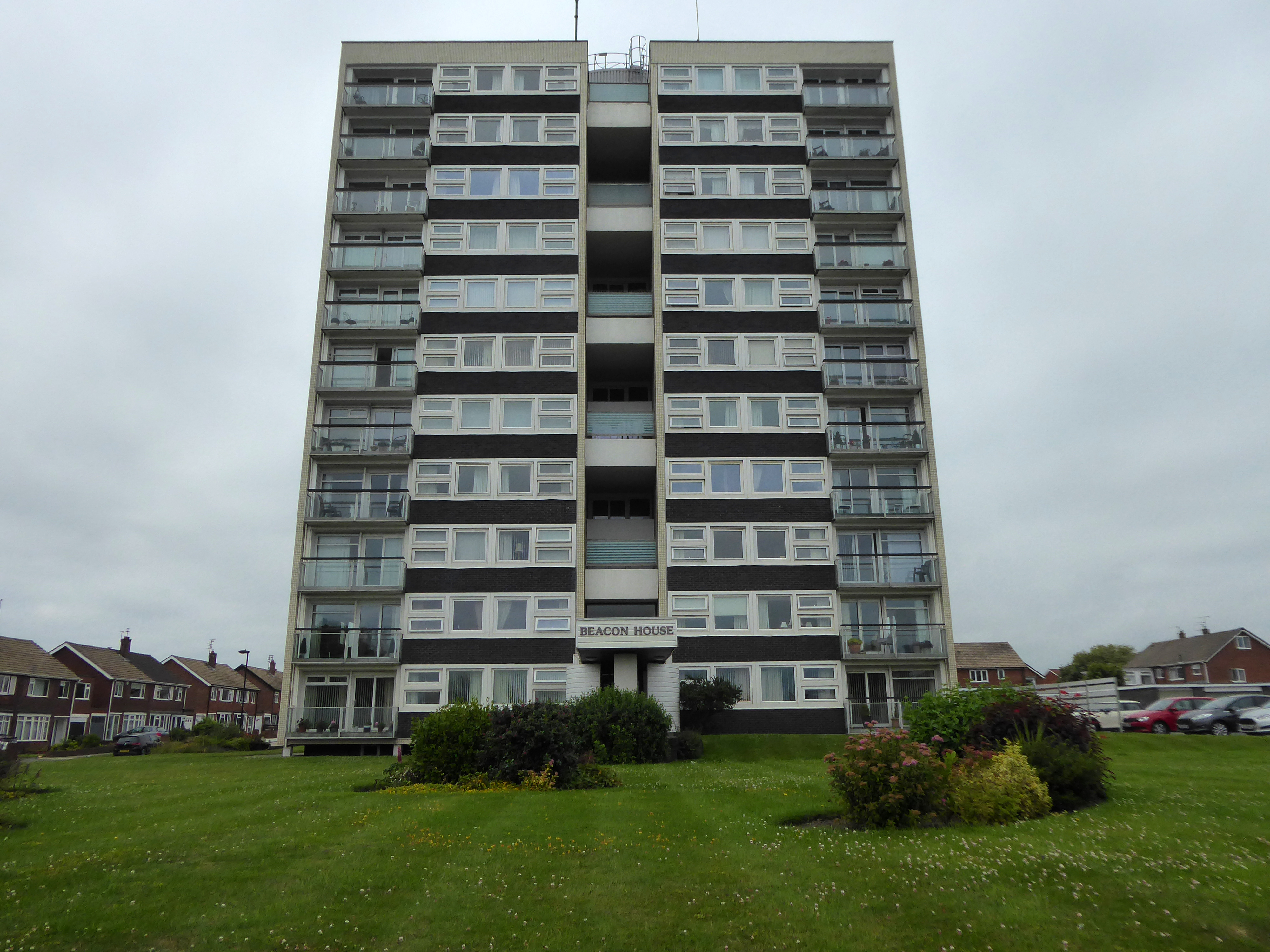
Beacon House beckoned and I took time to have a good old look around.

Ryder and Yates 1959

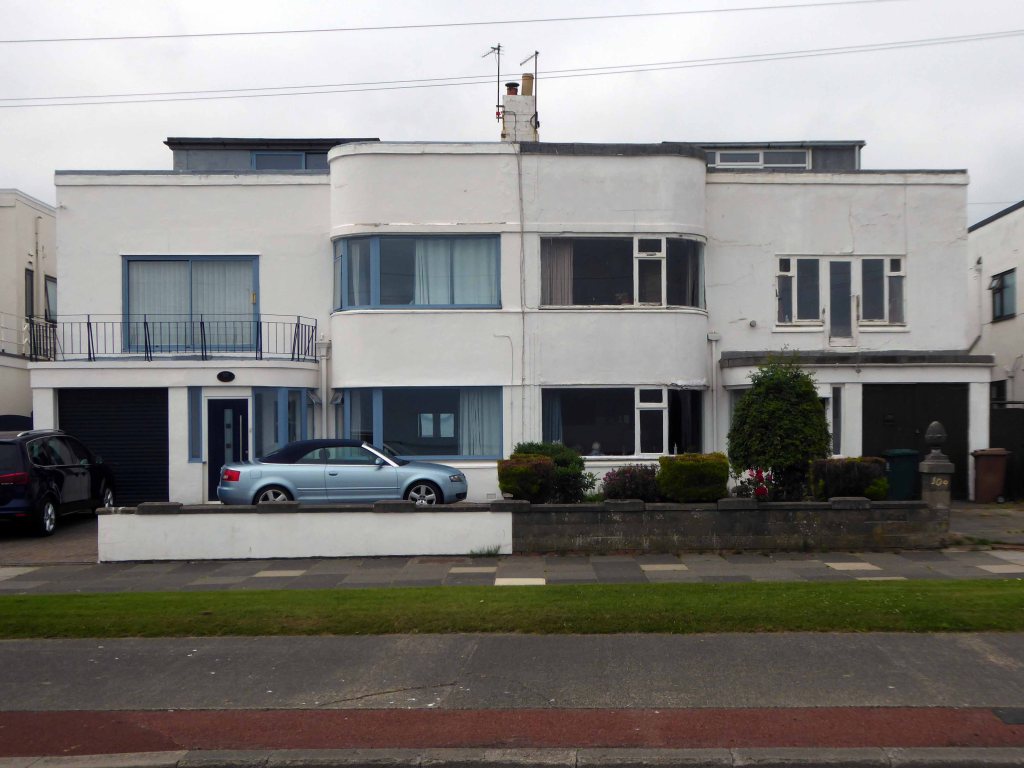
A little further along, a selection of Seaside Moderne semis in various states of amendment and alteration.

Before I knew it I was in Blyth.

The town edged with military installations

Gloucester Lodge Battery includes the buried, earthwork and standing remains of a multi-phase Second World War heavy anti-aircraft gun battery and radar site, as well as a Cold War heavy anti-aircraft gun and radar site. The battery occupies a level pasture field retaining extensive rig and furrow cultivation.

Historic England

During WW2 Blyth Harbour was used as a major submarine base and that combined with the heavy industry in the area it made a very good target for the Luftwaffe.

Derelict Places

827 men of the 225th Antiaircraft Artillery Searchlight Battalion of the U.S. Army, arrived at this location in early March 1944 and were attached to the 30th British AAA Brigade. Here they sharpened their skills in the high-altitude tracking of aircraft.

Skylighters

I headed into town.

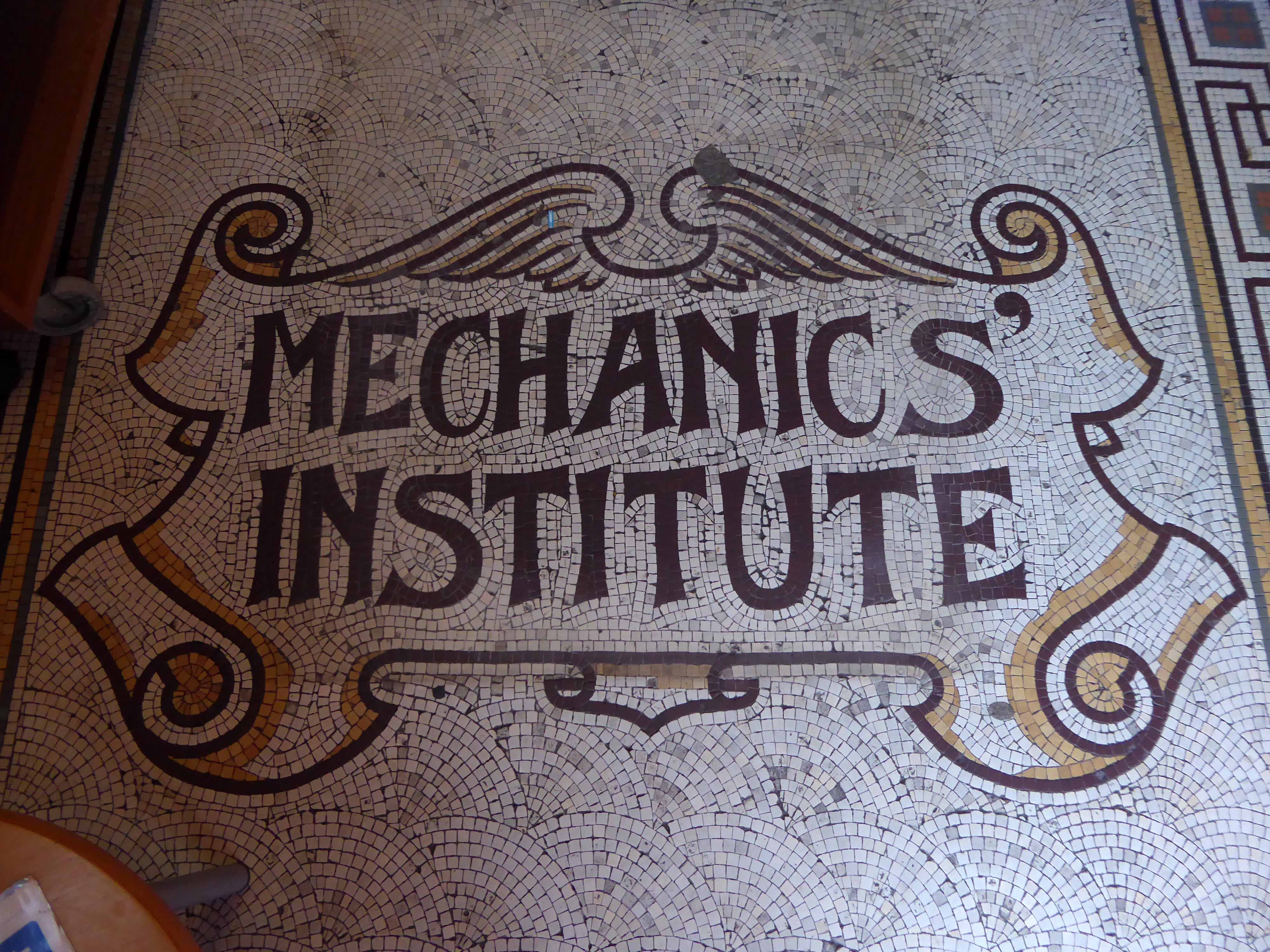
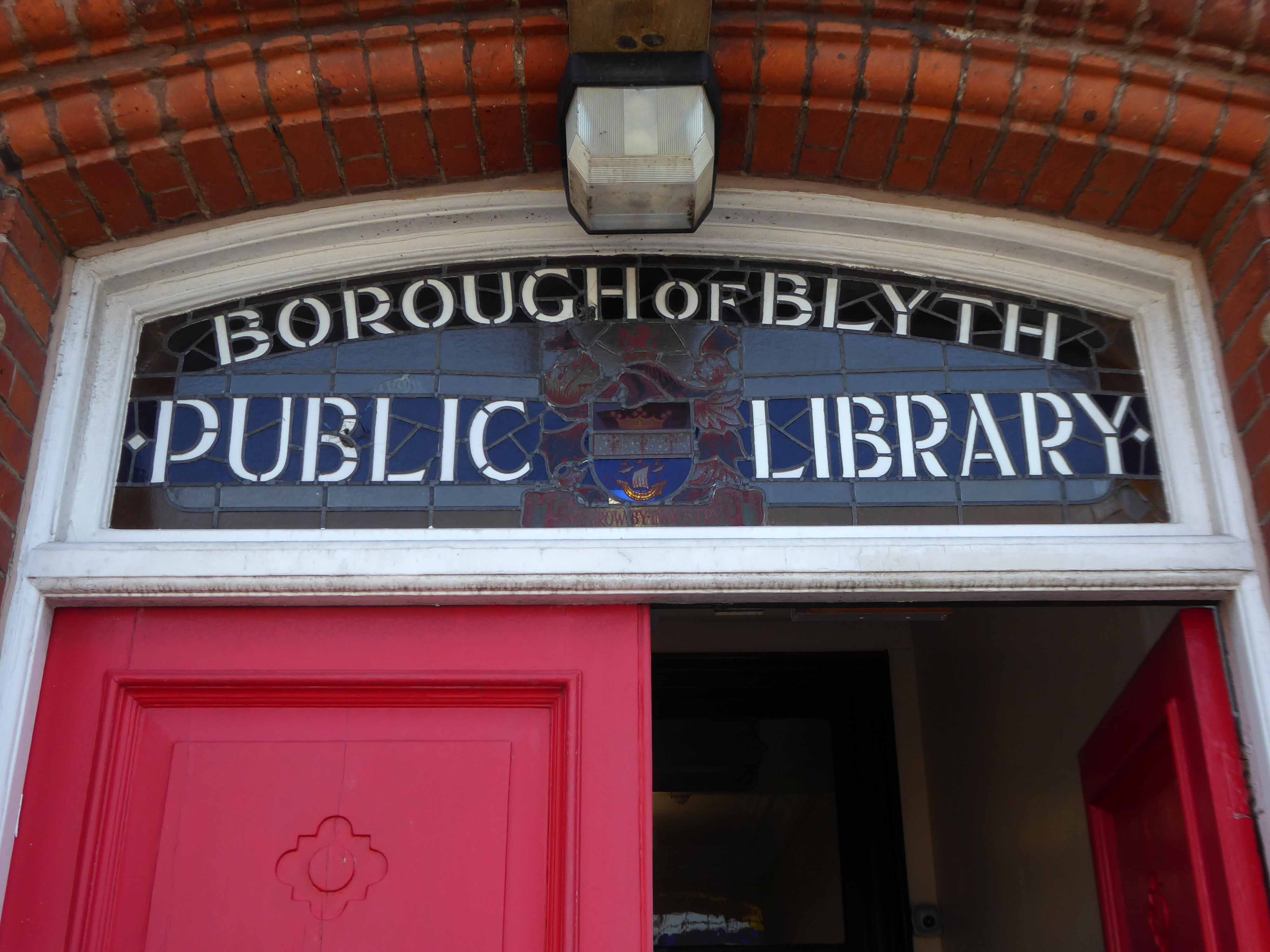
Uncovered this gem in the library porch.

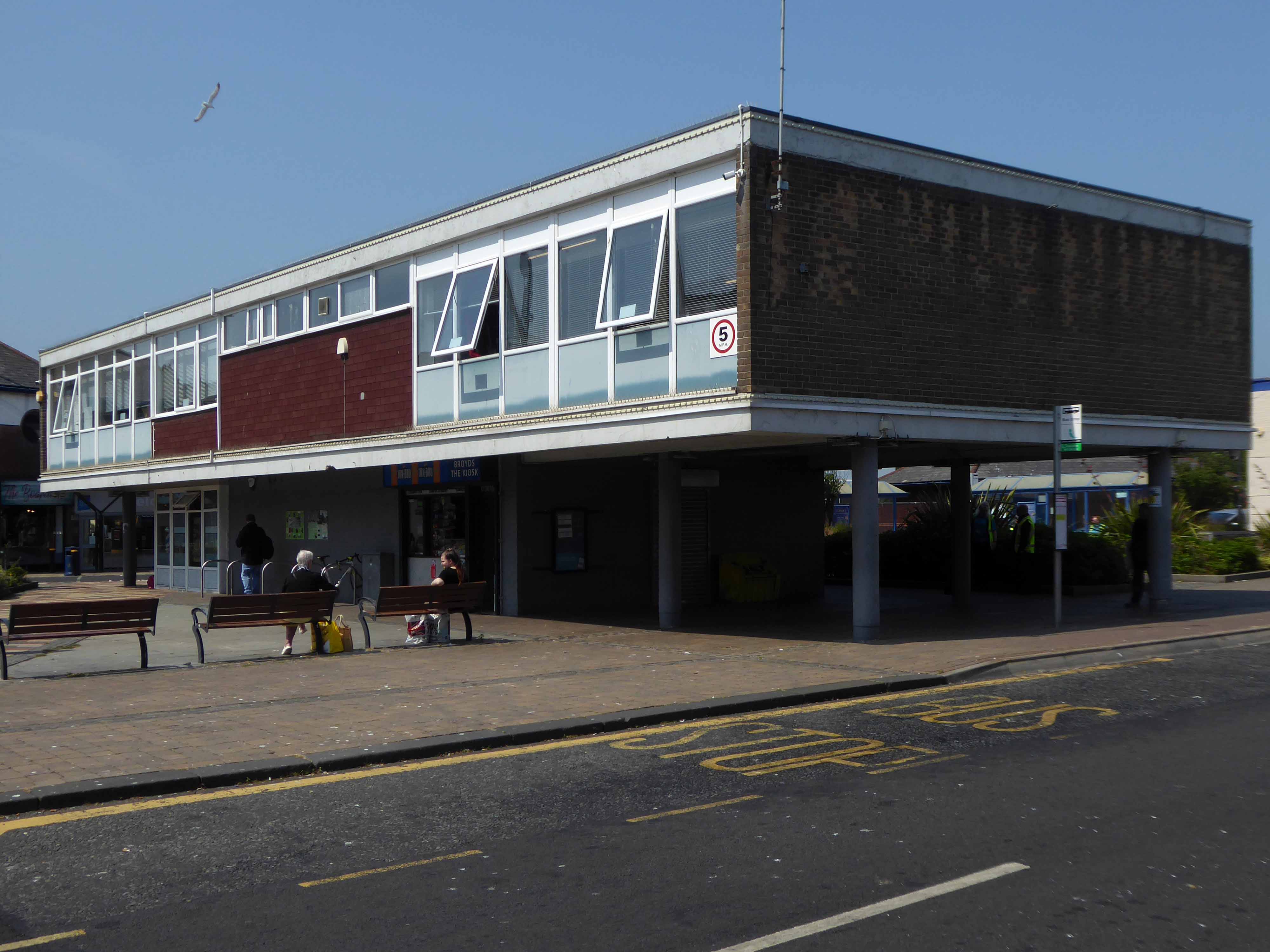
Stopped to admire the bus station.

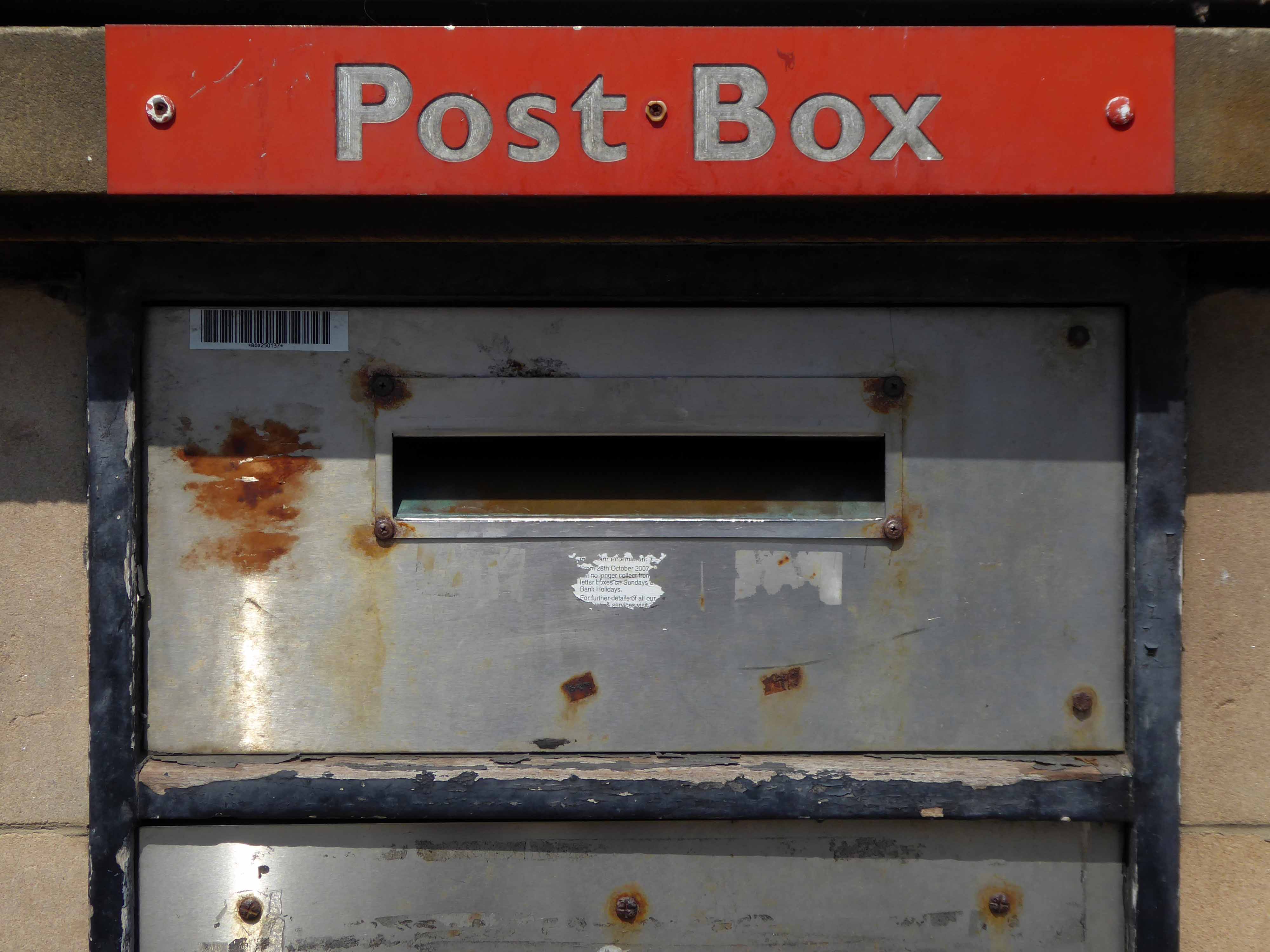
And found a post box marked Post Box.

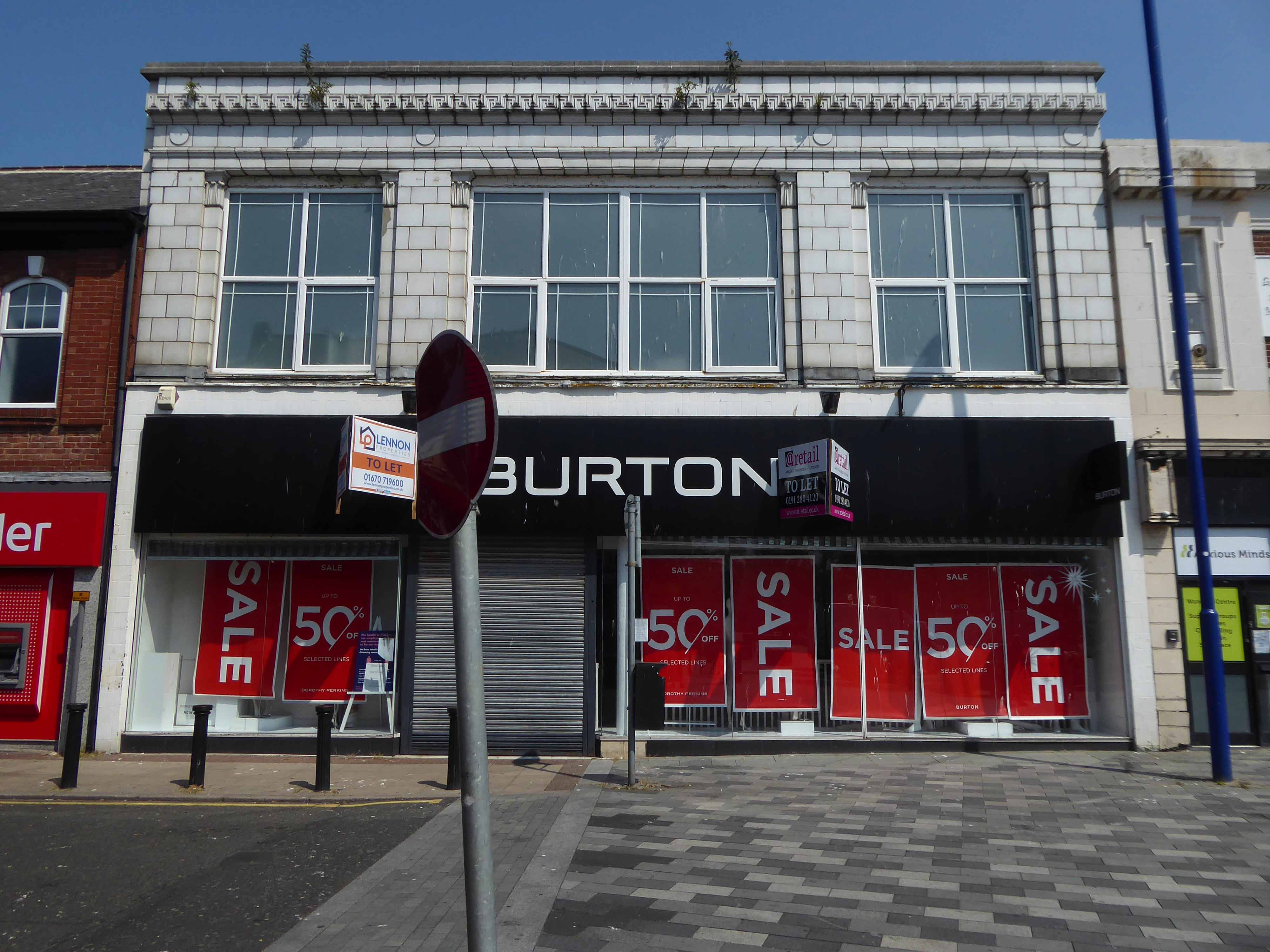
Burton’s gone for a Burton.

The cycle route took me off road along the estuary and under the flyover.

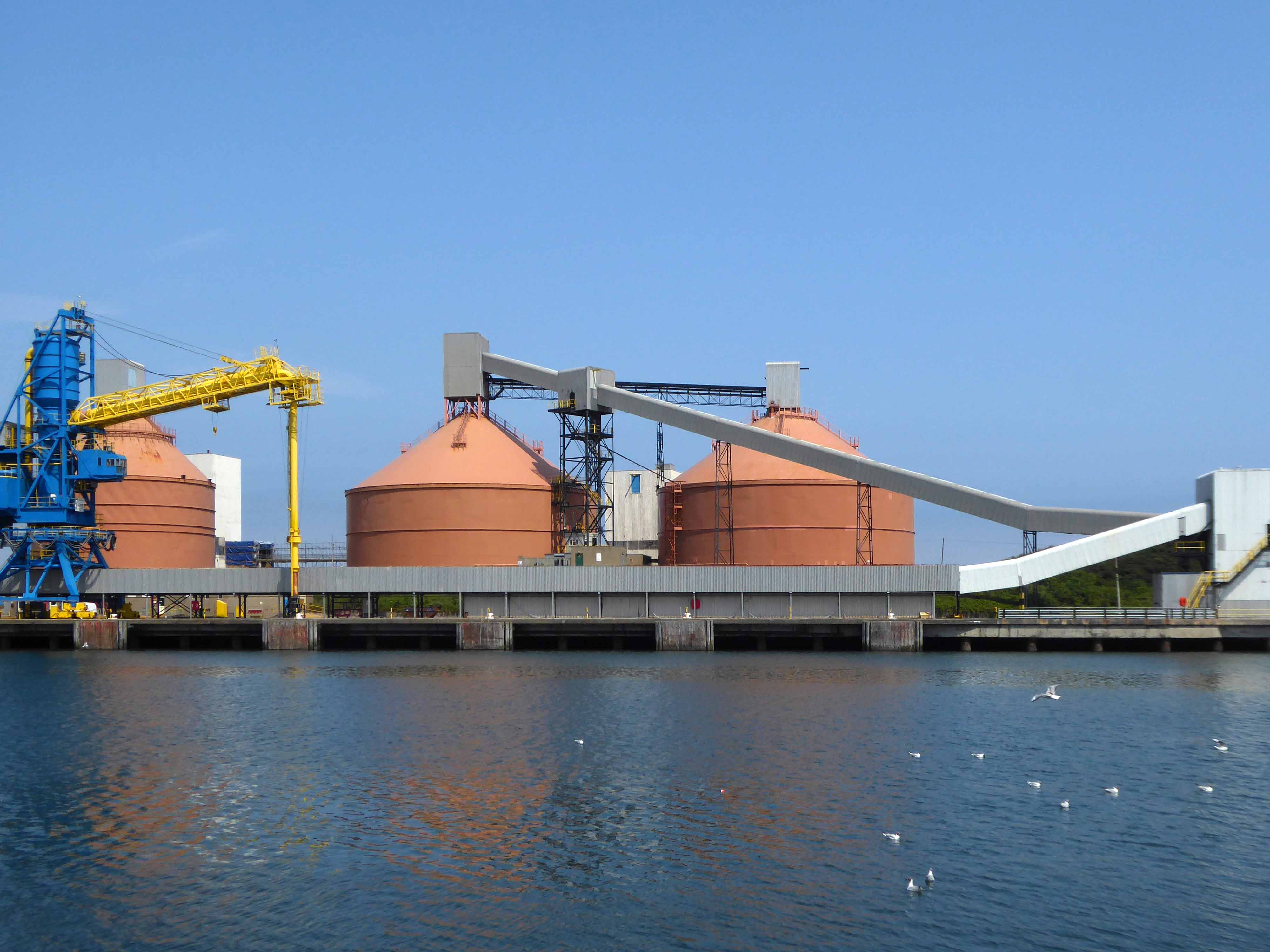
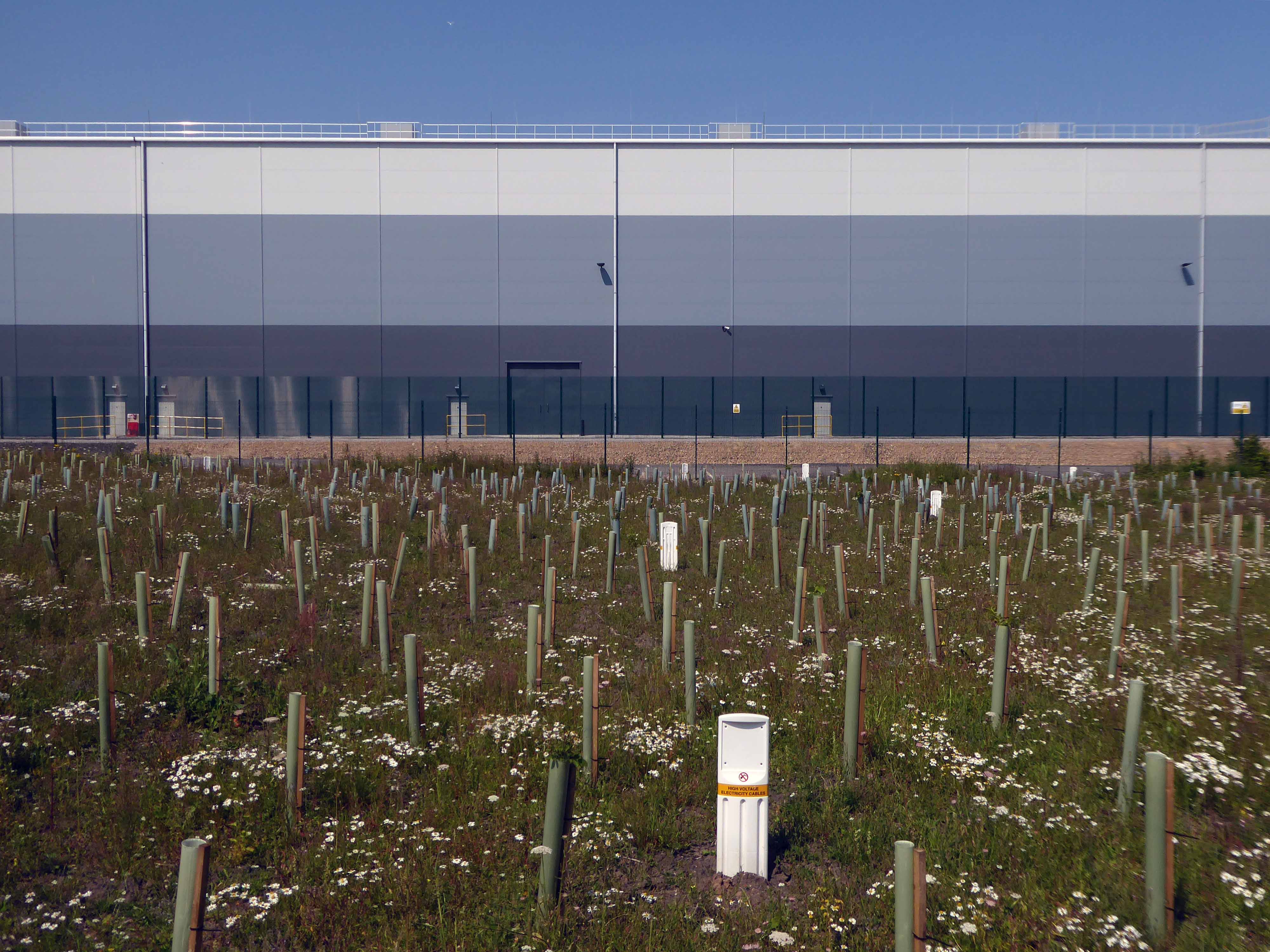
Encountering a brand new factory.

And the remnants of the old power station.

Blyth Power Station – also known as Cambois Power Station, refers to a pair of now demolished coal-fired power stationsThe two stations were built alongside each other on a site near Cambois in Northumberland, on the northern bank of the River Blyth, between its tidal estuary and the North Sea. The stations took their name from the town of Blyth on the opposite bank of the estuary. The power stations’ four large chimneys were a landmark of the Northumberland skyline for over 40 years.

After their closure in 2001, the stations were demolished over the course of two years, ending with the demolition of the stations’ chimneys on 7 December 2003.

Wikipedia

UK battery tech investor Britishvolt has unveiled plans to build what is claimed to be Britain’s first gigaplant at the former coal-fired power station in Blyth in Northumberland.

The £2.6 billion project at the 95-hectare Blyth Power Station site will use renewable energy from the UK and possibly hydro-electric power generated in Norway and transmitted 447 miles under the North Sea through the ‘world’s longest inter-connector’ from the North Sea Link project.

By 2027, the firm estimates the gigaplant will be producing around 300,000 lithium-ion batteries a year.

The project is predicted to create 3,000 new jobs in the North East and another 5,000 in the wider supply chain.

Energy News

Long gone is the Cambois Colliery, its pit head baths and the buses that bused the workers in and out.

One hundred and eleven men died there.

The route headed along the coast on unmade roads and paths, I bypassed the Lynemouth Pithead Baths – having visited some ten years ago.

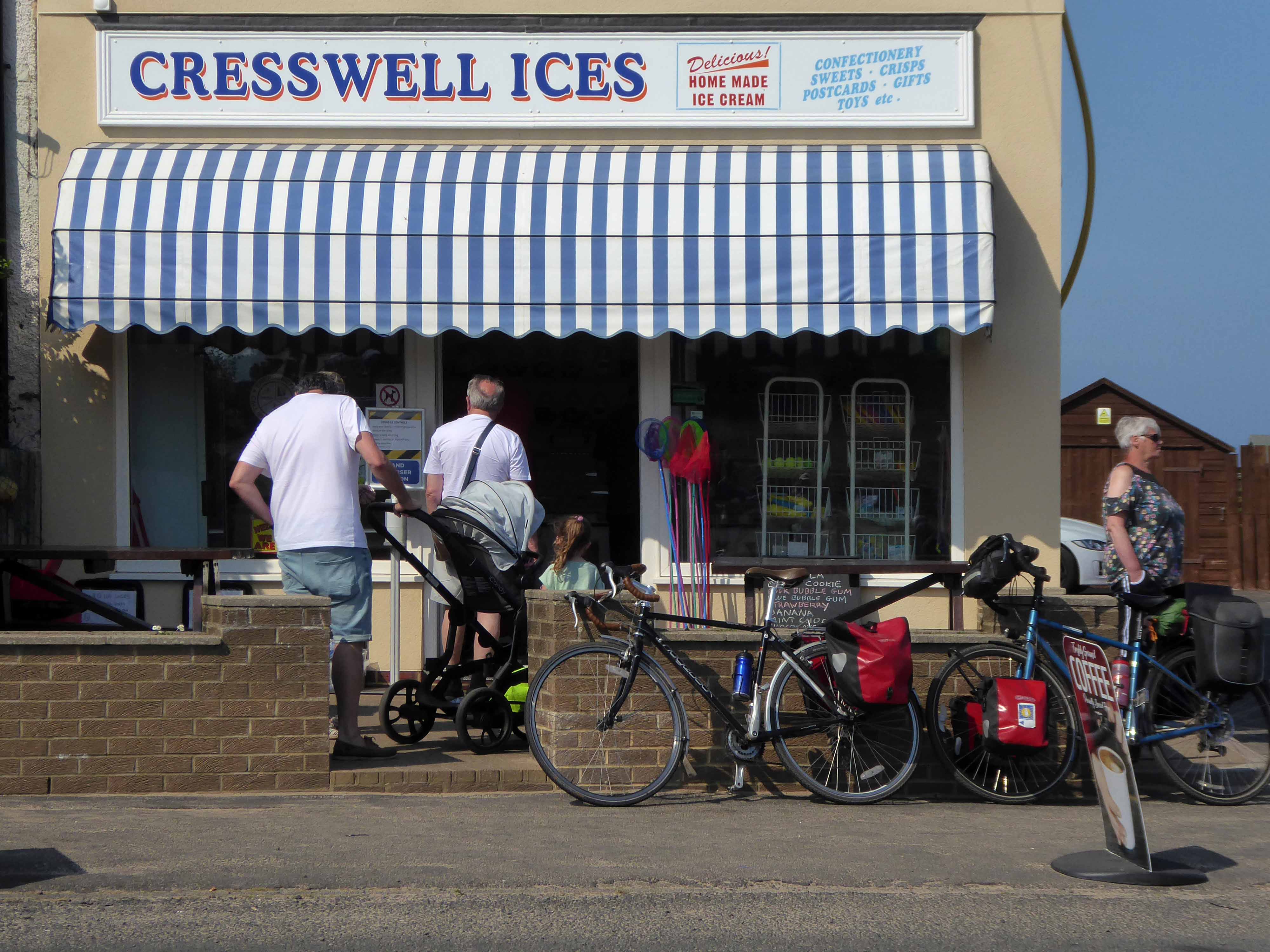
I was delighted to find that Creswell Ices were still in business and my temporary partner Adrian treats me to a tub.

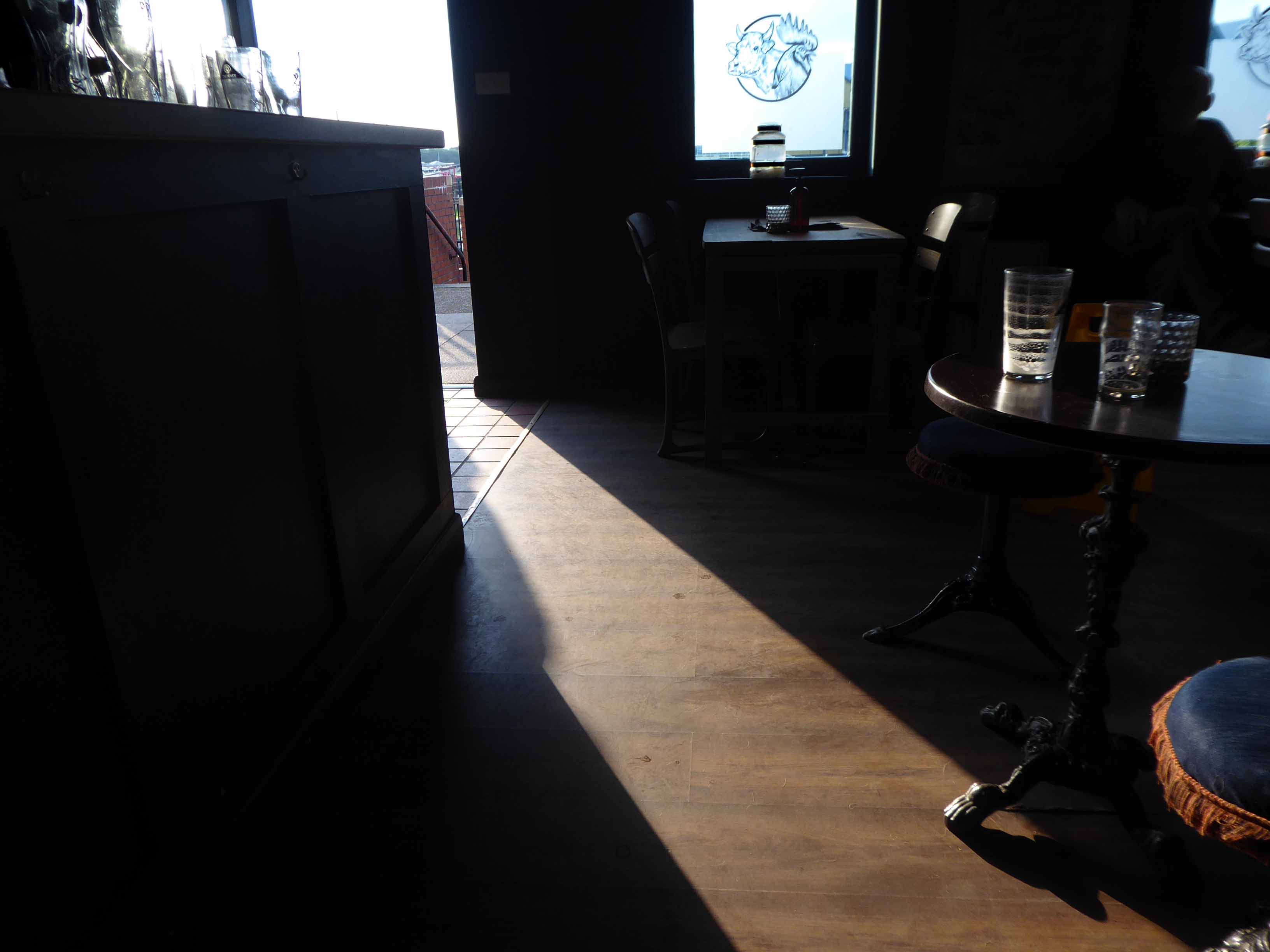
Having arrived in Amble I was delighted to find the Cock & Bull.

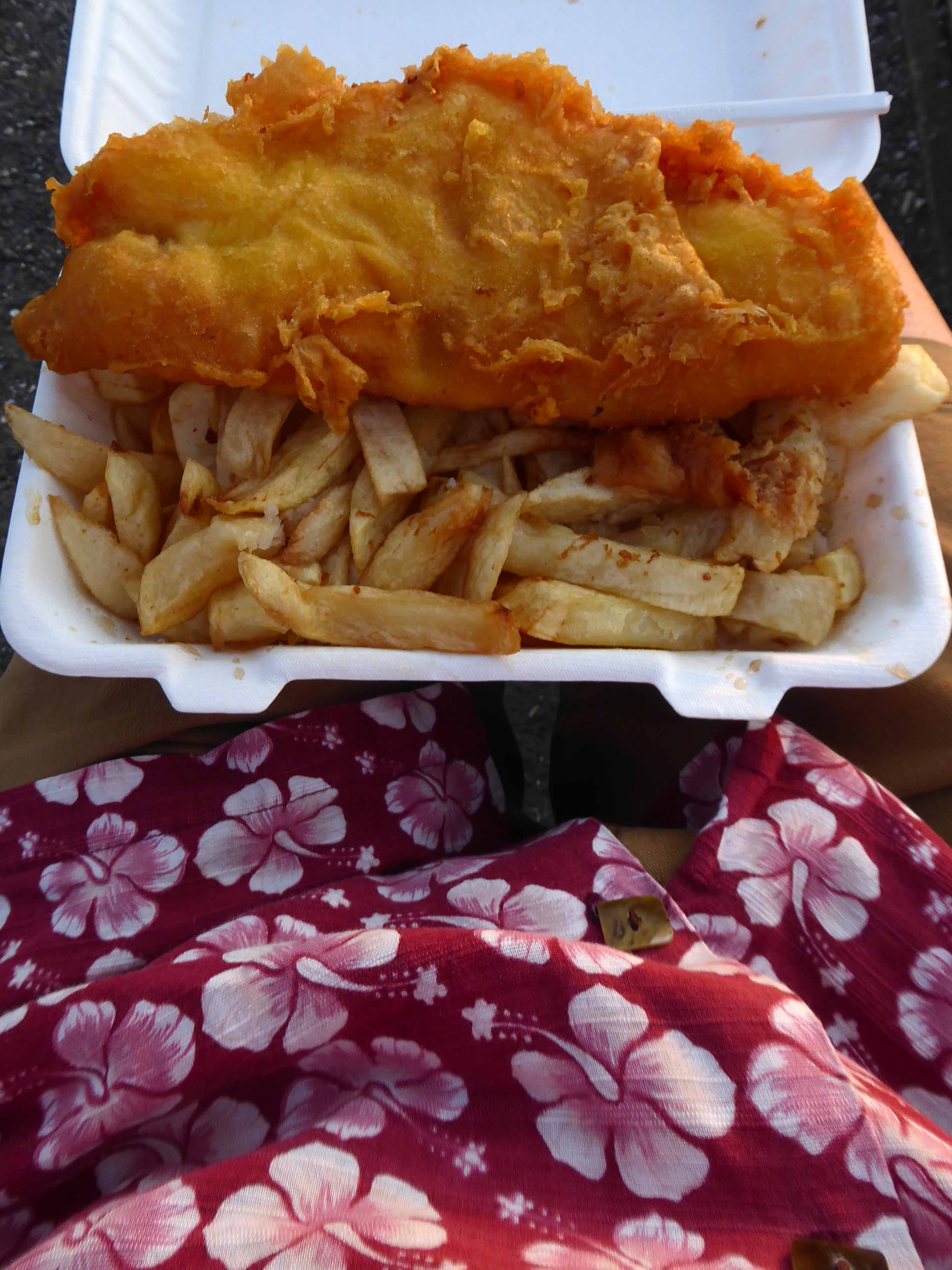
Following a few pints I feasted on fish and chips.

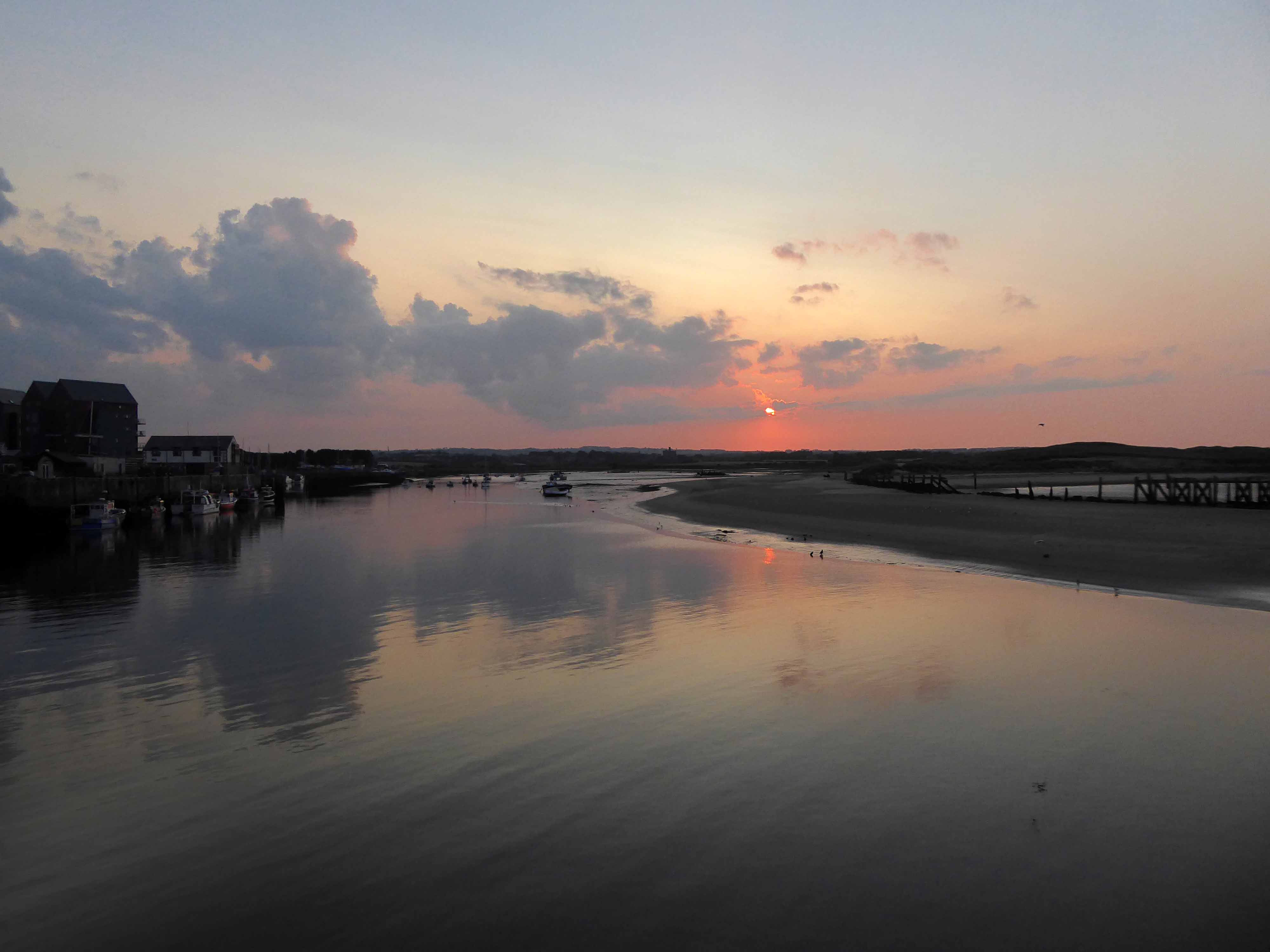
Then watched the sun set over the harbour.
Good night all.

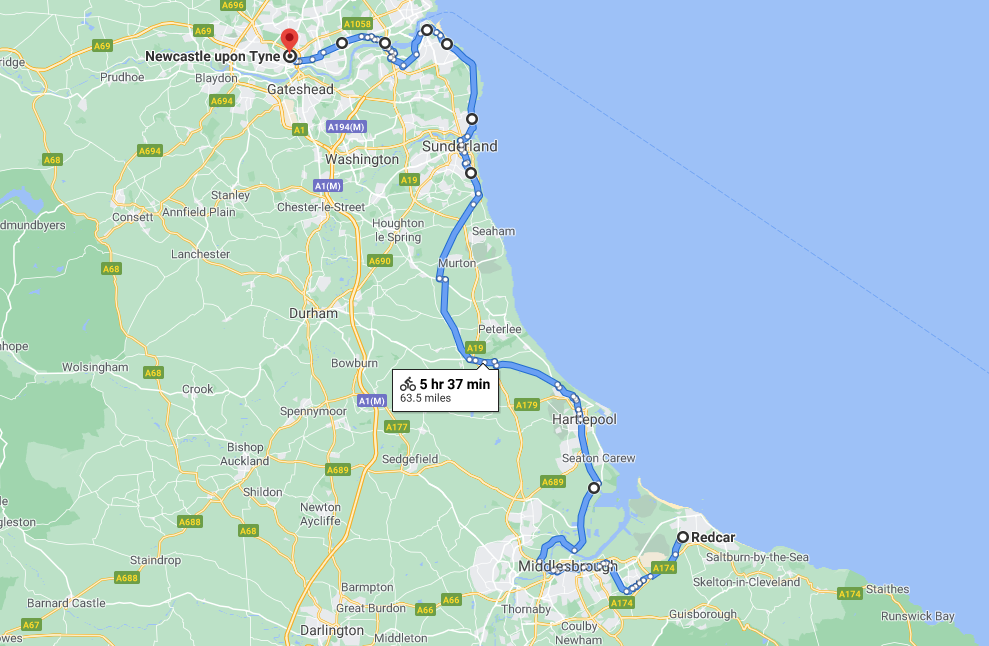
Redcar to Newcastle

An early start on another sunny day, cycling along long straight roads out of town, towards Middlesborough.

Having previously visited Hull and Scarborough and all points in between.

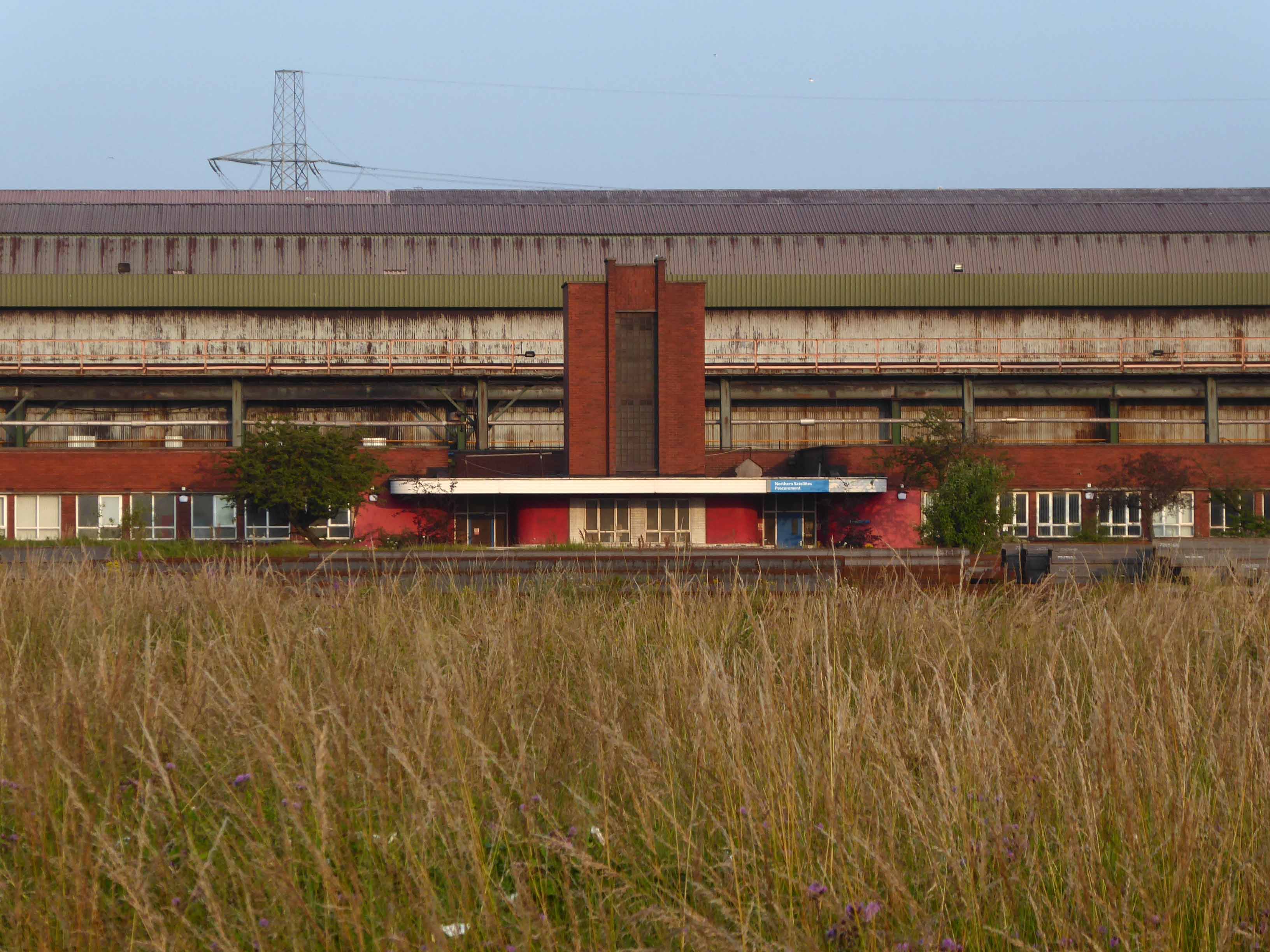
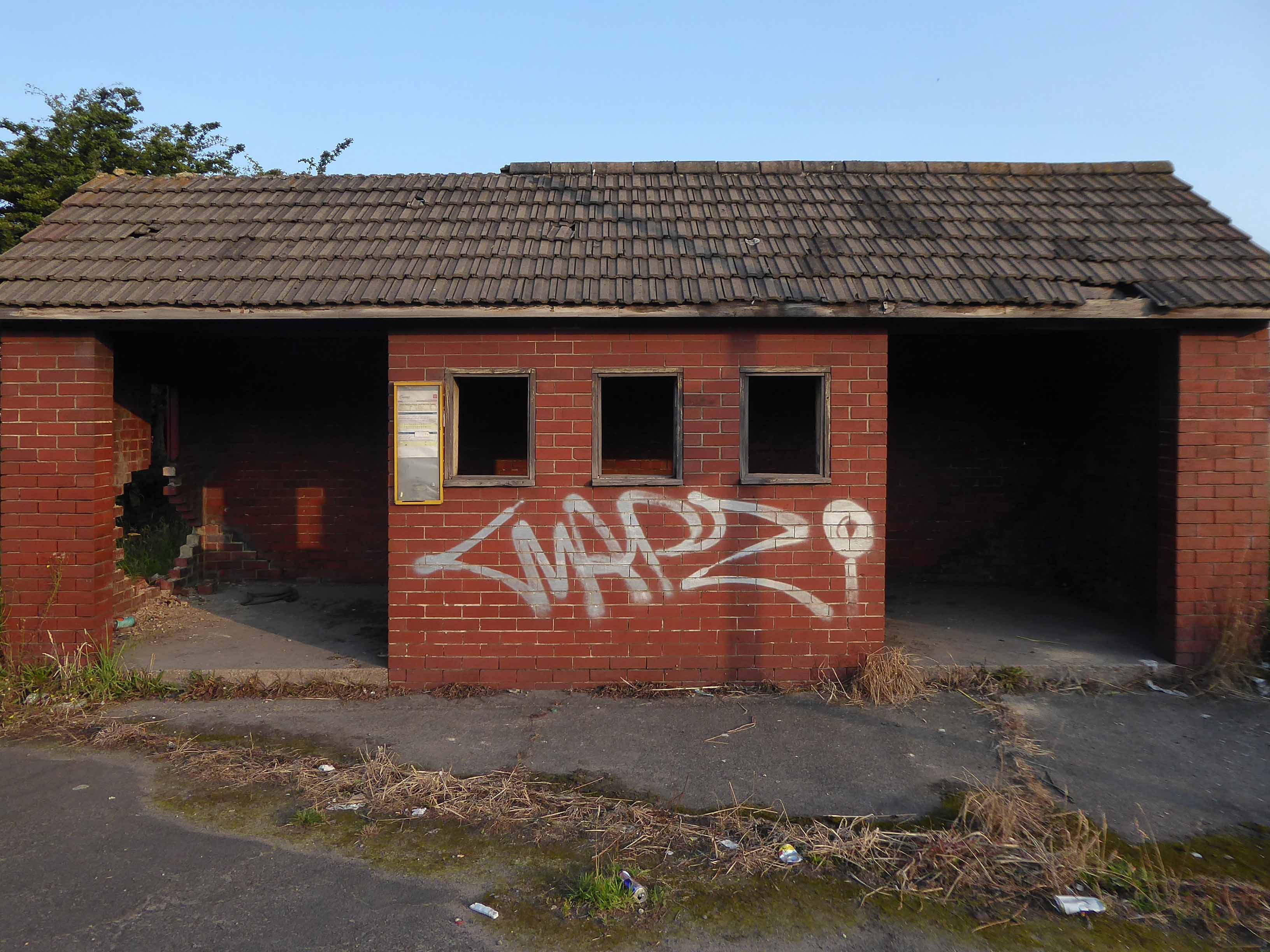
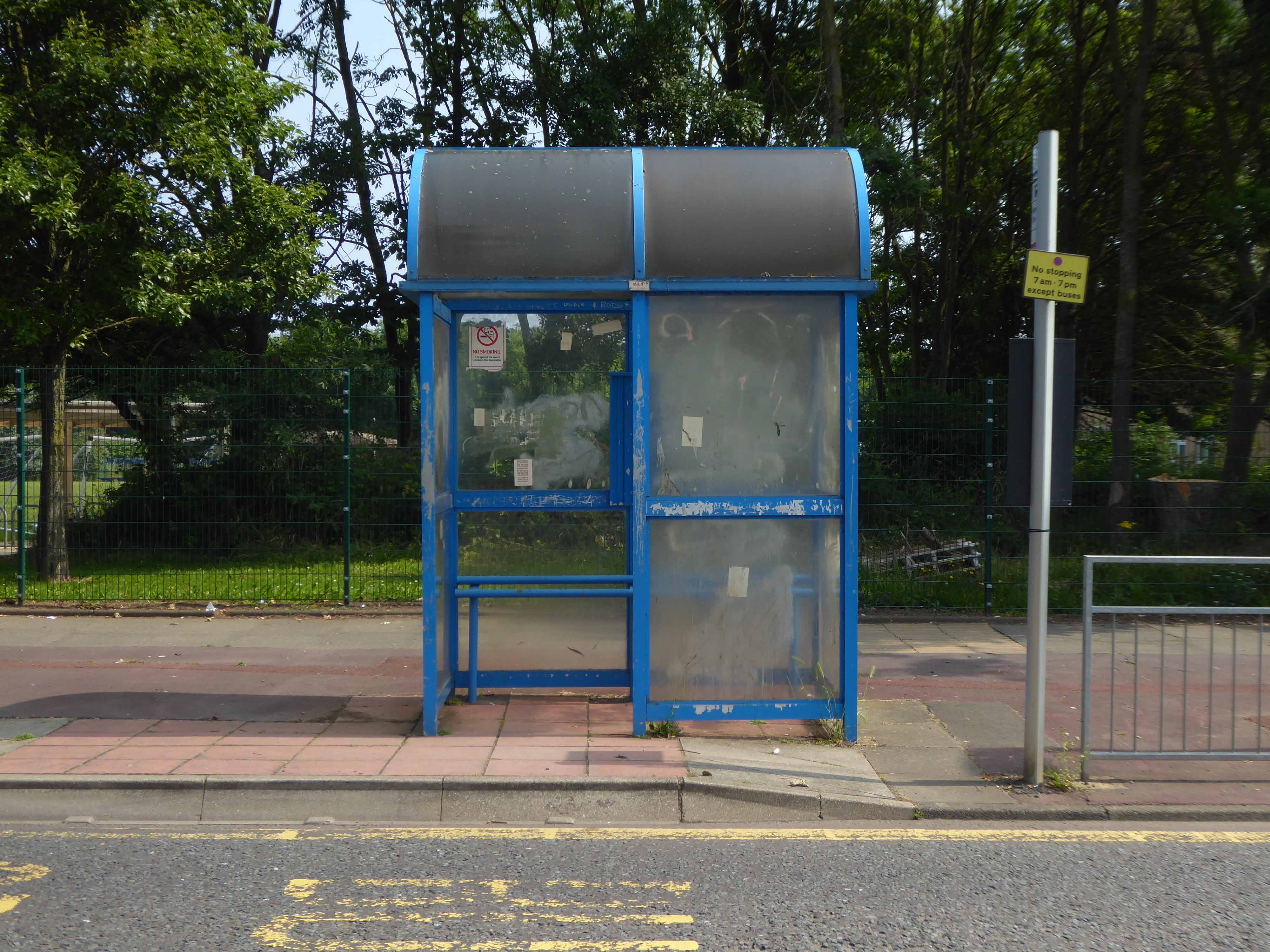
Slowly passing sleepy factories and desolate bus shelters.

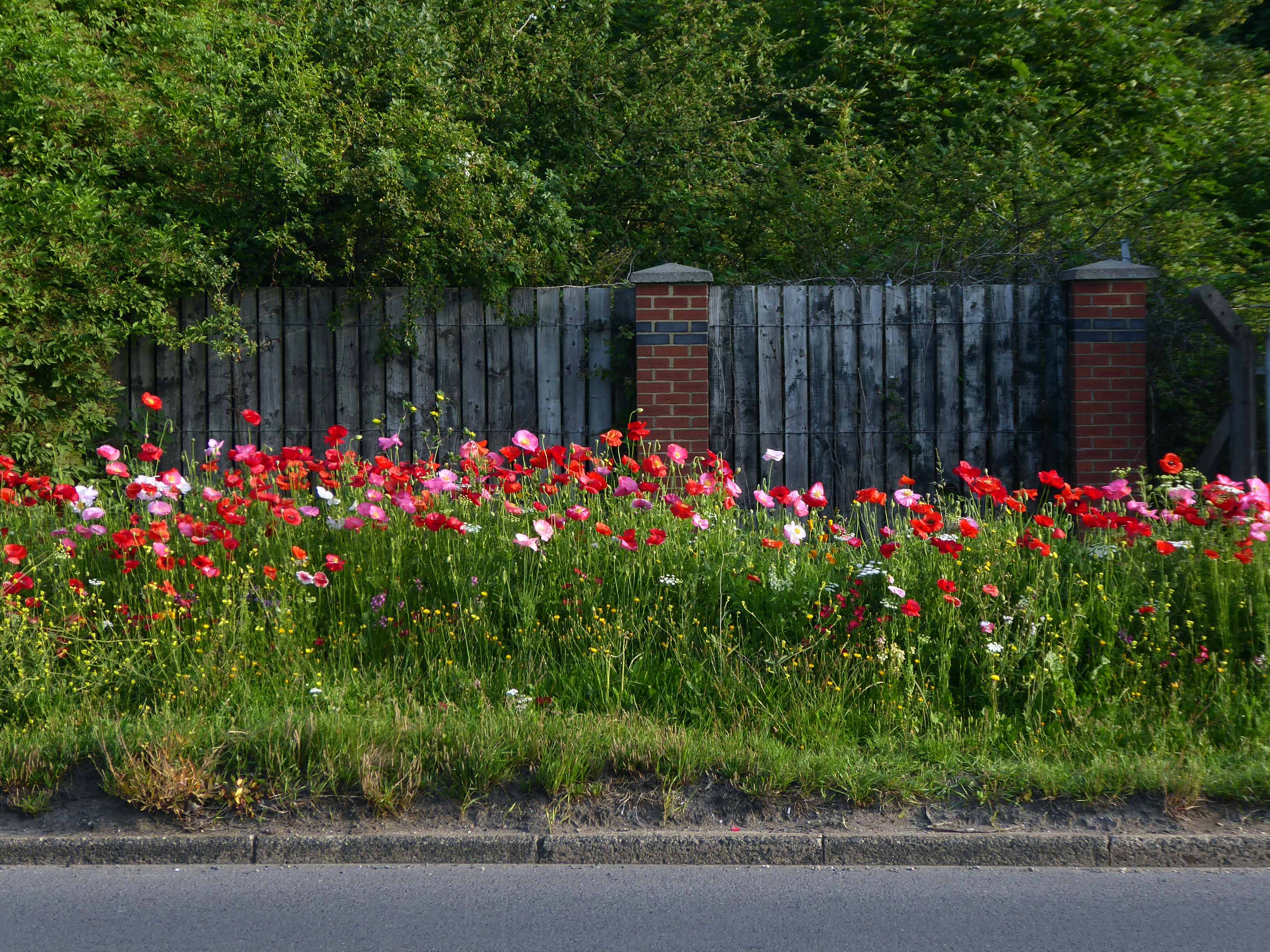
Bunker like social clubs and flower lined roads.

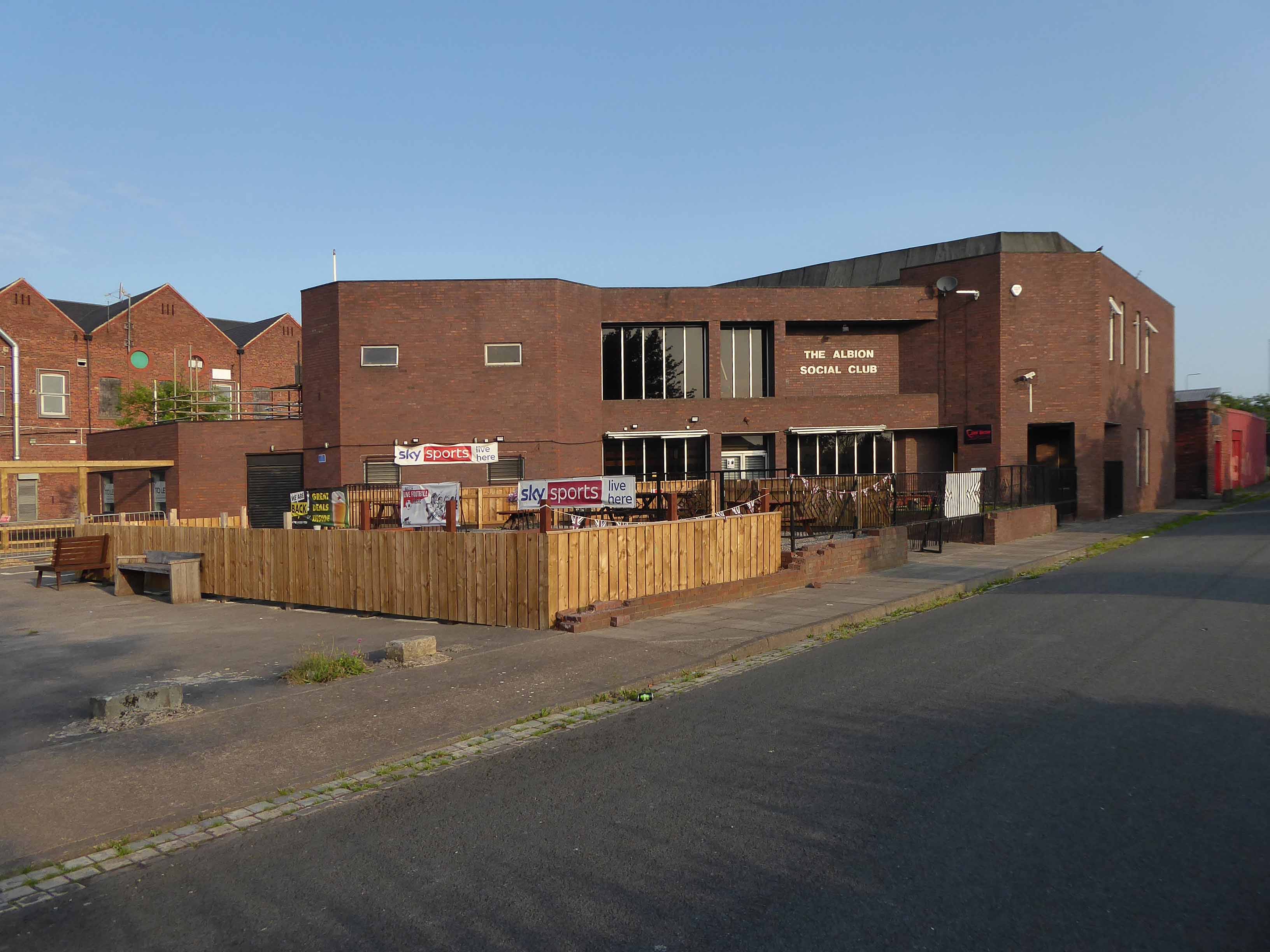
The Albion club in South Bank has stood empty for the last three years. 

Now local lad Mark Trainor has the keys – and says opening the doors to the club his own family frequented for years will be a dream come true.

He’s planning to cater for everyone, he says, and it won’t just be all about drinking.

Parents will be able to call in for a coffee after dropping the kids at school, there will be pool nights and Mark’s personal favourite – Pie Day Fridays.

Gazette

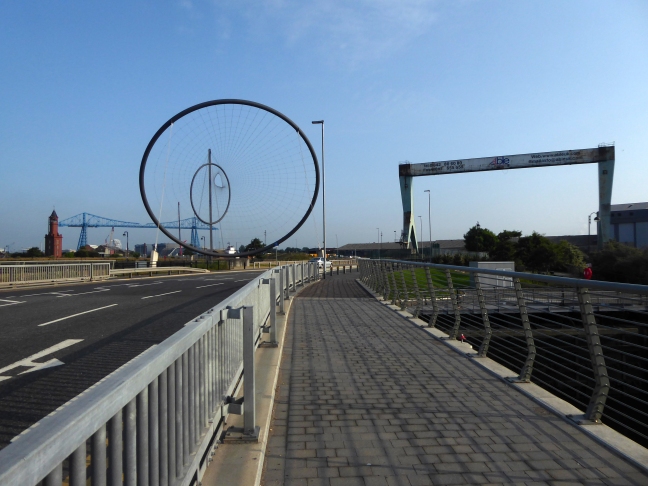
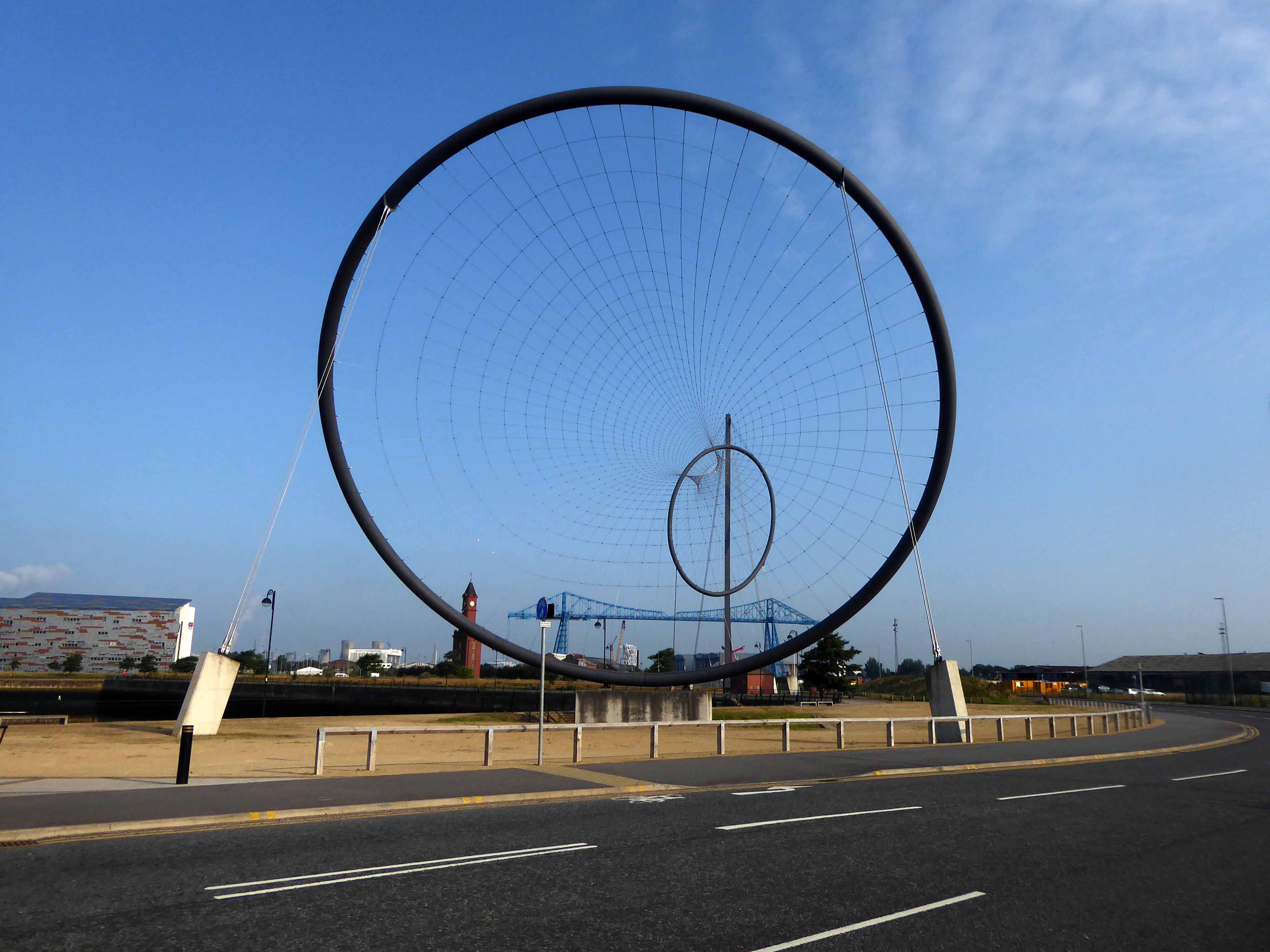
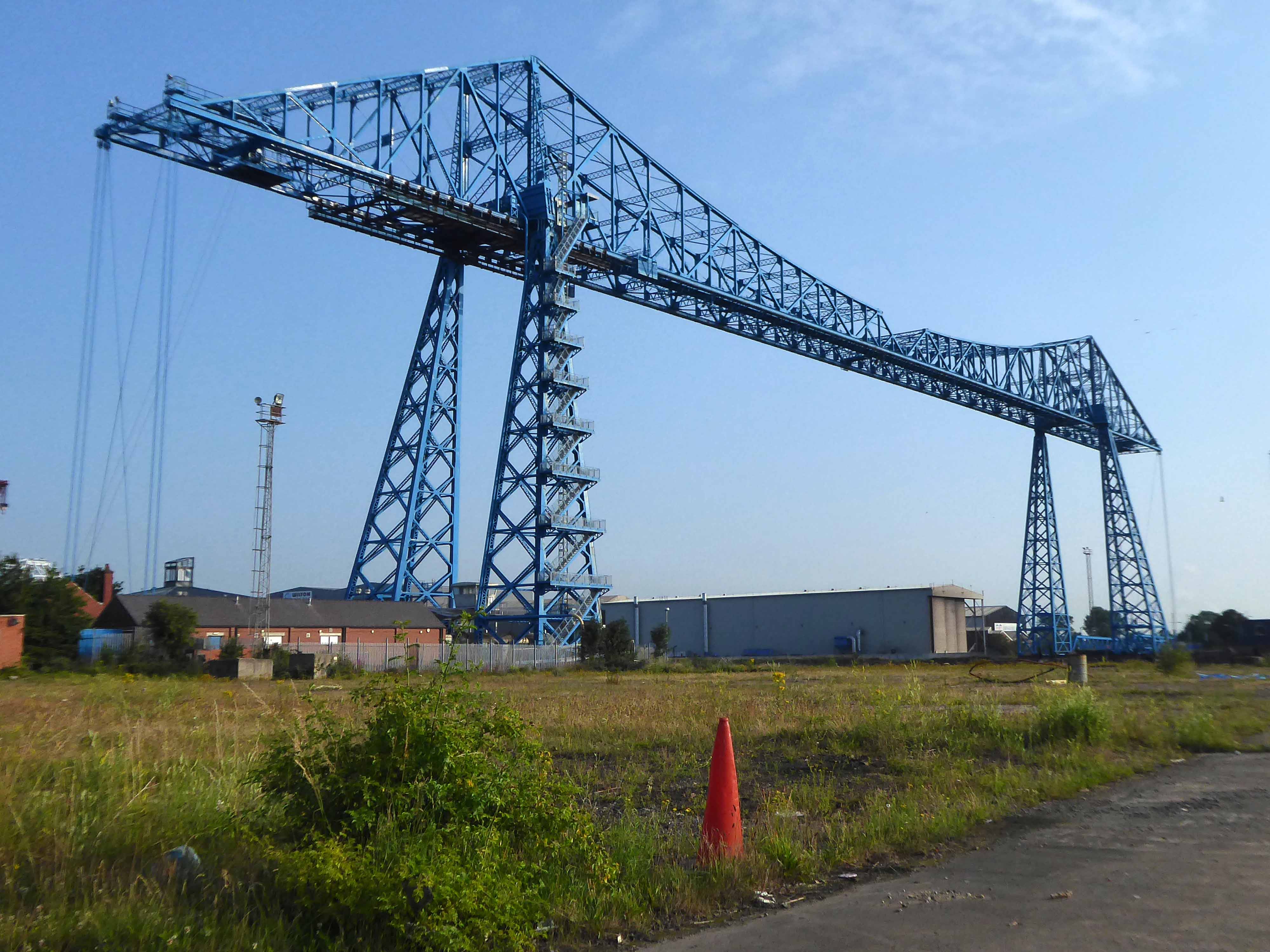
Public art framing the Transporter Bridge.

The £2.7m Temenos structure has taken four months to piece together on the banks of the River Tees near Middlesbrough’s Transporter Bridge.

Thousands of metres of steel wire have been woven between the two steel rings to create the 164ft high and 360ft long sculpture.

It was created by artist Anish Kapoor and structural designer Cecil Balmond.

BBC

Temenos is a Greek word meaning land cut off and assigned as a sanctuary or holy area.

Following a 1907 Act of Parliament the bridge was built at a cost of £68,026 6s 8d  by Sir William Arrol & Co. of Glasgow between 1910 and 1911 to replace the Hugh Bell and Erimus steam ferry services. A transporter bridge was chosen because Parliament ruled that the new scheme of crossing the river had to avoid affecting the river navigation. 

The opening ceremony on 17 October 1911 was performed by Prince Arthur of Connaught, at its opening the bridge was painted red.

In 1961 the bridge was painted blue.

In 1974, the comedy actor Terry Scott, travelling between his hotel in Middlesbrough and a performance at the Billingham Forum, mistook the bridge for a regular toll crossing and drove his Jaguar off the end of the roadway, landing in the safety netting beneath.

Wikipedia

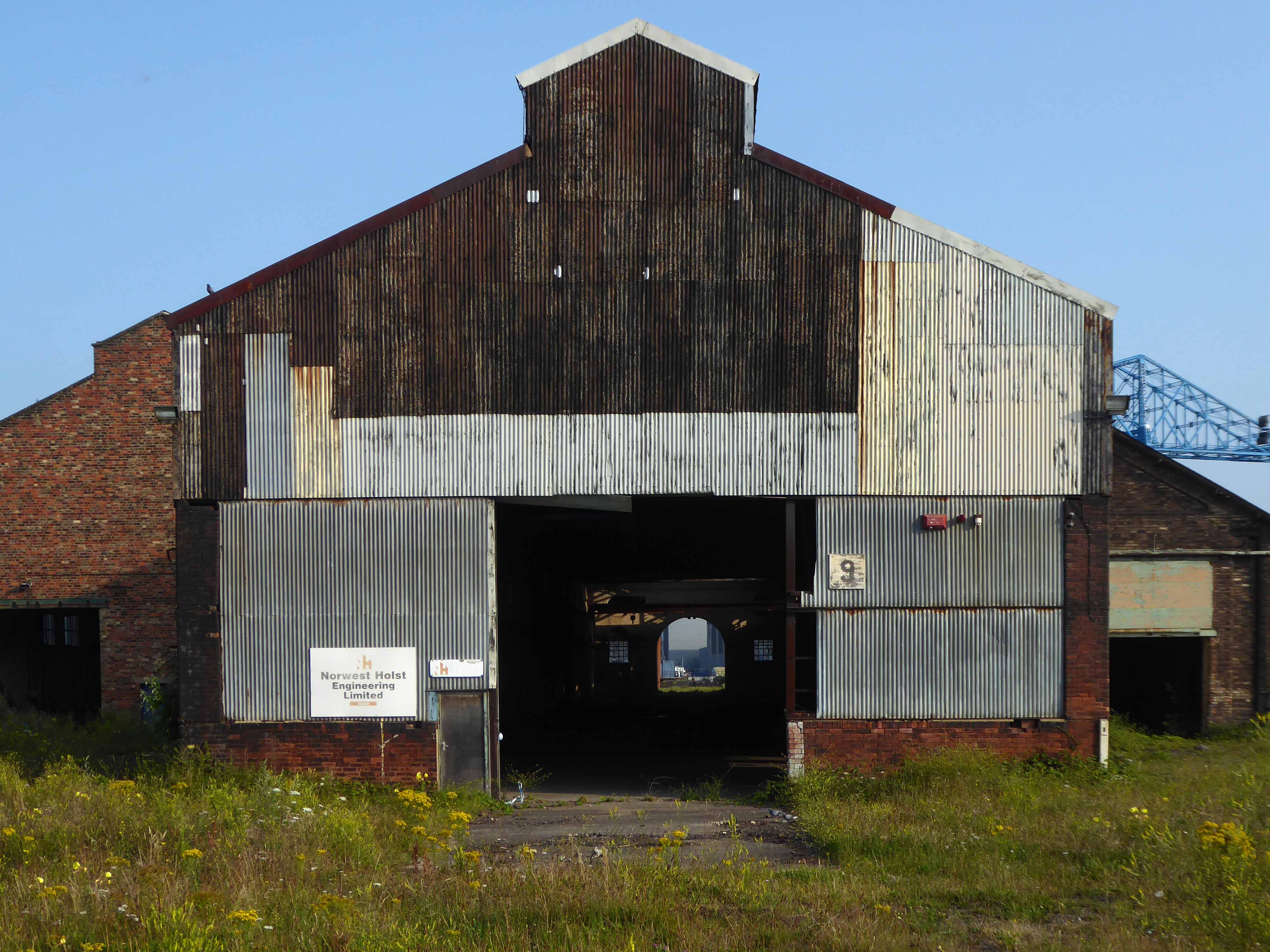
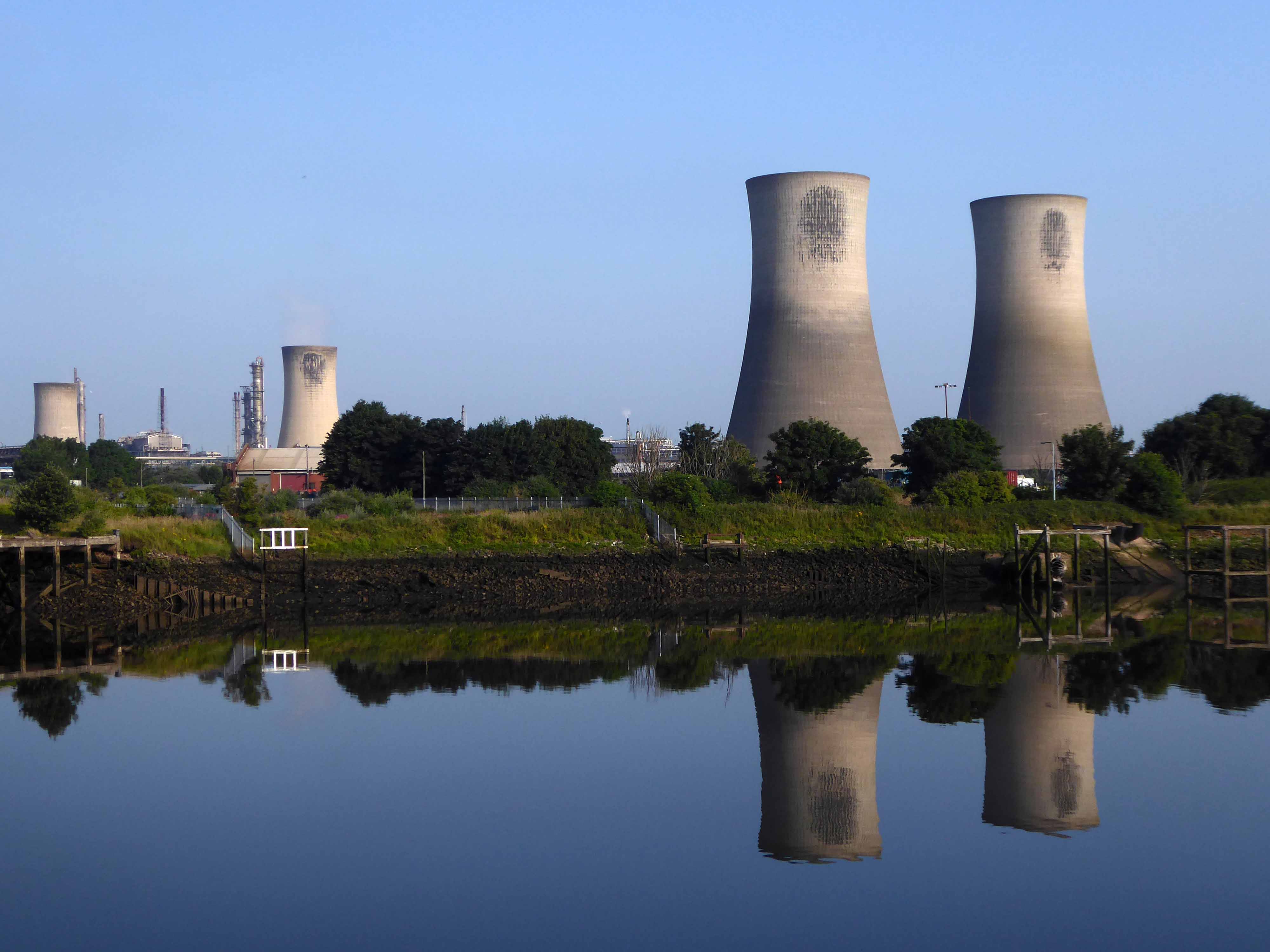
The cycle track followed the river, which sports a fine array of industrial architecture.

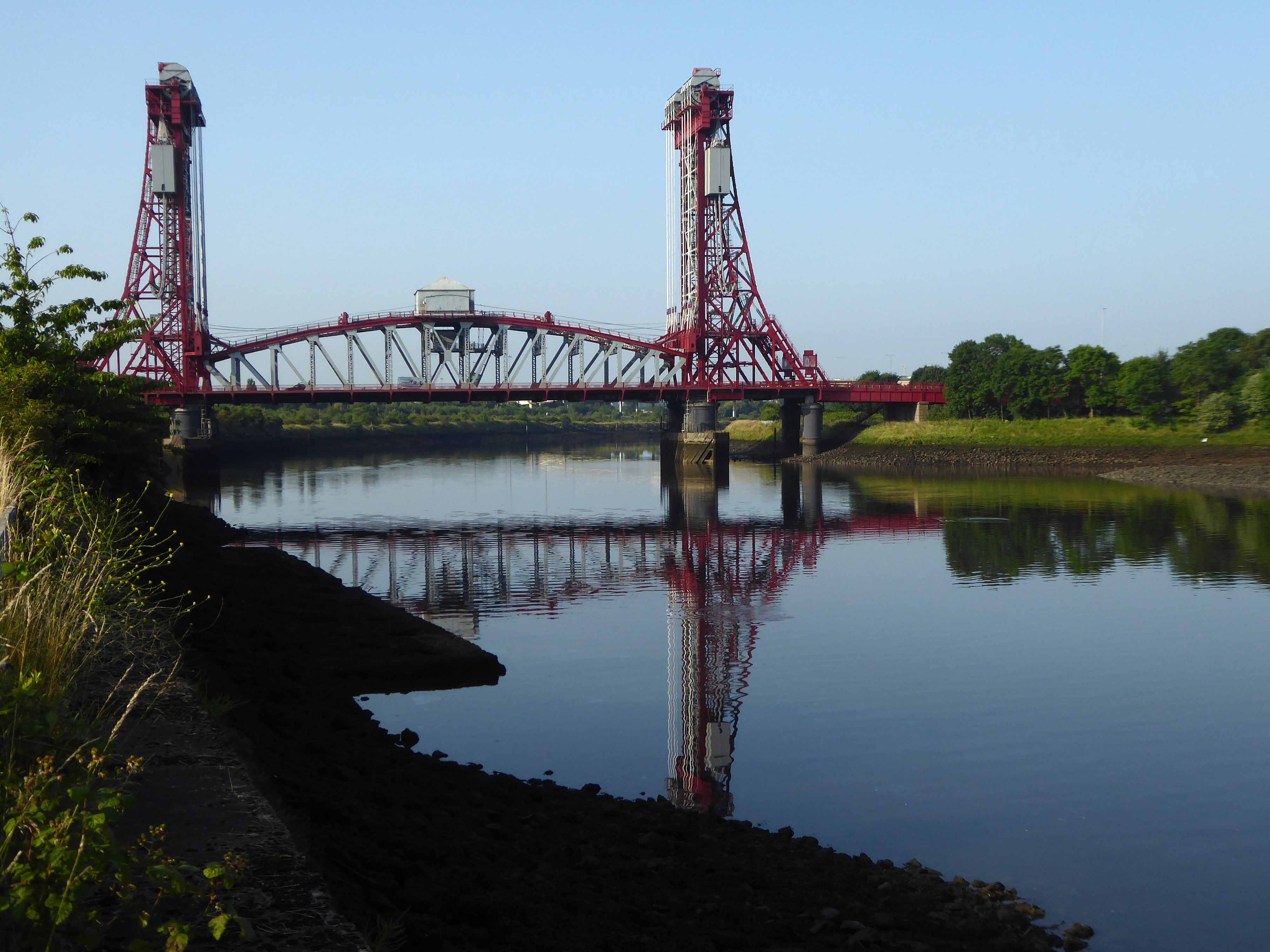
Tees Newport Bridge designed by Mott, Hay and Anderson and built by local company Dorman Long who have also been responsible for such structures as the Tyne Bridge and Sydney Harbour Bridge, it was the first large vertical-lift bridge in Britain.

Wikipedia

Crossing the river and heading for Hartlepool.

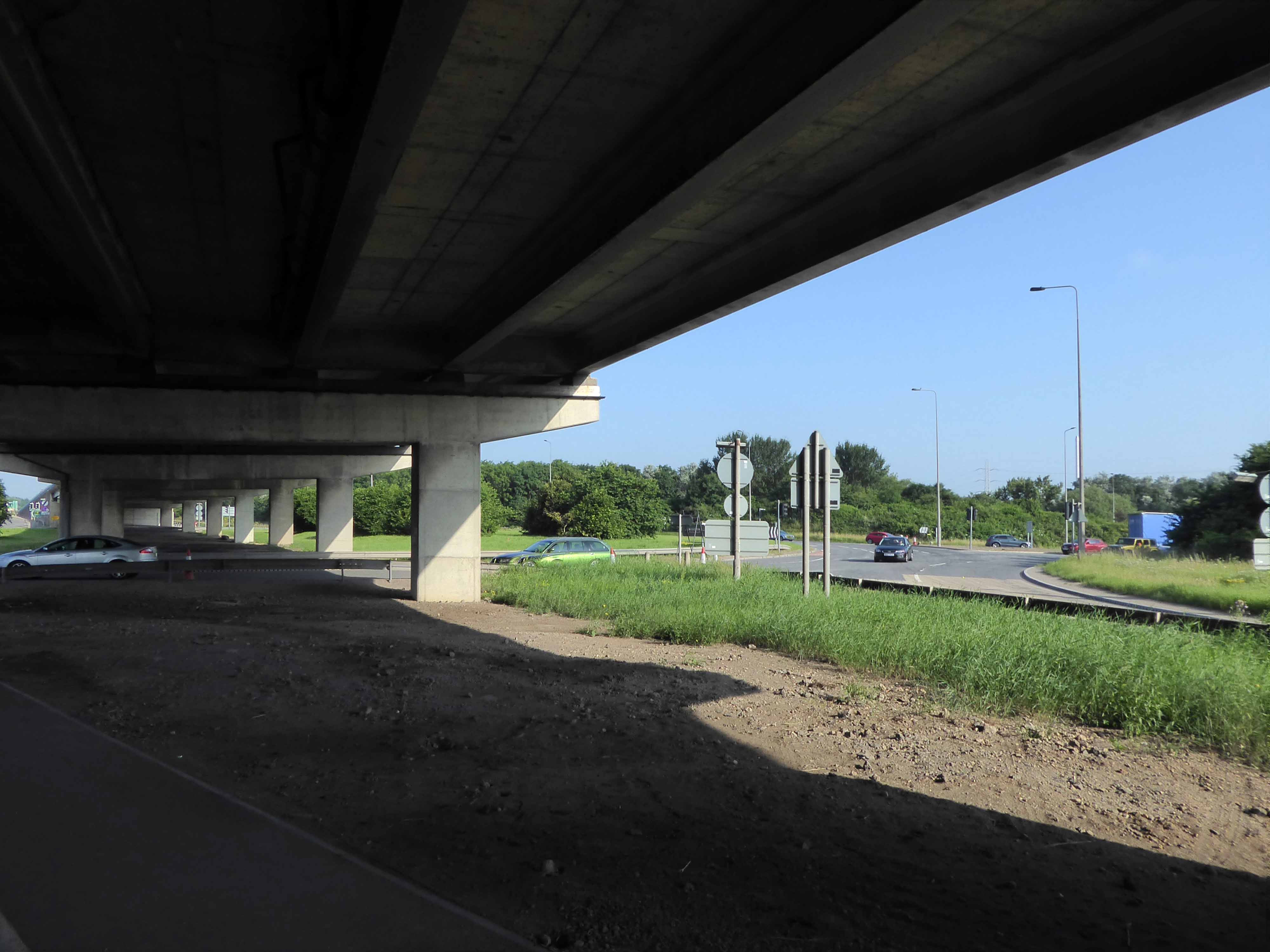
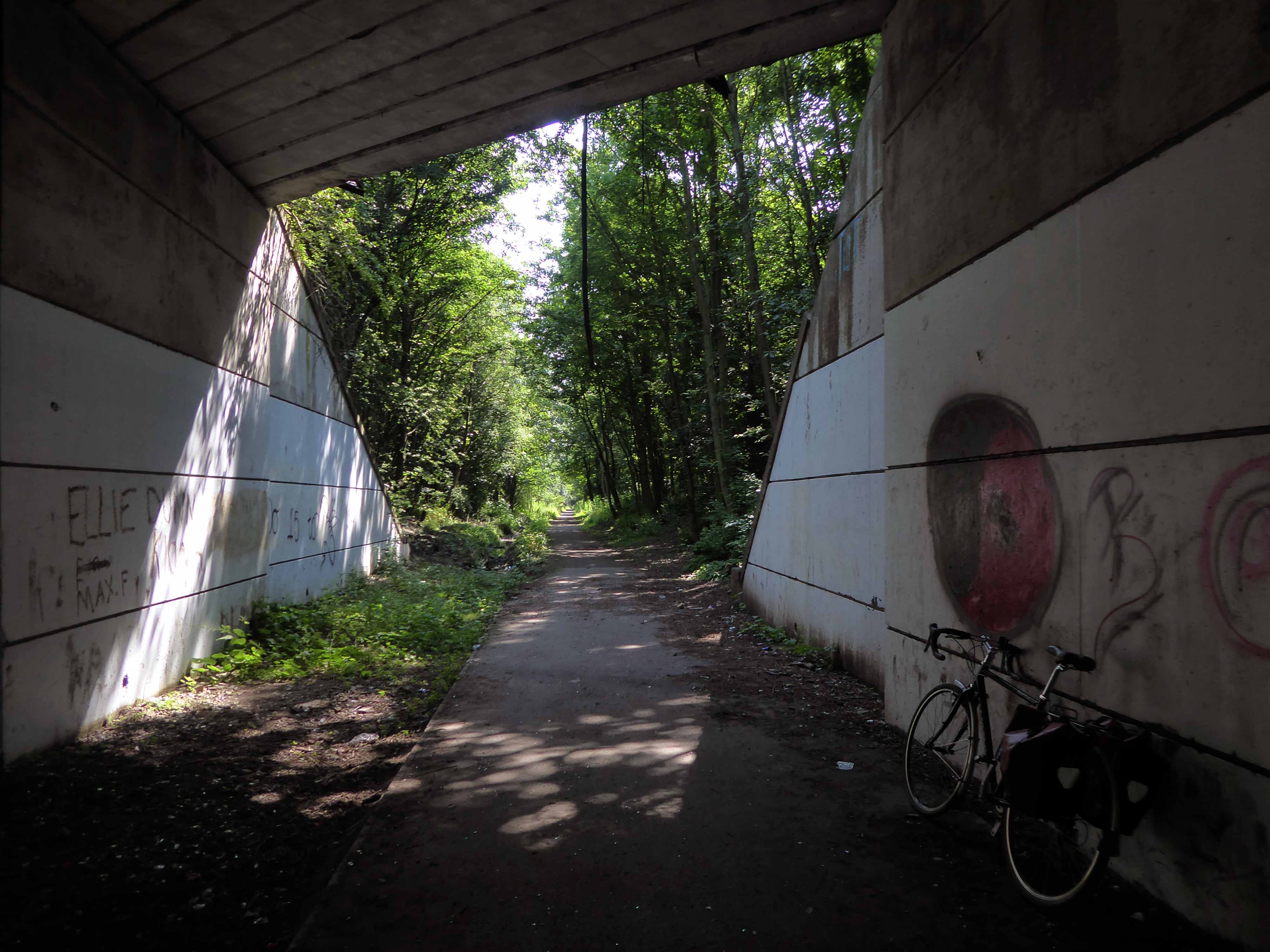
Negotiating underpasses and main road cycle lanes.

I was delighted to be drawn toward Dawson House here in Billingham.

Austere brick churches.

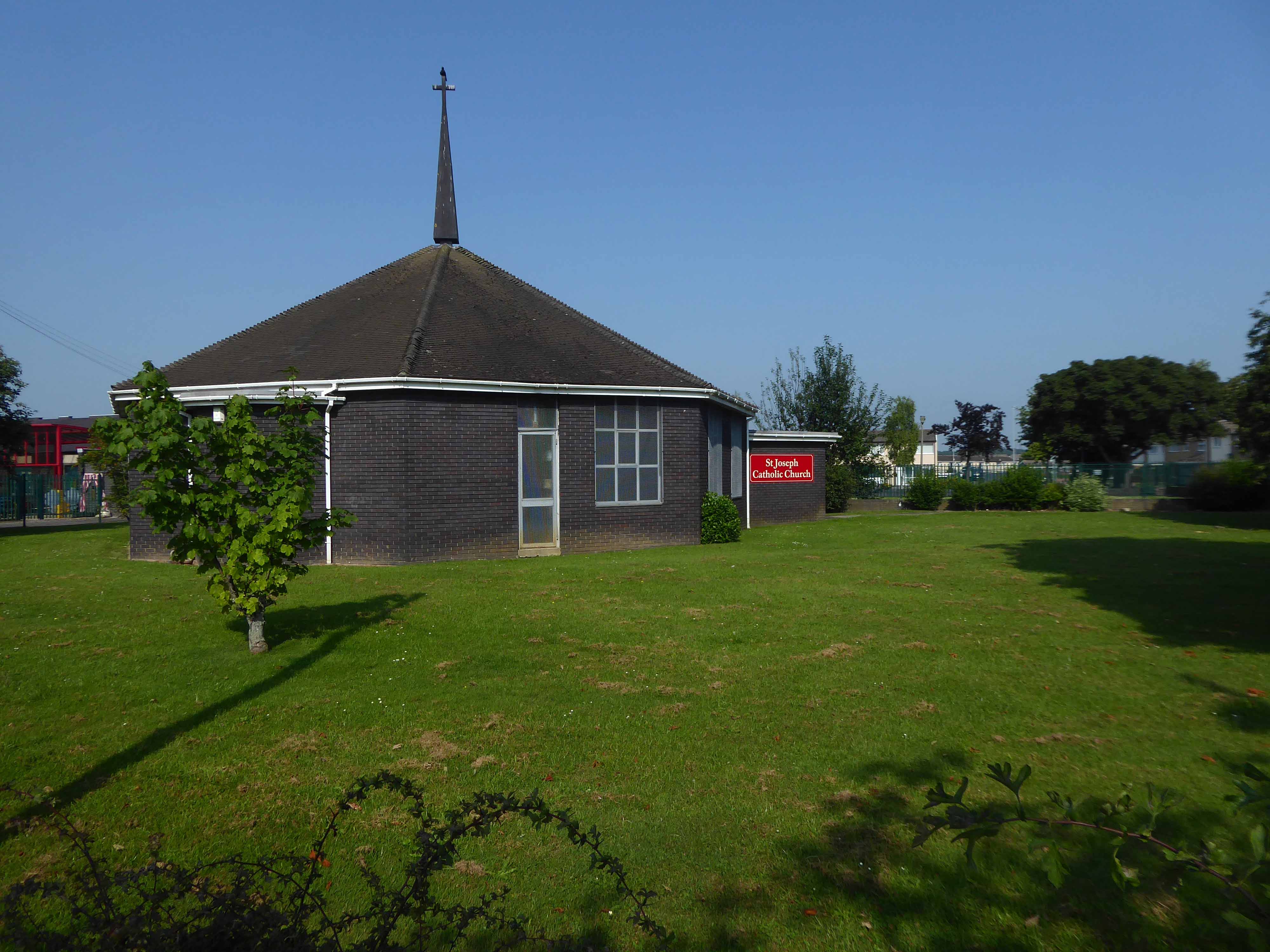
St Joseph RC Low Grange Avenue Billingham

A prefabricated polygonal structure of the 1970s, with laminated timber frame. The seating came from Pugin & Pugin’s church at Port Clarence. 

Taking Stock

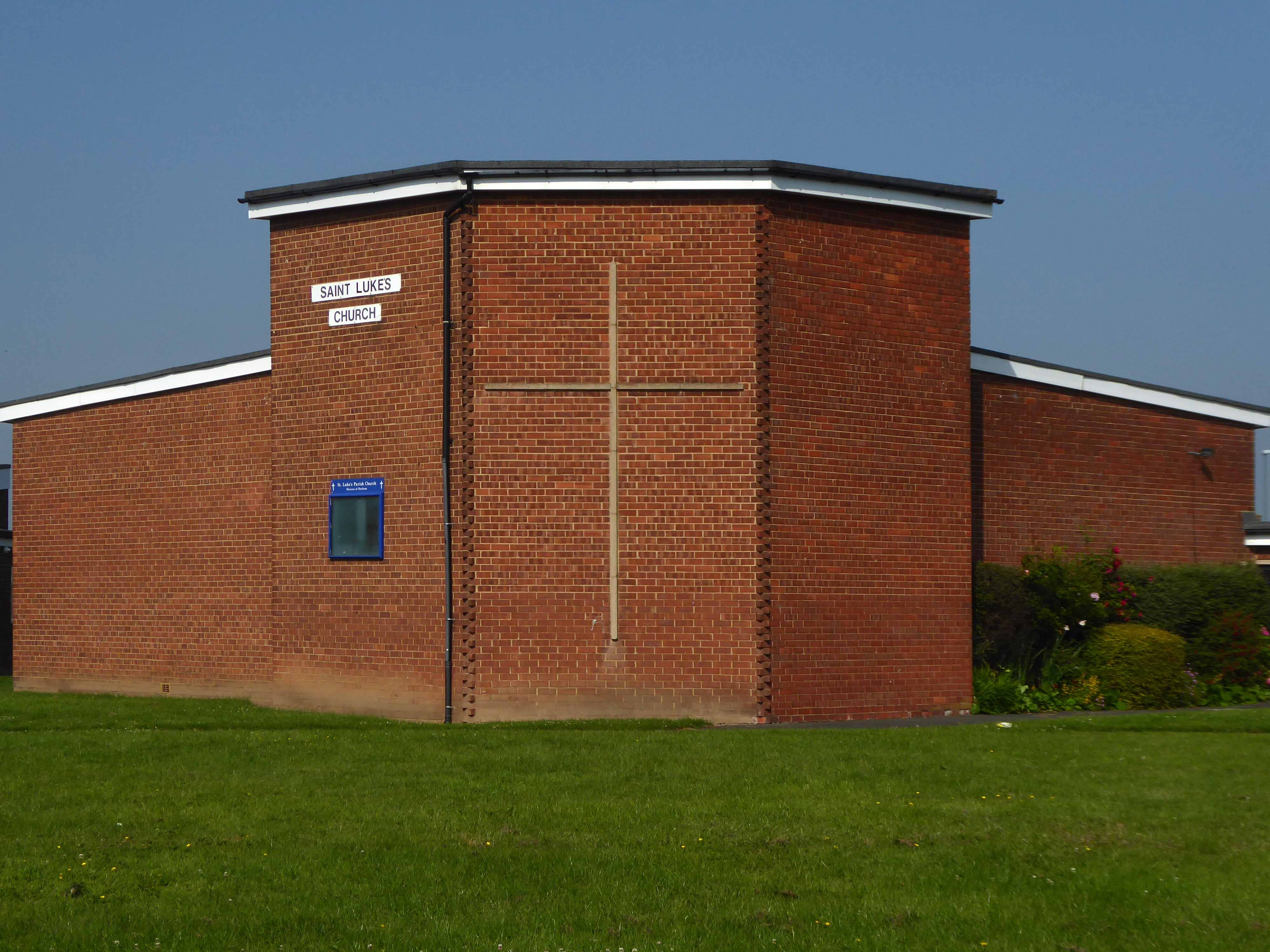
Just along the way Saint Lukes Billingham 1965.

In a slightly more upbeat mode St James the Apostle Owton Manor.

I convinced myself that this building on Station Road Seaton Carew was a former pub, I discovered following consultation with the local studies offices, that it was in fact a former children’s home destined to become a doctors.

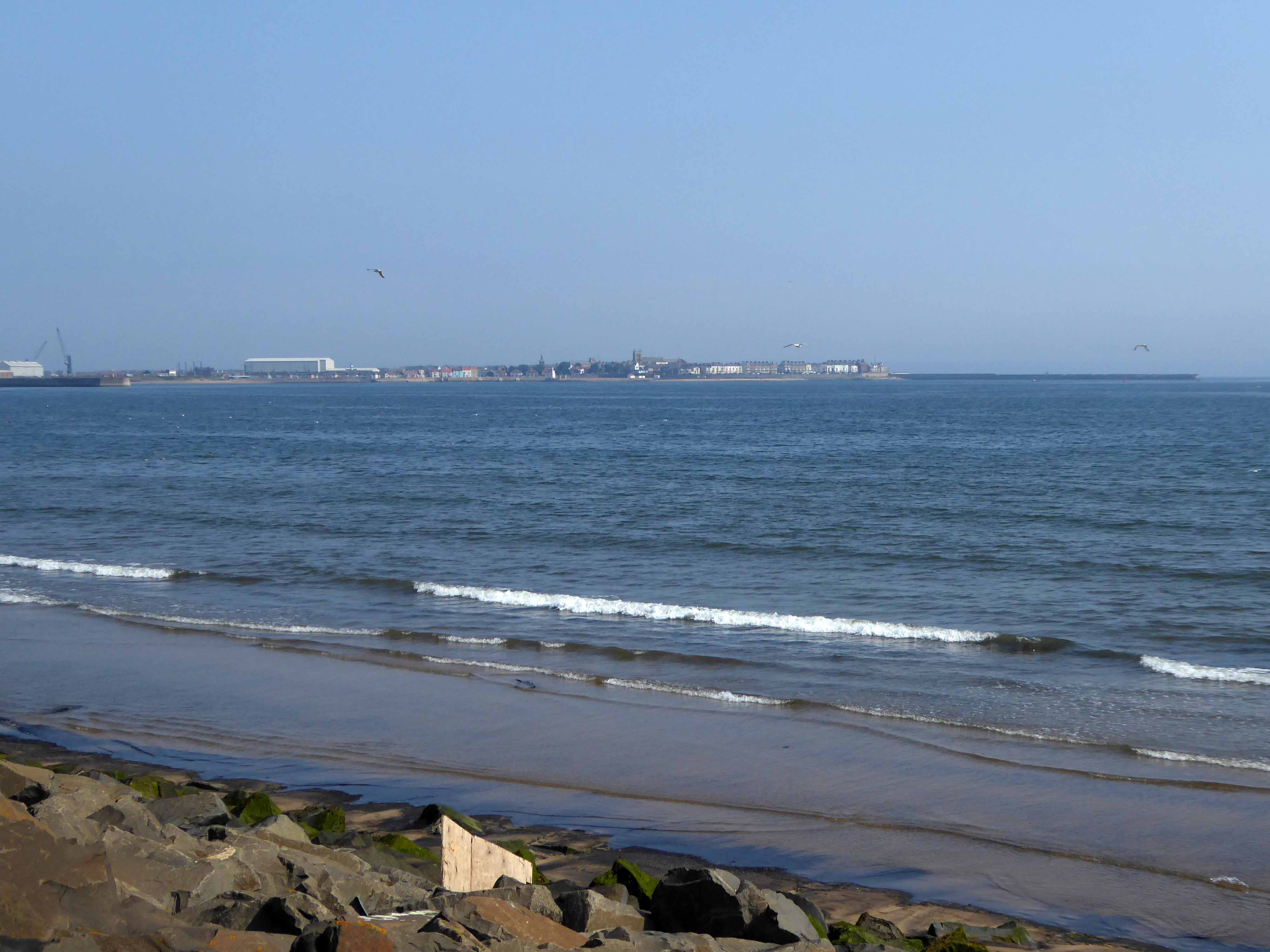
I found myself looking back across the estuary to Redcar.

Northward toward Hartlepool.

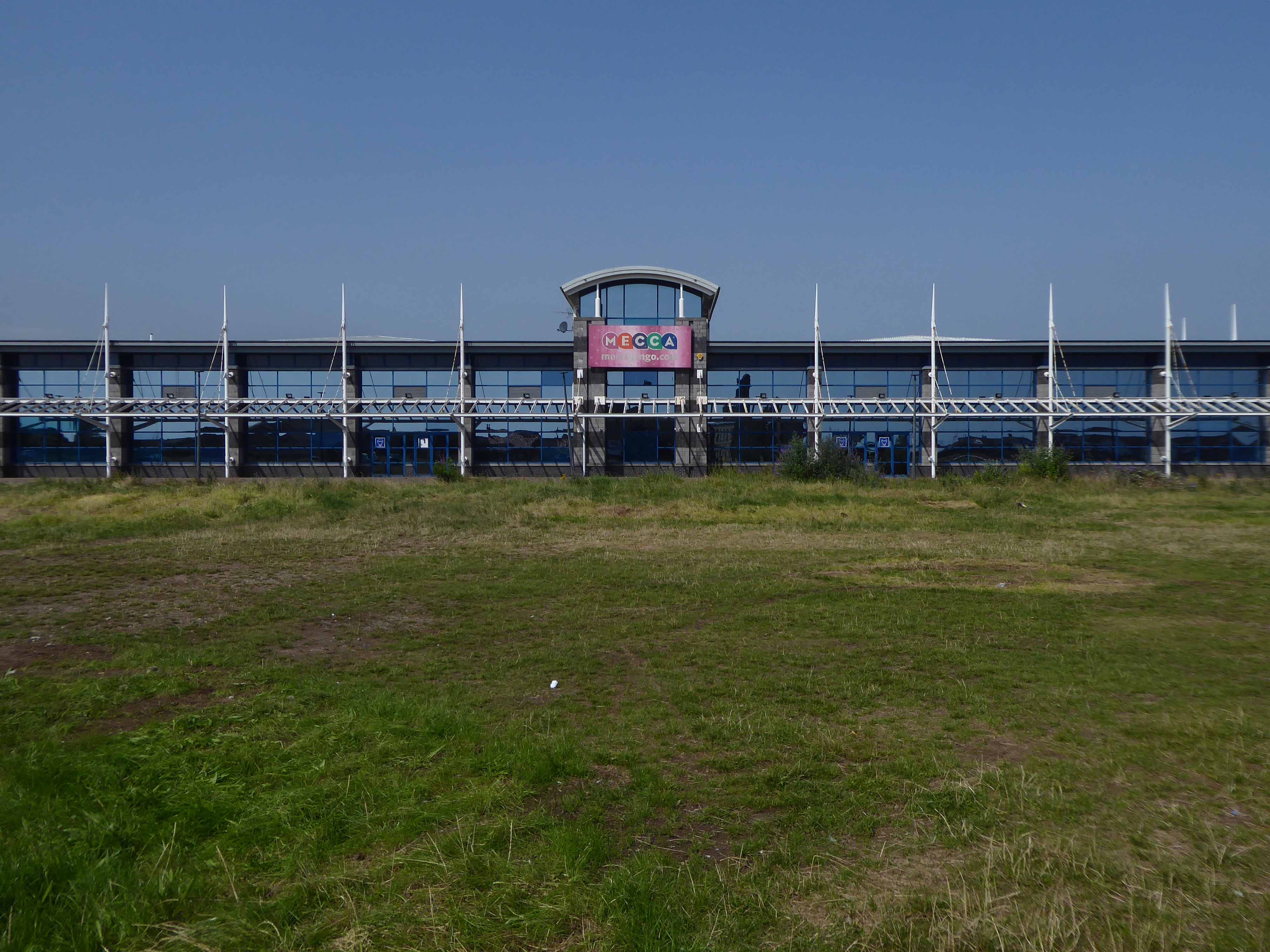
Where the bingo was closed and the circus had left town.

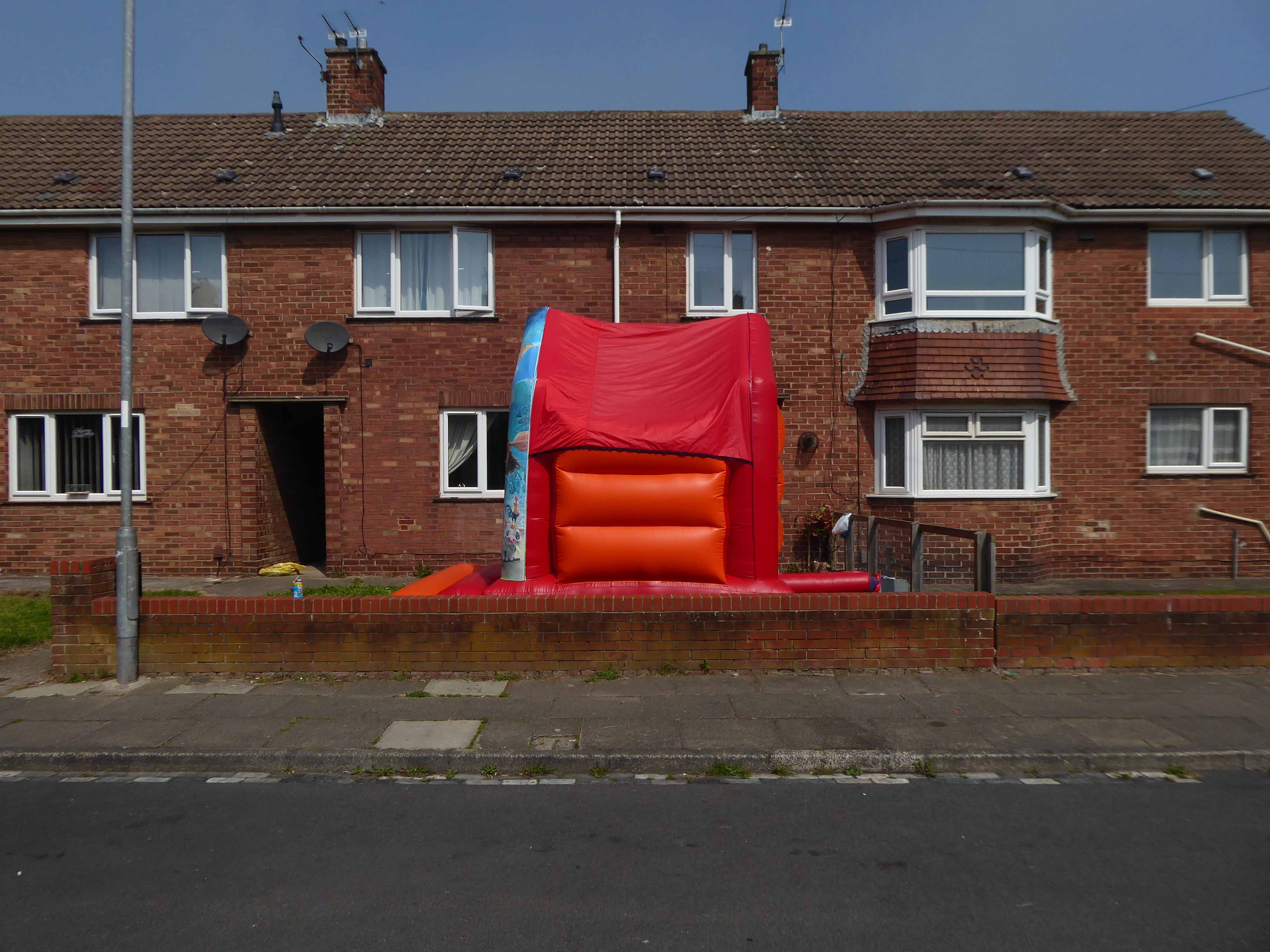
Every Englishman’s home is a bouncy castle.

St John Vianney located on King Oswy Drive West View Estate.

Architect: Crawford & Spencer Middlesbrough 1961.

A large post-war church built to serve a housing estate, economically built and with a functional interior. The campanile is a local landmark. 

The parish of St John Vianney was created in 1959 to serve the growing West View Estate, on the north side of Hartlepool. The church was opened by Bishop Cunningham on 4 April 1961. The presbytery was built at the same time.

Taking Stock

I found myself on yet another former railway line.

The Cycleway was once a railway line designed by George Stephenson to take coal from the Durham coal fields to the docks in Hartlepool, where the coal was then distributed throughout the world.

Tees Valley

The landscape opened up to coal scarred scrub, I lost the path and found a church, which imposed itself upon the hillside.

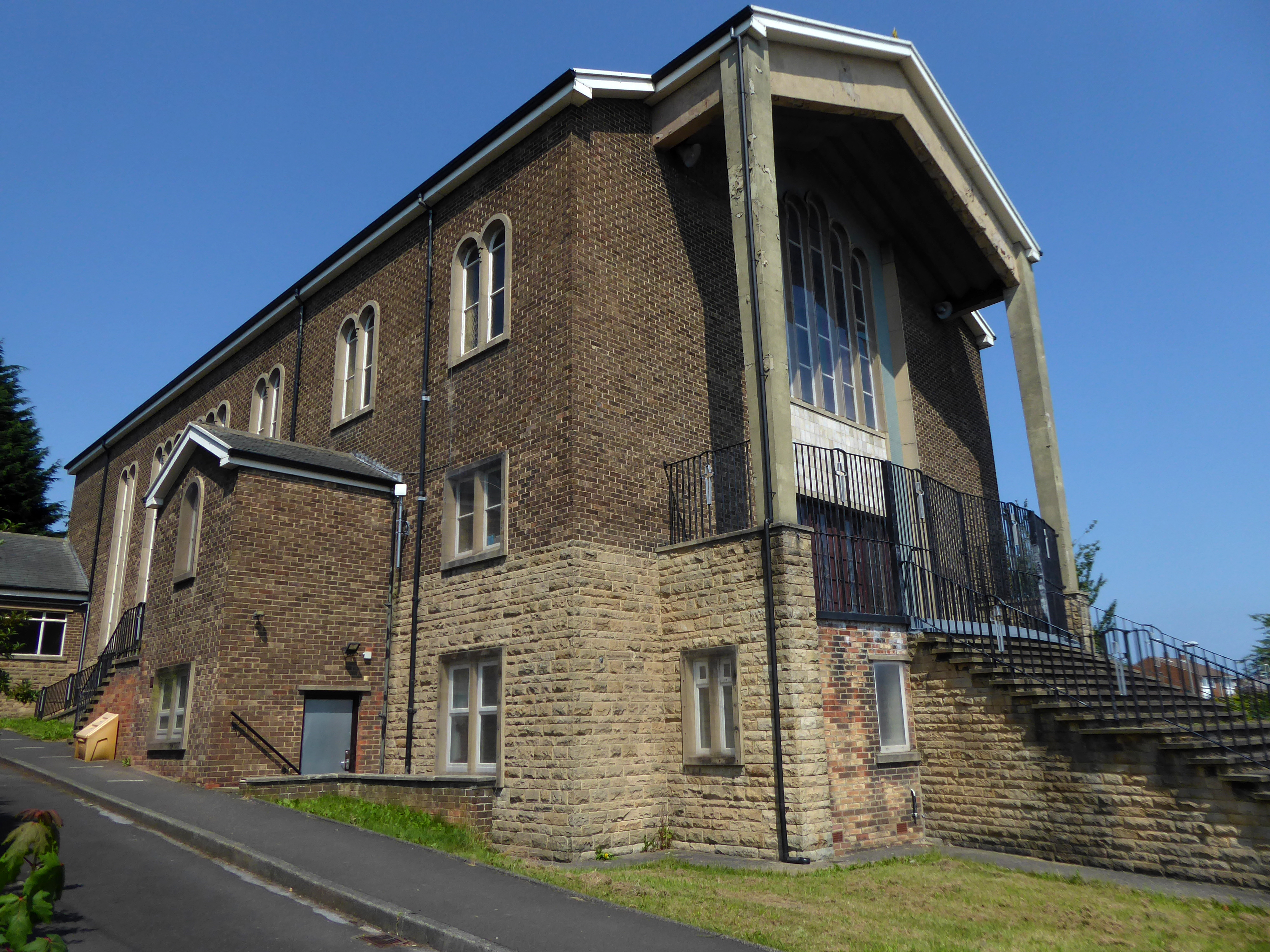
St Joseph RC Seaham County Durham

Architect: Anthony J. Rossi of Consett 1964

Taking Stock

Opening 1964

Seeking assistance from a passing cyclist I negotiated a safe passage to Sunderland.

The Sunderland Synagogue is a former synagogue building in Sunderland, England. The synagogue, on Ryhope Road, was designed by architect Marcus Kenneth Glass and completed in 1928. It is the last surviving synagogue to be designed by Glass.

The synagogue was listed as a Grade II historic structure in 1999.

Wikipedia

I crossed the Queen Alexandra Bridge

The steel truss bridge was designed by Charles A Harrison – a nephew of Robert Stephenson’s assistant.

It was built by Sir William Arrol between 1907 and 1909 and officially opened by The Earl of Durham, on behalf of Queen Alexandra on 10 June 1909.

Wikipedia

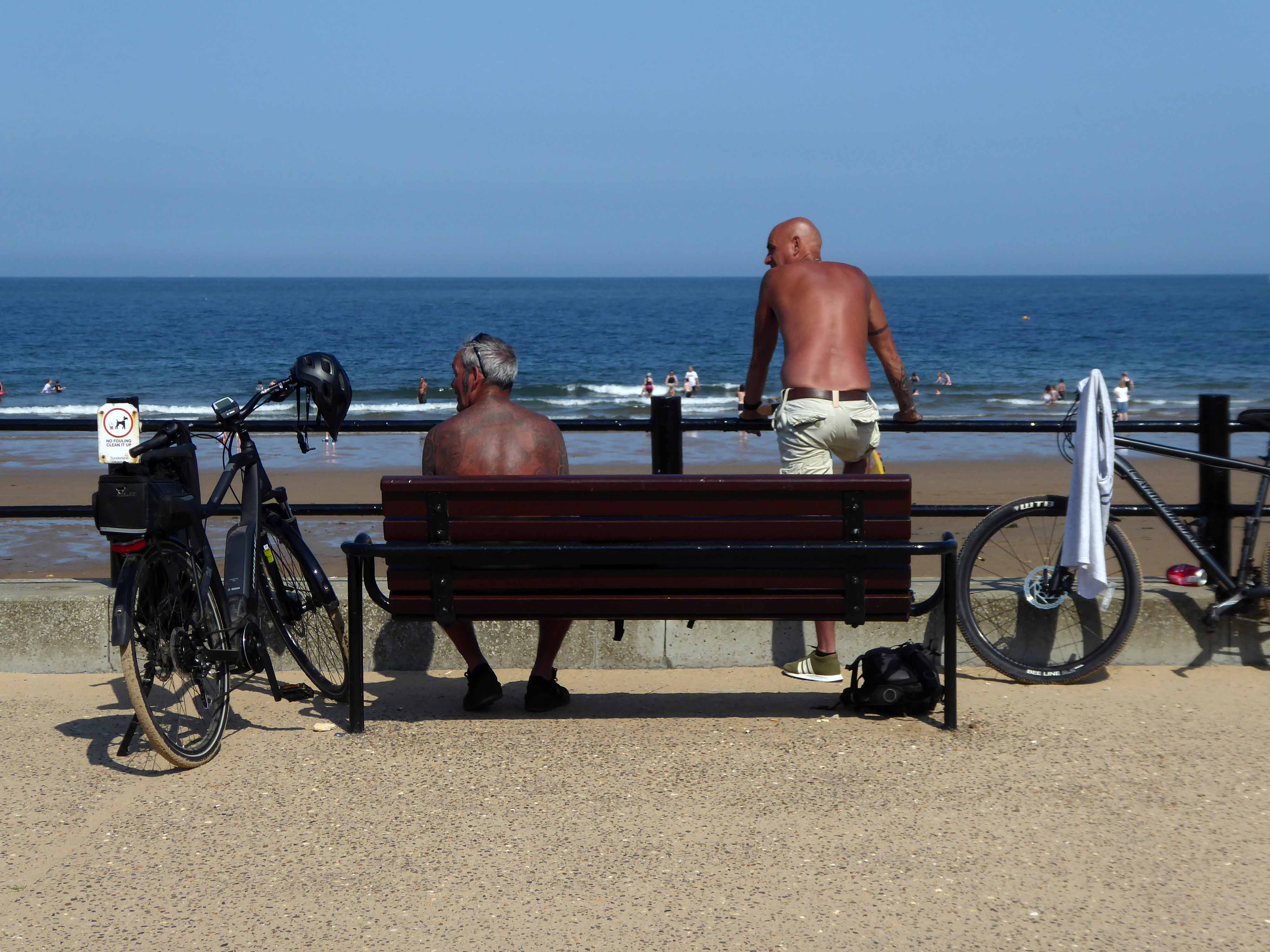
I took a right and arrived in Roker, where I saw these well tanned and tattooed cyclists taking a rest.

Pressed on, largely alongside the coast to South Shields.

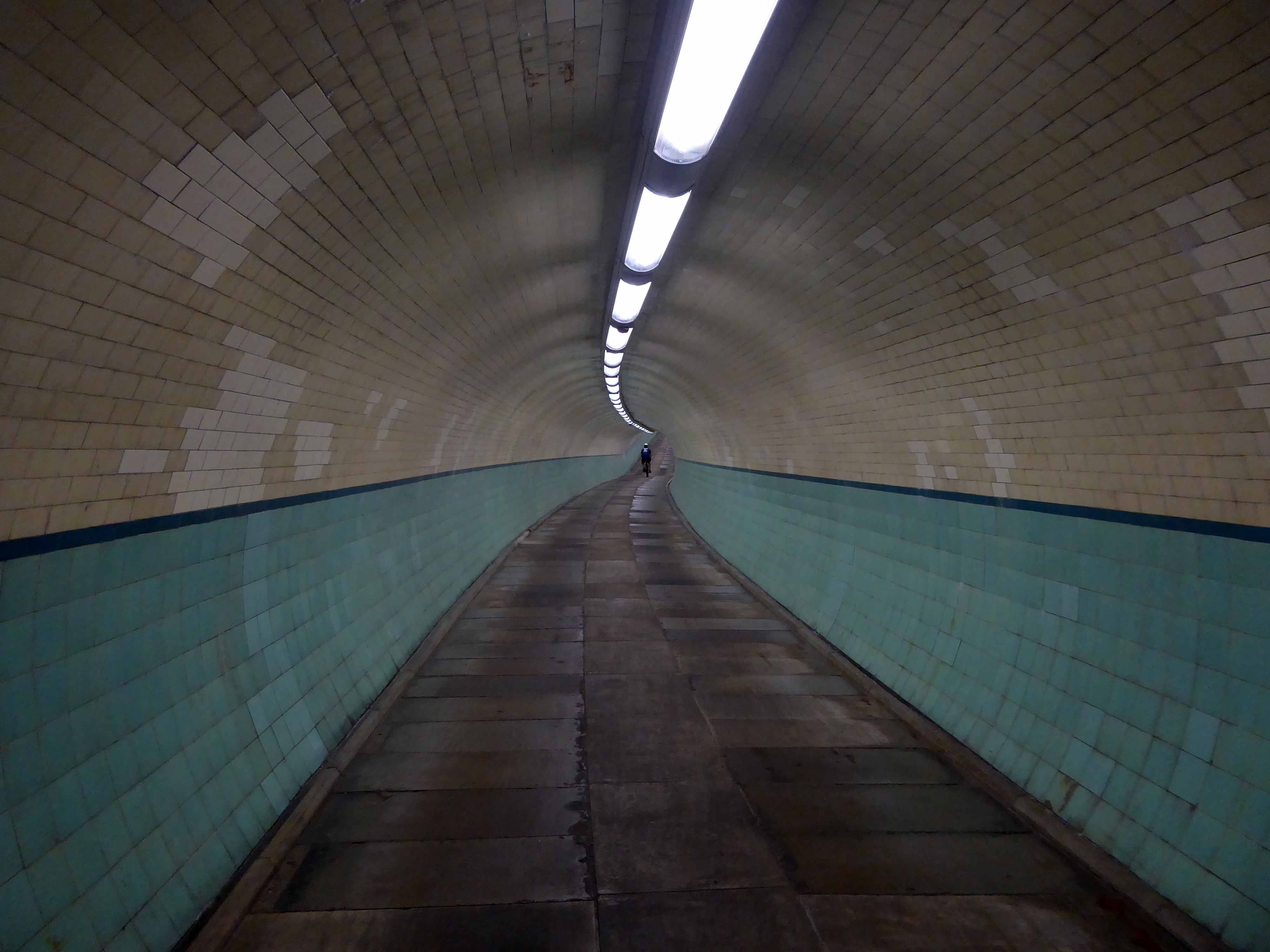
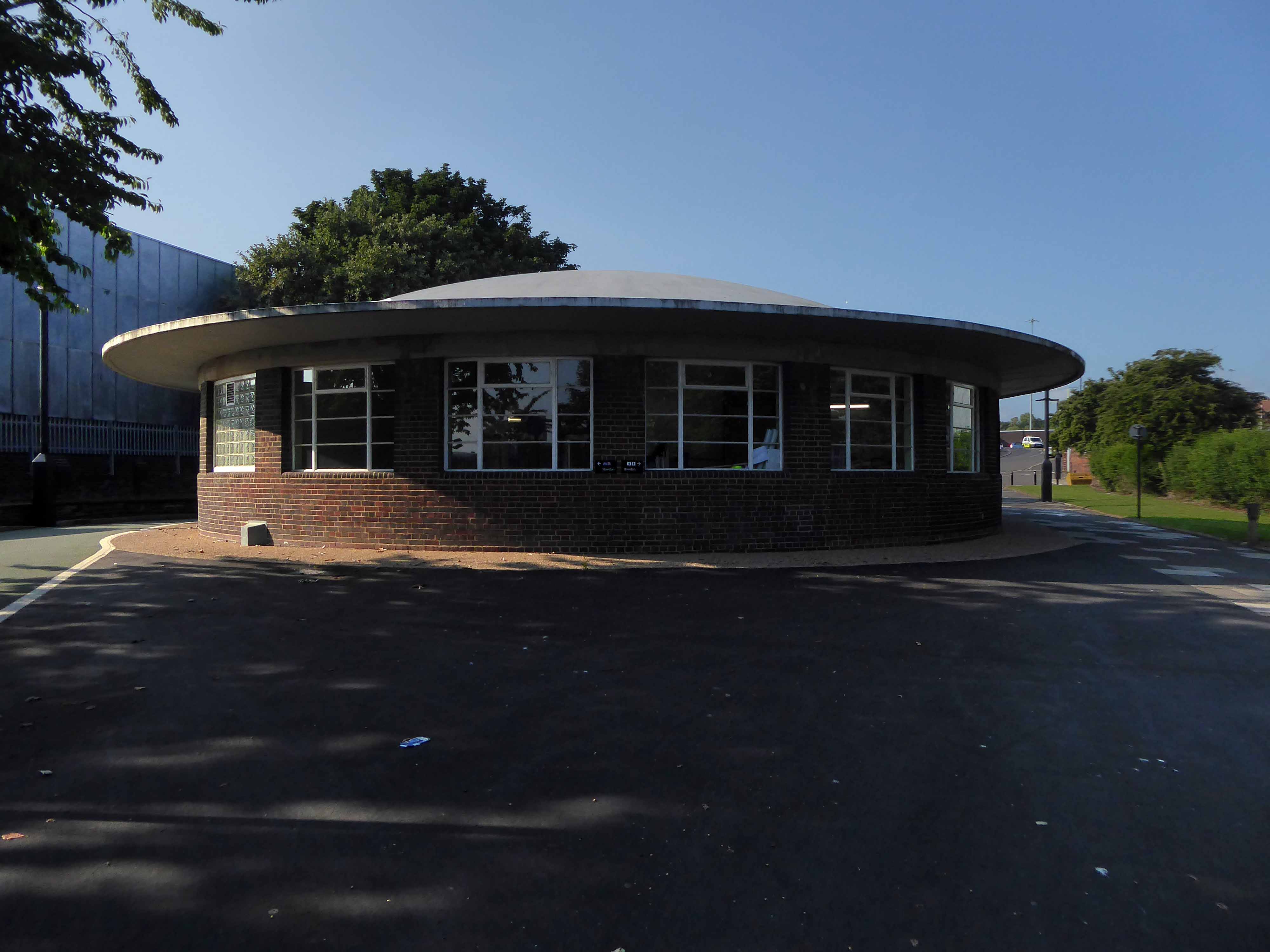
Under advisement from a jolly passing jogger I took the Tyne Pedestrian Tunnel.

Tyne Cyclist and Pedestrian Tunnel was Britain’s first purpose-built cycling tunnel. It runs under the River Tyne between Howdon and Jarrow, and was opened in 1951, heralded as a contribution to the Festival of Britain.

Wikipedia

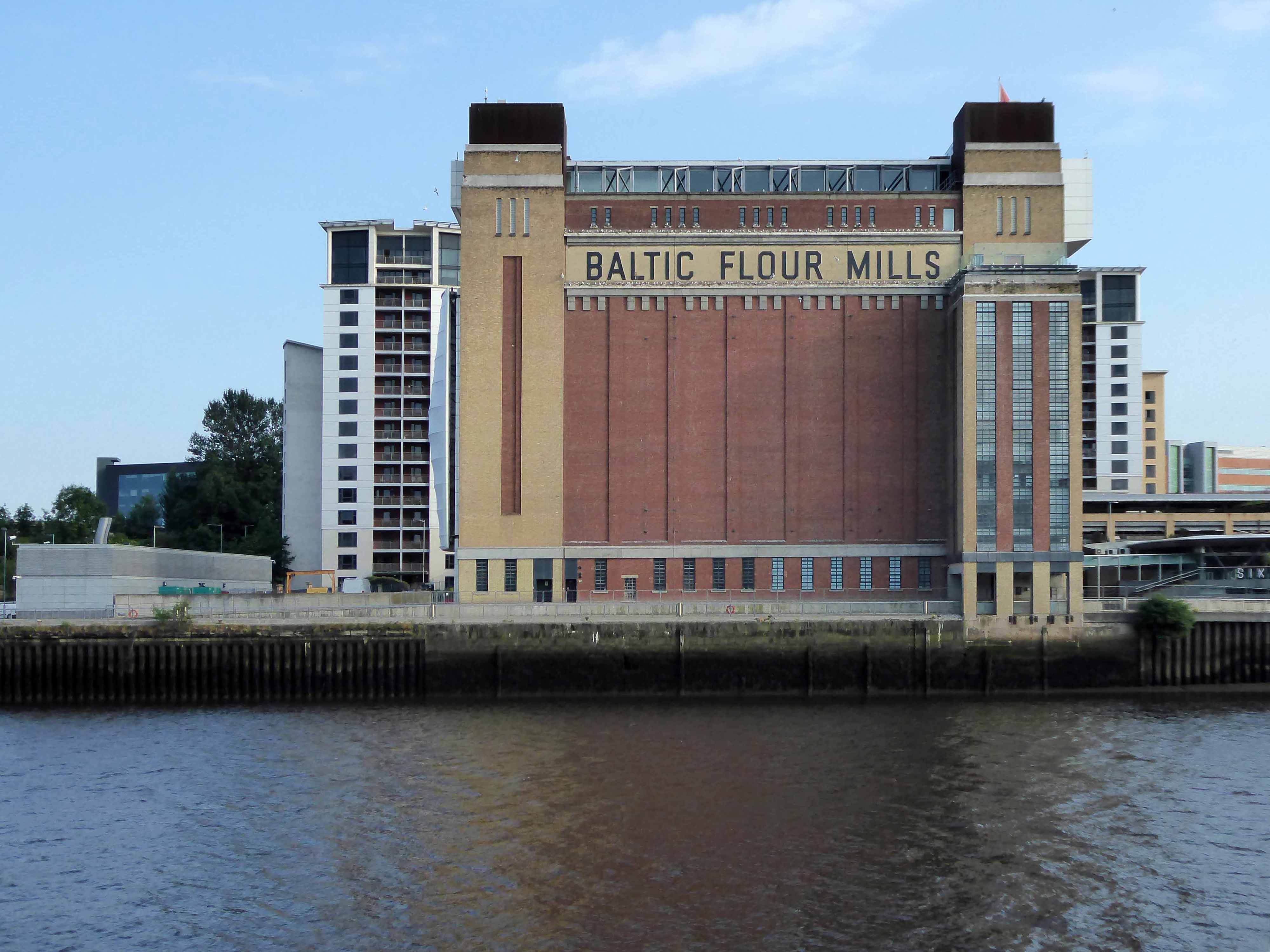
I cycled the banks of the Tyne, fetching up at the Quayside with a fine view of the Baltic.

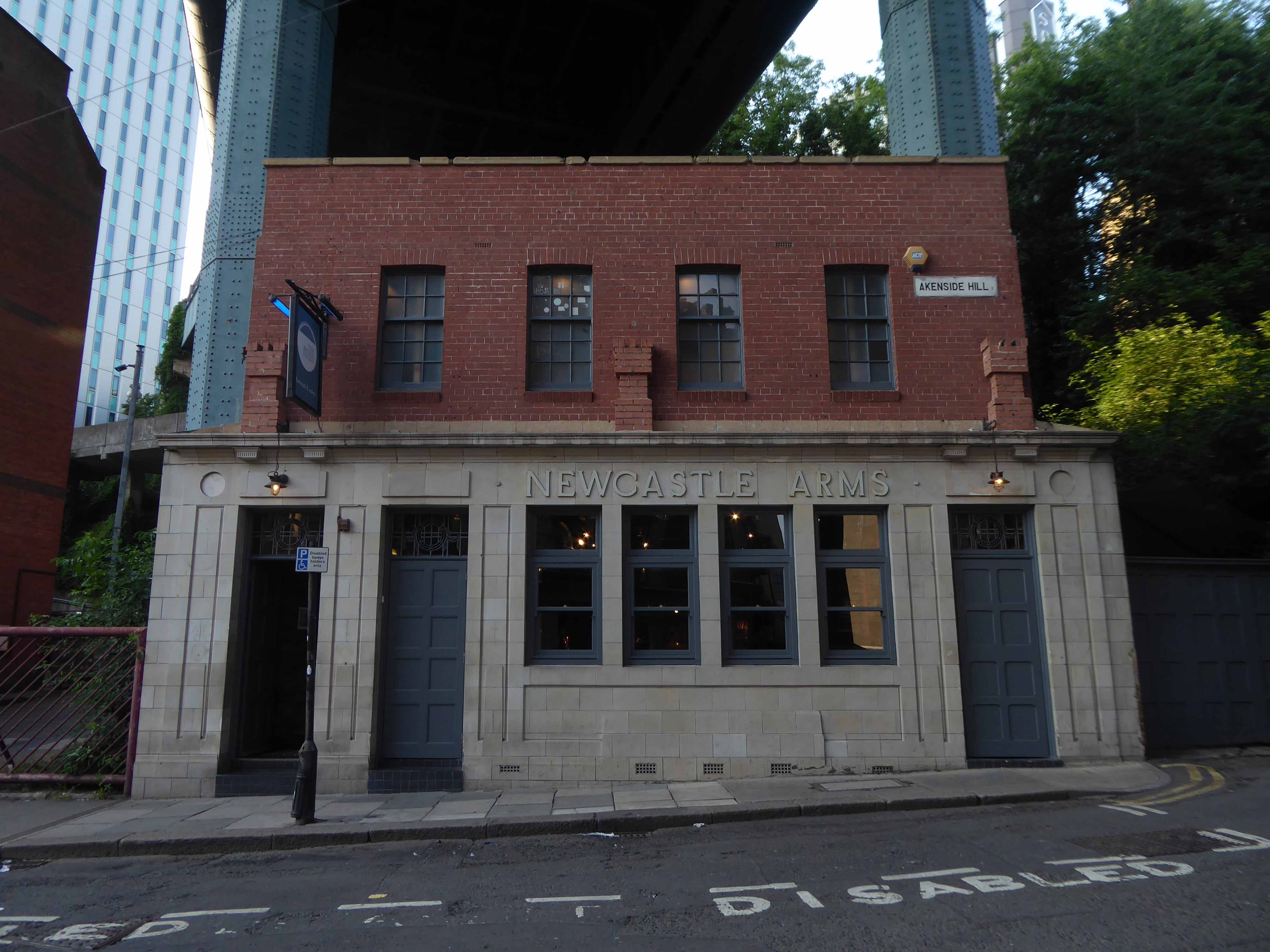
Washed and suitably brushed up I hastened to the Bridge Tavern – to take a glass or two.

A fine end to a very long day.

Hull to Scarborough

Heading out of Hull one sunny Sunday morning along Sustrans Route 65.

The first leg of my journey northwards to Berwick, many thanks to all those kind souls who filled my water bottle, directed, redirected and misdirected me along my merry way.

I suddenly found myself on Sustrans Route 66 – nominally lost.

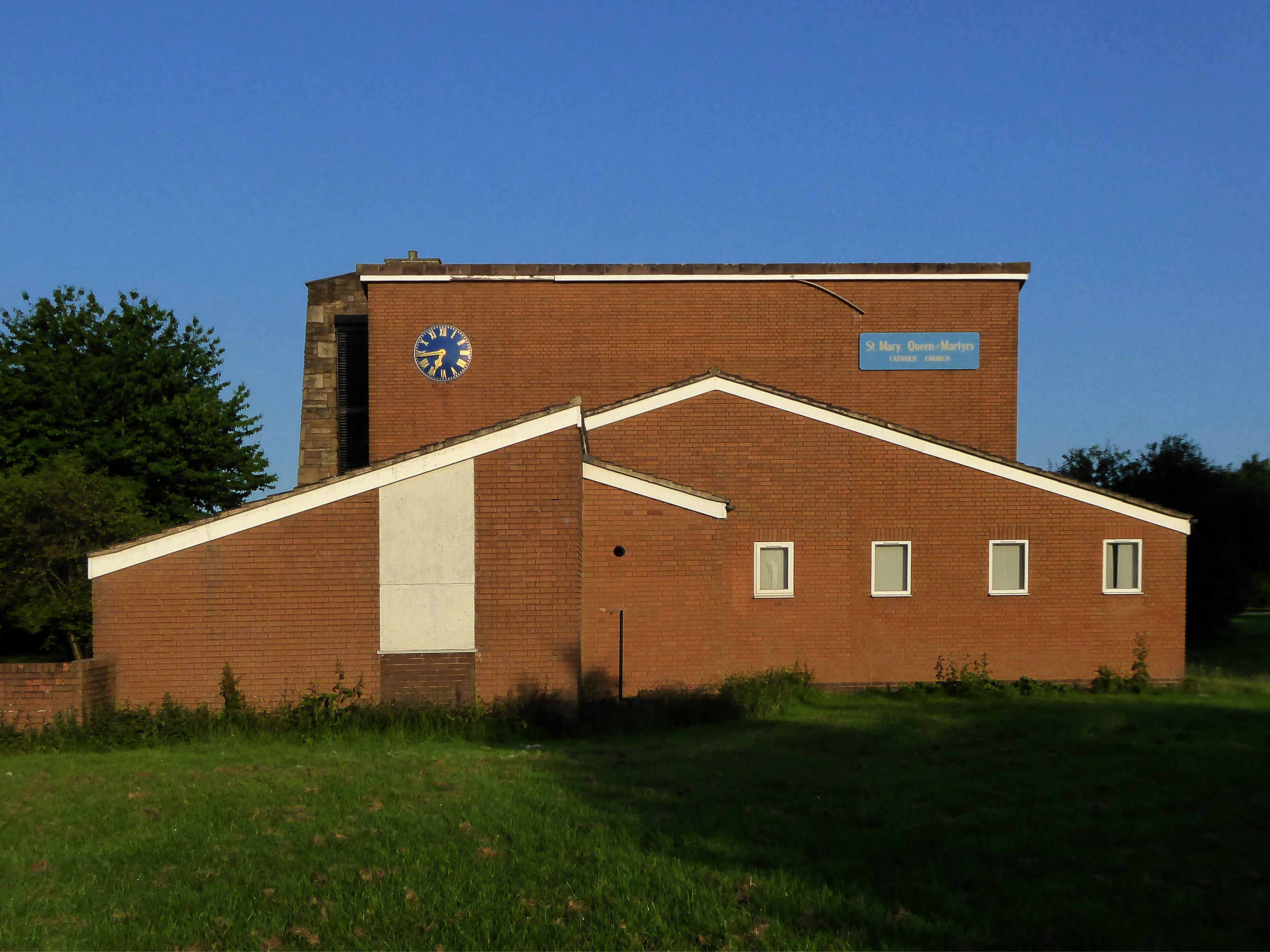
Good fortune however had pointed me in the direction of this functional yet charming brick built church, on the edge of a huge roundabout – St Mary Queen of Martyrs RC in Bransholme.

The new St Mary Queen of Martyrs church was built at Bransholme in 1976-7 and the old St Mary’s church closed and demolished in 1982.

Architect for the new church was JT Reid of The Reid Partnership – Pontefract.

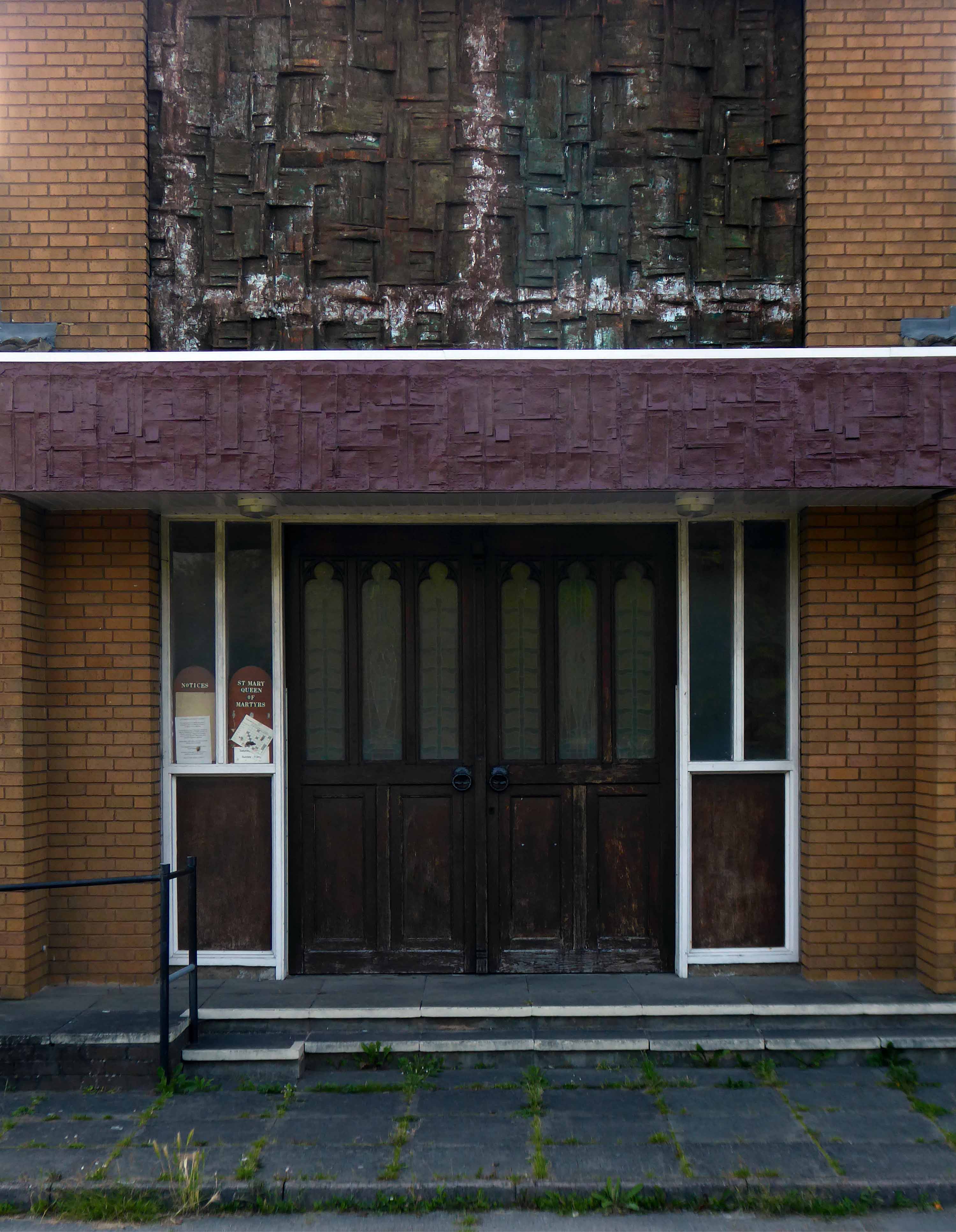
The entrance graced by these textured fascias.

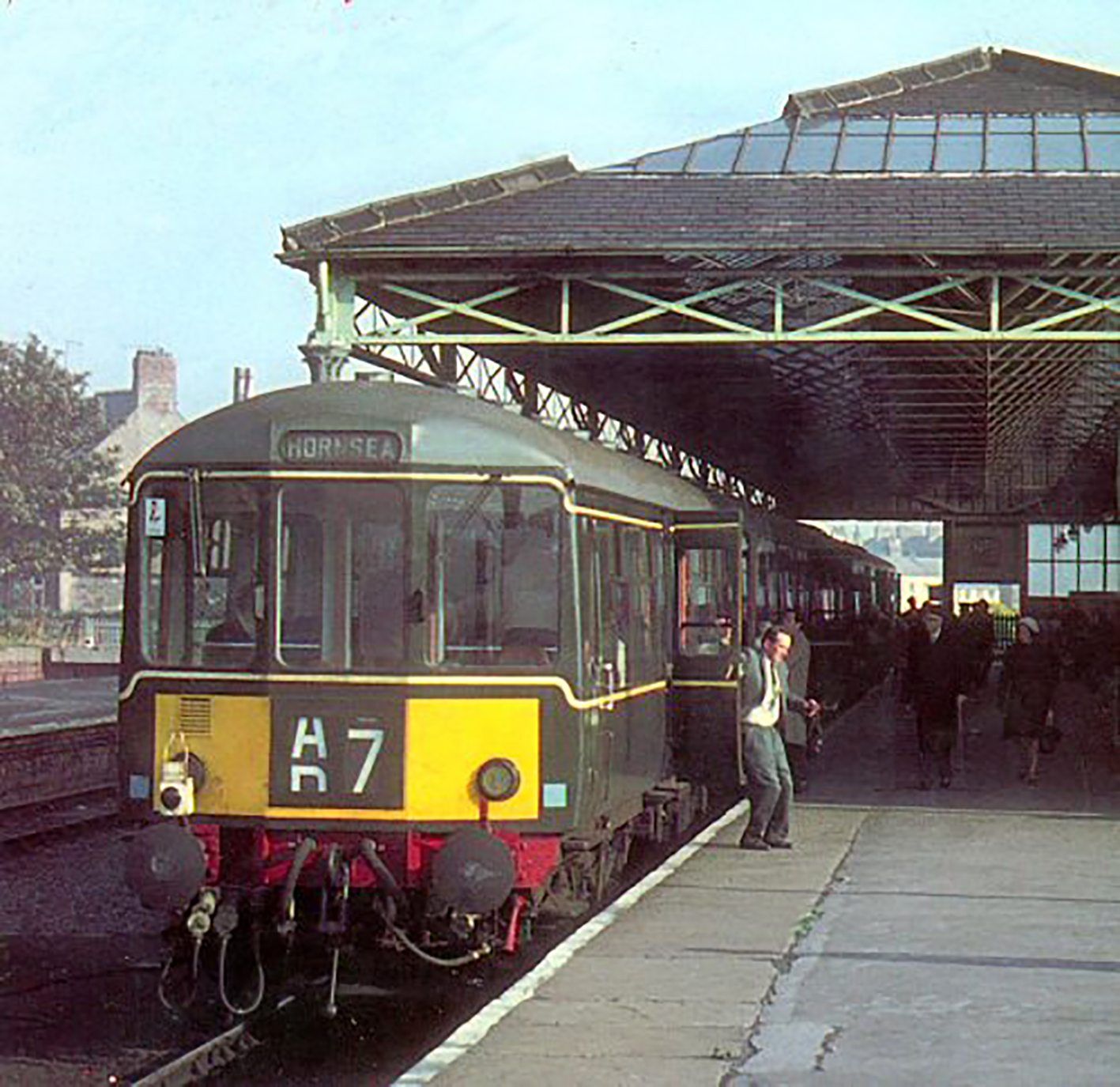
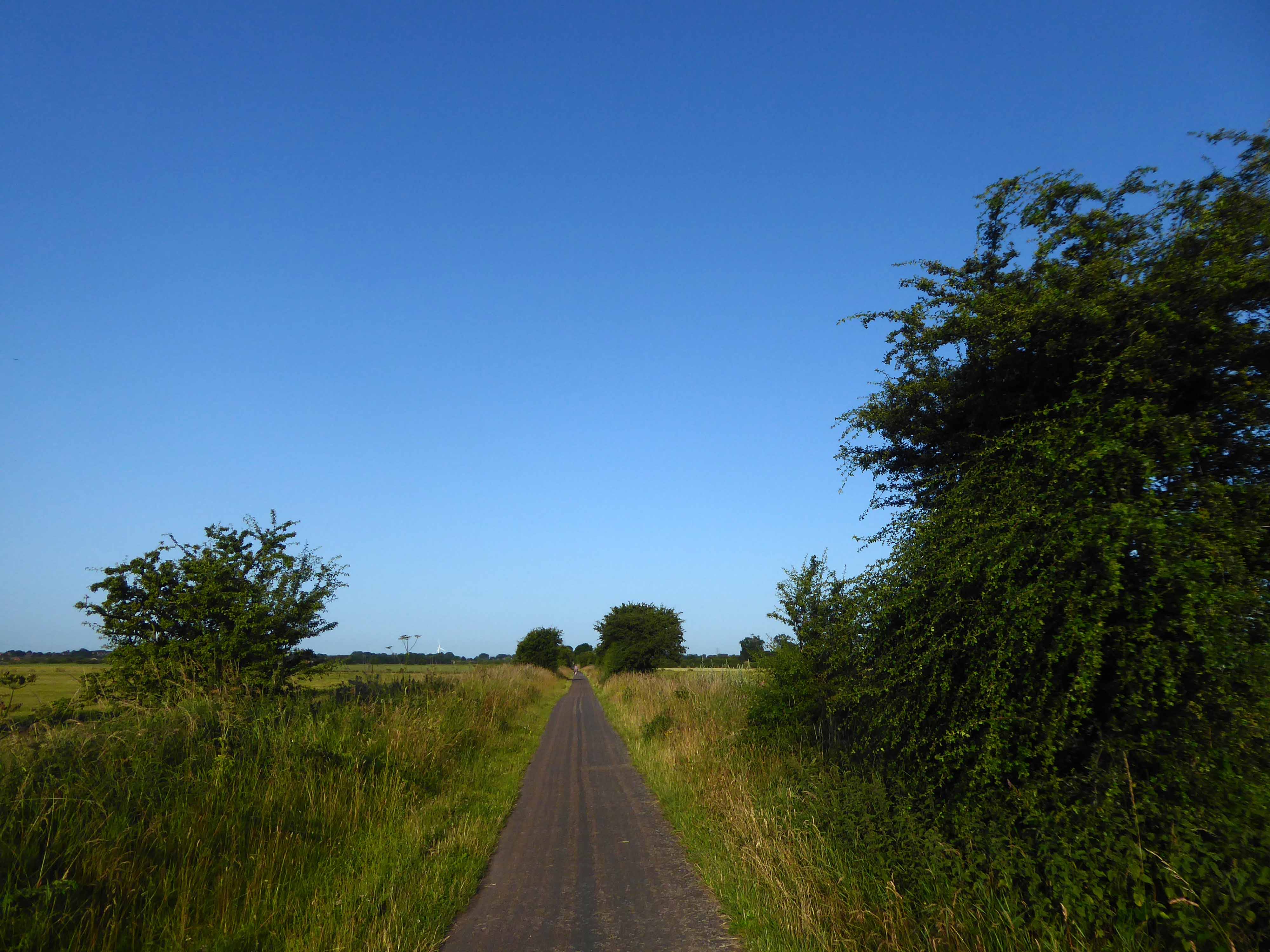
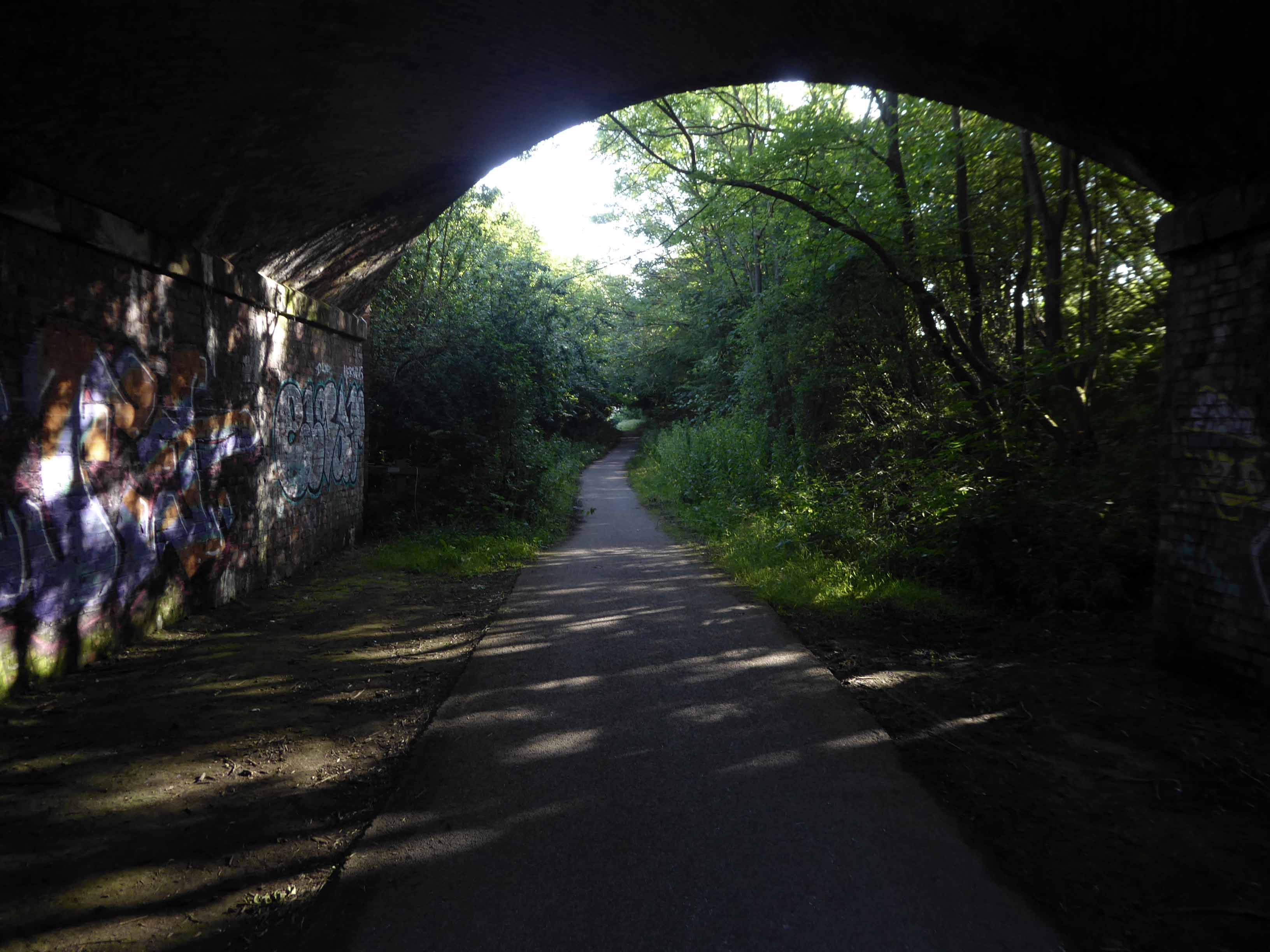
Following a series of brief engagements with various local benefactors, I regained my intended route and joined the Hornsea Rail Trail – the bed of the former branch line.

The line was officially opened on 28 March 1864, the last passenger train ran on 19 October 1964.

Goods traffic continued to use the line as far as Hornsea Bridge until 3 May 1965.

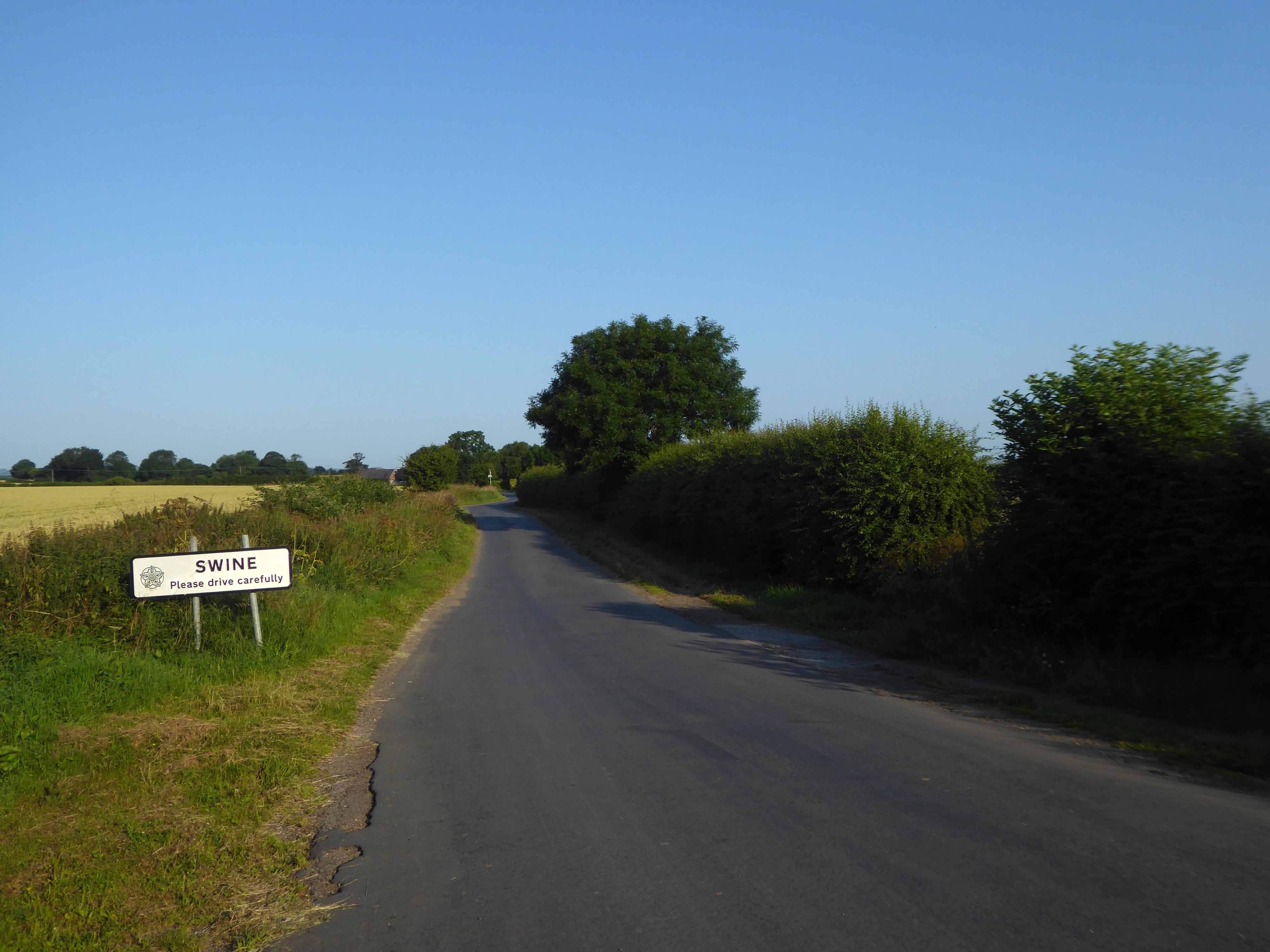
The place-name Swine is first attested in the Domesday Book of 1086, where it appears as Swine.

It appears as Suine in a charter of circa 1150, the name perhaps derives from the Old English swin meaning creek.

Wikipedia

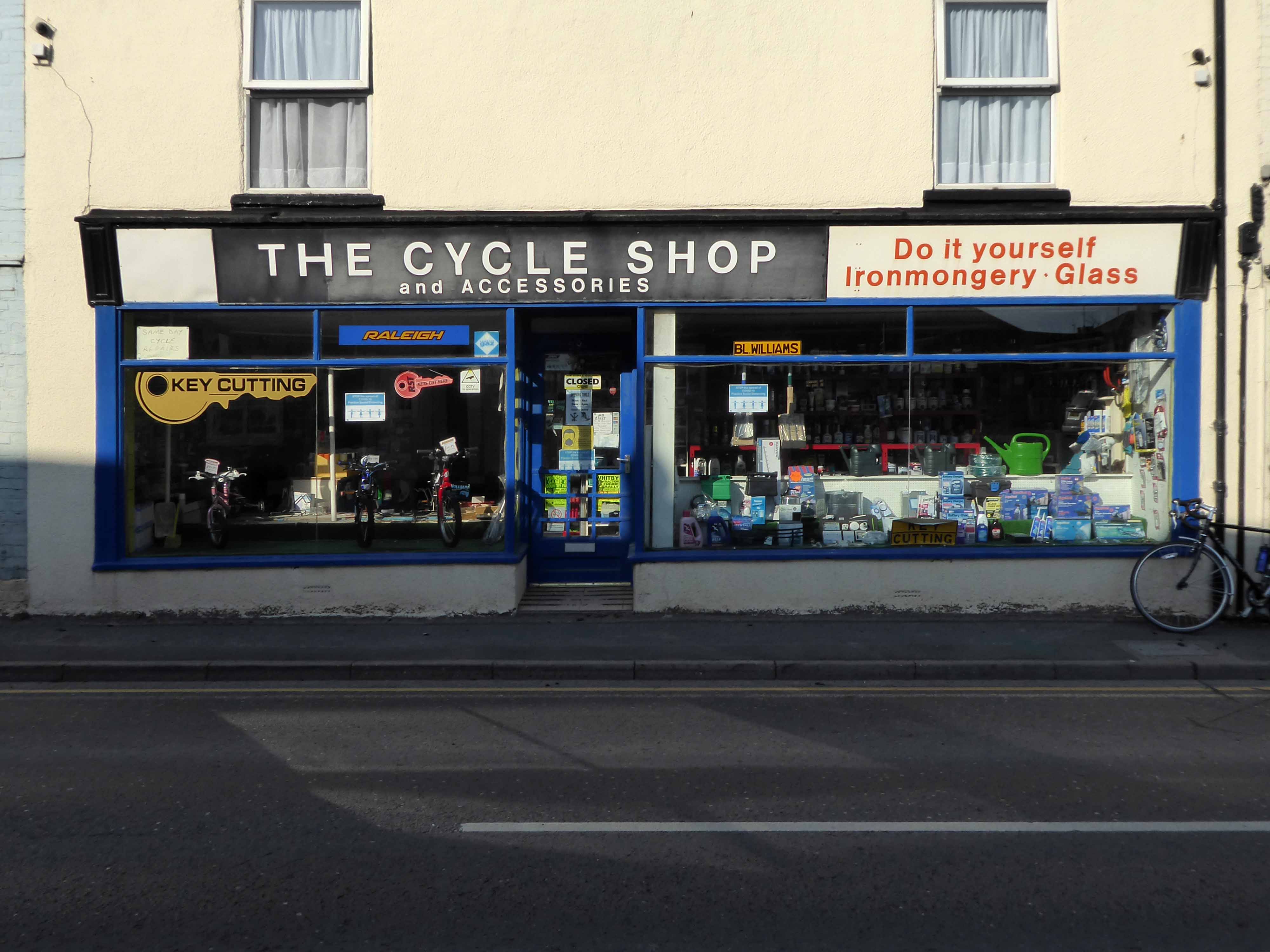
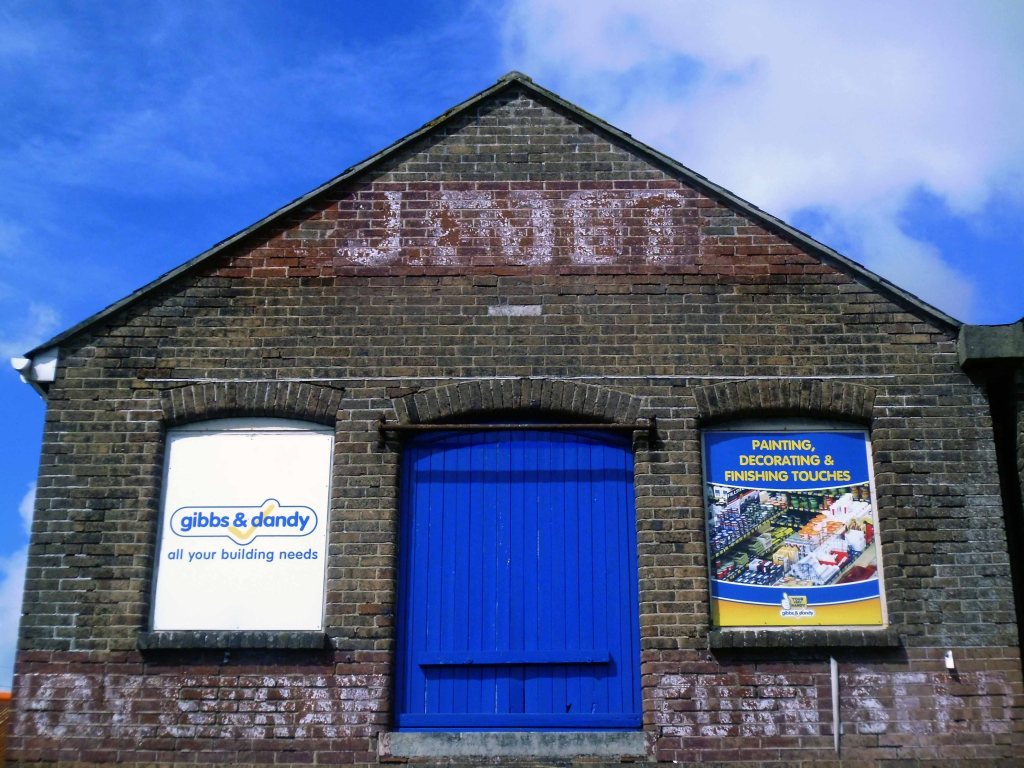
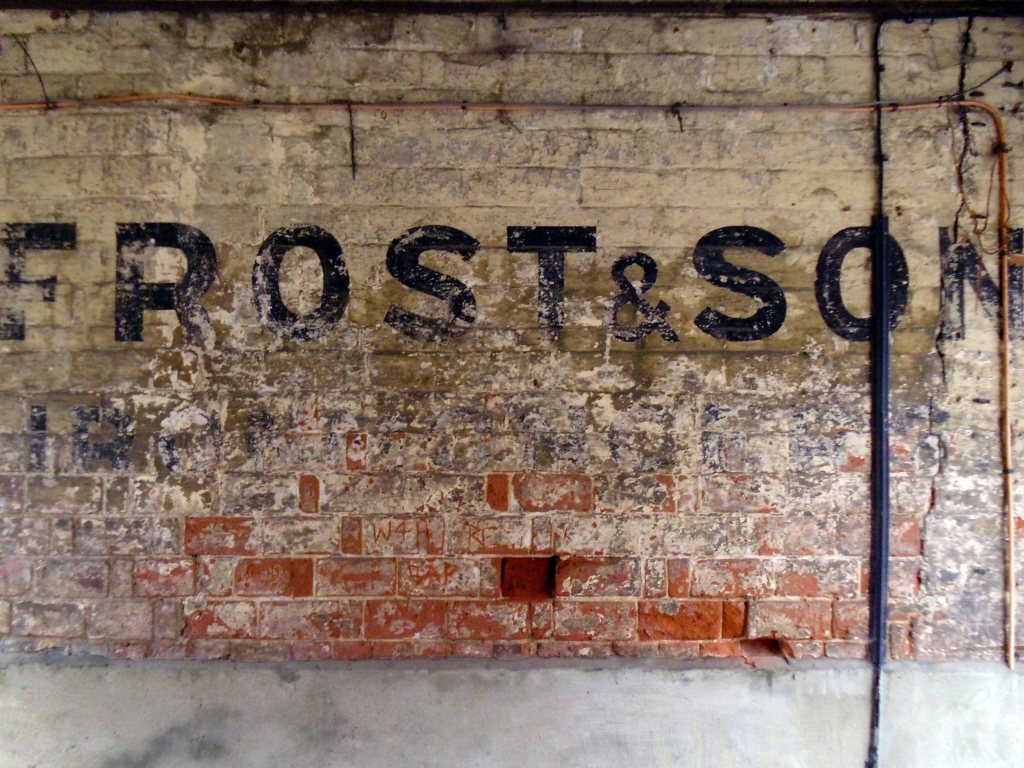
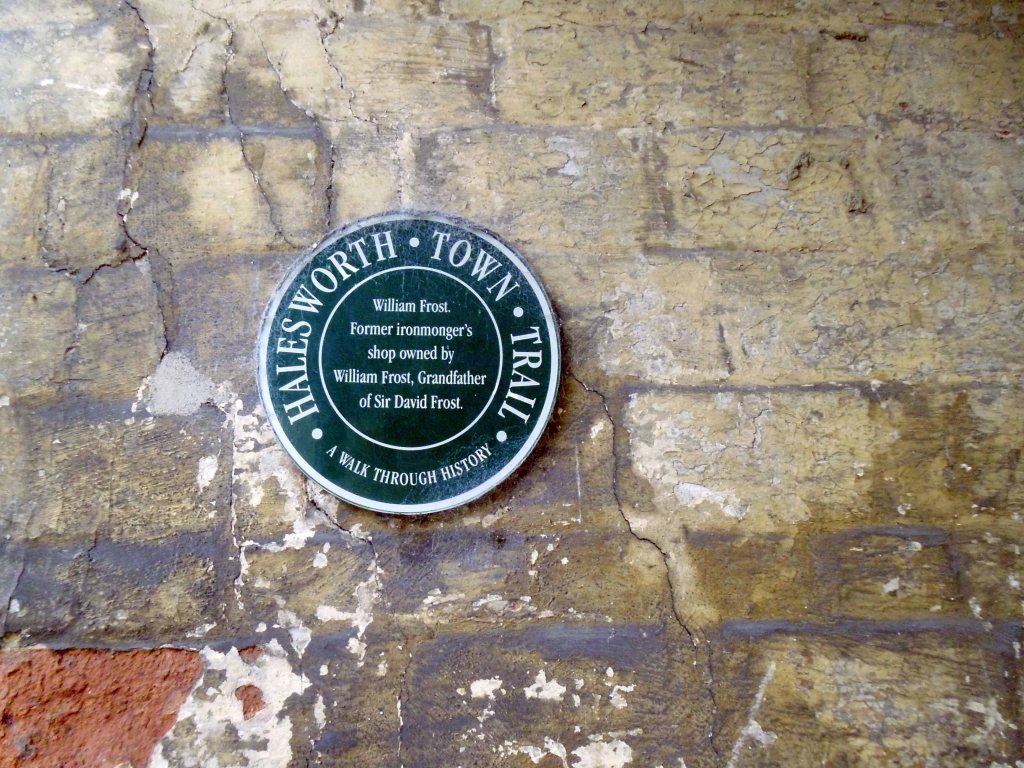
Eventually arriving in Hornsea – on this occasion having little or no need of Do it Yourself, Ironmongery or Glass requisites.

And being Sunday, it was shut.

I tarried a while on the well appointed seafront.

Gliding along leafy, green hedge-lined lanes.

Following a dead end lane to the place of dead roads.

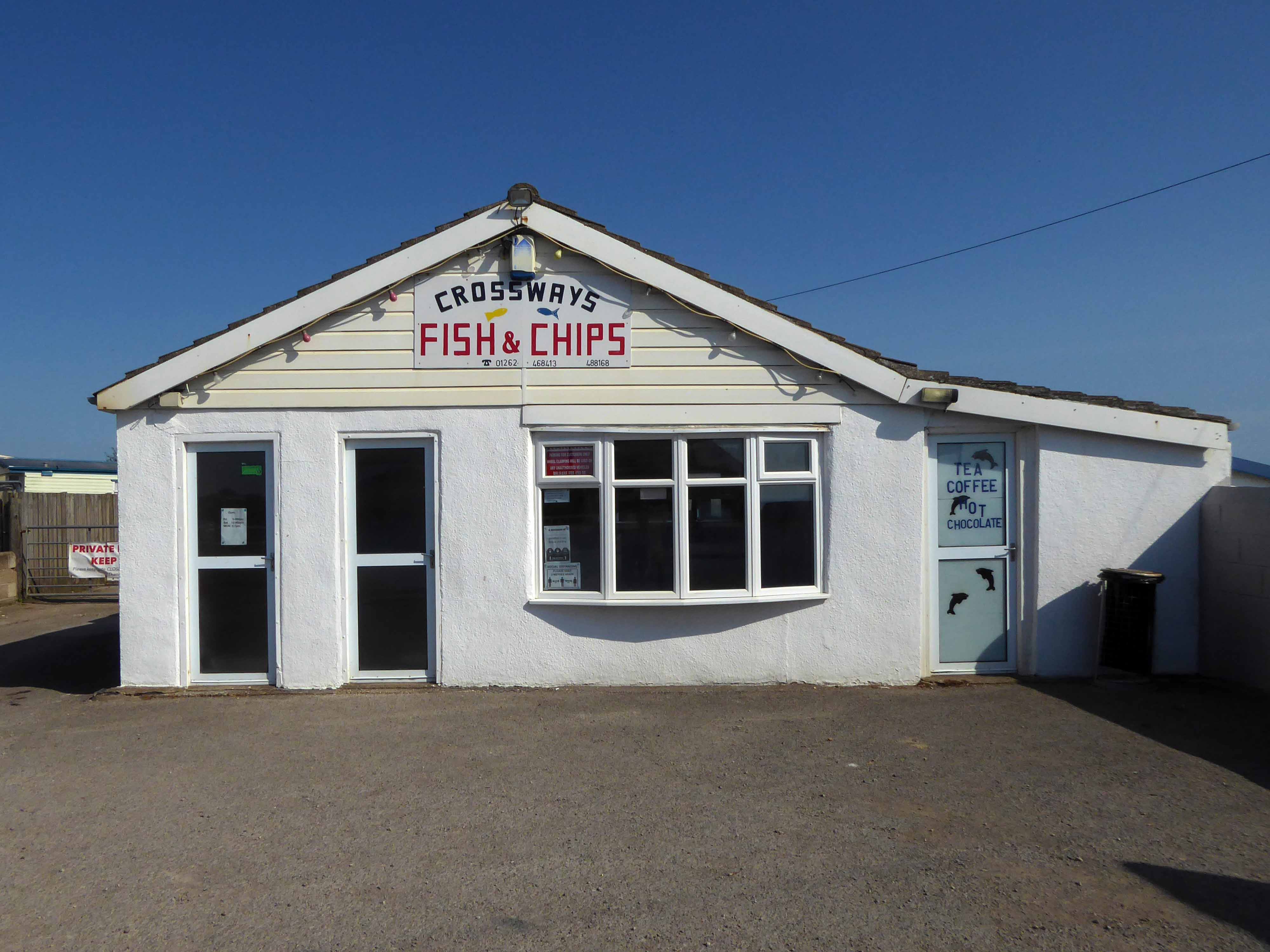
Skipsea – home to Crossways Fish & Chips

Here you will be offered perfectly cooked fish.

Retracing and crossing the Yorkshire Wolds.

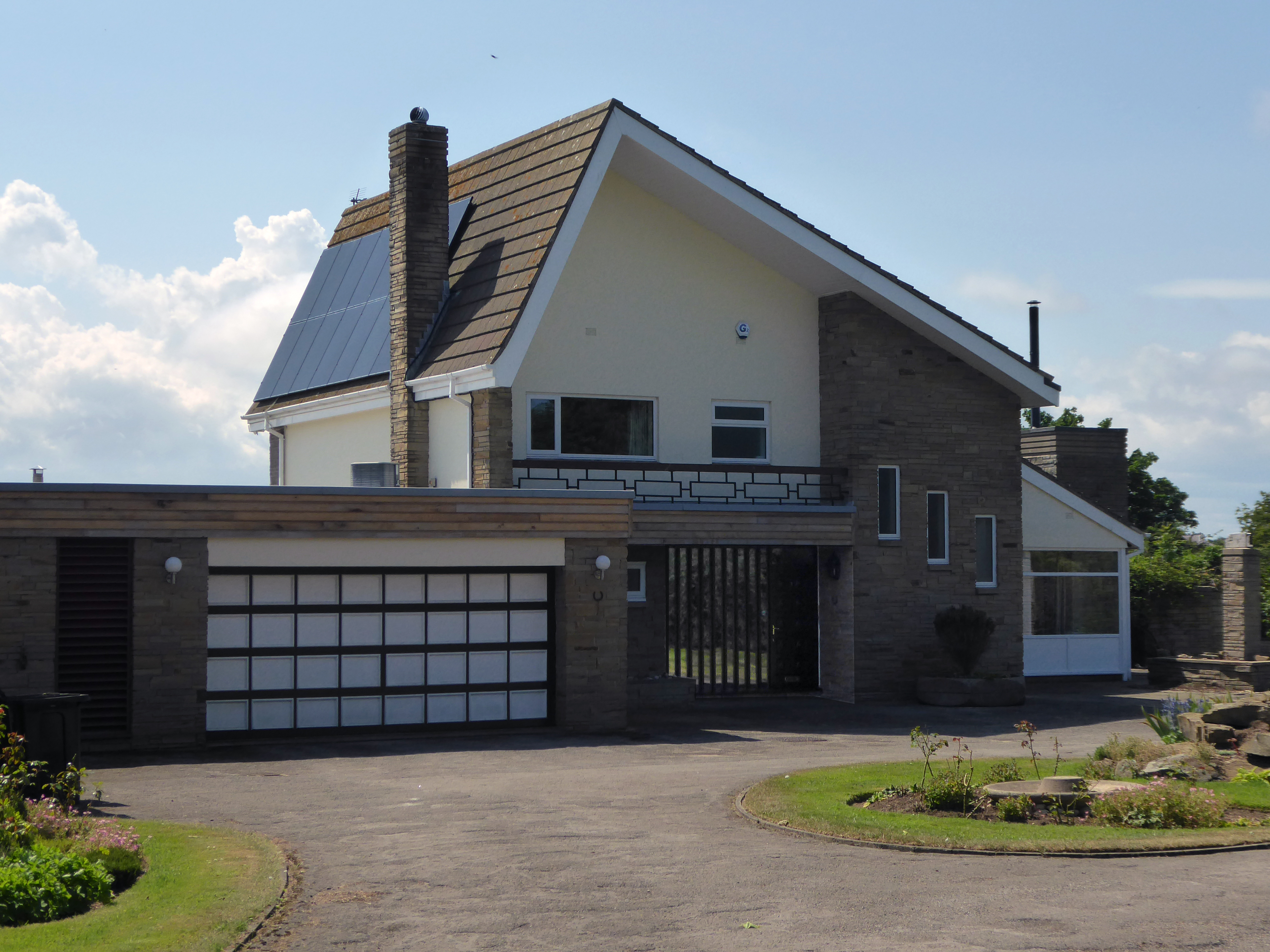
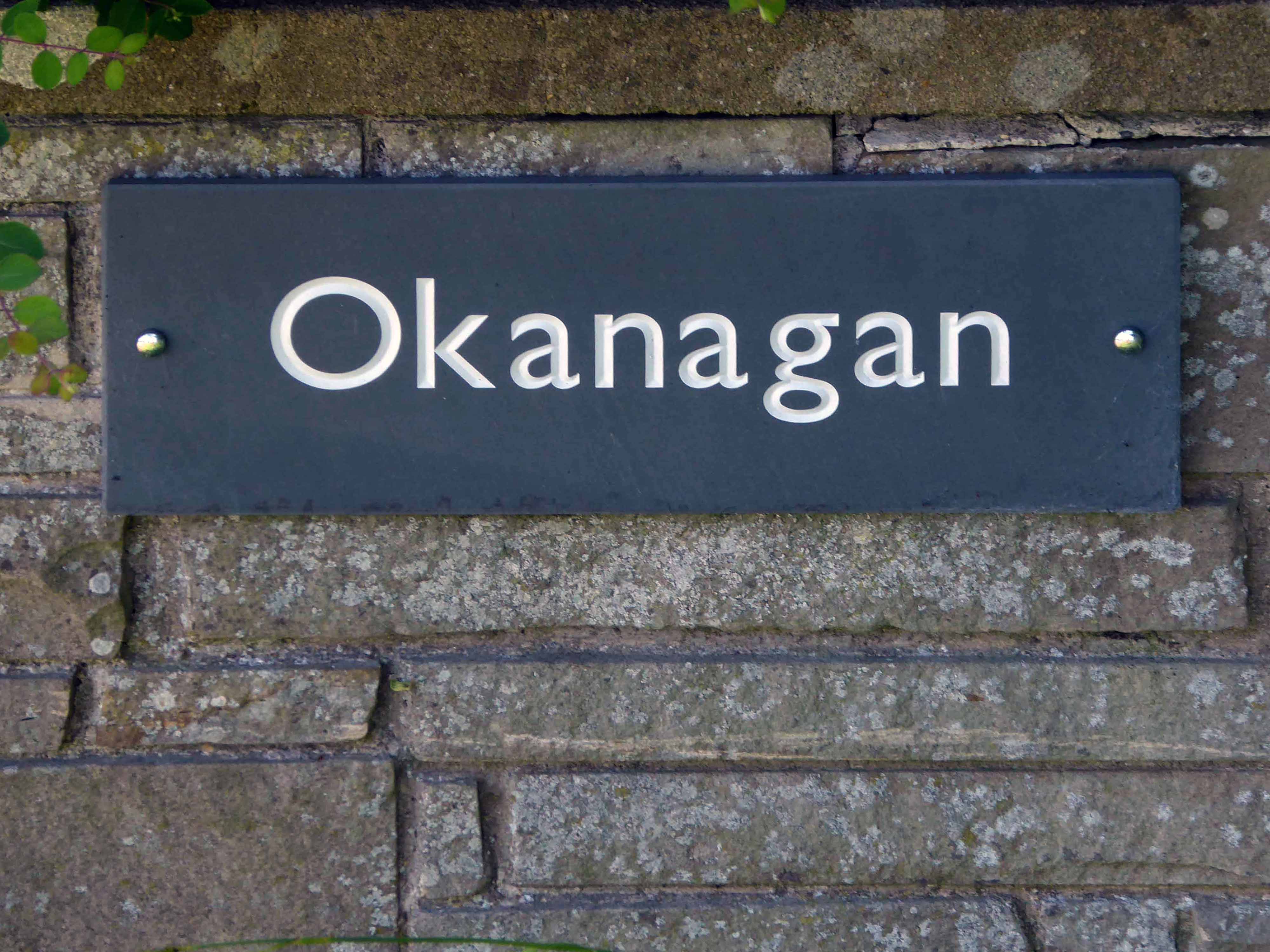
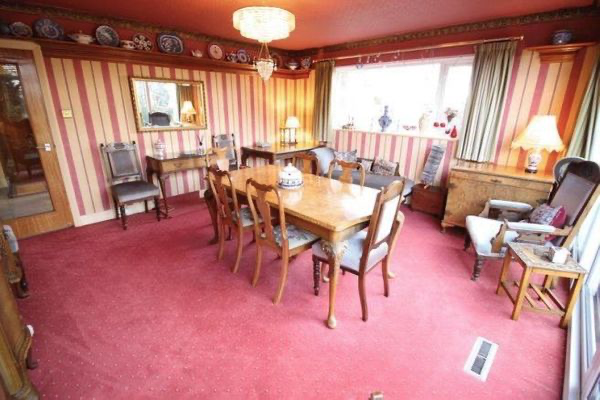
Zigging and zagging here and there, in search of a route, any route, I came upon Okanagan – a delightful asymmetric Prairie Style modern home.

Filey Road, Gristhorpe, Filey, Scarborough, North Yorkshire – currently valued at £562,000.

The interior decorative order currently out of synch with the post war exterior.

Hurrying along to reach town by tea time – I descended deftly into Scarborough.

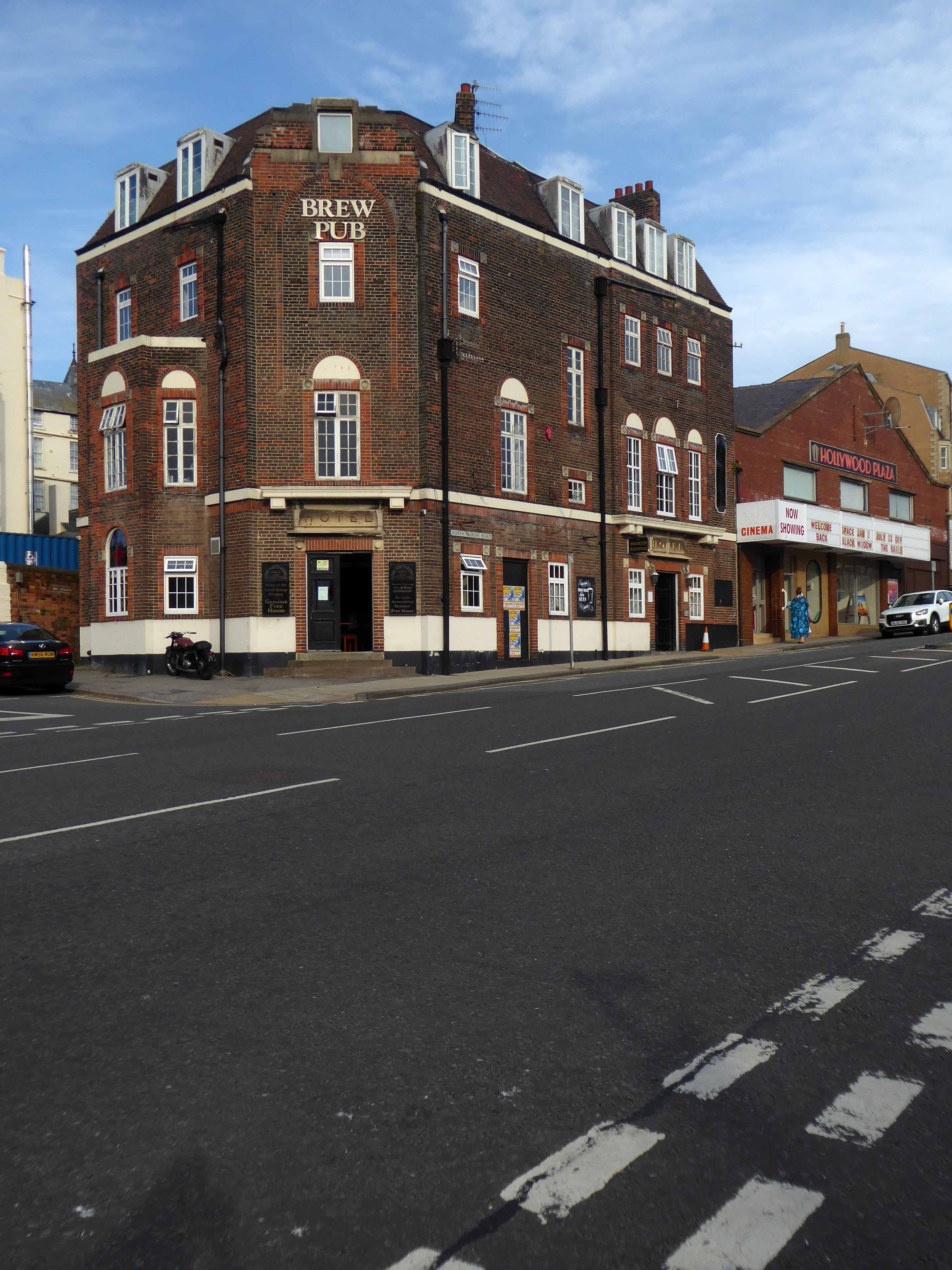
Where I hooked up with local lad Ben Vickers for a pint in the North Riding Hotel.

The rest is, as they say – a mystery.

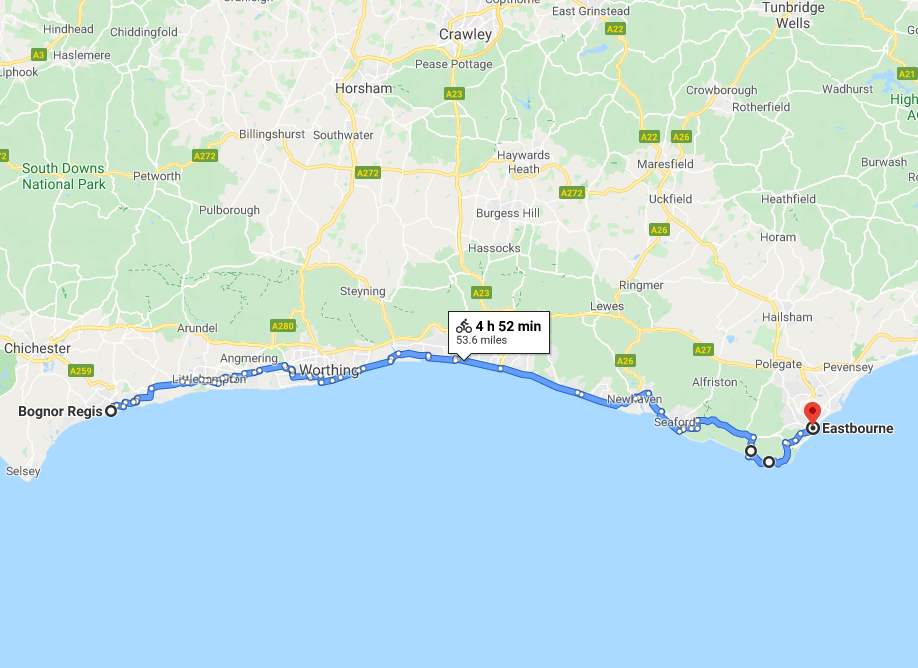
Bognor Regis to Eastbourne

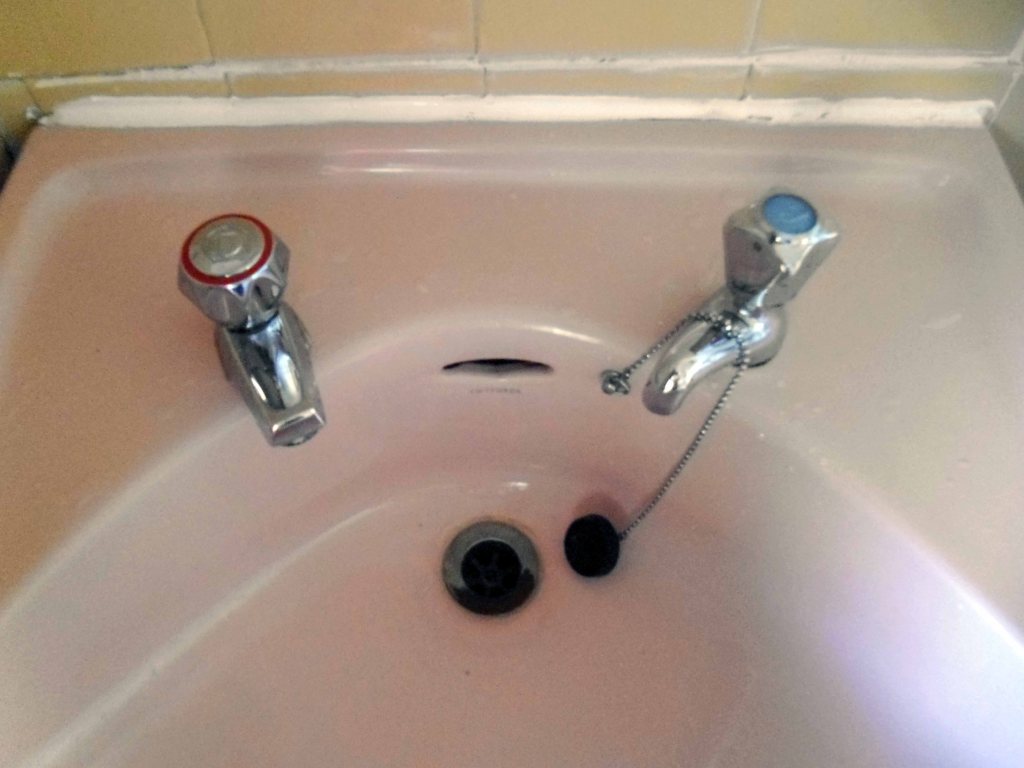
It’s Tuesday 5th August 2015 and the taps don’t match – is this a good omen?

Or simply proprietorial pragmatism?

And why is the sink a funny shape?

Any road up we’re off up the road, the sun’s a shining and here we are in Littlehampton.

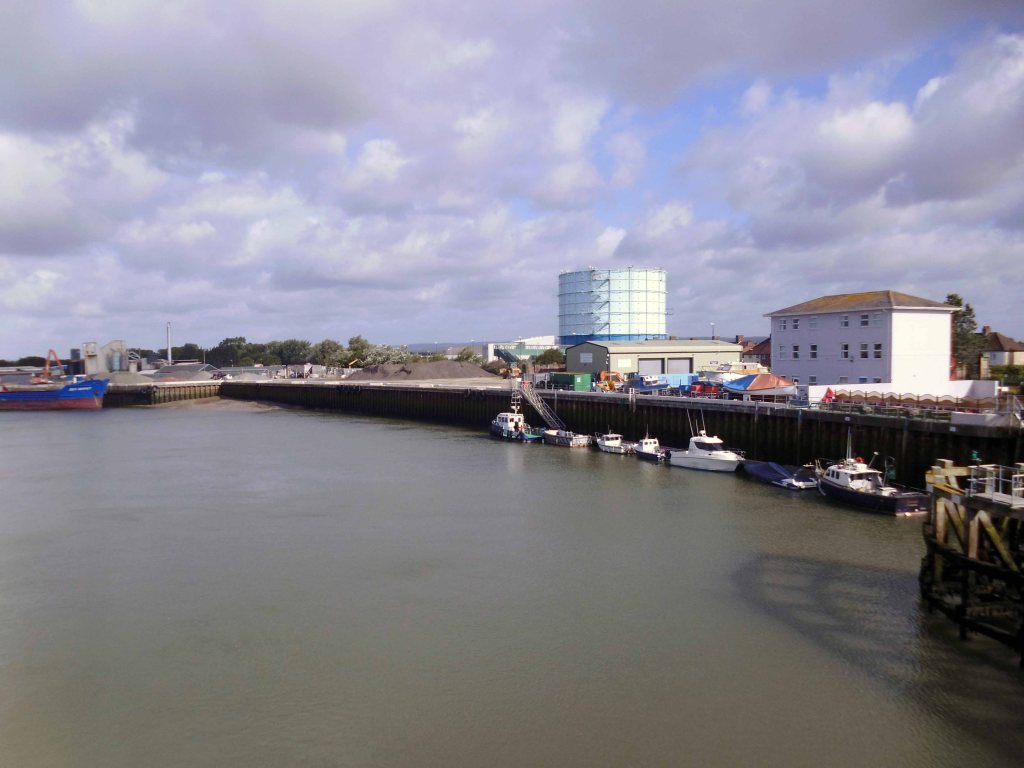
Looking at a pale blue gas holder, some way off in the middle distance.

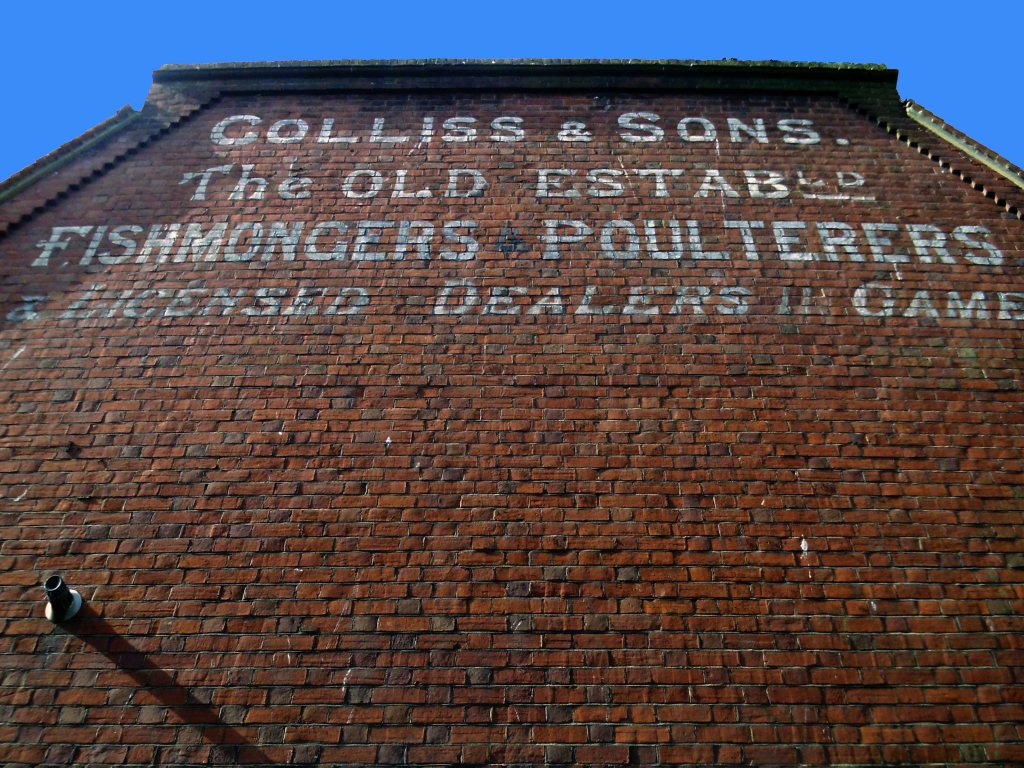
Staring up at a fishmonger’s ghost.

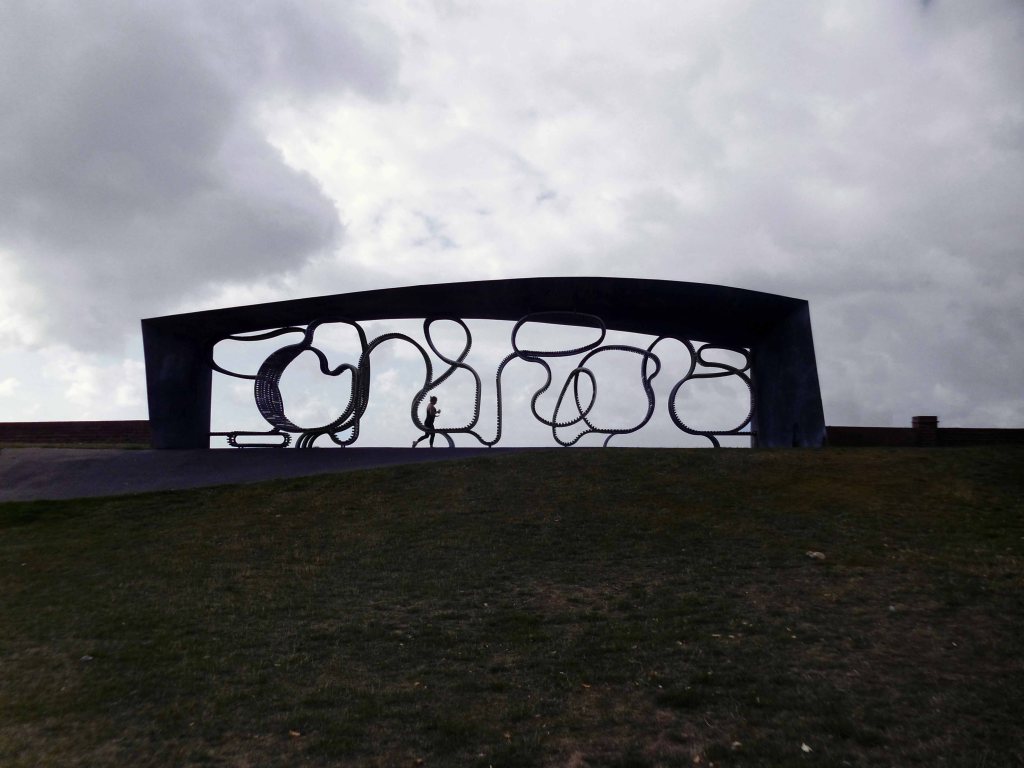
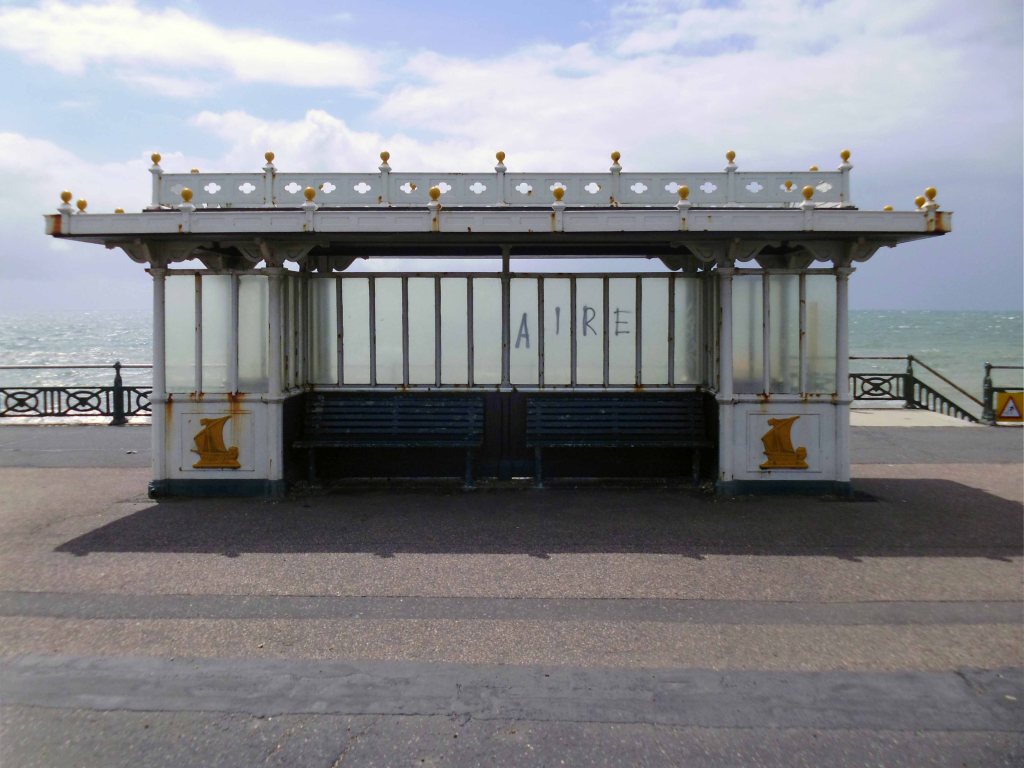
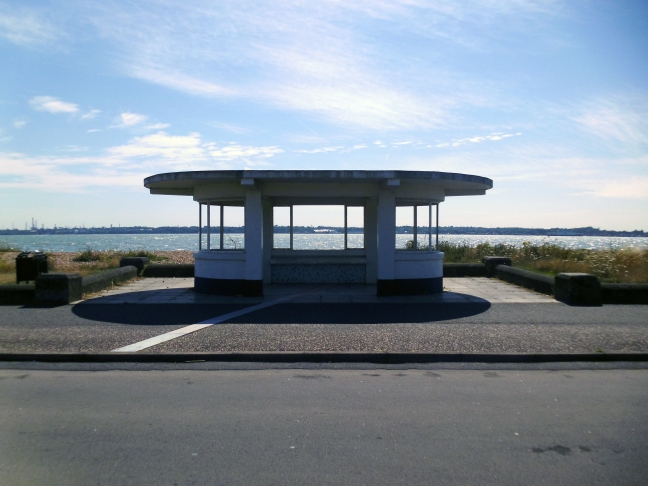
Passing by an ultra-squiggly seaside shelter as a runner passes by.

The Long Bench at Littlehampton is thought to be the longest bench in Britain and one of the longest in the world. The wood and stainless steel bench ‘flows’ along the promenade at Littlehampton in West Sussex – curving round lamp posts and obstacles, twisting up into the seafront shelters, dropping down to paths and crossings.

The bench was opened in July 2010 and can seat over 300 people. It was funded by Arun District Council and CABE’s ‘Sea Change’ capital grants programme for cultural and creative regeneration in seaside resorts. The bench was also supported by a private donation from Gordon Roddick as a tribute to his late wife Anita, the founder of the Body Shop, which first began trading in Littlehampton.

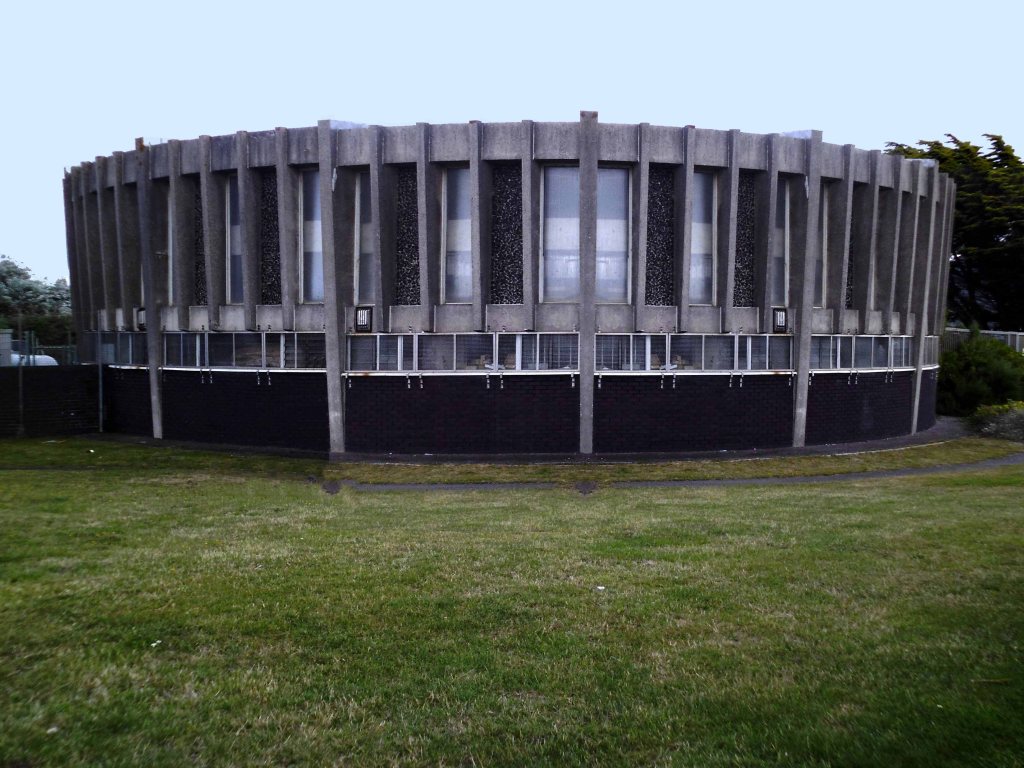
Water treatment plant.

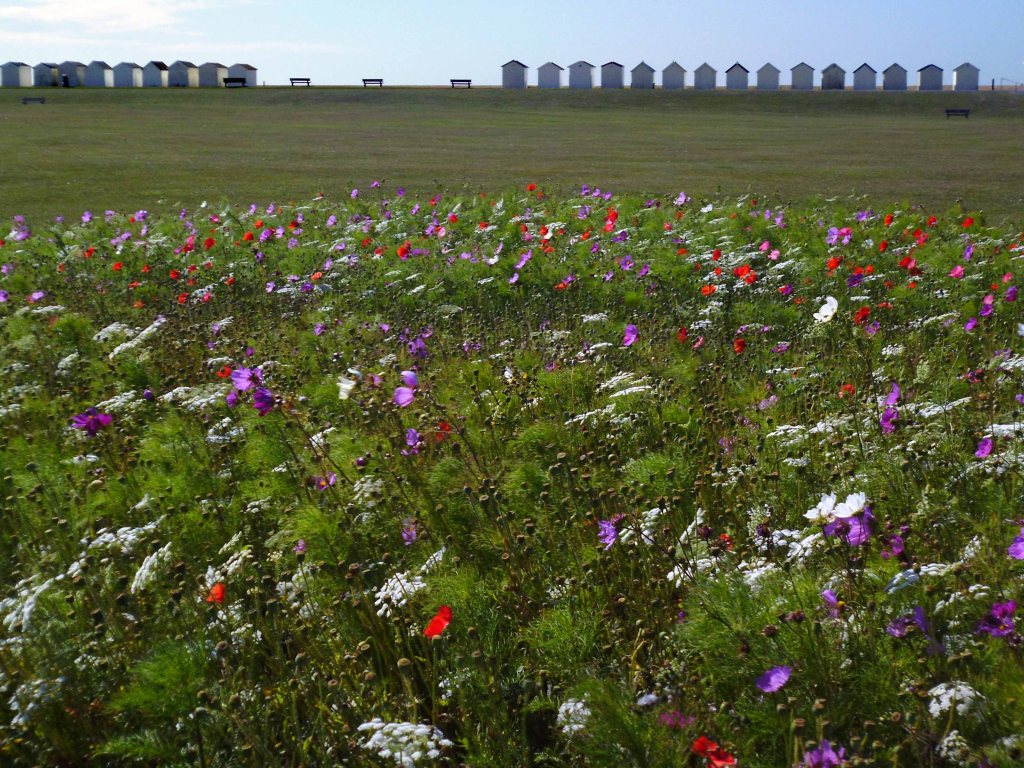
Nothing lifts the spirits quite like a wildflower meadow.

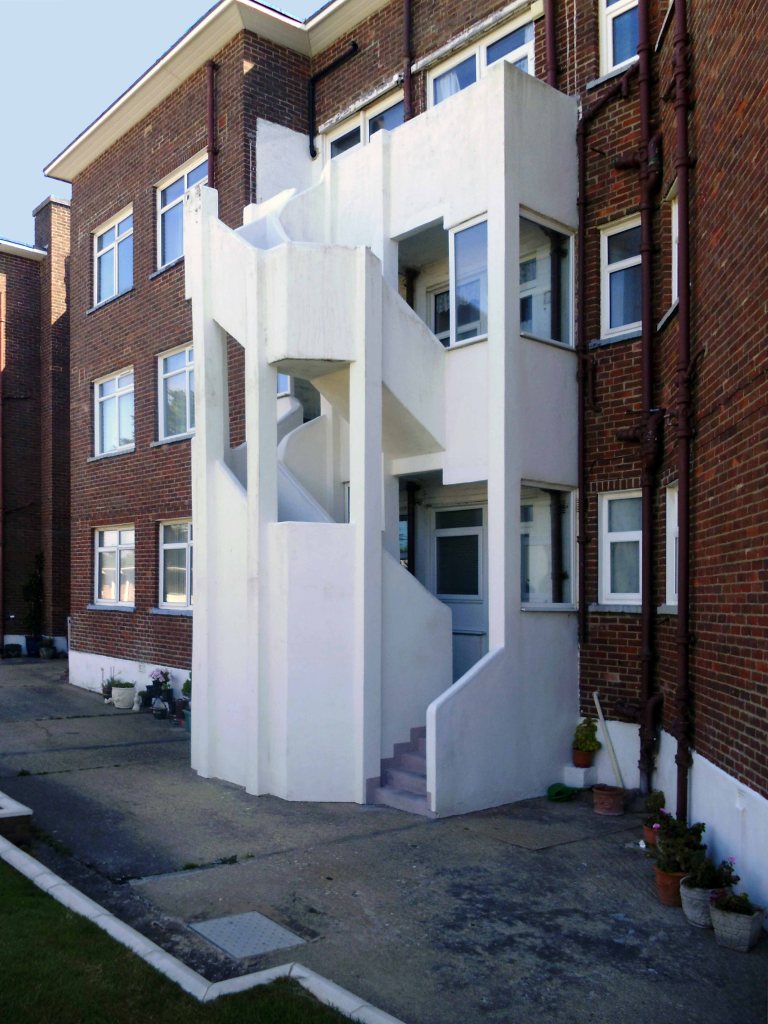
Imagine my surprise having gone around the back – an expressionist concrete spiral stairway.

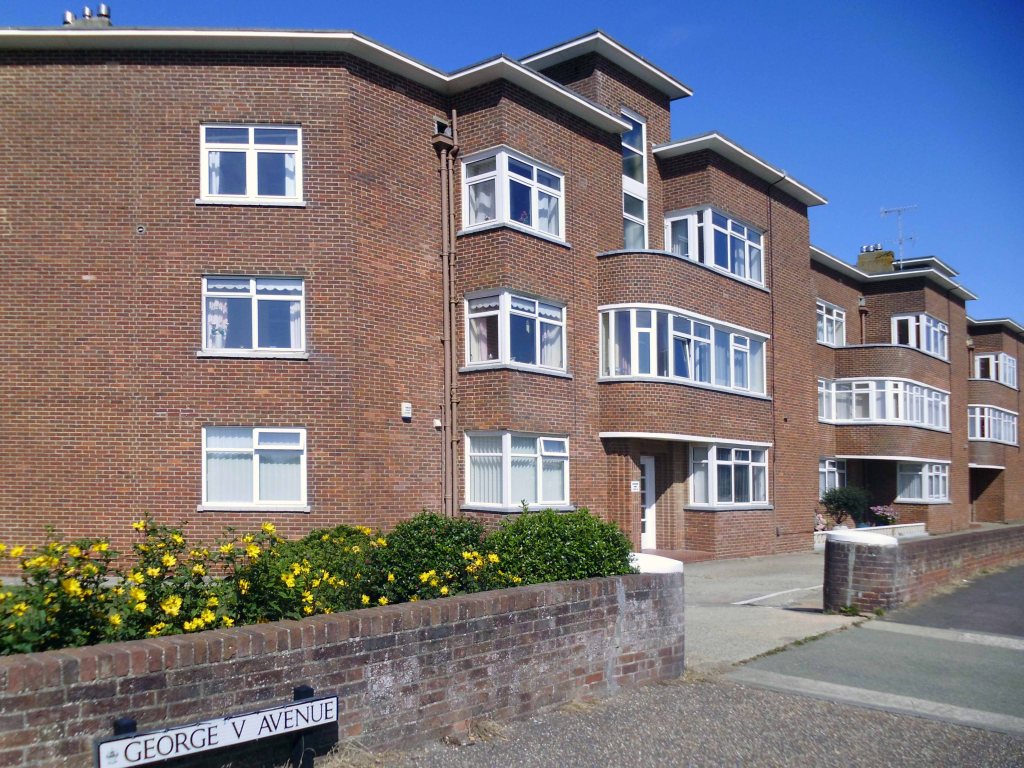
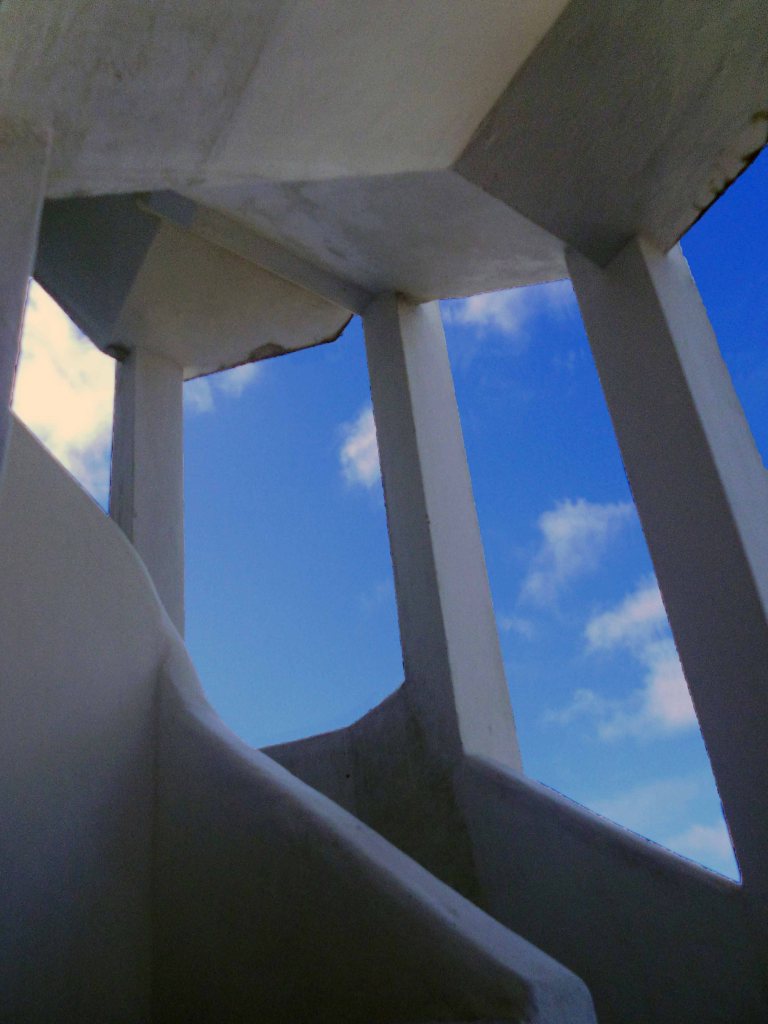
Letting the sky leak in here at Burlington Court in Goring on Sea

The phrase deceptively spacious is one that is often overused within the property industry, however it sums up this ground floor flat prospectively. Offering a great alternative to a bungalow and providing spacious and versatile living accommodation, this is an absolute must for your viewing list.

Prime Location £250,000

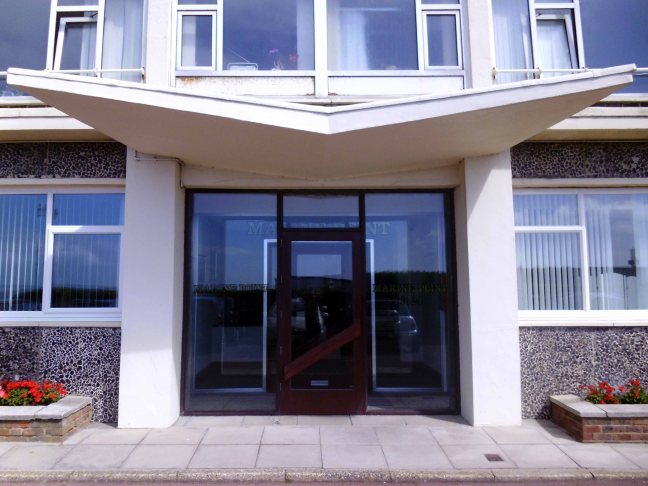
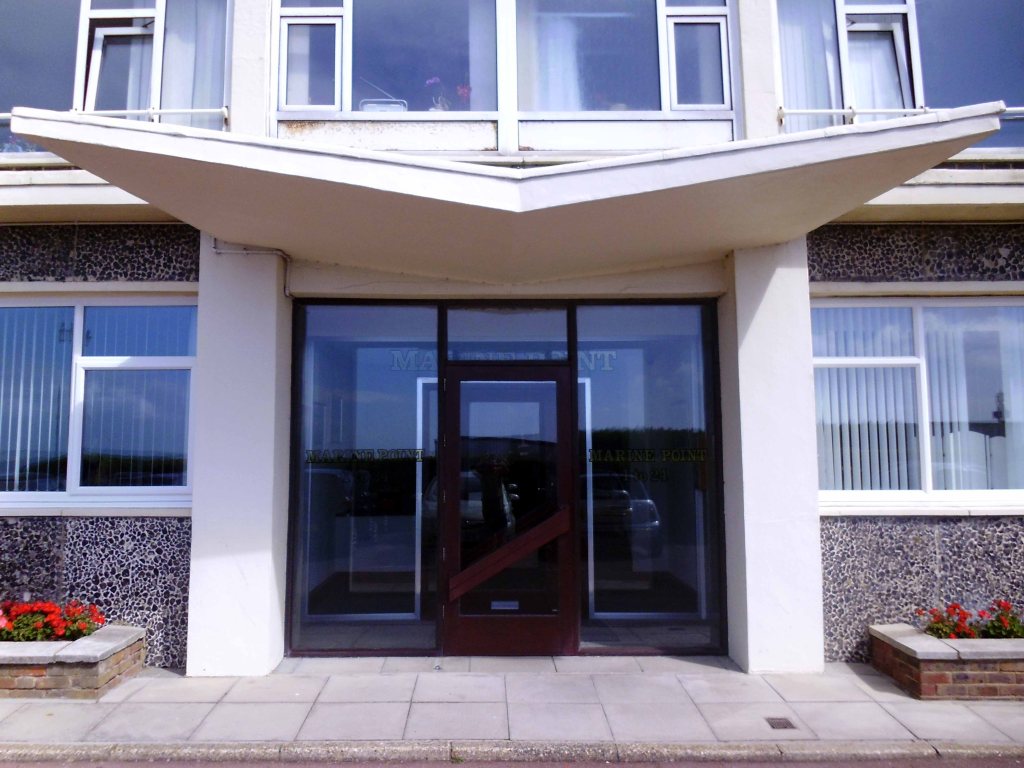
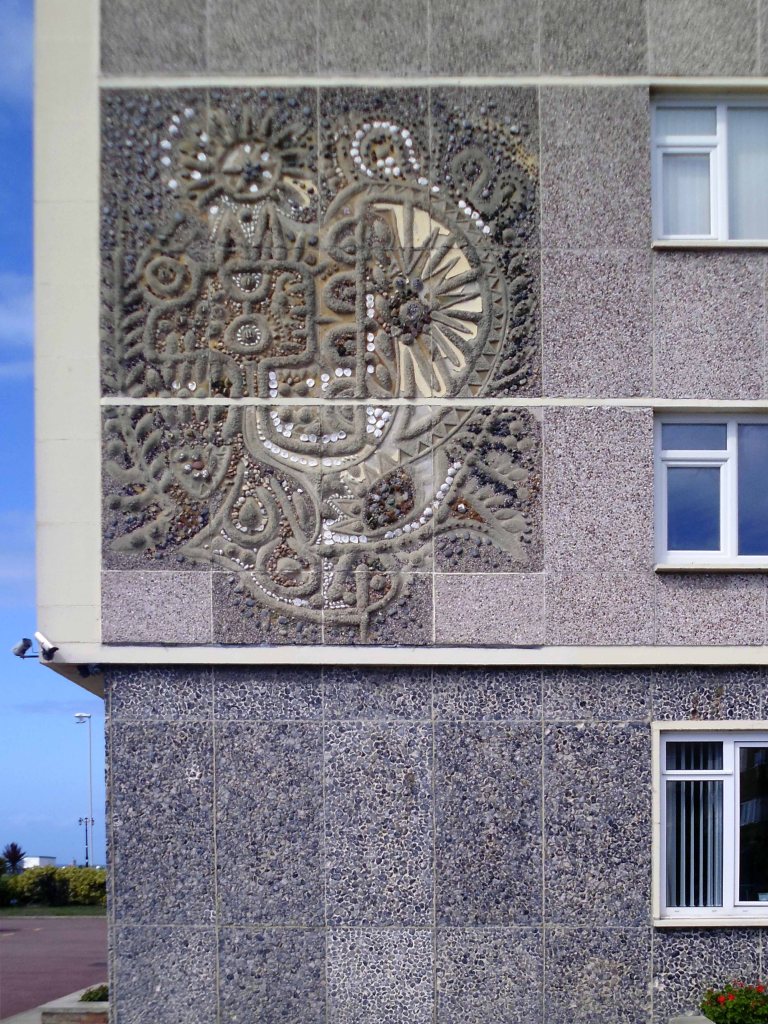
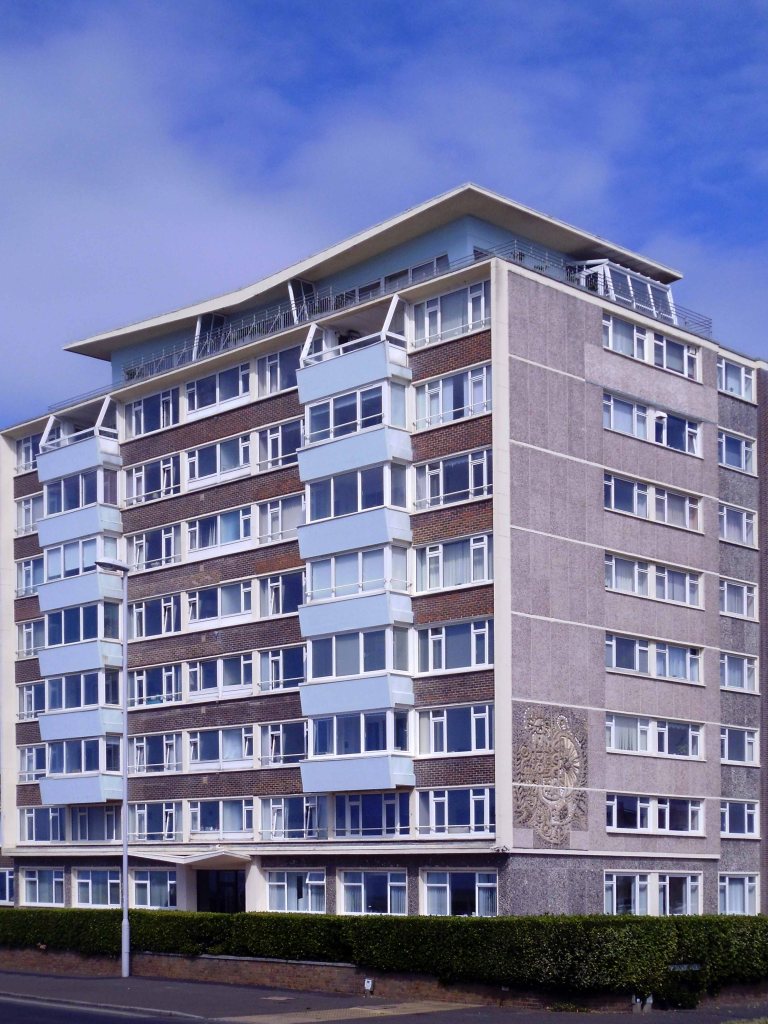
What a delightful Modernist frieze on the side of Marine Point – Worthing!

With lifts to all floors this triple aspect corner apartment is situated on the fifth level and has outstanding panoramic sea views across from Beachy Head to Brighton through to the Isle of Wight. It is also benefits from stunning South Down views to the west and north. The property has been recently refurbished to a high specification and includes features such as: Quick-Step flooring, security fitted double glazed windows, a hallway motion sensor lighting system, extensive storage space and two double bedrooms.  

On The Market £450,000

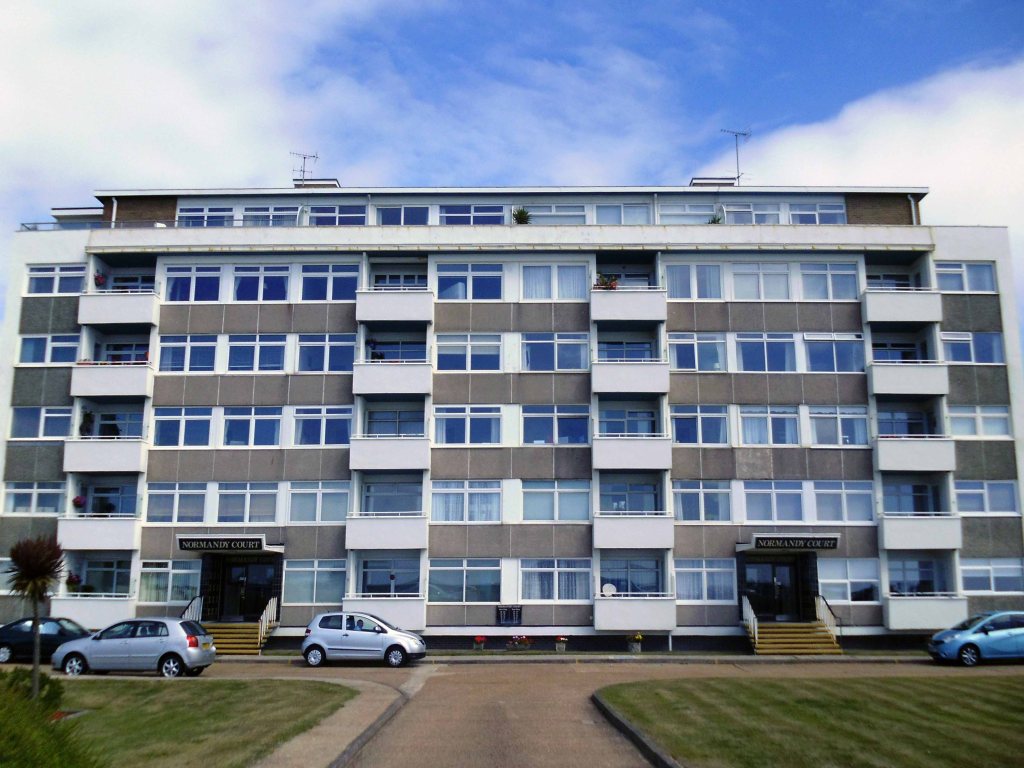
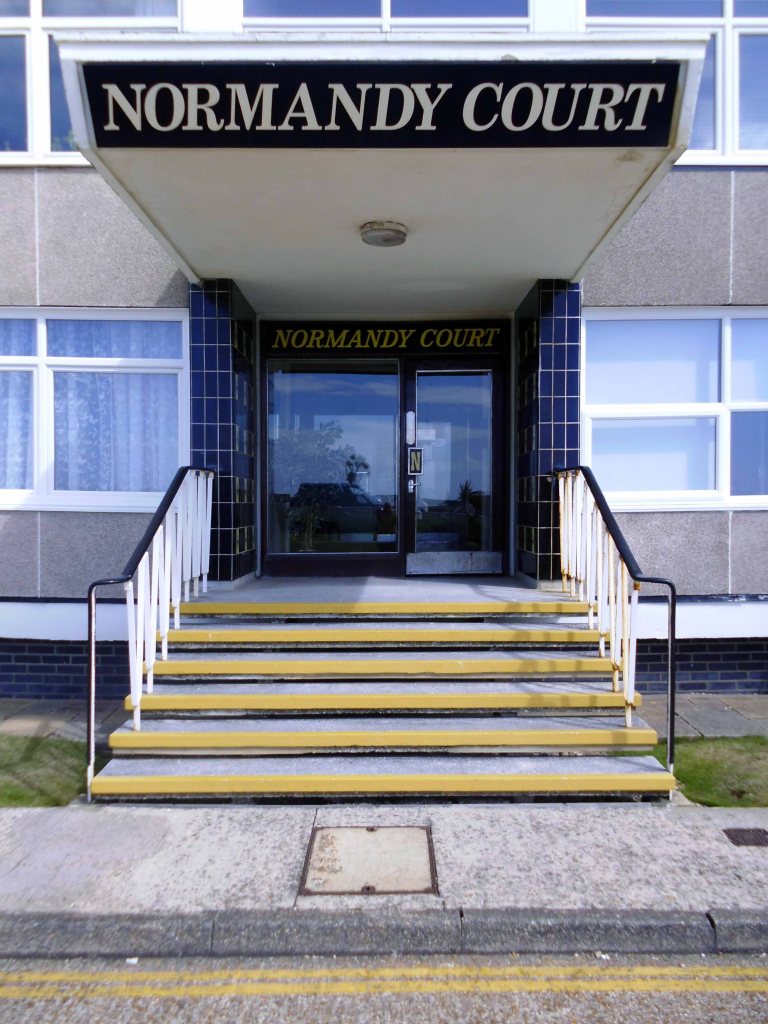
Fox and Sons are delighted to offer For Sale this immaculate seafront penthouse located within the highly desirable Normandy Court situated on the sought after West Parade, Worthing. Upon entry you will notice that the communal areas are kept in good condition throughout.

Fox and Sons £325,00

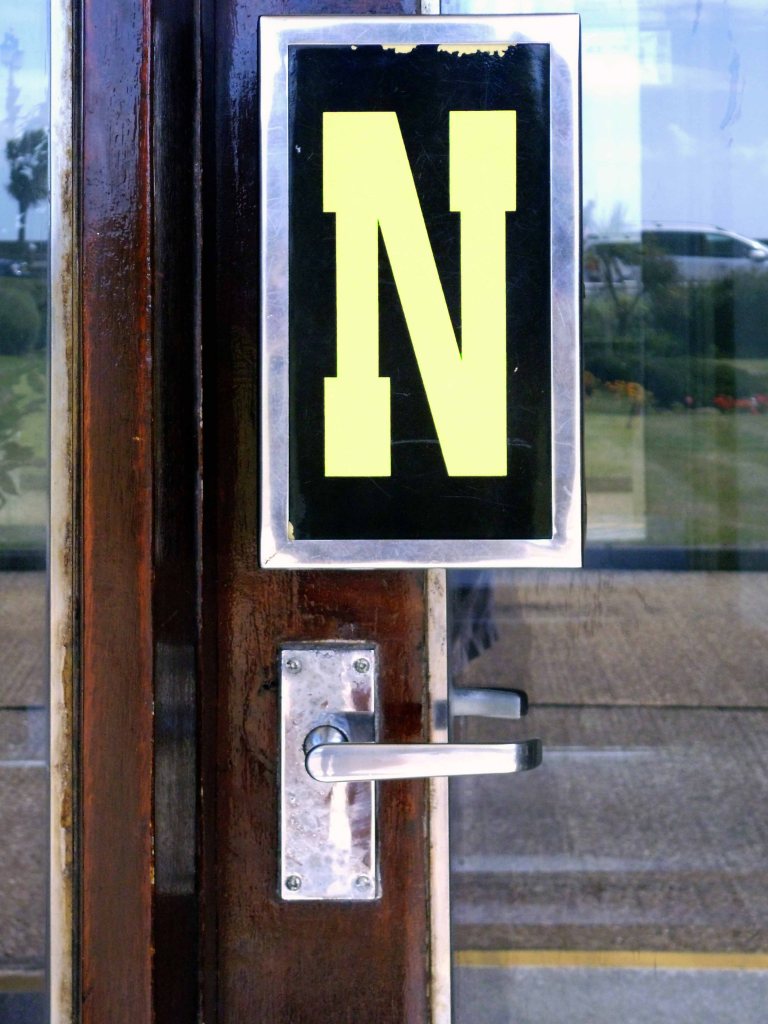
The finest N in the land!

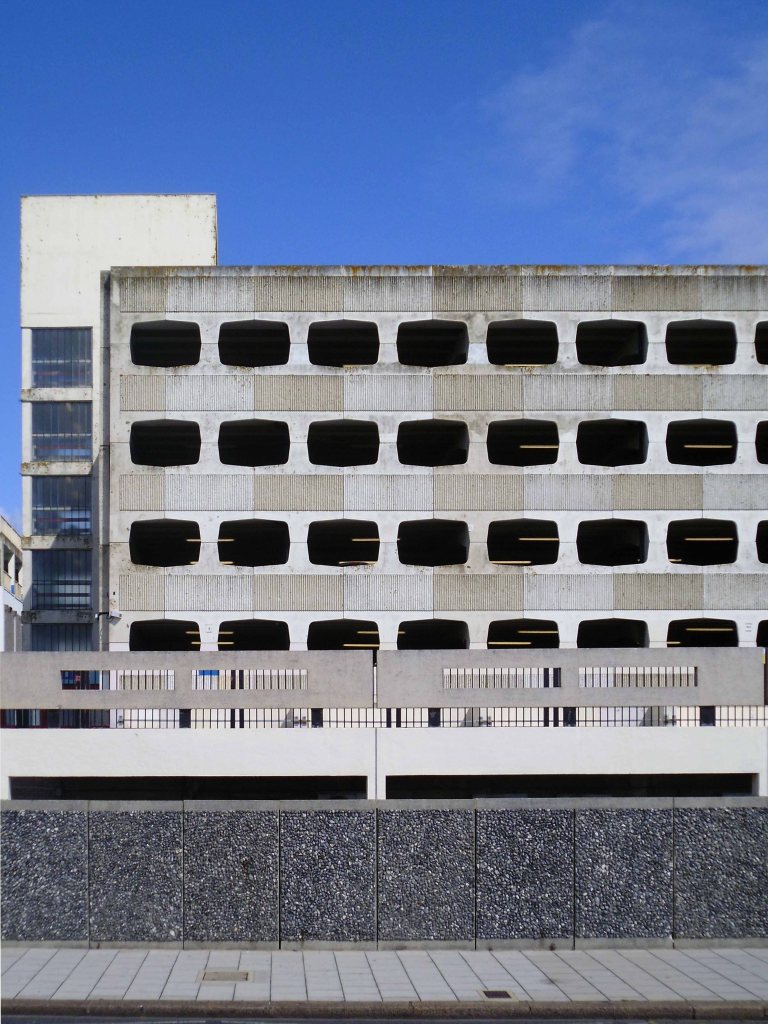
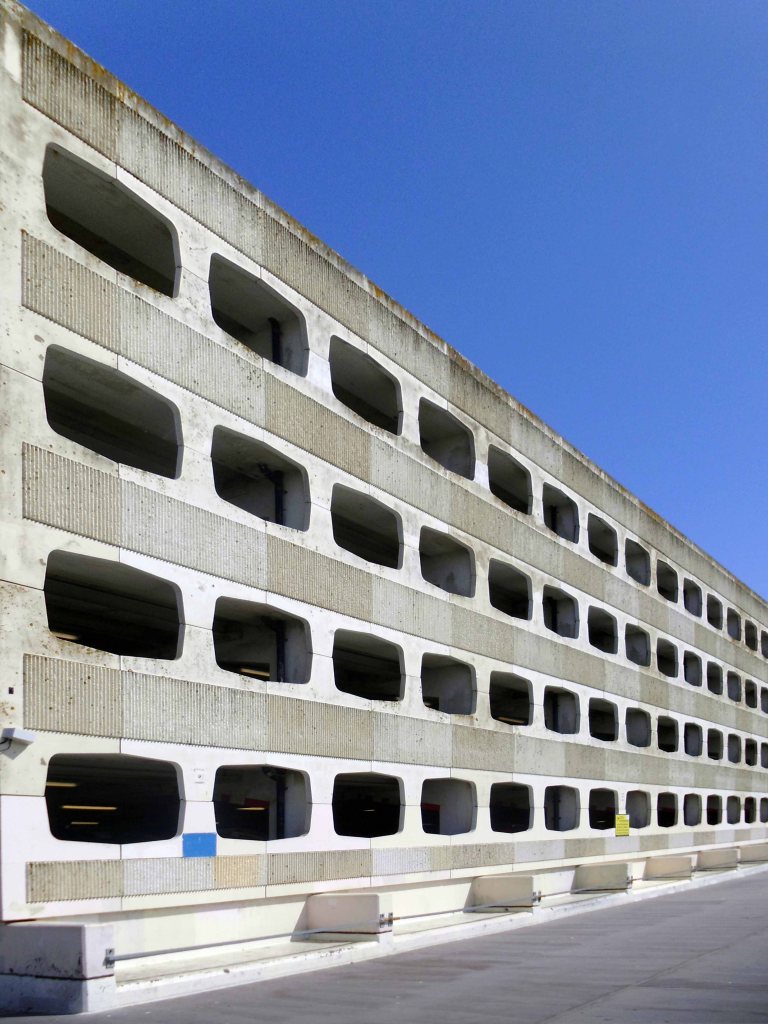
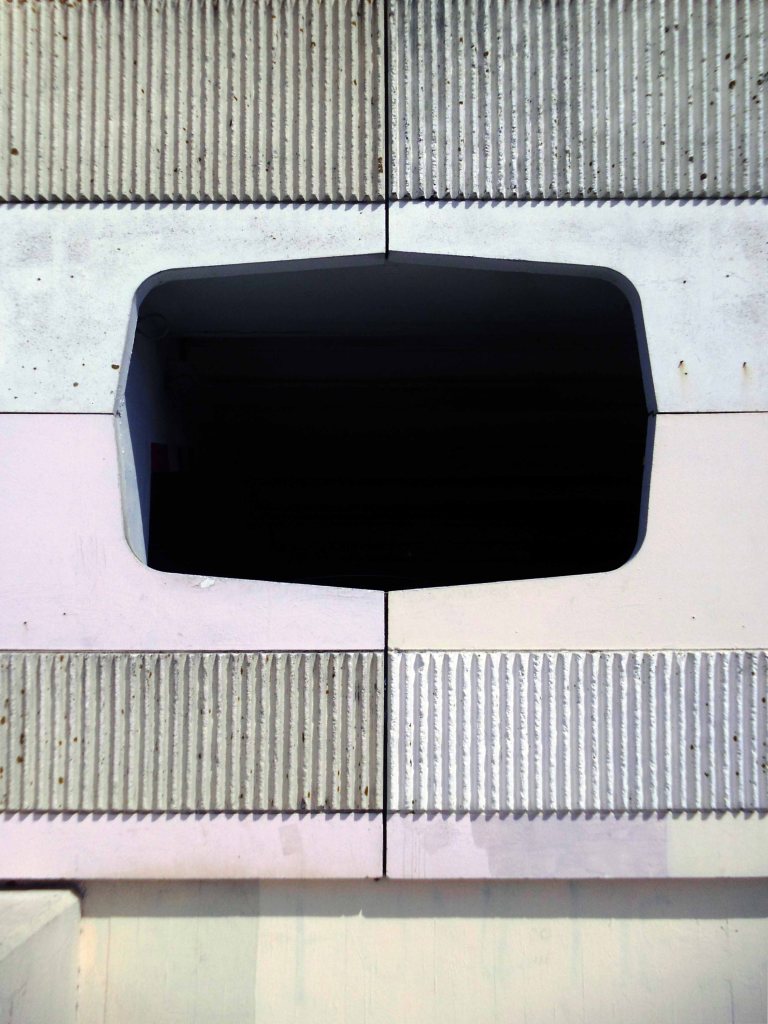
One of the finest modular pre-cast concrete car parks in the land.

Borough council officers have recommended developing the Grafton car park, with a fresh study recommending that building new homes there is key – saying it is important to help revitalise the town centre and bring in new cutlural and leisure activities.

The car park is currently undergoing essential maintenance to be able to keep it open in the short term but the recommendation is that it should eventually be demolished to make way for the new development.

Spirit FM

In the meantime they have painted it a funny colour.

On the concrete Undercliff on my way out of Brighton.

The Seven Sisters in view.

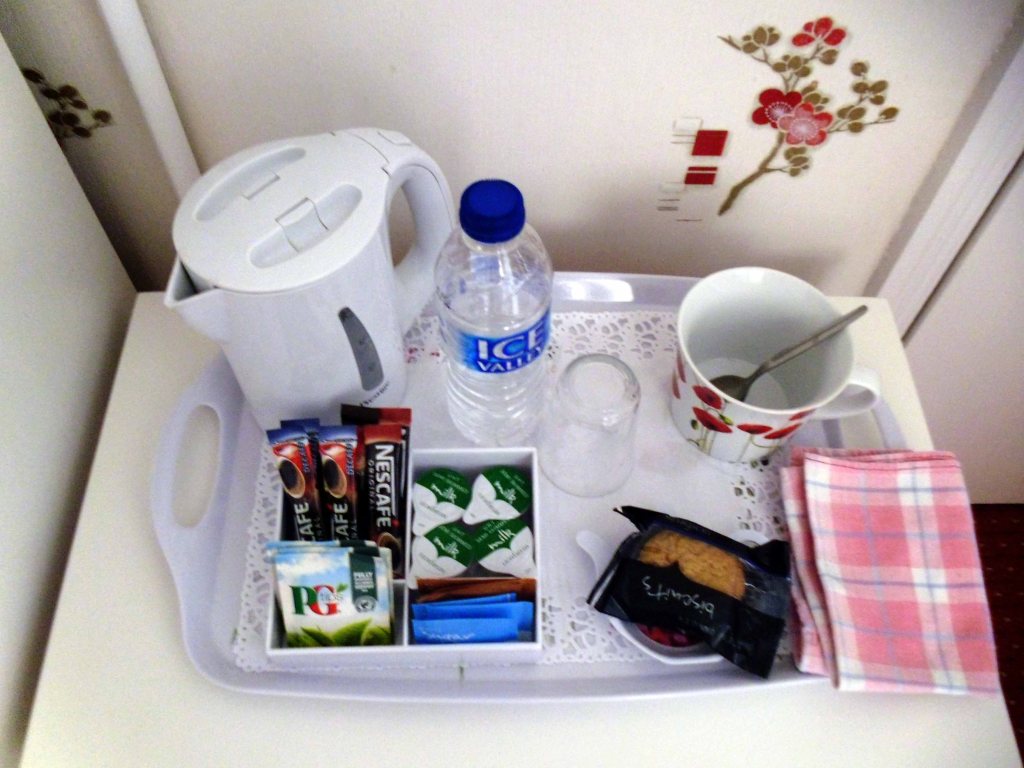
Before you know it you’ve booked into an Eastbourne B&B enjoying the multiple benefits of the complimentary biscuits and a mini-kettle brew.

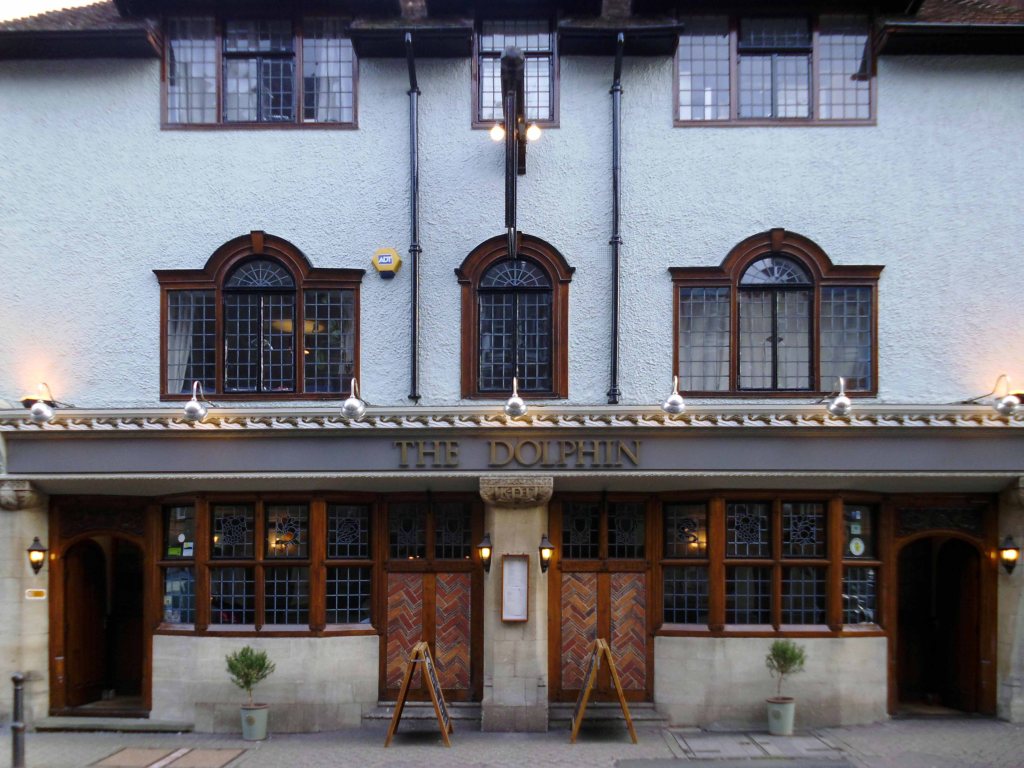
Followed by a pint in the delightful Dolphin.

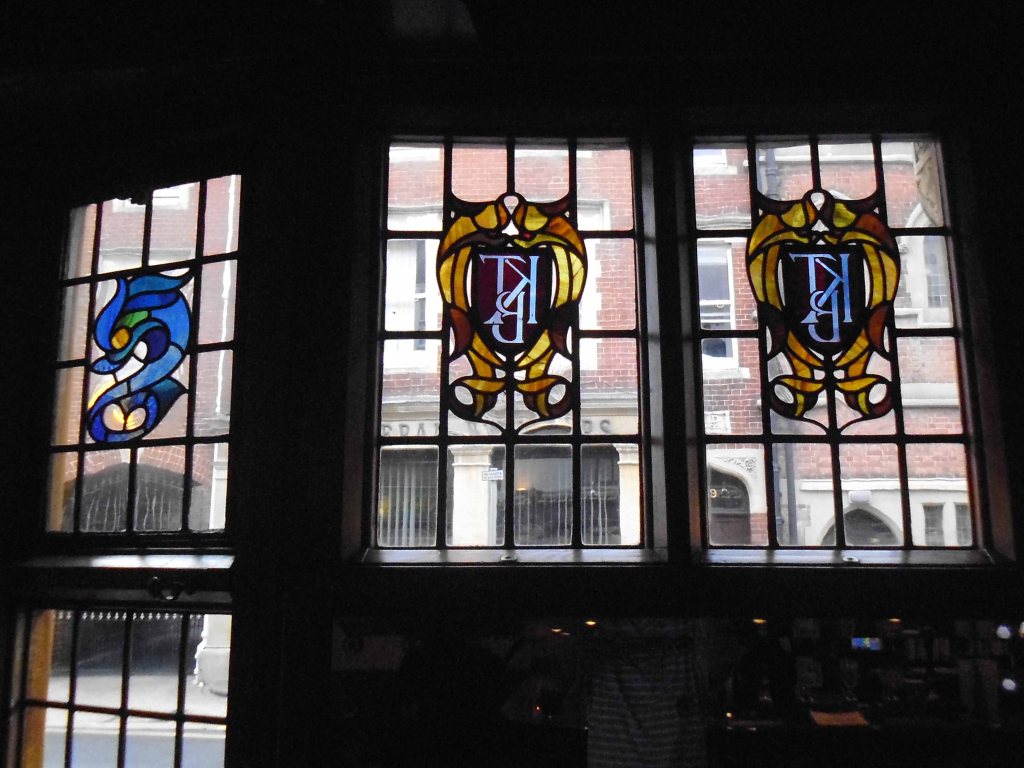
A stroll around town.

Returning to the backyard of The Dolphin.

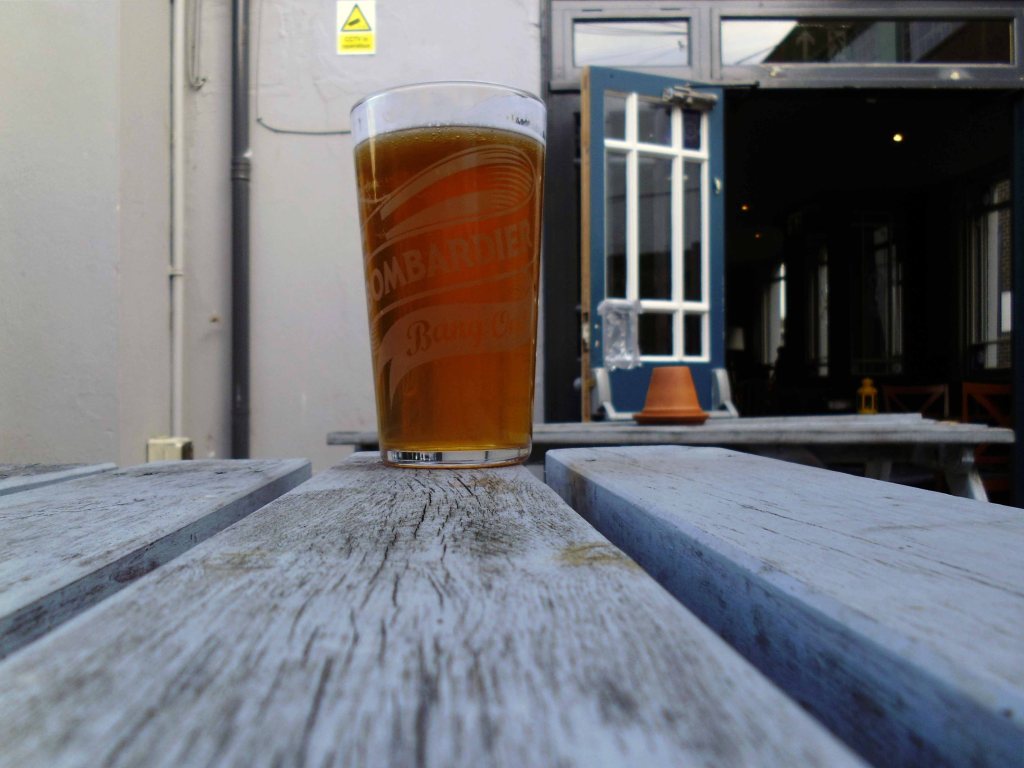
Another pint then.

Night night.

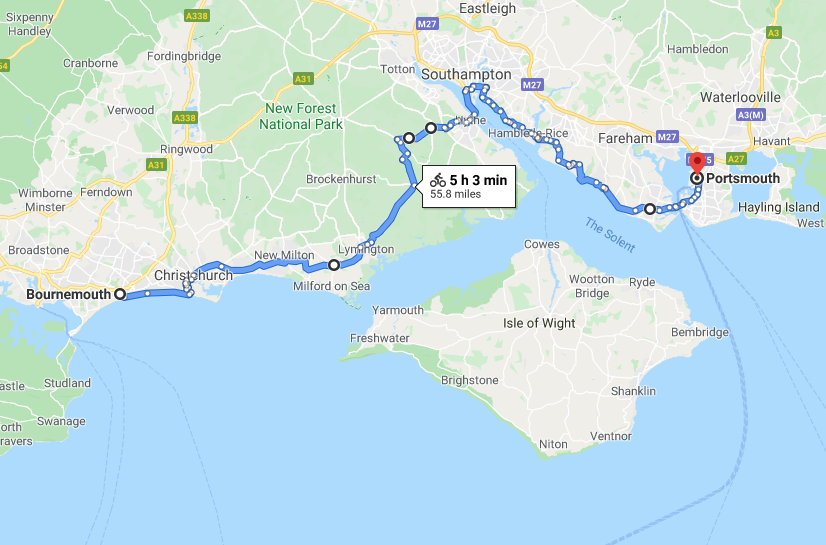
Bournemouth to Portsmouth

Sunday 2nd August 2015 – you awake and you’re still in Bournemouth and still in one piece, the possibility of late night stag and hen madness passed over without incident.

A quick look around town, then let’s get off to Pompey – where I was very proud to be a Polytechnic art student 1973/76, in good old Lion Terrace.

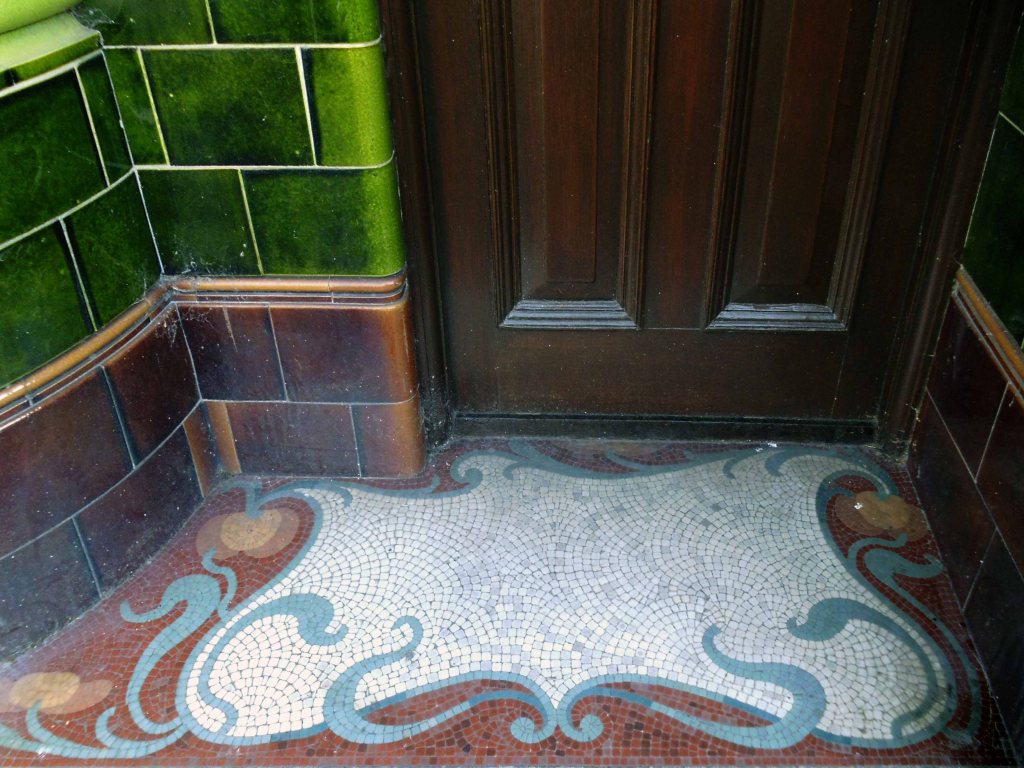
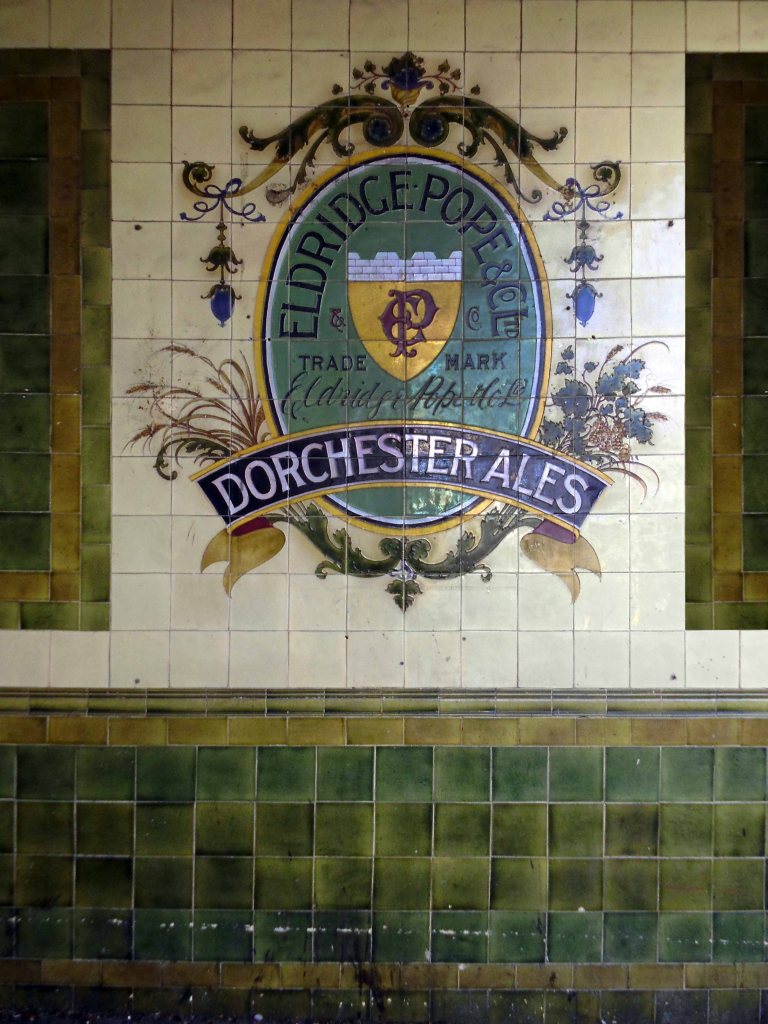
Last night’s late night drinking den with its fabulous faience frontage and doorstep mosaic.

Close by this tiled porch at The Branksome.

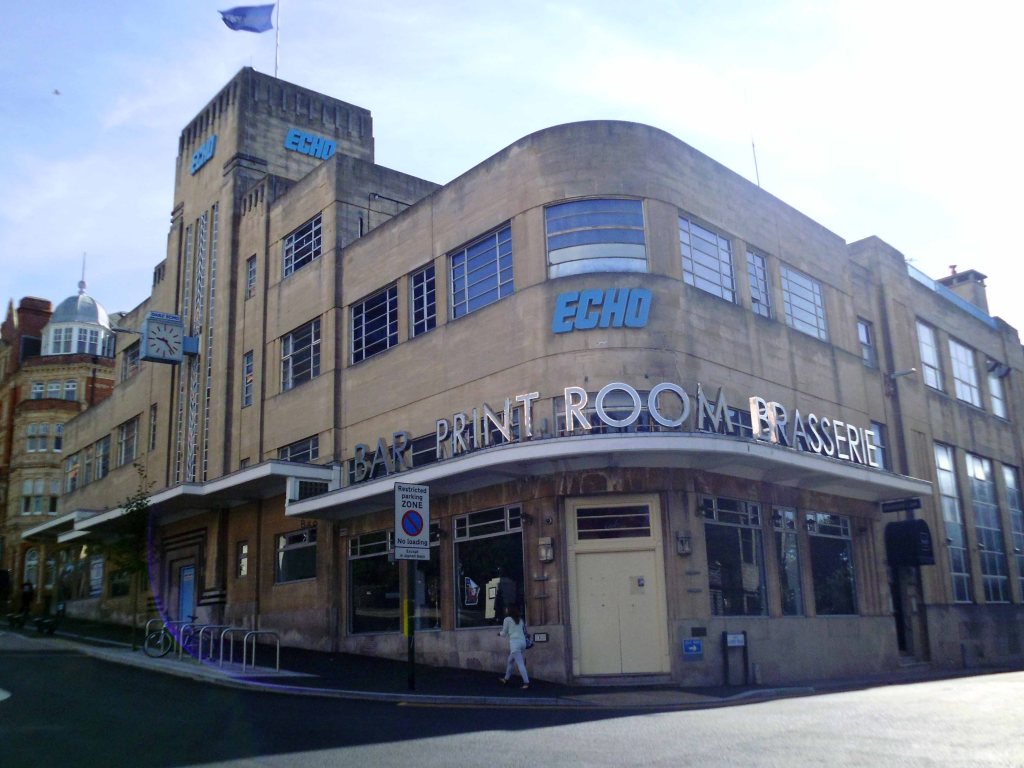
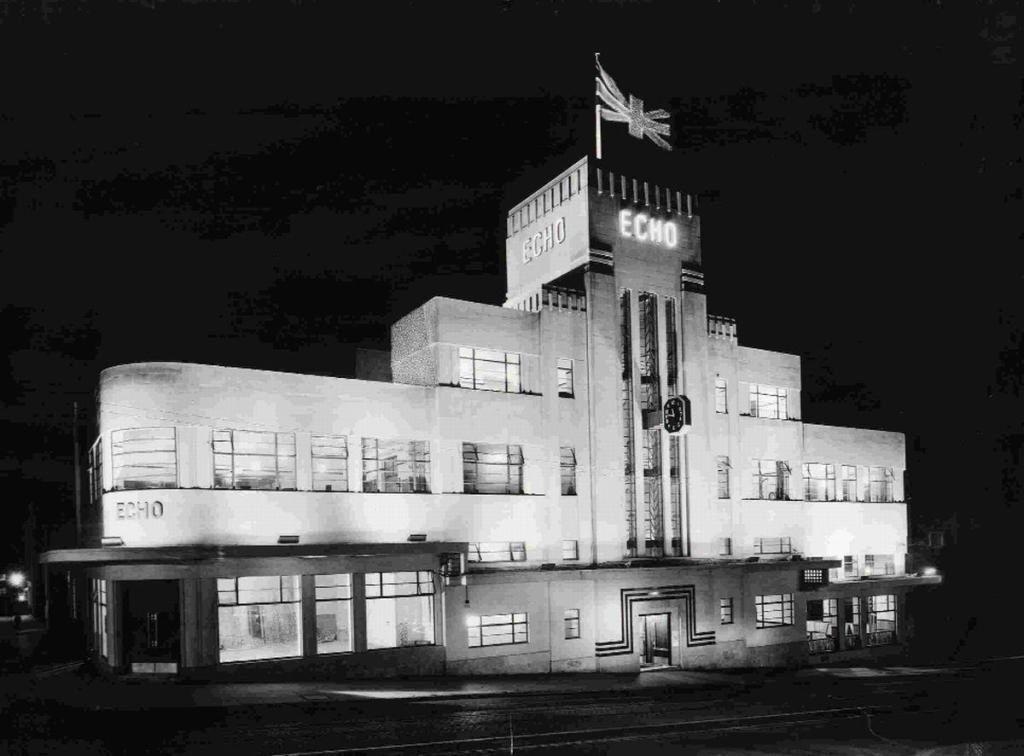
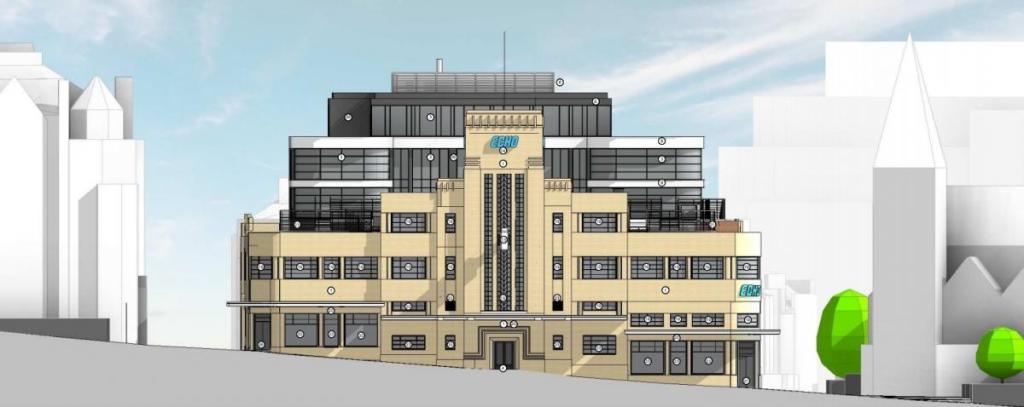
Built 1932 by Seal and Hardy as offices for the Bournemouth Echo, steel-framed, the main elevations faced in Monks Park Bath Stone.

Plans to redevelop the listed Daily Echo offices in Bournemouth were withdrawn shortly before they were due to be discussed by councillors.

That Group’s application to extend the Richmond Hill building to create more work space as well as a 30-bed hotel, café, gym and events space had been recommended for refusal before it was pulled from the agenda for Monday’s meeting.

Daily Echo

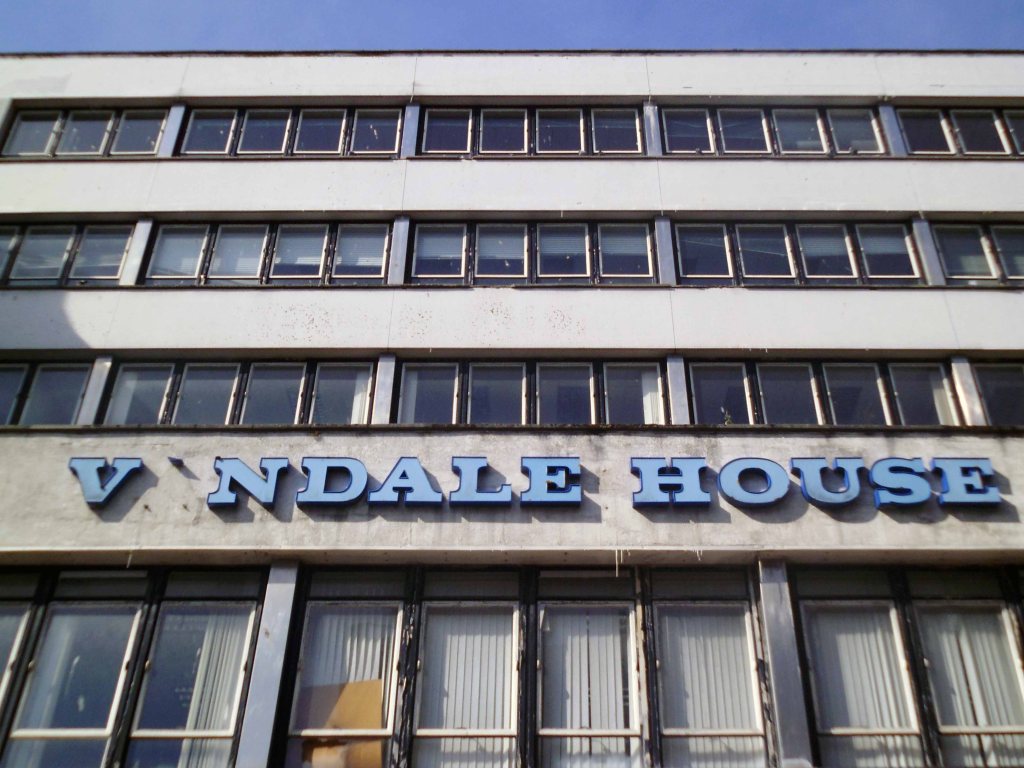
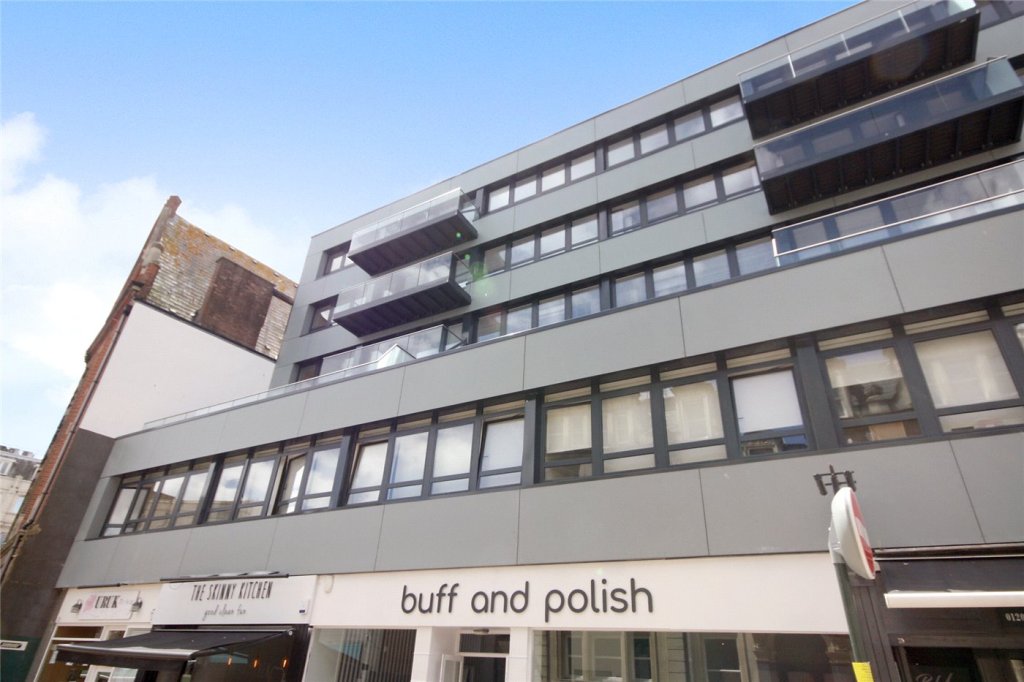
Vandale House appears to have been refurbished as flats, having lost its architectural type.

The property benefits from modern and contemporary décor throughout, large balcony and views over the Town Centre itself. 

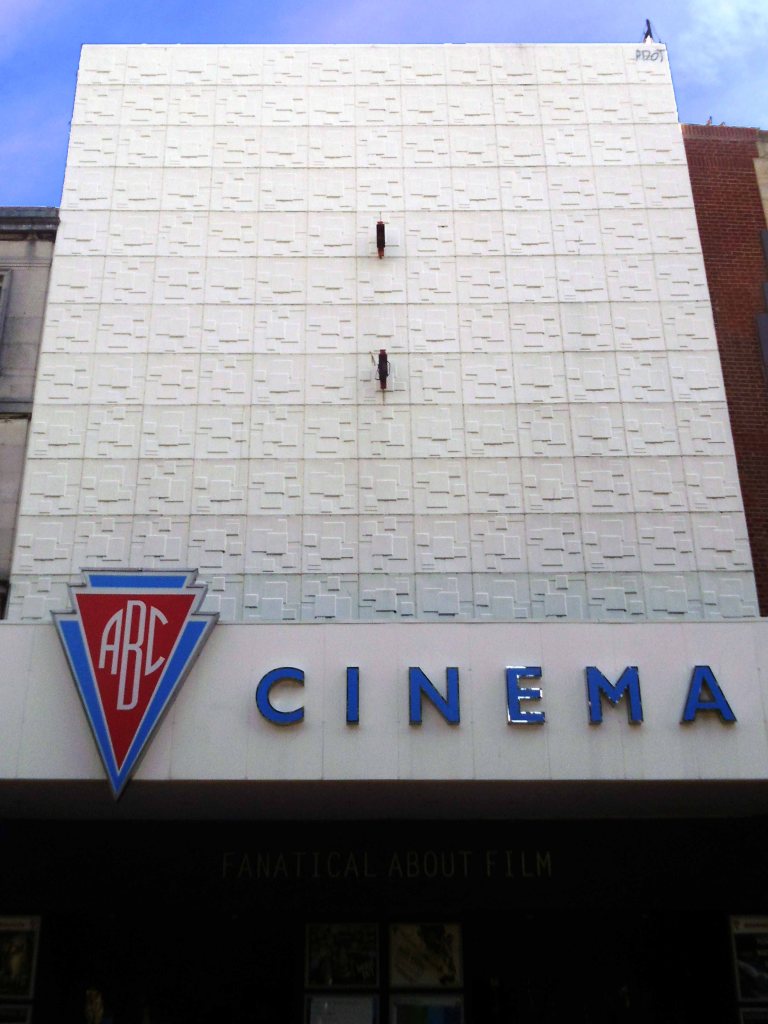
This art deco cinema was built for ABC and designed by their regular architect William Glen, it opened in June 1937.

The ABC, originally the Westover Super Cinema, entertained audiences for almost 80 years before it was closed in 2017 – along with the nearby Odeon – to make way for a new Odeon multiplex at the BH2 complex.

In its rejected plans for the site, Libra Homes had pledged to restore the cinema’s original Art Deco frontage, if it survives under the cladding that was added in the 1960s.

Cinema Treasures

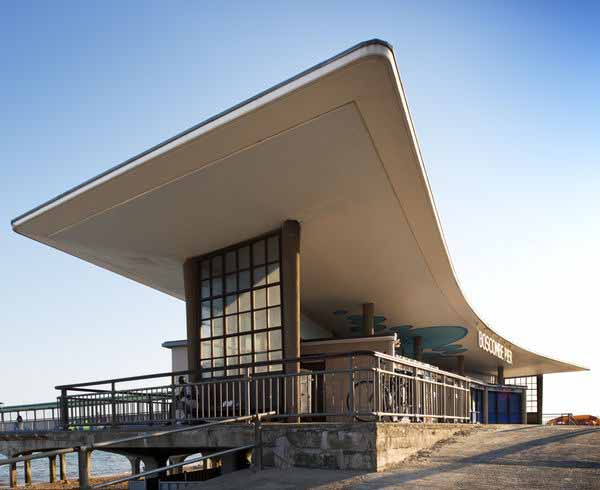
Boscombe Pier – is the perfect vantage point to watch volleyball, table tennis and mini golf. If you are feeling adventurous, try scaling the nearby, purpose built boulders next to the pier or have a go at slacklining!

There are nearby are cafés, takeaways and beach shops all within walking distance from Boscombe Pier. The pier is free to enter and has a plethora of activies that individuals and families can enjoy! 

Designed by Archibald Smith, the 600 foot pier opened on 28th July 1889. In 1924/5 and 1927, the head was renewed in high alumina concrete and, between 1958 and 1960, the neck was reconstructed using reinforced concrete.

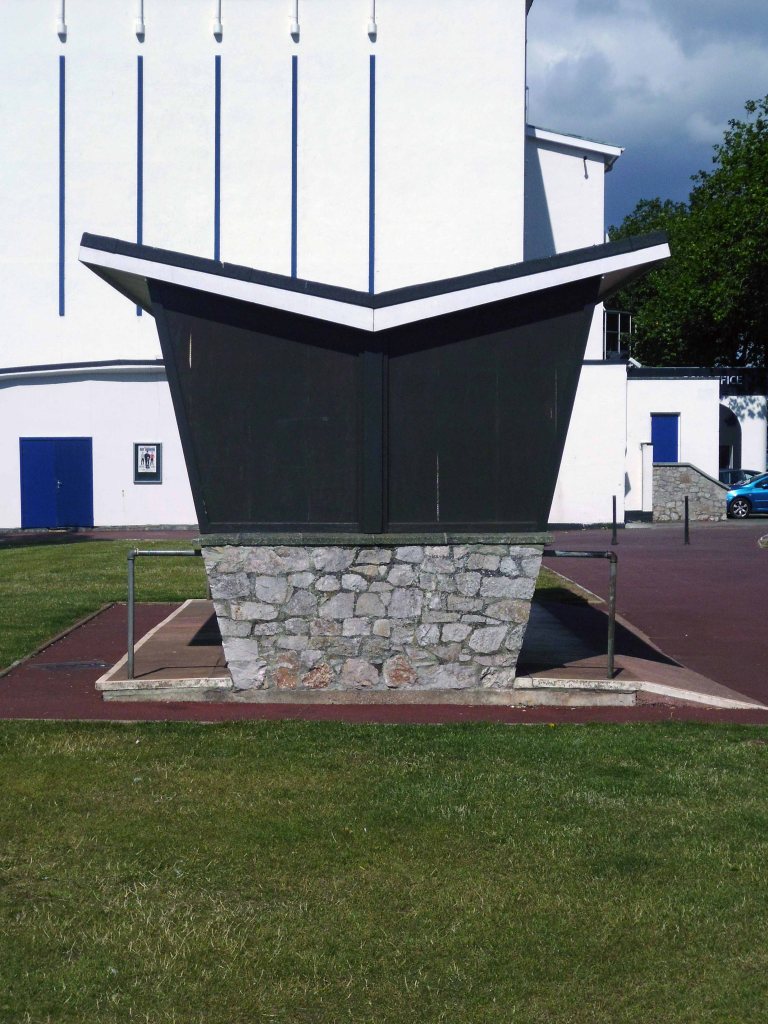
The neck building is a design by the Borough Architects, demonstrating great verve and vivacity. The contemporary style associated with Frank Lloyd Wright’s Usonian houses and made popular with Californian homes in the 1940s was well suited to the requirements of an architecture that combined ‘sun and fun’. The contemporary style made a feature of expressing different elements or planes of a composition with different materials, and here the combination is honest and each element well detailed. The sweep of the cantilevered, boomerang-shaped roof is a particularly joyous feature. It is a building that would have been despised as being exactly of its date until recently; now it is a building that can be celebrated for that very reason, and a rare example of pier architecture from these years. 

Historic England Listing

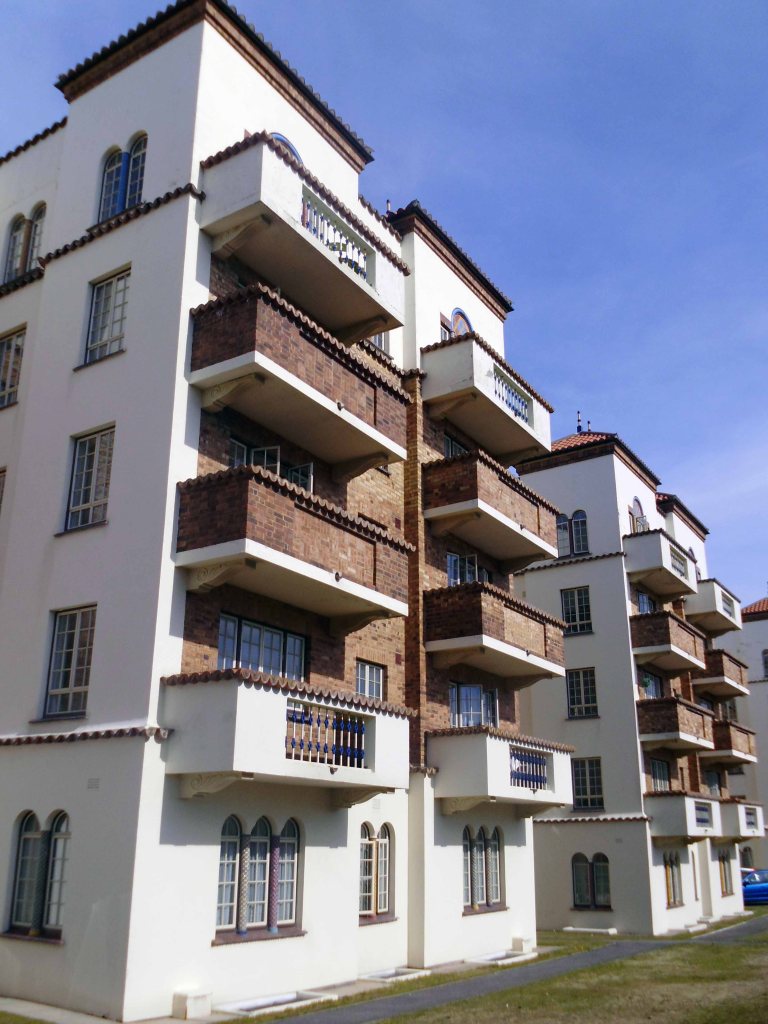
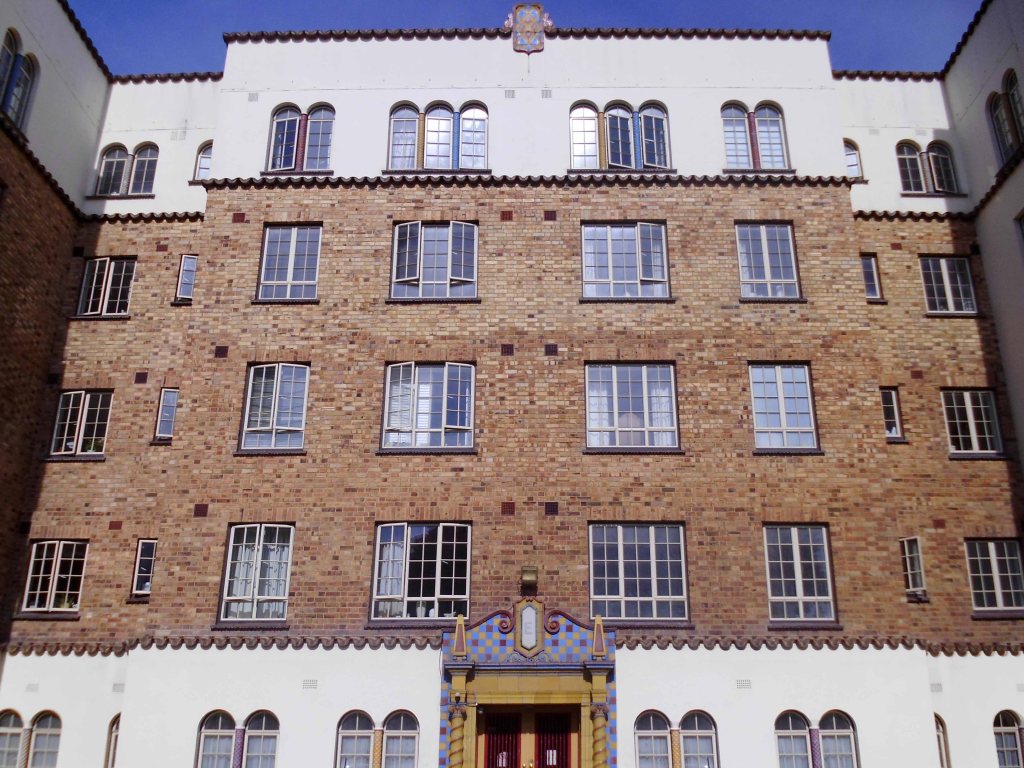
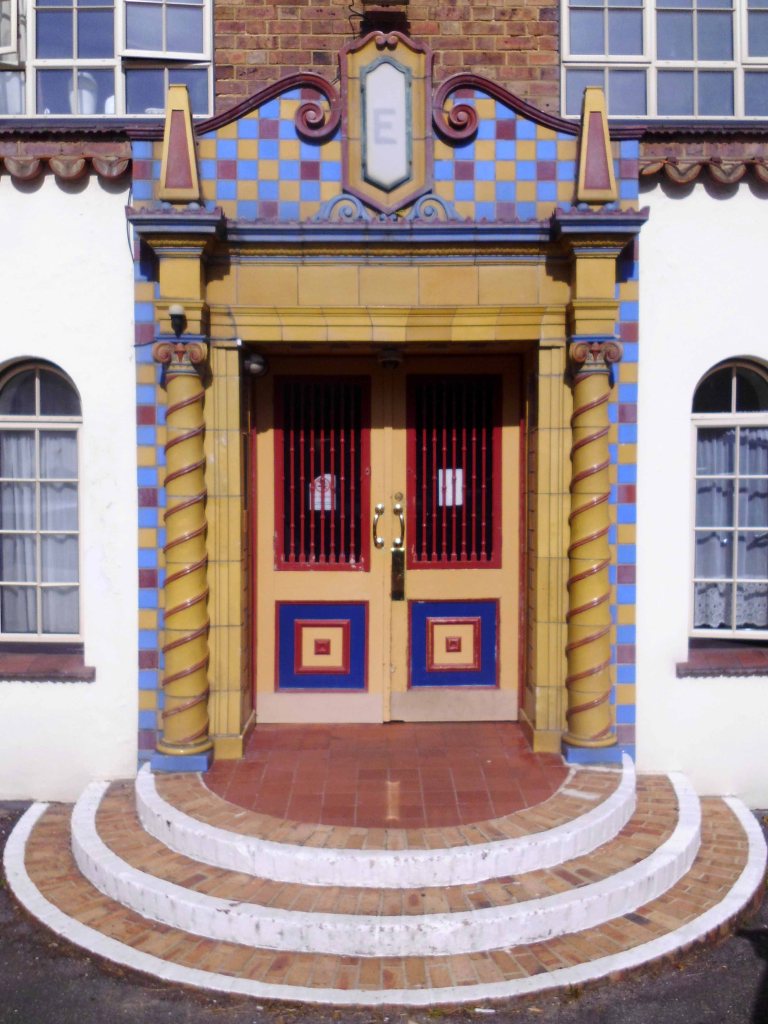
San Remo Towers a block of 164 flats, with penthouse and office, over basement garage. 1935-8 by Hector O’Hamilton.

Facilities offered as inclusive in this price included centralised hot water and central heating, an auto vac’ cleaning system, centralised telephones, a resident manager, a porter, daily maid, boot cleaning and window cleaning services. There was a Residents’ club with a reading room card room, billiard room and library, and a children’s recreation and games room. There were kiosks in the ground-floor lobbies selling tobacco and convenience items, where the staff took orders for the local tradesmen. The fifth-floor restaurant offered a la carte meals, which could be taken at pension rates of 38s per week. A simpler dinner cost 2/6d. The use of an American architect, Hector O Hamilton, may be an explanation for the building’s large range of facilities, including the grand underground car park and sophisticated servicing

Two bed flat £183,000

Carlinford benefits from commanding views over Poole Bay looking to the Isle of Wight across to the Purbecks. Included in the annual service charge is a Caretaker, Gardener & the communal areas are kept in good order. A fabulous location and a great place to call home. 

Two bed flat £350,000

Crossing the New Forest and arriving in Hythe.

Running the length of the pier to catch the ferry across Southampton Water.

Where one is able to see many large ships.

St Patrick’s Catholic Church 1939

W.C. Mangan’s last church in the diocese, with a moderne Gothic character rather than the basilican style he favoured elsewhere. The design is not without character and is in the mainstream of brick church building around middle of the twentieth century.

Taking Stock

First siting of Stymie Bold Italic/Profil since Devon

Sadly the Hovercraft Museum was closed – Founded 1987 as a registered charity, the Museum Trust is the worlds greatest collection of Hovercraft archive, film, and historic craft, dating back to to John Thonycroft’s 1870 air lubricated boat models and the then Dr. Cockerell’s 1955 annular jet experiments.

So excited to be boarding yet another ferry.

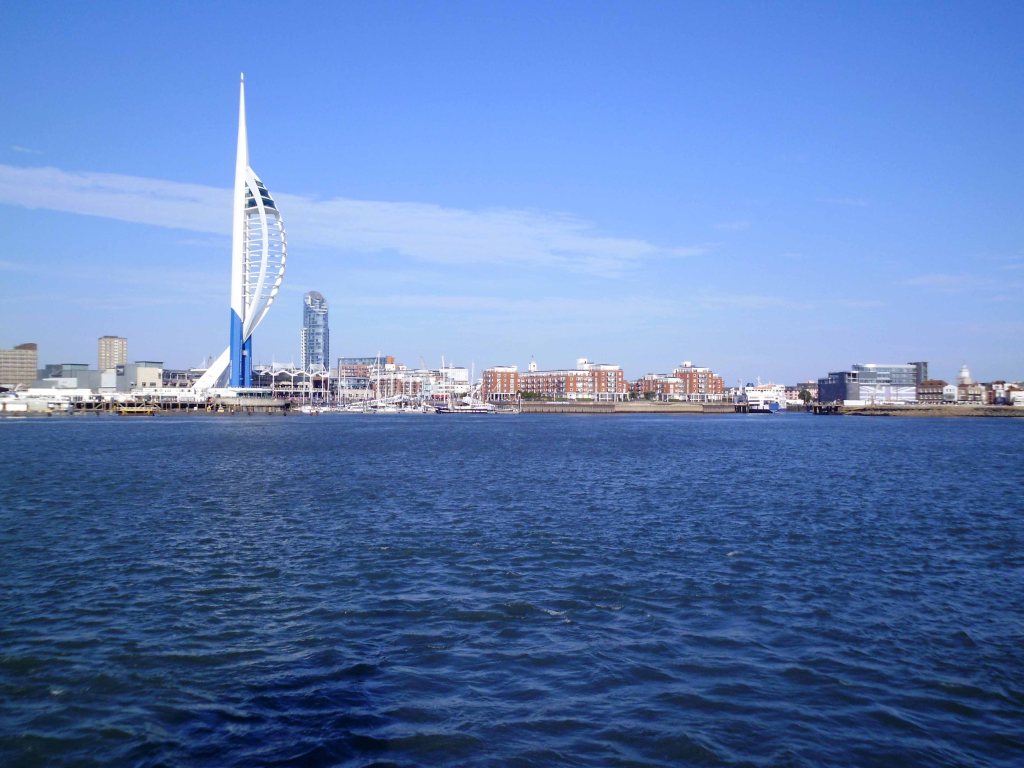
Seeing Portsmouth for the first time in a long time.

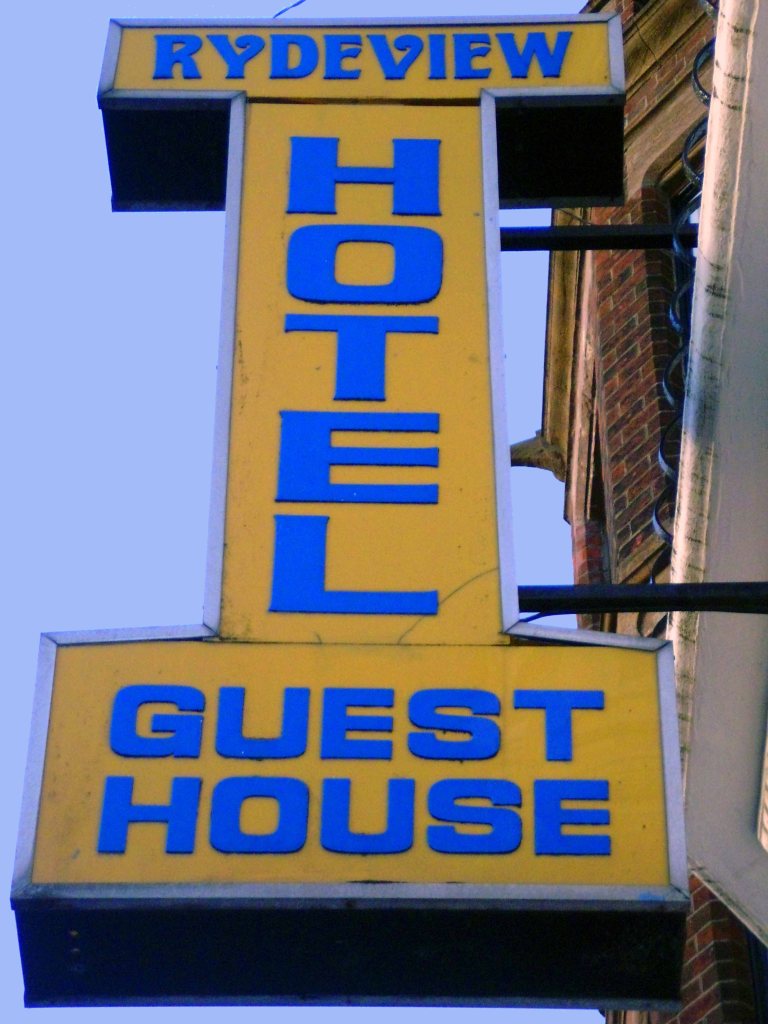
Finding cheap digs at the Rydeview Hotel.

My partner and daughter stayed here recently and the warm reception we received was great, thought it was going to be real value for money however when getting into the family room, which was a decent size, the curtain was half hanging down, iron marks and stains on the carpet, dirty windows, mould on the bathroom ceiling, hole in the bathroom floor and a very random shower head coming from the toilet that was very unpleasant. When we checked in we asked about breakfast and we were told this was going to be an additional £3 – we thought this was great value for money for a full English only to be left hungry and out of pocket! My daughter had one slice of toast, we asked for the full English what we received was cold and hard beans, and un-cooked egg and a rank sausage, the eating area was dirty – cobwebs everywhere.

I too stayed in the Family room with a delightful mouse for company and enjoyed one of the worst meals I’ve ever not eaten.

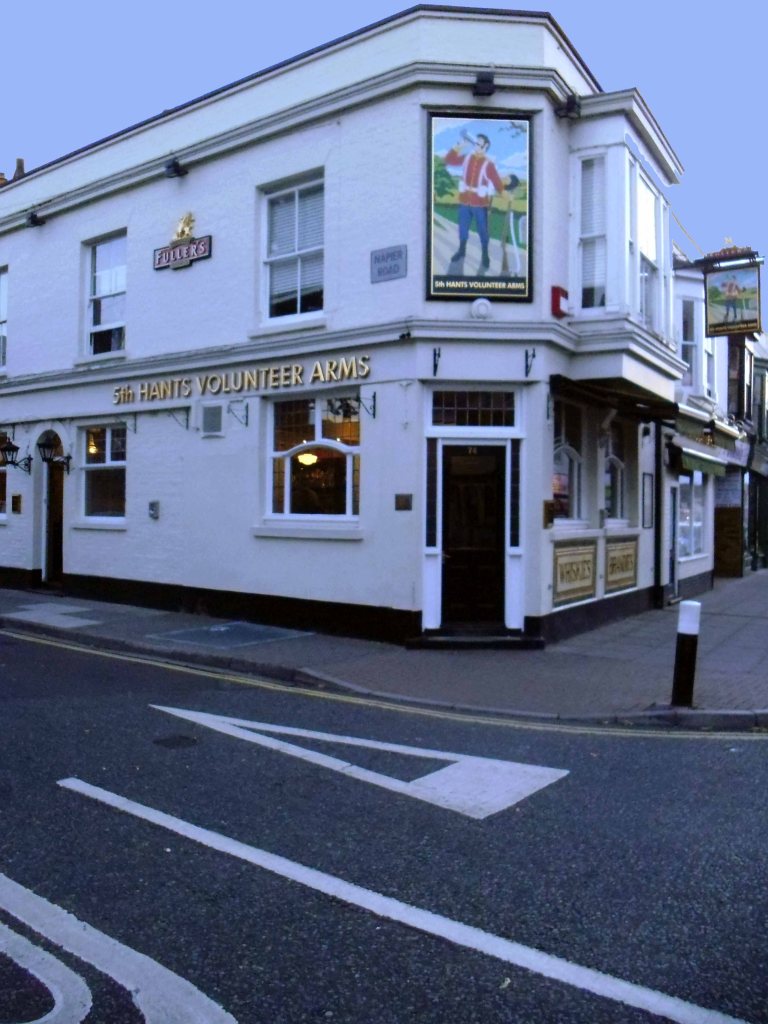
I headed for the 5th Hants Volunteers where I formally kept company with Felim Egan, Norman Taylor and Ian Hunter way back when.

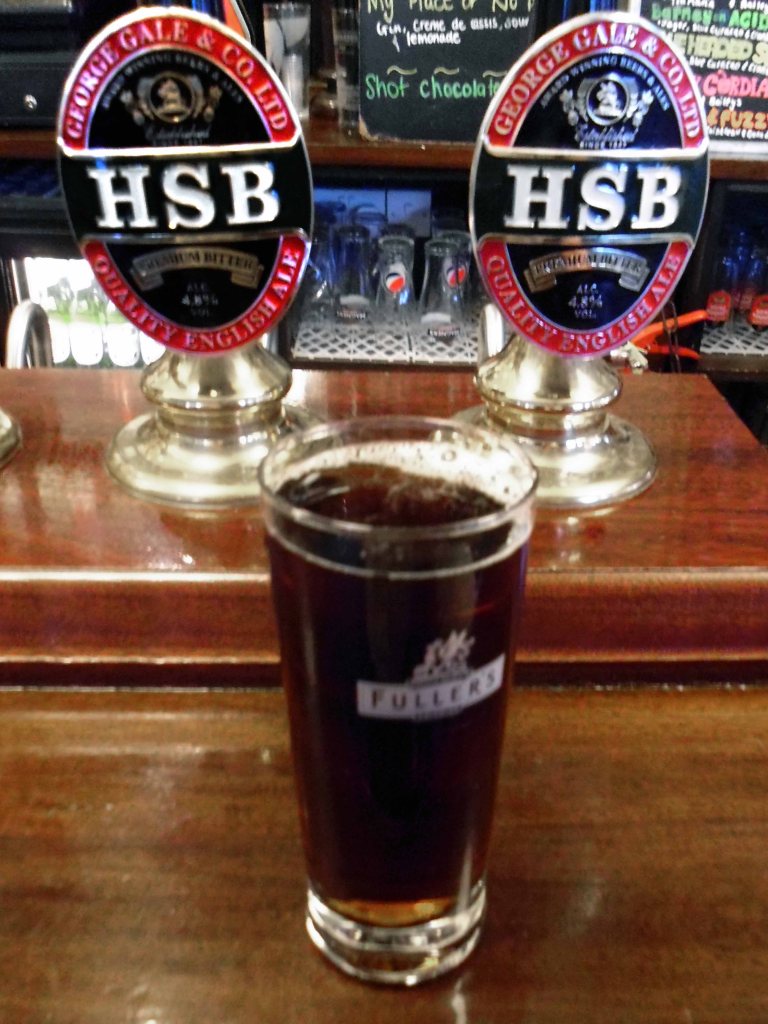
Drinking Gales HSB – formerly a local brew now owned by Fullers

Established in 1847 Gales Brewery (George Gale & Co. Ltd) was an old brewery situated in Horndean, on the edge of Waterlooville. It made the nutty HSB – Horndean Special Bitter and the newer Gales Bitter. It took its water from its own well situated under the brewery which is fed from the South Downs, and the yeast and liquor, coupled with the local brewing style, produced beers with a sparse head, quite dark in colour.

In late 2005 Fuller’s Brewery bought Gales for £92 million. In January 2006, Fuller’s began cutting jobs at the Horndean brewery, and it was announced on 27 February 2006 that the brewery would close at the end of March 2006, although distribution and warehousing would continue in the area.

It didn’t tater the same and the pub had been gutted – gutted.

I beat a retreat to the Barley Mow – where I fell in with a gang of former Poly students from the 70s – they had studied and never left.

Eventually we all left.

Night night.

Bridport to Bournemouth

Grub up at the Lord Nelson and saints preserve us, the first sighting of fried bread – not a single hash brownie to be seen. The square plate very much in keeping with the naval nomenclature.

This ‘square plate’ theory is one of the best-known examples of folk-etymology. The phrase exists, the square plates exist, and two and two make five. To be more precise, what we have here is a back-formation. Someone hears the phrase ‘square meal’ and then invents a plausible story to fit it.

Spoil sport!

Anyway it’s Saturday 1st August 2015 and time to make tracks another sunny day in prospect, so much to see and do in Dorset!

The White Horse is a Dorset country inn located in the picturesque village of Litton Cheney in the heart of the Bride Valley. A warm welcome awaits at this traditional rural pub with a roaring log fire, with honest home cooked food using seasonal, locally sourced, produce. Popular with walkers and cyclists, families alike. A perfect place to enjoy good food, great ales, wines and even better company.

My lamb was average but the vegetables were very, very poor, some of the peas were stuck together with ice.

Trip Advisor

Steady rolling hills, I’m a steady rolling man.

The Hardy Monument stands on an exposed location above the village of  Portesham in Dorset. It was built in 1844 in memory of Vice-Admiral Sir Thomas Masterman Hardy, Flag Captain of HMS Victory at the Battle of Trafalgar. Amongst other things, Hardy became famous as it was in his arms that Nelson died, saying the immortal words ‘Kiss me Hardy’.

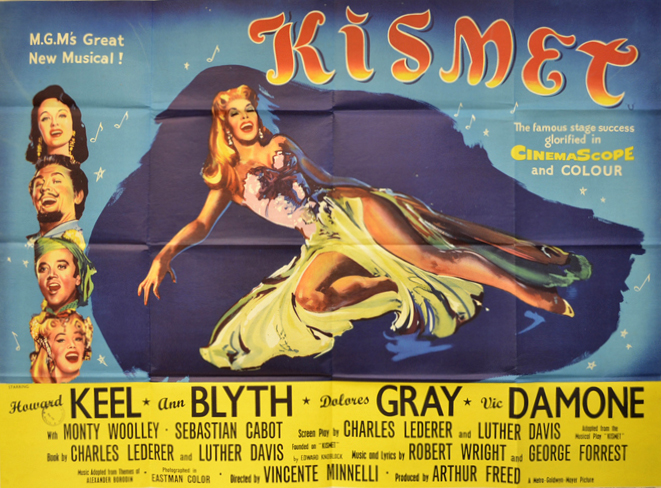
Contemporary historians argue that this explanation is a Victorian invention, since the earliest recorded use of the term ‘Kismet’ in the English language does not appear until after 1805.

Others also claimed that Nelson had said “Kiss Emma, Hardy”, referring to his mistress and lover Lady Emma Hamilton.

Thomas Hardy was unavailable for comment.

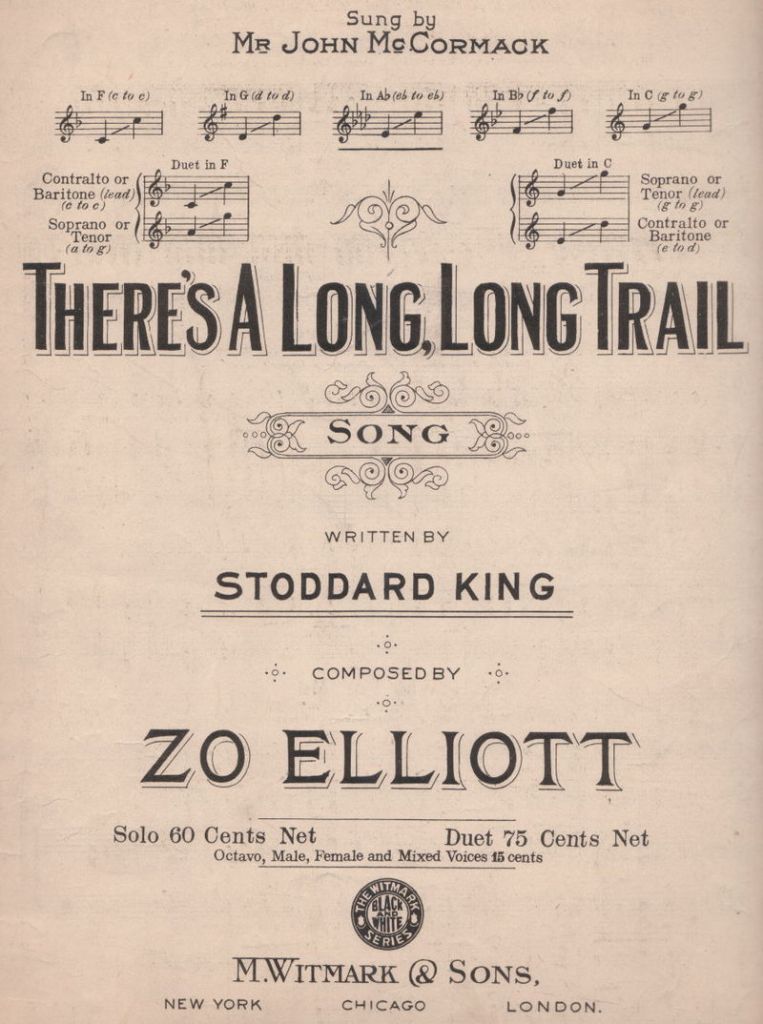
There’s a long, long trail a-winding
Into the land of my dreams,
Where the nightingales are singing
And the white moon beams.

A song my dad would sing me to sleep with, one of my earliest and sweetest memories, his lullabies were often those songs he remembered from his army days.

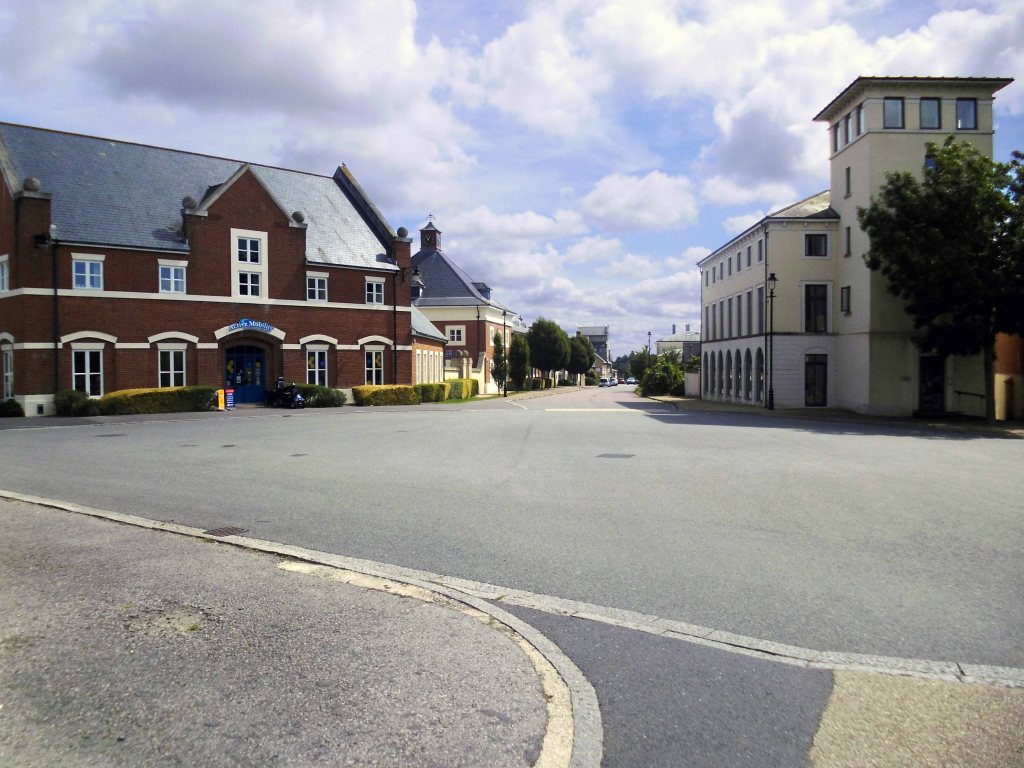
Following a morning of historical and linguistic conjecture we enter a land of architectural and historical conjecture, right here in Poundbury.

Poundbury is an urban extension to the Dorset county town of Dorchester, built on the principles of architecture and urban planning as advocated by The Prince of Wales in ‘A Vision of Britain’.

Poundbury, the Prince of Wales’s traditionalist village in Dorset, has long been mocked as a feudal Disneyland. But a growing and diverse community suggests it’s getting a lot of things right.

Poundbury should be completed by 2025, by which time it will be home to an estimated 4,500 people, increasing Dorchester’s population by a quarter. Then the Duchy will leave it to run itself. Krier, who is writing a book on Le Corbusier, says he and Prince Charles will then embark on their ultimate project: “We are going to build a small modernist town and show them how to do it.”

Guardian

Fake, heartless, authoritarian and grimly cute.

I myself cycled through in stunned silence, there was nobody about and the overall feel was one of a living filmset, opinion is deeply divided, I remain impartial – ride on.

Dorchester ghost.

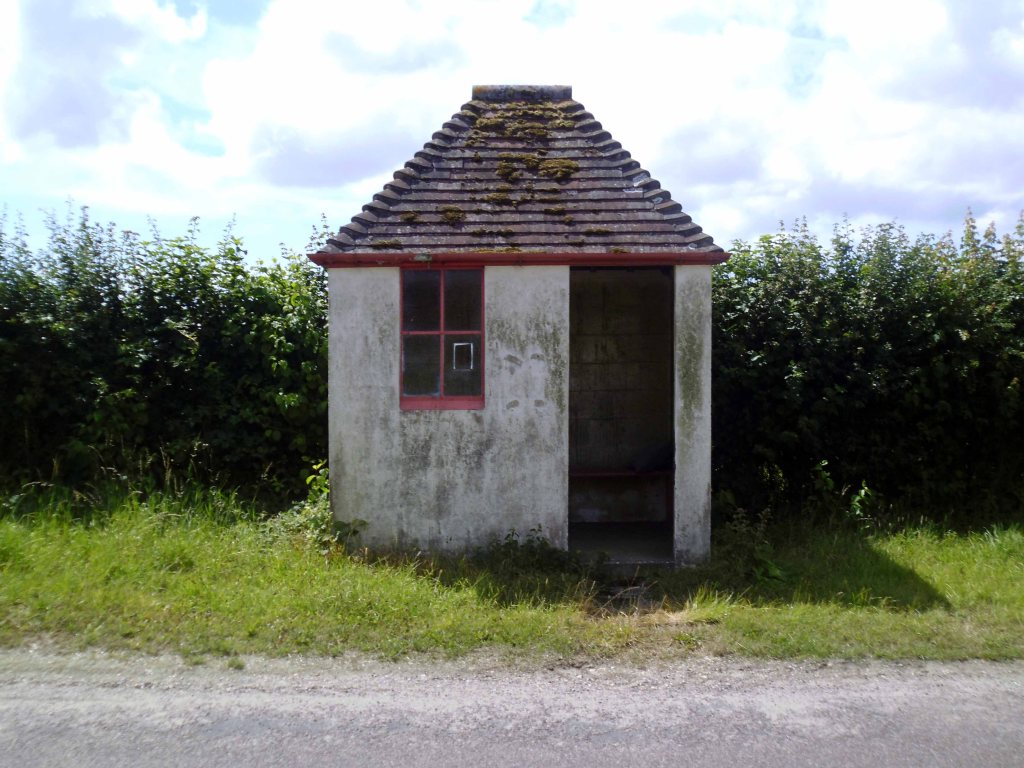
Tiny vernacular bus shelter awaits bus and the sheltered.

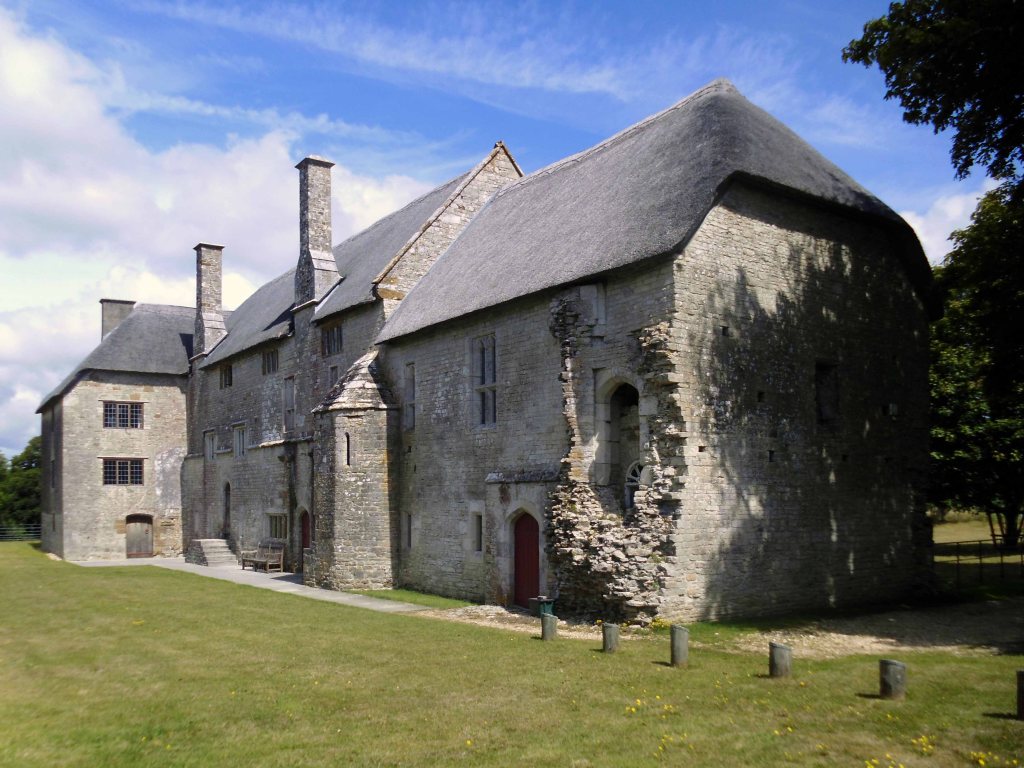
Woodsford Castle is the surviving range of a 14th-century fortified manor house. King Edward III granted William de Whitefield a licence to crenellate in 1335. The house has the largest thatched roof in the county and has been restored by the Landmark Trust. 

One of our favourite Landmarks, love the table-tennis, the new decor and carpet, spacious but warm.

The house is a Grade I listed building.

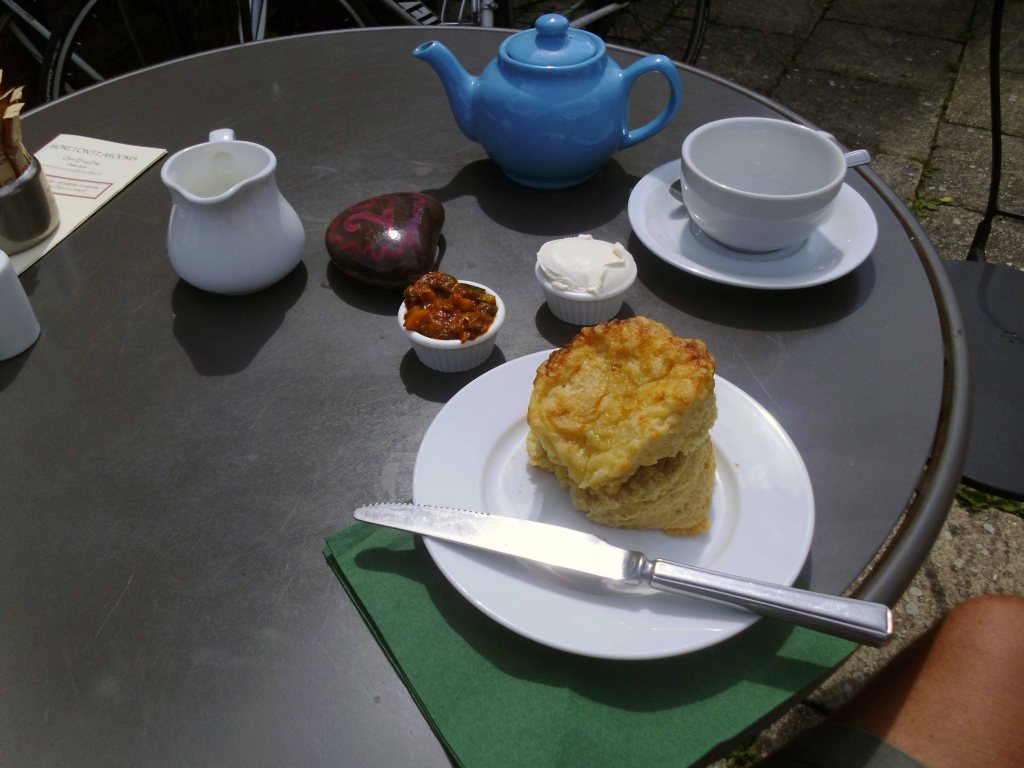
I passed by a delightful café – sorry to say that the name escapes me, and ate the most tasty cheese scone with chutney and cream and a brew, thank you ever so much nameless café.

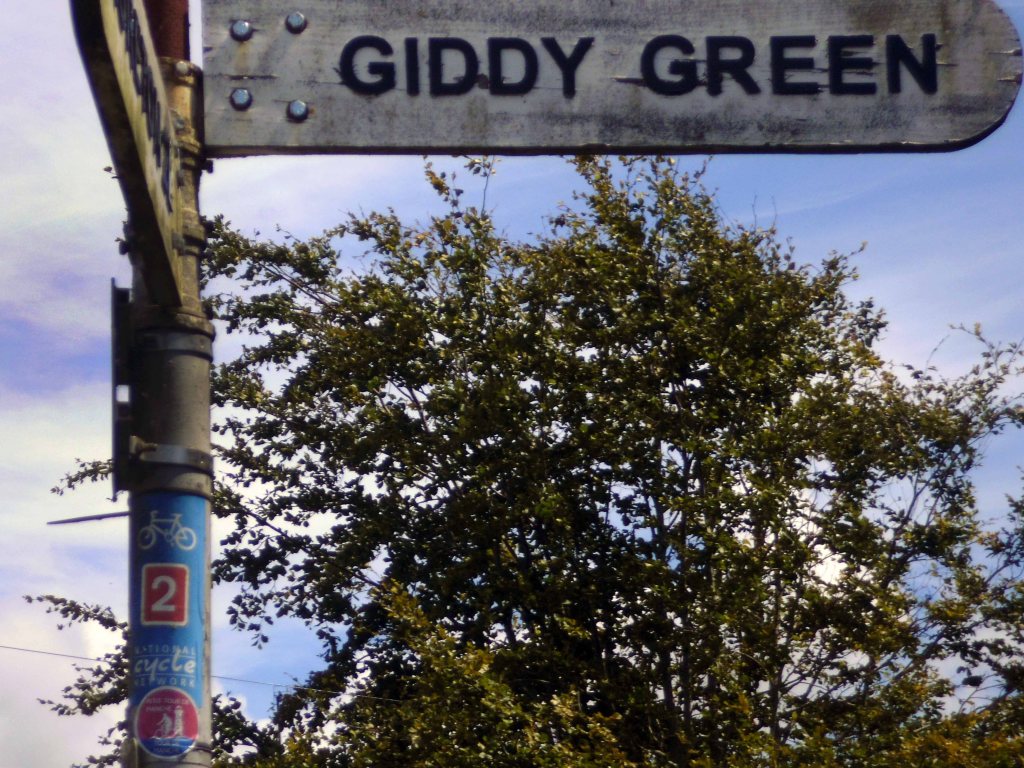
Well let’s go to Wool via Giddy Green.

I live here

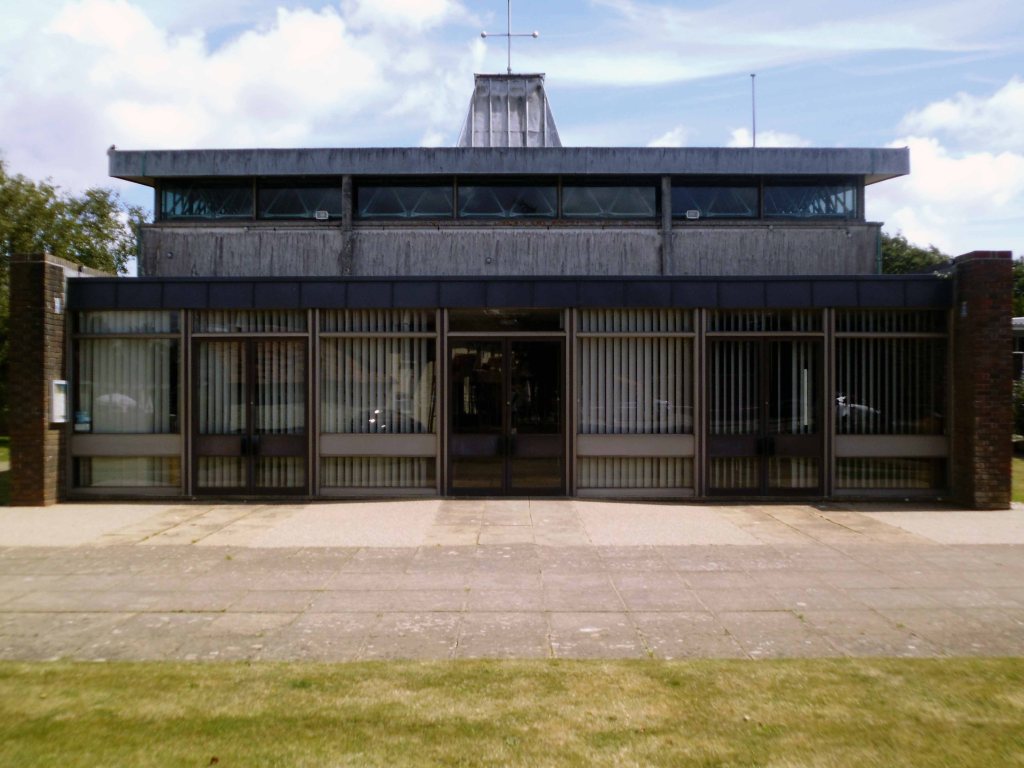
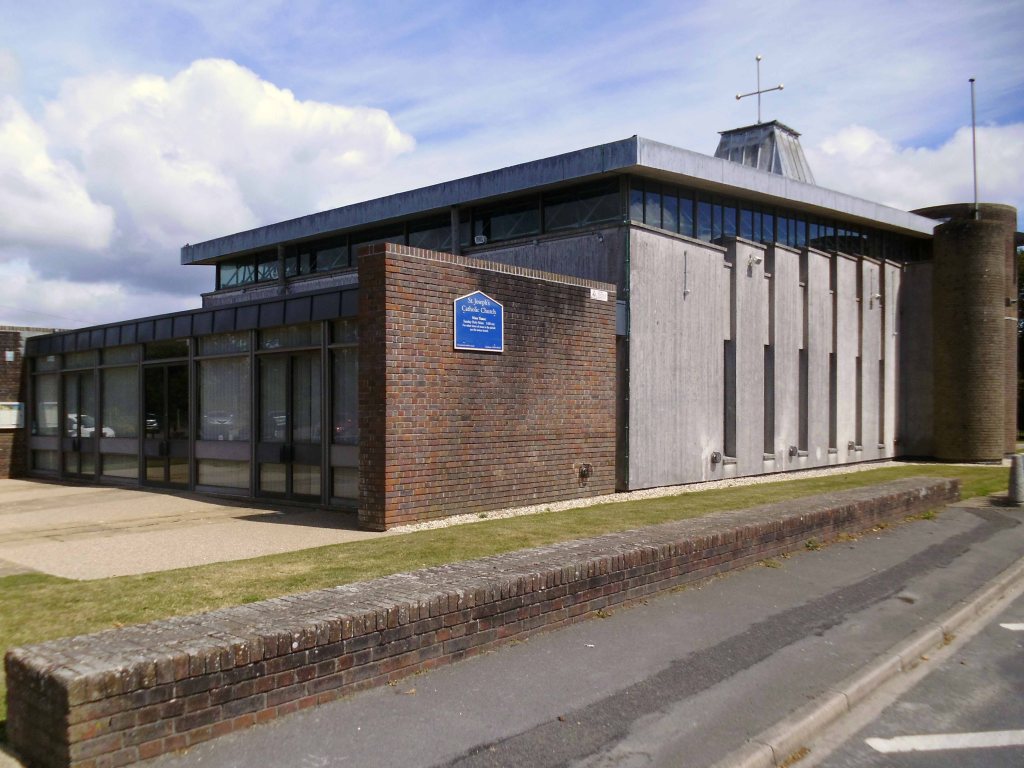
St Joseph’s RC Wool

An impressive 1960s church design, responding thoughtfully to the needs of the post-Vatican II liturgy. The function clearly dictates the form, resulting in a building that is visually memorable as well as fit for purpose. Little has been changed since 1971. The Triodetic spaceframe roof structure is not generally associated with churches but enables a large uninterrupted space for the celebration of the Mass. The interior furnishings and fittings are essential to the totality of the design.

Taking Stock

The Roman Catholic Church of St Joseph of 1969-71 designed by Anthony Jaggard of John Stark & Partners is listed at Grade II – a bold exterior employing exposed brickwork, a mineral render, vertical glazing and sparse ornamentation.

Historic England

I fell in love the very moment what I saw it, having climbed over a fence by the railway, as I remember.

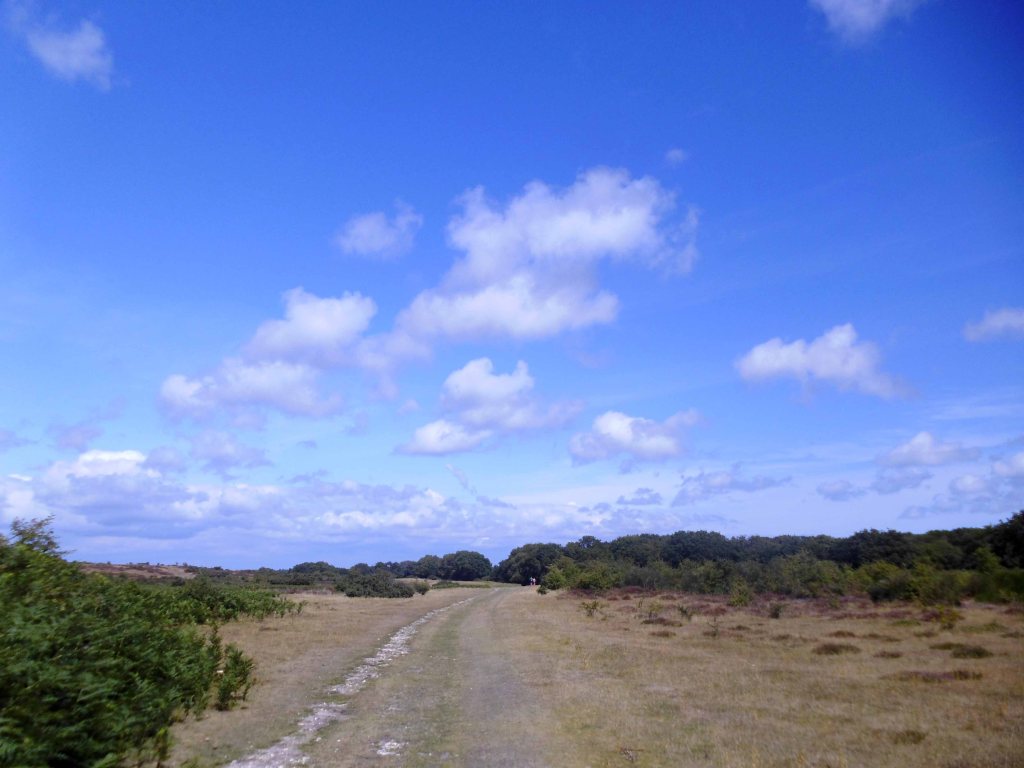
Next ting you know I’m in an area of outstanding natural beauty.

Cycling down yet another leafy lane.

Catching the ferry with several other cyclists on our way to Poole.

Walked the bike along the crowded promenade into Bournemouth.

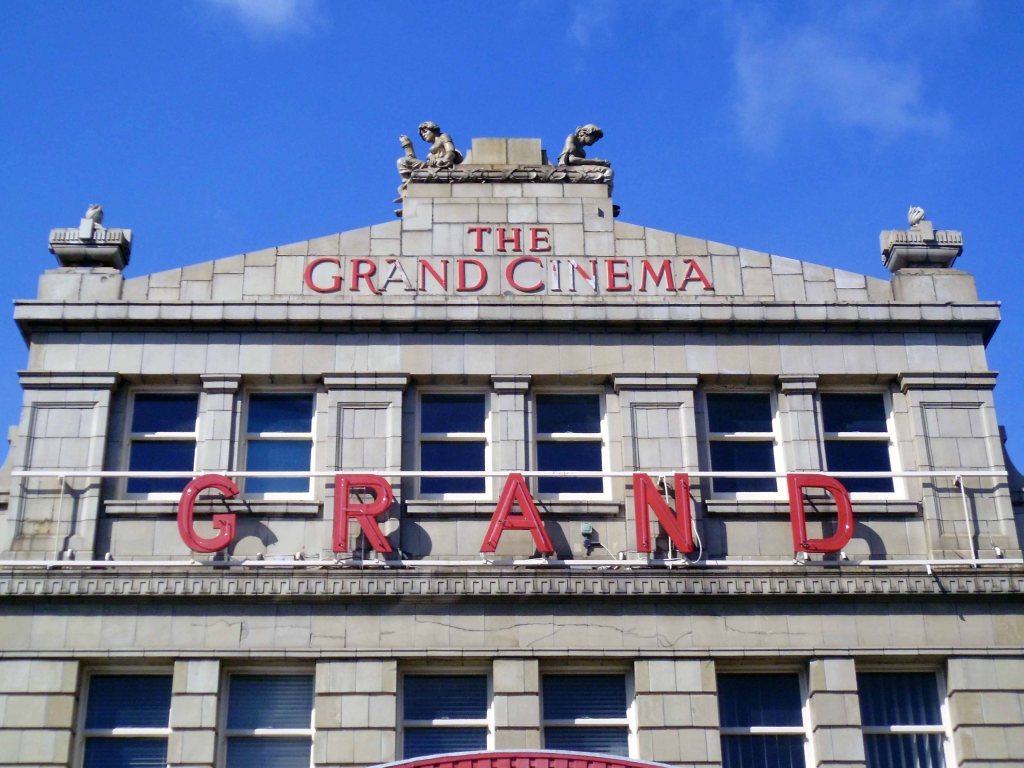
Passed the Grand Cinema.

Located in the Westbourne district of Bournemouth, the Grand Cinema Theatre opened on 18th December 1922 with a production of Anthony and Cleopatra performed on the stage. The following day it screened its first film A Prince of Lovers plus a Harold Lloyd short comedy.

It had a facade coverted with Carter’s Architectural Tiles, manufactured at the Carter pottery in Poole. There was a central bay over the entrance which was topped by a revolving globe, which was illuminated at night. The auditorium had a sliding roof which could be opened in hot summer weather. There was a lift which could be taken instead of the stairs to the balcony level and the cafe. The front of the orchestra pit barrier was also covered in Carter’s tiles.

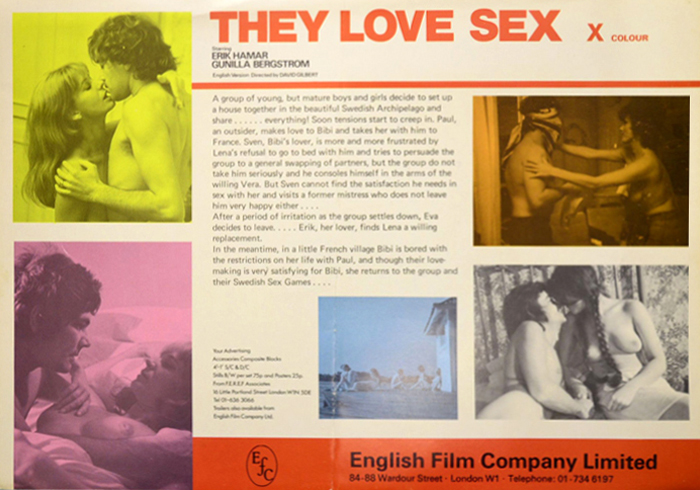
It was taken over by an independent Snape Entertainments from 21st December 1953 and they operated it as a full time cinema until 8th October 1975 when the film They Love Sex was the last regular film shown. It went over to become a full time bingo club, until a mix of part week bingo and films were introduced from 27th March 1976.

The Grand Cinema is a Grade II Listed building.

Cinema Treasures

Finally found, following another find a room farrago – a less that grand tiny room in a big hotel, full of stag and hen parties – as was the whole town.

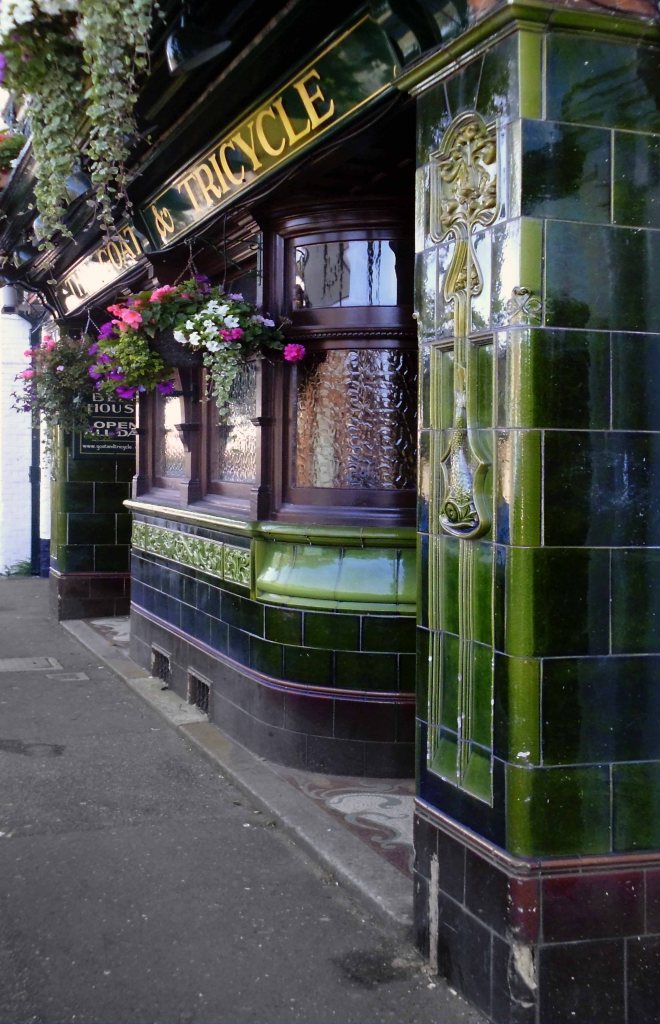
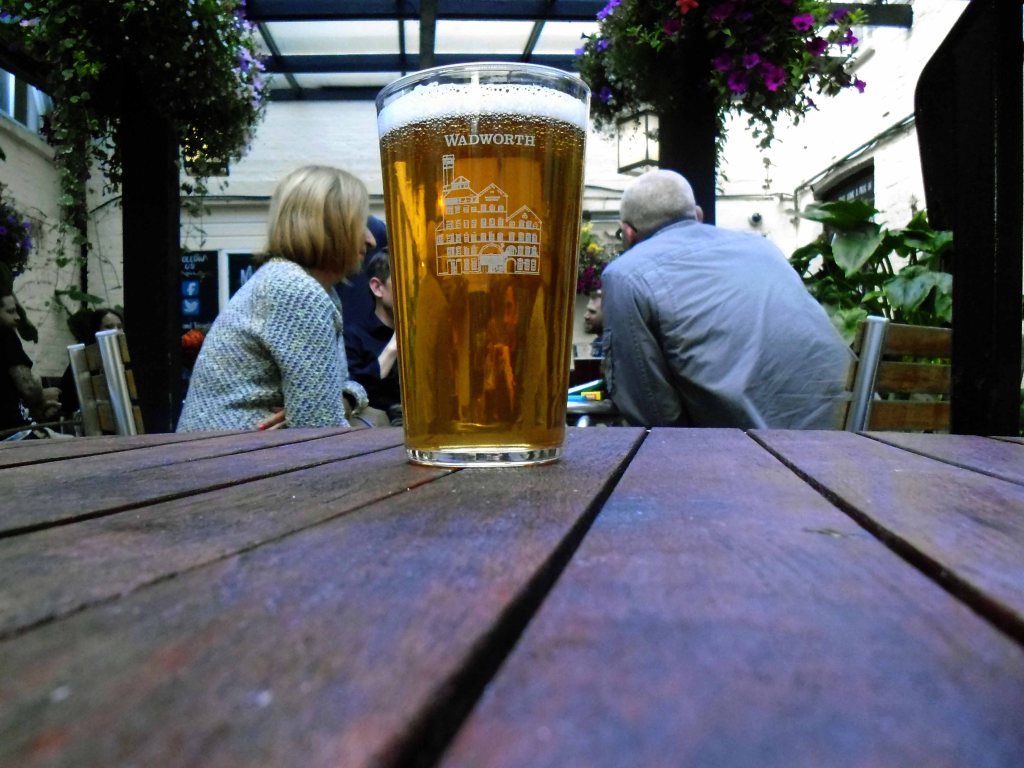
Seeking solace in the Goat and Tricycle – a beer house that boasts a huge range of hand pulled cask ales including Wadworth classics: Horizon, 6X, Swordfish and Wadworth IPA. The pub also has up to six Guest ales which change every few days, so there is always plenty of variety to choose from.

I would have chosen to keep the original names, the recent trend for the comic rebranding is quite literally ridiculous.

It was originally two separate pubs The Pembroke Arms to the left, it’s old Marston’s Dolphin Brewery tiles intact. The Pembroke Shades where the bar is now, was on the right. The Shades ran a boxing club where Freddie Mills, who lived opposite, is said to have trained, he went on to win the World Light Heavyweight belt.

I worked in the Shades on and off for 8 years. I still see a lot of the old crew, I am about to set up a Shades Re-union – we had one some years ago it was fab!

Do you remember John Bell, he was part time glass collector, full time alcoholic. Mary the Irish Landlady – she ‘s still going strong, unfortunately John Bell passed away.

Cheers Linda Jones

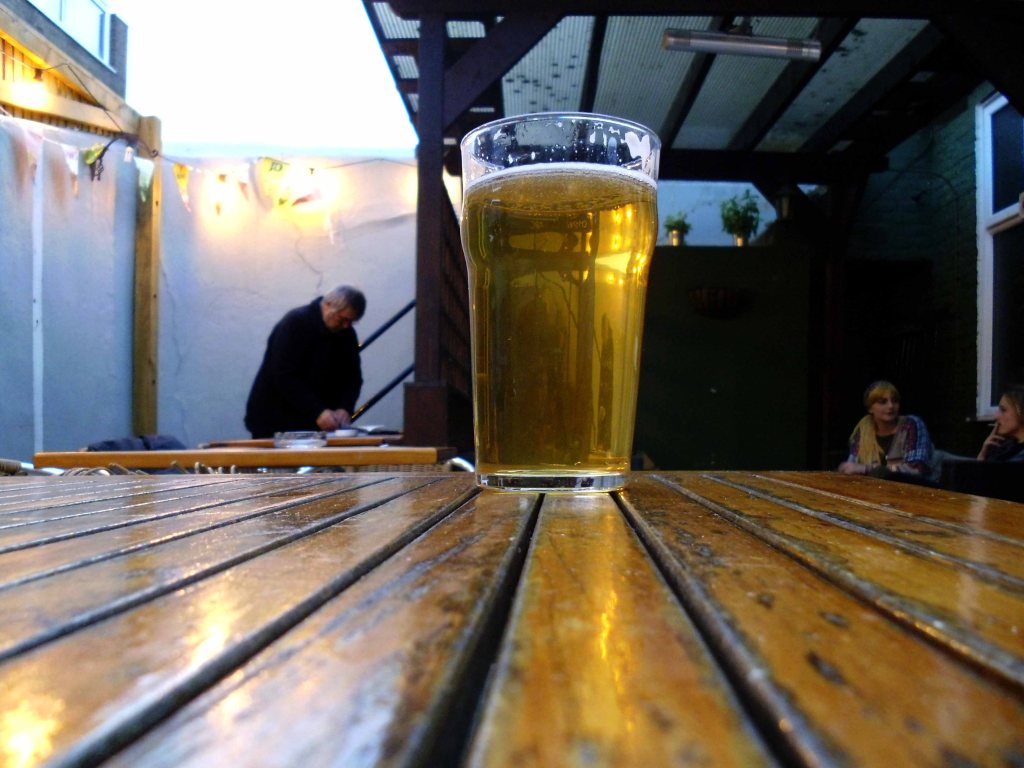
With a pint of beer.

I walked up the road aways for a pint elsewhere.

Finally returning to the Triangle.

Enough is enough it’s been another long day.

Night night.

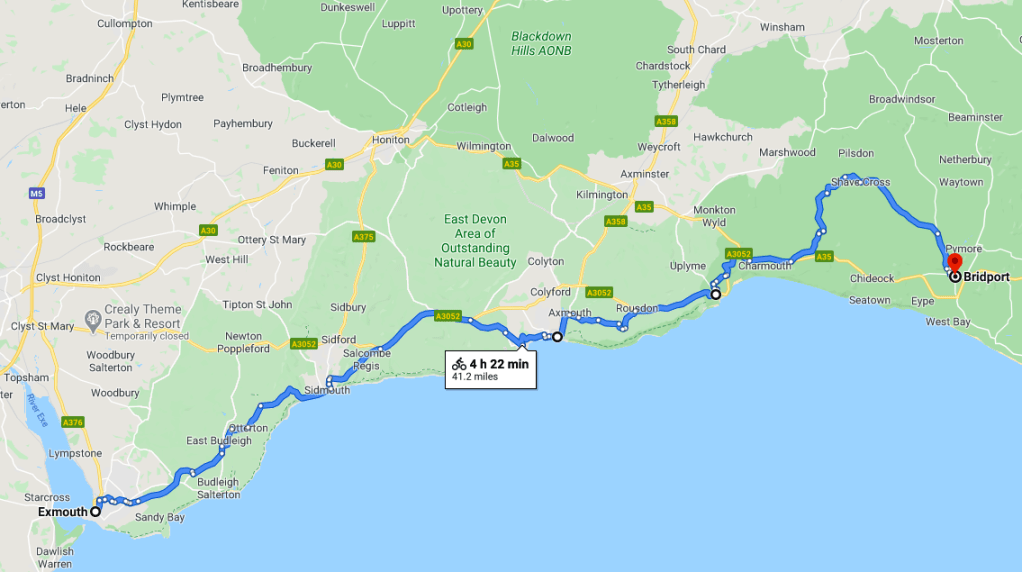
Exmouth to Bridport

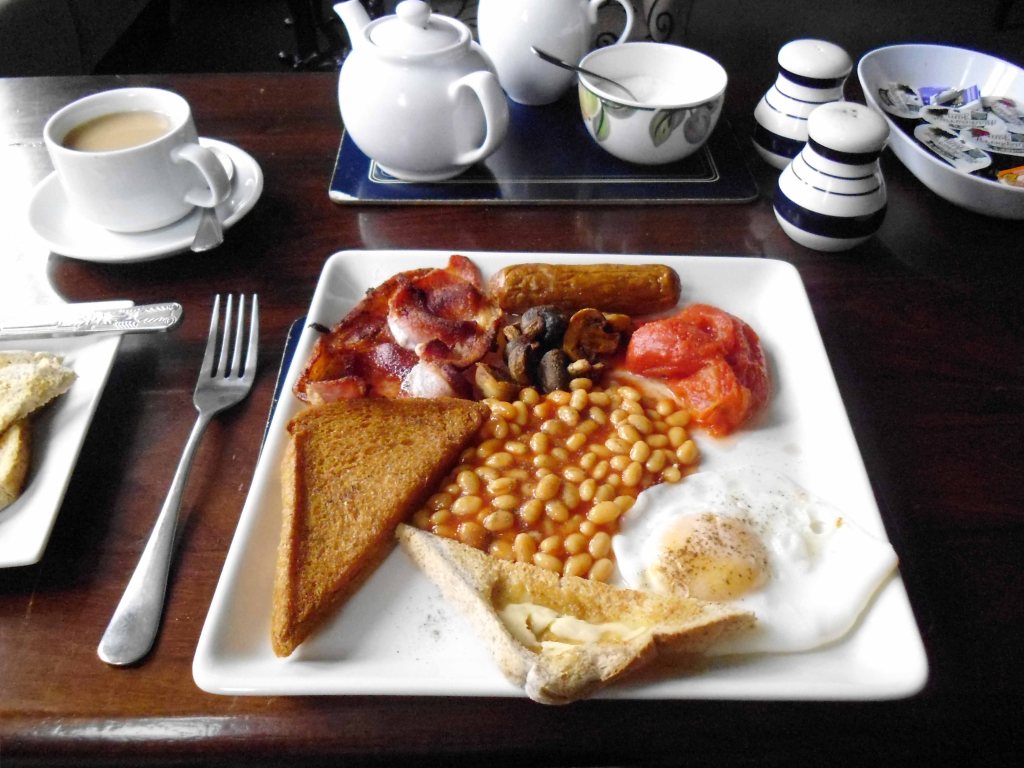
Another day another breakfast – reduced rations and rashers, the now inevitable hash brown and a far too common failure to recognise my preference for tinned tomatoes.

Soldier on.

Friday 31st July 2015 leaving town beneath the bright morning sun.

Following a shady lane.

Crossing a drain.

Noting one curious prefabricated concrete lean to too.

Up over the Devon Downs.

Arriving in Sidmouth

A beautiful coastal town with a regency feel which is ideal for visitors of all ages. Sat in the middle of spectacular countryside Sidmouth is home to beautiful beaches, stylish eating places and great shopping, with everything from unusual gifts, designer clothing and lifestyle goods available.

The day of my visit the Folk Festival was in full swing – I encountered hardened drunken cider drinkers, drunk in the park and more tie-dyed clothing, than you would consider it humanly possible to produce.

With a hey nonny no I left town – up a very steep hill.

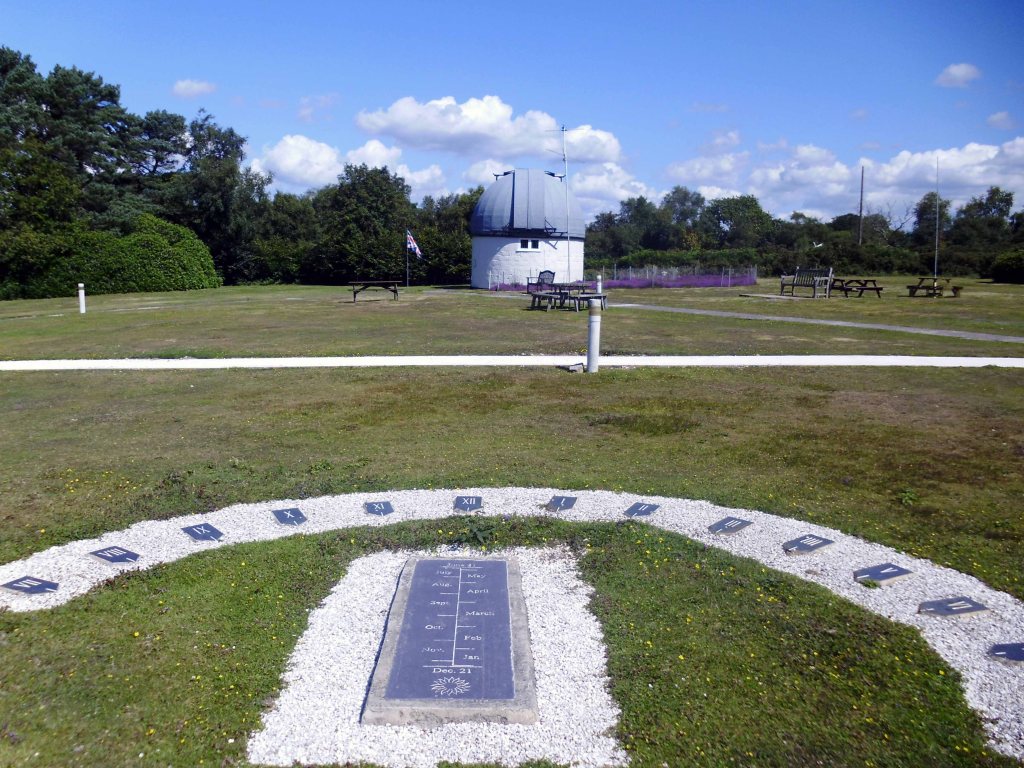
At the top of the hill, I unexpectedly came upon an observatory.

The Norman Lockyer Observatory to be precise.

It is both a historical observatory and home to an active amateur astronomical society. It is a centre for amateur astronomy, meteorology, radio astronomy, and the promotion of science education.

The observatory is regularly open to the public, staffed entirely by volunteers, and each summer hosts the South West Astronomy Fair.

Norman Lockyer was a Victorian amateur astronomer, who discovered the element Helium in the Sun’s corona in 1868 and was one of the founders of the science journal Nature in 1869. He became the director of the Solar Physics Observatory at South Kensington and the first professor of astronomical physics in the Normal School of Science – now the Royal College of Science, in 1887, he was knighted in 1897.

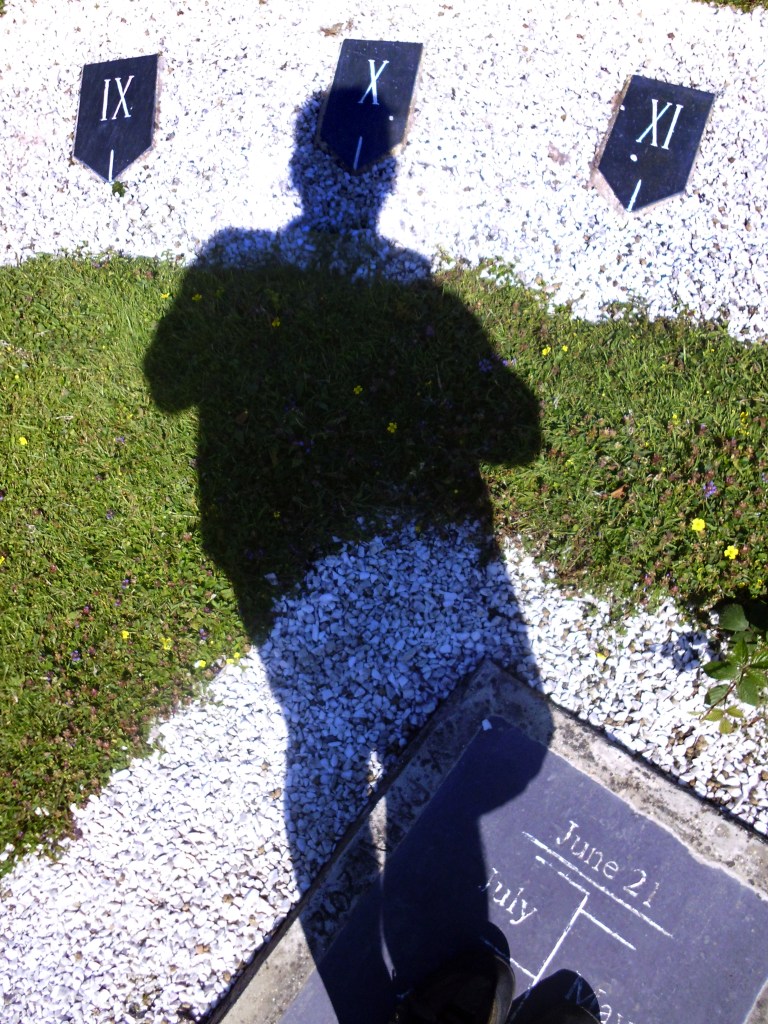
Using one’s own skill and ingenuity it is entirely possible to deduce that one arrived at such an august hill top observatory – at exactly X o’clock!

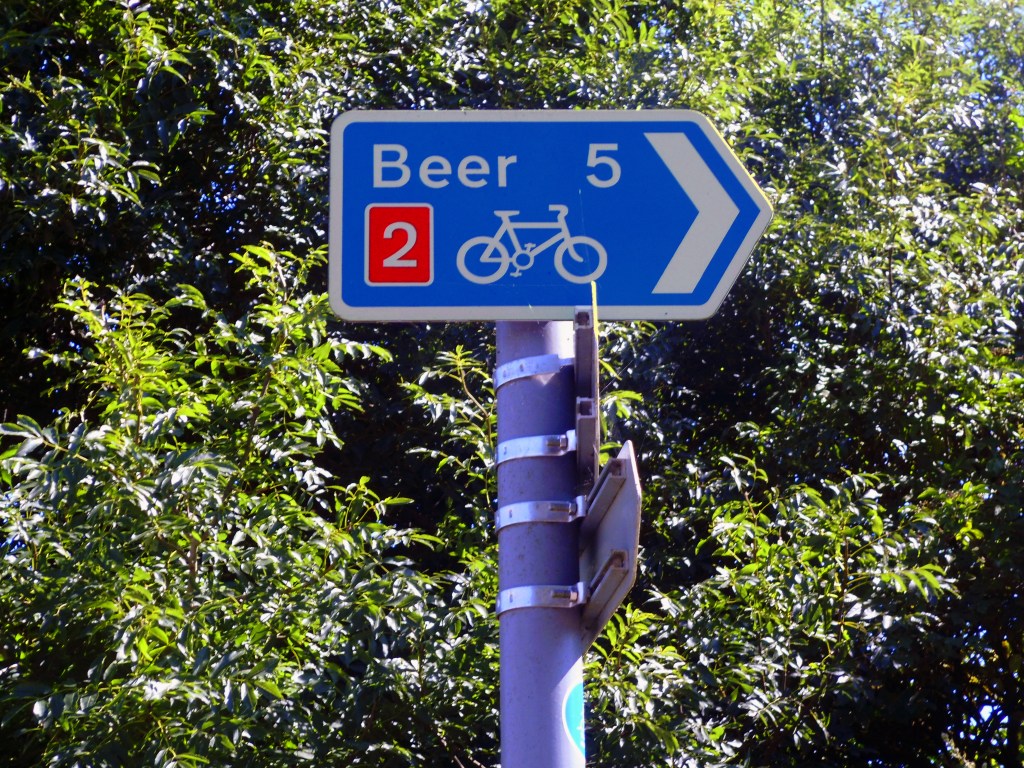
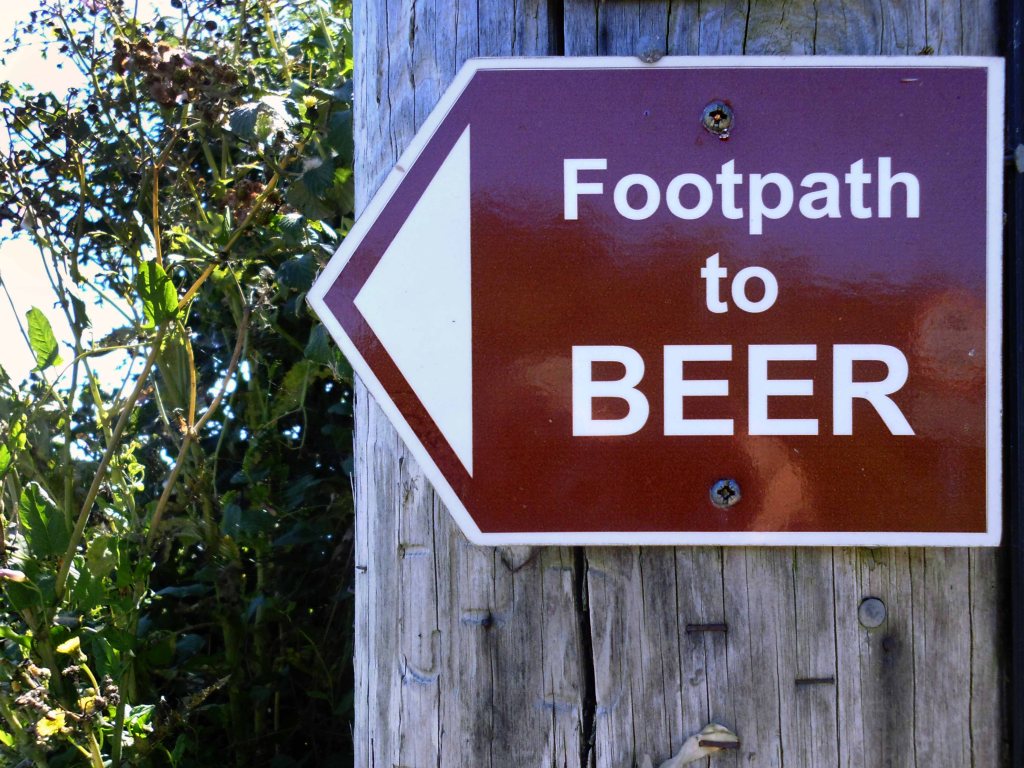
We’re now on the road to Beer, more of which in a moment first we’re on the way to Branscombe.

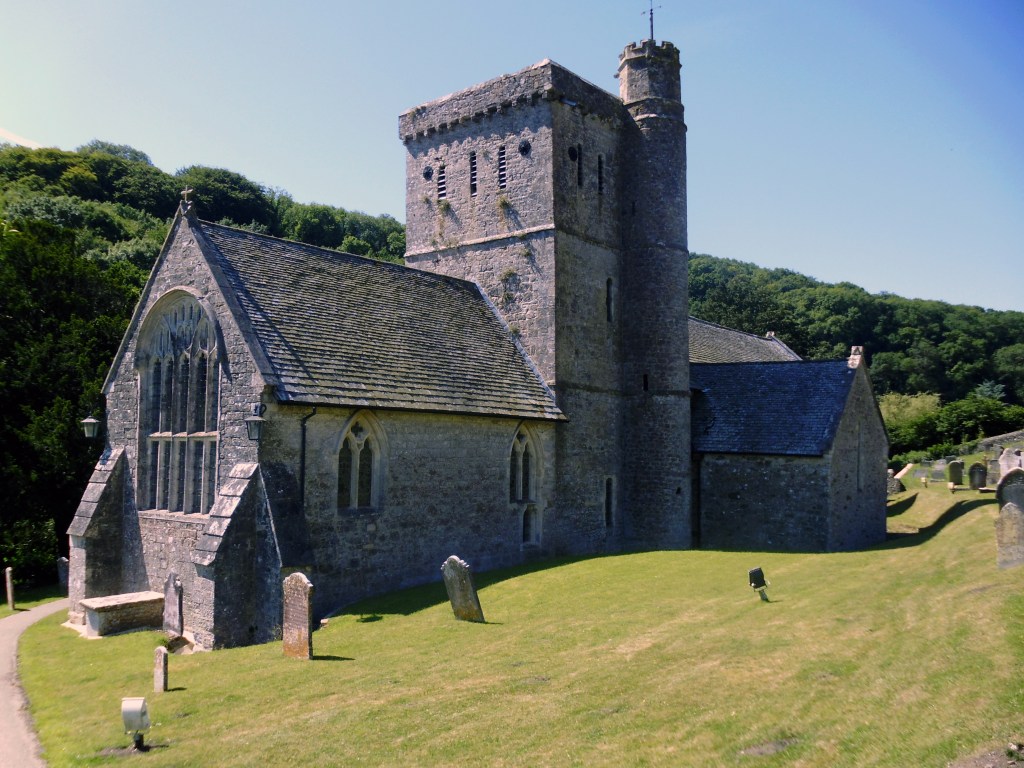
The Church of St Winifred’s set in a sylvan glade.

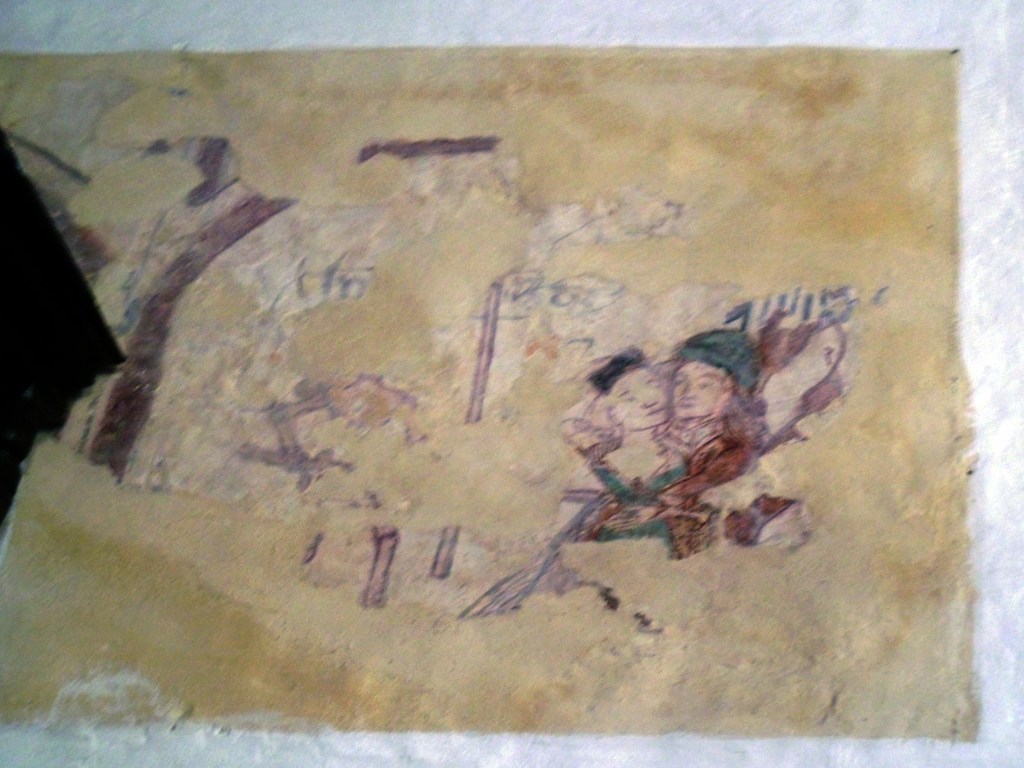
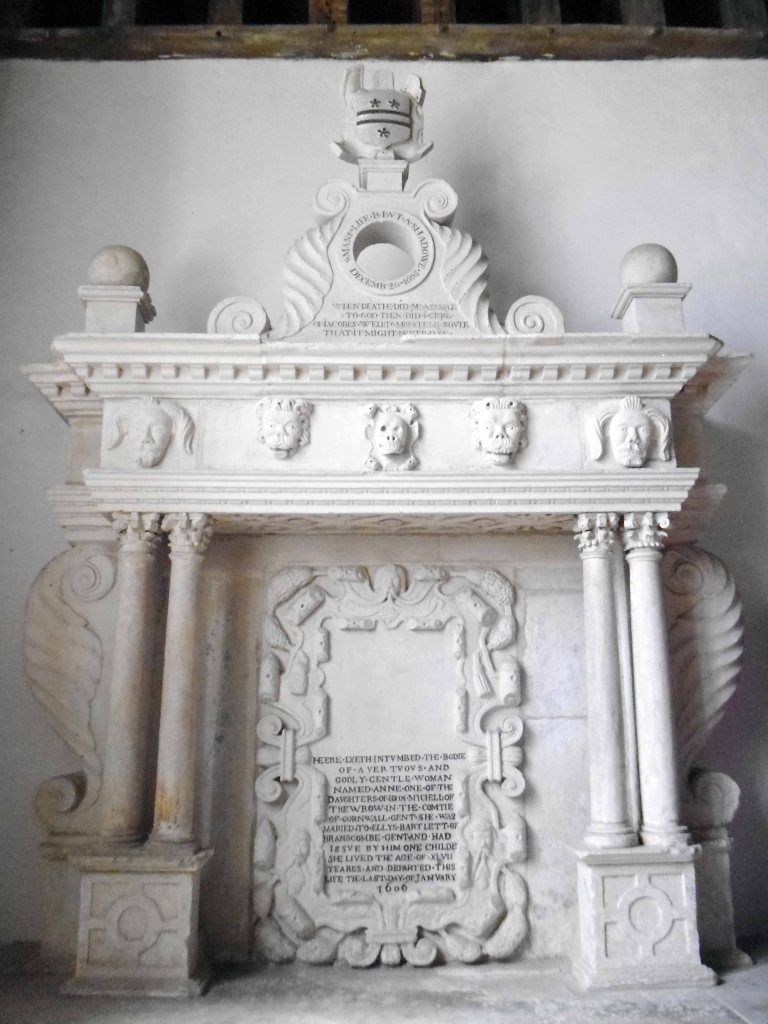
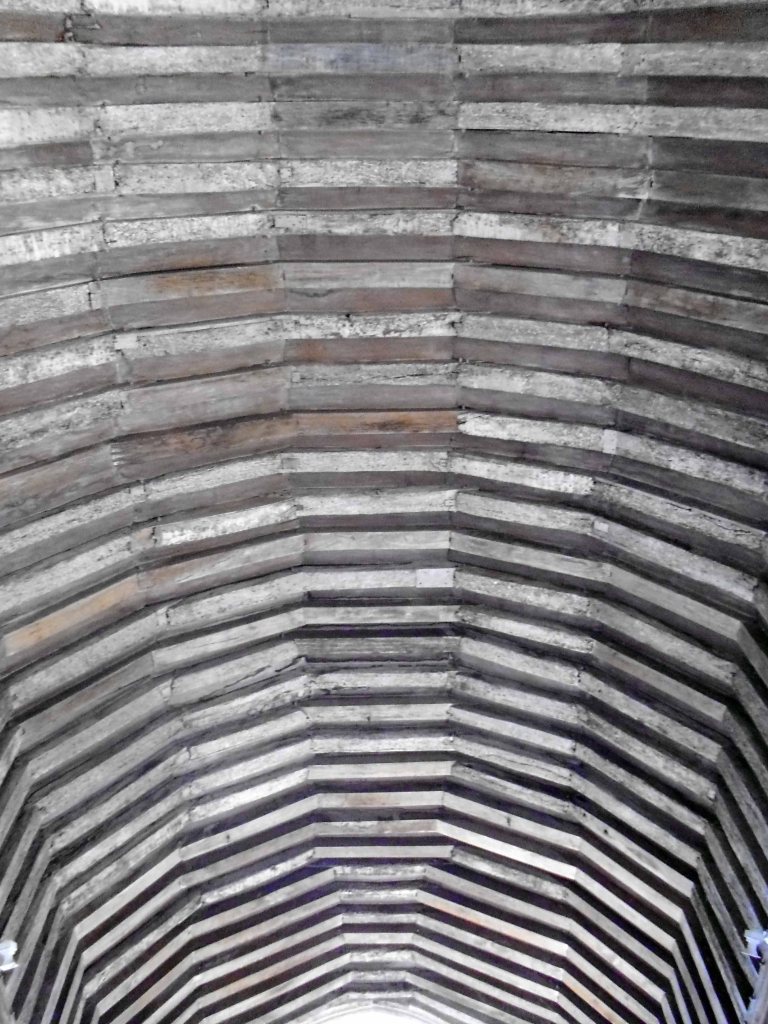
Characteristic Saxon chiselling on stones hidden in the turret staircase suggest the probability of an earlier, 10th century, Church on the site. Saint Winifred’s is among the oldest and most architecturally significant parish churches of Devon. The 12th century square central tower is one of only four completely Norman towers in Devon.

The church contains a rare surviving example of wall painting, dated about 1450 and discovered in 1911, the couple in this fragment illustrate Lust.

Sadly much of our ecclesiastical art was removed, destroyed or over painted during the Reformation, exacerbated by Cromwell and a general disdain for pictures and such.

Lust was also to be removed, destroyed or over painted.

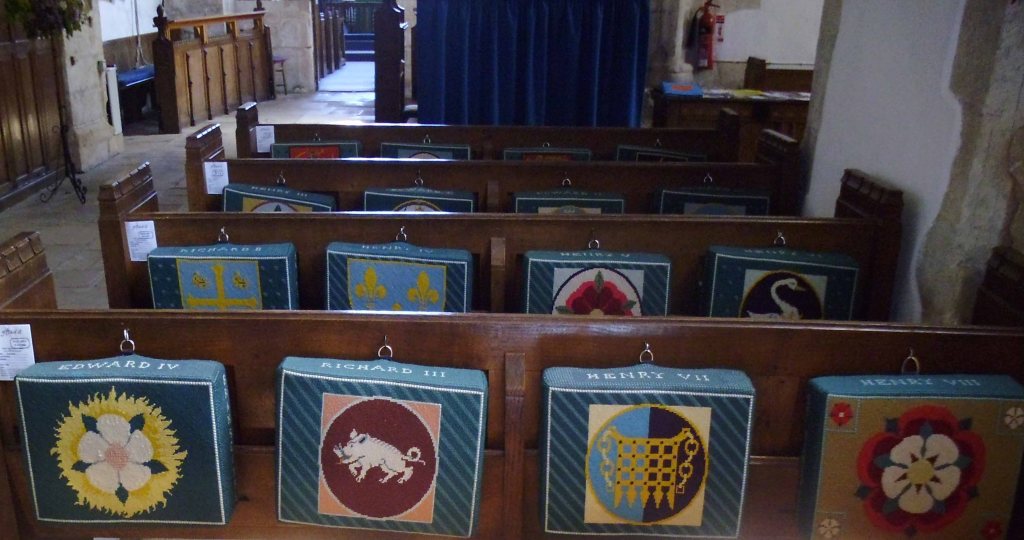
The reverence for royal succession was and is actively encouraged.

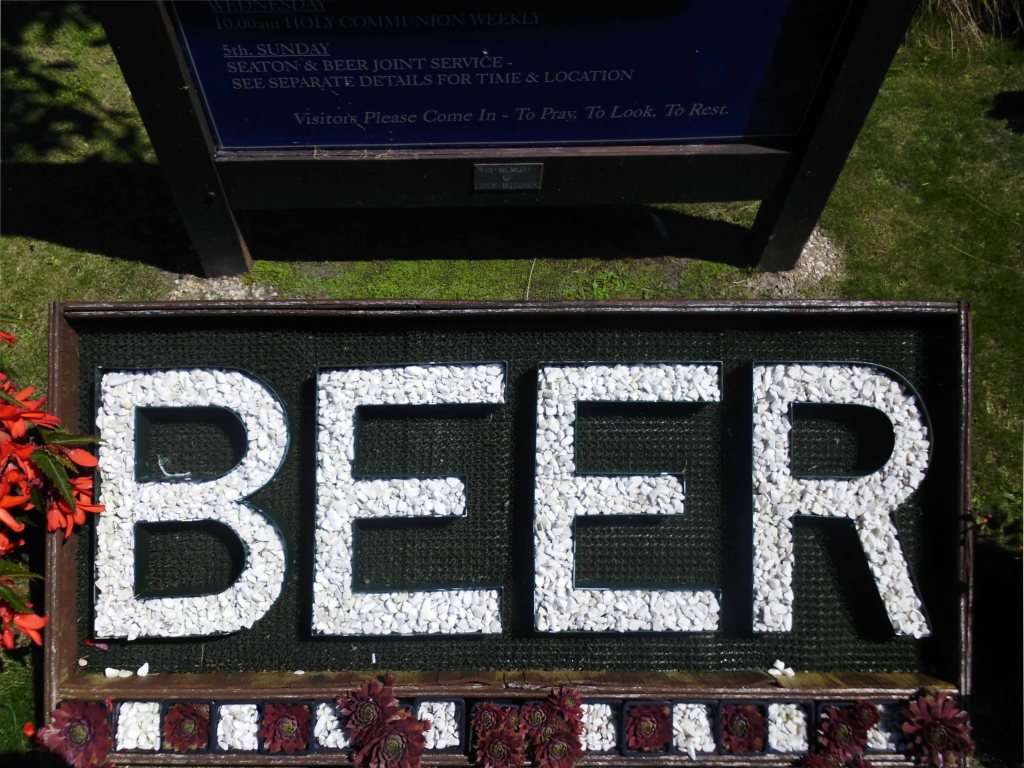
Well that’s quite enough of that, next stop Beer!

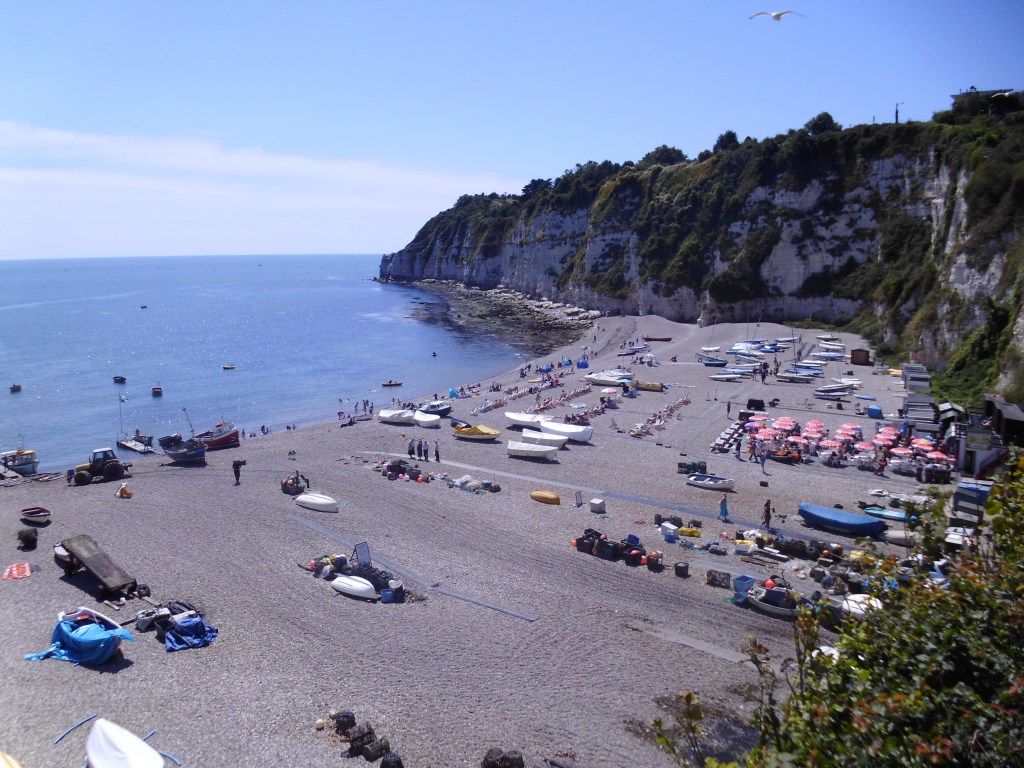
The beautiful picturesque village of Beer is located on the UNESCO World Heritage Jurassic Coast in Devon.  Surrounded by white chalk cliffs, the shingle beach is lined with fishing boats still bringing in their daily catches and is famous for its mackerel.

On the edge of the South West Coast Path, Beer has some of the most stunning coastal walks in the county, one of the best being from Seaton to Beer with dramatic views across the Jurassic Coastline. Beer was also named recently by Countryfile as the Top Picnic spot in the UK from Jubilee Gardens at the top of the headland, chose for its stunning view of the beach and village from the hillside.

A narrow lane leads to the bay, clogged with oversized Toytown motor cars, full of folk in search of something which they’re doing their level best to remove, destroy or over paint.

Toytown is home to Larry the Lamb,and his clever sidekick, Dennis the Dachshund. Each day a misunderstanding, often arising from a device created by the inventor, Mr. Inventor, occurs which involves Ernest the Policeman, the disgruntled Mr Growser the Grocer and the Mayor.

Delightful home compromised by the curse of the ubiquitous uPVC.

Next thing you know we’re in Seaton.

Whether you are looking for interesting attractions, wanting to explore stunning natural landscapes, experience thrilling outdoor activities, or just wanting somewhere to stay, eat or shop, you’ll find it all in Seaton.

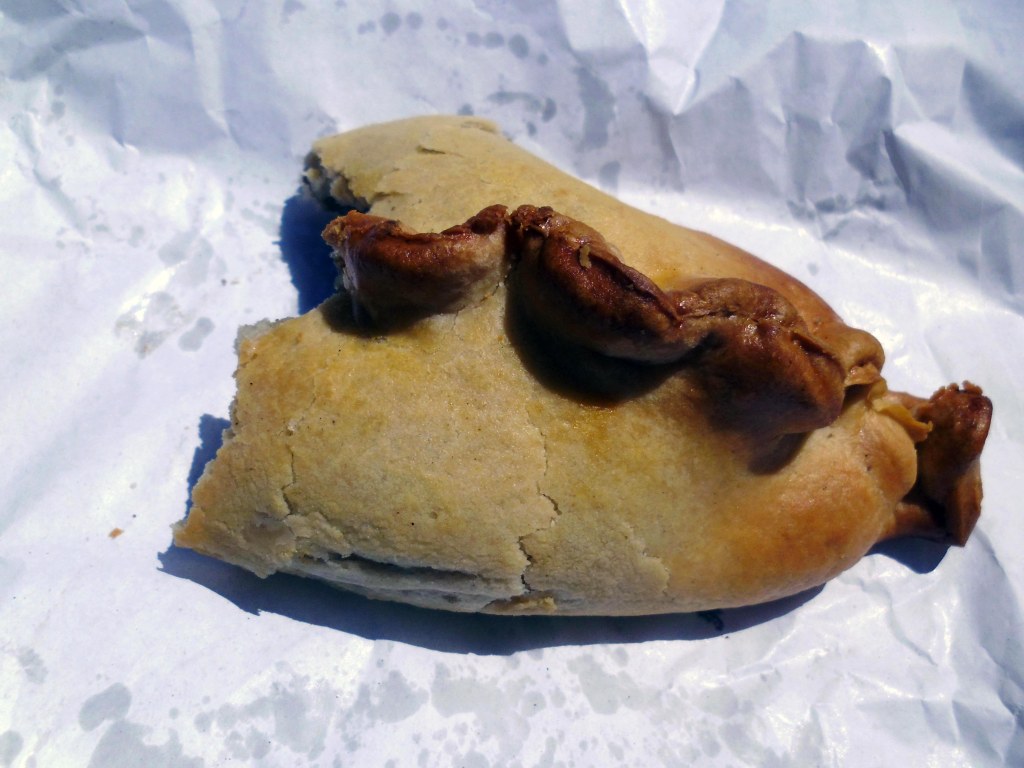
I found a pie shop and a pastie.

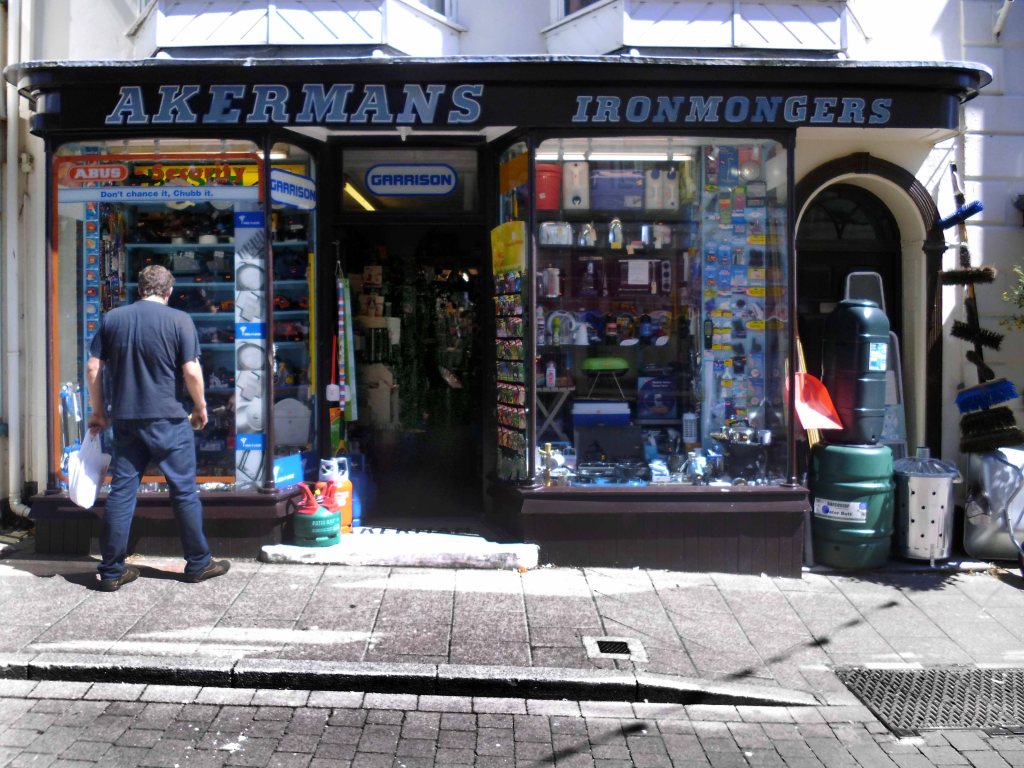
I found an ironmongers with a Stymie Bold Italic/Profil fascia.

Frequented by men who tend to adopt a combative stance when confronted with displays of ironmongery.

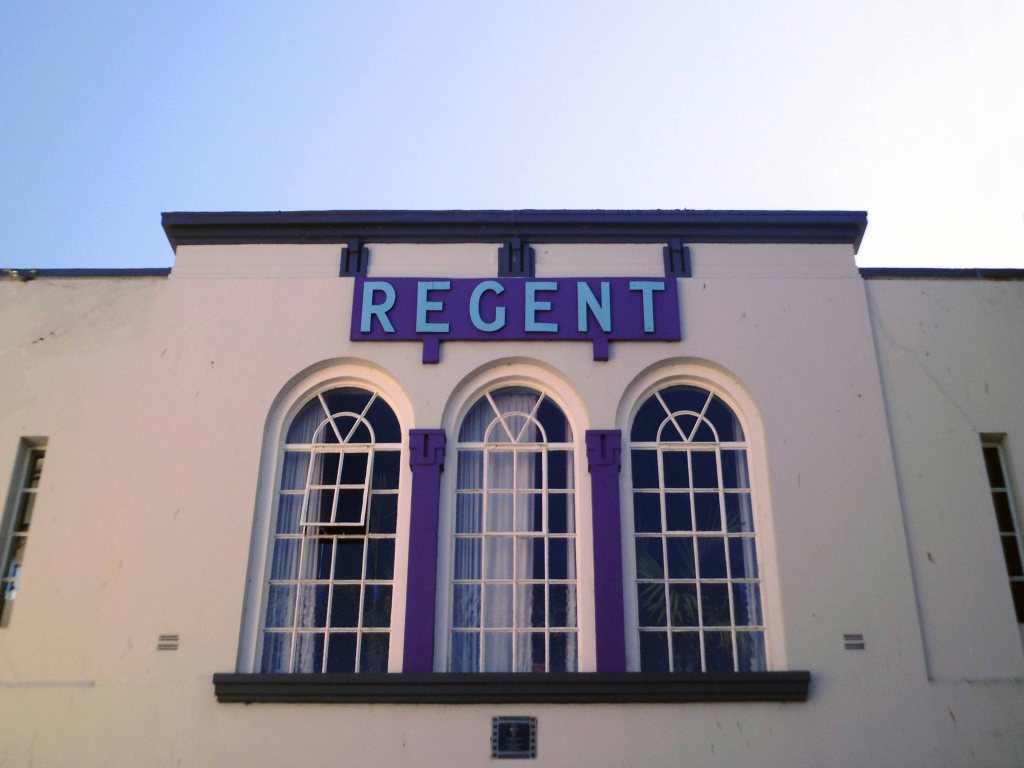
I found the road to Lyme Regis and the Regent Cinema.

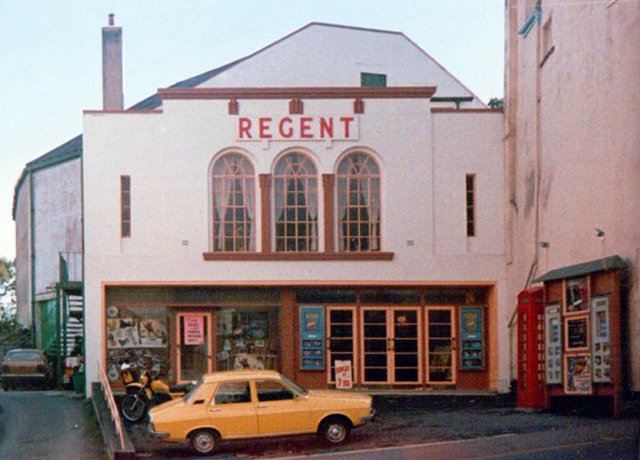
1985

The Regent Cinema opened on 11th October 1937 with Hugh Wakefield in The Limping Man. It was built for and was operated by an independent exhibitor.

Bristol based architect William Henry Watkins designed a splendid Art Deco style inside the cinema which has seating on a stadium plan, originally the seating capacity was for 560. It has a raised section at the rear, rather than an overhanging balcony. Lighting in the auditorium is of a ‘Holophane’ type, which changes colours on the ceiling. The proscenium opening is 35 feet wide. There was a cafe located on the first floor level.

In recent Years it has been operated by the independent Scott Cinemas chain. The Regent Cinema has been recently restored. From October 2000, English Heritage gave it a Grade II Listed building status.

Cinema Treasures

2016 – Following the devastating fire at the Regent Cinema on Tuesday 22nd March, we can now confirm that the auditorium block of the Regent has been damaged beyond repair, and will have to be rebuilt. Damage to front of house areas is largely cosmetic, and will be attended to as part of the wider build scheme. We have every intention to rebuild the cinema to its former glory.

2019 – The WTW-Scott Cinema group is still actively engaged in a potential rebuild scheme for the Lyme Regis cinema. We’re currently working on our fourth set of design proposals, from which we need to reach the point where the rebuild scheme is both financially and architecturally viable. At present, we have not consulted with local authorities as there is little point in wasting everybody’s time presenting a scheme design that isn’t viable. New build cinemas are architecturally very complicated, and the Lyme Regis venue being a listed building presents challenges to overcome, all of which add significantly to any build schedule. Once we have a viable, workable scheme, we look forward to working with the local authority and Historic England to progress this.

The remainder of my time in Lyme was spent desperately seeking a bed for the night, to no avail. Following multiple enquiries and dead end directions to no-go destinations, I headed out of town.

Bridport bound – where I chanced upon a Pub/B&B the magnificent Lord Nelson where the owners allowed me to store my bike in the ninepin bowling alley.

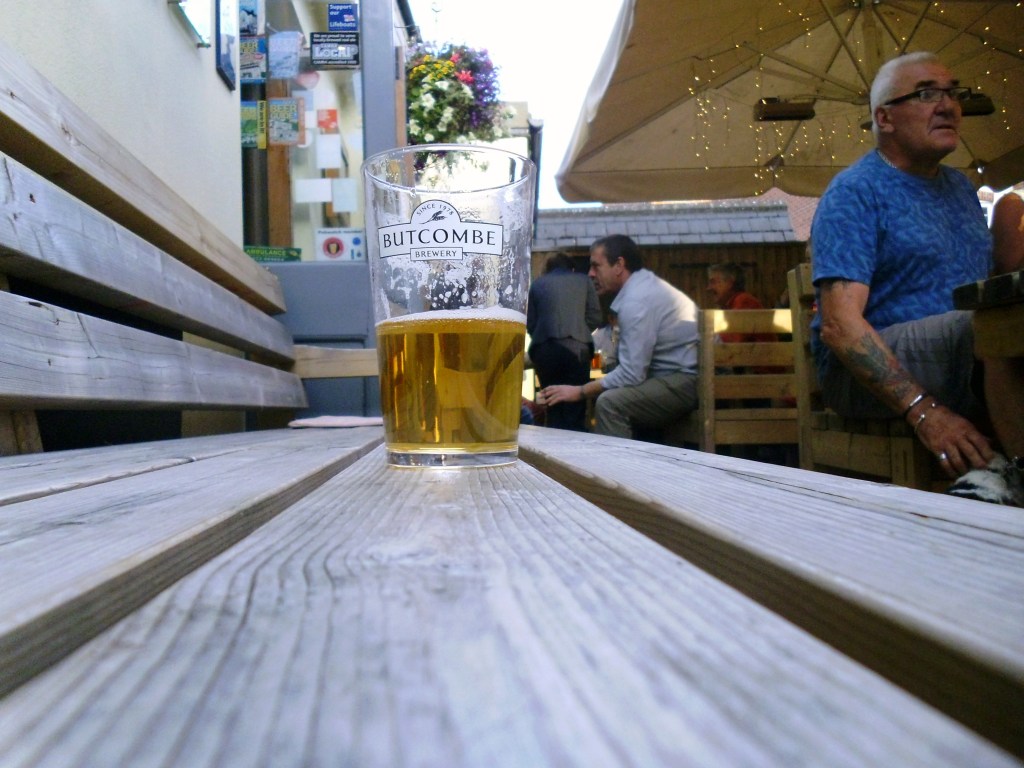
I sat in the beer garden at the Lord Nelson and boozed – chatting to a local lad that worked in the local brewery, brewing the local beer, that was served in this very same local pub.

Palmers Ales are brewed in one of Britain’s oldest and prettiest breweries and have been since 1794. The only thatched brewery in the UK, Palmers sits adjacent to the river Brit just a mile from Dorset’s Jurassic Coast. All our fine ales are brewed using water from our own naturally rising spring. 

Our Head Brewer uses only the finest Maris Otter malt and carefully selected whole leaf hops to produce ales in a way they have been made for generations. Palmers historic brewhouse has a traditional Mash Tun, an open top Copper, along with top fermentation, this is the way ale should be brewed.

I finished up somewhere else, sat outside chatting to someone else, about something else.

Wandered happily home to bed.

Night night.

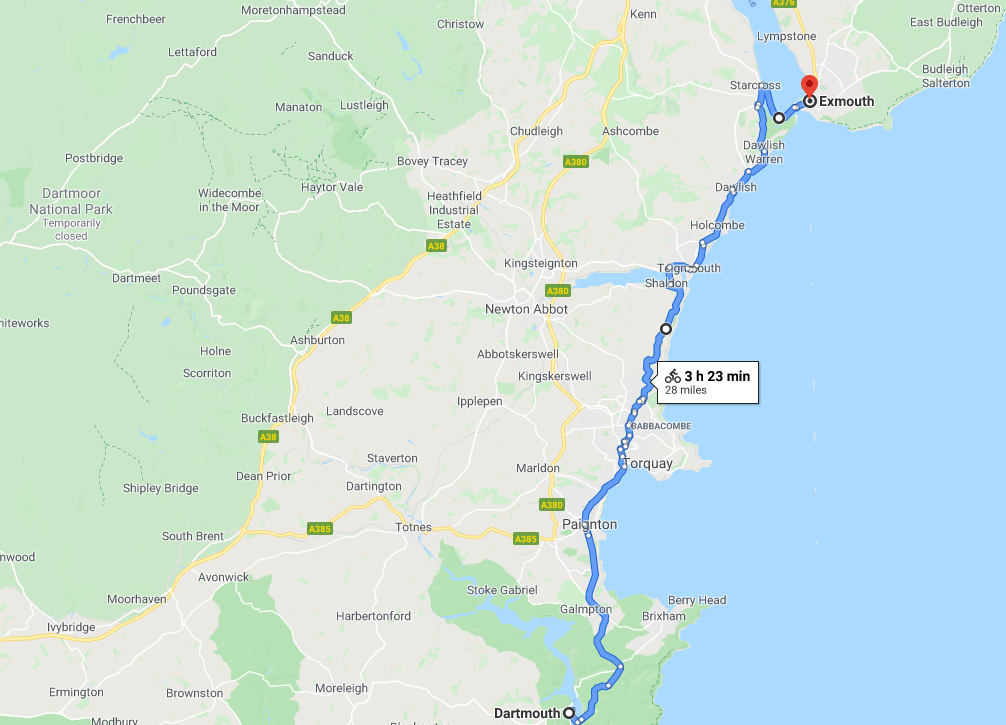
Dartmouth to Exmouth

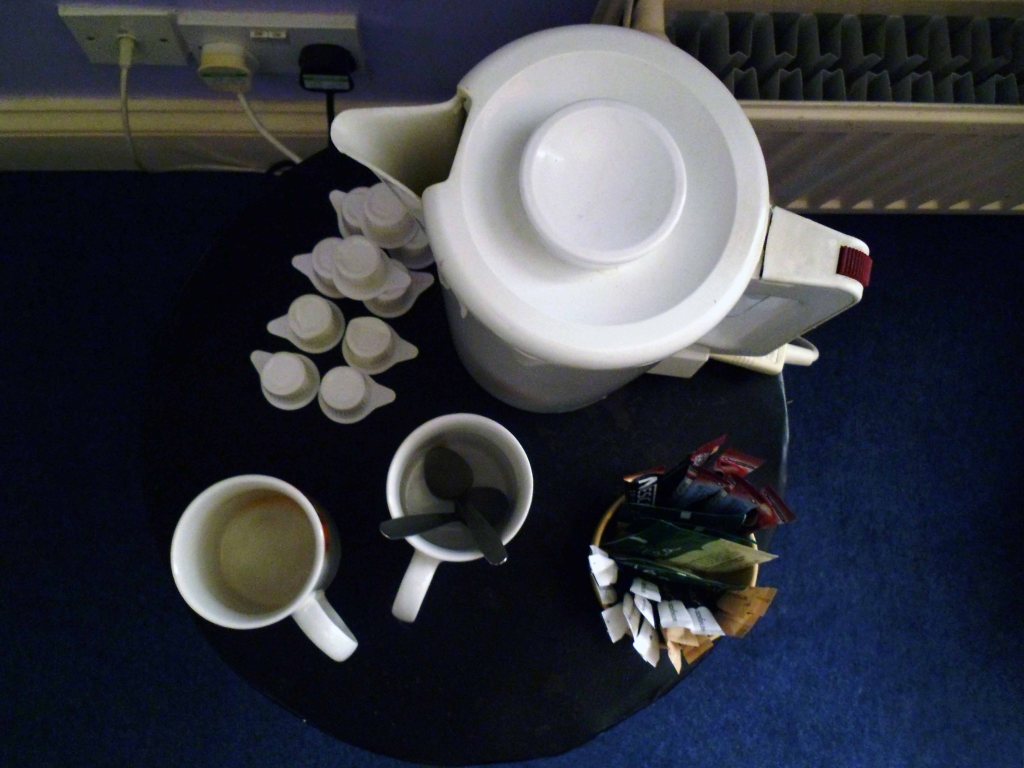
Wake up Steve put the mini-kettle on!

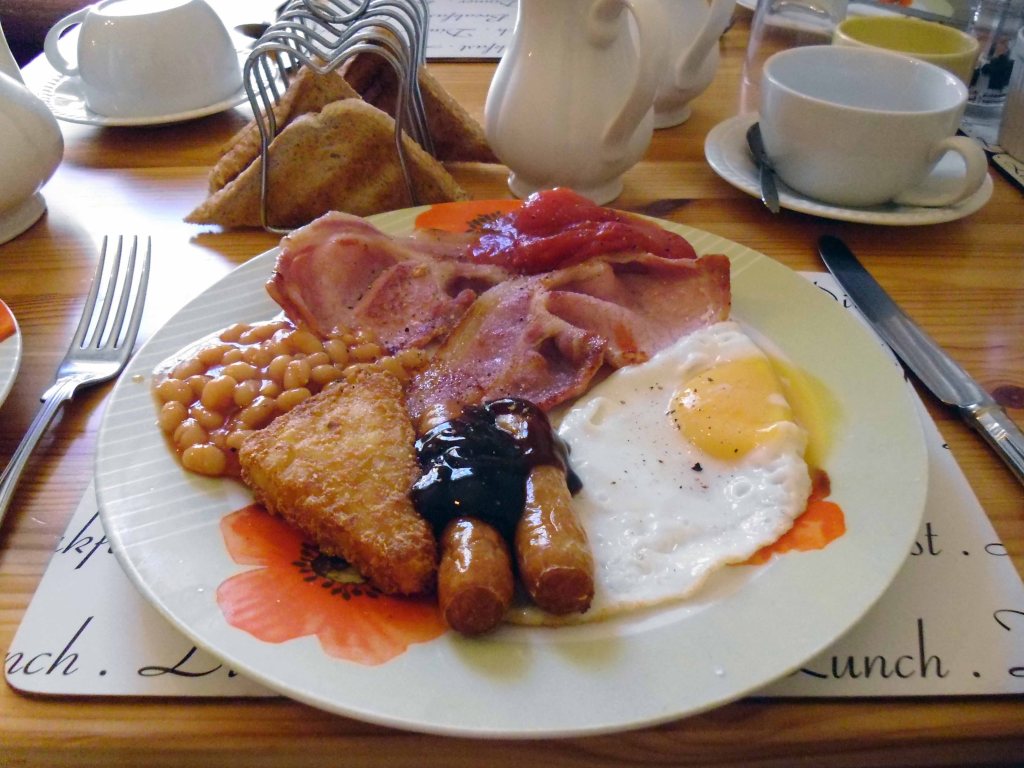
Get down for breakfast – I personally regret the untimely passing of fried bread and the appearance of the so-called hash brown.

Originally, the full name of the dish was hashed brown potatoes or hashed browned potatoes, of which the first known mention is by American food author Maria Parloa in her 1887 Kitchen Companion, where she describes the dish of hashed and browned potatoes as a fried mixture of cold boiled potatoes which is folded like an omelet before serving.

Years later we got them.

Thursday 30th July 2015 and the sun is a shining brightly on the Dart.

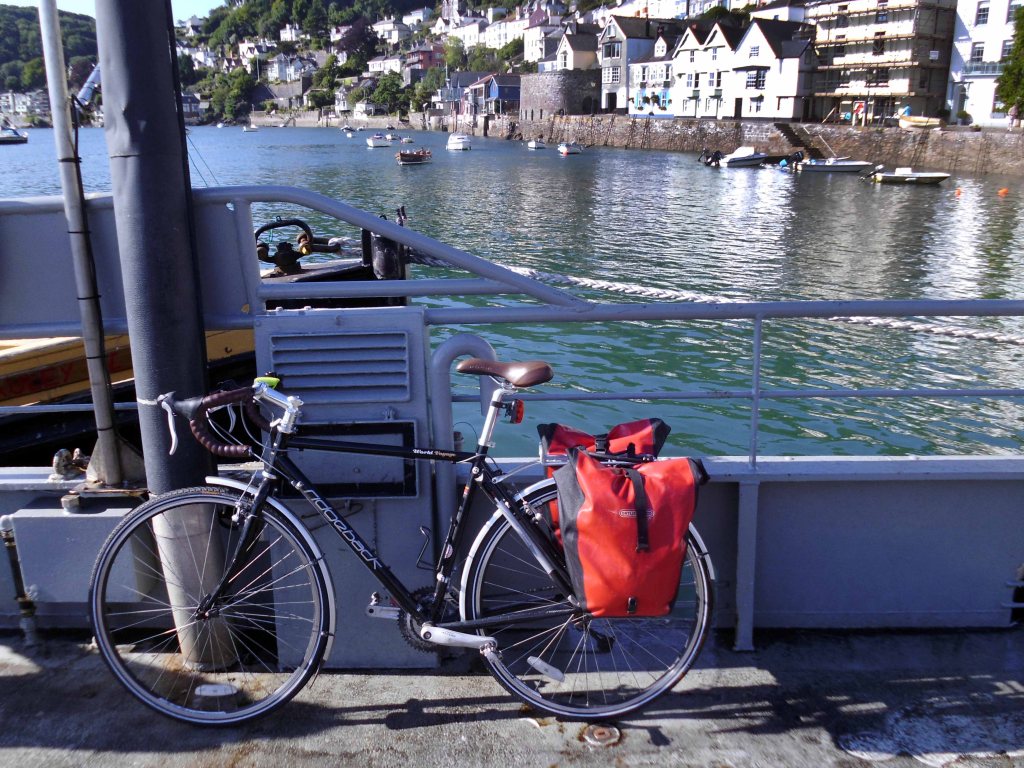
Get on the ferry!

We’re off again.

The Monkey Puzzle tree Araucaria araucana is one of the oldest trees in the business – of being a tree.

It is native to central and southern Chile, western Argentina, and a welcome visitor to the English Riviera.

The hardiest species in the conifer genus. Because of the prevalence of similar species in ancient prehistory, it is sometimes called a living fossil.

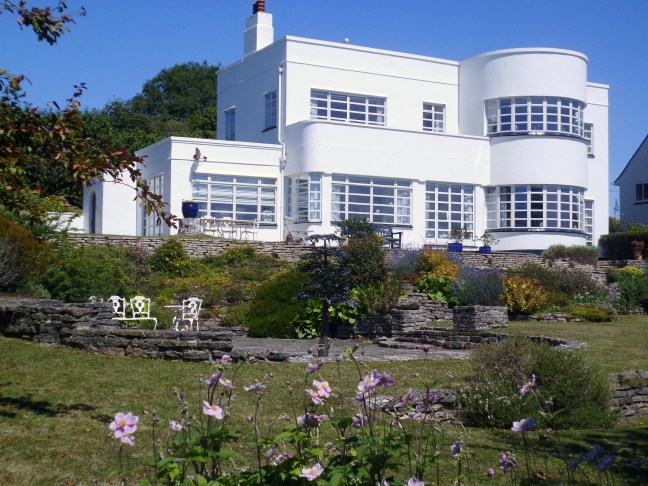
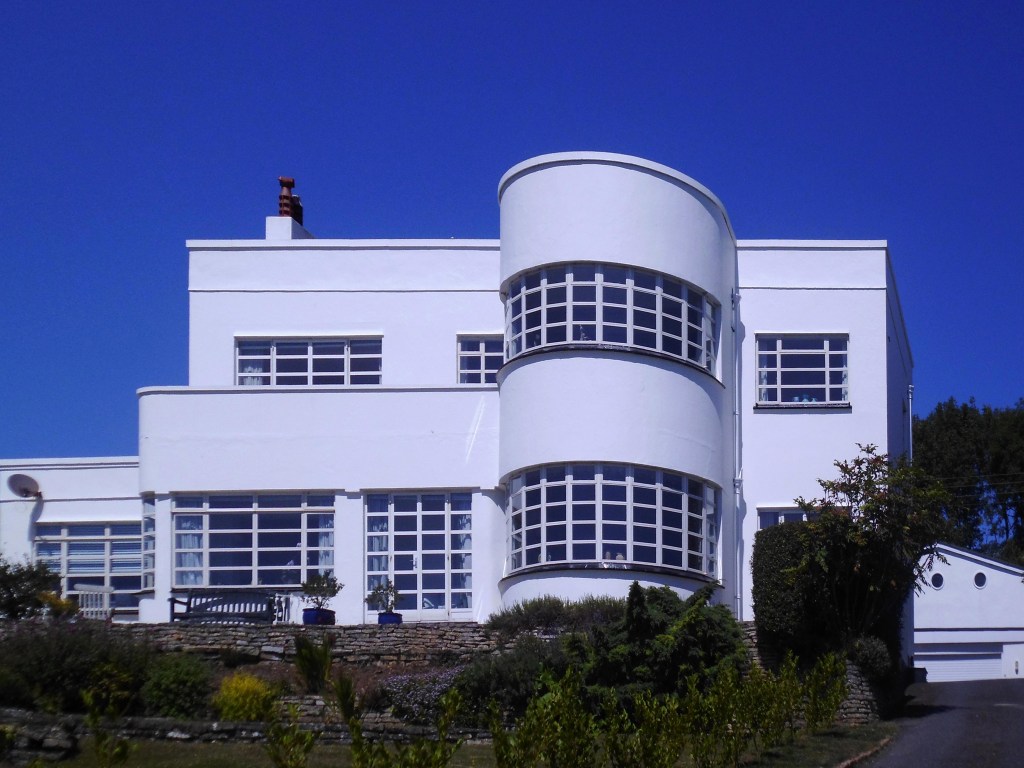
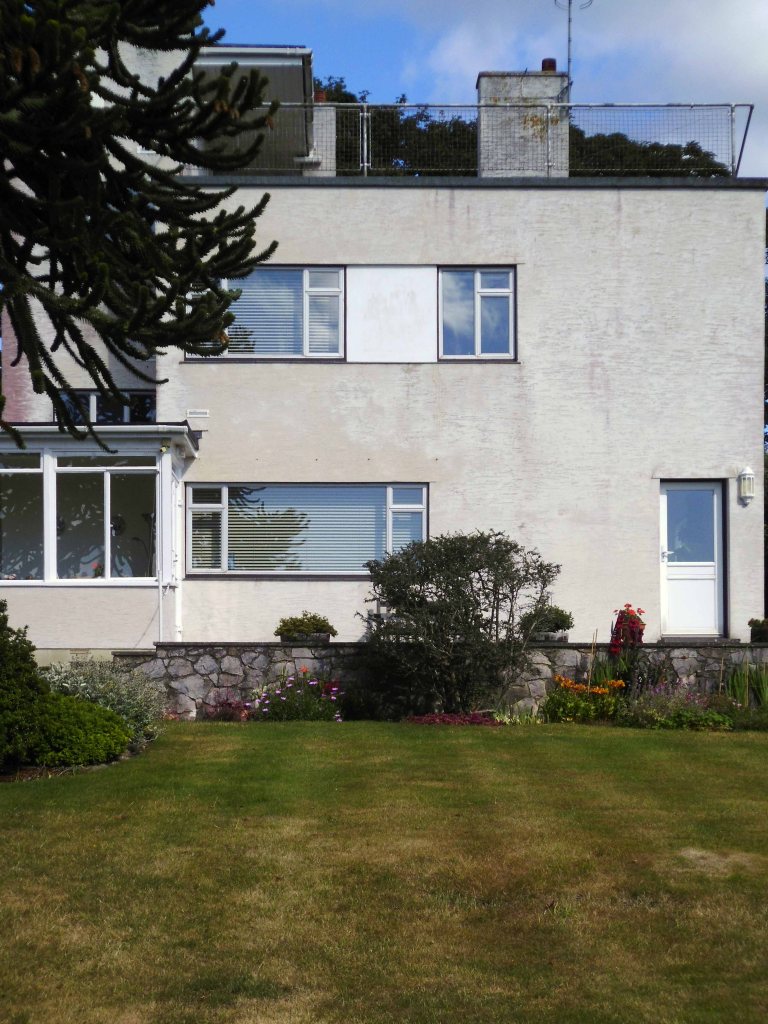
The refined white rectilinear box shaped houses of the genus Seaside Moderne, are an offspring of the International Style, to be found all over the globe.

The sea covers seventy percent and rising, of our planet.

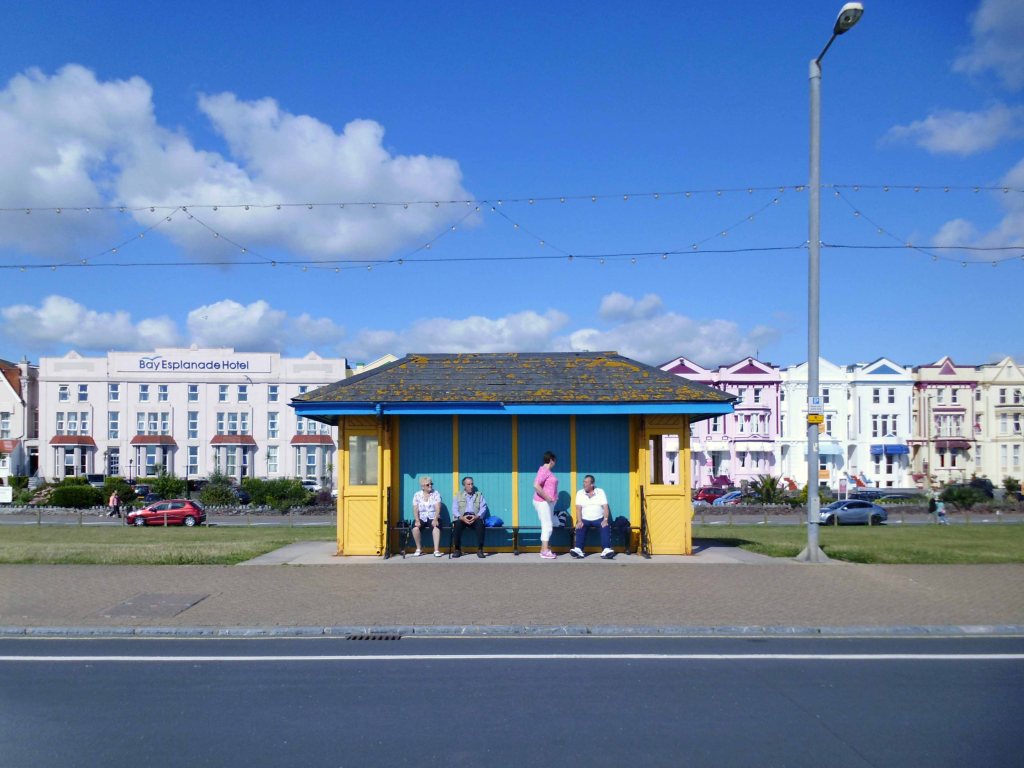
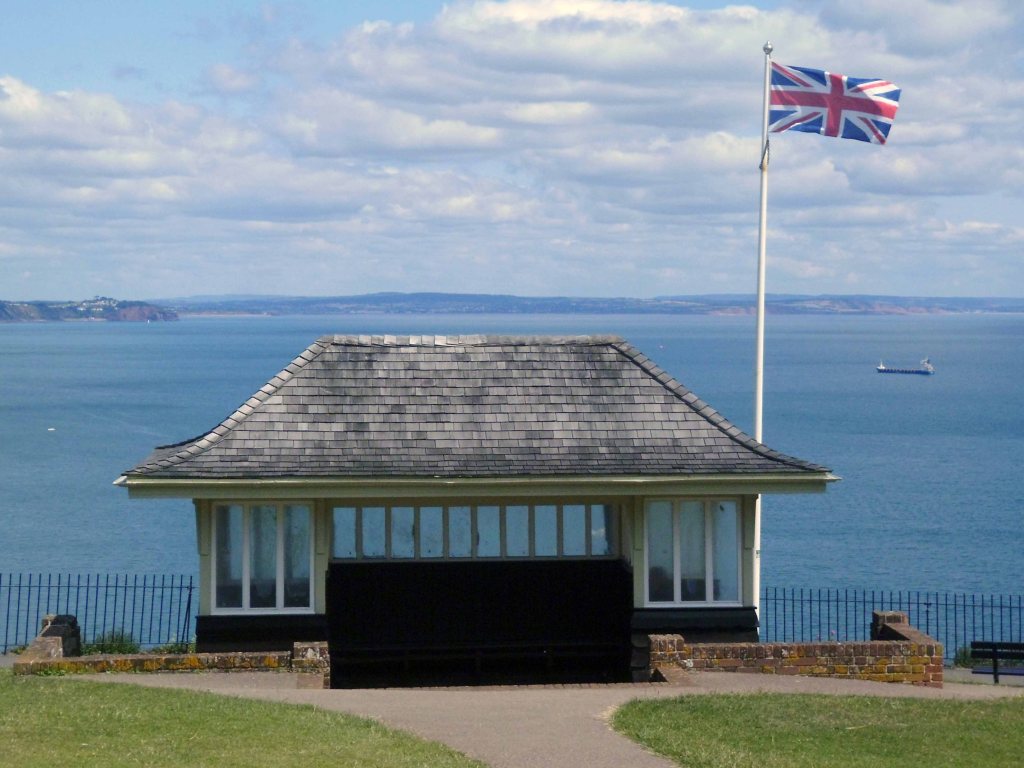
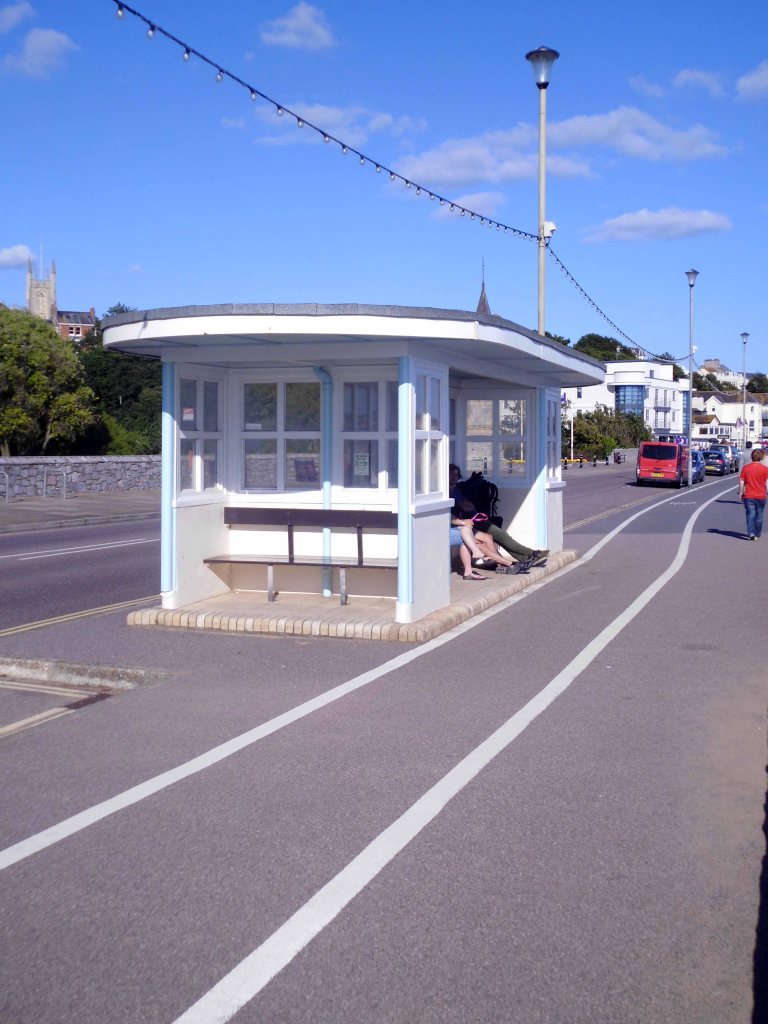
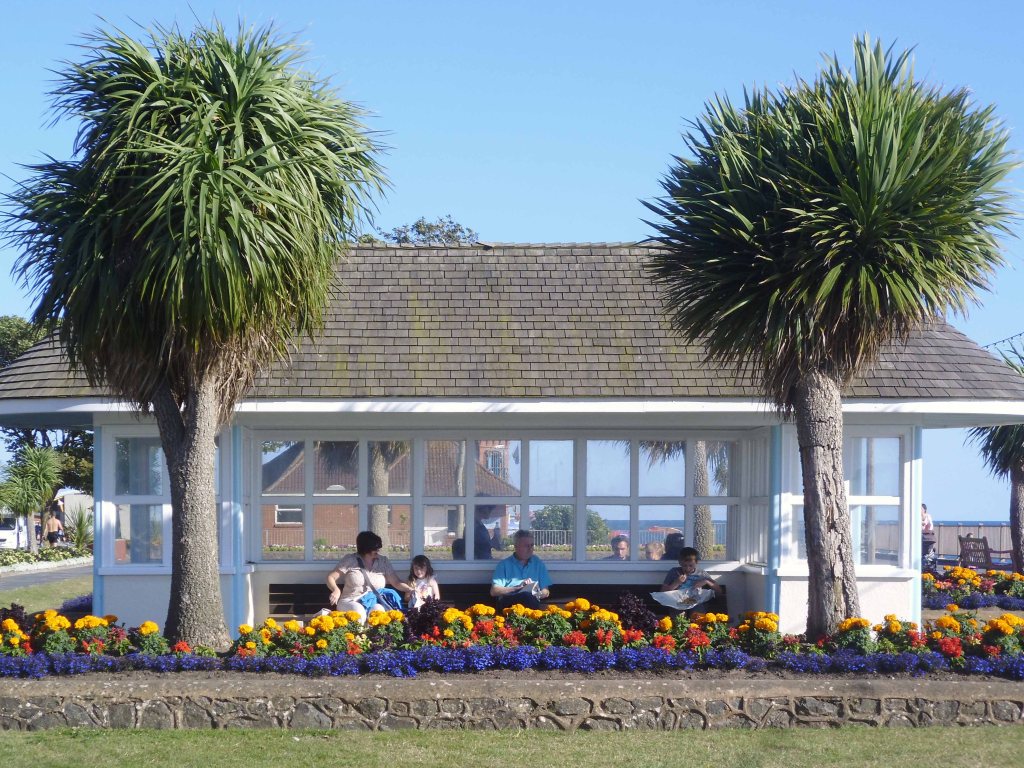
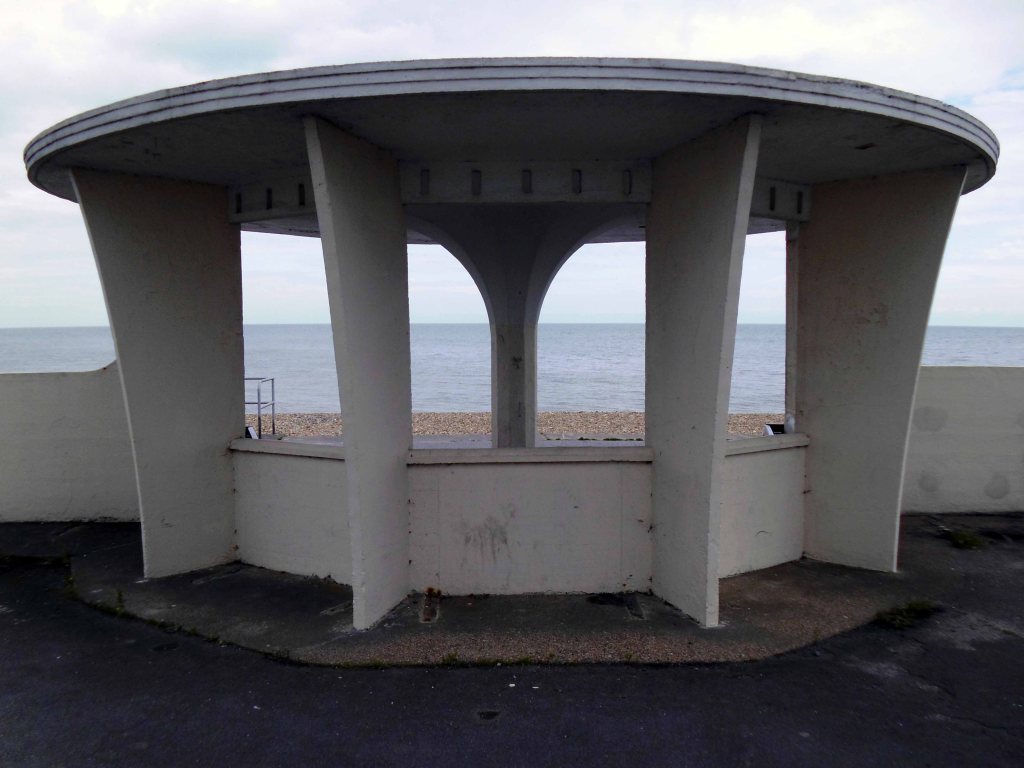
Seaside shelters are ubiquitous along our coast and form a typology determined by a rich variety of wild and wonderful Municipal tastes – flat, broke, baroque, modern and functionalist, hardly two the same.

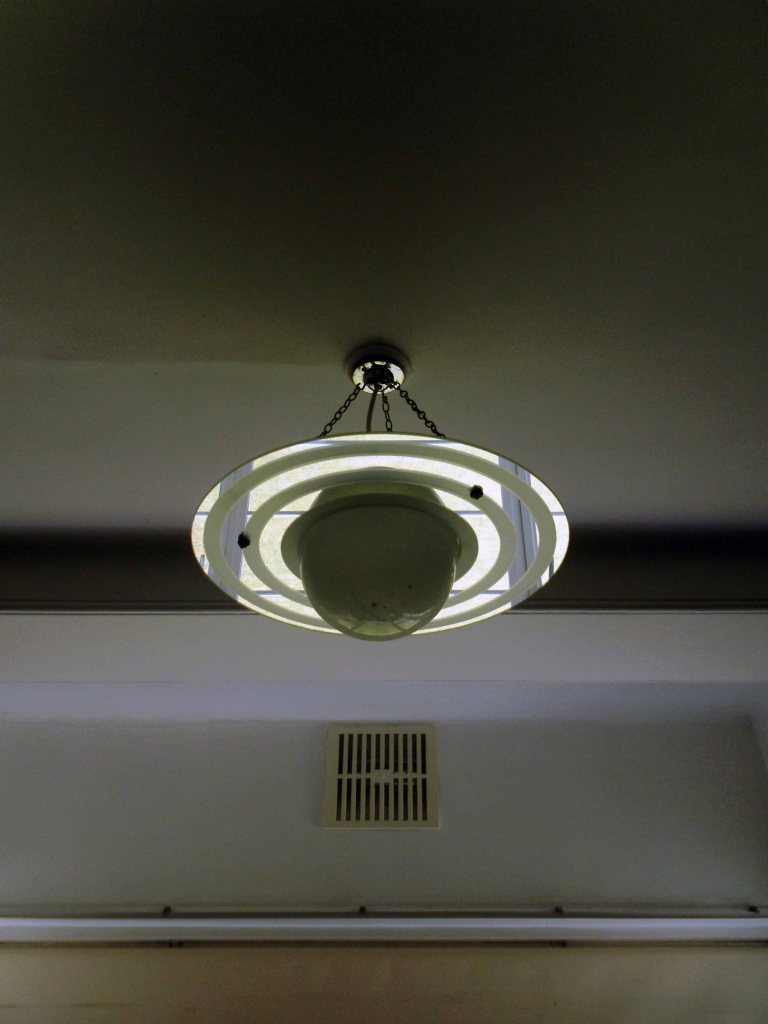
Electricity is a popular power source both locally, nationally and internationally.

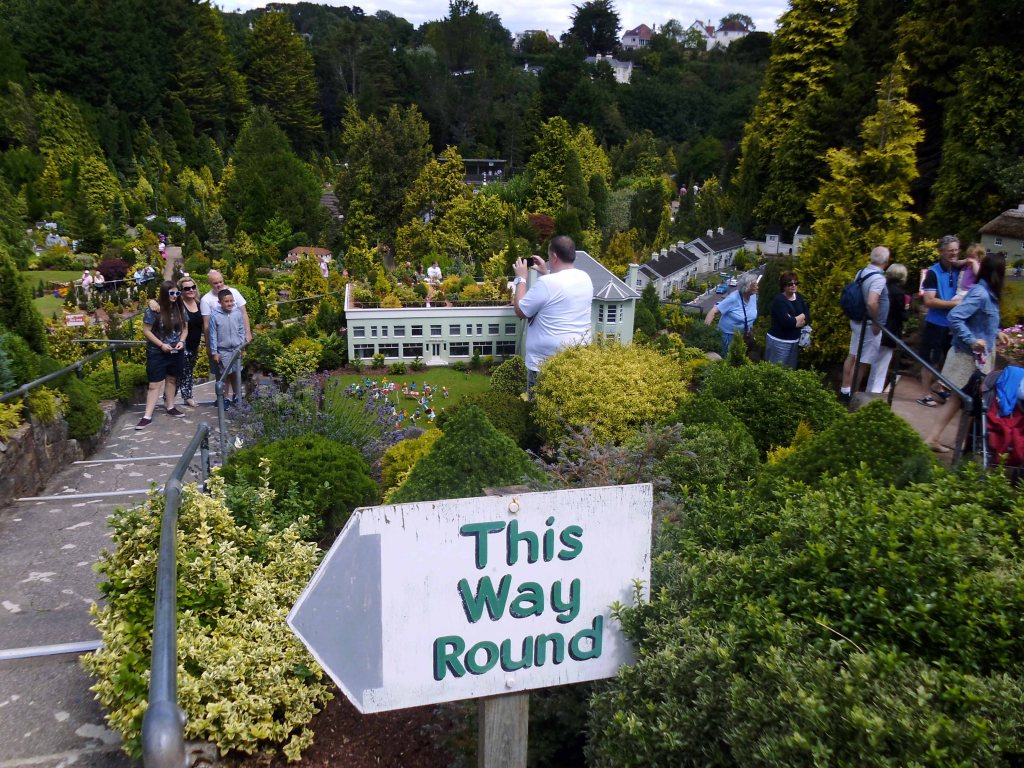
Model villages originated in seventh century China, there is only one way around a model village.

This one is in Babbacombe.

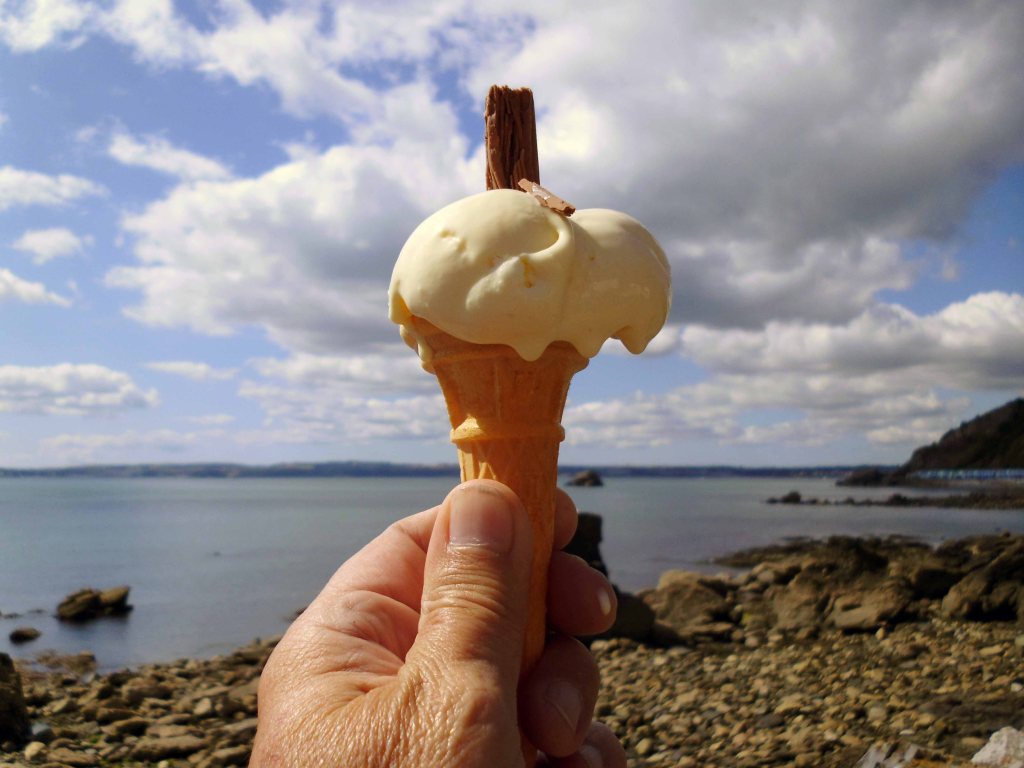
Time for a 99 – quick it’s melting Steve!

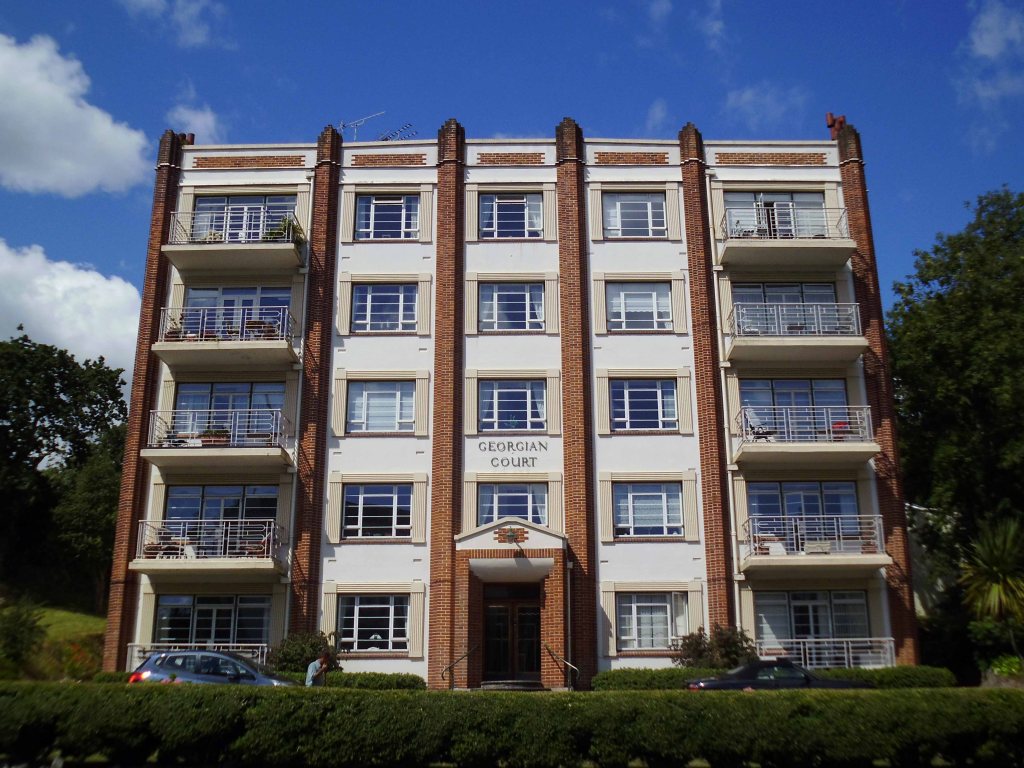
This Georgian Court is situated just outside Torquay, a restrained Neo Classical/Deco brick and render apartment block – the couple I chatted to, very kindly offered to show me around the place.

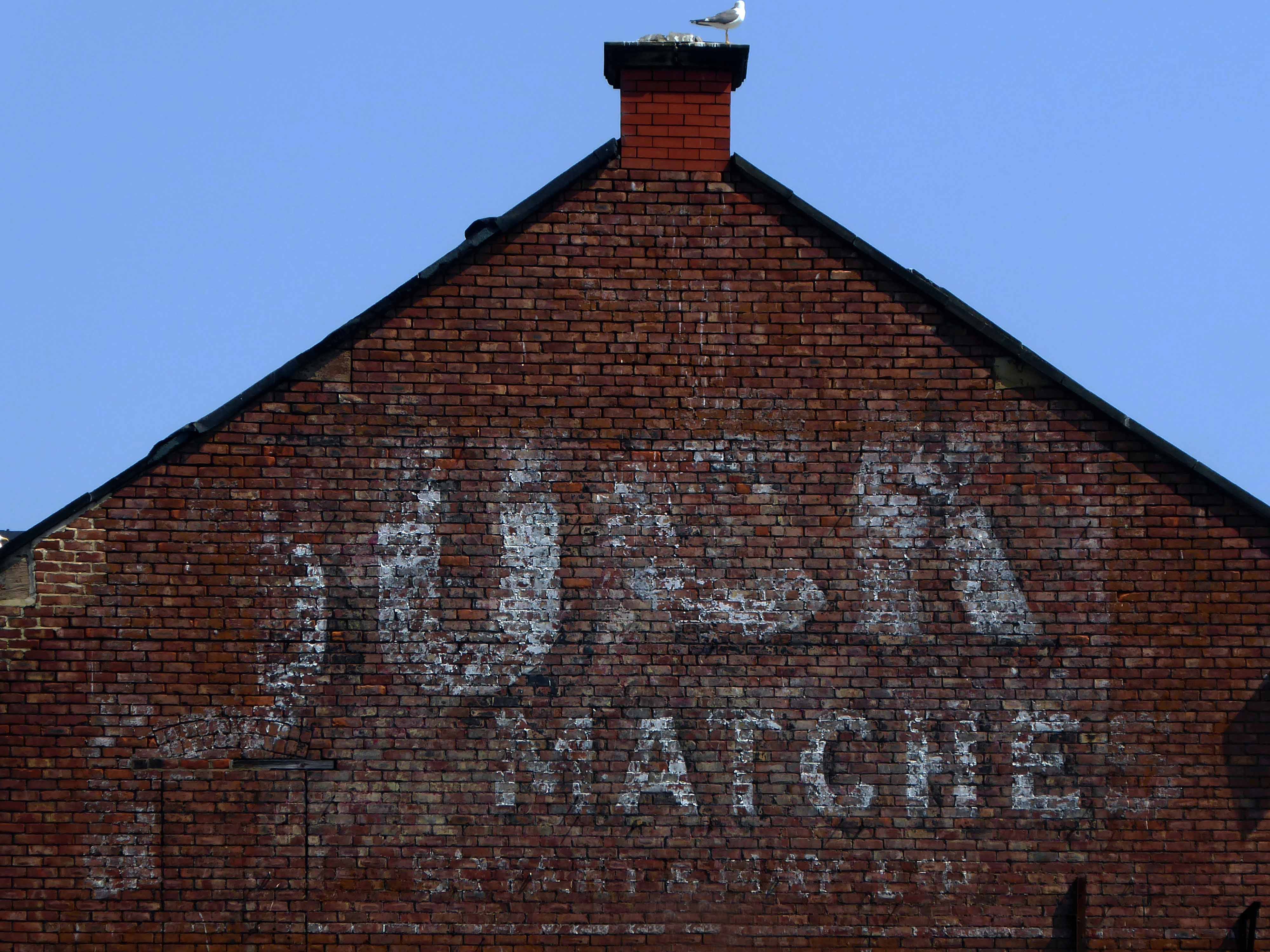
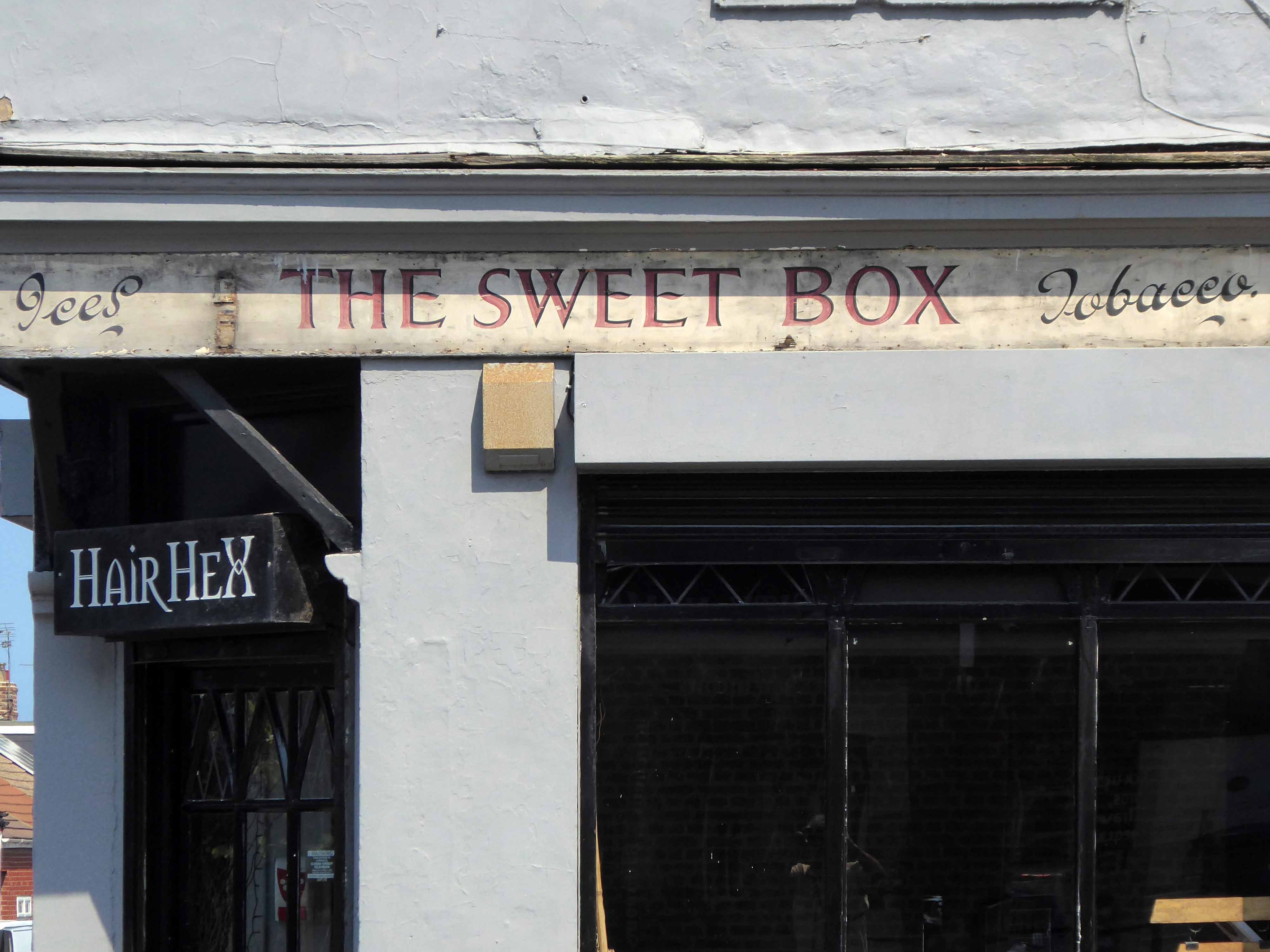
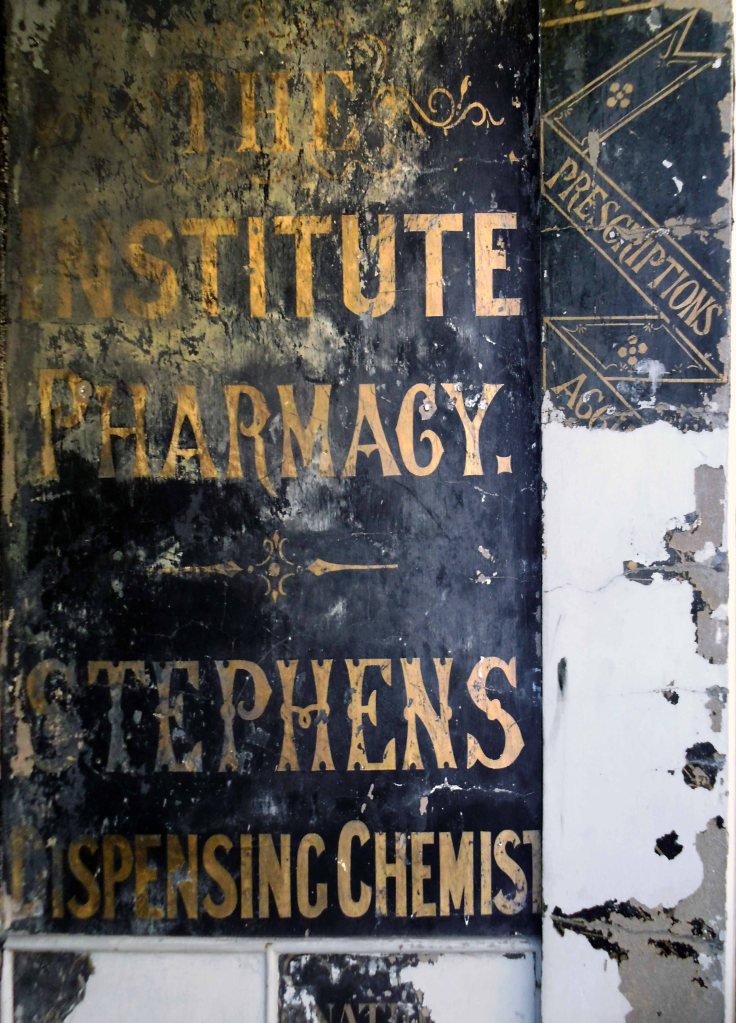
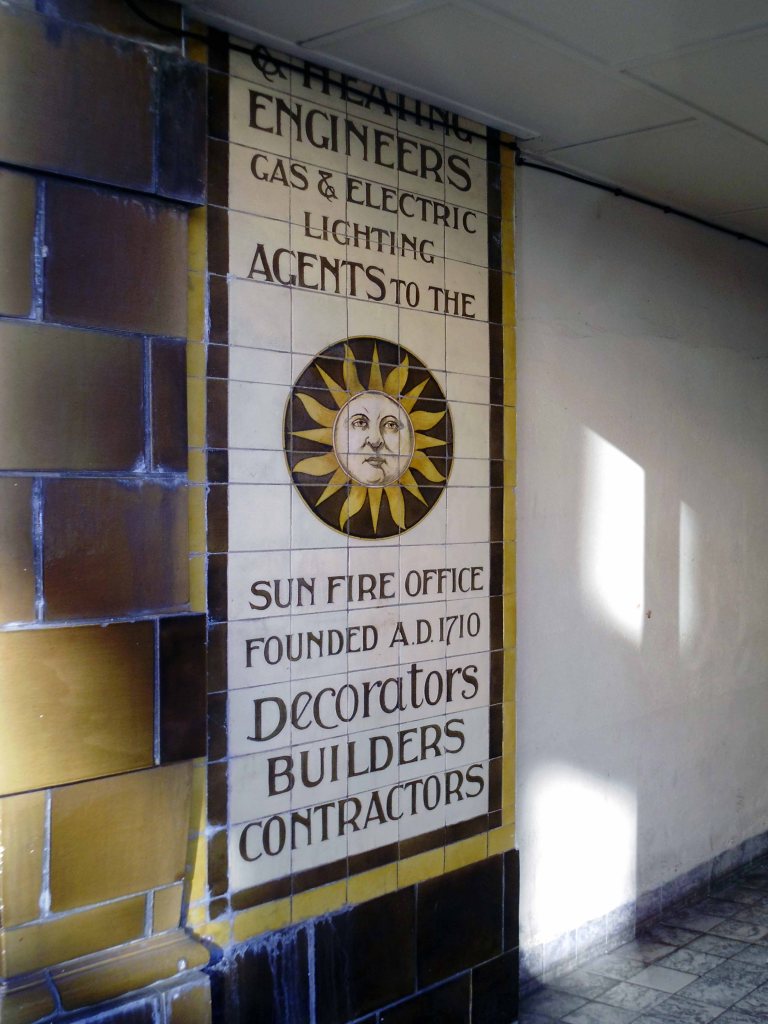
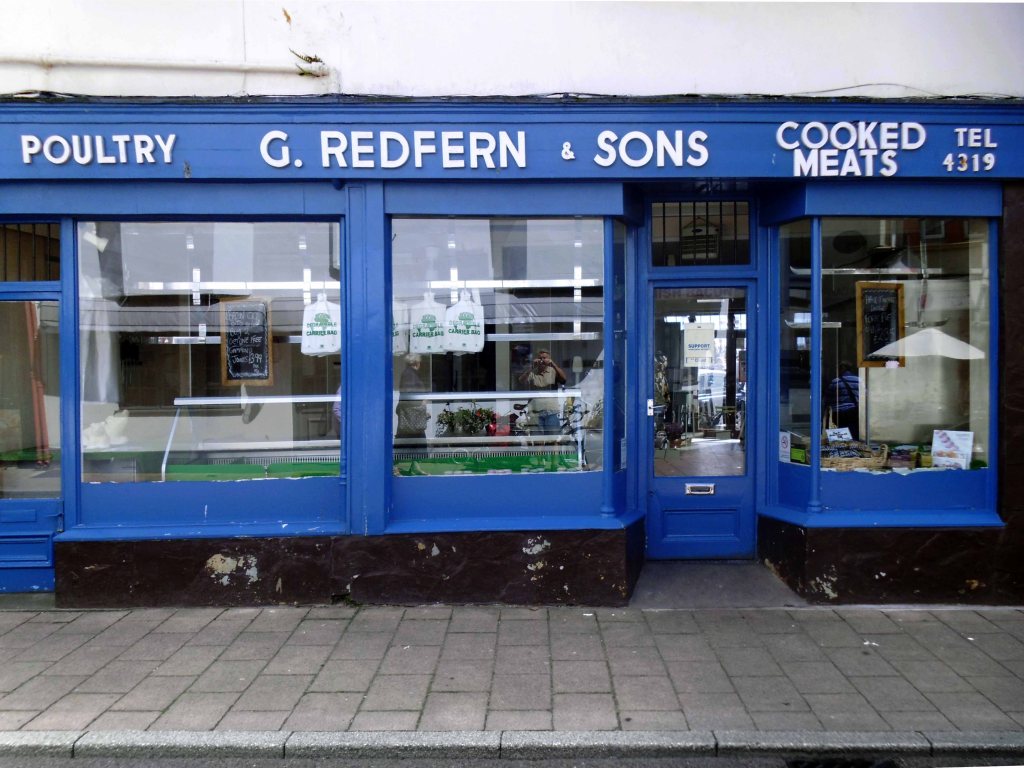
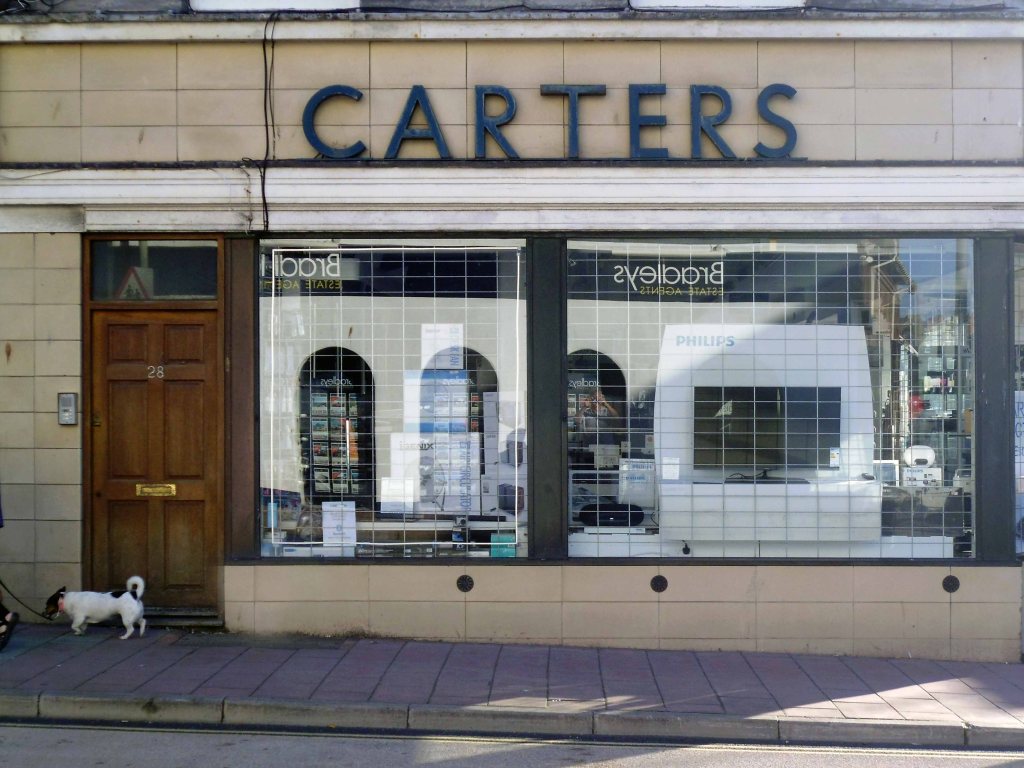
Ghost signs have the habit of disappearing all over the place.

So to shops of all shapes and sizes.

Whilst others prevail.

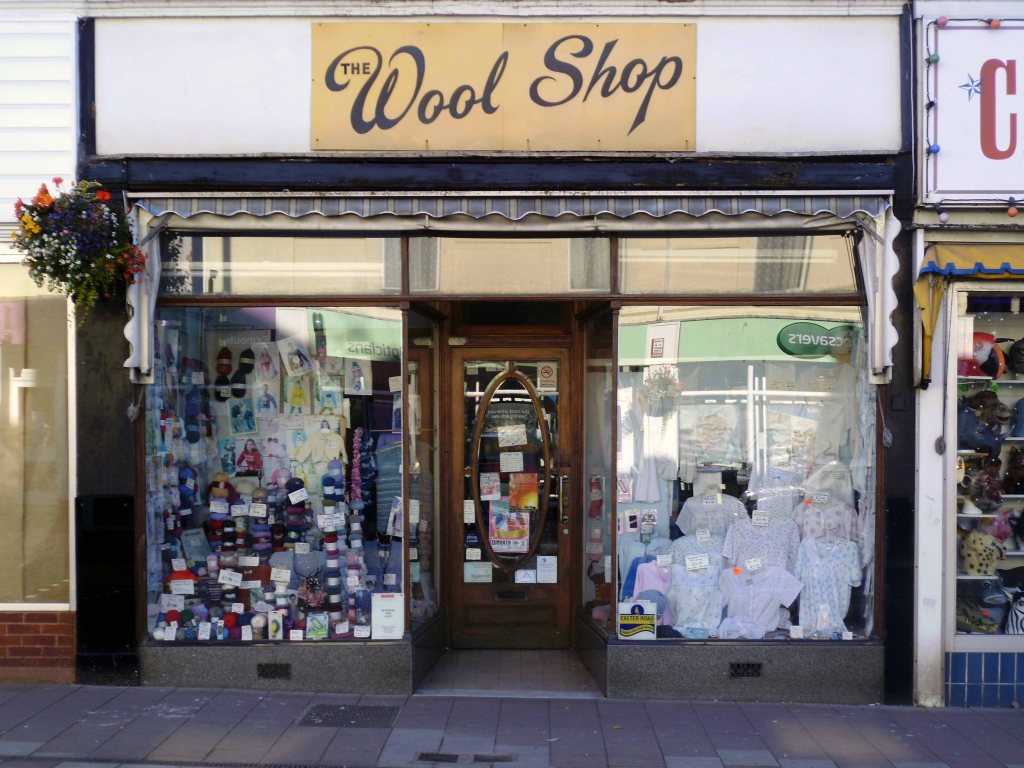
Including this arcane example in Exmouth – The Wool Shop.

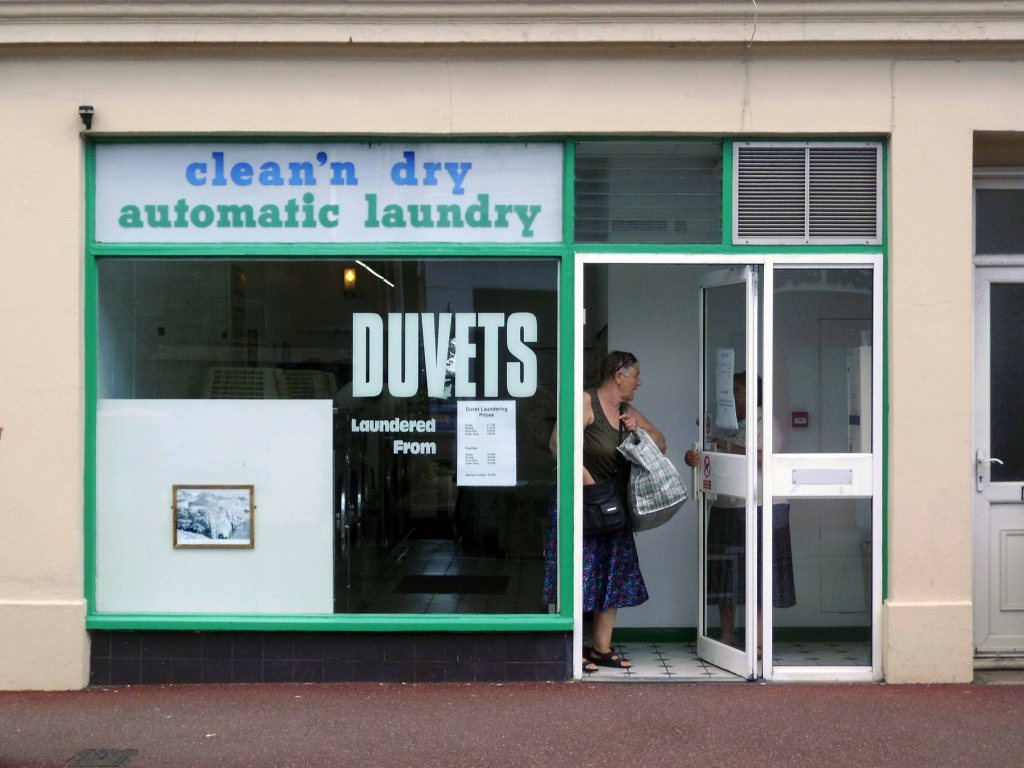
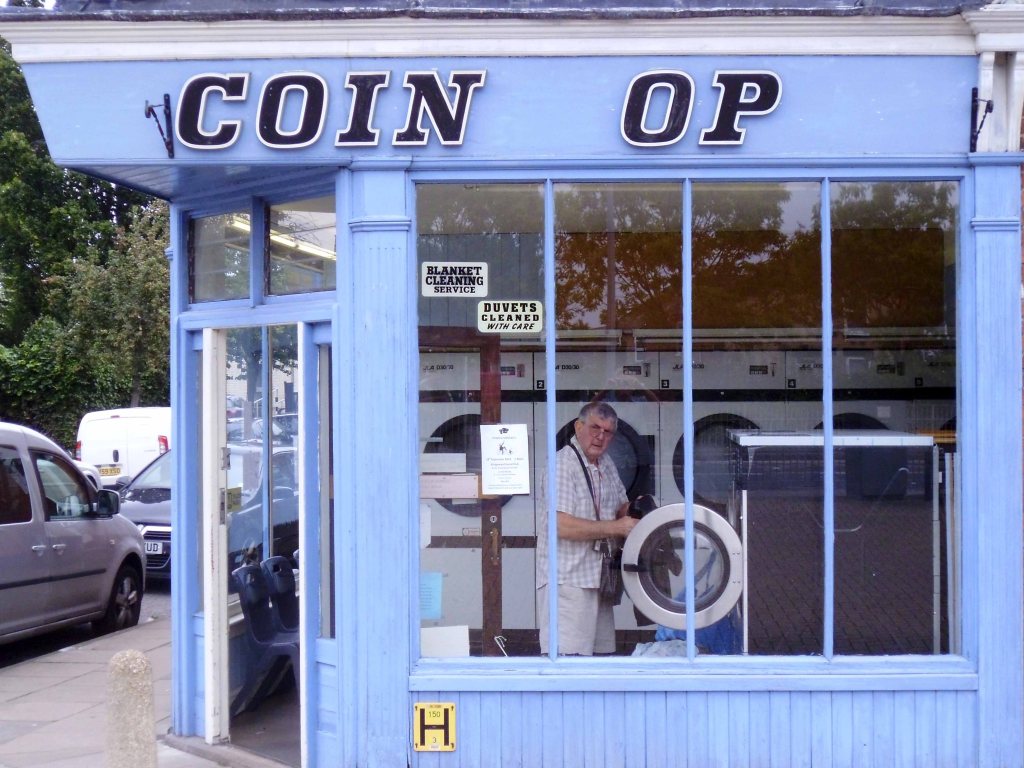
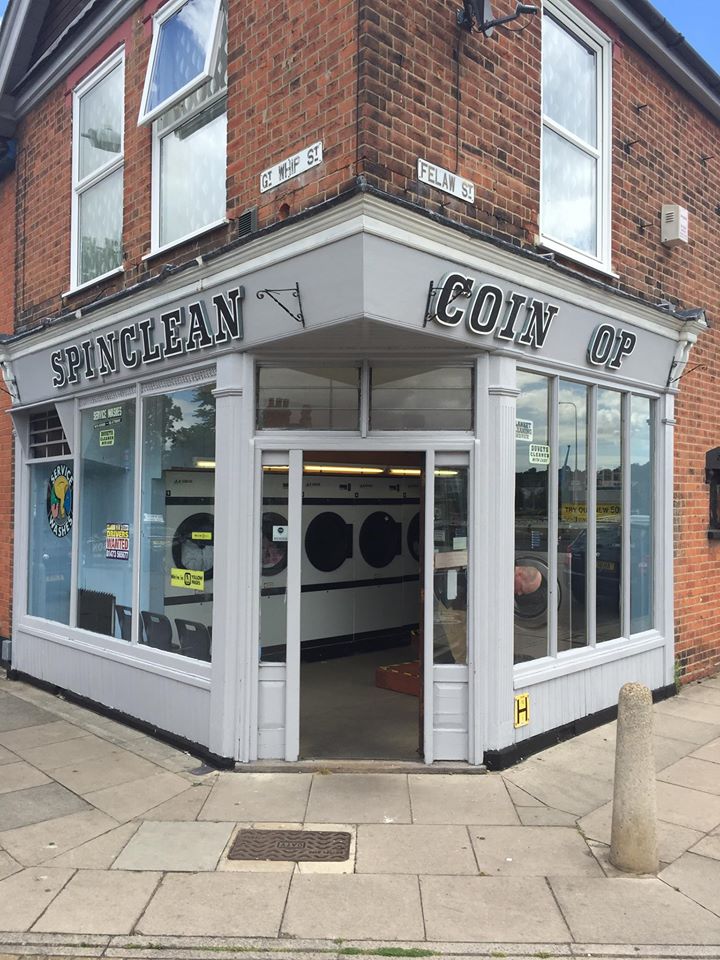
Laundrettes may be on the way out but this gallant knight of the road continues to record them, both online and in print.

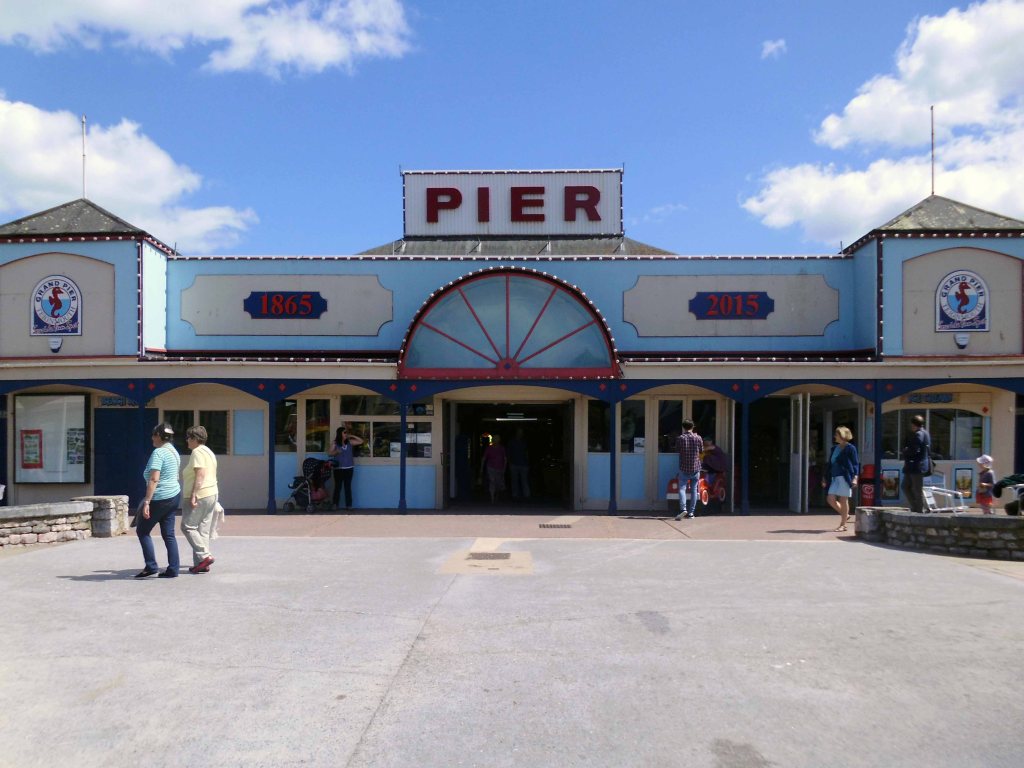
Here in Teignmouth a pier appears not uncommon on certain parts of the coast.

Teignmouth Grand Pier is a great day out for family and friends. There’s something for everyone – from big kids to little ones – it offers you all the traditional attractions and entertainment in the Great British spirit of the seaside.

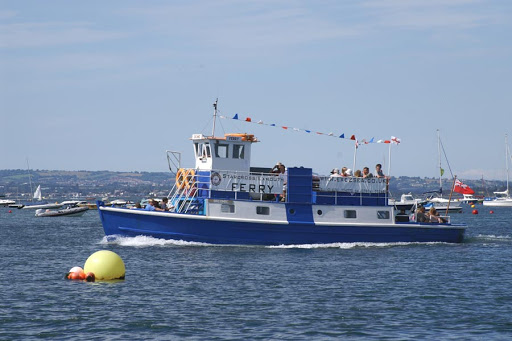
Time to get on the ferry again Steve – crossing the Exe Estuary on the Starcross to Exmouth Ferry.

Bikes carried for a small additional charge.

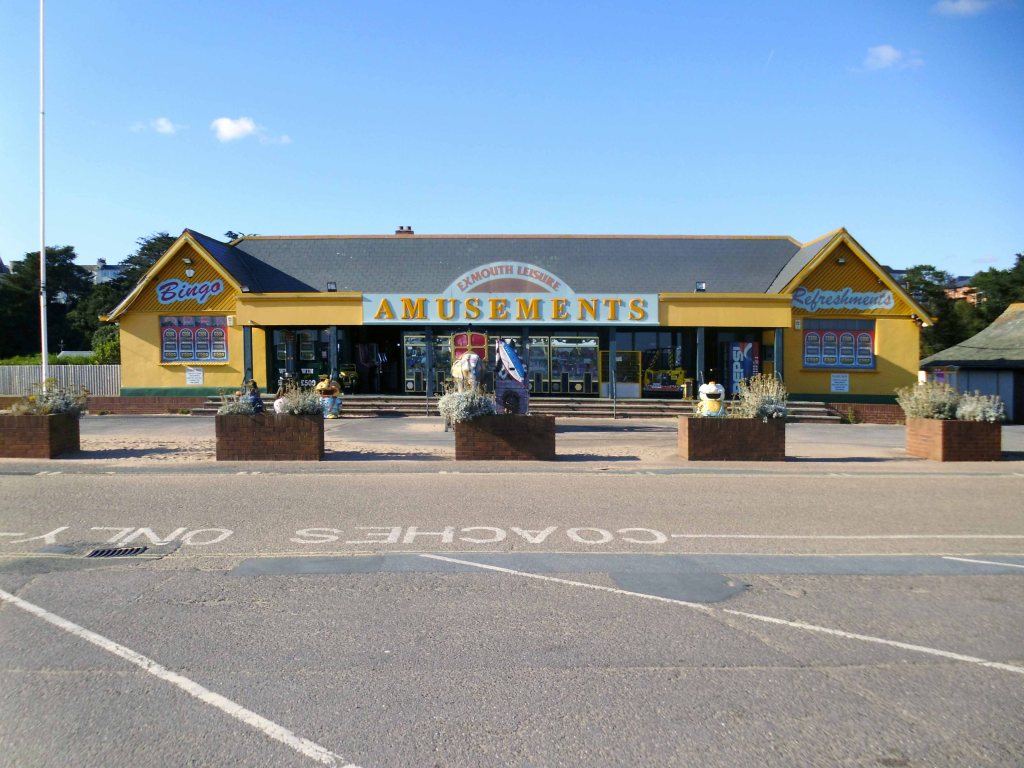
No time for Bingo, reading the local paper or the amusements – time for a pint, in the form of two halves.

Then a wander back to the digs – see you all tomorrow.

Night night

Plymouth to Dartmouth

Wednesday 29th July 2015 – eastward ho!

Leaving the compact anonymity of my B&B for the open road!

Having been unable to sample the joys of the Quality Hotel.

The Quality Hotel closed in 2014 and was demolished two years later after the site was bought by the city council following vandalism and fires.  

The ten-storey concrete block was built in 1970 in the 350th anniversary year of The Mayflower ship setting sail from Plymouth for North America.

Gilpin Demolition

Plymouth Hoe’s fifty million pound hotel and apartments project appears to have ground to a halt with no building work happening more than a year after developers vowed it would start in 2018.

Henley Real Estate, the firm behind the plans for an 11-story hotel and a 15-floor block of flats on the demolished former Quality Hotel site, has gone silent on plans and not responded to emails and phone calls from Plymouth Live.

When we visited the site the only sign of life was some weeds growing out of the ground.

I’ll leave them to it, I’m off in search of the South West Passage

The South West Coast Path itself is 630 miles long and is the longest established National Trail in the country. Starting at Minehead in Somerset it runs along the coastline of Exmoor, continuing along the coast of North Devon into Cornwall. It follows the entire coastline of Cornwall, goes across the mouth of the River Tamar and continues into Devon. After running along the south coast of Devon it then follows the Dorset coastline before finally ending at Poole Harbour. 

However if you follow the Coastal Path you’ll miss this delightful concrete fire station training tower in Plympton.

Along with the longest corrugated iron structure in the West Country.

You’ll miss getting slightly lost and a cup of tea at the Dream Bites roadside café in Modbury.

Dream Bites café, we’re all is welcome, from cars to Biker’s to Ride outs to Puplic and to work companies even you the cyclists!

GREAT FOOD GREAT PRICE.

You’ll miss the deep hedged lanes of Devon.

Where the four x fours force you into the roadside brambles with consummate ease and regularity – even on a designated cycle route.

Respite from such trials and tribulations can be found upon siting a water tower or a deserted butchers – down at Slapton Ley.

Slapton Ley is the largest natural lake in south-west England. Although it is only separated from the sea by a narrow shingle bar, it is entirely freshwater. 

Much beloved of my old pal Harry H Potts and family.

Then it’s up a hill down a hill to Dartmouth.

I made enquiries at several sea front hotels – who upon assessing my mode of dress and transport, despatched me to a back street pub B&B, suit y’self suits me, and my pocket.

The Seale Arms was just the job.

Quick change for the artist – let’s have a look around.

It’s full of historical architectural detail.

And slightly more hysterical architectural detail.

Time for a pint – chatting in the pub to yachting types, for it is here that the sense of tradition, the sea, power and wealth traditionally resides.

A short walk home.

Night night.

Okehampton to Plymouth

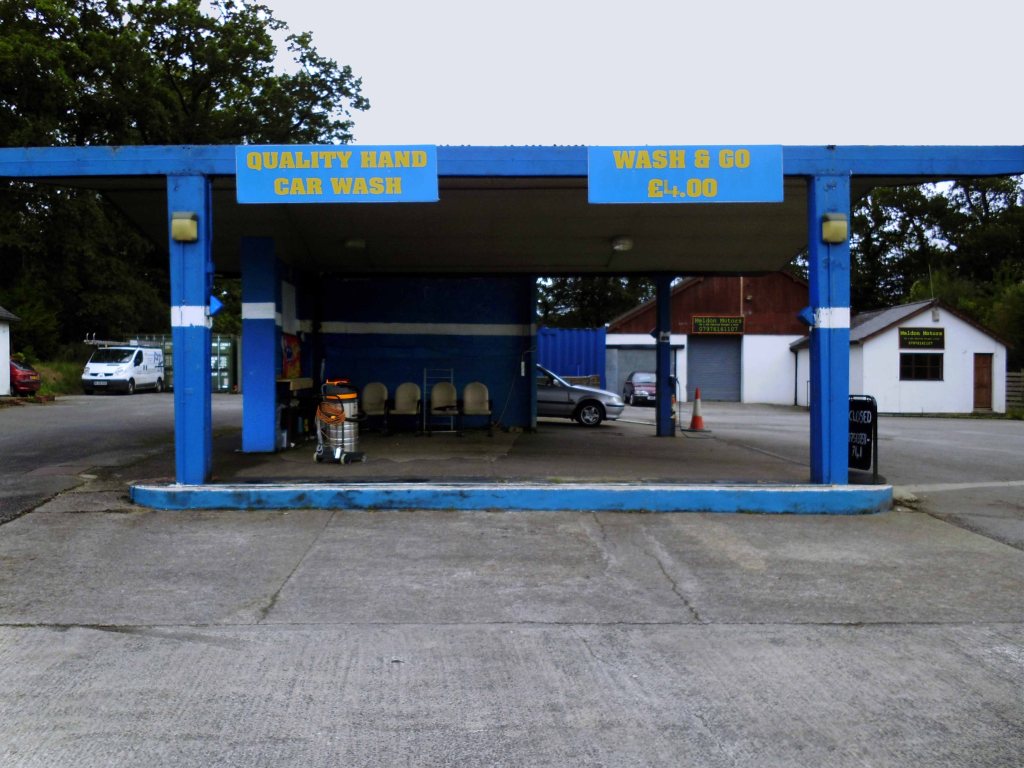
Tuesday 28th July 2015 waking up early on the outskirts of Okehampton – I went next door to explore – the Wash and Go.

I went back to Okehampton.

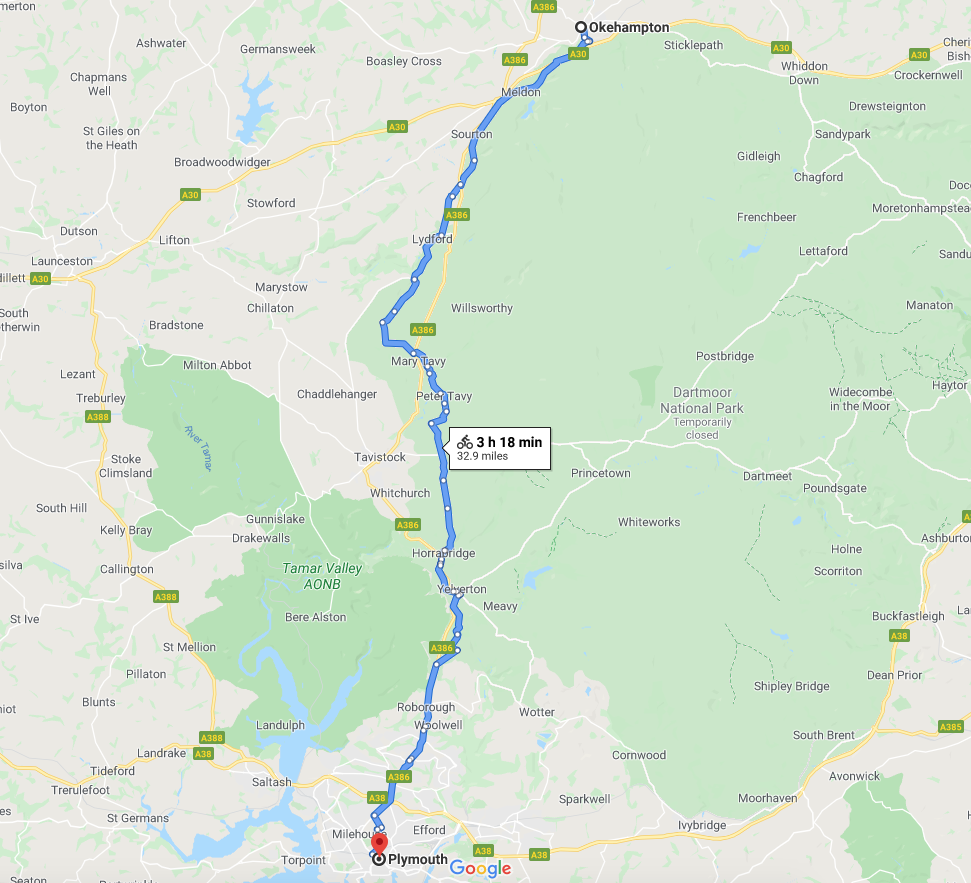
Headed out of town along the old railway line to Plymouth – where rests the solemn remains of previous railway activity and Meldon Quarry.

It’s believed that the first quarrying began around the late 1700s when the local limestone was extracted. Over the years this gradually gave over to aggregate quarrying and apelite quarrying until it final closure. The original owners of the quarry were the London and South Western Railway and then came Britsh Rail and finally EEC Aggregates.

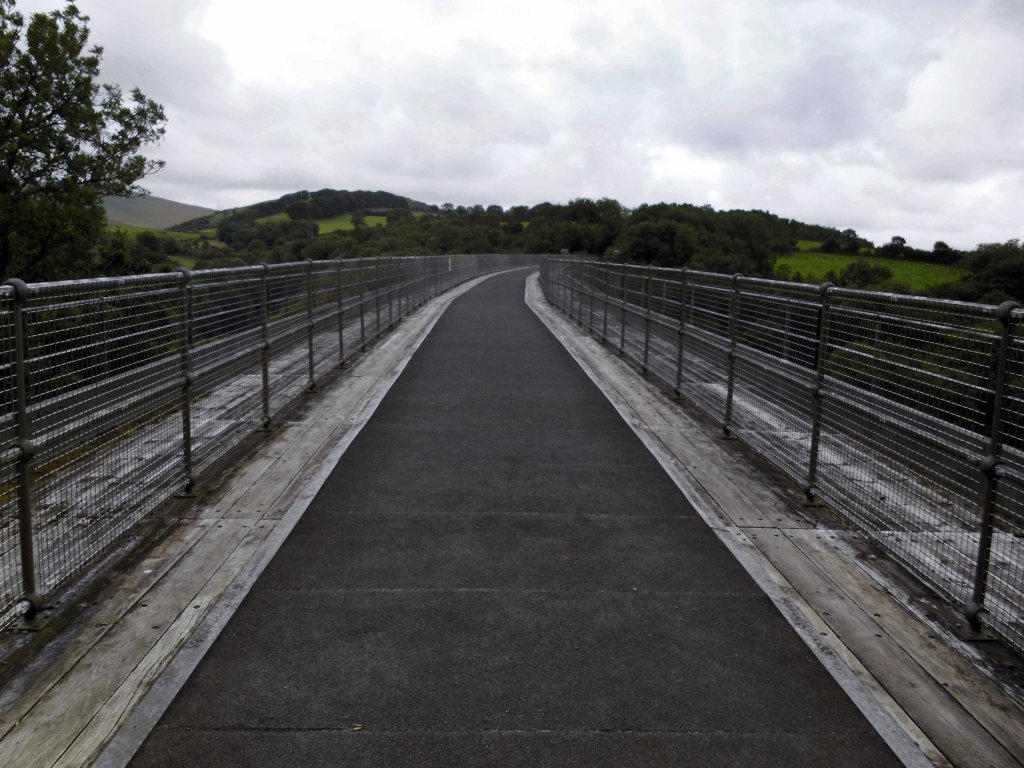
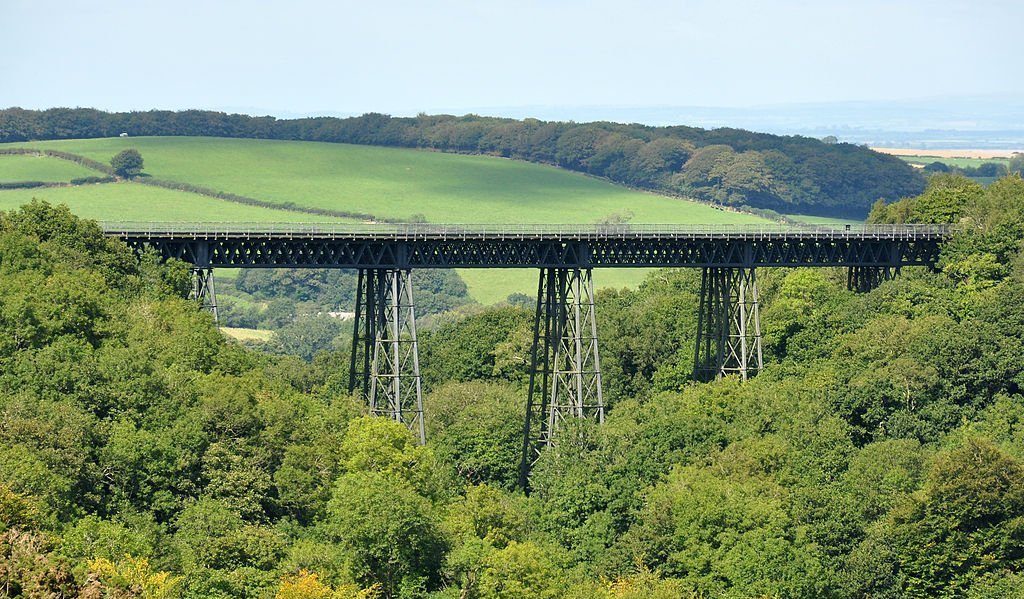
Crossing Meldon Viaduct.

Meldon Viaduct carried the London and South Western Railway across the West Okement River at Meldon on Dartmoor. The truss bridge, which was constructed from wrought iron and cast iron not stone or brick arches, was built under the direction of the LSWR’s chief engineer, WR Galbraith. After taking three years to build, the dual-tracked bridge opened to rail traffic in 1874. Usage was limited to certain classes of locomotive because the viaduct had an axle load limit. Although regular services were withdrawn in 1968, the bridge was used for shunting by a local quarry. In the 1990s the remaining single line was removed after the viaduct was deemed to be too weak to carry rail traffic.

The crossing is now used by The Granite Way, a long-distance cycle track across Dartmoor. The viaduct, which is a Scheduled Monument, is now one of only two such surviving railway bridges in the United Kingdom that uses wrought iron lattice piers to support the cast iron trusses – the other is Bennerley Viaduct between Nottinghamshire and Derbyshire.

Wikipedia

We’re off across the edge of Dartmoor.

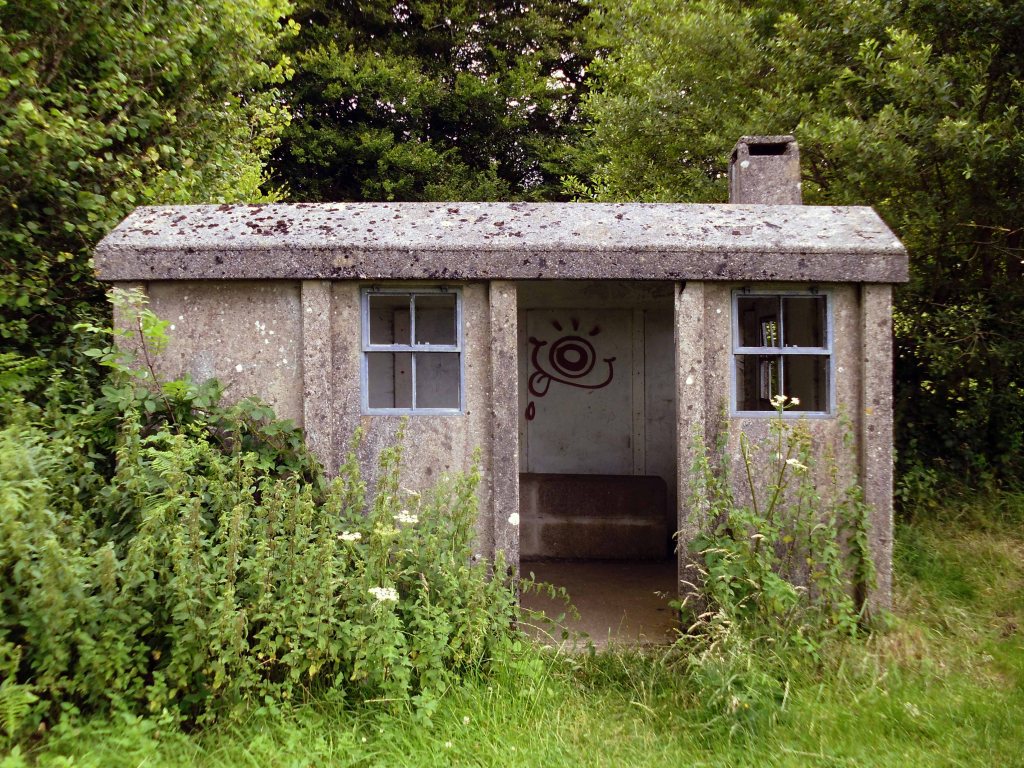
On an old railway line with prefabricated concrete railway huts.

And a bus stop at Mary Tavy a village with a population of around 600, located four miles north of Tavistock.

And a population of one delightful litter bin.

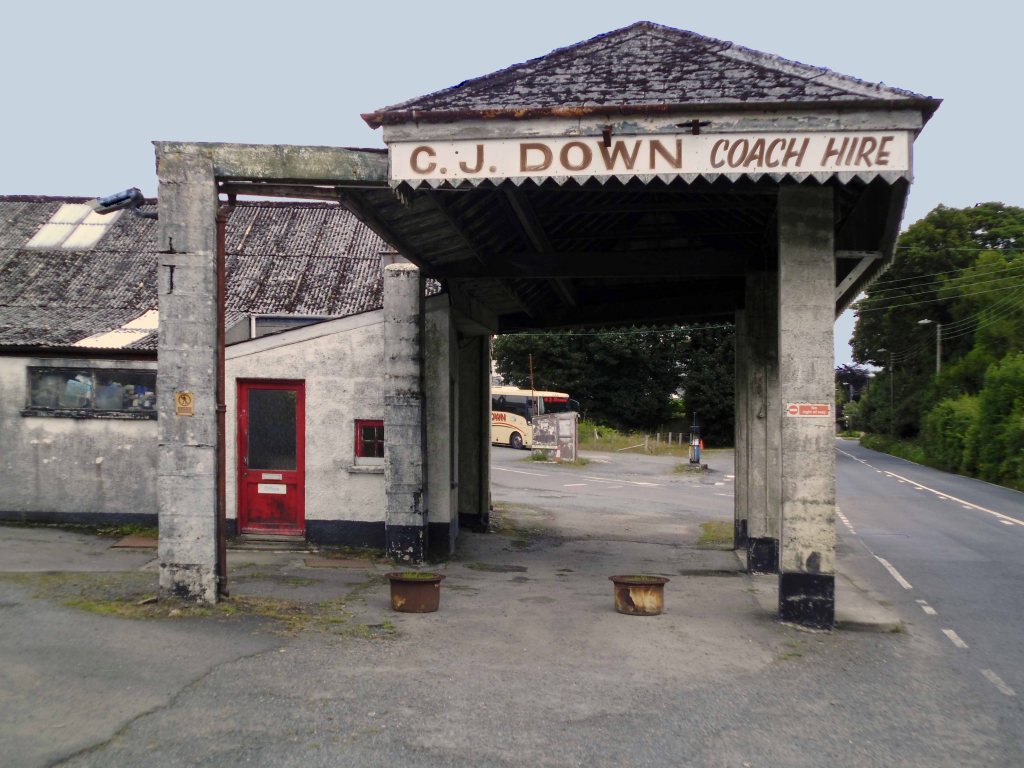
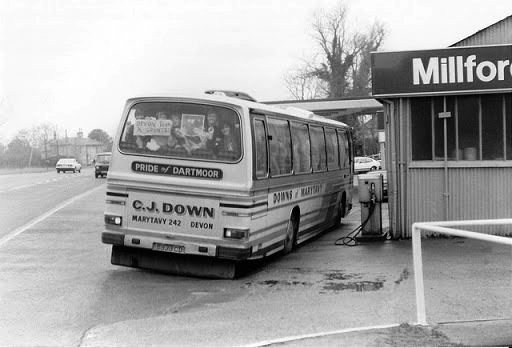
And CJ Down Coach Hire – the pride of Dartmoor.

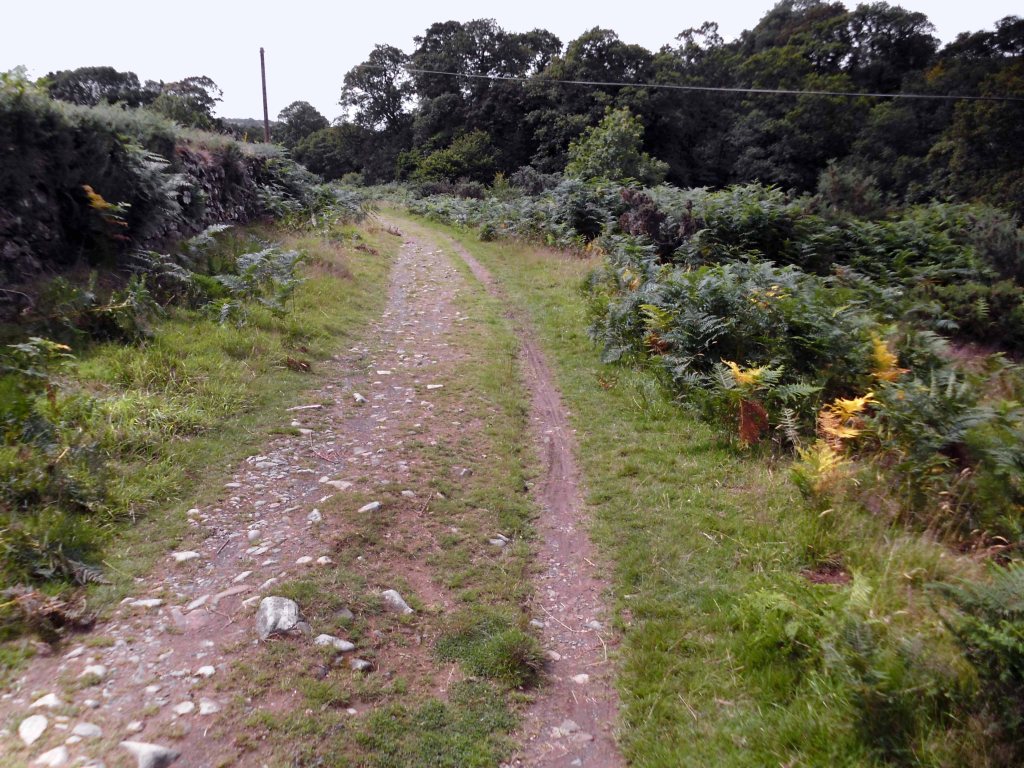
Don’t the road look rough and rocky, will the sea look wide and deep?

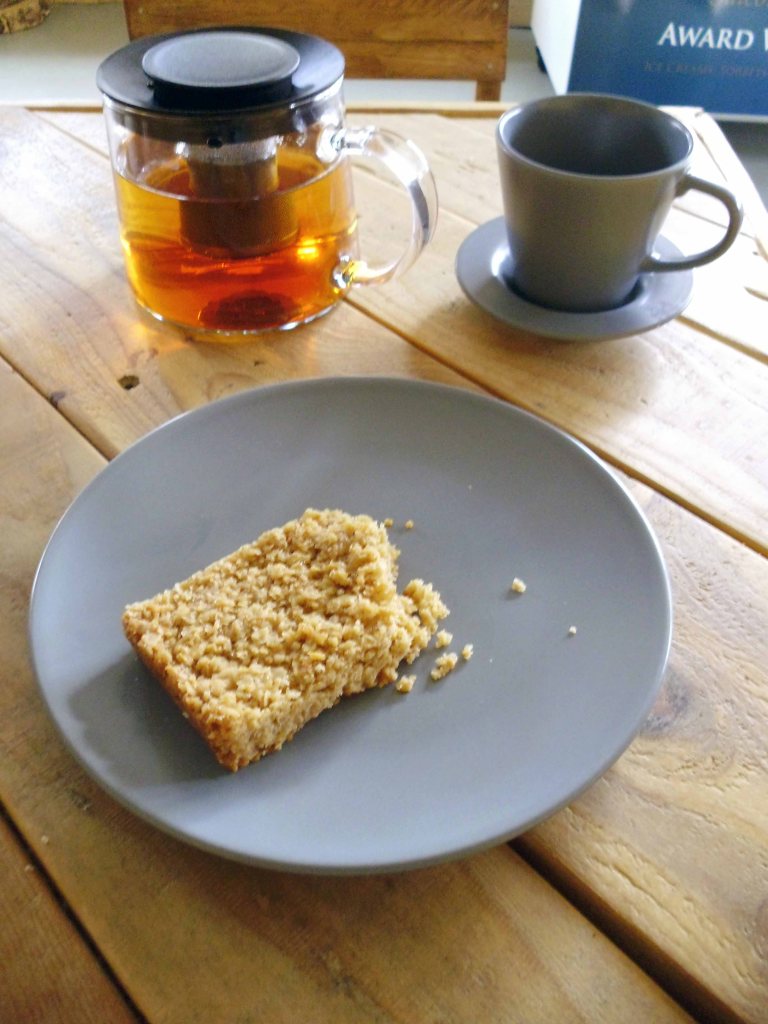
Time for a timely tea and flapjack stop.

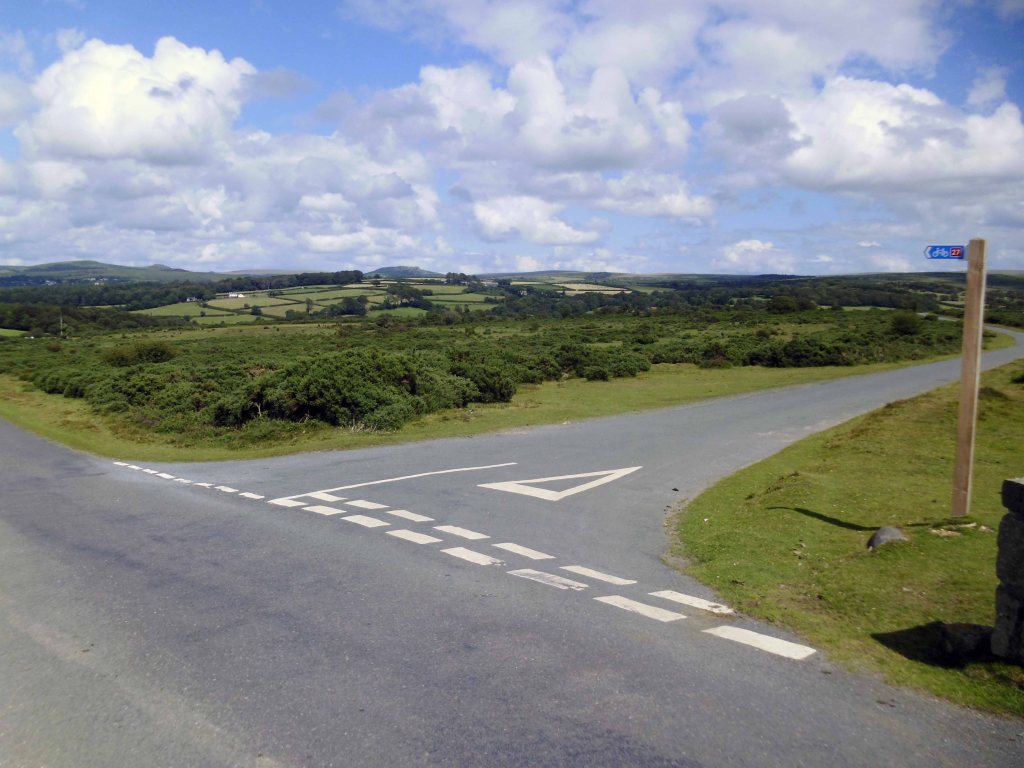
So far so good the nicest weather of the tour, shortest yet most amenable distance through moorland, upland and downland – with a final traffic free descent into Plymouth.

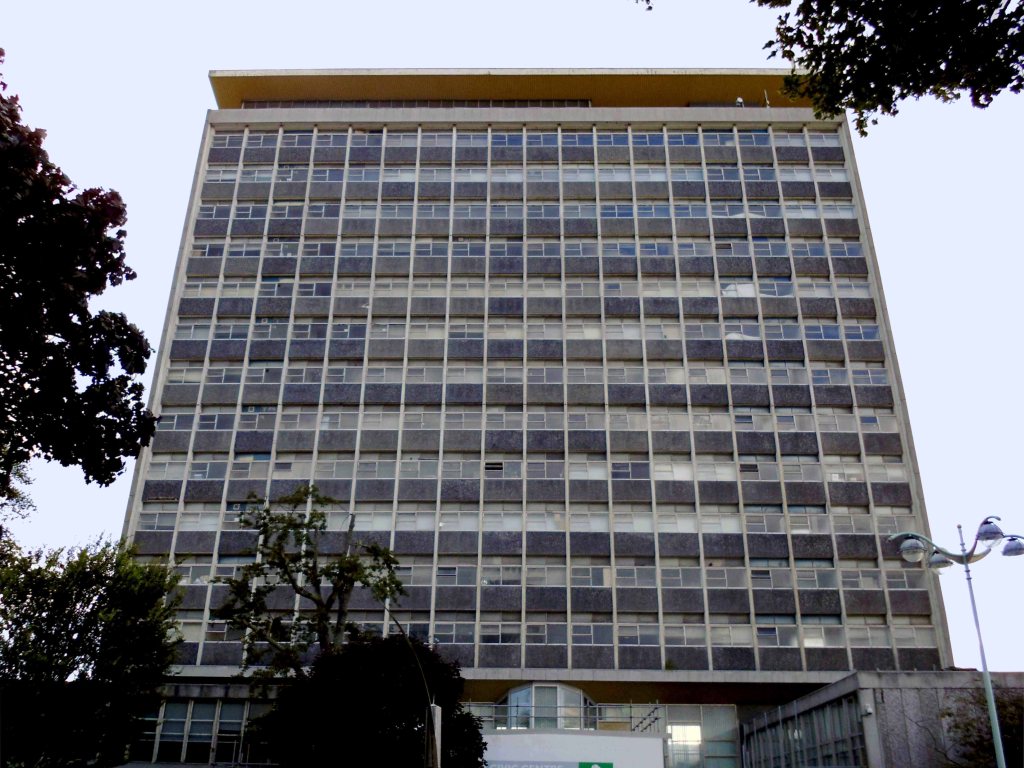
Back in the land of the tower block.

Chichester House Citadel Road The Hoe Plymouth PL1 3BA

  • Spacious One Bedroom Apartment
  •  Good Size Living Room
  •  Modernisation Required

Lang Town and Country

Past the former Odeon

Architects Percy Bartlett and William Henry Watkins

Built on the site of the Andrews New Picture Palace, which had opened in 1910, and was demolished in 1930. The Gaumont Palace was opened on 16th November 1931 with Jack Hulbert in “The Ghost Train” and Sydney Howard in “Almost a Divorce”.

The imposing brick building has a white stone tower feature in the central section above the entrance. Seating inside the auditorium was provided for 1,462 in the stalls and 790 in the circle.

It was re-named Gaumont in 1937 currently closed and at risk.

Cinema Treasures

The post war redevelopment of Plymouth produced this sizable Portland Stone Shopping Centre.

A Plan for Plymouth’ was a report prepared for the City Council by James Paton Watson, City Engineer and Surveyor, and Patrick Abercrombie, Consultant Architect, published in 1943.

Planning is not merely the plotting of the streets of a town; its fundamental essence is the conscious co-relation of the various uses of the land to the best advantage of all inhabitants. Good planning therefore, presupposes a knowledge and understanding of the people, their relationship to their work, their play, and to each other, so that in the shaping of the urban pattern, the uses to which the land is put are so arranged as to secure an efficient, well- balanced and harmonious whole.

The Civic Centre soon to be redeveloped.

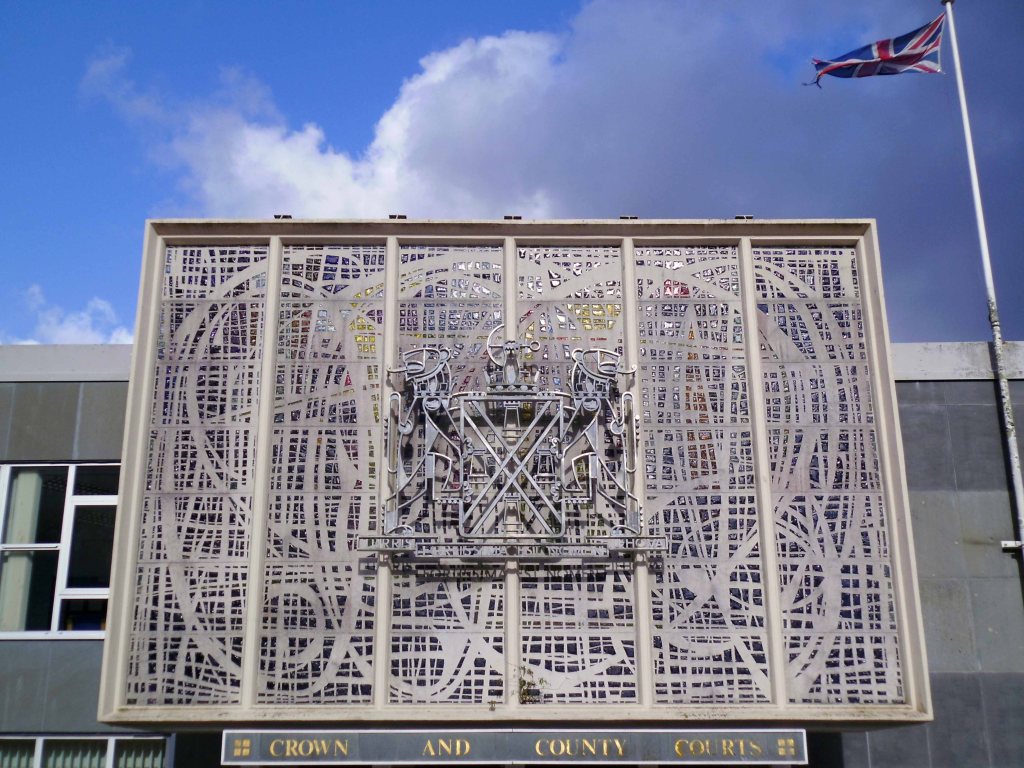
The magnificent dalle de verre fascia of the Crown and County Courts.

having had a good old look around I sought shelter for the night, with some difficulty I found a profoundly plain room. The town seemingly full of itinerant contractors, filling the vast majority of available space.

Not to worry let’s have a look at the seafront.

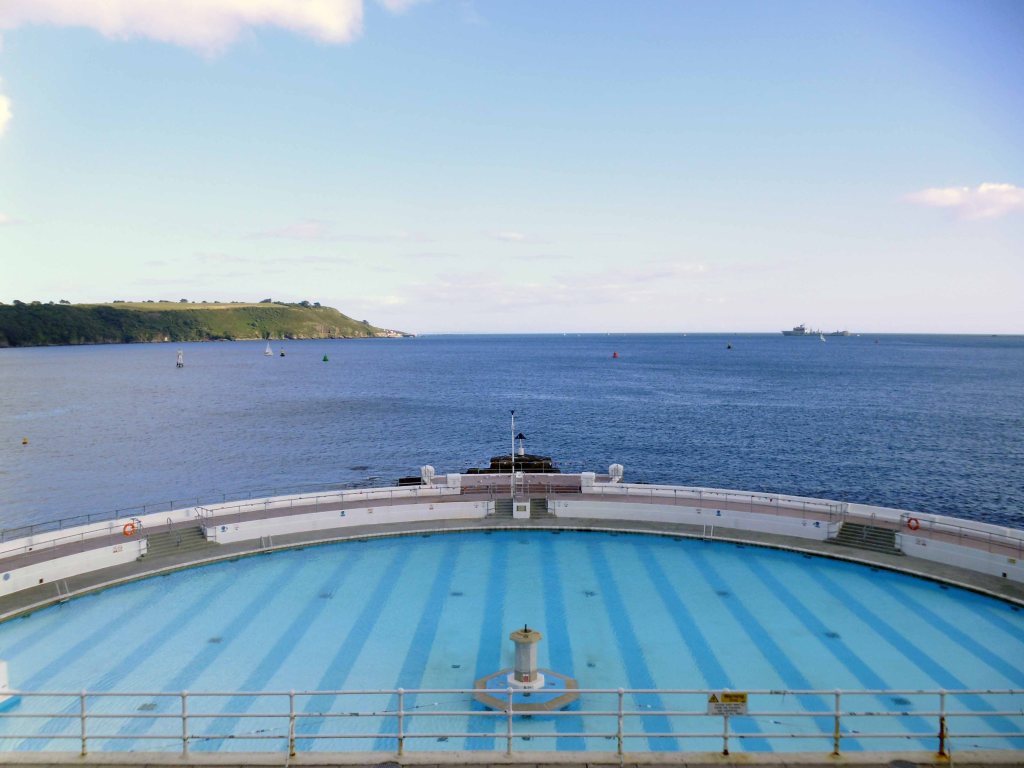
Tinside Lido by J Wibberley Borough Engineer, with Edmund Nuttall and Sons and John Mowlem and Company, builders, with entrance building of 1933 by the same engineer.

Set in a beautiful location overlooking the sea at the tip of Plymouth Hoe and voted one of the top 10 best outdoor pools in Europe, Tinside Lido is an attraction not to be missed.

Built in 1935, Tinside is a slice of the quintessential British seaside from a bygone era. The Lido is a wonderful example of art-deco style and is Grade II listed.

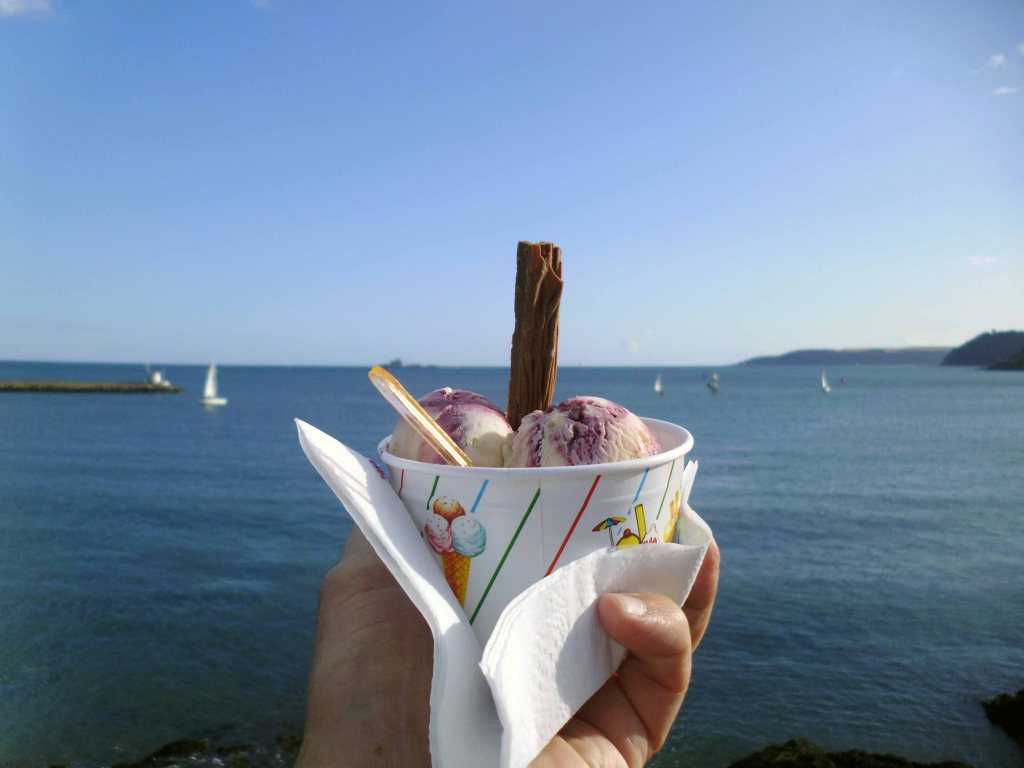
Time for a timely 99 tub – what ho!

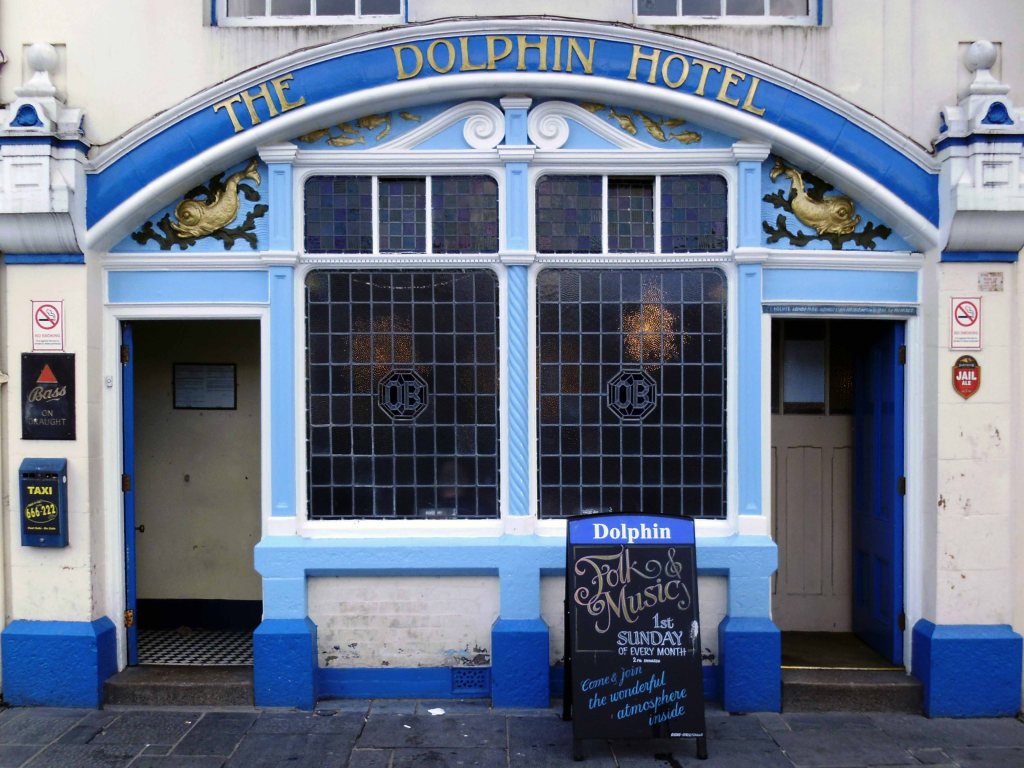
Followed by several pints of Dartmoor Jail in the delightful Dolphin Hotel.

The Dolphin Hotel is a pub on the Barbican , the building, which is known as either the Dolphin Inn or Dolphin Hotel, is a Grade II listed building. It notable as the setting of several of the artist Beryl Cook’s paintings.

The three storey building was constructed in the early 19th century, although it may contain fabric from an earlier structure. It has a slate mansard roof surrounded by a tall parapet with a moulded cornice. The front has white stucco with plaster reliefs of dolphins. The pub is associated with the Tolpuddle Martyrs, some of whom stayed at the hotel on their return from exile in Australia in 1838, when a Mr Morgan was the landlord.

It is a no-frills unmodernised pub famous for its cask ale, draught Bass served straight from the barrel. The sign on the front of the building has always called the pub the ‘Dolphin Hotel’. In 2010 the pub was refurbished, but vandalised in 2014.

A wobbly walk home and a good night’s rest

Night night.

Weston super Mare to Ilfracombe

Following a sound night’s sleep, courtesy of the Ocean Hotel, I set out on my Ridgeback World Voyage – purchased through the Cycle to Work Scheme, I have essentially used it in order to cycle away from work.

My dream had always been to devise a way of life, where the lines between work, leisure and culture disappear, where such tiresome social constructs have finally become redundant – let’s go!

Having failed to learn from my previous jaunt, that a map is a handy aid to successful travel, I set off merrily without one – on Sunday 25th July 2015.

Following Sustrans’ signs will suffice, says I to myself.

I arrived safely in Brean, as the rain began to fall with a deeply disheartening enthusiasm.

The signage indicated a route across the beach – I quickly learnt that heavy rain and sand do not produce a sufficiently solid surface for cycling, when push comes to shove, there’s only one way forward.

Push.

There was no escape to the left, the extensive run of caravan parks and private leisure facilities having erected attractive razor wire topped barriers and locked gates – I pressed on.

With every arduous tortured sandy step, I developed an even deeper antipathy towards Pontin’s Brean Sands.

Here at Brean Sands we have been busy getting ready to welcome guests to our park. We have painted all our apartments, we have fitted over 10,000 metres skirting board throughout the apartments. All external soffits have been painted along with all the Double Decker apartments and main buildings. The QV Bar, Restaurant and also the Fun Factory have all had new flooring fitted. Our Restaurant bays are now refitted as well as improvements to our till area & reception desk.

Free at last from the sandy hell of the shore, I sought succour in this seaside café – where panoramic views of the sea come free.

Having enjoyed the multiple benefits of a breakfast not included tariff at the Ocean Hotel, I was now very, very hungry indeed – I made very, very short work of egg and beans on toast.

I briefly kept company with a Swiss couple, who were on an extensive motor car tour, I quickly became something of an apologist for the day’s foul weather.

It’s not always like this you know.

Stating the obvious, yet thinking the converse.

The panoramic view through the other window – a delightful row of rain soaked, link low rise maisonettes – nirvana!

I was arrested by this arresting wayside shelter/art gallery facility commemorating the Coronation of 1953, in the village of Chedzoy.

The village is at the western end of King’s Sedgemoor and lies on an ‘island’ of Burtle marine sands, close to King’s Sedgemoor Drain. The area was settled possibly in the Mesolithic period, and timber trackways from the third to first millennium B.C. provided routes to other settlements on the Somerset Levels. Roman artifacts have been found in the parish.

The name of the village is pronounced Chidgey or Chedzey, and derives its name from being Cedd’s Island. The zoy part of the name being derived from eg or ieg meaning island.

The shelter stands at the corner of Front and Higher Streets – it would appear that the Burghers of Chedzoy had exhausted their inexhaustible font of creative naming resources, by the time that streets had been invented – the Mesolithic fools.

The village people seem to be suffering from some collective false memory syndrome recollection of a fabulous Mer-family past.

Improving weather in the Bridgwater area, as we languish in the cool shade of the by-pass, beside the River Parrett.

The River Parrett has its source in the Thorney Mills springs in the hills around Chedington in Dorset in England and flows west through the Somerset Levels. The mouth is a Nature Reserve at Burnham on Sea where it flows into Bridgwater Bay on the Bristol Channel. The river is tidal for 18.6 miles up to Oath; and, because the fall of the river, between Langport and Bridgwater is only 1 foot per mile, it is prone to frequent flooding, in winter and high tides.

The River Parrett is 37 miles long and its main tributaries include the Rivers Tone, Isle and Yeo. The River Cary drains into the Parrett via the King’s Sedgemoor Drain. The River Parrett drains an area of over 652.5 square miles – comprising around fifty percent of the land area of Somerset.

Somerset Rivers

Here we are in Williton – where the modern world is ready to sweep in unannounced as announced in the Somerset County Gazette.

Plans to build a new supermarket, retail units and health centre in Williton have been resubmitted this week. J. Gliddon and Sons Ltd. has put forward new plans for the redevelopment of land off the A39 Bank Street in Williton, behind its existing store.

The shop will be demolished to create the access road, with the company expected to occupy a new unit fronting onto Bank Street once the mini-roundabout has been built.

Well so far so good – I arrived in Minehead in one piece – bike intact.

Having only the vaguest notion of where my onward route lay – I hastened to the Tourist Information Office. Having carefully explained my malaise the helpful staff gazed at me with mild amazement, liberally mixed with slightly perplexed eye-rolling and the odd tut.

Having received quite detailed instructions, I was almost immediately lost, following a road that abruptly ceased to be a road. Reluctantly I picked up a woodland path, rutted with tree roots and certainly not a suitable cycling route.

It fell away sharply, as I careered out of control down the precipitous slope.

On reaching the end I discovered that my new rain jacket had also fallen away, along with my treasured Casio watch, which was tucked safely in the pocket.

I lightly bit my lip and reflected that climbing back up the precipitous slope, which I had only too recently incautiously careered down, was not an option – onward ever onward.

In my mind the younger me looks at the older me – having lost all faith in my ability to manage my life with even a modicum of honesty and integrity, or at best a basic grasp of reality.

O ye of little faith – he seeks sanctuary in Church of All Saints Selworthy.

A whitewashed Grade I Listed 15th-century Church, with a 14th-century tower.

Welcome to this outstanding Parish Church, which, thanks to it’s distinctive white appearance stands as a beacon on the hills of Exmoor. For centuries Selworthy Church has been a focus for residents and visitors as a place to experience the power and presence of God. We hope you find peace of God here and leave uplifted, refreshed and inspired.

Further on down the road somewhere or other I had a cup of tea and piece of cake.

Had I carried out even the most basic research, I would have known that the ups and downs of Exmoor are no easy ride, particularly in heavy rain without a rain jacket.

As the sky darkened I was heartened by the sight of the light’s of Ilfracombe, twinkling star like in the distance – following eighty six miles of toil and a measure of trouble, I finally arrived at the pre-booked digs. They had been concerned by my no-show, relieved when I finally arrived, incredulous when I told the tale of the day’s travails. The lady of the house ever so kindly washed and dried my sodden clothing.

I showered and hit the town – eschewing food in favour of a pint, chatting to a garrulous gang of solar panel cleaners from Cornwall.

Returning merrily to the B&B and the prospect of slumber.

Night night.

Weston super Mare

Although there is evidence in the local area of occupation since the Iron Age, it was still a small village until the 19th century when it became a seaside resort, and was connected with local towns and cities by a railway, and two piers were built. The growth continued until the second half of the 20th century, when tourism declined and some local industries closed. A regeneration programme is being undertaken with attractions including the Helicopter Museum, Weston Museum, and the Grand Pier. The Paddle Steamer Waverley and MV Balmoral offer day sea trips from Knightstone Island to various destinations along the Bristol Channel and Severn Estuary. Cultural venues include The Playhouse, the Winter Gardens and the Blakehay Theatre.

Wikipedia

I arrived mid-morning on Saturday 25th July 2015 – having travelled some two hundred miles or so from Stockport by train.

The Iron Age seemed to be over and regeneration slowly but surely under way.

This marked the start of another coastal tour, following last year’s epic which began in Hastings.

This time I was heading for Hastings – but that can wait until tomorrow, let’s have a look around town.

Directly opposite the station is a group of Seaside Moderne homes in various states of whiteness – standing in line along Neva Road.

Reasonably priced, cheaper than Frinton – check it out

I pushed my bike along the prom heading for my pre-booked digs in a stylish seafront hotel.

Past the Marine Causeway linking the shore to some kind of modern day Post Modern Shangri-La.

A mystical, harmonious valley, gently guided from a lamasery, enclosed in the western end of the Kunlun Mountains, possibly not.

You can stroll onto Knightstone Island, where you will find some cafes serving light snacks and refreshments, or to the other side which takes you along the causeway, accessible to walk across according to the tides. At the other side of the Causeway you will find a small rocky beach with tidal rockpools ideal for exploring.

Just along the prom stands one of my all time favourite seaside shelters.

Even further along – what’s all this here then?

The foundation stone of the Birch-designed Birnbeck Pier was laid in 1864. It opened on 5th June 1867 and consisted of a 1040 foot cantilever construction to Birnbeck Island and a short jetty extending westwards from the island.

National Piers Society

It seems to have changed hands several times in its relatively short life, including the stewardship of the infamous Urban Splash and the mysterious mystery owners, the current custodians it seems, have done little to secure a secure future.

It remains alone and untended, stretching aimlessly out to sea.

In April 2015, Friends Of The Old Pier Society created a novel fund raising scheme in which 1p and 2p coins would be lined up to stretch from the Grand Pier to Birnbeck Pier.

September 2019 Councillor Mr Crockford-Hawley said:

It’s this end of Weston which is the sore, it’s the carbuncle, it’s clearly well past its prime and it needs some serious attention. I mean it would be wonderful if somebody came along with an open ended bank account and said ‘yup, I’d love to restore it for the sake of restoring it’, but quite clearly there’s got to be an economic future for the pier, there’s got to be a purpose for the pier.

Possibly a wealthy Beatle could bail the ailing pier out of deep water?

Having made a bob or two since they appeared here in 1963.

Next thing I know I’m outside the imposing and impressive sounding Ocean Hotel. Sad to say on the day/night of my visit it wasn’t just this weary traveller that appeared to be over tired, happy to report the the New Ocean Hotel has been revamped and in tip-top condition by all accounts.

Any road up, let’s get out, take a walk up the road – have look at some local type.

Watney’s mythical Red Barrel.

Watney’s was the Evil Corporation which sought to crush plucky small brewers and impose its own terrible beer on the drinking public. It acquired and closed beloved local breweries, and it closed pubs, or ruined them with clumsy makeovers.

Its Red Barrel was particularly vile – a symbol of all that was wrong with industrial brewing and national brands pushed through cynical marketing campaigns.

A page-spread from Design Research Unit 1945-1972 – Koenig Books 2011 via A Practice for Everyday Life via Boak and Bailey – who examine the truth behind the myth.

A palimpsest ghost within a ghost.

A seaside outing for dear old Brush Script – a casual connecting script typeface designed in 1942 by Robert E. Smith for the American Type Founders.

The face exhibits an exuberant graphic stroke emulating the look of handwritten written letters with an ink brush.

It came third as a Least Favorite nomination in a 2007 designers’ survey.

It was rated fifth in The Eight Worst Fonts In The World list in Simon Garfield’s 2010 book Just My Type.

Why have just one identity when you can have two, welcome to the 21st Century schizoid Savoy – don’t it jus’ make you want to stomp?

First but surely not the last sighting of Profil aka Stymie Bold Italic – in a none inline variant.

Classical kerning down at the local estate agents, tasteful Gill Condensed Bold – from the hand and eye of the far from tasteful Eric.

Ay up it’s a launderette that almost thinks it’s a scooter!

Cheap beer, raffle, singer and bingo on a Wednesday afternoon.

Amazing and great atmosphere with friendly service staff and atmosphere, love it, real nice people

Facebook

Russell Davies Flickr

Keeler Productions has taken over Locking Road Car Park, opposite Tesco, and The Regent Restaurant, in Regent Street, to film a BBC period series The Trial of Christine Keeler, based on the Profumo Affair in the 1960s.

Weston Mercury

Enough of all that period drama, let’s have a look at some period architecture.

Madeira Court – 67 flats built in 1988.

Weekly Social Activities include – coffee mornings, card evenings and occasional days out, organised by social club. New residents accepted from sixty years of age, both cats and dogs generally accepted.

I can find no reference for this dalle de verre stained glass window.

Boulevard United Reformed Church – Waterloo Street

Architects Gordon W. Jackson and Partners 1959

Constructed on part of the site of the former Electric Premier Cinema, the Odeon Theatre was opened on 25th May 1935 with Jack Buchanan in Brewster’s Millions. Built as one of the original Odeon Theatres in the then emerging Oscar Deutsch Odeon Theatres circuit, it was built on a prime corner street position in this sea-side town and was the first of several Odeon Theatre’s to be designed by architect Cecil T Howitt.

The Odeon was Grade II Listed on 21st August 1986.

Cinema Treasures

The Weston-super-Mare Odeon was built by C Bryant & Son Ltd of Birmingham on the site of the former Electric Premier Cinema. It opened on 25 May 1935, at which time it was described in the souvenir programme as ‘modernity at its best’, with seating accommodation that was ‘luxurious and spaced to give ample room for true comfort’.

A short walk along the prom snapping shelters and the sheltered – no two the same.

I then chanced to fall into a Beer Festival and bad company – the rest is a blur, see you all tomorrow there’s some cycling to be done.

Night night.

Clacton to Great Yarmouth

Day four Thursday 4th September 2014 – leaving Clacton on Sea for Frinton on Sea is the equivalent of crossing continents, time zones, aesthetic and social sensibilities.

Leaving the razzle-dazzle, frantic fish and chip frazzle, for the sedate repose of germ free Frinton.

Green sward and restrained modernist shelters adorn the foreshore.

I love the bold optimism of Maritime Moderne – the bright eyed, forward looking window grid of these fine flats.

I have a cautious admiration for the faux Deco newcomers.

The modernist estate was attempted many times in the interwar years; visions of rows of fashionable white walled, flat roofed houses filled developers eyes. In practice the idea was less popular with potential house buyers. In the Metro-Land suburbs of London, estates were attempted in Ruislip and Stanmore, with a dozen houses at most being built. One estate that produced more modernist houses than most, albeit less than planned, was the Frinton Park estate at Frinton-on-Sea on the Essex coast.

Oliver Hill was known for his house designs, which spanned styles from Arts and Crafts to Modernist. Hill was to draw up a plan for 1100 homes, as well as a shopping centre, luxury hotel and offices. The plan was for prospective buyers to buy a plot and then engage architects to design their new house from a list of designers drawn up by Hill. The list featured some of the best modernist architects working in Britain at the time; Maxwell FryWells Coates, F.R.S. Yorke and Connell, Ward & Lucas.

As wonderful as this sounds today, the buying public of 1935 did not quite agree. The majority of potential buyers were apparently put off by the Estates insistence on flat roofs and modernist designs. Plan B was to build a number of show homes to seduce the public into buying the modernist dream. Of 50 planned show homes, around 25 were built, with about 15 more houses built to order. The majority of these were designed by J.T. Shelton, the estates resident architect, with a number designed by other architects like Hill, Frederick Etchells, RA Duncan and Marshall Sisson.

Modernism in Metroland

One million four hundred thousand pounds later

Nine hundred and fifty thousand pounds

These survivors are now much sought after residences.

The Modern House

The town is also home to this traditional confectioners – Lilley’s Bakery.

Leaving the coast for pastures new – well, a ploughed field actually.

Crossing the River Orwell over the Orwell Bridge on my way to Ipswich.

The main span is 190 metres which, at the time of its construction, was the longest pre-stressed concrete span in use in the UK. The two spans adjacent to the main span are 106m, known as anchor spans. Most of the other spans are 59m. The total length is 1,287 metres from Wherstead to the site of the former Ipswich Airport. The width is 24 metres with an air draft of 43 metres; the bridge had to be at least 41 metres high. The approach roads were designed by CH Dobbie & Partners of Cardiff. 

The bridge is constructed of a pair of continuous concrete box girders with expansion joints that allow for expansion and contraction. The girders are hollow, allowing for easier inspection, as well as providing access for services, including telecom, power, and a 711mm water main from the nearby Alton Water reservoir.

The bridge appears in the 1987 Cold War drama The Fourth Protocol, in which two RAF helicopters are shown flying under it, and at the end of the 2013 film The Numbers Station.

Wikipedia

Time for a Stymie Bold Italic stop – much to the obvious consternation of an over cautious customer.

It seems to still be extant – but with a tasteful coat of subdued grey paint according to its Facebook page.

Having completed this journey in 2016, then reacquainting myself in 2020, I have little recollection of visiting Ipswich, but I did, yet there are no snaps.

I photographed this and several other water towers, precisely where, I could not honestly say.

Suffice to say that it is somewhere – as is everything else.

An admiring nod to Bernd and Hilla Becher.

This the only time that I chose to have a glass of beer whilst awheel, normally waiting until the evening – I couldn’t resist this charming looking brew pub in Framlingham.

Earl Soham is a village close by, on the A1120. The Earl Soham Brewery beers started out in  life being brewed in local man Maurice’s old chicken shed. You may be pleased to hear they have a slightly more sophisticated set-up now, without forgetting their humble roots.

If you haven’t tasted them before, we think you’ll be as delighted with them as our regulars, and you can be guaranteed of a warm welcome if you come to try them out.

The Station

The sort of wayside boozer where I could have easily idled away an hour or two – hopefully I’ll pass by again some time and linger longer.

Another water tower – somewhere.

The most enchanting of shop fascias.

Something of a curiosity – David Frost’s father’s ironmongers in Halesworth – and the Ancient House with its ancient carving.

The bressumer beam at the front of the is linked with Margaret de Argentein in the late 14th and 15th century, it is believed t it could have been a manor or toll house. 

Currently trading as a Bistro with paranormal problems;

Things in the window were swaying the other day and when we went to stop them they almost fought back.
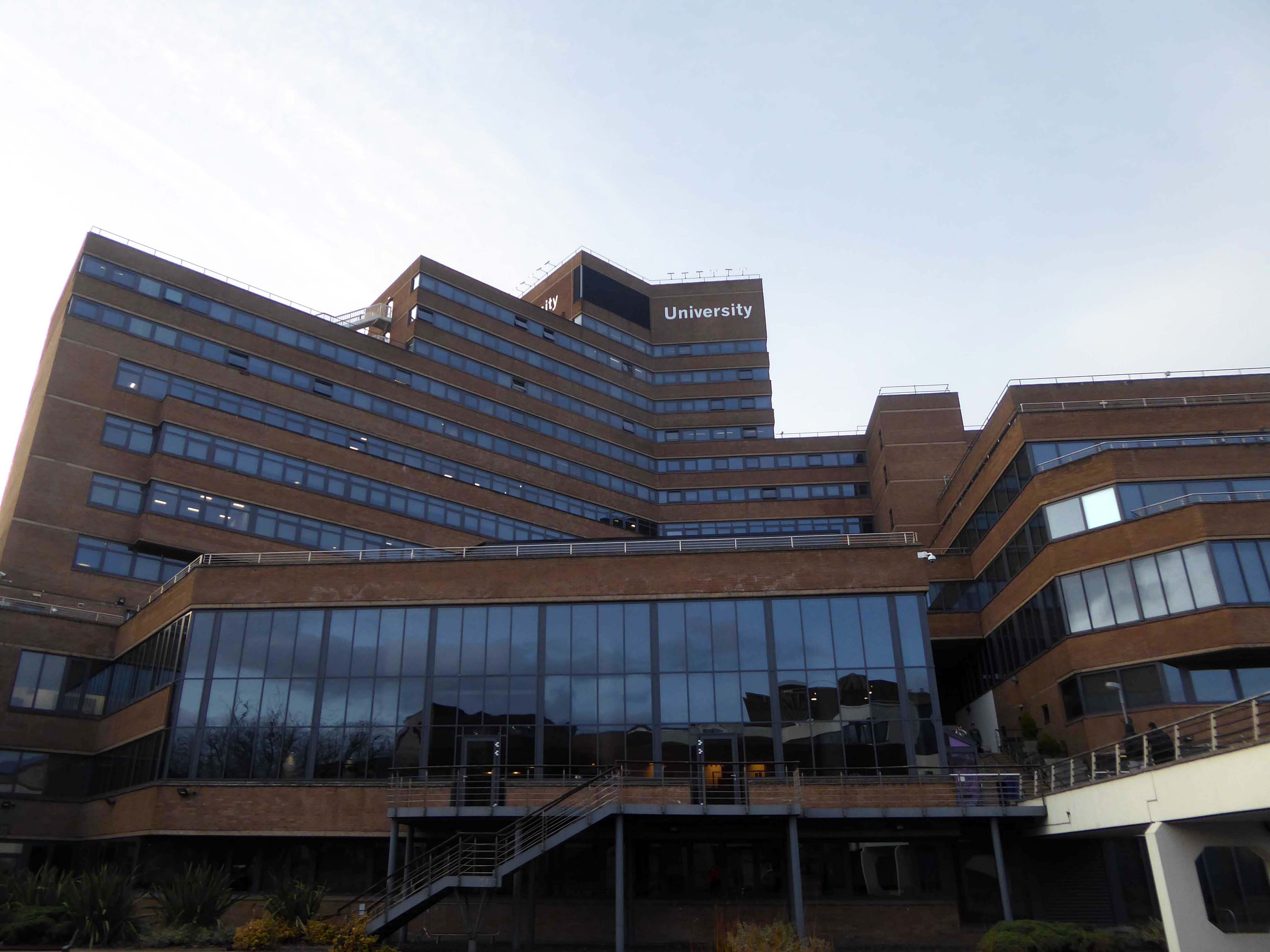
I’ve seen two ghosts in the kitchen. One was clearly a man, the other was when I thought my daughter was over my shoulder but when I looked around she wasn’t there, and we were the only two in the building.

Eastern Daily Press

The long and ever so slightly winding road of the lowlands, sad eyed.

Service station highlight of the tour – with its National graphic identity intact.

A no longer a bakers bakery.

Ghost sign.

All at sea again – caravans to the left of us, sea to the right of us, onwards onwards.

The eternal puzzle of the paddling pool.

Terracotta tiling on the Lifeboat House.

Crossing the estuary of the River Yare – yeah, yeah!

Finally arriving in Joyland.

Rides include the world famous Snails and Tyrolean Tub Twist.

A huge toy town mountain incorporates the Spook Express kiddie coaster, Jet Cars and Neptune’s Kingdom undersea fantasy ride, Pirate Ship, Major Orbit, Balloon Wheel and Skydiver complete the rest of the rides.

Hungry – why not grab a bite at the American Diner.

I actually went to the Wetherspoons.

Though the town is full of tiny pubs.

And a chippy.

I wandered the highway byways and promenade of Great Yarmouth, all alone in a neon nightmare!

Finally settling down for a pint or two – again.

Lastly encountering the late night skaters.

Night night.

Southend to Clacton

Day three Wednesday 3rd September – leaving Southend under a cloud.

The huge slab of the Civic Centre shrouded in sea mist

Oops actually Alexander House – built around 1970 to house the then new V.A.T. HQ.

Designed by borough architect – PF Burridge.

Queen Mum Opens Civic Centre – It took a while to get there, since 1958 when the council agreed to embark on a quest to build a new home for itself;  but on 31st October 1967 HRH the Queen Mother did the honours and formally opened the spanking new Civic Centre.  During its build Southend was classed as being in the top ten in the country for full employment, due to this workers were hard to come by and bus loads of workers were brought in to complete this and the many other projects shooting up along Victoria Avenue at the same time. 

Cllr Beryl Scholfield commented later on the day – The Queen Mother opened the Civic Centre in 1967, when my husband was chairman of the town hall committee, and we had lunch with her at Porters.  We were presented to her when she came in. There were no more than about 30 of us there.  It was a most exciting day.

She was as natural as you see her on the television.

Postscript 2002

A Union Jack lowered to half-mast in tribute to the Queen Mum has been stolen from Southend’s Civic Centre. A council spokeswoman today denounced the theft as – a despicable act at a time of great sadness and national mourning.

The outrage has caused extra sadness for royalist residents in the town because of the Queen Mother’s special place in the history of the Civic Centre.

The Leda and the Swan statue by Lucette Cartwright, which used to be in the Civic Centre atrium, gets a polish in May 1987.

A bronze statue depicting a mythological rape has finally found a new home at the mayor of Southend’s official residence. The controversial statue of Leda and the Swan was specially commissioned by Southend Council in the Sixties and first stood outside the courthouse in Victoria Avenue.

Later it was moved to the Civic Square and then to the courtyard of the Palace Theatre, in Westcliff. Later, it was moved to the Civic Centre when it caused outrage among staff. Workers claimed the statue, representing the rape of Leda by the Greek god Zeus disguised as a swan, glorified rape as an art form.

Last week, the statue was removed from the Civic Centre and is now at the mayor’s residence, Porters, in Southend.

Rob Tinlin, Southend Council’s chief executive and town clerk said – The statue of Leda and the Swan was located at the Civic Centre until a suitable location was found. The statue is permanently on display in the garden of the mayor’s residence, Porters in Southchurch Road.

It is in an appropriately landscaped area next to the pond.

Photo Phil Parsons

Misty eyed I missed the sculptural fountain – William Mitchell I presume?

Said farewell to Neptunes unilluminating assorted fish.

Heading out of town past noisy scenes of quiet despair, no more fancy goods, no more confectionary – shake that.

Heading inland, away from the wibbly wobbly estuarine coast of higgledy piggledy Essex, through freshly mown pasture and solitary haywains.

This is Constable country:

Like many artists practising at the time, Constable used sketches as source material for fully worked-up compositions. He did not find the production of finished paintings easy, which probably contributed to his late recognition by the art establishment.

V&A

Passing by solitary bus shelters, patiently awaiting passengers.

Waterworks works in the palatial neo-classical manner, with a restrained nod to incipient Art Deco.

Encountering the occasional leafy lane.

I eventually found myself on the outskirts of Colchester, outside St Theresa Of Lisieux .

A striking pre-cast concrete frame design of 1971, with a dramatic and well-lit interior, lively modulation of wall surfaces and some furnishings and artworks of note.

Architect – JH Dabrowski 

The entrance façade has a large gable and projecting entrance canopy, above which is a bronze statue of the Risen Christ, by local artist Tita Madden – 1977

This is a large modern church, built with a pre-cast concrete frame with a crossover roof beam system, allowing for dramatic internal effects. Within the bays created by the frame, the walling is mostly brick, with some pre-cast concrete panels, and large areas of glazing. Concrete is also used for the window mullions and surrounds. Each bay has the brickwork slightly angled or faceted, giving the design a great sense of movement and liveliness, both inside and out.

Taking Stock

Struggling to go around a Straight Road.

£240,000 will get you an Art Deco maisonette in Vint Crescent from Wowhaus:

This one is a ground floor apartment, which has undergone a complete refurbishment, but with one on keeping those period features to the fore – period features such as original radiators and those distinctive windows and doors are intact, rubbing shoulders with some new, high-end finishes like oak floors and updated kitchen and bathroom.

Foolishly I became more than somewhat lost and on making enquiries concerning my whereabouts and destination, I was met with gently derisive laughter. Therefore, I bypassed Colchester, took the wrong route along a mainly main road and ended up much too quickly in Clacton.

Home to several shops to let, as we shall subsequently see.

Also home to a fabulous concrete frieze on the exterior wall of the library.

Quickly ensconced in my bijou digs – I hit the town to take a look around.

I was staying right opposite this here boozer – a little too early for a pint, I’ll pop back in a bit.

Seaside shelter in a faux vernacular manner, calm seas ‘neath an azure sky – perfect.

Artifice and authenticity the sunbathing citizens sit beside an inflatable pool – perched above the sea on the pier.

Clacton Pier, which opened on 27 July 1871 was officially the first building erected in the then-new resort of Clacton-on-Sea. A wooden structure 160 yards in length and 4 yards wide, the pier served as a landing point for goods and passengers, a docking point for steamships operated by the Woolwich Steam Packet Company, and a popular spot for promenading. By 1893, Clacton had become such a popular destination for day trippers that the pier was lengthened to 1180 ft (360m) and entertainment facilities, including a pavilion and a waiting room, were added to accommodate them.

Wikipedia

The pier seems to have changed hands several times, as is the way with such things, subjected to fires, storms and pestilence – yet still prevails.

Key attractions include Stella’s Revenge – a family Galaxi rollercoaster. Formerly operated at Barry Island Pleasure Park as Galaxy, and later Viper.

Pause to consider the prospect of magical fun, fun, fun.

Let’s return to dry land, where we find certain signs of decline in these uncertain times.

Hope springs eternal in the Arcade hairdressers.

We place our trust in the tried and tested condiments of this most sceptered of isles.

Life goes on at the Linen Shop – yet another Profil/Stymie gem!

A limited choice is widely available from the far from extensive menu, though mushrooms do come with princely, premium price tag attached.

Another long day closes with a well deserved pint – God bless the Old Lifeboat House and all who sail in her.

Night night.

Margate to Southend

Early morning passing by the yet to be reopened Dreamland, back then just a work in progress, it has had a more than somewhat chequered past.

Dogged persistence has assured its future:

Just before Christmas 1919, and almost exactly one year after the end of the Great War, John Henry Iles purchased Margate’s The Hall By The Sea, thus initiating the history of what would become Dreamland.

The Dreamland cinema replaced a smaller cinema on the site, with this modernist masterpiece opening in 1935. The super-cinema, designed by architects Julian Leathart and WF Granger.

After several years of campaigning to save the Dreamland site from redevelopment, and successful funding bids to the Heritage Lottery Fund and Department for Culture Media and Sport’s SeaChange Scheme, the Dreamland restoration project went live in January 2010, appointing a professional team to deliver The Dreamland Trust’s vision for a reimagined Dreamland, however, the battle was not over.

After a long restoration project, Dreamland opened its doors to the public on June 19 2015. The park was further reimagined and expanded in 2017 following additional investment, with new thrill rides, a much bigger events space, fresh designs, and a new welcome for a new generation of visitors.

Dreamland

Just enough time to take a quick look inside the Arlington House car park then off we go again.

Tuesday 2nd September leaving Margate and cycling along the North Kent Coast.

Hotter than July and into a headwind.

A flat concrete surface raised above the oyster beds.

The Whitstable Oyster Fishery Company traces its roots back to 1793, but oysters have been a part of Whitstable’s history for far longer.

The Romans loved Whitstable oysters and documentation proves that they were sending oysters back to Rome in around 80AD.

Whitstable Oyster Company

JMW Turner also found time to record the area.

Sold for £ 252,000 inc. premium

Along the long straight coastline the distinctive and distinguished silhouette of Reculver Castle can be seen in the distance.

Two thousand years ago the geography of this area was very different. The Wantsum, a sea channel up to 3 miles wide, cut off the Isle of Thanet from the mainland, and the Roman fort of Reculver stood on a promontory at the north end of the channel where it joined the Thames estuary. Today the Wantsum has silted up and become dry land.

By the 5th century the Romans had abandoned their defence of Britain and the fort at Reculver had fallen into disuse.

An Anglo-Saxon monastery was founded on the site in 669, reusing the existing defences, and the church of St Mary was built near the centre of the earlier fort. Documentary evidence suggests that the site had ceased to function as a monastic house by the 10th century, after which time the church became the parish church of Reculver.

Remodelling of the church in the 12th century included the addition of tall twin towers.

The medieval church was partly demolished in 1805, when much of the stone was reused to construct a new church on higher ground at Hillborough, but the twin towers were left. They were bought, repaired and underpinned by Trinity House in 1809.

English Heritage

I breezed through Herne Bay past the curiously named Bun Penny pub

Burnt down in 2011 – the subject of ever changing plans and possibilities.

A derelict Herne Bay pub has been transformed into luxury seafront apartments and this is how much they cost.

We would encourage owners of other empty properties in the Herne Bay area to get in touch as we find new ways to rejuvenate the town and attract new people to work, live and visit.

Kent Live

Further along the unstable concrete coast we approach Whitstable.

With its chi-chi cafes and bars, tastefully ramshackle shacks and snacks.

Profil fronted fascias for family run department stores.

Whites of Kent is a family company now into the third generation of close family members. The original story begins with a young ambitious girl of 18 who knew all about stocking repair machines. She travelled to Australia by boat then on to Switzerland and Paris where she trained women and gave demonstrations on the stocking machines.

In 1954 the retail side commenced again with a ladies underwear shop in Faversham’s Market Street, followed by a fashion shop in Market Street and then our current shop in Court Street.

We have in the past had shops in Sandwich, Sittingbourne, Herne Bay, West Malling, Folkestone and Cliftonville. Currently we have Whites of Kent shops in Faversham, Whitstable and Dover selling lingerie, linen, hosiery, underwear, slippers and more. See our Shop page for addresses, phone numbers and opening times.

Whites of Kent

A fine display of tobacconist’s ghost signs.

The road winds through the low marshes, across estuaries and inlets, between Seasalter and Graveney.

Home to a down home, home made fishing fleet.

Members of the 1st Battalion London Irish Rifles guarding the downed Junkers Ju 88A1

On September 27 1940 – a Luftwaffe bomber was shot down by two Spitfires over Graveney Marsh after a raid on London. This was the last ground engagement involving a foreign force to take place on the mainland of Great Britain.

Wikipedia

As is common in post-industrial England industrial buildings become executive homes, busy ports become marinas or moribund marshes.

Ready for conversion to a bijou des-res.

It was time to make time through the garden of England – pressing on past hillbilly hideaways.

Housing late Ad Reinhardt’s.

My painting represents the victory of the forces of darkness and peace over the powers of light and evil.

Founded in the early 1700s by Edward Rigden. Registered in 1902 as Rigden & Co. Merged with George Beer & Co. Ltd in 1922 to form George Beer & Rigden, not being limited until 1927.

Was acquired by Fremlins Ltd in 1948 and brewing ceased 1954.

Brewery History

Dulled by dual carriageways and the dirty urban dust of a sunny late summer’s day – I was more than happy to discover this Modernist church in Rainham.

St Thomas of Canterbury RC

A  modern  church  of  1956-58  by  Eduardo  Dodds.  The  atmospheric interior is decorated with fine sculpture by Michael Clark, and ceramic panels by Adam Kossowski. The tower is a local landmark. The former temporary church of 1934 survives as the Parish Centre.
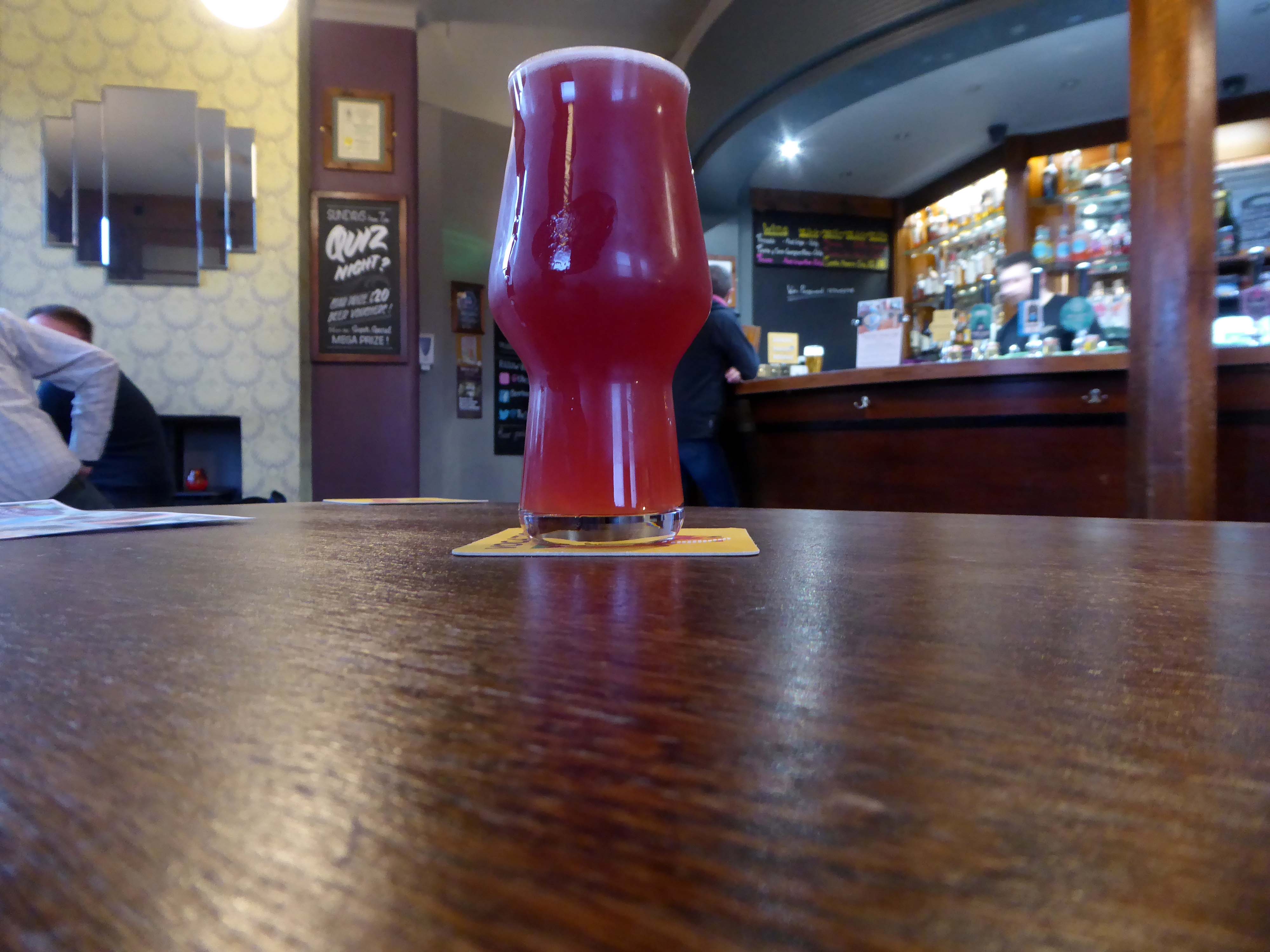
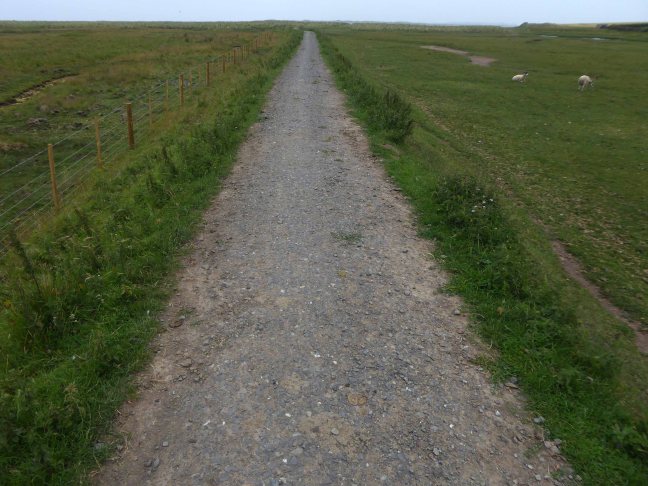
Taking Stock

Followed by another brick behemoth the Gaumont Chatham.
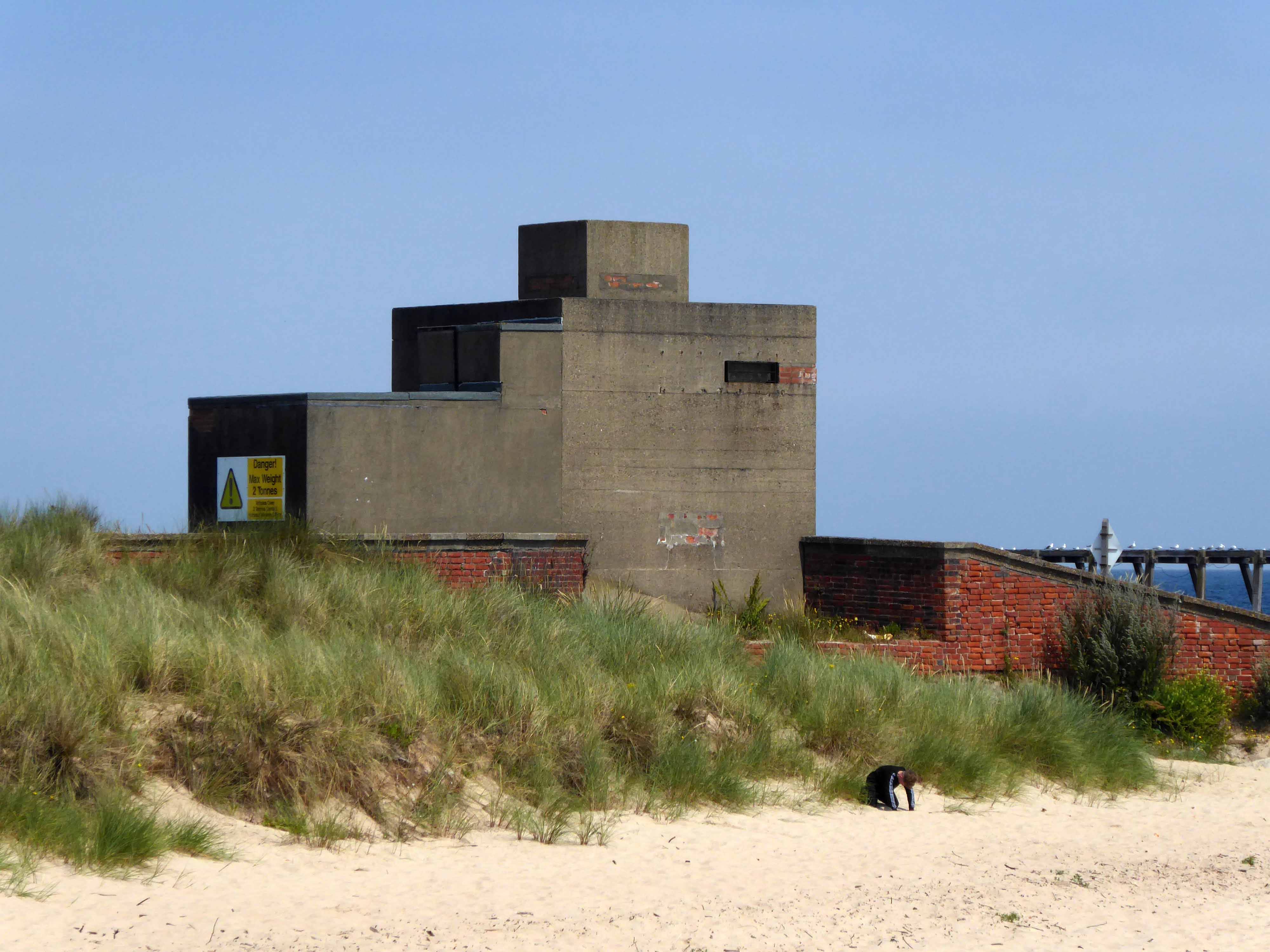
The Palace Cinema was built by a subsidiary of the Gaumont British Theatres chain, and opened on 30th November 1936. The exterior had a tall square clock tower, which was outlined in neon at nightArchitect Arthur W. Kenyon

Re-named Gaumon from 18th December 1950, closed by the Rank Organisation on 2nd February 1961 with John Gregson in The Captain’s Table.

It was converted into a 24-lane Top Rank Bowling Alley, which opened in December 1961. Eventually, this was the last of the Top Rank Bowls to close, closing on 31st October 1970.

The building was converted into a B&Q hardware store, and the interior has been gutted. It was later in use as a camping centre, which remains open in 2010 as Camping International. The building is now known as Clock Tower House.

Cinema Treasures

Queen Elizabeth II Bridge Toll.

Designed by German civil engineer Hellmut Homberg, the two main caissons supporting the bridge piers were constructed in the Netherlands. ] The bridge deck is about 61 metres high, and it took a team of around 56 to assemble its structure.

The bridge was opened by Queen Elizabeth II on 30 October 1991. The total cost of construction was £120 million. The proposed name had been simply the Dartford Bridge, but Thurrock residents objected and suggested the Tilbury Bridge, leading to a compromise. At the time of opening, it had the longest cable-stayed span of any bridge in Europe.

Wikipedia

I arrived at the Dartford Crossing hot and hungry – wandering towards the tunnel entrance, only to be apprehended by the authorities.

What are you doing here?

I pleaded for a glass of water and directions, happily I received both from a friendly member of staff.

Picked up by Range Rover and driven over to Essex free of charge.

Wearily I made my way across the county, no time for snaps it seems, simply wishing to hit town before nightfall. None of my B&Bs were booked ahead of time and I’ve never had a ‘phone. Finding a bed for the night proved troublesome – knocking on the door of a minor hotel, I was rebuffed by a Beatle suited, be-wigged figure:

Are you to take the vacancies sign down then – says I.

No – says he.

Under cover of darkness I holed up in a contractors’ flop house on the front, no-frills communal showers, short shrift and cold linoleum, but a welcome repose none the less.

Some pints don’t touch the sides – this and several others didn’t, ‘neath the flickering lights of Southend by night.

A wobbly walk along the prom.

Fetching up with pic of the Kursaal.

The Kursaal is a Grade II listed building in Southend-on-Sea which opened in 1901 as part of one of the world’s first purpose-built amusement parks. The venue is noted for the main building with distinctive dome, designed by Campbell Sherrin, which has featured on a Royal Mail special edition stamp.

Wikipedia

Night night.

Hastings To Margate

Early one morning, six o’clock on Saturday 30th August 2014 to be precise – I set out on my bike from my humble Stockport home, Pendolino’d to Euston, London Bridged to Hastings.

It was my intention to follow the coast to Cleethorpes, so I did.

Five hundred miles or so in seven highly pleasurable days awheel, largely in bright late summer sun. Into each life however, some rain must fall, so it did.

Kent, Essex, Suffolk, Norfolk and Lincolnshire flashed by slowly in lazy succession, to the right the sea – you can’t get lost, though I did. Following Sustrans signs is relatively easy, as long as they actually exist, when I reached Kings Lynn I decided to buy a map.

I set out at eight o’clock on Monday 1st September – I had taken early retirement in March. I would have normally been enrolling new students and teaching photography in a Manchester Further Education College, as I had done for the previous thirty years.

Not today thanks.

With the wind and my former career behind me, I cycled on with an unsurpassable sense of lightness and elation.

This is what I saw.

Above and below is Marine Court

The building was designed by architects Kenneth Dalgleish and Roger K Pullen, with overt references to the Cunard White-Star Line Queen Mary, which had entered commercial transatlantic service in 1936. The east end of Marine Court is shaped to imitate the curved, stacked bridge front of the Queen Mary; the eastern restaurant served to imitate the fo’c’sle deck of the ship.

Modernist Britain

The then Jerwood Gallery looking towards the Old Town’s distinctive fisherman’s sheds.

One grey beach hut bucks the trend.

This is all that remains of the St Leonard’s Lido

Photo Historic England

This is one of many seaside shelters devised by Sidney Little in constructing the concrete promenade – let’s head east.

The view across the Romney Marshes from Camber toward Dungeness – which on this occasion I bypassed.

Harold Gilman

Beloved of many passing painters.

The first Profil aka Stymie Bold Italic encounter – Lyons of Lydd Romney.

Designed by Max and Eugen Lenz and first cast by Haas in 1947.

Fonts in Use

Heading towards Hythe on the coastal defence path.

Out of Tune Folkestone Seafront, opposite The Leas Lift – is home to AK Dolven’s installation. It features a 16th-century tenor bell from Scraptoft Church in Leicestershire, which had been removed for not being in tune with the others. It is suspended from a steel cable strung between two 20m high steel beams, placed 30m apart.

For Folkestone Triennial 2014, Alex Hartley’s response to the title Lookout is inspired by the imposing architecture of the Grand Burstin Hotel, which overlooks the Harbour. For his project Vigil, Hartley will use state of the art climbing technology to make a lookout point suspended from the highest point of the hotel. This climber’s camp will be inhabited for the duration of the Triennial, by the artist and by volunteers, all of whom will keep a log of what they observe. 

The current hotel was built in 1984 from the foundations of the Royal Pavilion Hotel, originally built in 1843. Out of the 4,094 reviews currently on TripAdvisor 974 are of the terrible rating which doesn’t inspire much hope.

The most recent review is titled – Dirty Dated Hotel With Clueless Staff.

Kent Live 2018

Gold rush with spades after artist Michael Sailstorfer hides £10,000 of gold on foreshore for town’s Triennial arts festival.

Guardian

Abbot’s Cliff acoustic mirrors

Before the advent of radar, there was an experimental programme during the 1920s and 30s in which a number of concrete sound reflectors, in a variety of shapes, were built at coastal locations in order to provide early warning of approaching enemy aircraft. A microphone, placed at a focal point, was used to detect the sound waves arriving at and concentrated by the acoustic mirror. These concrete structures were in fixed positions and were spherical, rather than paraboloidal, reflectors. This meant that direction finding could be achieved by altering the position of the microphone rather than moving the mirror.

Graham Stephen

Eric Ravilious Abbot’s Cliff – 1941

Charles Stewart Rolls was a Welsh motoring and aviation pioneer. With Henry Royce, he co-founded the Rolls-Royce car manufacturing firm. He was the first Briton to be killed in an aeronautical accident with a powered aircraft, when the tail of his Wright Flyer broke off during a flying display in Bournemouth.

In September 1953 it was announced that Roger K Pullen and Kenneth Dalglish had won and were to receive 100 guineas, for a design for the Gateway Flats.

Local folks would love to re-open The Regent

Behind the Art Deco facade of the Regent was once a grand ironwork and glass Pavilion, built to house regular performances by military bands, which the Edwardian holidaymakers loved. The Lord Warden of the Cinque ports, Lord Beauchamp, officially opened the Pavilion Theatre on Deal’s seafront in 1928.

Cinema Treasures

Deal Pier was designed by Eugenius Birch and opened on 8th November 1864, in 1954 work started on Deal’s third and present-day pier. The new pier took three years to build and was formally opened by the Duke of Edinburgh on 19 November 1957. It was the first seaside pleasure pier of any size to be built since 1910. Designed by Sir W Halcrow and Partners, the 1026ft-long structure comprises steel piles surrounded by concrete casings for the main supports. The pier head originally had three levels but, these days, the lower deck normally remains submerged.

Deal Web

Seafront Shelters Deal

The Kent coastline is home to a vast variety of homes from the crazy clad Prairie Style ranch house to the Debased Deco.

Following ten fun hours of cycling time for a timely rest in the B&B.

Passing by the prestigious Turner Contemporary

The building was designed by David Chipperfield – It was built on the raised promenade following a flood risk analysis. Construction started in 2008, and was completed for opening in April 2011, at a cost of £17.5 million. The gallery opened on 16 April 2011.

Wikipedia

Finally as the sun sets in the west, a pint of something nice in the Harbour Arms.

Night night.

Alexandra Hotel – Hull

69 Hessle Road Kingston upon Hull HU3 2AB

Whilst walking the length of Hessle Road, up and back – taking the air, snaps, the sights and sounds, I came upon a fine Faience tiled frontage.

I began photographing, wandering dangerously into the space between the slip road and the flyover. A shout rang out, emanating from the boozer, the landlord called me over.

“Do you want to take a look inside?”

“Yes”.

A listed interior the new landlord is working hard along with Historic England to restore the capacious rooms to their former glory, including the entrance mosaic and ceiling – images P Hampel

Inheriting a whole heap of issues and a grey parrot called Sparky.

It all proved too much for the former landlord.

But the boozer is now up and running serving cask ale to throngs of first class thirsty customers.

The Yorkshire Brewhouse 1904 ended mid week when we’re normally closed but we were asked to open for a group of very thirsty sailors. We moved on to Reet, another Yorkshire Brewhouse beer and thanks to the football that one has gone too. It’s back to the YBH Faithful Stout once again. I’d come quick and get it while you can.

Once two pubs the Hessle Road Inn was subsumed by the Alexandra. The area was once home to the city’s Jewish Community – the cemetery survives next door.

There are Star of David motifs incorporated into the windows, sympathetic to this local heritage.

Built around 1895, designed by Smith, Brodrick and Walker, with late C20 alterations – British Listed Buildings.

It’s a fabulous pub which deserves to thrive – pop in for a pint if you’re passing, just watch out for low flying parrots.