I was in town, just looking around, just looking for modernity, just looking.
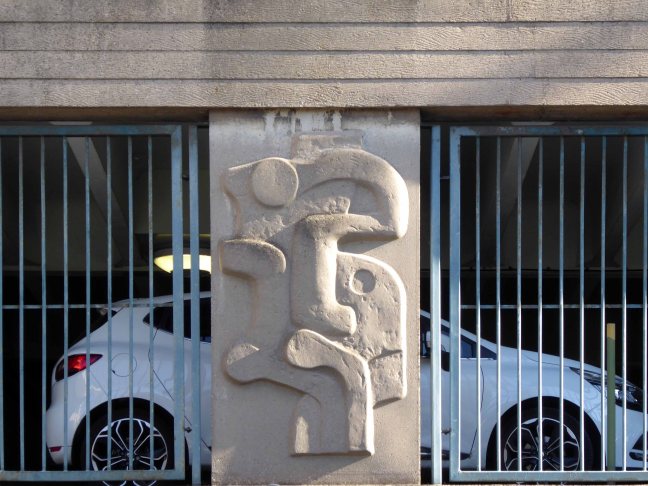
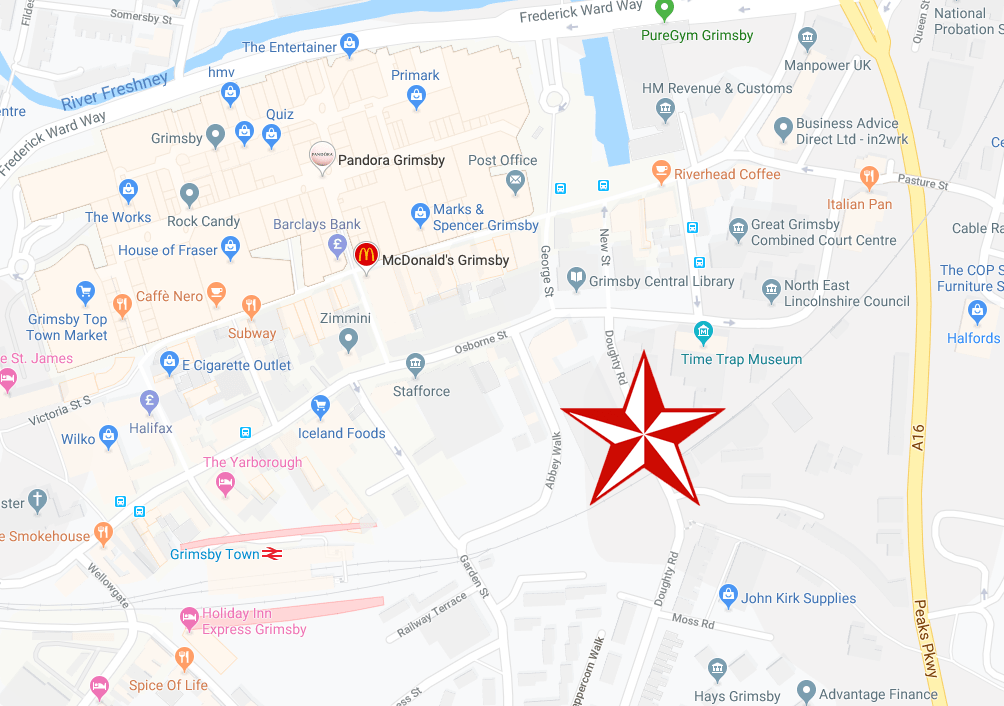
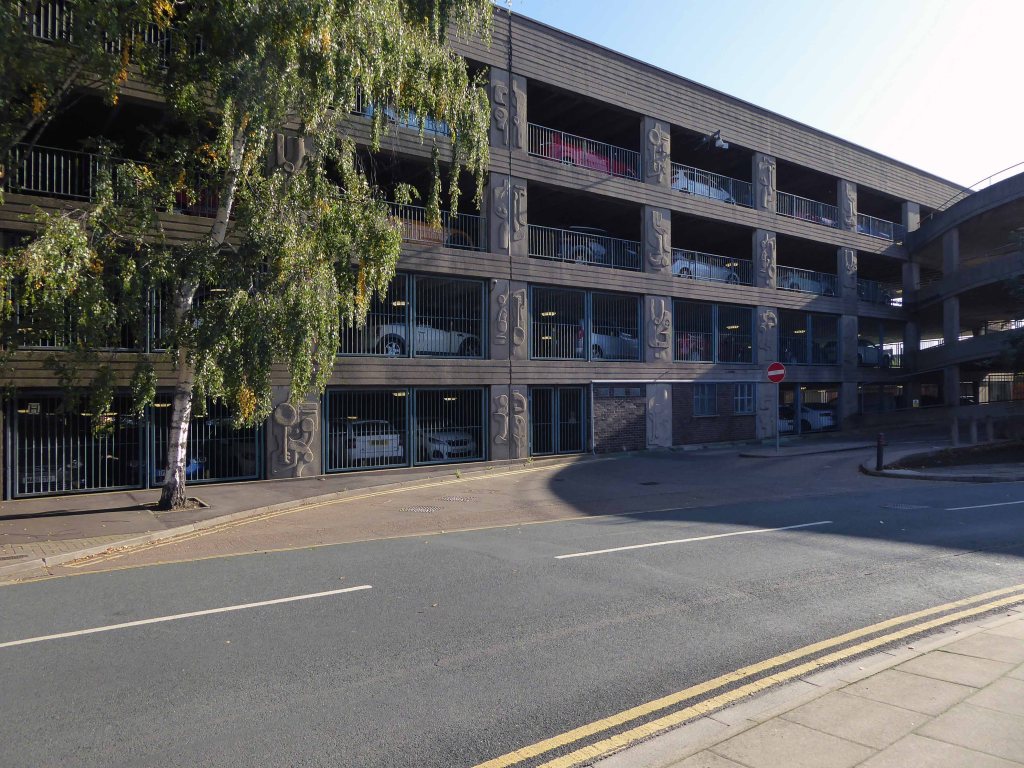
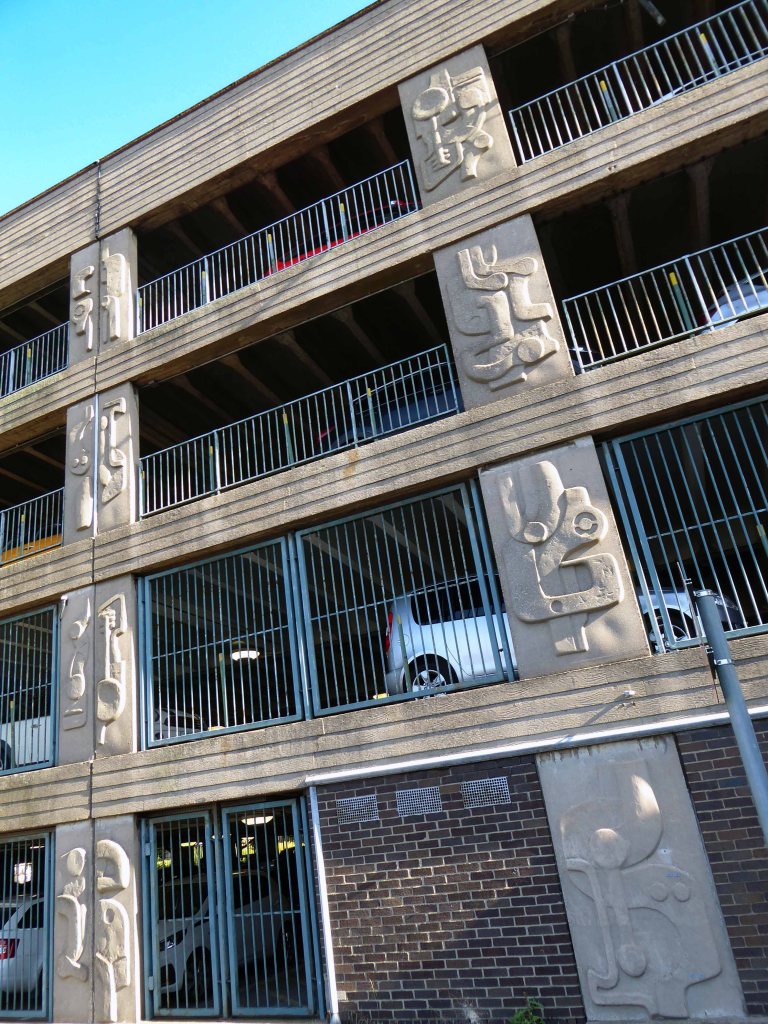
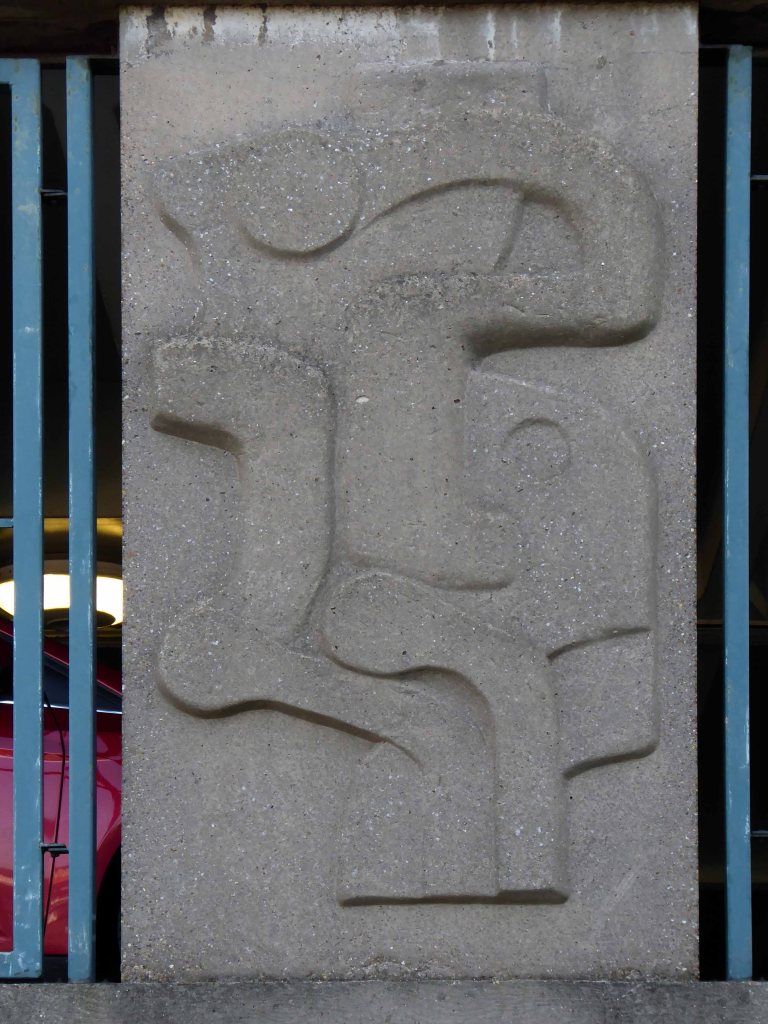
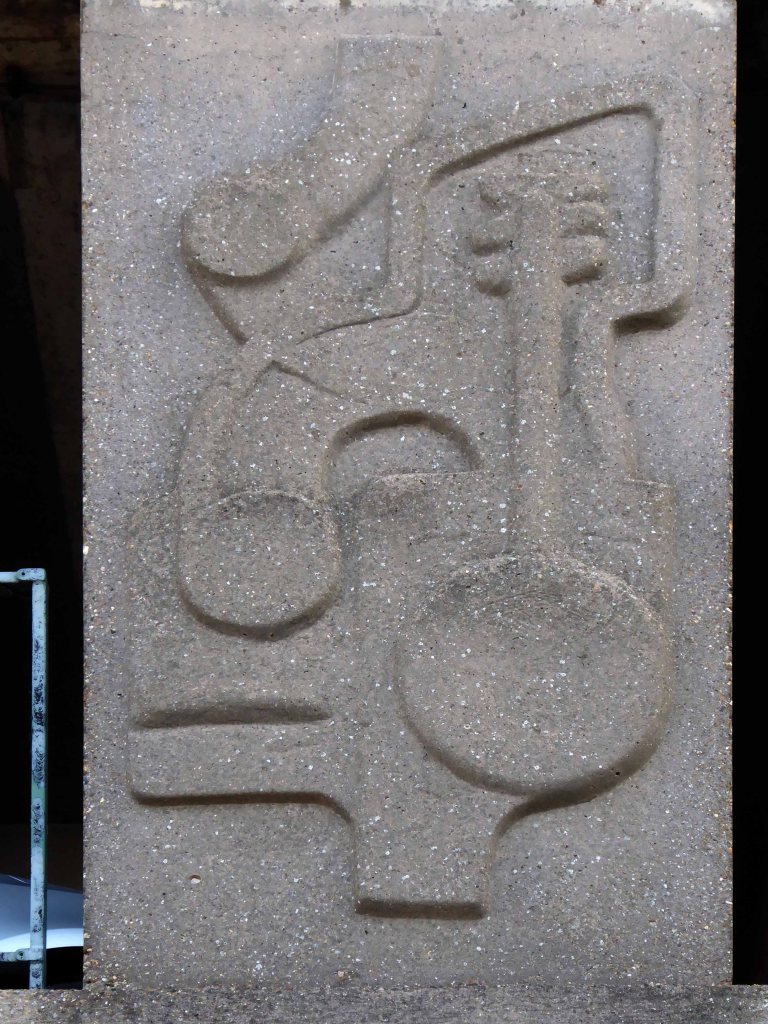
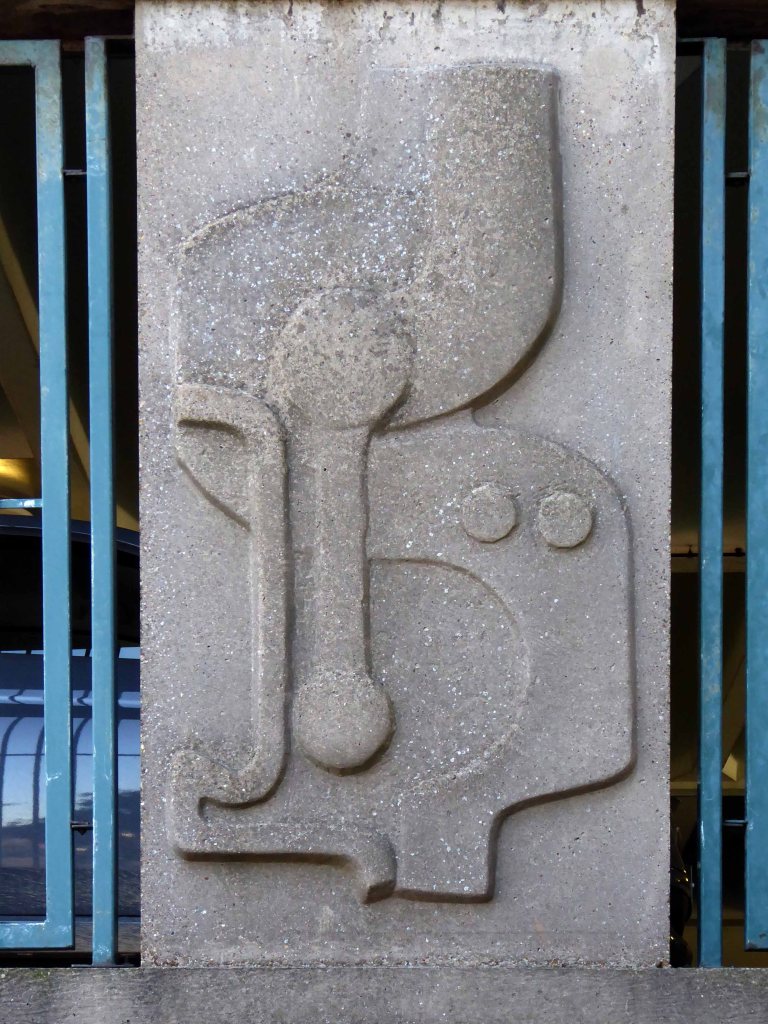
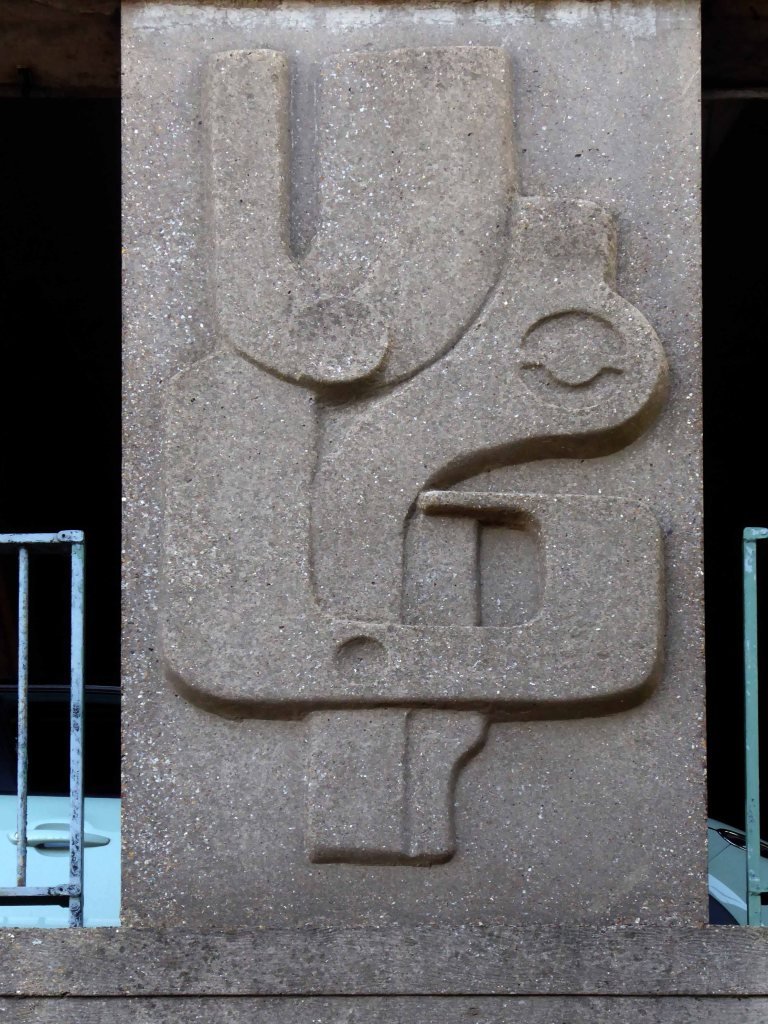
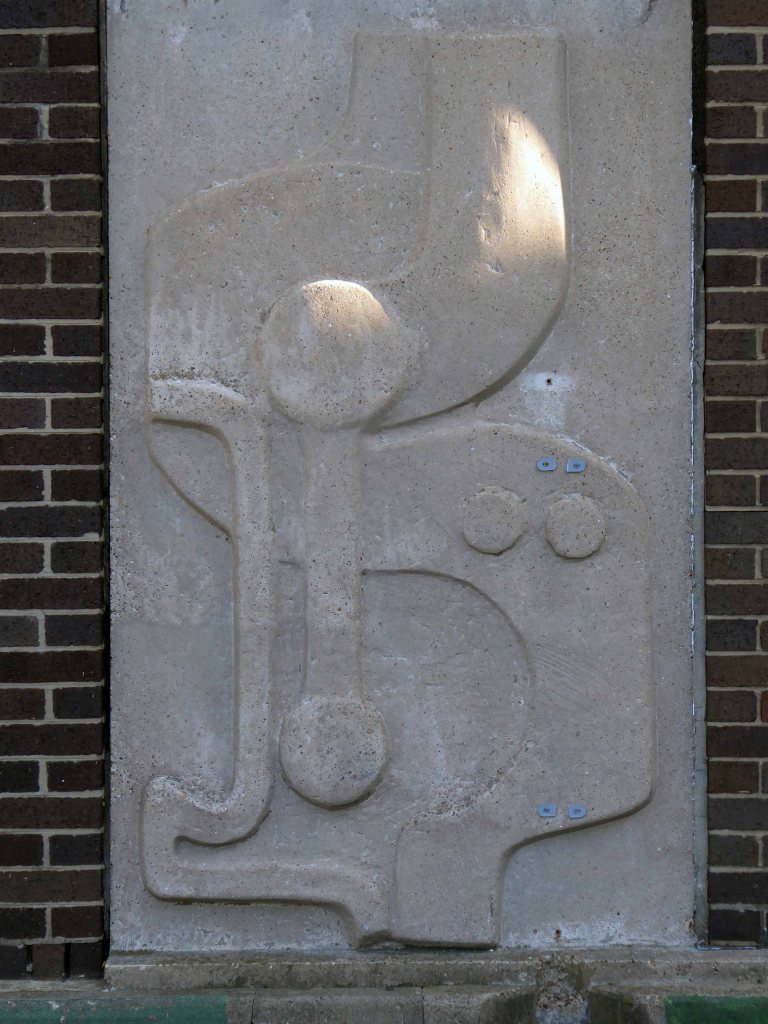
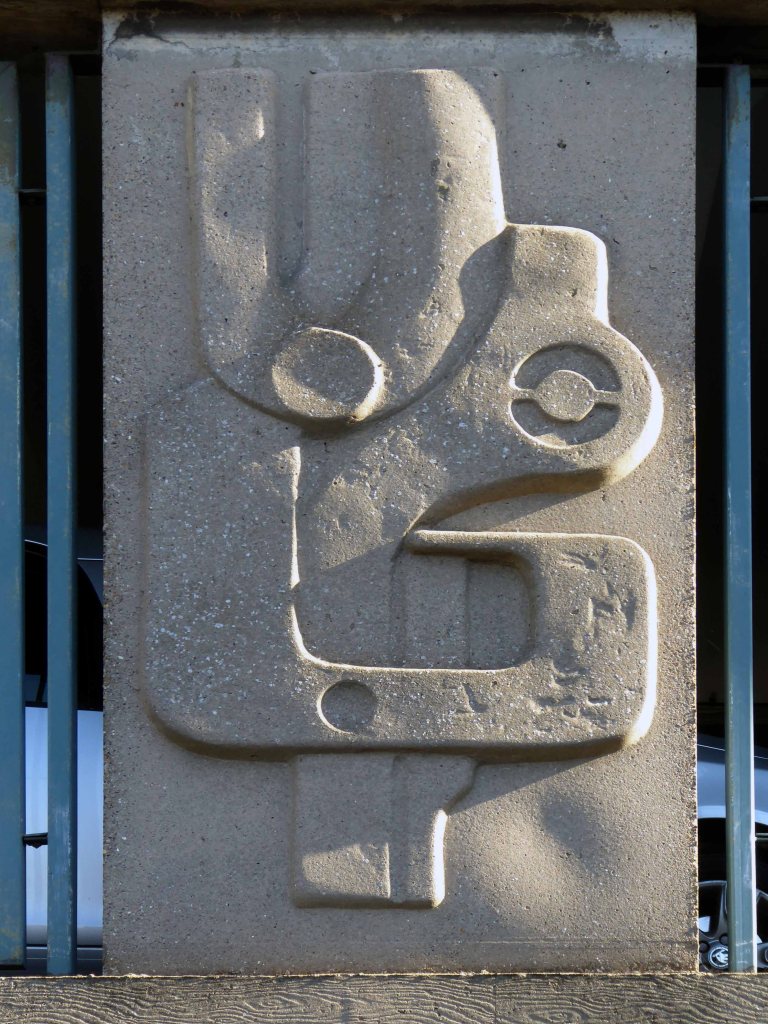
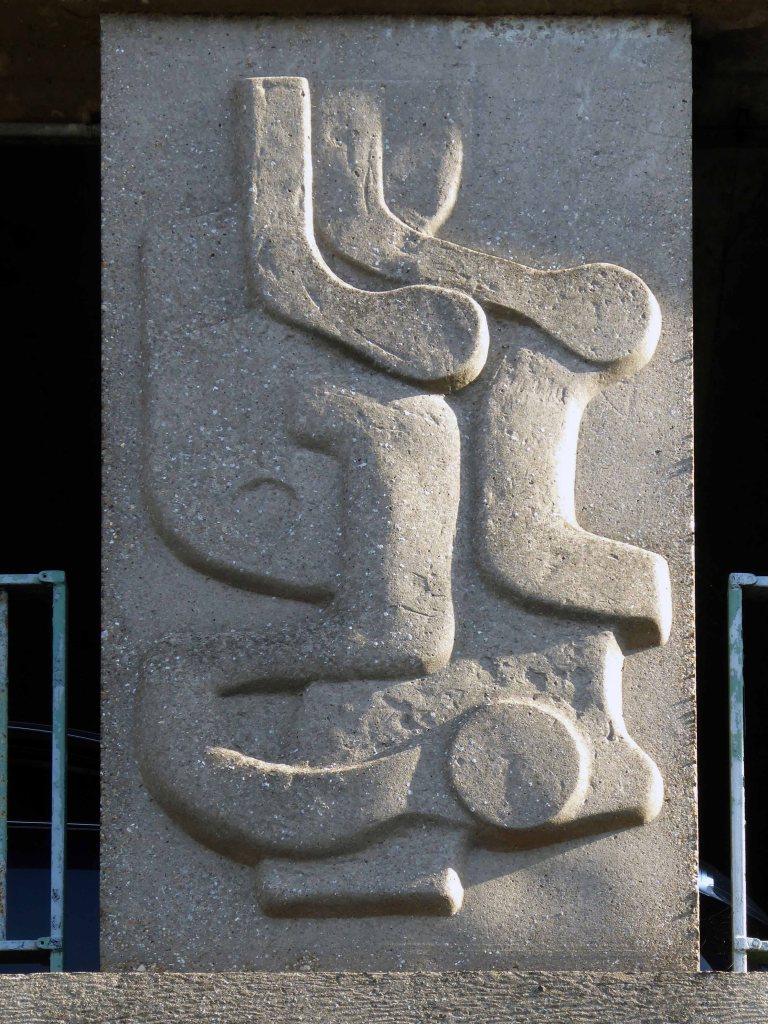
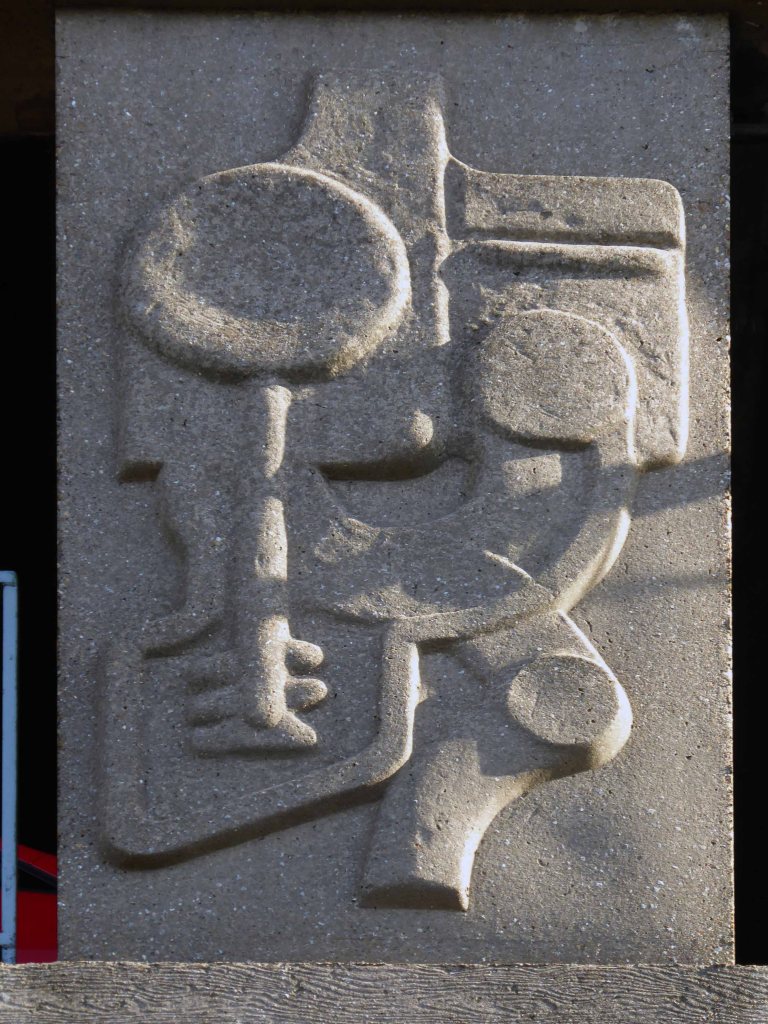
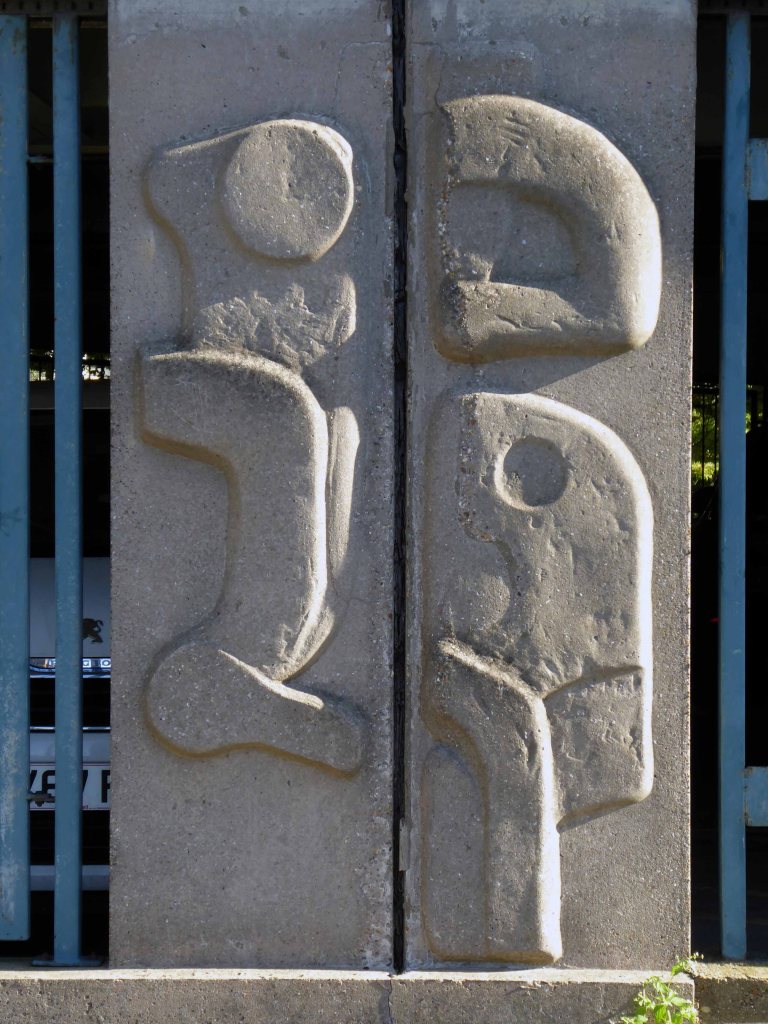
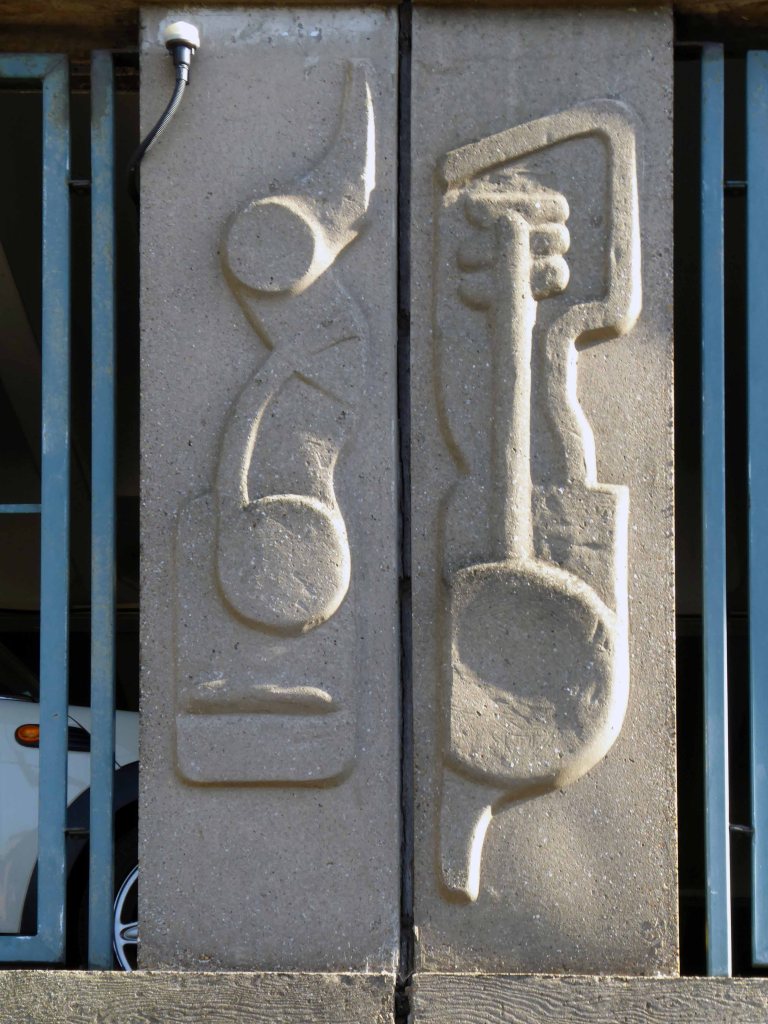
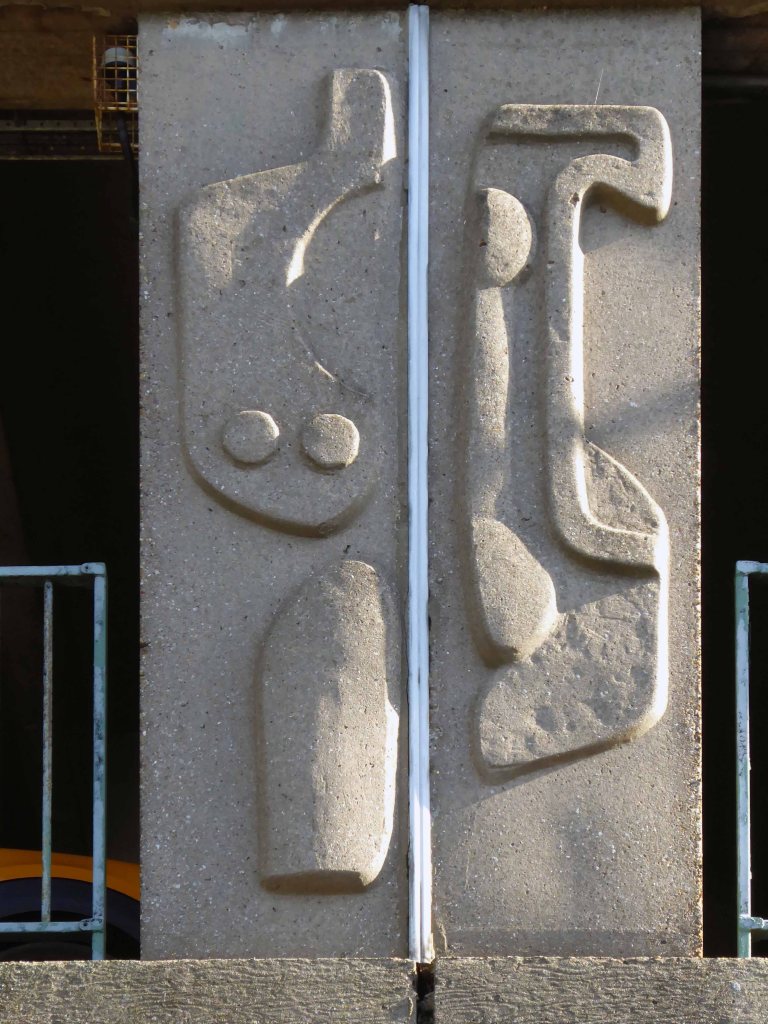
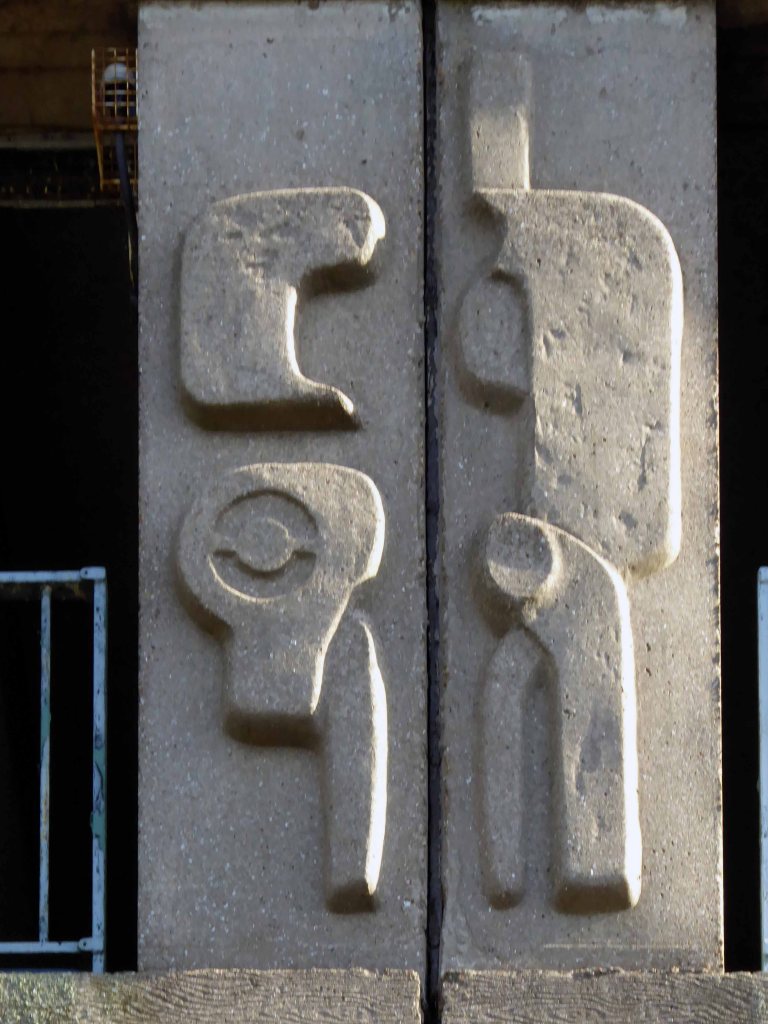
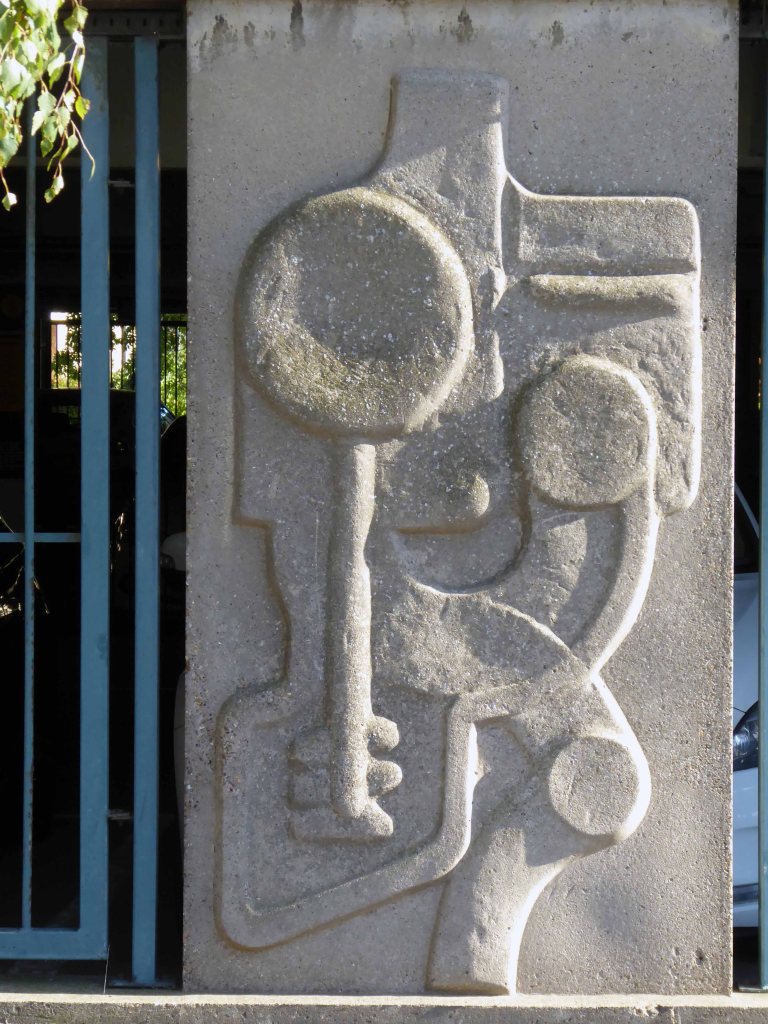
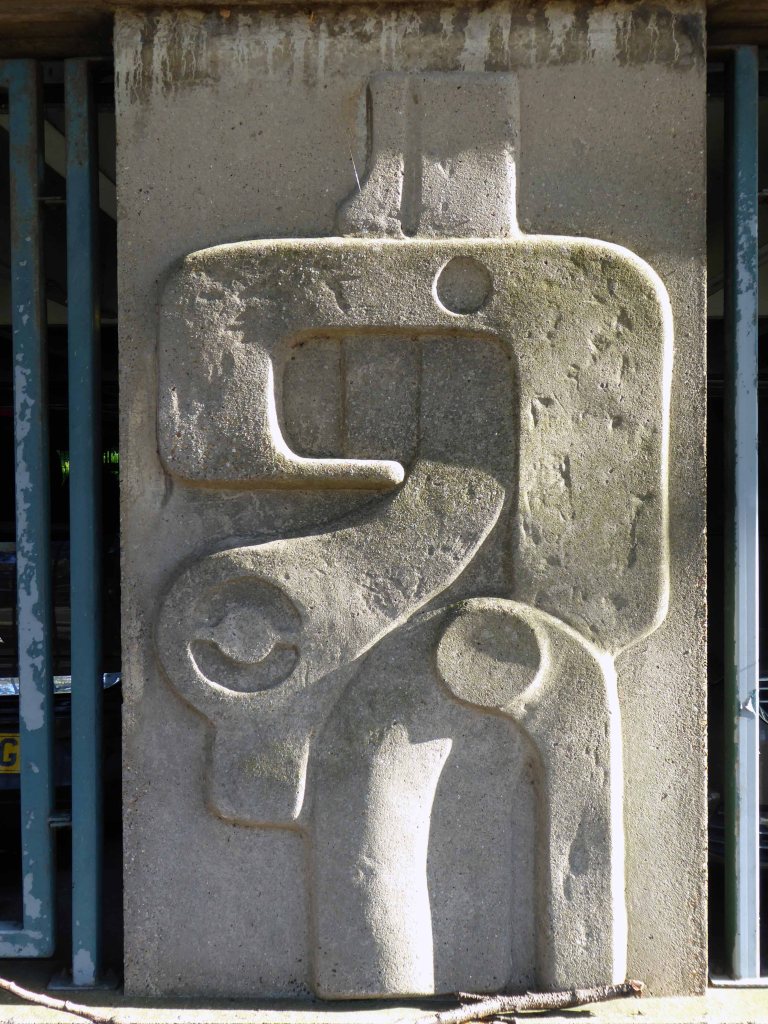
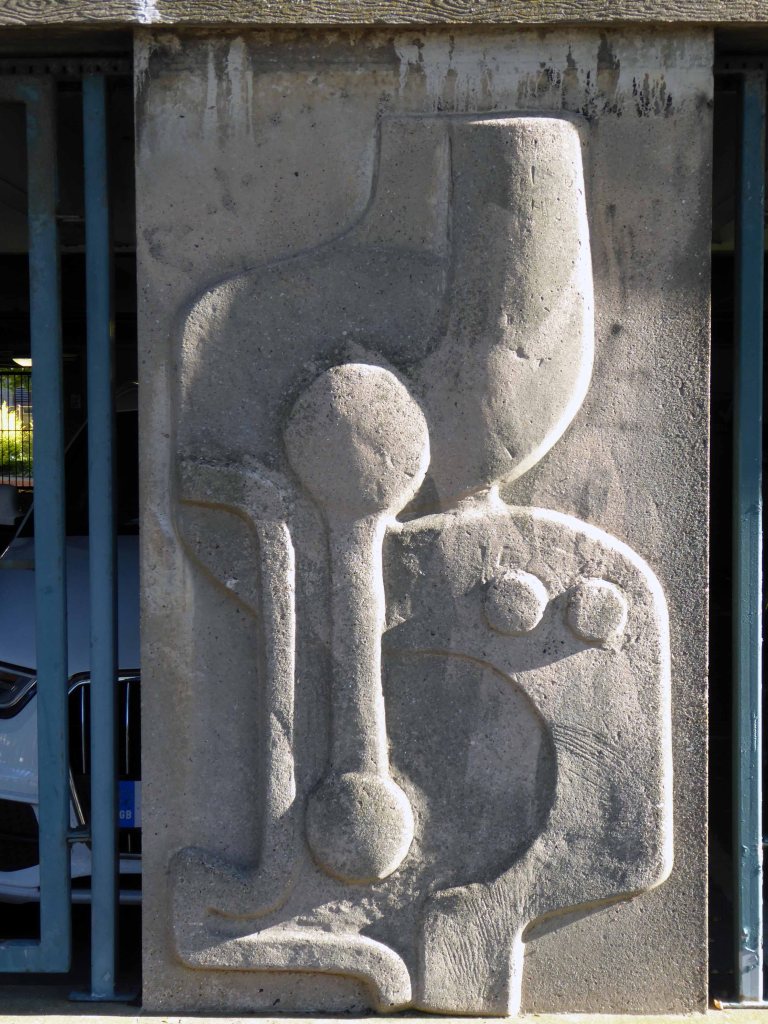
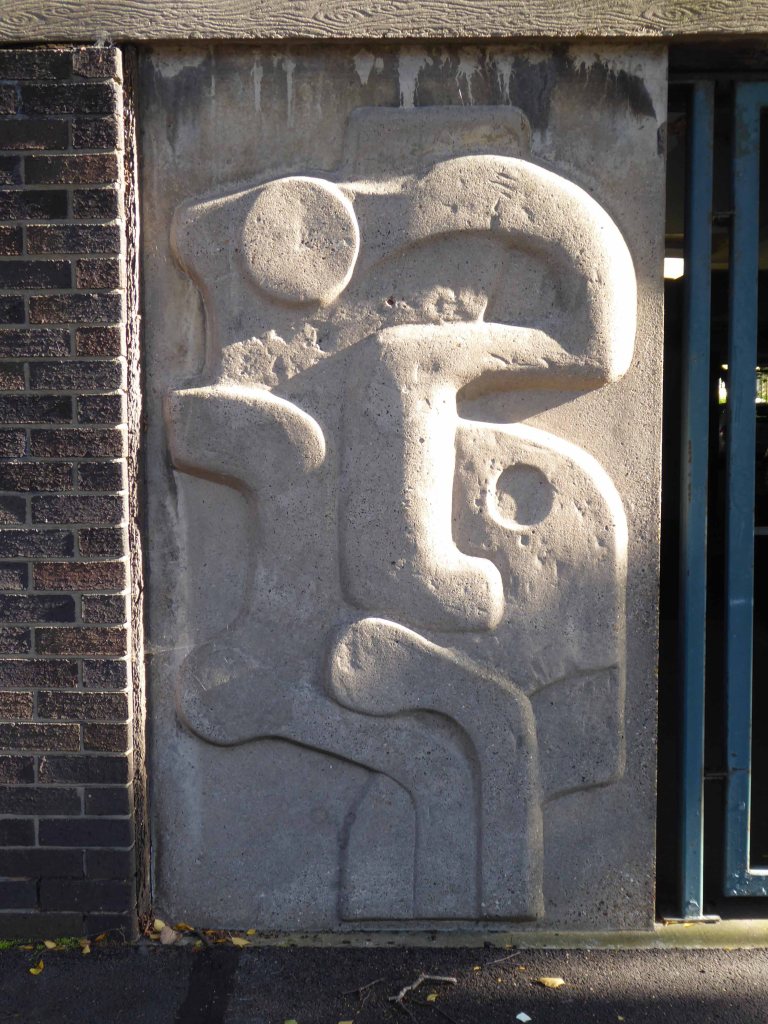
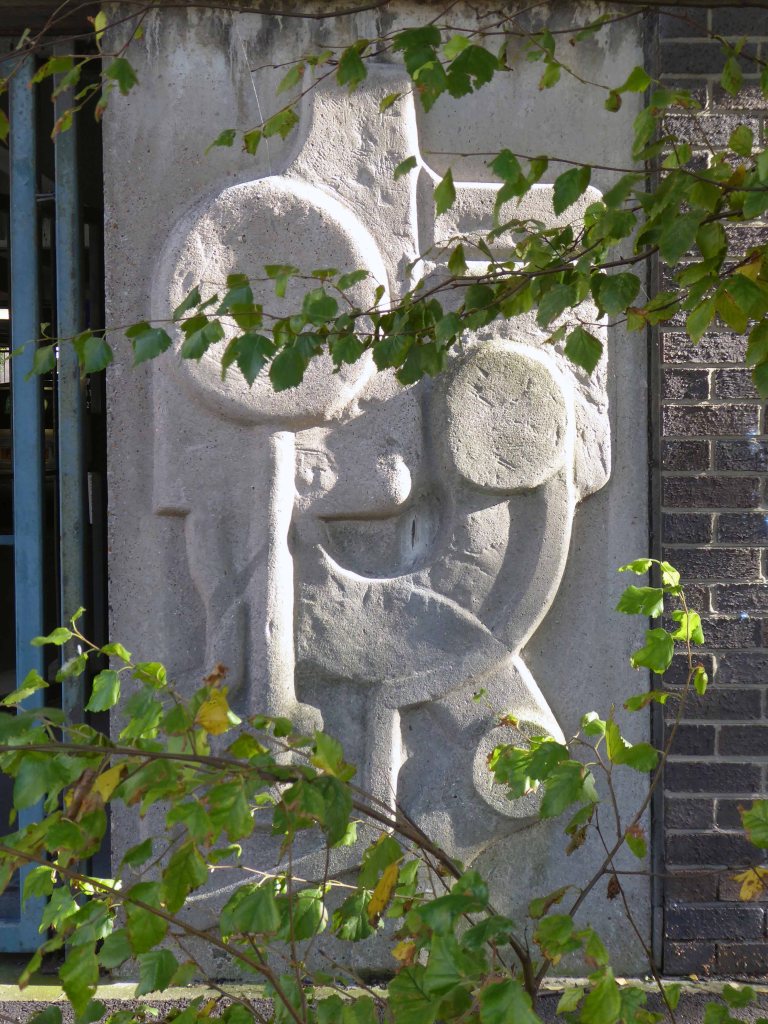
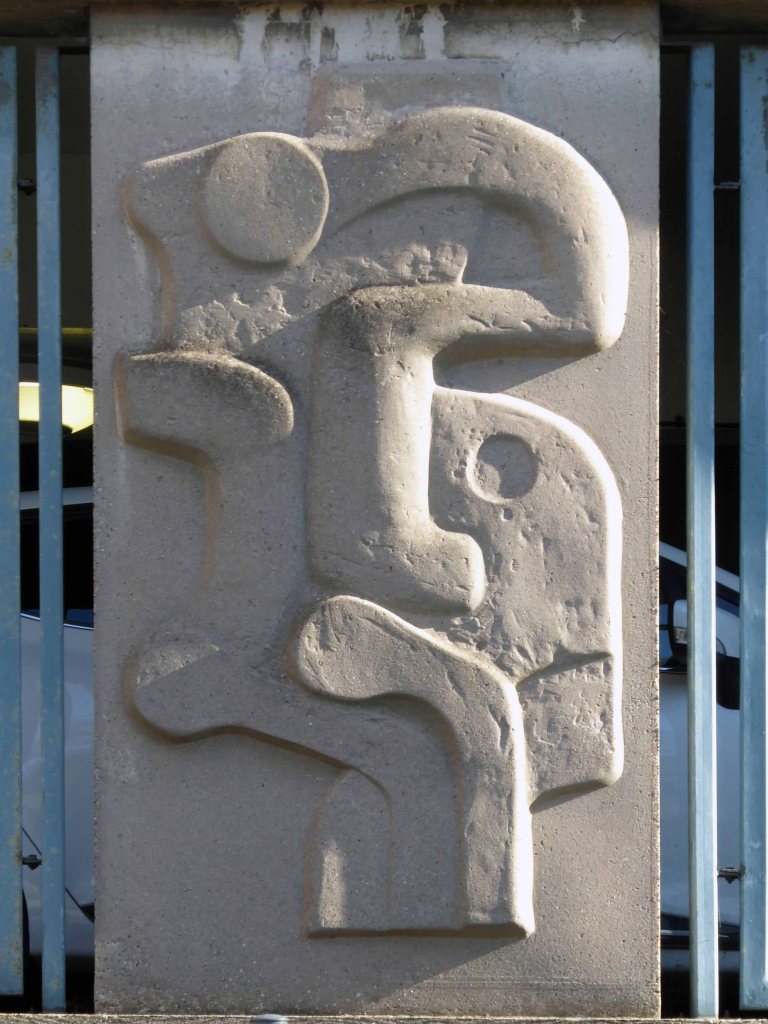
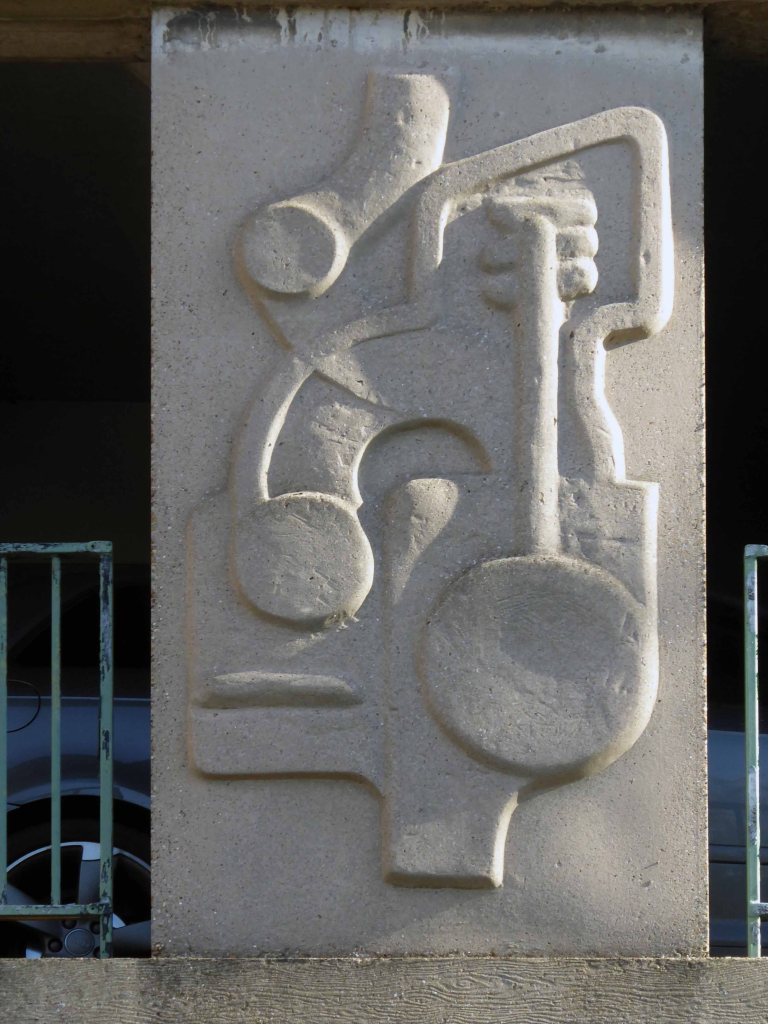
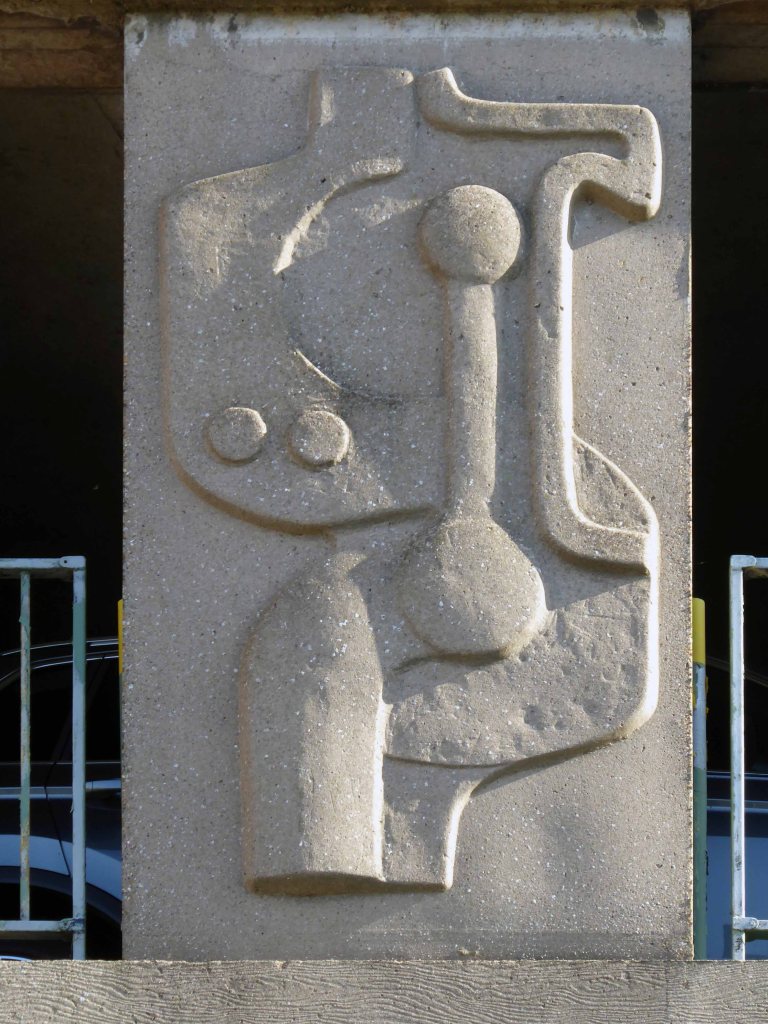
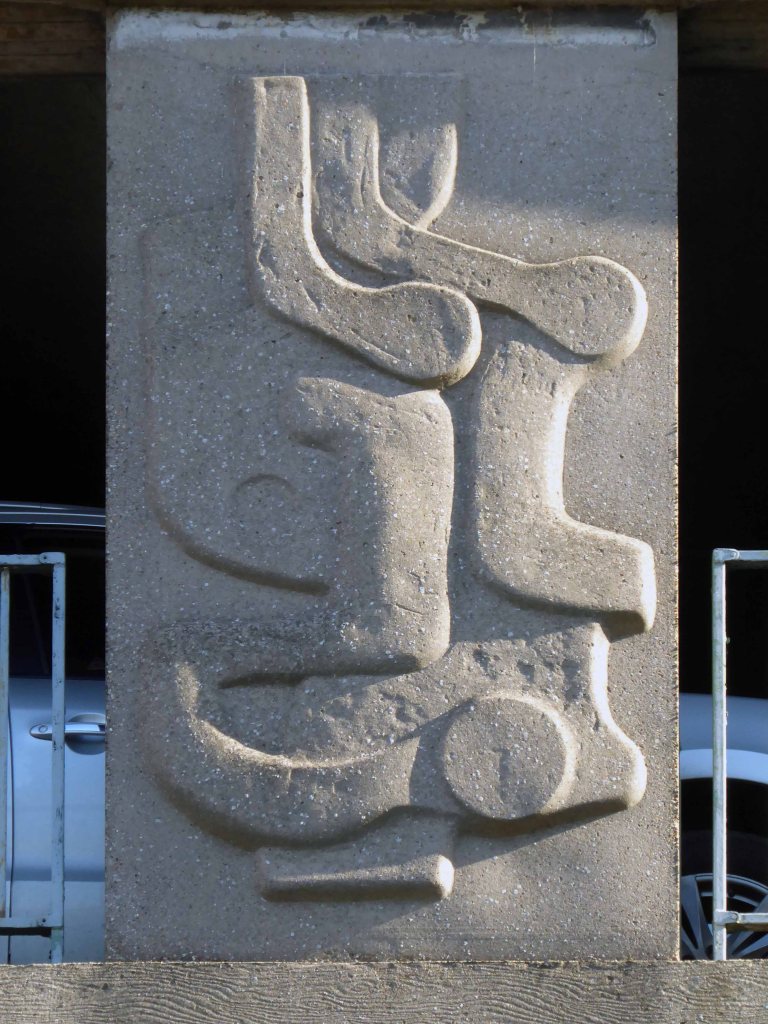
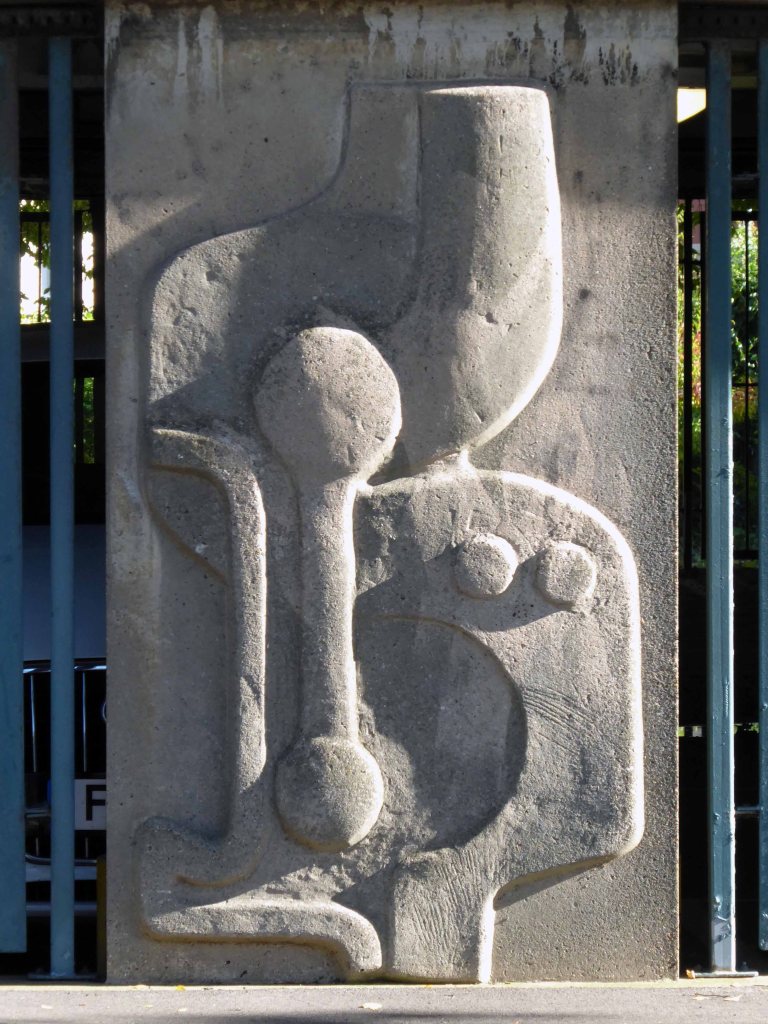
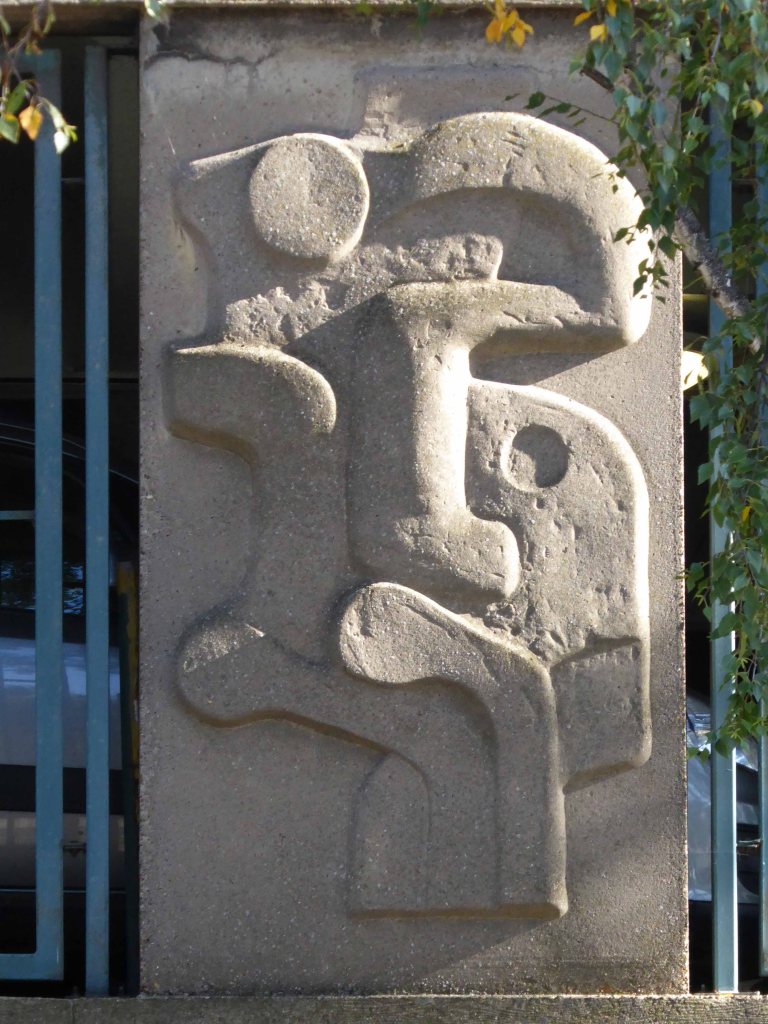
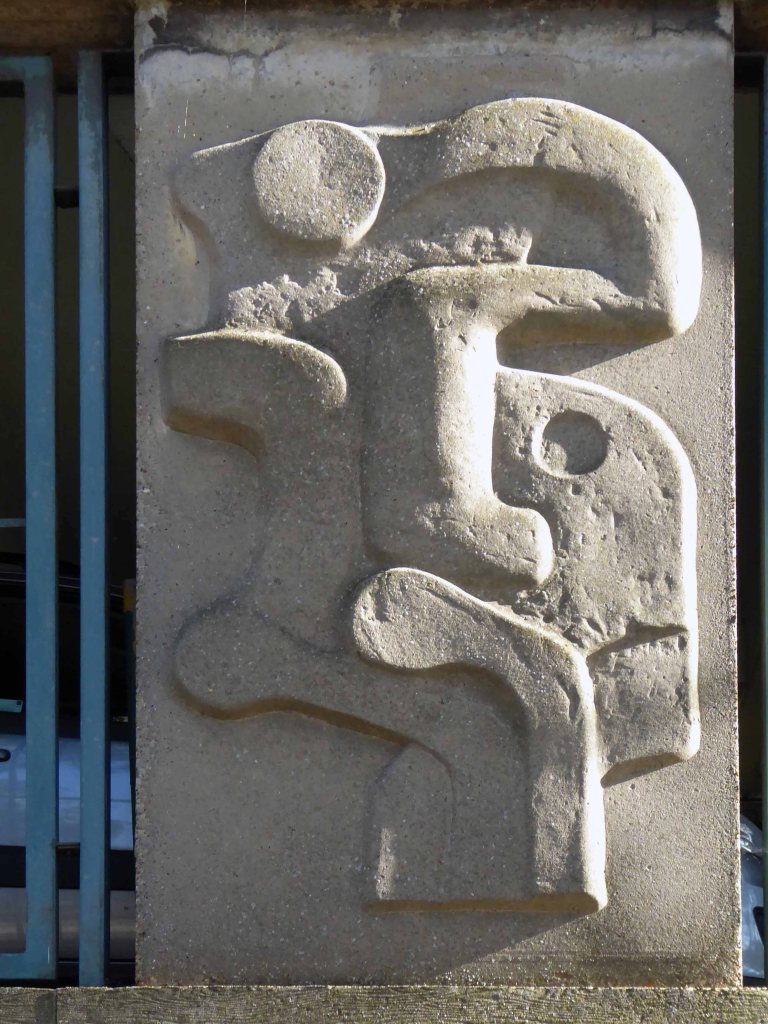
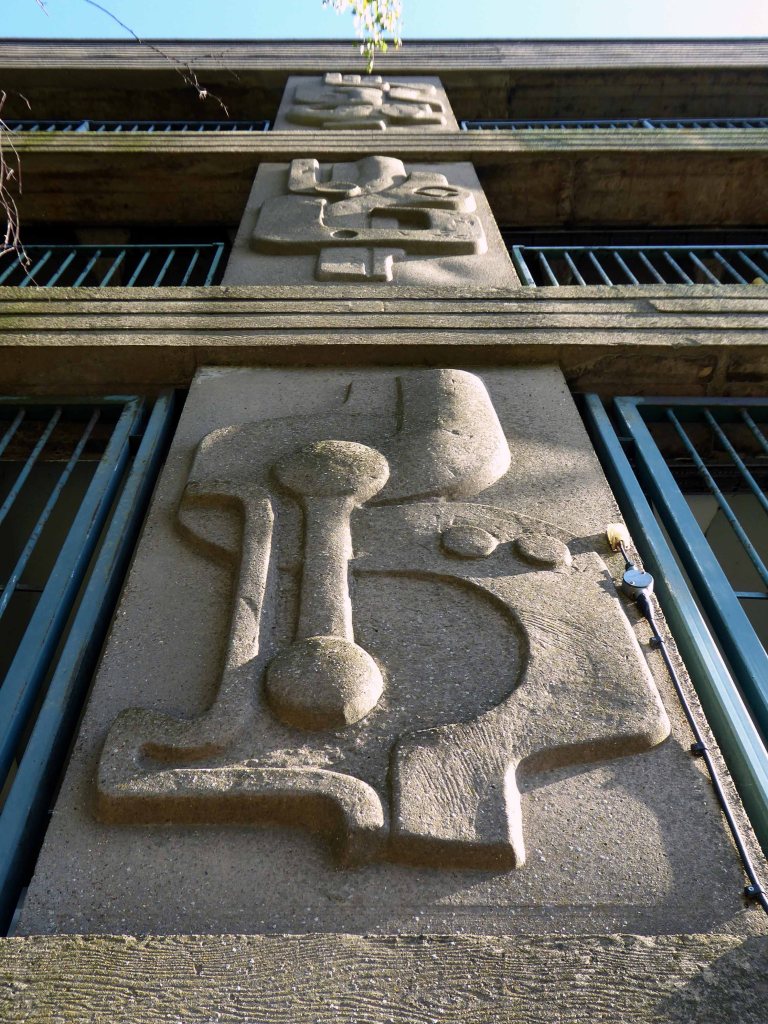
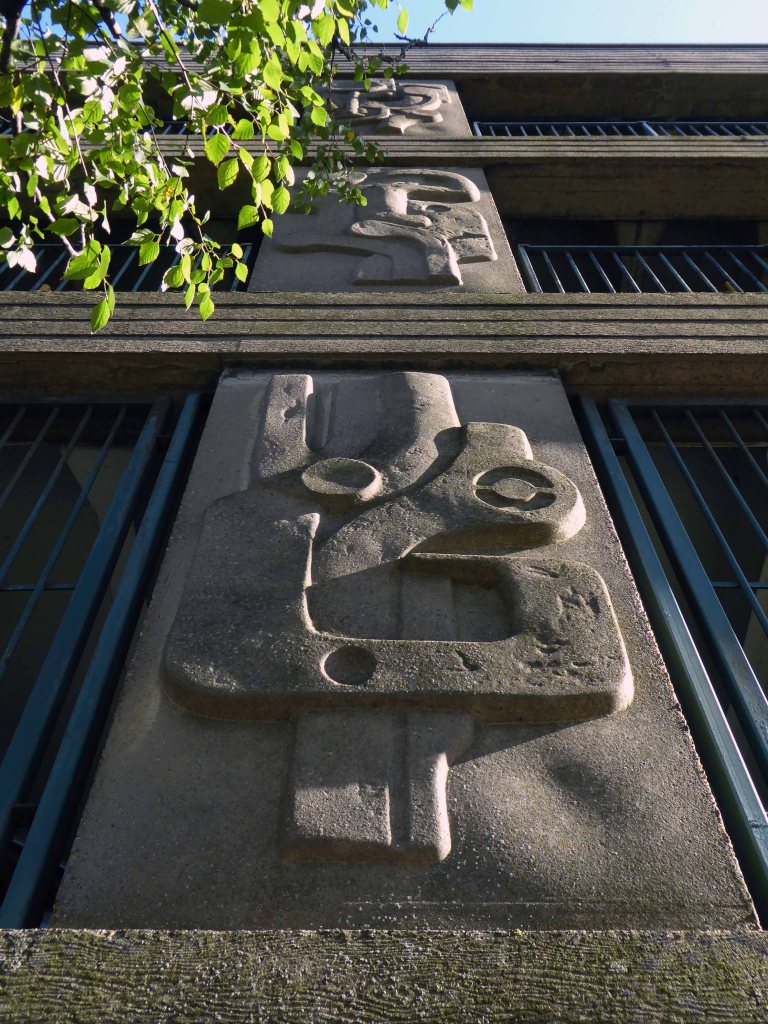
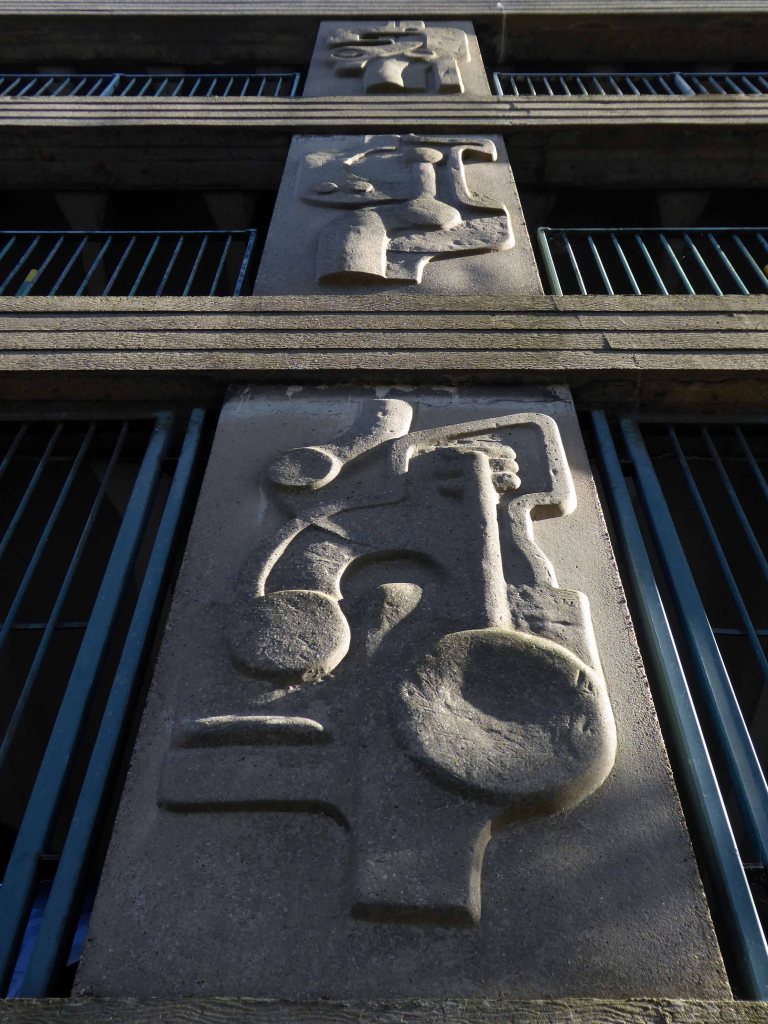
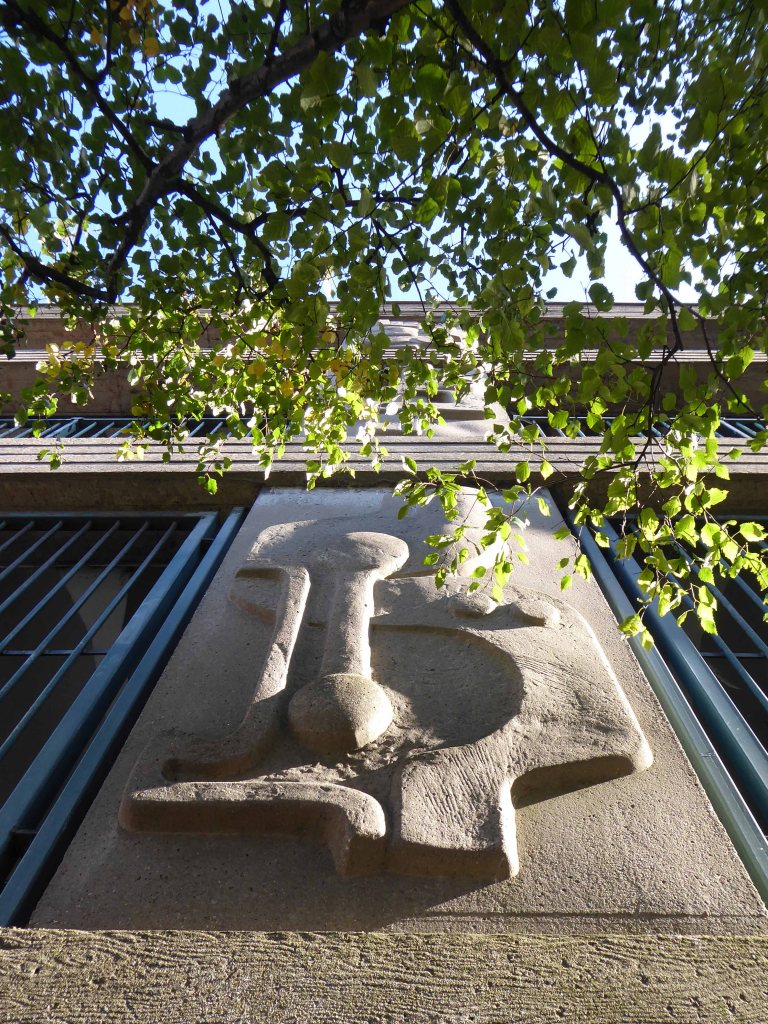
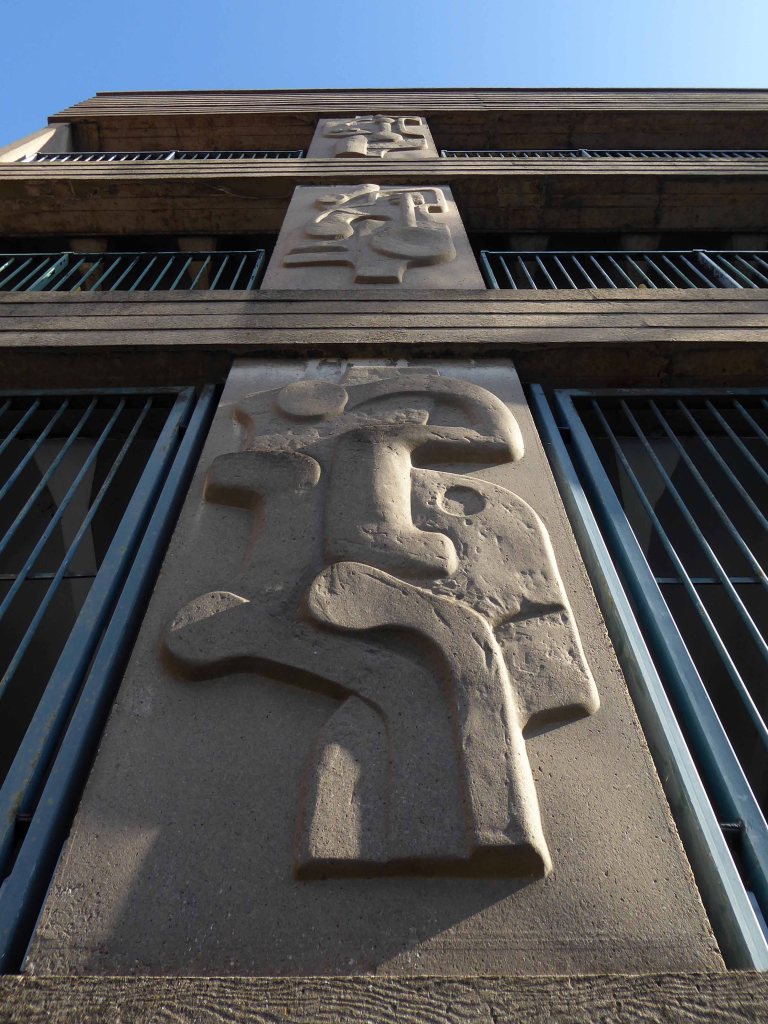
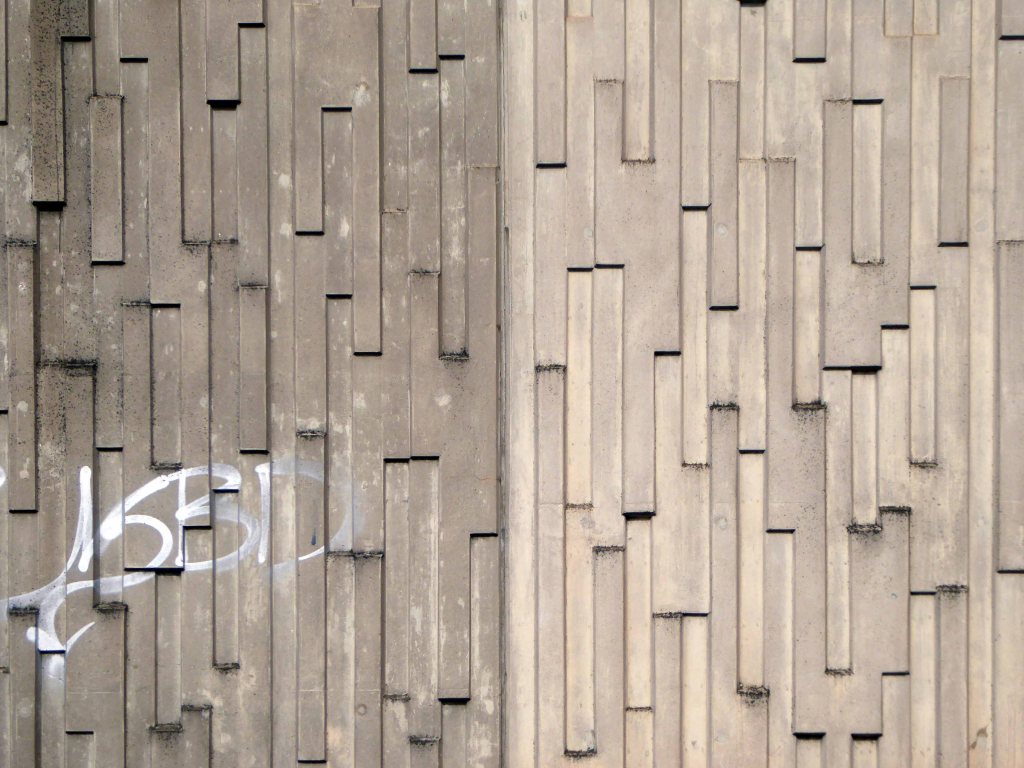
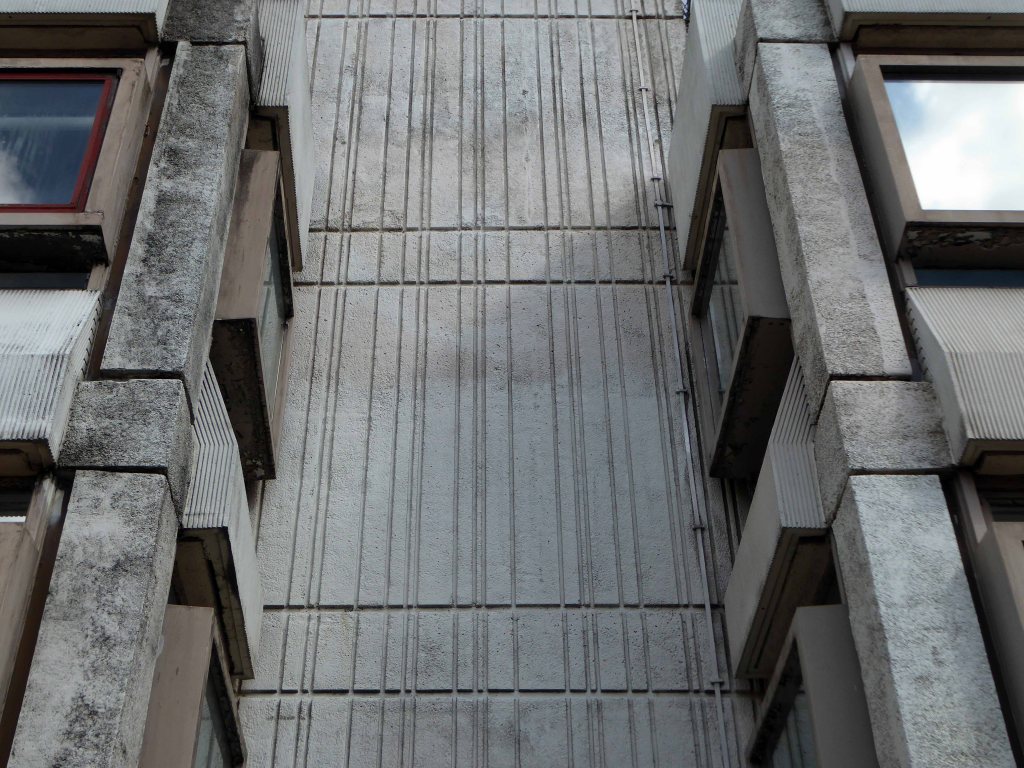
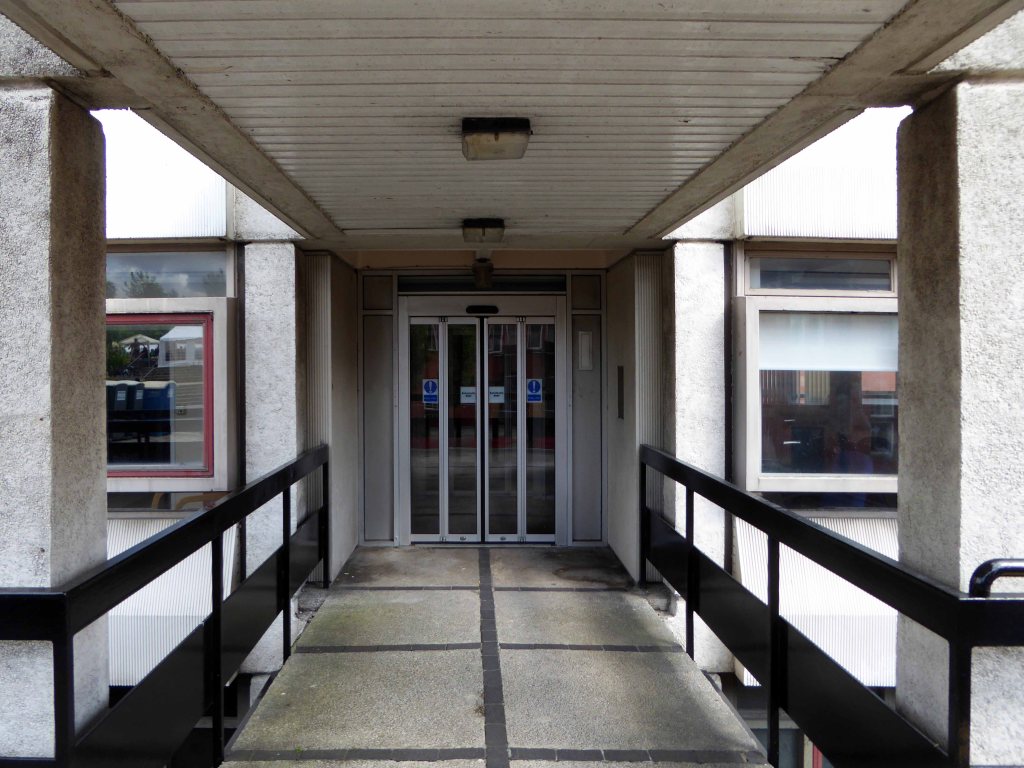
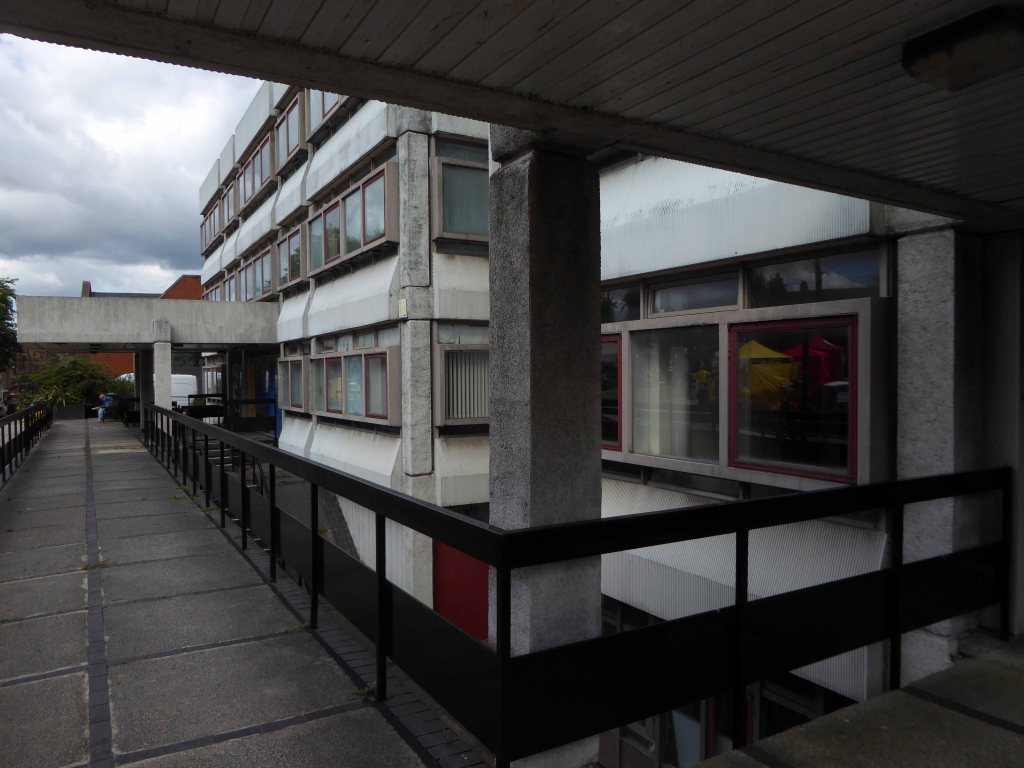
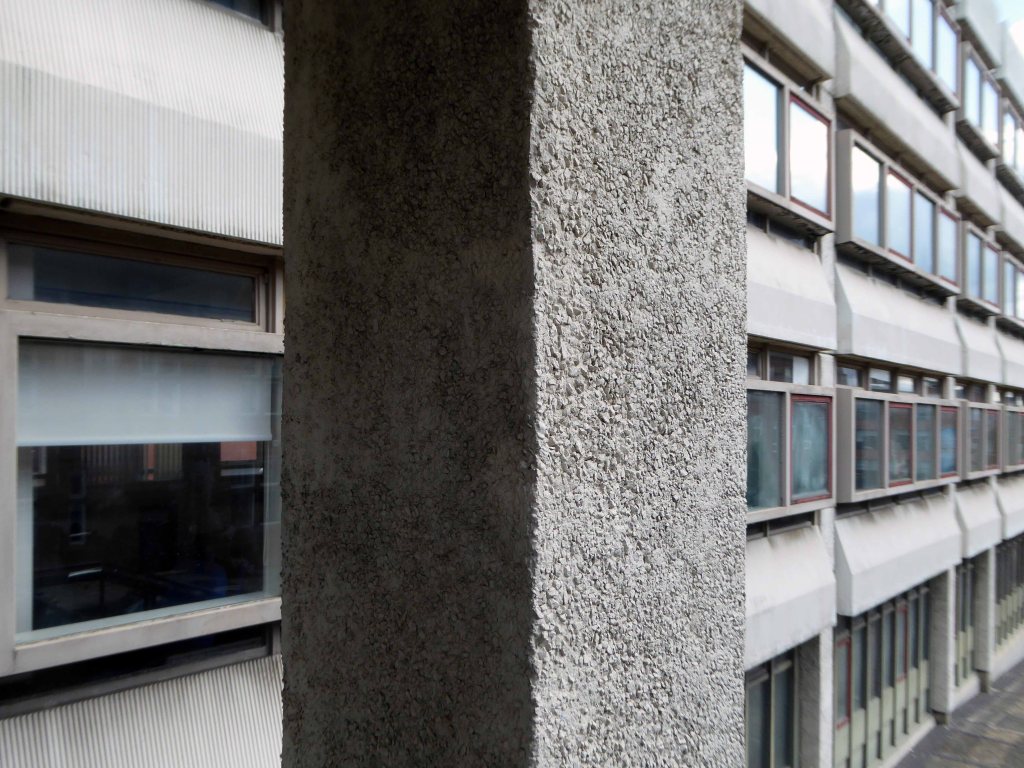
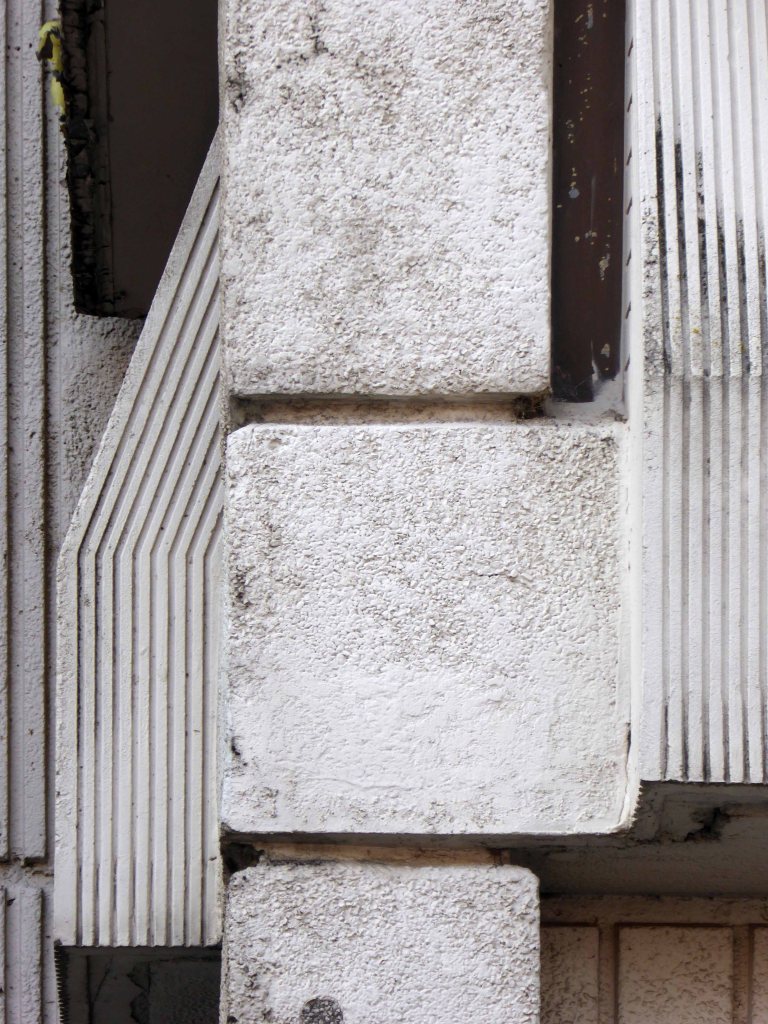
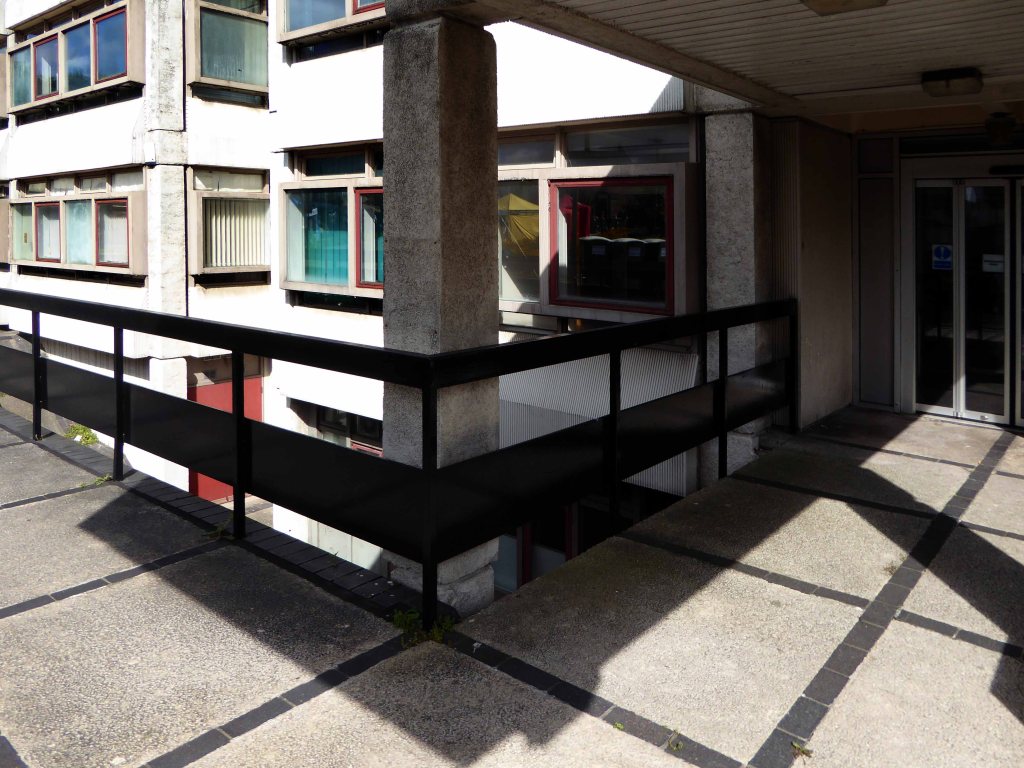
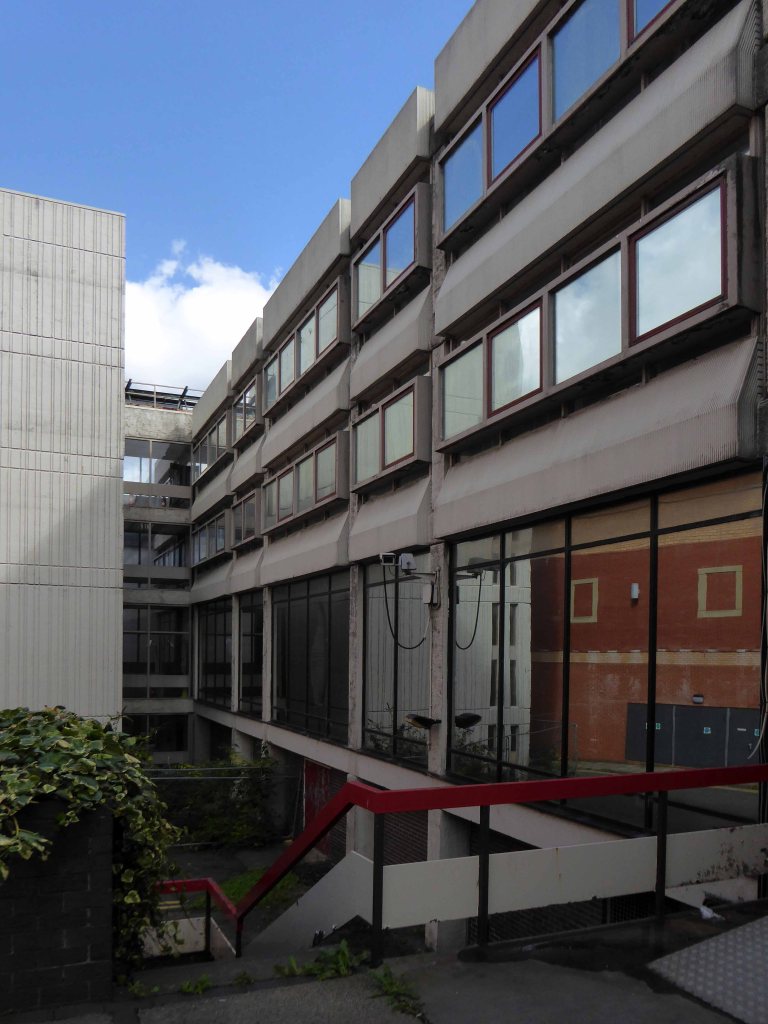
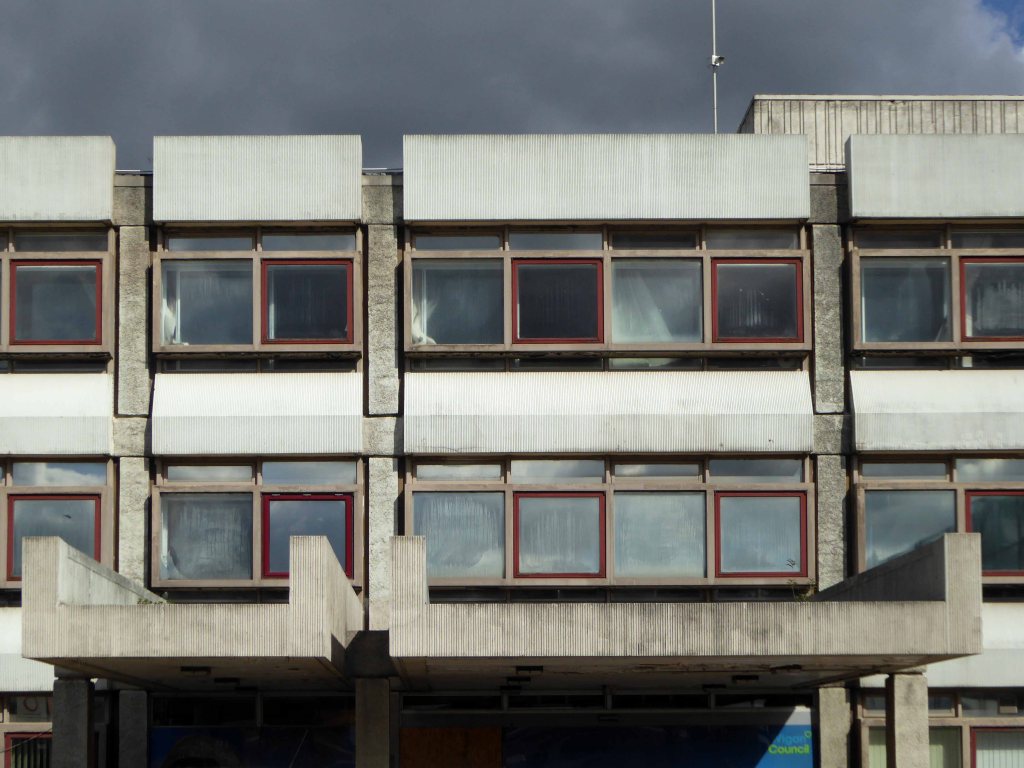
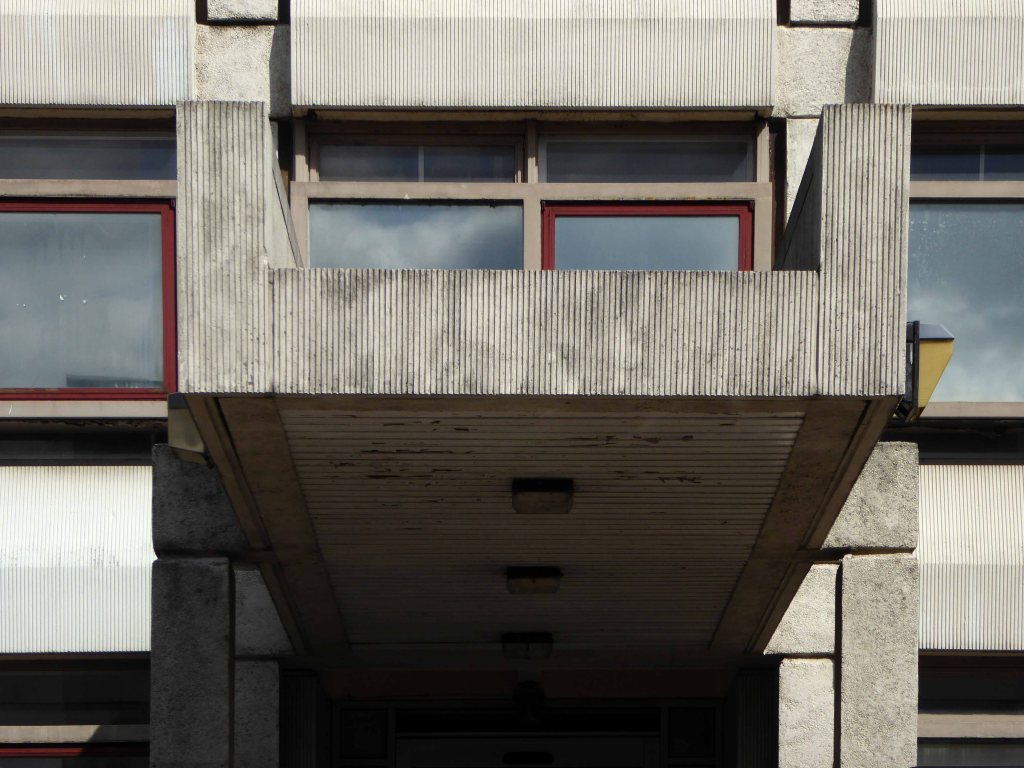
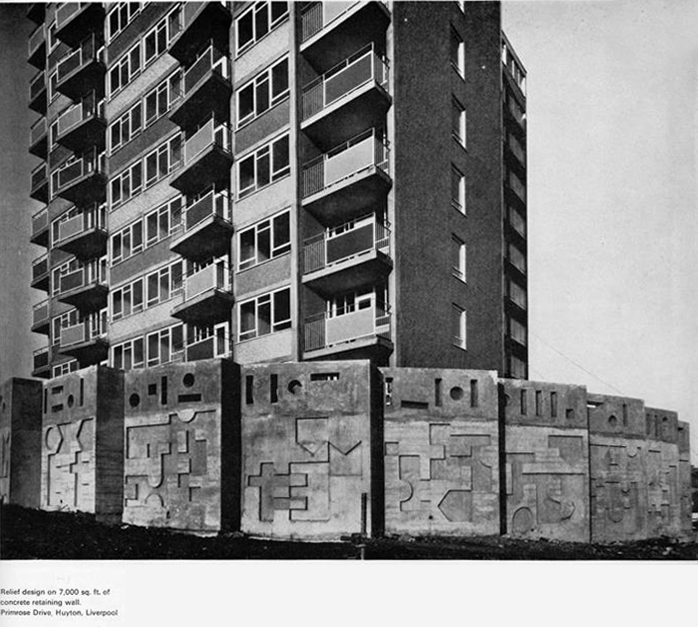
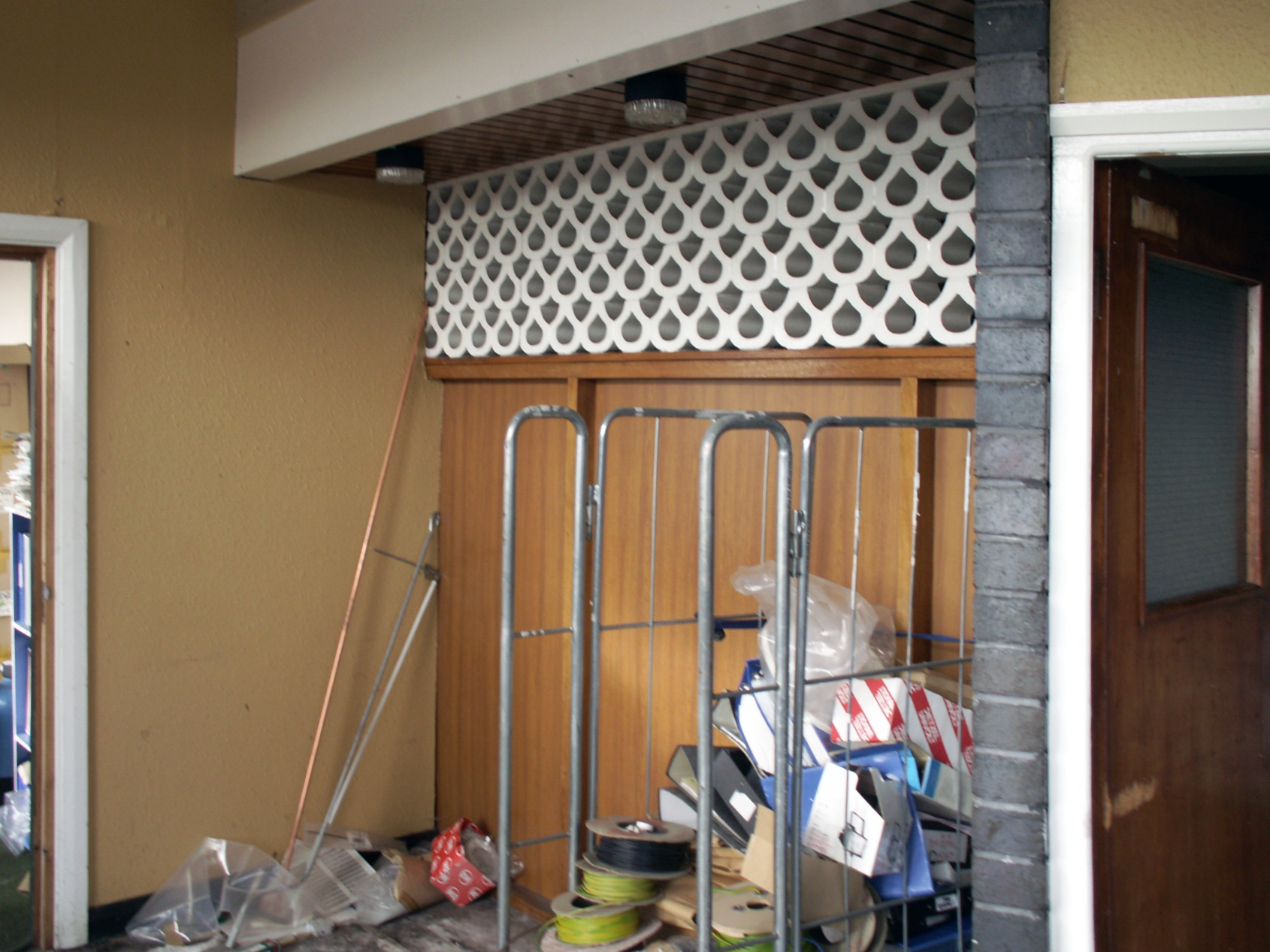
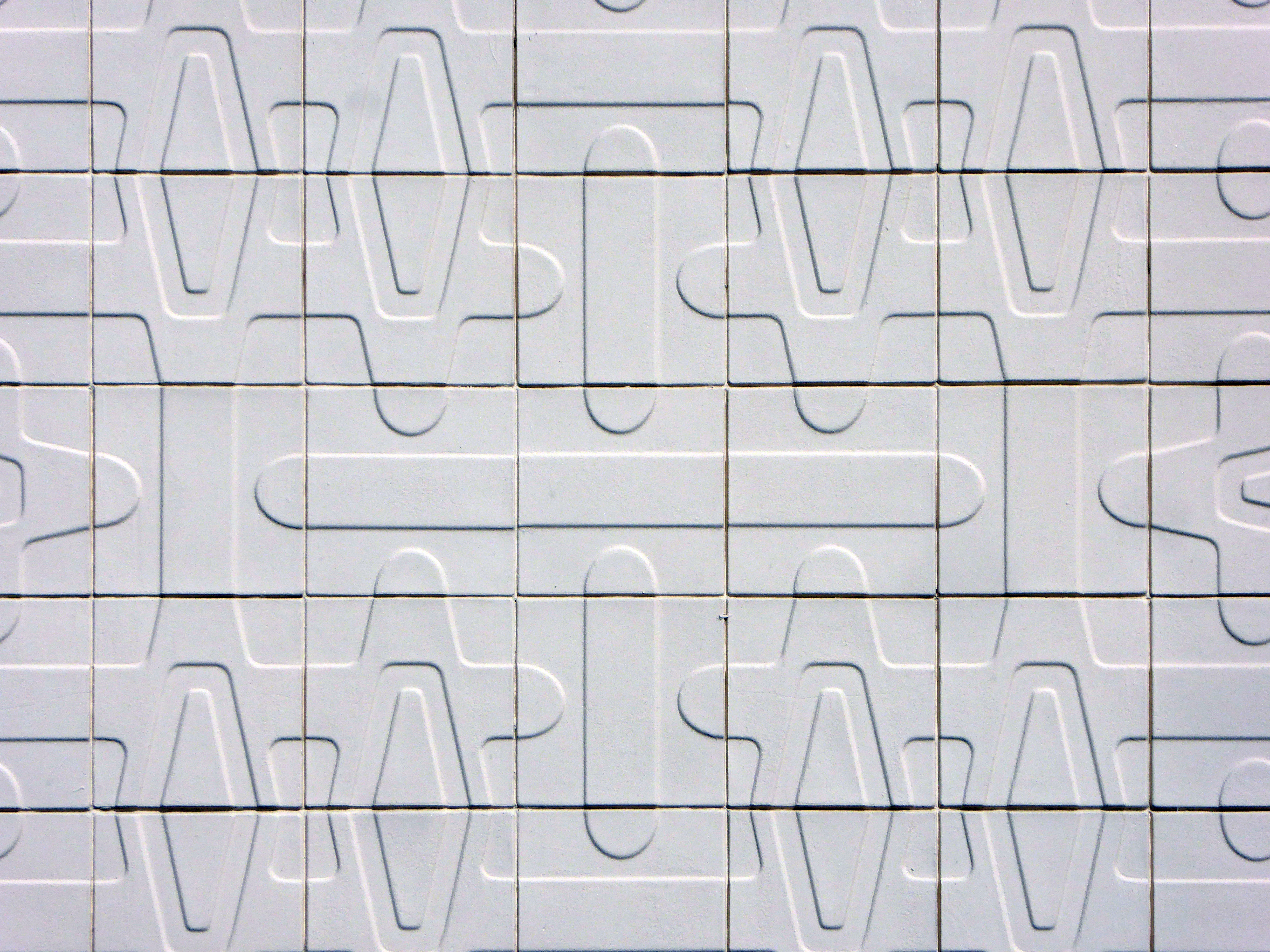
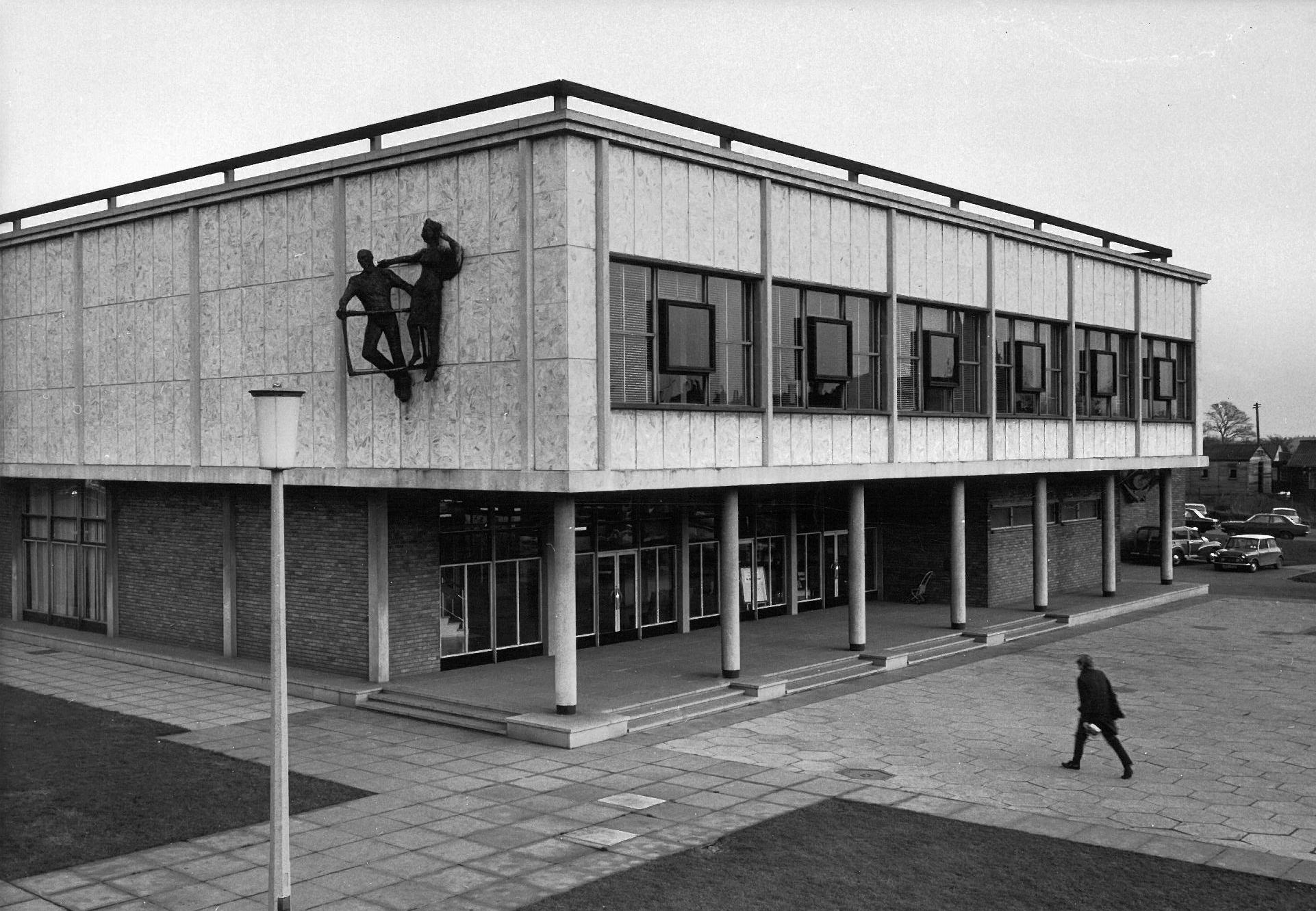
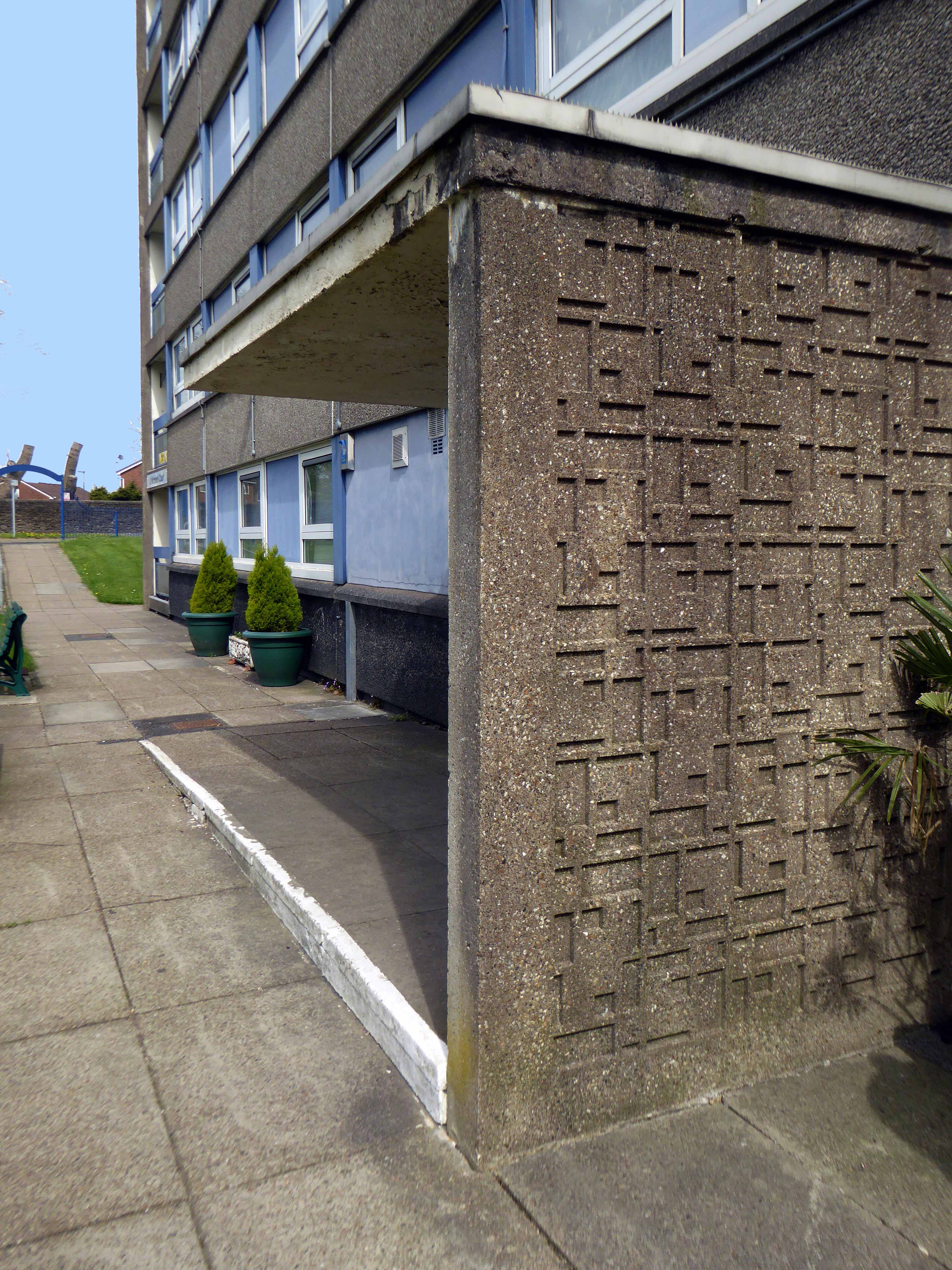
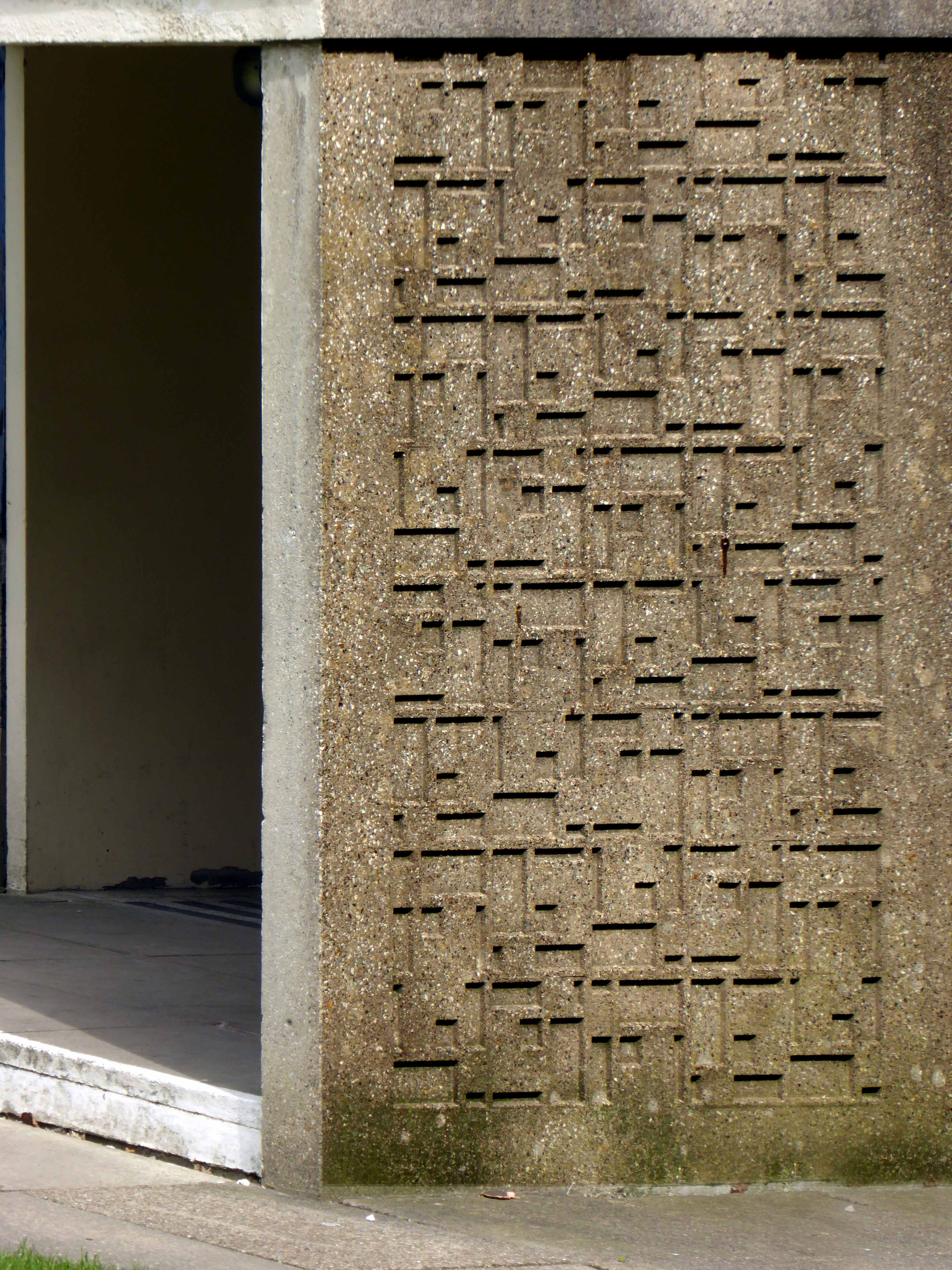
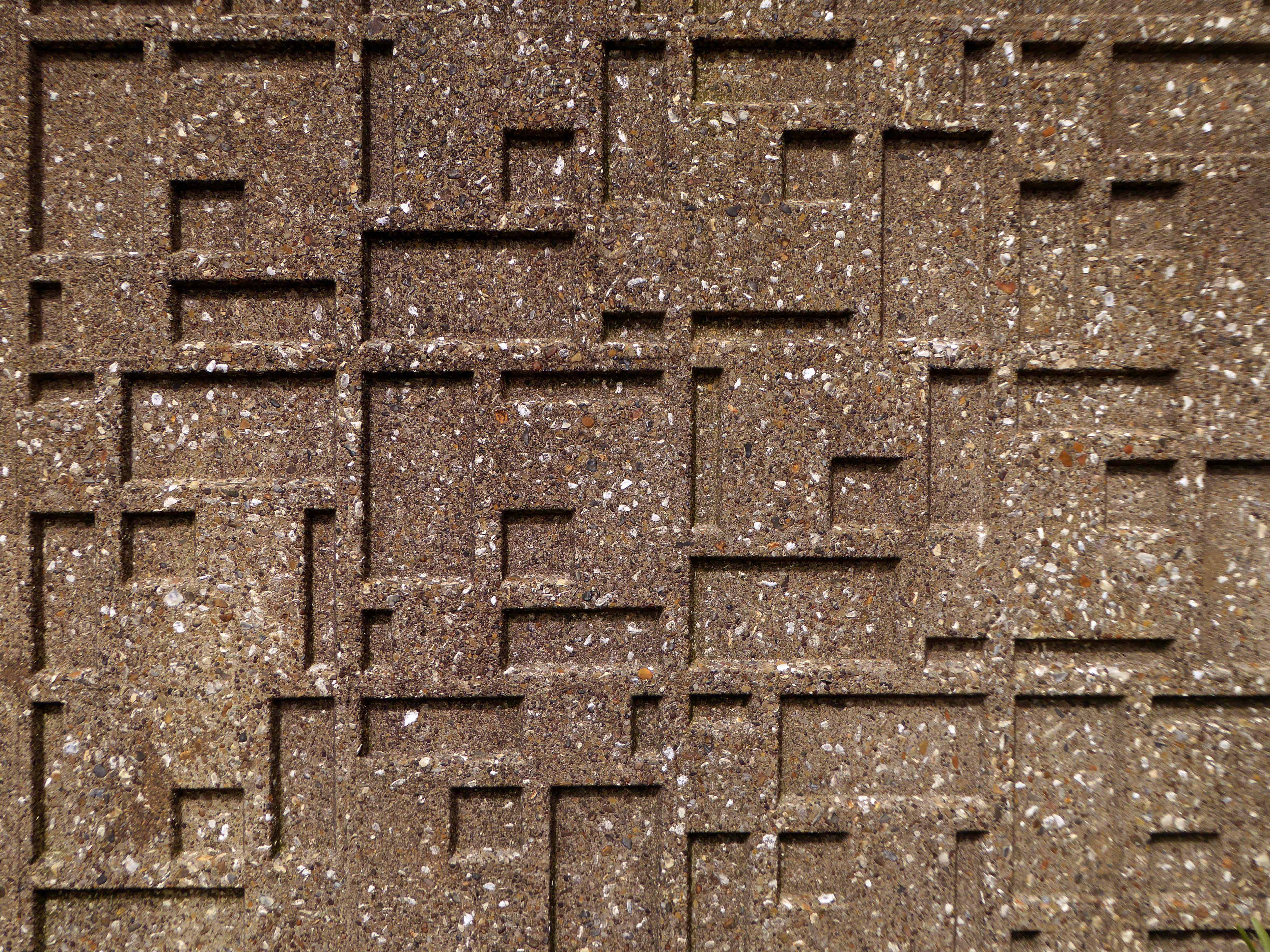
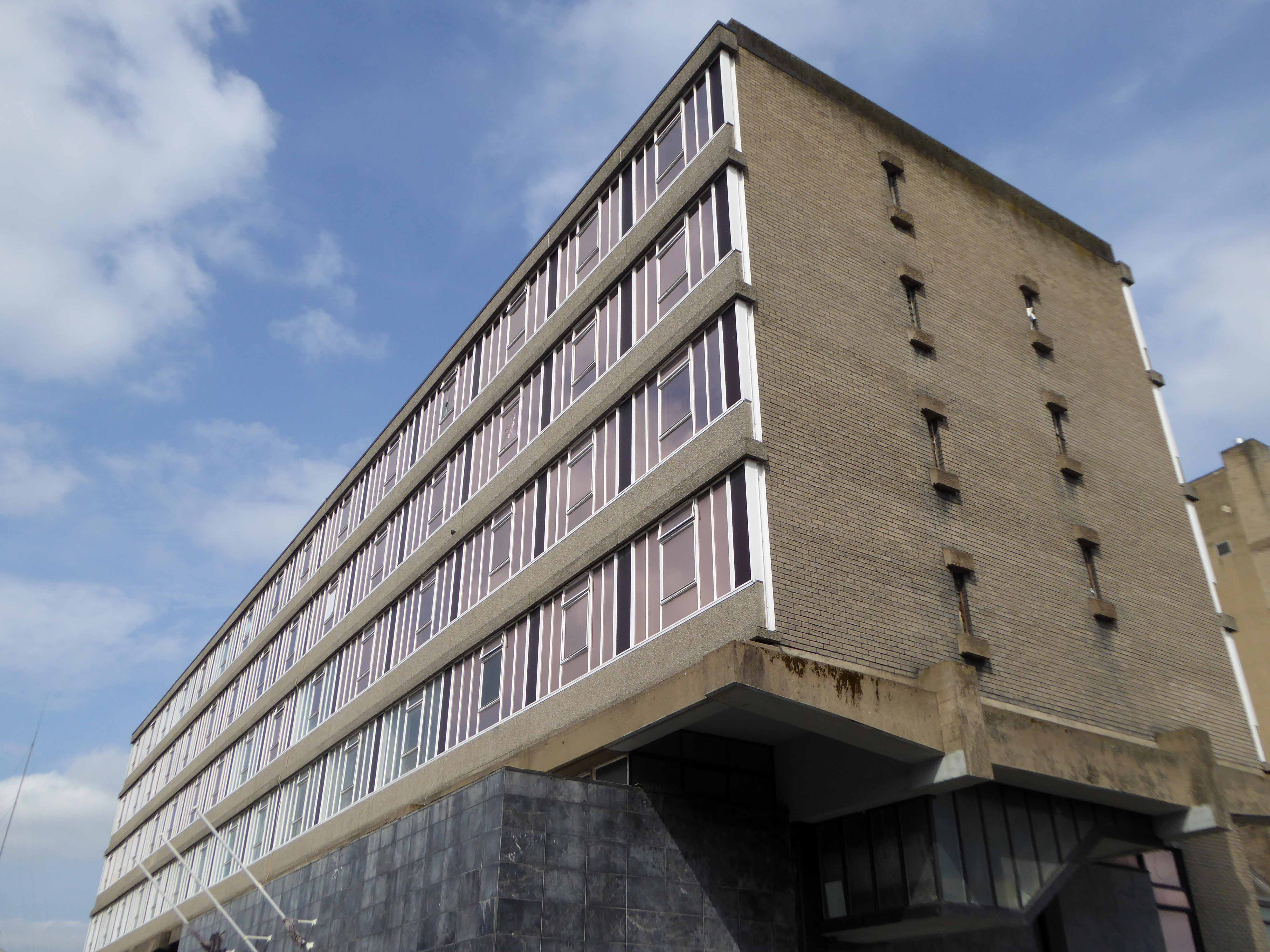
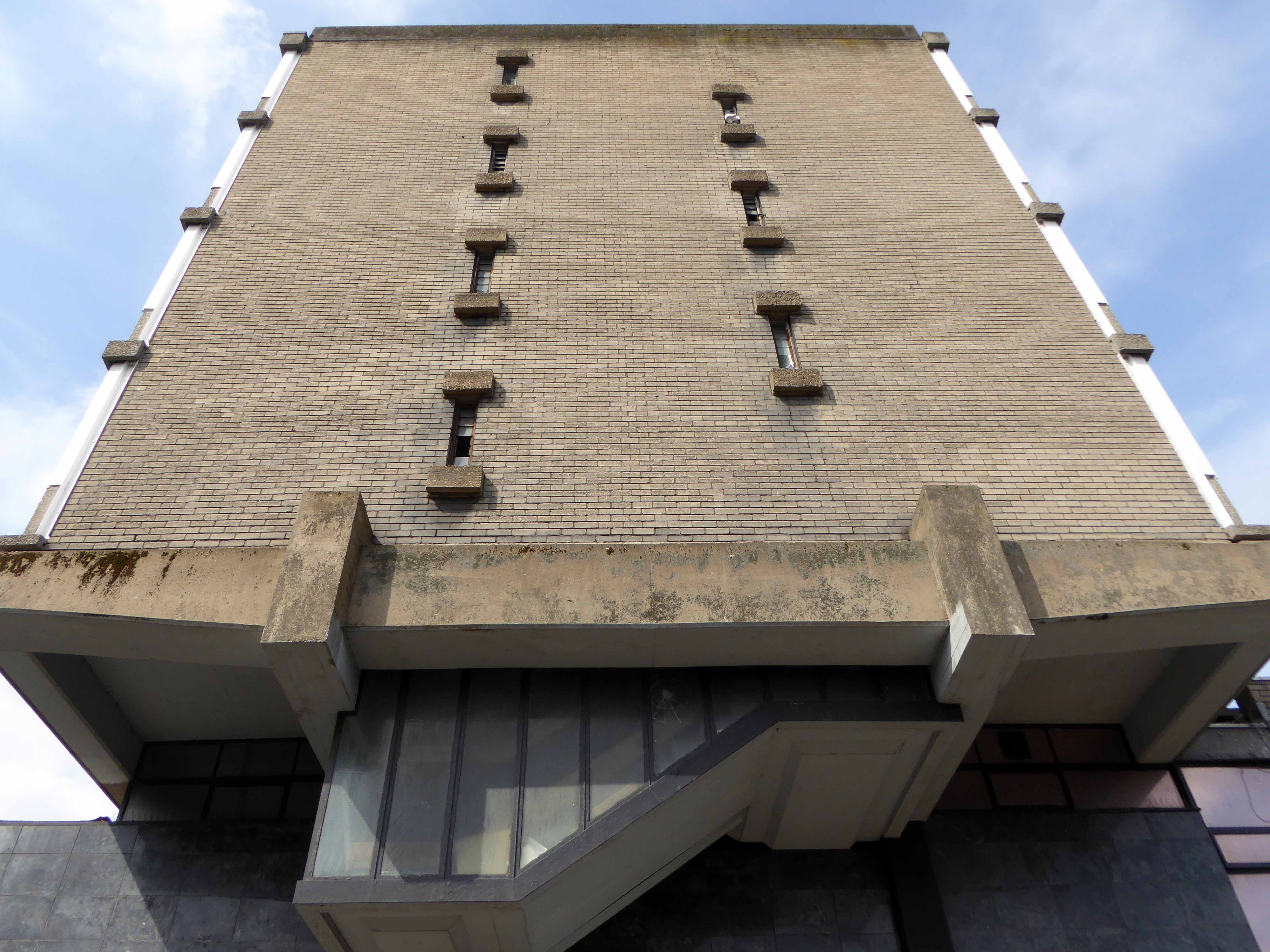
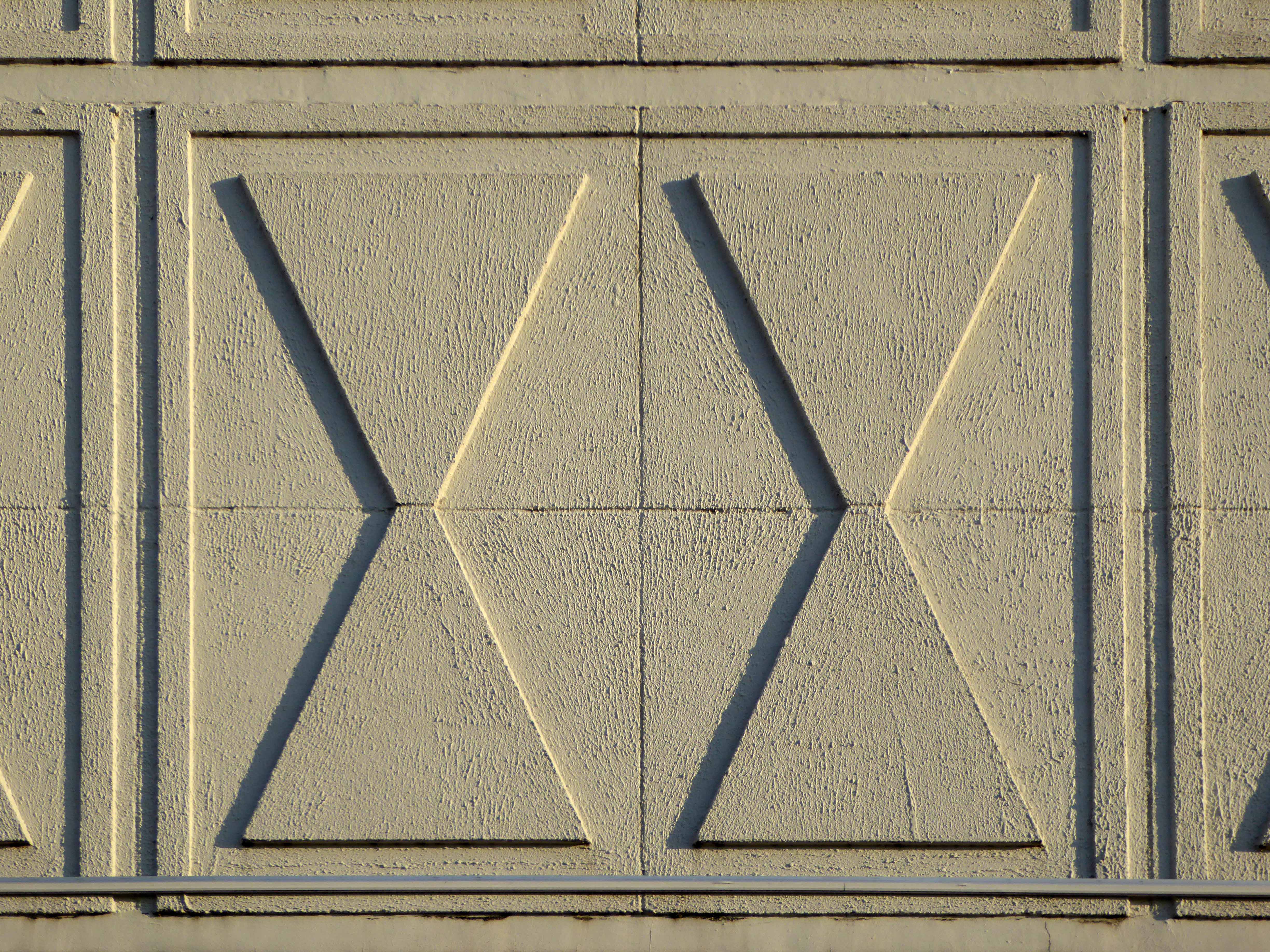
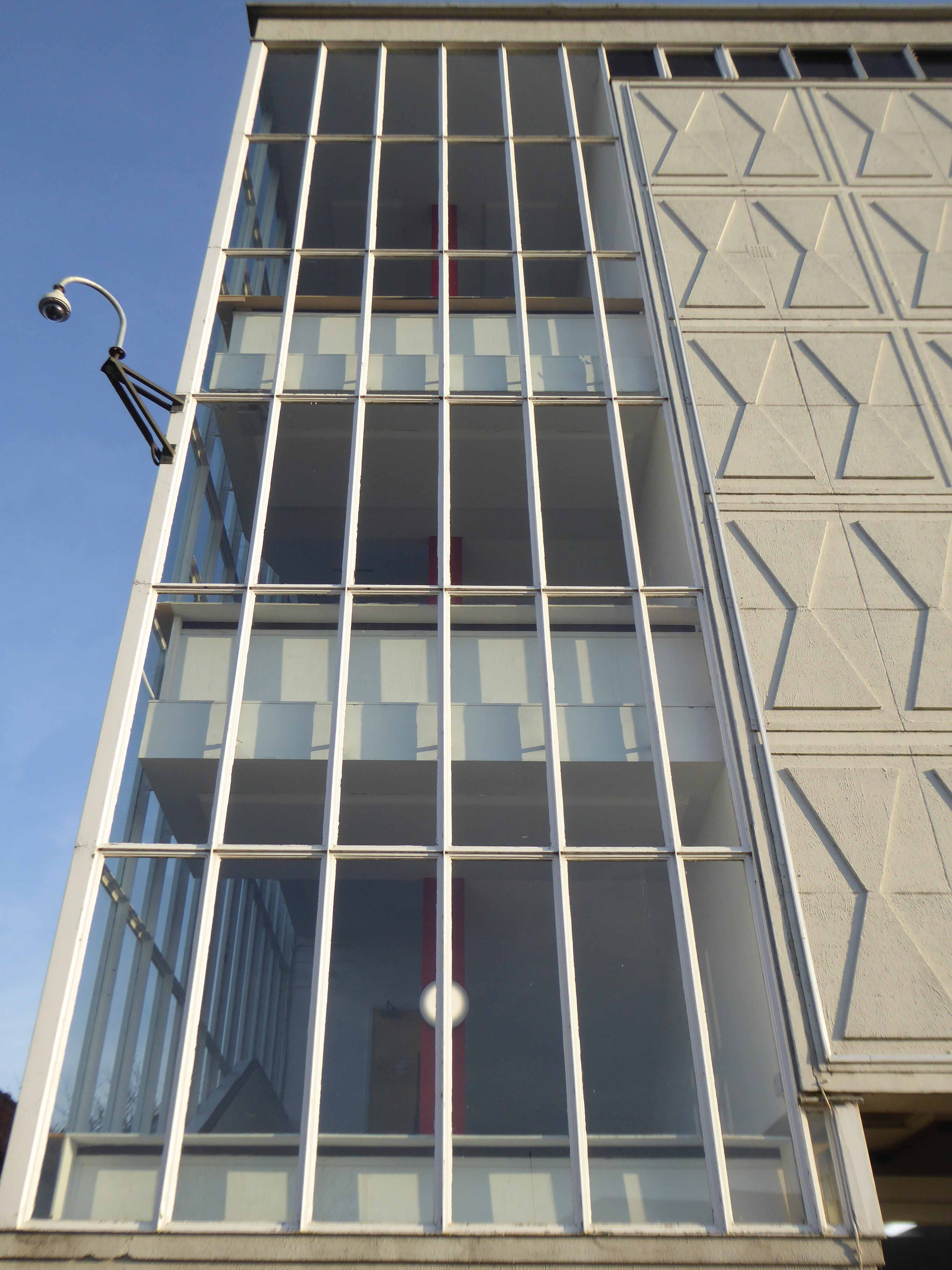
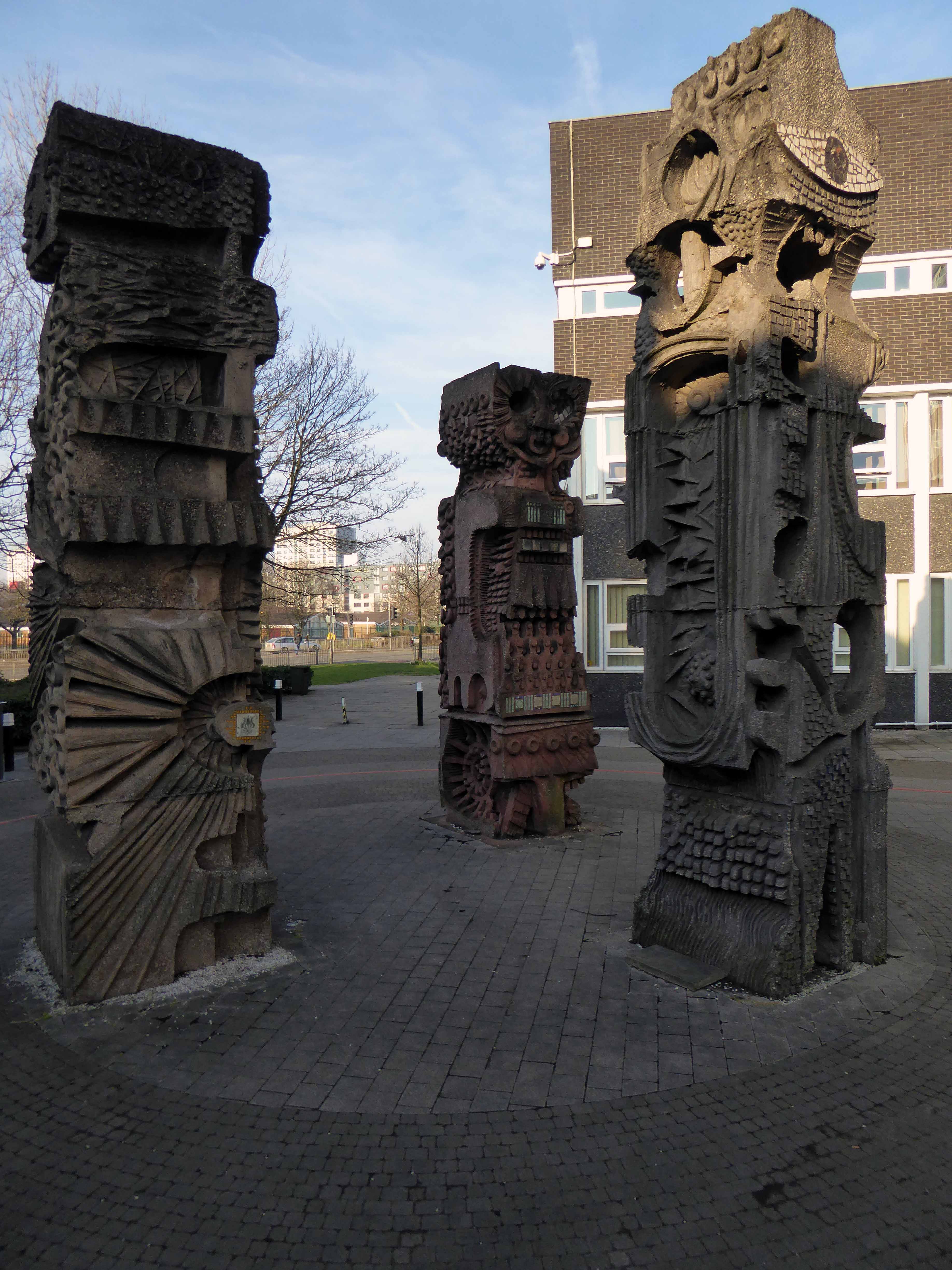
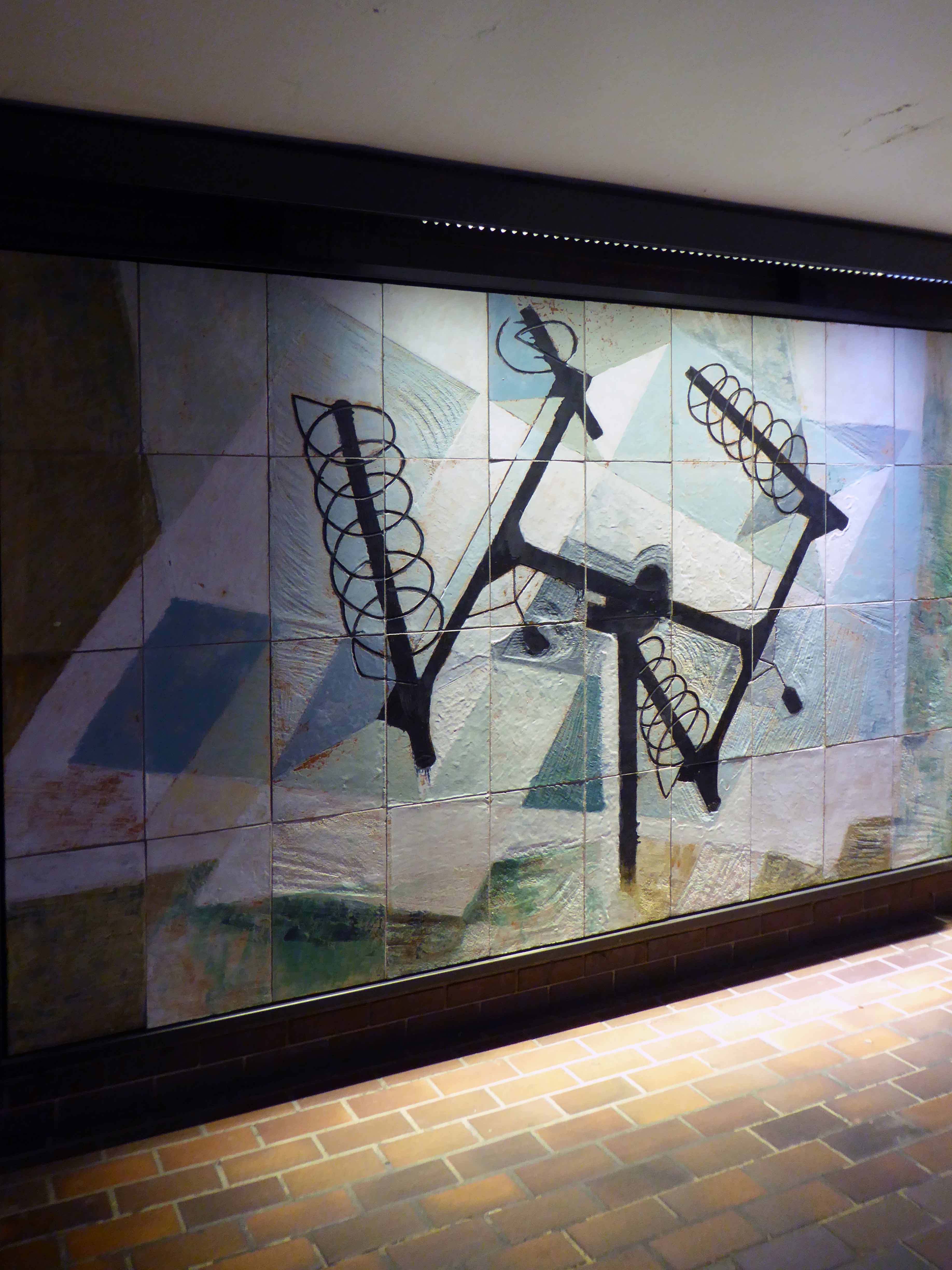
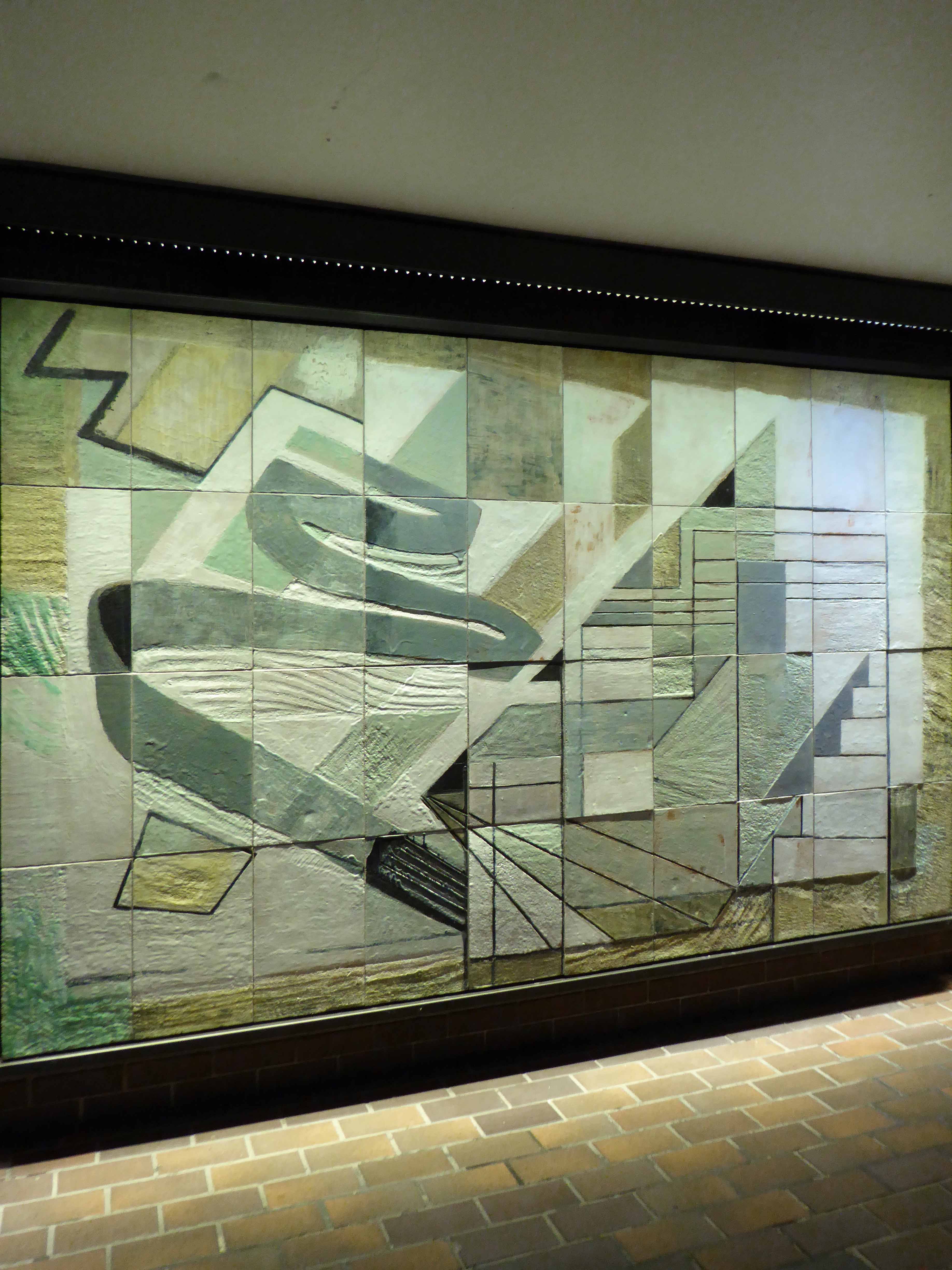
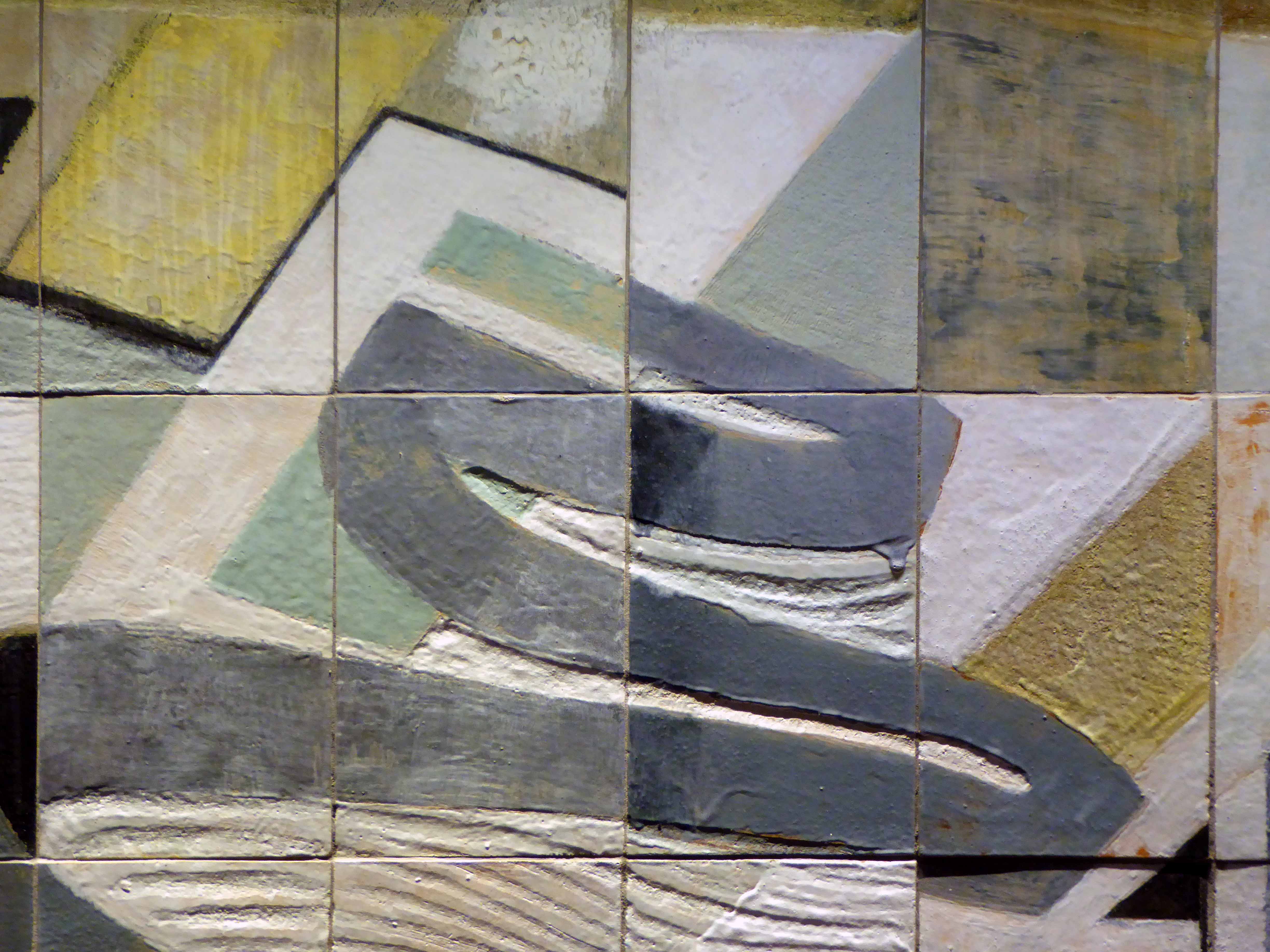
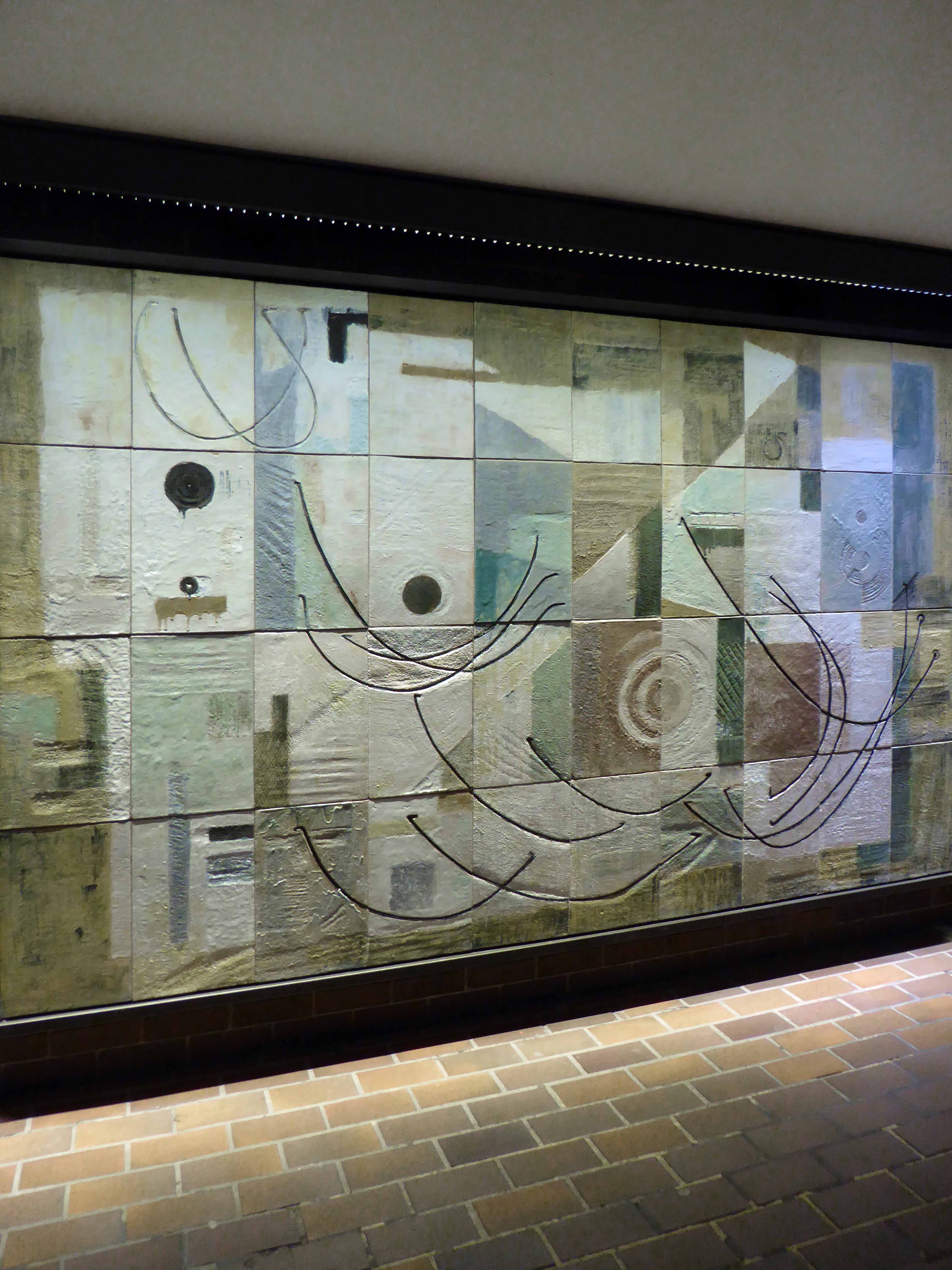
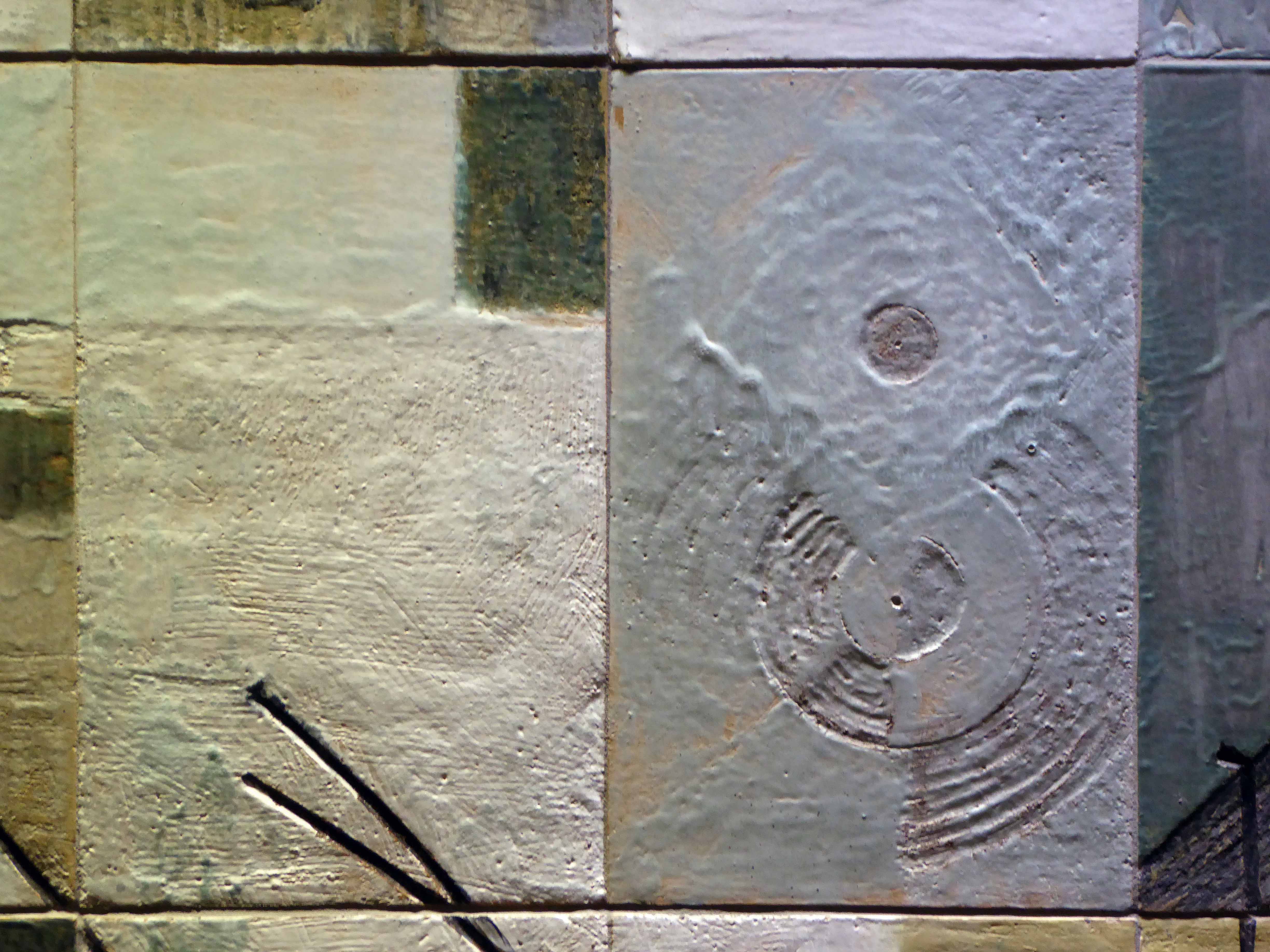
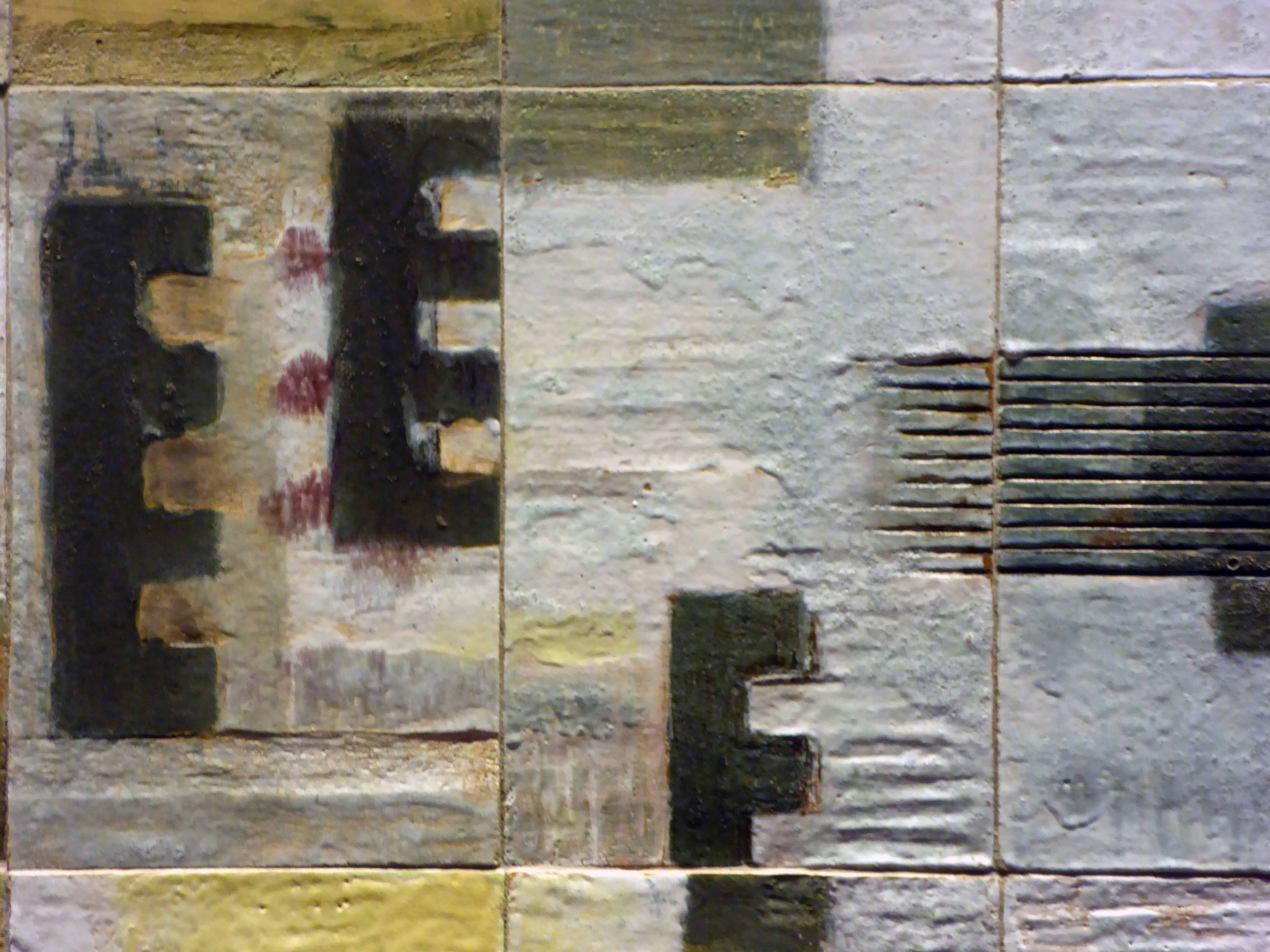
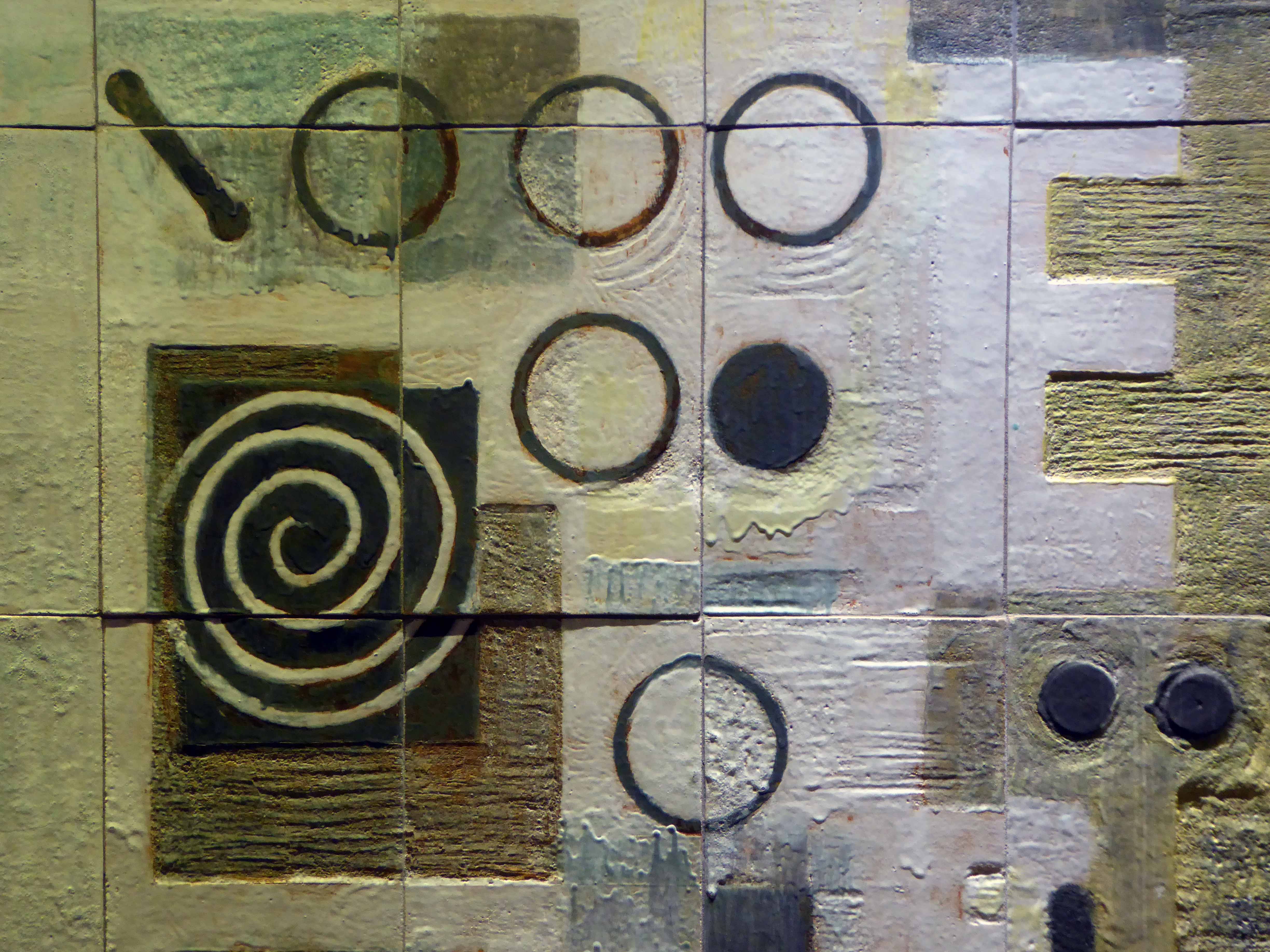
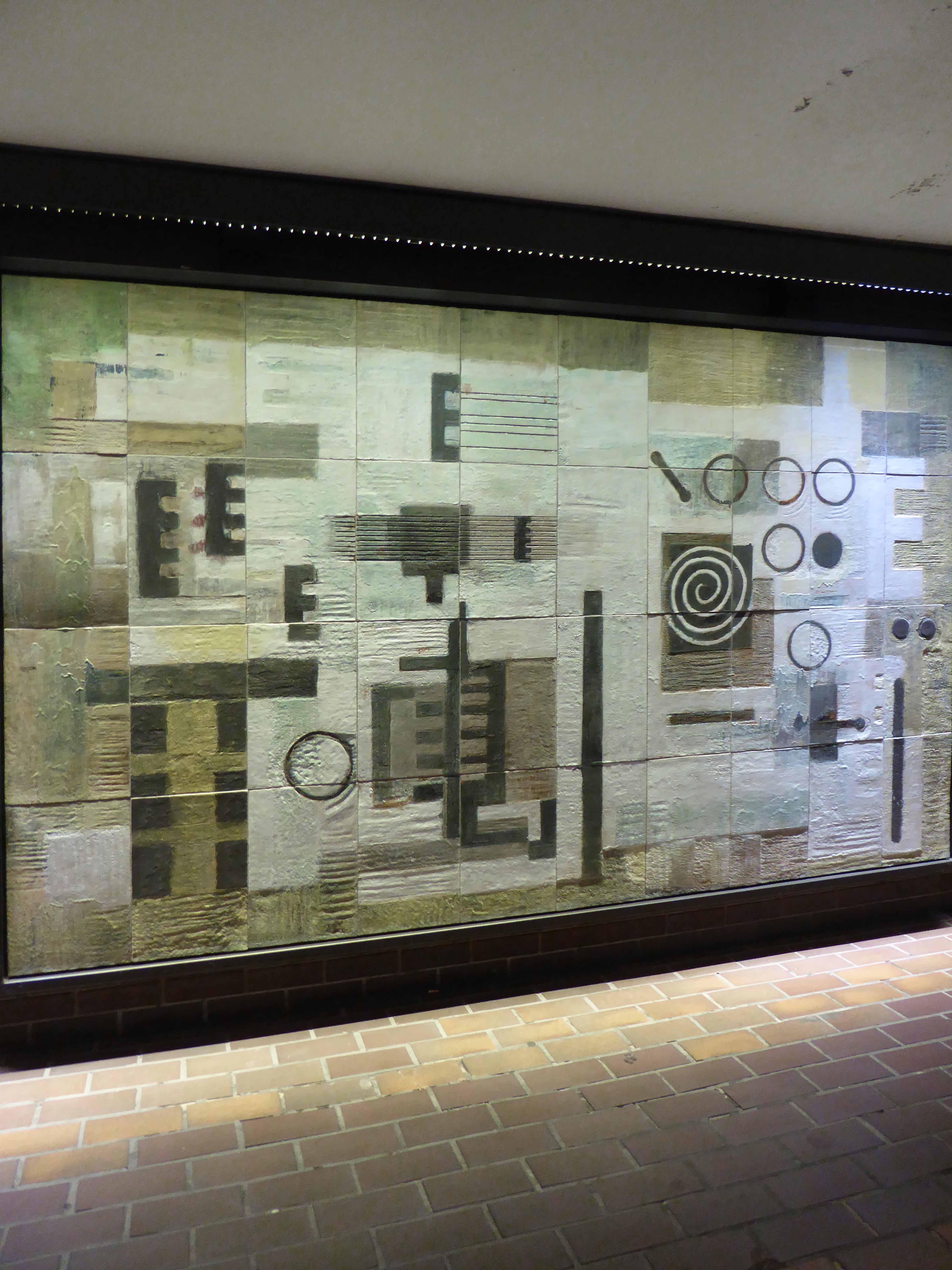
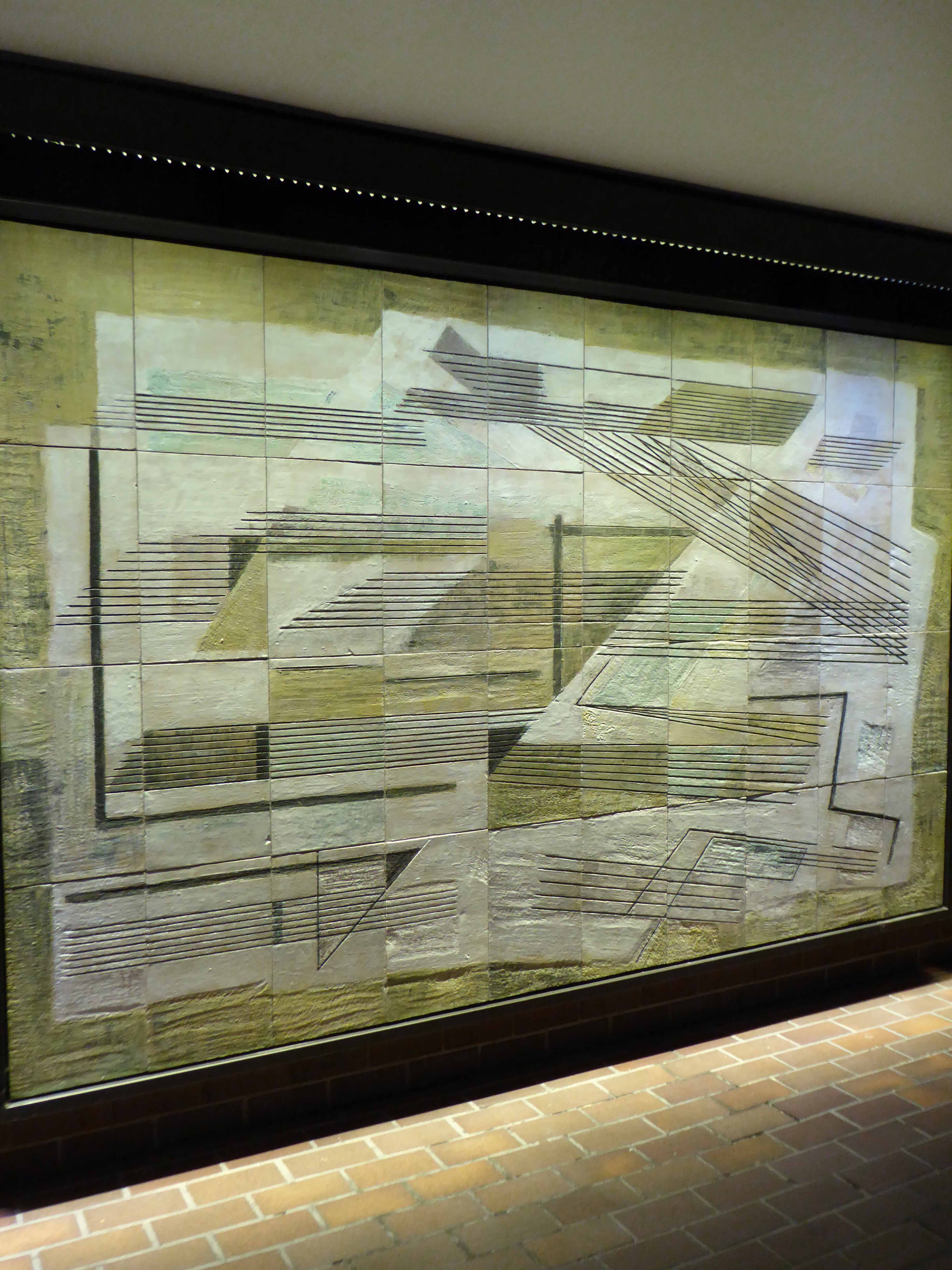
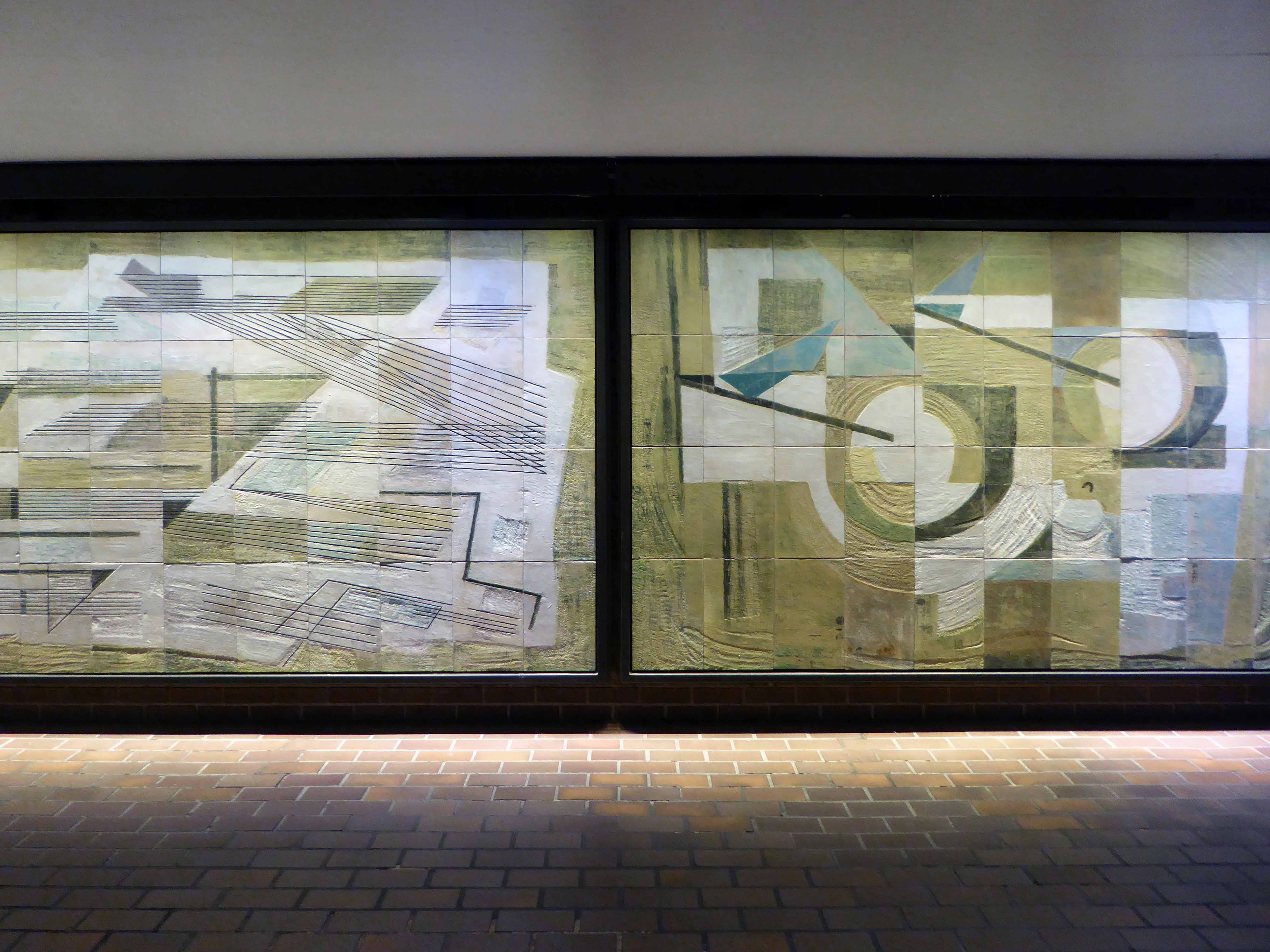
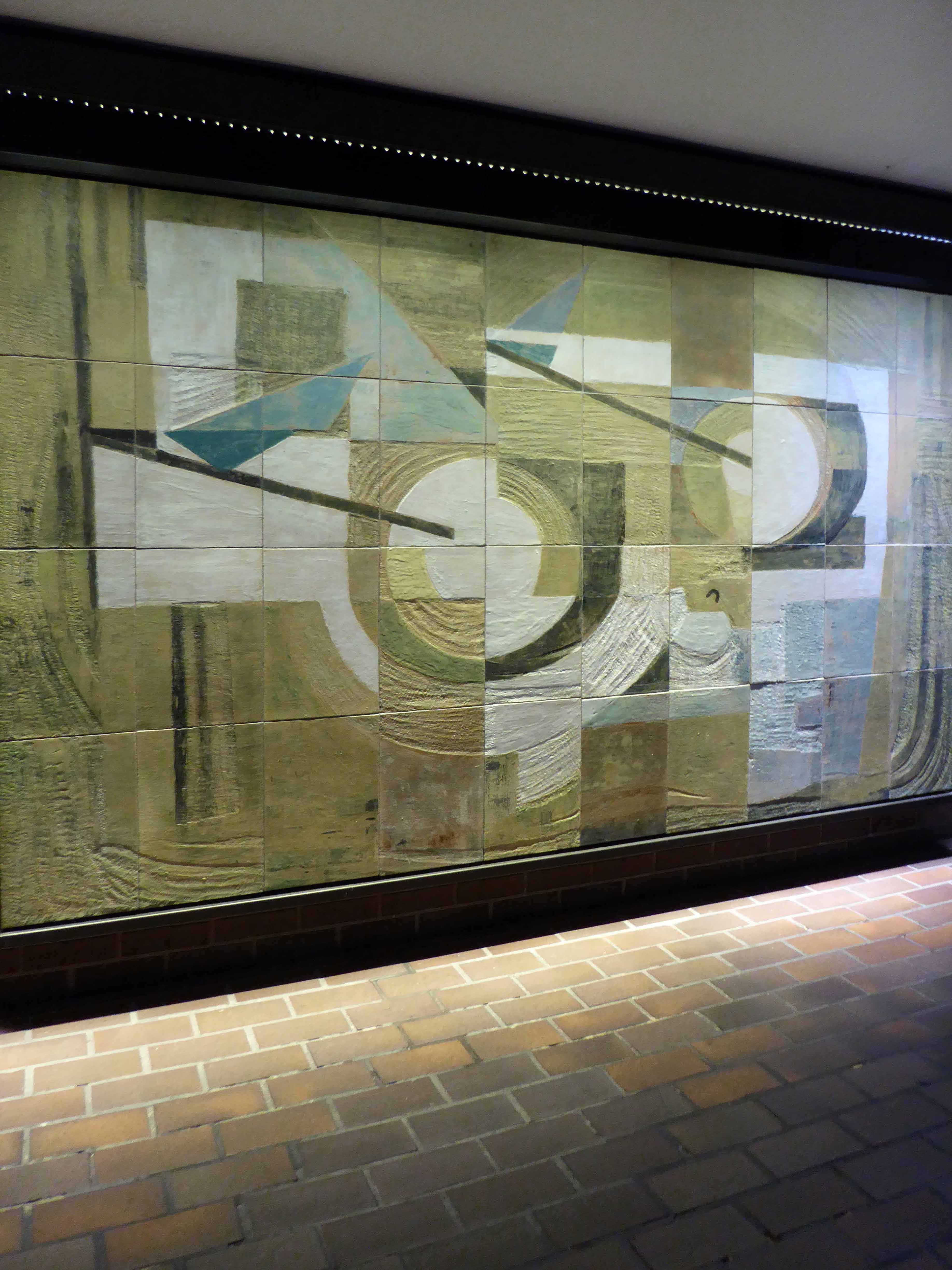
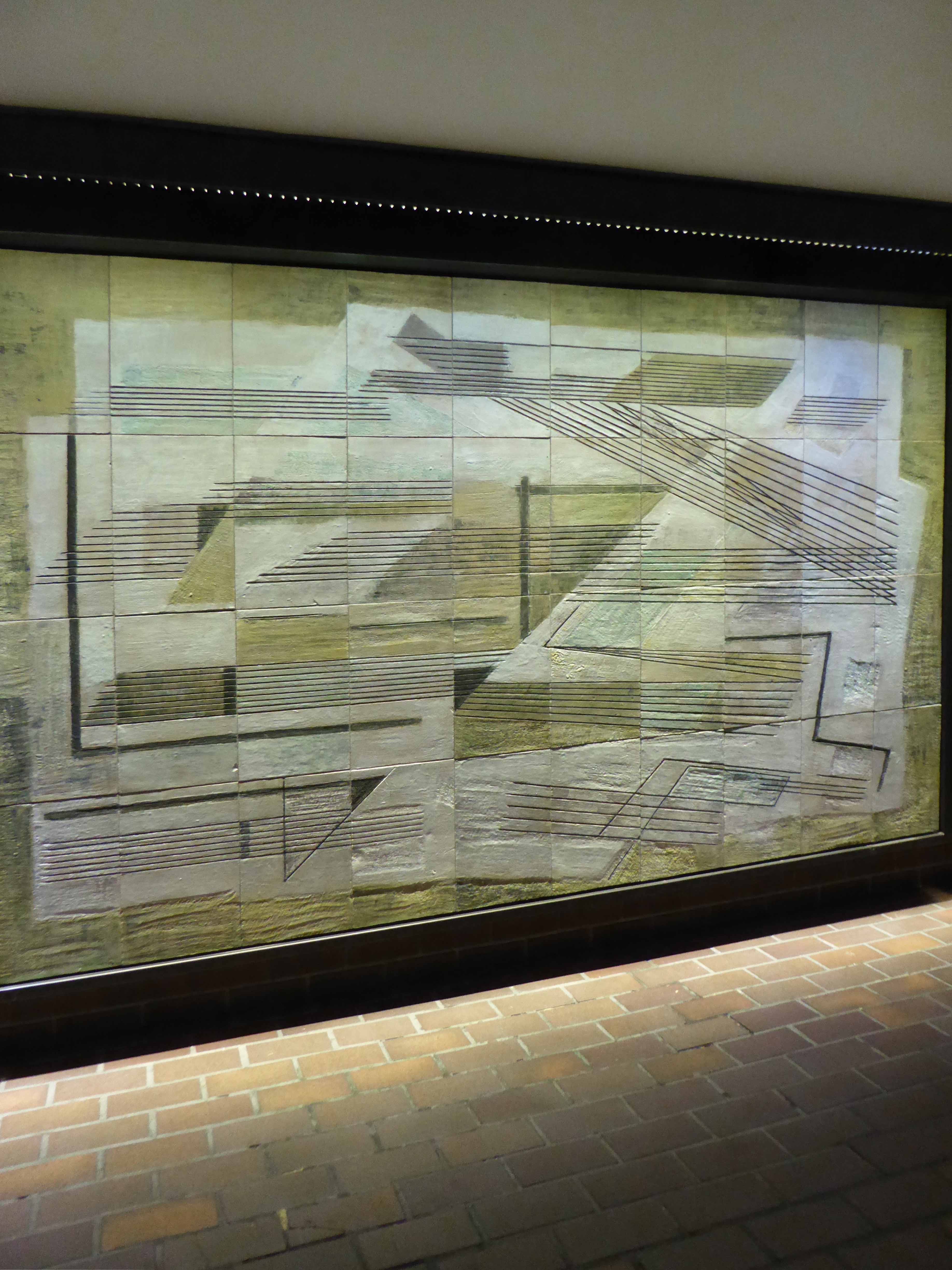
I found you by chance between the railway and the high street, so I took a good look around, fascinated by the concrete sculptural panels on your fascia columns, those facing Abbey Walk.
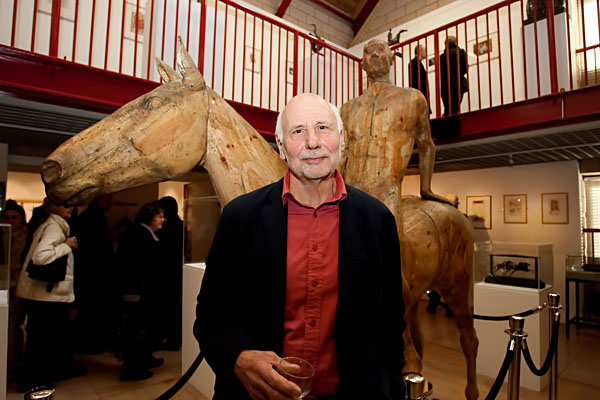
Research tells me that they the work of Harold Gosney – born in Sheffield, he studied at Grimsby School of Art and London’s Slade School of Fine Art.
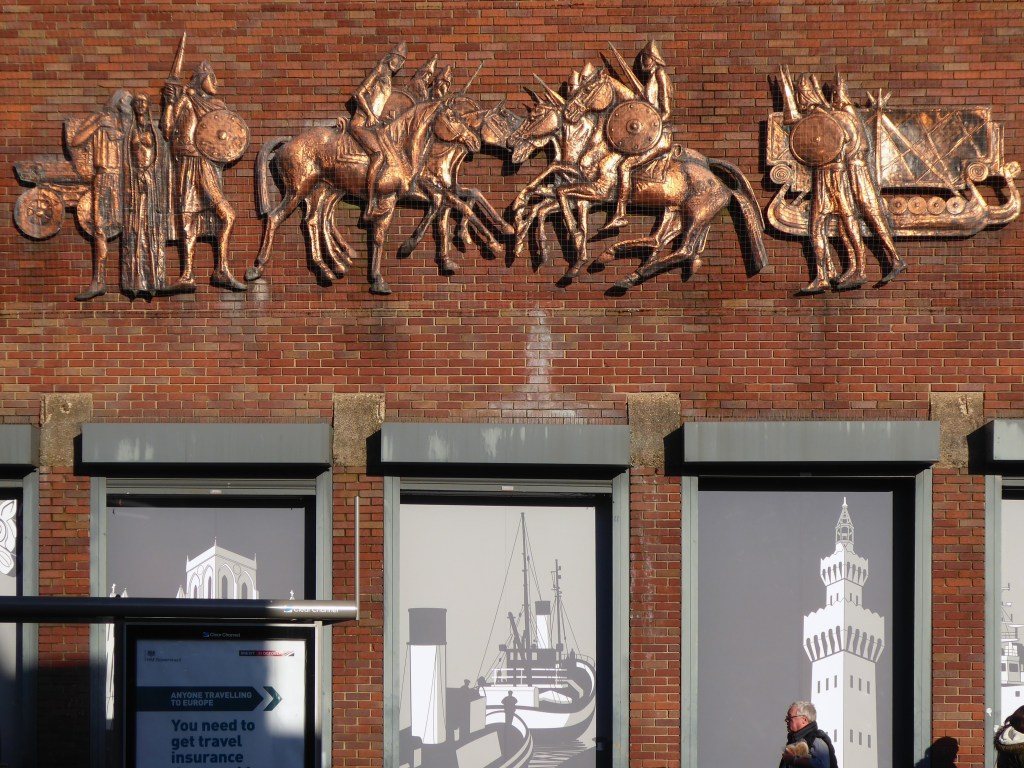
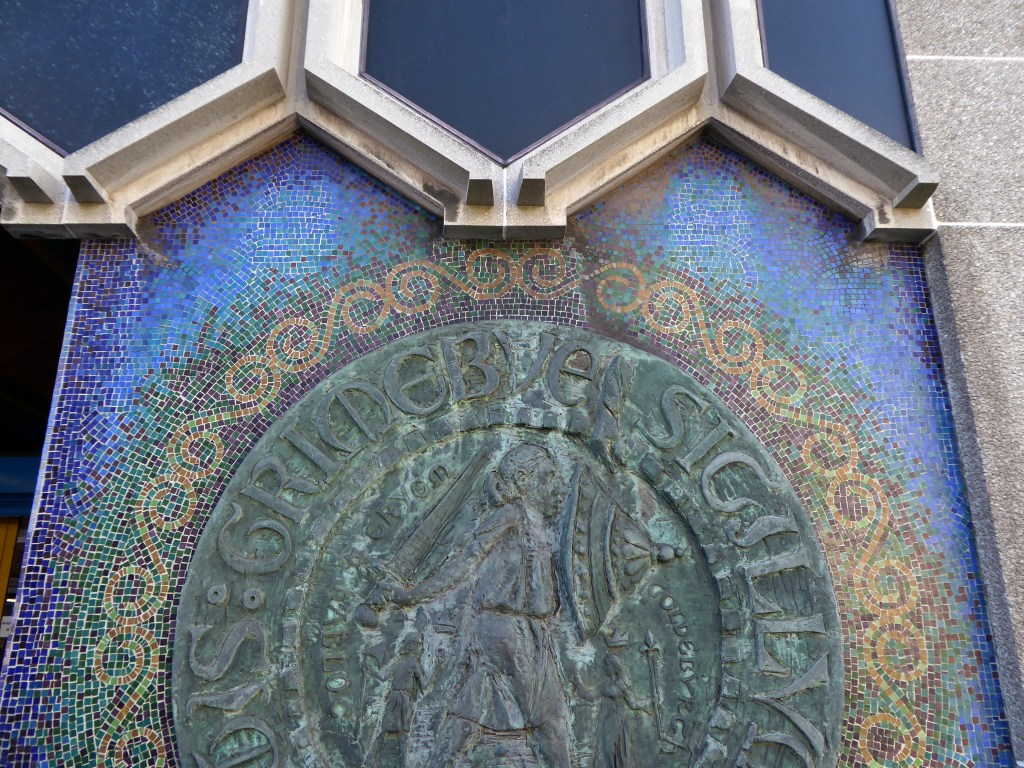
The majority of Gosney’s early commissions were collaborations with architects and he has made a significant contribution to public art in Grimsby. He is the artist responsible for the reliefs on the Abbey Walk car park, the large Grimsby seal by the entrance to the Grimsby Central Library and the Grim and Havelok themed copper relief on the side of Wilko store in Old Market Place.
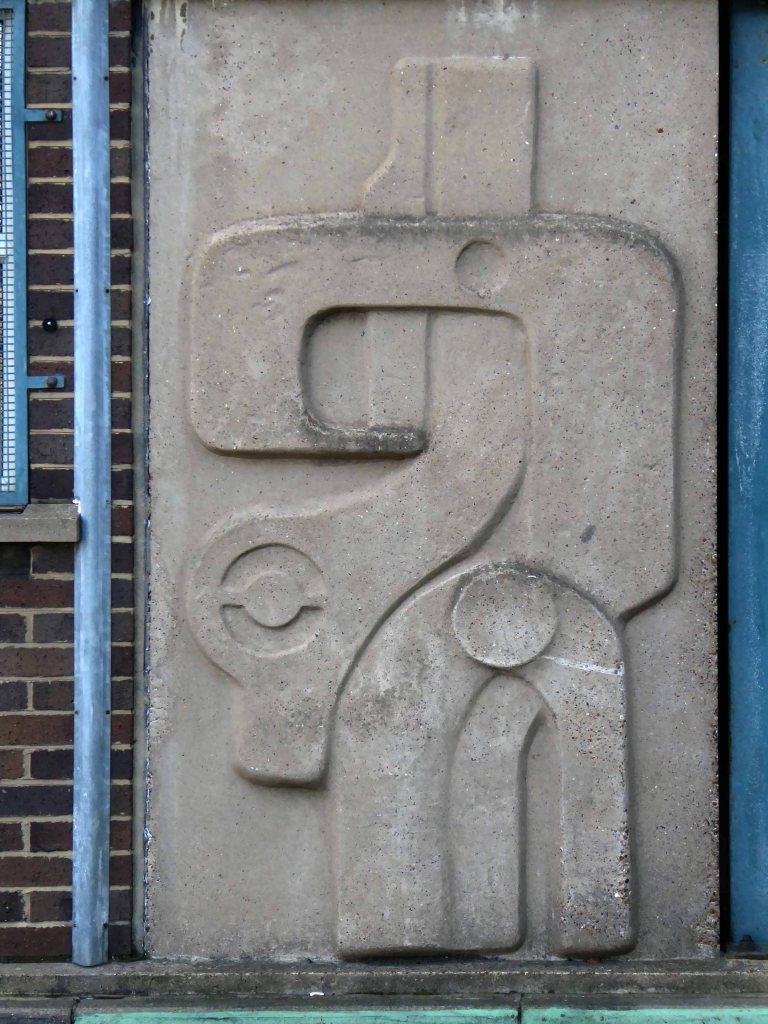
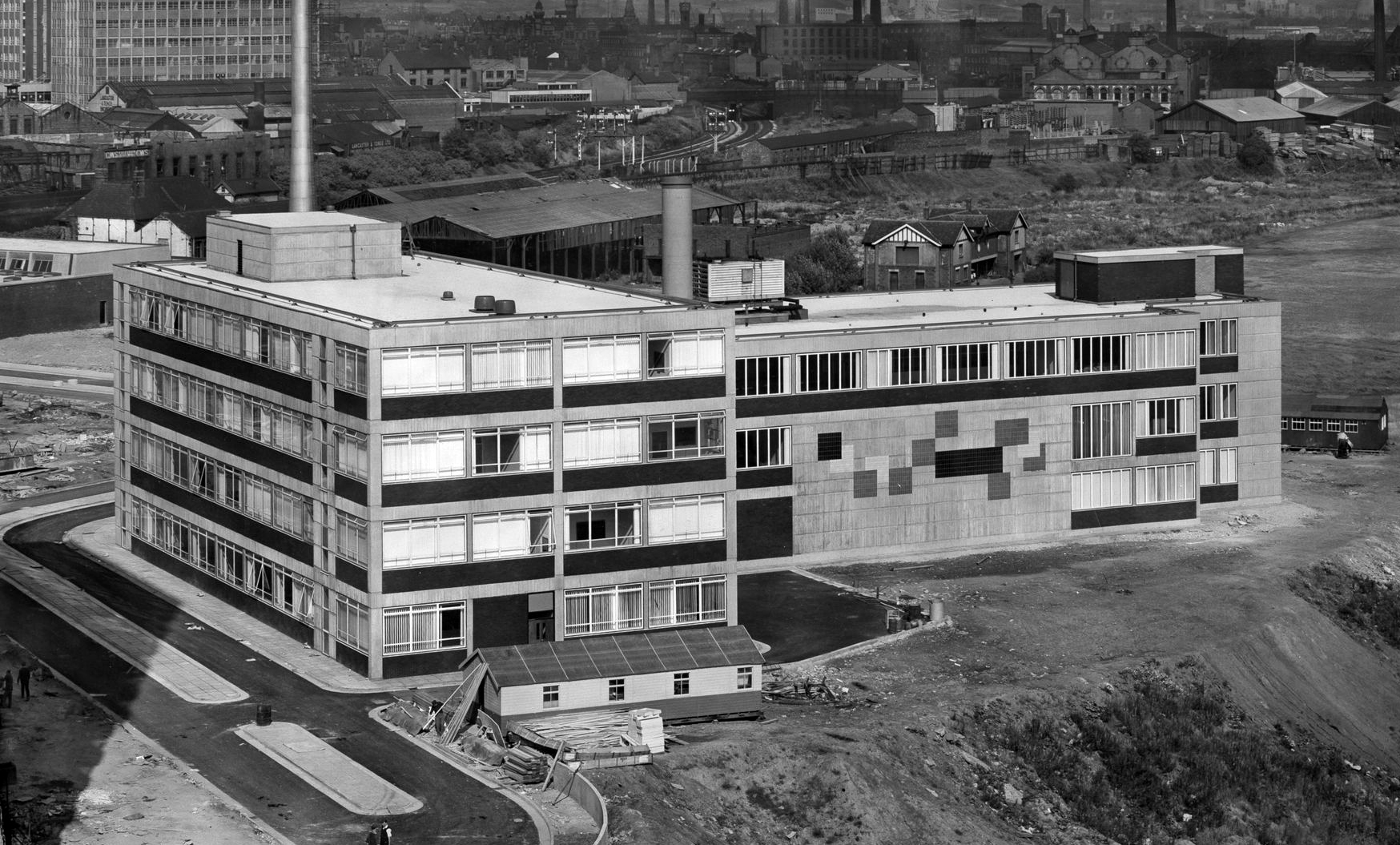
Abbey Walk was designed by architects Nicholson & Rushton and built in 1969 by Holst & Company of Scunthorpe at a cost of approximately £200,000. The concrete panels were structural pillars, cast in situ and featuring a repeated series of four abstract designs – some flipped 180 degrees.
In an interview with the BBC, Gosney explained the inspiration for these: “The four designs I produced were inspired by drawings in the handbook of the car that I had at the time, which was an Austin Cambridge estate car, and included suspension, carburettor, etc.”
The car park has been the subject of some speculative repairs and refurbishment:
In total, the scheme will cost the council £1.54 million.
The authority will borrow £1.34 million to fund the project with a further £200,000 coming from a local transport grant. But the council said that the improvements made could help increase revenue from the car park of around £34,000 a year.
Councillor Matthew Patrick, portfolio holder for transport at the council, said that the work is essential to “brighten up” the building and attract people into Grimsby.
“It’s one of the largest car parks in the town,” he said.
“It will attract more people into the town centre and help to improve the offering of the car park.”
So here we are faced with a rare, precious and beautiful example of municipal modernism, a bold and brave attempt to decorate what is often the most functional of functional structures.
Owing something to the work of both Henry Moore and Pablo Picasso the imagery is derived from automotive parts, along with it seems to me, vague intimations of figuration.
Previously posted as historical journey – this, as they say, is the real deal, one foot after another, one sunny afternoon in September.
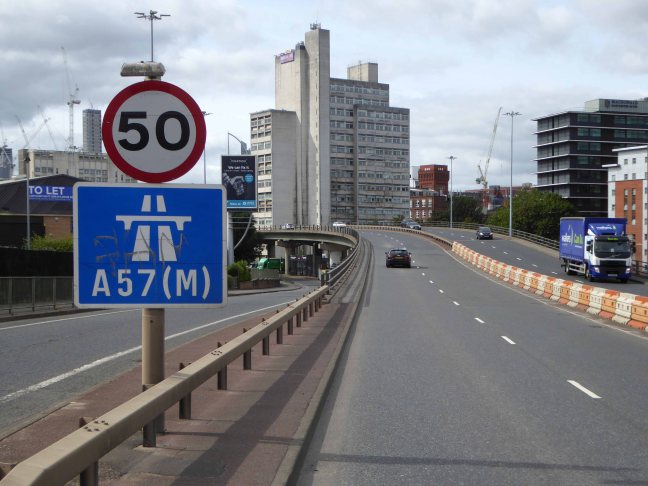
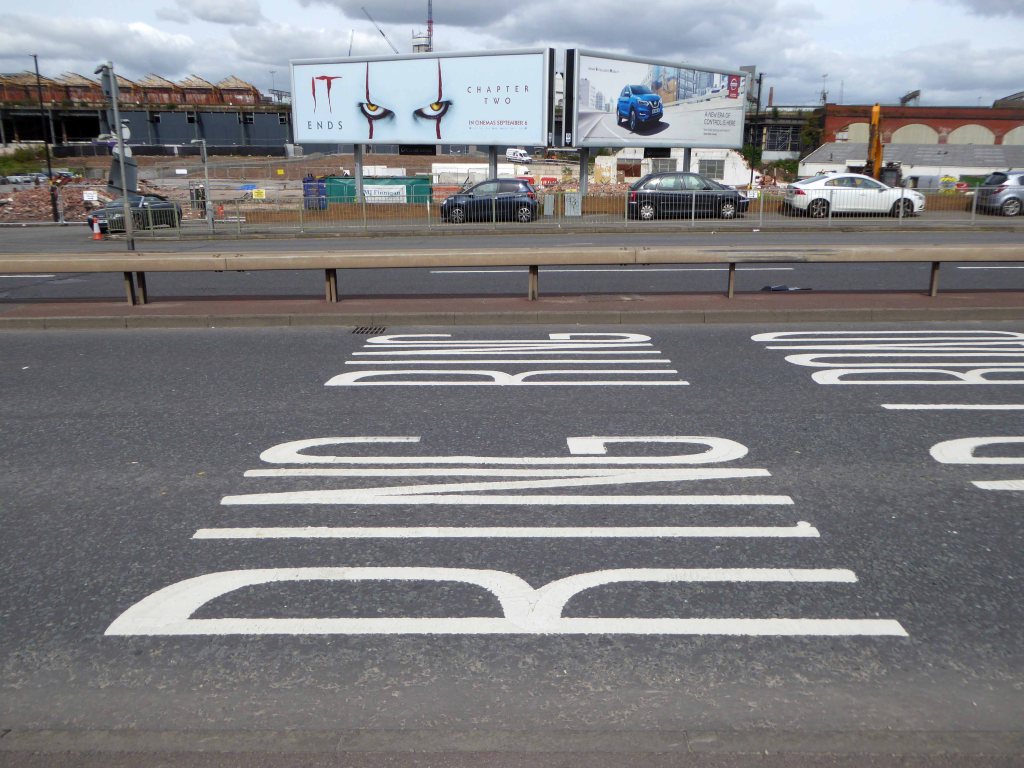
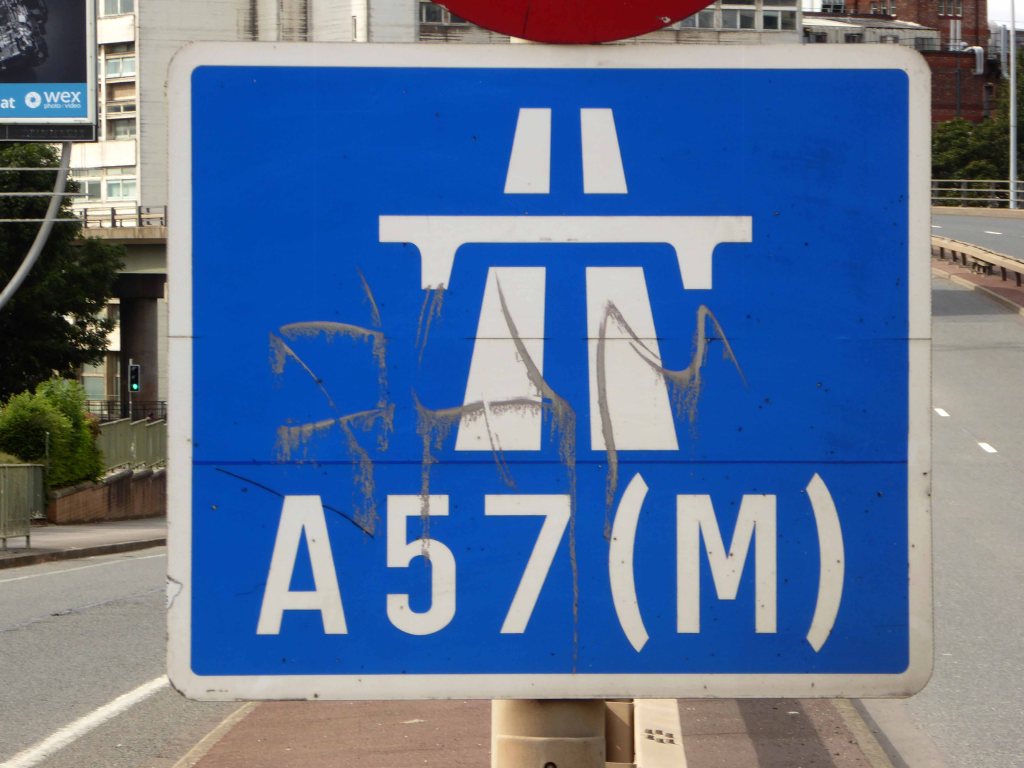
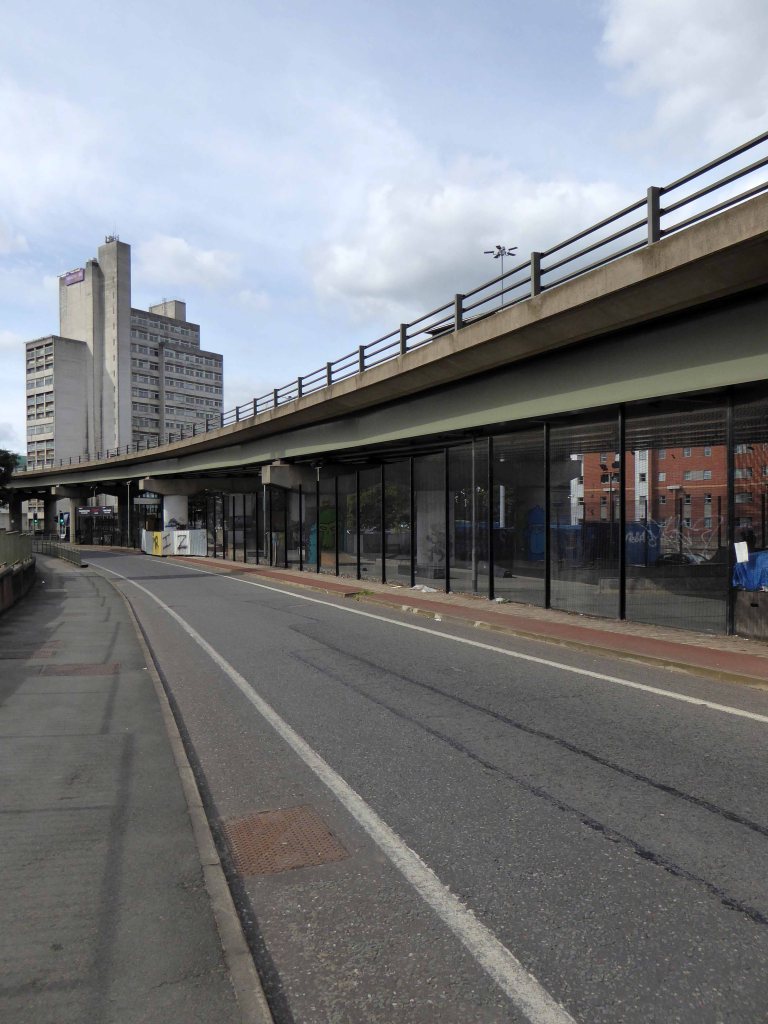
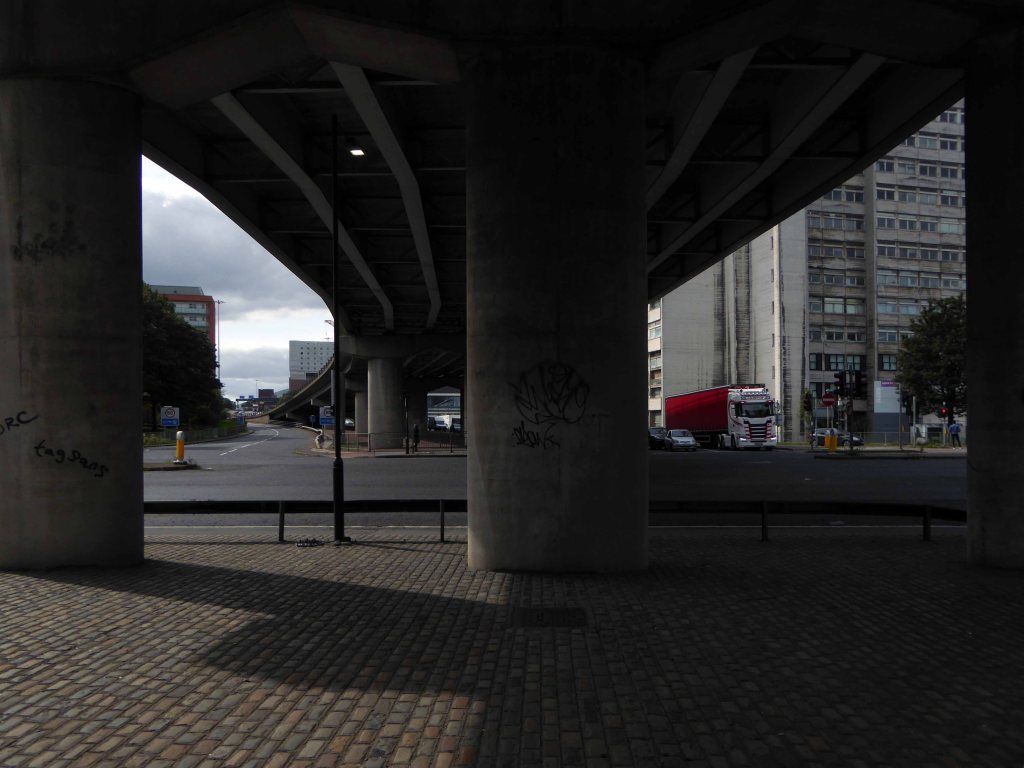
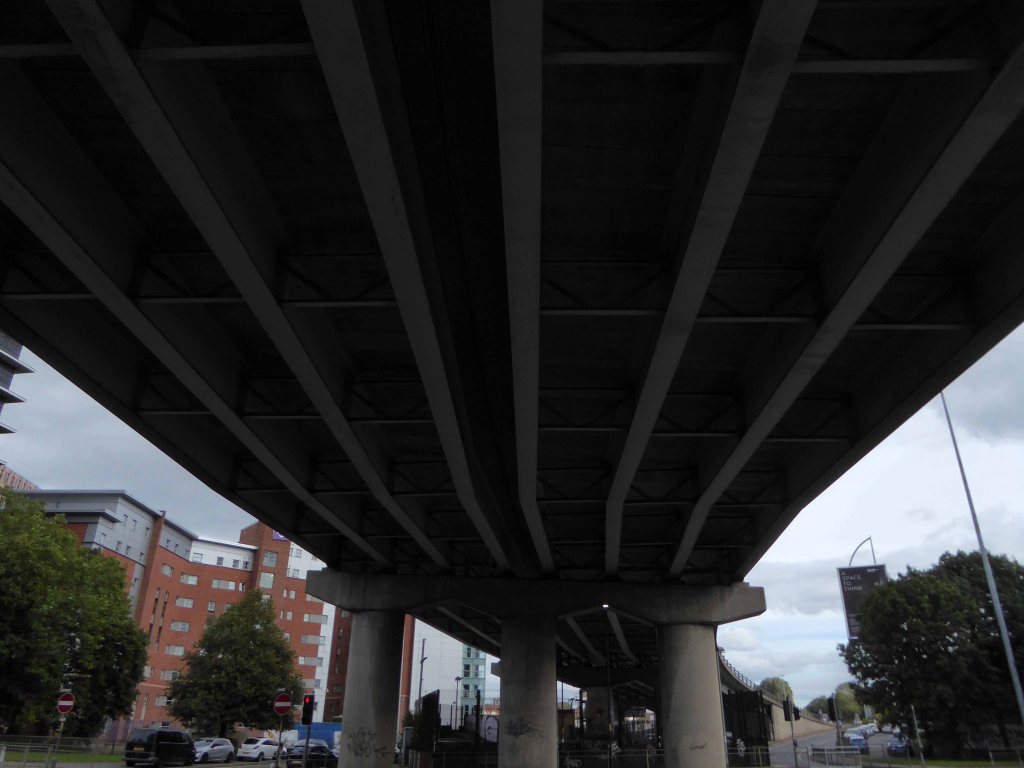
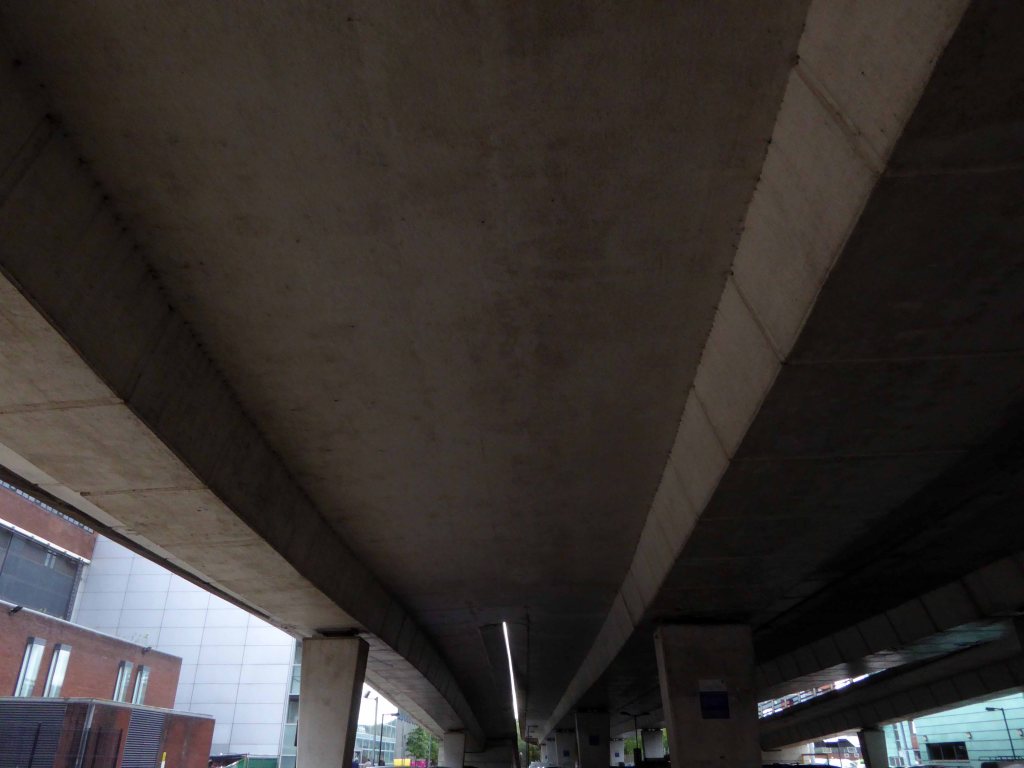
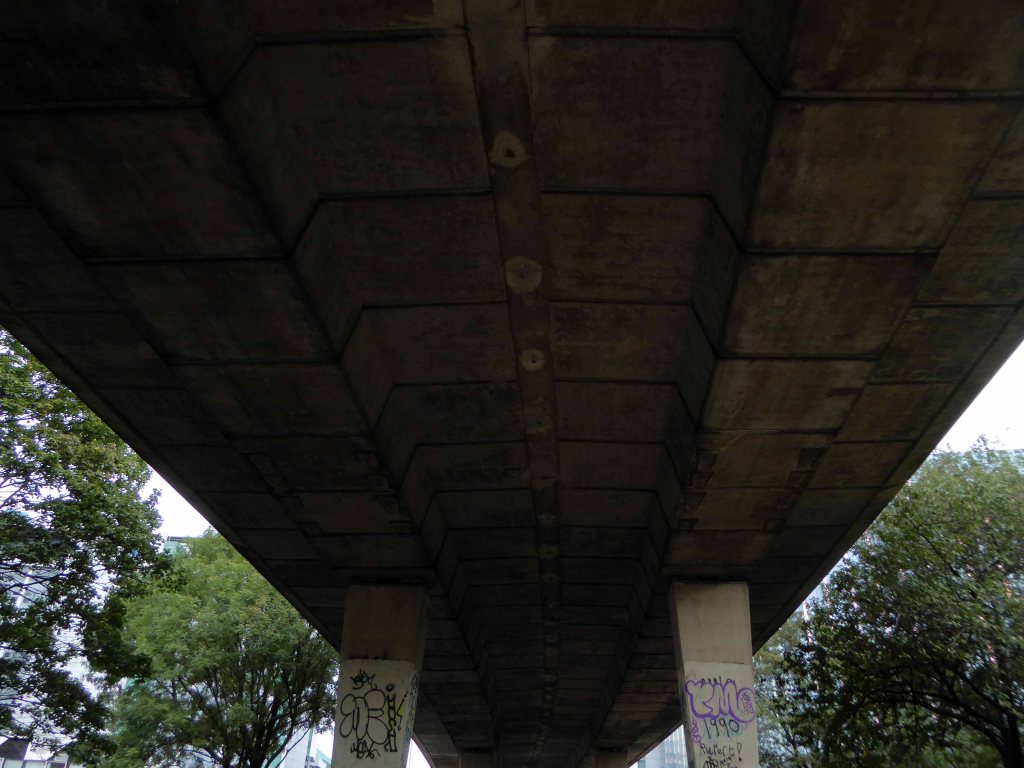
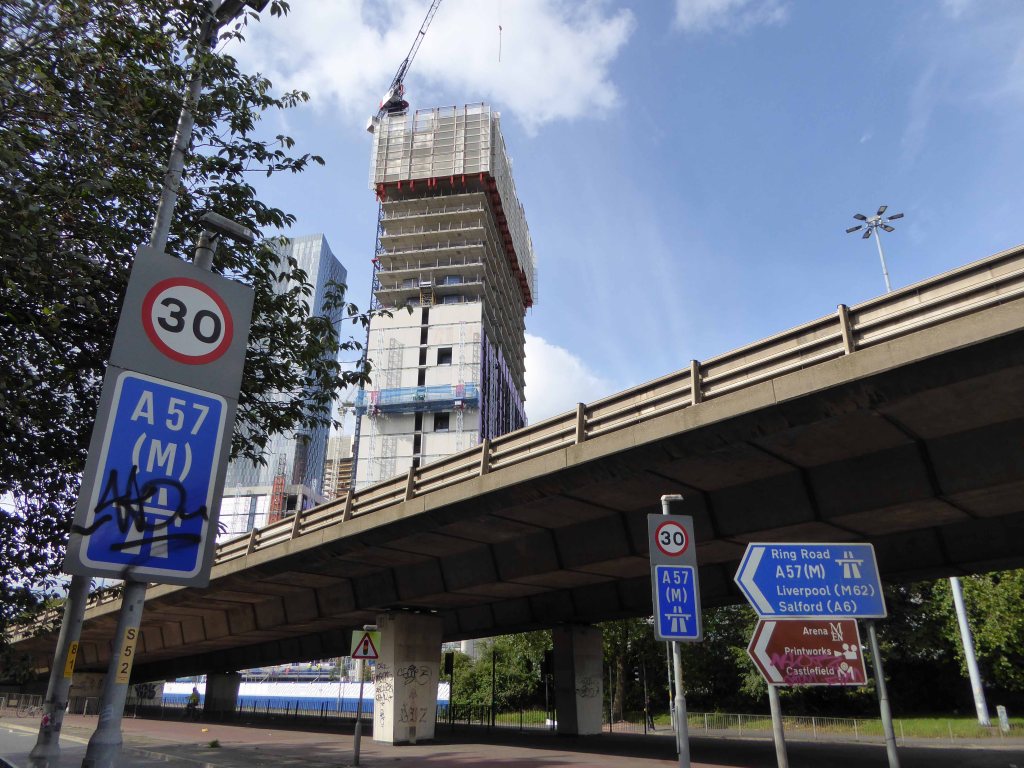
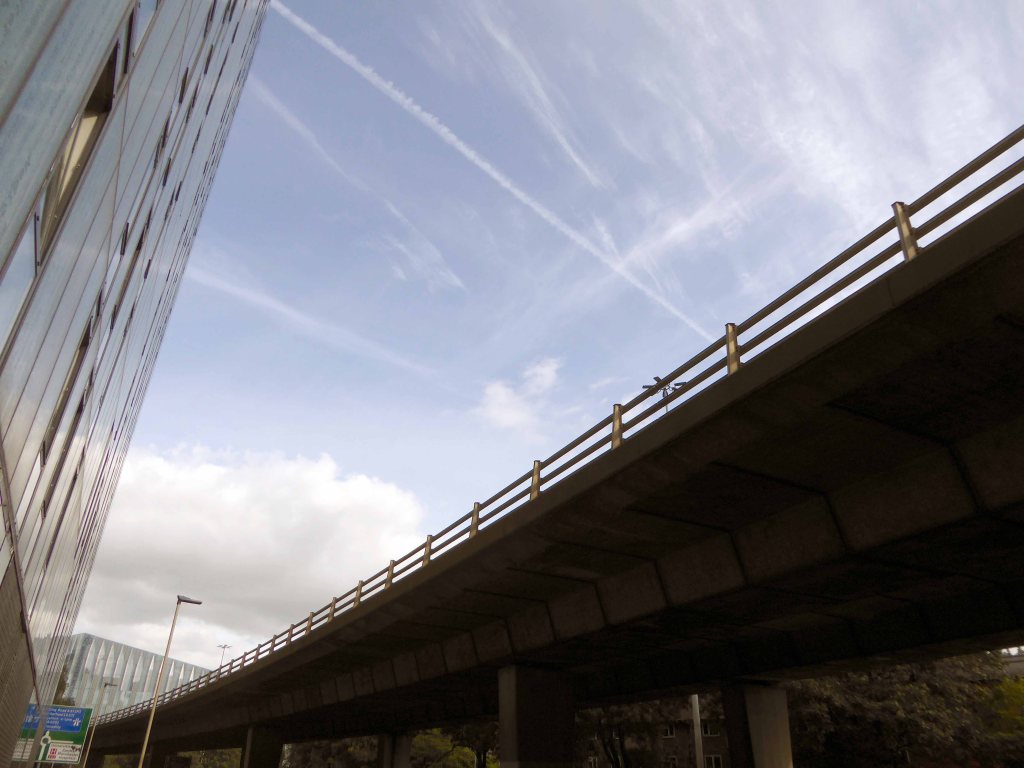
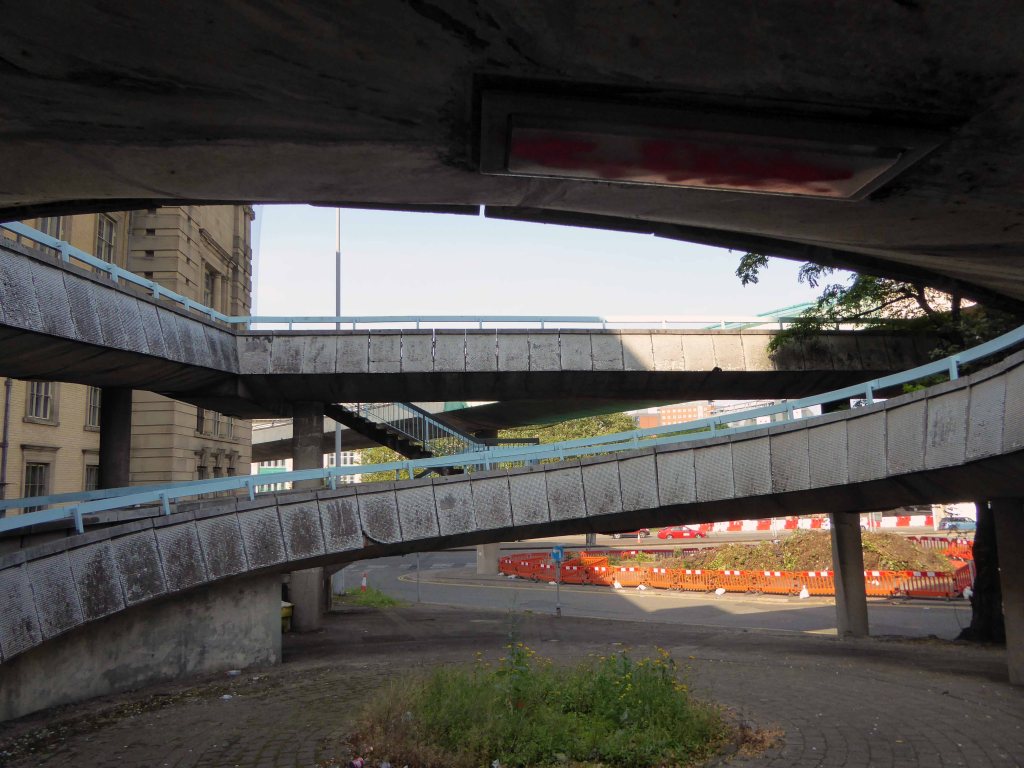
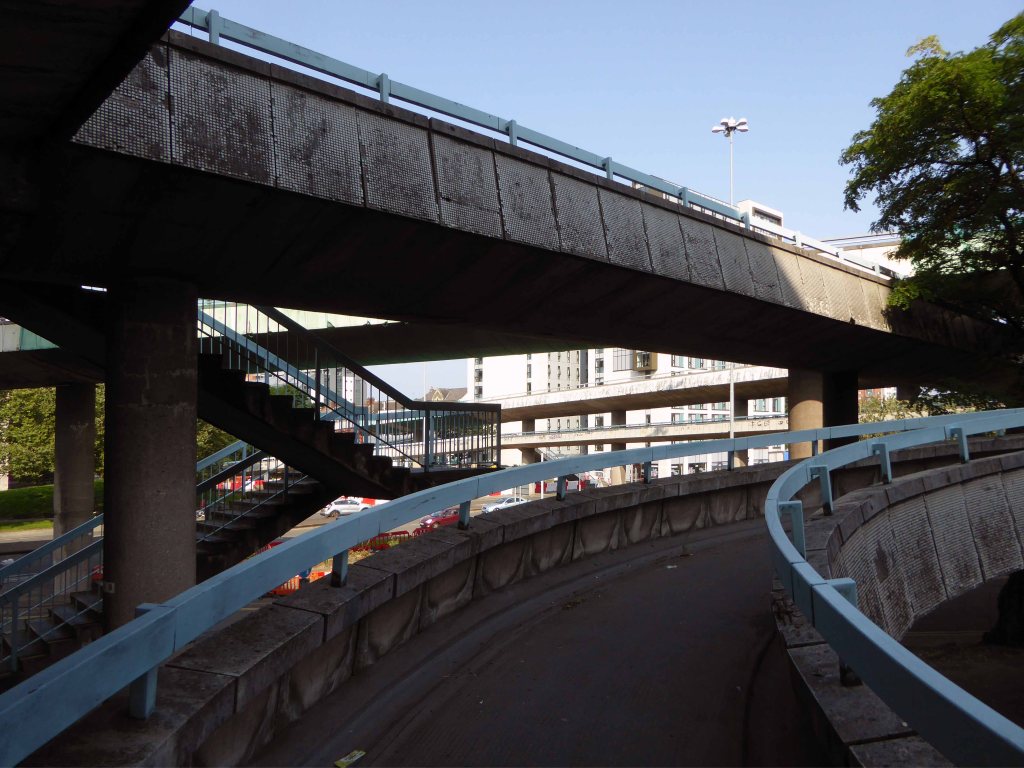
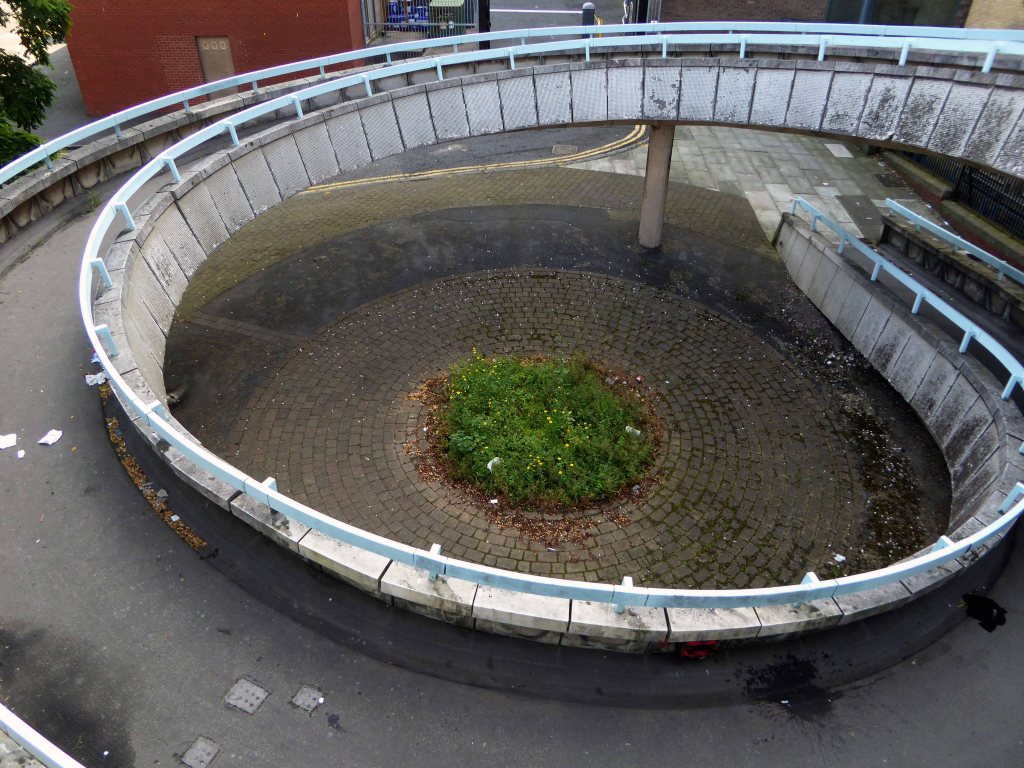
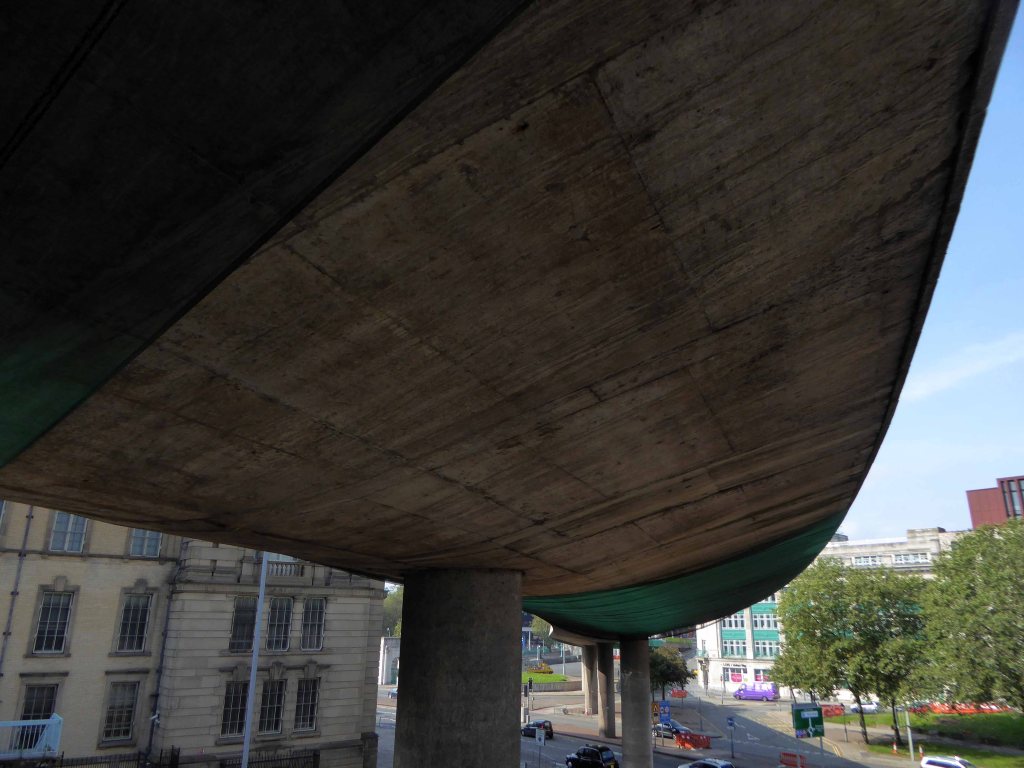
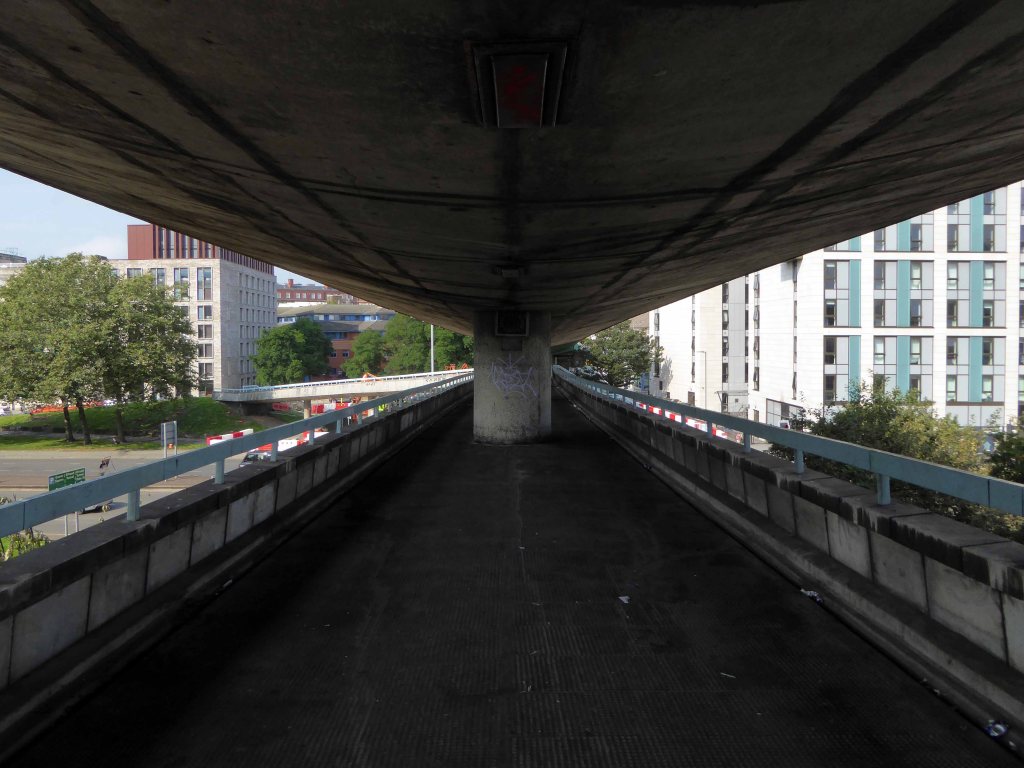
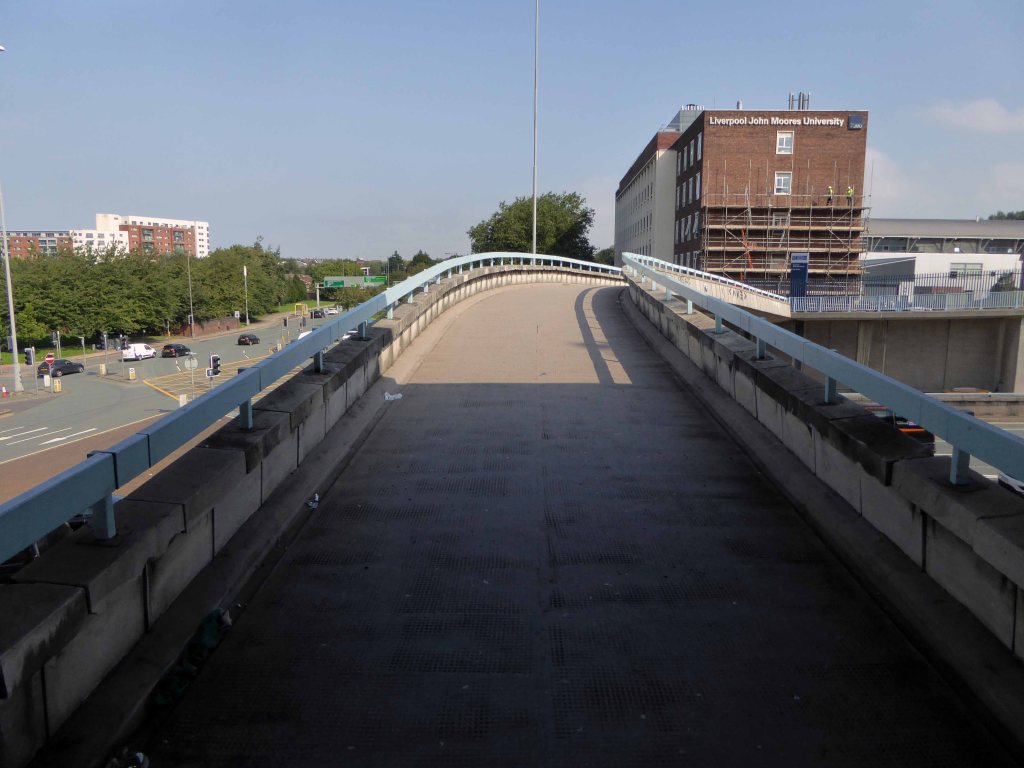
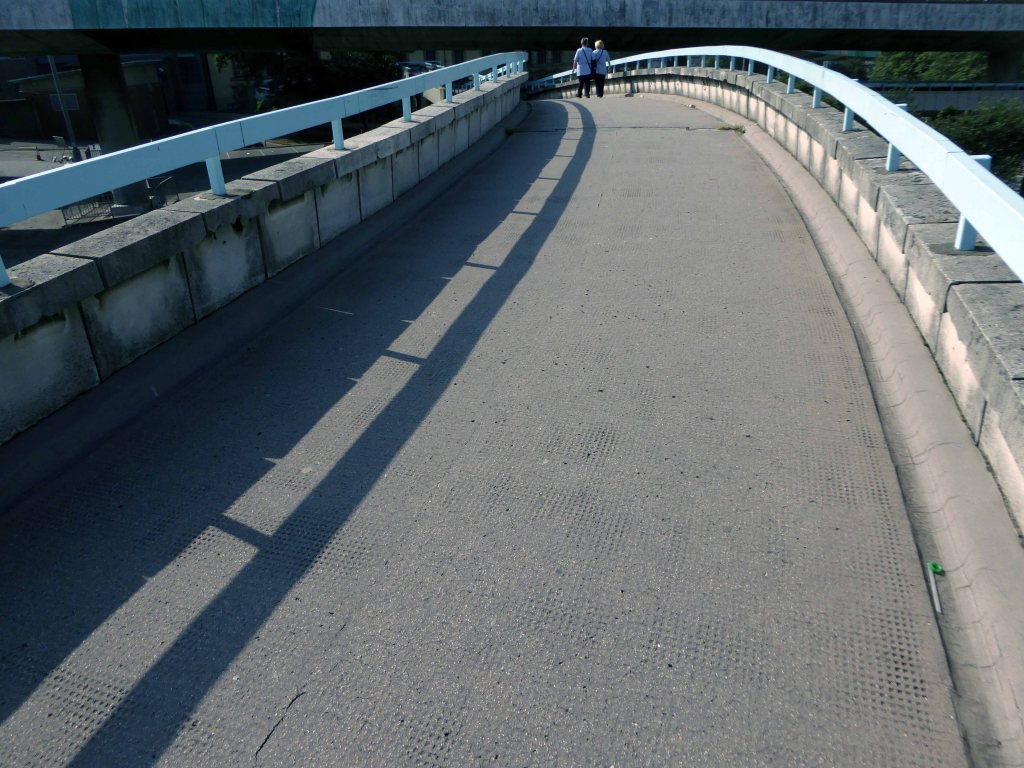
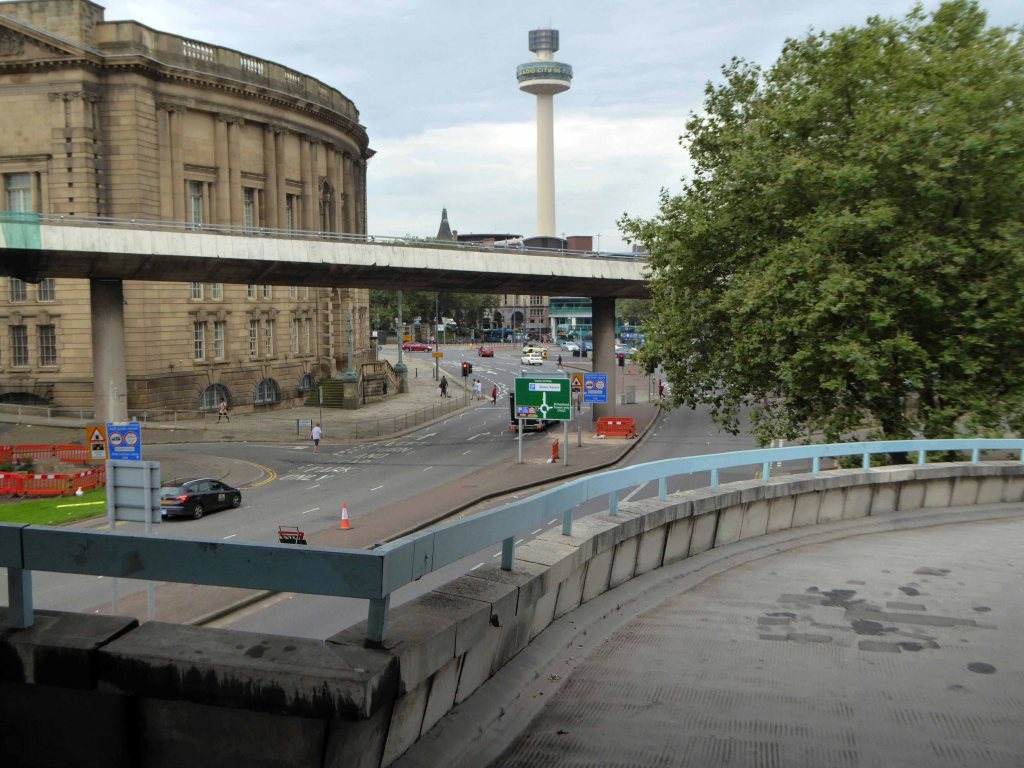
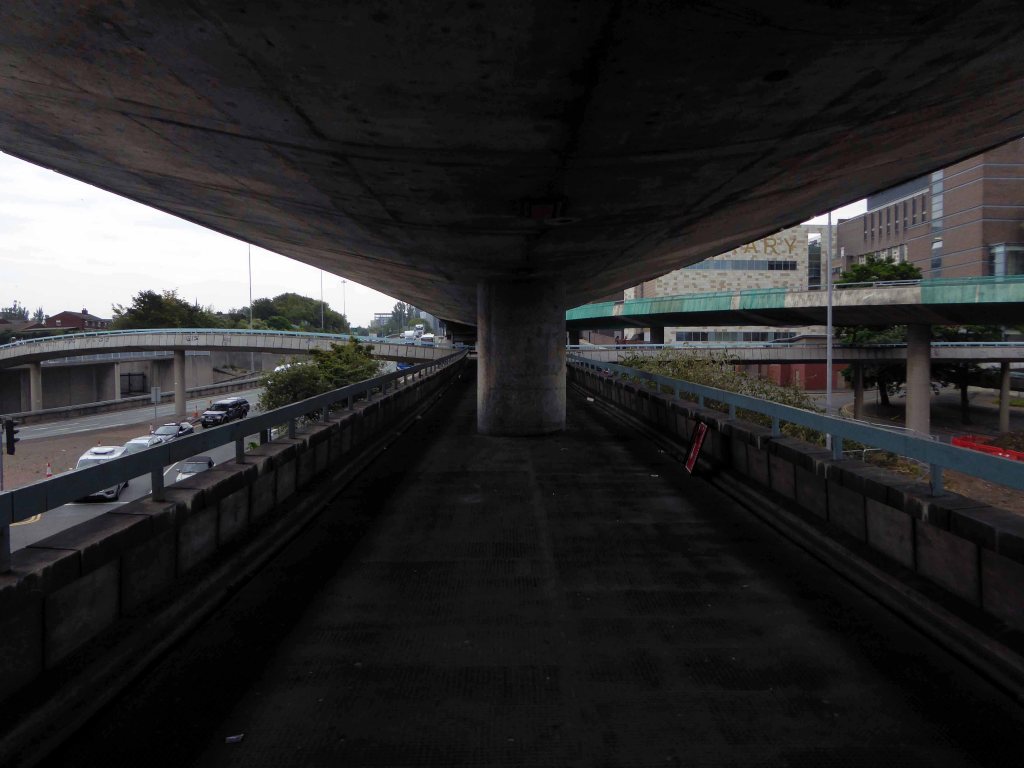
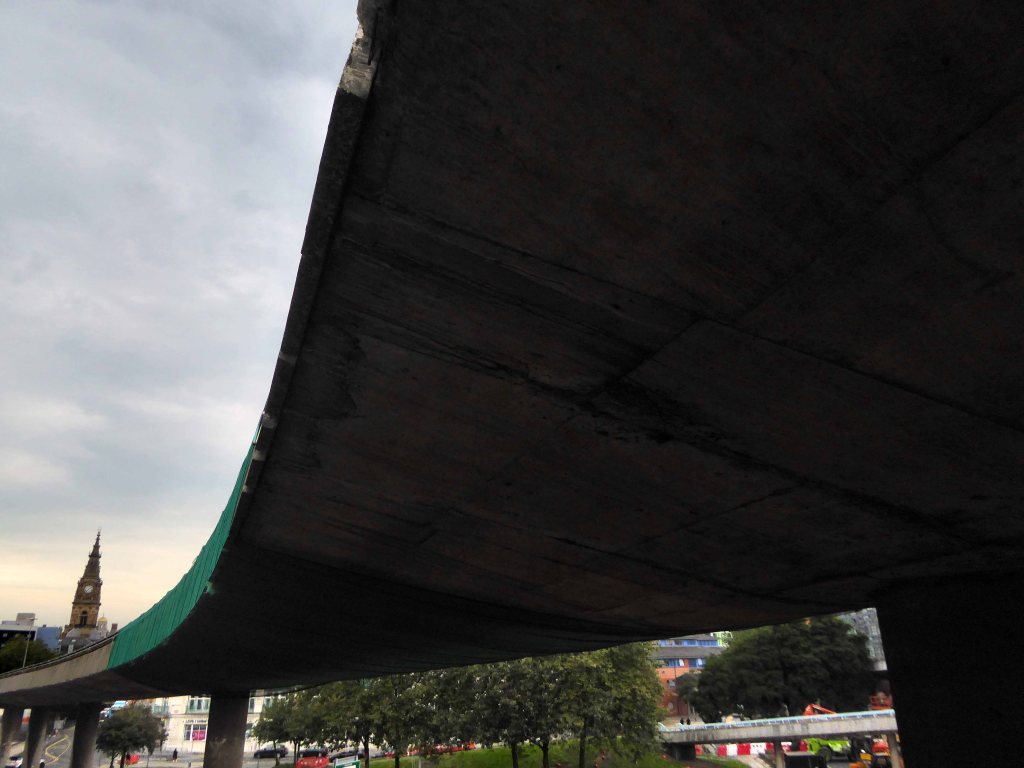
From east to west and back again – in or on, under and around our very own Highway in the Sky.
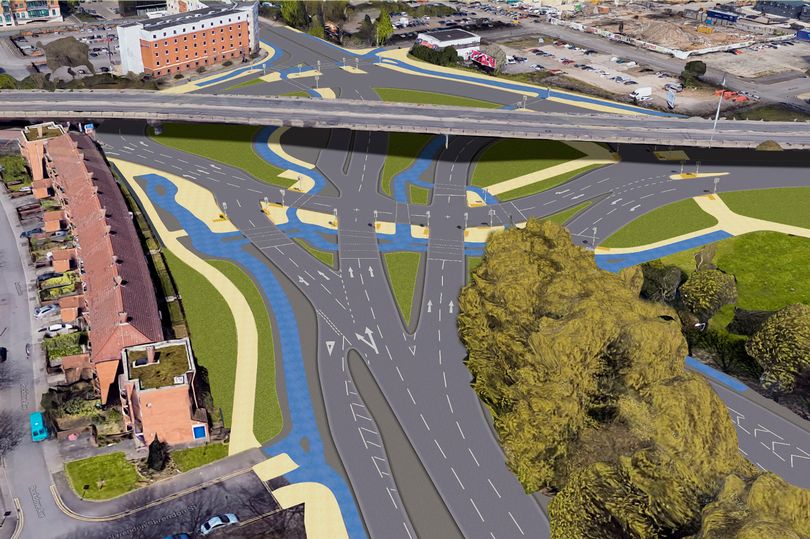
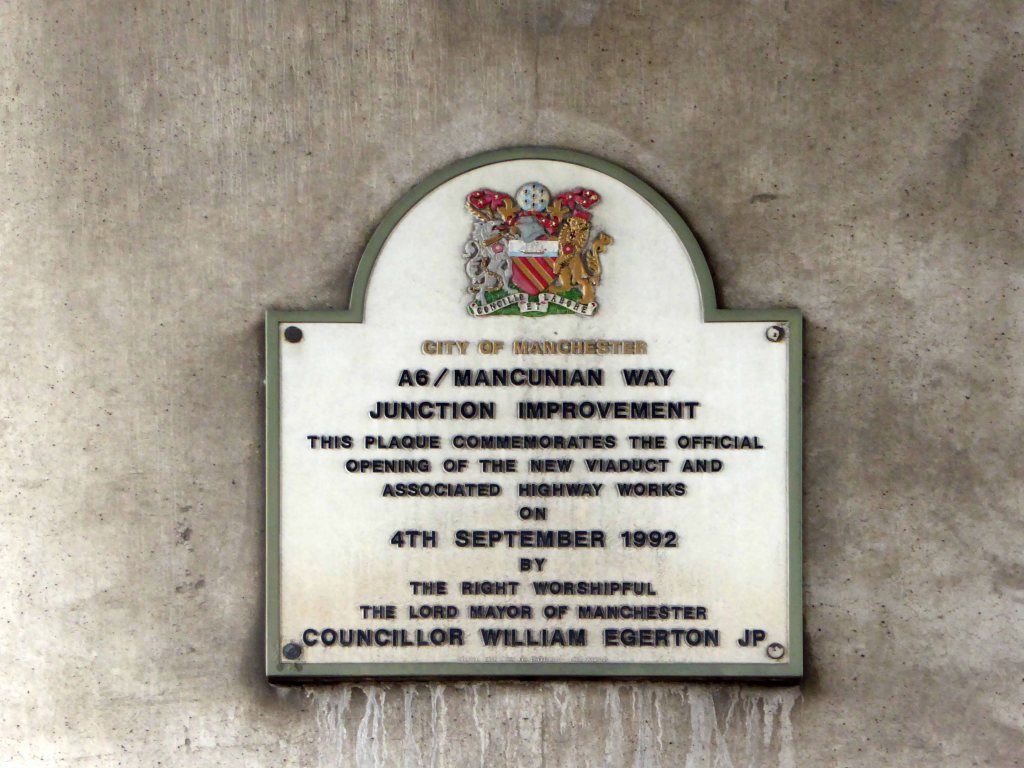
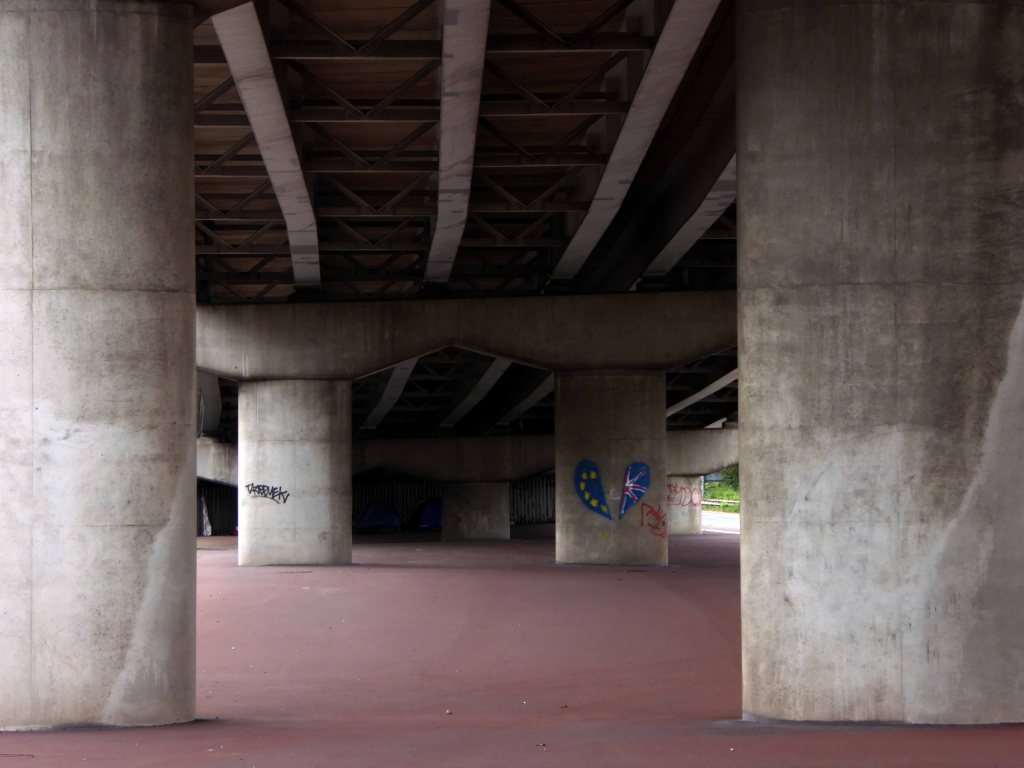
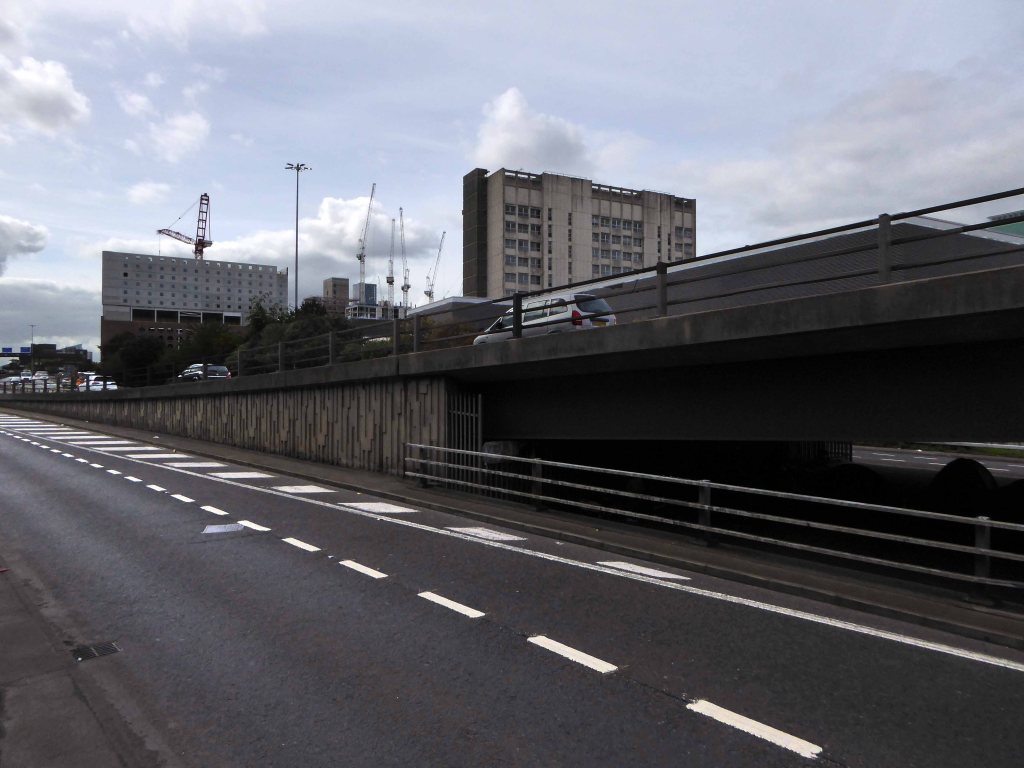
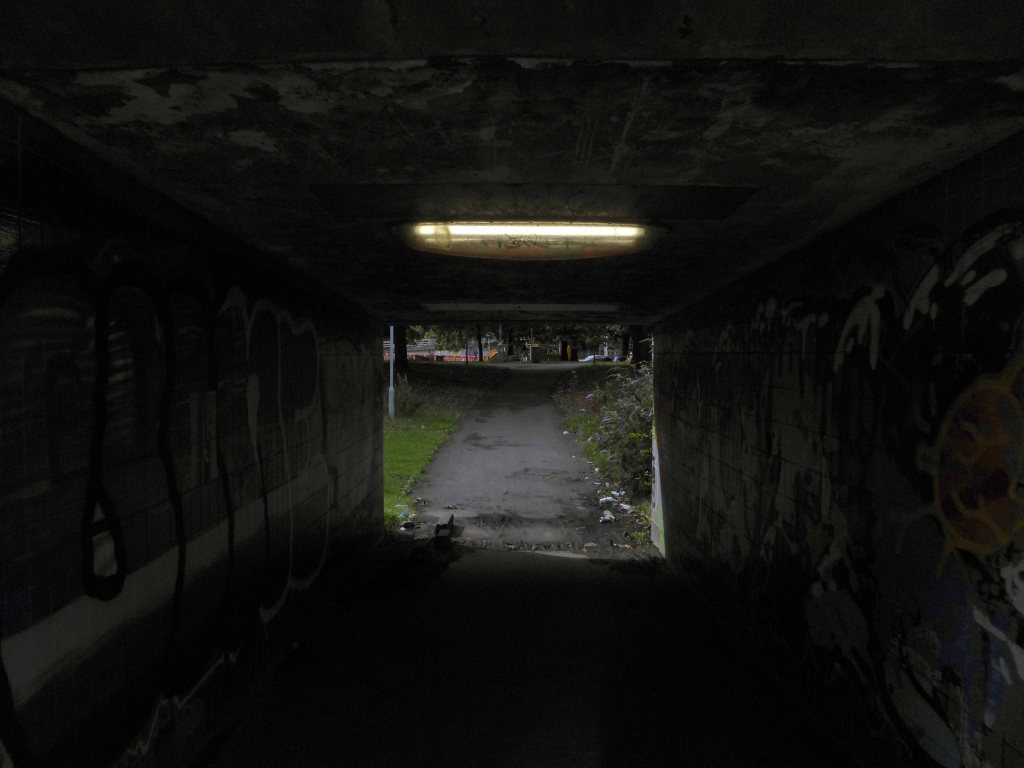
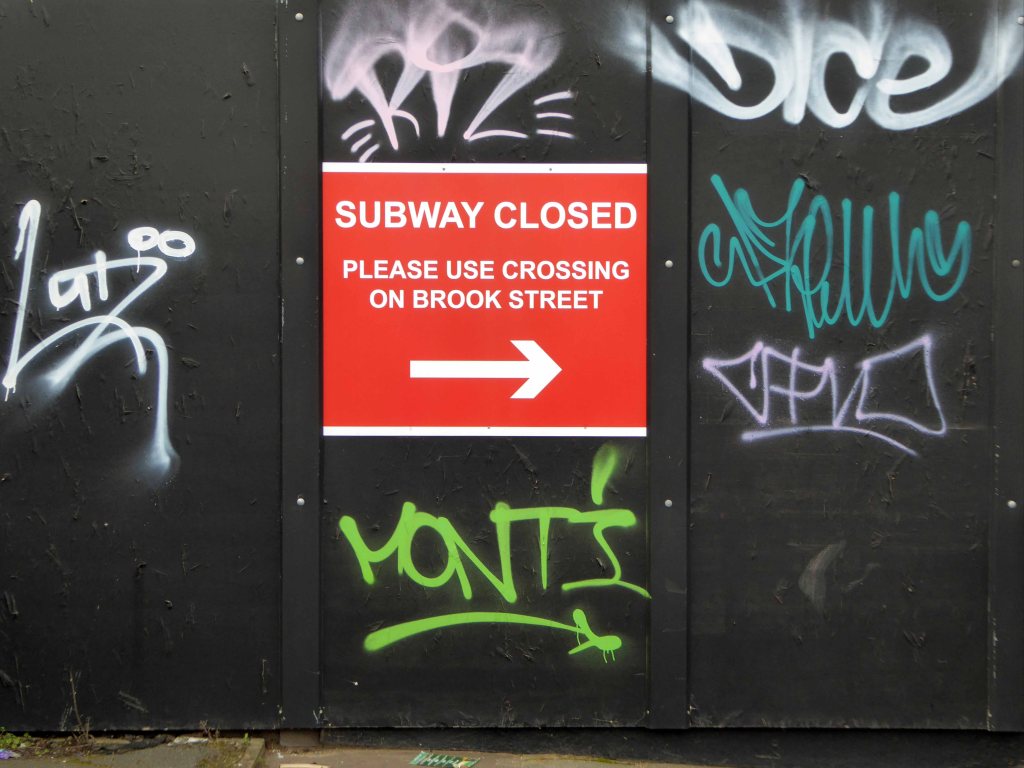
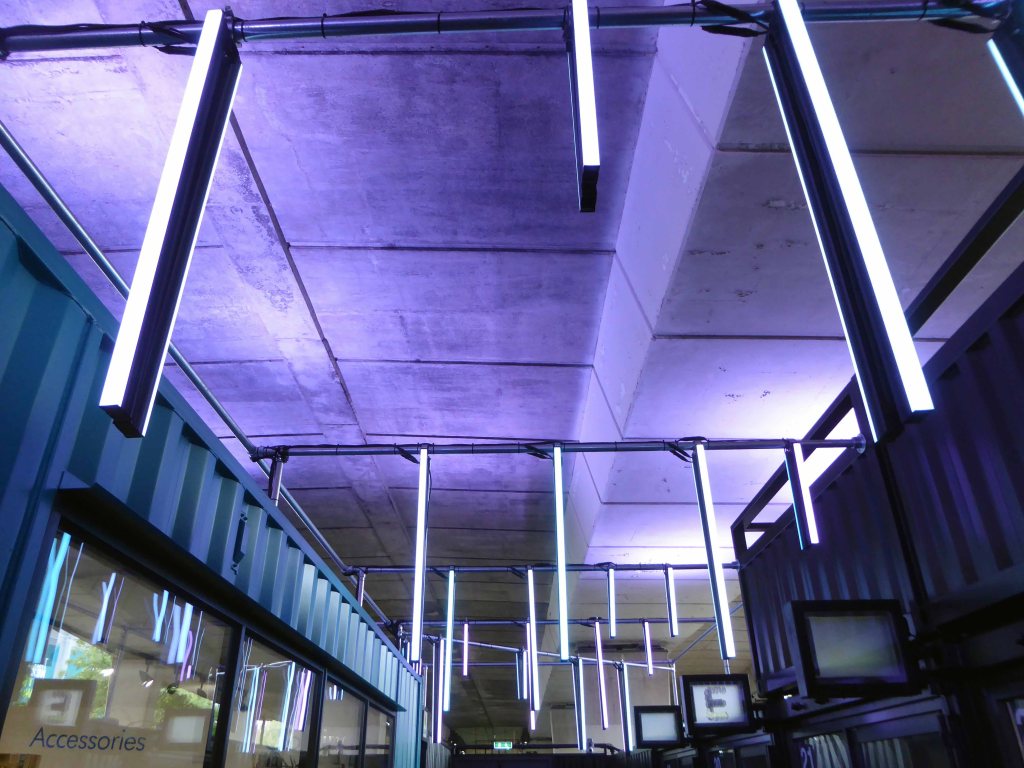
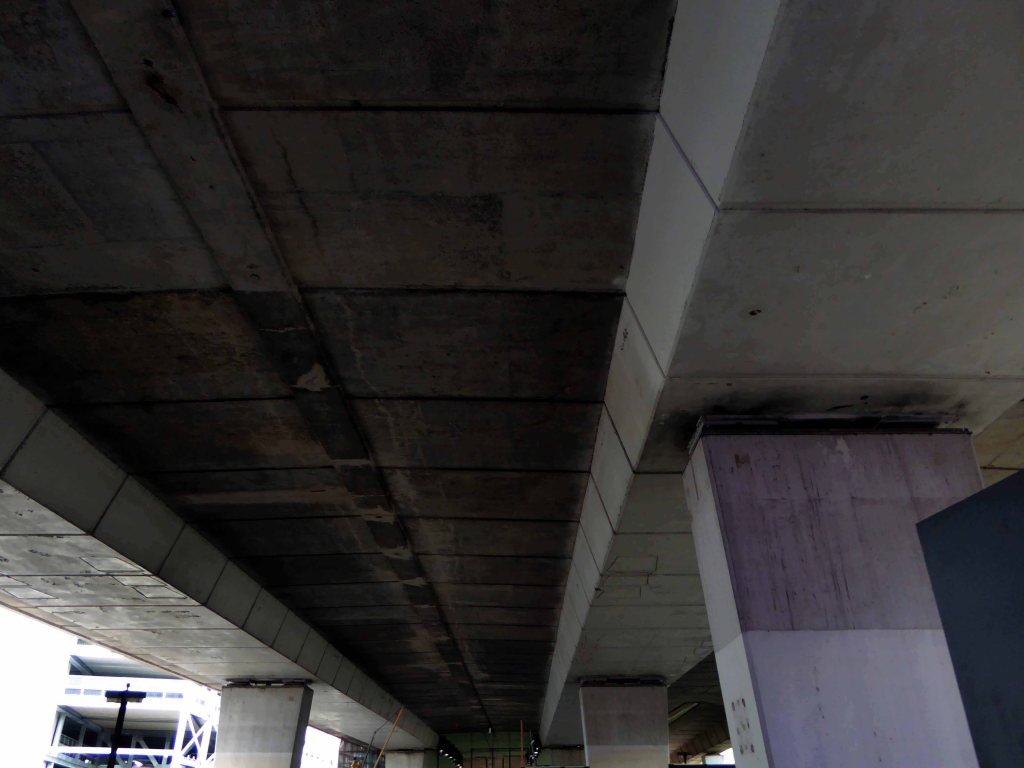
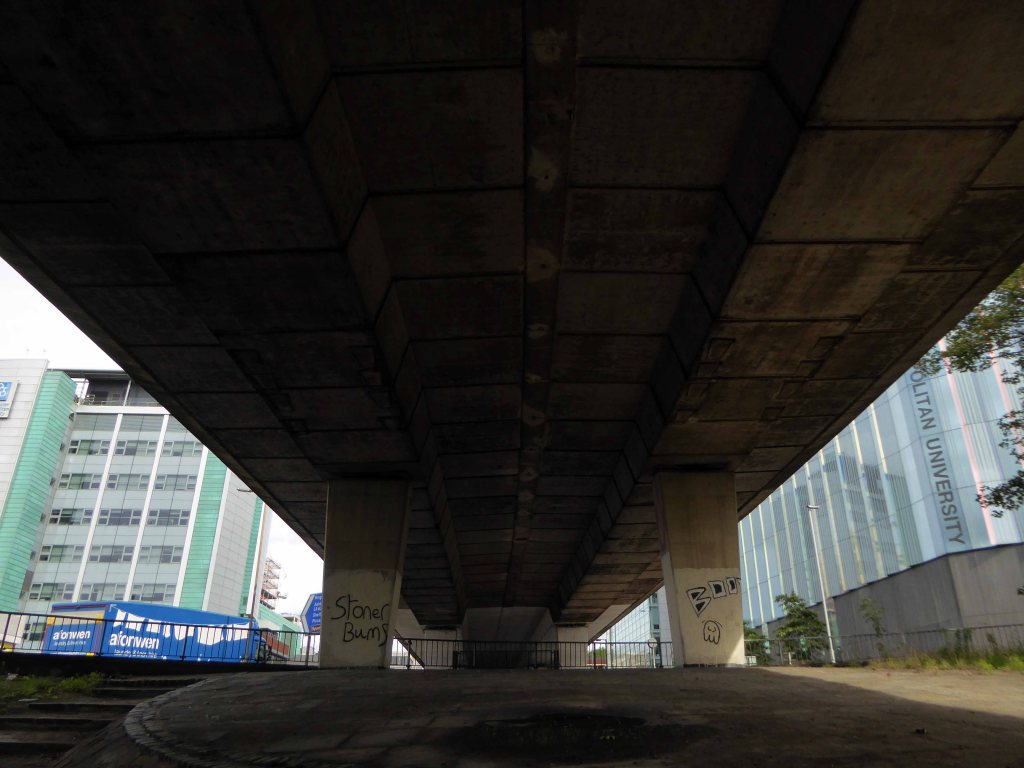
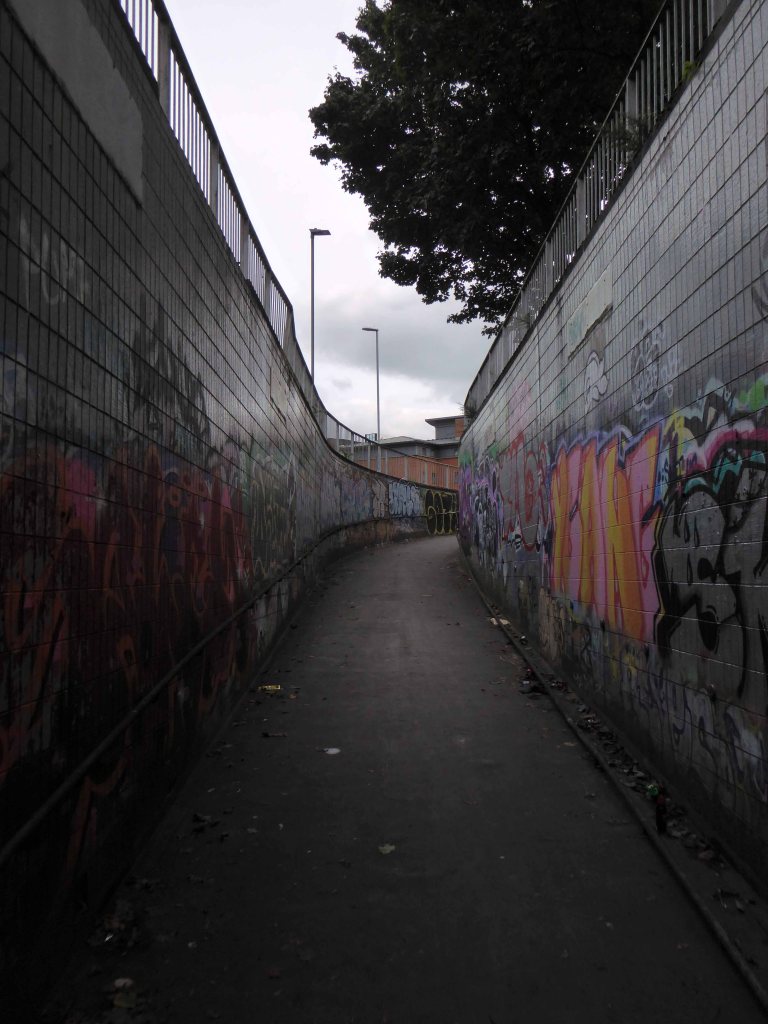
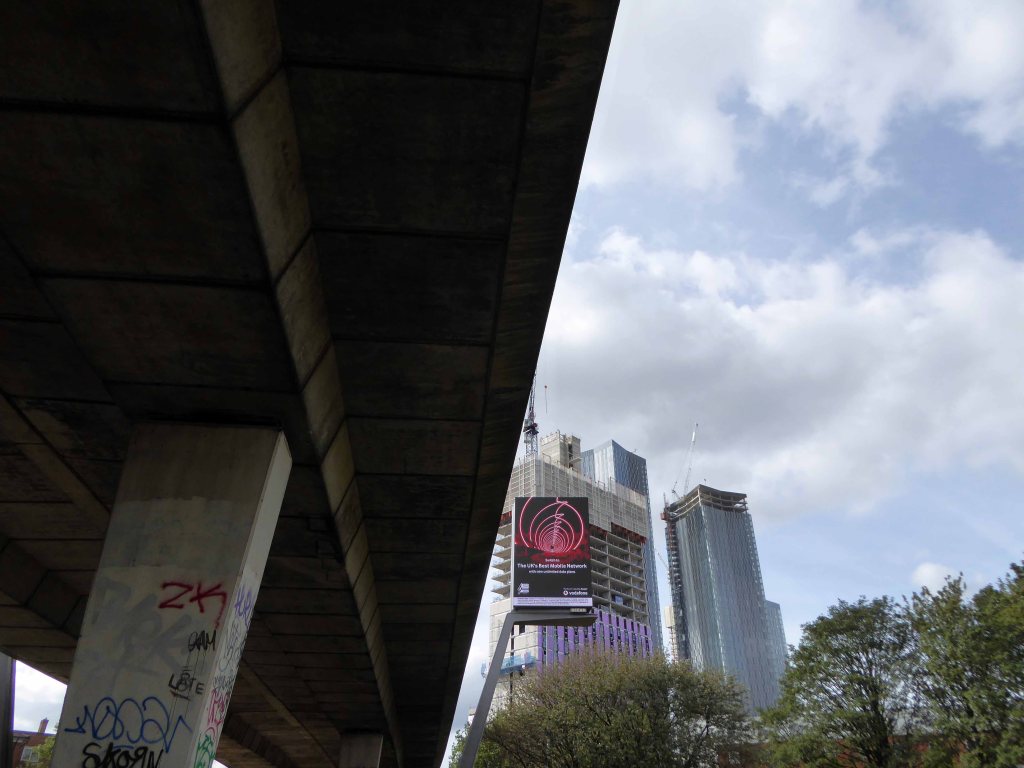
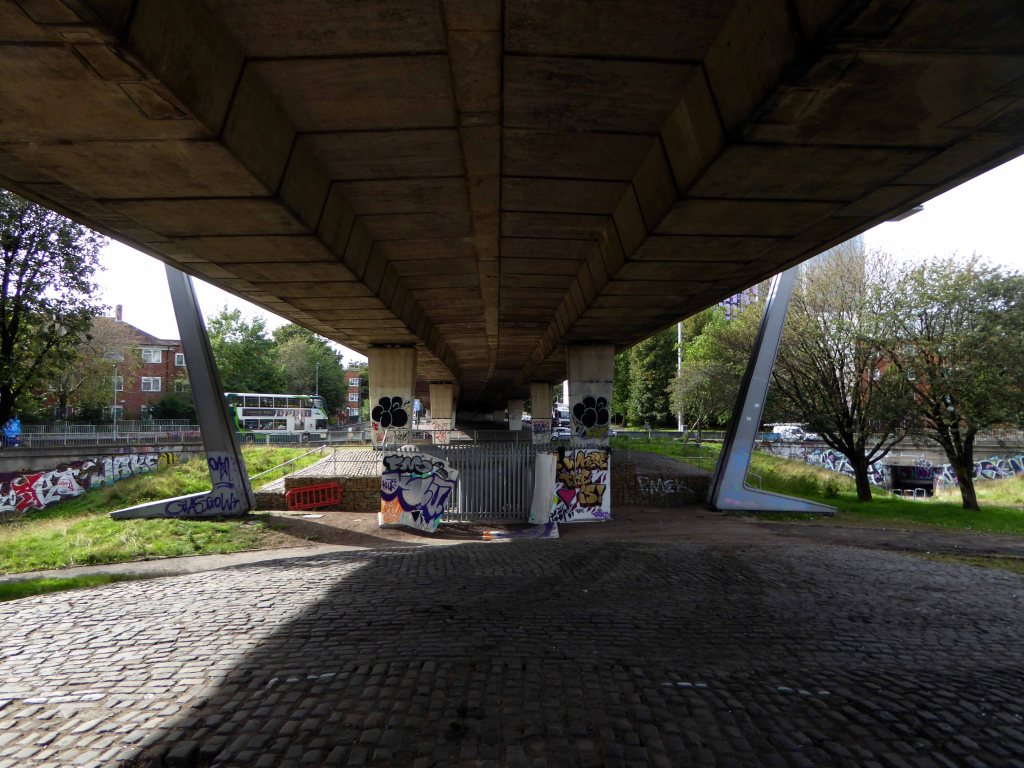
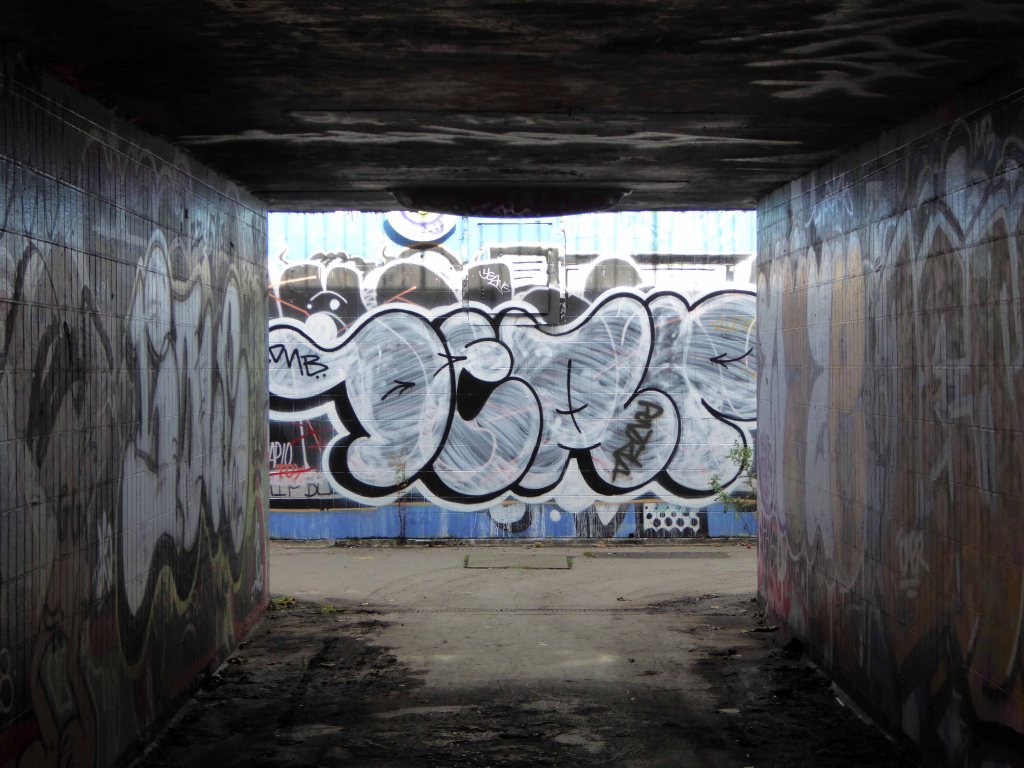
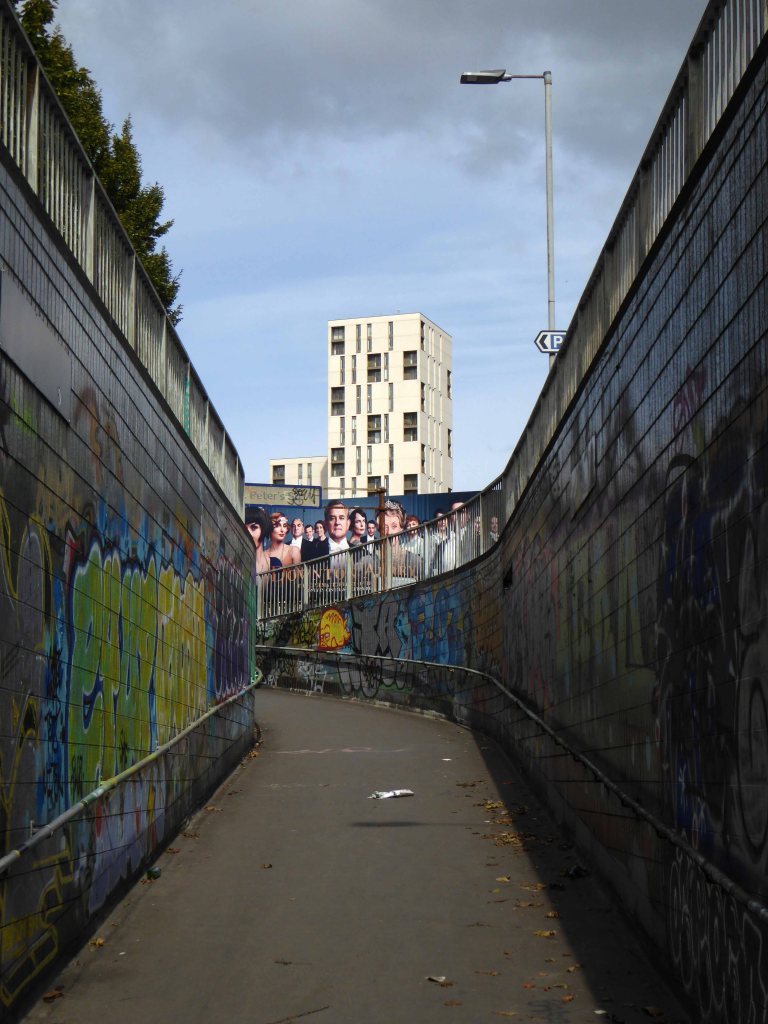
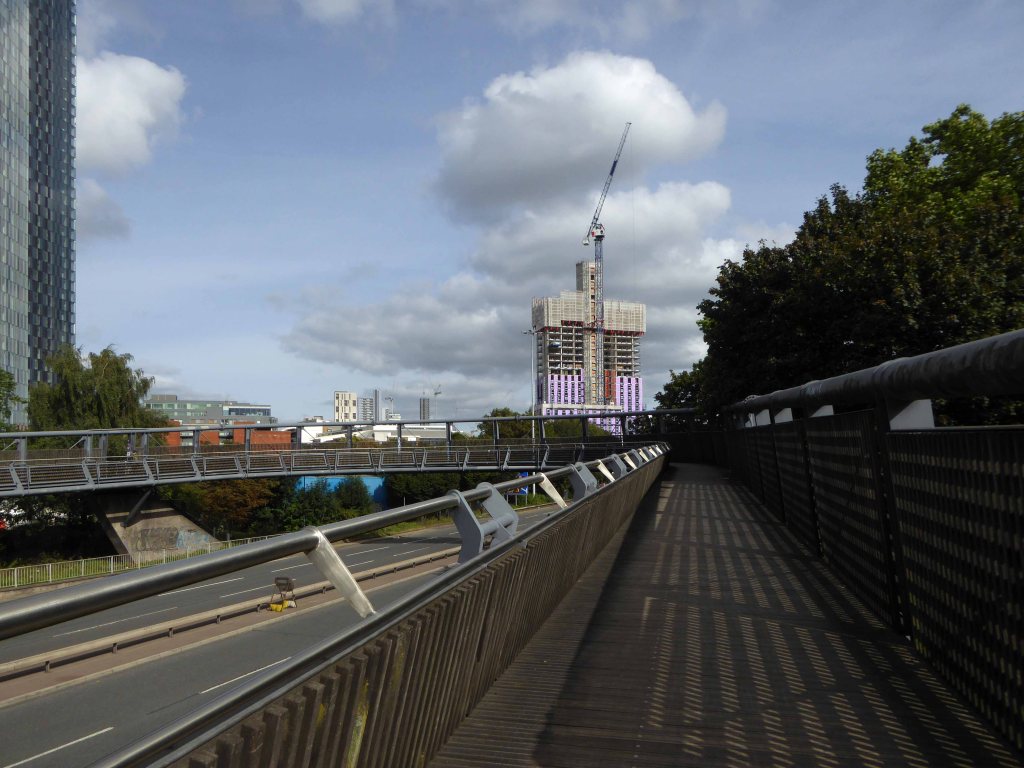
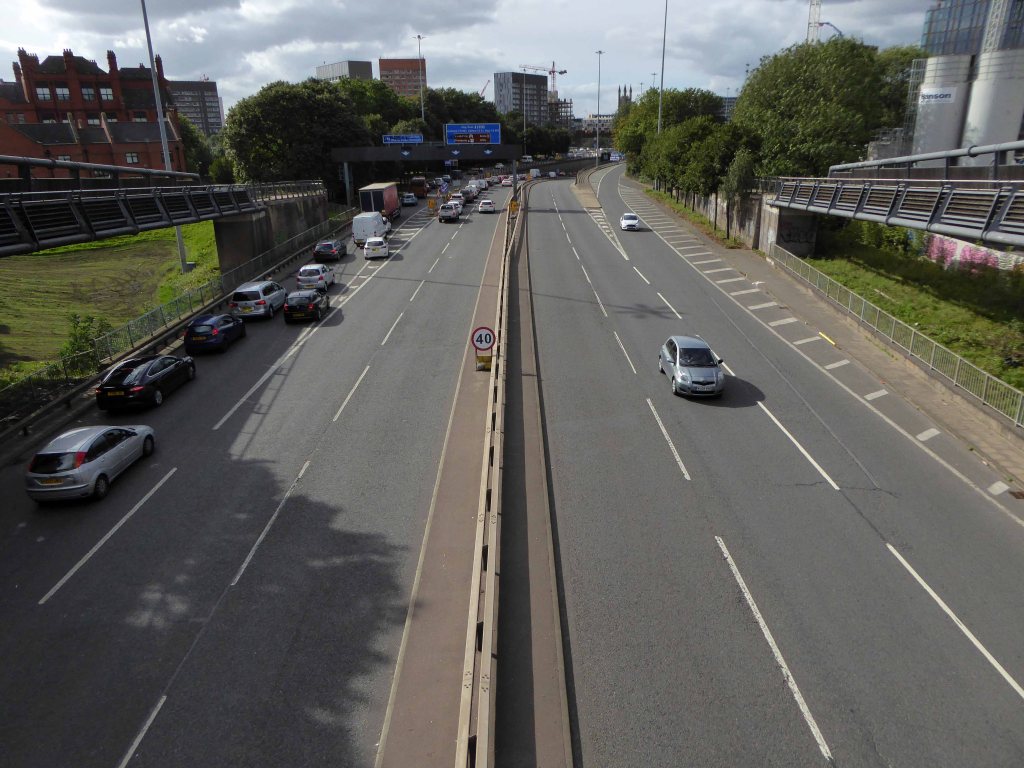
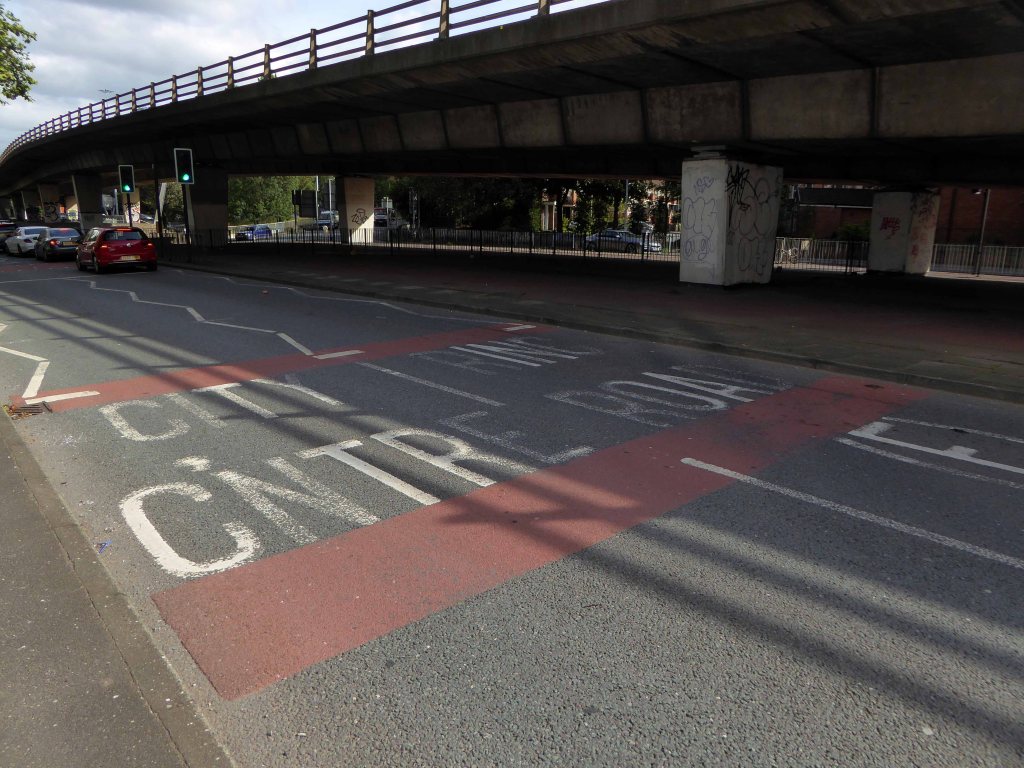
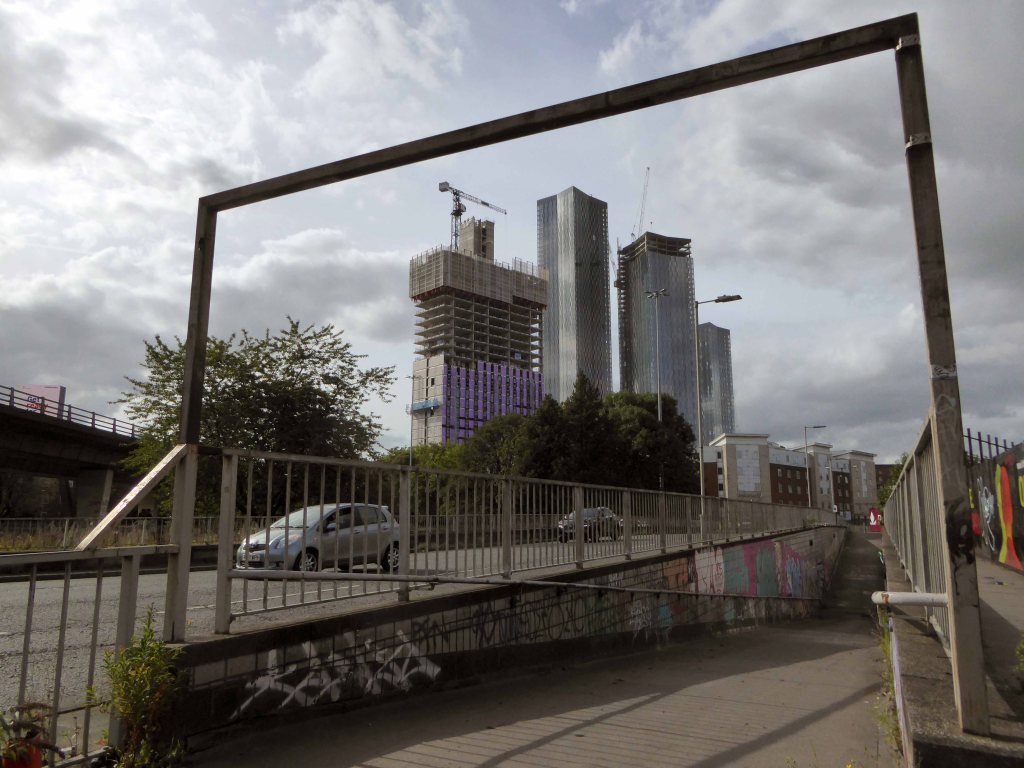
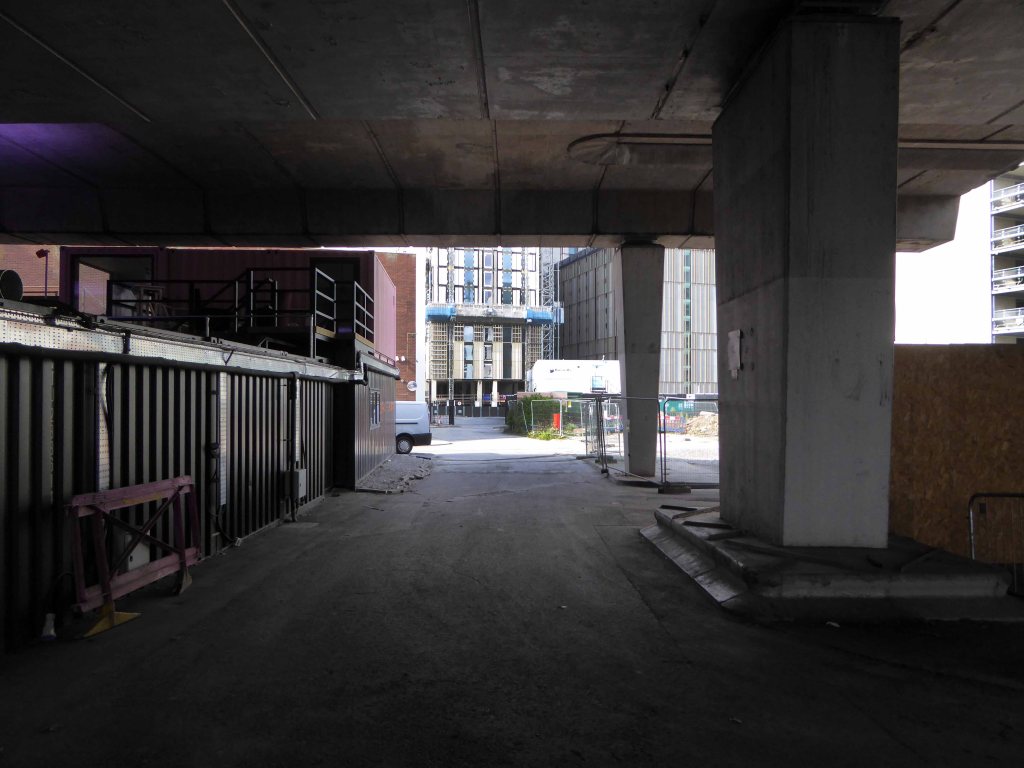
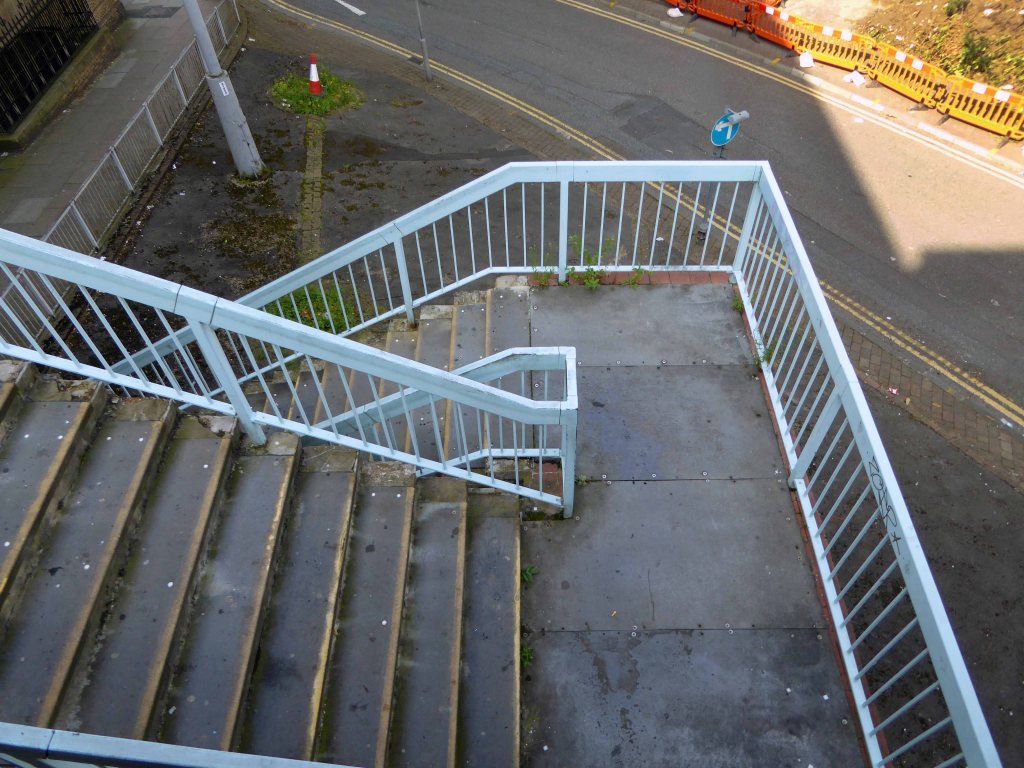
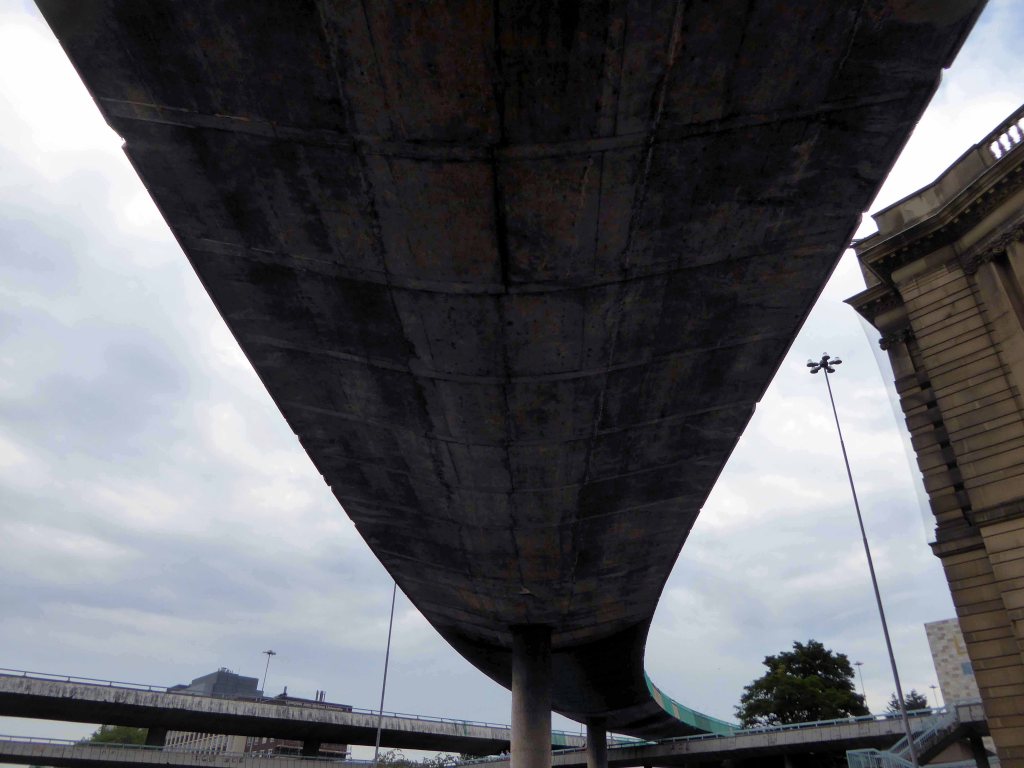
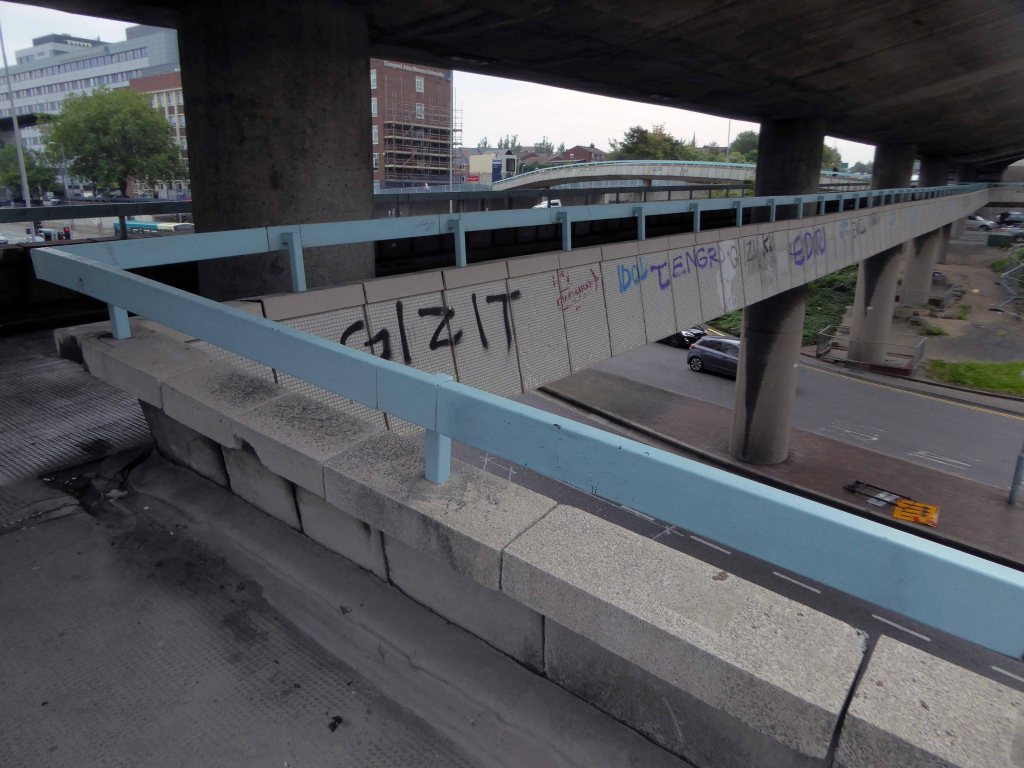
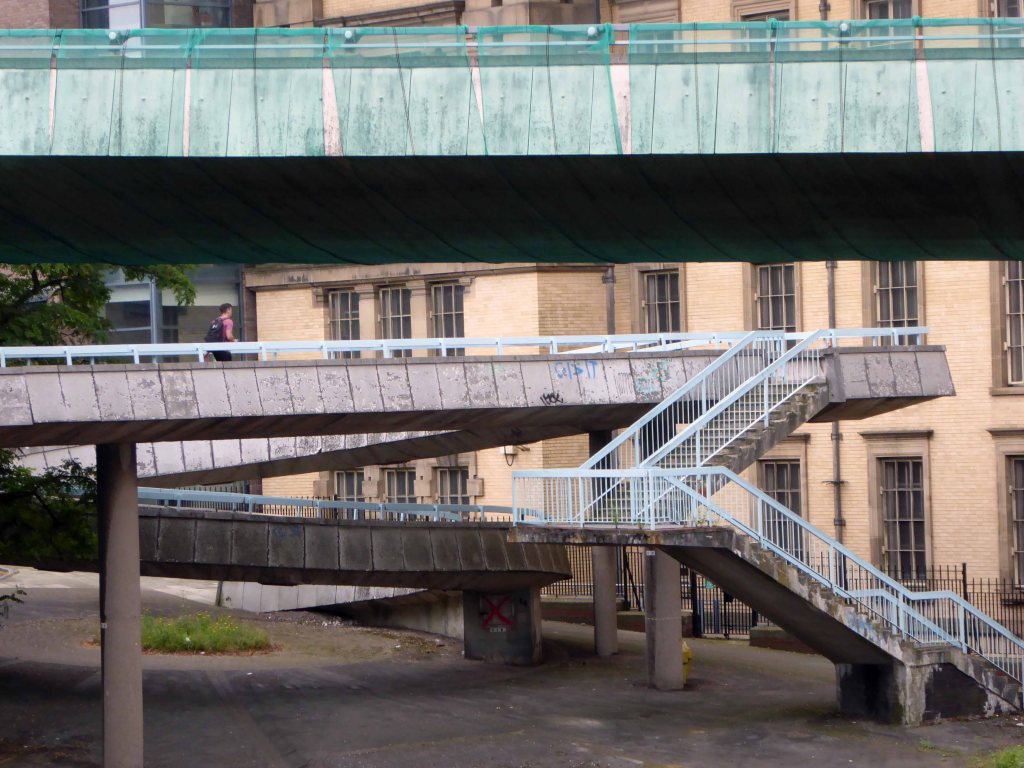
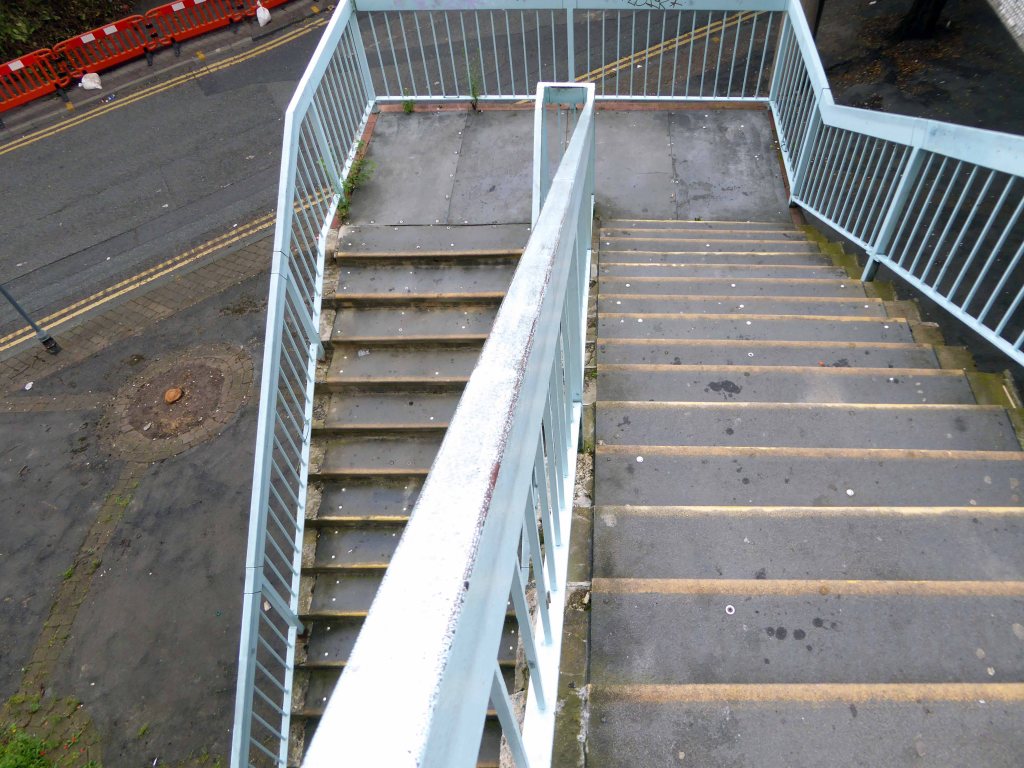
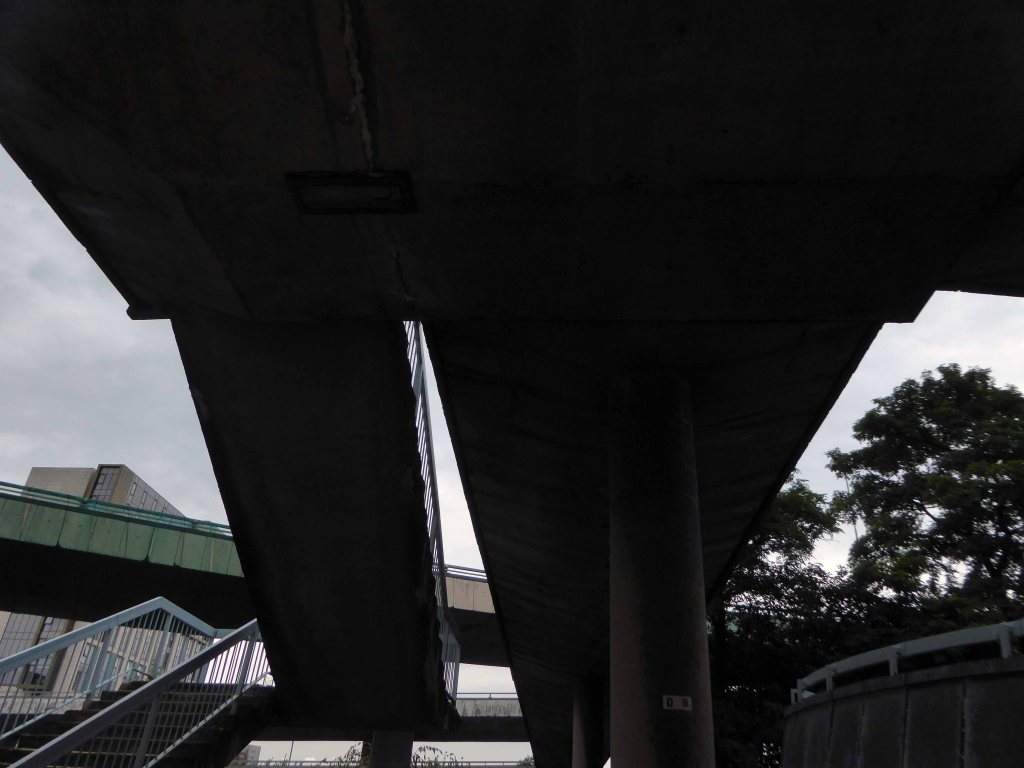
Part of the ever changing patchwork of demolition and development which defines the modern city. The carriageway prevails, whilst the pervasive rise and fall continues apace, its forlorn pedestrian underpasses may soon be superseded by wider walkways.
Manchester City Council is spending around £10million to make major changes to the junction where Princess Road meets the Mancunian Way and Medlock Street.
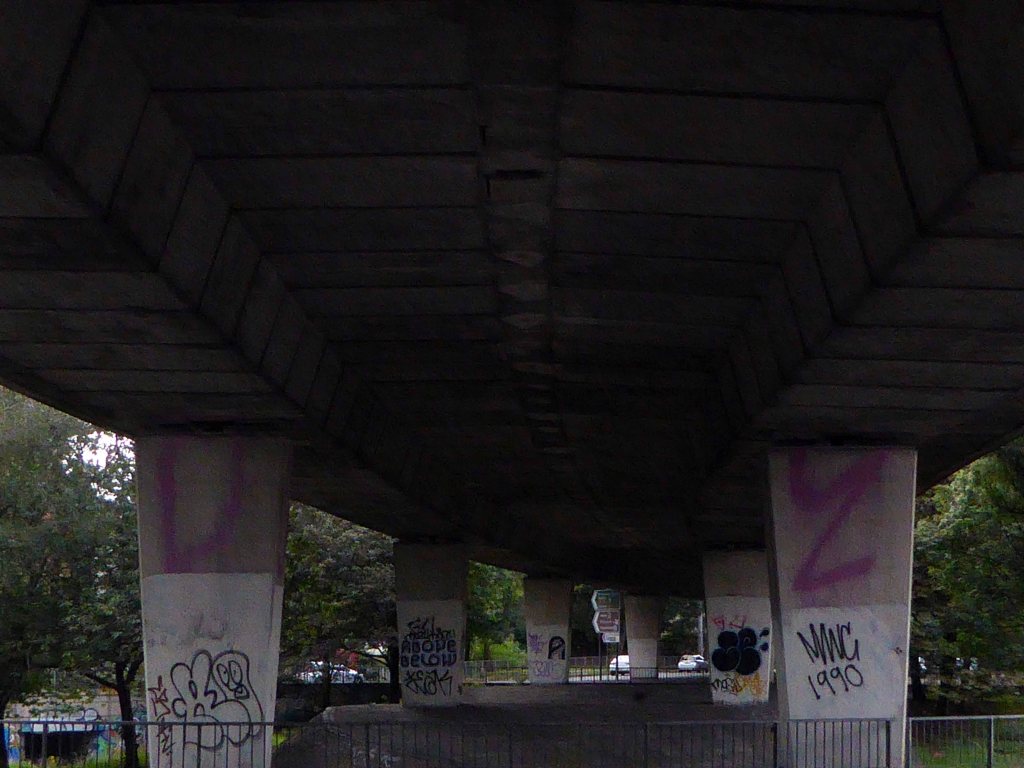
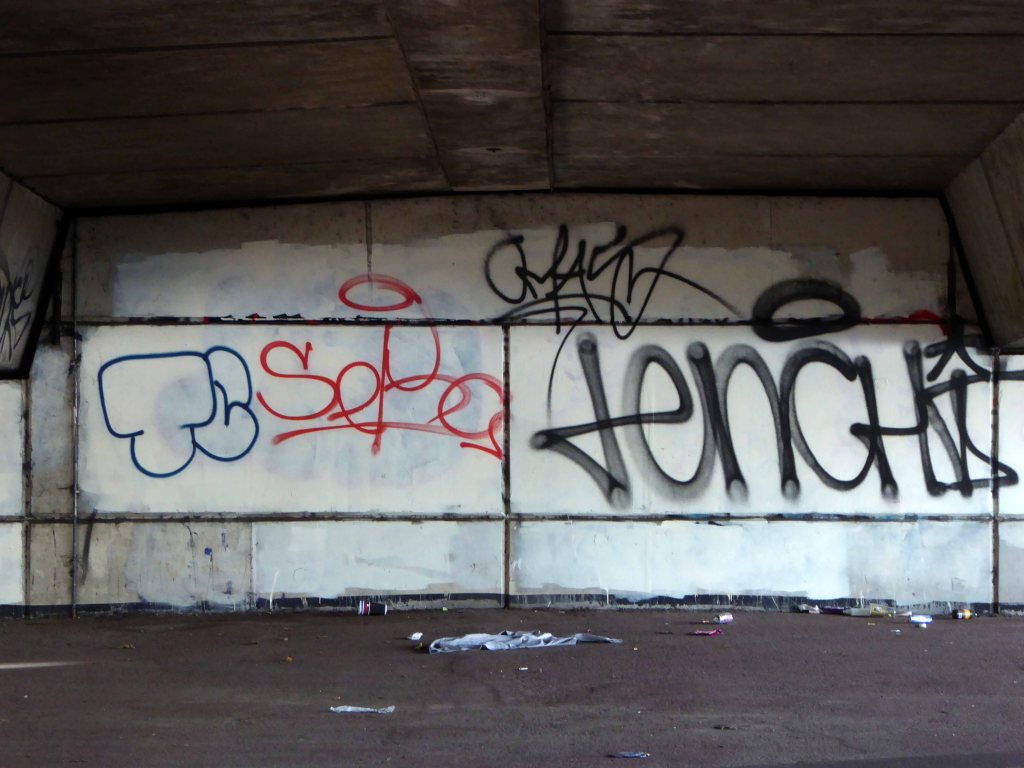
Much to the chagrin of local residents, who value the solace of their sole soulful green space and the frequent users, passing under the constant waves of sooty traffic.
What you see is what you get today, tomorrow is another kettle of concrete, trees, traffic and steel.
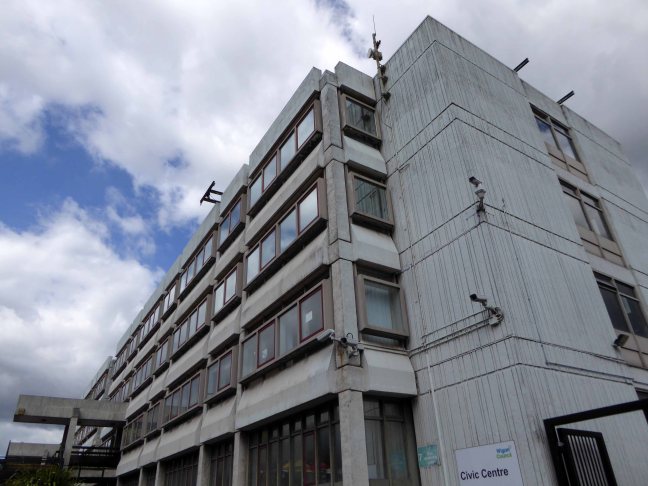
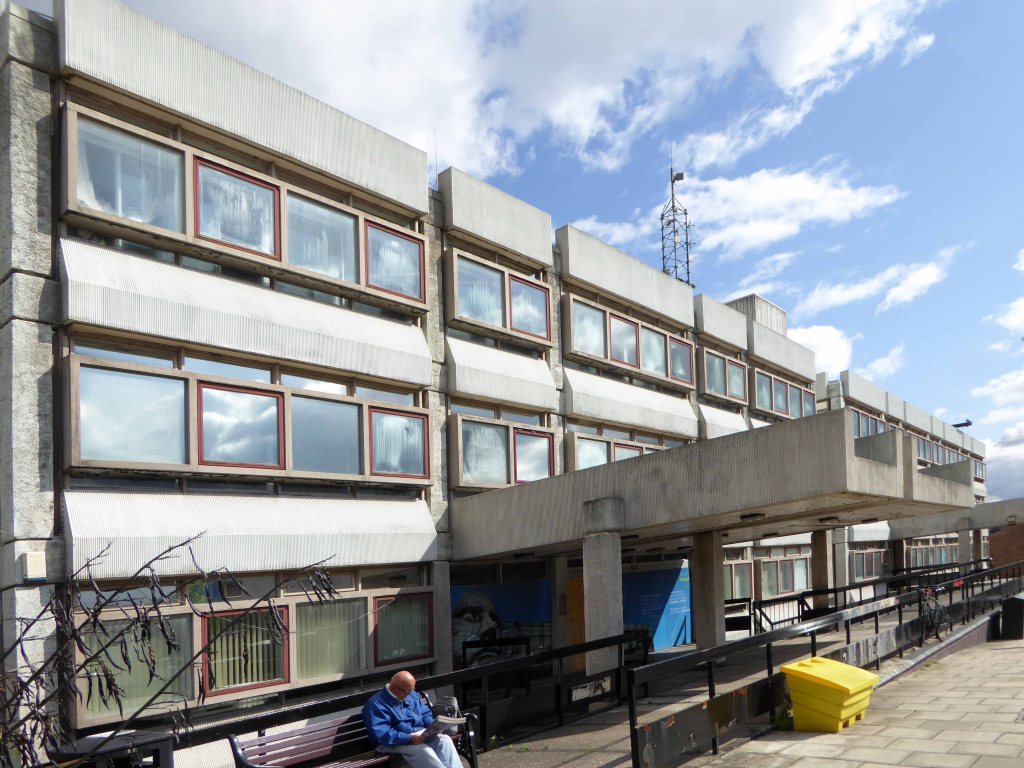
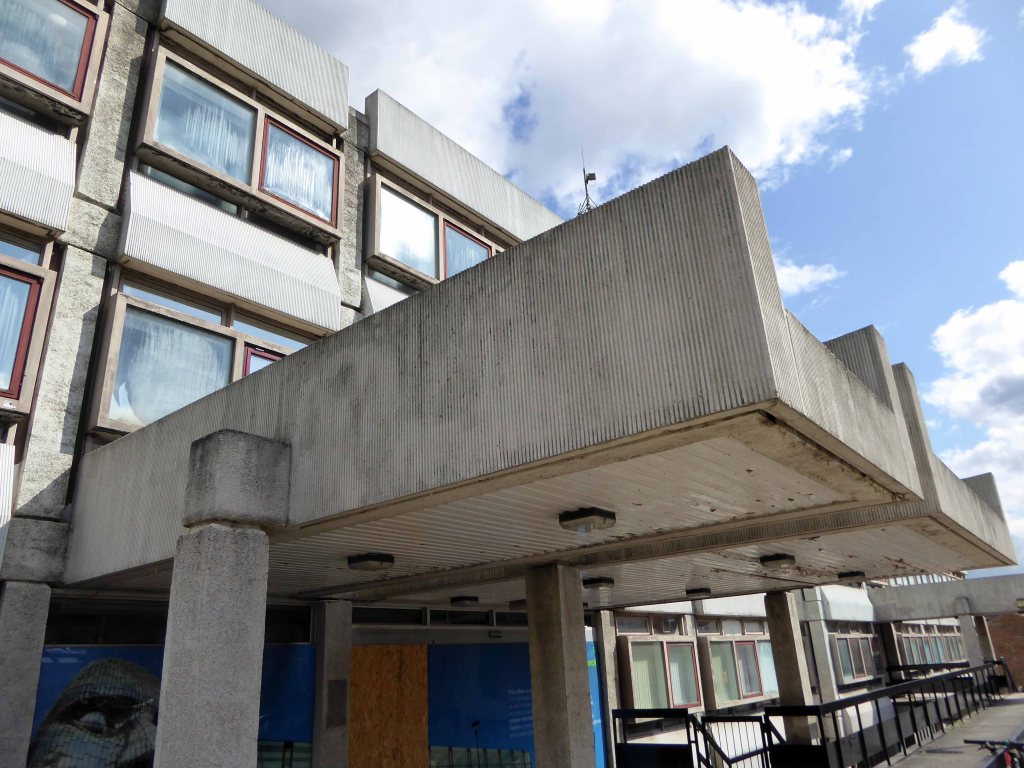
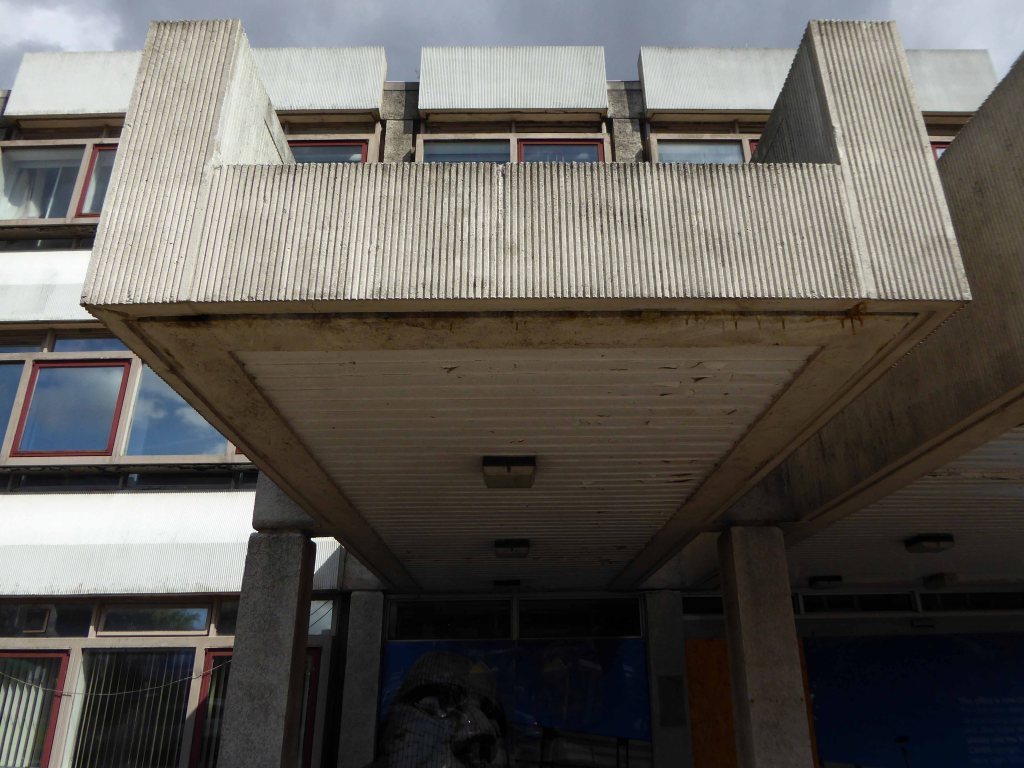
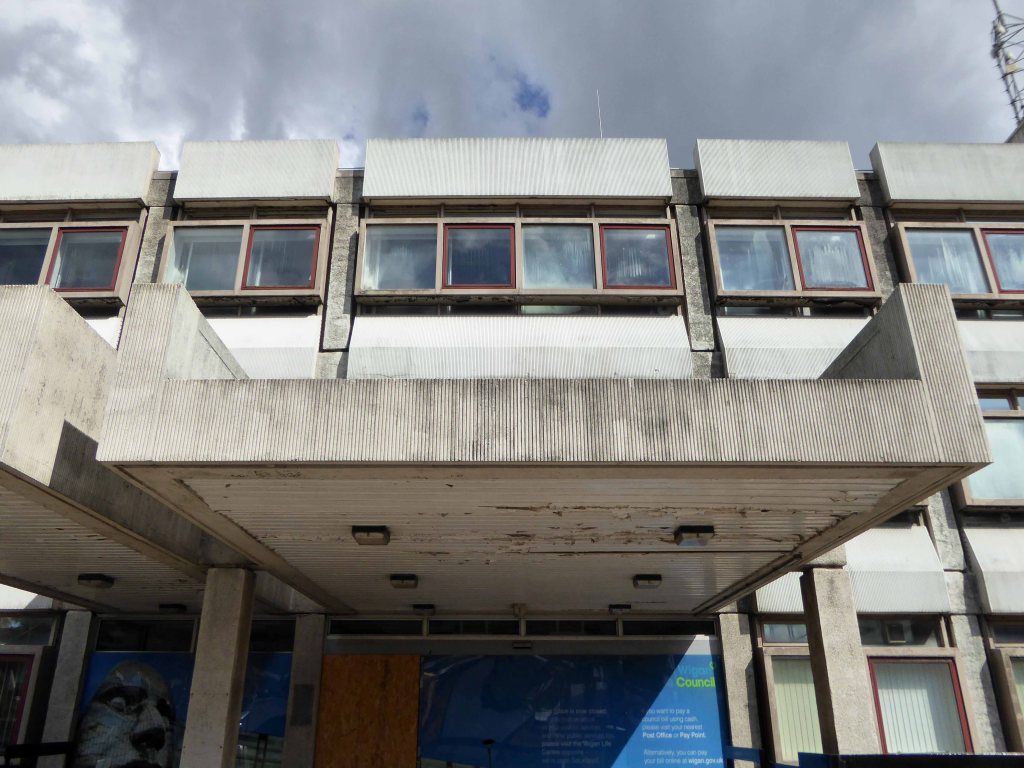
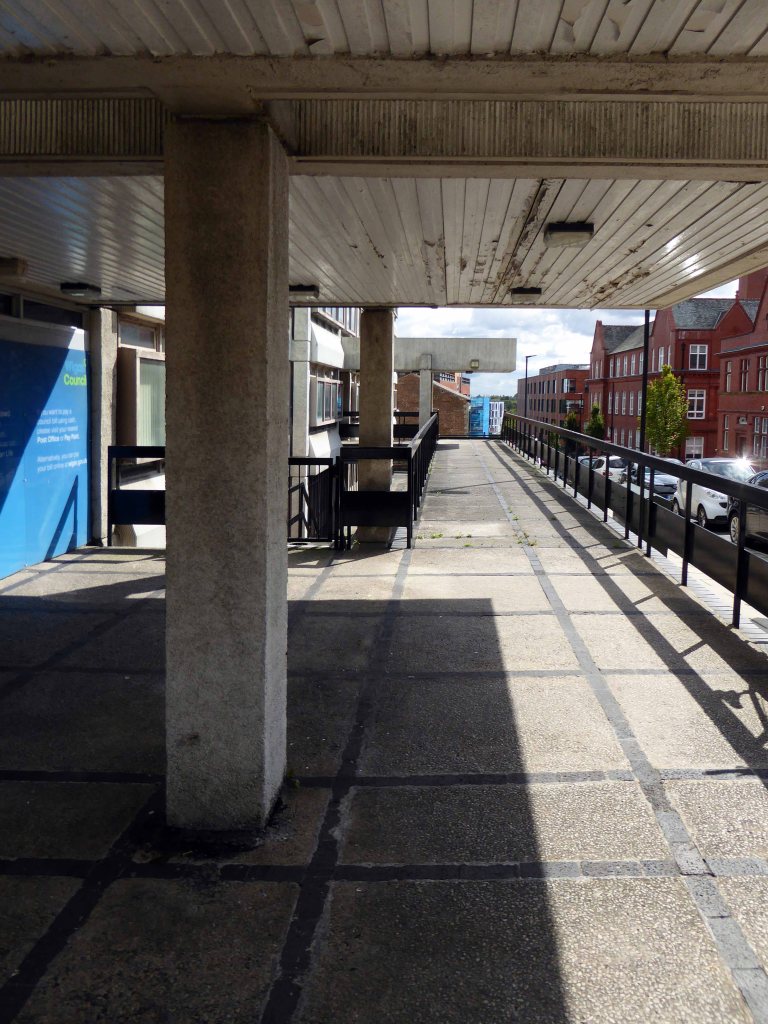
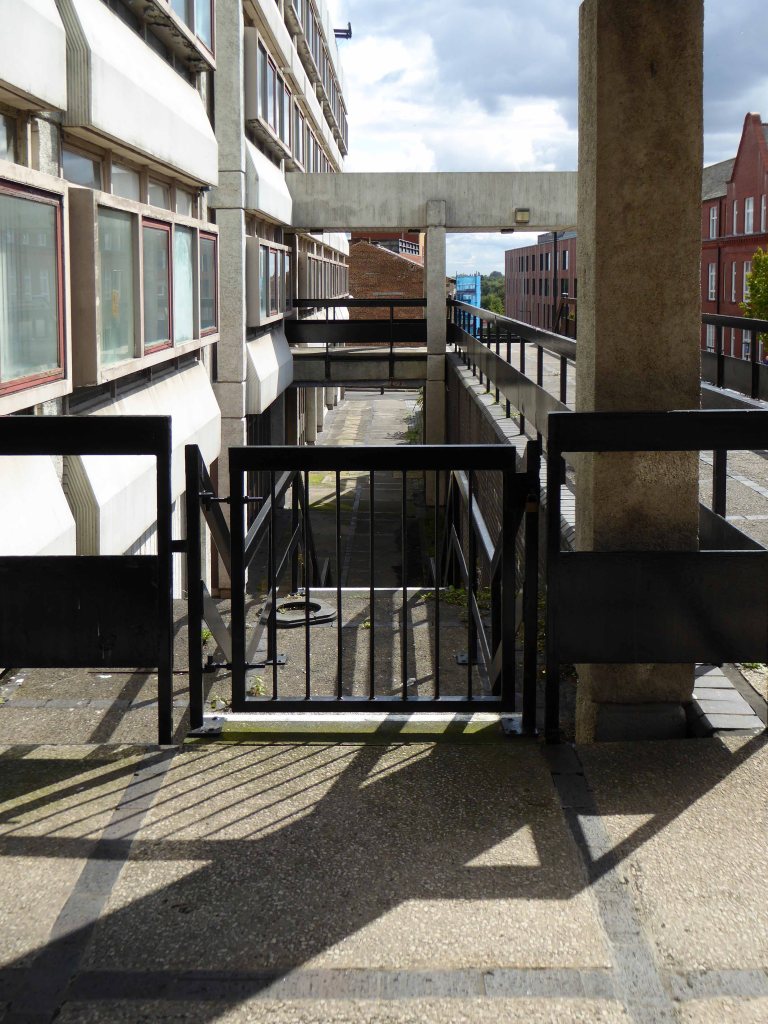
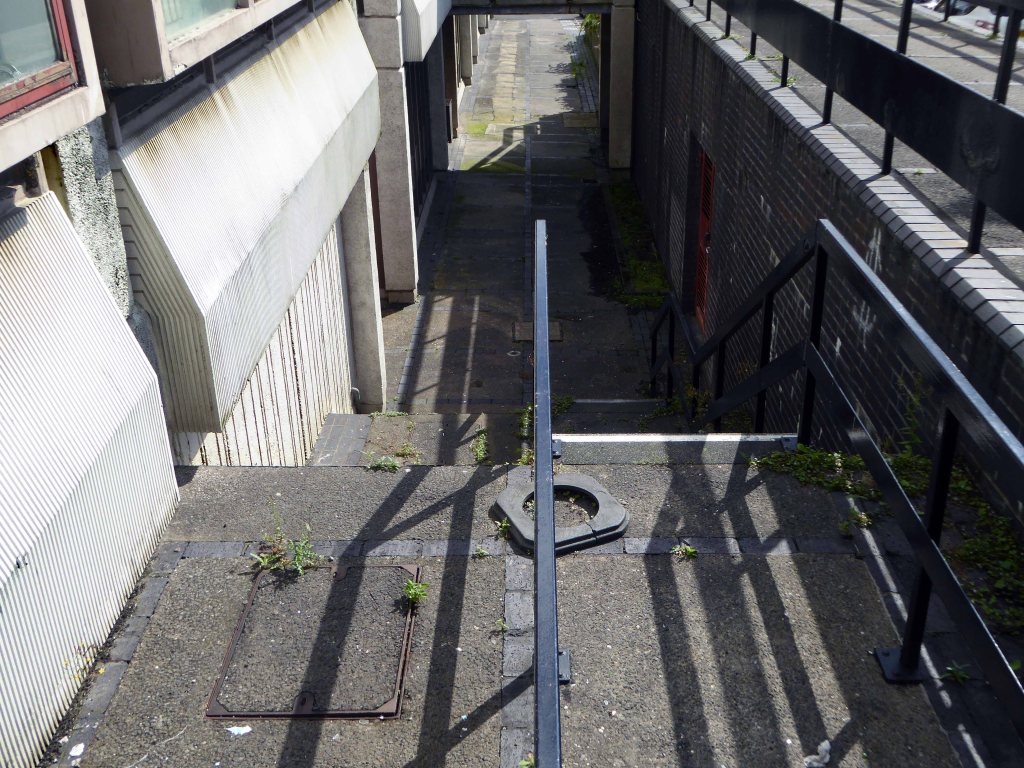
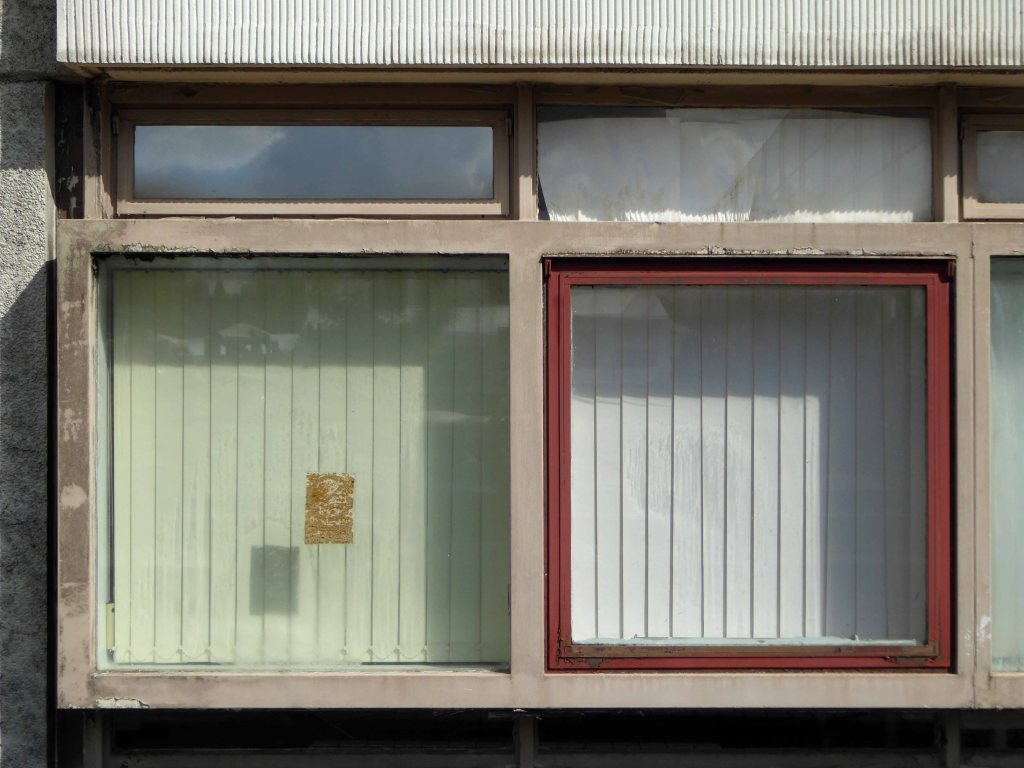
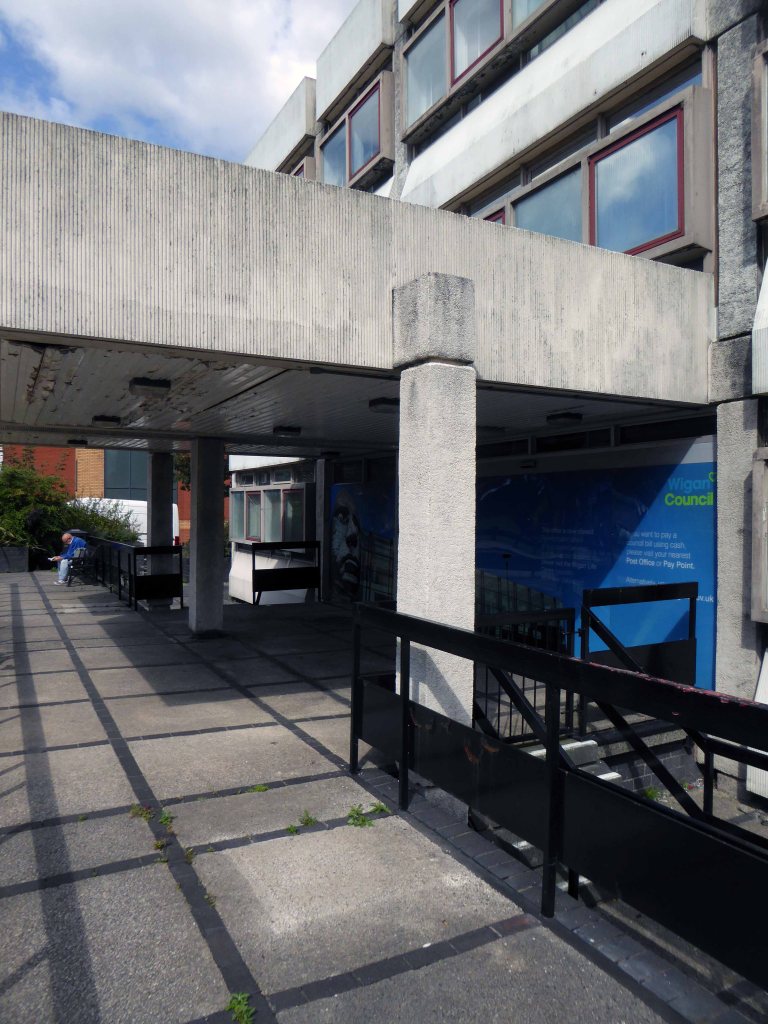
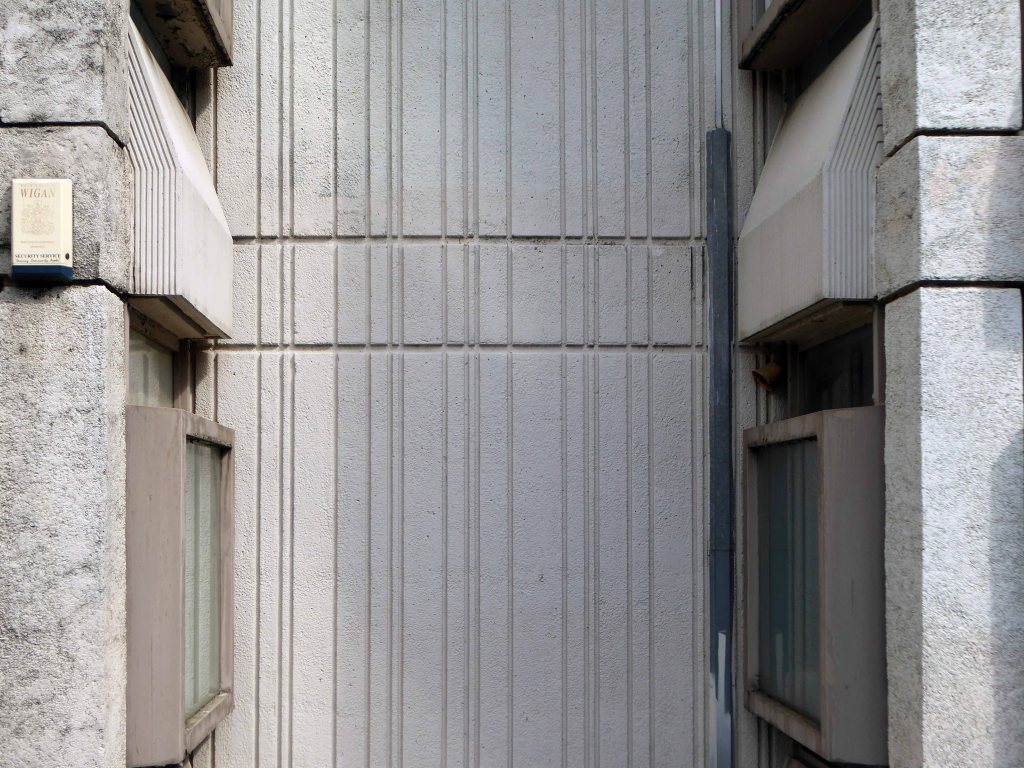
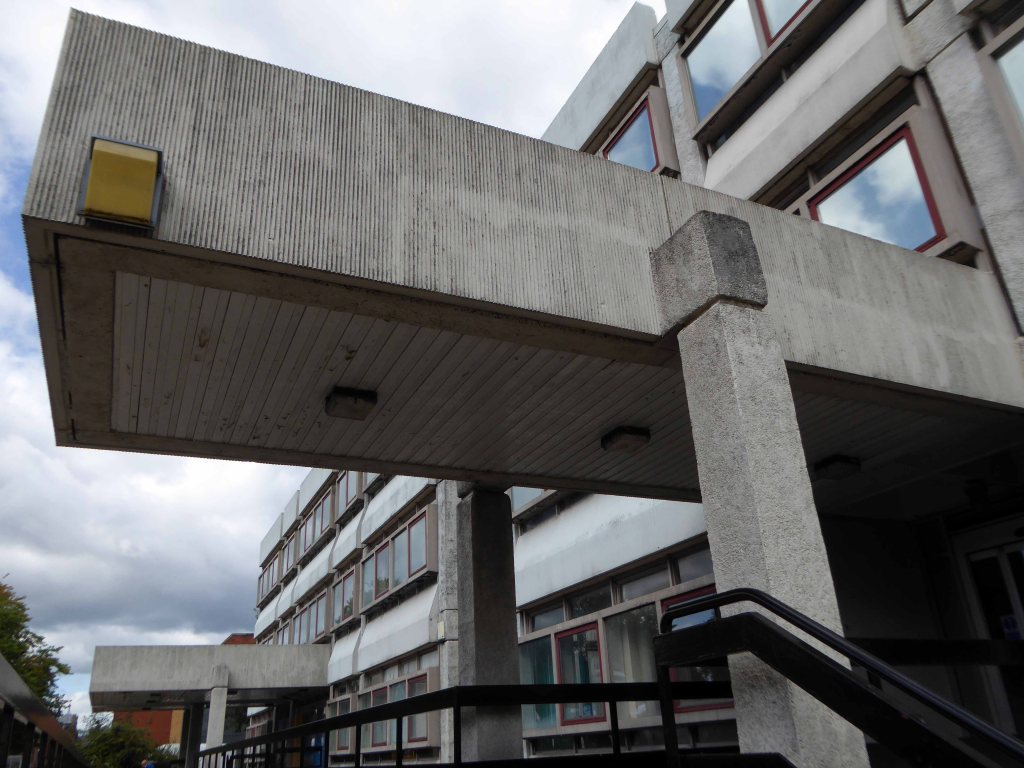
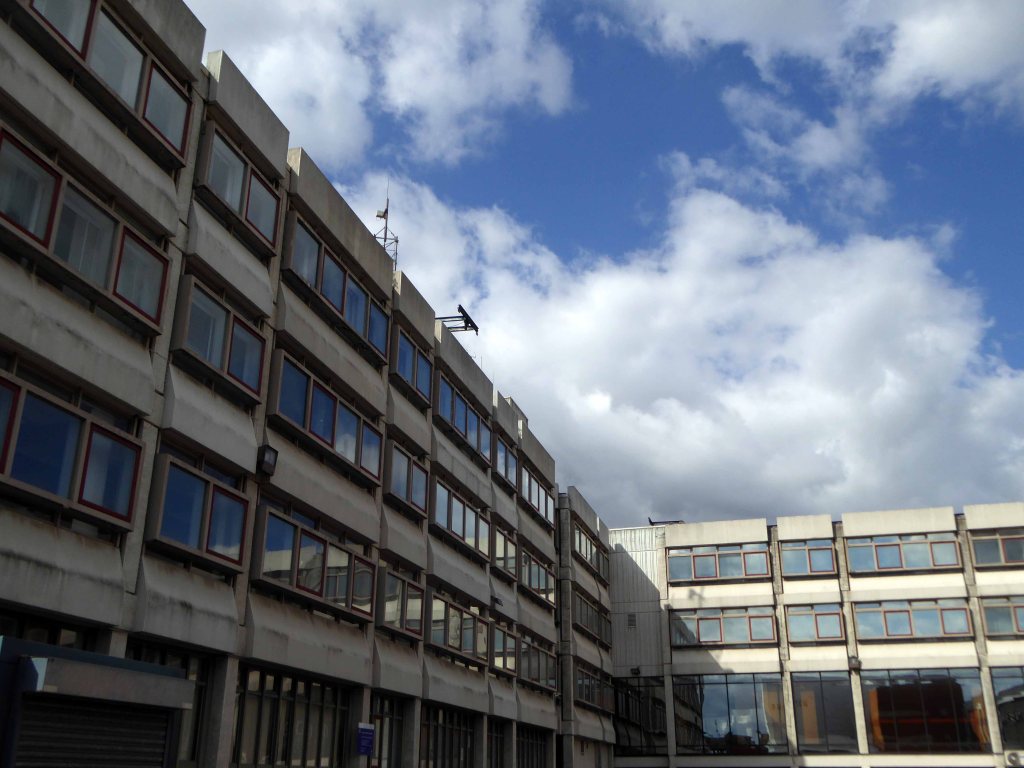
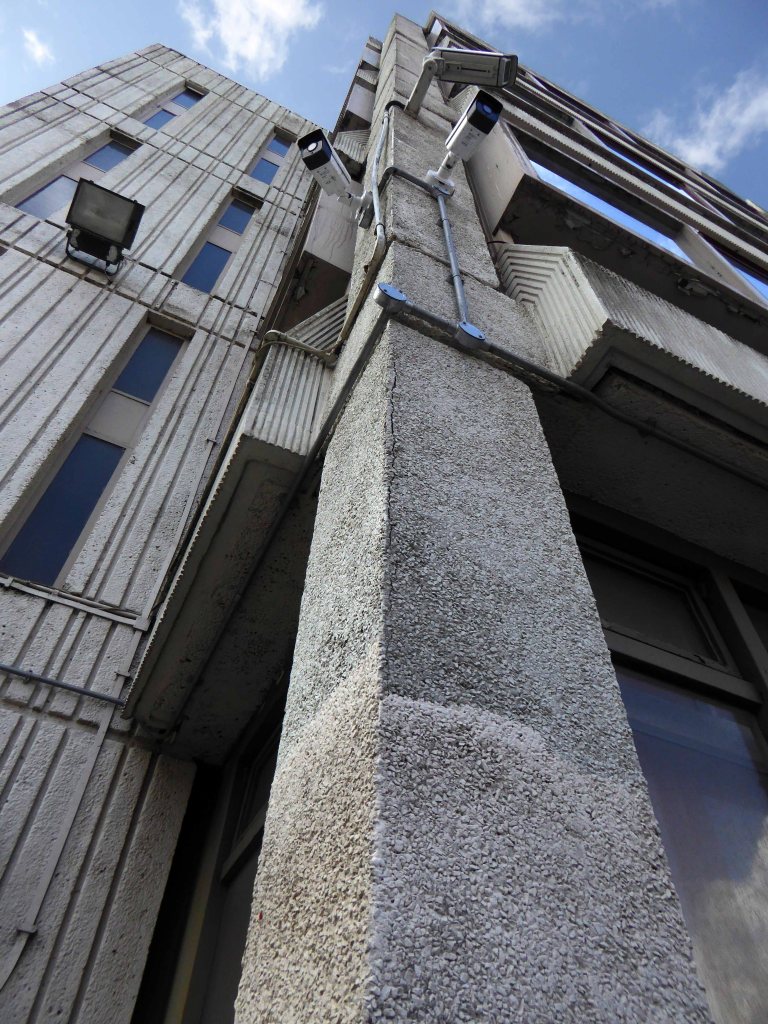
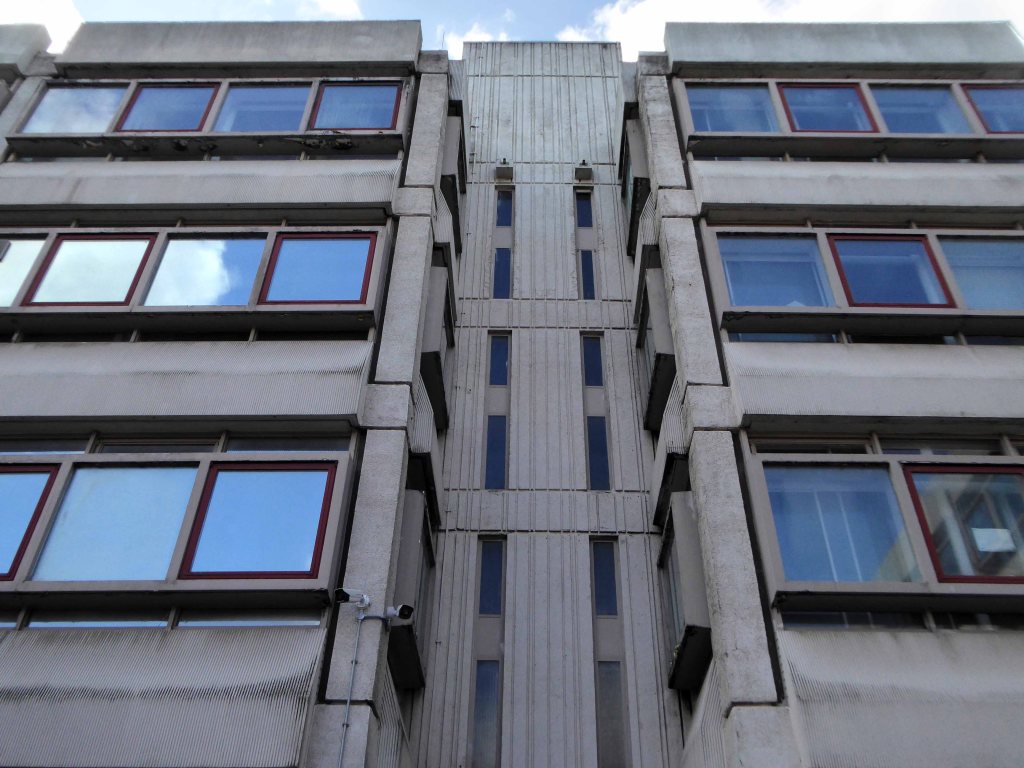
Three years on, now in the shadow of the newly built Life Centre, you stand alone unloved – empty.
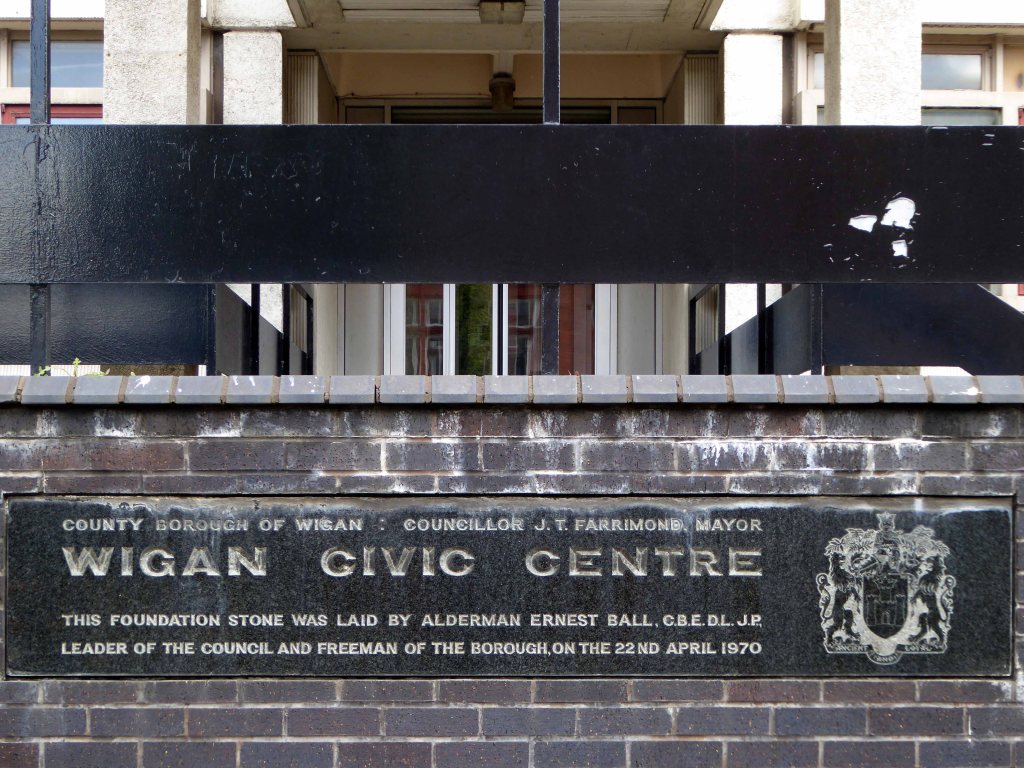
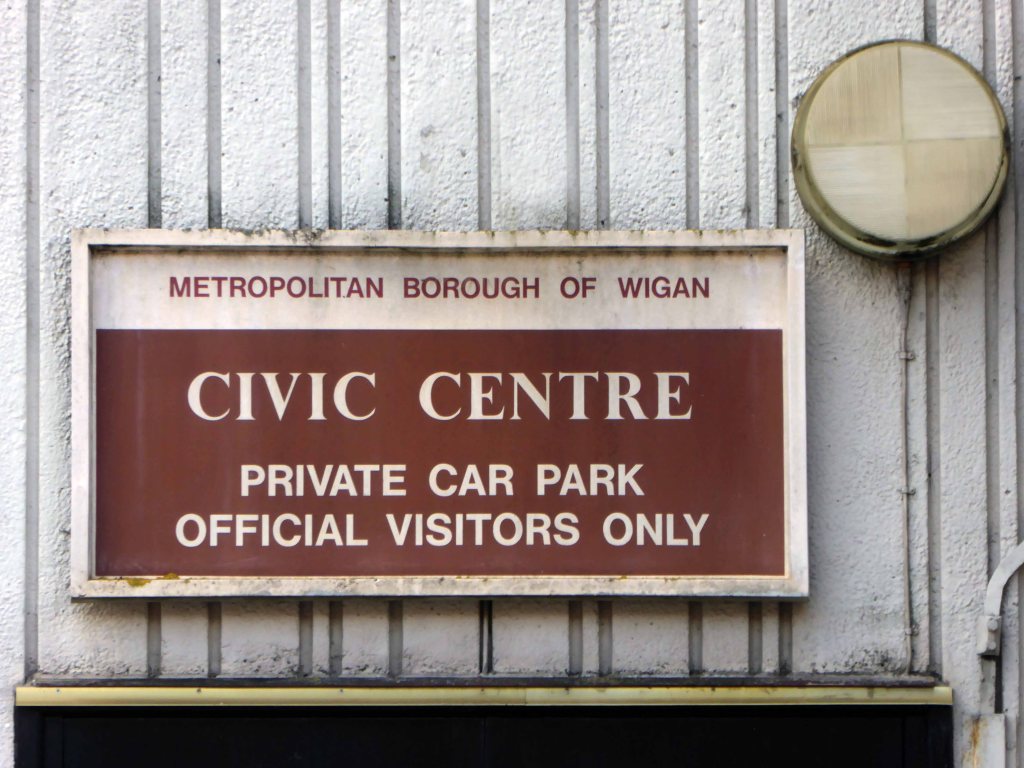
But the future of the Modernist landmark, which was first put in service by the borough in the early 70s, remains unclear. There is speculation that the Millgate building, first unveiled by Wigan Mayor John Farrimond, could become a hotel.
Last October the Wigan Observer revealed how the council had enjoyed mixed fortunes when it came to marketing elements of its existing property portfolio.
But the council has been successful in offloading some venues, with Ince Town Hall now home to Little Giggles nursery.
So who knows what fate awaits you – the town I am told is on the up.
Let’s hope that the Civic Centre is not coming down
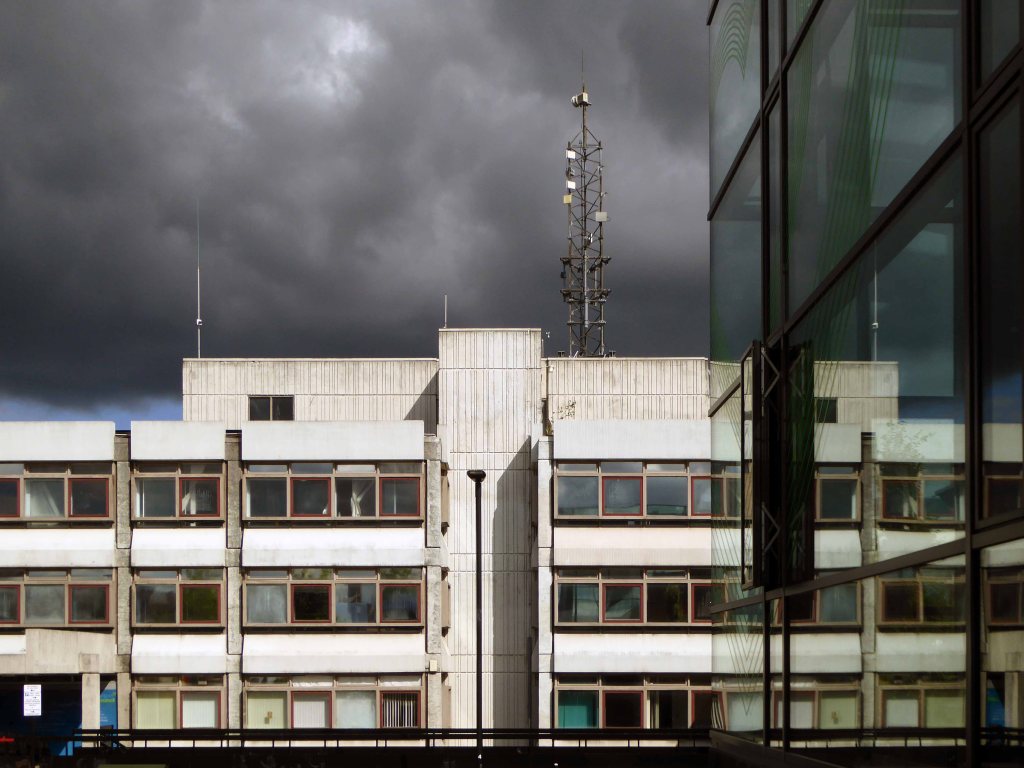
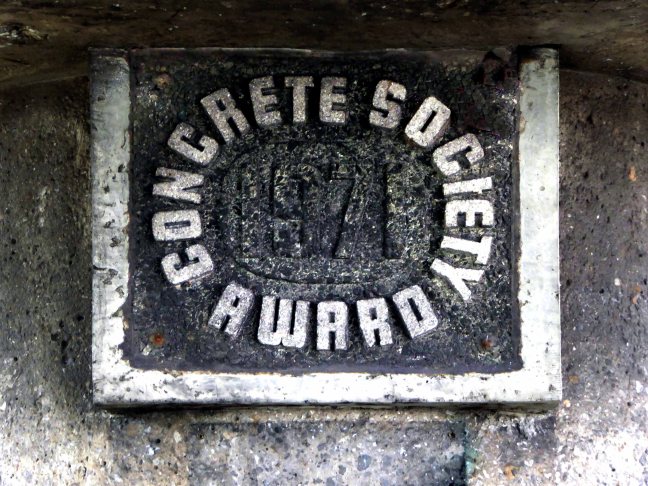
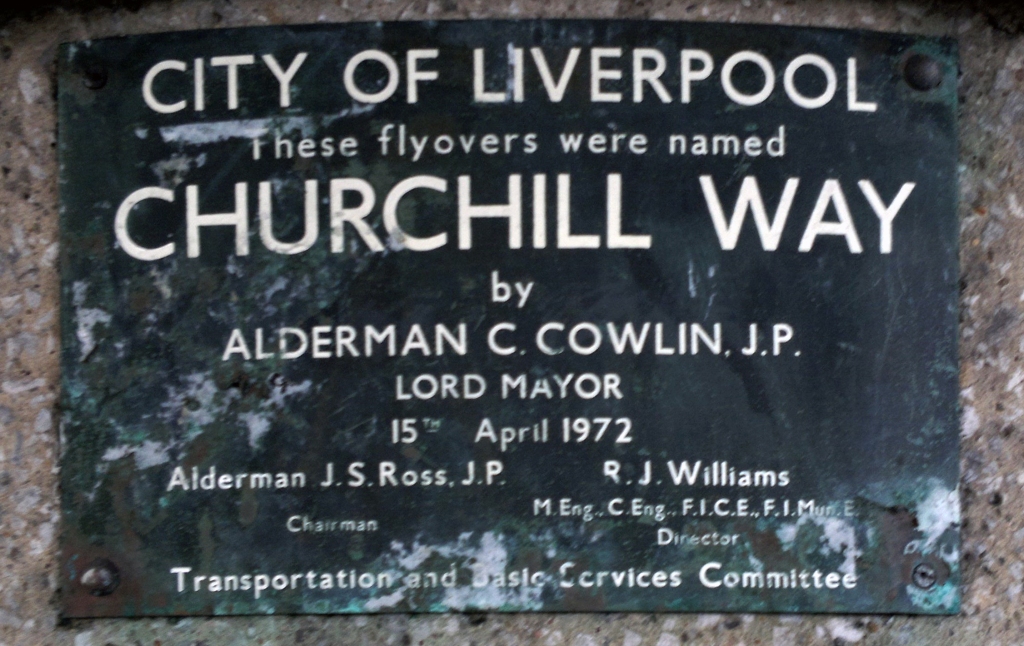
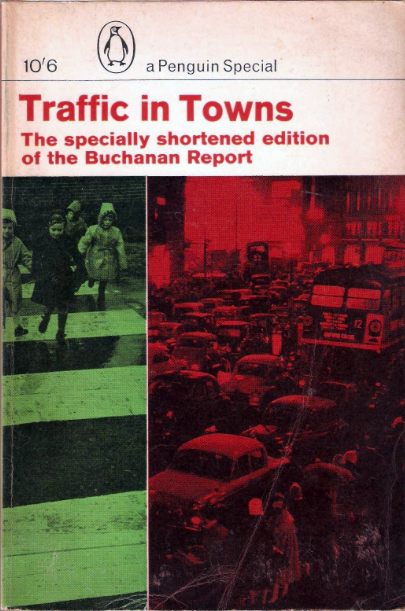
Opened in 1972 as an almost belated response to George Buchanan’s 1963 Traffic in Towns which had informed the Liverpool City Centre Plan of 1965.
The report warned of the potential damage caused by the motor car, while offering ways to mitigate it. It gave planners a set of policy blueprints to deal with its effects on the urban environment, including traffic containment and segregation, which could be balanced against urban redevelopment, new corridor and distribution roads and precincts.
These policies shaped the development of the urban landscape in the UK and some other countries for two or three decades. Unusually for a technical policy report, it was so much in demand that Penguin abridged it and republished it as a book in 1964.
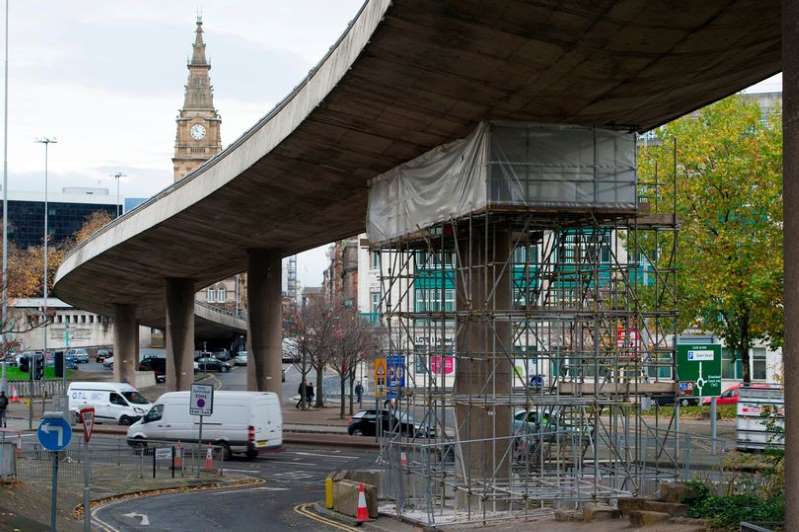
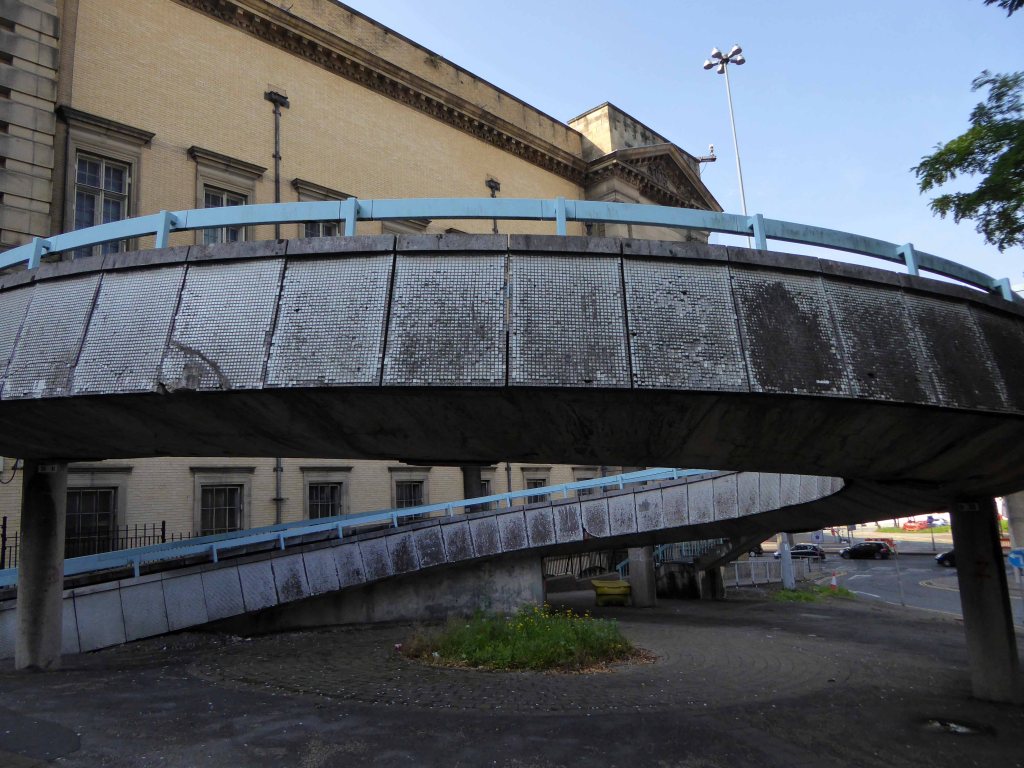
The Churchill Way was realised and remained in use until September 2nd 2019 – closed and facing a £10 million demolition programme, following a maintenance report which found them to be unsafe – and presumably beyond economic repair.
And so I took one last look around taking snaps, an epitaph to the end of an era, and the end of an idea that was once once rendered concrete.
Antony Holloway – artist born March 8th 1928 he died on August 9th 2000.
Dorset was where he was born and grew up and the Dorset landscape was always there deep within him. He was educated at Poole grammar school between 1939 and 1945. After national service in the Royal Air Force in Dorset and Germany from 1948 to 1953 he studied at Bournemouth College of Art. Then came the RCA.
Tony began work as a stained glass and mural designer and jumped, with astonishing confidence, into working as a consultant designer with the architects’ division of the London County Council. He learned how to deal with architects and builders, and became adept at getting as much out of the money available – never enough – for his projects.
In 1963 he was introduced to the Manchester architect, Harry Fairhurst. Eight years later, after they had worked together on commissions in Cheshire and Liverpool, Fairhurst sought Tony’s advice about a plan for five large stained-glass windows in Manchester Cathedral.
Tony asked to design and make the first window, the St George in the inner south-west aisle. It was completed in 1973. Further windows followed in 1976 and 1980 and the final window, Revelation was installed in 1995.
Partially covered with greenery and now securely contained within spiked railings, I circumnavigated the site catching and snapping the structure where I could – here are those very snaps.
Well it’s almost a mighty long way to cycle from Stockport to here, but well worth it.
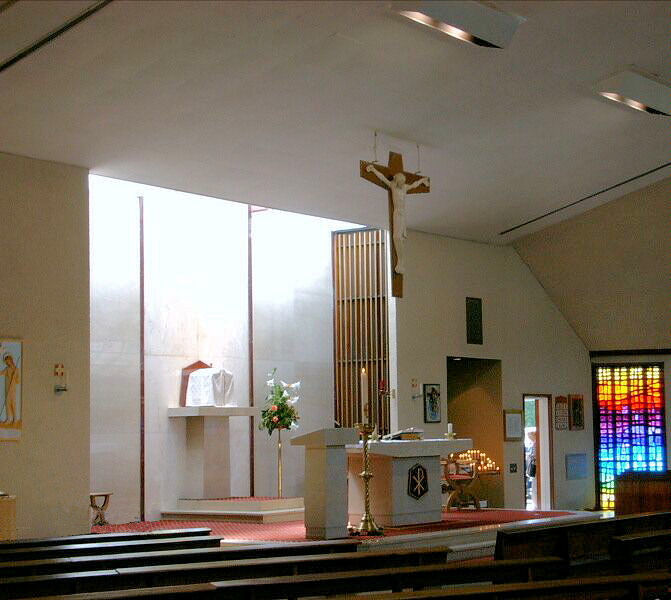
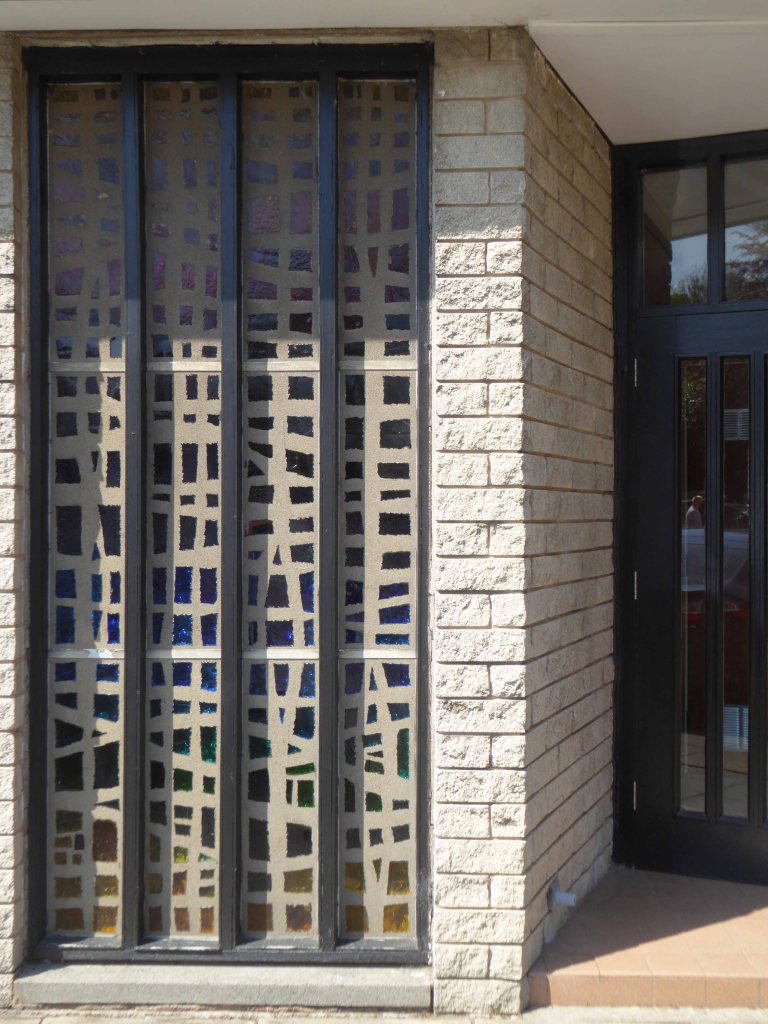
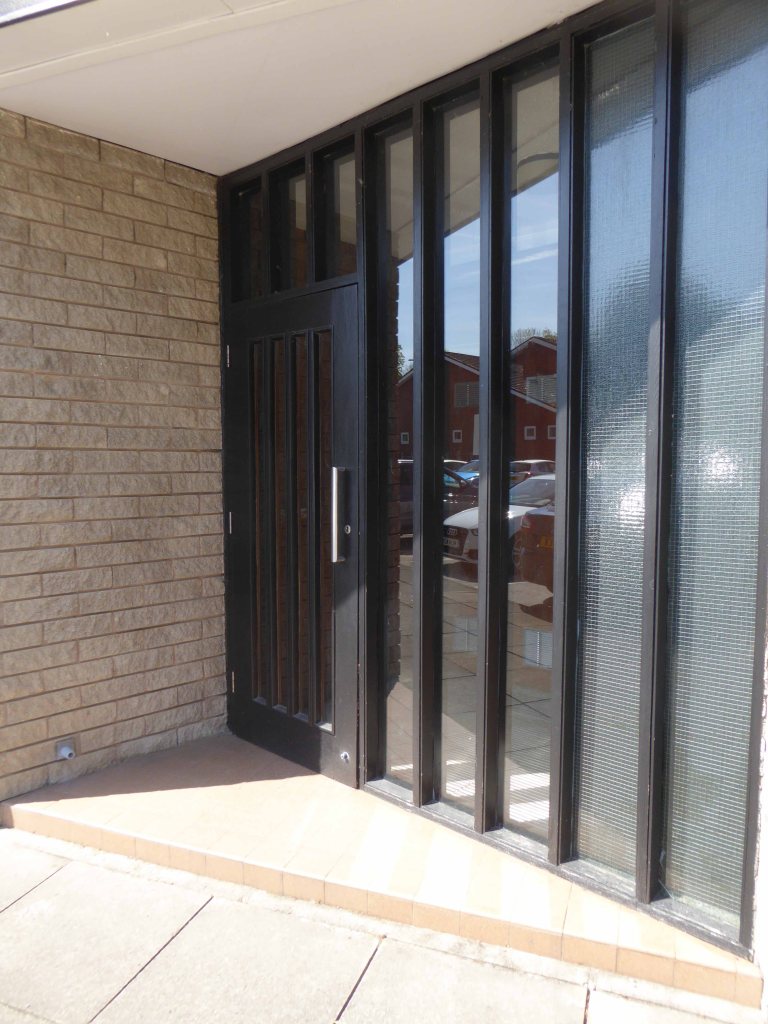
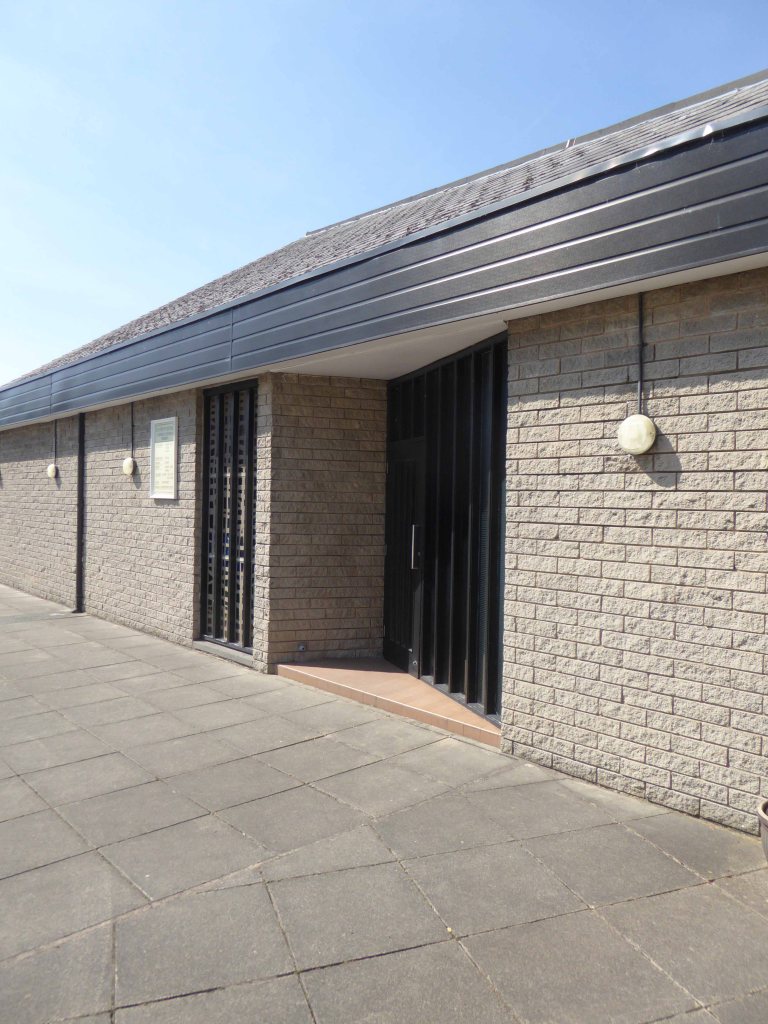
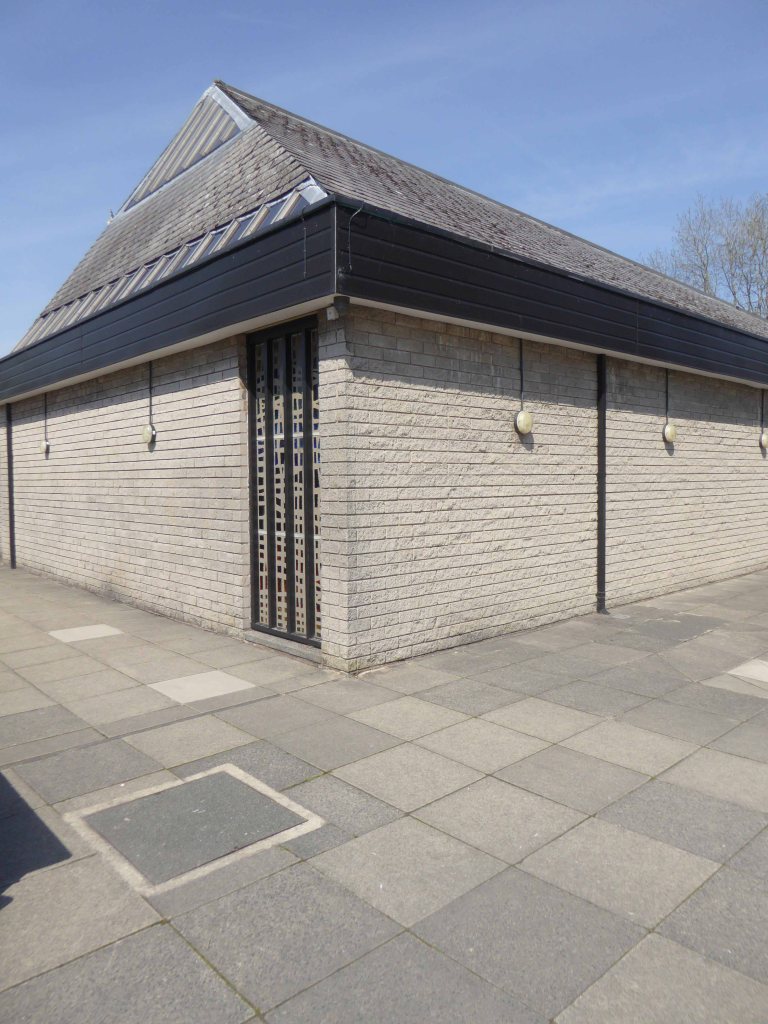
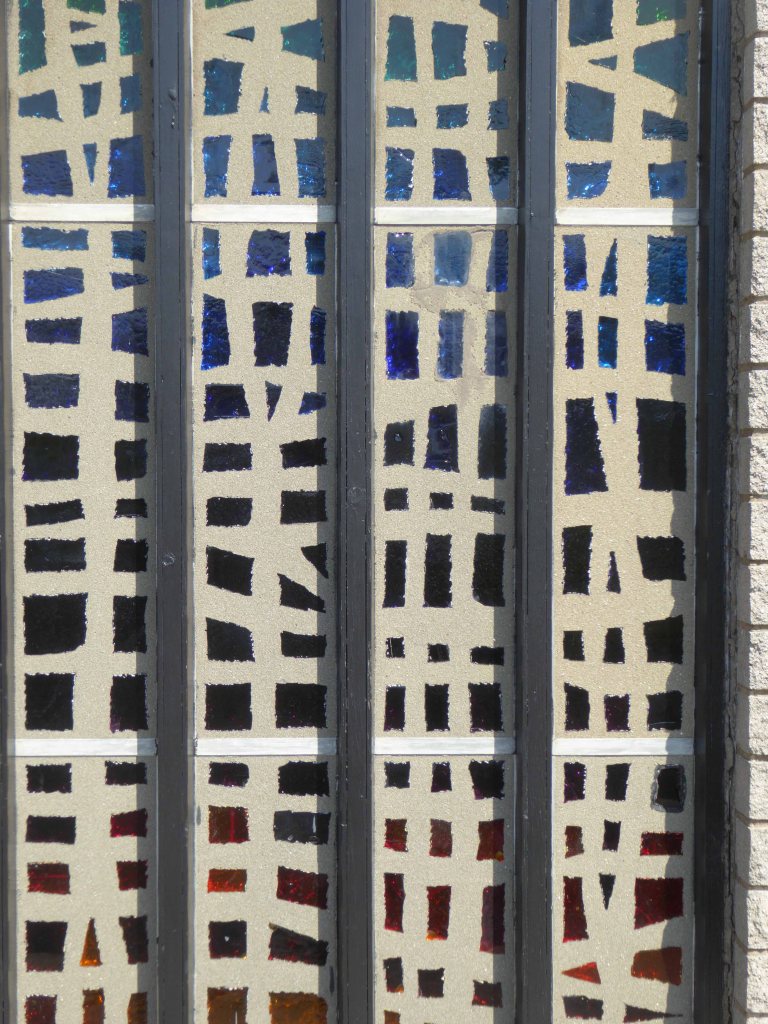
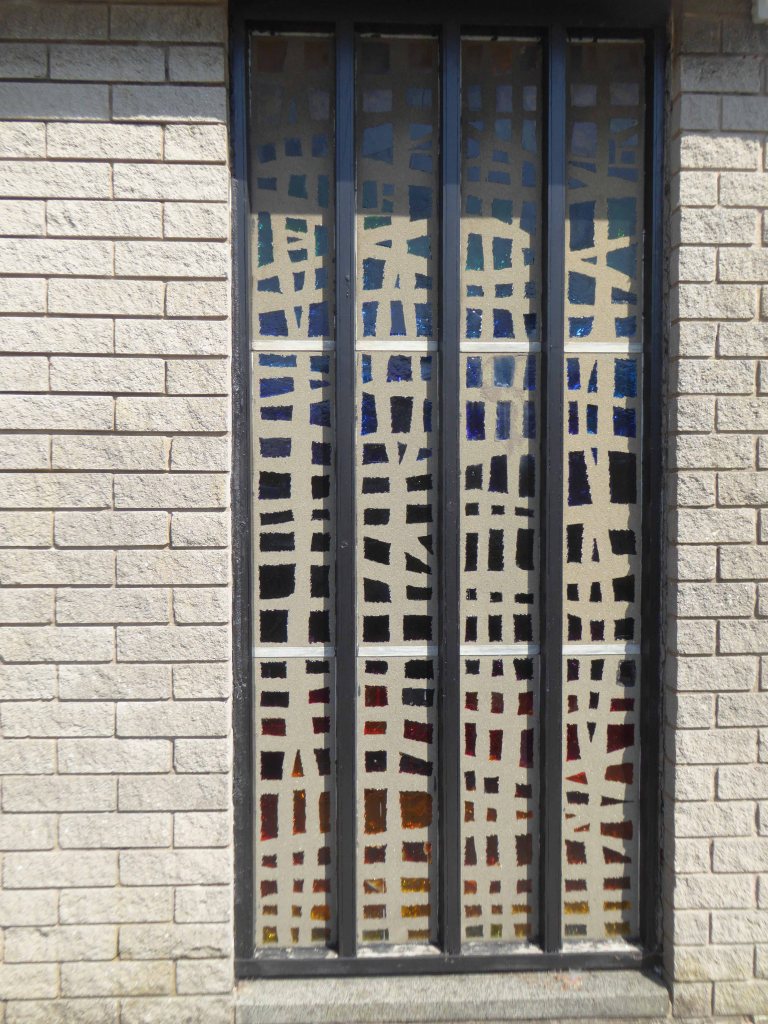
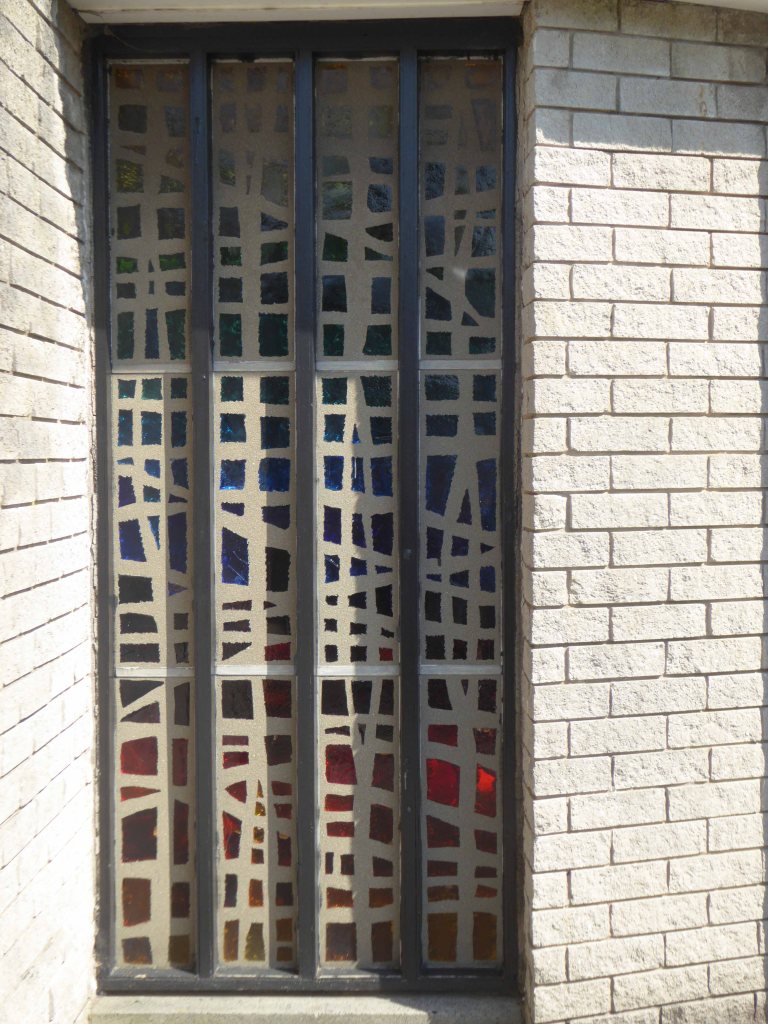
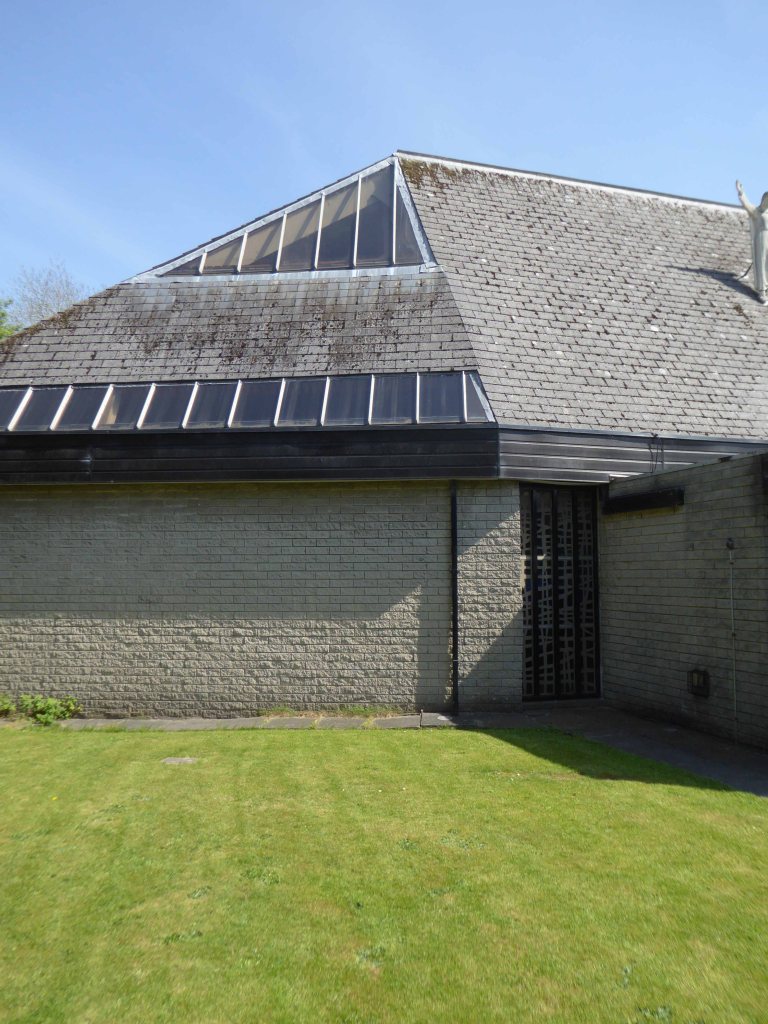
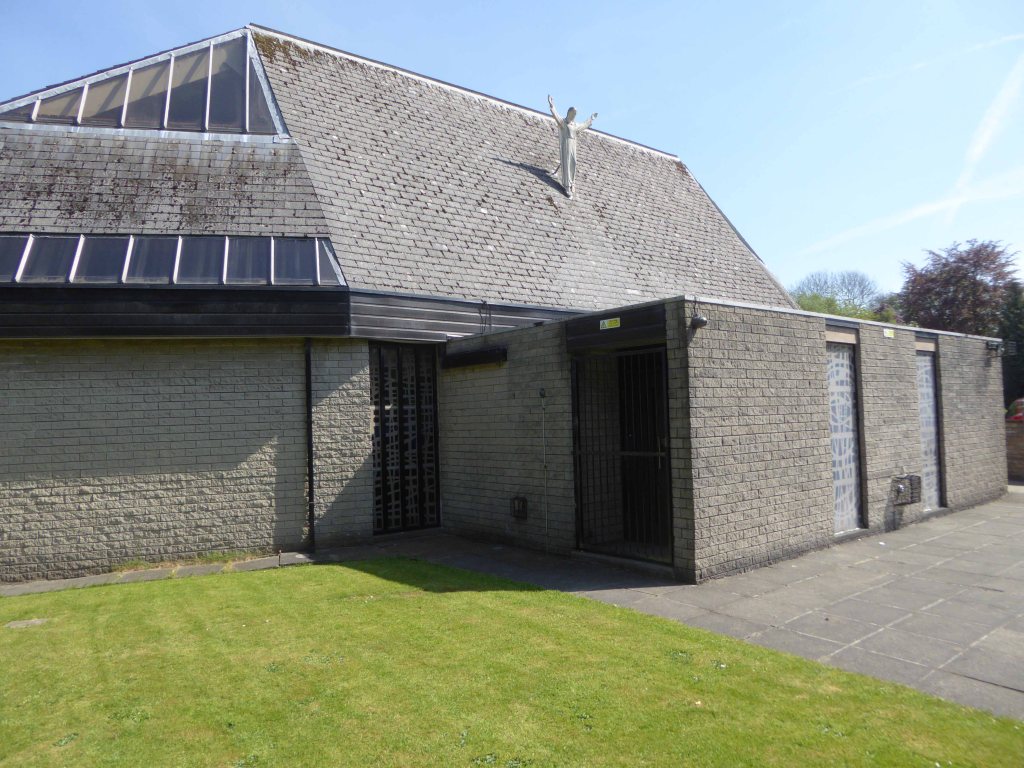
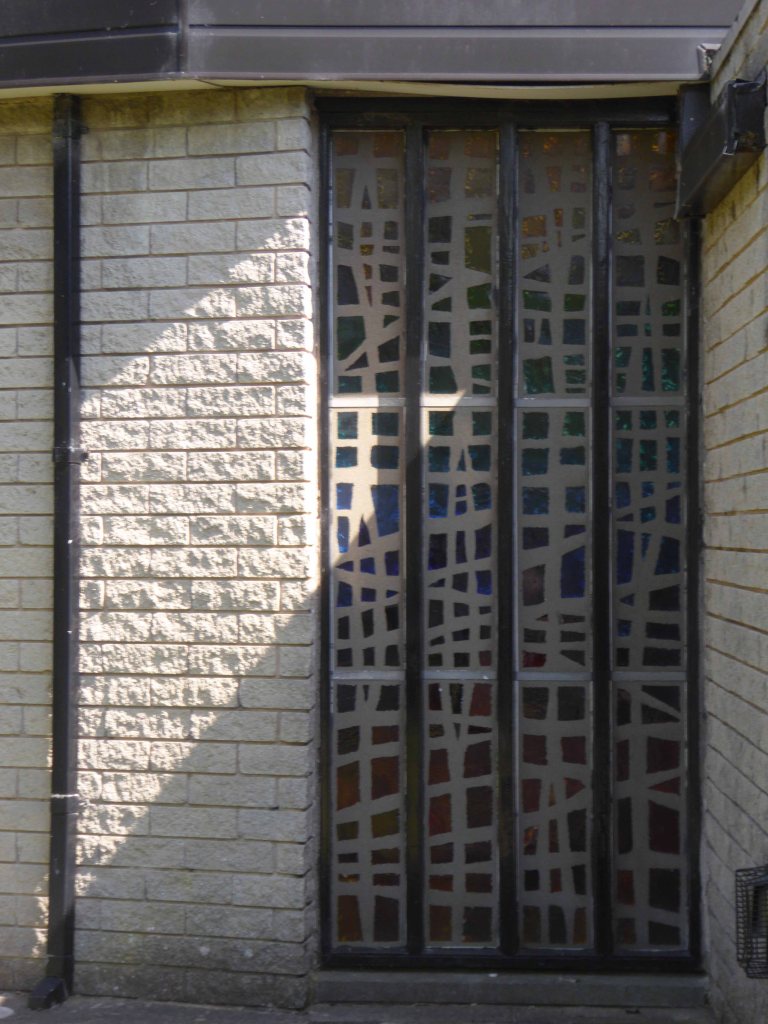
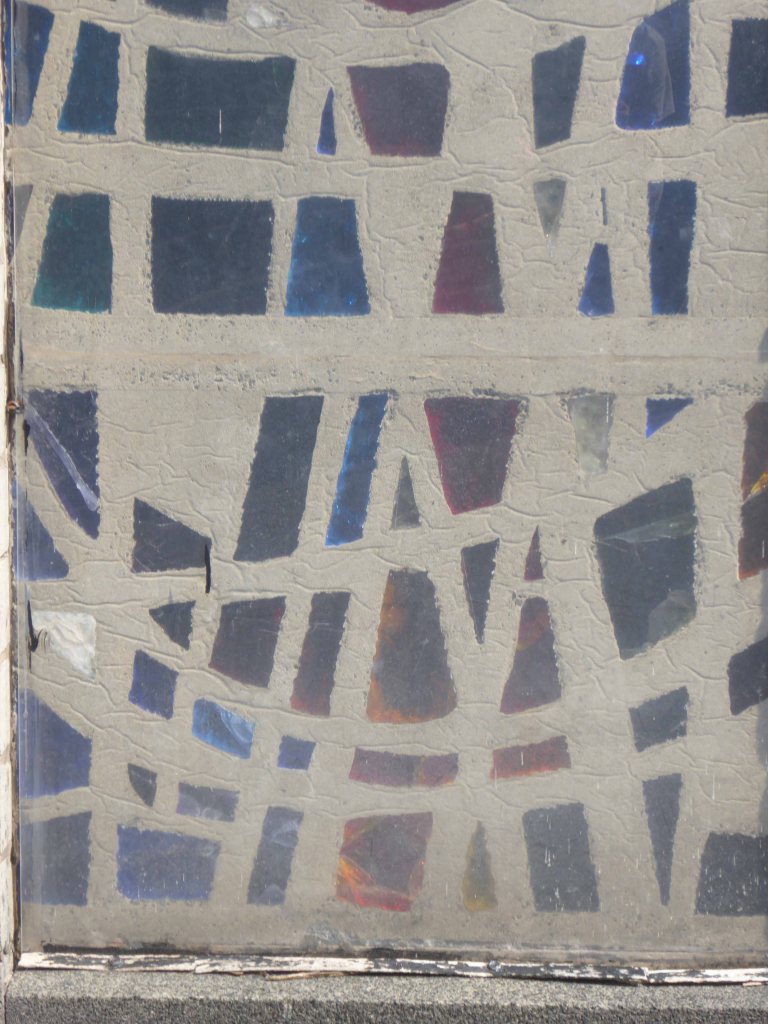
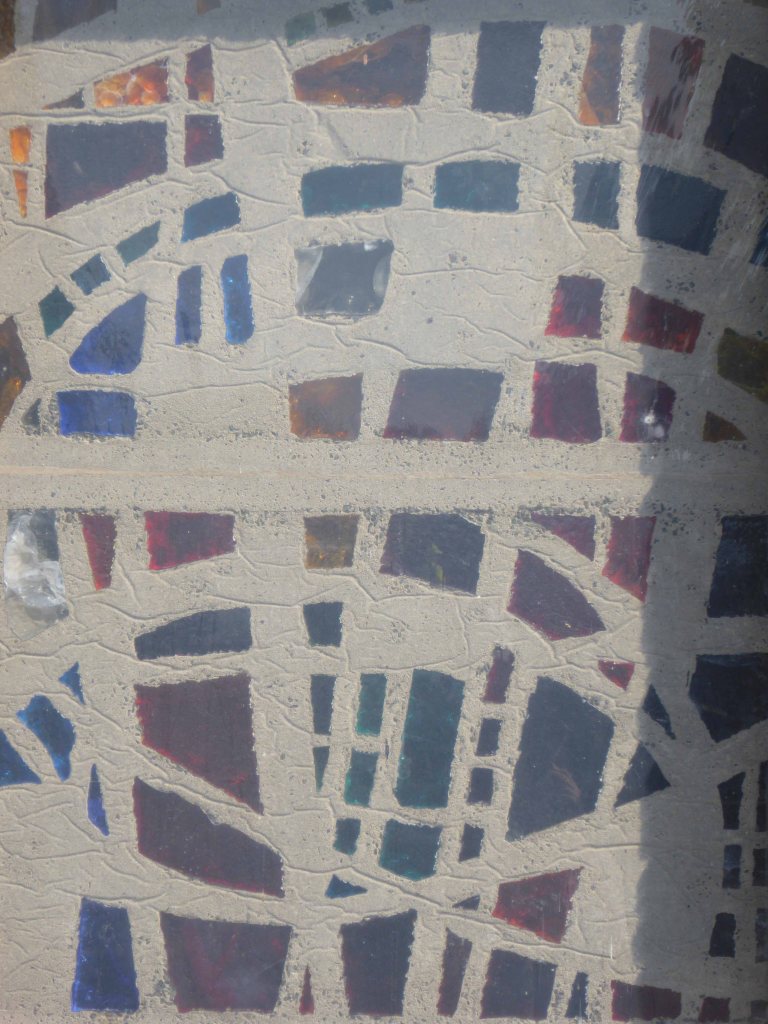
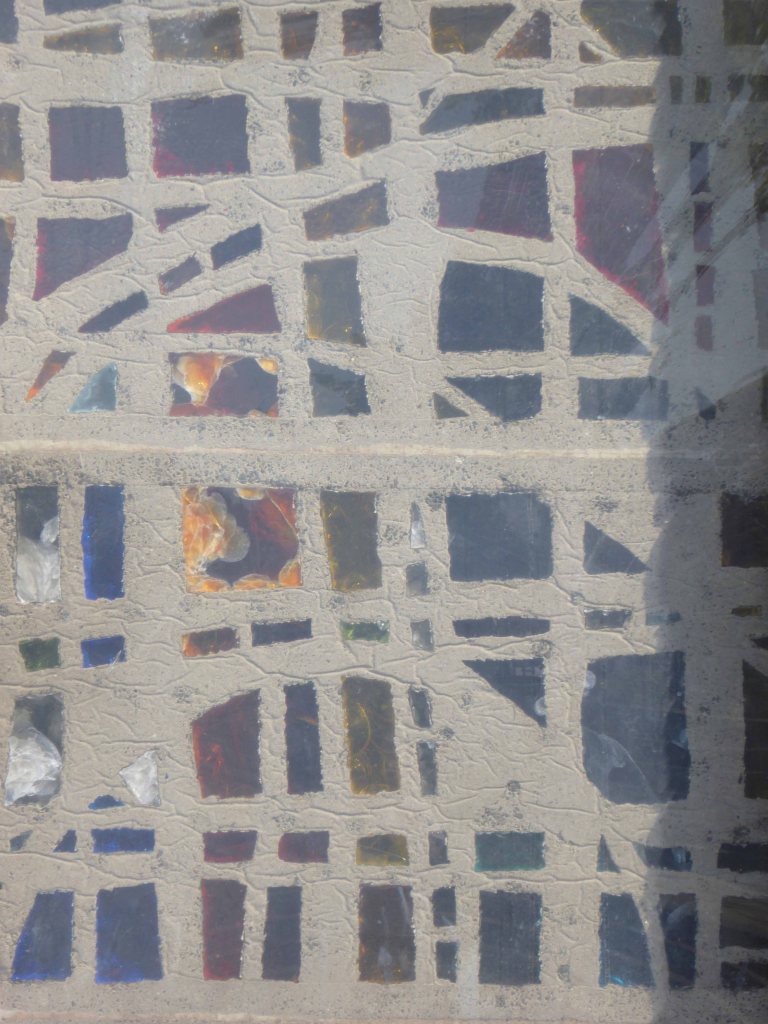
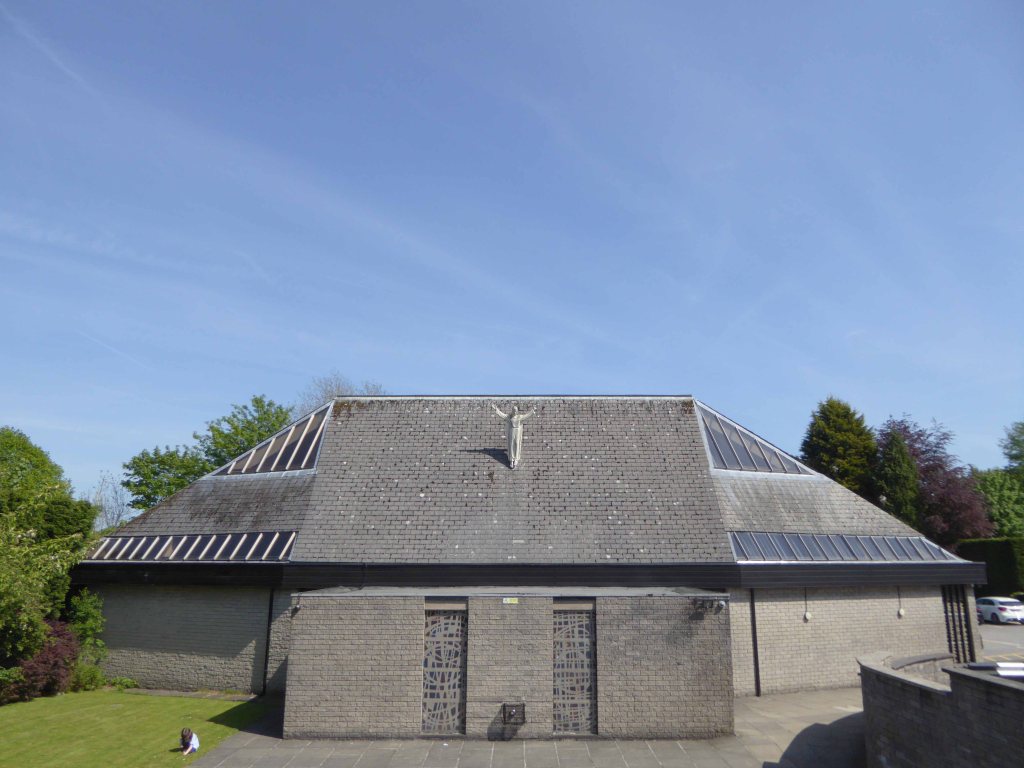
A clear functional design of the 1970s, designed to place all the internal focus on the top-lit altar, which beneath its modern cladding incorporates a pre-Reformation altar stone. The external appearance of the church is slightly forbidding but the interior is enhanced by vibrant slab glass.
More than somewhat bunker like in its recessed situation, well below street level, yet interesting and engaging nonetheless – I’m rather fond of grey.
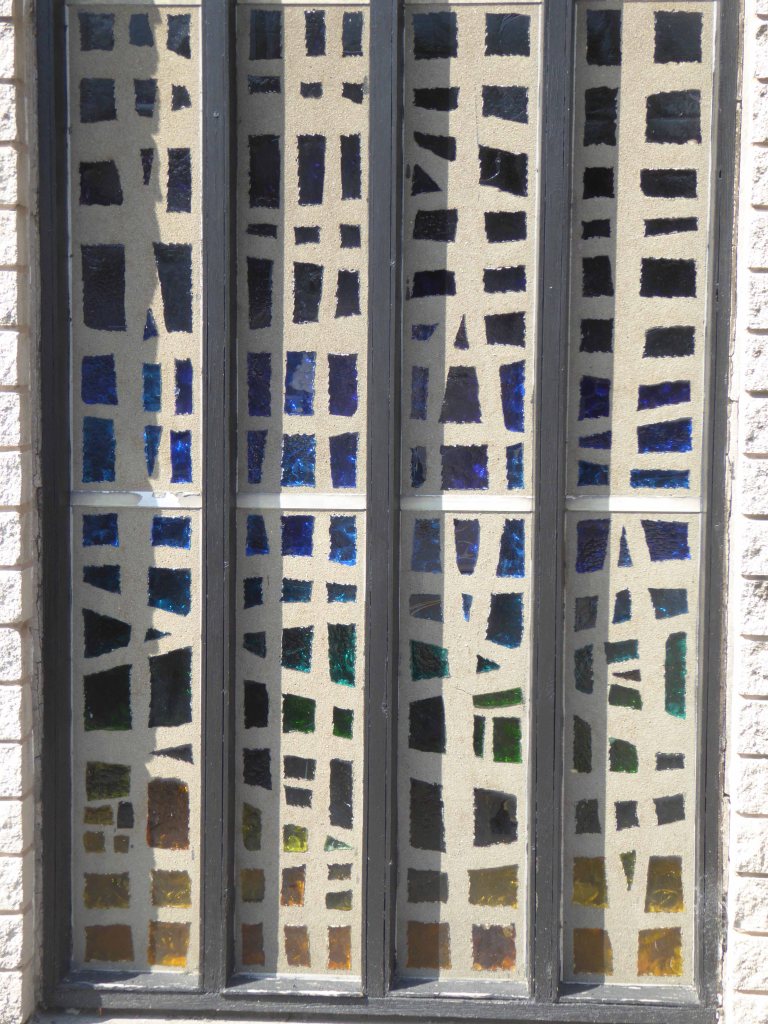
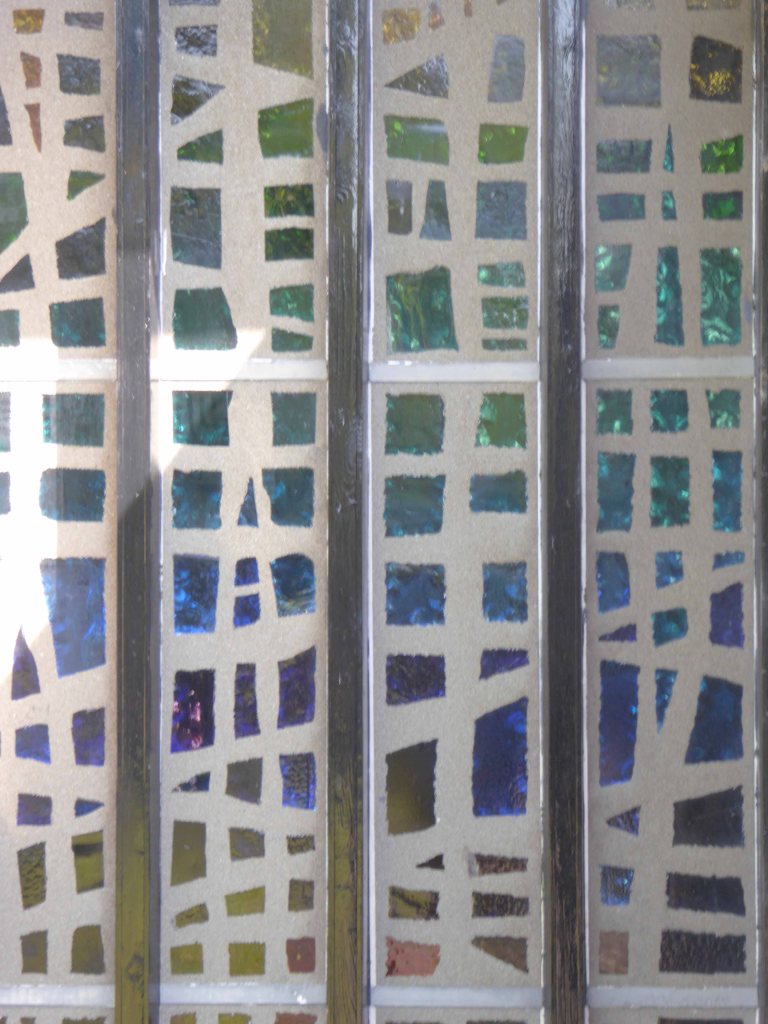
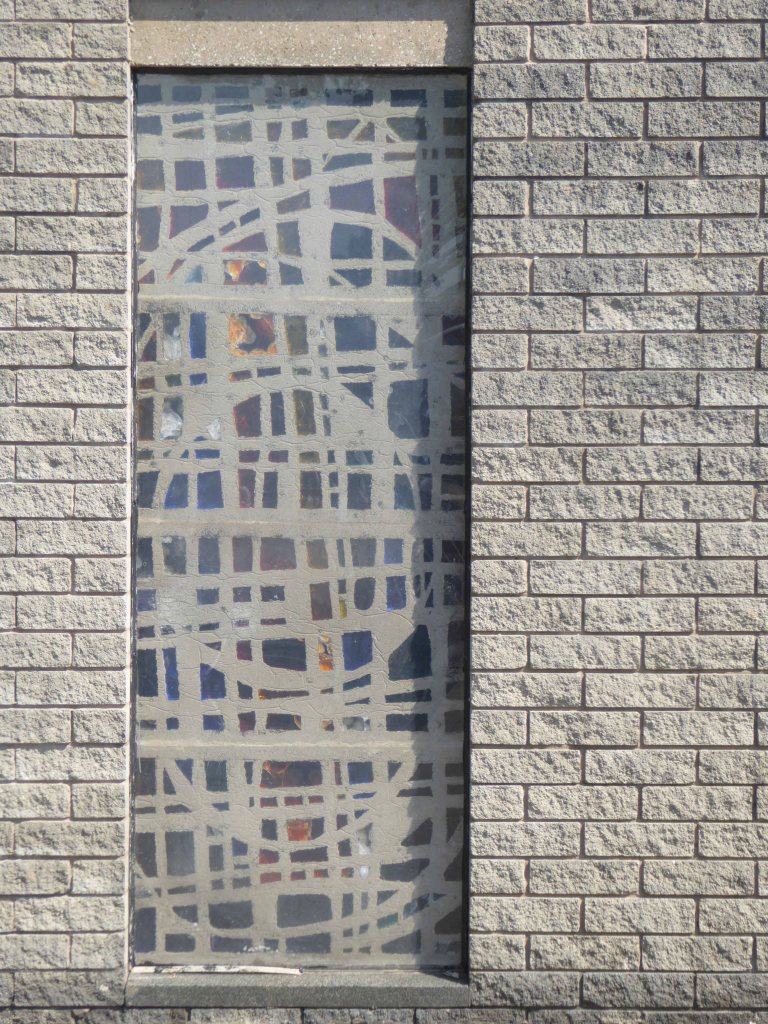
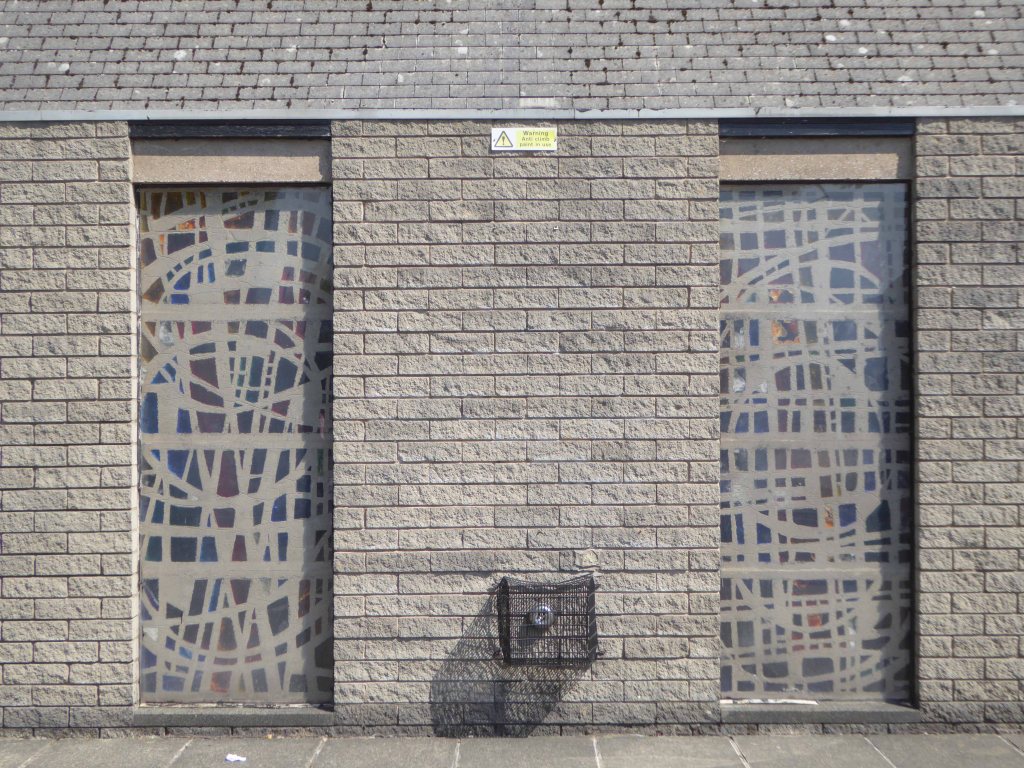
Working around the comings and goings of the adjacent school, I half circumnavigated the site, capturing something of the detail and exterior views of the stained glass. The interior will have to wait until another day.
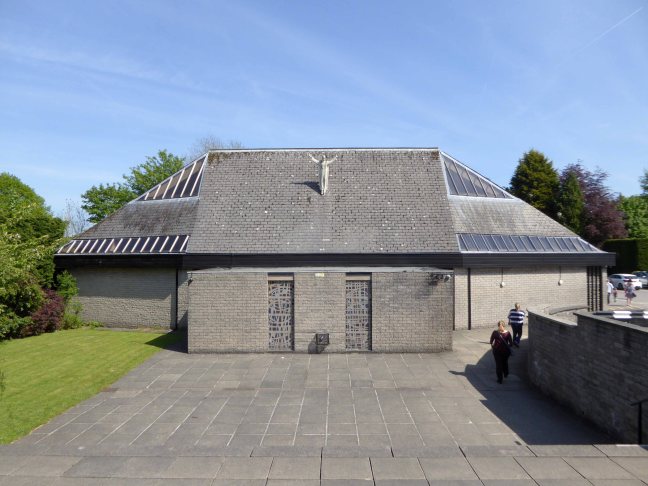
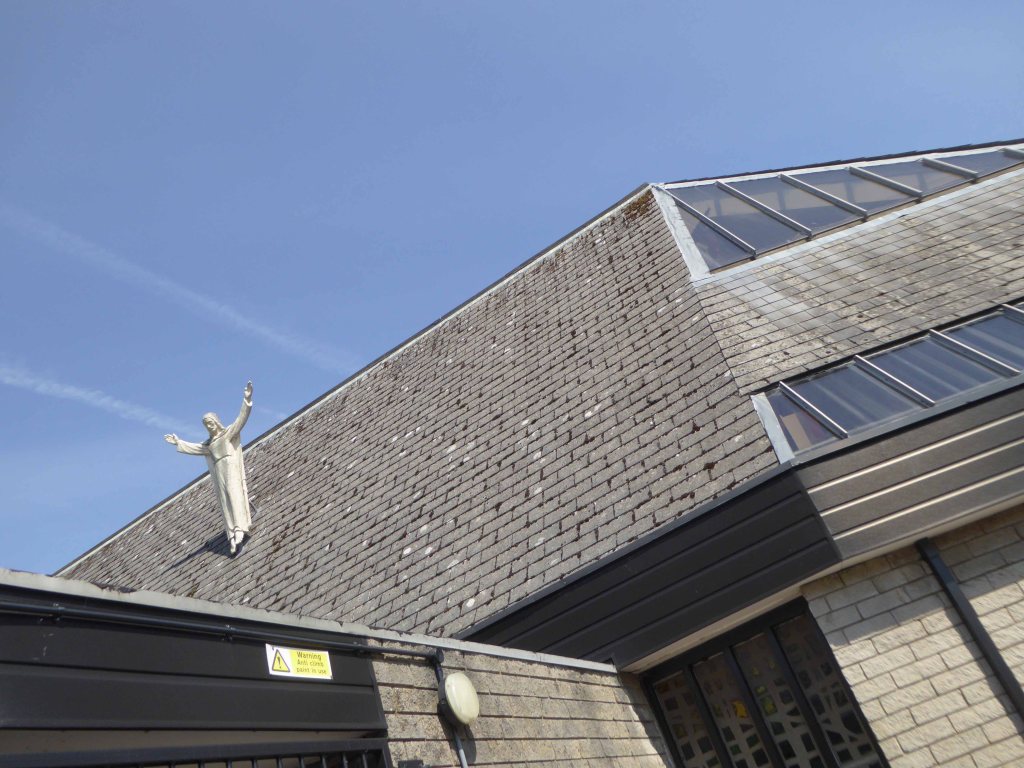
Planned and newly constructed housing developments in Norden and Bamford made it apparent that a new church was needed nearer the geographical centre of the parish. In June 1975 the present church of St Vincent de Paul was opened, nearly a mile away from the old church. The architect was Bernard Ashton of the Cassidy & Ashton Partnership, Preston.
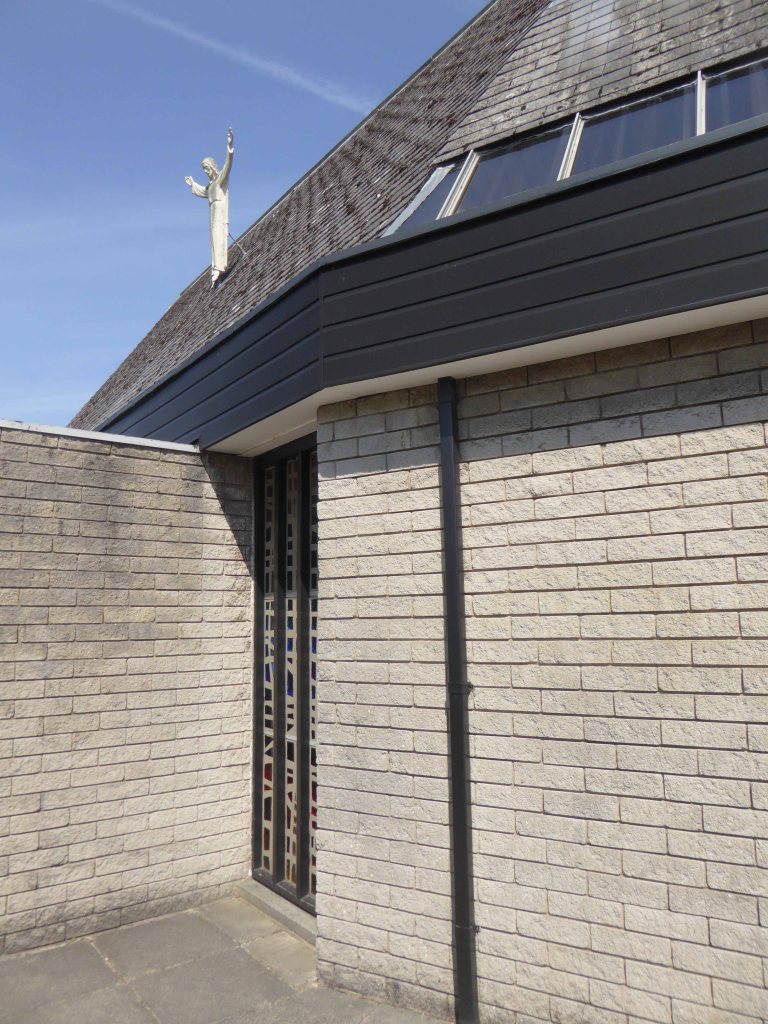
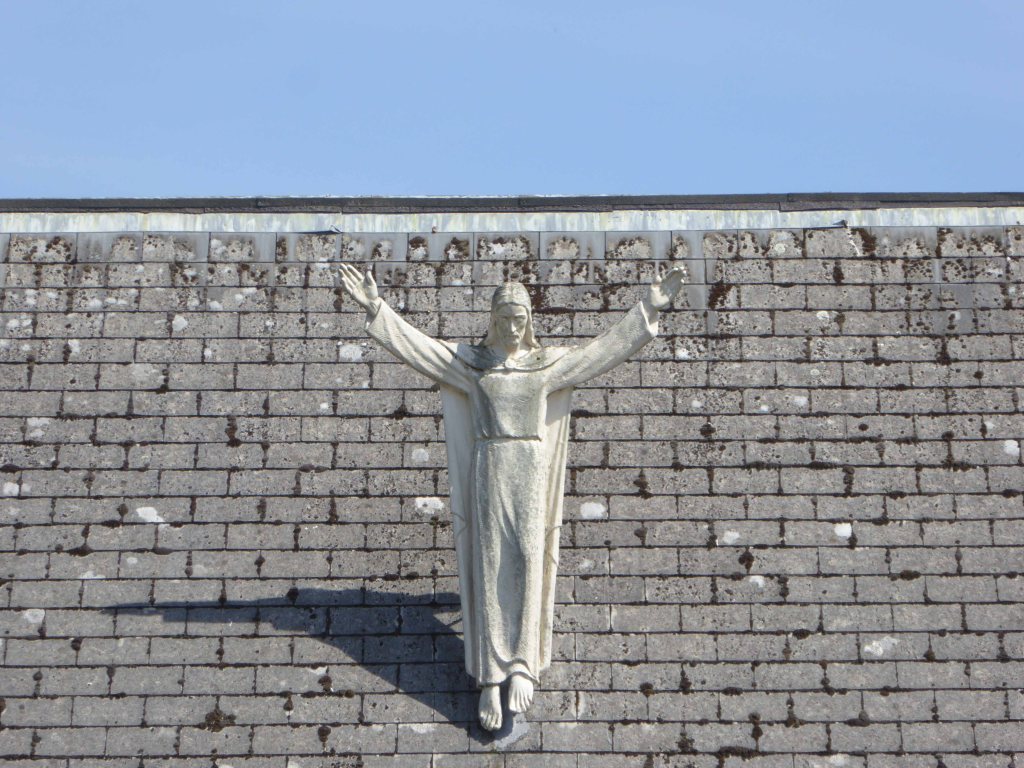
Internally the church is simply fitted with plain white plastered or boarded walls. The low level of daylighting enhances the effect of the four corner windows, which are filled with rainbow glass, and of the top-lit altar. The dalle de verre glass was designed by Eddie Blackwell and made in Dom. Charles Norris’s workshop at Buckfast Abbey. The figure of the risen Christ on the roof over the entrance porch were also designed by Blackwell.
I ride a bicycle, which seriously restricts my access to the world of the M – one and six or otherwise. Having a more than somewhat ambivalent outlook on motor cars and their ways I have nevertheless written a short history.
So to satisfy my idle curiosity, and fill the damp wasteland of a Bank Holiday Sunday afternoon, let’s go on a little trip back in time by means of archival images.
What of your history?
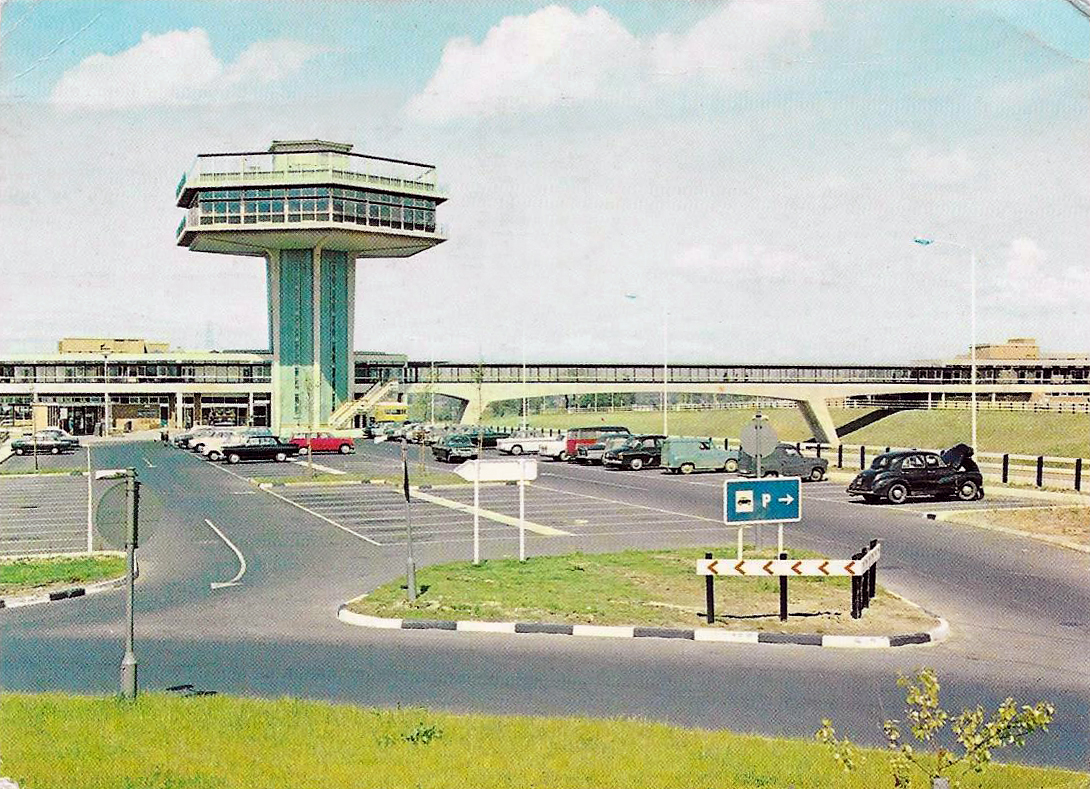
Tendering documents were sent out in 1962 describing it as a 17.7 acre site, requiring at least a £250,000 investment, including an eastern corner reserved for a picnic area, and an emphasis that the views to the west must be considered in the design, and facilities must be provided on both sides. Replies were received – from Telefusion Ltd, J Lyons, Banquets Catering Ltd, Granada and Rank
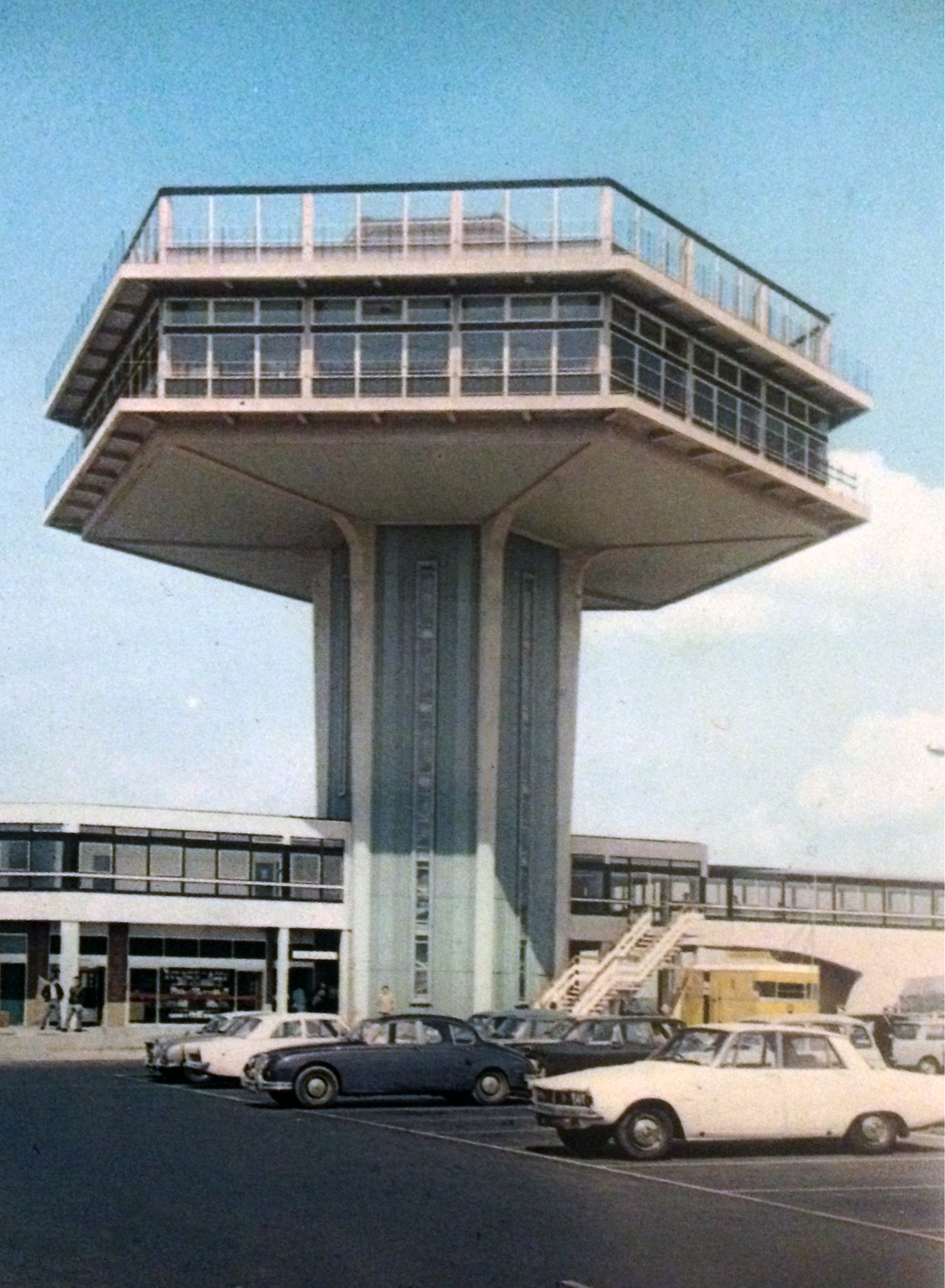
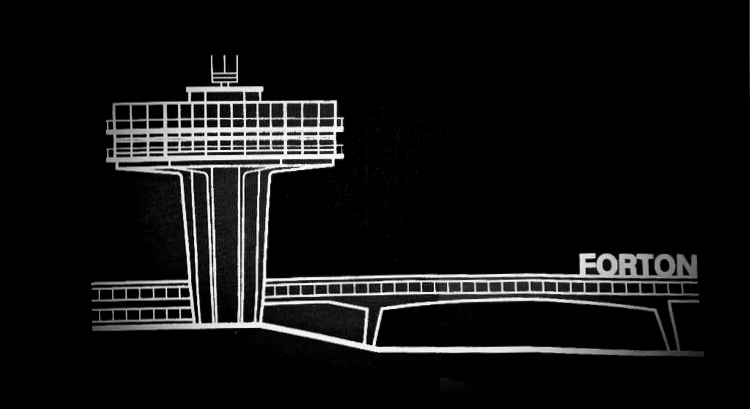
Top Rank’s plan came consistently highly rated by all the experts it was passed between. It showed a restaurant and a self-service café on the west side, the restaurant being at the top of a 96ft (29m) tower. At the top of the tower was a sun terrace – a roof with glass walls, which they had described but hadn’t included any suggestions for how it could be used, adding that maybe it could form an observation platform, serve teas, or be reserved for an additional storey to the restaurant.
Including a transport café on each site, seating was provided for 700 people, with 101 toilets and 403 parking spaces. A kiosk and toilets were provided in the picnic area.
“The winning design looks first class. Congratulations.”
Architects T P Bennett & Sons had been commissioned to design the services, along with the similar Hilton Park. At £885,000, it was the most expensive service station Rank built, and was considerably more than what had been asked of them.They won the contract, but on a condition imposed by the Landscape Advisory Committee that the height of the tower was reduced to something less striking.
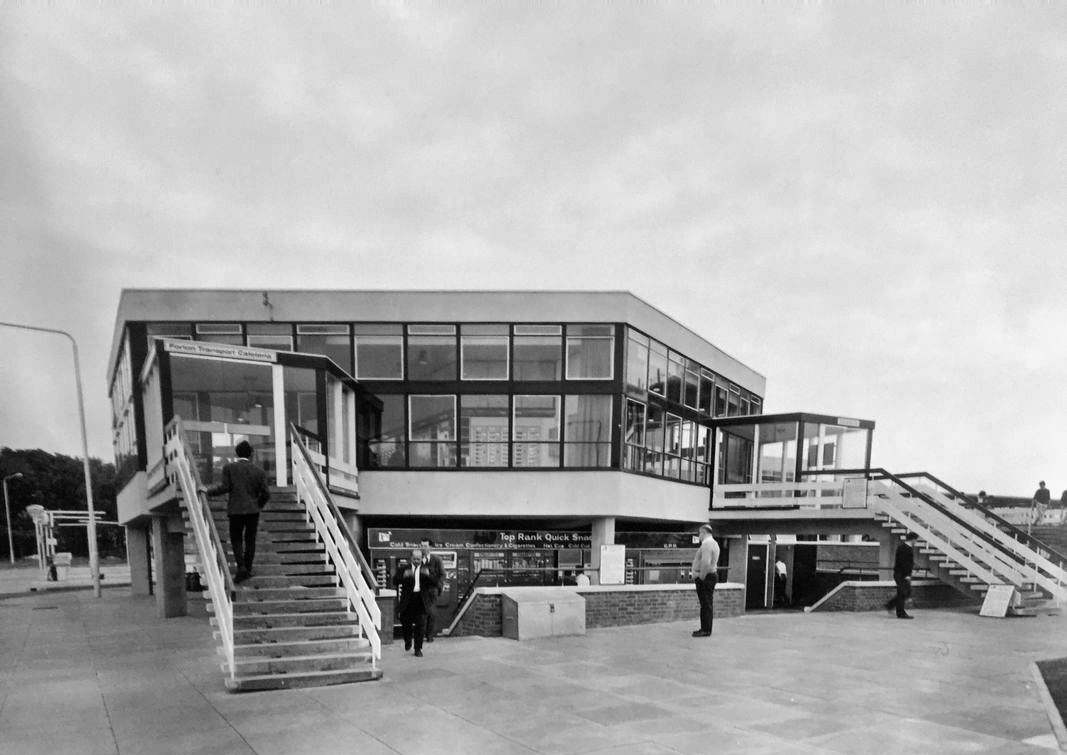
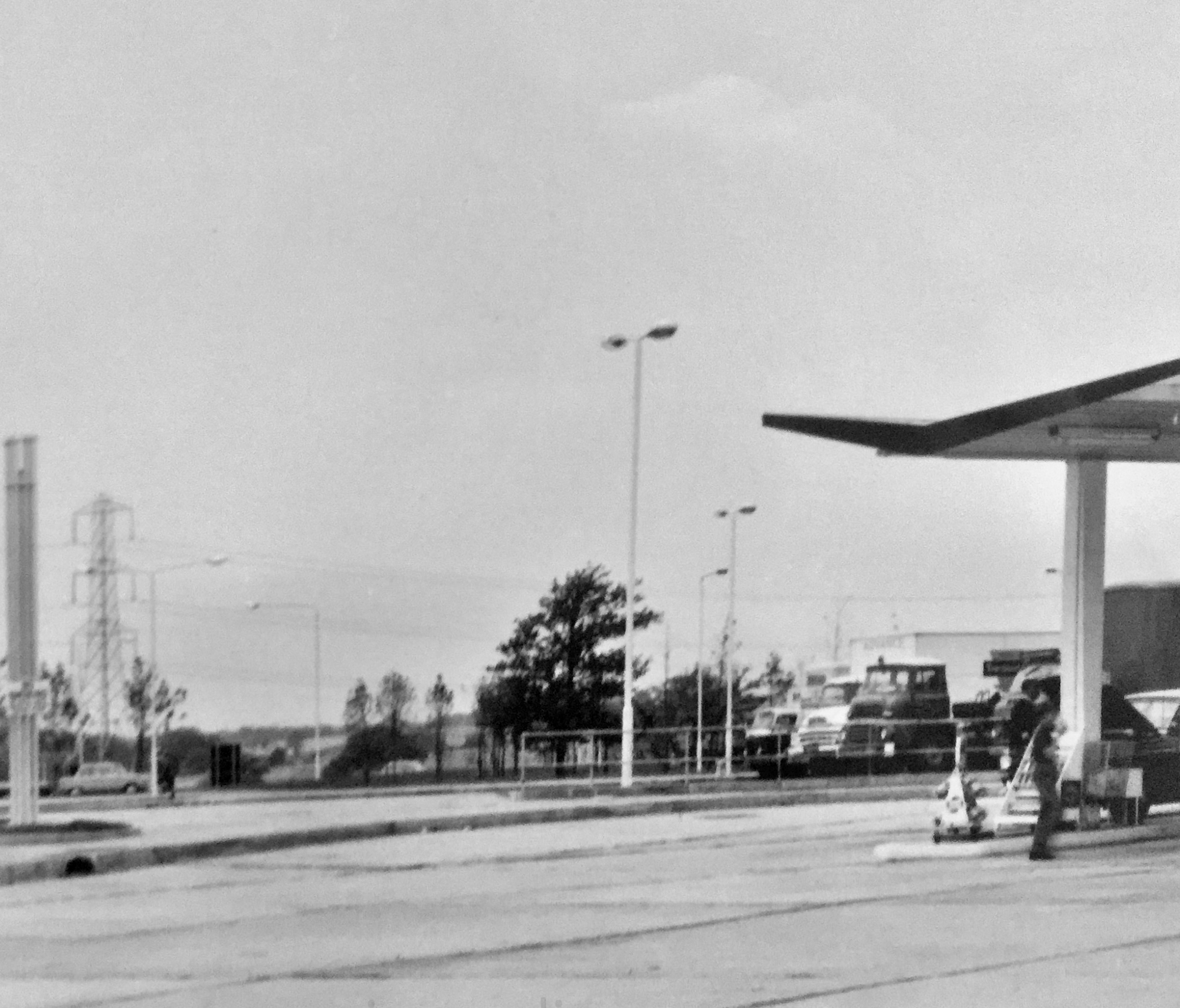
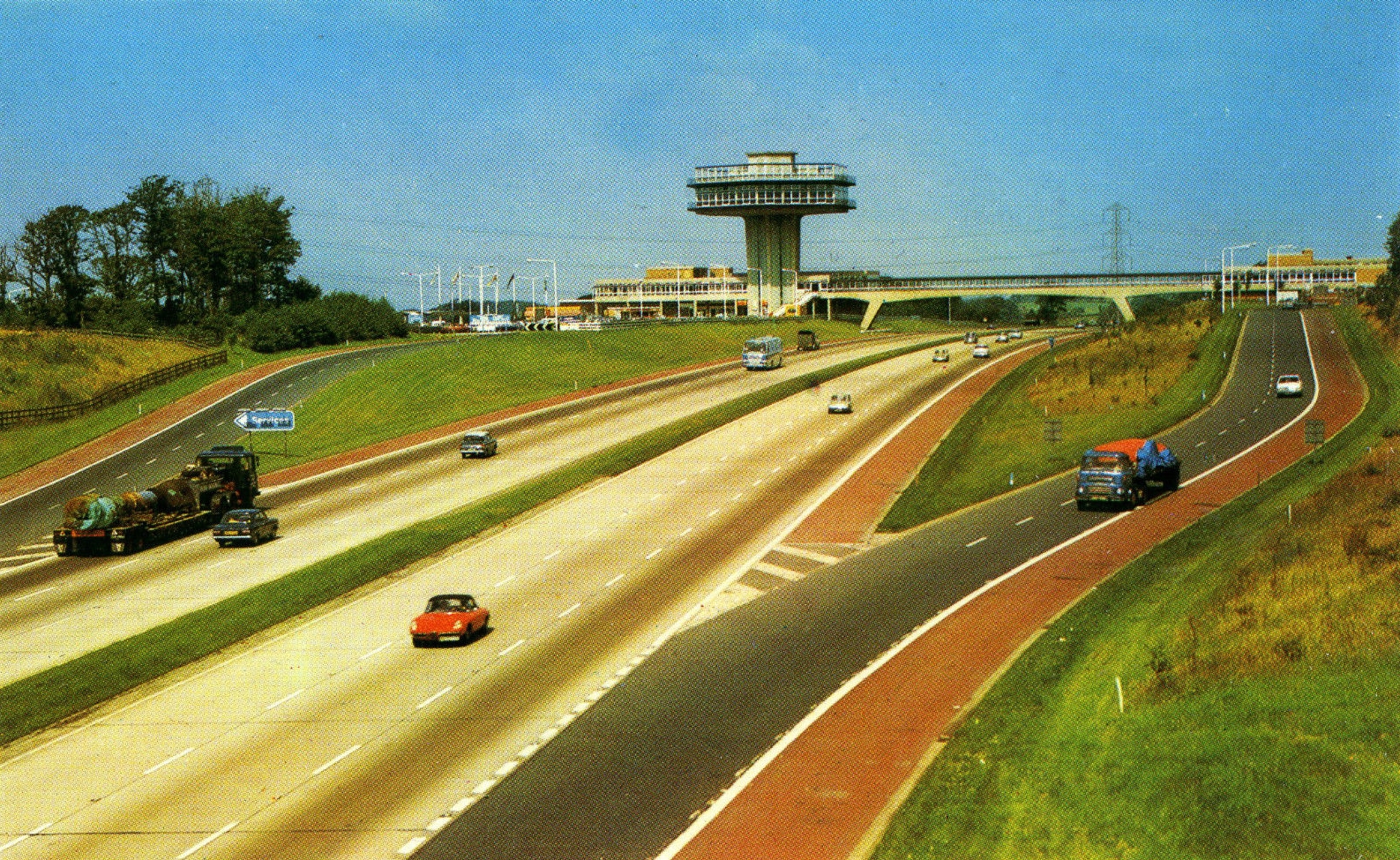
Lancaster was opened in 1965 by Rank under the name ‘Forton’. The petrol station opened early in January, with some additional southbound facilities opening that Spring.
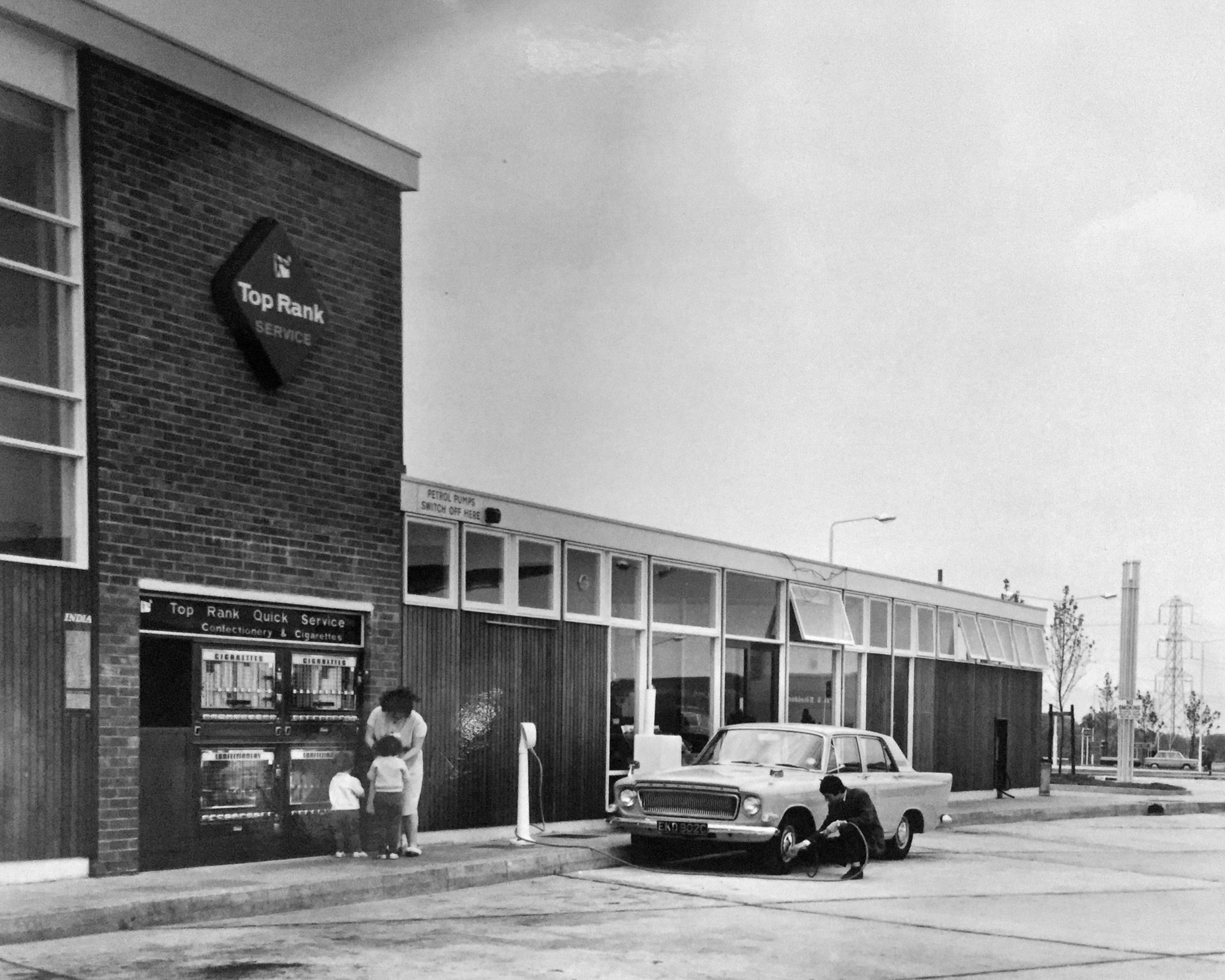
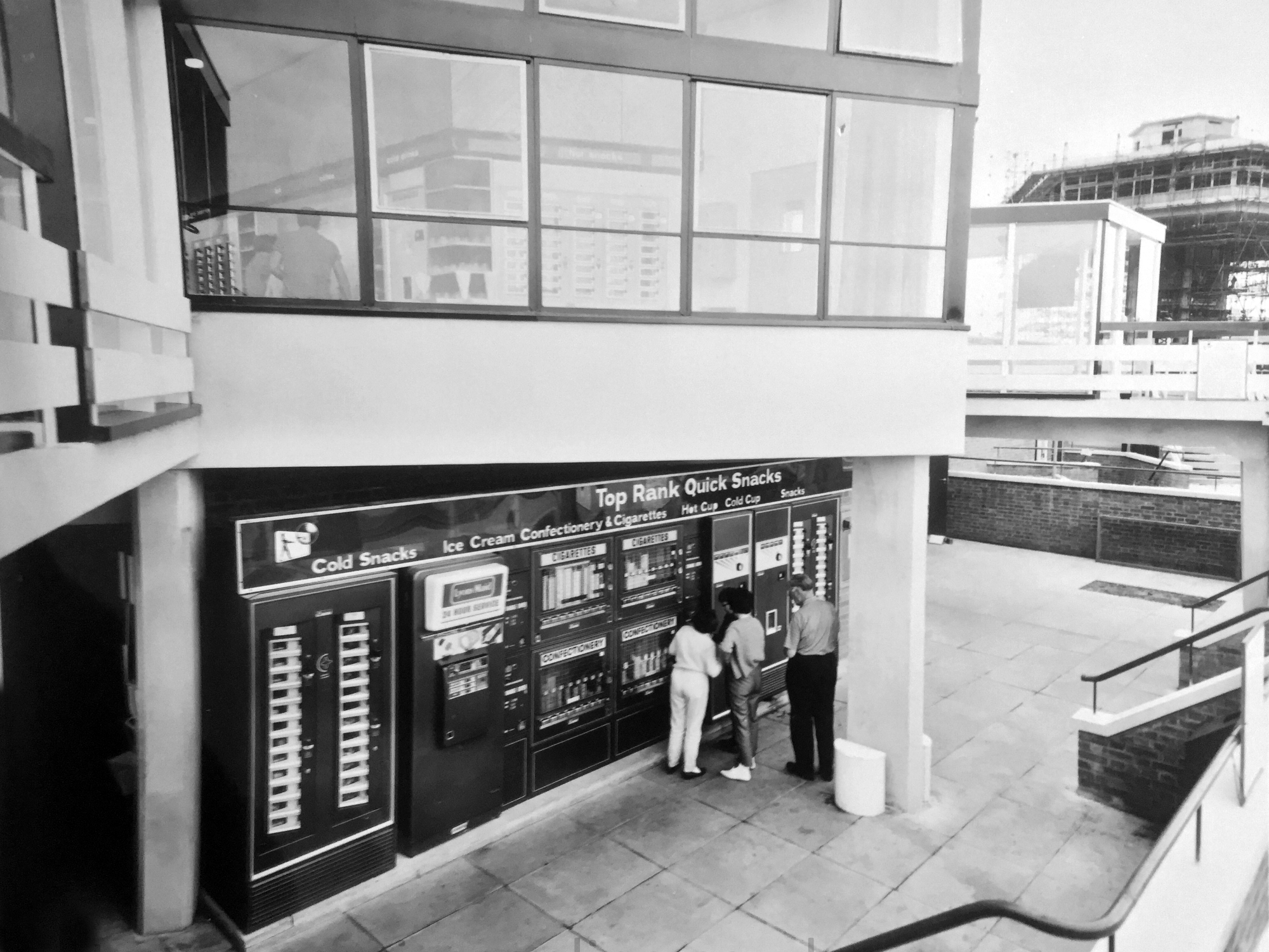
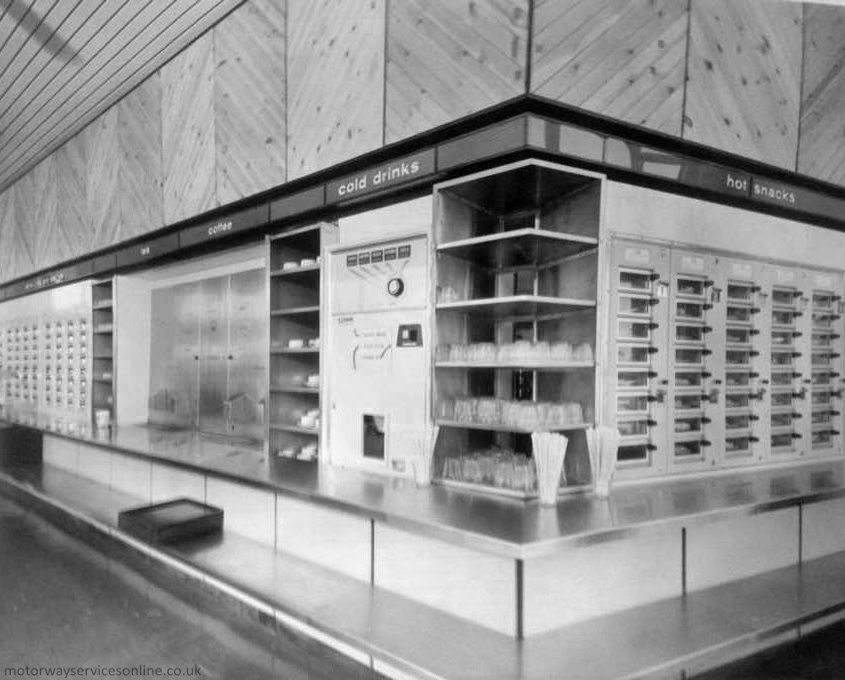
The southbound amenity building had a lowered section with a Quick Snacks machine and the toilets. Above it was the transport café which had only an Autosnacks machine, where staff loaded hot meals into the back and customers paid to release them. These were the motorway network’s first catering vending machines, and the Ministry of Transport were won round by the idea, but Rank weren’t – they removed them due to low demand.
In 1977, Egon Ronay rated the services as appalling. The steak and kidney pie was an insult to one’s taste buds while the apple pie was an absolute disgrace. He said everywhere needed maintenance and a coat of paint, the toilets were smelly and dirty, and the food on display was most unattractive.
A 1978 government review described the services as a soulless fairground.
The Forton Services and the typology generally have had a chequered career, rising and falling in public favour and perception. Purveying food and facilities of varying quality, changing style and vendors with depressing regularity – knowing the value of nothing yet, the Costas of everything.
Ironically the prematurely diminished tower has taken on iconic status in the Modernist canon – listed in 2012 yet closed to the public, admired from afar – in a car.
The Pennine Tower was designed to make the services clearly visible – the ban on advertising had always been an issue, and the previous technique of having a restaurant on a bridge, like down the road at Charnock Richard, was proving expensive and impractical. Rank commissioned architects T P Bennett & Sons to capitalise on the benefits of exciting design while trialling something different. The tower resembles that used by air traffic control, summarising the dreams of the ’60s.
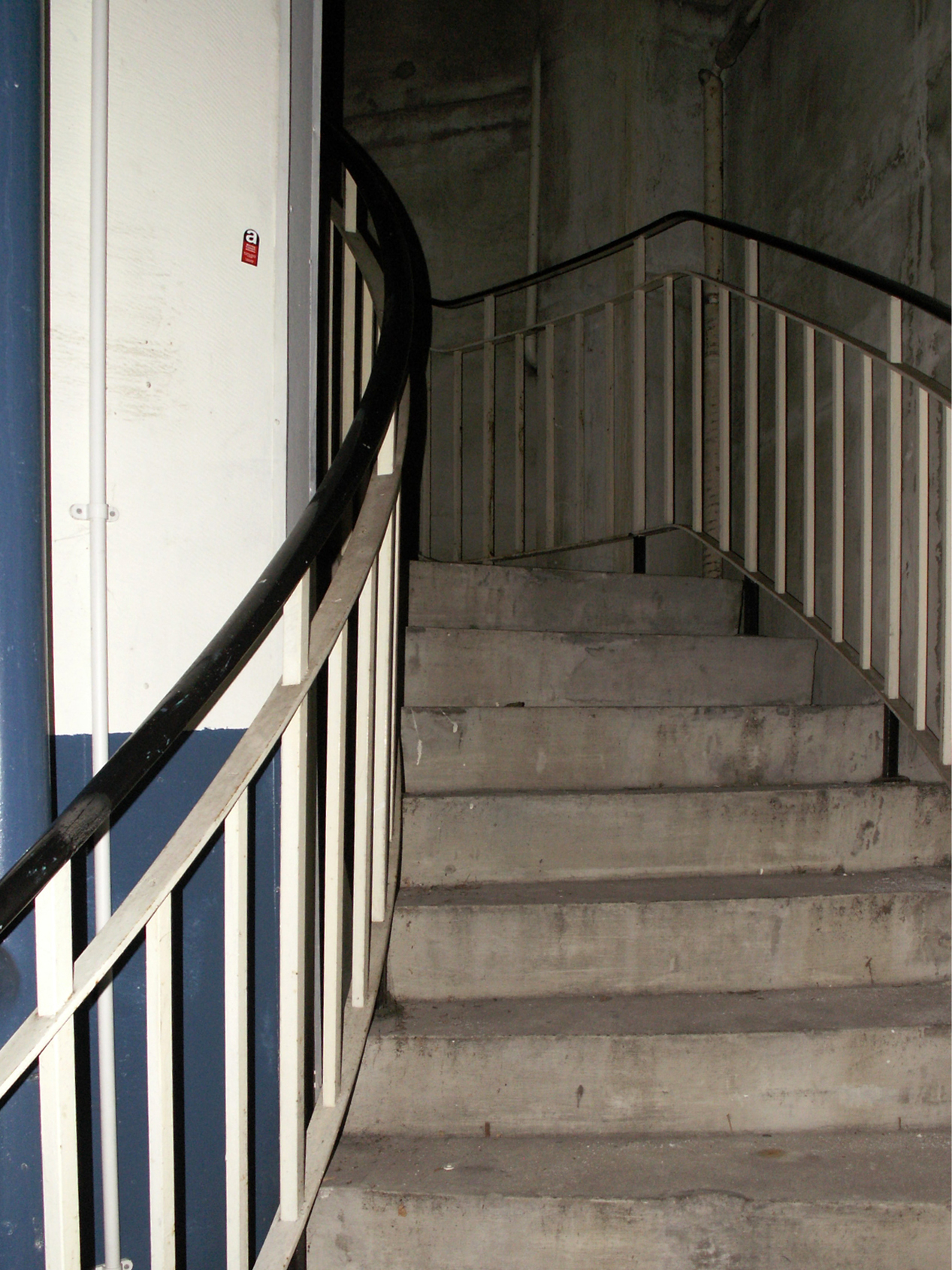
The central shaft consists of two lifts, which were originally a pentagonal design until they were replaced in 2017. They’re still in use to access the first floor, but with the buttons to higher floors disabled. There are then three service lifts, and one spiral staircase – satisfying typical health and safety regulations.
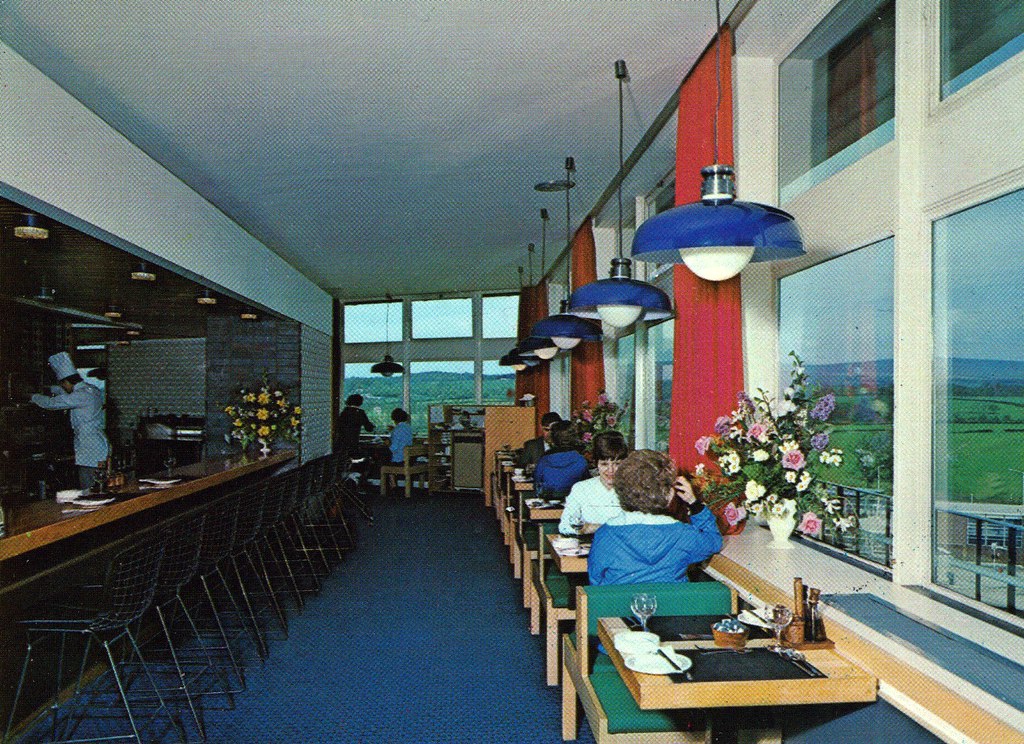
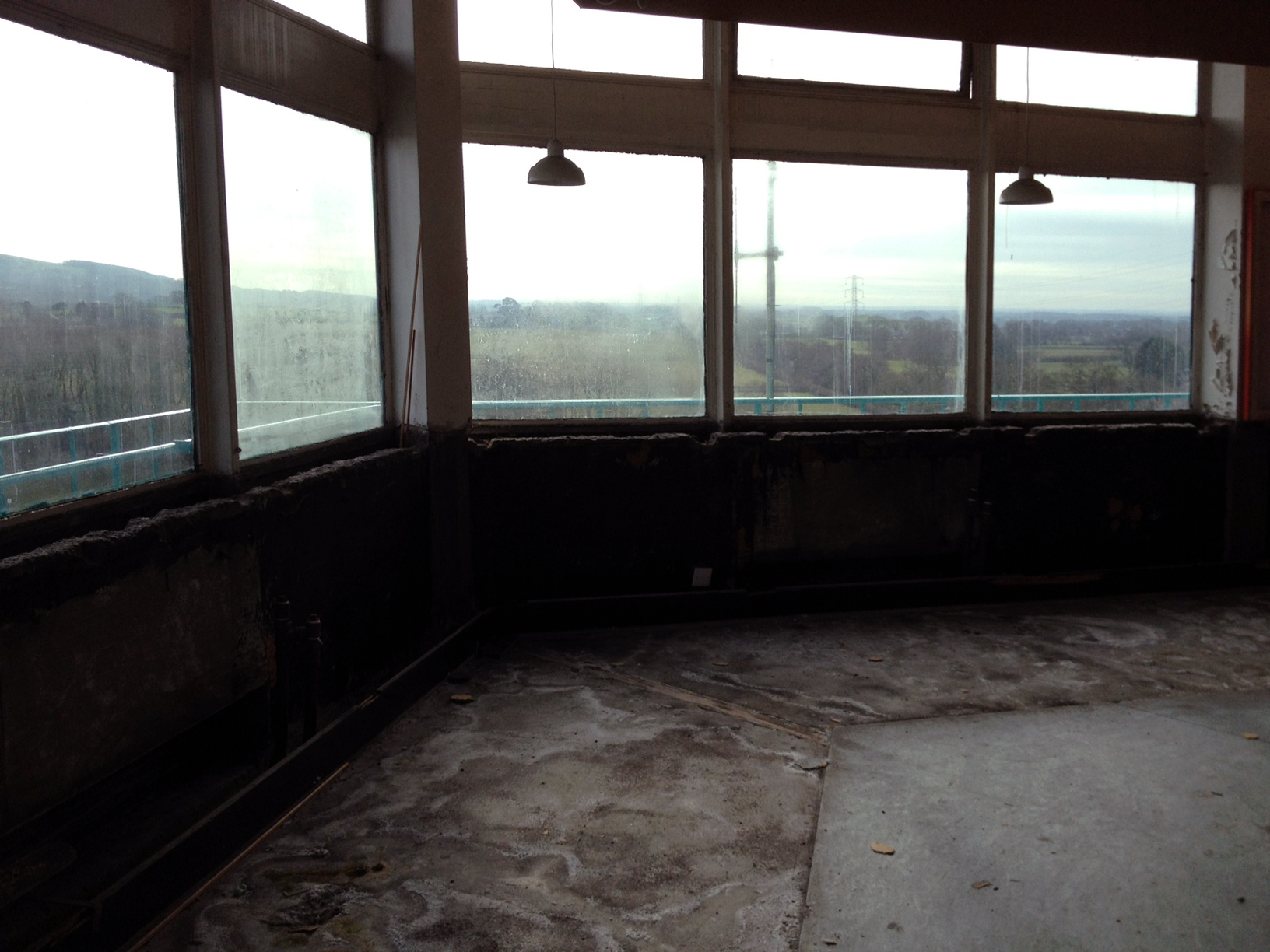
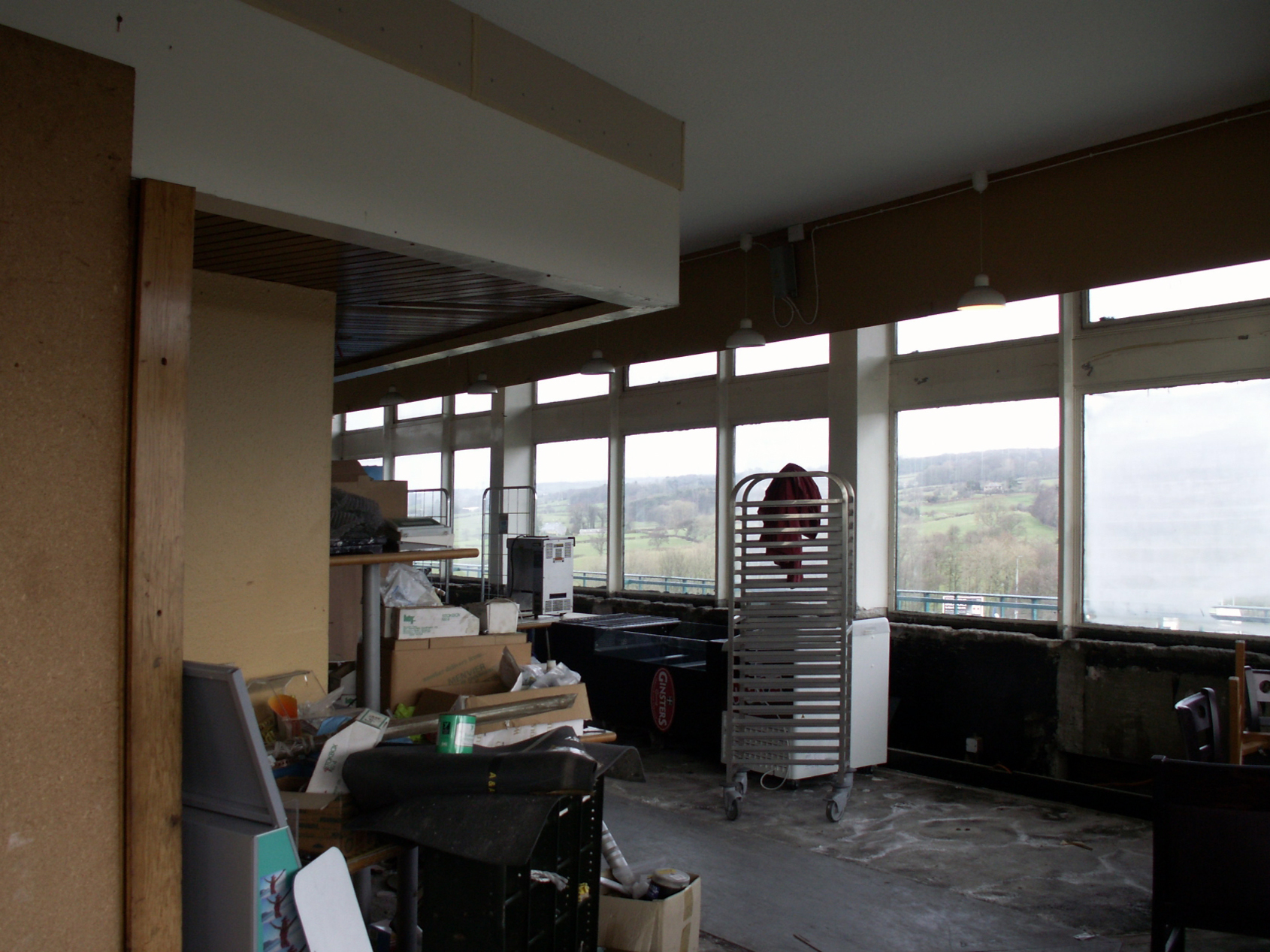
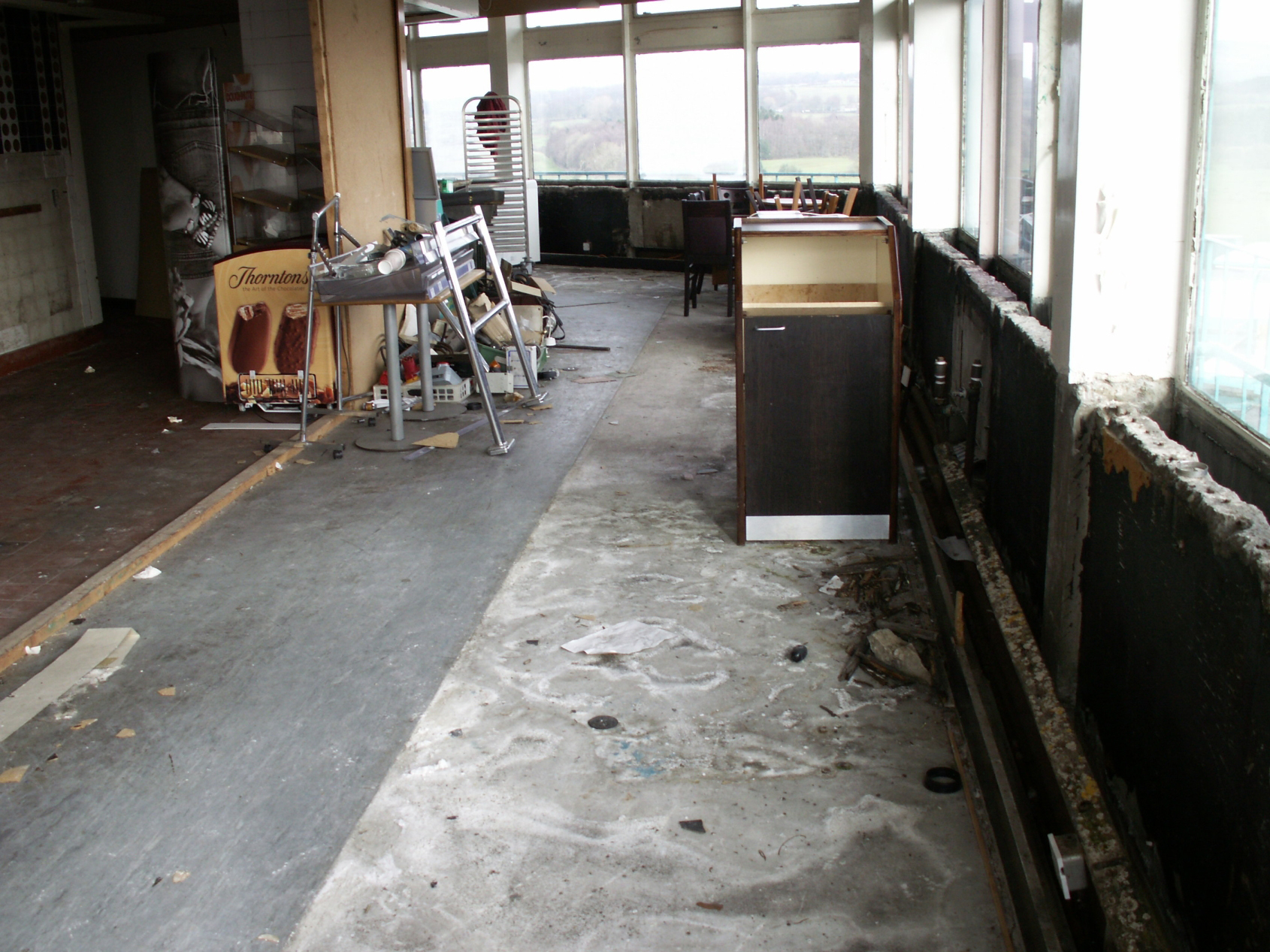
At the top of the tower stood a fine-dining waitress service restaurant, offering views over the road below and across Lancashire. Above the restaurant the lift extended to roof-level, to allow the roof to serve as a sun terrace – although Rank admitted they weren’t sure what this could be used for, suggesting serving tea or eventually building another level.
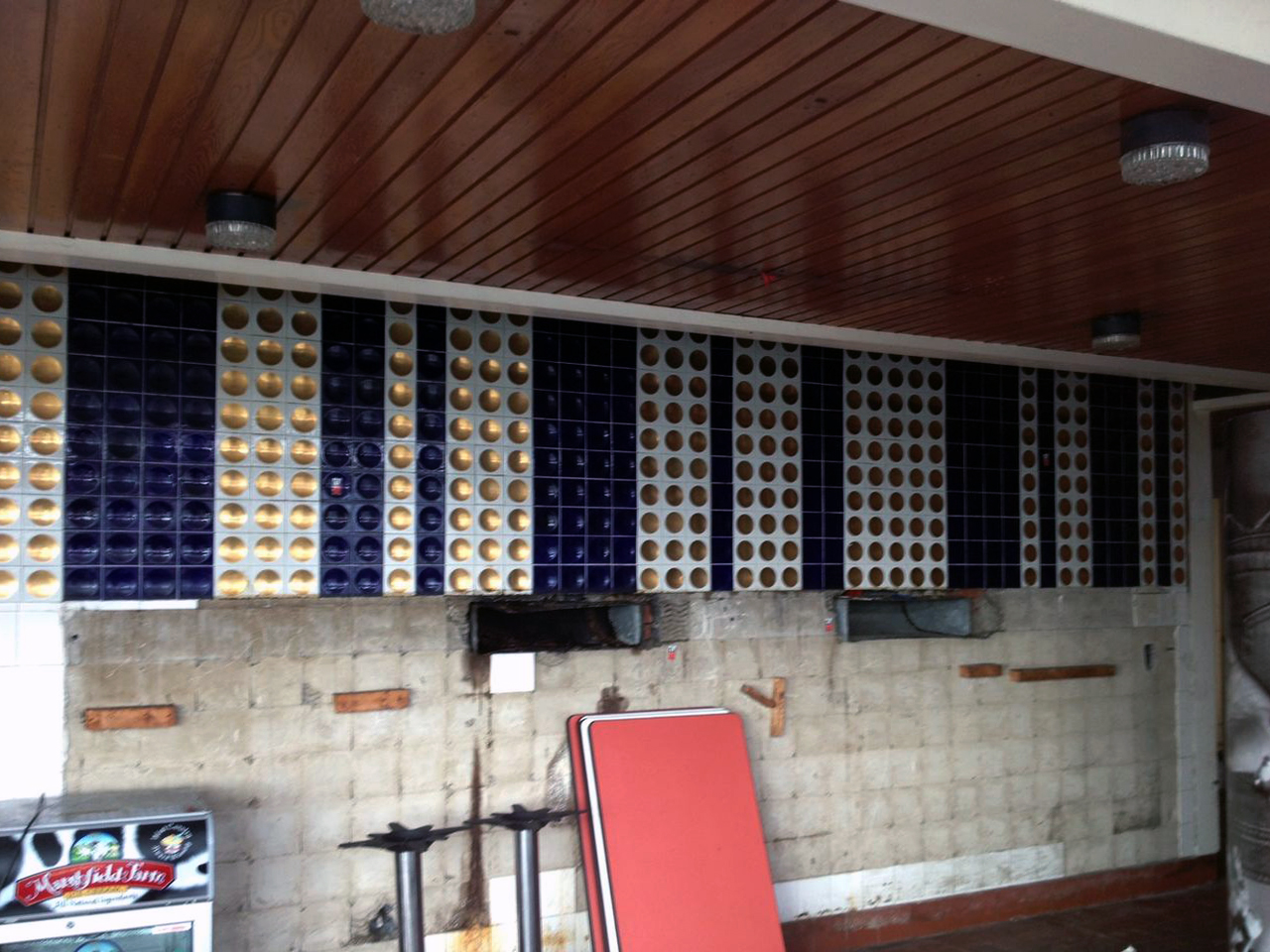
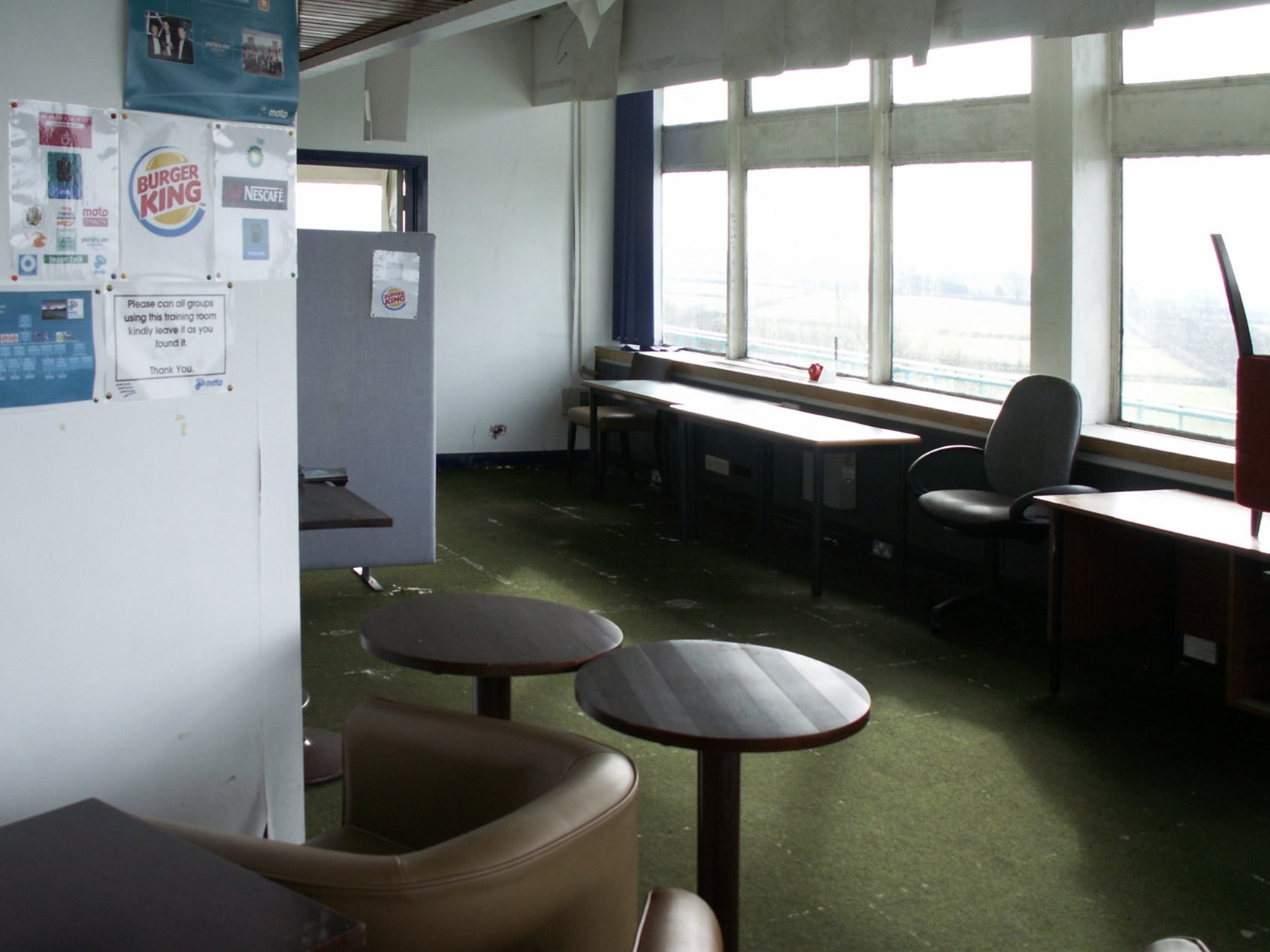
In reality social changes and cost-cutting limited the desirability of a sit-down meal, and this coupled with high maintenance costs made the tower fall out of favour. The ‘fine dining’ restaurant became the trucking lounge that had been on the first floor, before closing to the public in 1989. It then soldiered on for another 15 years, partially re-fitted, as a head office, then staff training and storage, but even this became too impractical, and the tower is now not used at all.
Although the tower is unique to these services, the concept of large high-level floors can be seen in many Rank services of the era, the idea of each one being to have a visible landmark and a good view of the surrounding area, such as at Hilton Park. The lower-level restaurant at Forton sticks out over the first floor, and partially in to the road, to give an optimum view. Toilets and offices were in the ground floor buildings below.
There are lots of myths flying around that the tower was forced to close by safety regulations, and that it is about to fall down. Like any building which hasn’t been used for 30 years it would take a lot of investment to get it open again, and with roadside restaurants across the country closing due to a lack of trade, nobody has come up with an convincing plan to justify investing in the Pennine Tower.
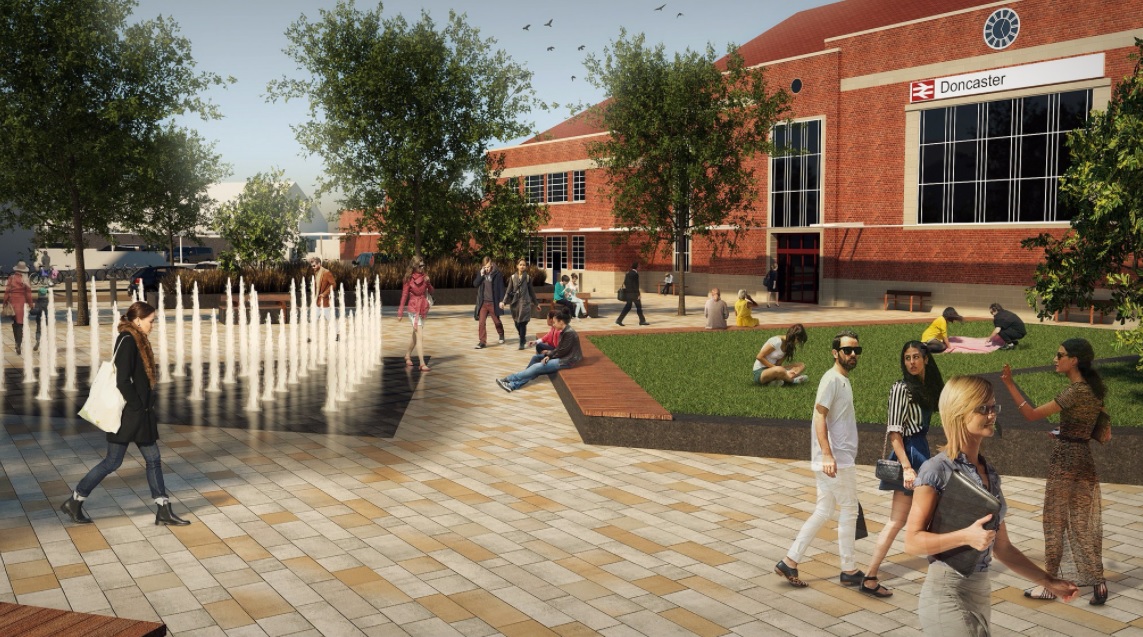
The railway station was built in 1849 replacing a temporary structure constructed a year earlier. It was rebuilt in its present form in 1933 and has had several slight modifications since that date, most notably in 2006, when the new interchange and connection to Frenchgate Centre opened.
The front elevation is realised in a typical inter-war brick functionalist style.
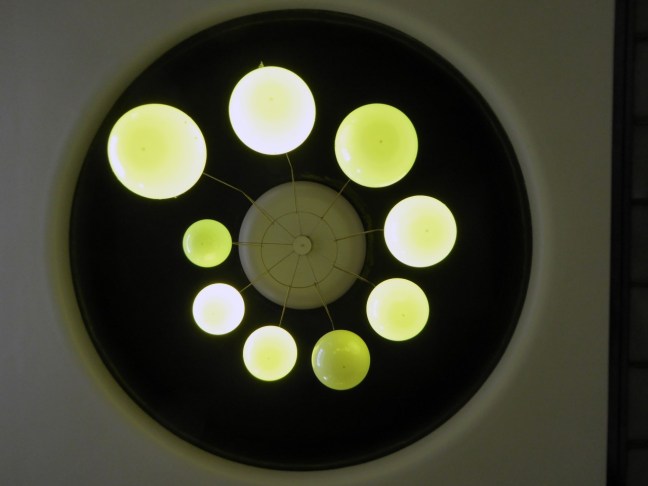
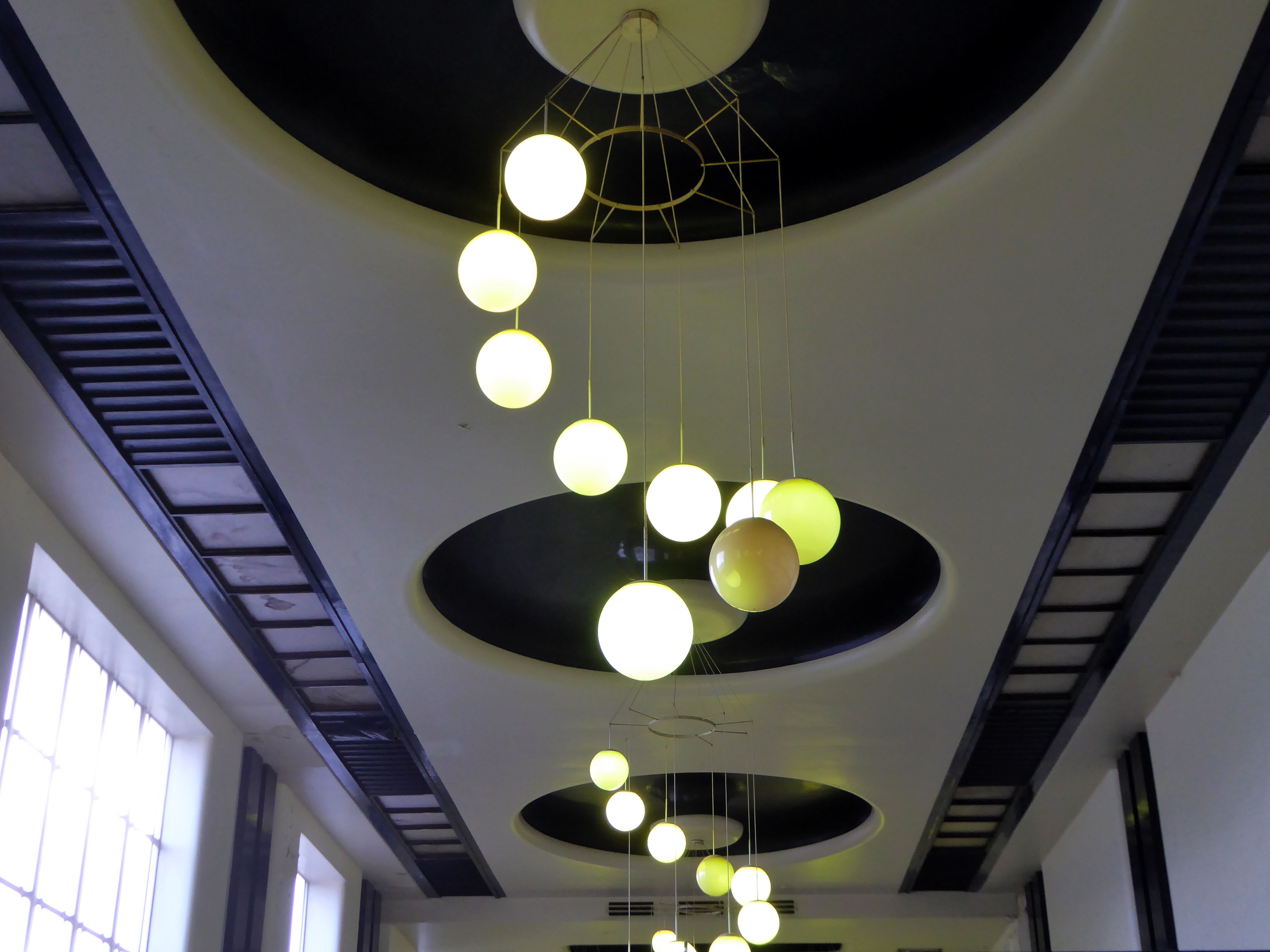
Of particular note are the lobby lighting fixtures and clock, the booking hall and offices are listed Grade II.
There are plans to redevelop the station approach replacing the current car parking with a pedestrianised piazza.
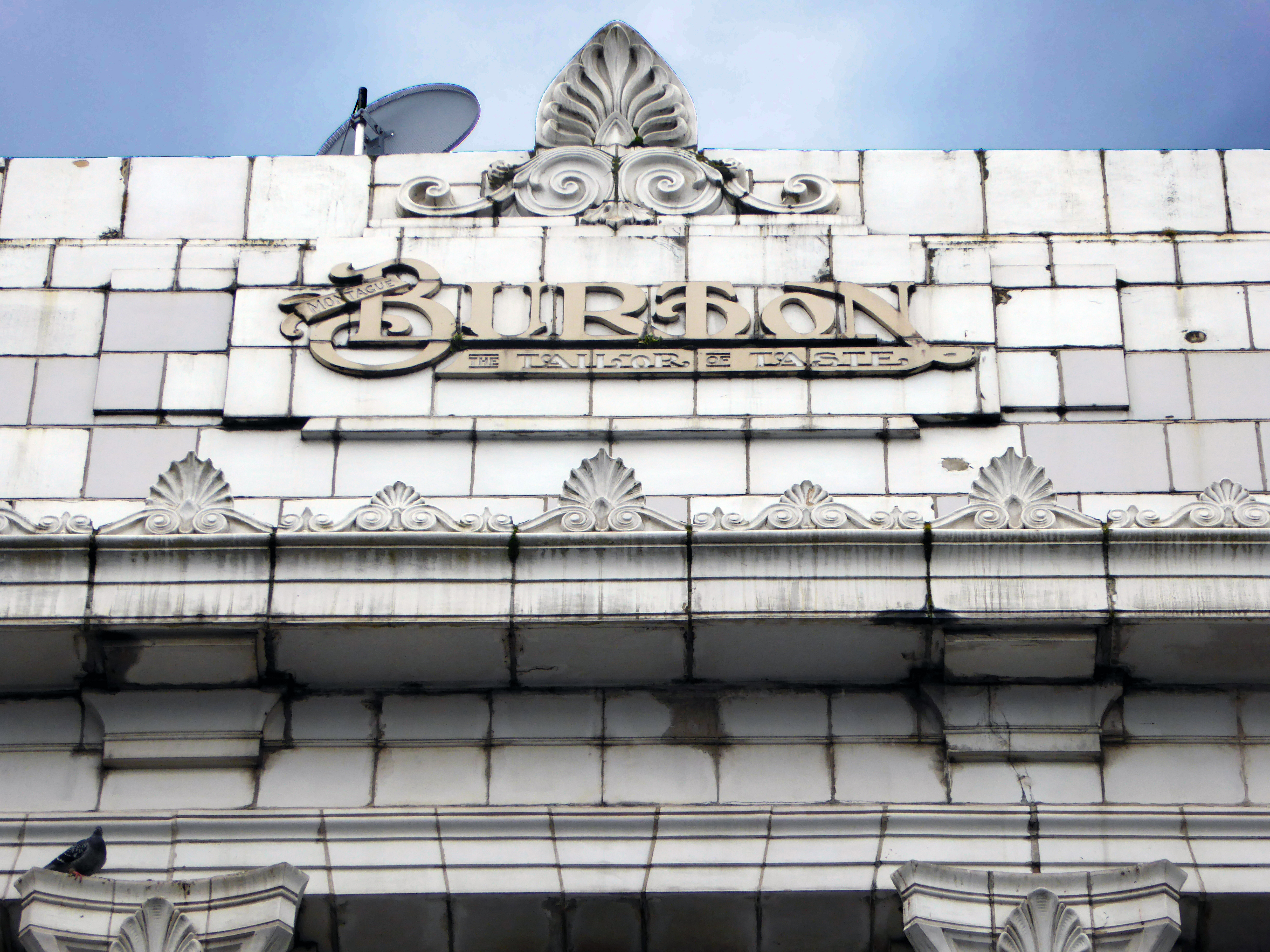
The High Street boast a former branch of Burton’s with its logo intact.
An intriguing Art Deco shop frontage – combining a menswear outlet with a pub.
Further along an enormous Danum Co-operative Store in the grandest Deco manner – 1938-40. Designed by T H Johnson & Son for the Doncaster Co-operative Society Ltd.
Currently partially occupied with no access to the glass stairways.
Following the development of the Frenchgate Centre the Waterdale Centre sunk into a slow decline.
And the Staff of Life has lost a little of its estate pub period charm, following successive typographic makeovers and paint jobs.
From 1949 onwards plans were afoot to develop the Waterdale area of Doncaster – civic buildings, courts, educational provision and the like, WH Price the Borough Surveyor at the helm. In 1955 Frederick Gibberd was appointed to oversee the site, though many of his designs were unrealised, his Police Station and Law Courts opened in 1969.
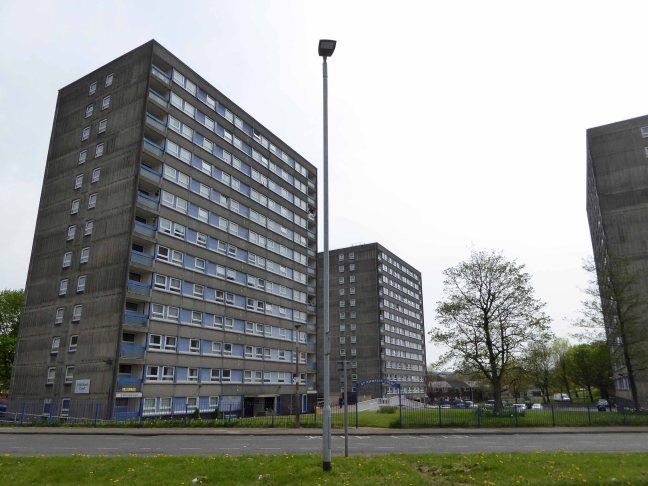
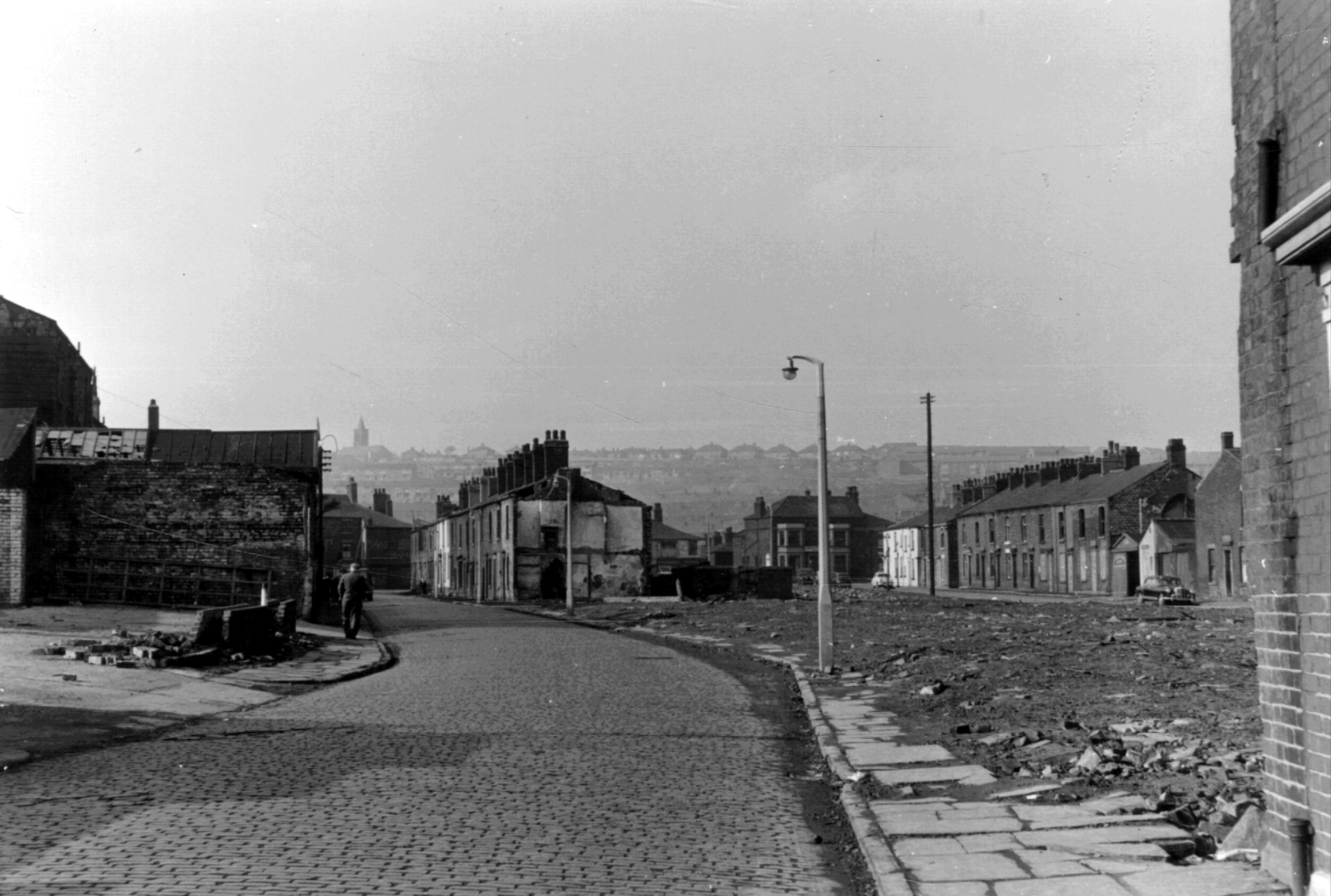
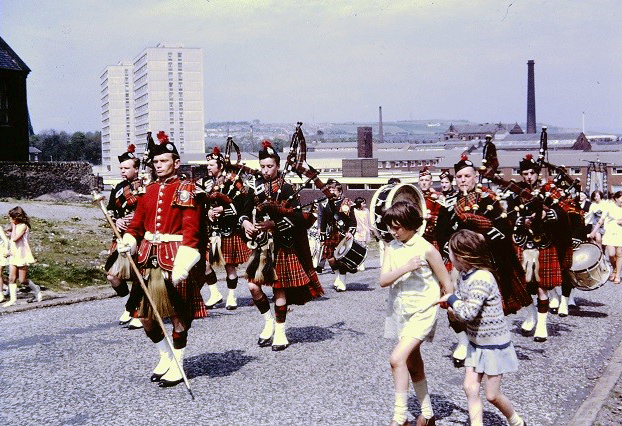
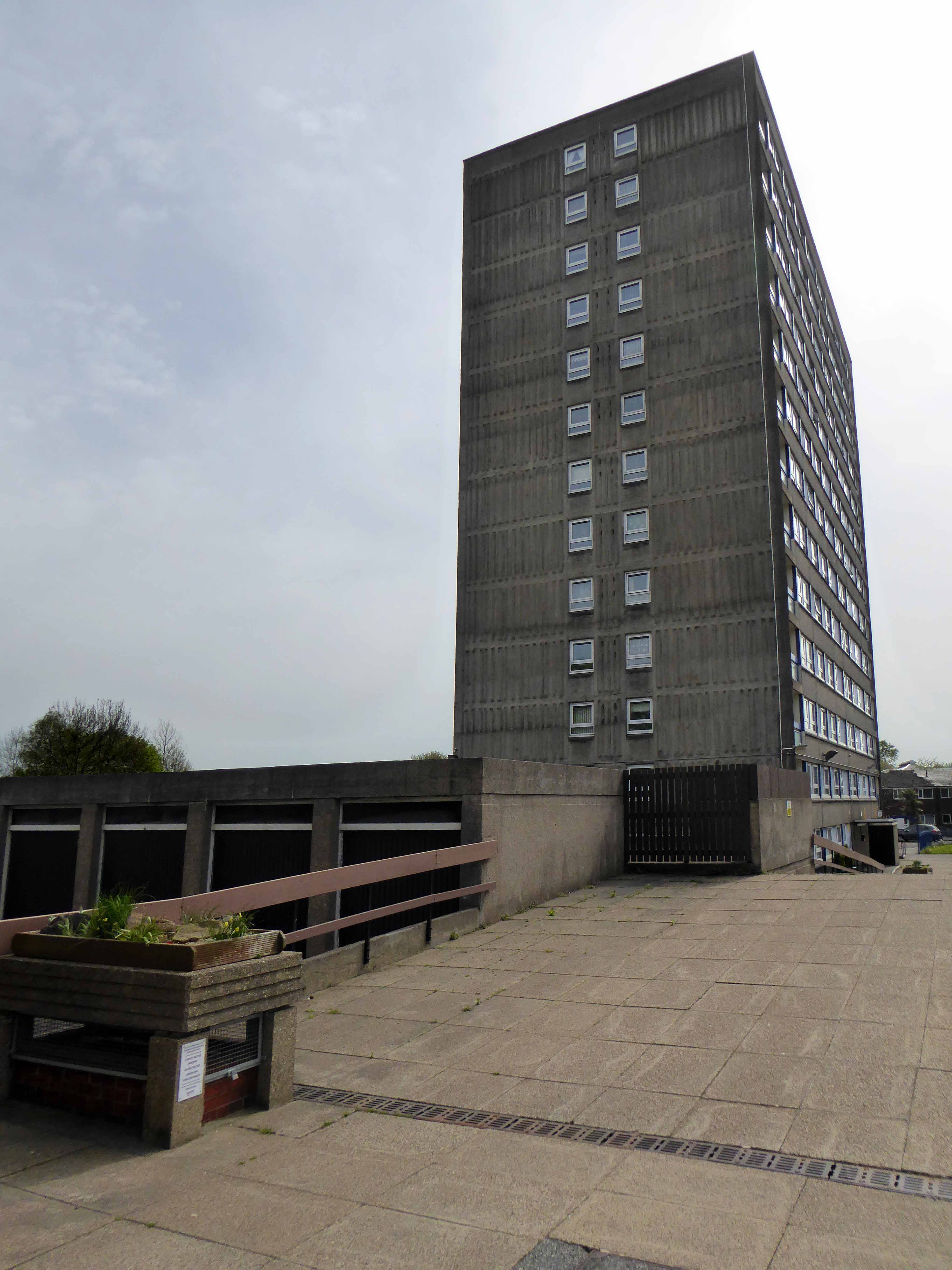
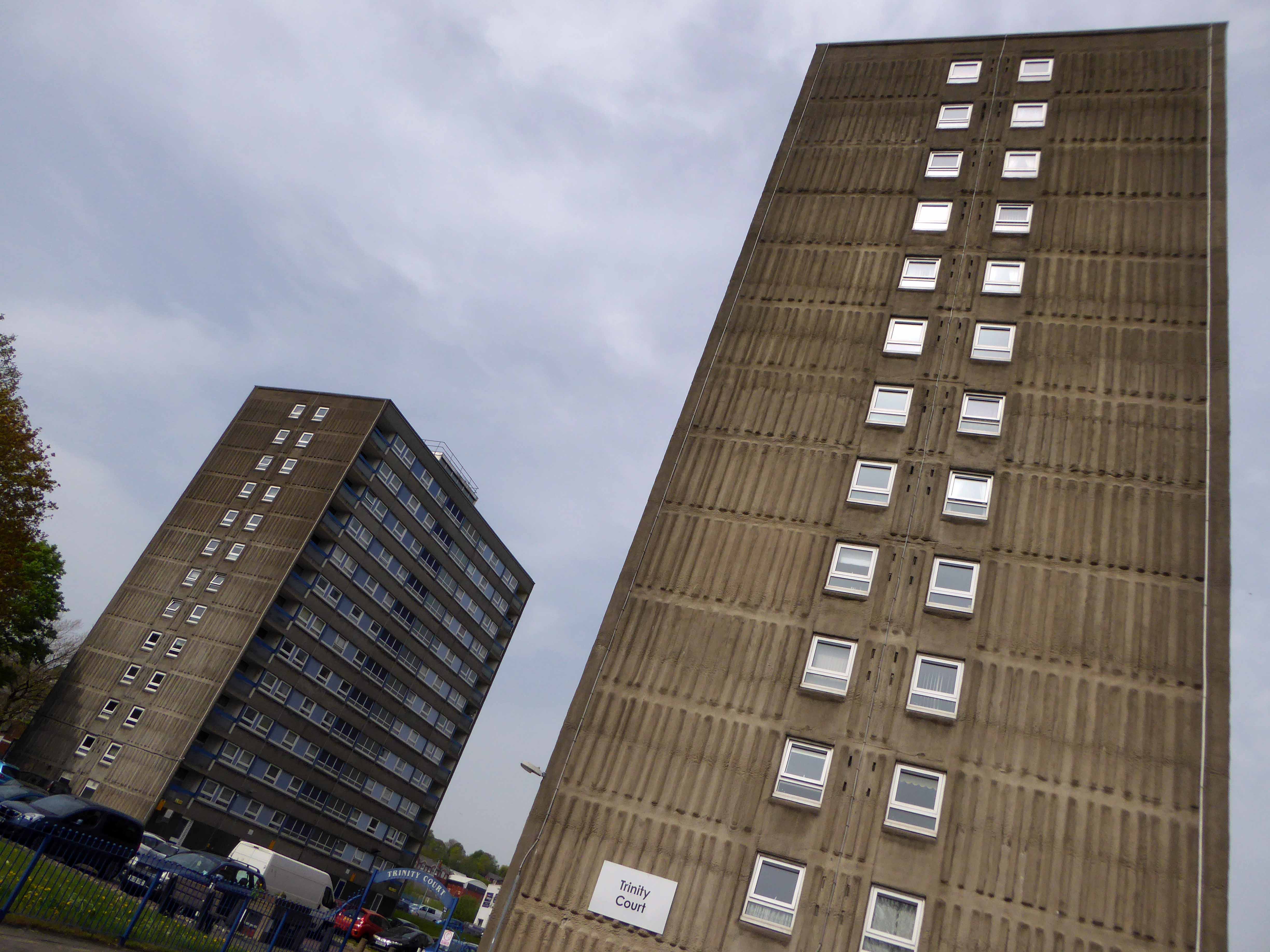
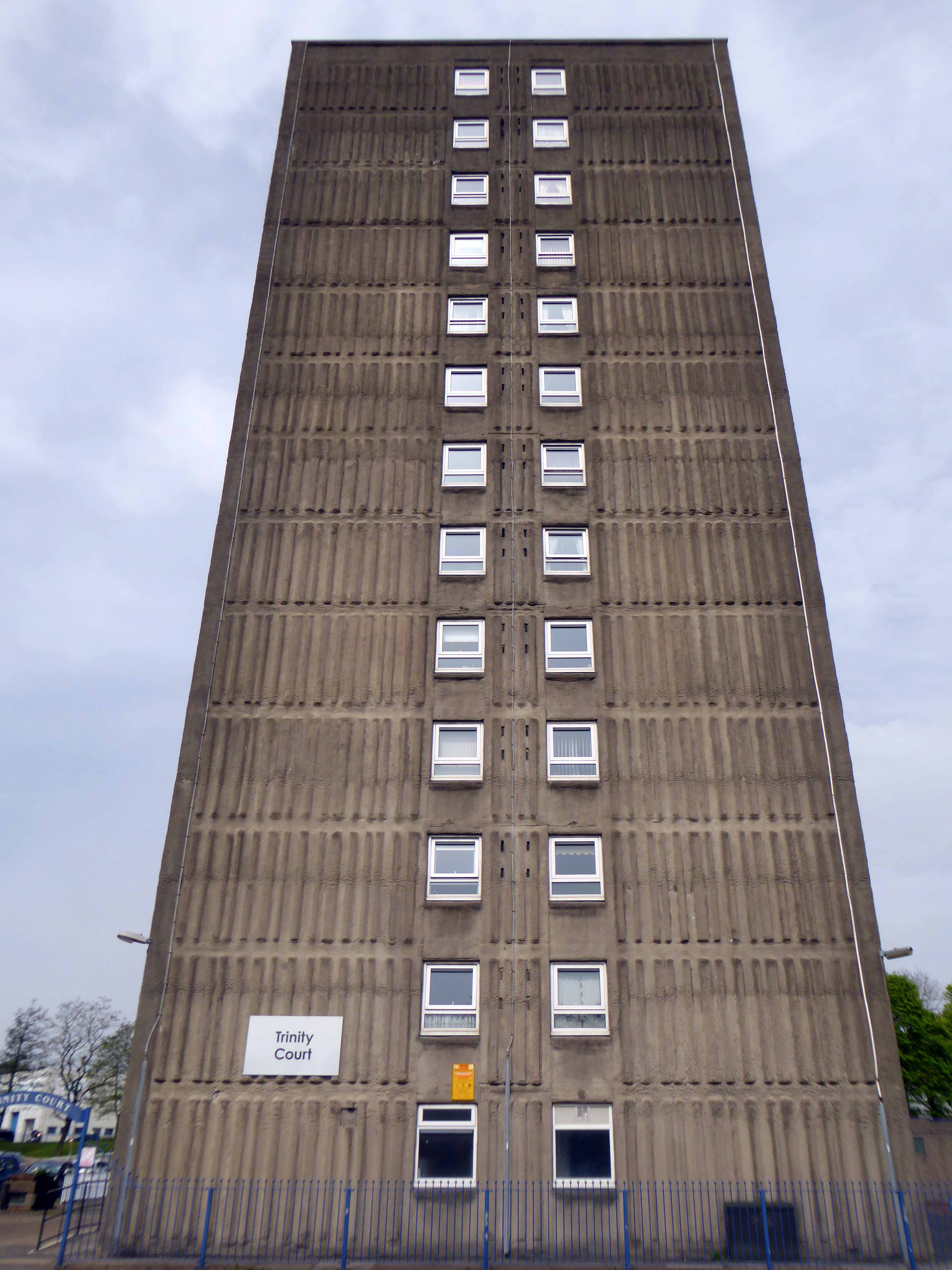
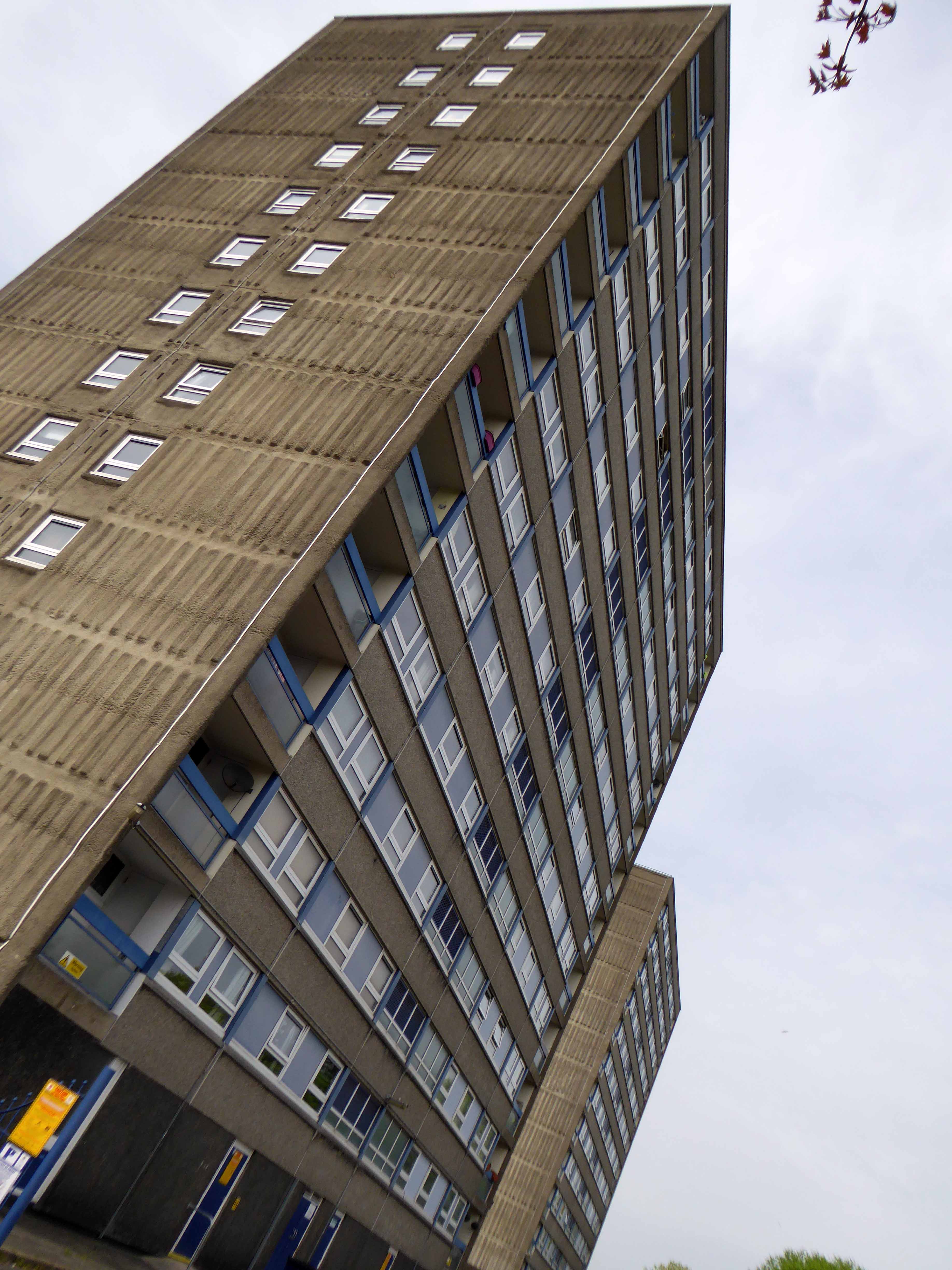
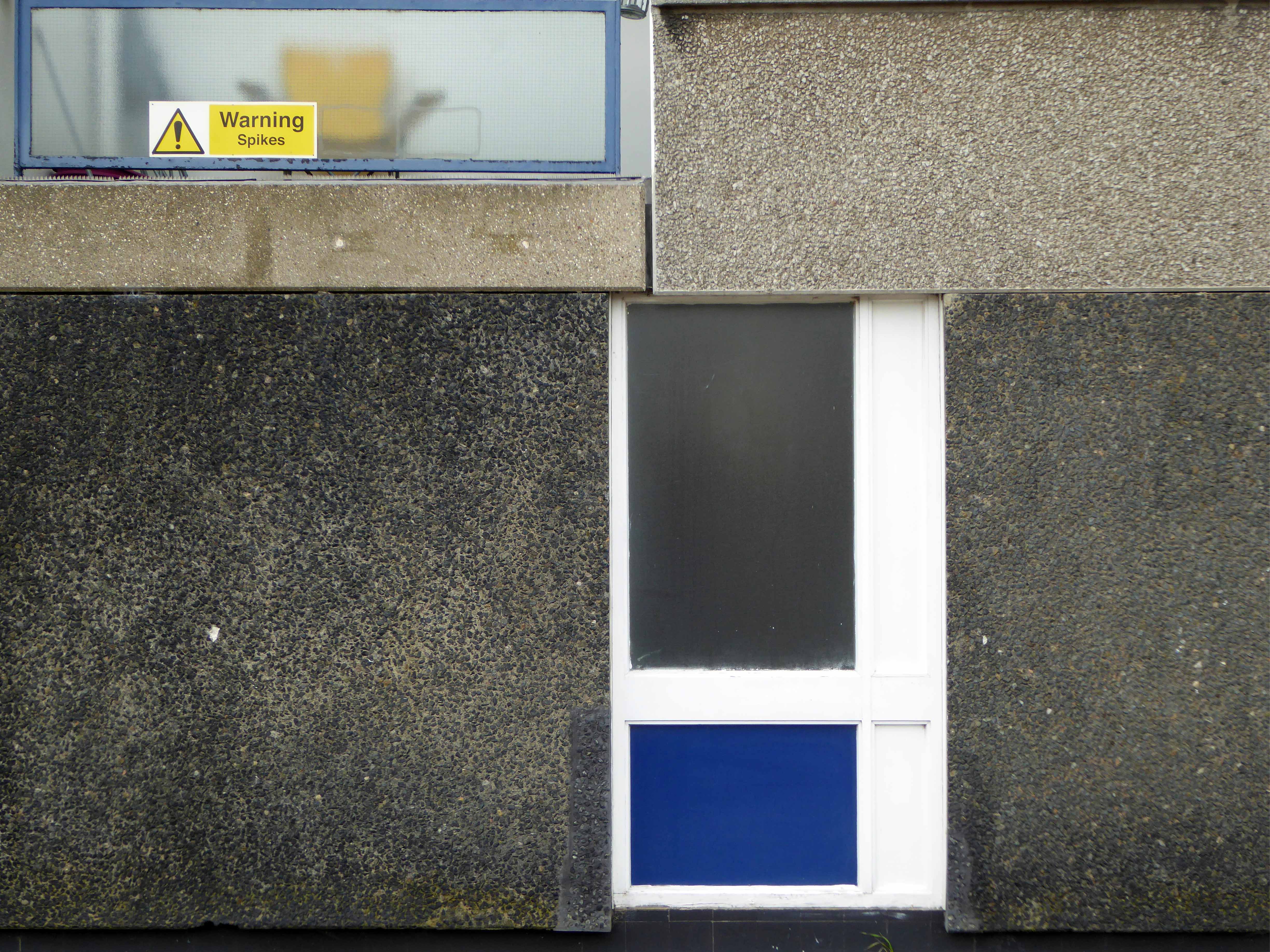
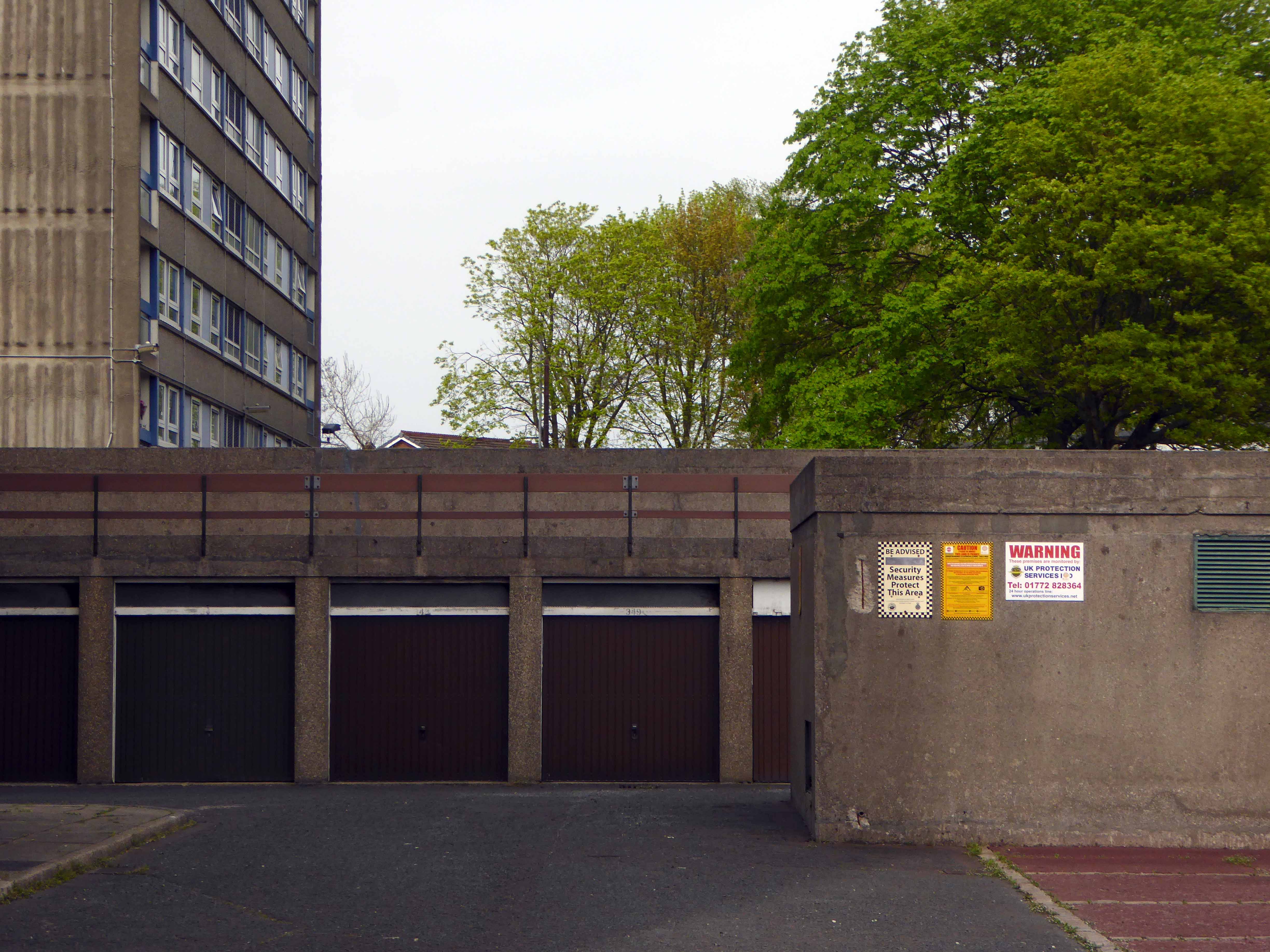
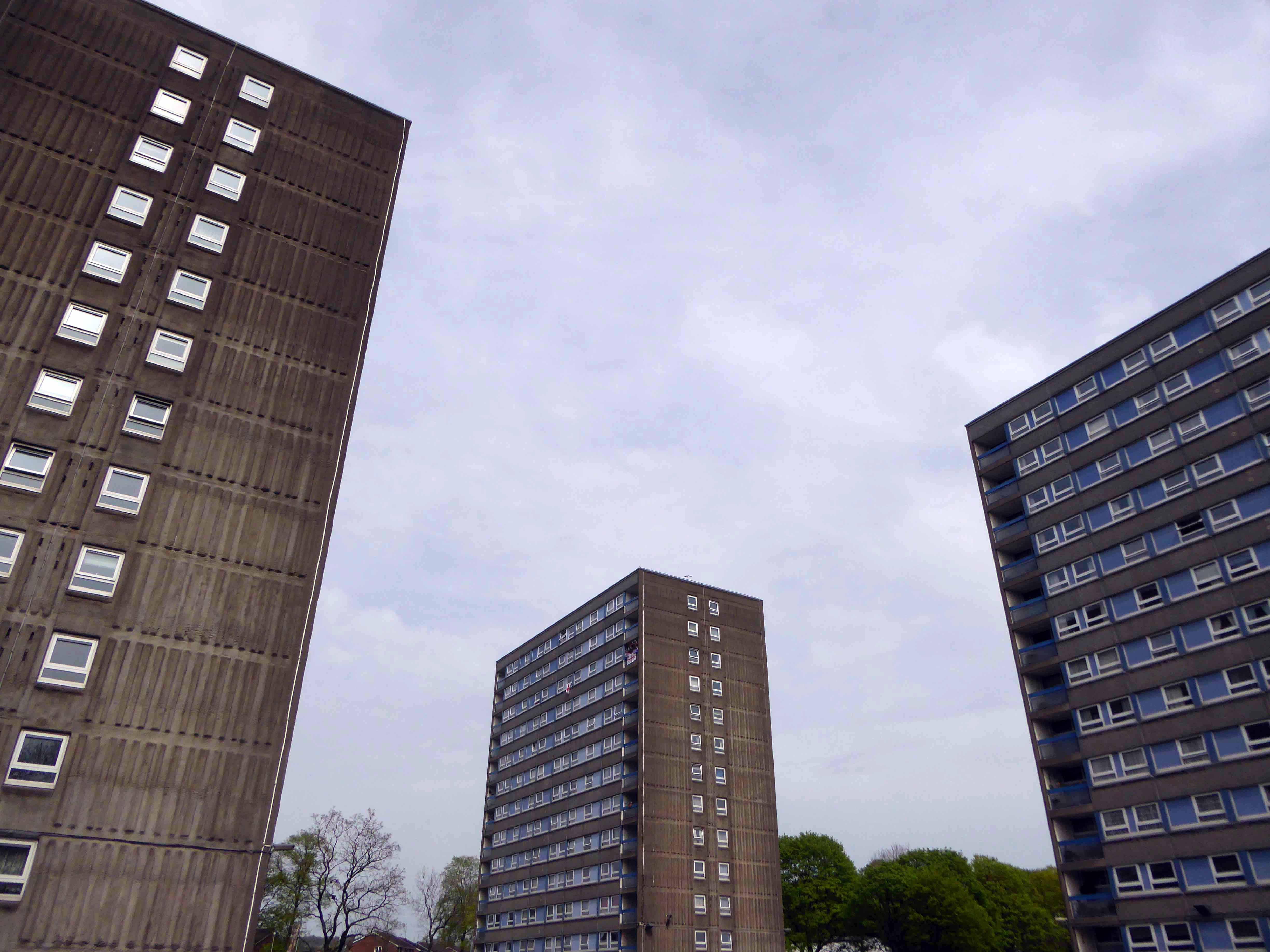
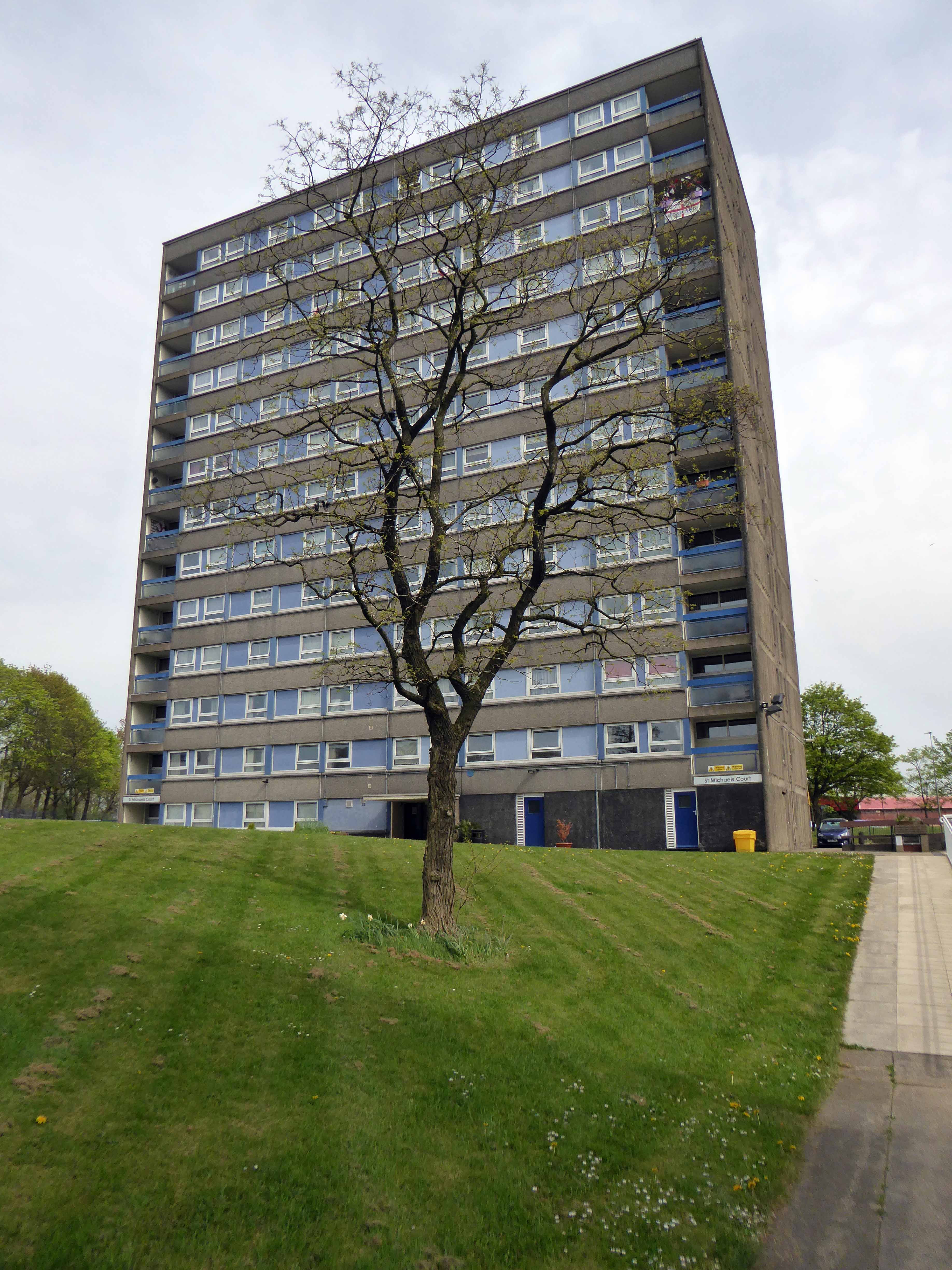
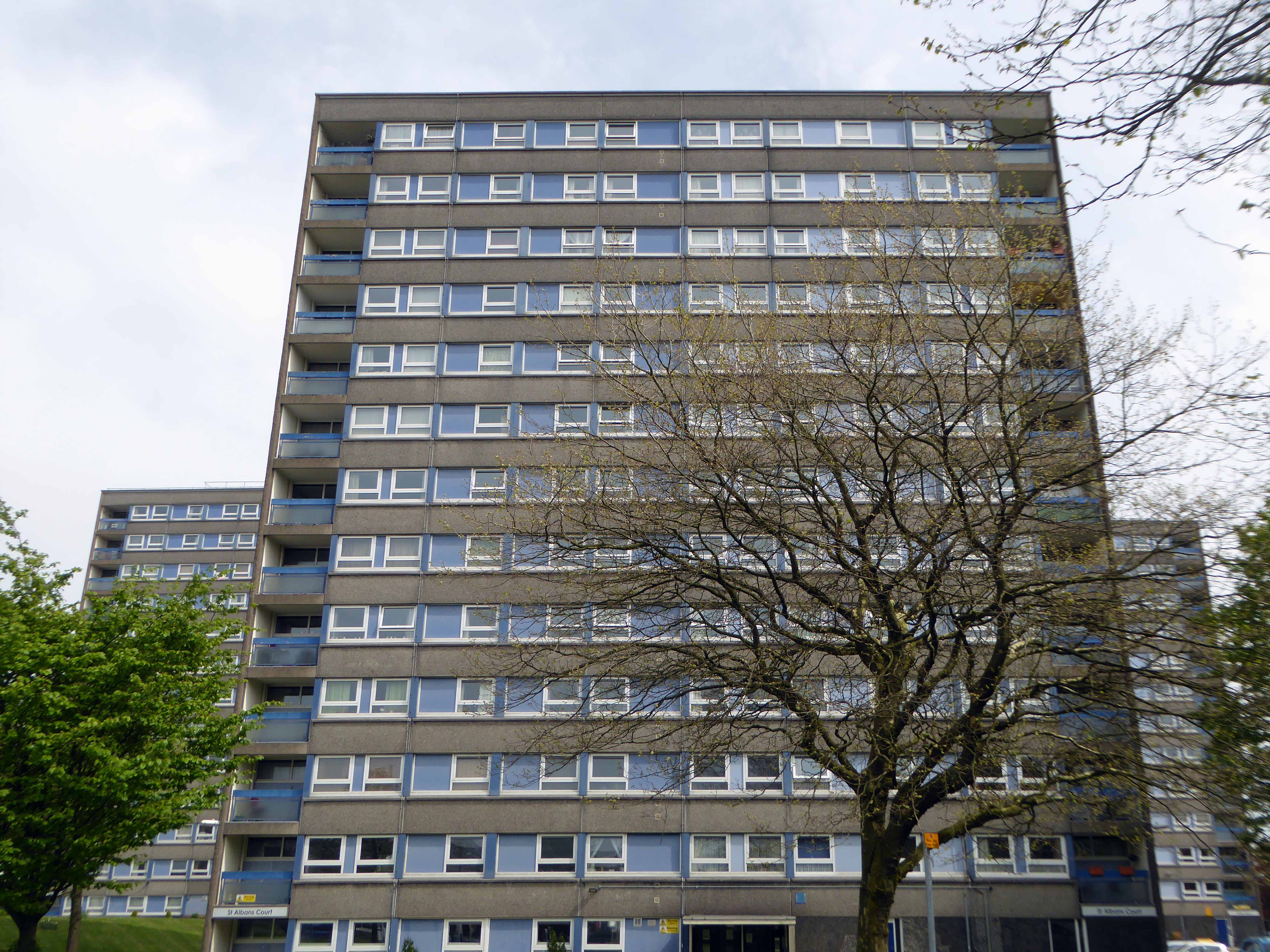
One fine day – whilst walking back to and/or from happiness, in the general direction of Blackburn town centre, I happened to chance upon three towers.
Whilst not in any sense Tolkienesque – for me they held a certain mystique, wandering unclad amongst swathes of trees and grass.
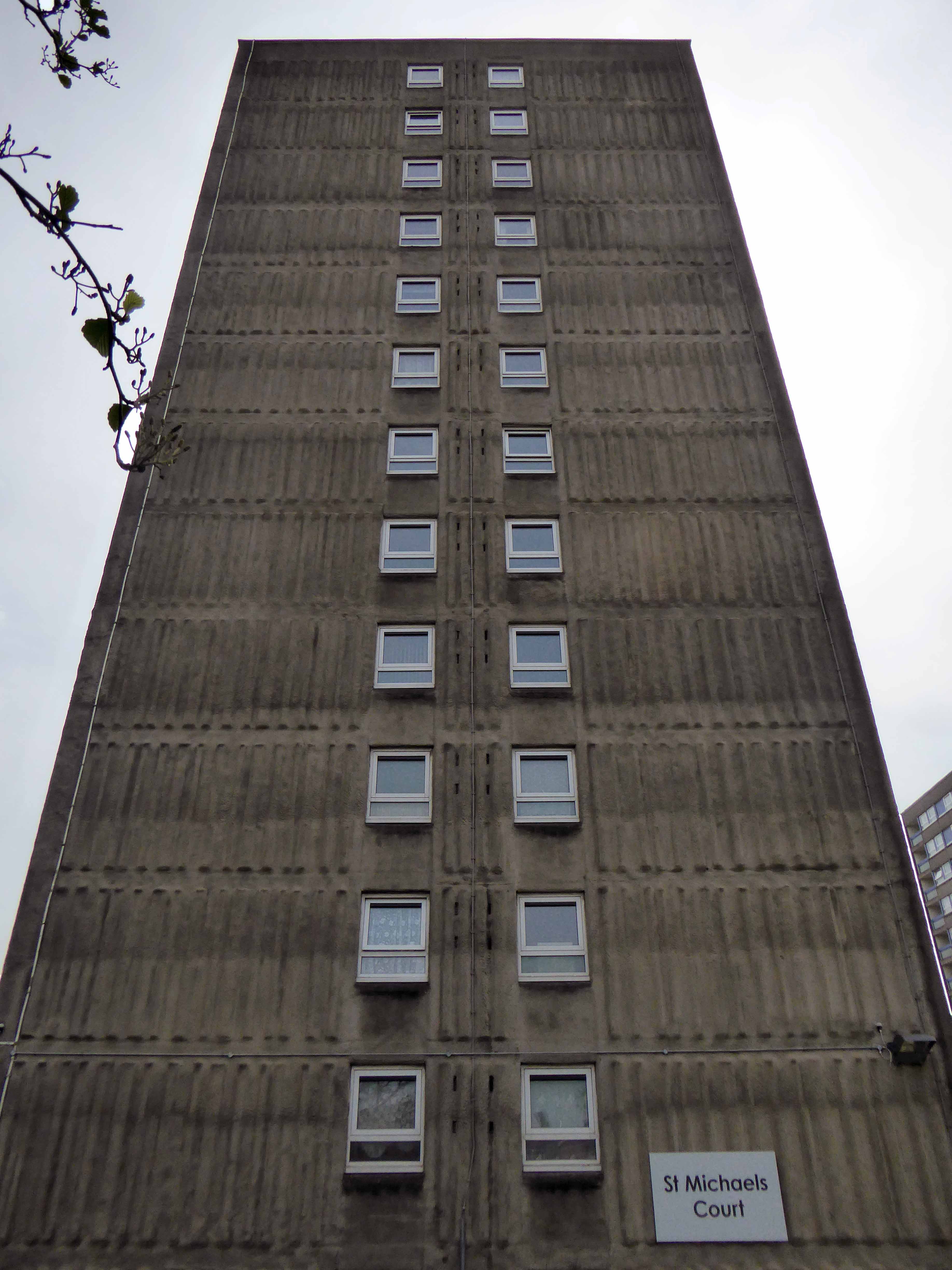
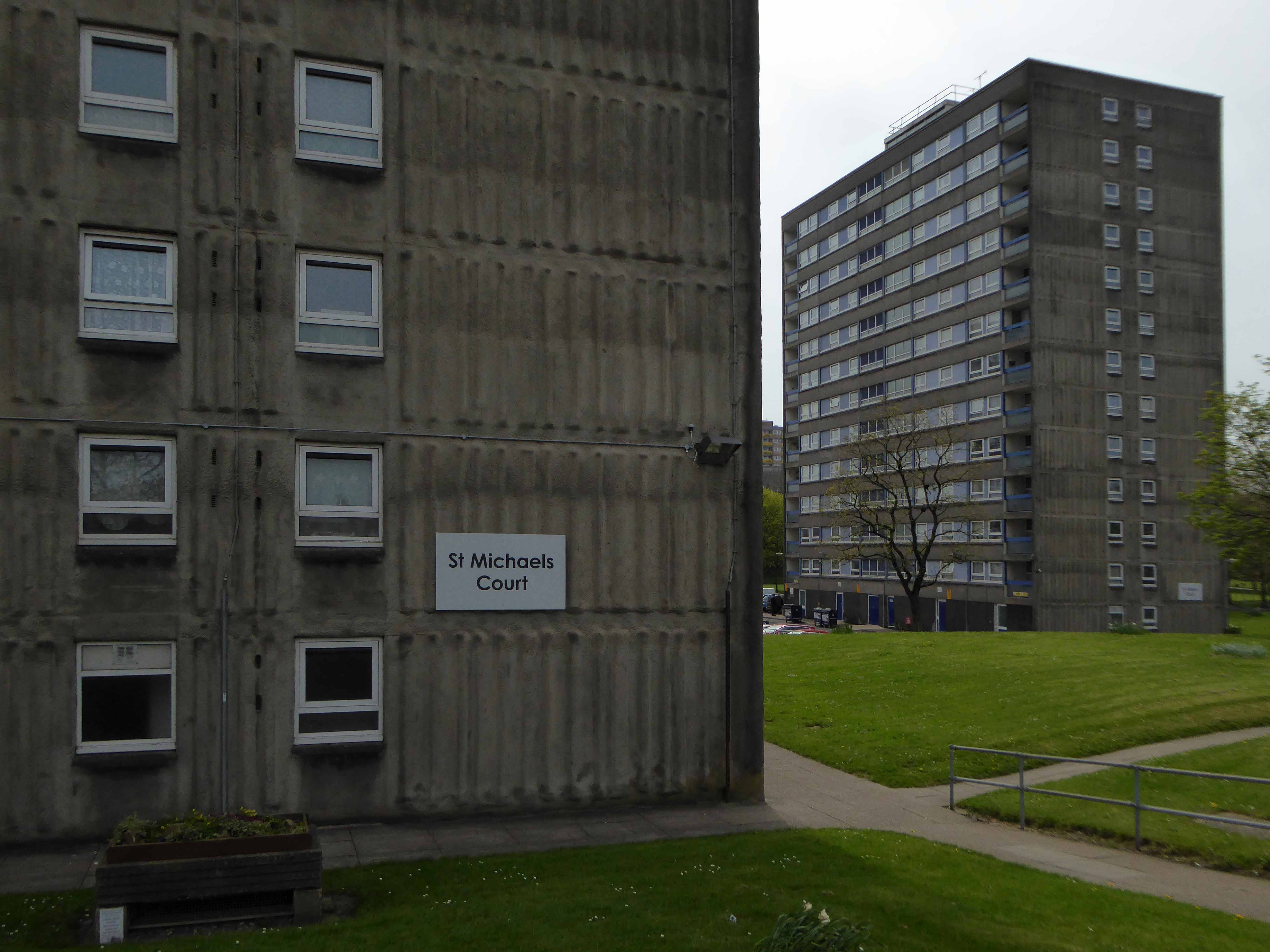
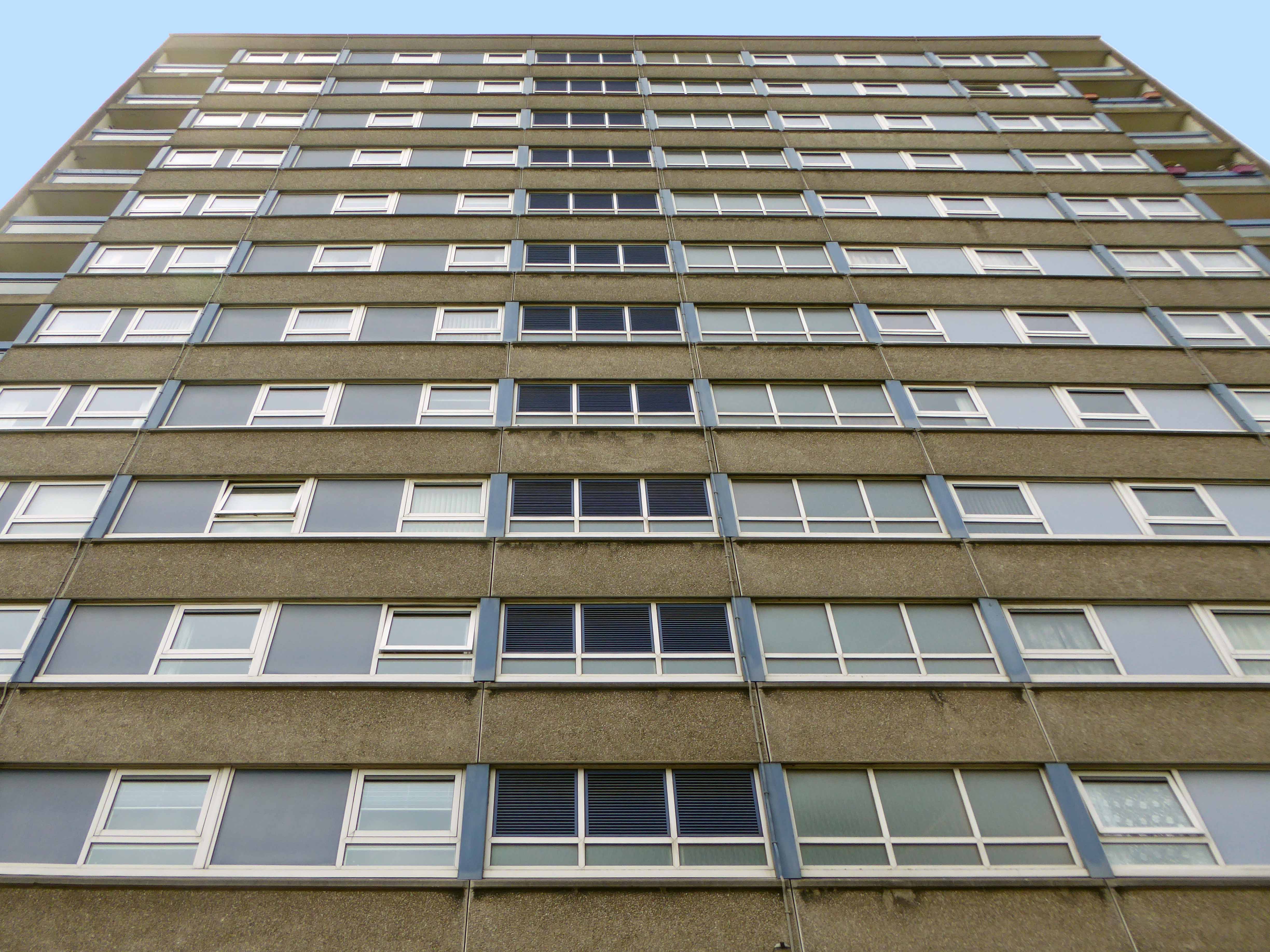
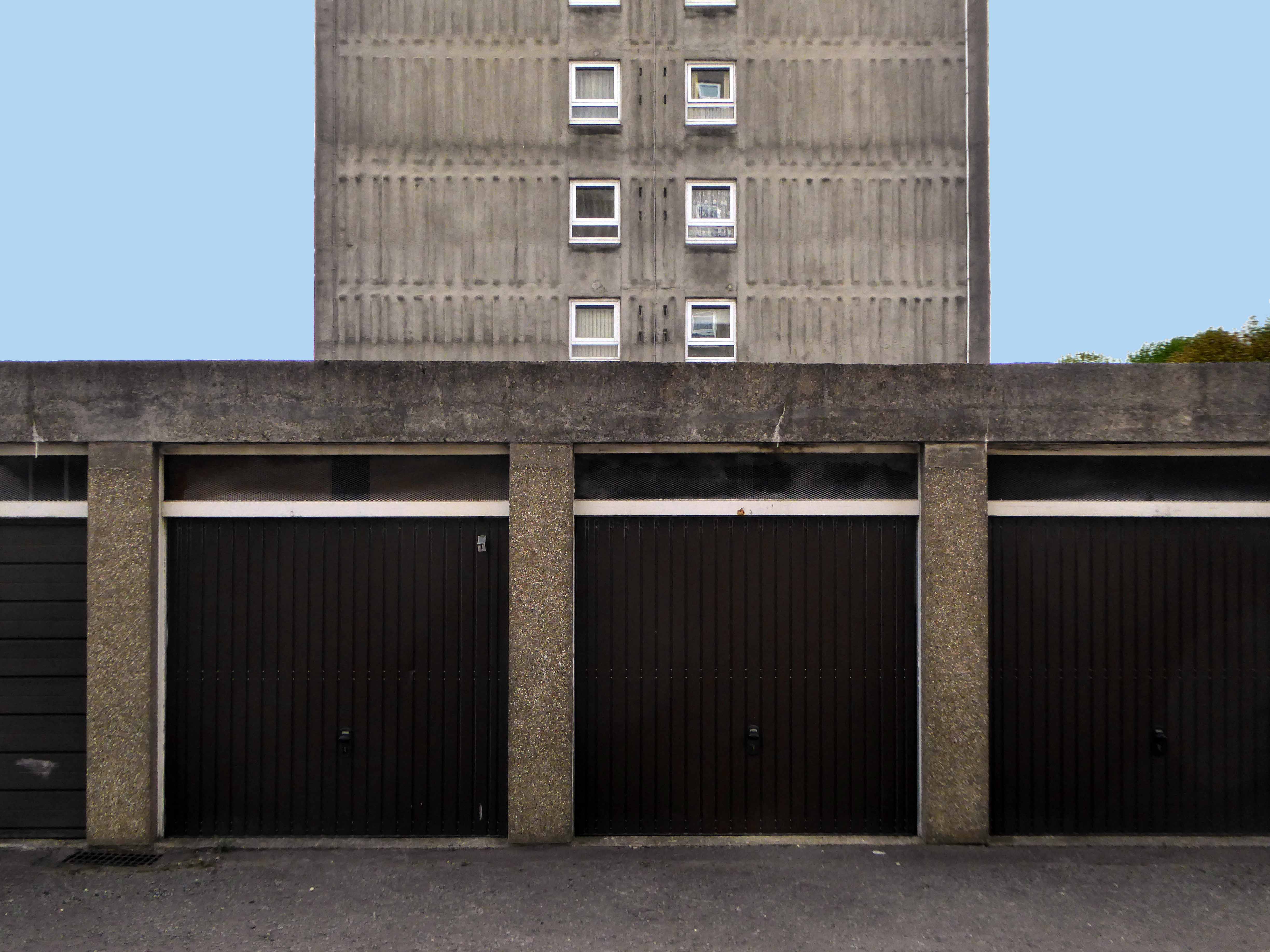
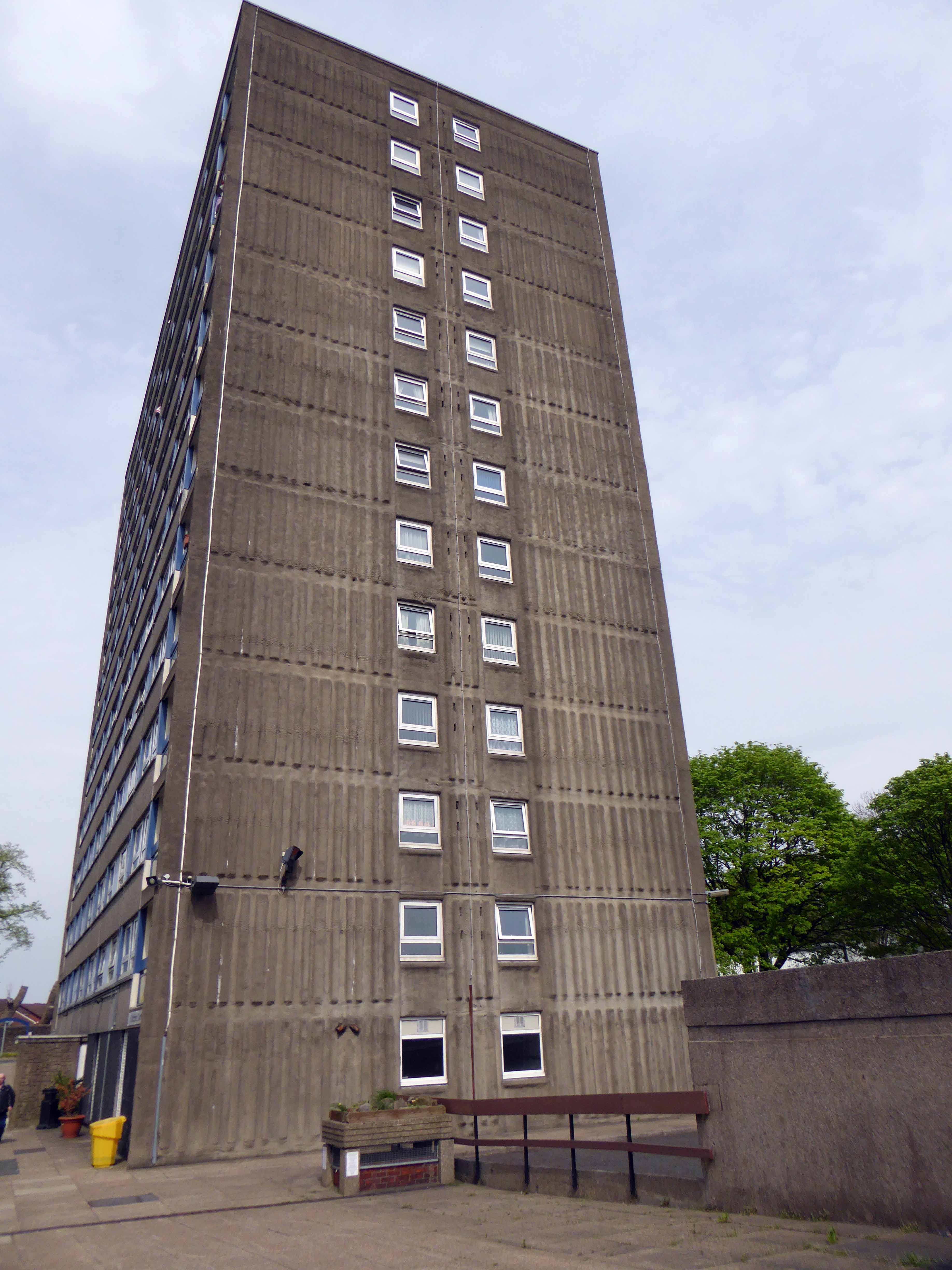
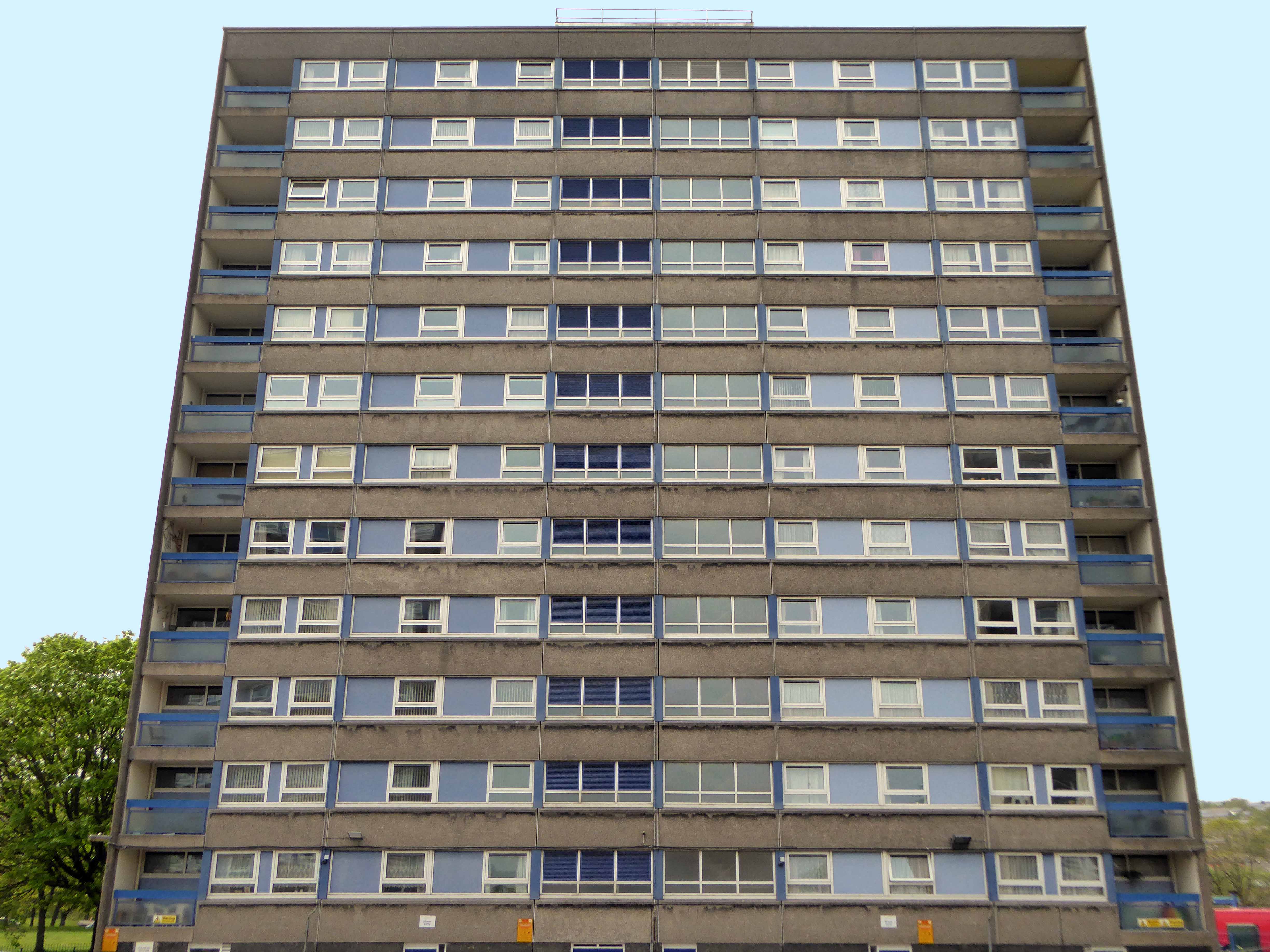
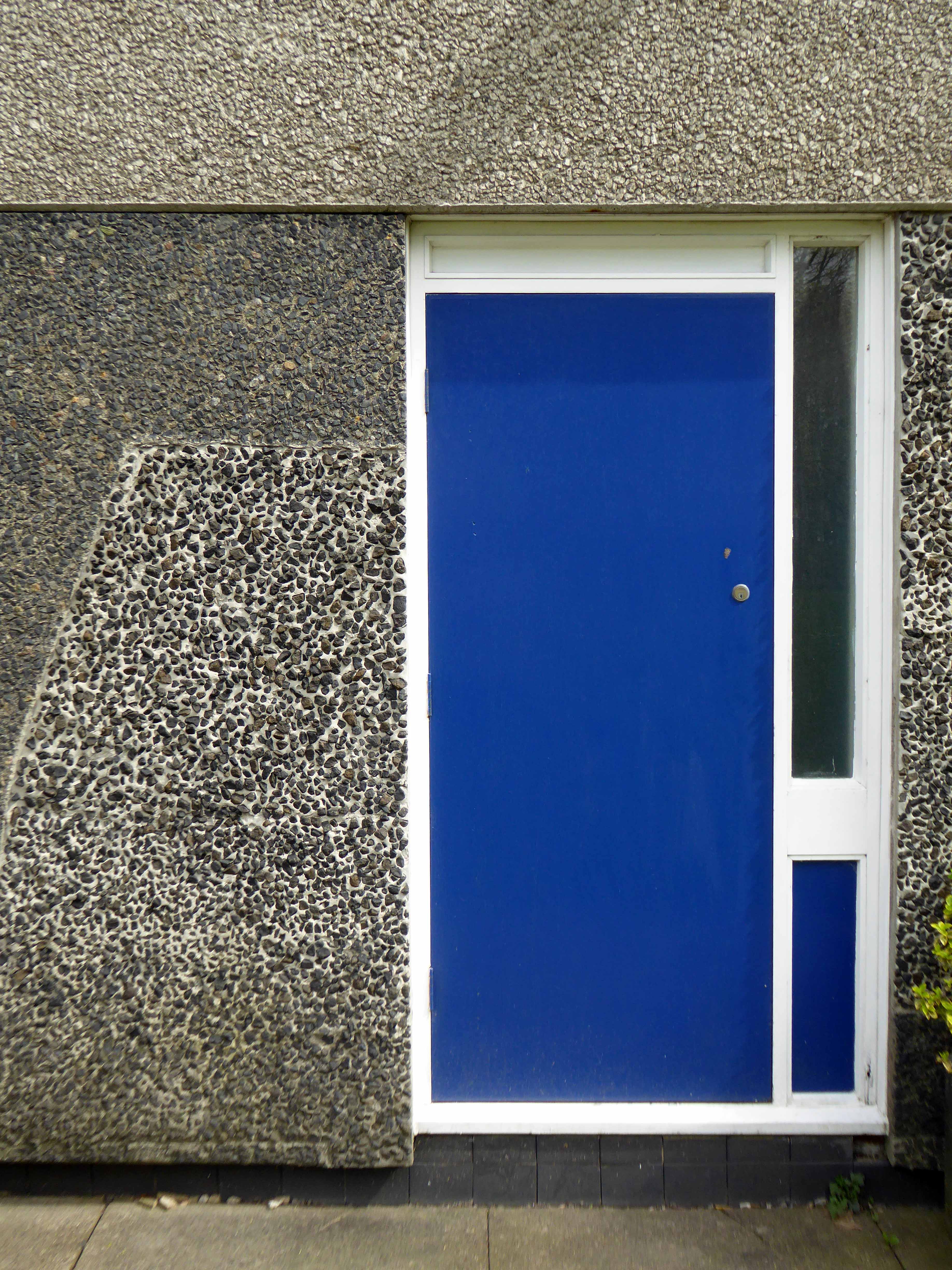
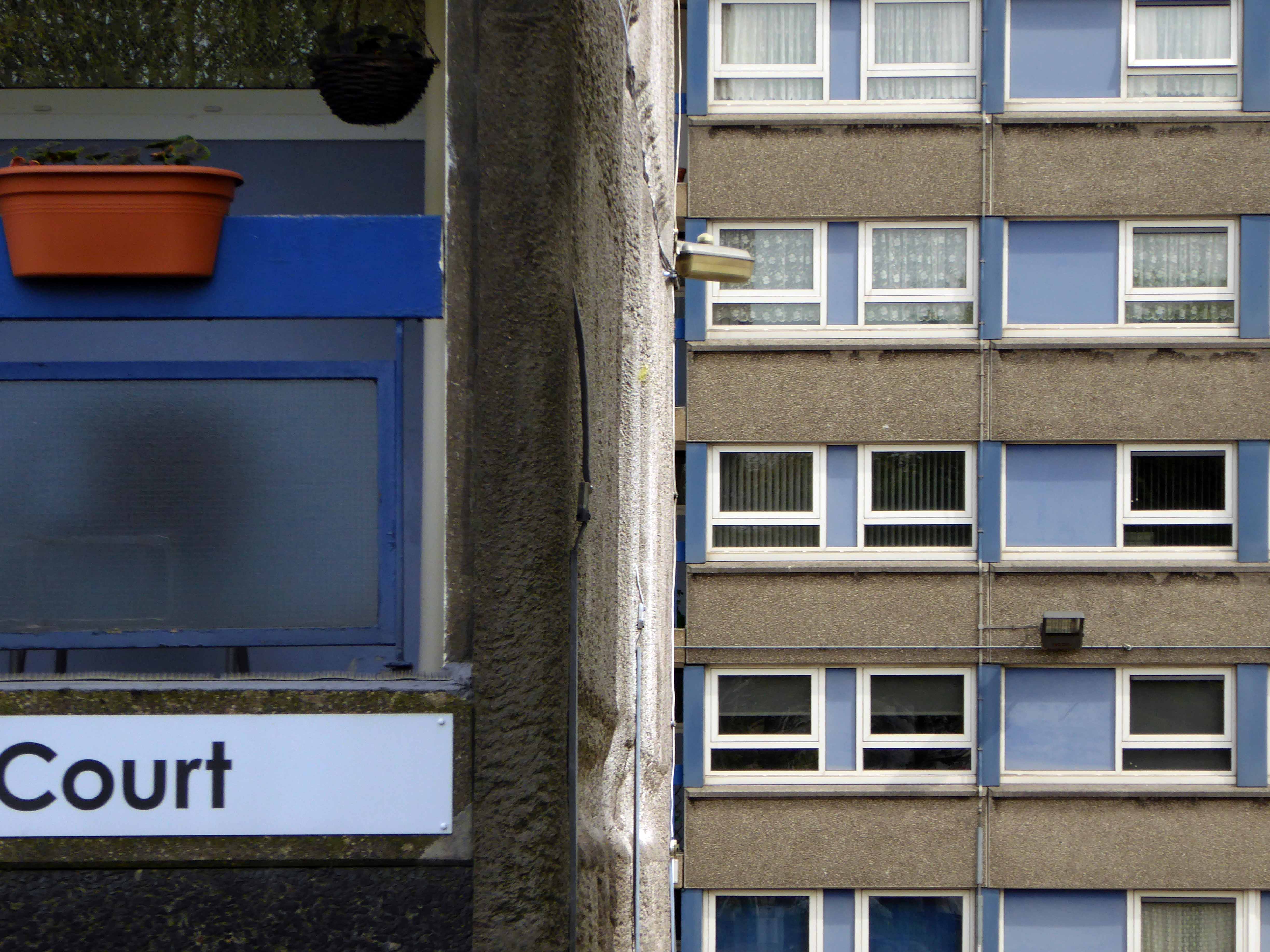
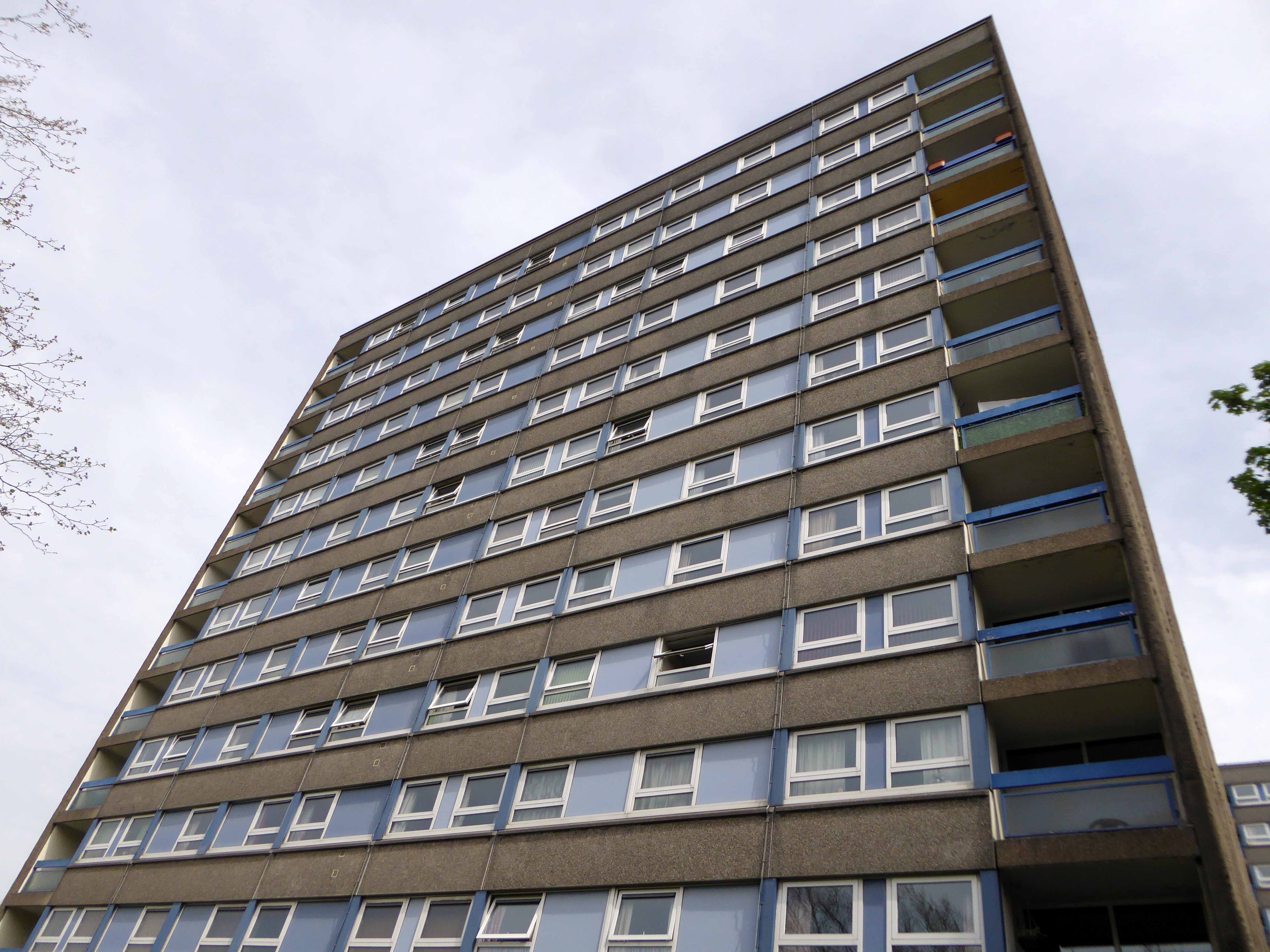
Trinity, St Alban and St Michaels Courts – three thirteen storey towers each containing sixty one dwellings.
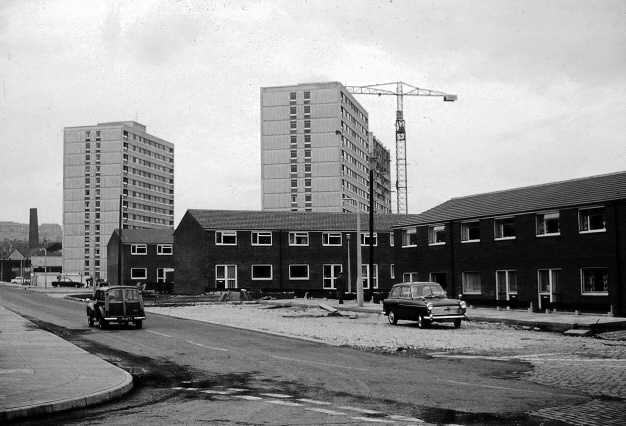
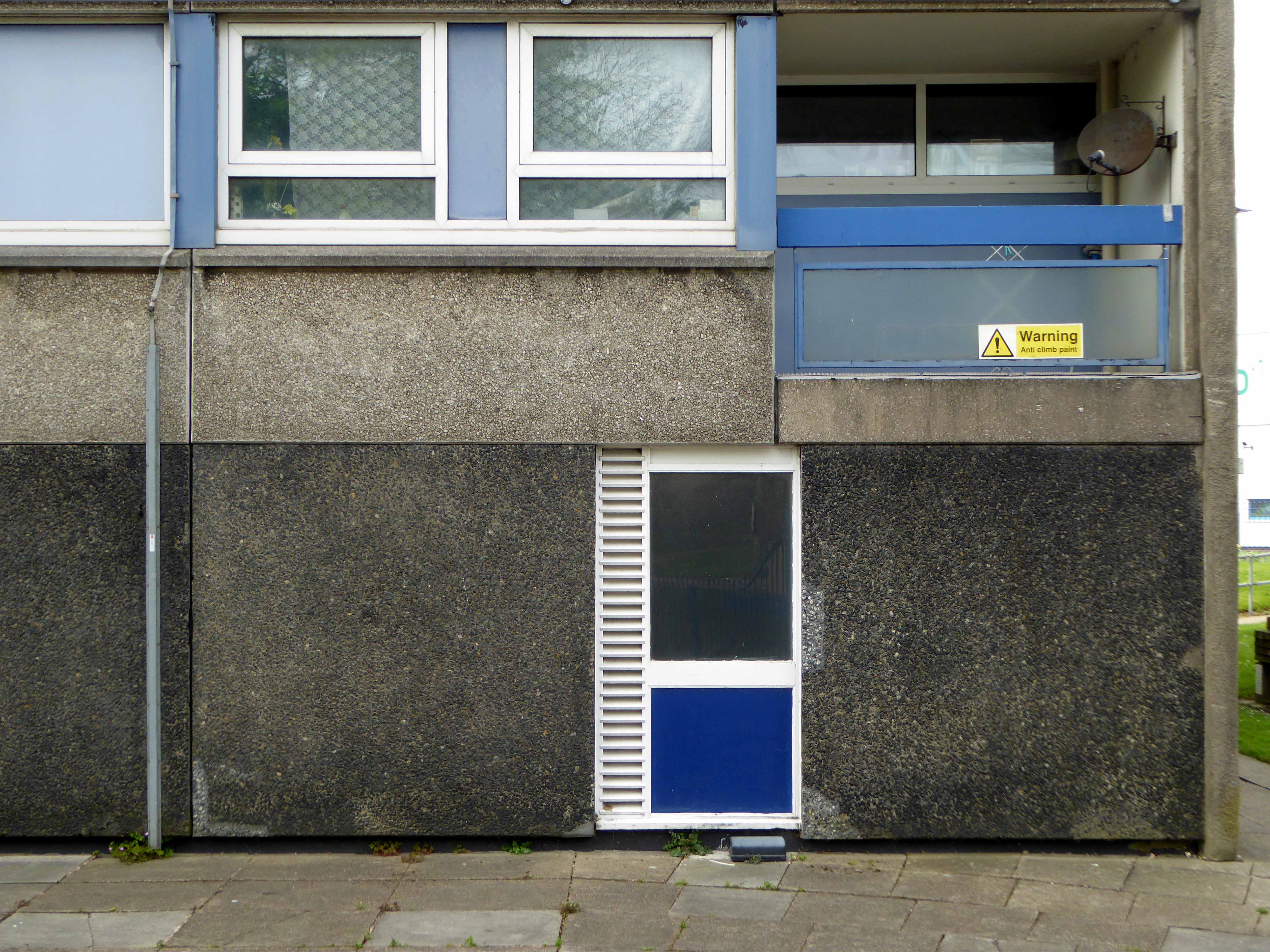
Three thirteen-storey slab blocks built as public housing using the Sectra industrialised building system. The blocks contain 183 dwellings in total, consisting of 72 one-bedroom flats and 111 two-bedroom flats. The blocks are of storiform construction clad with precast concrete panels. The panels are faced with exposed white Cornish aggregate. Spandrel panels set with black Shap granite aggregate are used under the gable kitchen windows. The blocks were designed by the Borough architect in association with Sydney Greenwood. Construction was approved by committee in 1966.
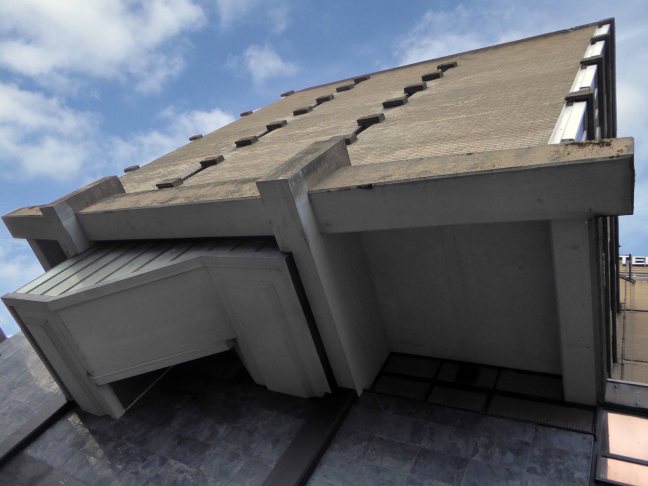
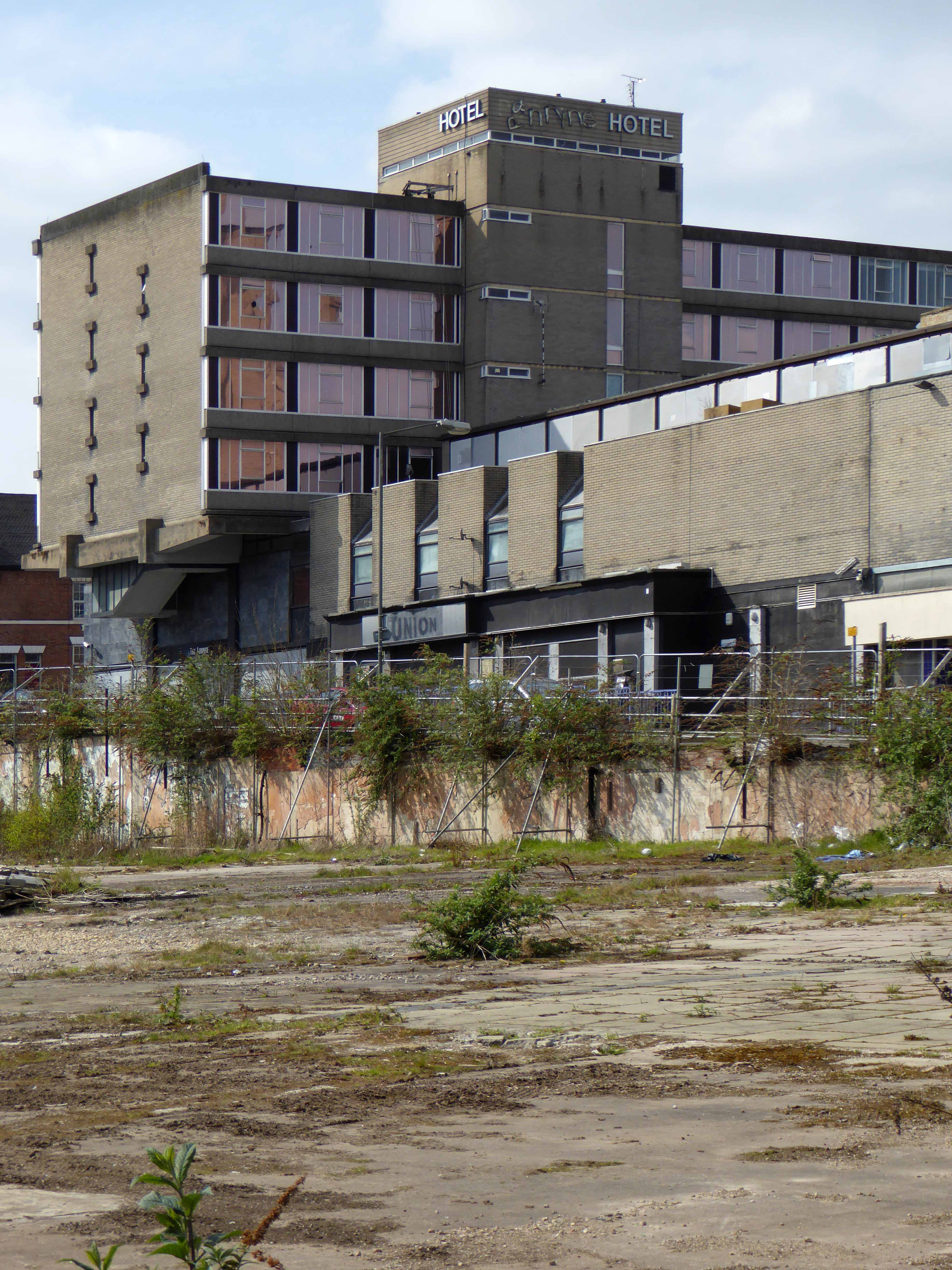
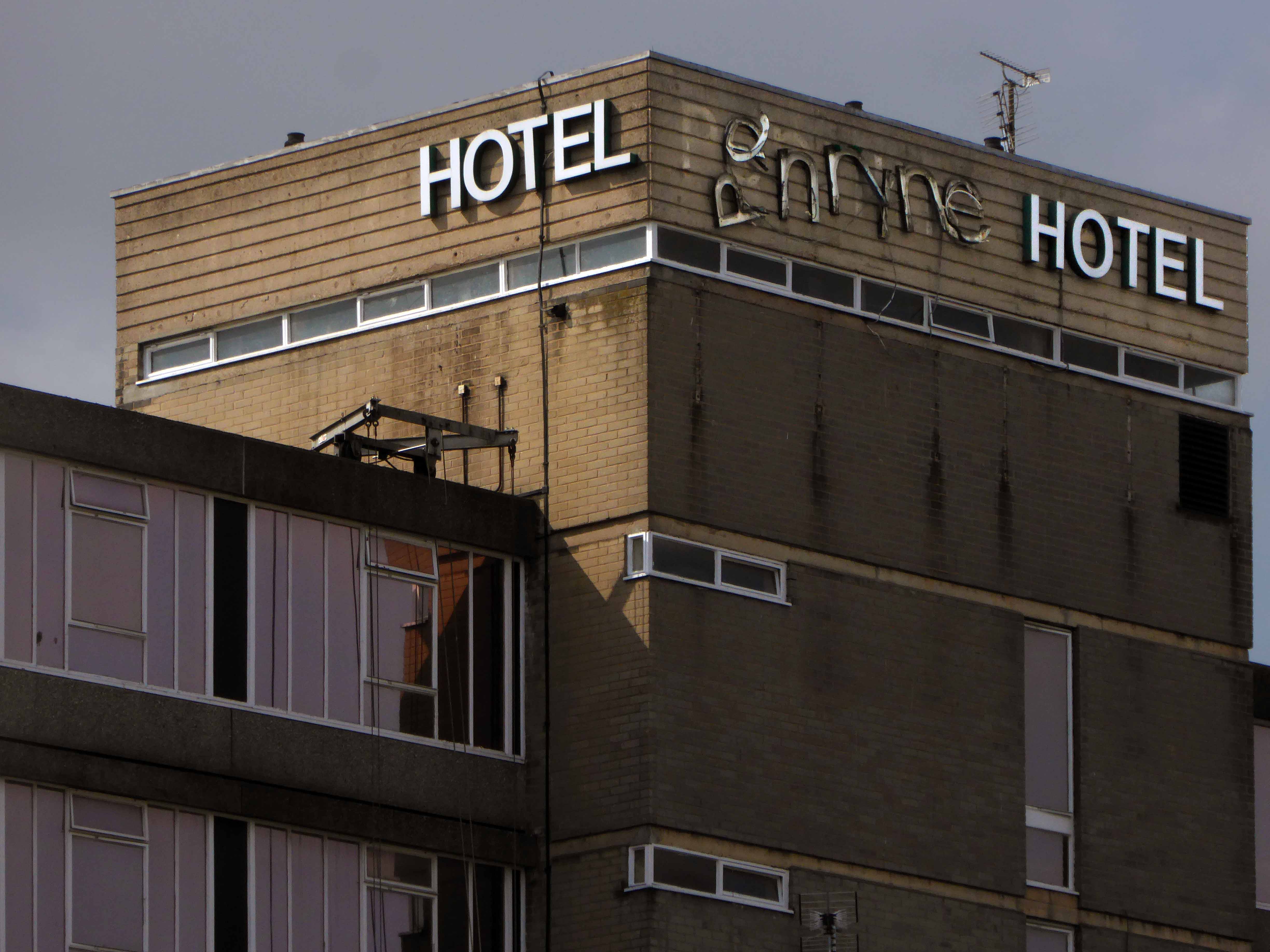
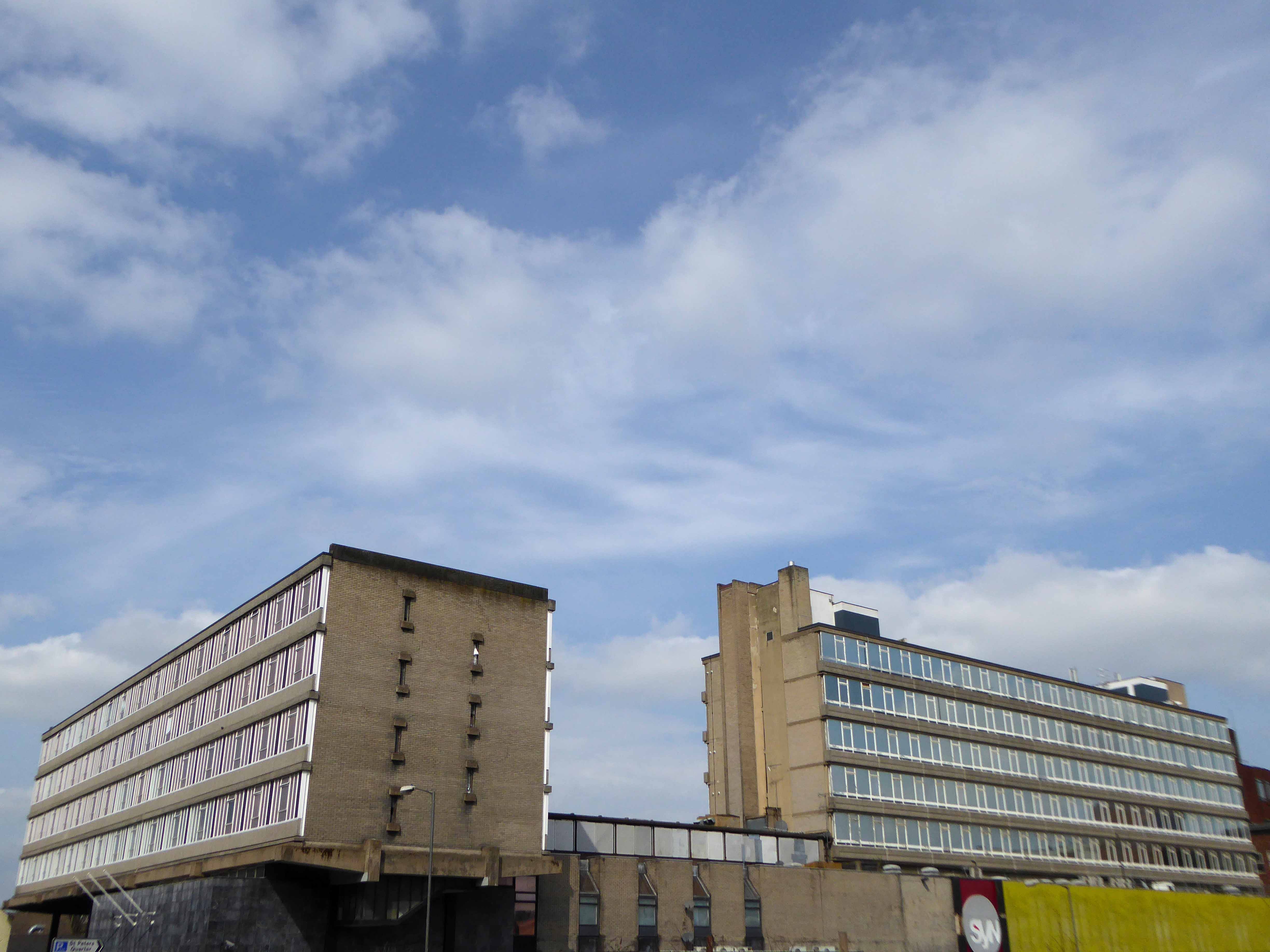
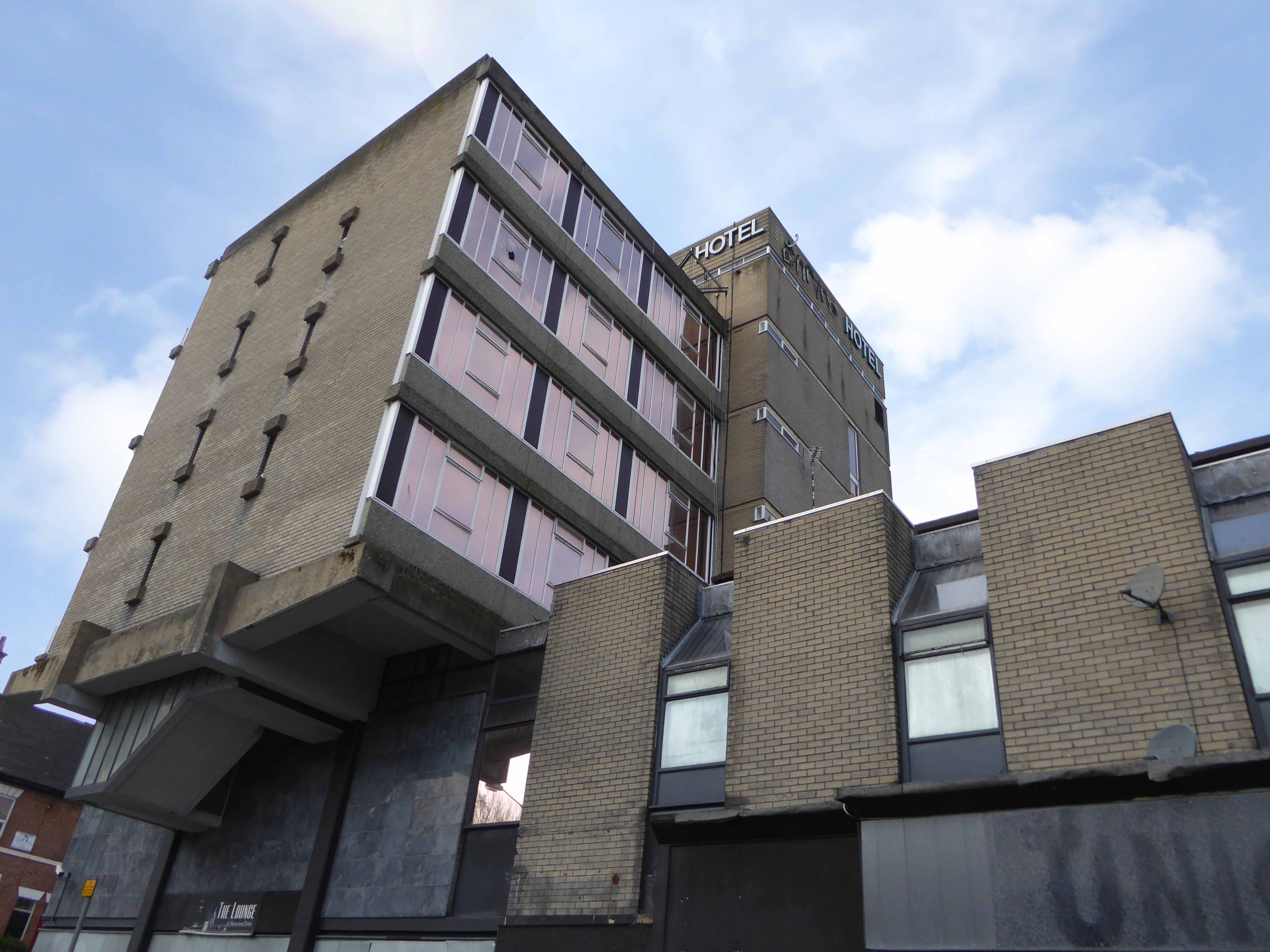
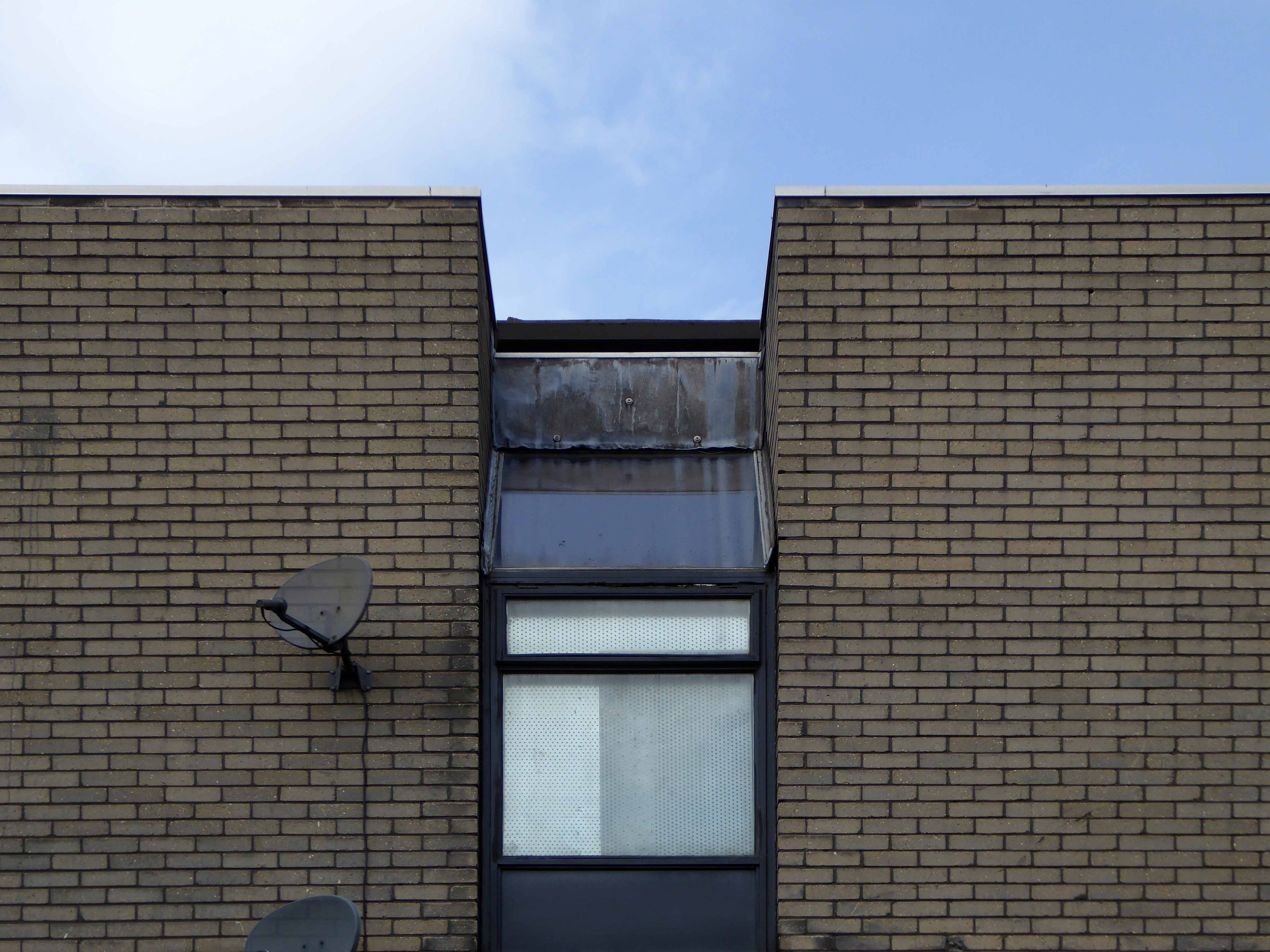
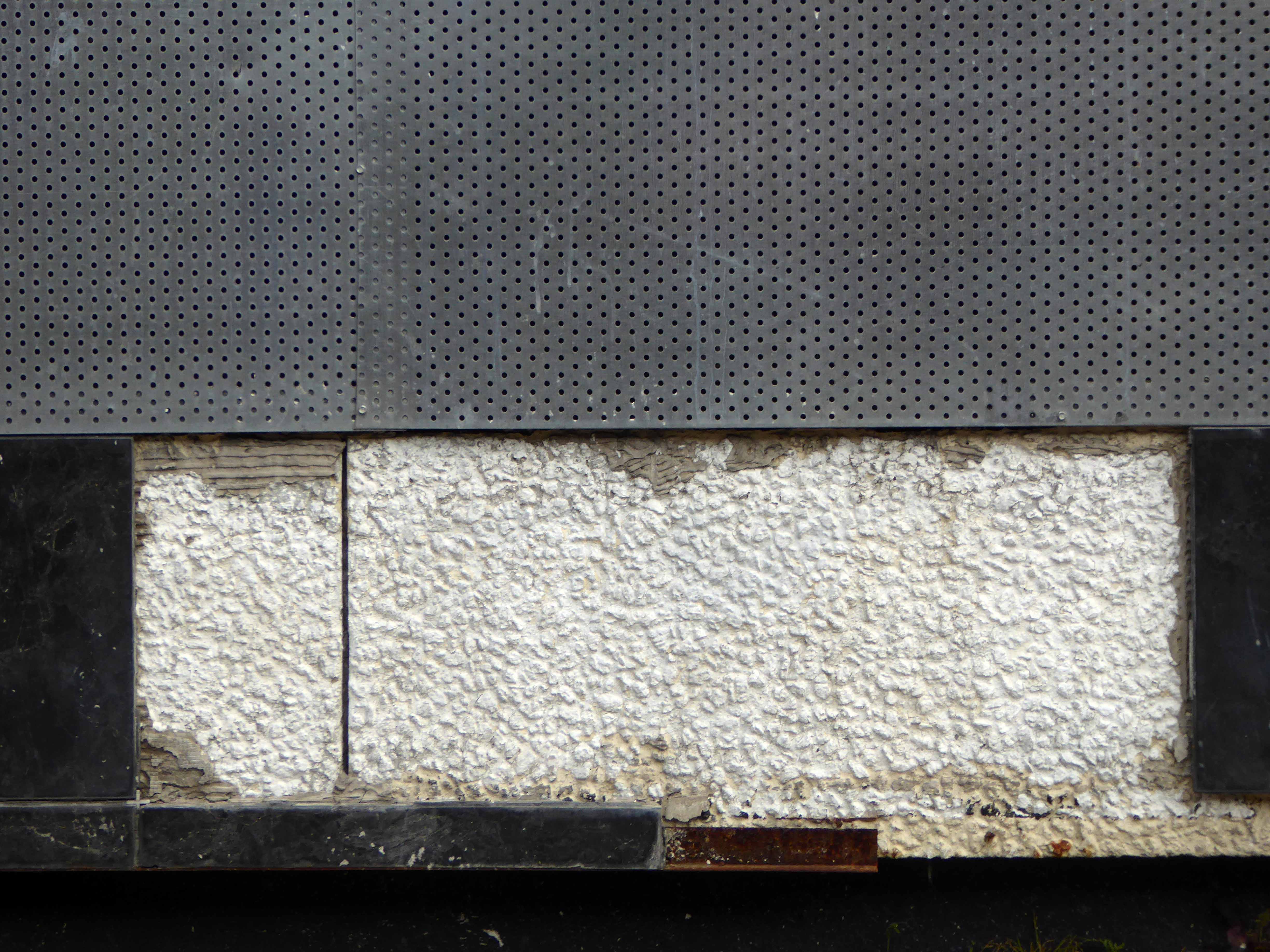
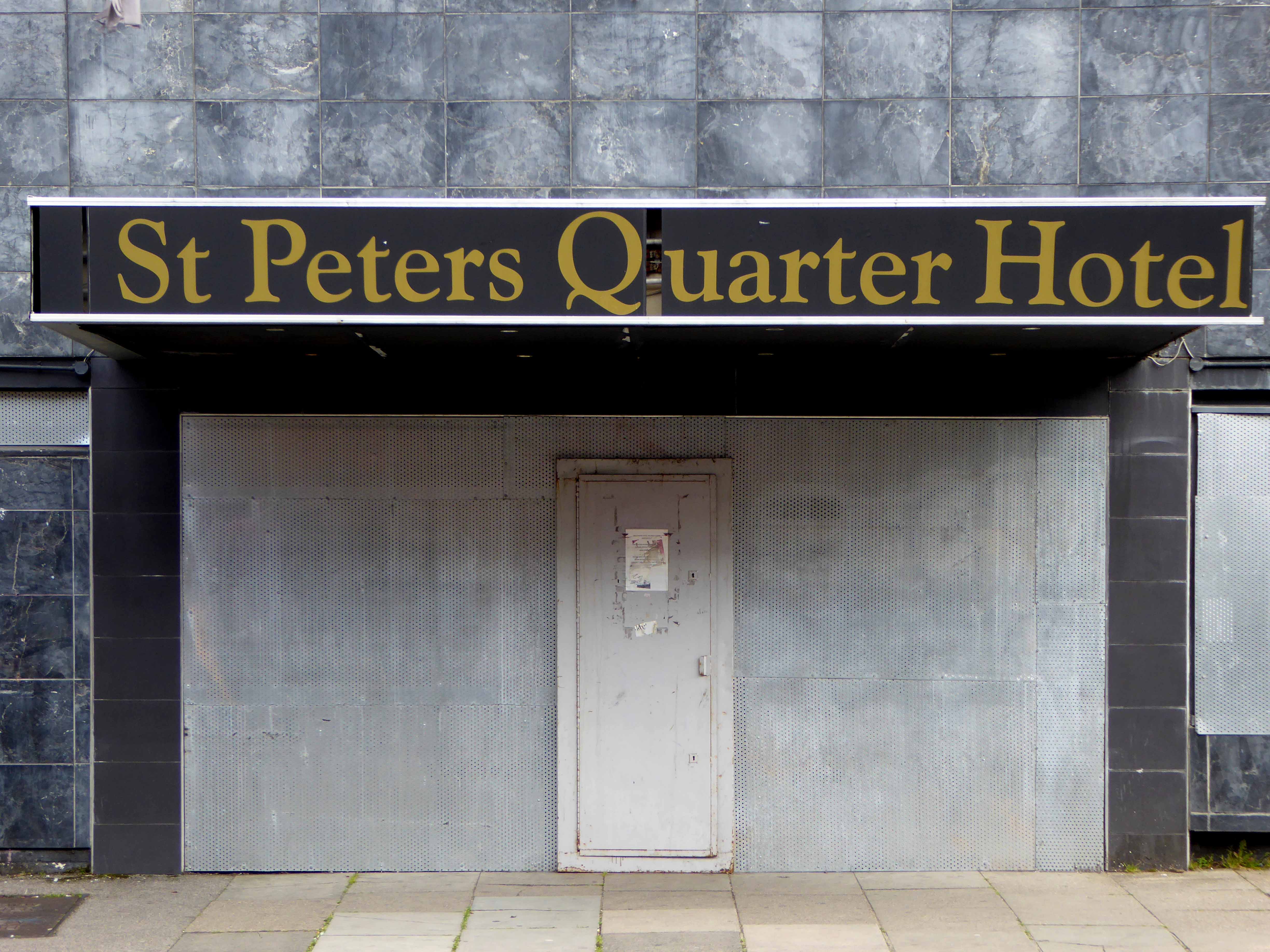
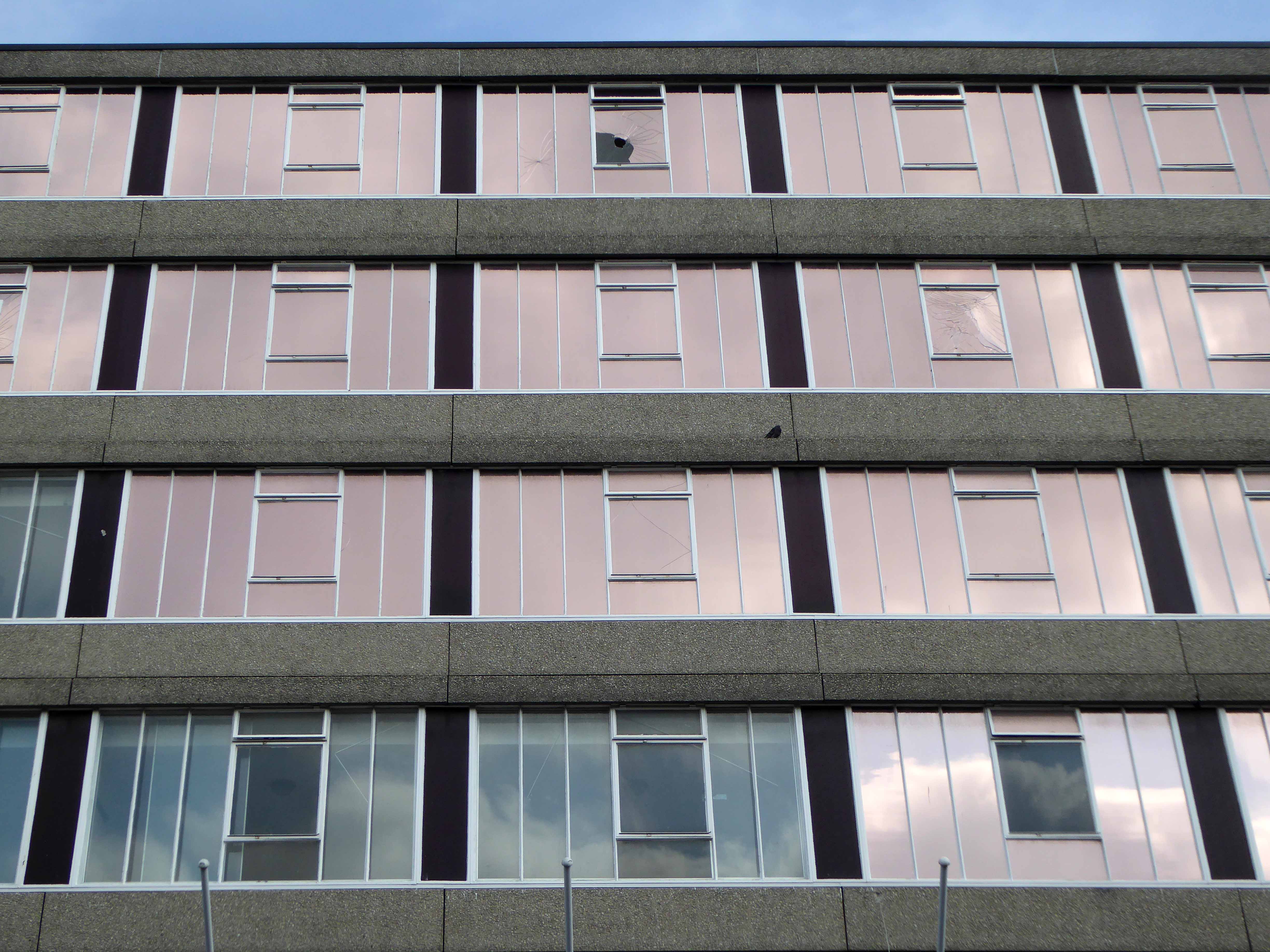
Conceived and wrought from concrete, glass and steel in the Swinging Sixties, the passage of time and Trip Advisor reviews, have been far from kind.
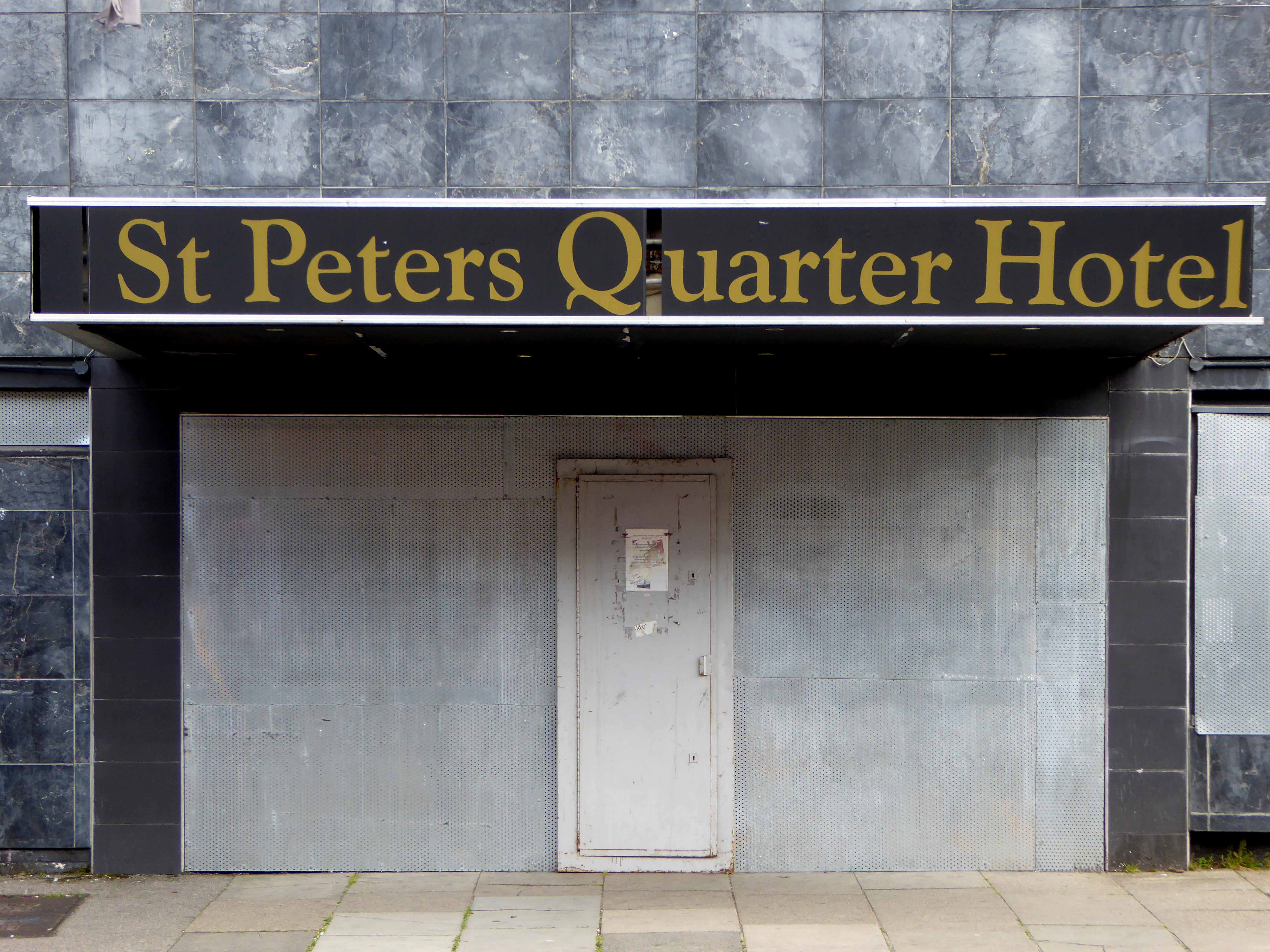
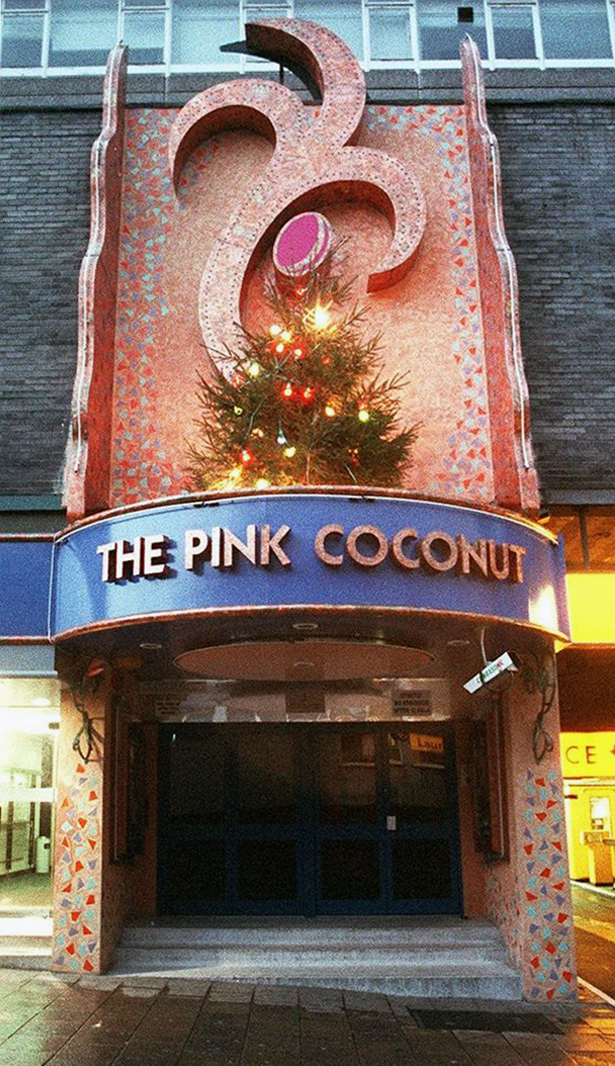
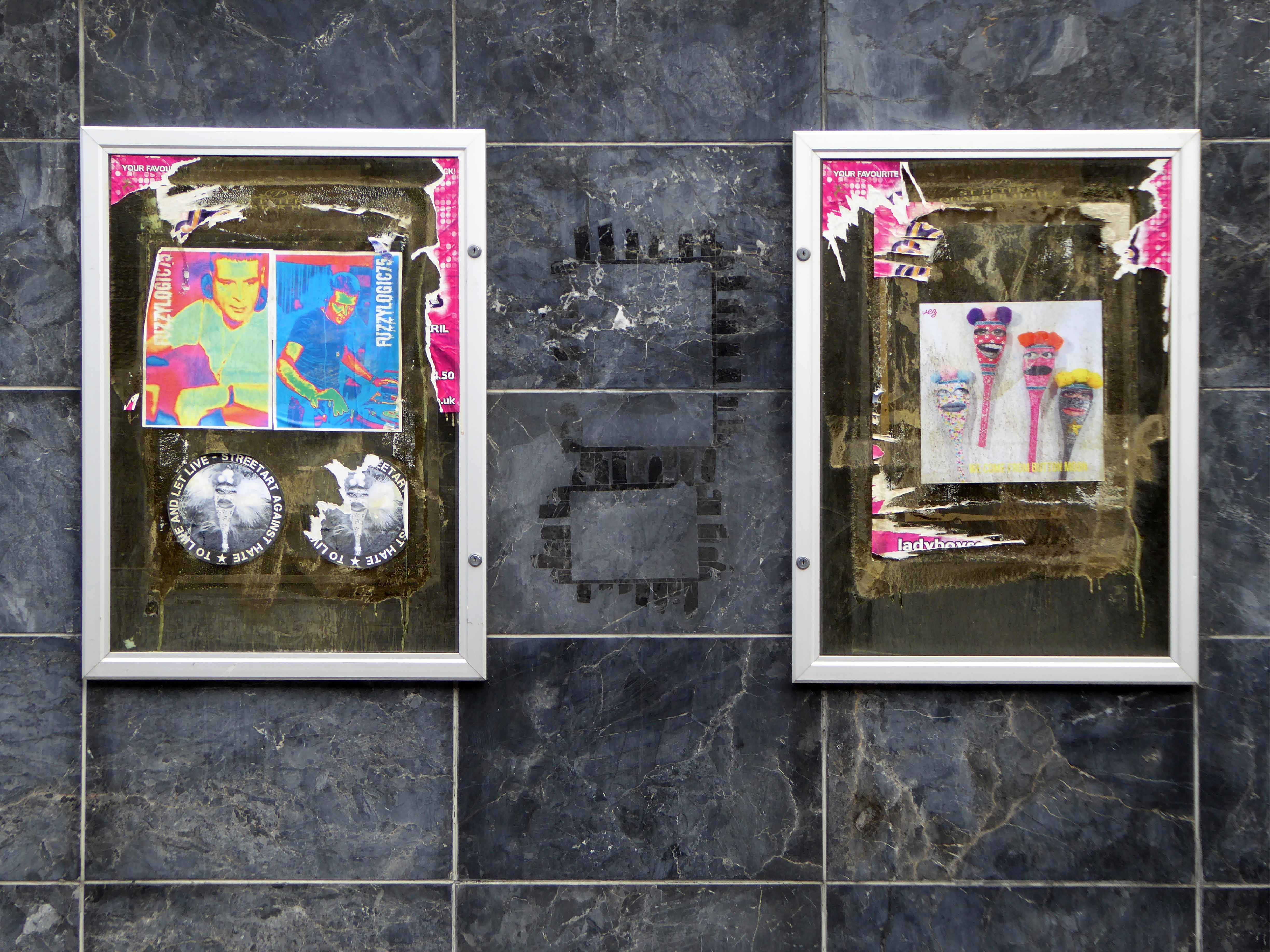
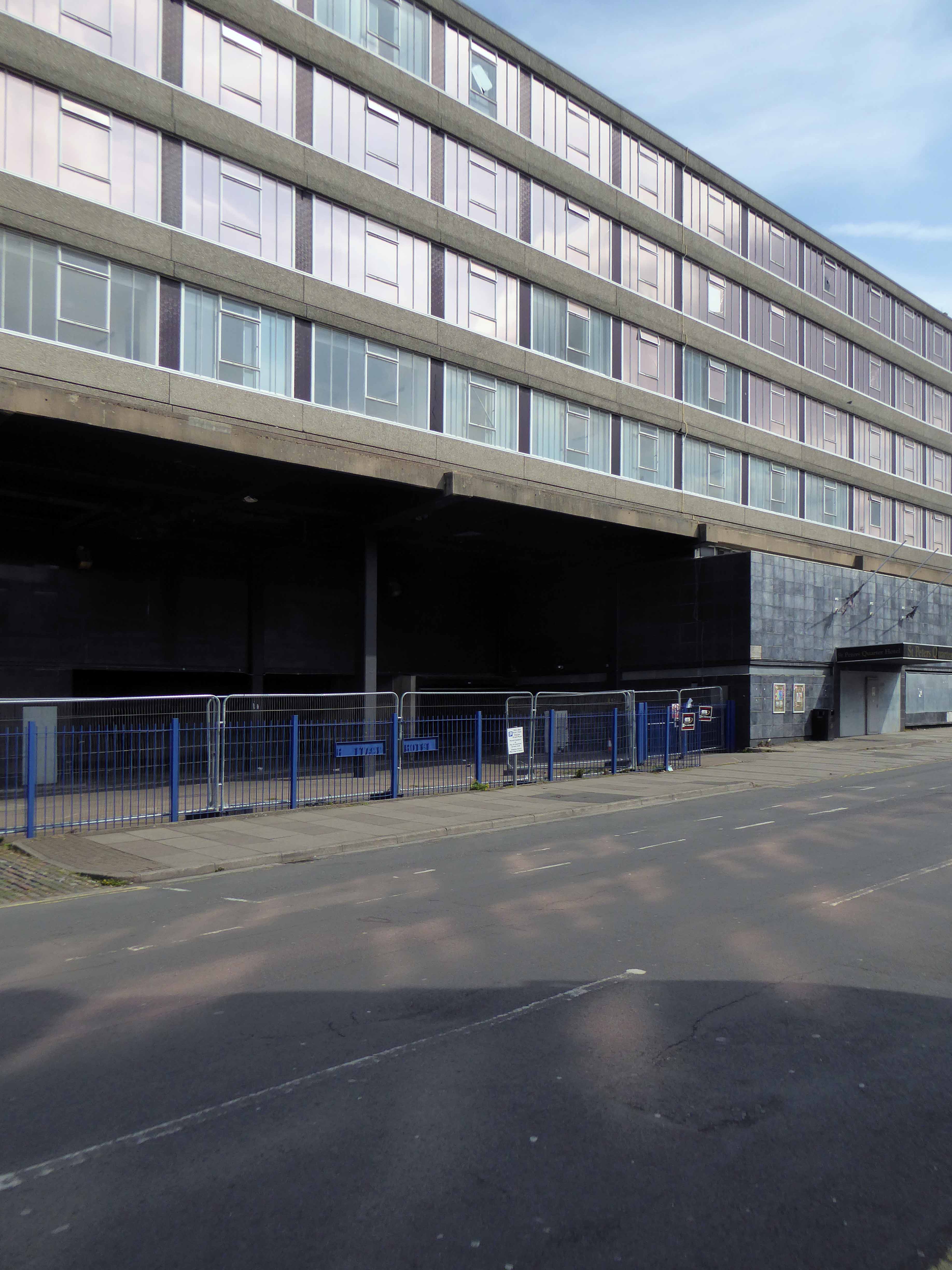
They put you in a Quarter renamed you St Peter’s – but that’s only half the battle.
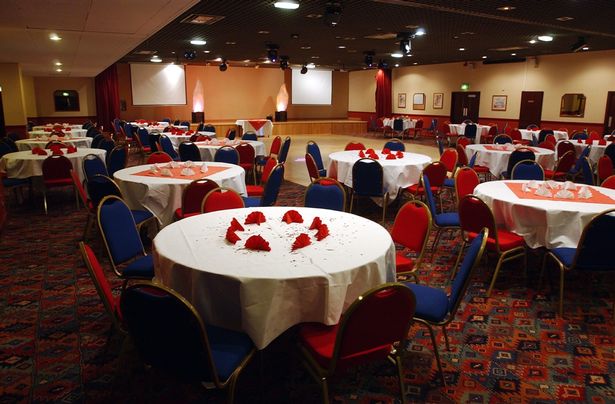
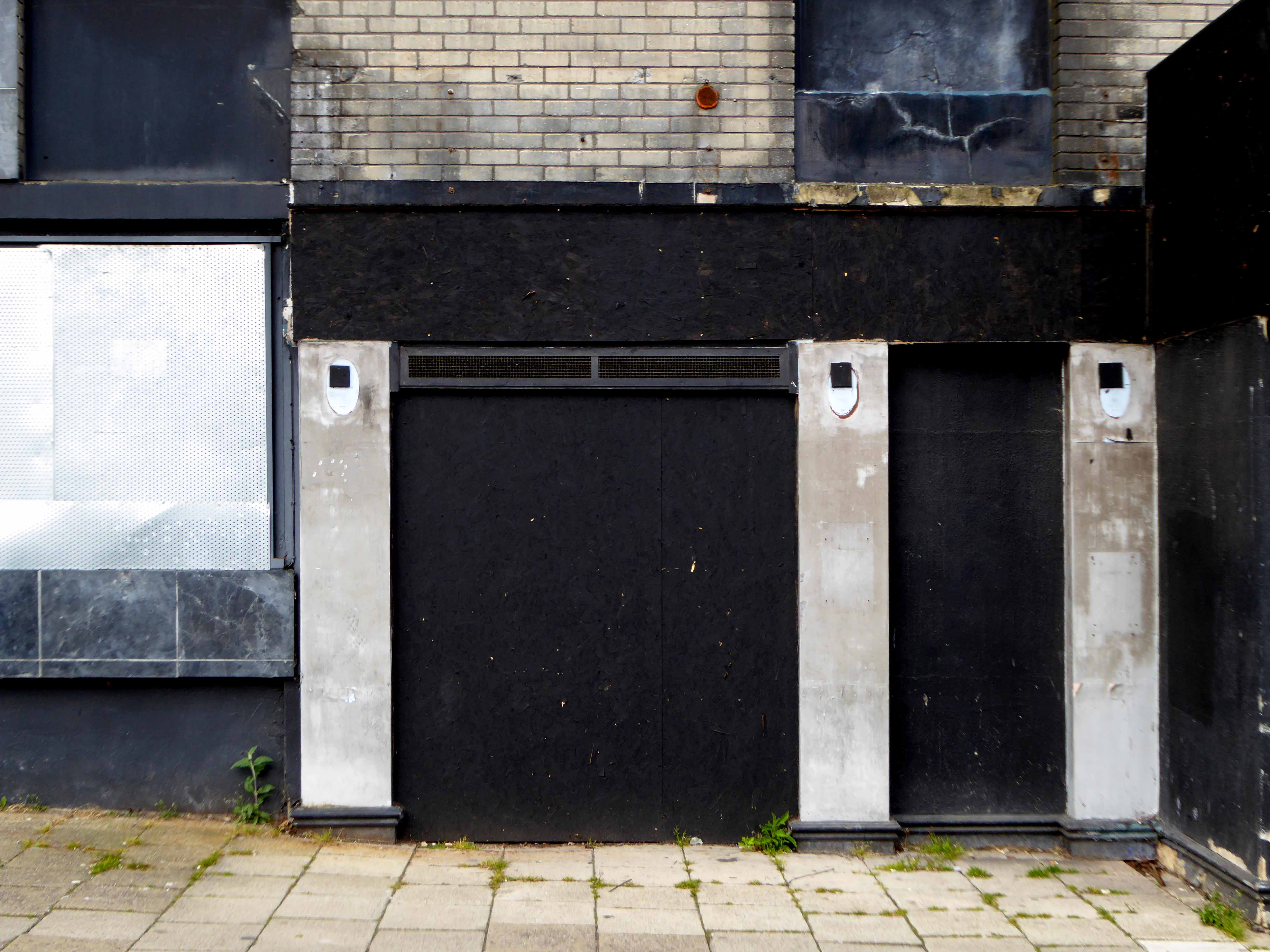
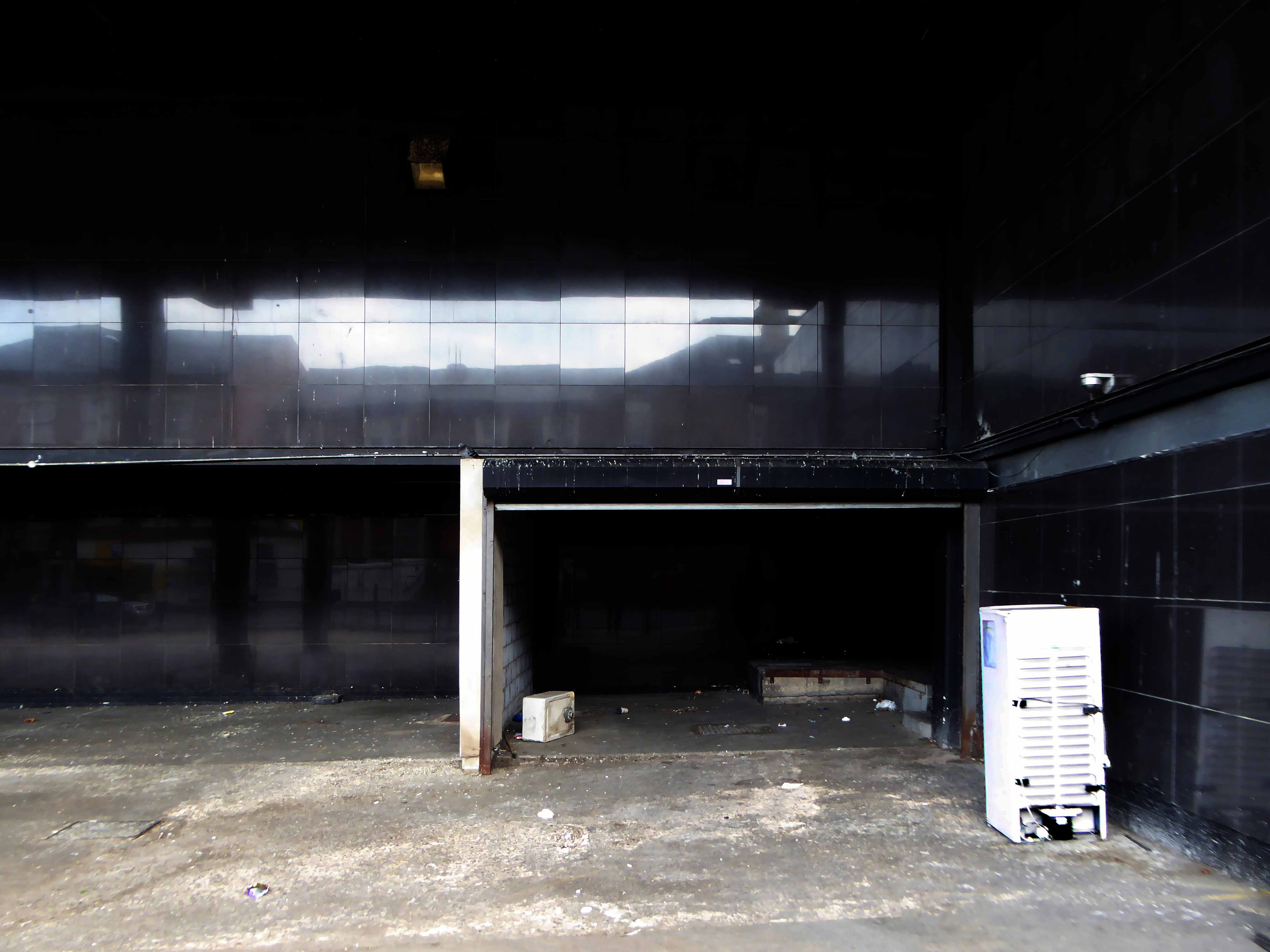
Once busy concourse and conference suites no longer ring to the satisfying clink of glass on glass, cash in till.
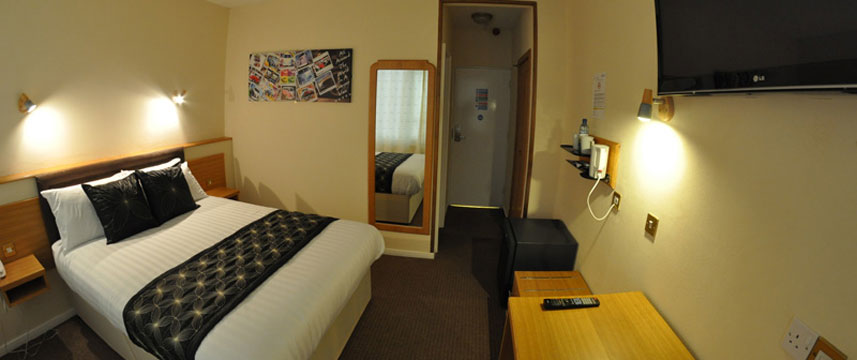
Nobody lays their tired head, to take their well earned rest, in your well made beds.
A hotel branded “utterly terrible” by reviewers on a travel website has been forced to close.
One visitor advised travellers to “run away from this hotel as far as possible” and others said they were “filled with dread” while staying there and spoke of towels smelling “rather odd”.
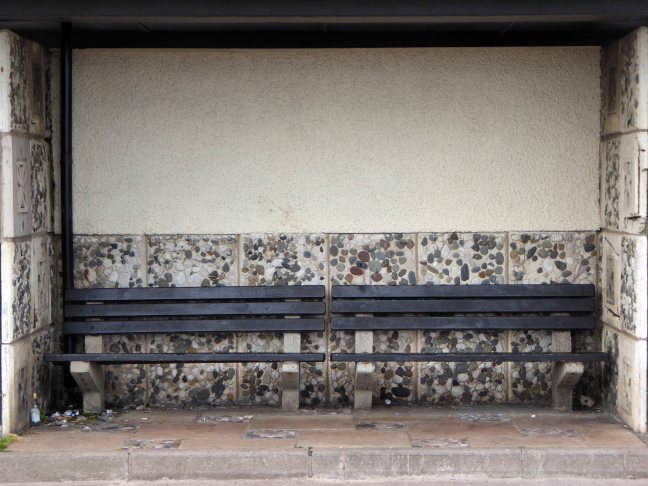
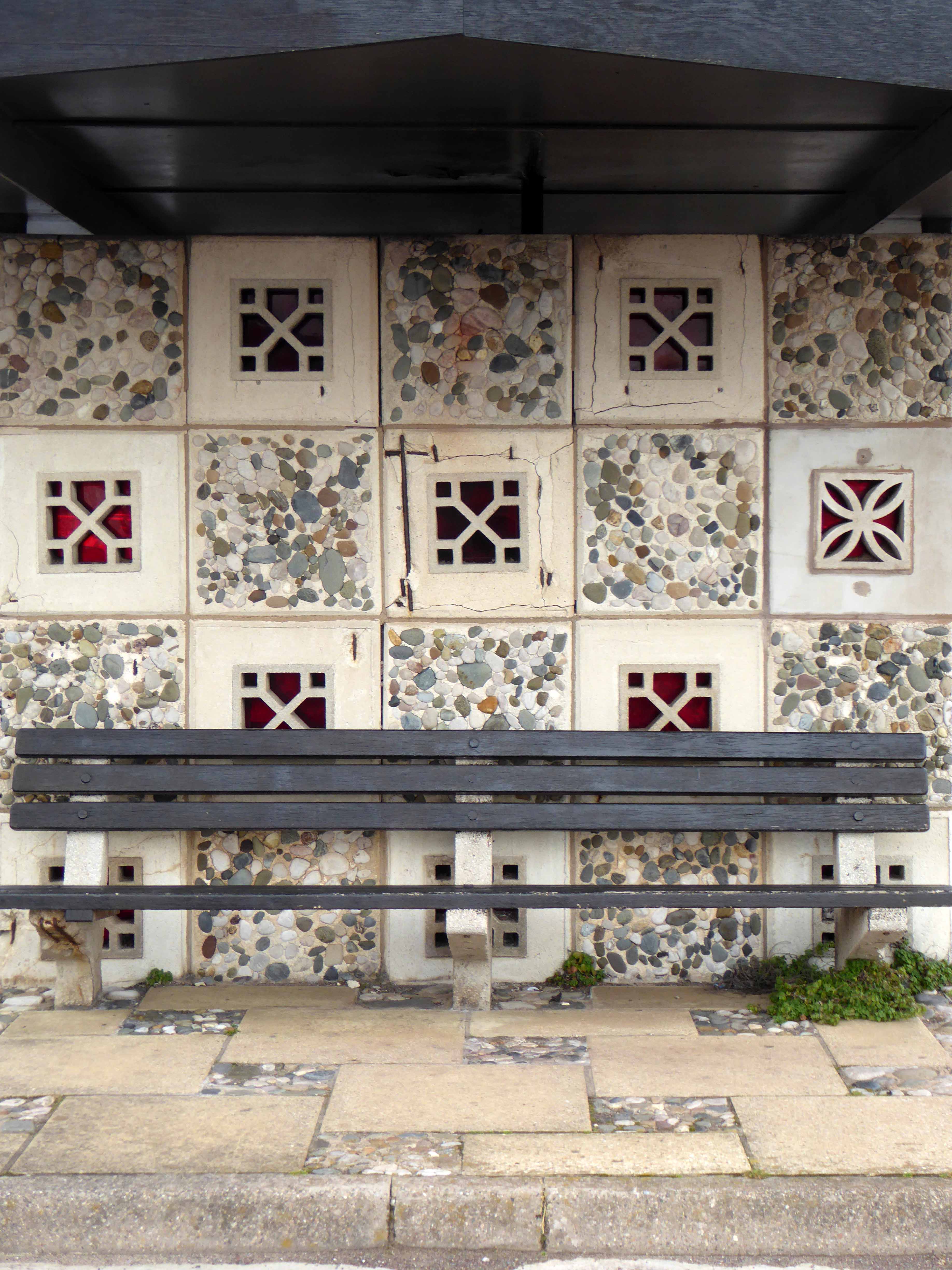
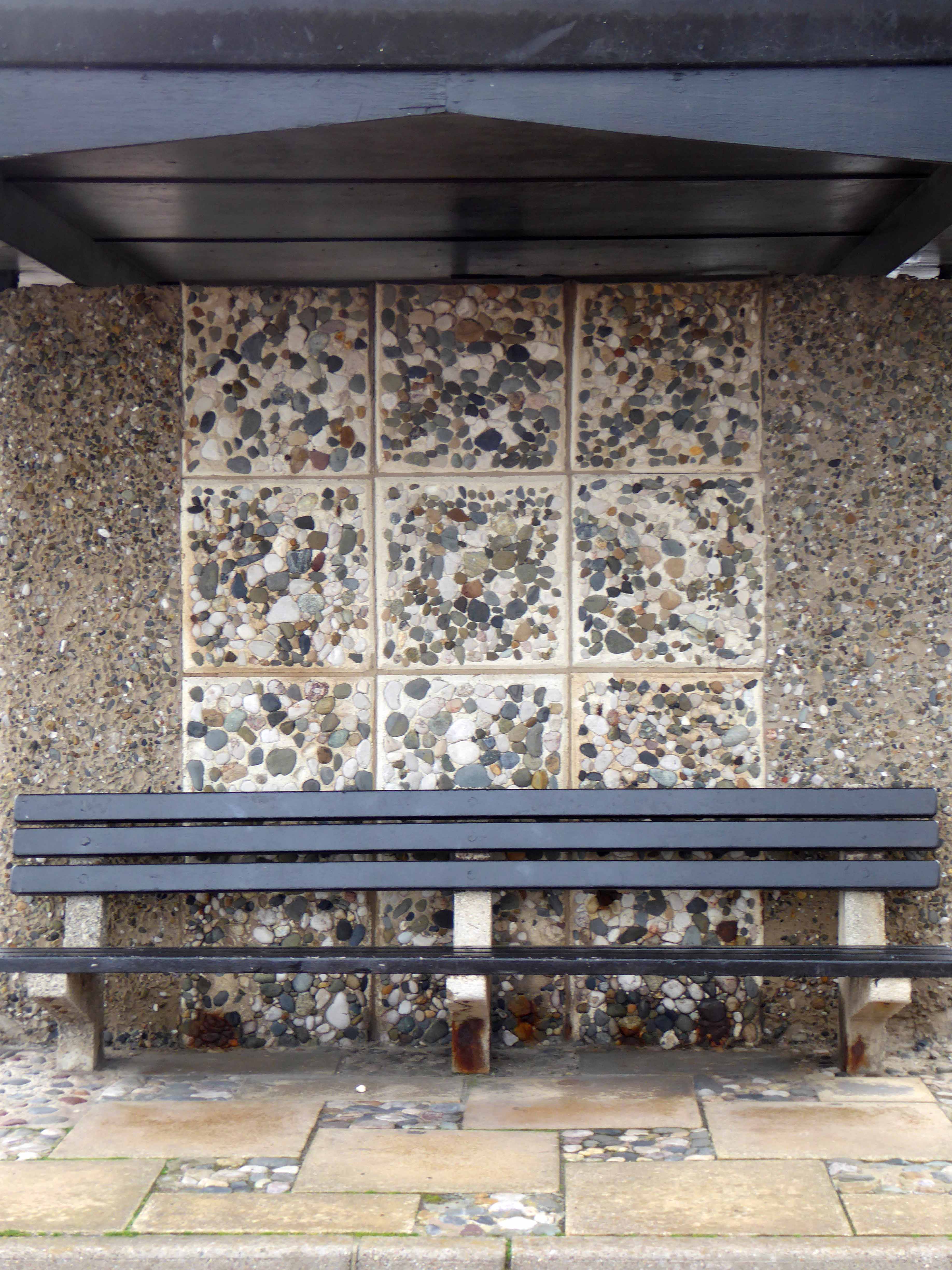
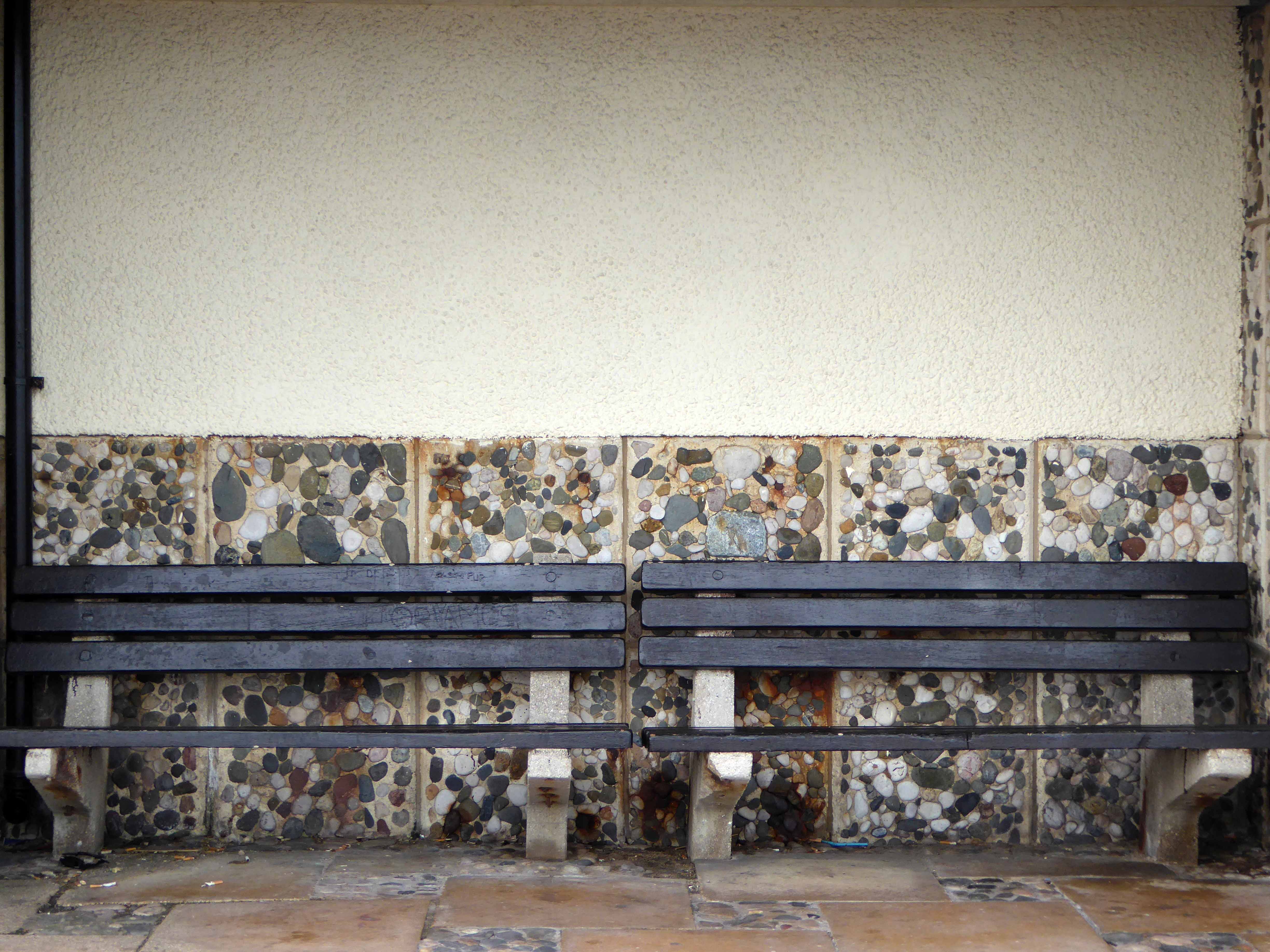
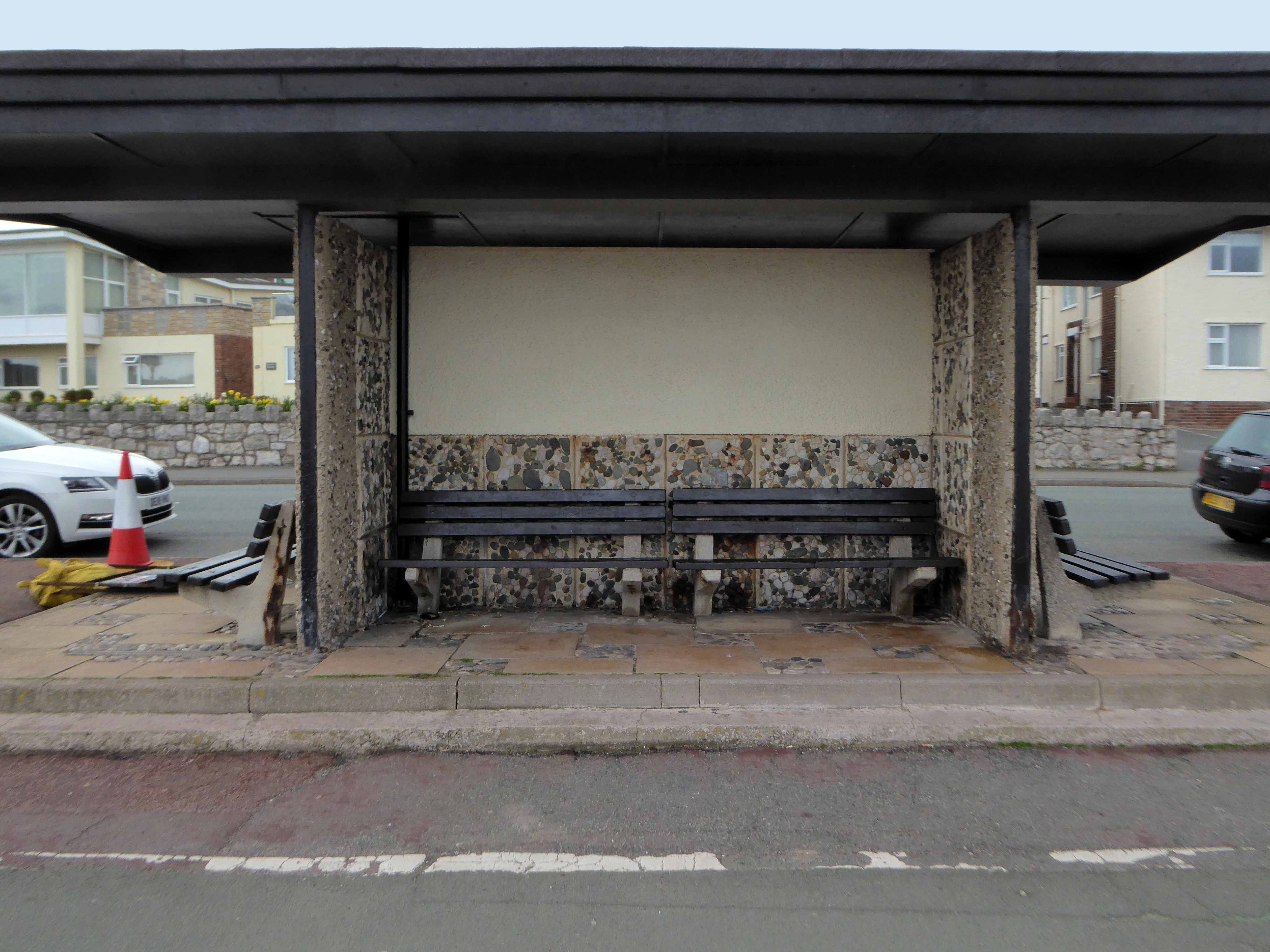
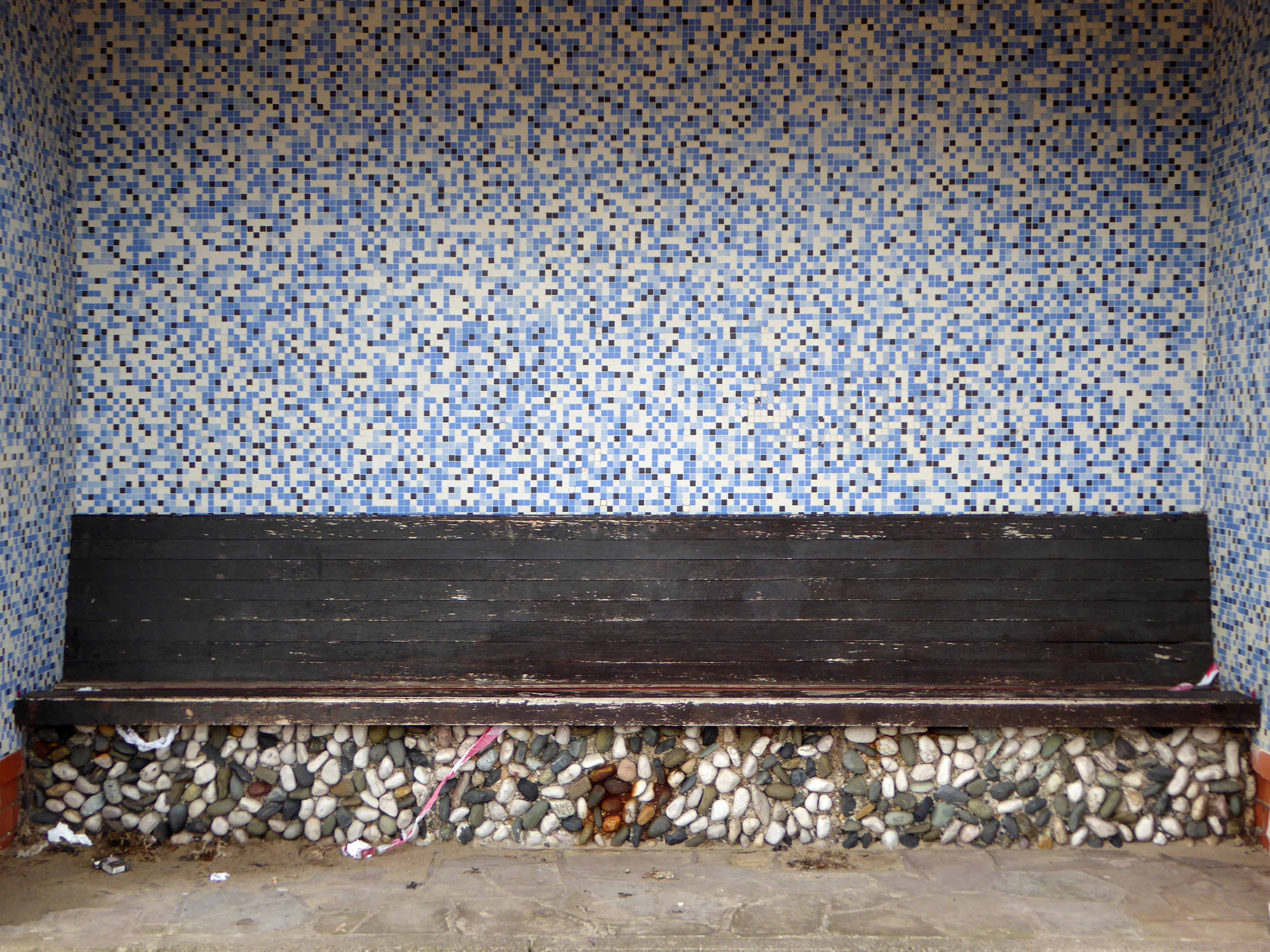
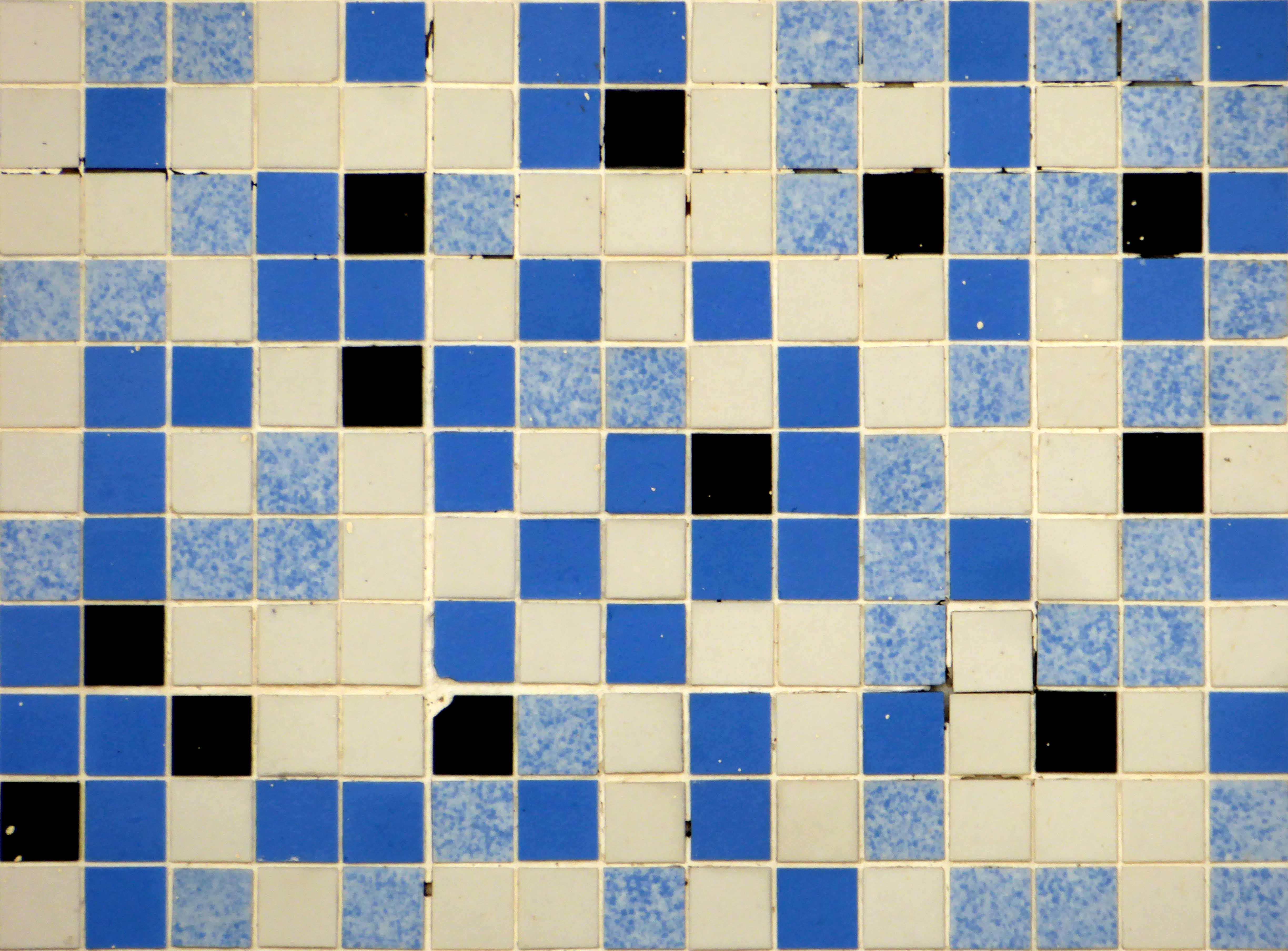
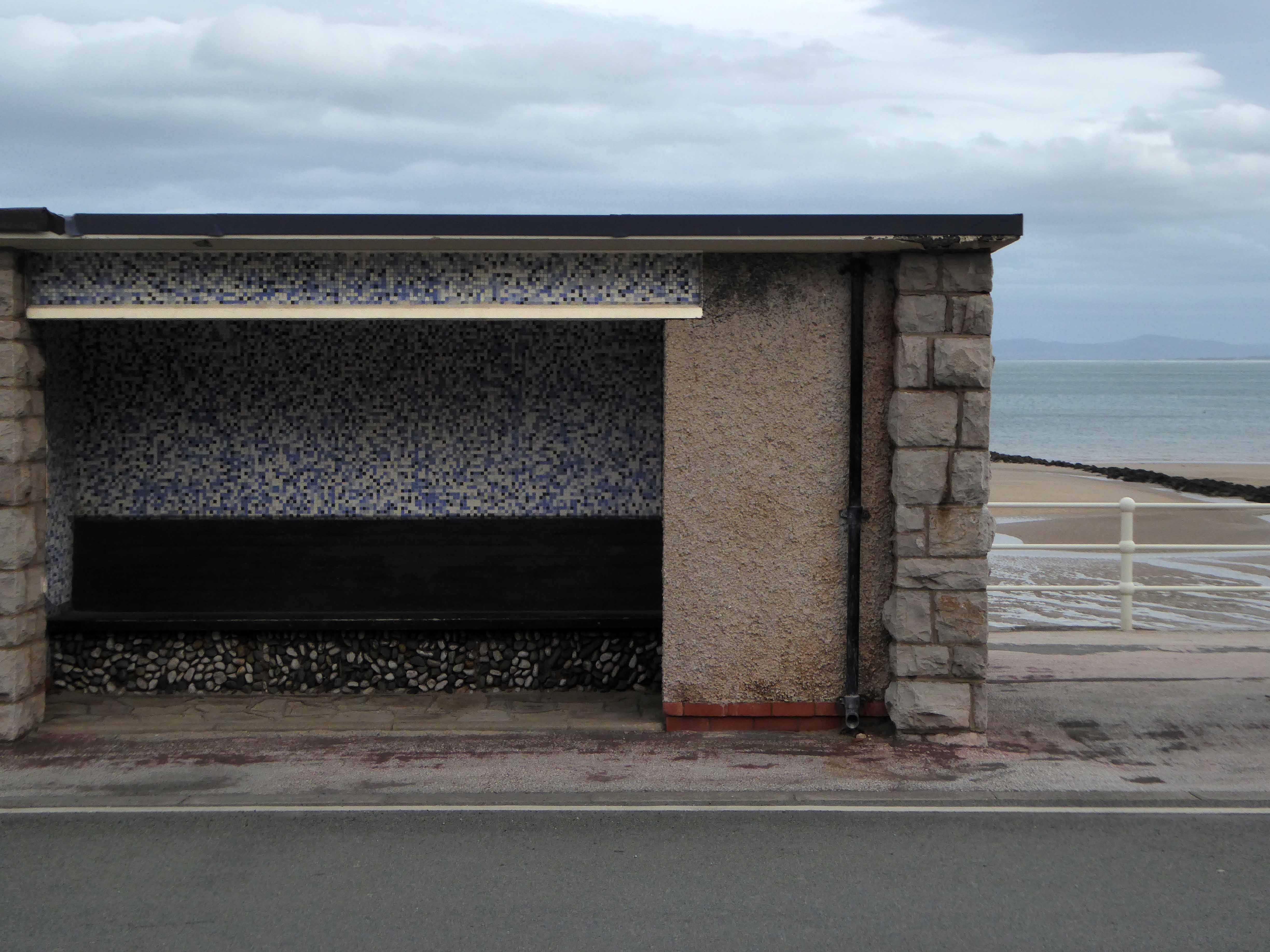
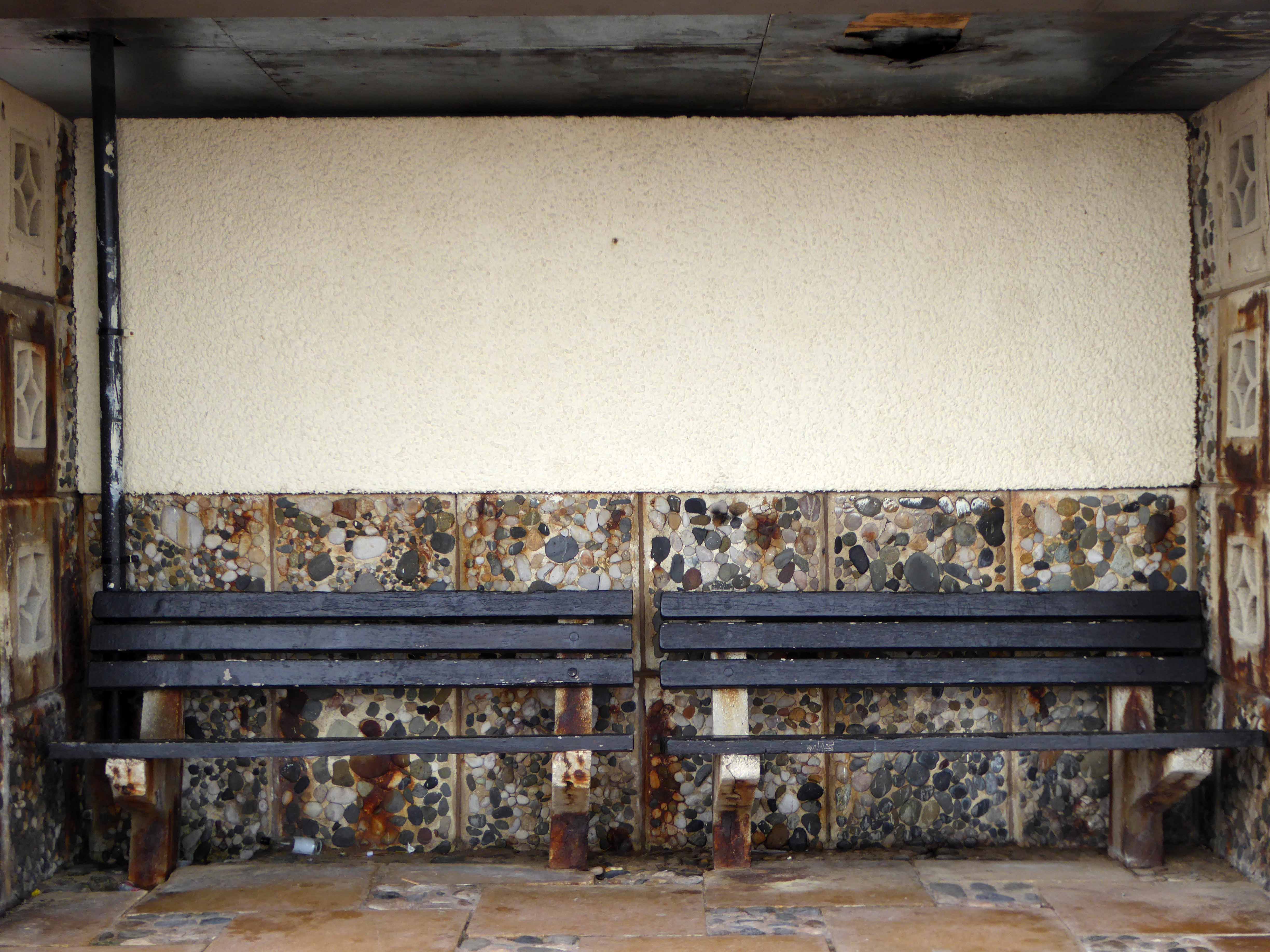
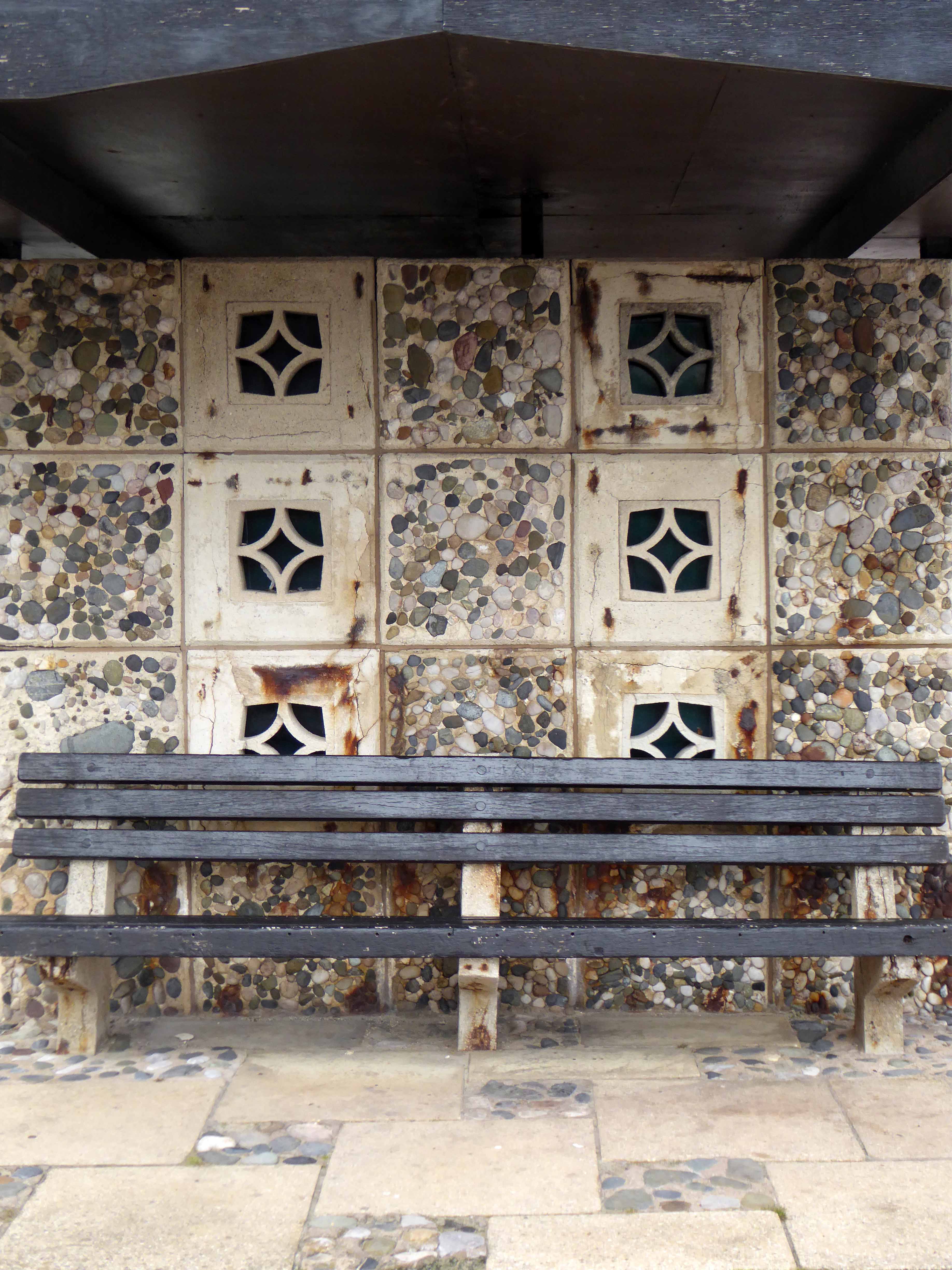
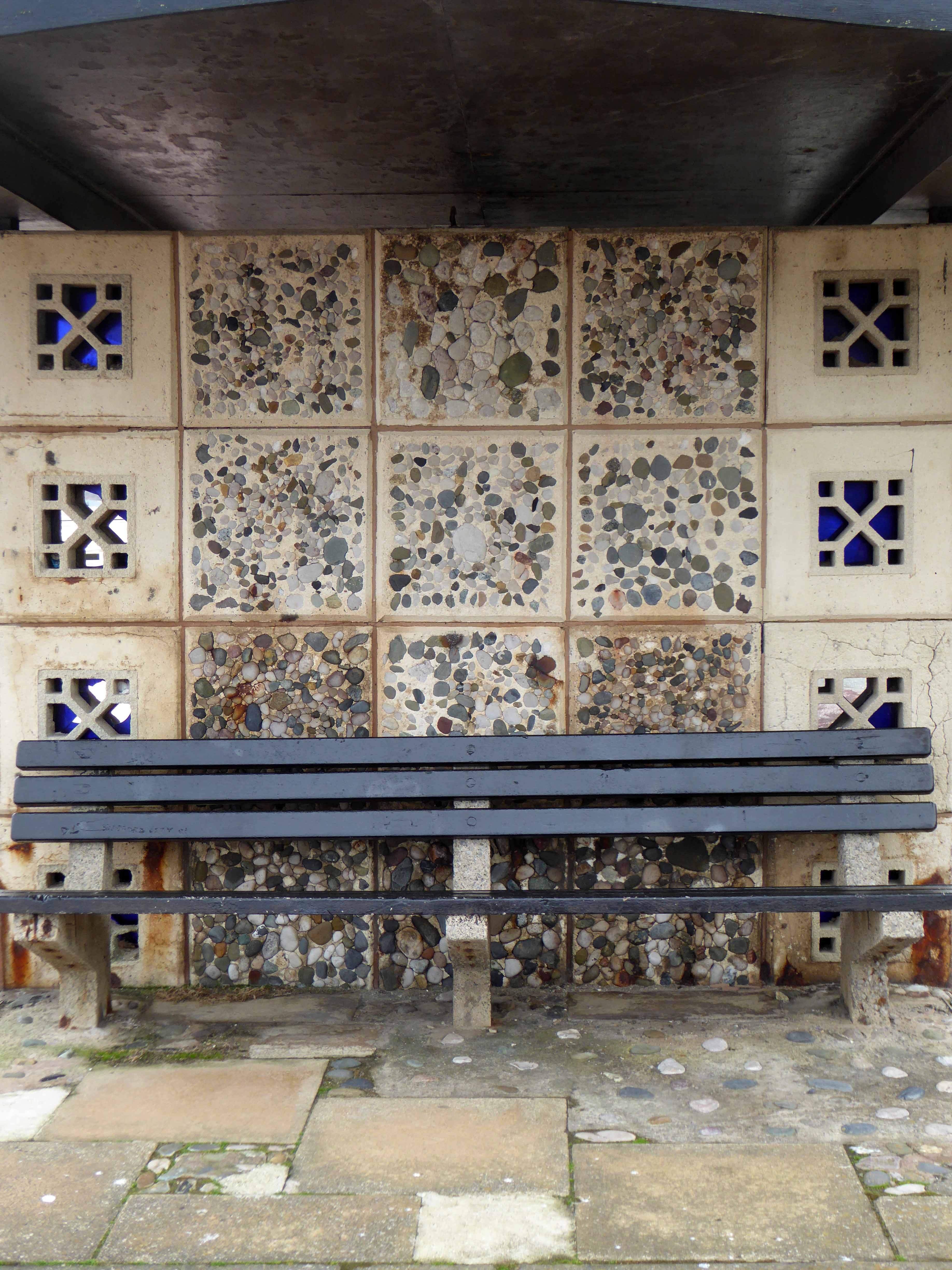
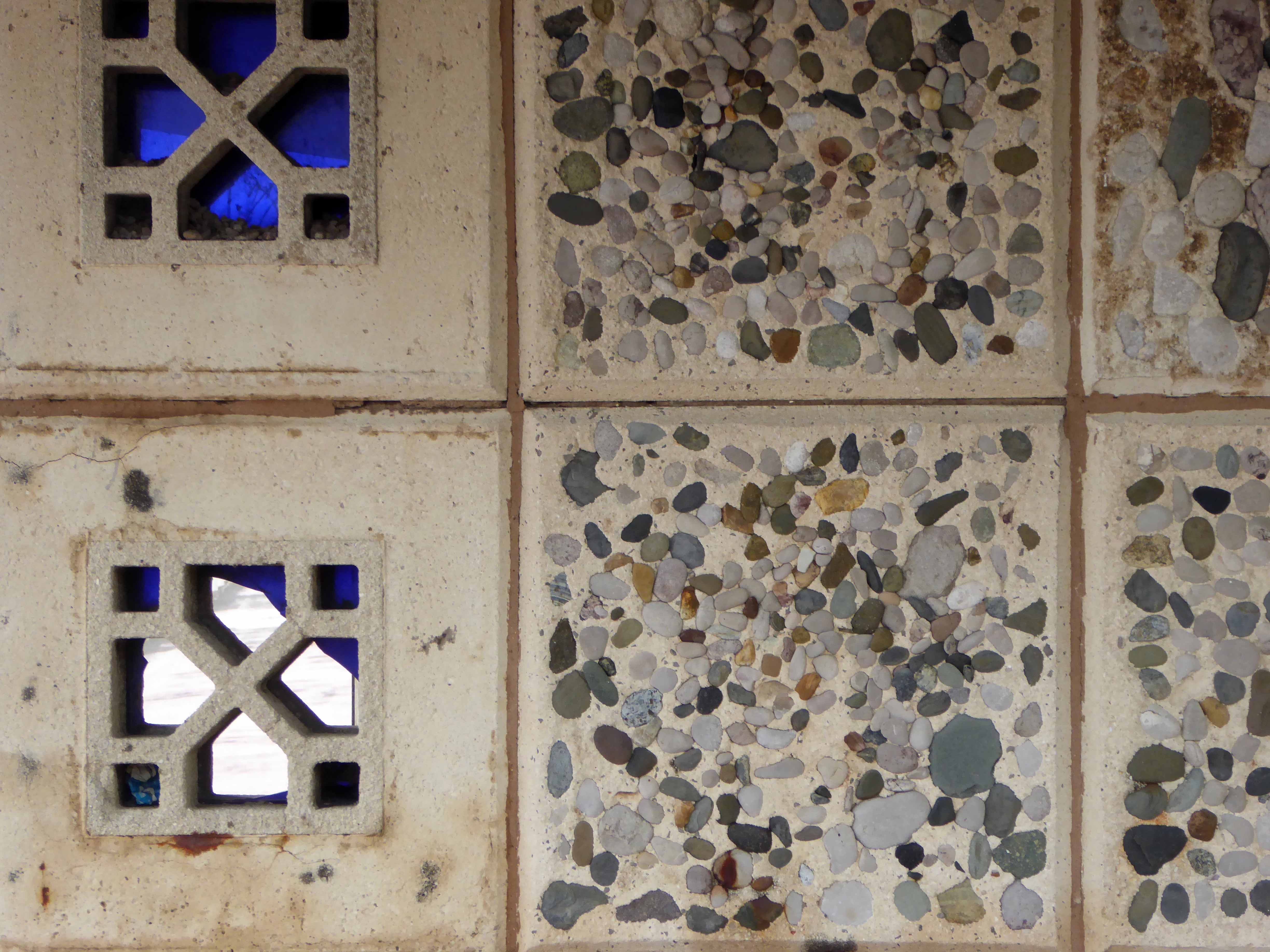
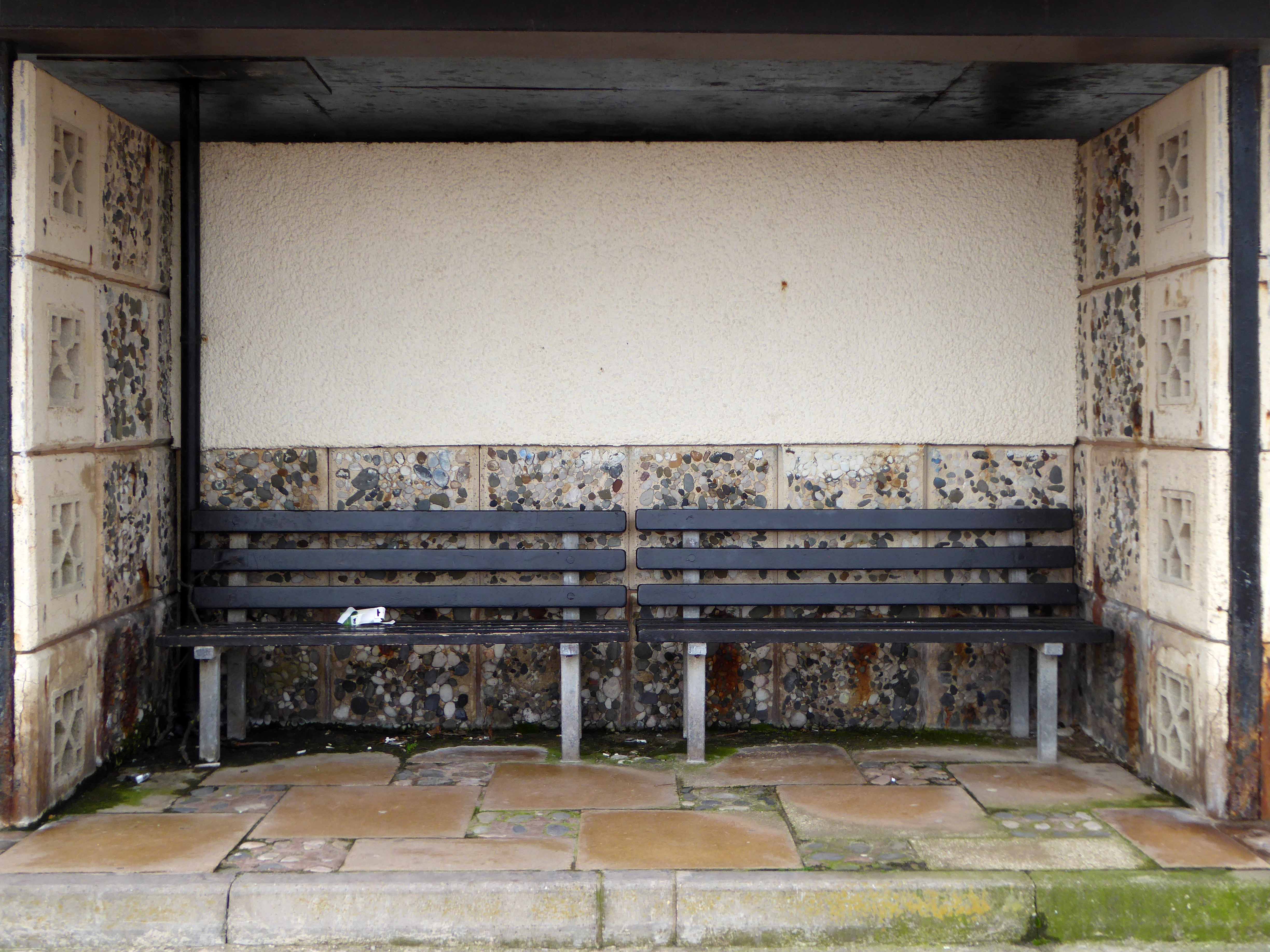
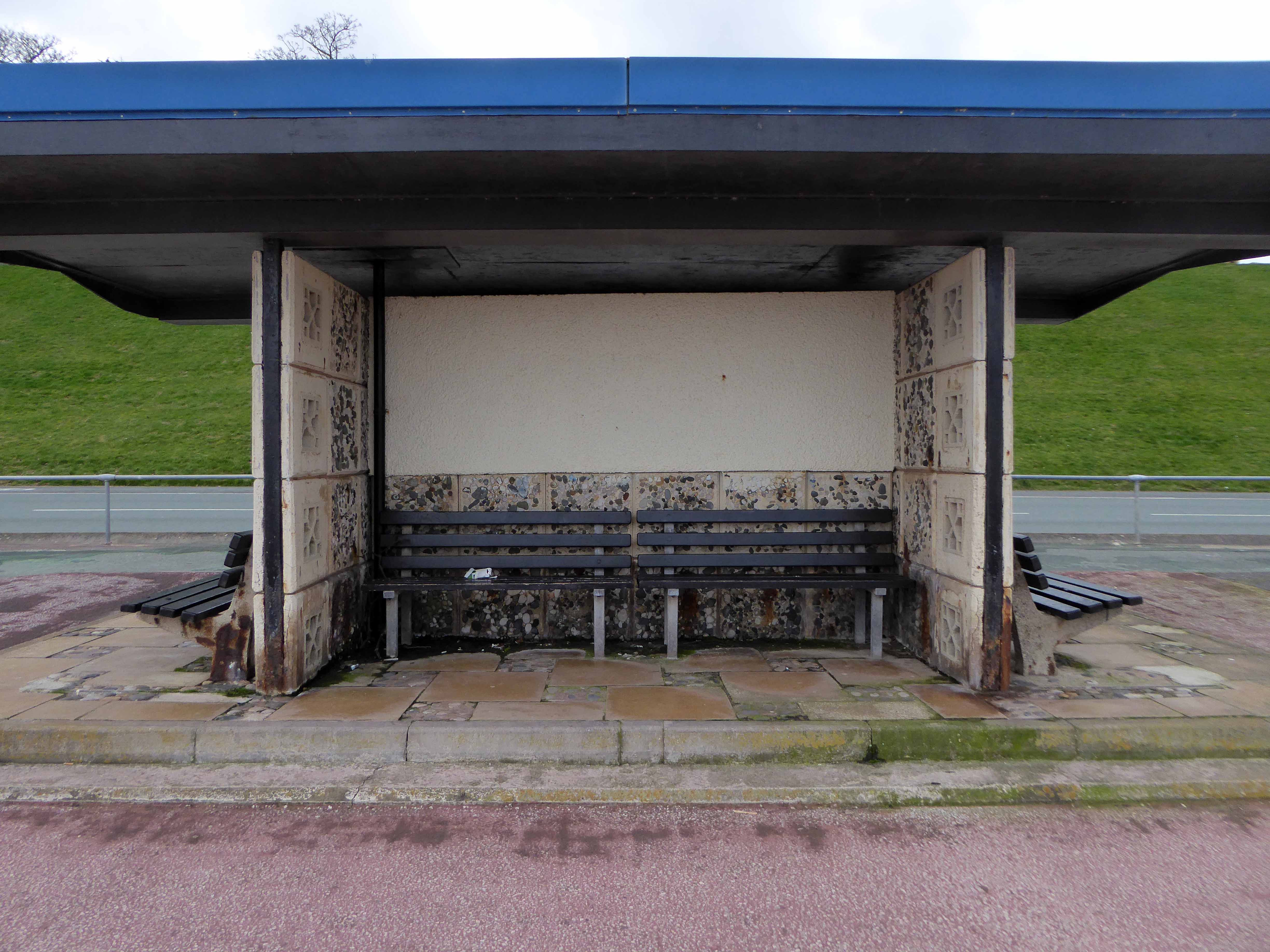
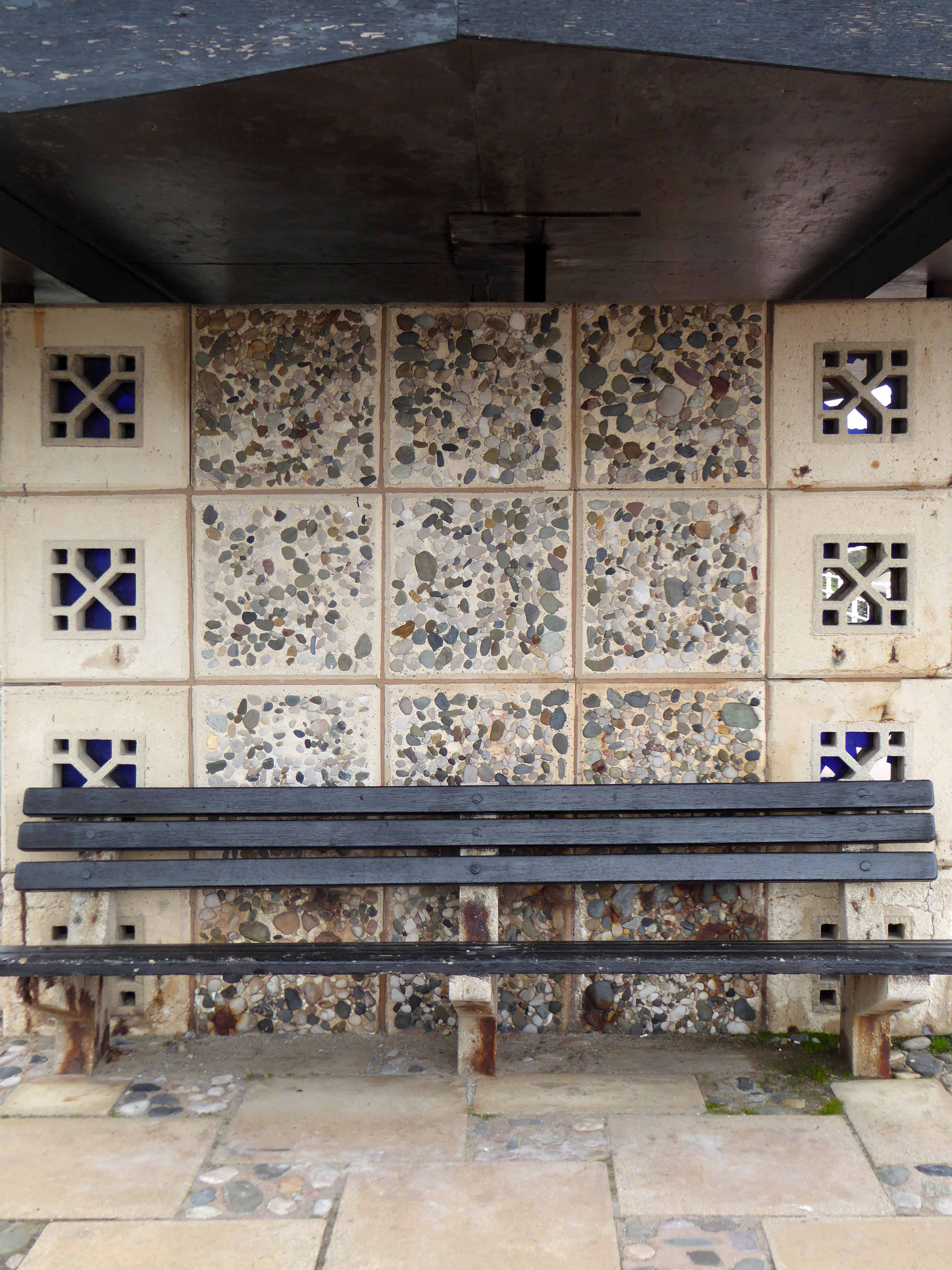
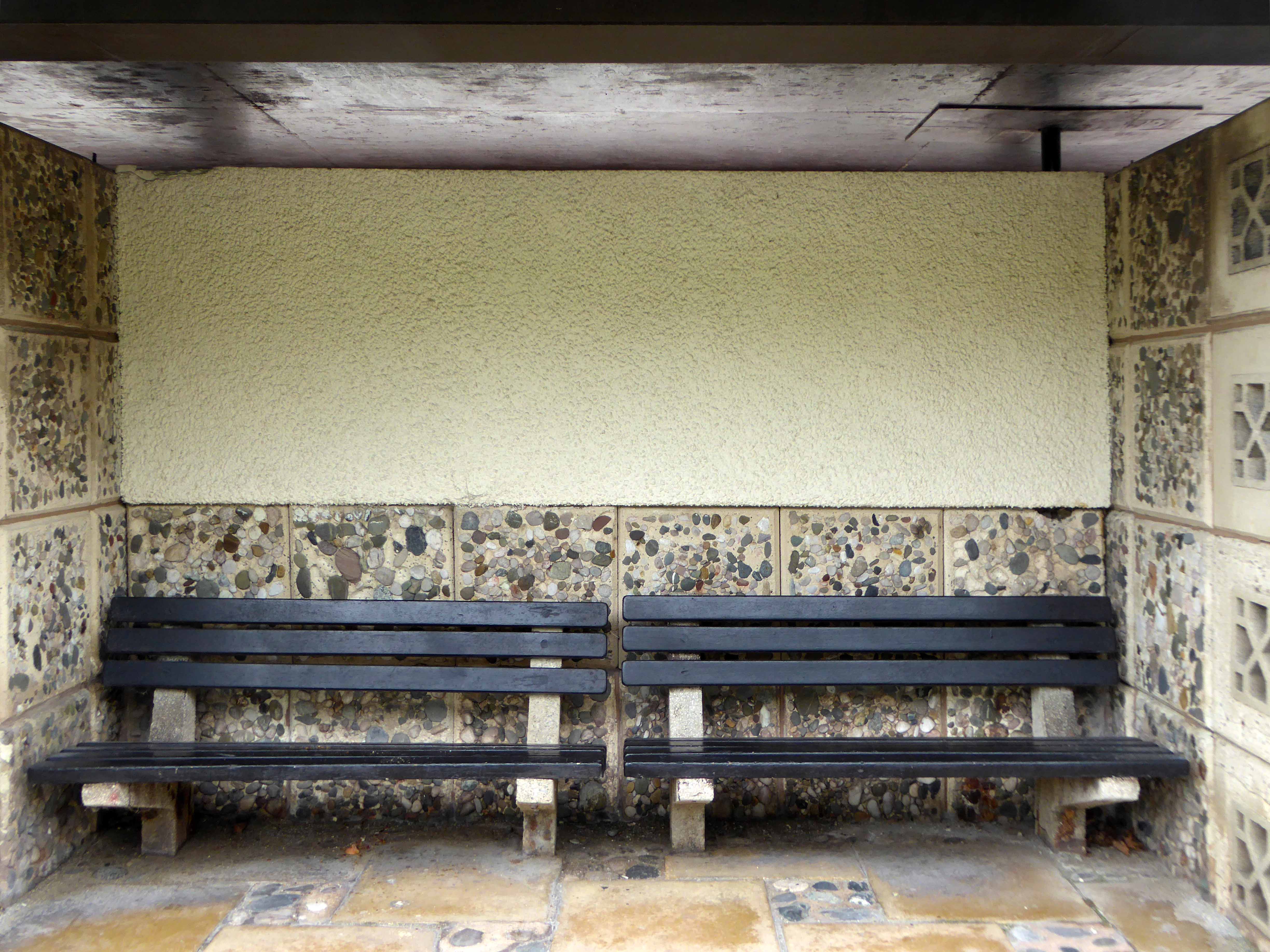
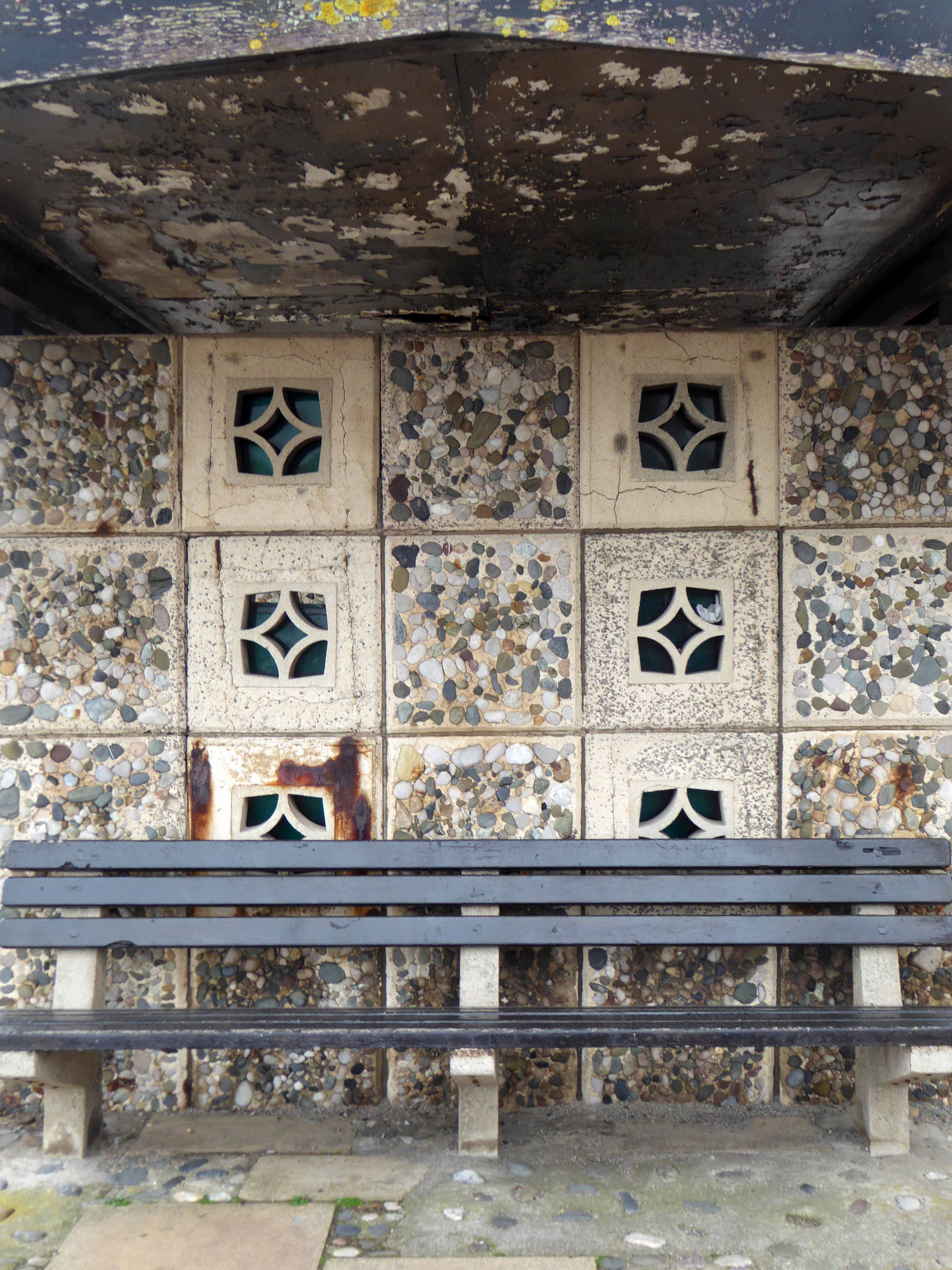
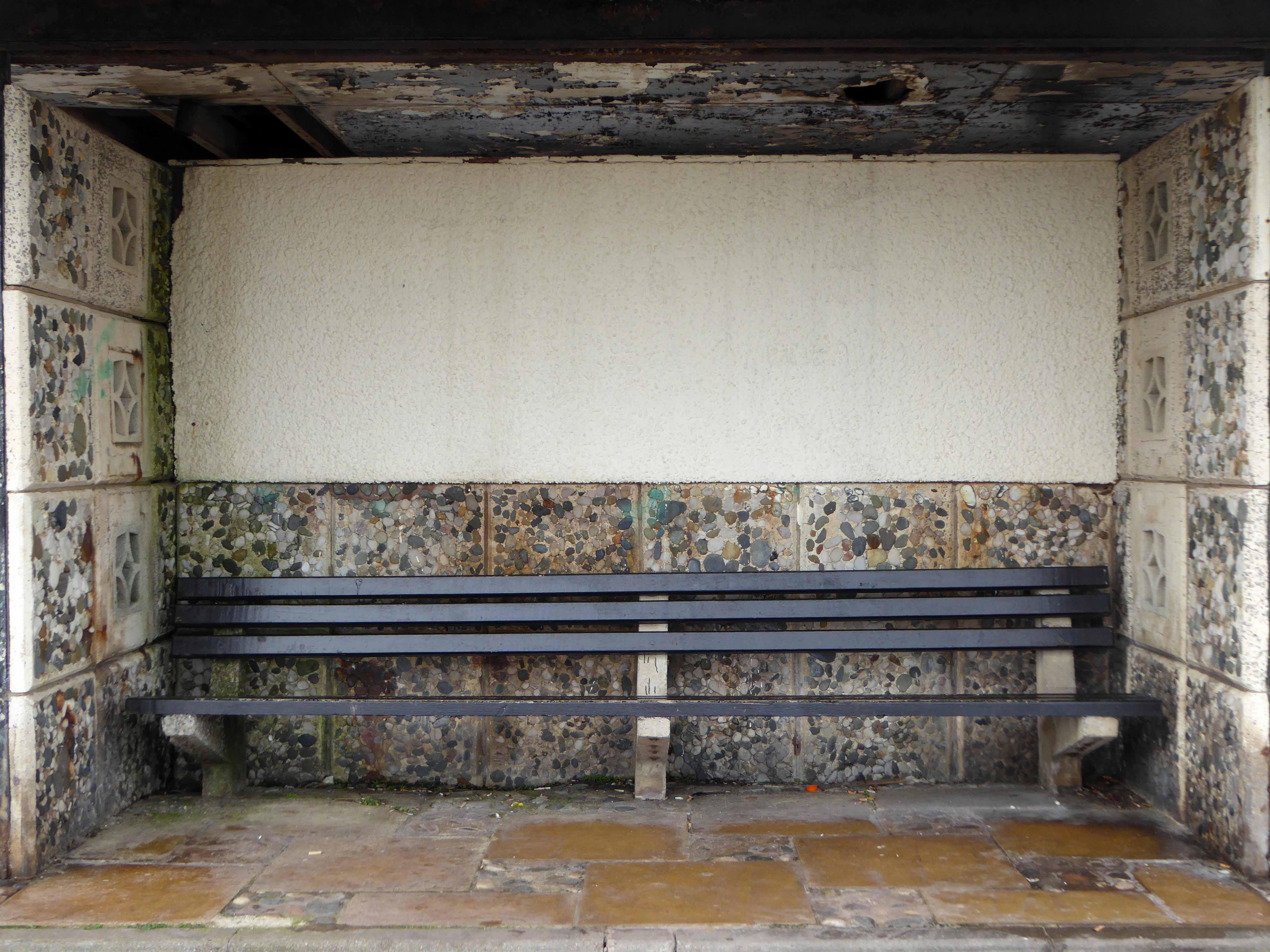
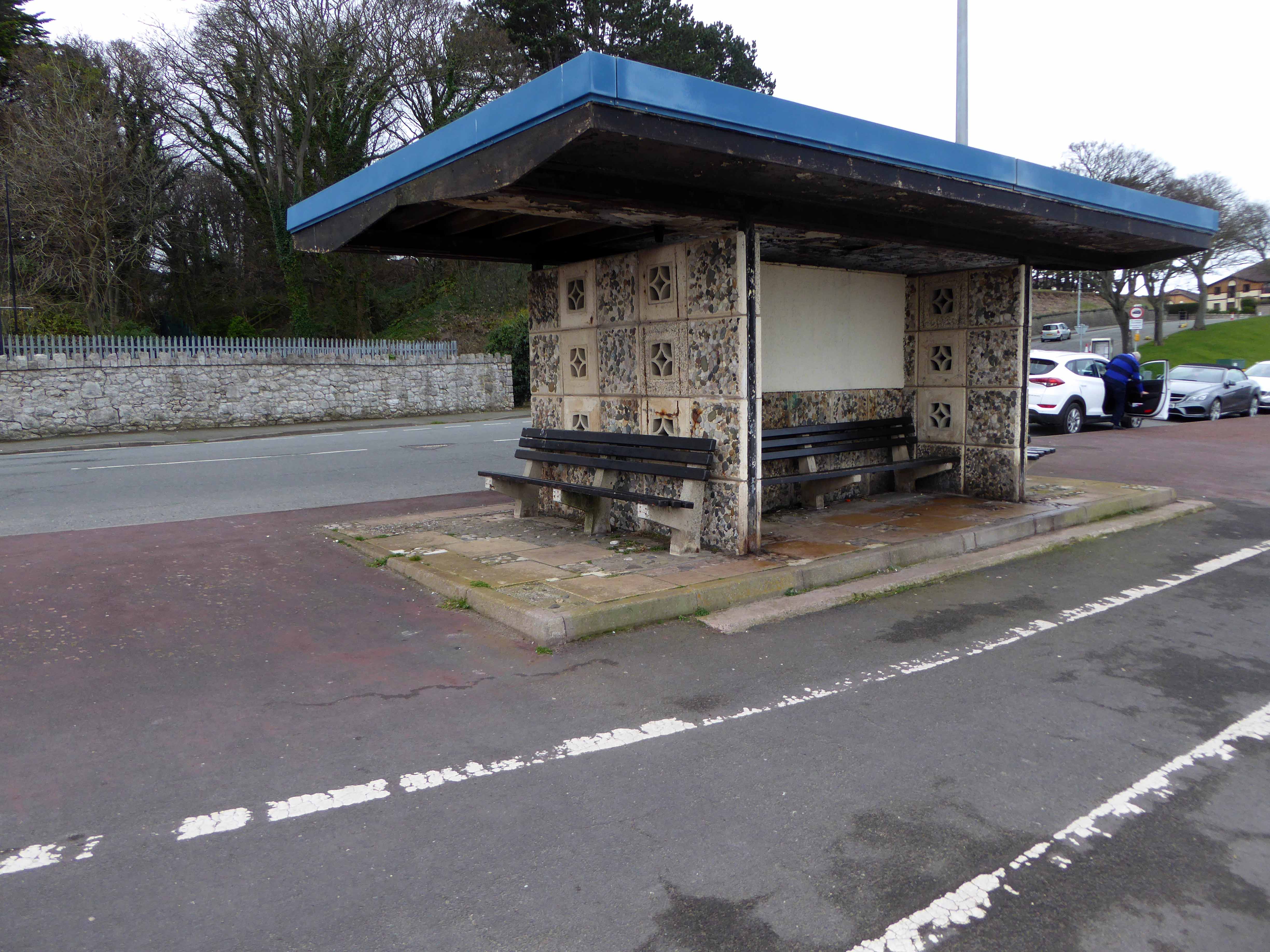
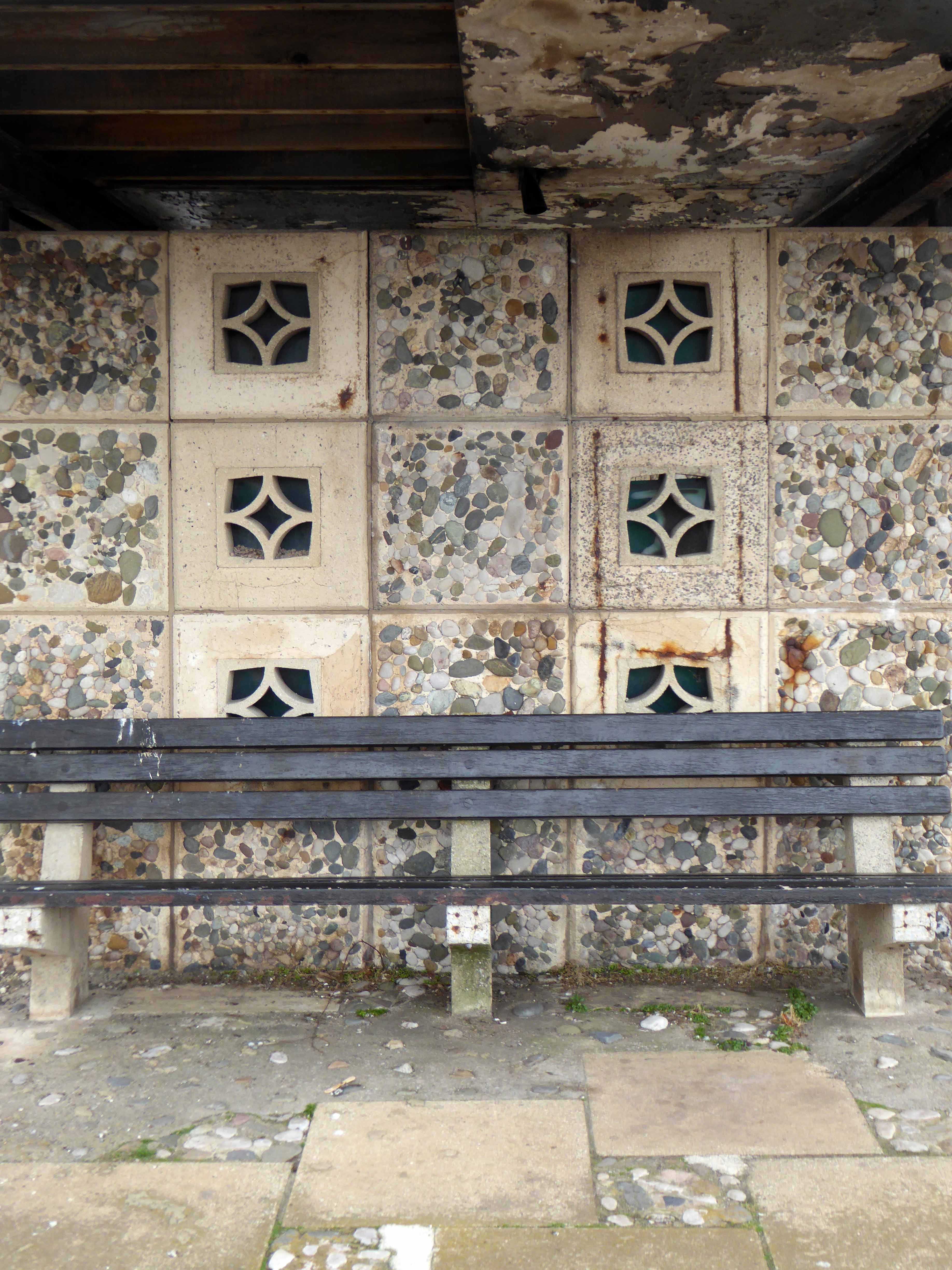
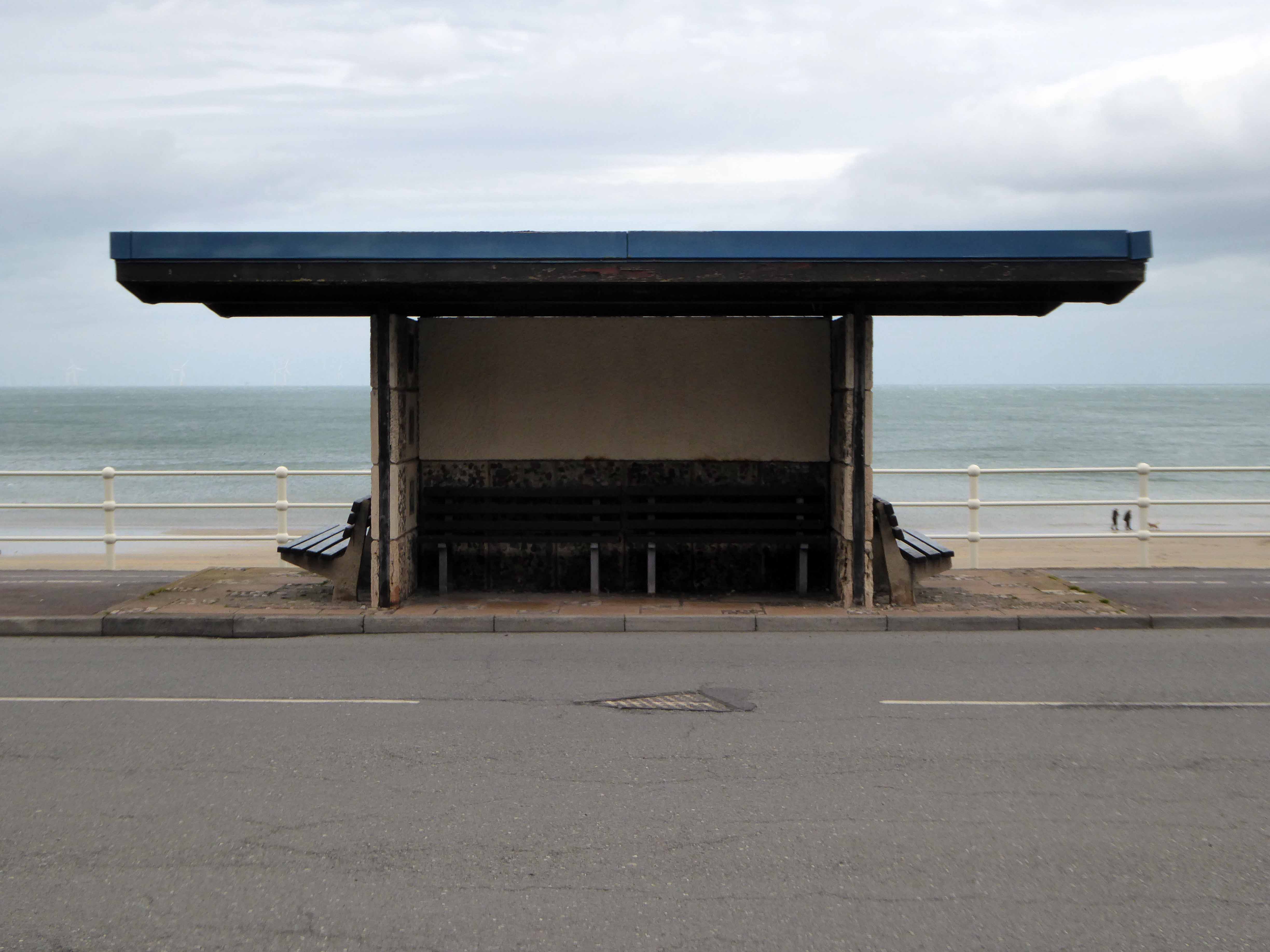
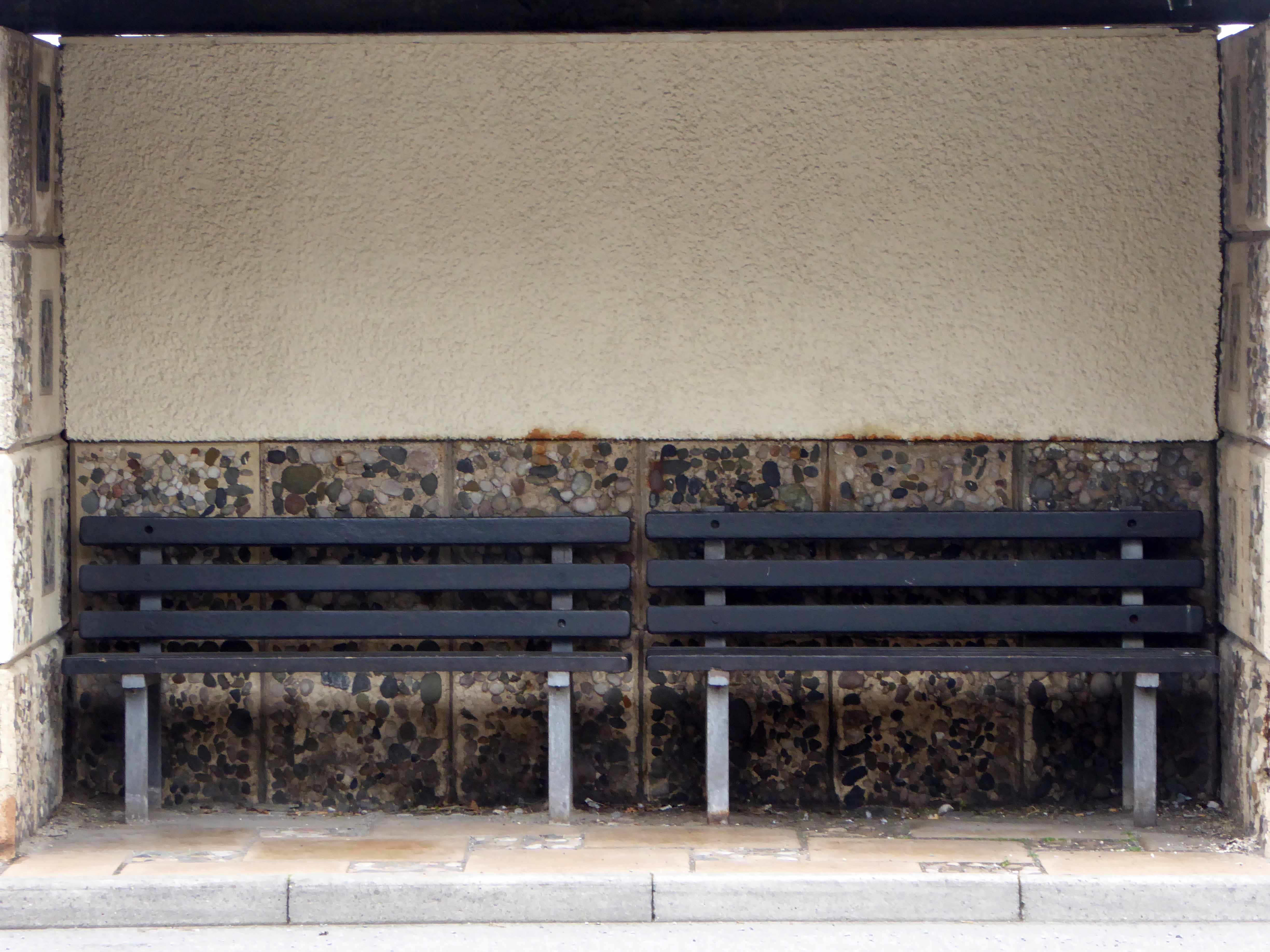
I have previously sought succour in your shady shelters, as unrelenting sheets of steel grey rain peppered the wind whipped Irish sea.
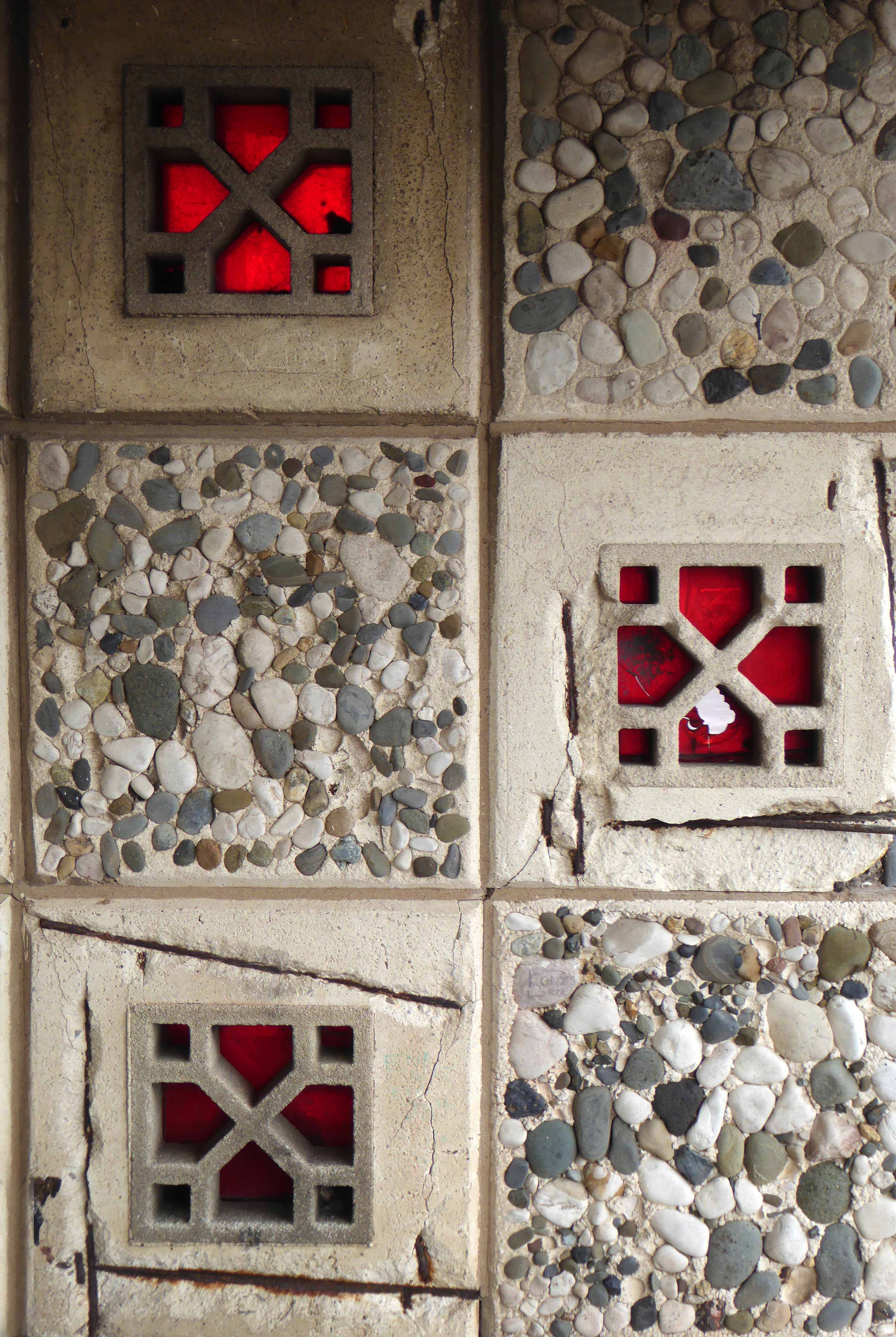
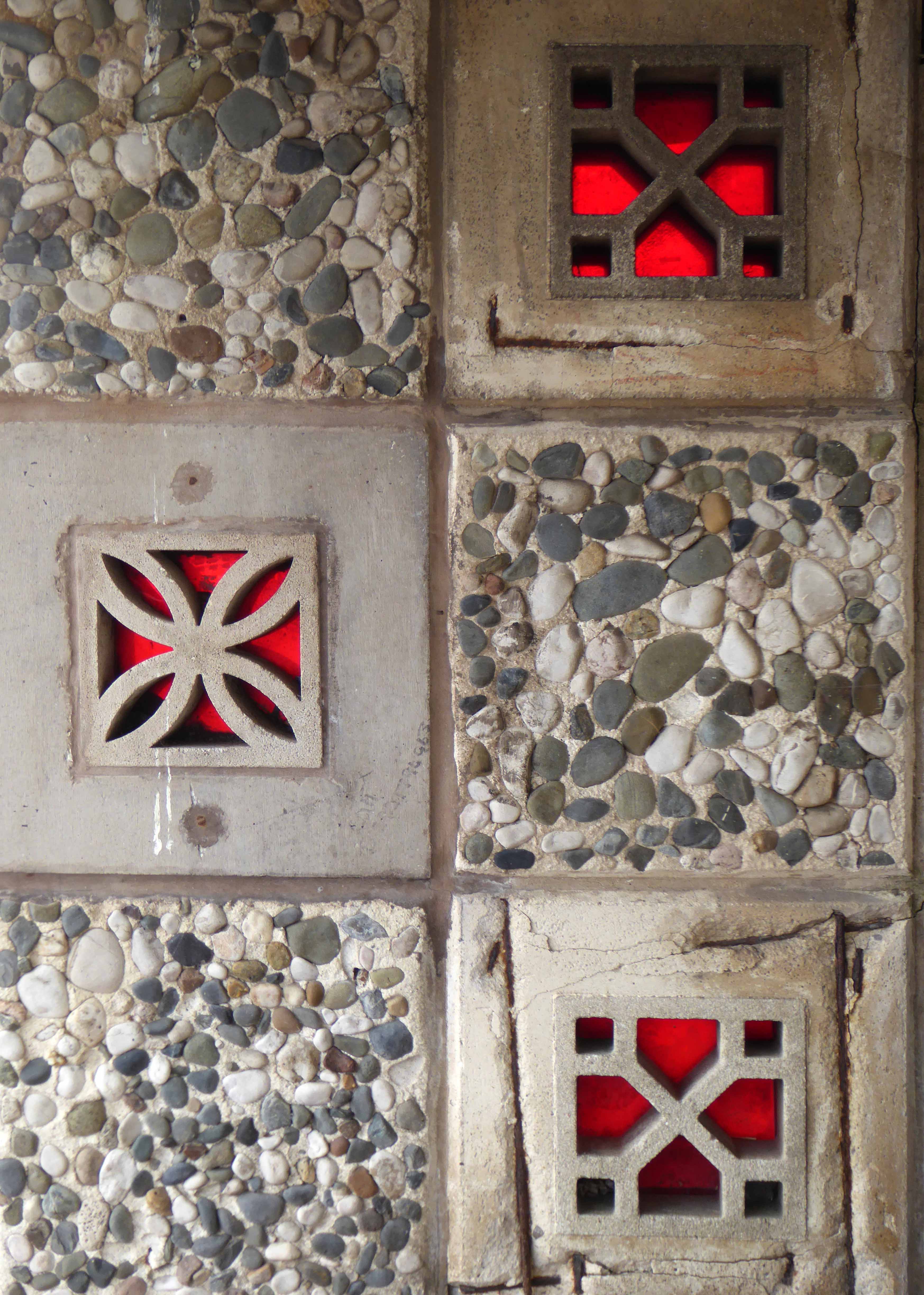
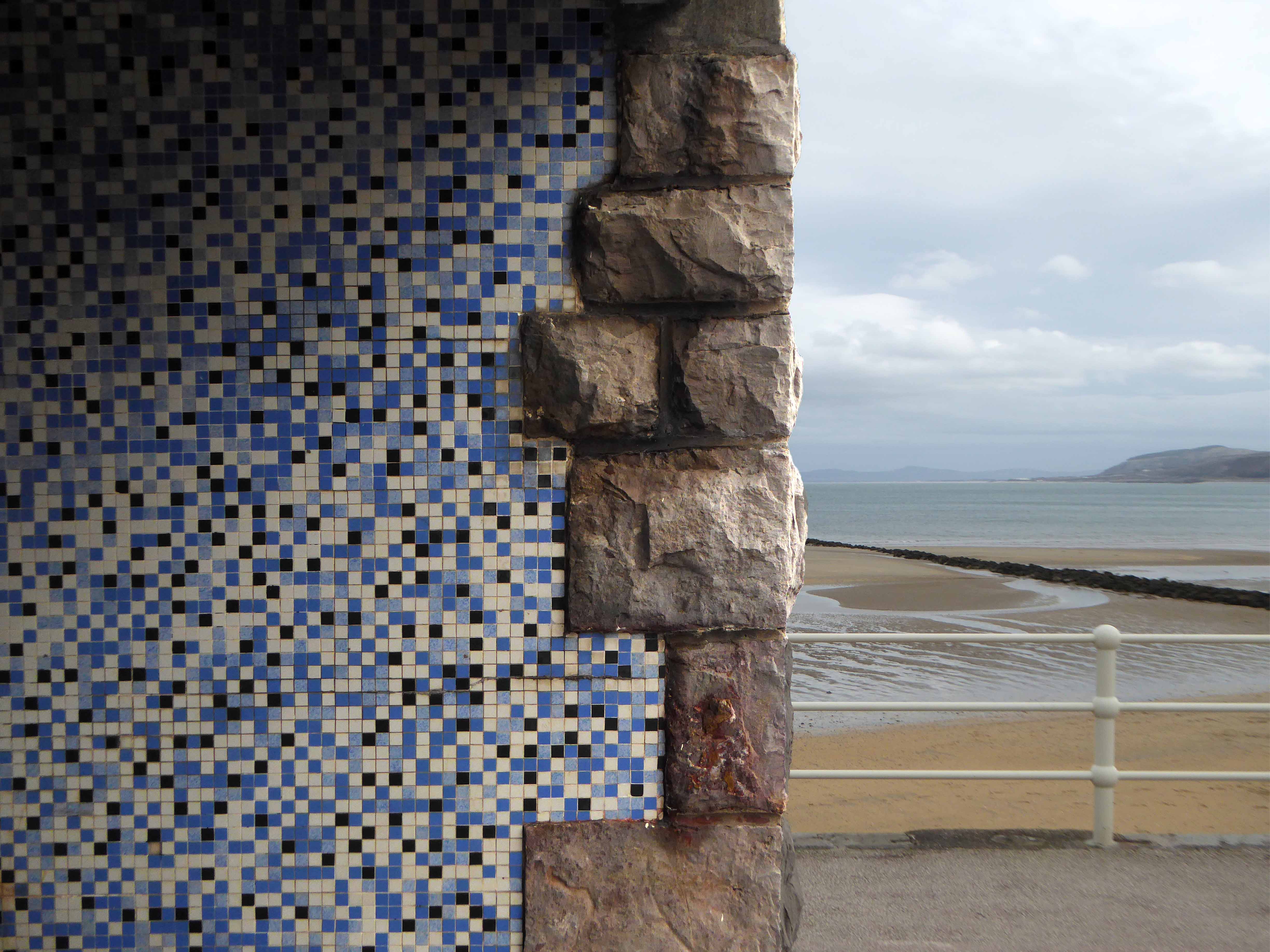
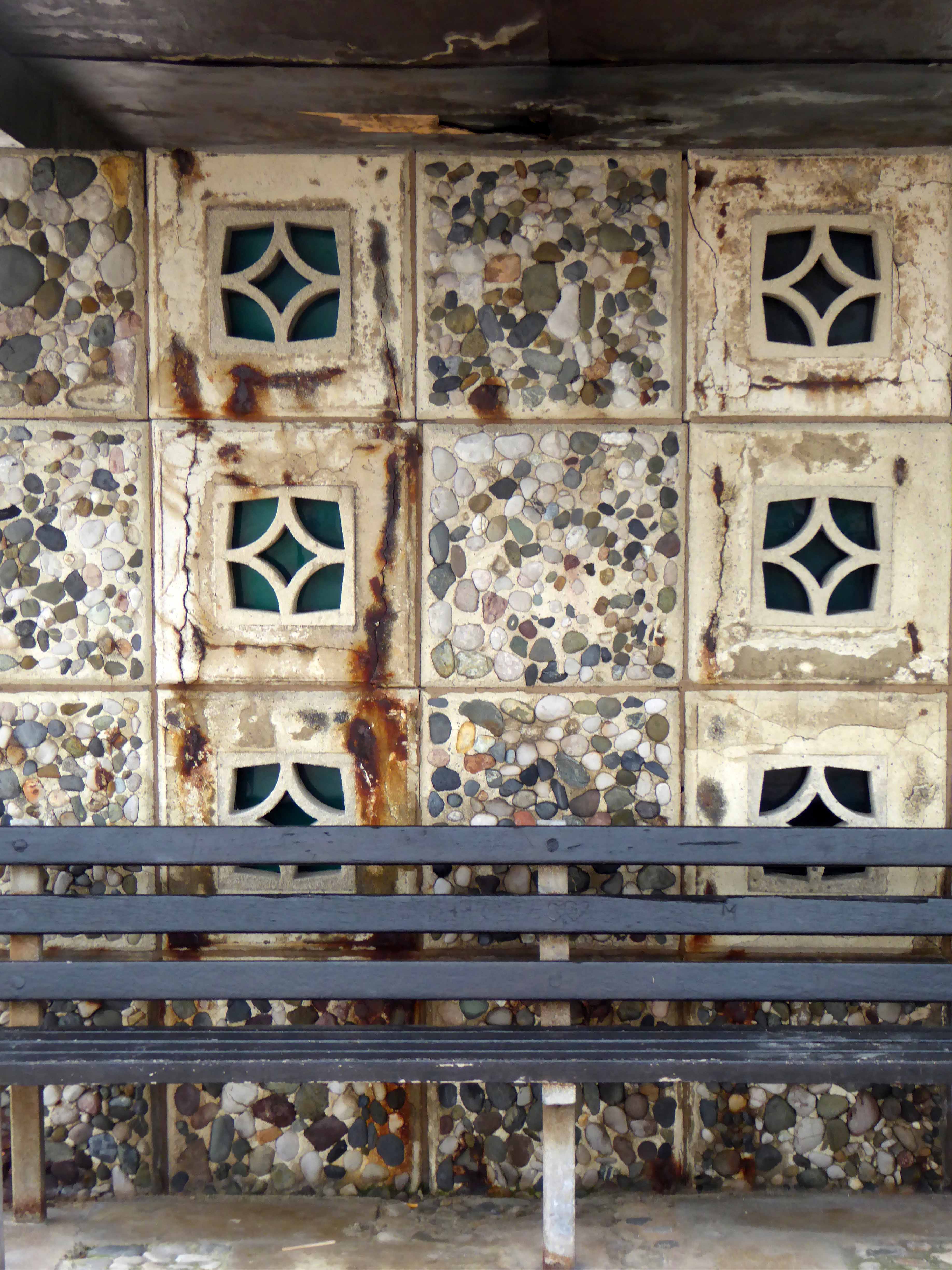
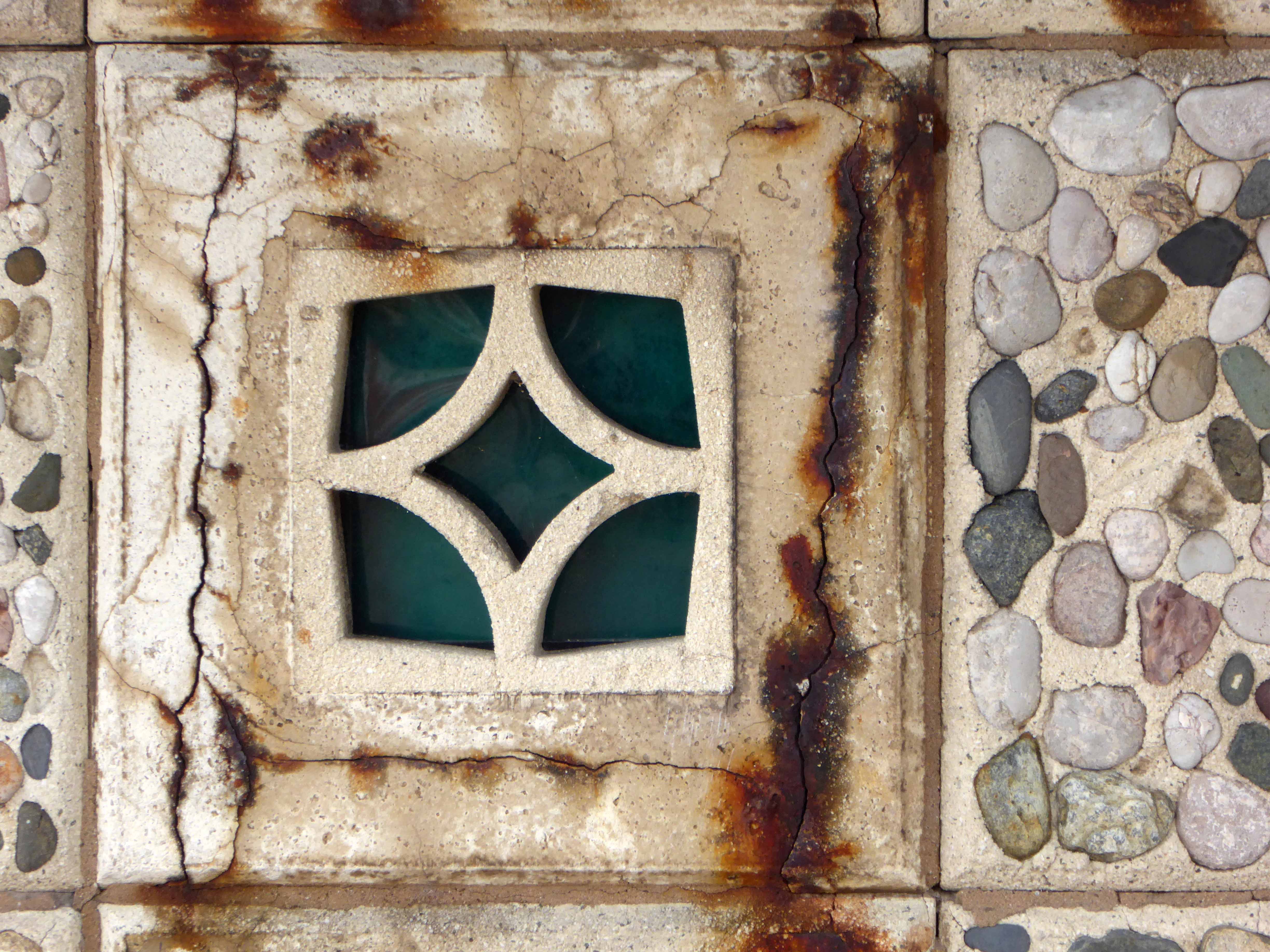
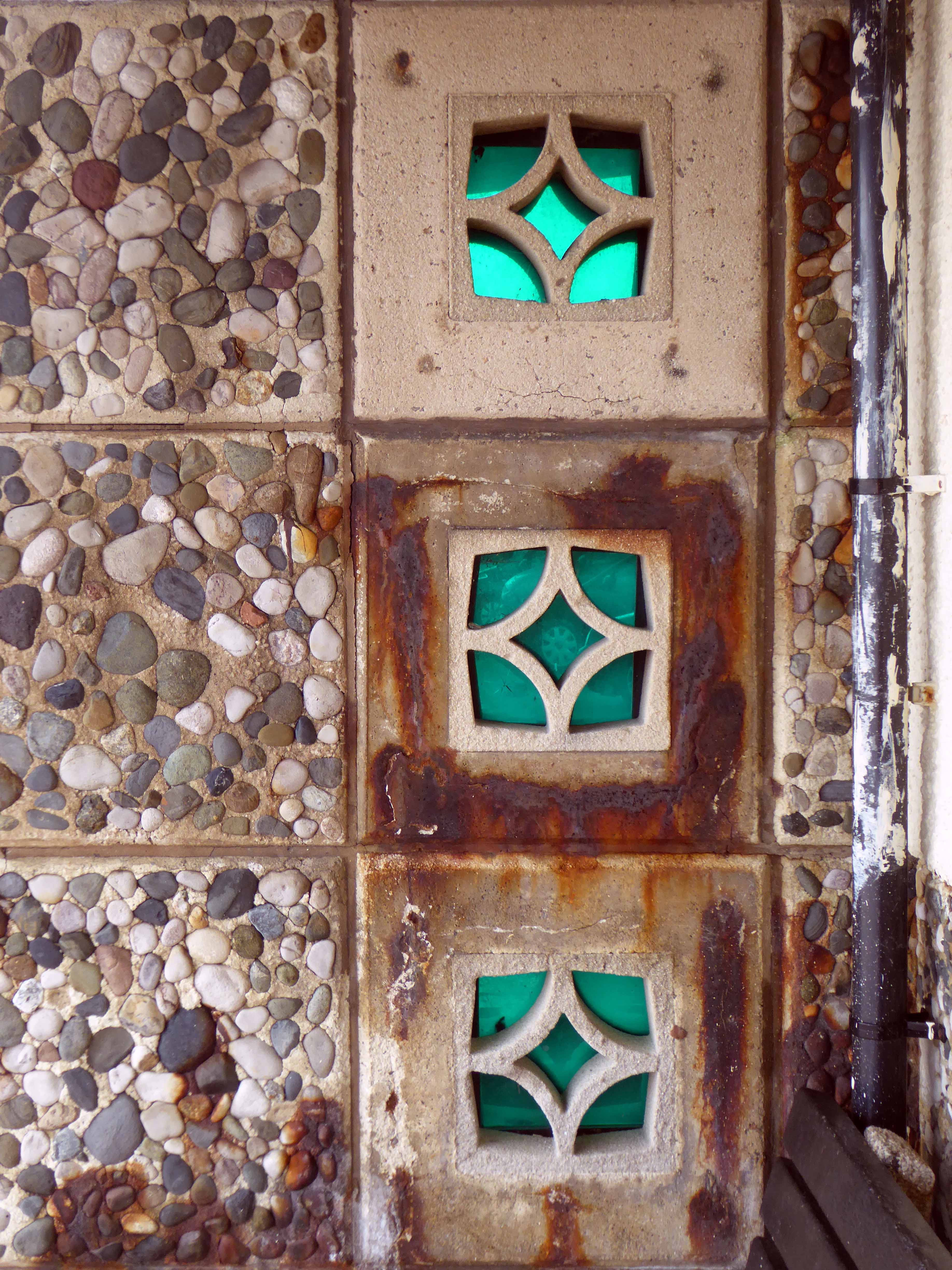
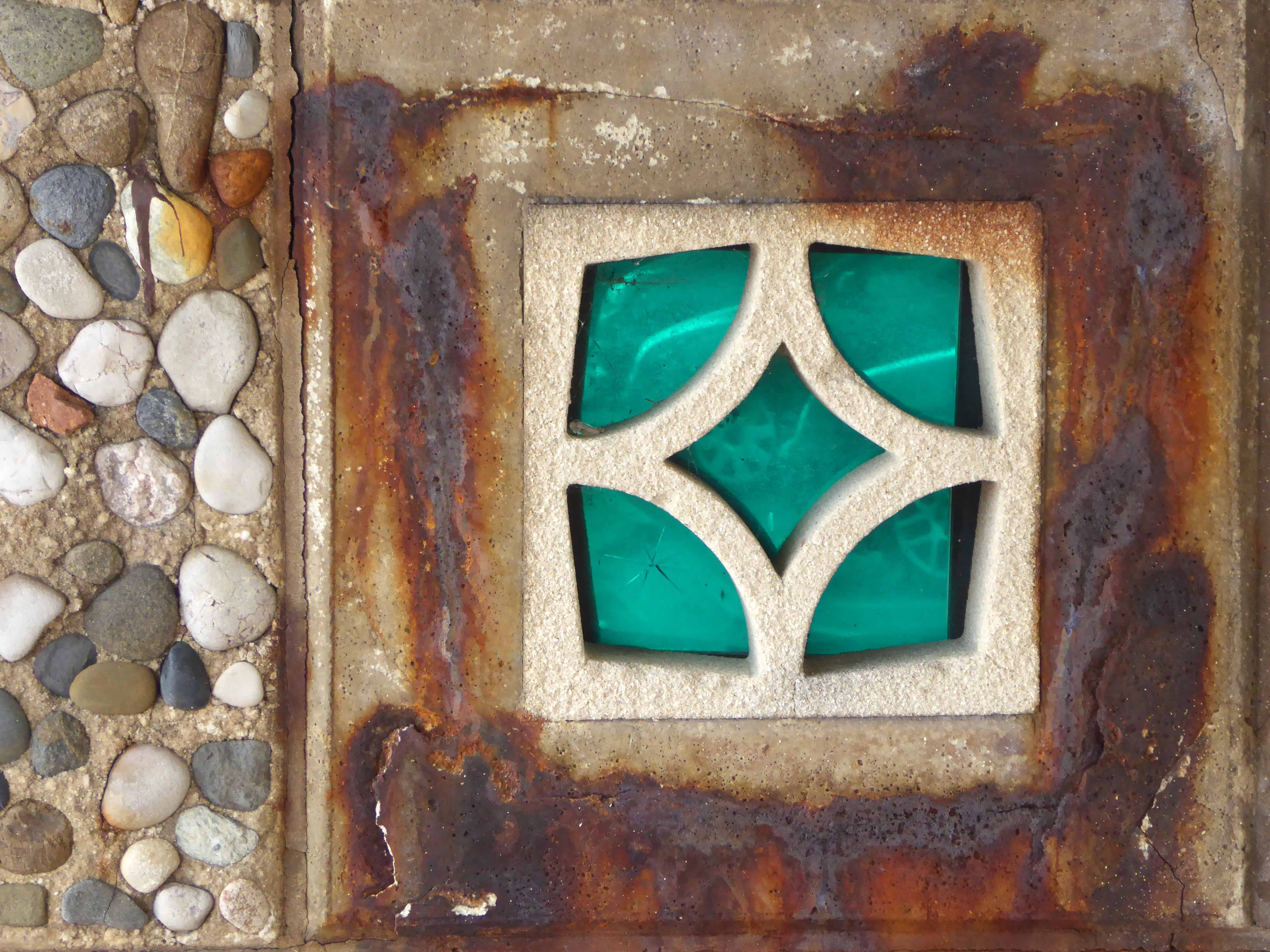
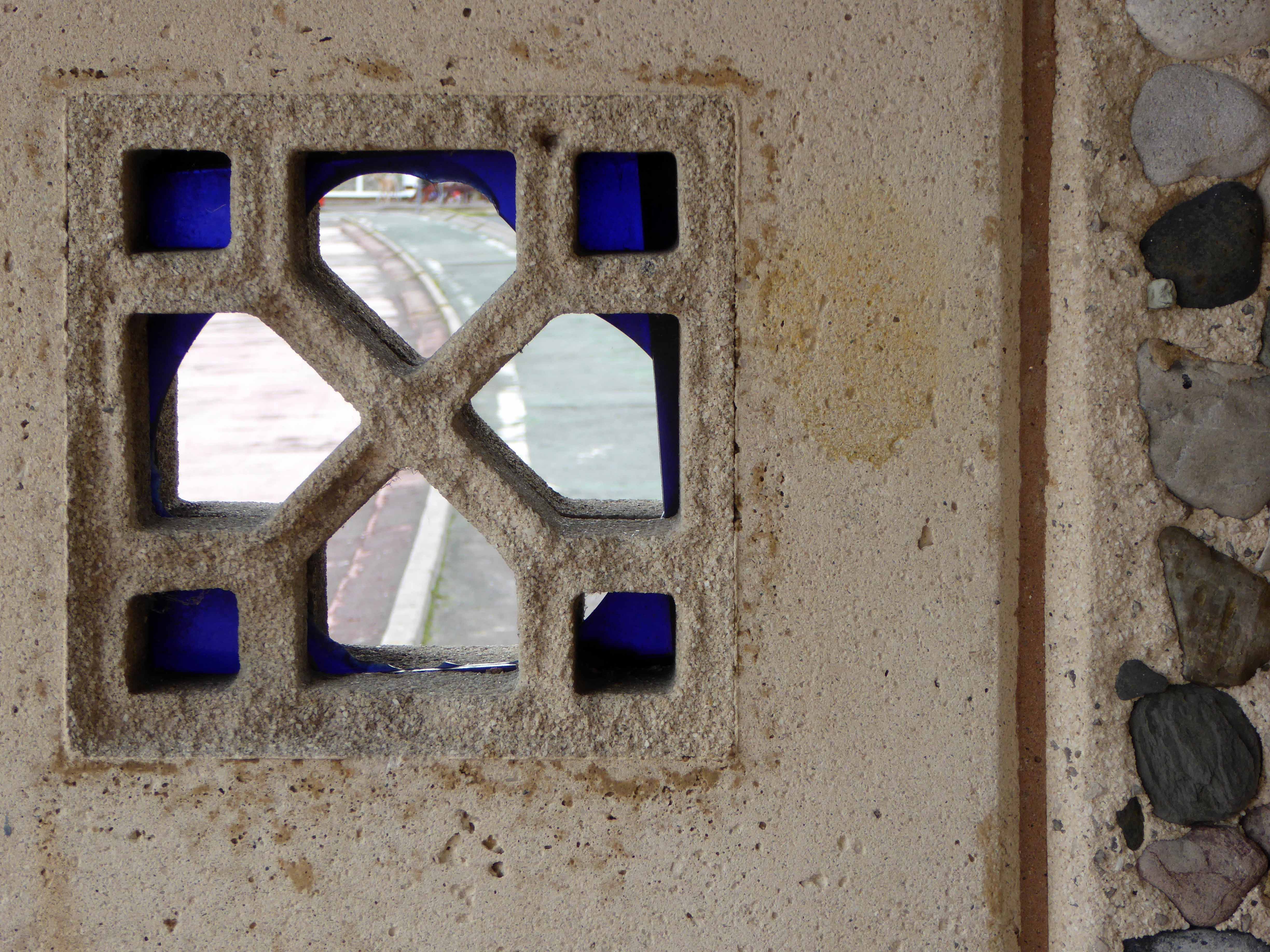
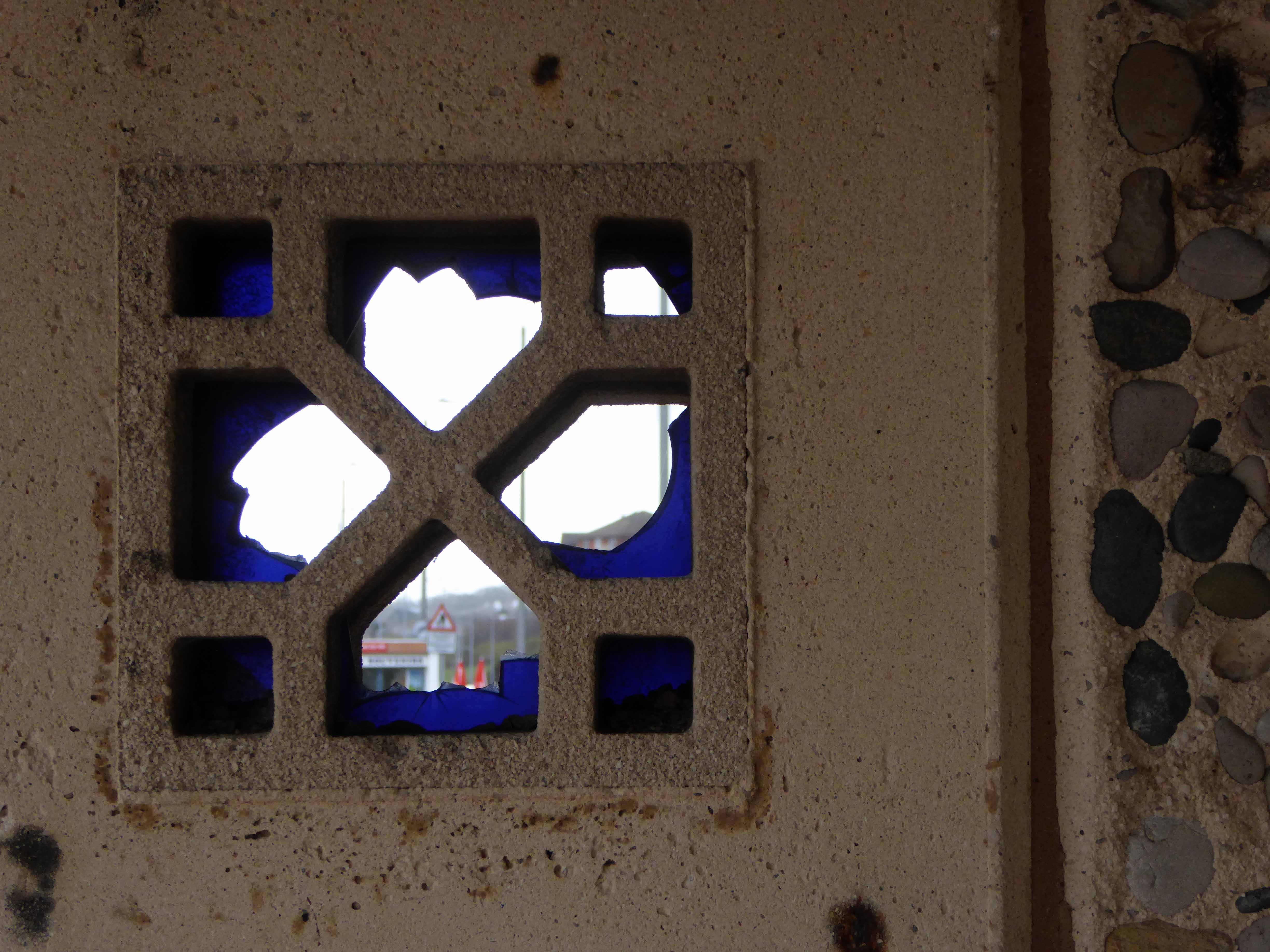
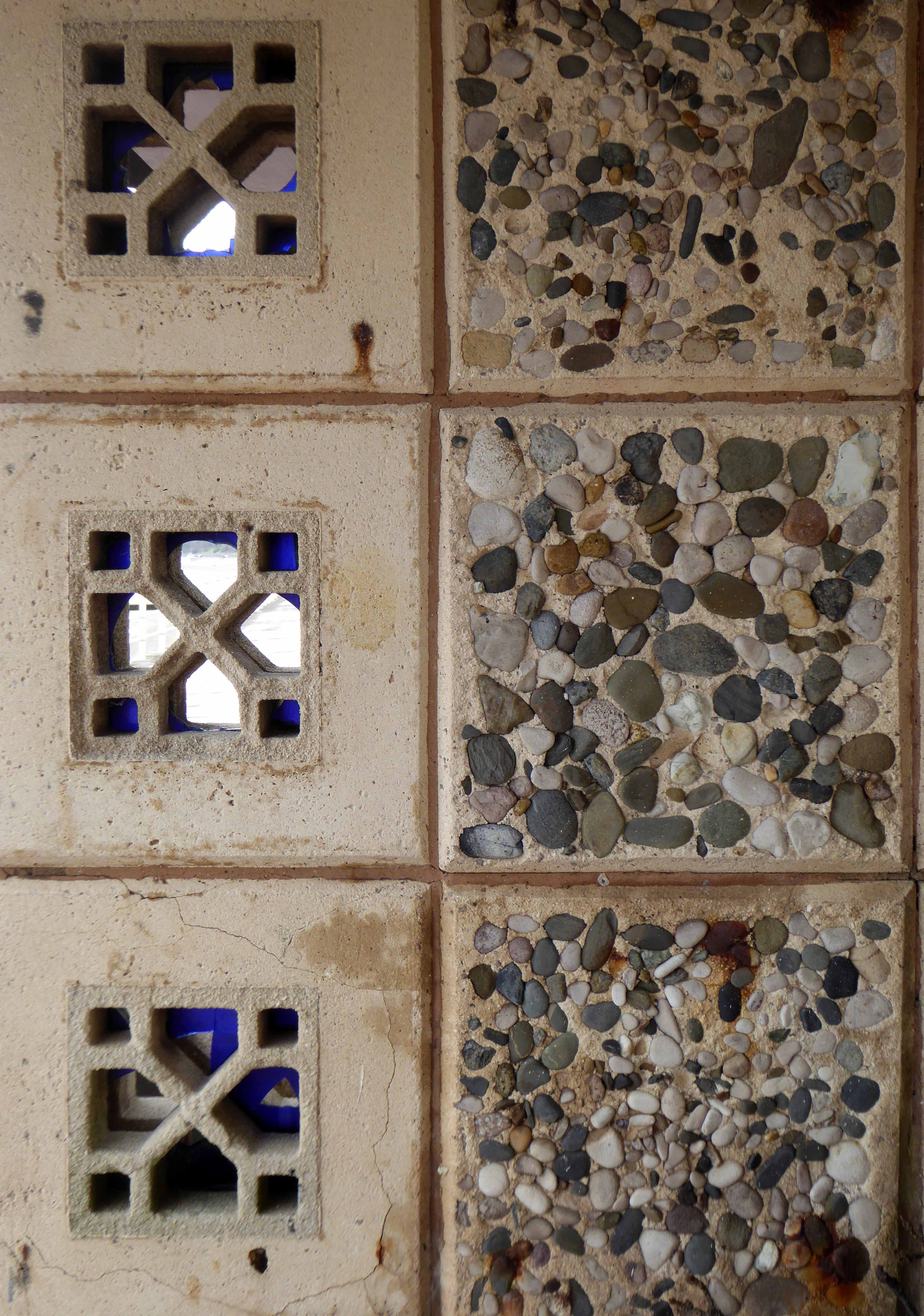
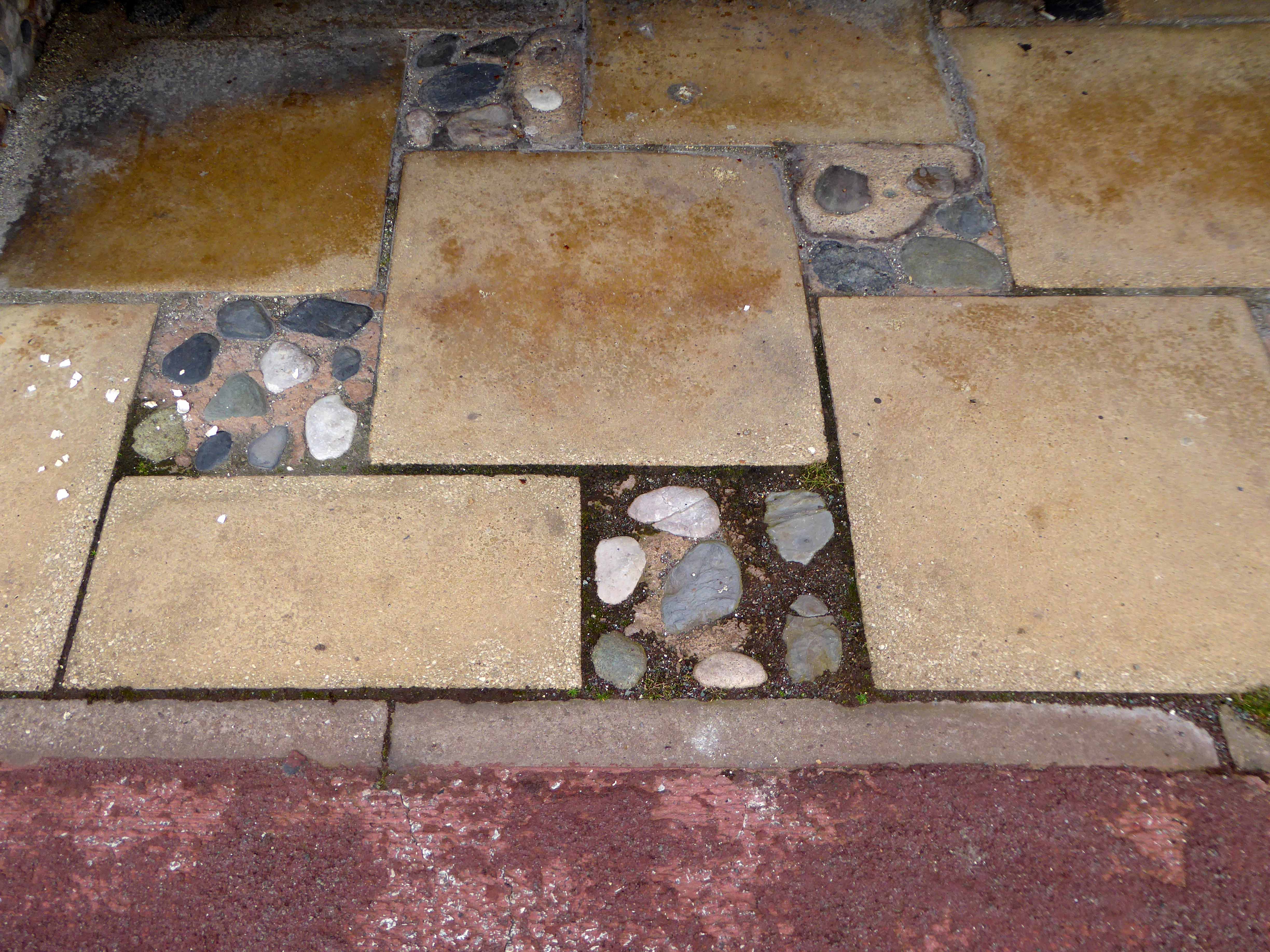
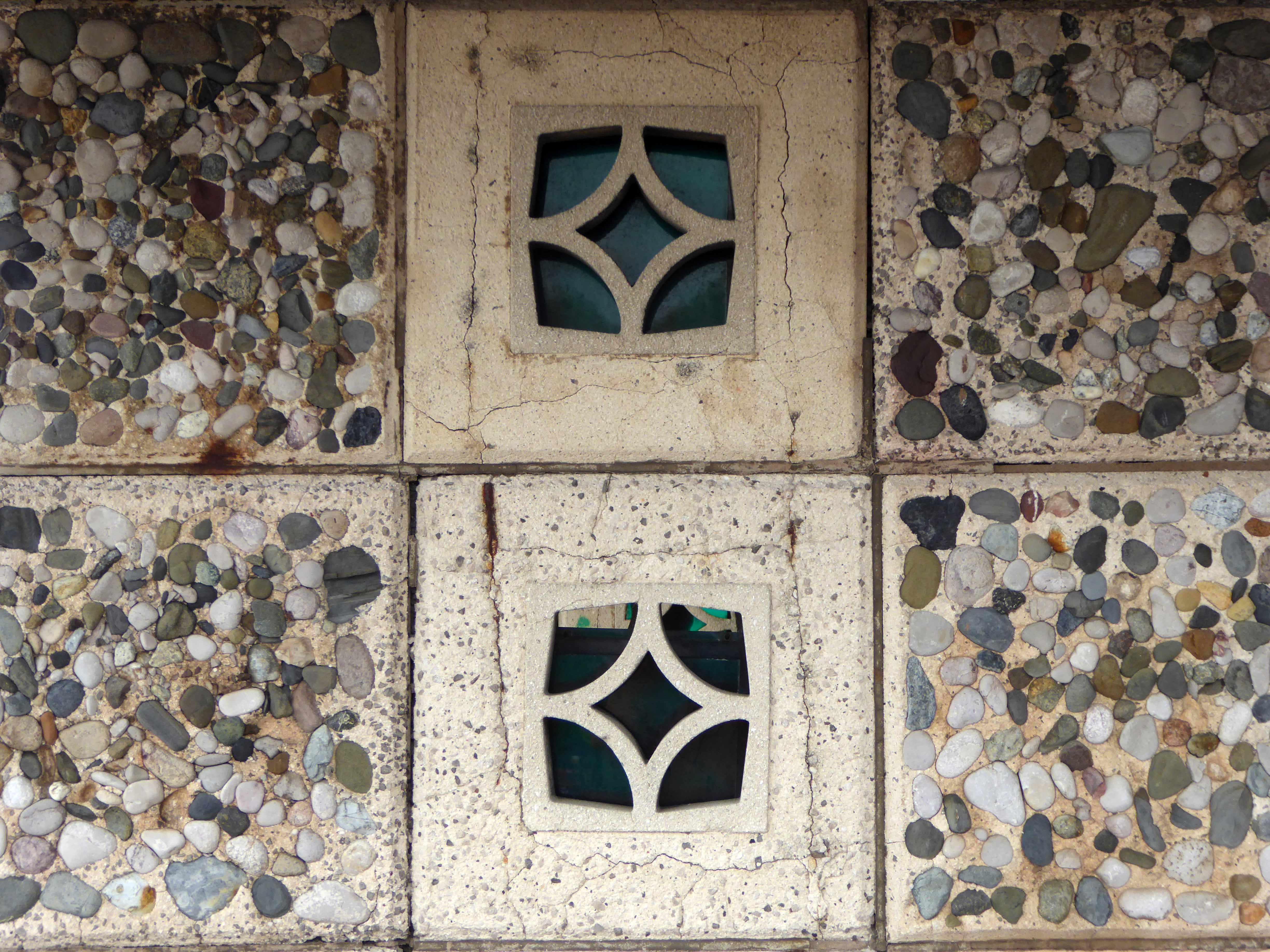
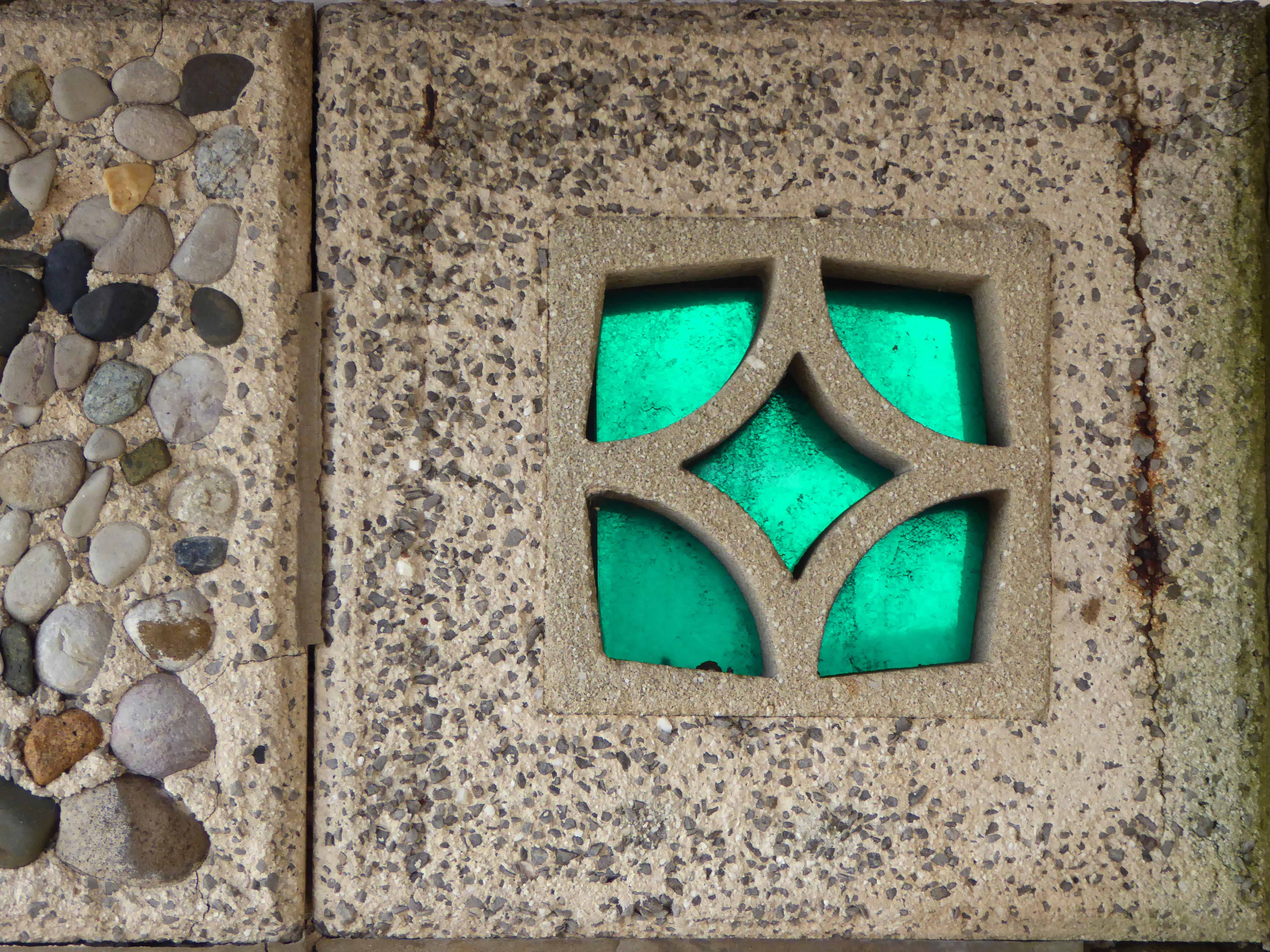
A concrete cornucopia of Californian screen block, glass, pebbledash, mosaic and crazy paving.
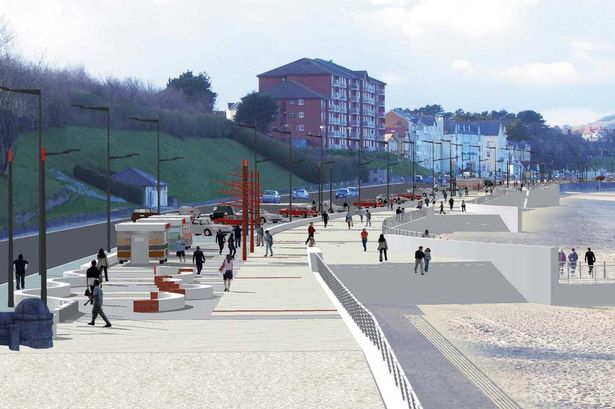
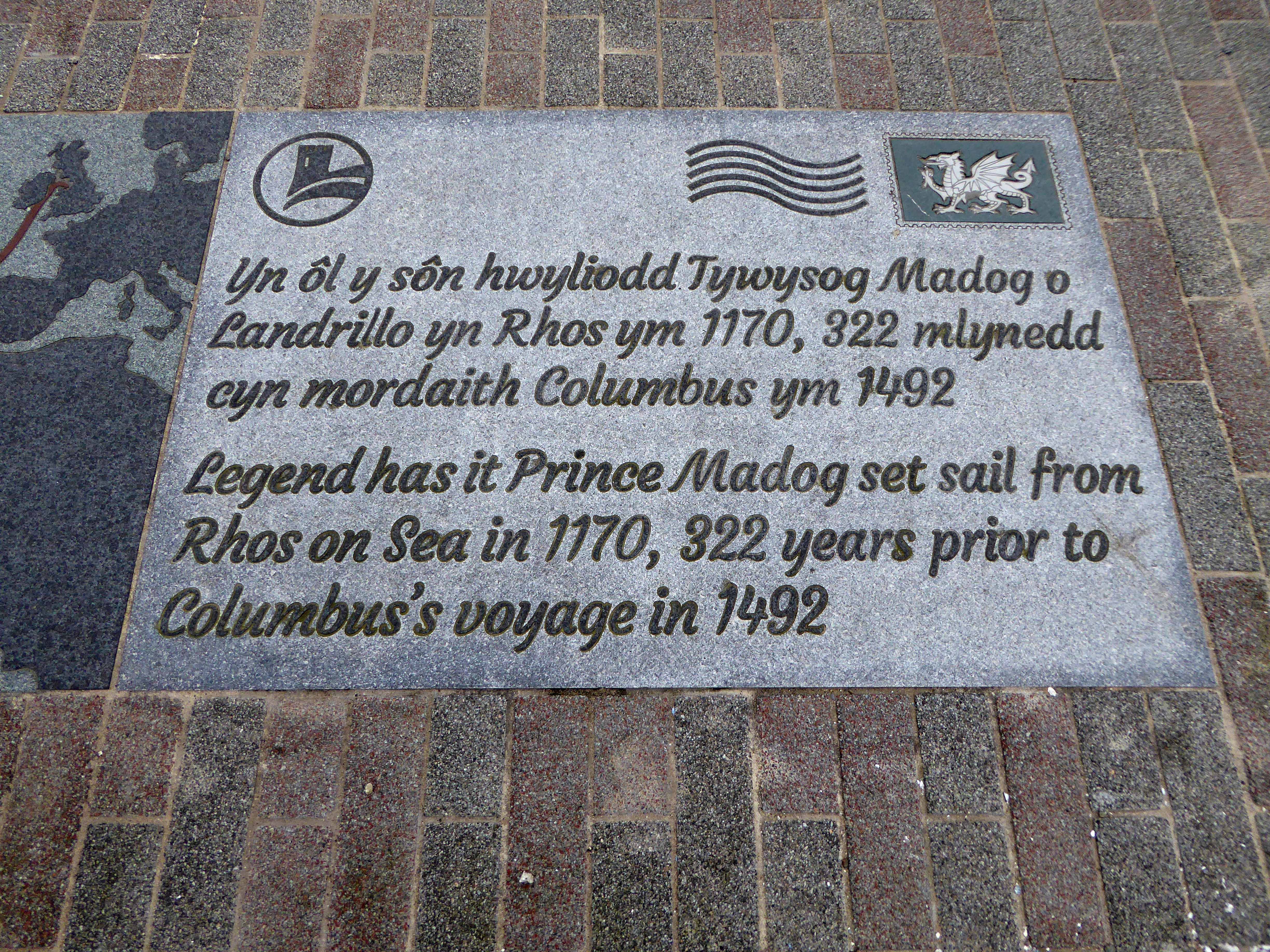
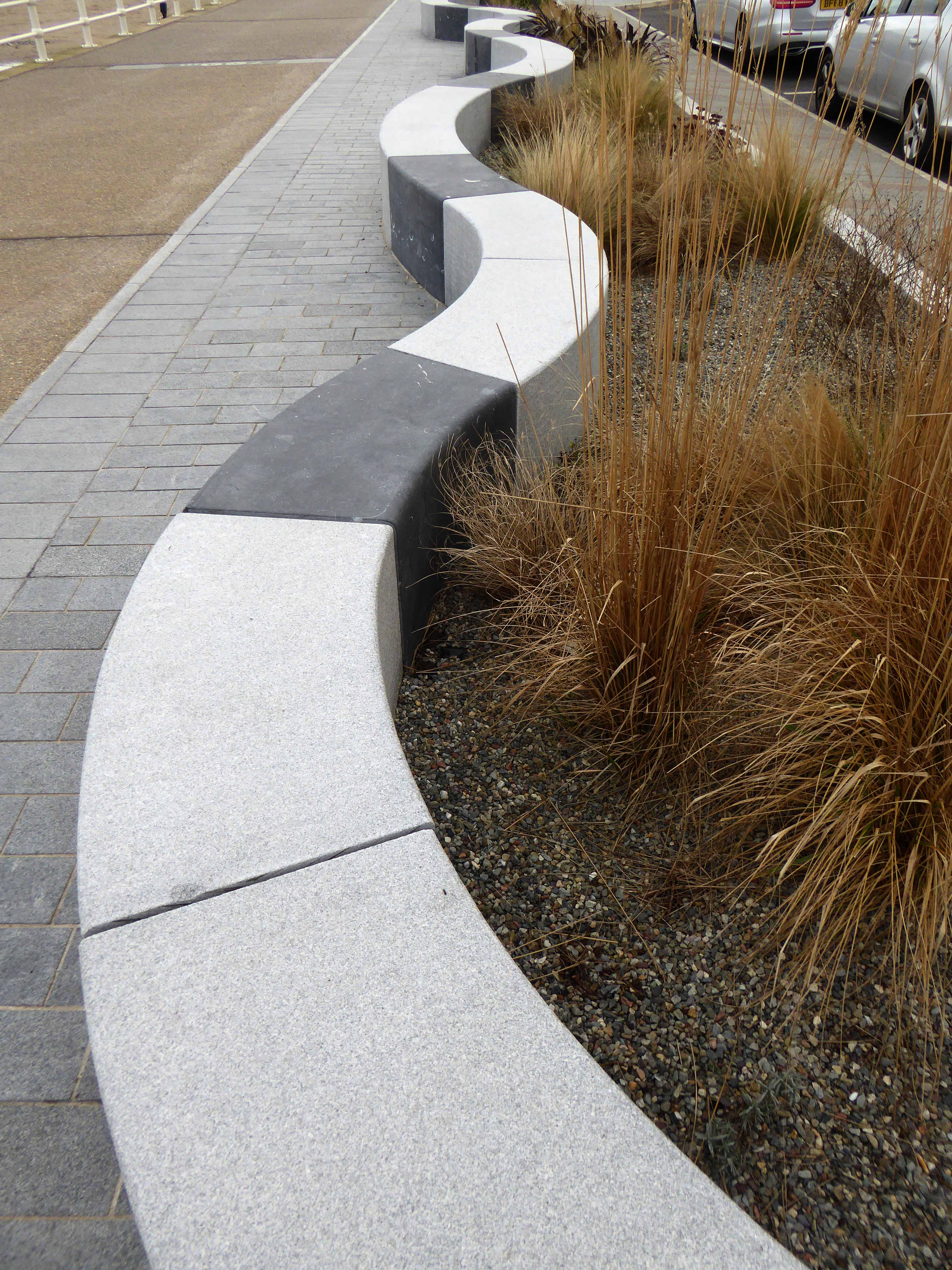
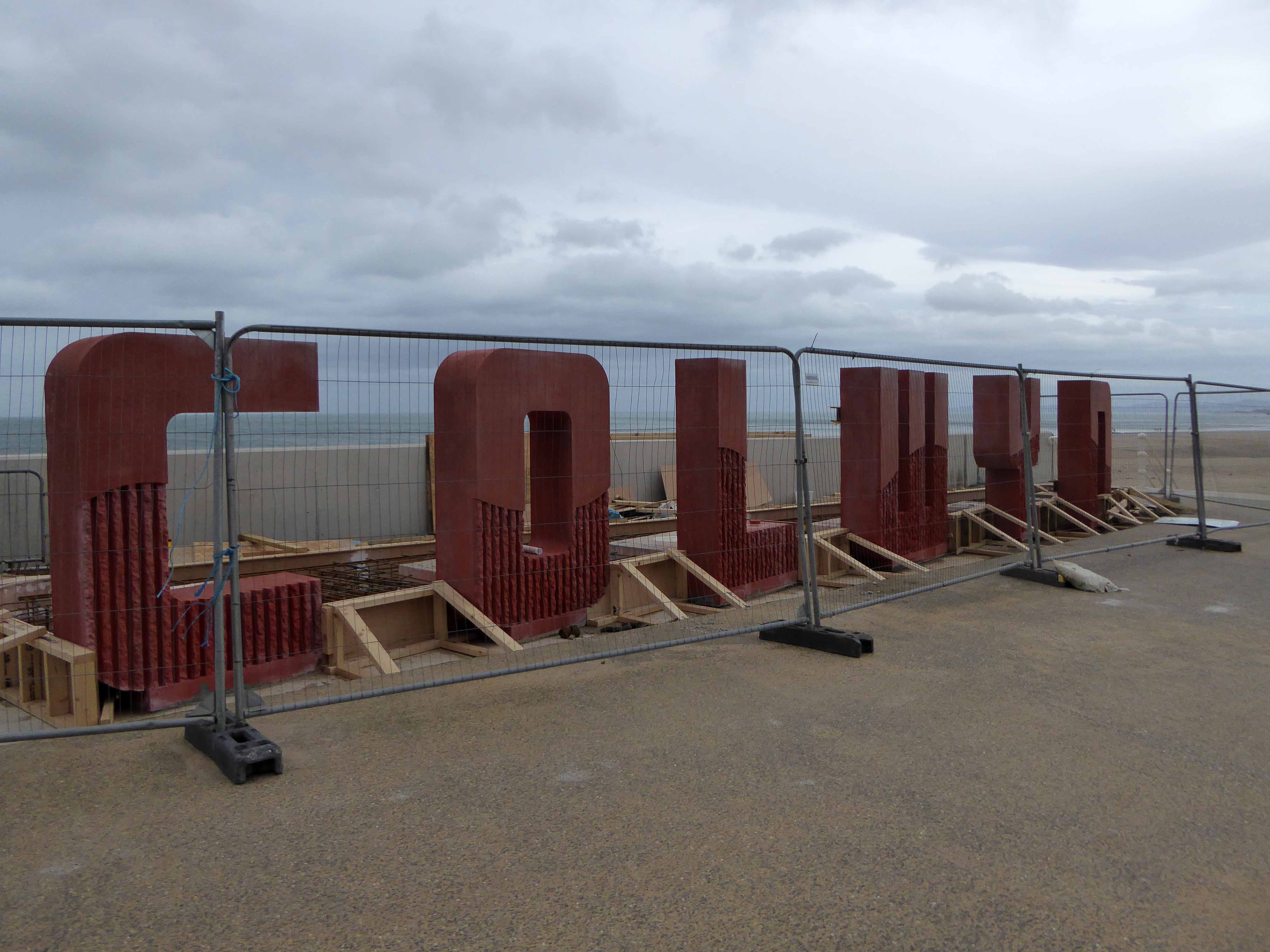
Municipal modernism under threat as the unstoppable force of coastal improvement lumbers on, a pantechnicon of shiny surfaces, sensitive planting, contemporary seating and laser-cut, contextually appropriate historical panels.
As Hardscape introduces a wholesome dose of CGI style medicine to the promenade
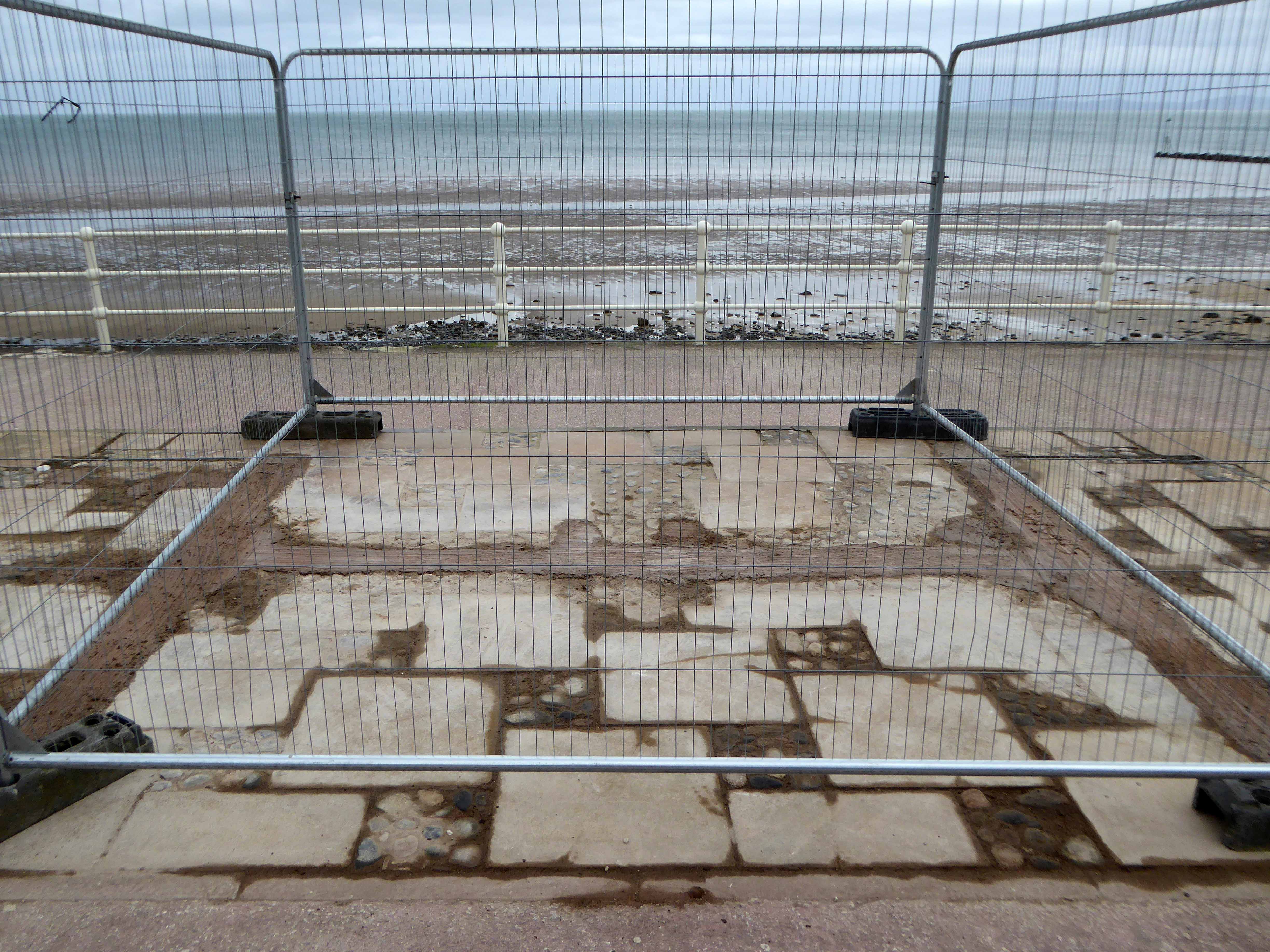
I for one will miss you all when you’re gone.
Next time I pass all this will seem as a dream, a tale told by a fool full of sand and fury signifying nothing.
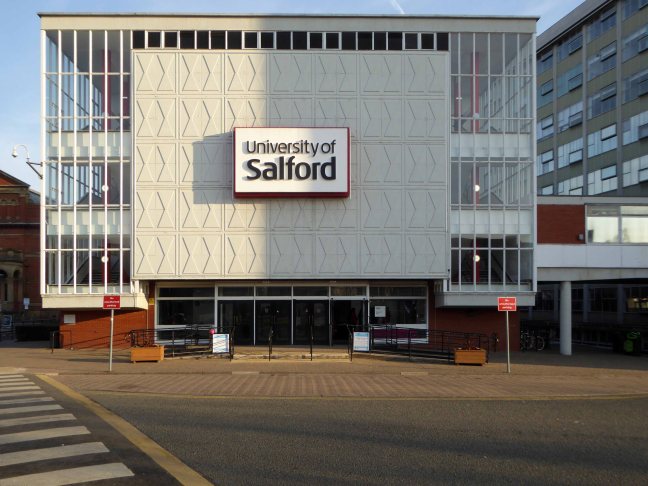
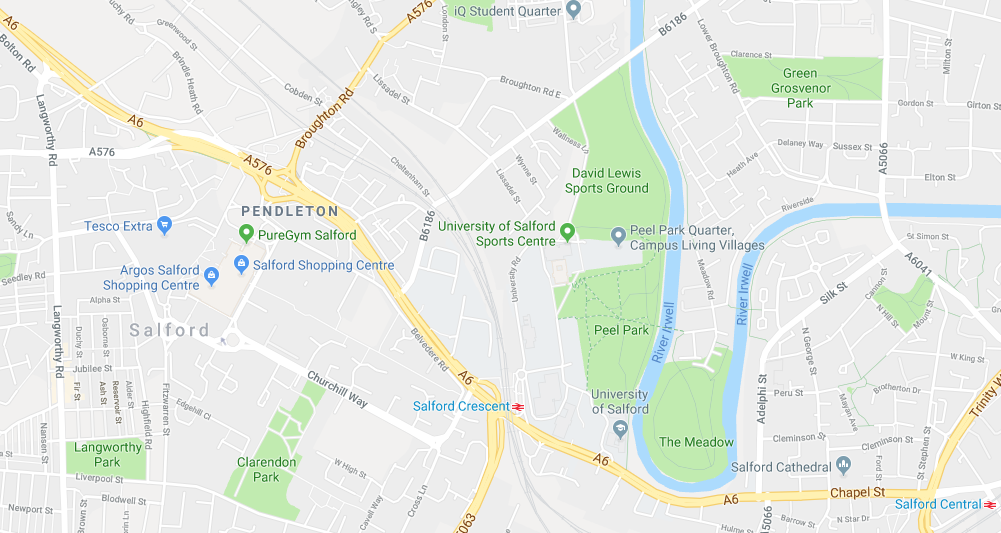
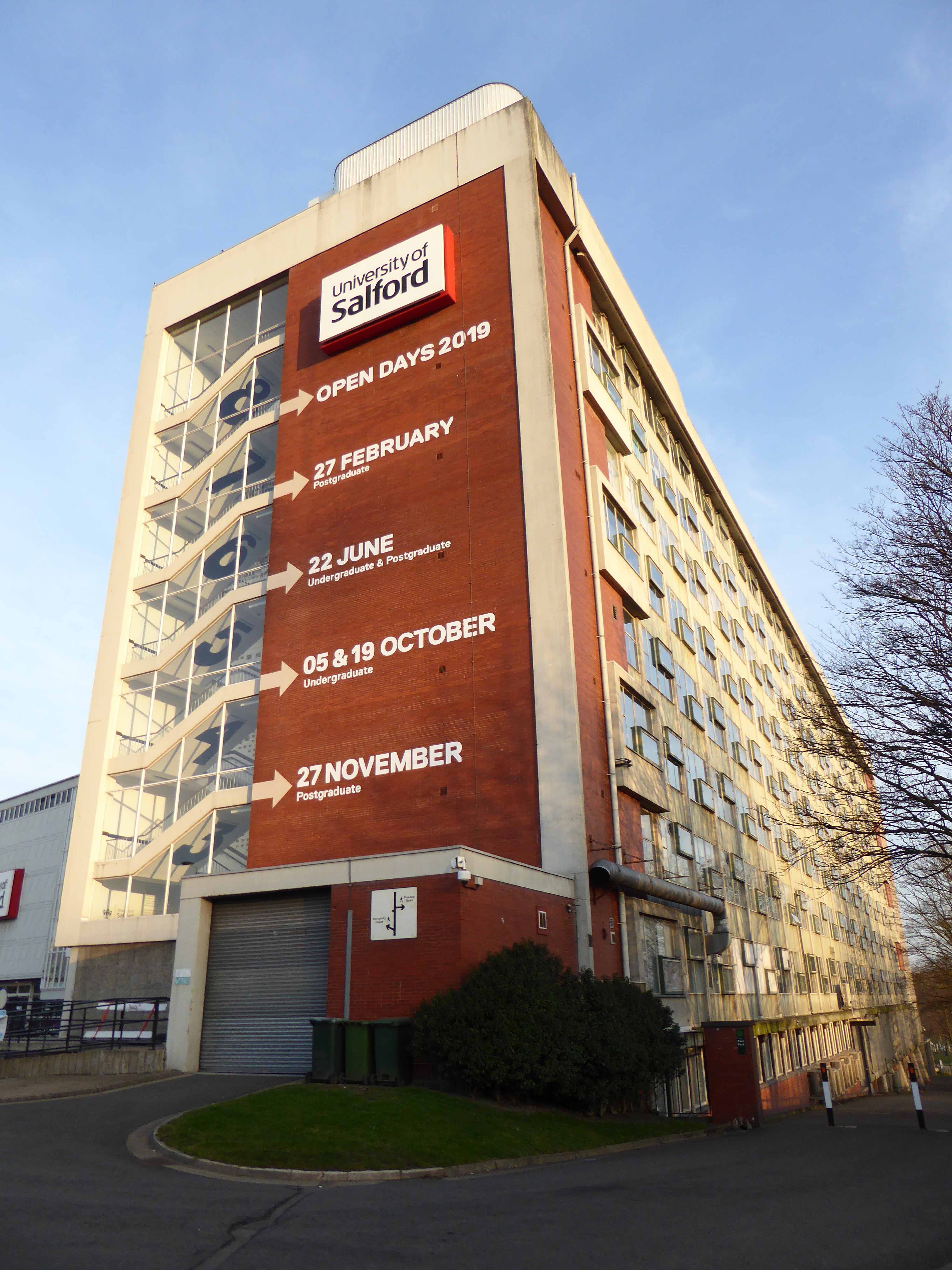
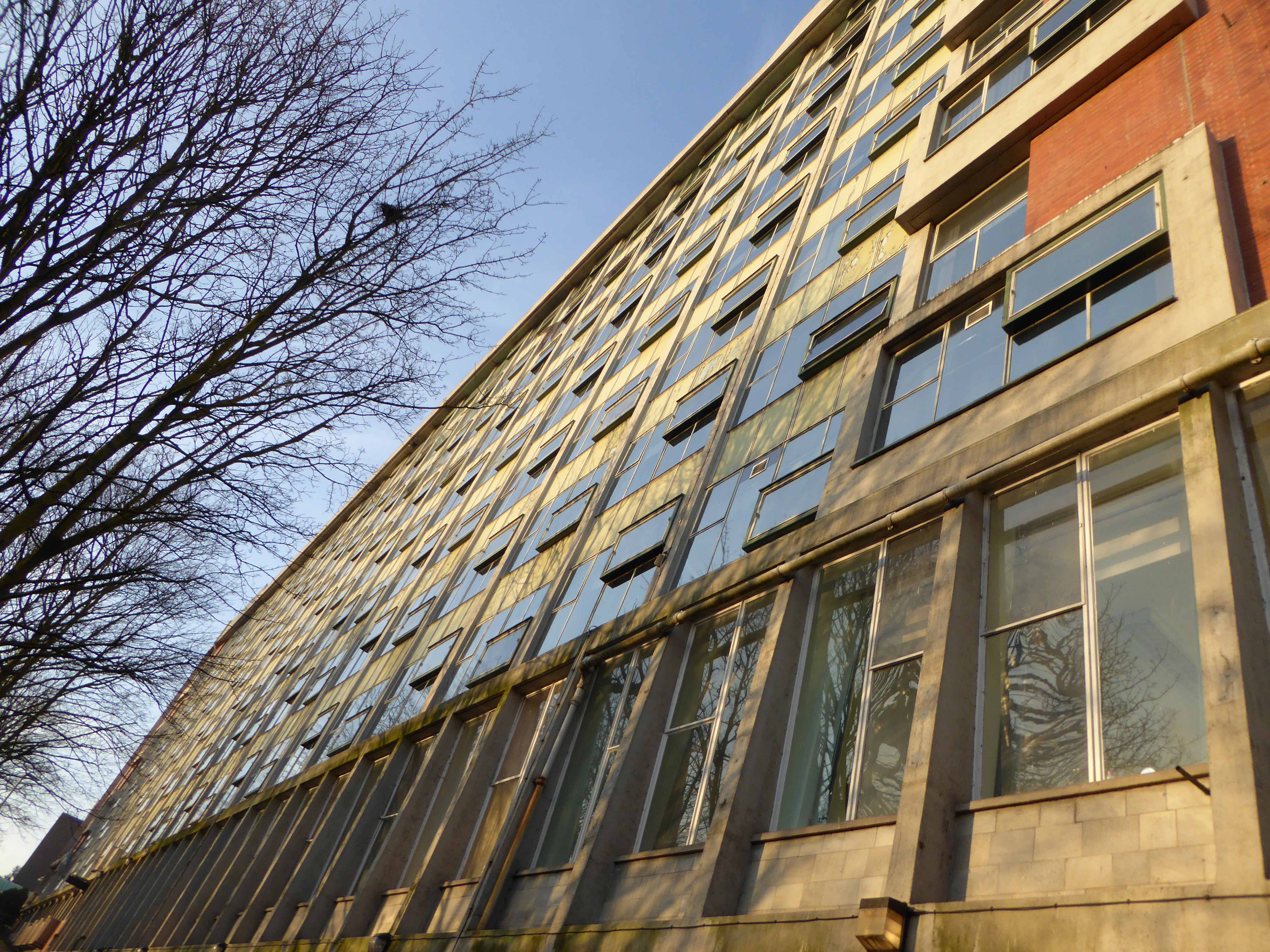
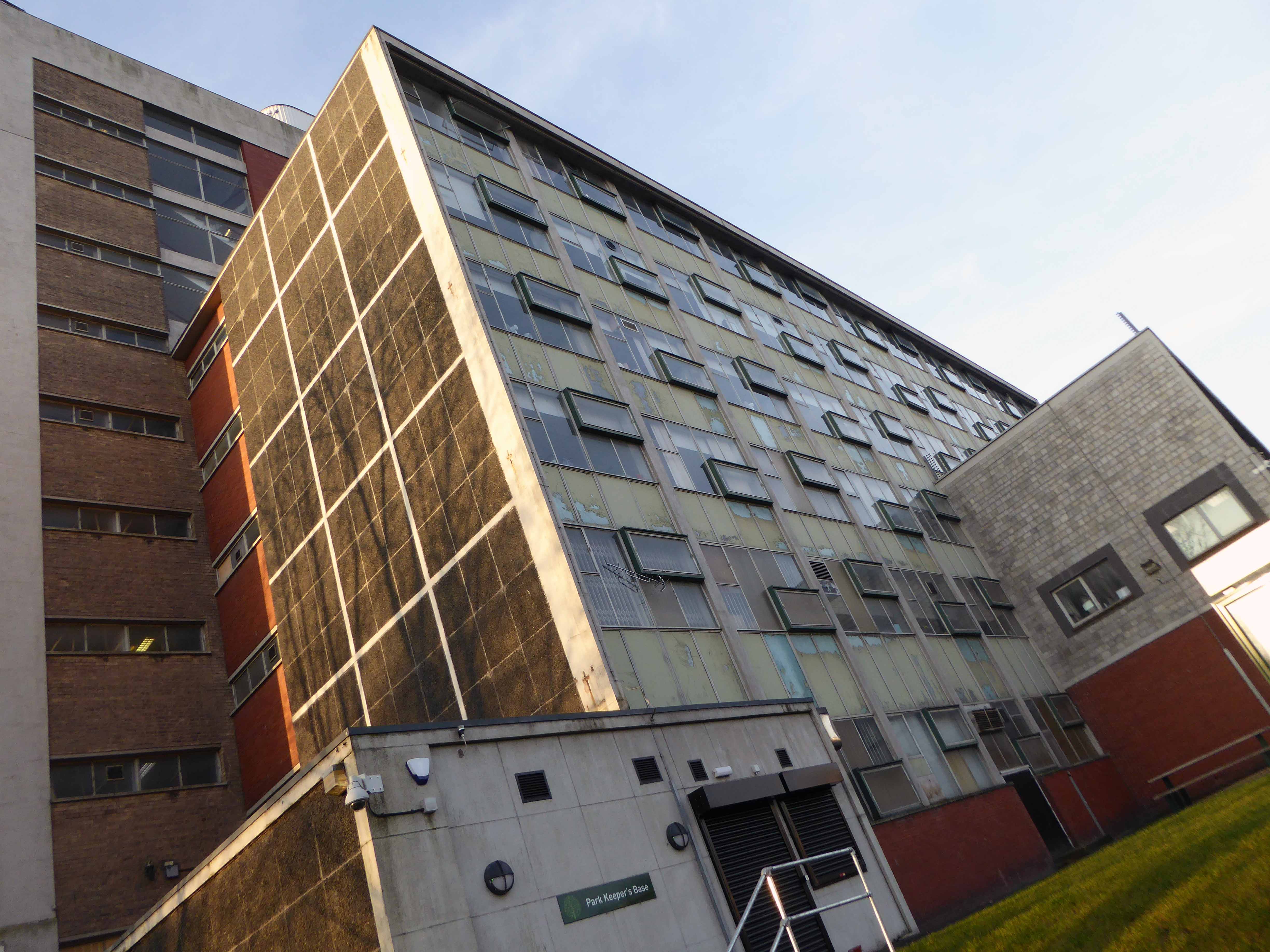
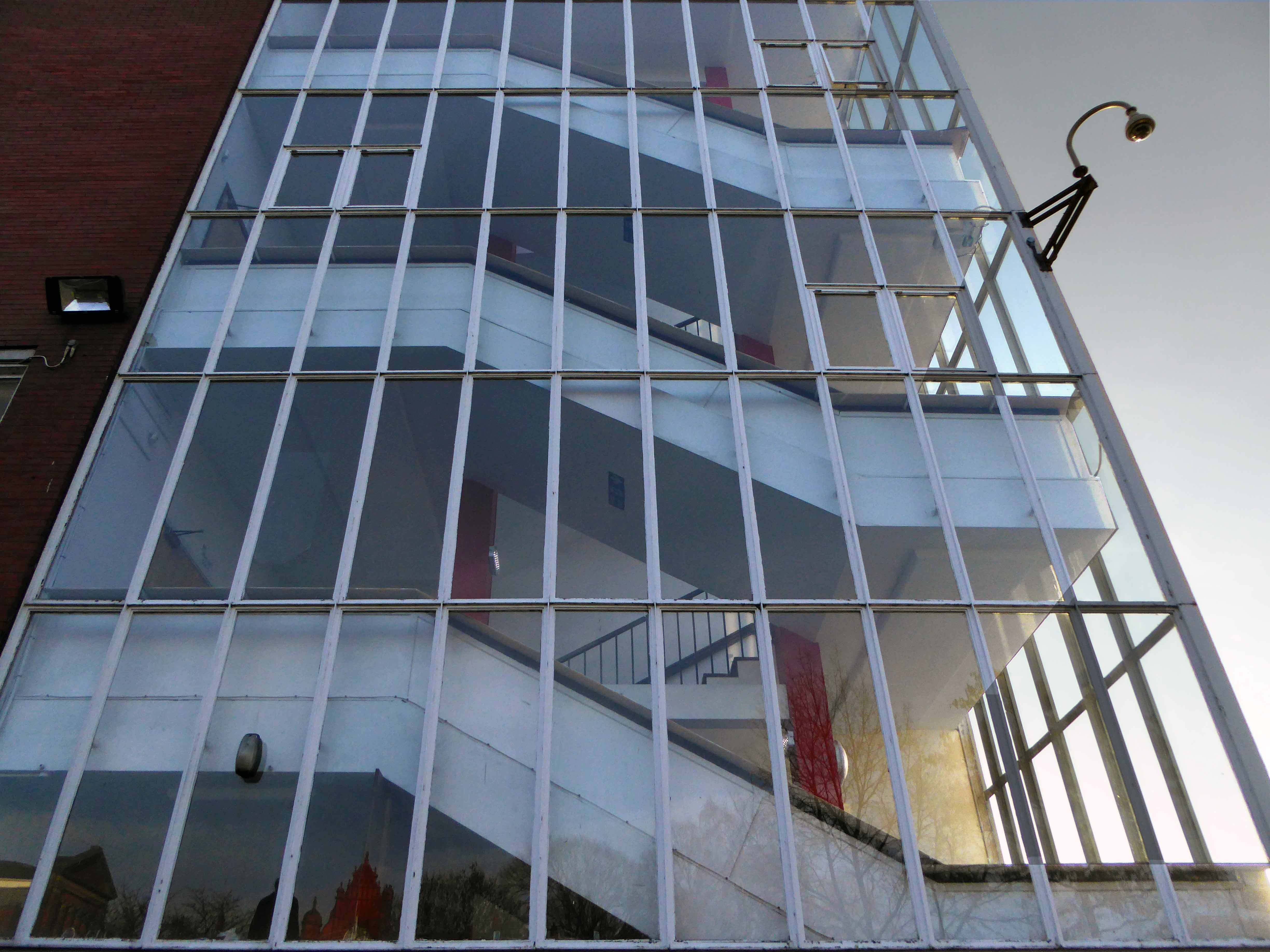
So here we are hard by the River Irwell, Peel Park and the A6.
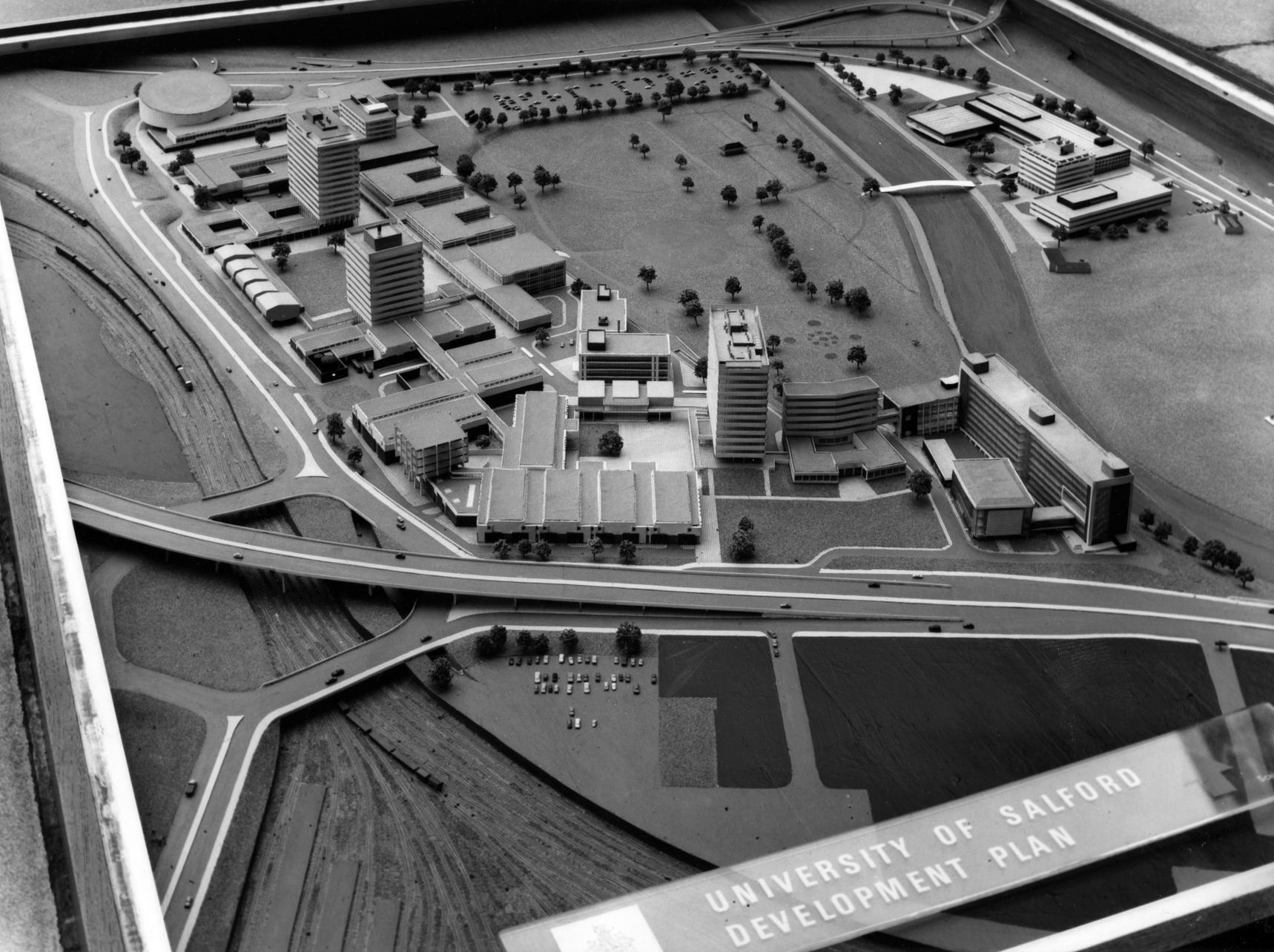
The Royal Technical Institute, Salford, which opened in 1896, became a College of Advanced Technology in 1956 and gained university status, following the Robbins Report into higher education, in 1967.
A new dawn – fired by the white hot heat of British Technology – including the unrealised demolition of the Victorian College, Art Gallery and Museum buildings.
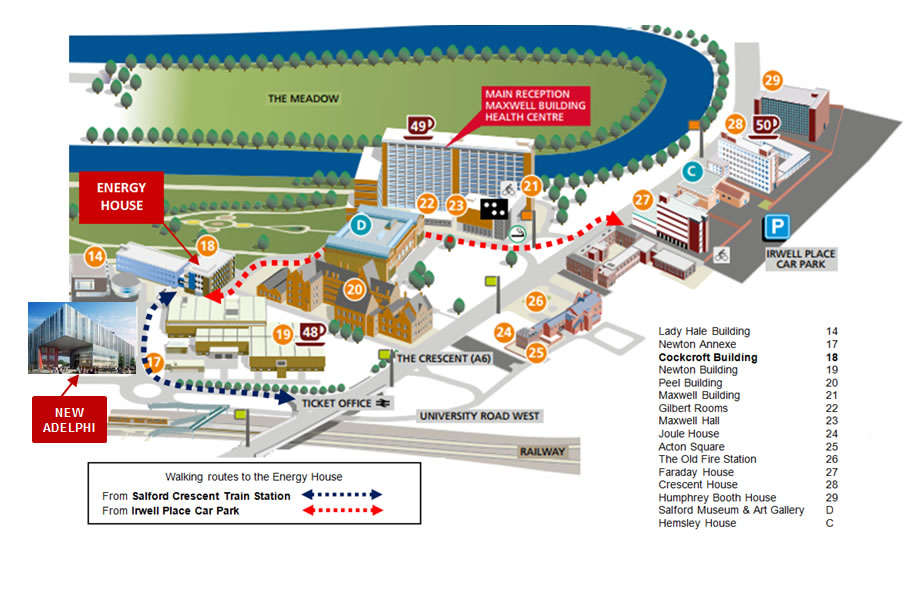
The Maxwell Building and Hall forms the older portal to the campus site.
They were built between 1959 and 1960 to a design by the architect C. H. Simmons of the Lancashire County Architects Department.
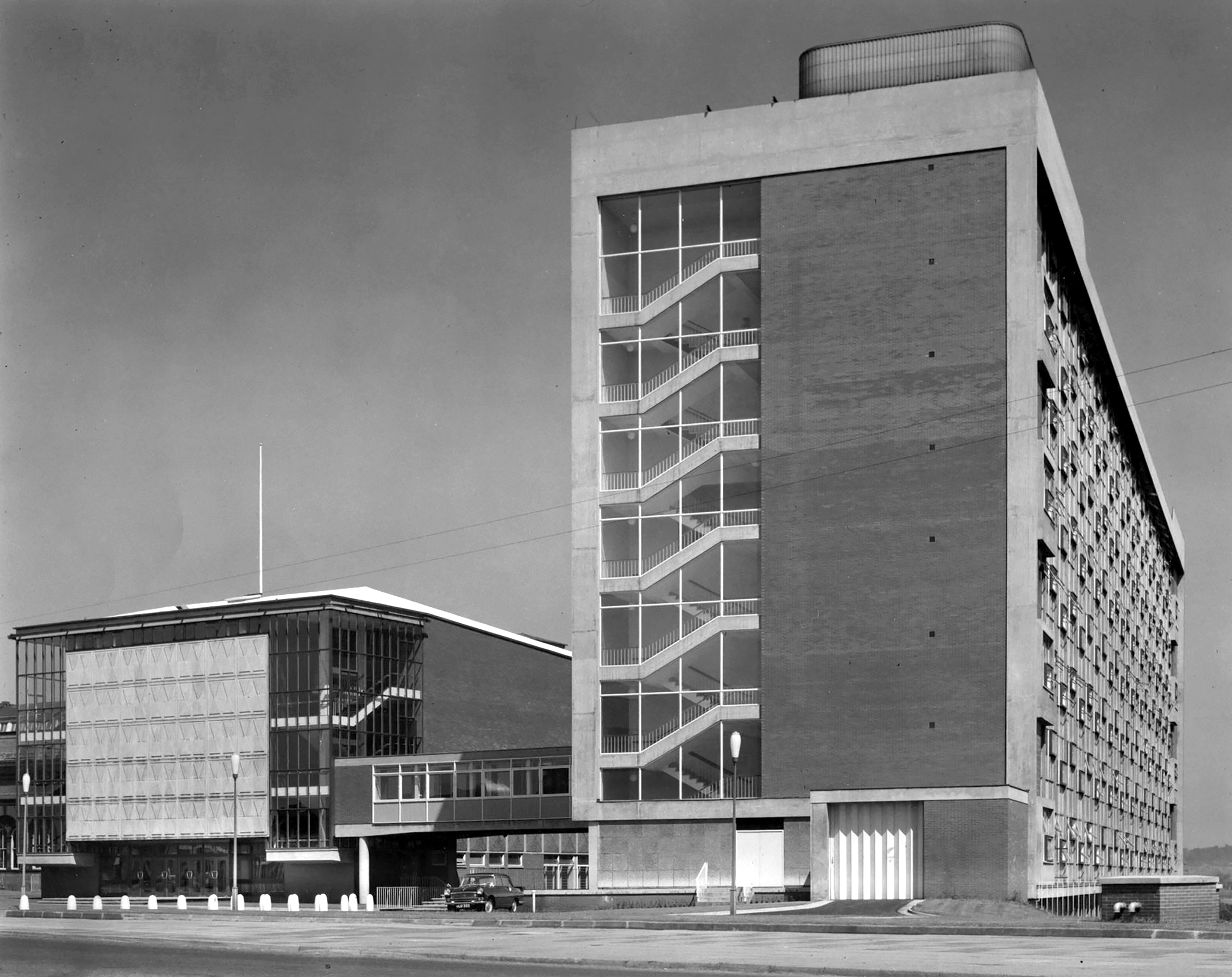
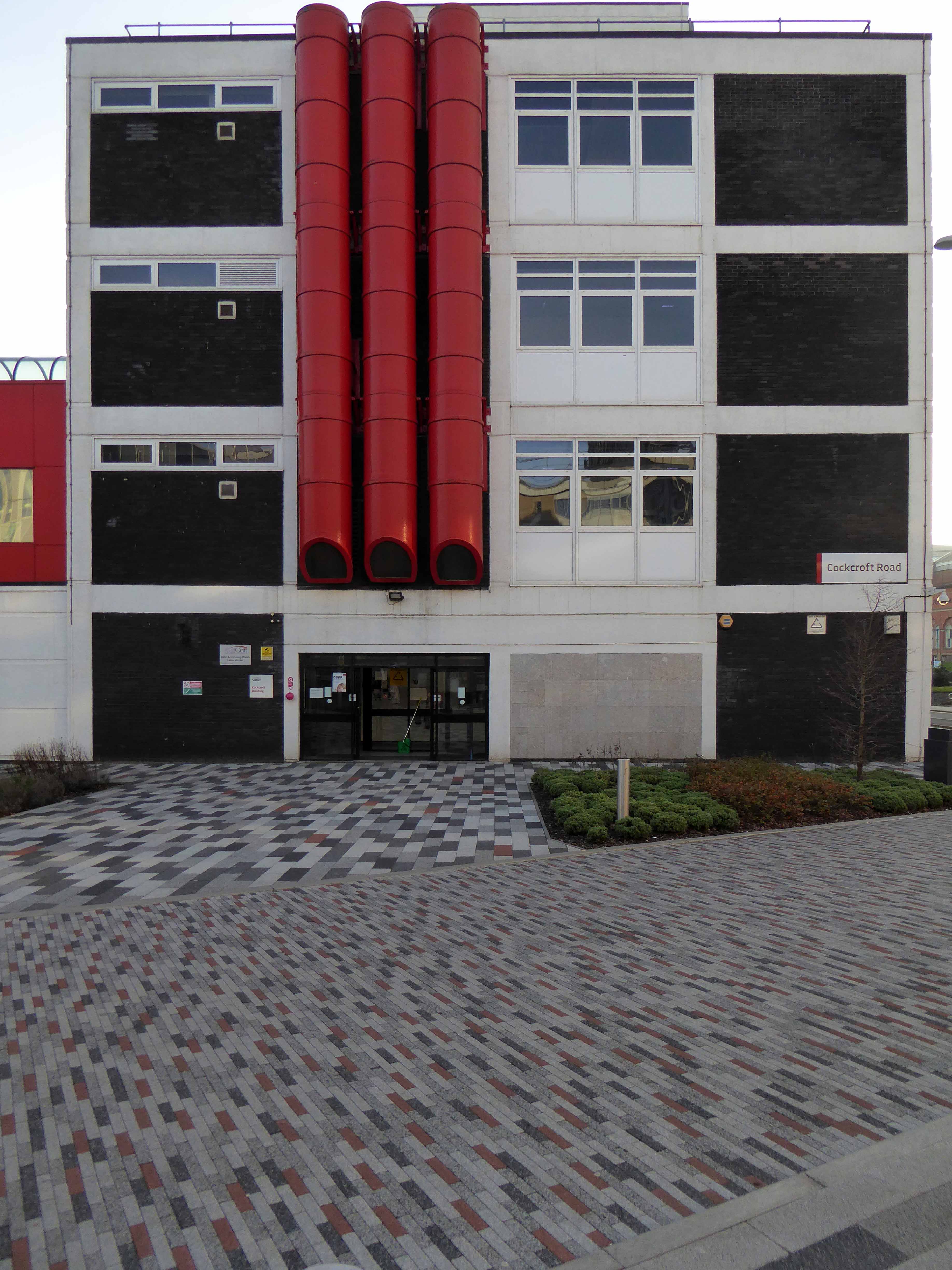
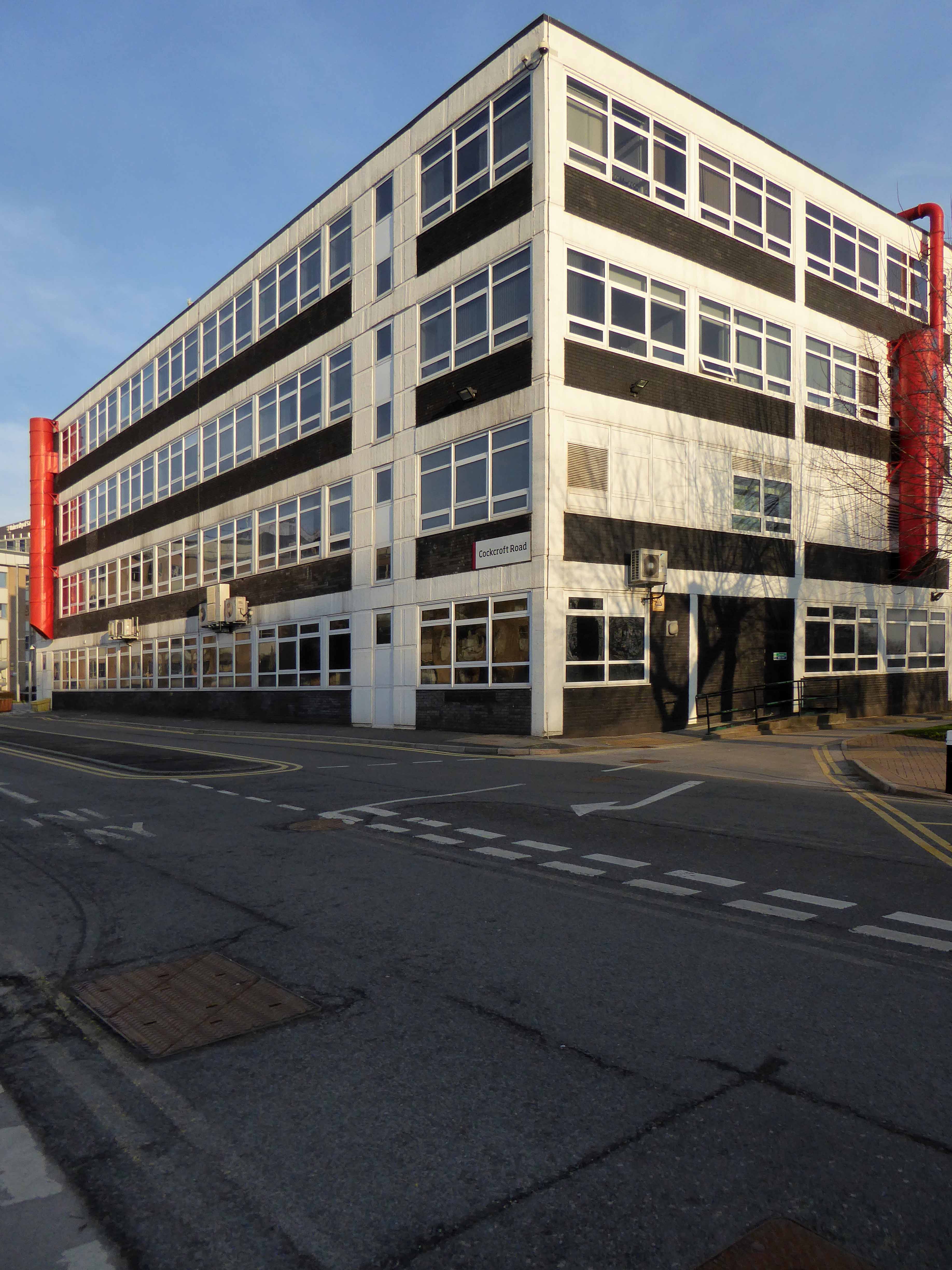
In back of the Maxwell complex is the Cockcroft Building.
Sir John Douglas Cockcroft OM KCB CBE FRS 27 May 1897 – 18 September 1967 was a British physicist who shared with Ernest Walton the Nobel Prize in Physics in 1951 for splitting the atomic nucleus, and was instrumental in the development of nuclear power.
The concrete relief to the east fascia of the northern block of the building is now sadly obscured by the addition of intrusive infrastructure.
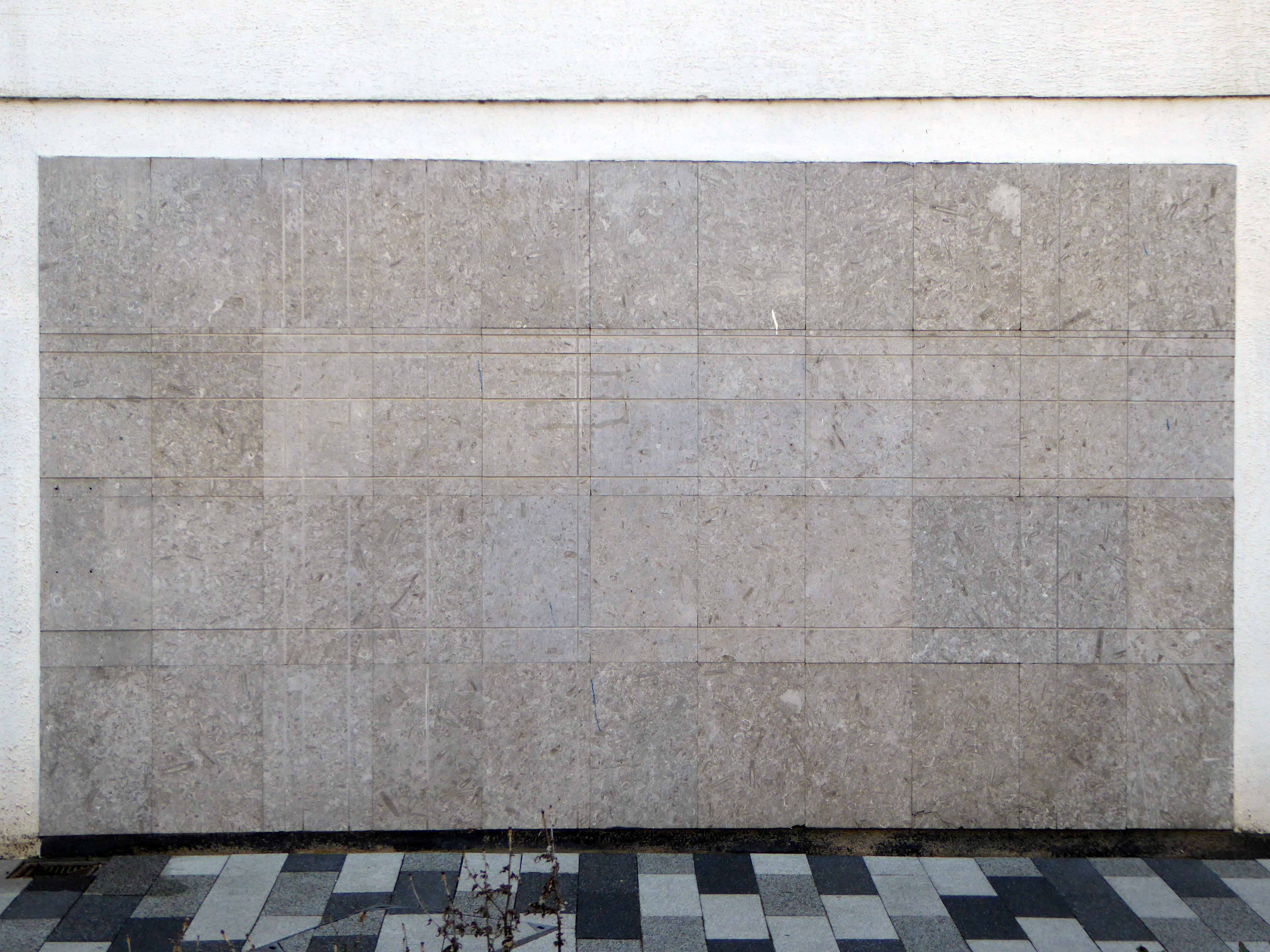
This incised block of limestone tiles laden with fossilised remains is a curious delight.
Just around the corner the Chapman Building.
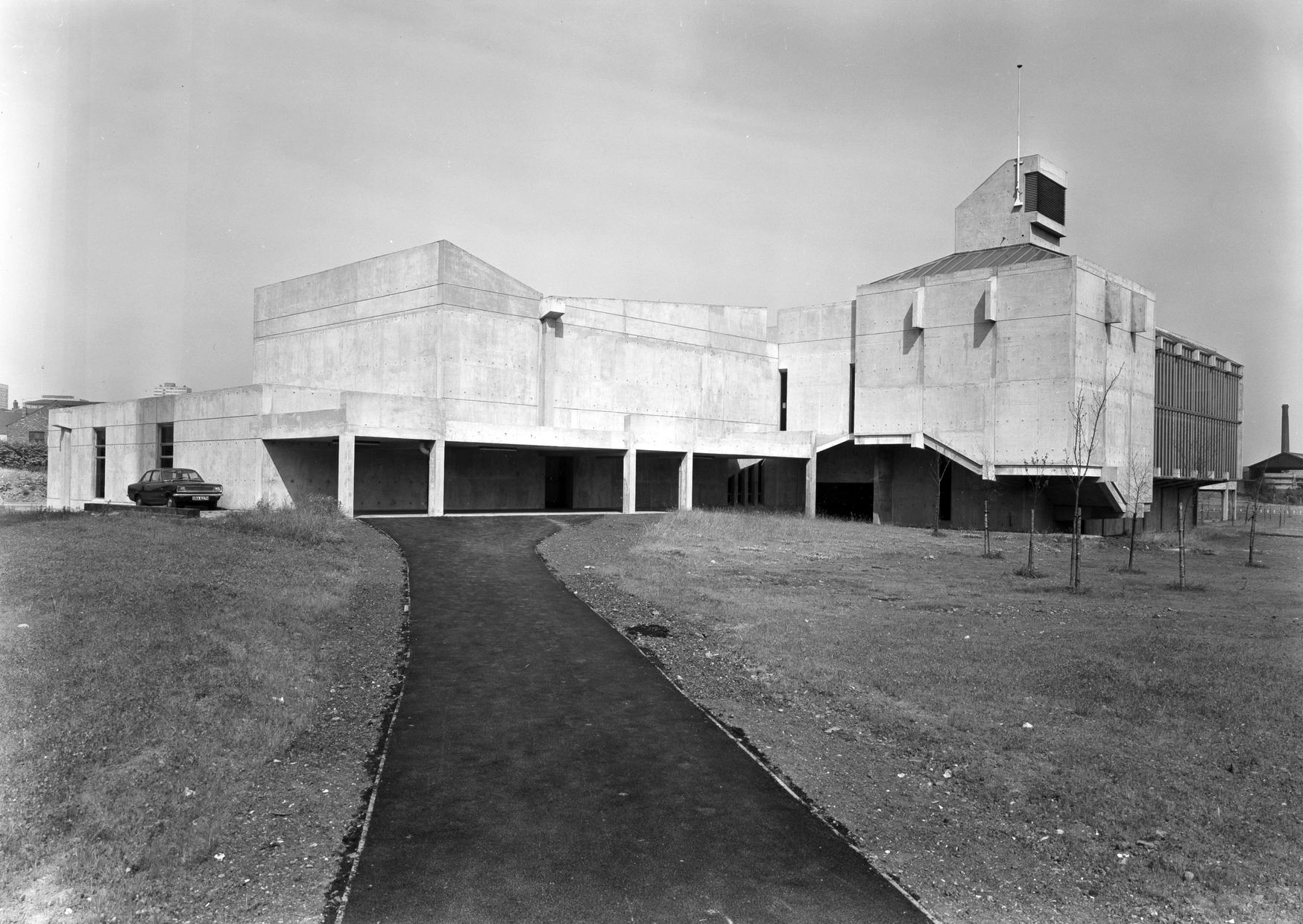
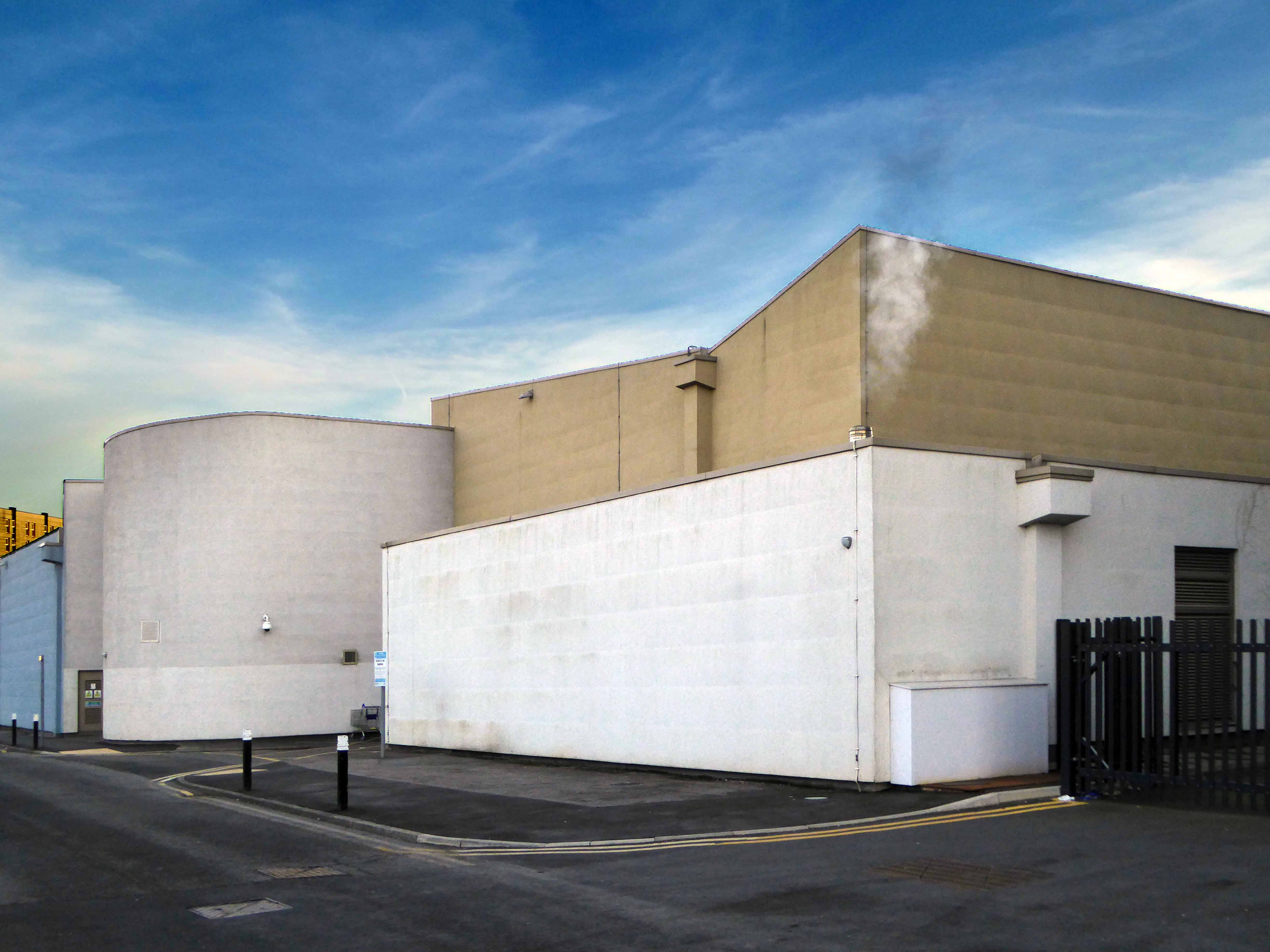
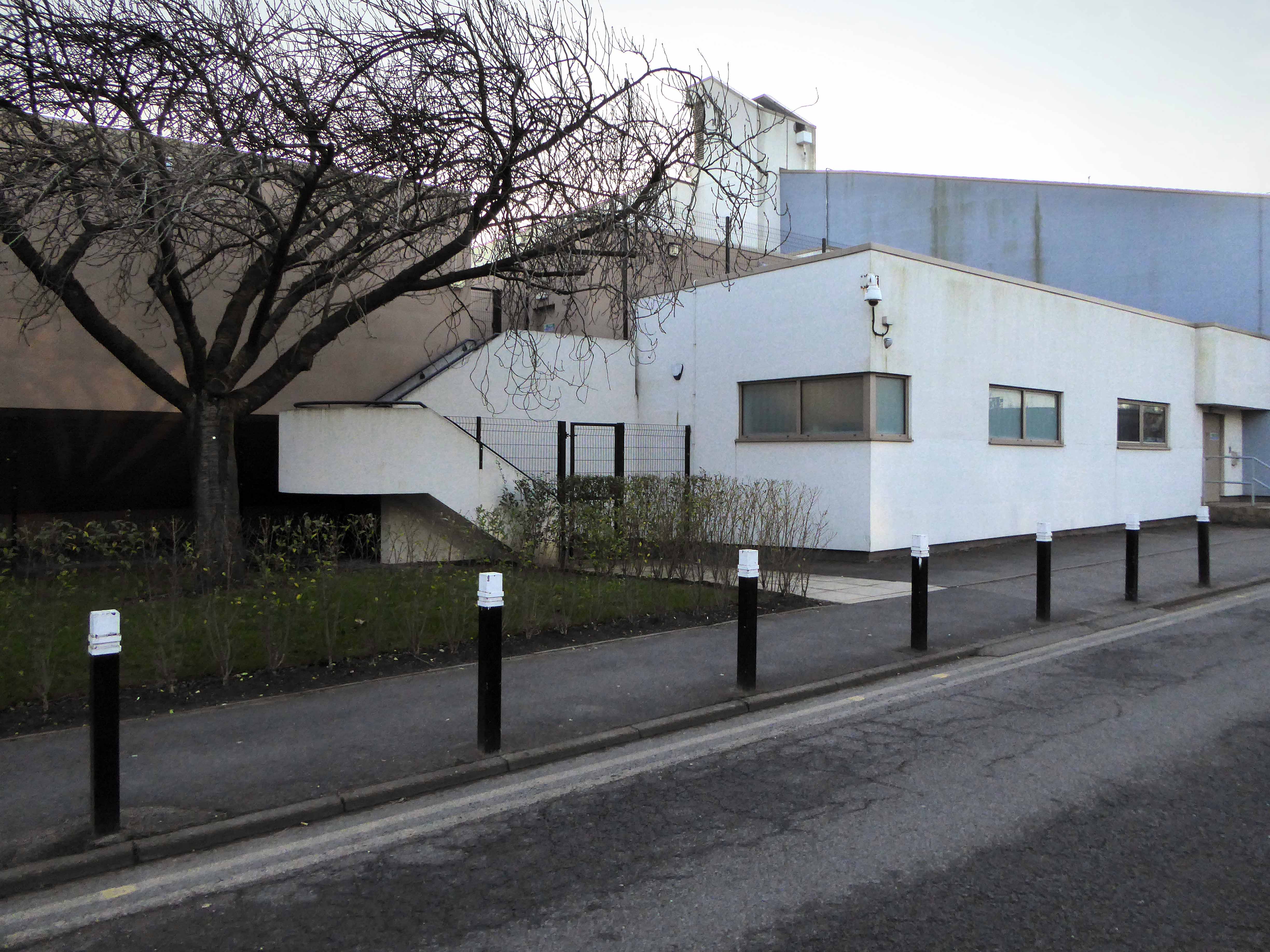
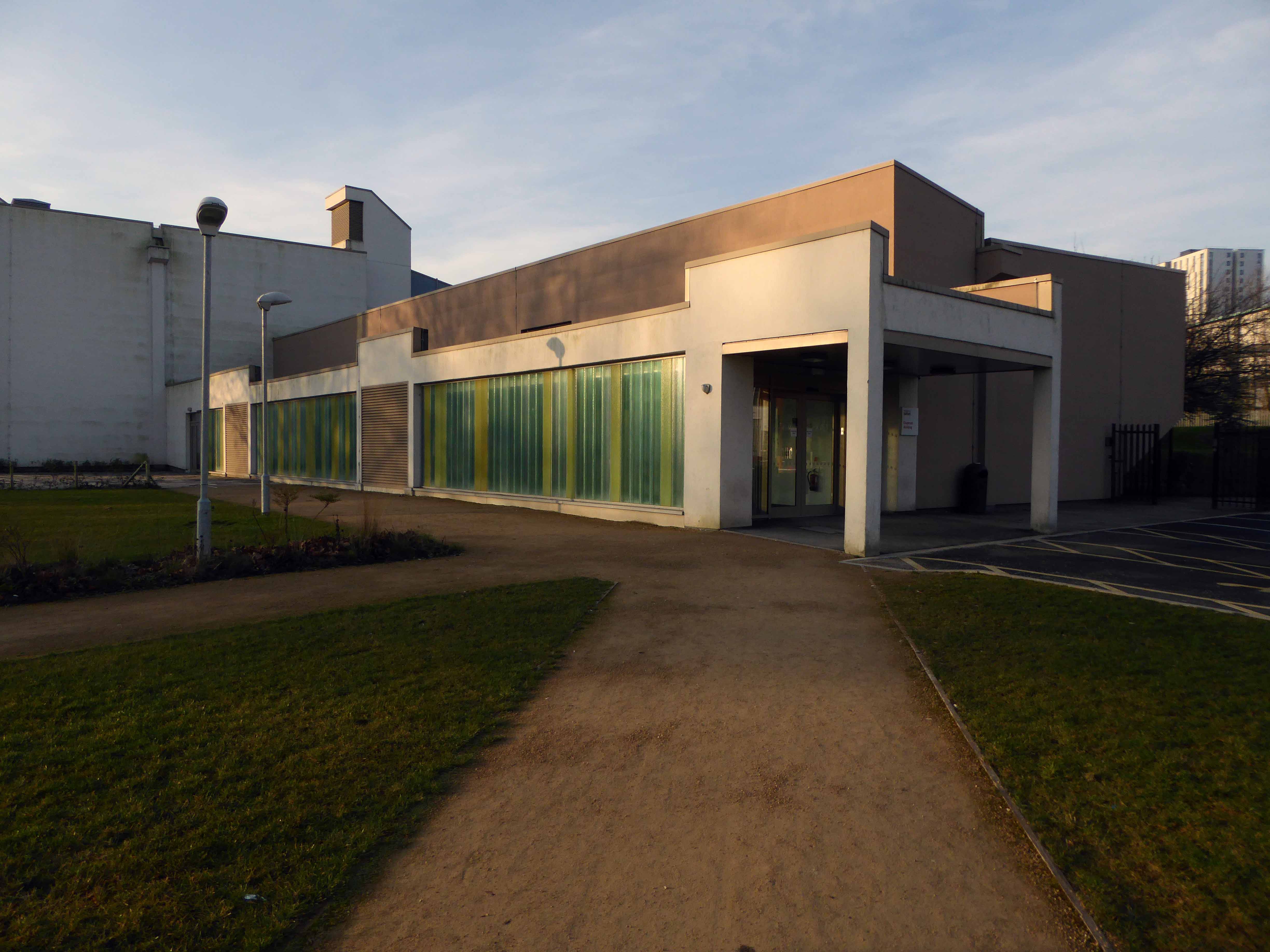
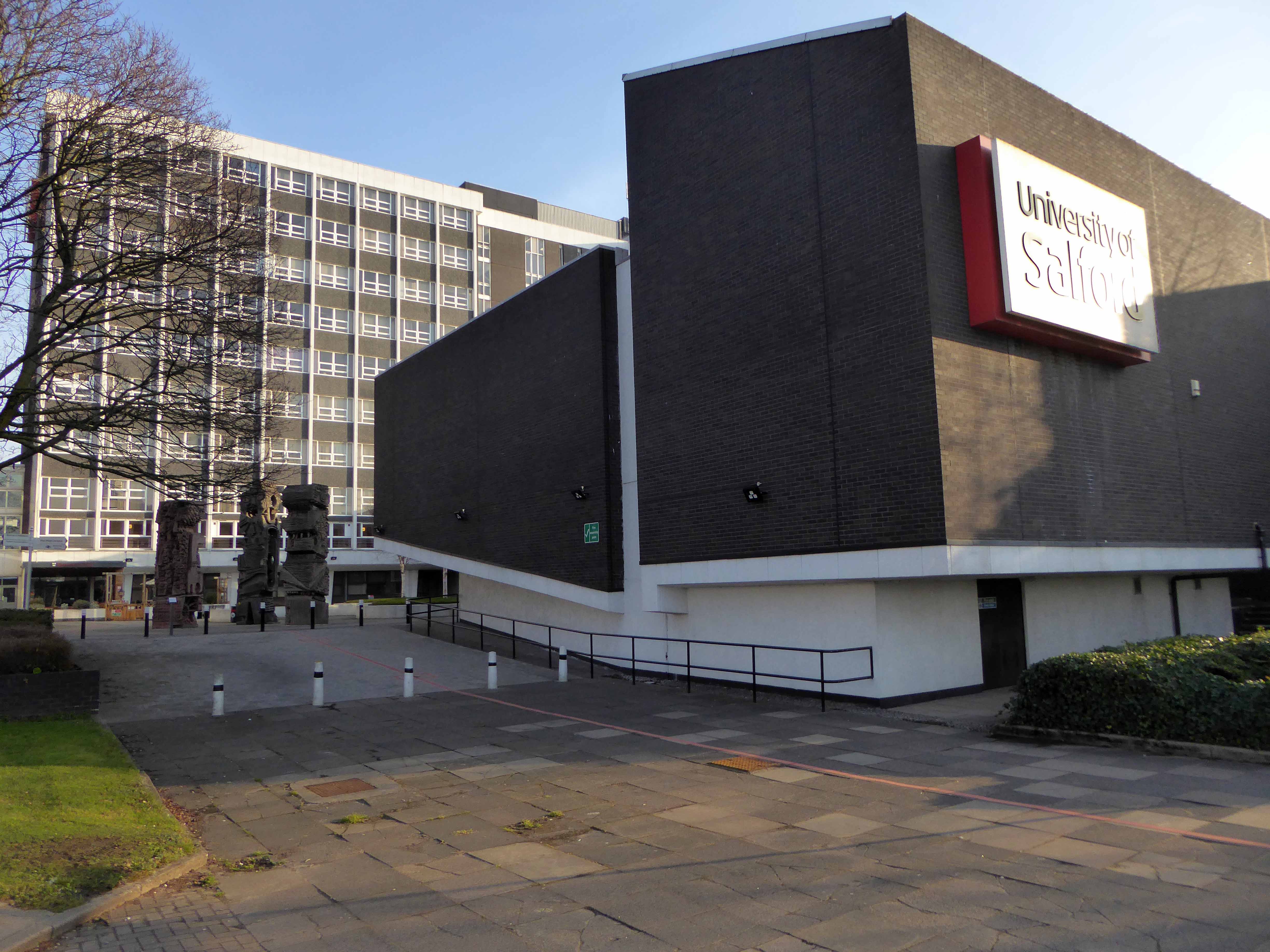
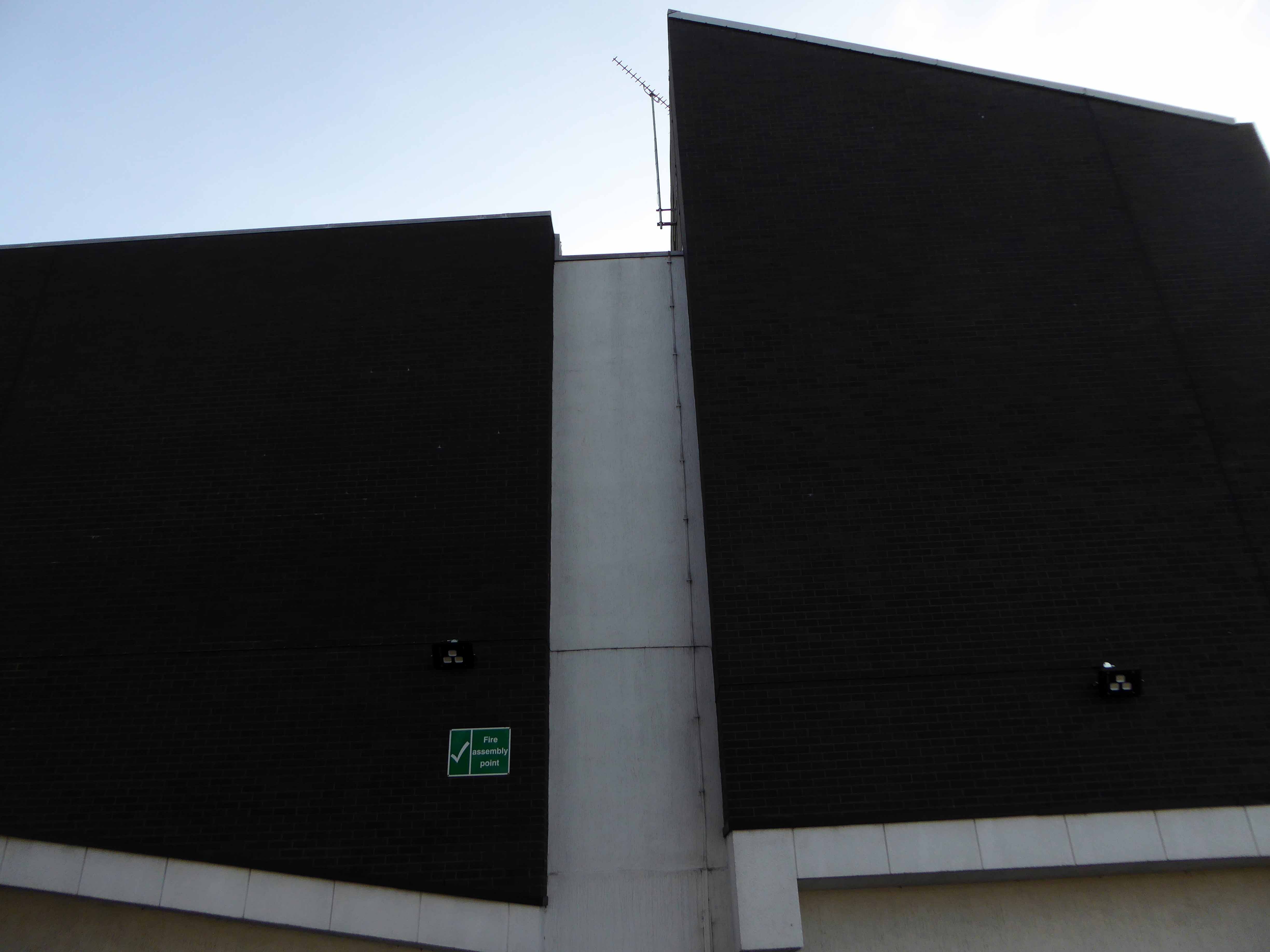
This latter day piece of brutalism is buried within the campus of the University of Salford. It was designed by W.F. Johnson and Partners of Leamington Spa, as a lecture theatre block and gallery. It sits with its long axis running parallel to the railway behind. The series of grey volumes, occasionally punctuated by colourful floods of red and green trailing ivy, hang together in a less than convincing composition. The orientation and access to the building seem confused and detached from any cohesive relationship to the rest of the campus, but there is something perversely attractive about the right essay in the wrong language. The reinforced concrete building contained five lecture theatres, communal spaces, an art gallery, AV support areas and basement plant rooms. Following a major refurbishment in 2012, several additions were made to the exterior and its total concrete presence somewhat diminished. It still houses lecture theatres and a number of other learning and social spaces.
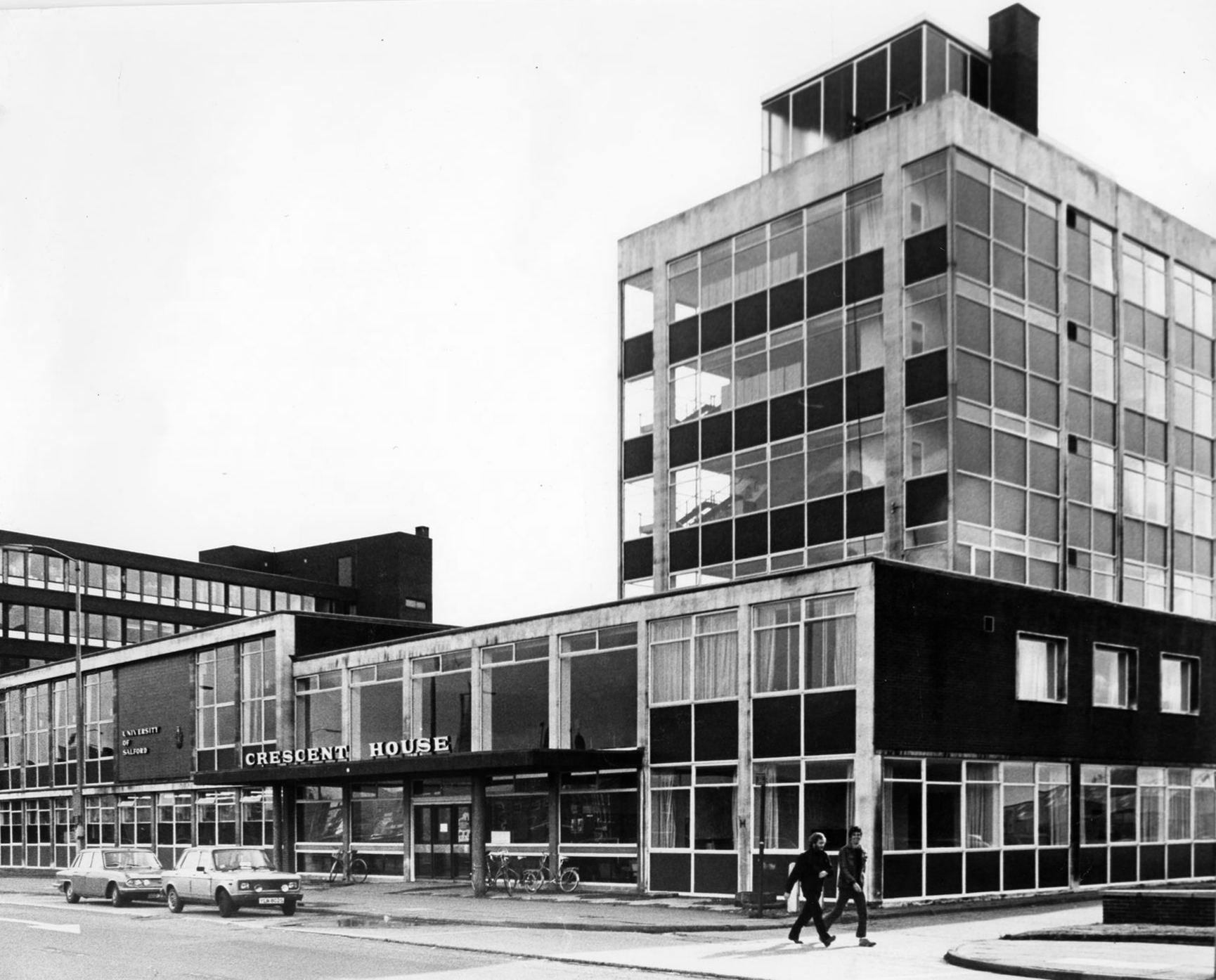
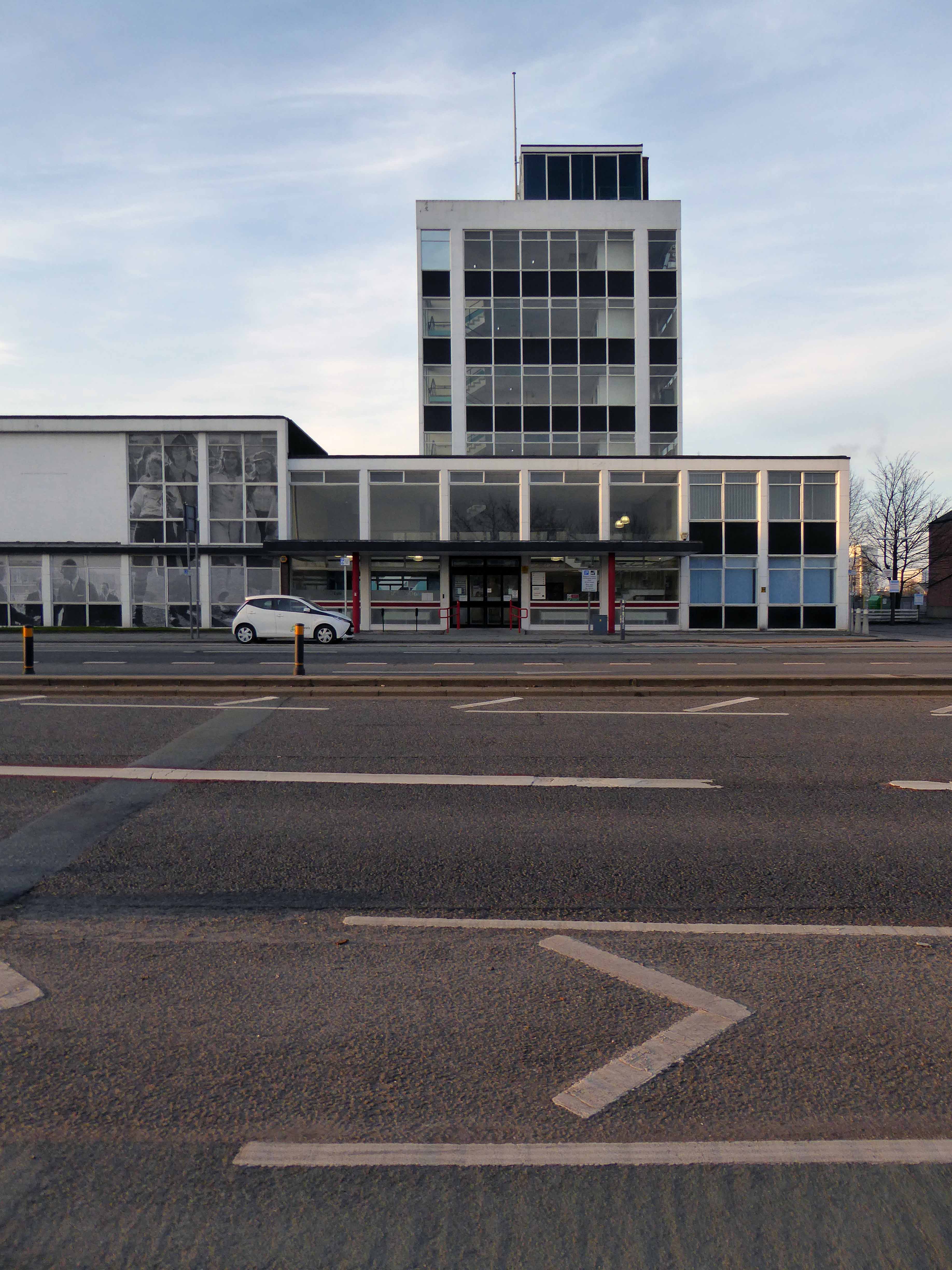
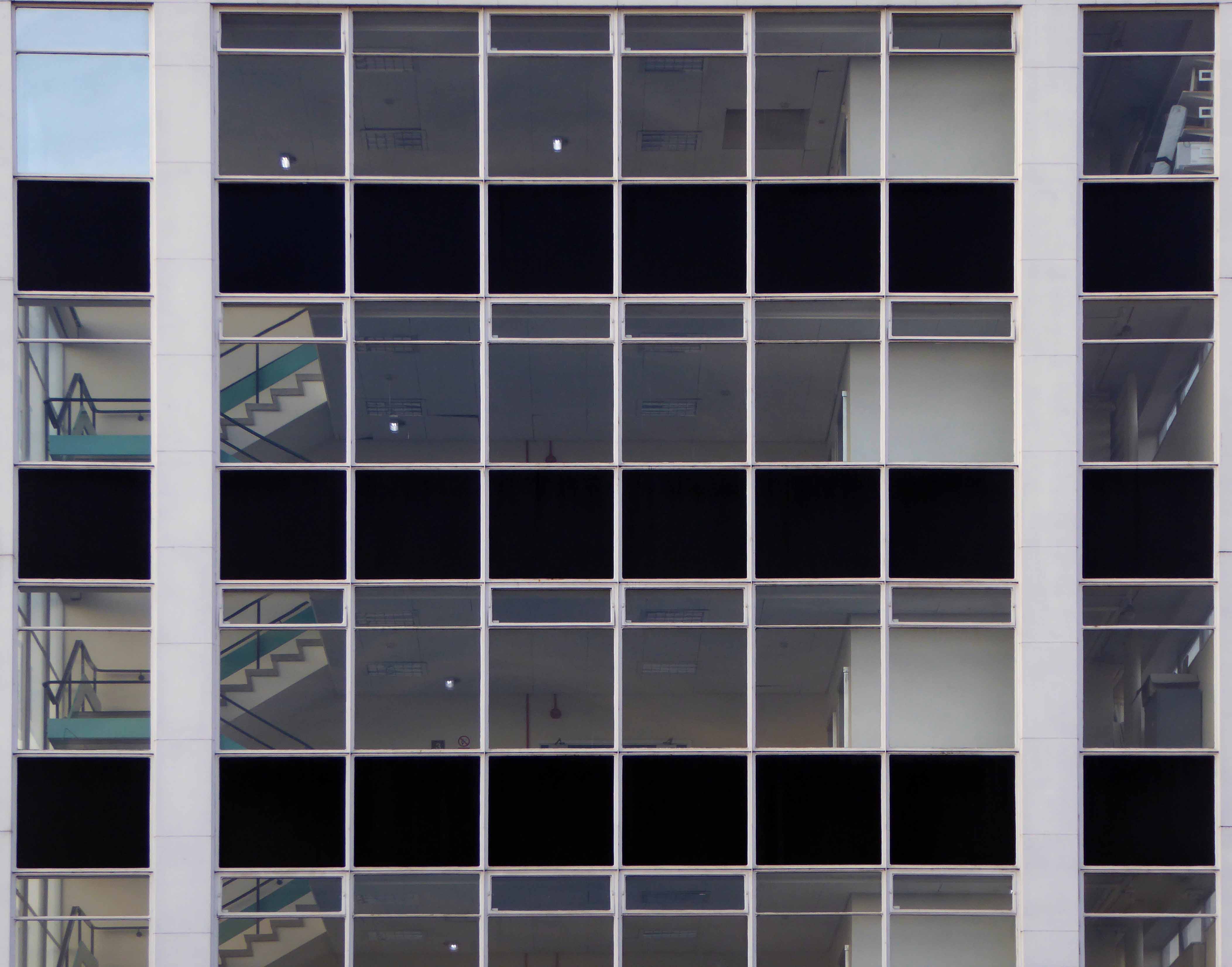
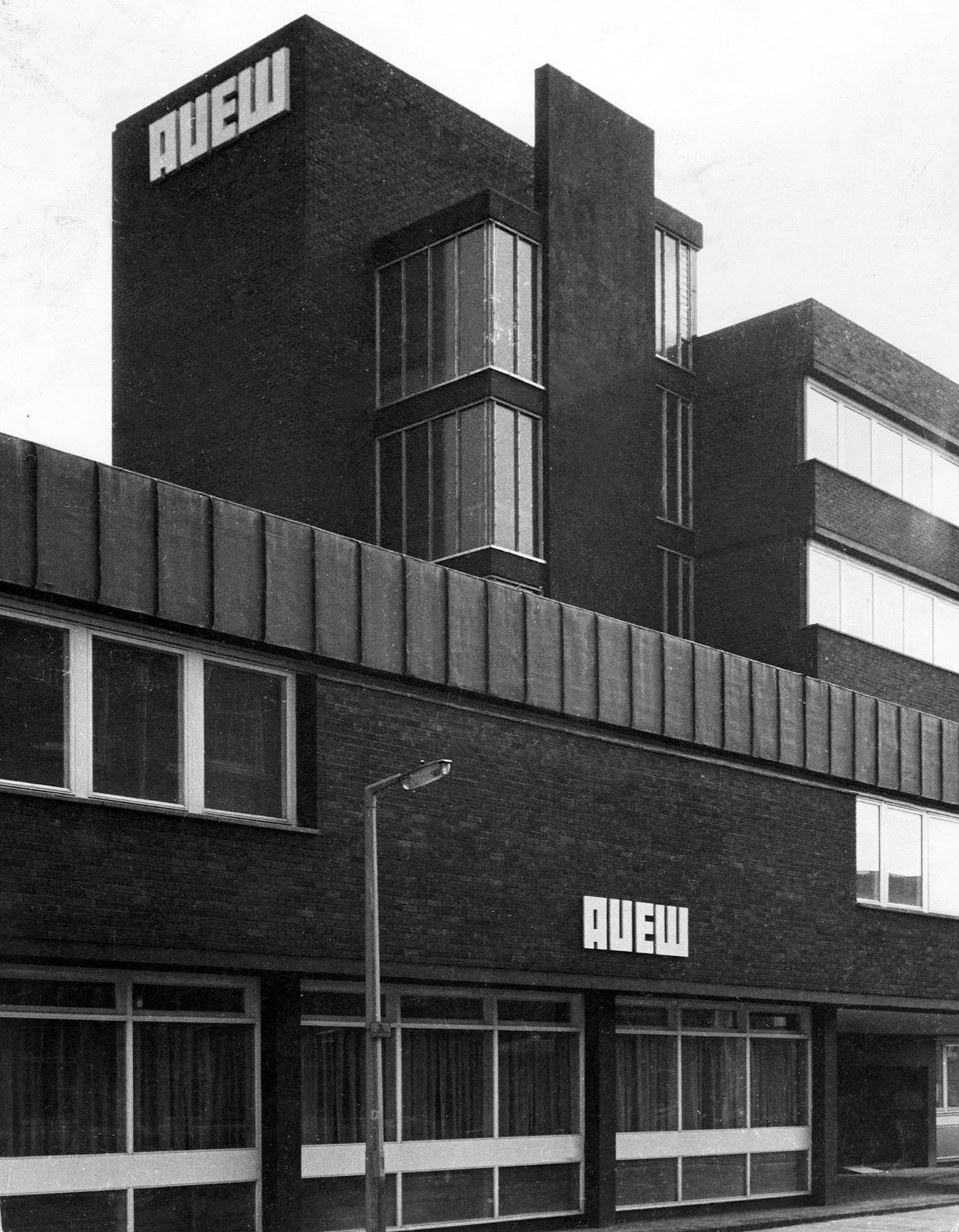
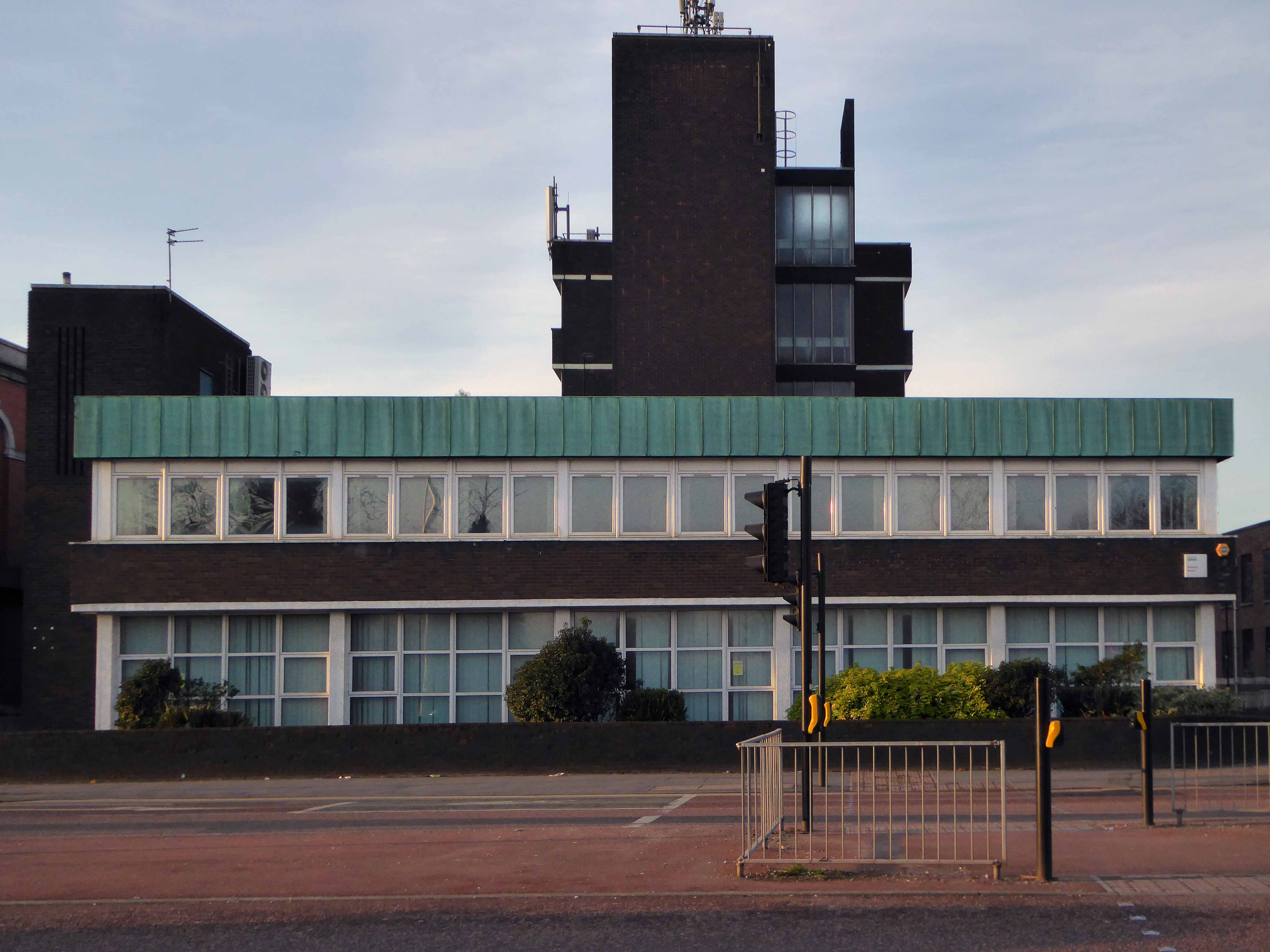
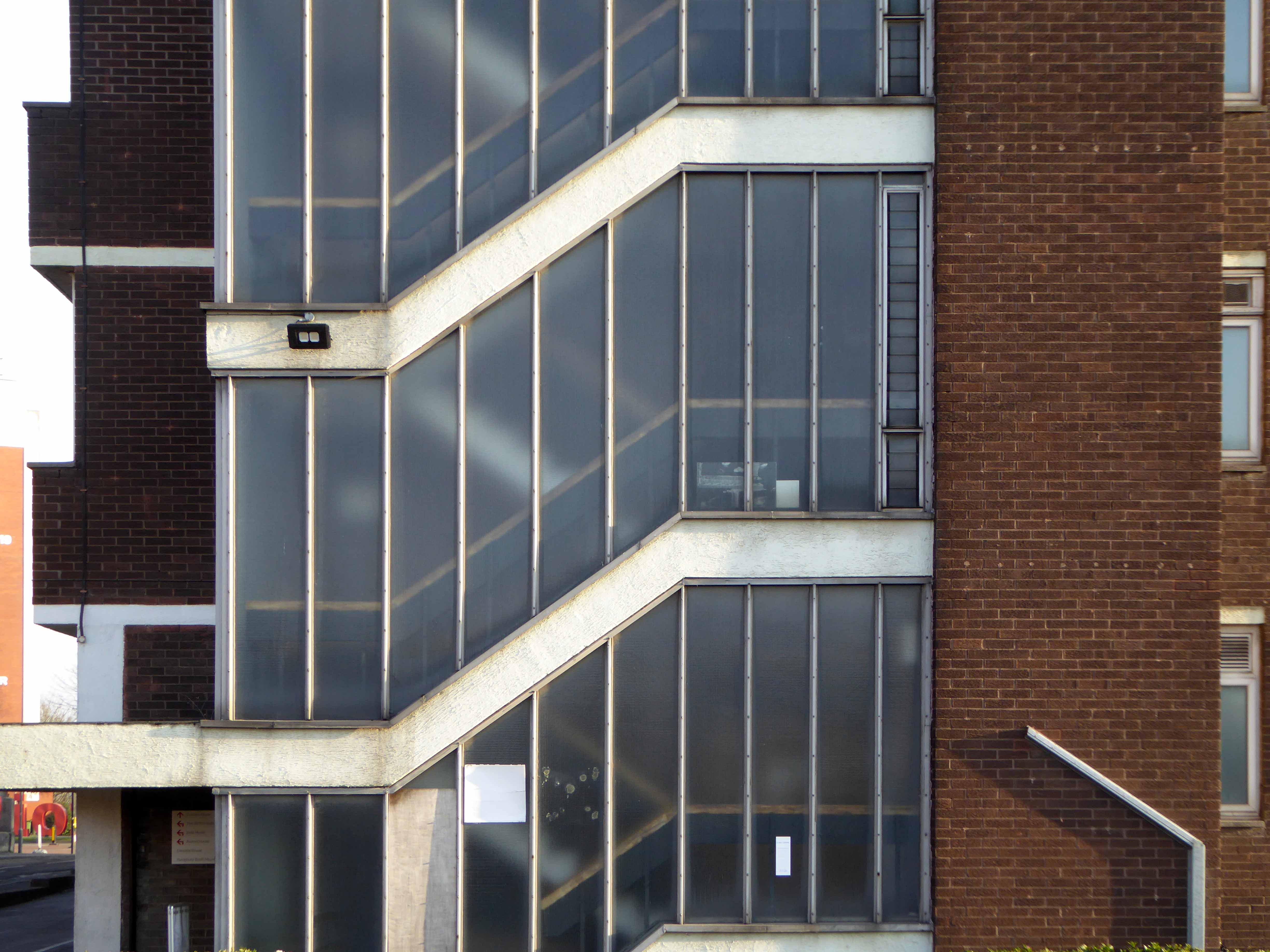
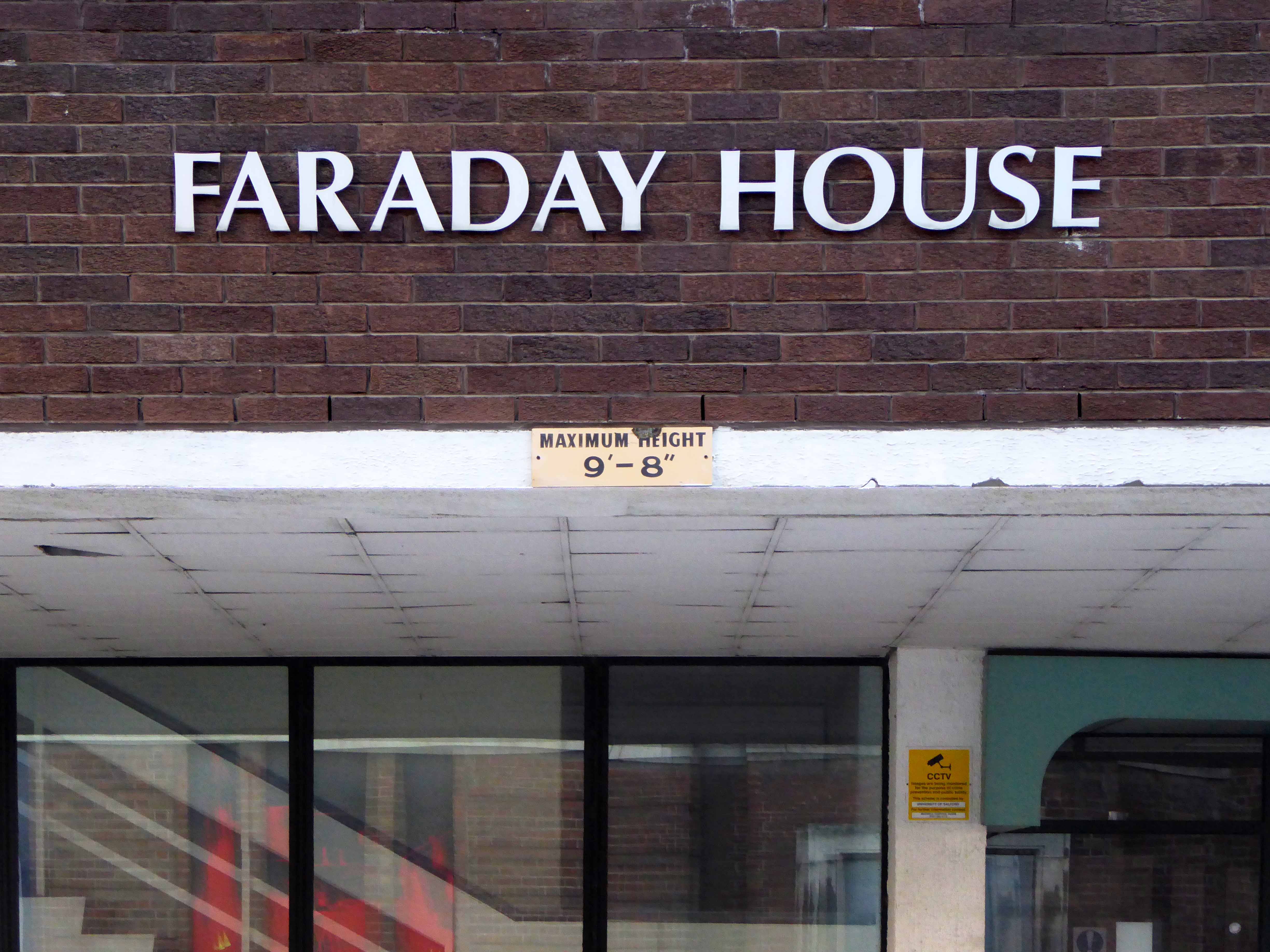
Across the wide and wider A6 are Crescent House and Faraday House – formerly home to the AUEW Amalgamated Union of Engineering Workers, ceded to the University in the 1970s
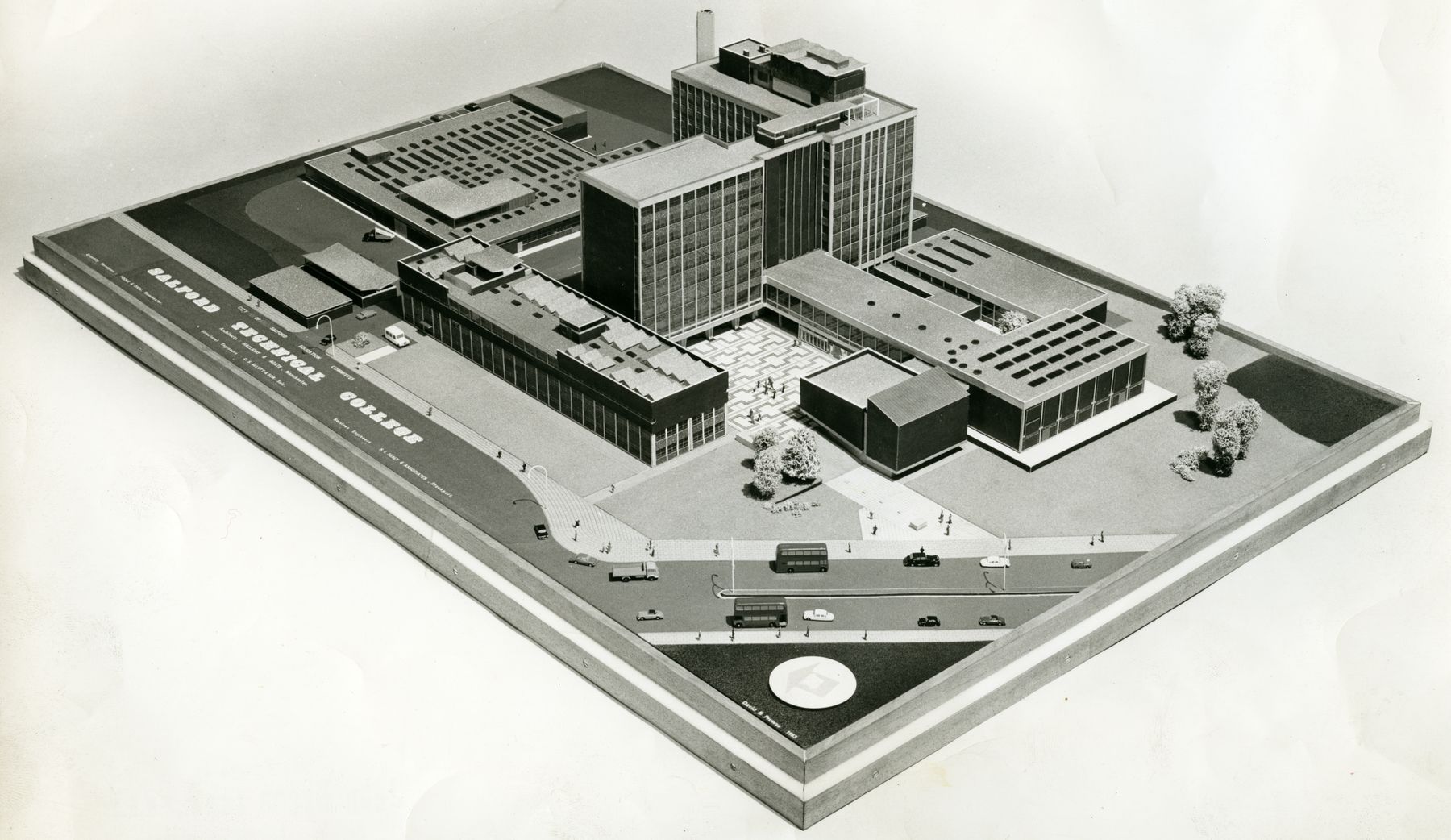
Let’s shimmy along to the former Salford Technical College site.
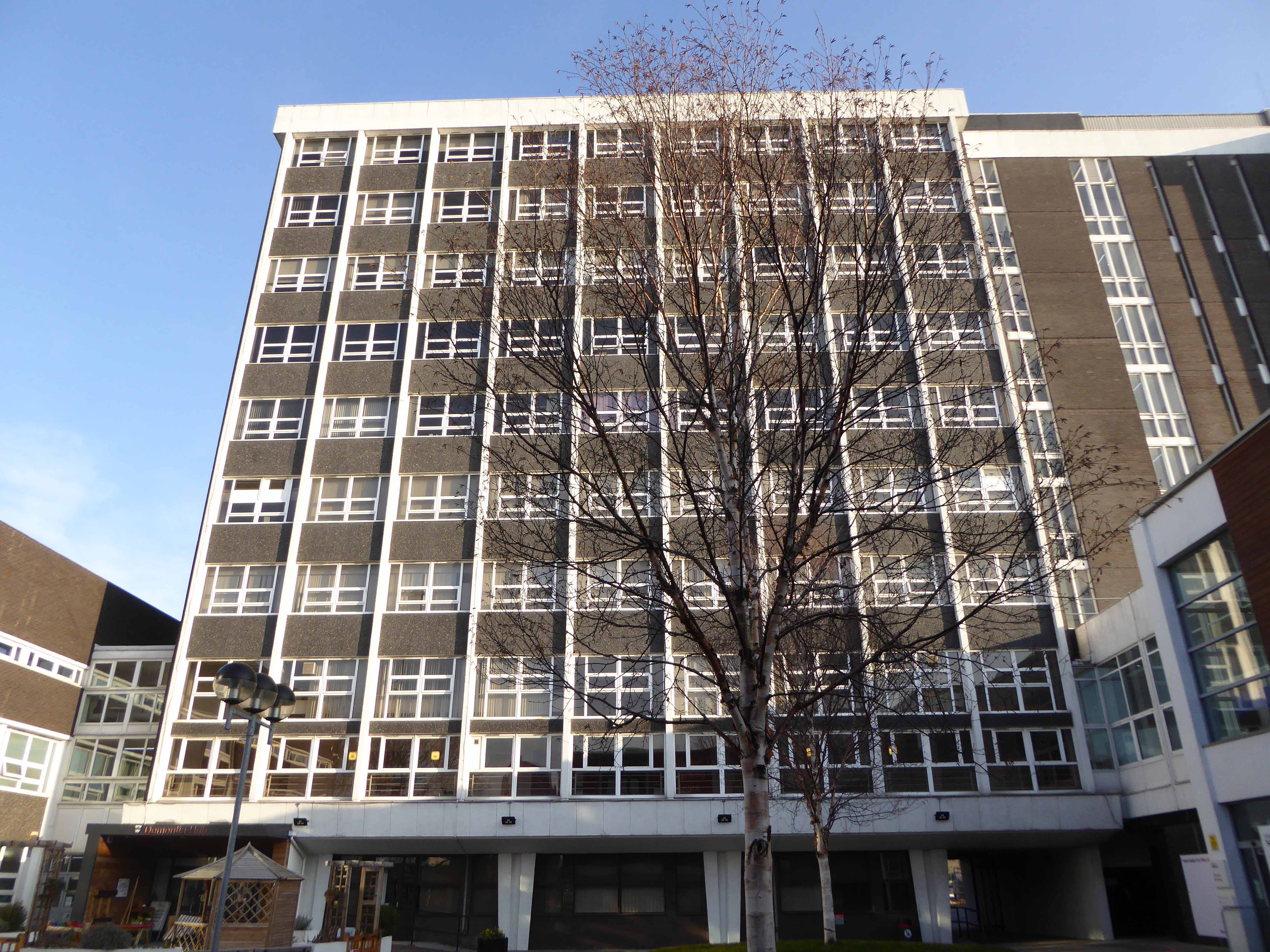
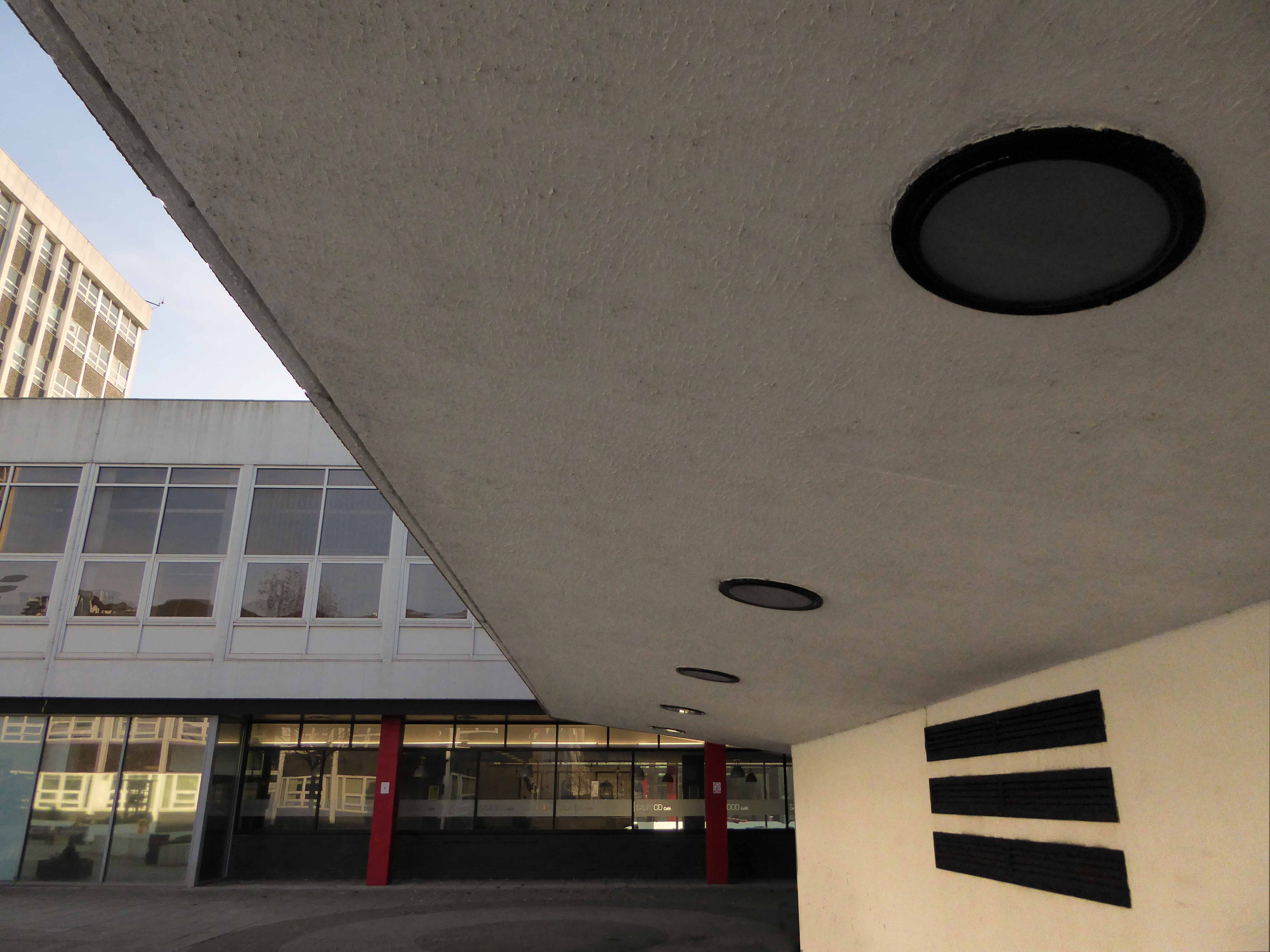
Now the part of the University of Salford, this grouping is probably the most significant work by Halliday Meecham during this period. The blocks wrap to almost enclose a courtyard and they step up in height towards the rear of the site. To the front is a lecture theatre block in dark brick. The multi-storey elements are straightforward in their construction and appearance and have had their glazing replaced. Perhaps the richest elements here are the three totemic structures by artist William Mitchell, which were listed at Grade II in 2011. Mitchell was actively engaged with the experiments of the Cement and Concrete Associations during the 1960s and produced a wide variety of works for public and private clients; other works regionally include the majority of the external art and friezes at Liverpool Metropolitan Cathedral and the Humanities Building at Manchester University. These textured concrete monoliths appear to have an abstract representation of Mayan patterns and carry applied mosaic. They were made on site using polyurethane moulds. There is another Mitchell work hidden behind plasterboard in the inside of the building.
Son of Coventry – architect, author and leading post-war planner.
From 1949 onwards plans were afoot to develop the Waterdale area of Doncaster – civic buildings, courts, educational provision and the like WH Price the Borough Surveyor at the helm. In 1955 Gibberd was appointed to oversee the site, though many of his designs were unrealised, his Police Station and Law Courts opened in 1969.
The area was also home to the Technical College and Coal – later Council House, both now demolished.
The Courts and Police Station now nestle behind the much newer civic developments, part of much wider regeneration scheme.
So let’s go back in time to a wet day in 2016 – when first I chanced upon these municipal concrete bunkers of law and order – where Brutalism is embodied in the buildings content and purpose, as well as its style.
This is an architecture that instructs you to avoid wrongdoing at all costs – or suffer the inevitable consequences.
Come and have a go if you think you’re hard enough.
2019 and I’m back again – architecturally little or nothing has changed, still standing – stolid solid pillars of justice. The day is brighter ever so slightly softening the harsh precast panels against a bluer spring sky.
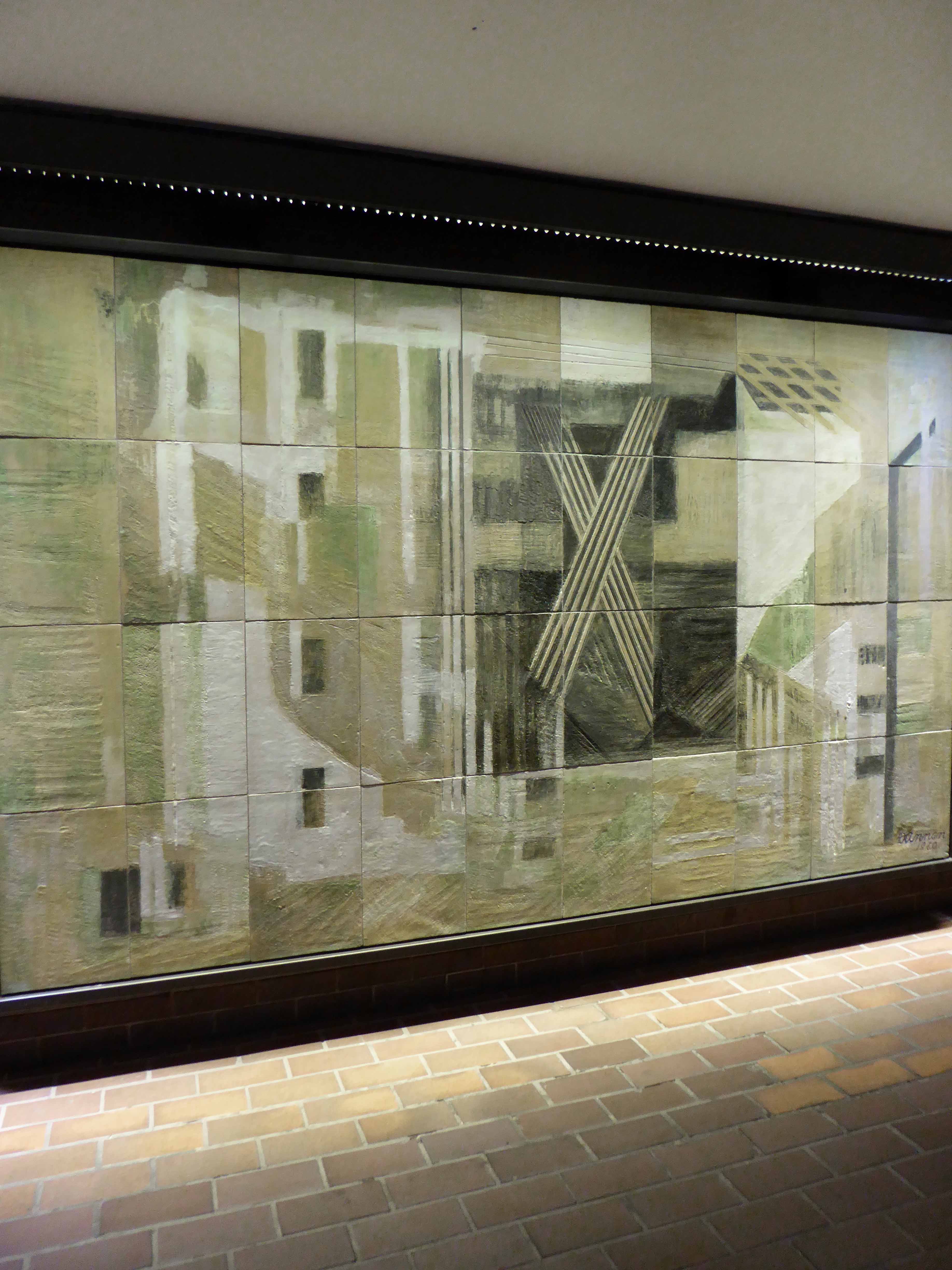
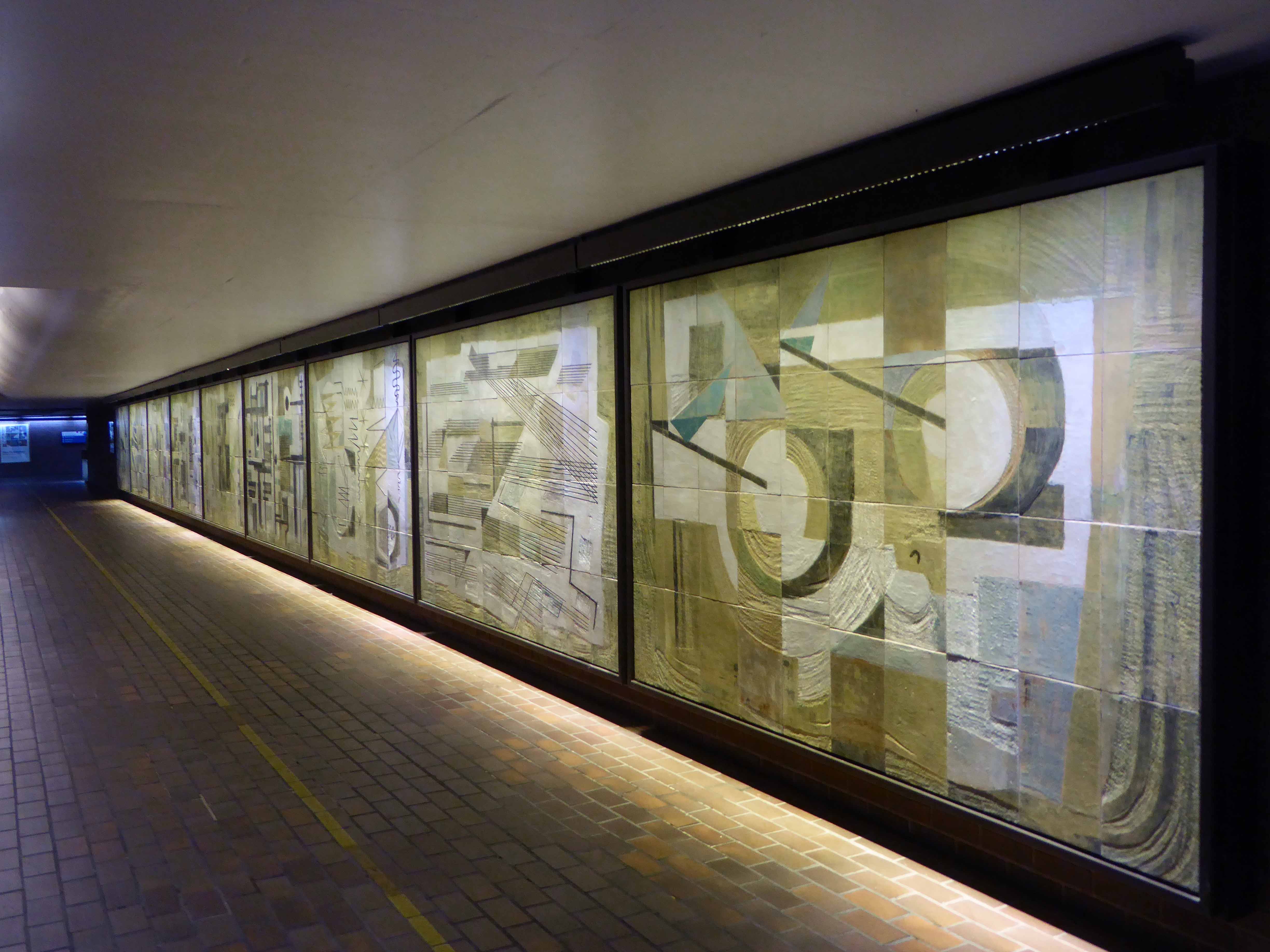
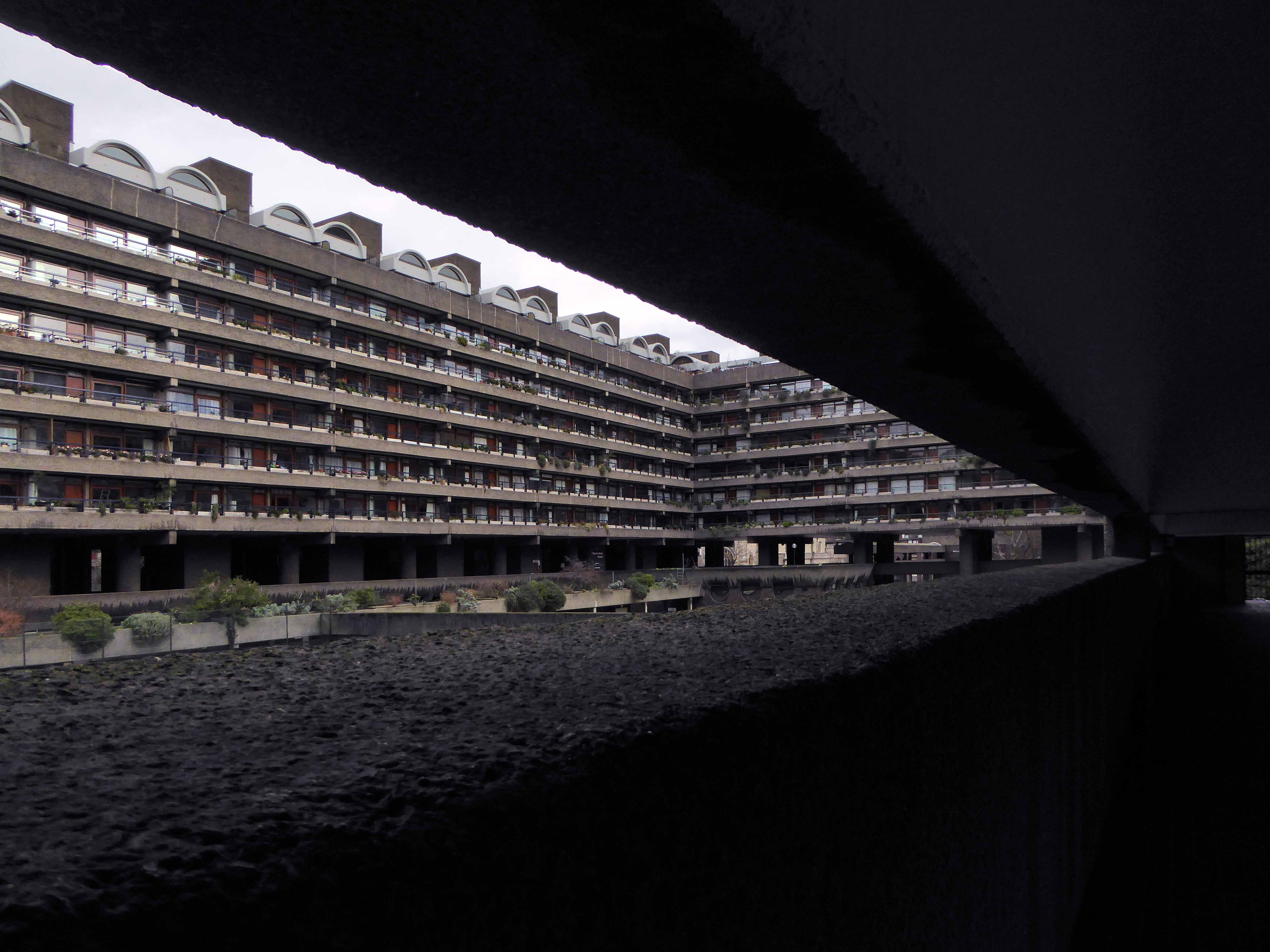
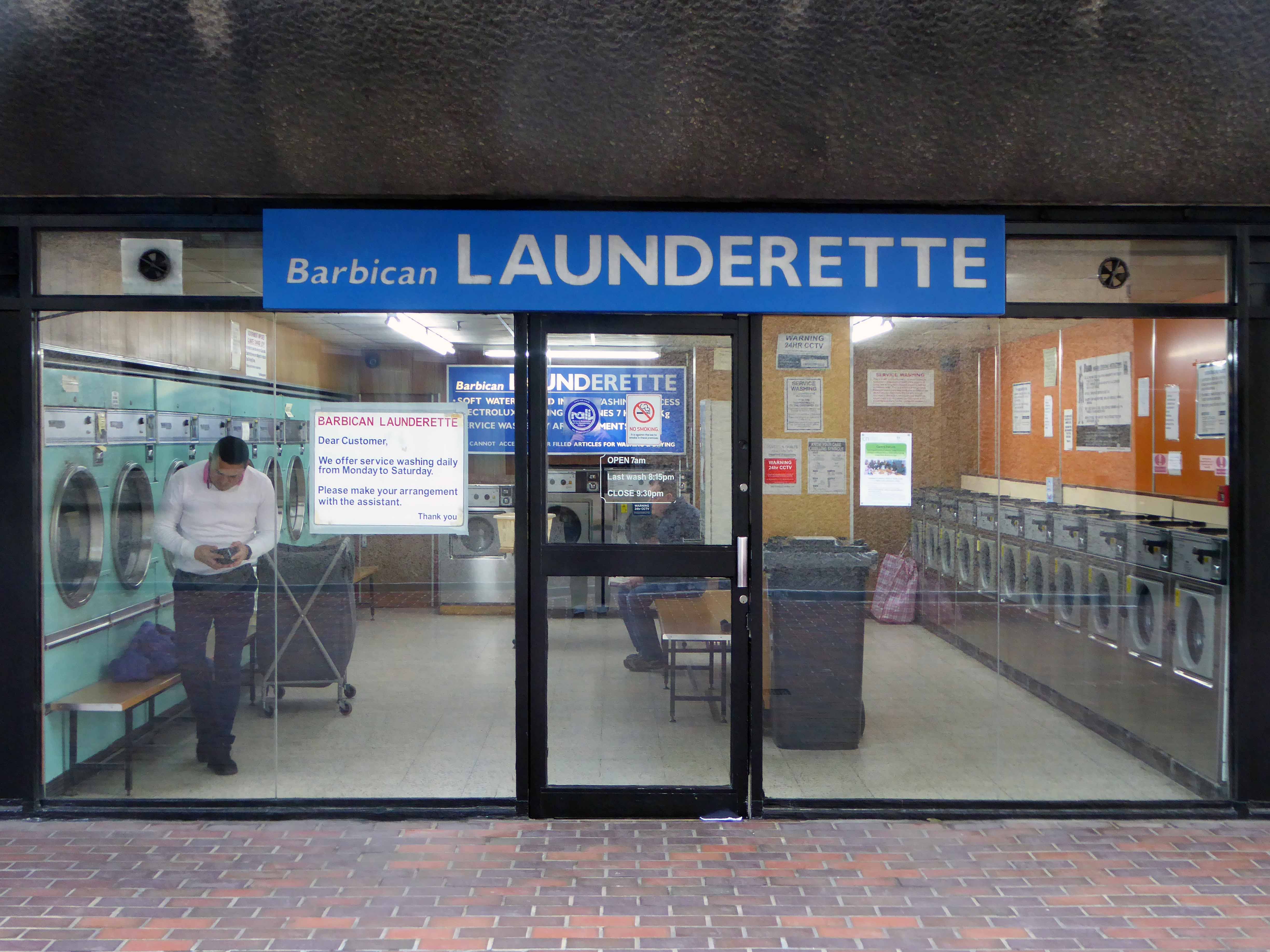
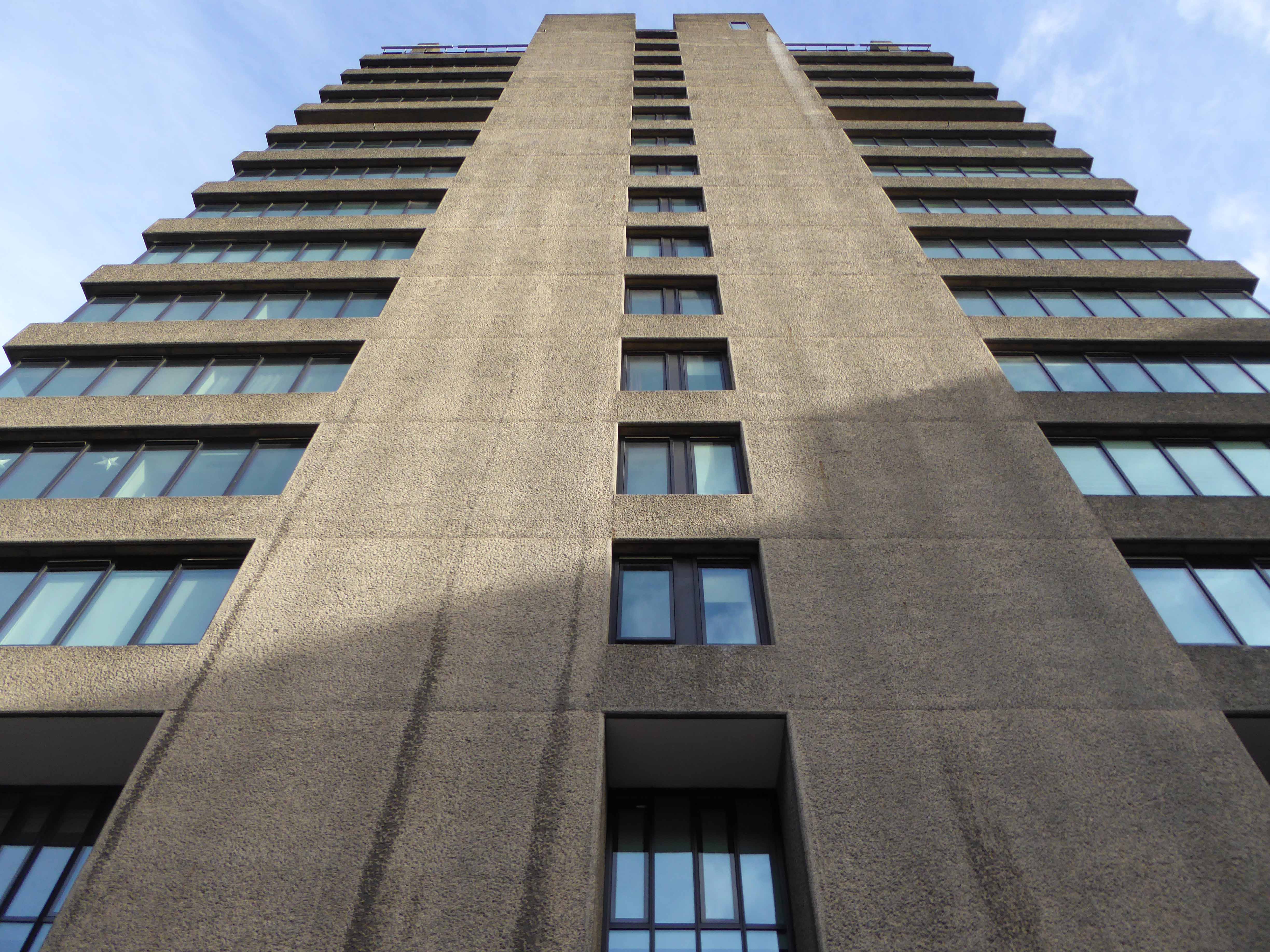
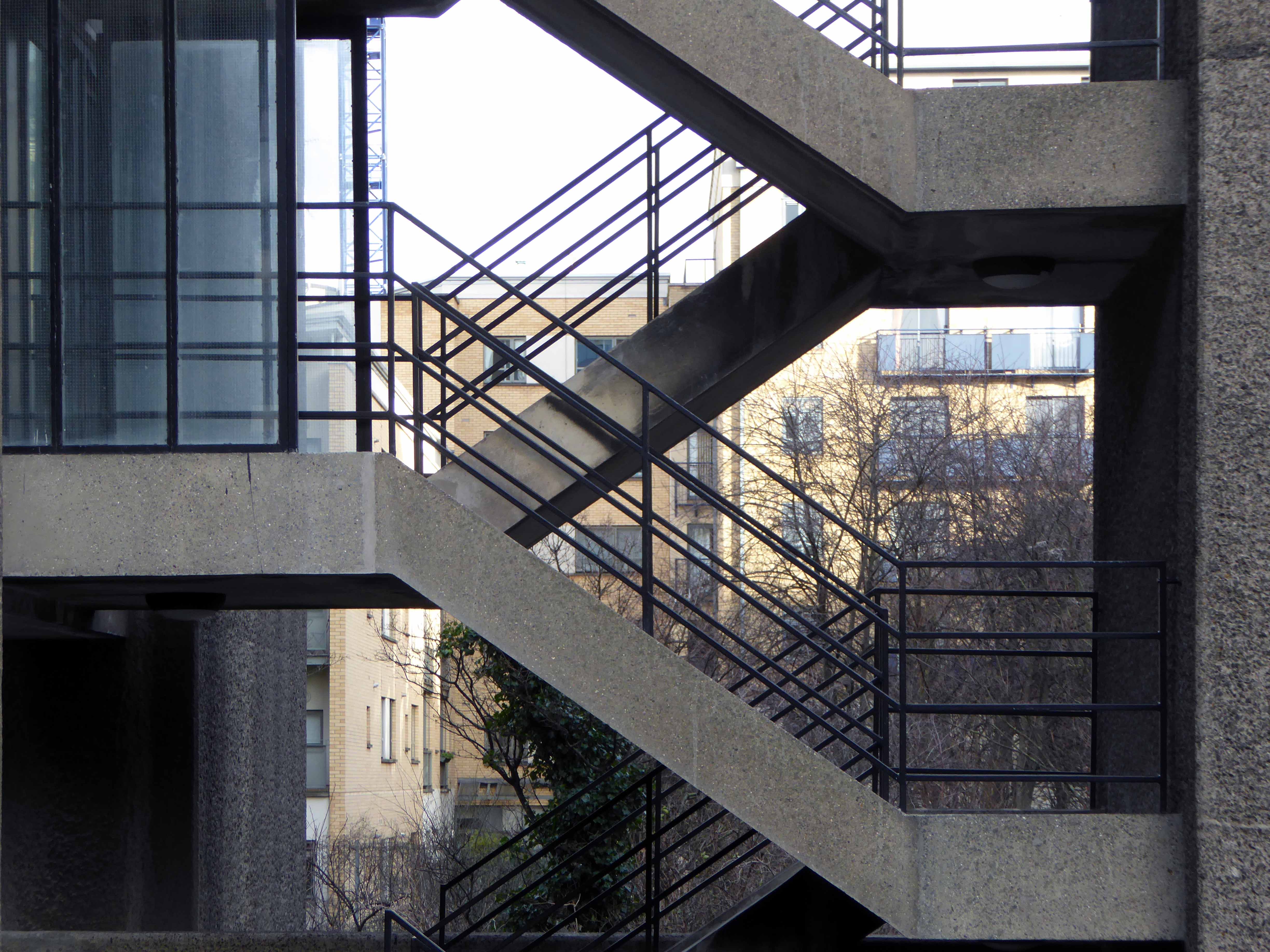
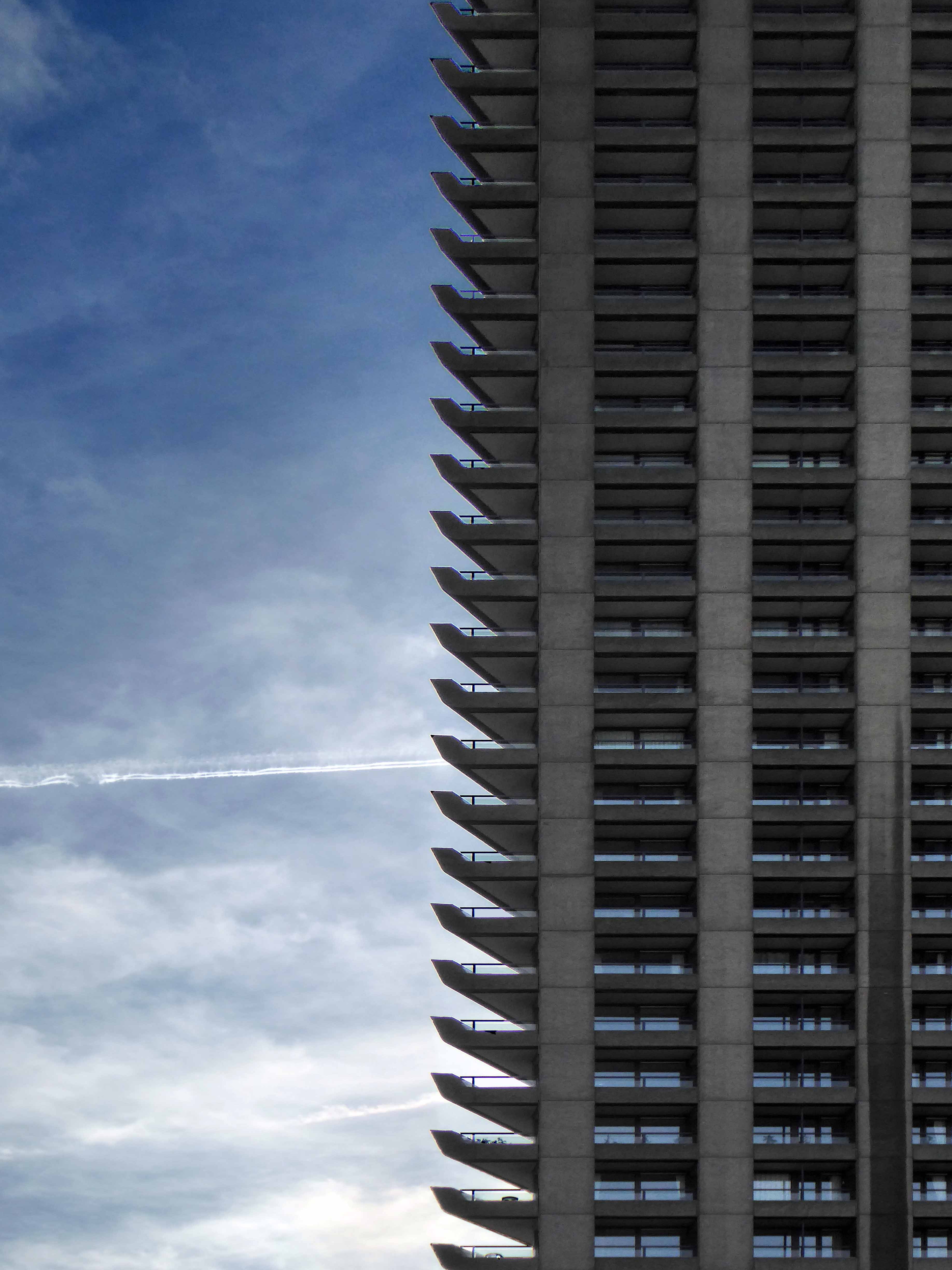
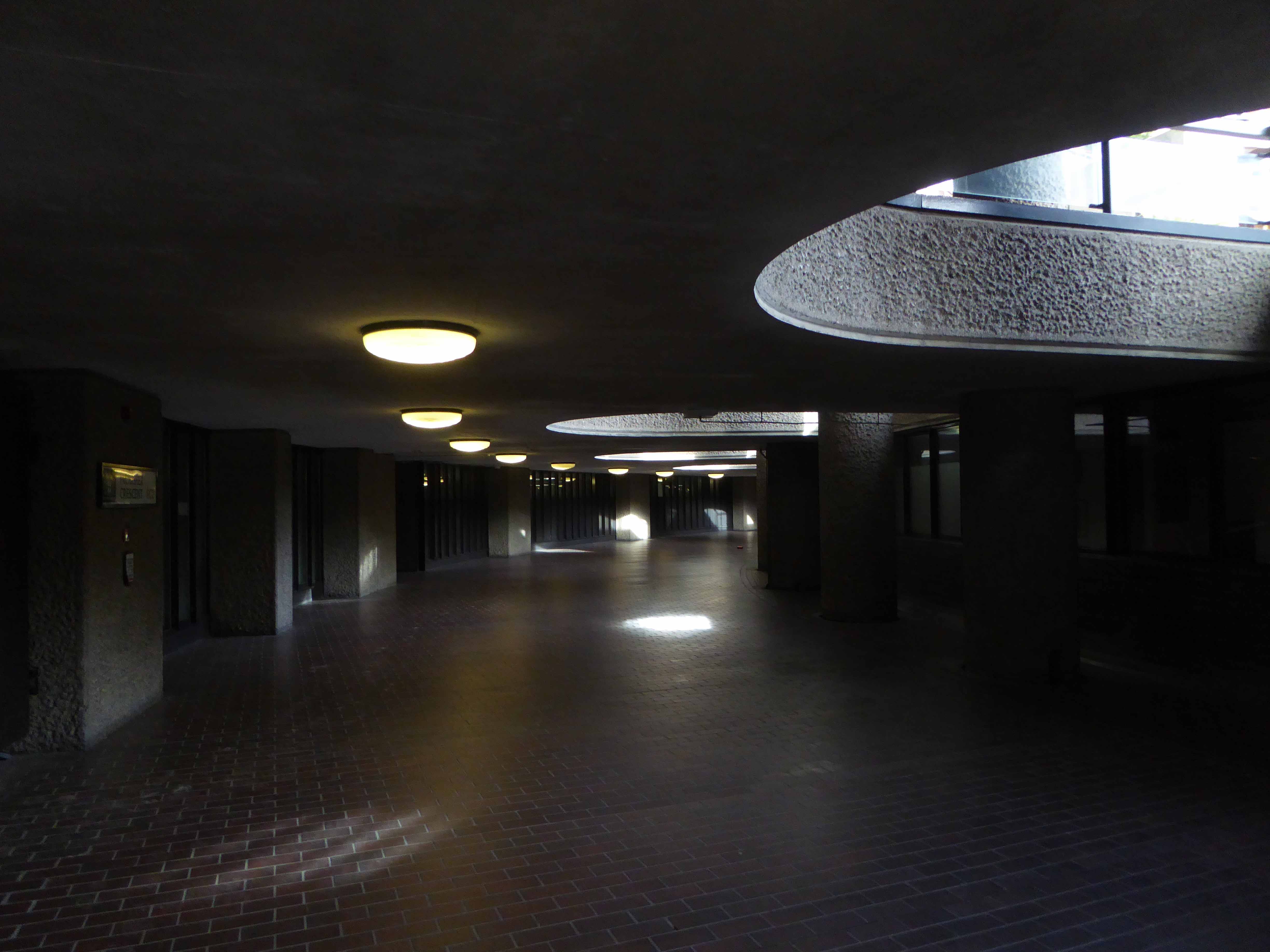
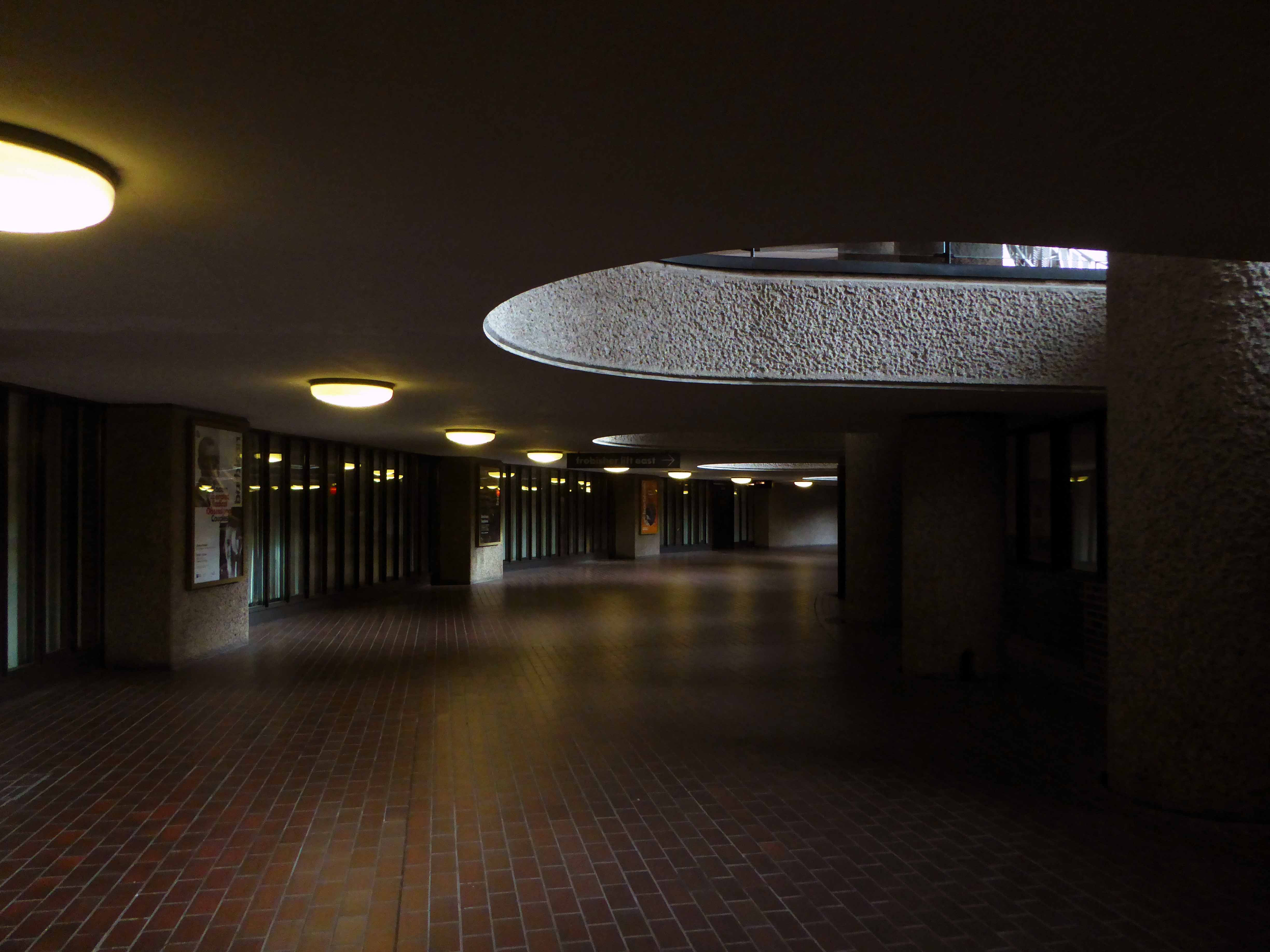
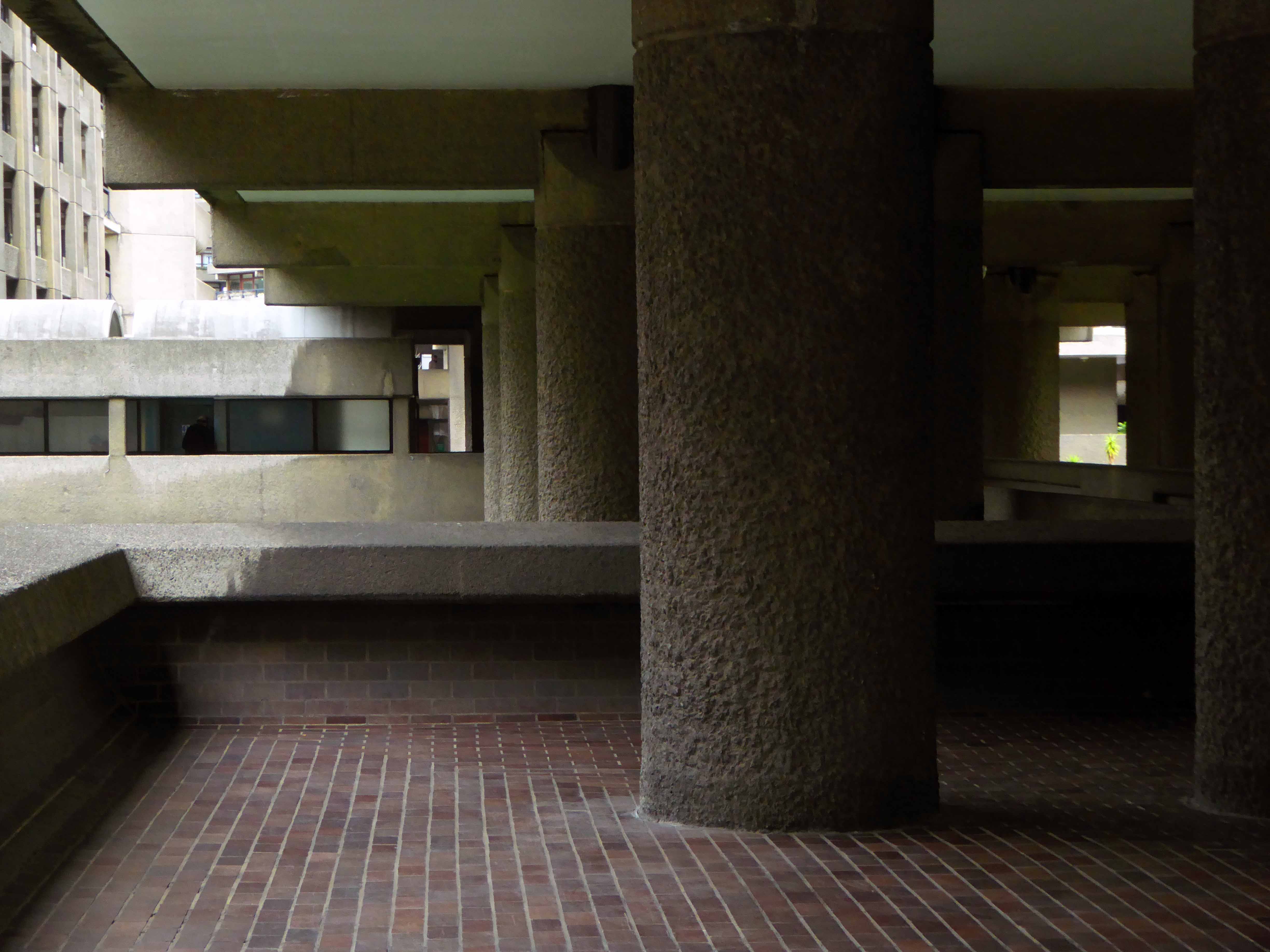
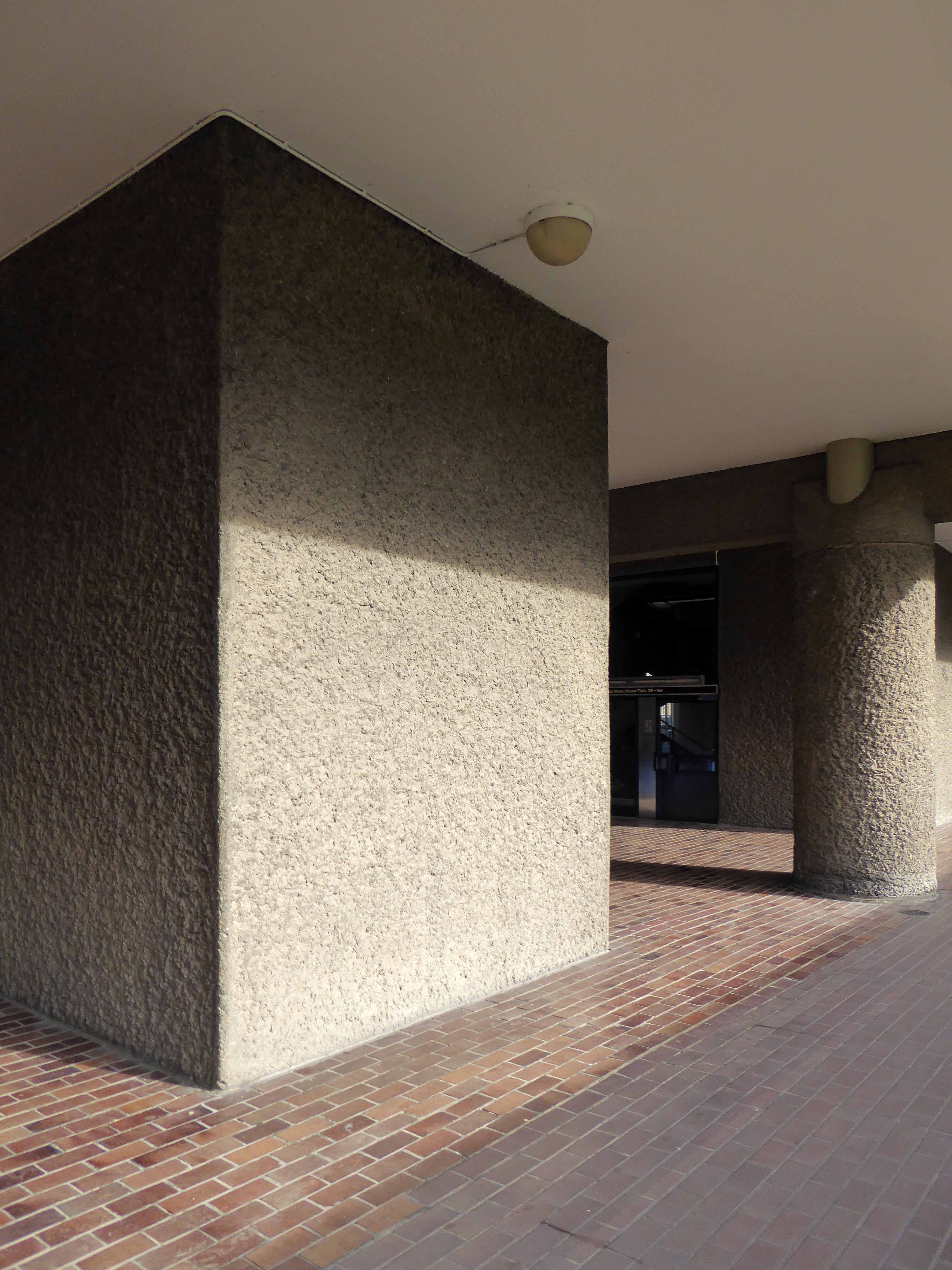
I’ve been to the Barbican before, wandering the walkways without purpose.
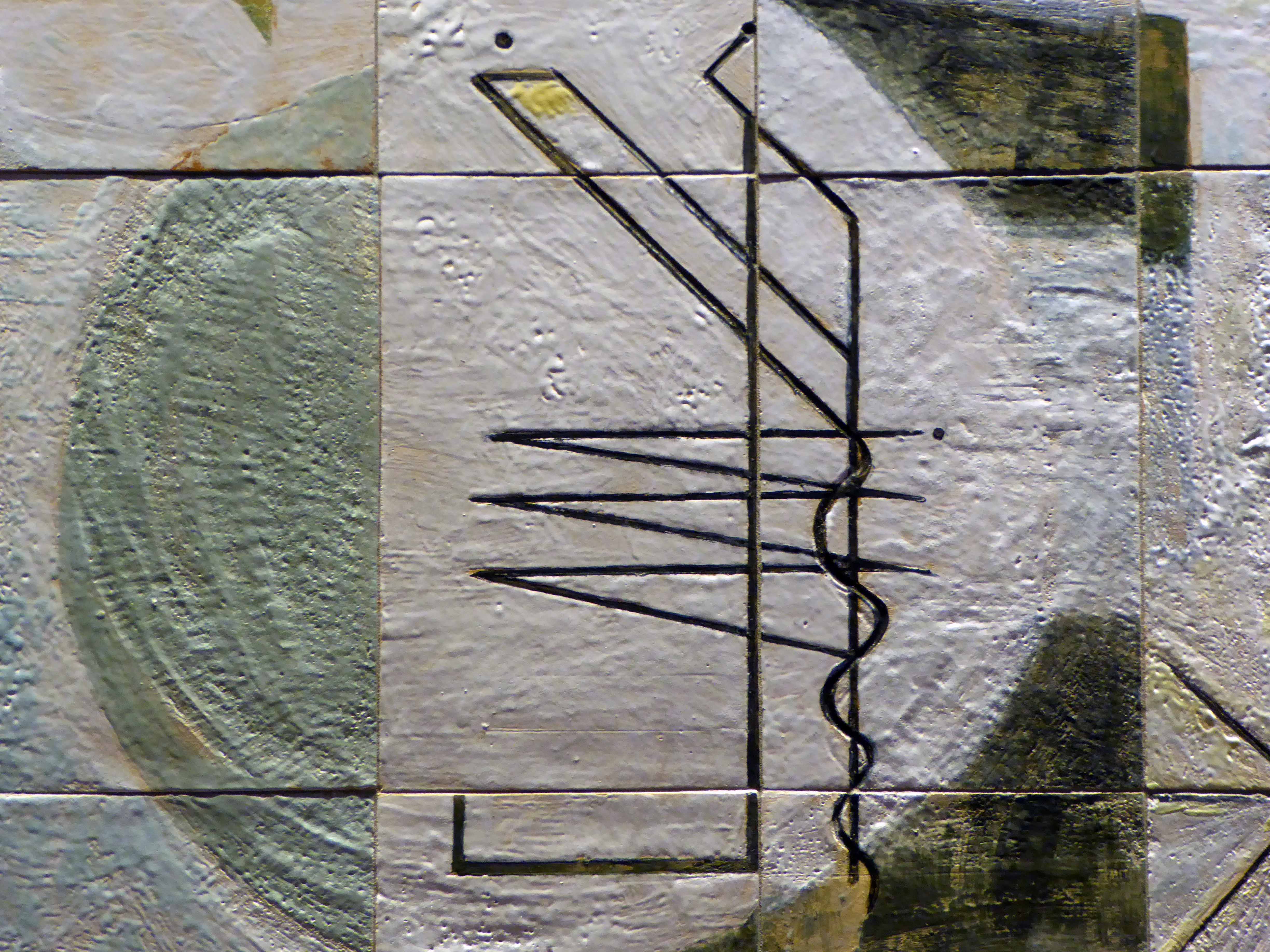
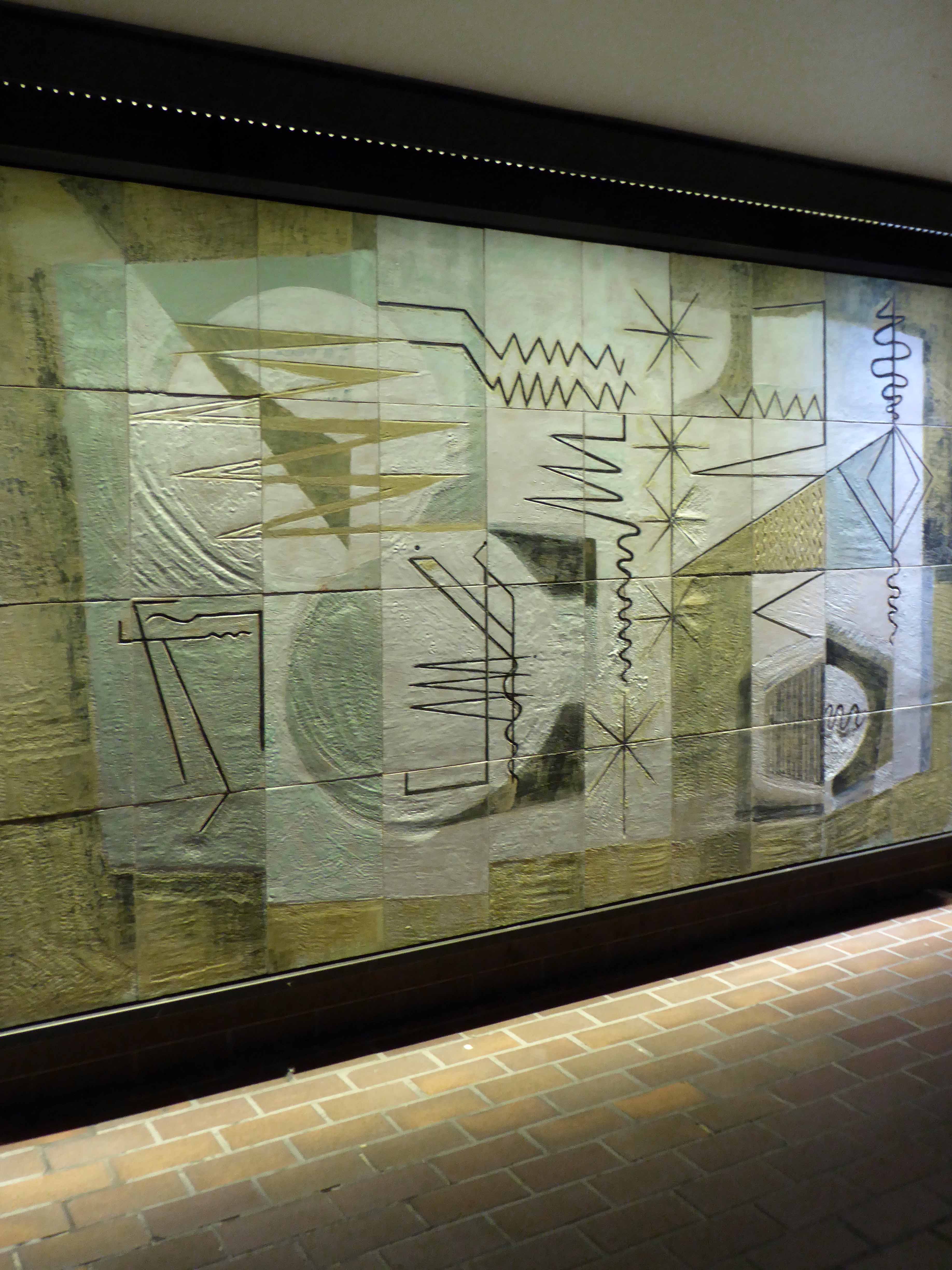
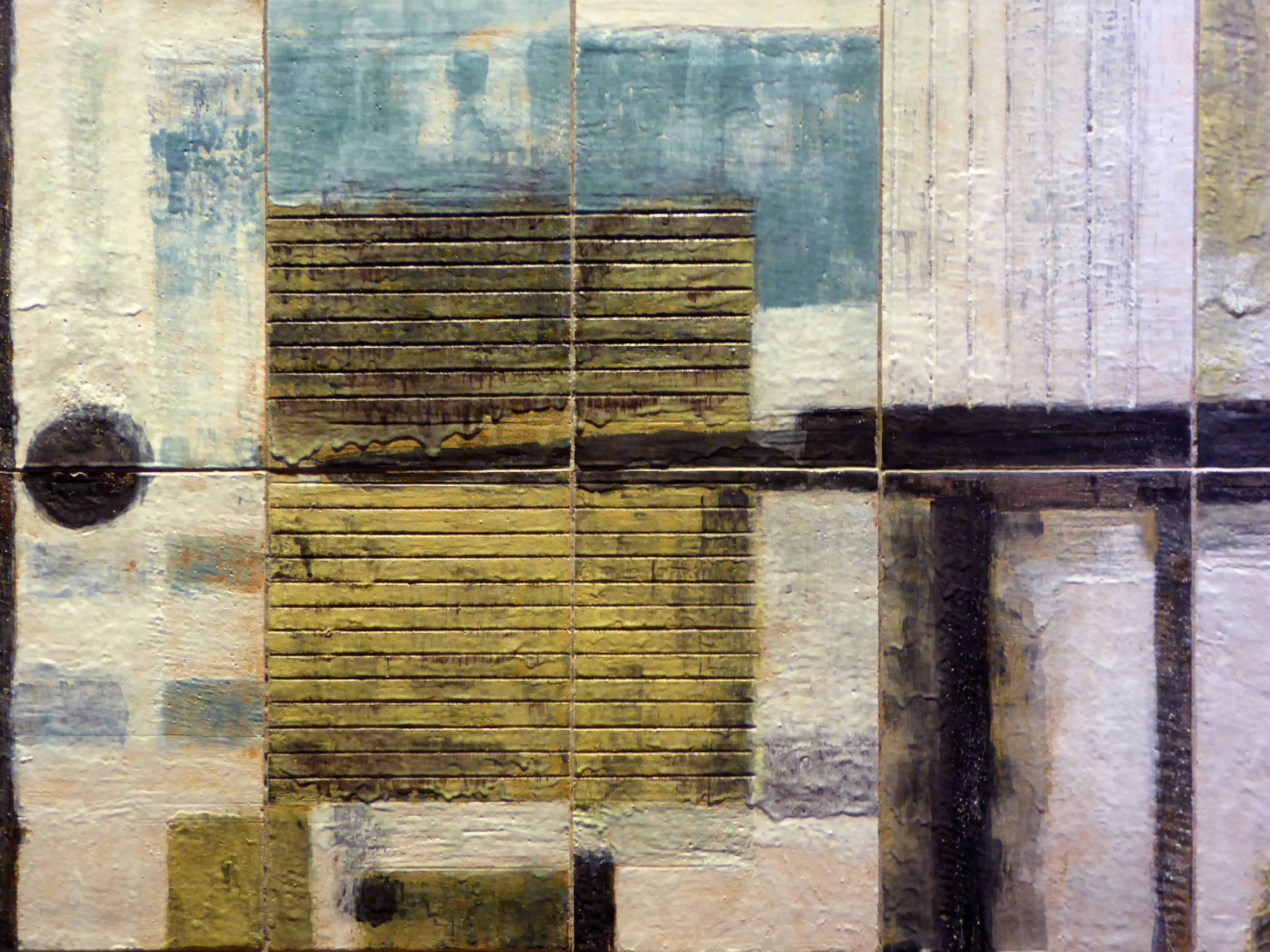
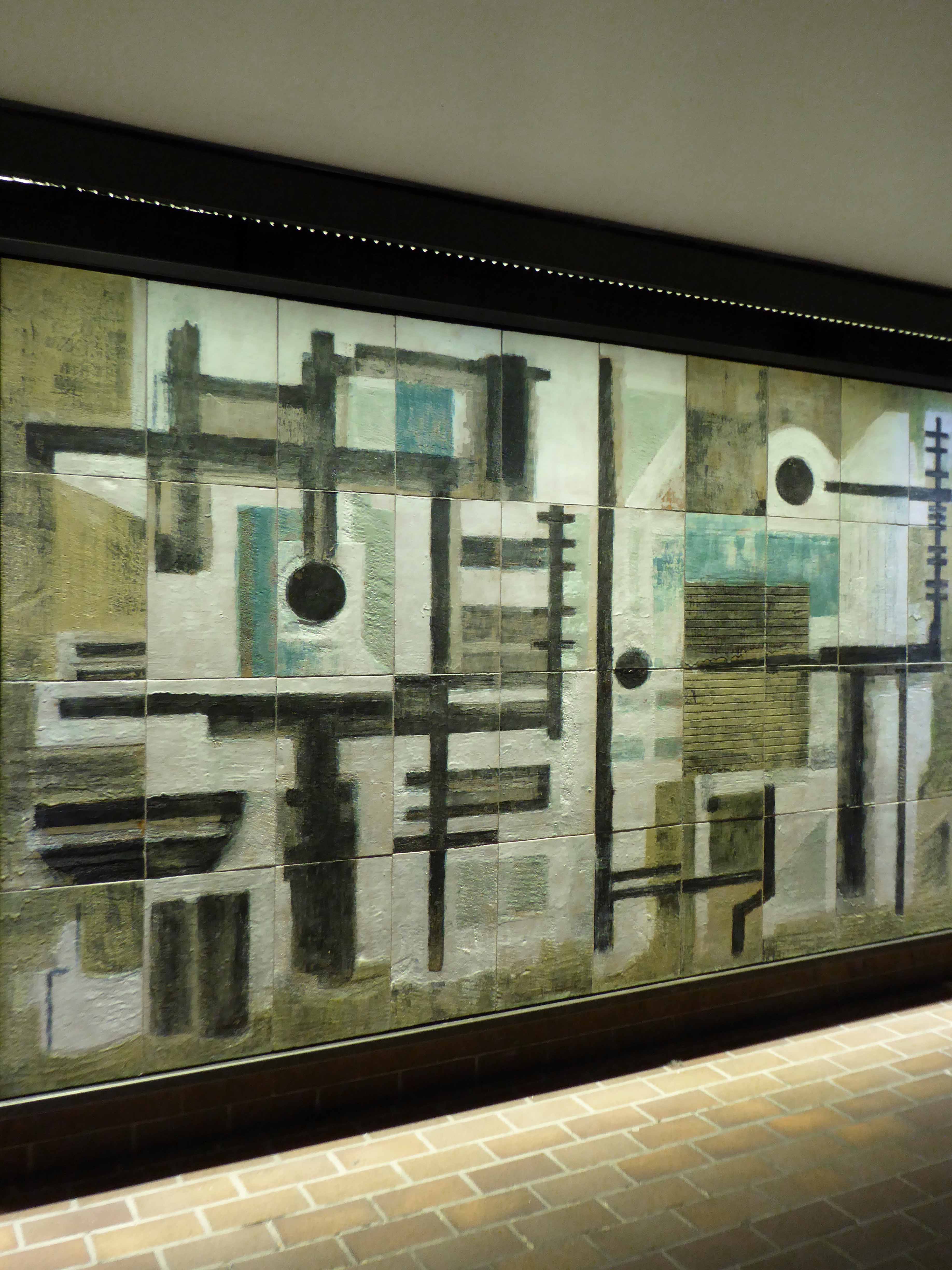
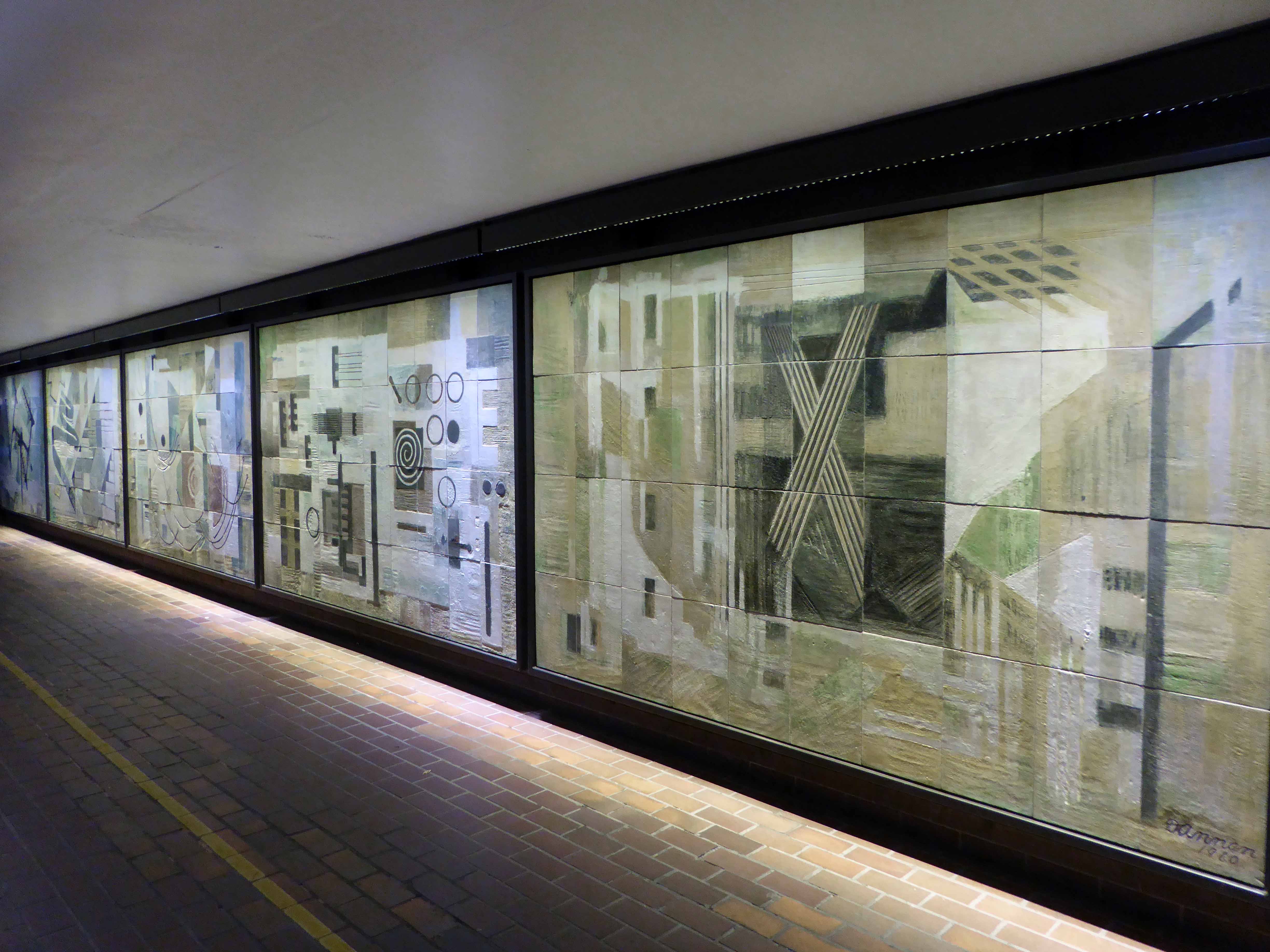
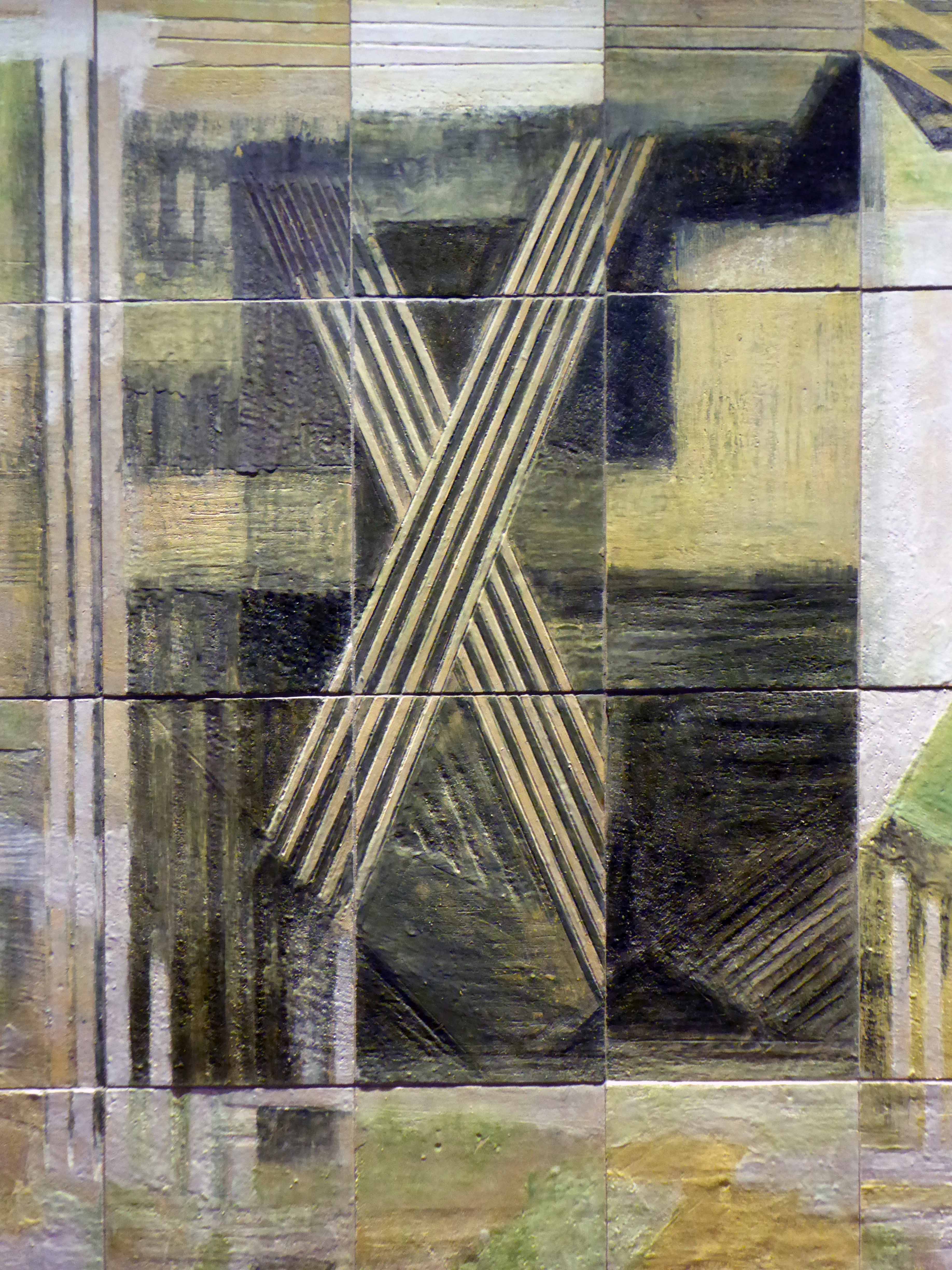
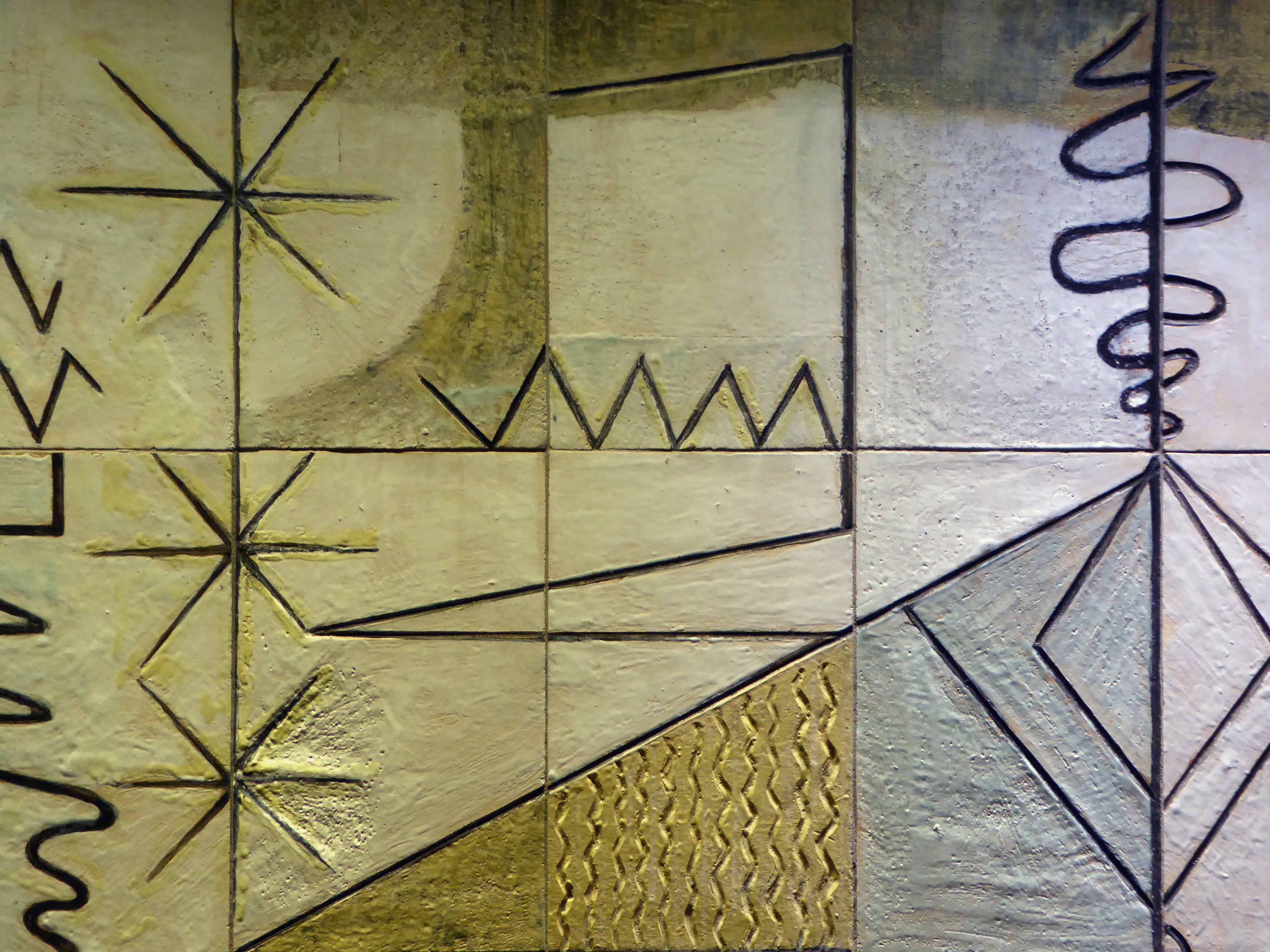
This is a whole new box of tiles, the search for a re-sited mural, a first time meeting with what would seem at once like an old and well-loved friend.
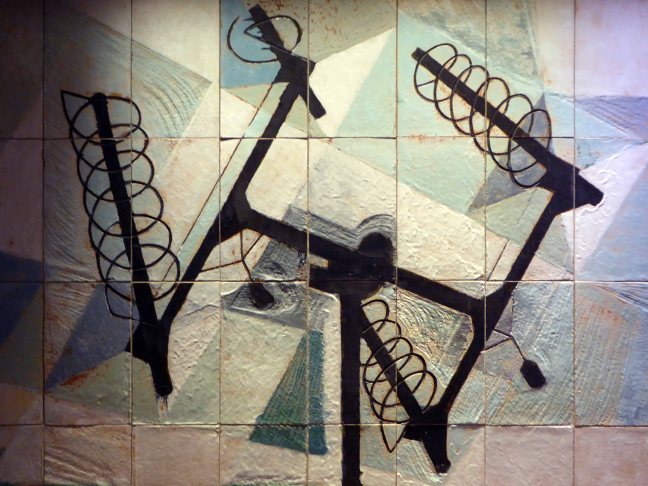
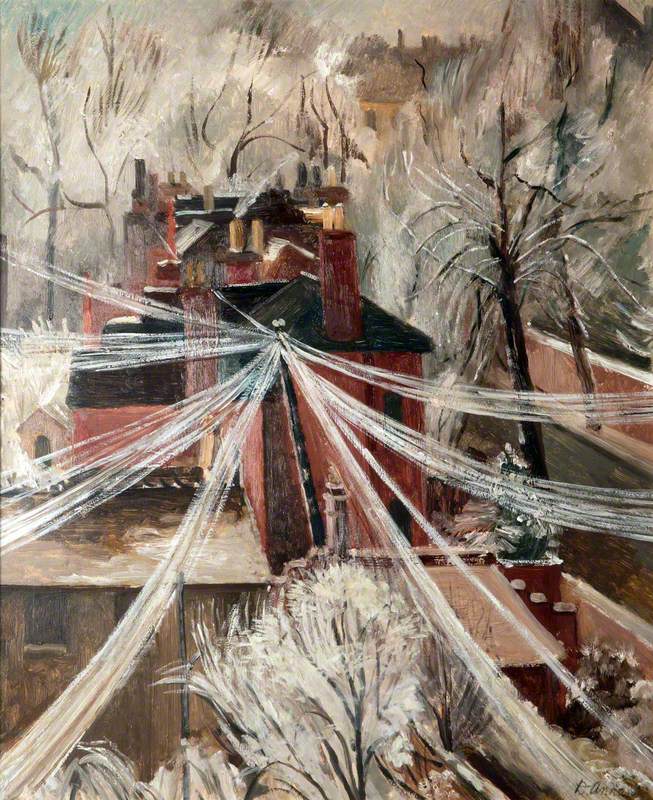
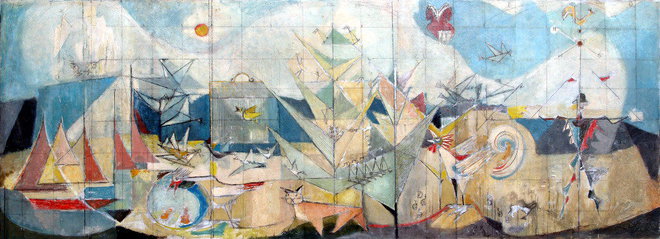
Dorothy Annan20 January 1900 – 28 June 1983
Was an English painter, potter and muralist, married to the painter and sculptor Trevor Tennant. She was born in Brazil to British parents and was educated in France and Germany.
Christmas 1944 – Manchester Art Gallery
Annan’s paintings are in many national collections, she is also known for her tile murals, many of which have been destroyed in recent decades. Only three of her major public murals are believed to survive, the largest single example, the Expanding Universe at the Bank of England, was destroyed in 1997.
Gouache Sketch
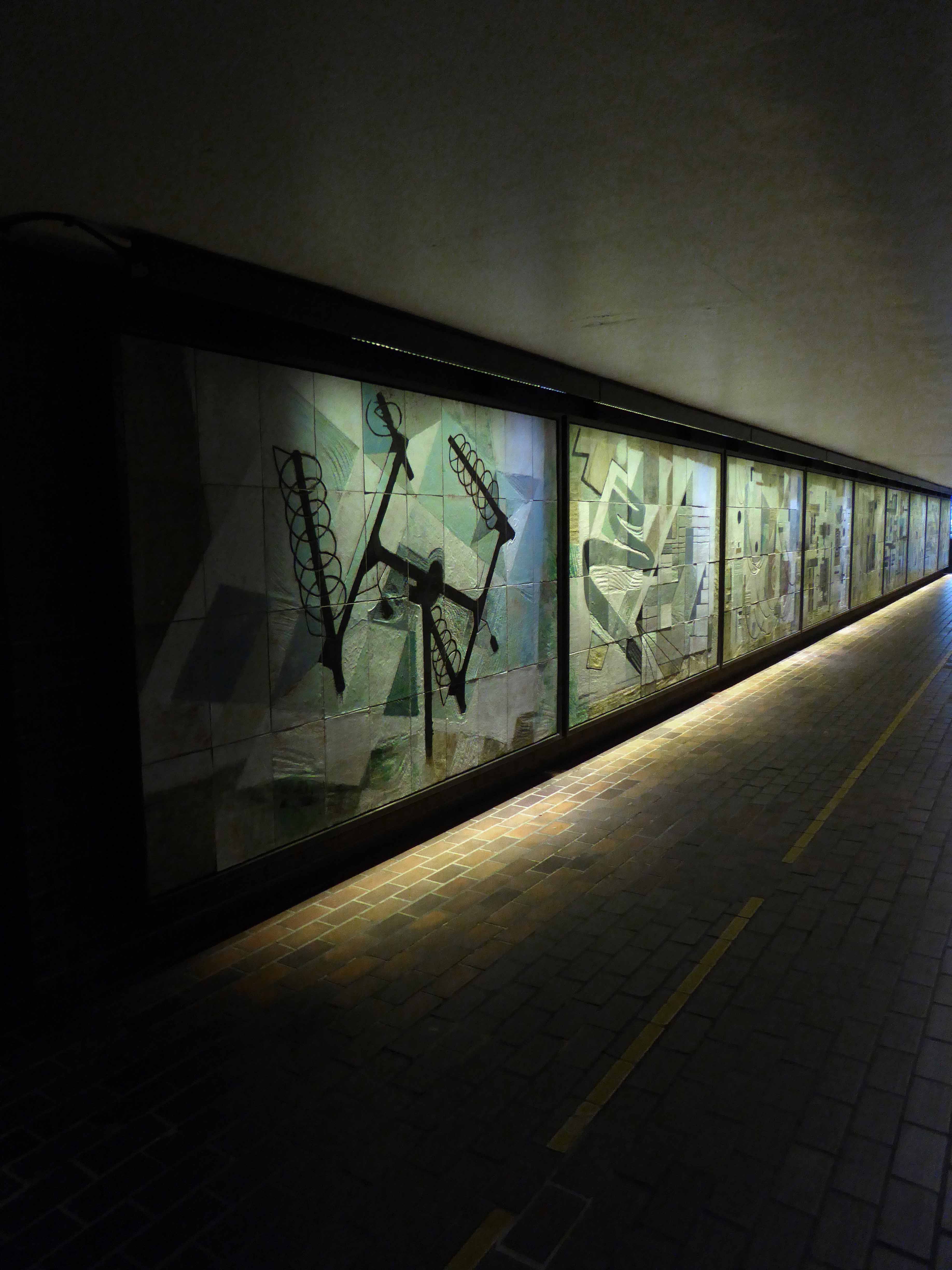
I was looking for her mural which illustrates the telecommunications industry – formerly of the Fleet Building Telephone Exchange Farringdon Road.
Michael Bojkowski
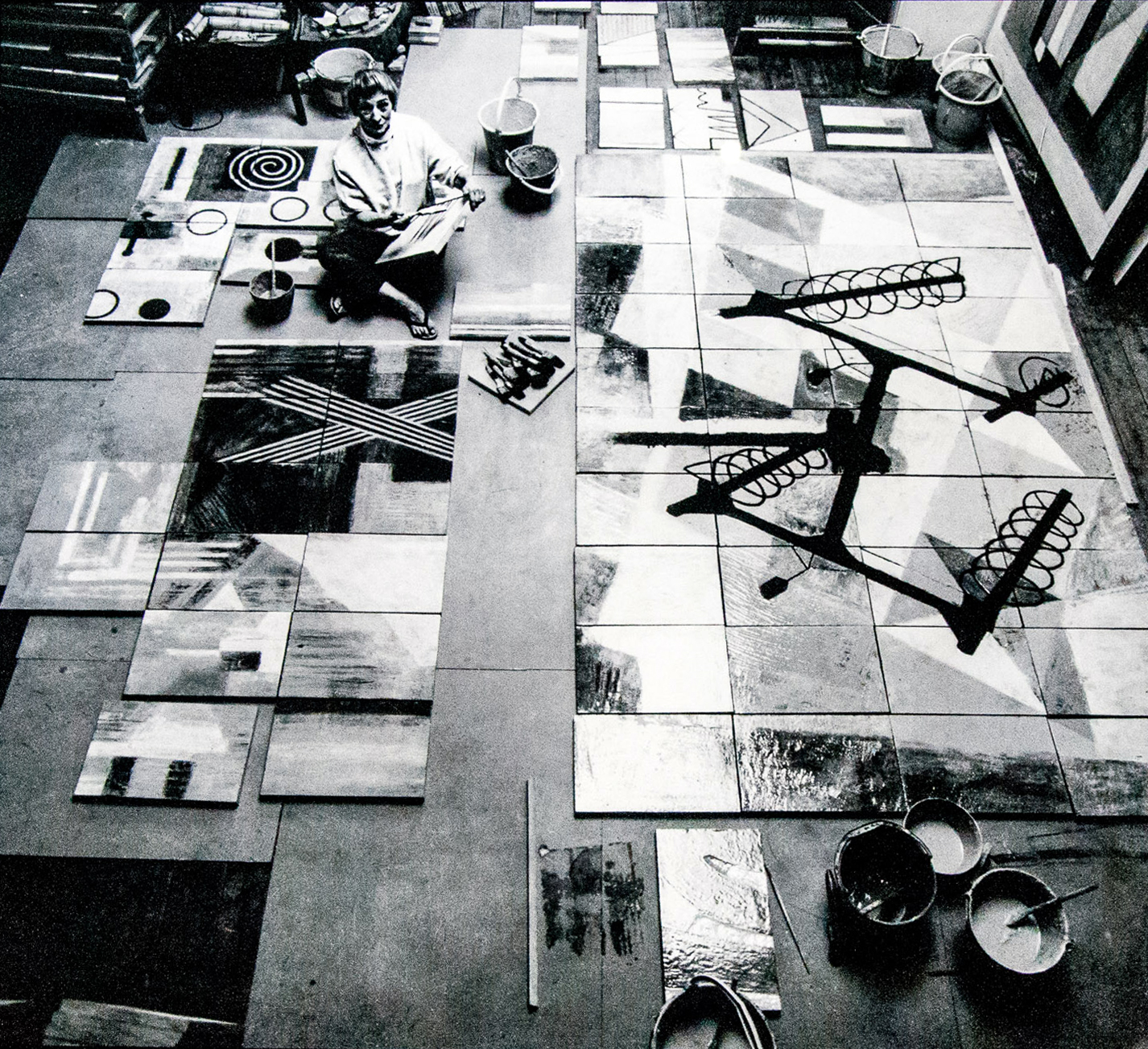
The murals were commissioned at a cost of £300 per panel in 1960. Annan visited the Hathernware Pottery in Loughborough and hand-scored her designs onto each wet clay tile, her brush marks can also be seen in the fired panels.
Charles Trusler
The building was owned by Goldman Sachs, who wished to redevelop the site and opposed the listing of the murals.
In January 2013, the City of London Corporation agreed to take ownership of the murals, and in September 2013 these were moved to a permanent location in publicly accessible part of the Barbican Estate. They are displayed in their original sequence within an enclosed section of the Barbican High Walk between Speed House and the Barbican Centre.
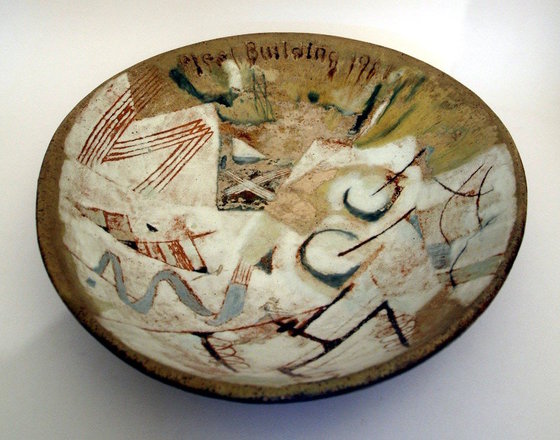
Commemorative Bowl
So following a discursive and somewhat undirected circumnavigation of the Center we were finally united – it only seemed polite to linger a while and take some snaps – here they are.
Bouncing betwixt and between Bonnard and Bill Viola from Tate Modern to the Royal Academy I took a detour to The Barbican – in search of the Dorothy Annan tiled mural.
Having failed conspicuously to find it, following an extensive and discursive wander, I did the wise thing and asked.
My thanks to the helpful resident and his young son.
Redirected and on course for our deferred engagement, Dorothy and I met at last on an underpass.
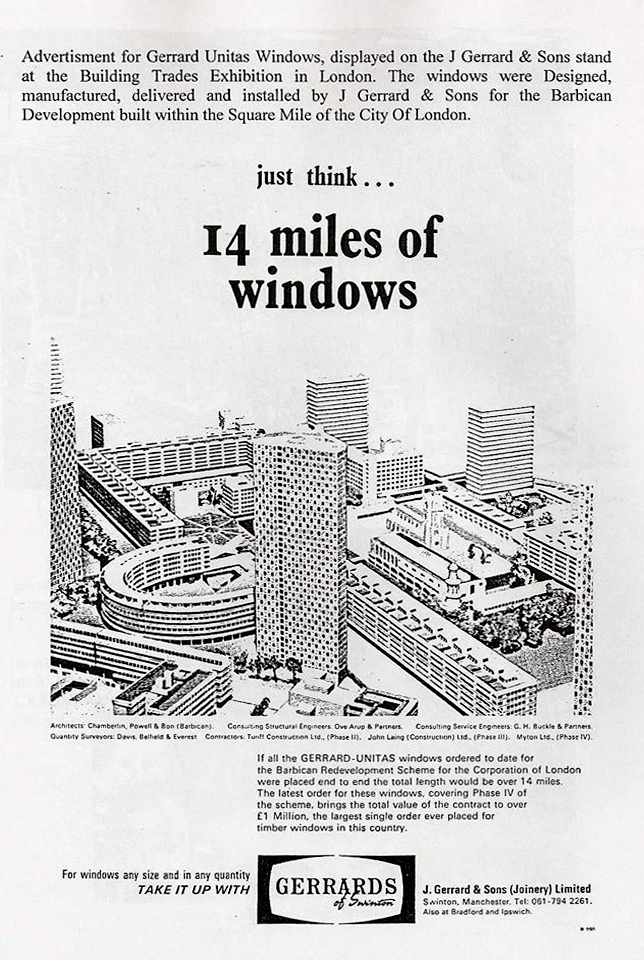
I also recently discovered a Barbican Manchester mash up – Gerrards of Swinton fulfilled their largest ever single order for the site – my thanks to David Roughley for the information and illustration.
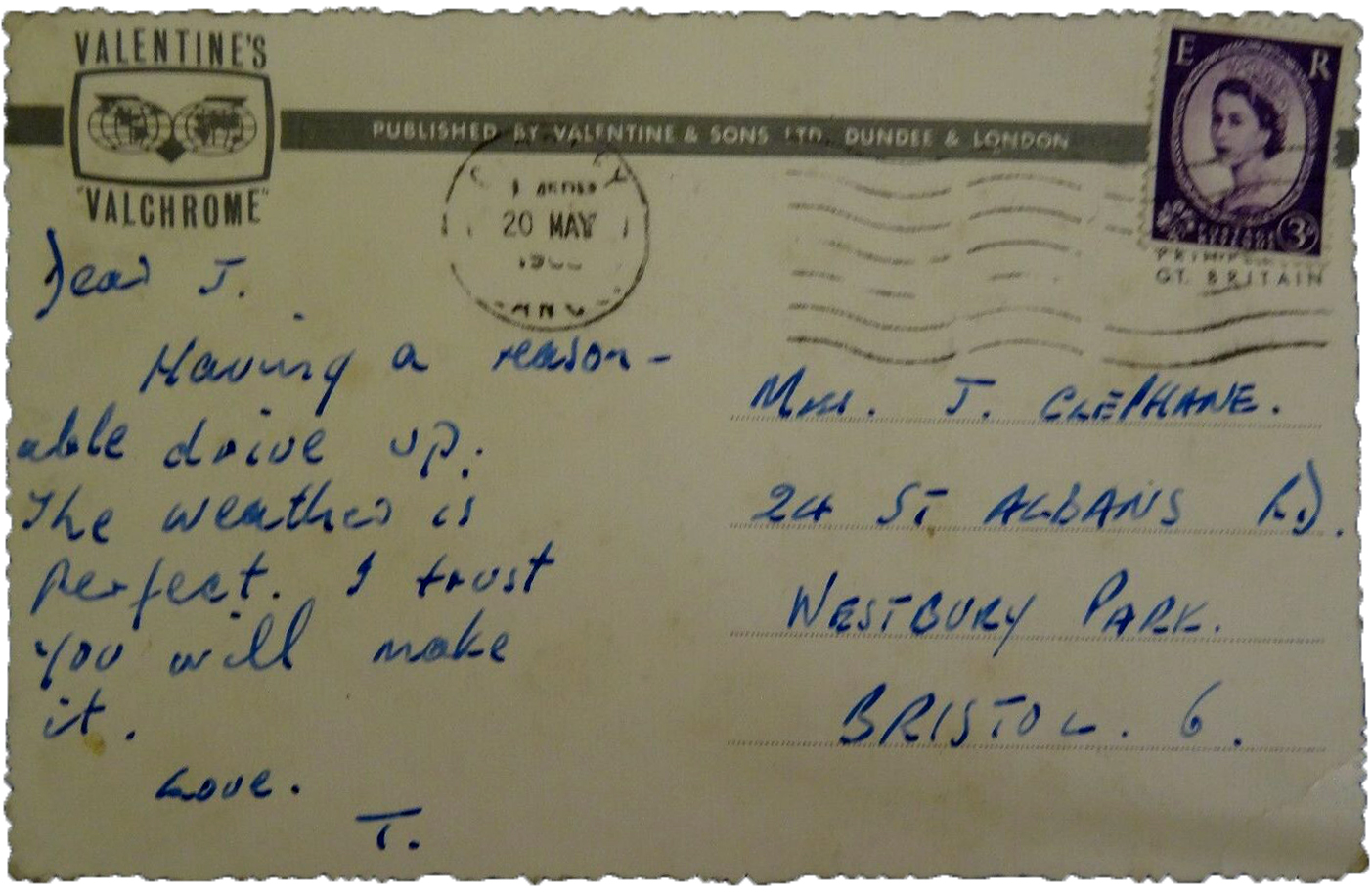
This in so many senses is where it all began – my first encounter with the visual arts was through my Aunty Alice’s postcard album. Predating visits to Manchester City Art Gallery in my mid-teens, I was lost in a world of post WW1 printed ephemera, rendered less ephemeral by careful collection and collation. Sitting entranced for hours and hours absorbing the photography, text and illustration of hundreds of unseen hands.
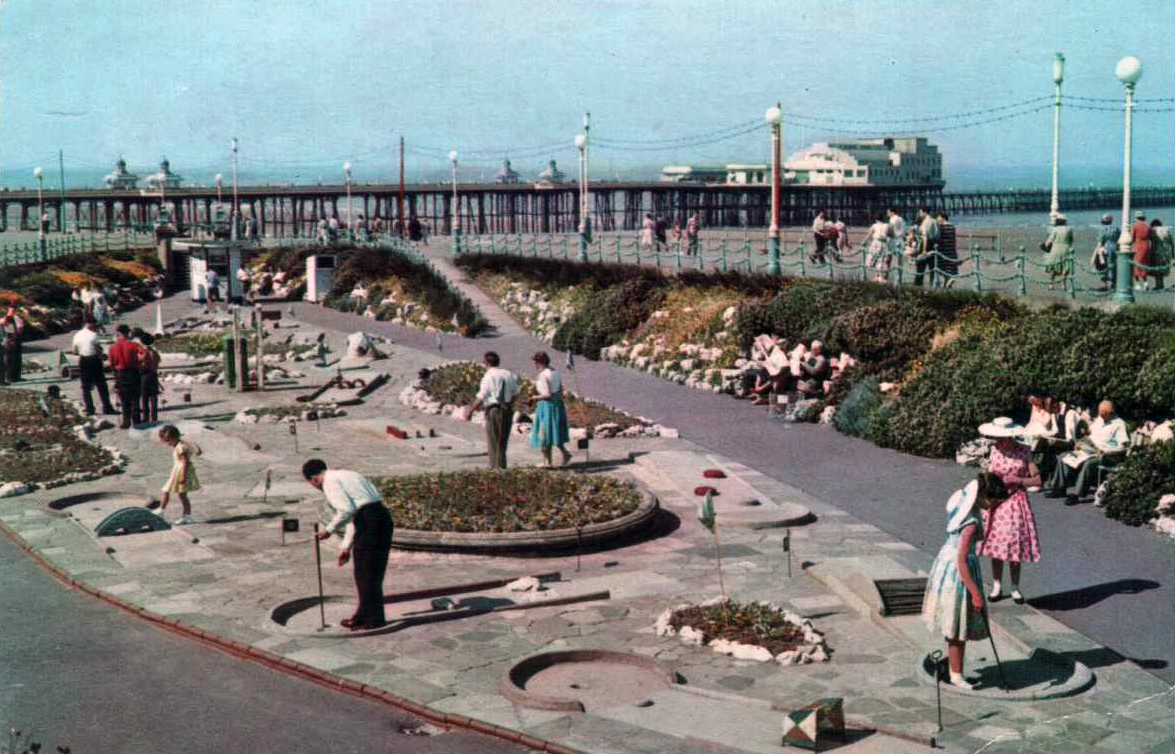
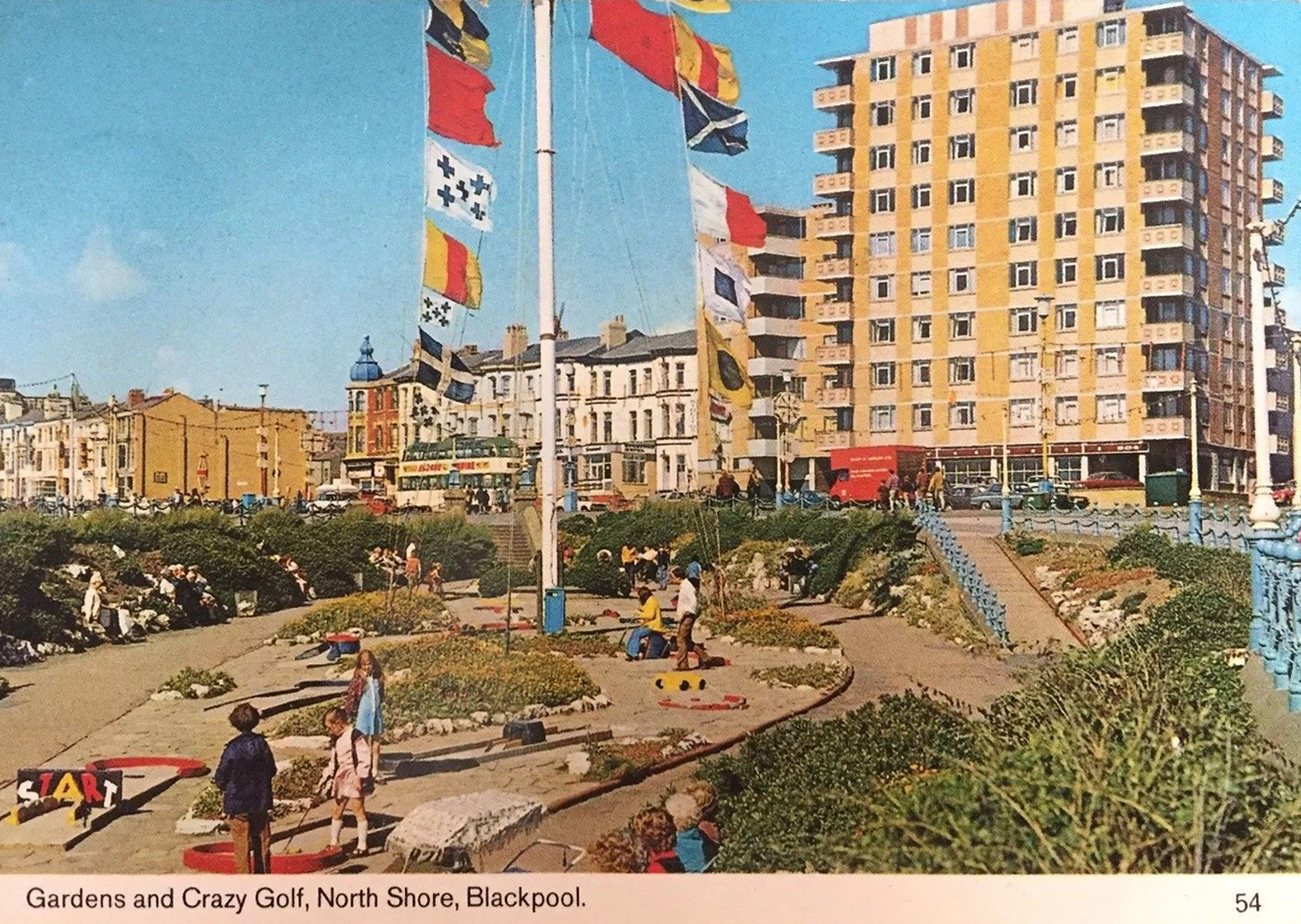
This is North Shore Blackpool – behind the Metropole in the early 60s.
The colour is muted by the then state of the art colour reproduction, the holiday dress is constrained by the codes of the day. Light cotton frocks and wide brimmed sun hats, shirts tucked in belted slacks, sandals and shorts – purely for the pre-teens.
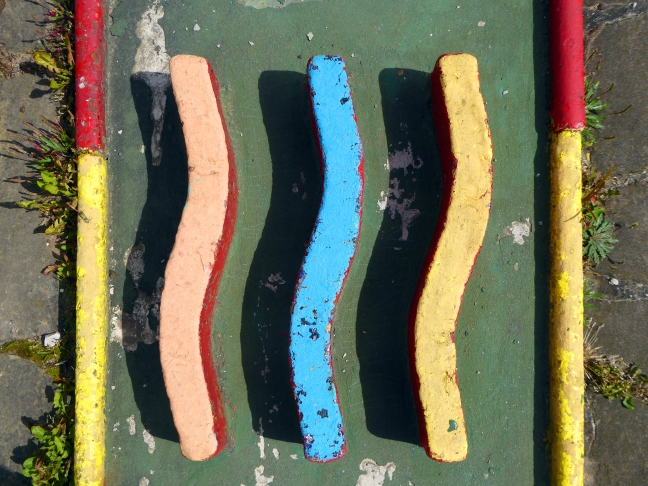
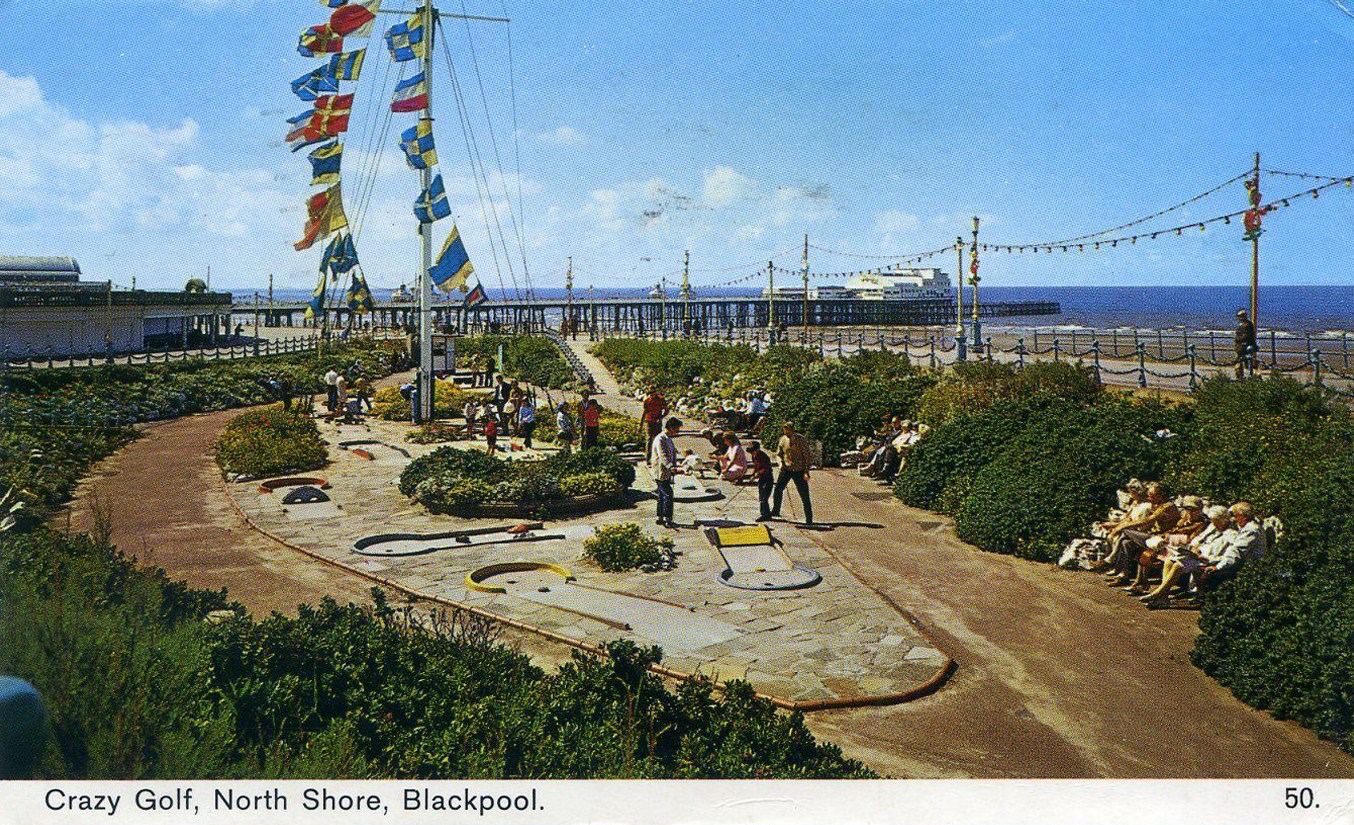
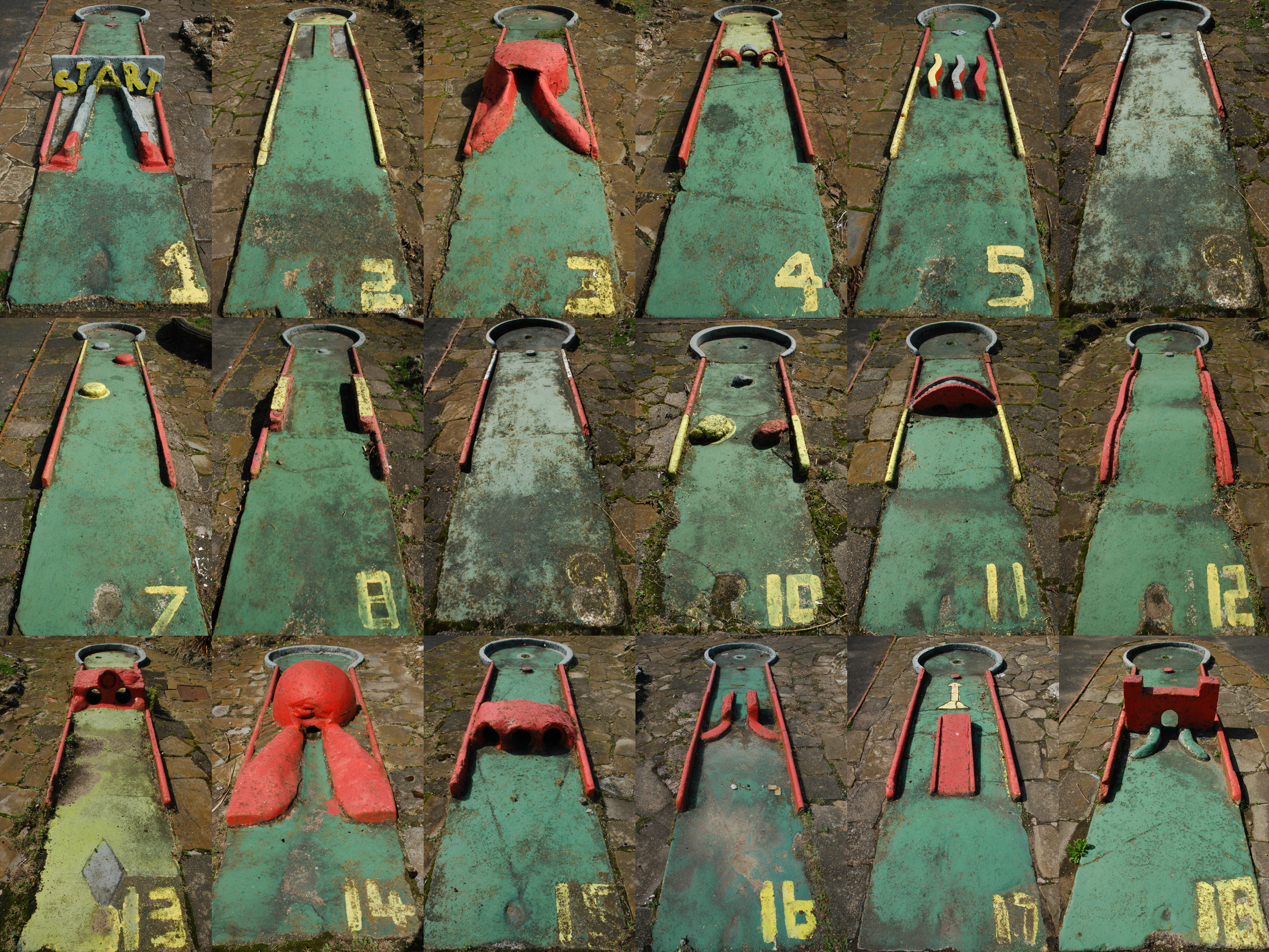
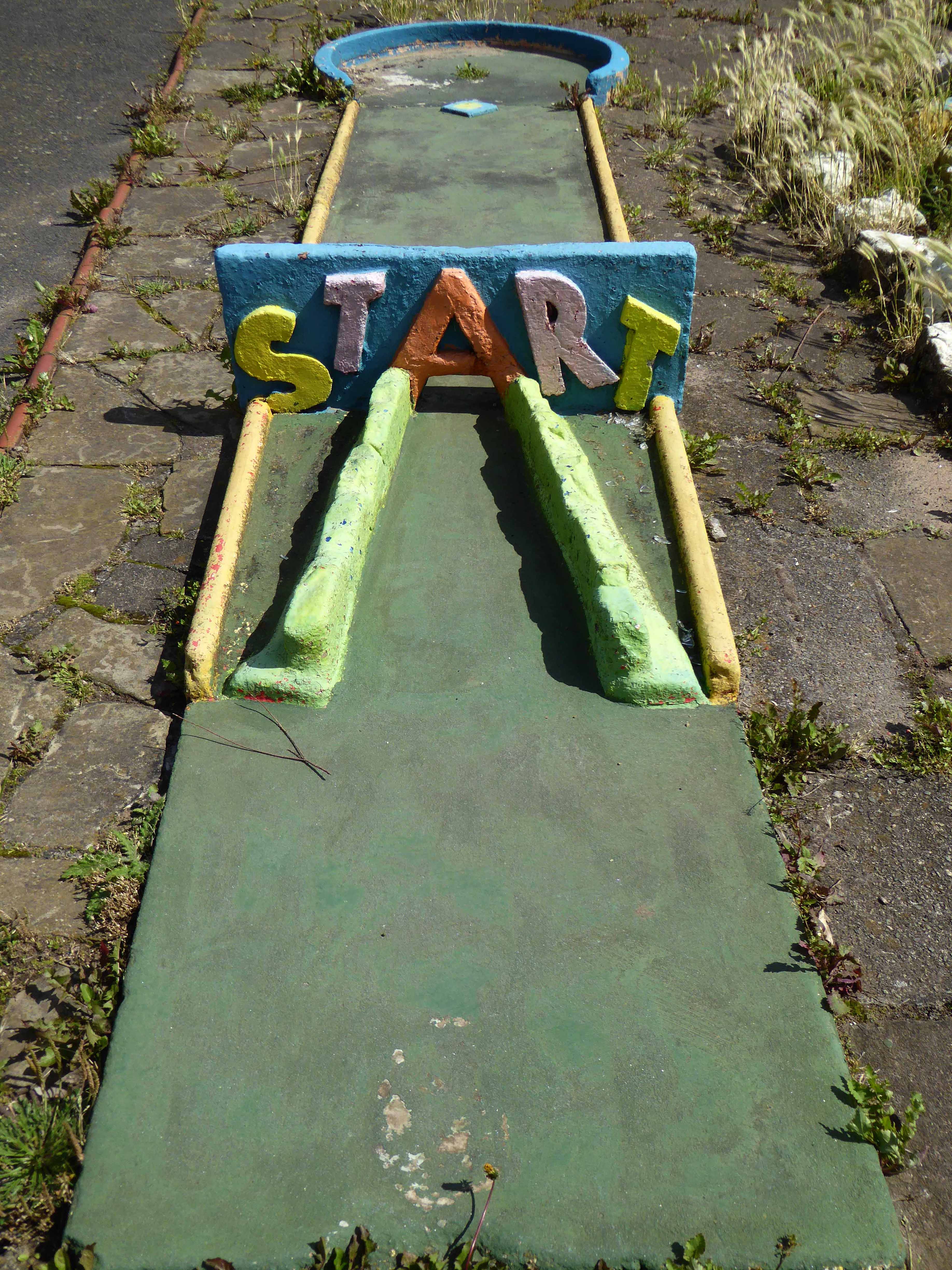
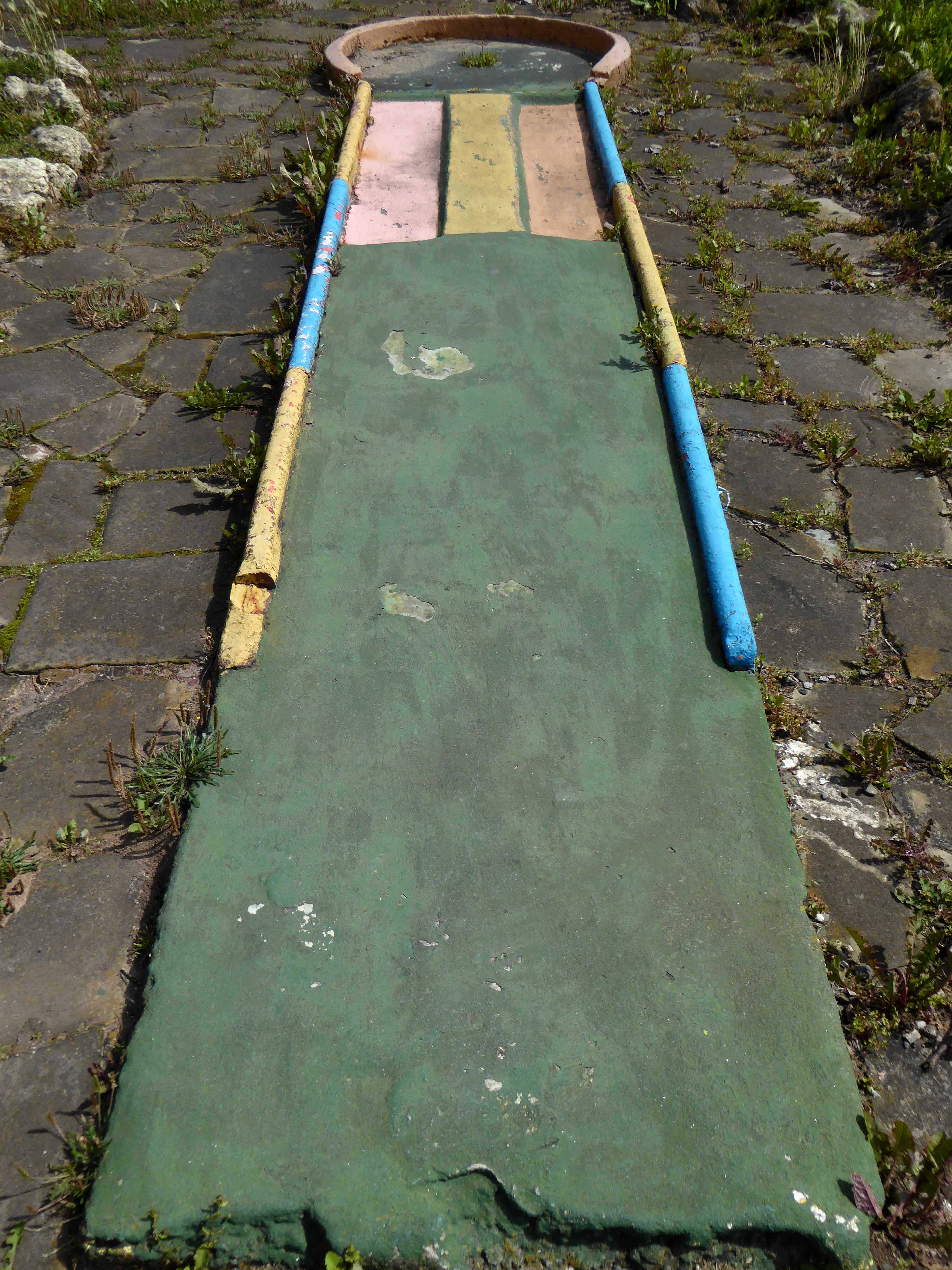
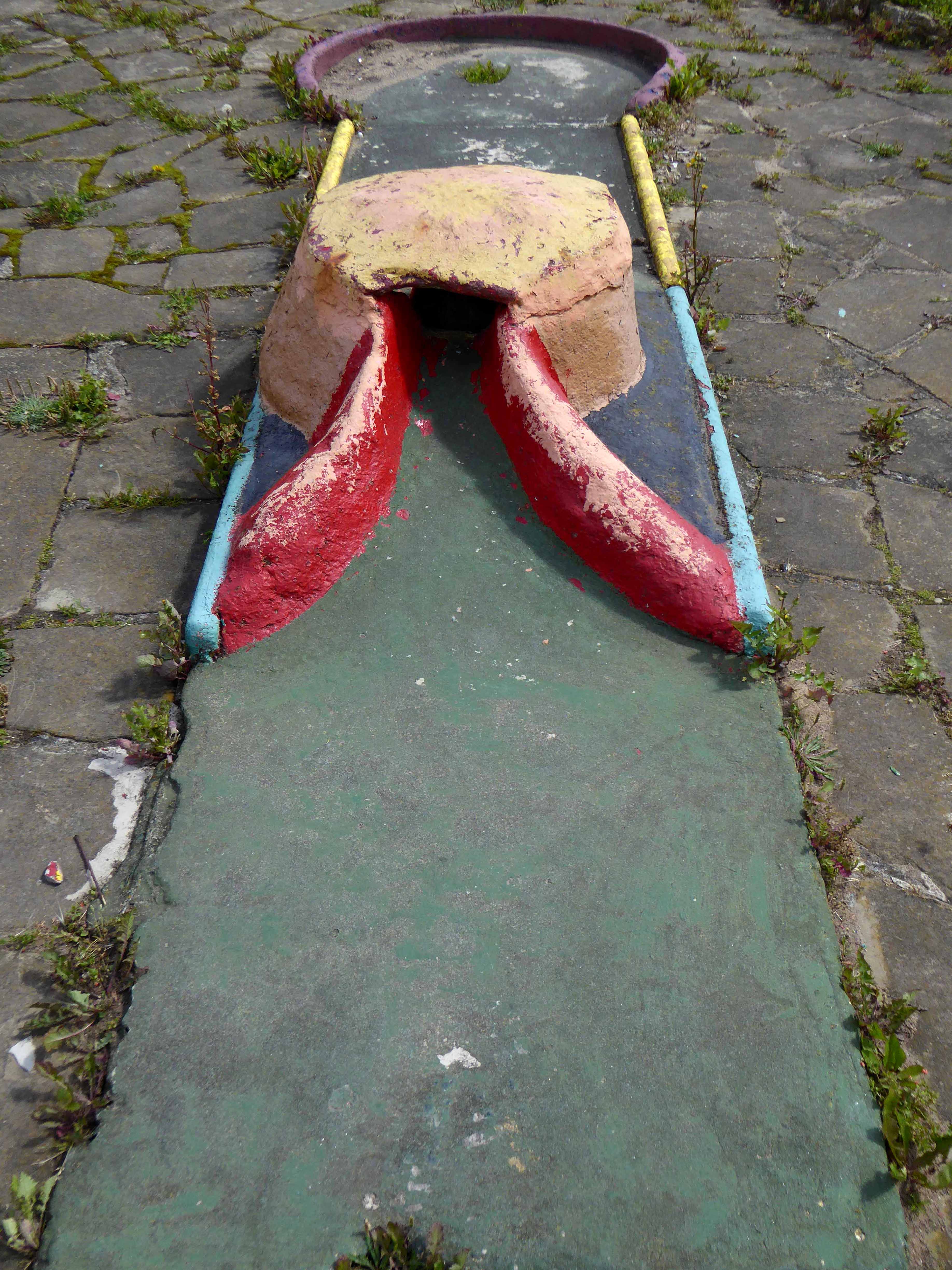
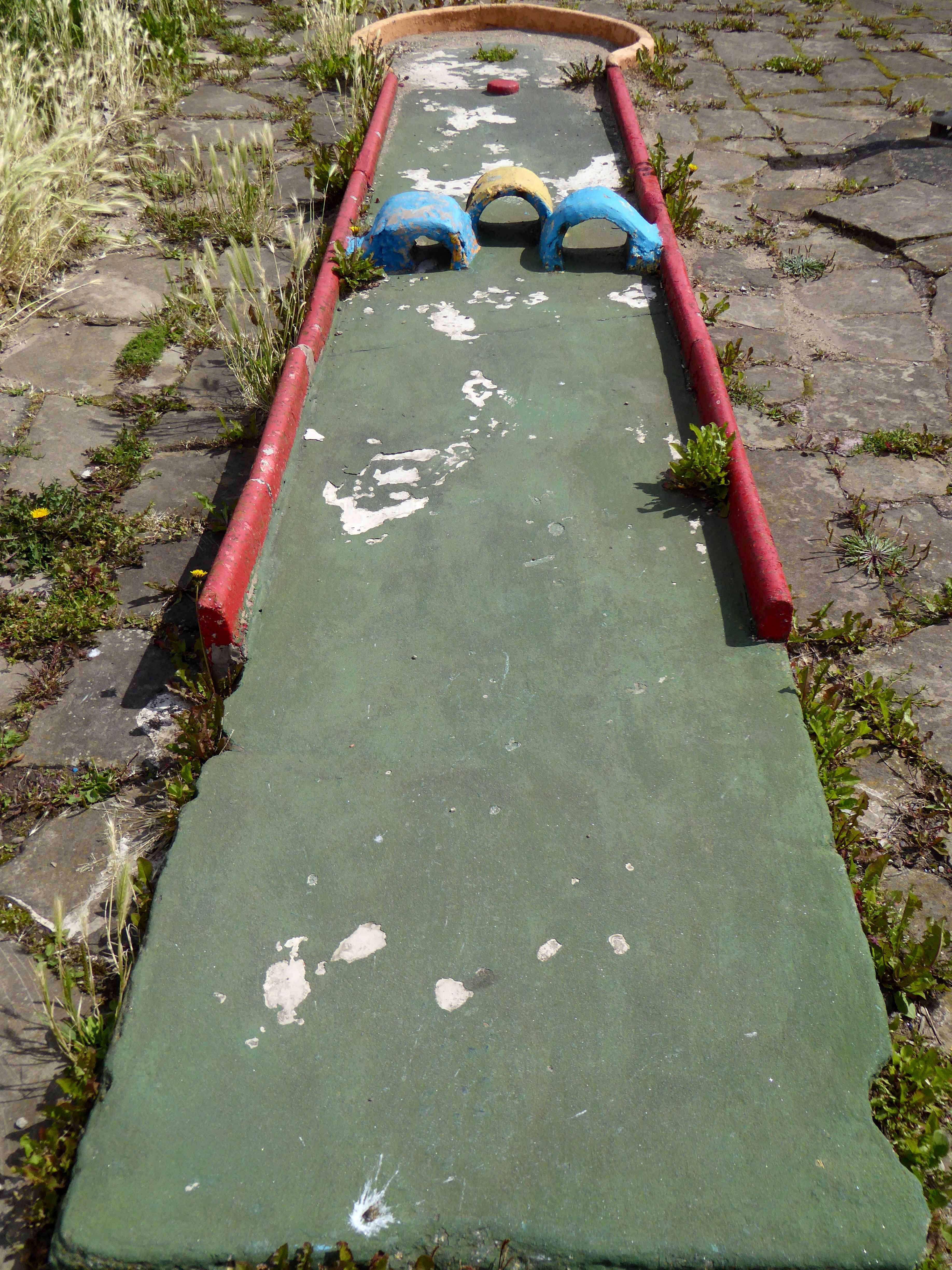
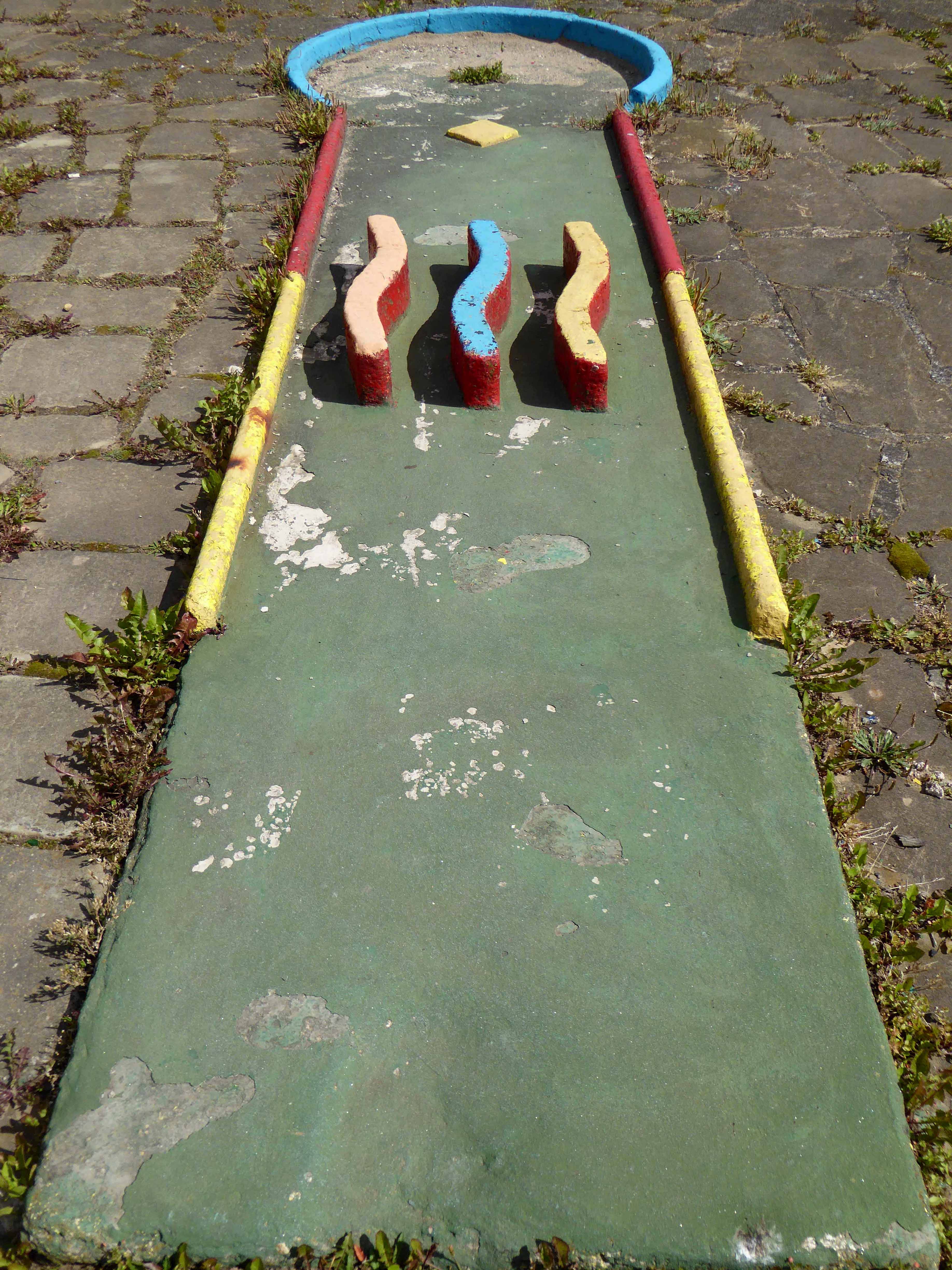
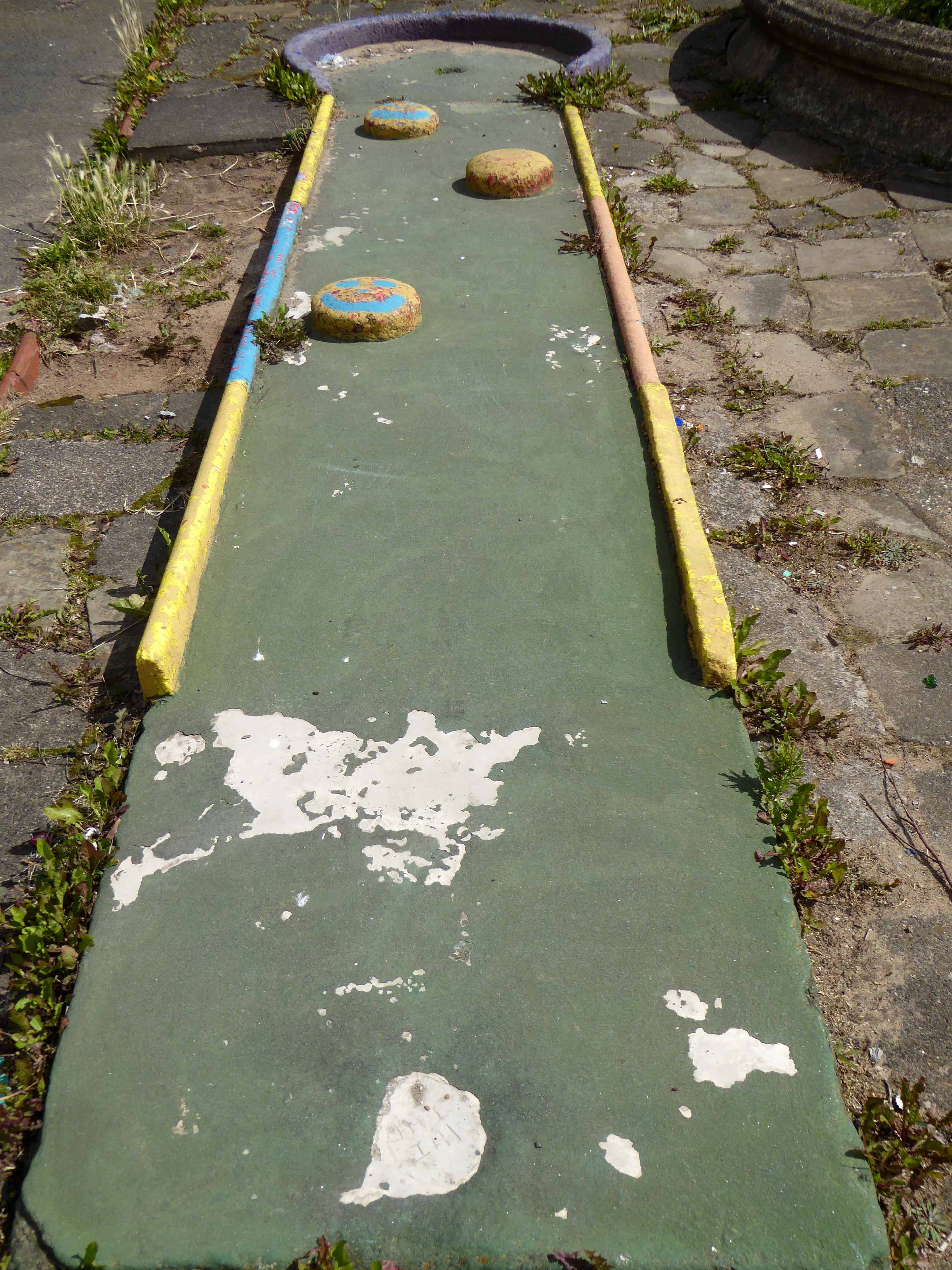
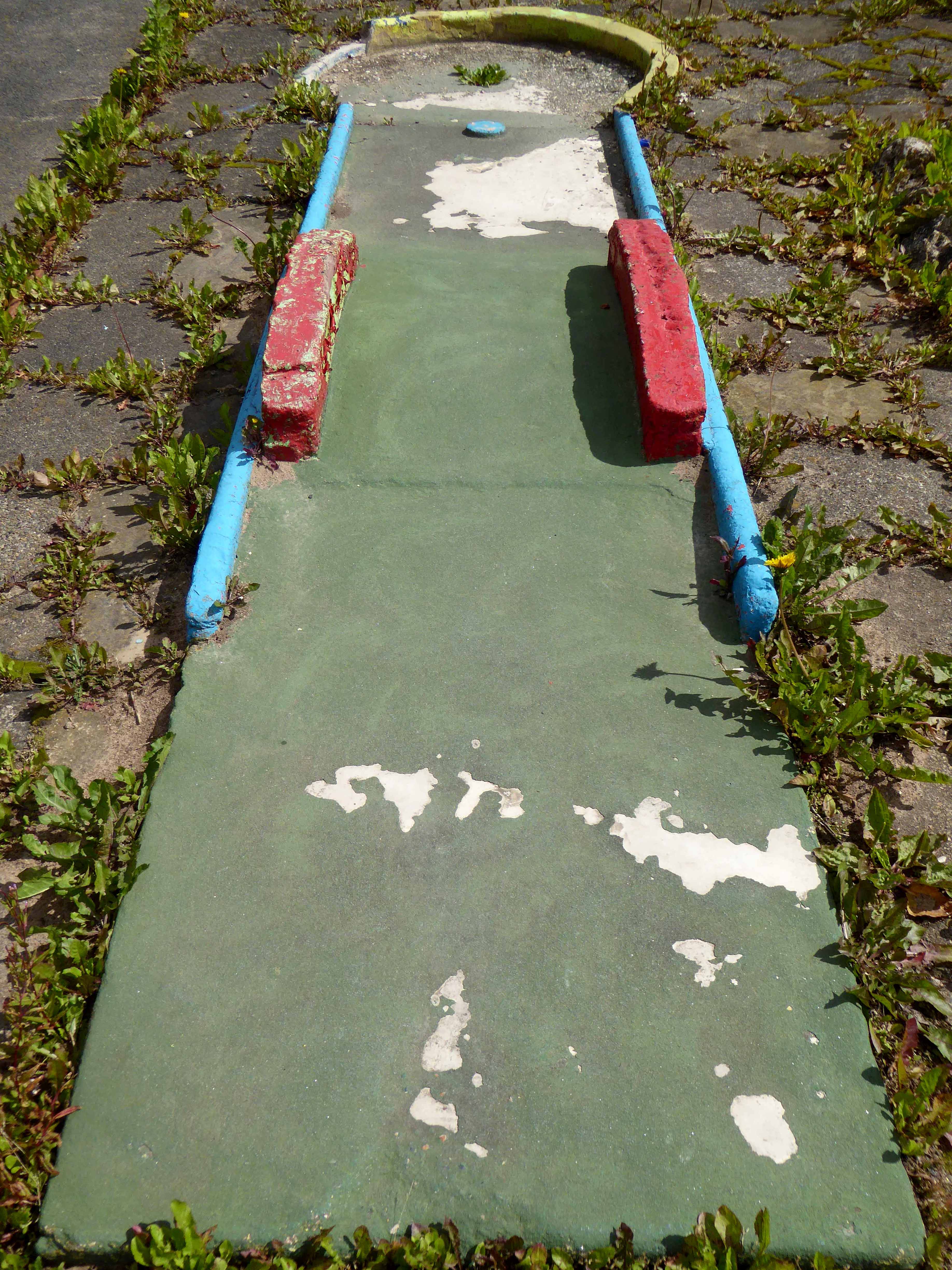
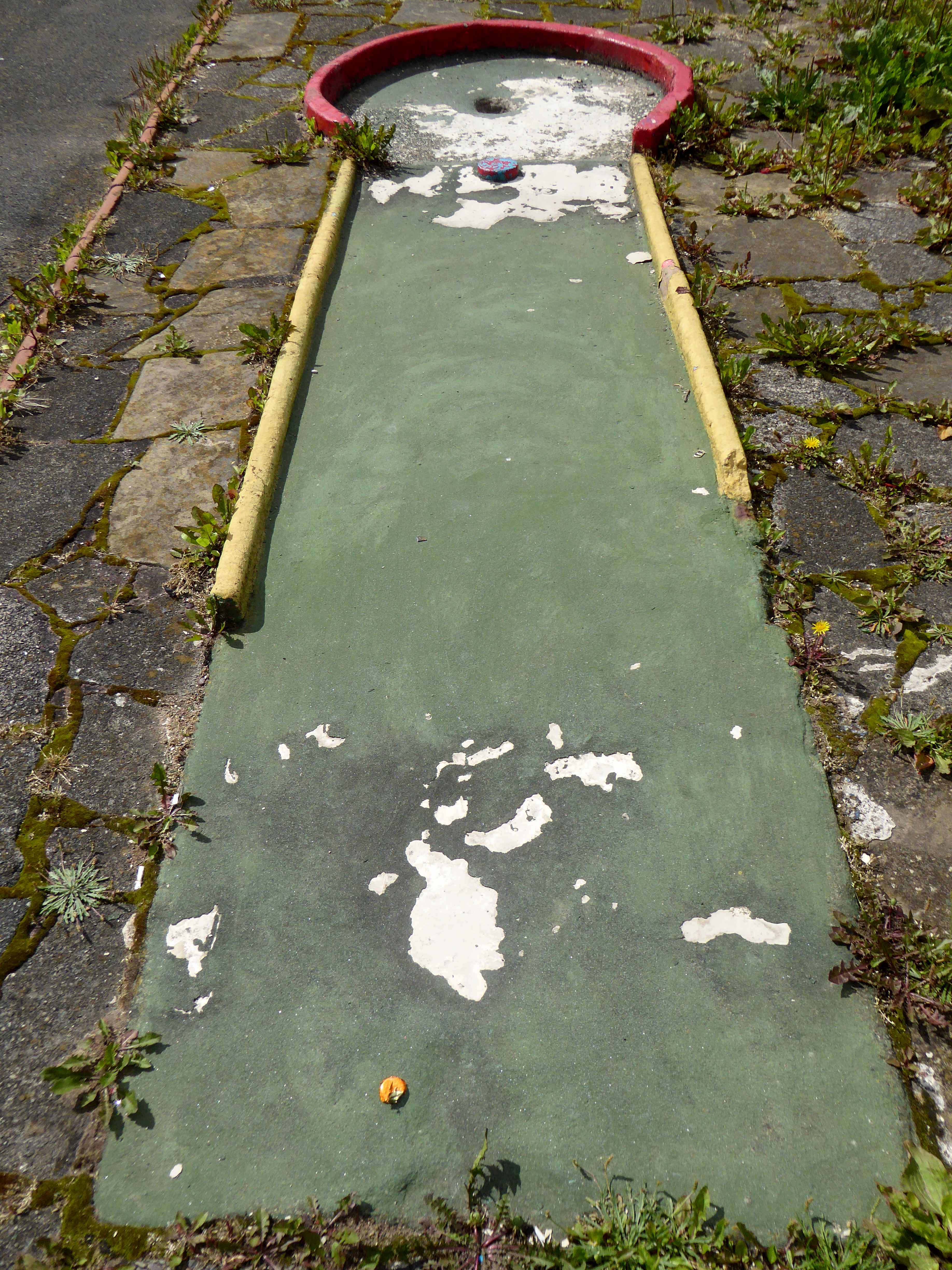
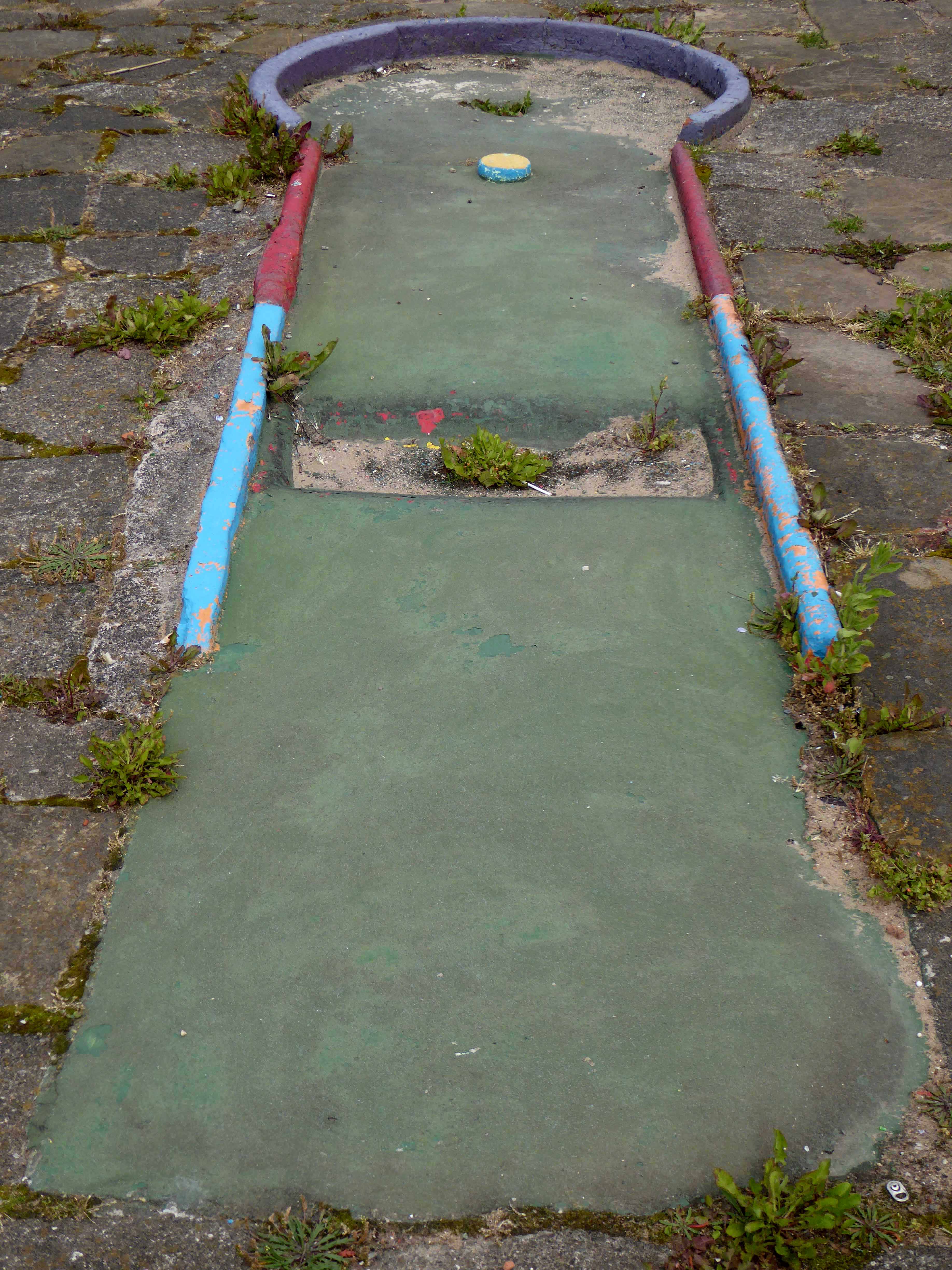
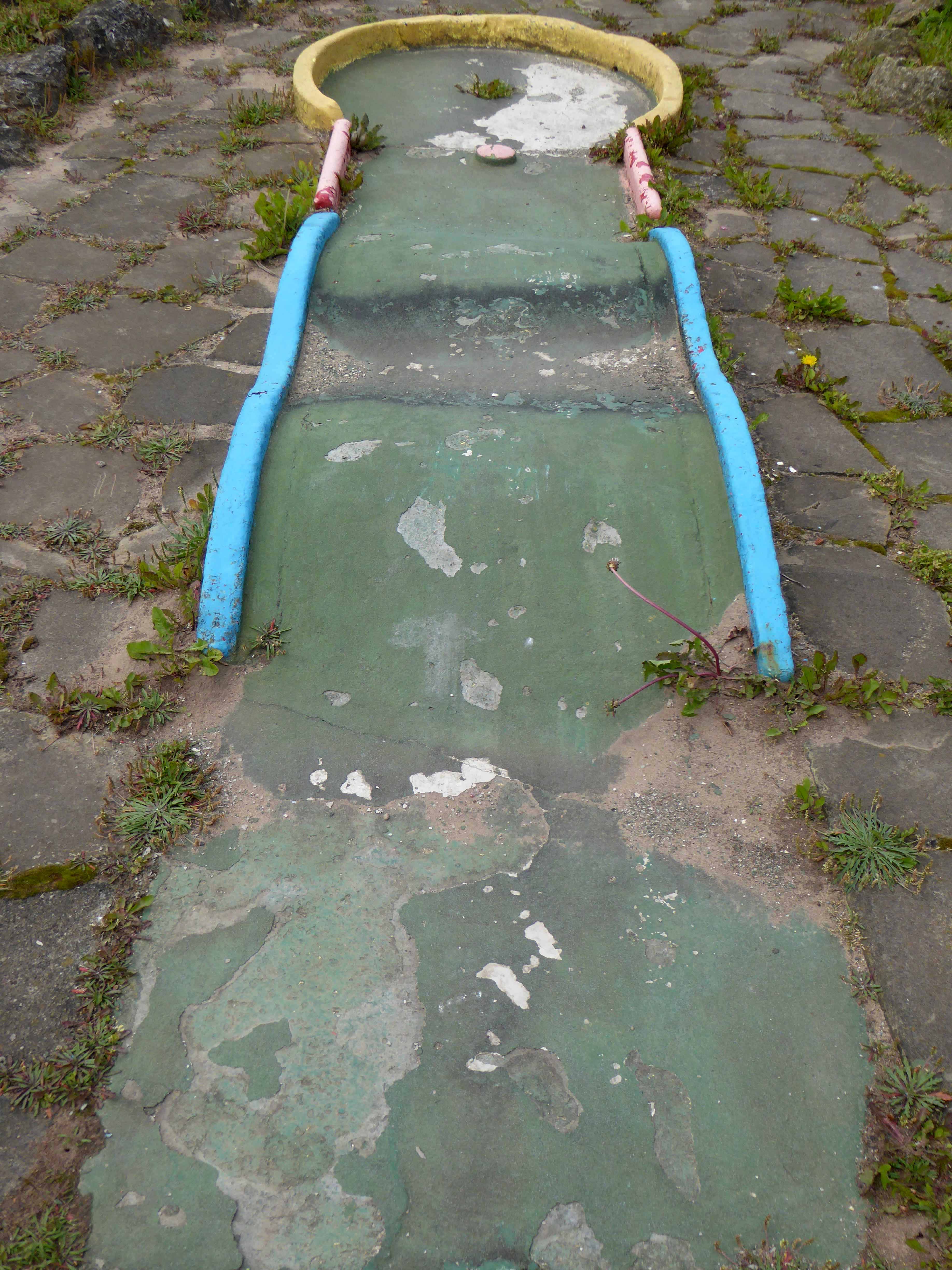
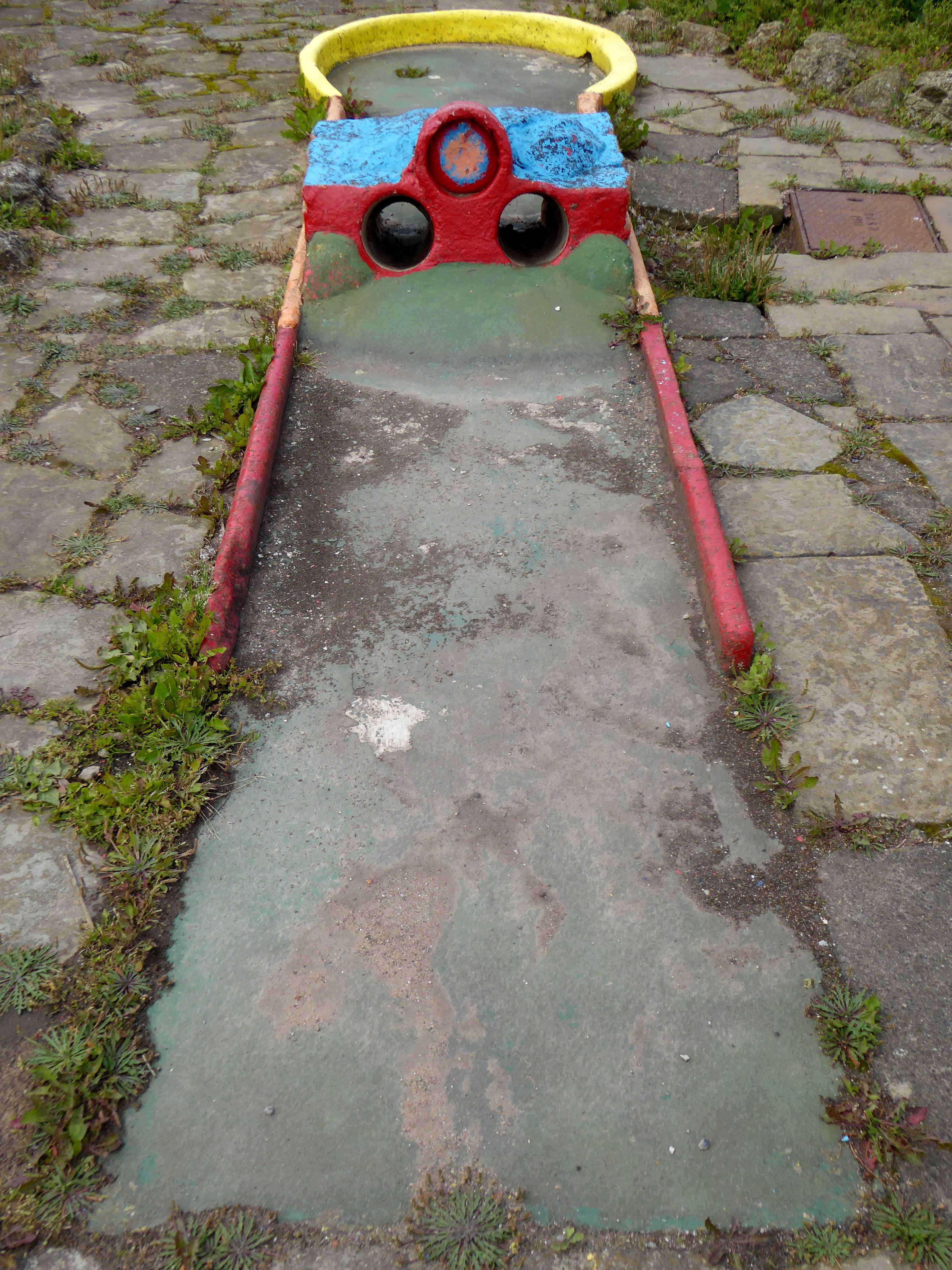
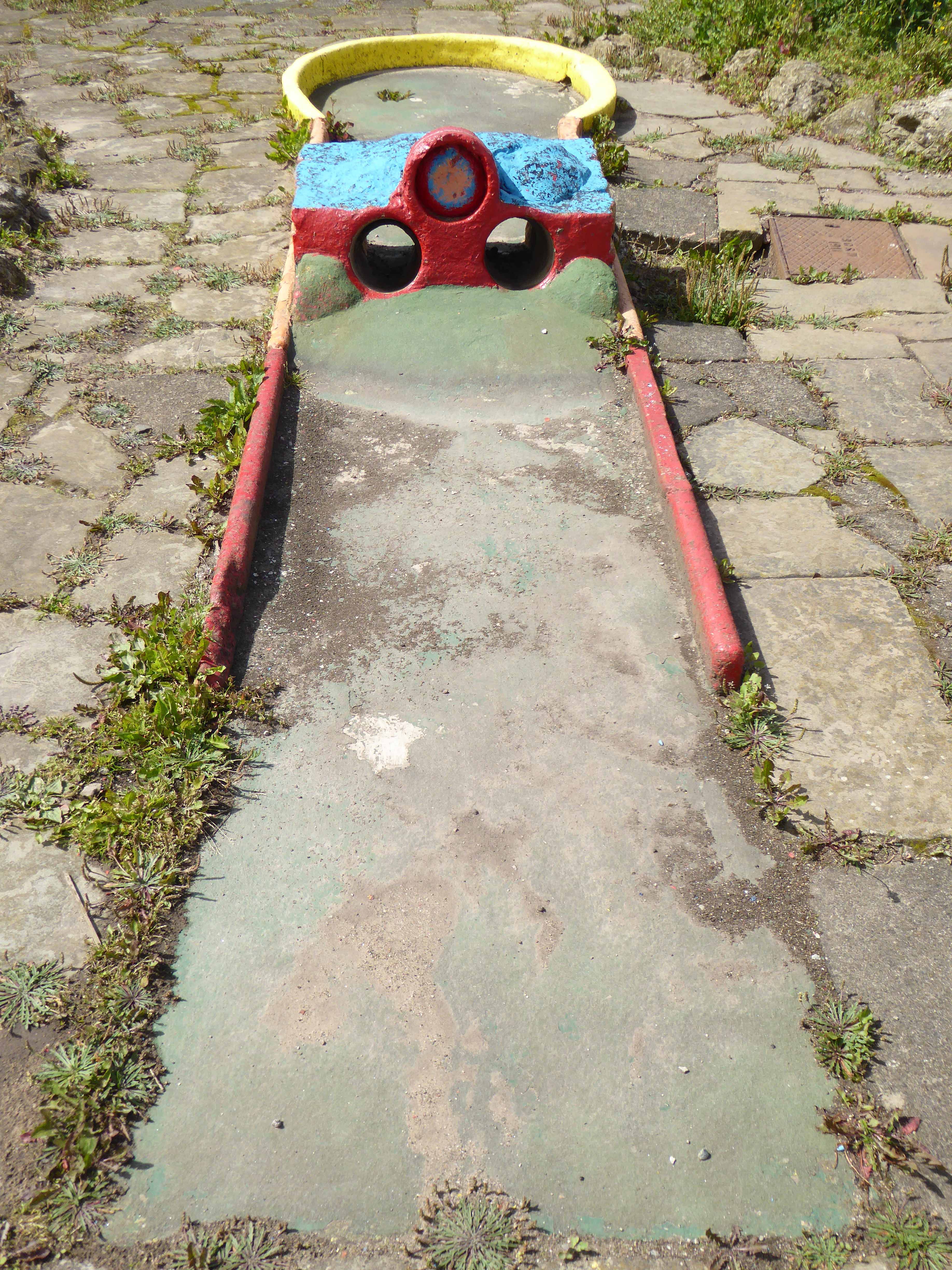
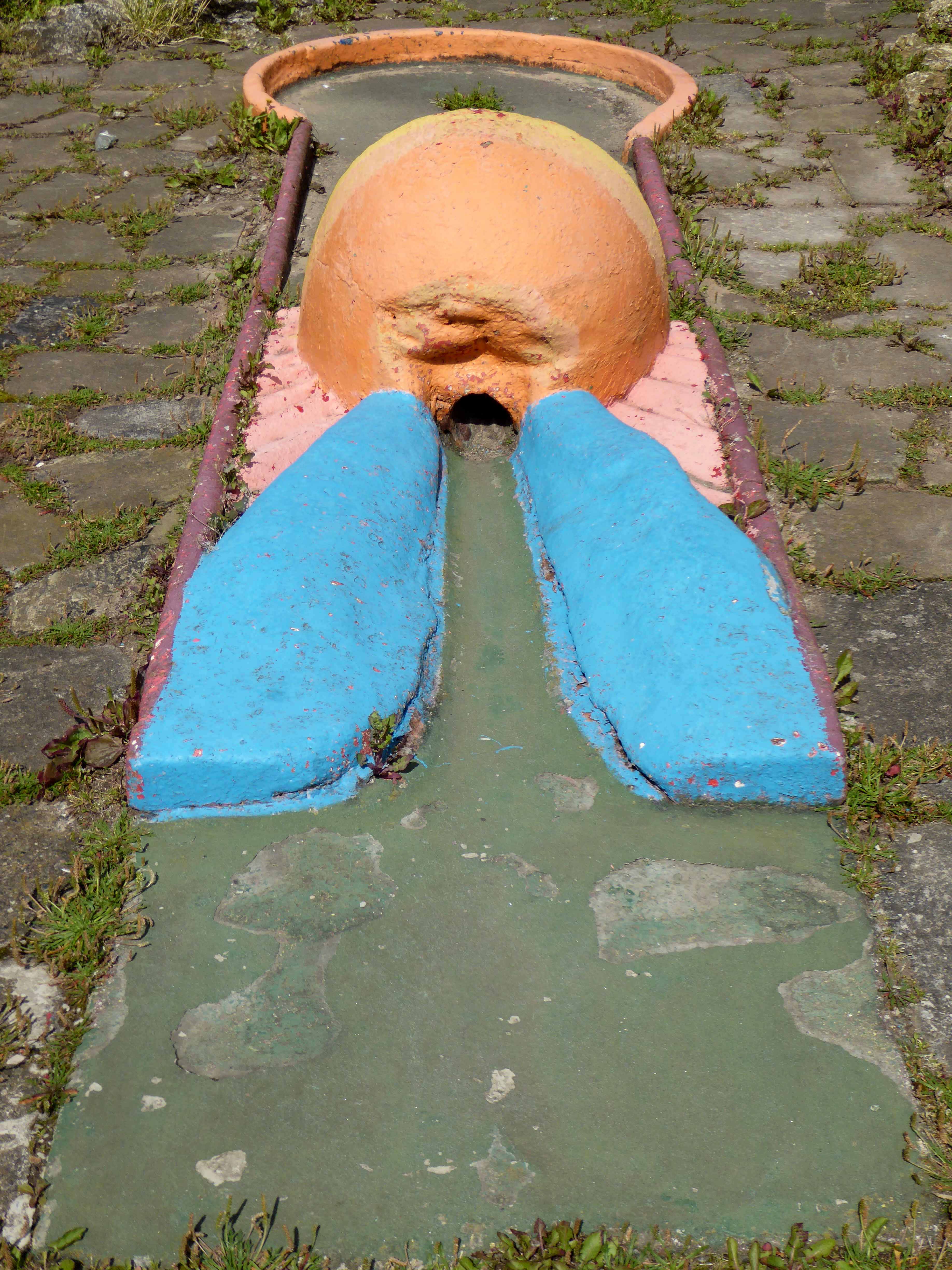
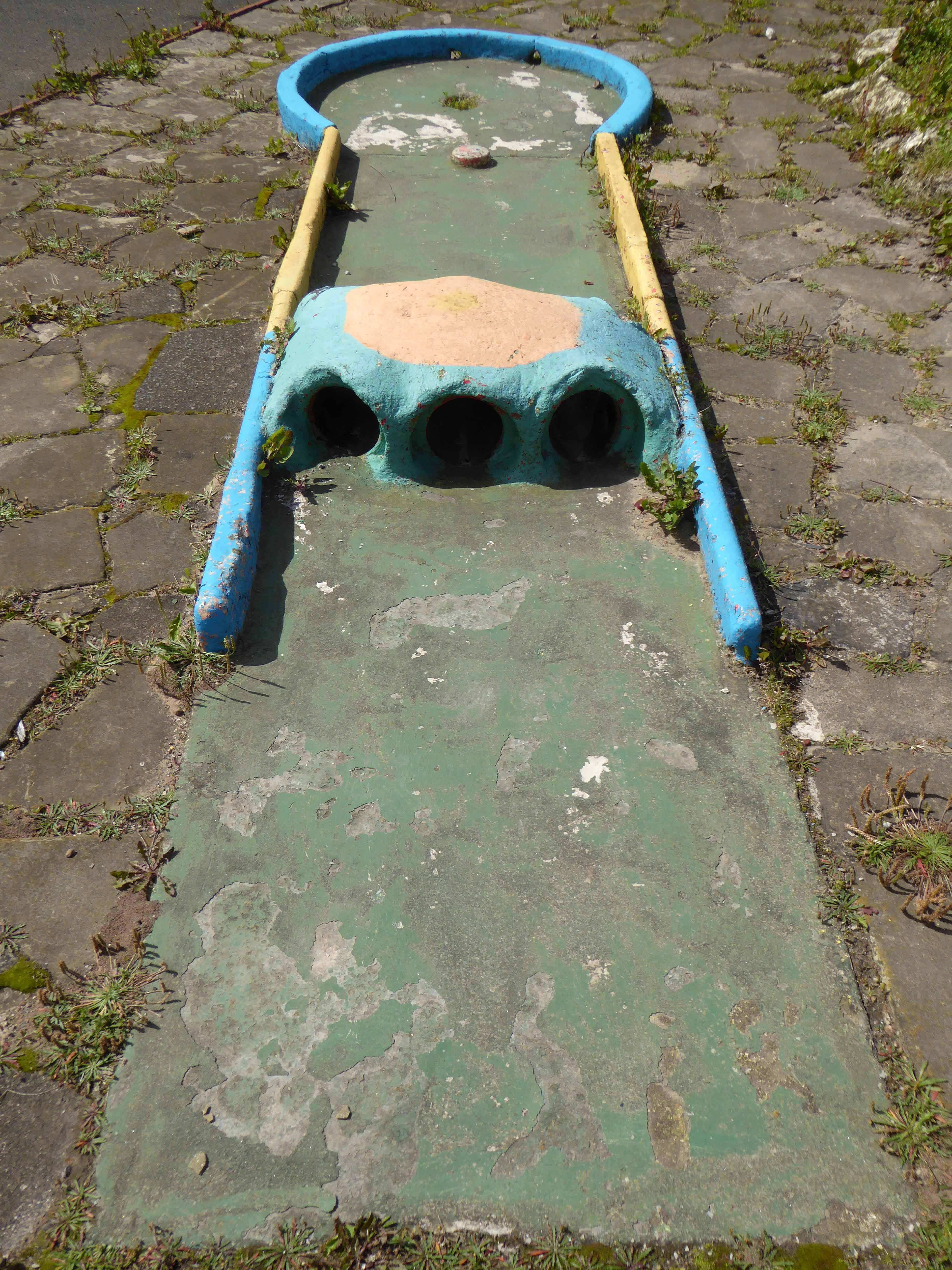
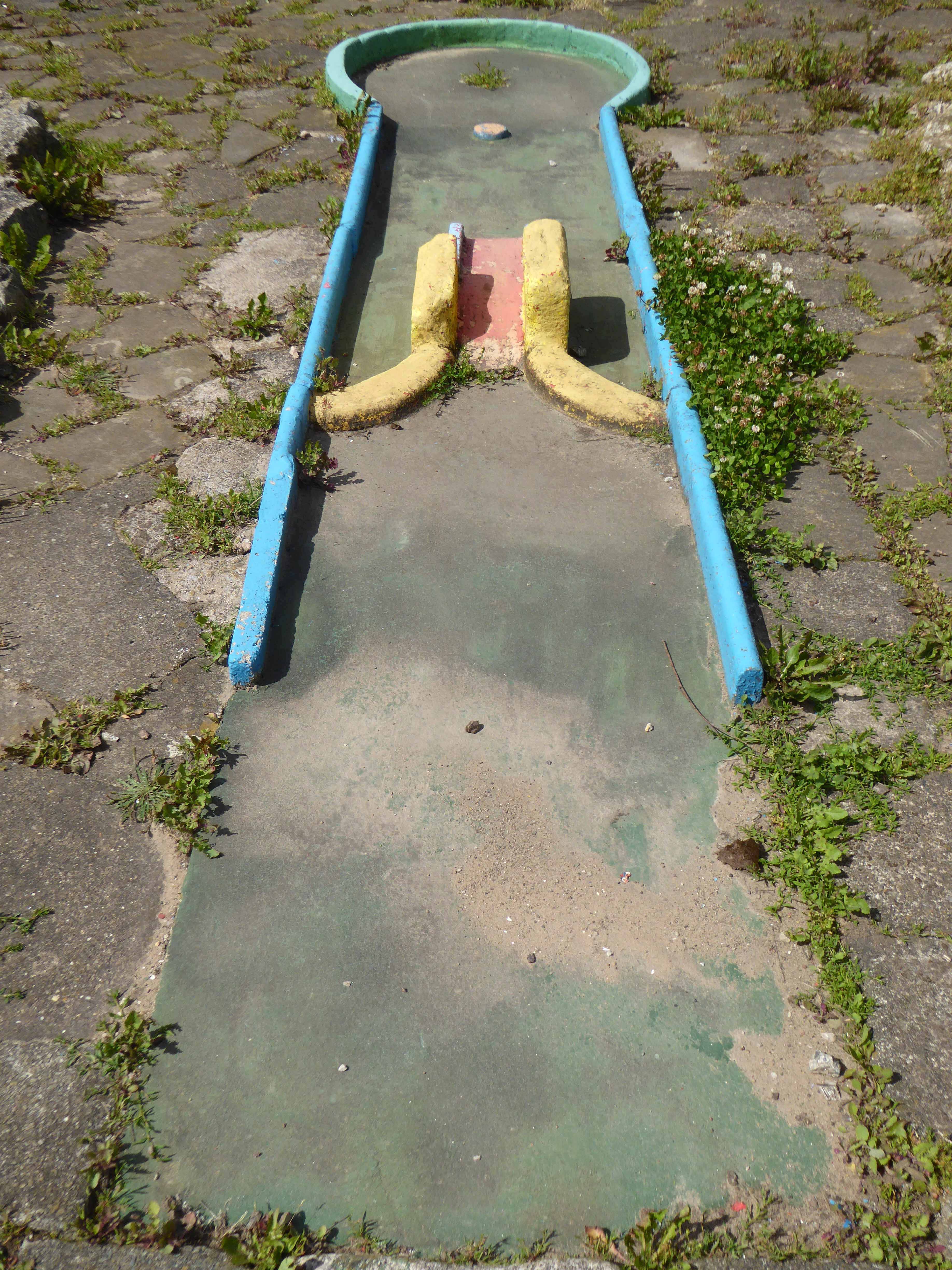
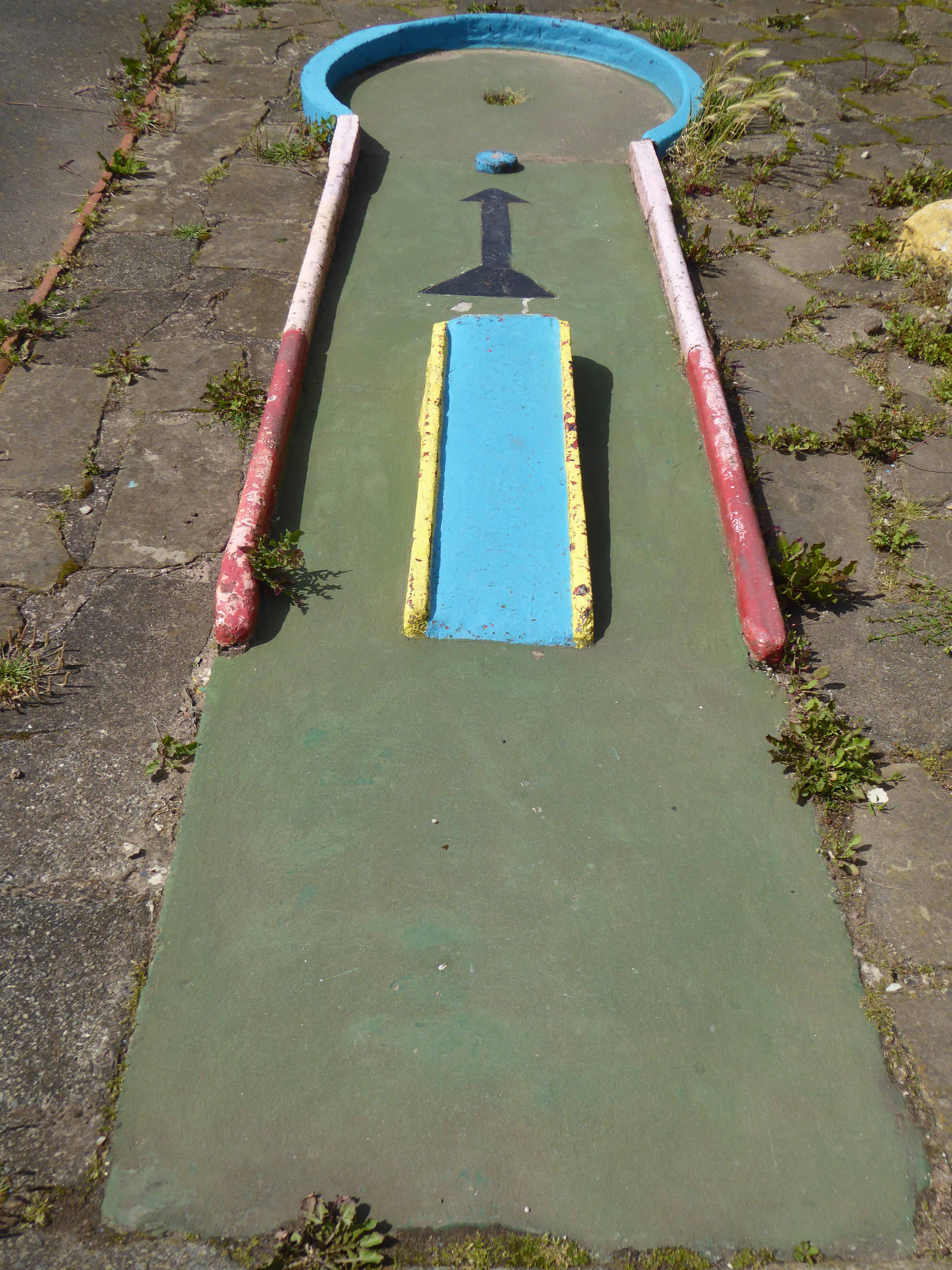
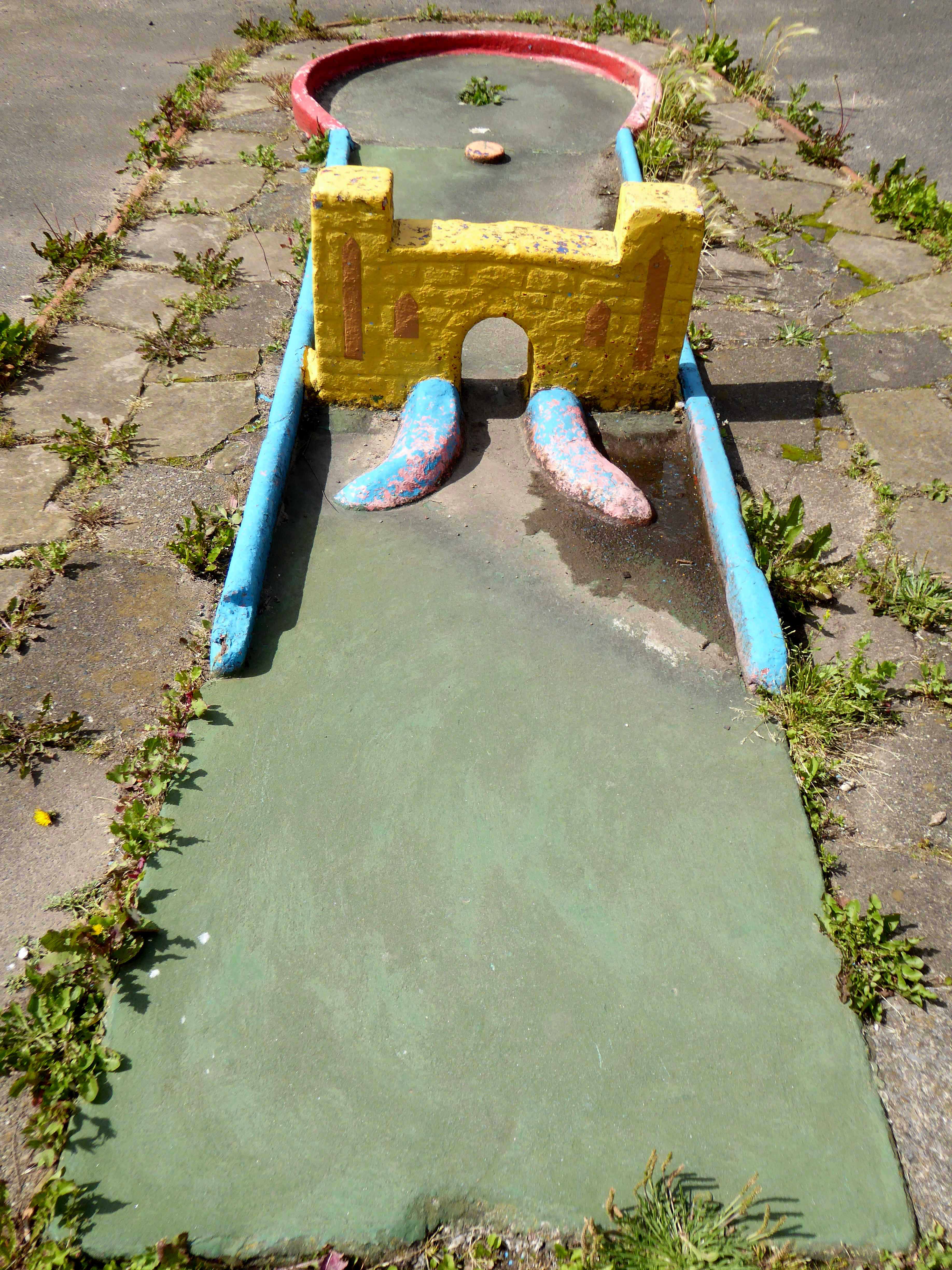
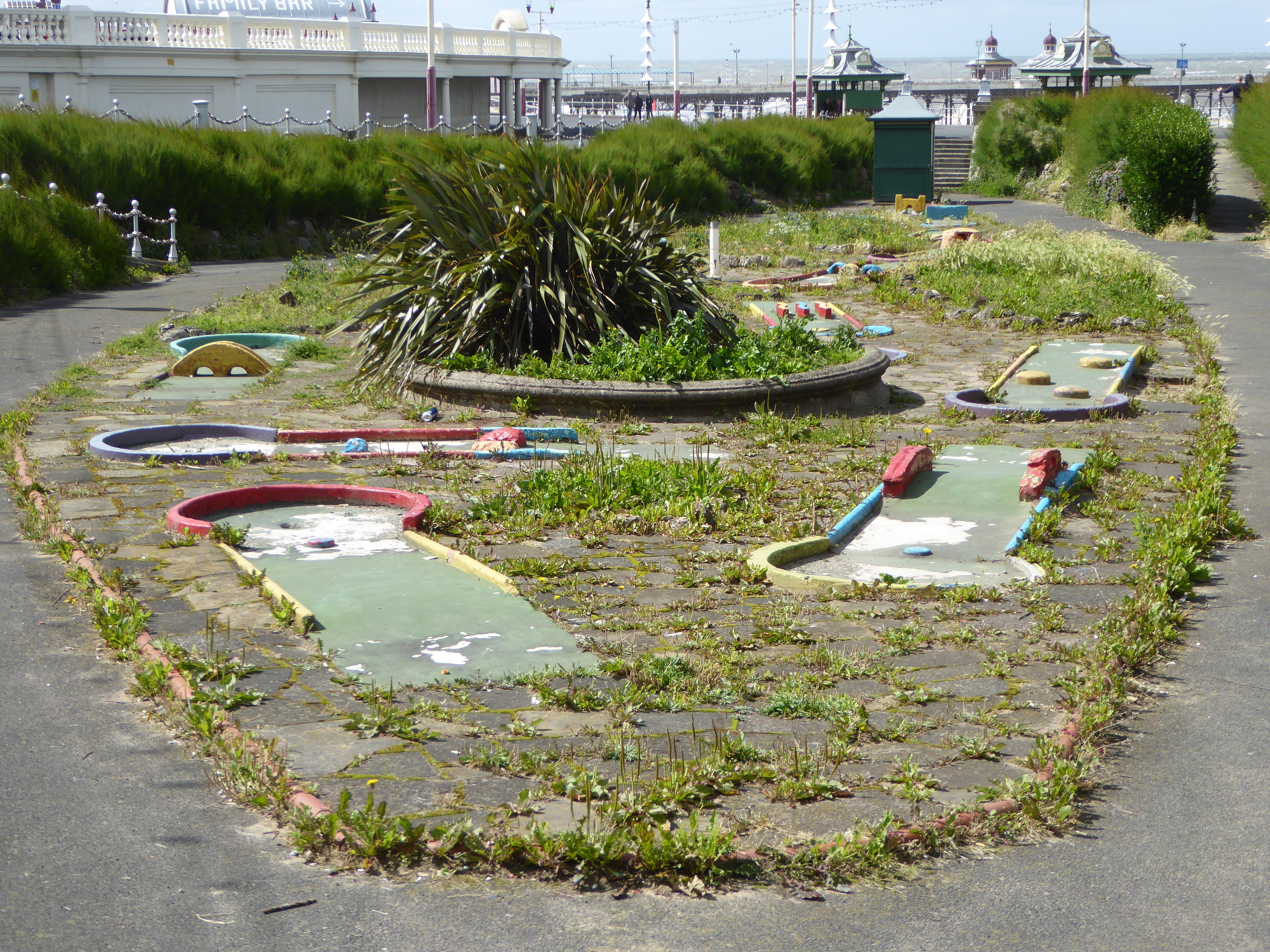
The focus and locus of fun is located on the prom and what better way to squander a moment or eighteen, than with a pleasurable round of crazy golf. Municipal Modernist frivolity rendered corporeal in corporation concrete, repainted annually ahead of the coming vacationers.
Domesticated Brutalism to soften the soul.
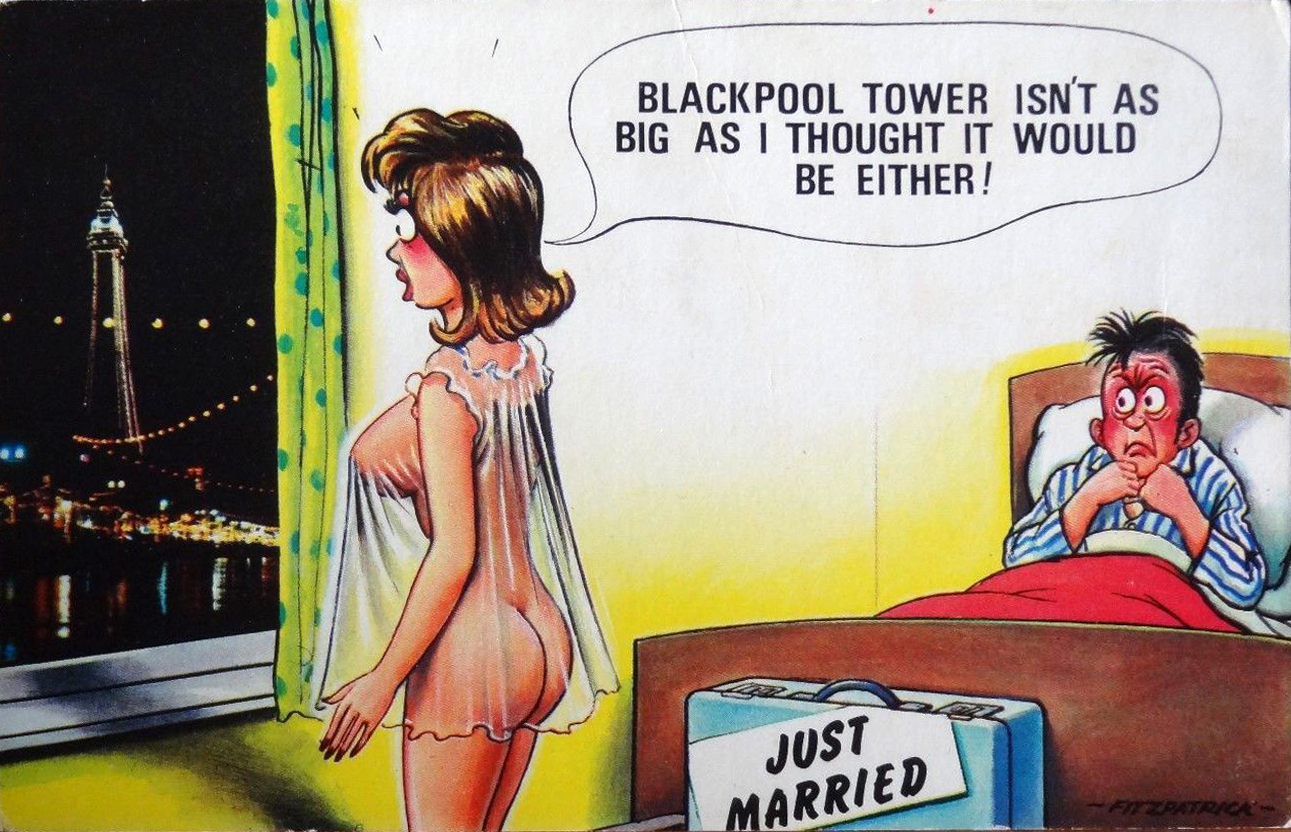
And there can be no better away to inform the awaiting world of your capricious coastal antics than a picture postcard, so playfully displayed on the corner shop carousel – 10p a pop.
Stopping to chuckle at the Bamforth’s mild mannered filth, yet finally purer of heart, opting for the purely pictorial.
Man and boy and beyond I have visited Blackpool – a day, week or fortnight here and there, the worker’s working week temporarily suspended with a week away.
Times have now changed and the new nexus is cash, all too incautiously squandered – Pleasure Beach and pub replacing the beach as the giddy stags and hens collide in an intoxicating miasma of flaming Sambuca, Carling, Carlsberg and cheap cocktails – for those too cash strapped for Ibiza.
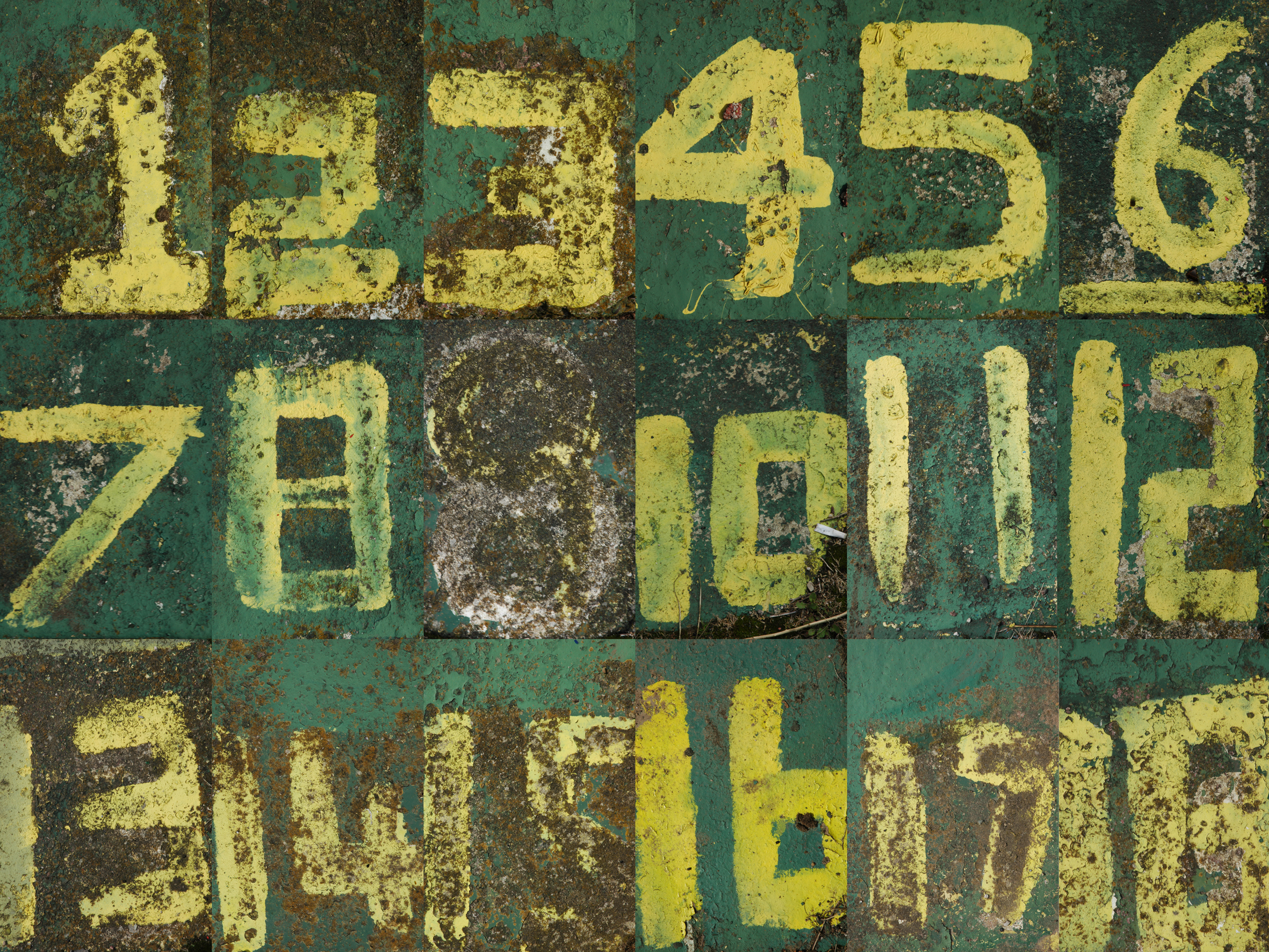
The numbers are up – 18 times nothing is nothing – each year as I revisit, the primarily primary colour paint wears a little thinner in the thin salt air and the whining westerly wind, of the all too adjacent Irish Sea.
Overgrown and underused awaiting the kids and grown ups that forever fail to show. On one visit the sunken course had become the home of the daytime hard drinkers, they suggested we refurbish and run the course as a going concern. I declined lacking the time, will and capital for such a crazy enterprise.
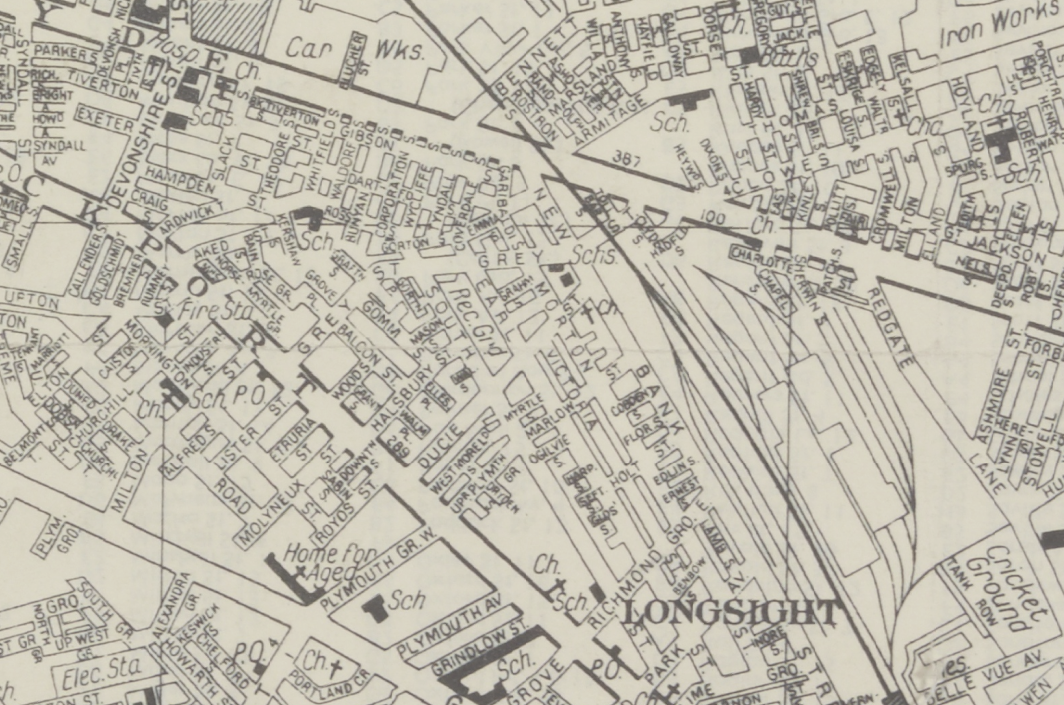
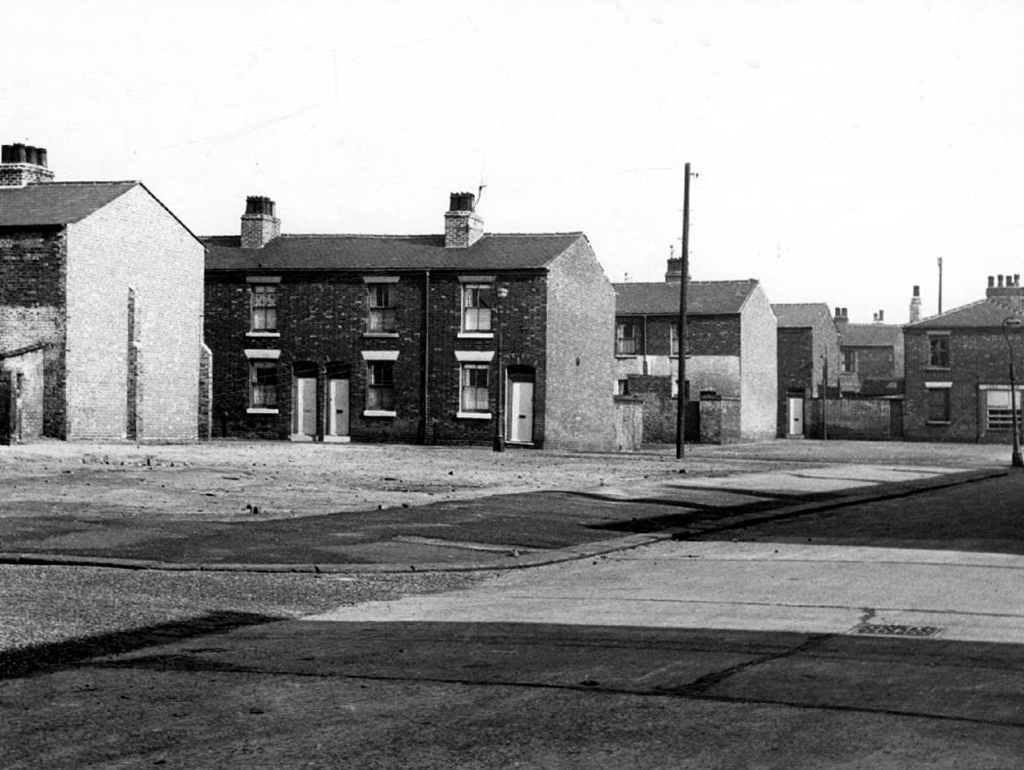
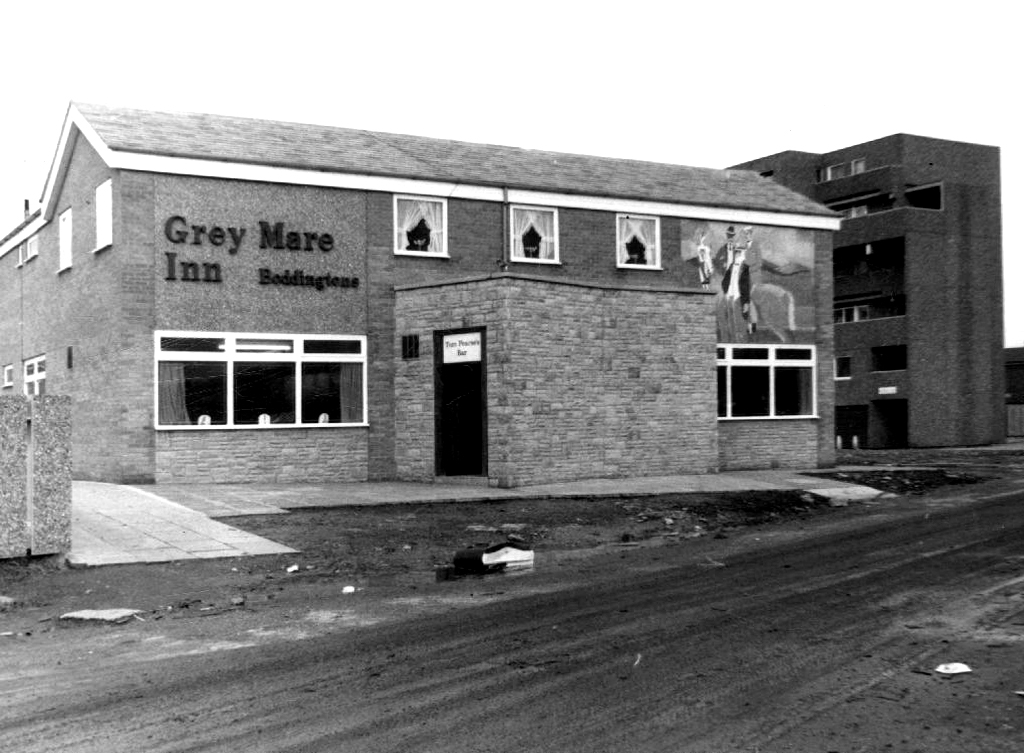
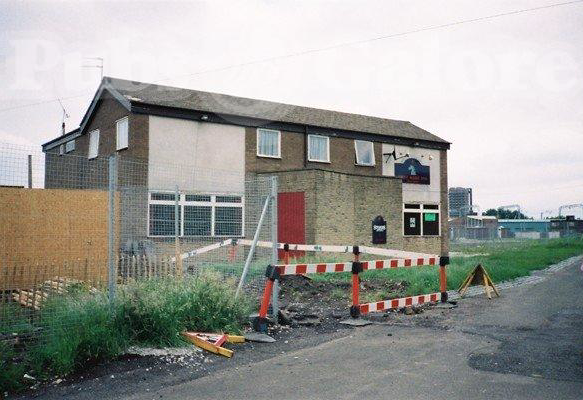
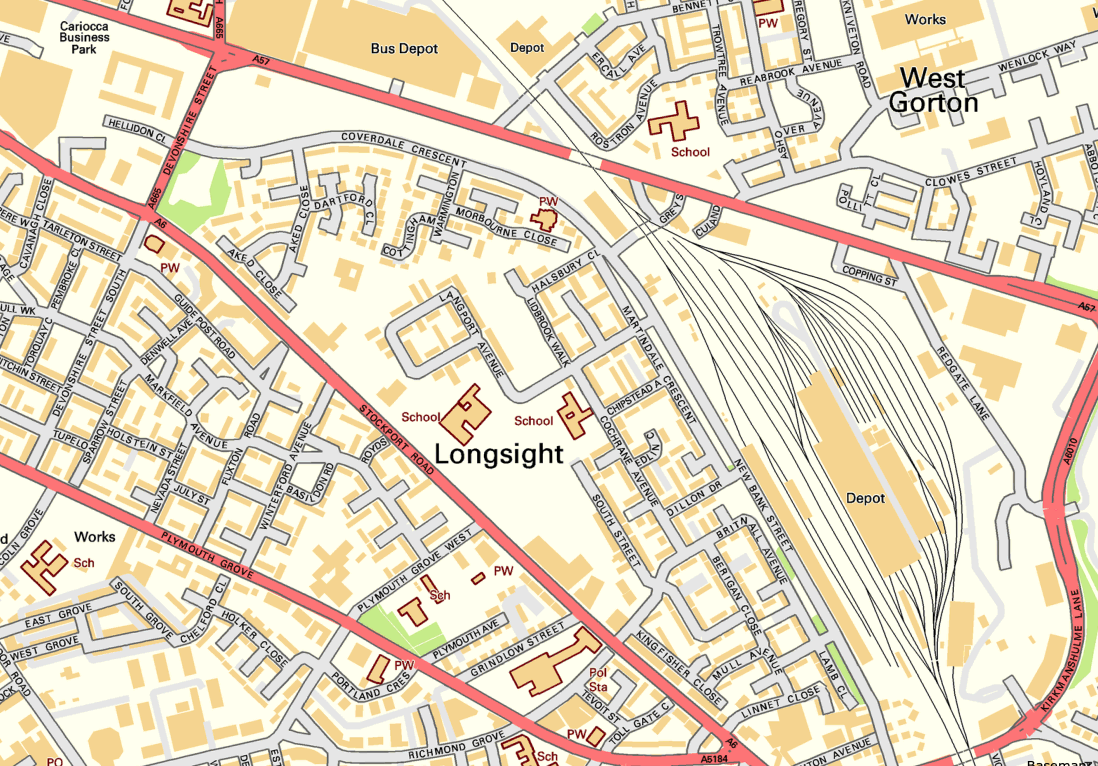
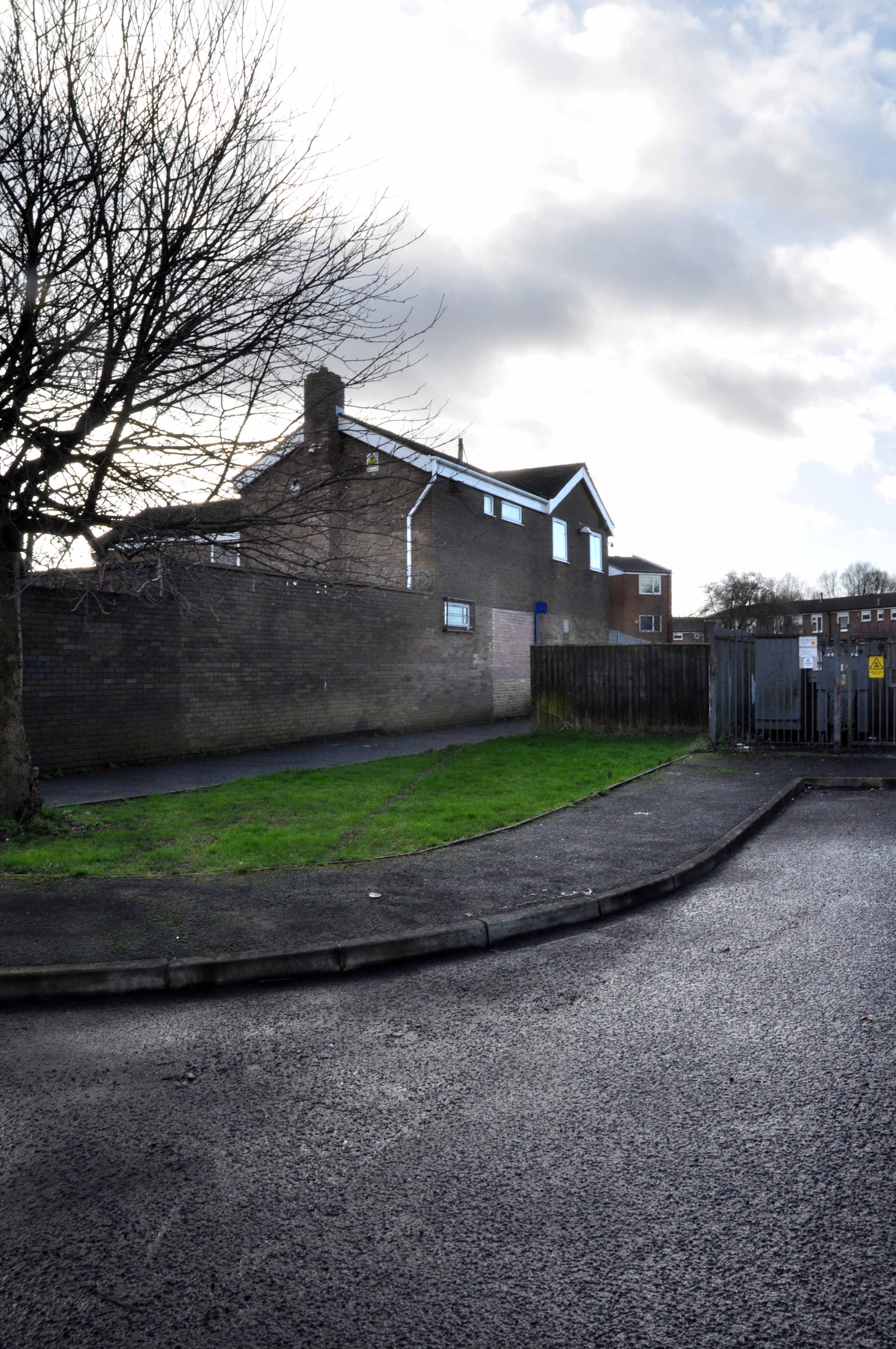
Exeter Close/Warmington Drive Manchester Longsight M12 4AT
Once there was this.
Once there was that.
Then there wasn’t.
That’s just the way of it.
A dense web of streets awash with back to backs, jobs for all – in conditions perceived to be unfit for purpose.
Of a total of 201,627 present dwellings in Manchester, some 54,700, or 27.1 per cent., are estimated to be unfit. A comparison of slum clearance action taken by six major local authorities, Manchester, Leeds, Birmingham, Liverpool, Sheffield and Bristol, shows that for the five years ending 30th June, 1965, Manchester was top of the league, both in compulsory purchase orders confirmed and the number of houses demolished or closed.
Manchester’s figures -13,151 houses demolished or closed .
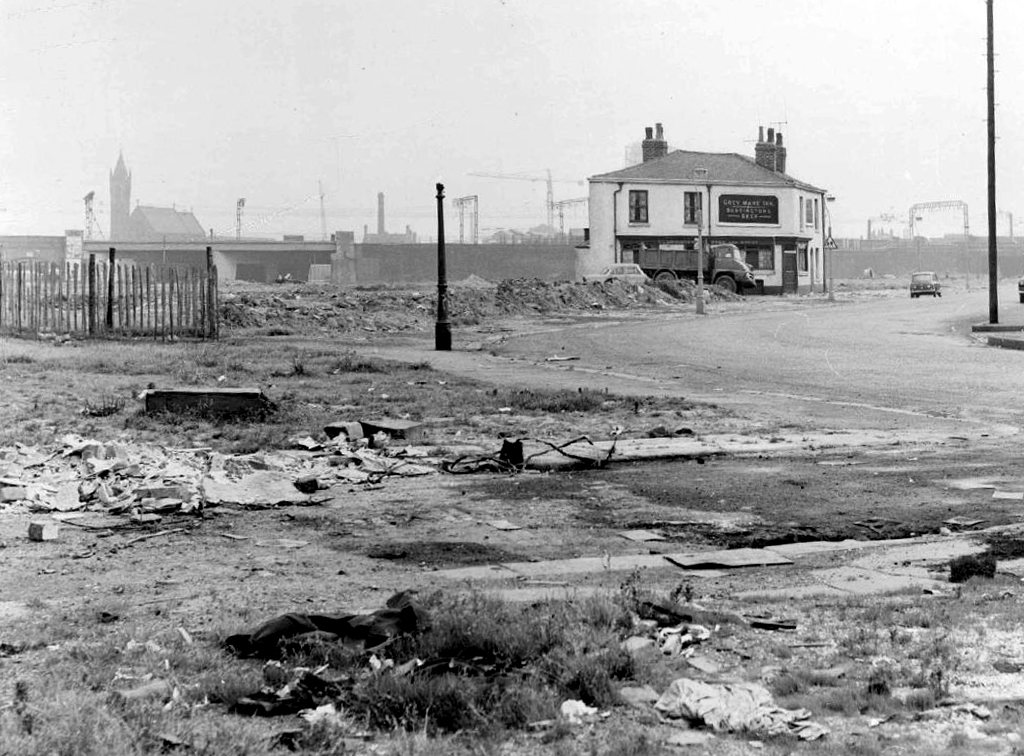
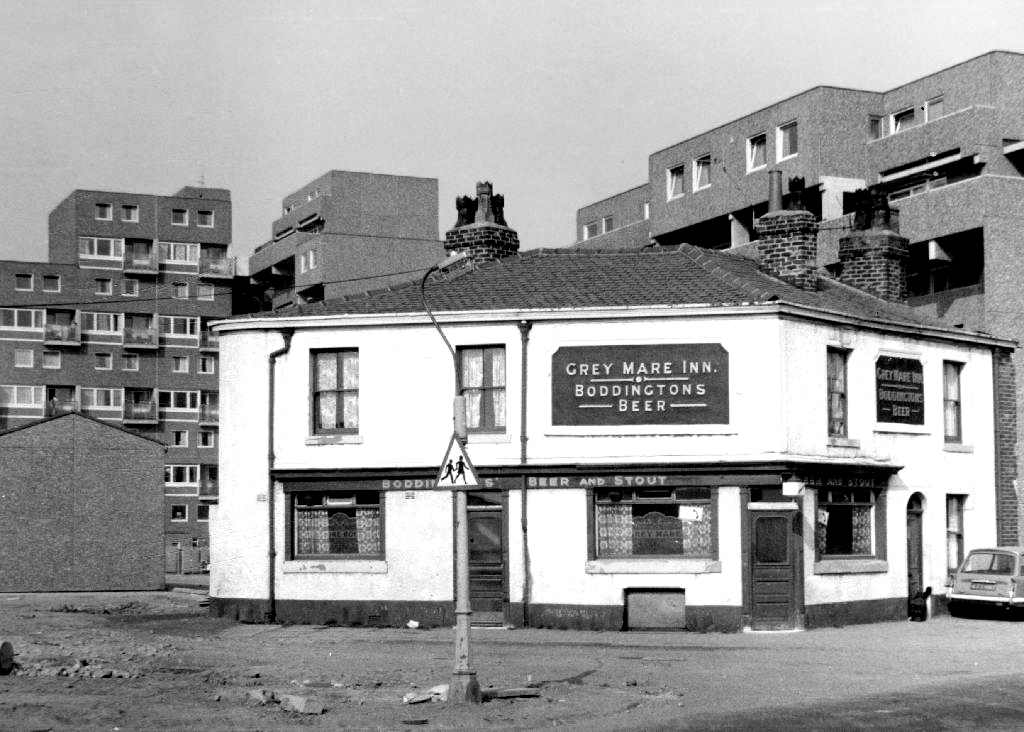
Whenever mass slum clearance was carried out, the pubs tended to remain, often for just a short time because – the story goes – demolition workers refused to touch them, as they wanted somewhere to drink during and after their shift.
This vision of municipal modernity was short lived, the estate was demolished in the 1980s and the new Coverdale Estate was constructed on the site in 1994.
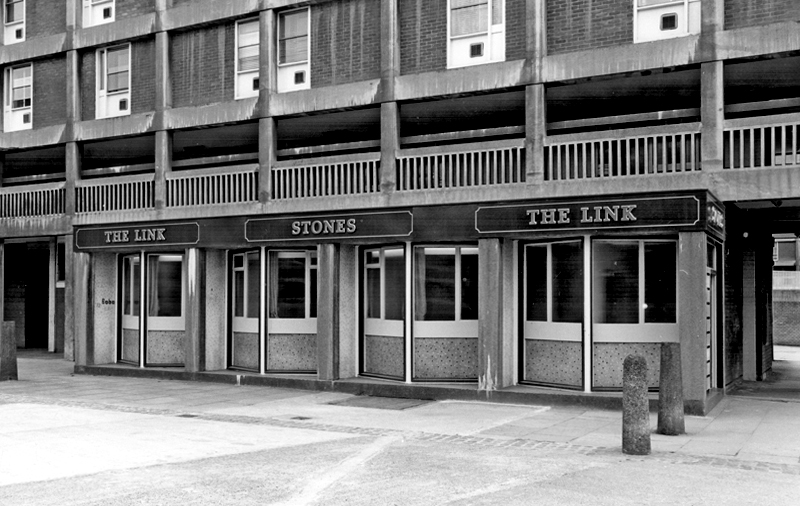
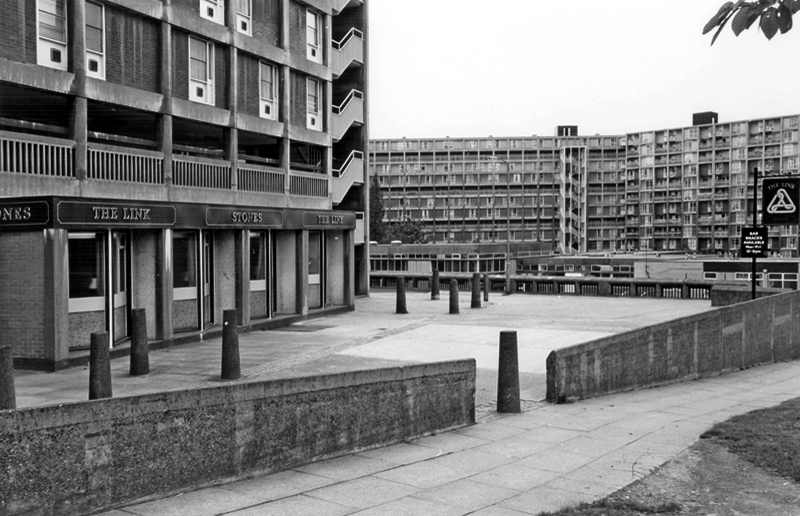
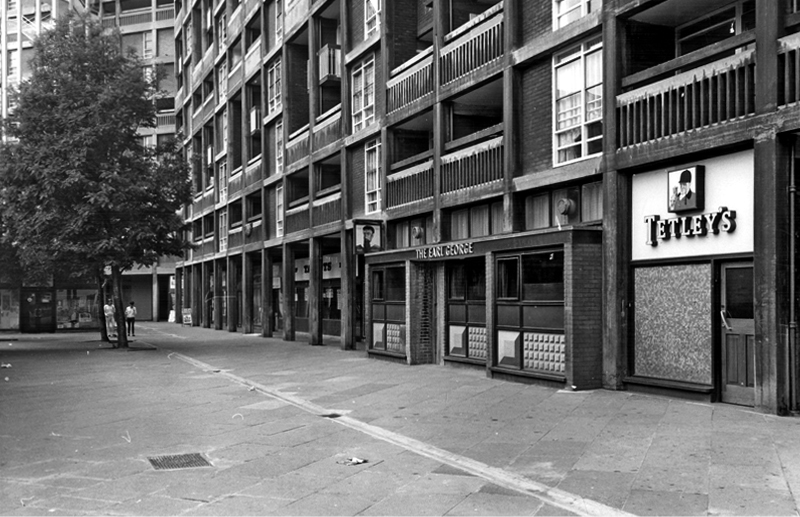
I’m a virtual visitor to the four pubs that served the population of Park Hill Estate.
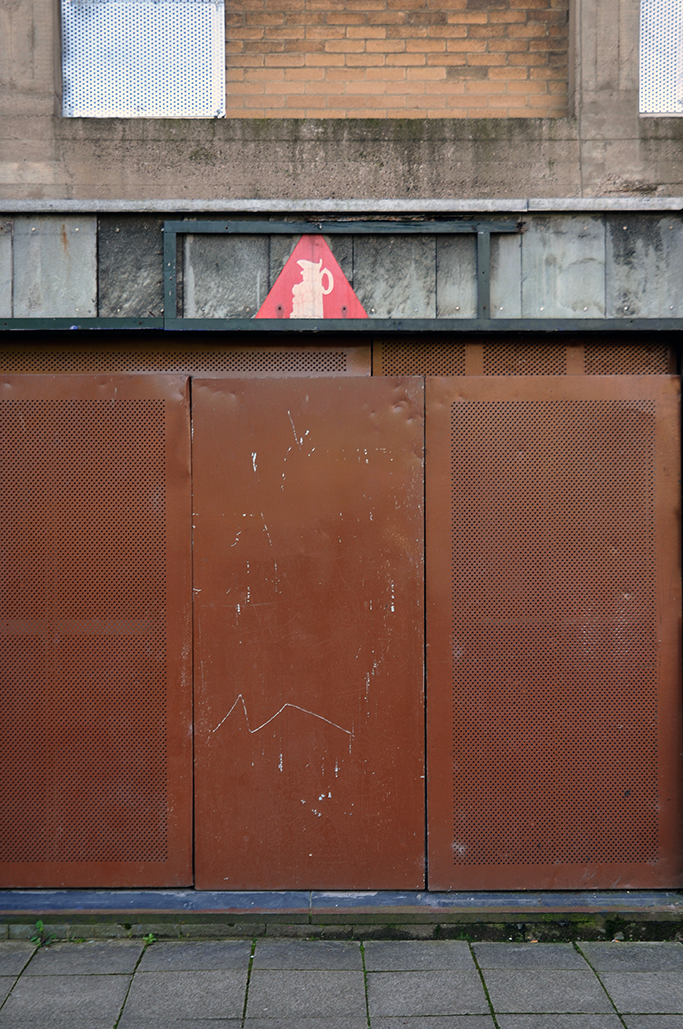
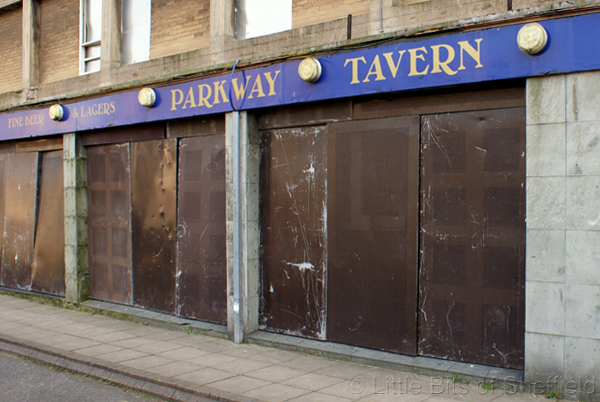
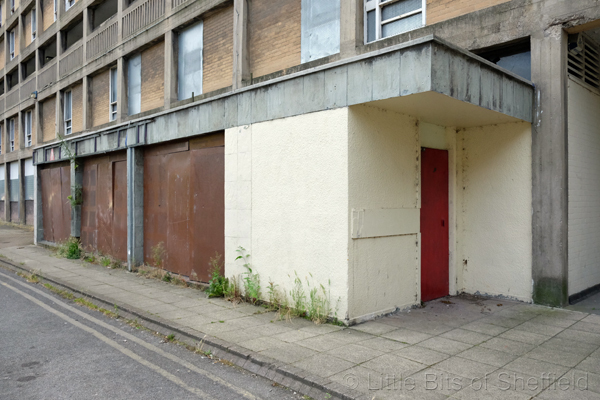
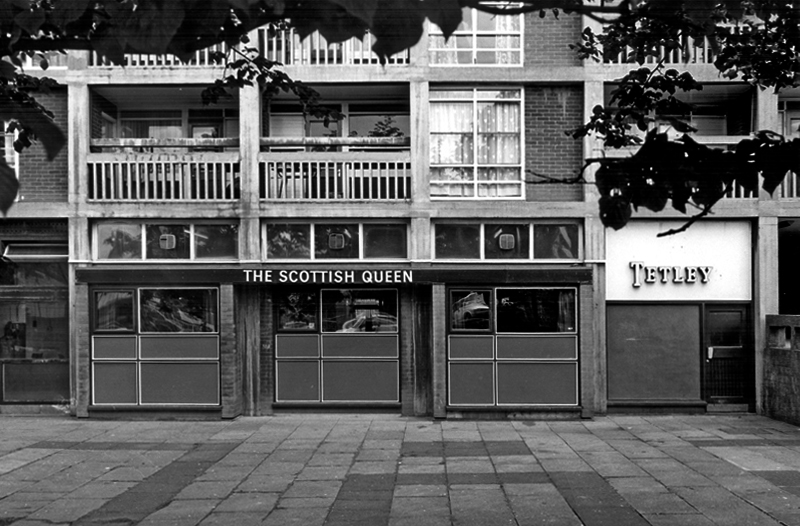
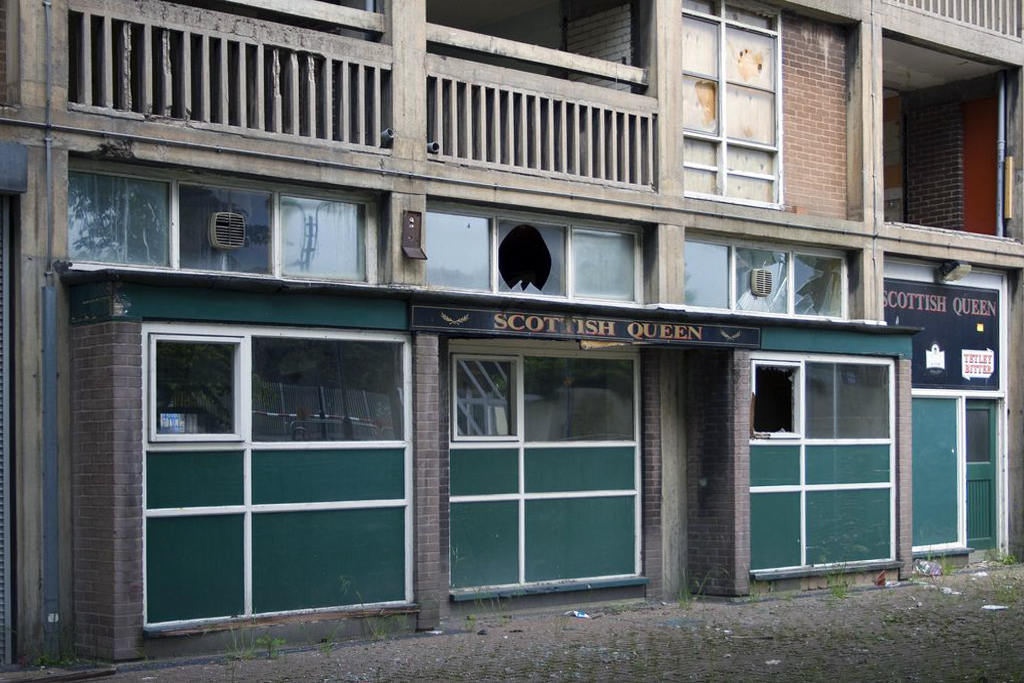
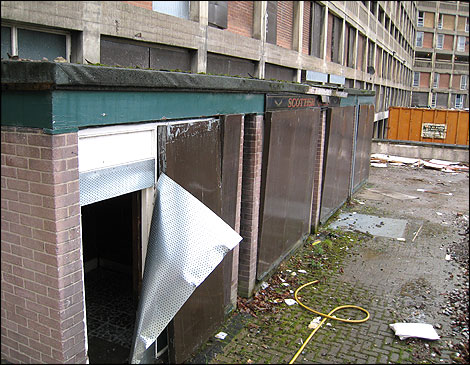
I arrived late on the scene from not too distant Manchester, sadly much too late to stop and have a pint in The Parkway, Scottish Queen, Link or Earl George.
Built in the 1960s when municipal architecture spoke of optimism and innovation, the story of the estate is an oft told tale of decline and renovation.
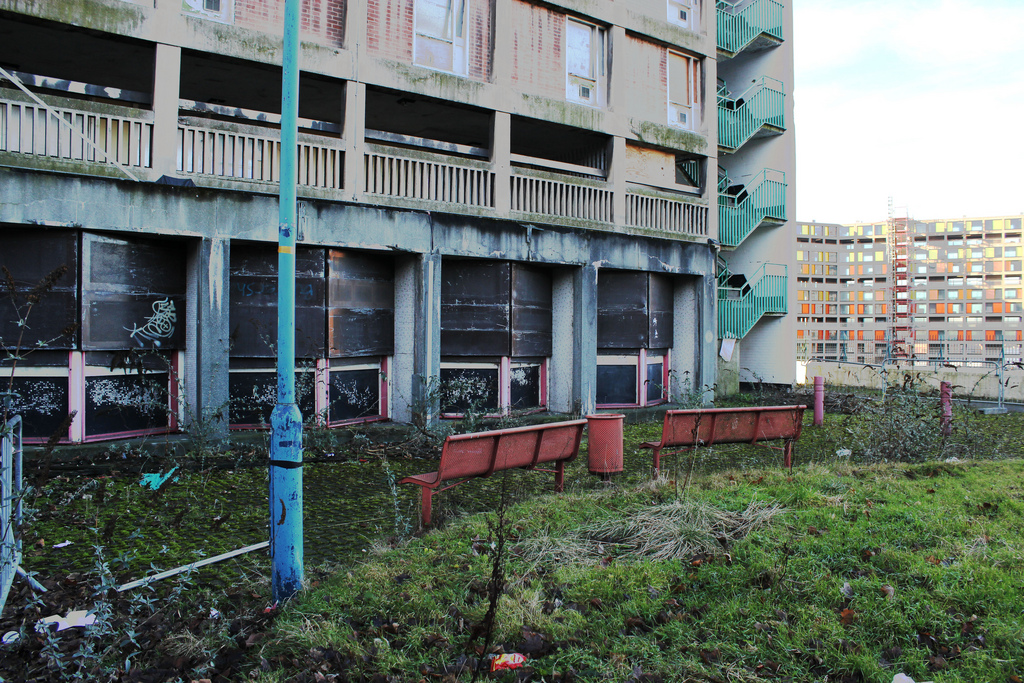
Grade II* listed the building’s structure has prevailed, the original social structures, tenants and consequently their pubs have not.
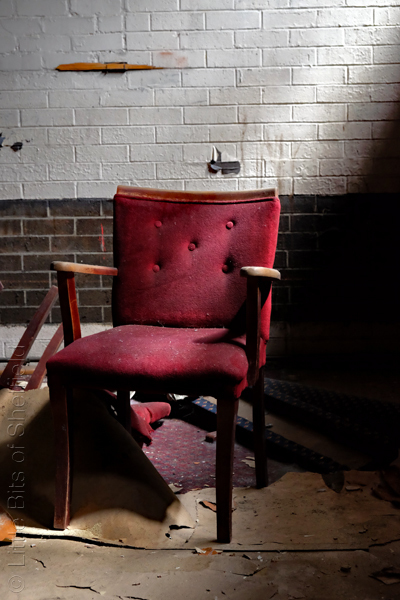
Piecing together photographs and the distant reminiscences of those that lived, breathed and drank in their pubs beneath the streets in the sky.
The Link on Park Hill had some colourful characters.
If you want any info on the Link next time you are in town see the man selling fishing tackle outside Castle Market ,he is called Chris Hardy his dad ran the link in the 60’s they used to have the Sun Inn on South St before Park Hill was built, tell Chris that Alan Betty’s cousin told you about him.
I once did a job outside the Scottish Queen and had a lump of concrete thrown at me! it landed about 2m away, that made me jump!
Joe Fox used to be the landlord in the George in the 70s, didn’t stand for any messing about.
Earl Francis! Of course! That was driving me mad; I was just going to ring my mum and ask her if she could remember what it was called. I think it closed in the early 90s, at the same time as the renovations of Hyde Park Walk and Terrace – 1990/1991, if I remember correctly.
The Earl Francis was still open in 1994 – the last time I went in there, but was dying on its feet.
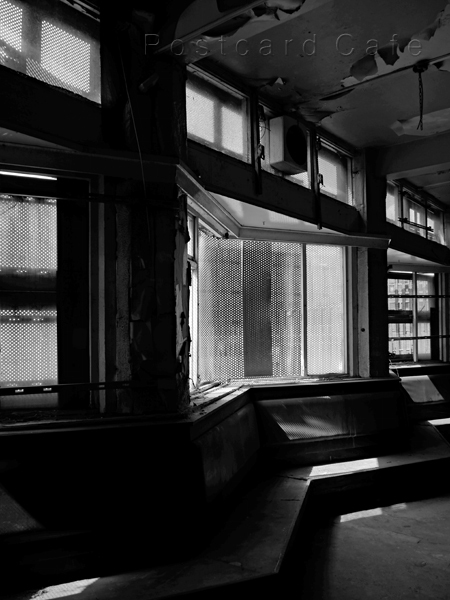
Park Hill is empty, and due to be refurbished.
It’s amazing to think that each complex had all these pubs and people actually went in them!Drove past Park Hill a few months ago at night and it didn’t look like a soul lived in them.
Not surprised the Tavern has closed down. Don’t know whether people are happy or sad about it…They looked like an absolute dive, but I’ve always wanted to go and have a look around them to see what they’re like close up!
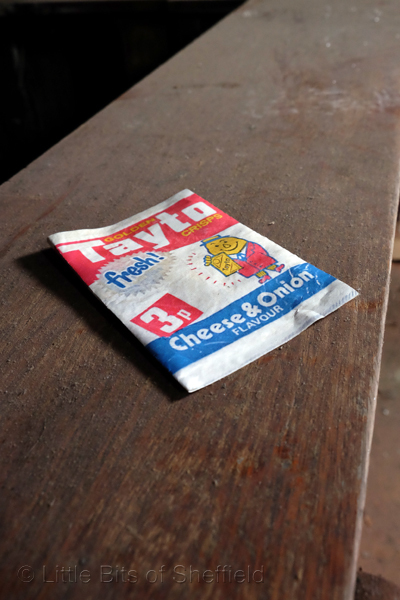
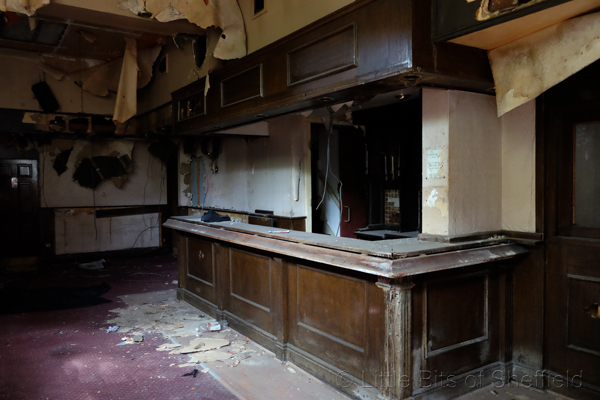
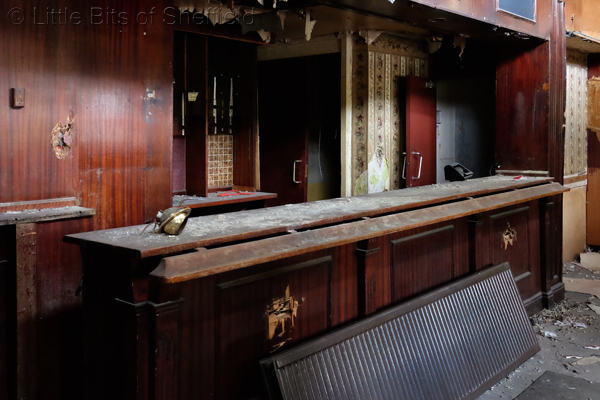
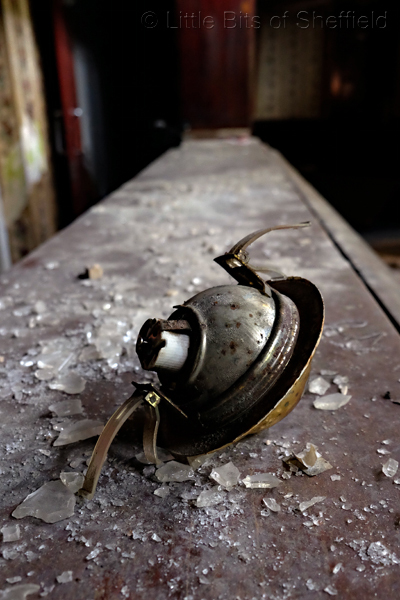
The flats and in particular the Parkway Tavern were used in the 2014 film ’71 – which was set in Northern Ireland. So this photograph showing the bar with a packet of crisps is actually slightly misleading because the crisp bag was only a printed film prop and what looks like broken glass on the bar is fake! – Mr C
A new pub could open on the site of what was once voted Britain’s second most dangerous watering hole. The Scottish Queen at Park Hill was notorious for violence, with only the most hardy drinkers brave enough to cross its threshold.
April 2015 saw the launch of a new exhibition space in Sheffield, housed within the former Scottish Queen pub at the Brutalist icon that is the Park Hill estate. The Scottish Queen hosted a temporary programme of exhibitions, events and residencies in partnership with a range of artists and organisations from across Sheffield supported by S1 Artspace.
Possibly the second toughest art space in Britain.
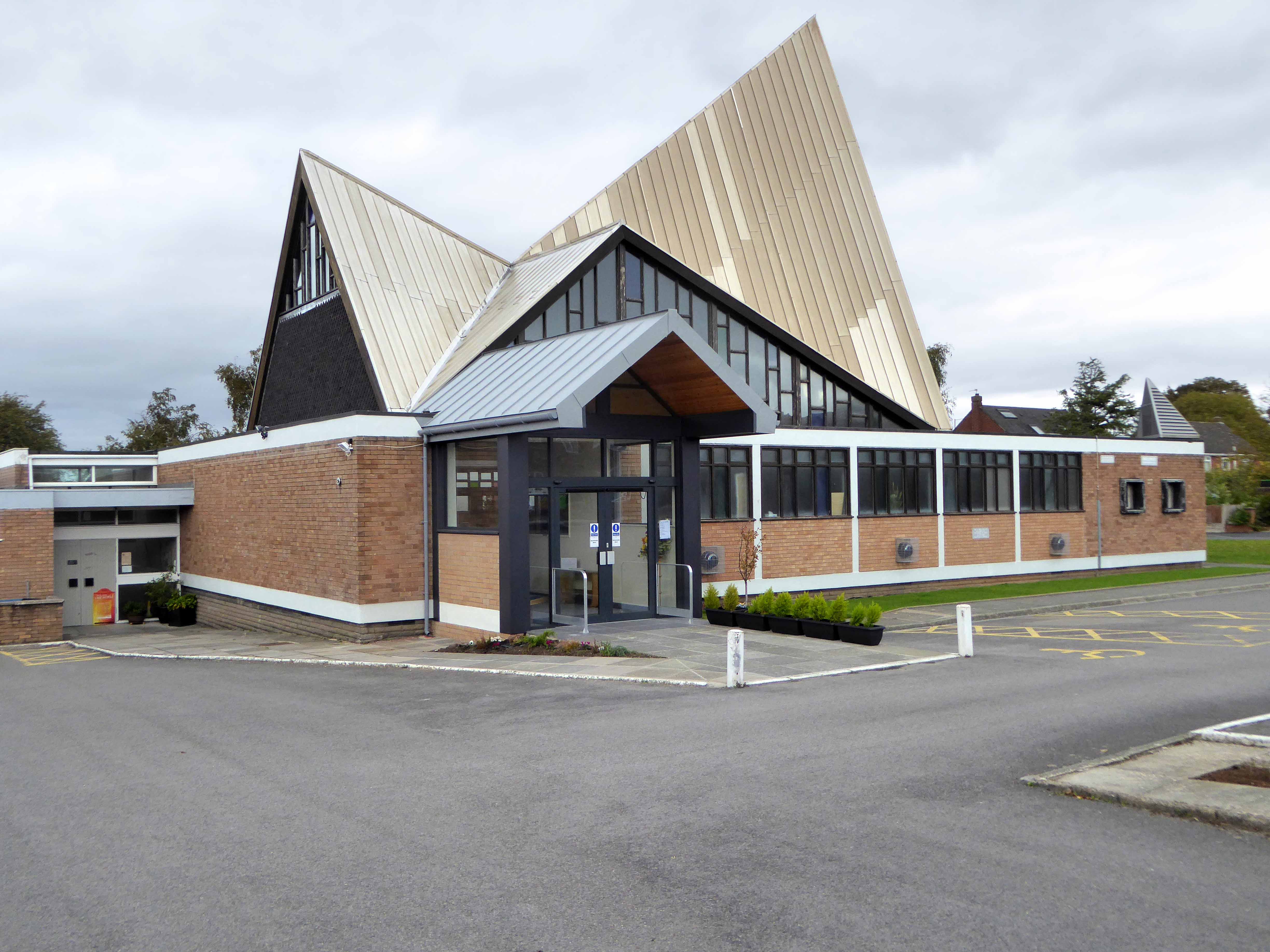
1 Woodland Rd, West Kirby, Birkenhead, Wirral CH48 6ER
The architect was called Stuart Macauley, a partner in a practice based in Bebington – my thanks to local lad John Feeley who was taught by Stuart at Sunday school.
St Michael and All Angels is a well established Church of England church situated in the heart of Newton, on the border of West Kirby, Wirral.
Our vision is to know Jesus better and make him known to others. We do this by worshipping God, standing up for and sharing the joy of Jesus, loving others and making a real difference in the church and in our community.
What can I expect when I visit St Michaels?
When you come to St Michaels you will find a warm and friendly group of people committed to making church exciting, life-changing, and enjoyable. There are services for the whole family that include contemporary worship (including a café church service), a time of biblical teaching, and an opportunity to make a decision to follow Jesus Christ. Each service is approximately 1 hour and 15 minutes in length.
We wandered away from West Kirby along the highways and bye-ways to Newton.
Newton consists of a village hall, post office, public house and a general store. The local park, aptly named Newton Park, has a football pitch, outdoor basketball courts and a playground for children. Wirral Council also has several allotments in Newton that are provided for residents to grow their own vegetables and plants.
And a most surprising elevated, elevating and angular church.
Such a revelation following several rows of well behaved semis and open fields, my extensive yet limited research can find no record of architectural authorship or attribution.
Perhaps simply delivered by hand or hands unseen in 1963.
My thanks to all those happy souls who braved the cold winds, sunshine and threat of snow on Sunday 28th October 2018 – Steve.
Sharing ideas, memories and animated conversation, as we circumnavigated the fenced perimeter of Europe’s largest listed structure. In search of a personal photographic response to the site.



















































 Modern Mooch