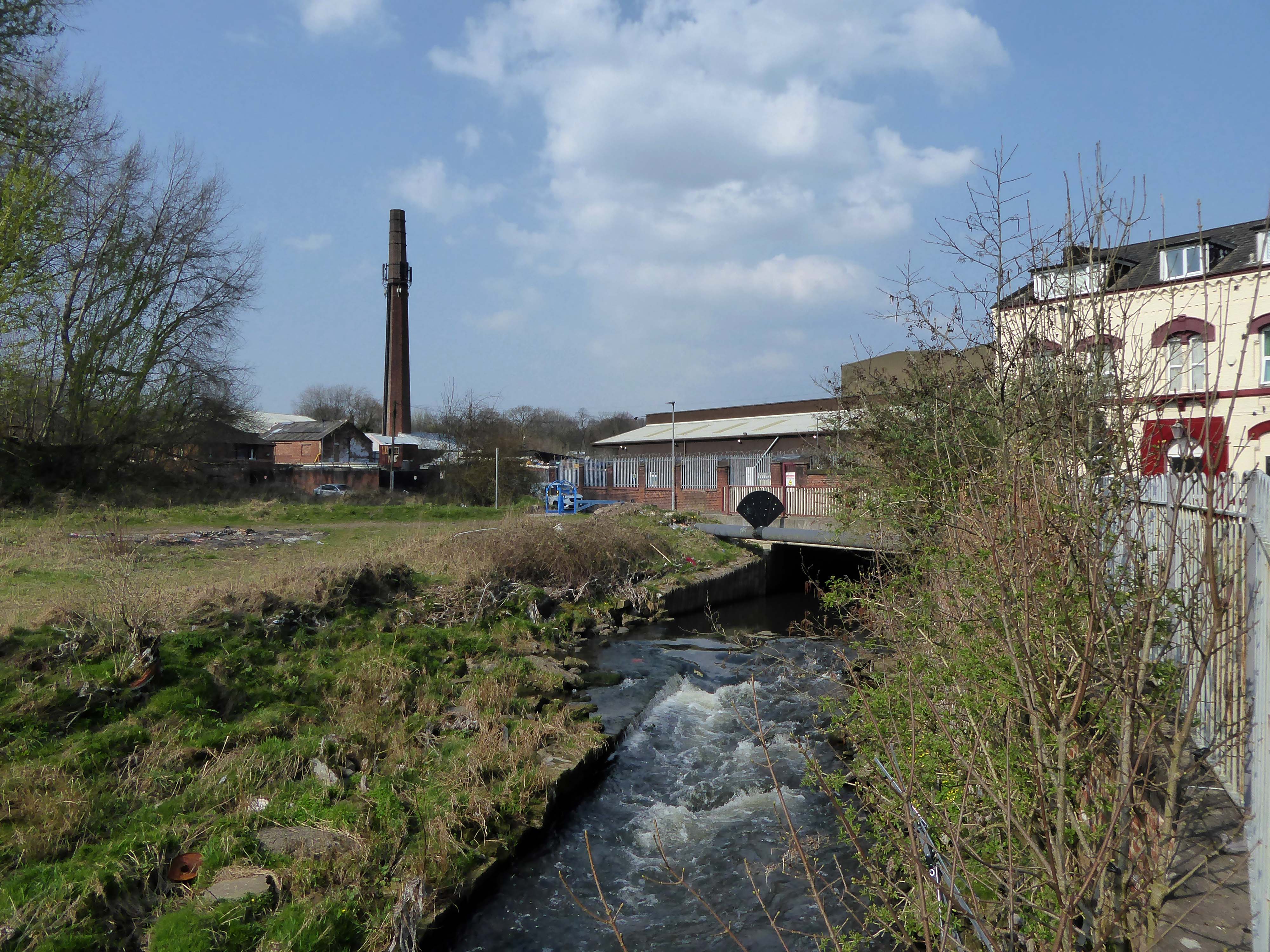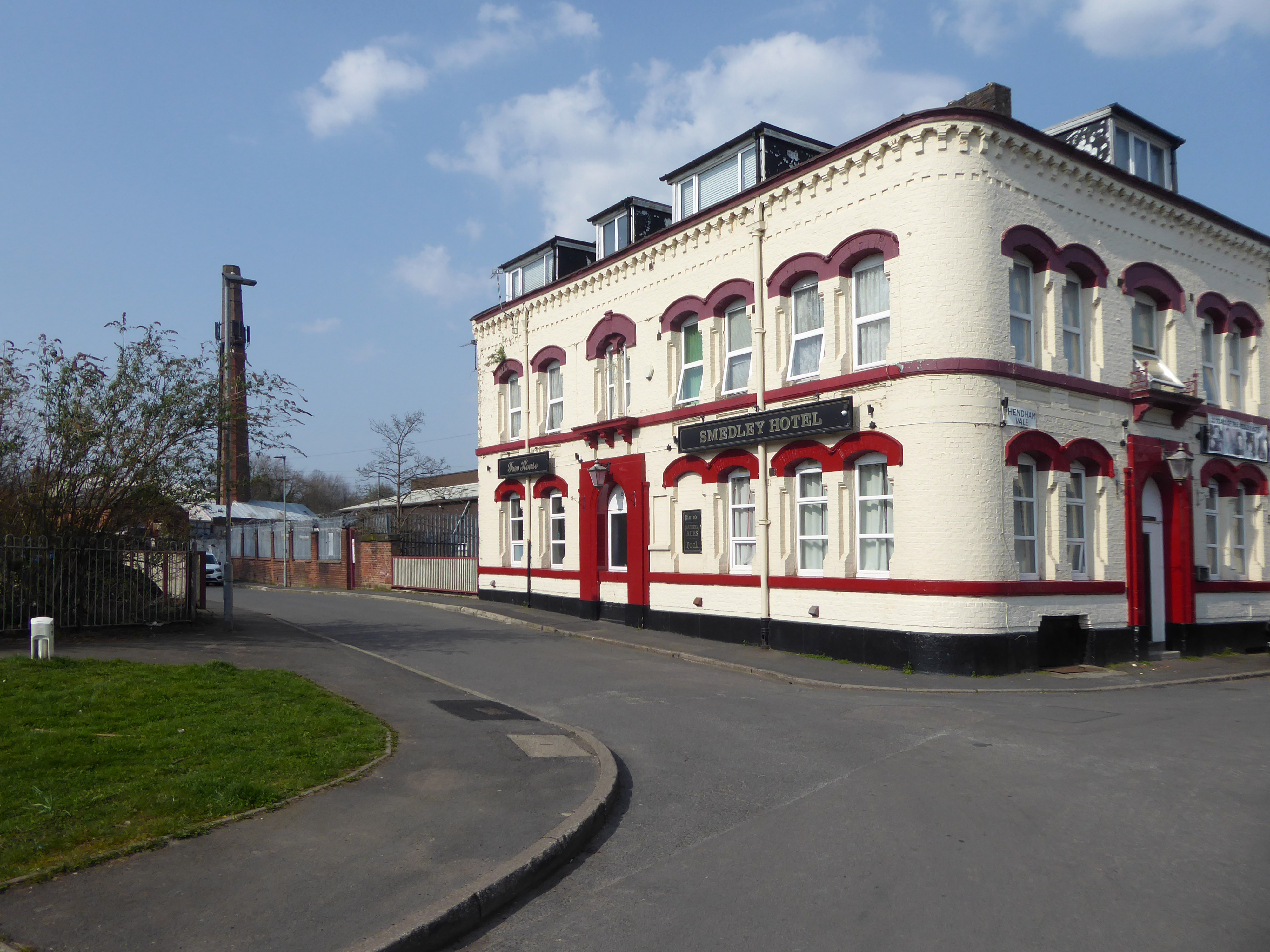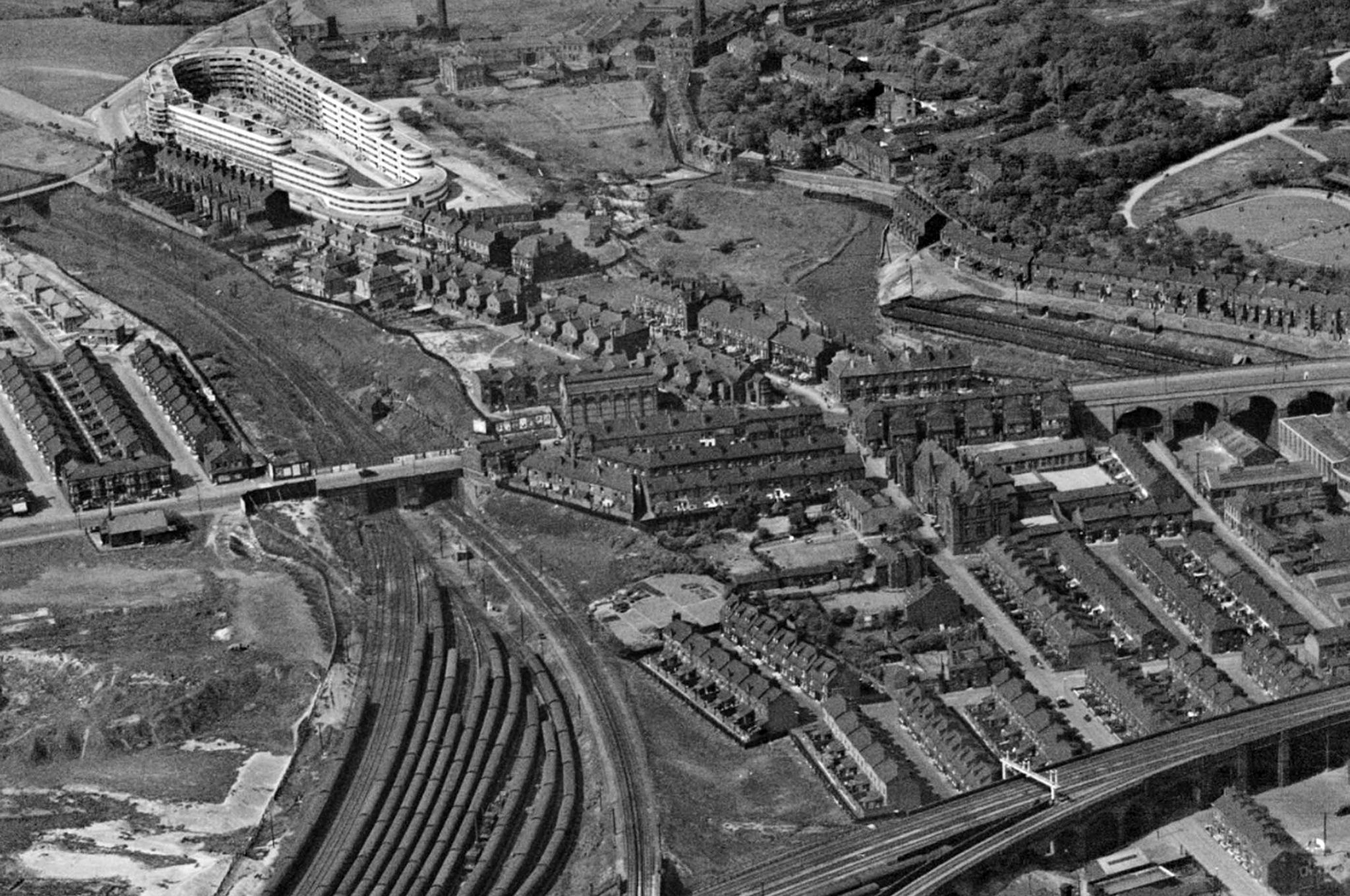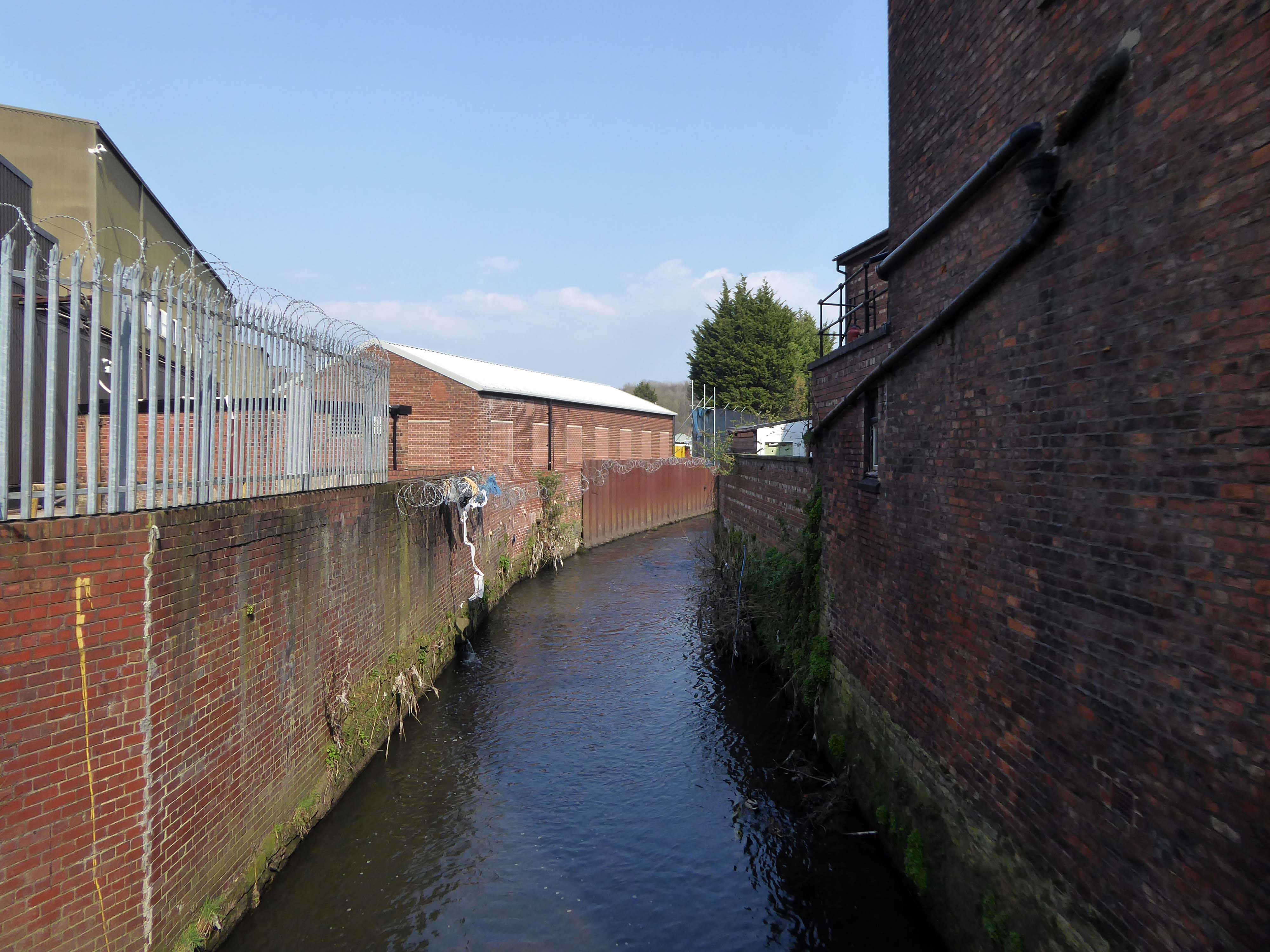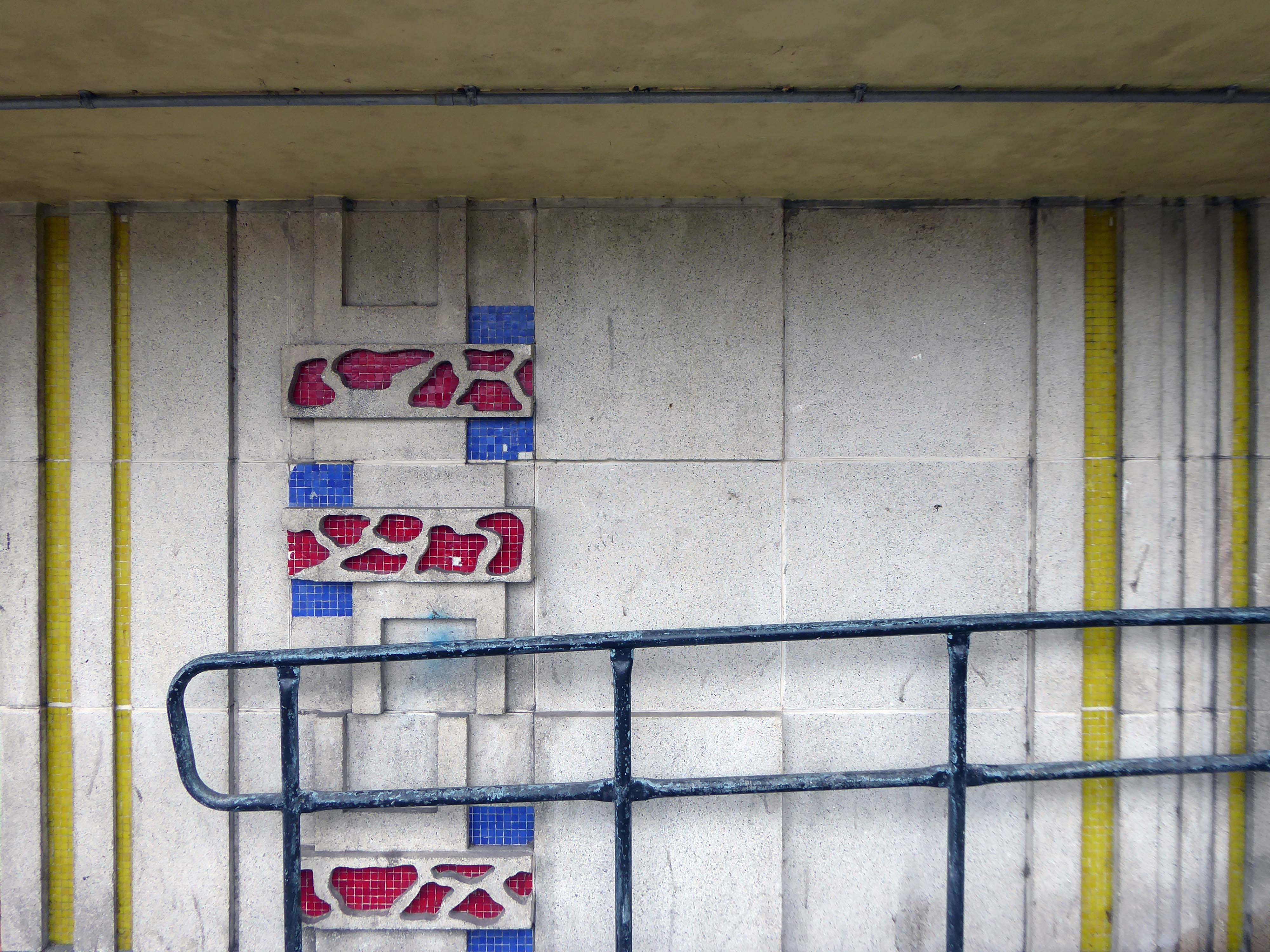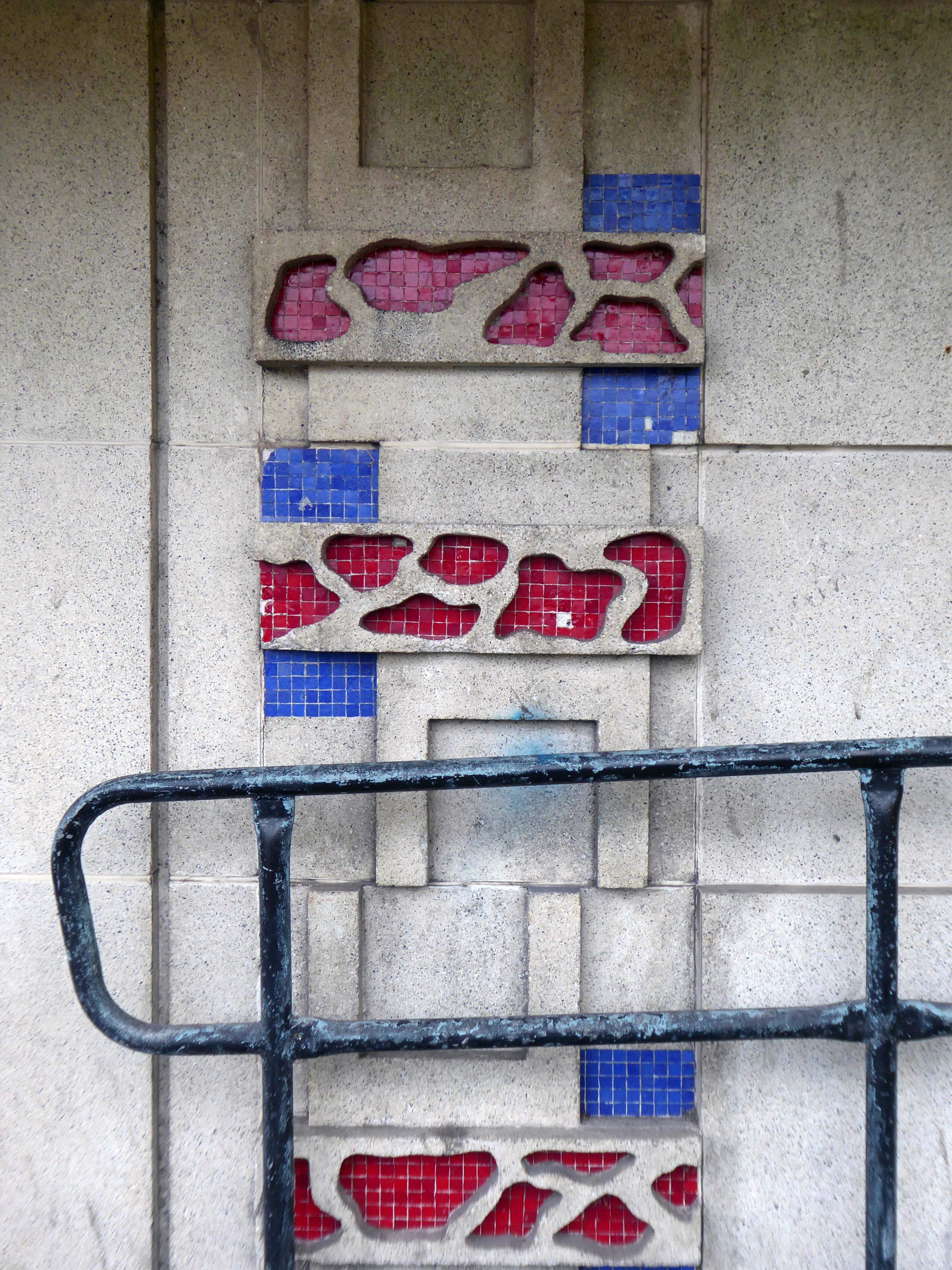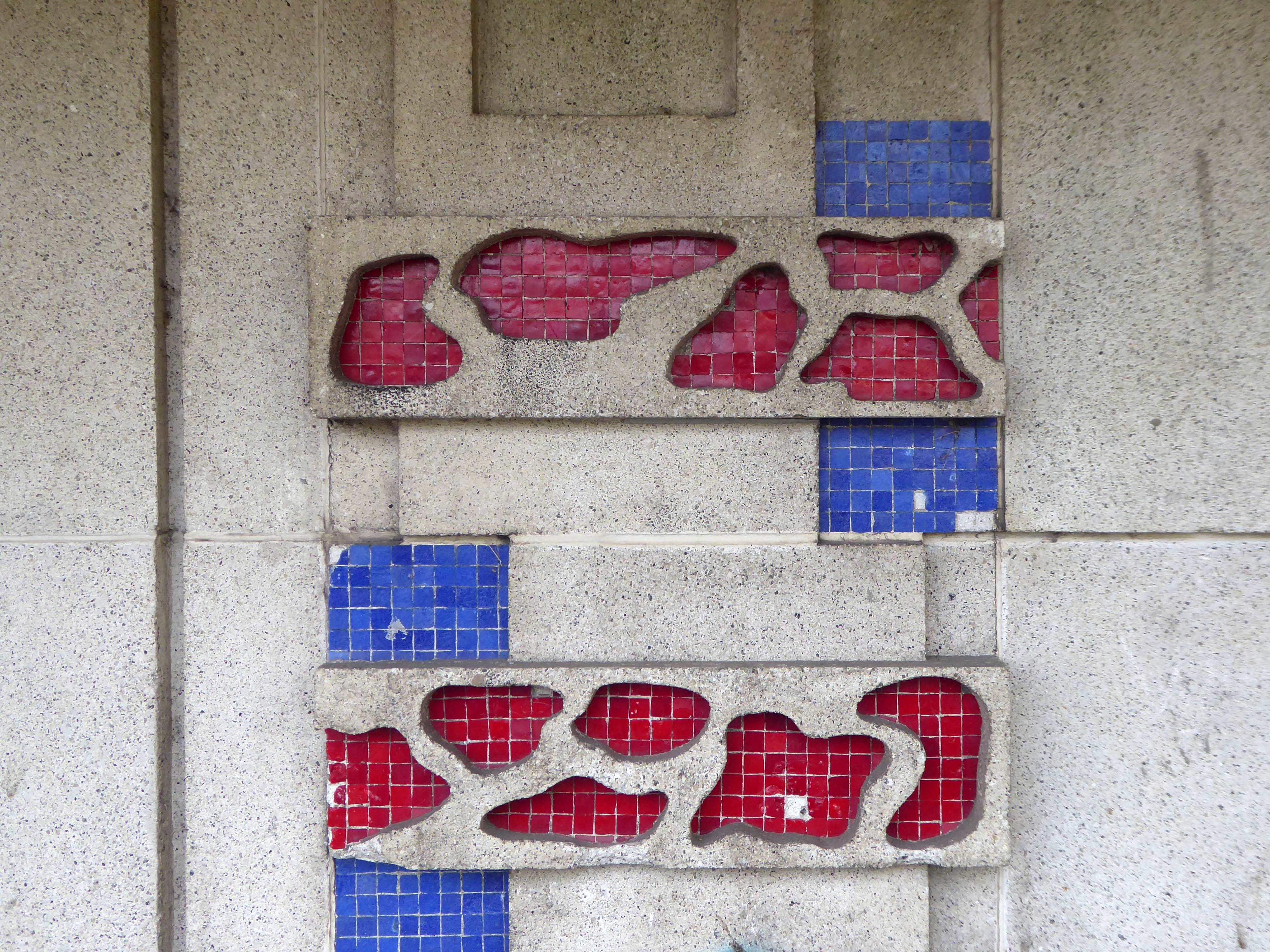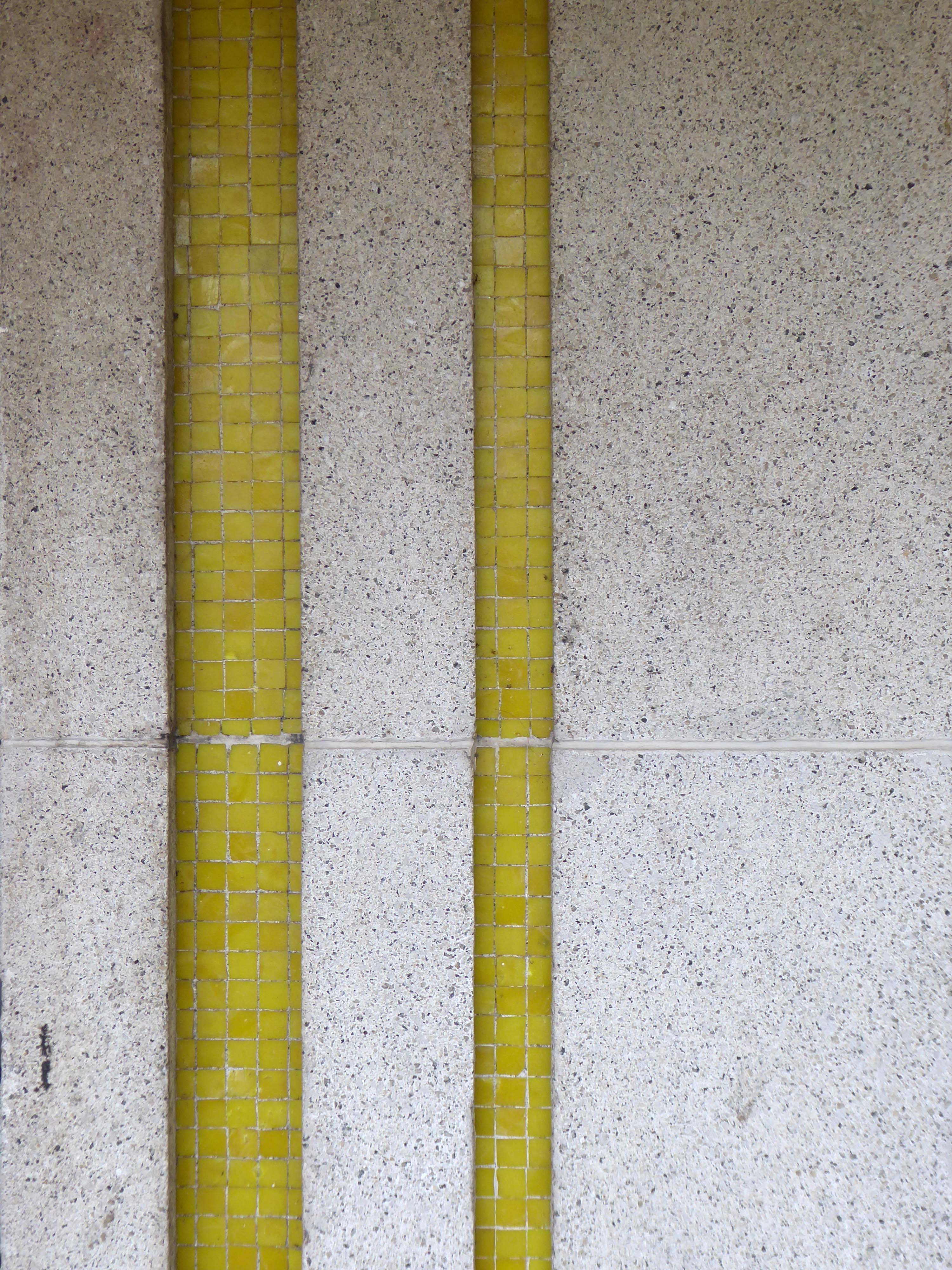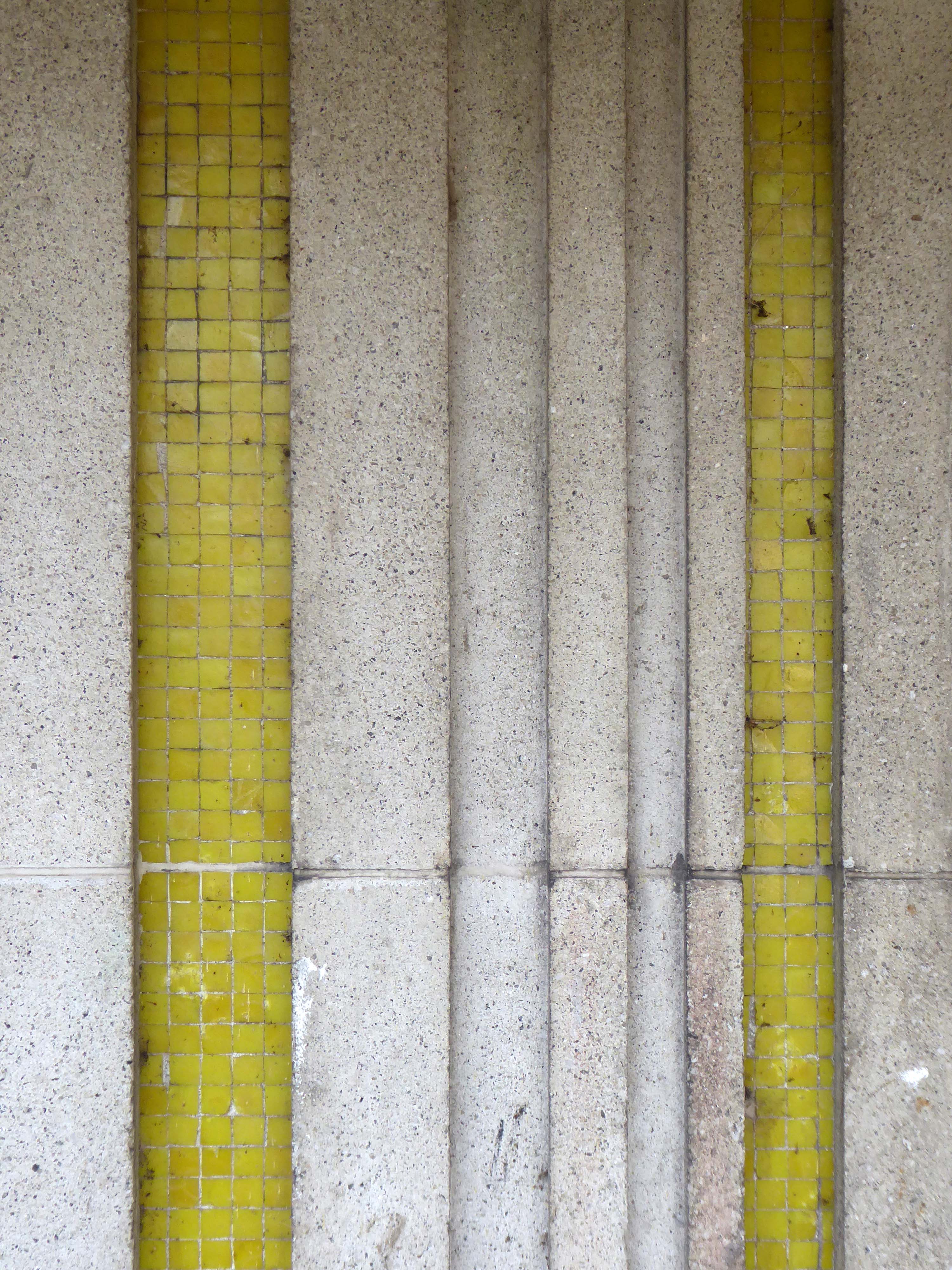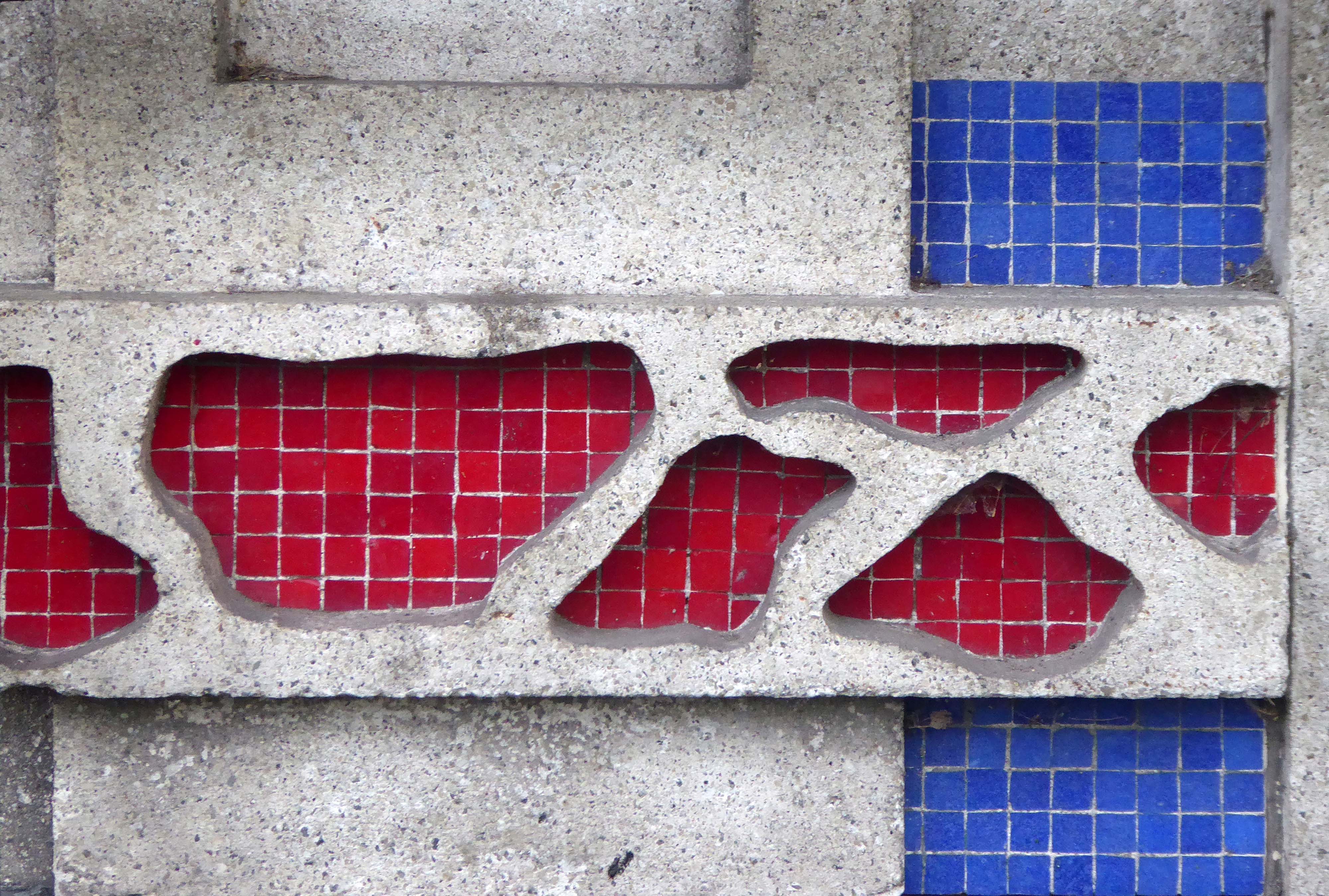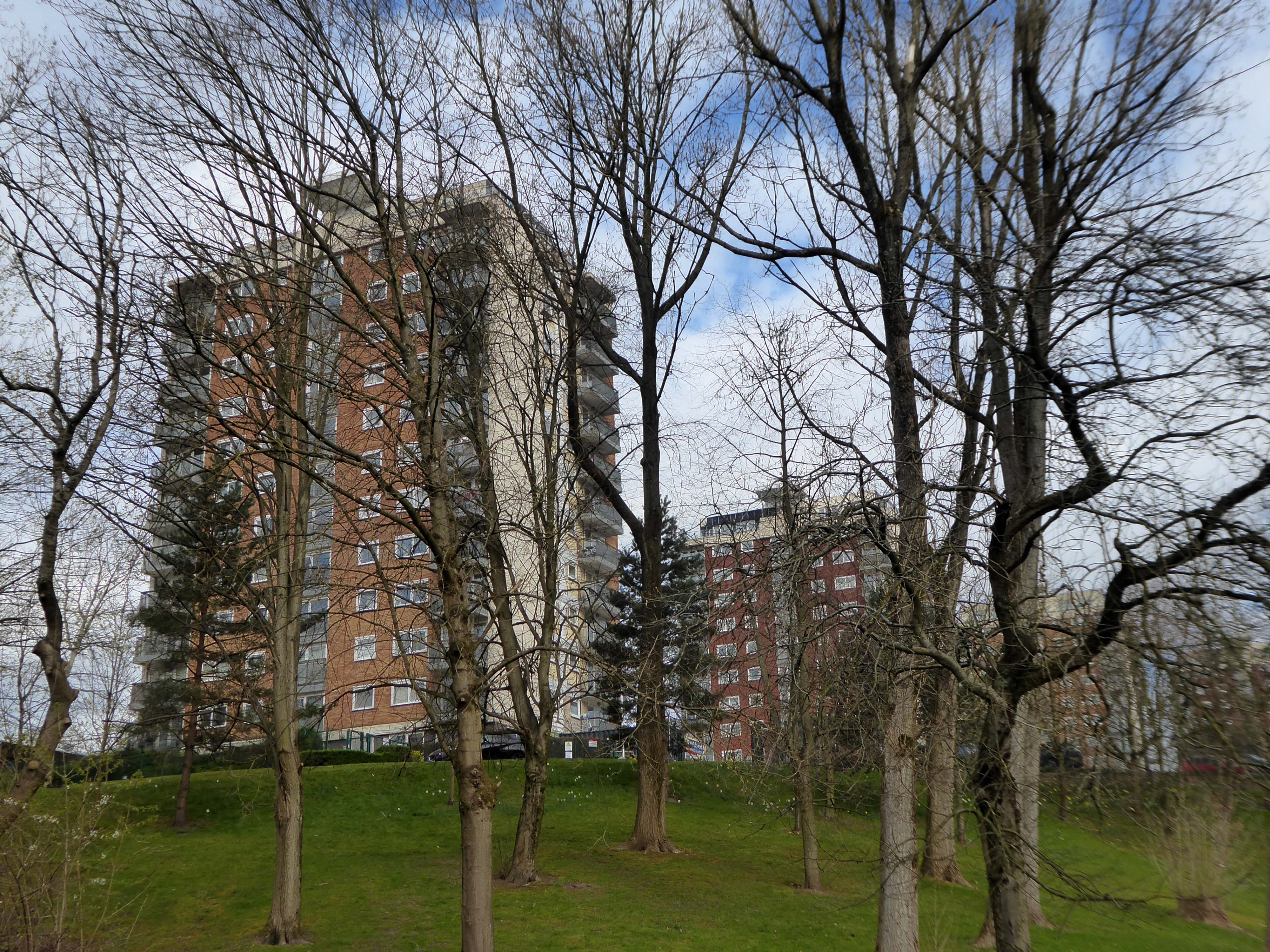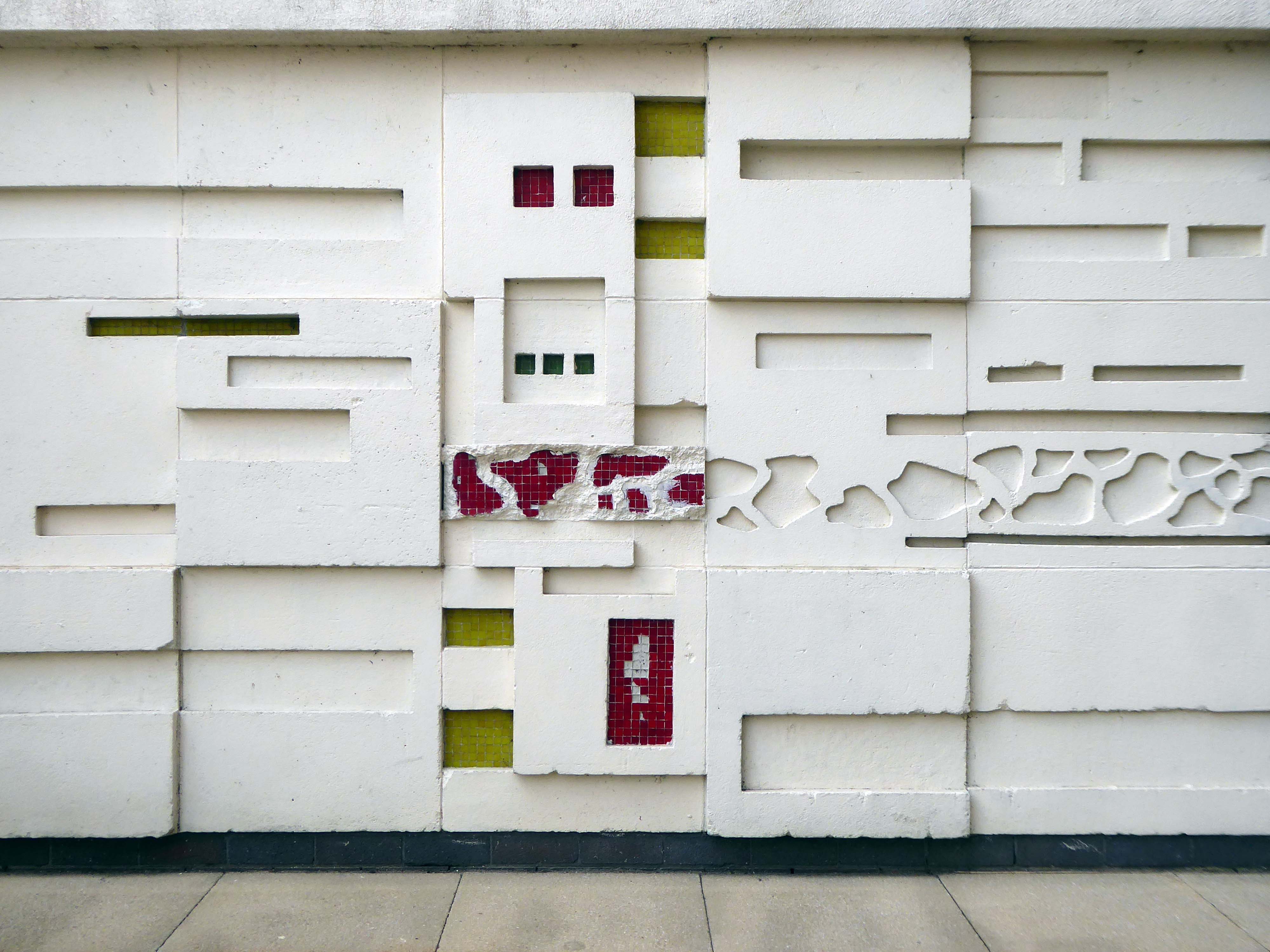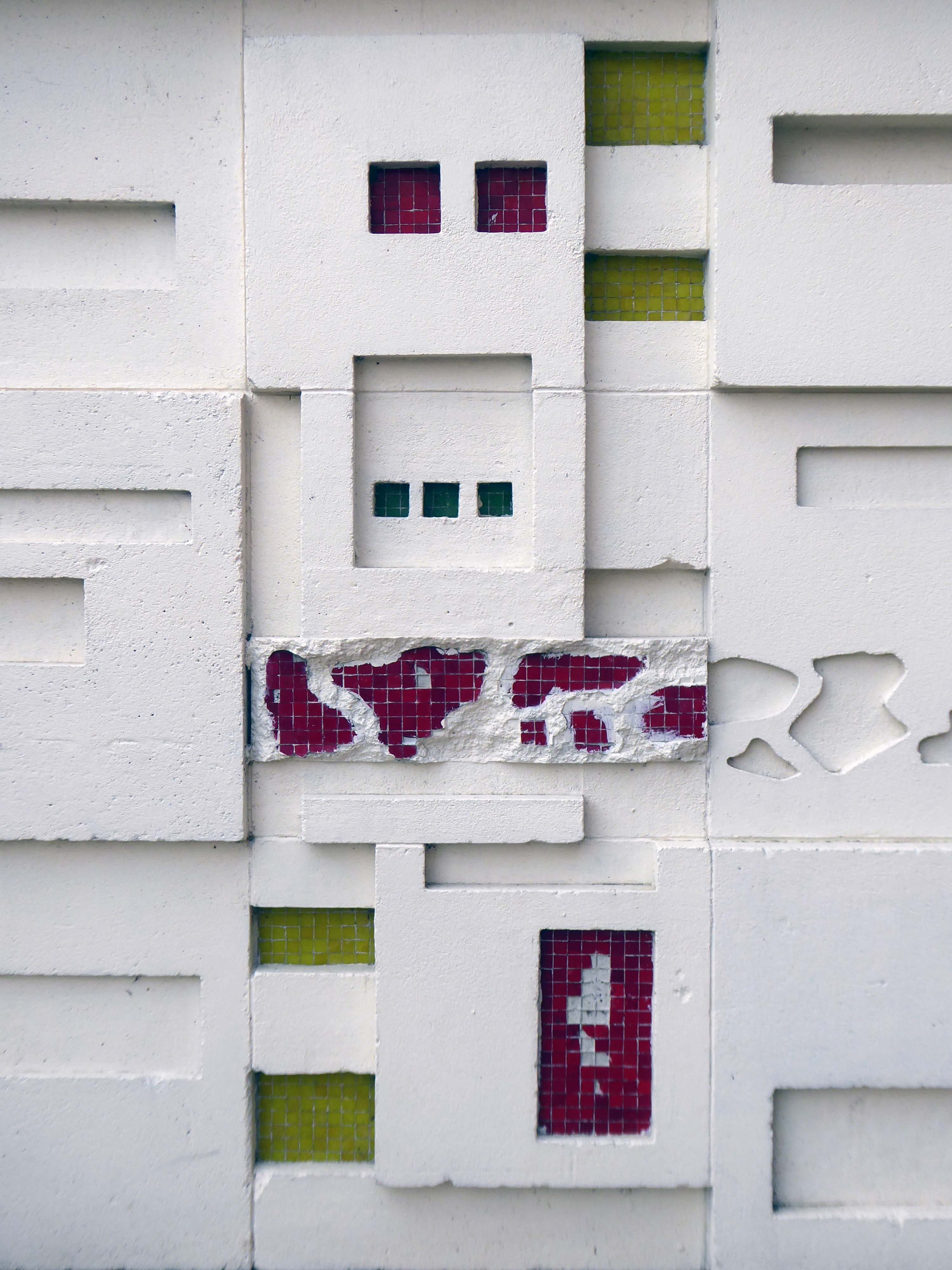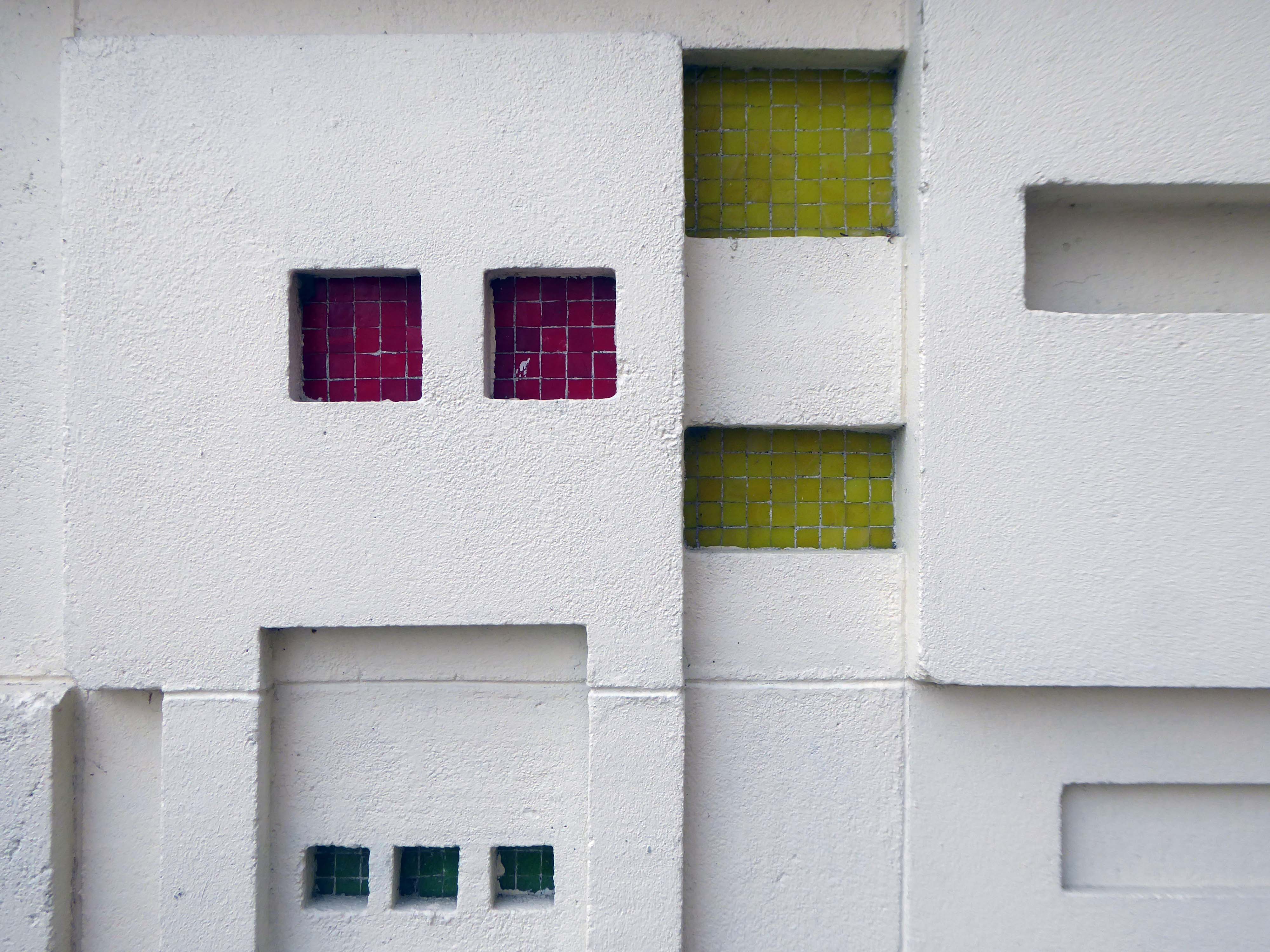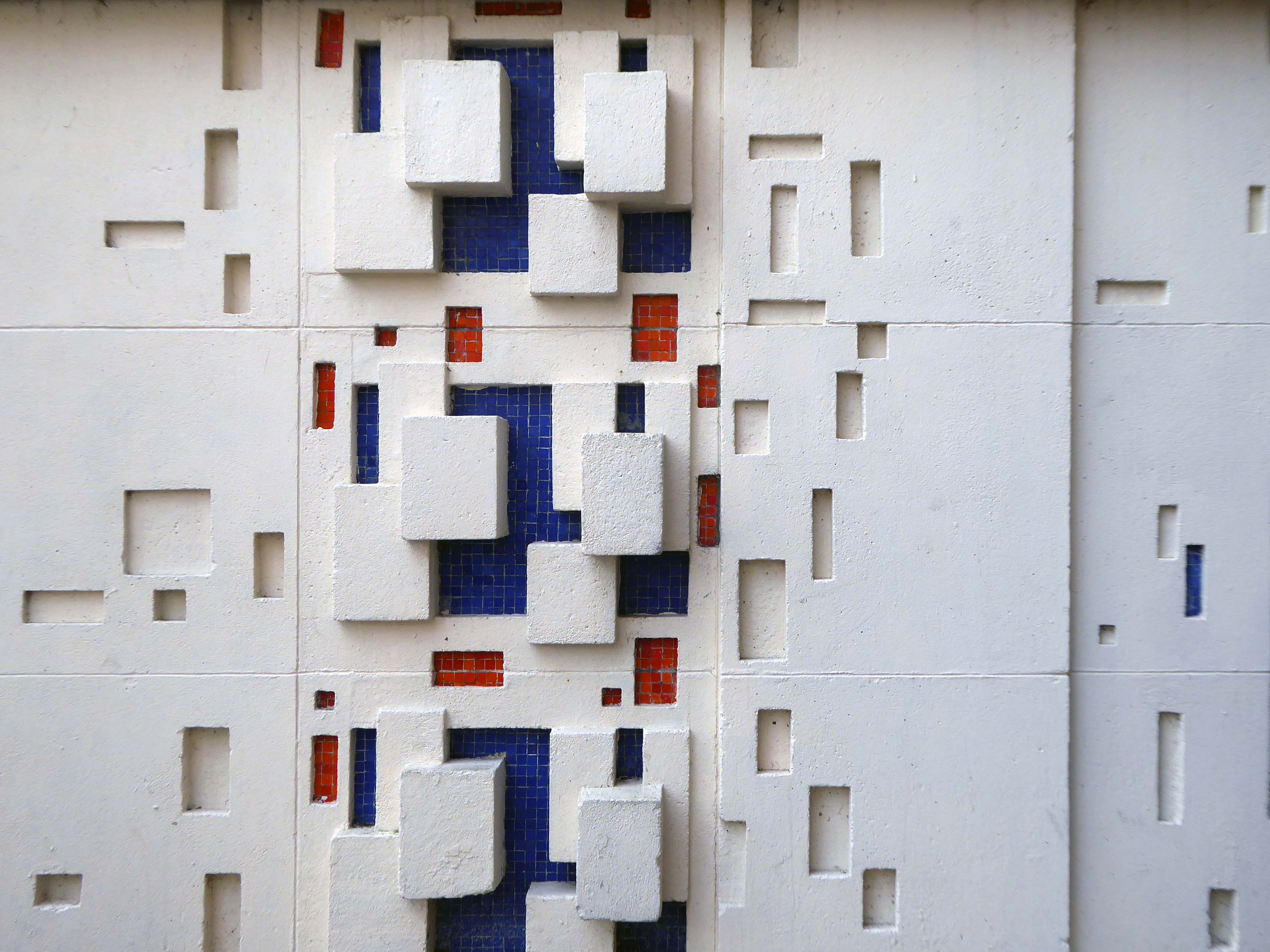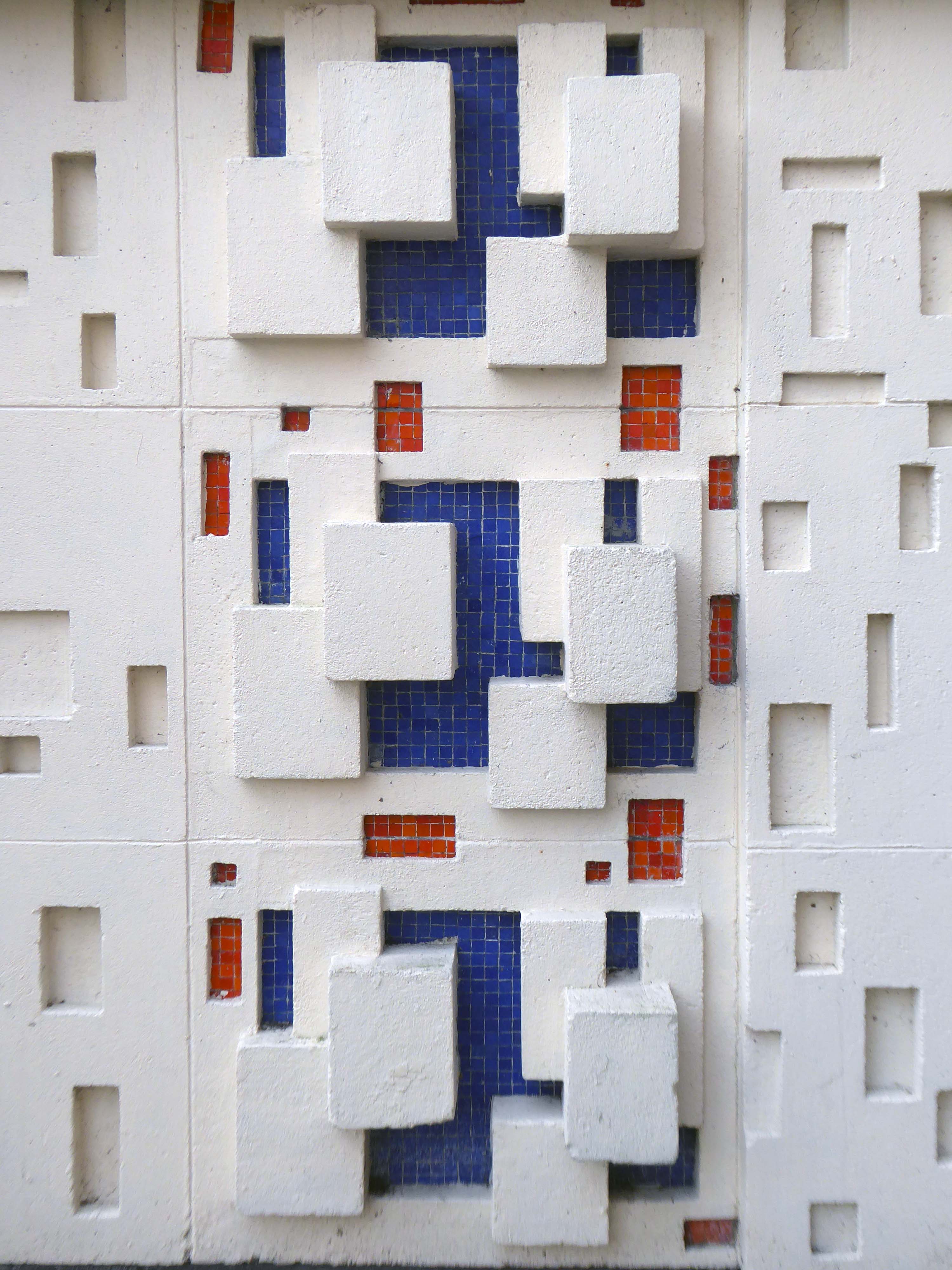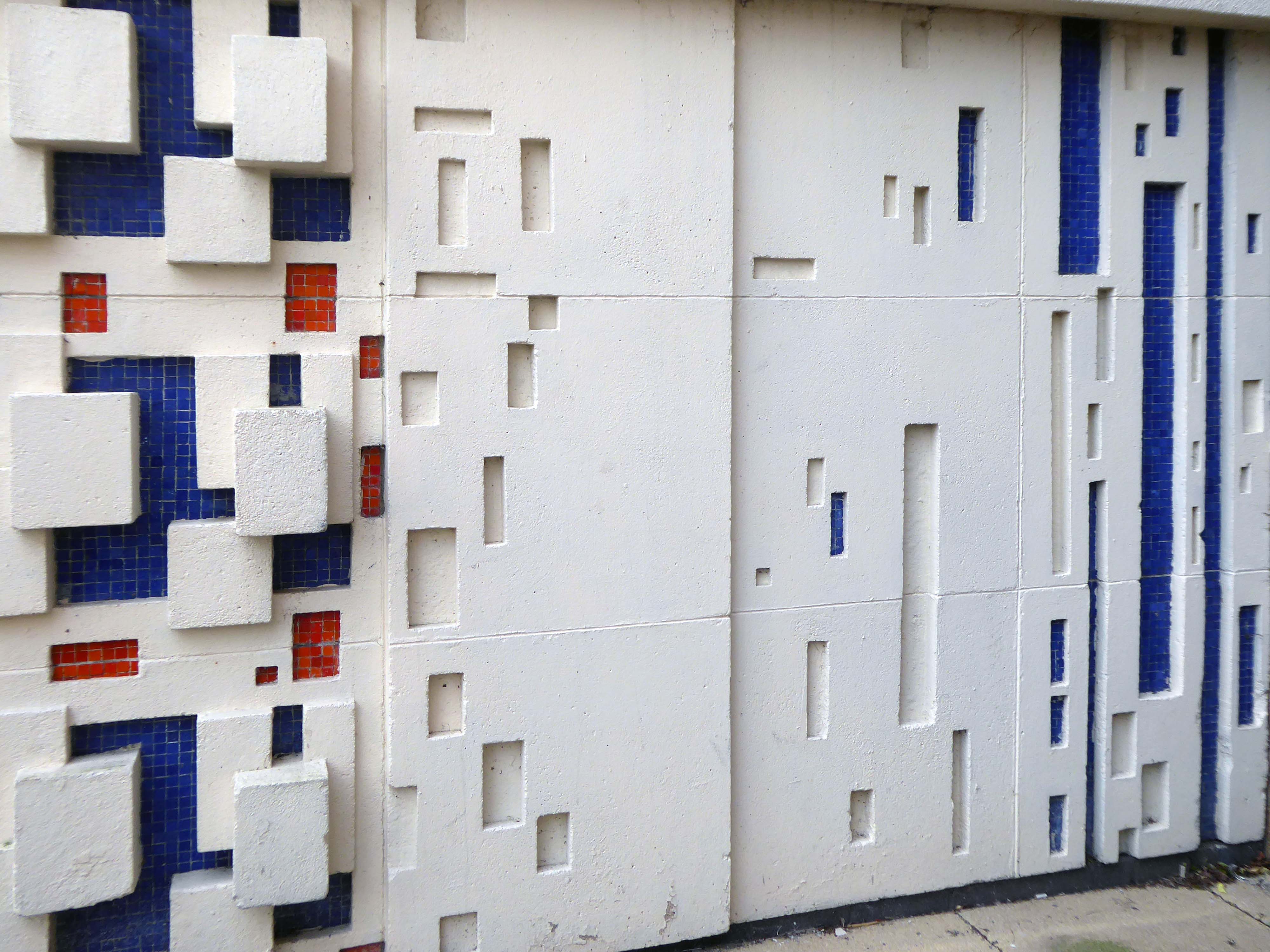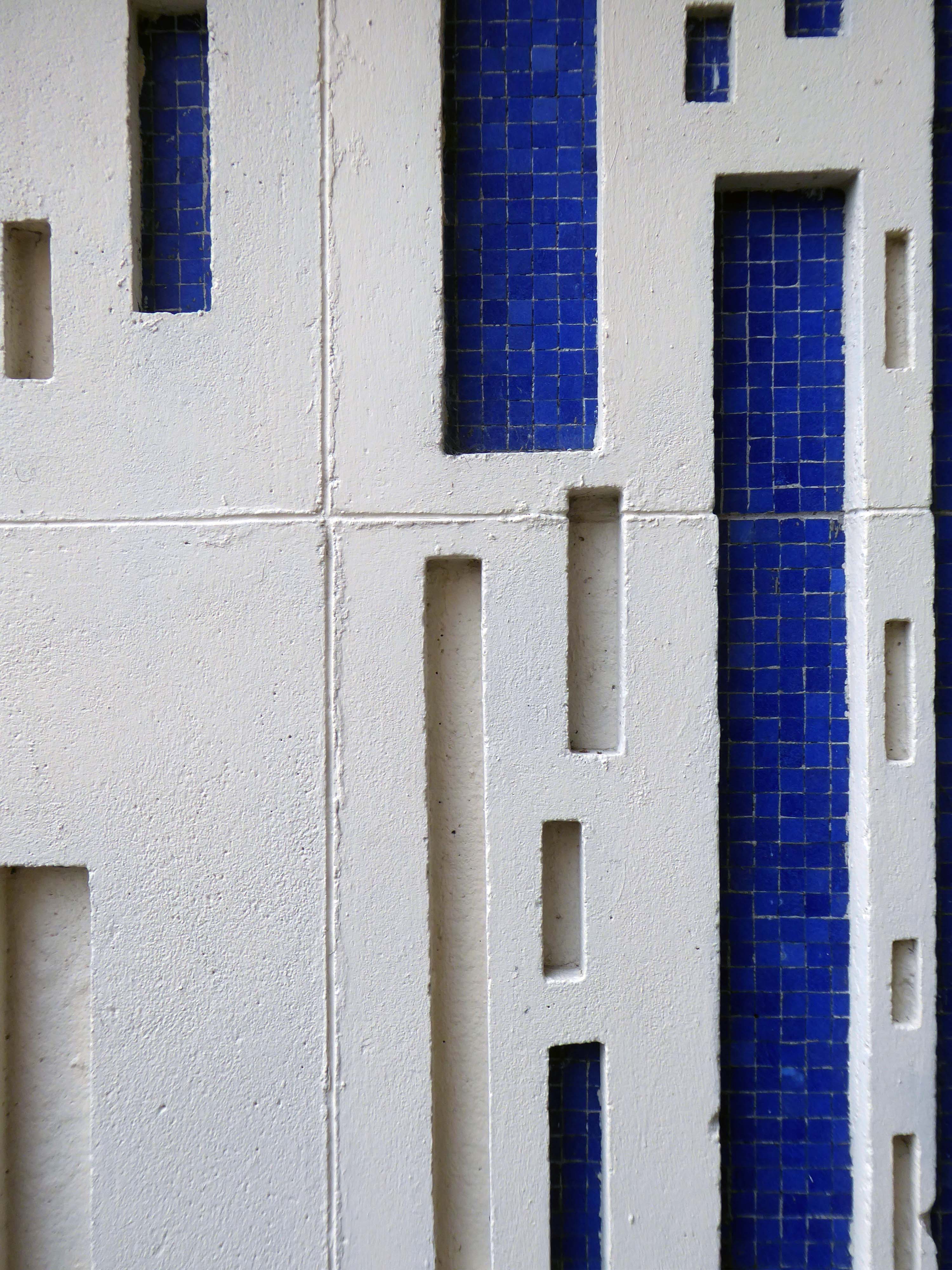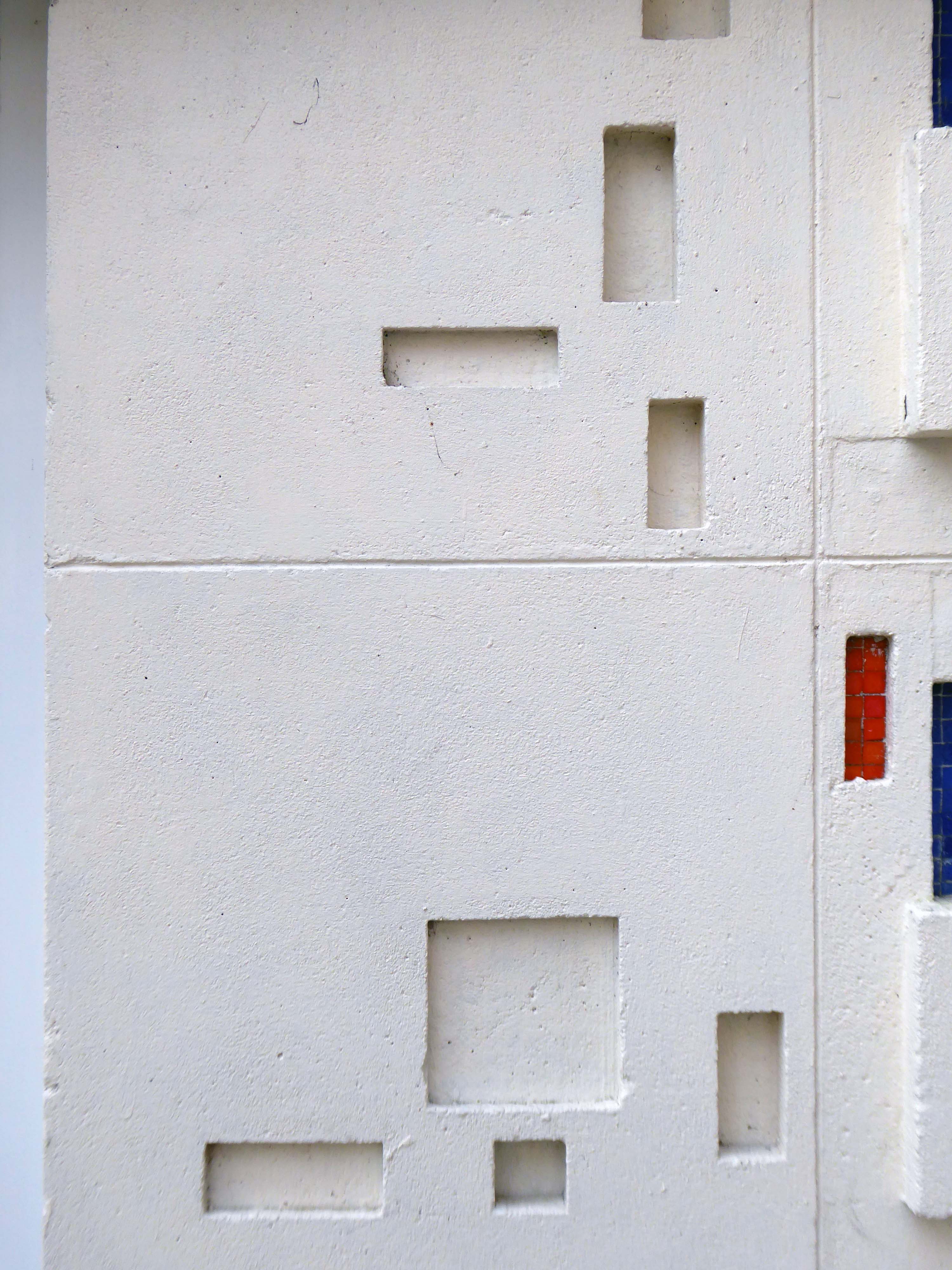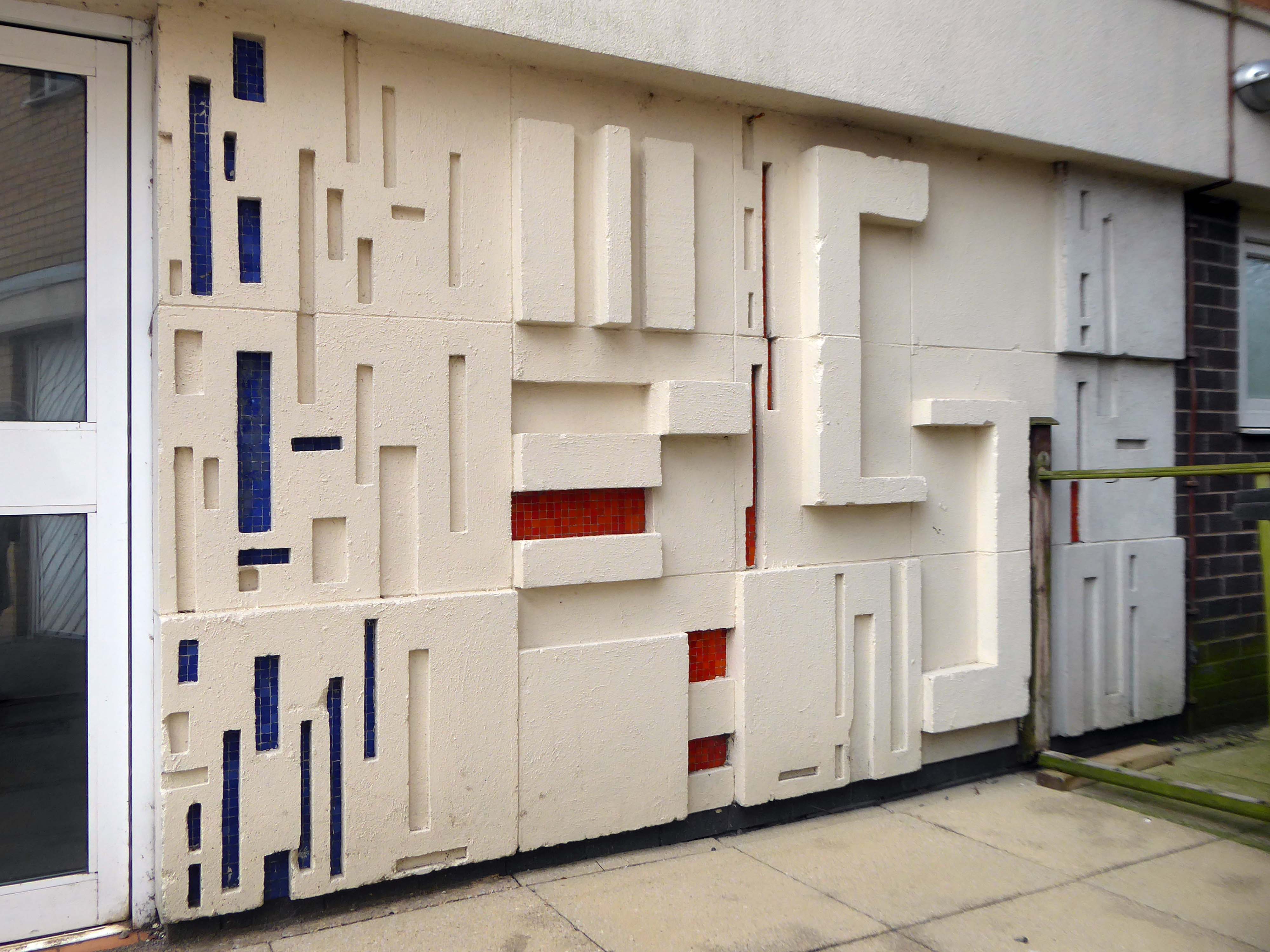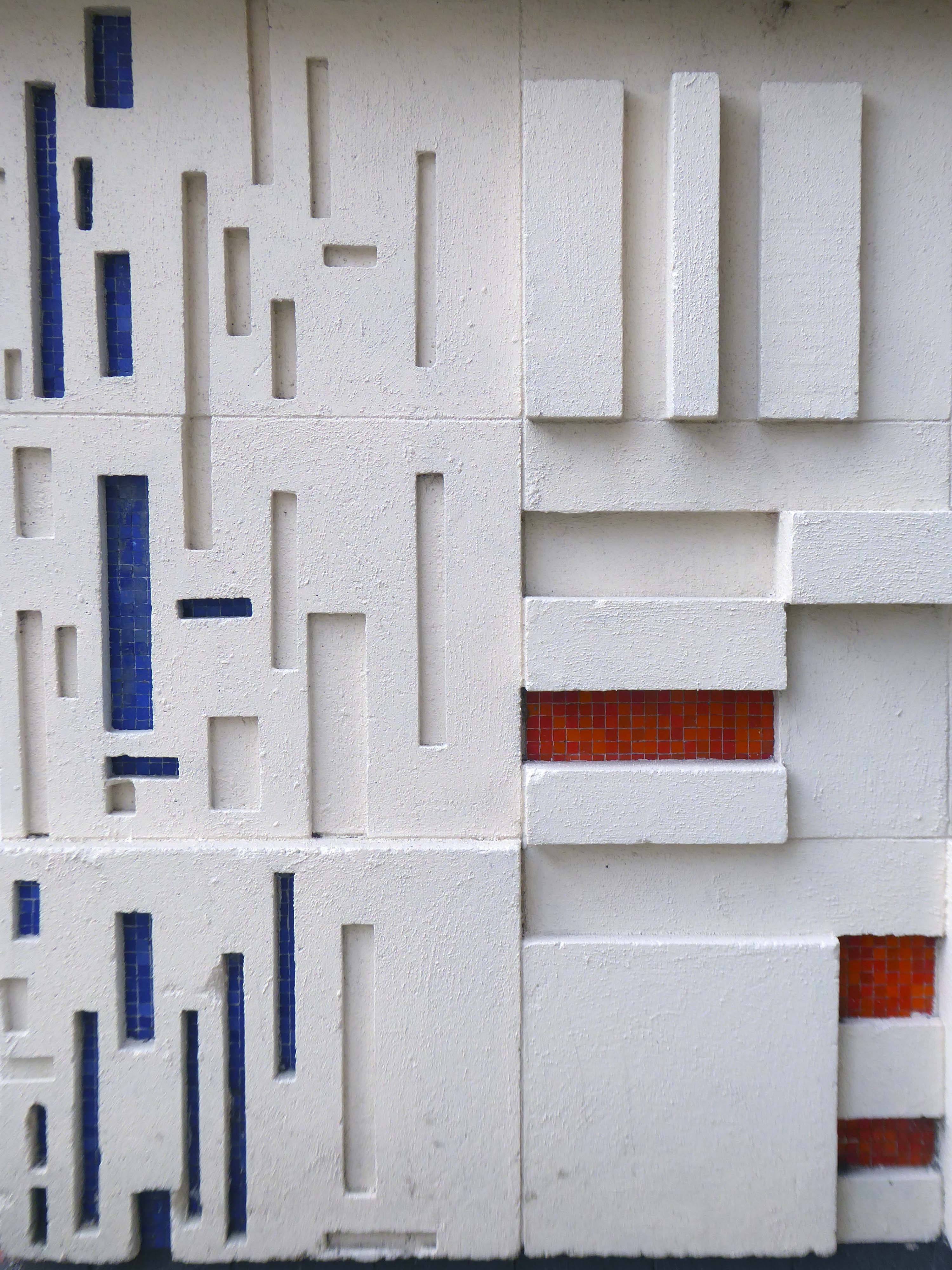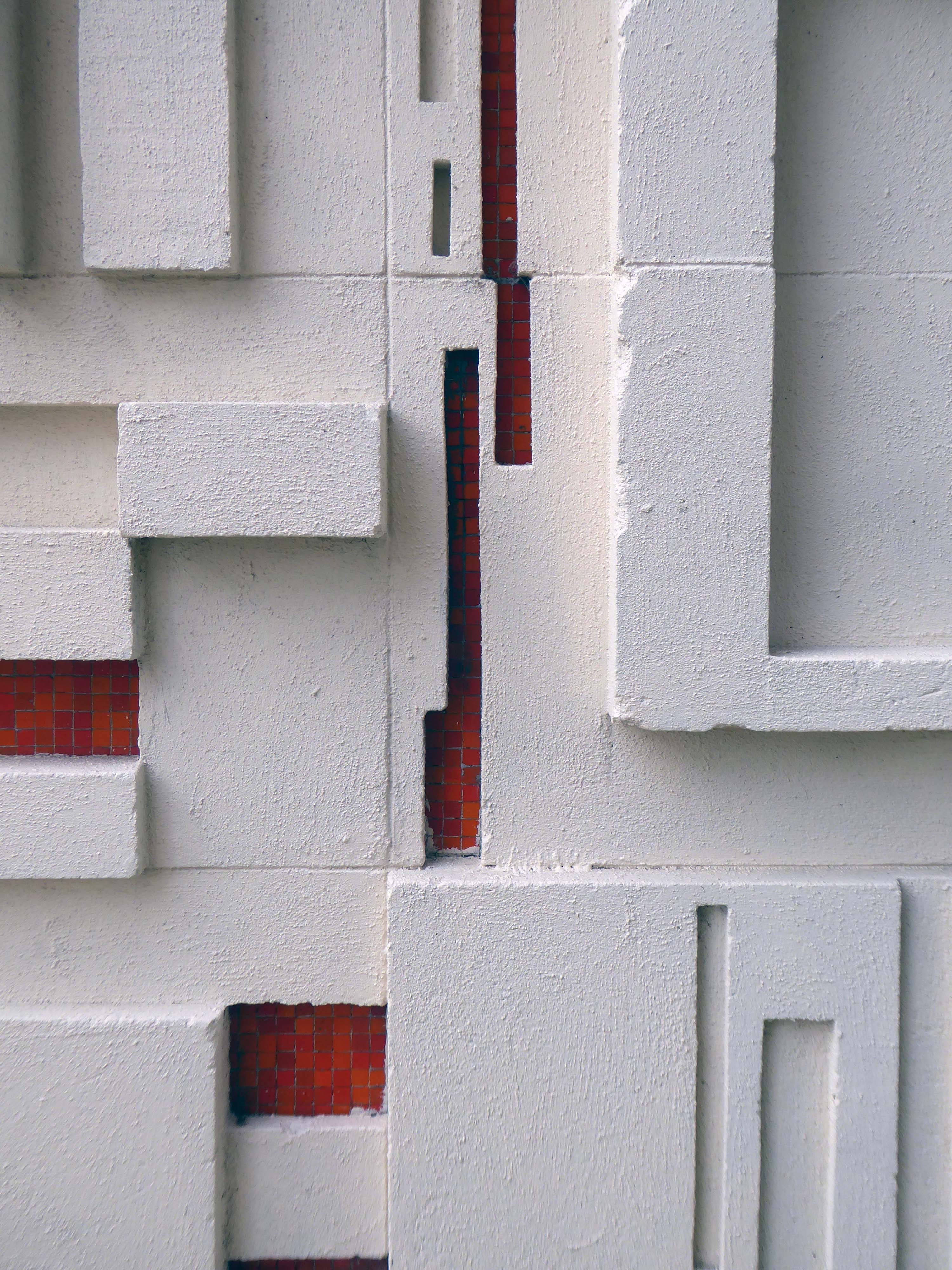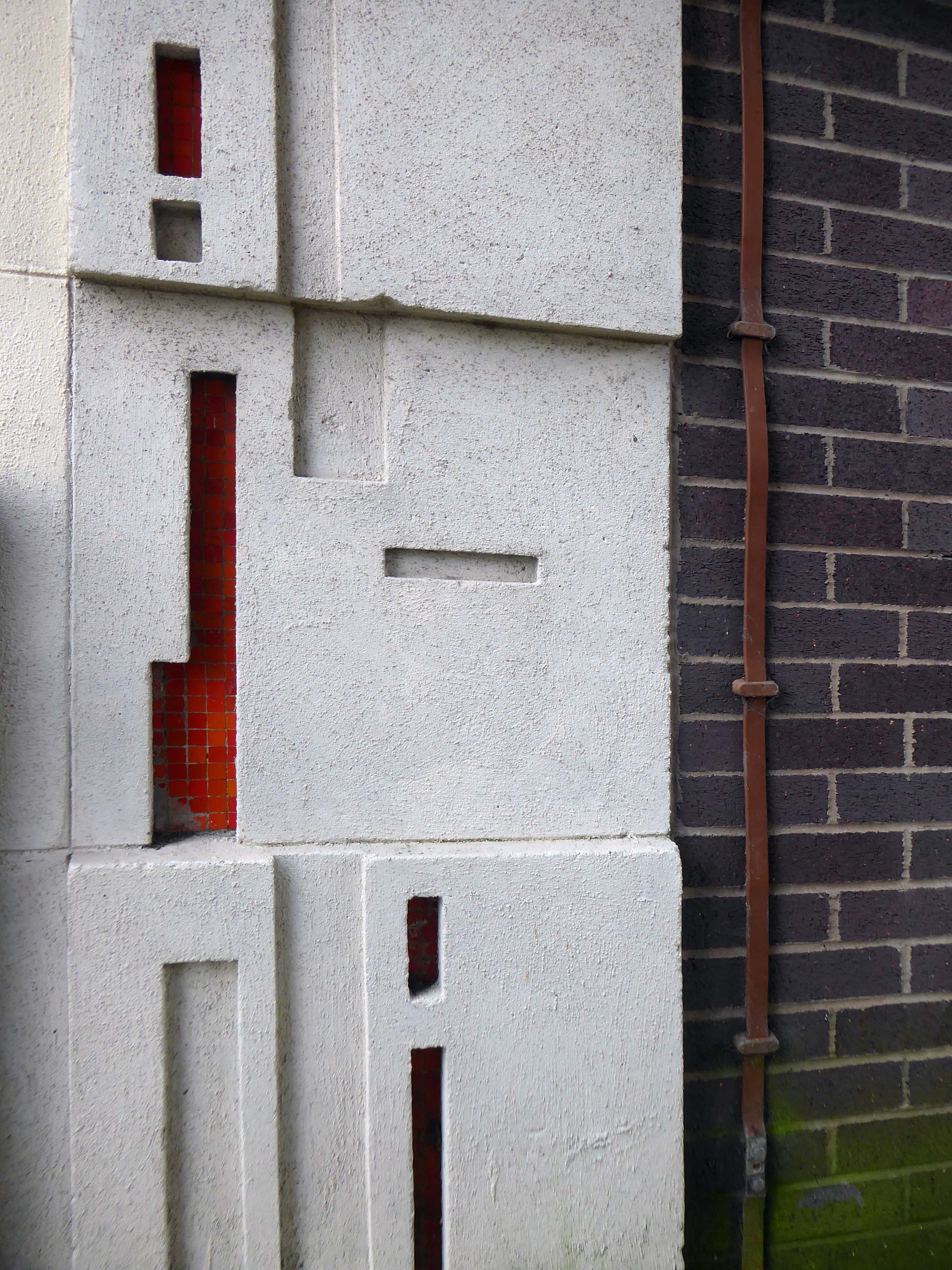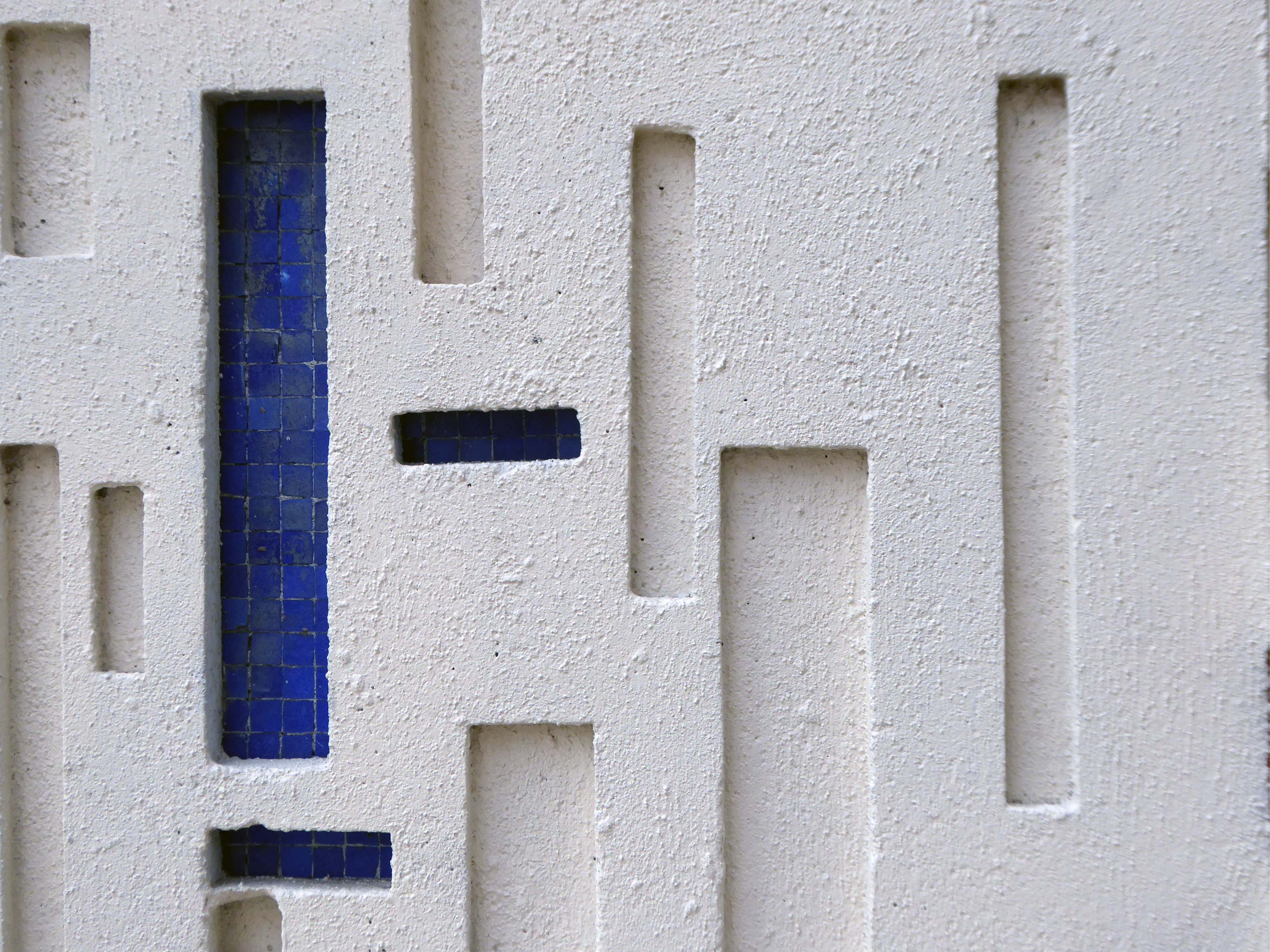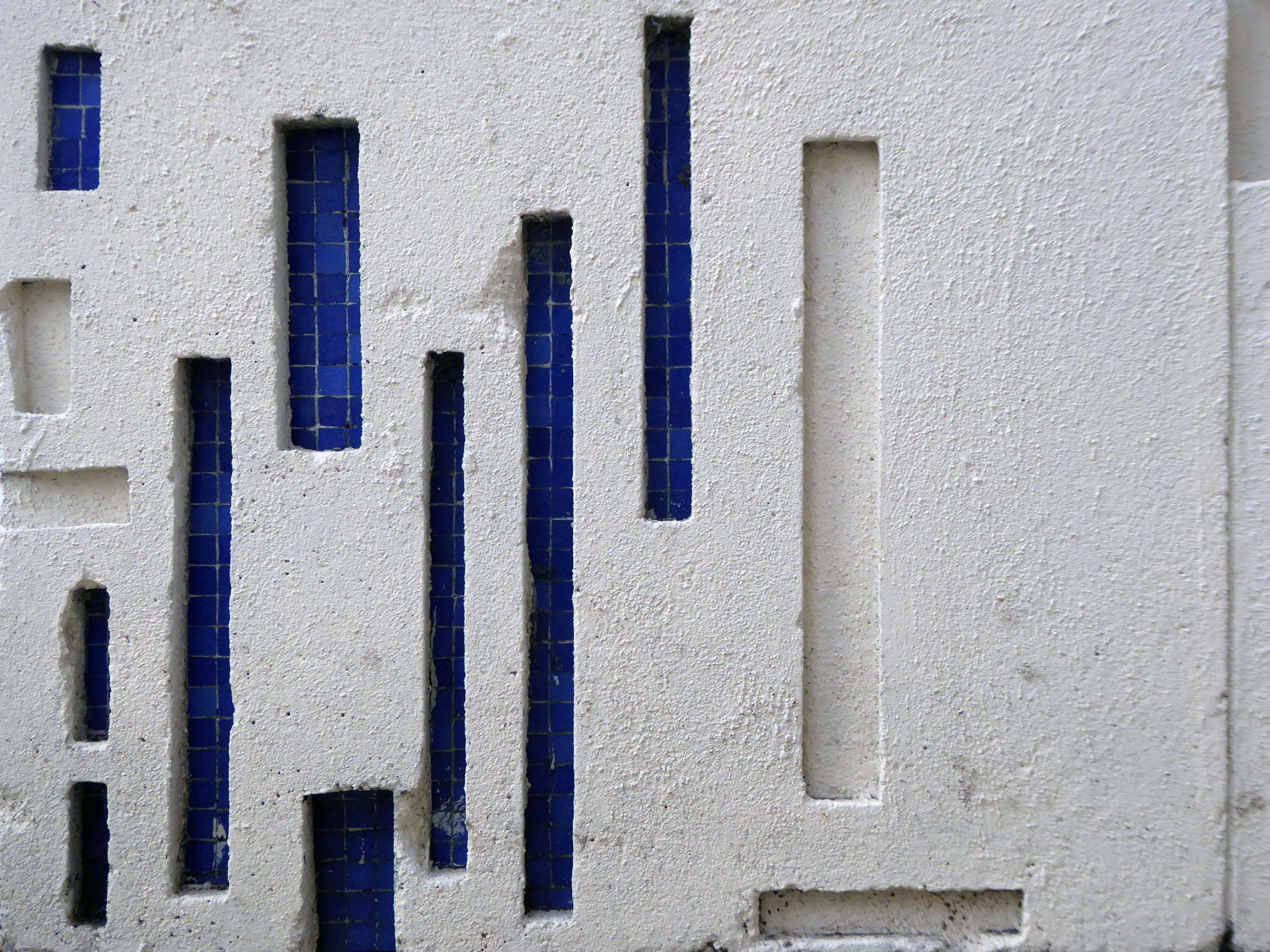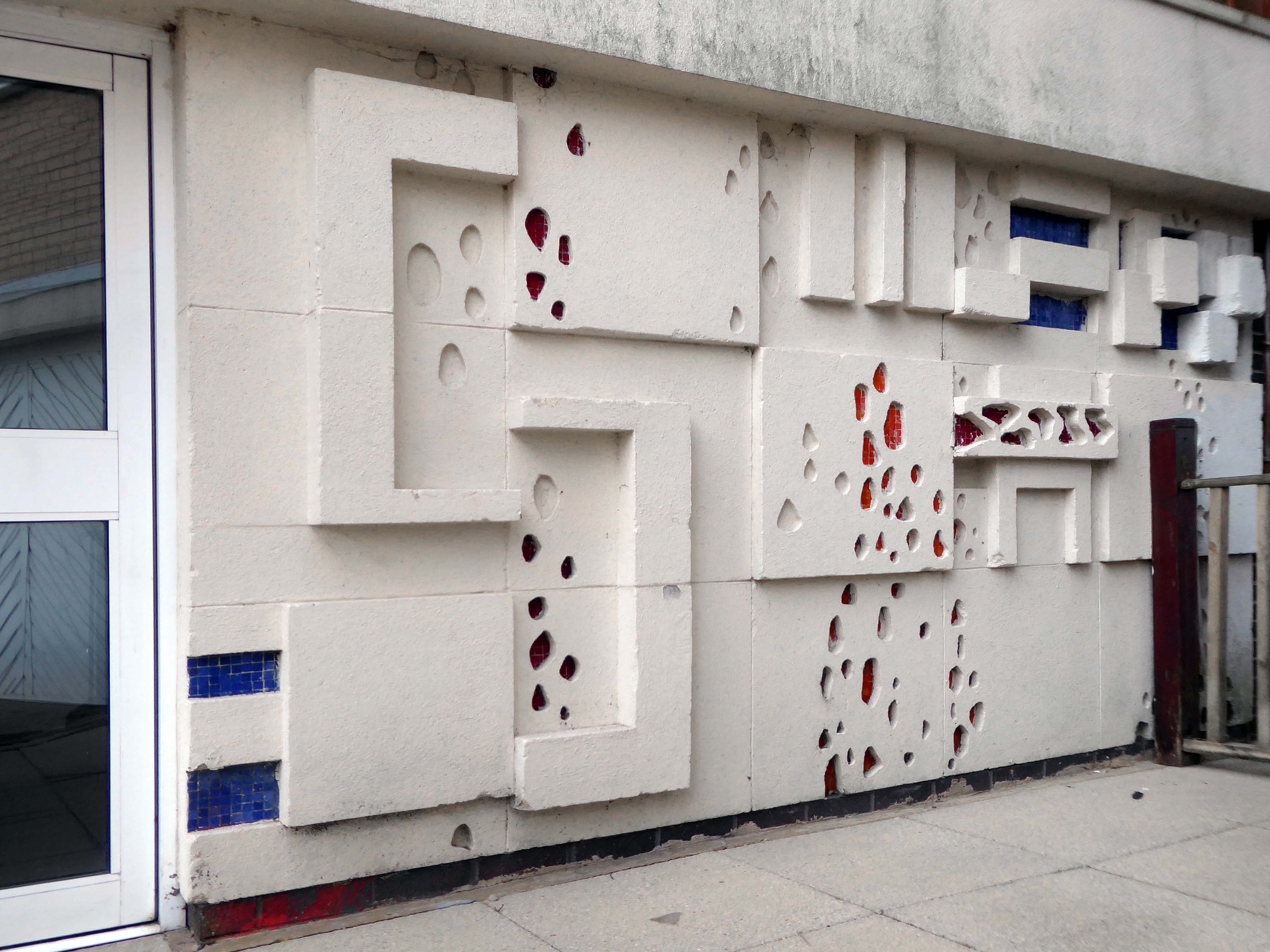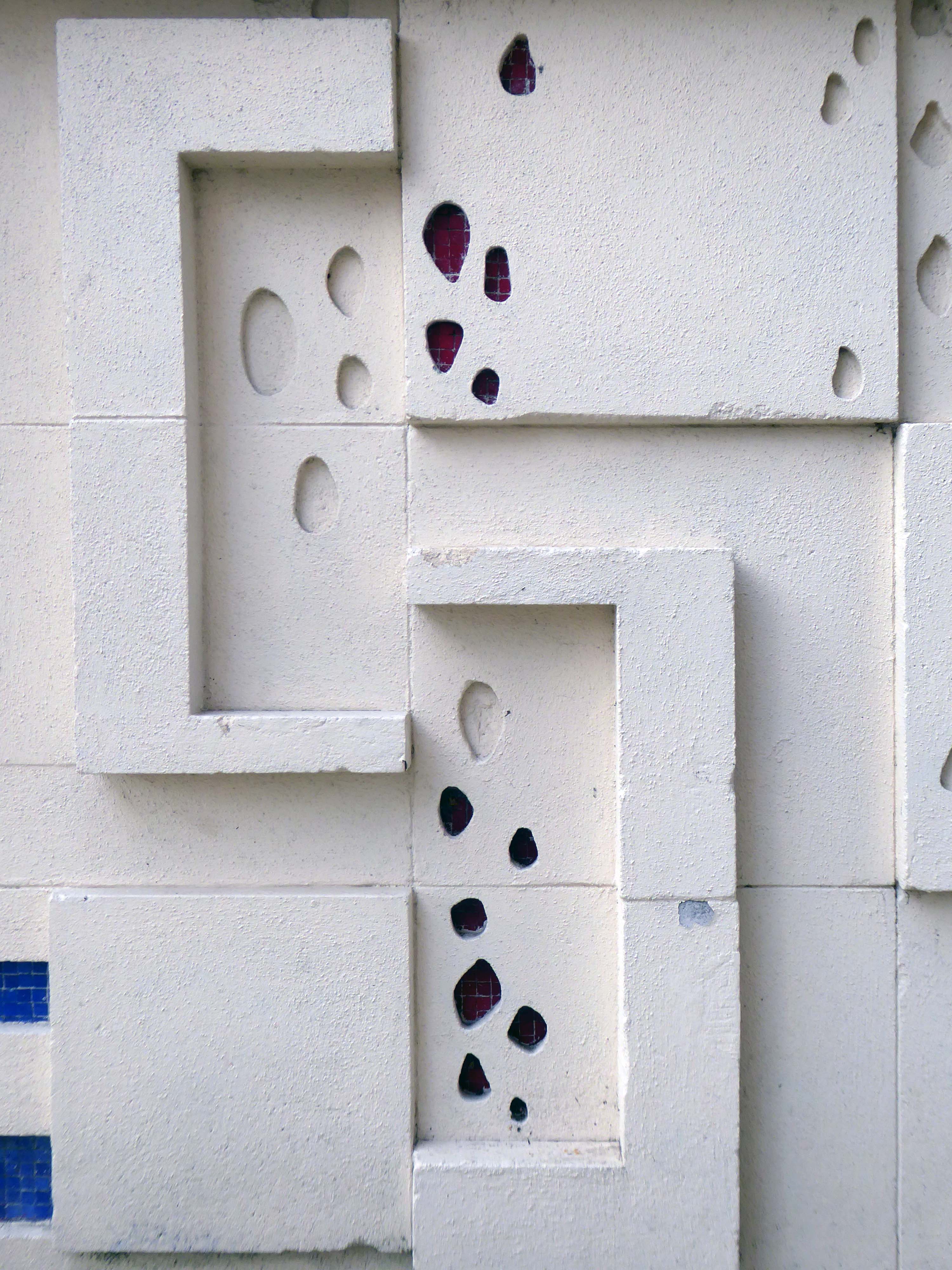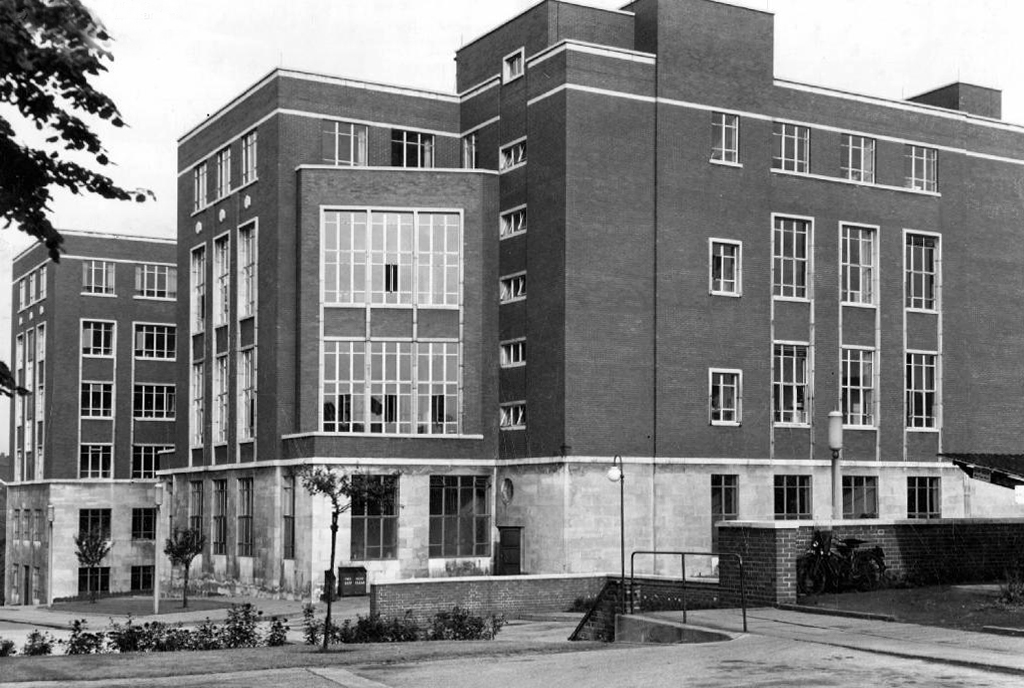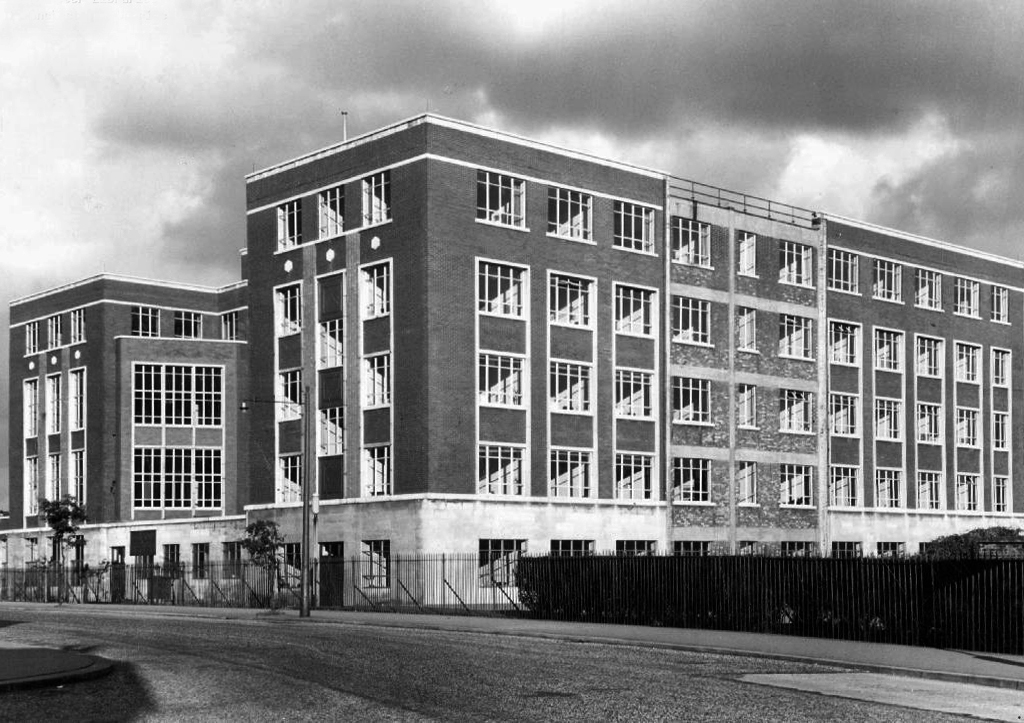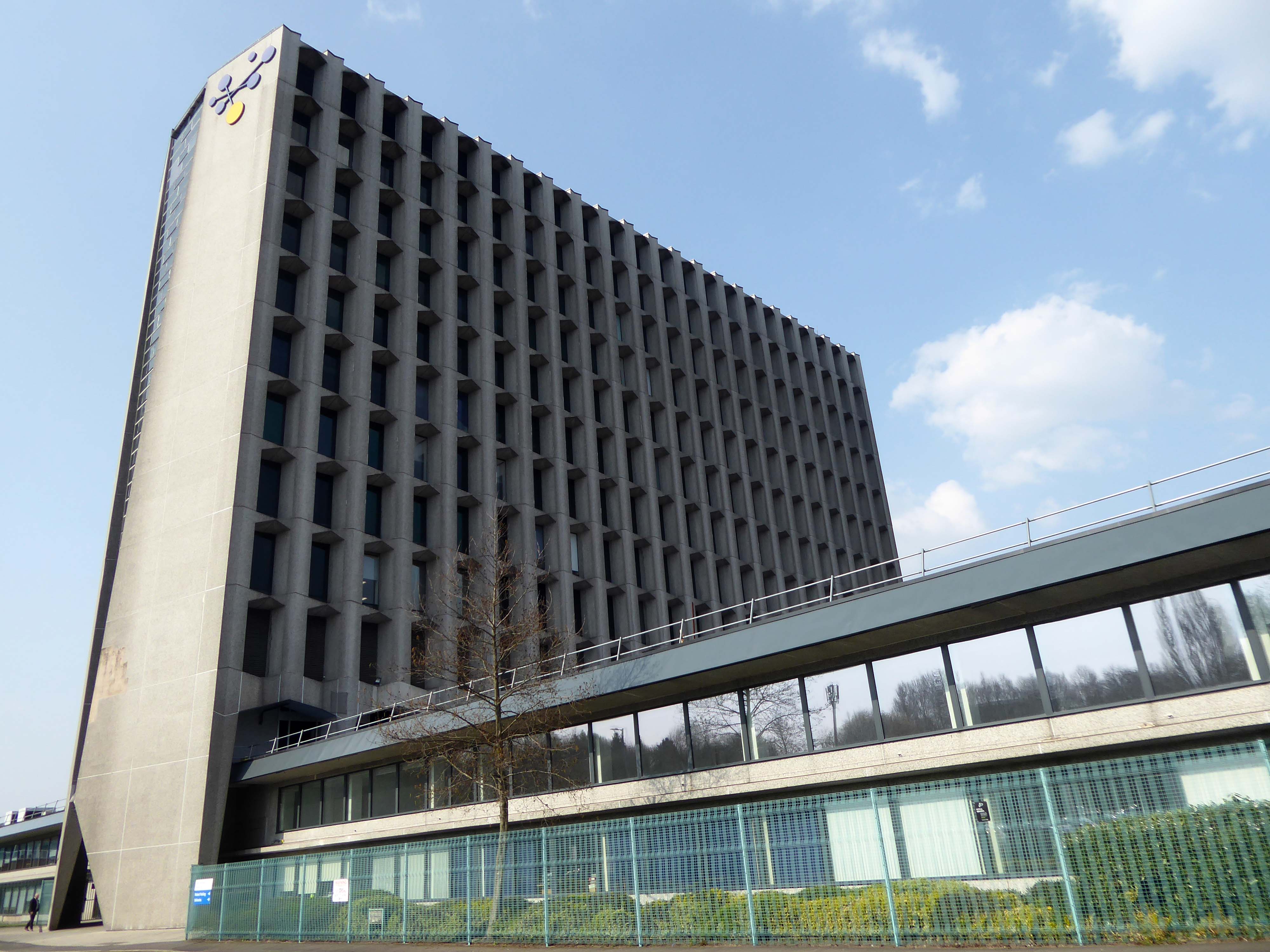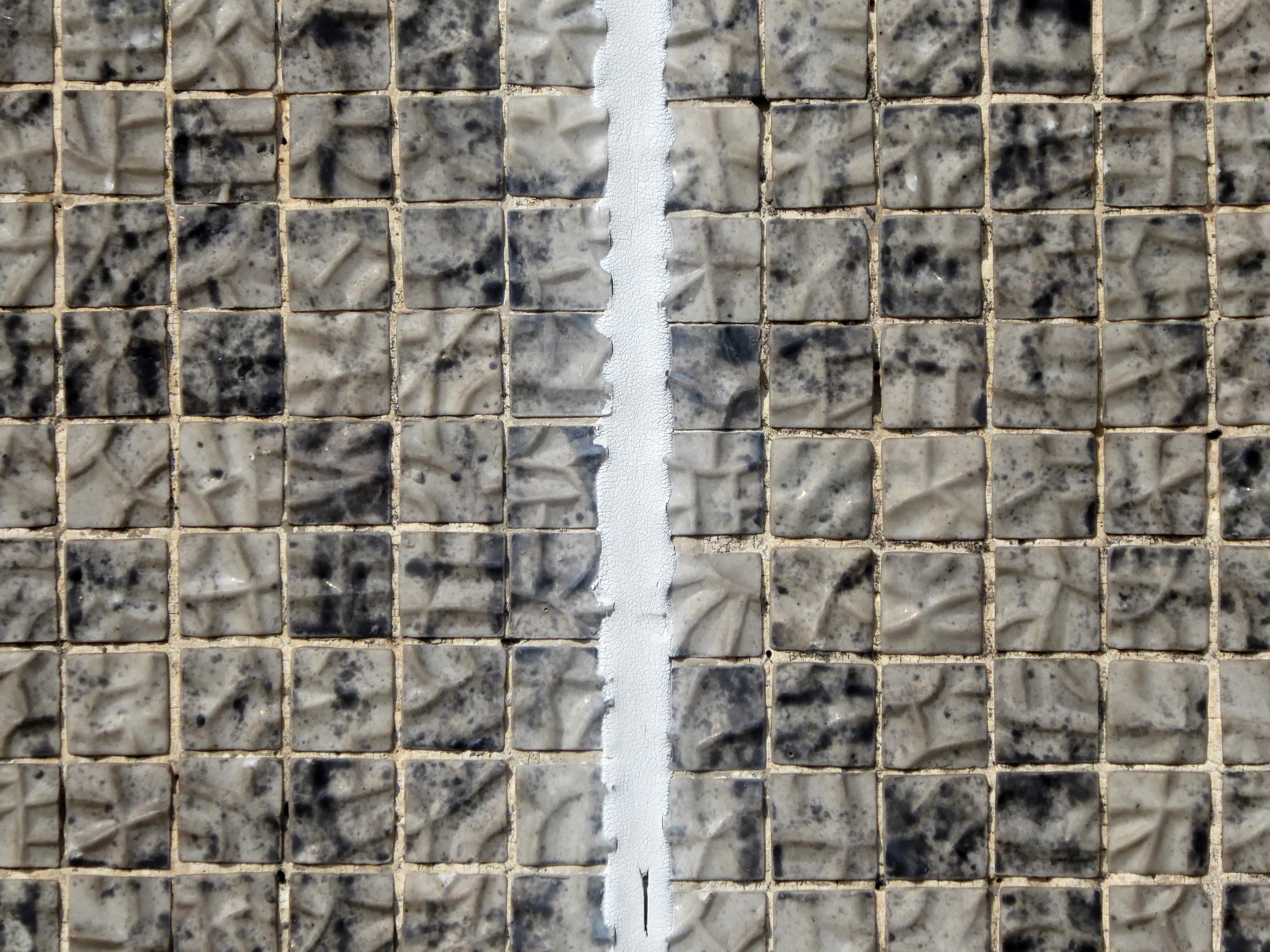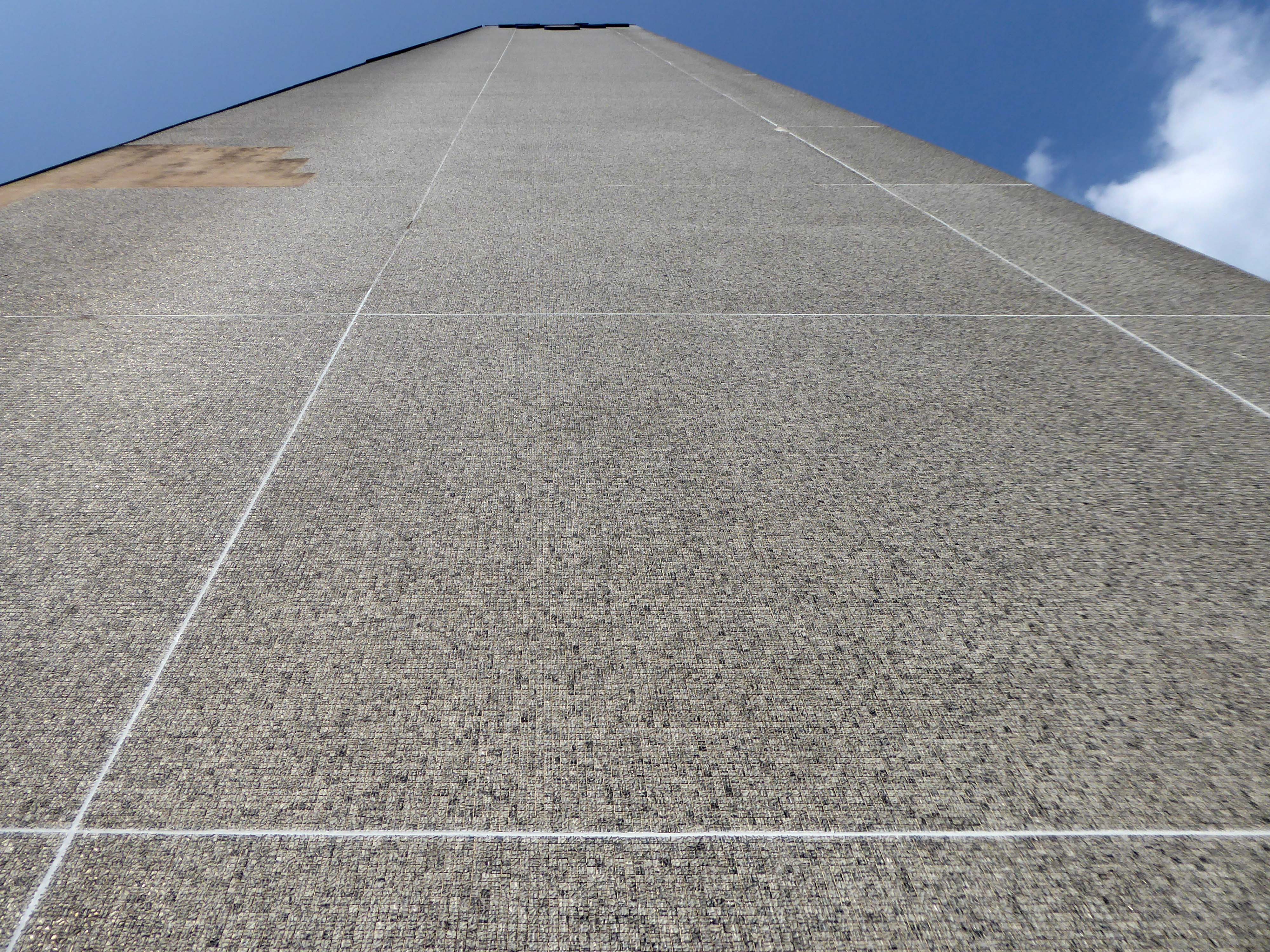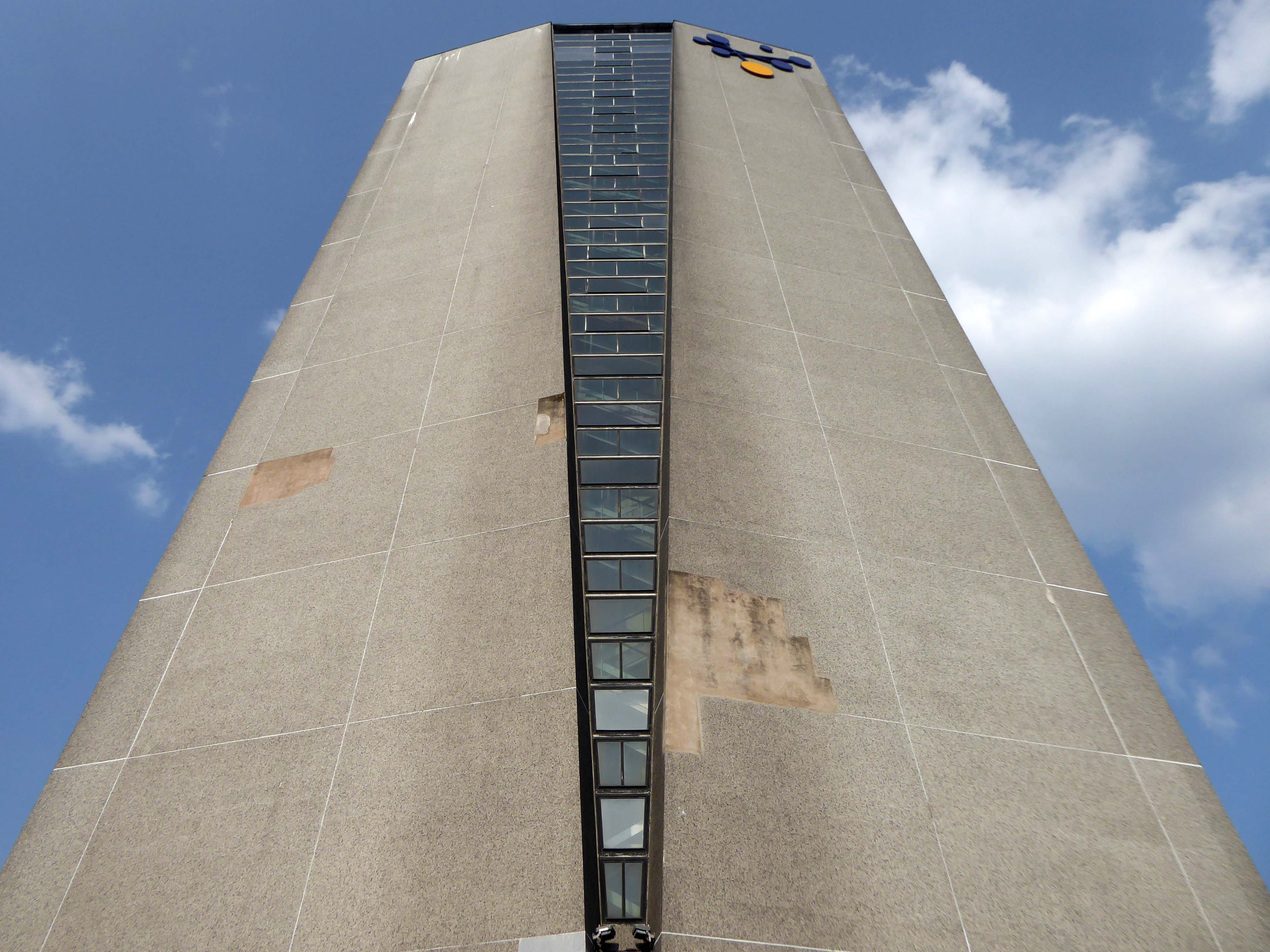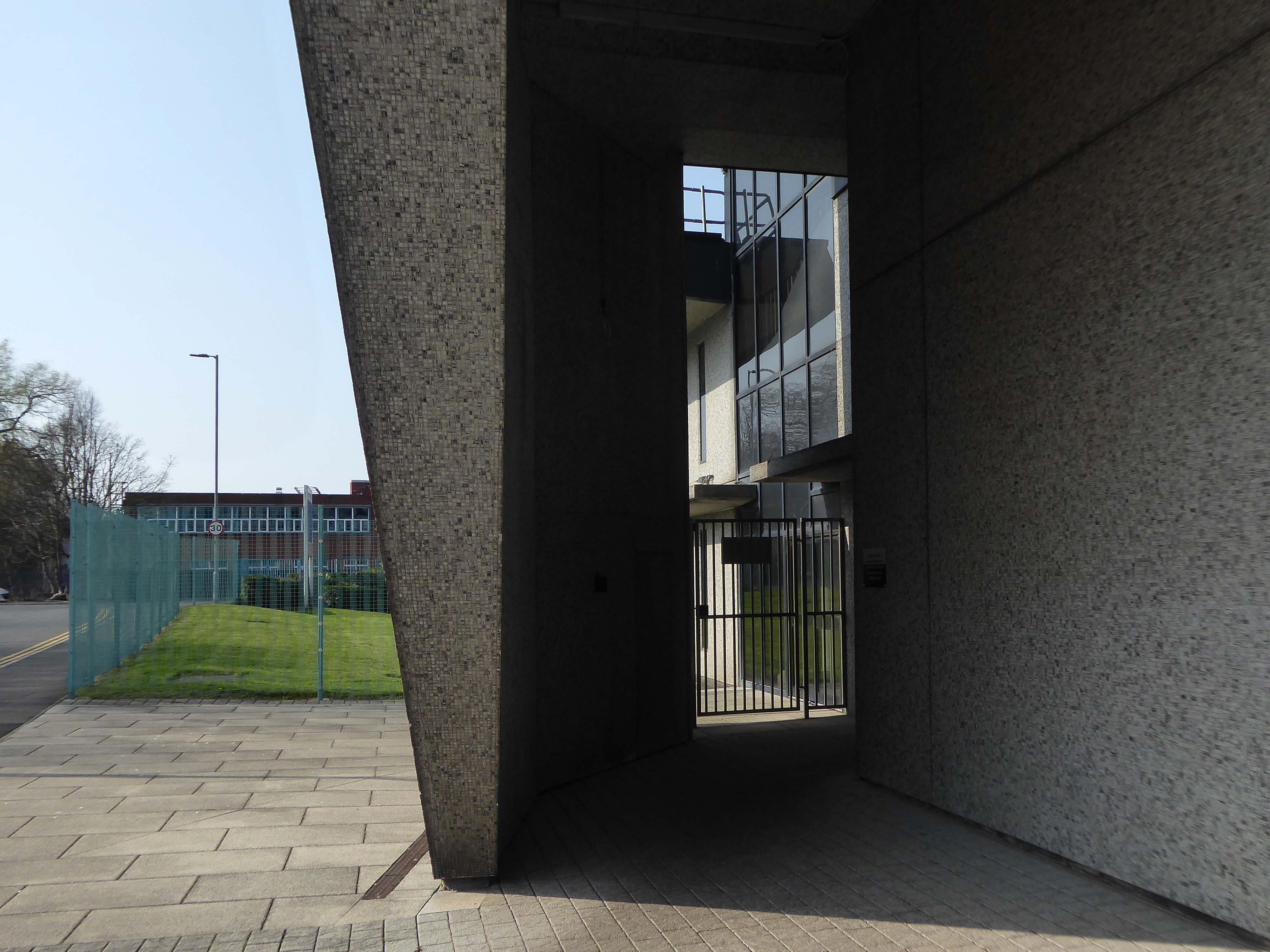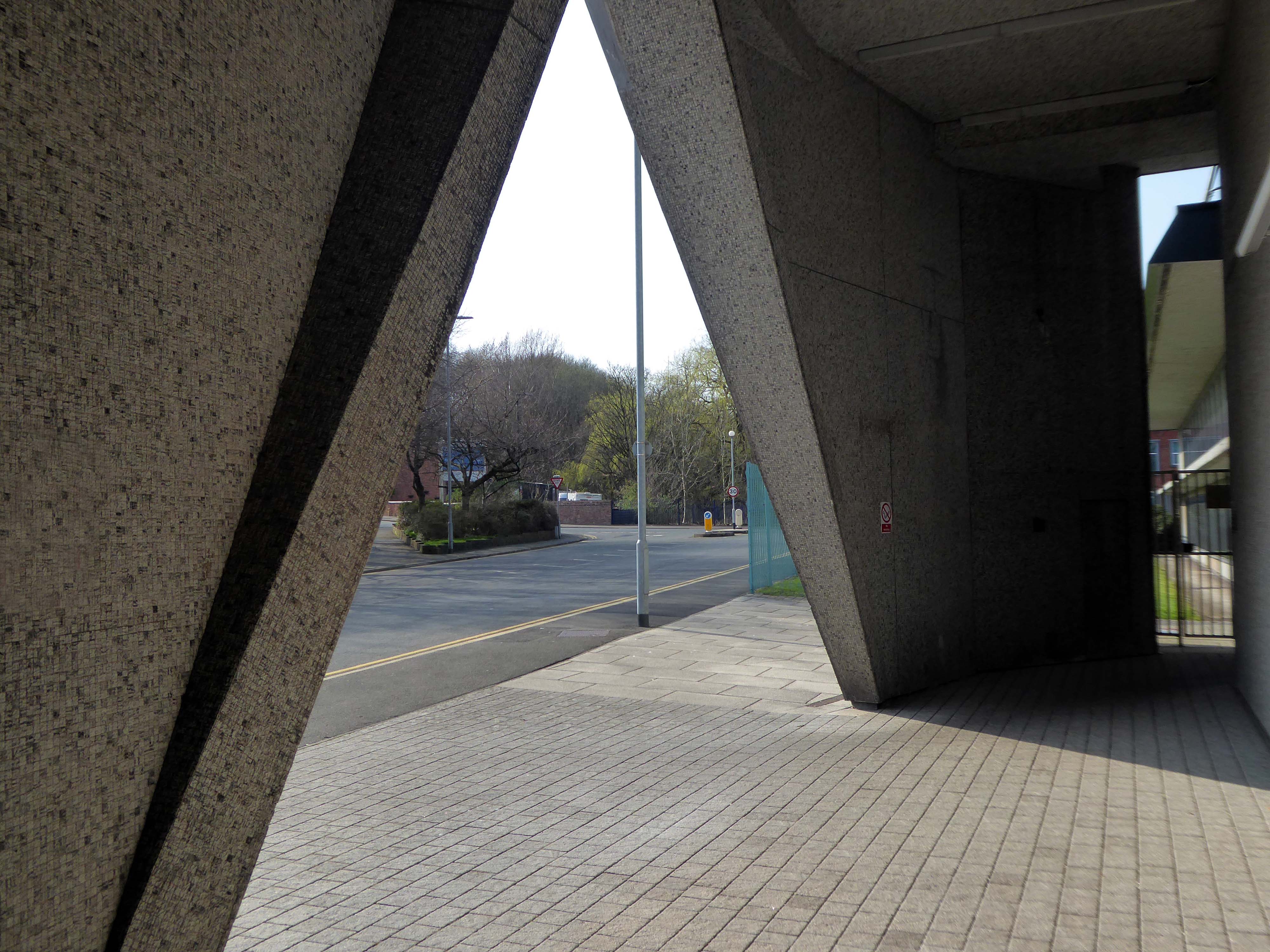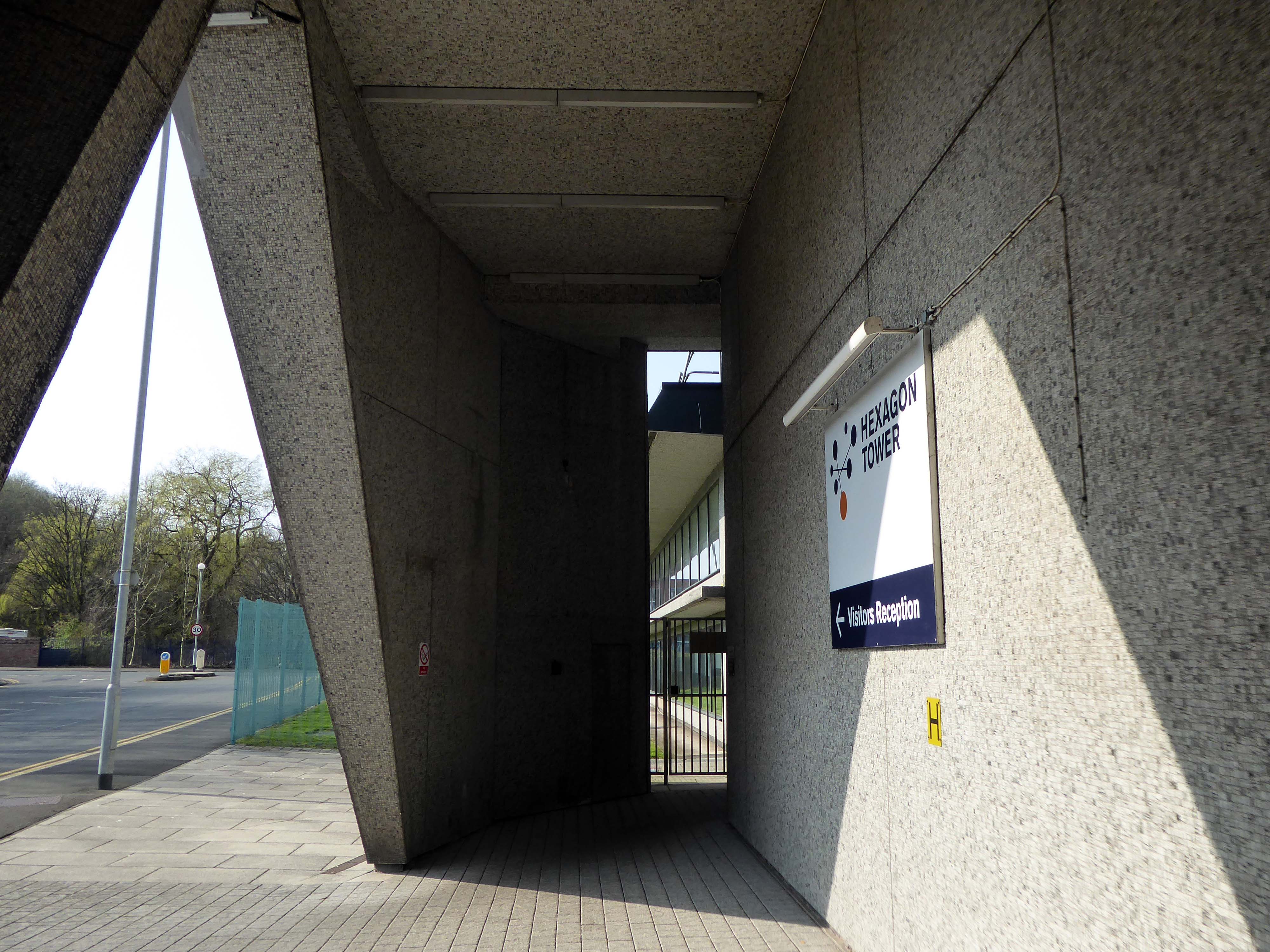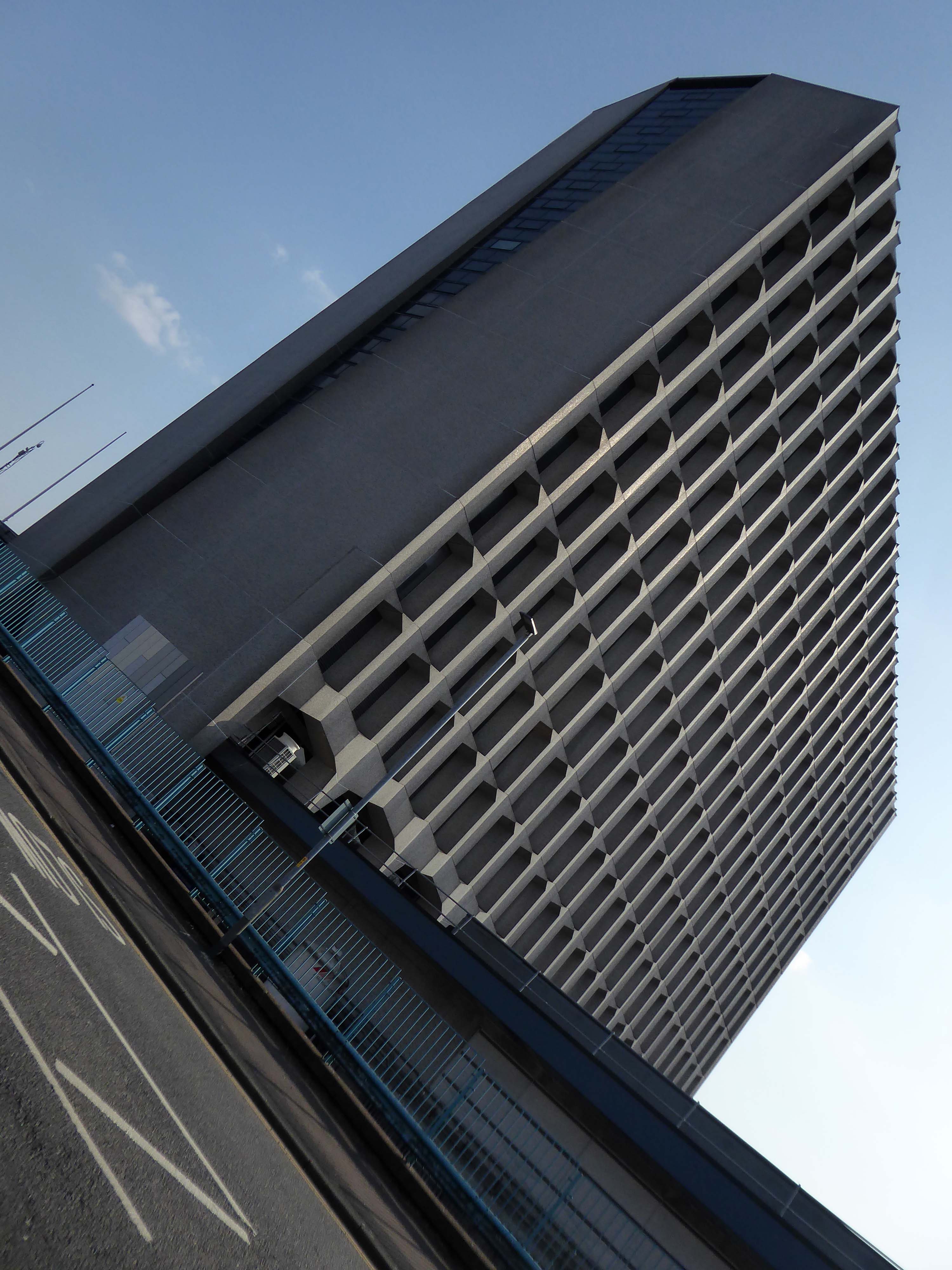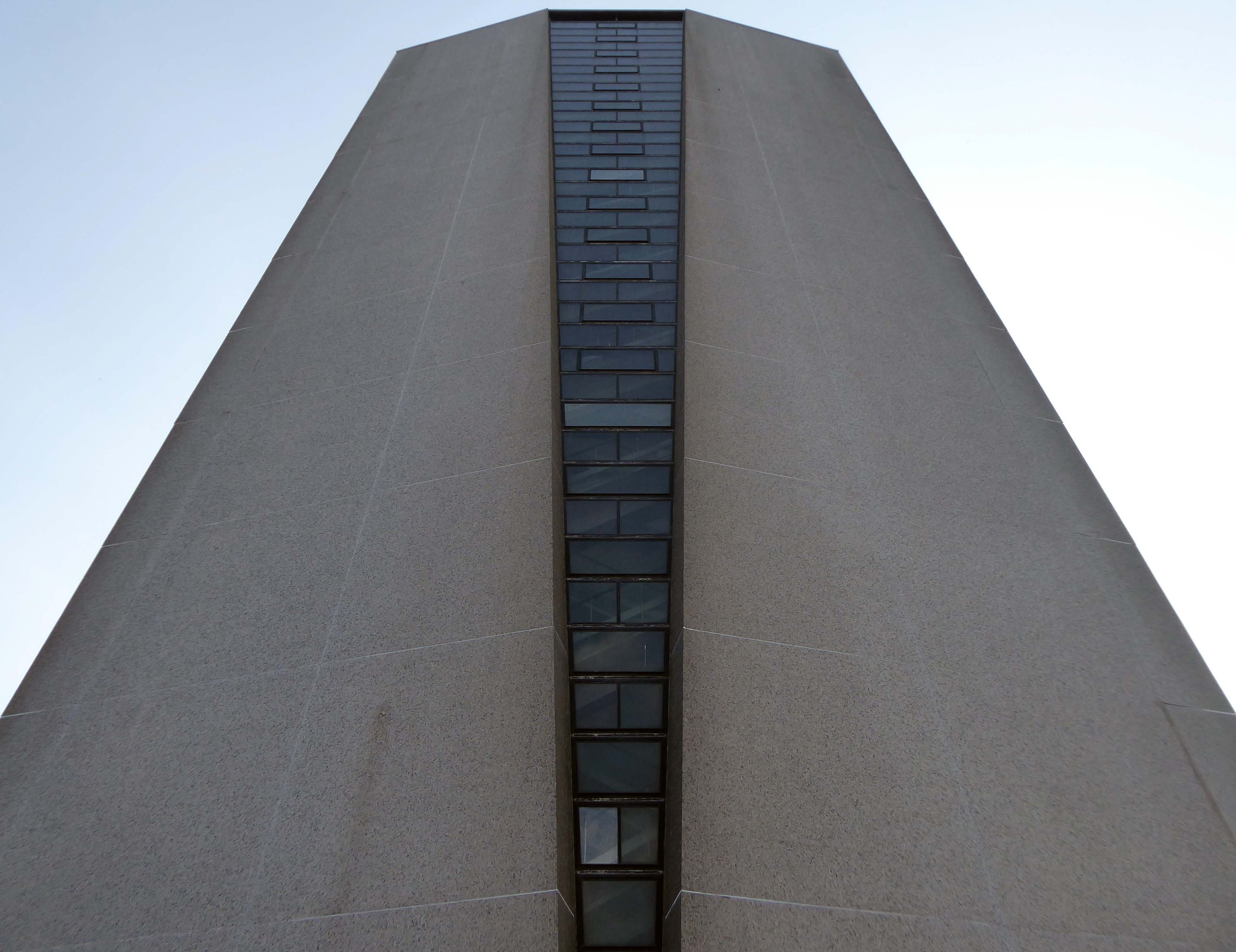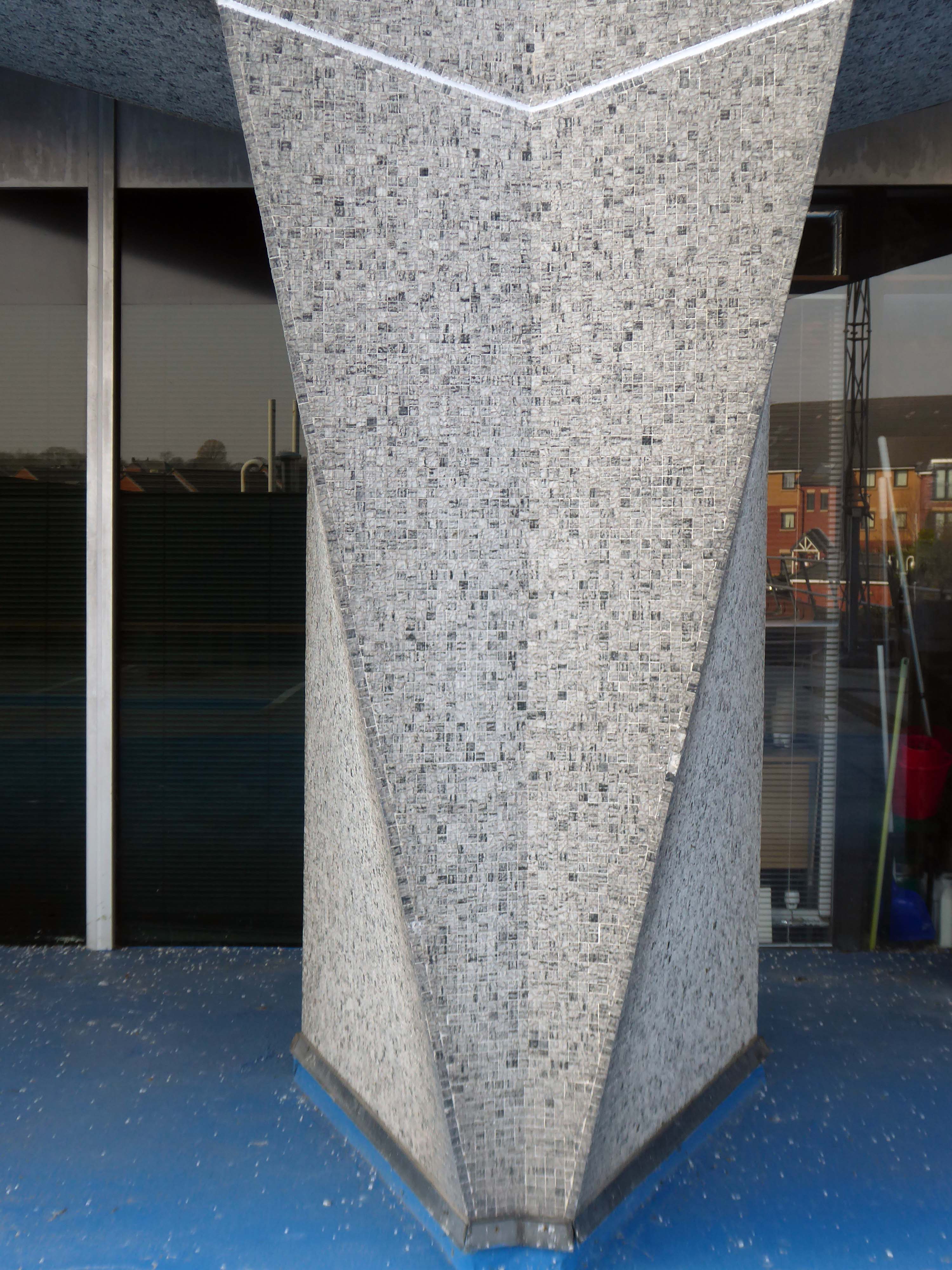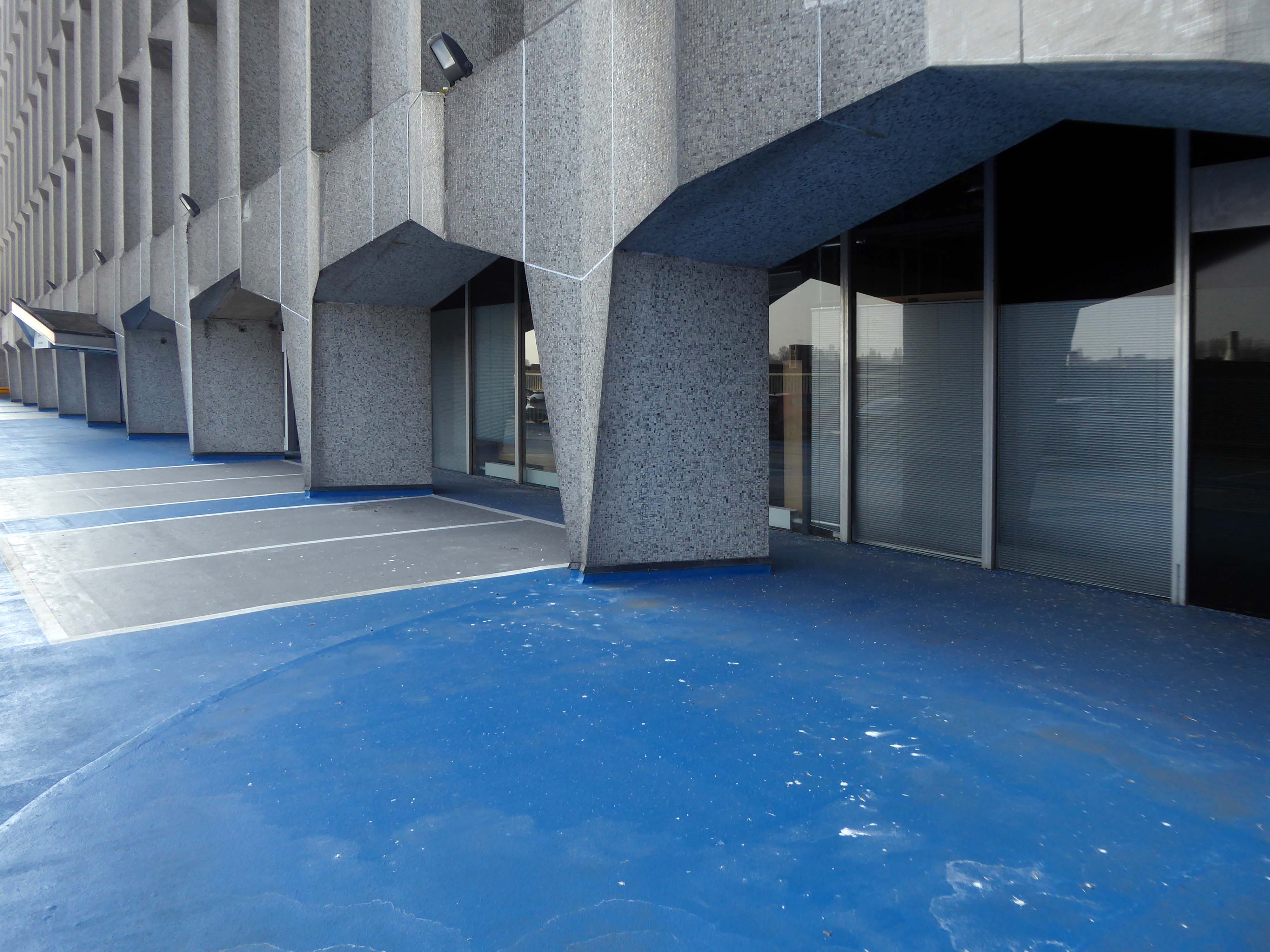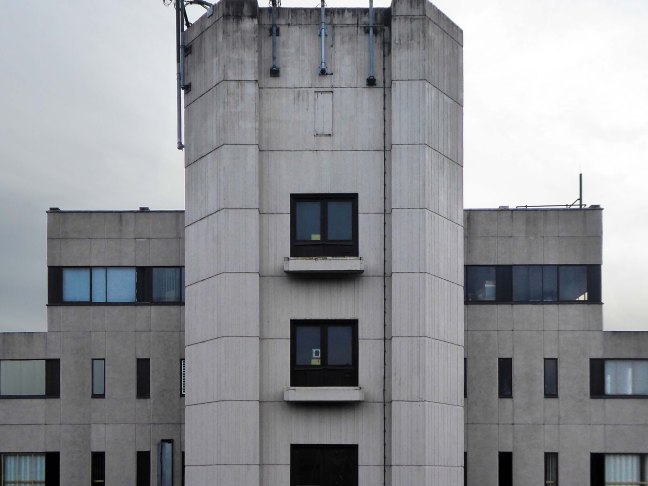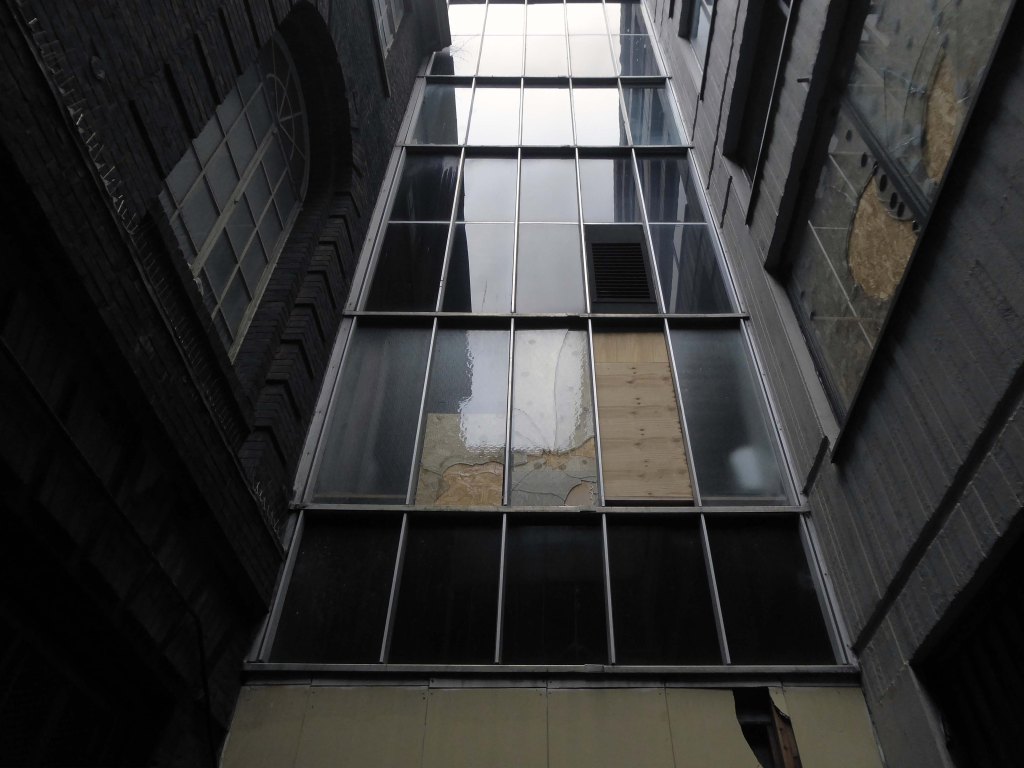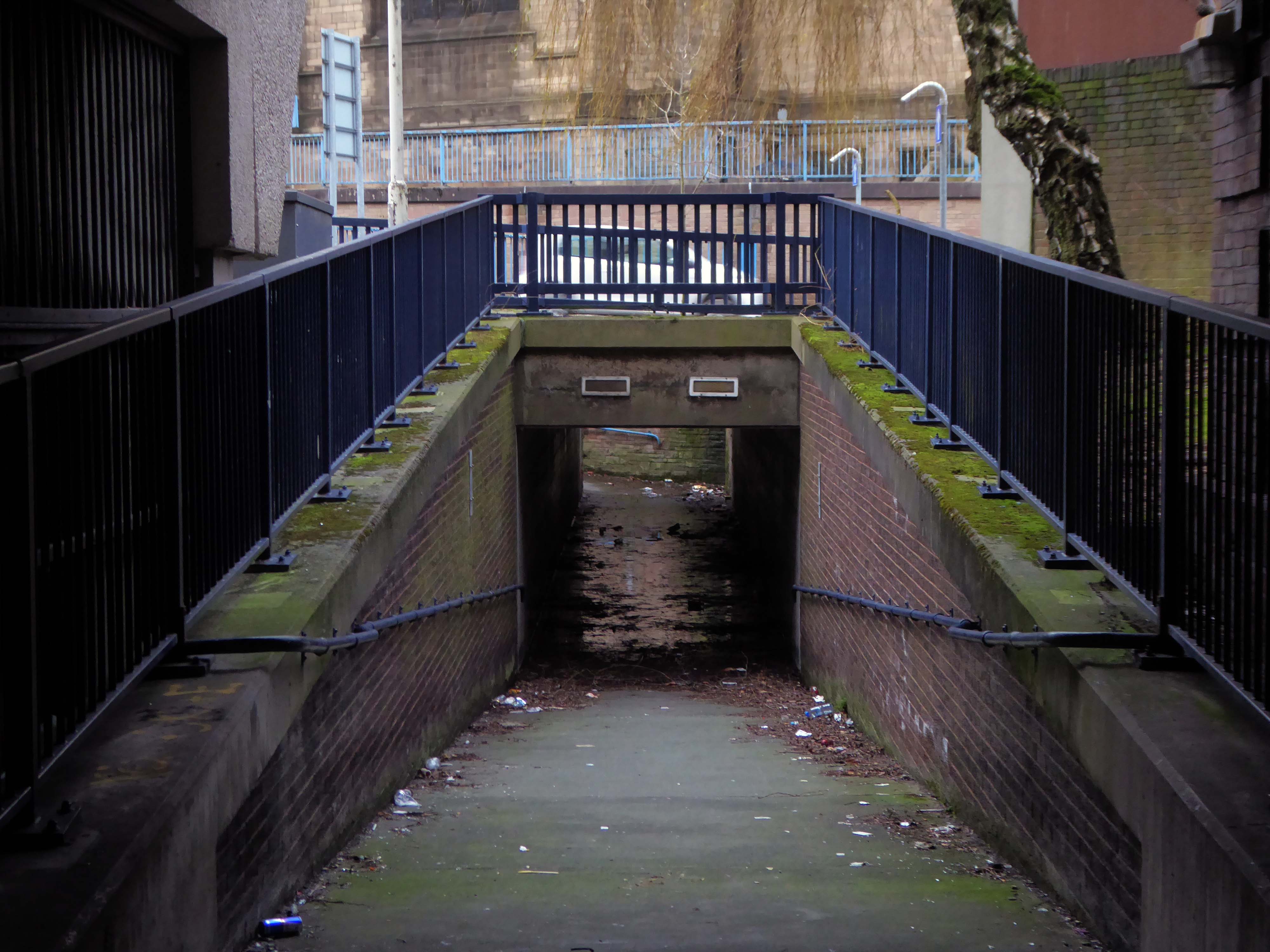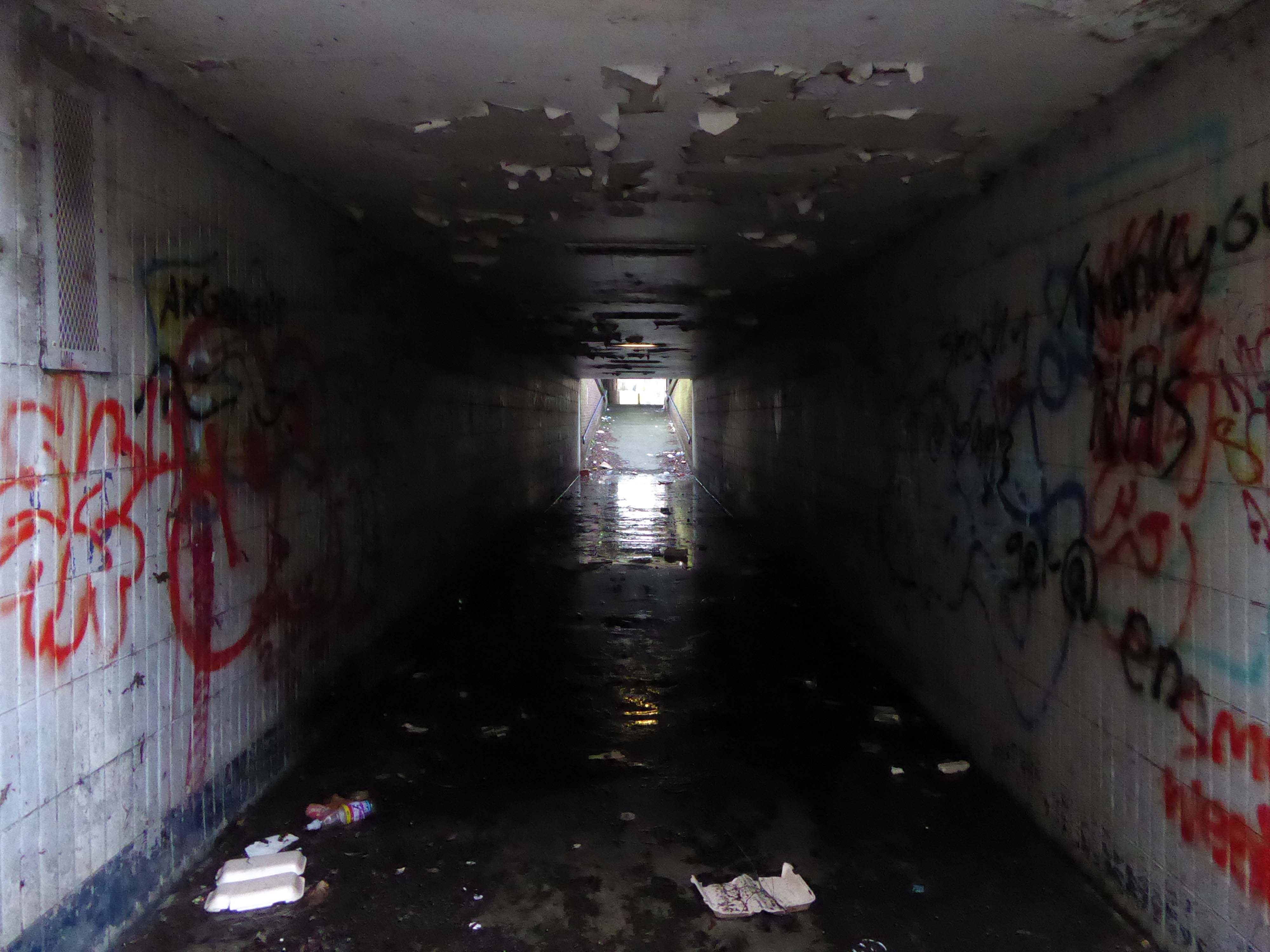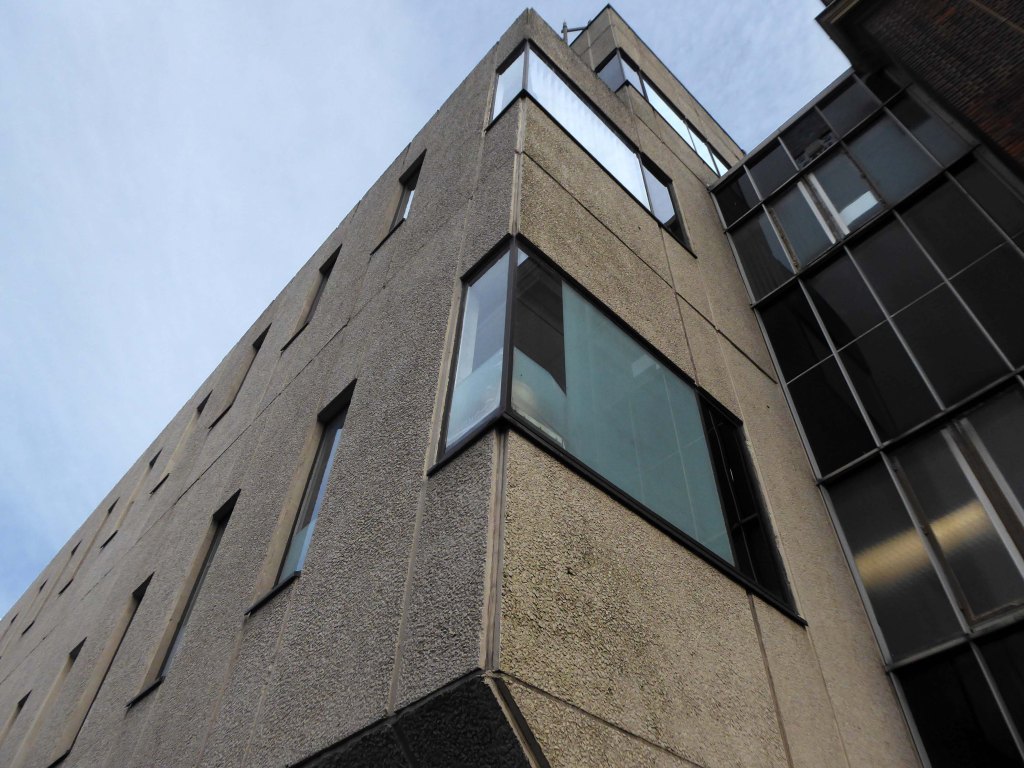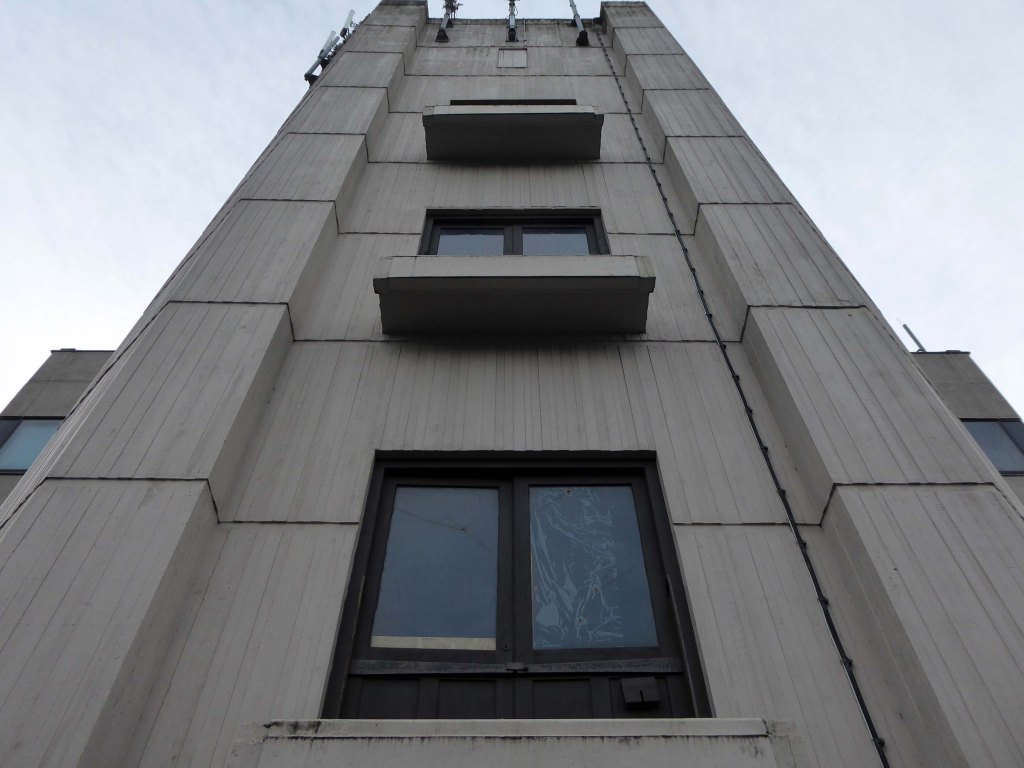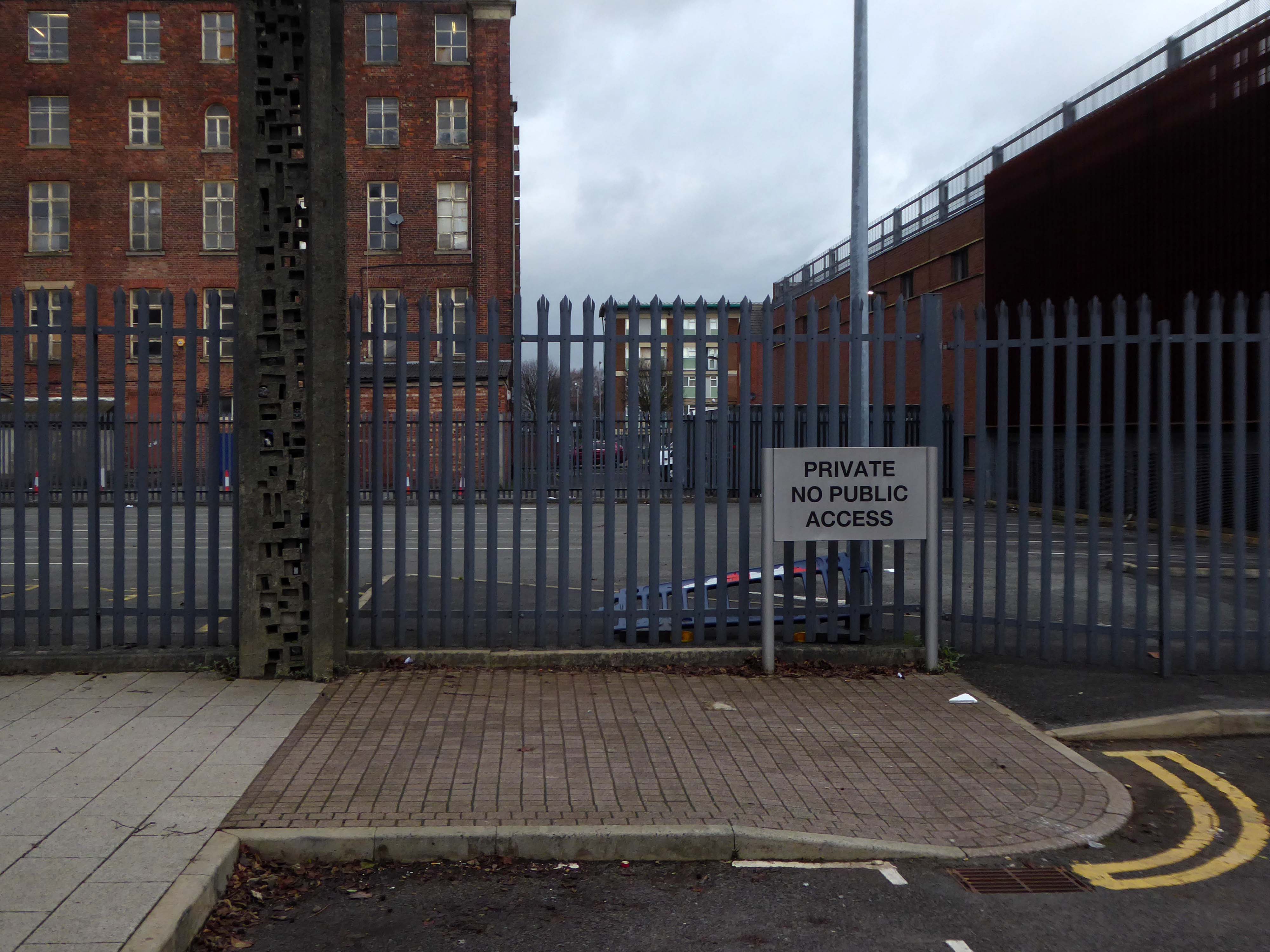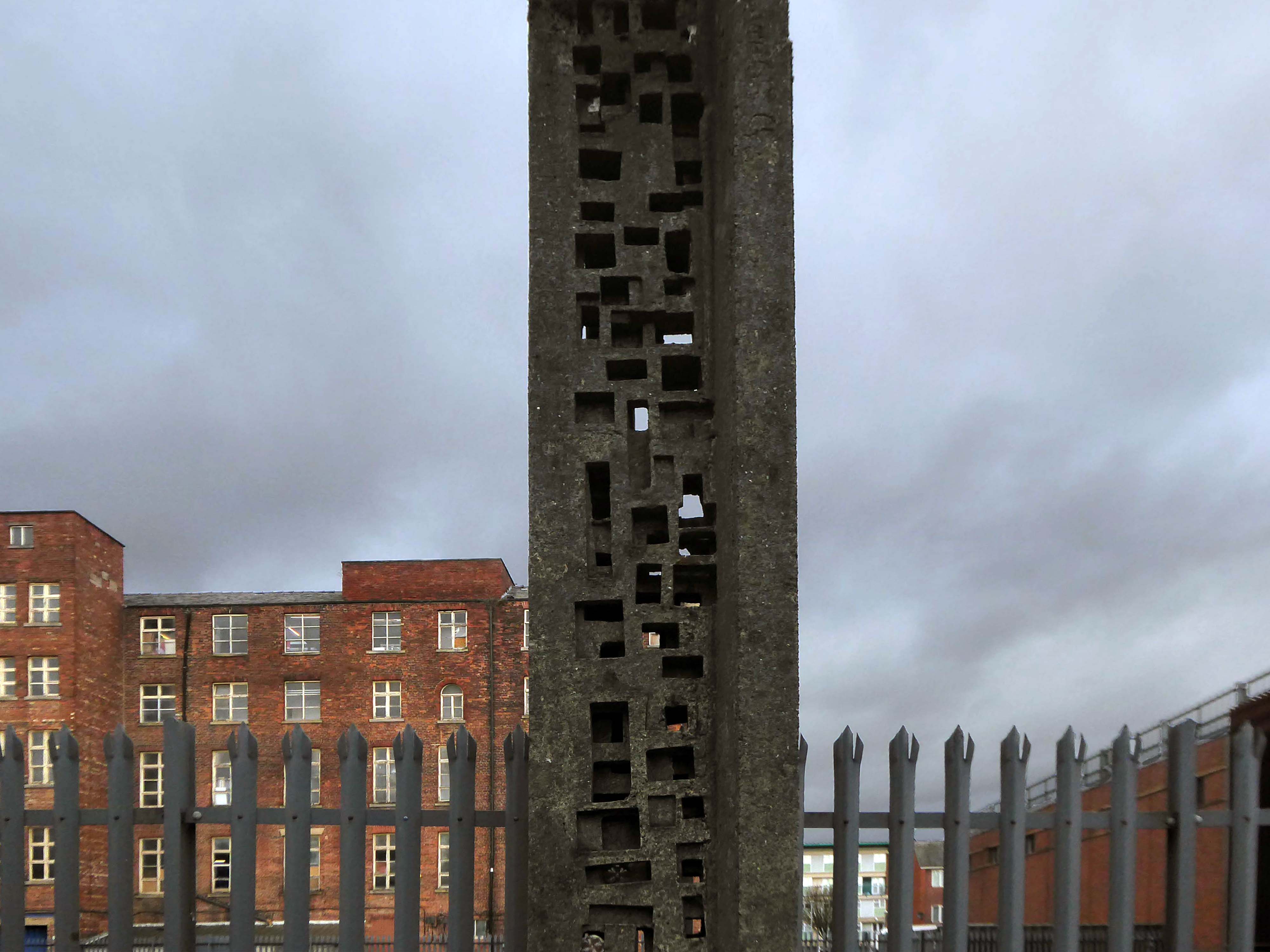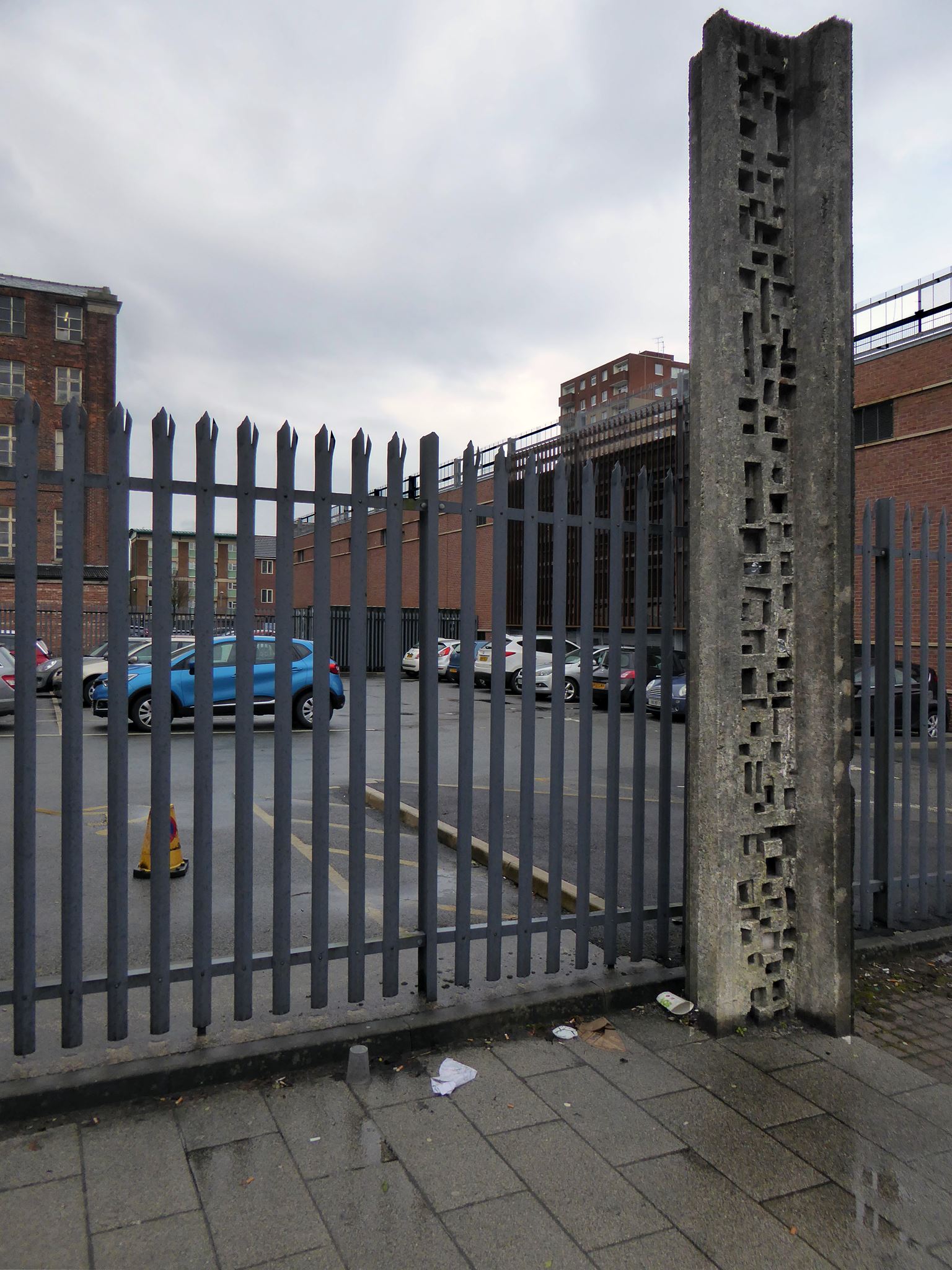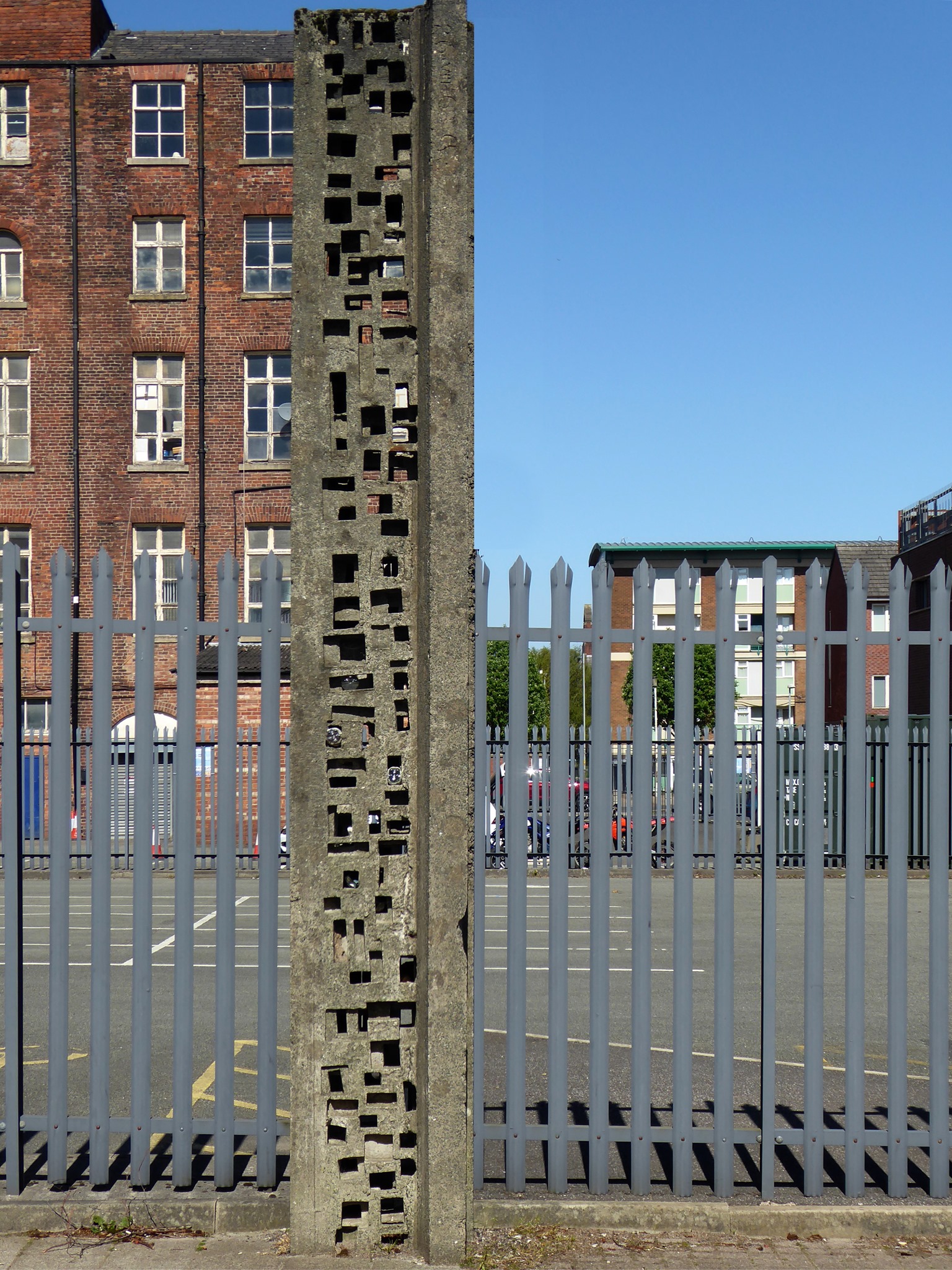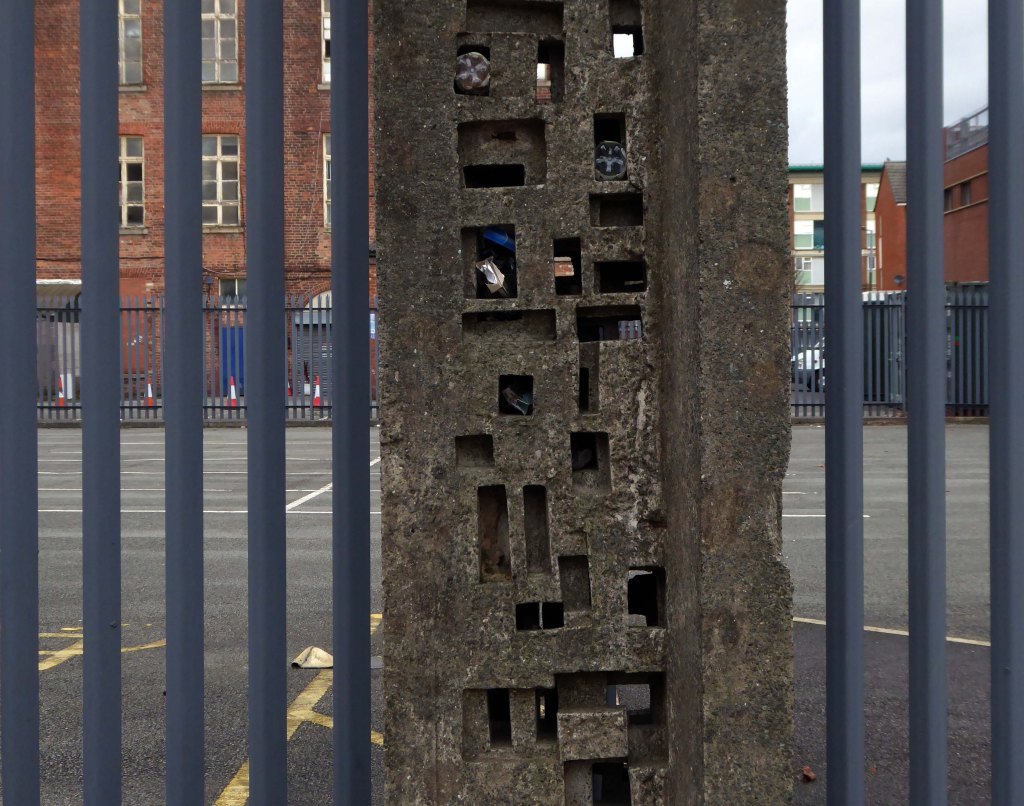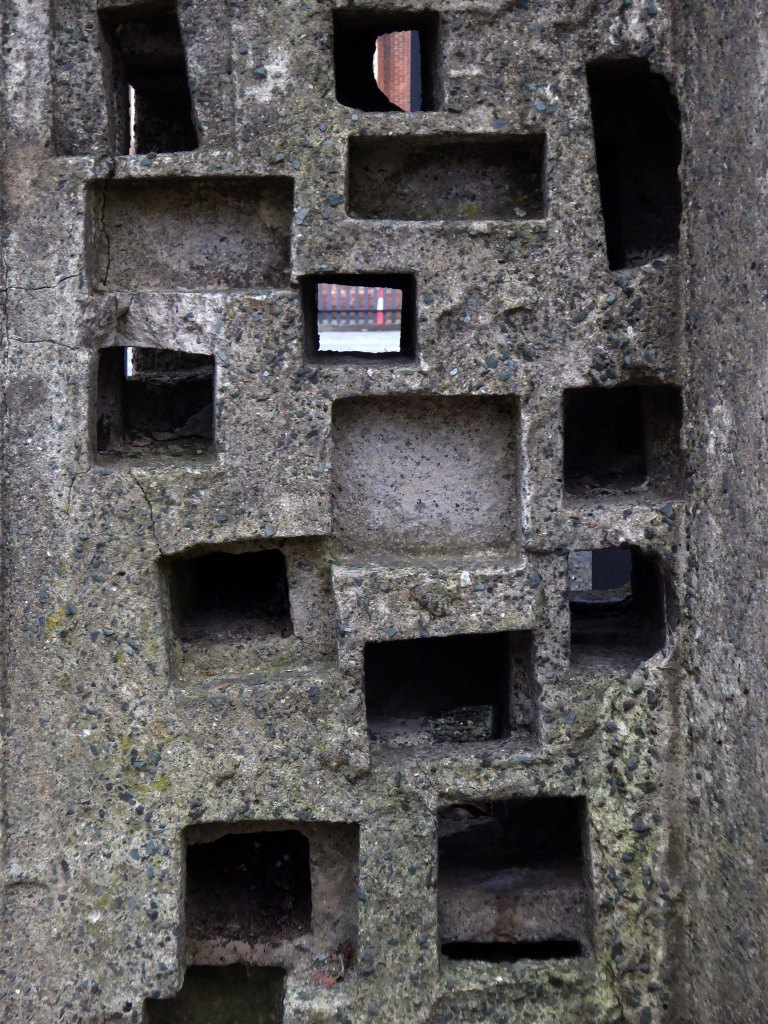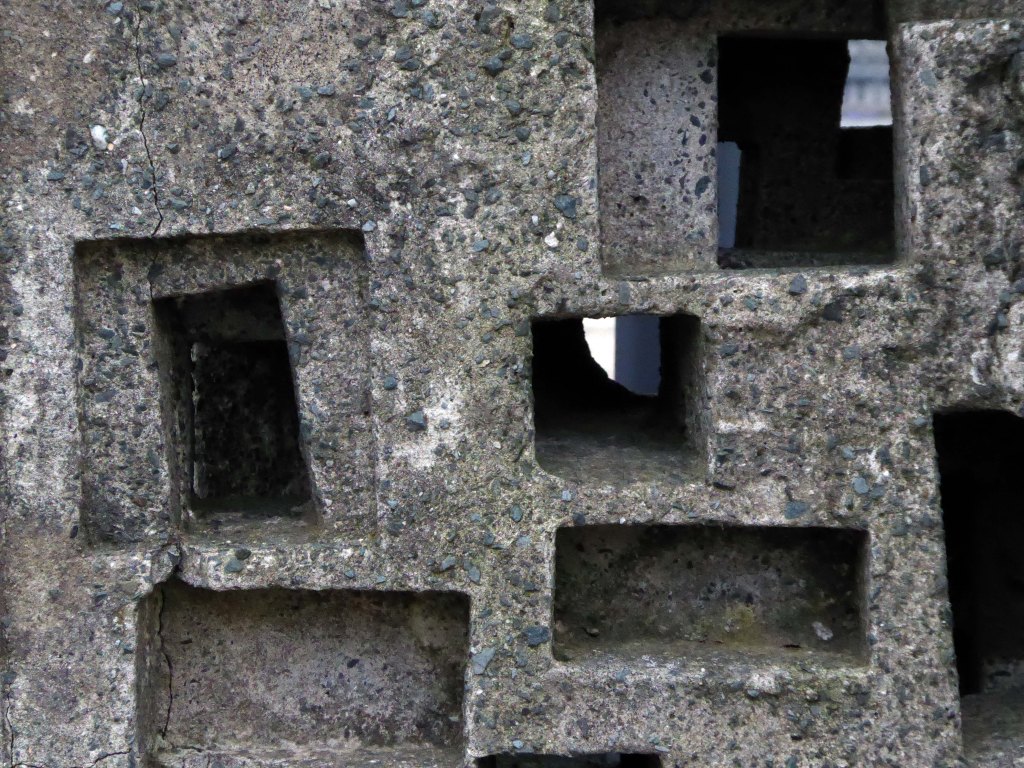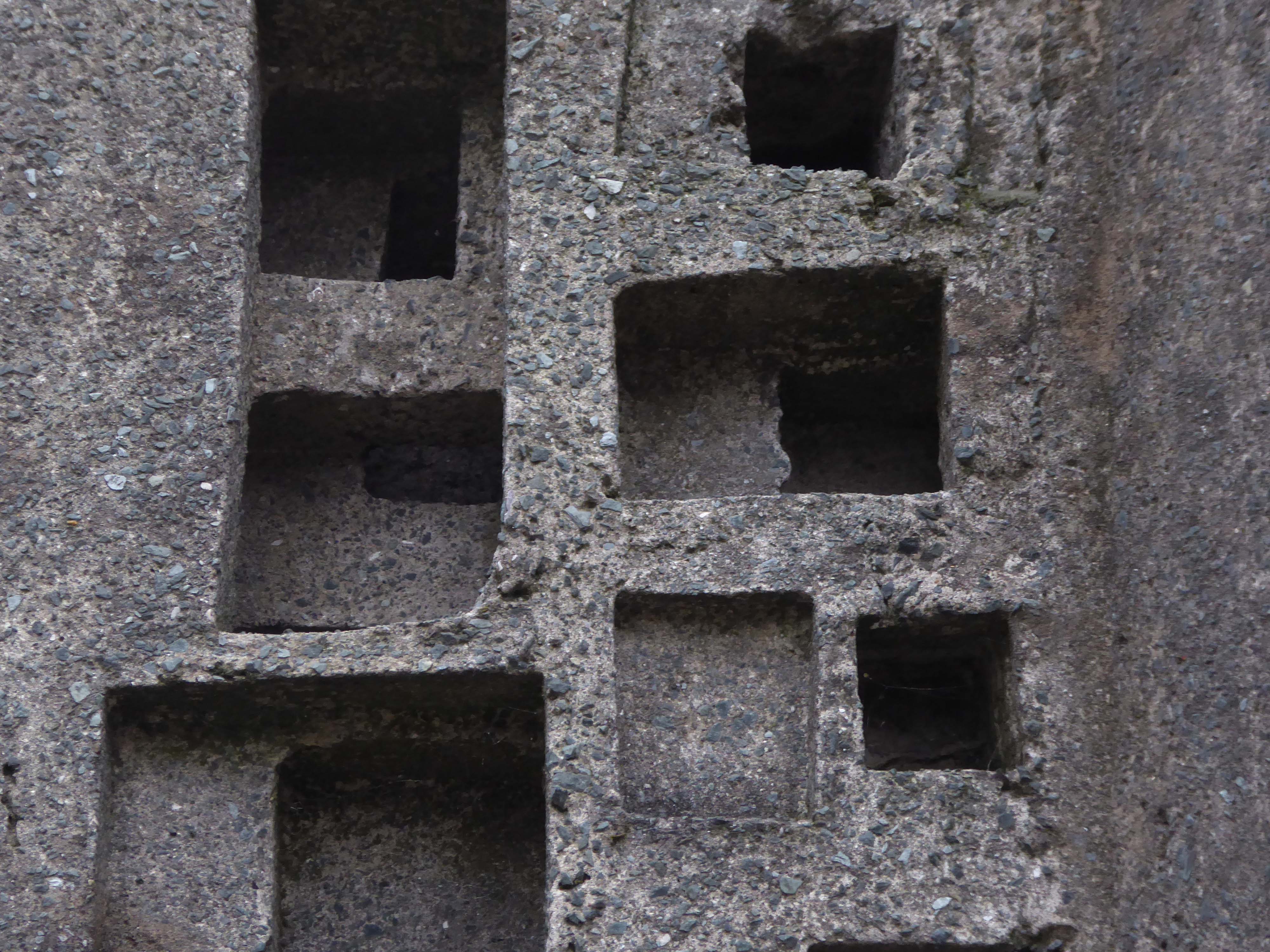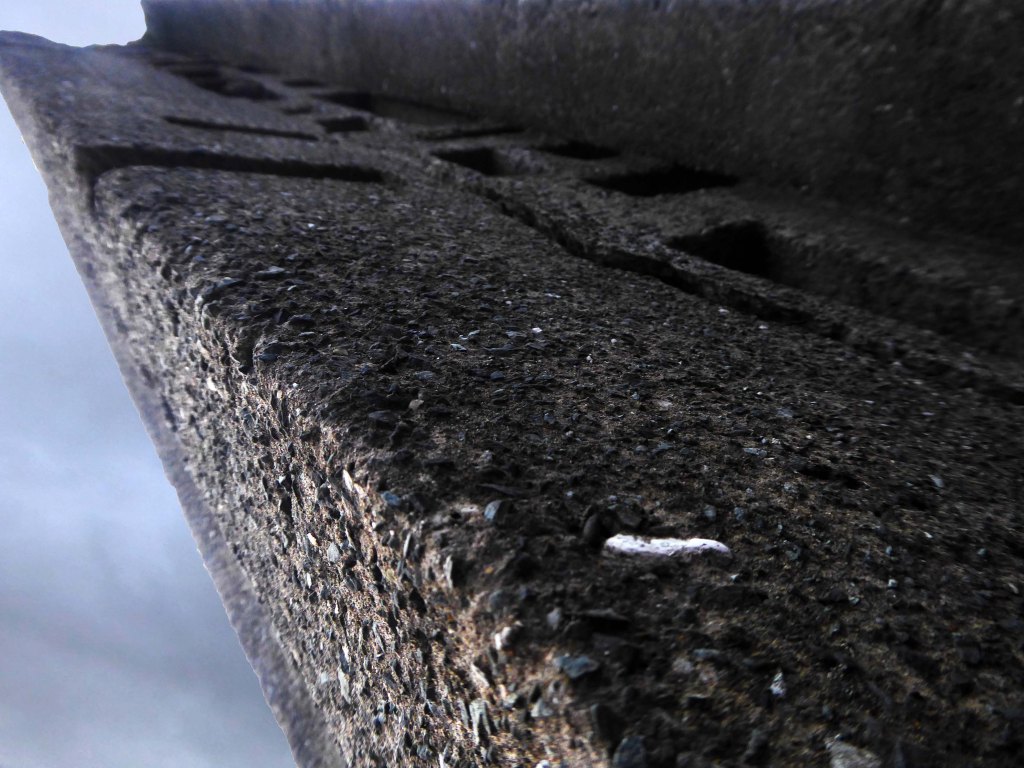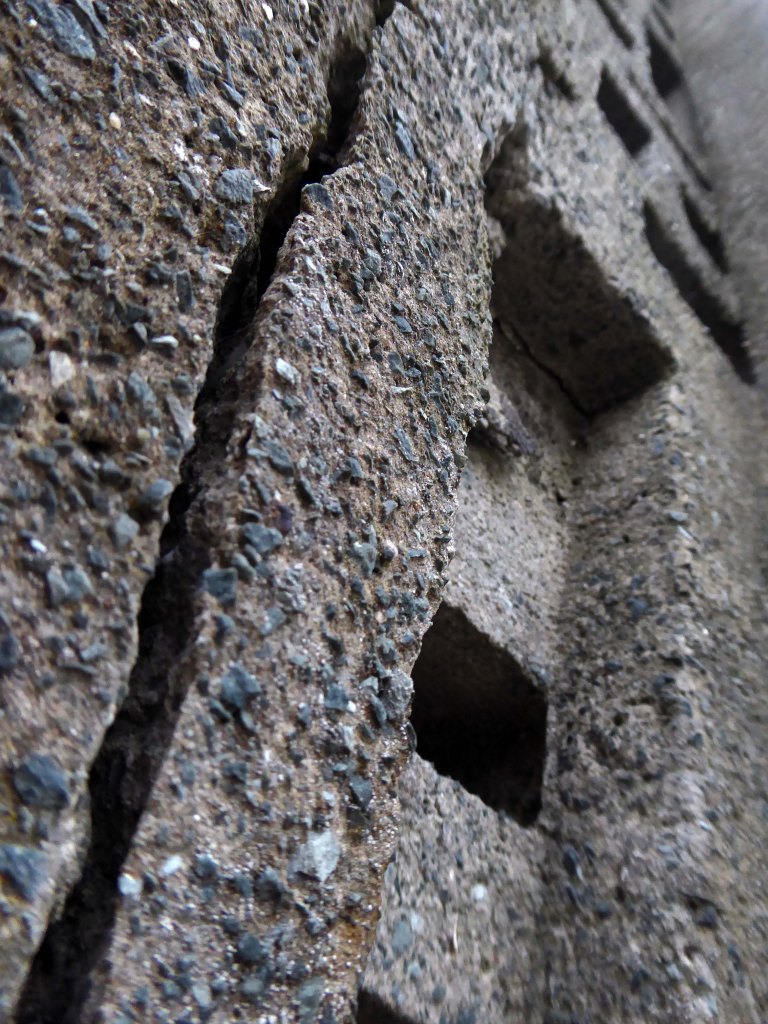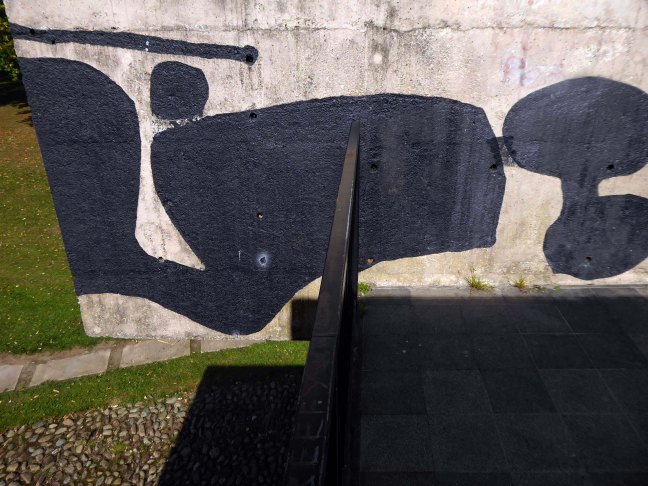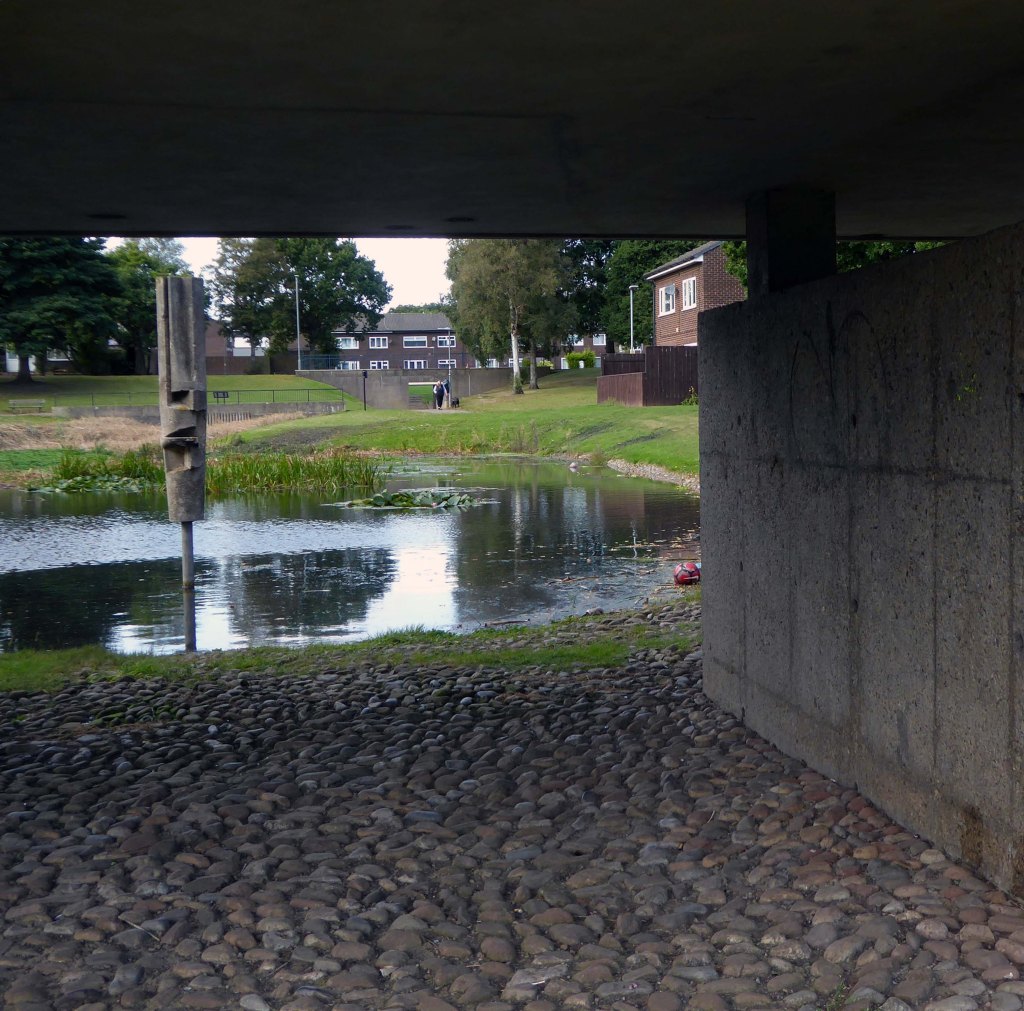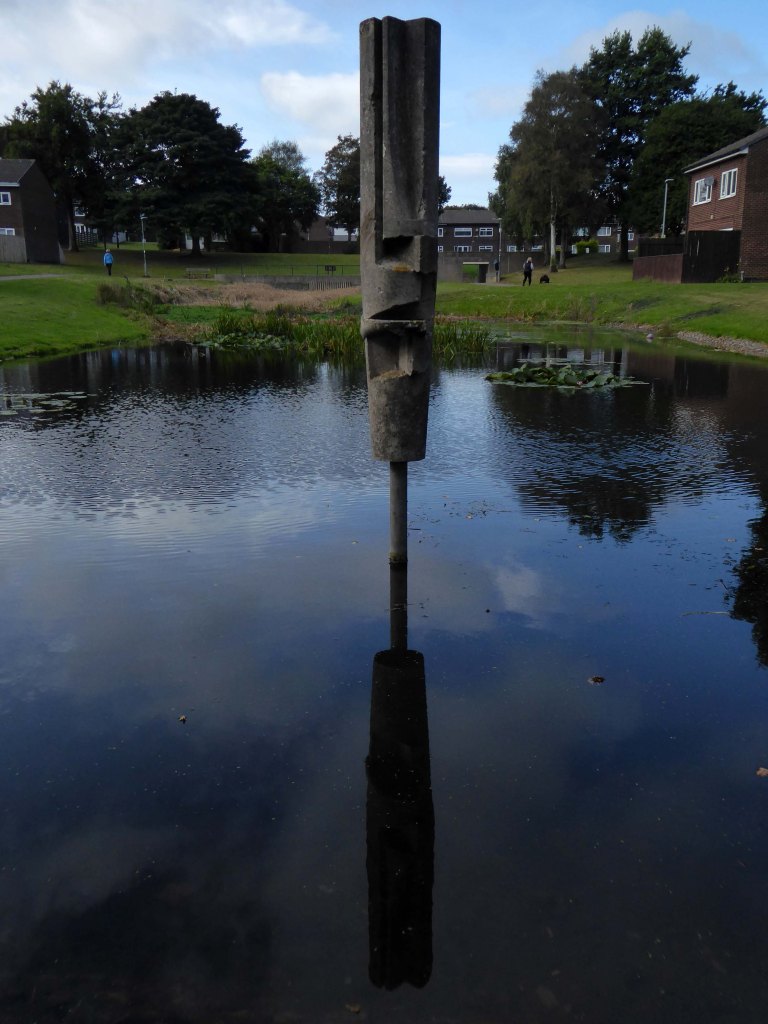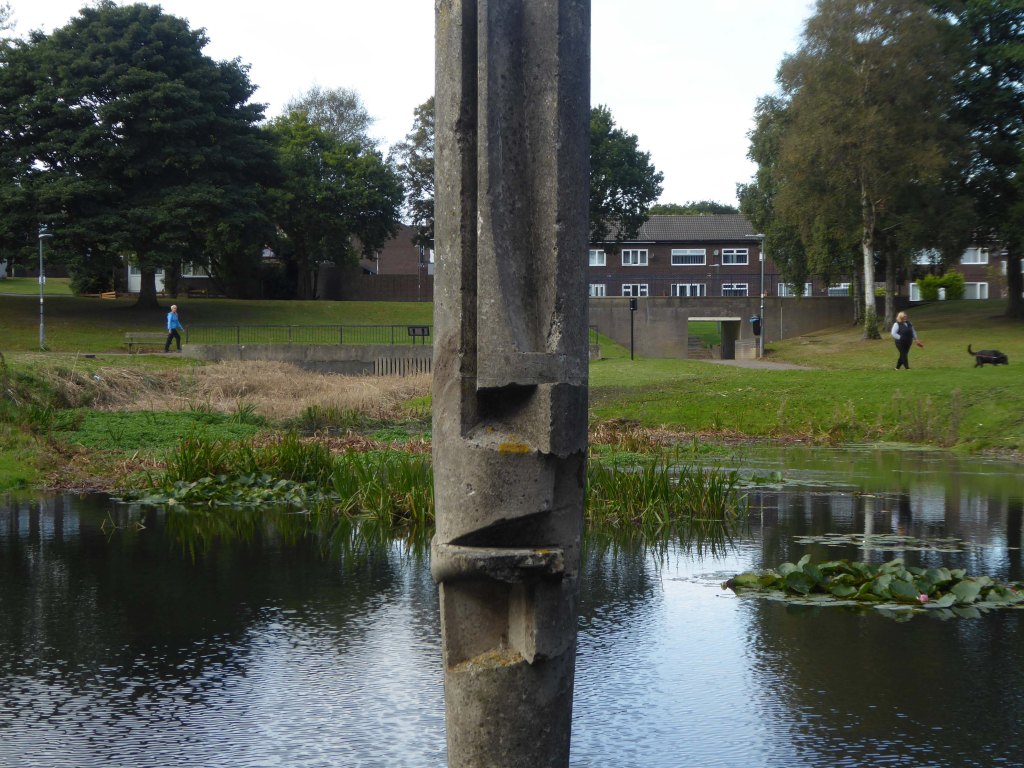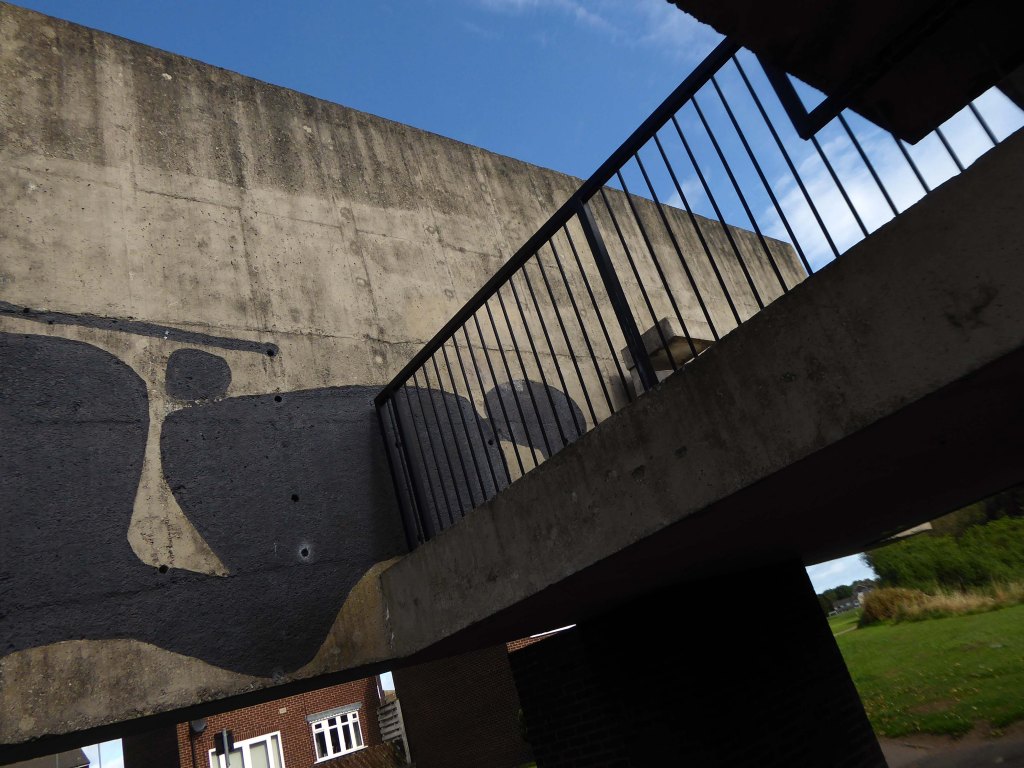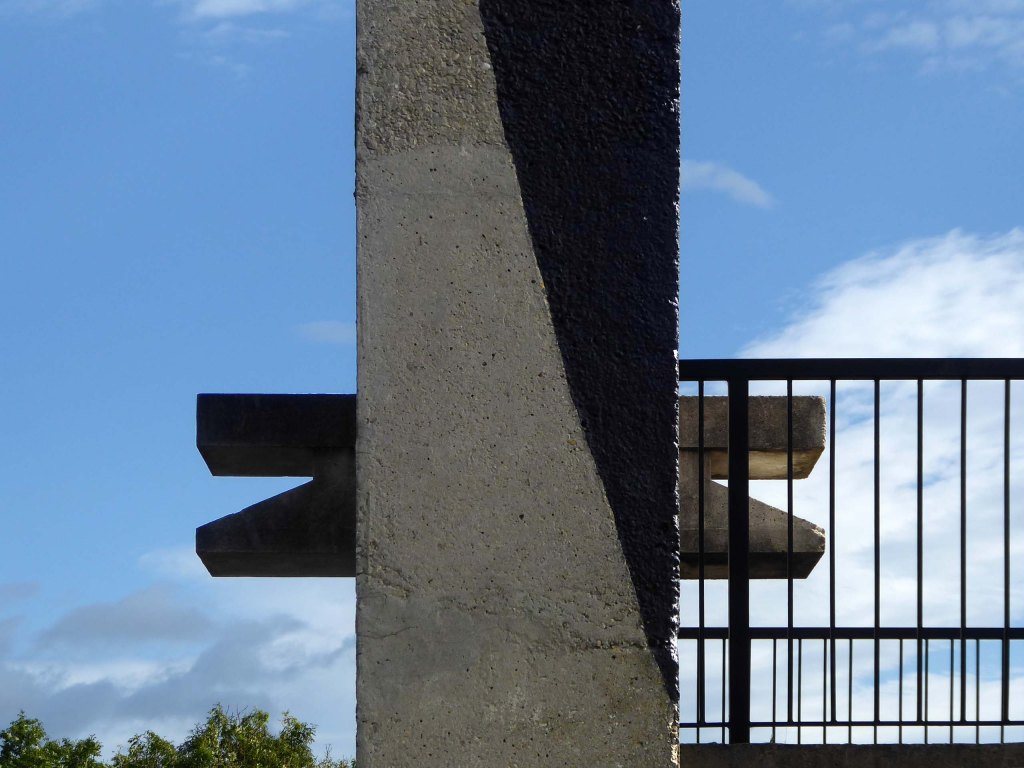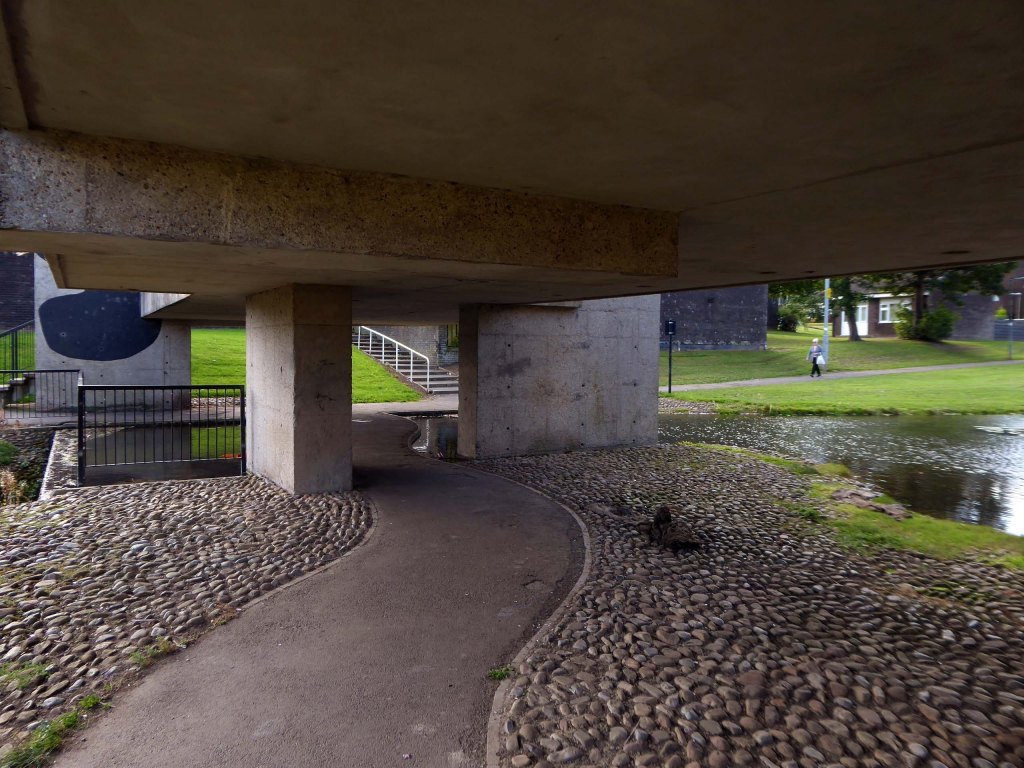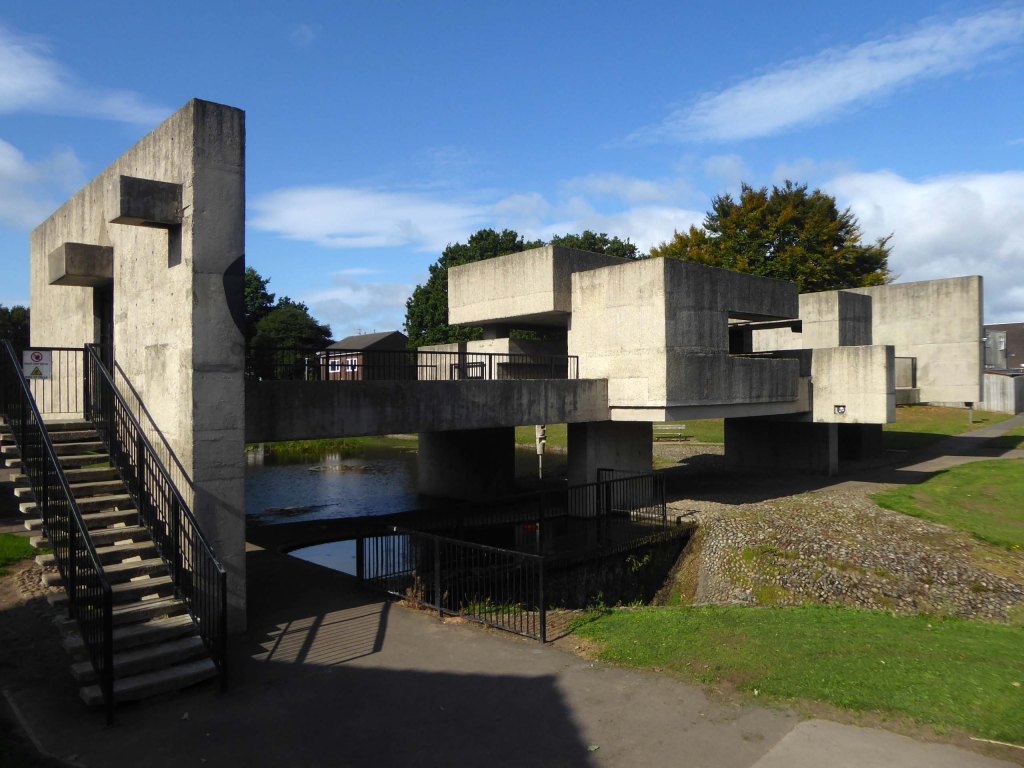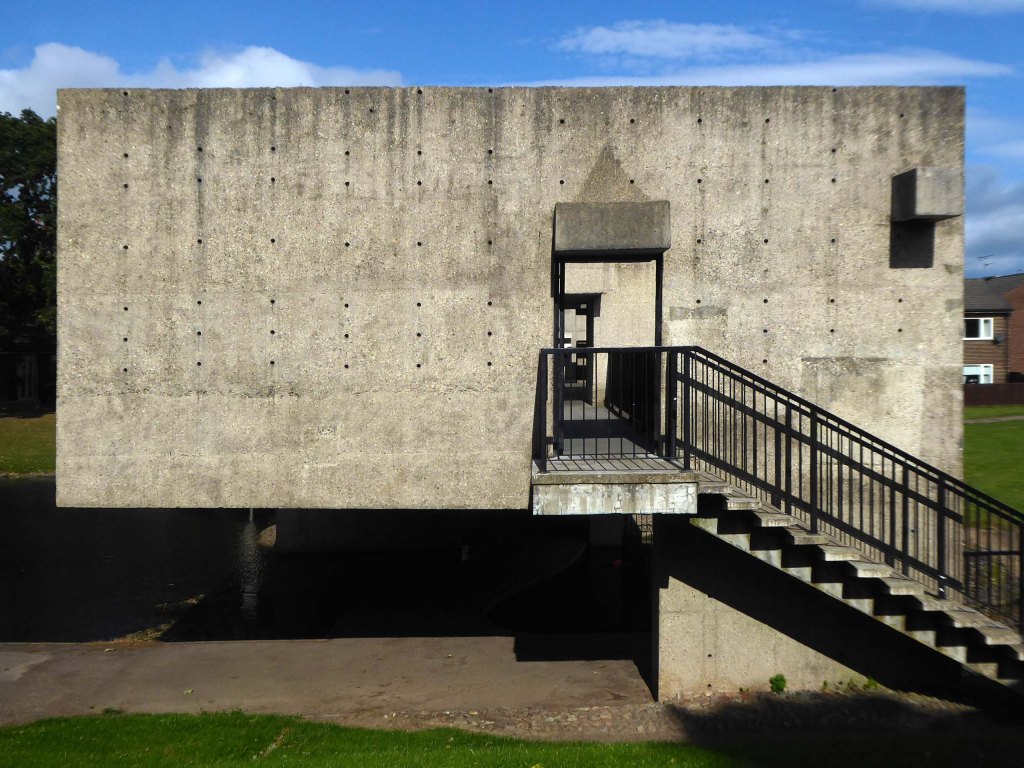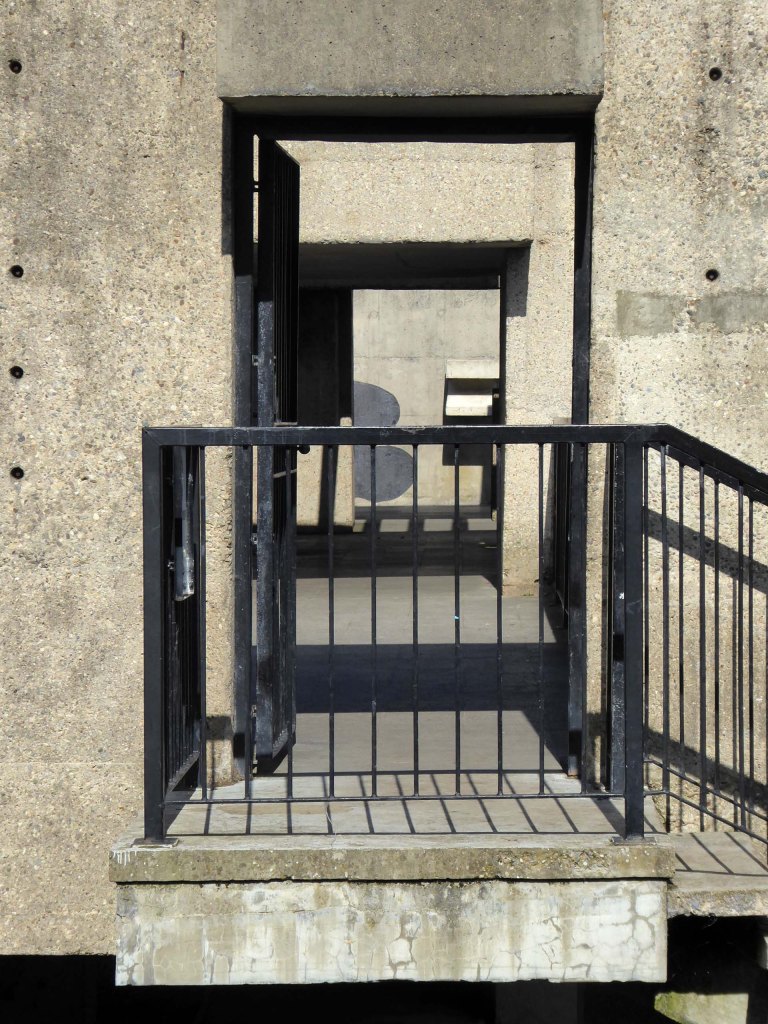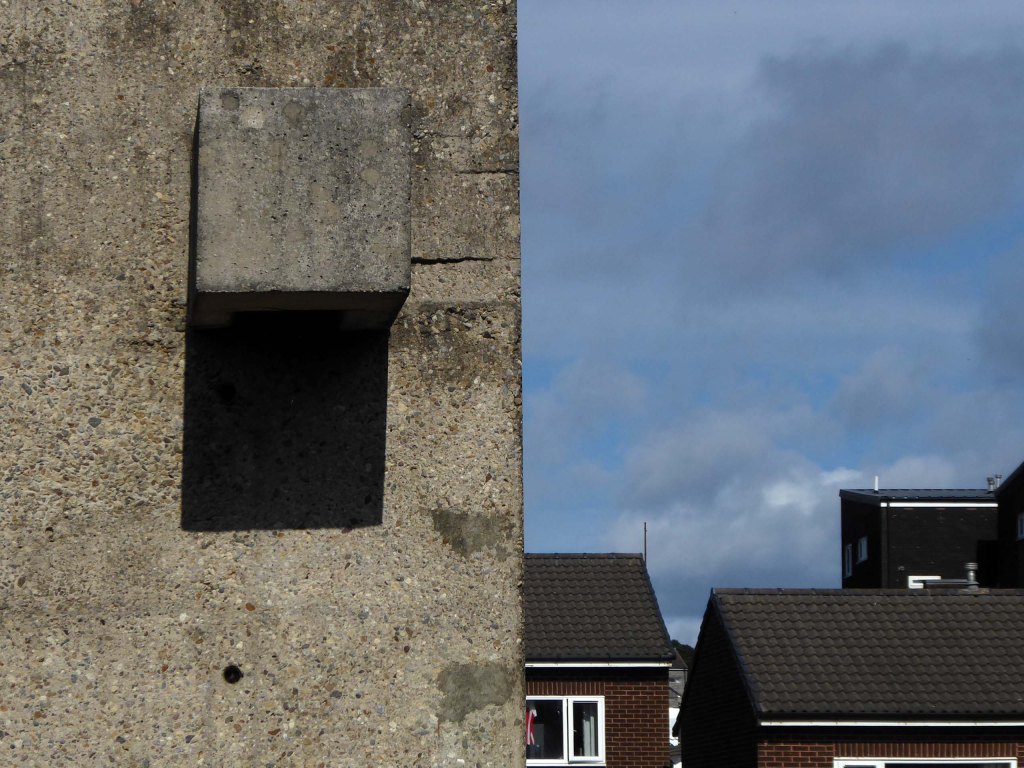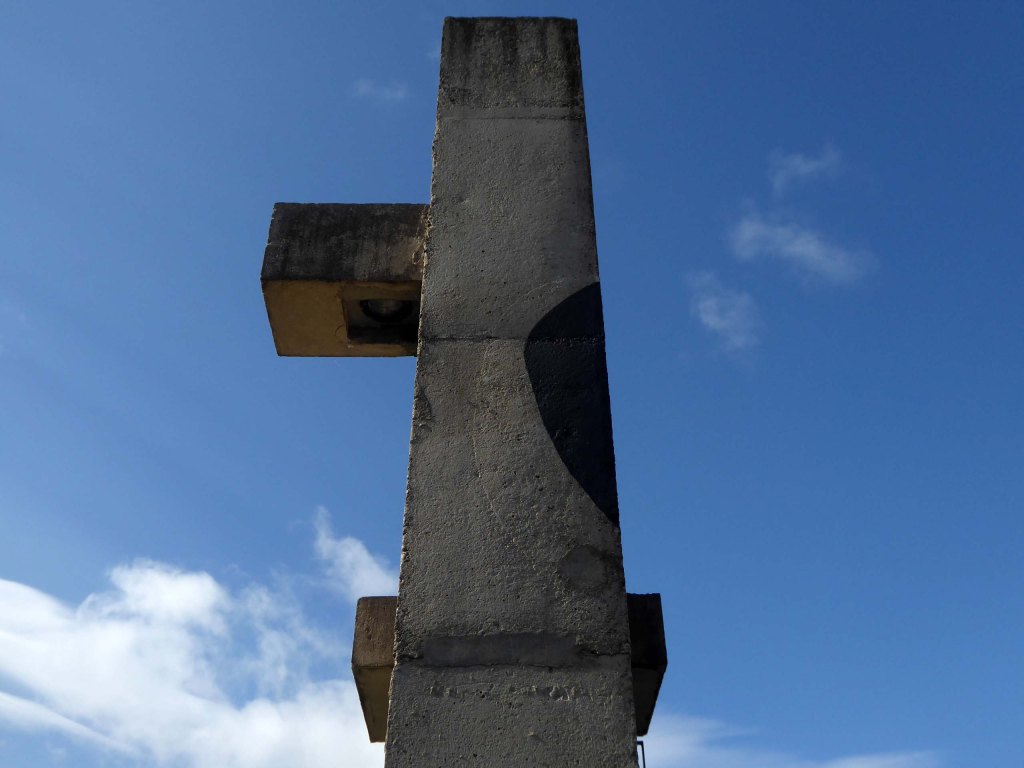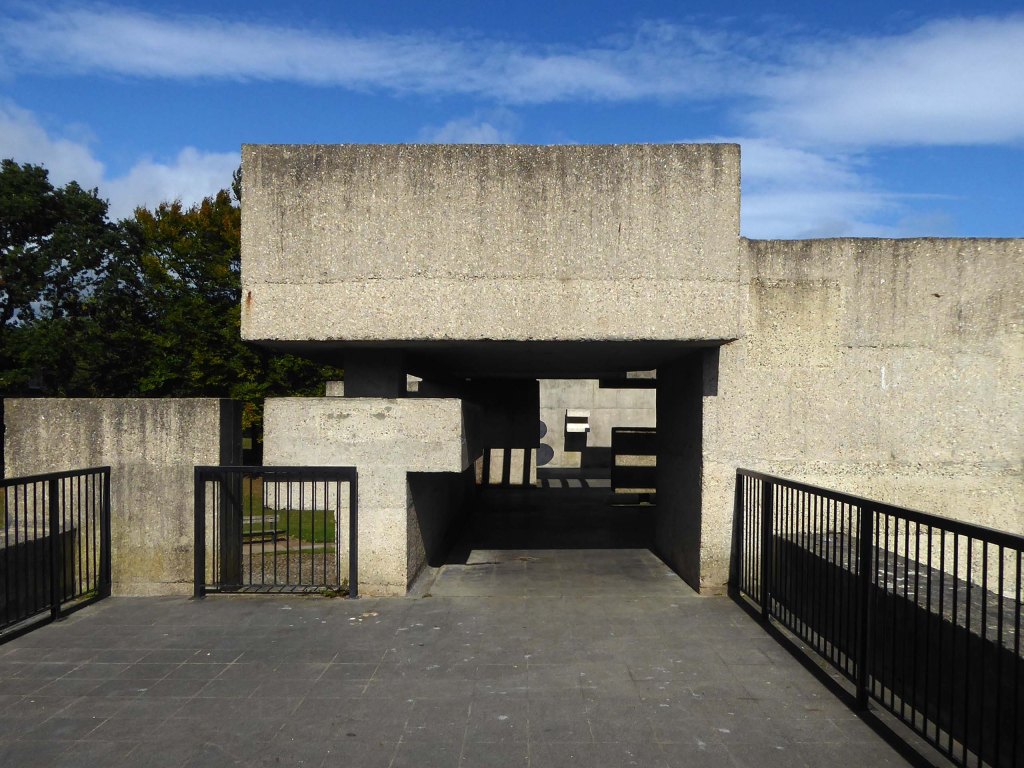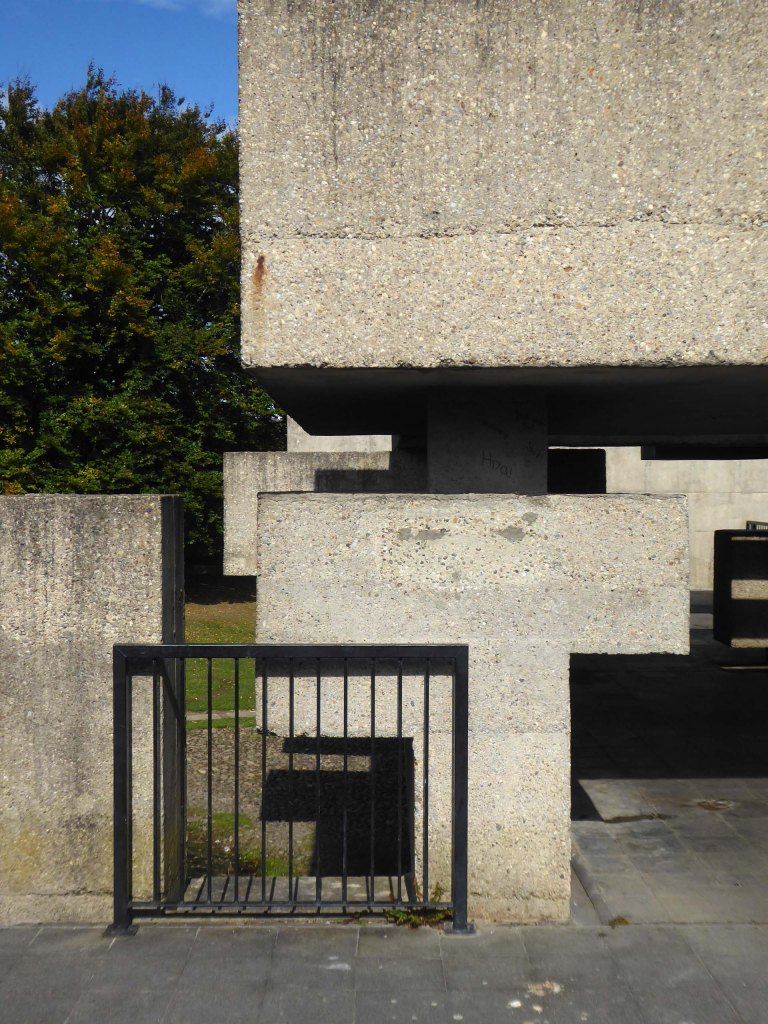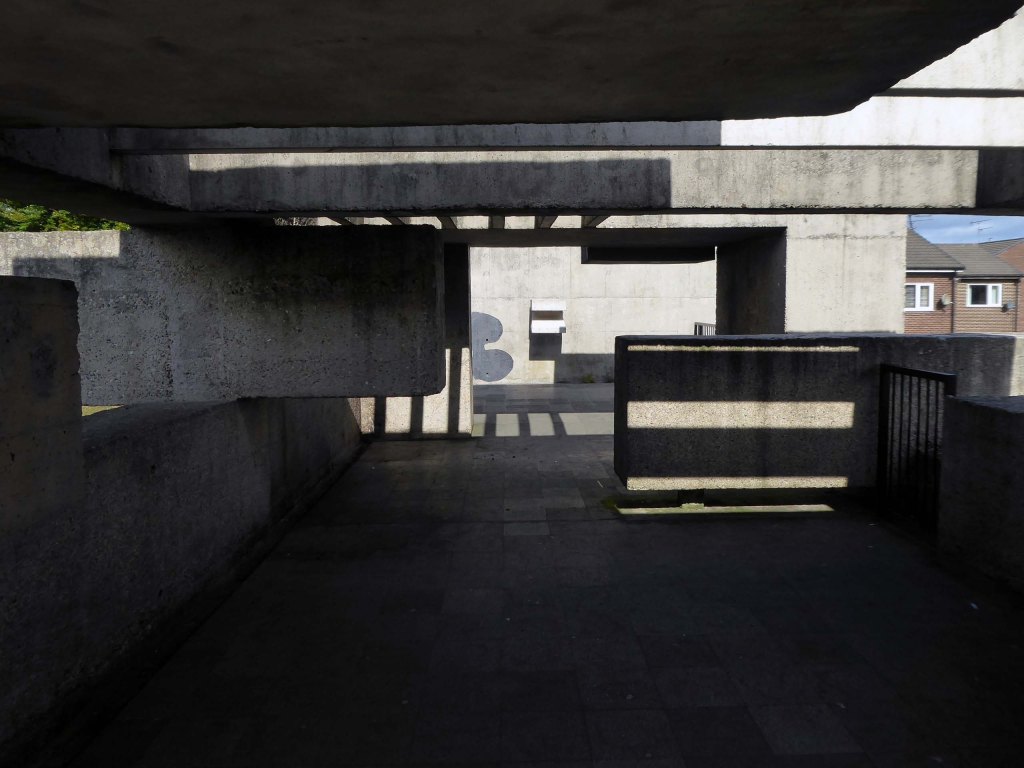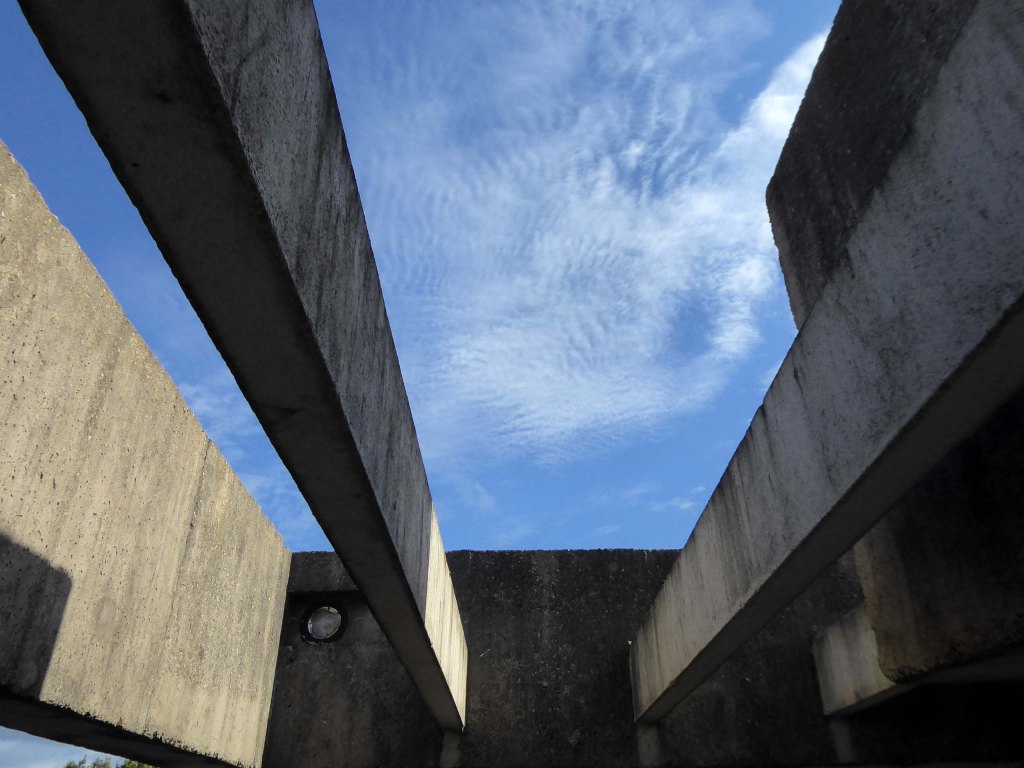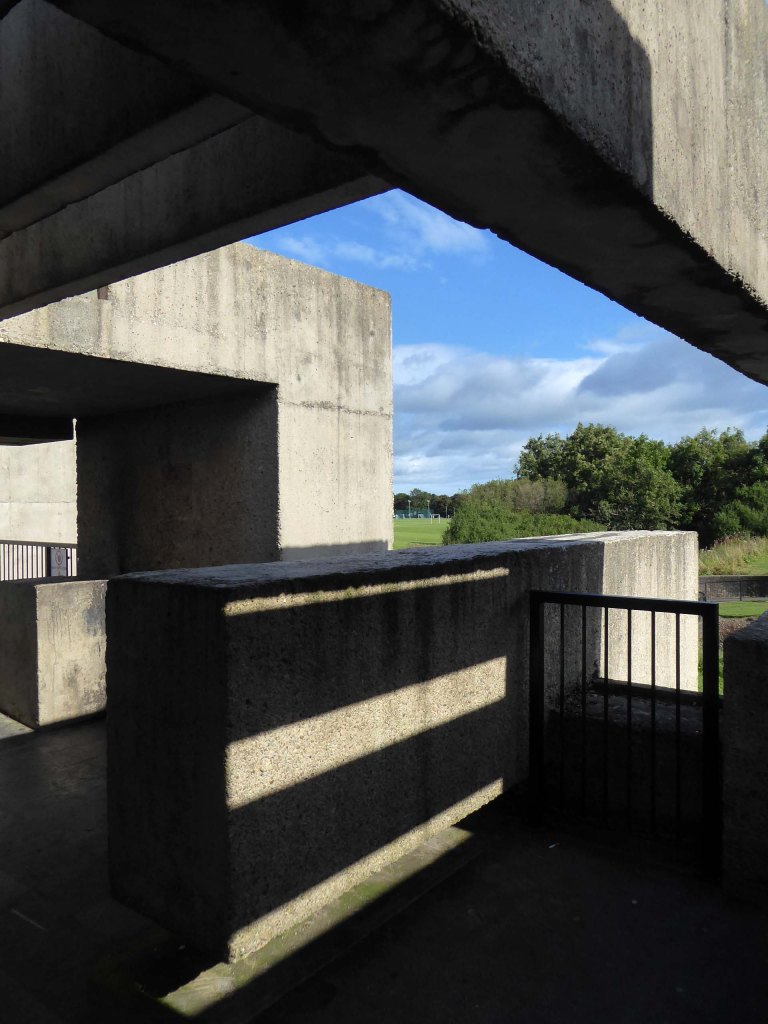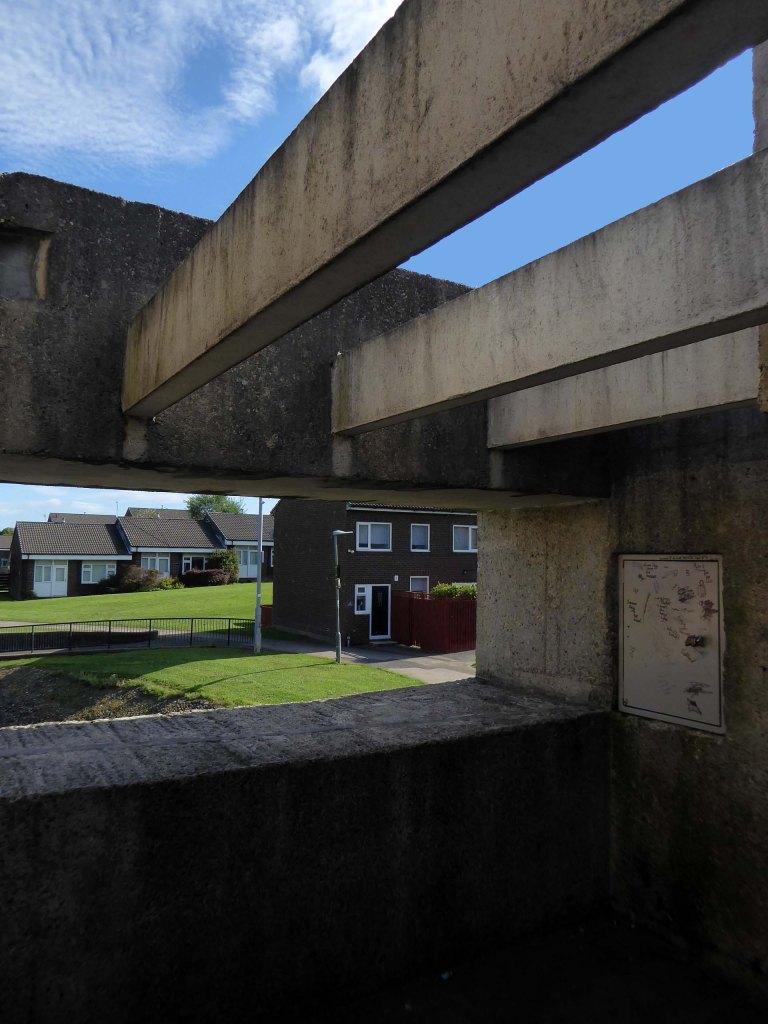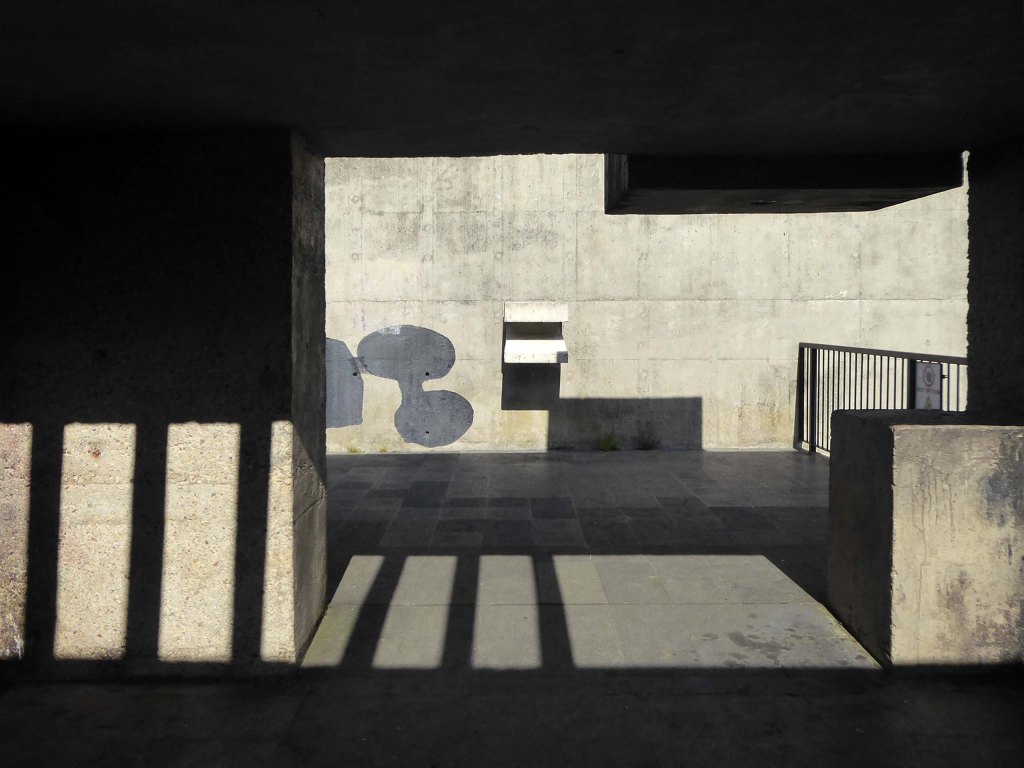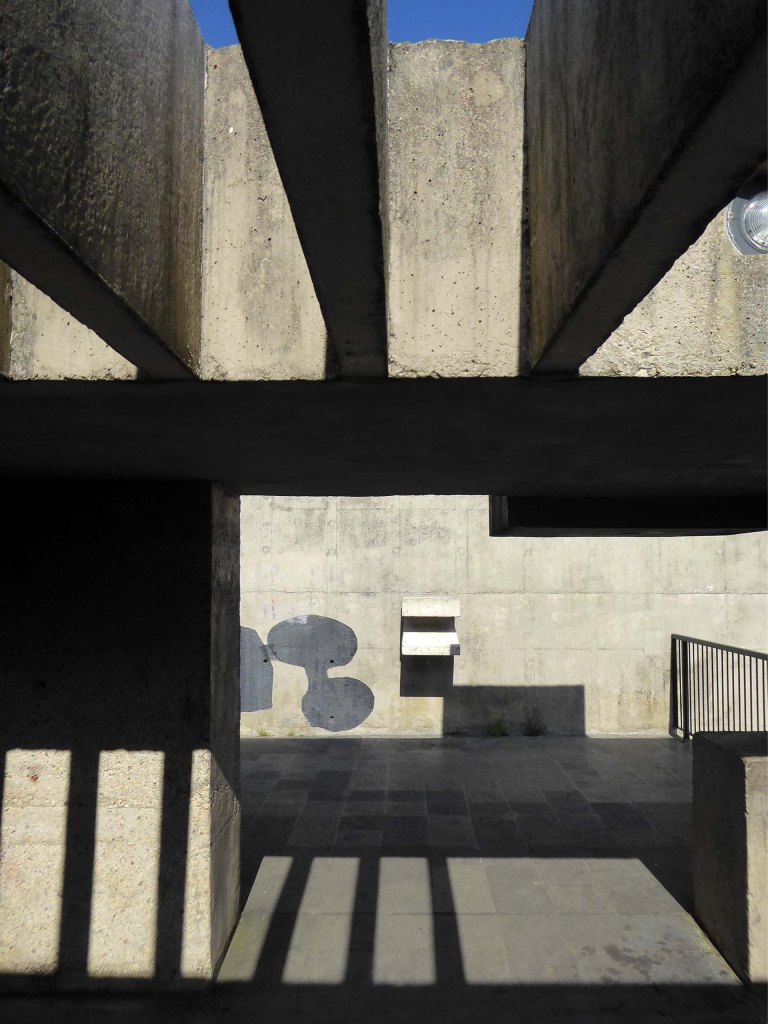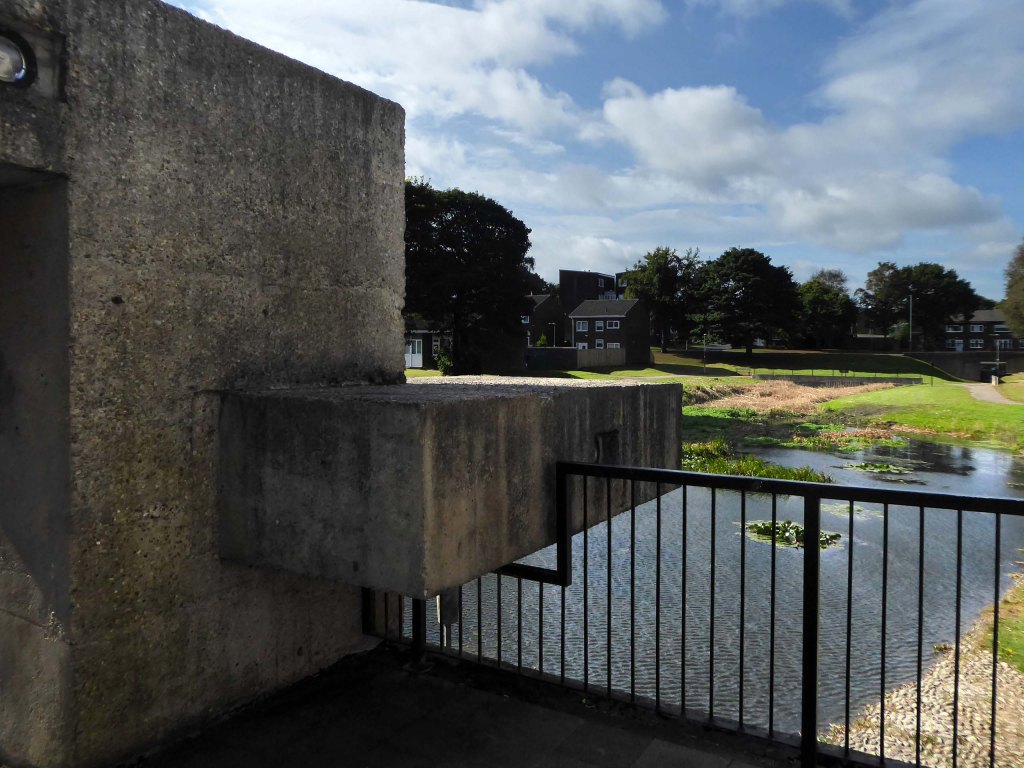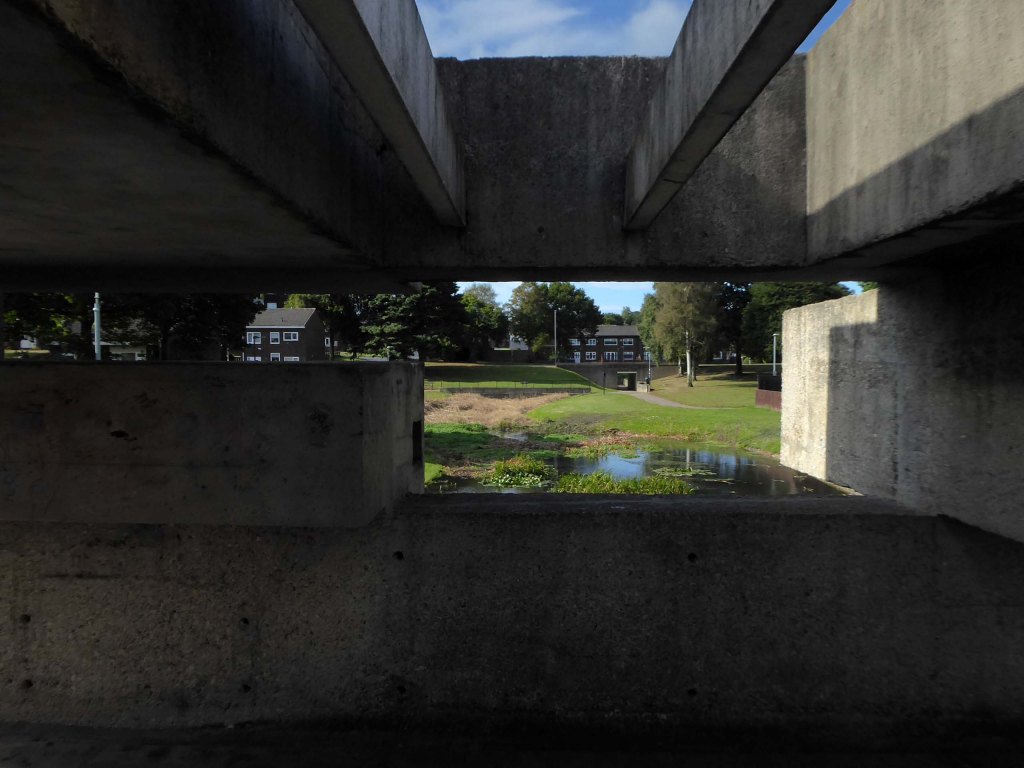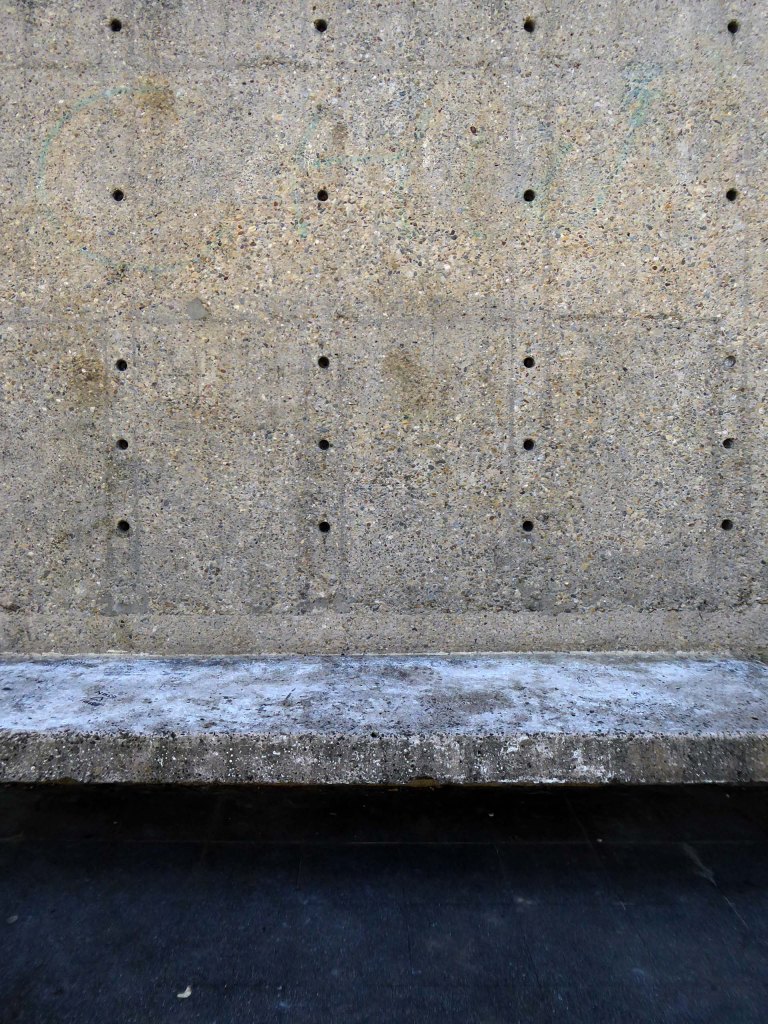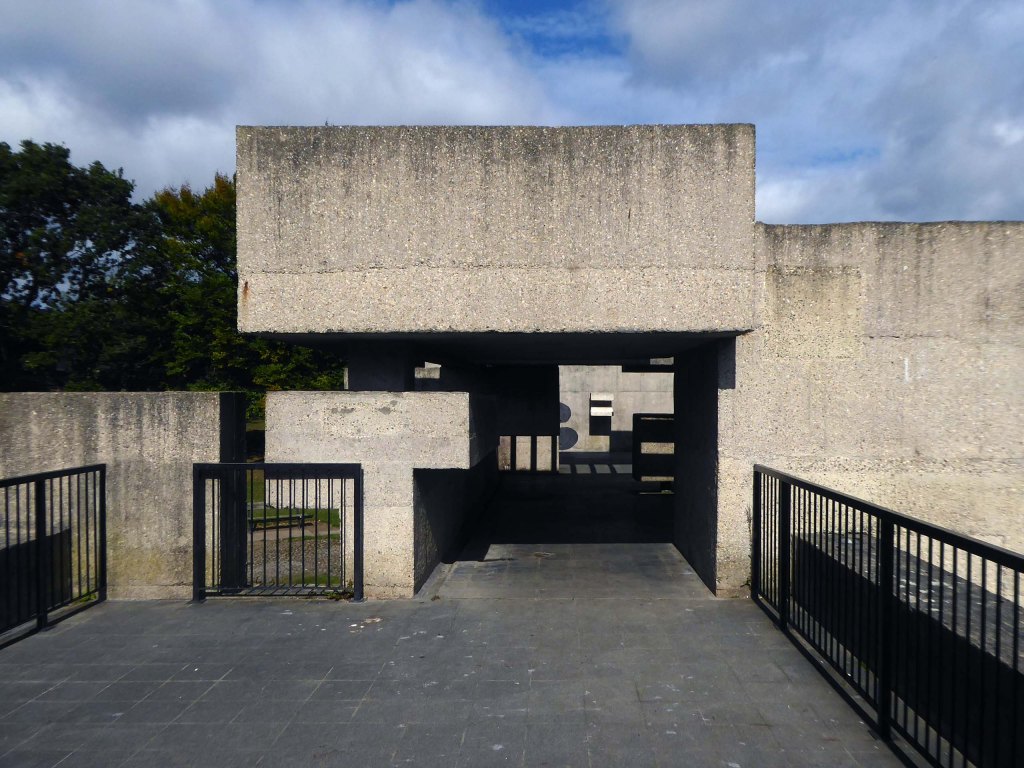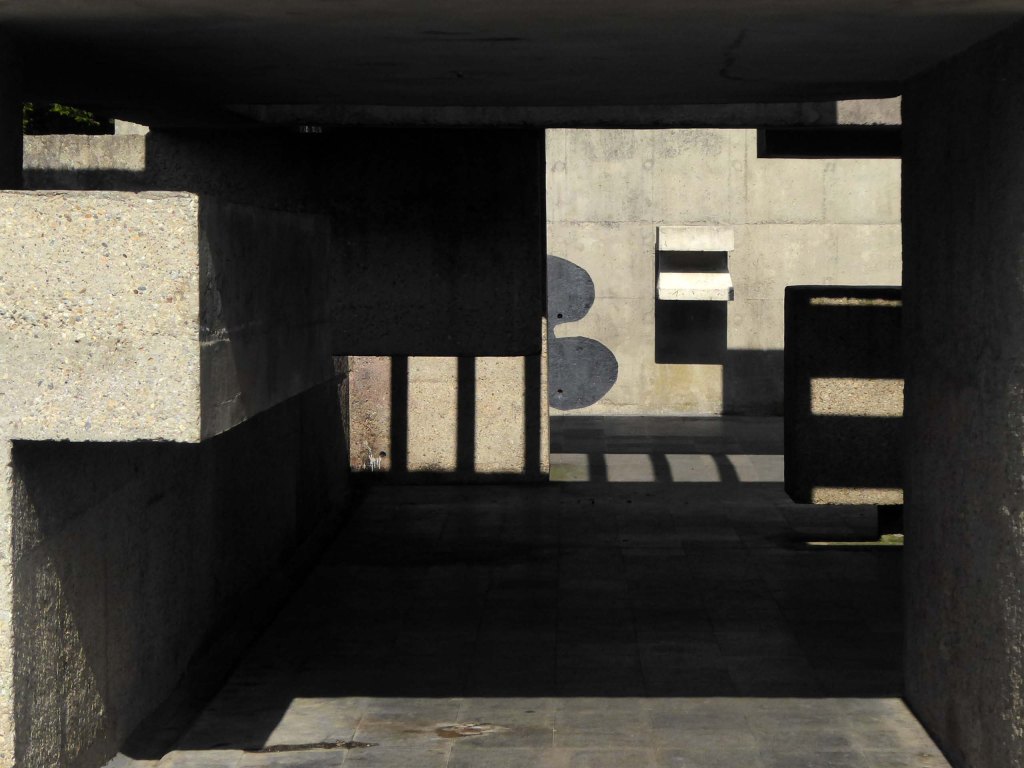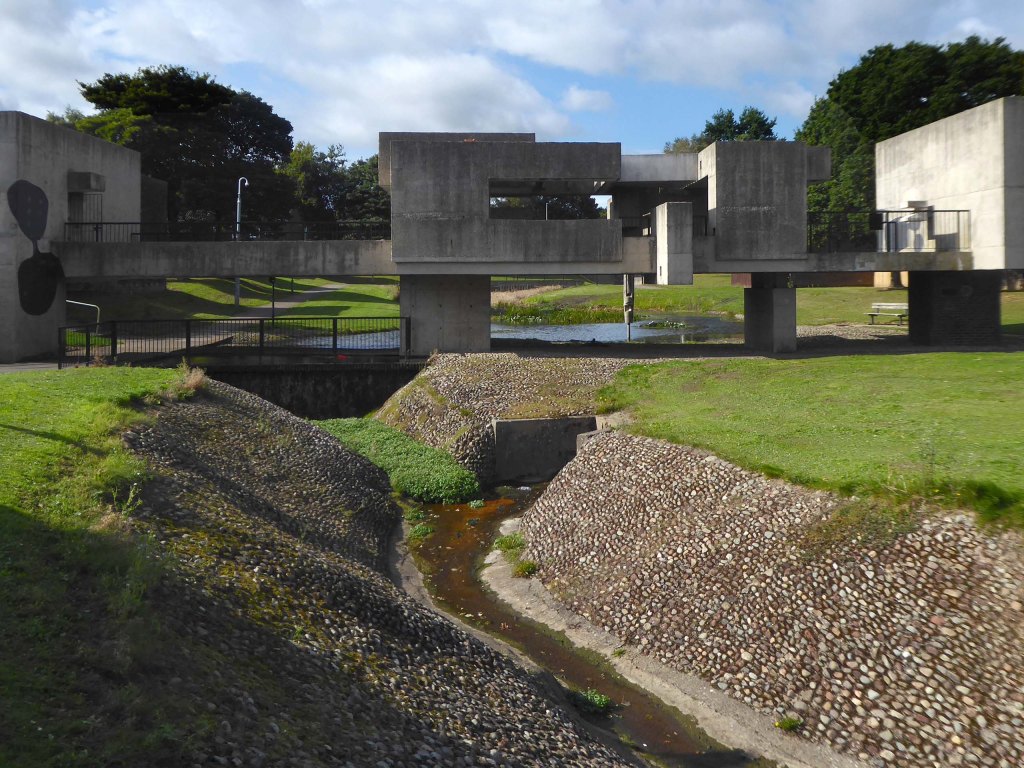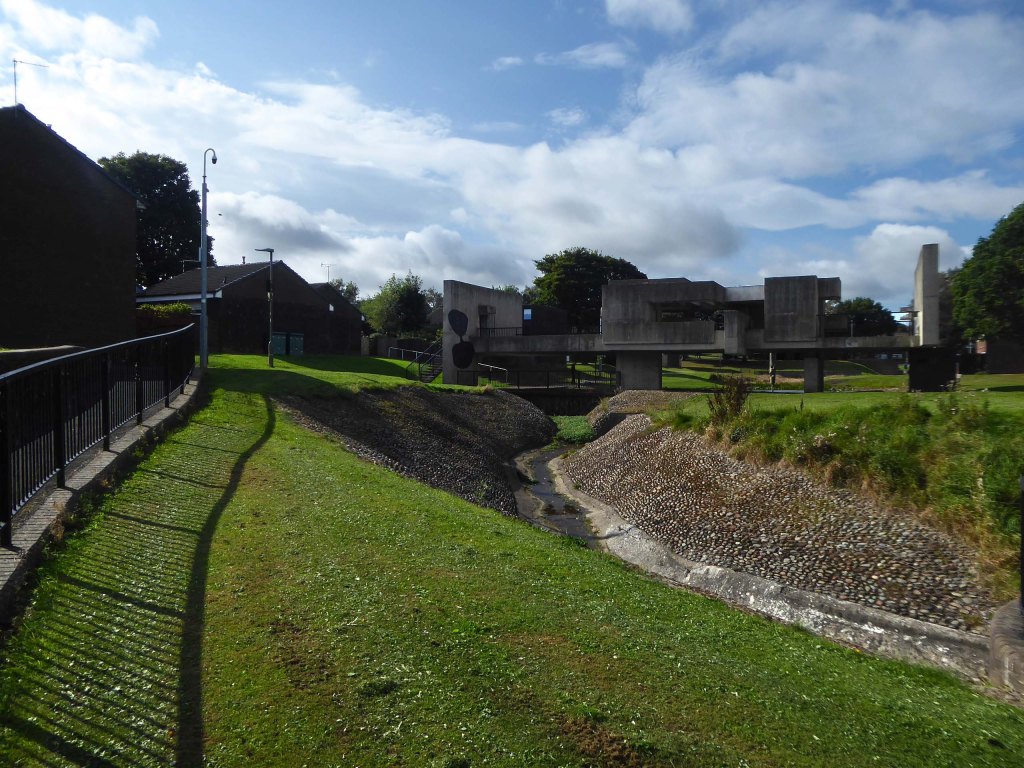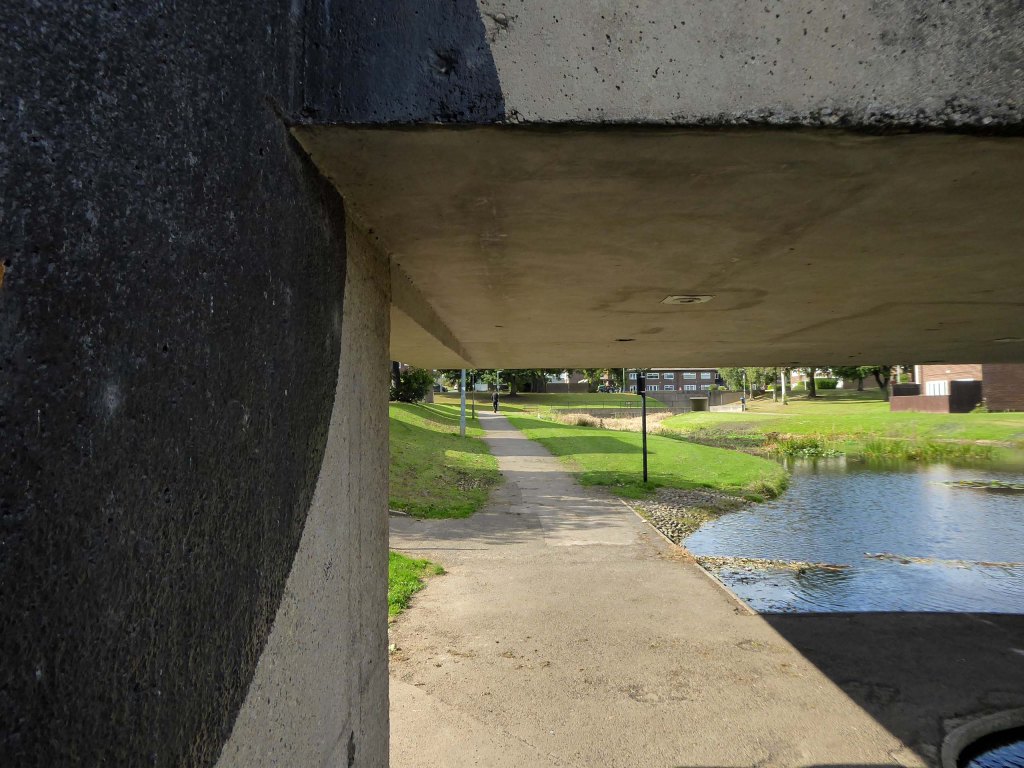
Concrete Totem – Ashton under Lyne

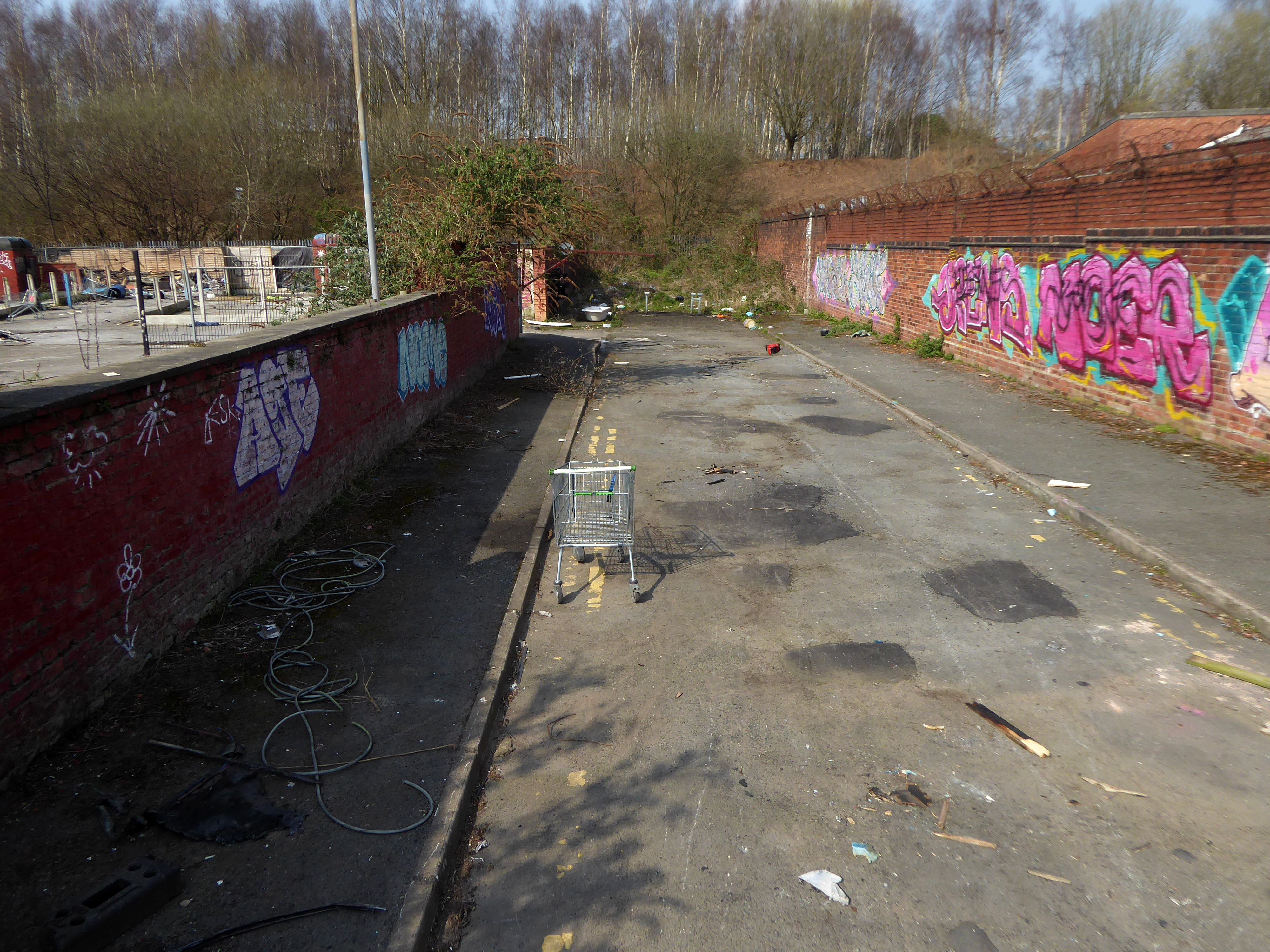
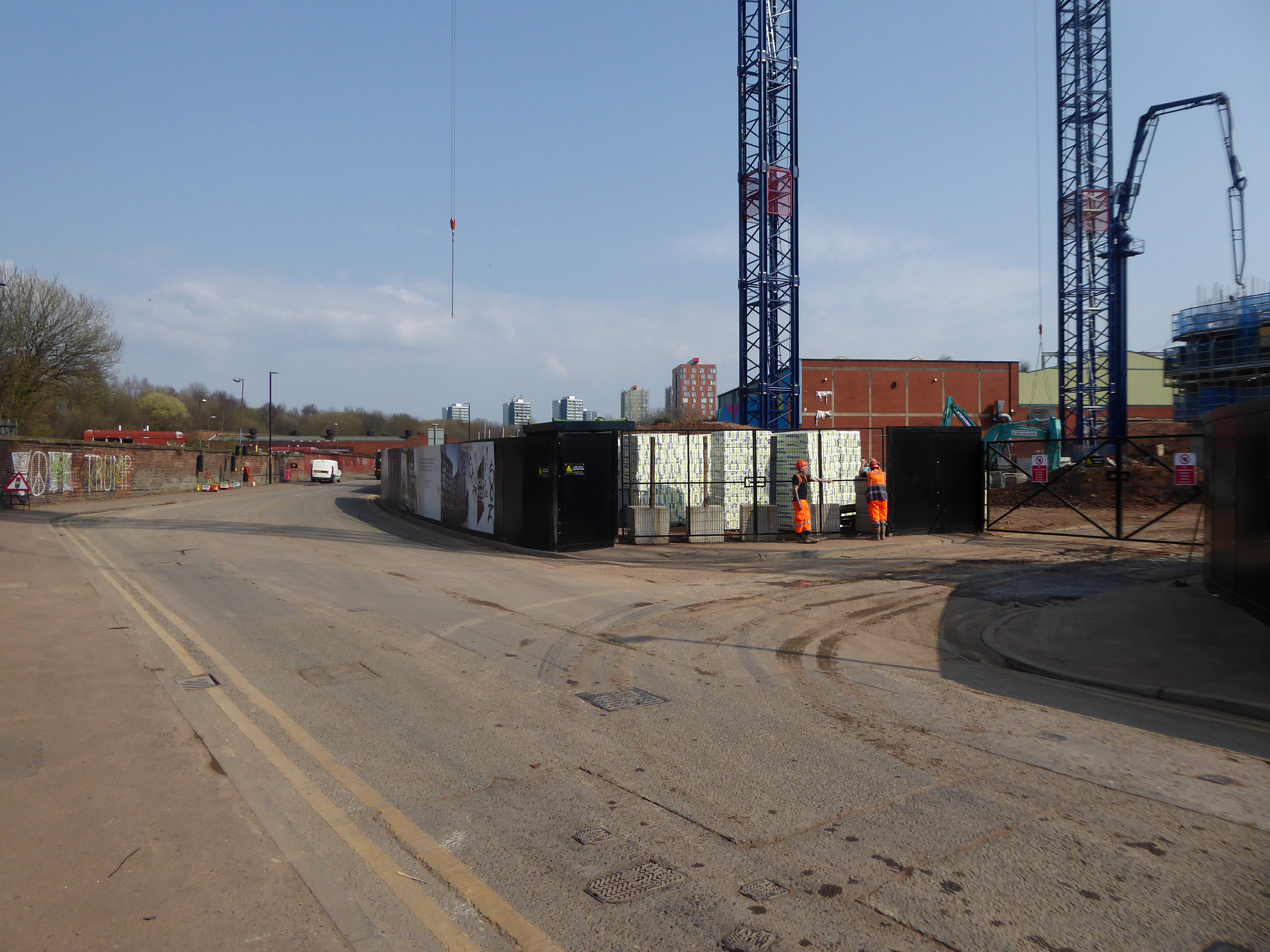
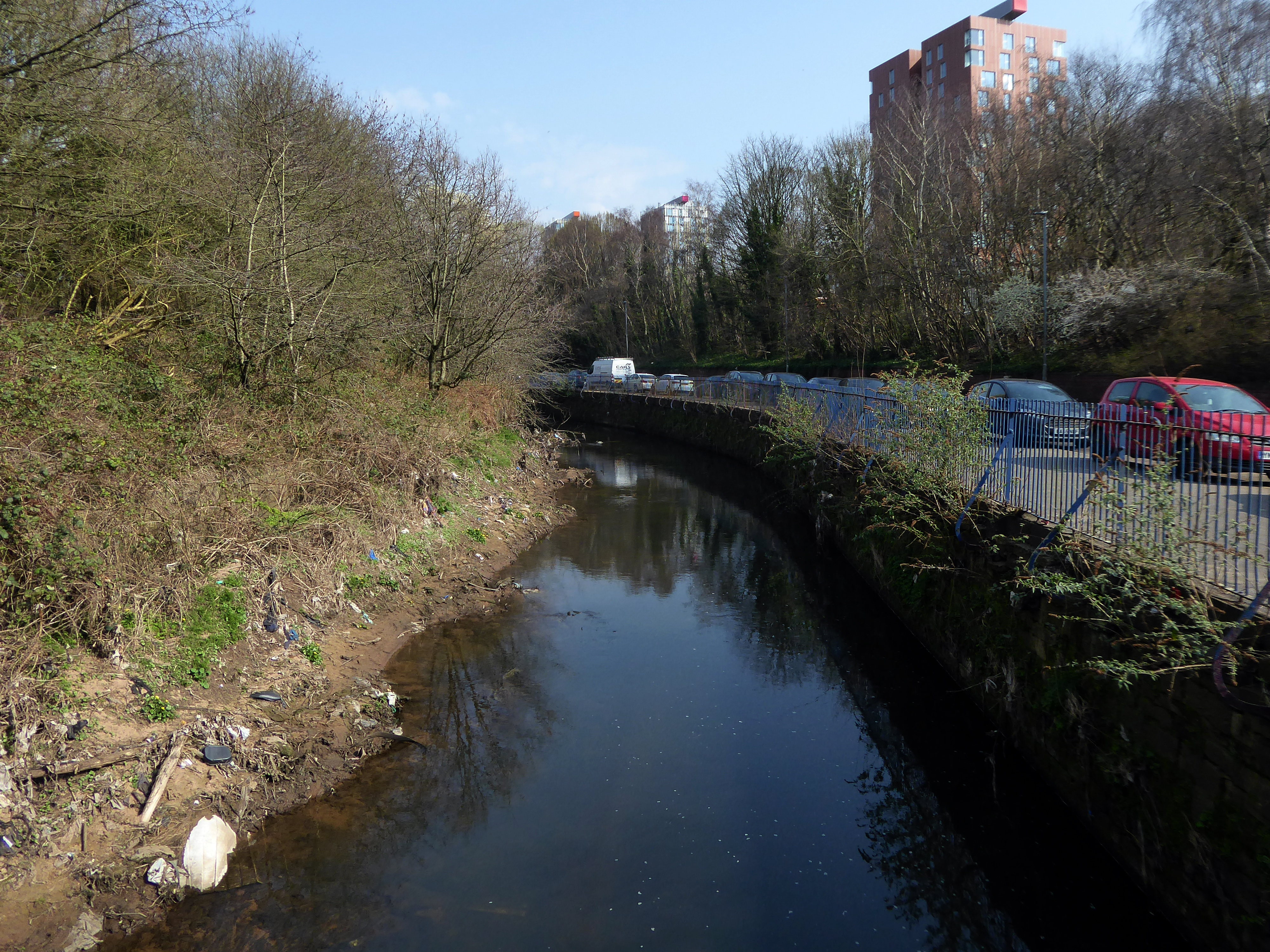
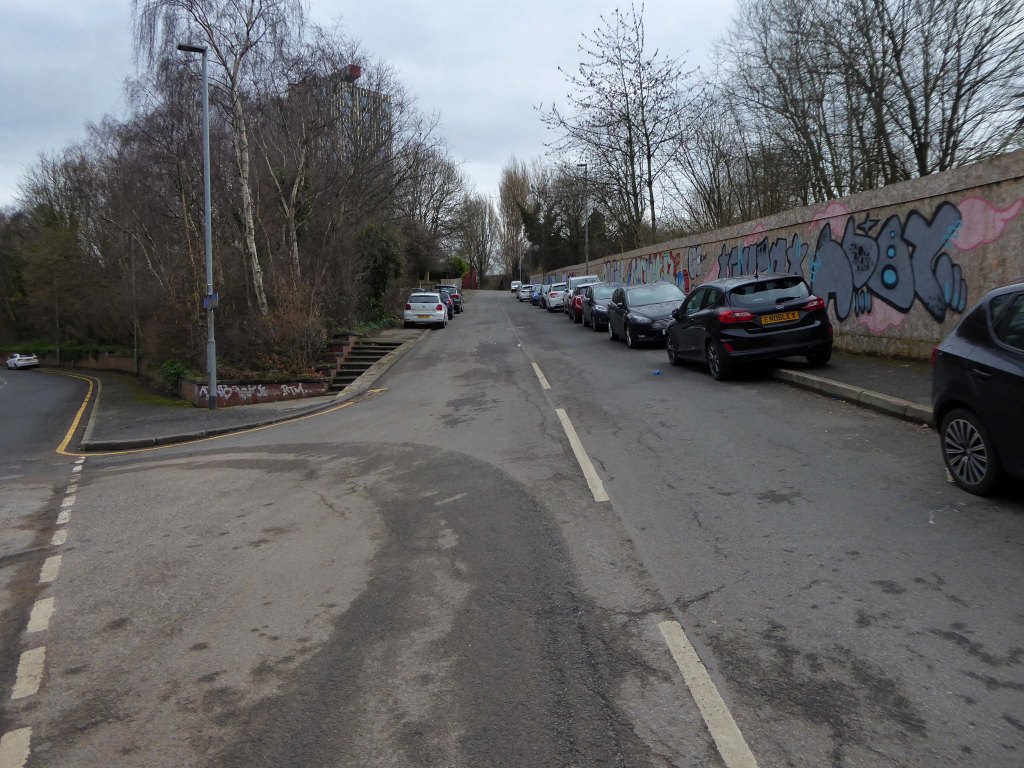
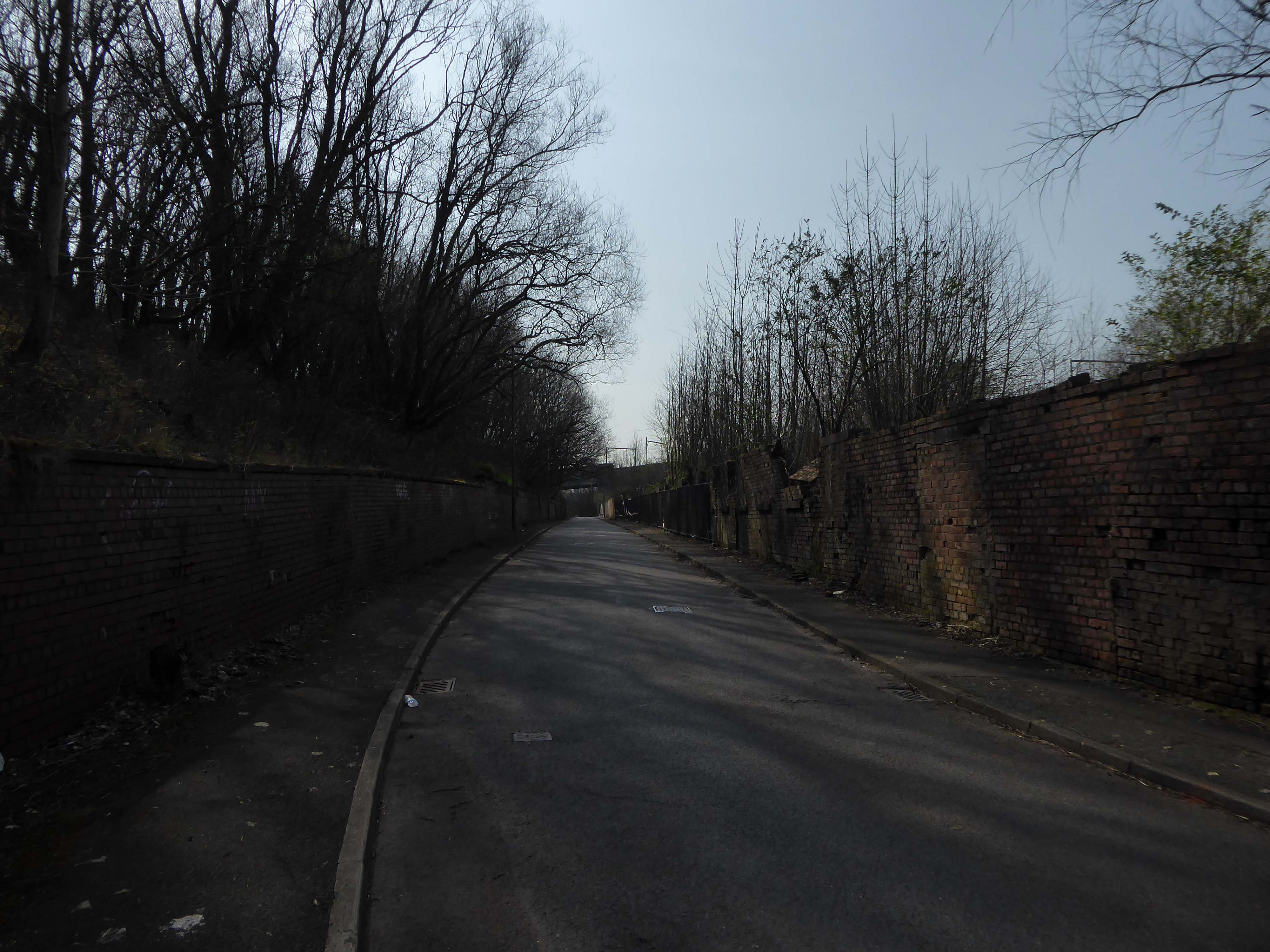
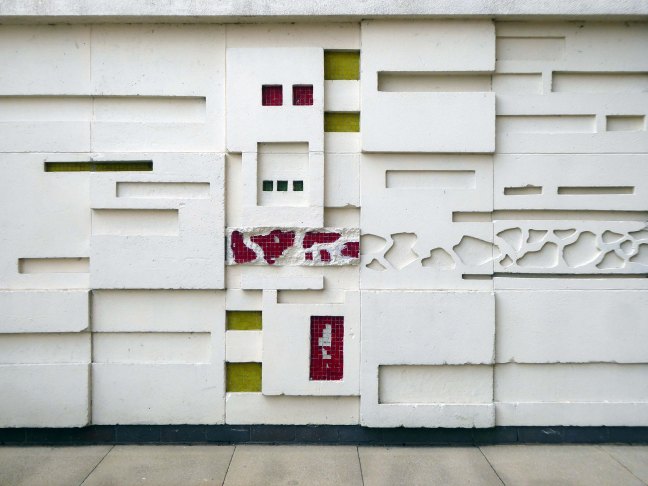
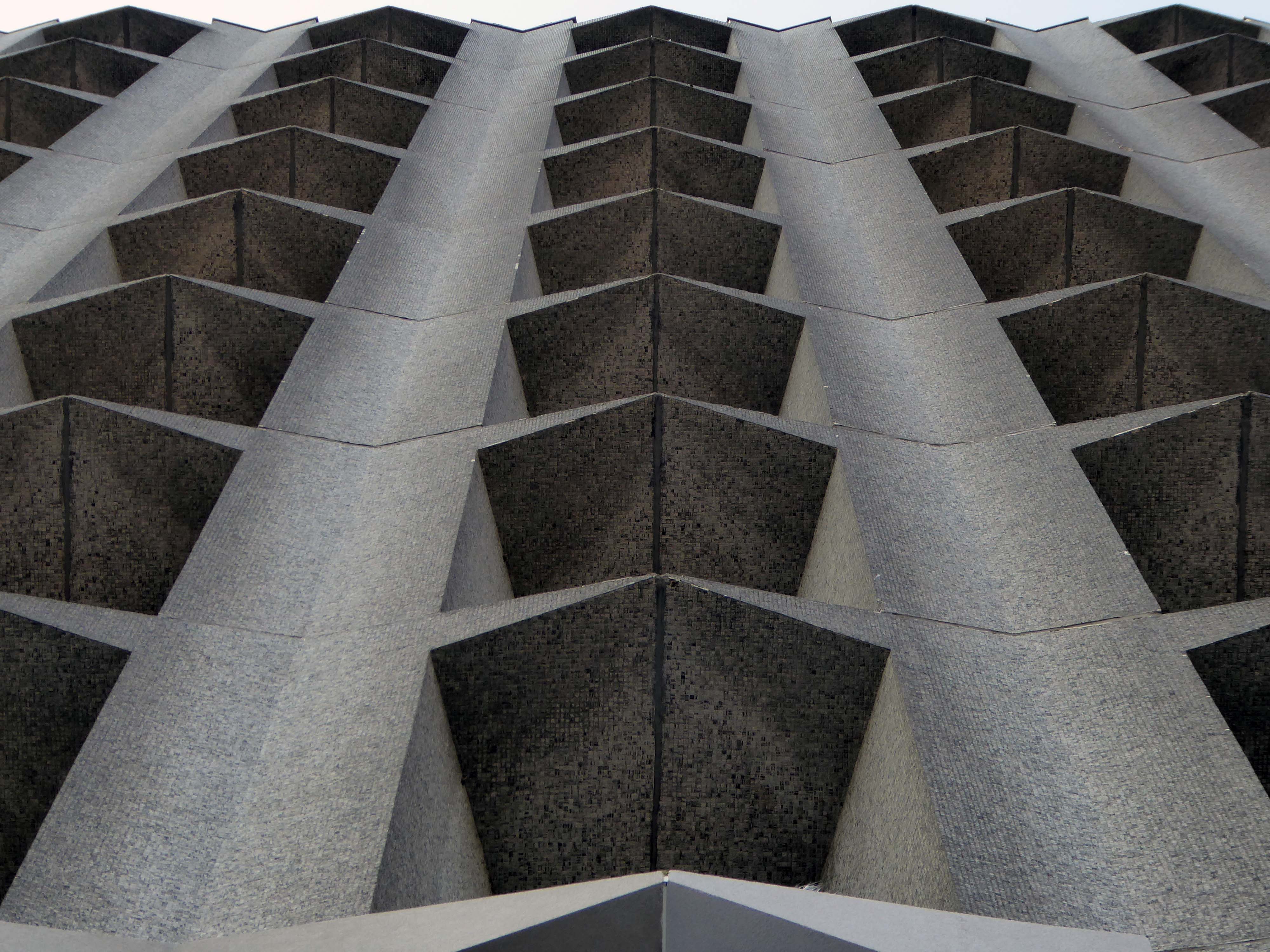
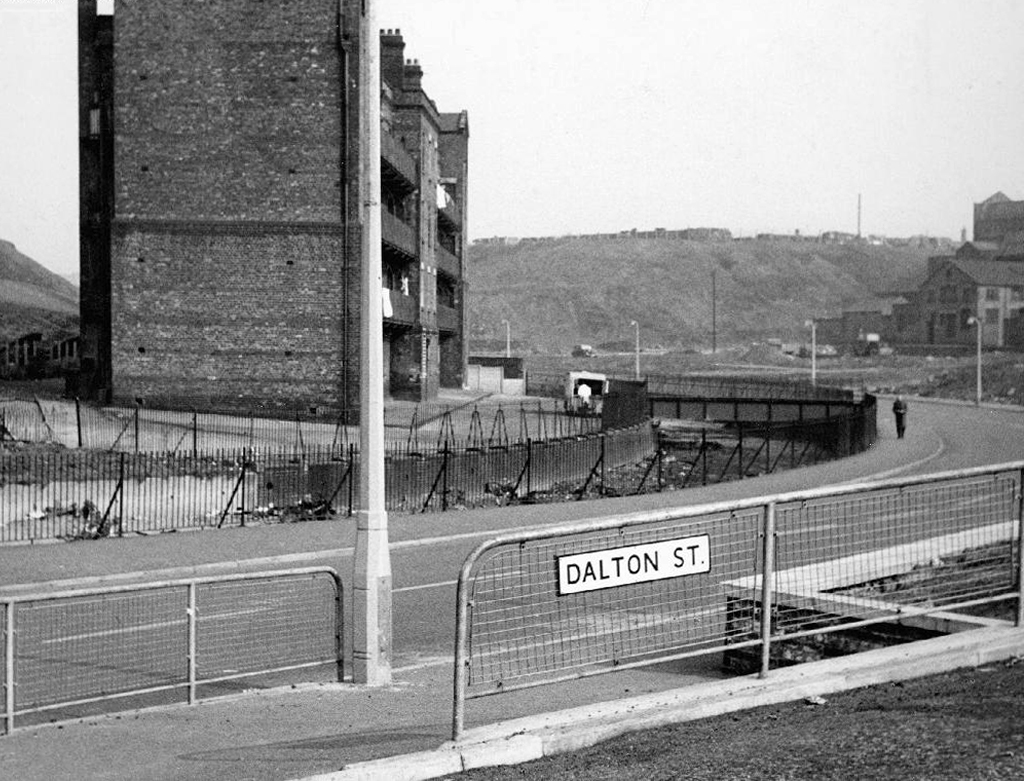
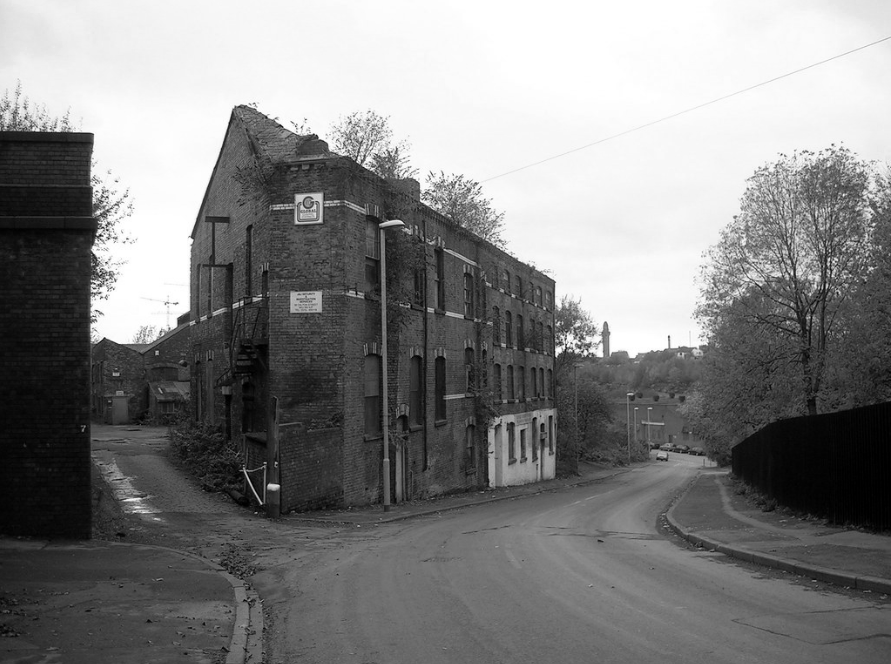
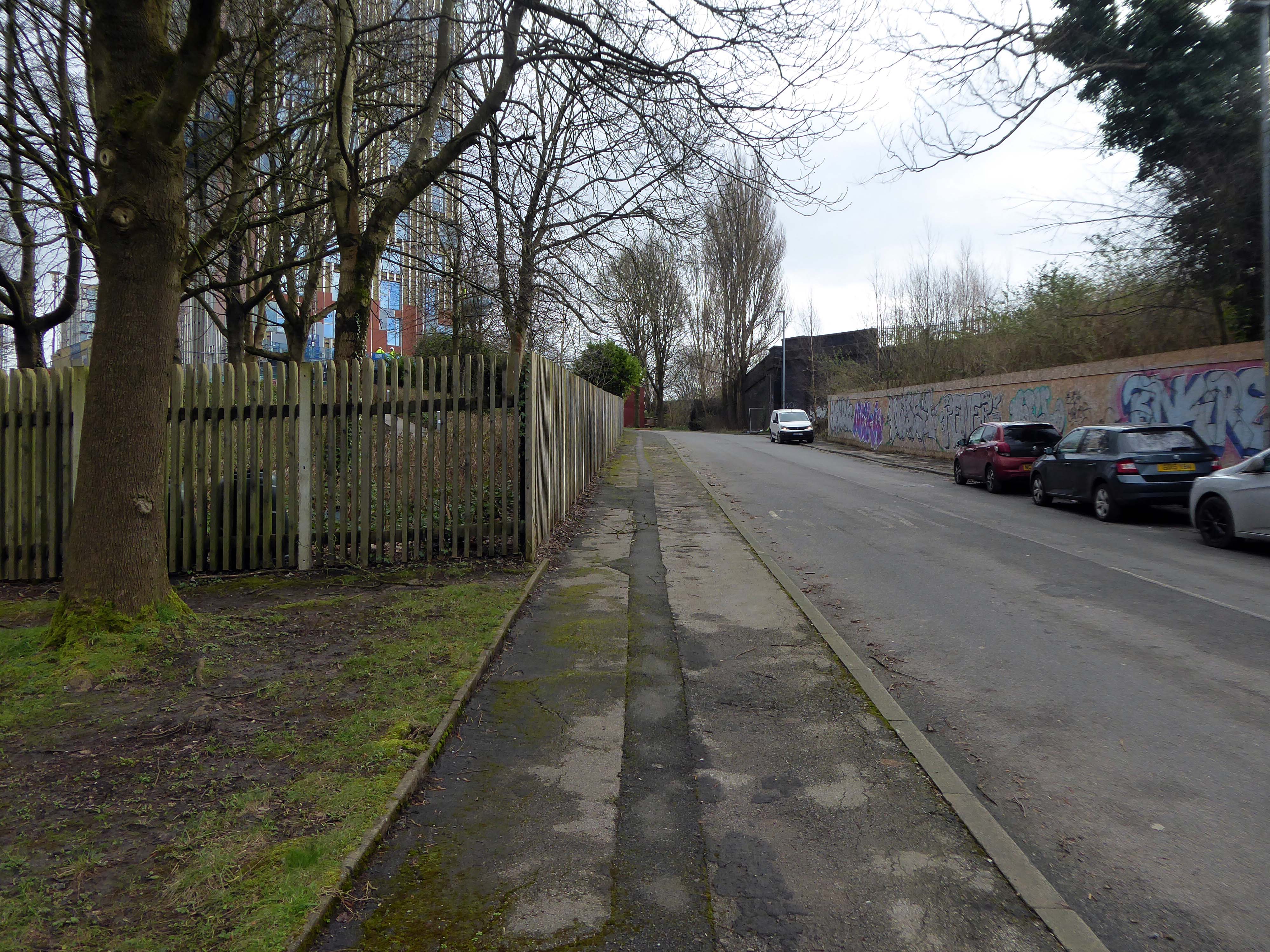
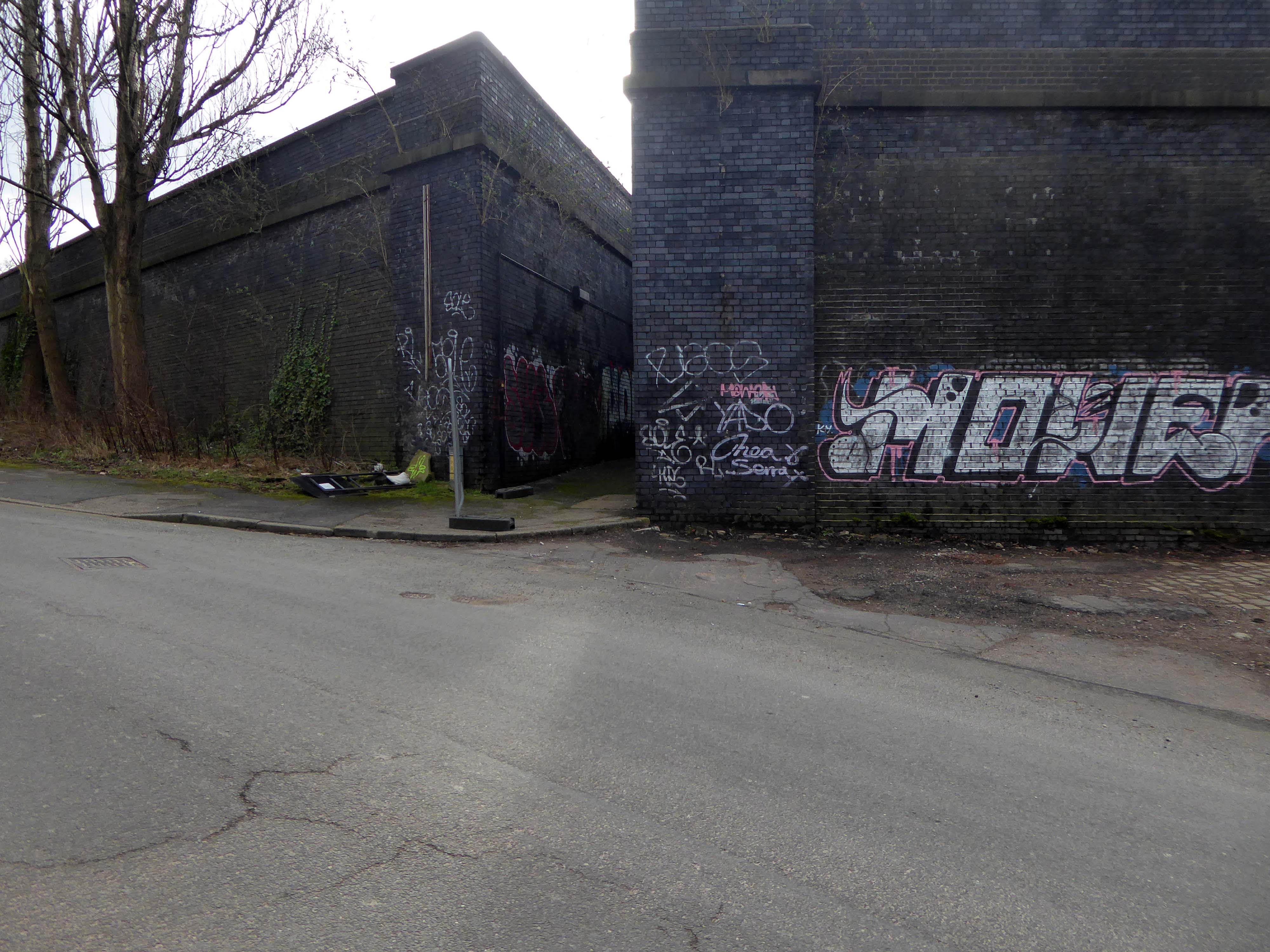
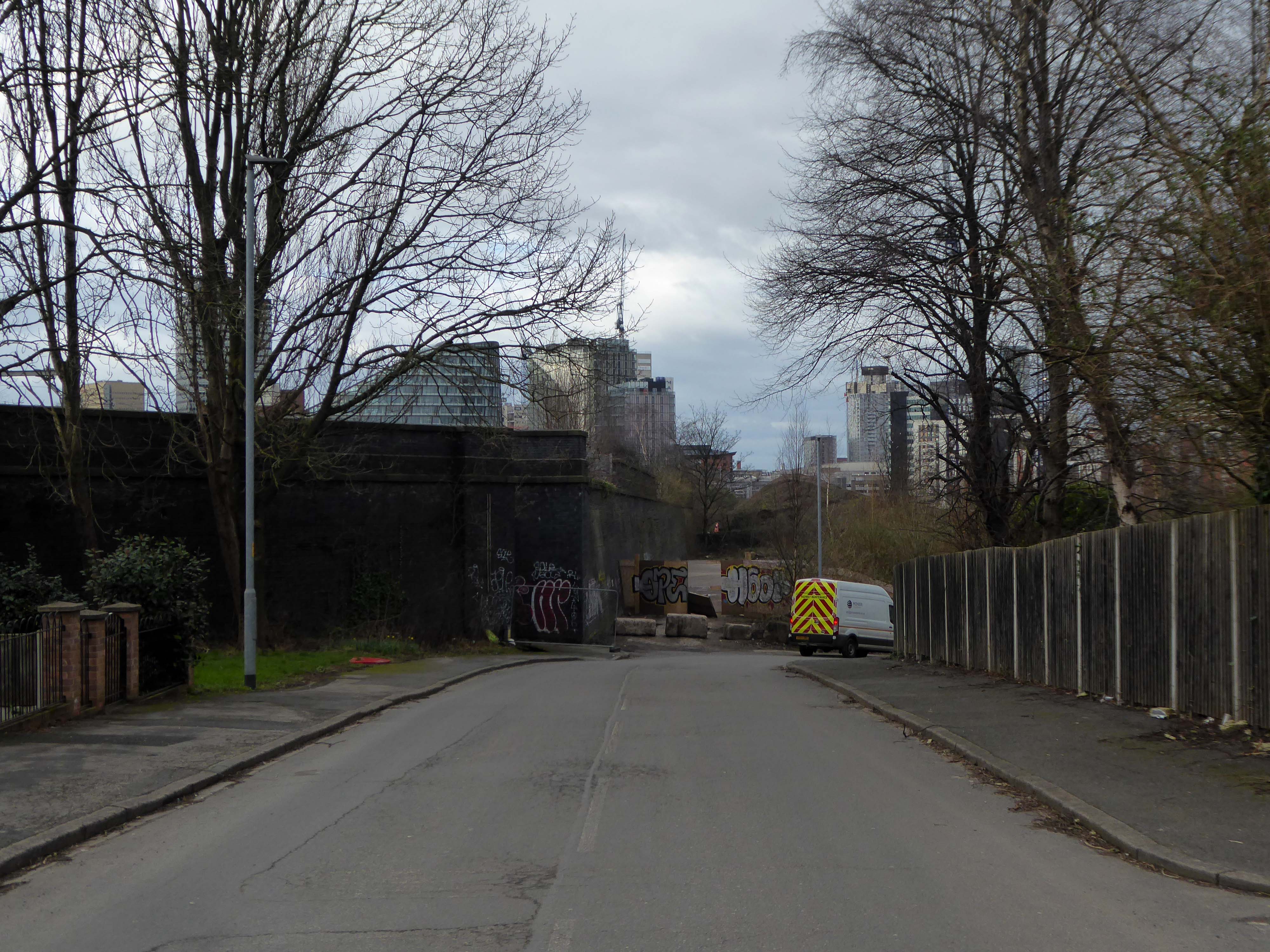
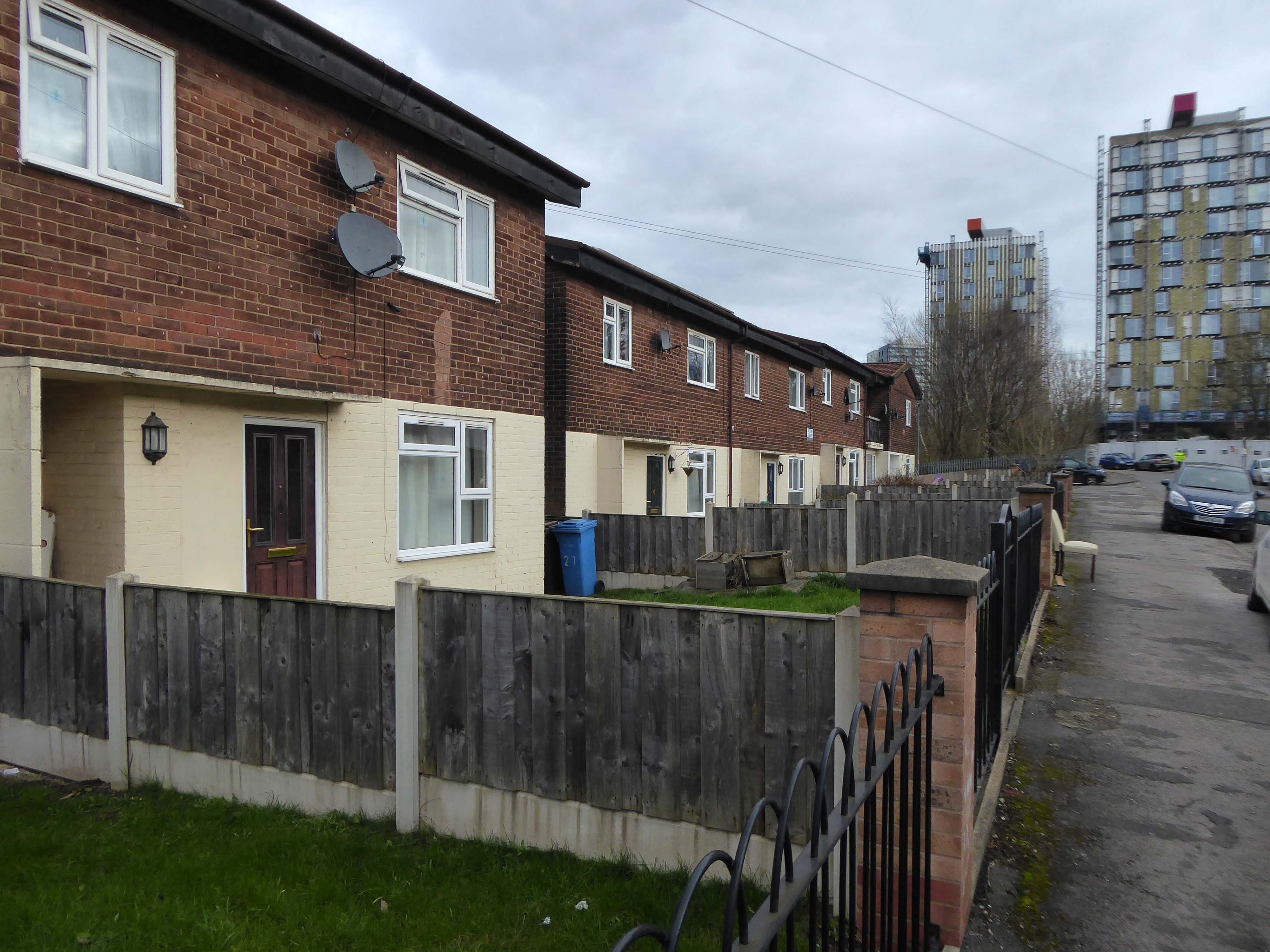
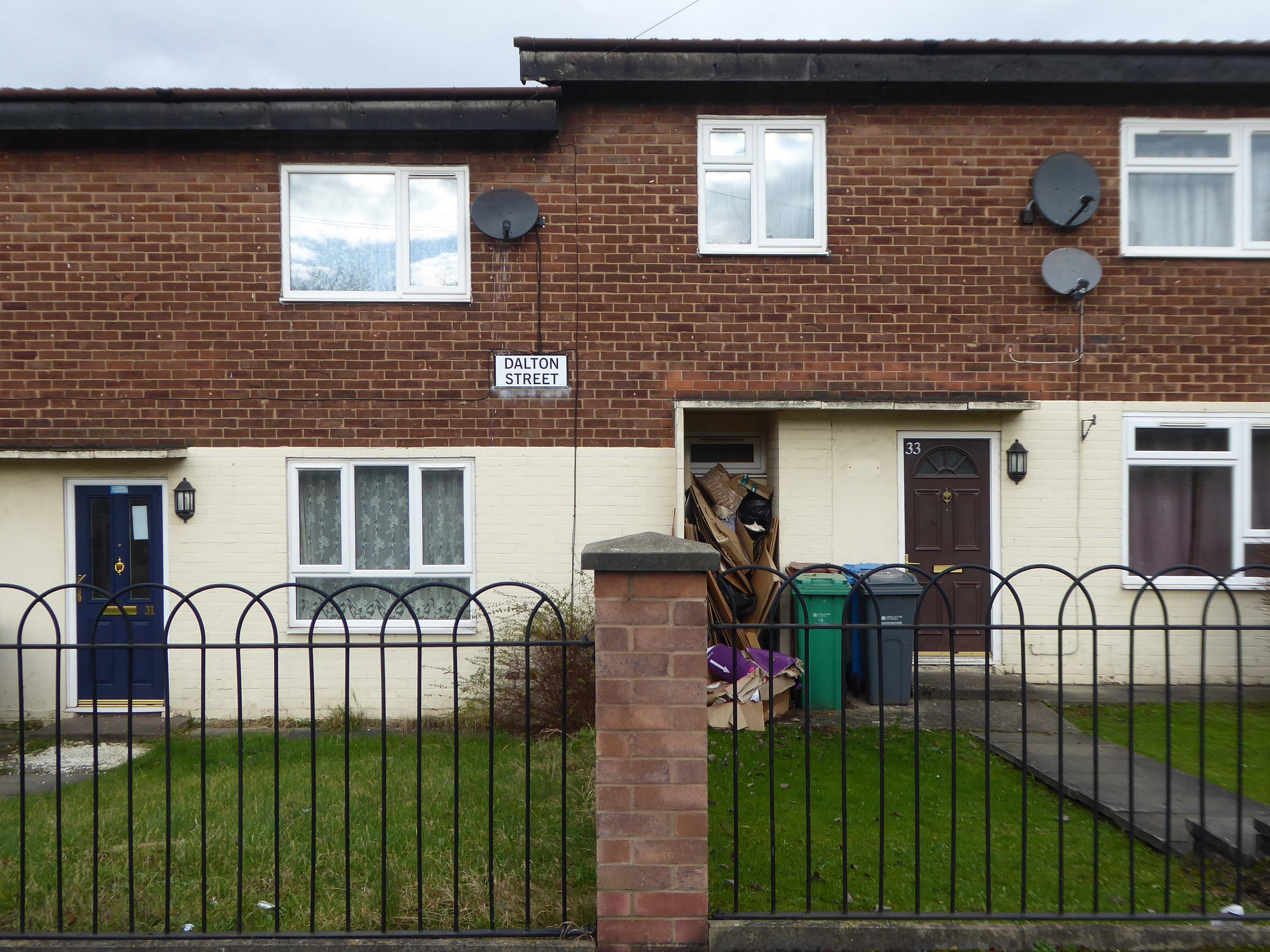
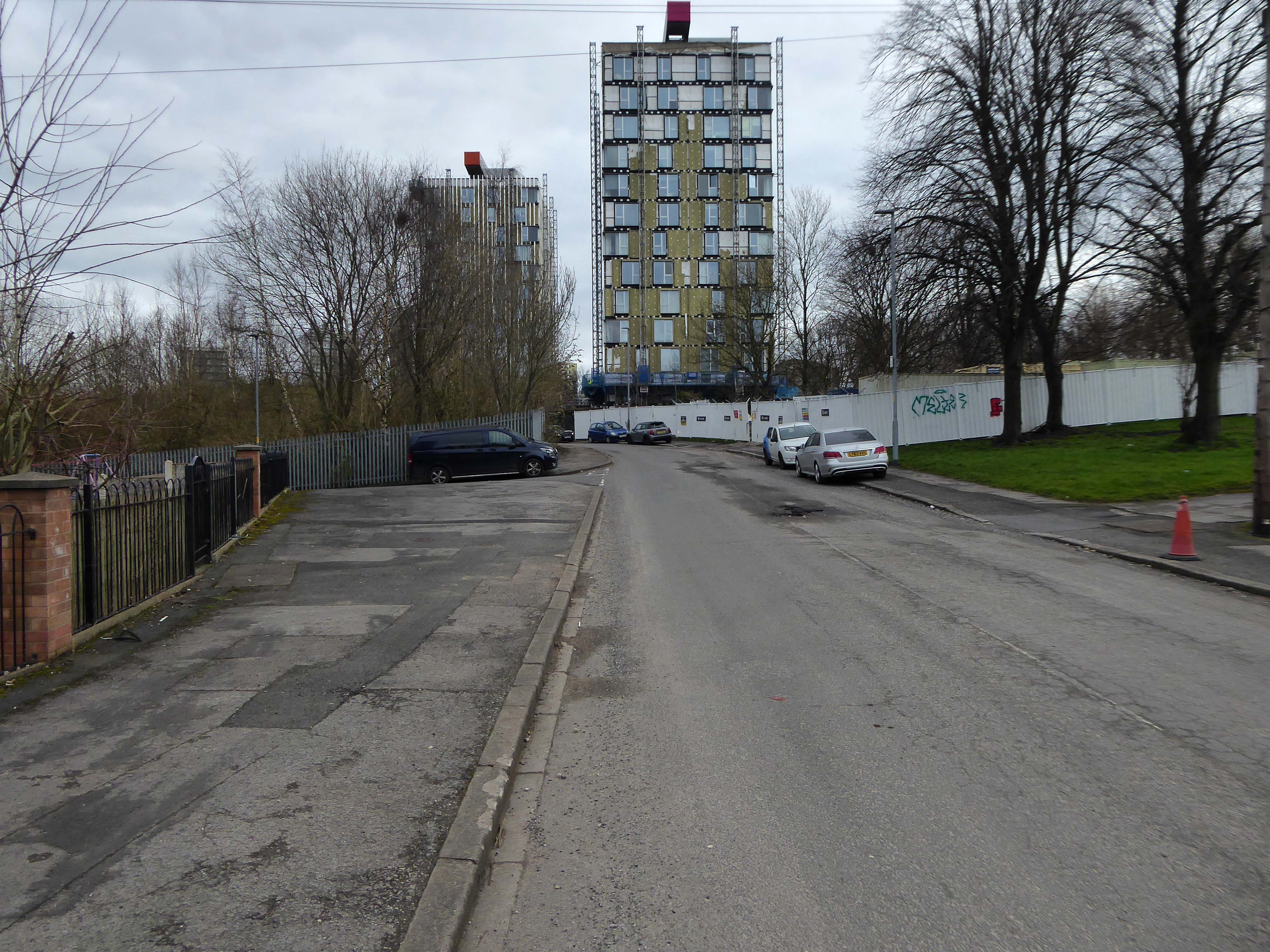
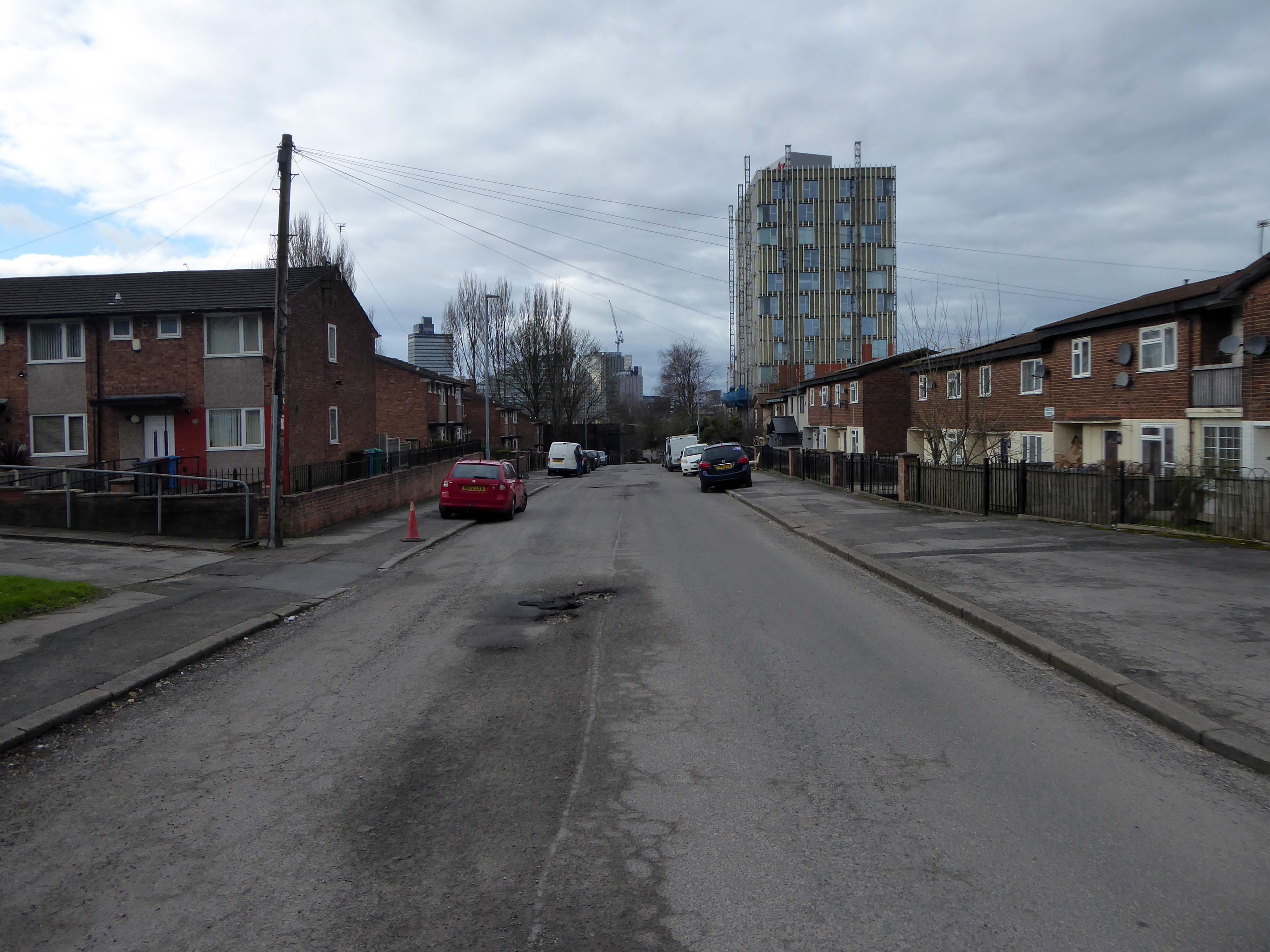
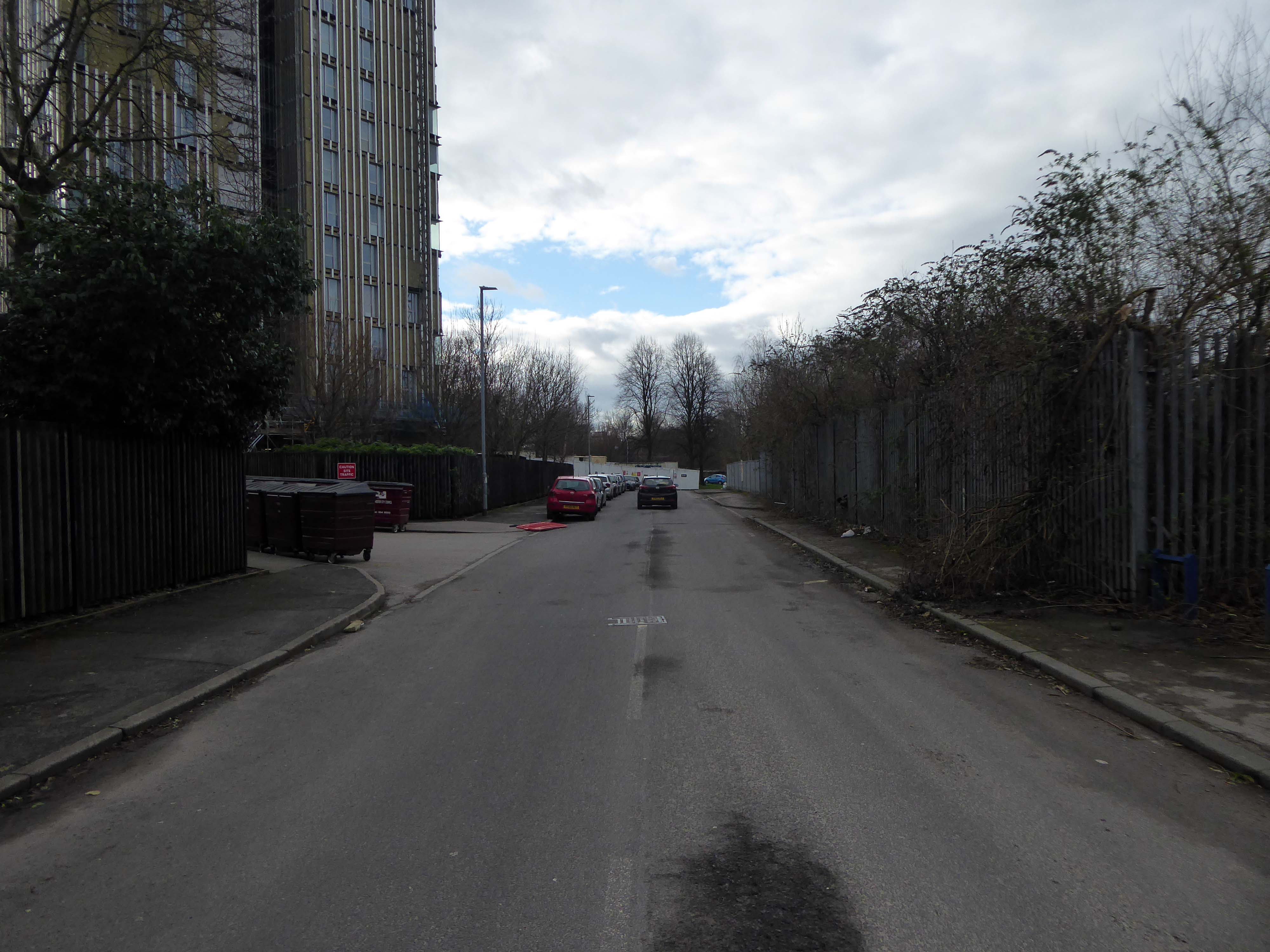
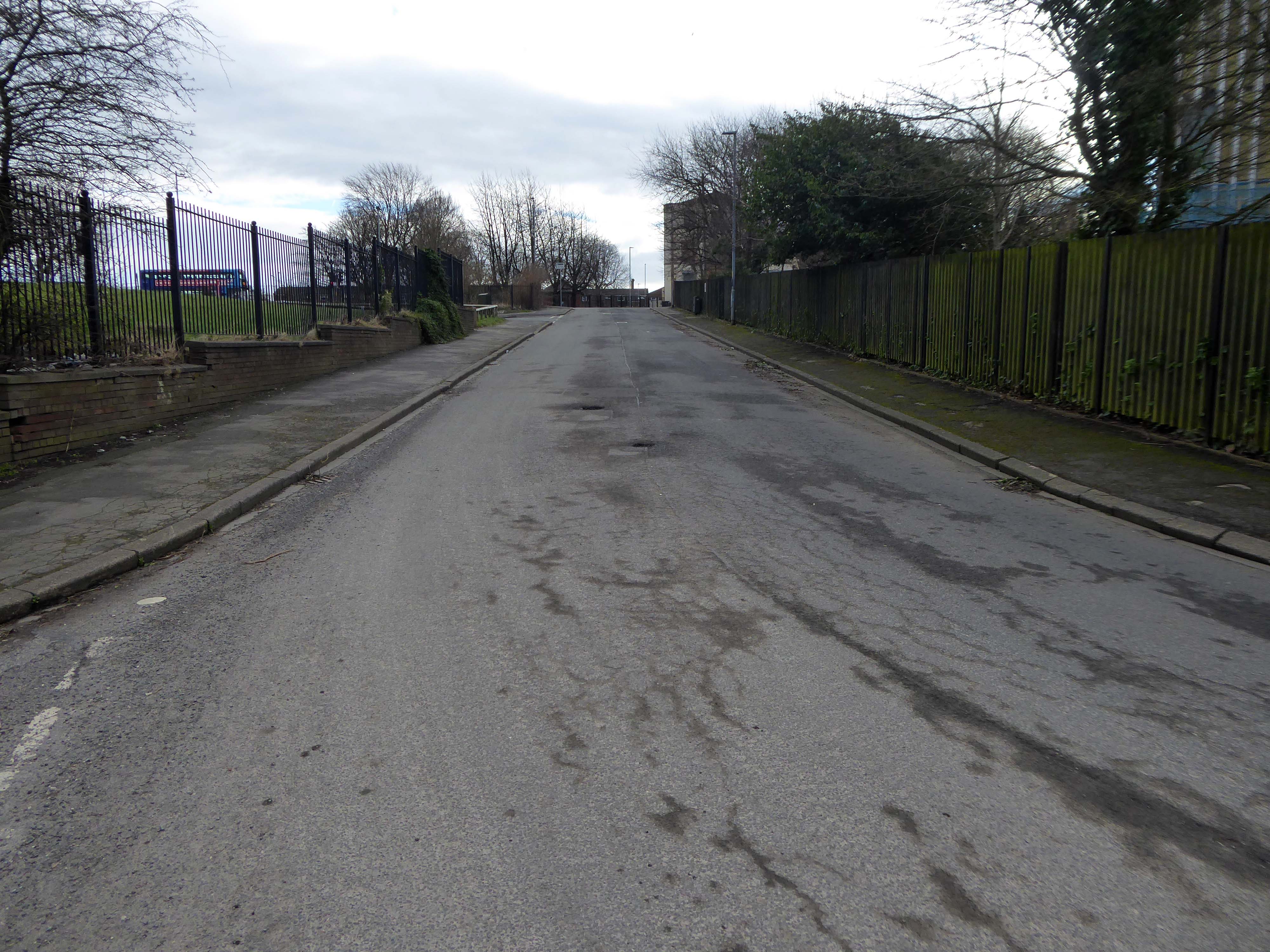
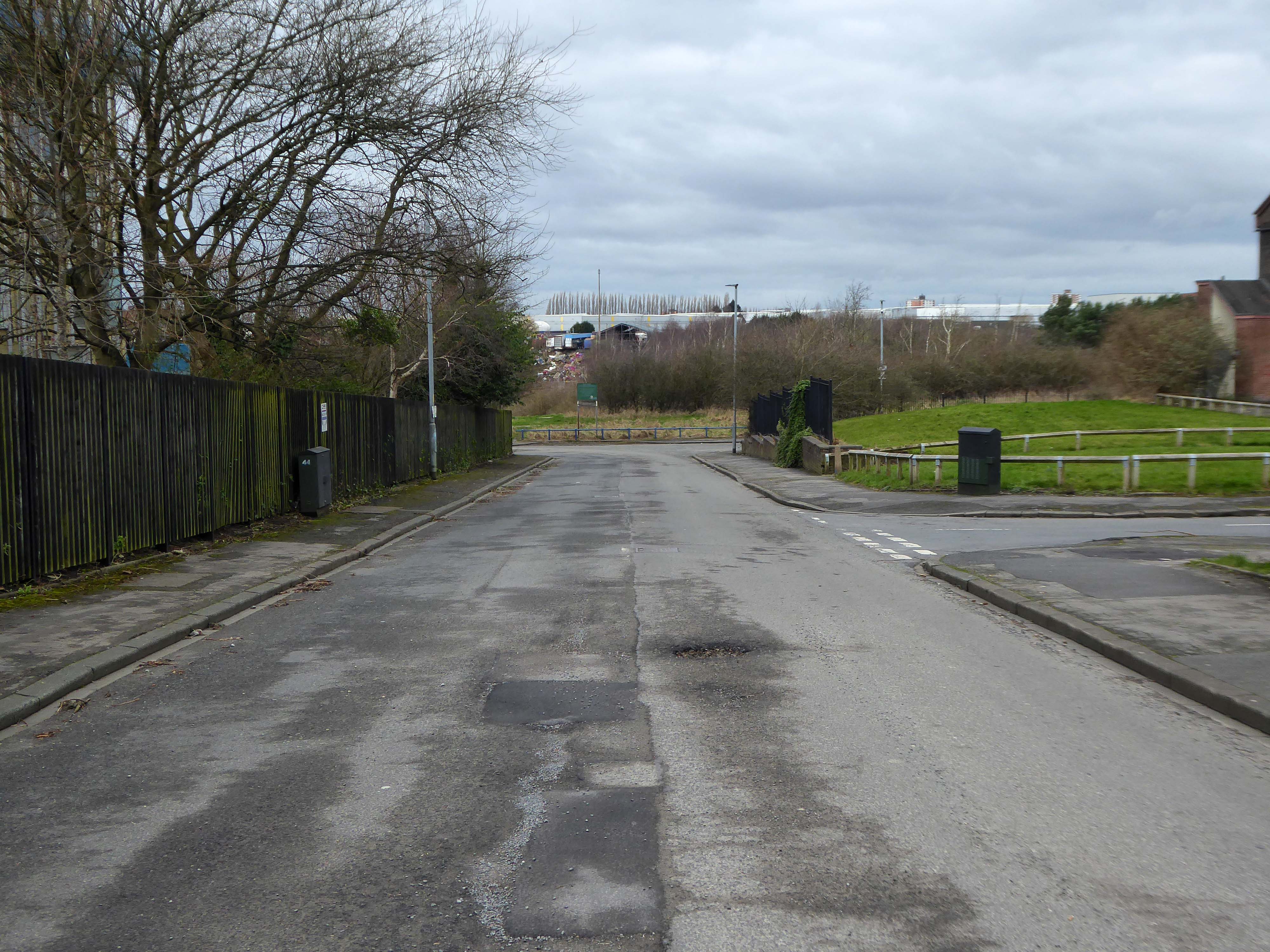
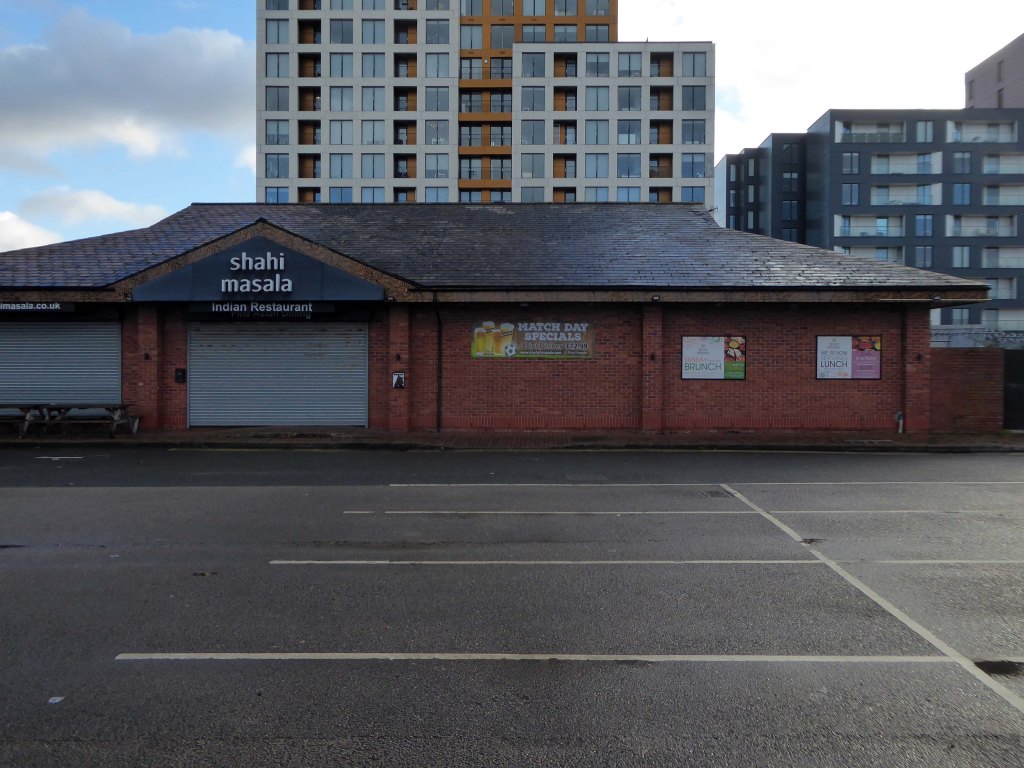
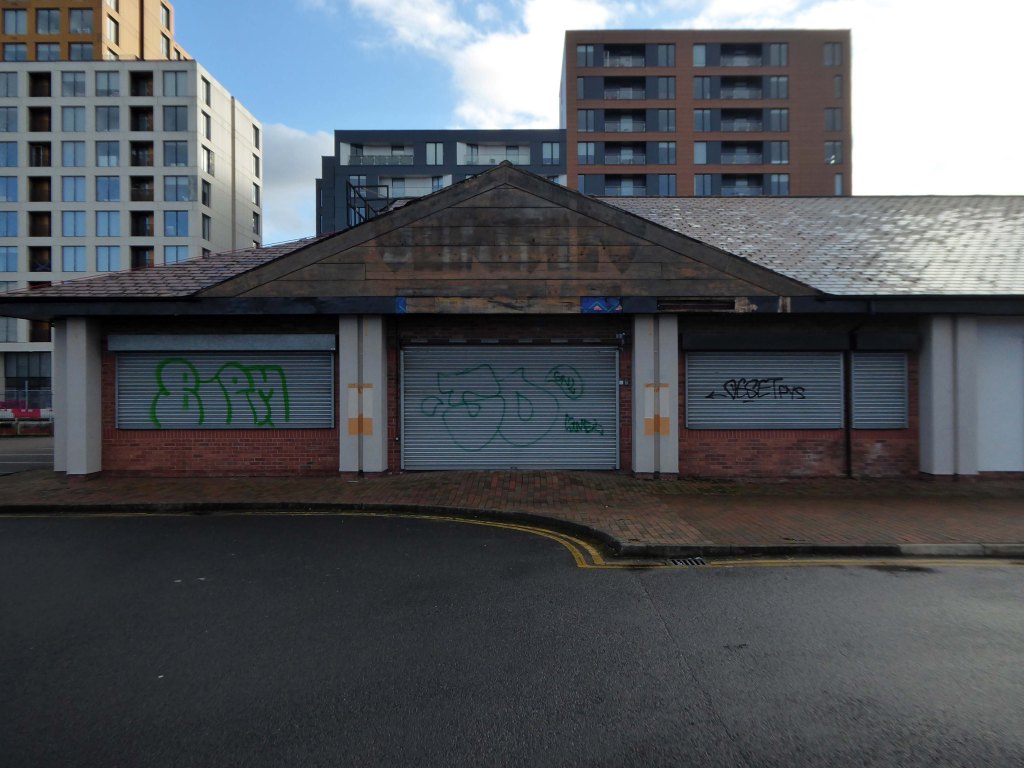
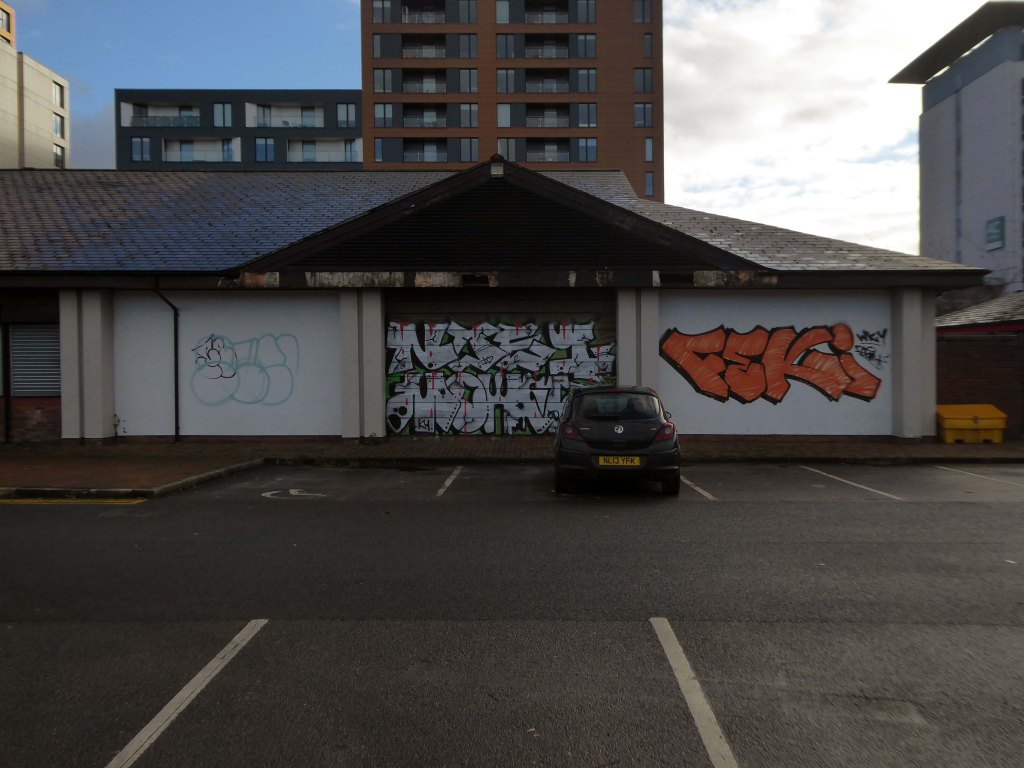
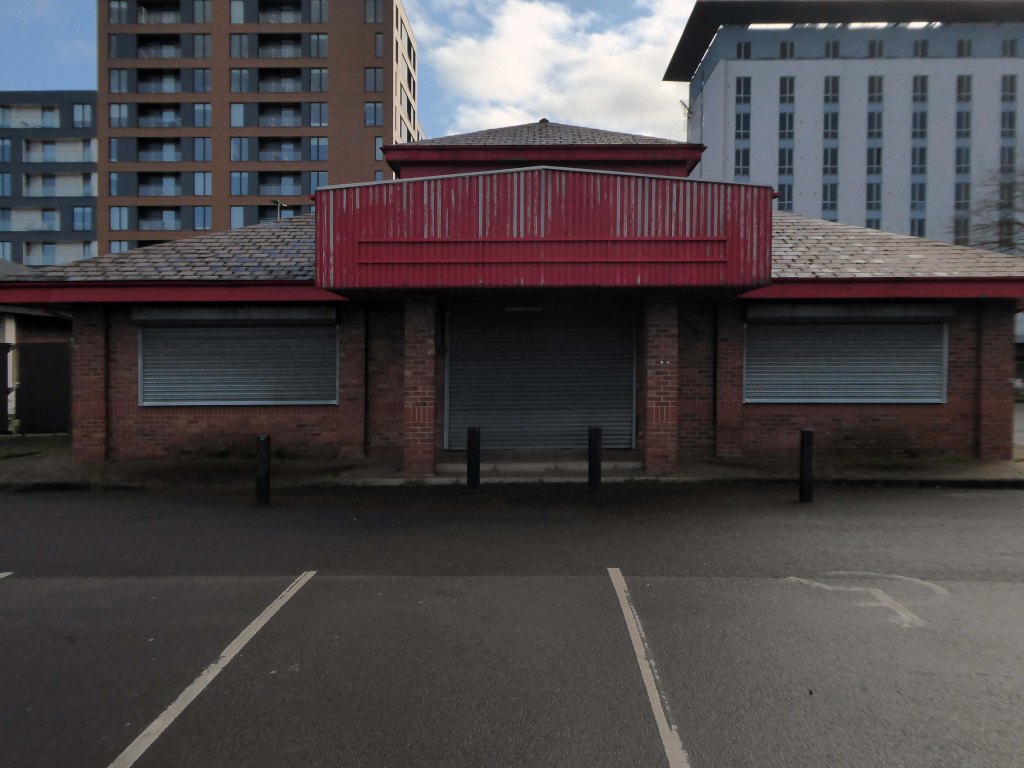
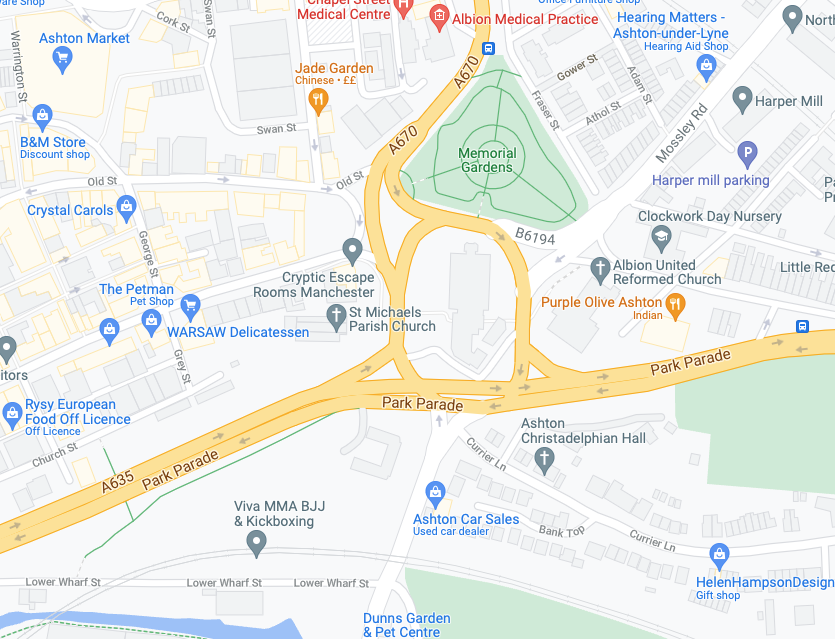
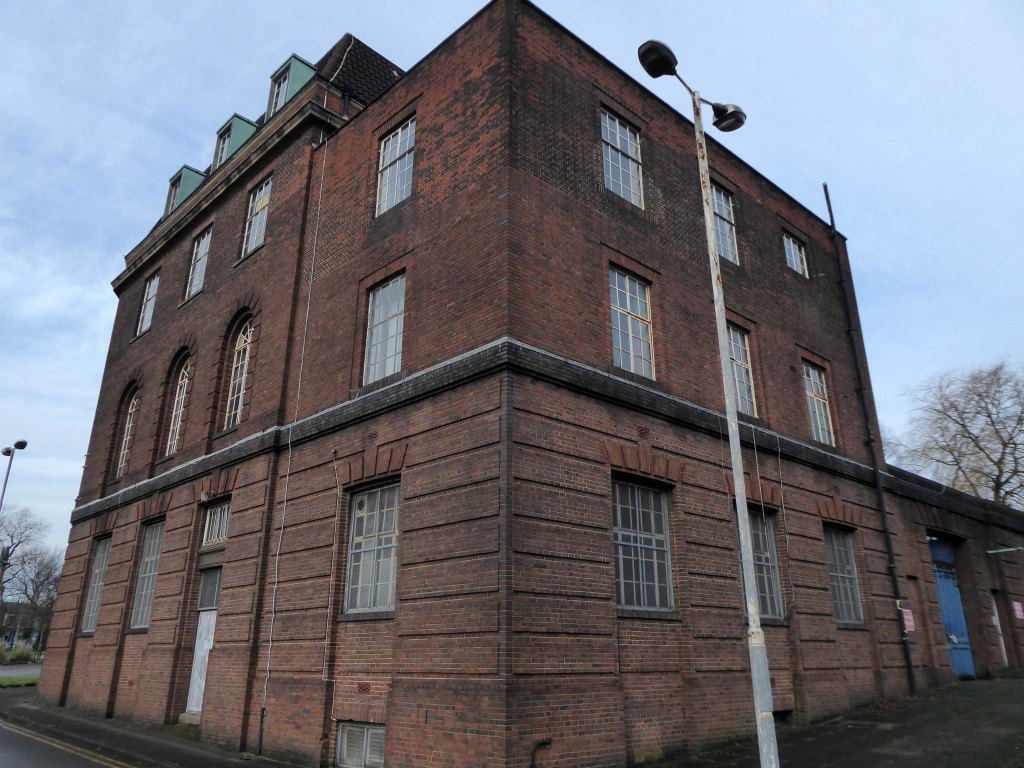
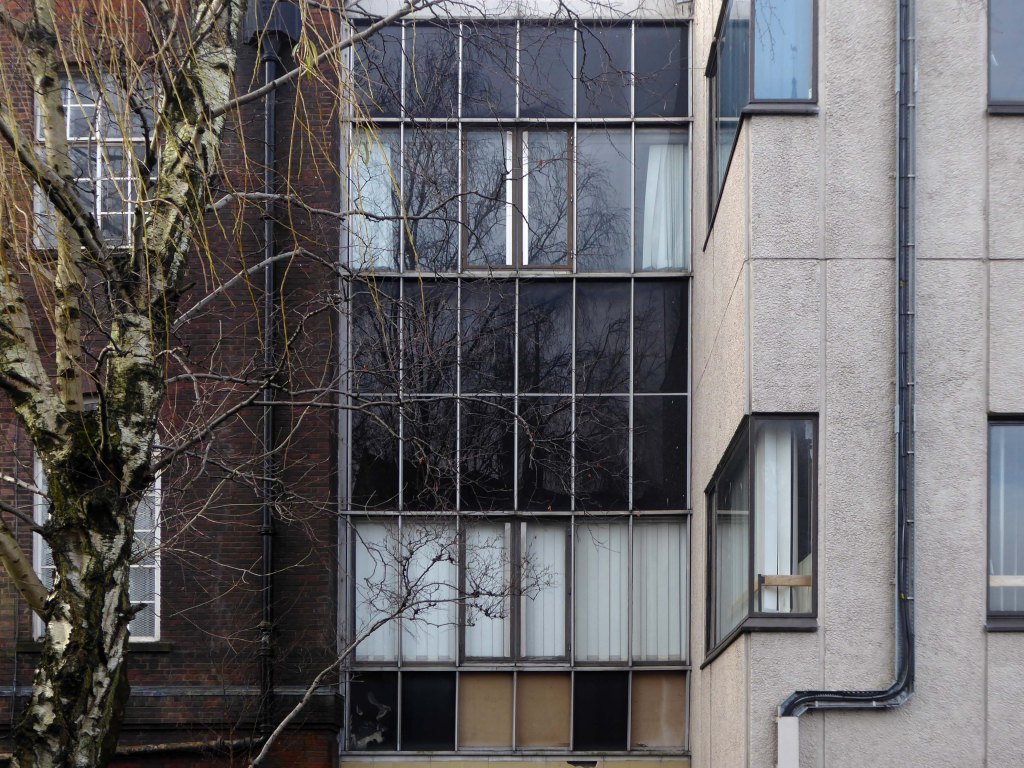
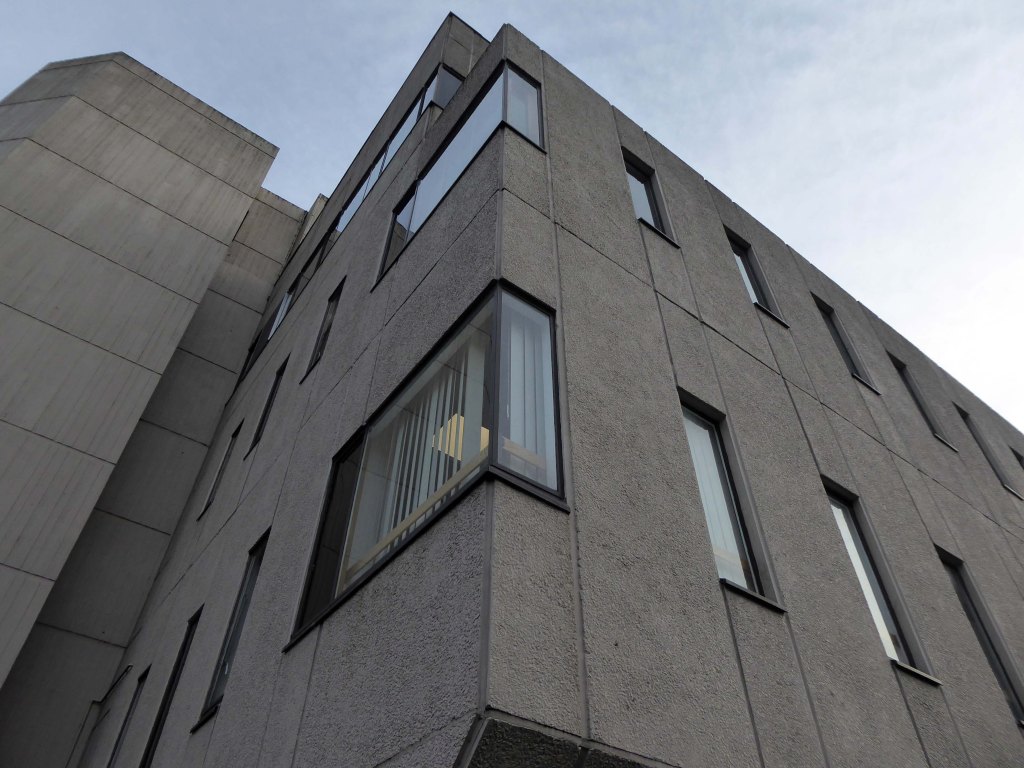
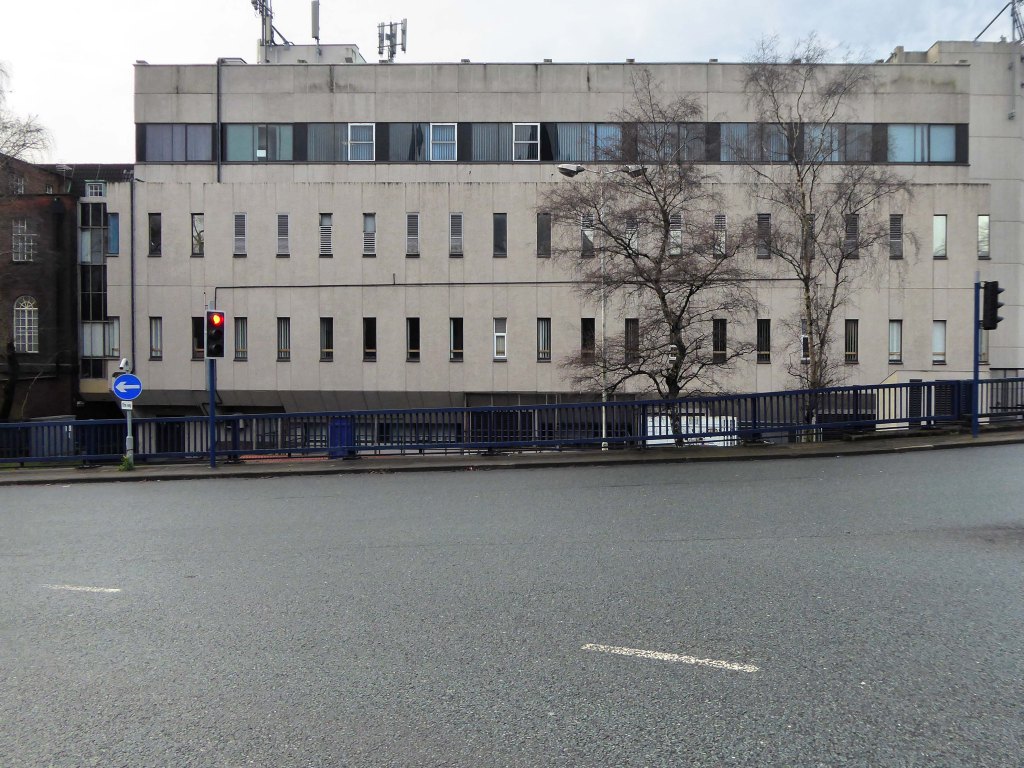
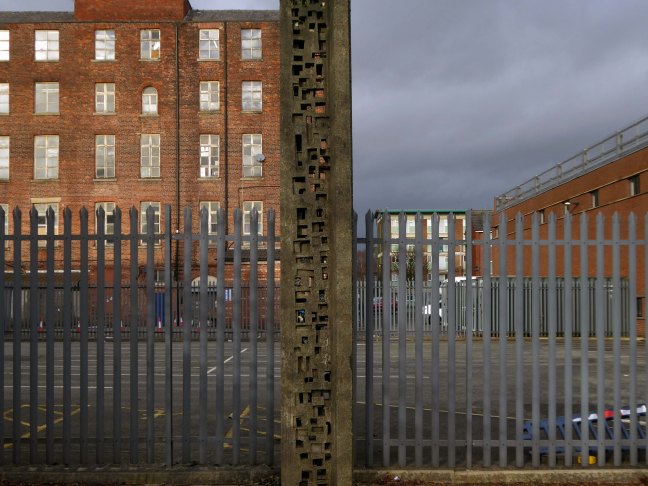
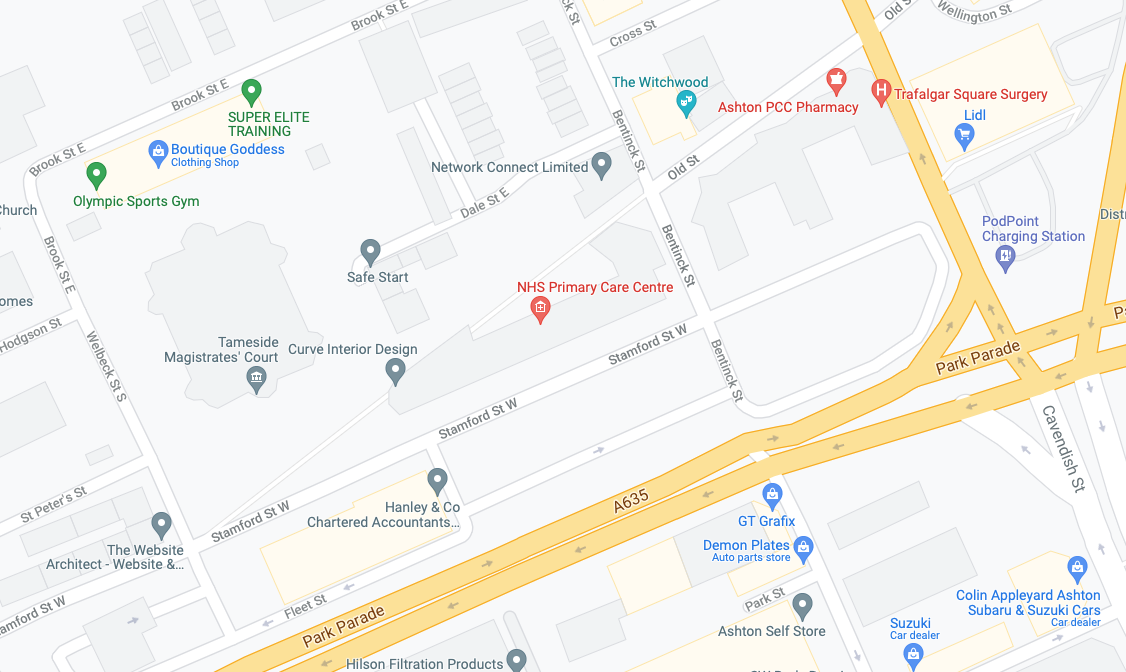
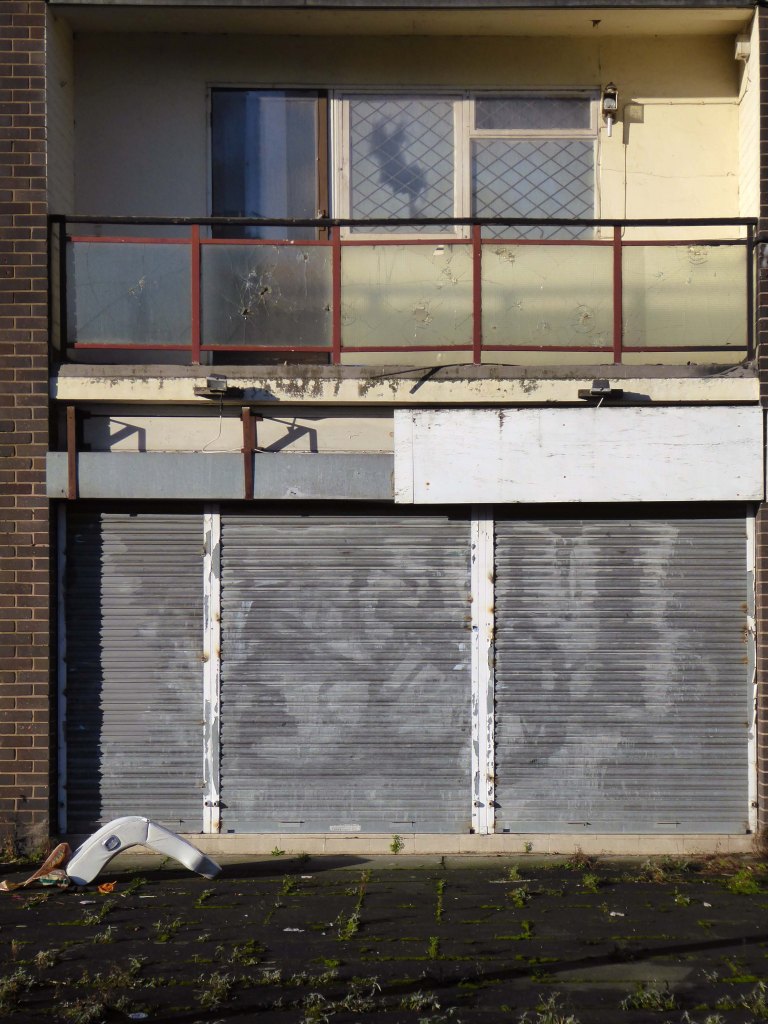
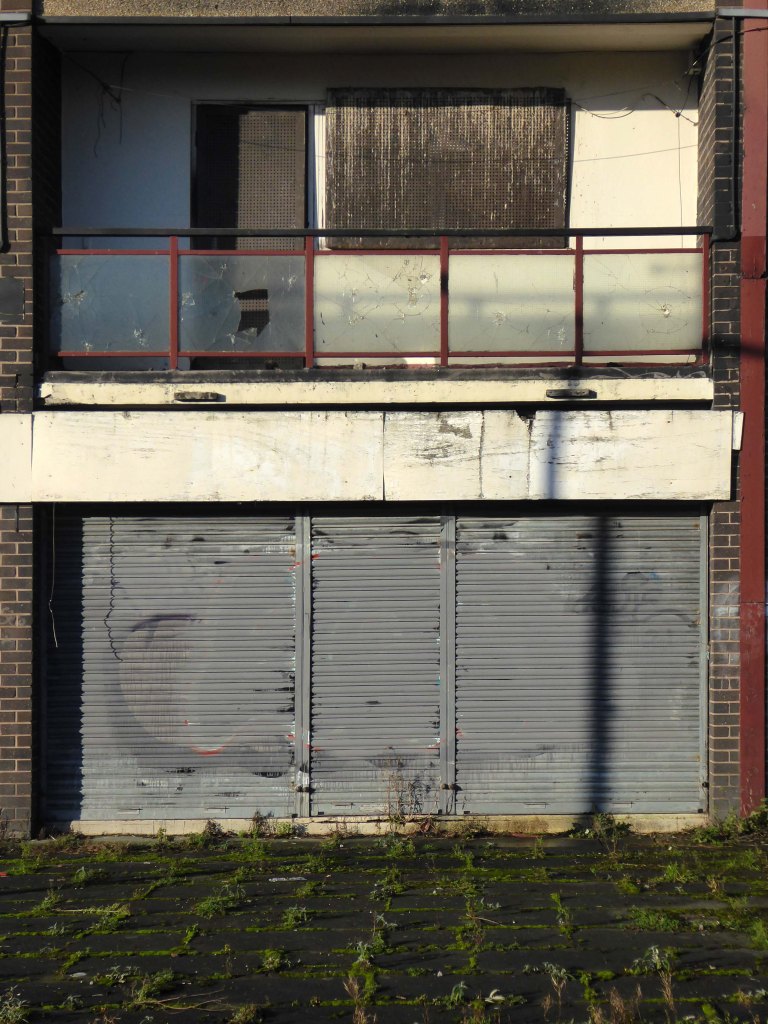
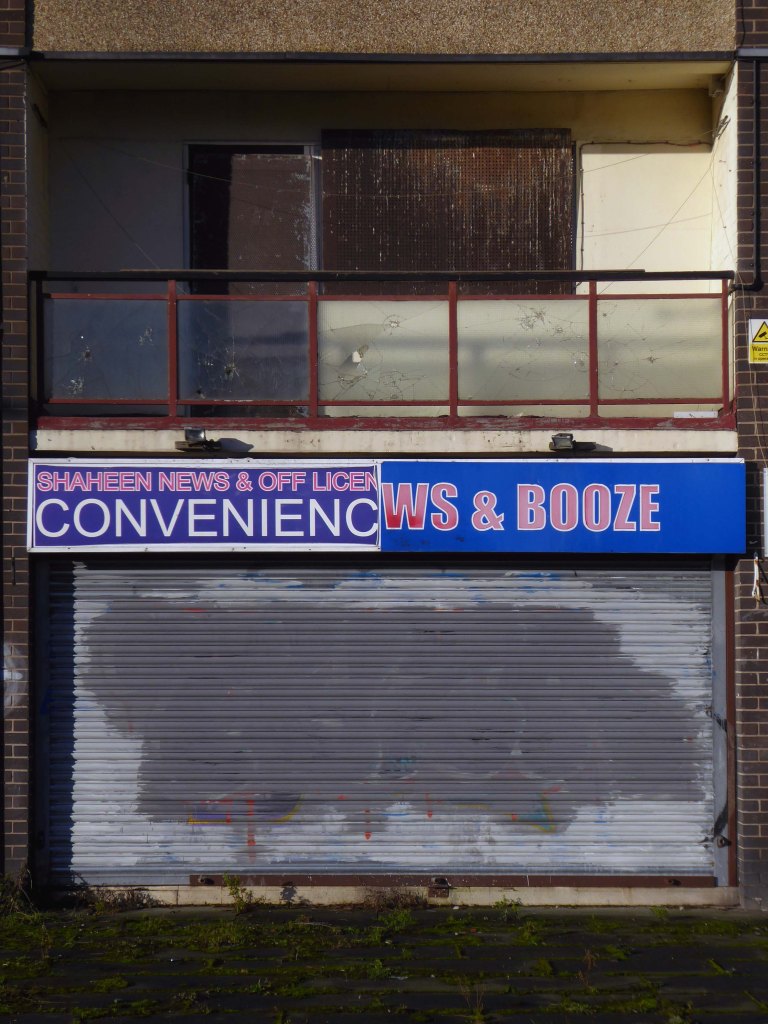
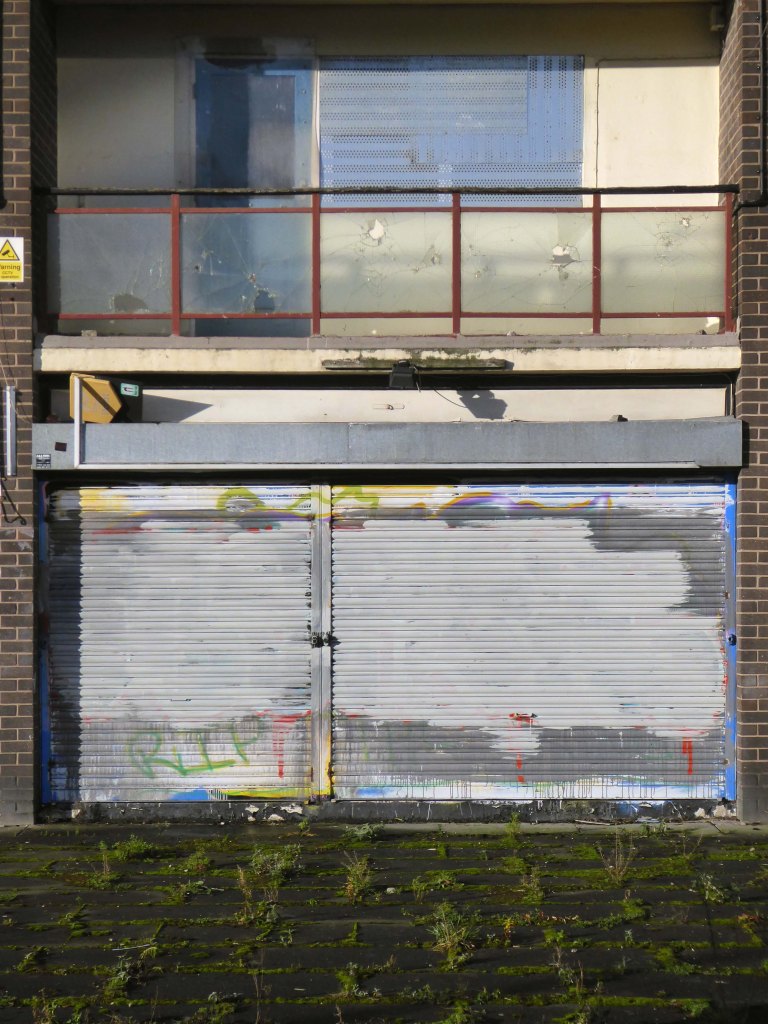
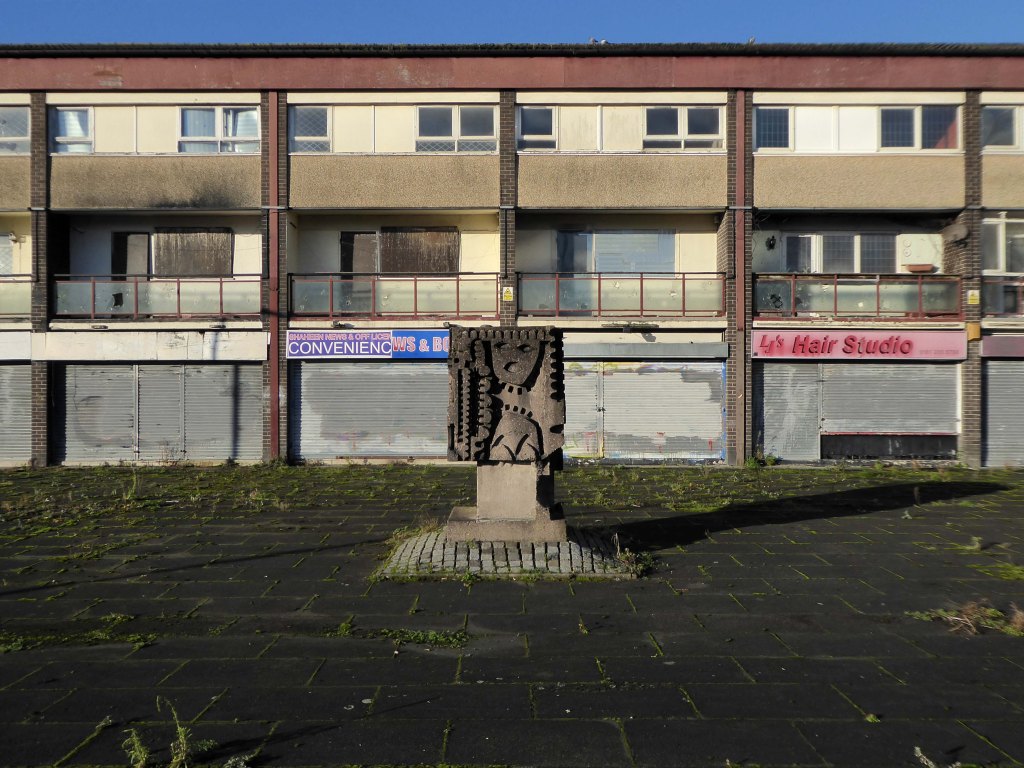
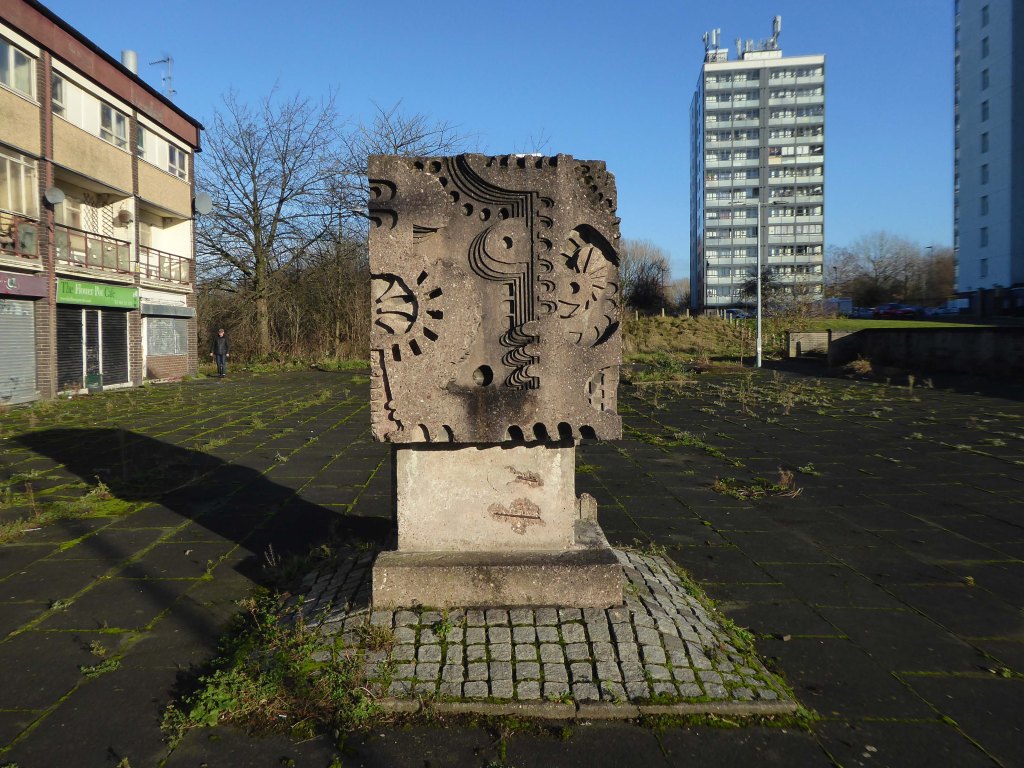
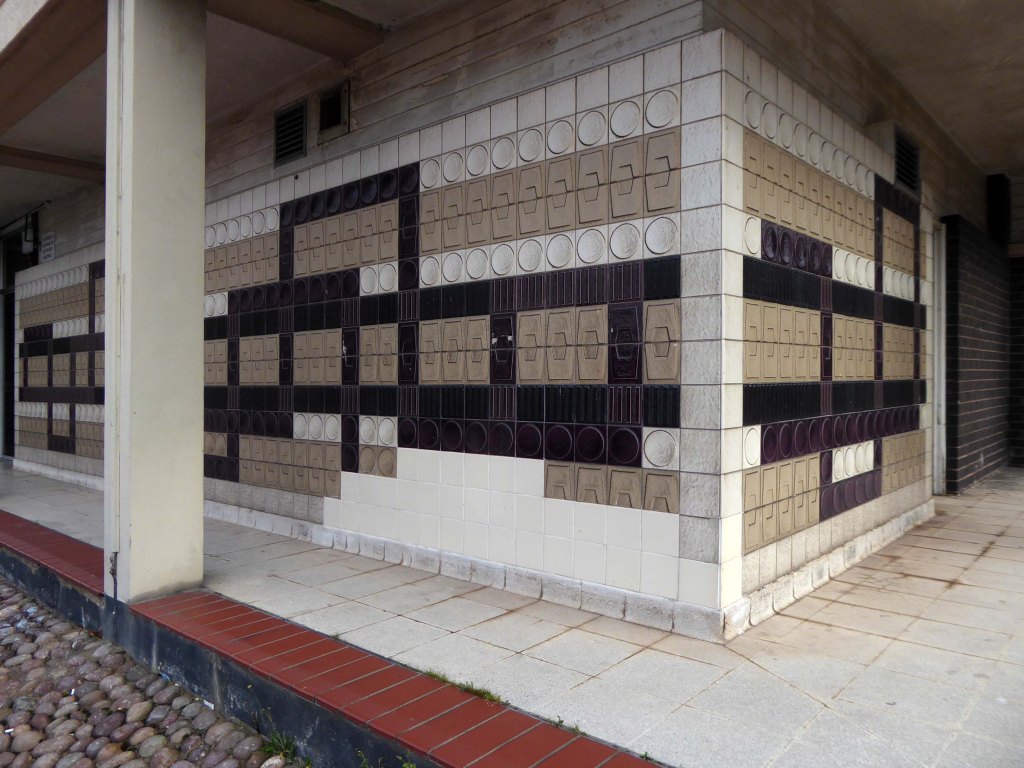
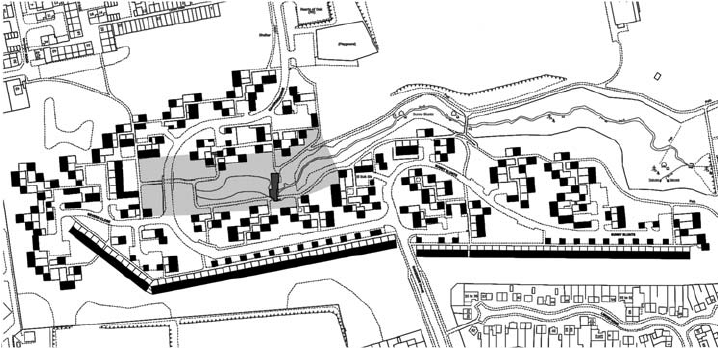
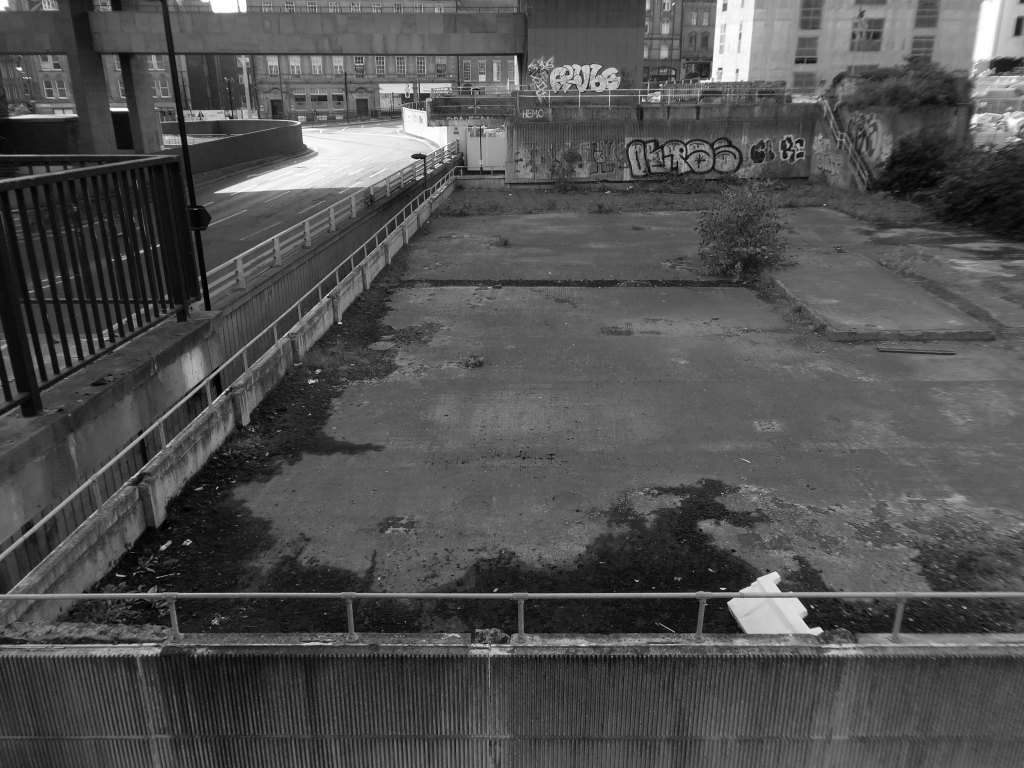
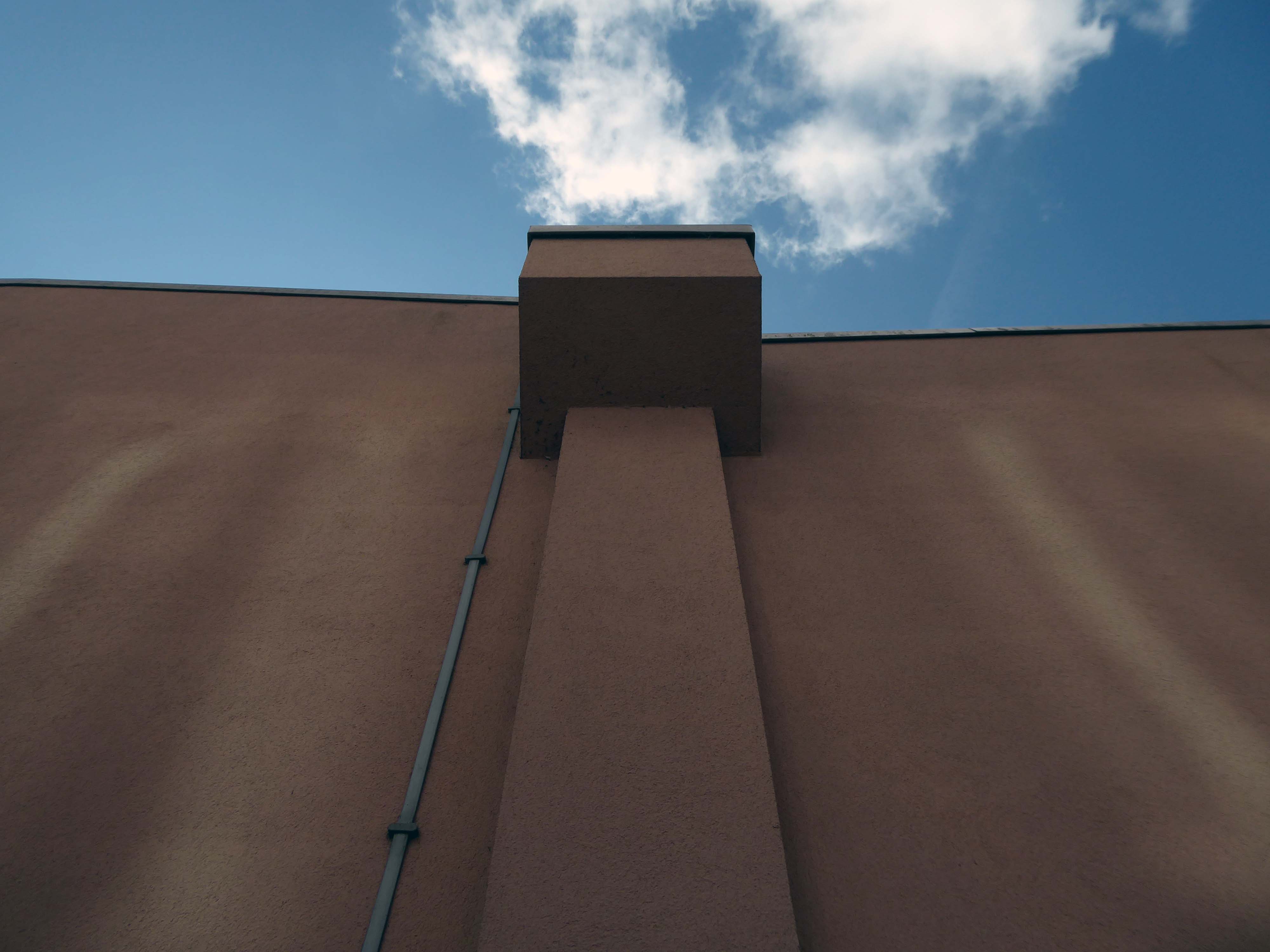
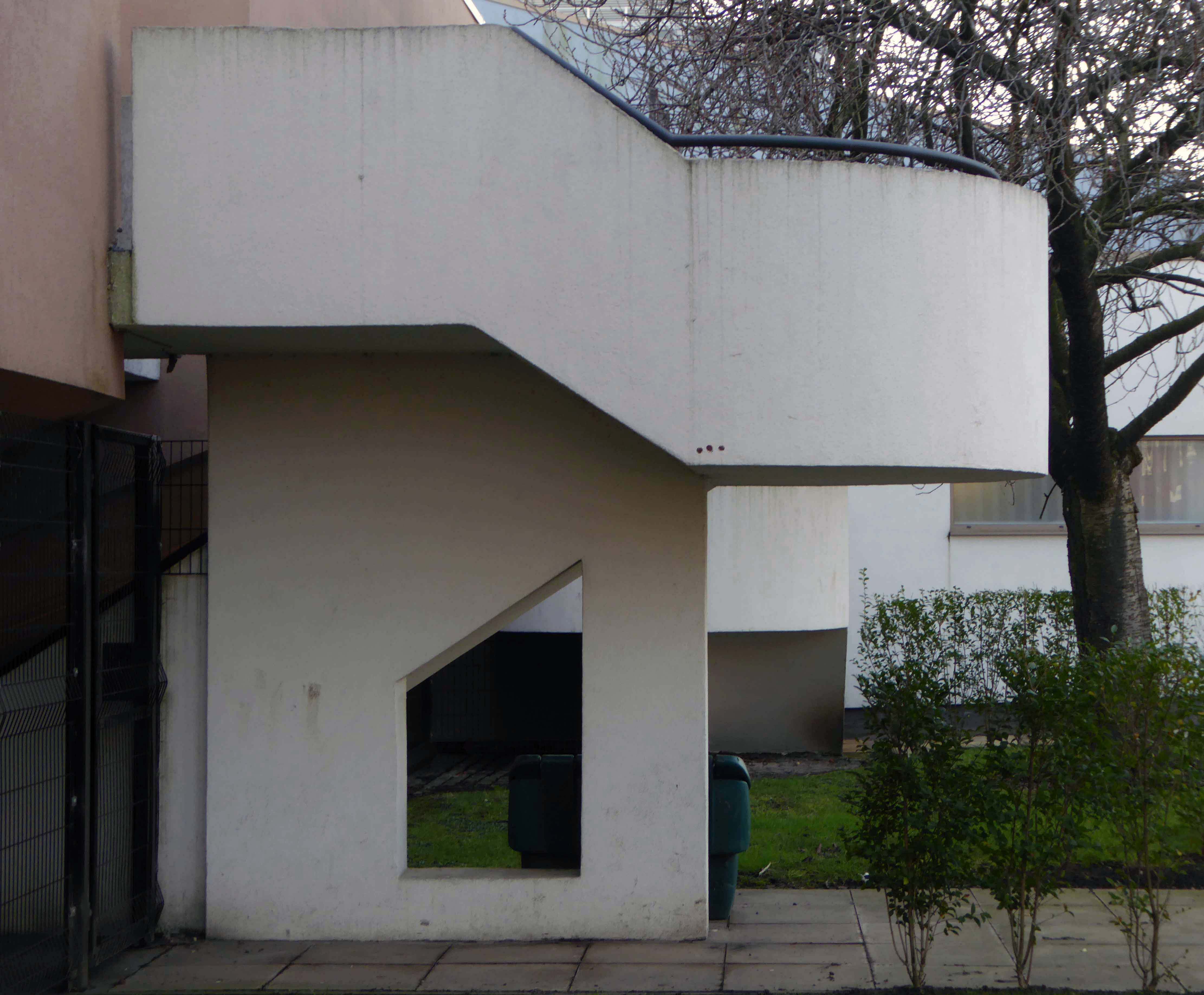
Dale Street East OL6 7ST – behind the Safe Start.

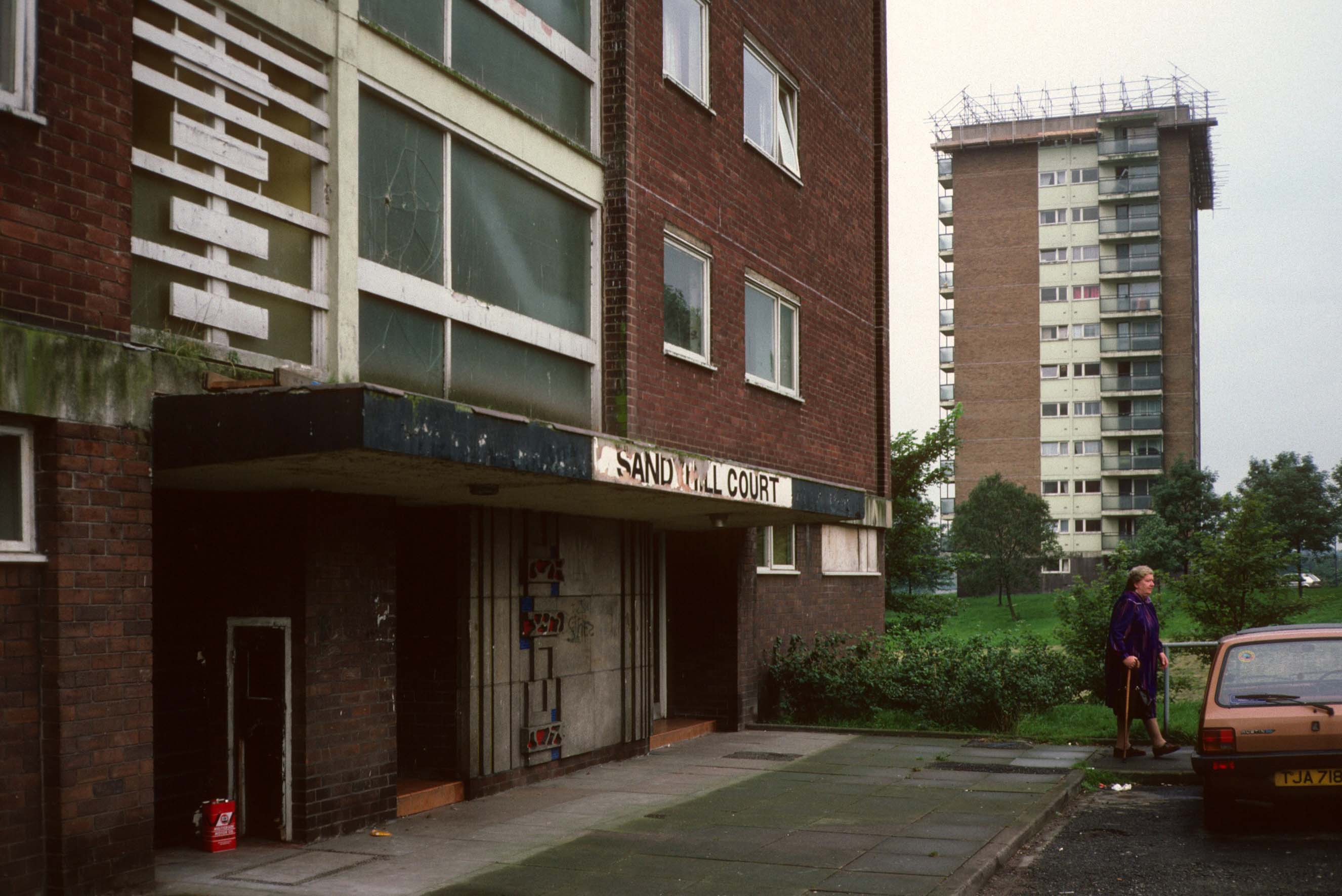
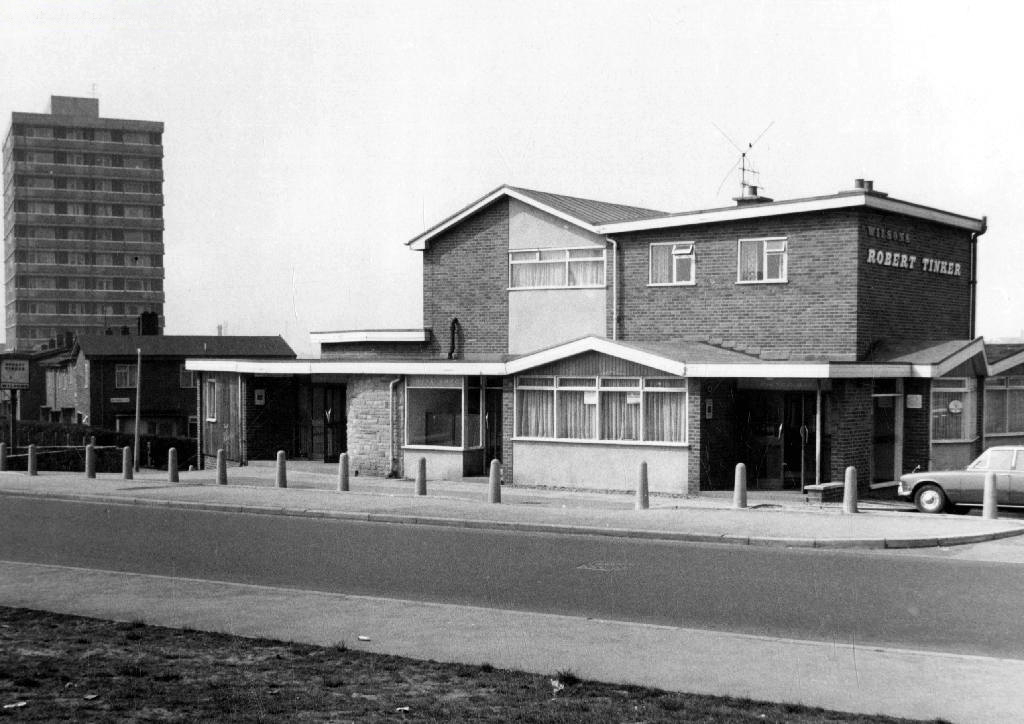
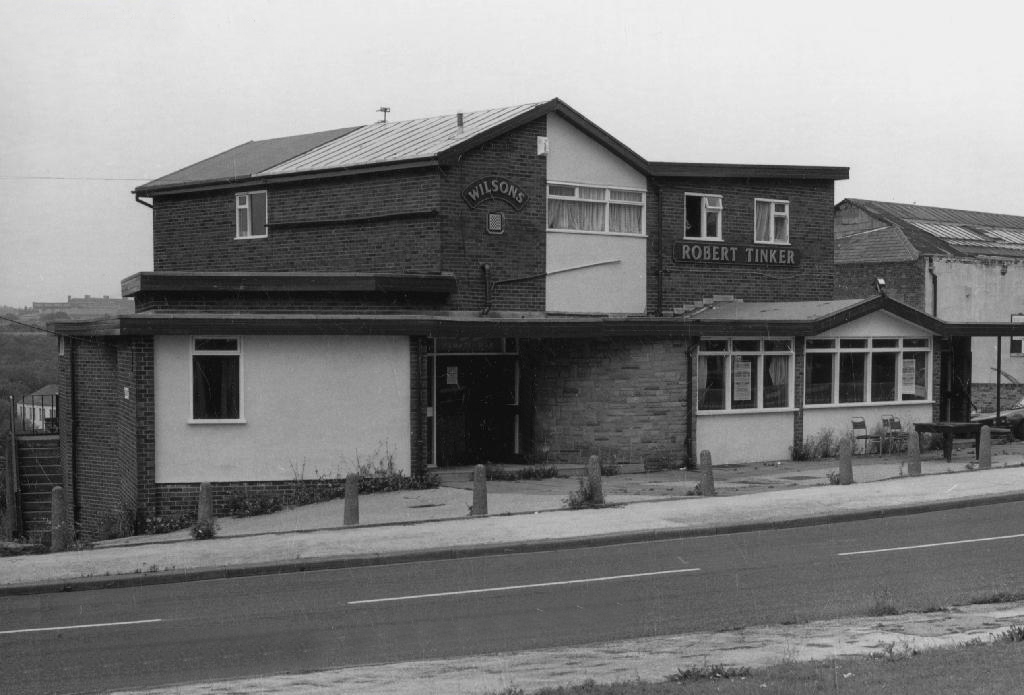
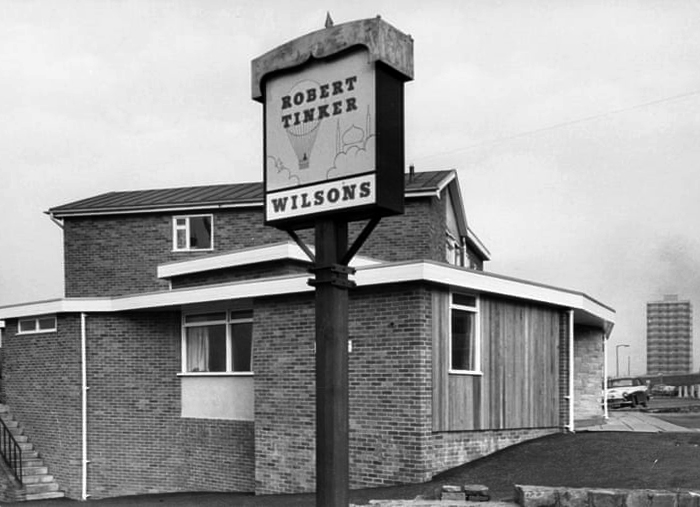
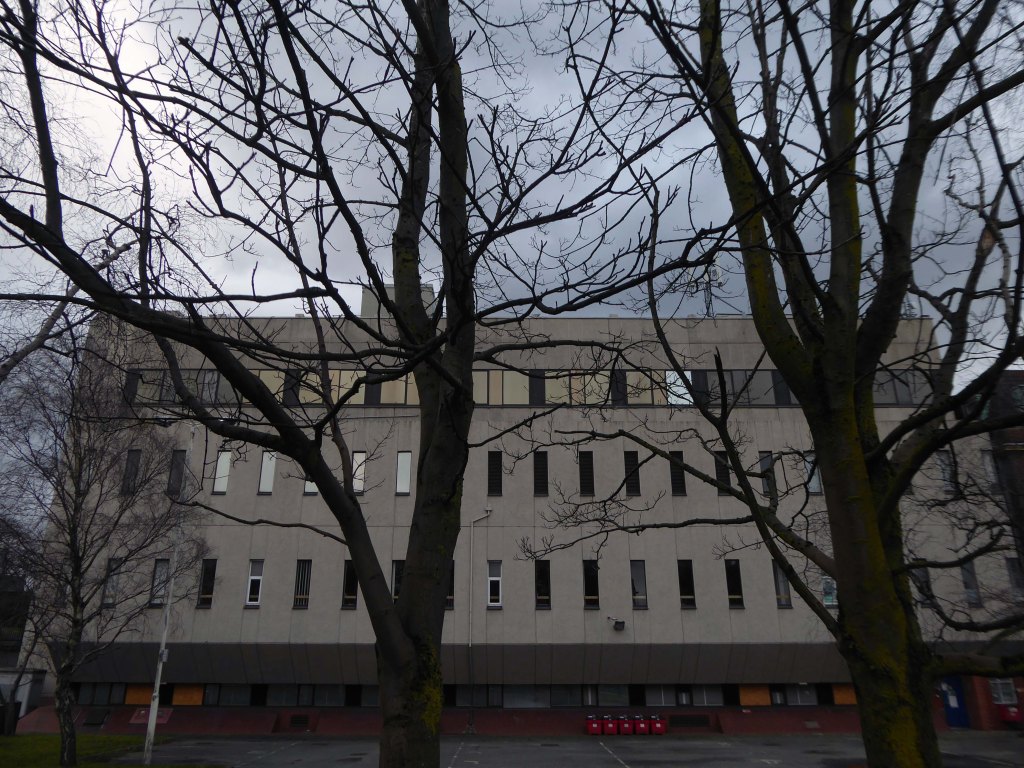
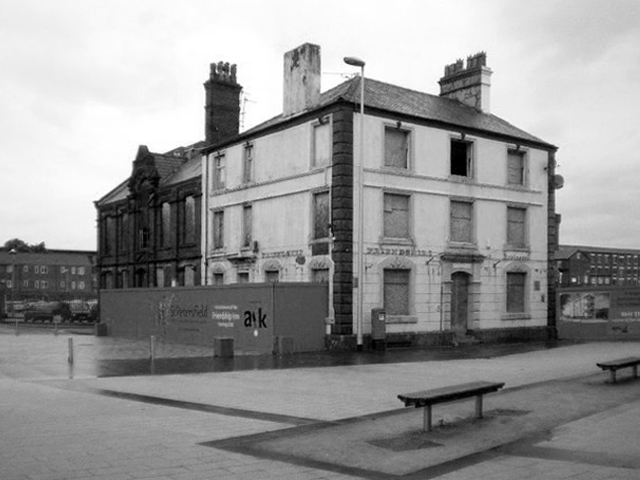
Formerly the Friendship – which suddenly became surplus to requirements, when the Old Street area was redeveloped, and the adjacent Magistrates Courts built.

So far so good, these are the facts we are located.

In an unfamiliar street, in an unfamiliar town.

I myself had the good fortune to grow up here and drink in the Friendship.

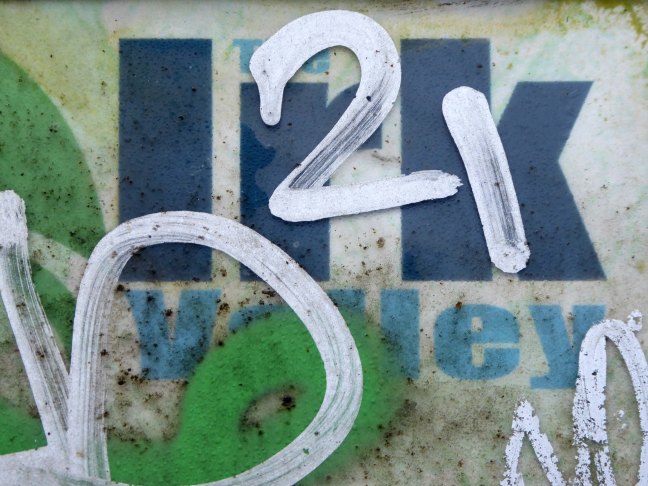
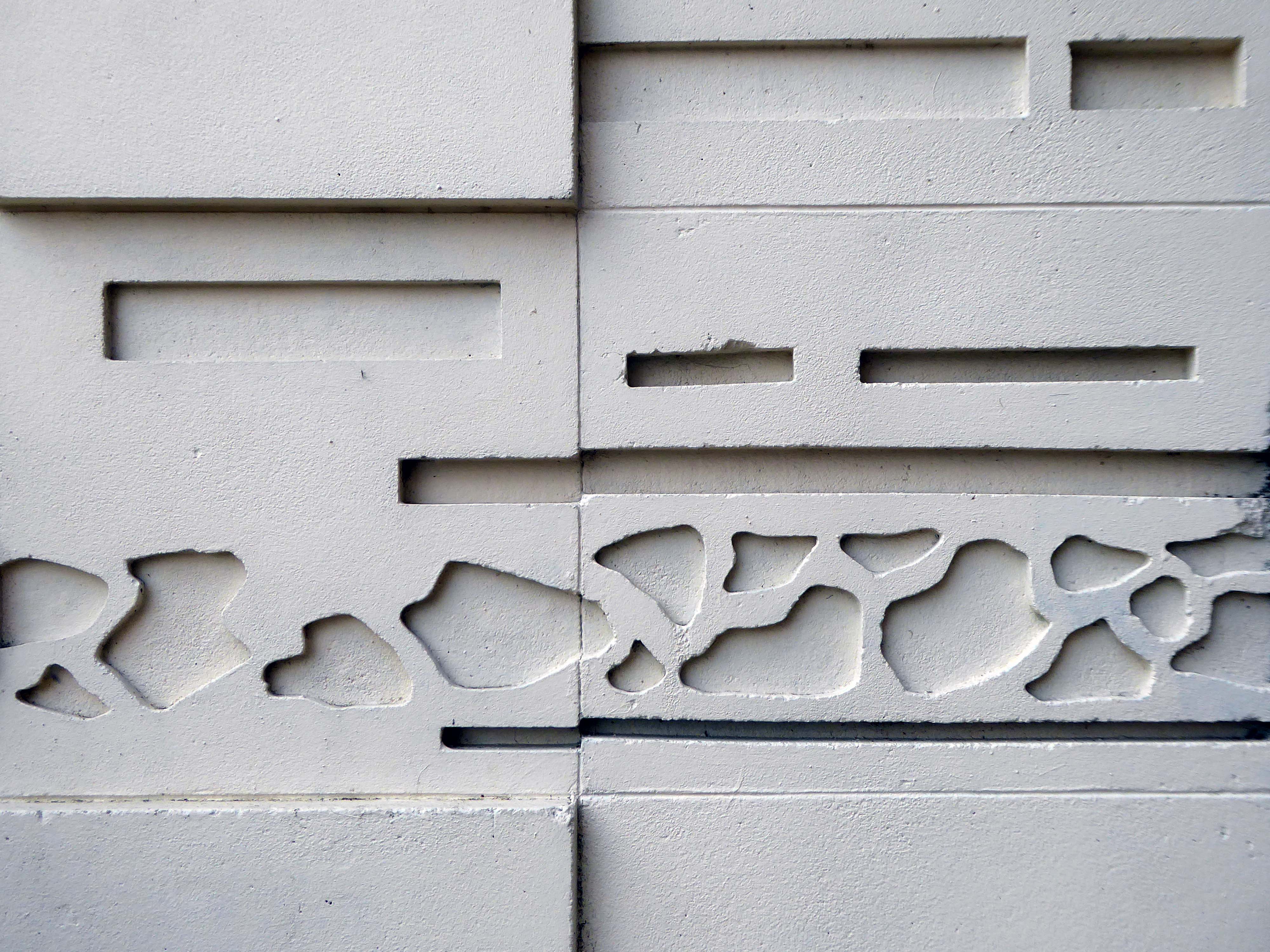
Even so I have no recollection of this distinctive concrete column, neither does the whole of the internet.

Do you?

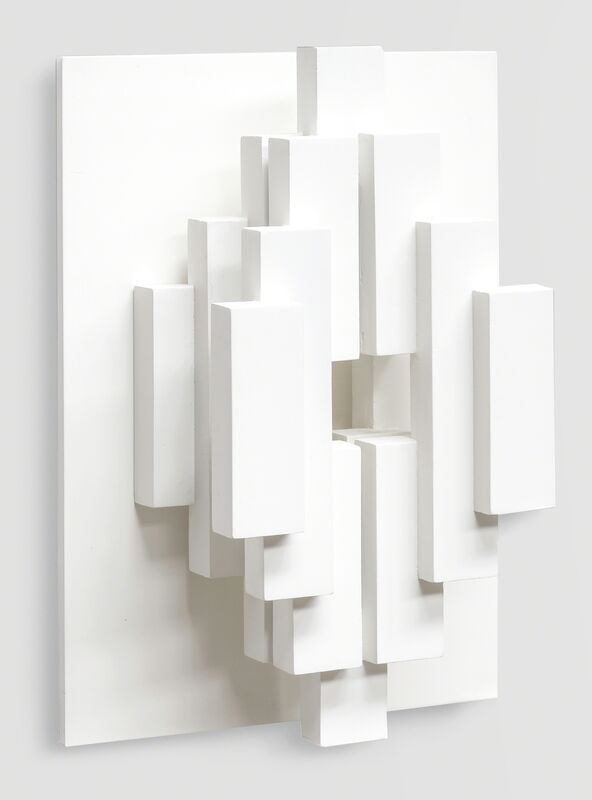
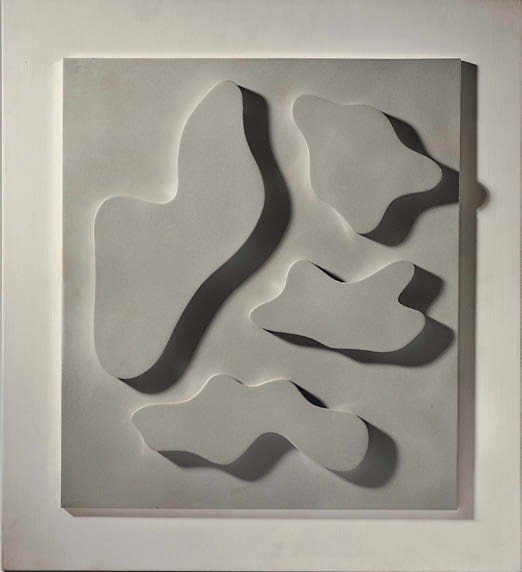
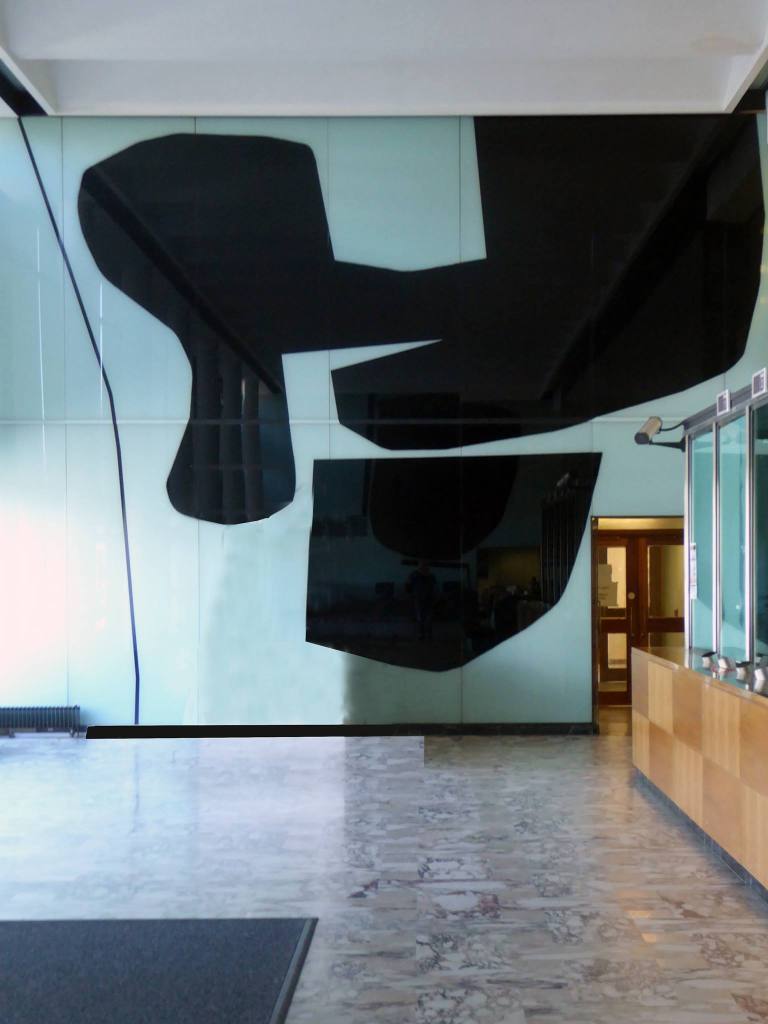
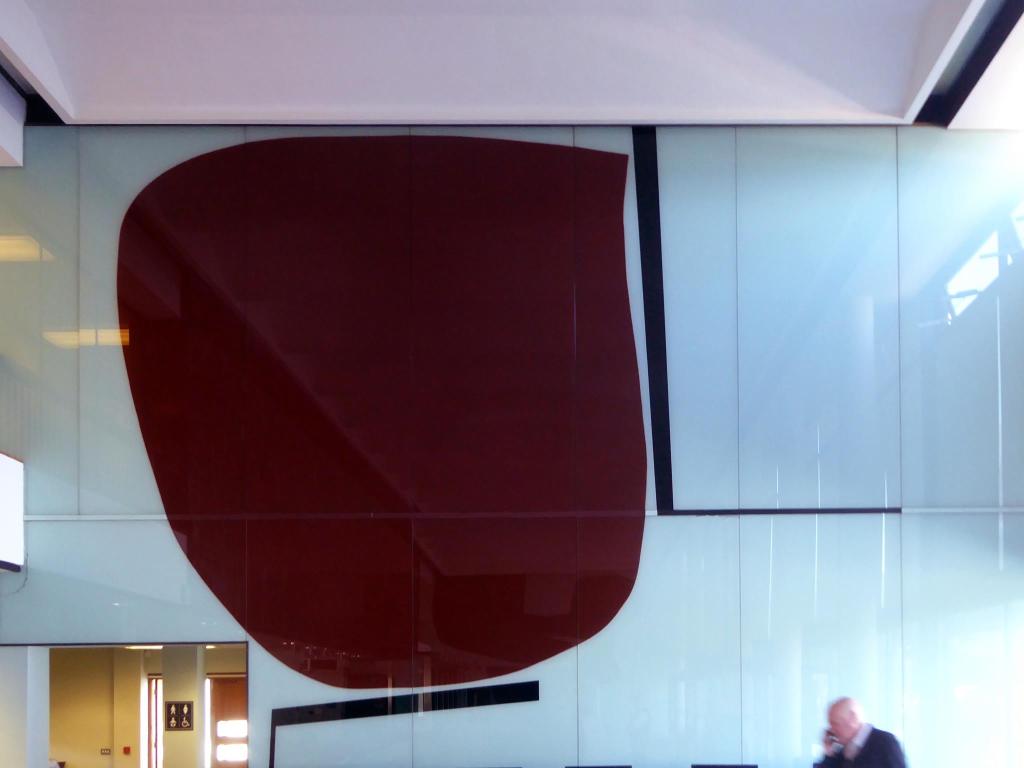
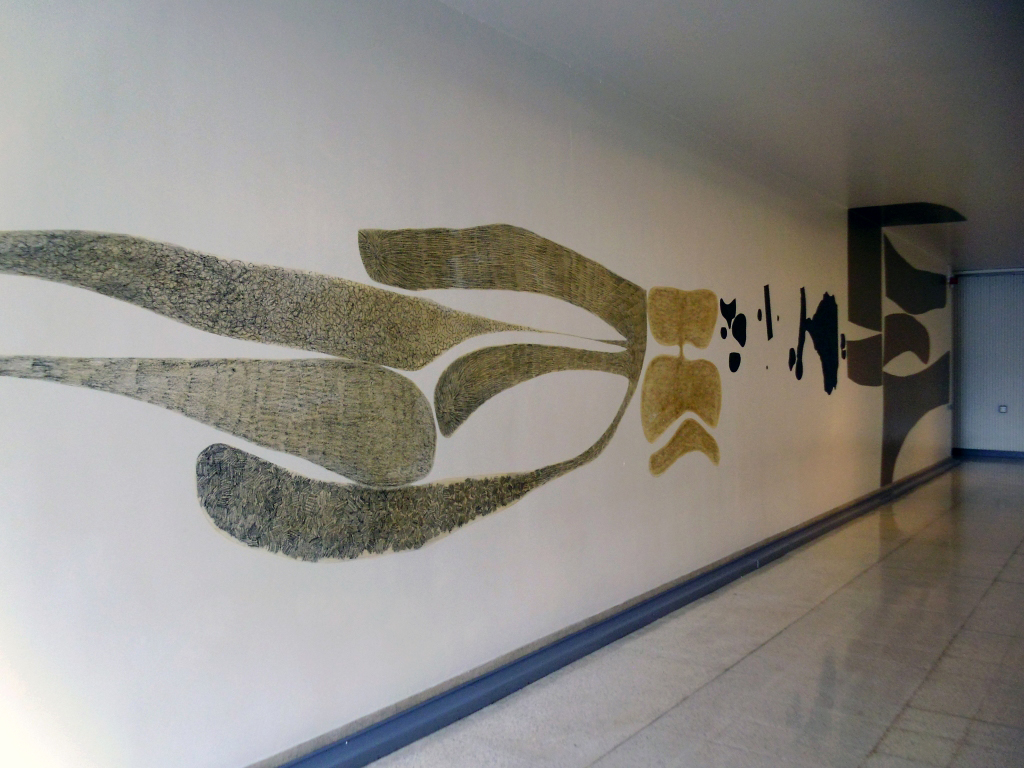
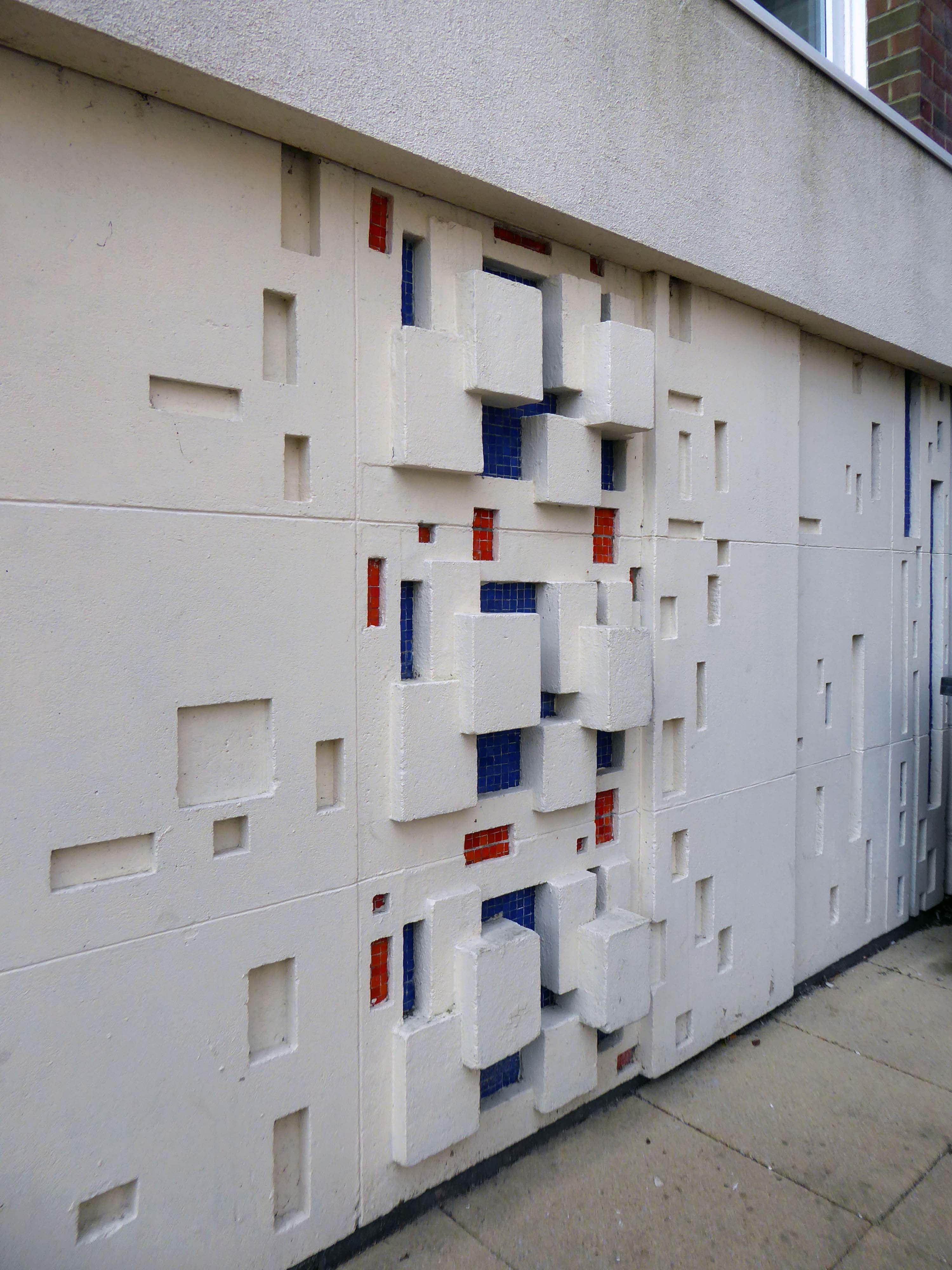
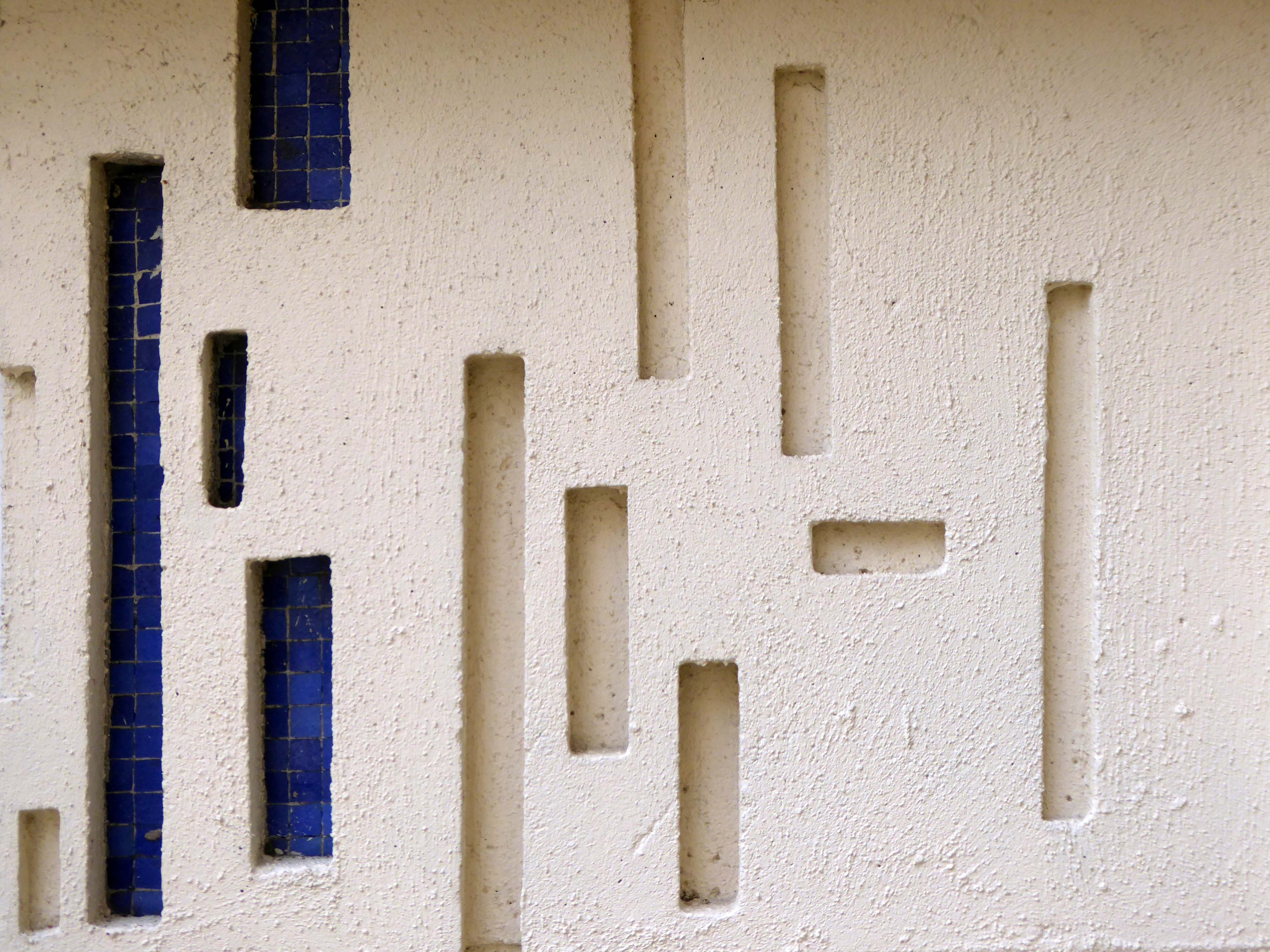
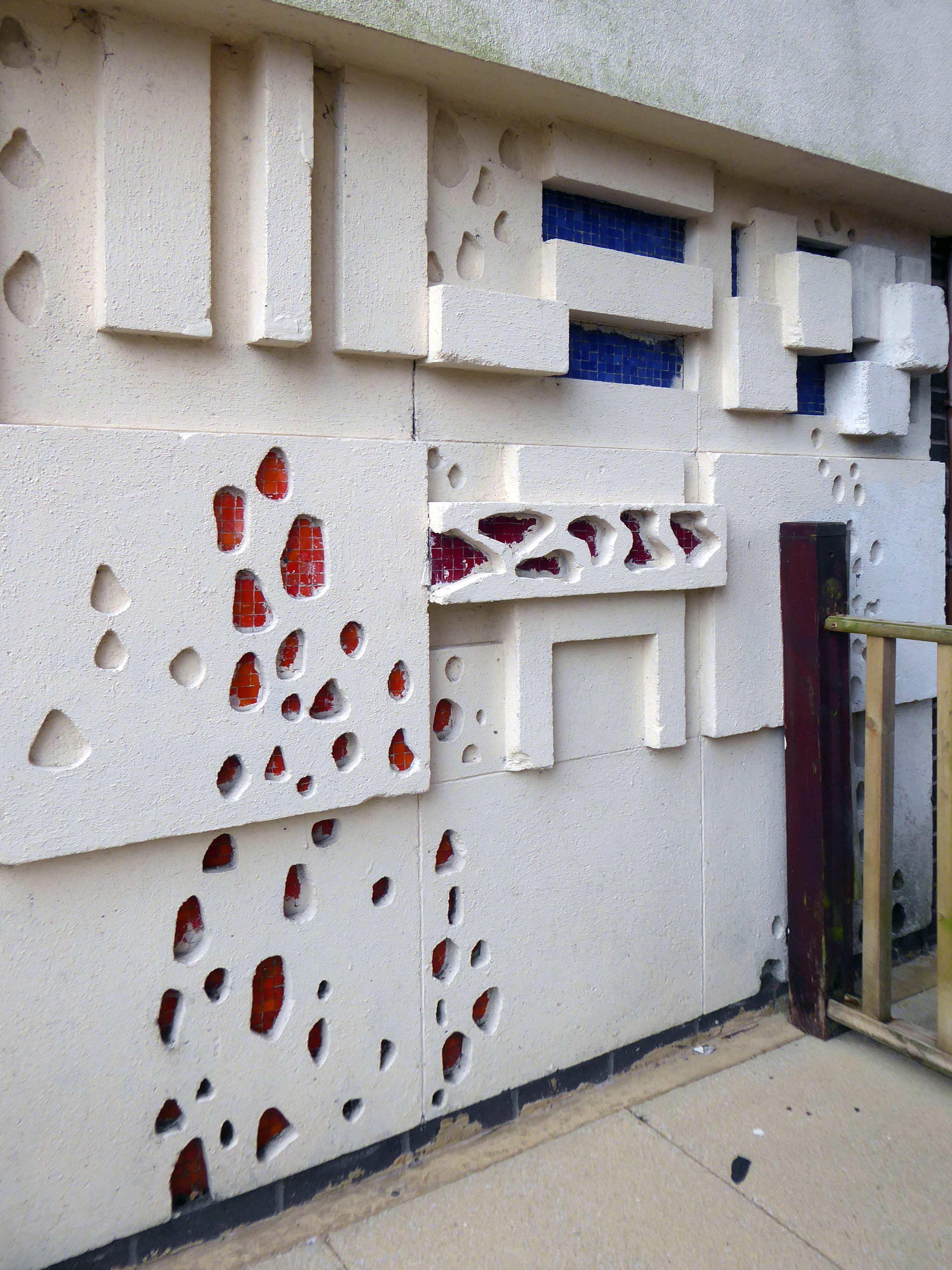
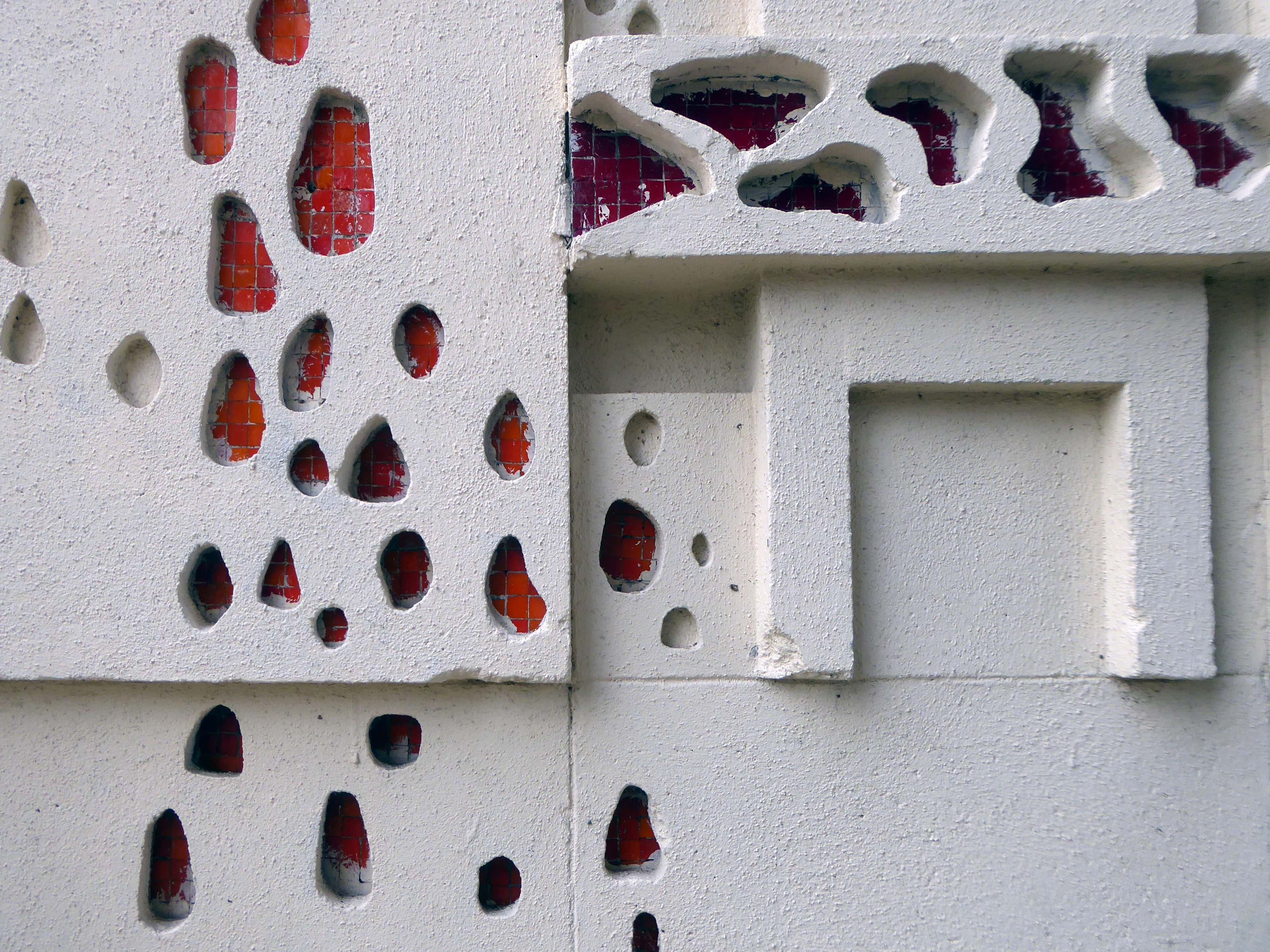
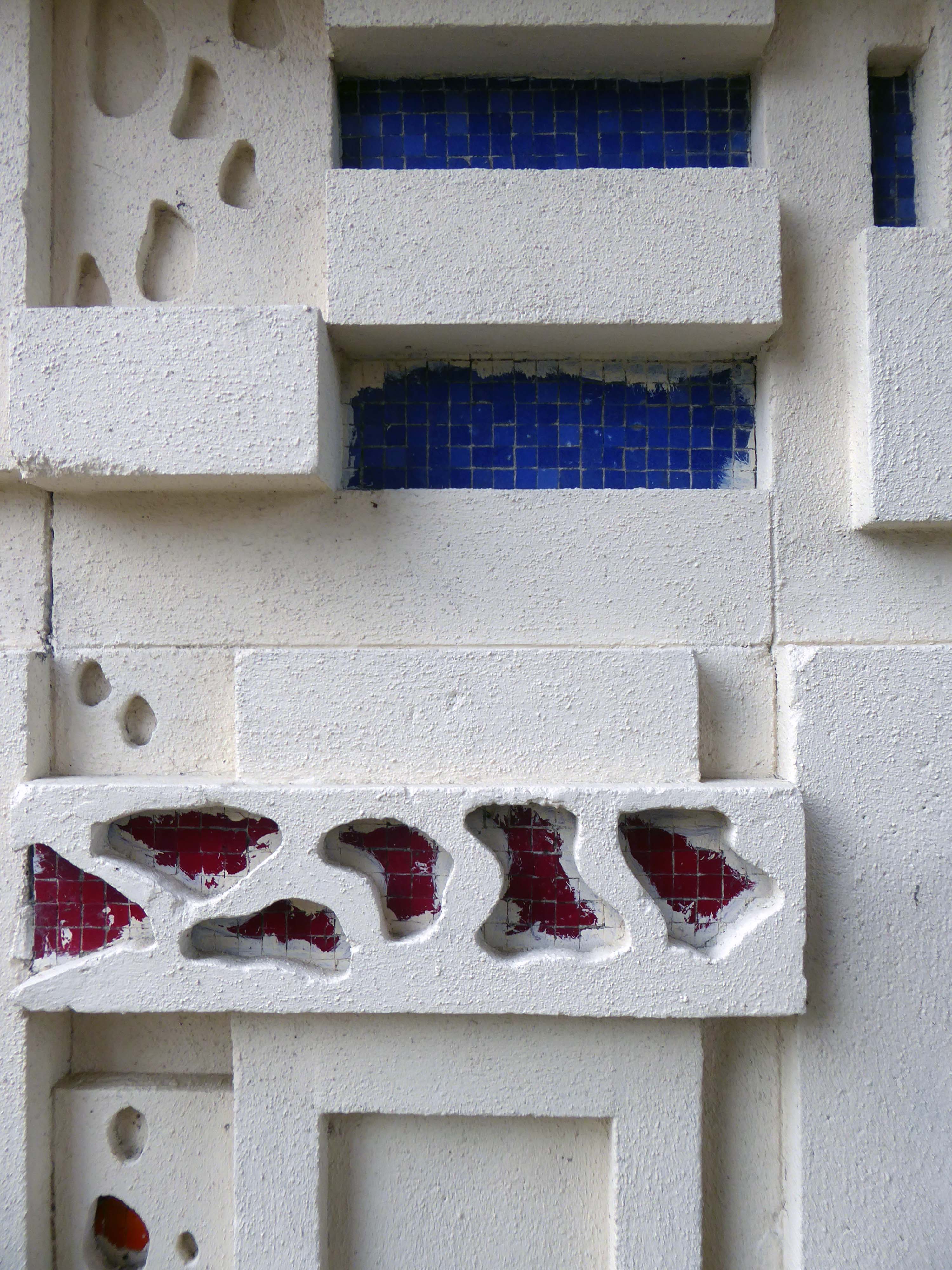
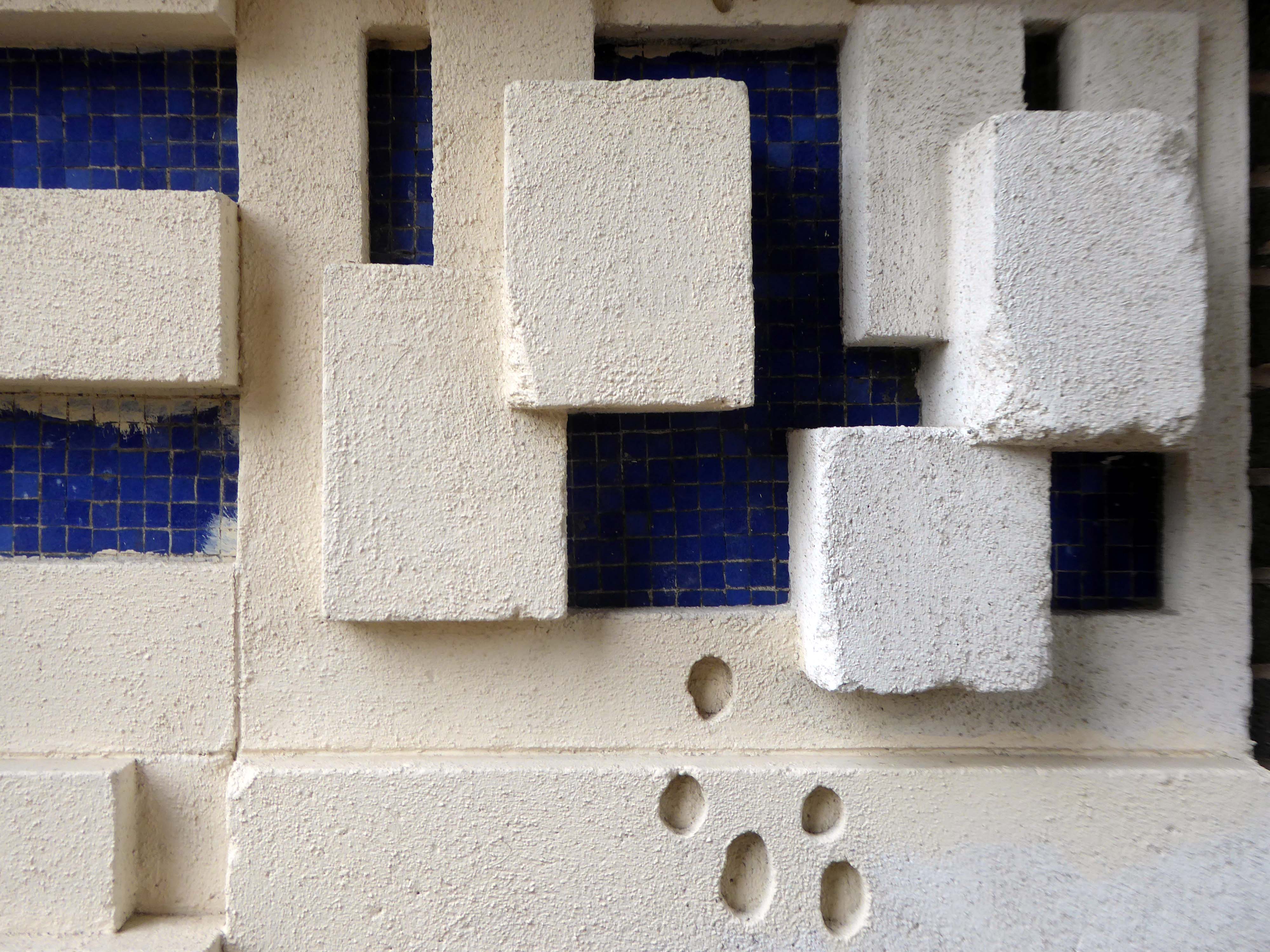
Though very much in the style of the day – exemplified by William Mitchell there is currently no attribution for this work.

Was it at some point relocated, if so from where?

There are more questions than answers.

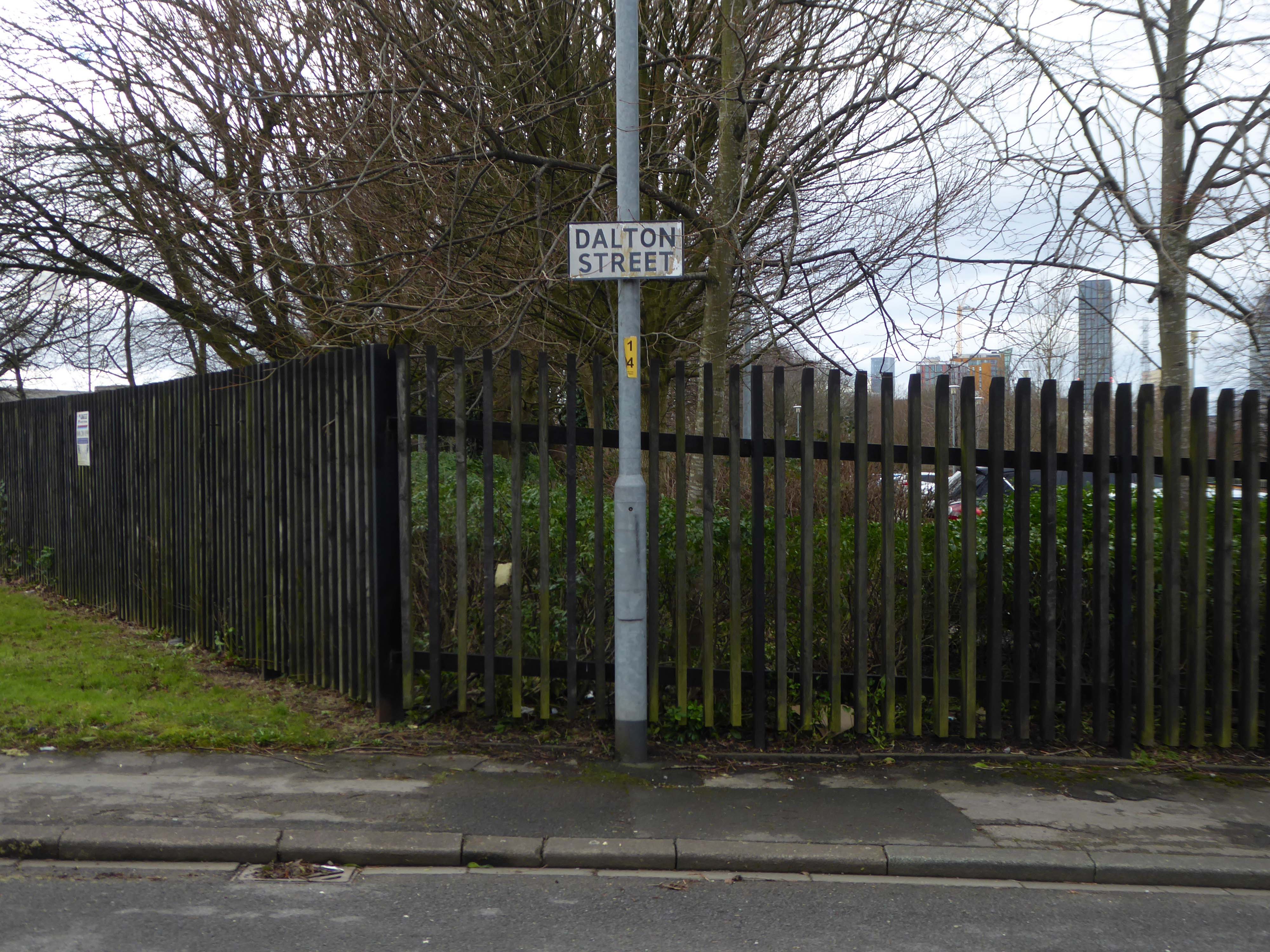
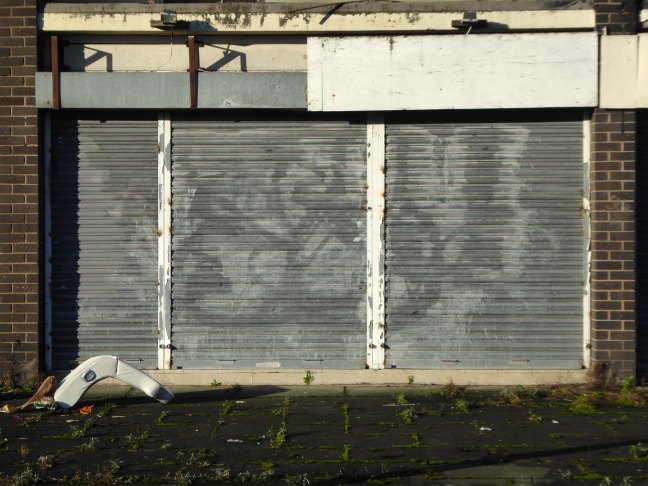
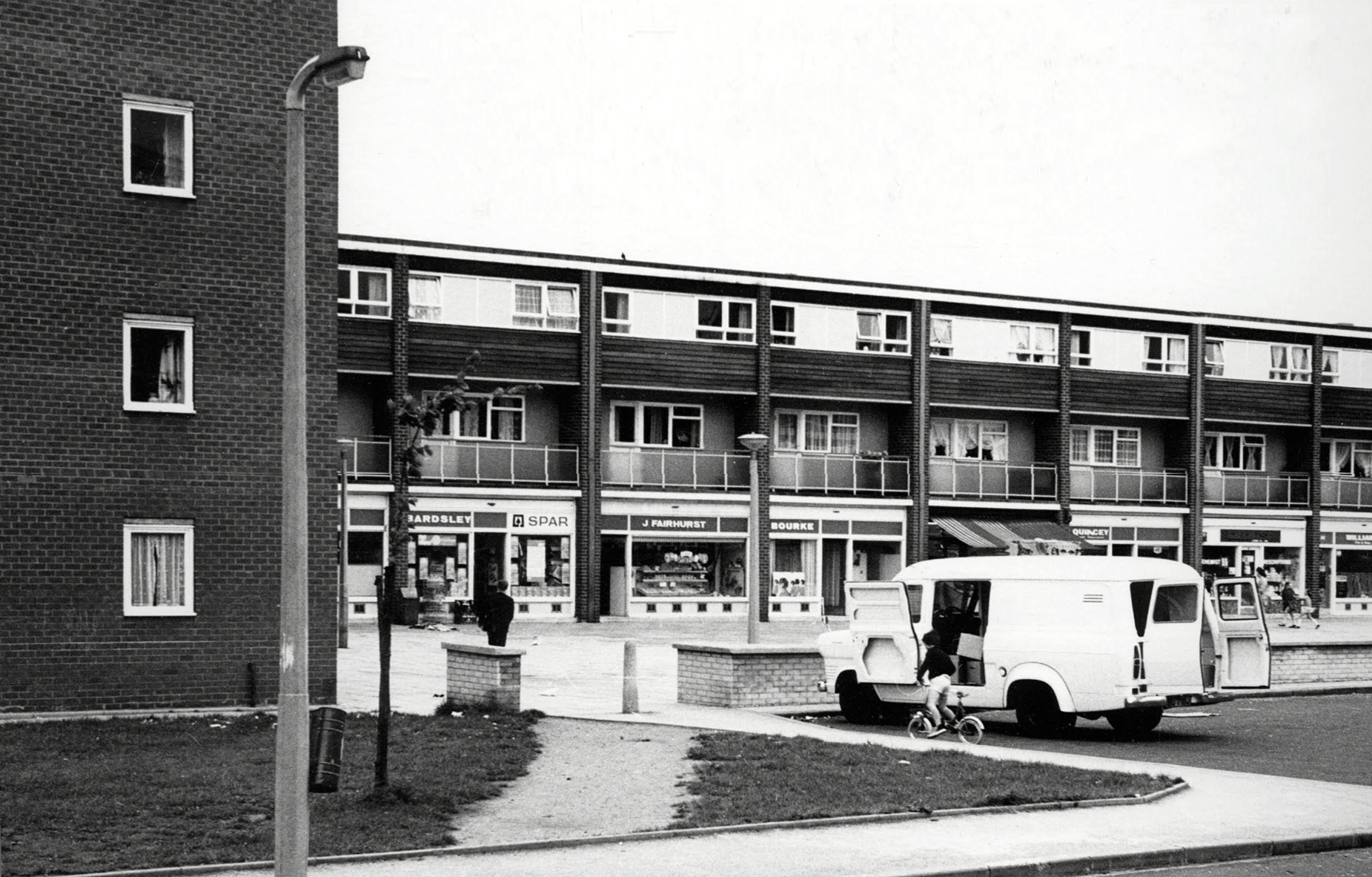
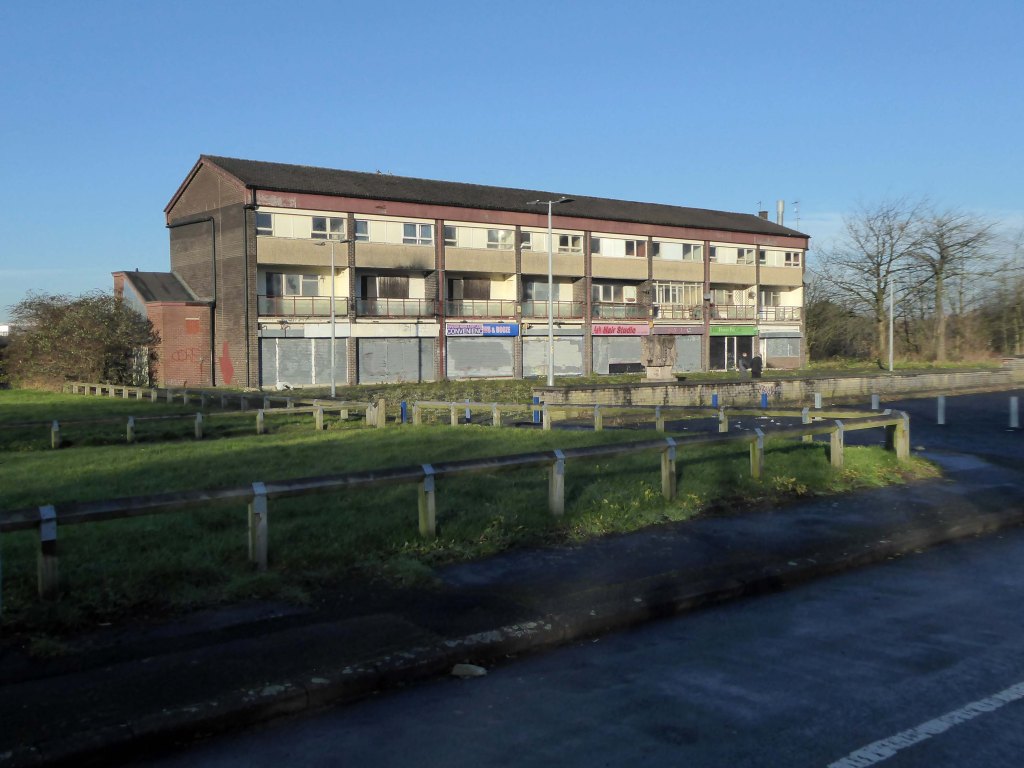
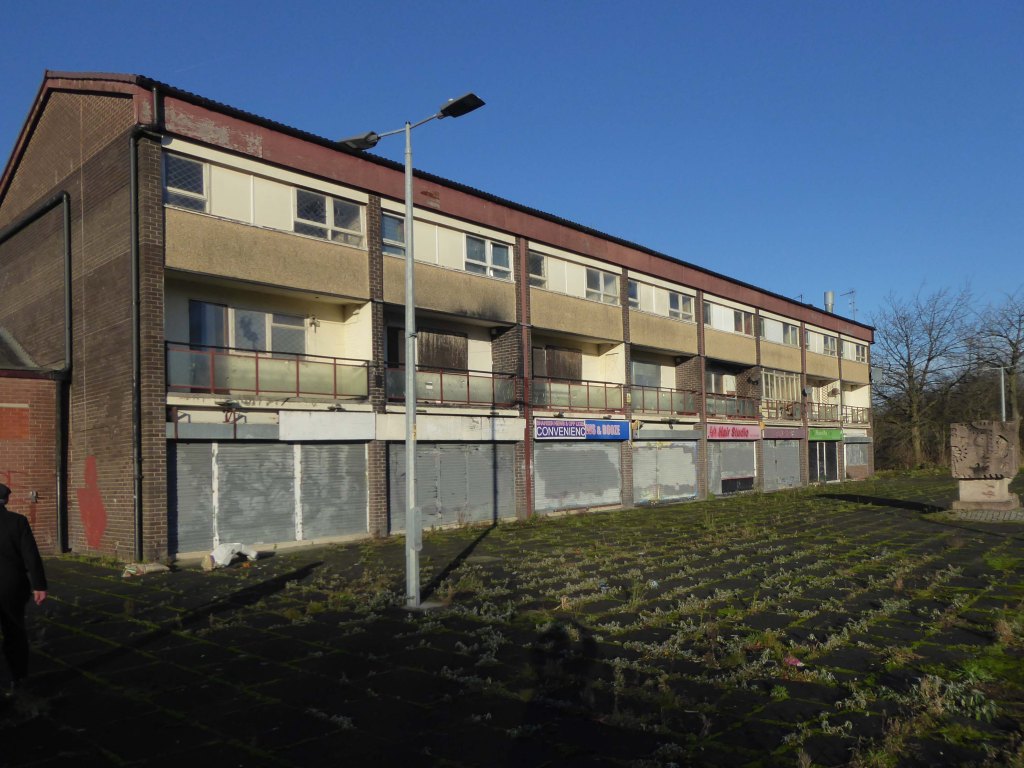
Eastford Square – 12/21

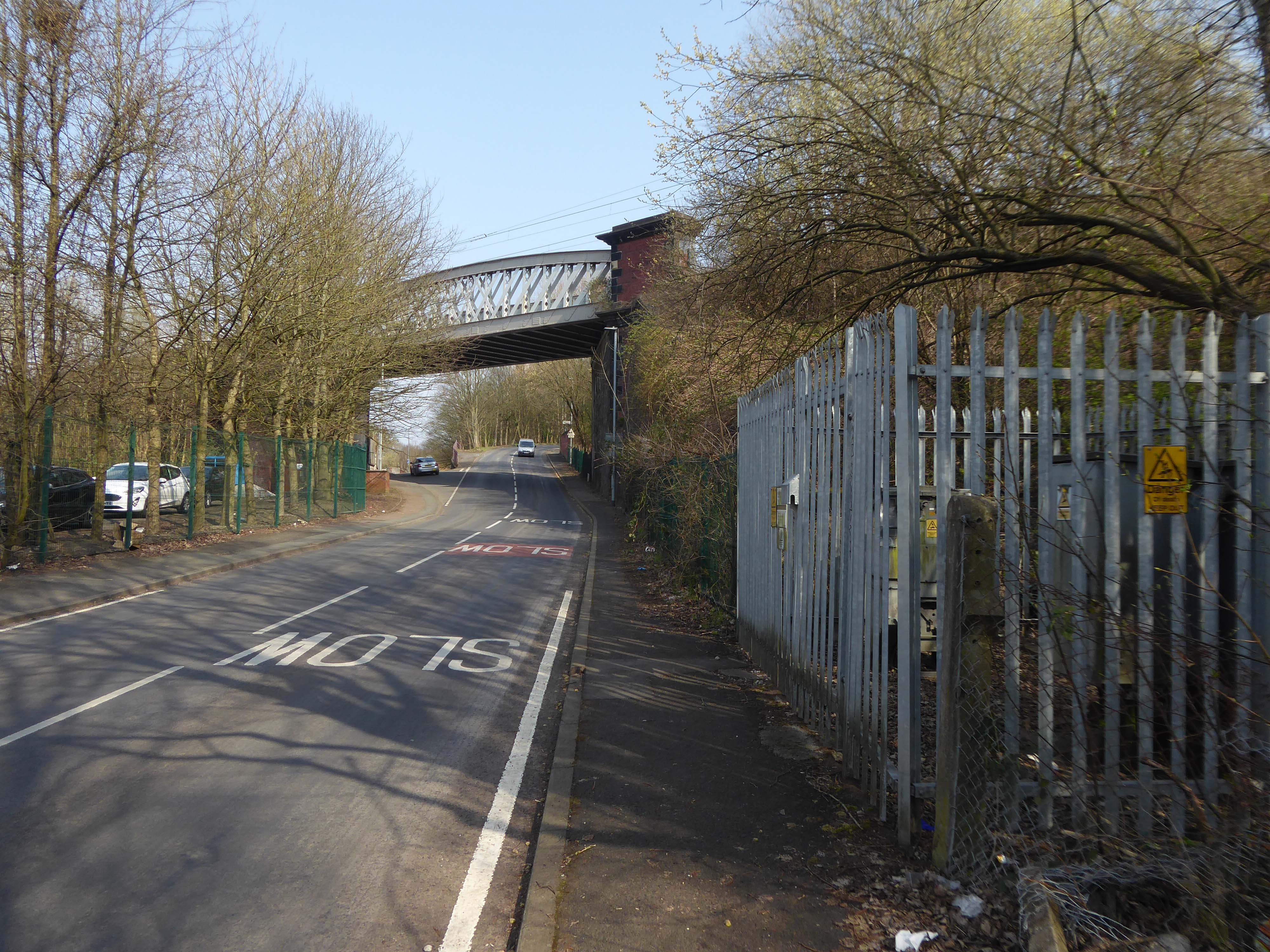
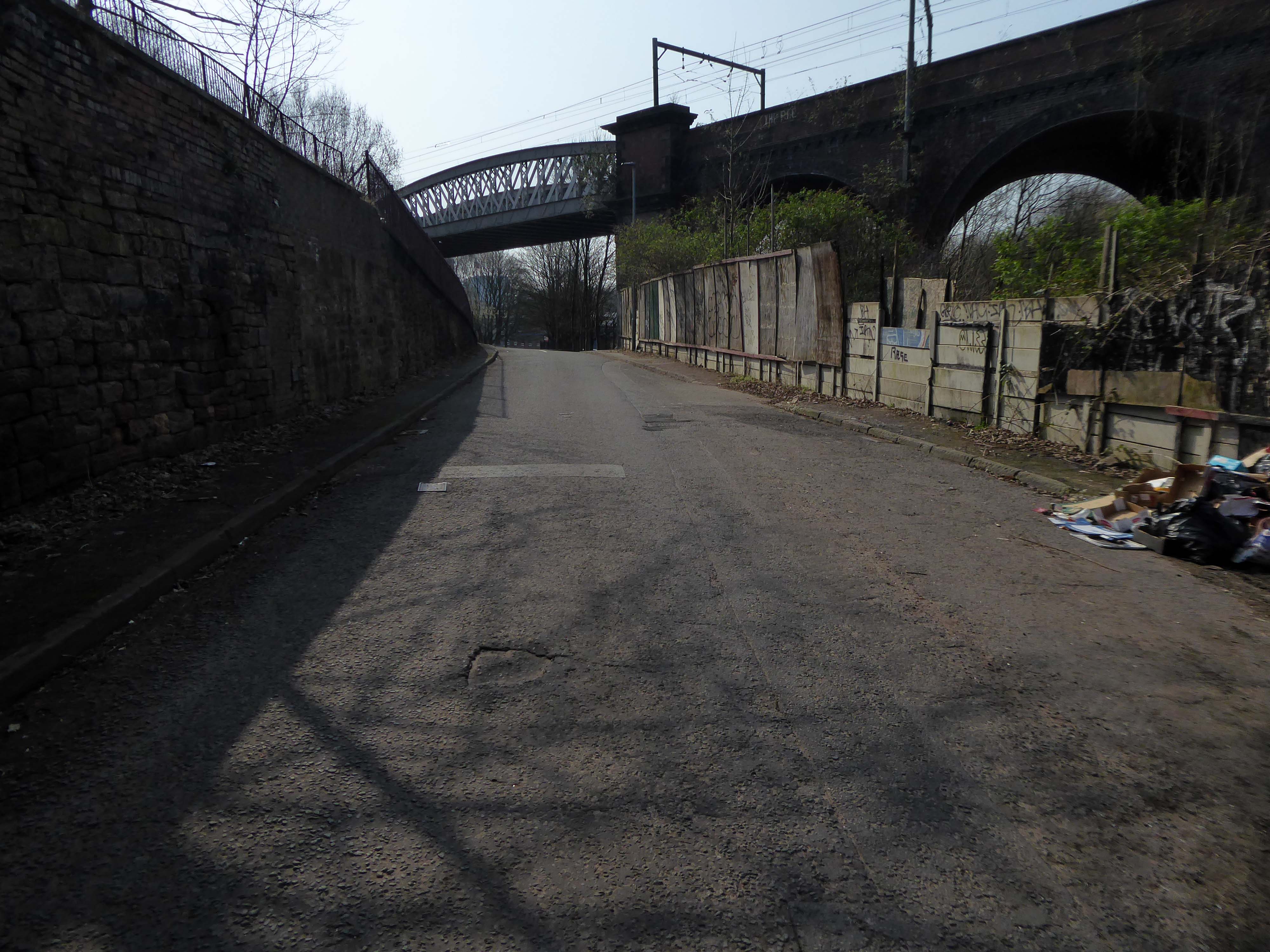
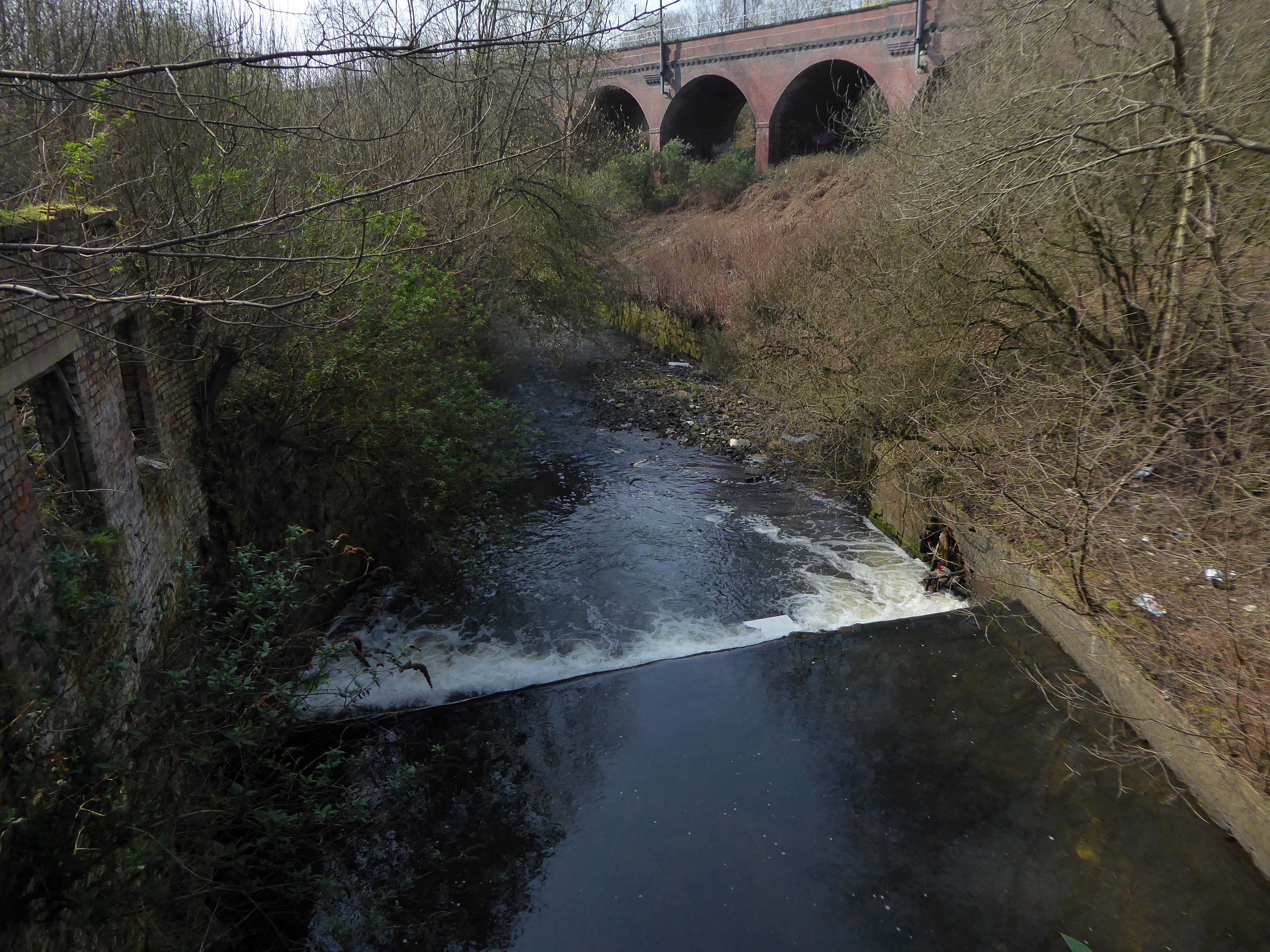
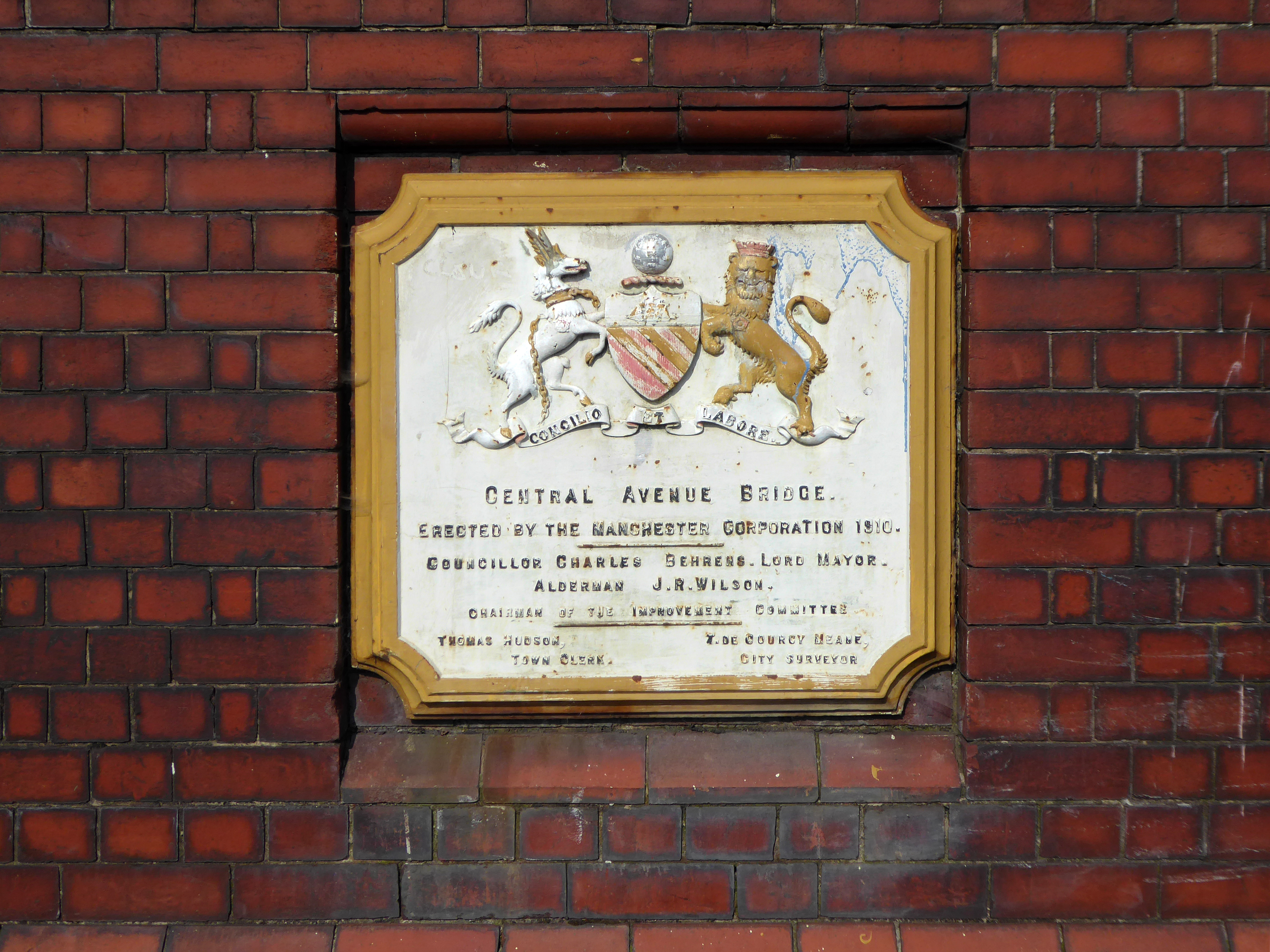
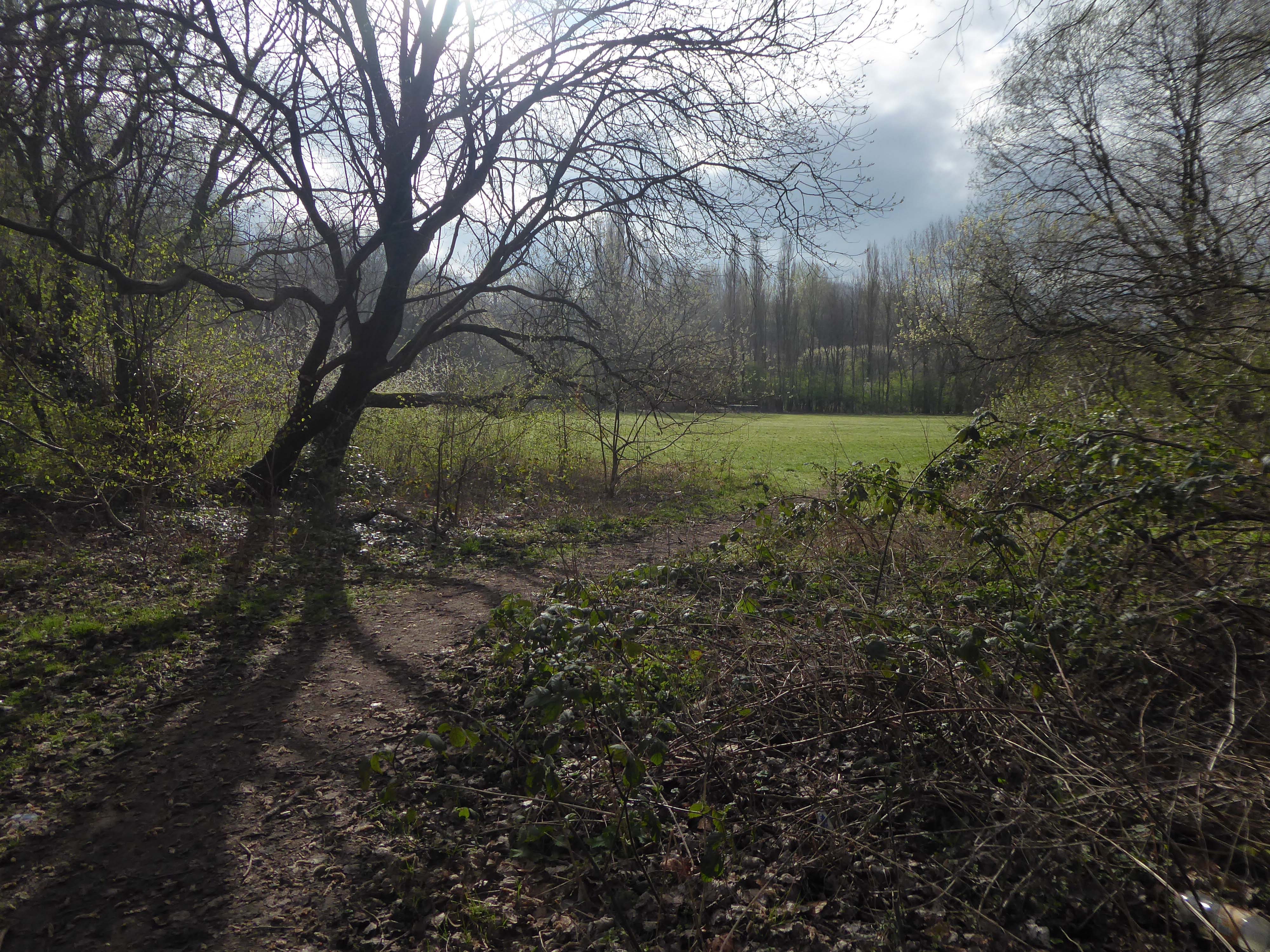
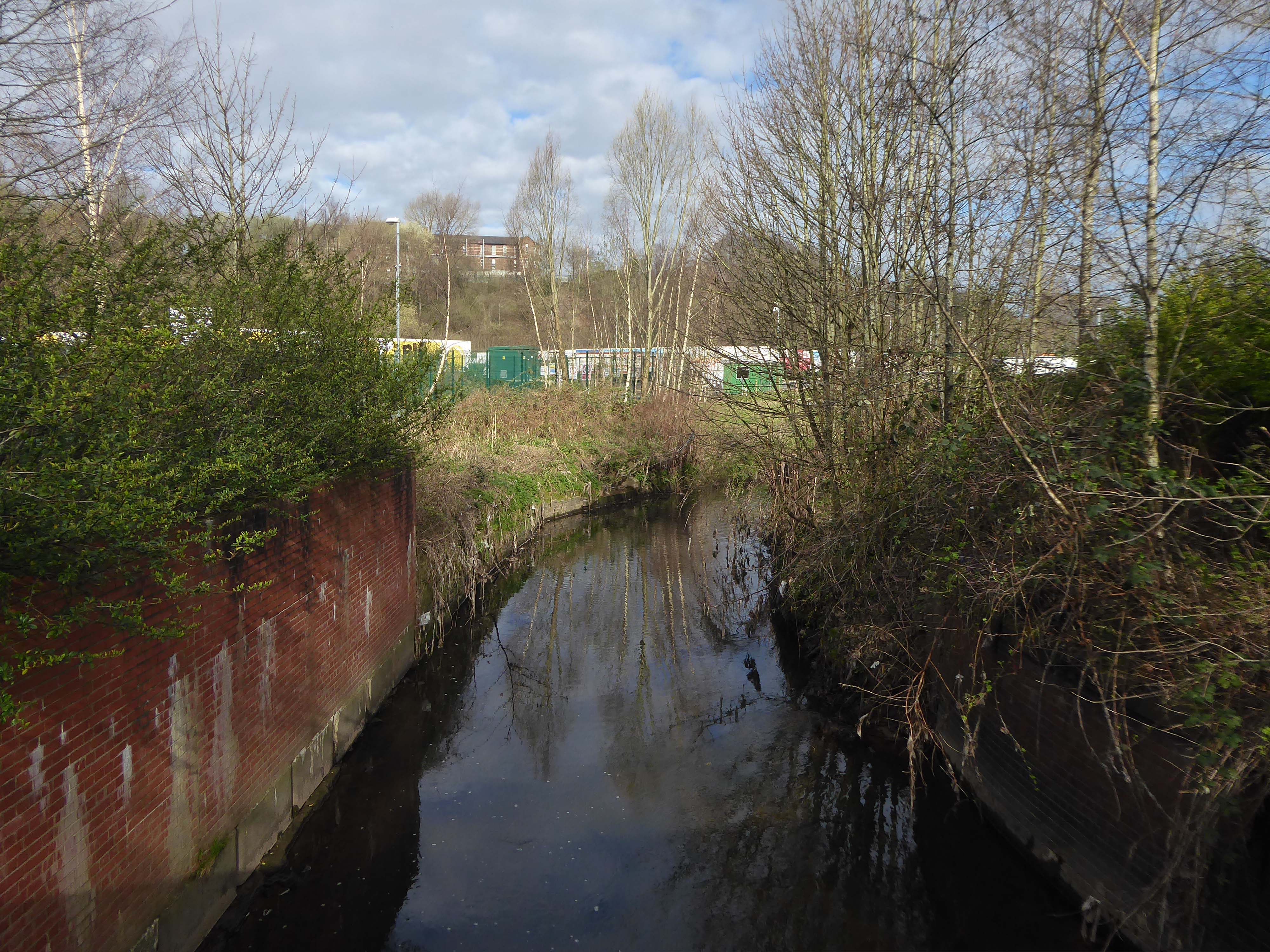
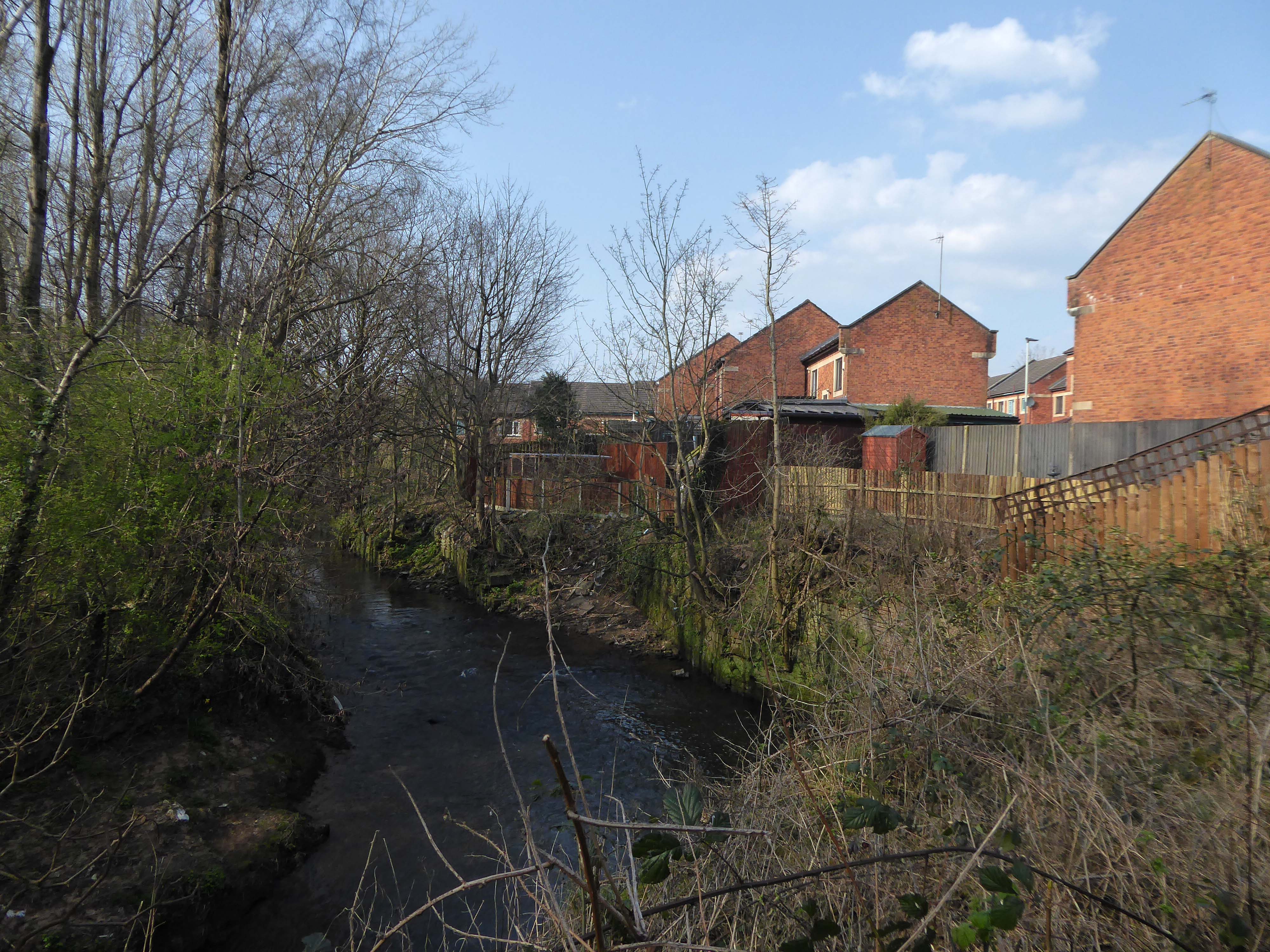
Here we are again and again and again, a curious passer-by, curious as to what may or may not have taken pass.

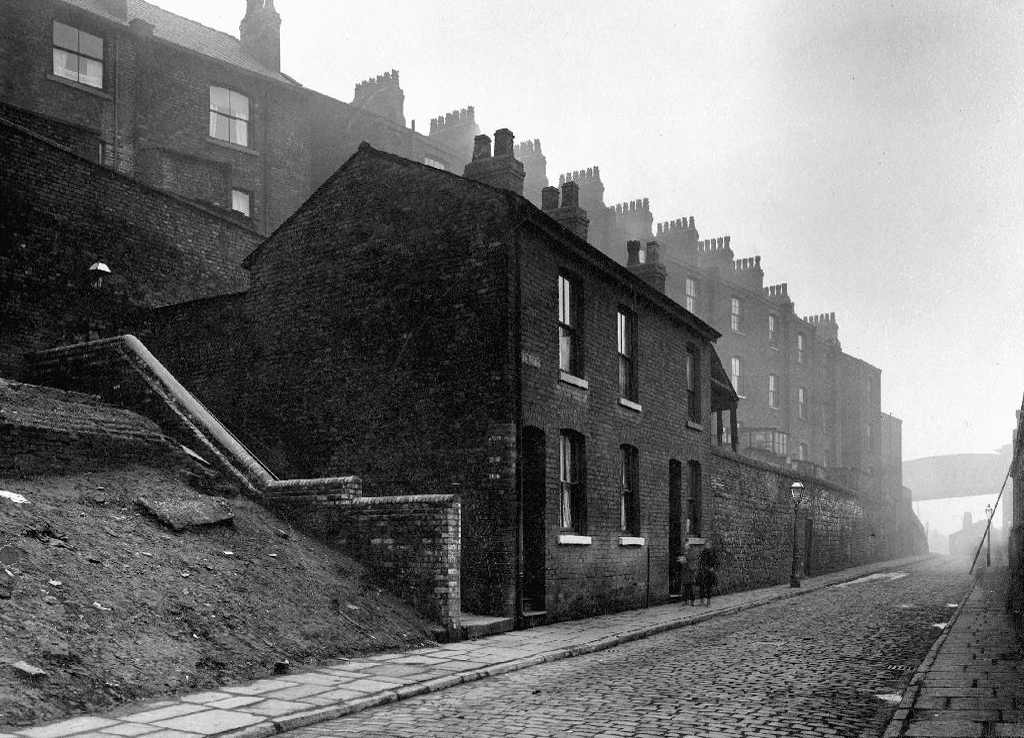
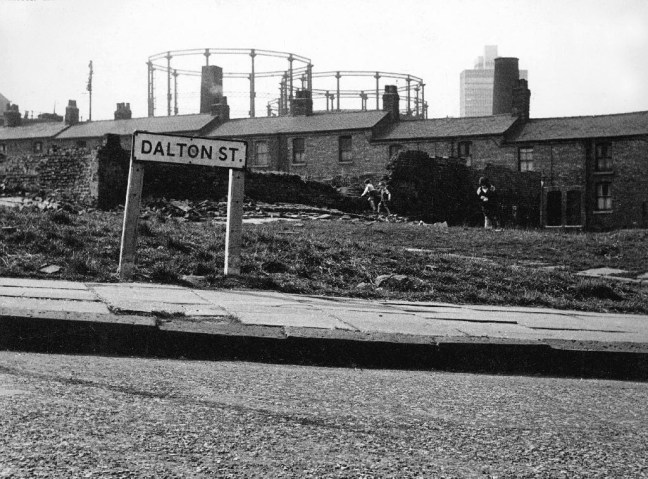
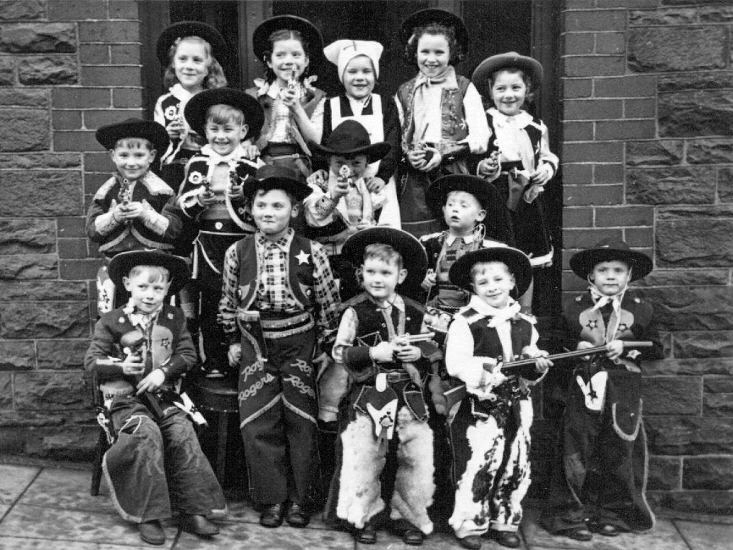
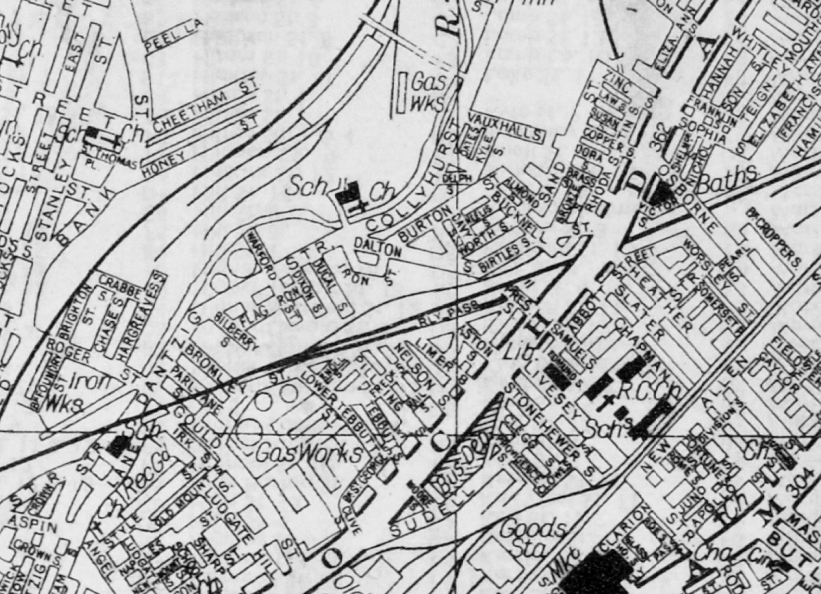
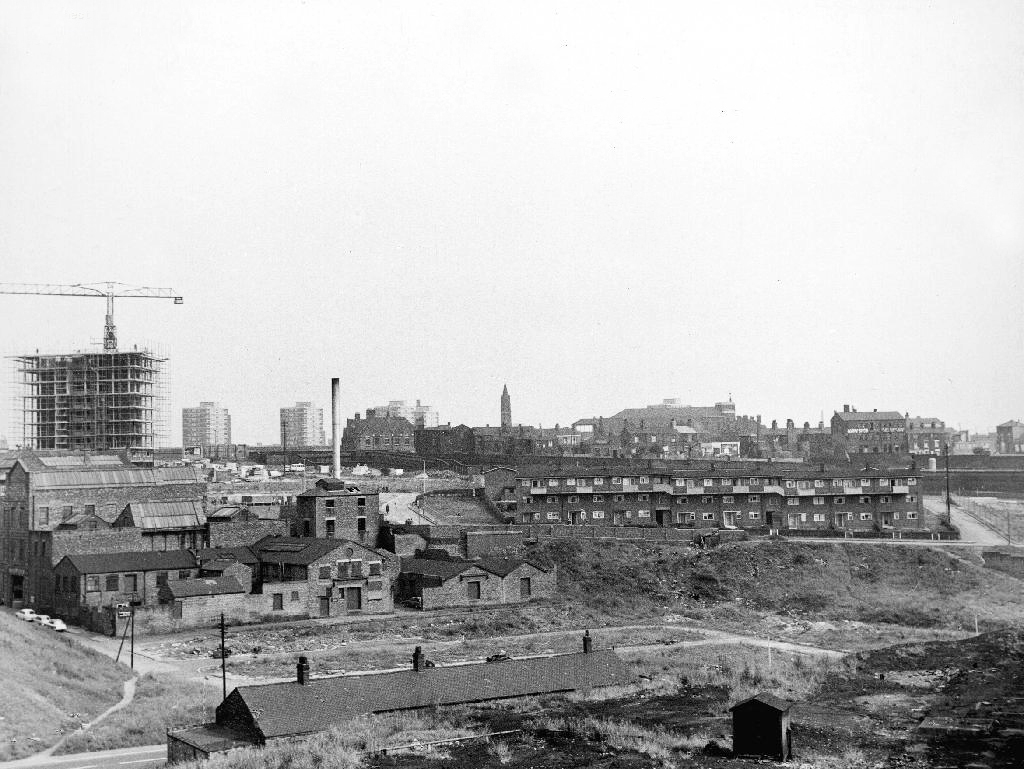
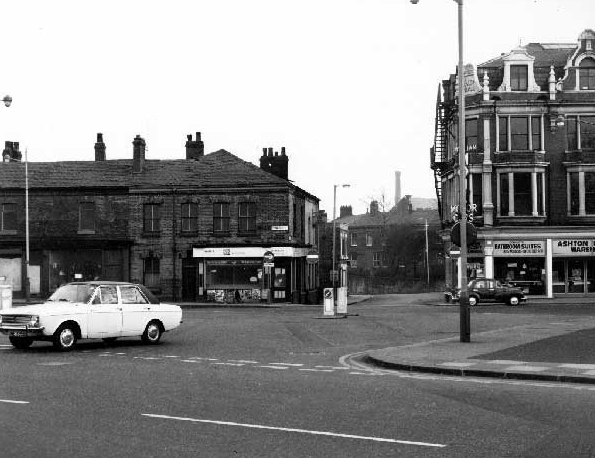
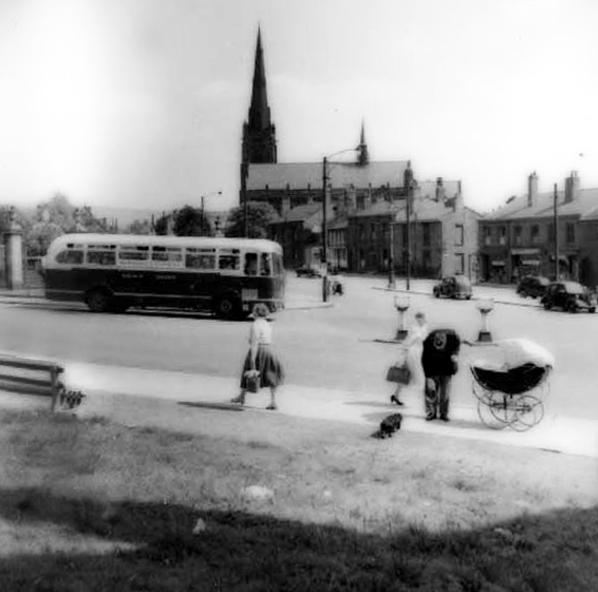
Local Image Collection 1970
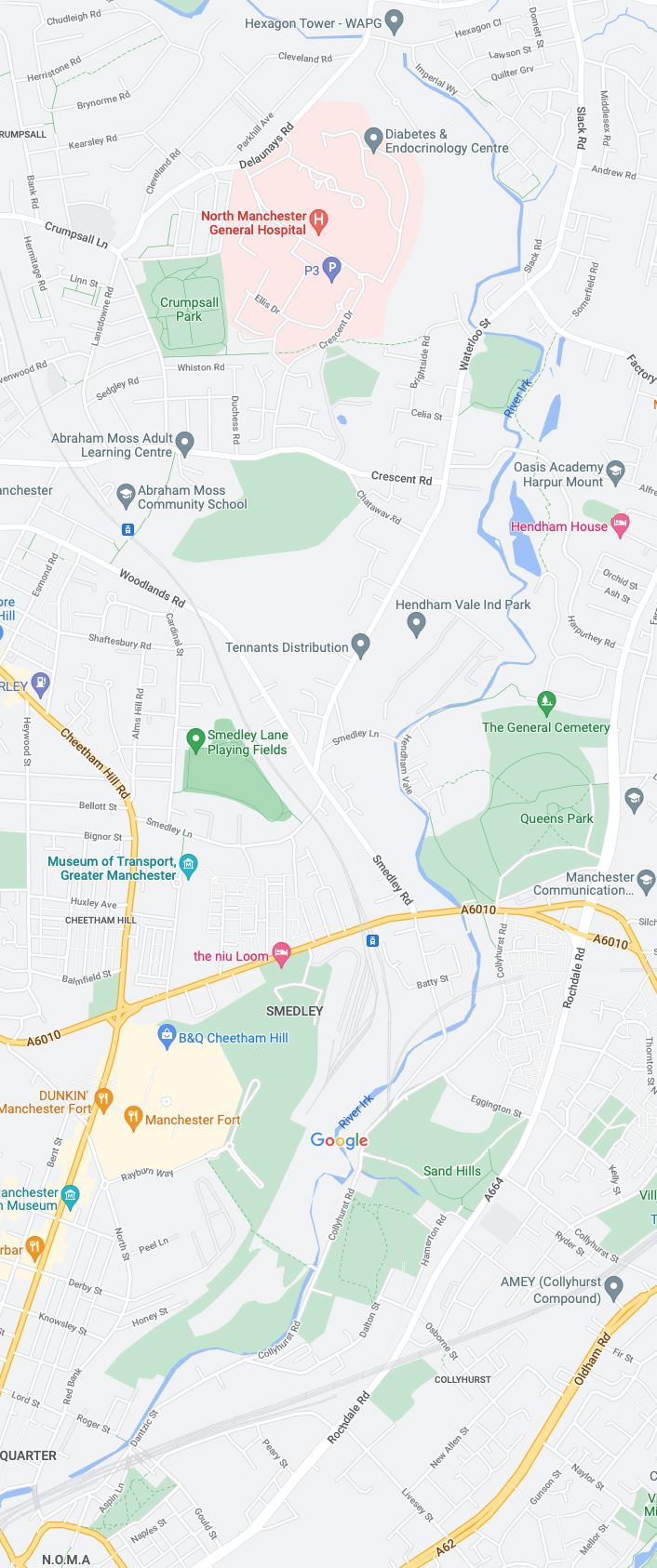
There is a report of 2020

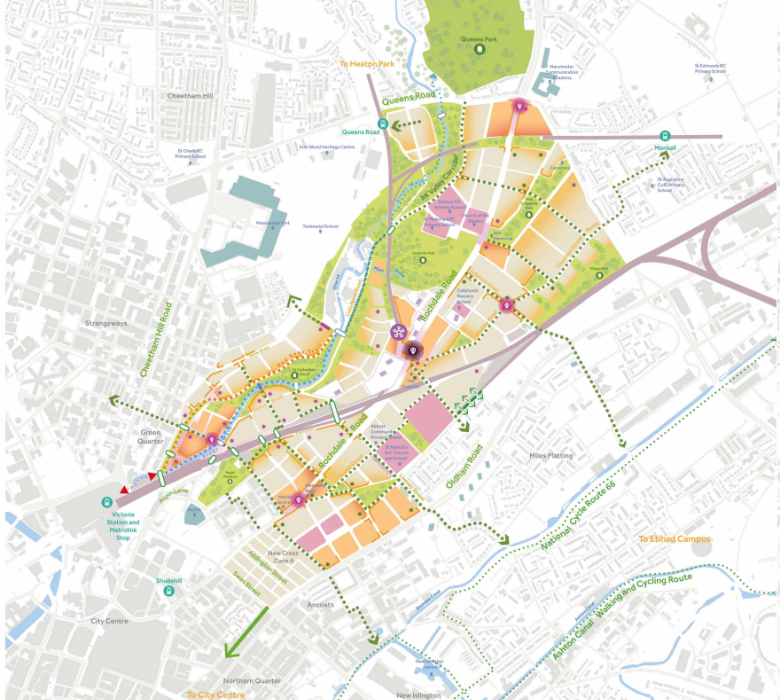
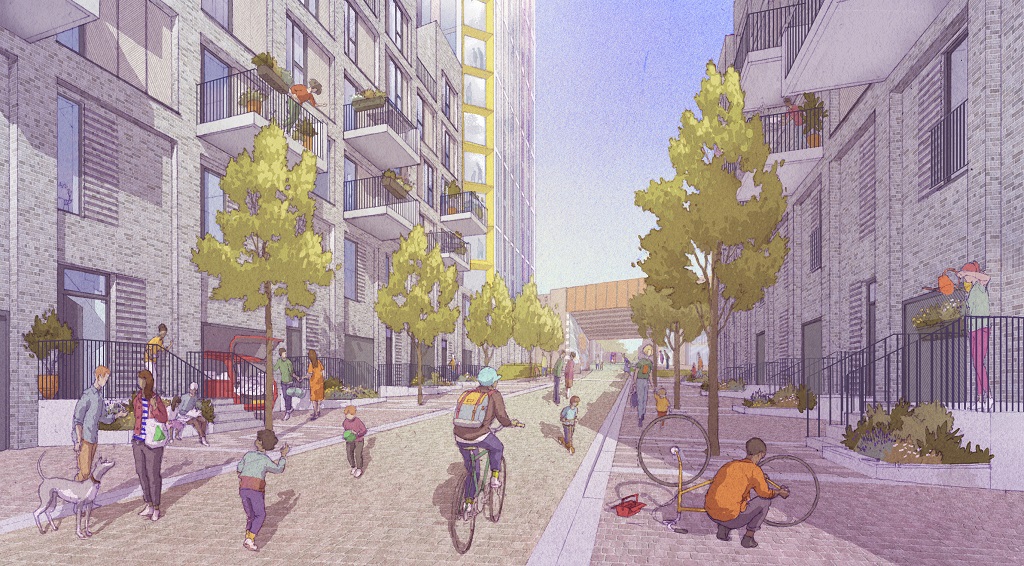
The report argues that the Northern Gateway should offer mixed, affordable and age appropriate housing and amenities. An equitable development plan should be developed, through community-led engagement, to ensure that the benefits of regeneration are shared amongst new and existing residents.

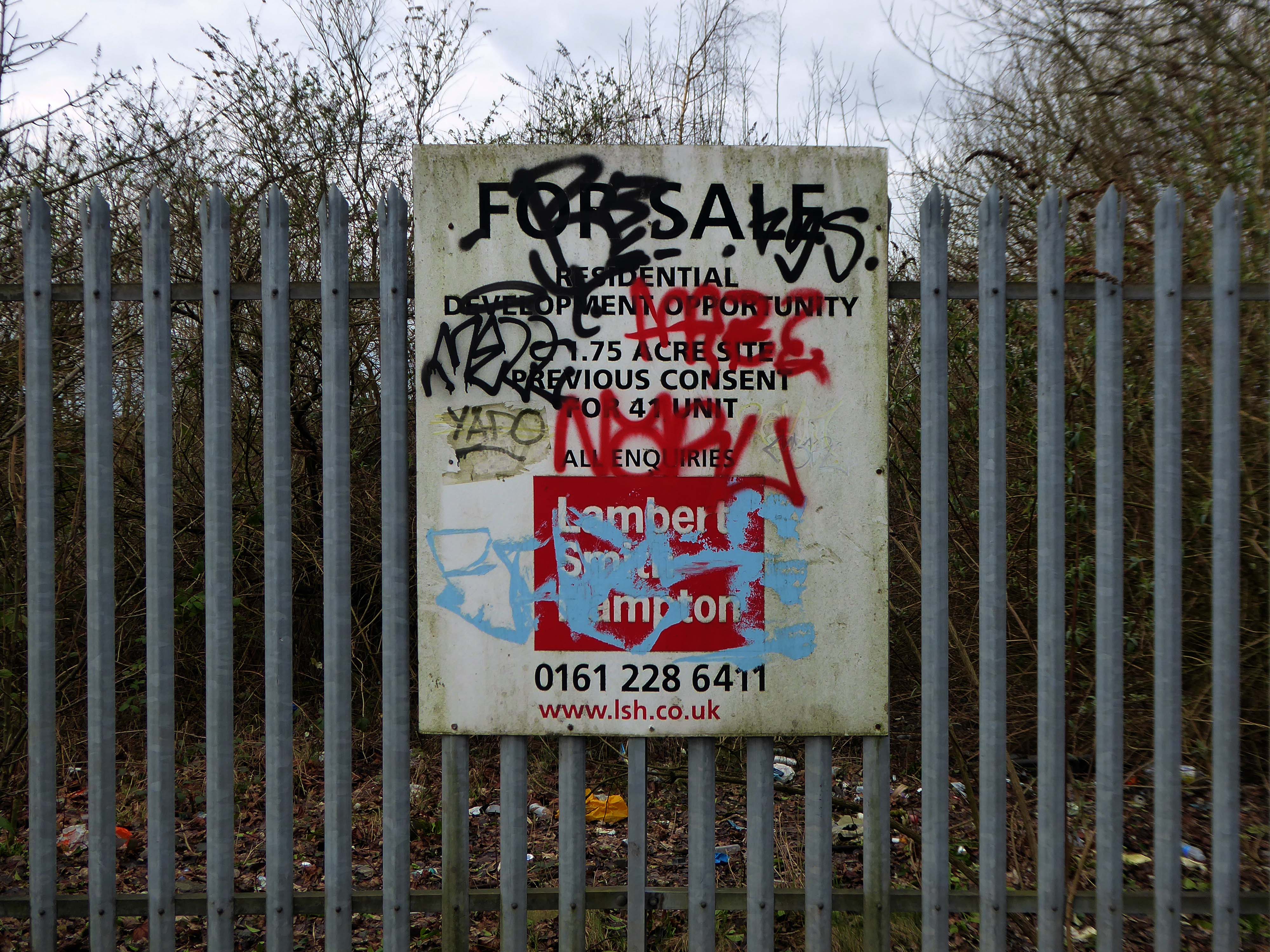
As of 2021 there is inaction and stasis

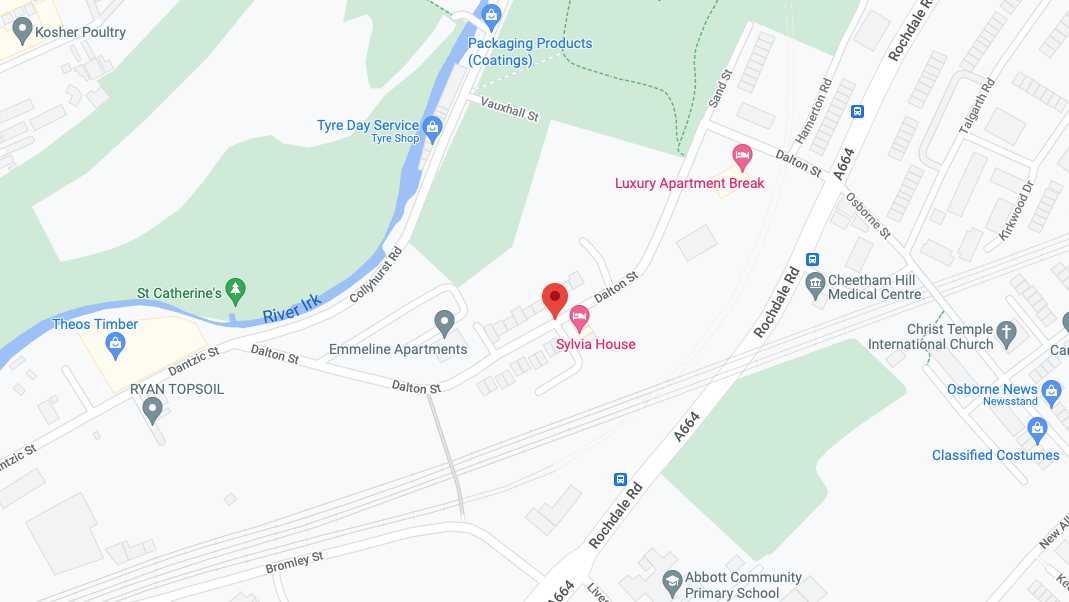
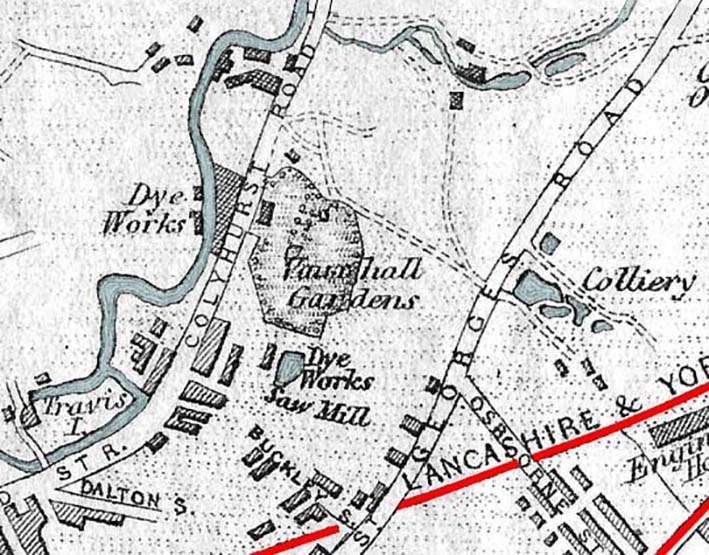
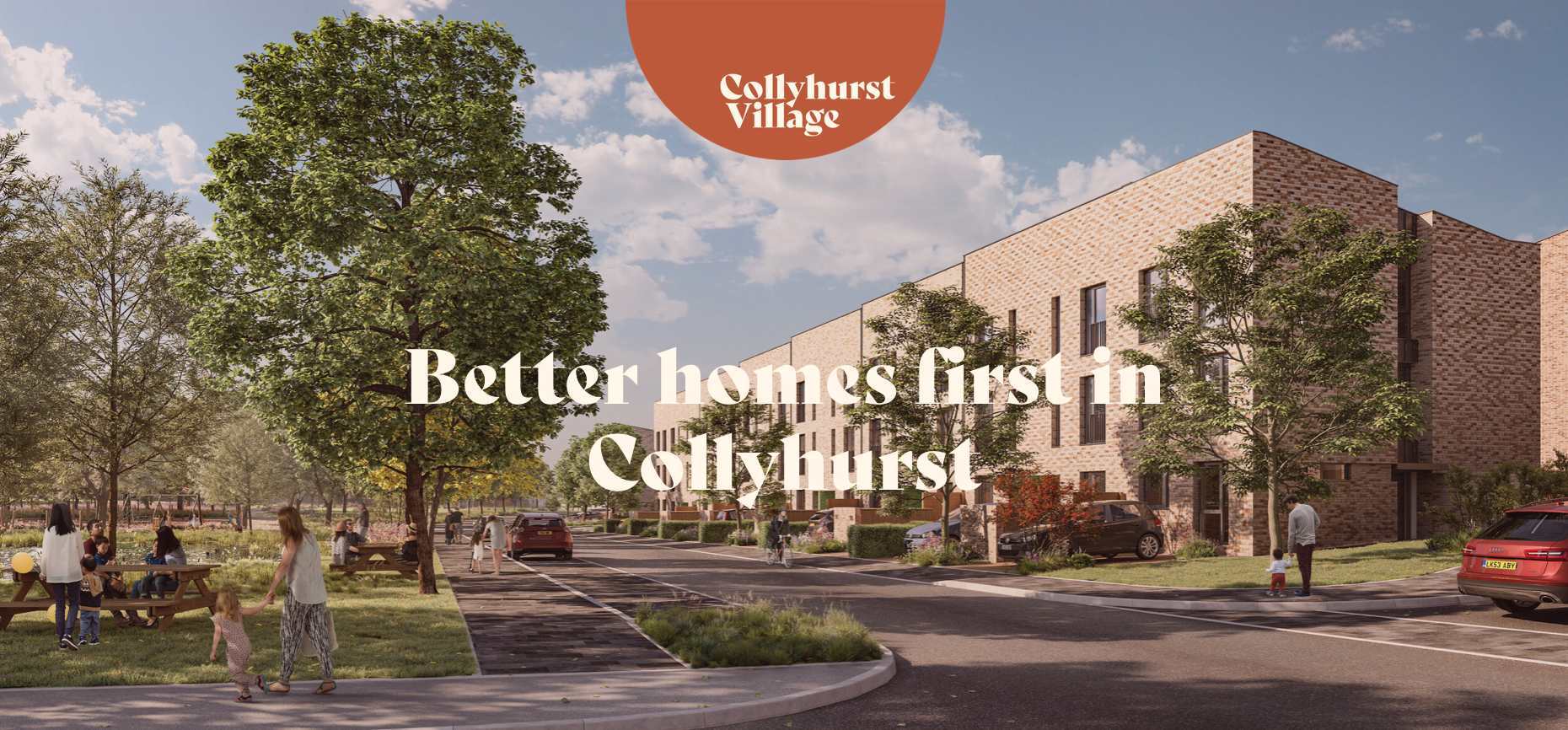
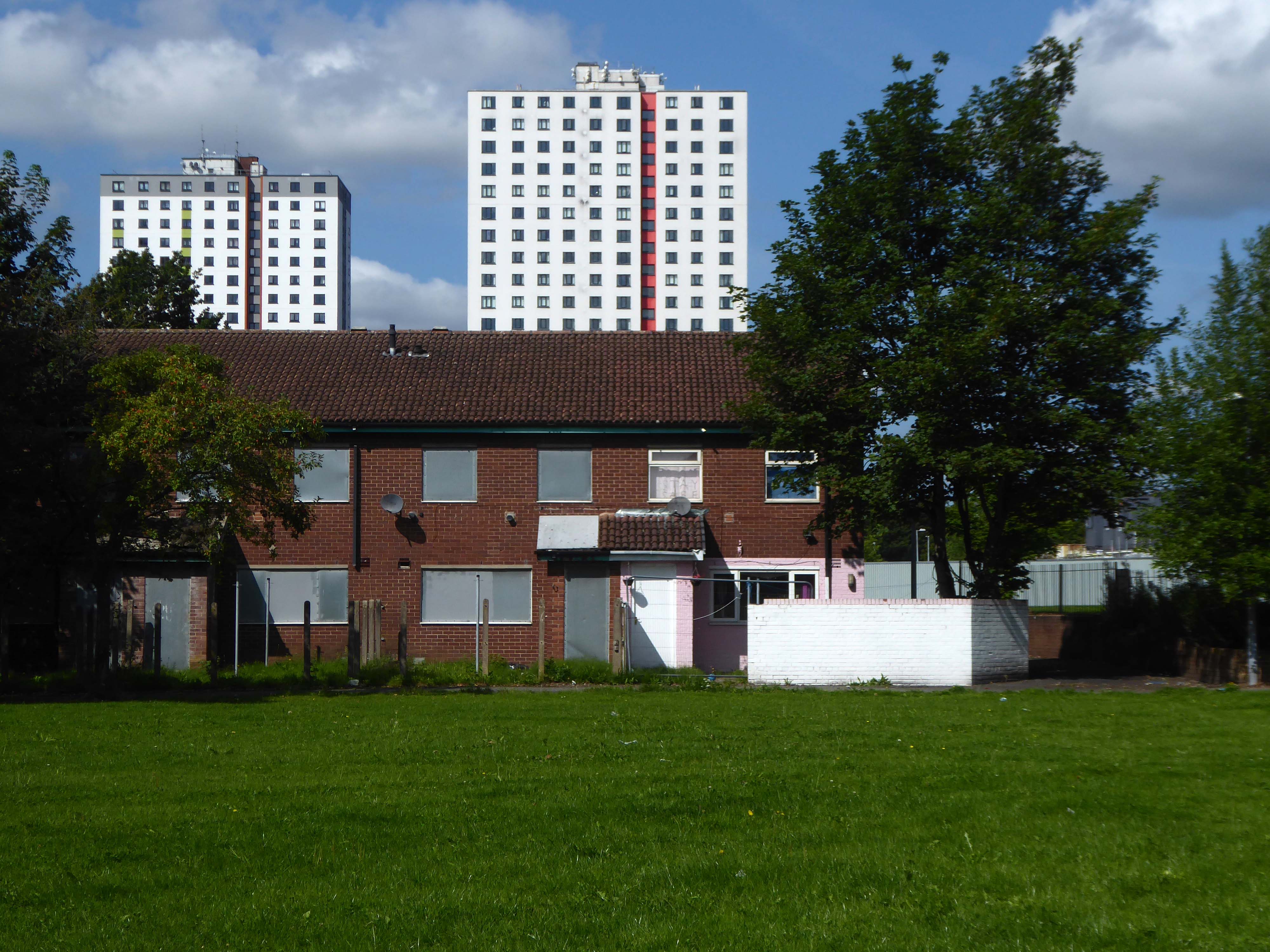
Collyhurst was described as a ‘forgotten place’ by some residents who felt that there had been insufficient investment in local housing and amenities.

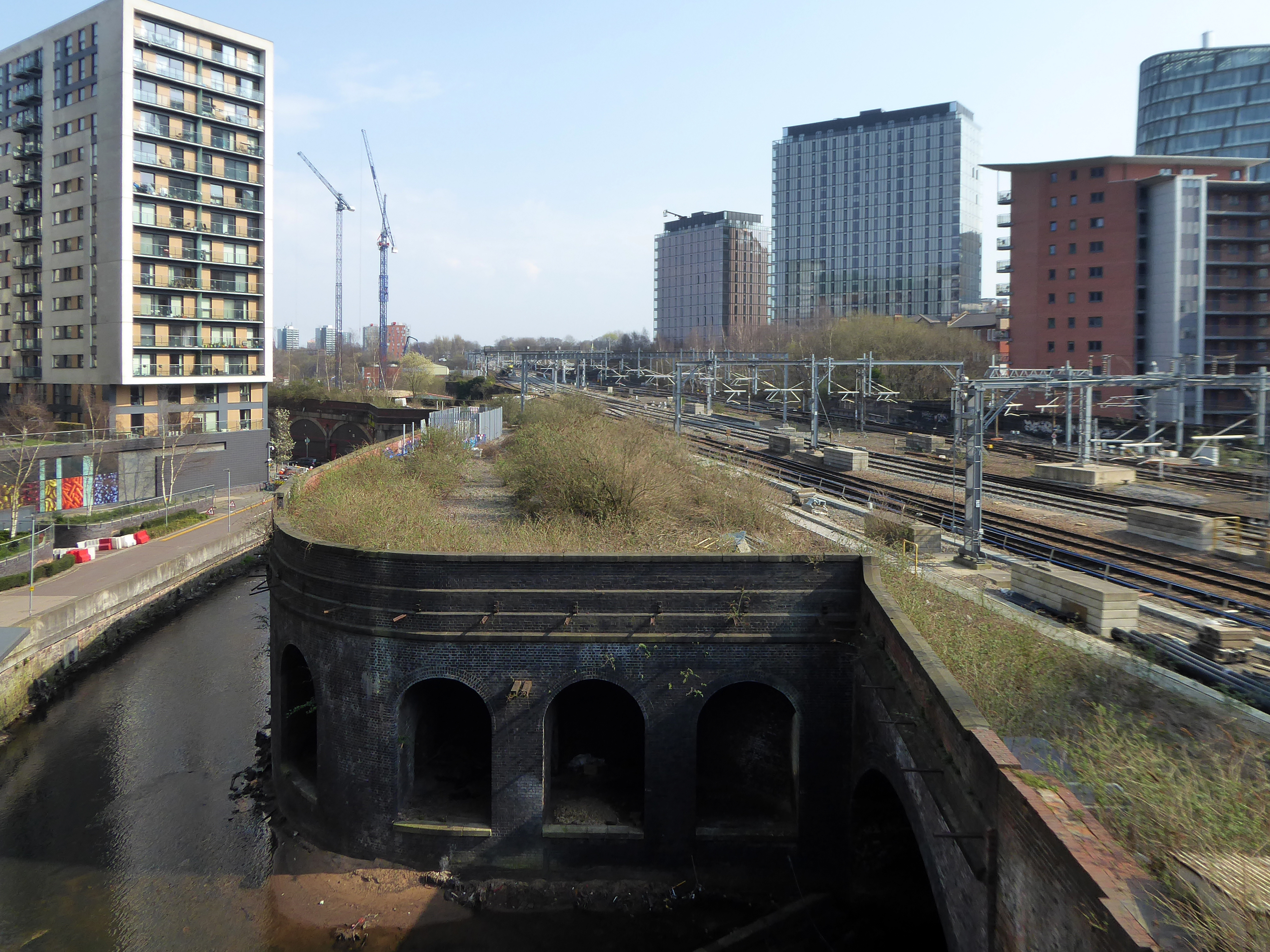
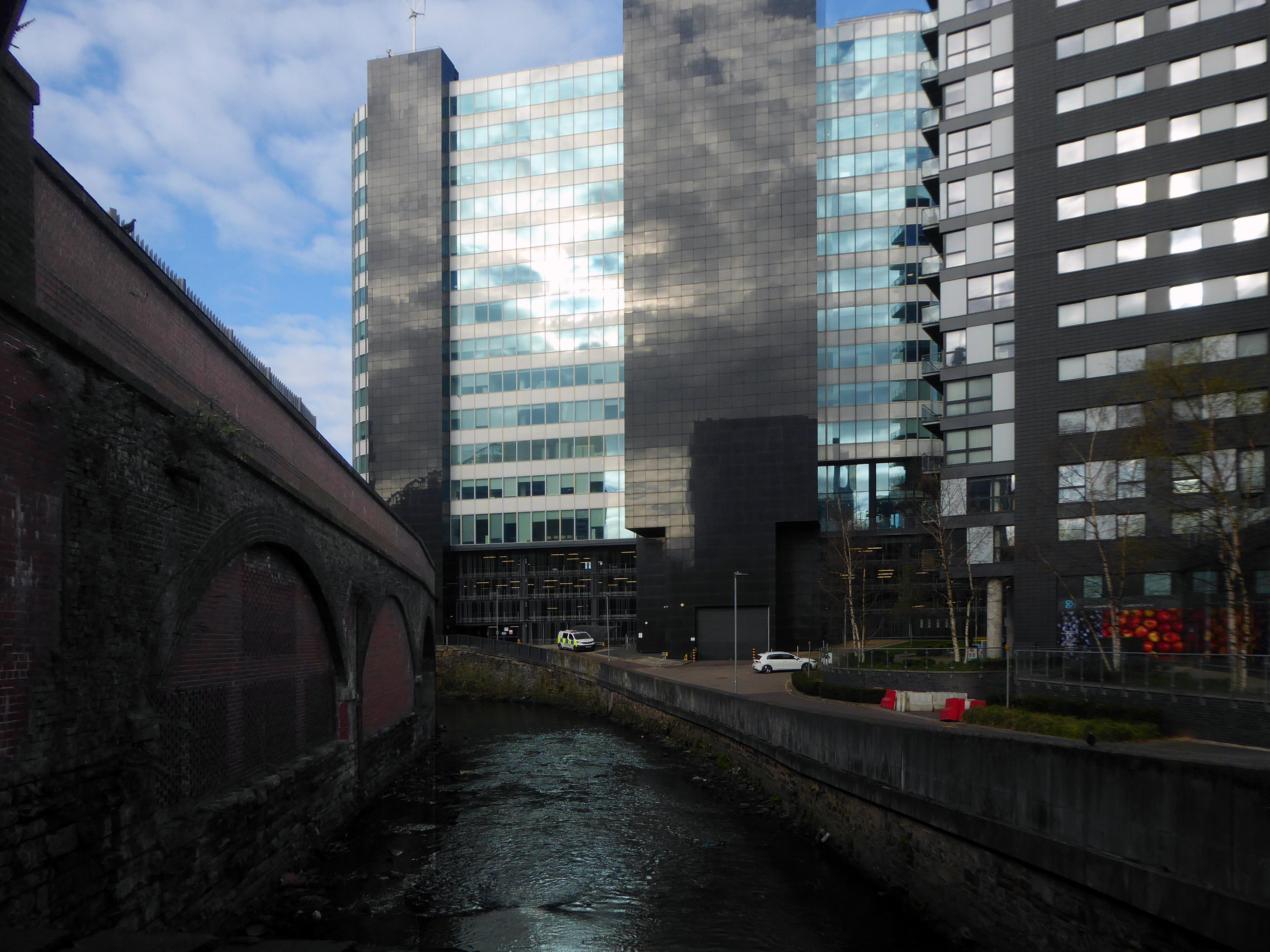
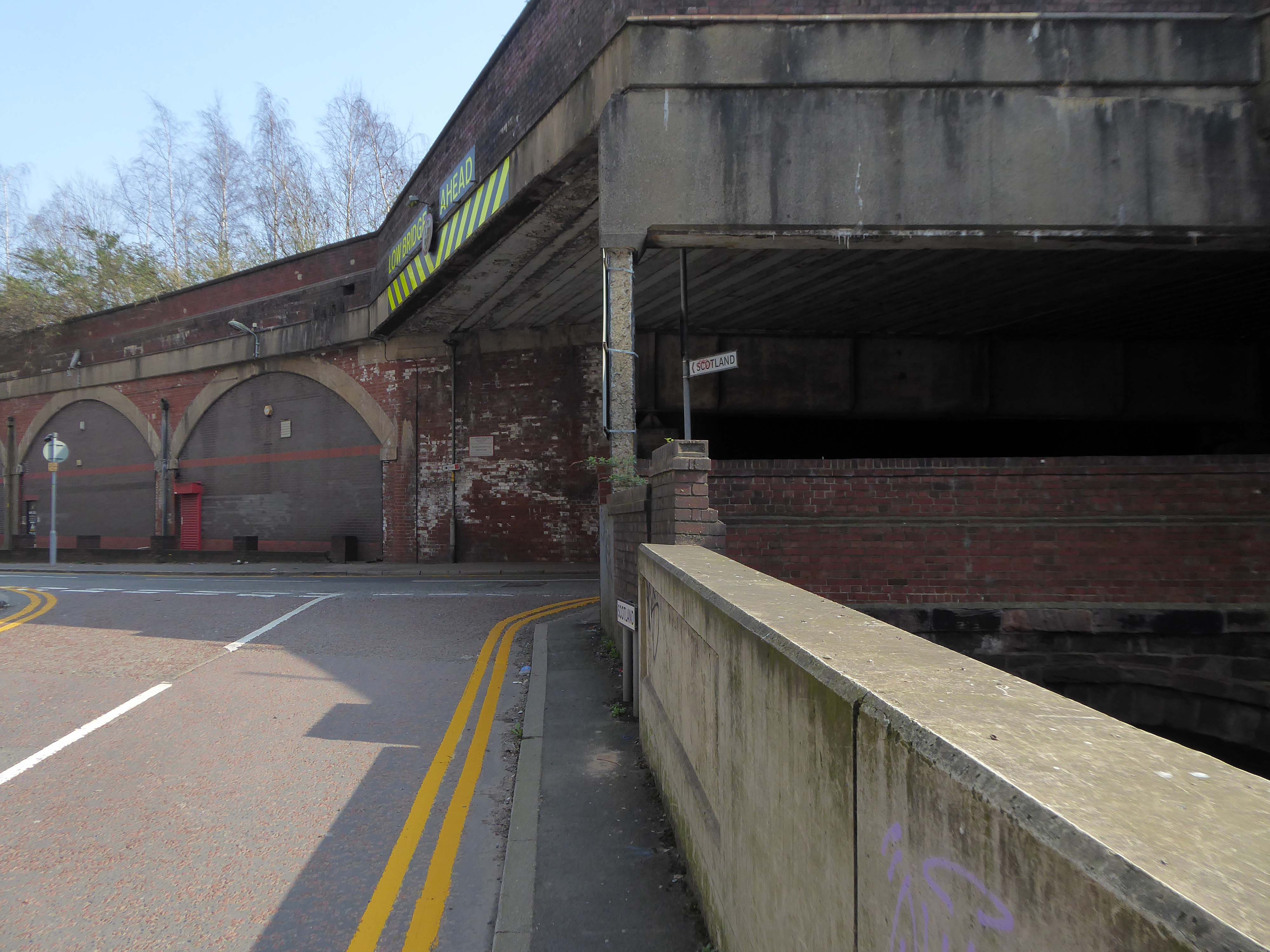
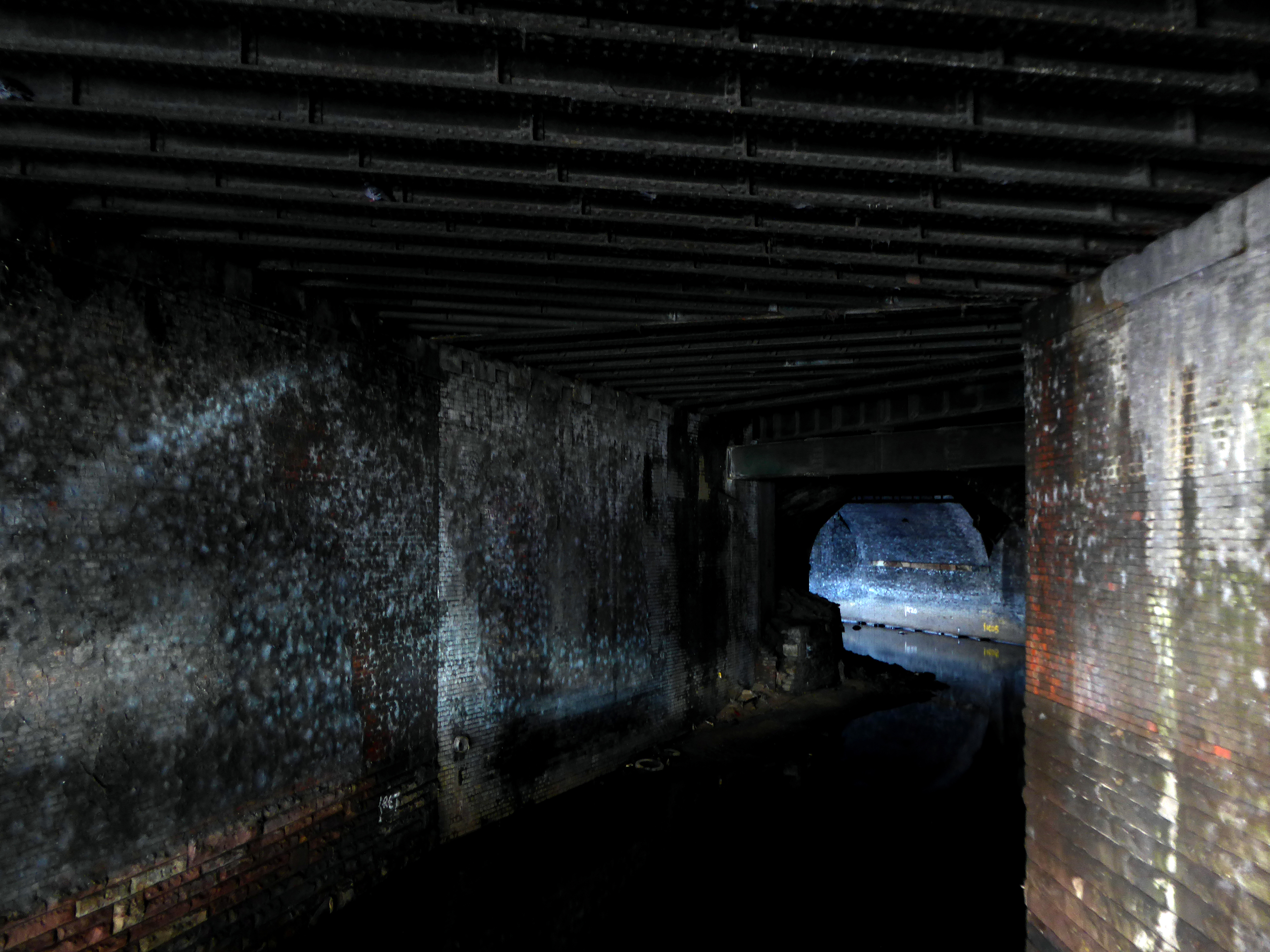
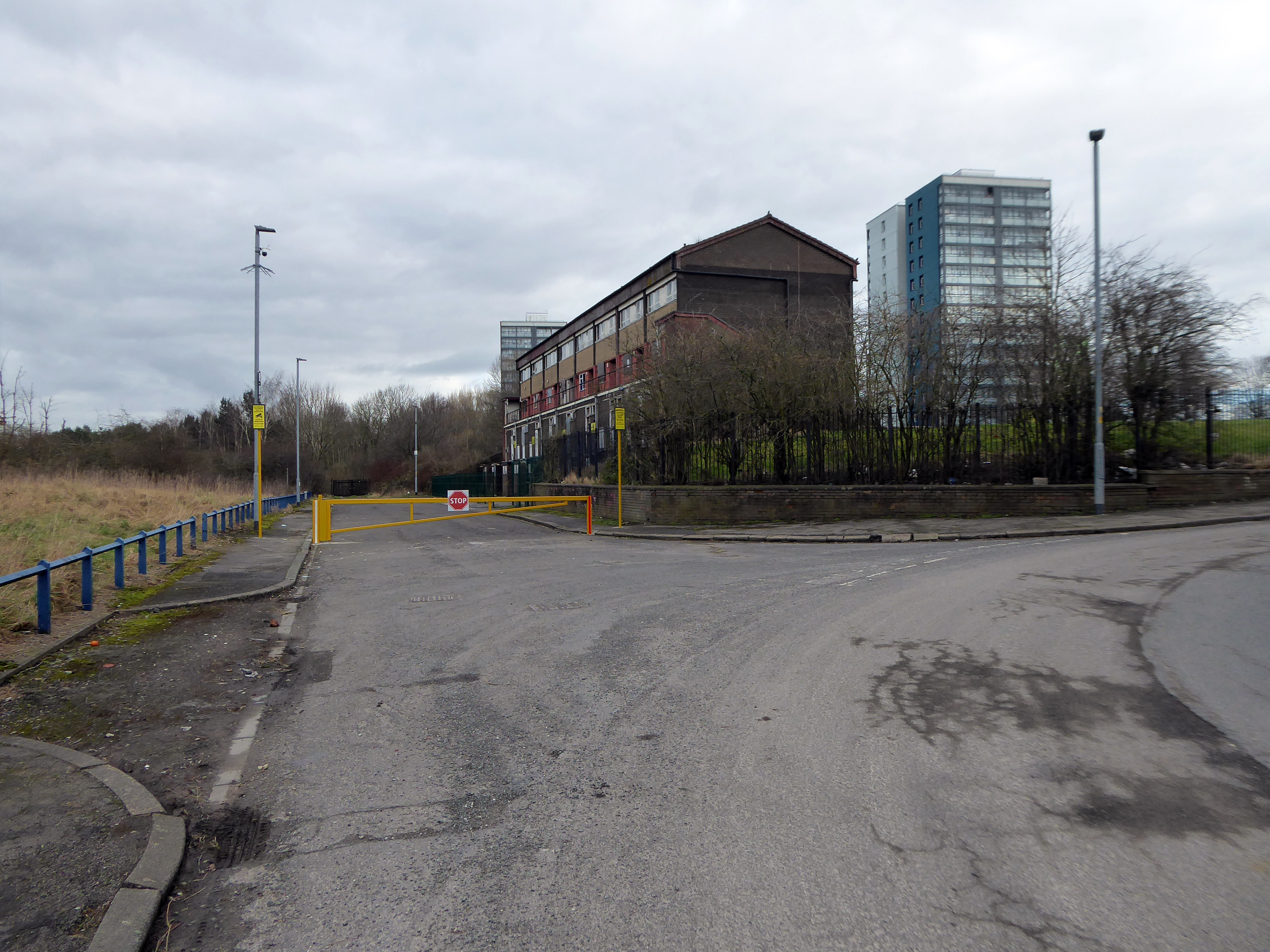
The Northern Gateway remains a hidden portal to who knows where.

Northern Gateway 2018

Detailed proposals for a second scheme to be delivered within neighbouring South Collyhurst, one of the seven neighbourhoods to be developed as part of the overall Framework, are expected later this year.

Construction Enquirer 2021

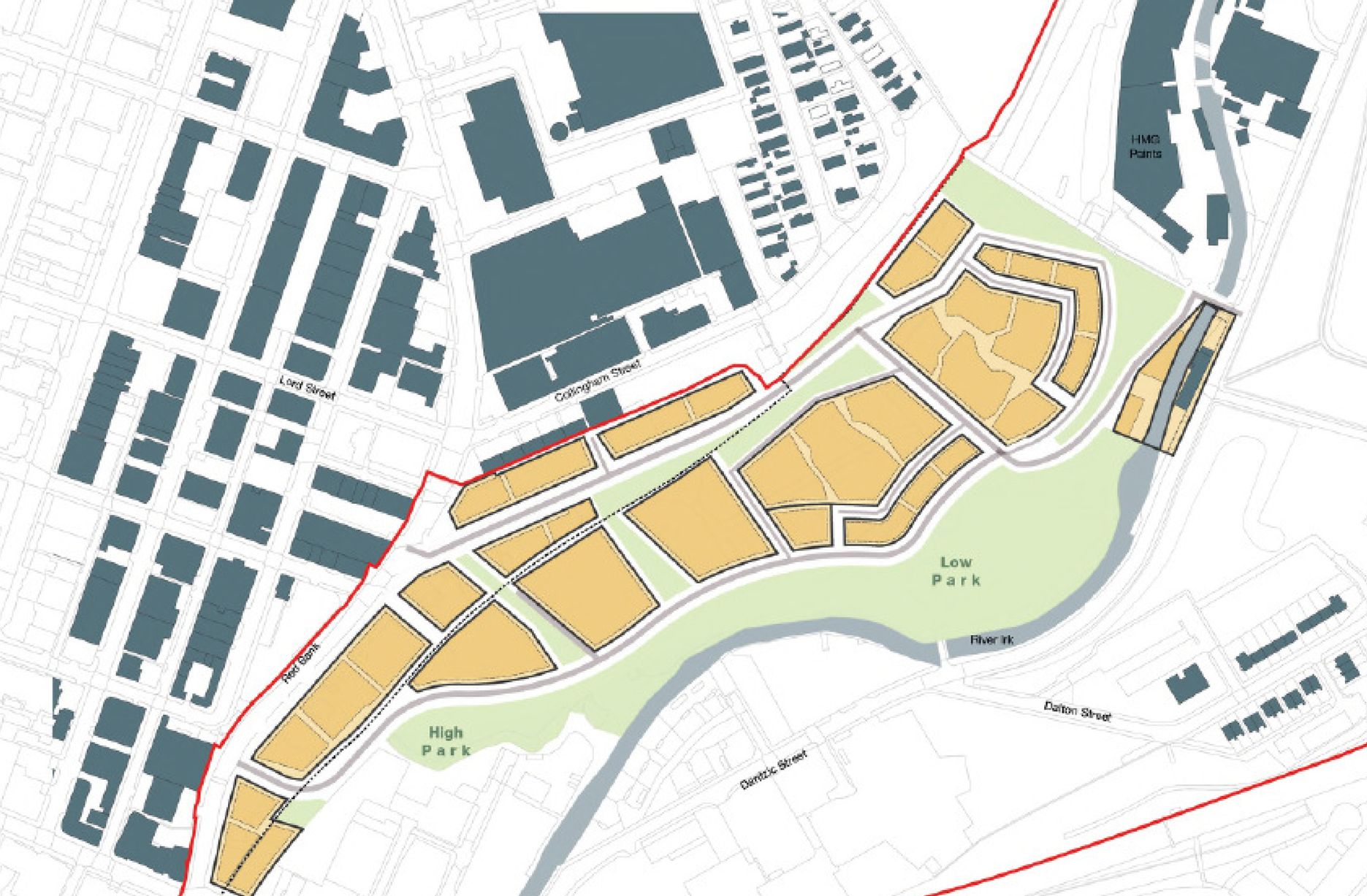
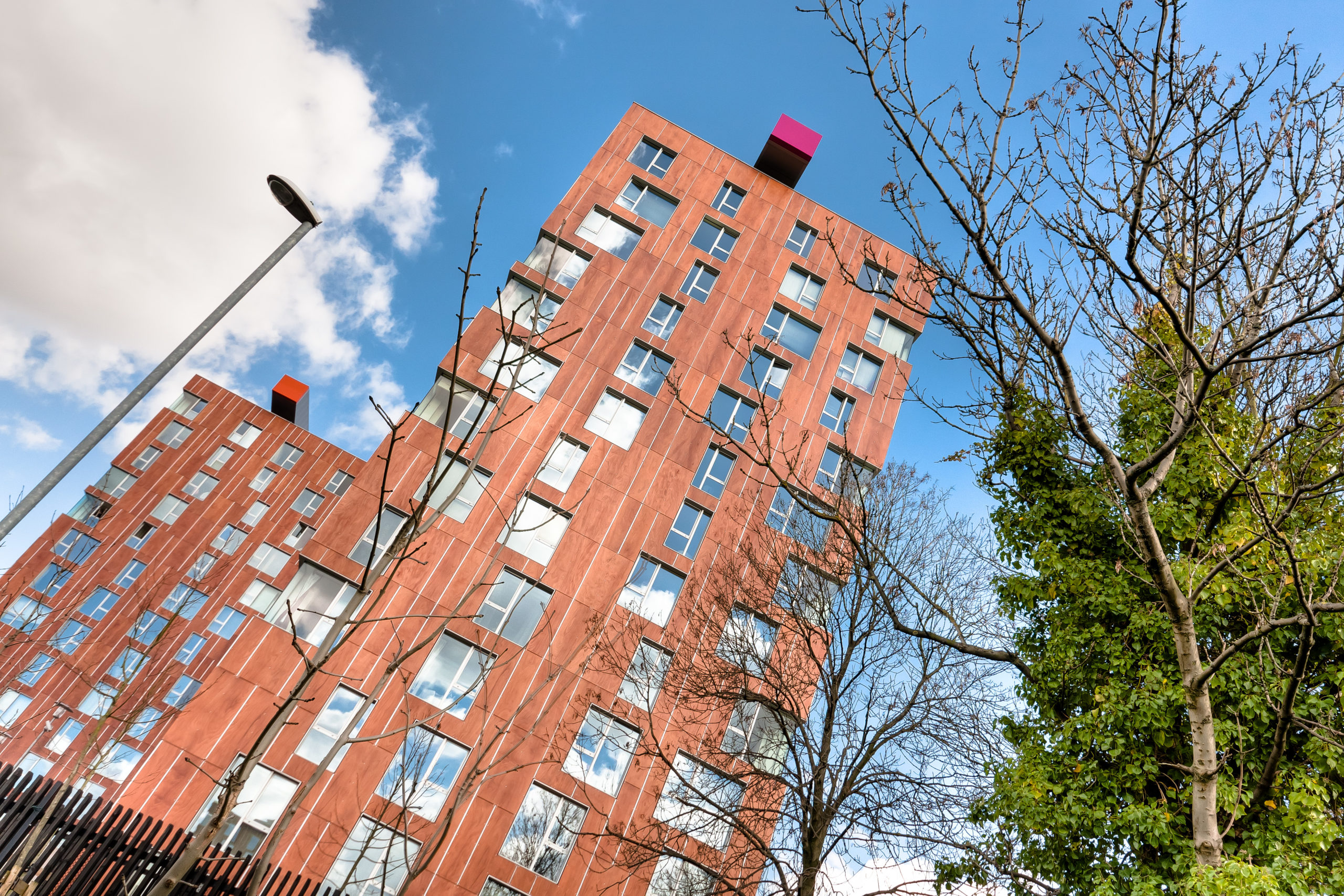
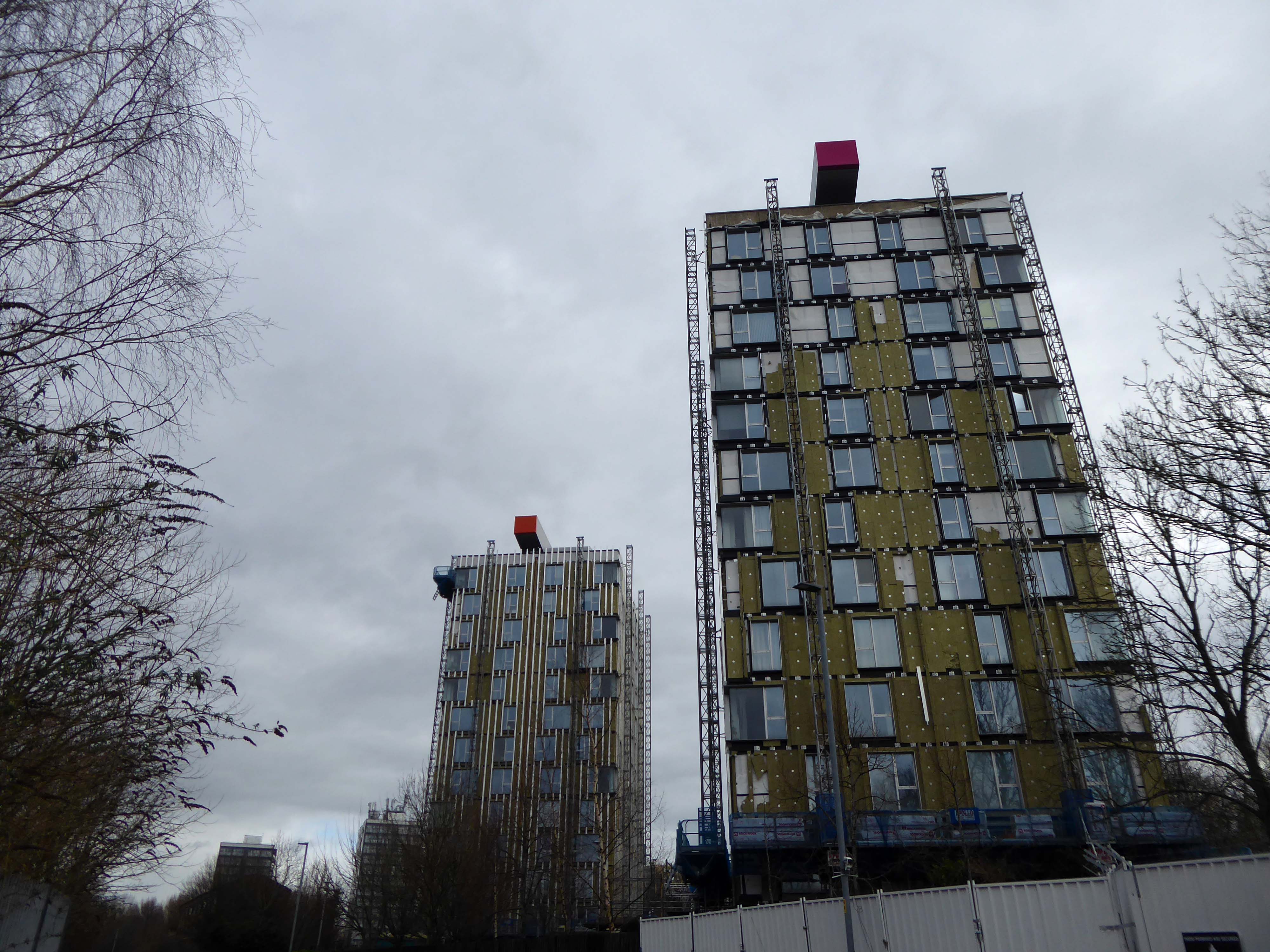
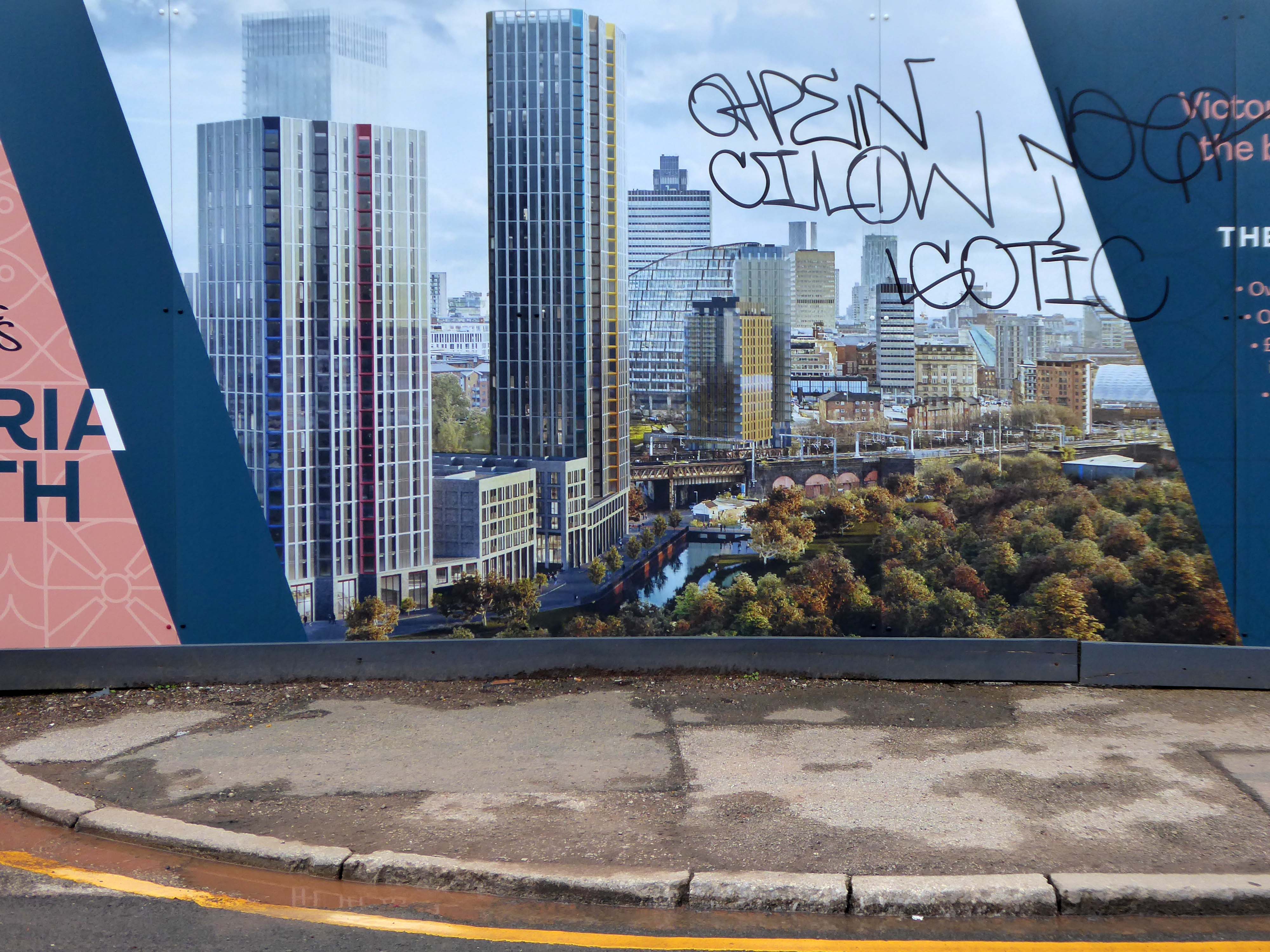
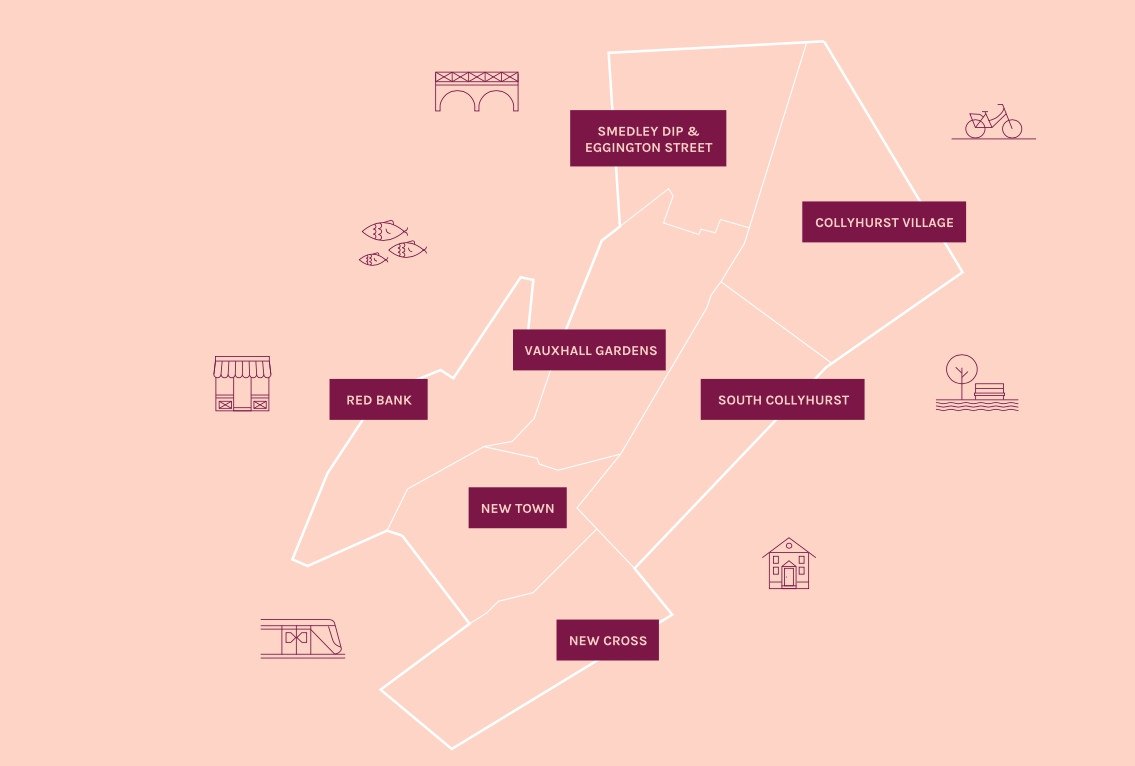
Northern Gateway rebrands as Victoria North

Far East Consortium and Manchester City Council’s 390-acre masterplan will now be known as Victoria North, a move that aims to “create a sense of place”, according to Gavin Taylor, regional general manager at FEC in Manchester.

The Northern Gateway has served us well as a name as we shaped plans for the area’s regeneration. But as we begin to bring forward development this year, it’s the right time to start creating a sense of place for what will be a significant new district in Manchester, as well as an identity that people can engage with.

Sir Richard Leese, leader of Manchester City Council, said:

We are at the beginning of an incredibly exciting phase of history for this part of Manchester and with some eagerness to see how this potential unfolds.

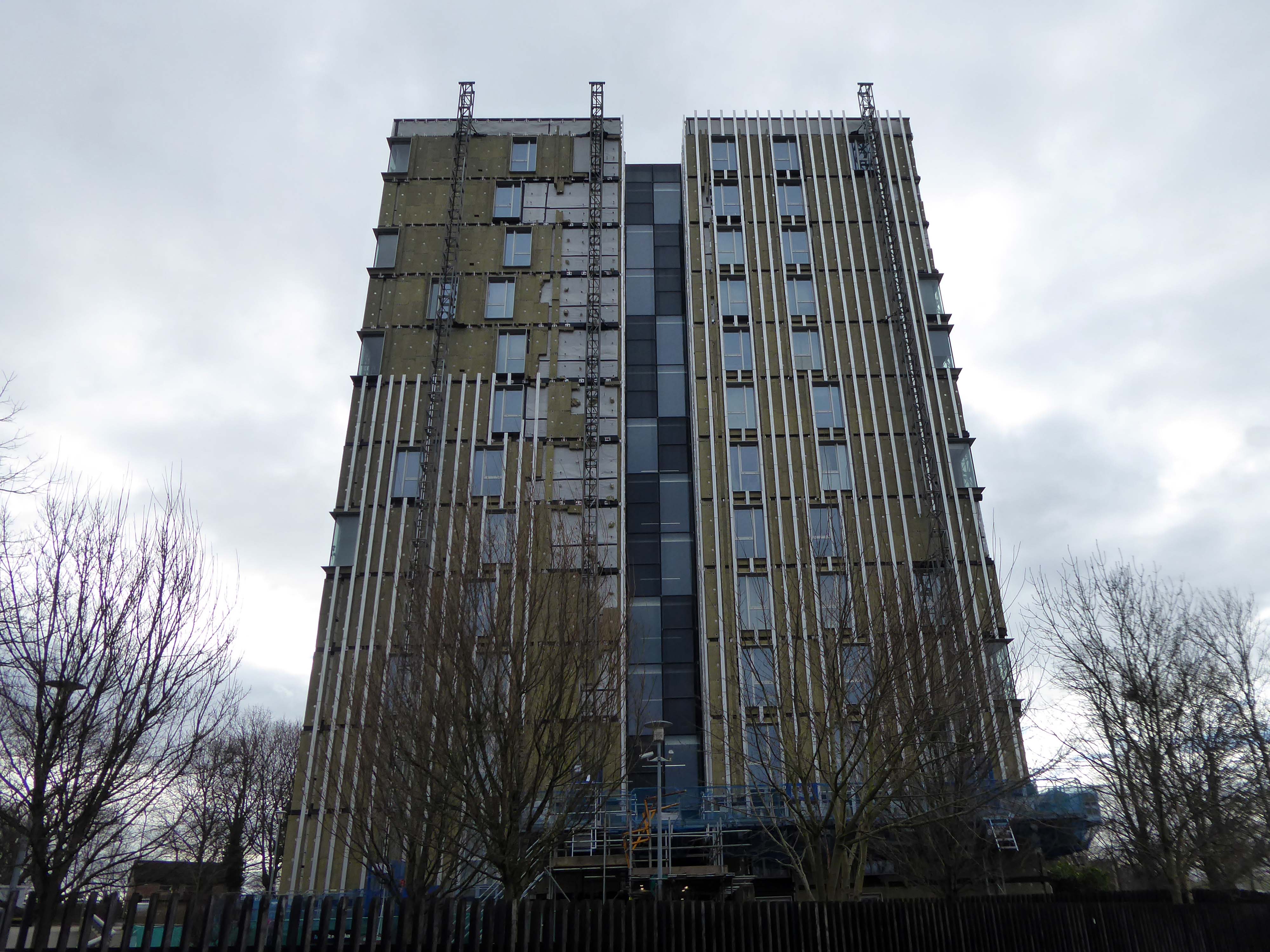
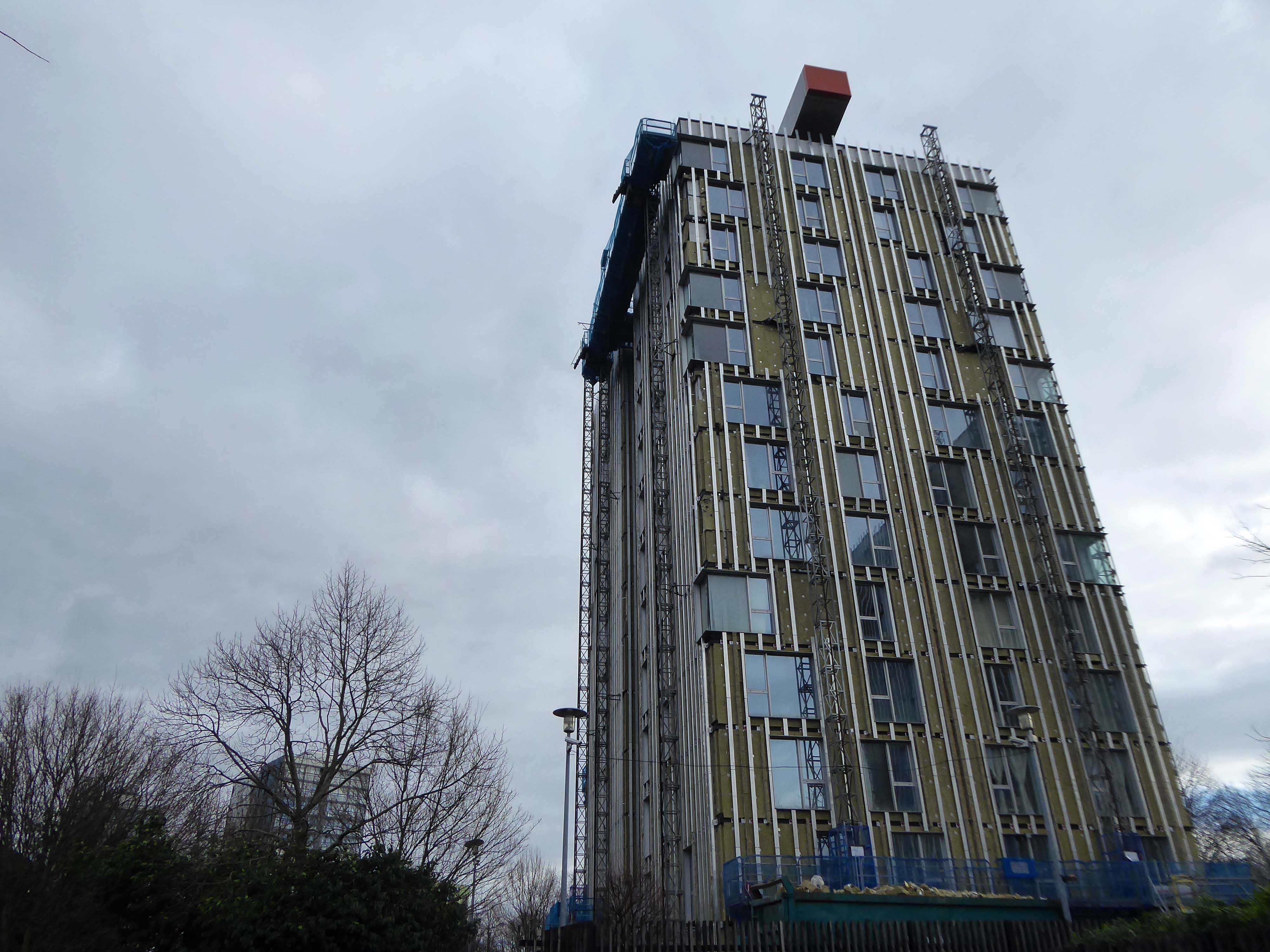
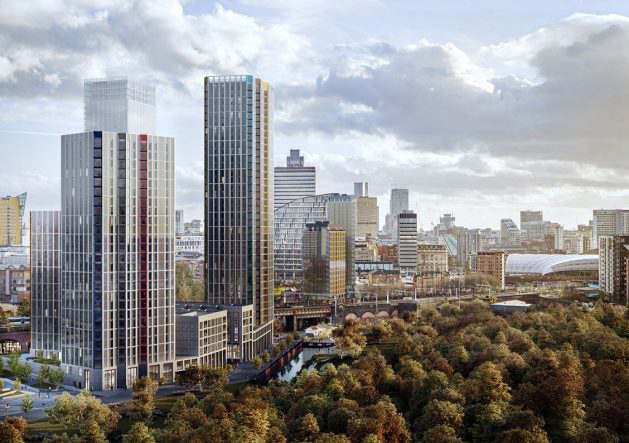
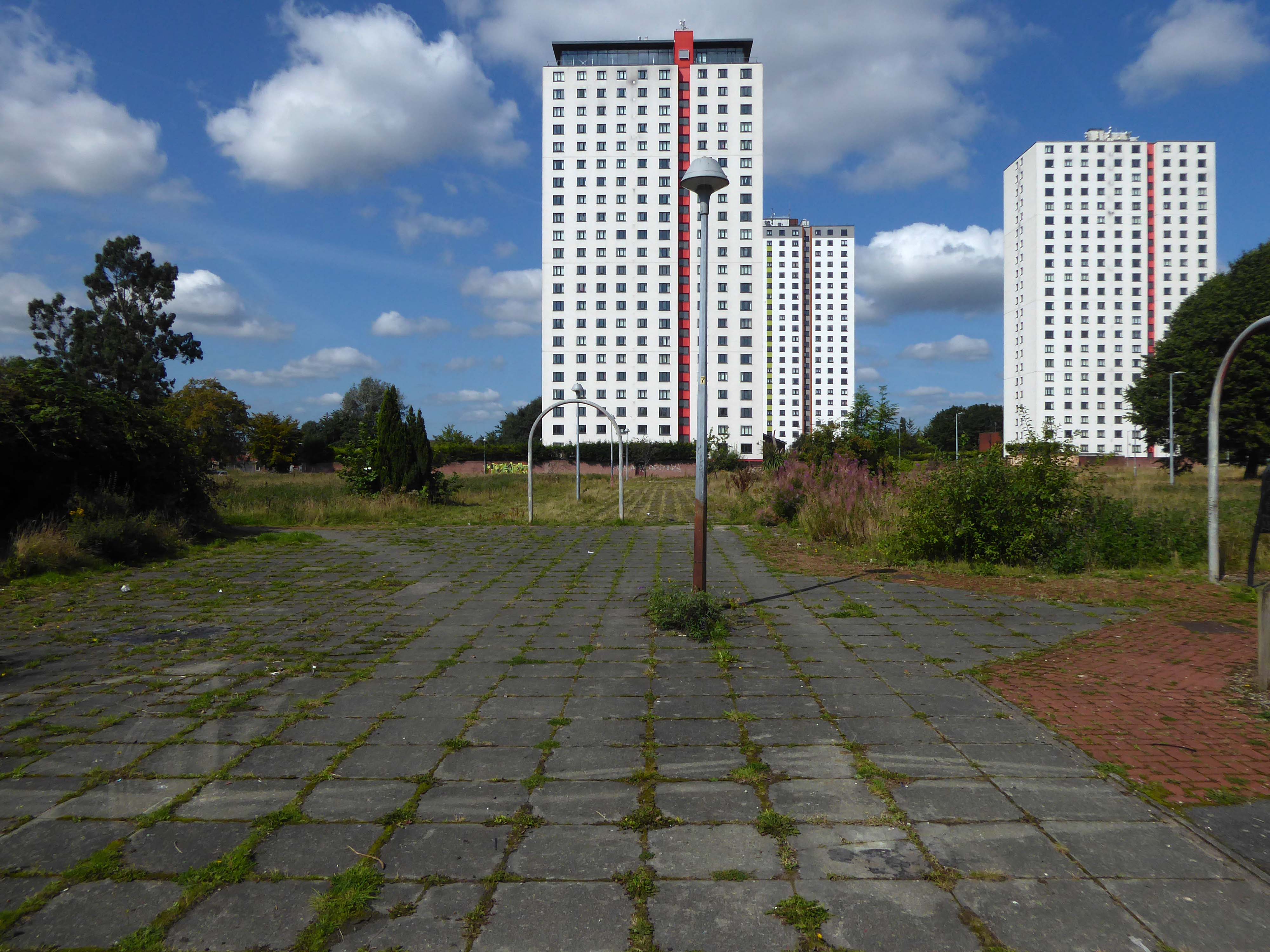
Victoria Riverside, a 634- home development marks the first stage of the regeneration project with the first apartments hitting the market. 

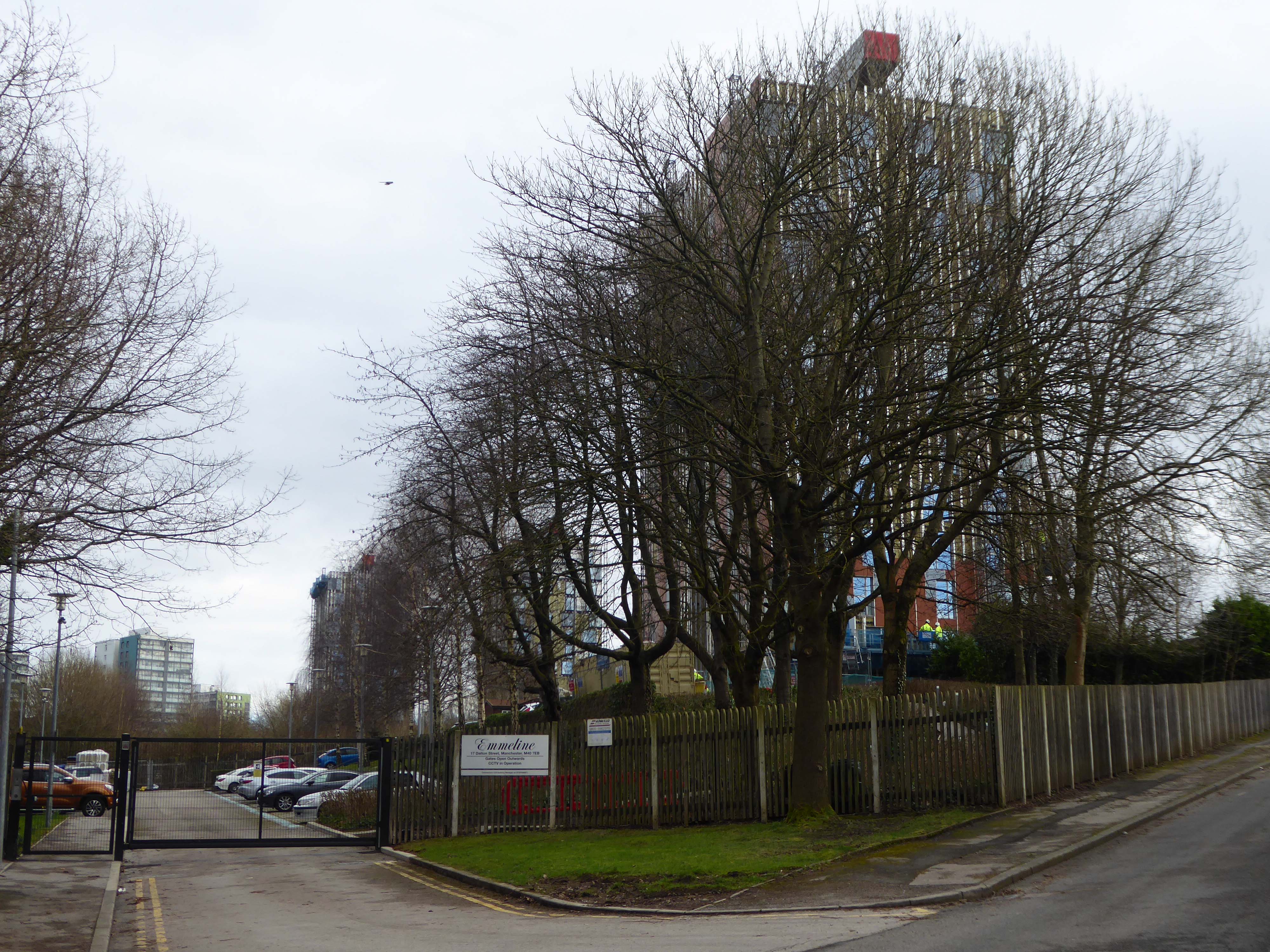
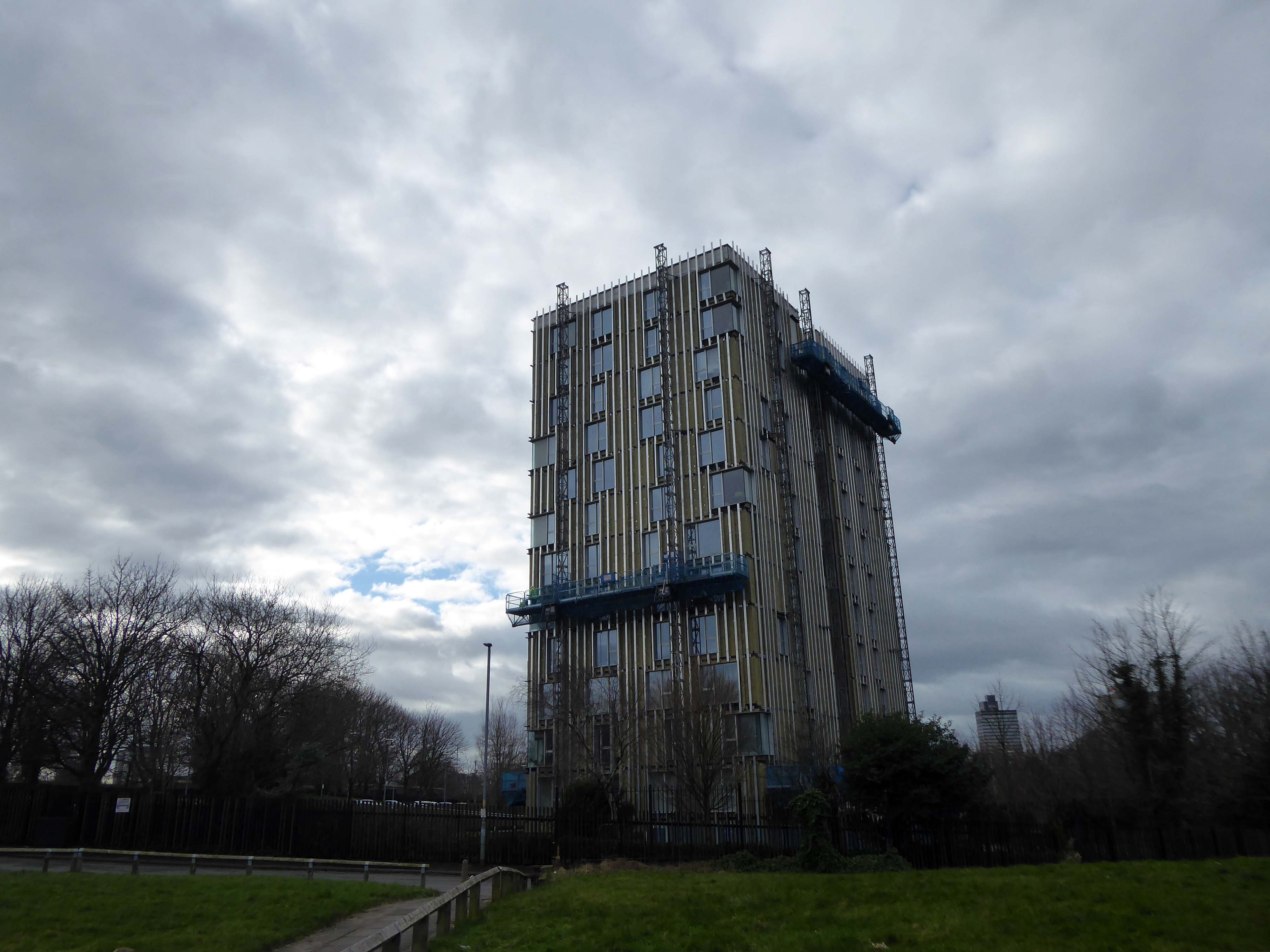
The three towers – Park View, City View and Crown View, are based within the Red Bank neighbourhood. 

Red Bank has been described as:

A unique landscape and river setting making the neighbourhood perfect for a residential-led, high-density development – all set in a green valley.

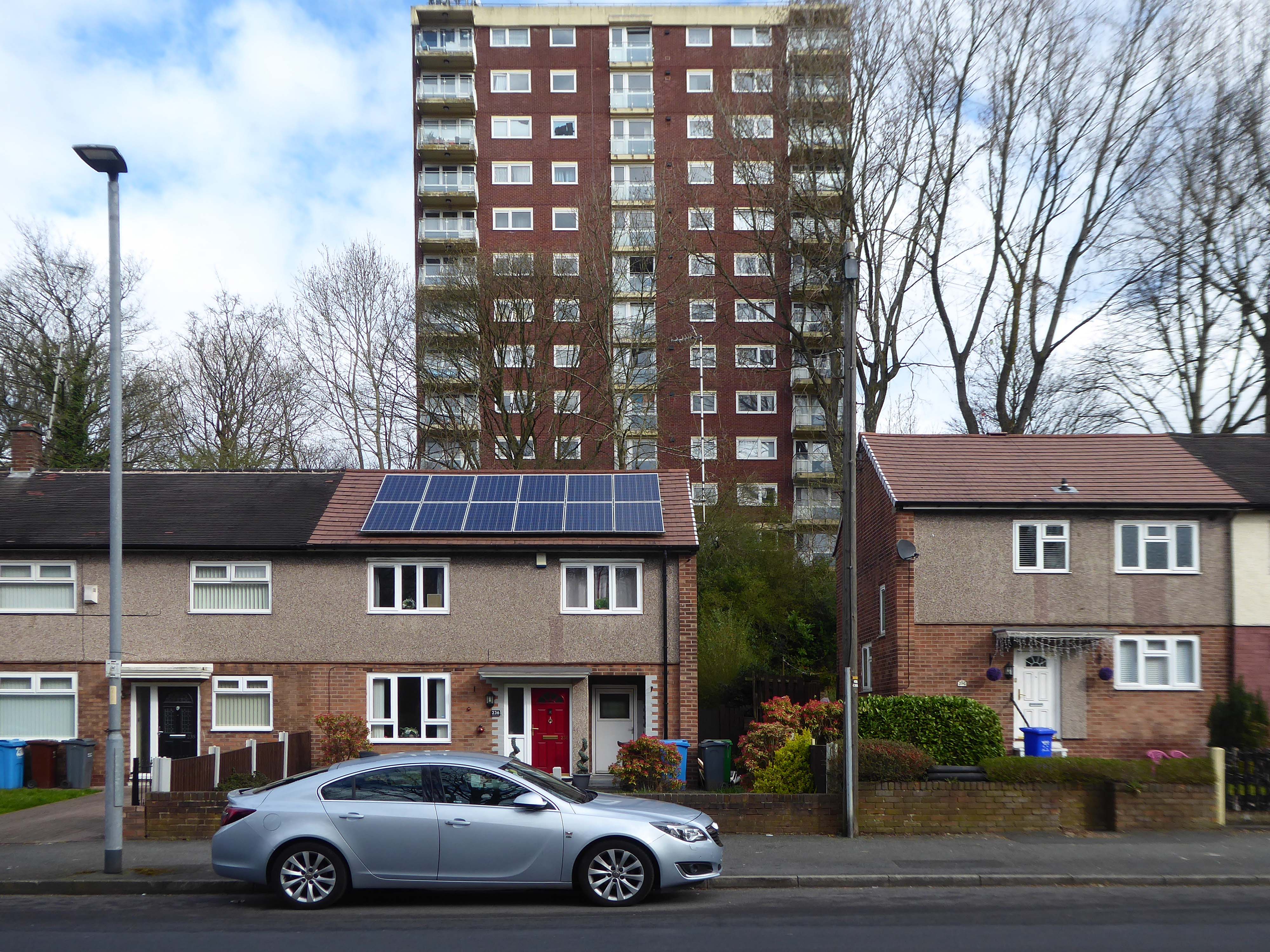
The putative William Mitchell totem continues to keep silent watch over the Square.

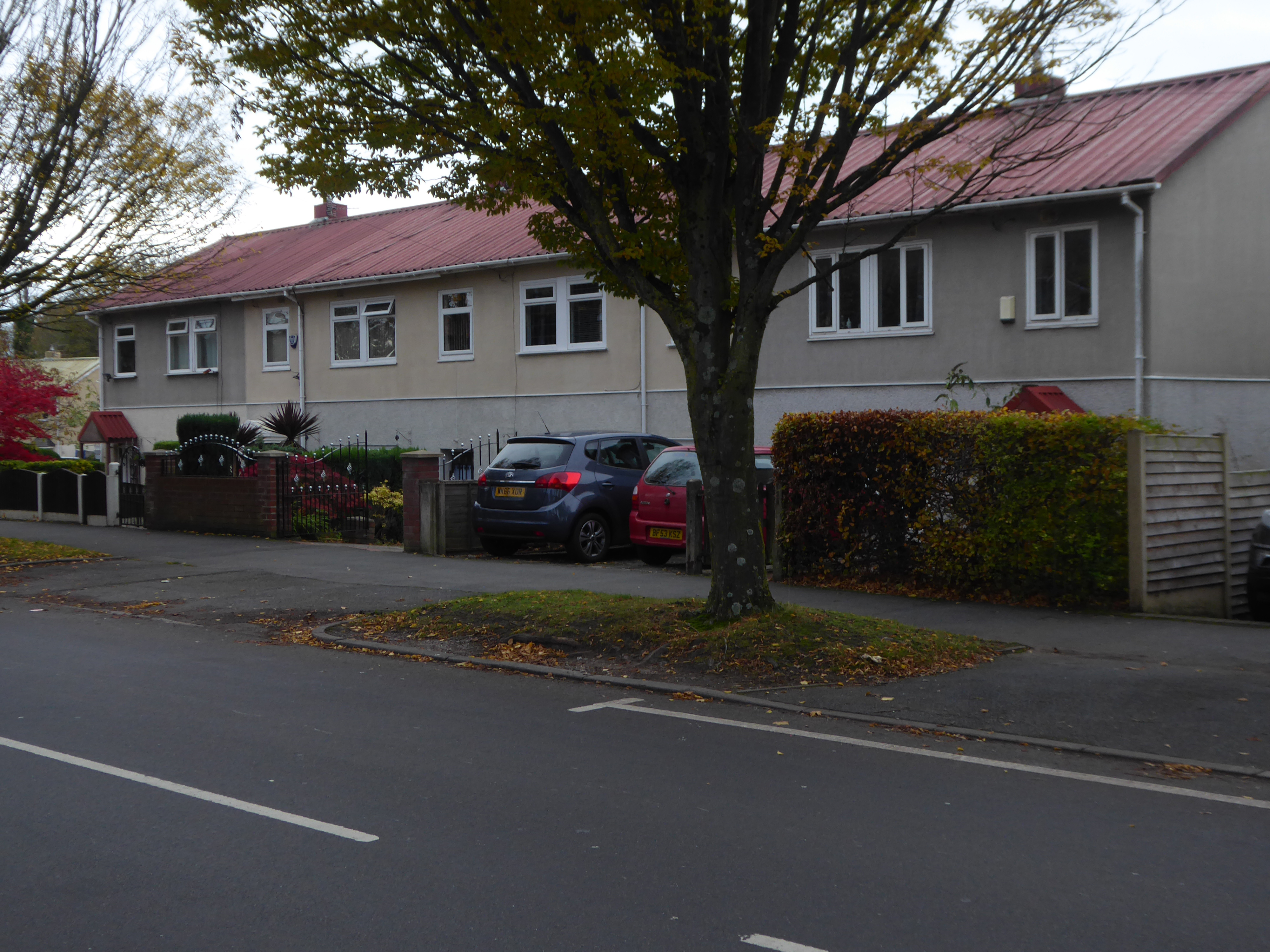
Tin Town – Wythenshawe

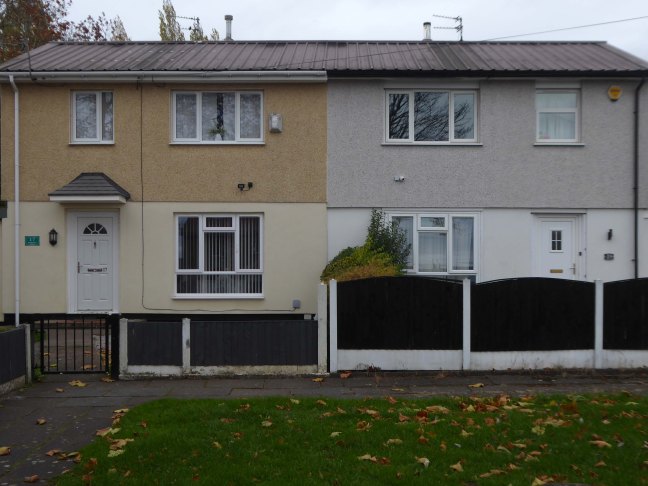
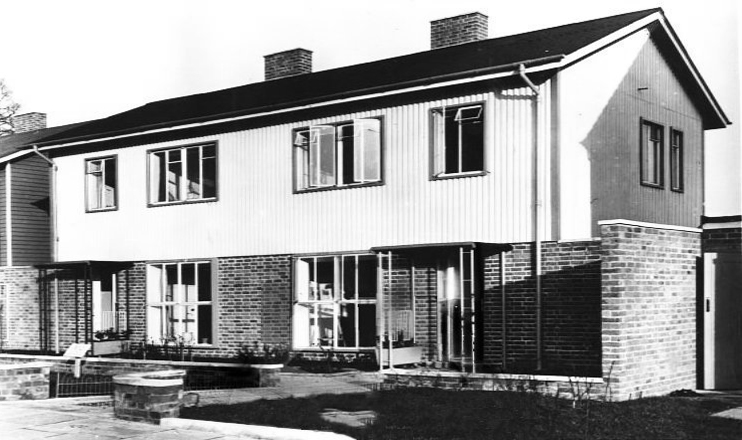
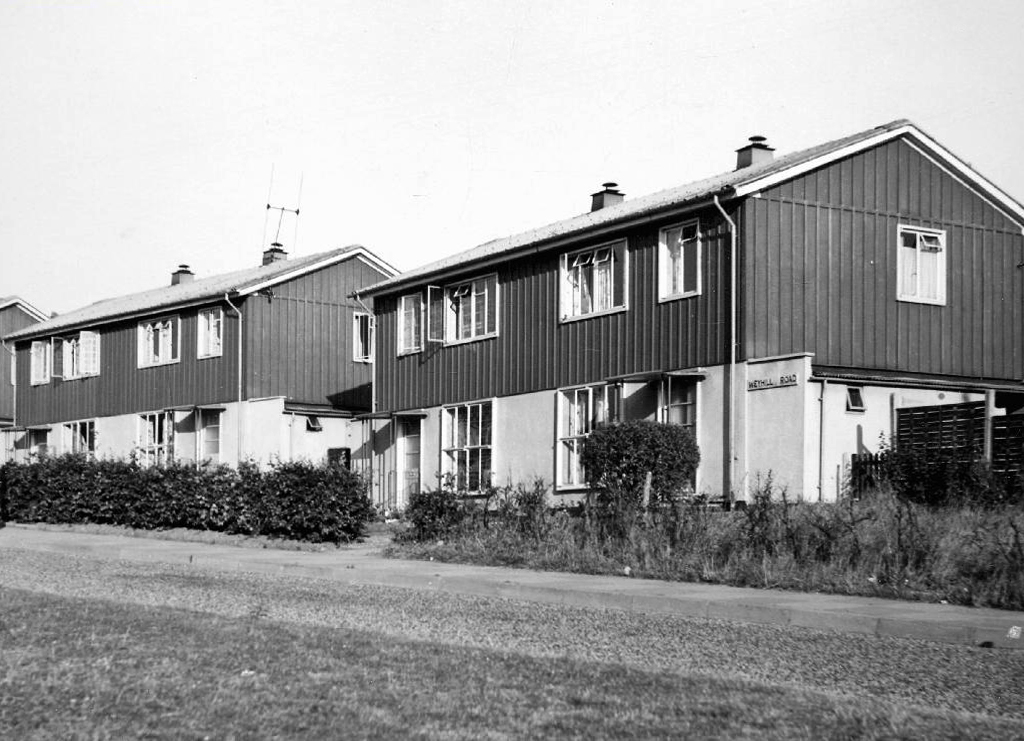
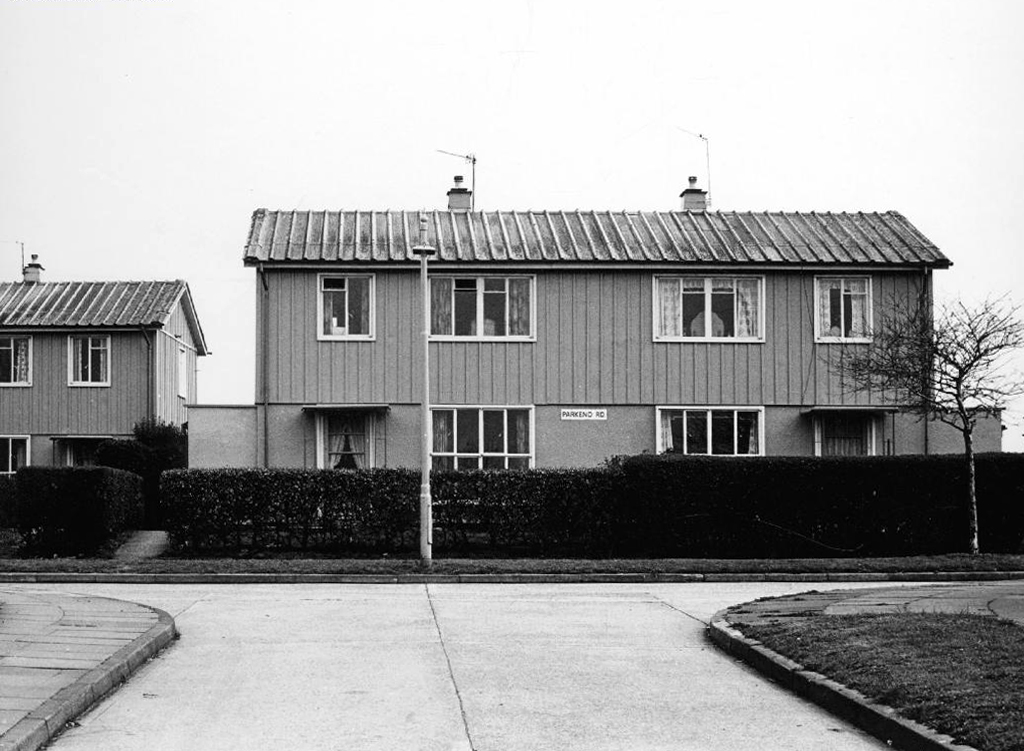
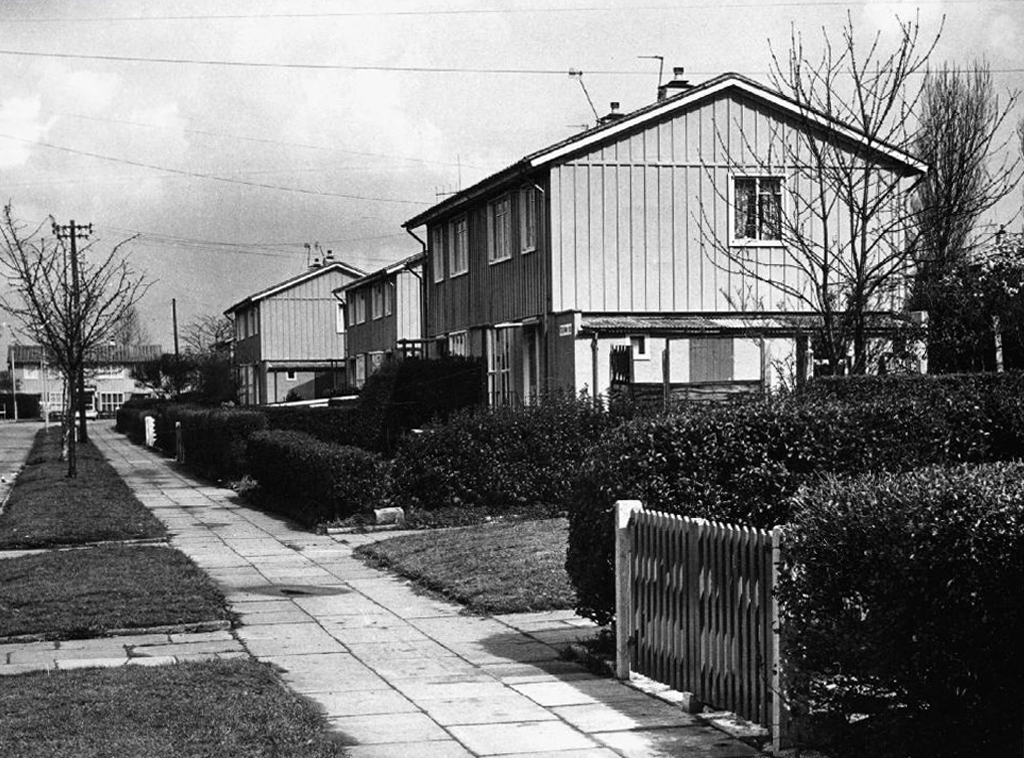
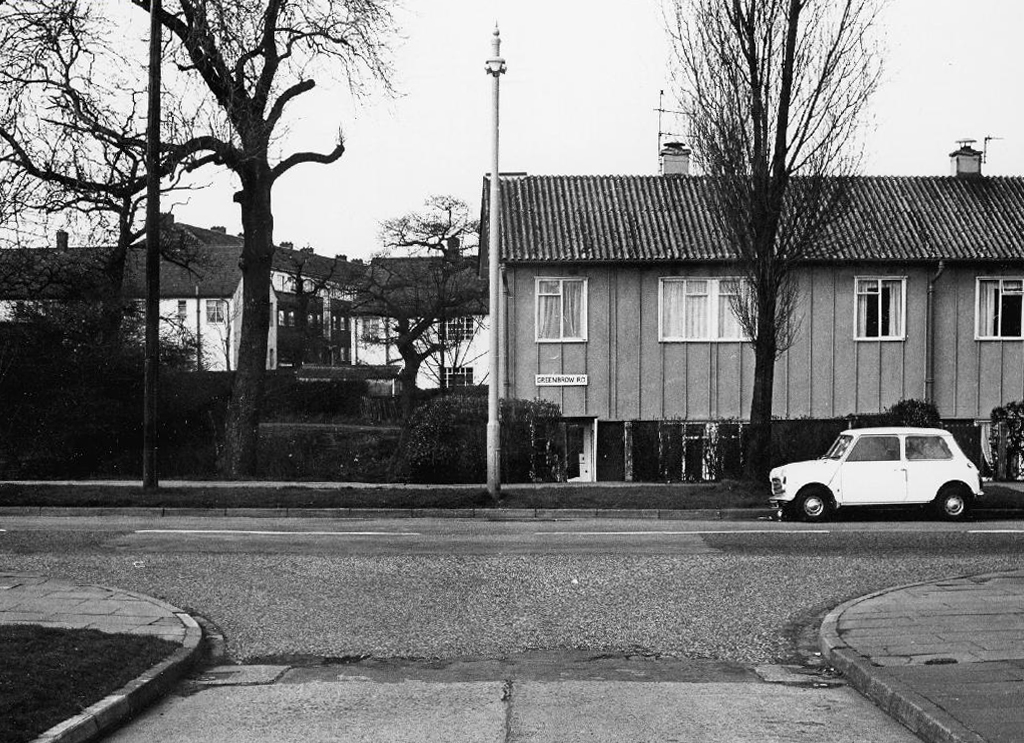
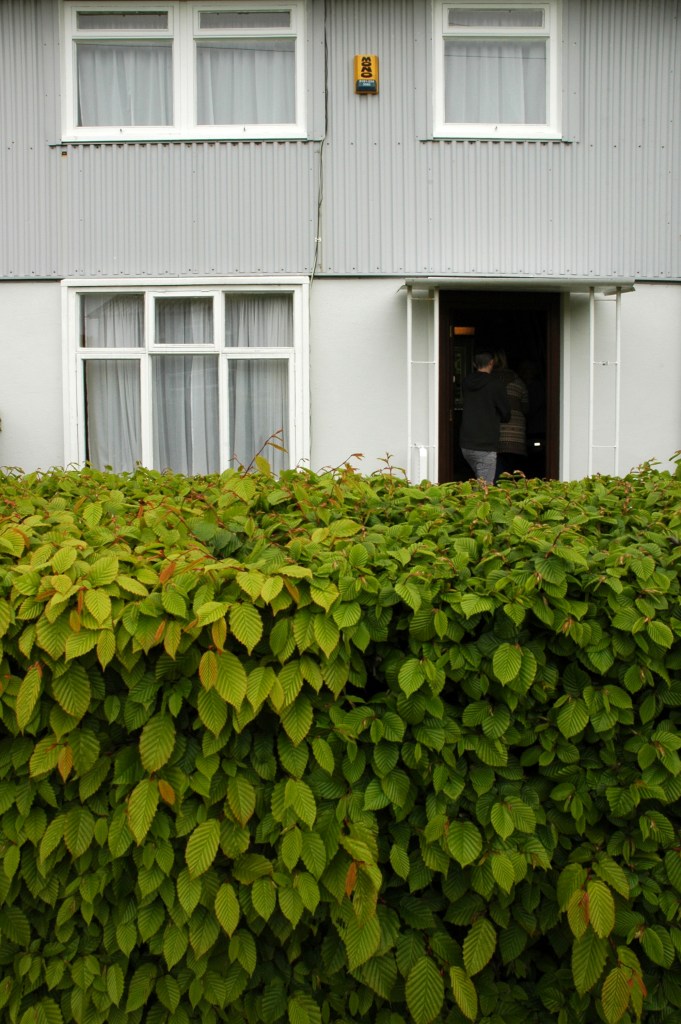
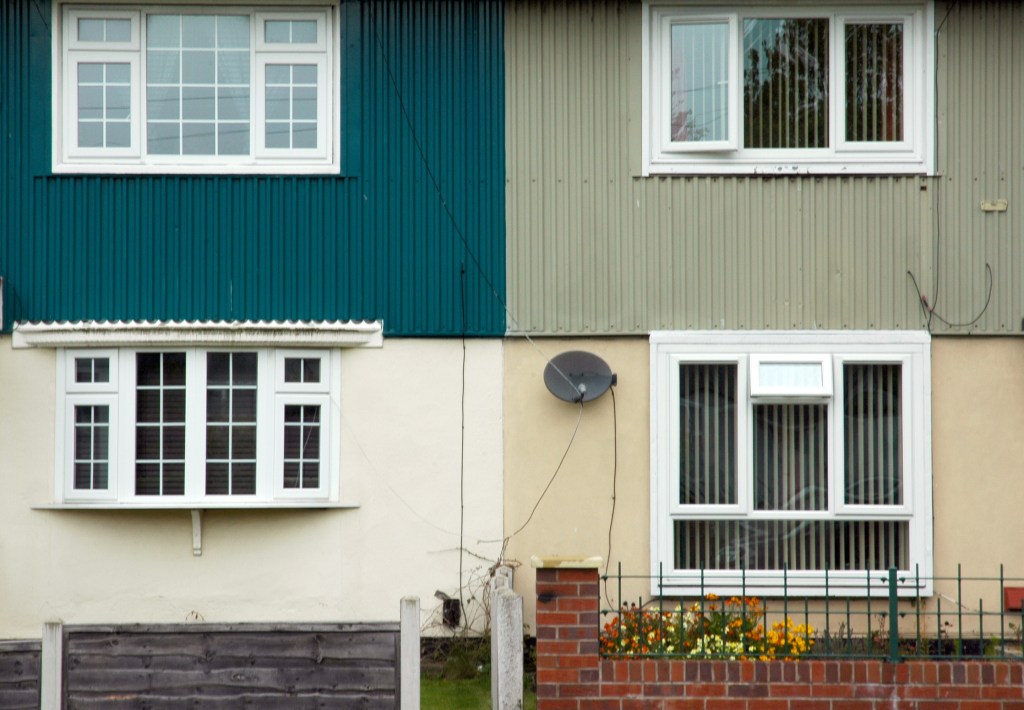
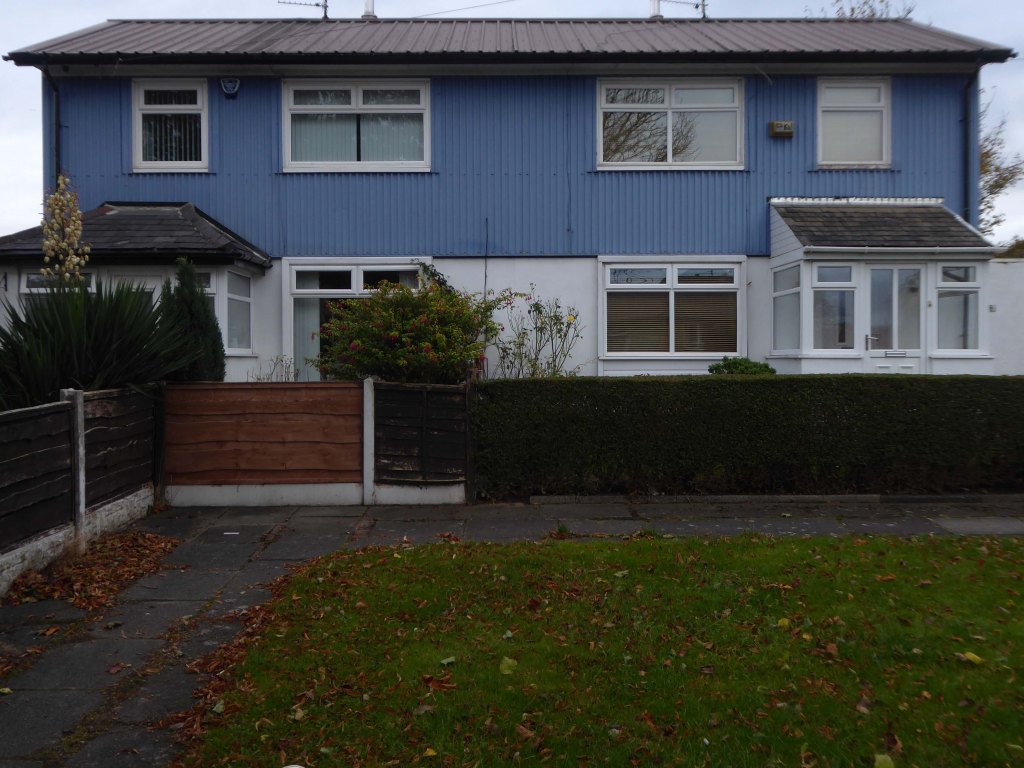
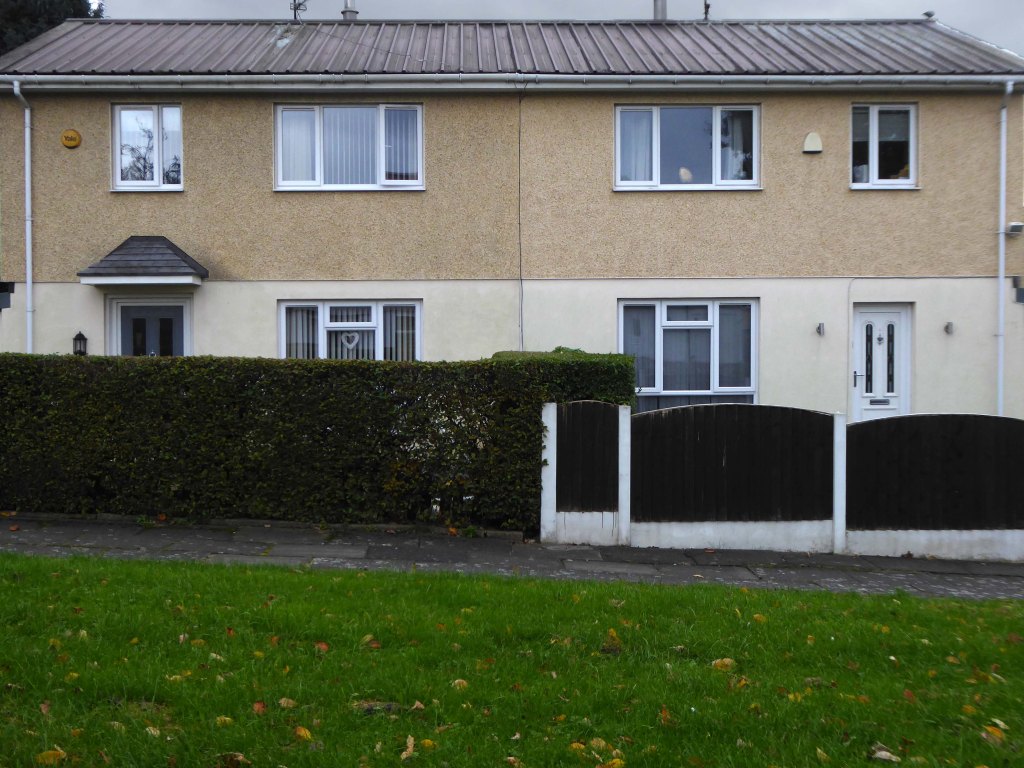
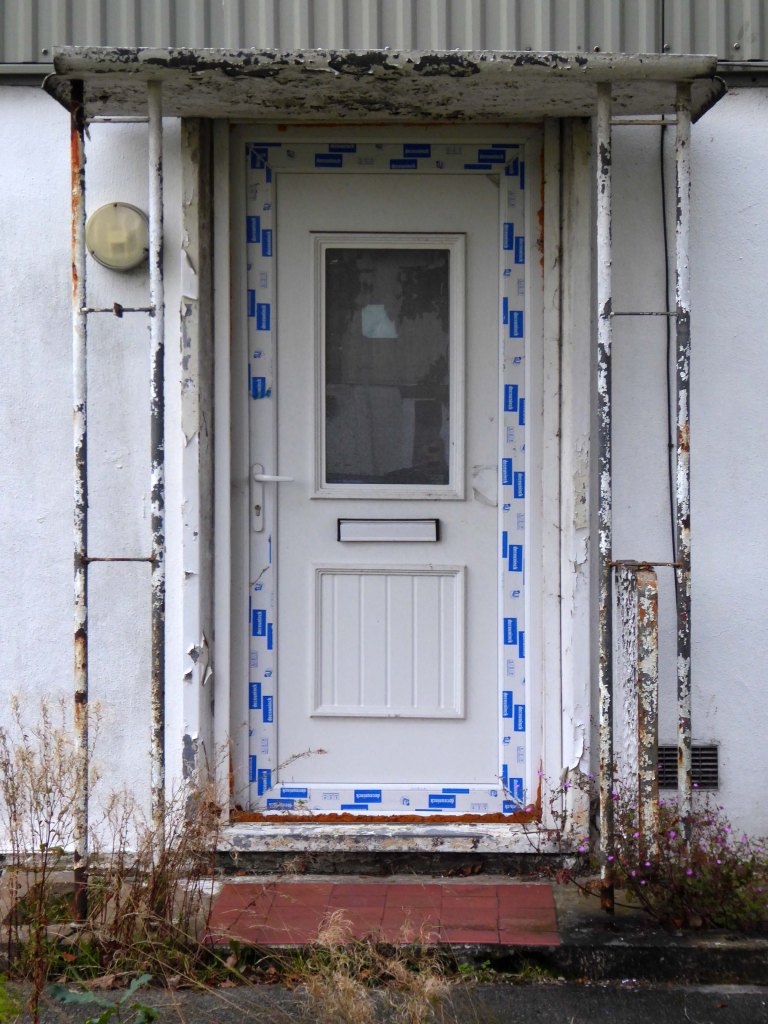
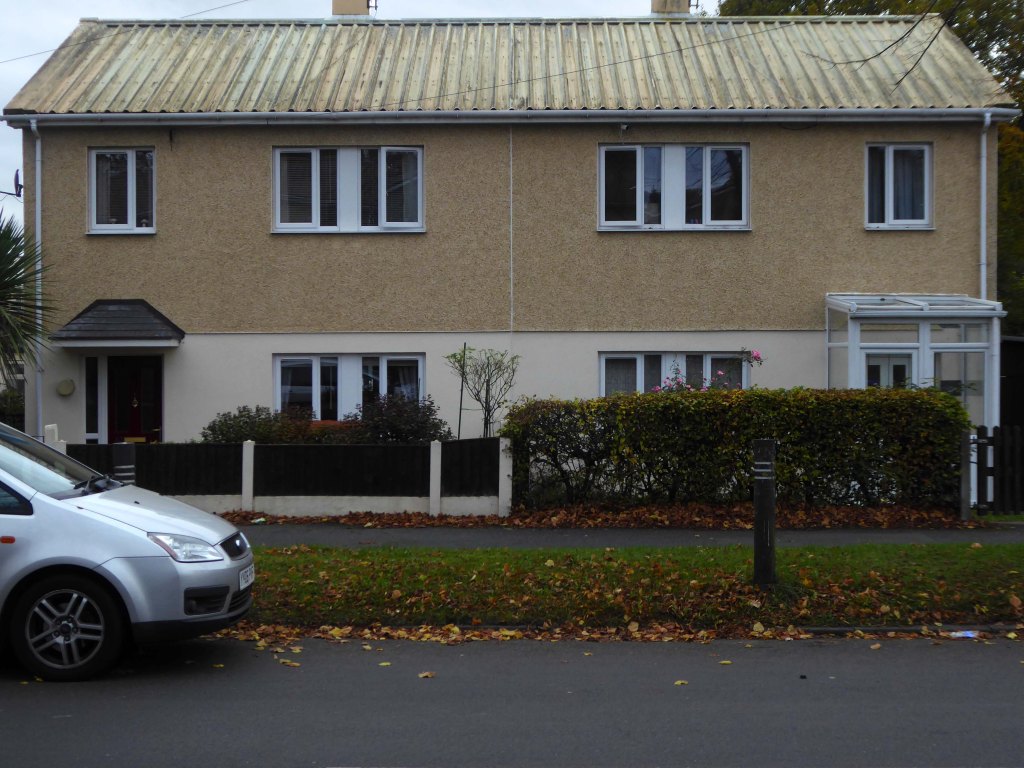
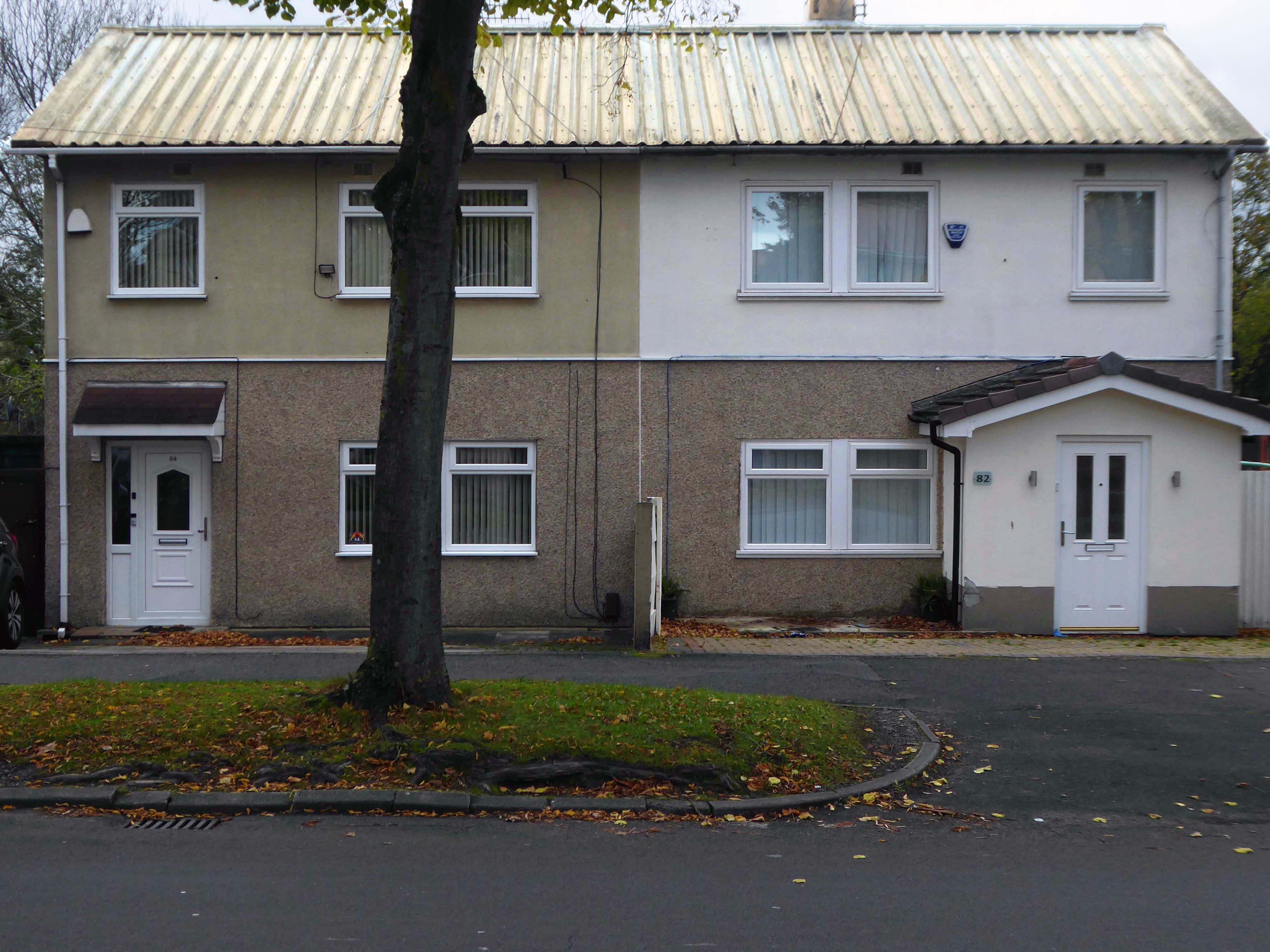
Prior to the end of WWII, the British Iron & Steel Federation worked closely with Architect Frederick Gibberd & Engineer Donovan Lee, to develop several steel framed prototype houses and flats, which could be erected quickly and efficiently with limited use of skilled labour.

Frederick Gibberd

These prototype were duly named BISF which is a acronym of the originating  sponsor, The British Iron & Steel Federation.

However, it was in fact the newly formed company, British Steel Houses Ltd, that went on to develop and manufacturer the BISF houses we see today.

Over 34,000 three-bedroom semi-detached houses and 1048 Terraced Houses were erected across England, Scotland and Wales.

Non Standard House

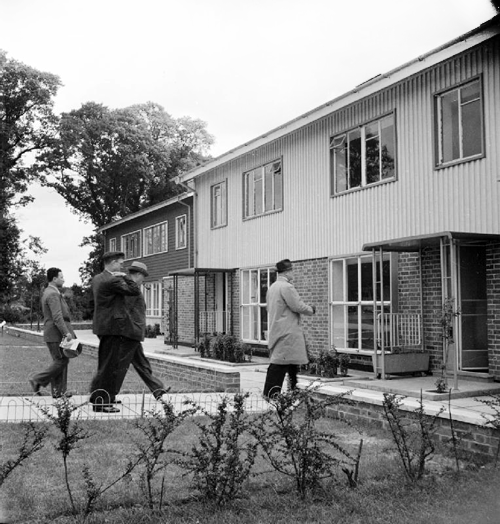
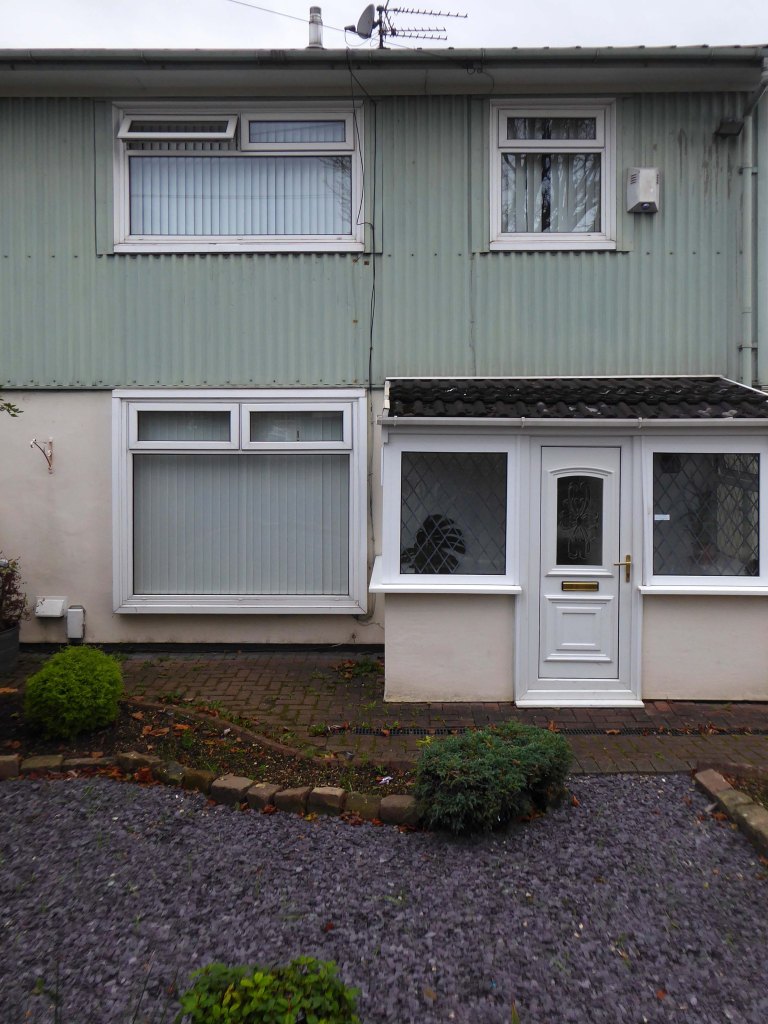
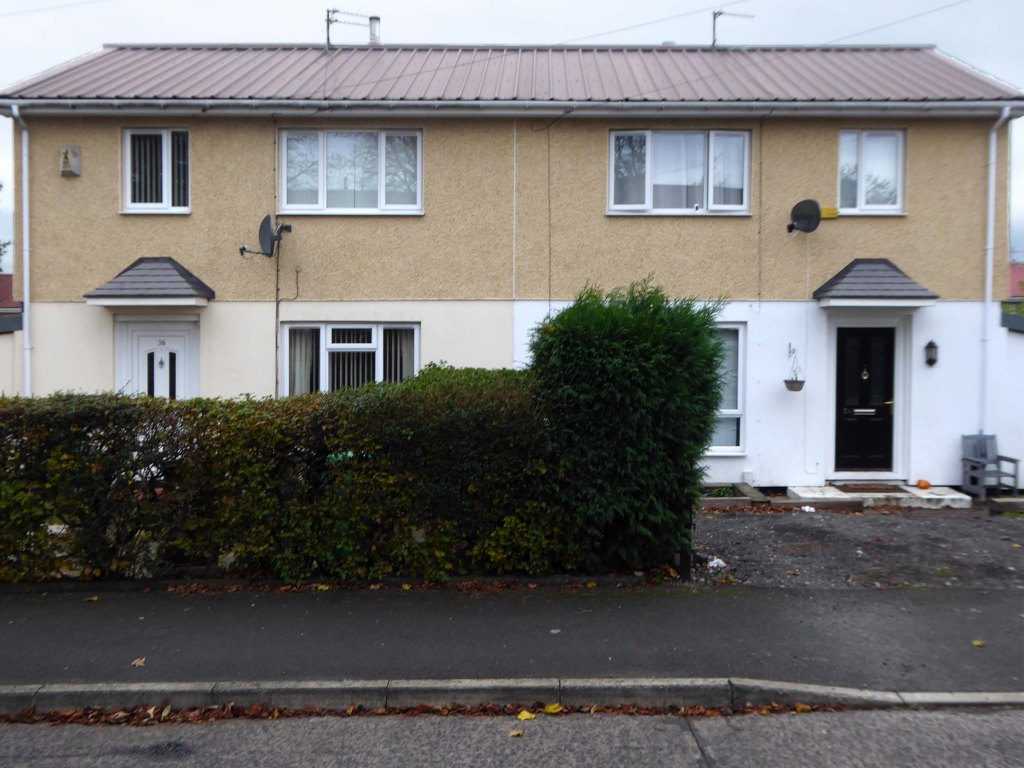
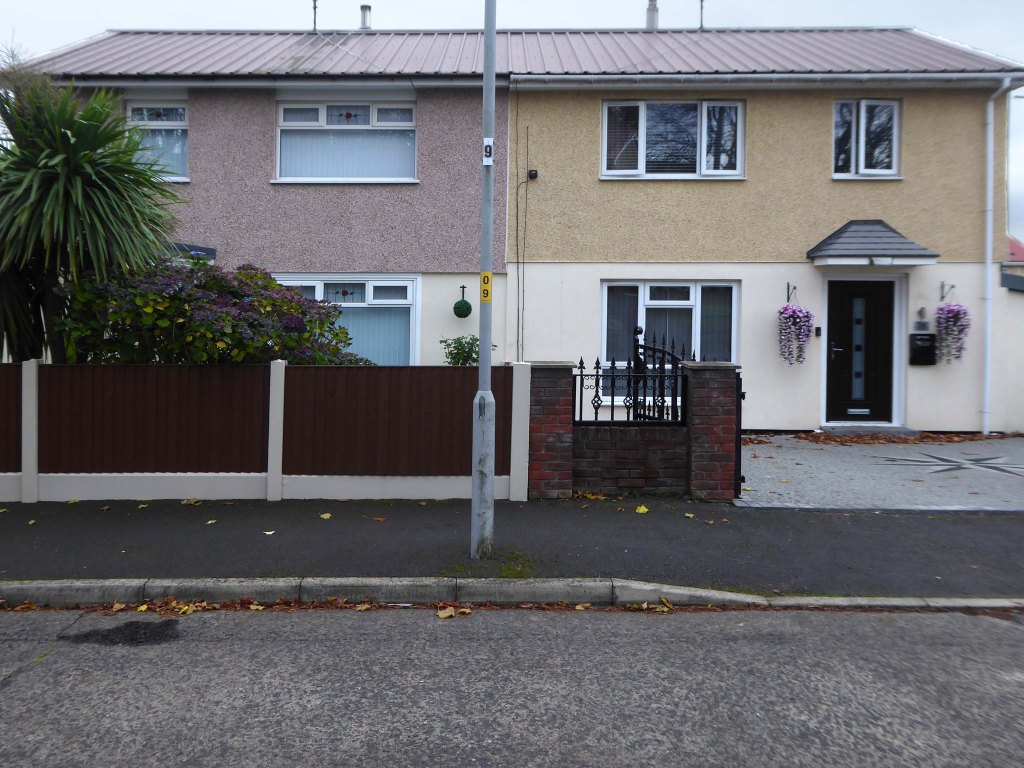
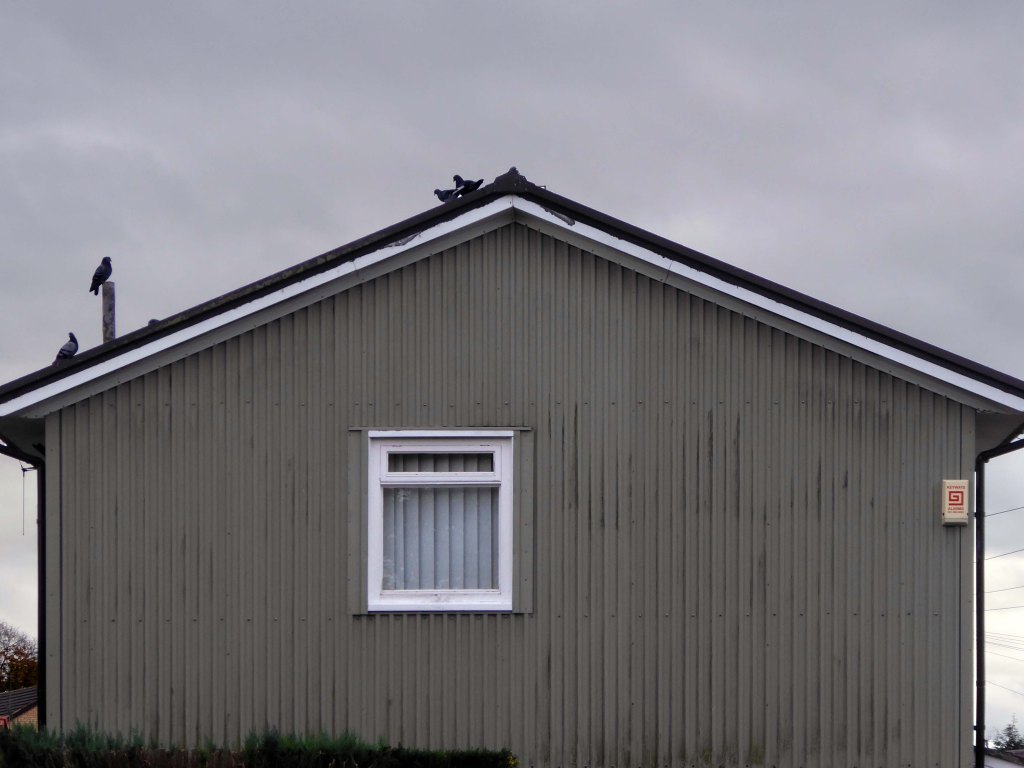
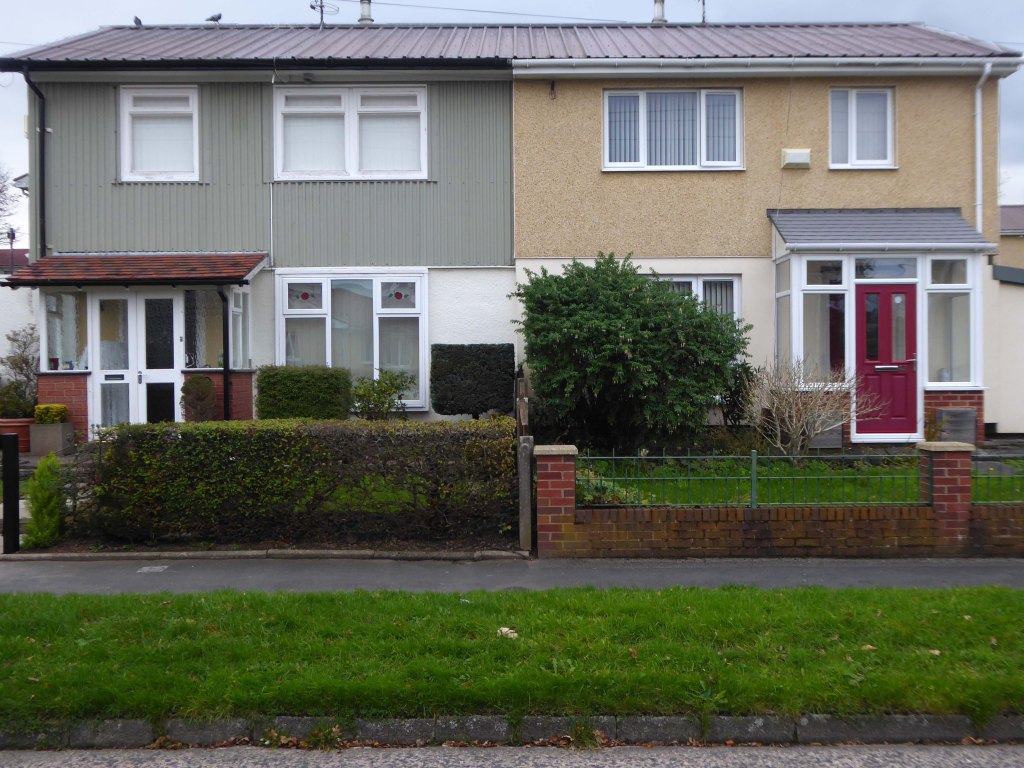
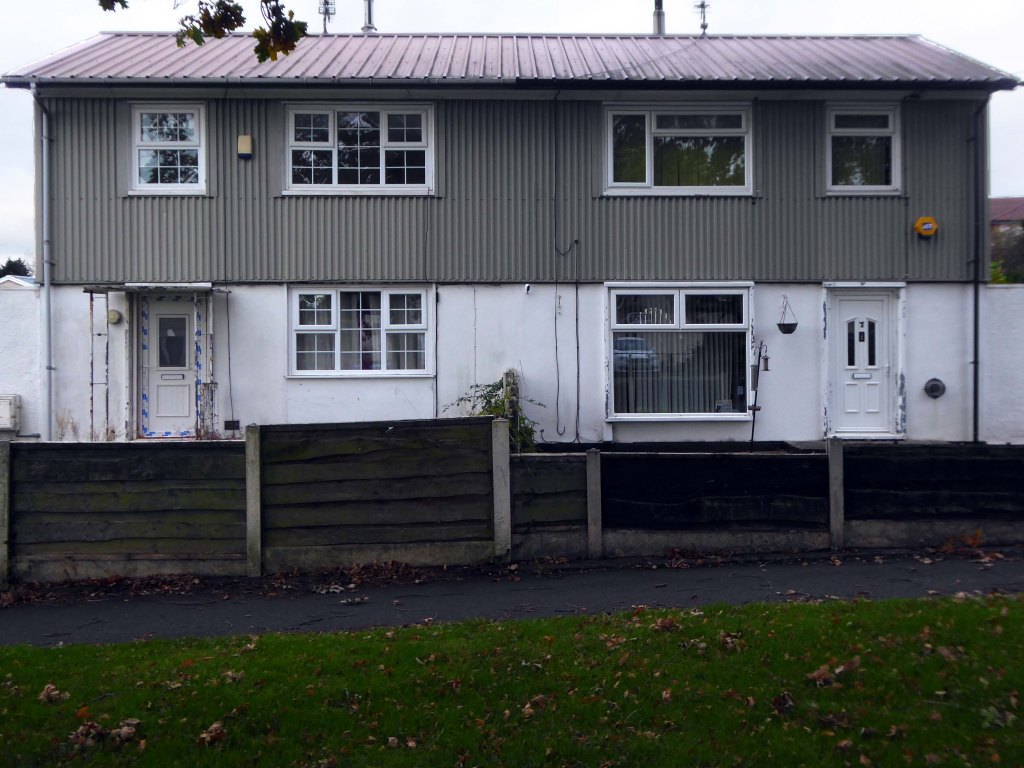
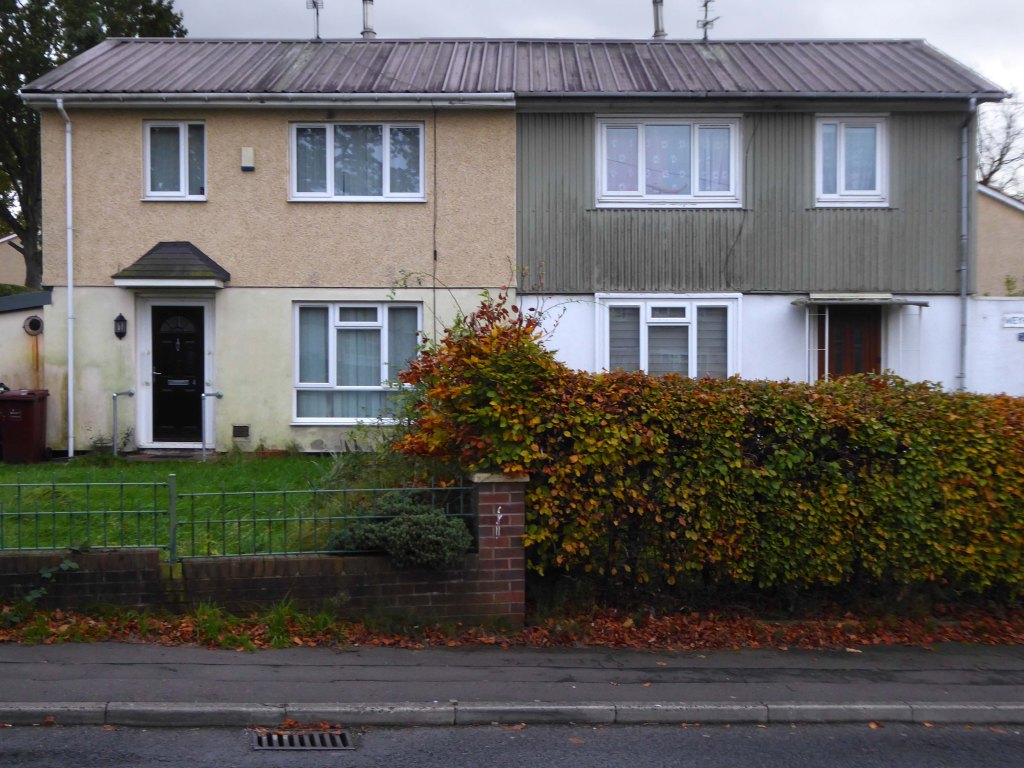
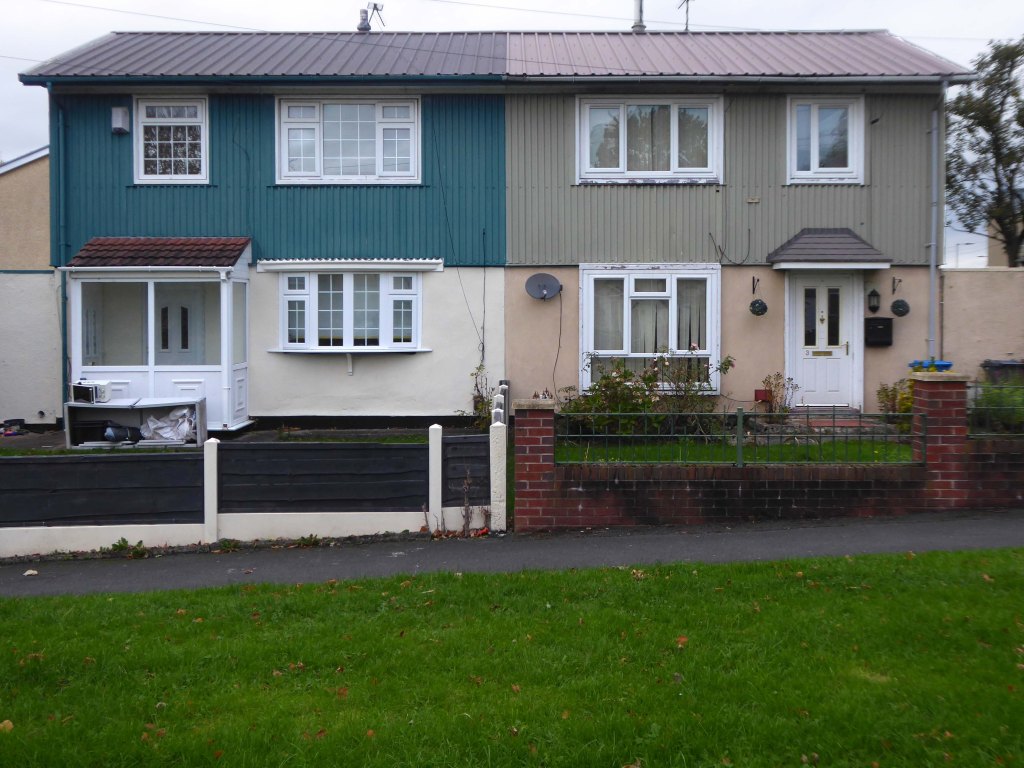
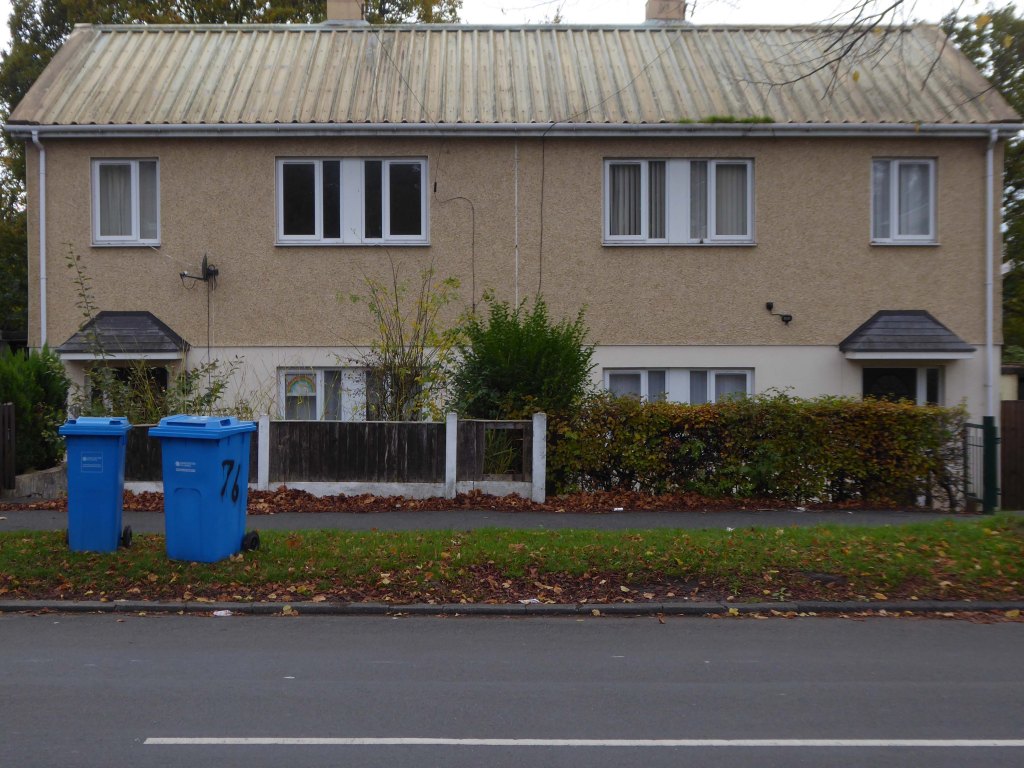
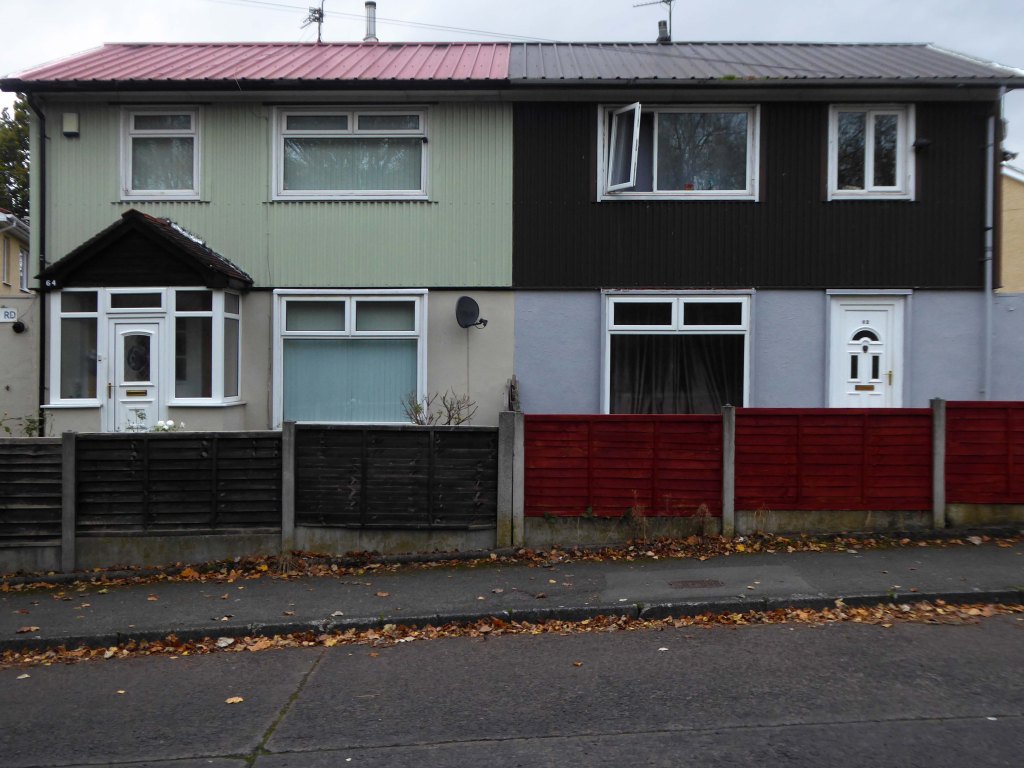
The final production design incorporated rendered mesh ground floor walls and the now familiar, profiled steel sheeting panels affixed to the upper storey. The preferred roofing material was generally corrugated asbestos cement, or corrugated metal sheeting.

The frame of the prototype ‘B’ house was of the same general design as the type ‘A’ frame, but fabricated from flat light steel sections.

Northolt

The roof trusses were also of light steel sections and the roof cladding was the same as that used in the type A house. 
Both prototypes had been designed to accept a variety of external wall materials, including traditional brick masonry if desired.

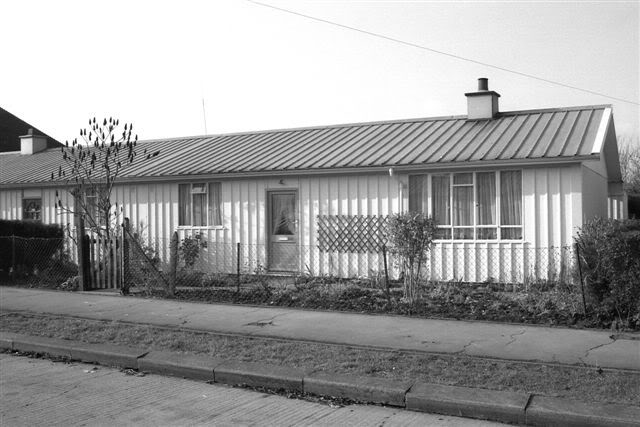
The external steel cladding that was affixed to the upper storey of the original BISF house appears visually similar to the external cladding that was used during the production of the unrelated Hawksley BL8 temporary bungalow.

This visual similarity caused many people to wrongly assume that the BISF House was a semi-detached version of the temporary bungalow, despite the fact that the BISF House was built as a permanent dwelling.

The vast majority of BISF houses were built as two-storey semi-detached pairs. A smaller number of terraced houses were also built by replicating the standard semi-detached frame.

A number of variations relating to the layout and materials used in the construction of this house have been noted, but in all cases, the original construction, design & construction of the steel framework, remains largely as described.

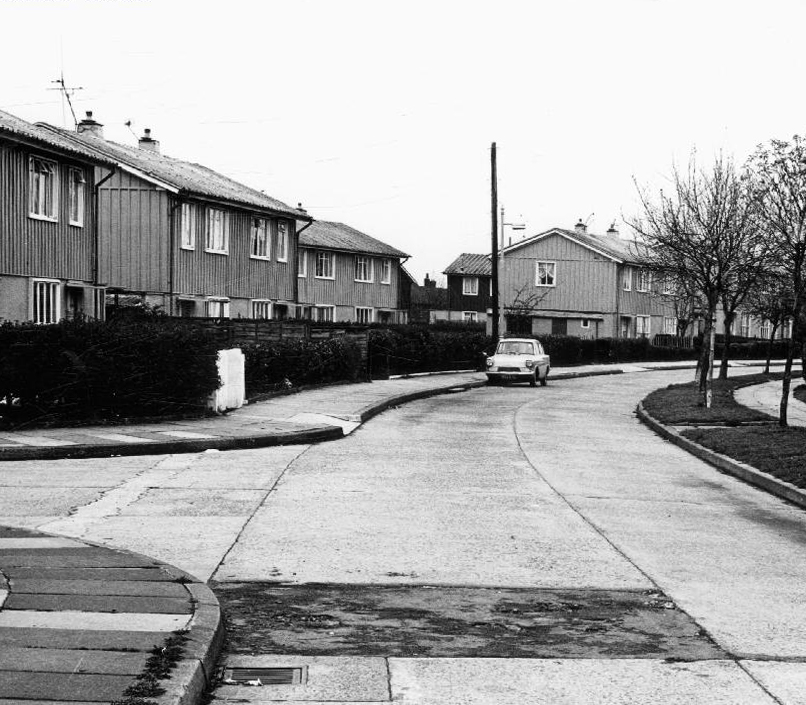
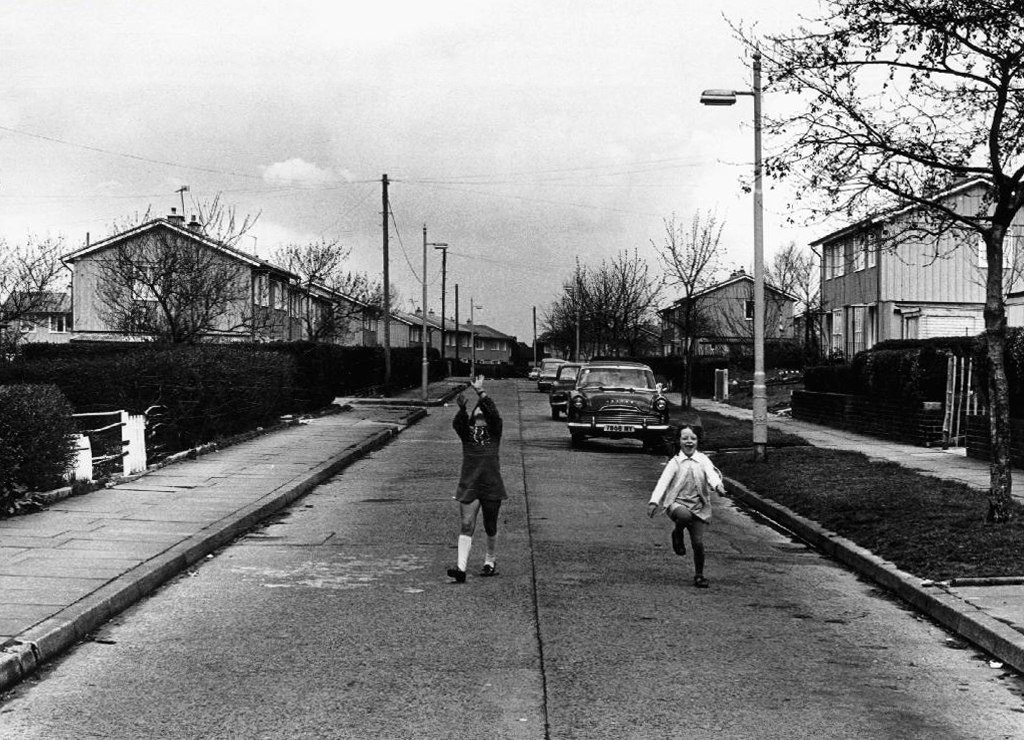
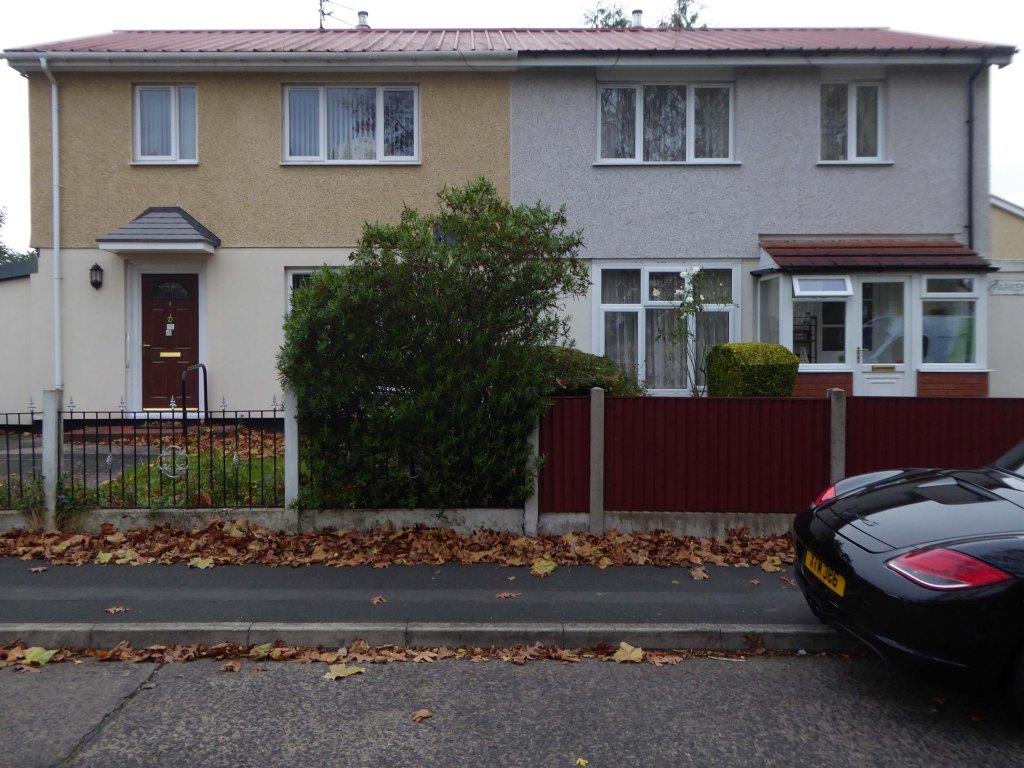
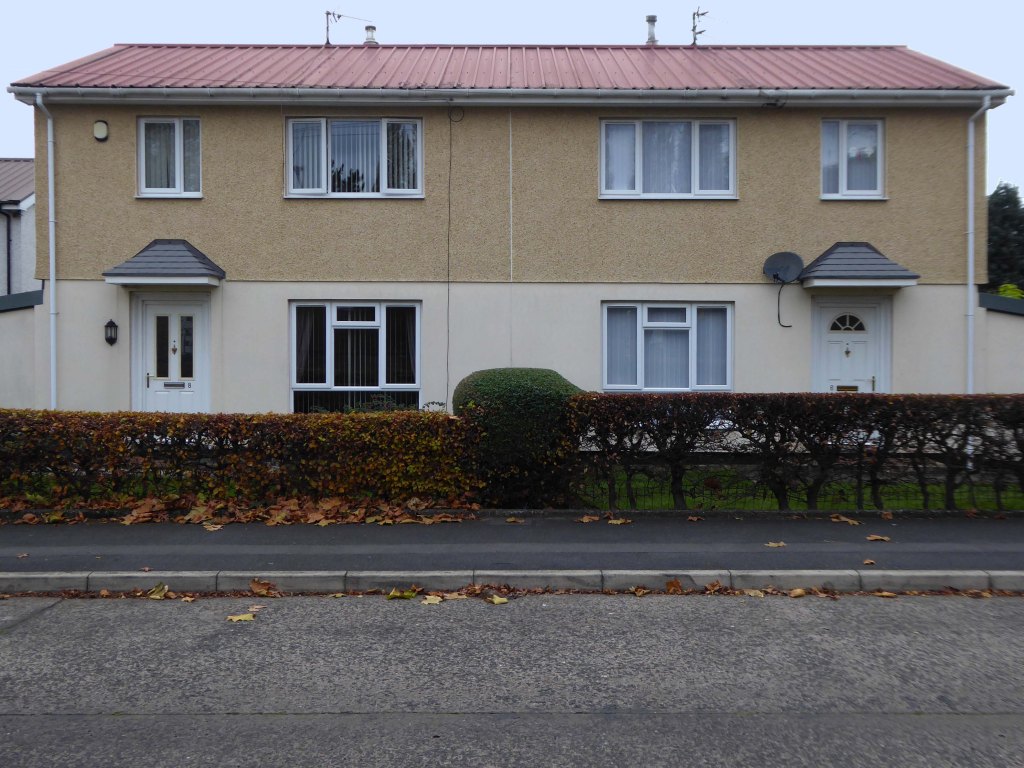
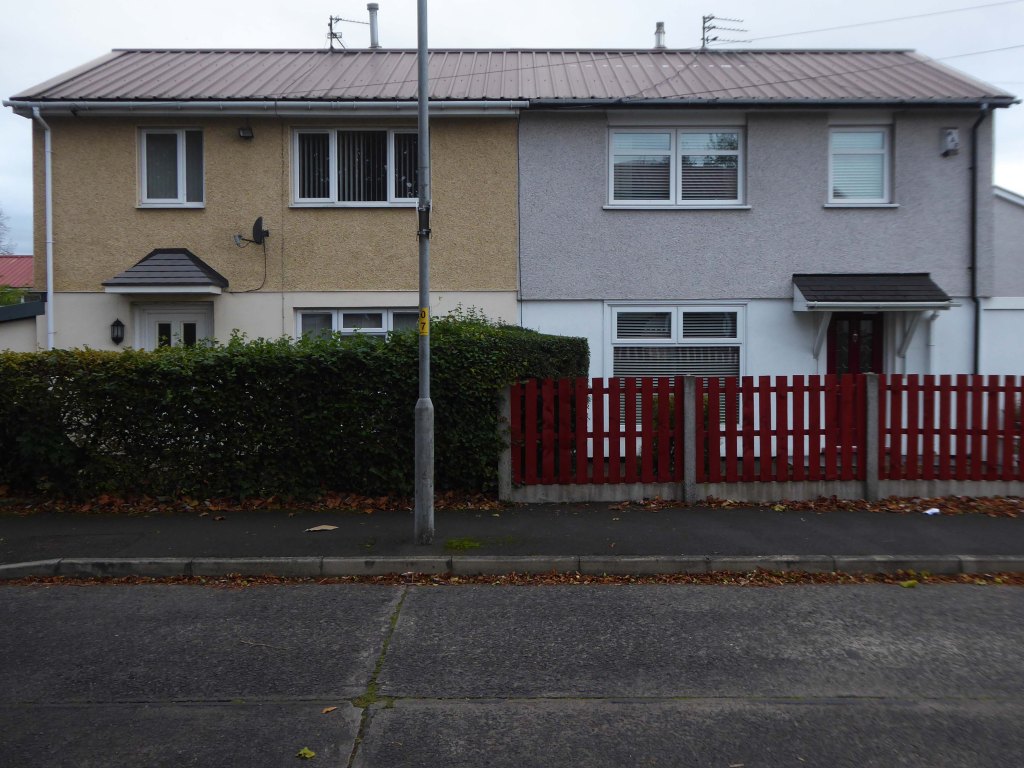
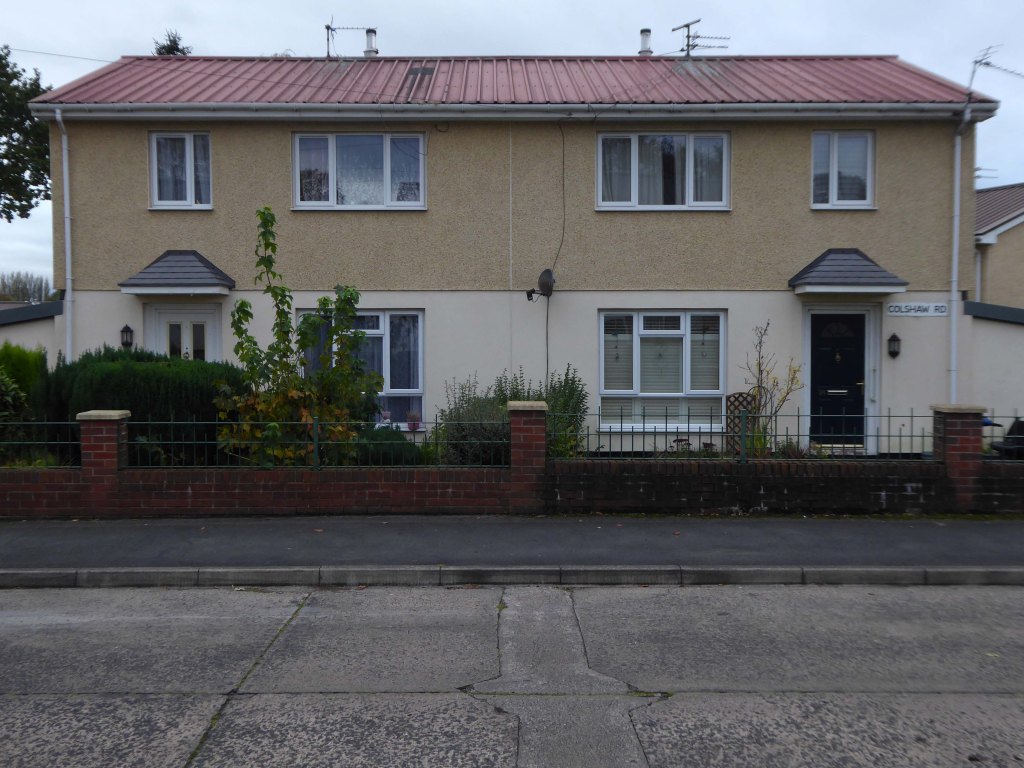
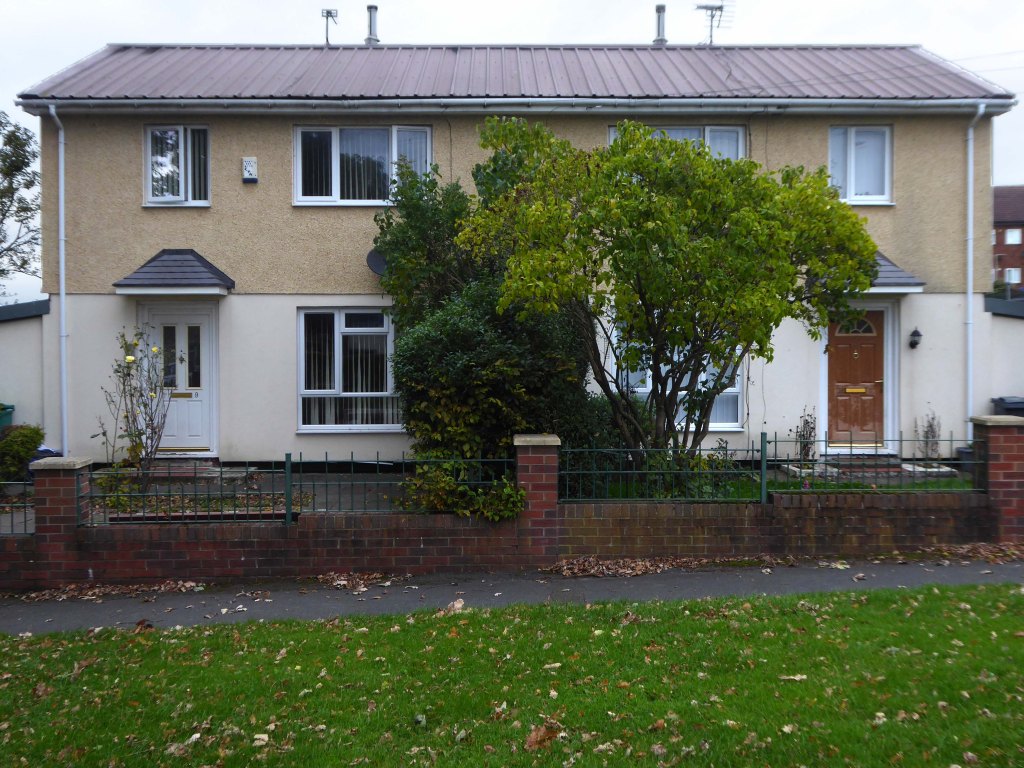
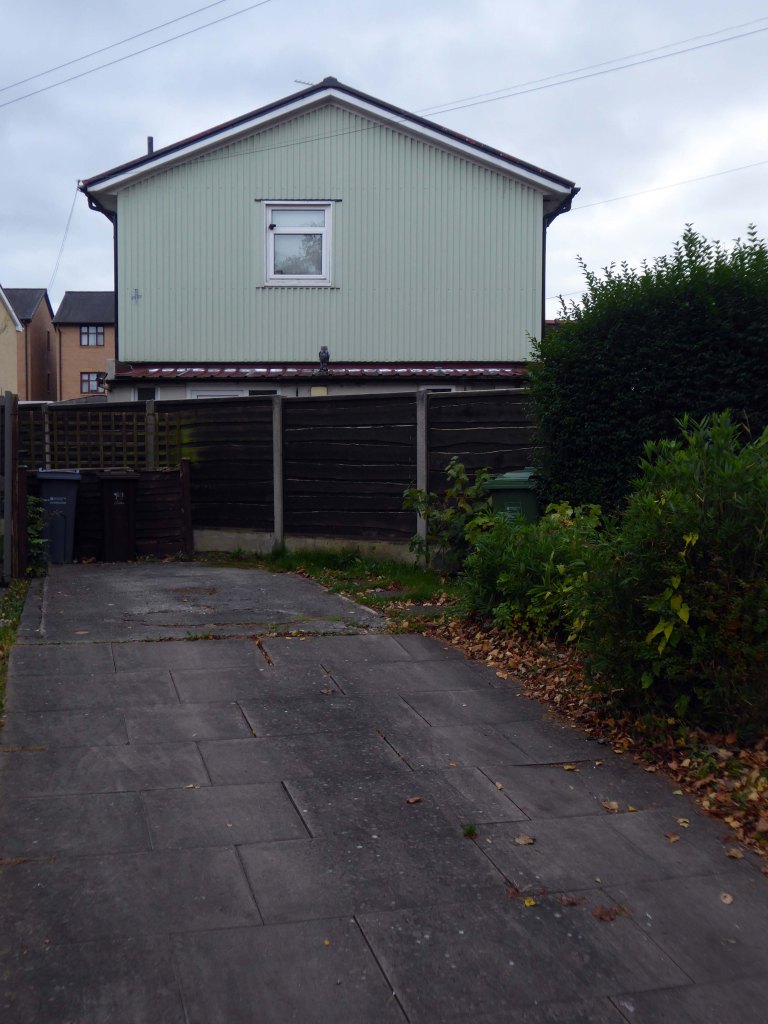
The area in Wythenshawe where the BISF houses were built, is known locally and colloquially as Tin Town.

Here are the homes in 1955.

Here are the homes in 1972.

JF Hughes Local Image Collection
In 2012 we visited the home of former Durutti Column drummer Bruce Mitchell.

Bruce in Greater Mancunians.

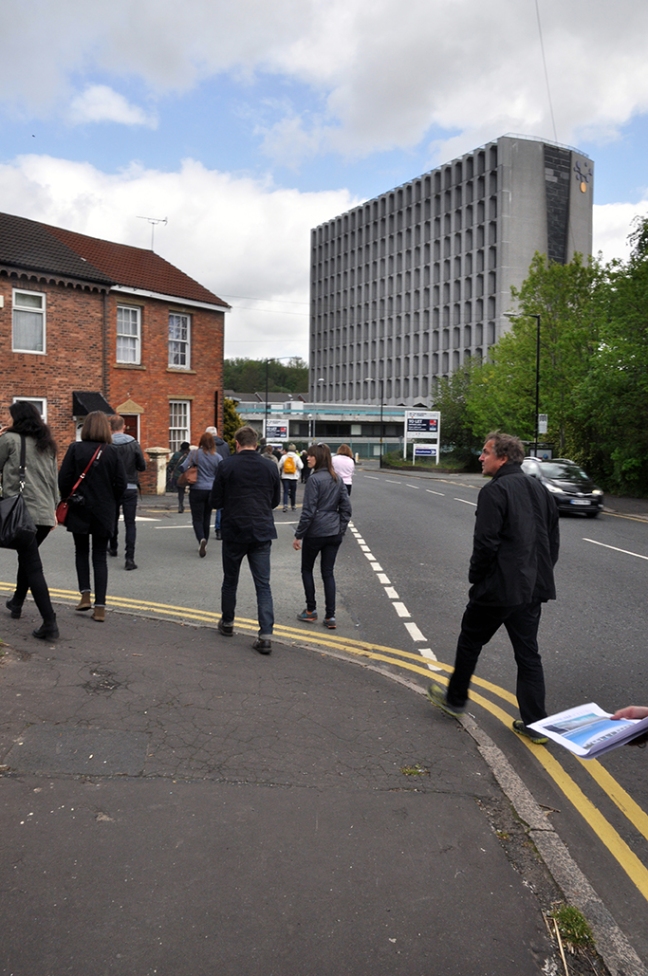
Owen Hatherley wrote about this White Bus Tour in The Guardian – at the behest of Richard Hector-Jones.

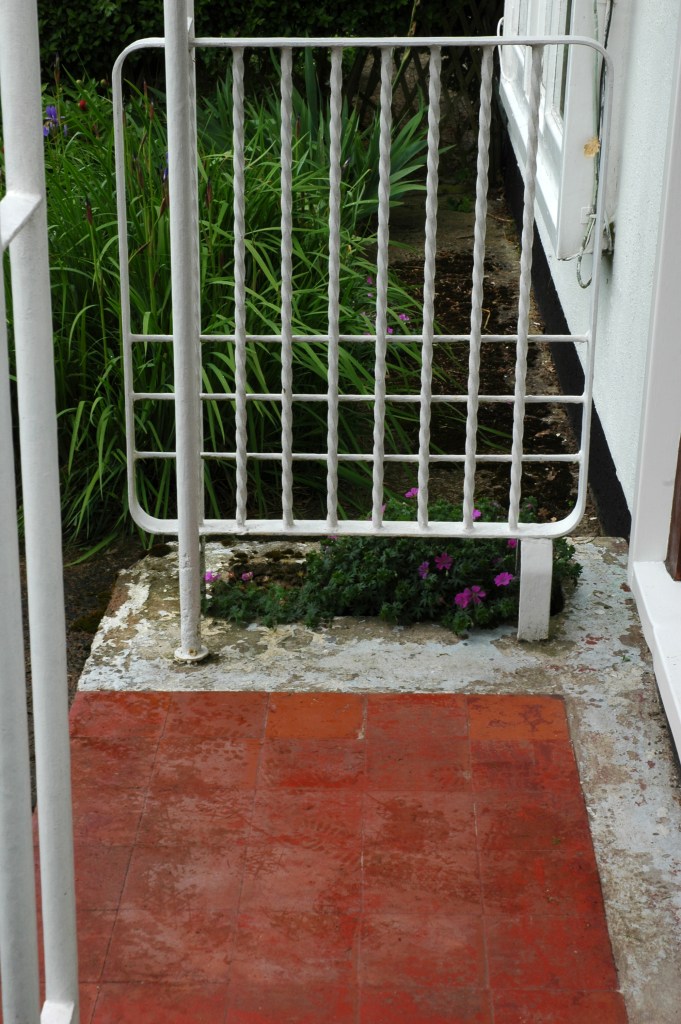
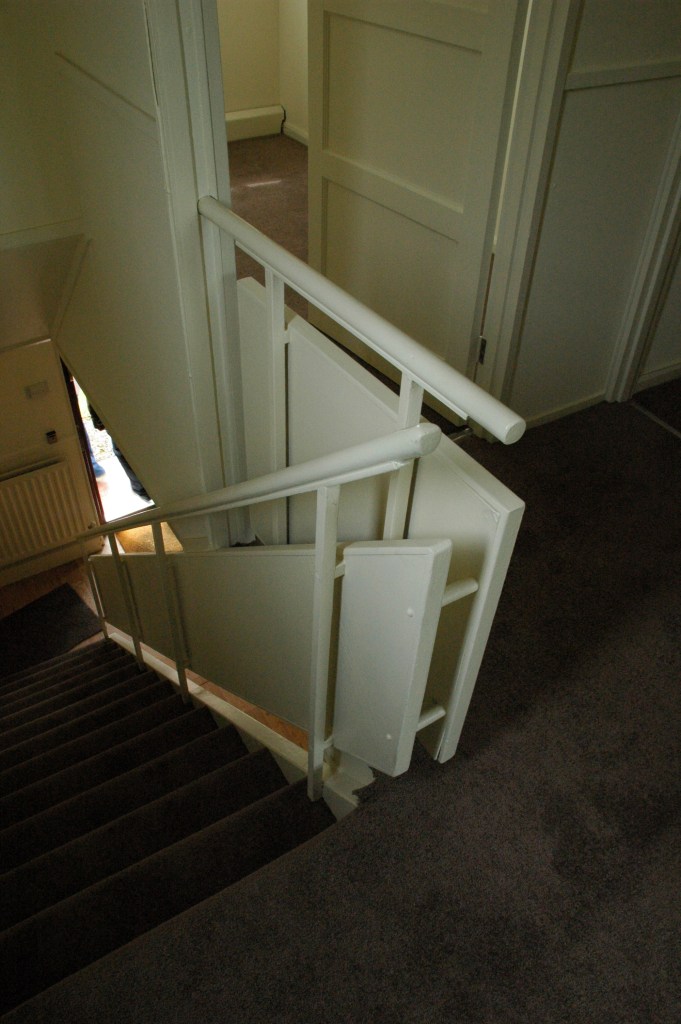
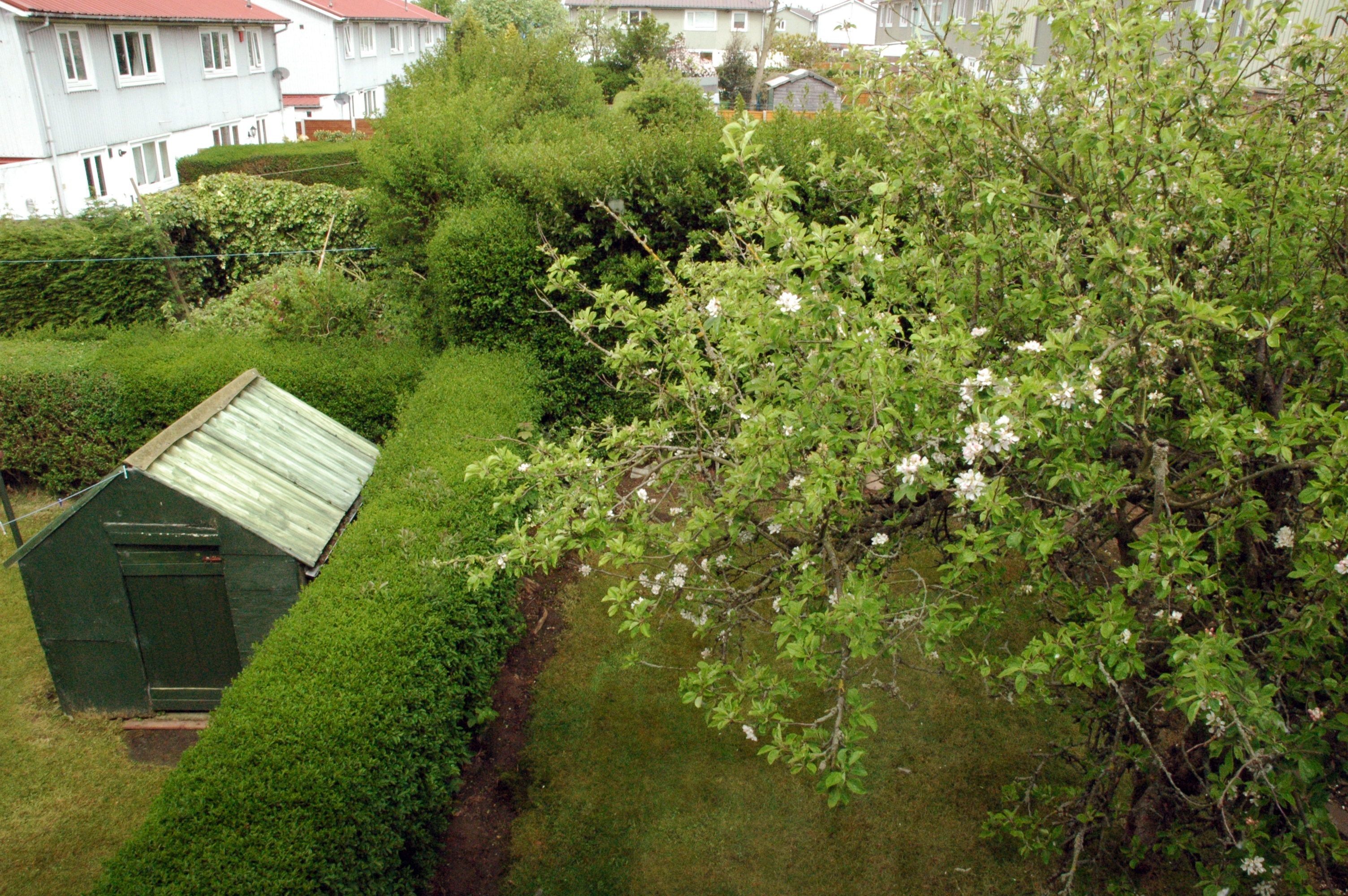
New residents were given the choice of an apple or cherry tree for their back gardens.

Here are the photographs I took in November 2021.

Hanley Housing

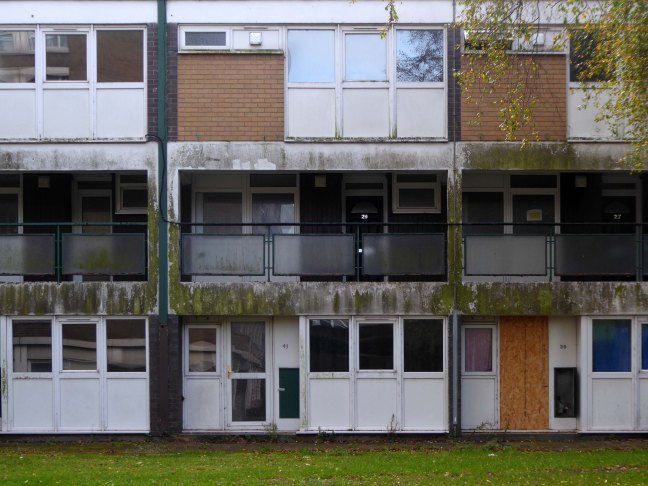
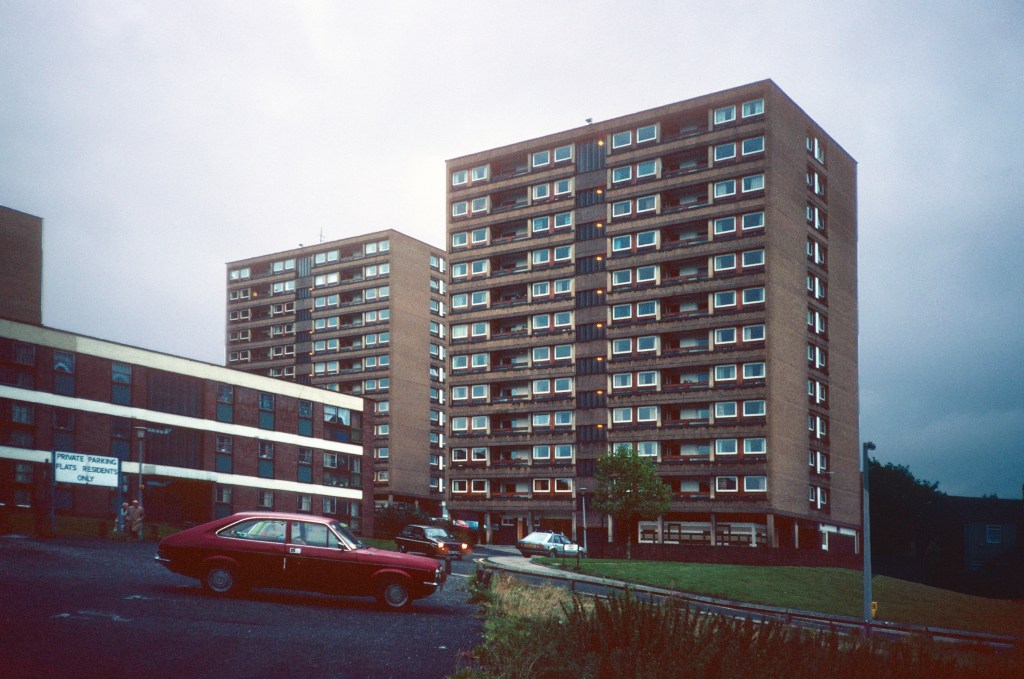
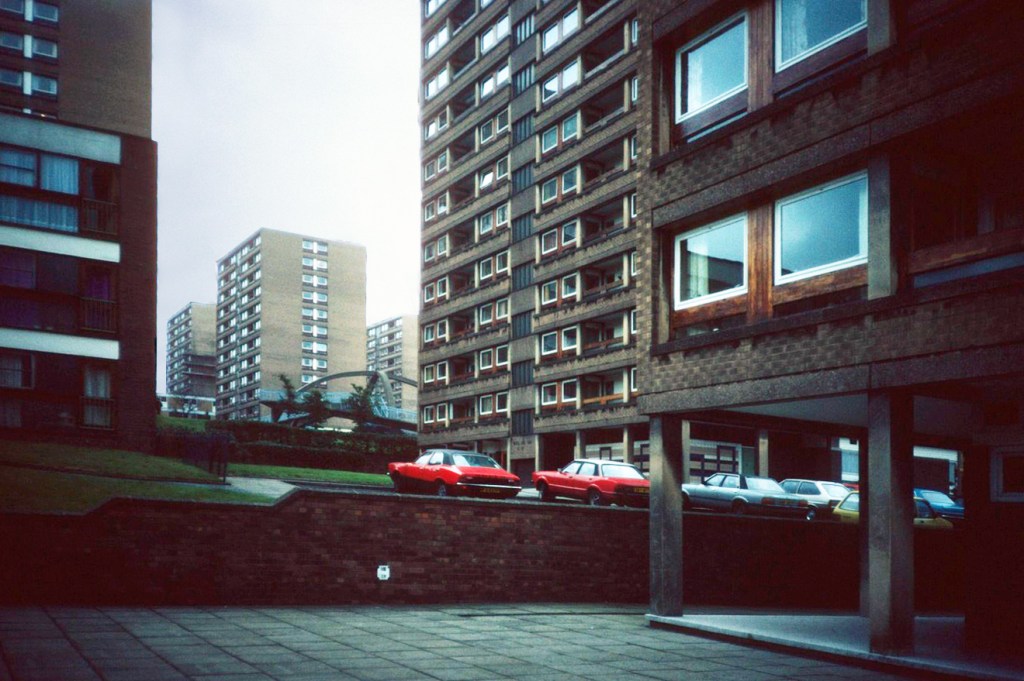
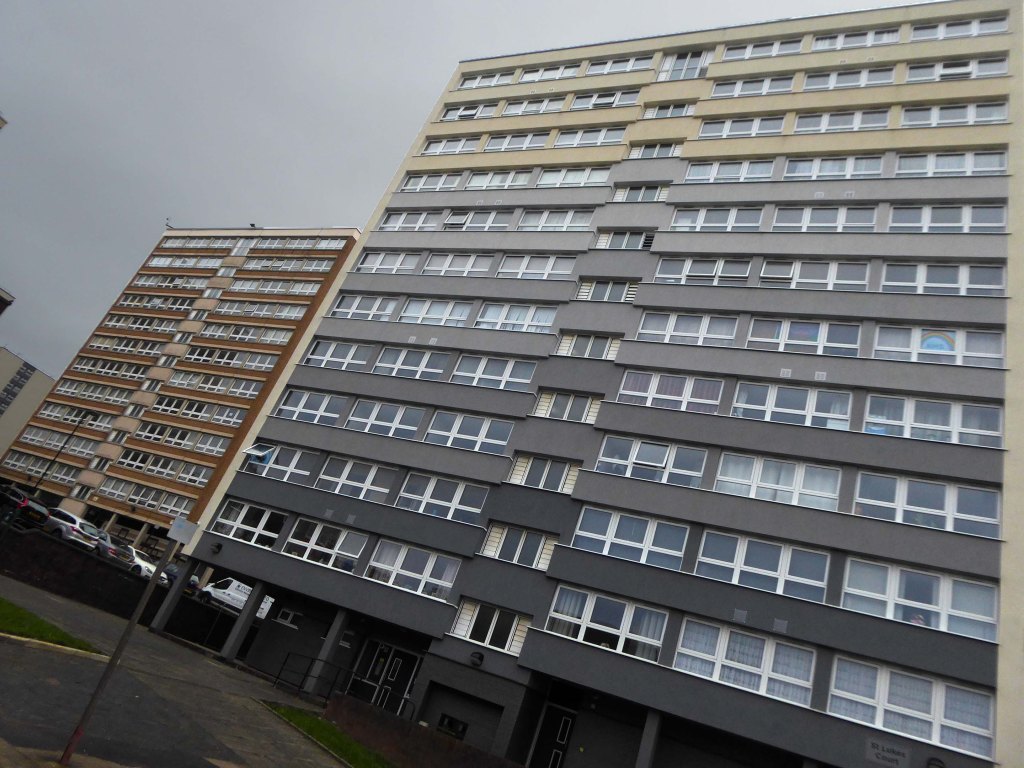
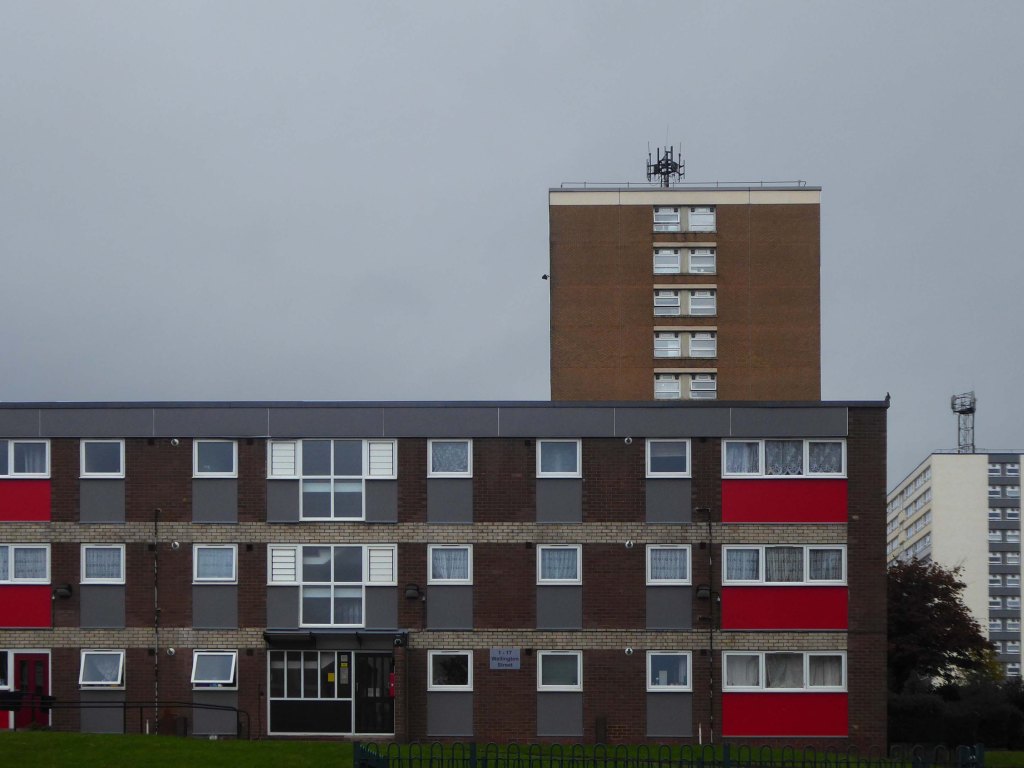
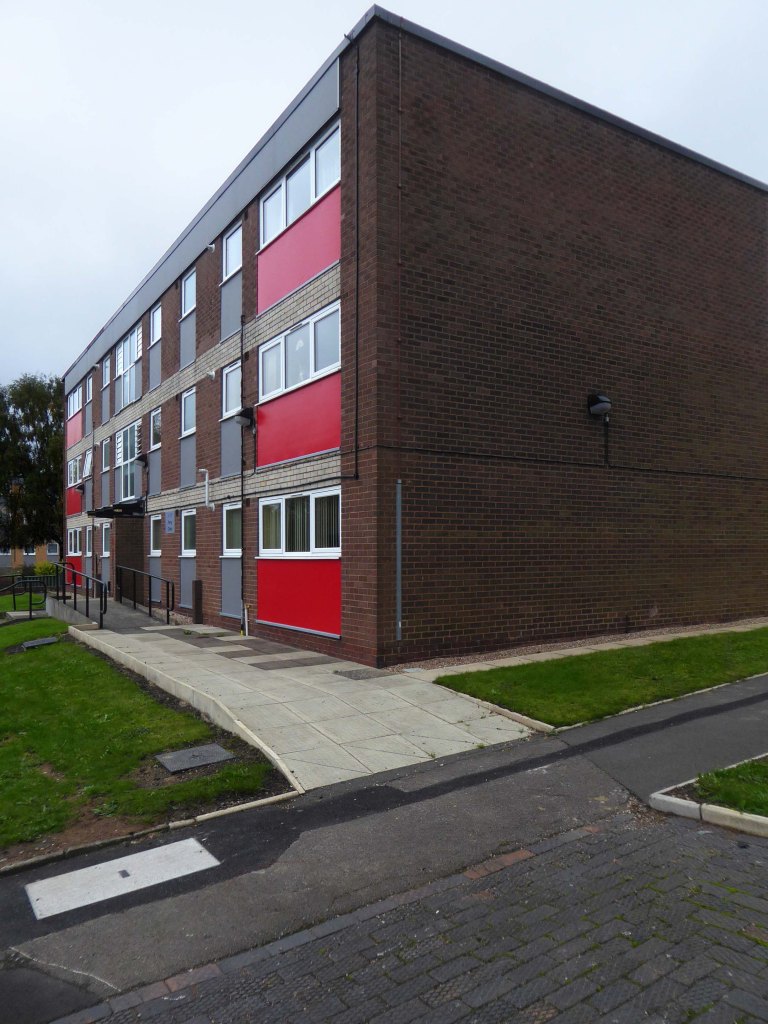
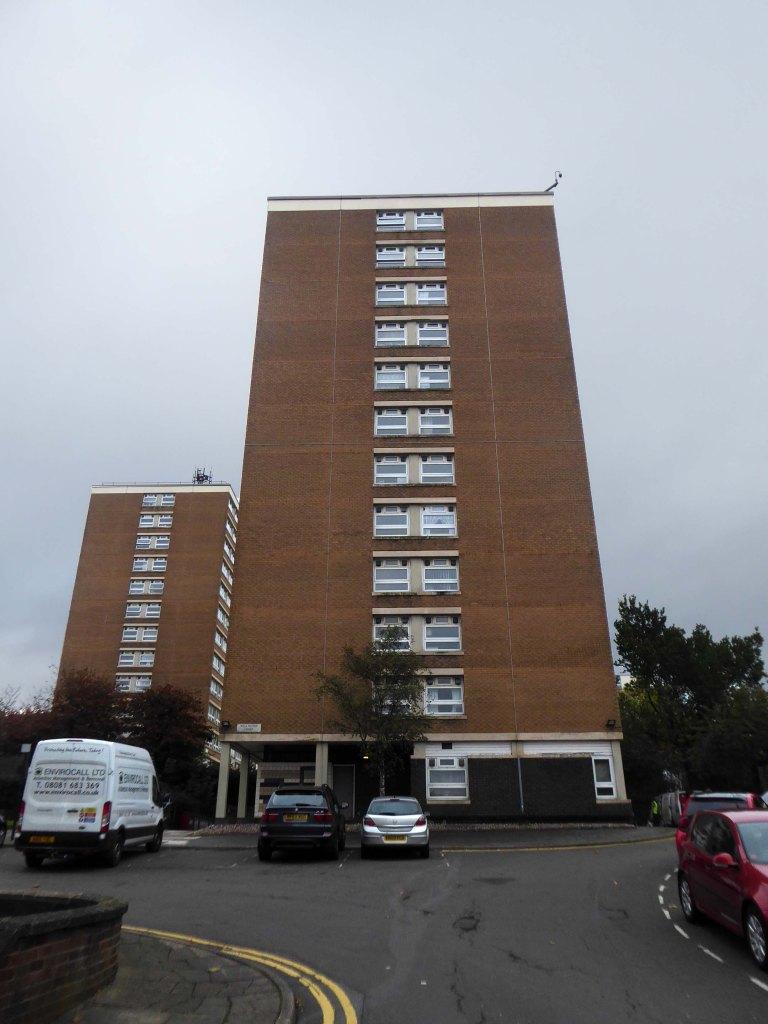
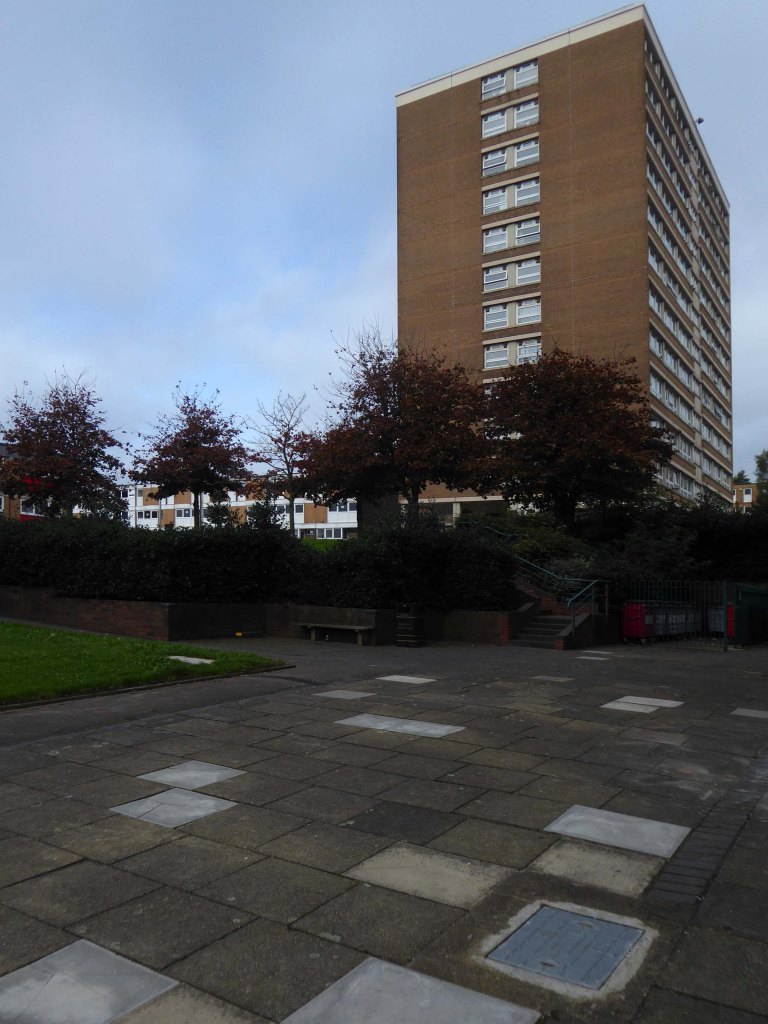
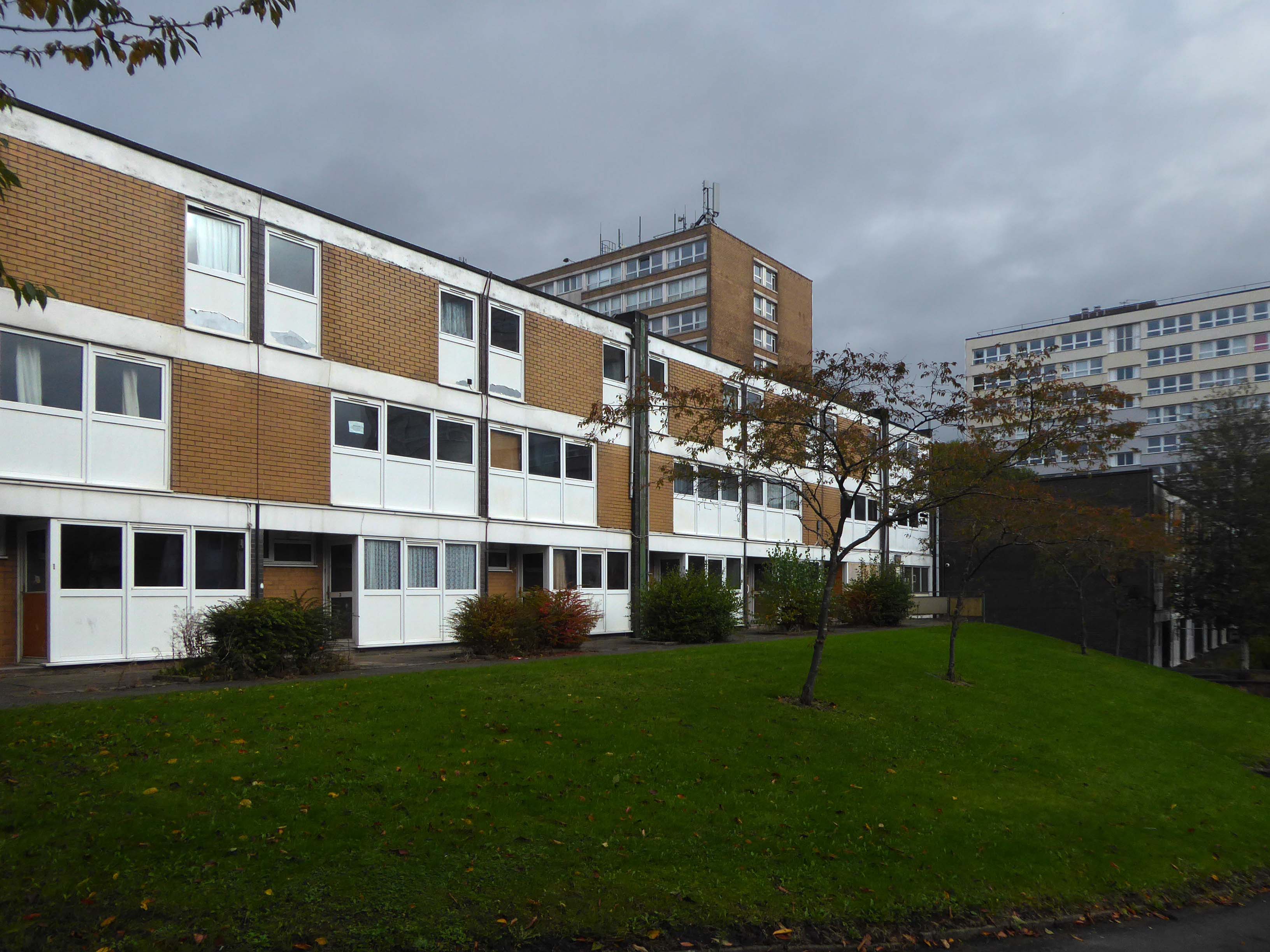
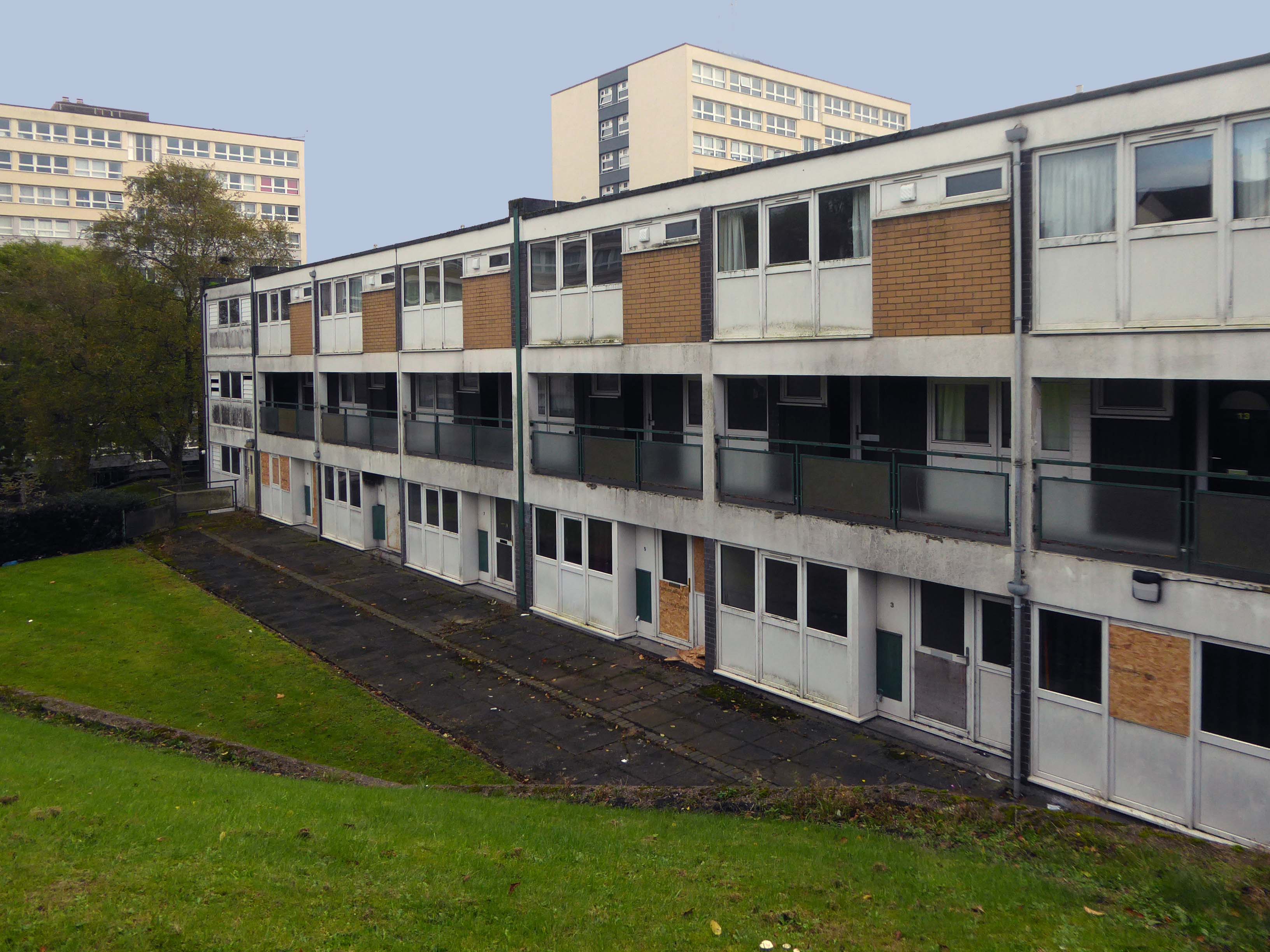
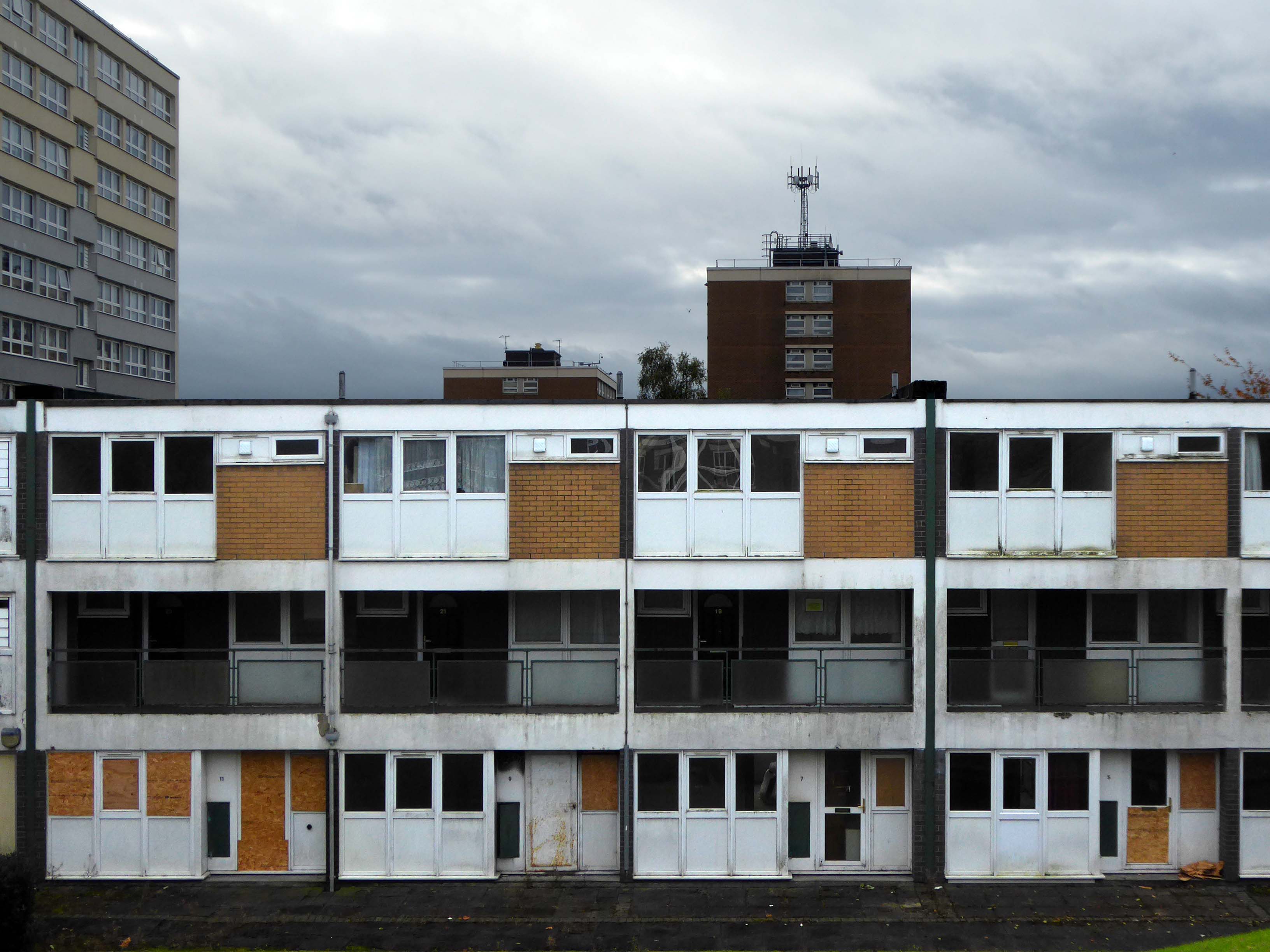
A tale of tower blocks and low rise terraces and maisonettes.

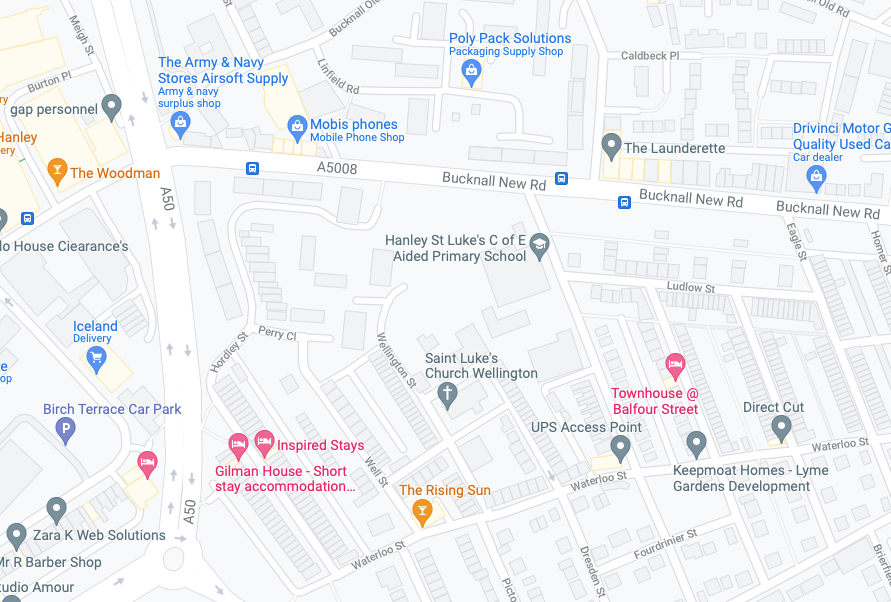
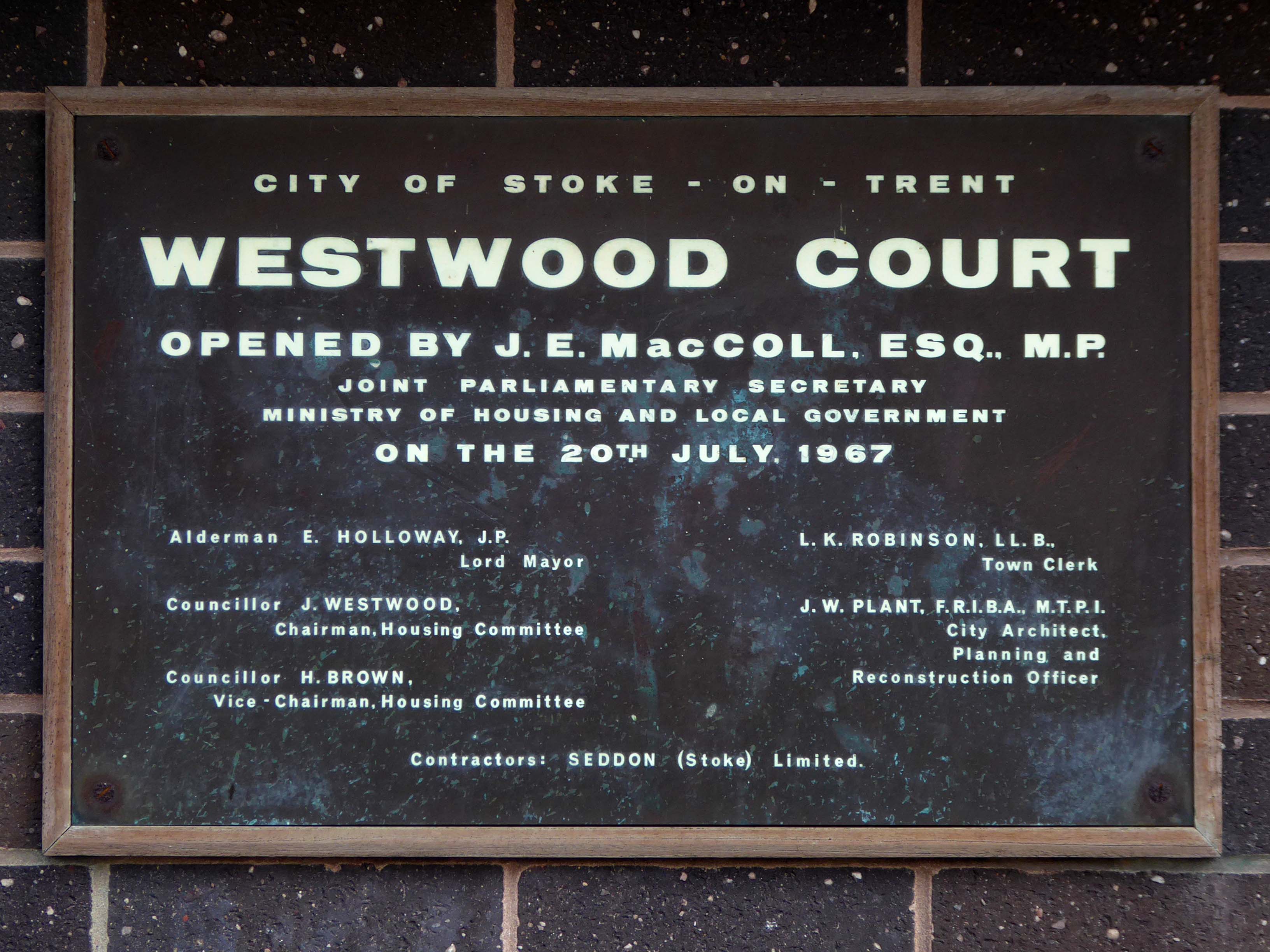
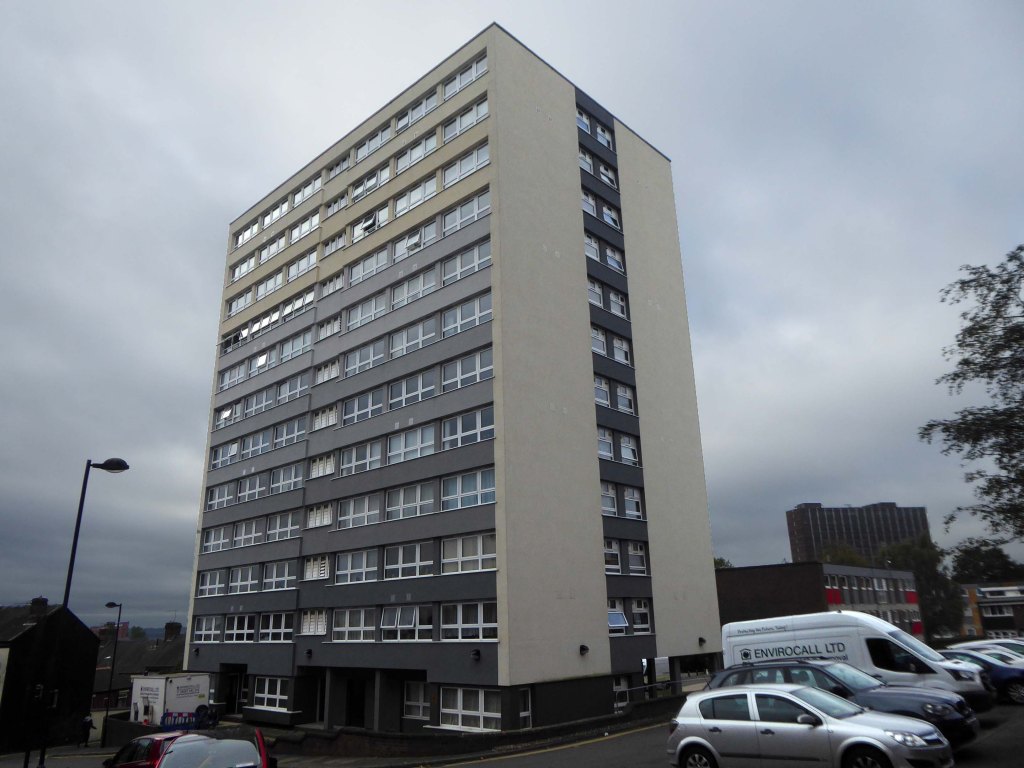
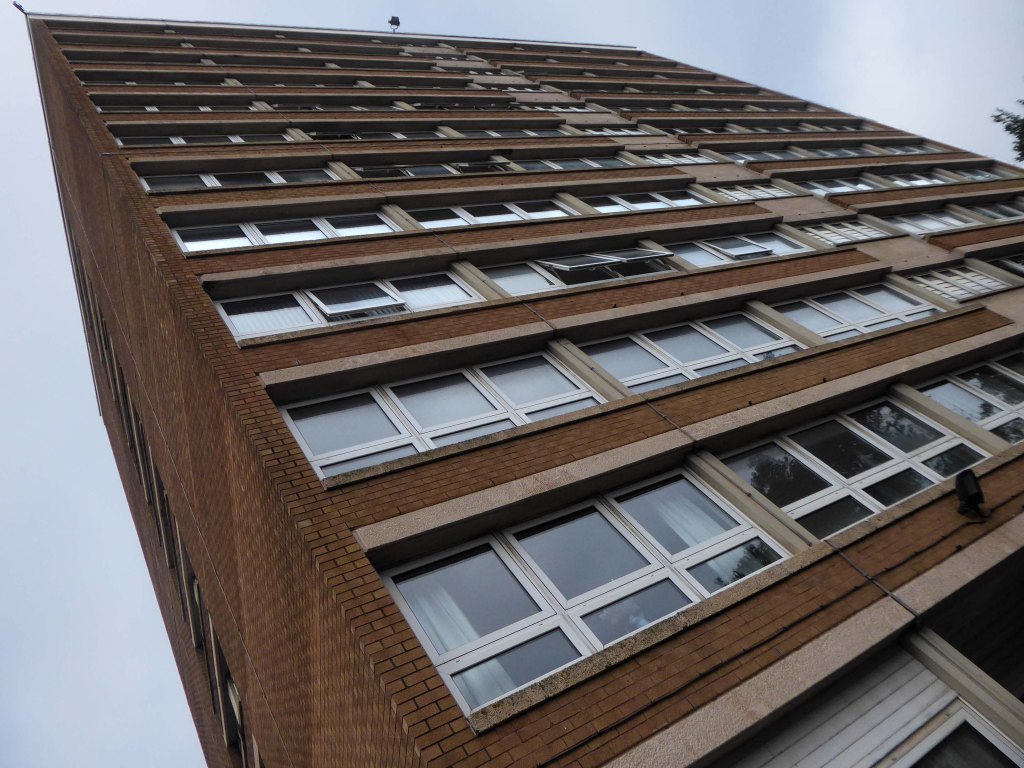
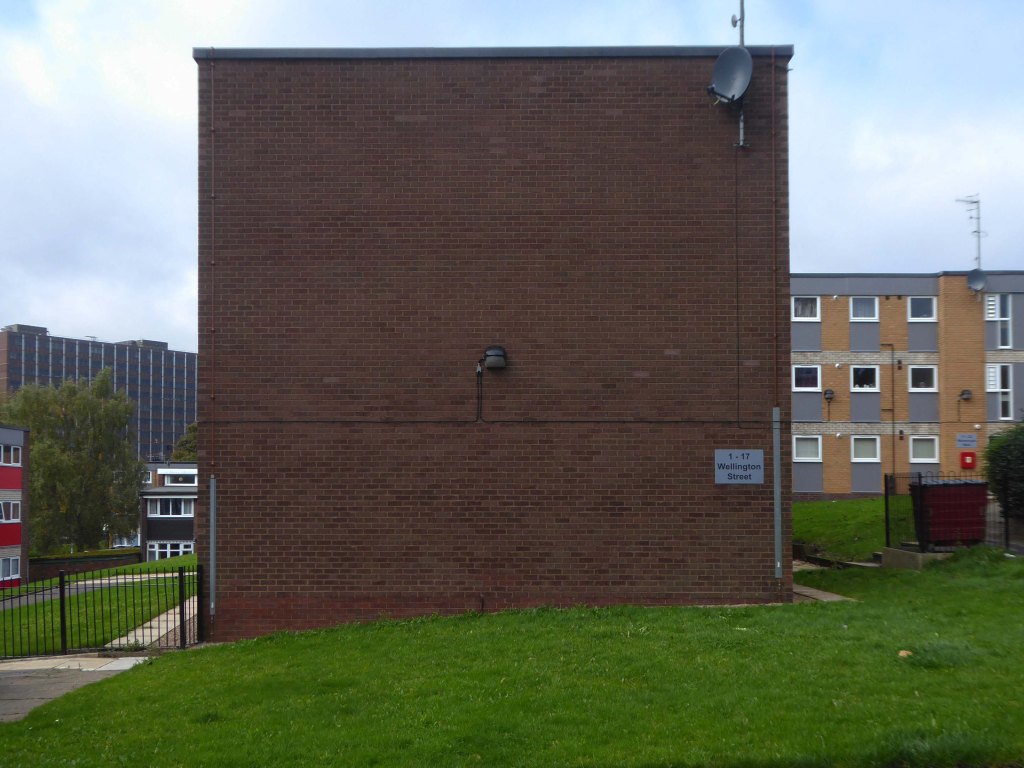
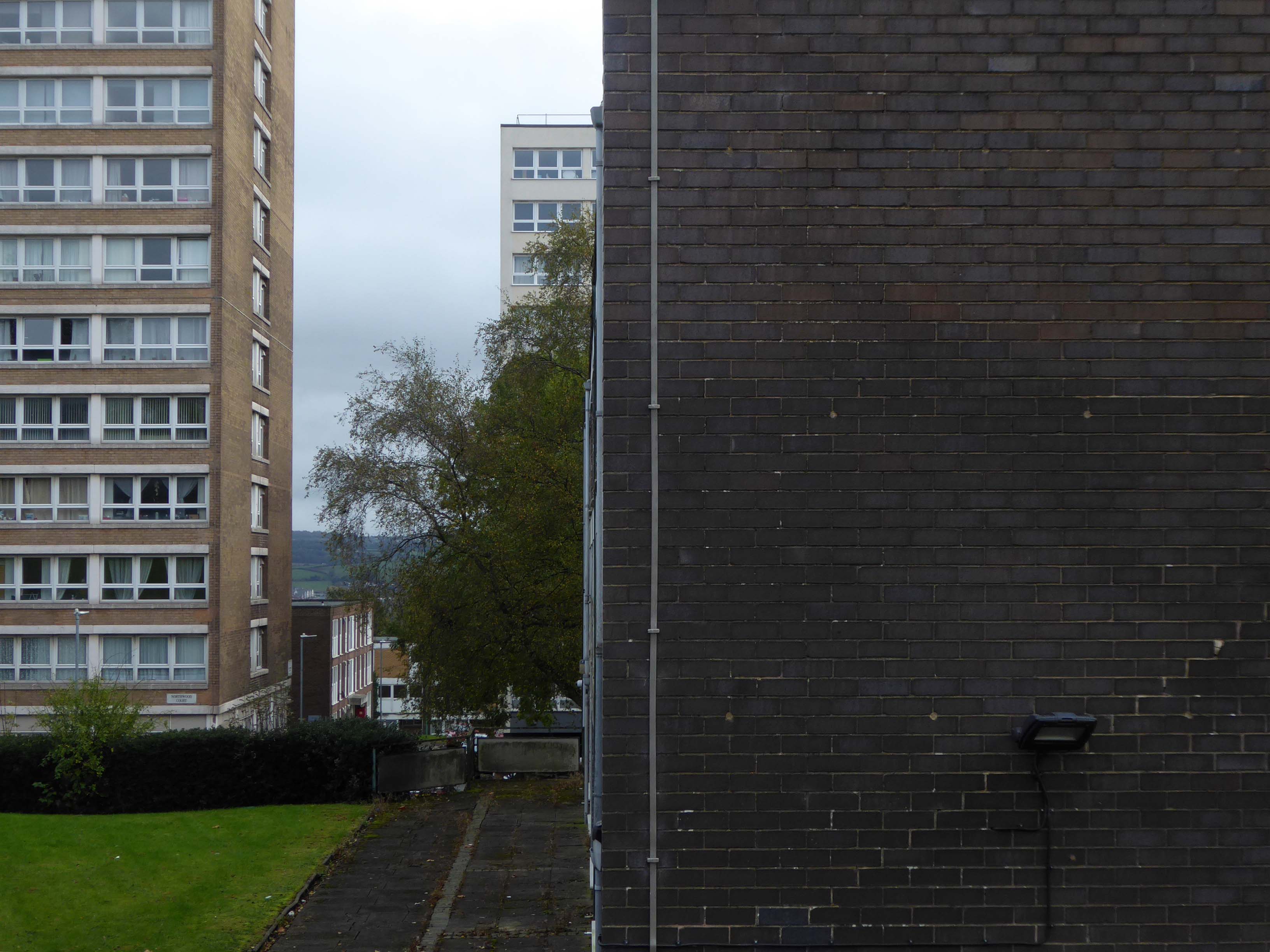
The first group of 1965, the work of City Architect JW Plant grouped around Westwood, Wellington and St Lukes Courts three 12-storey blocks containing 138 dwellings named Bucknall New Road Stage I.

Photographs Tower Block

From a time when civic pride celebrated the development of social housing with a small plaque.

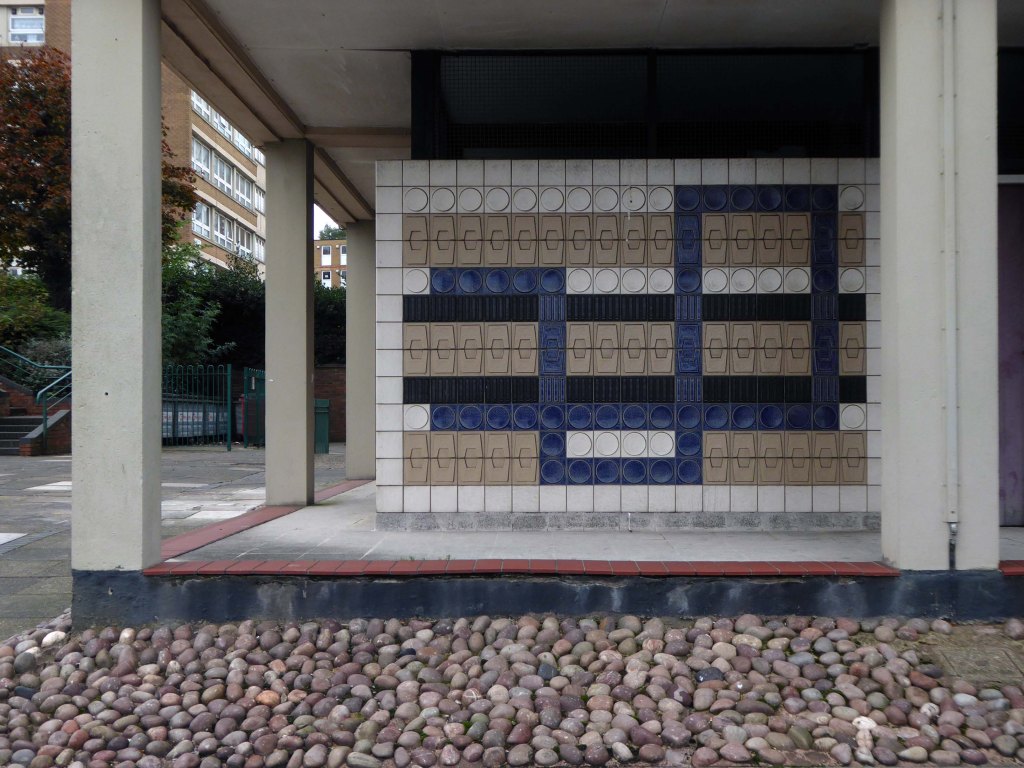
Two blocks have retained their distinctive tiles.

Similar to the Burslem produced Malkin Tiles I have seen in both Eastbourne and Halifax.

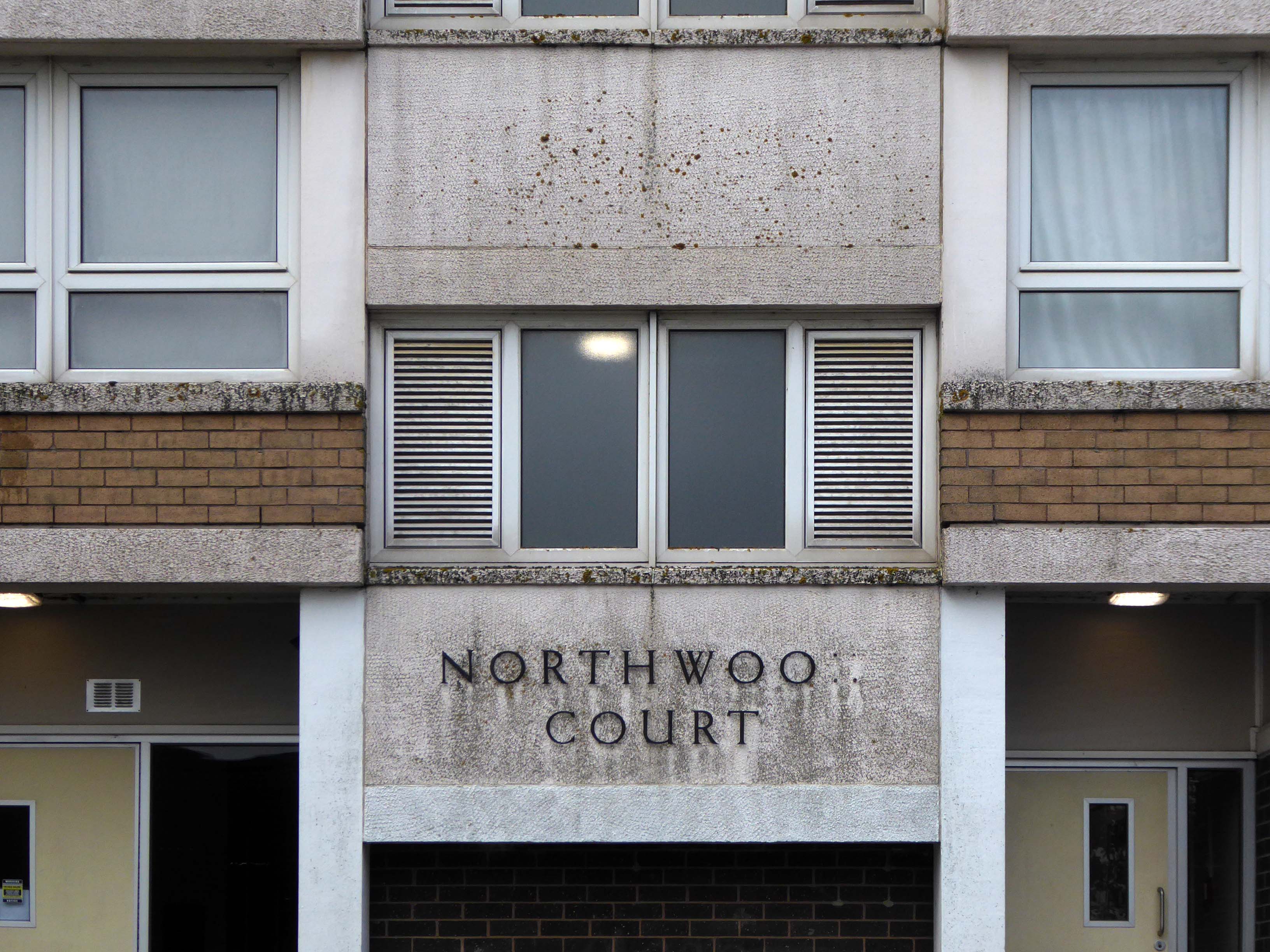
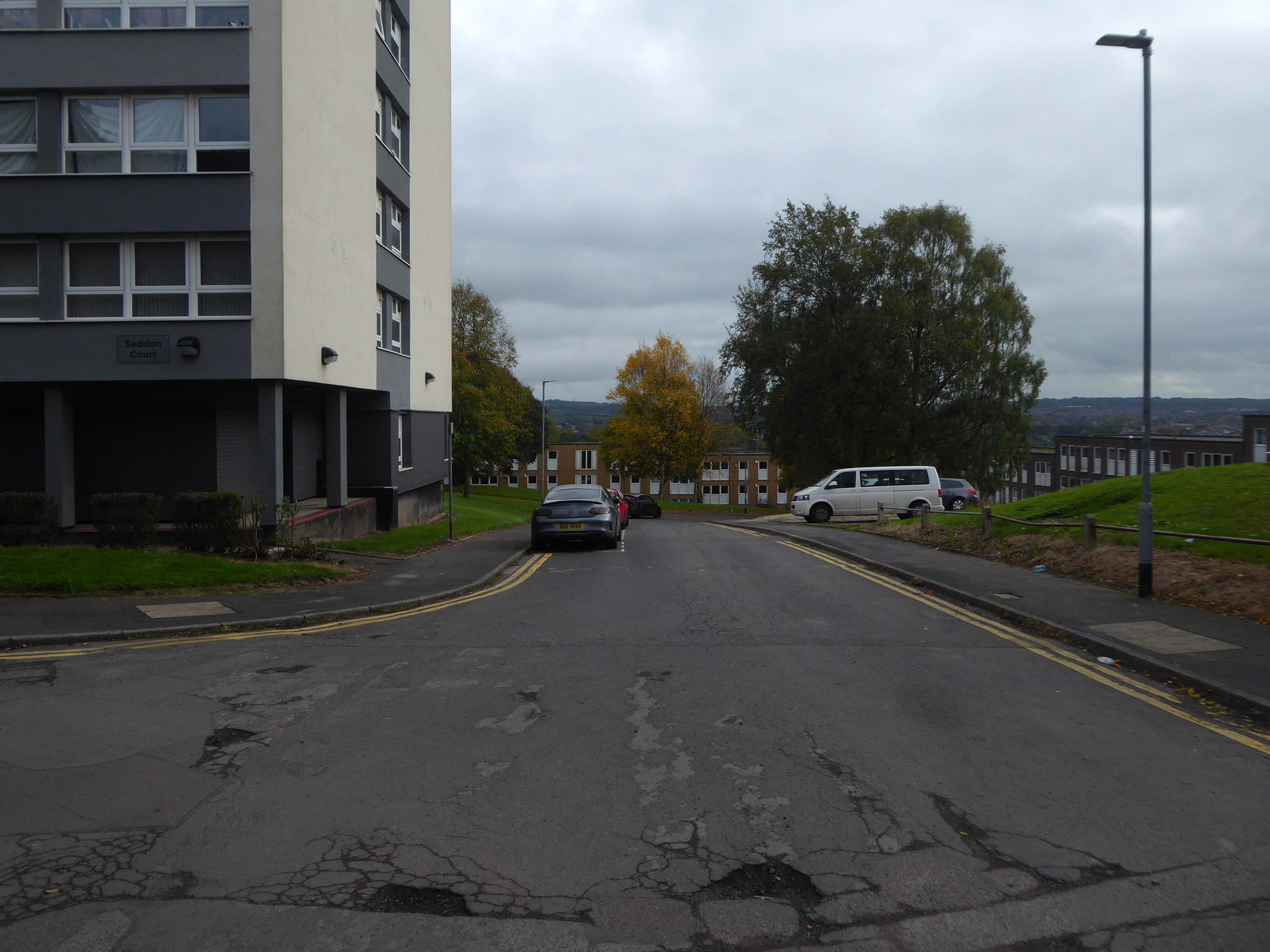
The second group Bucknall New Road Stage II 1968 – also the work of JW Platt Seddon, Northwood and Lindop Courts.

There are plans afoot awaiting finance to demolish and replace some of the terraces, as part of a wider plan for the City’s social housing.

The project would see the council join up with a social property investor and apply for government funding for the works.

The plans would see 226 apartments at Bucknall New Road, and 51 flats and 62 houses at Pyenest Street.

A total of 155 low rise flats and maisonettes at Bucknall New Road would be cleared, creating a net gain of 224 new affordable homes.

Cllr Randy Conteh, cabinet member for housing, communities and safer city, said: “This is a major initiative for the city and the first time a scheme of this scale and ambition has been developed.

Insider Media LTD

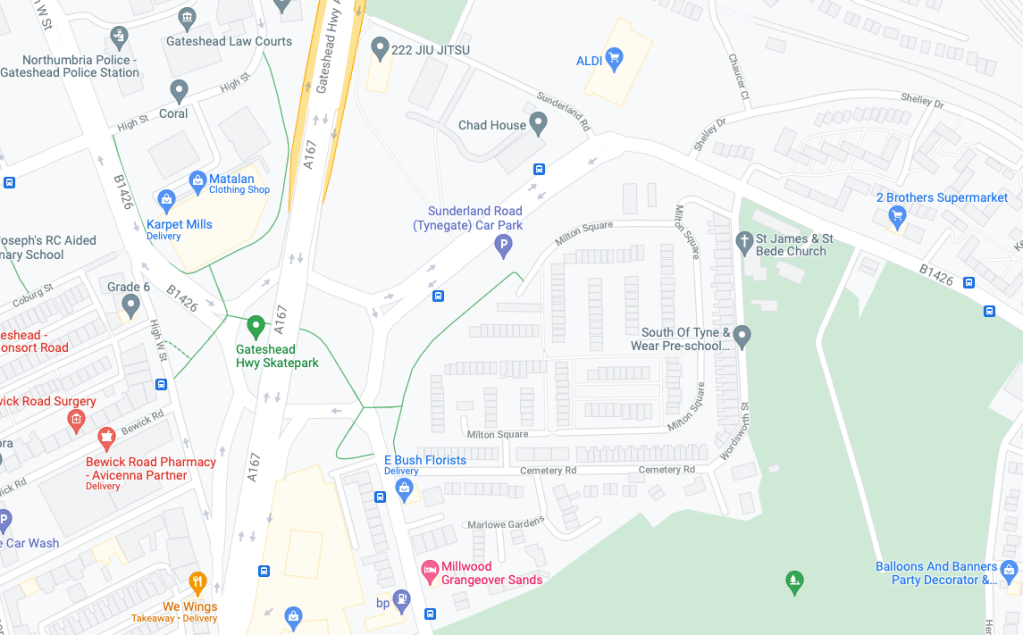
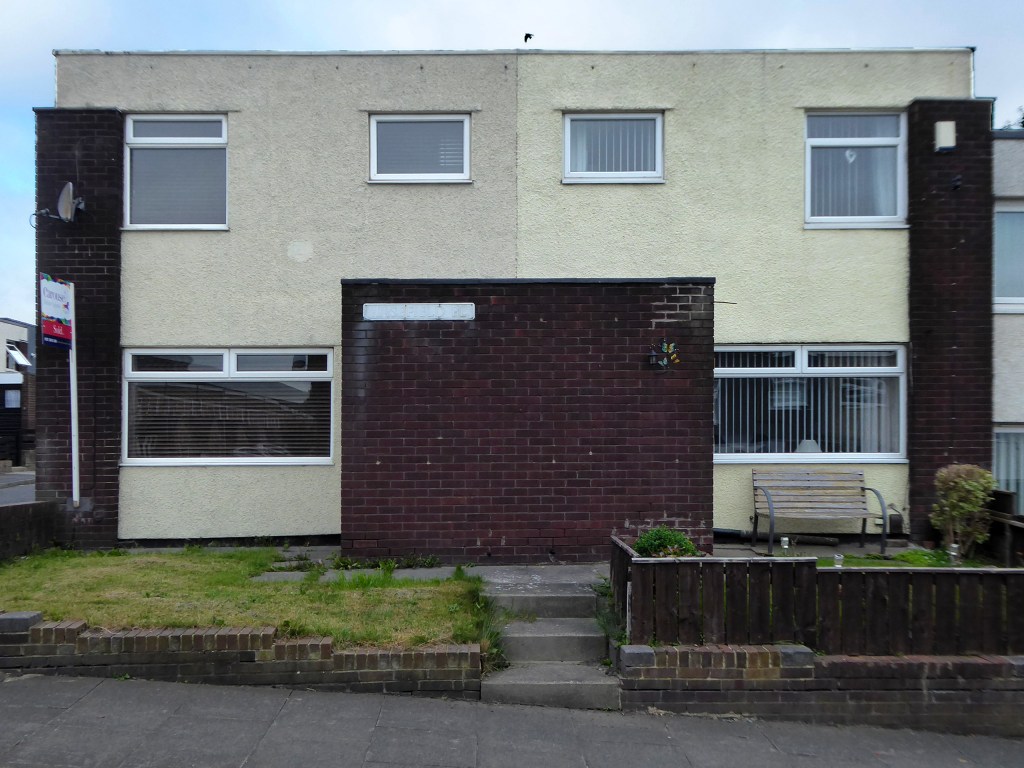
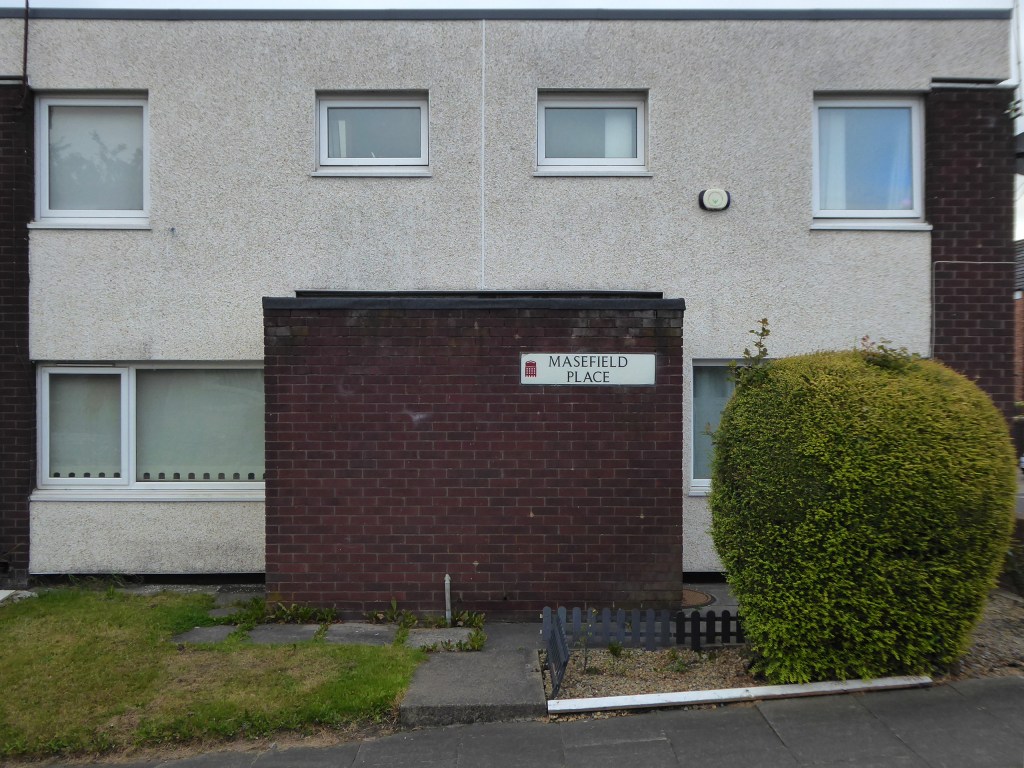
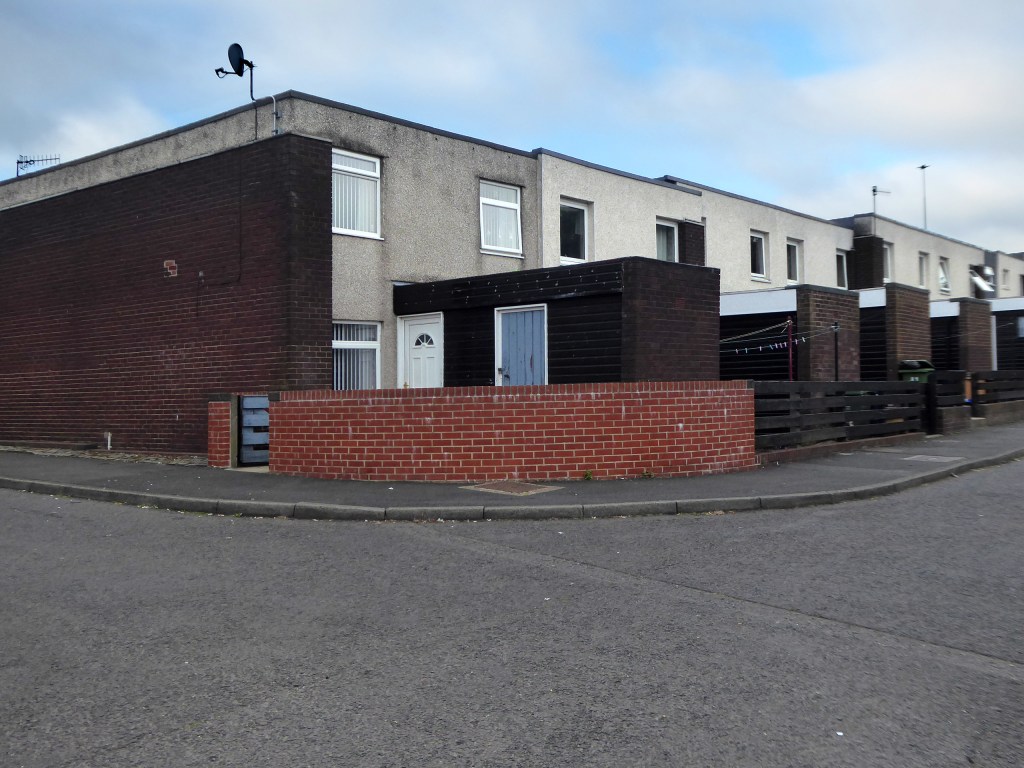
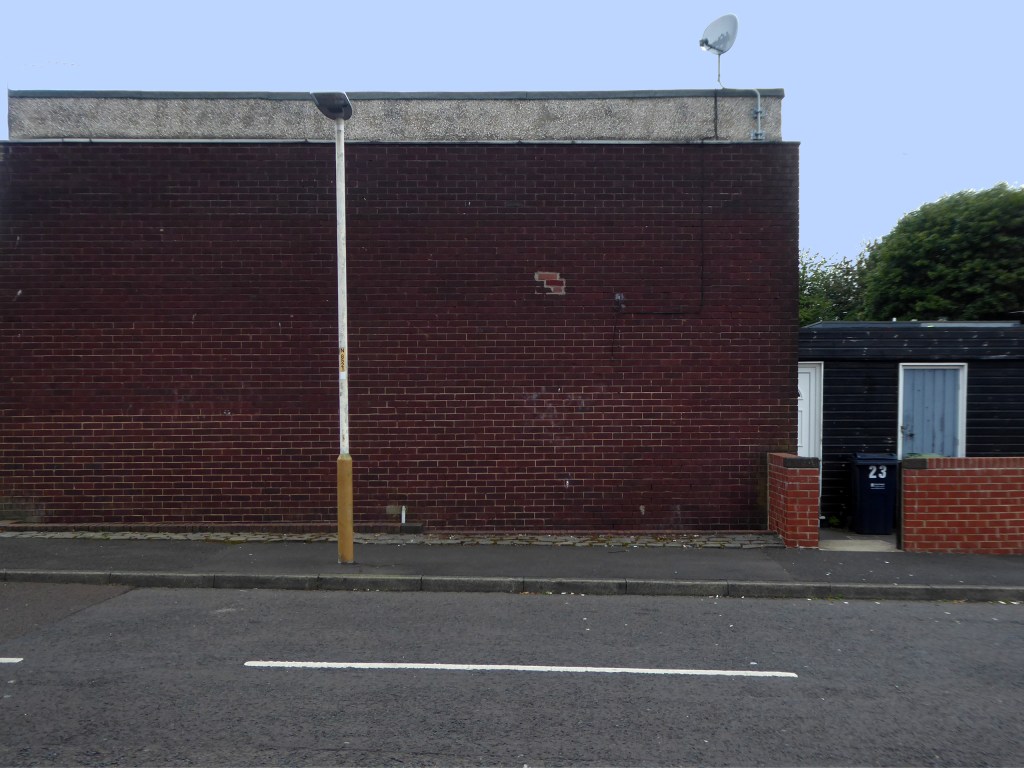
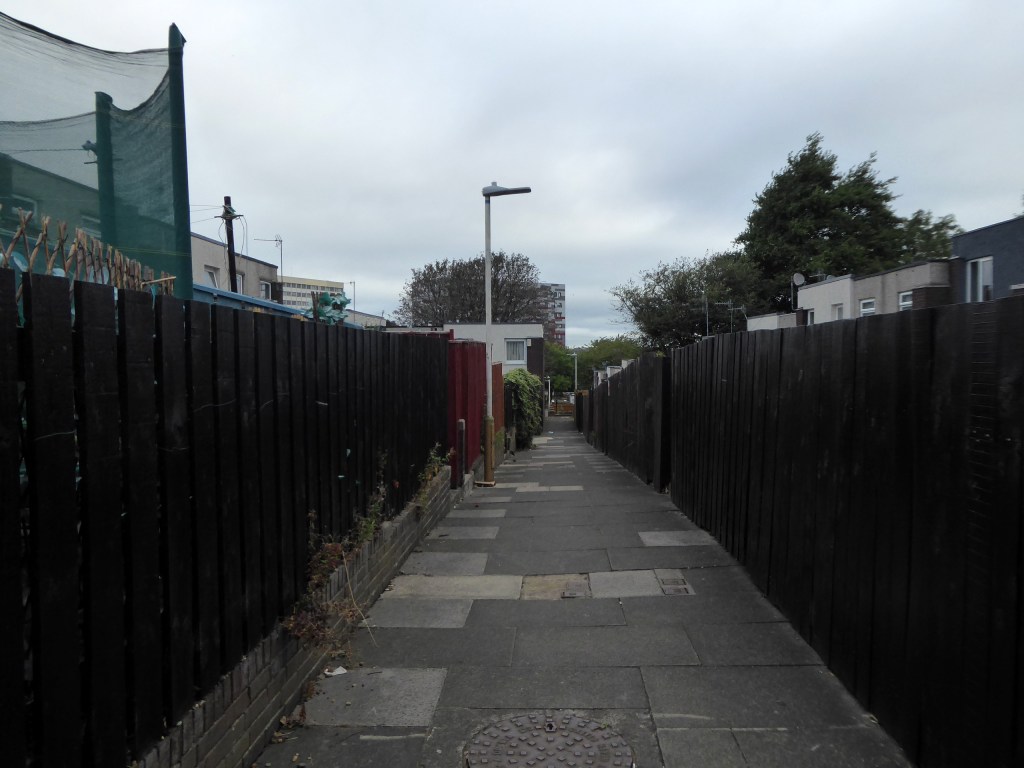
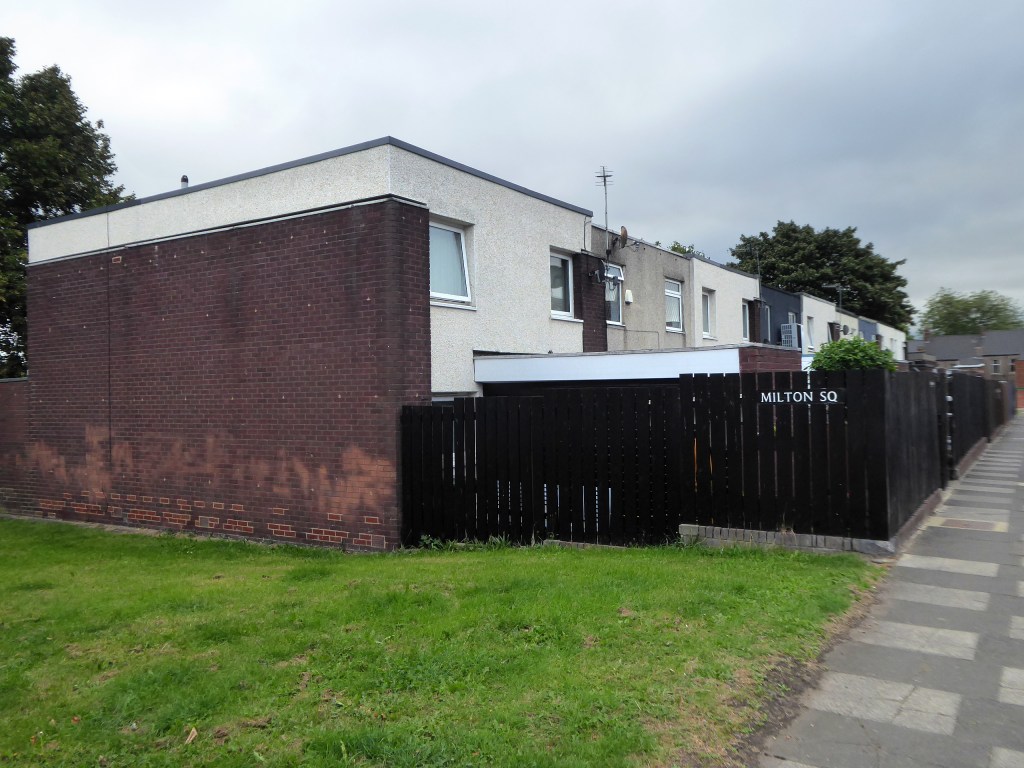
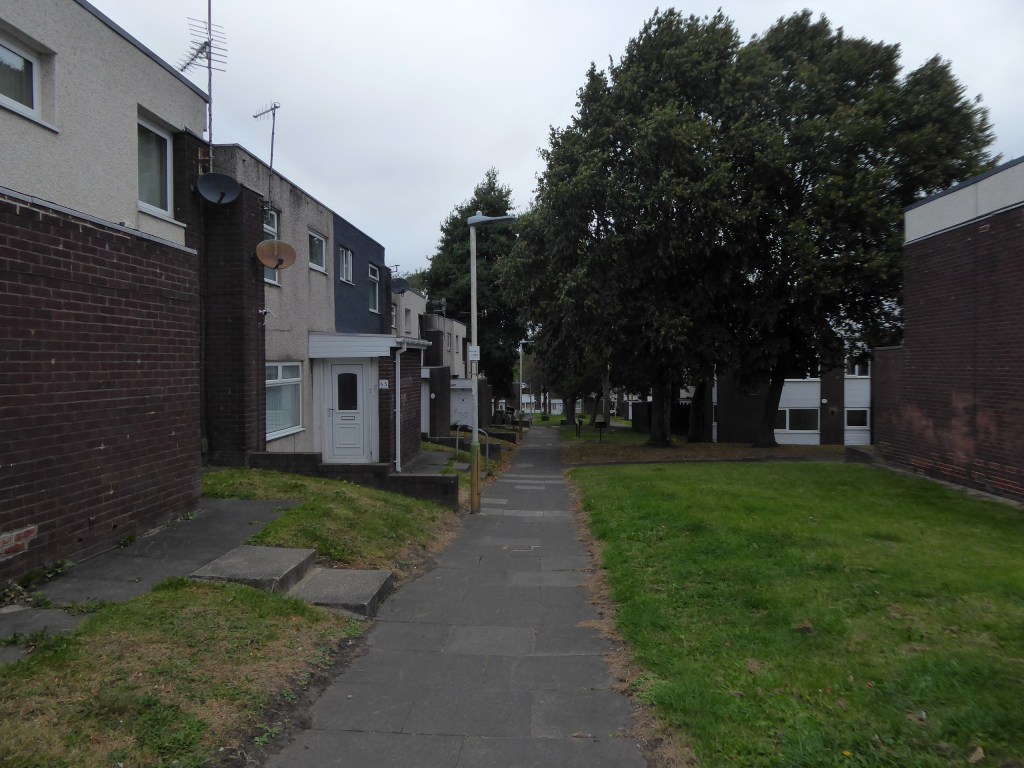
Milton Square Gateshead

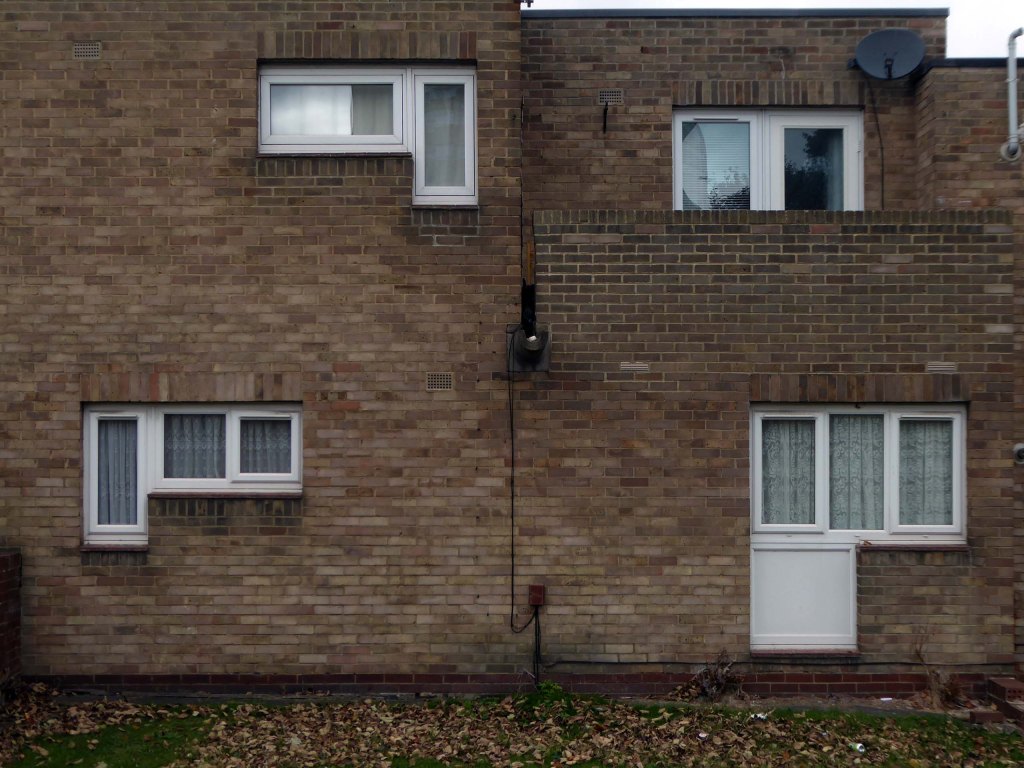
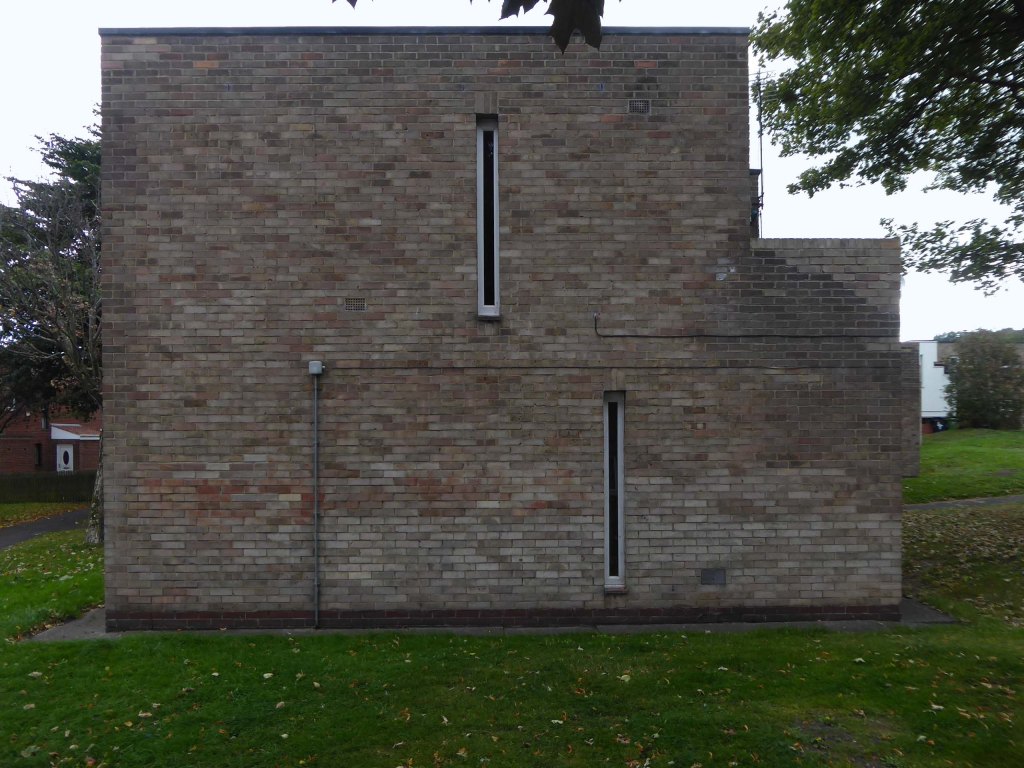
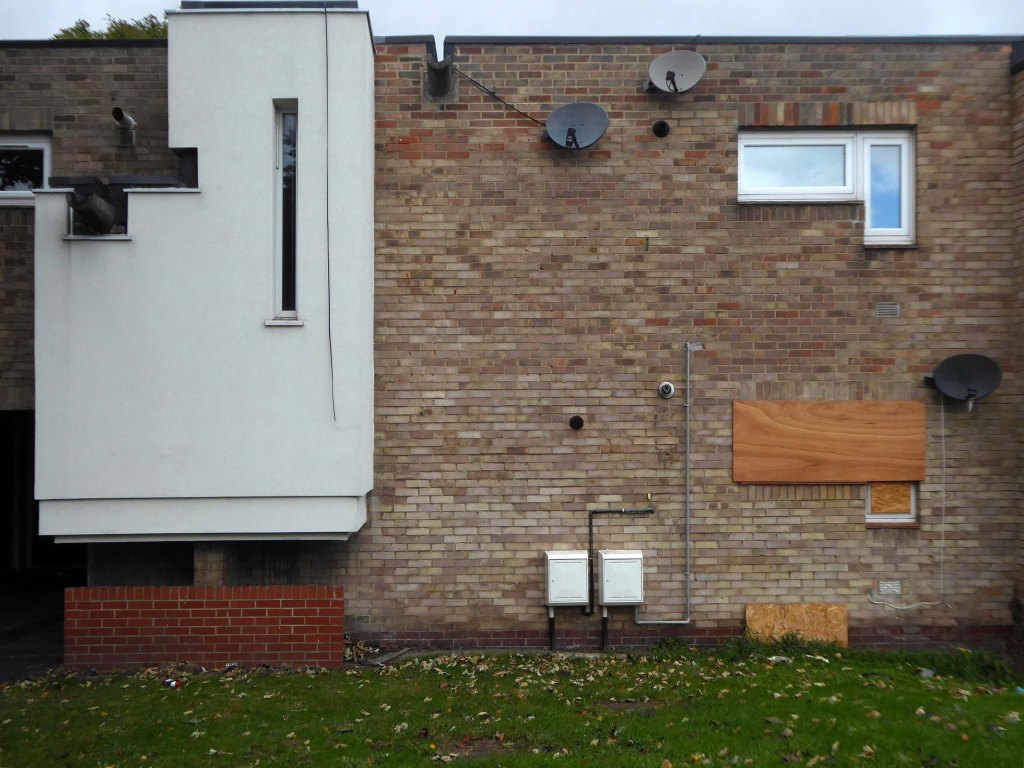
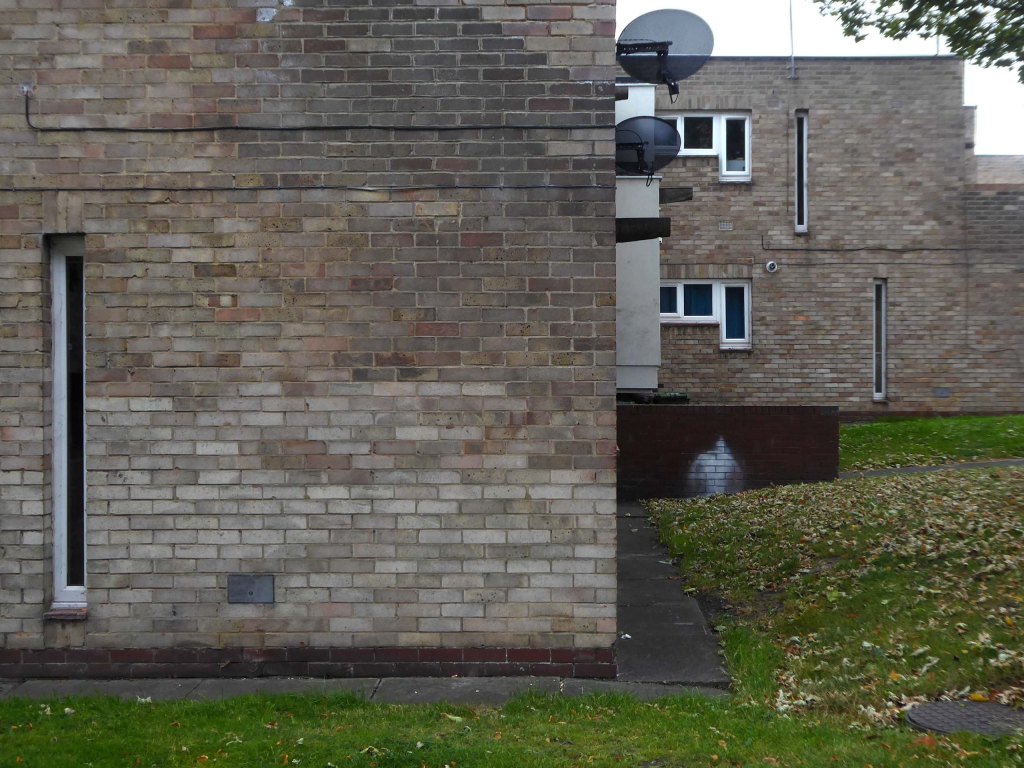
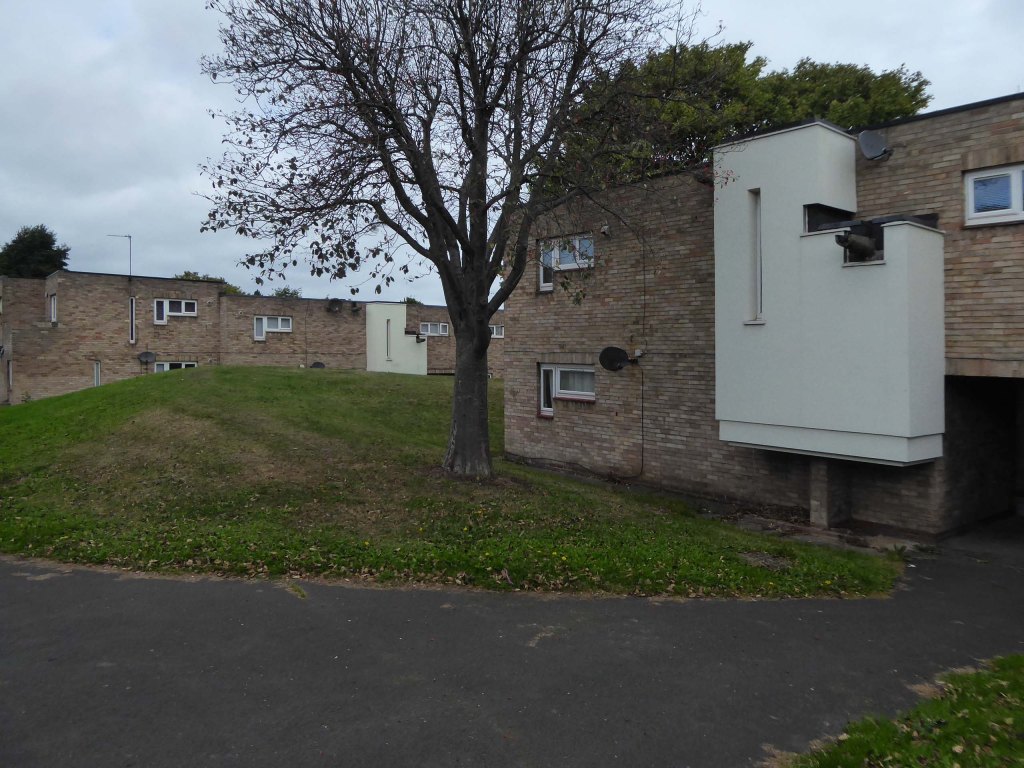
As a companion to the adjacent Poet’s Estate – let’s take a look at Malory, Milton, Masefield and Wordsworth.

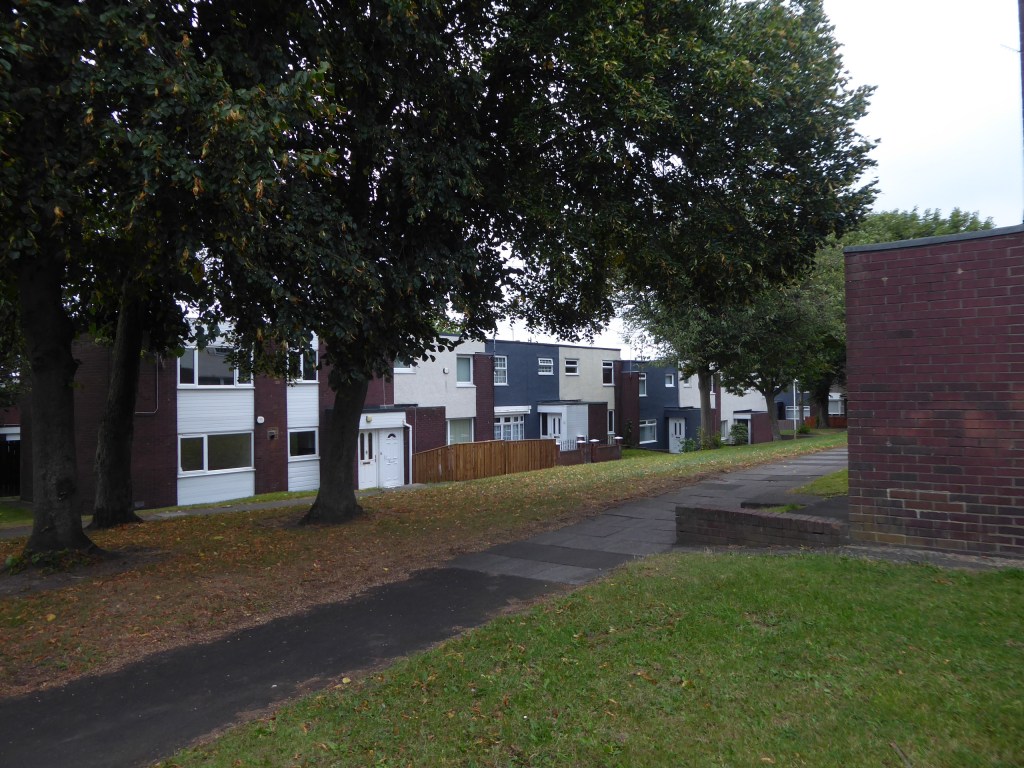
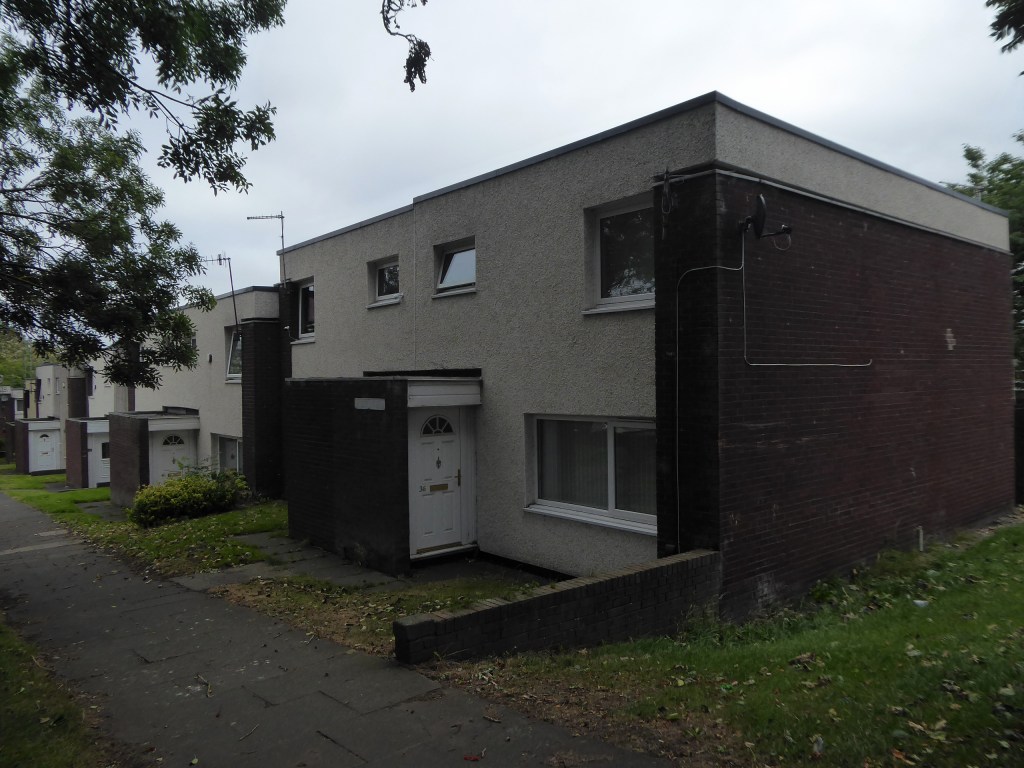
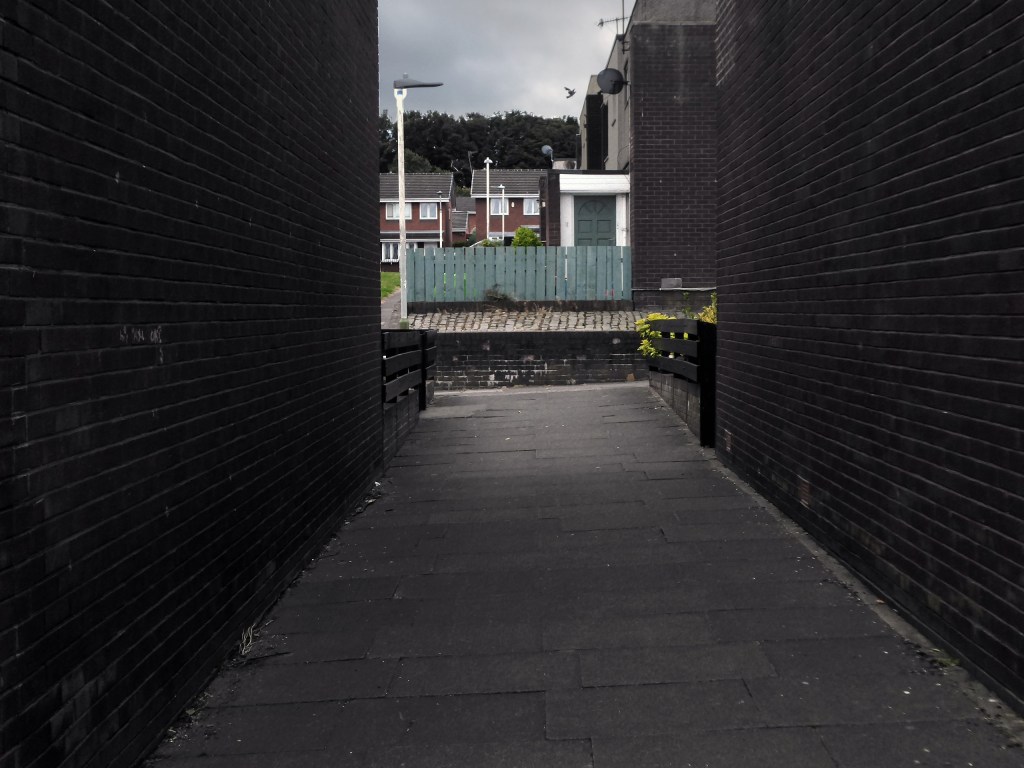
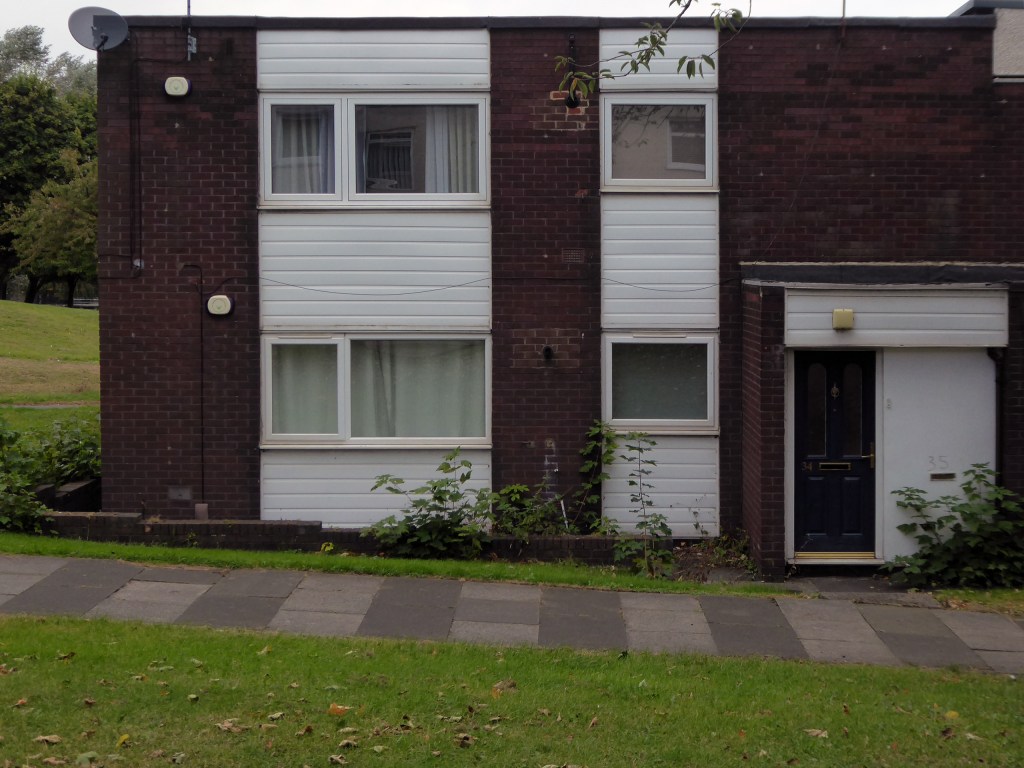
This is a similar mix of boxy terraces and traffic free walkways.

Possibly of a later date.

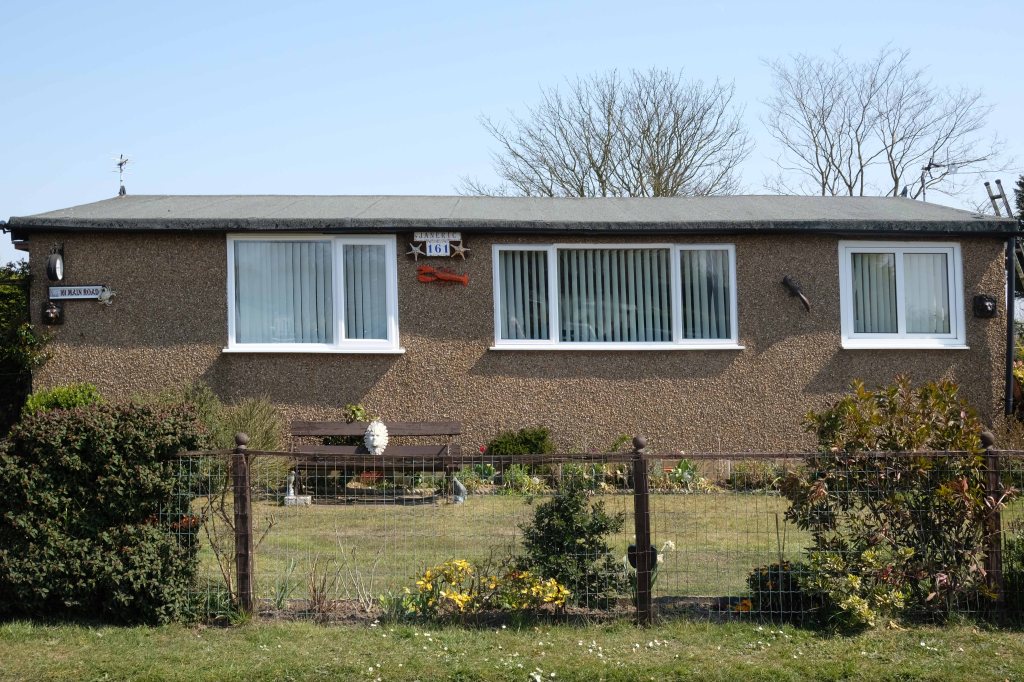
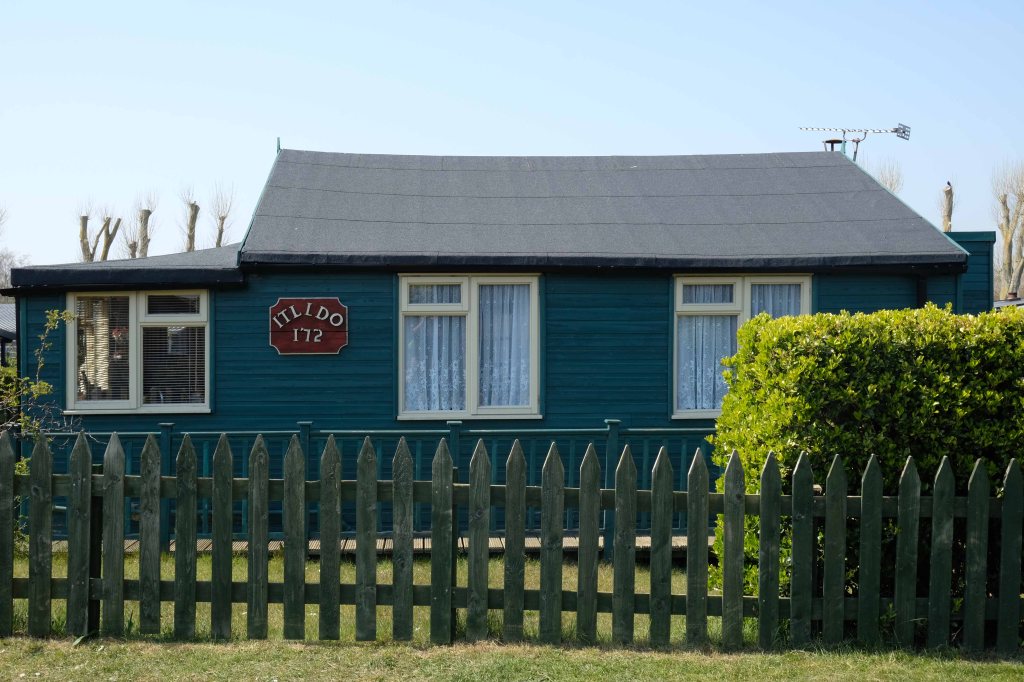
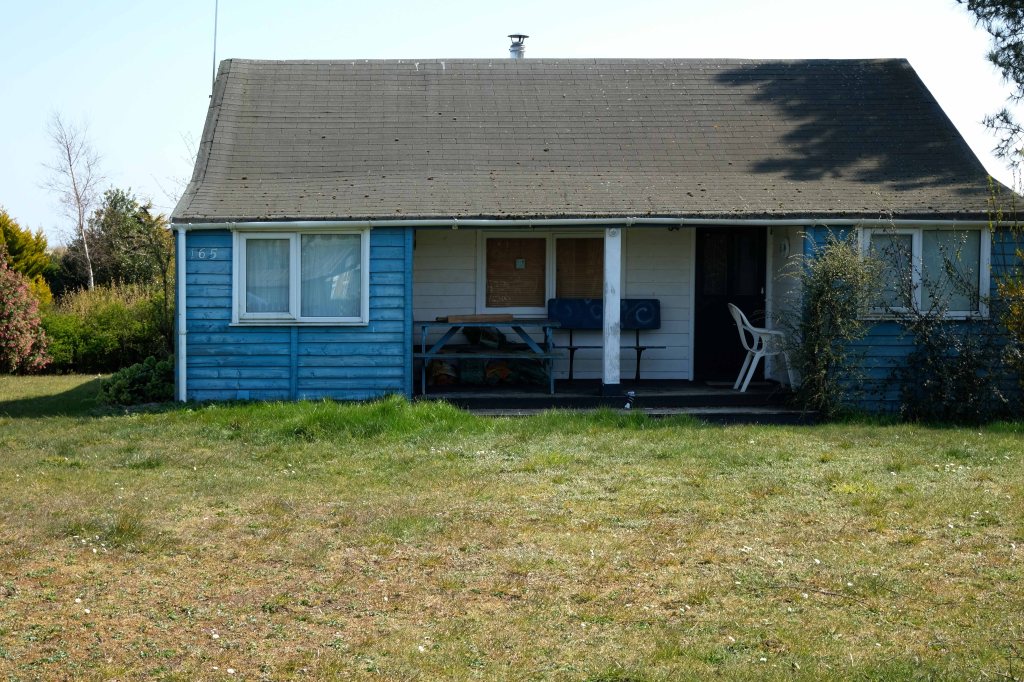
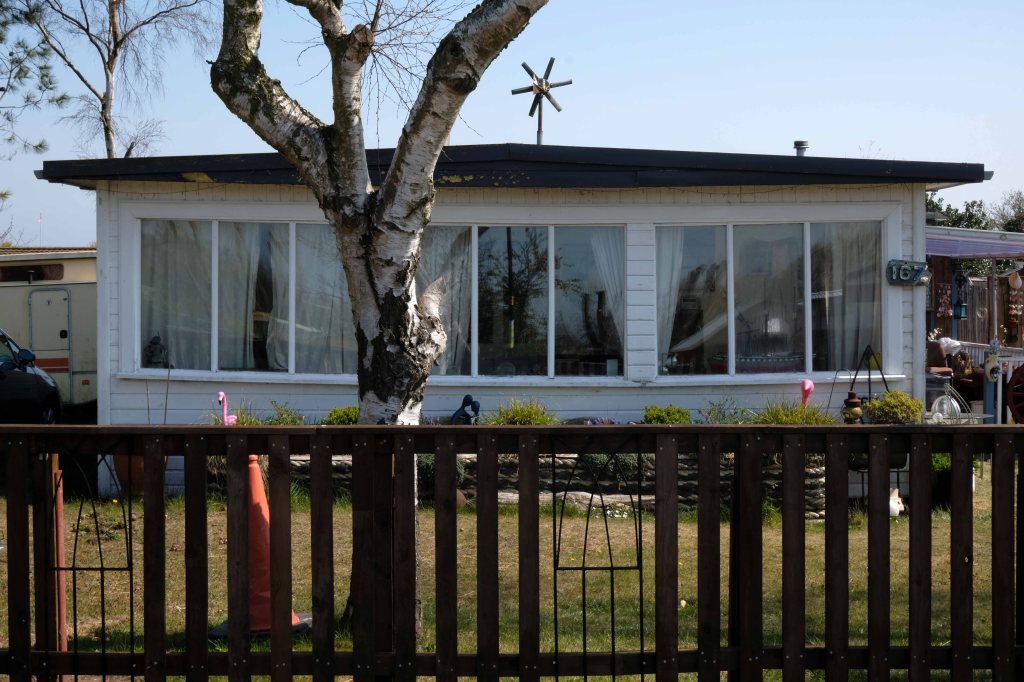
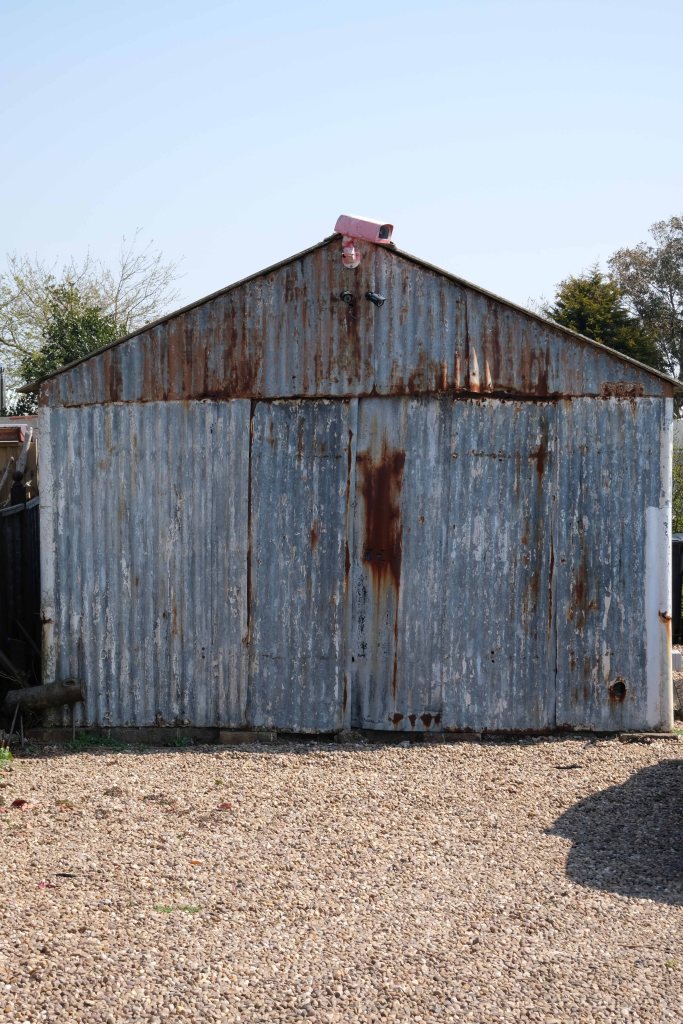
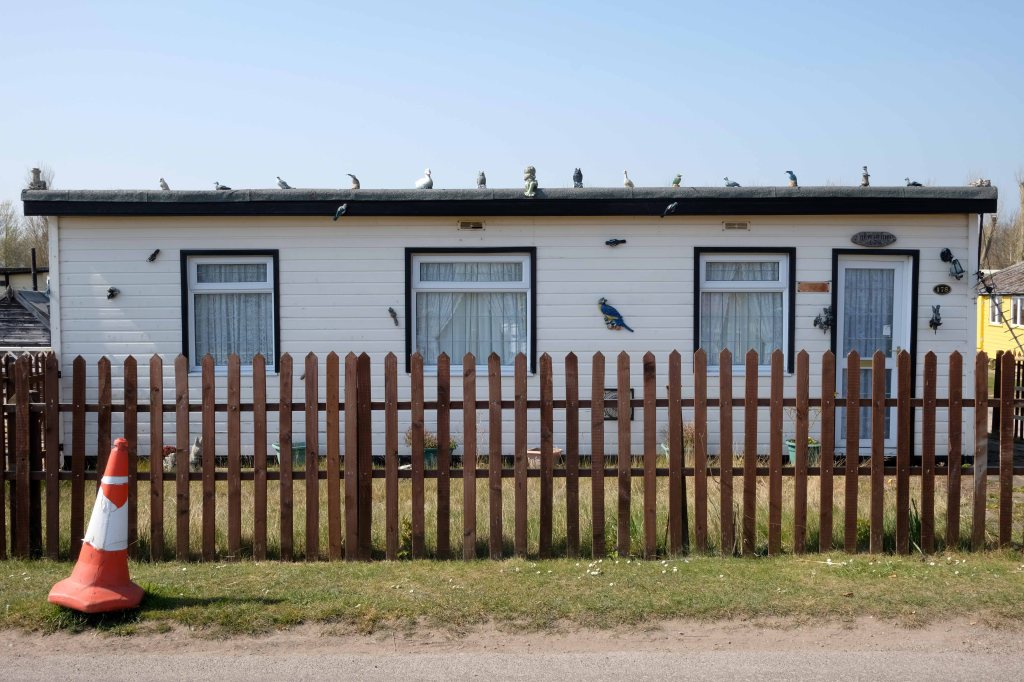
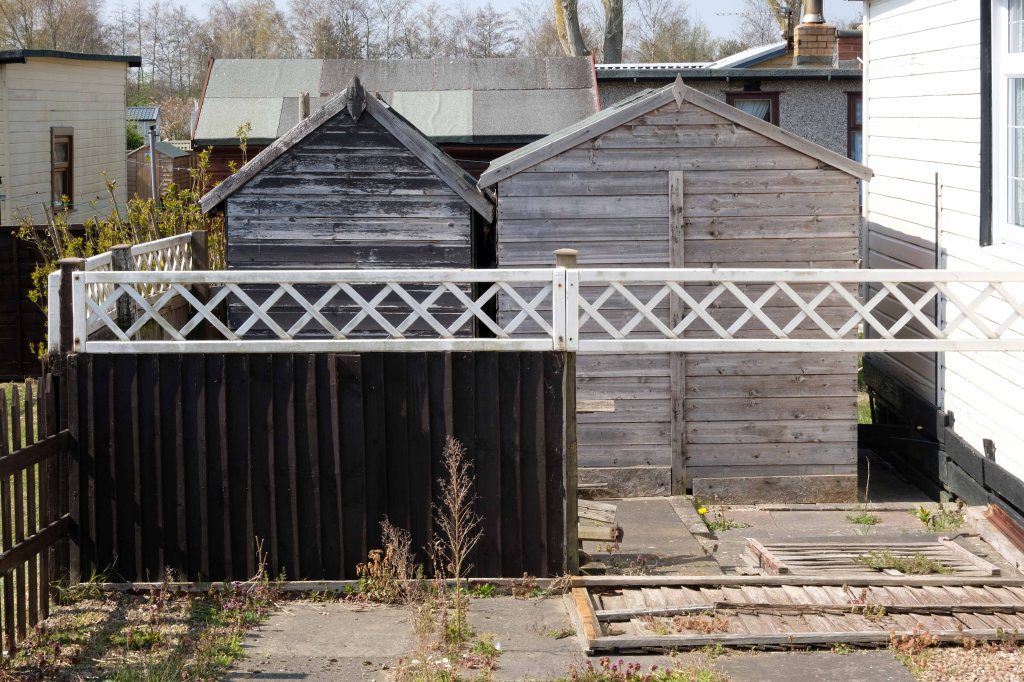
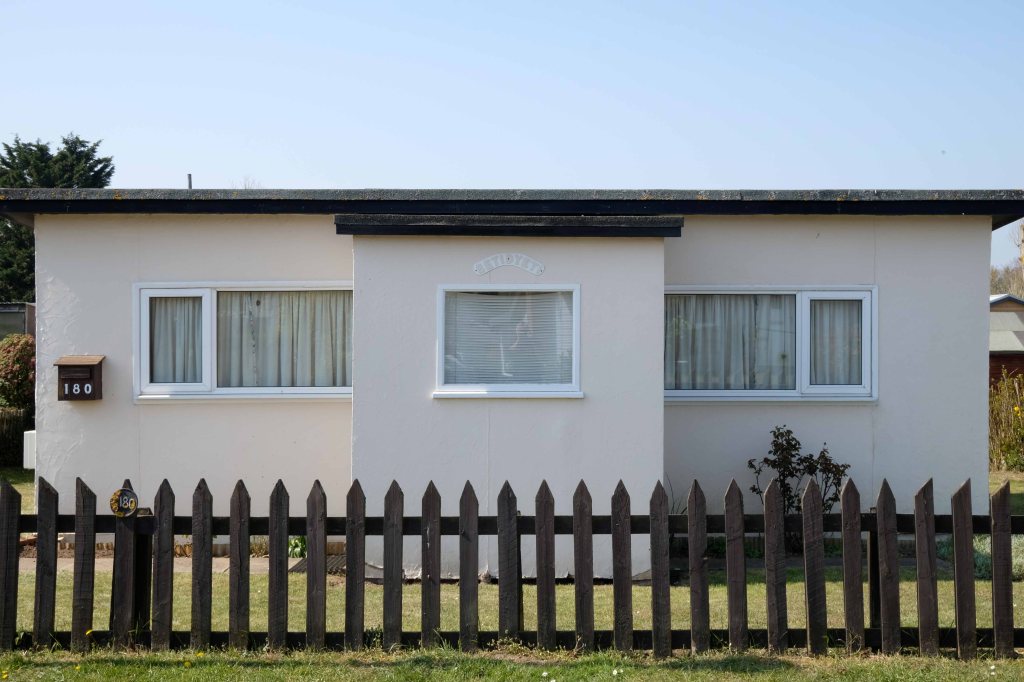
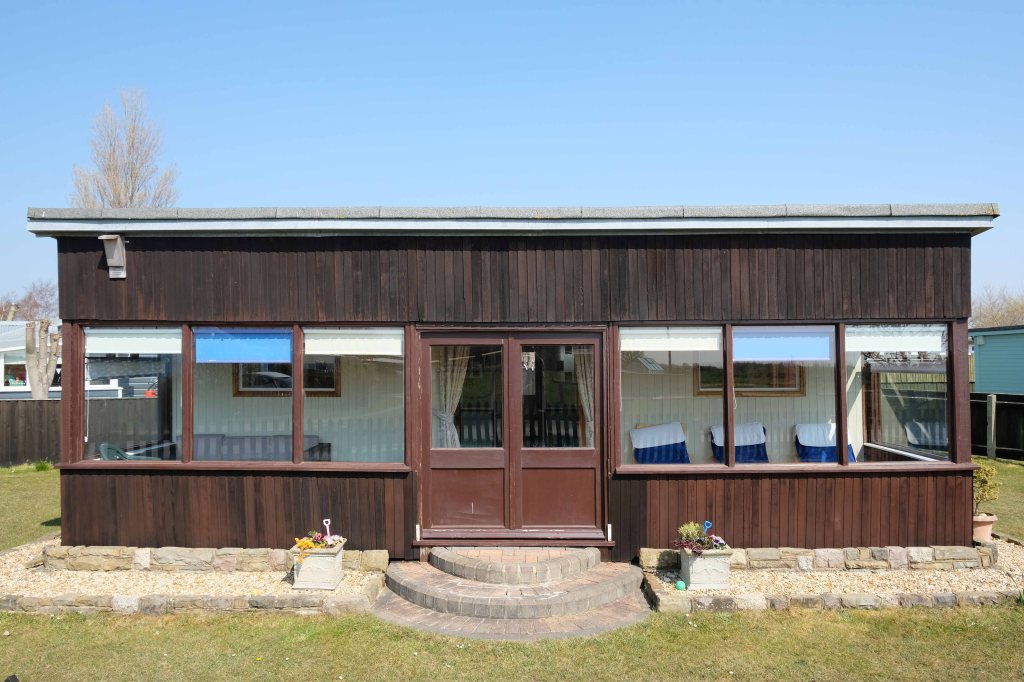
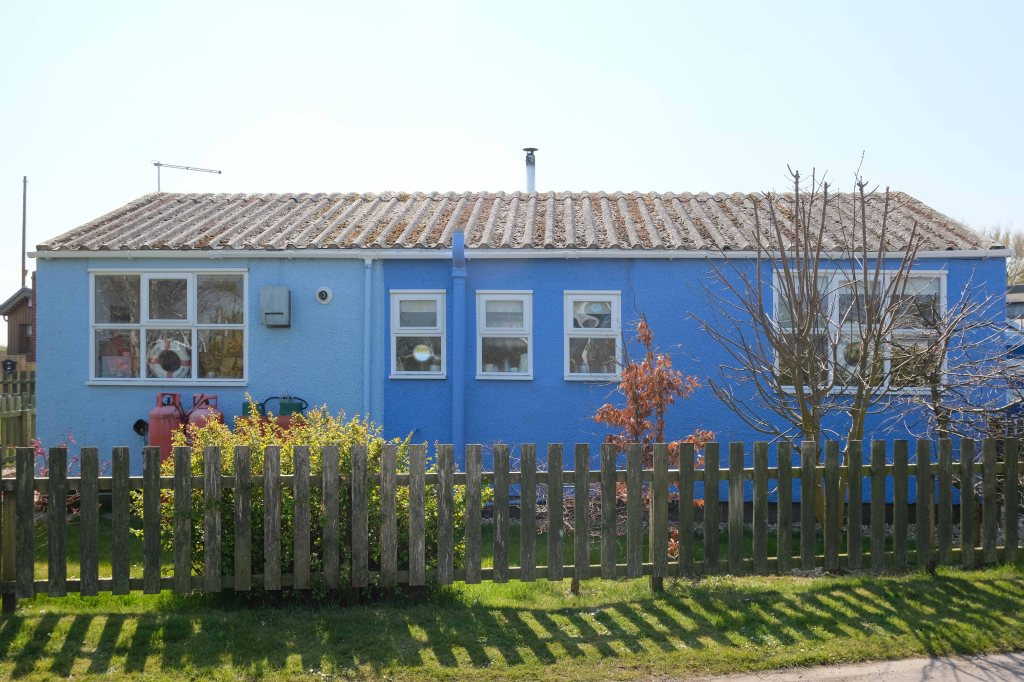
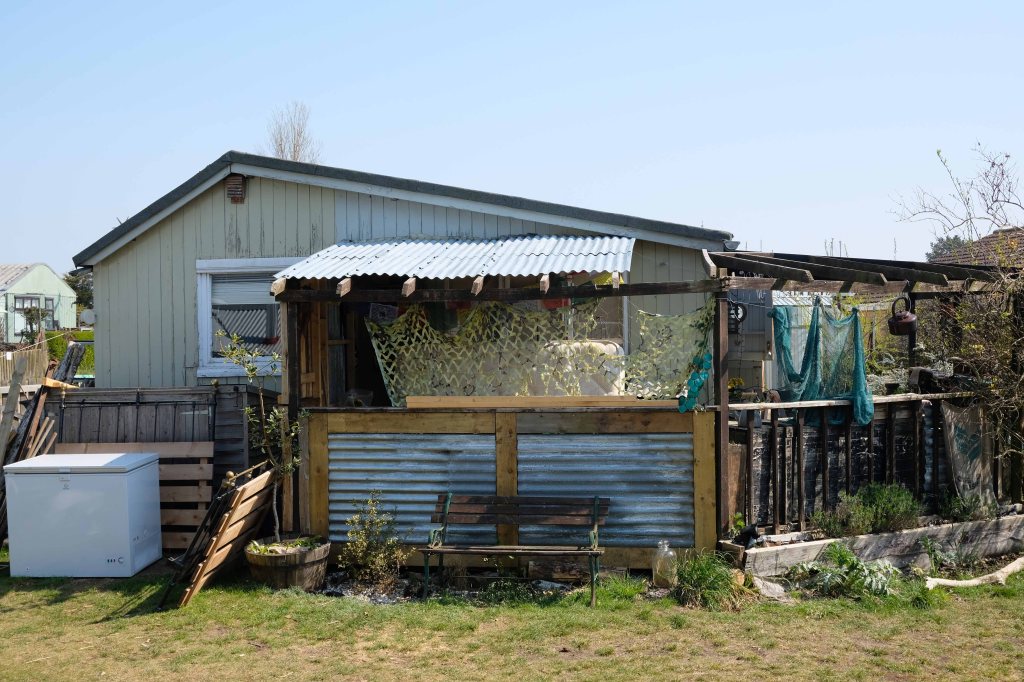
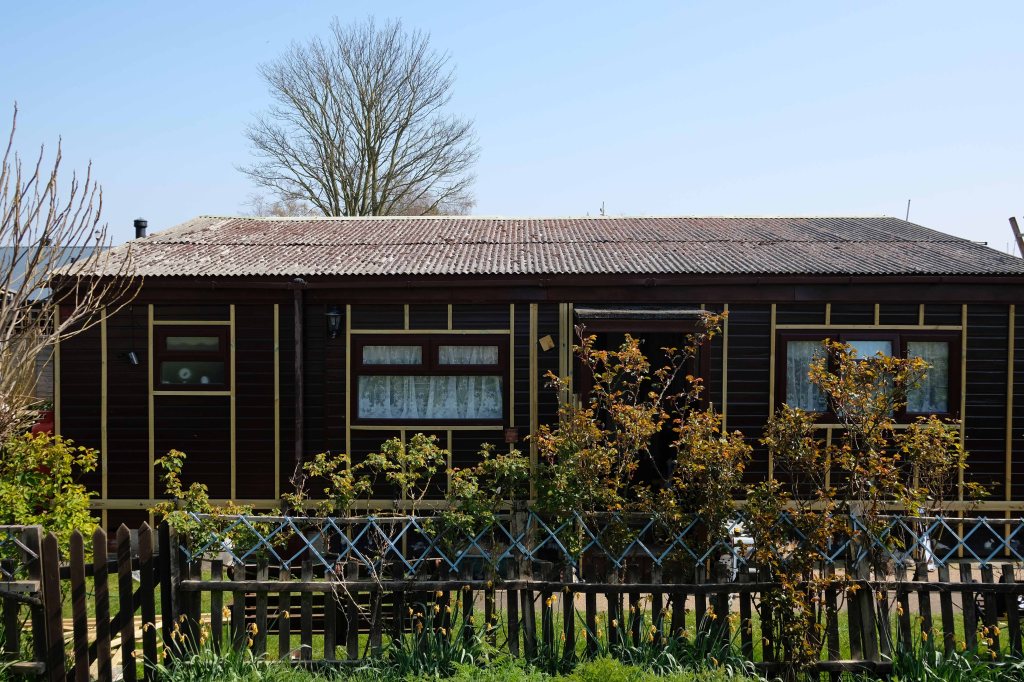
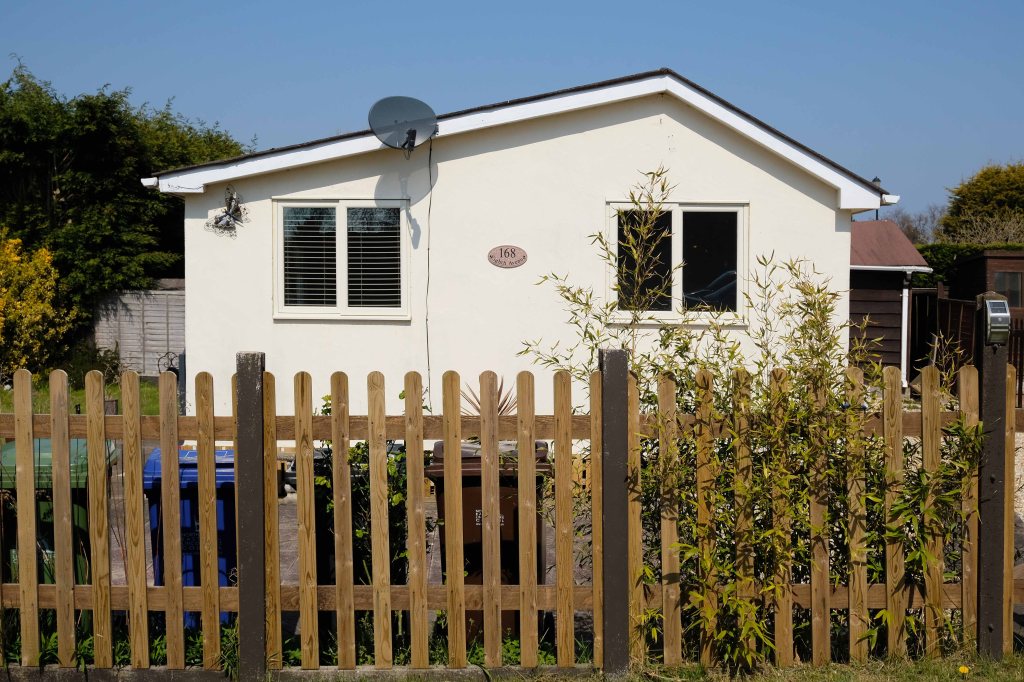
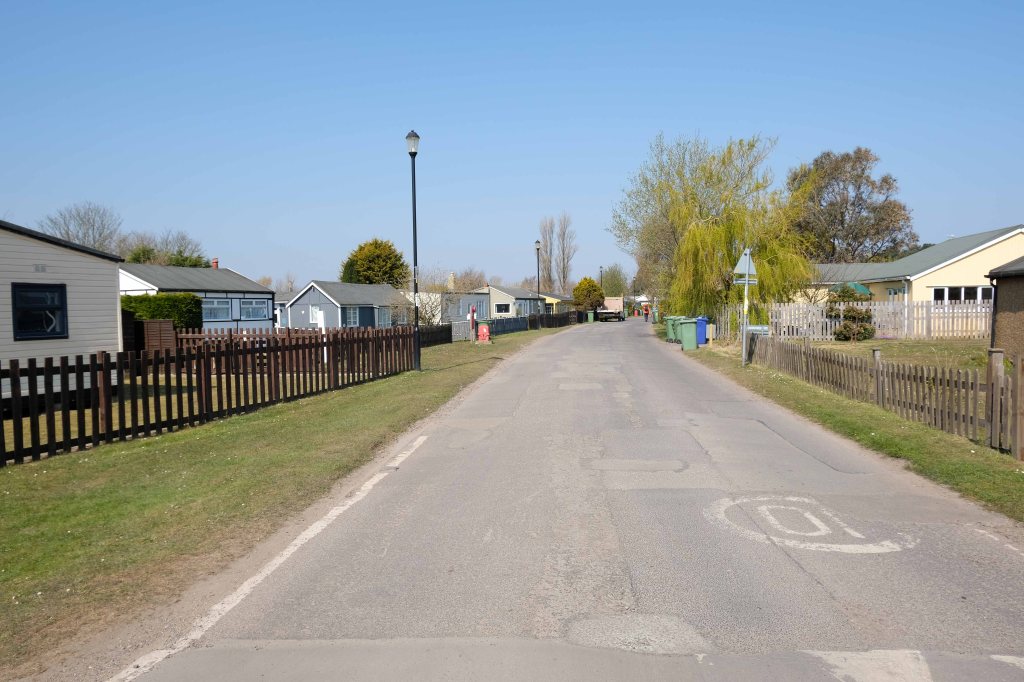
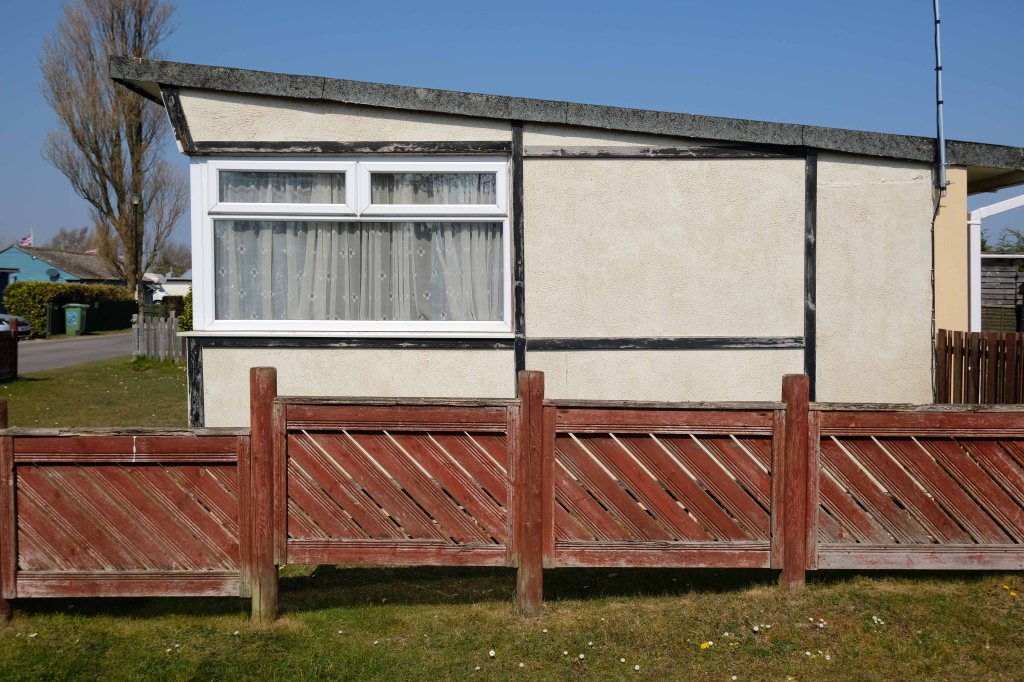
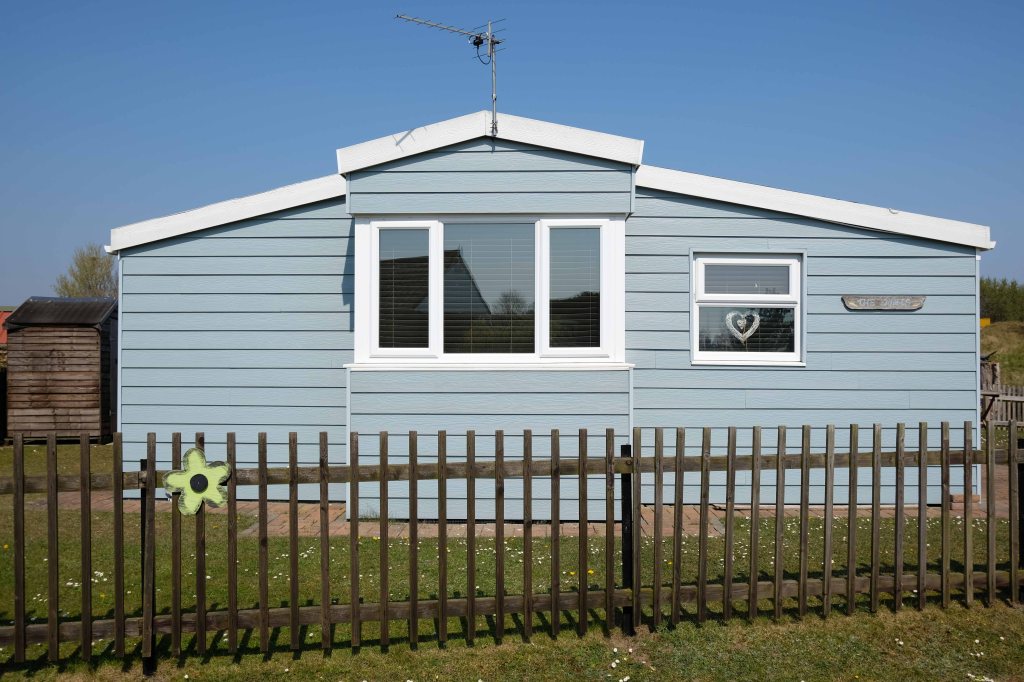
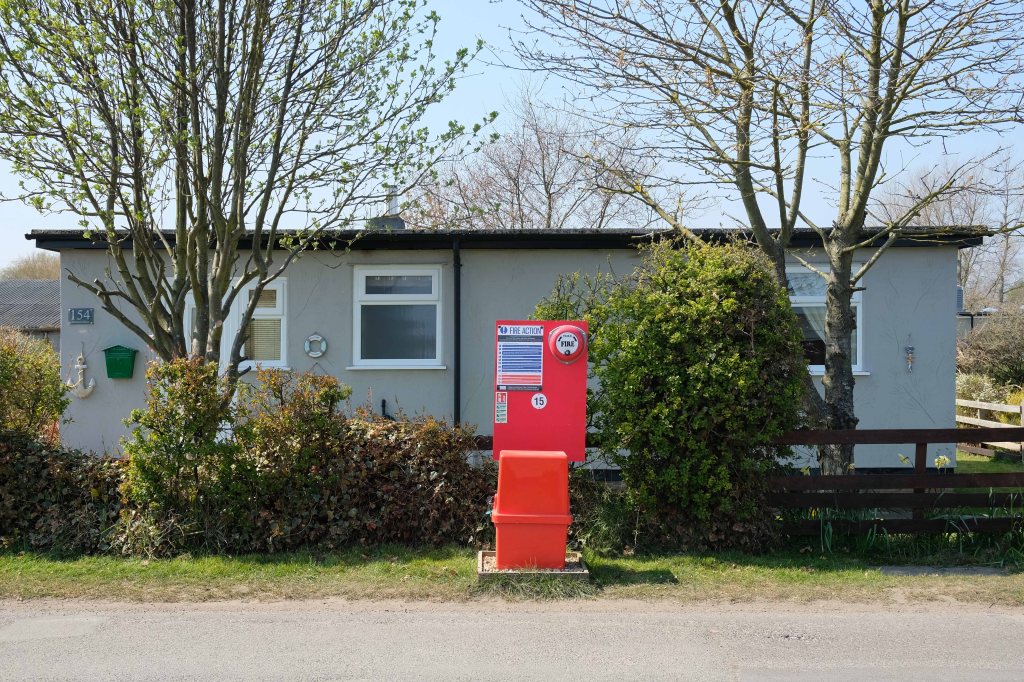
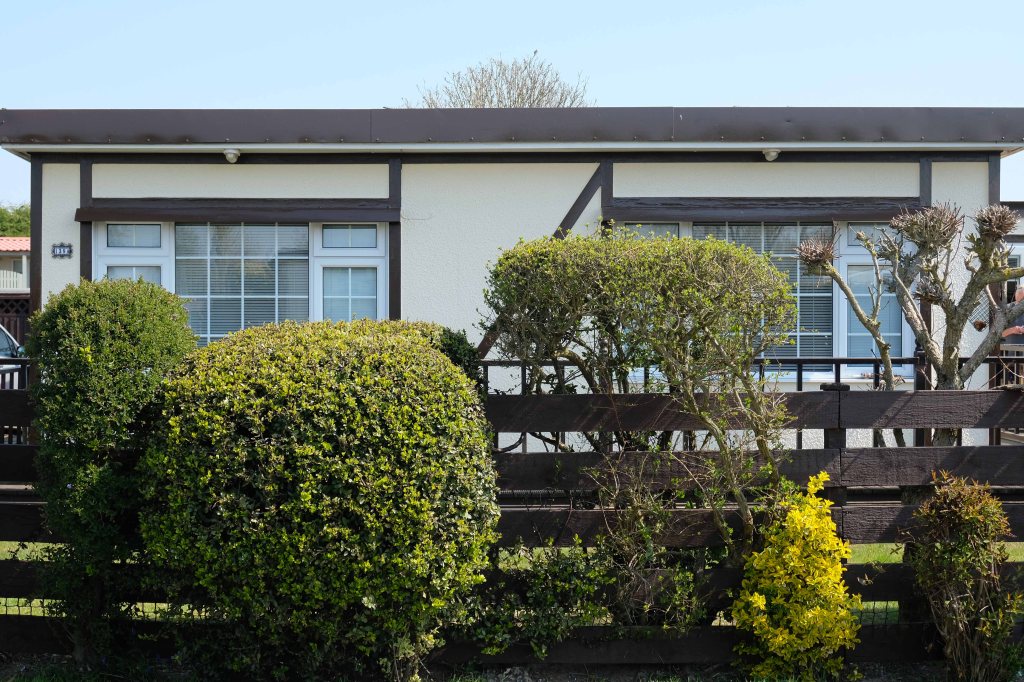
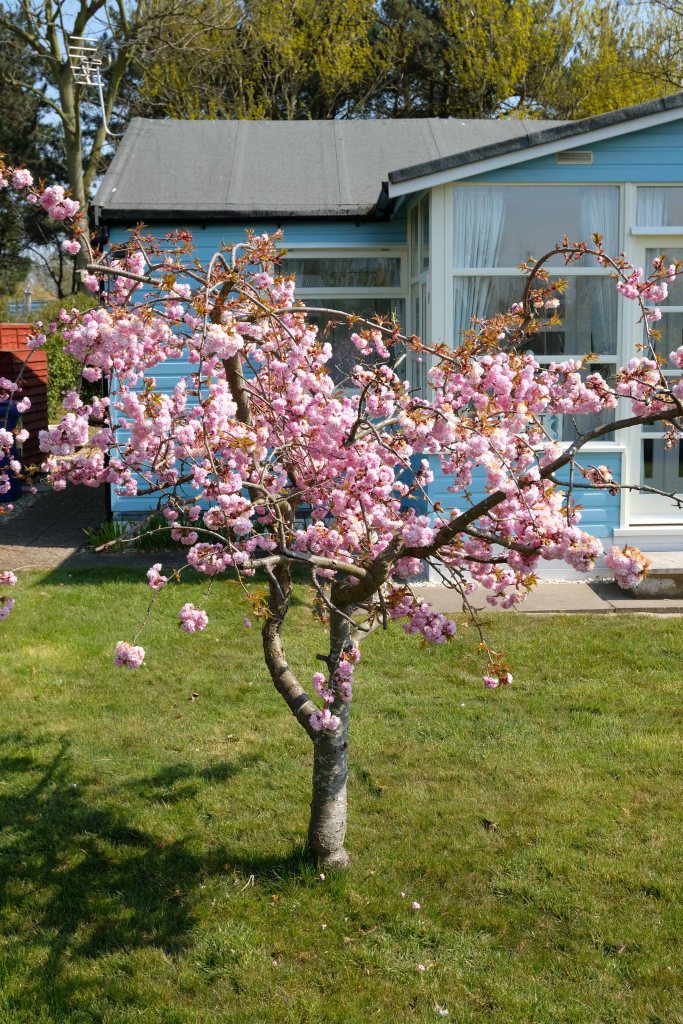
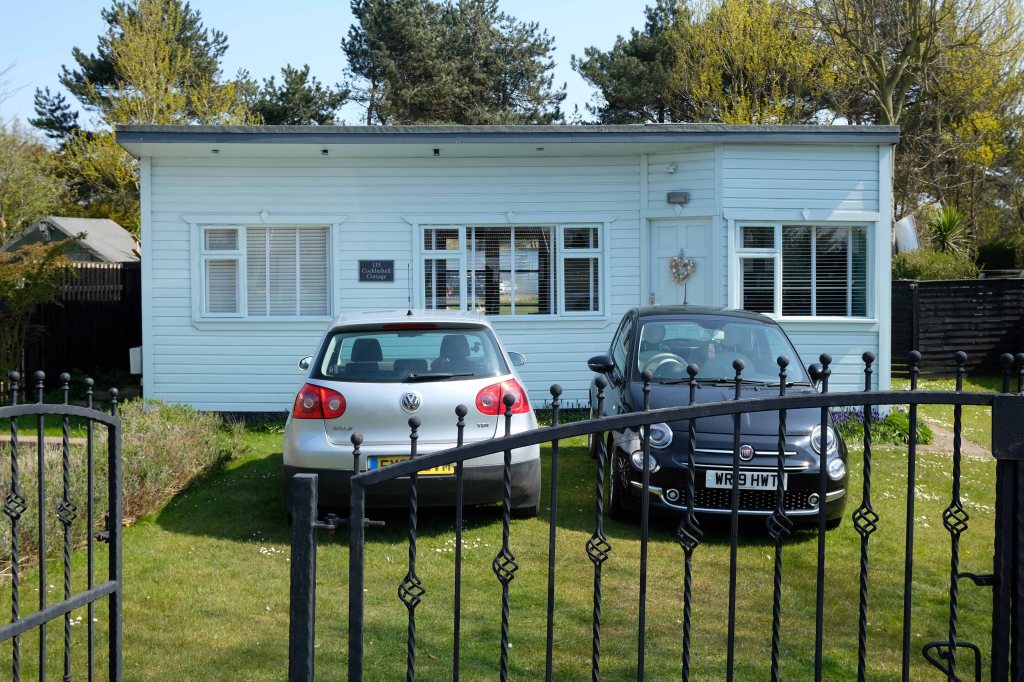
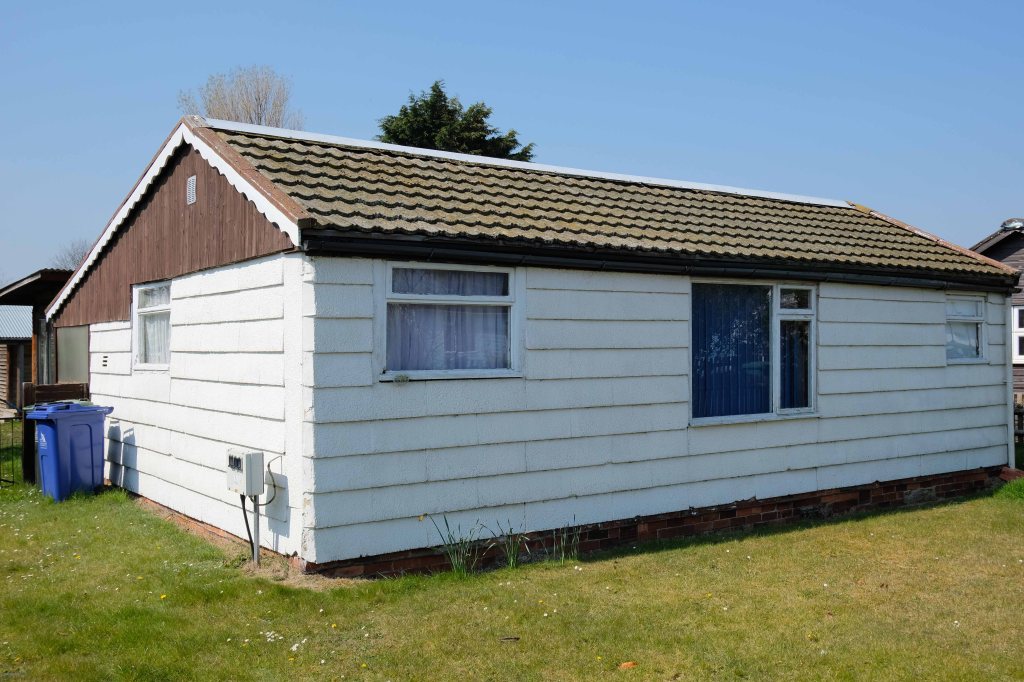
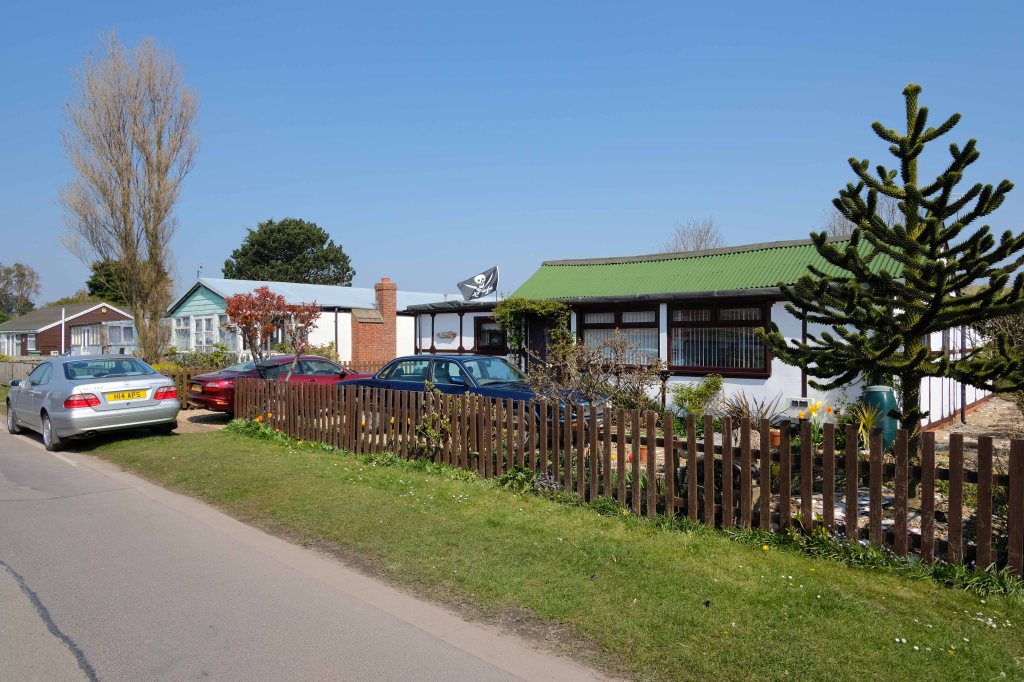
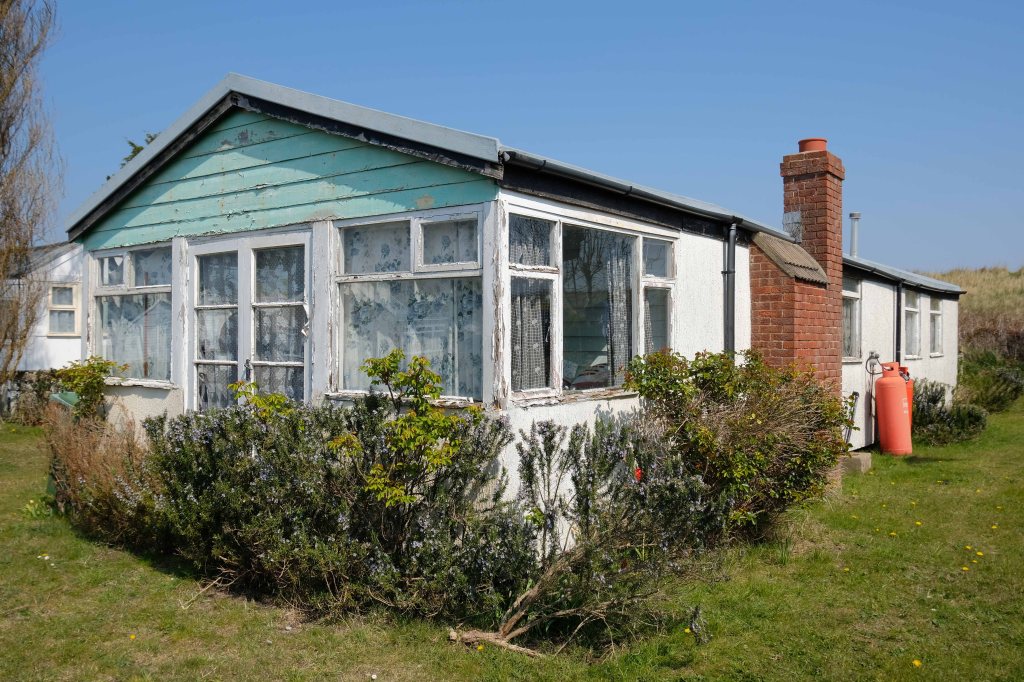
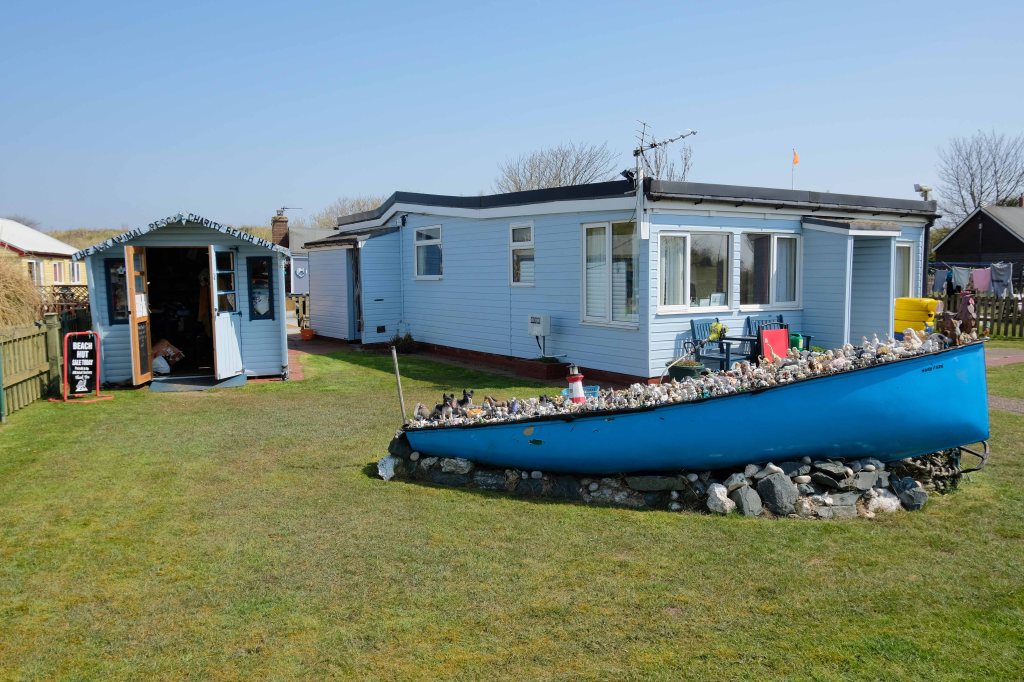
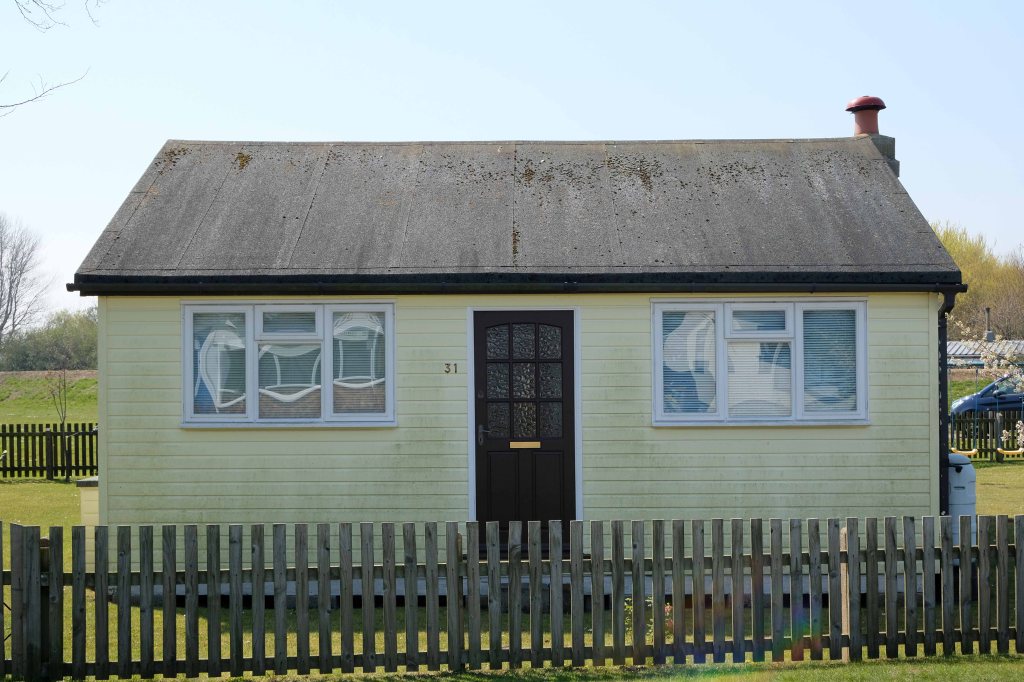
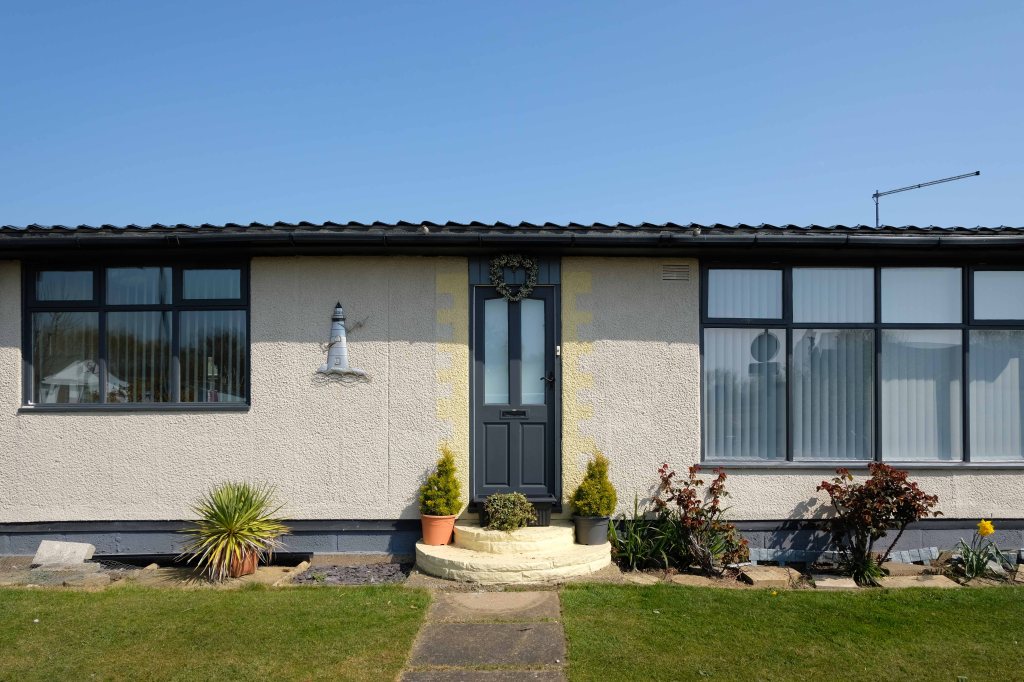
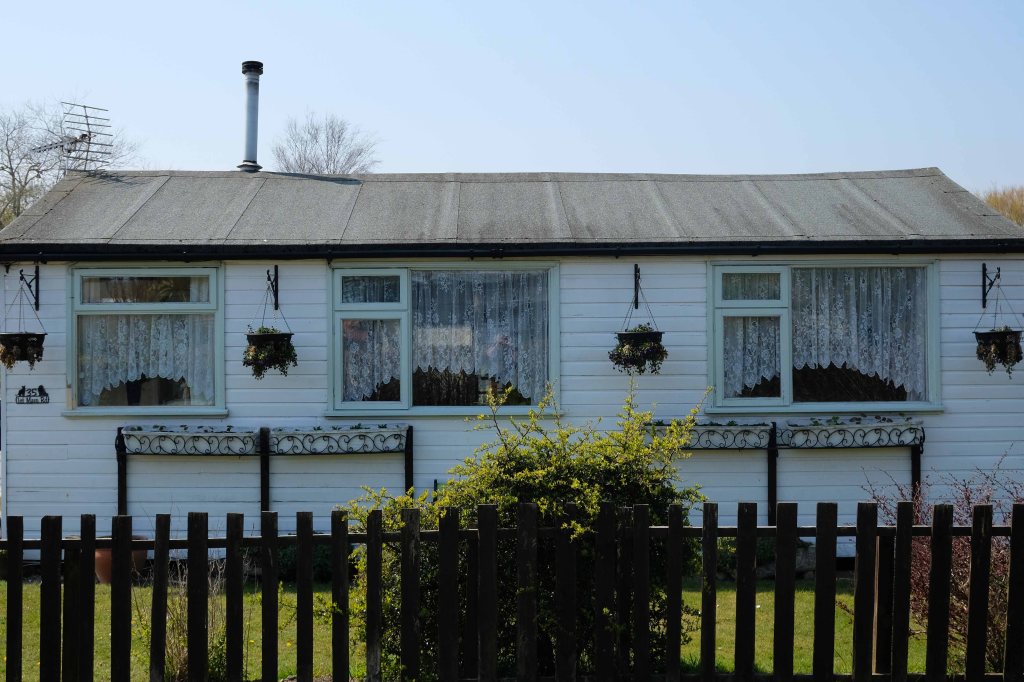
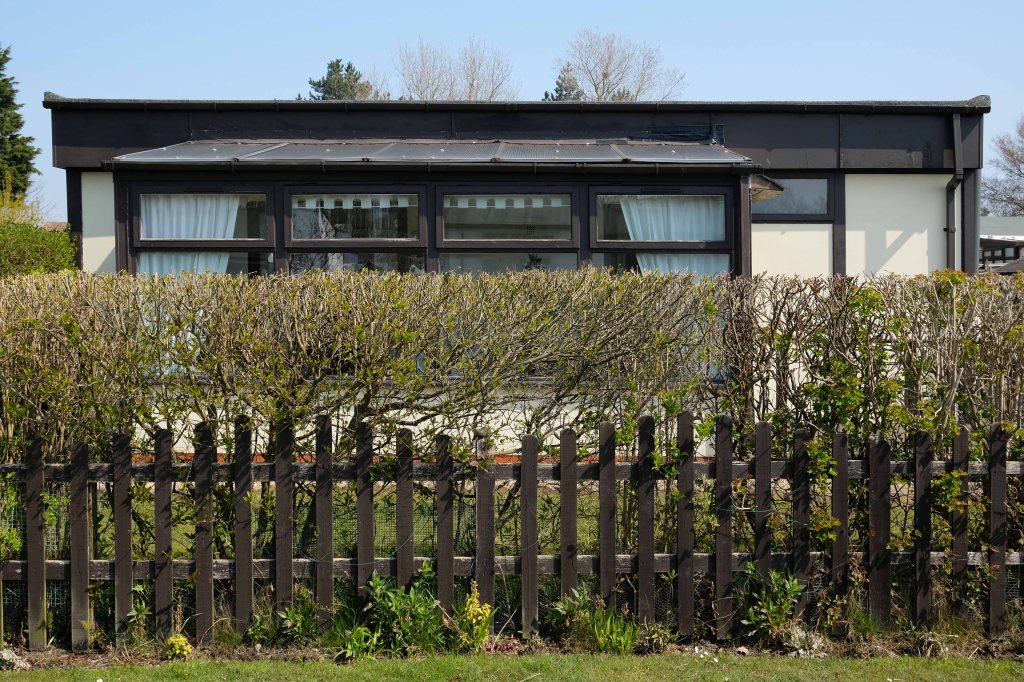
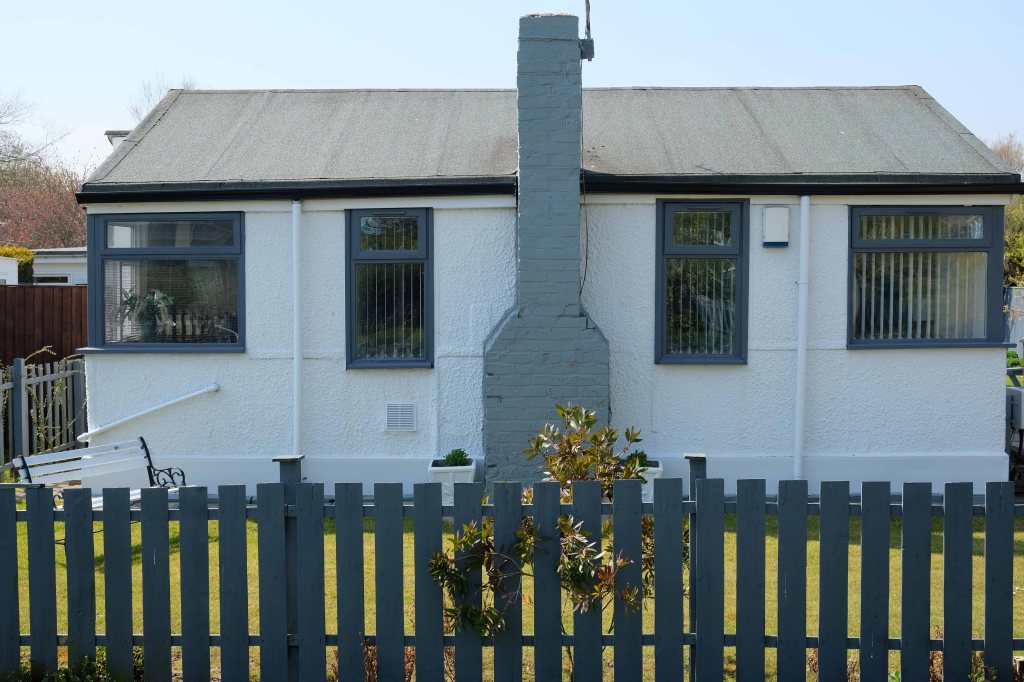
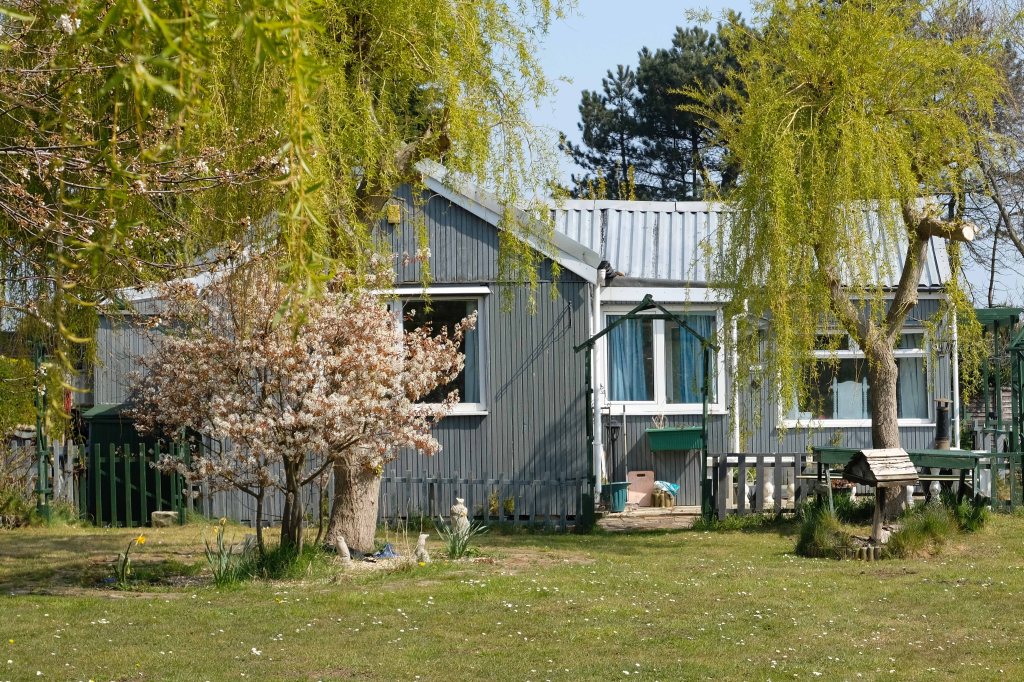
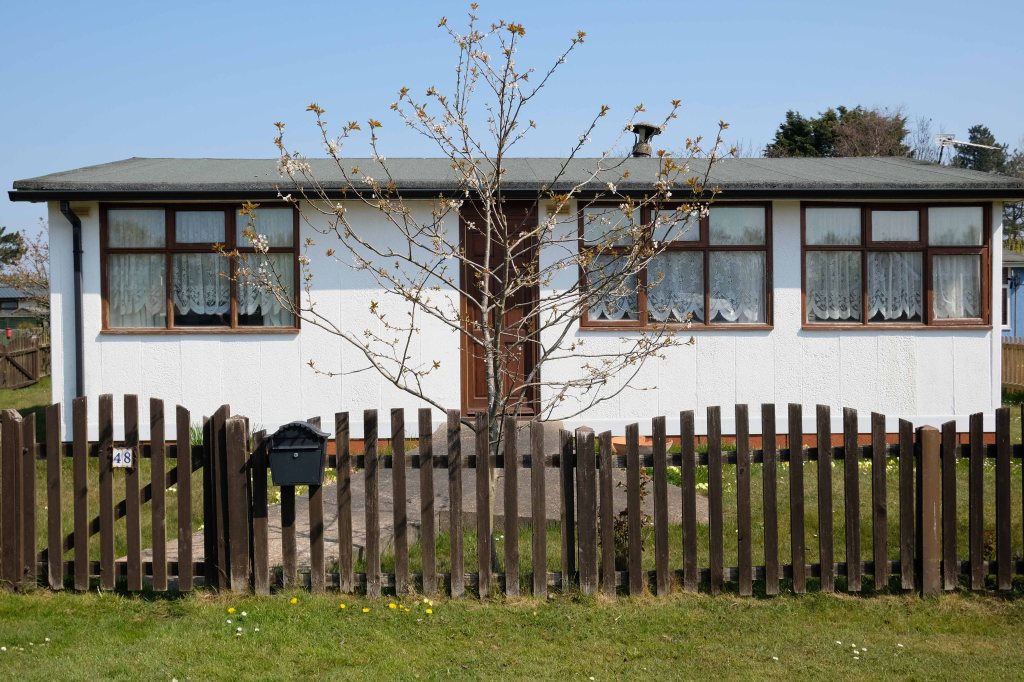
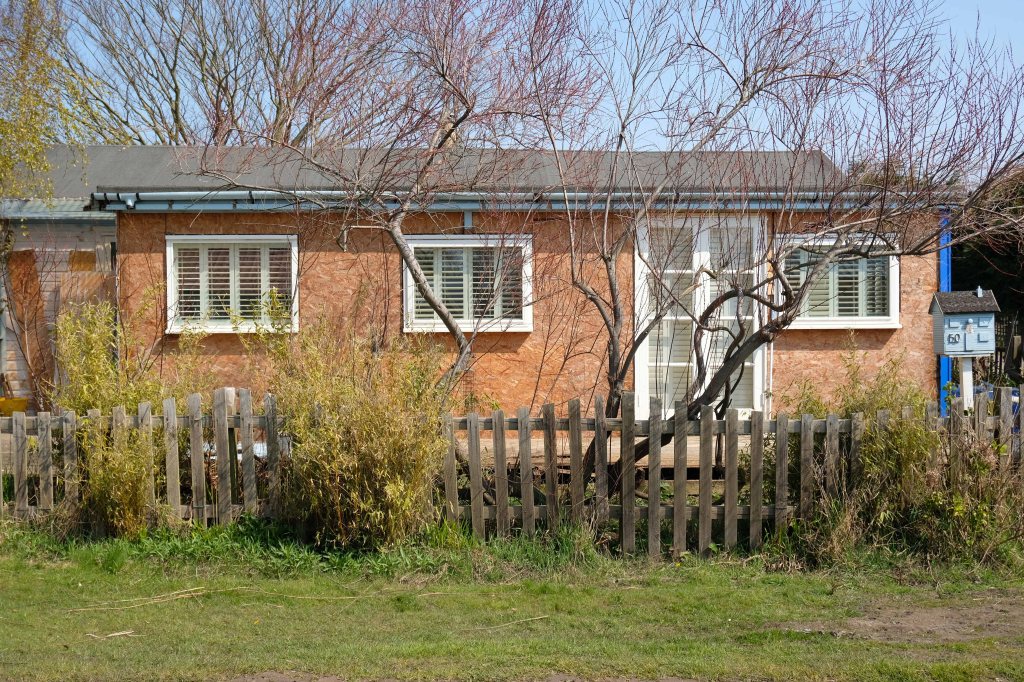
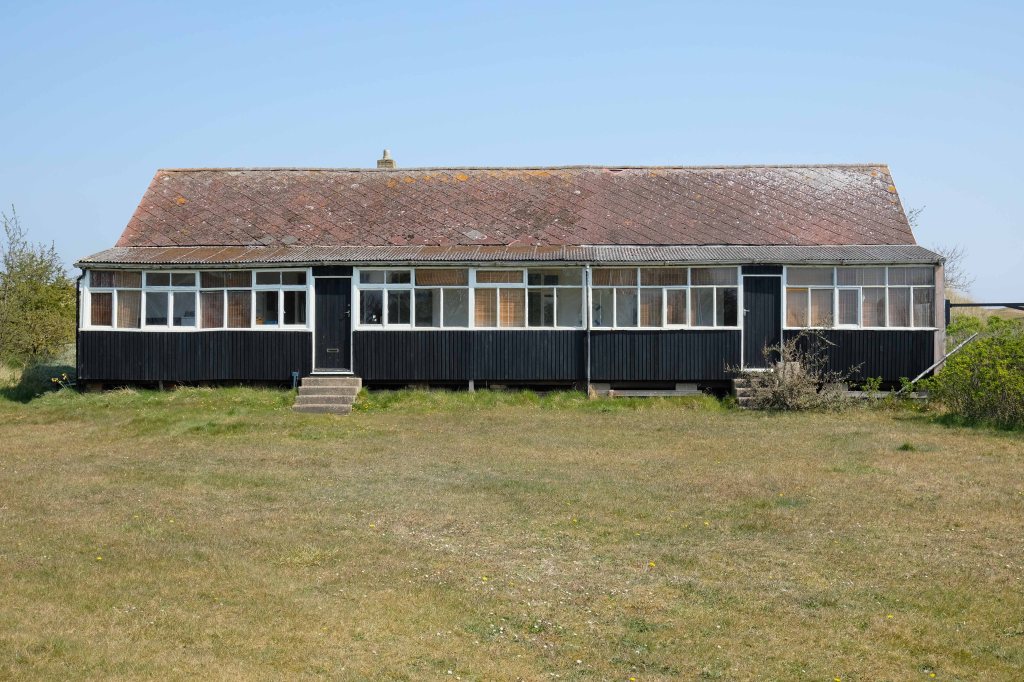
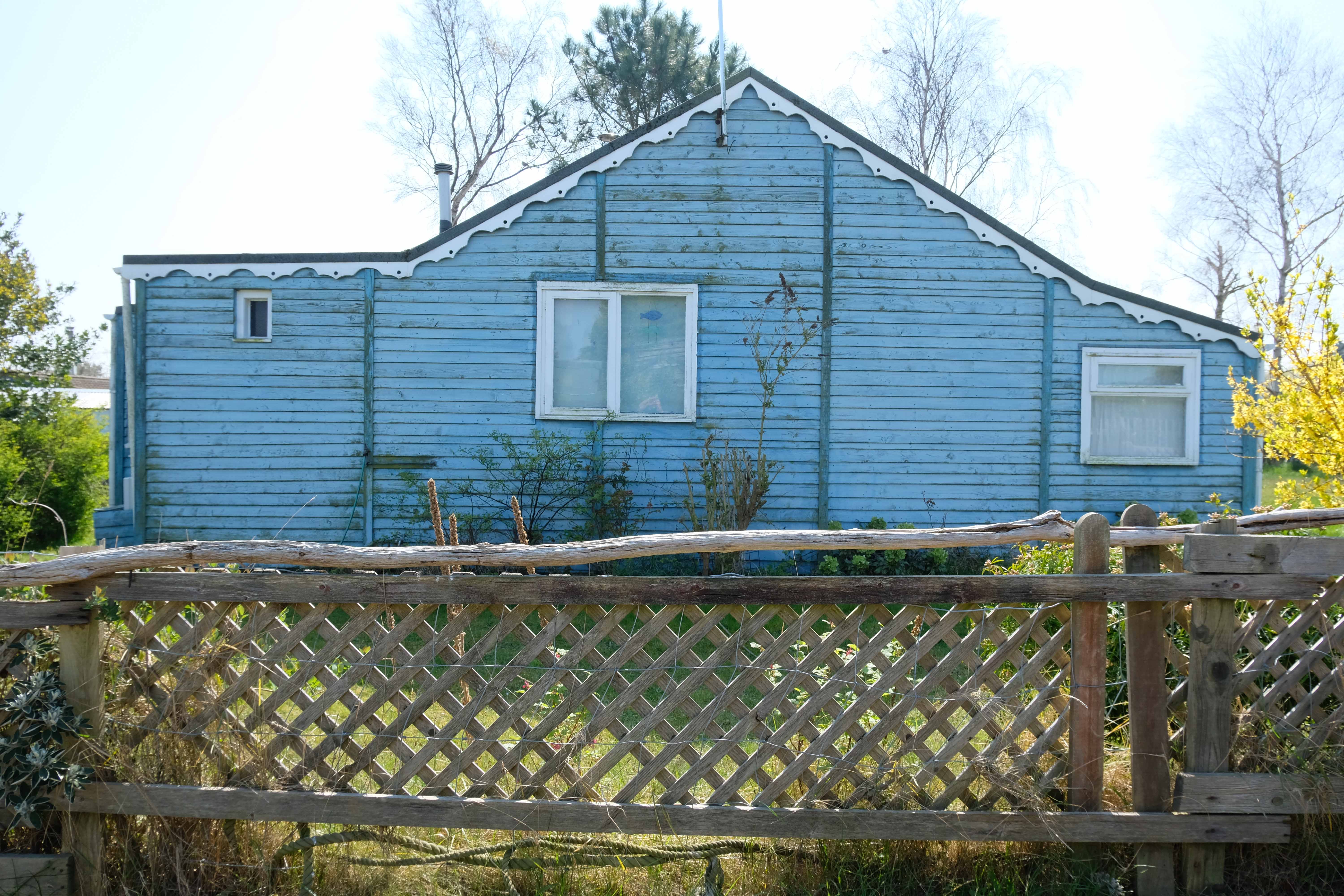
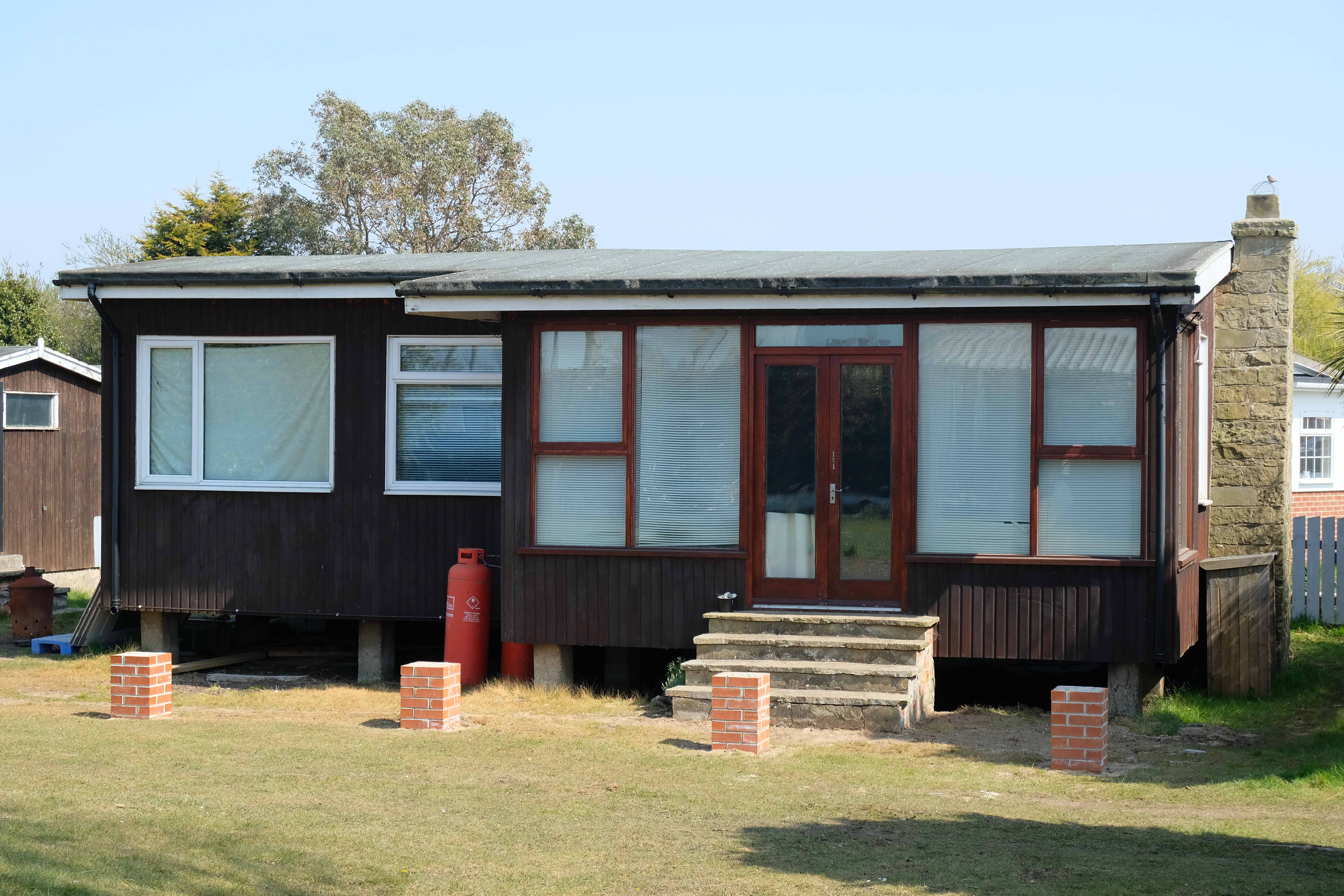
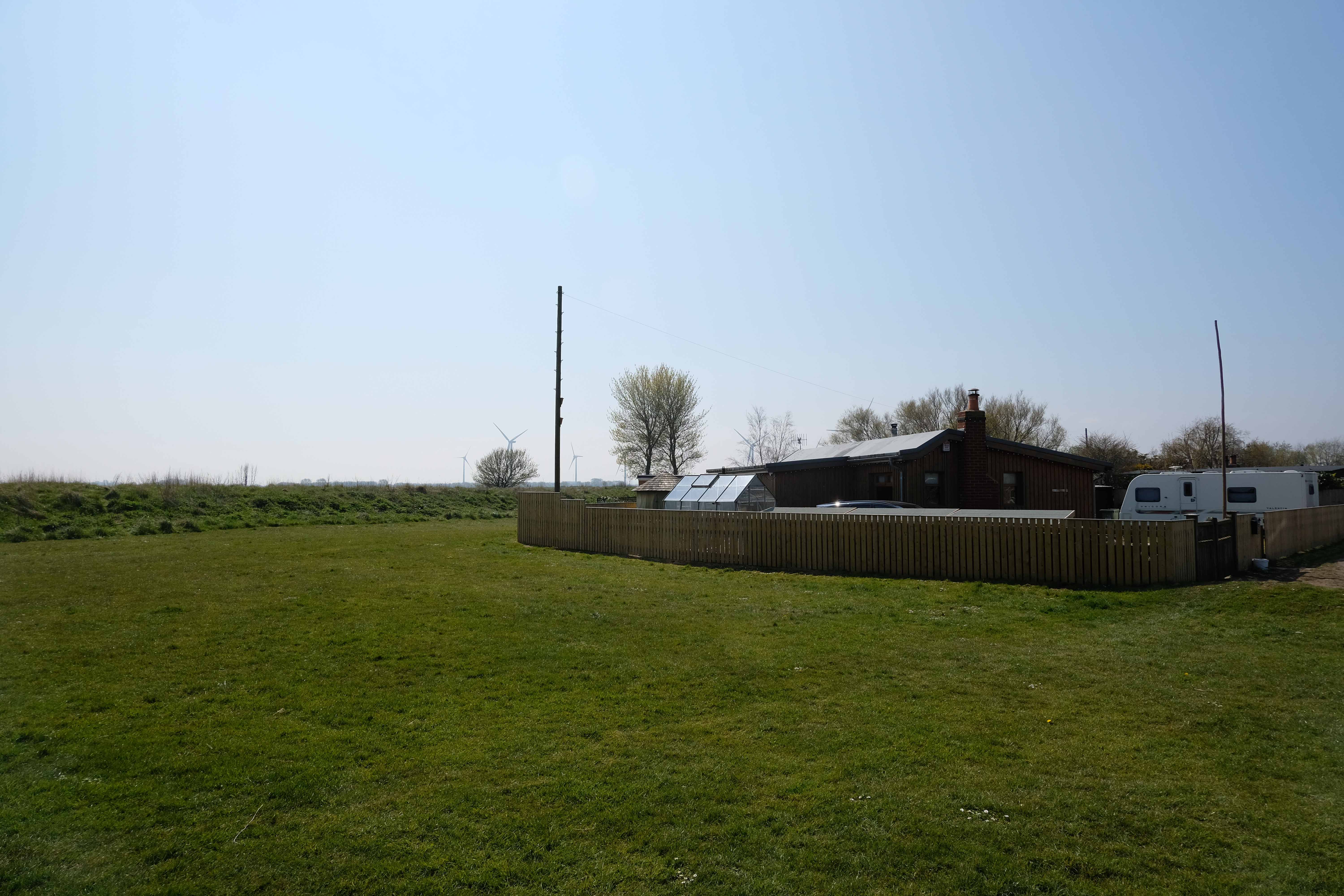
Humberston Fitties 2021

Here we are again.

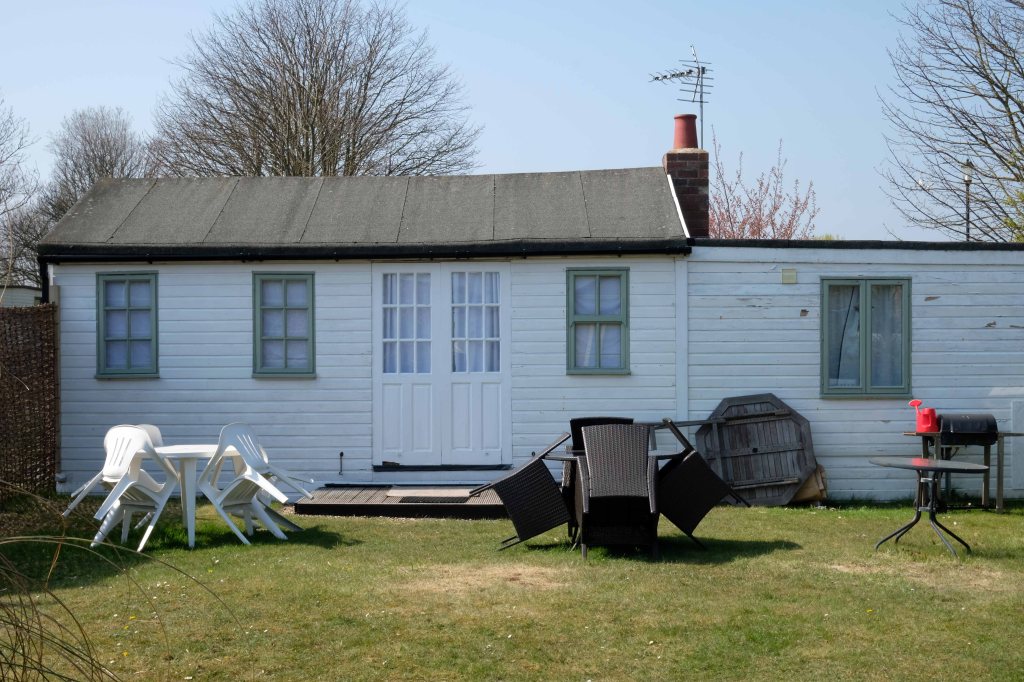
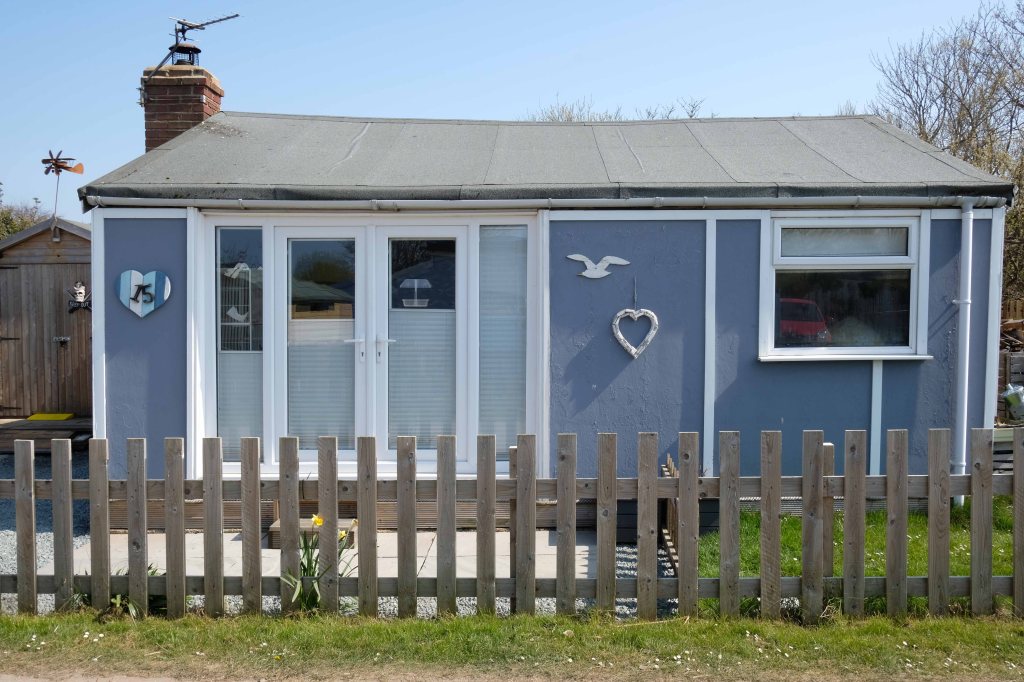
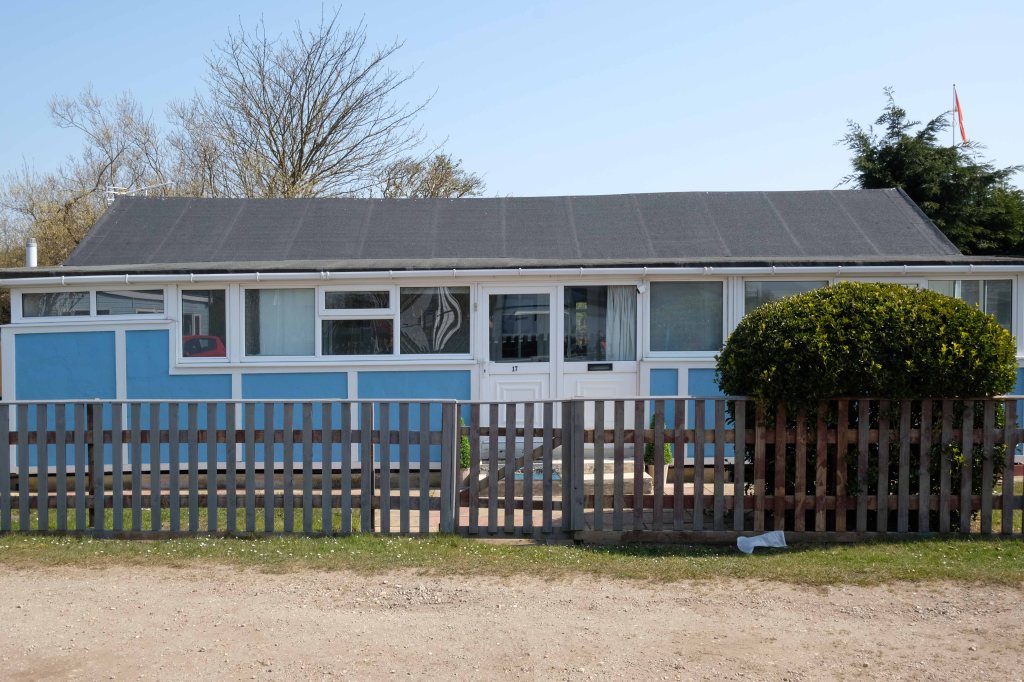
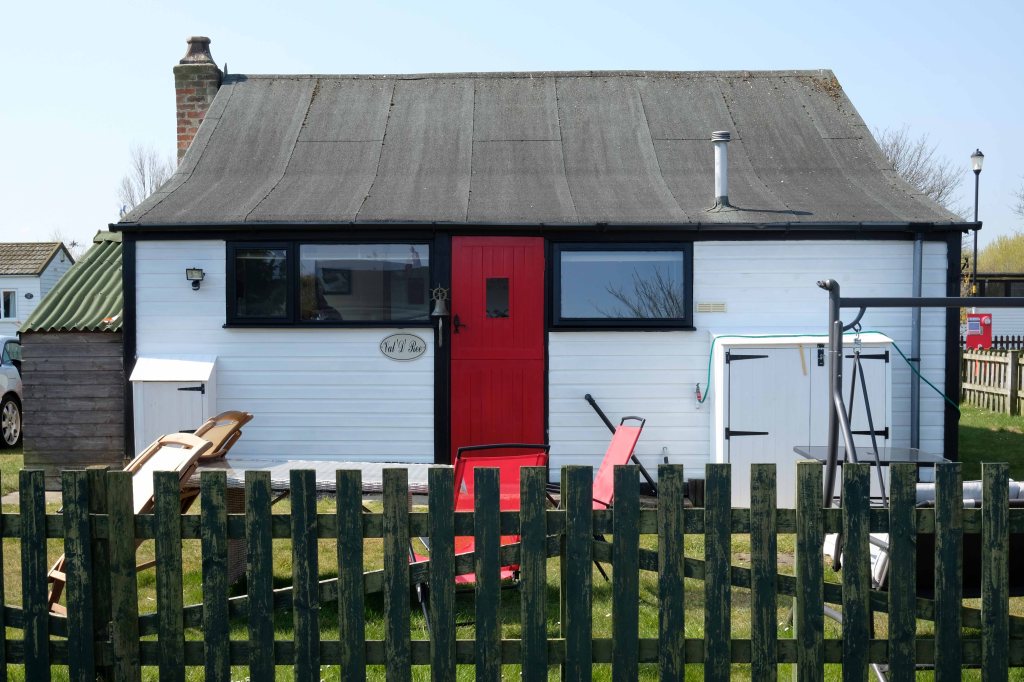
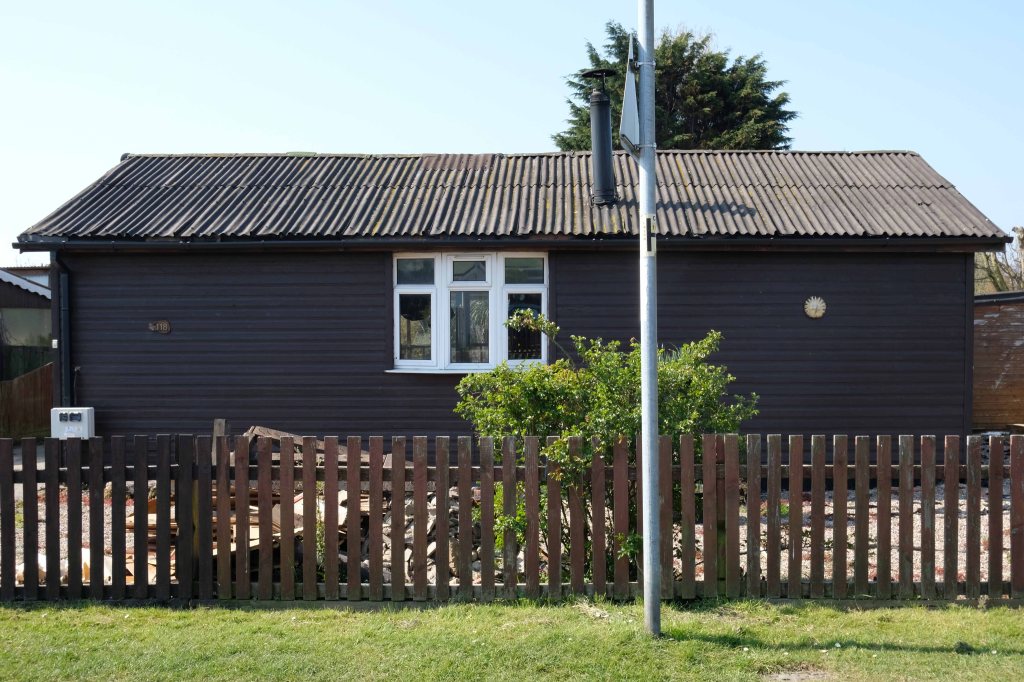
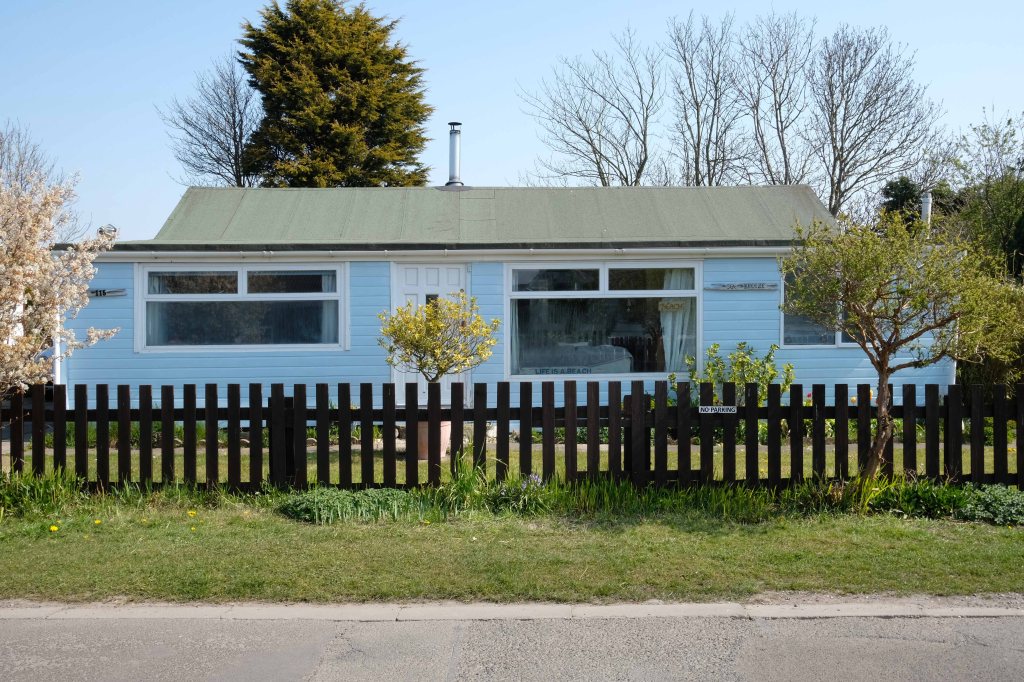
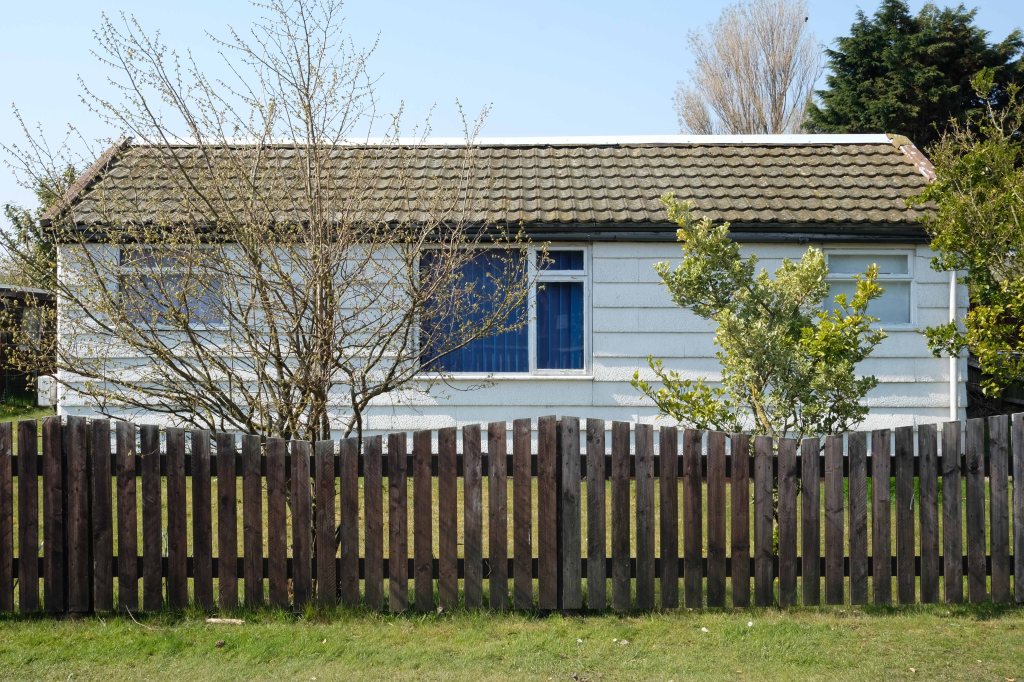
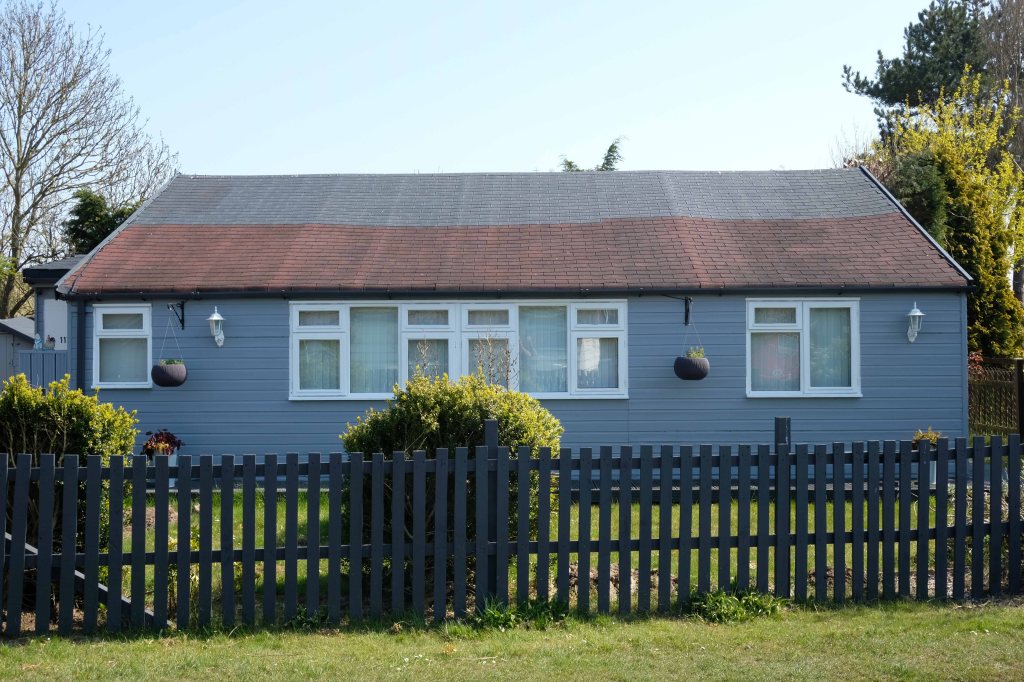
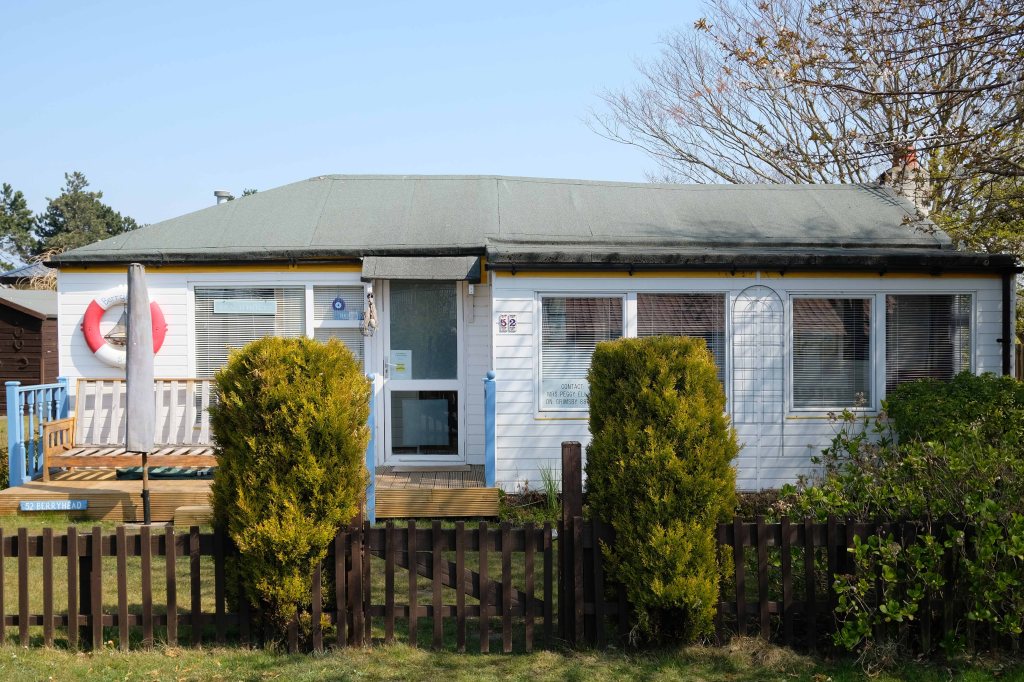
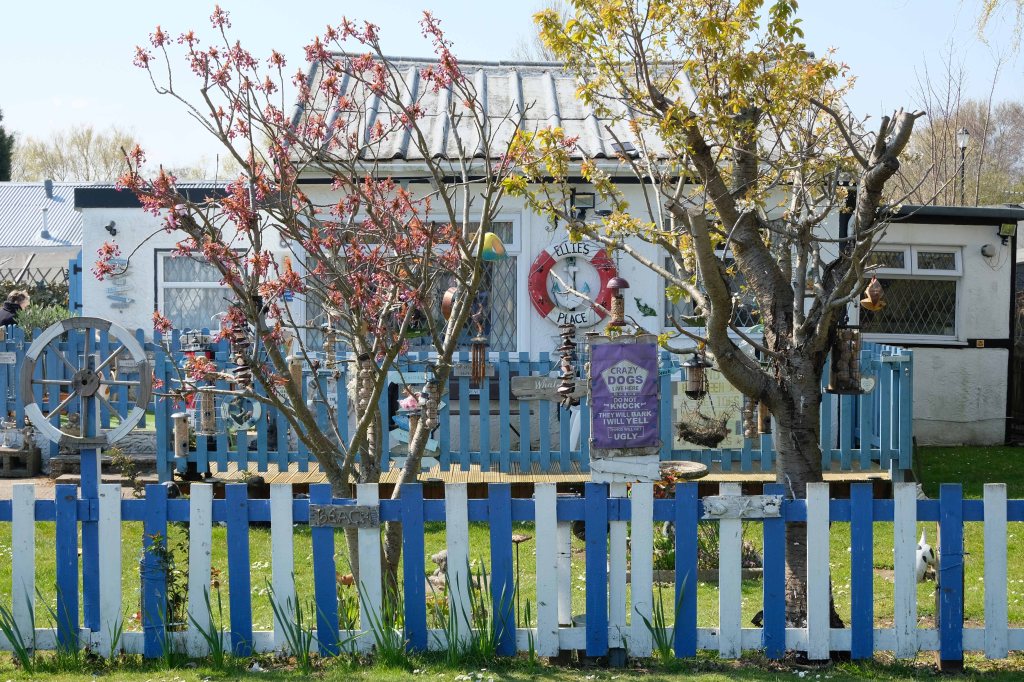
Having visited in 2008, I returned in April 2021 to wander this magical area and take some more snaps.

Previously on Modern Mooch.

In the interim the ownership of the estate has changed hands, passing from the local authority to private ownership.

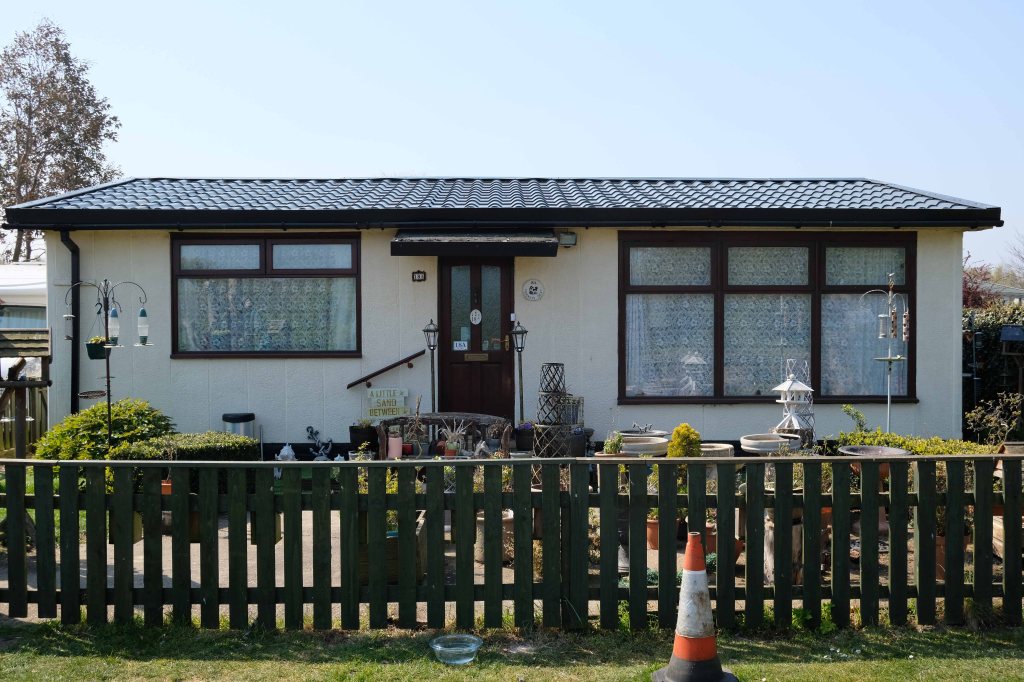
Tingdene are now responsible for the site.

Council chiefs remain tight-lipped on how much Northamptonshire-based Tingdene paid for the site but it is estimated to be more than £2 million.

Grimsby Telegraph

Accordingly costs have risen, some tenants are displeased.

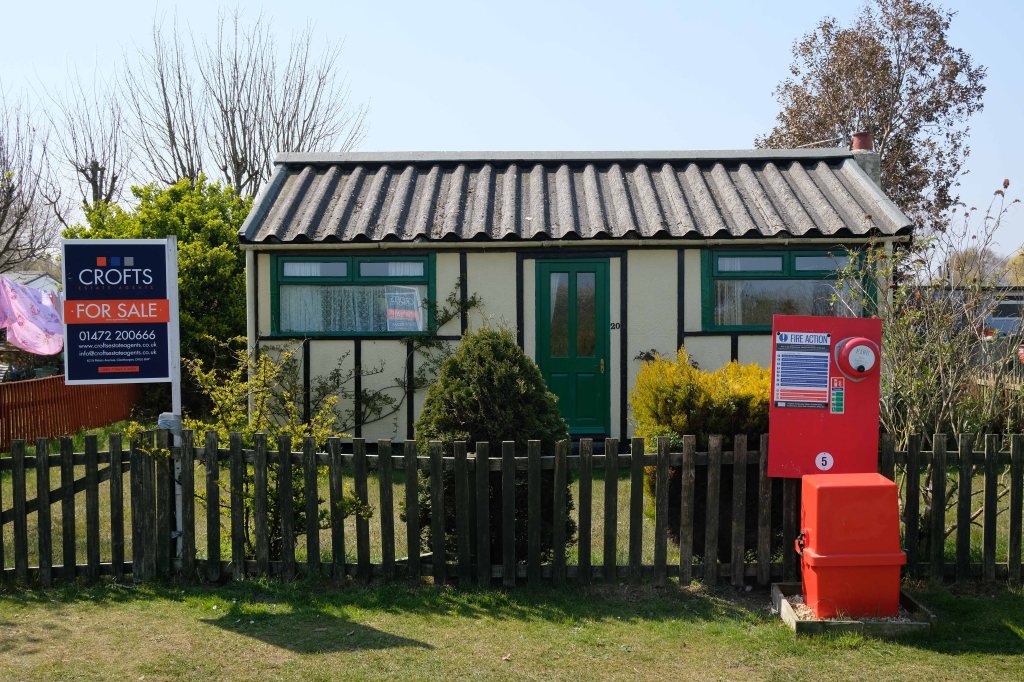
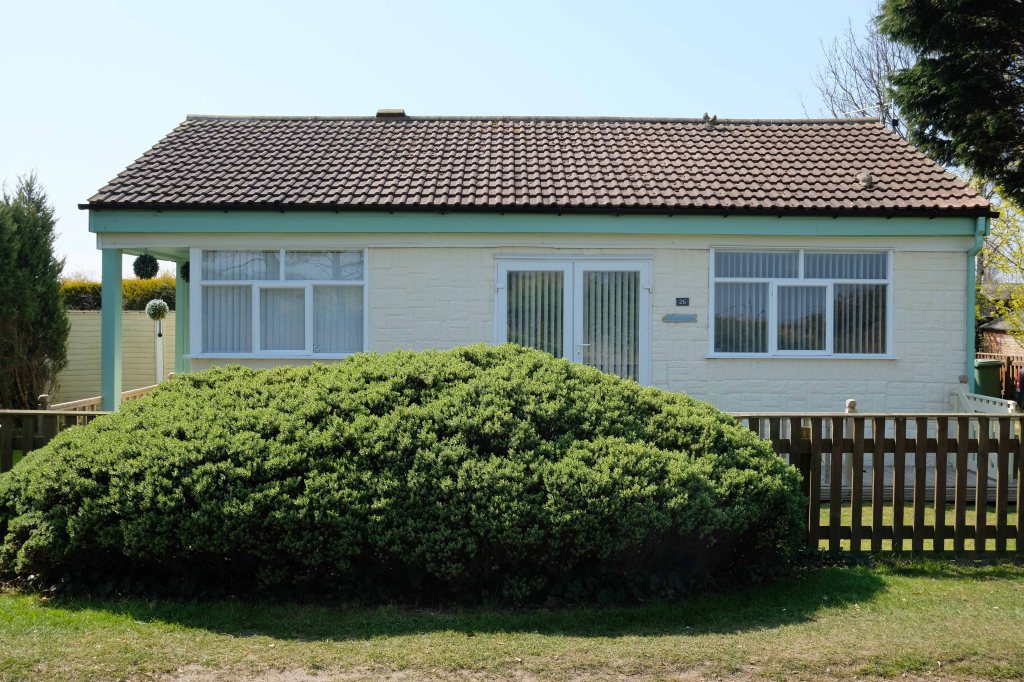
During Covid restrictions the demand for coastal property has increased, the gentle gentrification has begun.

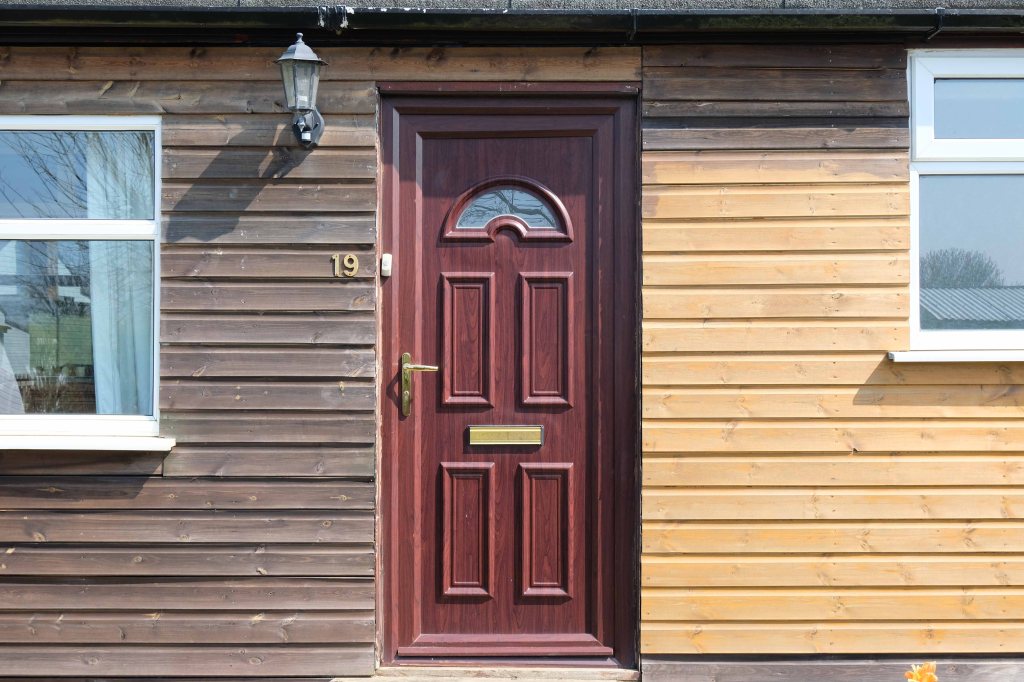
New build, restoration and the national pandemic of home improvement are all apparent, changing the nature of the formerly informal architecture.

Take a look

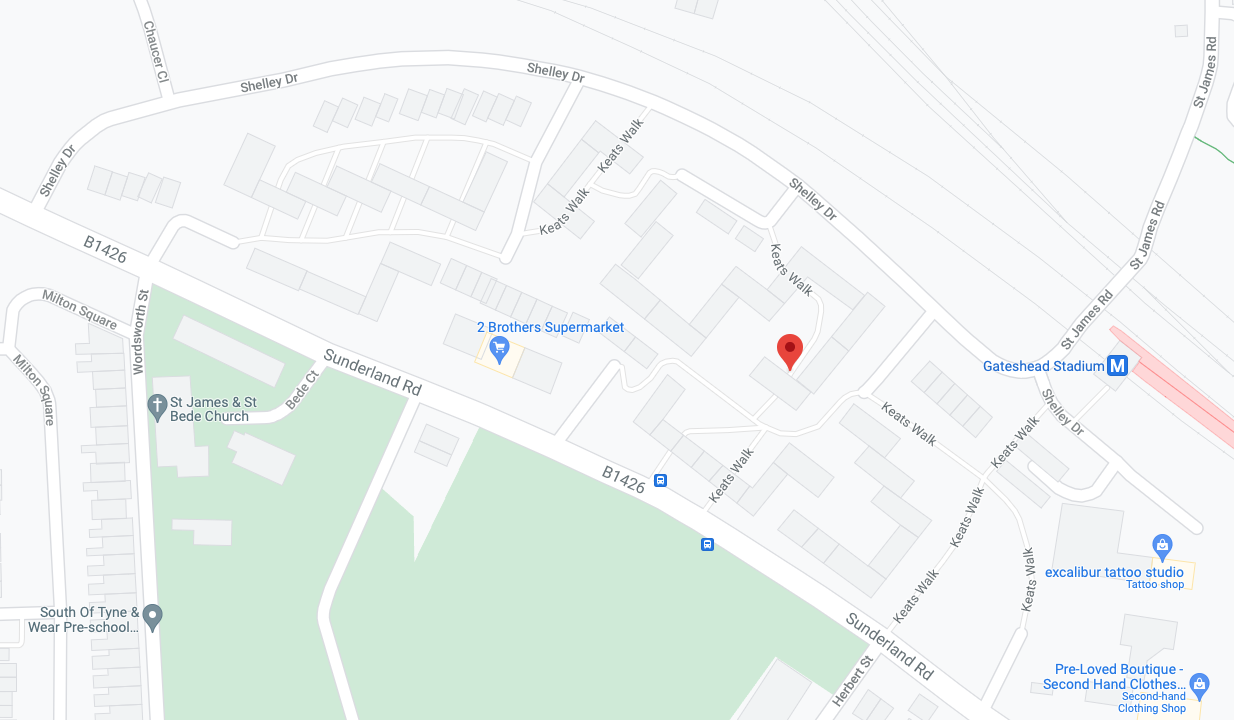
Poet’s Estate – Gateshead

I’d seen these homes from the train.

So I walked from Newcastle to take a look.

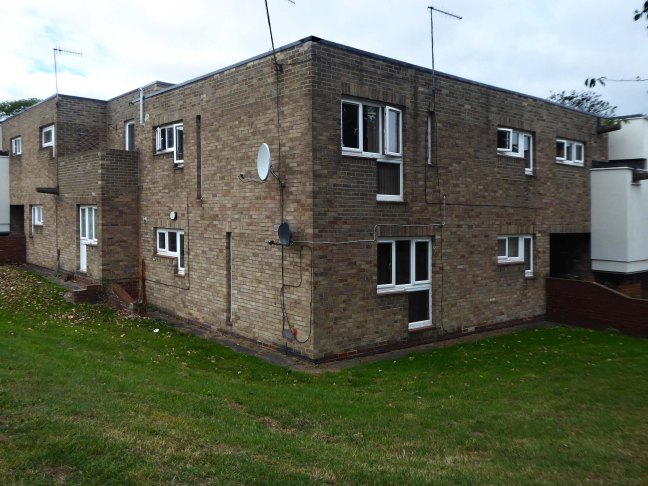
They turn their backs on Sunderland Road and the Tyne.

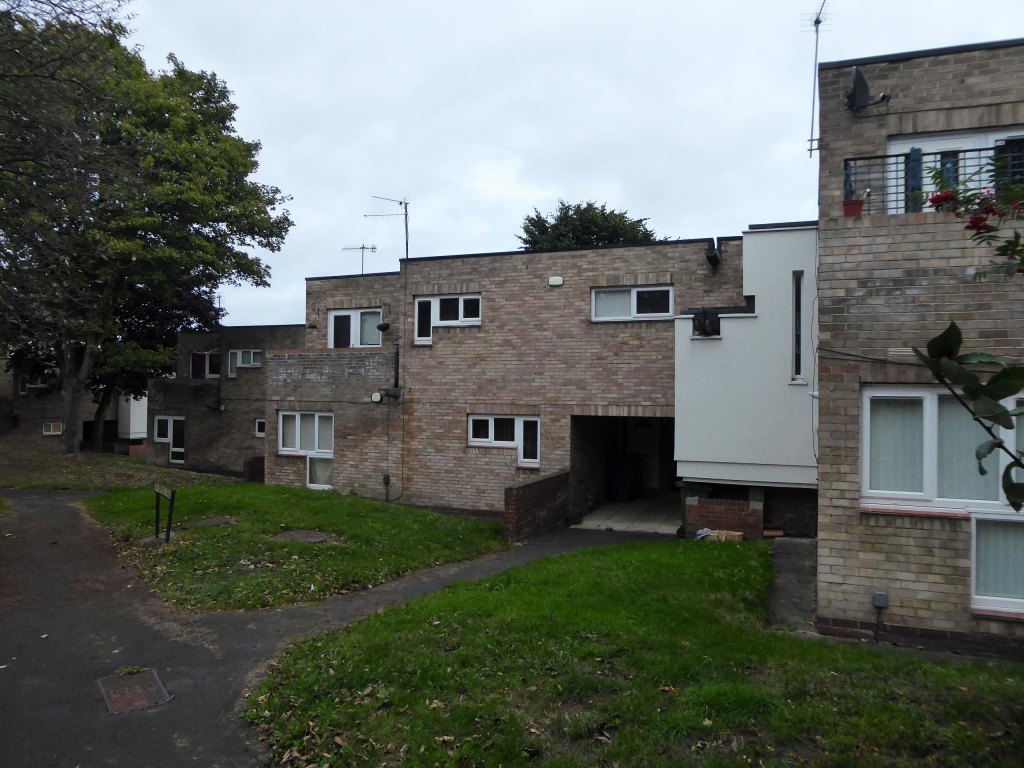
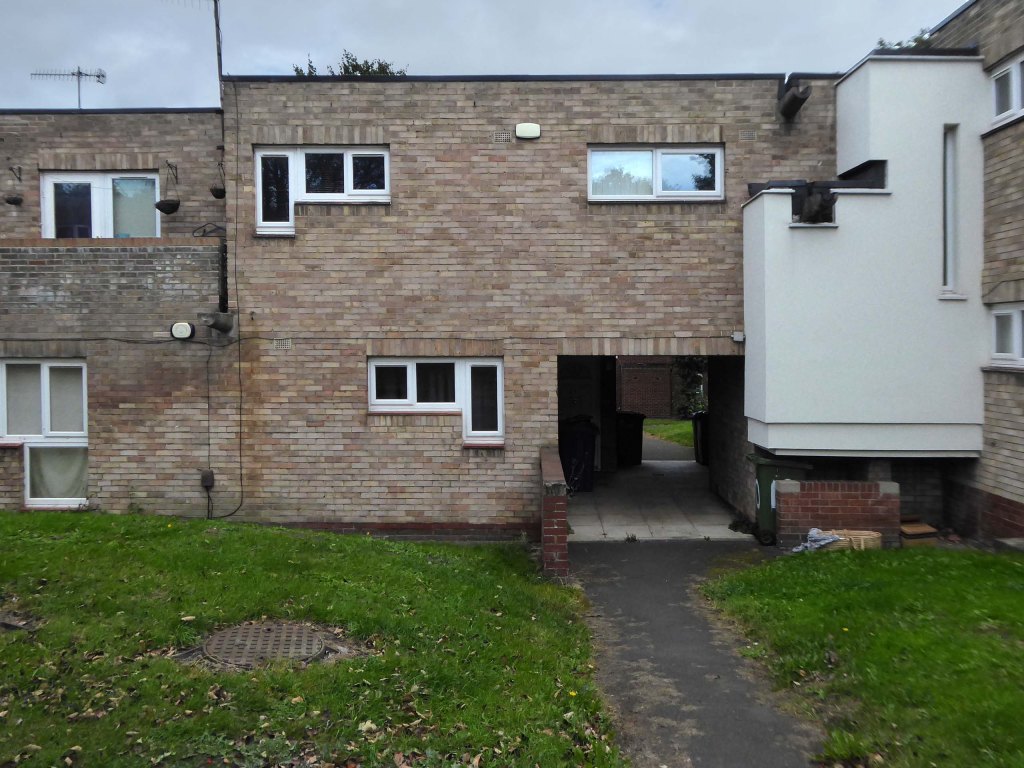
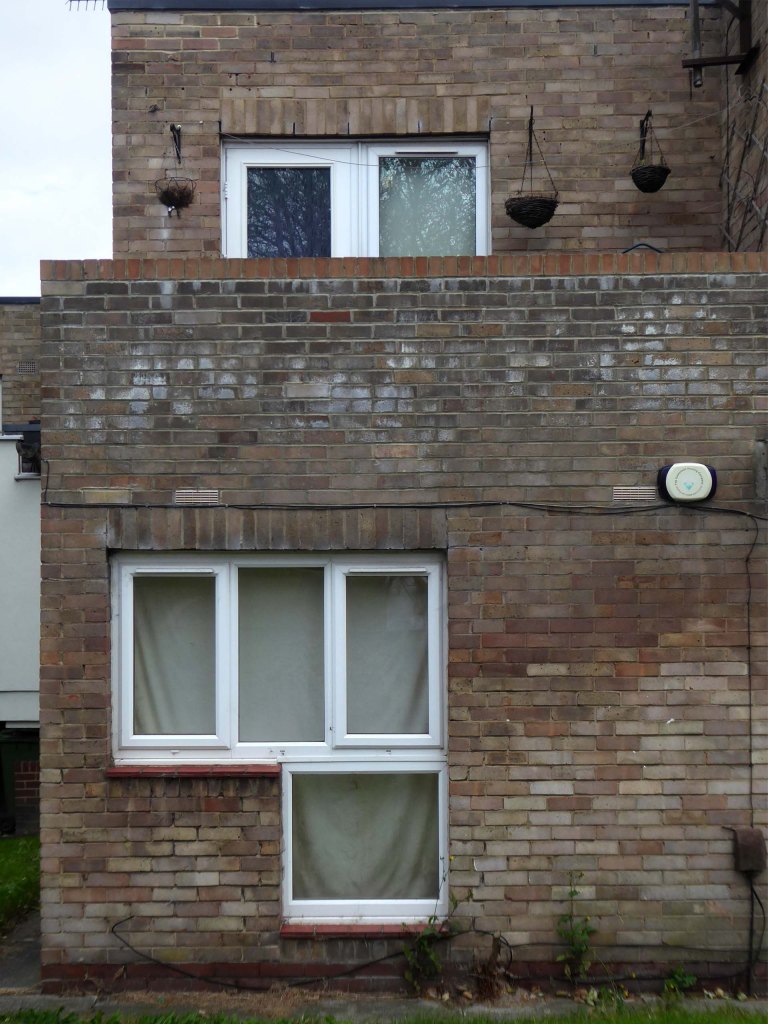
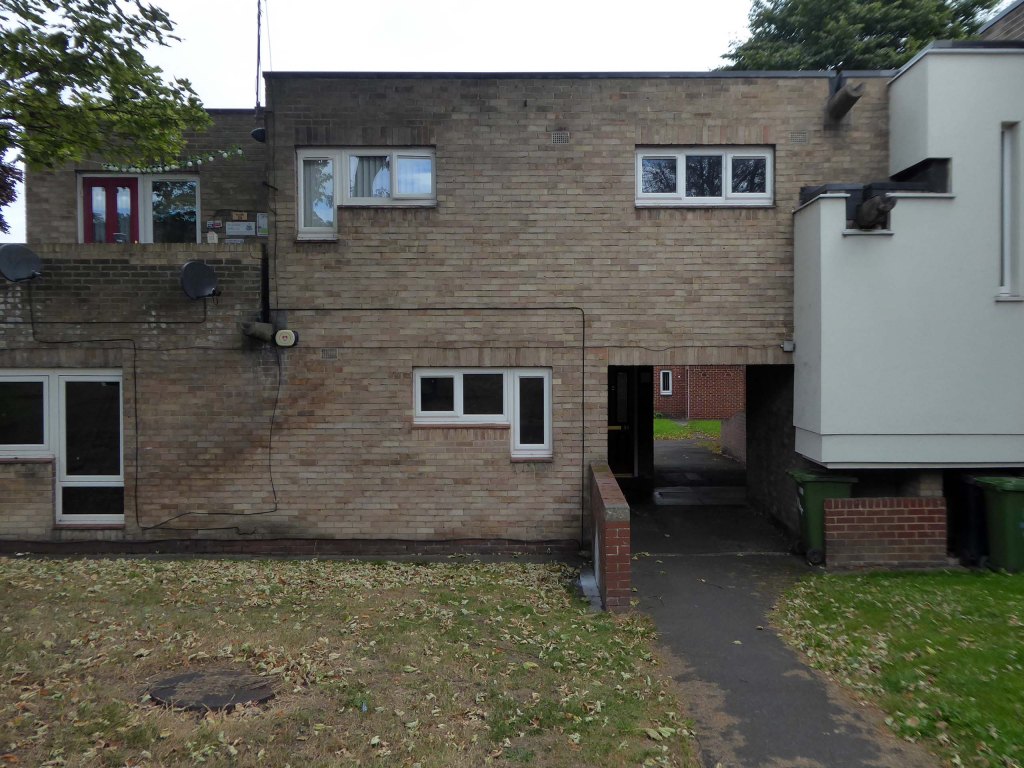
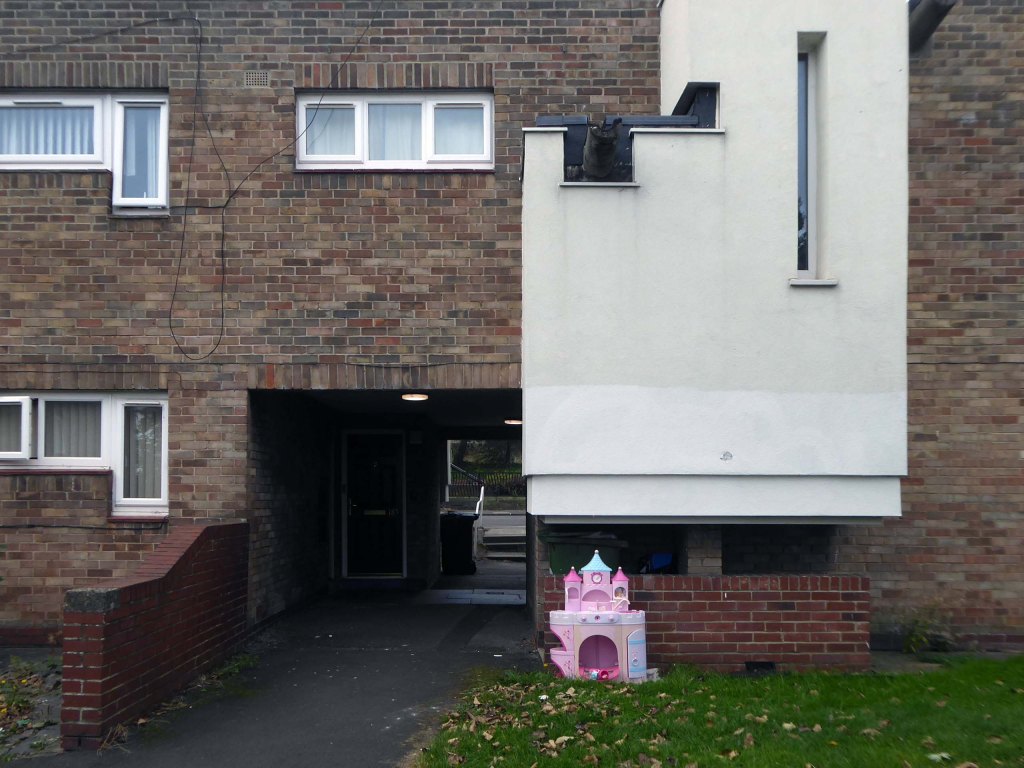
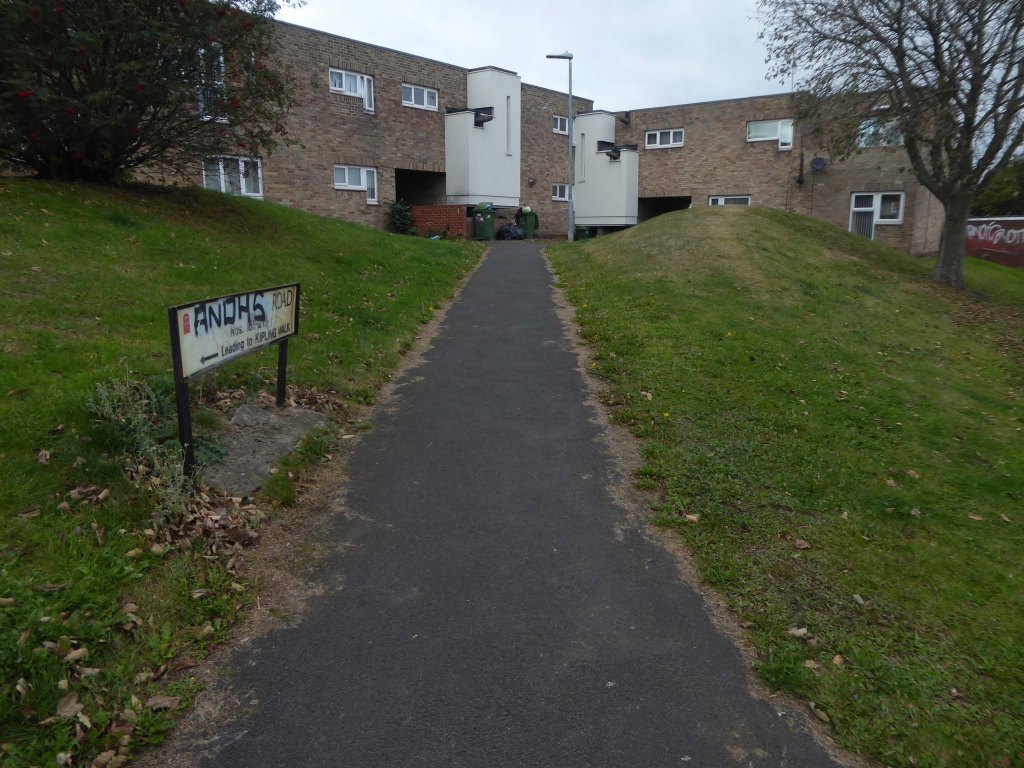
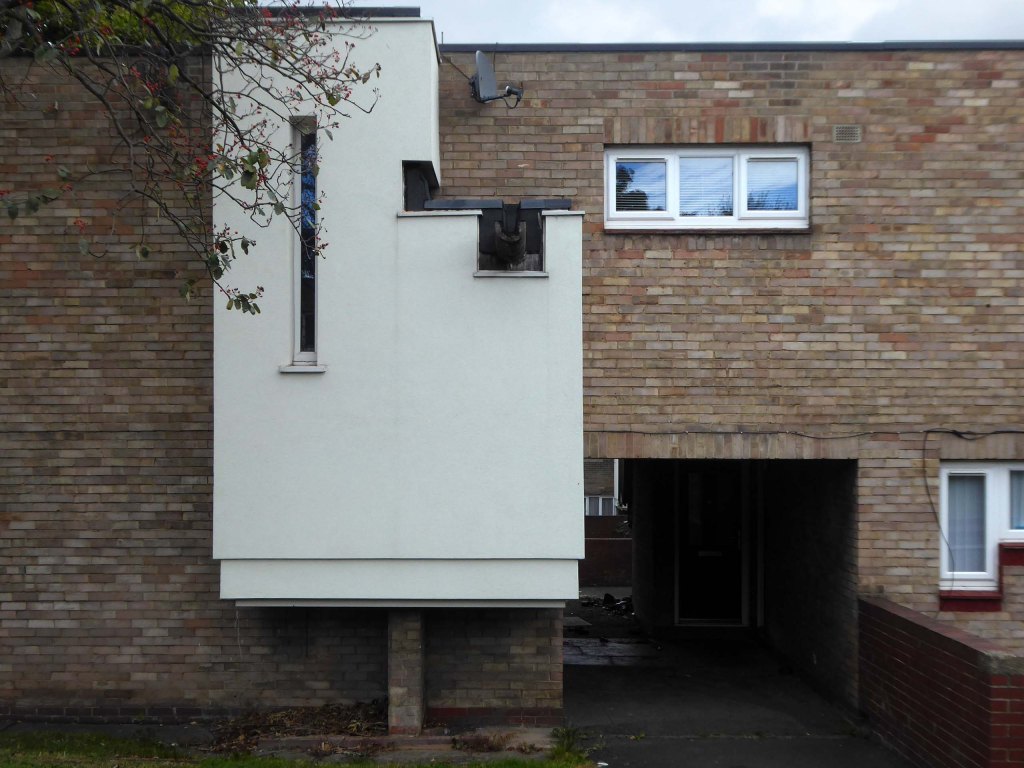
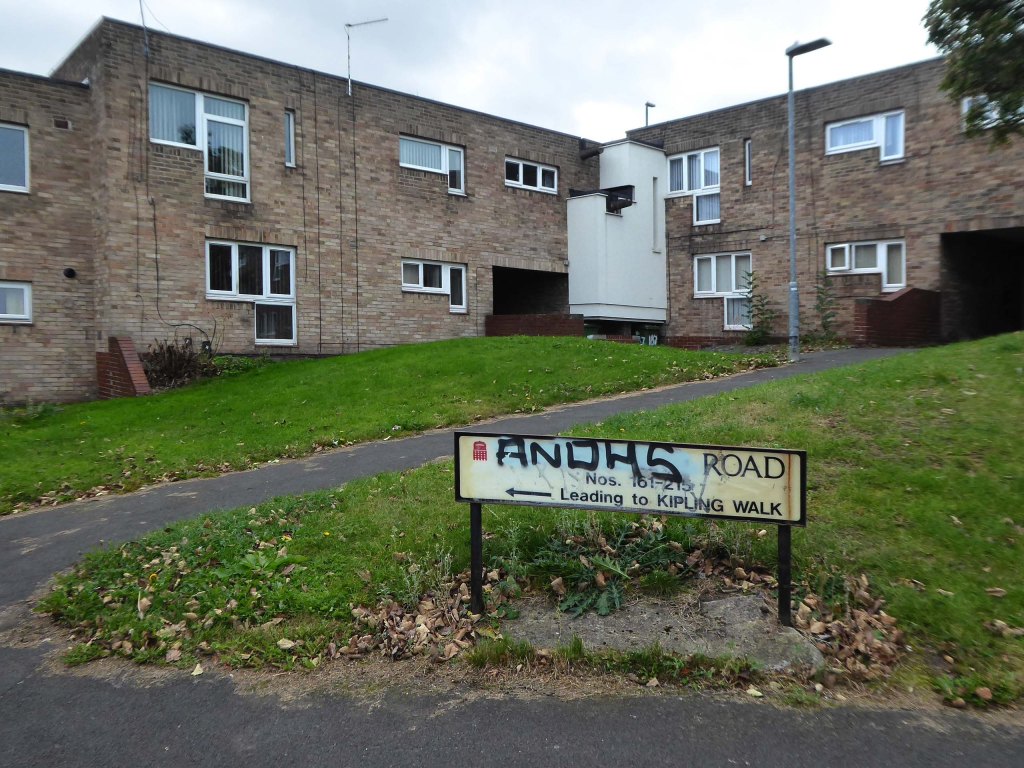
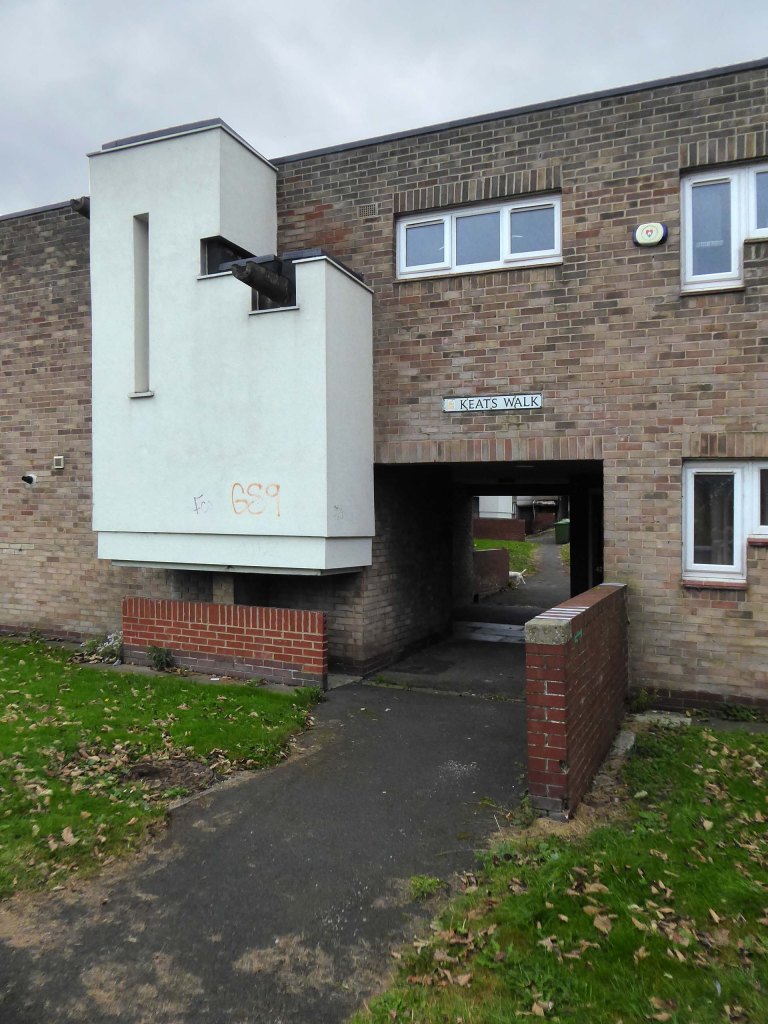
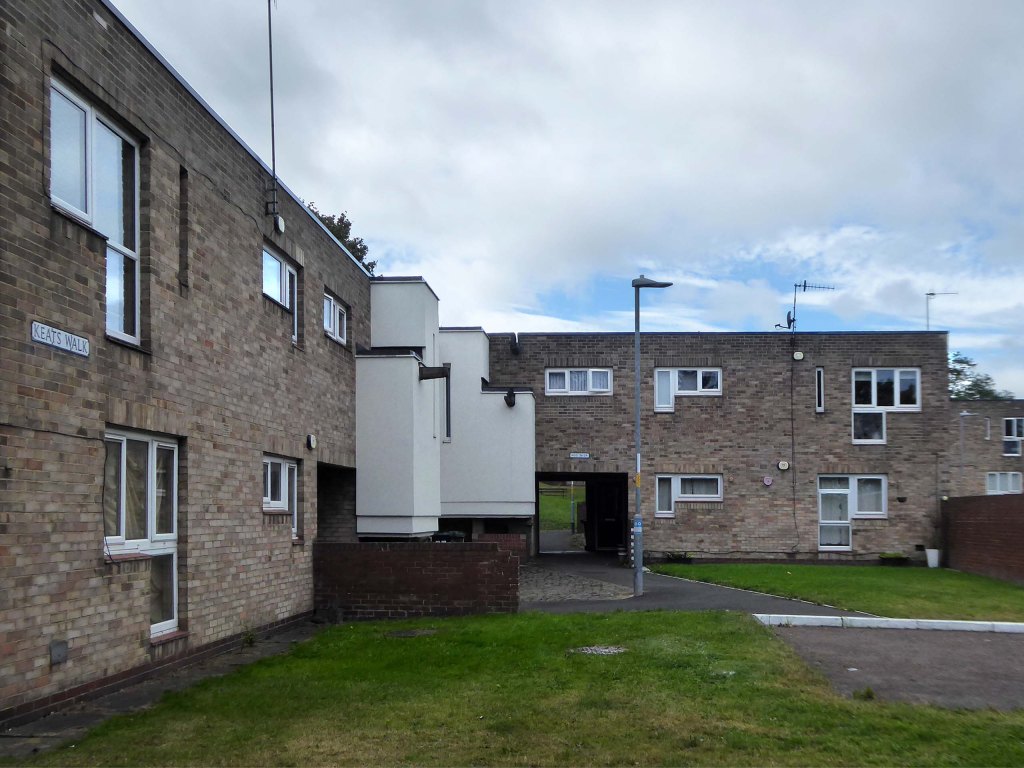
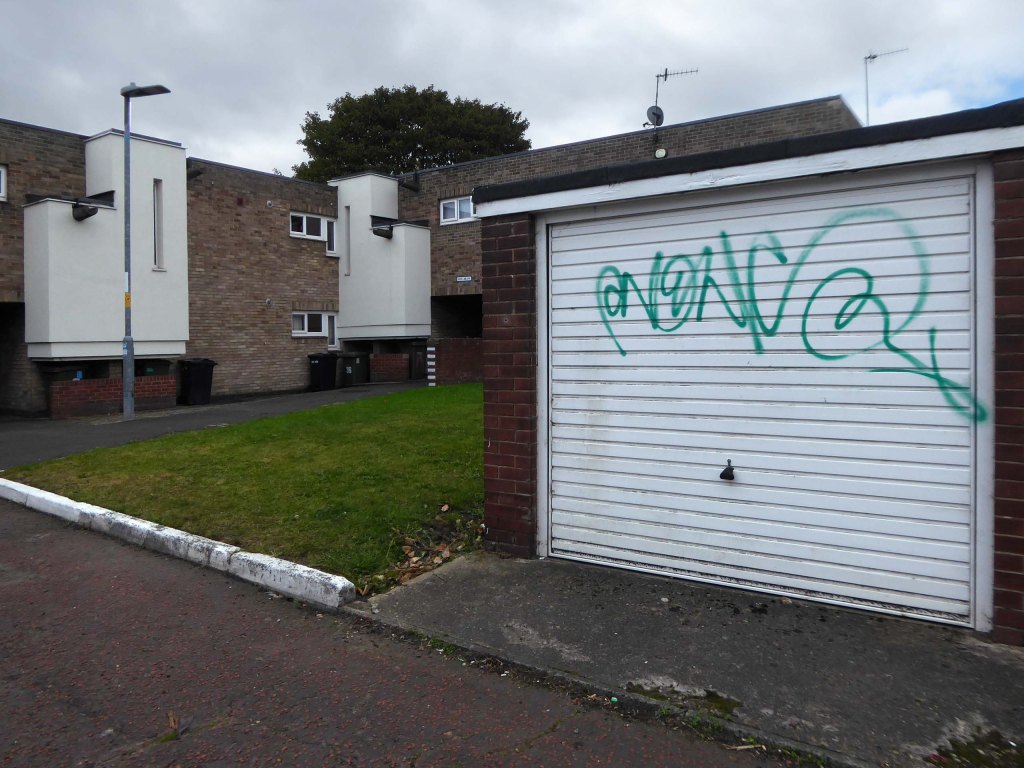
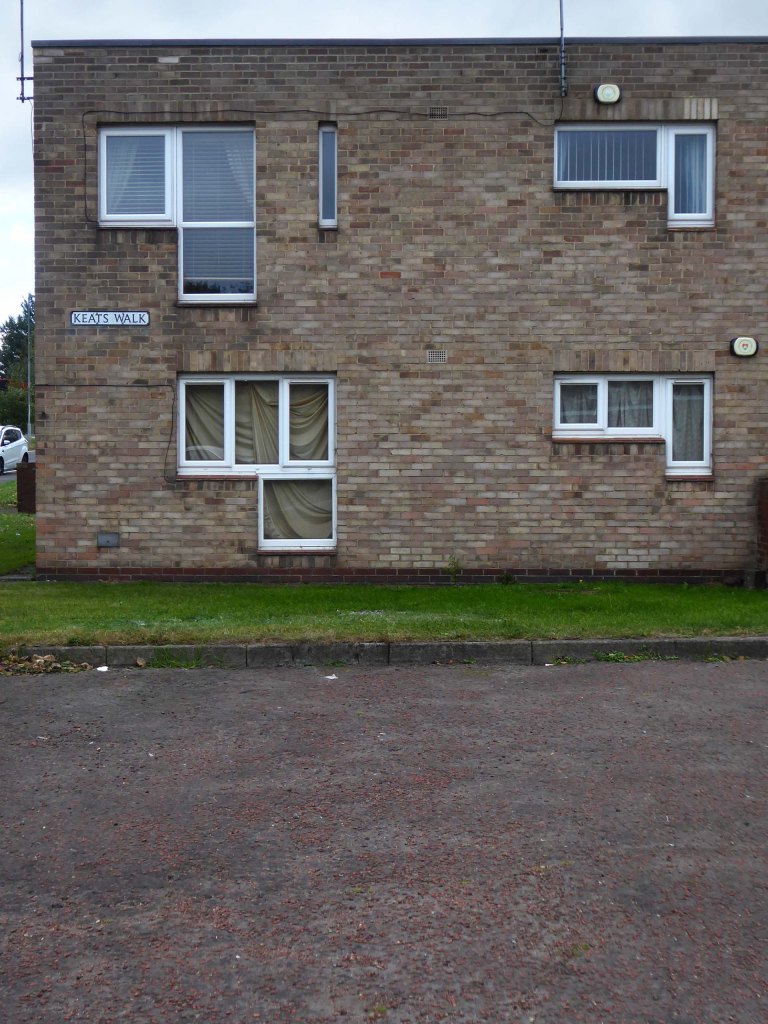
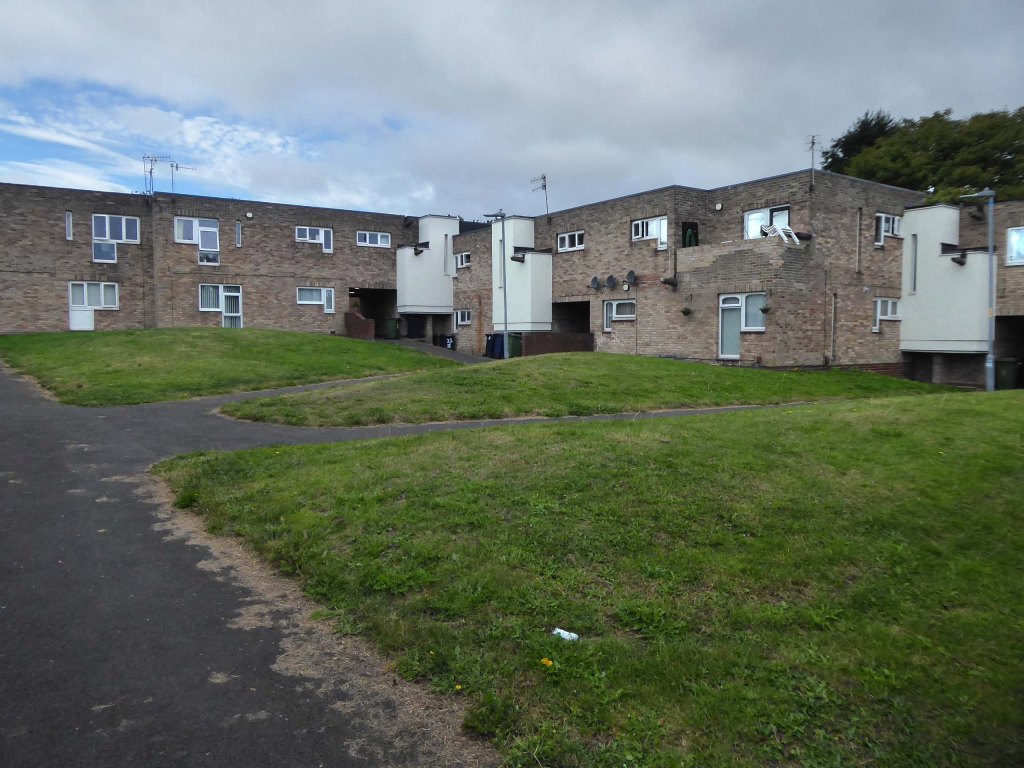
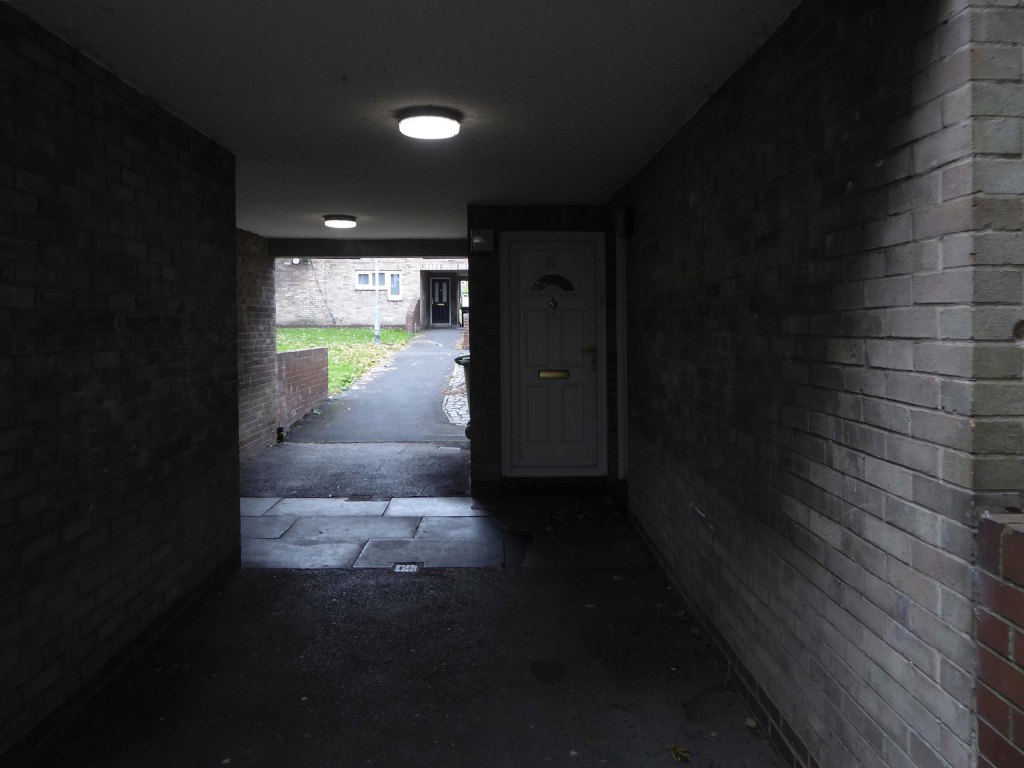
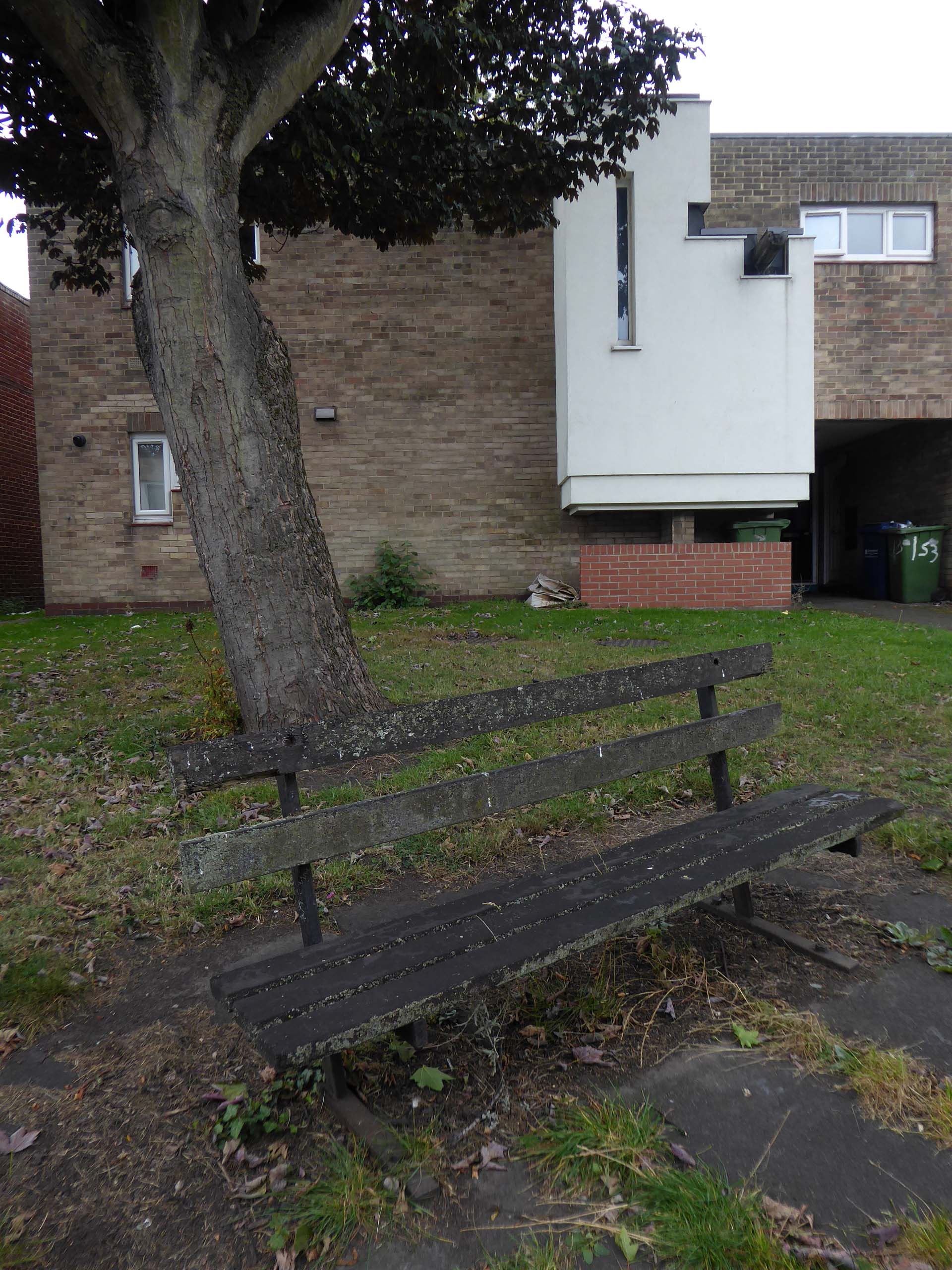
A tight cluster of terraced apartments, set in a grassy rolling terrain, linked by paths and short underpasses.

A modern mediaeval, mildly fortified village, rendered in pale brick and white render.

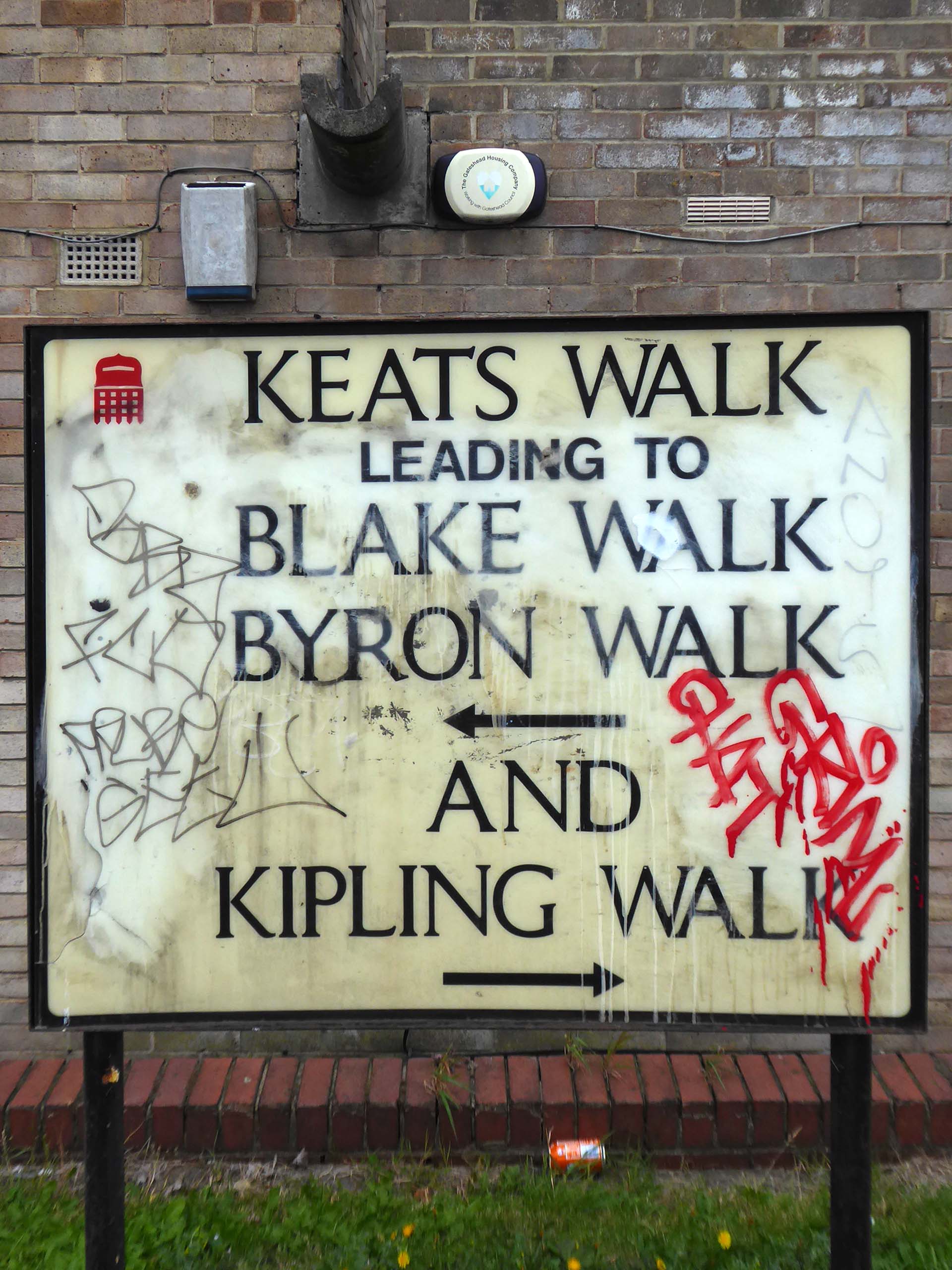
Keats, Kipling, Blake, Byron and Shelley enclosed.

Take a look around #40

Bathing Pool – Tynemouth

I had cycled by on a journey from Newcastle to Amble.

I returned to take a closer look.

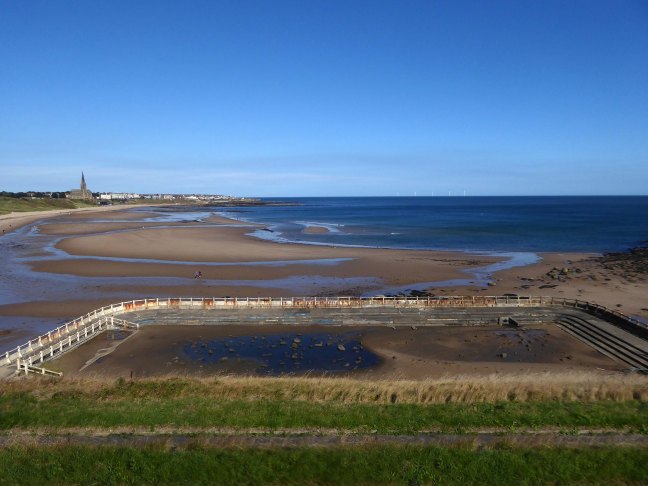
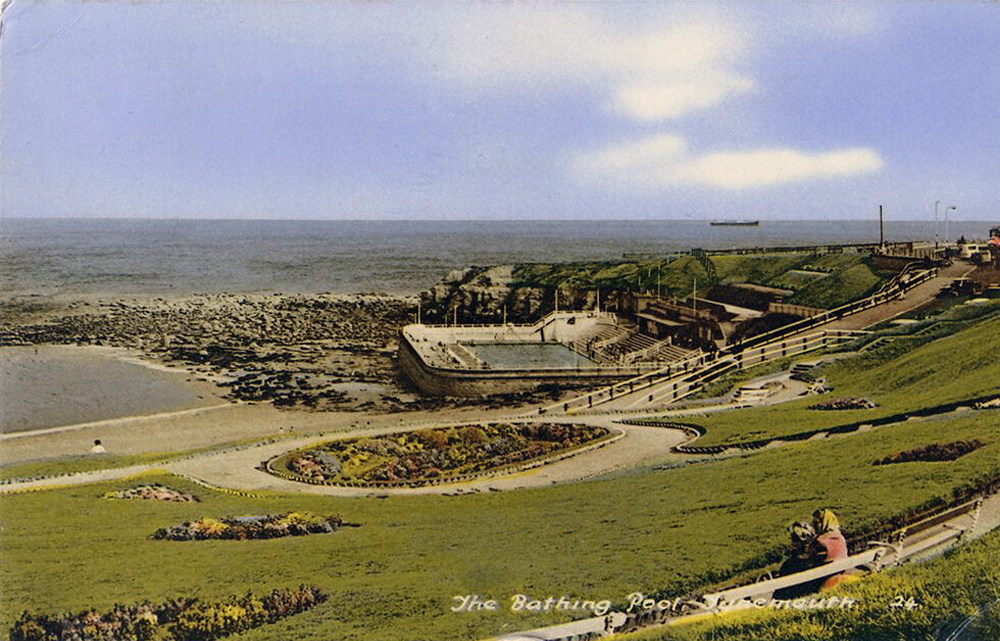
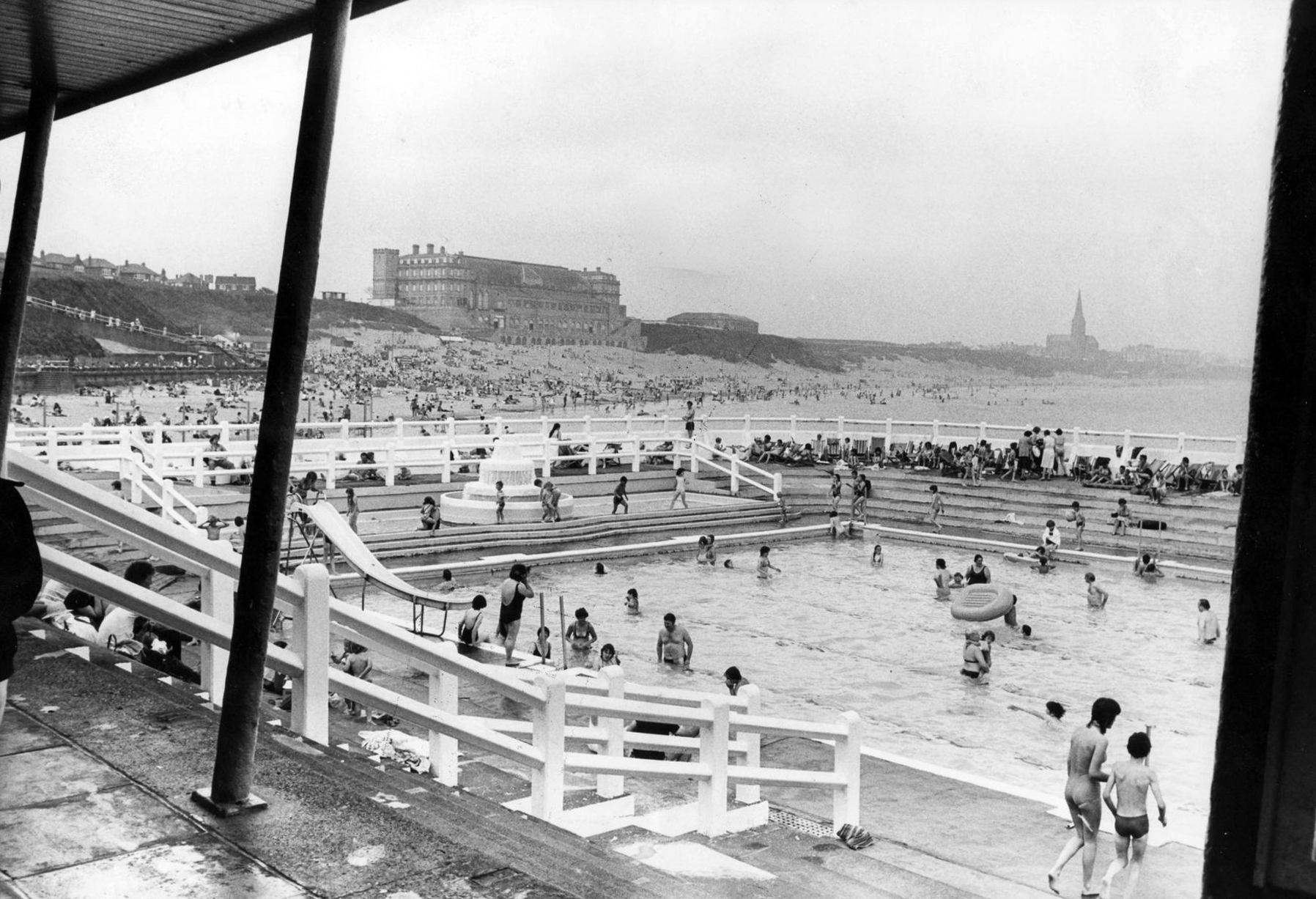
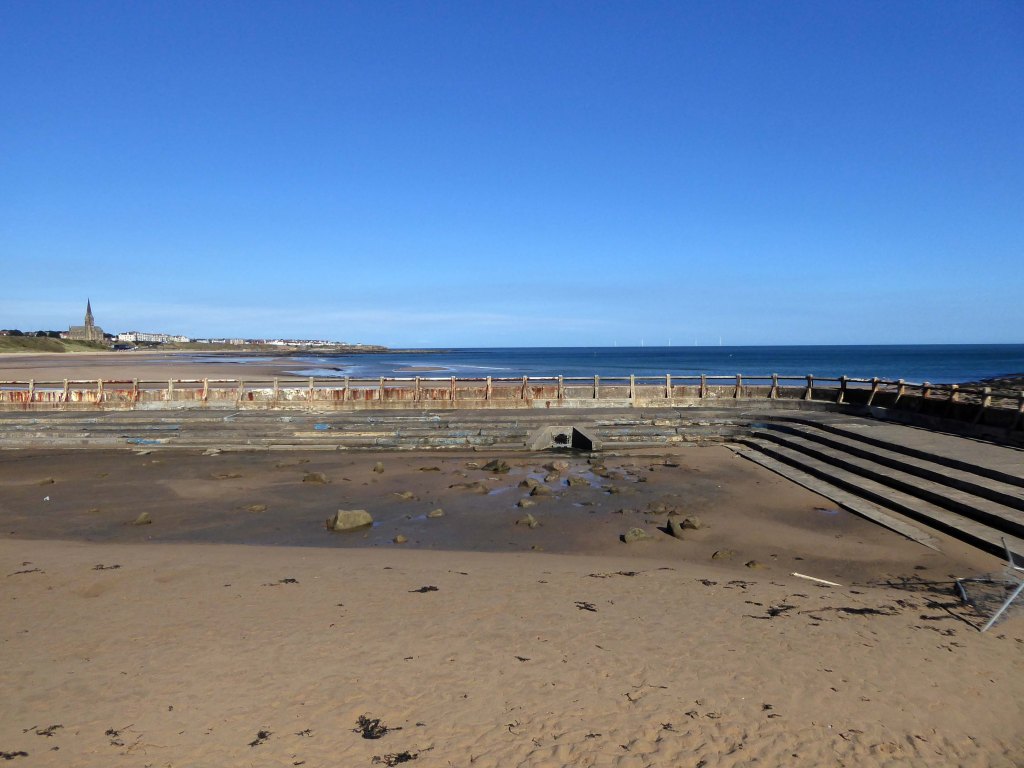
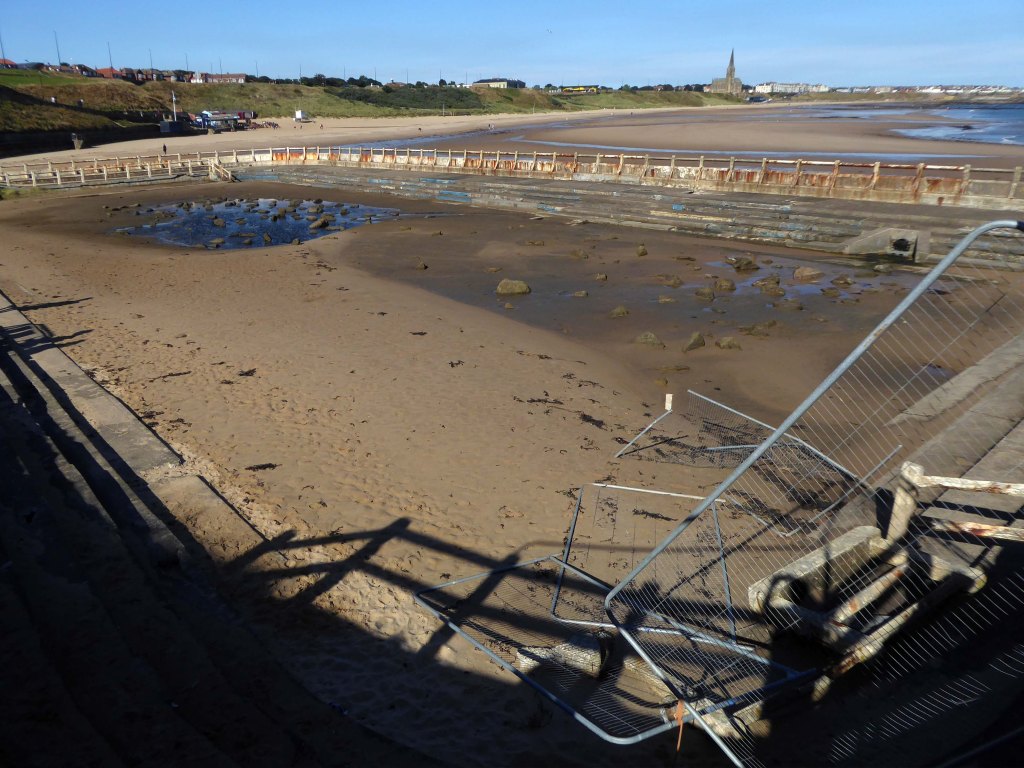
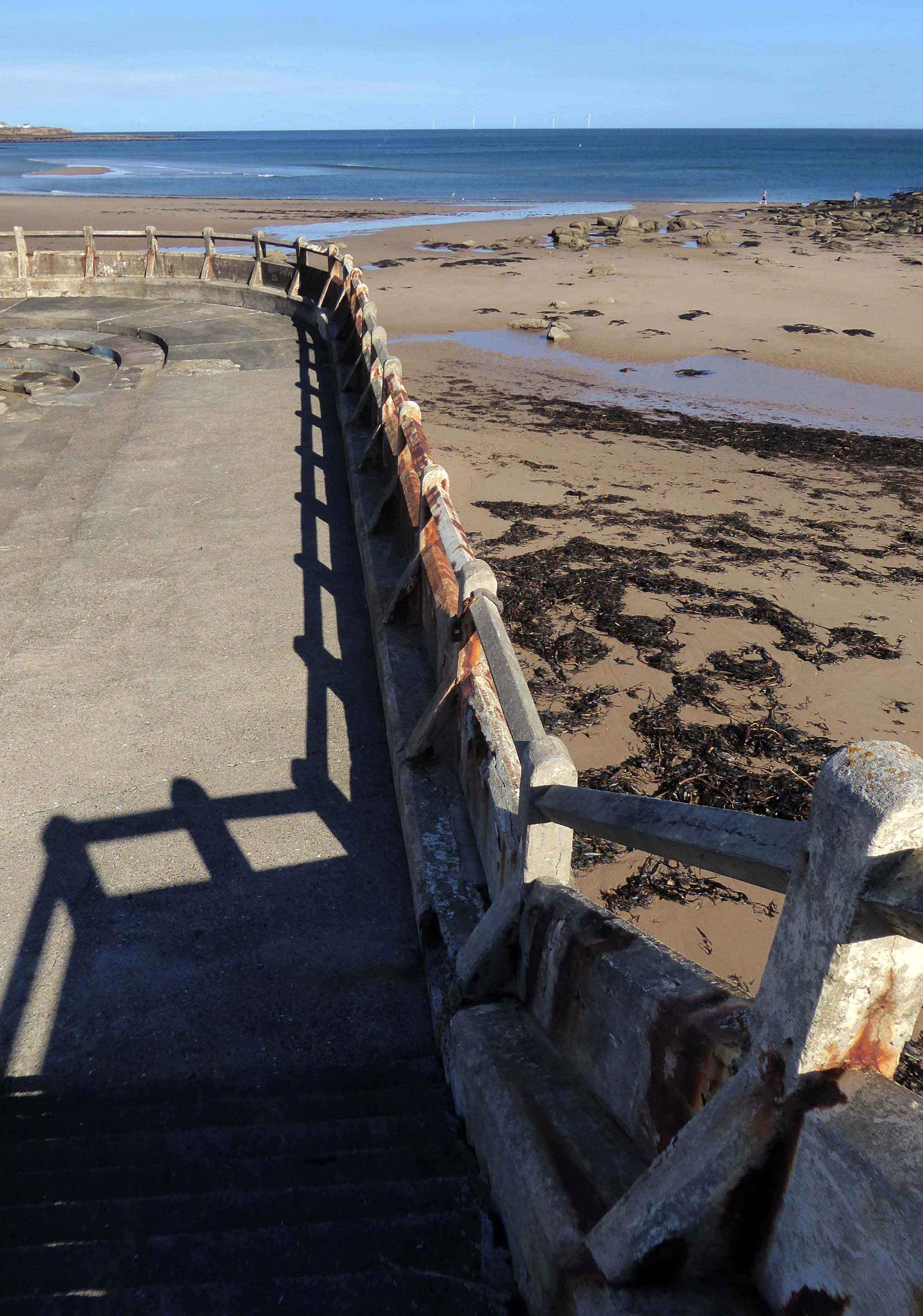
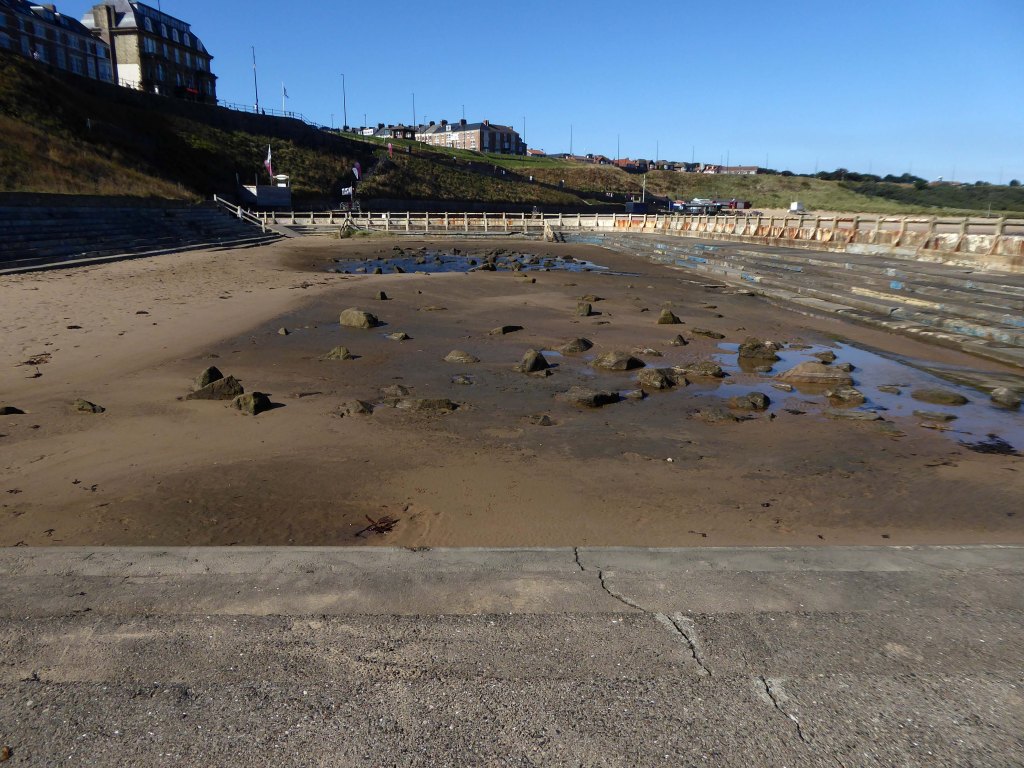
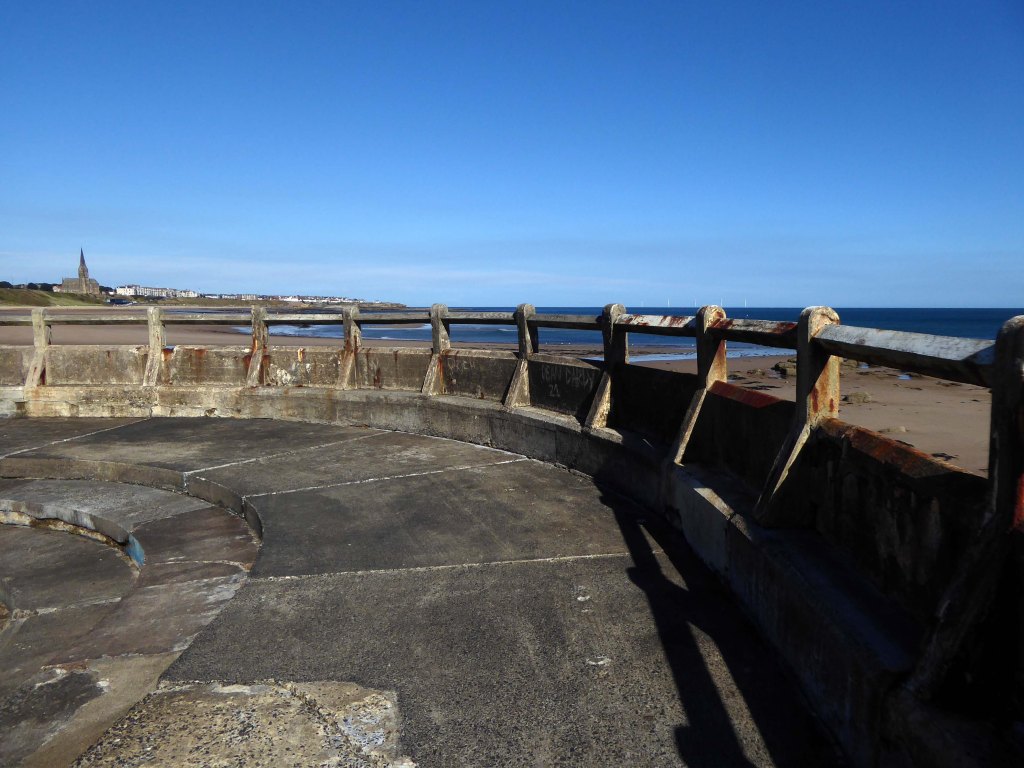
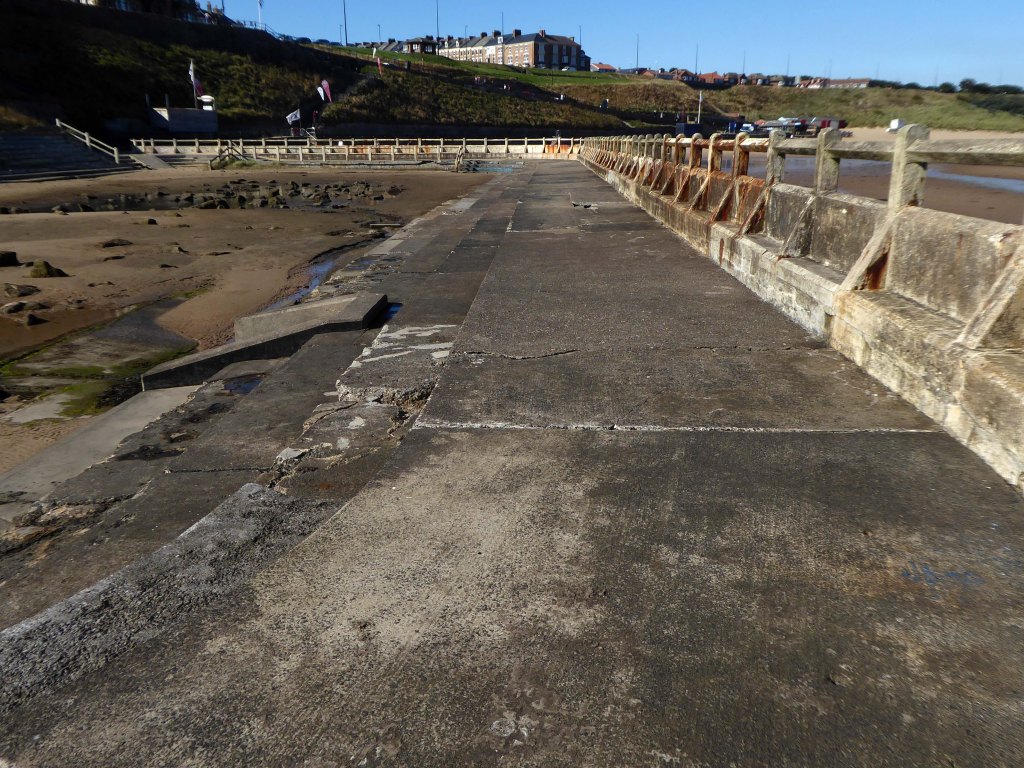
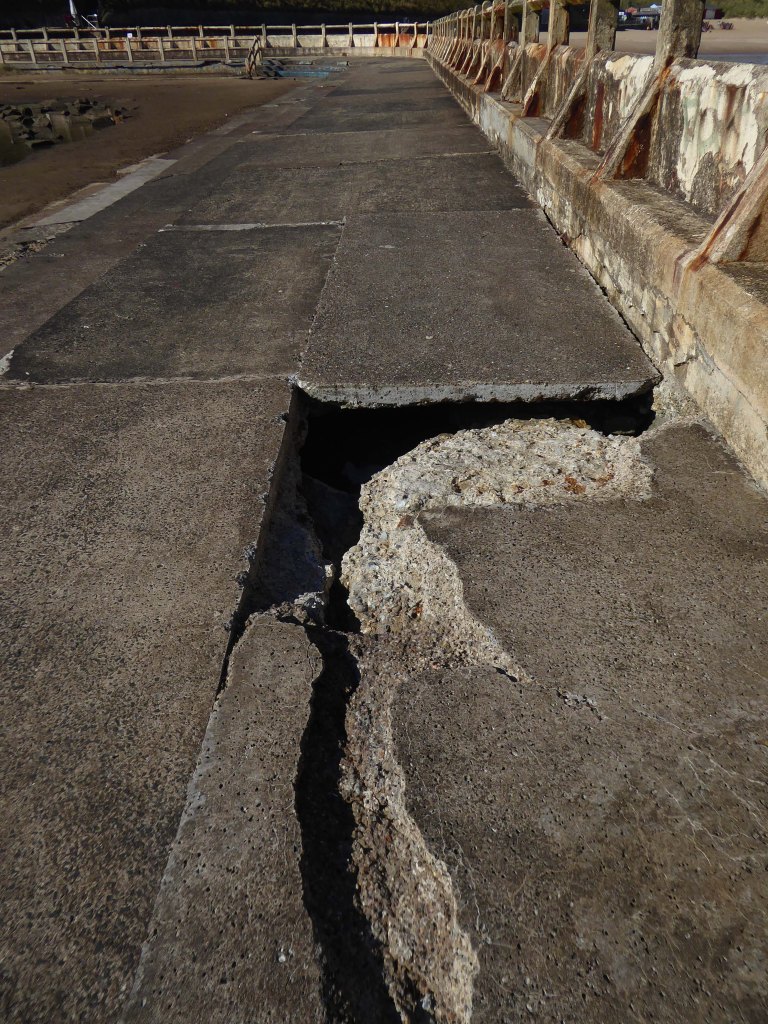
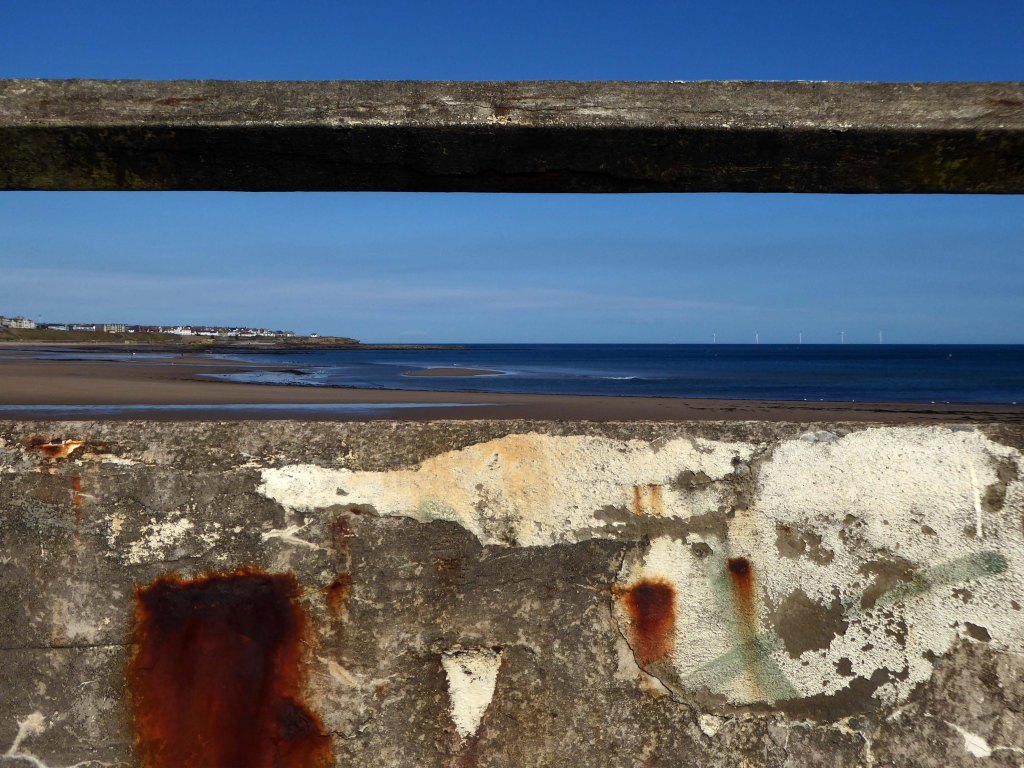
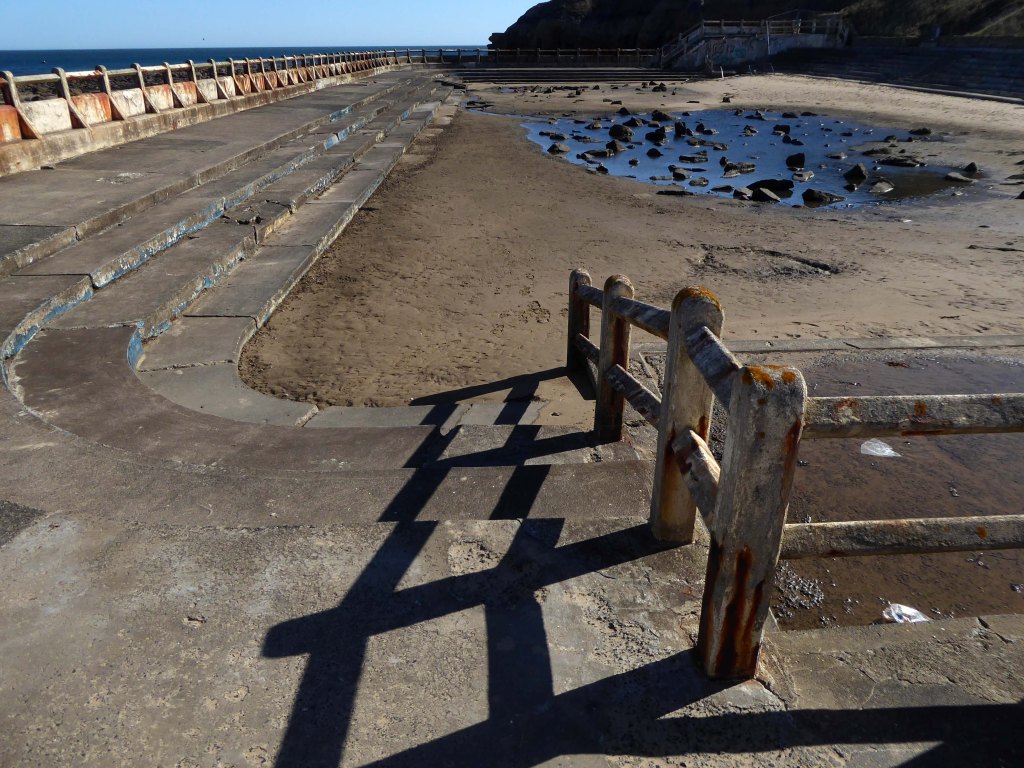
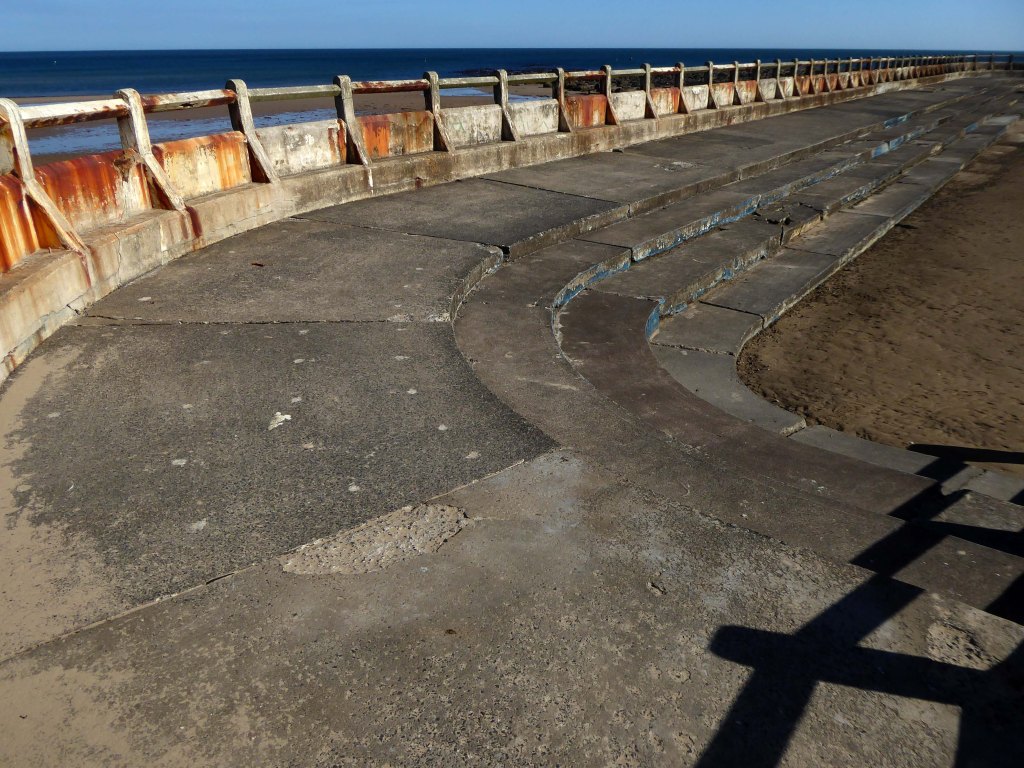
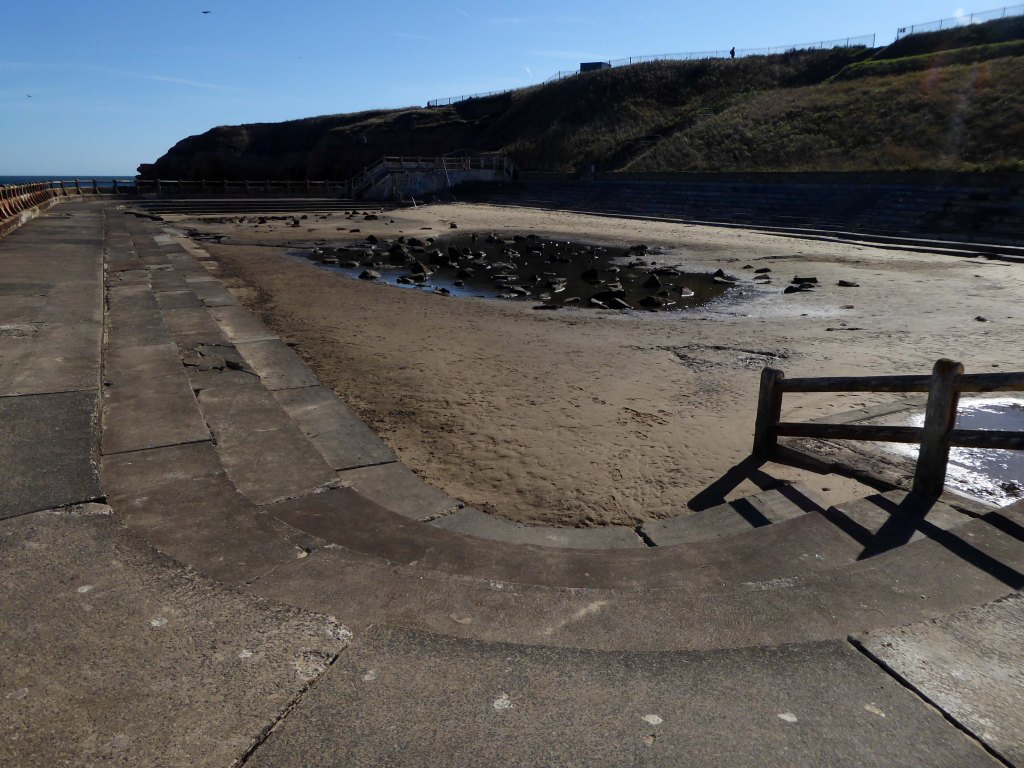
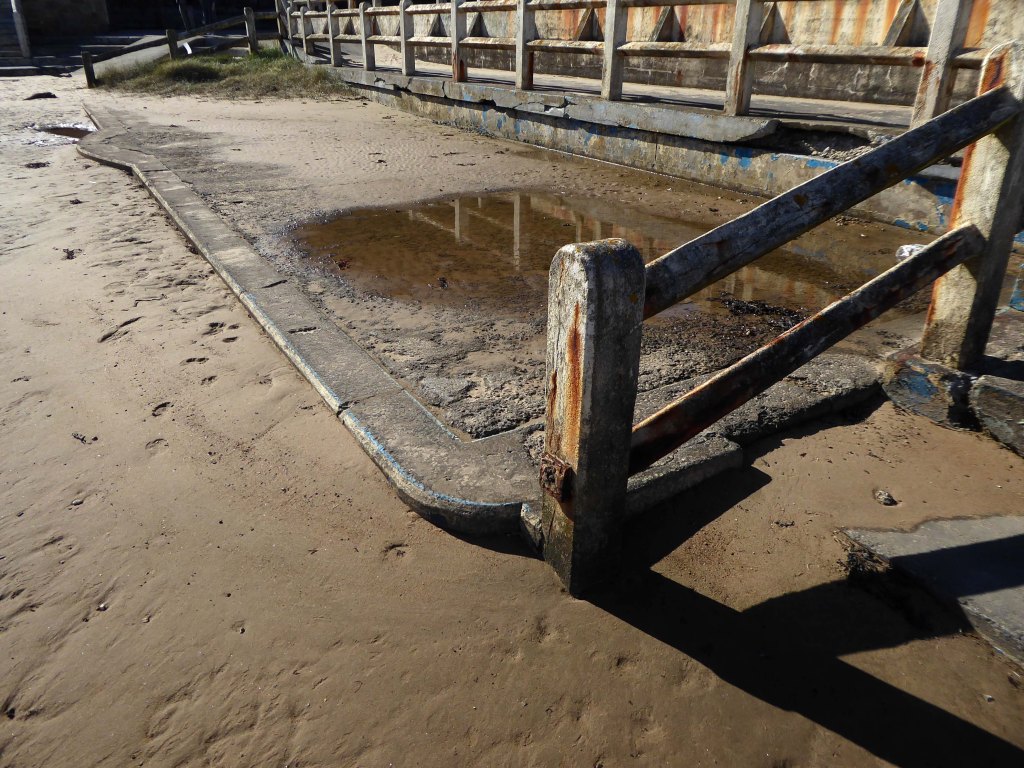
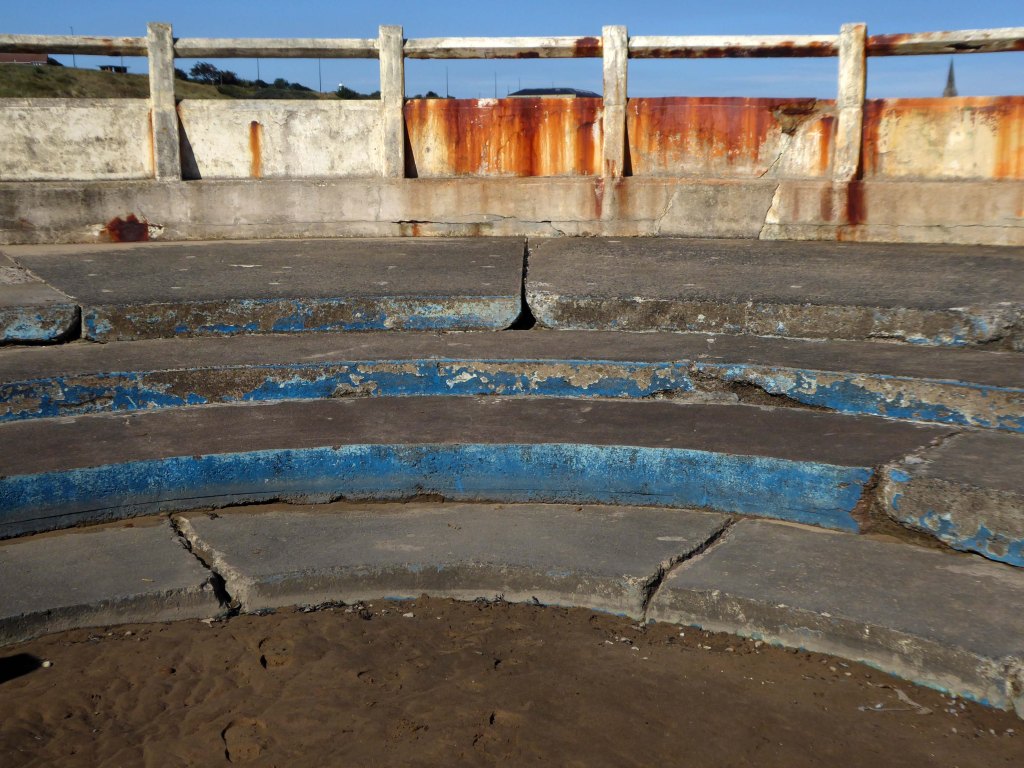
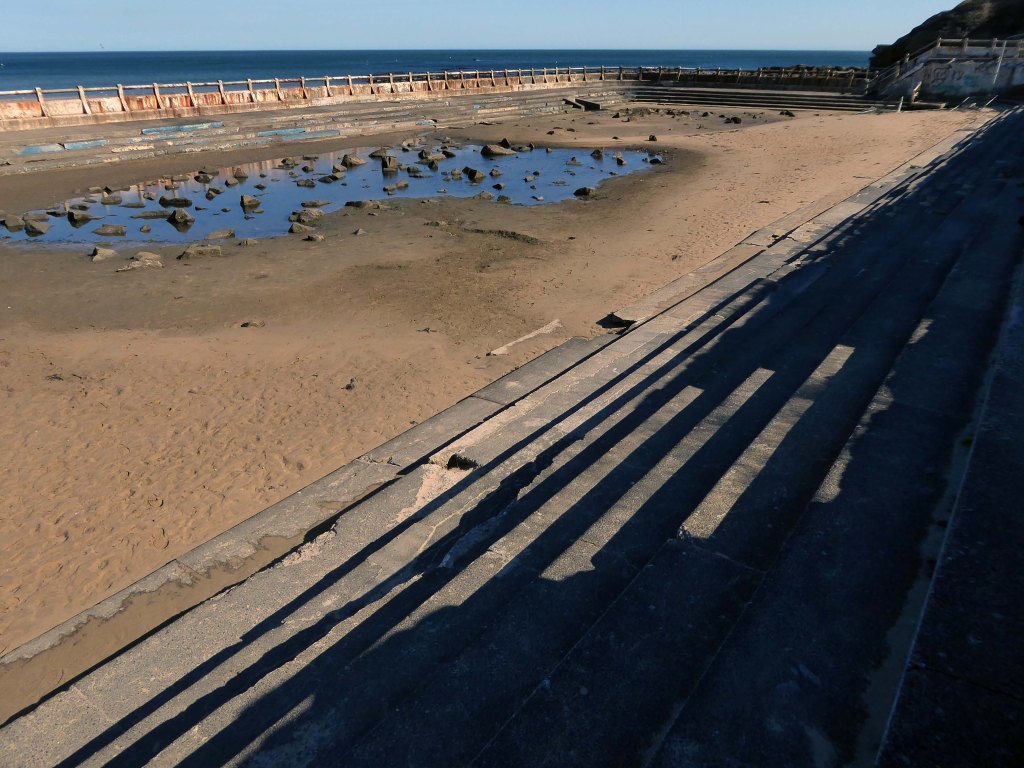
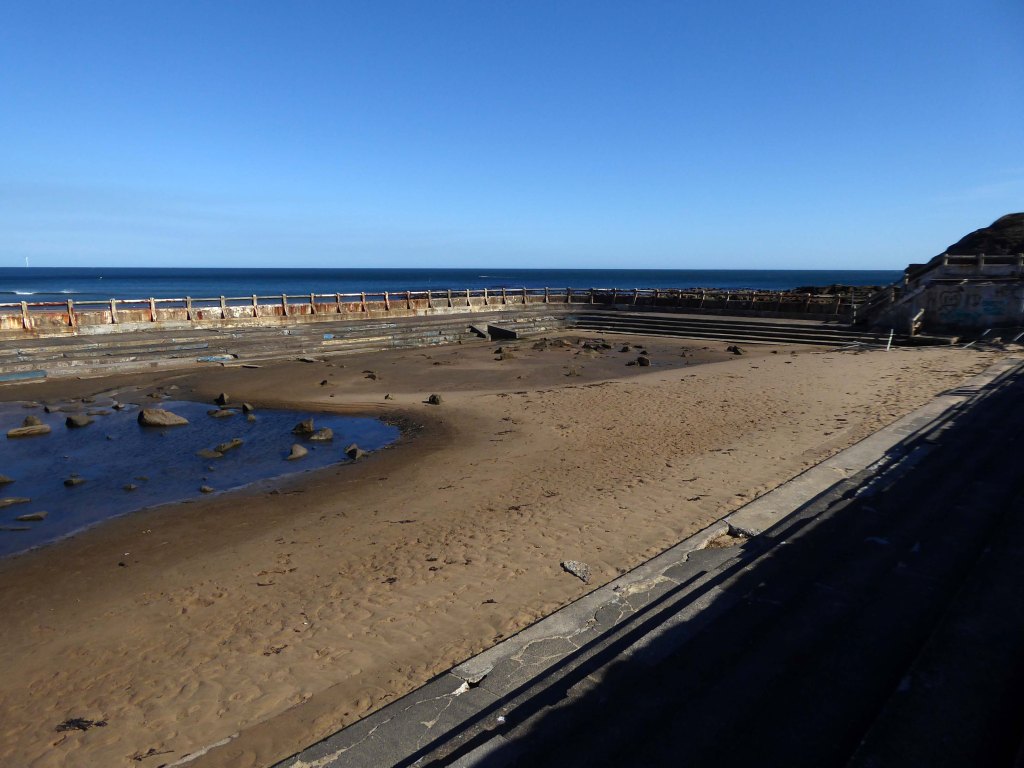
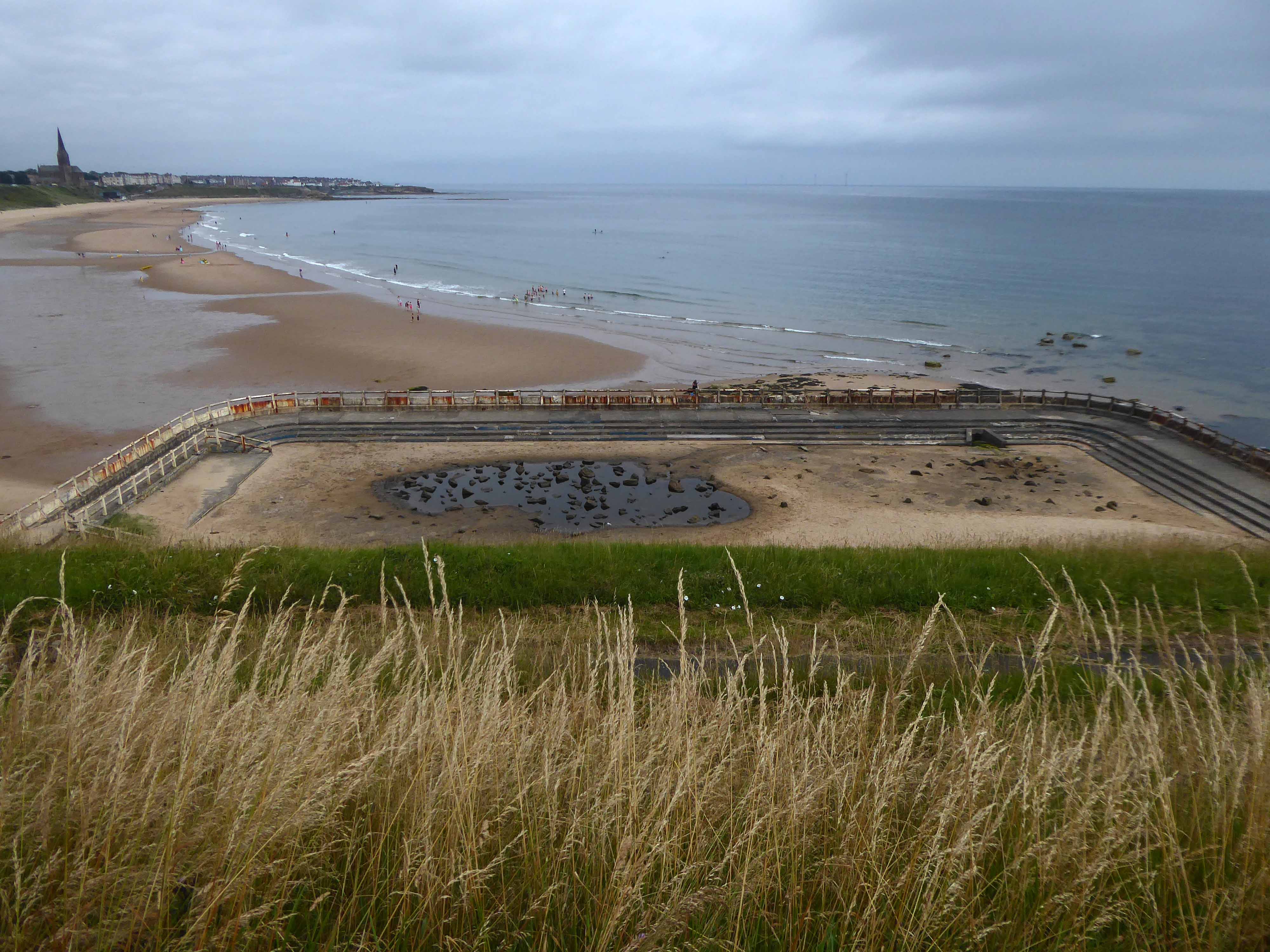
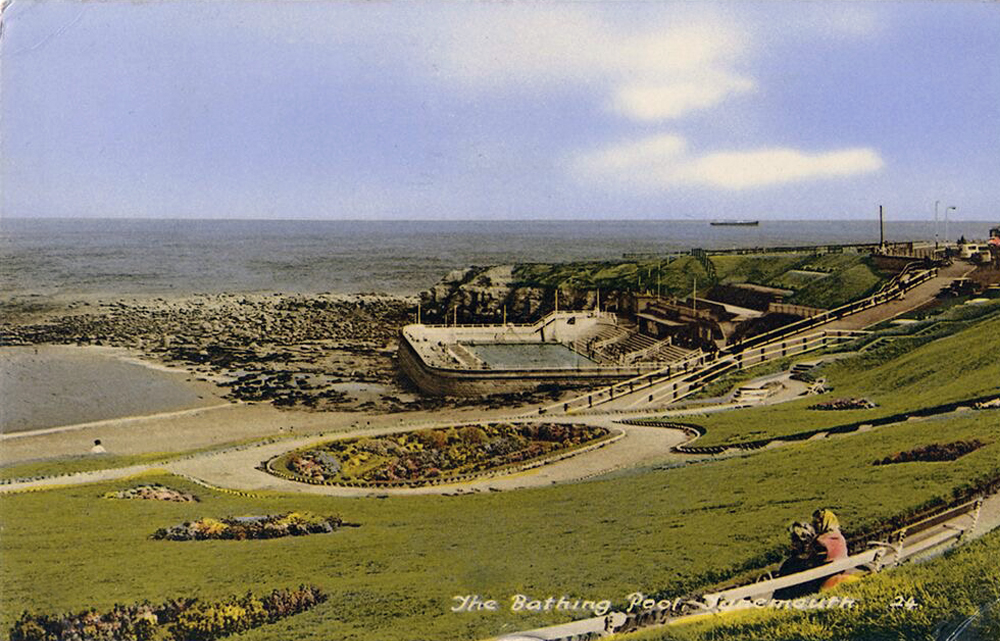
At the Southern end of Tynemouth Longsands beach, on the North East coast, lies the decaying remains of Tynemouth Outdoor Swimming Pool. A concrete, rectangular, salt water tidal pool, built in the 1920s. Popular with locals and holiday makers alike for over 50 years. It began to lose favour in the late 70s with the introduction of cheap package holidays abroad, just as other British coastal holiday destinations lost out.

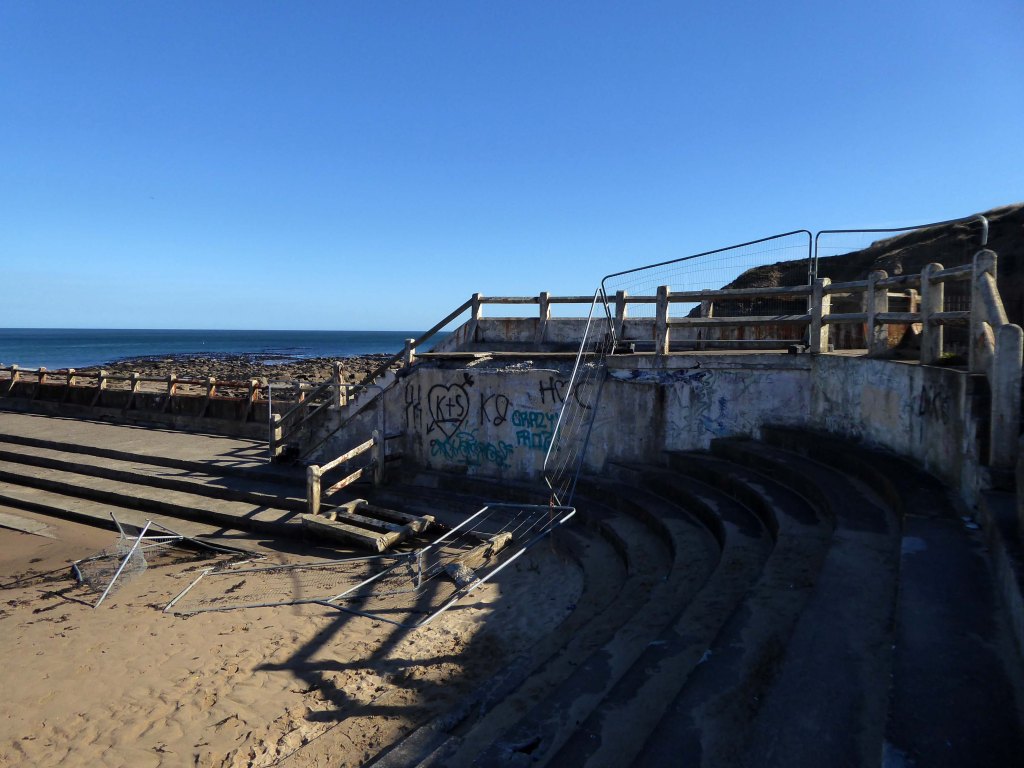
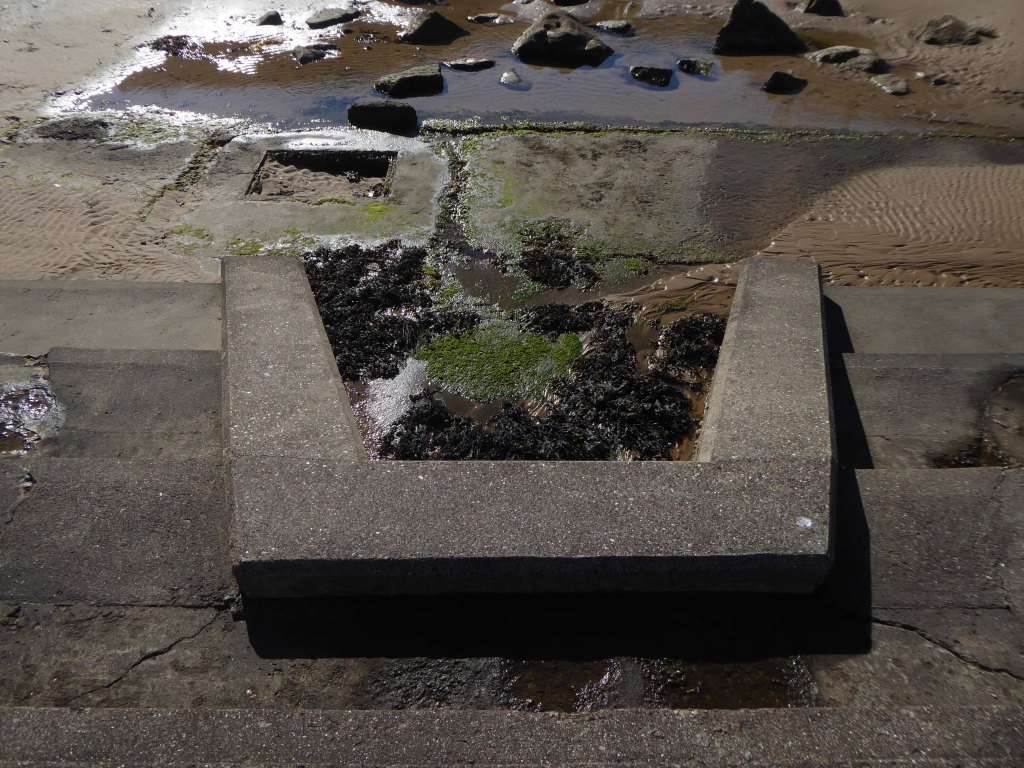
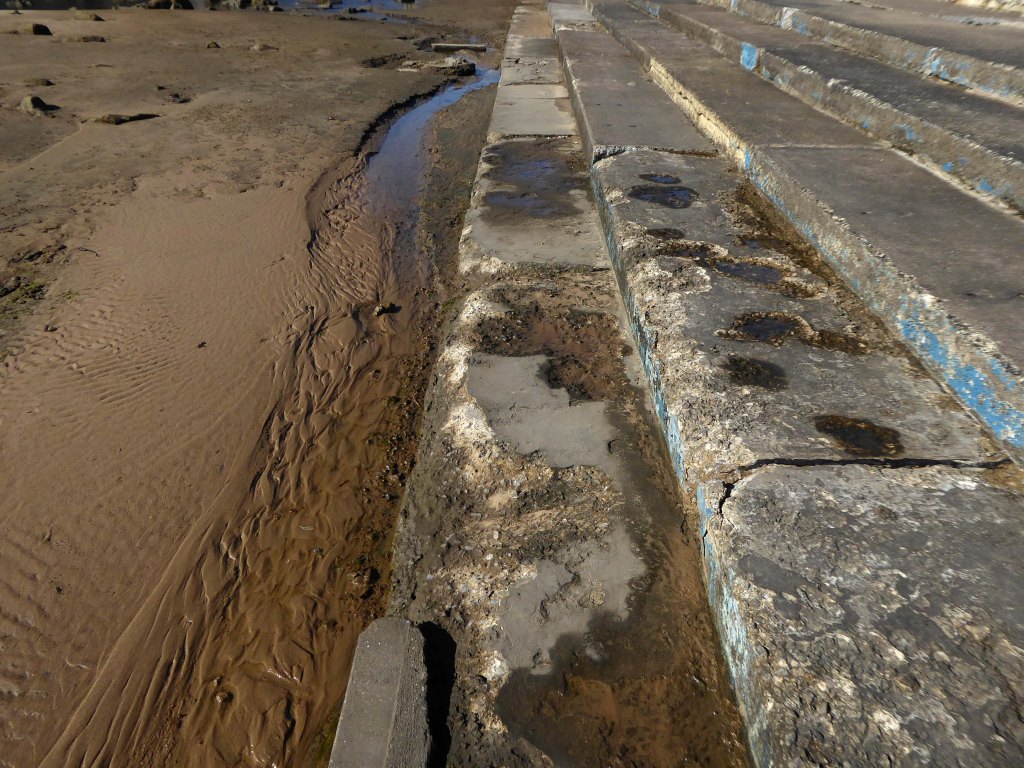
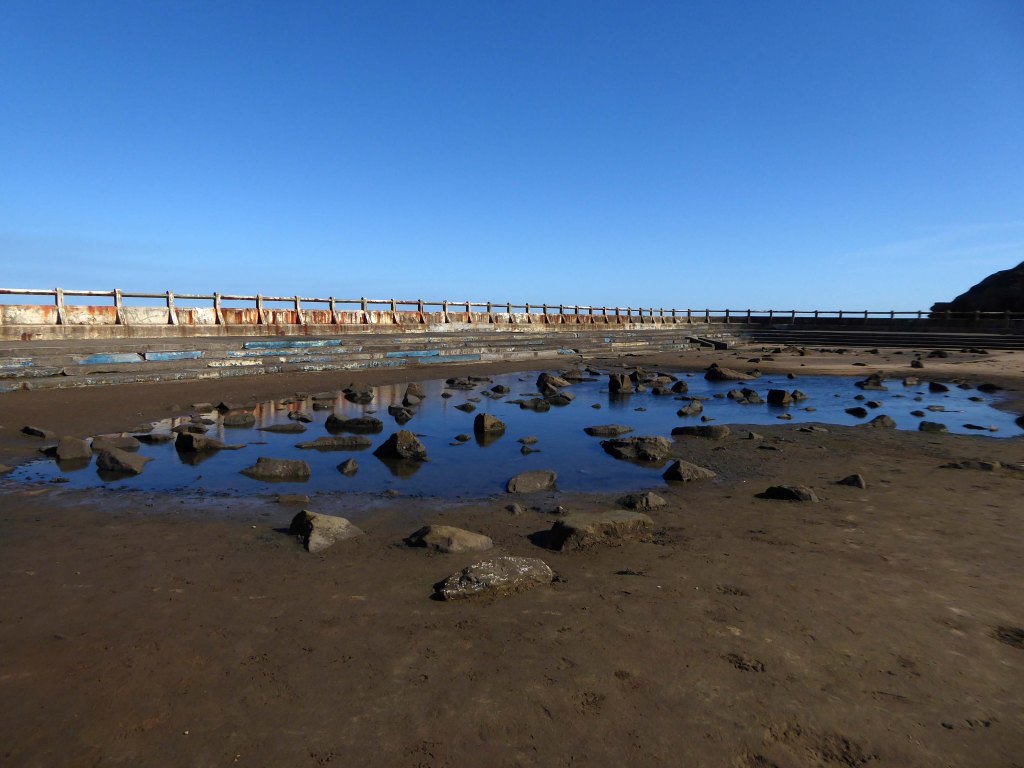
The pool fell into disrepair, and in the mid 90s the Local Authority demolished the ancillary buildings and bulldozed the rubble into the pool, at a cost of £200,000, before filling with concrete and imported boulders to form an artificial ‘rock pool’.

The anticipated marine life they introduced never flourished and the pool remains an eyesore to this day.

Friends of Tynemouth Pool

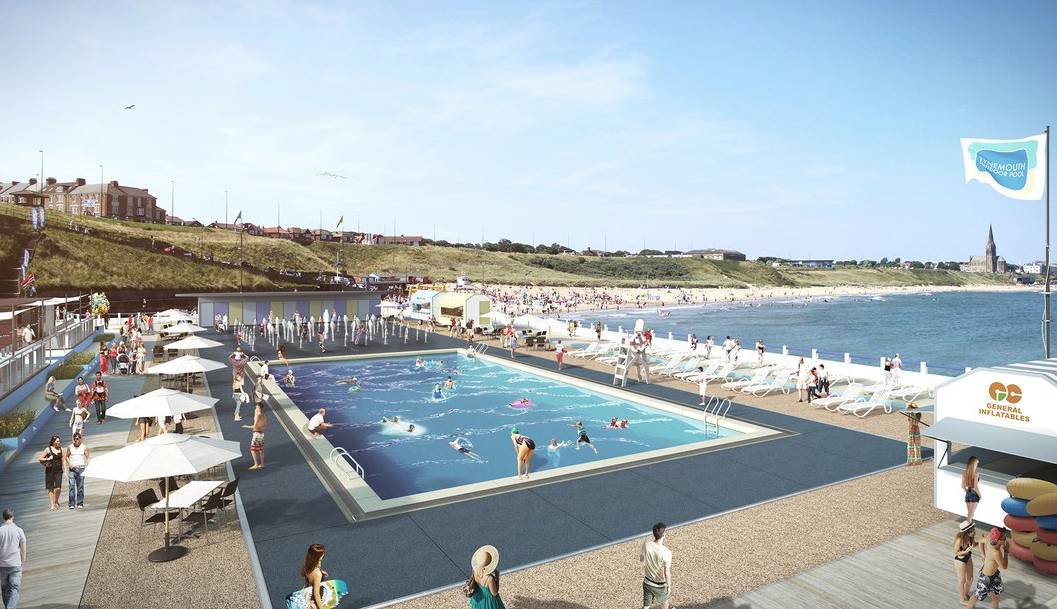
There are plans for restoration and renewal.

So that once again the merry bathers may bathe merrily.

Chronicle Live

There’s still a long way to go.

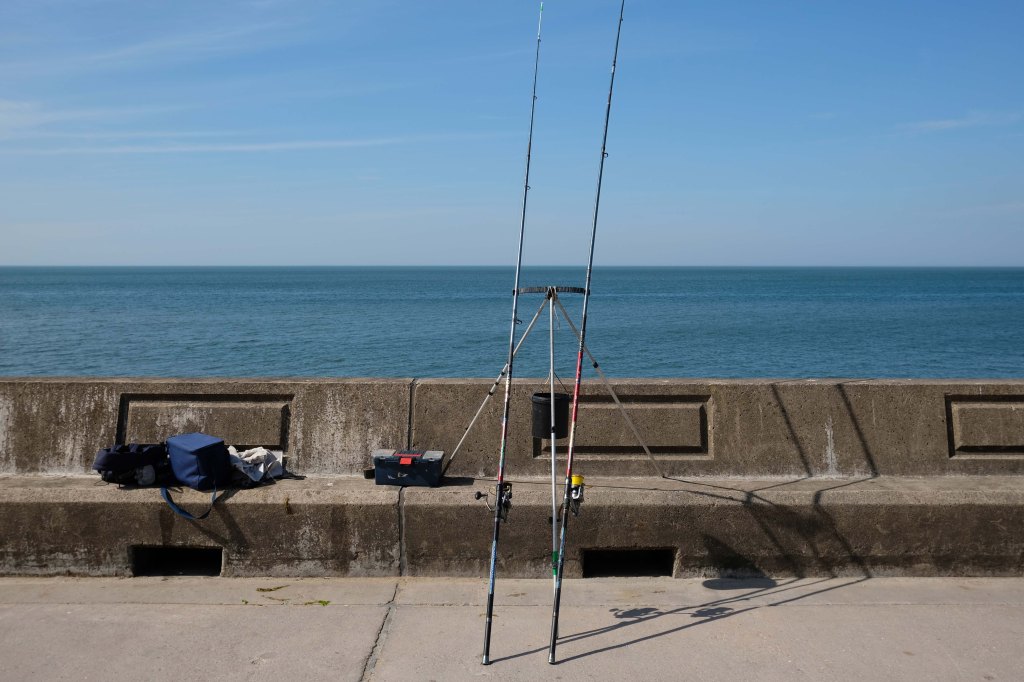
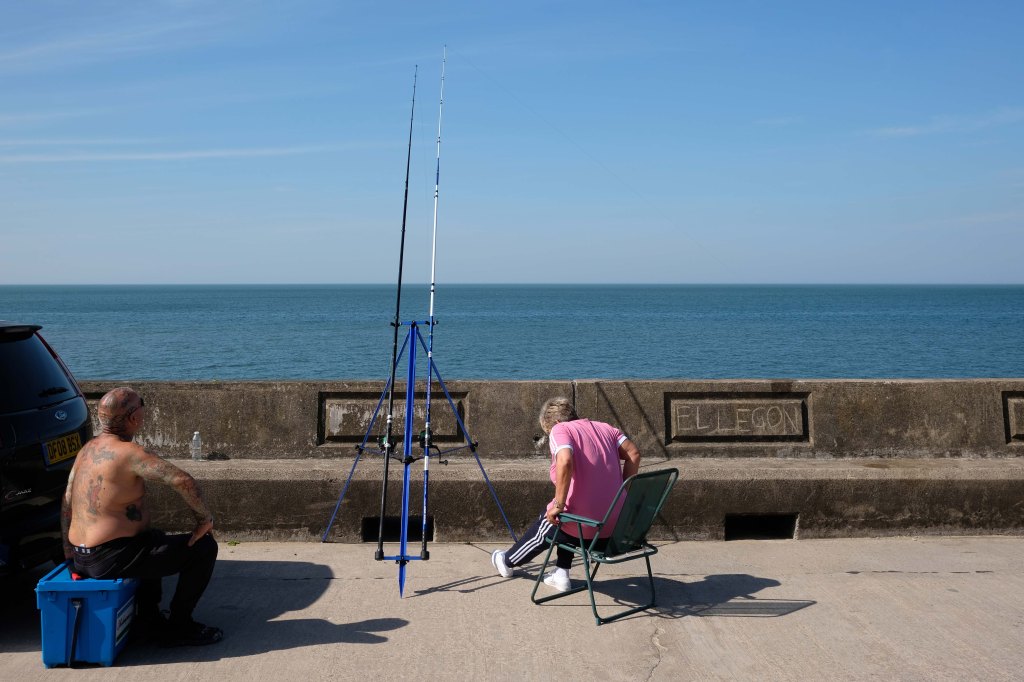
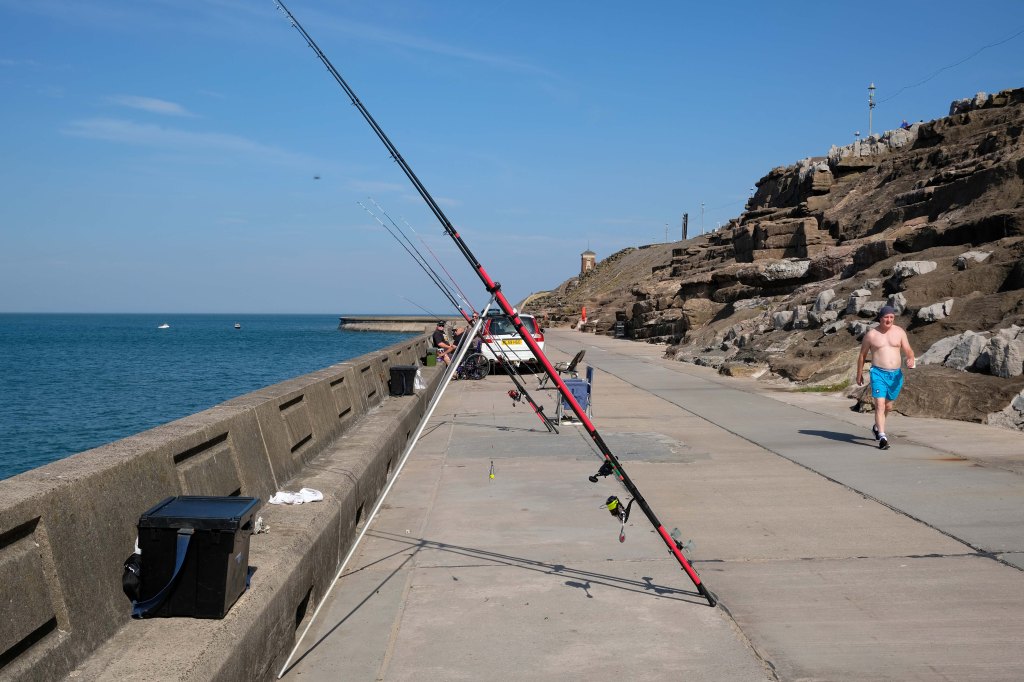
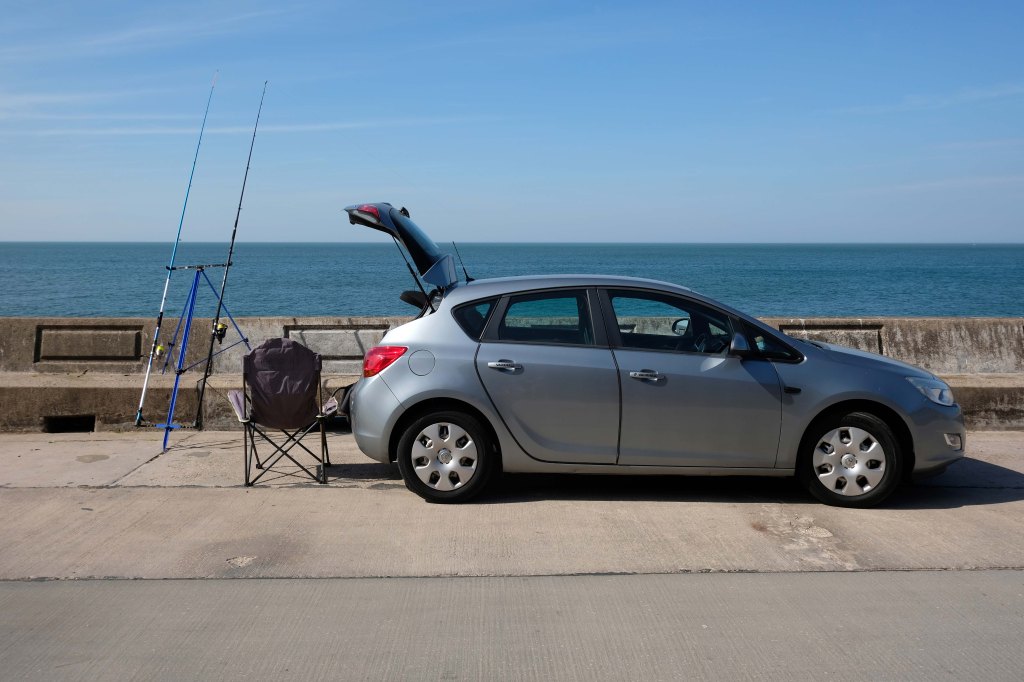
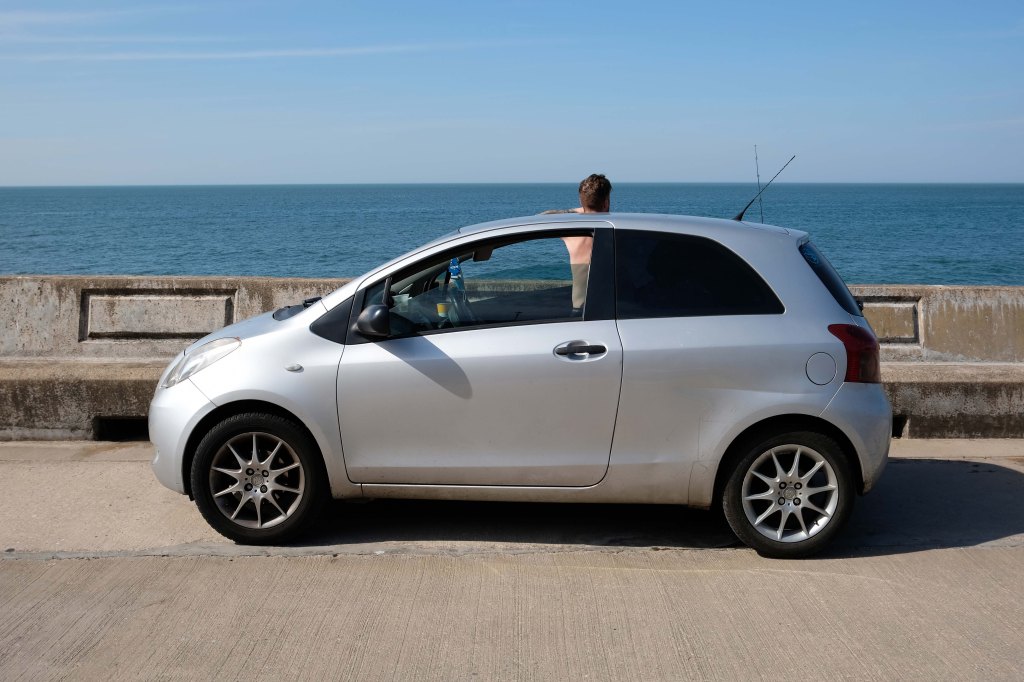
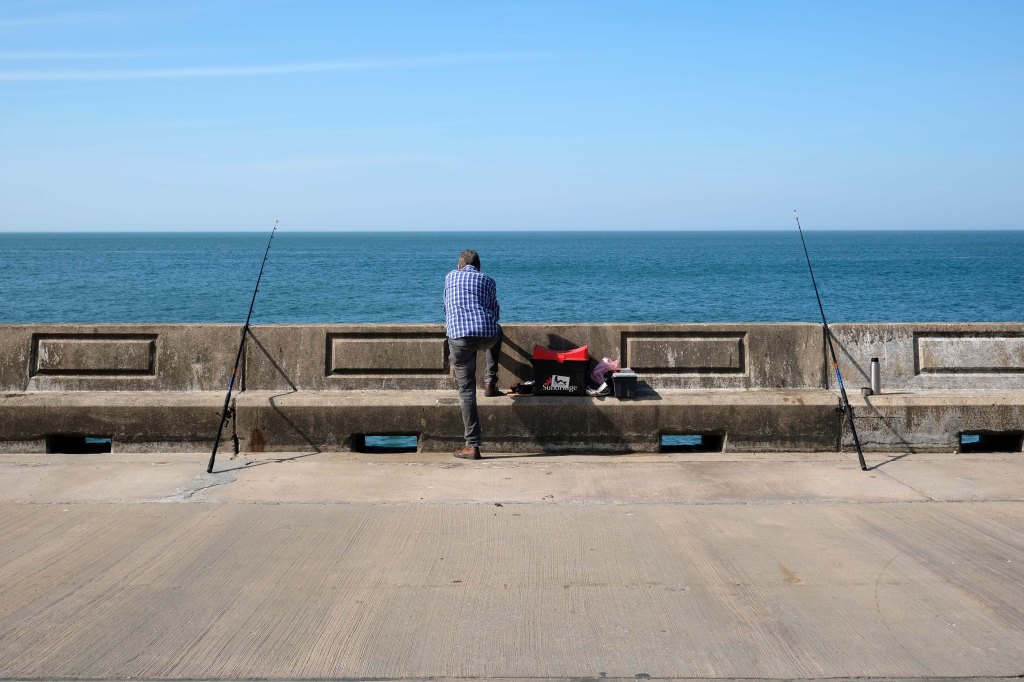
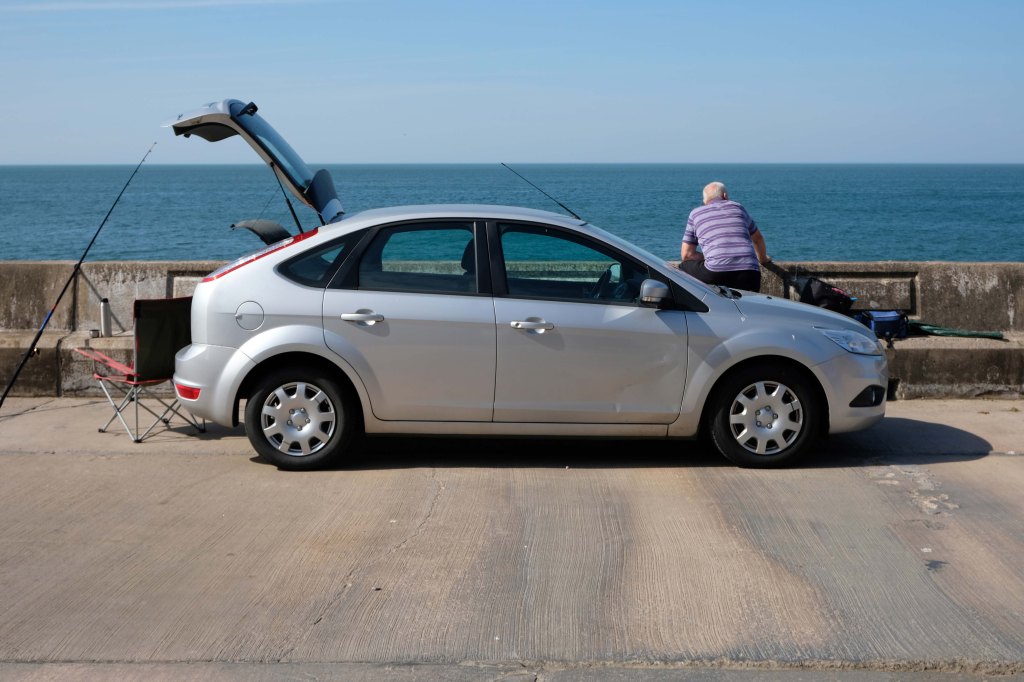
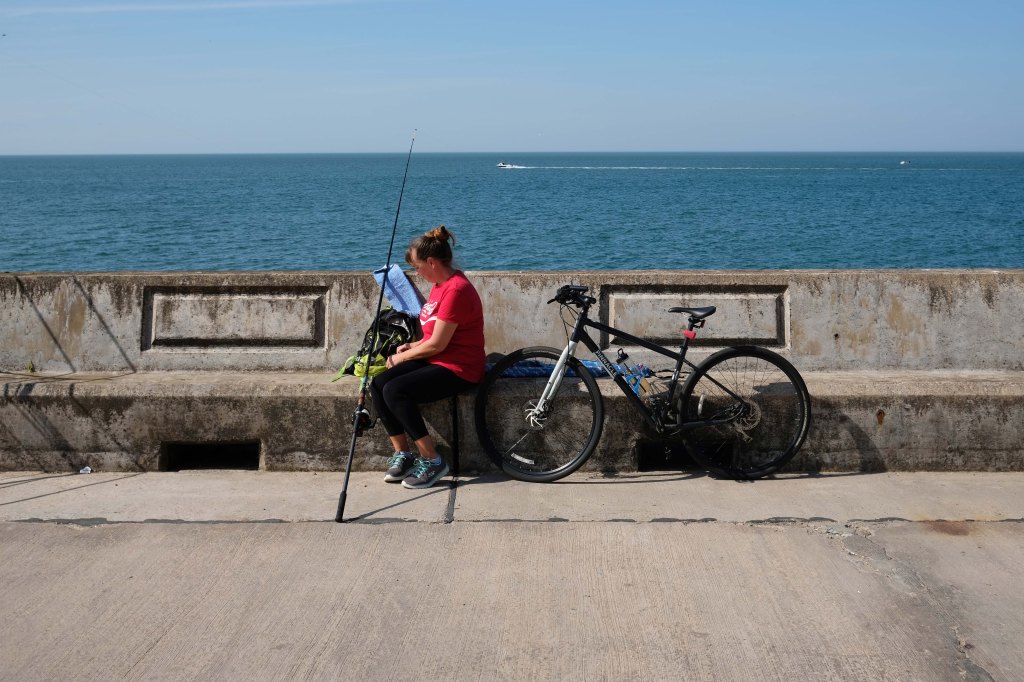
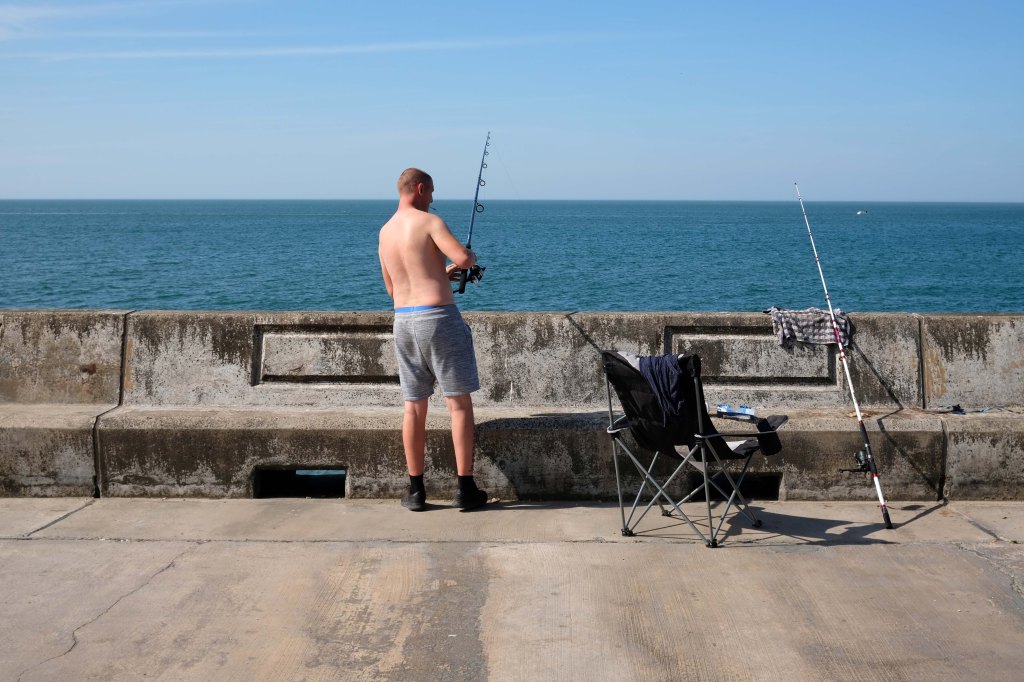
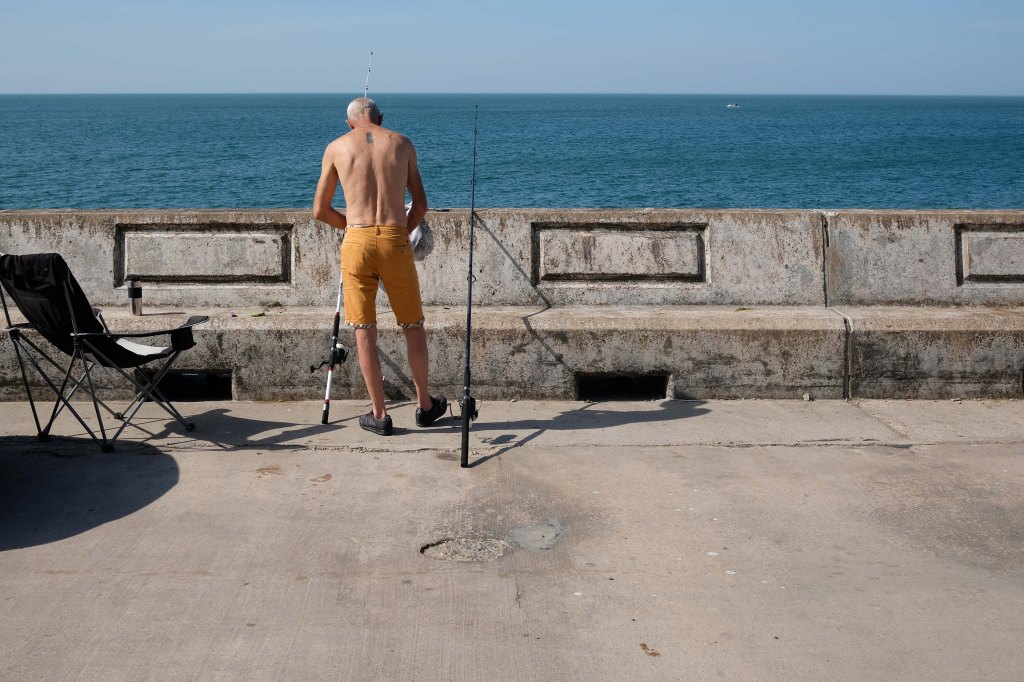
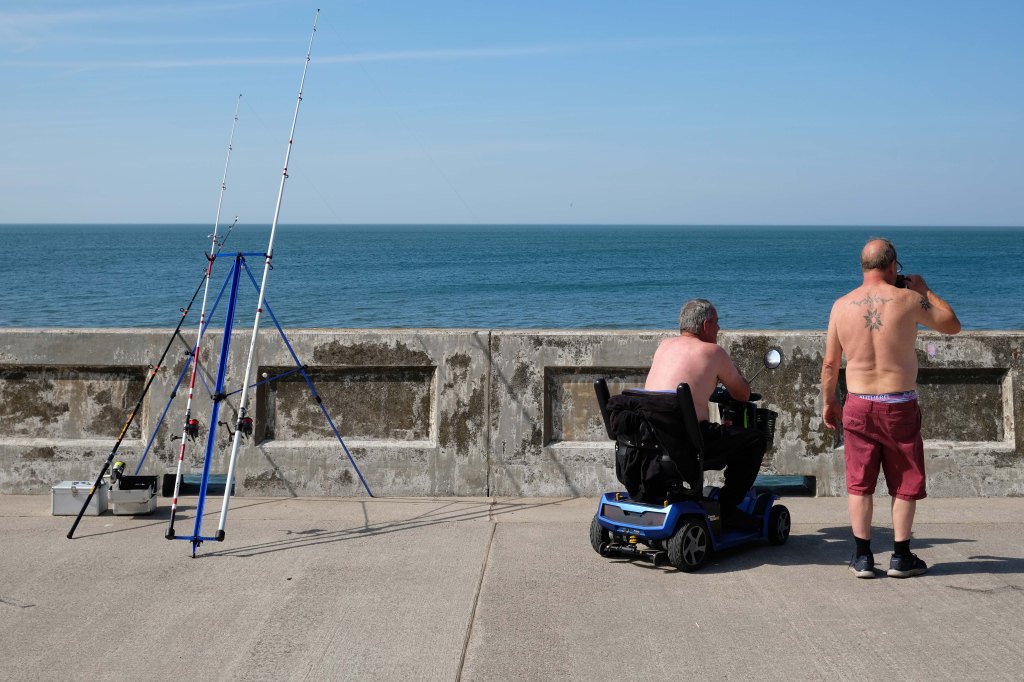
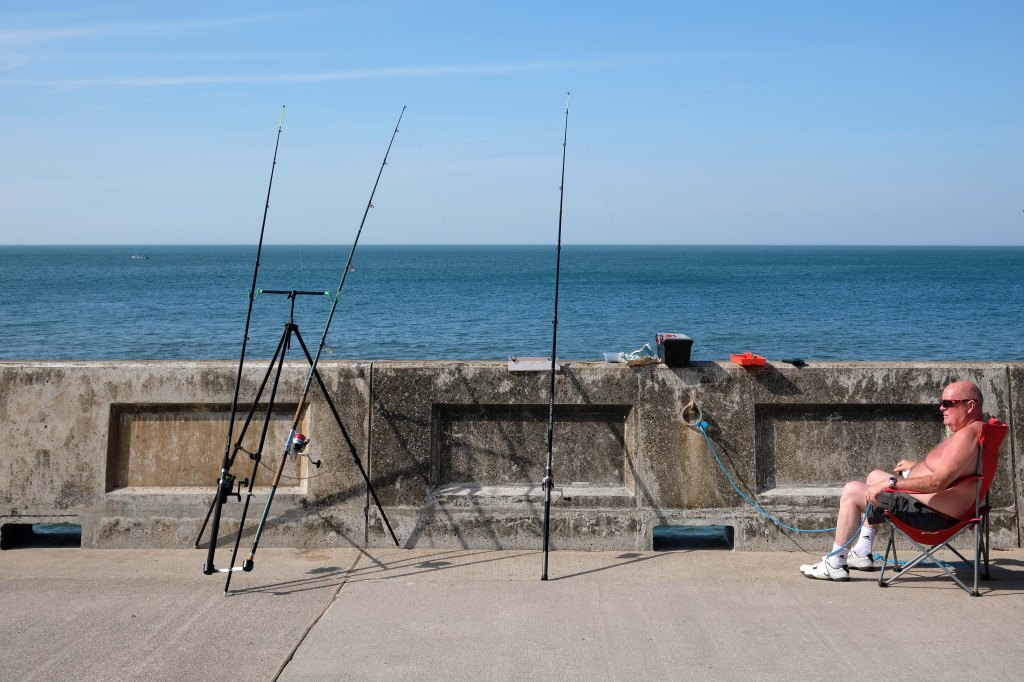
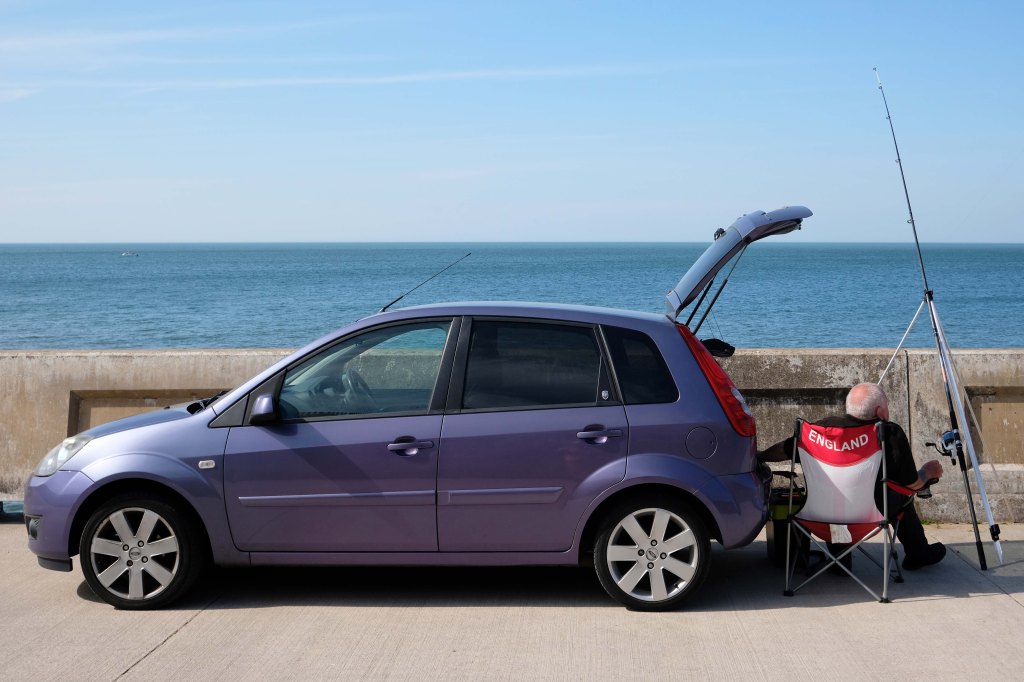
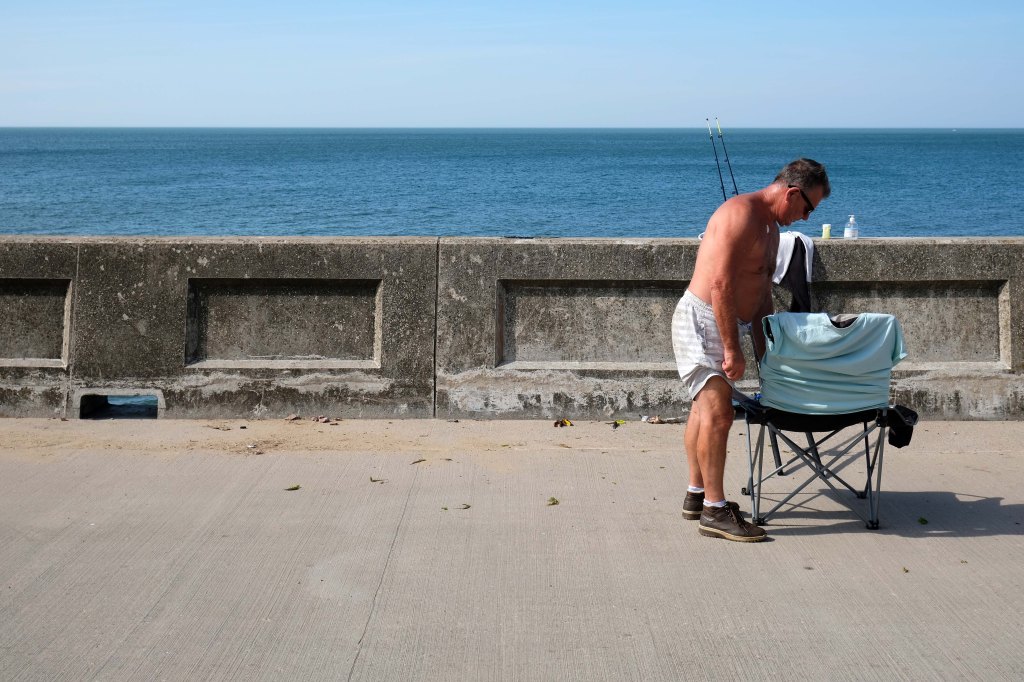
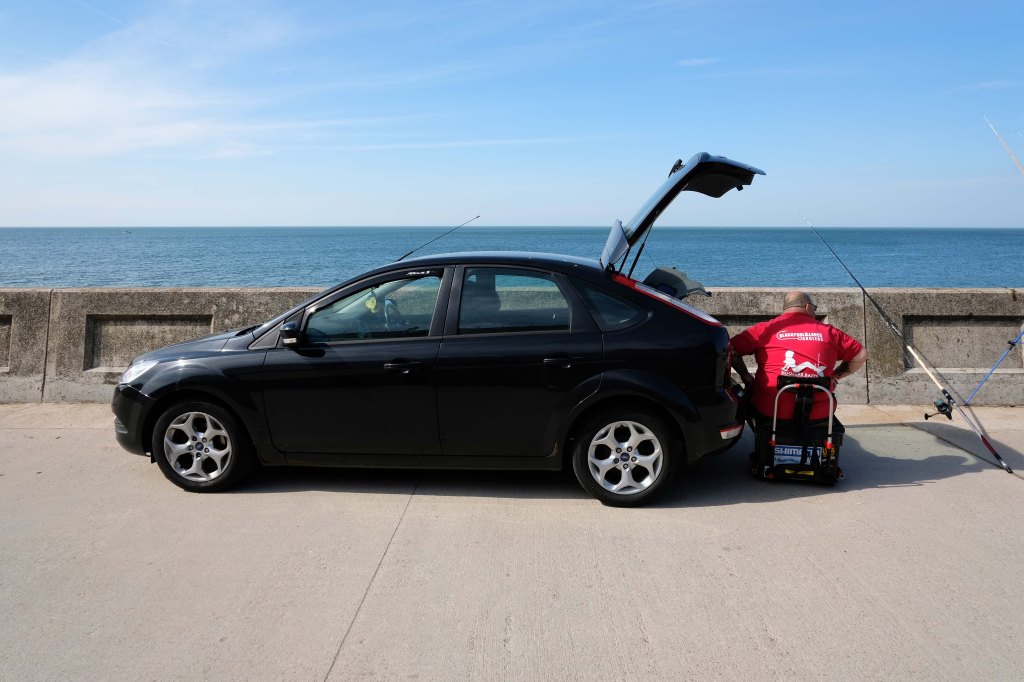
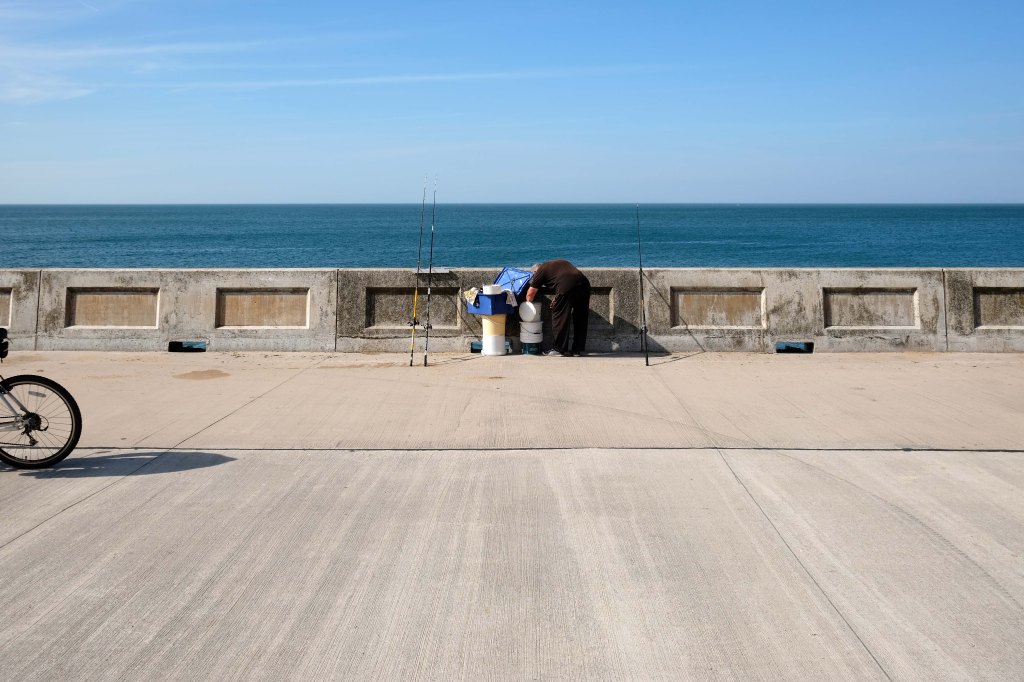
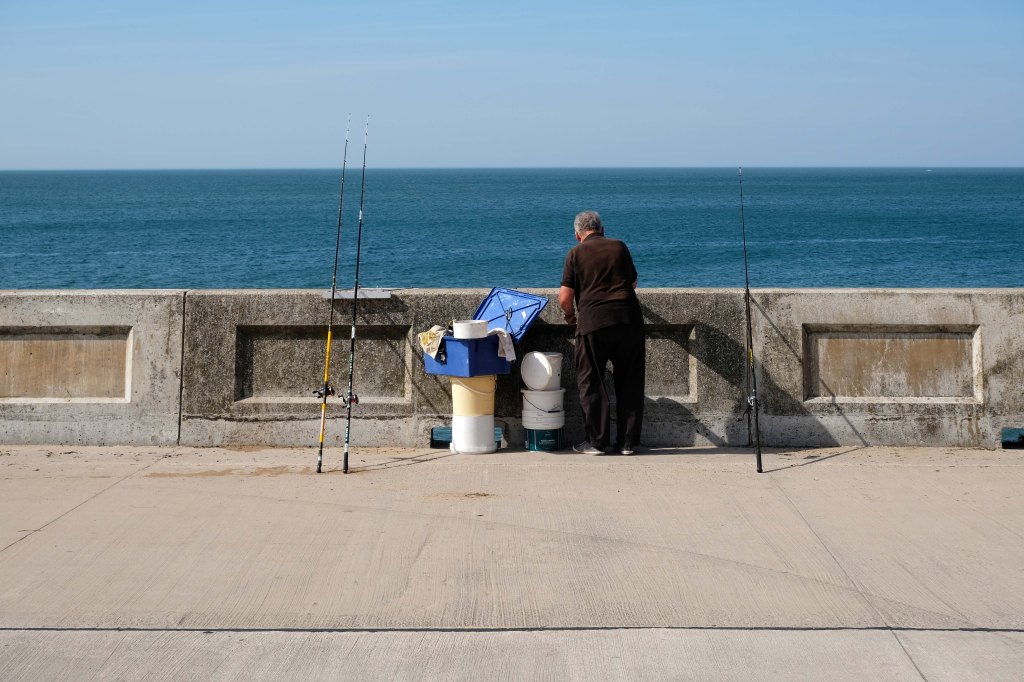
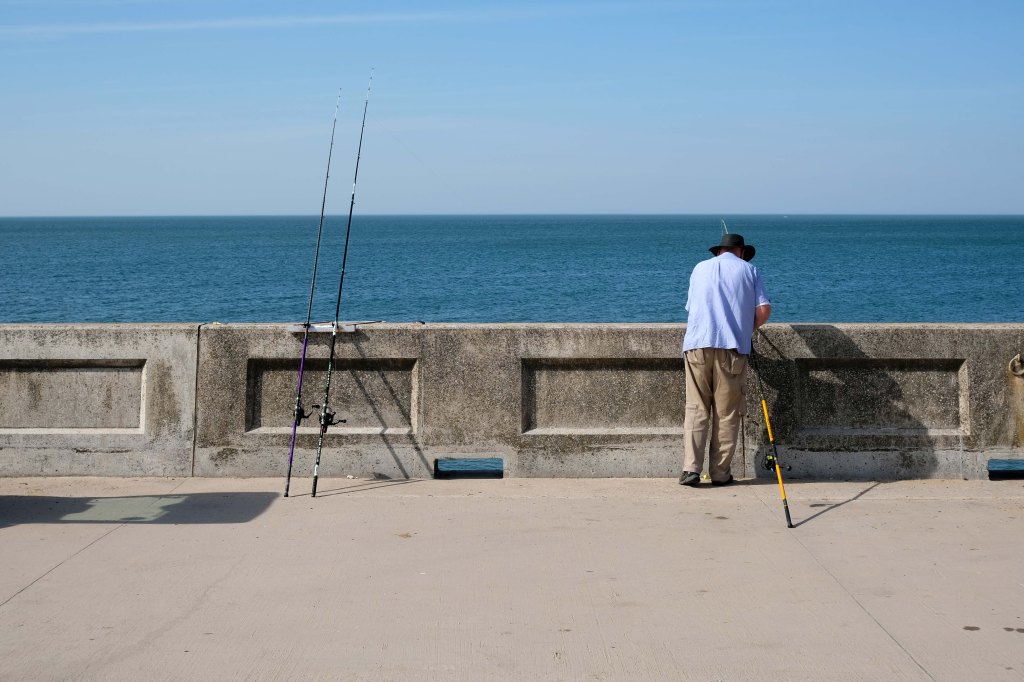
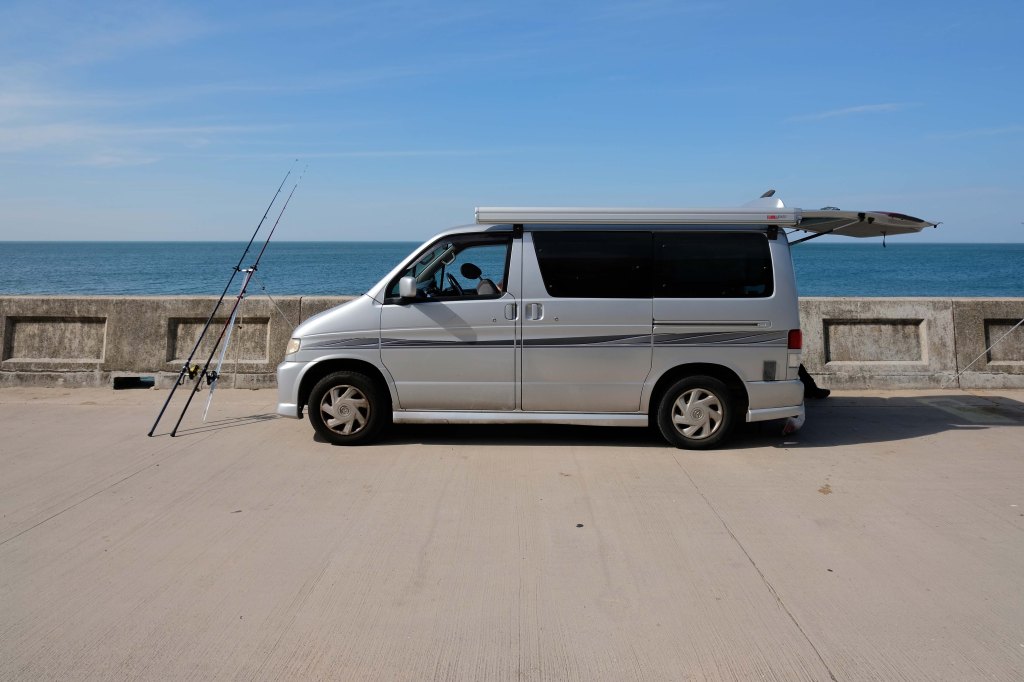
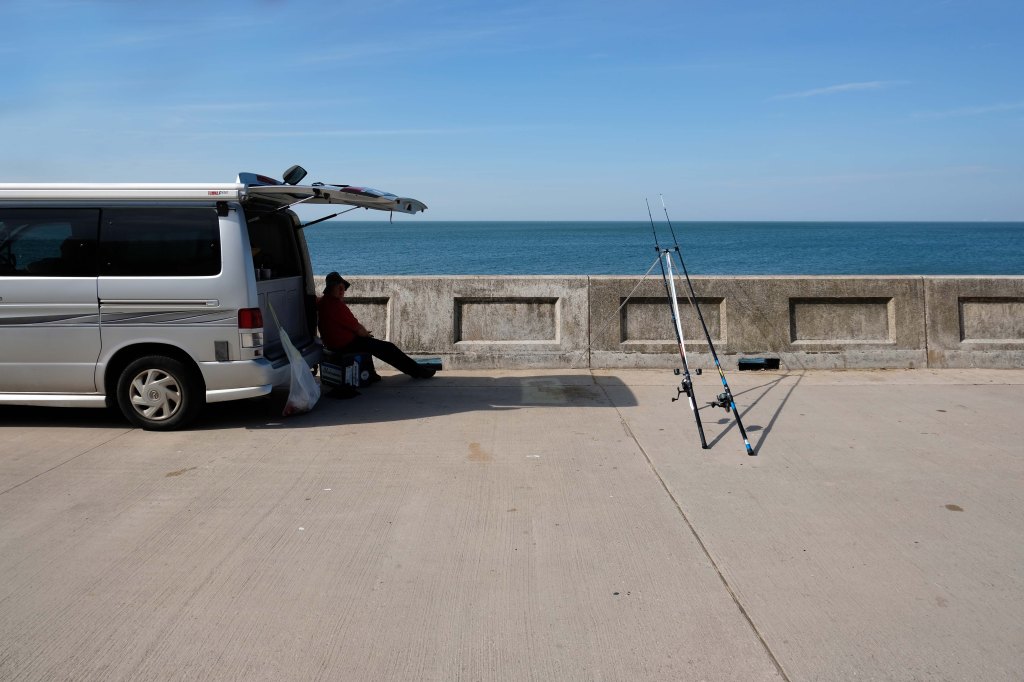
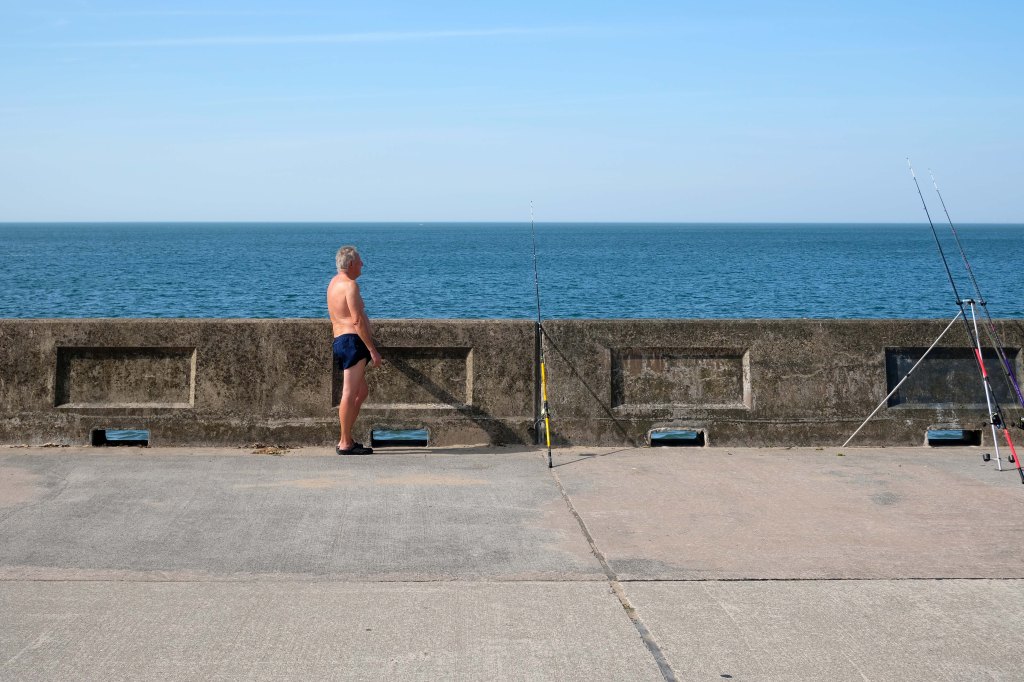
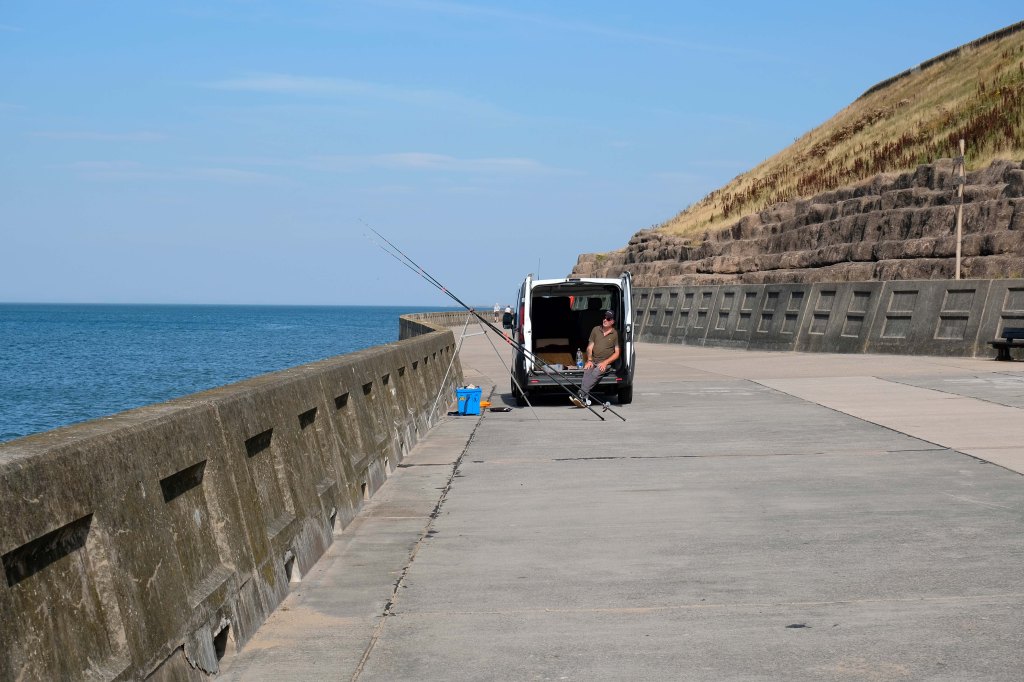
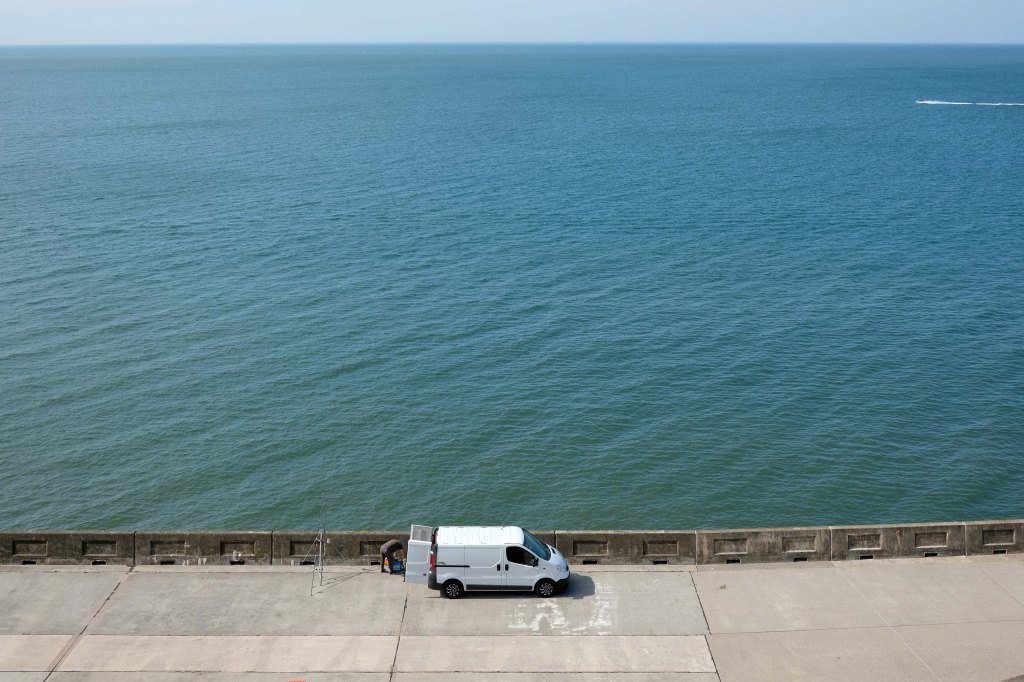
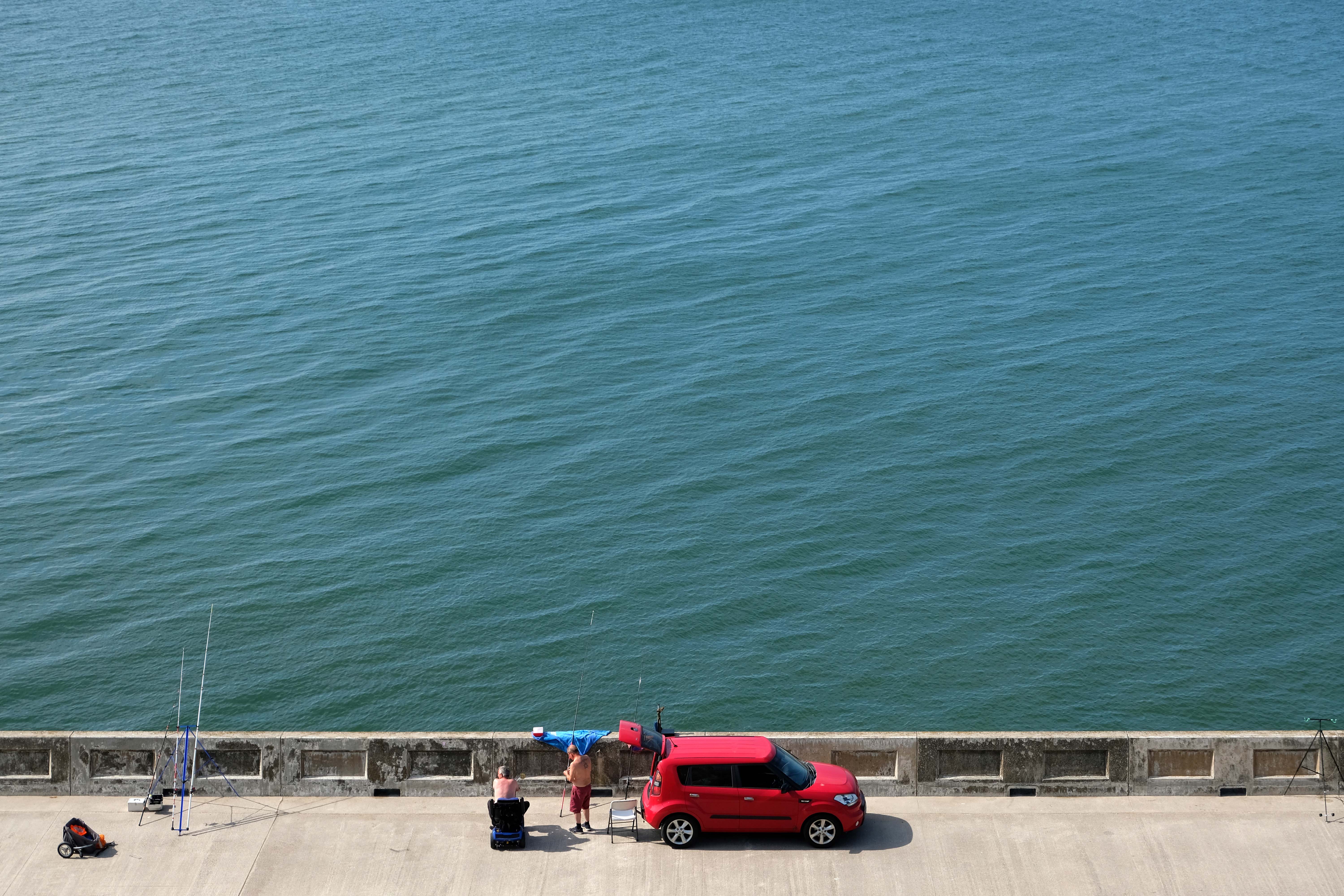
Sea Fishing – North Shore Blackpool

I love to walk the long concrete promenade along the North Shore.

In fact I’ve previously written all about it.

One very sunny post lockdown day I walked along again.

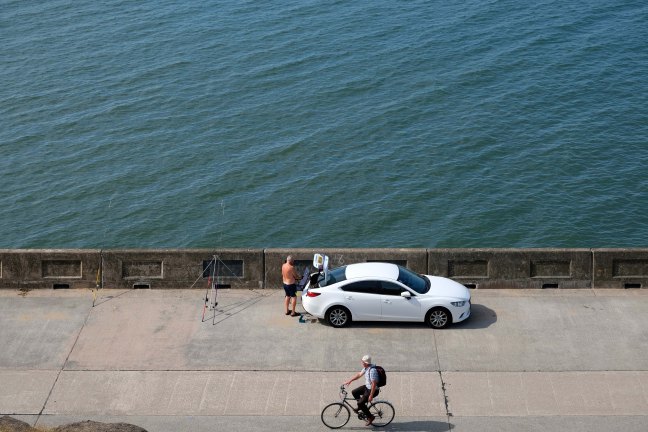
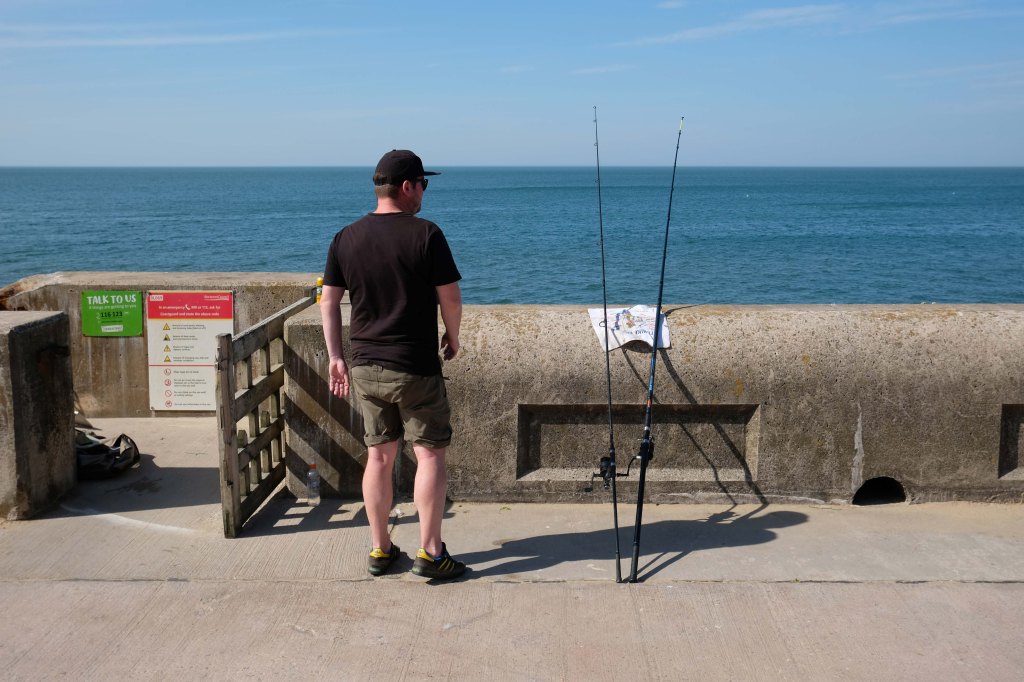
I was taken by the strung out procession of anglers casting from the sea wall.

So I took some pictures.

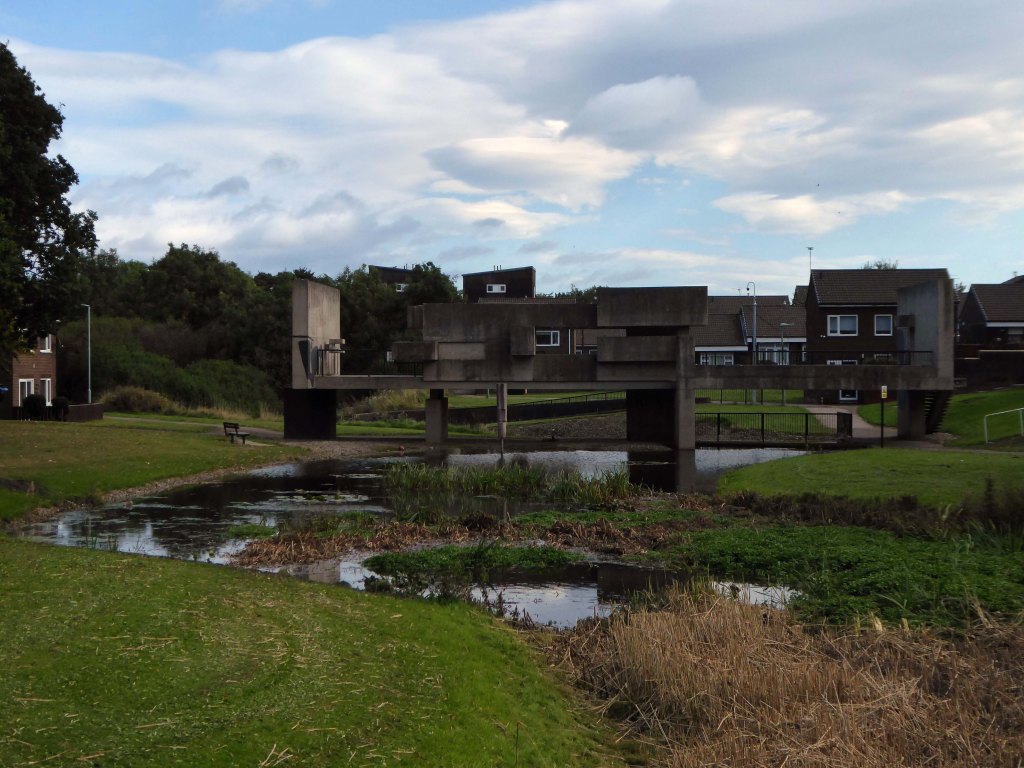
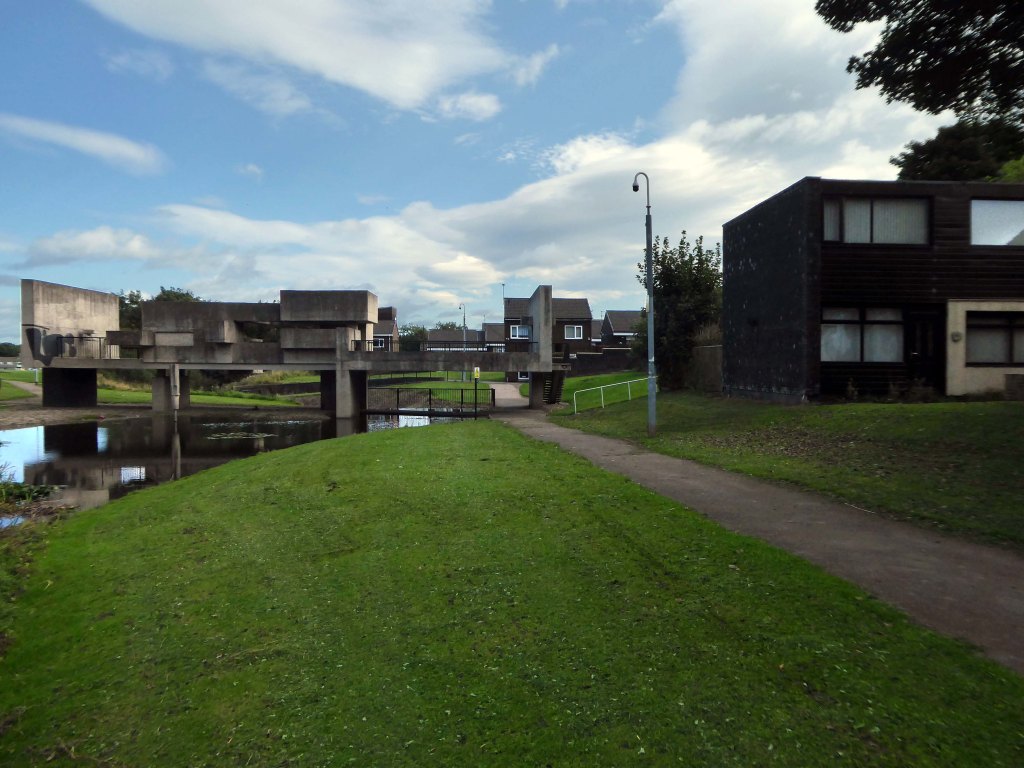
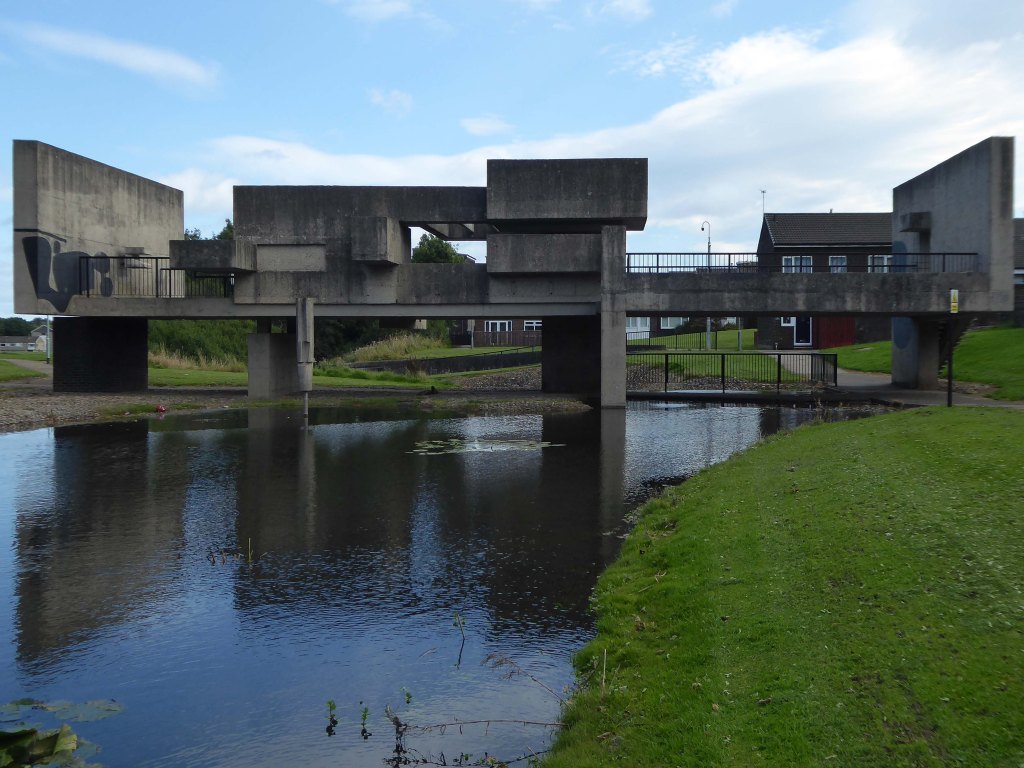
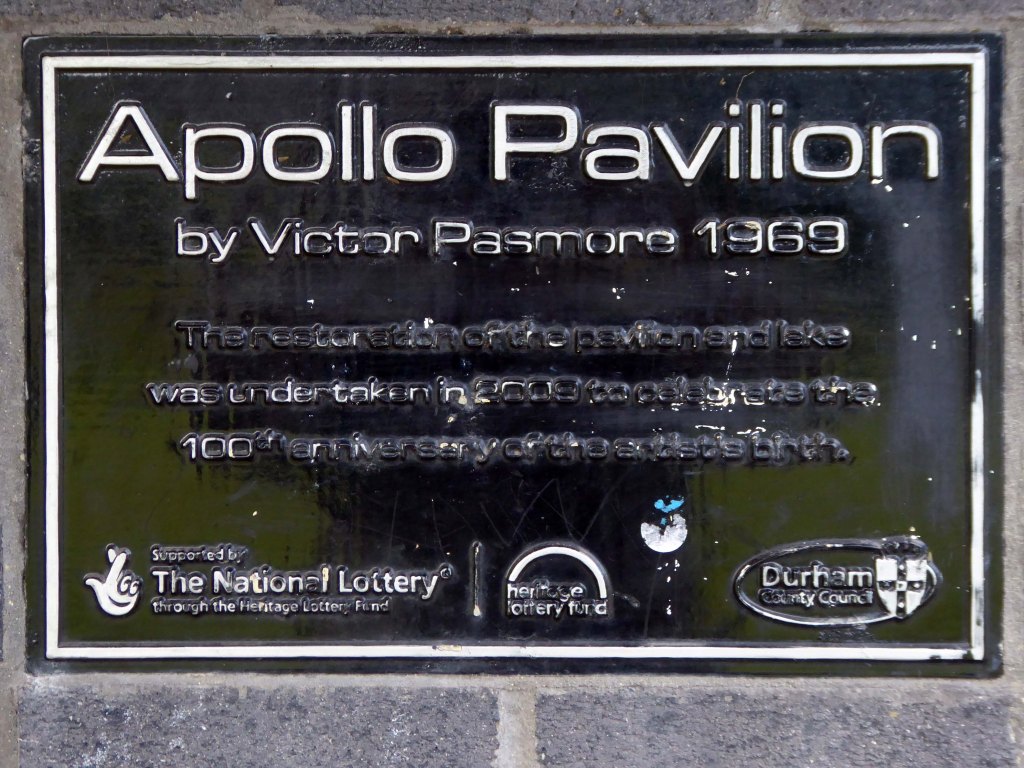
Apollo Pavilion – Peterlee

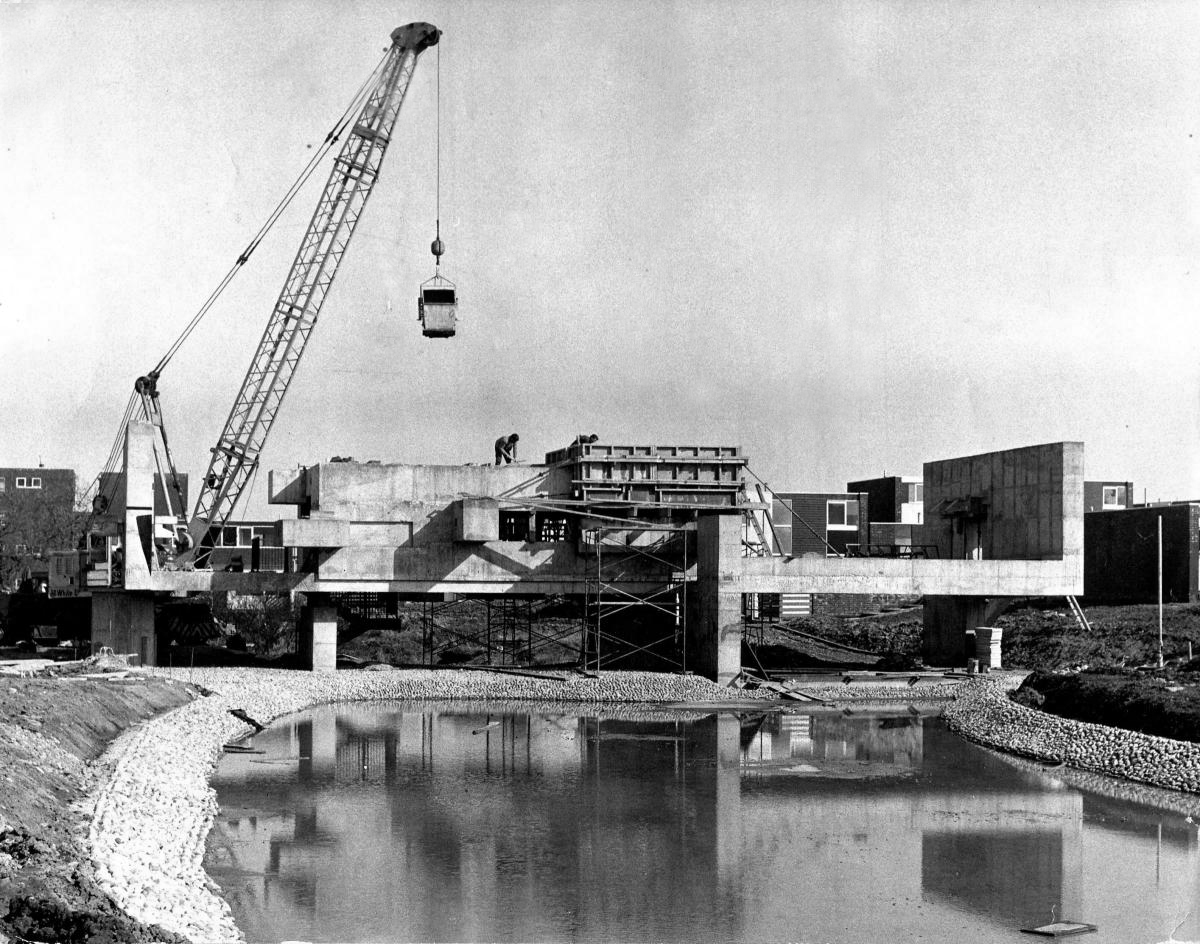
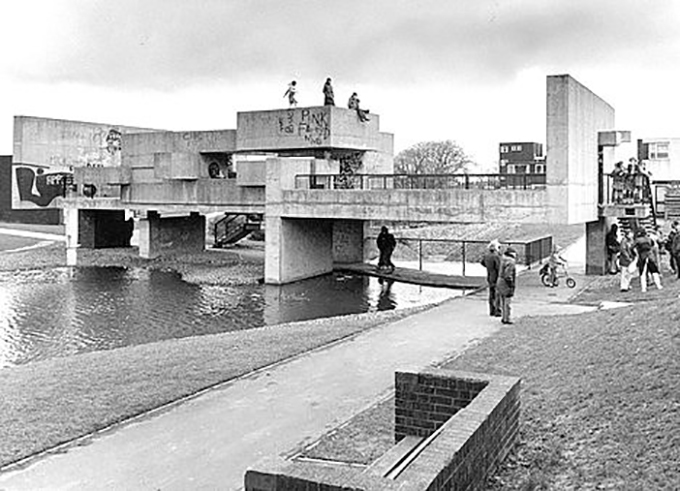
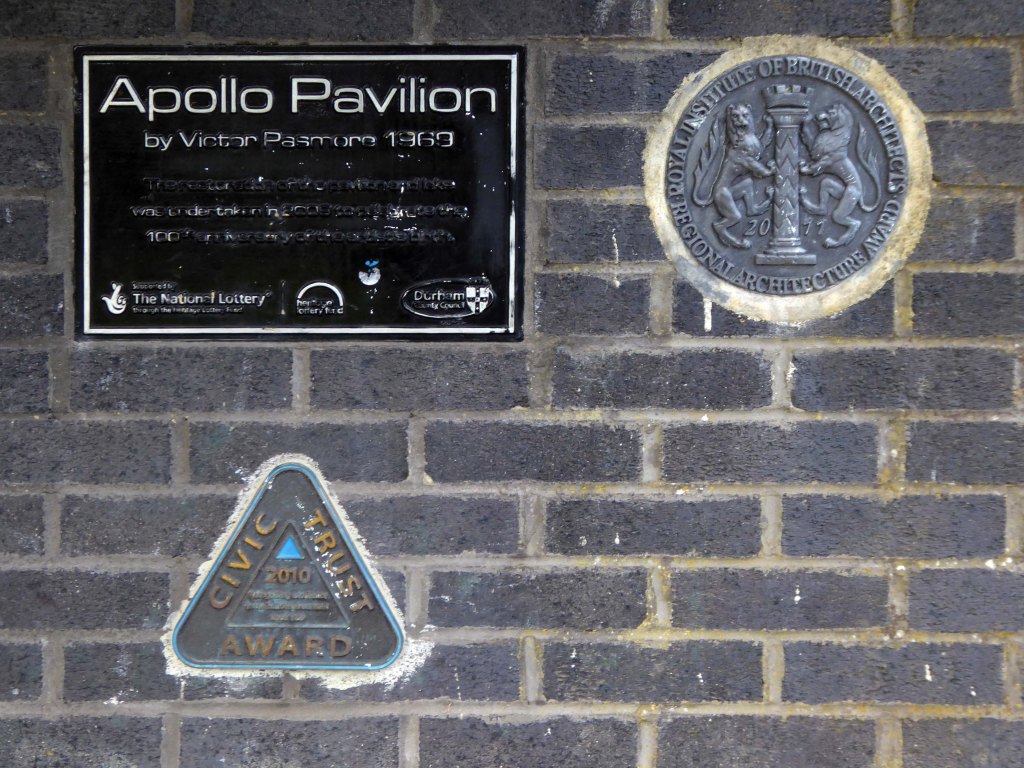
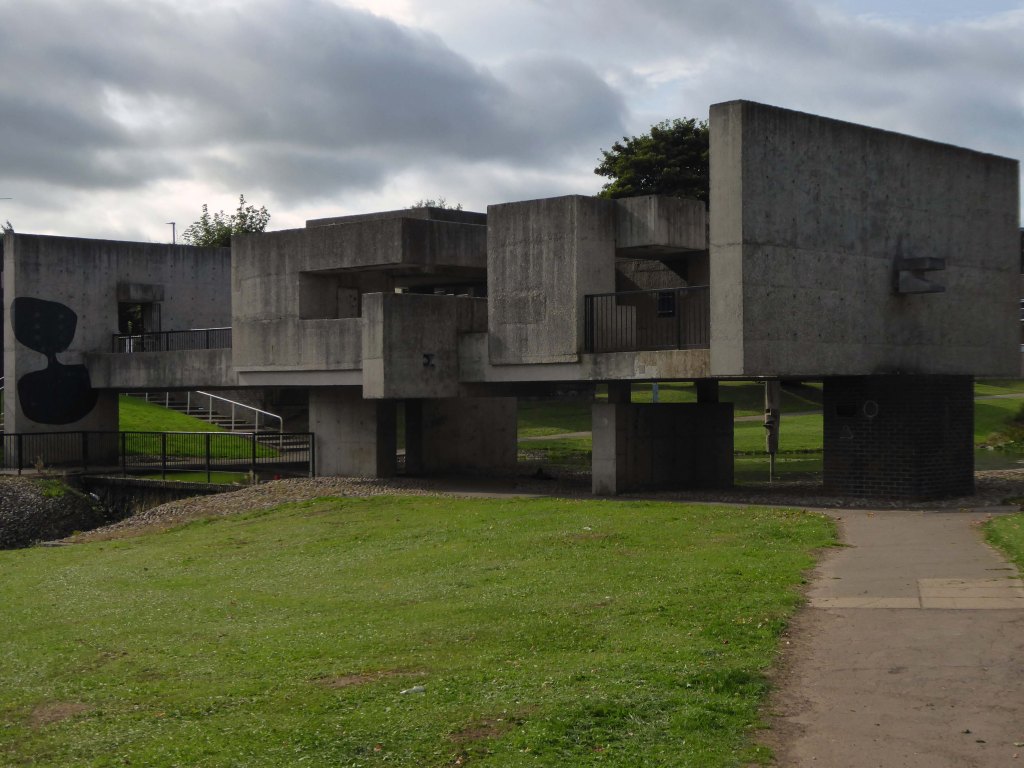
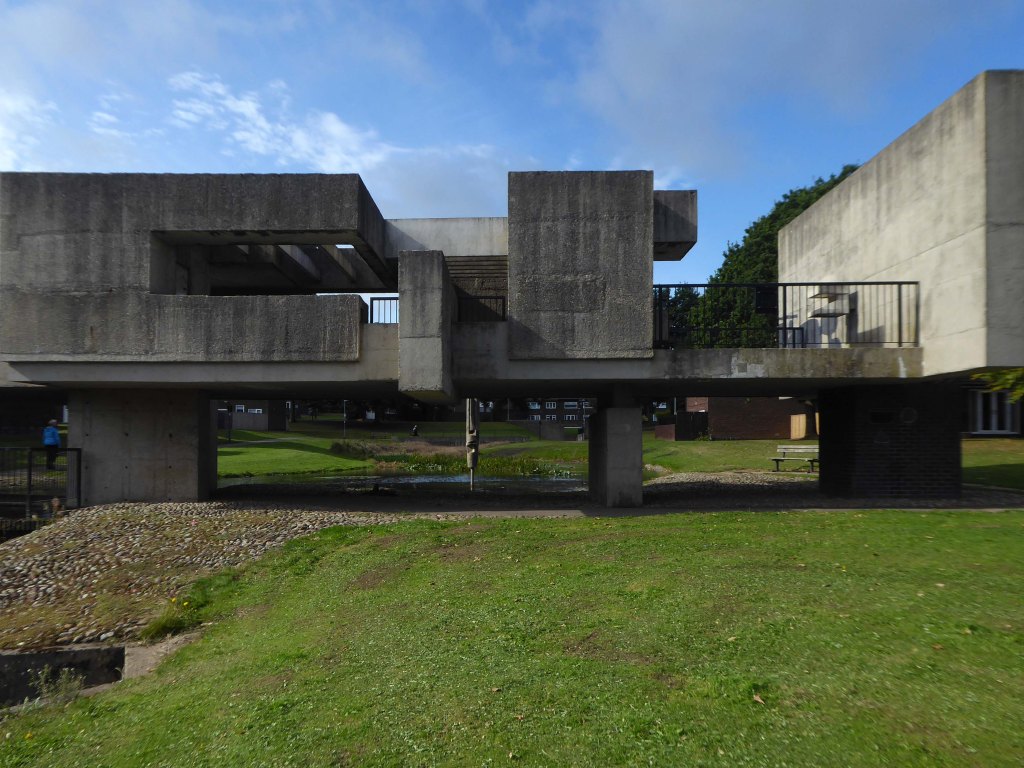
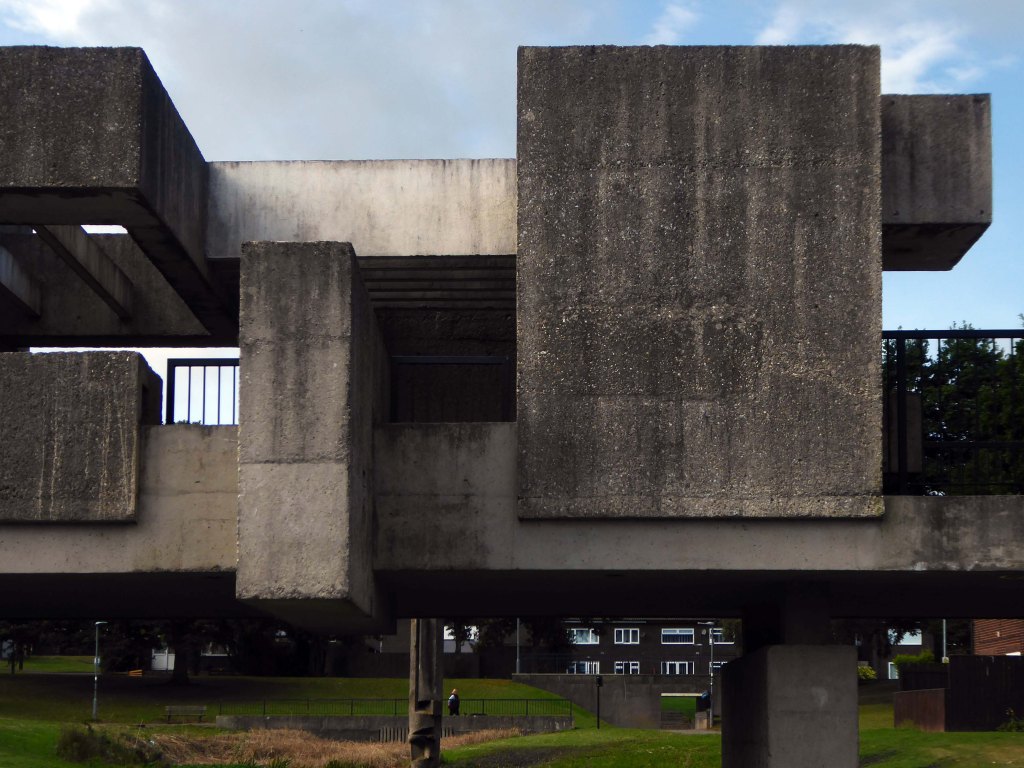
An architecture and sculpture of purely abstract form through which to walk, in which to linger and on which to play, a free and anonymous monument which, because of it’s independence, can lift the activity and psychology of an urban housing community on to a universal plane.

The idea for the Apollo Pavilion was the culmination of Victor Pasmore’s involvement with the planning and design of the new town of Peterlee in County Durham which began in 1954 with his appointment by A.V. Williams, the General Manager, as a consultant architectural designer to the Corporation. The brief was to inject a new initiative into the new town’s design, which had been limited by practical and financial constraints. The early departure of Berthold Lubetkin from the original design team, and the limitations imposed by building on land subject to underground mining, had led to a deterioration in the quality of the architecture being produced at Peterlee.

At Peterlee Pasmore worked initially alongside architects Peter Daniel and Franc Dixon to develop the Sunny Blunts estate in the south-west area of the town, though by the time the Pavilion was built Dixon had left and the team included the more experienced Harry Durell, Colin Gardham and landscape architect David Thirkettle. Pasmore continued to be involved with Peterlee until 1978 and designed the Pavilion as a gift to the town.

It was restored in 2009 with the help of a Heritage Lottery Grant of £336,000. The restoration restored the south side stairway – the other had not been part of the original design, reset the cobbles in the surrounding area and reinstated the two murals on the north and south walls.

A metal gate restricting access at night time to the upper level has been introduced, and the original lighting scheme, out of action since the mid 1970s, has been reinstated.

Peterlee Gov

Victor and me do have previous – a visit to the then Civic Centre Rates Office

Along with the Renold’s building mural at UMIST.

I jumped the X9 bus and headed for Peterlee – walked the wide open streets in search of signs.

There were no signs.

I found it instead by chance and instinct.

Here it is.

Peterlee was to be the miners’ capital of the world and was named after the well-known miner and councillor Peter Lee. 

Architect Berthold Lubetkin’s plans included everything from football pitches and tennis courts, to a rock-climbing centre and a zoo. However, to Berthold Lubetkin’s frustration, the National Coal Board opposed his plan and, after numerous failed attempts to agree on the siting of housing, Lubetkin quit the project in 1950. He later gave up architecture altogether and took up pig farming.

It remains a grand place to live it seems, tidy housing set in rolling greenery.

There are no longer coal mines or miners.

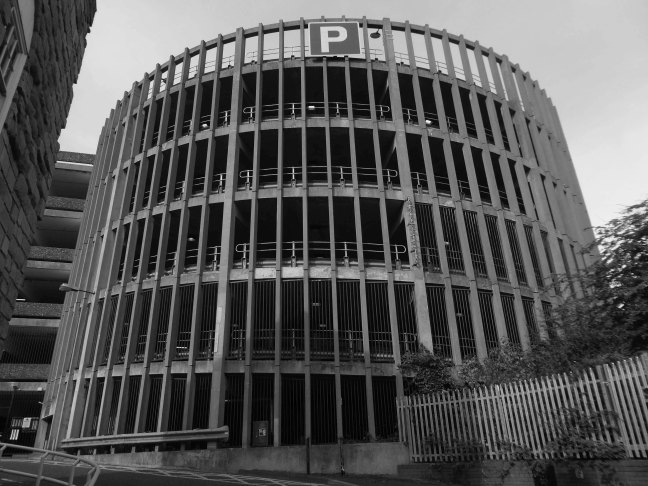
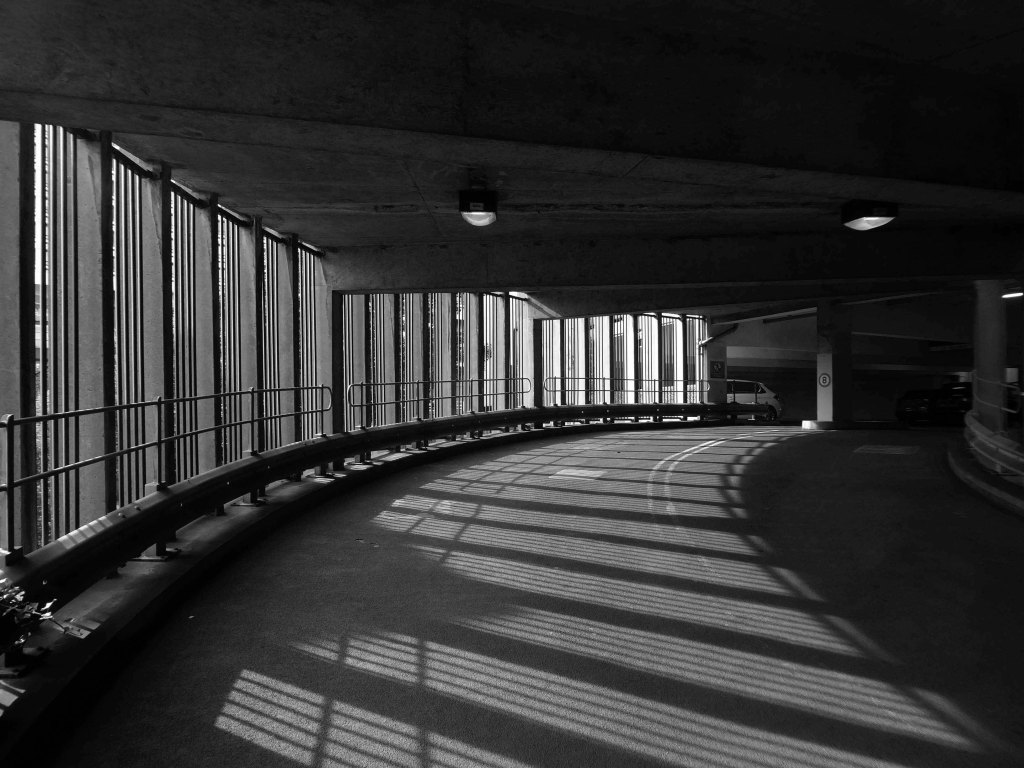
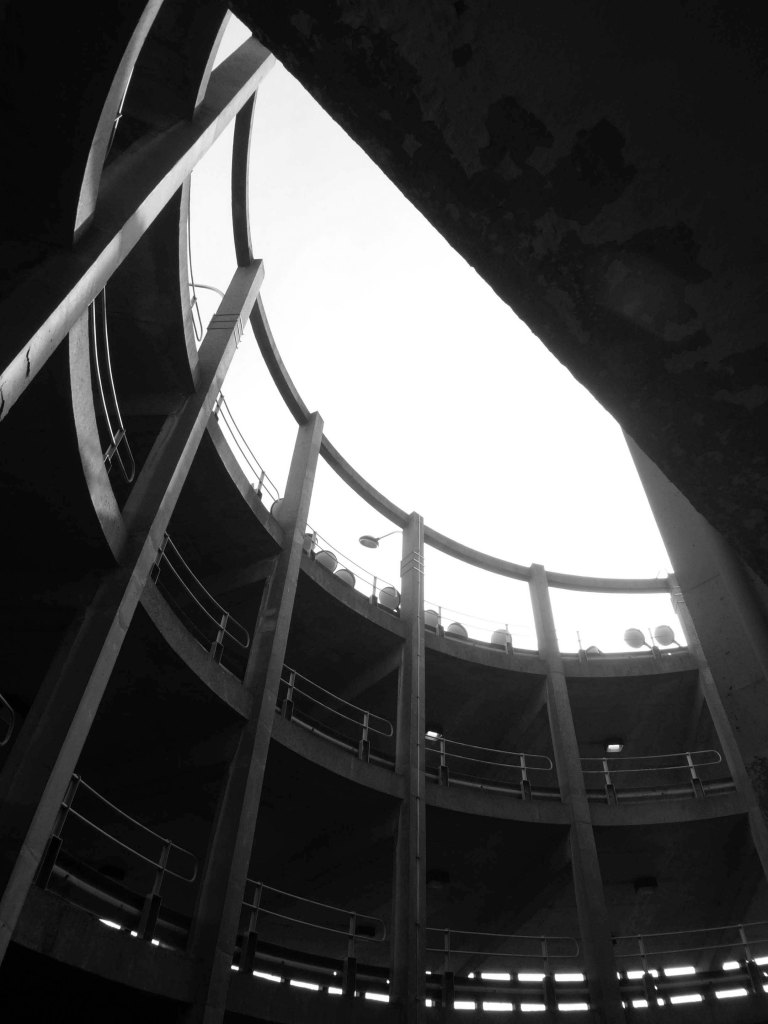
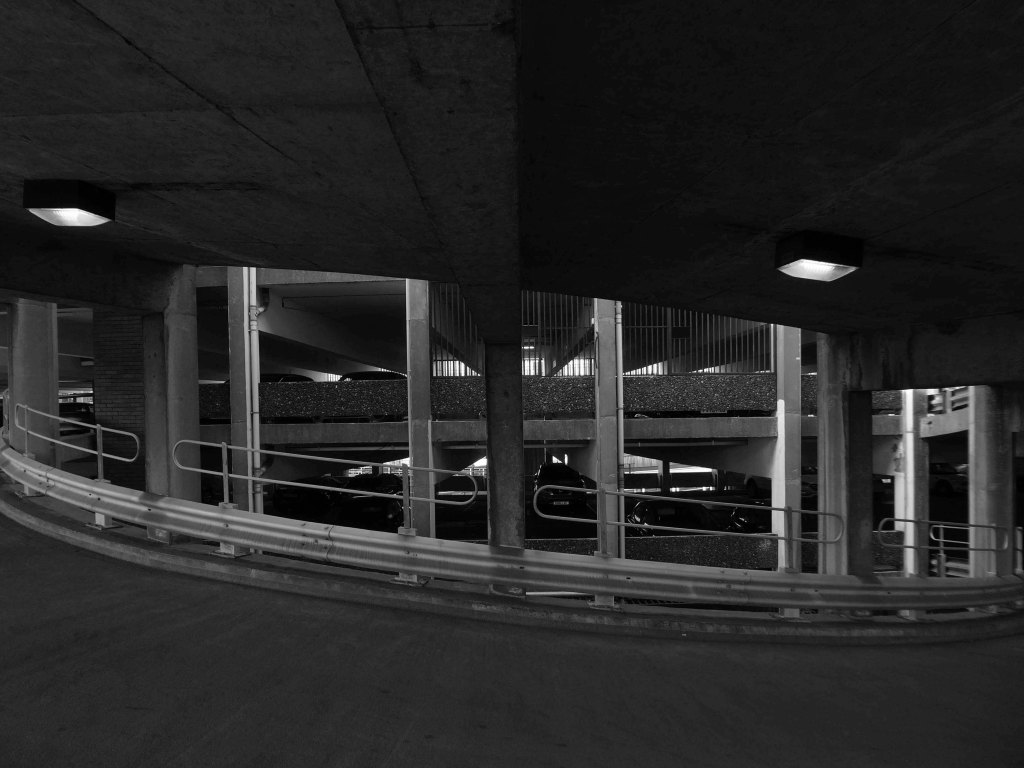
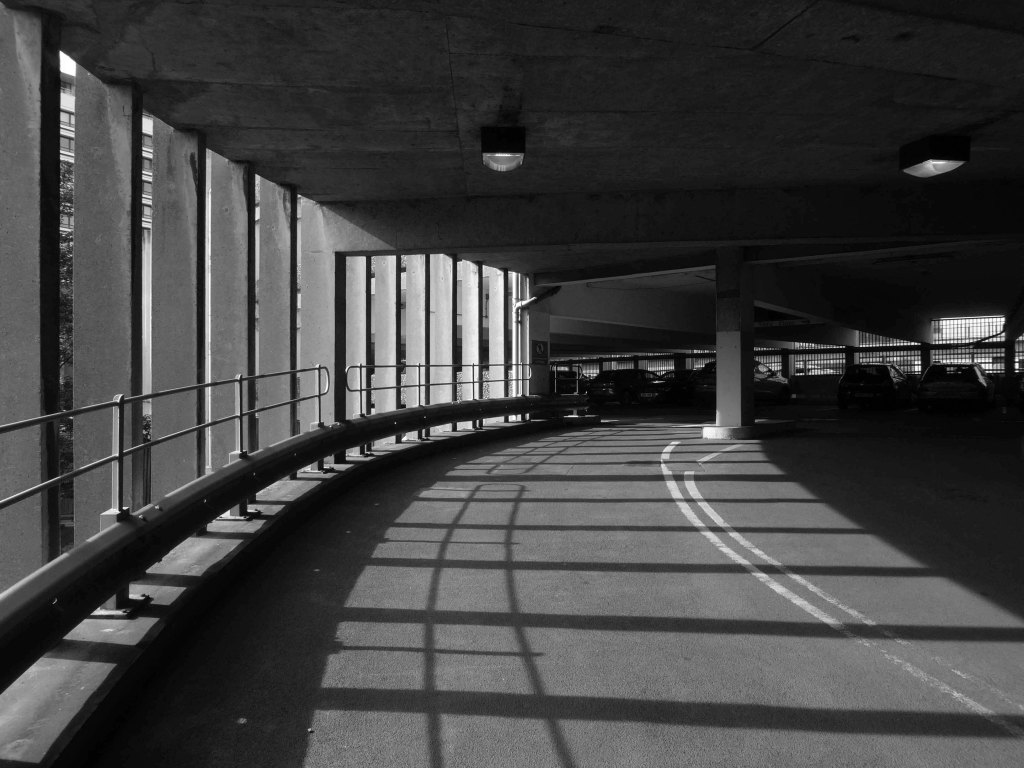
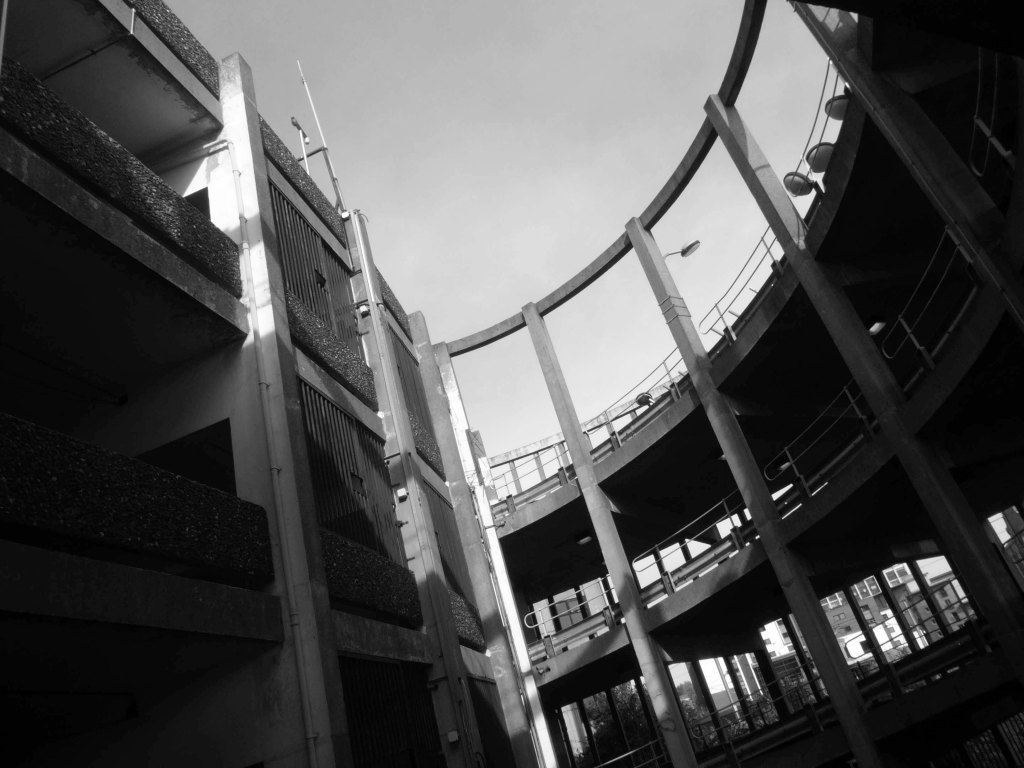
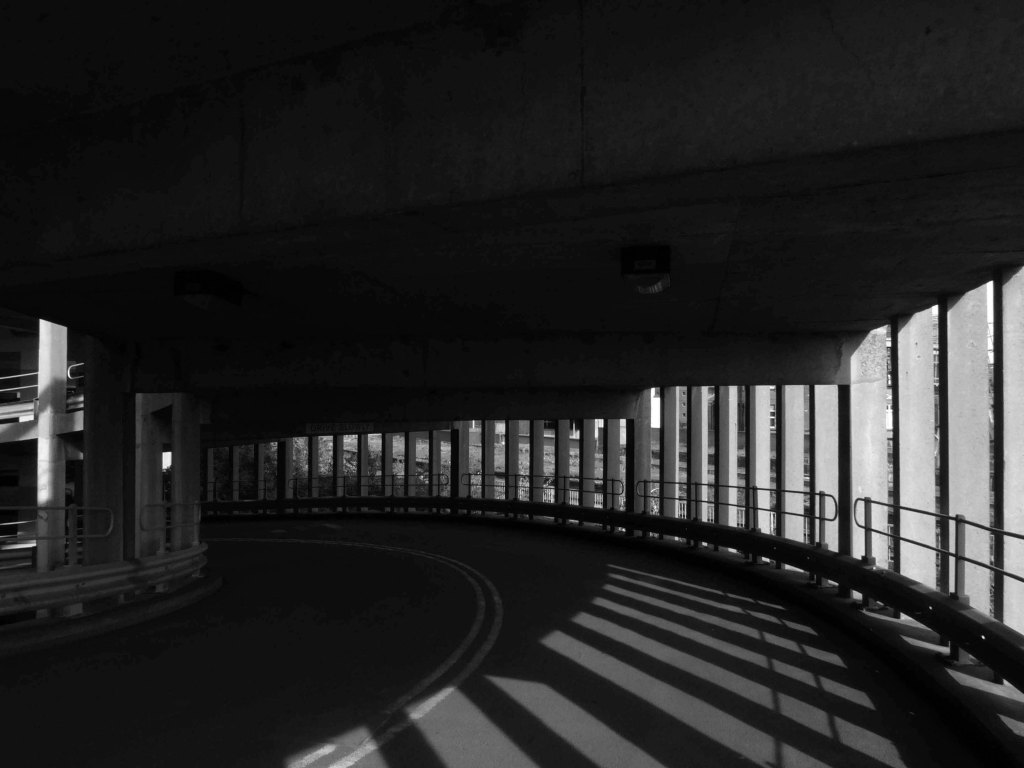
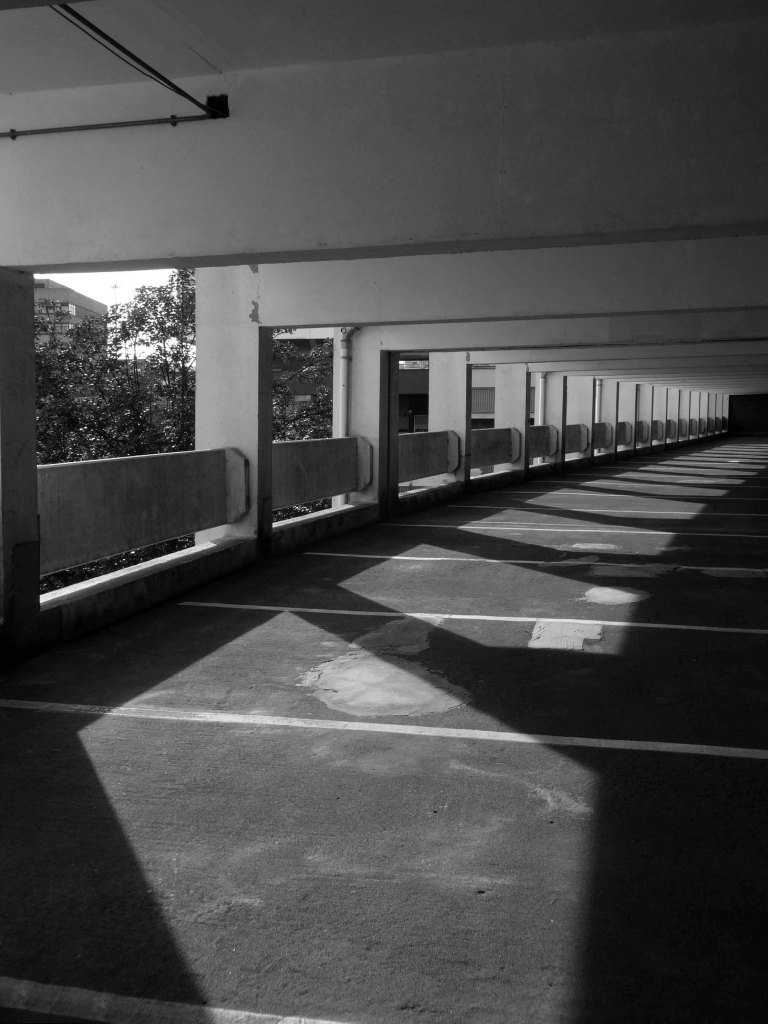
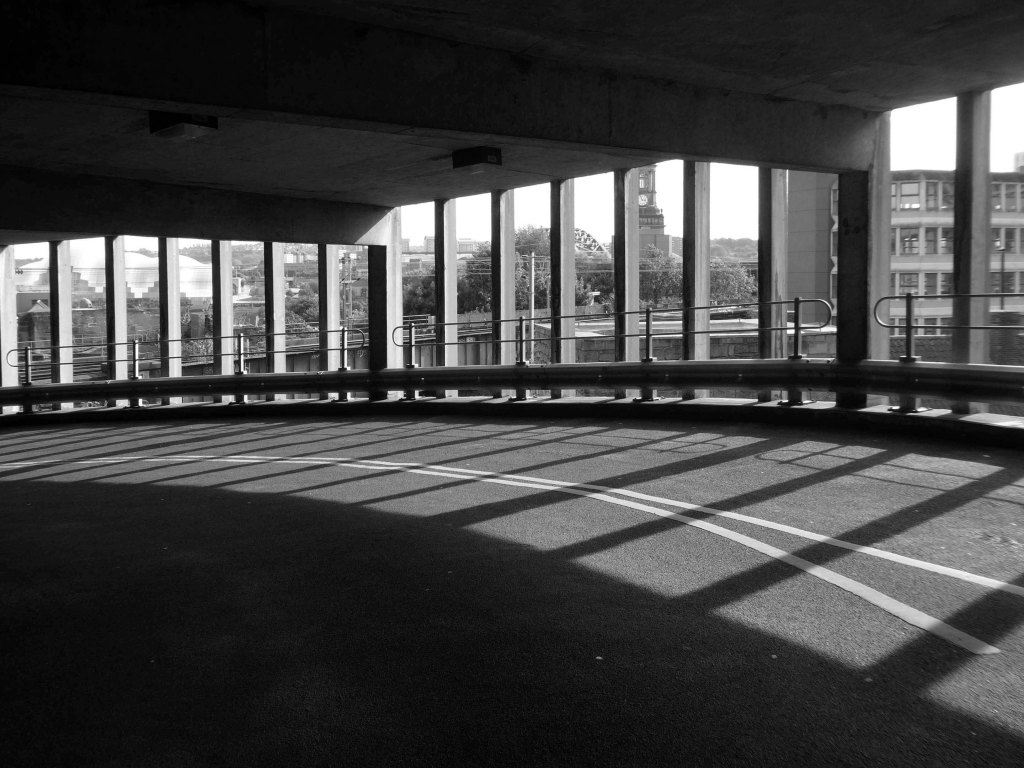
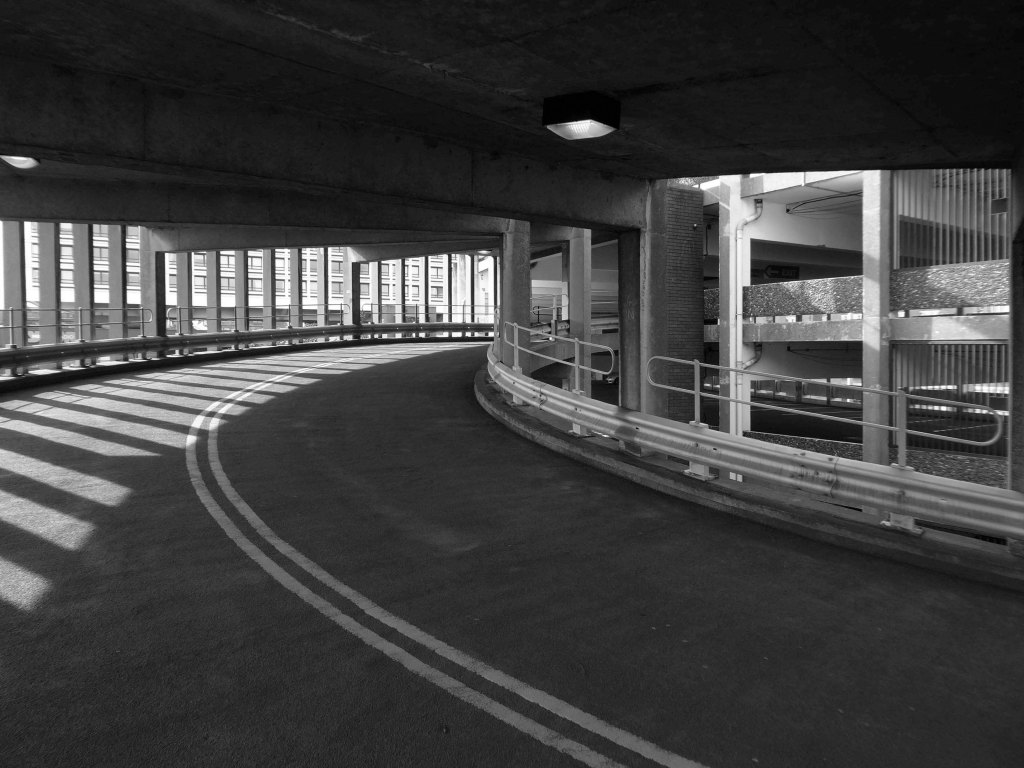
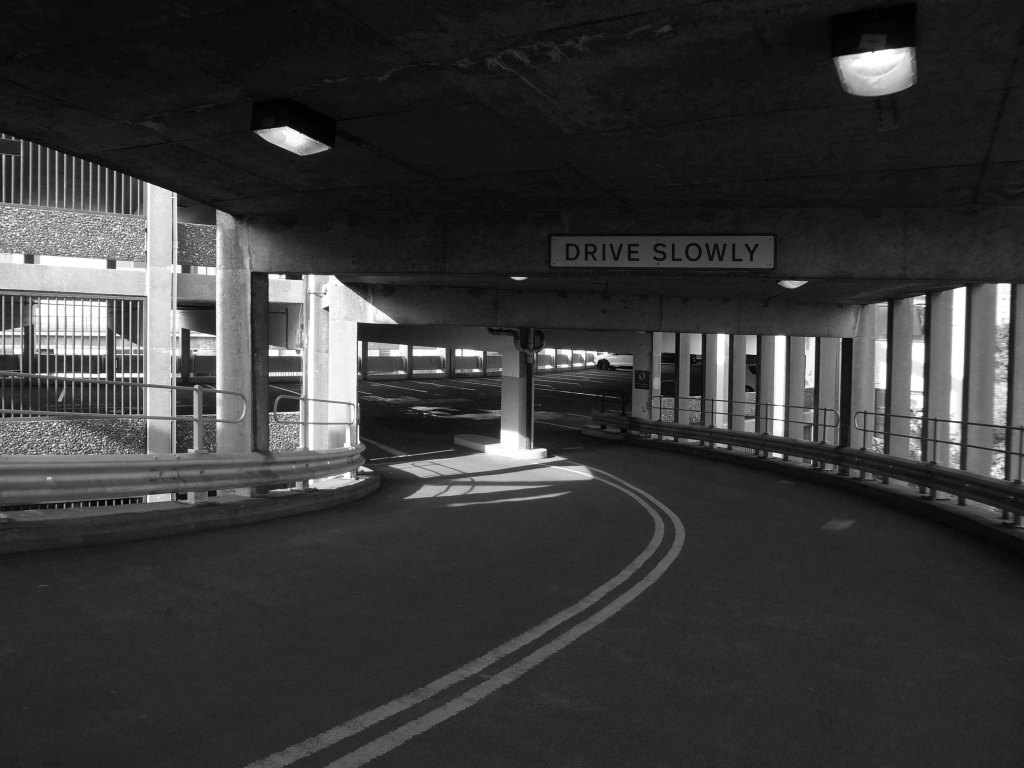
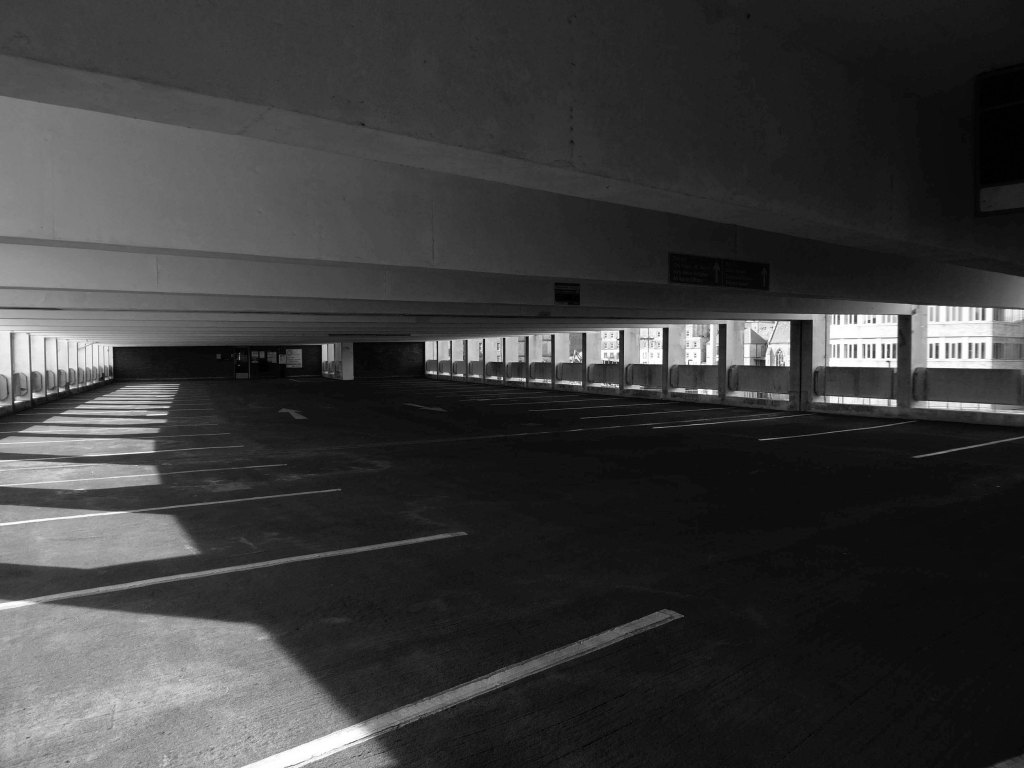
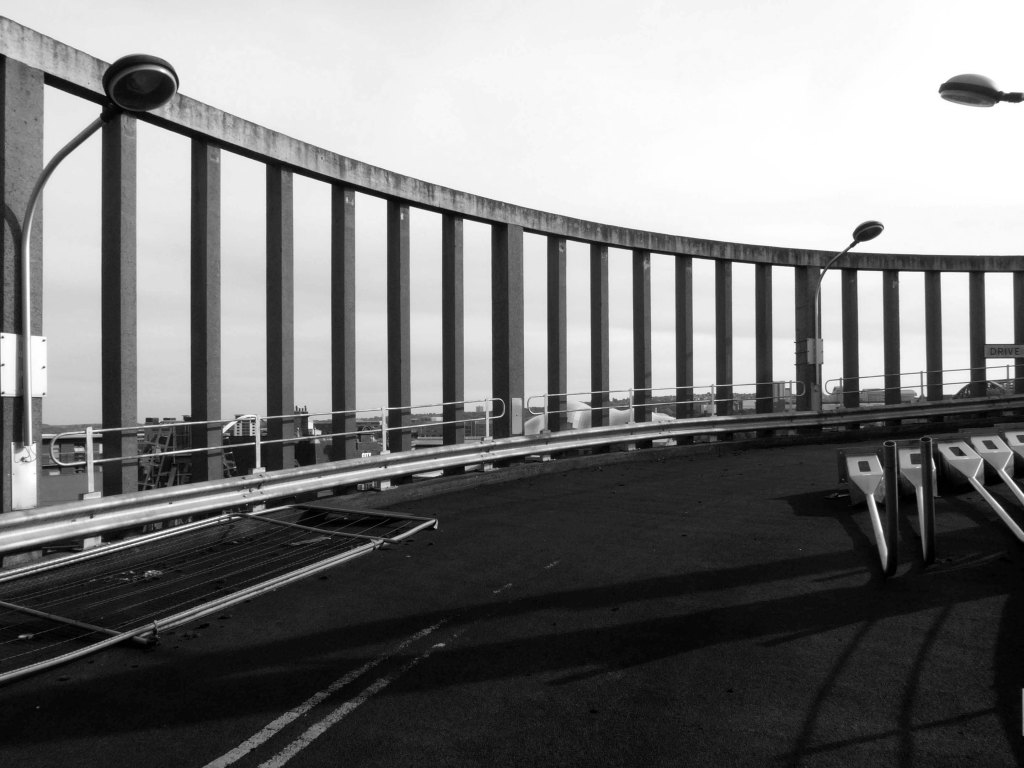
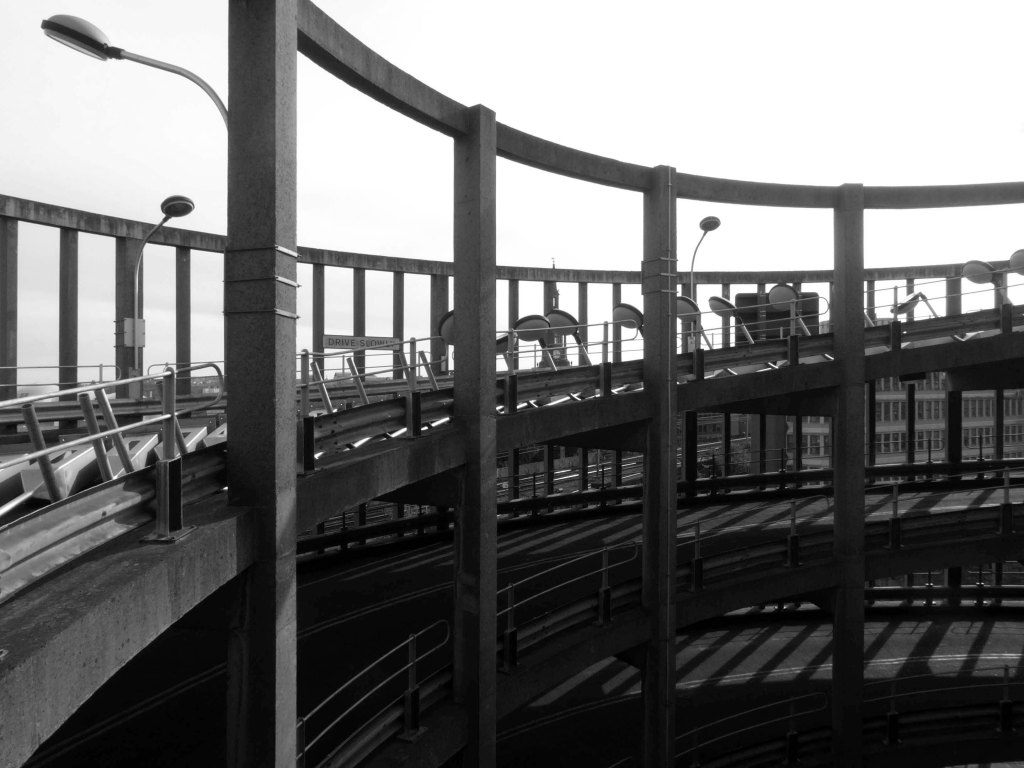
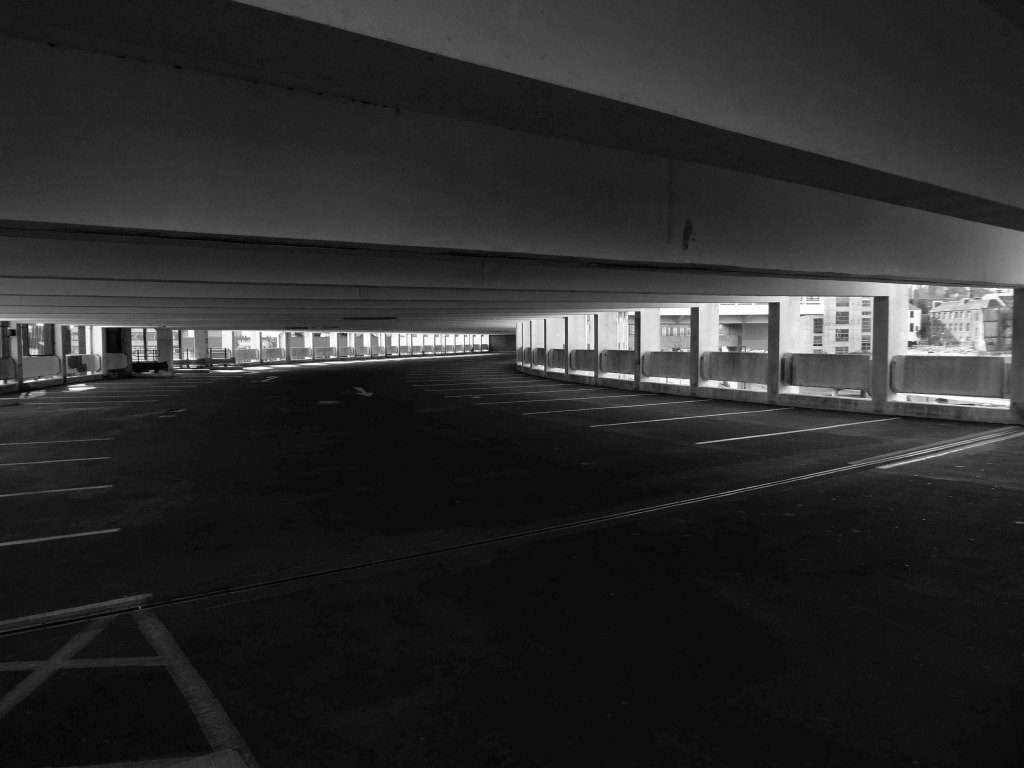
Manors Car Park – Newcastle upon Tyne

Brims and Co. Limited

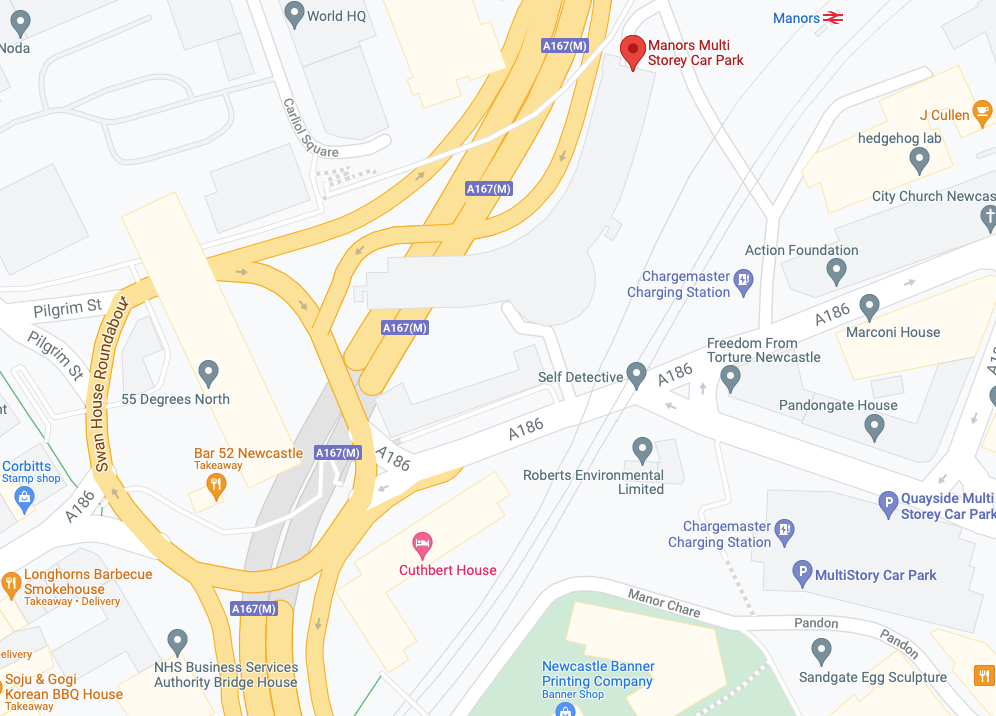
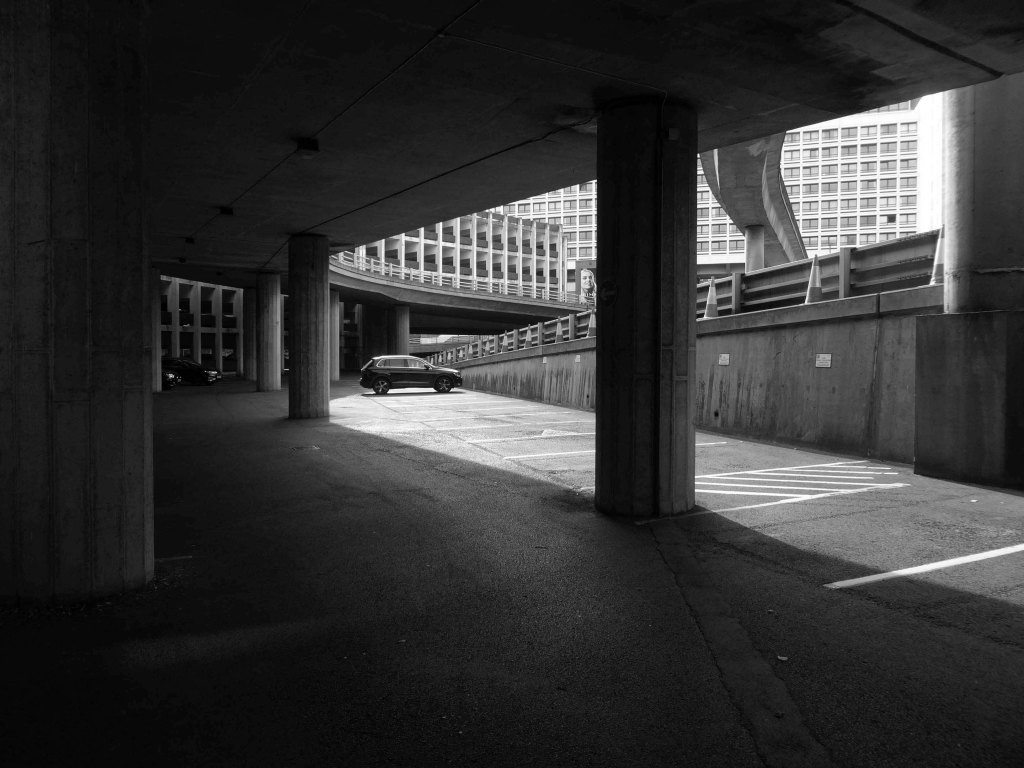
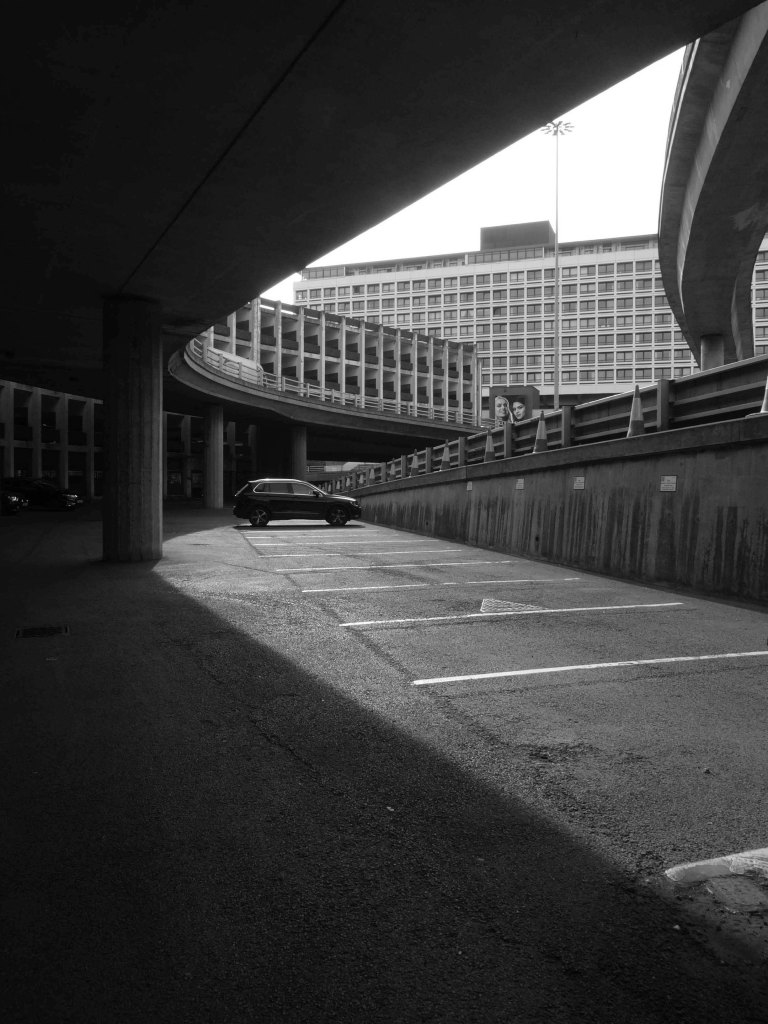
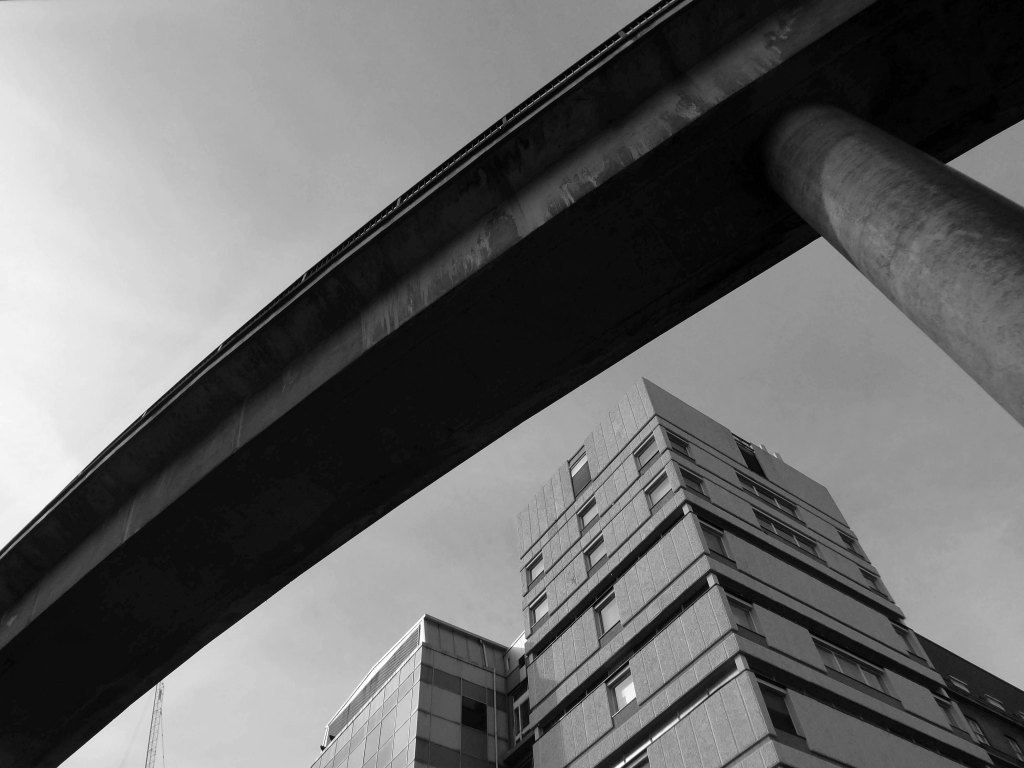
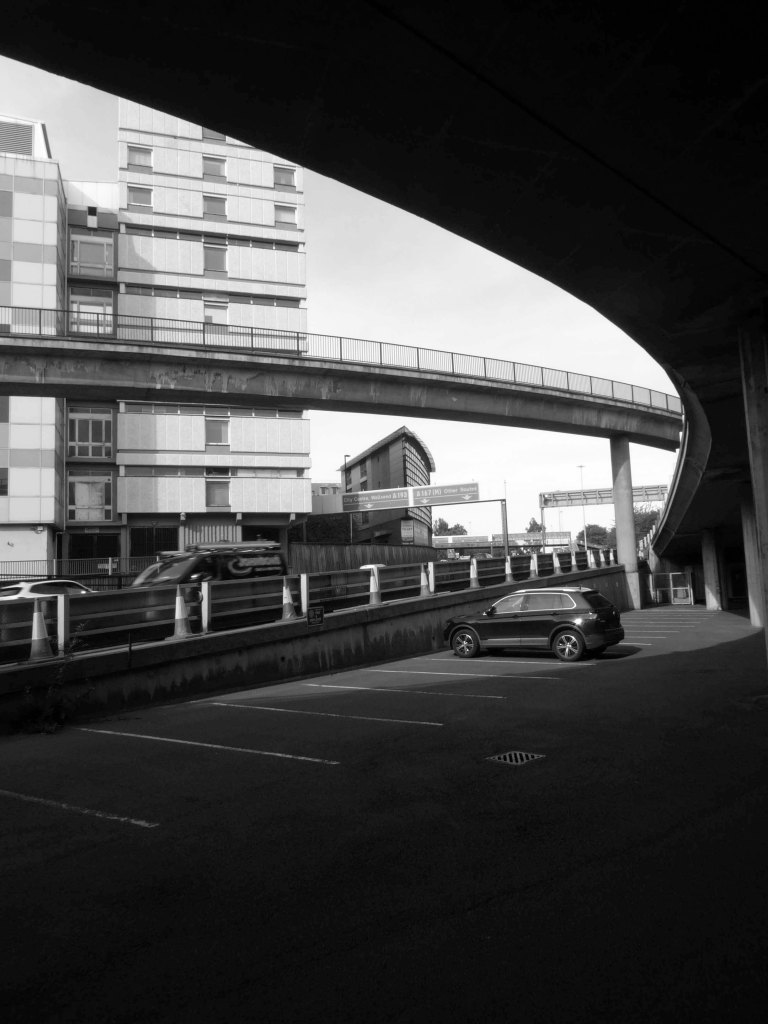
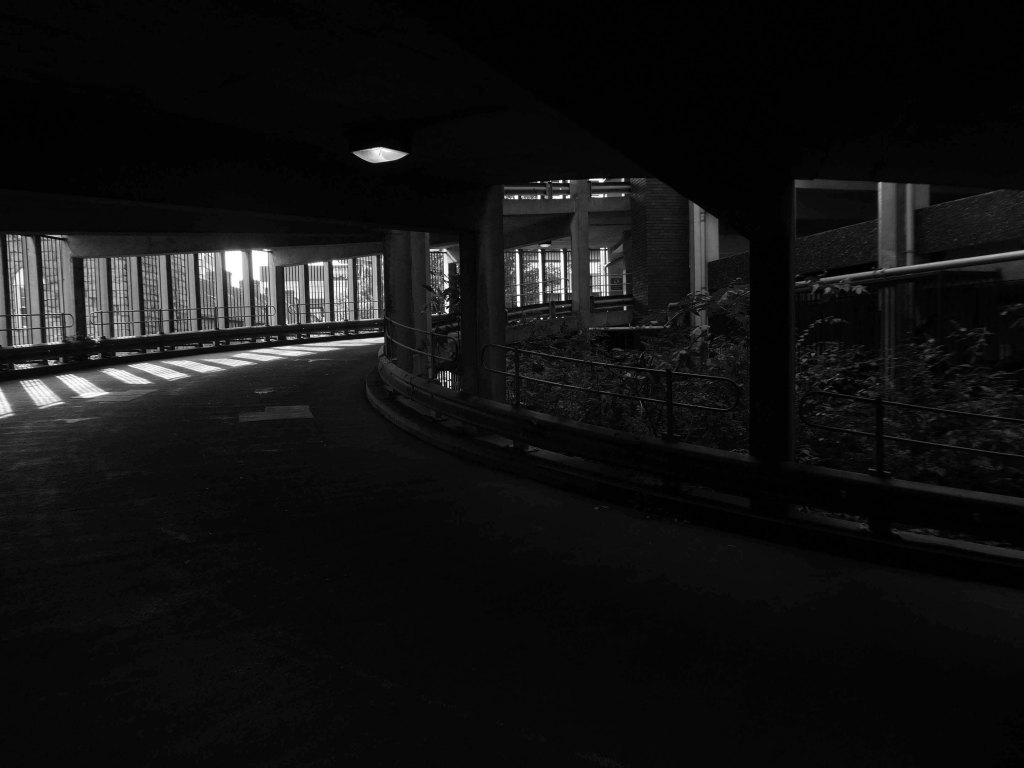
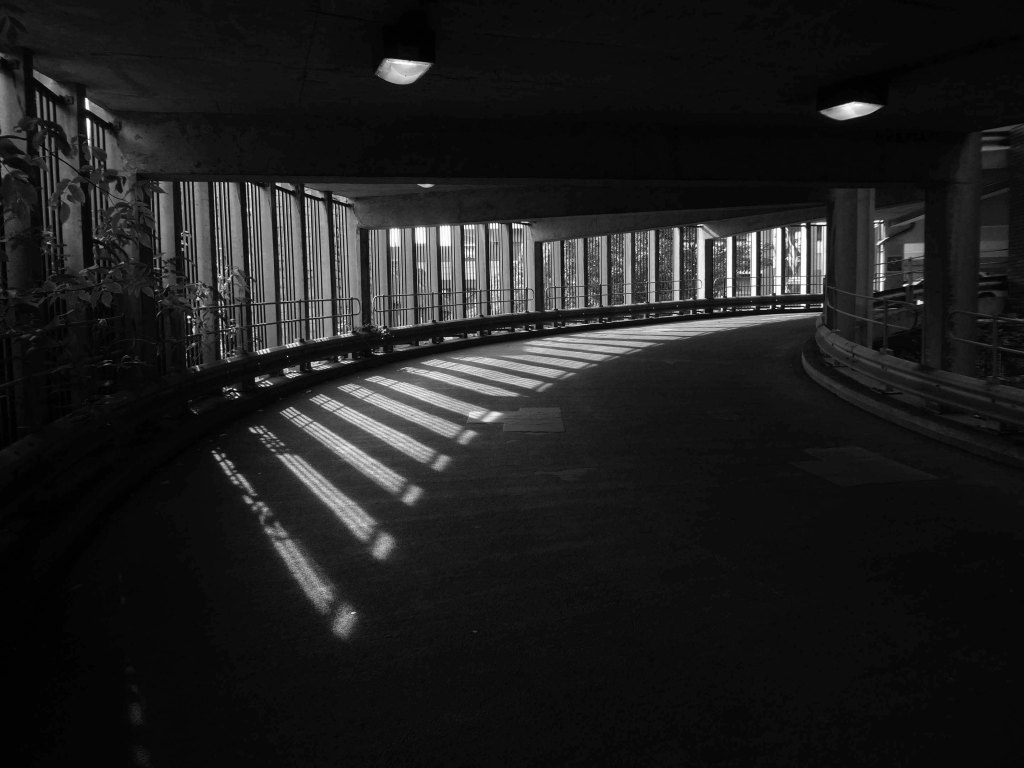
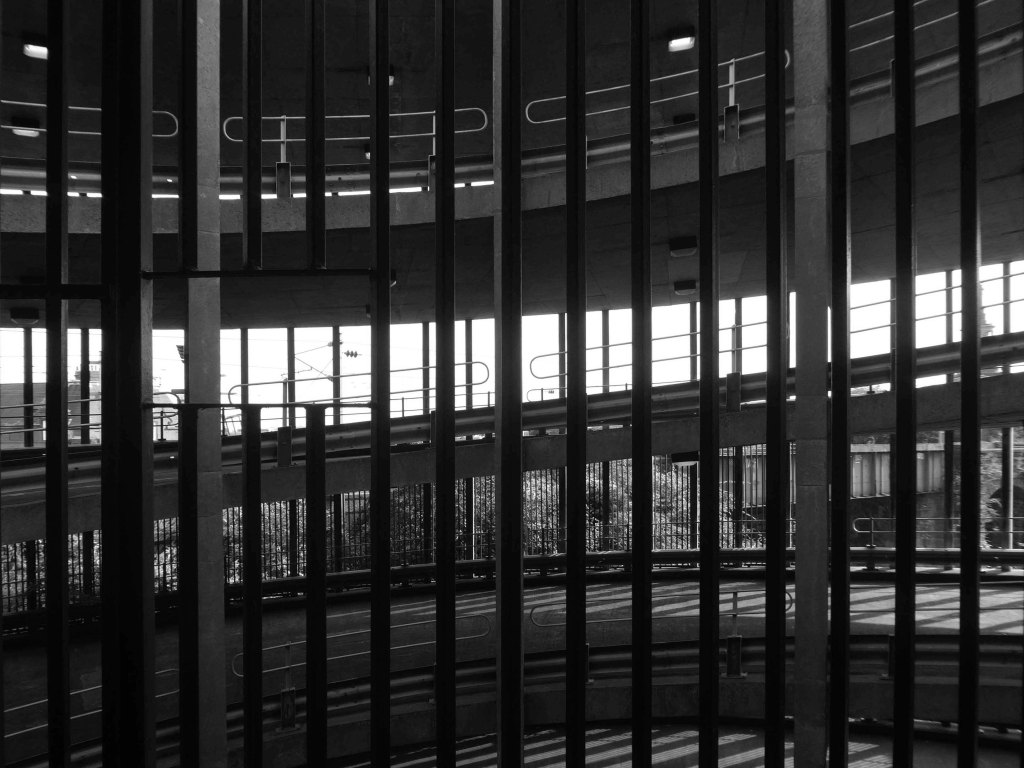
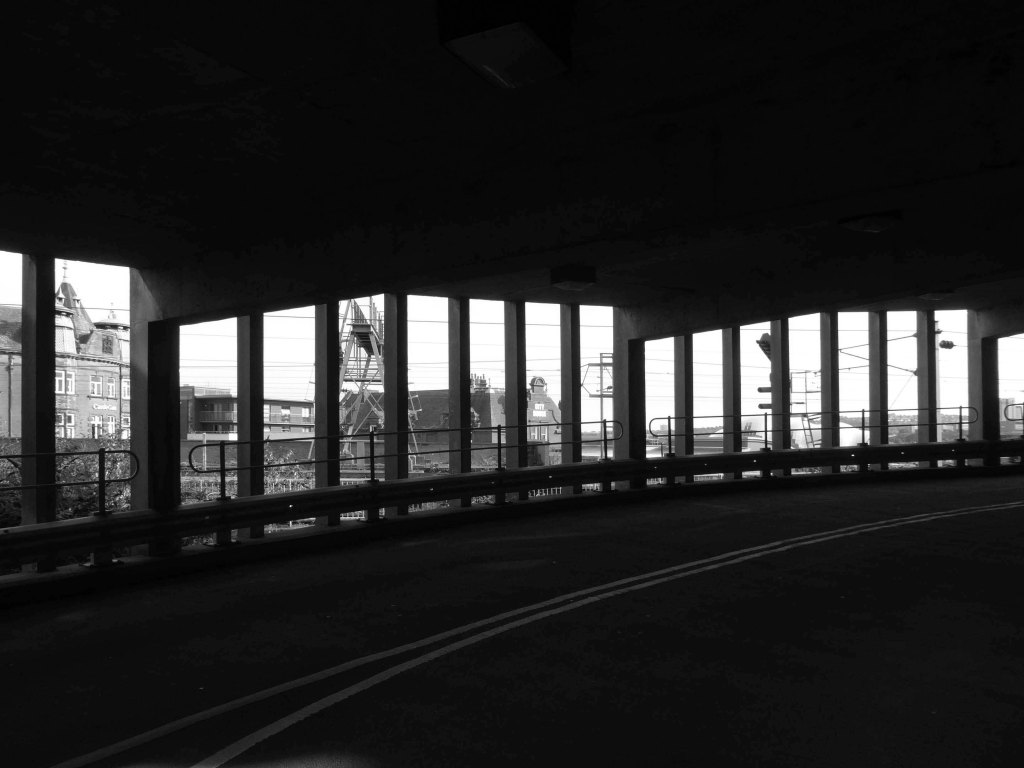
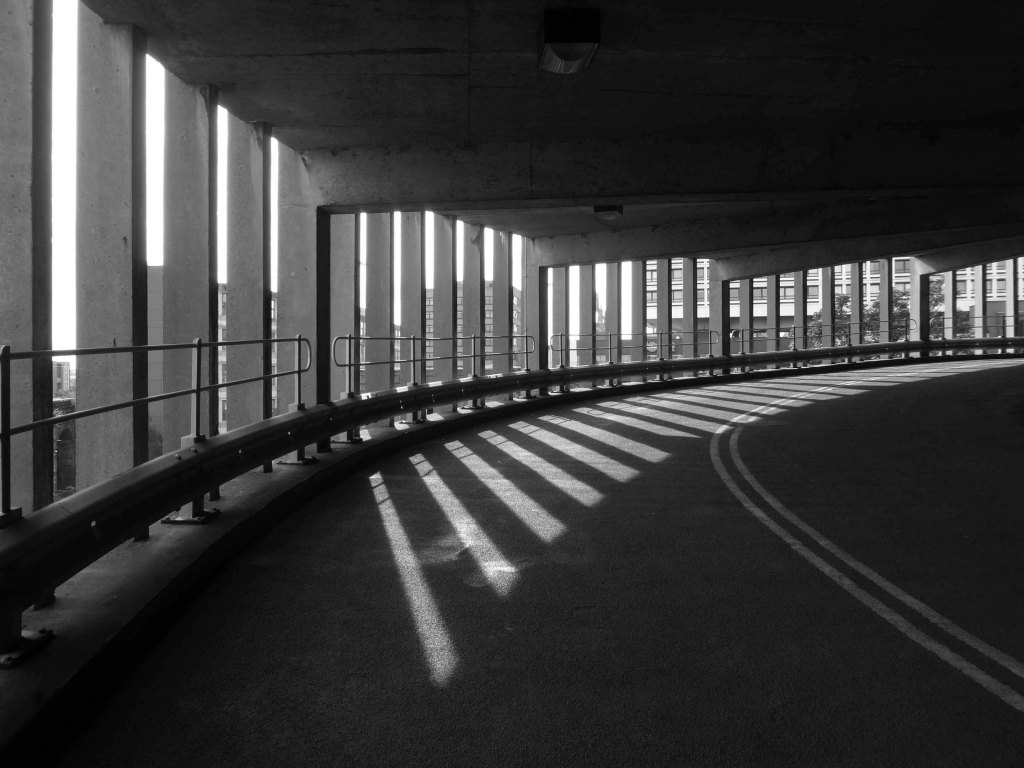
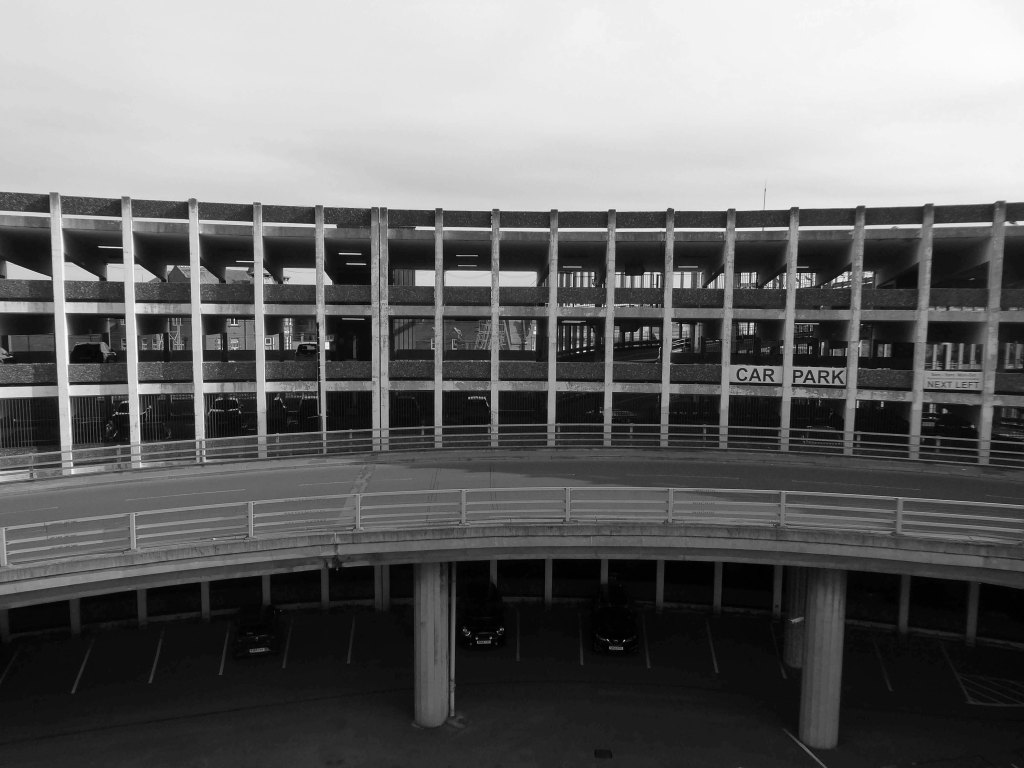
Manors Car Park’s distinctive form derives from the constraints of the train line to east which collided with the new Central East Motorway A167 M which dips beneath, shaping the car park between these constraints. The curvature of the concrete decks sweeps uniformally across the site, interrupted only by the circulation ramp. The car park was the first multi-story car park in Newcastle and marked the beginnings of Wilfred Burns car-centric plans for the modernisation of the city through the Central East Motorway Plan – 1963.

Burns plan aimed to increase the economic growth of the city through greater convenience for an emerging car owning populace and even went as far as to incentivised cars travel by offering limited free parking in the city centre.

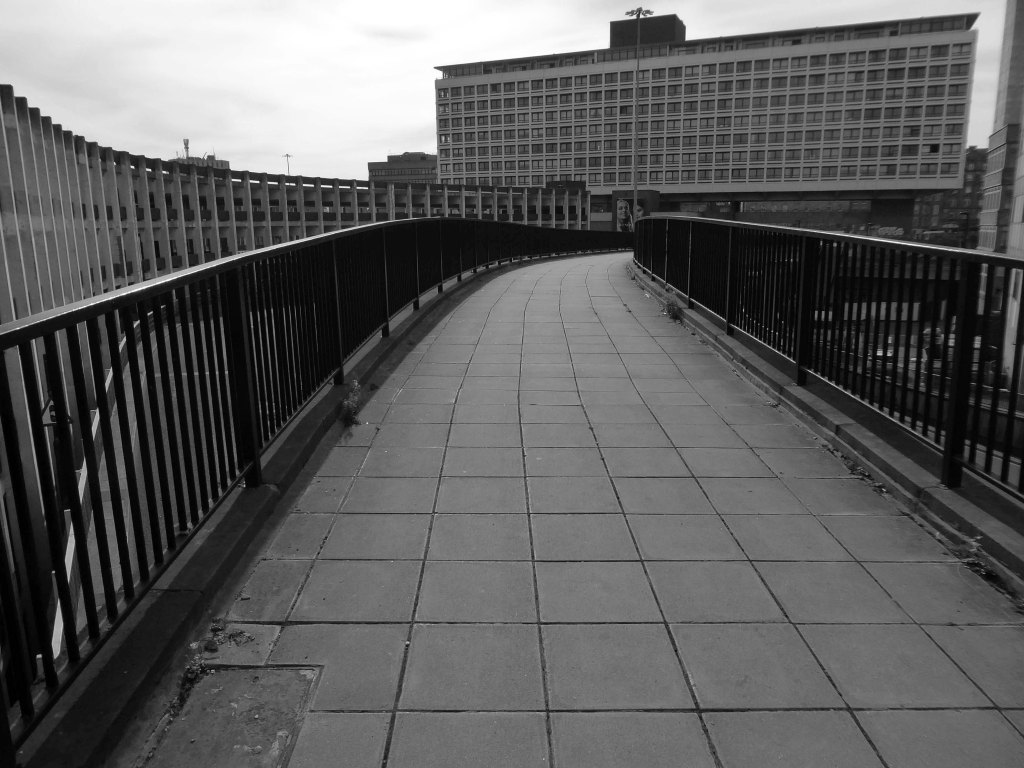
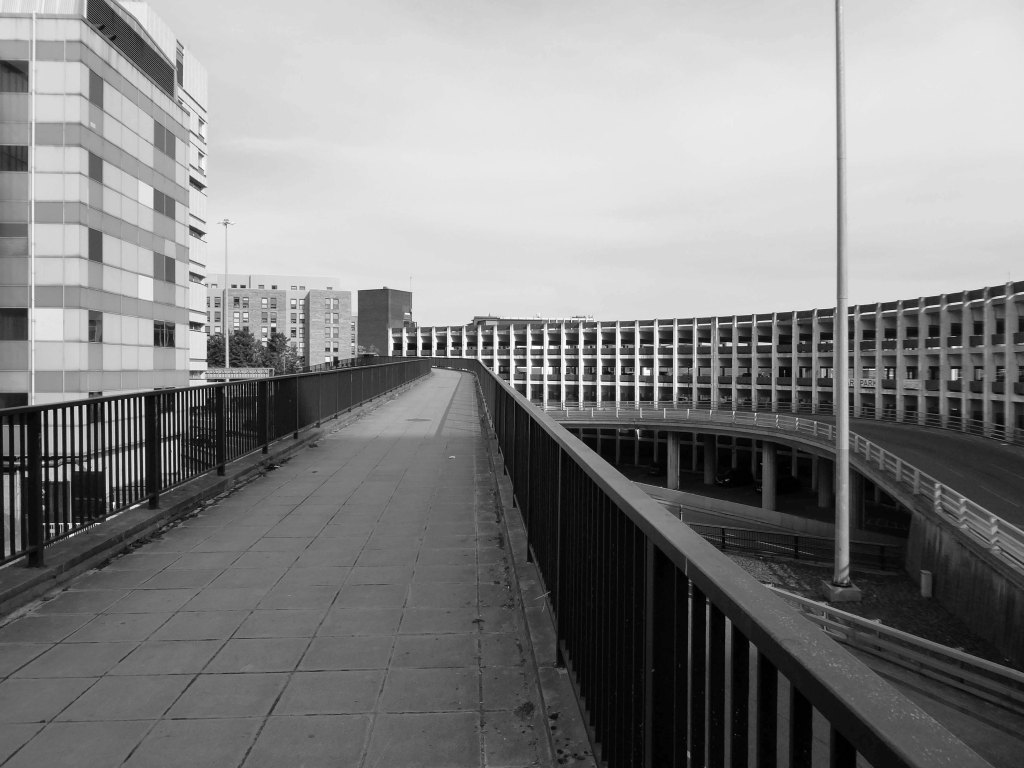
Manors car park connected and accompanied by an equally dramatic and elongated pedestrian footbridge from Manors Train Station – today Manors Metro, touching the car park for access before swooping under Swan House on Pilgrim Street Roundabout. The bridge takes what feels like the longest imaginable route over the motorway, allowing pedestrians to bypass Northumberland high street and take in the theatrics of the swooping concrete forms and motorway traffic.

Something Concrete +Modern

Newcastle Libraries

In the early 1960s, under the leadership of T Dan Smith and his chief planning officer Wilf Burns, Newcastle city council undertook a comprehensive re-planning of the city centre that, had it been carried out to its full extent, would have led to the construction of underground motorways and a series of raised pedestrian decks running along Northumberland Street in the main shopping zone. The plan was that the new city would encircle the historical core, which would be preserved; meanwhile vast swathes of Georgian housing to the east would be razed. There were also plans for high-rise towers in the centre, only one of which was built.

The Guardian

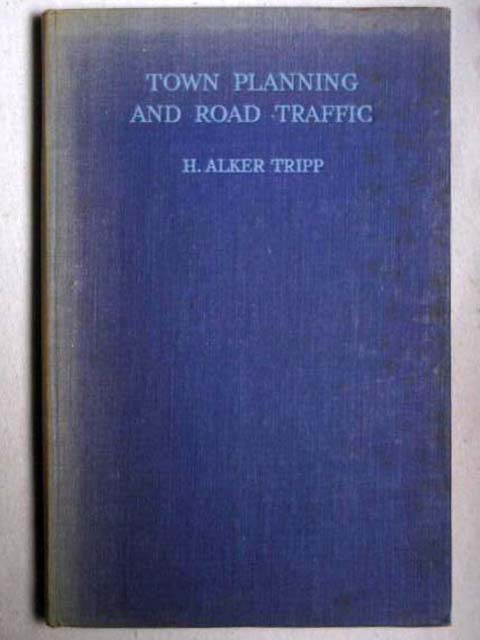
This tendency in town planning was due in part to the publication of H. Alker Tripp’s book of 1942.

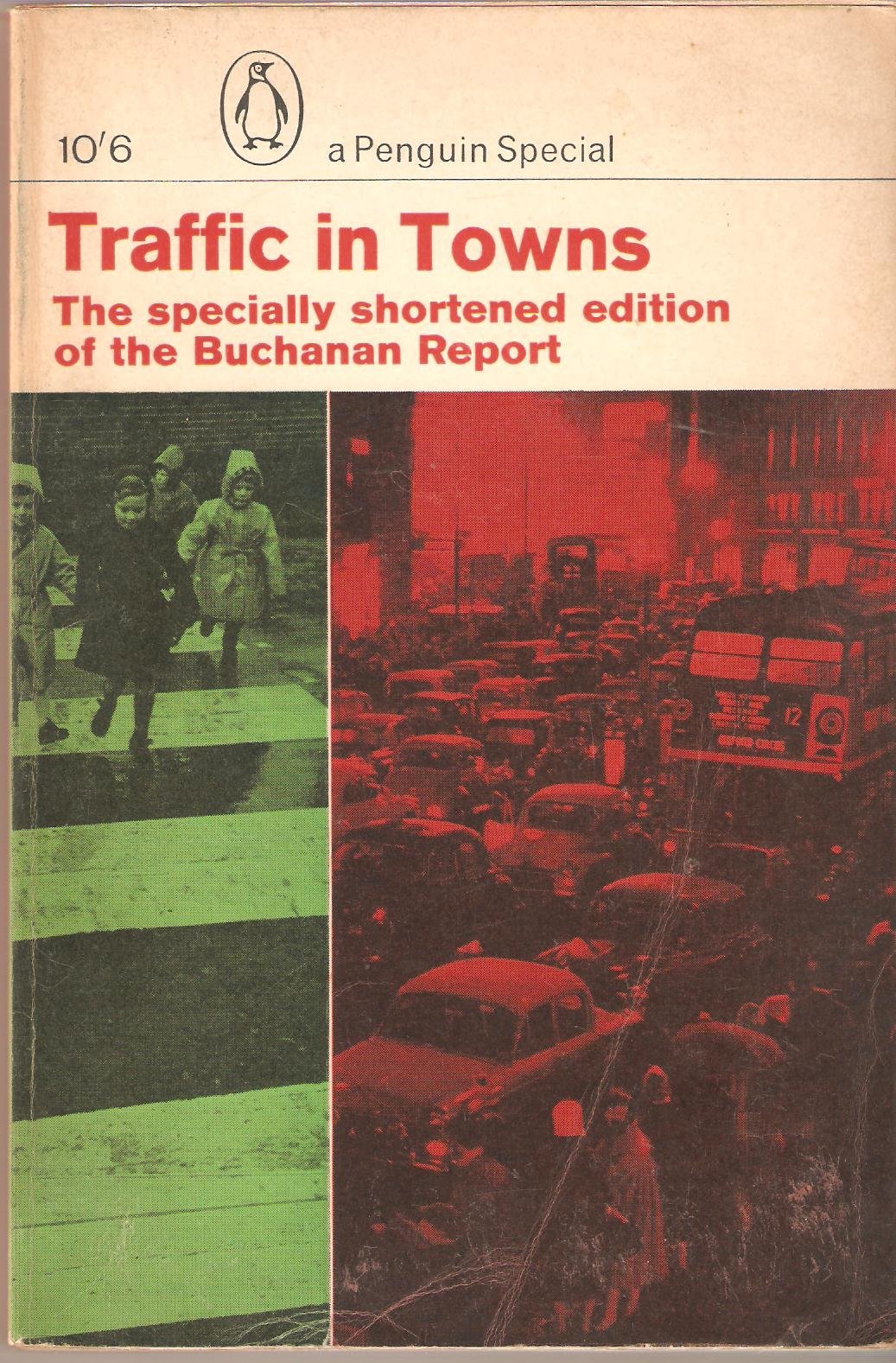
Along with Traffic in Towns an influential report and popular book on urban and transport planning policy published 25 November 1963 for the UK Ministry of Transport by a team headed by the architect, civil engineer and planner Colin Buchanan. The report warned of the potential damage caused by the motor car, while offering ways to mitigate it. It gave planners a set of policy blueprints to deal with its effects on the urban environment, including traffic containment and segregation, which could be balanced against urban redevelopment, new corridor and distribution roads and precincts.

These policies shaped the development of the urban landscape in the UK and some other countries for two or three decades. Unusually for a technical policy report, it was so much in demand that Penguin abridged it and republished it as a book in 1964.

Wikipedia

In a one man war against the segregation of traffic and pedestrian I often walk car parks, ramps and all.

Stockport Asda, Piccadilly Manchester, Merseyway, Heaton Lane, Hull, Red Rock, Grimsby, and Margate.

As a non-driving militant pedestrian I assert my right to go wherever I wish to – within reason.

Okay let’s go.

Salford Walk

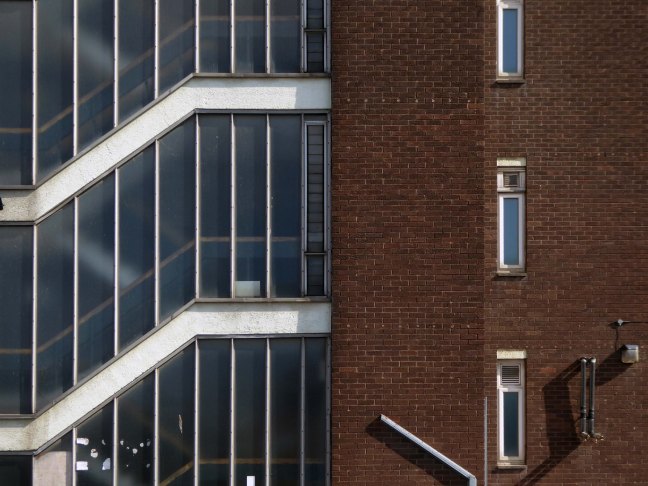
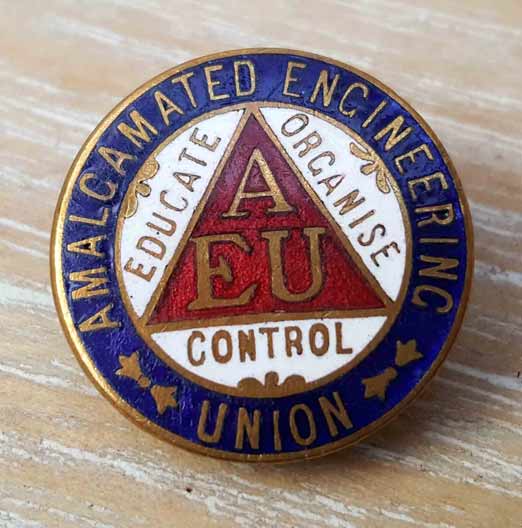
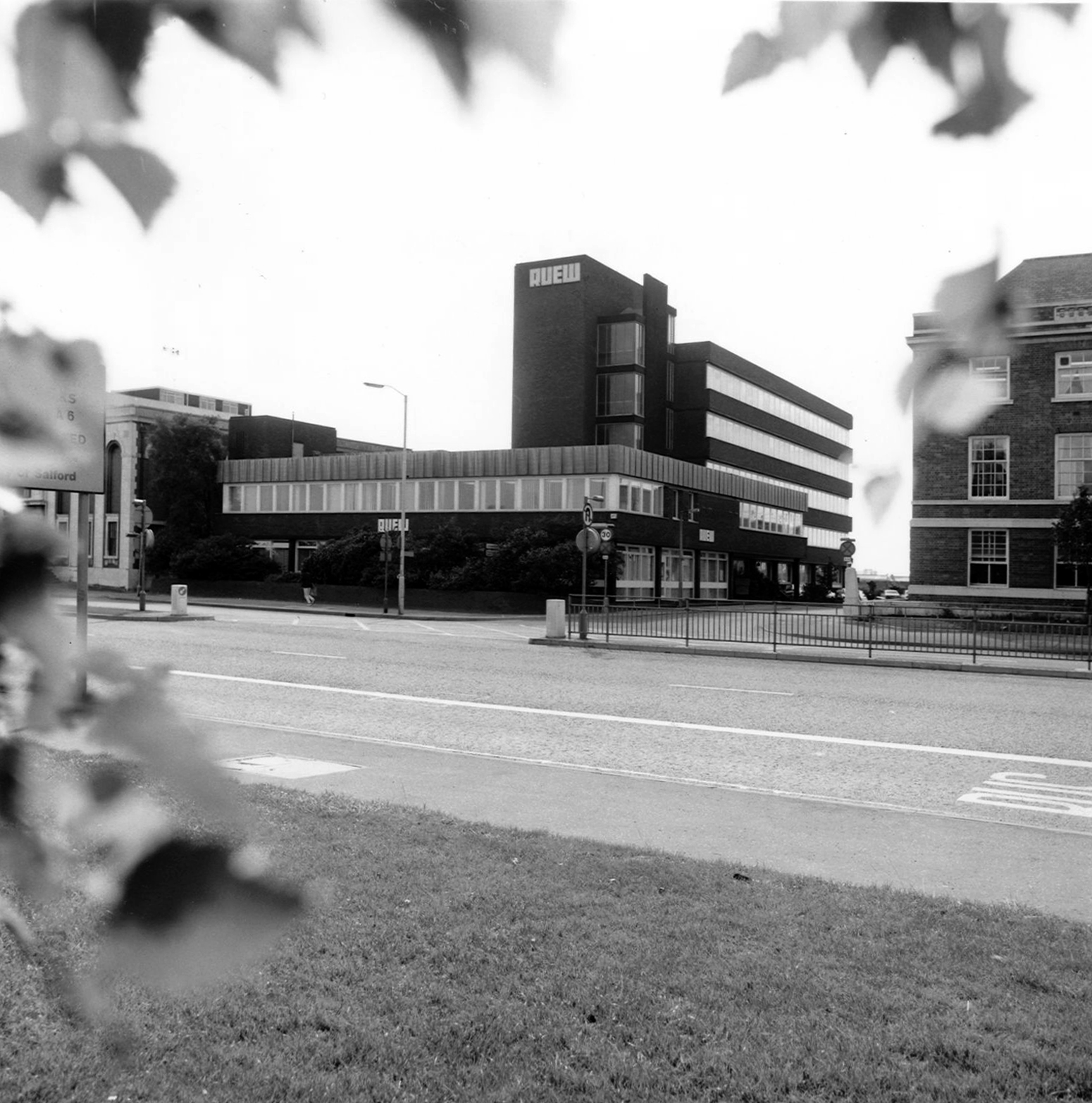
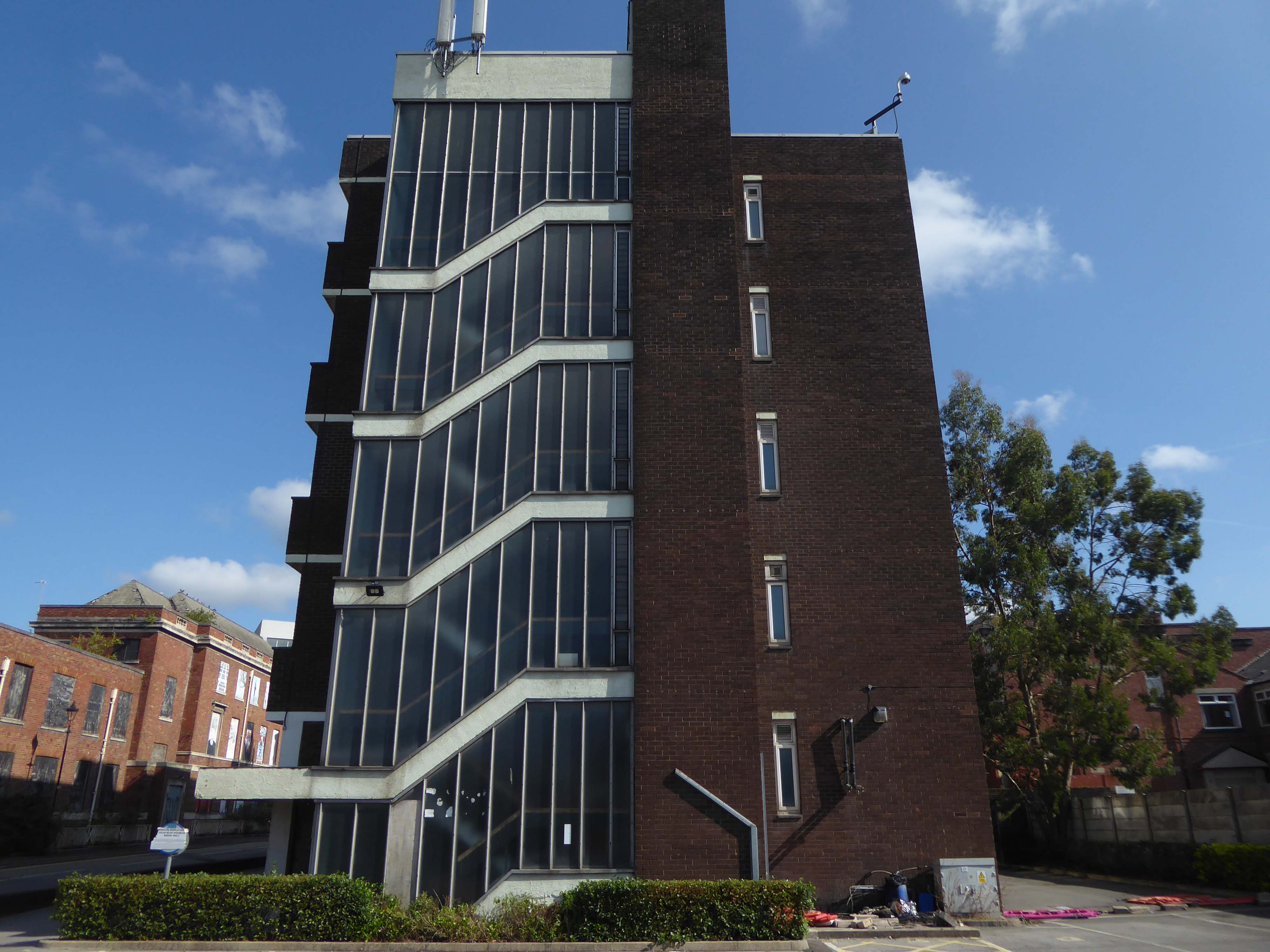
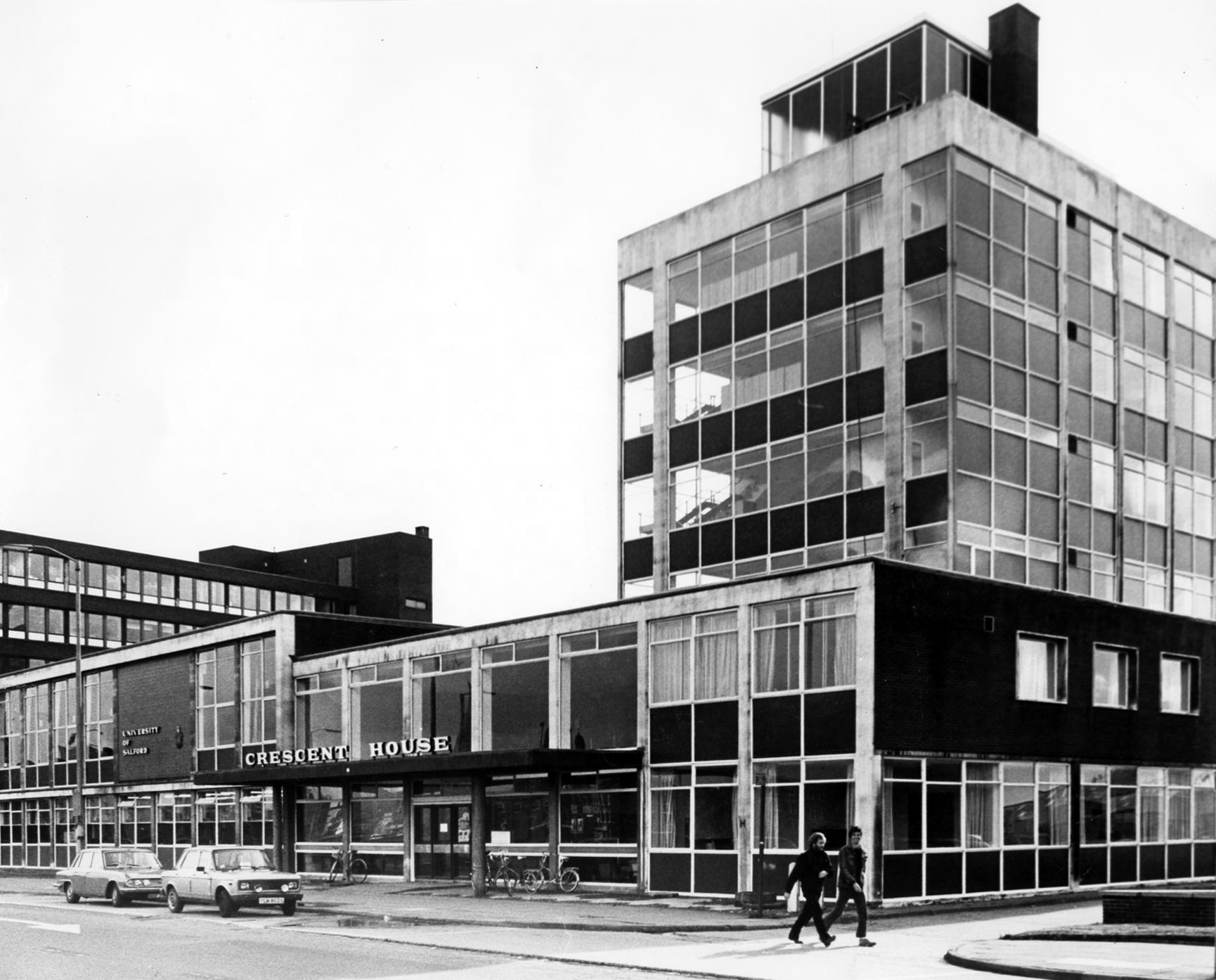
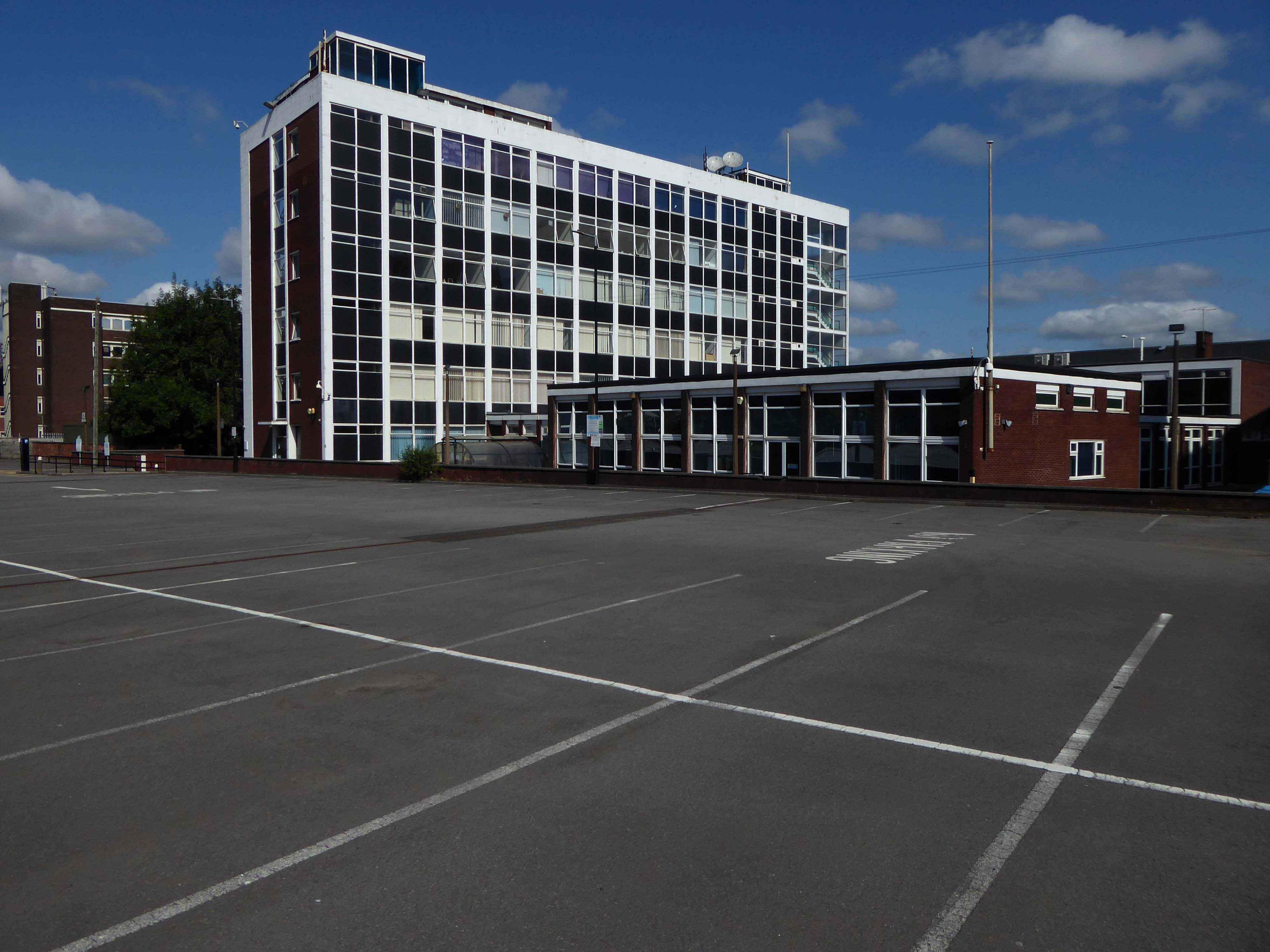
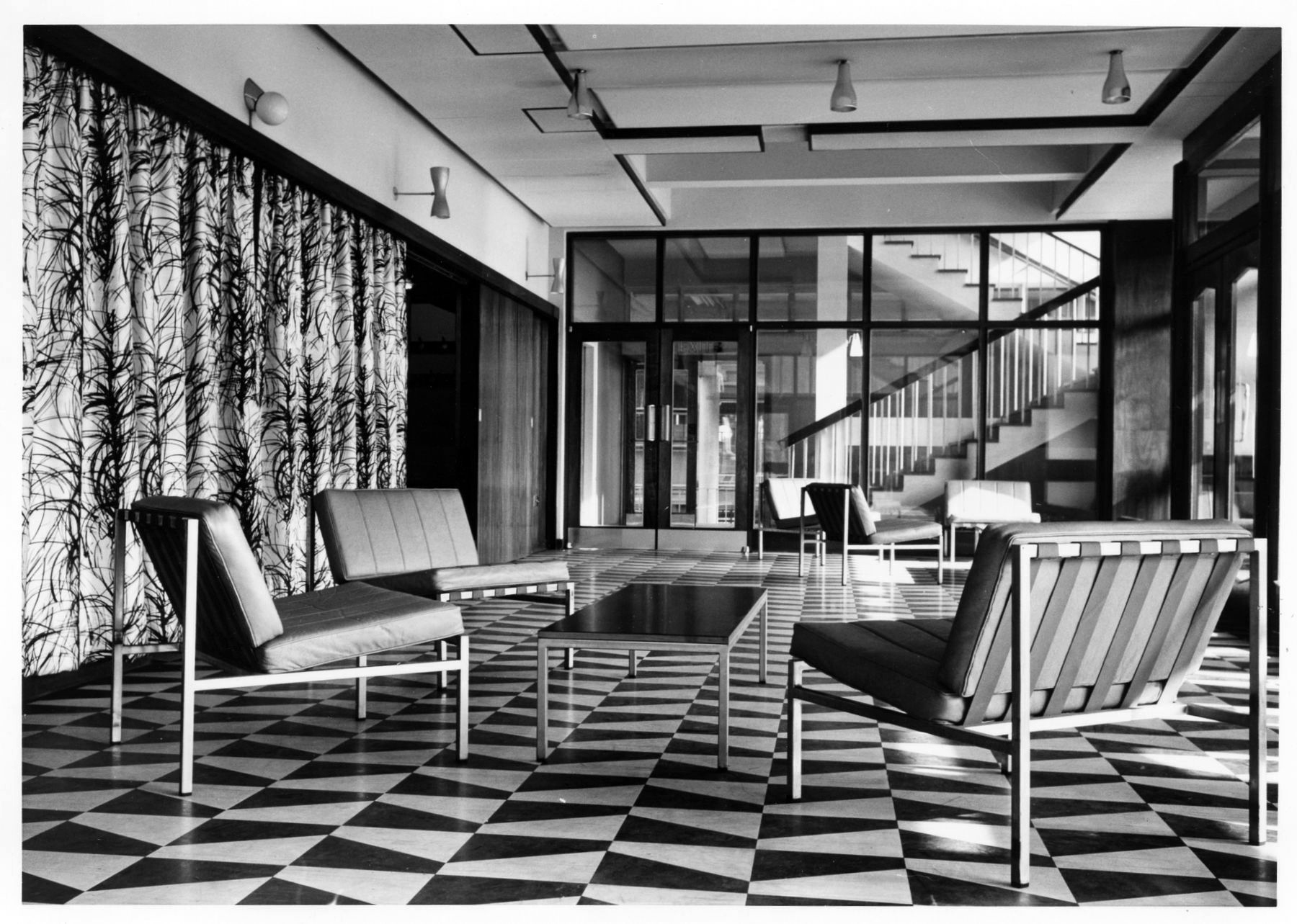
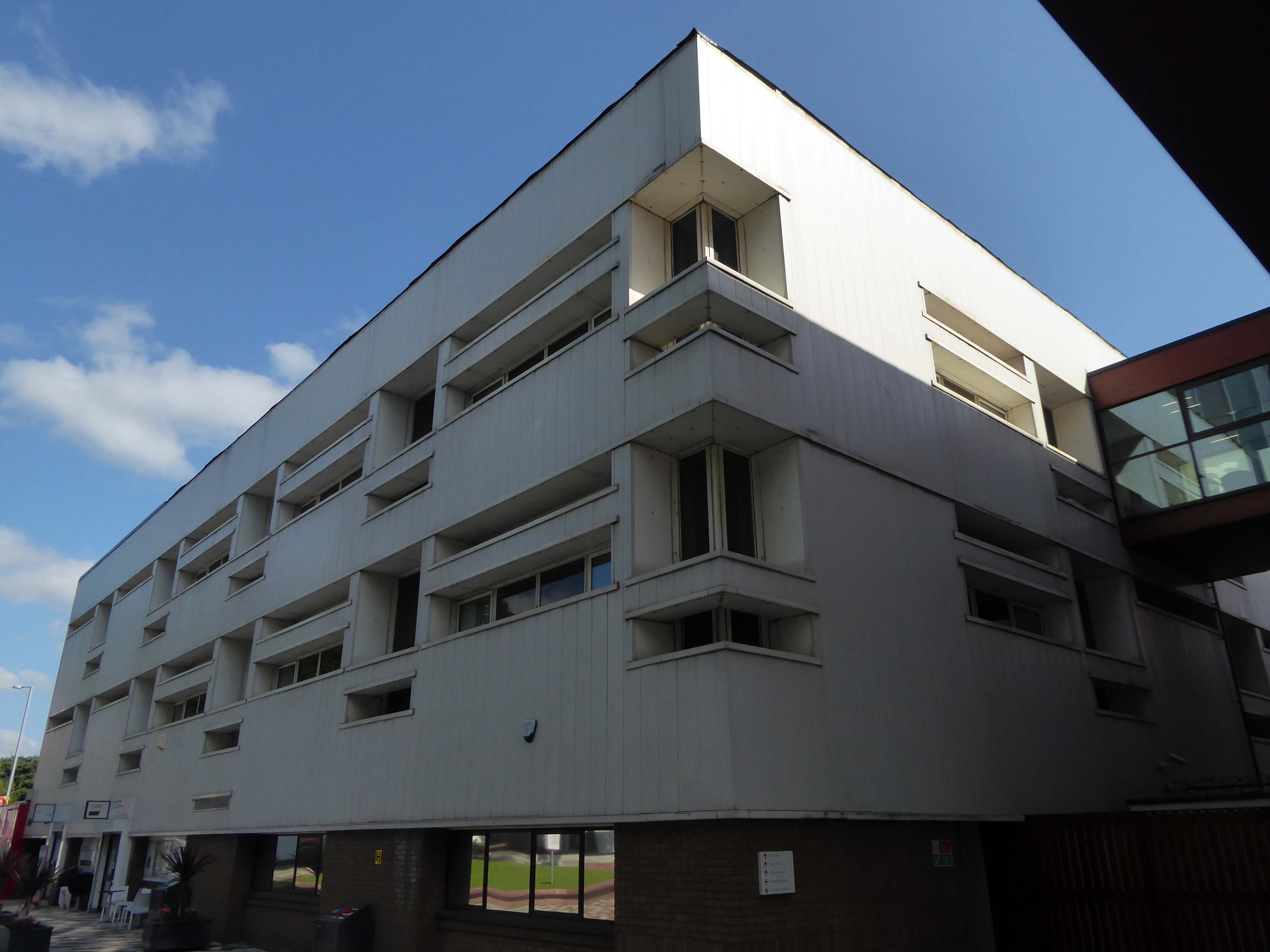
We begin on the Crescent – taking in the former AUEW Building.

B&W images copyright USIR Archives

It became part of Salford University’s estate, renamed the Faraday Building.

It is currently unoccupied.

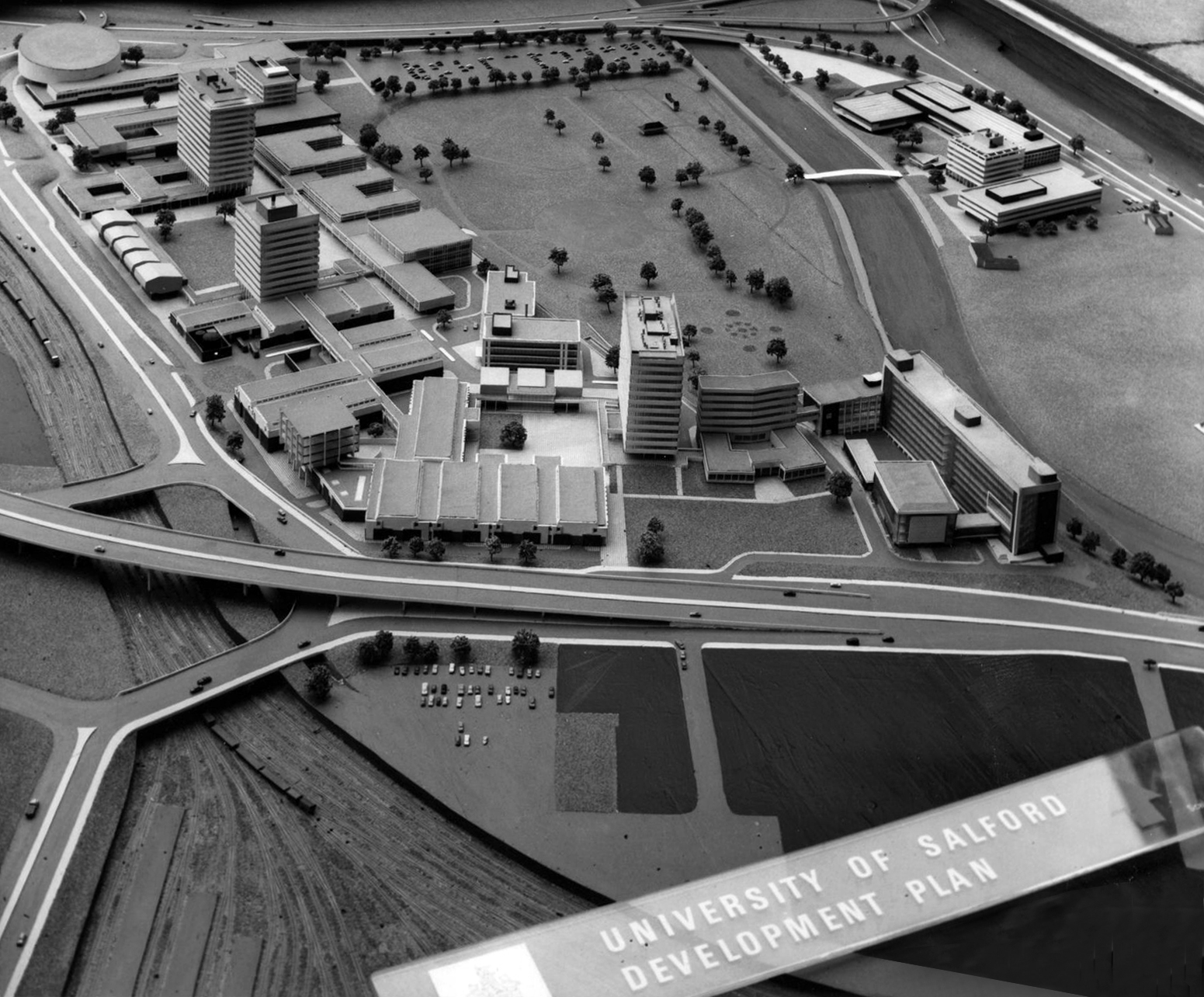
The University’s Masterplan is shifting emphasis to the Peel Park and Media City sites.

Also leaving Crescent House in limbo.

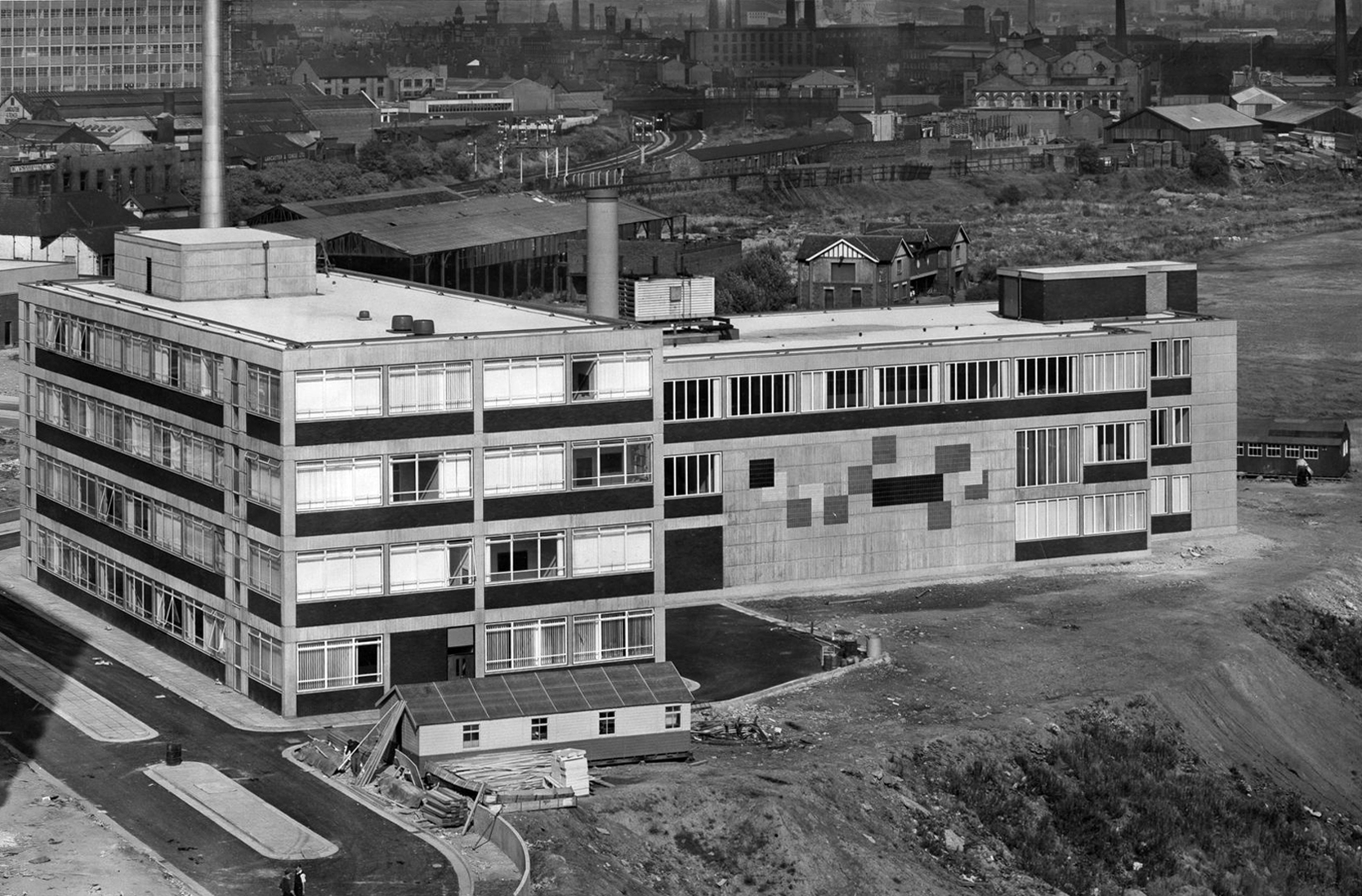
The original master plan would have swept away the Victorian Technical Institute and Salford Art Gallery.

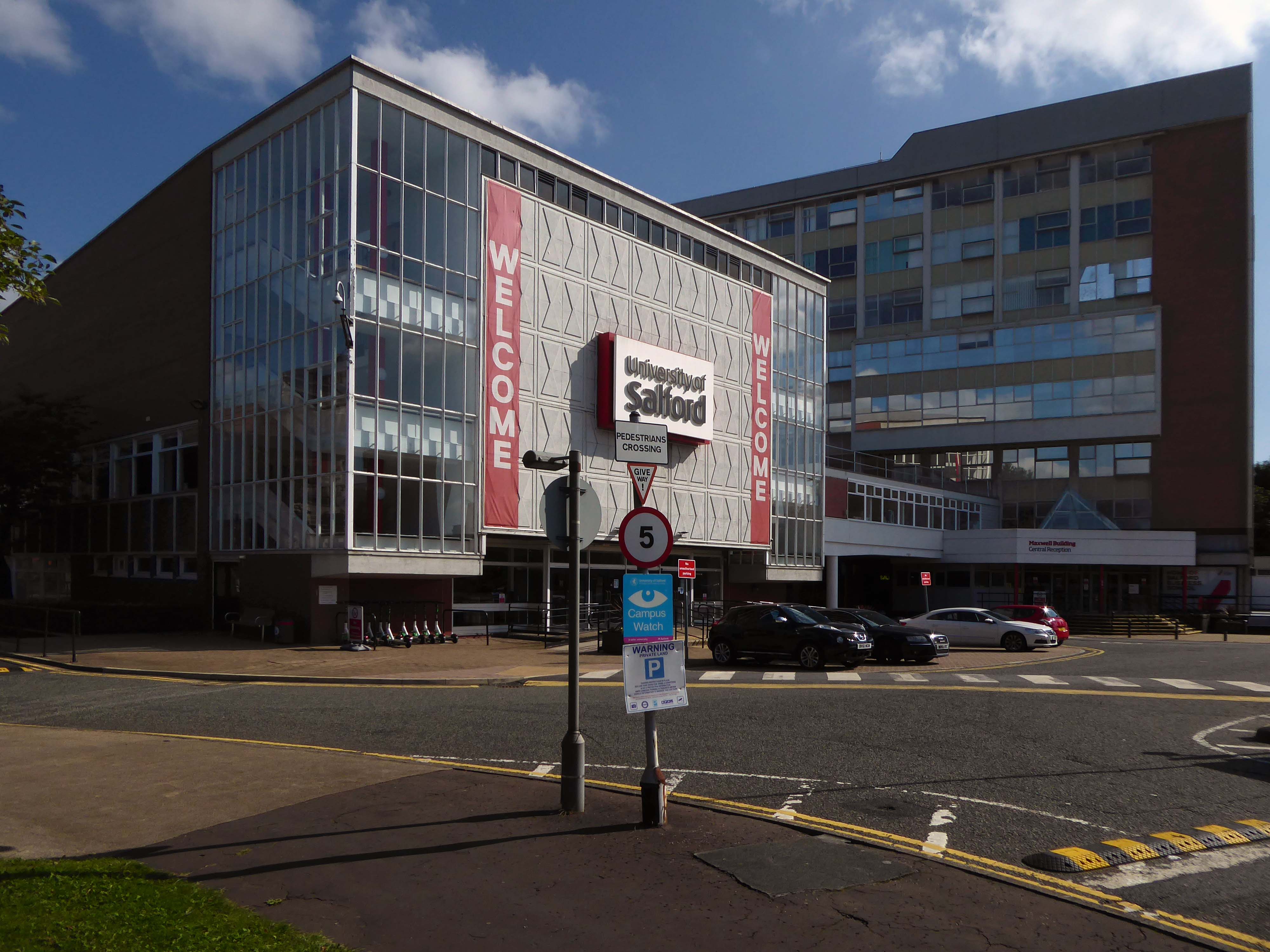
Across the road are the Maxwell Buildings.

They were built between 1959 and 1960 to a design by the architect C H Simmons of the Lancashire County Architects Department.

The interior decorative order of Sixties’ institutions was integral to the architectural design, sadly this is no longer so.

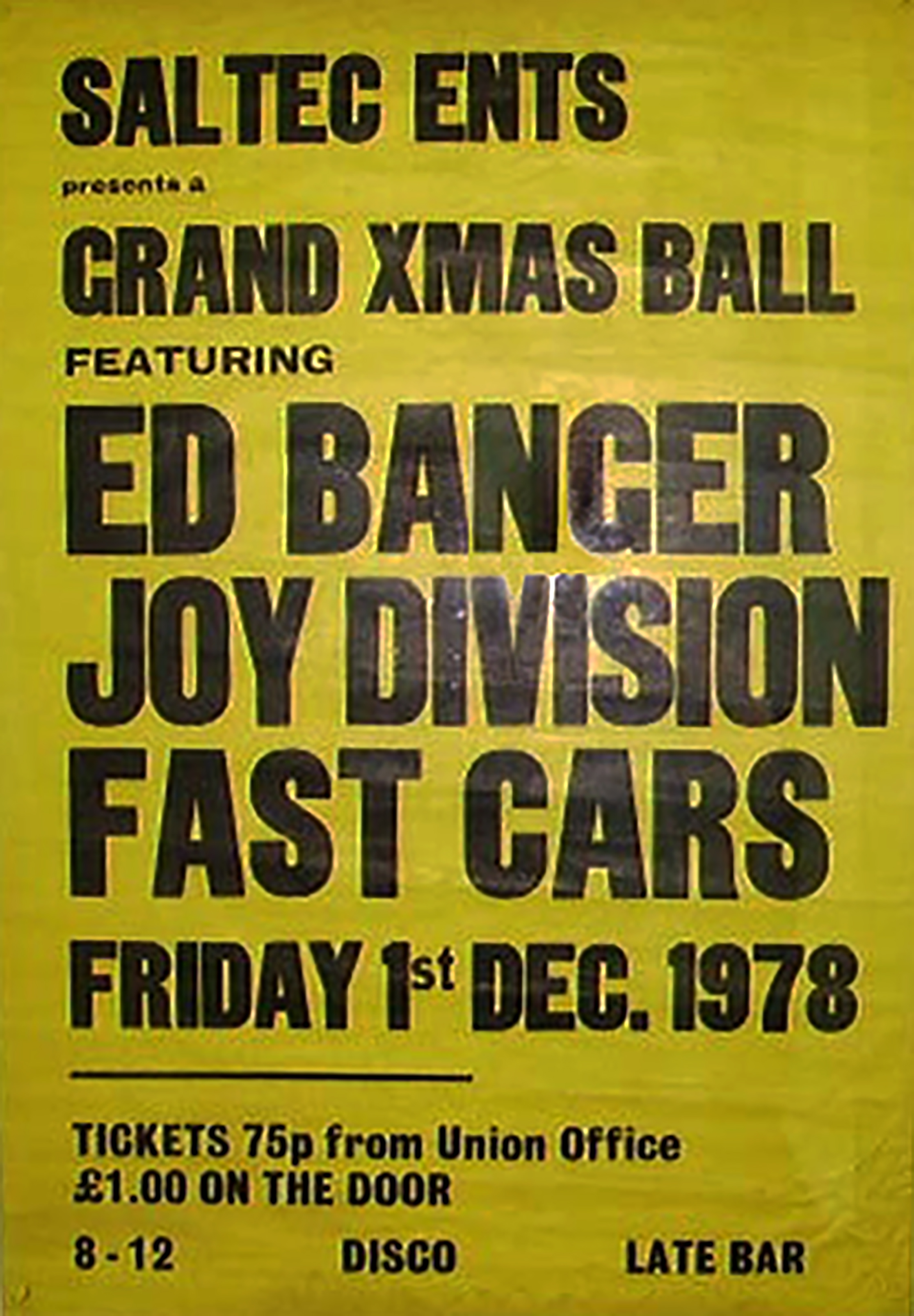
The hall has a great musical heritage.

Featuring the Fast Cars who we have previously encountered in Swinton at the Lancastrian Hall.

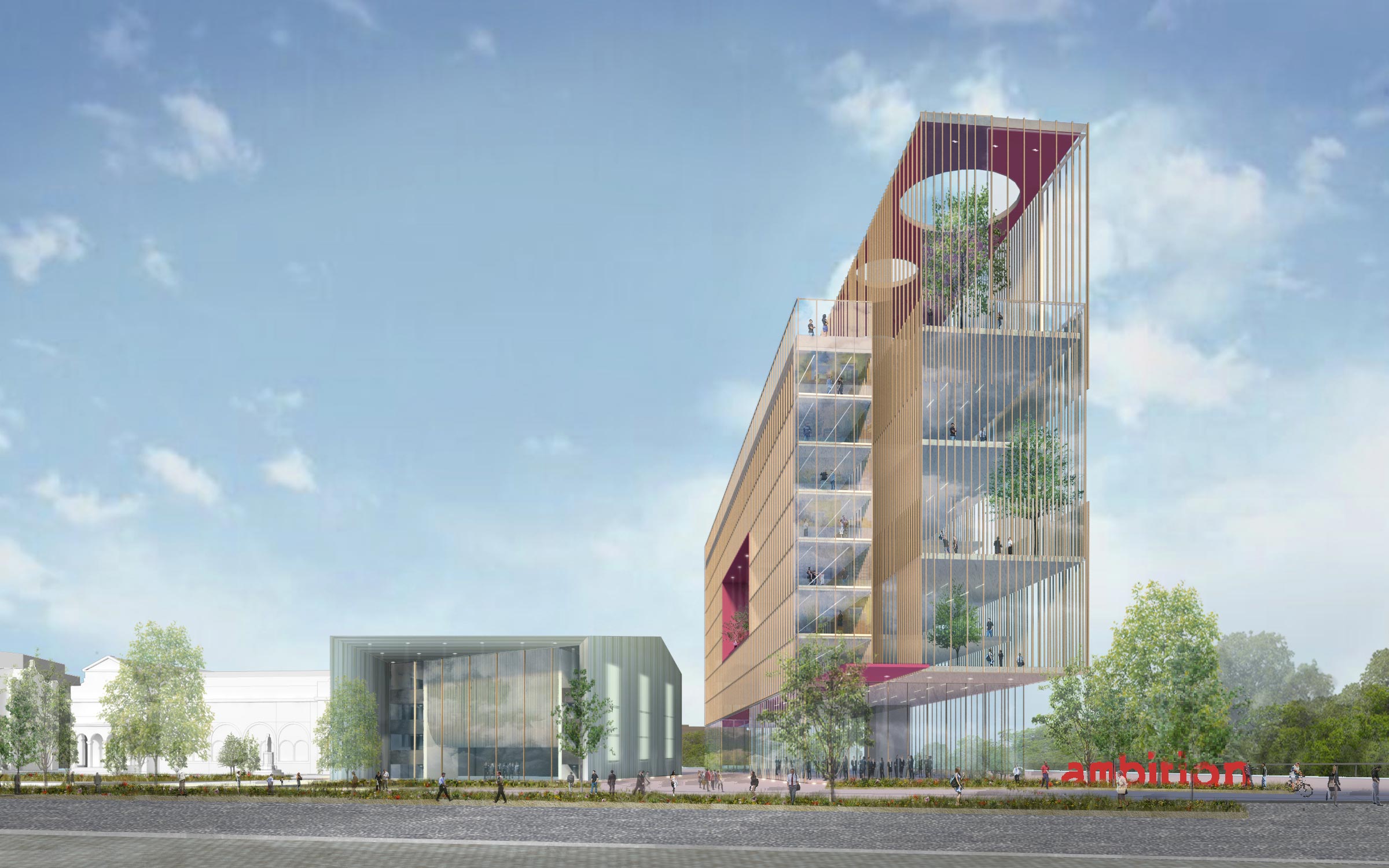
Which may be the subject of ambitious redevelopment.

Take a turn around the corner to the Cockcroft Building.

The east facing mural painted out and obscured by retrofitted infrastructure.

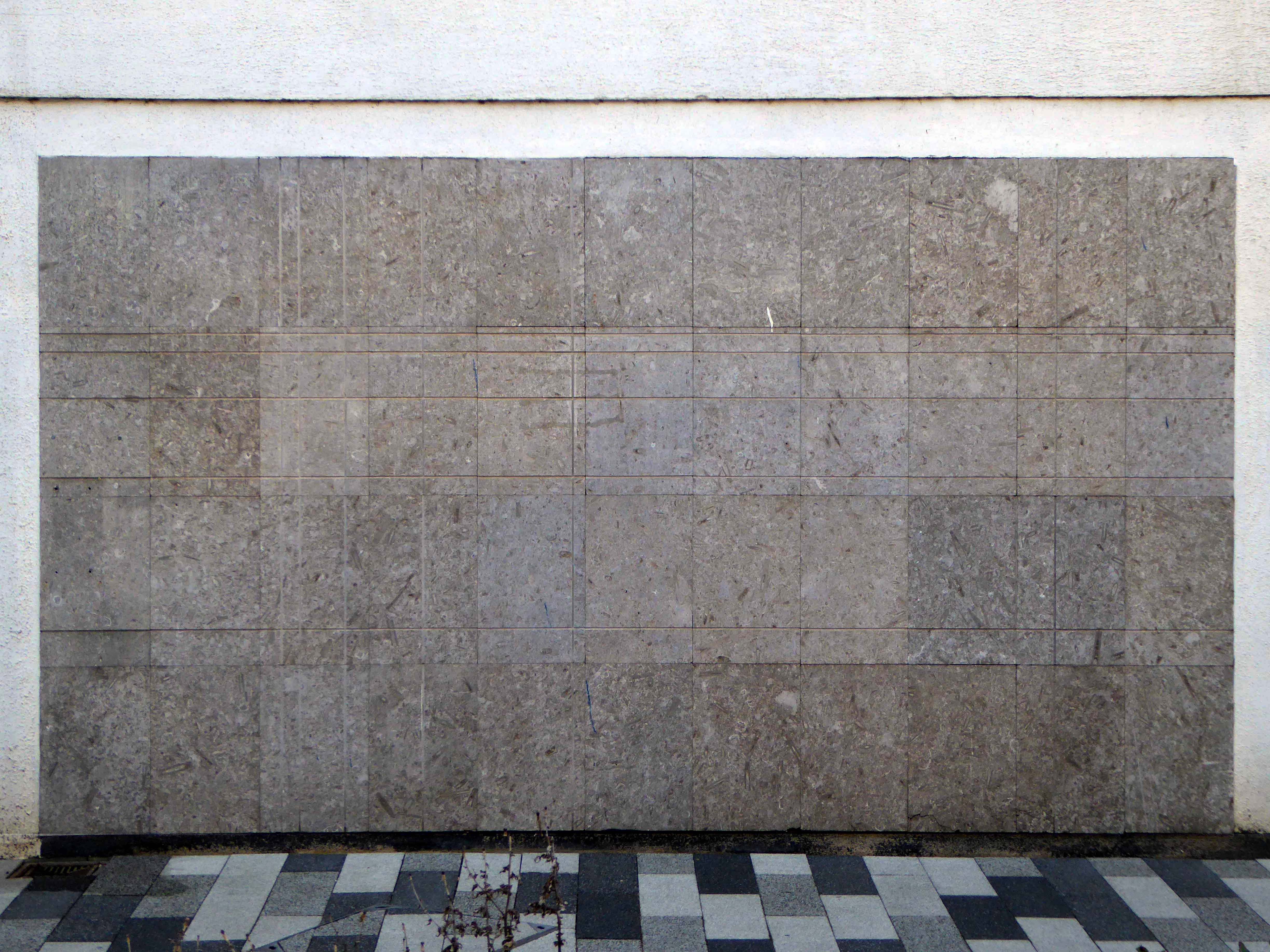
These incised stone panels obscured by plants.

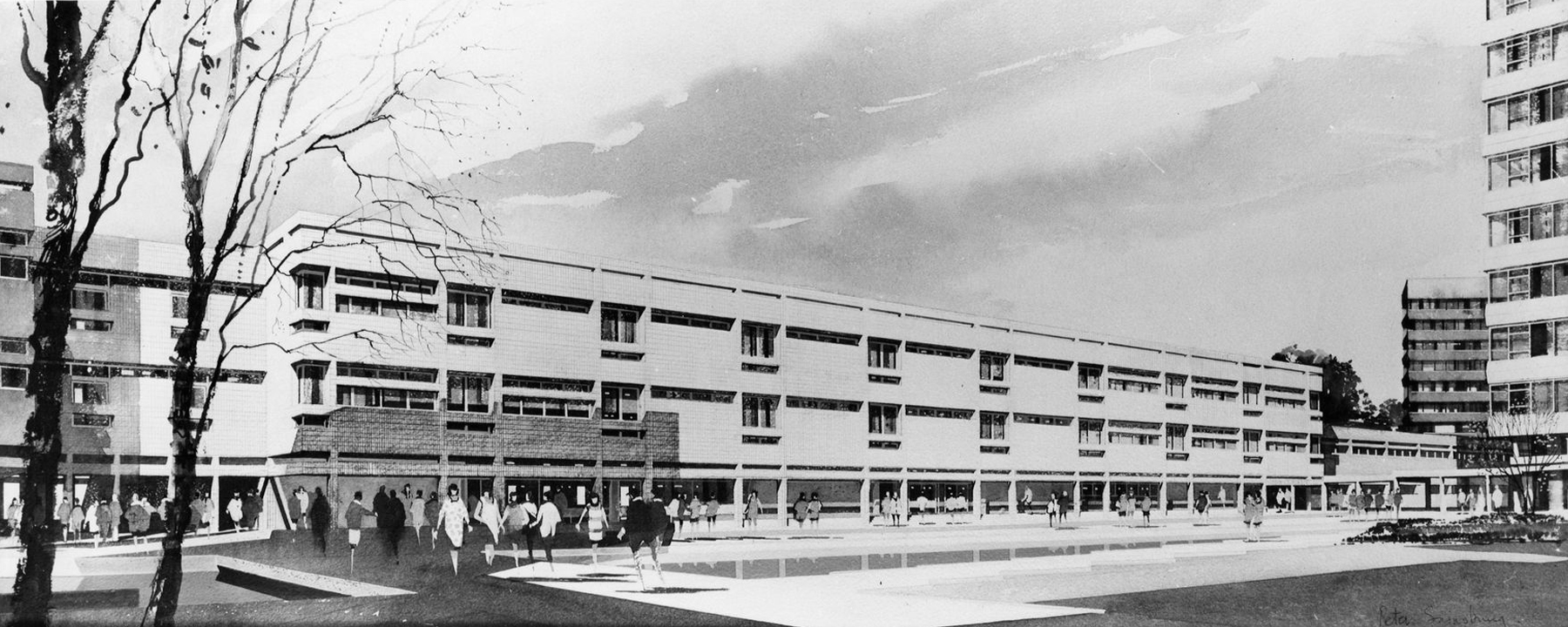
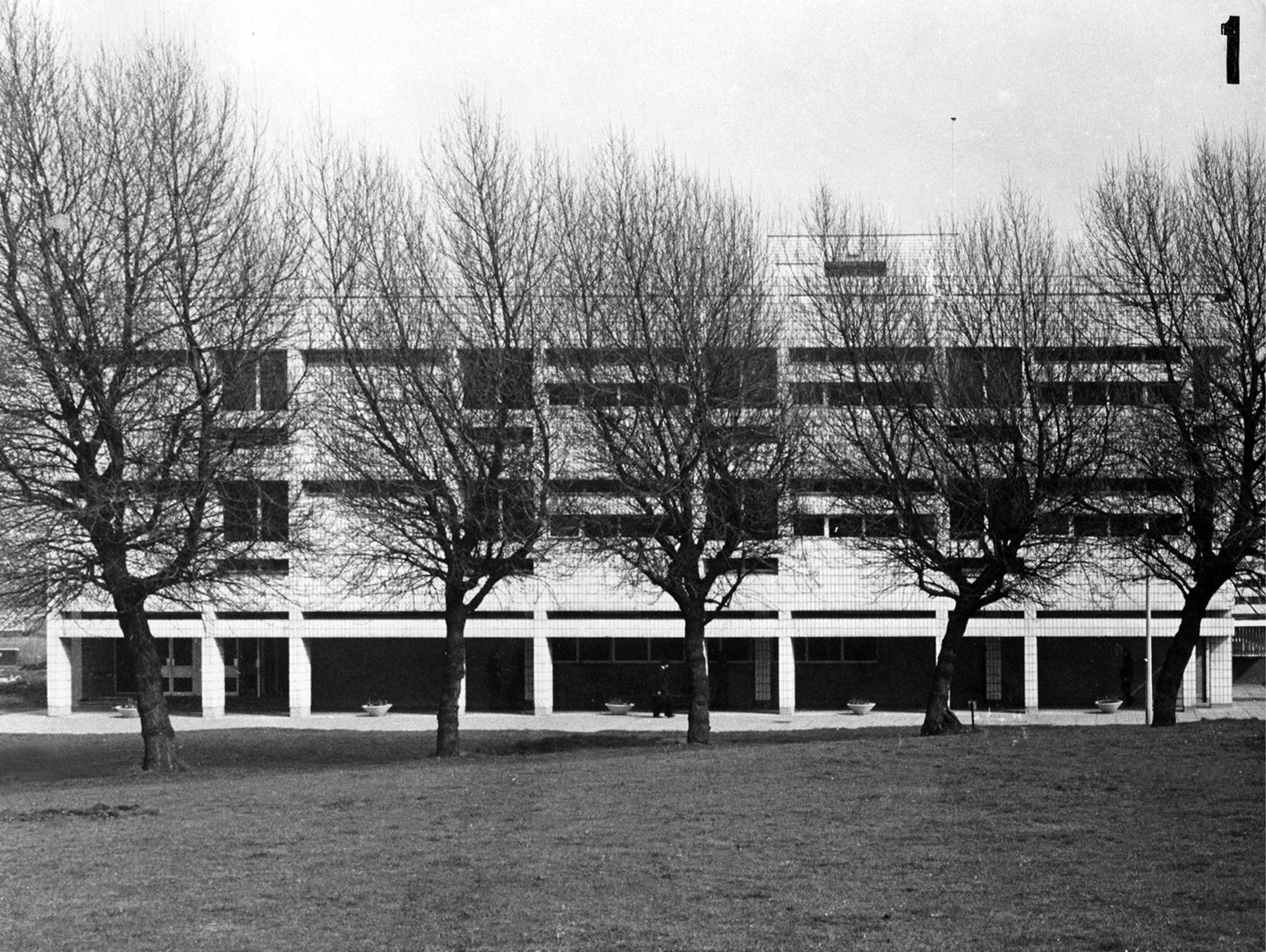
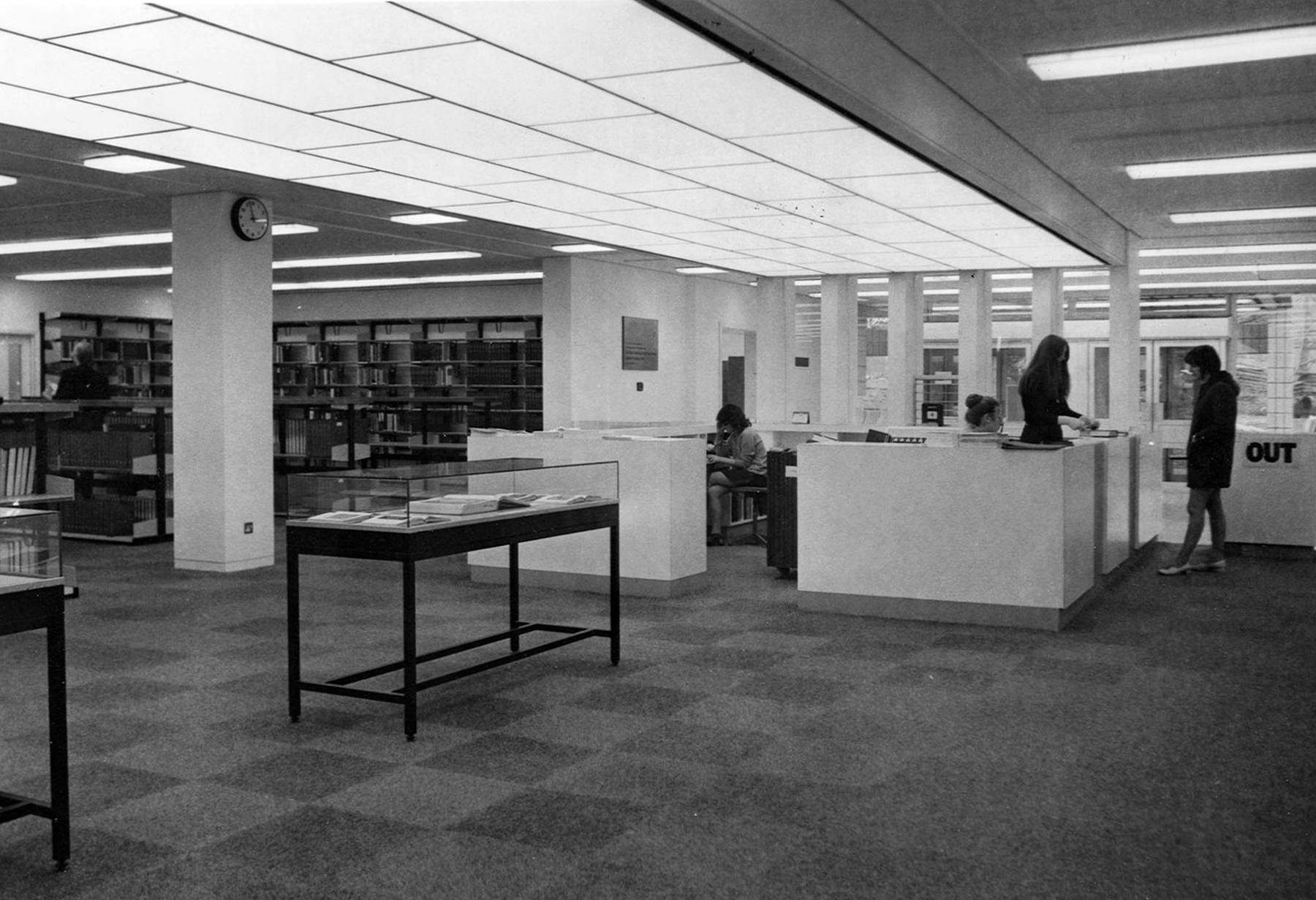
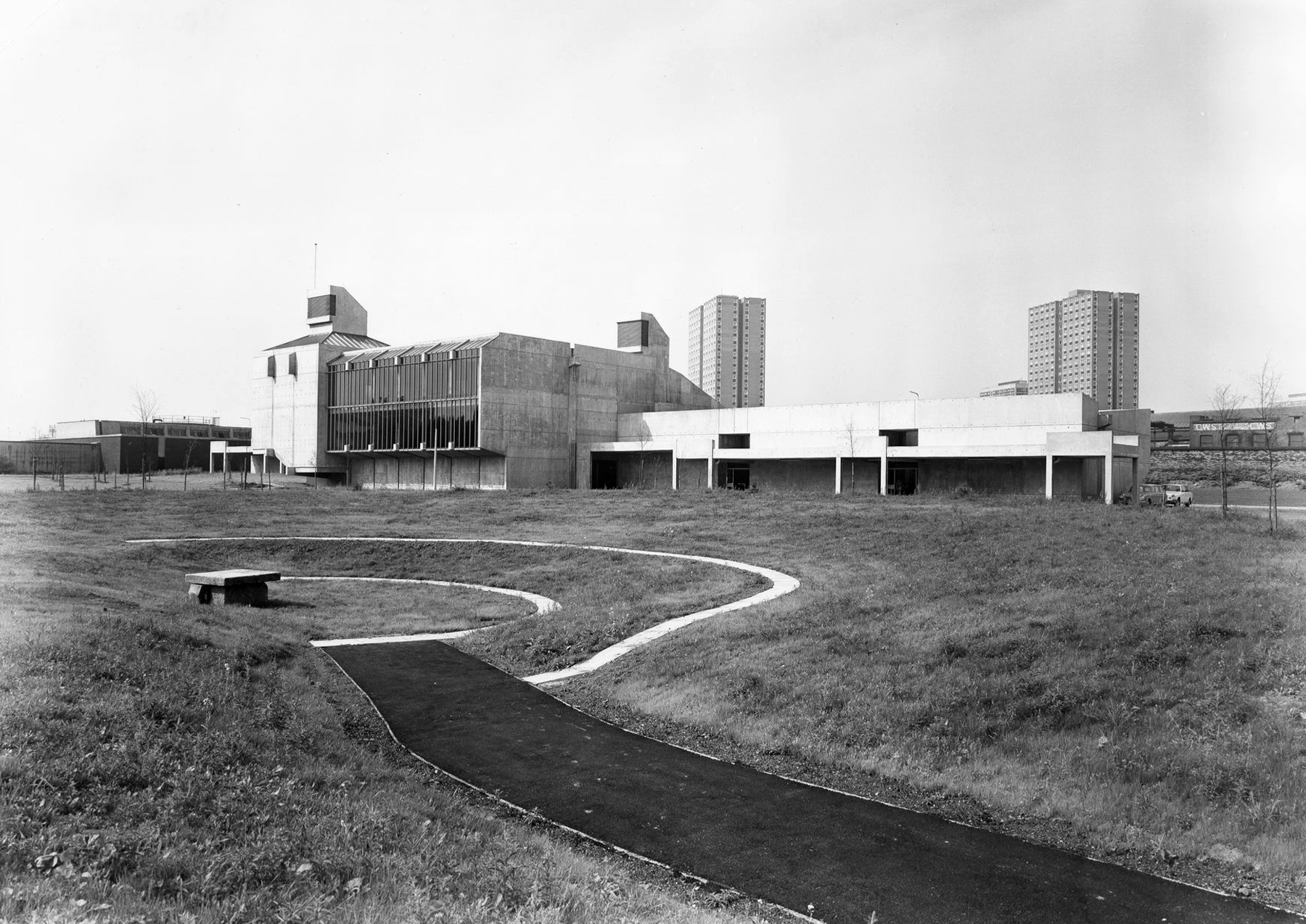
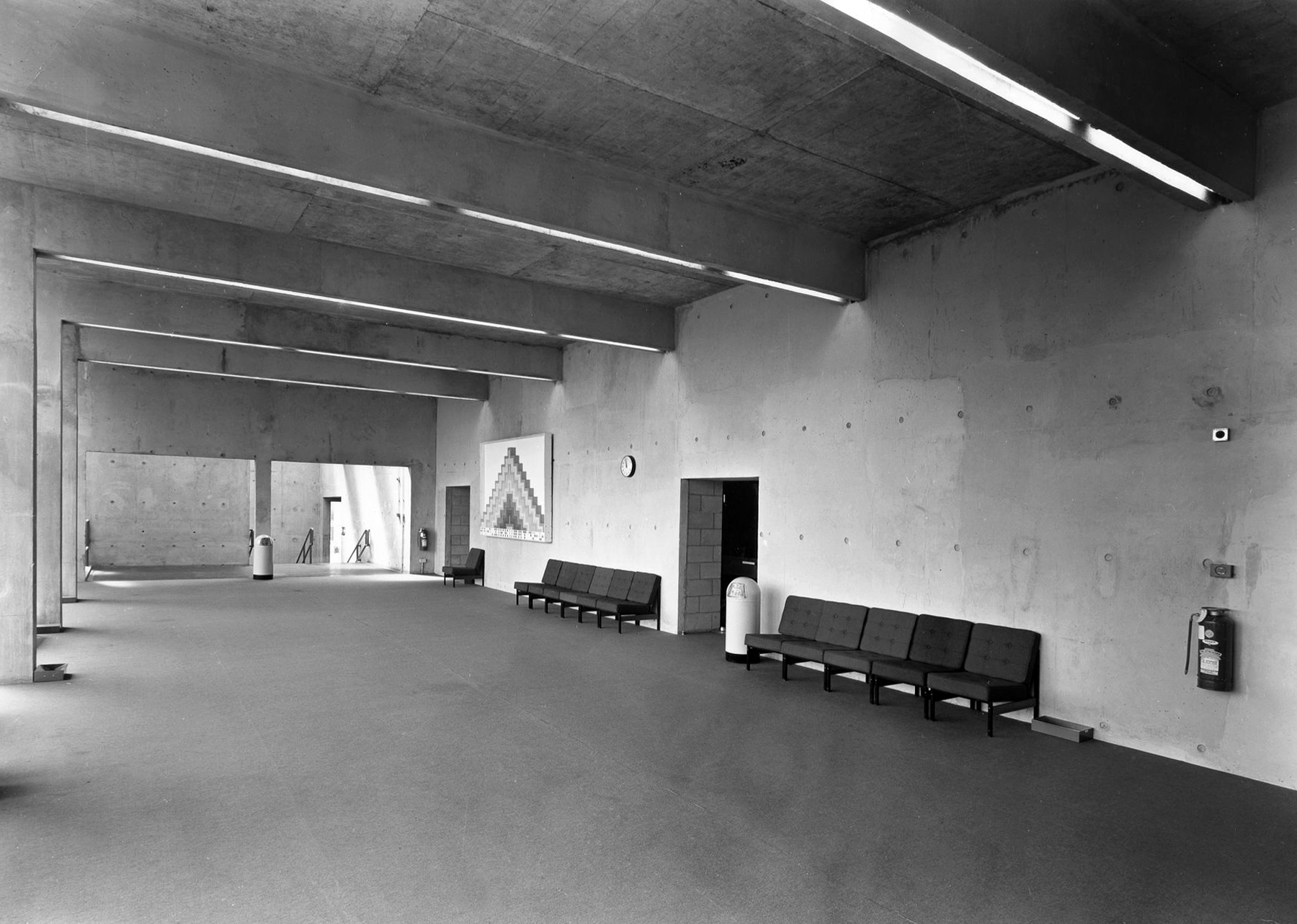
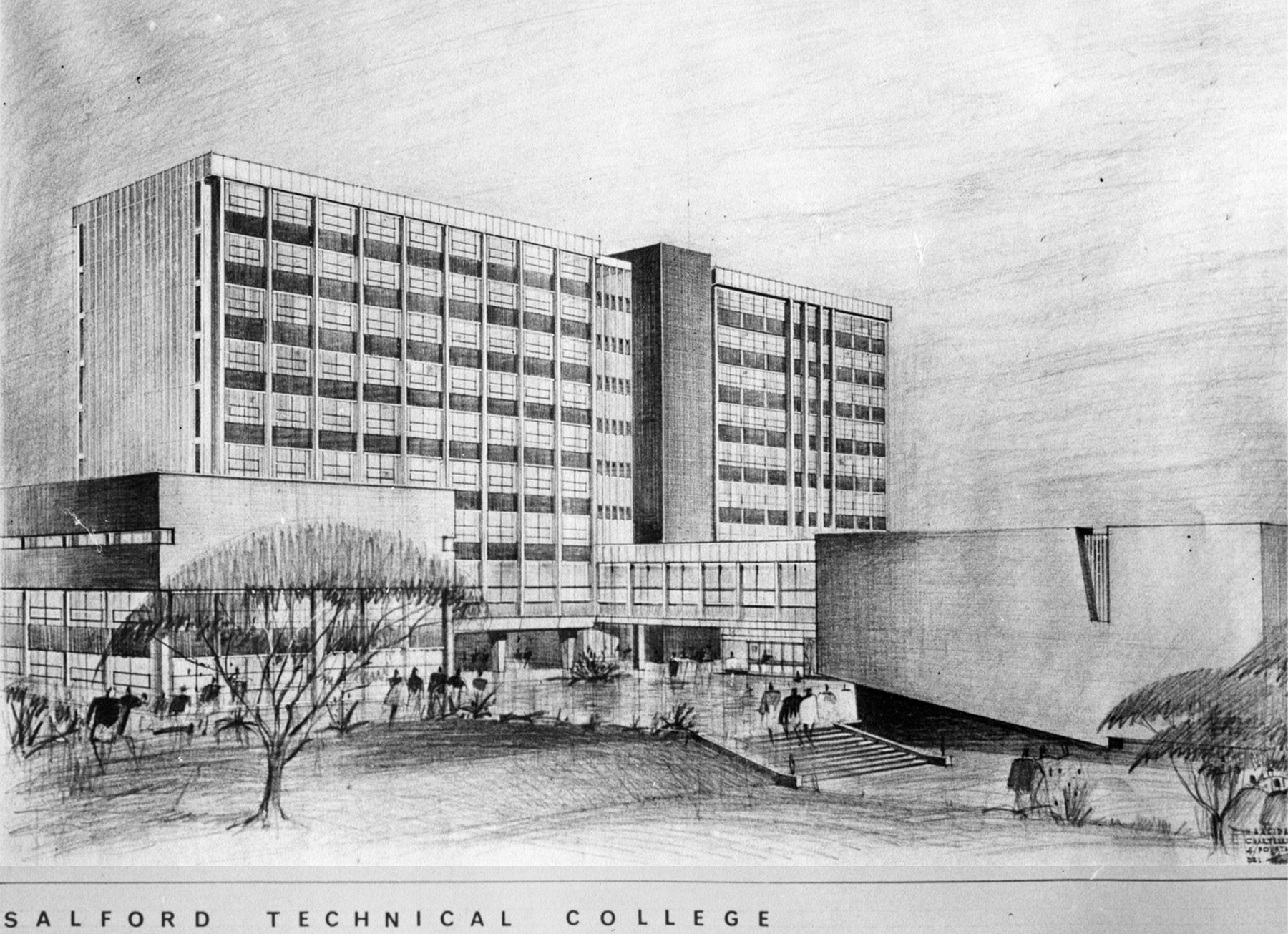
To the left is the Clifford Whitworth Library – this is the original architectural impression – signed Peter Sainsbury.

The original fascia was tile clad.

Subsequently replaced by uPVC boards.

Yet again the original interior was integral too the architectural scheme and period.

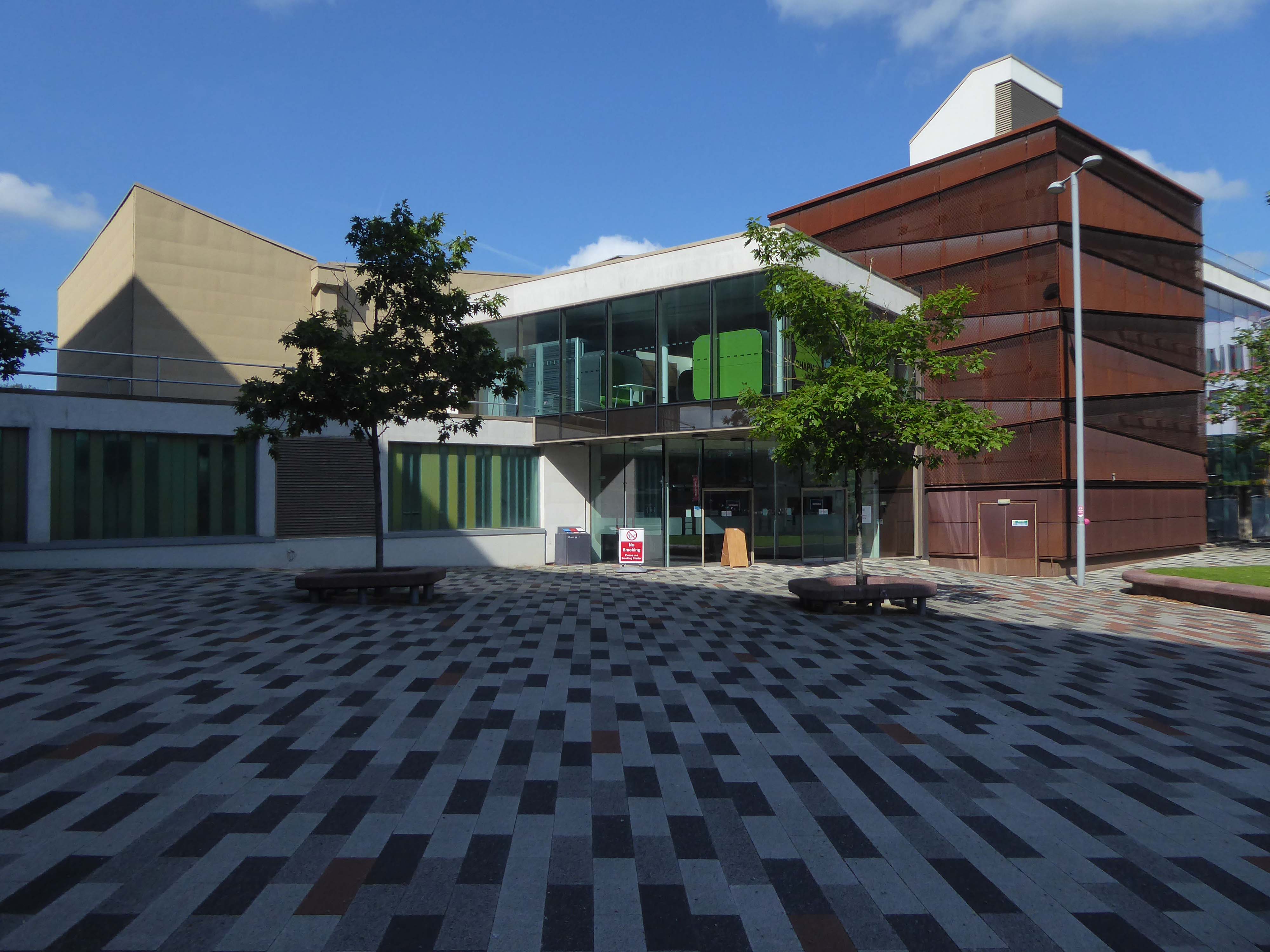
Across the way the Chapman Building.

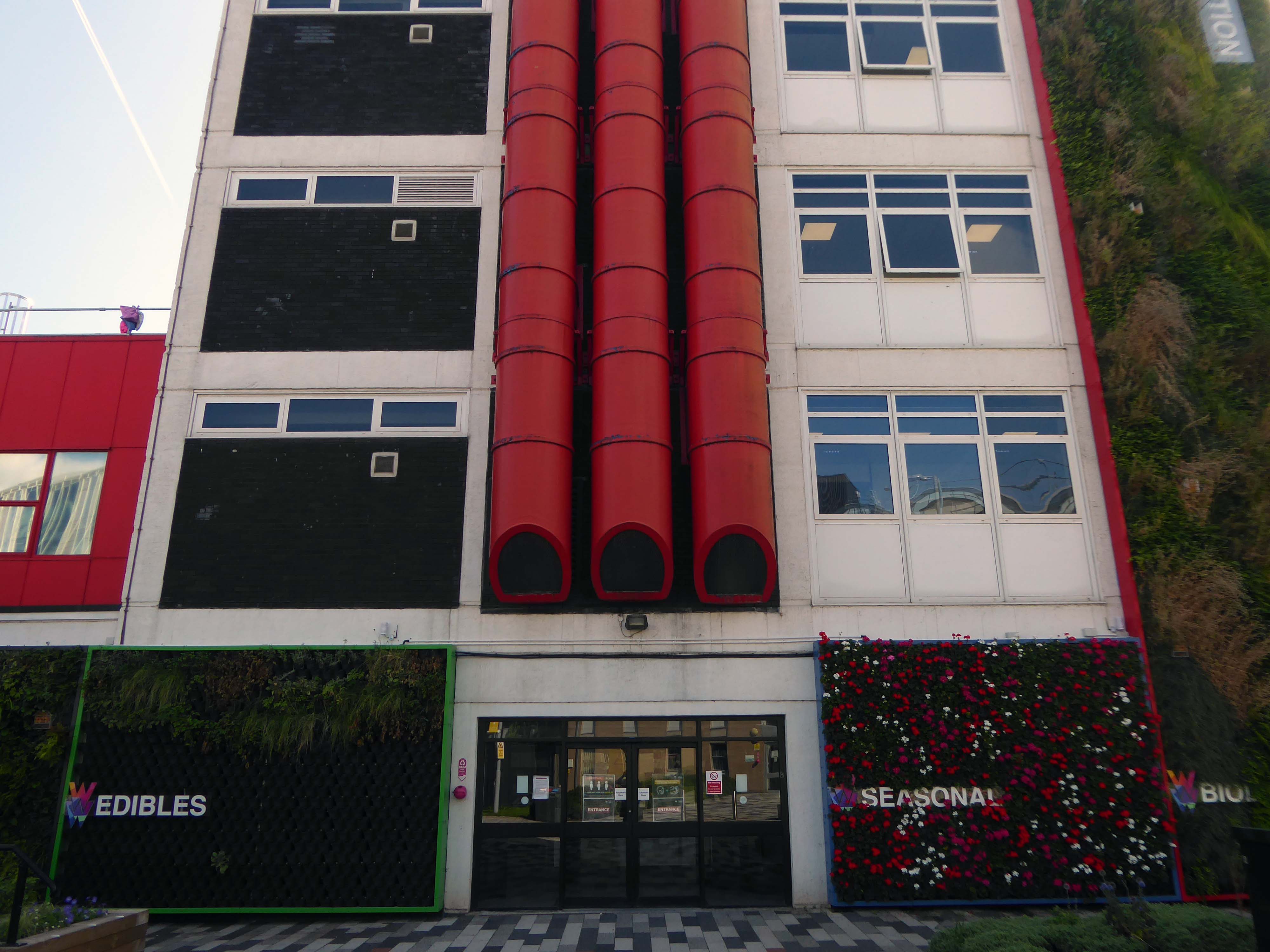
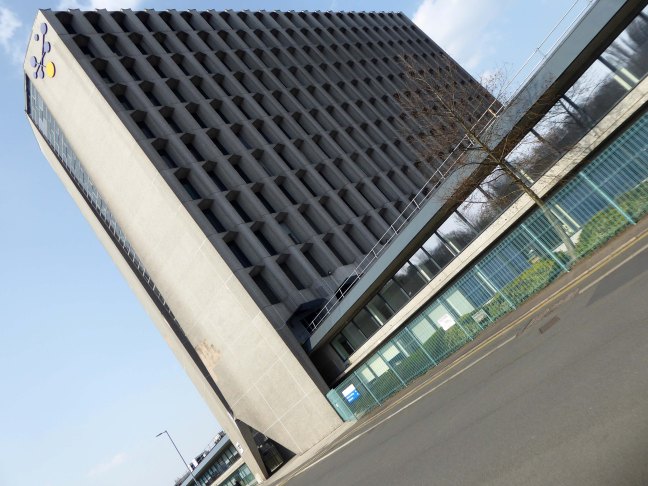
It was designed by WF Johnson and Partners of Leamington Spa, as a lecture theatre block and gallery. It sits with its long axis running parallel to the railway behind. The series of grey volumes, occasionally punctuated by colourful floods of red and green trailing ivy, hang together in a less than convincing composition. The orientation and access to the building seem confused and detached from any cohesive relationship to the rest of the campus, but there is something perversely attractive about the right essay in the wrong language. The reinforced concrete building contained five lecture theatres, communal spaces, an art gallery, AV support areas and basement plant rooms. Following a major refurbishment in 2012, several additions were made to the exterior and its total concrete presence somewhat diminished. It still houses lecture theatres and a number of other learning and social spaces.

Mainstream Modern

To the rear of the building there are some of the original details, now painted a series of funny colours.

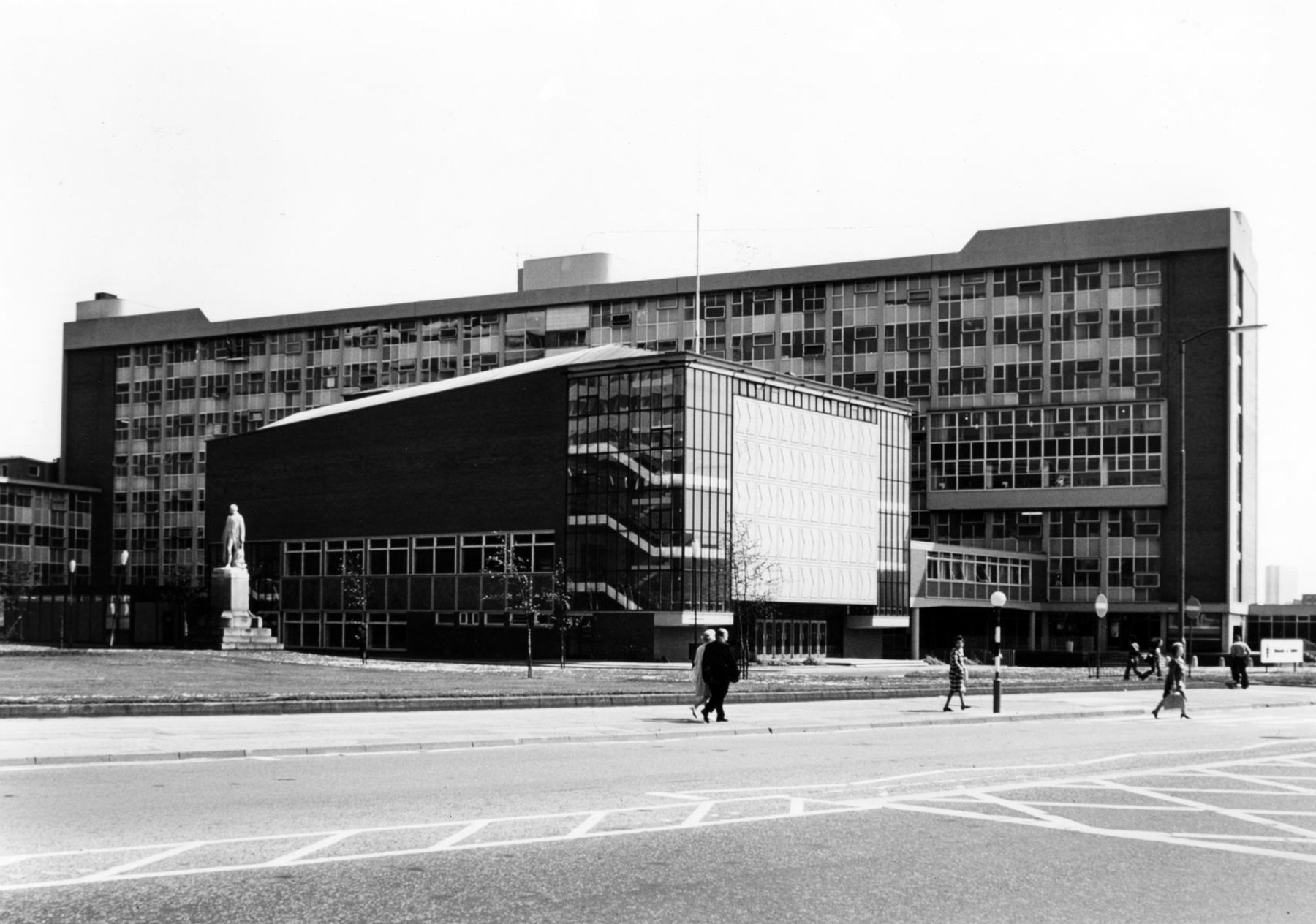
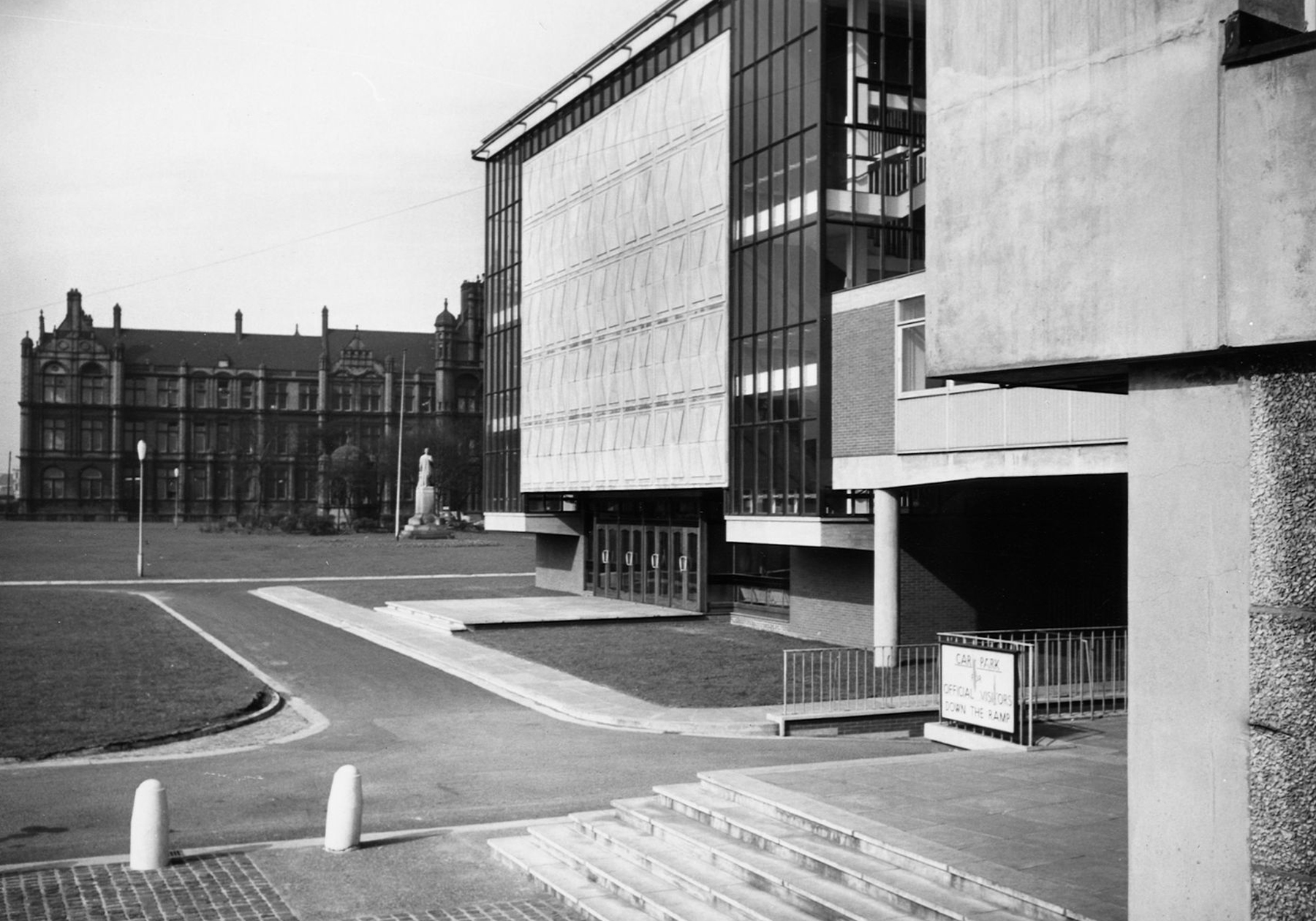
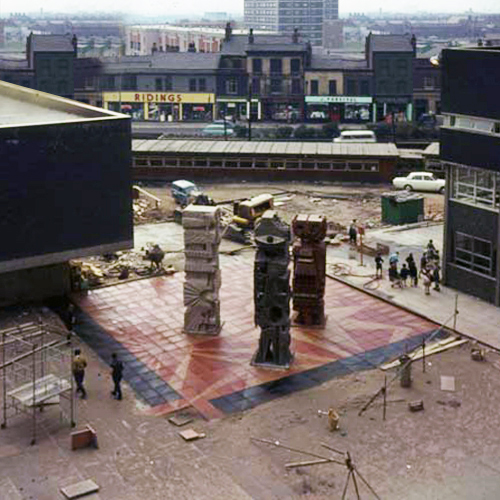
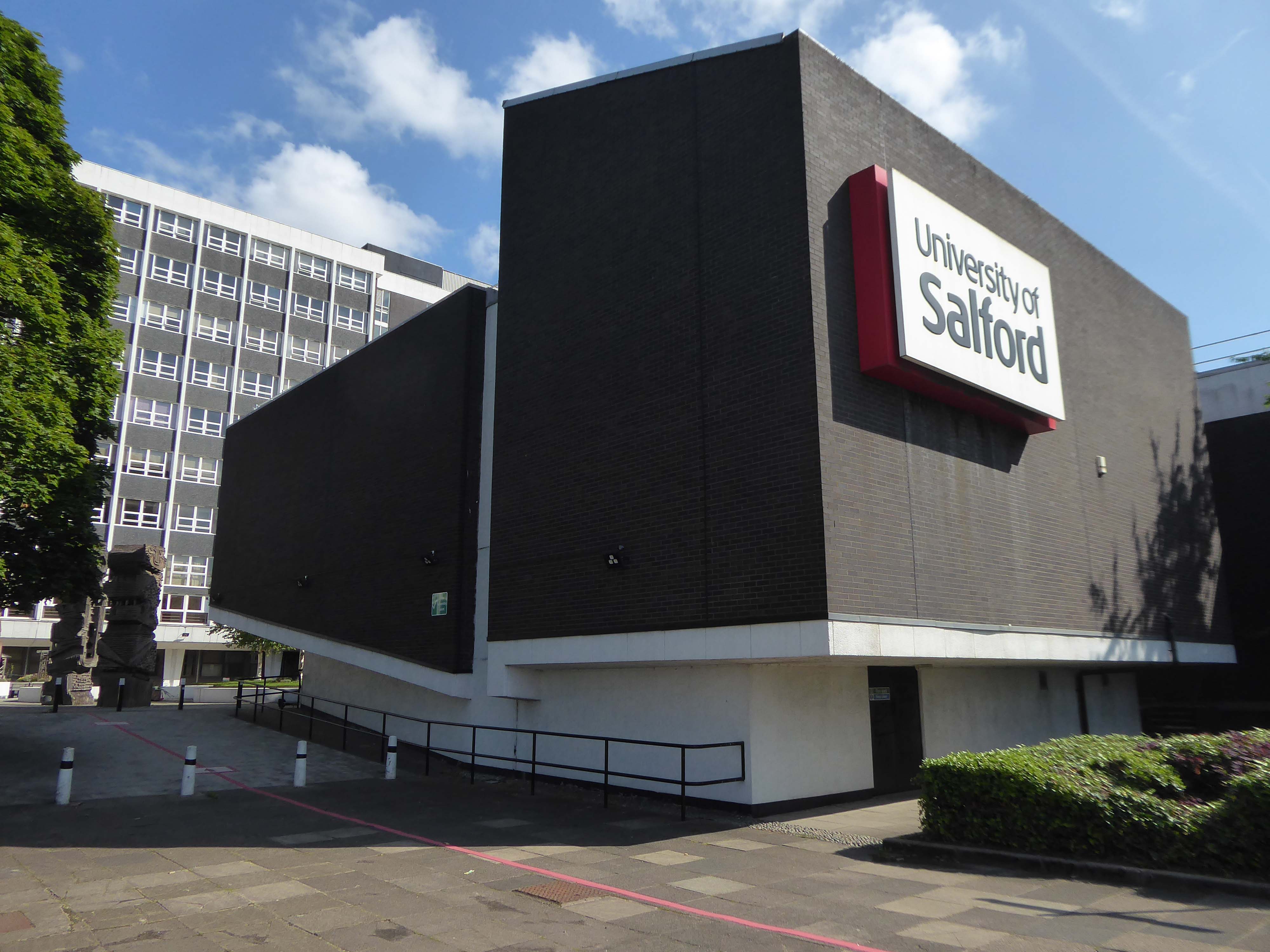
A ways down the road the former Salford Technical College.

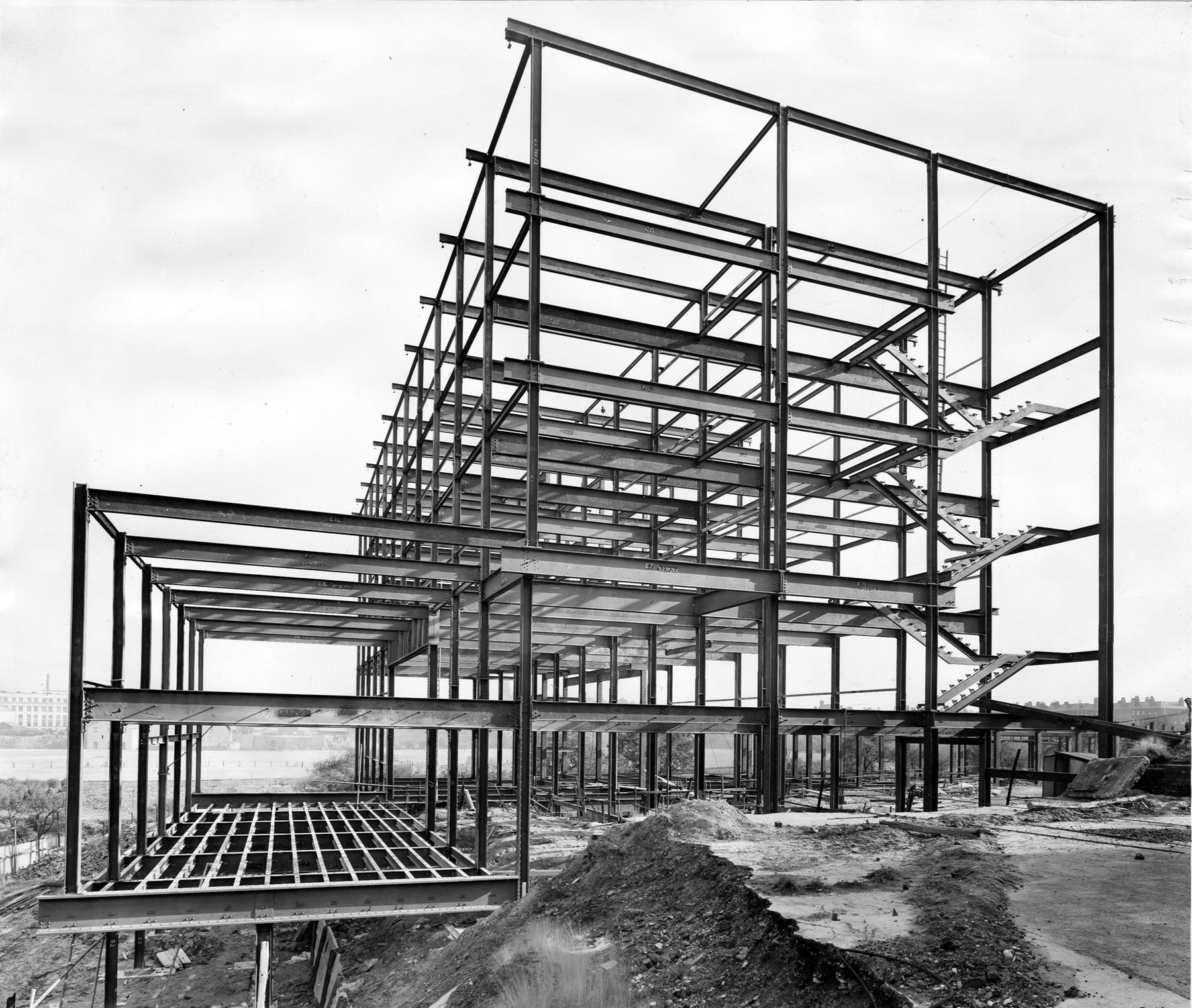
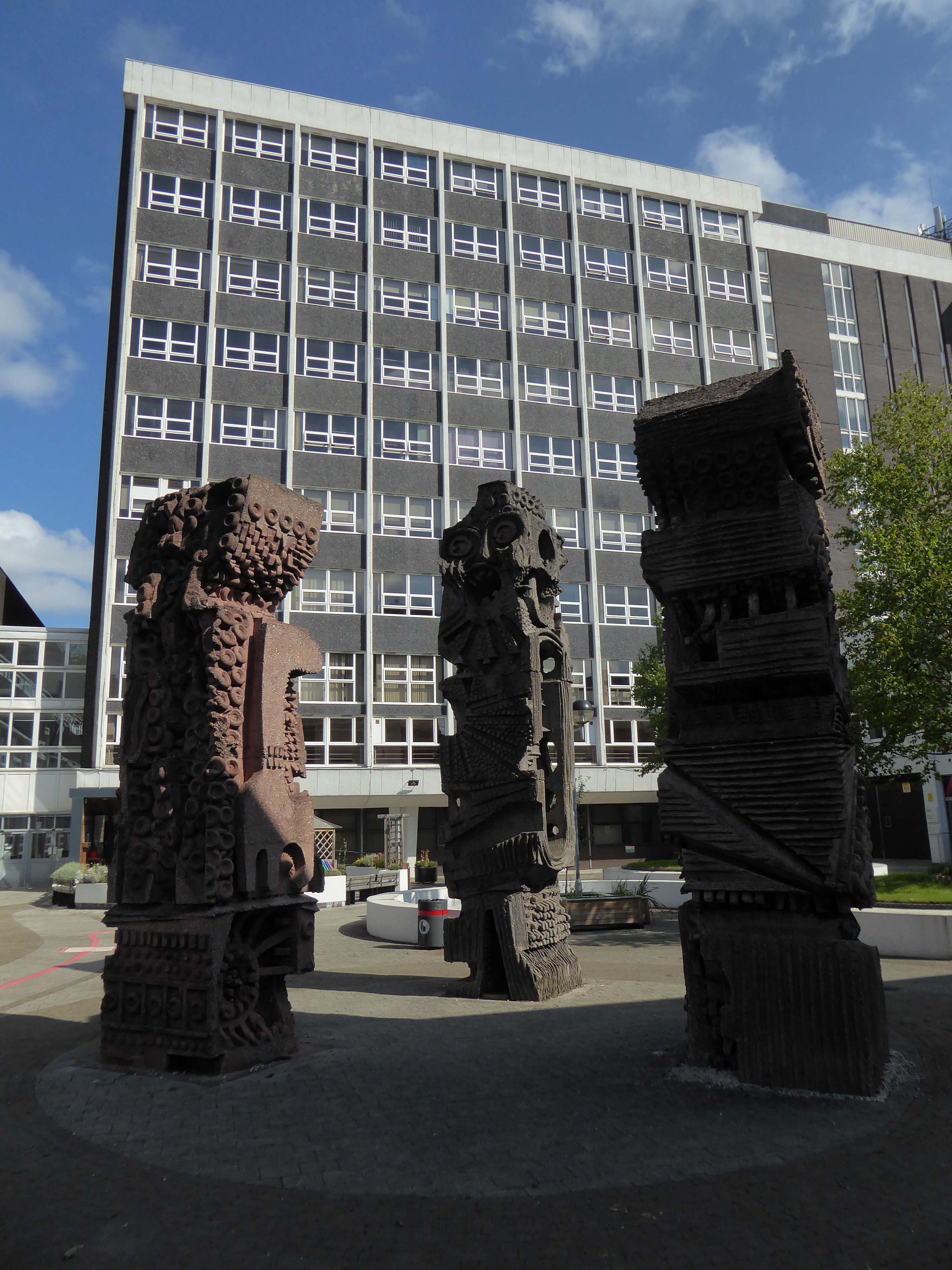
Now the part of the University of Salford, this grouping is probably the most significant work by Halliday Meecham during this period. The blocks wrap to almost enclose a courtyard and they step up in height towards the rear of the site. To the front is a lecture theatre block in dark brick. The multi-storey elements are straightforward in their construction and appearance and have had their glazing replaced. Perhaps the richest elements here are the three totemic structures by artist William Mitchell, which were listed at Grade II in 2011. Mitchell was actively engaged with the experiments of the Cement and Concrete Associations during the 1960s and produced a wide variety of works for public and private clients; other works regionally include the majority of the external art and friezes at Liverpool Metropolitan Cathedral and the Humanities Building at Manchester University. These textured concrete monoliths appear to have an abstract representation of Mayan patterns and carry applied mosaic. They were made on site using polyurethane moulds. There is another Mitchell work hidden behind plasterboard in the inside of the building.

Mainstream Modern

Subsequently assimilated into the University.

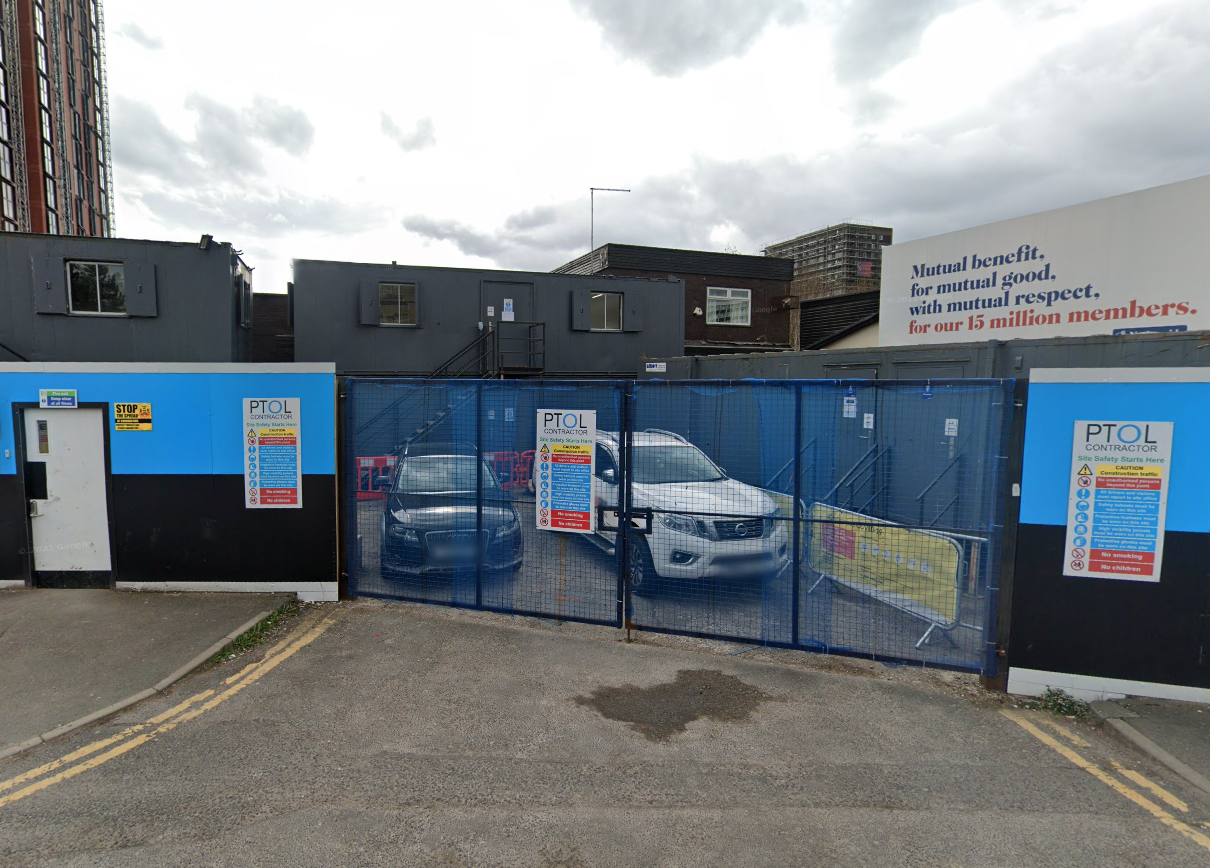
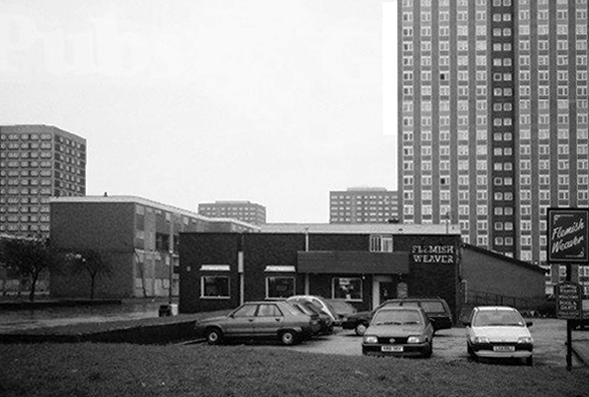
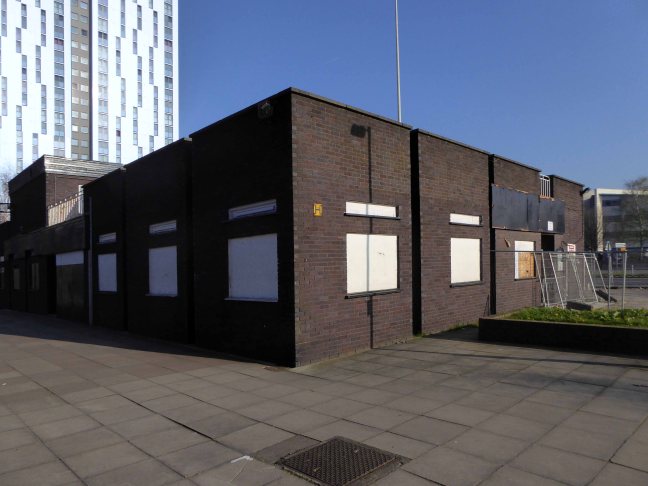
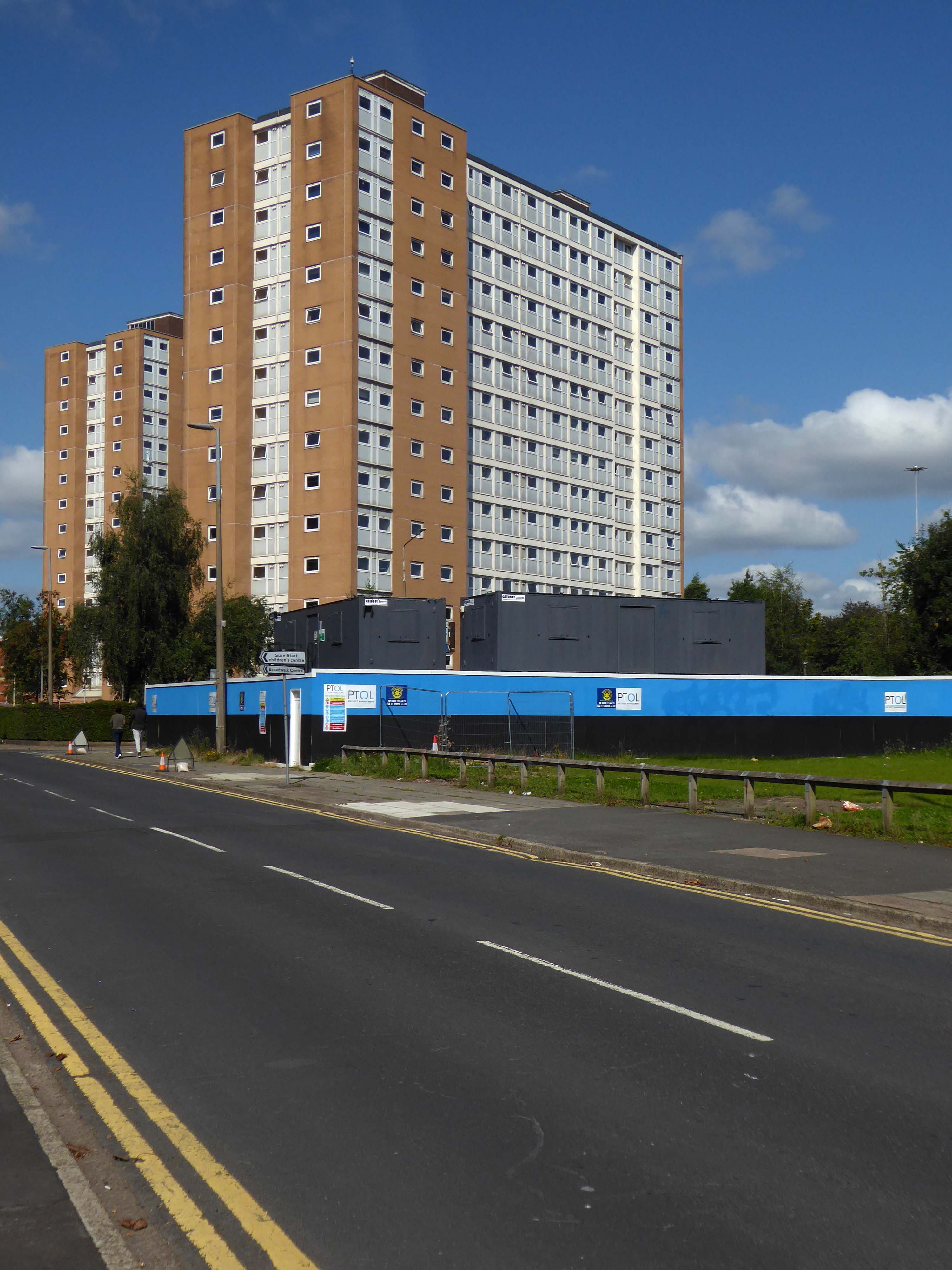
Across the A6 the former estate pub the Flemish Weaver is currently shrouded in particle board and in use as a base for construction workers.

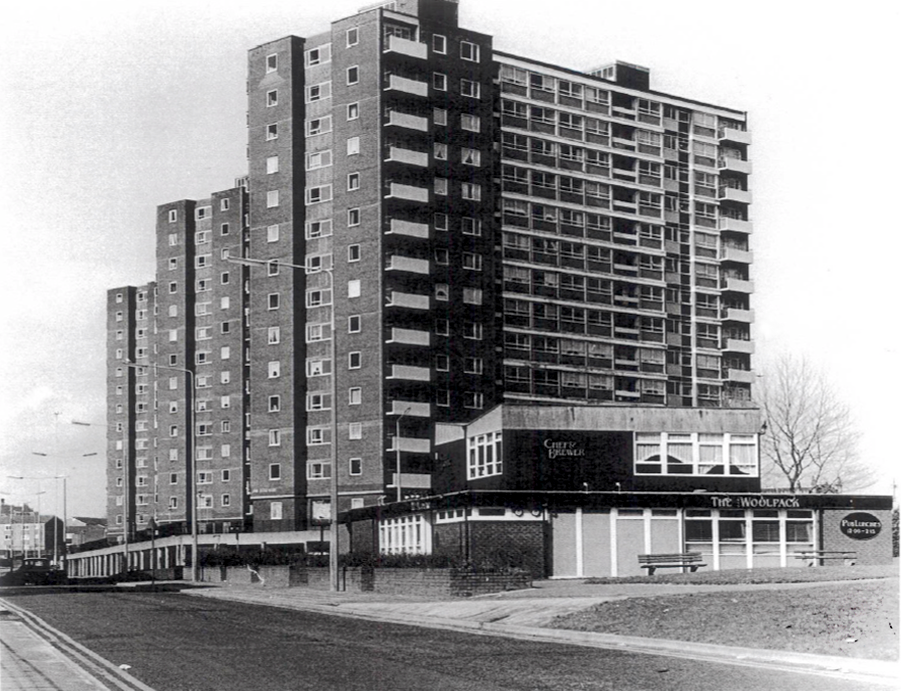
Just down the way The Woolpack is no more.

April 1965 saw the Salford City Reporter proudly boast in an article that

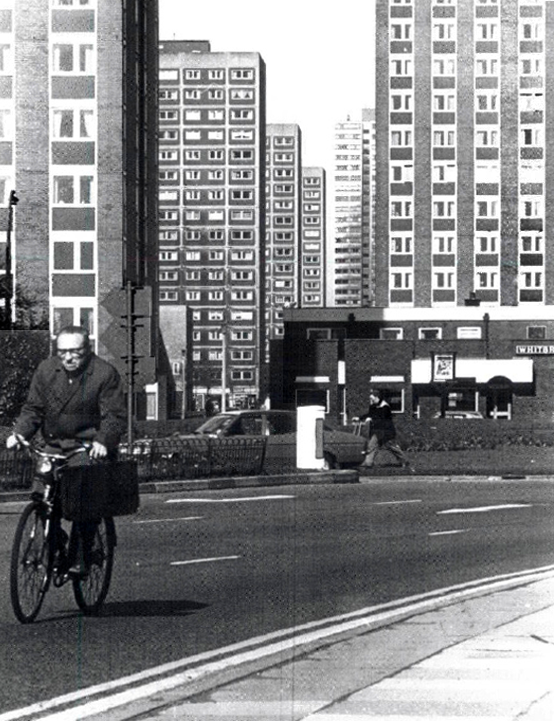
The Ellor Street dream begins to come true – complete with interviews with residents of the newly constructed Walter Greenwood, Eddie Colman and John Lester Courts all which towered some 120 feet above the Hanky Park skyline.

These particular blocks of flats were of special significance because their completion was the end of the first stage of the Ellor Street redevelopment scheme which was to provide 3,000 new homes, the £10 million pound Salford Shopping Precinct and a new civic centre – which never got built – making this A Salford of the Space Age.

Salford Online

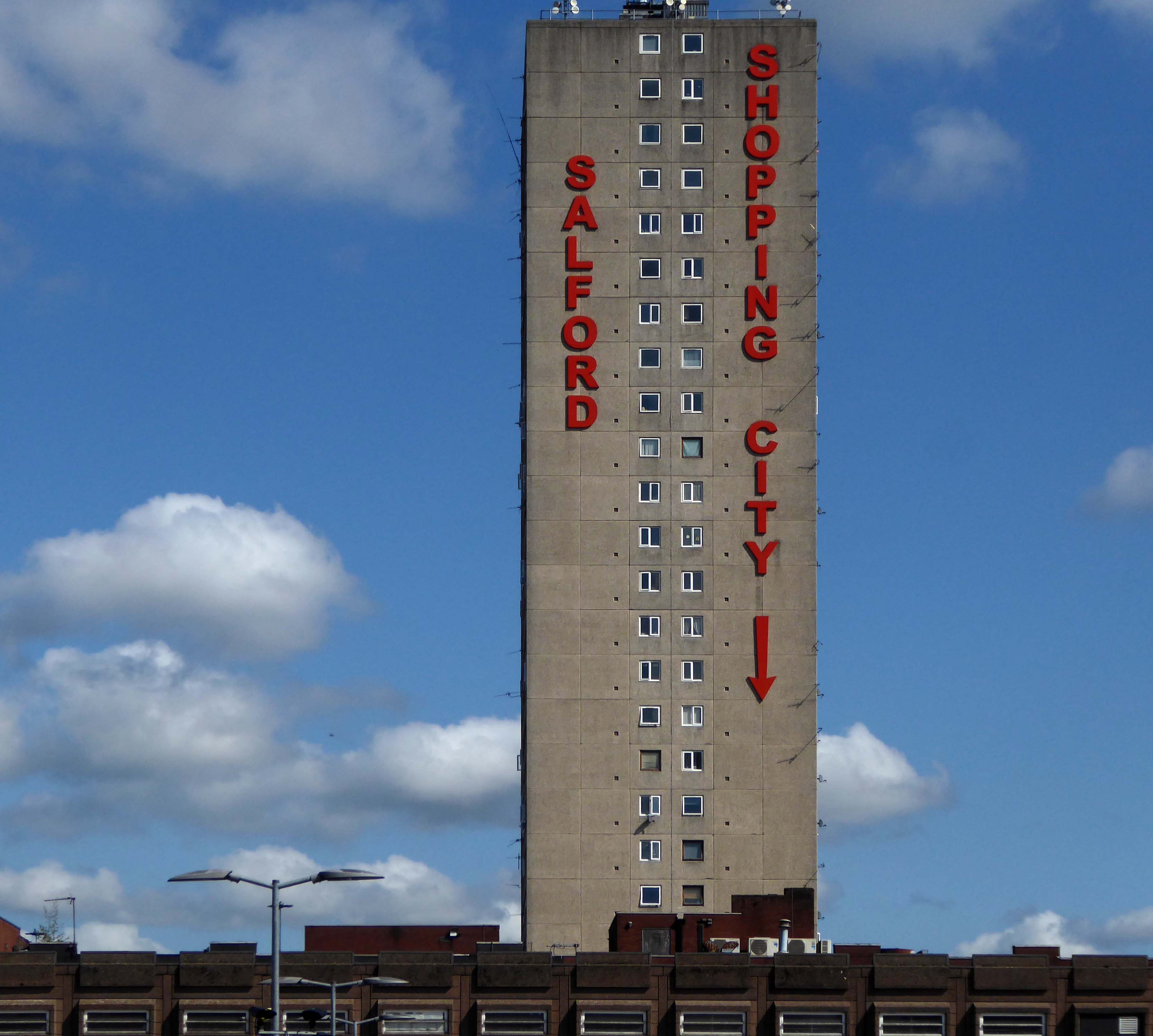
The tower blocks are now clad and the site a construction base for cladders.

Full details of Salford’s complex and extensive redevelopment can be found here at Tower Block.

Walter Greenwood Court was demolished in 2000/2001, whilst Eddie Colman and John Lester Court are now student accomodation for the nearby Salford University.

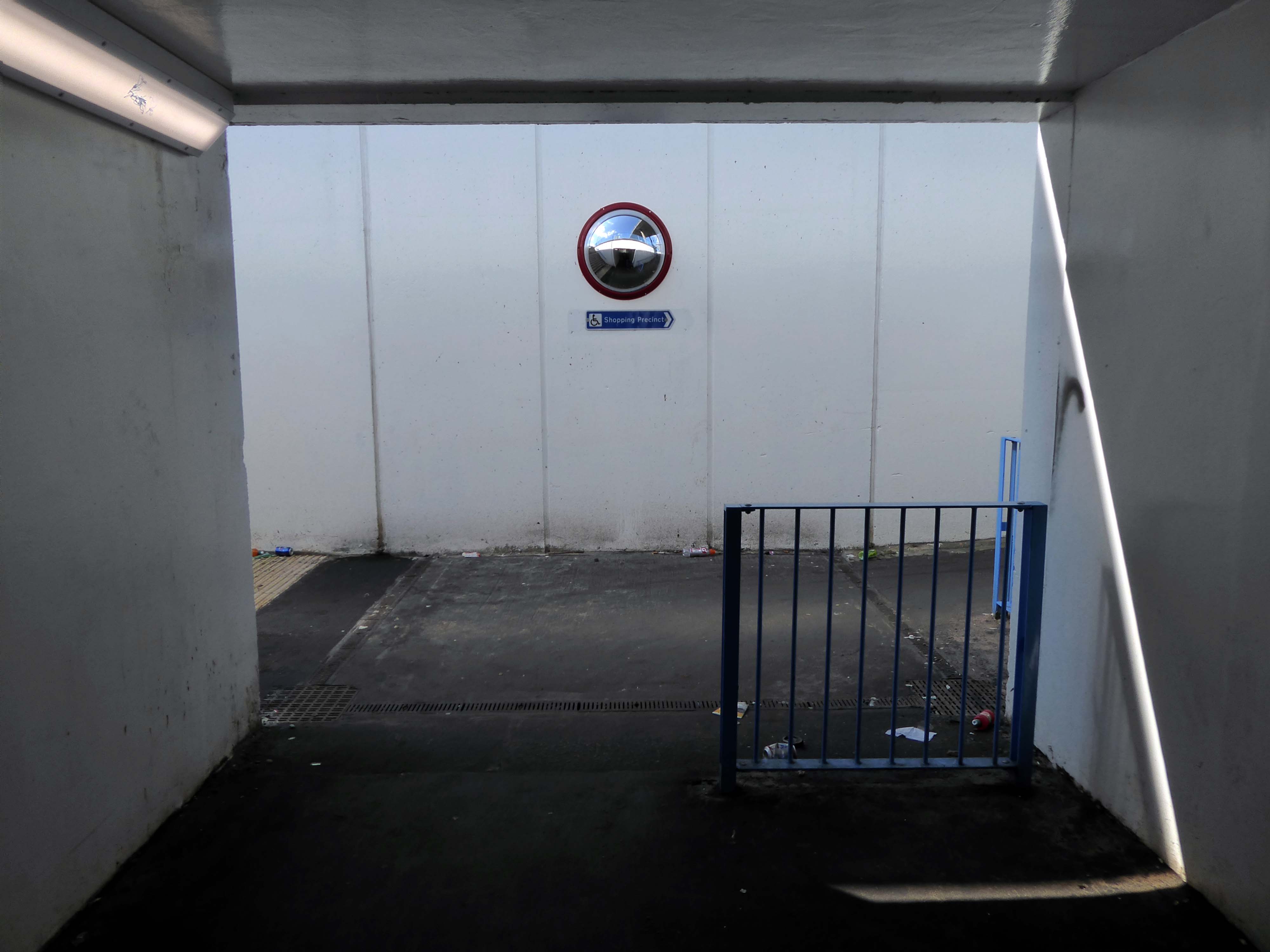
Onwards and underwards towards Salford Shopping City.

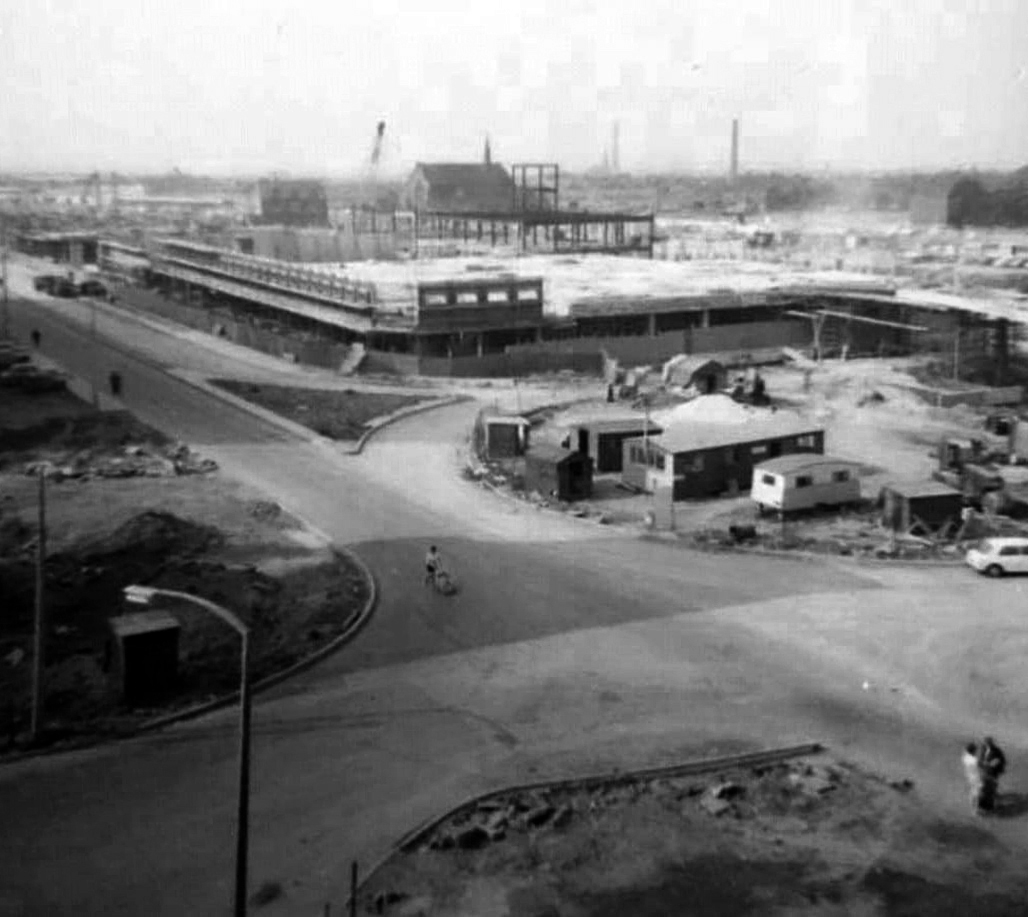
The construction of the shopping centre and surrounding areas continued and on 21 May 1970 the new Salford Market officially opened. From 1971 onwards new shops inside the precinct itself began to open.

However, due to a lack of funds and a political scandal which saw chairman Albert Jones jailed for eight months construction of Salford Precinct was halted. The site had only 95 shop units compared to the proposed 260, the hotel and two storey car park were never built.

The architectural core of the site has been retained, including the 23 storey Briar Court residential tower.

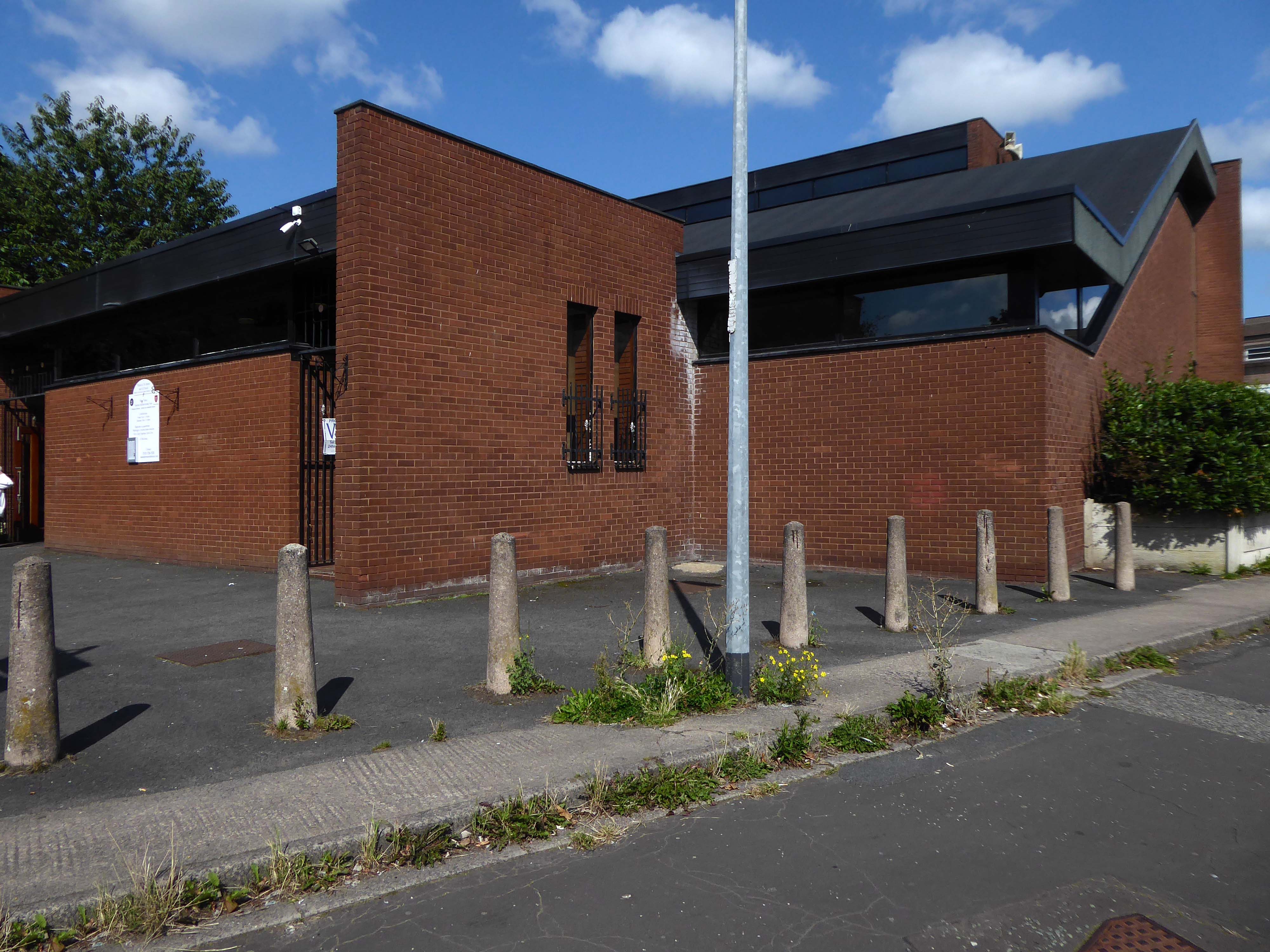
Tucked in behind is Mother of God and St James RC Church.

Clearances took place from the middle of the twentieth century and new high-rise housing blocks were built, as well as a shopping centre.

There was a Catholic presence in the area from 1854, when schools were built. What was described in The Tablet as a beautiful church, an Early English Gothic design by M. Tijou – presumably Herbert Tijou, architect of the chapel to Loreto College, Manchester, was opened by Cardinal Manning, Archbishop of Westminster in 1875.

One hundred years later this church was demolished and replaced by the present building.

The architects were Desmond Williams & Associates, the design bearing some similarity to their St Sebastian, Salford. In 2010 the church of All Souls, Weaste, was closed, and the marble sanctuary furnishings brought to the church.

Description

All orientations given are liturgical. The church is steel framed with brick walls and a monopitch roof (originally covered with copper, now with felt).  Bold brick forms create a presence, and the design is somewhat defensive, with few windows. The building is entered from a lower porch which forms a narthex. The slope of the roof and the stepped clerestory lighting create a striking impression inside, and full-height windows towards the east end incorporate stained glass figures said to have originated in the previous church. Marble sanctuary furnishings are presumably those from the church in Weaste and appear to be of later twentieth century date, while the font is of traditional type with a clustered stem and may have come from the earlier church.

Taking Stock

Returning to The Crescent the High Street Estate is all but demolished, save for one resident and their row.

This is an area which has seen a succession of clearances, redevelopment and shifts in demographics during a relatively short and intense period of change.

That process of change continues to hastily unfold.

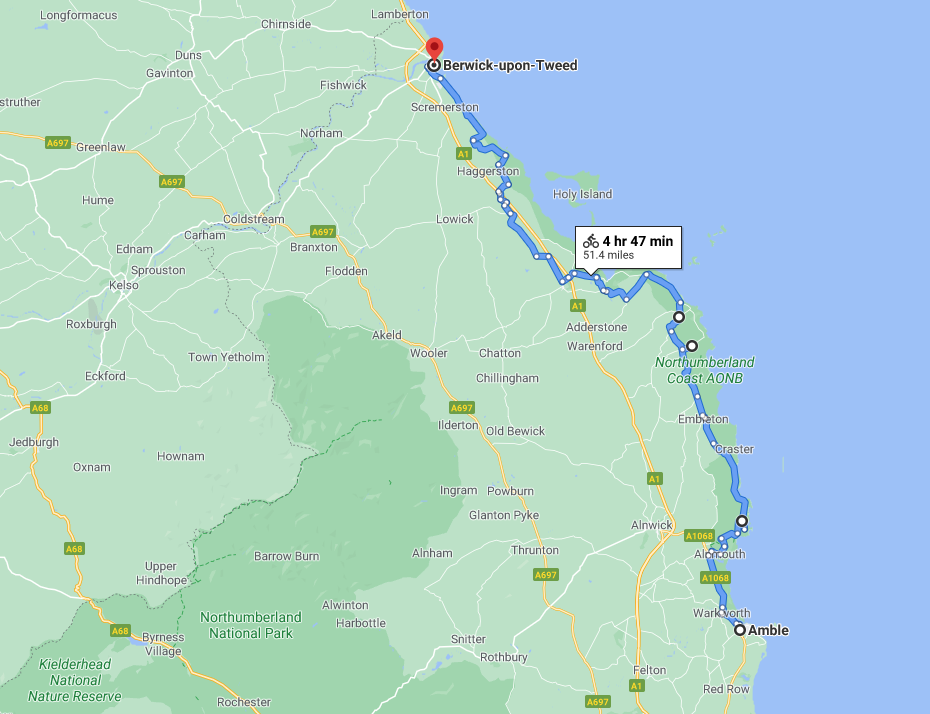
Amble to Berwick upon Tweed

The final day the first sight of cloud and sea mist.

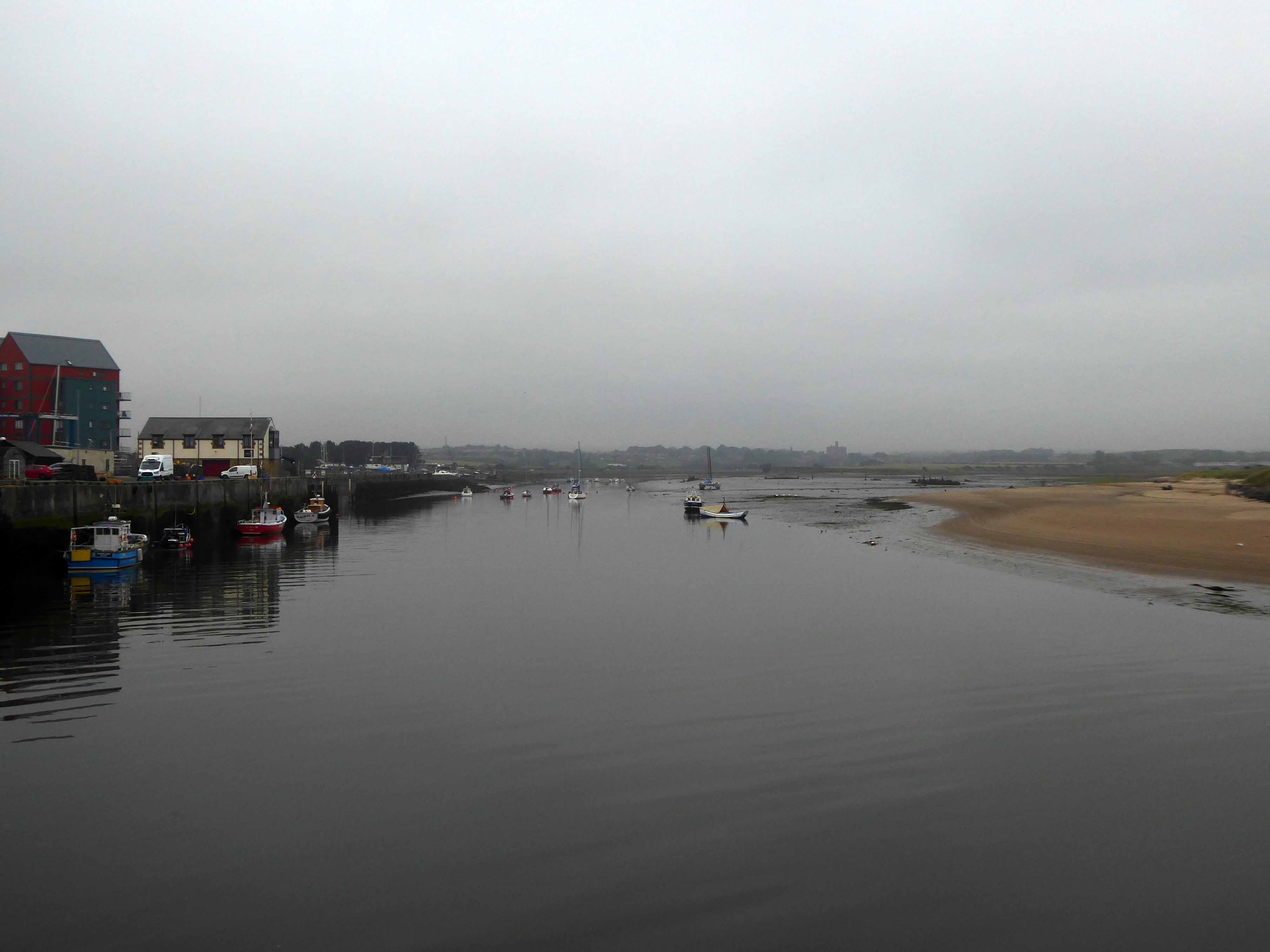
I awoke early and took an amble around Amble.

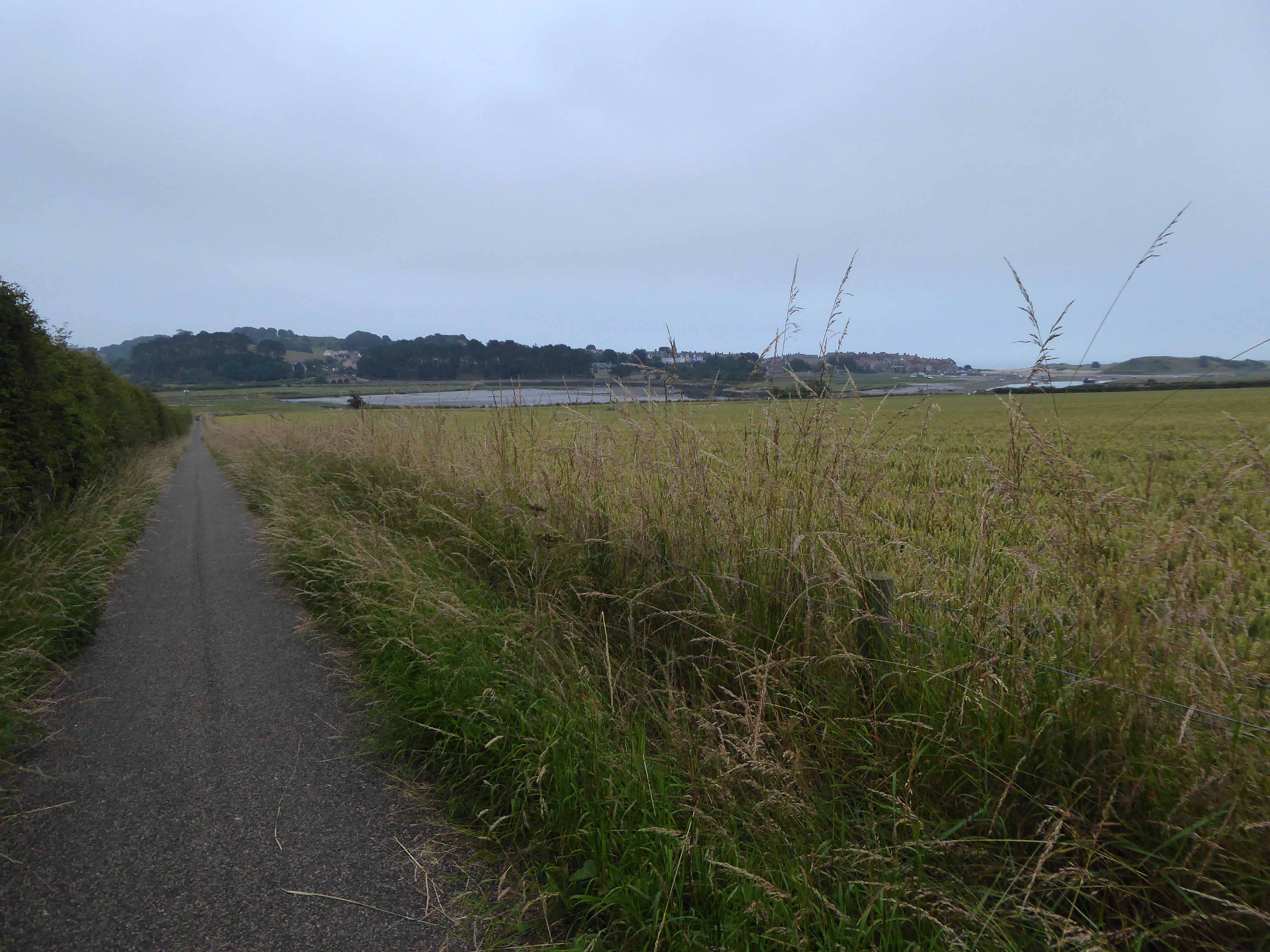
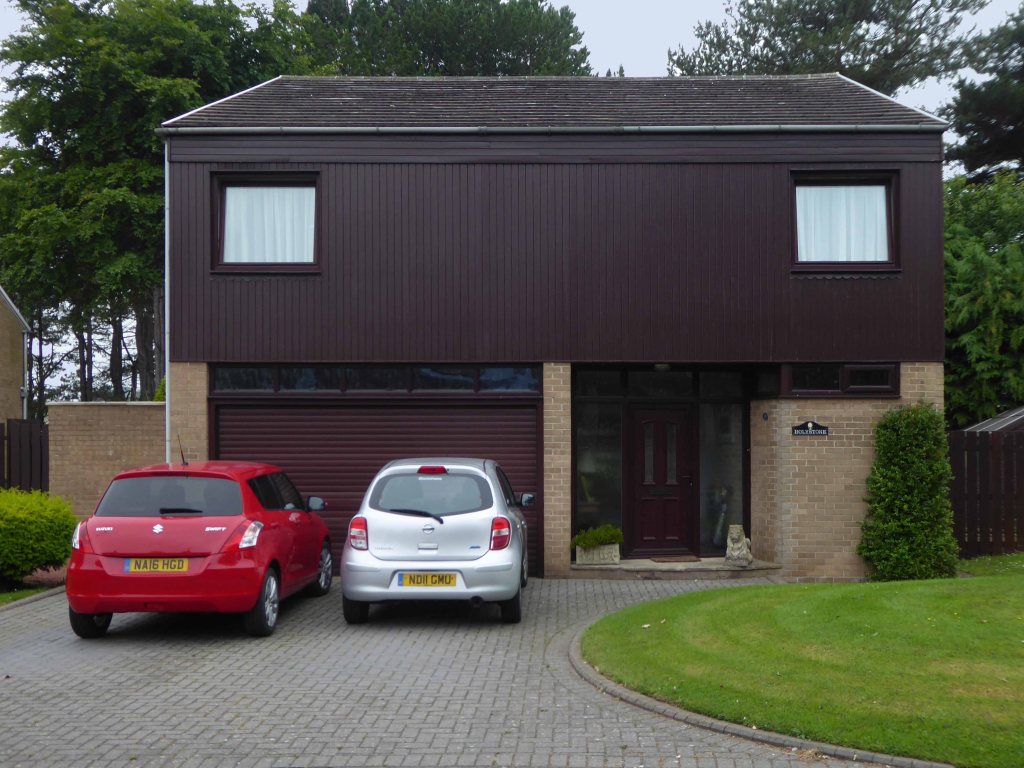
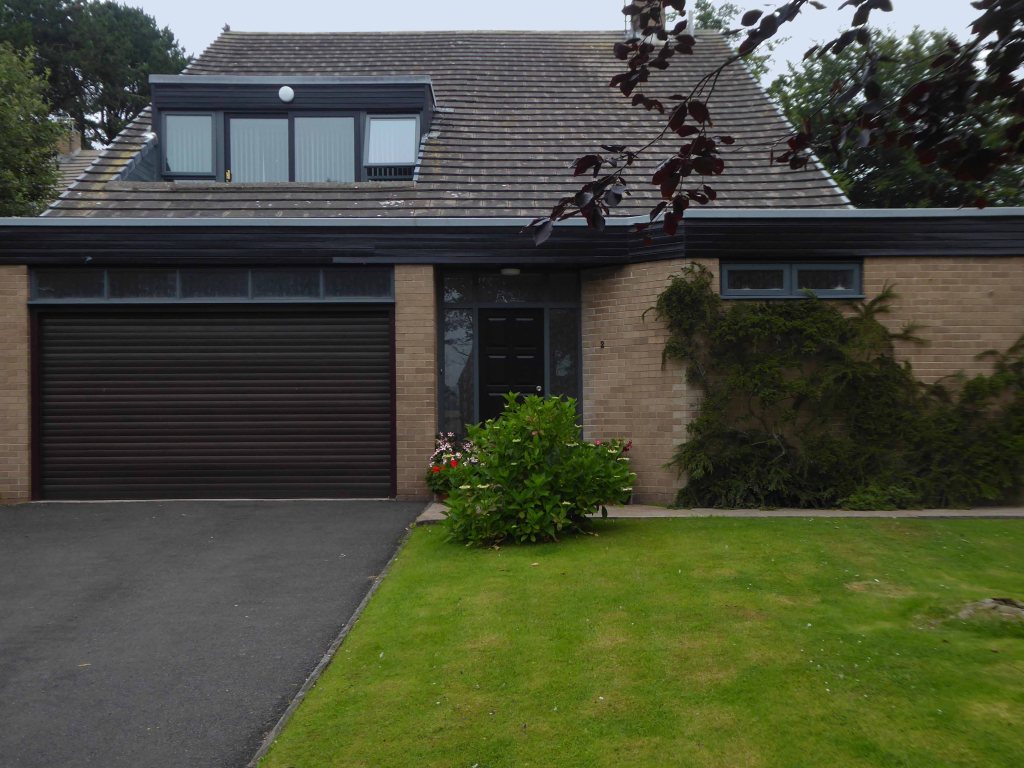
Then off on the road to Warkworth and beyond to Alnmouth – where I revisited a small group of asymmetric post-war dormer bungalows.

Stopping to view the flood plain of the River Aln, chatting perchance with the local environmental officer.

Who explained how the flood defences had been removed, as this encouraged the natural process of flooding and receding to proceed unhindered, thus preventing property from being interminably sodden.

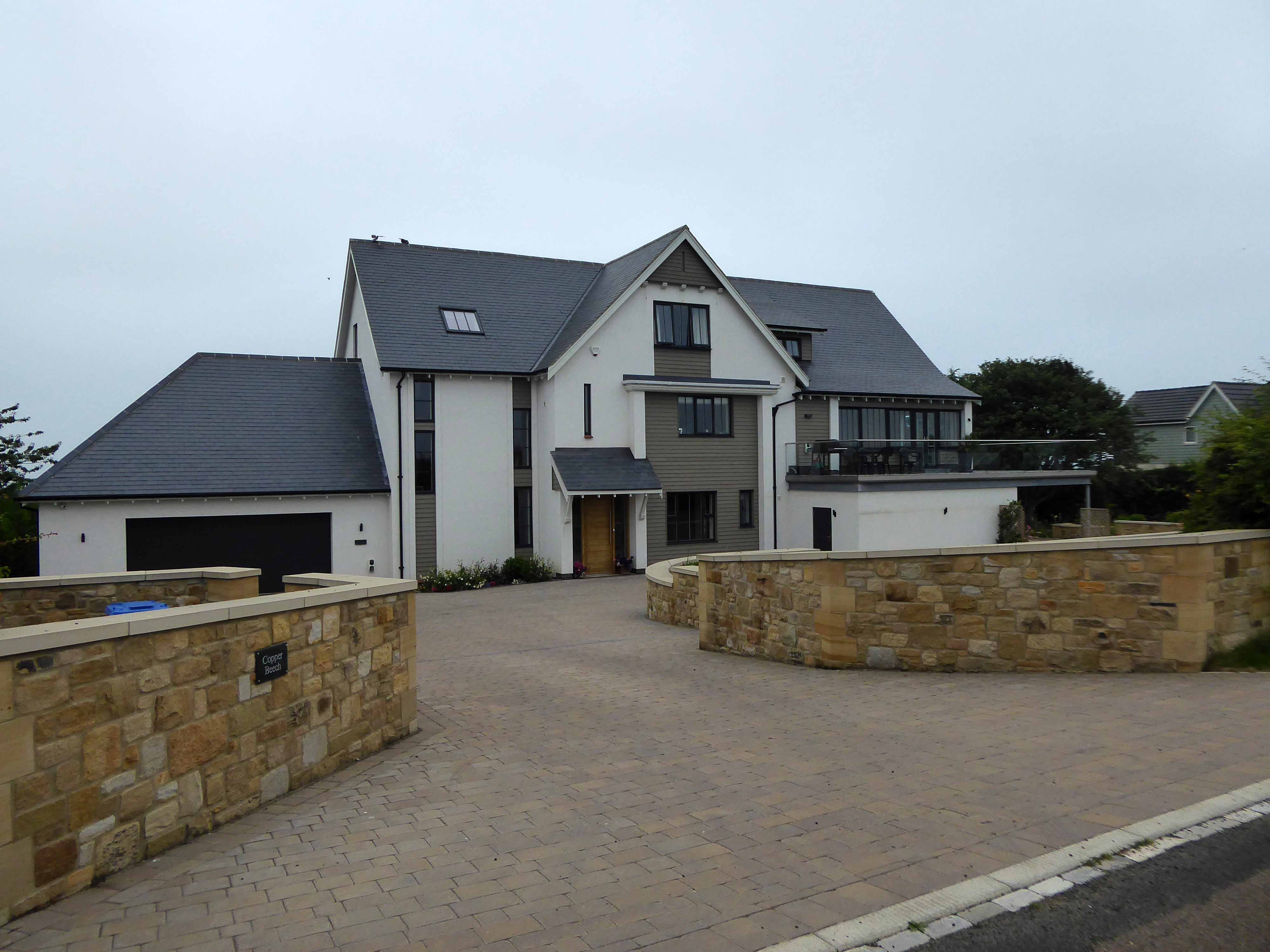
We also discussed the decline in vernacular architecture and the fashion for all that is New England, much to the detriment of New Northumberland.

One day everywhere will look like a someone else’s vision of somewhere else.

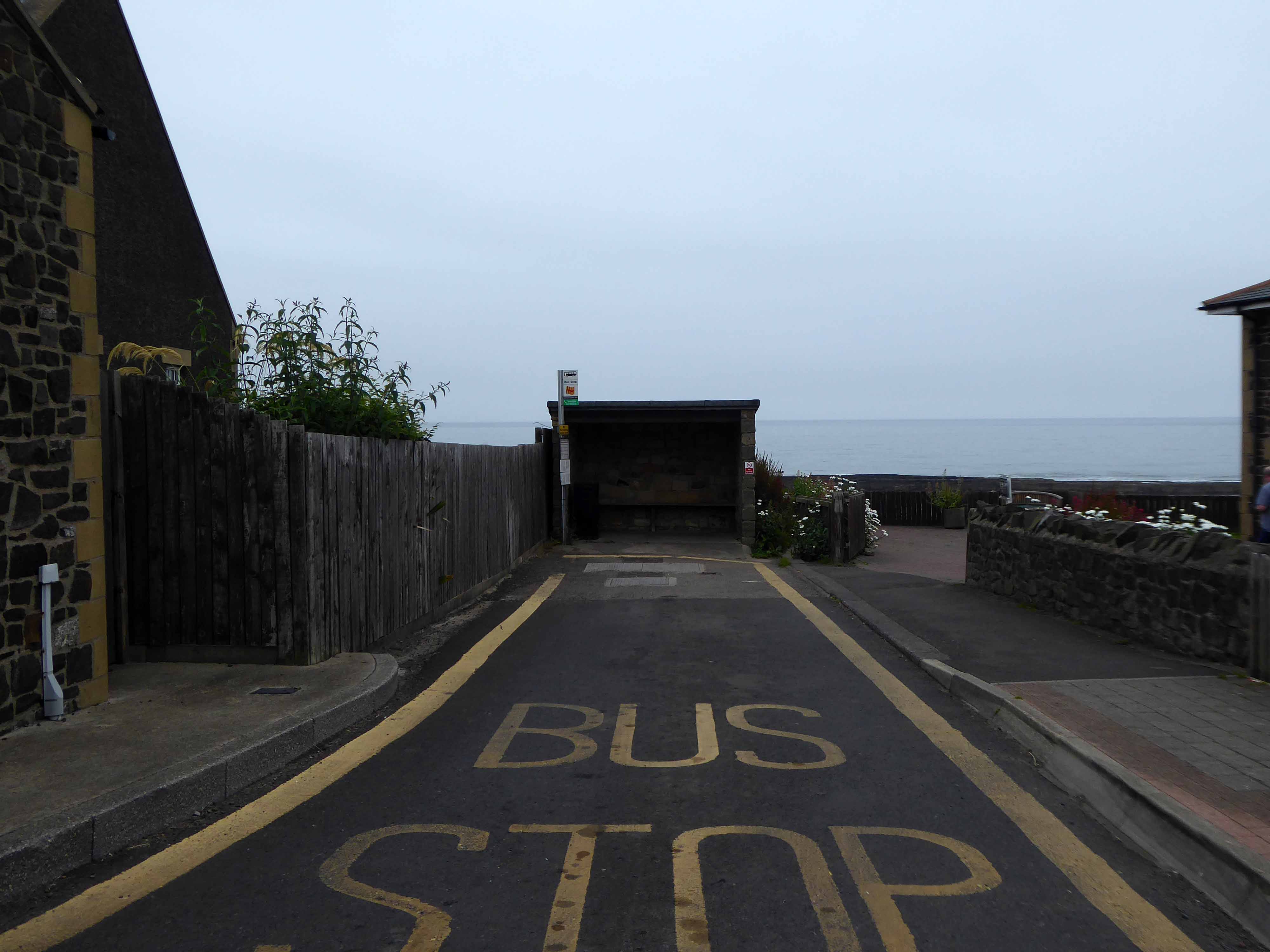
The good folk of Craster have wisely prevented the local bus from entering the North Sea.

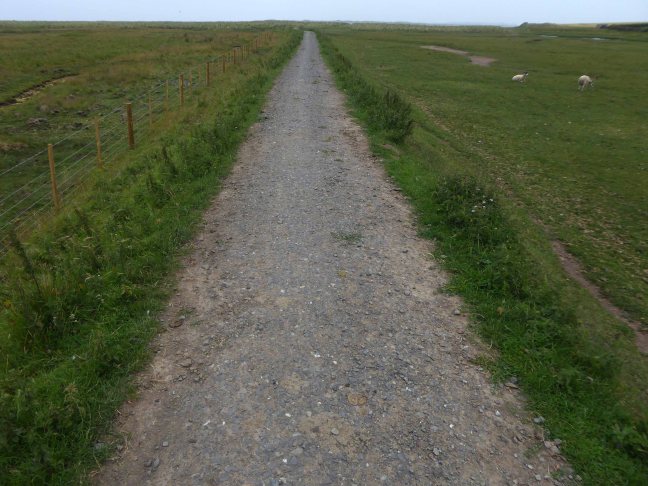
The way north took me over a well laid concrete track.

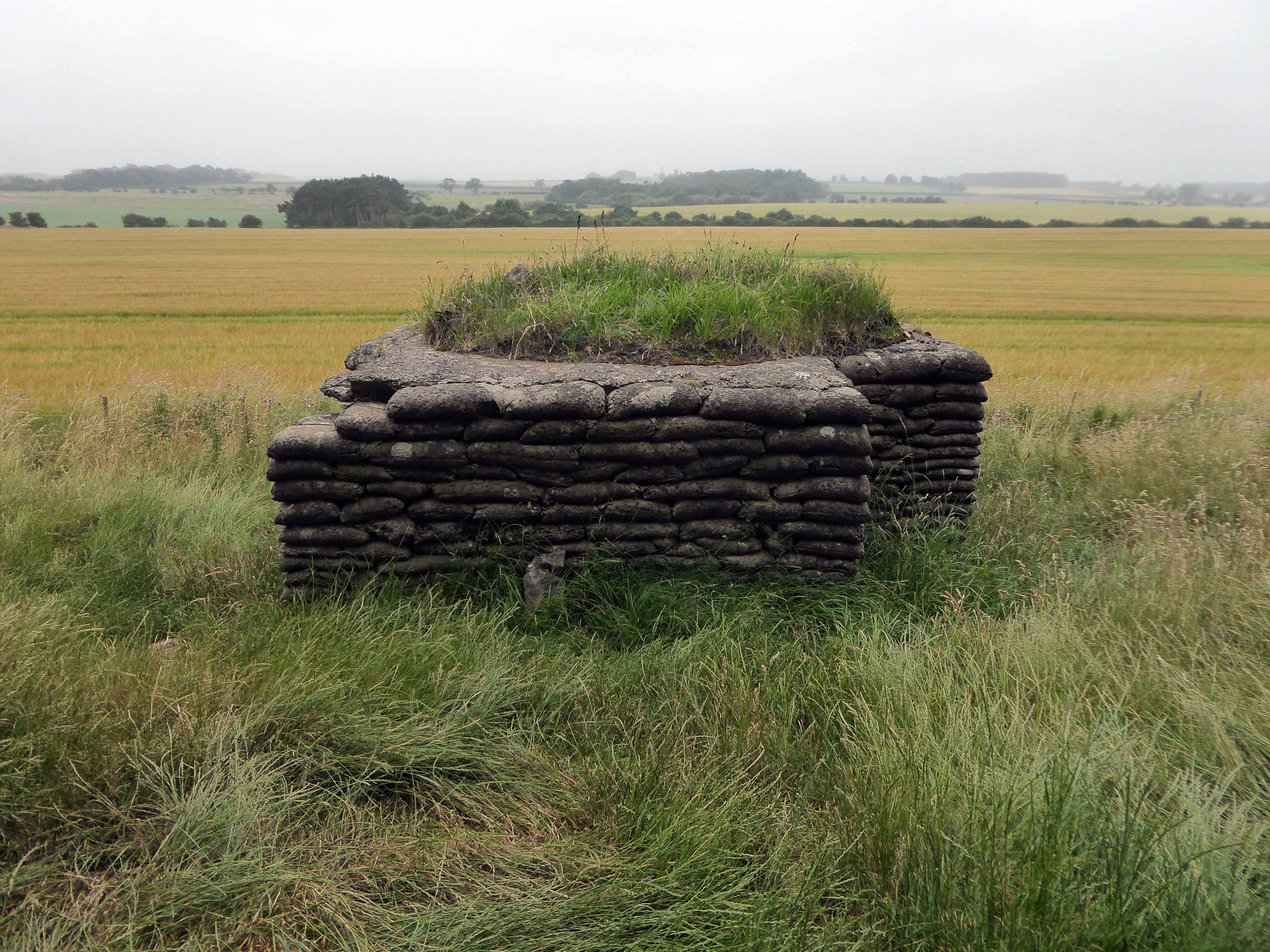
I came upon three wise men from Durham, Rochdale and Doncaster, gathered around a concrete-bag bunker.

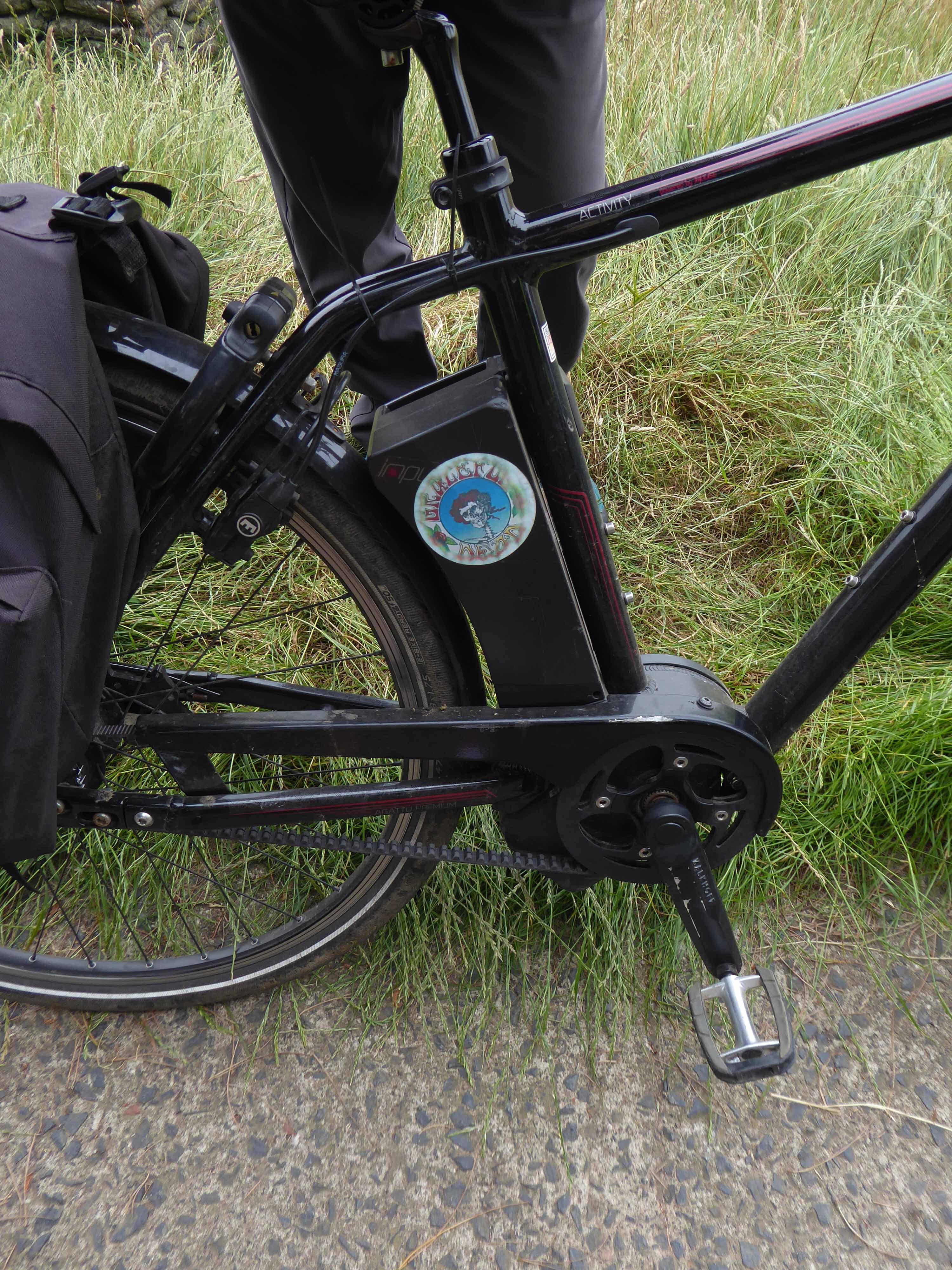
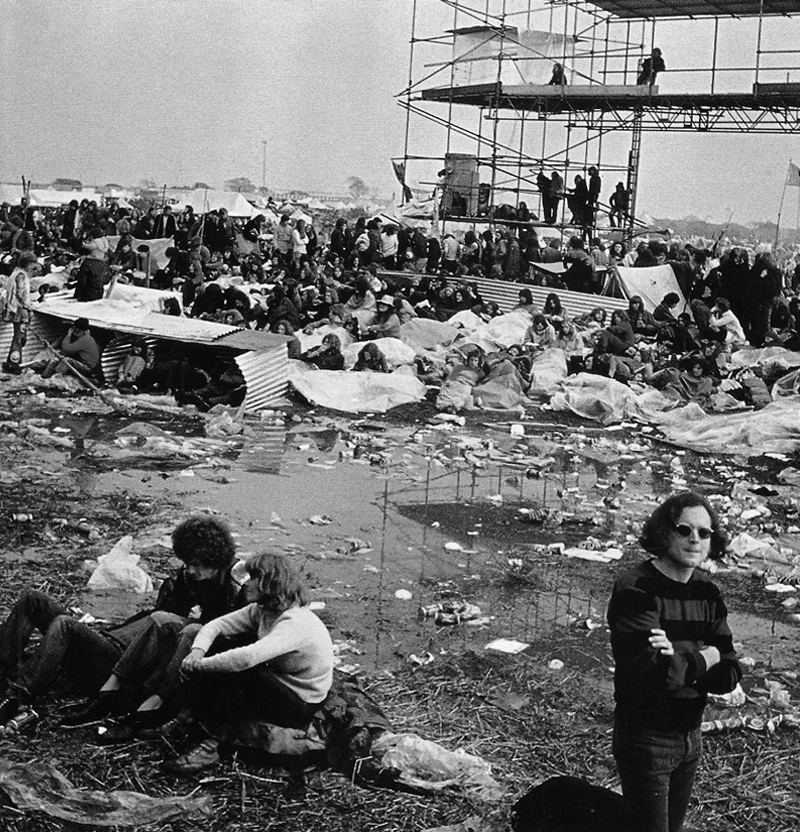
They were all Grateful Dead fans who like me had attended the Bickershaw Festival in 1972.

The first and last outdoor festival I ever done attended, unforgettable.

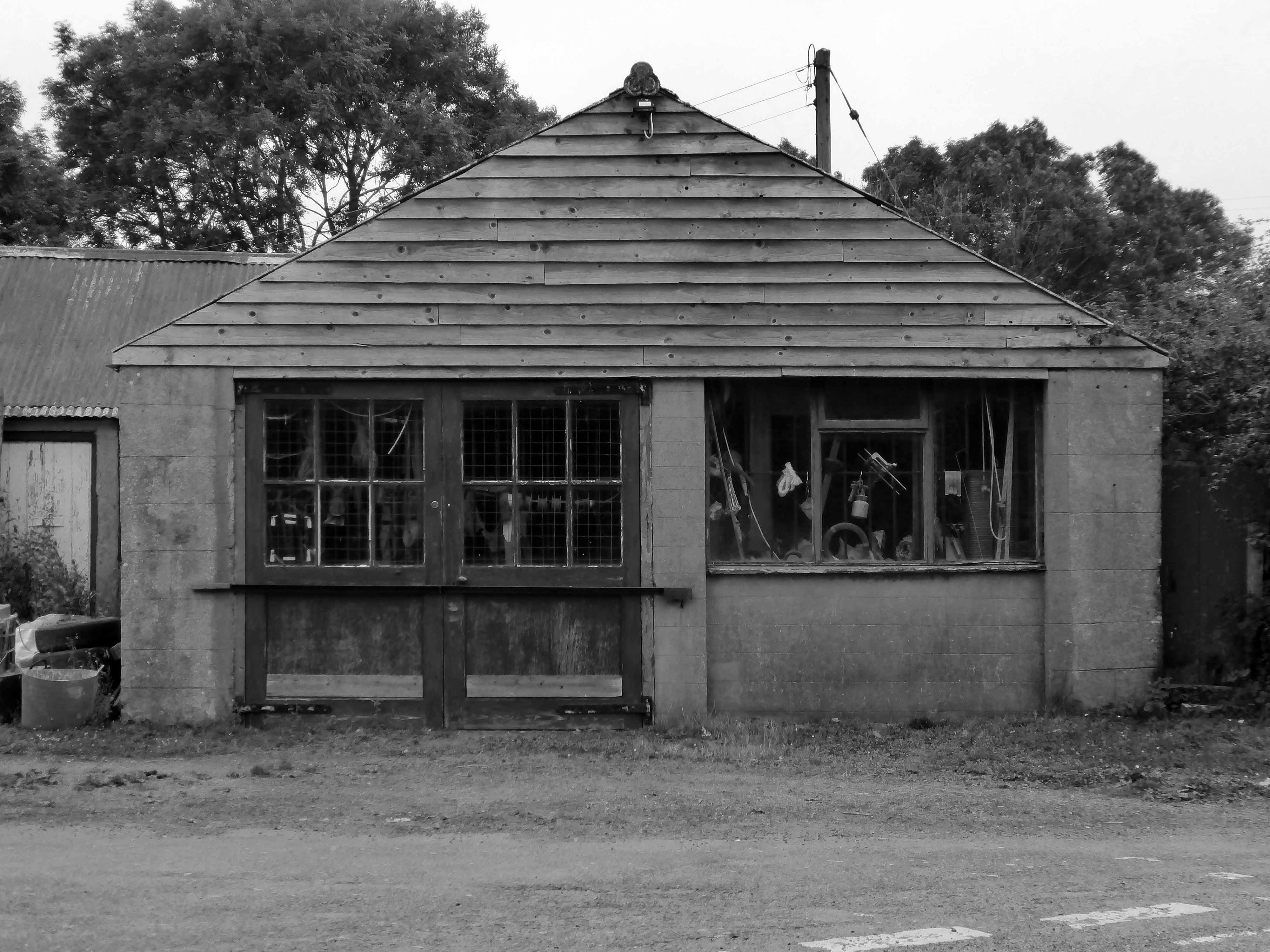
Weaving down and around quiet lanes I encountered this Walker Evans workshop.

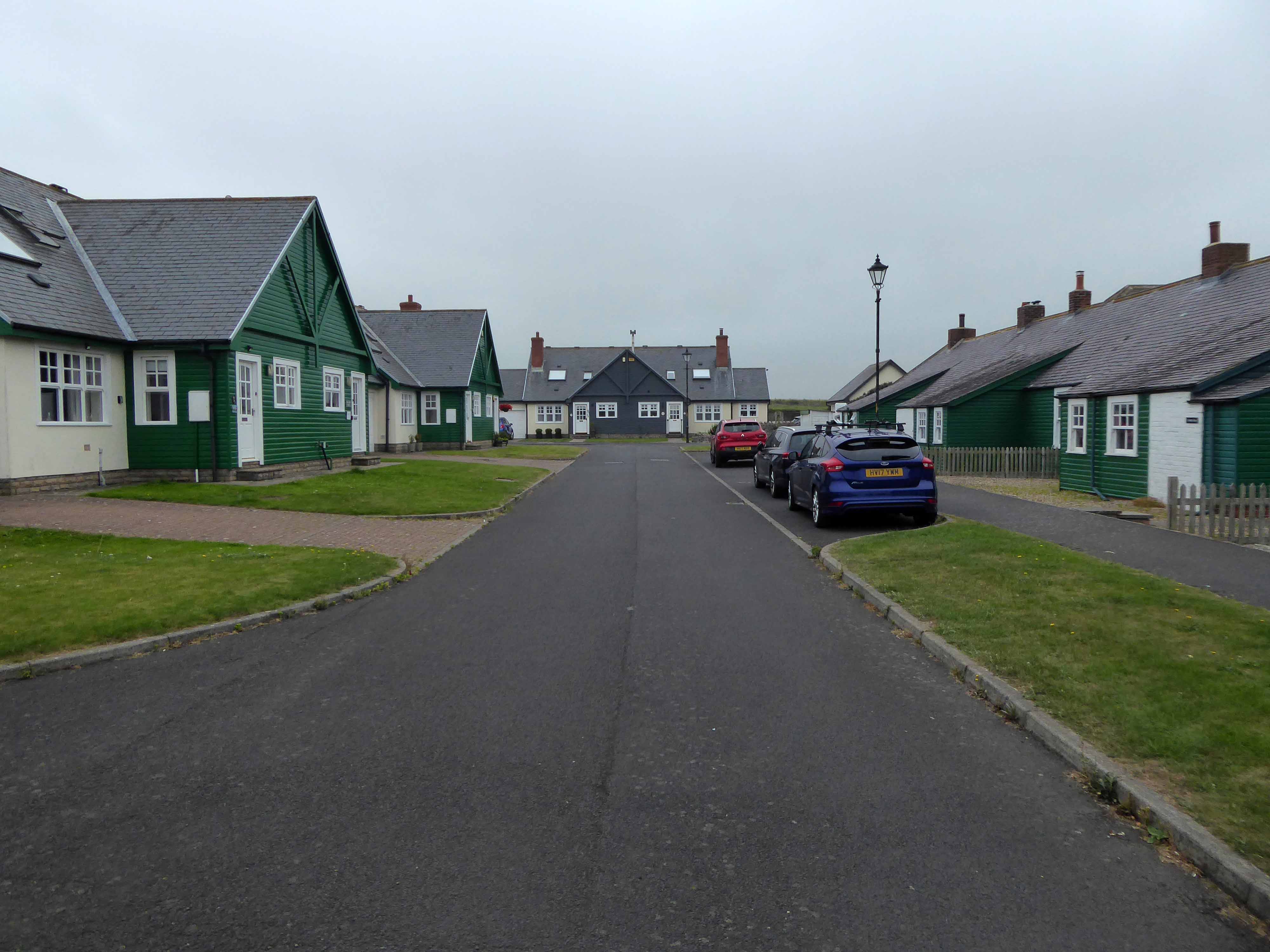
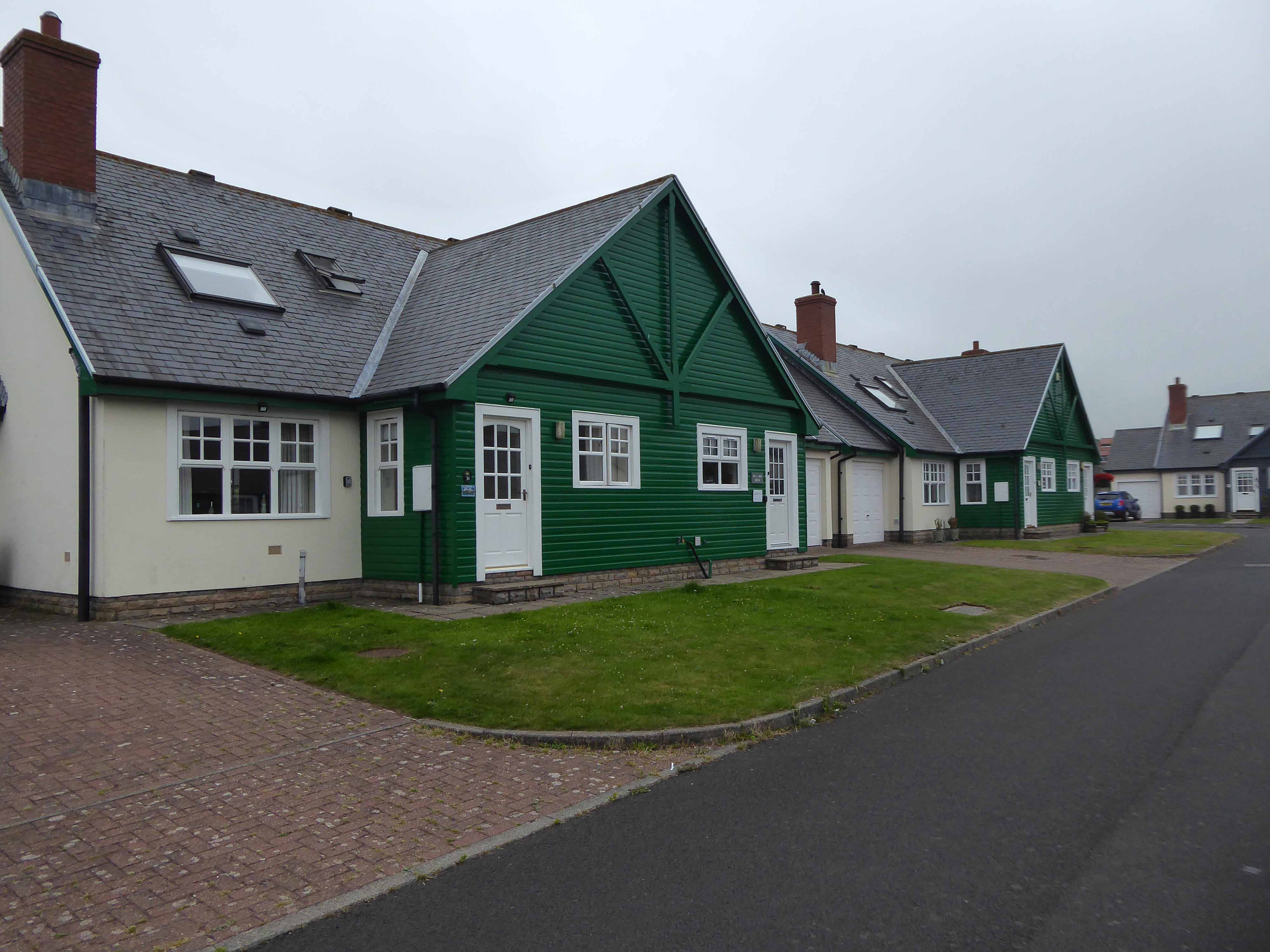
Armstrong Cottages is an estate originally built by Lord Armstrong for the workmen restoring Bamburgh Castle.

The 1901 Census lists the current inhabitants with their provenance and professions.

114 residents are listed for the 19 cottages, of whom 53 are working men employed in the building trade: their professions include stonemasons, joiners, plumbers, rope & pole scaffolders, blacksmiths, and plasterers.

Many come from Northumberland or Scotland, but a significant proportion are from further afield: Cumberland, Westmorland, Lancashire, Durham, Yorkshire, Derbyshire – and one from the Channel Islands.

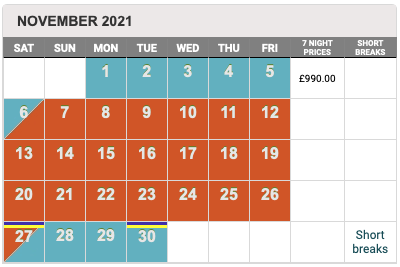
Seven nights in November will now cost you the best part of a thousand pounds.

The Armstrong family the former owners, made millions from the sale of armaments.

If I thought that war would be fomented, or the interests of humanity suffer, by what I have done, I would greatly regret it. I have no such apprehension.

He also said:

It is our province, as engineers to make the forces of matter obedient to the will of man; those who use the means we supply must be responsible for their legitimate application.

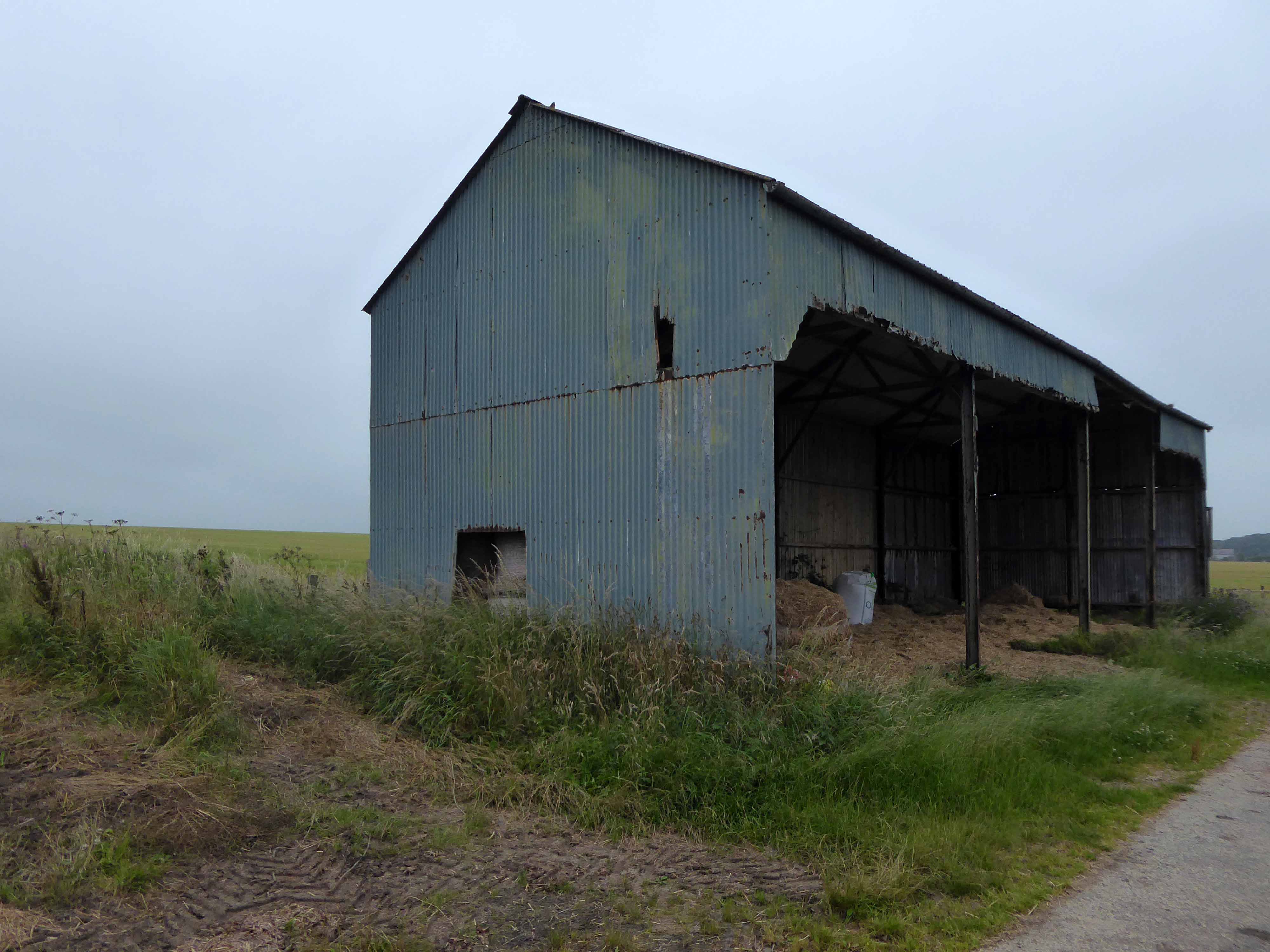
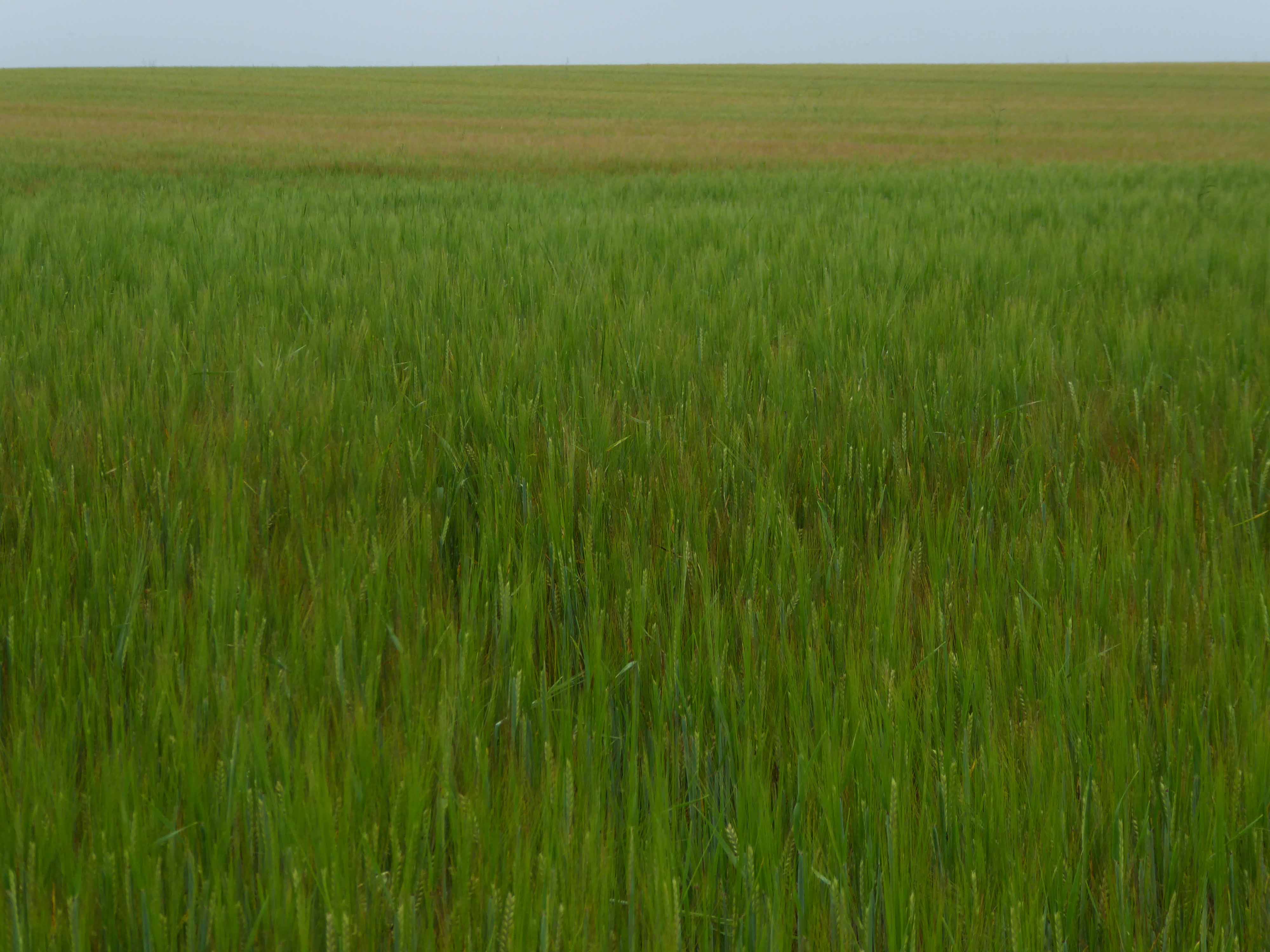
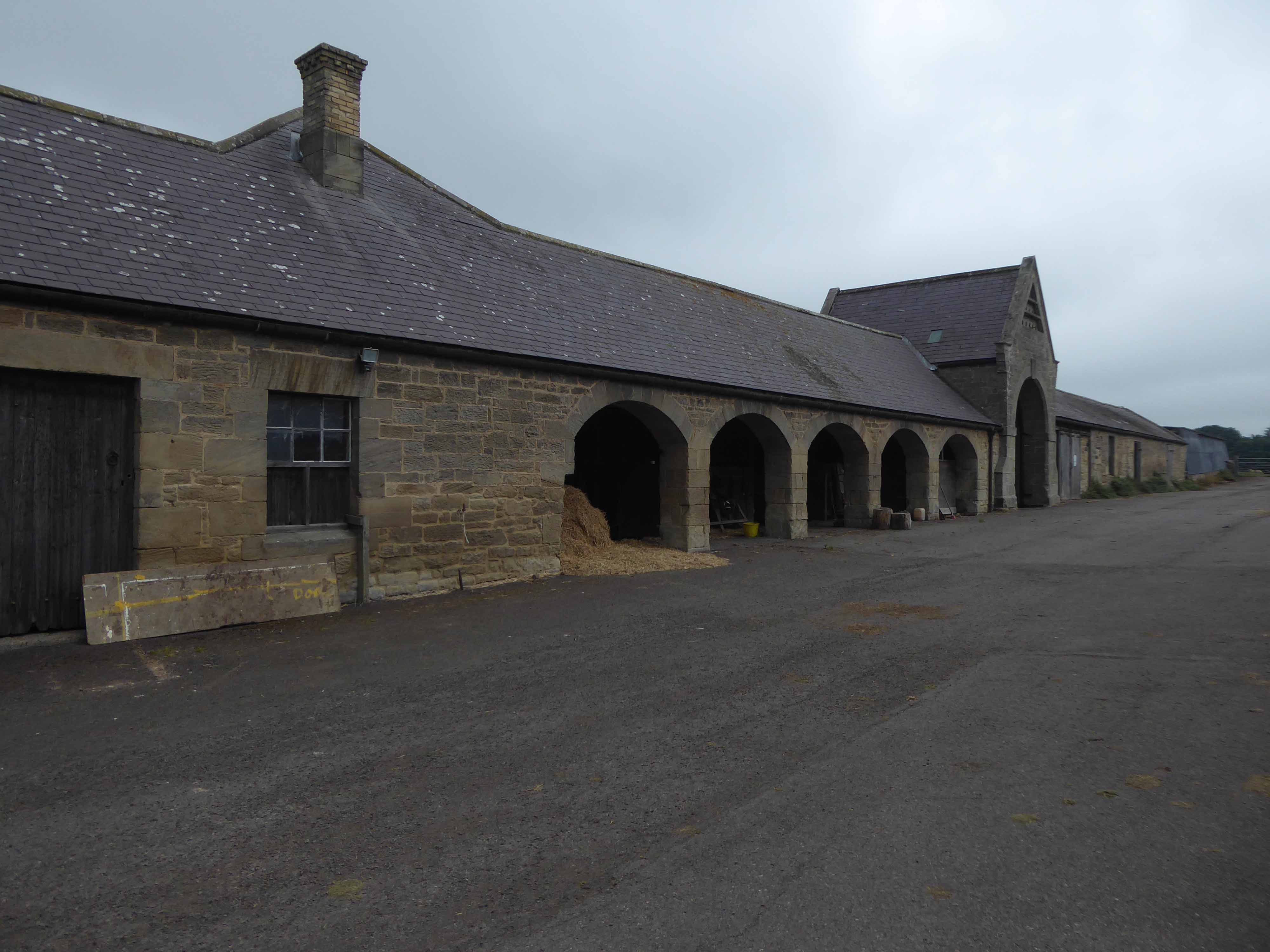
I paused a wee while to take a sip of water and admire the agrarian architecture.

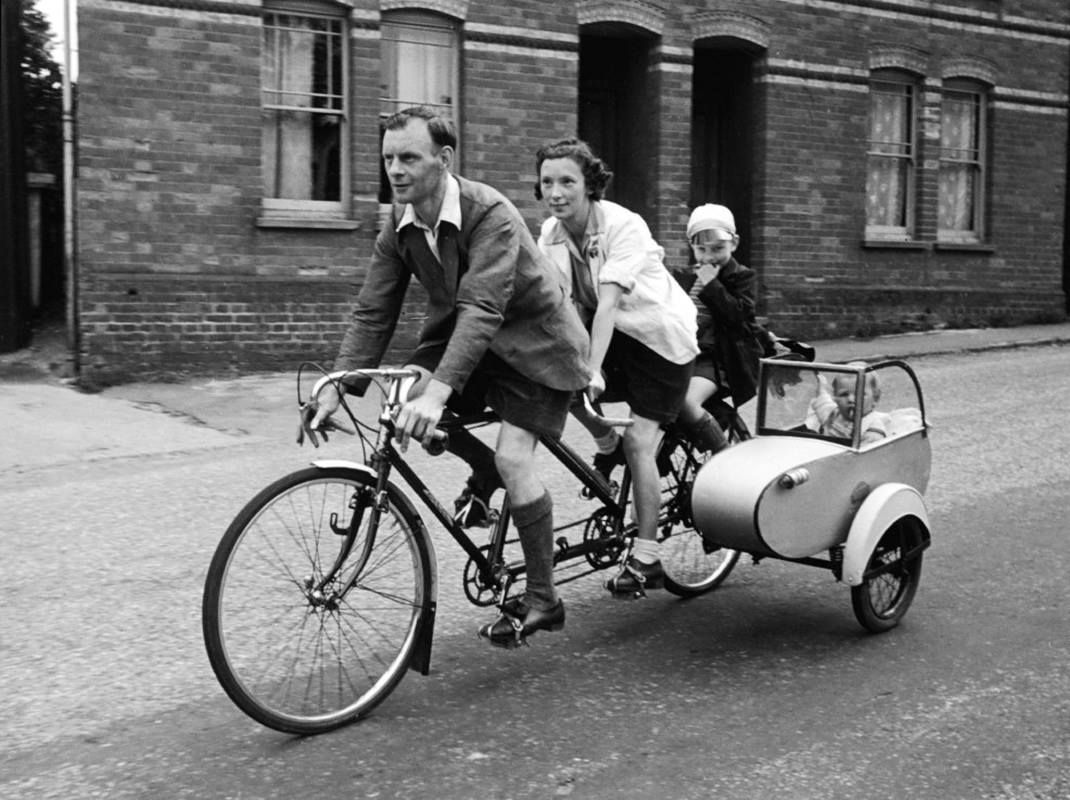
A couple on their bikes stopped to chat, as a babe in arms the lad had been transported by mam and dad, in a sidecar with tandem attached.

Such a delightful and poignant recollection – we wished each other well and went on our way.

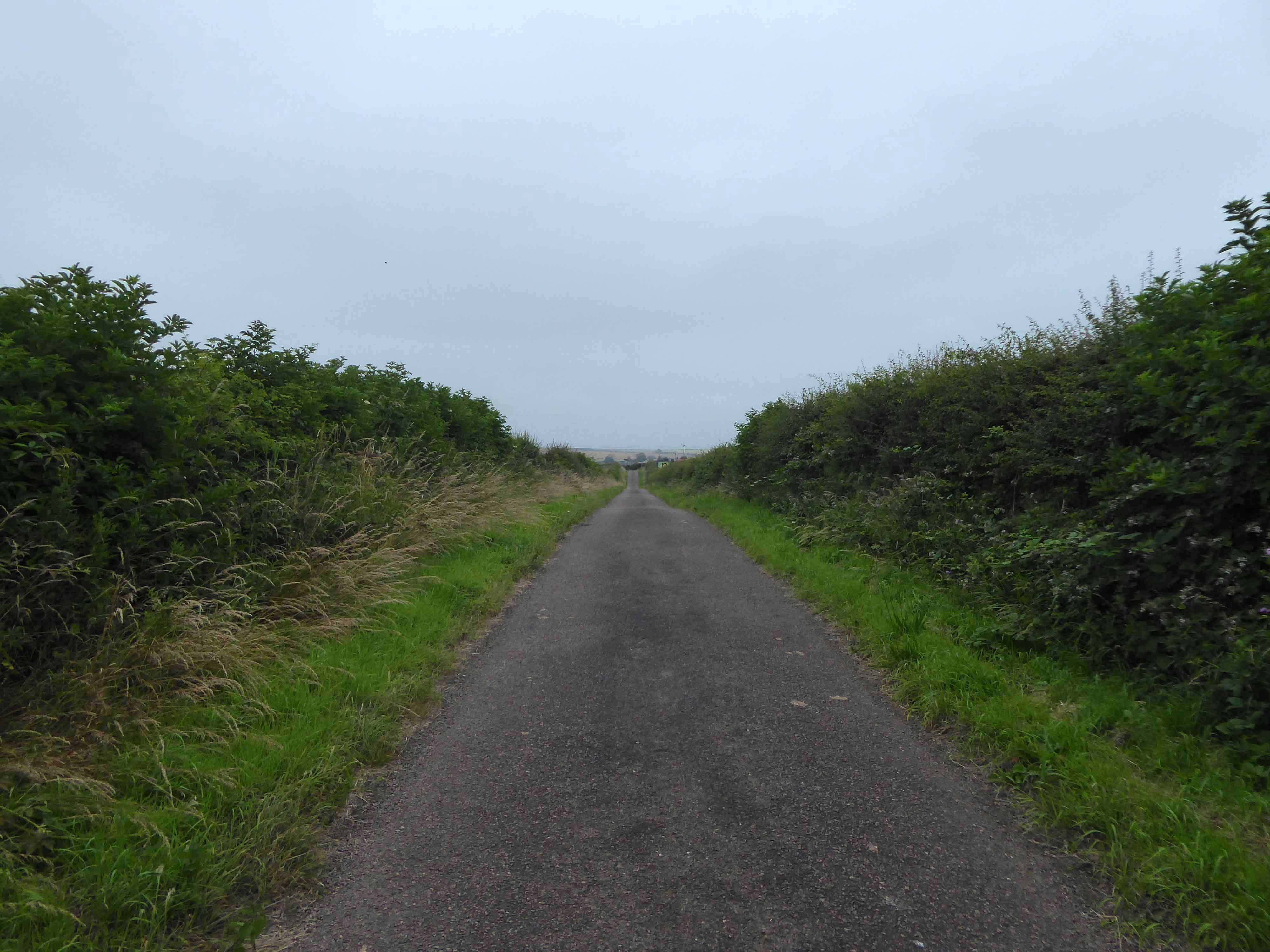
I made my way from the rolling hills back down toward the coast.

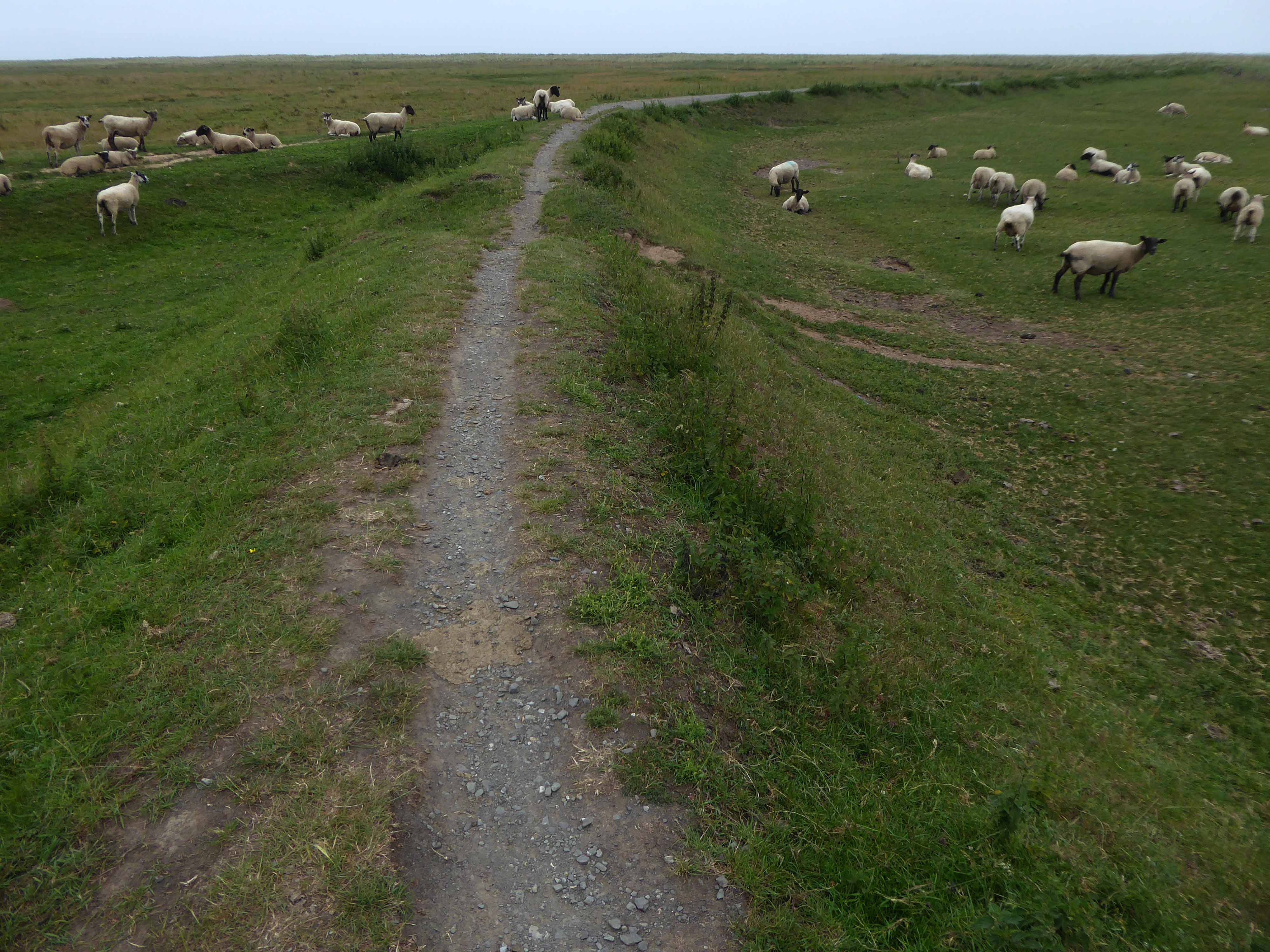
Where a permissive path hugged the shore, which I cautiously shared with some equally cautious sheep.

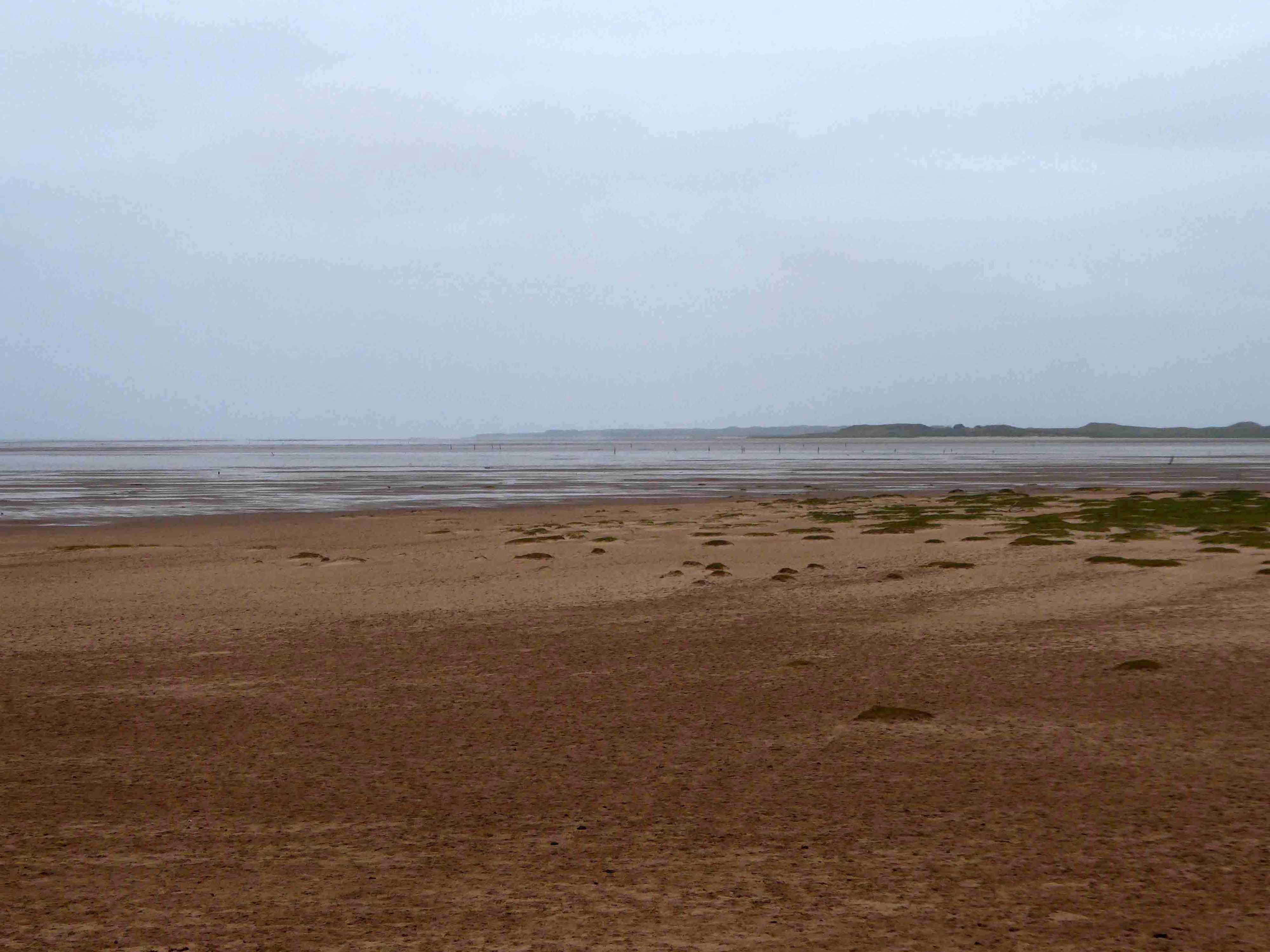
Looking back toward Lindisfarne.

Looking forward to the past.

Pausing for the passing of a mainline train.

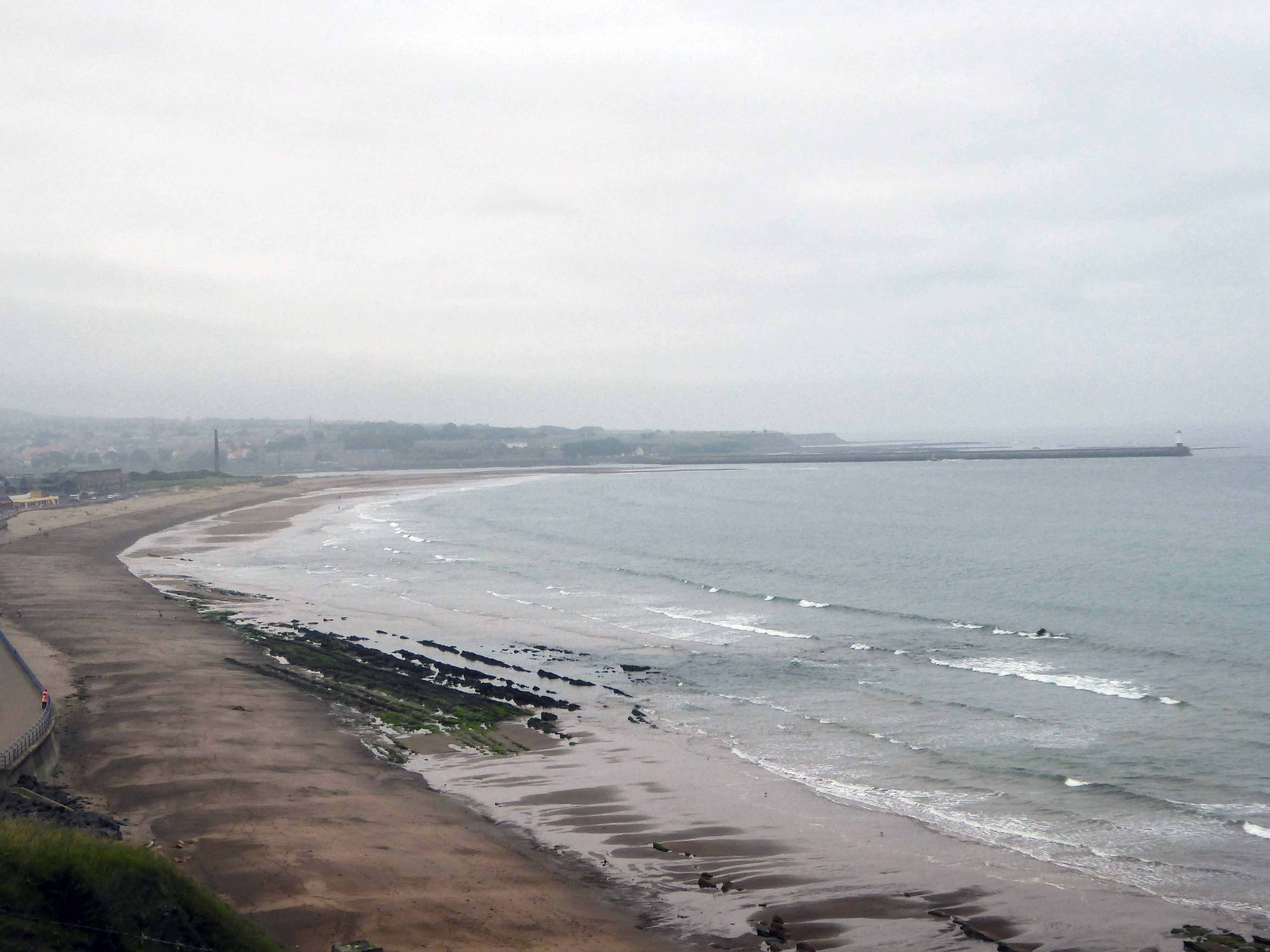
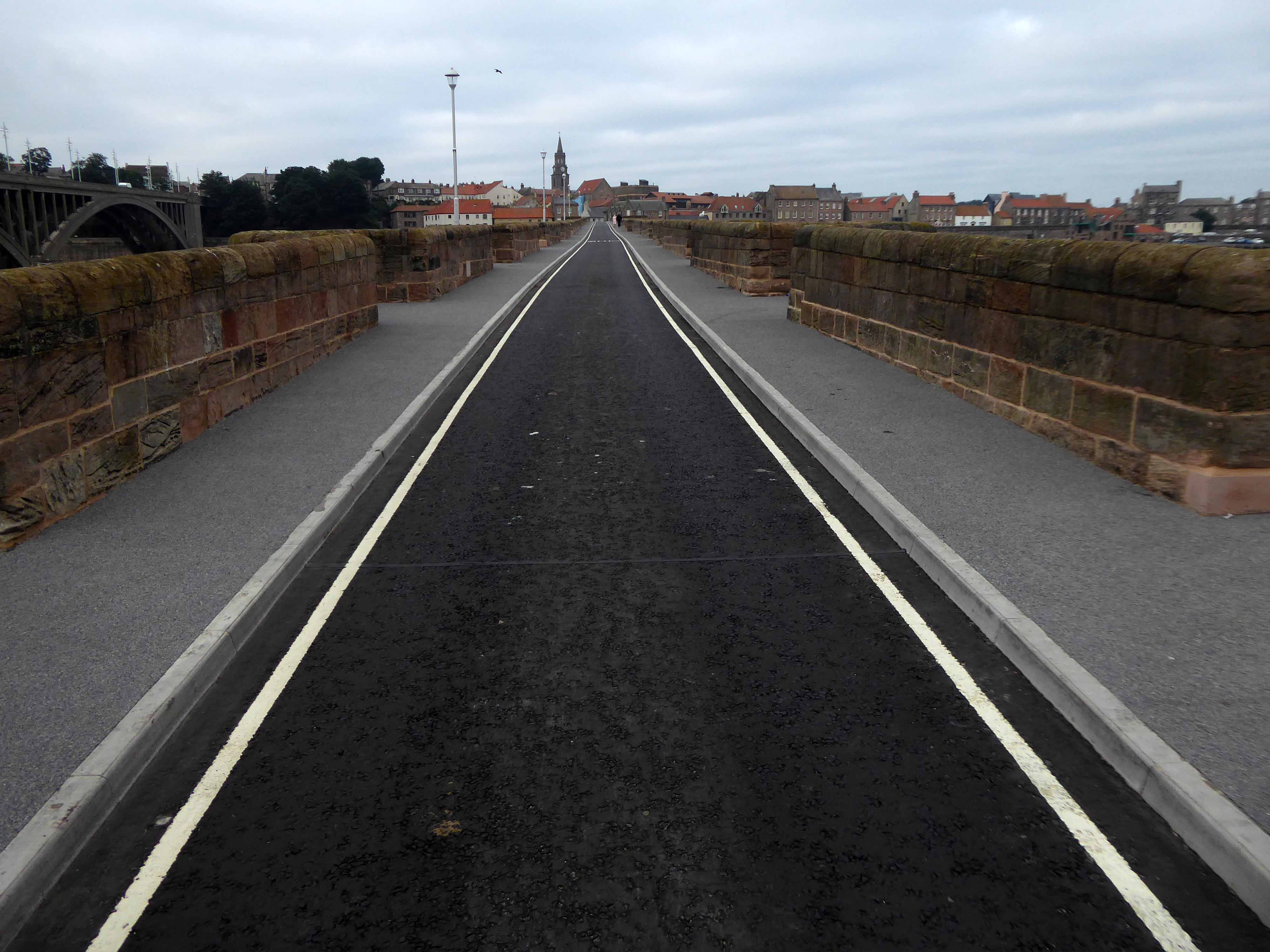
Berwick upon Tweed in view.

Come the evening I spent an hour or two in The Curfew, feasting on fine beer, company, haggis scotch egg and game pie.

Finishing with this well deserved and wonderful, bottle of Oude Geuze.

The final day – so many marvellous miles covered, forever stopping to chat, snap, look and learn.

No finer way to see the world, though so condensed and intense even at touring speed – apologies to all the things that I failed to see.

So long to Amble, Newcastle, Redcar, Scarborough and Hull.

Newcastle to Amble

Well here we are heading north for a fourth day – having bidden farewell to Hull, Scarborough and Redcar.

Passing a few familiar sights.

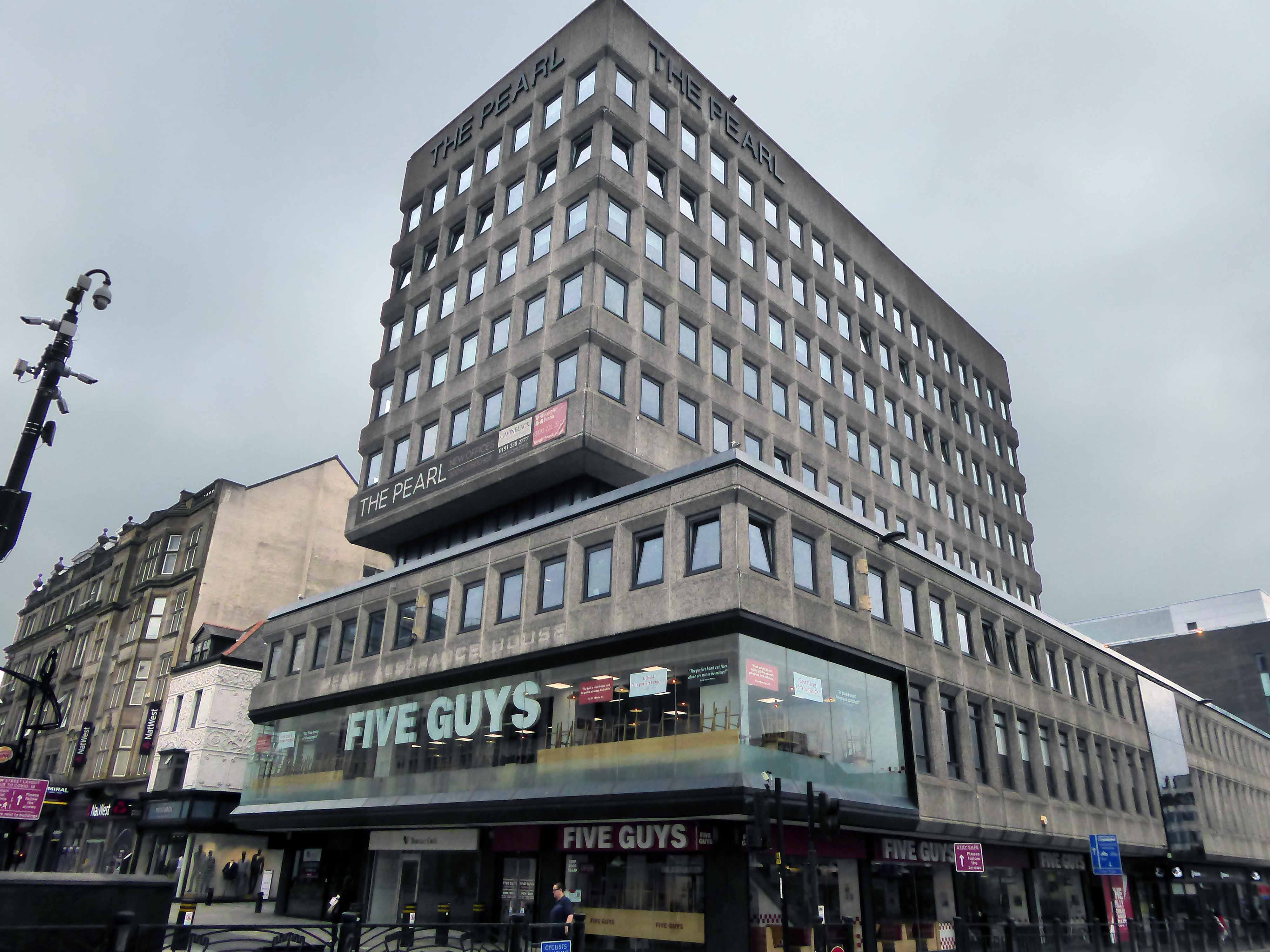
Pearl Assurance House Architect: T P Bennetts

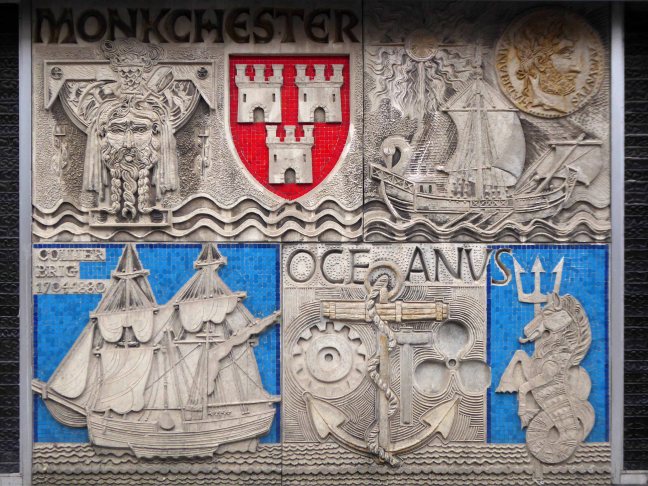
BHS Murals Joyce Pallot and Henry Collins.

The building was originally developed by C&A and it is thought that funding for the reliefs might have been provided by the store and/or Northern Arts. It became BHS which subsequently closed, the building is now occupied by Primark, C&A estates still own the site. 

Civic Centre entrance to the Council Chamber.

Taking a bold leap into the unknown I left the city centre, unwisely following unfamiliar roads, predictably becoming very lost.

I sought assistance from a passing fellow cyclist, very kindly he guided me to Tynemouth, following a mysterious and circuitous course across the undulating terrain – thanks.

The city quickly becomes the seaside with its attendant retail bricolage.

An all too familiar redundant Lido – opened in 1925 and closed in the mid 90’s – but a Friends Group aims to breathe new life into the site.

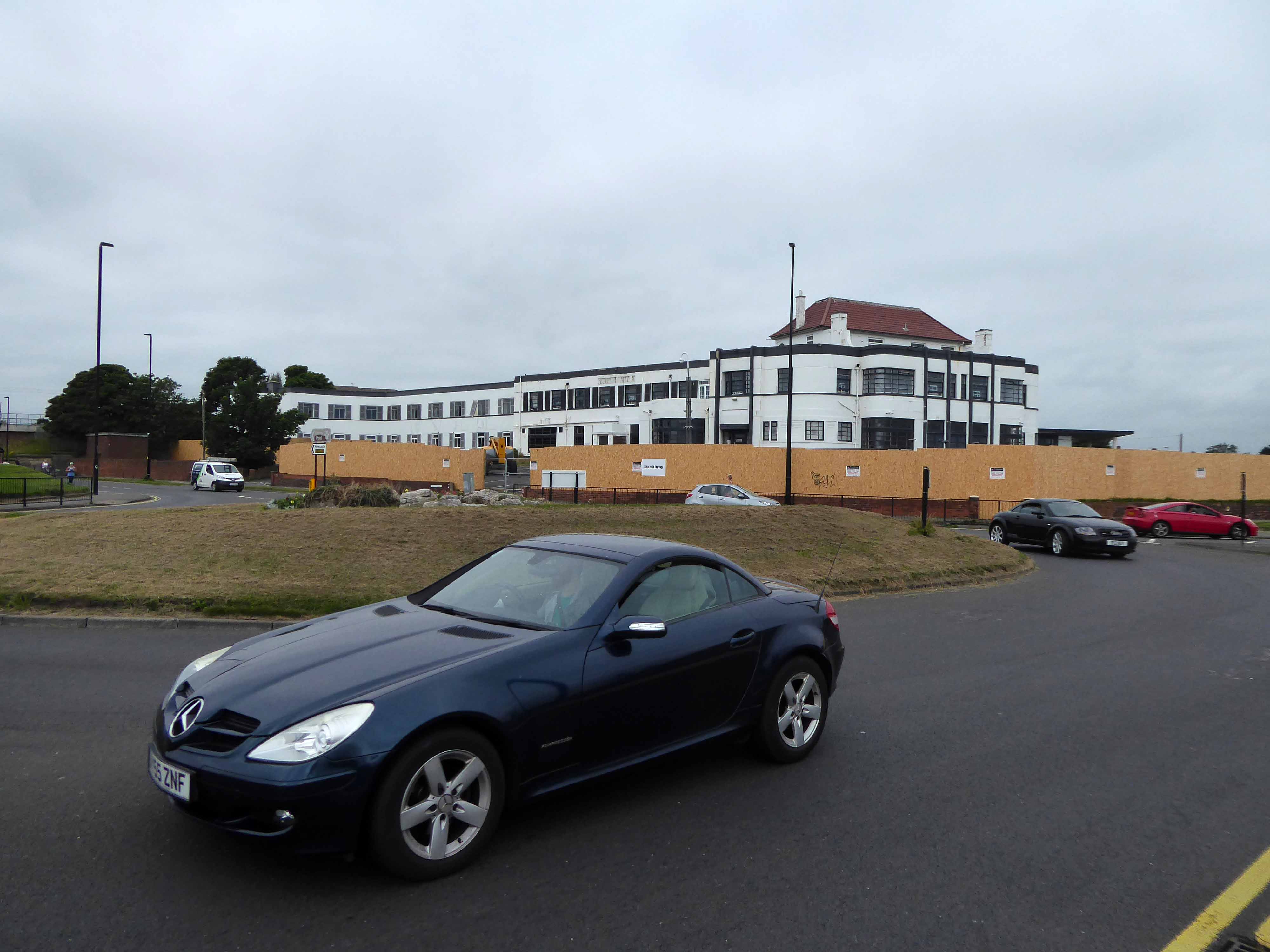
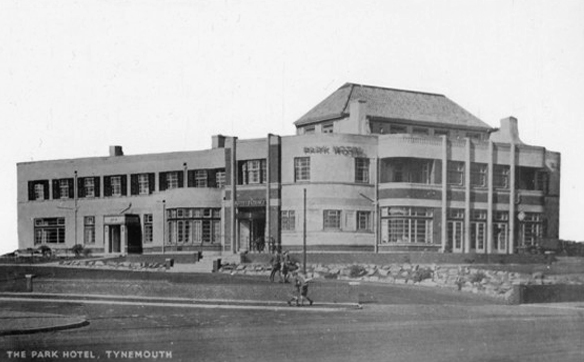
The Park Hotel built in the 1930’s and recently refurbished has been bought by The Inn Collection Group.
Chronicle Live

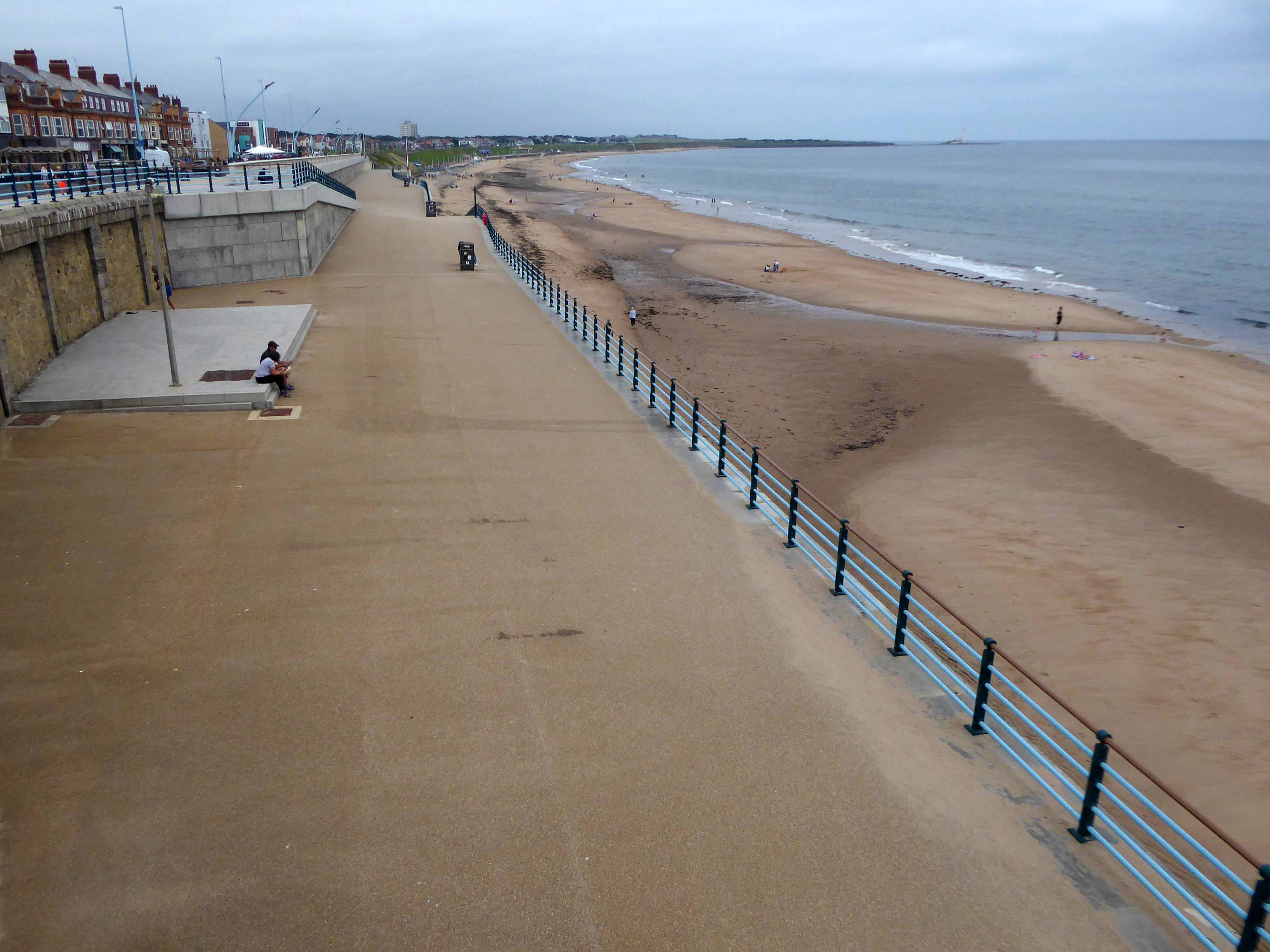
Much has been done to improve the promenade at Whitley Bay

The Whitley Bay Seafront Master Plan sets out our ambitious plans to regenerate the coastline between St Mary’s Lighthouse and Cullercoats Bay.

The proposals are a mix of council and private sector developments and involve more than £36m of new investment at the coast.

North Tyneside Gov

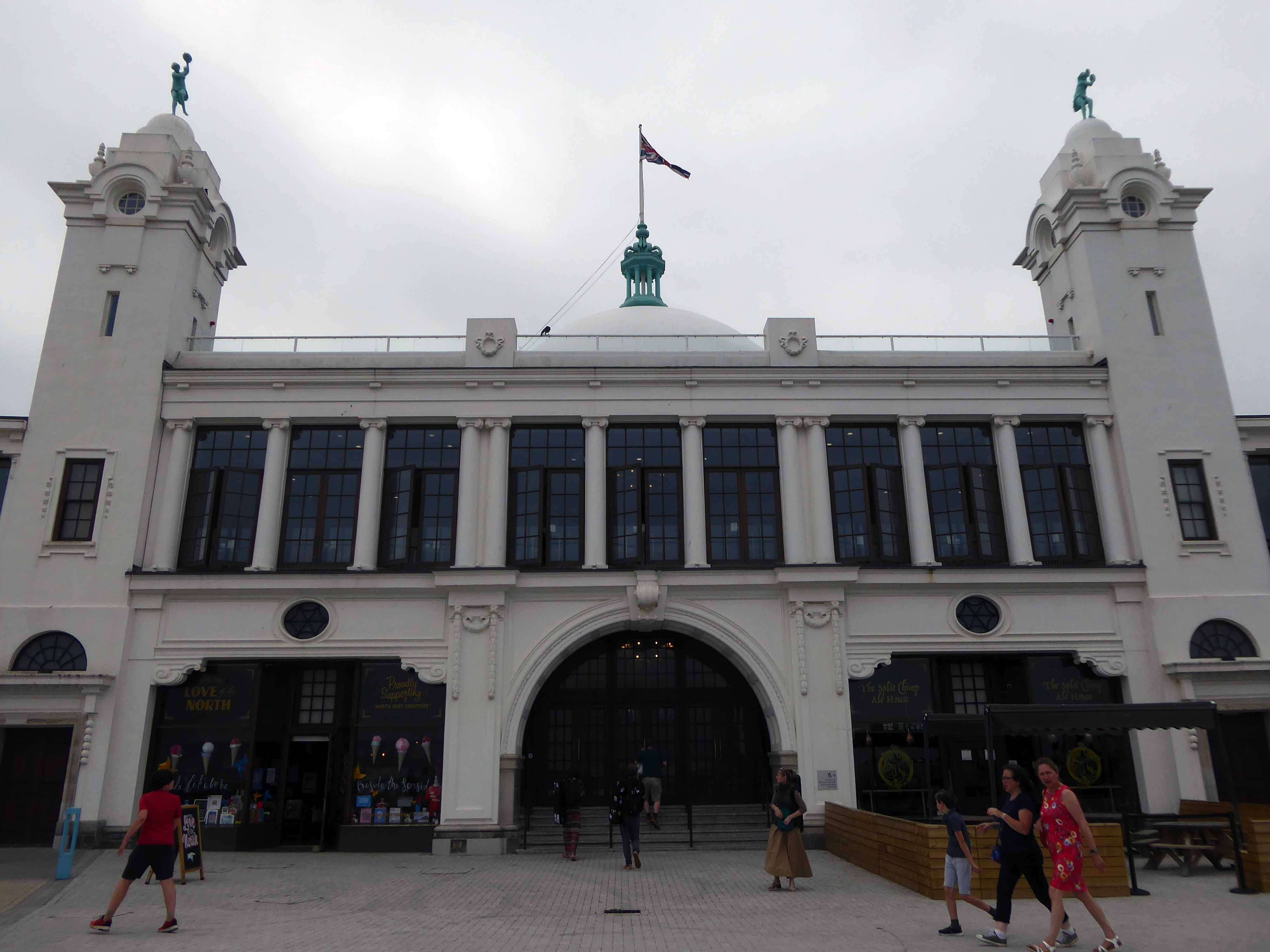
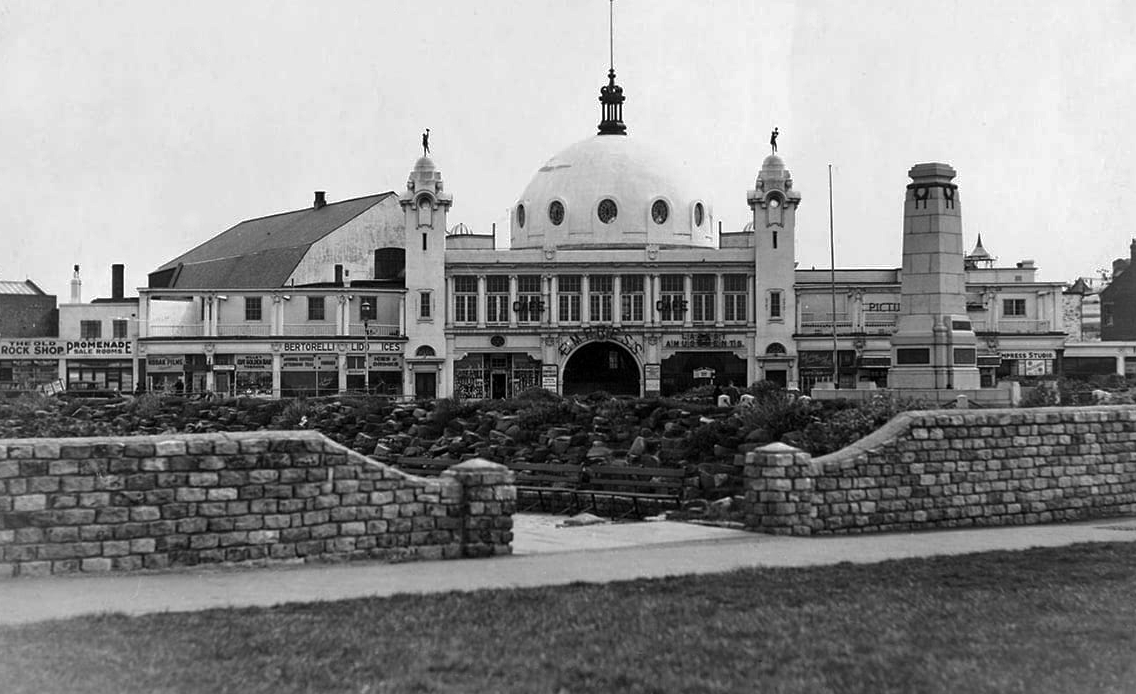
In 1908 the Spanish City was officially opened.

A simple three-arched entrance had been built facing the seafront and the area was now completely enclosed within a boundary. In 1909, large rides appeared, including a Figure Eight rollercoaster and a Water Chute. Elderton and Fail wanted to make a statement and create a new, grand entrance to the fairground. They hired the Newcastle architects Cackett& Burns Dick to survey the site and begin drawing up plans for new Pleasure Buildings.

Building began in February 1910 and the construction was completed by builders Davidson and Miller 60 days later. The use of the revolutionary reinforced concrete technique pioneered by Francois Hennebique was perfect for the job, being cheap and fast. The Dome and surrounding buildings – a theatre and two wings of shop units – opened on 14 May 1910 to great fanfare. Visitors marvelled at the great Spanish City Dome, the second largest in the country at the time after St. Paul’s Cathedral in London, which provided a spectacular meeting place with uninterrupted views from ground level to its ceiling, 75 feet above.

Telegraph-wire cyclists, acrobatic comedians, singing jockeys, mermaids, they all appeared at the Spanish City during its first decade. One of the wings hosted the menagerie, where visitors could see hyenas, antelopes and tigers! This was converted into the Picture House cinema in 1916.

Spanish City

Eventually the Master Plan will be fully implemented.

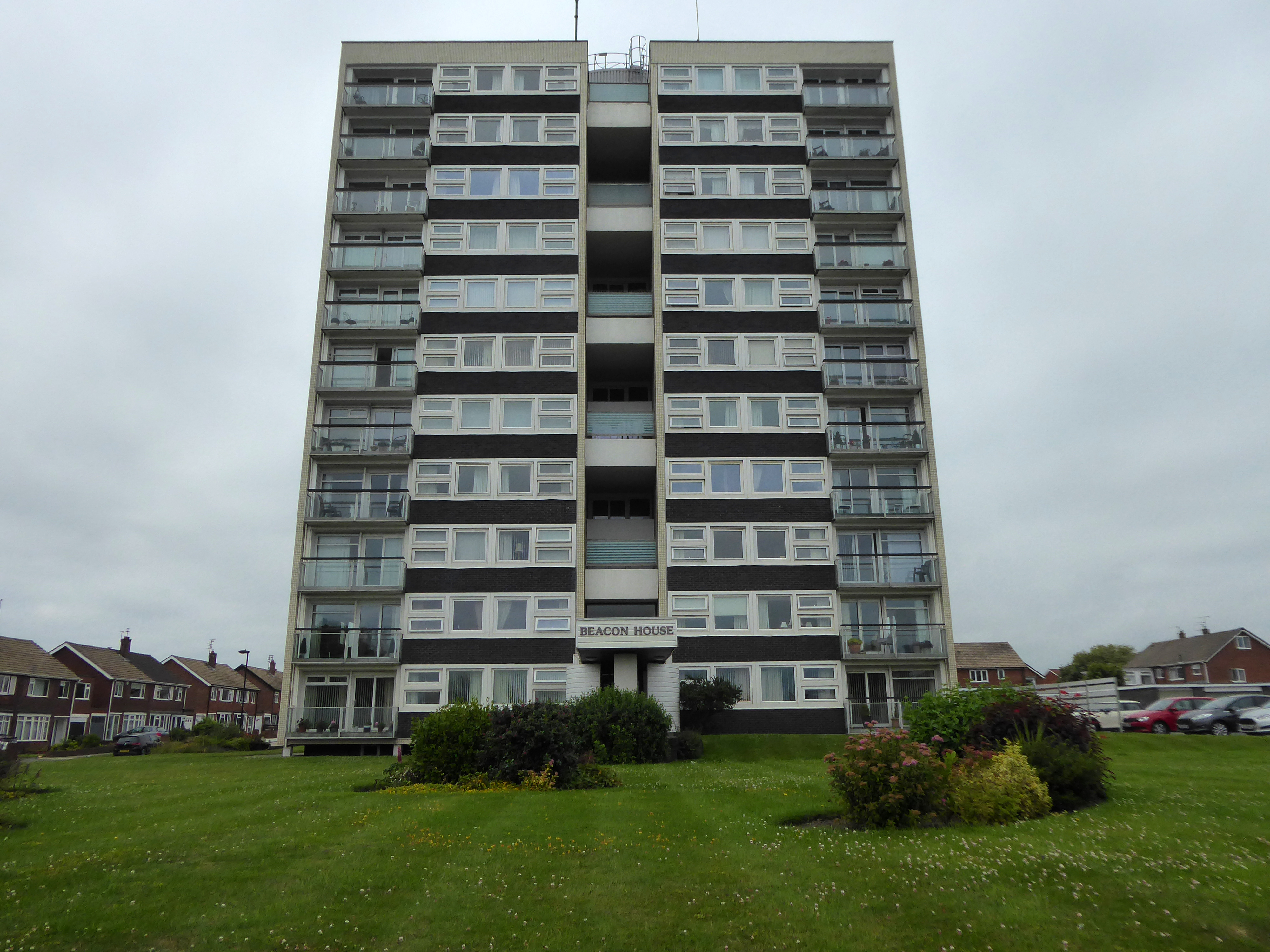
Beacon House beckoned and I took time to have a good old look around.

Ryder and Yates 1959

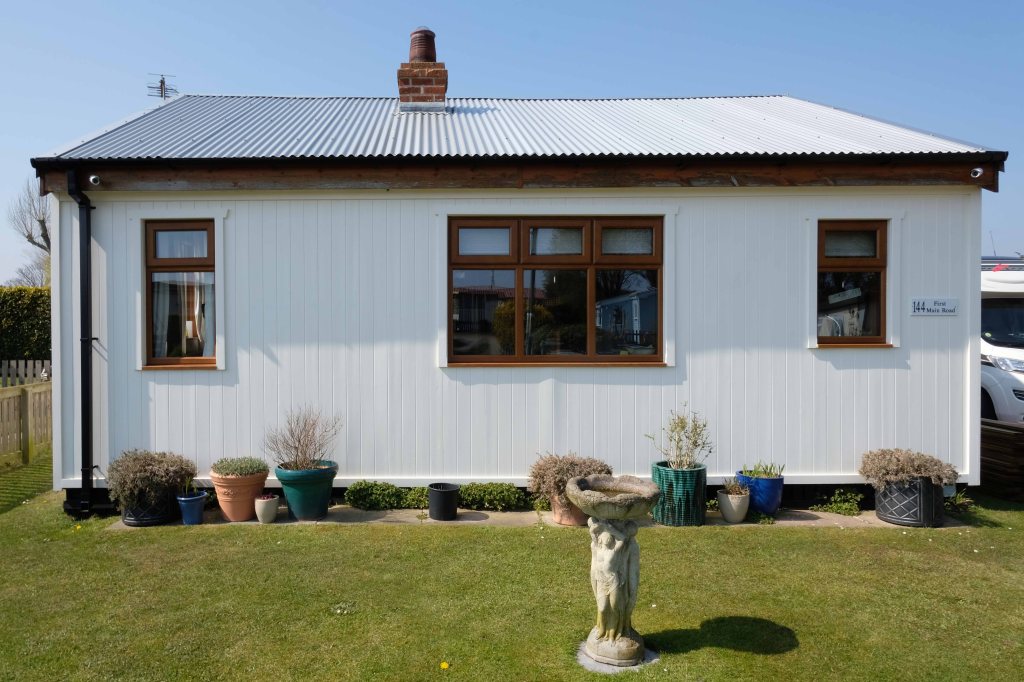
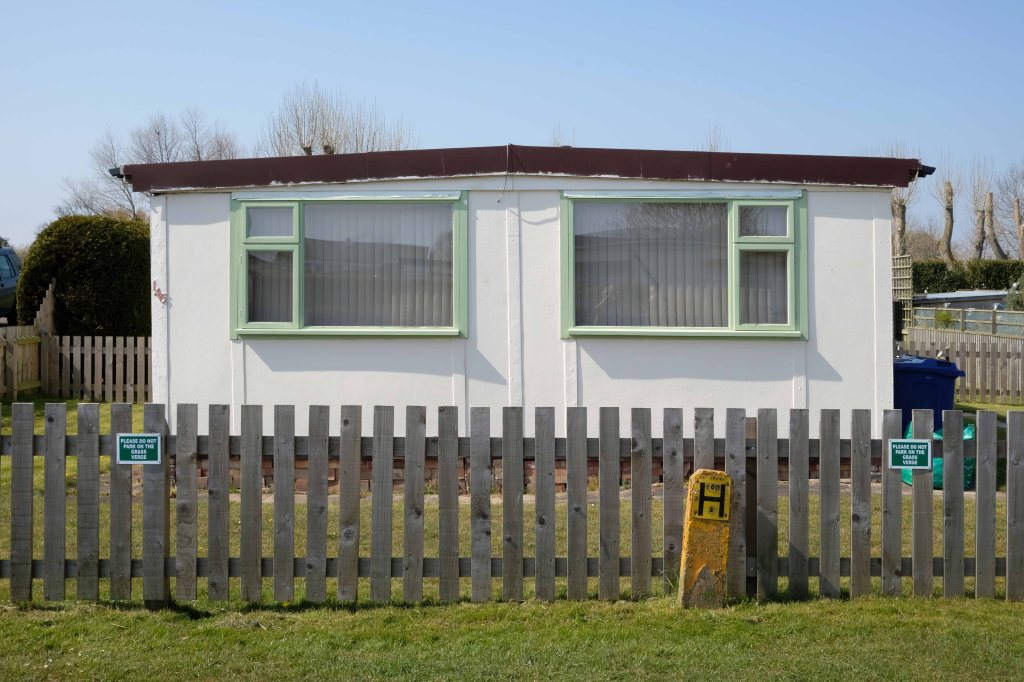
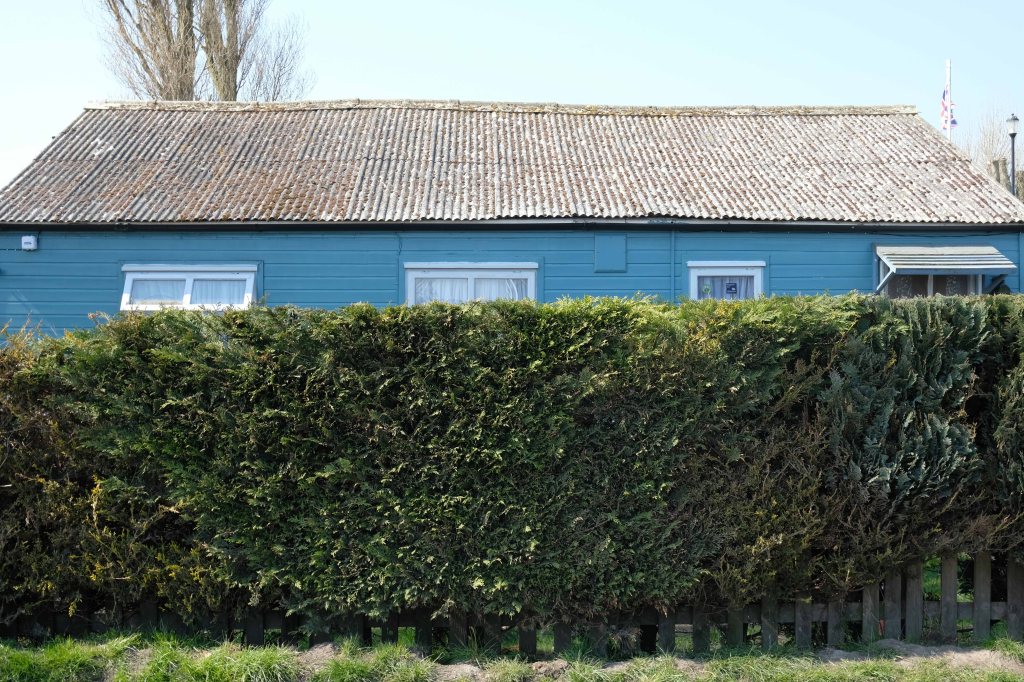
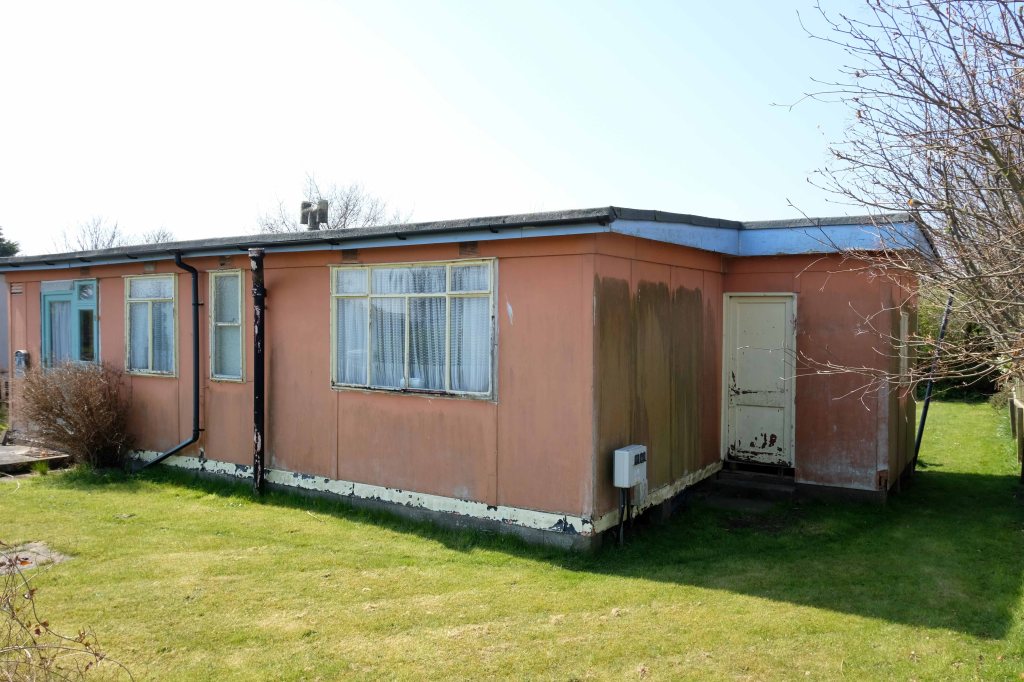
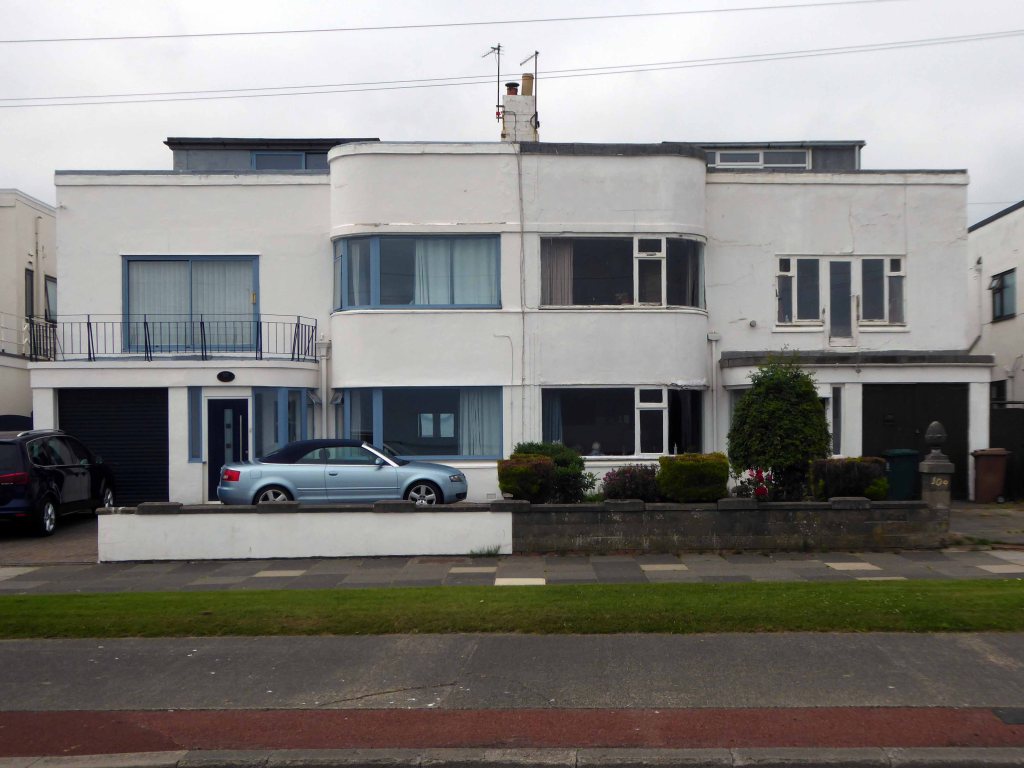
A little further along, a selection of Seaside Moderne semis in various states of amendment and alteration.
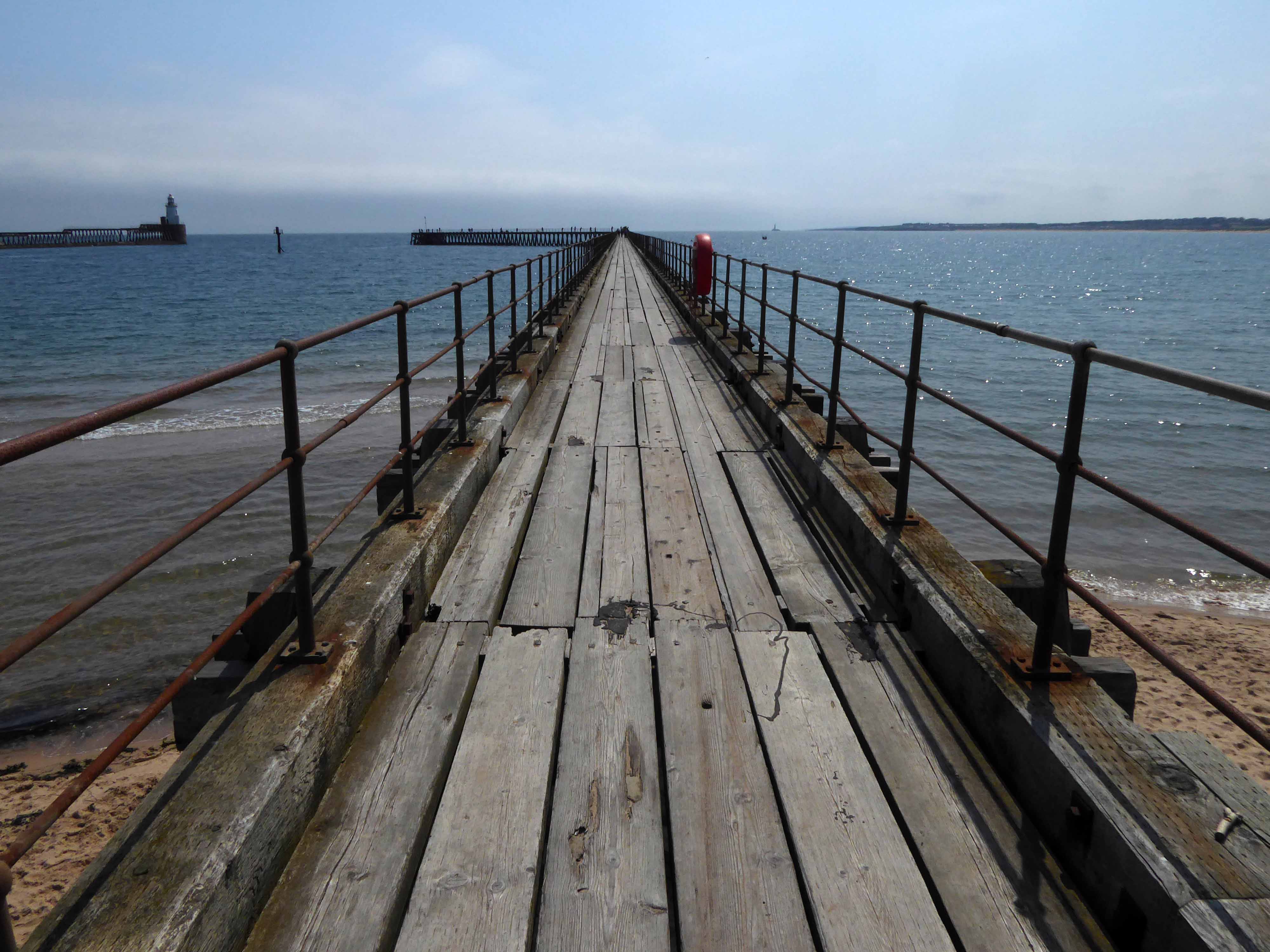
Before I knew it I was in Blyth.

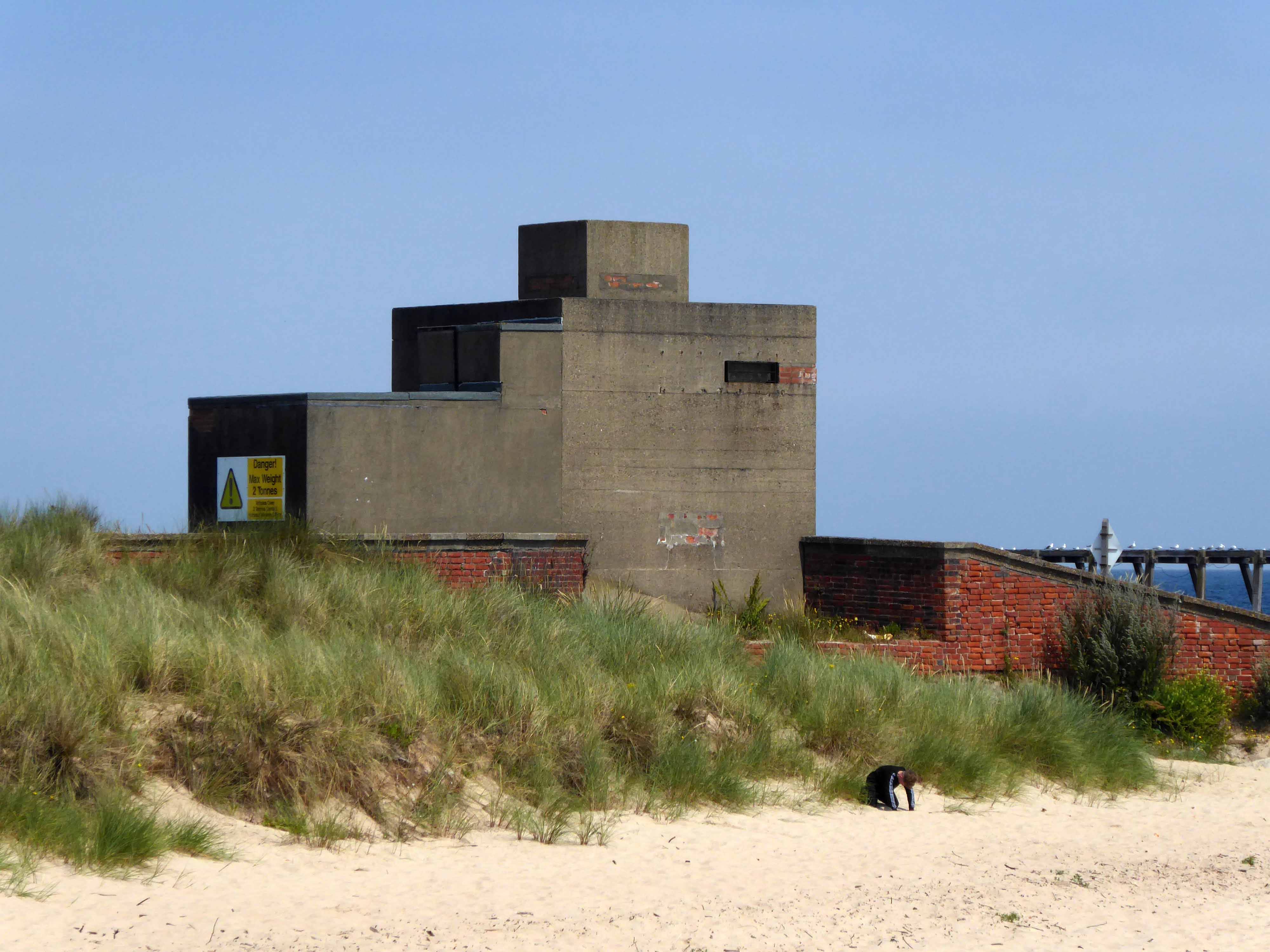
The town edged with military installations

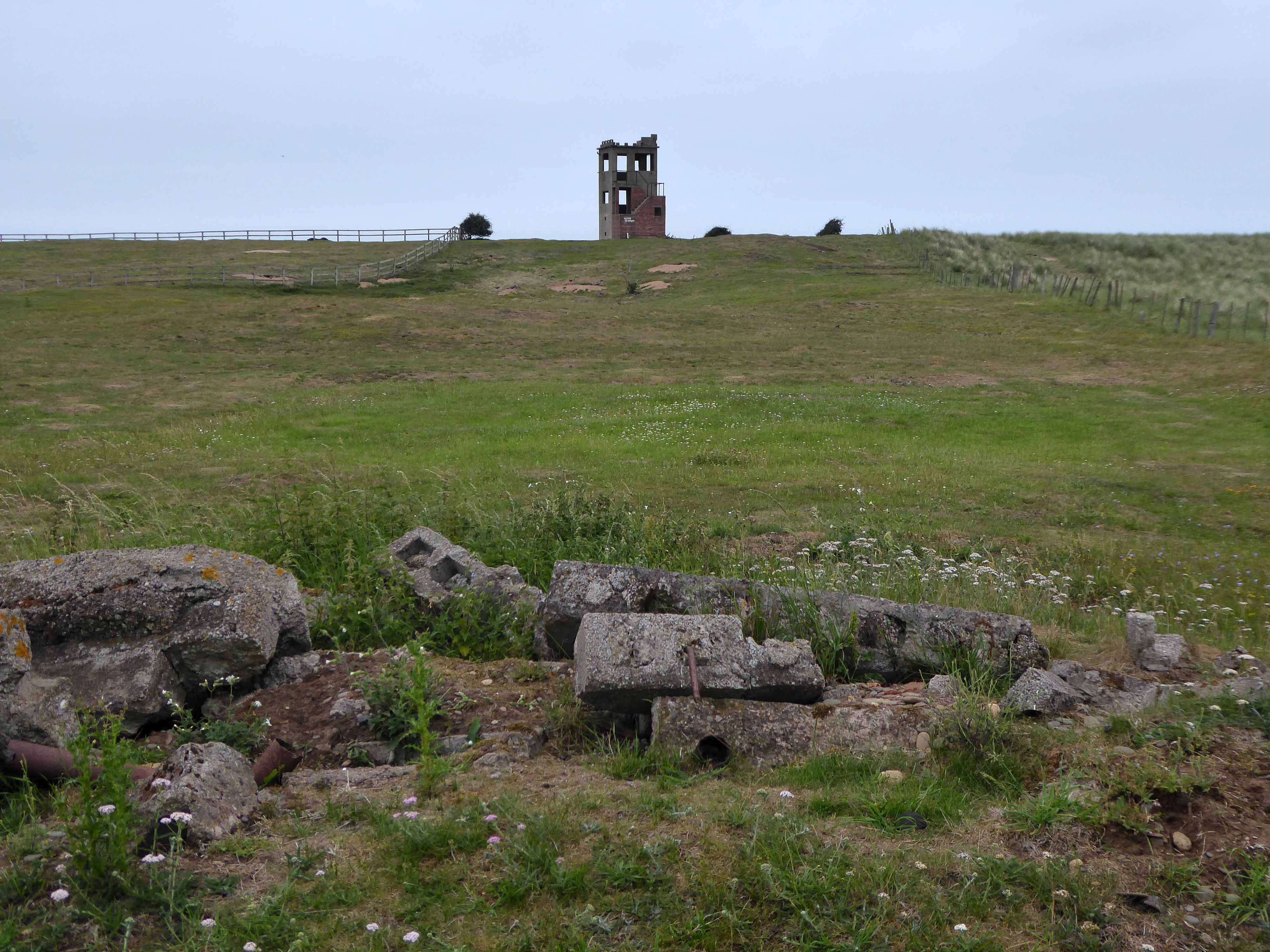
Gloucester Lodge Battery includes the buried, earthwork and standing remains of a multi-phase Second World War heavy anti-aircraft gun battery and radar site, as well as a Cold War heavy anti-aircraft gun and radar site. The battery occupies a level pasture field retaining extensive rig and furrow cultivation.

Historic England

During WW2 Blyth Harbour was used as a major submarine base and that combined with the heavy industry in the area it made a very good target for the Luftwaffe.

Derelict Places

827 men of the 225th Antiaircraft Artillery Searchlight Battalion of the U.S. Army, arrived at this location in early March 1944 and were attached to the 30th British AAA Brigade. Here they sharpened their skills in the high-altitude tracking of aircraft.

Skylighters

I headed into town.

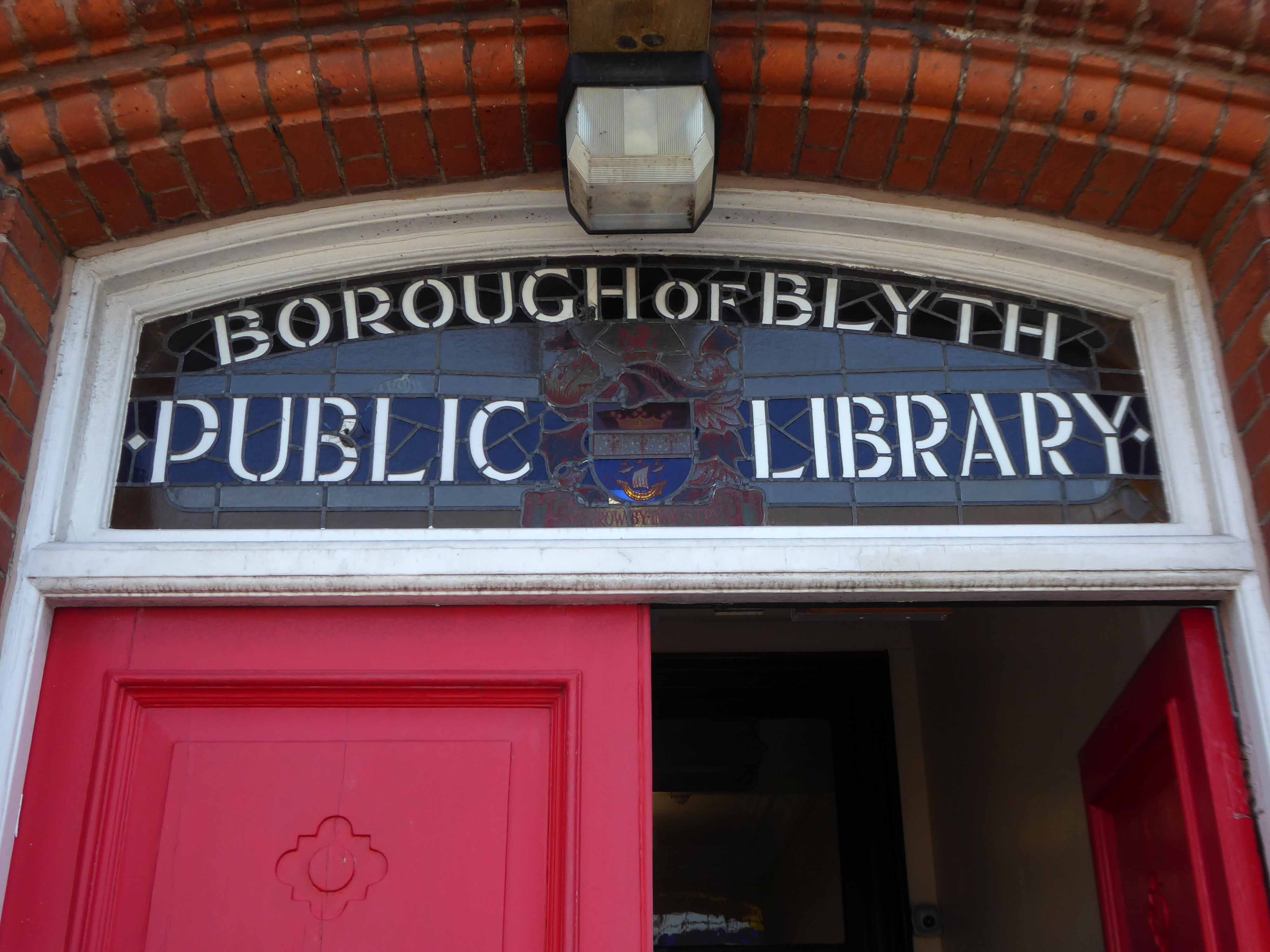
Uncovered this gem in the library porch.

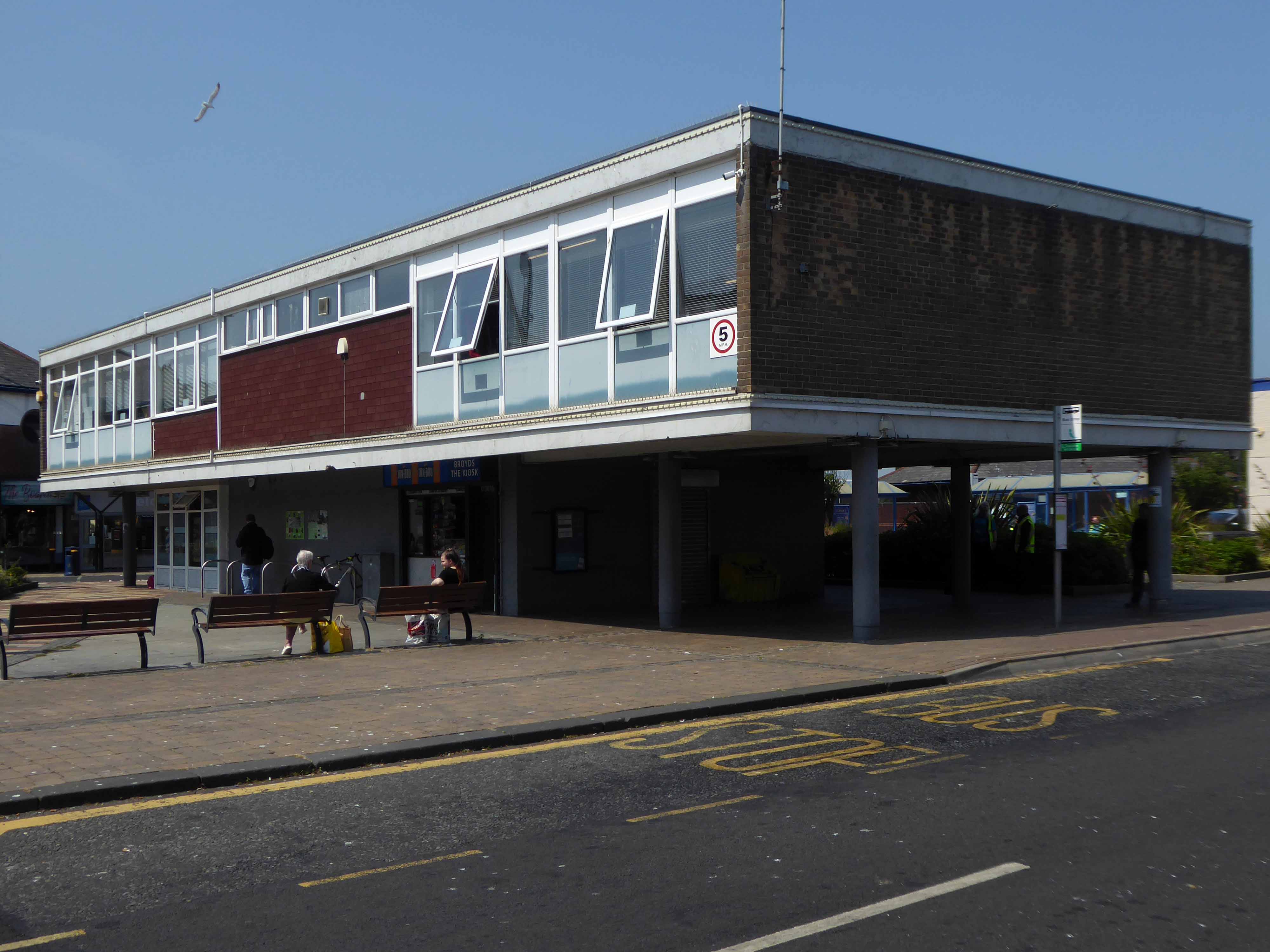
Stopped to admire the bus station.

And found a post box marked Post Box.

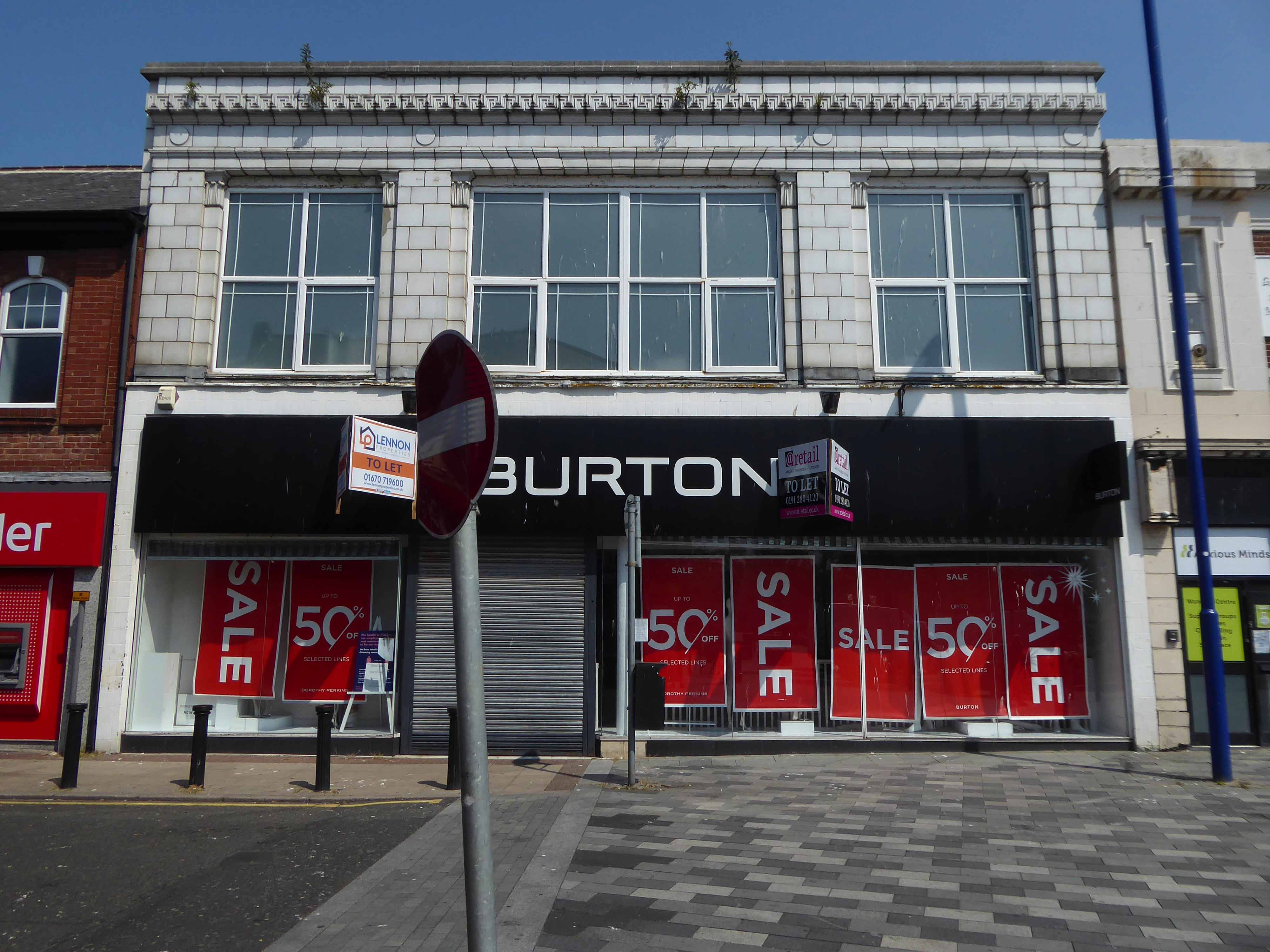
Burton’s gone for a Burton.

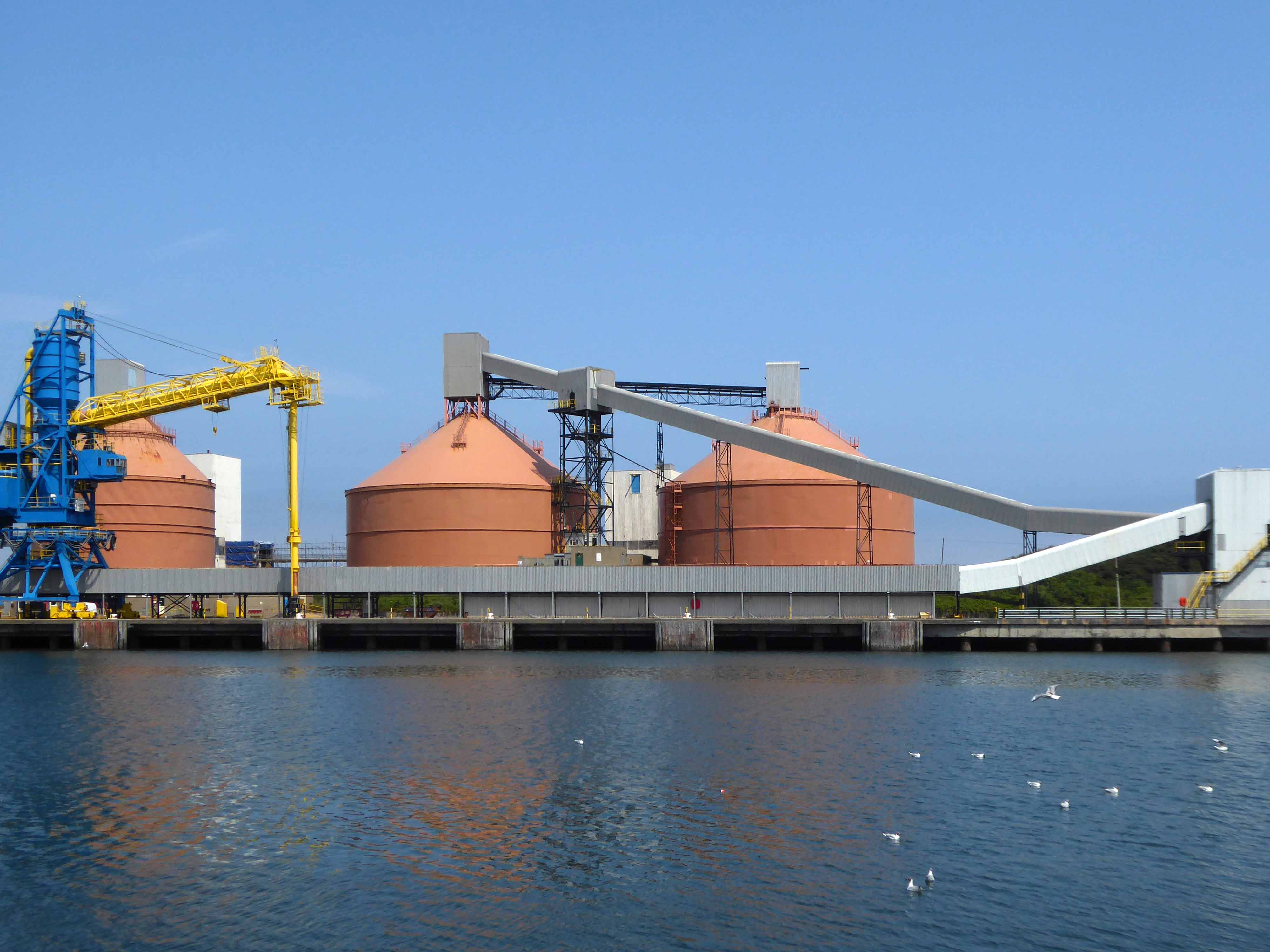
The cycle route took me off road along the estuary and under the flyover.

Encountering a brand new factory.

And the remnants of the old power station.

Blyth Power Station – also known as Cambois Power Station, refers to a pair of now demolished coal-fired power stationsThe two stations were built alongside each other on a site near Cambois in Northumberland, on the northern bank of the River Blyth, between its tidal estuary and the North Sea. The stations took their name from the town of Blyth on the opposite bank of the estuary. The power stations’ four large chimneys were a landmark of the Northumberland skyline for over 40 years.

After their closure in 2001, the stations were demolished over the course of two years, ending with the demolition of the stations’ chimneys on 7 December 2003.

Wikipedia

UK battery tech investor Britishvolt has unveiled plans to build what is claimed to be Britain’s first gigaplant at the former coal-fired power station in Blyth in Northumberland.

The £2.6 billion project at the 95-hectare Blyth Power Station site will use renewable energy from the UK and possibly hydro-electric power generated in Norway and transmitted 447 miles under the North Sea through the ‘world’s longest inter-connector’ from the North Sea Link project.

By 2027, the firm estimates the gigaplant will be producing around 300,000 lithium-ion batteries a year.

The project is predicted to create 3,000 new jobs in the North East and another 5,000 in the wider supply chain.

Energy News

Long gone is the Cambois Colliery, its pit head baths and the buses that bused the workers in and out.

One hundred and eleven men died there.

The route headed along the coast on unmade roads and paths, I bypassed the Lynemouth Pithead Baths – having visited some ten years ago.

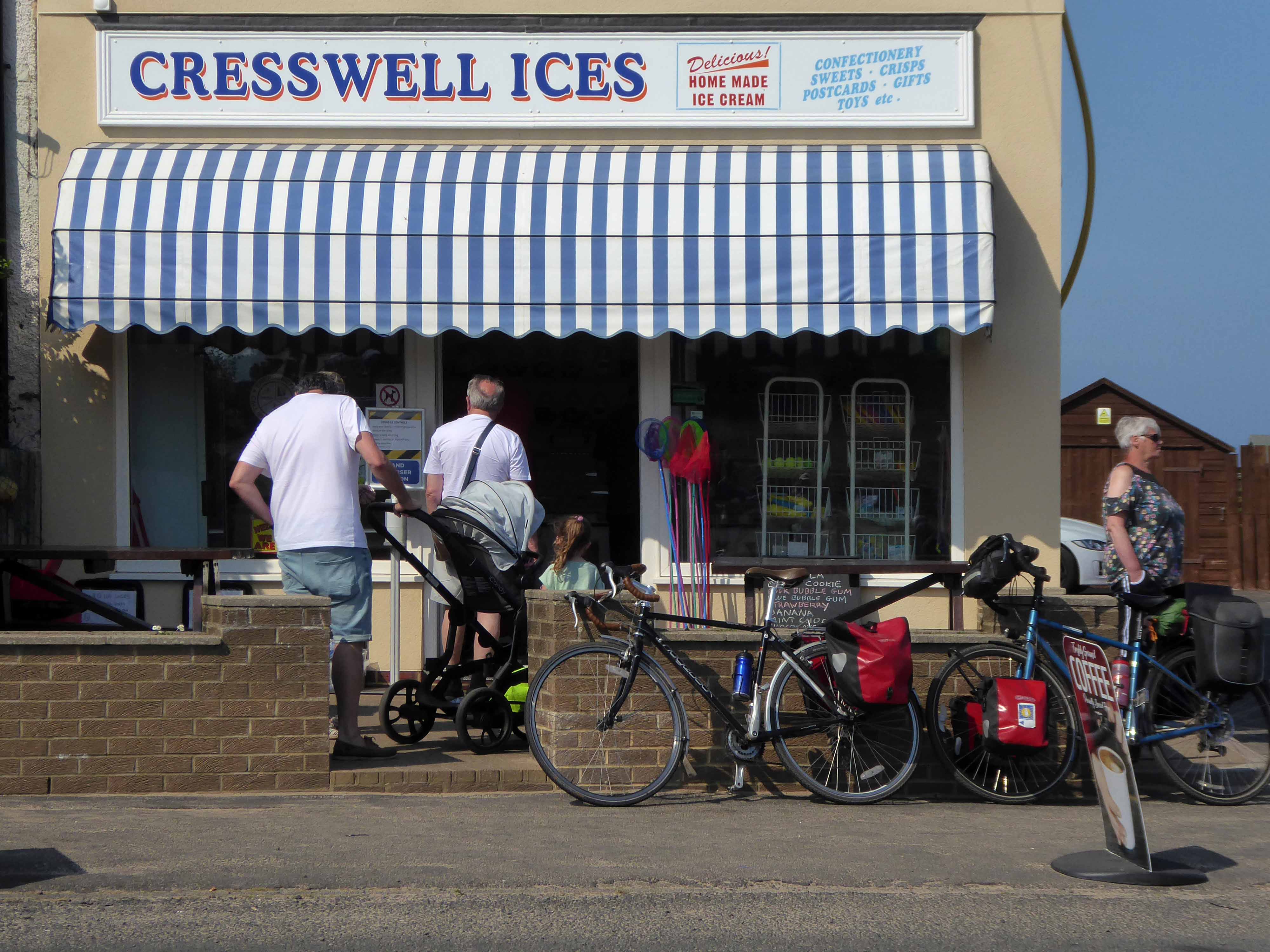
I was delighted to find that Creswell Ices were still in business and my temporary partner Adrian treats me to a tub.

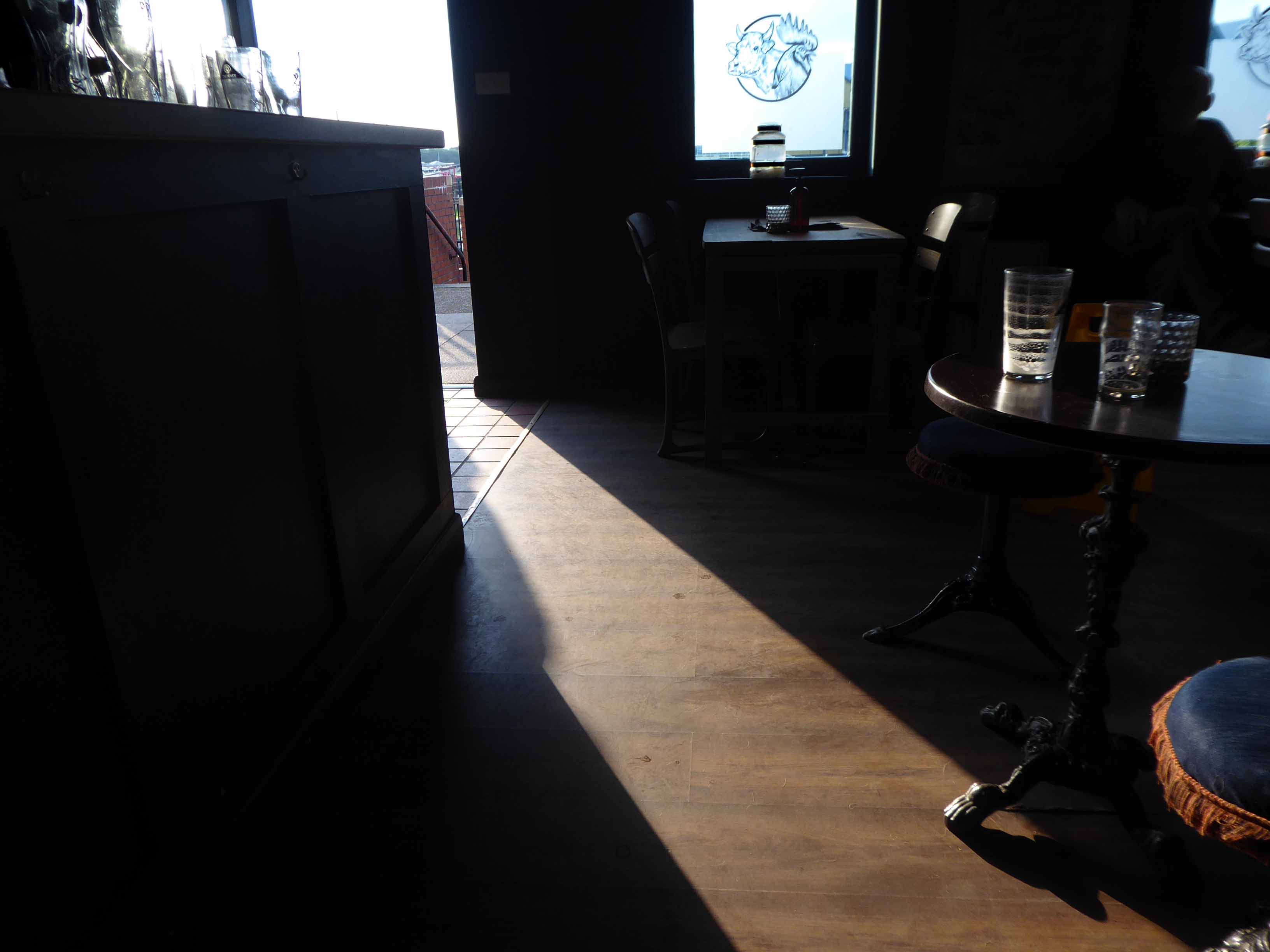
Having arrived in Amble I was delighted to find the Cock & Bull.

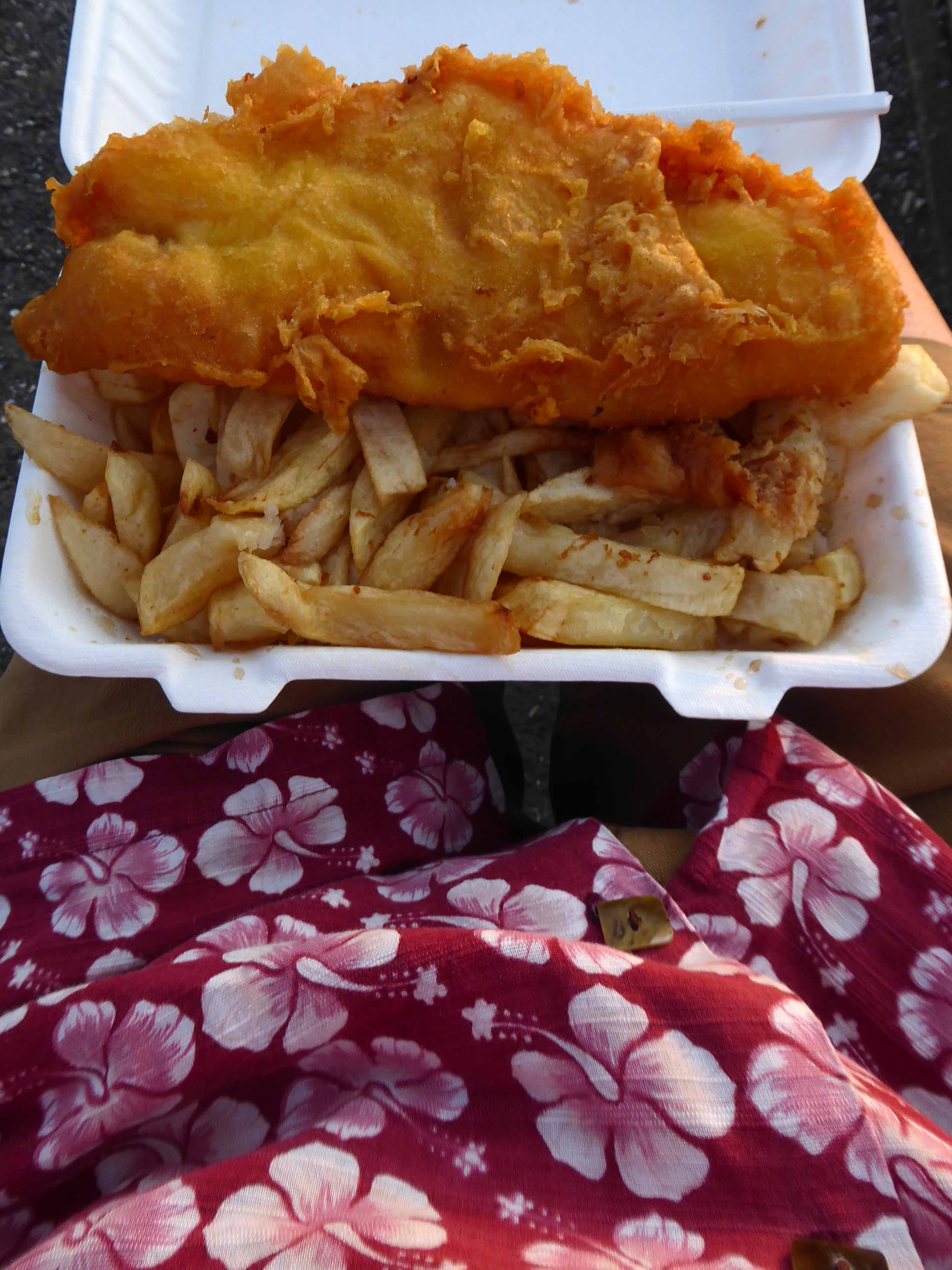
Following a few pints I feasted on fish and chips.

Then watched the sun set over the harbour.
Good night all.

Redcar to Newcastle

An early start on another sunny day, cycling along long straight roads out of town, towards Middlesborough.

Having previously visited Hull and Scarborough and all points in between.

Slowly passing sleepy factories and desolate bus shelters.

Bunker like social clubs and flower lined roads.

The Albion club in South Bank has stood empty for the last three years. 

Now local lad Mark Trainor has the keys – and says opening the doors to the club his own family frequented for years will be a dream come true.

He’s planning to cater for everyone, he says, and it won’t just be all about drinking.

Parents will be able to call in for a coffee after dropping the kids at school, there will be pool nights and Mark’s personal favourite – Pie Day Fridays.

Gazette

Public art framing the Transporter Bridge.

The £2.7m Temenos structure has taken four months to piece together on the banks of the River Tees near Middlesbrough’s Transporter Bridge.

Thousands of metres of steel wire have been woven between the two steel rings to create the 164ft high and 360ft long sculpture.

It was created by artist Anish Kapoor and structural designer Cecil Balmond.

BBC

Temenos is a Greek word meaning land cut off and assigned as a sanctuary or holy area.

Following a 1907 Act of Parliament the bridge was built at a cost of £68,026 6s 8d  by Sir William Arrol & Co. of Glasgow between 1910 and 1911 to replace the Hugh Bell and Erimus steam ferry services. A transporter bridge was chosen because Parliament ruled that the new scheme of crossing the river had to avoid affecting the river navigation. 

The opening ceremony on 17 October 1911 was performed by Prince Arthur of Connaught, at its opening the bridge was painted red.

In 1961 the bridge was painted blue.

In 1974, the comedy actor Terry Scott, travelling between his hotel in Middlesbrough and a performance at the Billingham Forum, mistook the bridge for a regular toll crossing and drove his Jaguar off the end of the roadway, landing in the safety netting beneath.

Wikipedia

The cycle track followed the river, which sports a fine array of industrial architecture.

Tees Newport Bridge designed by Mott, Hay and Anderson and built by local company Dorman Long who have also been responsible for such structures as the Tyne Bridge and Sydney Harbour Bridge, it was the first large vertical-lift bridge in Britain.

Wikipedia

Crossing the river and heading for Hartlepool.

Negotiating underpasses and main road cycle lanes.

I was delighted to be drawn toward Dawson House here in Billingham.

Austere brick churches.

St Joseph RC Low Grange Avenue Billingham

A prefabricated polygonal structure of the 1970s, with laminated timber frame. The seating came from Pugin & Pugin’s church at Port Clarence. 

Taking Stock

Just along the way Saint Lukes Billingham 1965.

In a slightly more upbeat mode St James the Apostle Owton Manor.

I convinced myself that this building on Station Road Seaton Carew was a former pub, I discovered following consultation with the local studies offices, that it was in fact a former children’s home destined to become a doctors.

I found myself looking back across the estuary to Redcar.

Northward toward Hartlepool.

Where the bingo was closed and the circus had left town.

Every Englishman’s home is a bouncy castle.

St John Vianney located on King Oswy Drive West View Estate.

Architect: Crawford & Spencer Middlesbrough 1961.

A large post-war church built to serve a housing estate, economically built and with a functional interior. The campanile is a local landmark. 

The parish of St John Vianney was created in 1959 to serve the growing West View Estate, on the north side of Hartlepool. The church was opened by Bishop Cunningham on 4 April 1961. The presbytery was built at the same time.

Taking Stock

I found myself on yet another former railway line.

The Cycleway was once a railway line designed by George Stephenson to take coal from the Durham coal fields to the docks in Hartlepool, where the coal was then distributed throughout the world.

Tees Valley

The landscape opened up to coal scarred scrub, I lost the path and found a church, which imposed itself upon the hillside.

St Joseph RC Seaham County Durham

Architect: Anthony J. Rossi of Consett 1964

Taking Stock

Opening 1964

Seeking assistance from a passing cyclist I negotiated a safe passage to Sunderland.

The Sunderland Synagogue is a former synagogue building in Sunderland, England. The synagogue, on Ryhope Road, was designed by architect Marcus Kenneth Glass and completed in 1928. It is the last surviving synagogue to be designed by Glass.

The synagogue was listed as a Grade II historic structure in 1999.

Wikipedia

I crossed the Queen Alexandra Bridge

The steel truss bridge was designed by Charles A Harrison – a nephew of Robert Stephenson’s assistant.

It was built by Sir William Arrol between 1907 and 1909 and officially opened by The Earl of Durham, on behalf of Queen Alexandra on 10 June 1909.

Wikipedia

I took a right and arrived in Roker, where I saw these well tanned and tattooed cyclists taking a rest.

Pressed on, largely alongside the coast to South Shields.

Under advisement from a jolly passing jogger I took the Tyne Pedestrian Tunnel.

Tyne Cyclist and Pedestrian Tunnel was Britain’s first purpose-built cycling tunnel. It runs under the River Tyne between Howdon and Jarrow, and was opened in 1951, heralded as a contribution to the Festival of Britain.

Wikipedia

I cycled the banks of the Tyne, fetching up at the Quayside with a fine view of the Baltic.

Washed and suitably brushed up I hastened to the Bridge Tavern – to take a glass or two.

A fine end to a very long day.

Scarborough to Redcar

Well it seems that I had already cycled from Hull to Scarborough, so it must be time to head for Redcar.

Leaving Scarborough by the Cinder Track under the expert guidance of Mr Ben Vickers.

This was the site of the Gallows Close Goods Yard.

Formerly the Scarbough to Whitby Railway – the line opened in 1885 and closed in 1965 as part of the Beeching Axe.

Yet again I chance upon a delightful post-war home.

I parted company with the track dropping down to the Esk Valley from the Larpool Viaduct.

Construction began in October 1882 and was complete by October 1884.

Two men fell from the piers during construction, but recovered.

I found myself in Ruswarp, home to this enchanting bus shelter.

I bombed along the main road to Sleights.

There then followed a hesitant ascent, descent, ascent along a badly signed bridleway, fearing that I had climbed the hill in error I retraced, then retraced.

A difficult push ensued, a precipitous path, rough and untended, rising ever higher and higher.

Finally arriving at Aislaby, more than somewhat exhausted – the village is mentioned in the Domesday Book as Asuluesbi

Pausing to catch my breath I took the wildly undulating road to Egton – along the way I was alerted to the presence of a tea stop by two touring cyclists from Nottingham.

The Cake Club.

A welcome wet and a hunk of home made carrot cake.

Brewmeister Maria was good enough to suggest route through Castleton Moor and over the tops to Saltburn.

It was too hot a day for a detour to Fryup.

The curious name Fryup probably derives from the Old English reconstruction Frige-hop: Frige was an Anglo-Saxon goddess equated with the Old Norse Frigg; hop denoted a small valley.

An old woman at Fryup was well known locally for keeping the Mark’s e’en watch – 24 April, as she lived alongside a corpse road known as Old Hell Road.

The practice involved a village seer holding vigil between 11pm and 1am to watch for the wraiths of those who would die in the following 12 months.

Castleton Moor ghost.

In the village I was given further directions by two elderly gents, who had been engaged in a discussion concerning their long term mapping of acid rain levels in the area.

One was wearing a Marshall Jefferson t-shirt.

I climbed Langburn Bank onto the flatish open moorland.

Taking a brief break to snap this concrete shelter.

There then followed a hair stirring series of hairpin descents to the coast at Saltburn.

Followed by an off road route to Redcar.

Our Lady of Lourdes – Architect: Kitching & Archibald 1928

Built in 1928, this church was designed with some care and is an attractive, if fairly modest, Lombard Romanesque-style essay in brick. The use of a semi-circular apse, narrow brickwork and use of tile for decorative effect give it a pleasing appearance, typical of restrained but elegant work between the wars.

I arrived and took a look around, first time in town, here’s what I found.

Another long day – I went to sleep.

Hull to Scarborough

Heading out of Hull one sunny Sunday morning along Sustrans Route 65.

The first leg of my journey northwards to Berwick, many thanks to all those kind souls who filled my water bottle, directed, redirected and misdirected me along my merry way.

I suddenly found myself on Sustrans Route 66 – nominally lost.

Good fortune however had pointed me in the direction of this functional yet charming brick built church, on the edge of a huge roundabout – St Mary Queen of Martyrs RC in Bransholme.
The new St Mary Queen of Martyrs church was built at Bransholme in 1976-7 and the old St Mary’s church closed and demolished in 1982.

Architect for the new church was JT Reid of The Reid Partnership – Pontefract.

The entrance graced by these textured fascias.

Following a series of brief engagements with various local benefactors, I regained my intended route and joined the Hornsea Rail Trail – the bed of the former branch line.

The line was officially opened on 28 March 1864, the last passenger train ran on 19 October 1964.

Goods traffic continued to use the line as far as Hornsea Bridge until 3 May 1965.

The place-name Swine is first attested in the Domesday Book of 1086, where it appears as Swine.

It appears as Suine in a charter of circa 1150, the name perhaps derives from the Old English swin meaning creek.

Wikipedia

Eventually arriving in Hornsea – on this occasion having little or no need of Do it Yourself, Ironmongery or Glass requisites.

And being Sunday, it was shut.

I tarried a while on the well appointed seafront.

Gliding along leafy, green hedge-lined lanes.

Following a dead end lane to the place of dead roads.

Skipsea – home to Crossways Fish & Chips

Here you will be offered perfectly cooked fish.

Retracing and crossing the Yorkshire Wolds.

Zigging and zagging here and there, in search of a route, any route, I came upon Okanagan – a delightful asymmetric Prairie Style modern home.

Filey Road, Gristhorpe, Filey, Scarborough, North Yorkshire – currently valued at £562,000.

The interior decorative order currently out of synch with the post war exterior.

Hurrying along to reach town by tea time – I descended deftly into Scarborough.

Where I hooked up with local lad Ben Vickers for a pint in the North Riding Hotel.

The rest is, as they say – a mystery.

Porth Wen Brickworks – Anglesey

Located twixt Bull Bay and Cemaes Bay, accessed whilst walking the Anglesey Coastal Path.

The area is rich in Quartzite, central to the production of Silica Bricks, which are resistant to high temperatures, much in demand at the height of the Industrial Revolution for lining steel furnaces.
The ore on the headland was first mined around 1850, with the ore being hewn out the living rock by hand.

A little railway brought the ore to the cliff above the brick works, then lowered by gravity to the works below, where the rocks would be pummelled and rendered to a size that could be further processed.

Mining by manual endeavour lasted from around 1850 to 1914, the hazardous harbour and alleged poor quality products hastening the enterprises’s demise.

Porth Wen brickworks was designated as a scheduled monument by Cadw in 1986 and classified as a post-medieval industrial brickworks.

Further information.

I first visited Porth Wen in the late Seventies, cycling to the nearest lane and walking across open fields.

It remains as incongruous today, set amongst coastal agriculture and the shiny sea.

Take care it’s a slippery slope – and the owners forbid access to their private property.

Octel Amlwch – Pumping

We have taken a trip around the extant exteriors of the processing plant.

Now let’s turn our attention toward the epic infrastructure which extracted and pumped seawater.
Sea water is sucked in and then lifted 50ft into sea water ponds by huge pumps where any debris is removed. It is then passed to the seawater main where chlorine and dilute sulphuric acid are added which releases the bromine. It is literally blown out of the water. This water is passed into the top of a tower where it drops over 20ft through the packed section of the tower. There it is met by currents of air travelling upwards. Where it meets these air currents the bromine gets stripped out the water, which is returned to the sea. Whilst the wet bromine laden air passes from the top of the tower to be treated with sulphur dioxide and water. This produces mists of hydrobromic and sulphuric acids.
This mist passes into an absorber, and the acid coalesces. From here, it blows to a collecting tank. The bromine free air returns to the blowing out tower and the cycle begins again. The acidic product is referred to as primary acid liquor. This is now pumped to the steaming out tower. It enters the top and is treated with chlorine and steam, which releases the bromine as vapour. It is then condensed to a liquid. The bulk of bromine goes to dibromoethane, whilst the remainder is sold or used to make other intermediates.

It takes about 22,000 tonnes of seawater to produce 1 tonne of bromine. Every minute 300,000 gallons of seawater are drawn in.

This now redundant technology has left a legacy of industrial dereliction amongst the ancient Pre-Cambrian rocks and sylvan seas of the Anglesey Coast.
This is a landscape which induces fear and fascination in equal measure.
Whatever is fitted in any sort to excite the ideas of pain, and danger, that is to say, whatever is in any sort terrible, or is conversant about terrible objects, or operates in a manner analogous to terror, is a source of the sublime; that is, it is productive of the strongest emotion which the mind is capable of feeling.
Edmund Burke

Octel Amlwch – Exteriors

Amlwch has been the centre of the world’s copper industry, a coastal town on Anglesey with a long history of trade, the coming and going of goods.
Once the site of a processing plant extracting bromine from sea water.

The Associated Octel factory was built to extract bromine from seawater and turn it into an additive for petrol engines. At the time, petrol used in road vehicles contained lead. Engine knocking was a common problem, when the mixture of air and fuel didn’t burn efficiently with each detonation. This could damage engine cylinders over time. The additive produced here reduced knocking and improved engine efficiency.
As the health effects of lead in vehicle exhaust gases became better understood, unleaded petrol was developed. It was introduced to UK filling stations in the 1980s, and leaded petrol was later phased out. As demand for anti-knock additive reduced, the Octel factory diversified into other bromine products and was taken over by Great Lakes Chemical Corporation. In 2003, the corporation decided to close the works with the loss of more than 100 jobs.

A detailed history of the site can be found here at Octel Amlwch.

The site has been subject to arson attacks and partial demolition, the extant buildings tagged, tattered and torn.

Slowly but surely nature breaks through the tarmac and concrete.

The gate is open, the lights are out, there’s nobody home.