The A57 was nearly a coast to coast route. It passes through three major city centres (Liverpool, Manchester, and Sheffield – with elevated sections in each) and several smaller ones, multiplexes with the A6 and the A1, follows the banks of two canals and negotiates the remotest part of the Peak District. In one city it part of it is a tram route, whilst in another its former route is also a tram route. After all these adventures, it sadly gives up just 40 miles short of the east coast, Lincoln apparently proving too big an obstacle.
The A57 crosses the River Irwell at Regent Bridge before entering its moment of motorway glory as the A57(M) Mancunian Way skirting the south of Manchester’s city centre on an elevated section and crossing the A56 and A34. This includes a half-completed exit that goes the wrong way up Brook Street – a one way street. The original A57 ran further north through the city centre along Liverpool Road (now the A6143) and Whitworth Street – B6469 as far as the A6 London Road which marked the start of a multiplex.
At the end of Mancunian Way, we reach a TOTSO, straight on being the short unsigned A635(M) and thence the A635 – for Saddleworth Moor, Barnsley and Doncaster whilst the A57 turns south, briefly multiplexing with the A6, and then branching off along Hyde Road. This section of road was extensively cleared for the westward extension for the M67, and consequently has seen a lot of redevelopment.
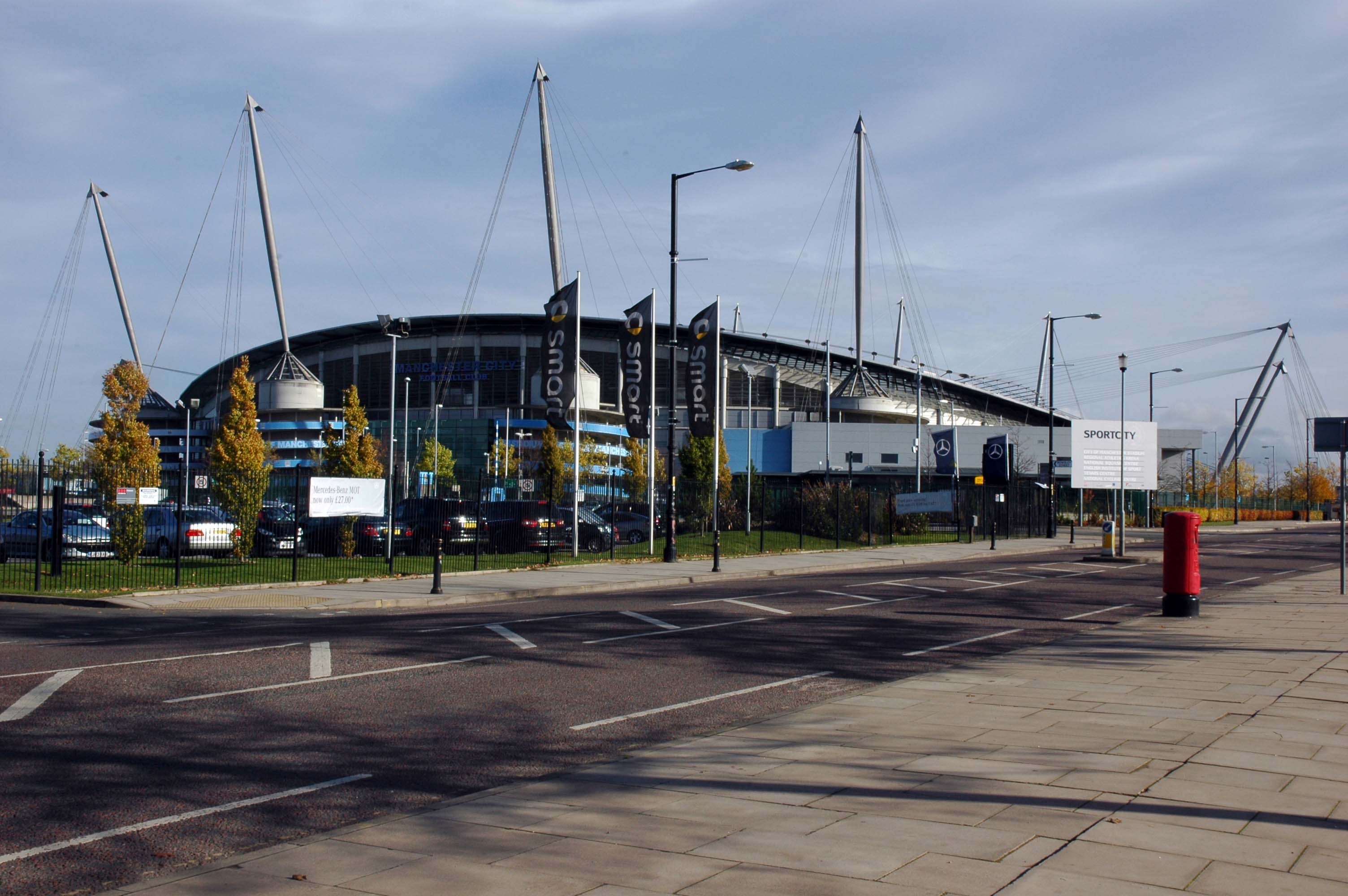
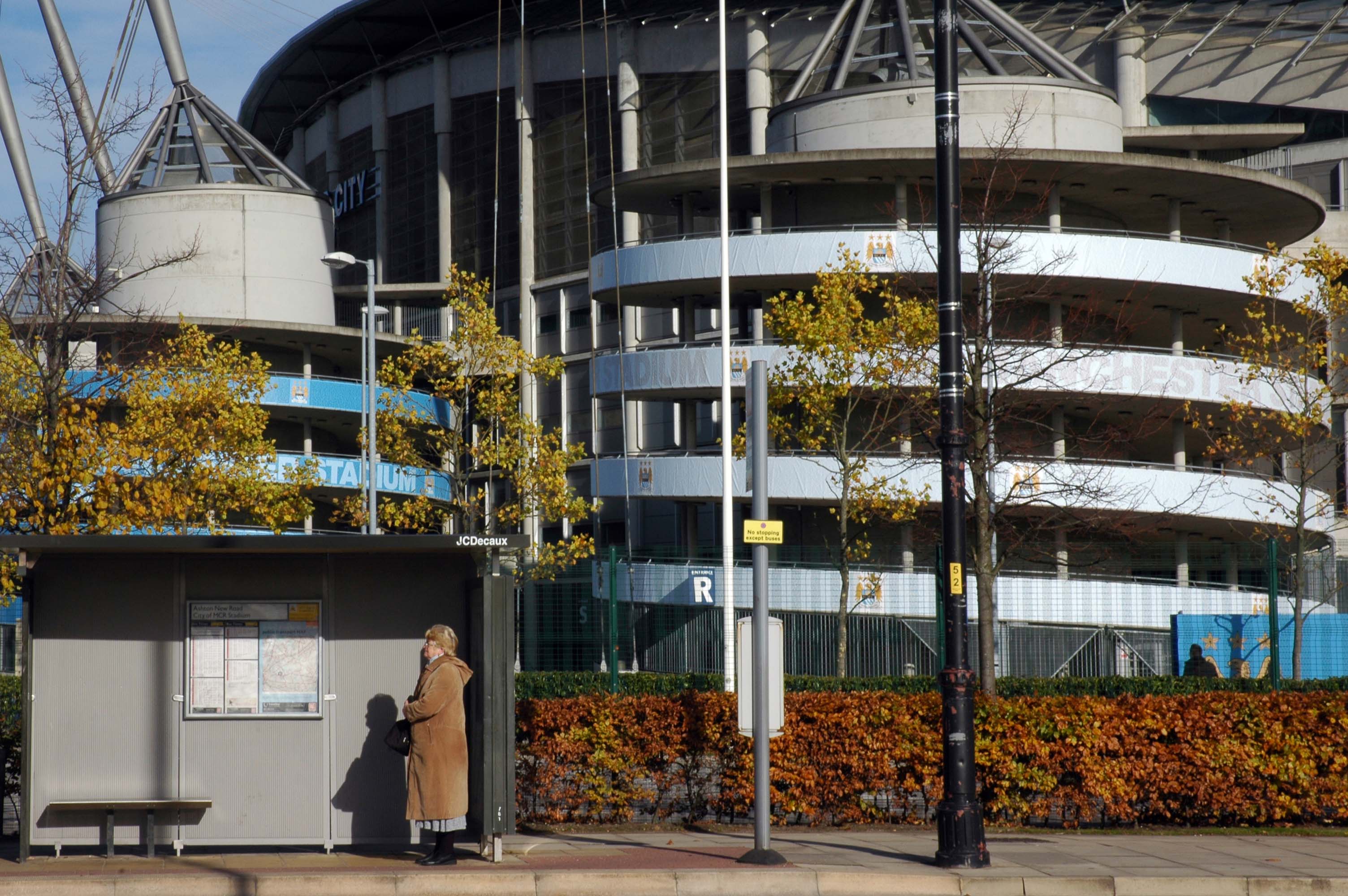
Starting at traffic lights on the A665 the road heads northeastwards, initially with the Metrolink on the left and a factory building on the right. The road then bears right at traffic lights marking the first section of on-street running for the trams, which lasts until just before a bridge over the River Medlock, after which the road passes to the south of the Sportcity complex whilst the tram line runs through the middle.
The A6010 is crossed at traffic lights, after which we see the tram lines on the left once more. We go over the Ashton Canal, then the tram lines at grade before bearing to the right to pass Clayton Park before another section of on-street running for the Metrolink begins, which continues for some distance. Just after crossing the Manchester city limit there is a set of traffic lights, after which the road becomes D2 for a short distance to allow a tram stop – Edge Lane, to be located in the central reservation. The tram leaves the road to the right for the next stop – Cemetery Road, and the stop in Droylsden town centre is once again in the central reservation. In all three cases the street running recommences after the stop.
The A62, which runs from Manchester to Leeds, via Oldham and Huddersfield, was once the main route across the Pennines, connecting the largest city in Lancashire with Yorkshire’s largest city. However with the completion of the M62 towards Leeds in the early 1970s it lost much of its importance and traffic to the motorway, which runs a few miles to the north. These days, the A62 serves as a busy primary route between Manchester and Oldham, an extremely very quiet route over the Pennines, and then a fairly busy local road linking Huddersfield with Leeds.
Most maps show that the A62 starts its journey in the middle of Manchester by leaving the A6 Piccadilly and running along Lever Street – the original route was the parallel Oldham Street. However, owing to a bus gate Lever Street is not generally accessible from Piccadilly. We head out easterly on a busy street – non–primary, until we meet the Ring Road where we pick up primary status that we retain until Oldham. We turn left at this point and then immediately right to start the A62 proper.
In 2014, having taken early retirement from teaching photography, I embarked on a series of walks along the arterial roads of Manchester.
This whole undertaking was prompted in part by Charlie Meecham’s 1980’s Oldham Road project.
The work questions whether a sense of local identity can be maintained in an area of constant redevelopment and community displacement.
This area was first developed in the 19th century for cotton manufacture, coal extraction and later electrical and heavy engineering. The road was lined with shops and there was a vibrant community.
When I first started working on the project, most of the early industry had ceased operating and the mills were either abandoned or being dismantled. However, some had been refurbished either for new industrial use or later, made into apartments. Some run down areas were cleared making way for new housing. Clearance also provided opportunity to build new schools, trading estates and create green space. Most of the older community centres such as theatres and cinemas along the road were also abandoned and later cleared.
The obvious place for the A664 to start is on the A665 Manchester & Salford Inner Relief Route, which at this point is actually two parallel one-way streets. However, many maps show the road continuing a short distance into the city centre to end at traffic lights by the Shudehill Interchange – this is presumably for historic reasons: the road originally continued along the High Street to its terminus on the A6 Market Street.
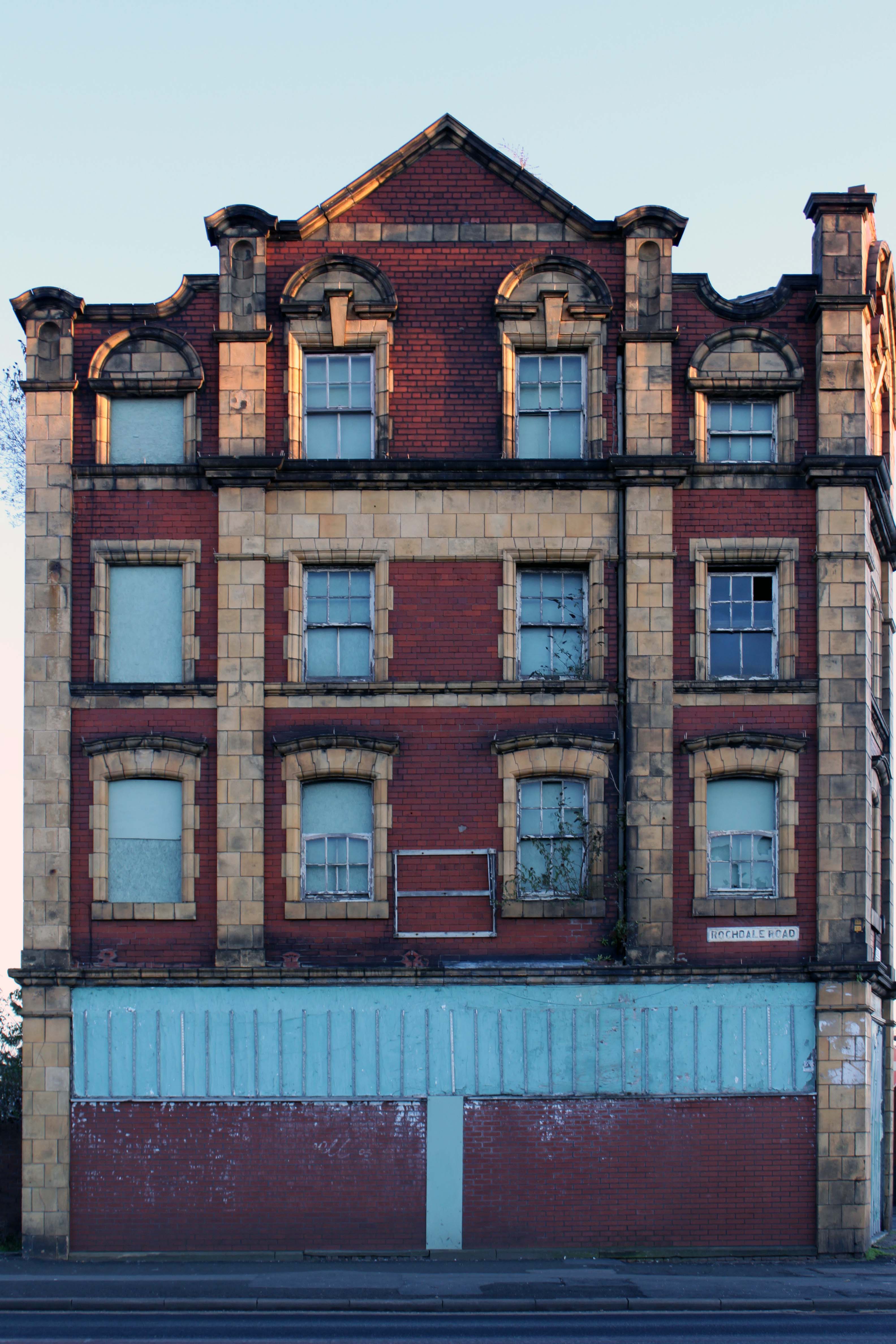
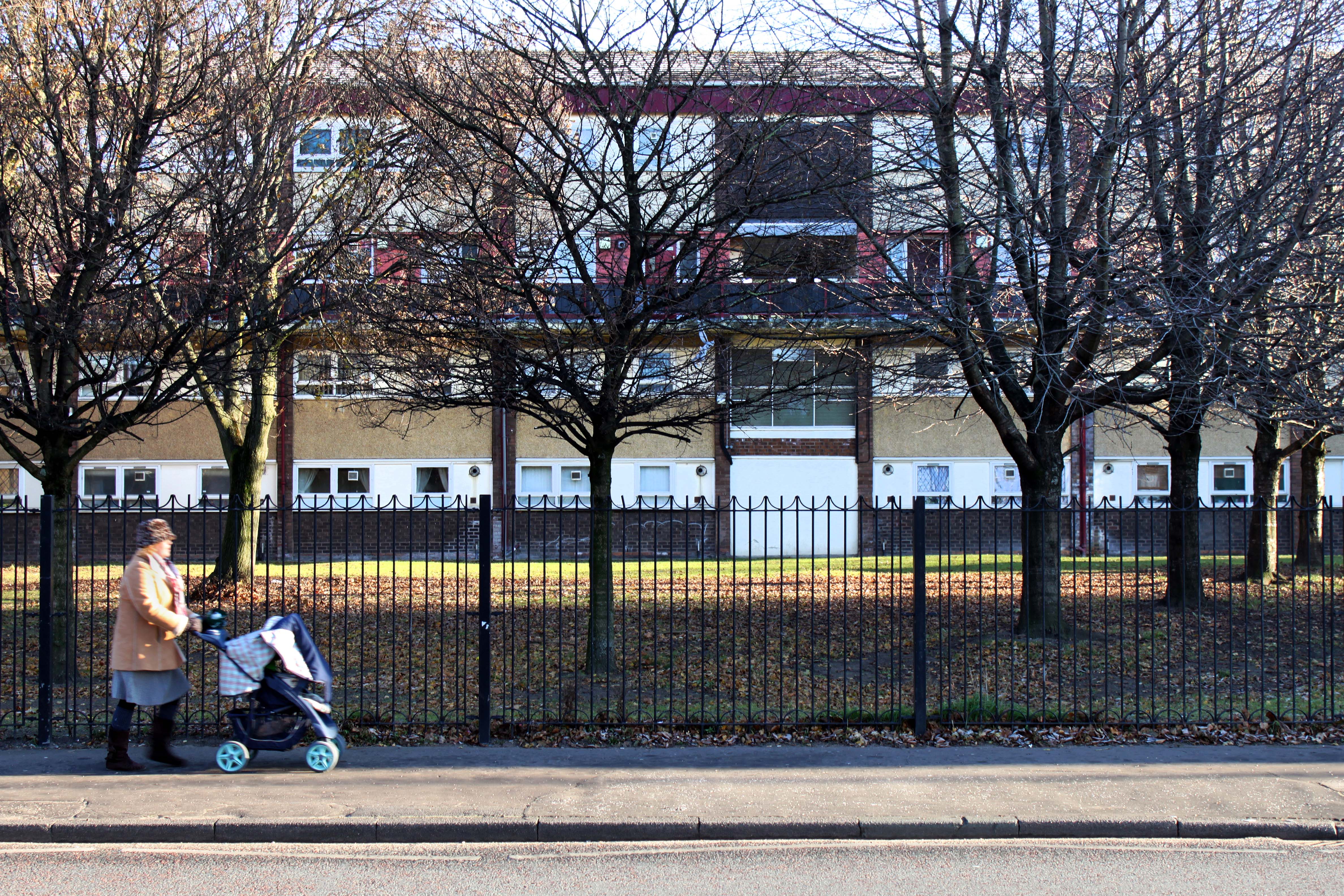
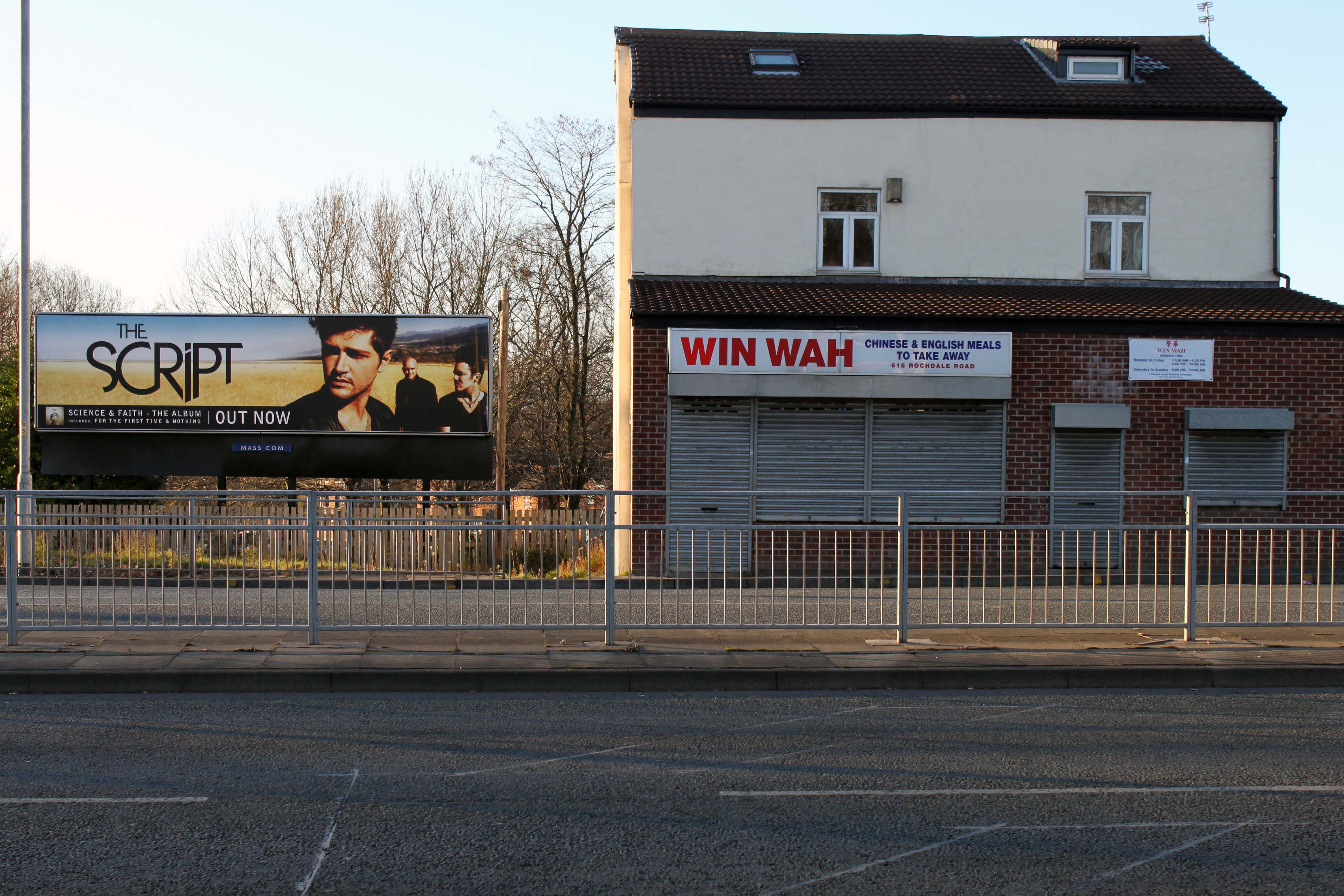
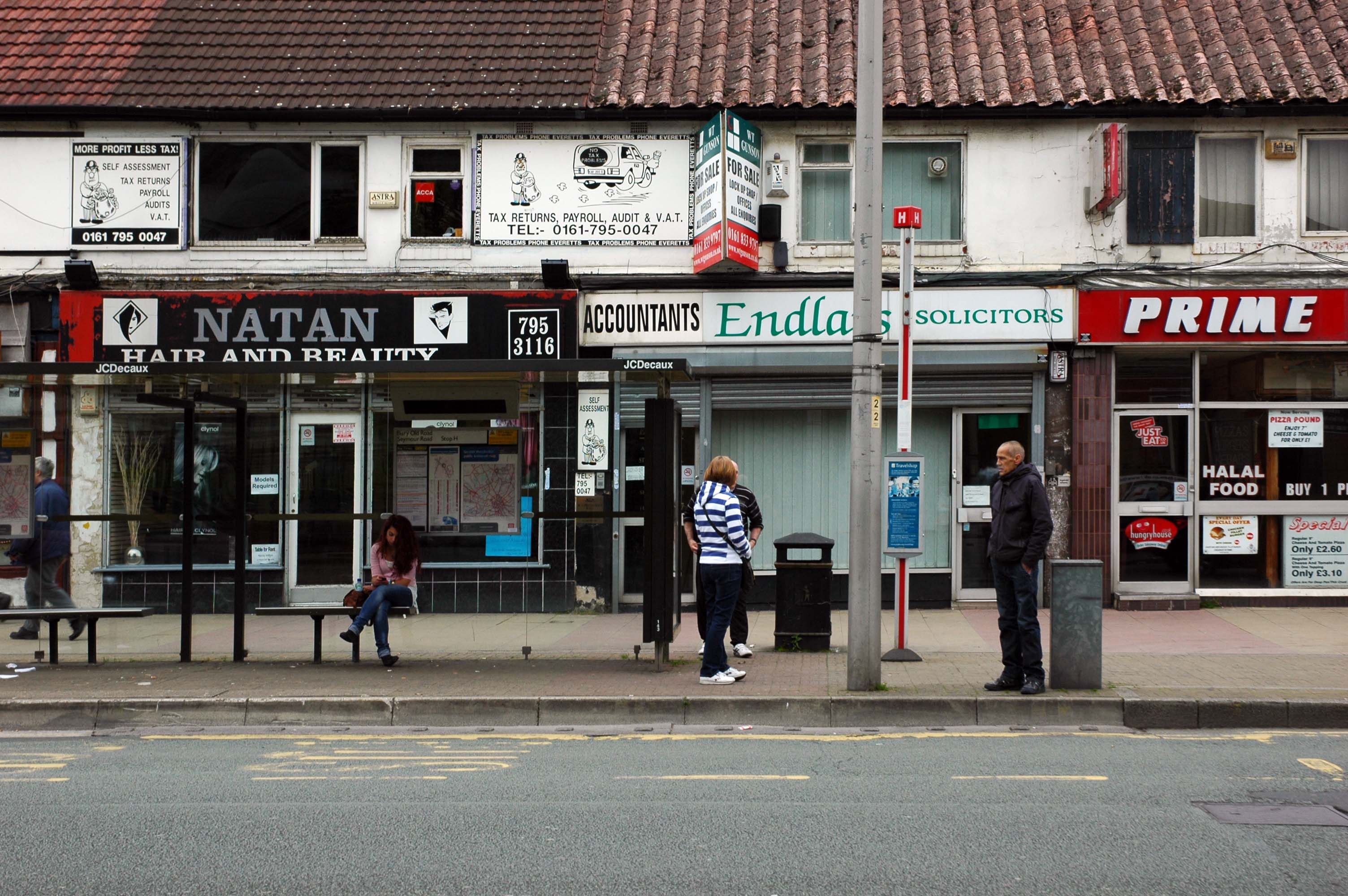
The road heads northeastwards through the suburbs, the street name Rochdale Road, already emphasising its destination. Initially dual, the road narrows just before crossing the bridge over the railway line east of Victoria station. It continues through Collyhurst and widens again just before crossing the A6010 Intermediate Ring Road, which here is made up of two parallel one-way streets, requiring two separate sets of traffic lights to cross.
Now non-primary – but still dual for a short distance more, the road runs in a more northerly direction through Blackley, where it becomes wooded for a short distance as it passes the Boggart Hole Clough park. Slightly further on the road has been straightened, after which it bears right to widen considerably and cross the A6104 at traffic lights just before M60 J20, which only has west-facing sliproads. The road narrows again on the far side of the motorway and leaves Manchester for Rochdale at the same point.
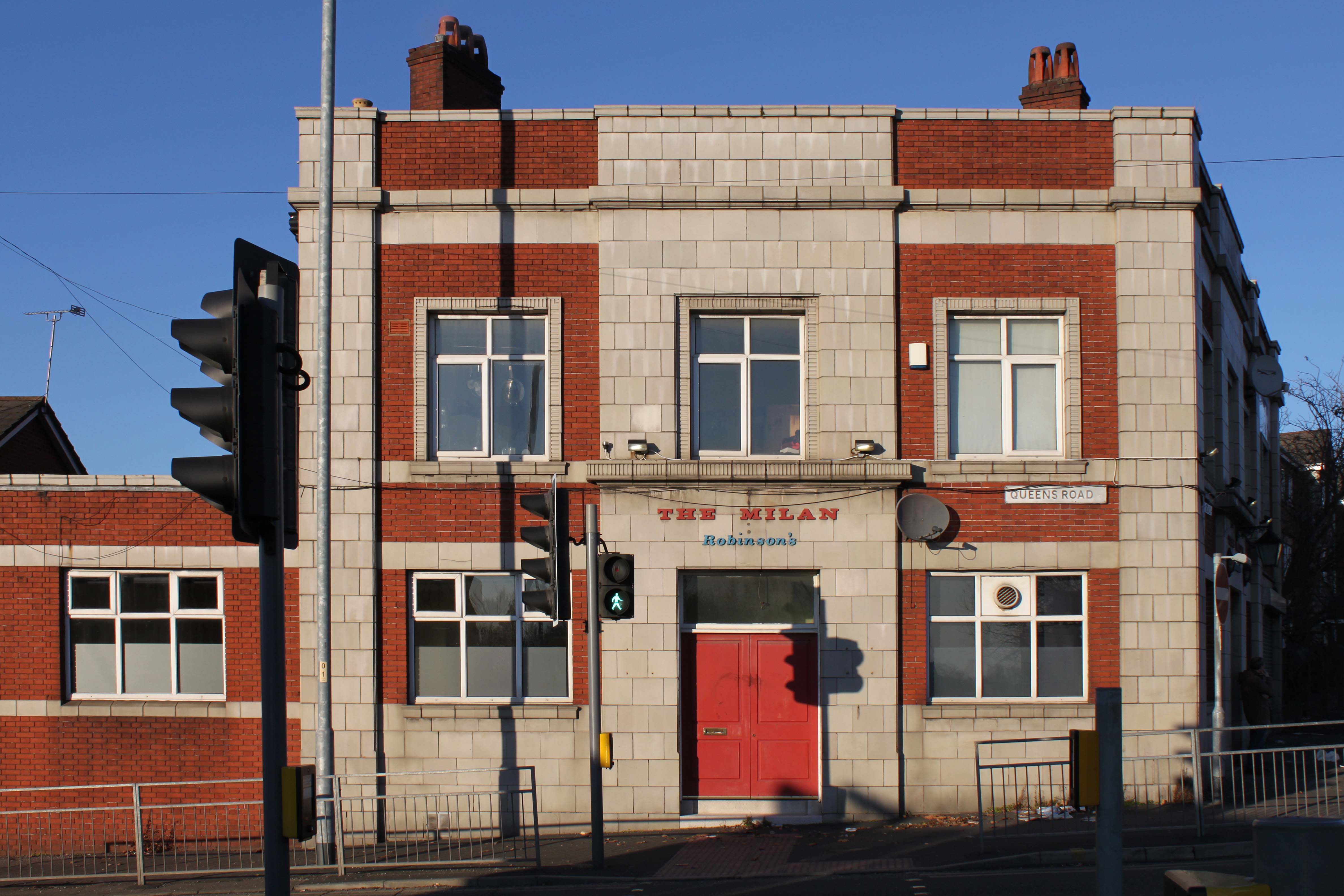
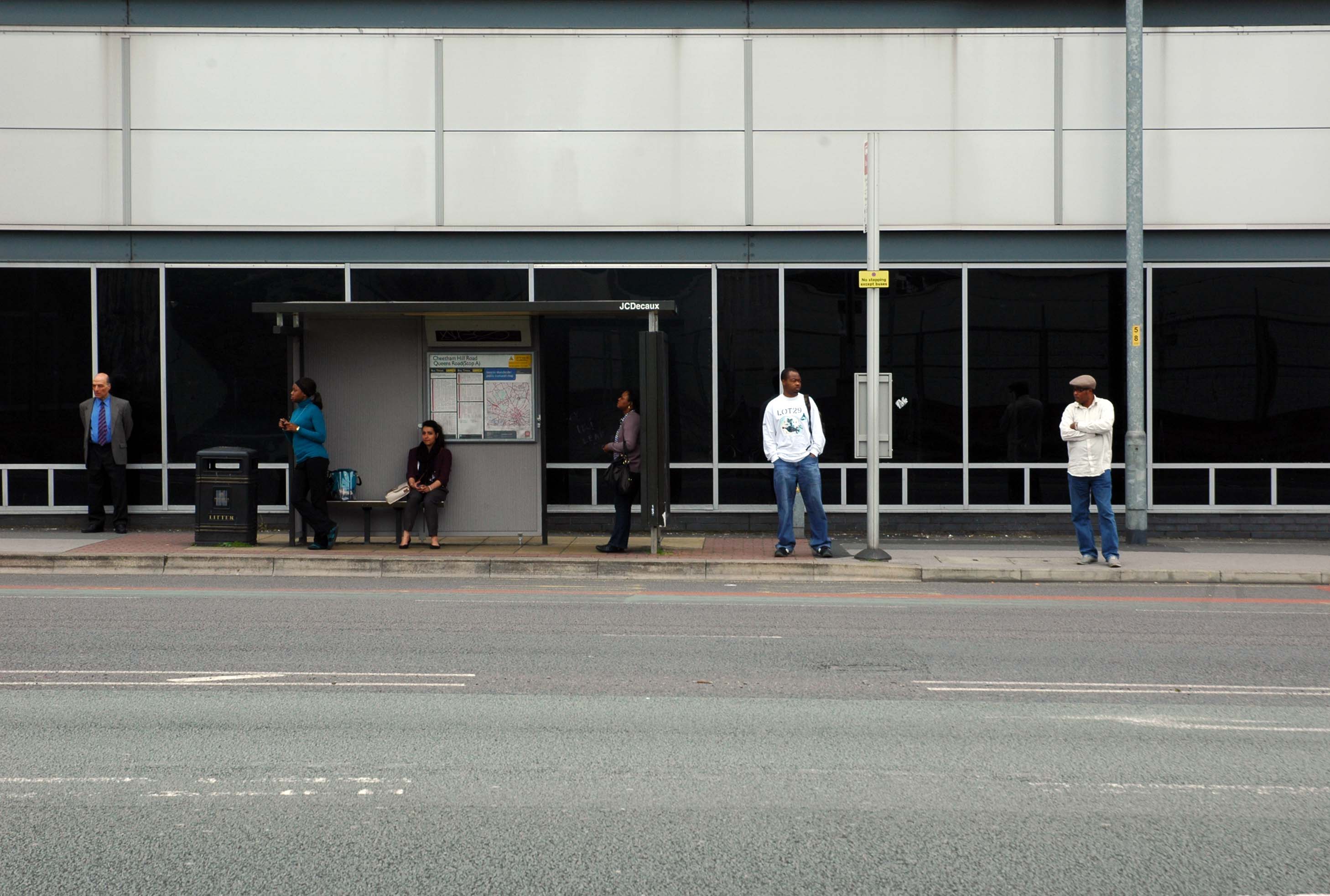
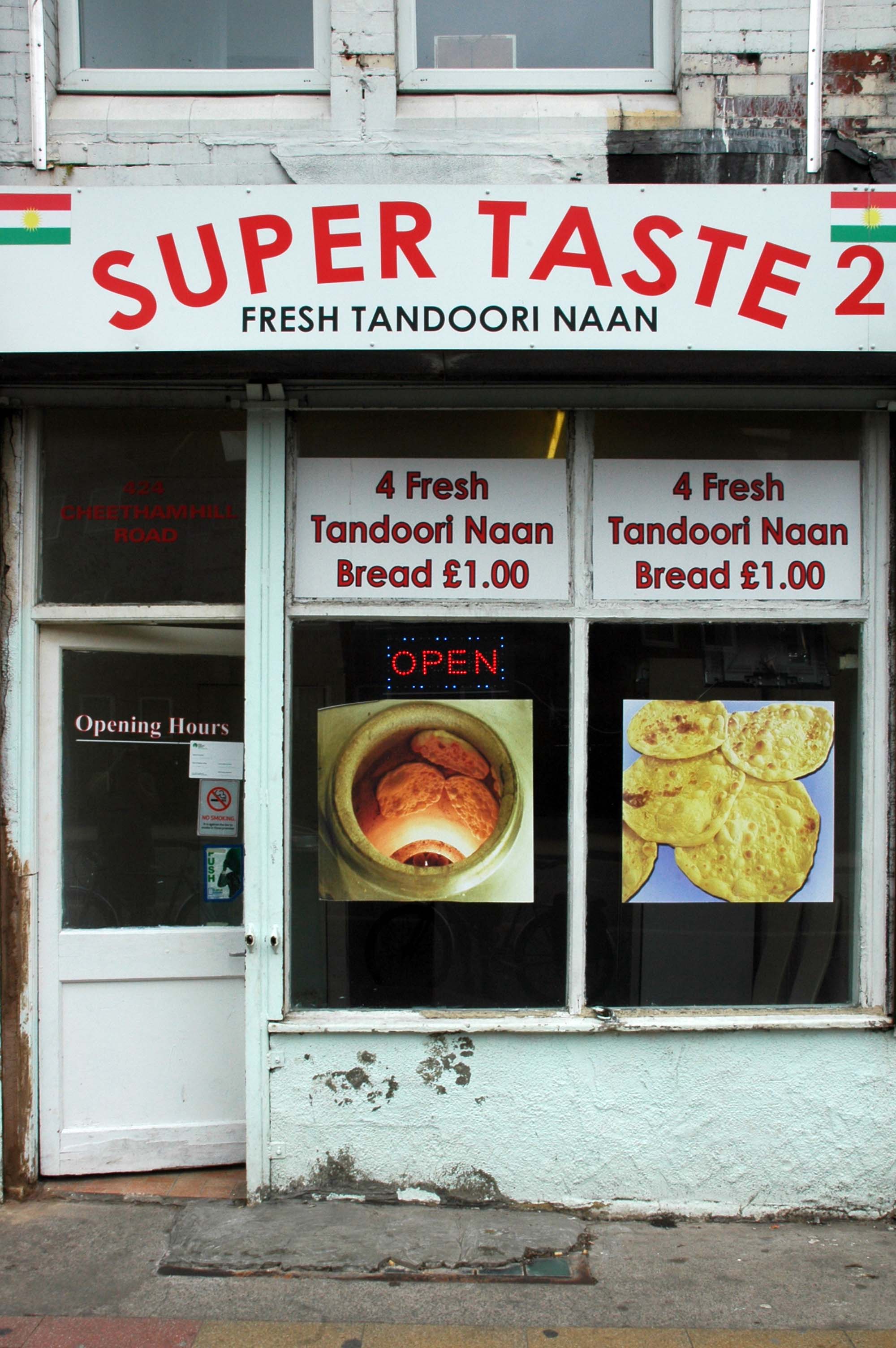
Cheetham Hill Road is part of the designated A665. Cheetham Hill Road starts at the junction of the A6042 Corporation Street and the A665 Miller Street. It crosses the culverted River Irk to the east of Victoria Station. At its junction with New Bridge Street, it turns north-northeast and is straight for 1 km, to the A6010 Queen’s Road . This stretch was called York Street until about 1900. Cheetham Hill Road leads from here to the community of Cheetham Hill, where at Bourget Street and Crescent Road – formerly Sandy Lane, Cheetham Hill Road becomes Bury Old Road.
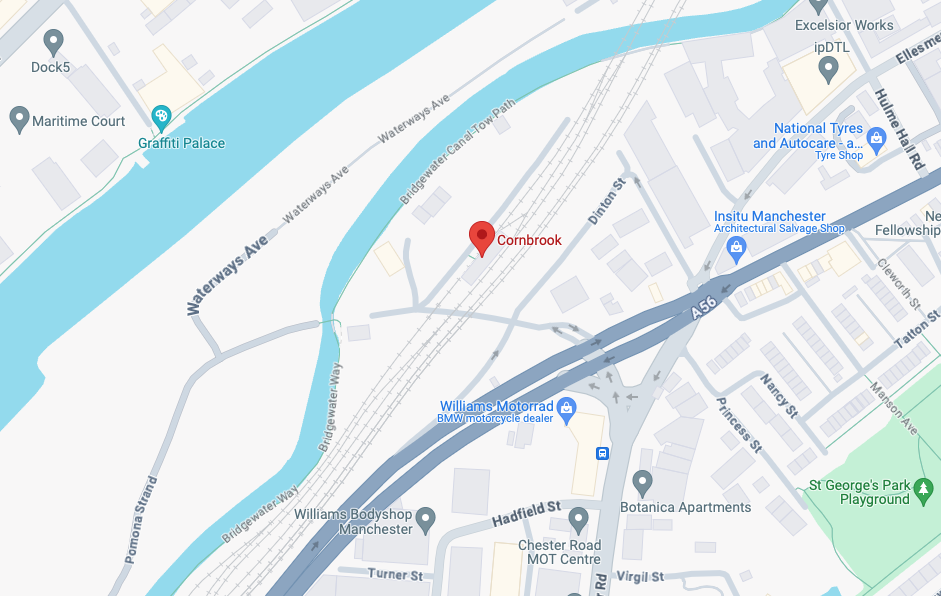
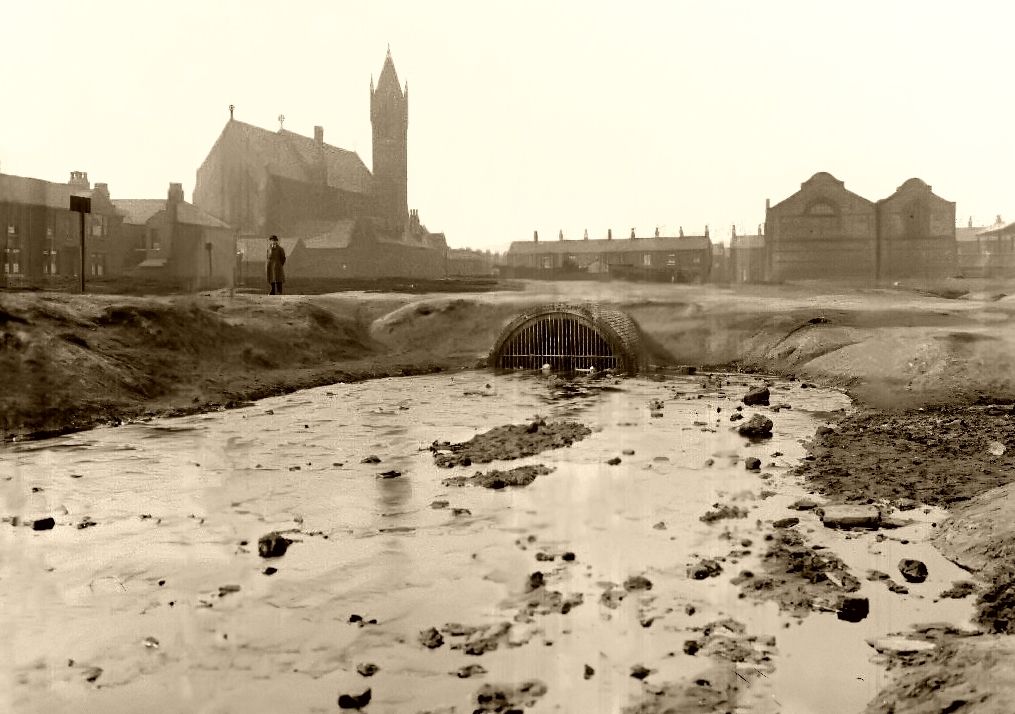
The Cornbrook drains the urban area South of the River Medlock, it rises in Gorton and follows a tortous path through Manchester’s Southern ‘inner city’ suburbs and empties itself into the Manchester Ship Canal at the Pomona Docks.
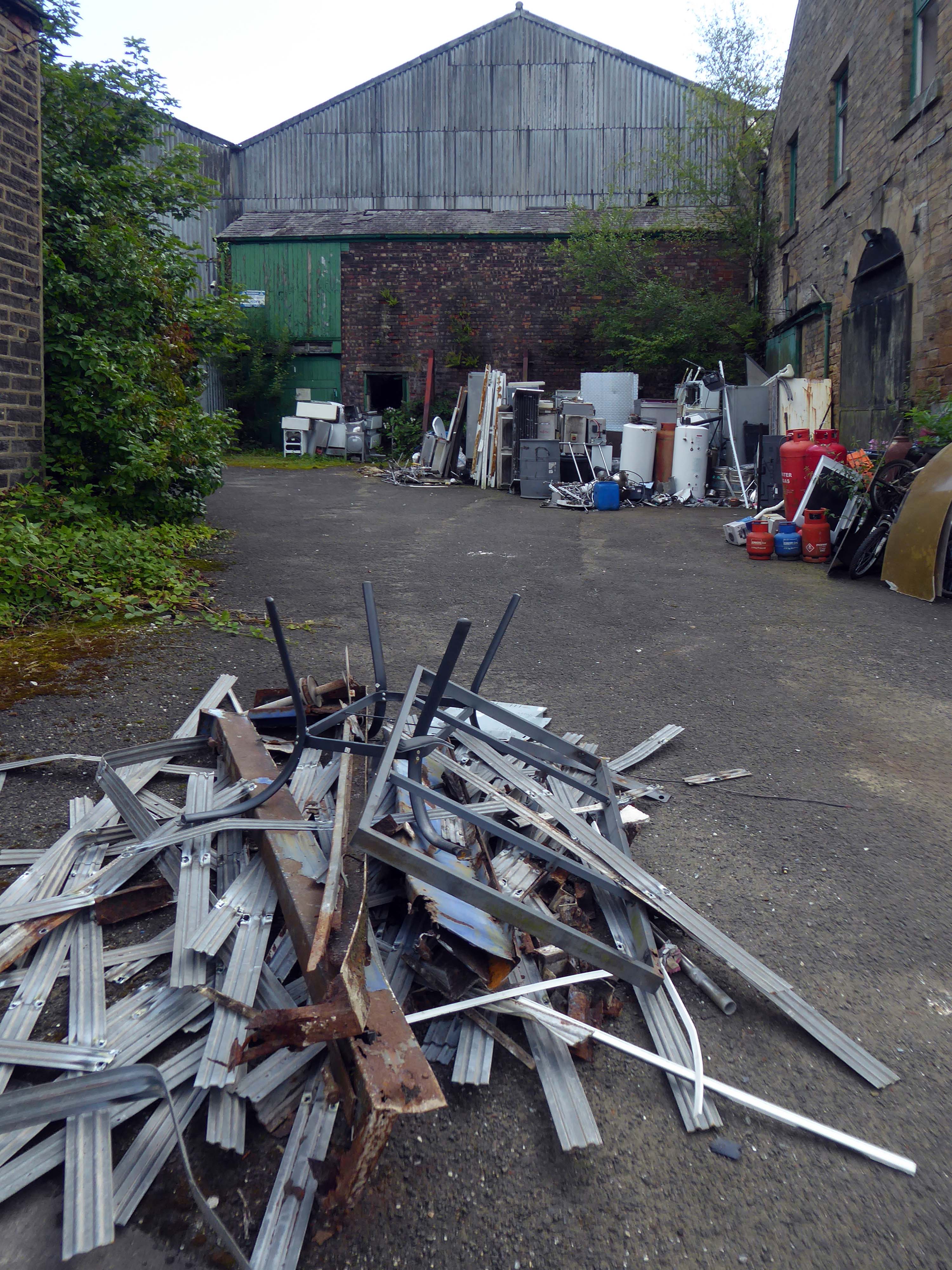
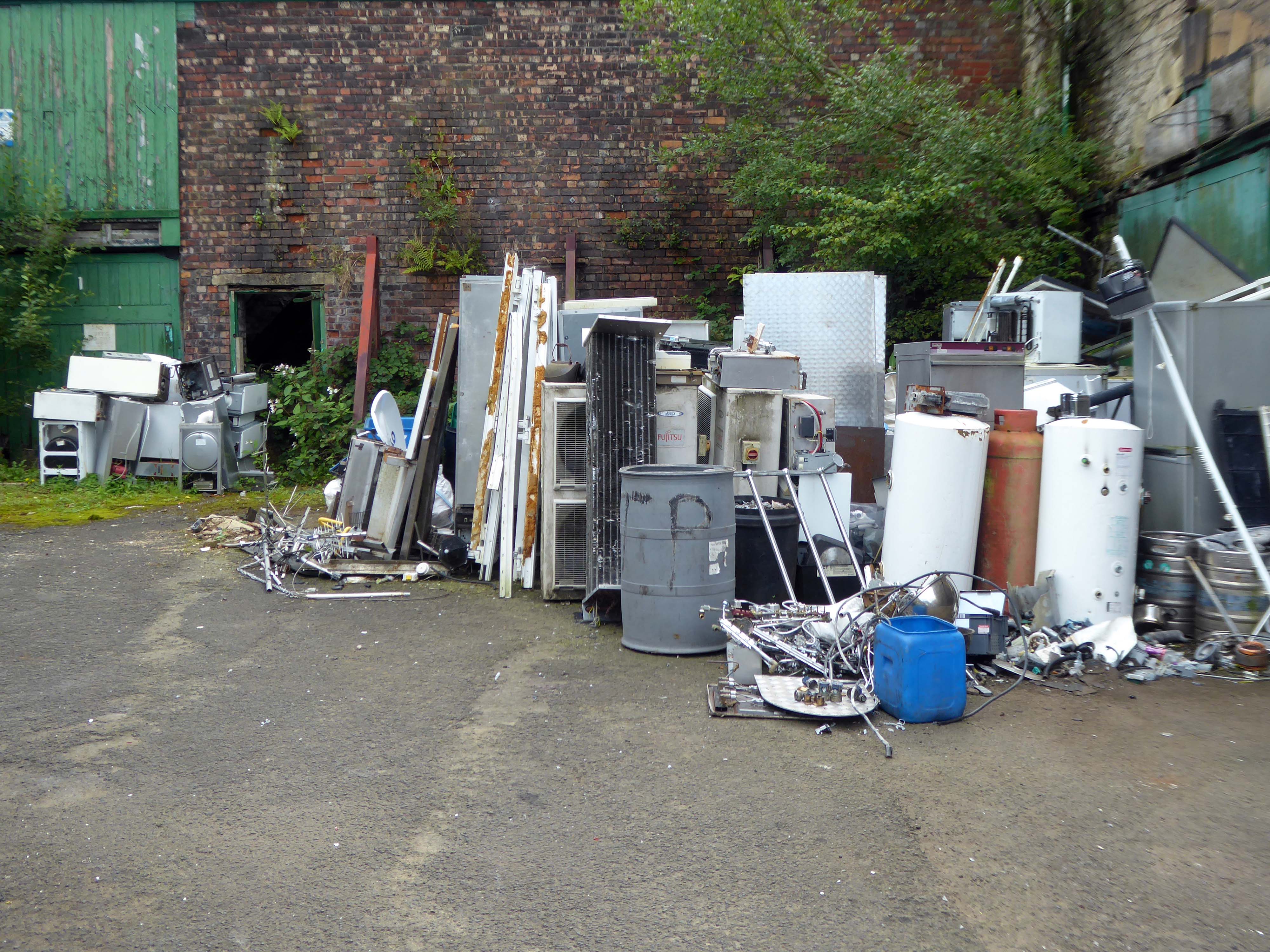
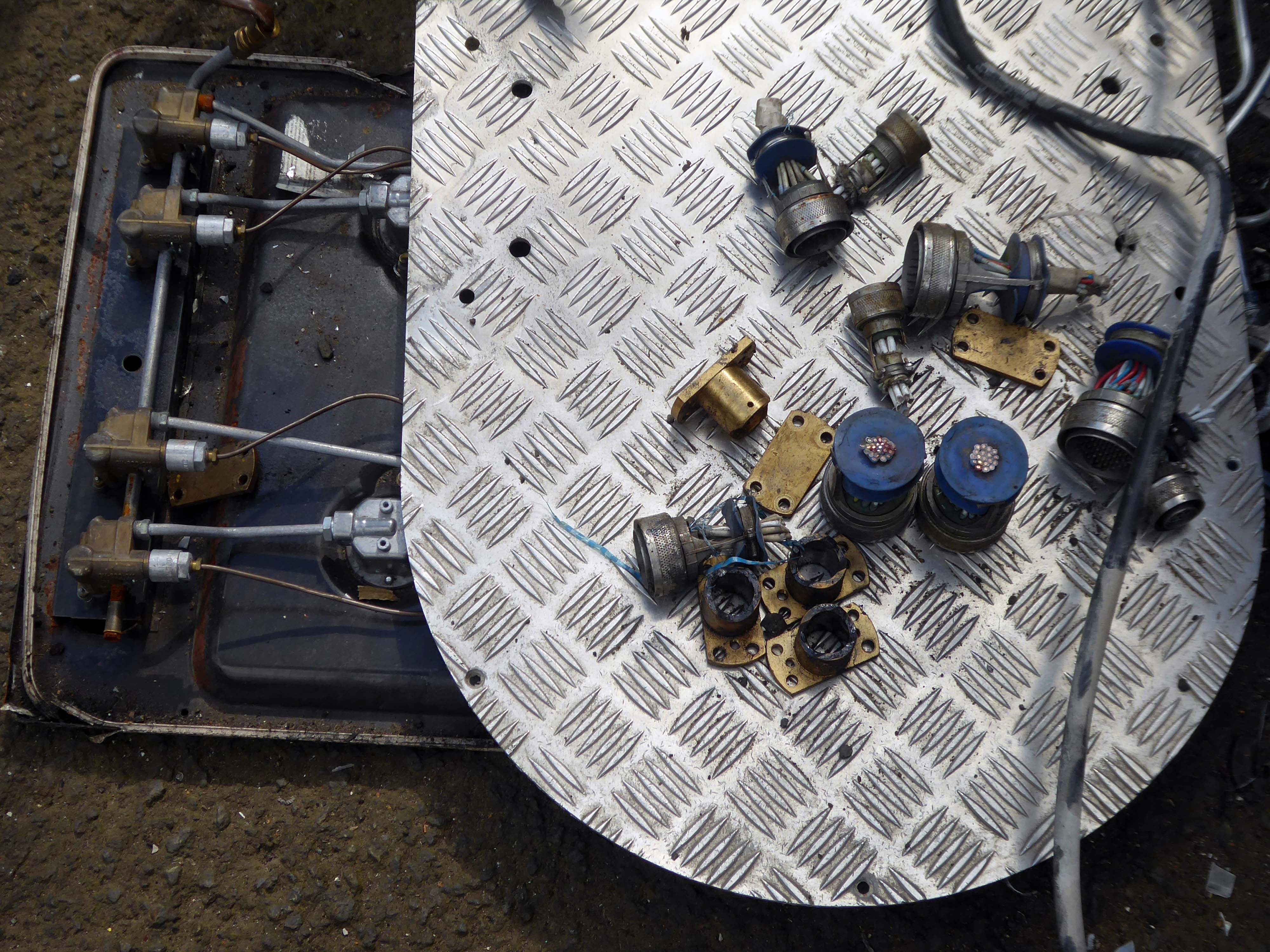
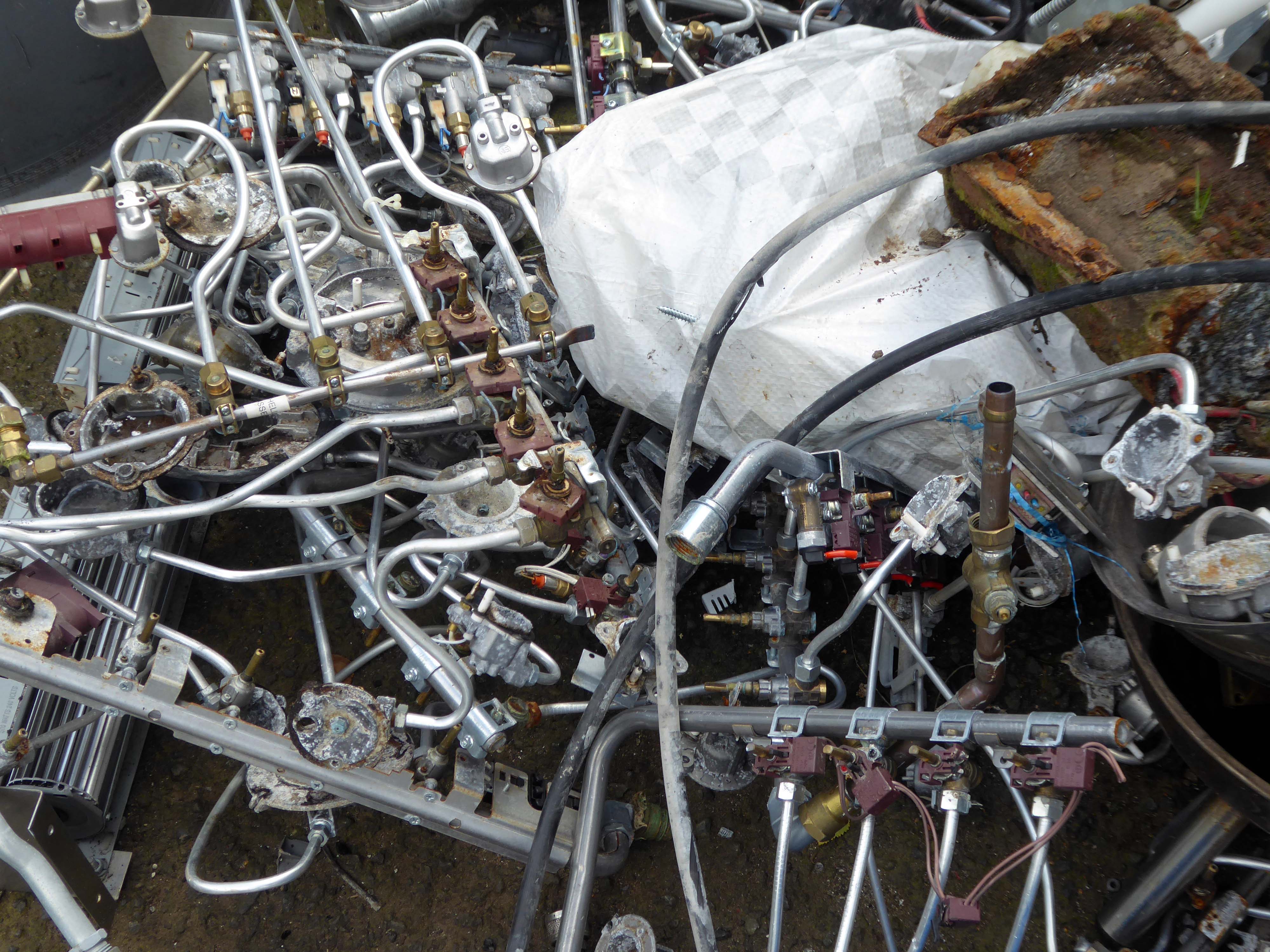
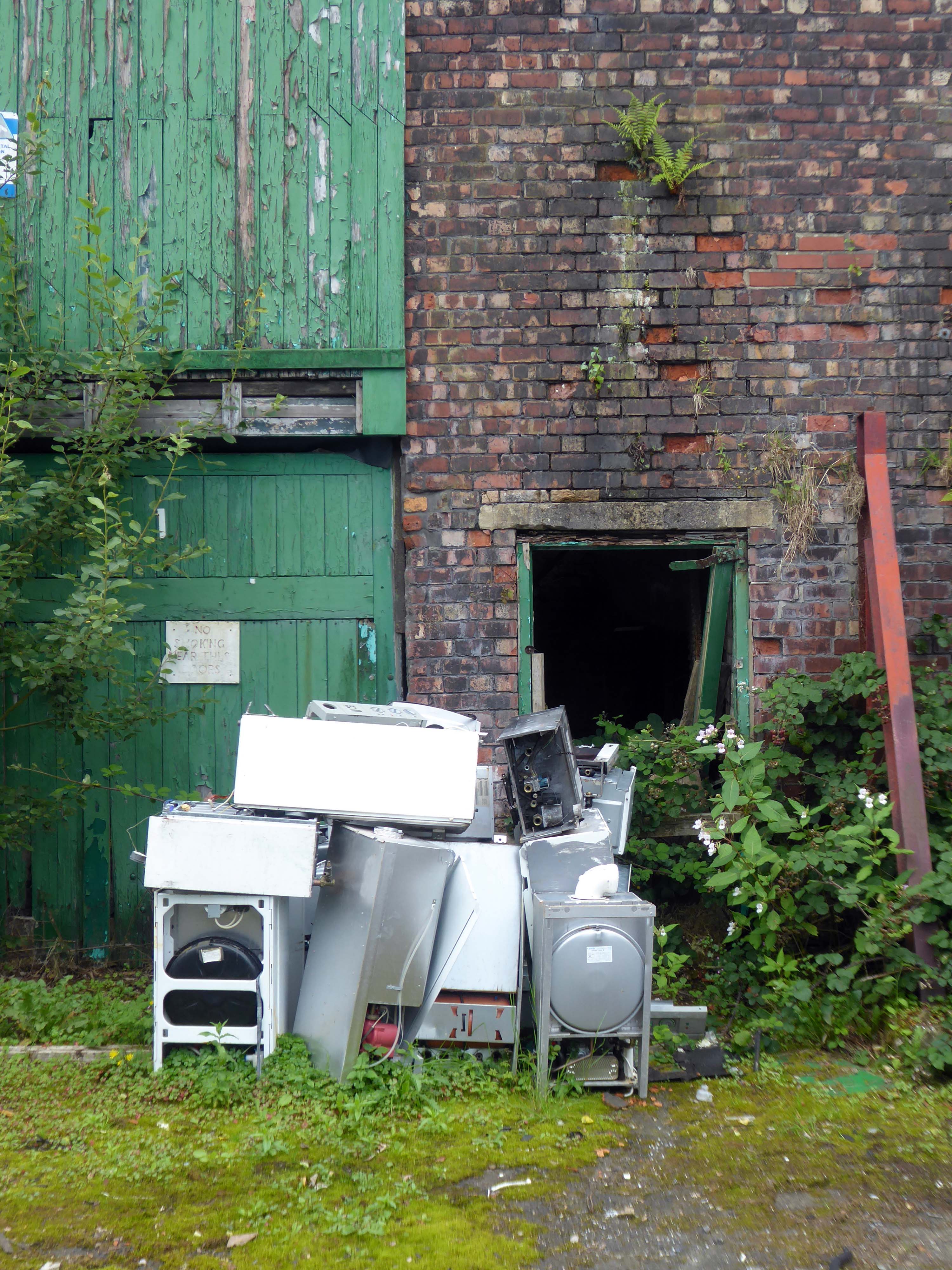
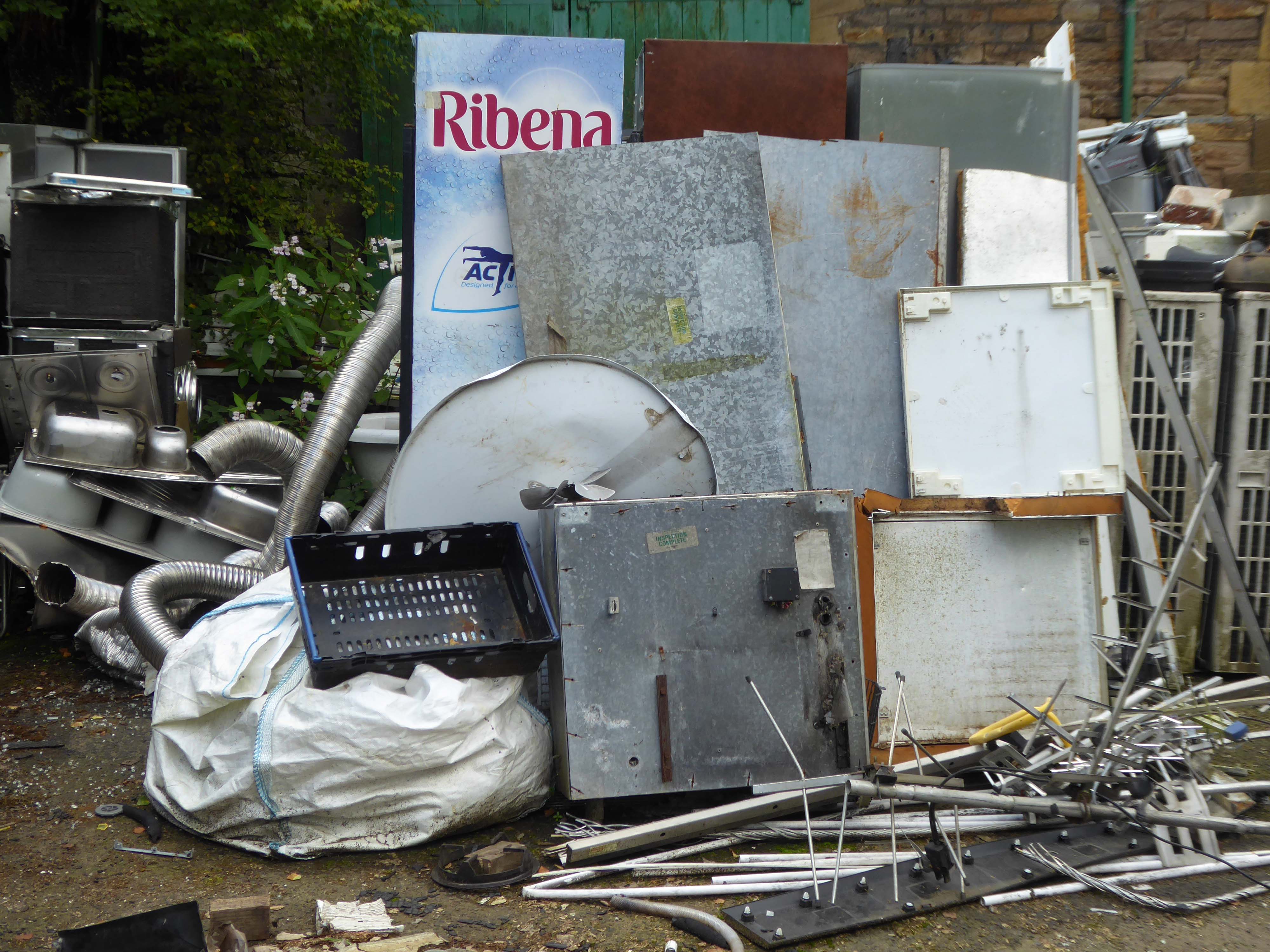
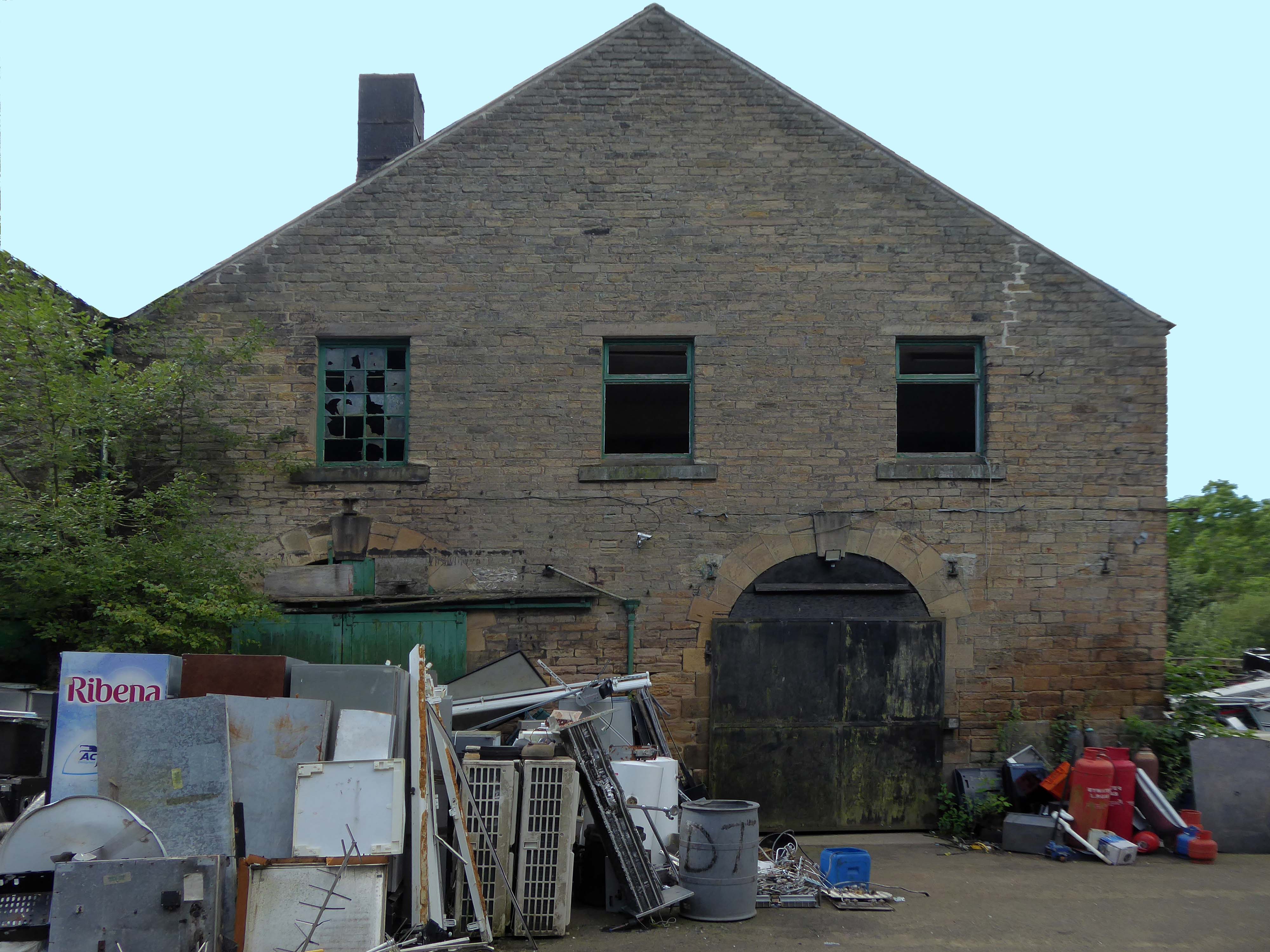
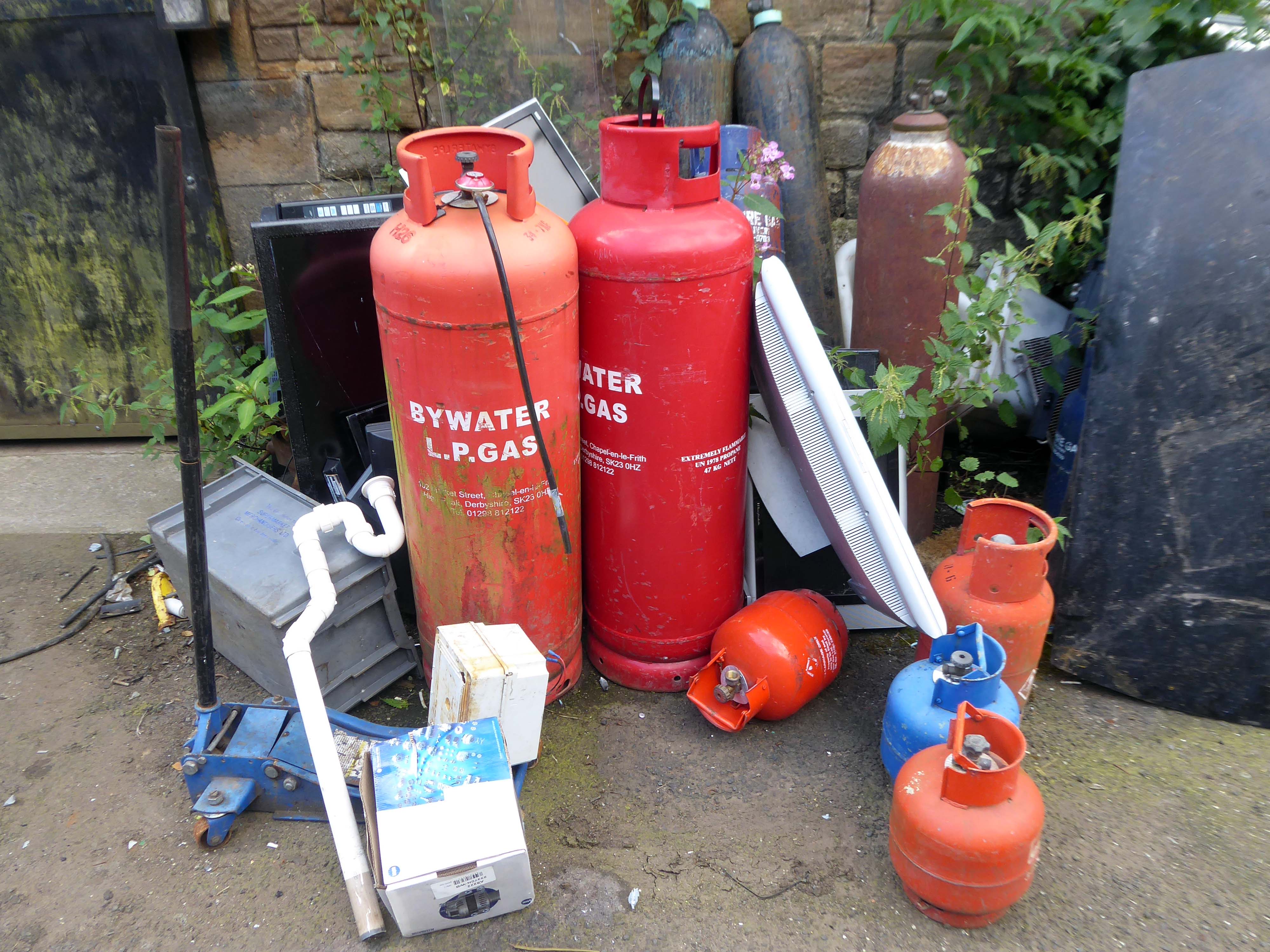
It’s a tram stop – primarily an interchange, though the brand new shiny residential new build has produced a brave band of brand new shiny residents in transit. Slipping and sliding ‘neath the bridge, skating over the age old accretion of filth, oil, diesel and detritus produced by the surrounding scrap yards.
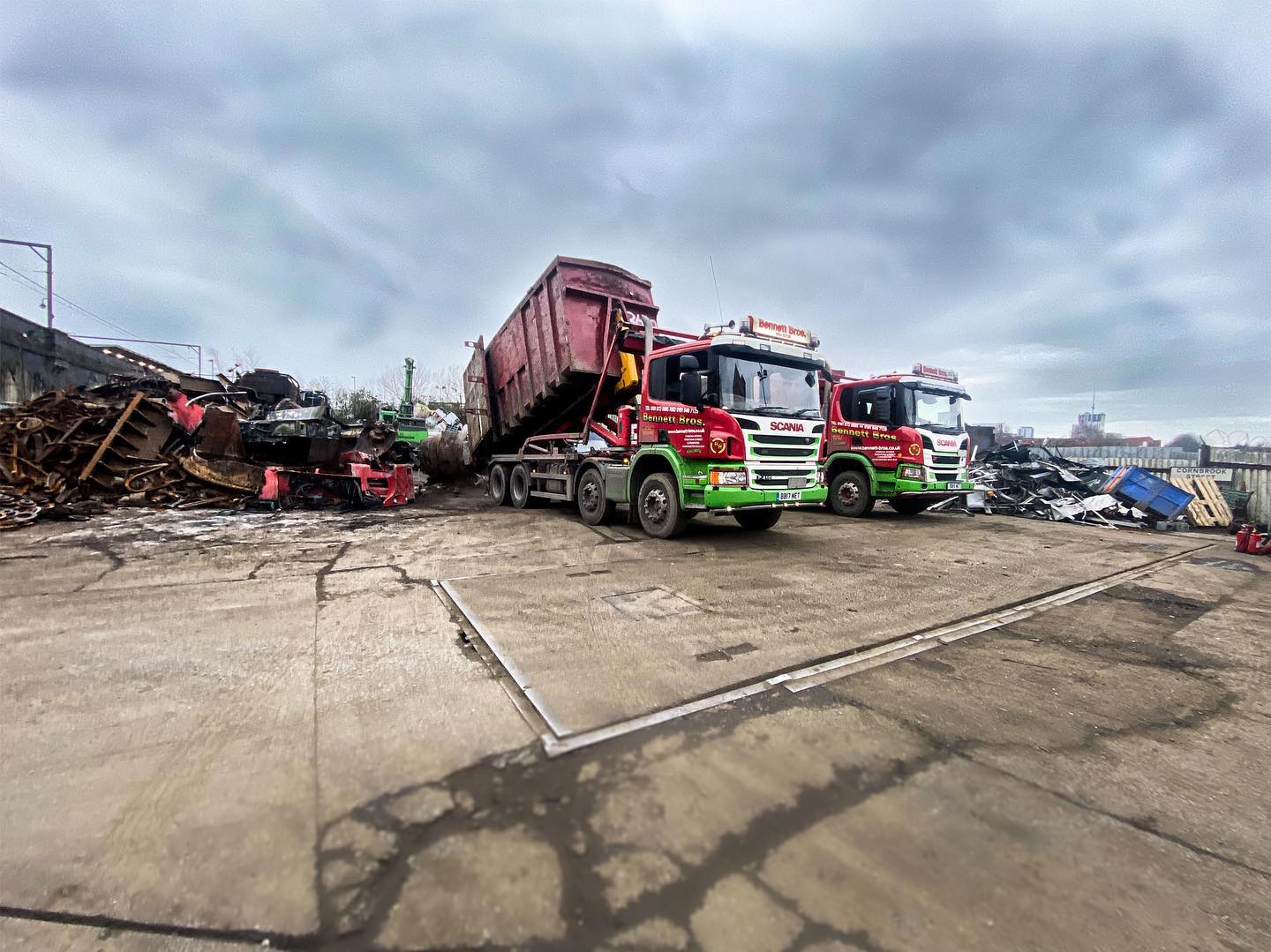
We are one of the first recycling companies operating in the North West, Bennett Bros was founded in 1948 by Francis William Bennett and Bernard Bennett, and remains a family-run business to this day. Bennett Bros was originally involved in loaning ponies to the many rag and bone men who collected unwanted household items and sold them to merchants, and while the recycling industry has now embraced modern technology, we are very proud of our heritage as innovators in what was then a new industry.
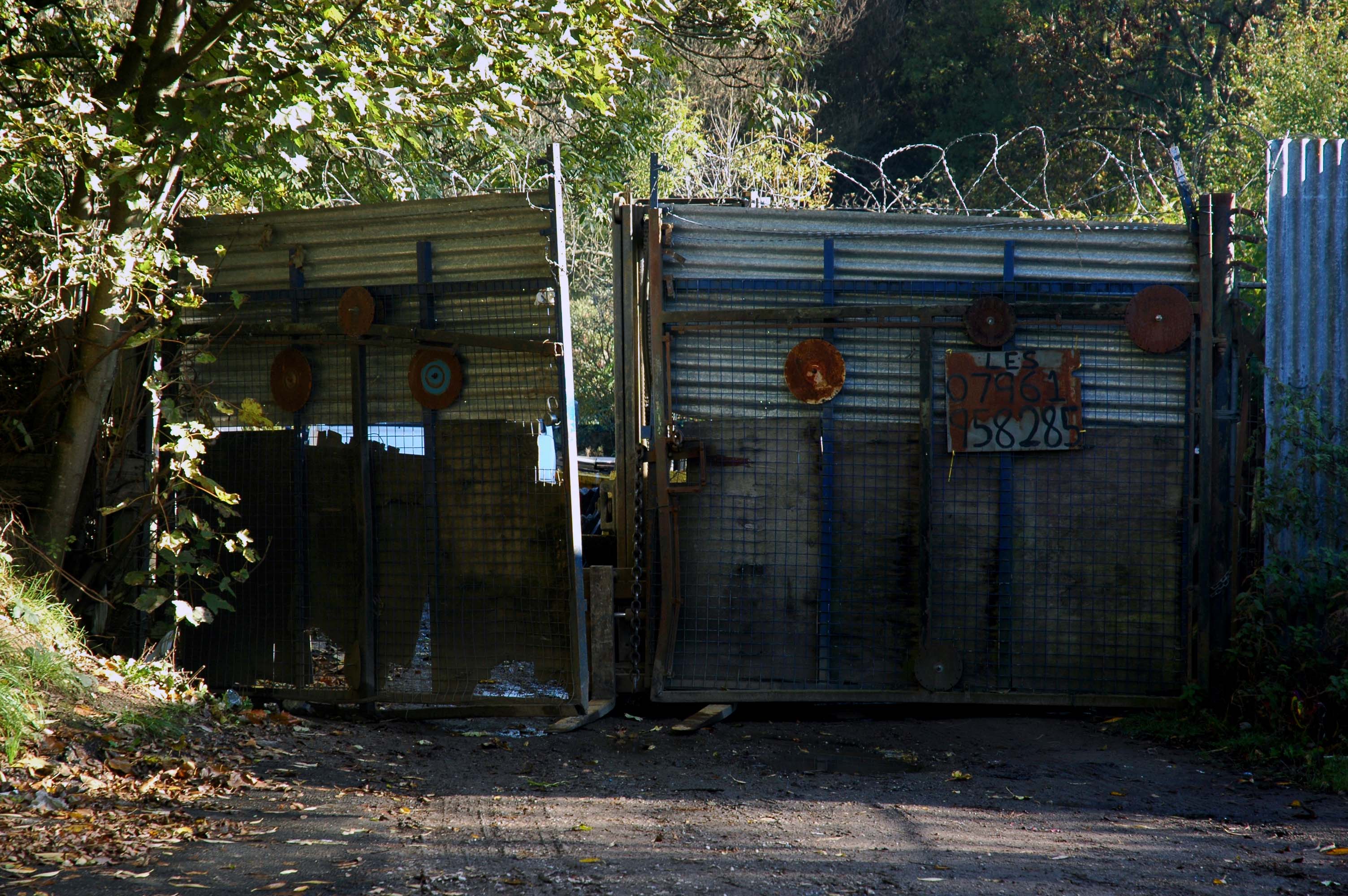
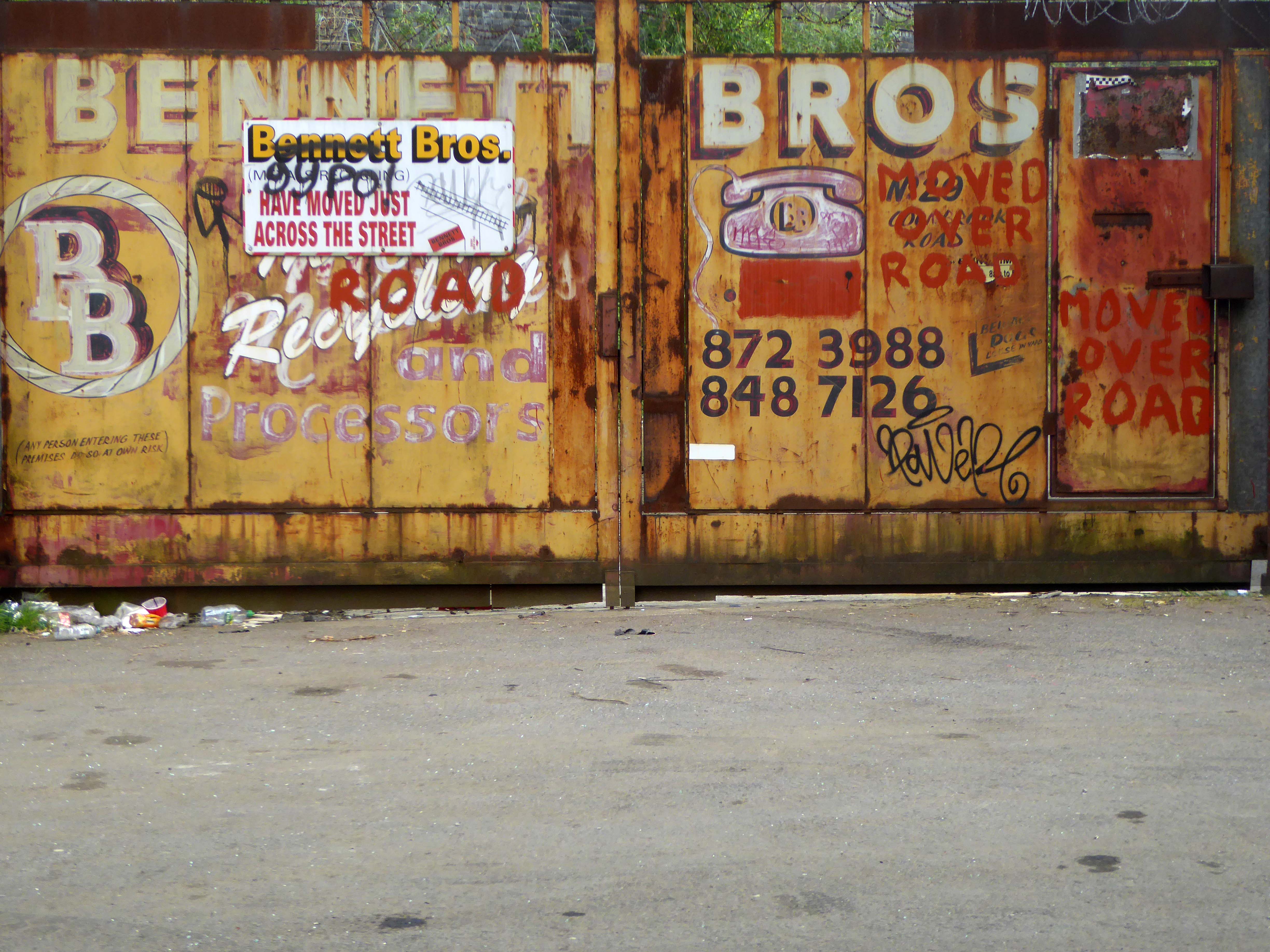
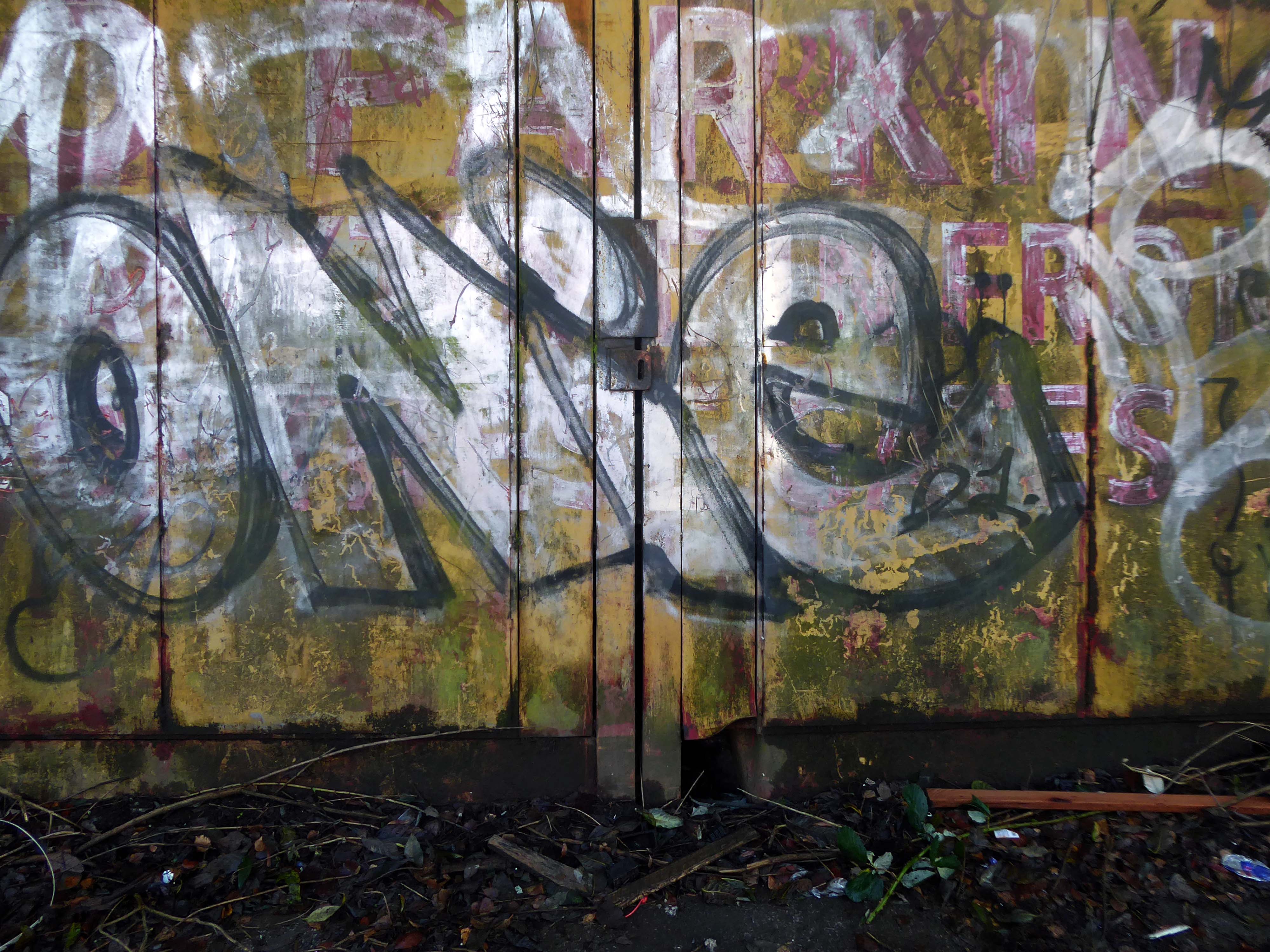
In 2017 I visited the area to snap the gates of their older site – as they had moved the business just across the street.
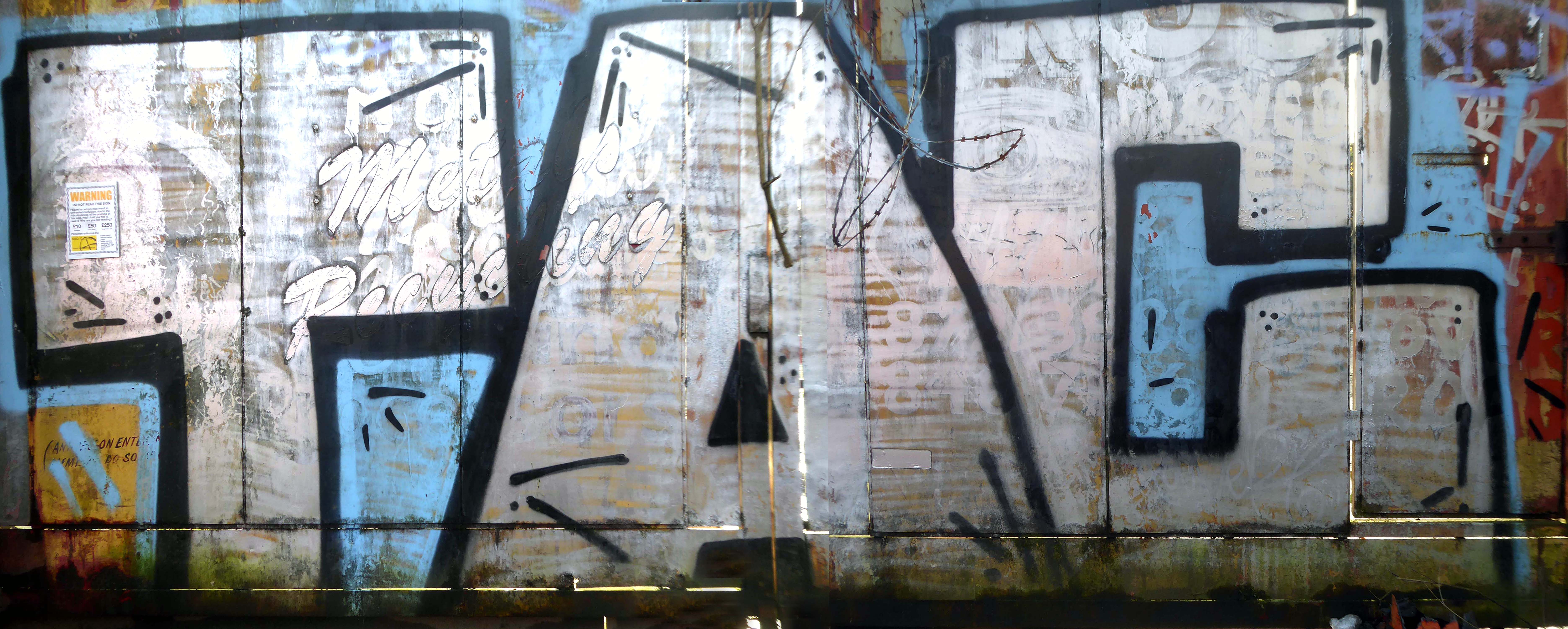
I returned in December 2023 to discover what had become of the gates.
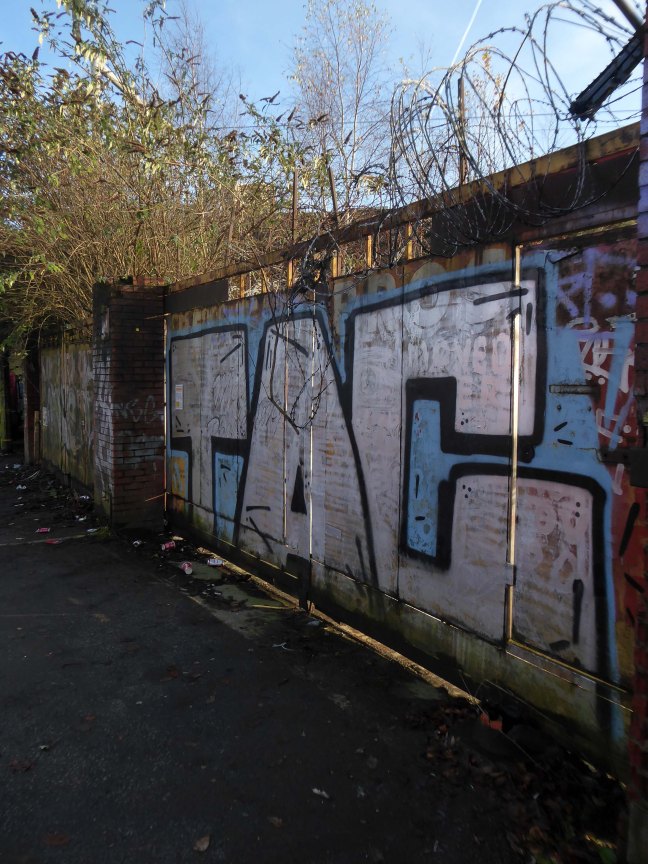
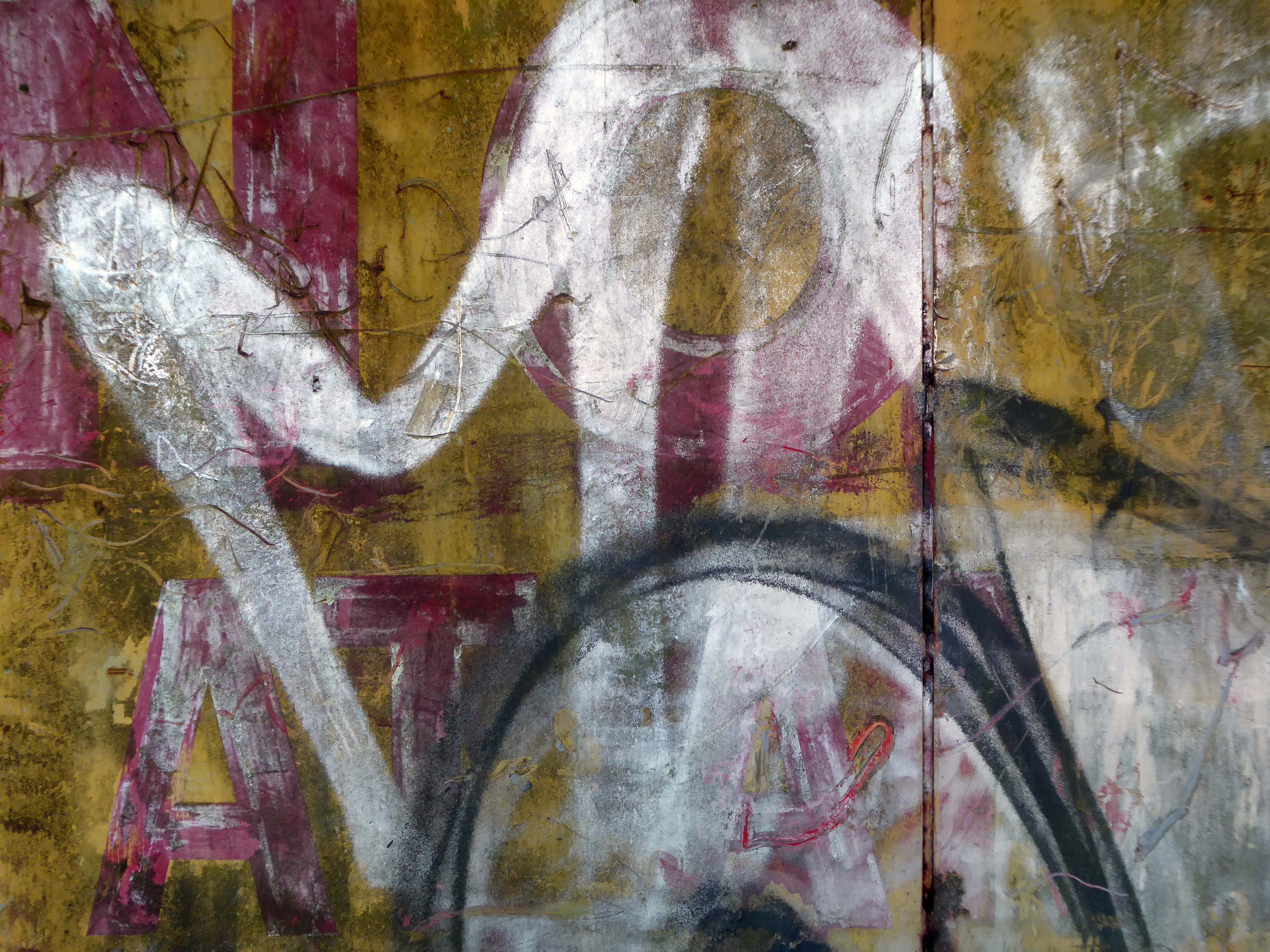
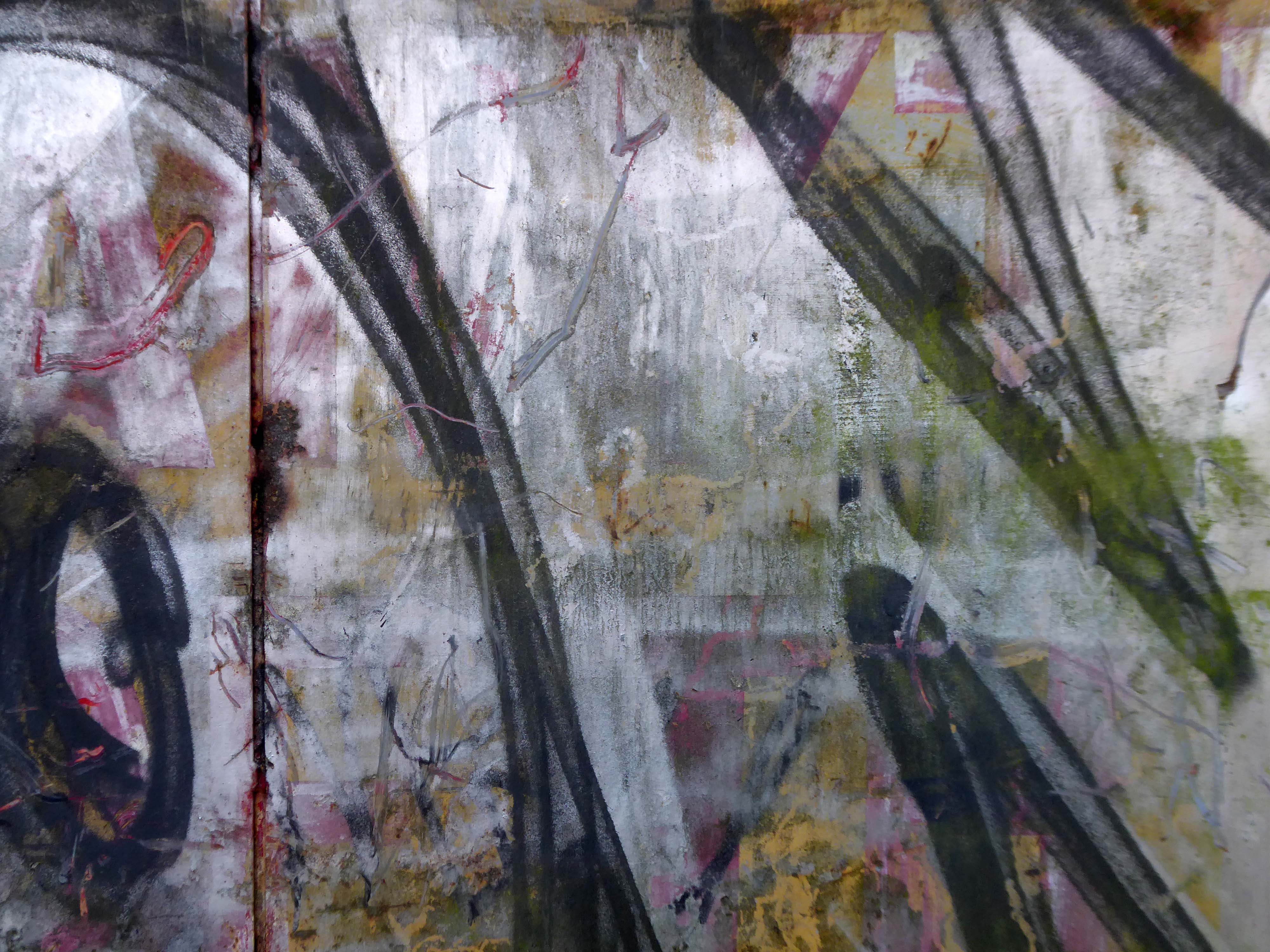
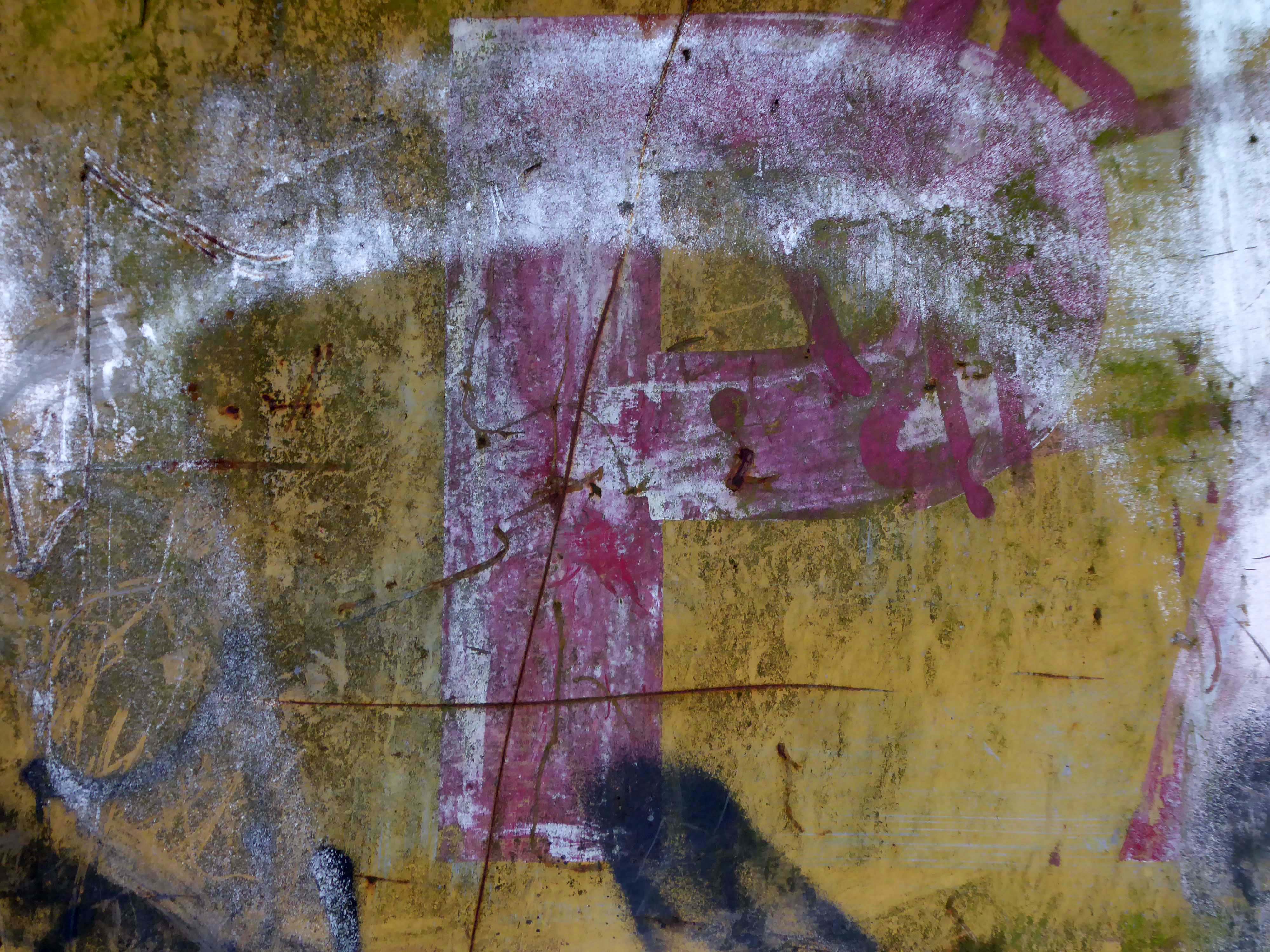
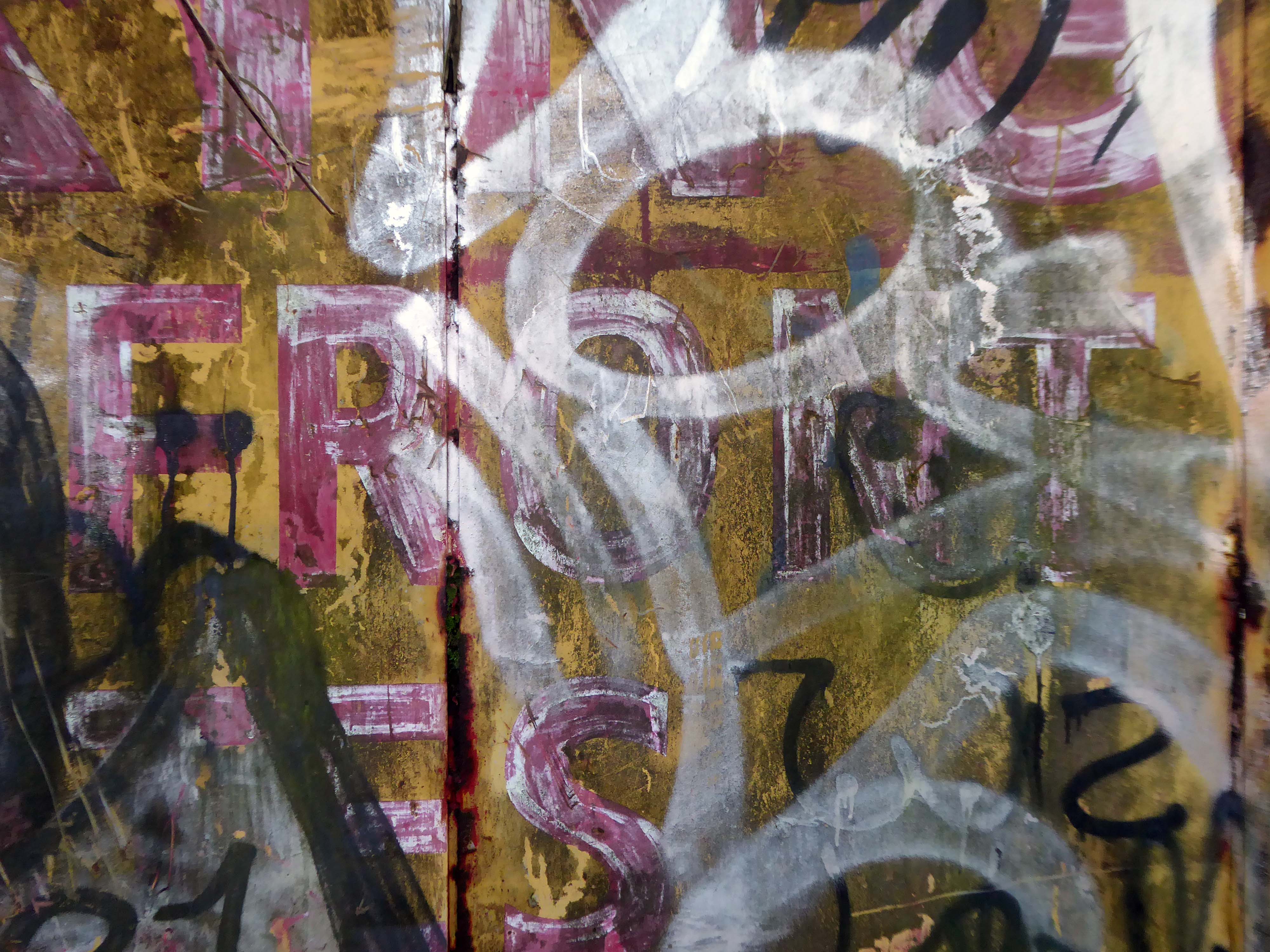
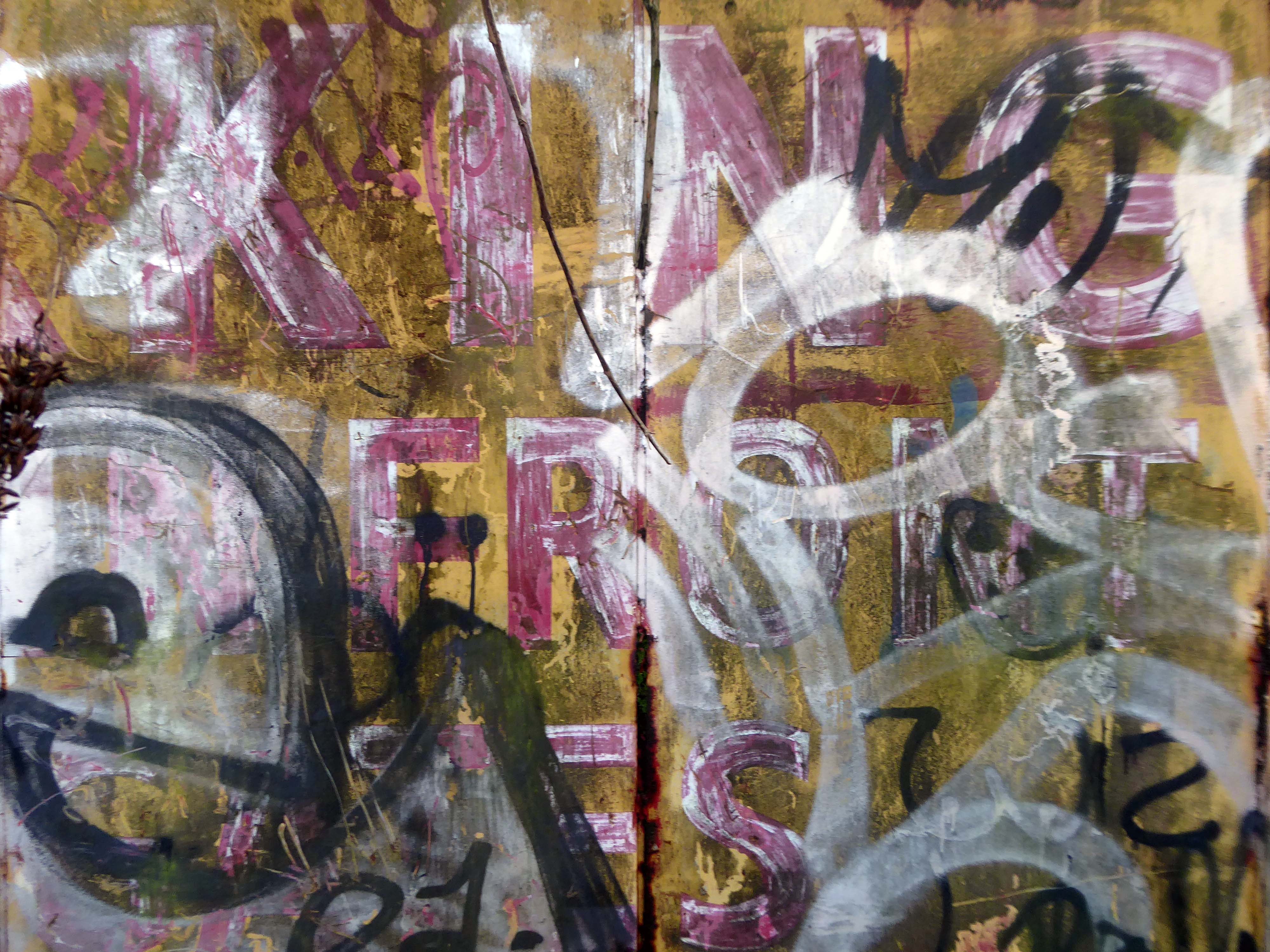
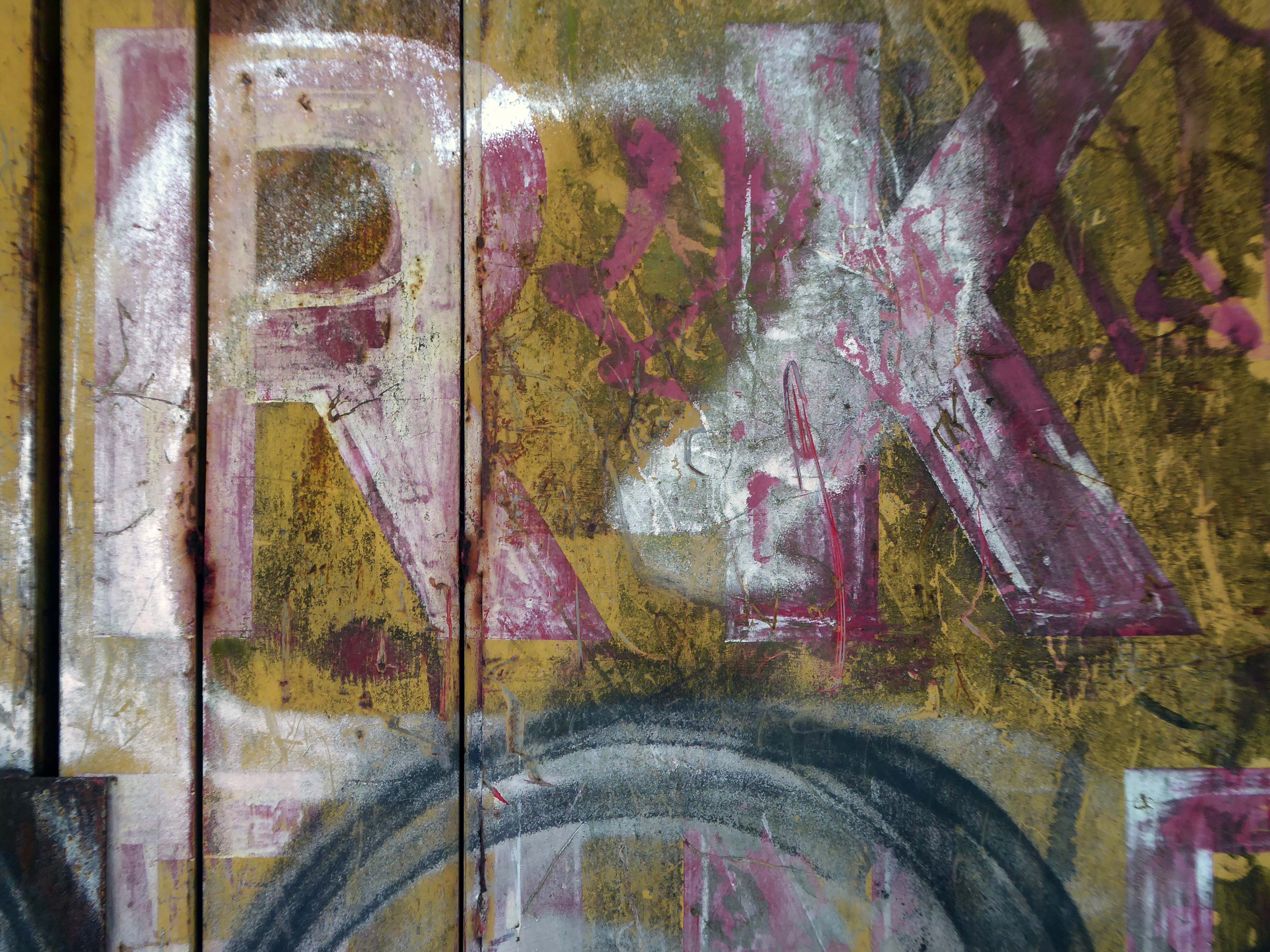
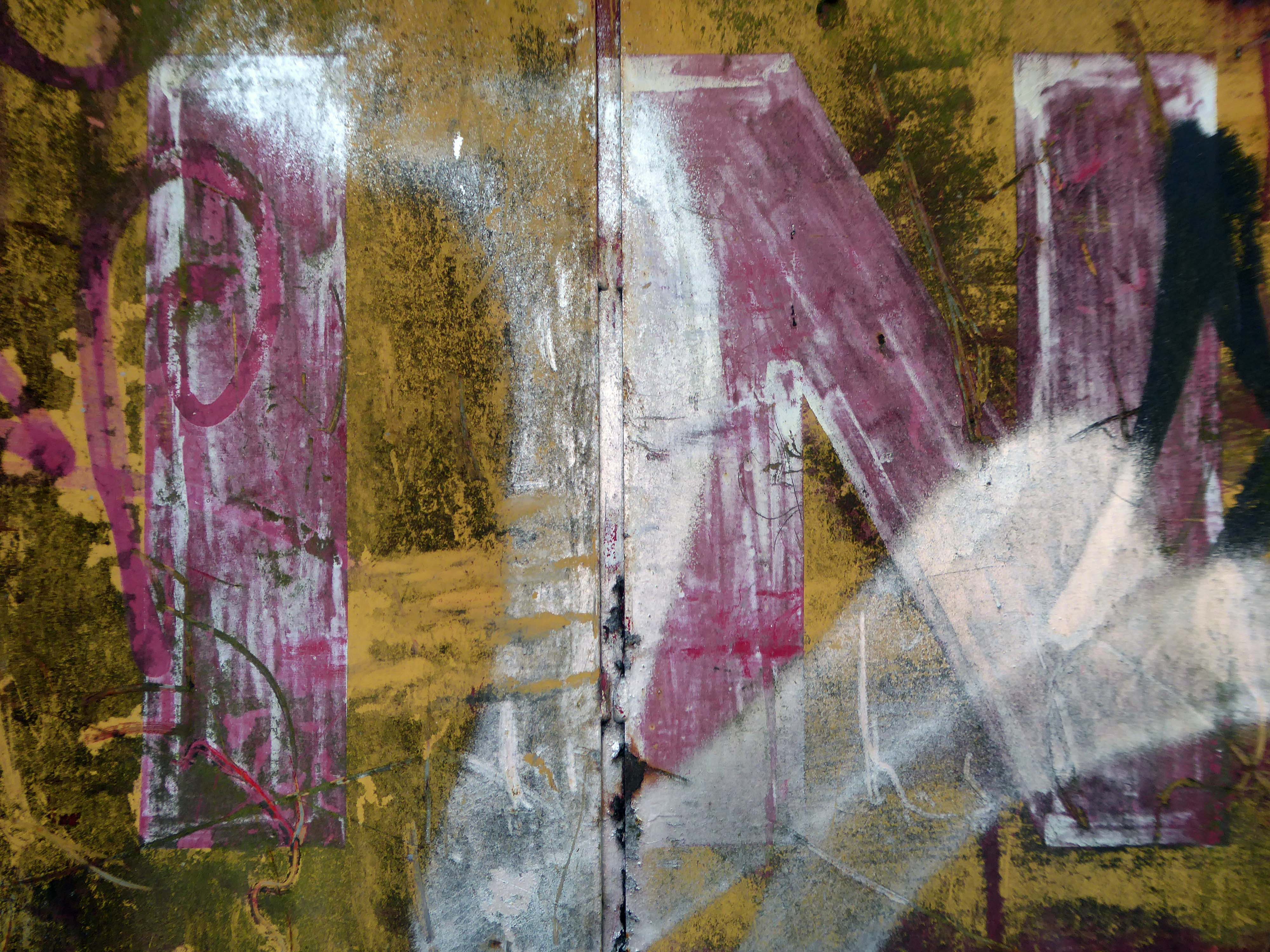
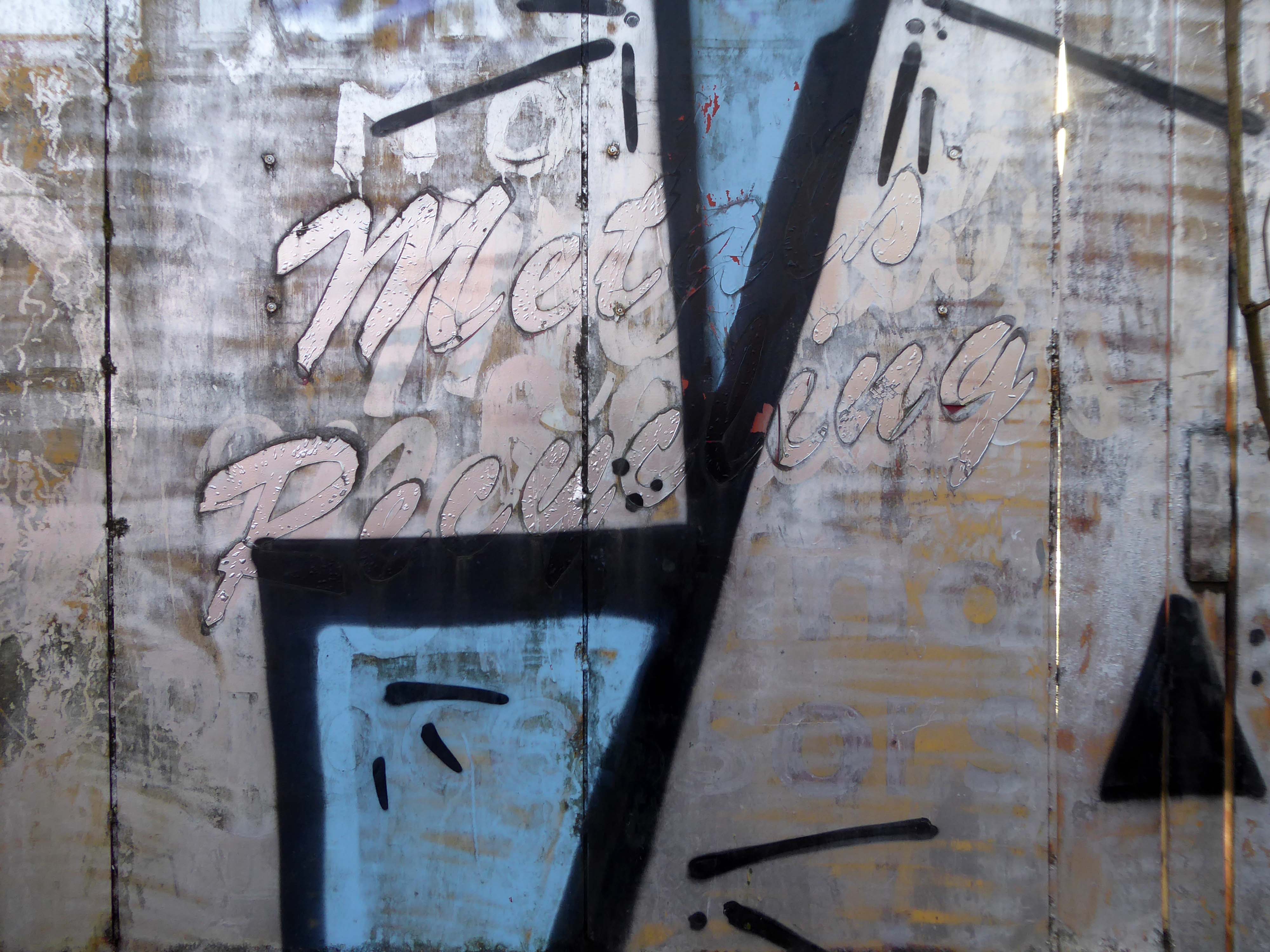
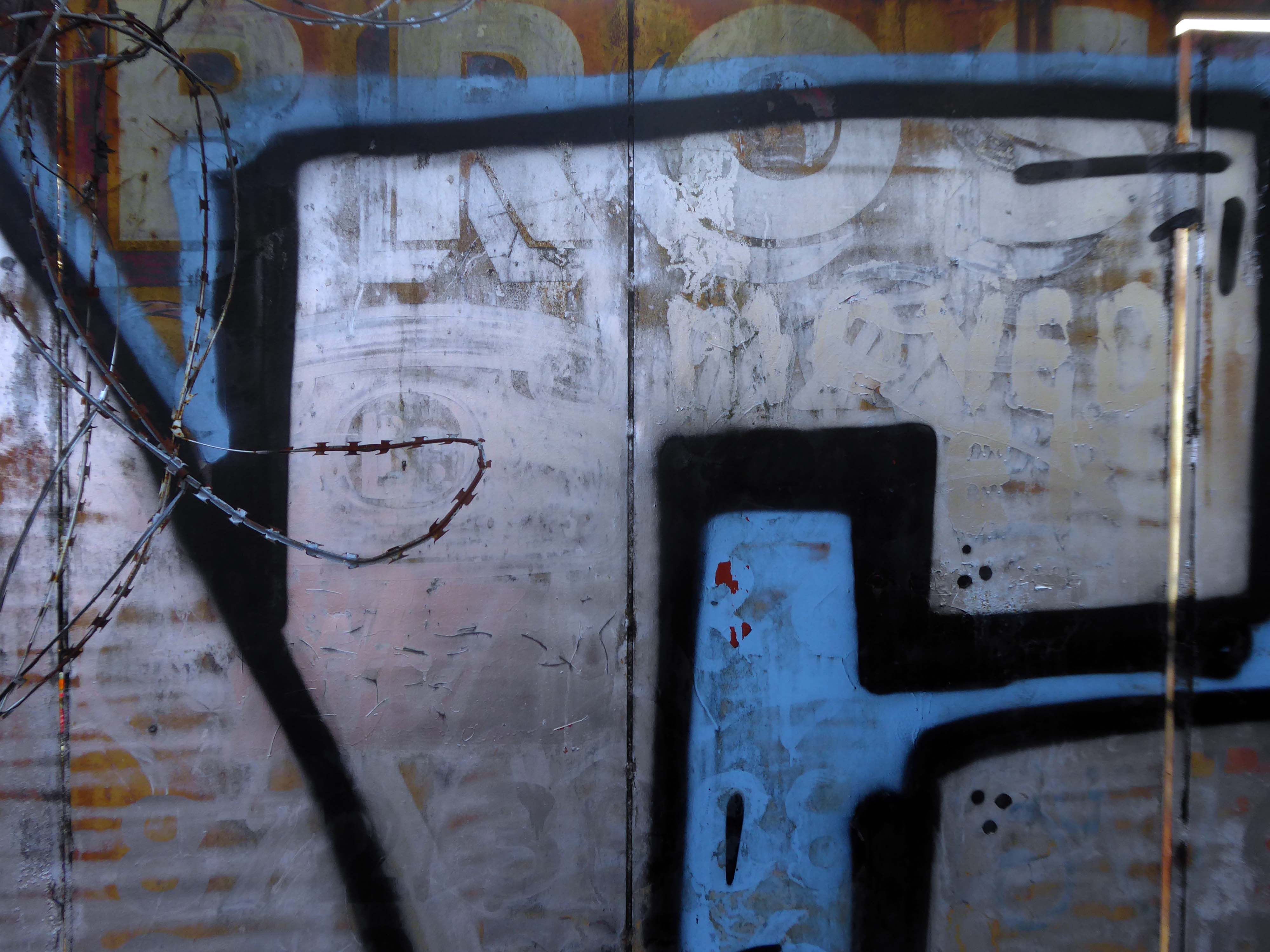
Remnants of the drop shadow block lettering remain, beneath a palimpsest of tags and grime.
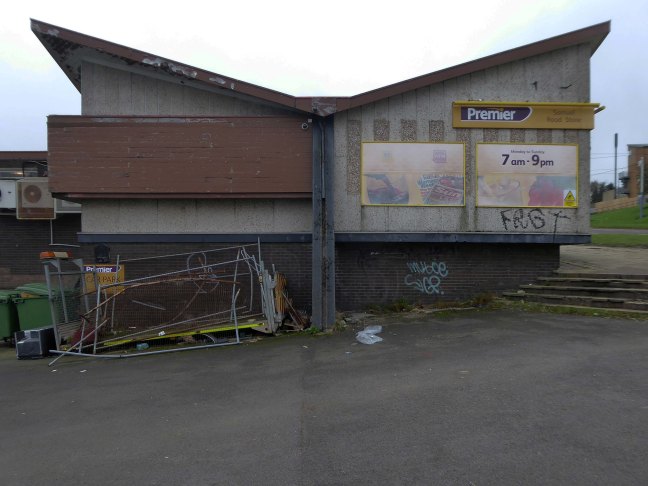
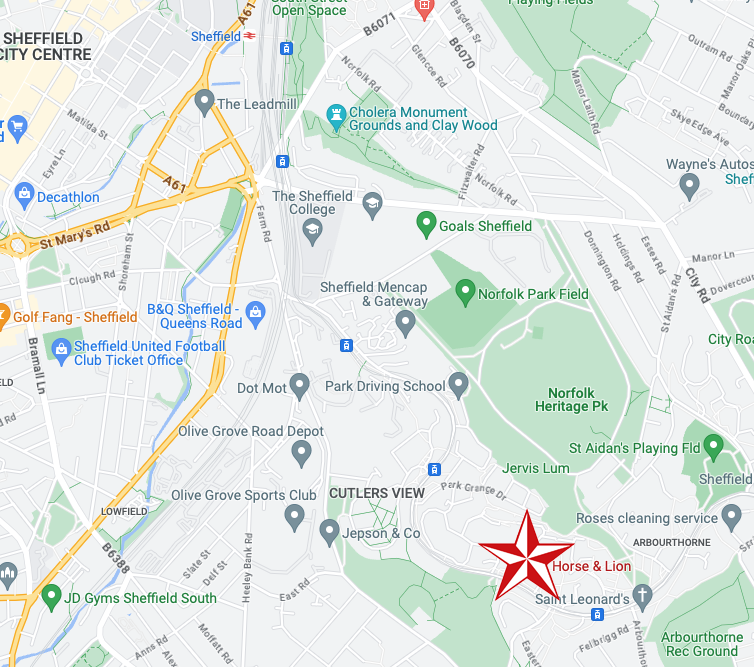
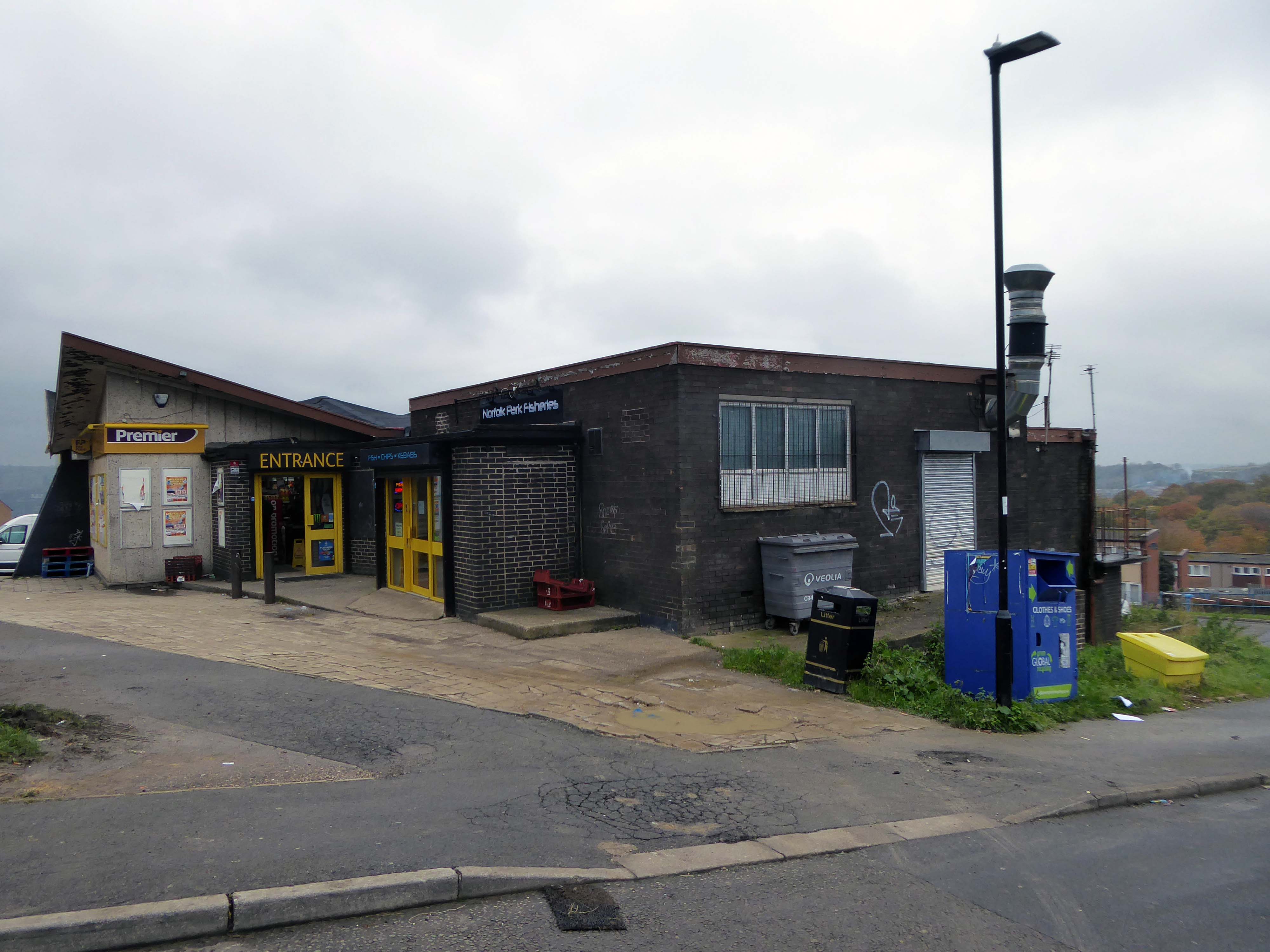
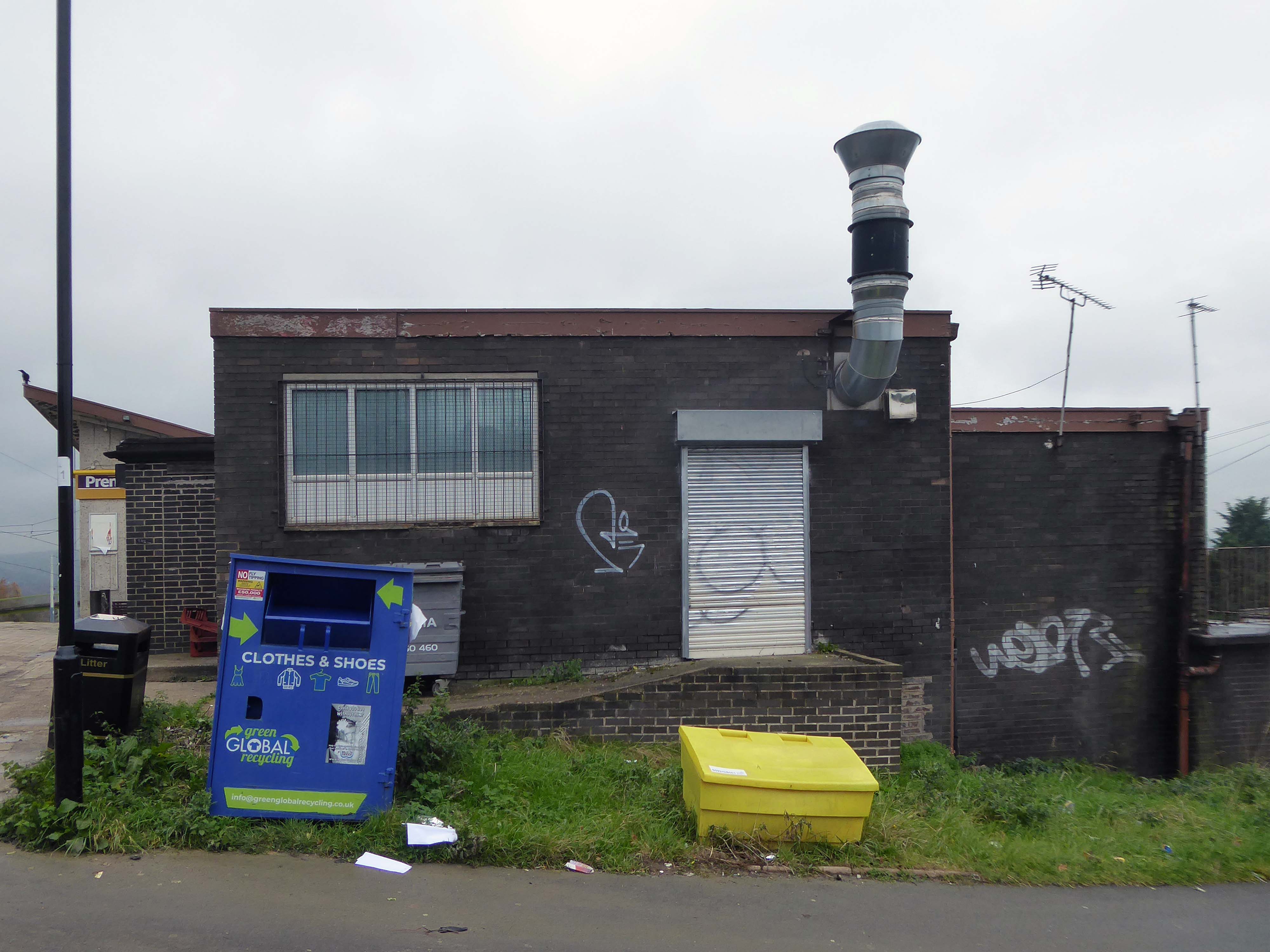
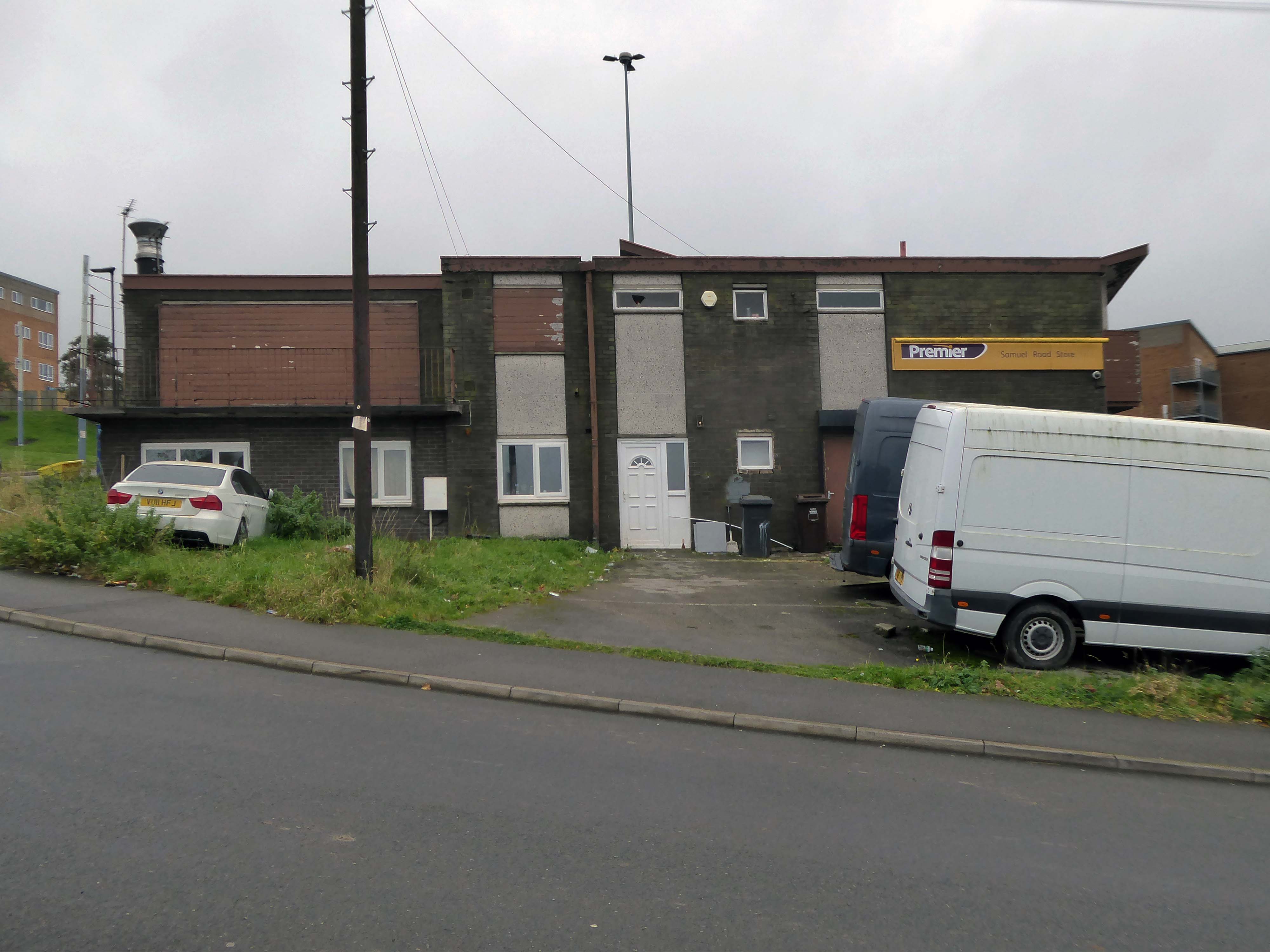
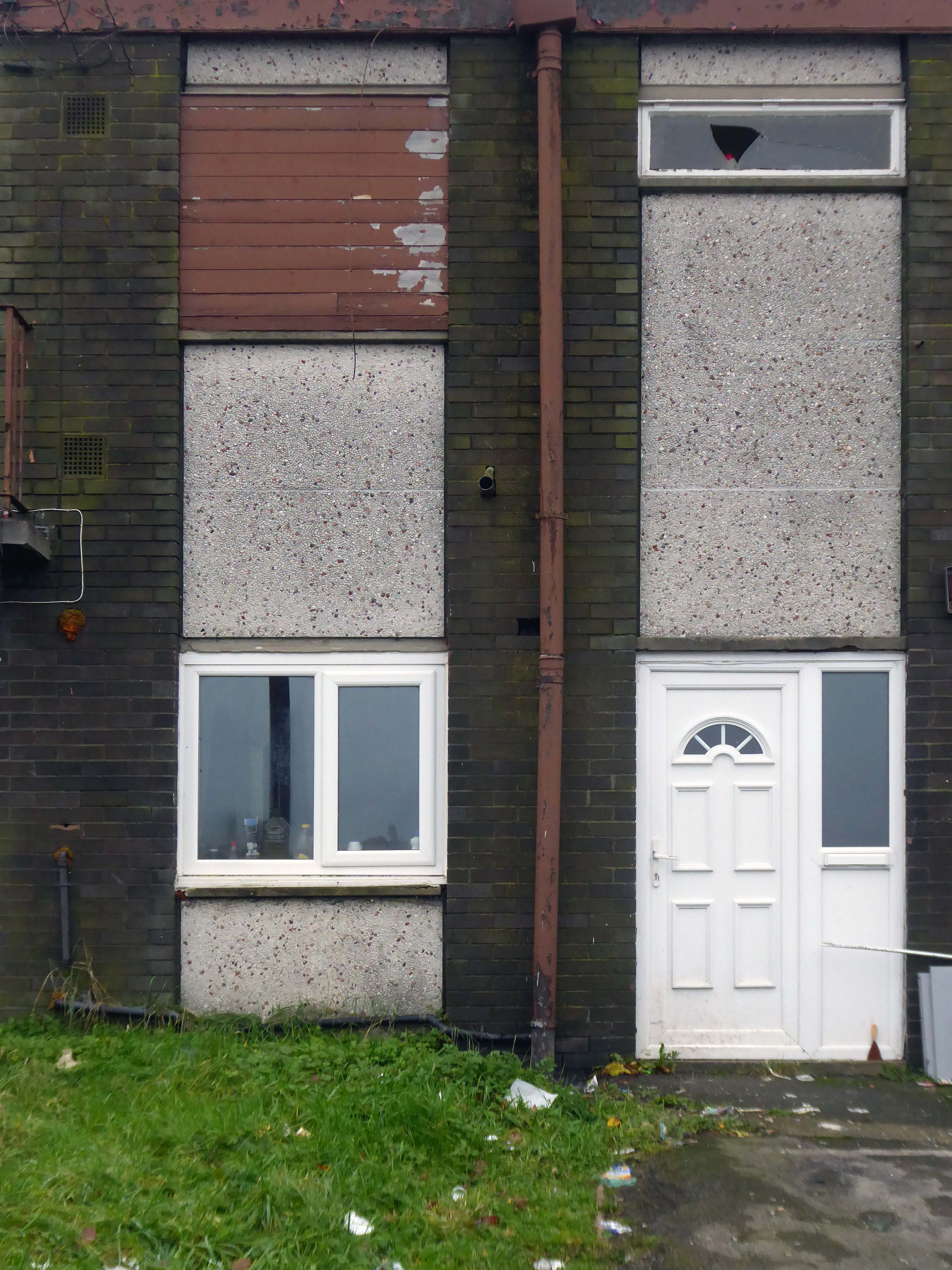
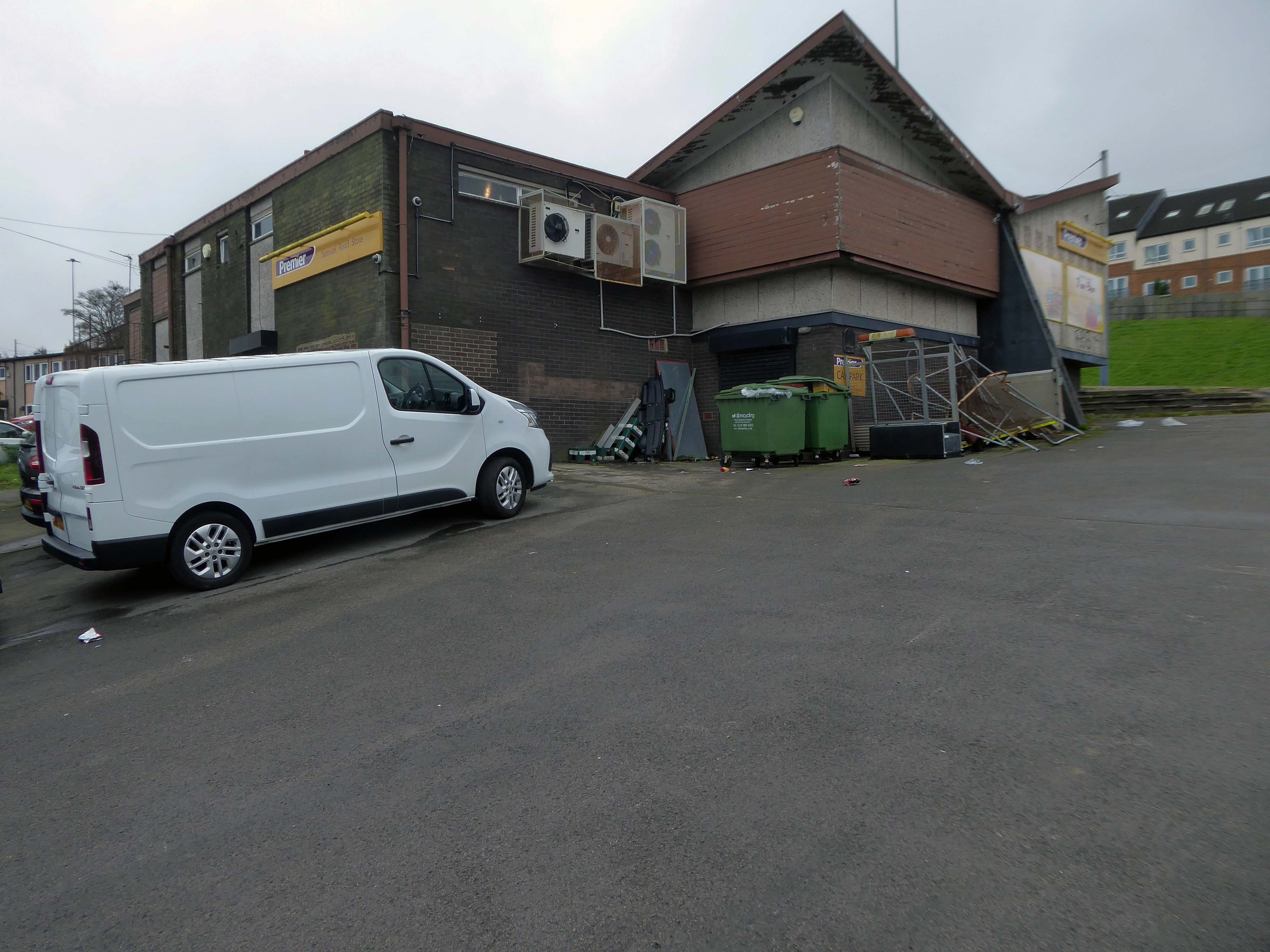
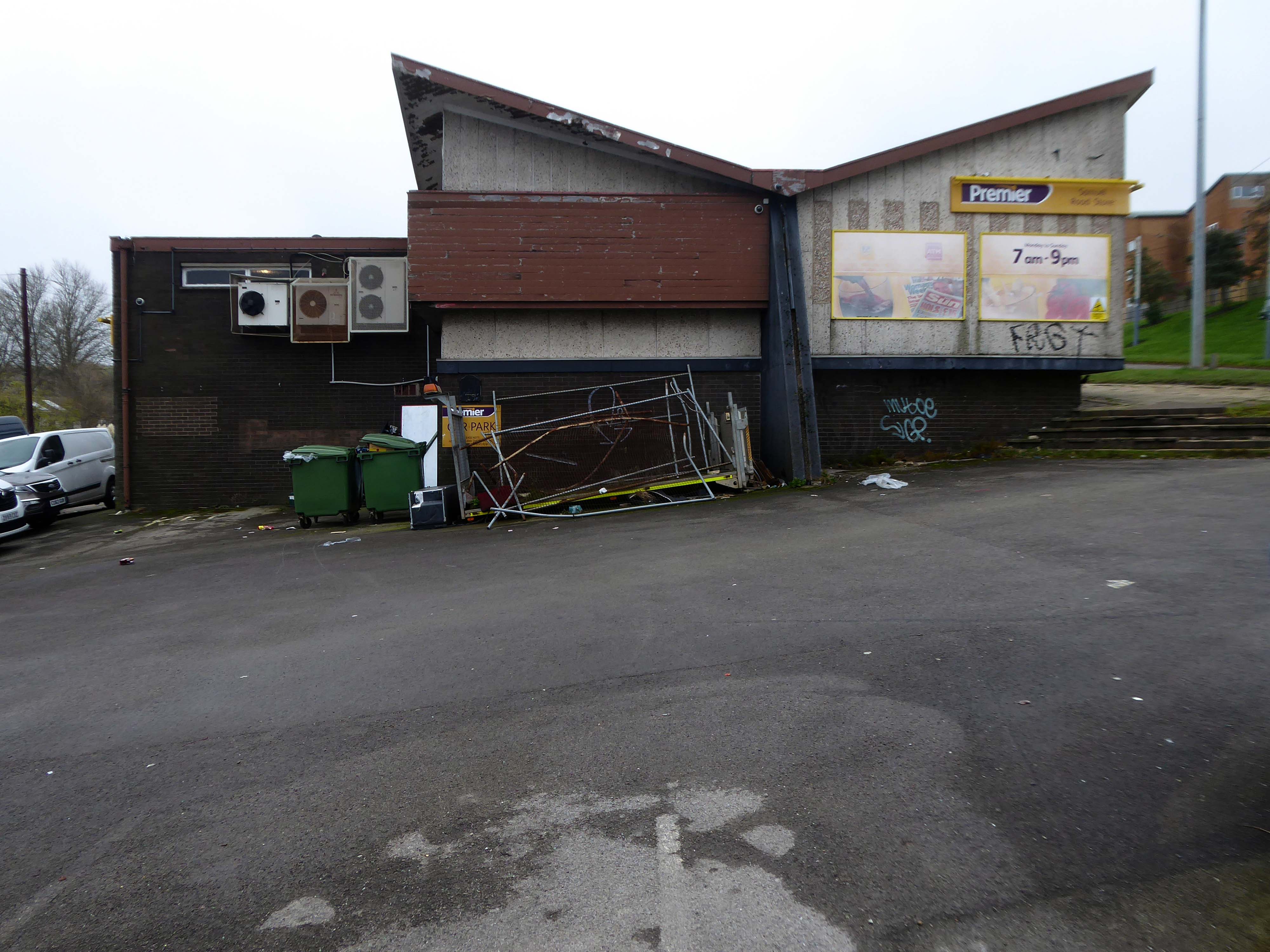
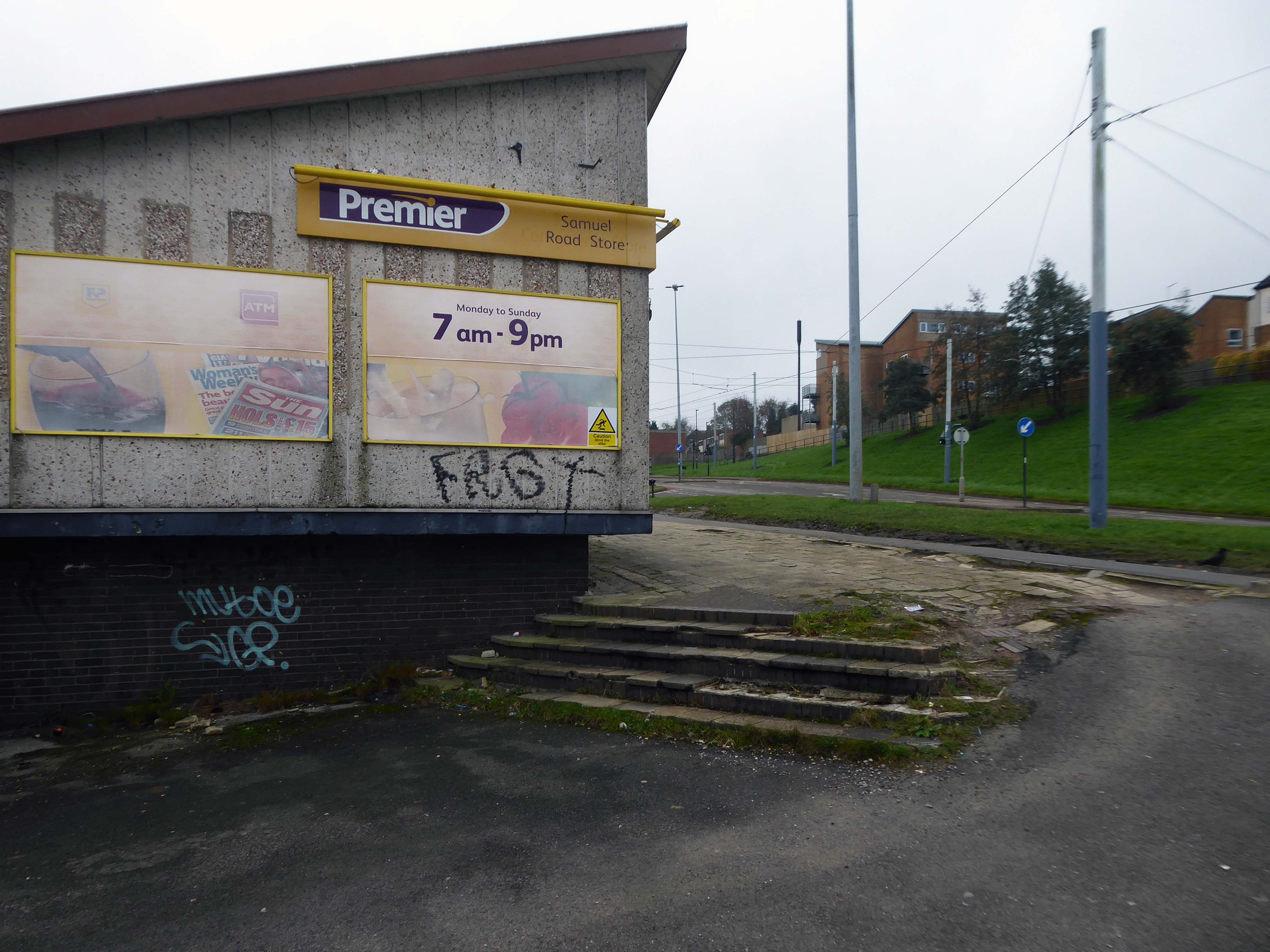
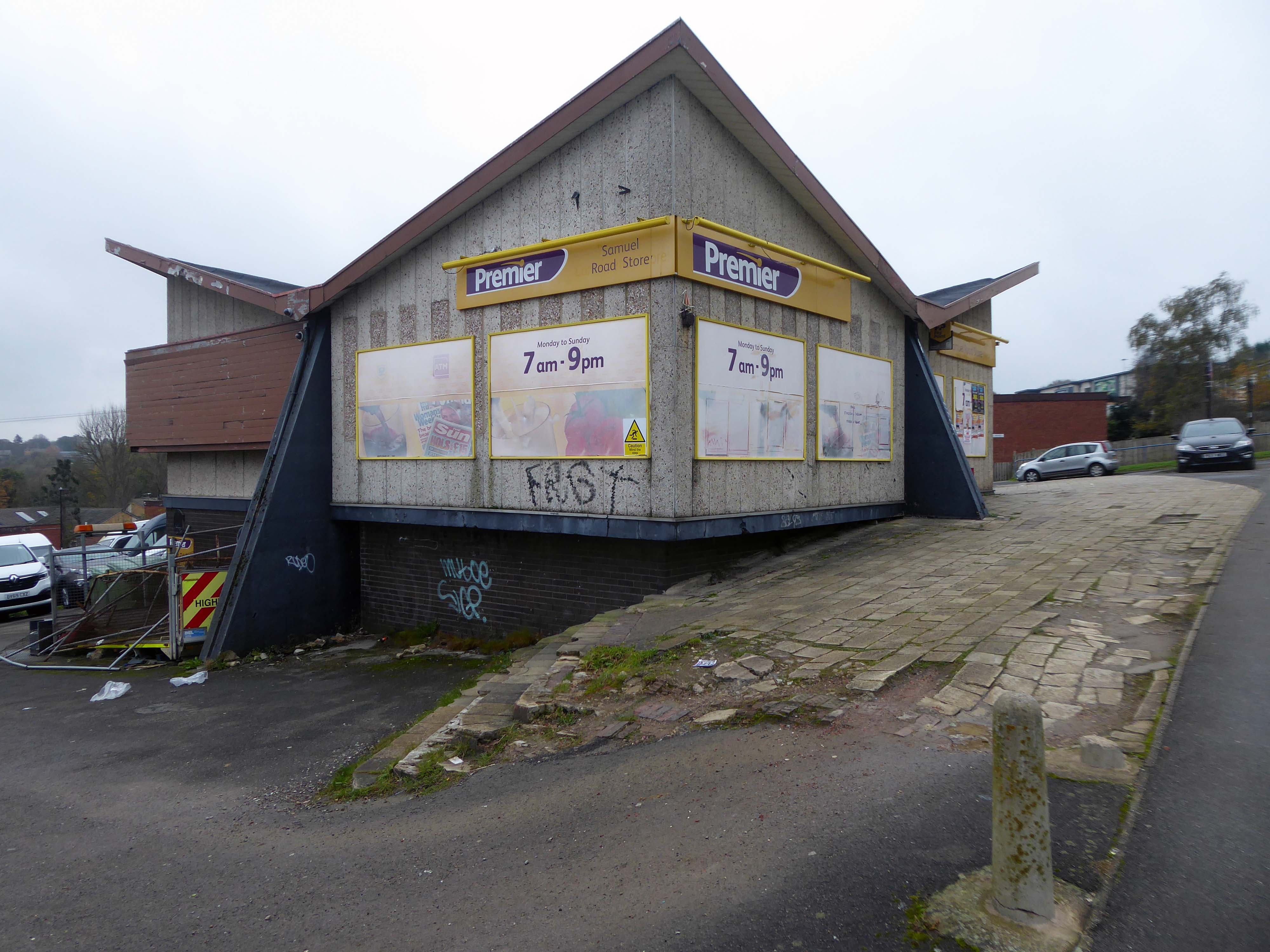
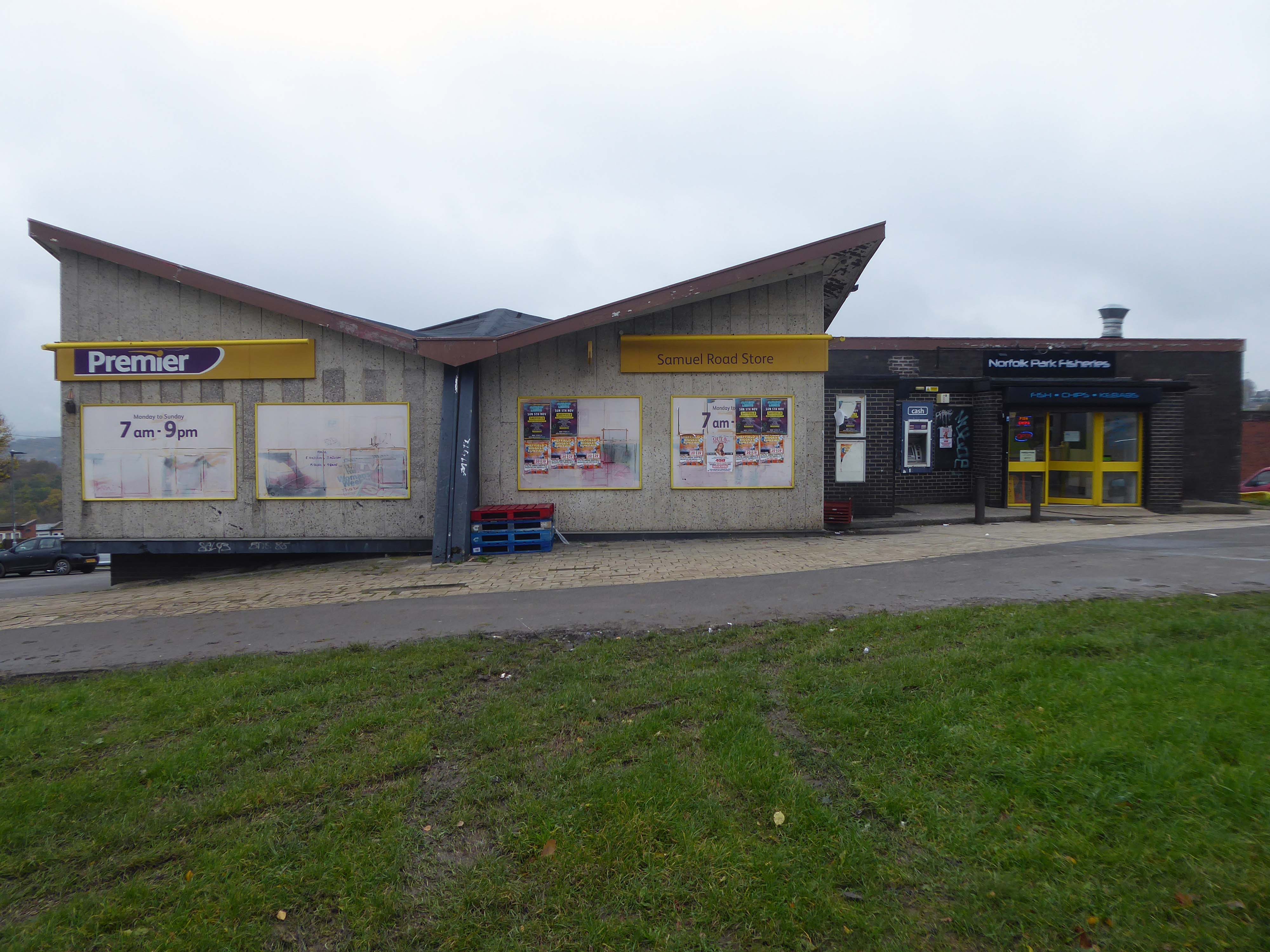
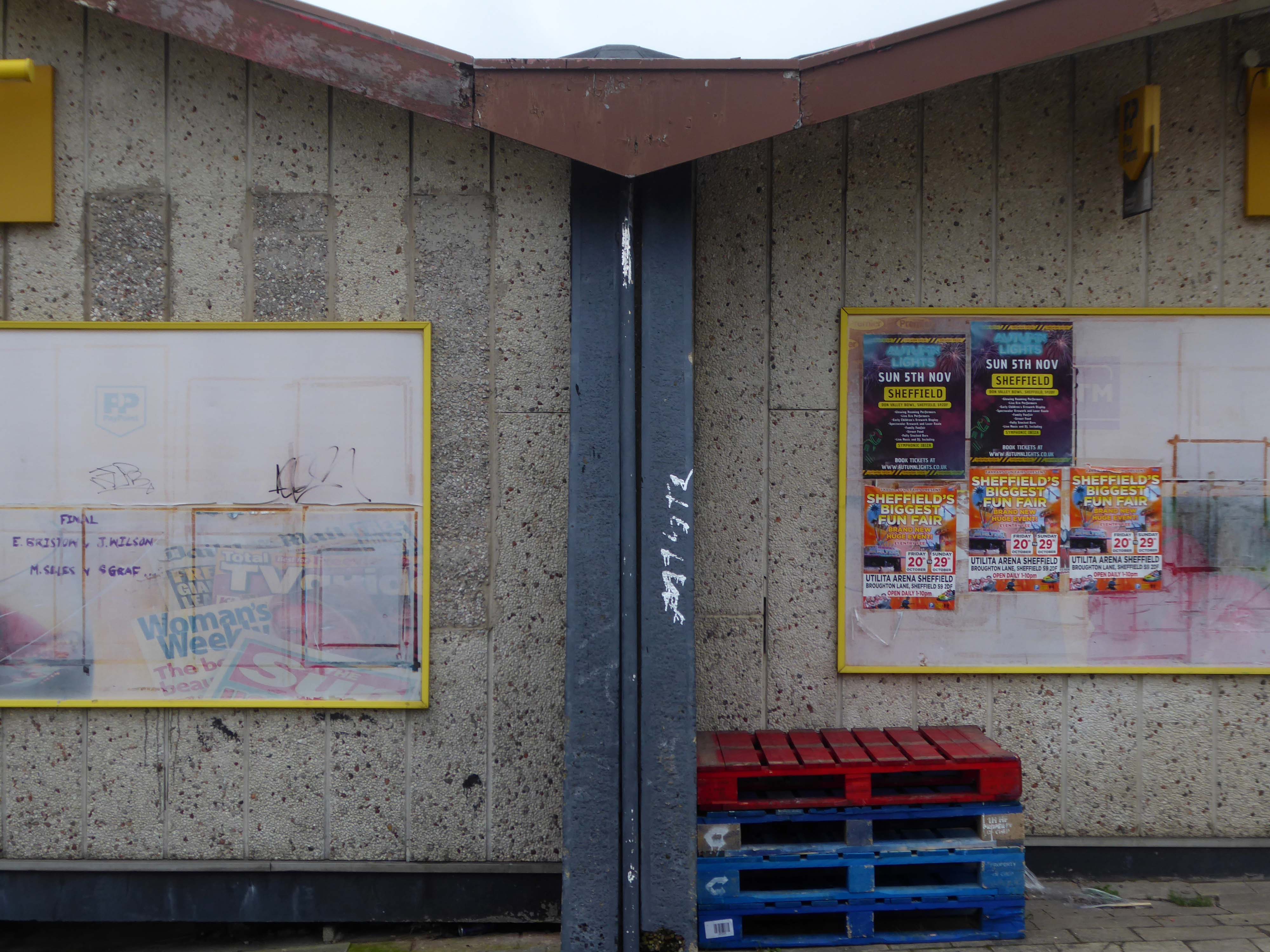
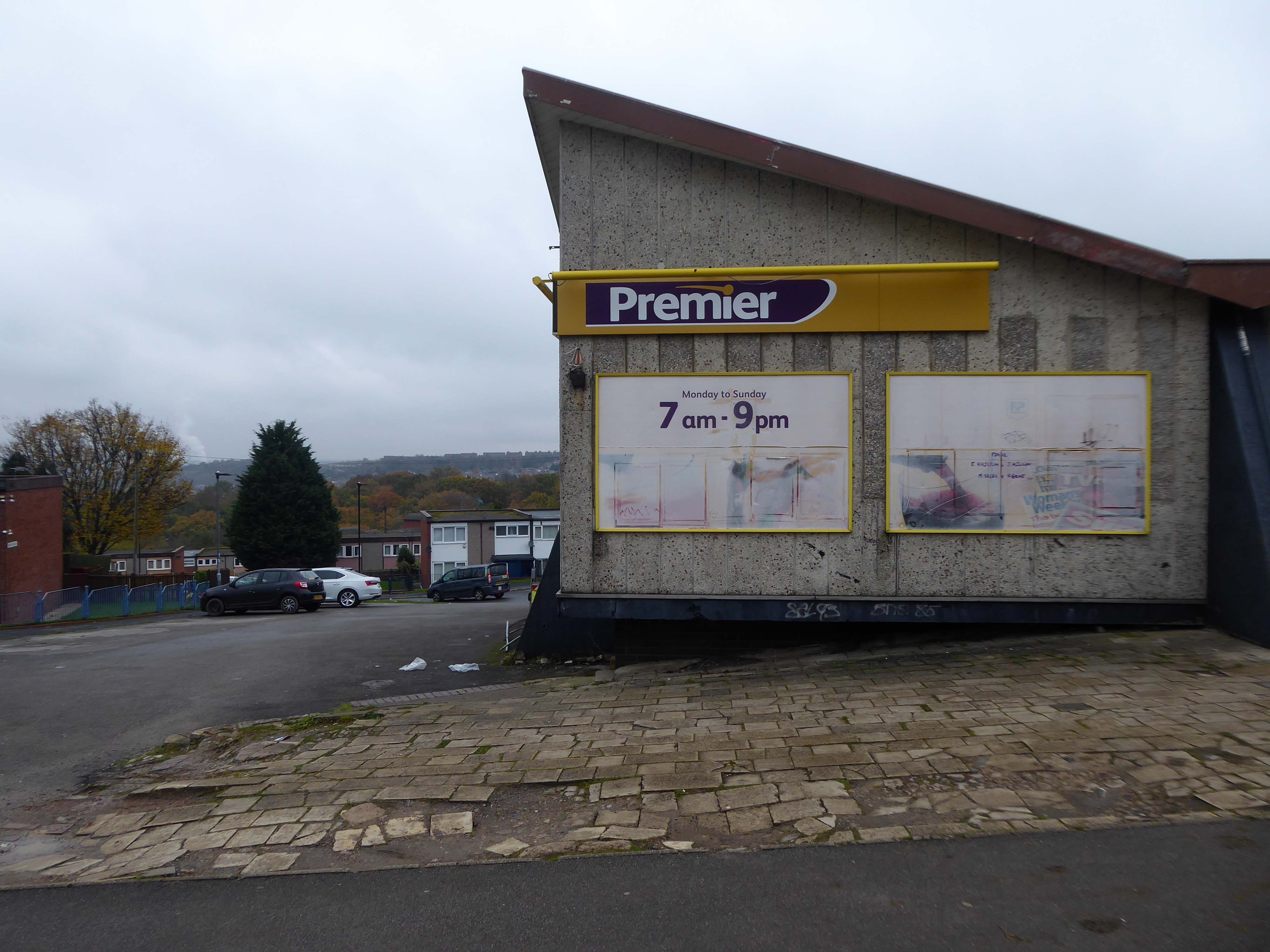
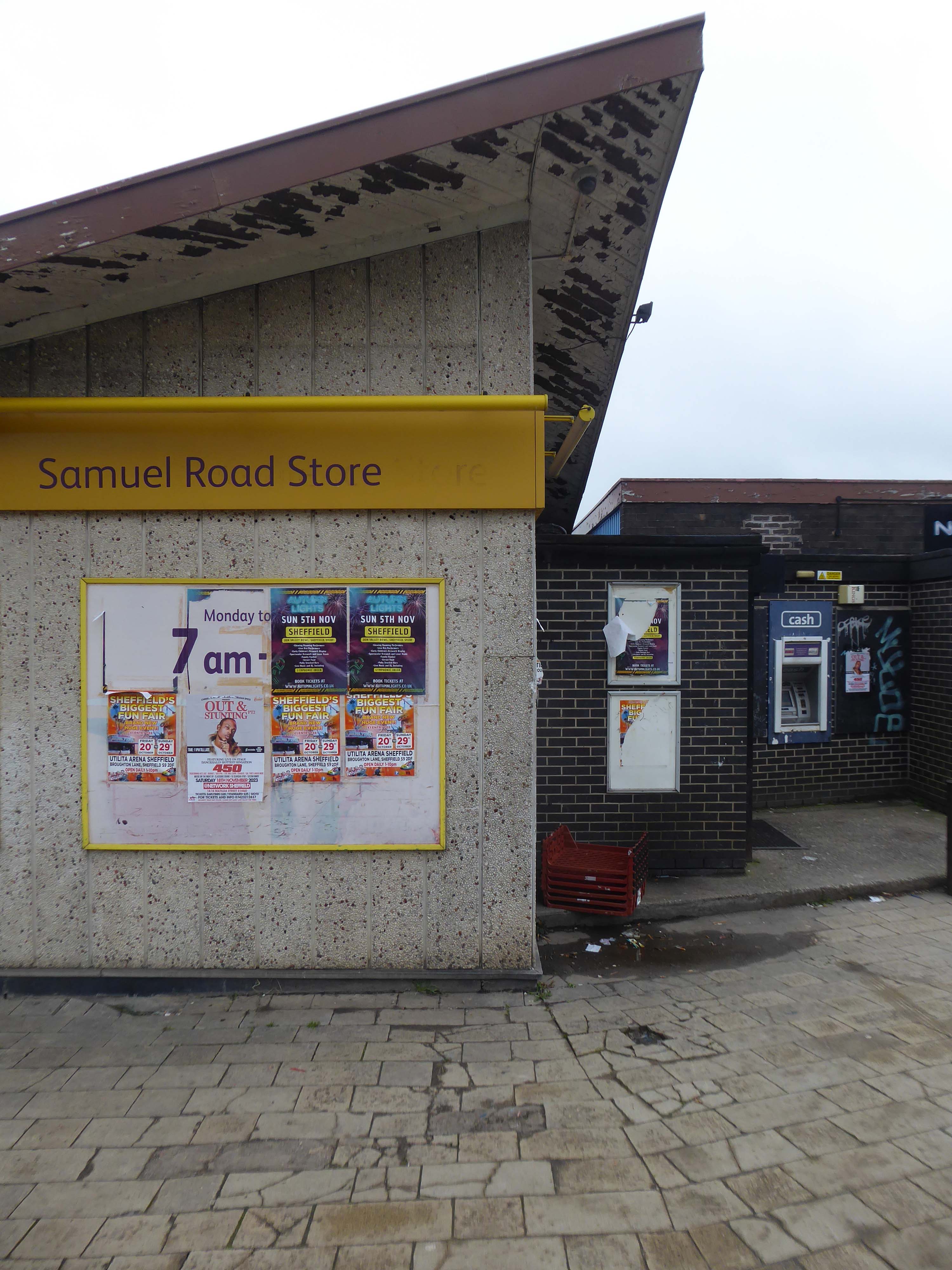
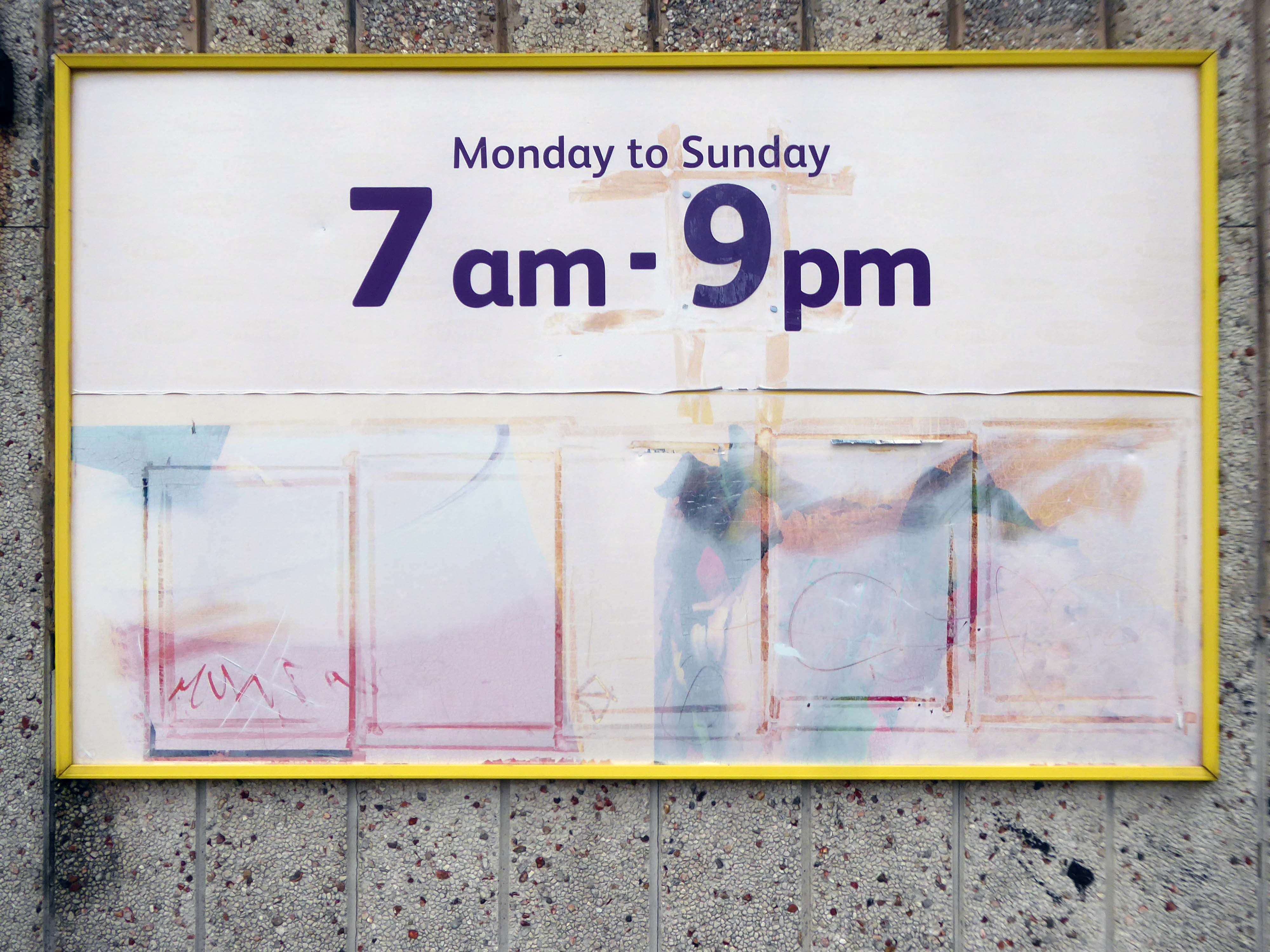
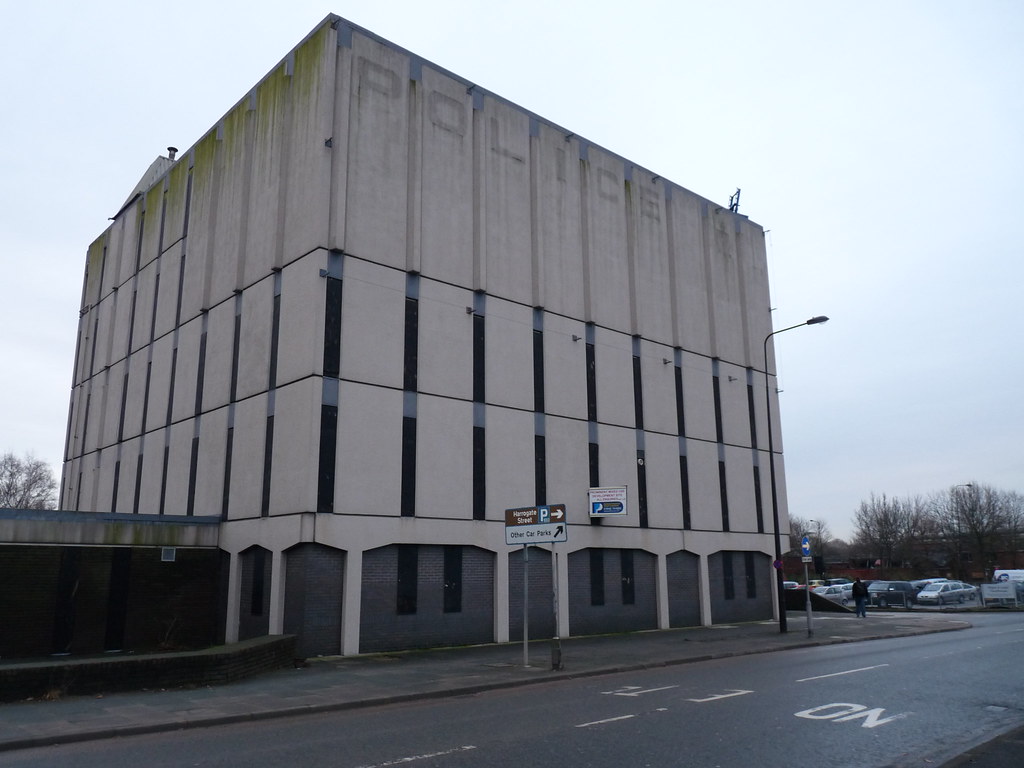
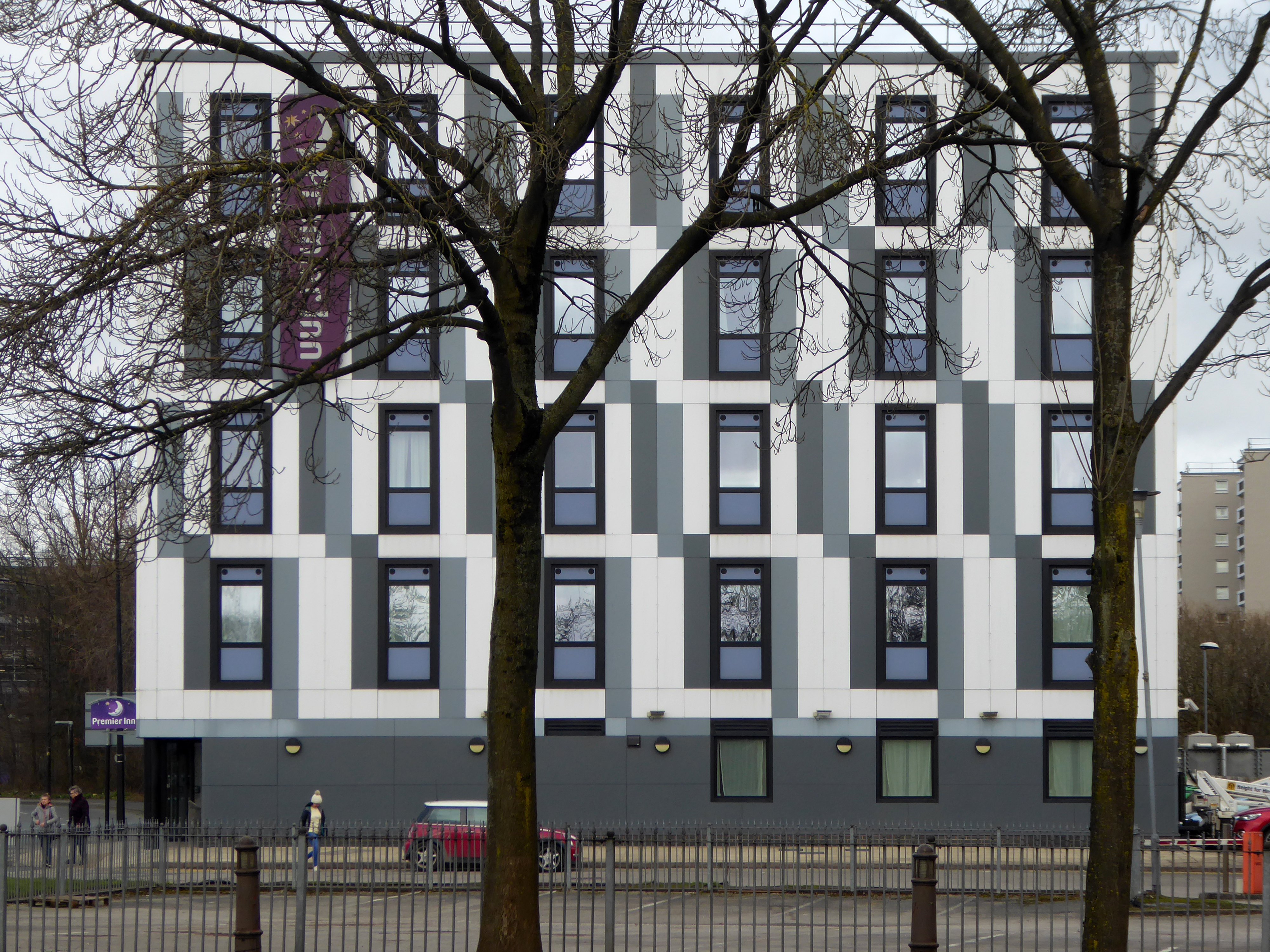
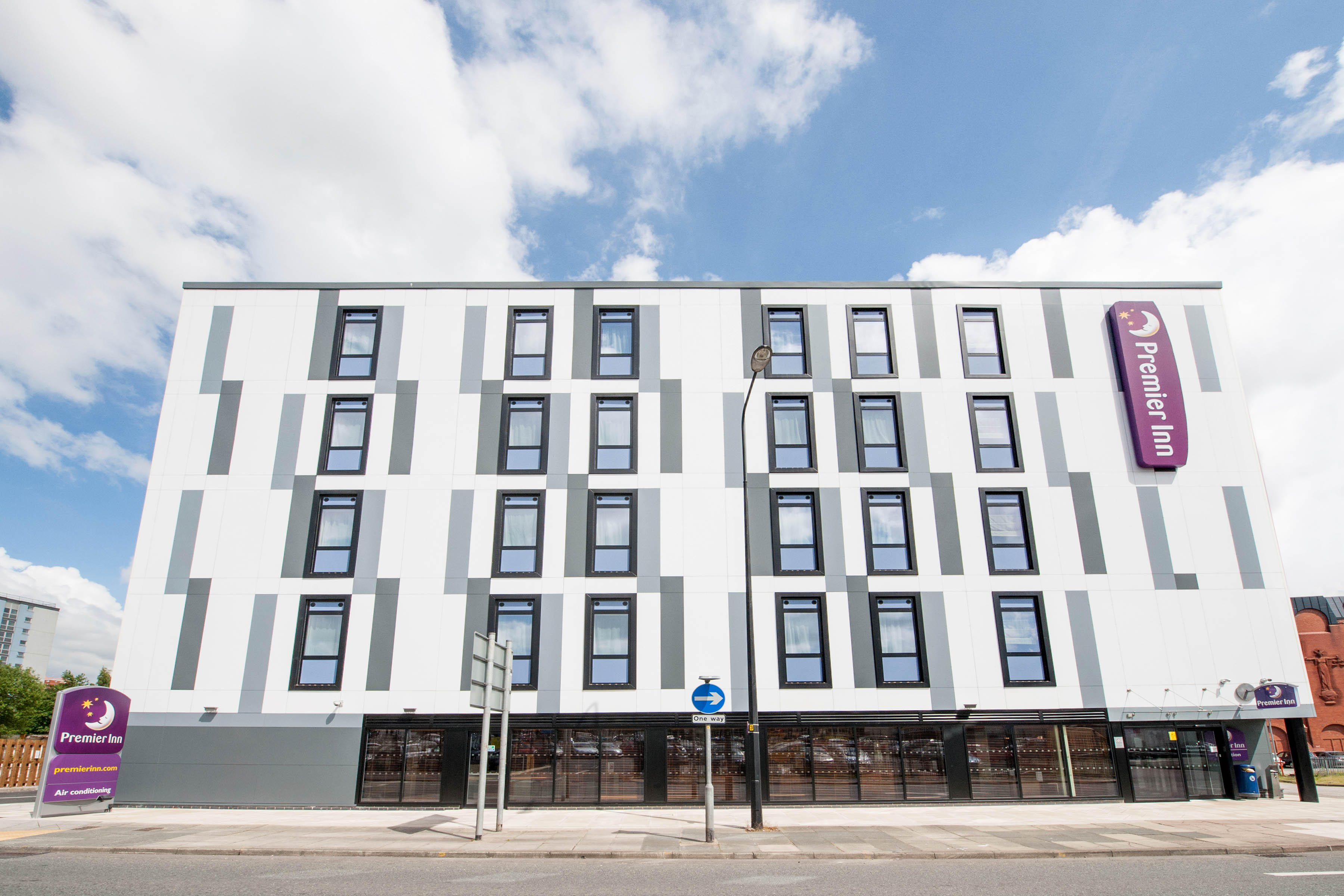
Oh how I loved this place my family drunk in here for years and years, I remember waiting outside on a weekend with a packet of crisps and a glass of coke, waiting for them to come out. I think it was the first place I had my first legal drink, loved the place hate to go past now and see it as a Premier. Anyone seen Dave and Ann lately once upon a time landlord and landlady, does anyone know how they are doing?
Sunday afternoons karaoke and everyone sat outside in the summer – oh the memories.
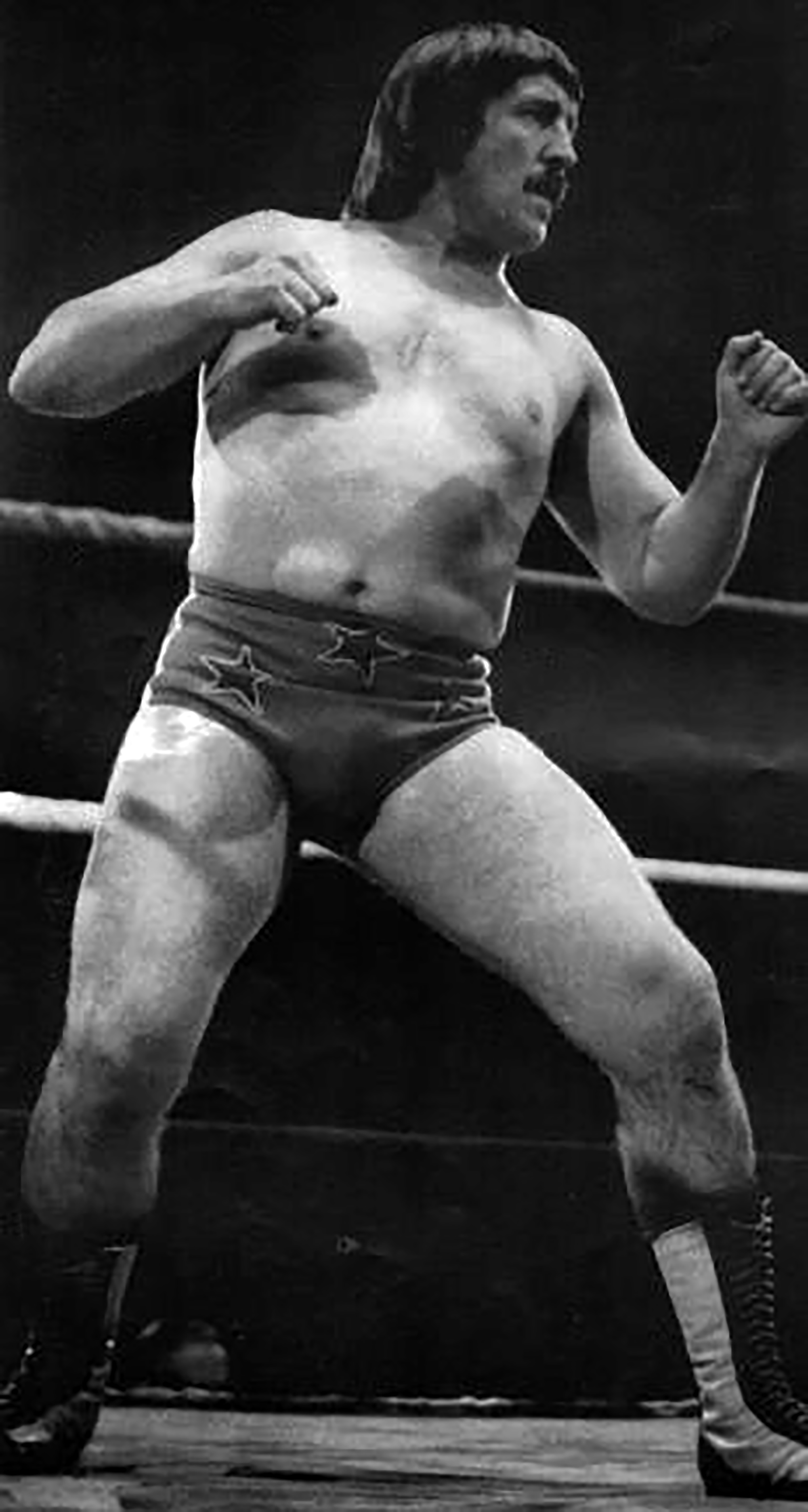
I used to Drink in there around 1975/76, it was OK in those days, a local wrestler used to drink in there, his name was Alan Kilby, I saw him fight on TV a few times.
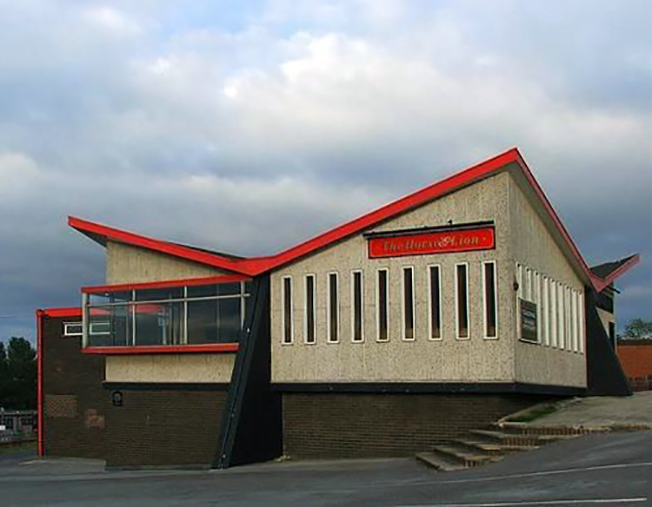
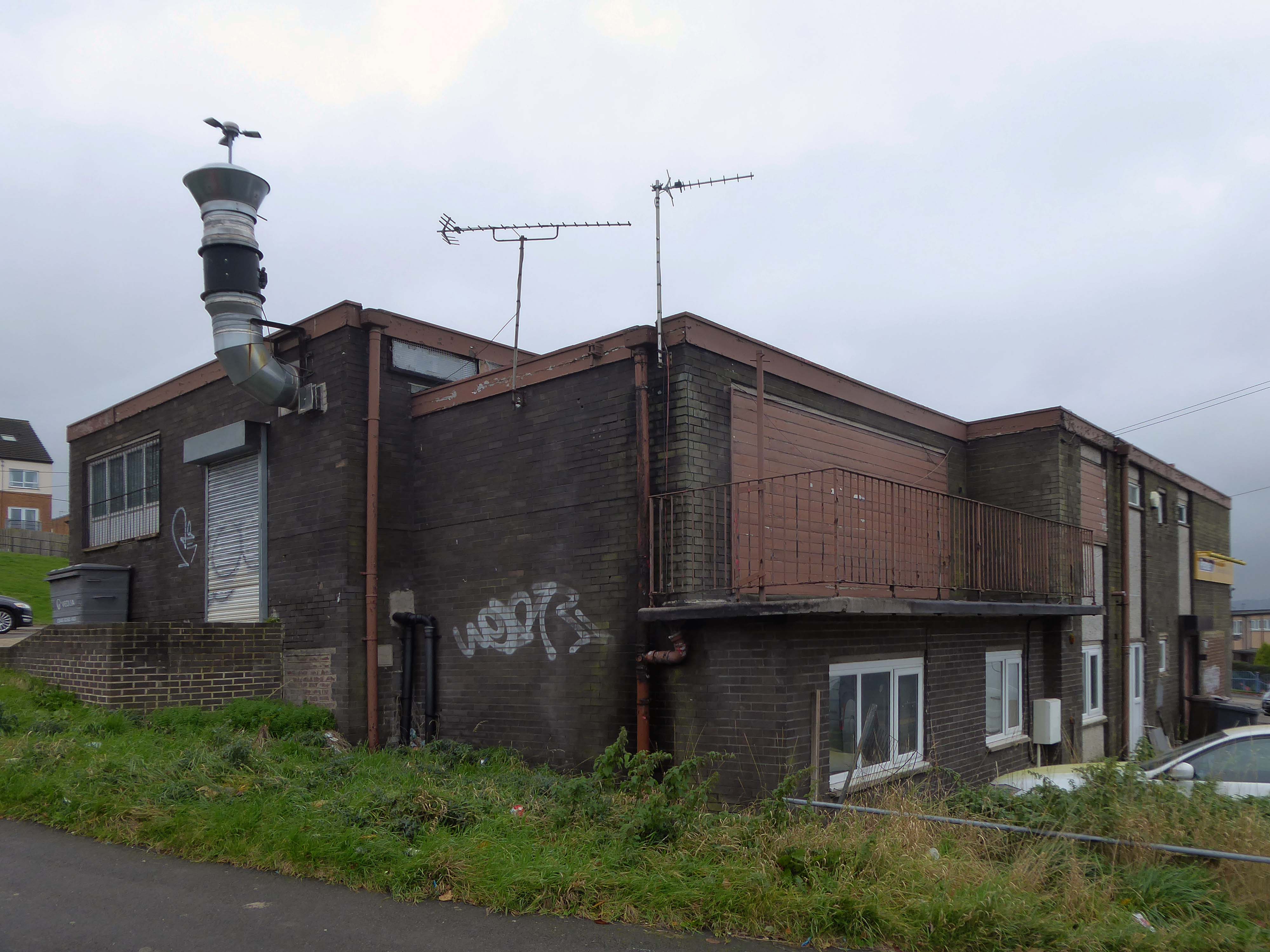
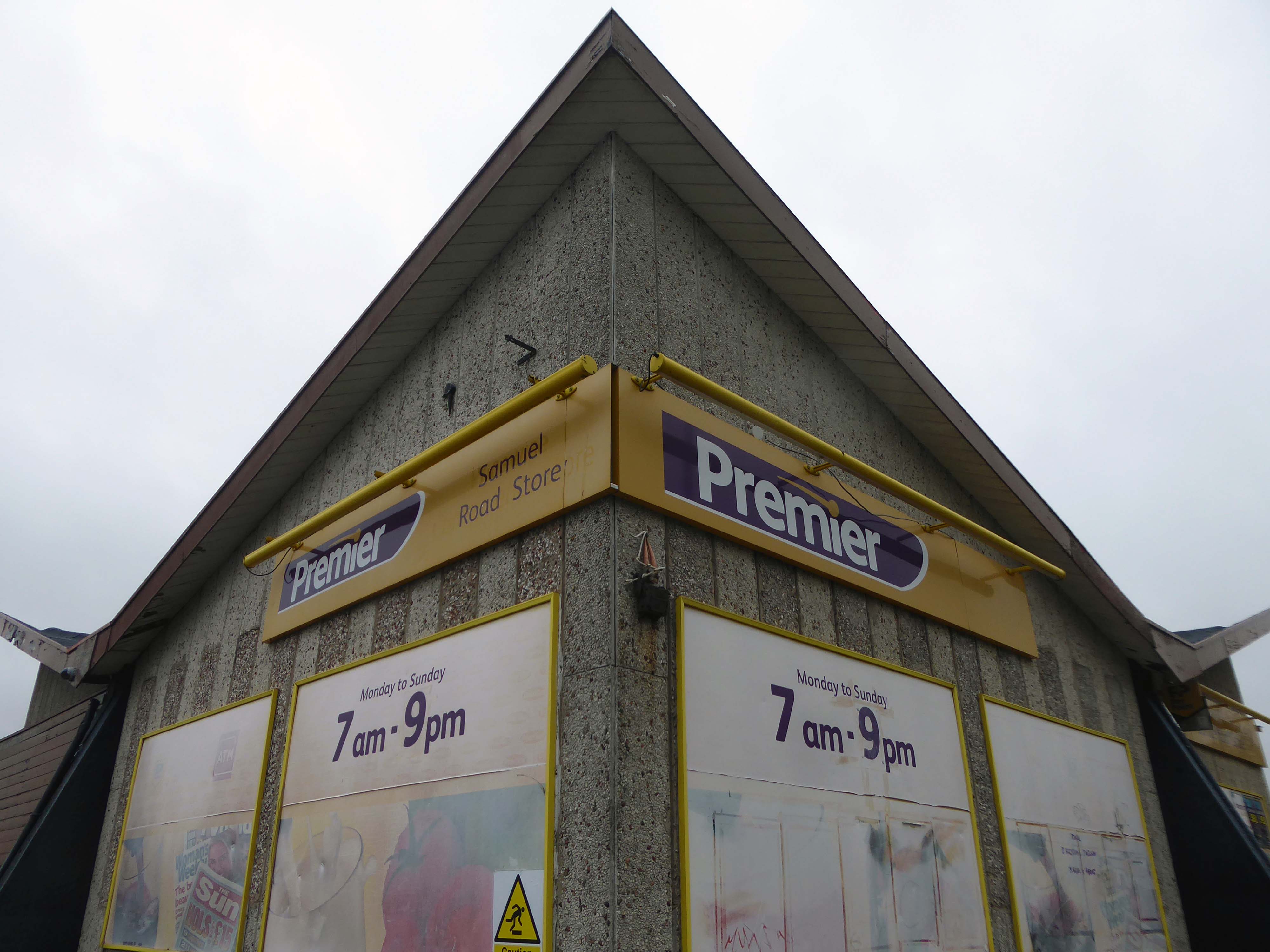
The former pub’s striking roof is still striking – sadly the last orders bell stopped striking long, long ago.
The shop was busy and the chips from the chippy were just the job on a cold damp November day.
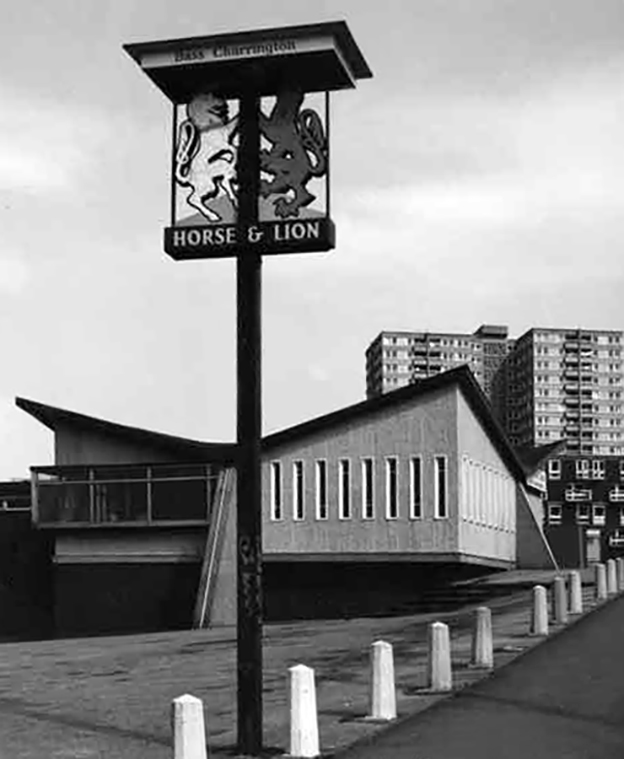
Changes in the demographics of the area, social trends and the general economic malaise, have ensured that many estate pubs are no longer able to thrive and prosper.
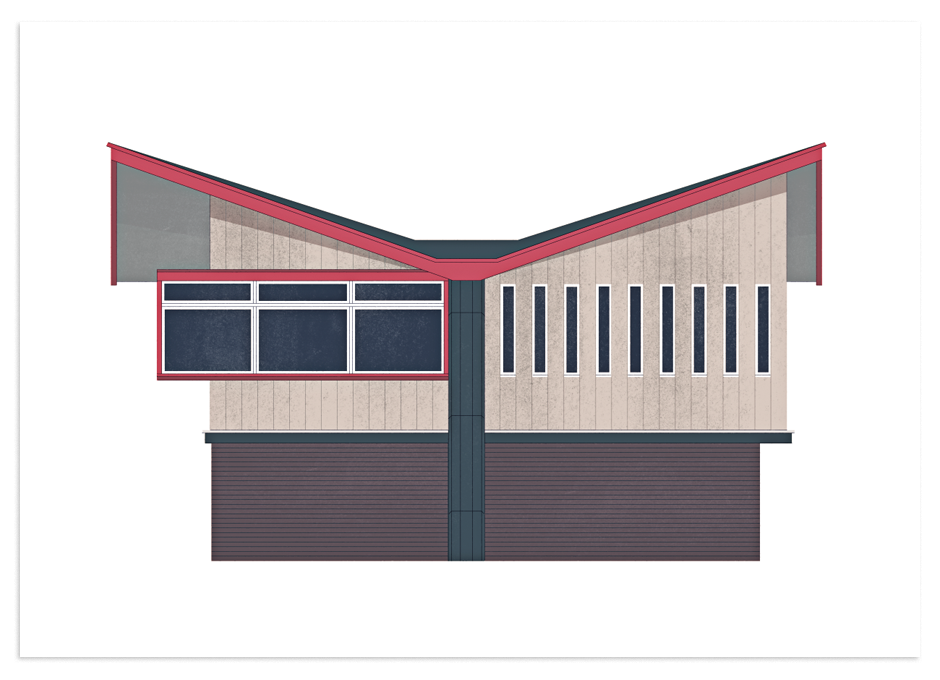
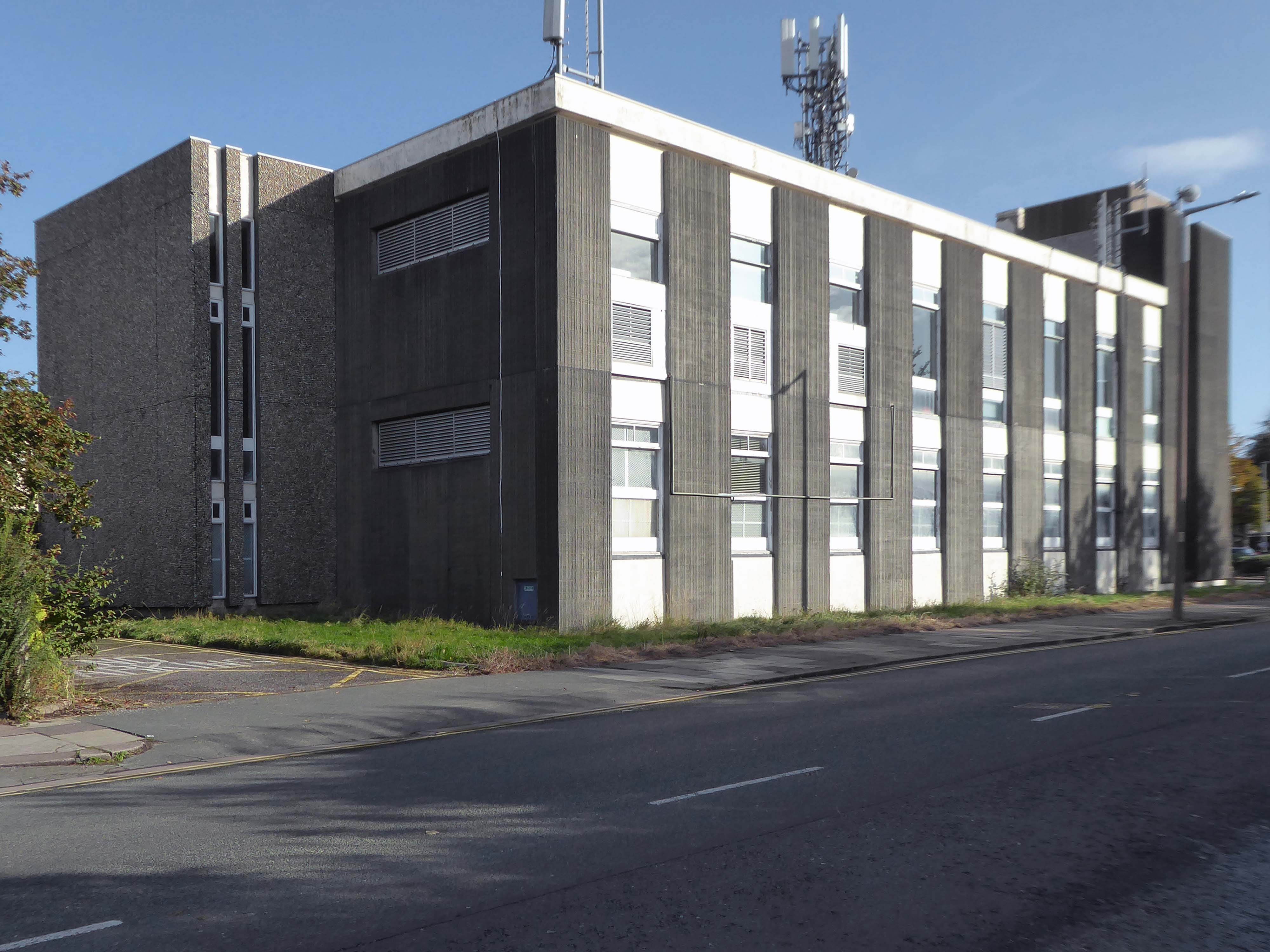
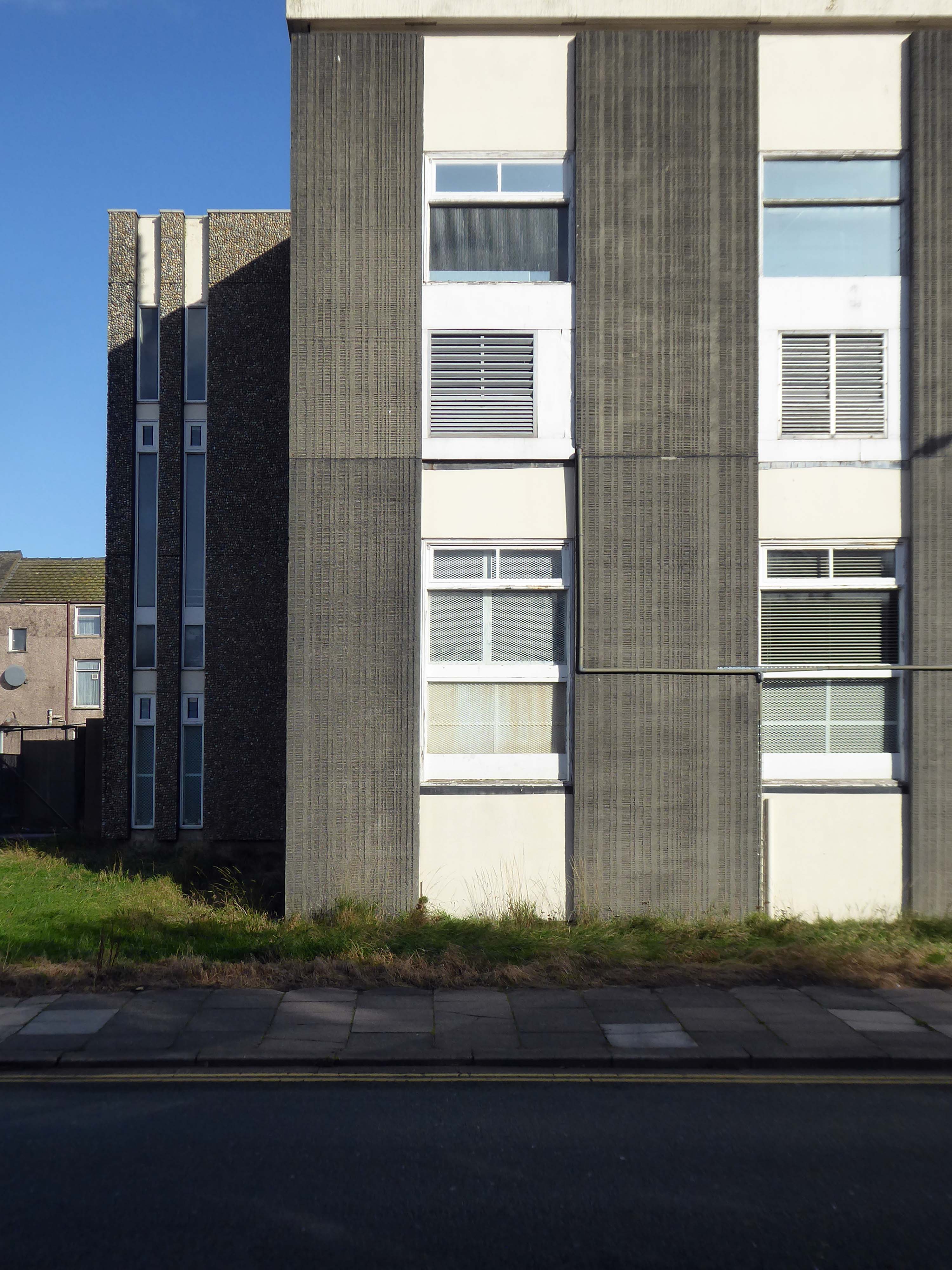
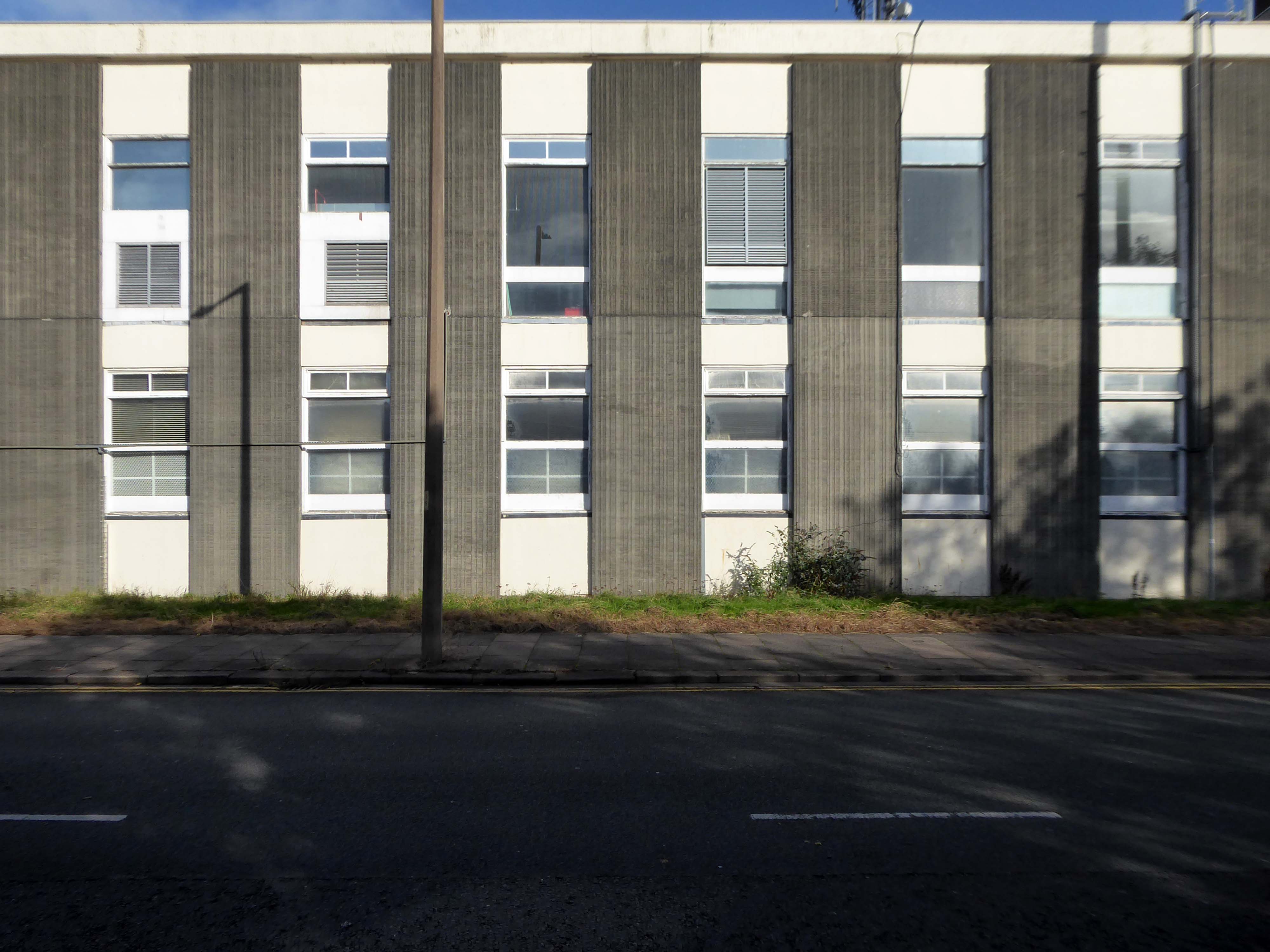
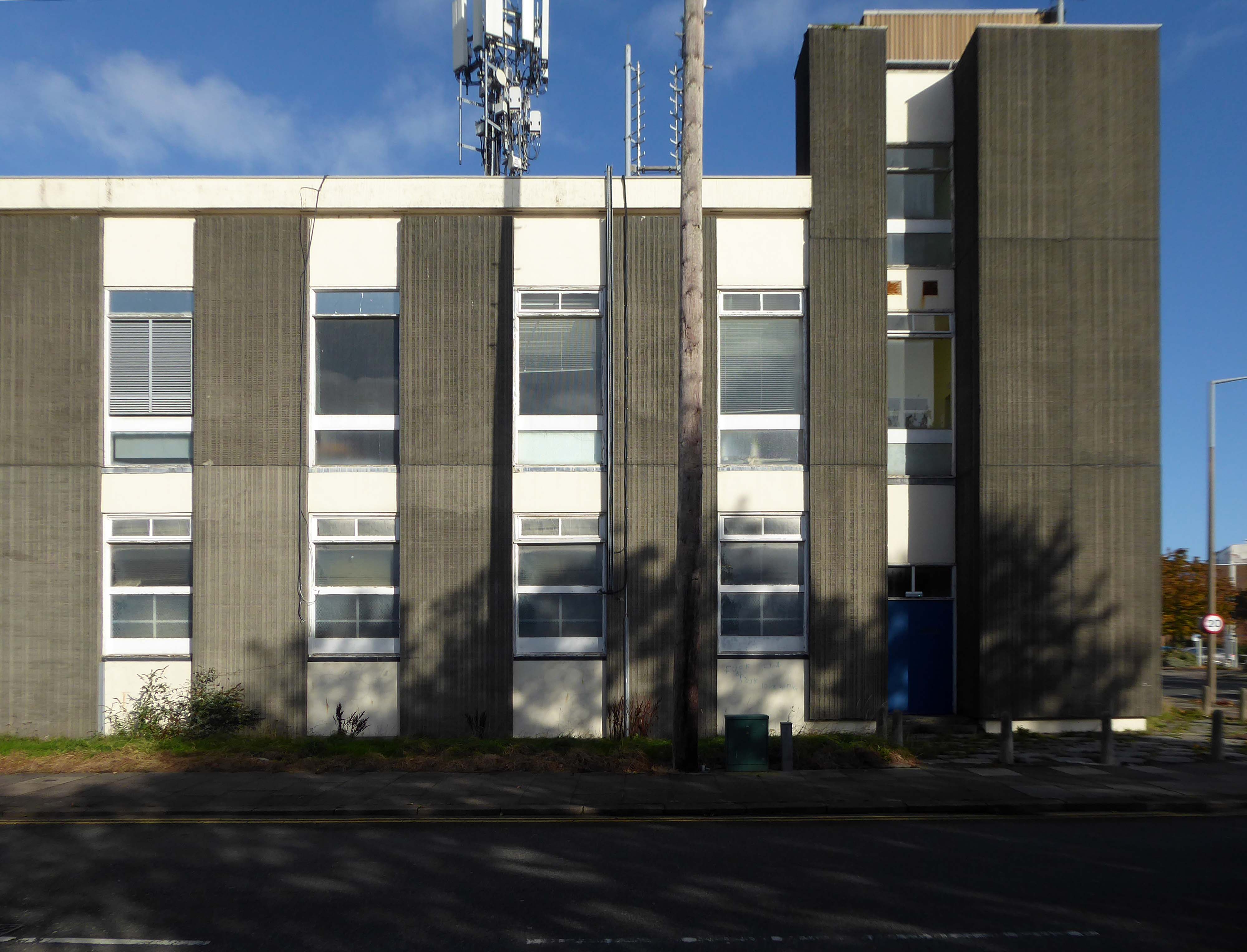
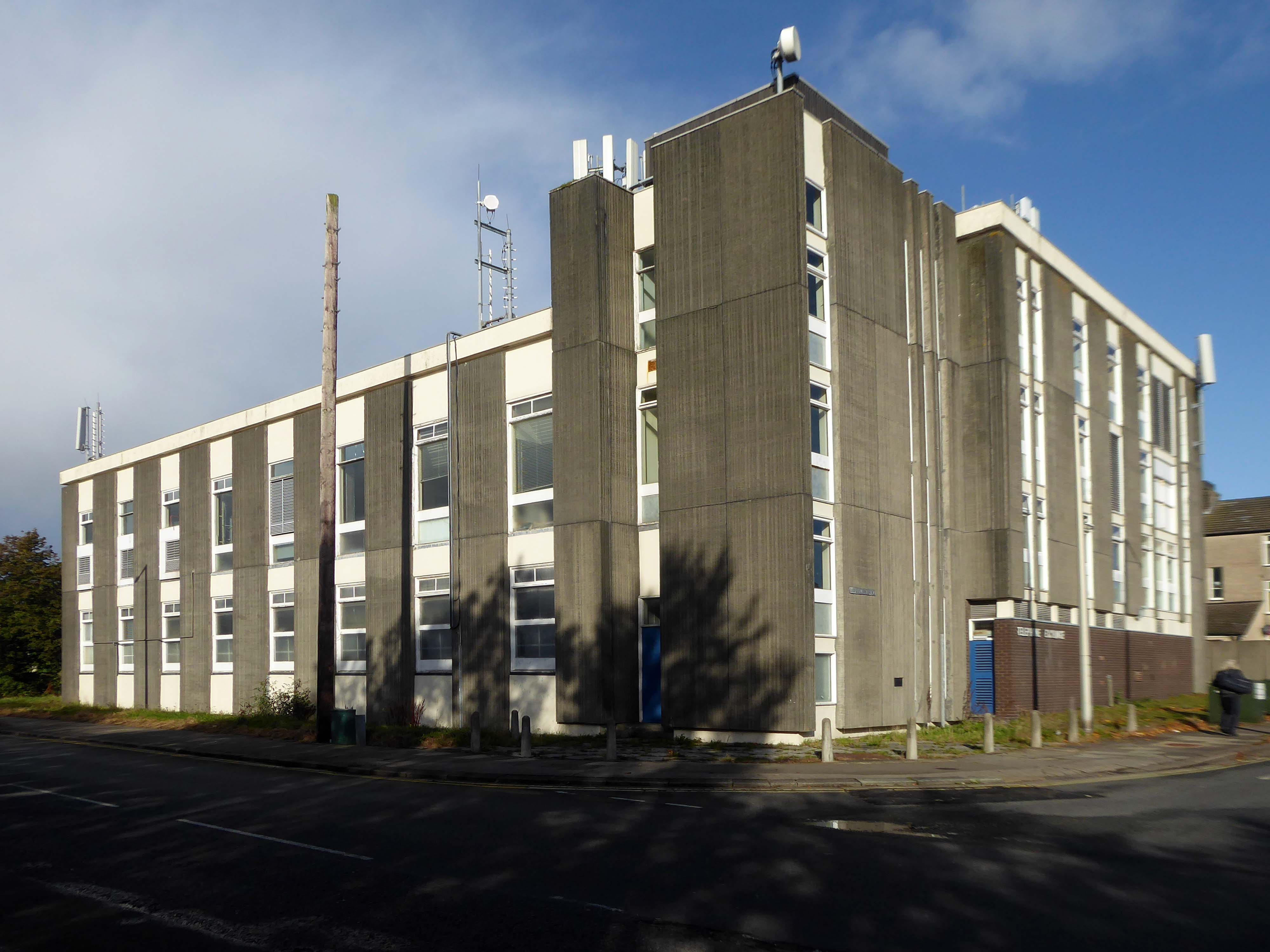
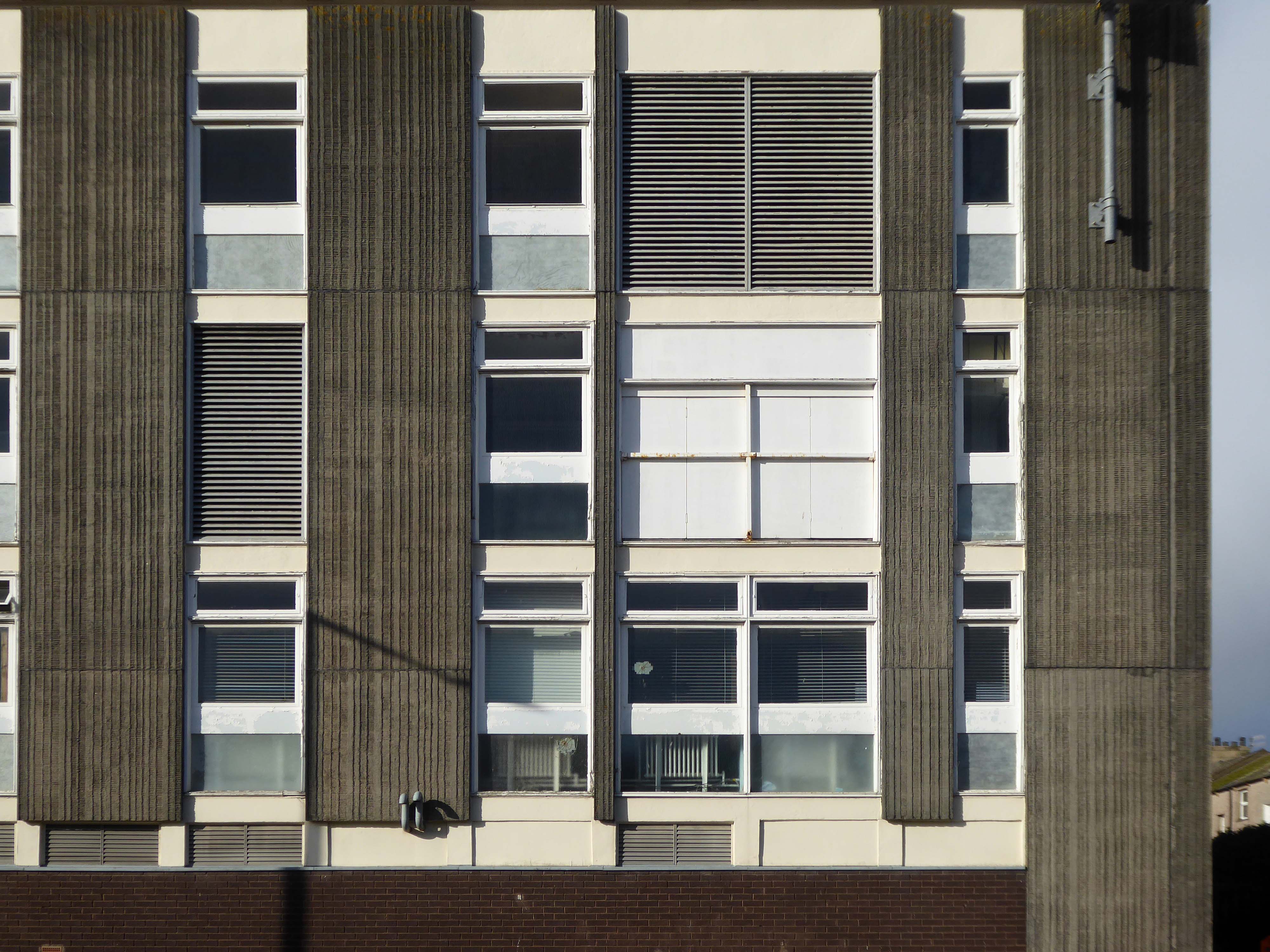
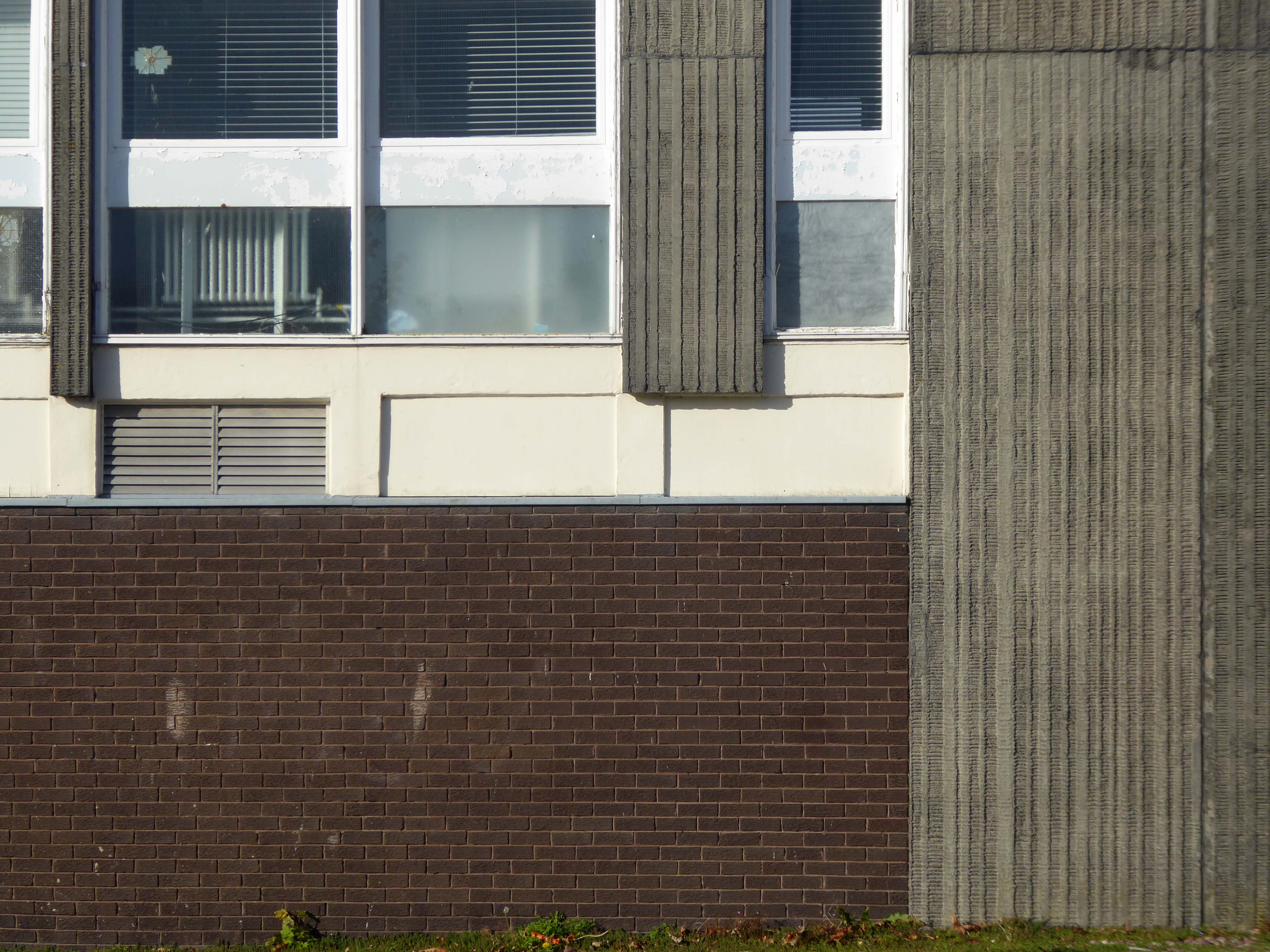
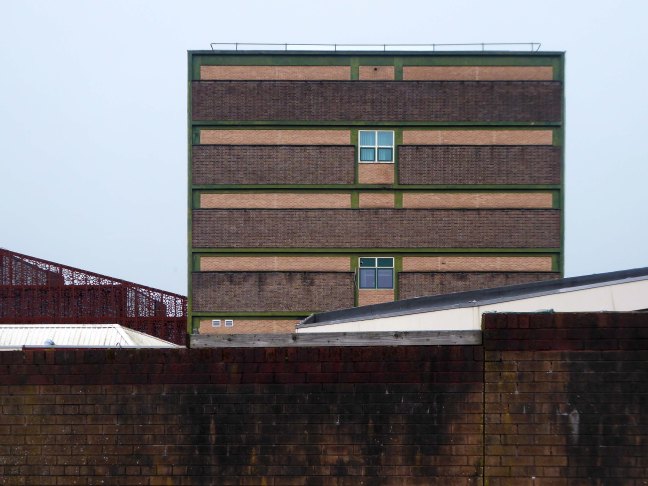
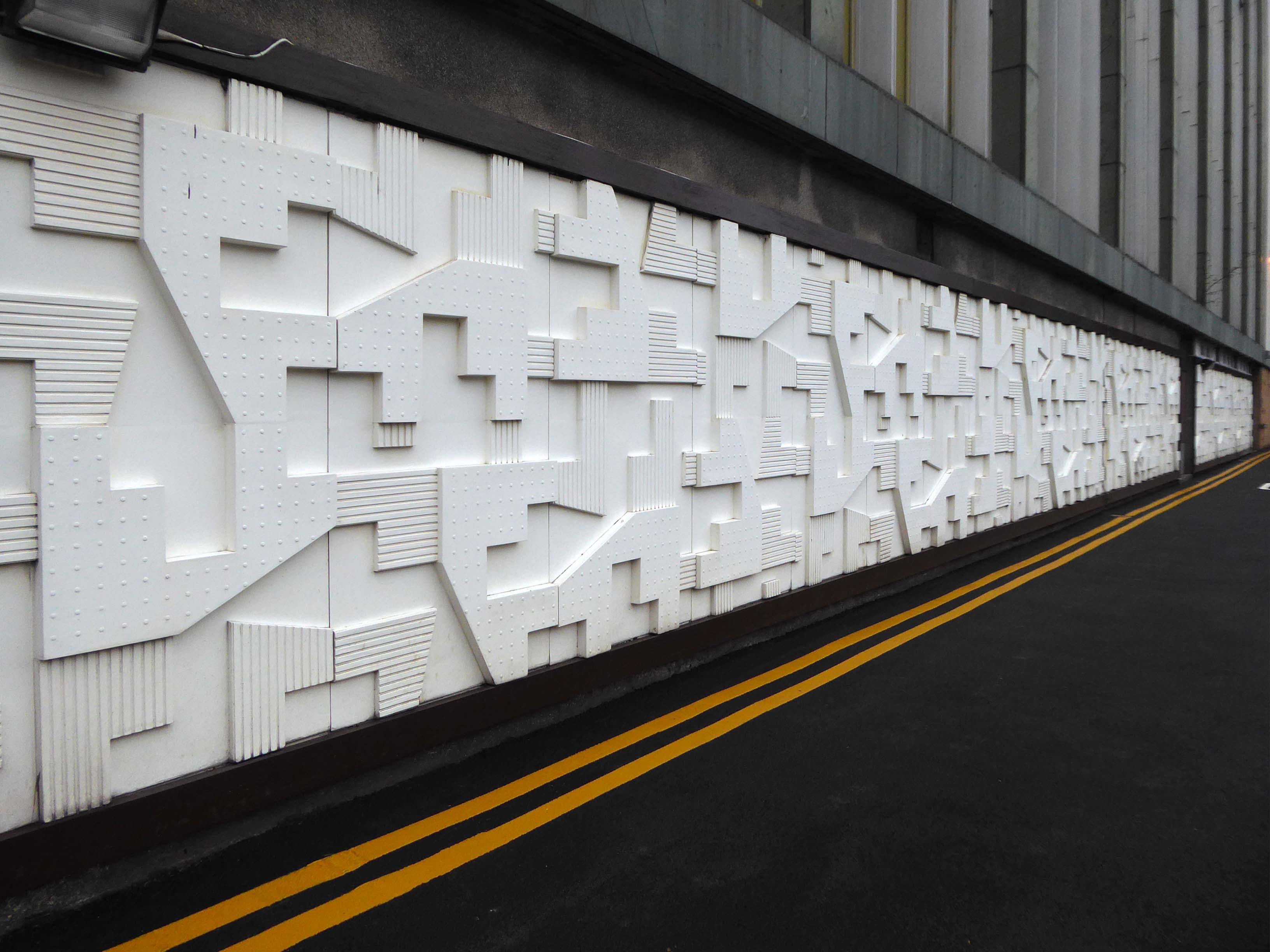
Drawings of the original building are dated around 1937 and are simply signed by the Ministry of Works, Preston. Drawings of a small extension dated 1961 are signed by HG Swann at the Ministry of of Works. However – the drawings dated 1970 seem to be the ones of interest. I found elevations detailing the various textured cladding panels, signed by Senior Architect LC Stuart, Job Architect BJ Burroughs and drawn by RJW, Ministry of Public Building and Works at Prince Consort House, London.
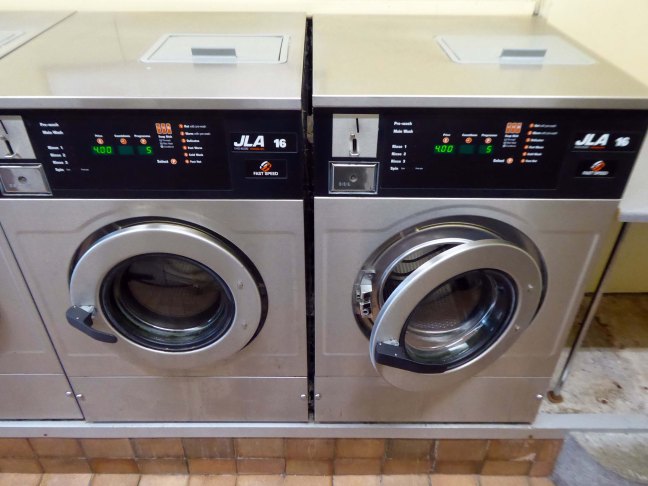
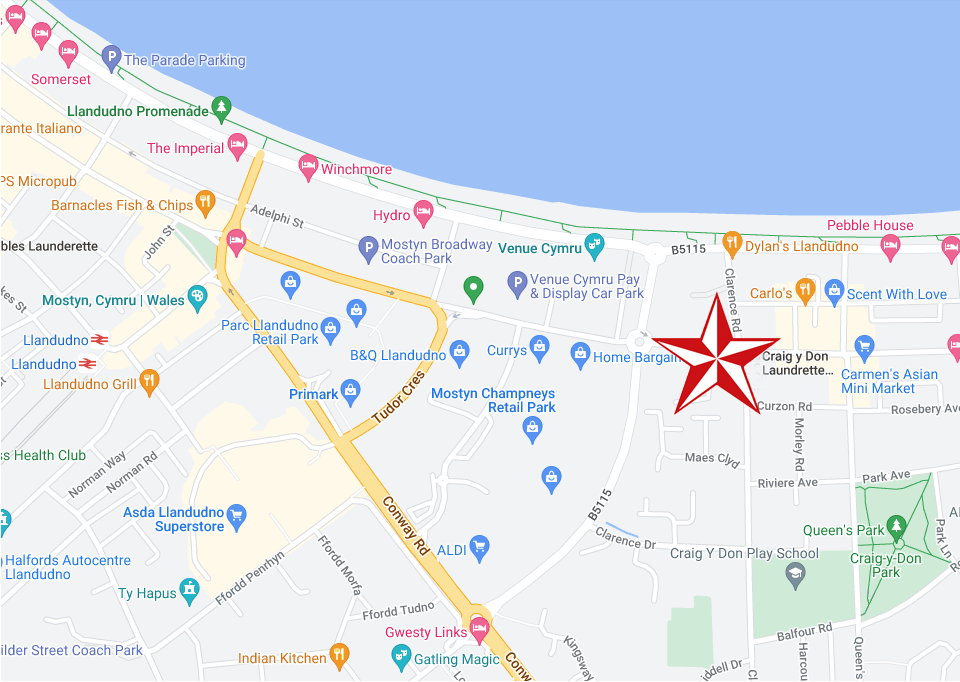
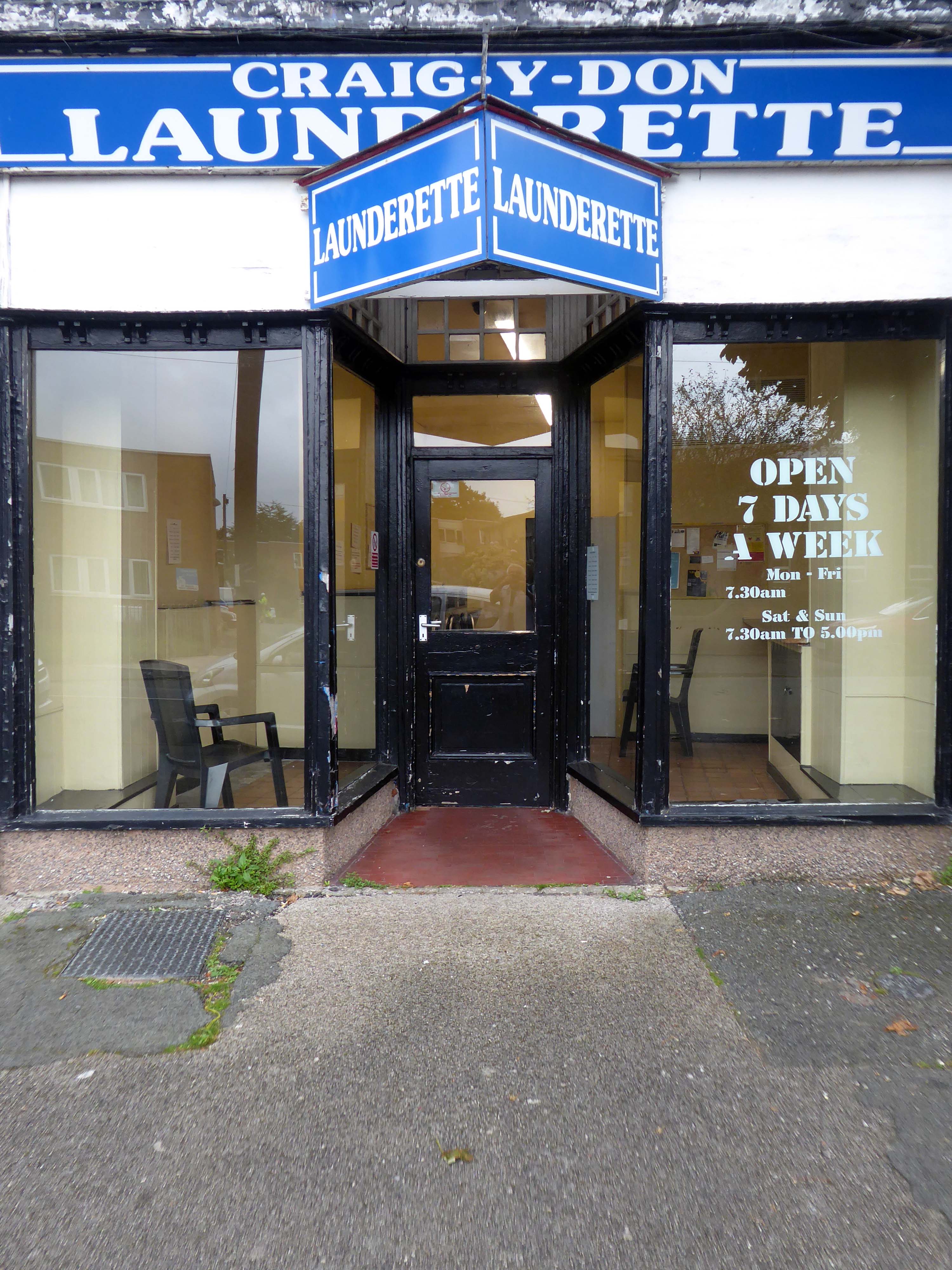
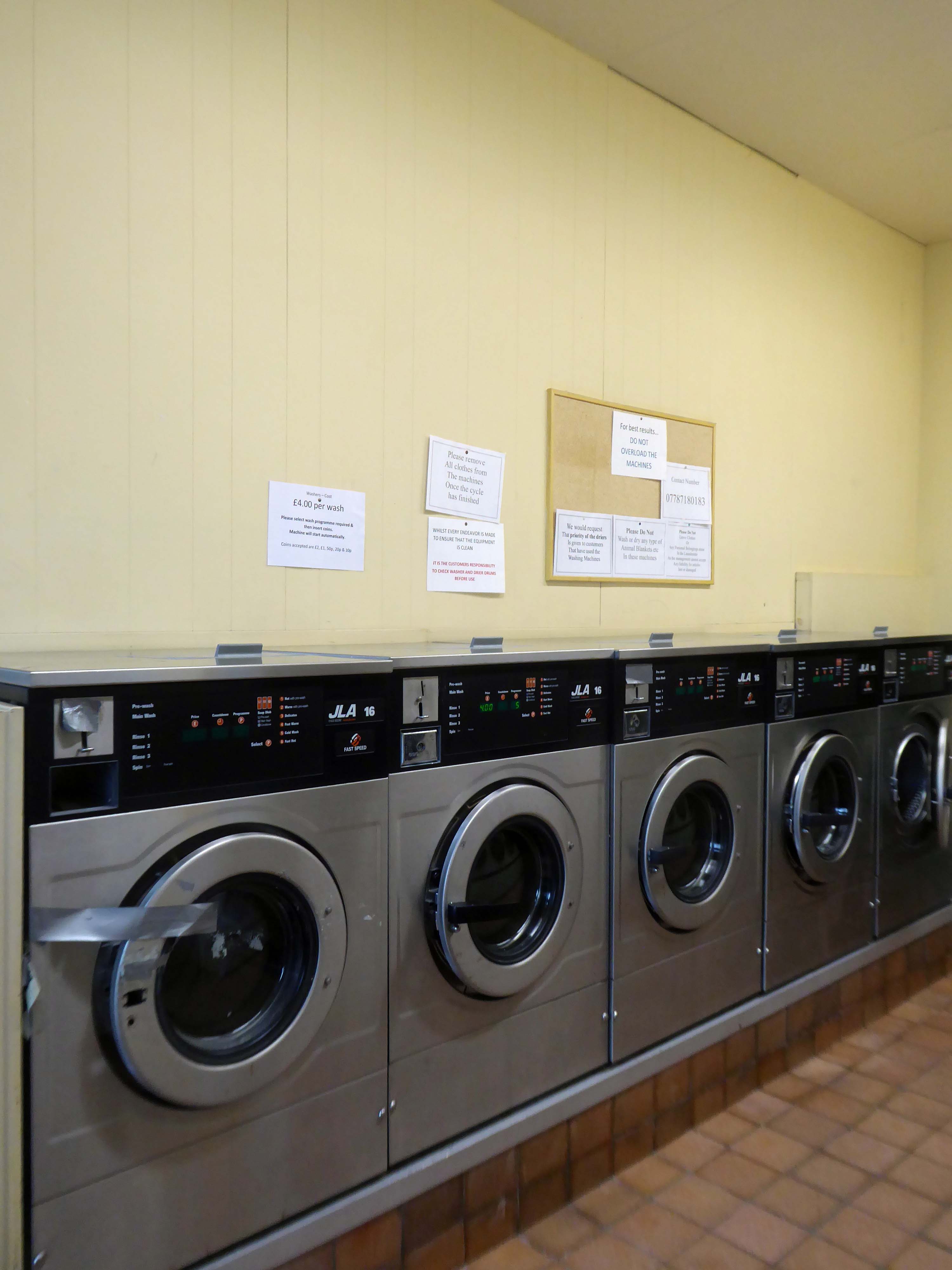
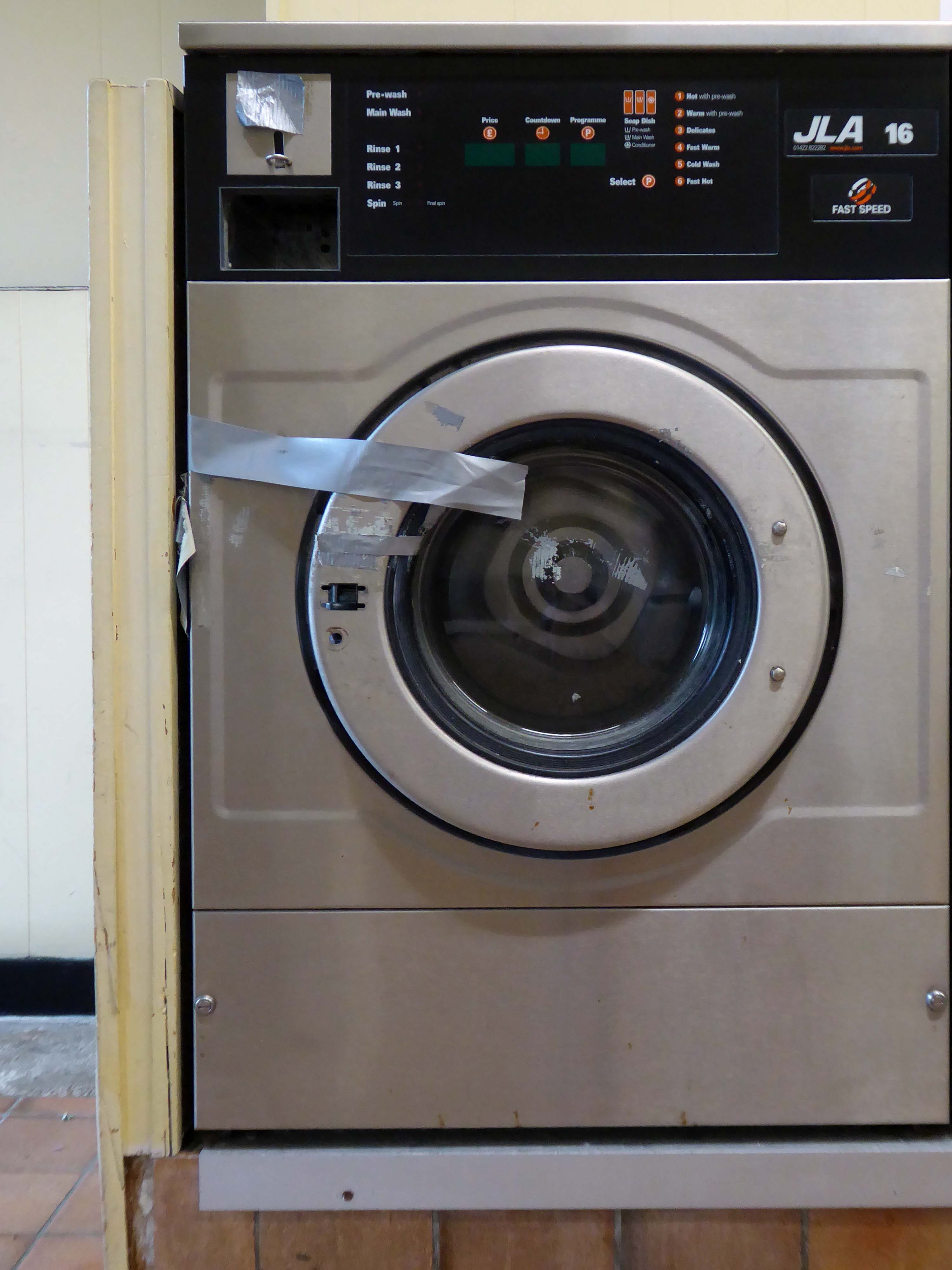
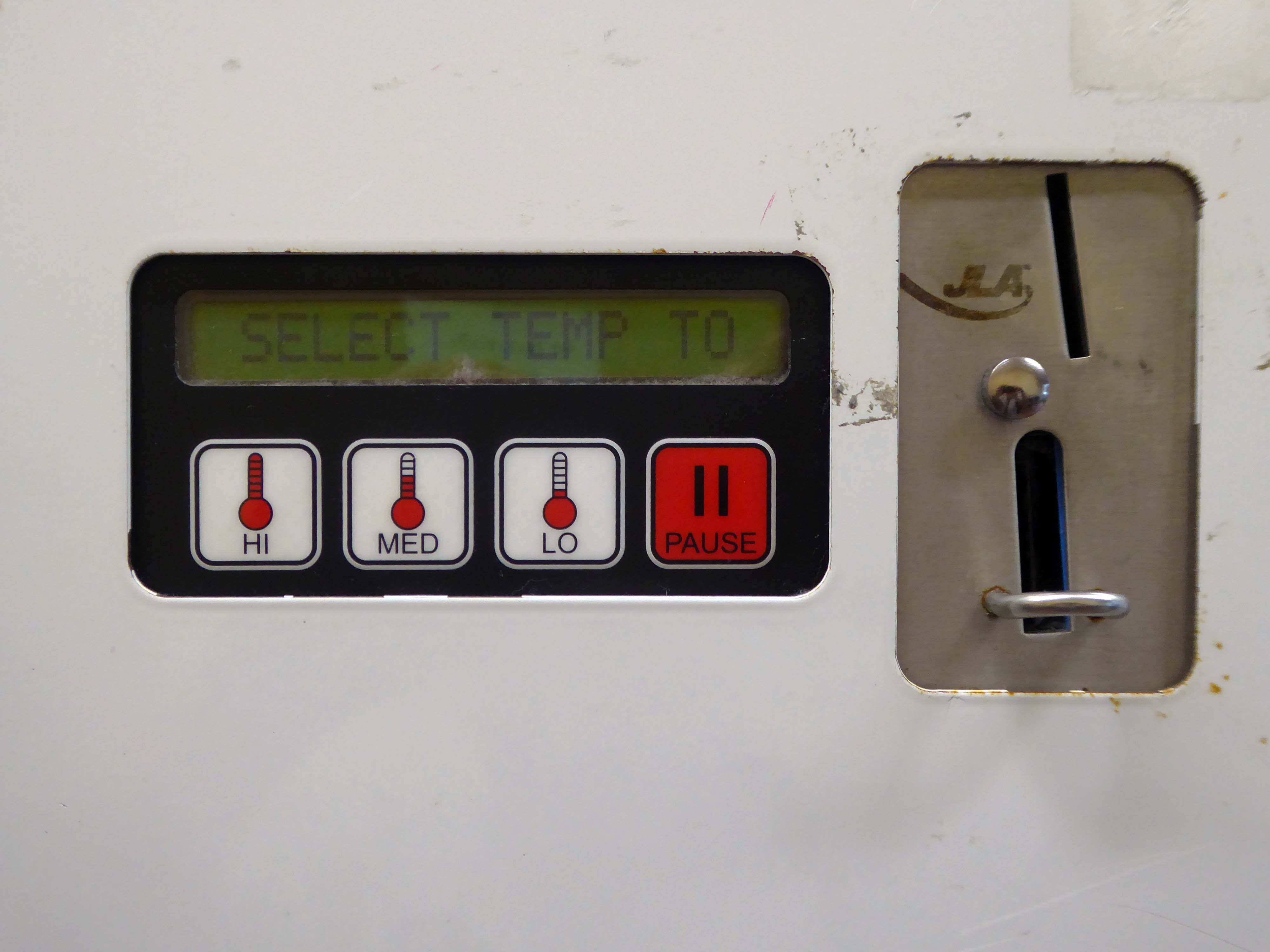
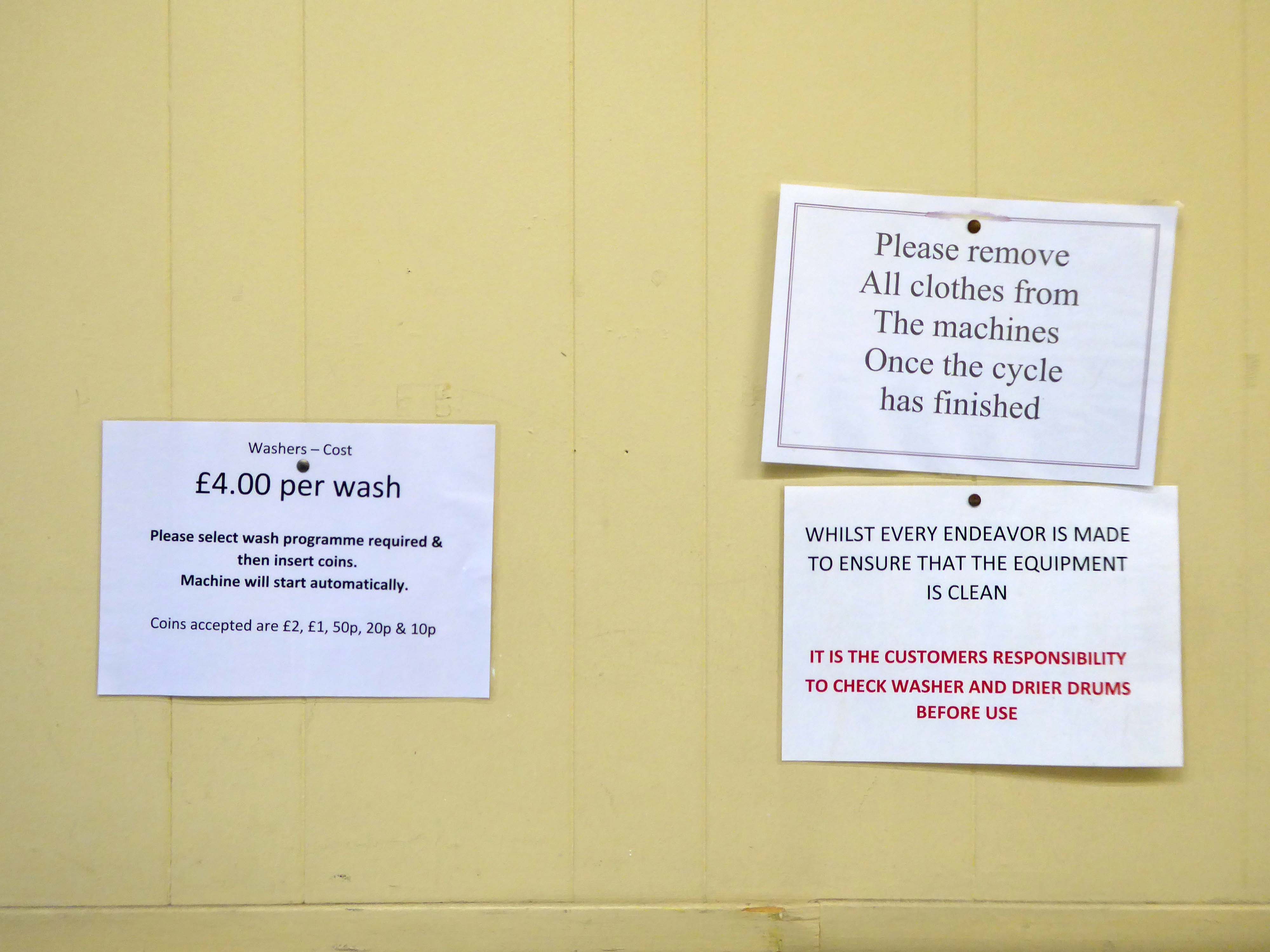
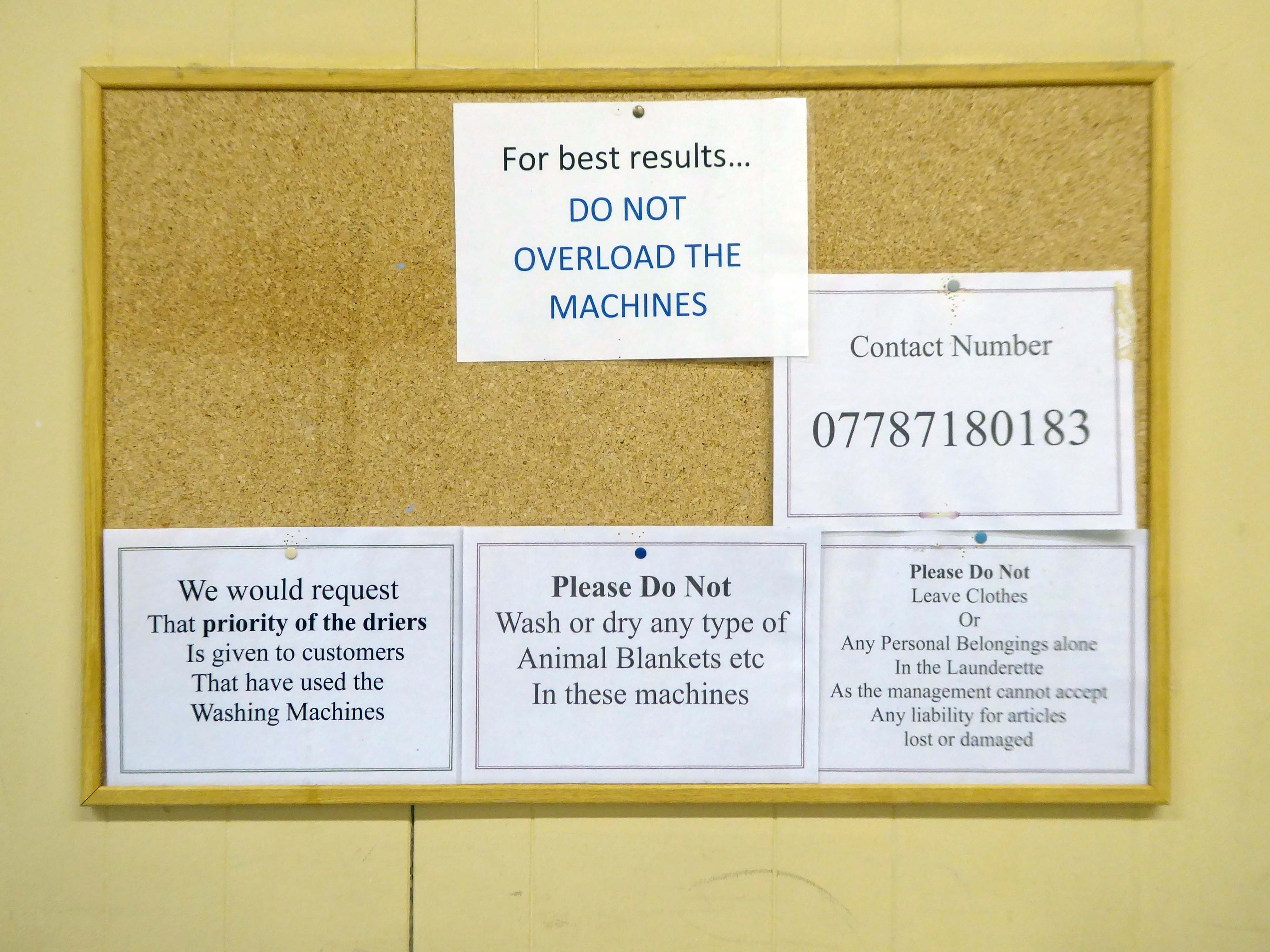
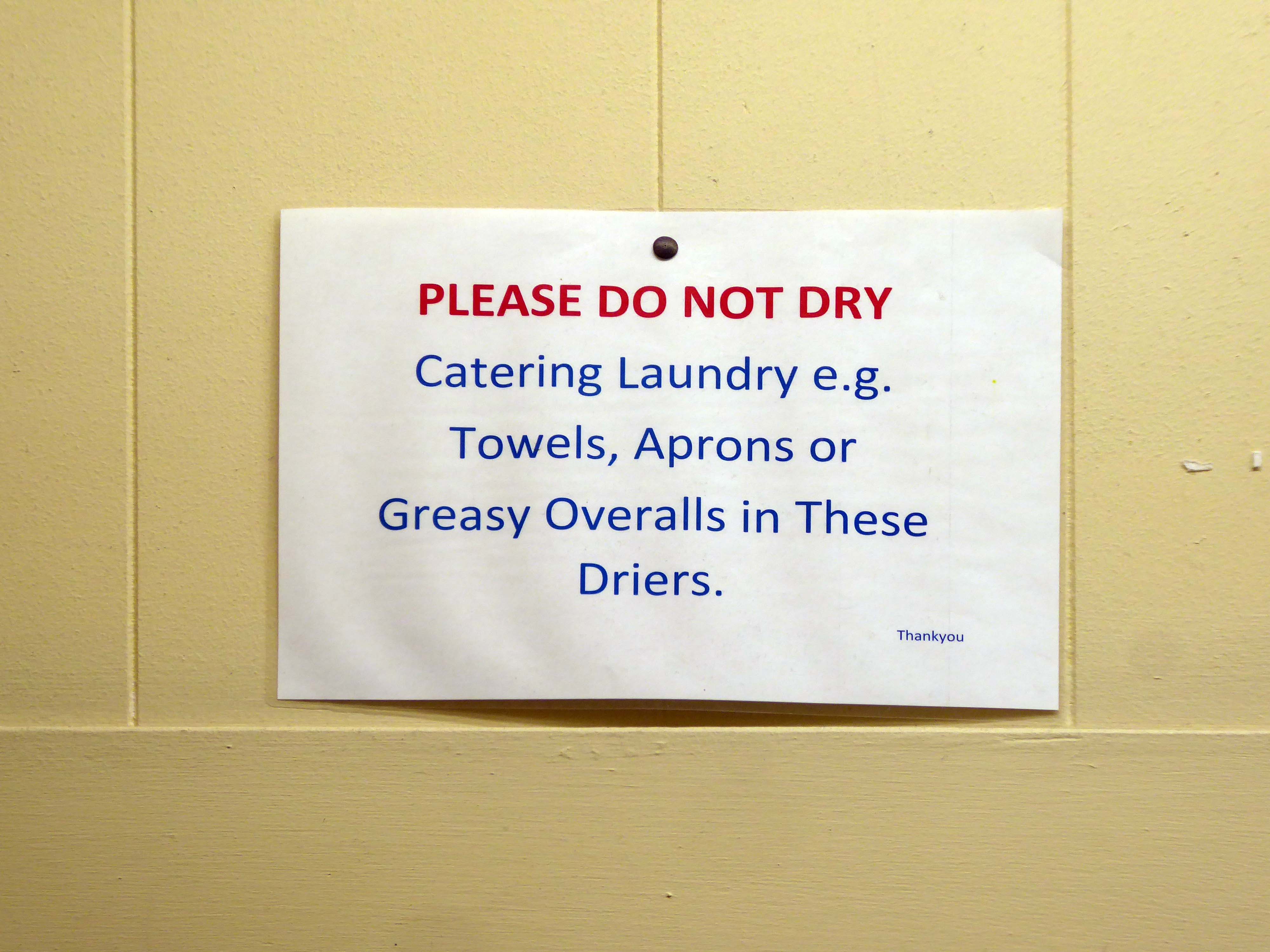
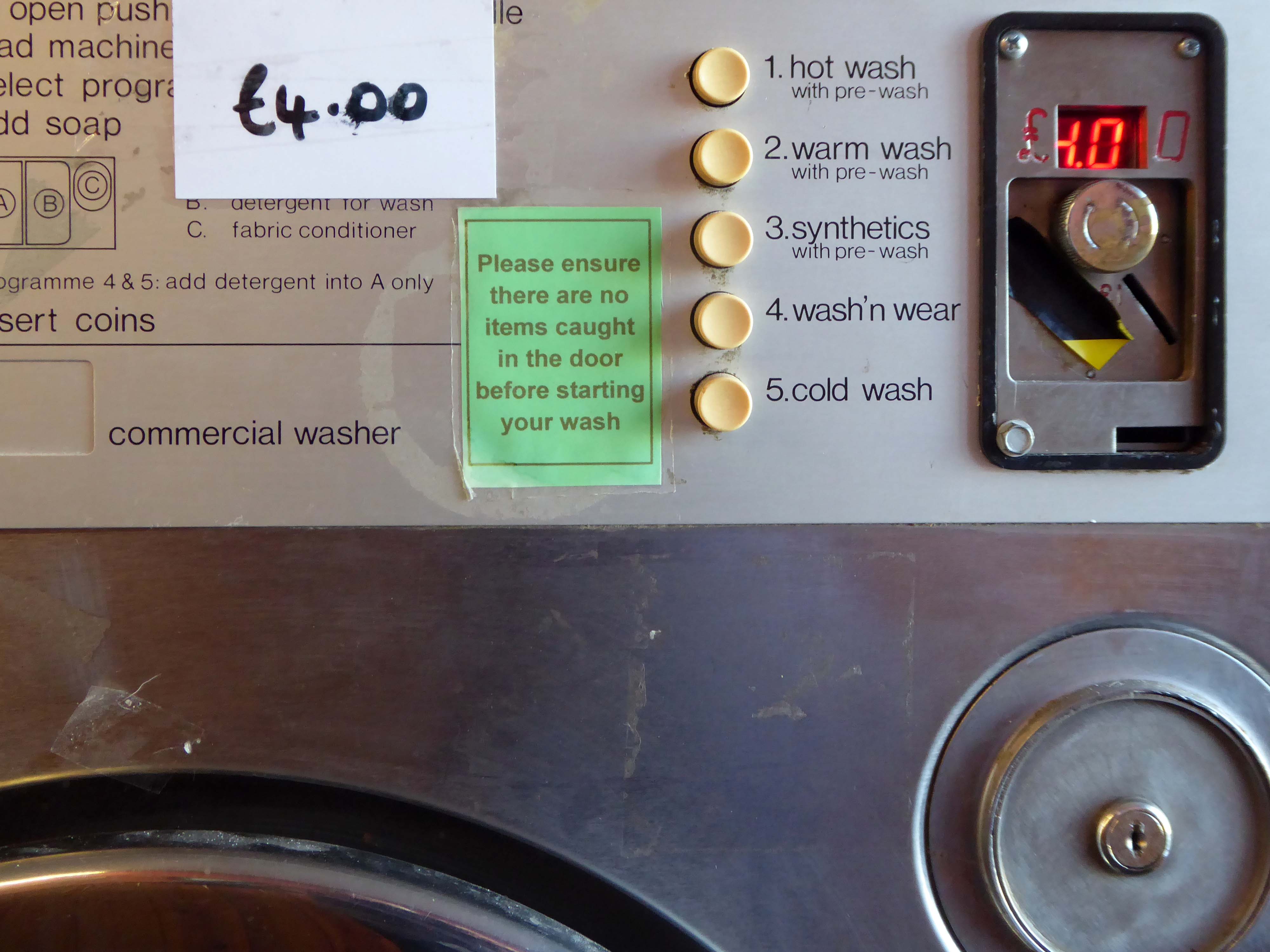
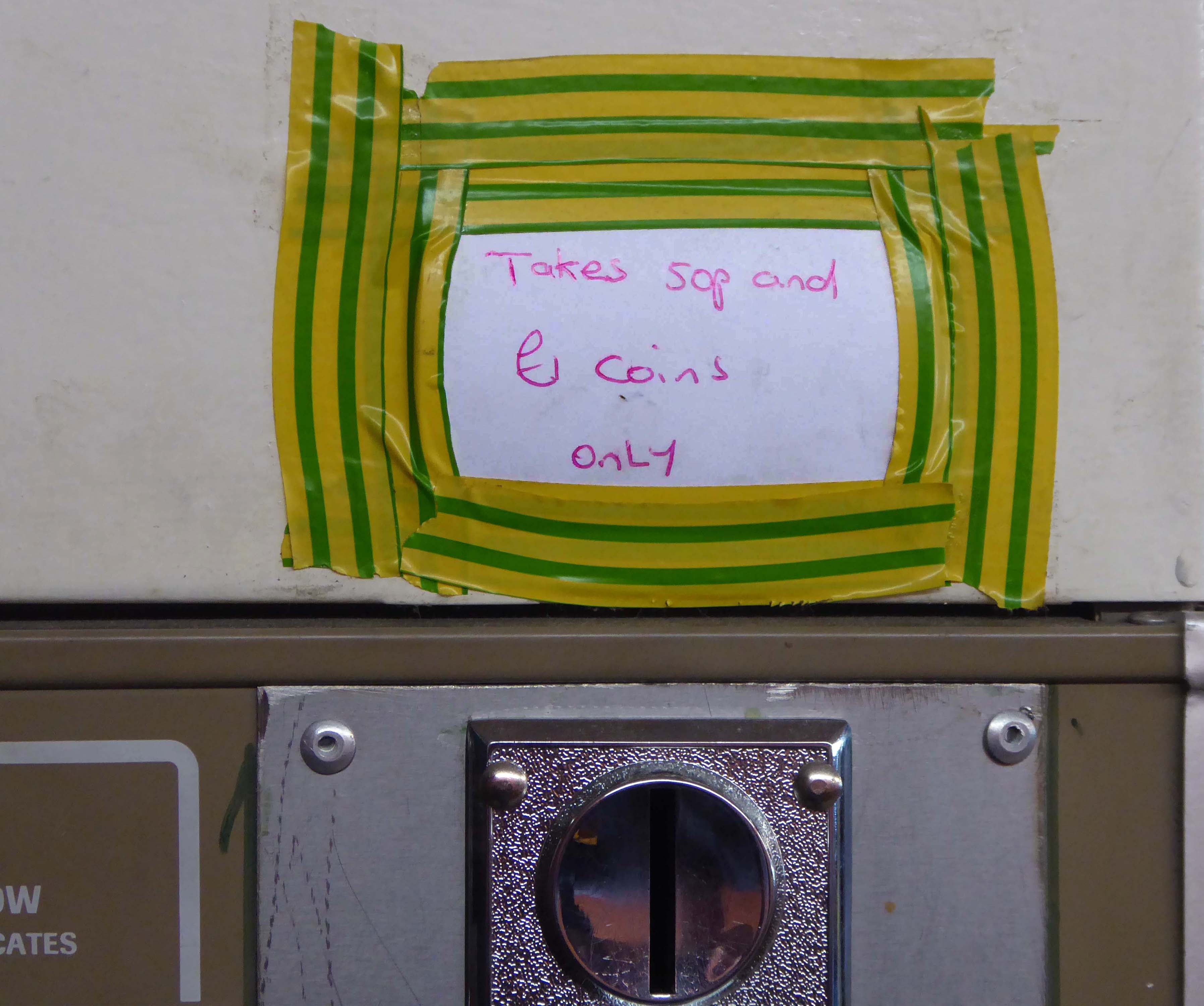
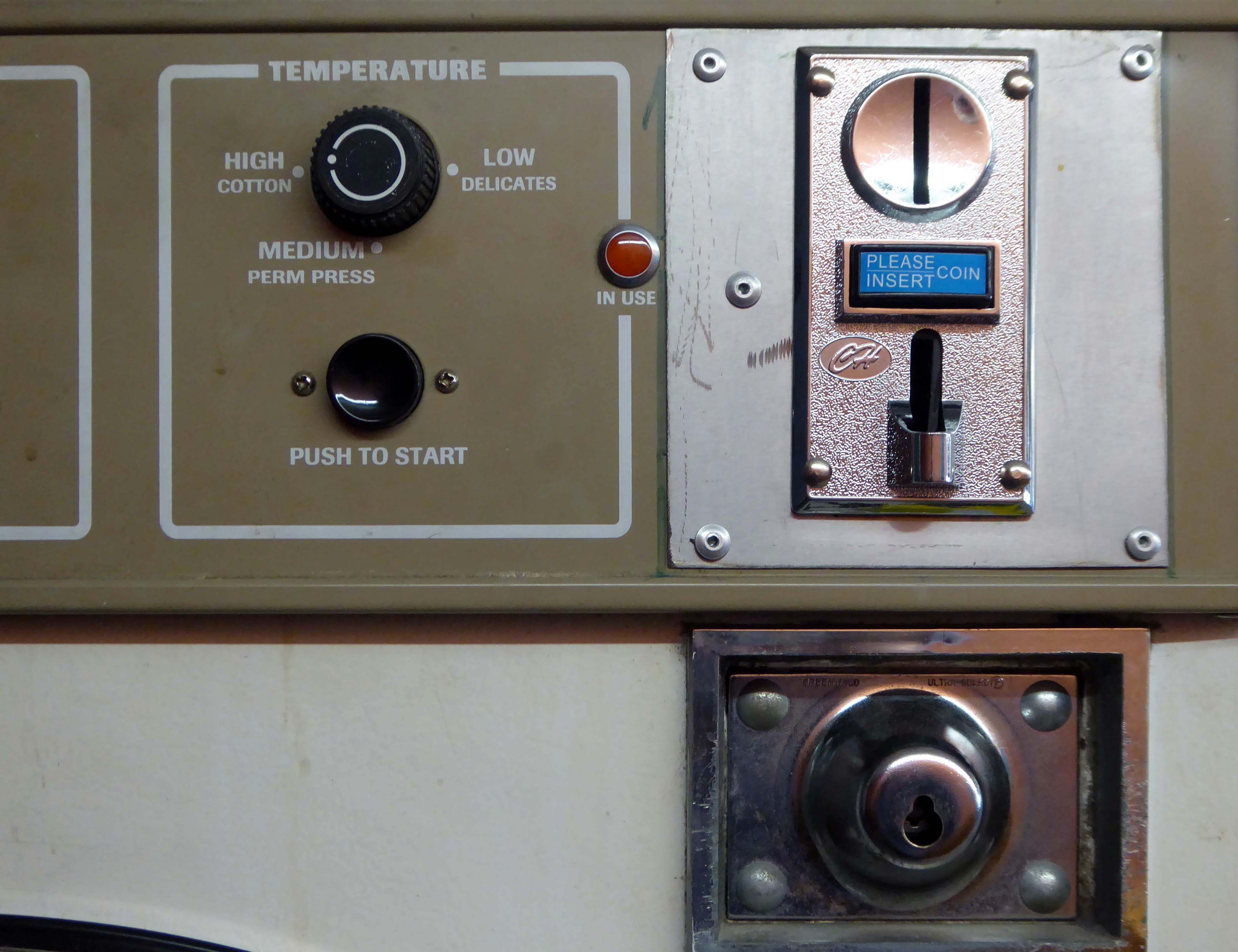
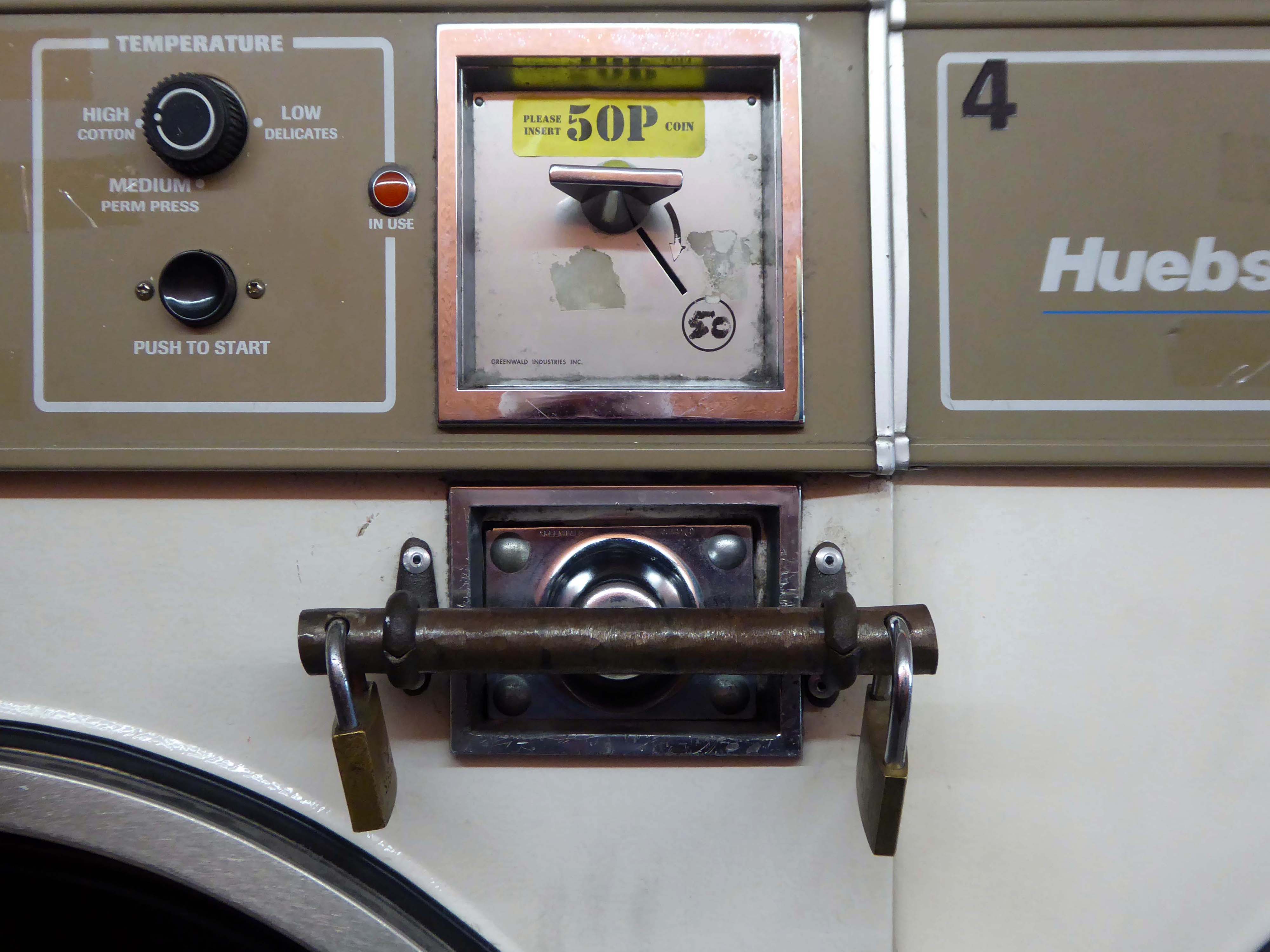
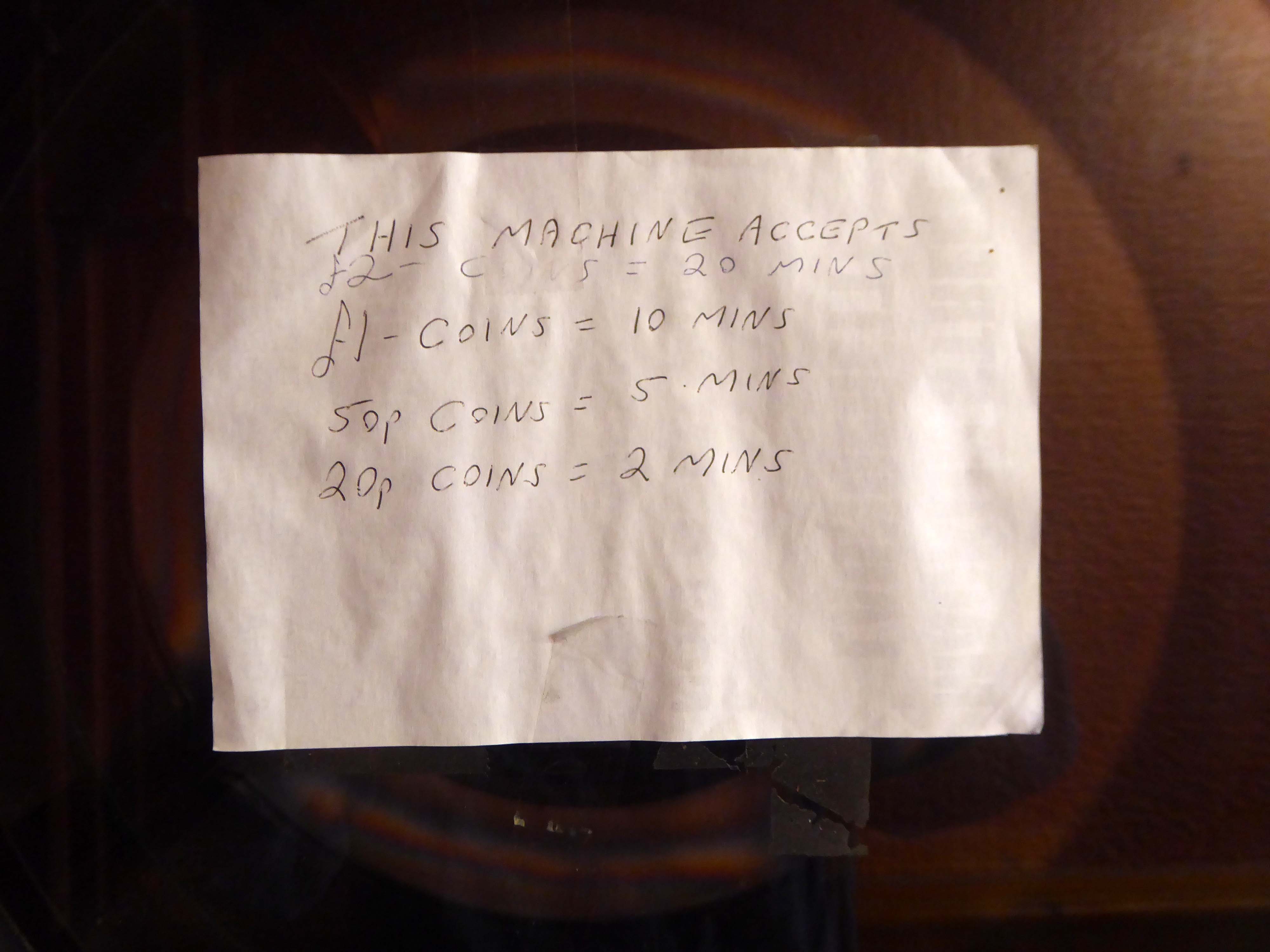
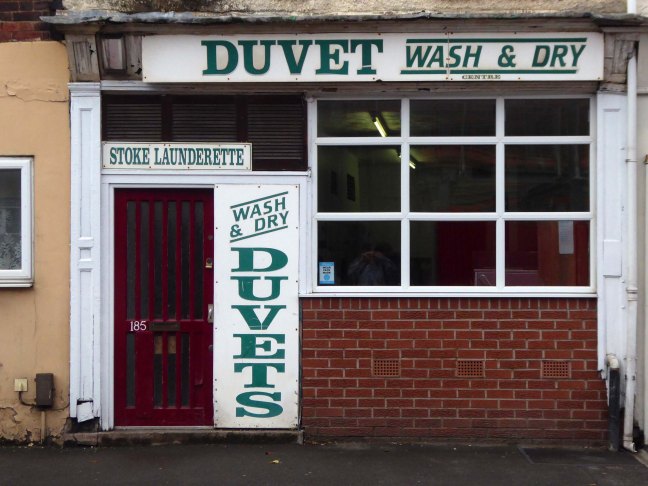
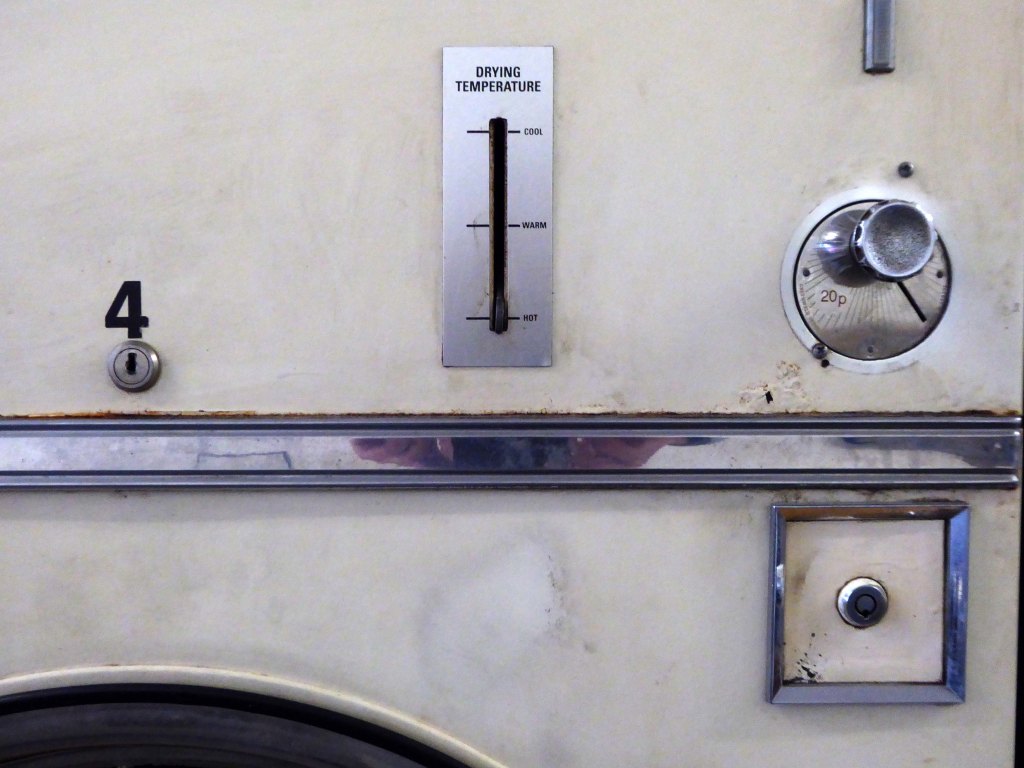
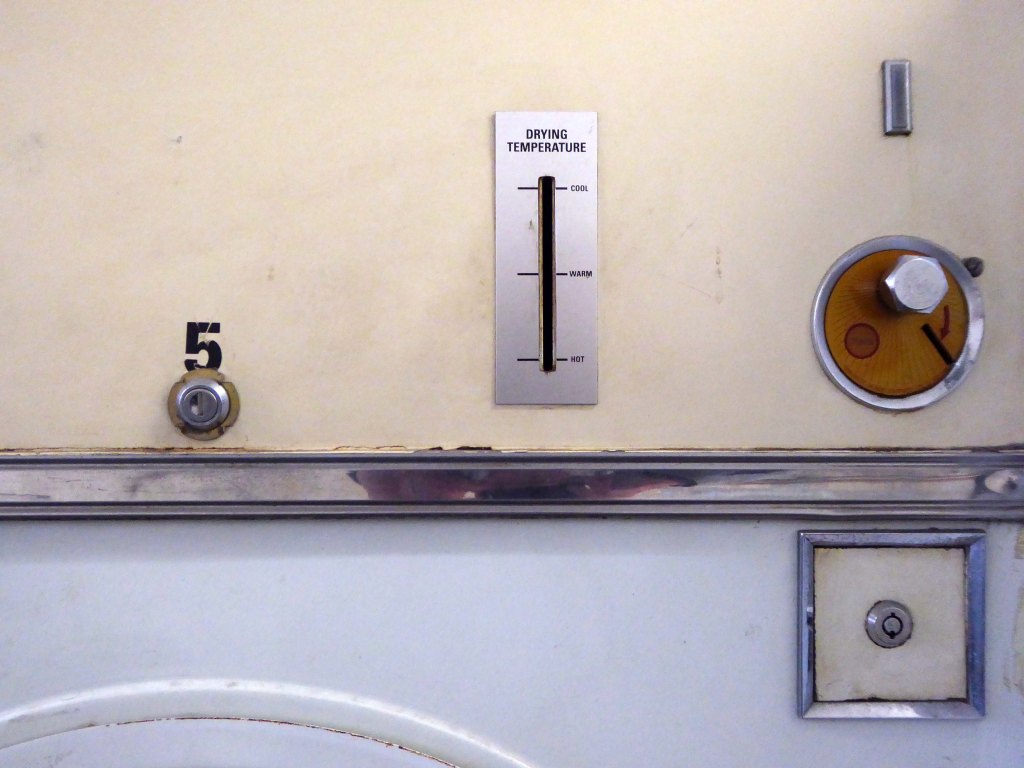
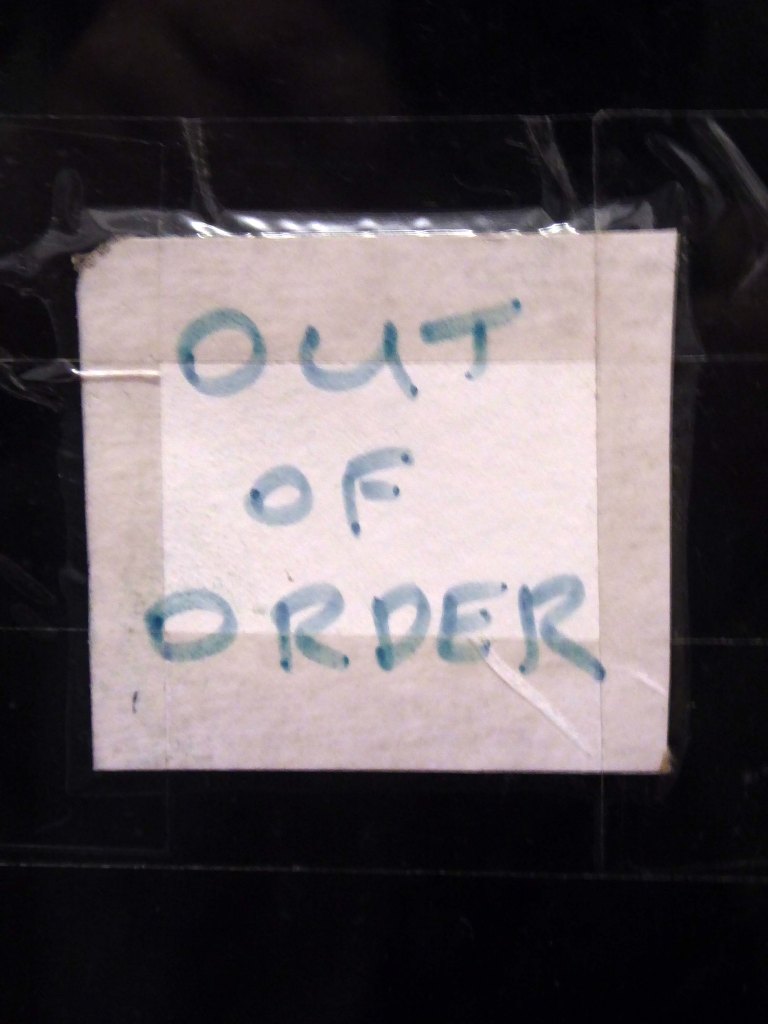
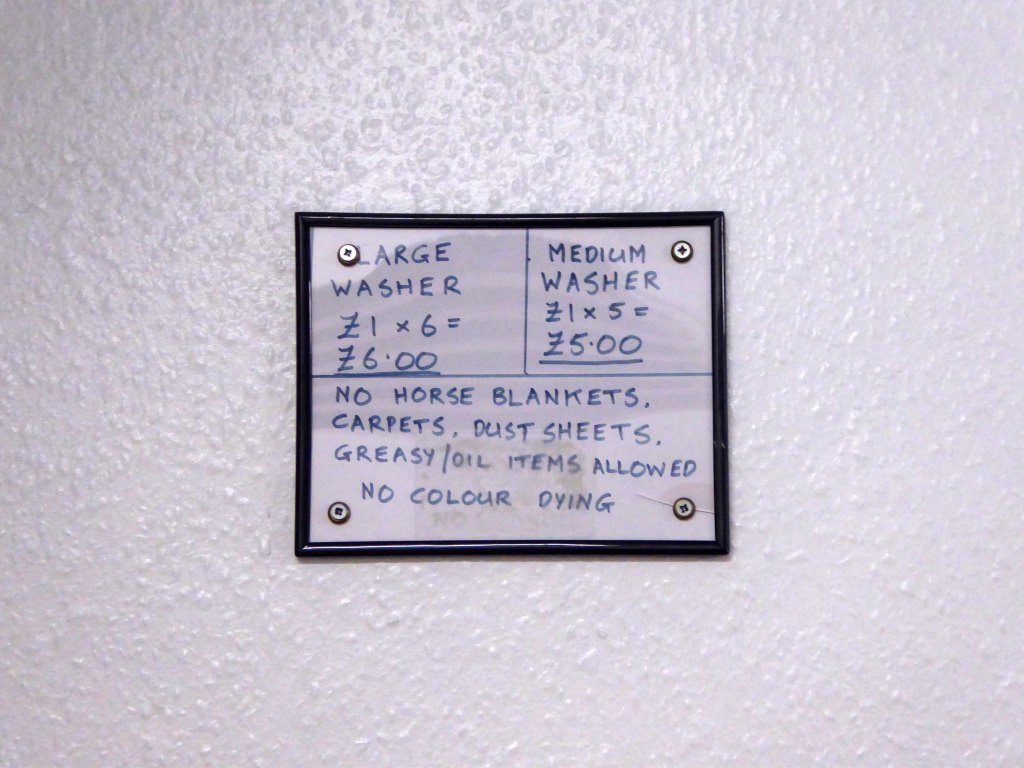
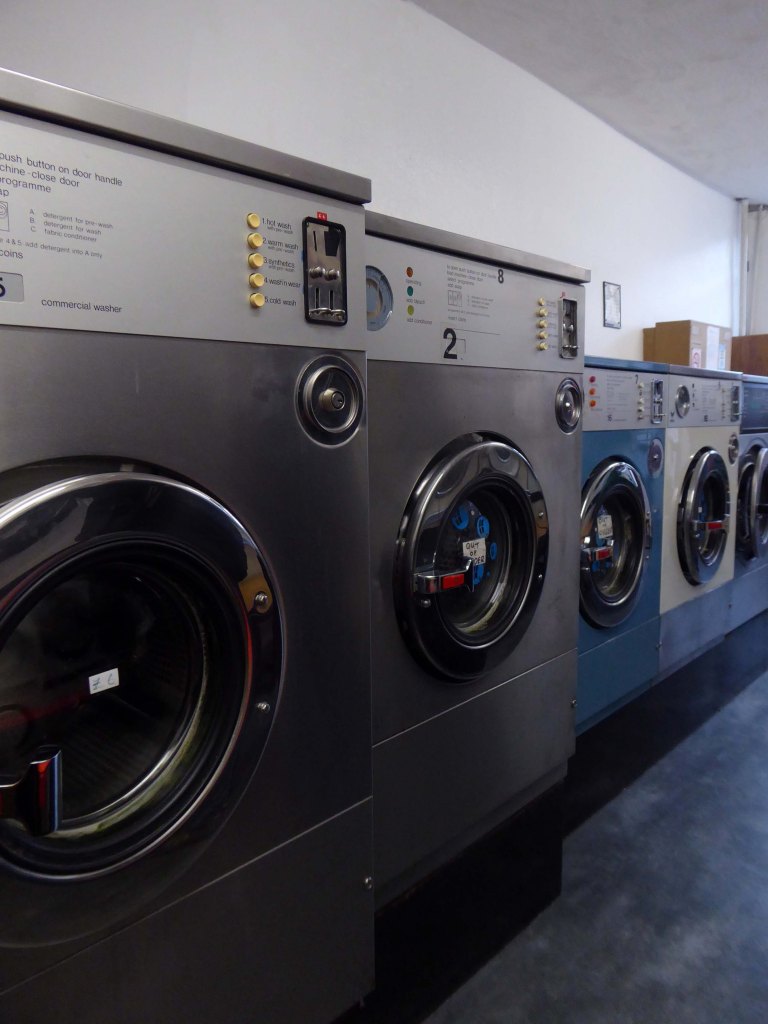
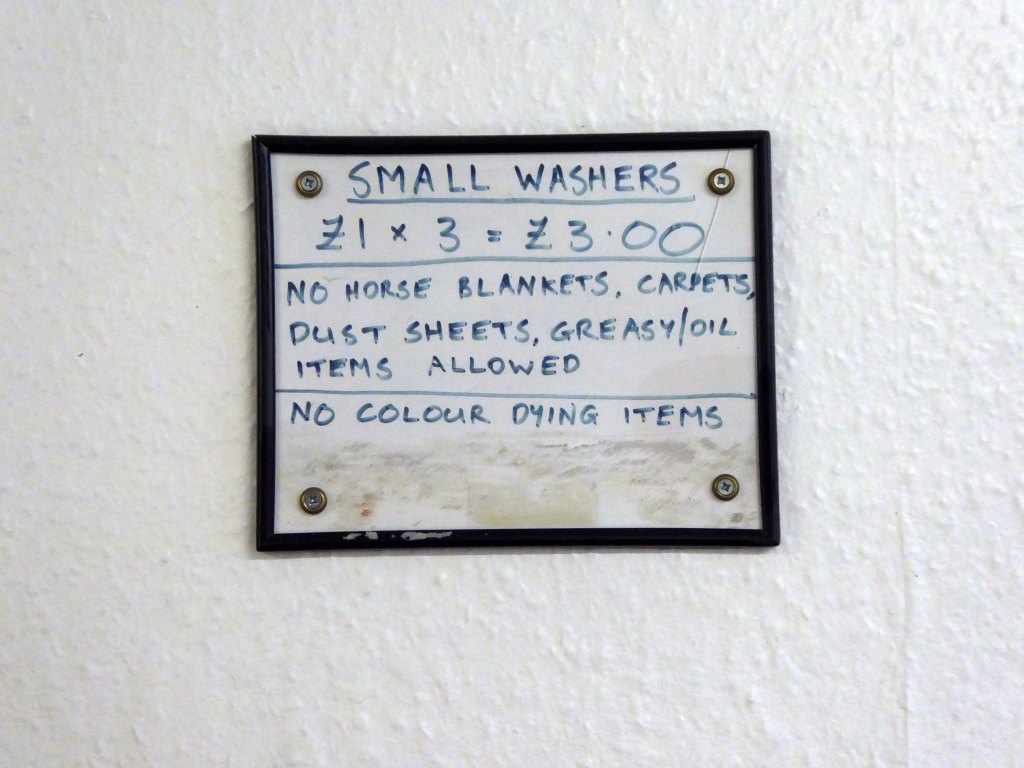
Only takes 20p 50p £1 £2 and no change machine. No detergent either so plan on getting some at the store nearby first. No WiFi, four dryers and five washing machines, one of which, doesn’t work.
The only good thing about it is that it’s open on Sundays.
CJ – local guide
Brilliant dryers and not too expensive, I had to laugh at the review saying – no WiFi.
Debbie Dent
This wash and wear love could hang you out to dry.
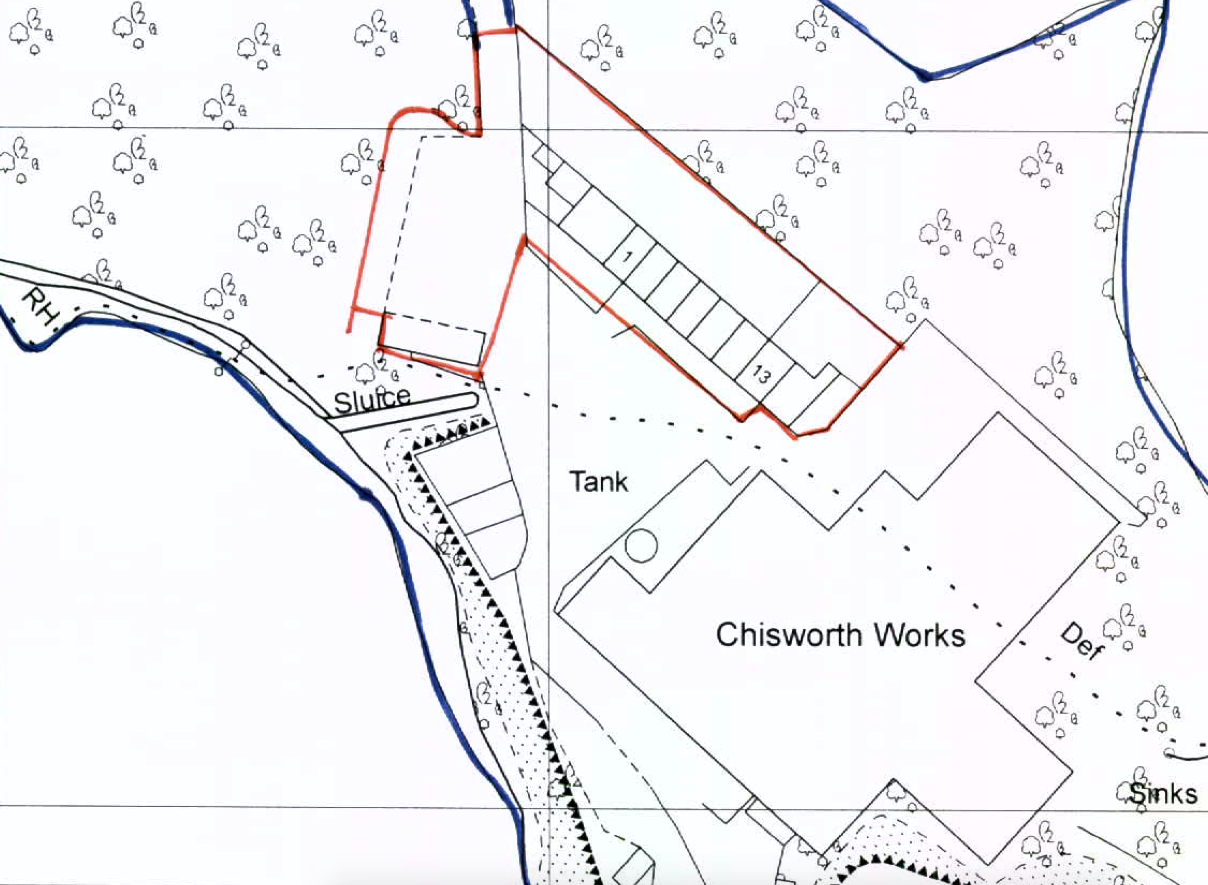
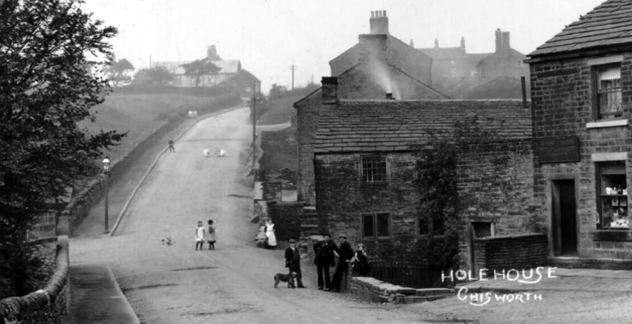
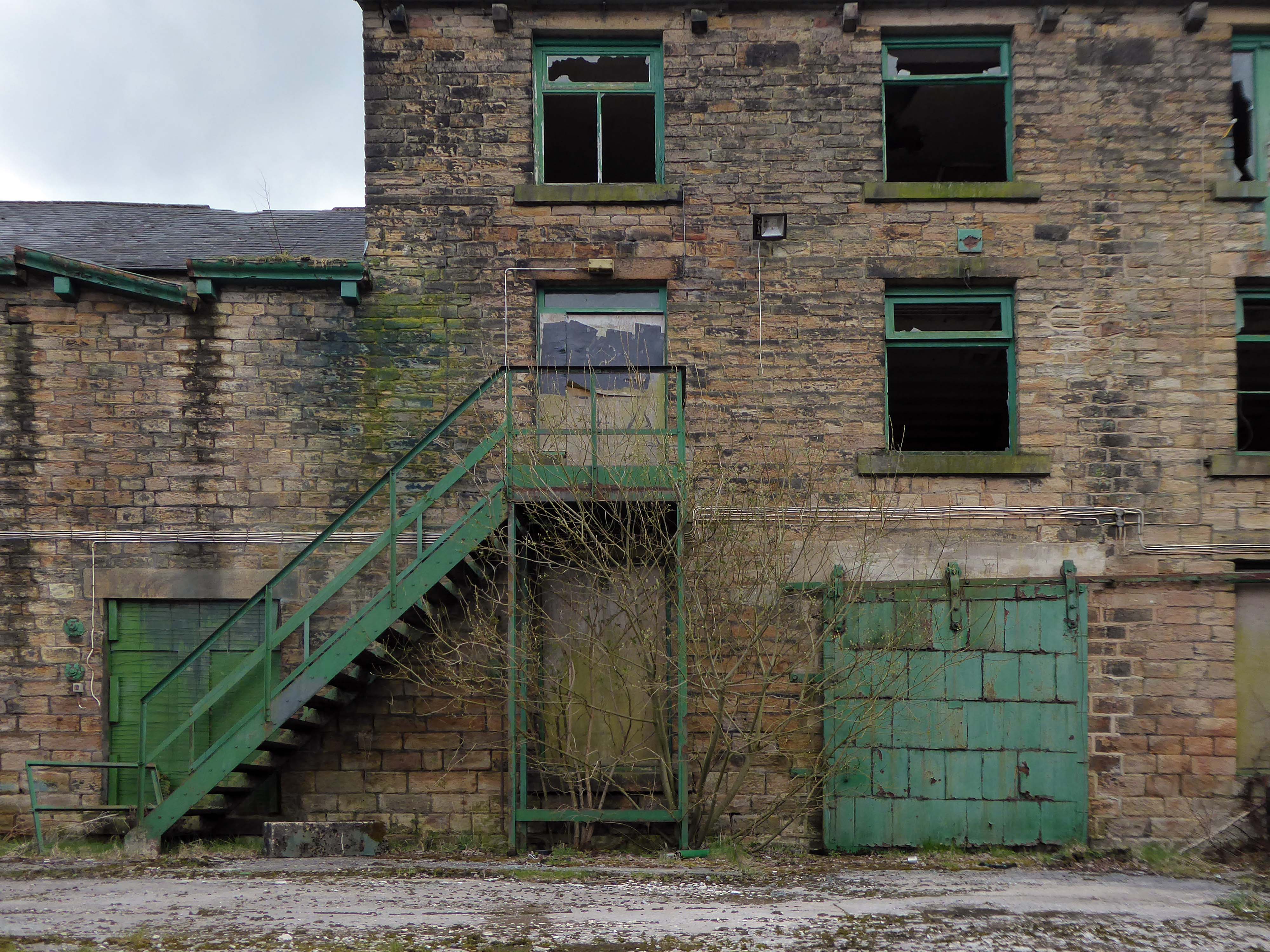
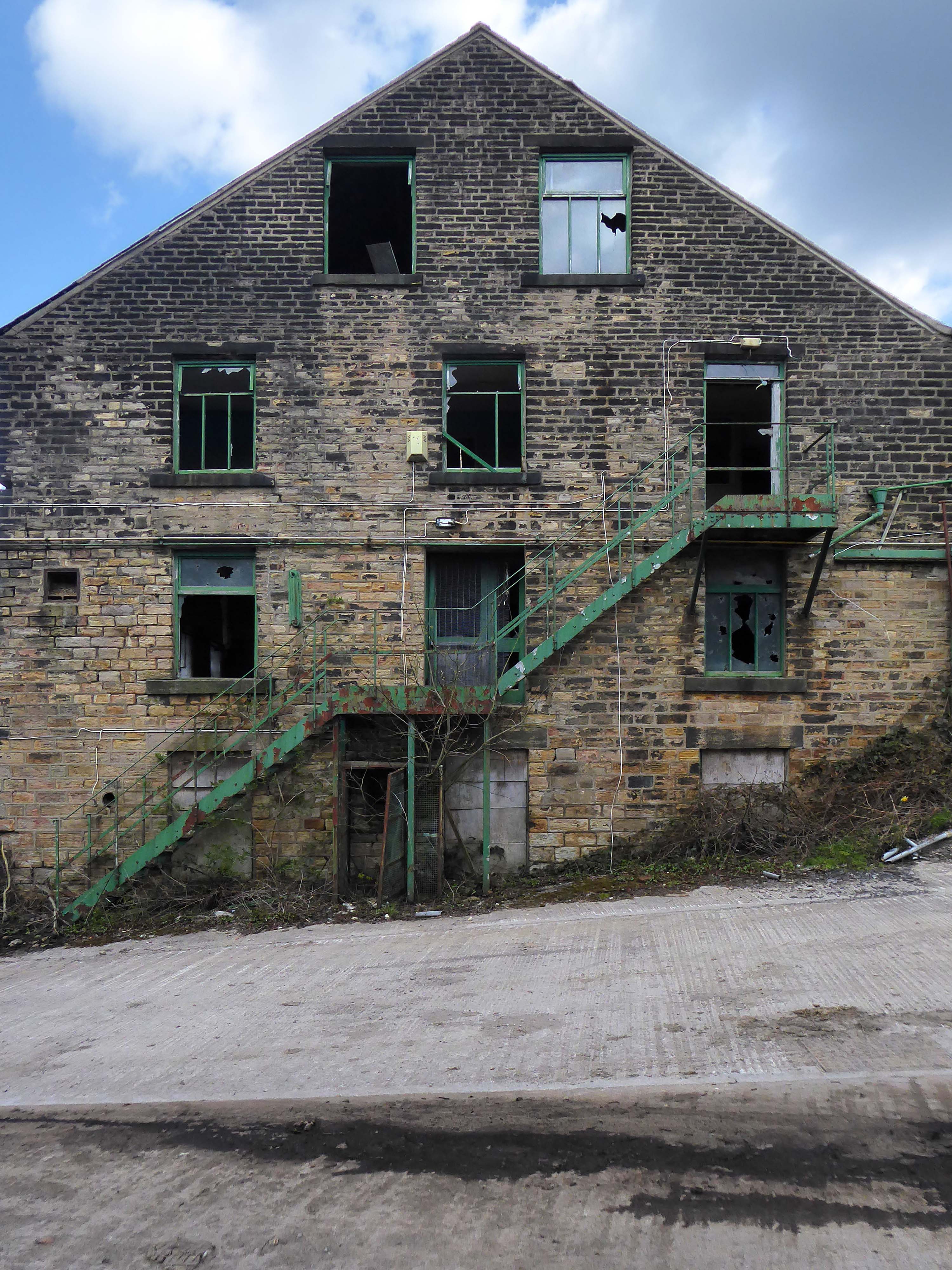
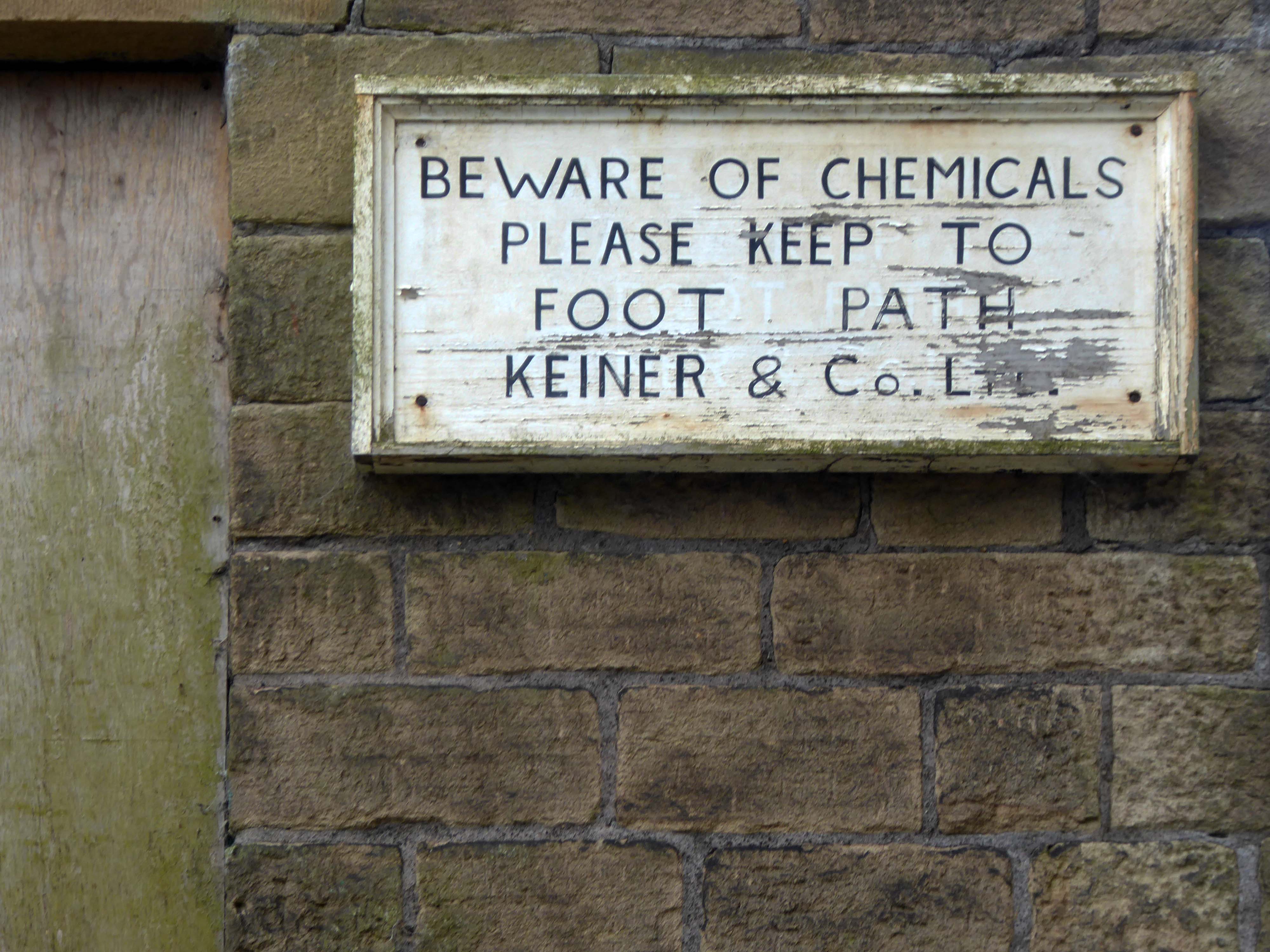
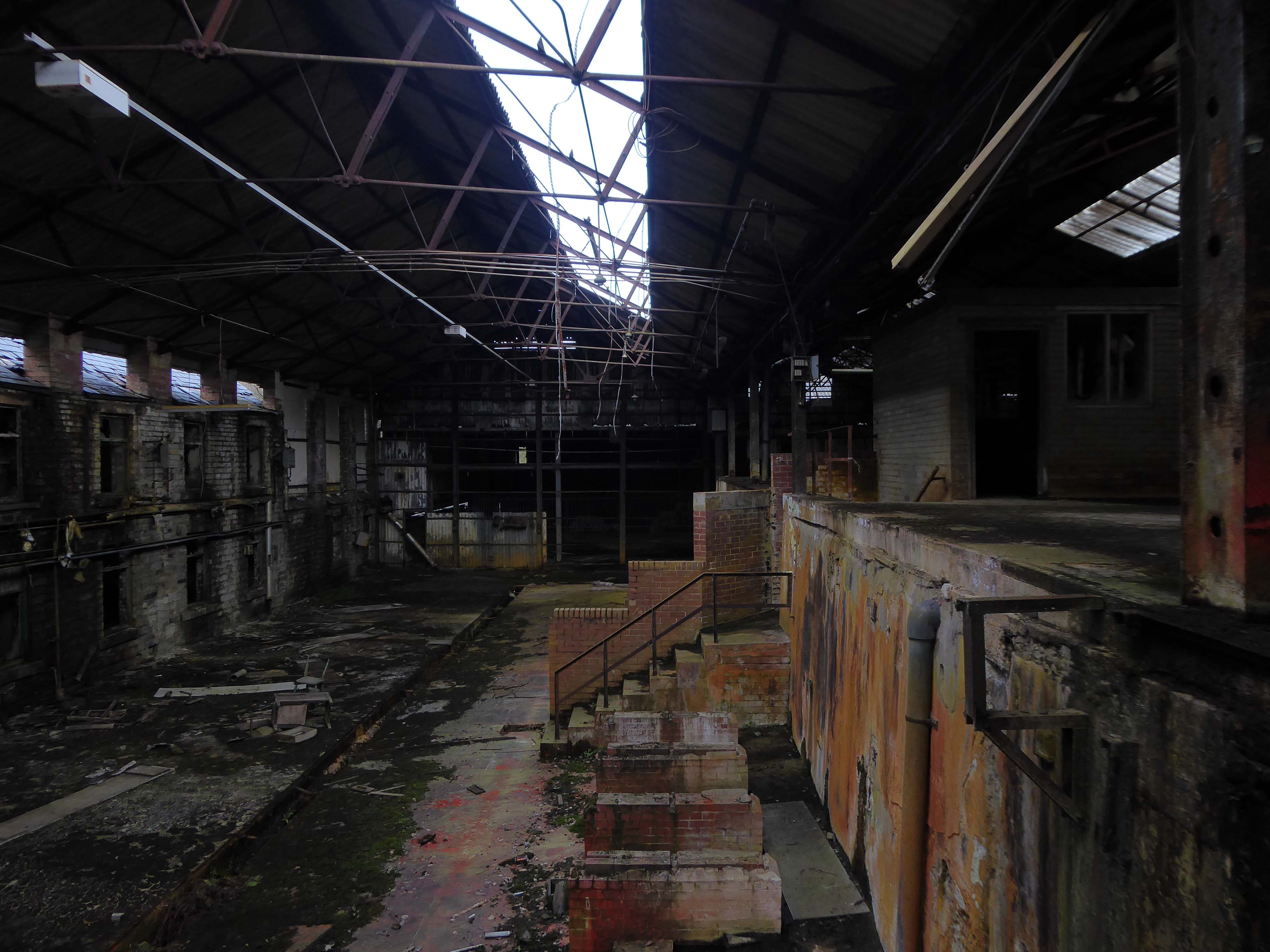
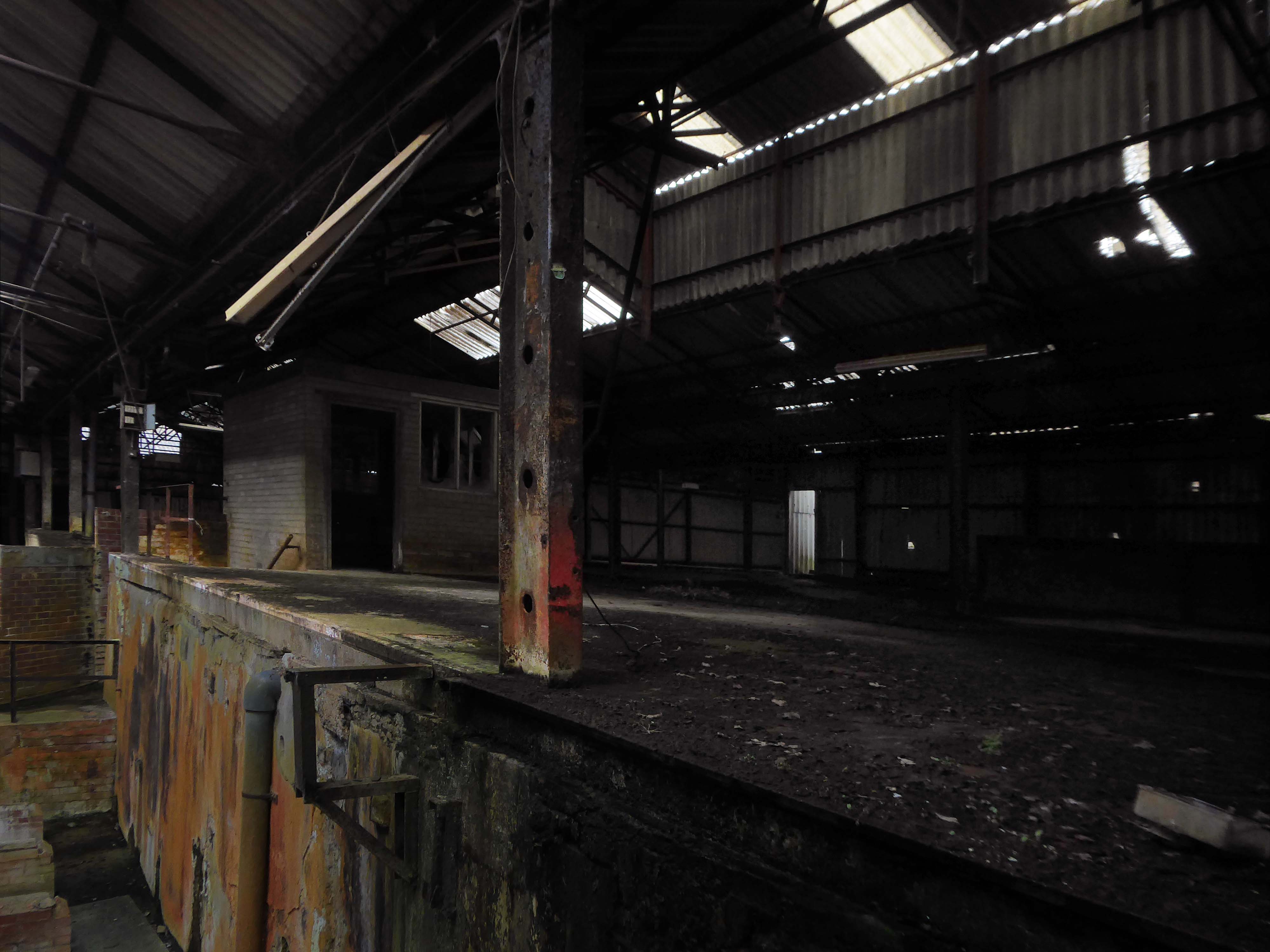
Chisworth Works Coombes Lane Holehouse Charlesworth and Chisworth SK13 5DQ
Built at the end of the 18th or in the early 19th centuries; Chisworth Works was as a cotton band manufactory. During these times, the site was called Higher Mill.
It was referred to as Higher Mill, as there was a lower works, Mouse Mill in Holehouse, owned by the Booth family.
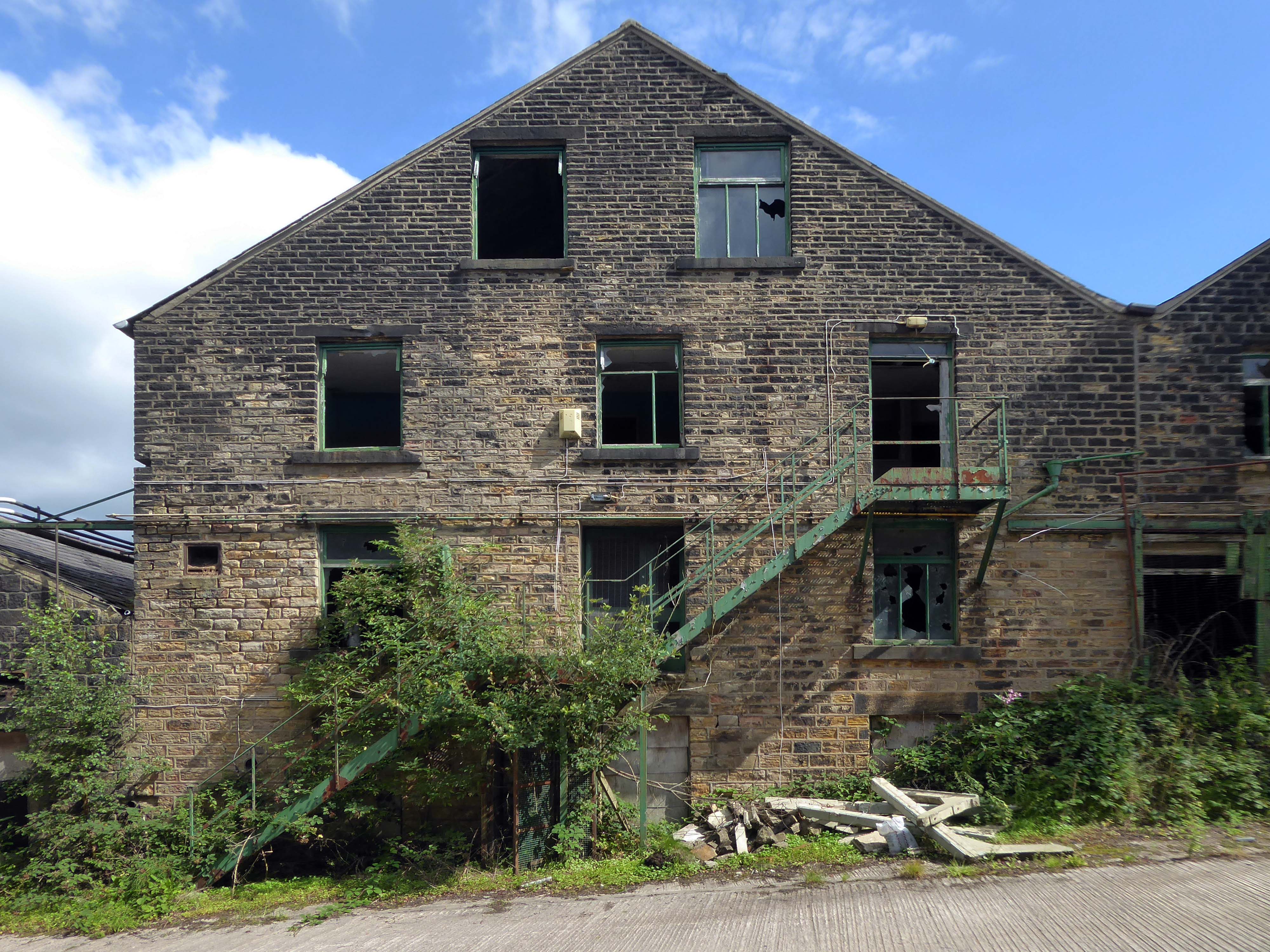
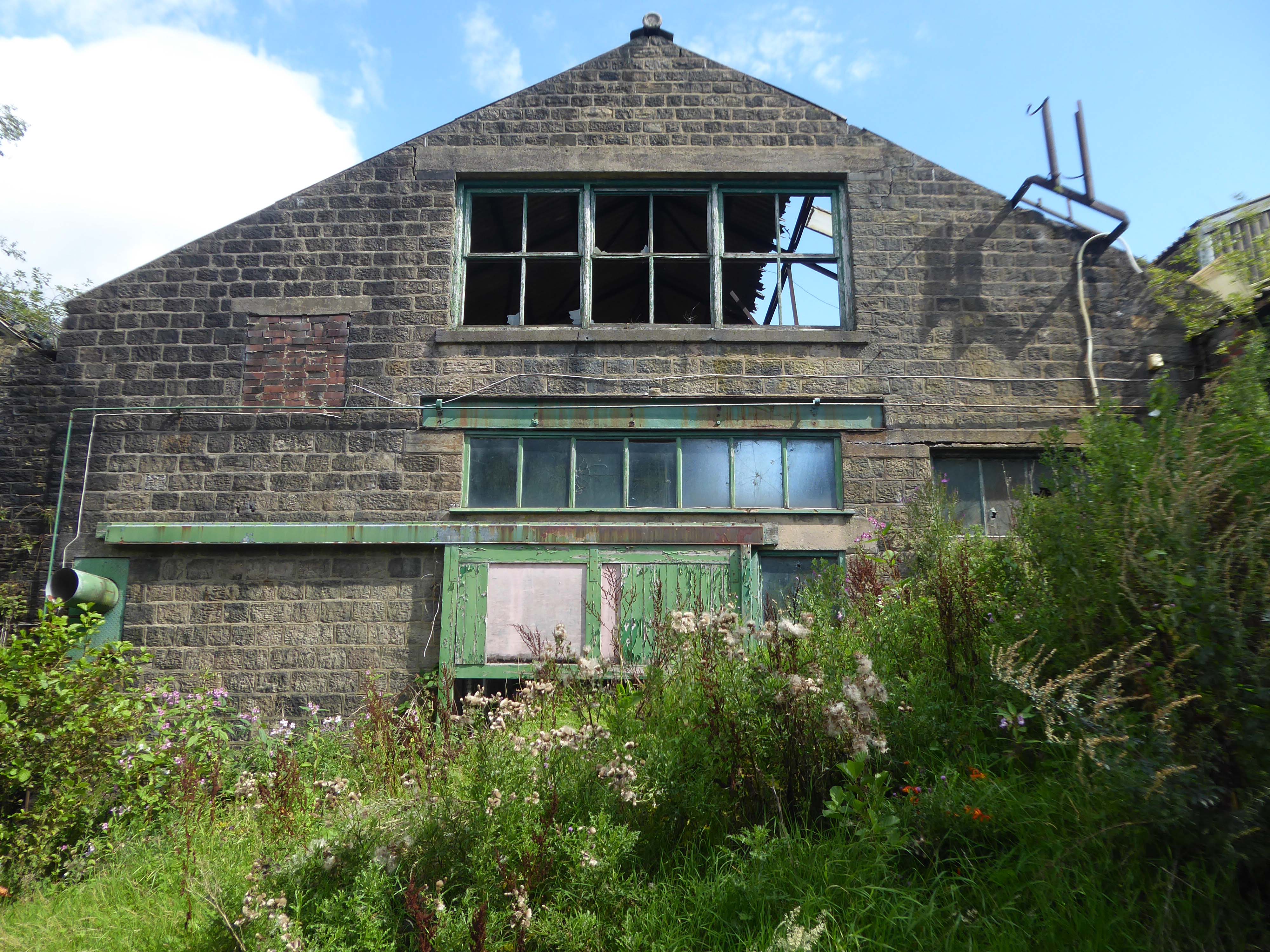
It has been a longstanding, low-lying object of interest to those intrepid Urban Explorers.
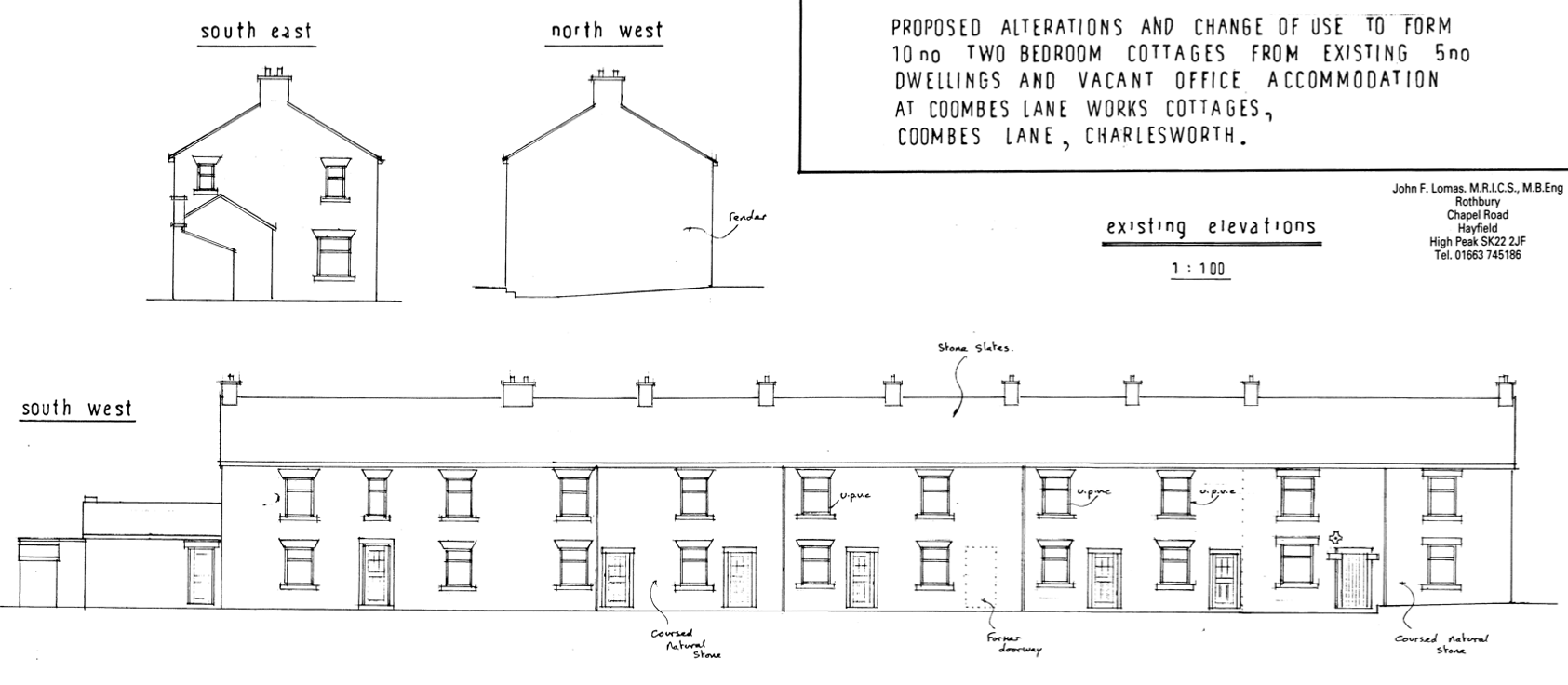
A planning application of 2009 was submitted for redevelopment of the terraced cottages.
Proposed alterations and change of use to form ten two bedroom cottages from existing five dwellings and vacant office accommodation.
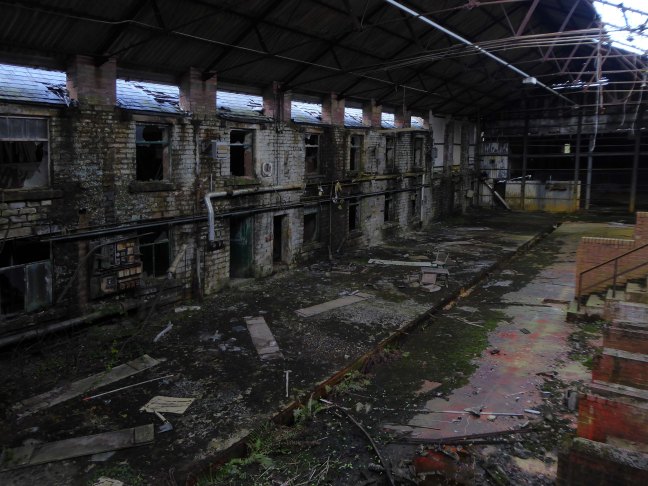
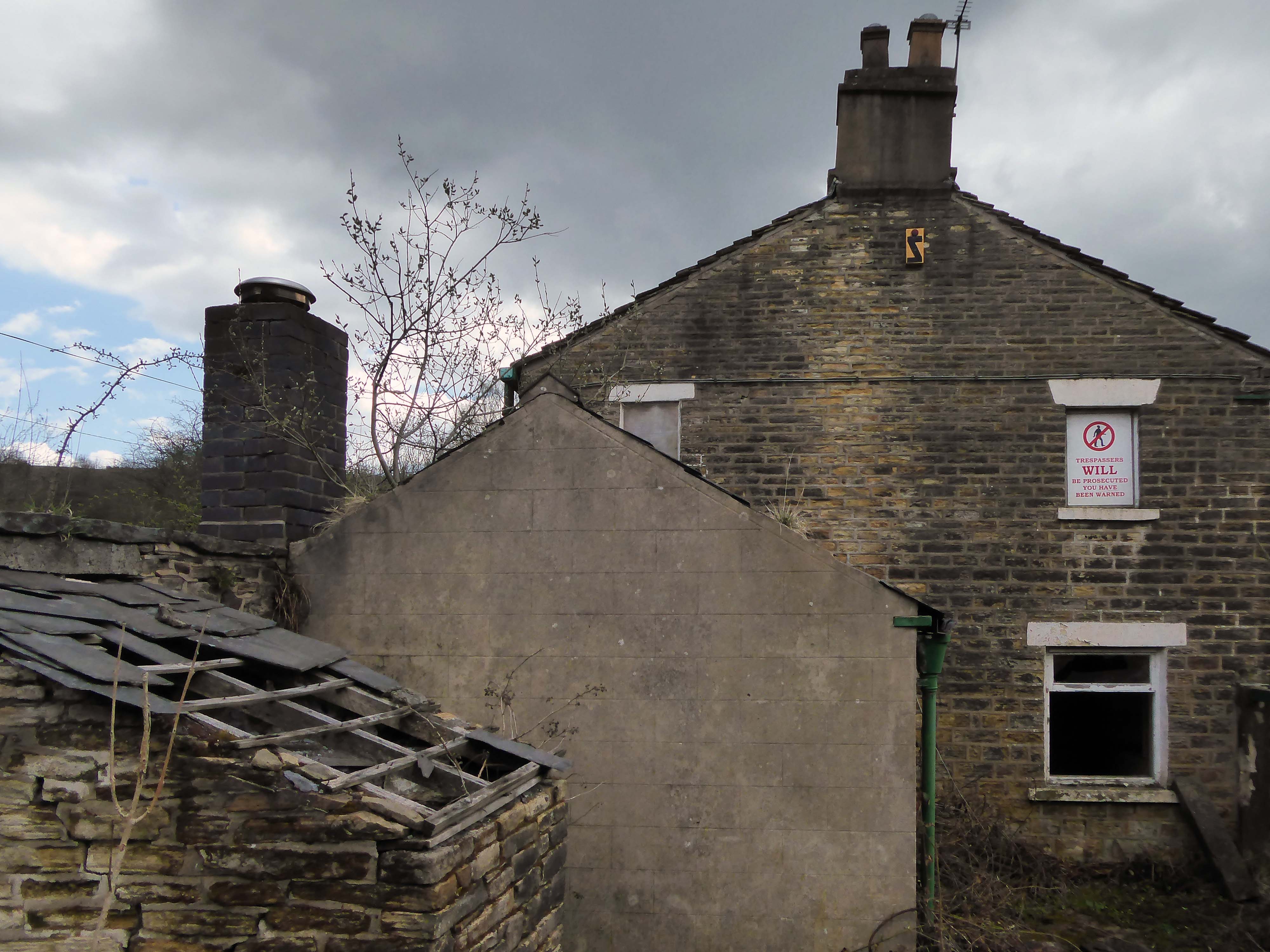
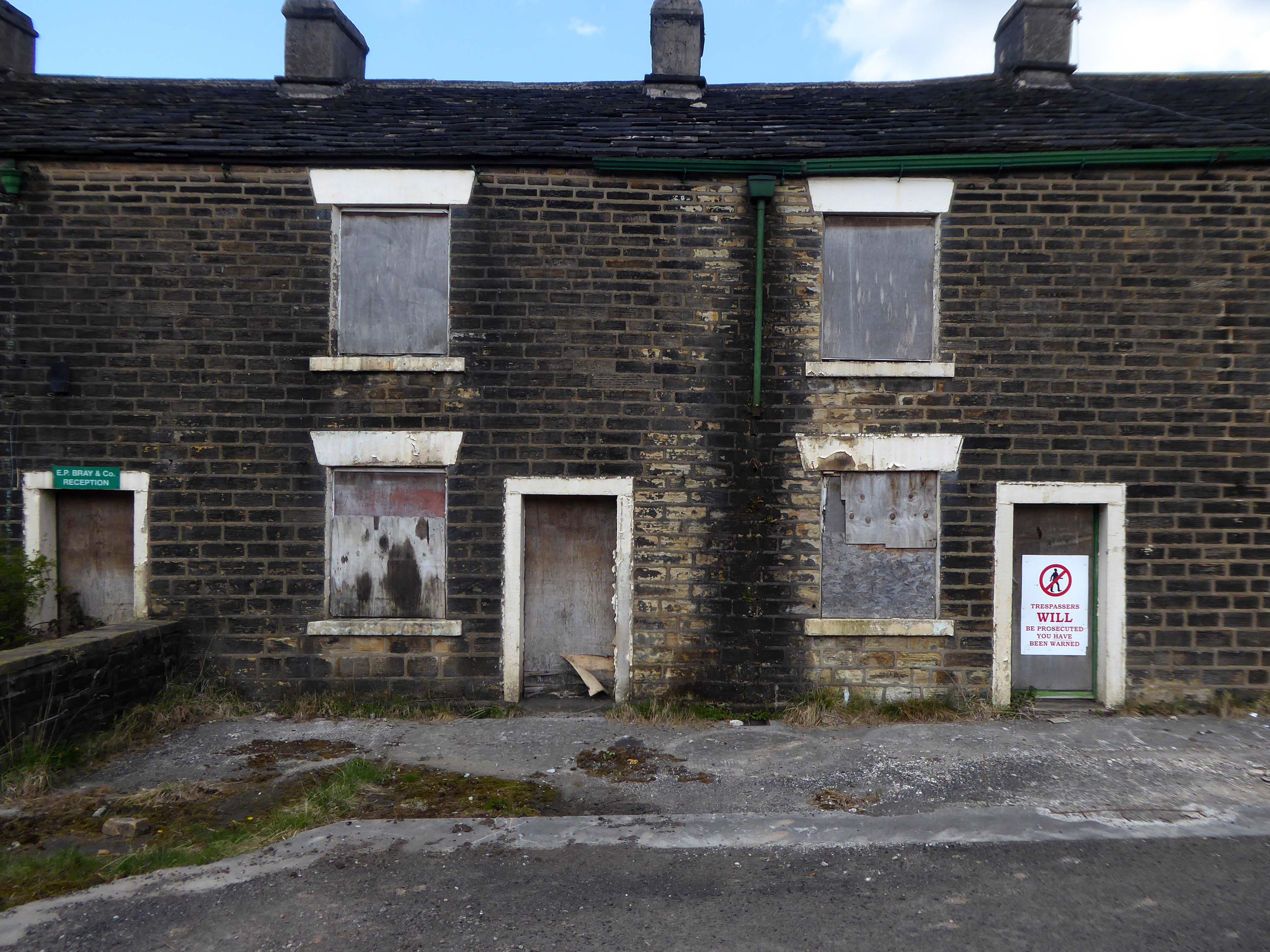
This was the state of play in April 2021 – the interior photographs were taken through an open aperture.
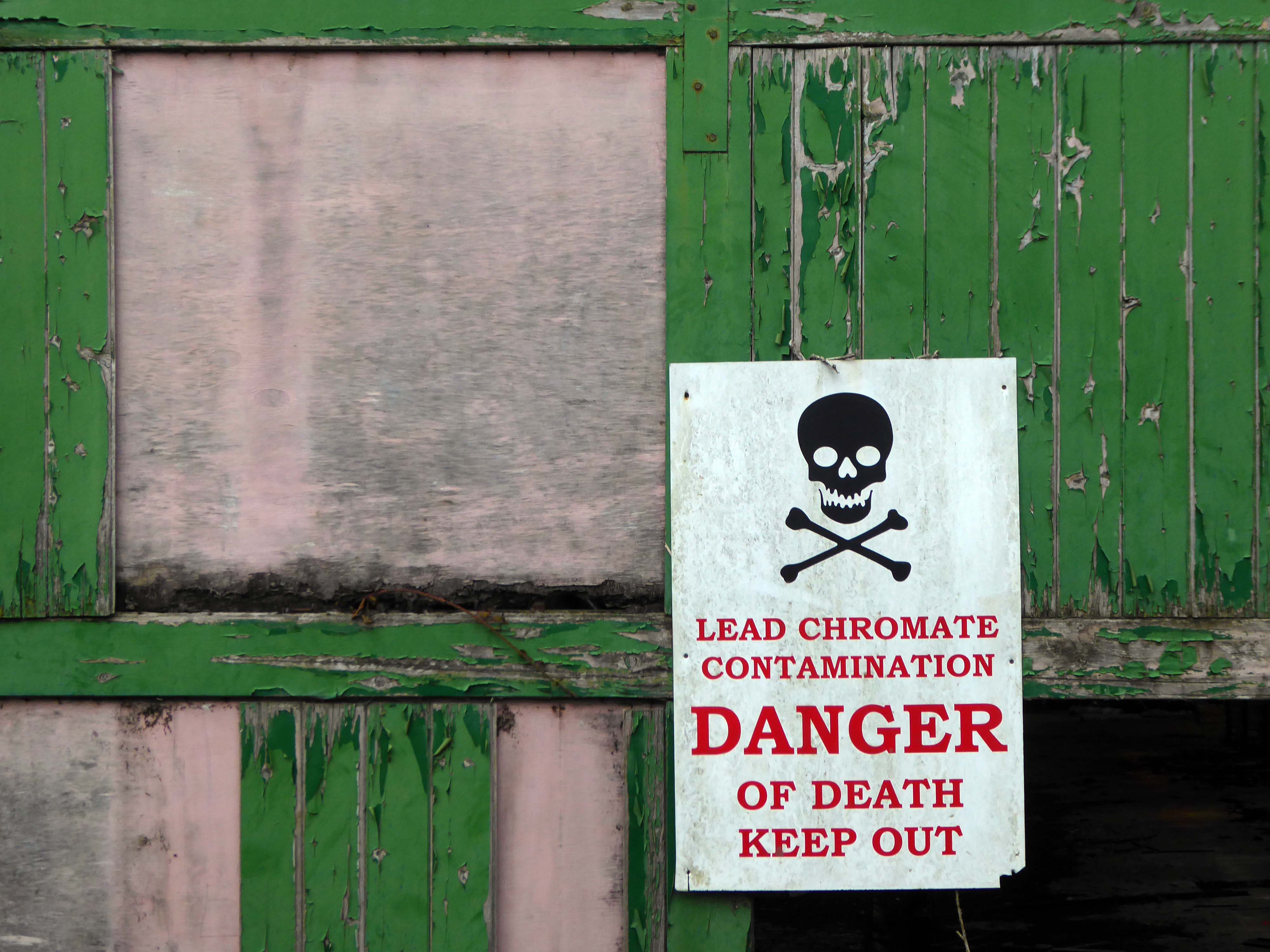
Lead Chromatecan affect you when inhaled or swallowed. Contact can irritate and burn the skin and eyes. Prolonged skin contact may cause blisters and deep ulcers.
Inhaling Lead Chromatecan irritate the nose, throat and lungs.Exposure can cause headache, irritability, and muscle and joint pain. Repeated exposure can cause Lead poisoningwith metallic taste, colic and muscle cramps.
Inhaling Lead Chromatecan cause a sore and/or a hole in the septum.
Lead Chromatemay cause a skin allergy.
Lead Chromatemay damage the nervous system. Exposure may cause kidney and brain damage, and anemia.
The building was subsequently owned by EP Bray.
Wherever the choice has had to be made between the man of reason and the madman, the world has unhesitatingly followed the madman.
For over two hundred years the site has been a place of toil, dangerous toil taking its toll.
The valleys which inevitably fed the Mersey, were home to the origins of the Industrial Revolution – people and water powered.
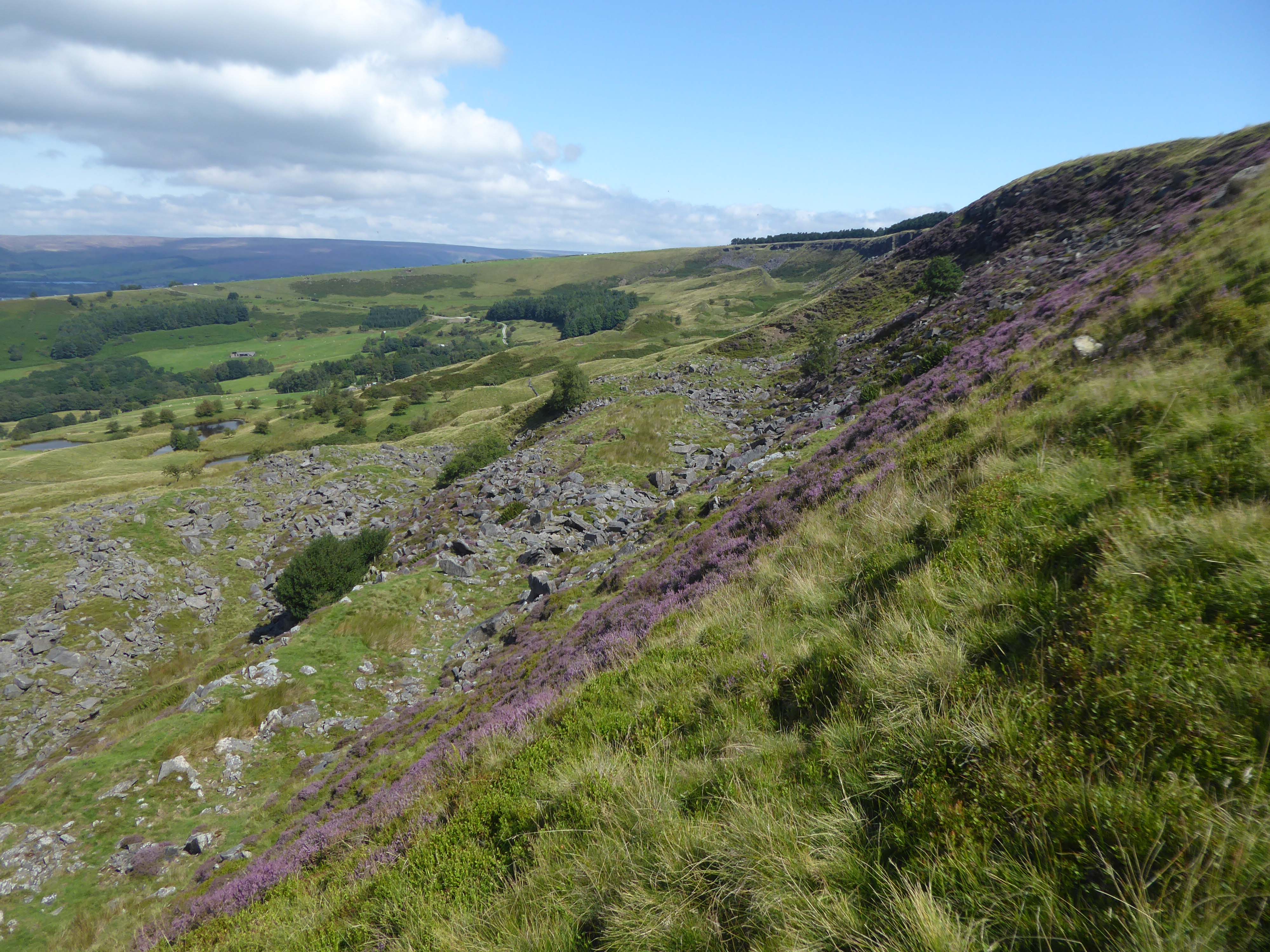
This is a toxic landscape, nestled in the heart of ancient post-glacial earth movements:
Geomorphological investigations of two landslide areas on the Cown Edge escarpment showed that slope failure was primarily the result of local stratigraphic and lithological conditions and not of past climatic vicissitudes or changes in the form of the relief. Failure on each occasion took place by shearing along the same line of weakness: shales either within a calcareous shale band or in close proximity to it became decomposed and unable to bear the weight of the slope forming material above it. Each displacement resulted in a bank slip failure and the formation of a block glide landslide. The morphology indicates that slip movements has occurred several times and the periods when these took place have been determined using palynological methods. These results indicate that the Cown Edge landslides date from a post-glacial period.
Two swans in front of his eyes Colored balls in front of his eyes It’s number one for his Kelly’s eye Treble-six right over his eye
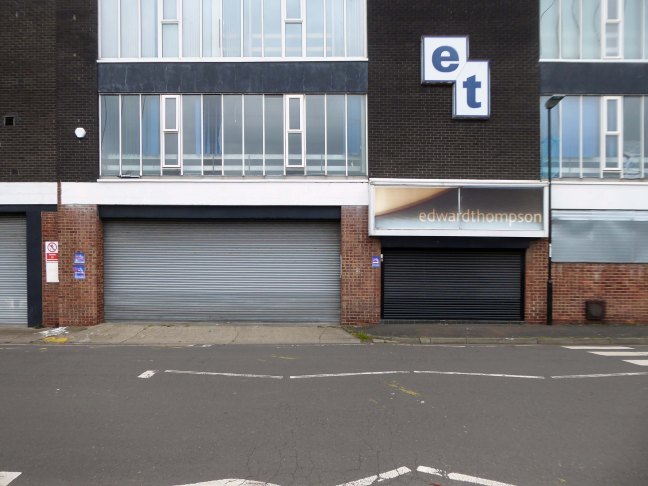
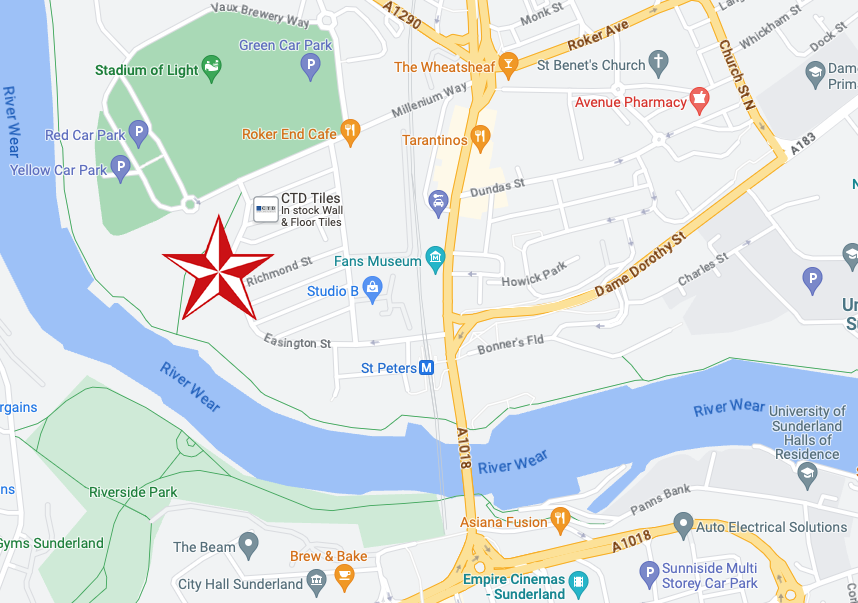
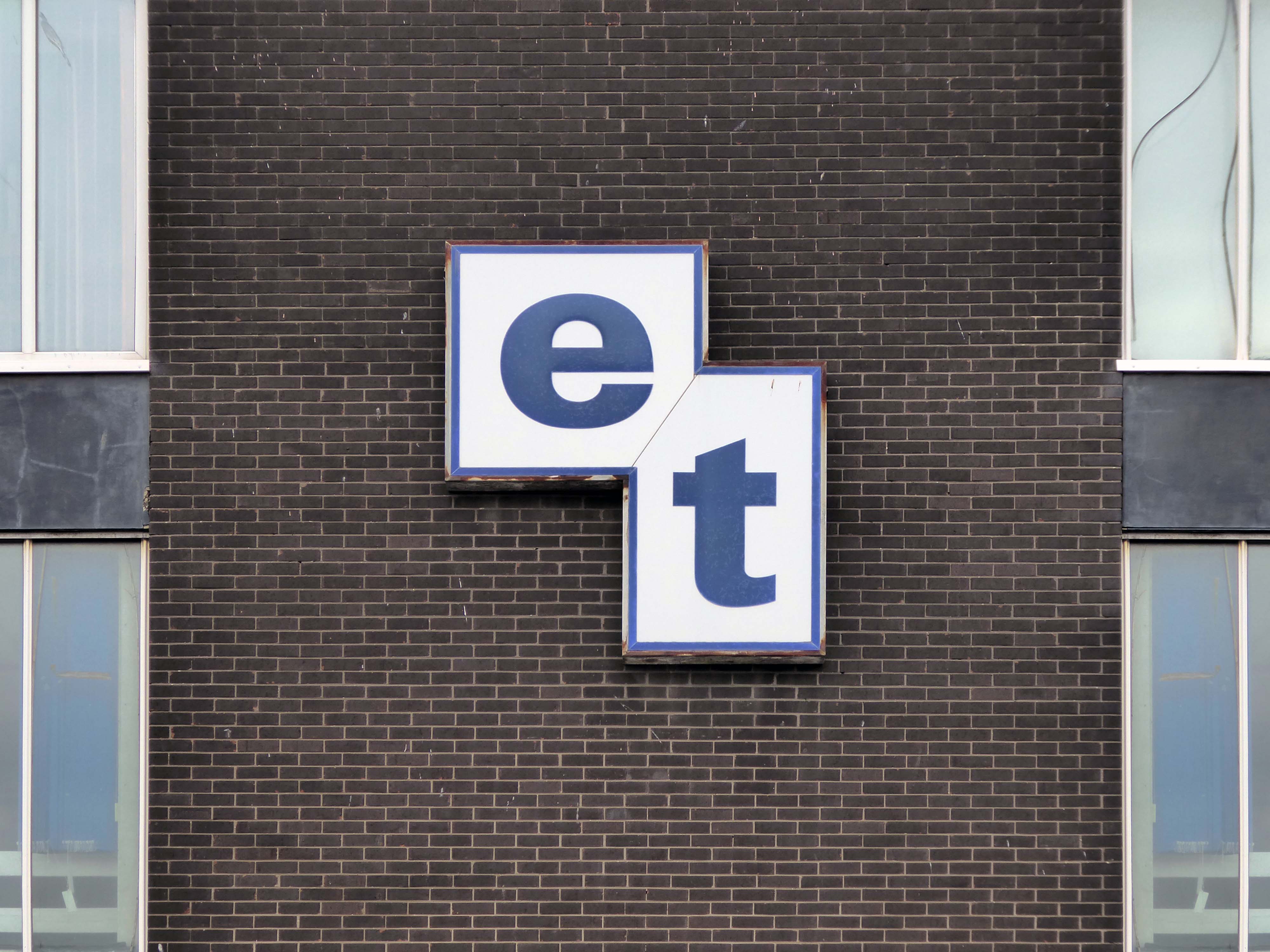
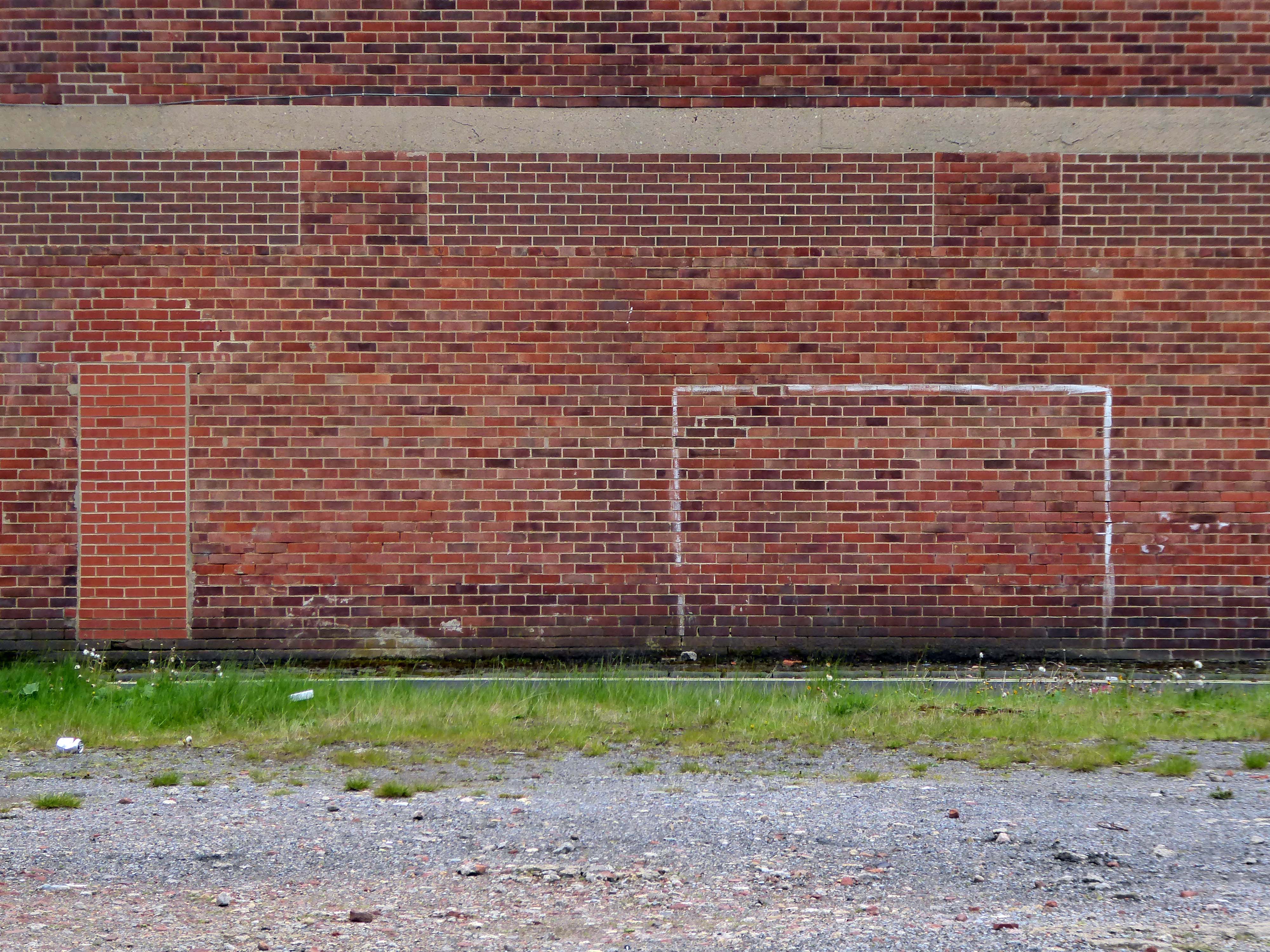
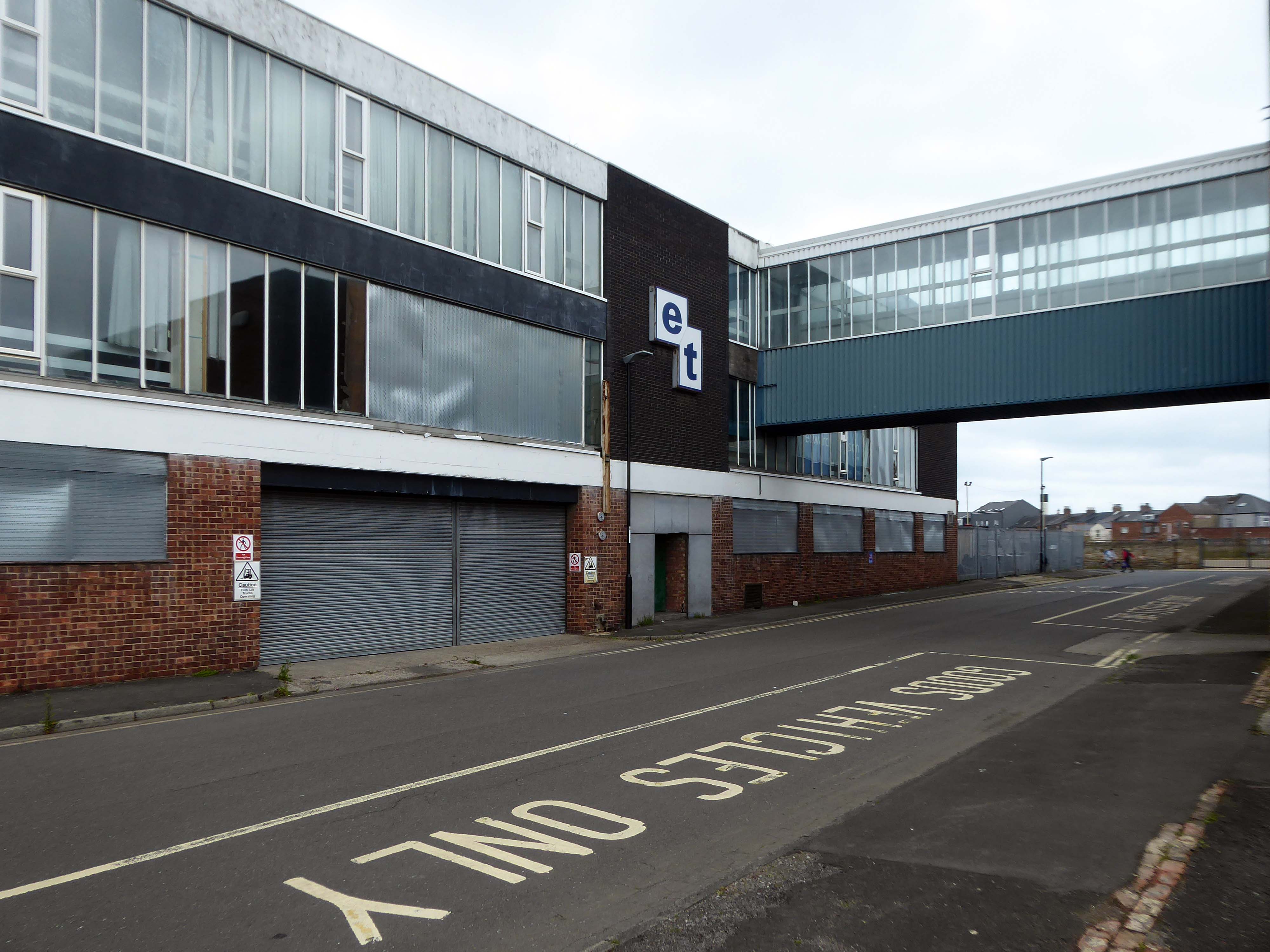
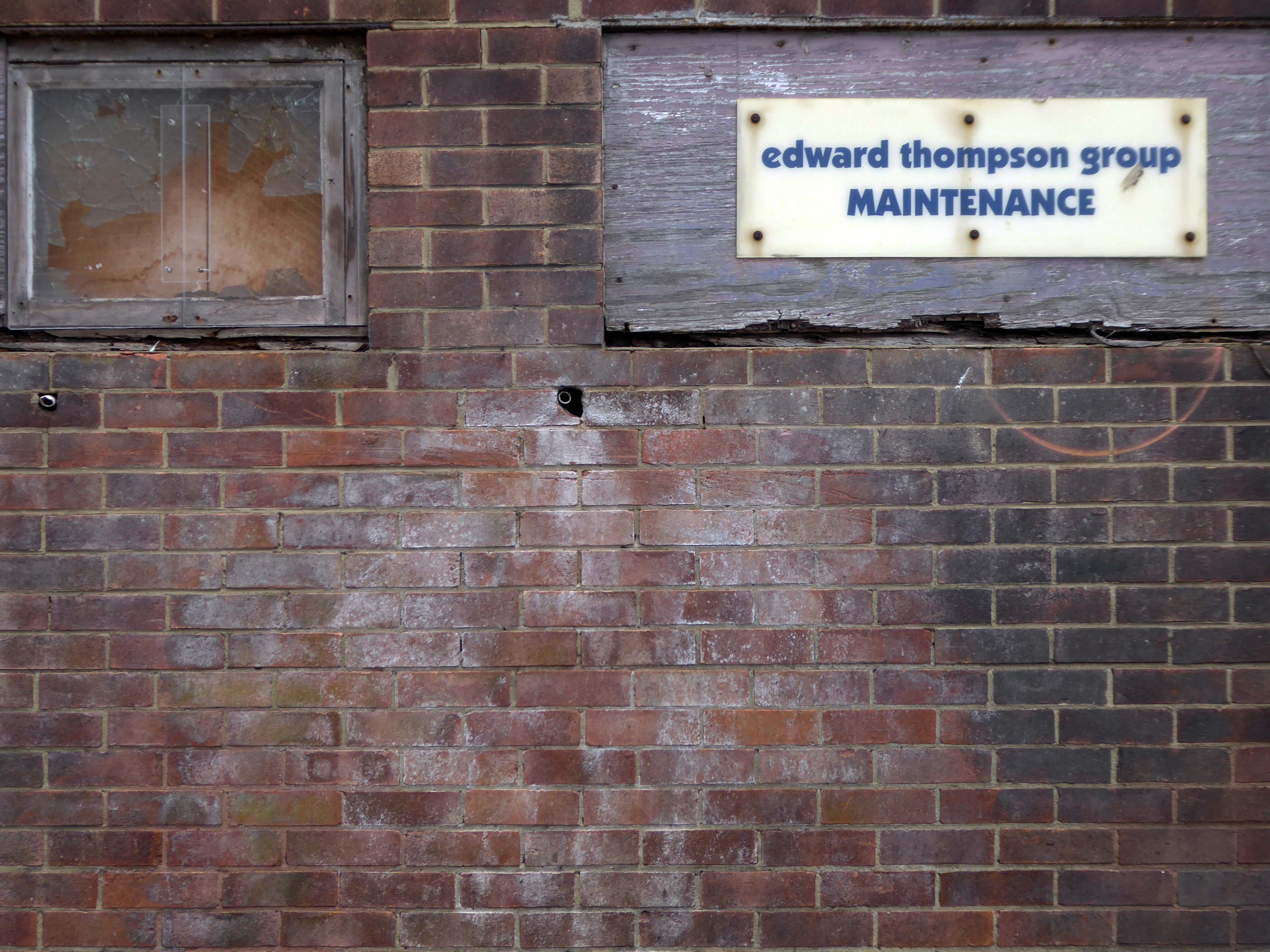
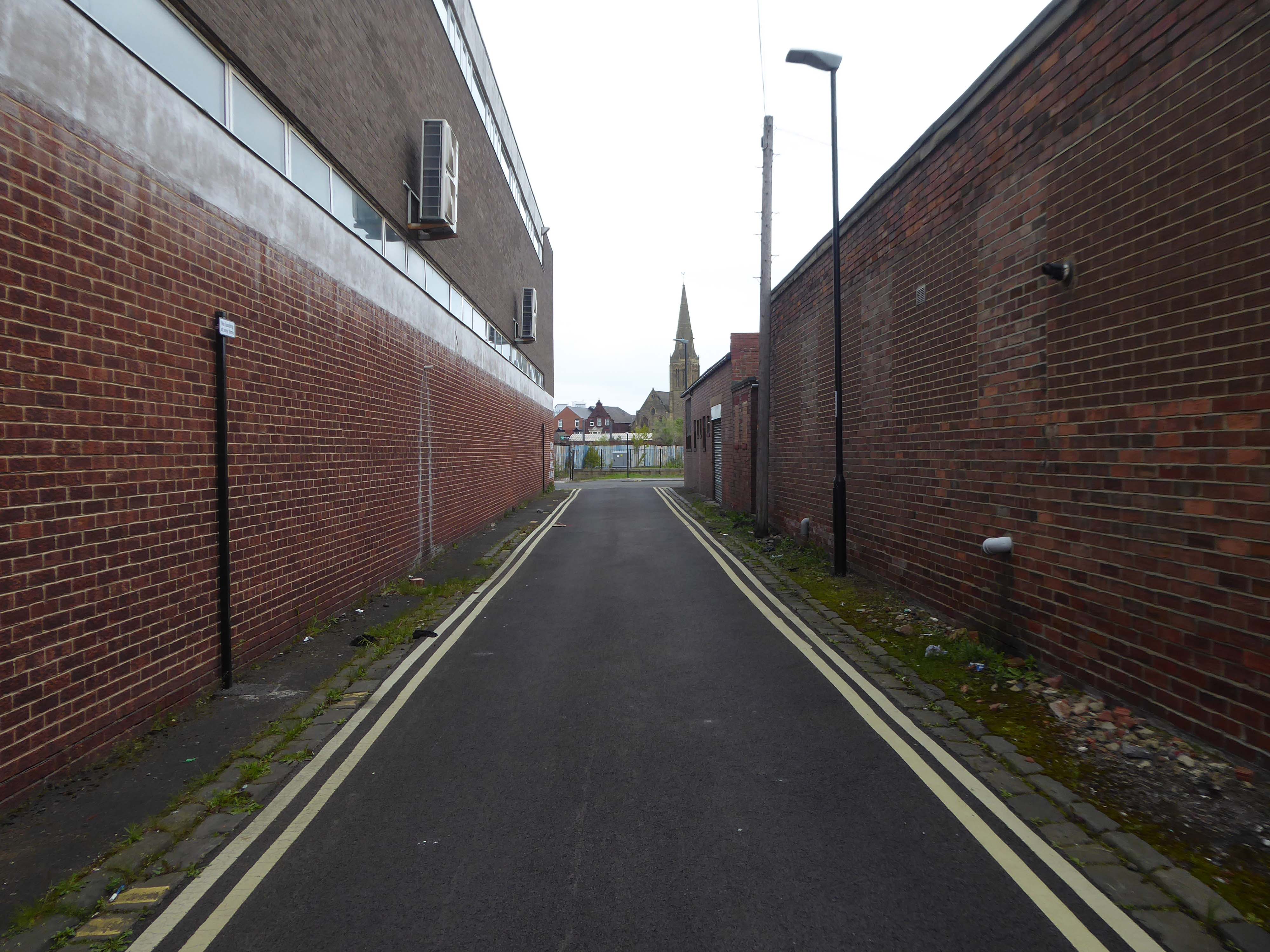
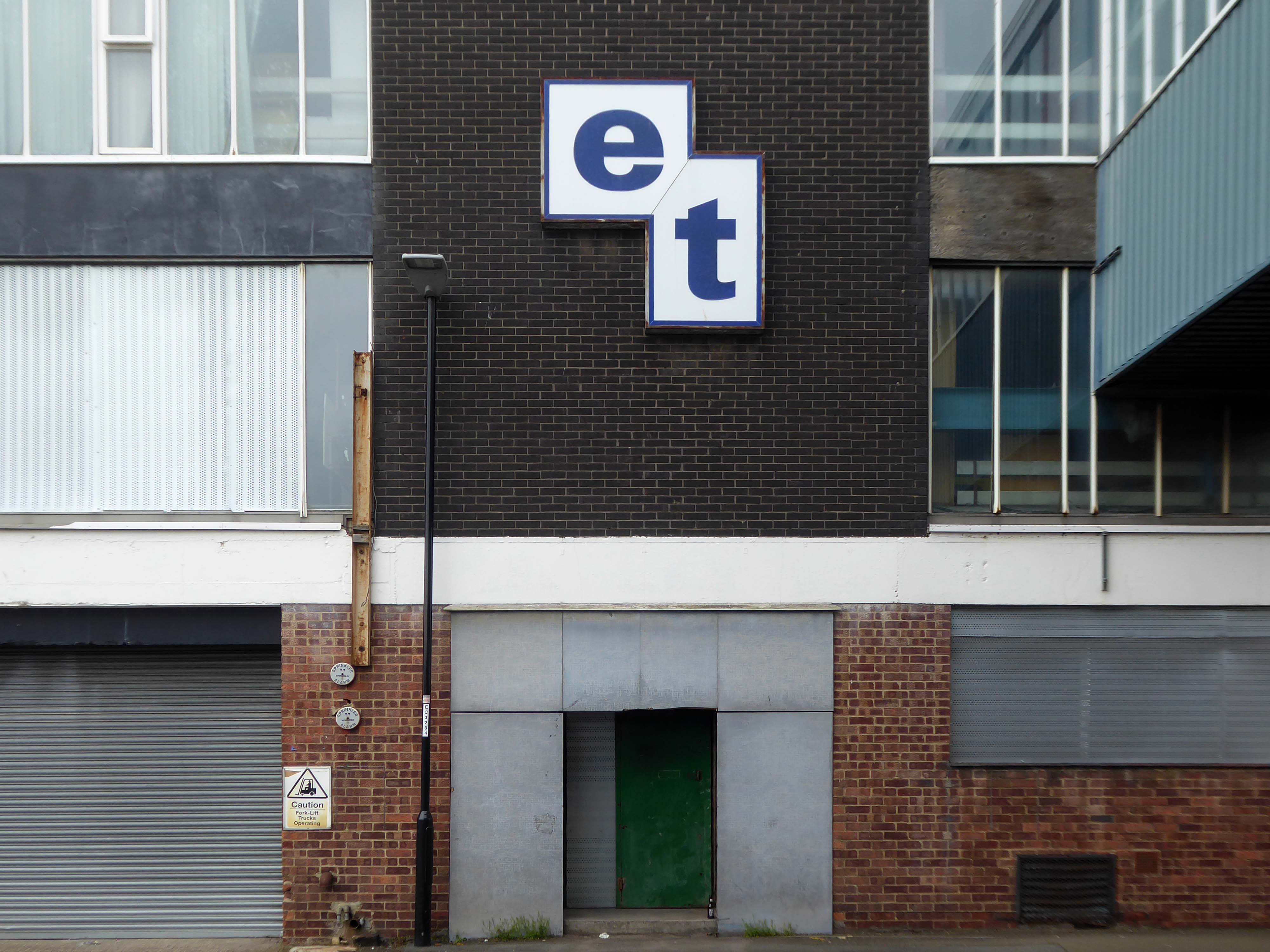
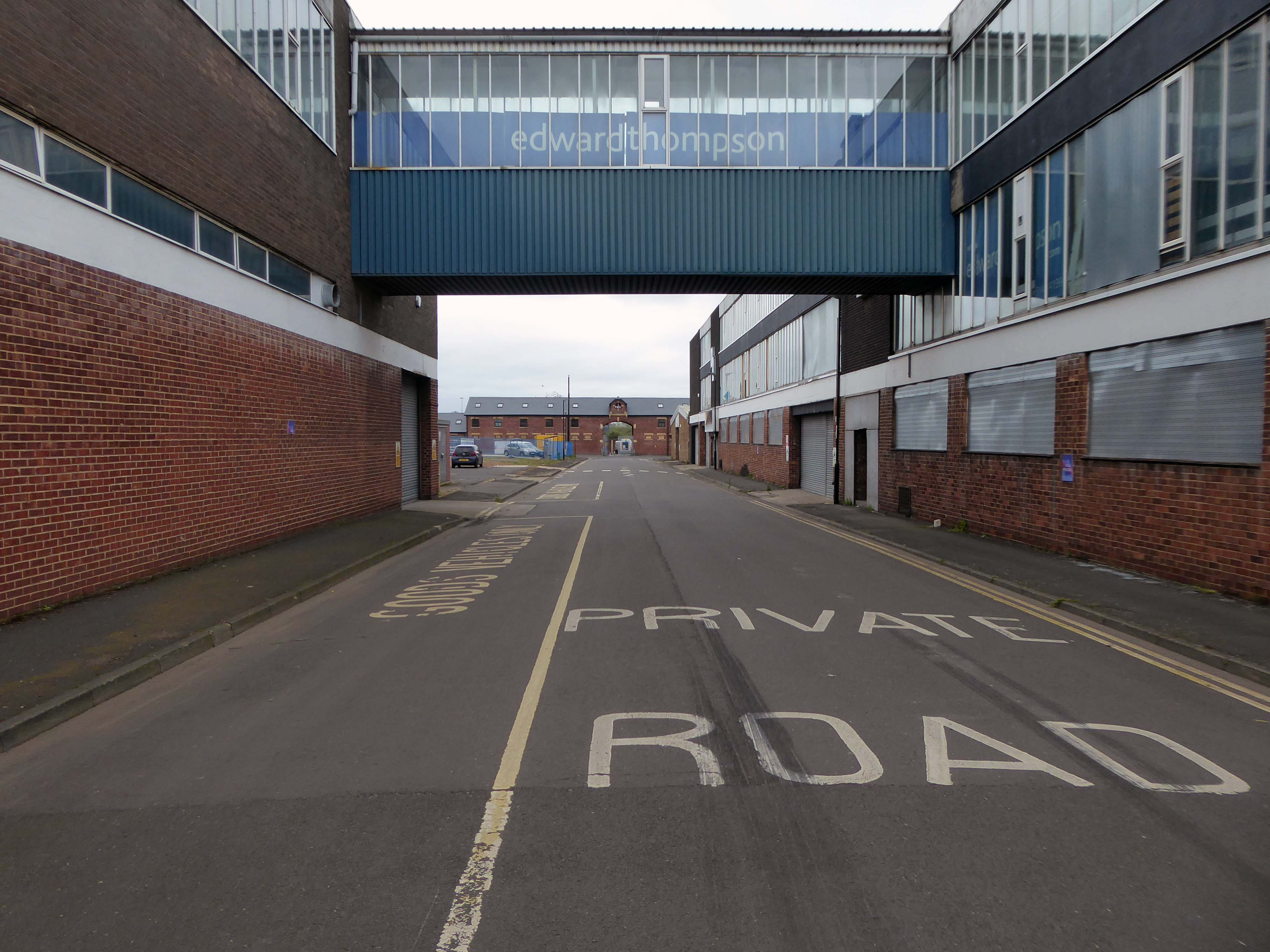
Edward Thompson, the family printing business, was founded in Sunderland in 1867.
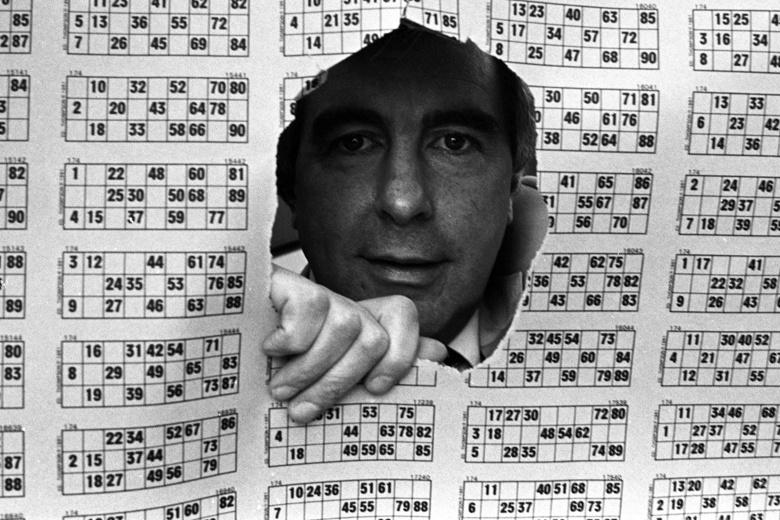
They identified a business opportunity when a local priest, Jeremiah O’Callaghan, ordered some bingo tickets for a parish fund-raising exercise.
From those humble beginnings, Edward Thompson mushroomed in size as Britain went bingo-mad in the 1960s, becoming first the UK’s and then the world’s biggest producer of bingo cards and tickets.
The company which has been printing for more than 155 years – has been hit hard by the crash in bingo hall use as Covid ripped through the leisure sector. CEO Paddy Cronin said he was ‘gutted’ but the business had finally had to face the inevitable as the cashflow dried up.
We were built on a bet but our luck has now run out – he told The Northern Echo.
Covid completely changed the market and as the halls went into decline it just became untenable so I had to break the news to the workers.
They were the pioneers of newspaper bingo, printing the first cards in 1975 and going on to work in places like Bolivia and Belgium and even printing the ballot papers for Nelson Mandela’s 1994 election in South Africa.
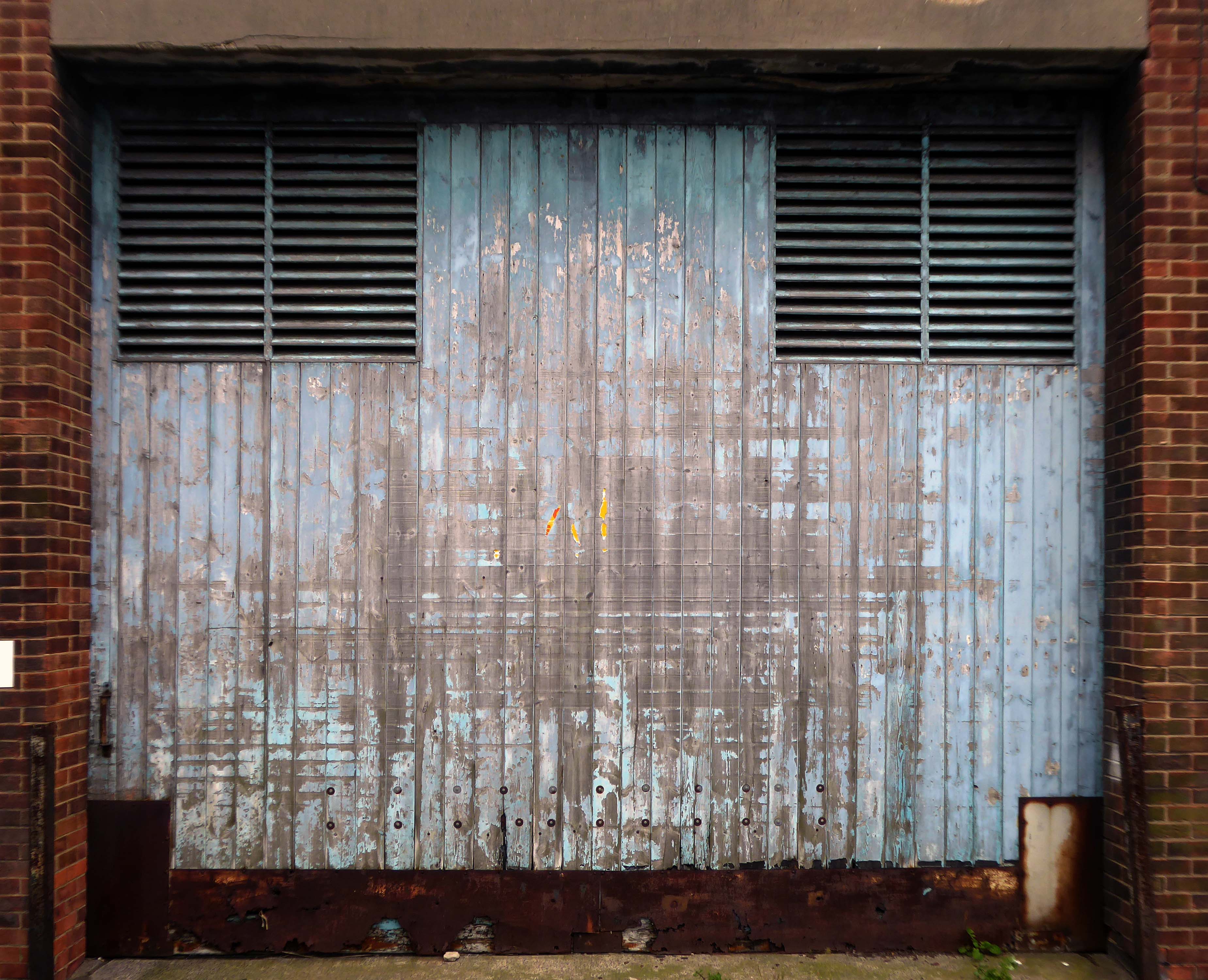
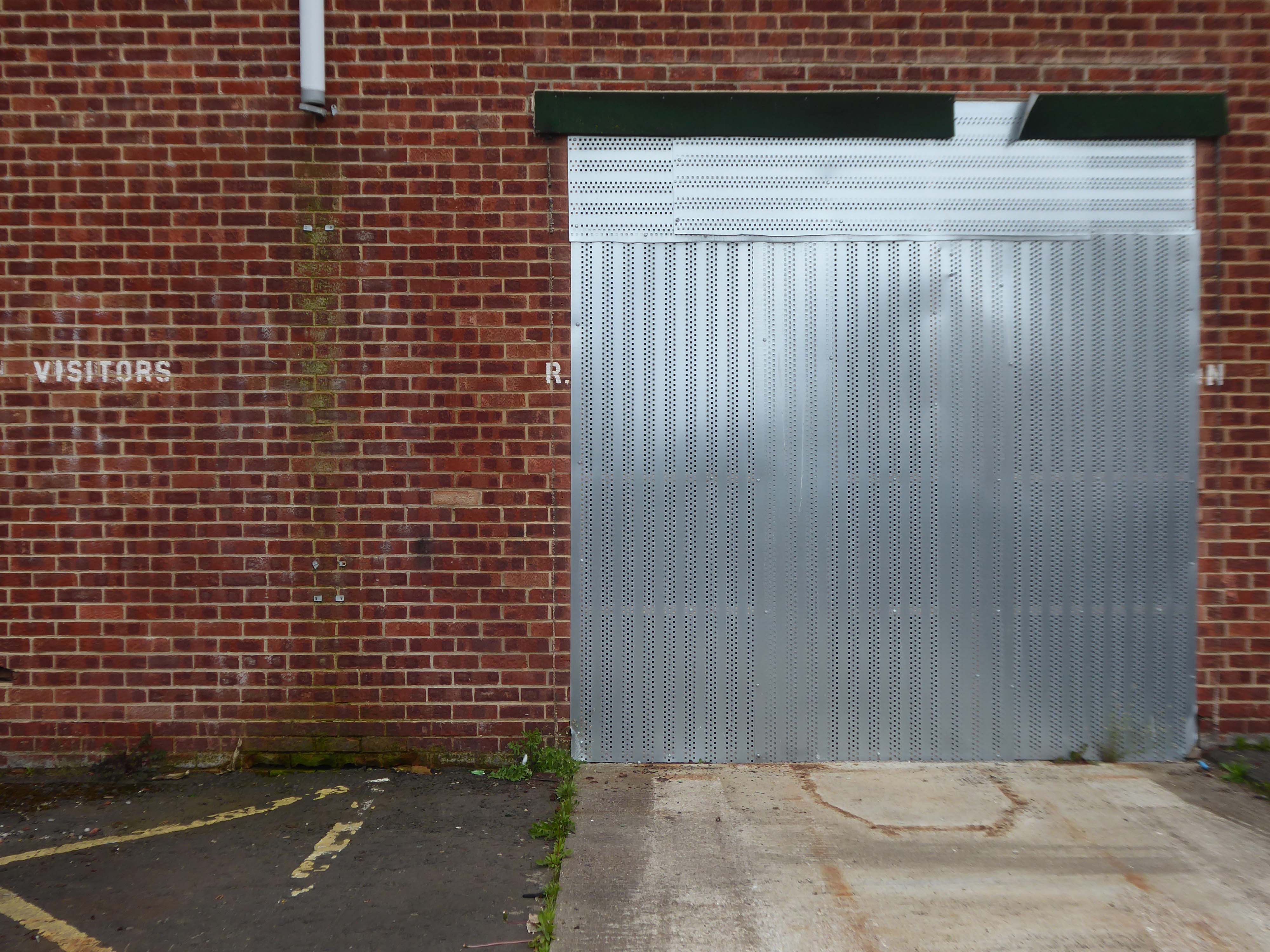
So their number is up the factory is tinned-up, house has been called for the very last time.
Yeah, yeah, industrial estate
Well you started here to earn your pay Clean neck and ears on your first day Well we tap one another as you walk in the gate And we’d build a canteen but we haven’t got much space
The first school of design in the UK, the Government School of Design, was established in 1837 and went on to become the Royal College of Art. It marked the beginnings of the development of technical education in the UK, which expanded in the remaining decades of the 19th century, and was largely instigated by the Science and Art Department of the Board of Trade, formed in 1853. In 1856 the Science and Art Department transferred from the Board of Trade to the Education Department and administered grant-aid to art schools from 1856 and to schools of design and technical schools from 1868.
The Technical Instruction Act 1889 permitted local authorities to levy rates to aid technical or manual instruction. County and borough councils began to provide technical instruction by day and evening classes.
The Local Taxation Customs and Excise Act 1890 diverted ‘whisky money’ from publicans to local authorities for assisting technical education or relieving rates, boosting investment in technical instruction.
By the end of the 19th century continuing education was provided by a variety of bodies in a number of forms:
day continuation schools
evening schools and classes
mechanics institutes
schools of art
polytechnics
university extension lectures
tutorial classes
working men’s colleges and courses
Under the 1902 Education Act, changes to conditions attached to government grants encouraged the expansion of technical education. Local Education Authorities took over most of the evening continuation schools.
Major changes occurred after the Second World War. Junior technical schools , commercial schools and schools of art were fully integrated into the revised system of secondary education.
Manchester School of Art was established in 1838 as the Manchester School of Design. It is the second oldest art school in the United Kingdom after the Royal College of Art which was founded the year before.
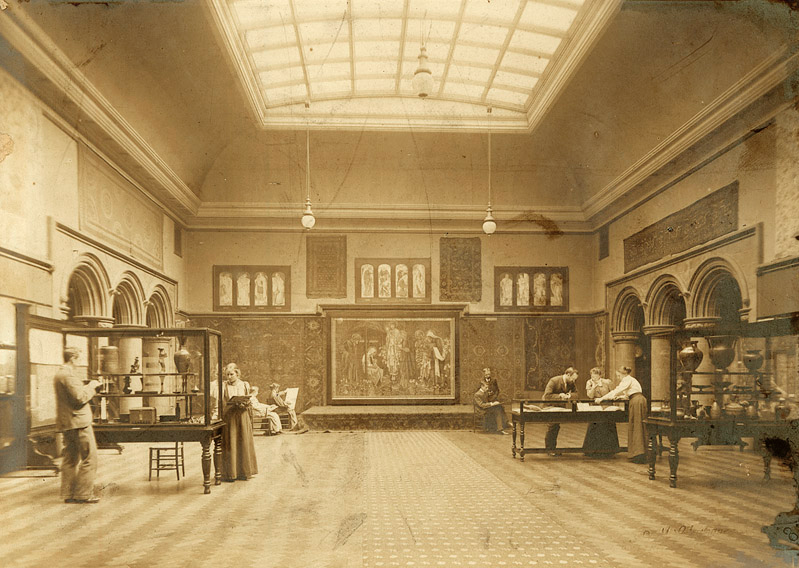
The school opened in the basement of the Manchester Royal Institution on Mosley Street in 1838. It became the School of Art in 1853 and moved to Cavendish Street in 1880. It was subsequently named the Municipal School of Art. In 1880, the school admitted female students, at the time the only higher education available to women, although men and women were segregated. The school was extended in 1897.
The mill towns which encircled the city of Manchester each had their own independent colleges of Art and Design.
Textiles in particular required practitioners in surface pattern and garment design and construction, innovative and skilled students were in demand for print, engineering, architecture and general manufacturing – who also required the services of typographers, illustrators, commercial and graphic designers.
Having left school aged sixteen in 1971, all I ever wanted to do was go to Art School.
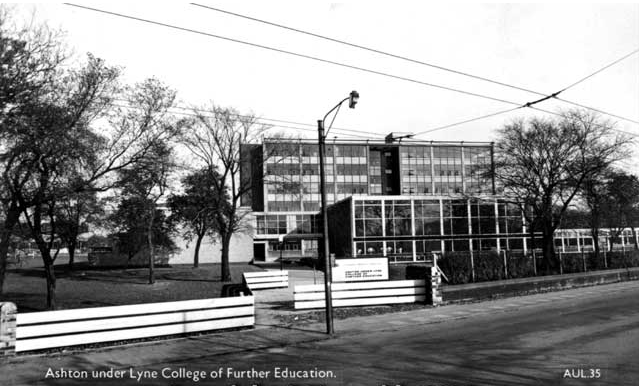
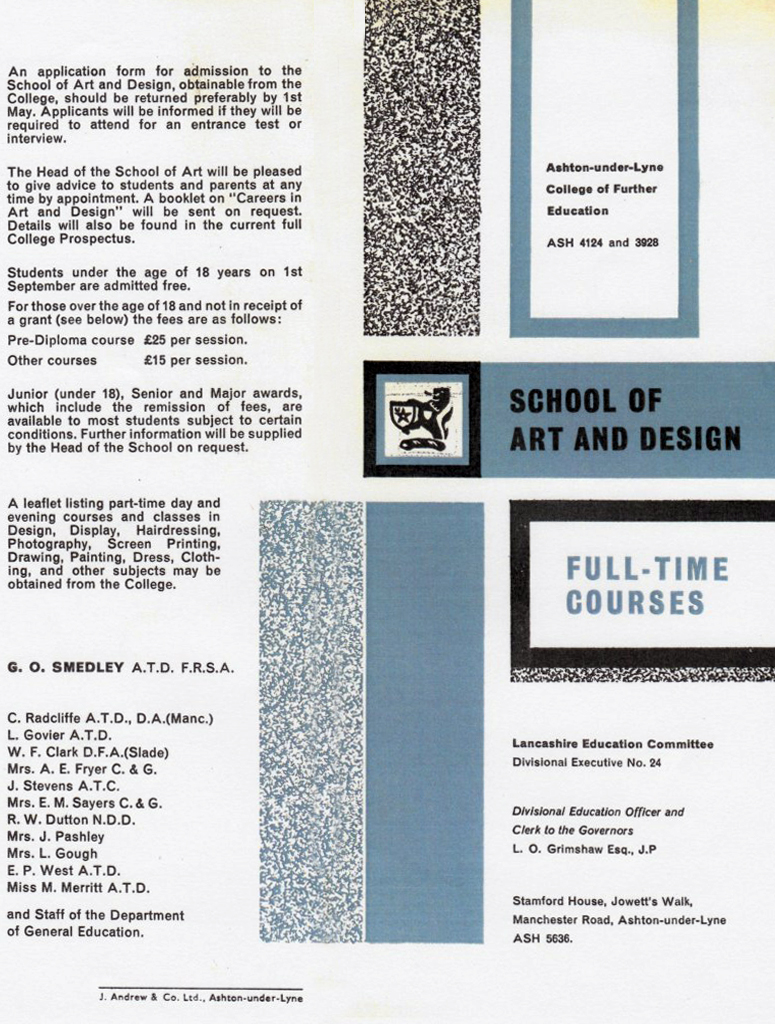
My local college was the then Ashton under Lyne College of Further Education – the full-time mode of study was then a two year Pre-Diploma Course.
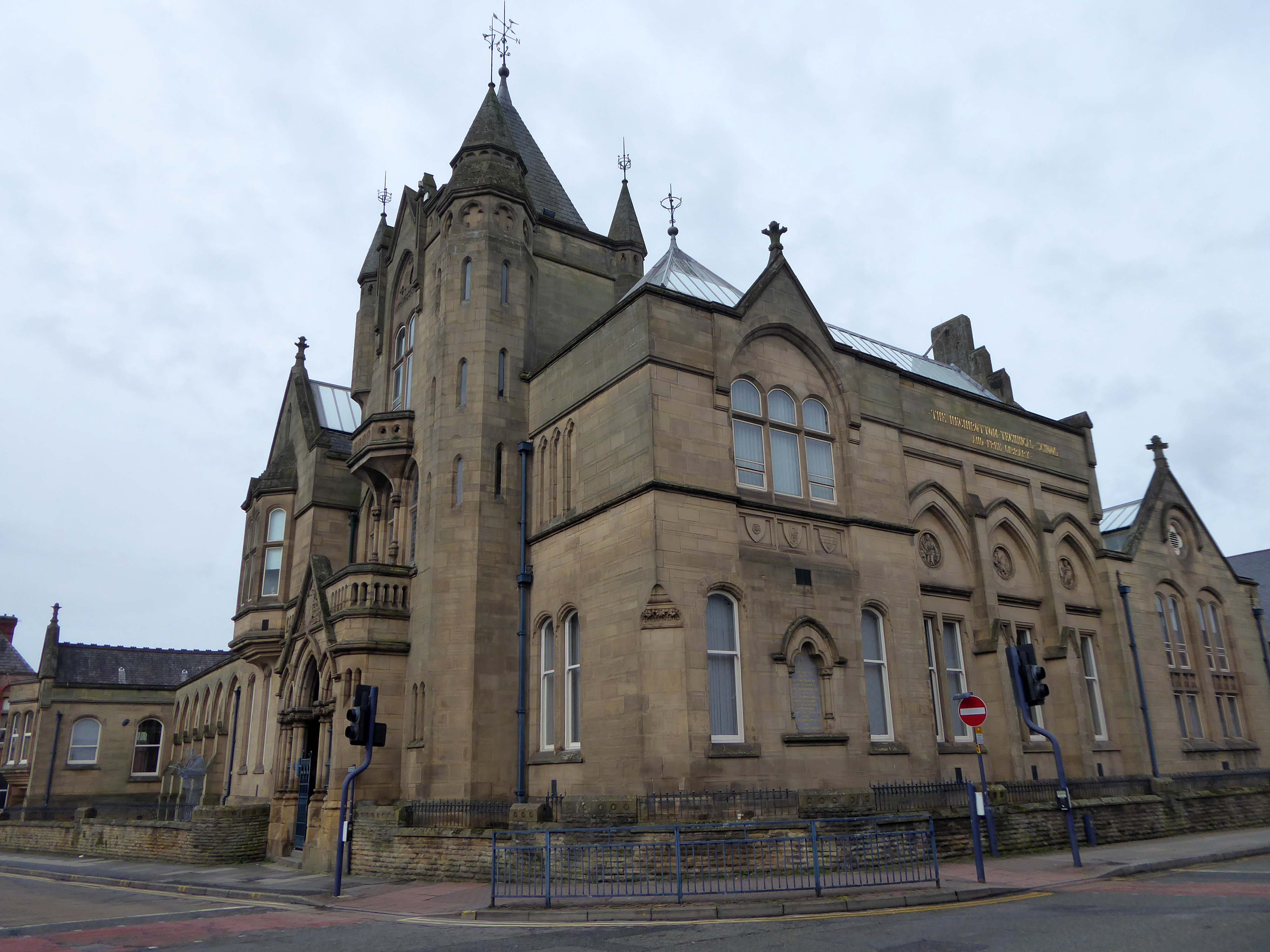
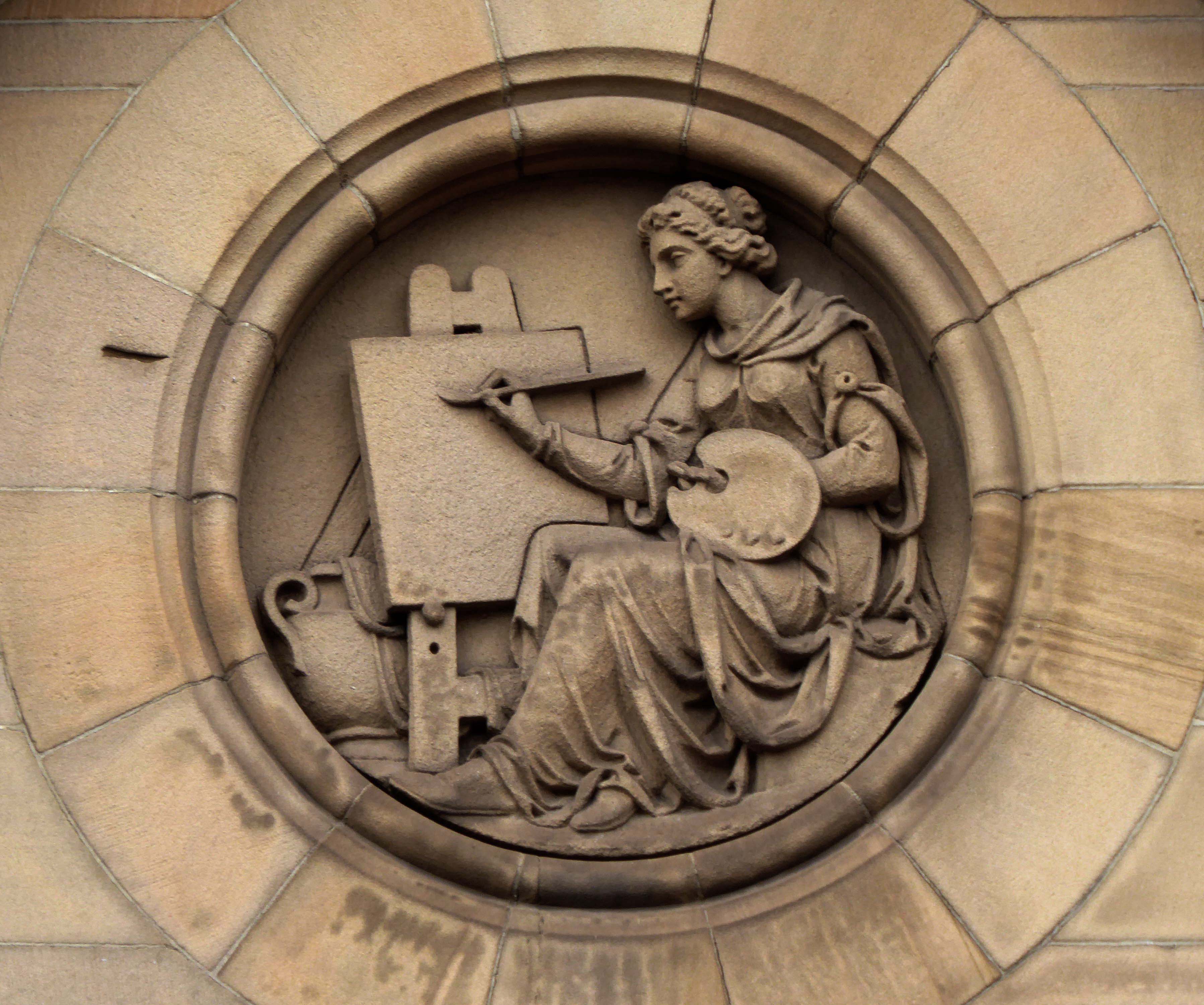
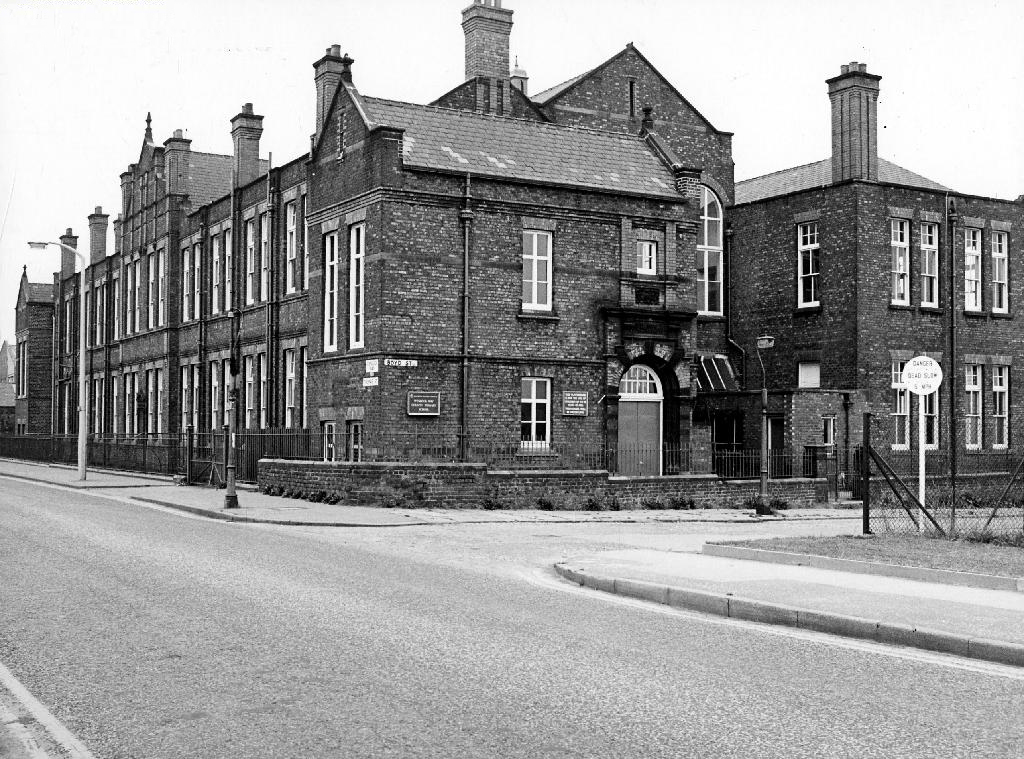
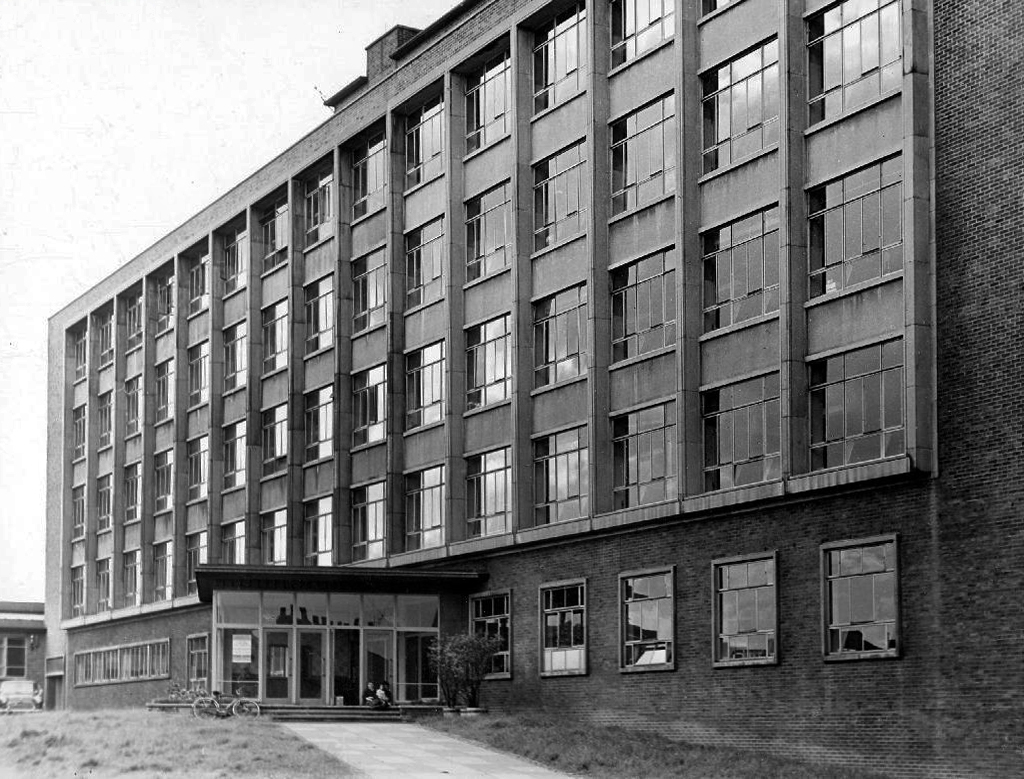
It had begun life as the Heginbottom School of Art based at – Heginbottom Technical Schools School of Art and Free Library Old Street Ashton-under-Lyne.
The new Technical Schools and Free Library, which has just been completed were opened for students without any formal ceremony. The building has been erected from designs prepared by Messrs John Eaton and Sons, architects, Ashton, at a cost, including fittings of £16,000.
The building is now Grade II listed and the library and college long gone.
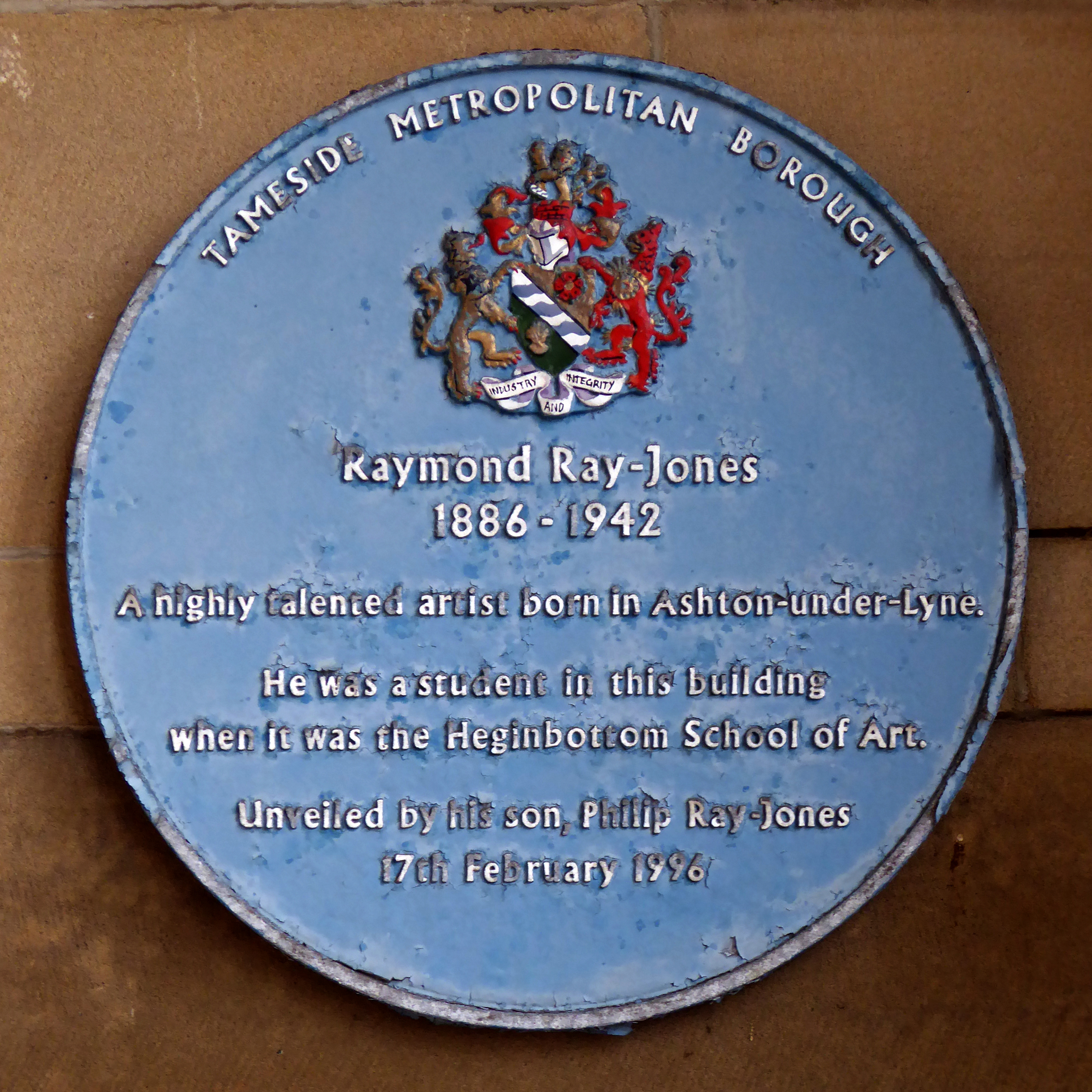
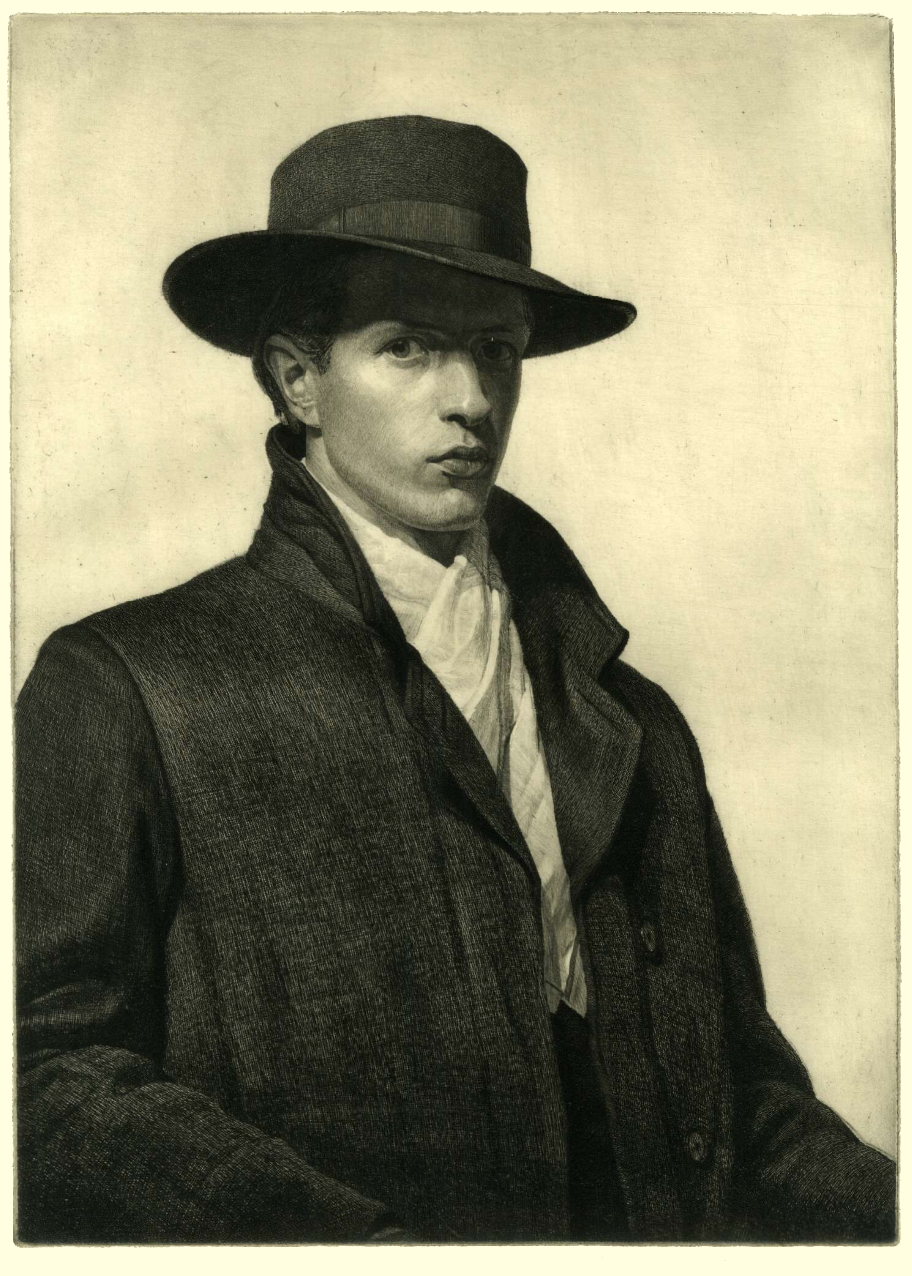
A blue plaque in the main entrance celebrates the former student Raymond Ray-Jones.
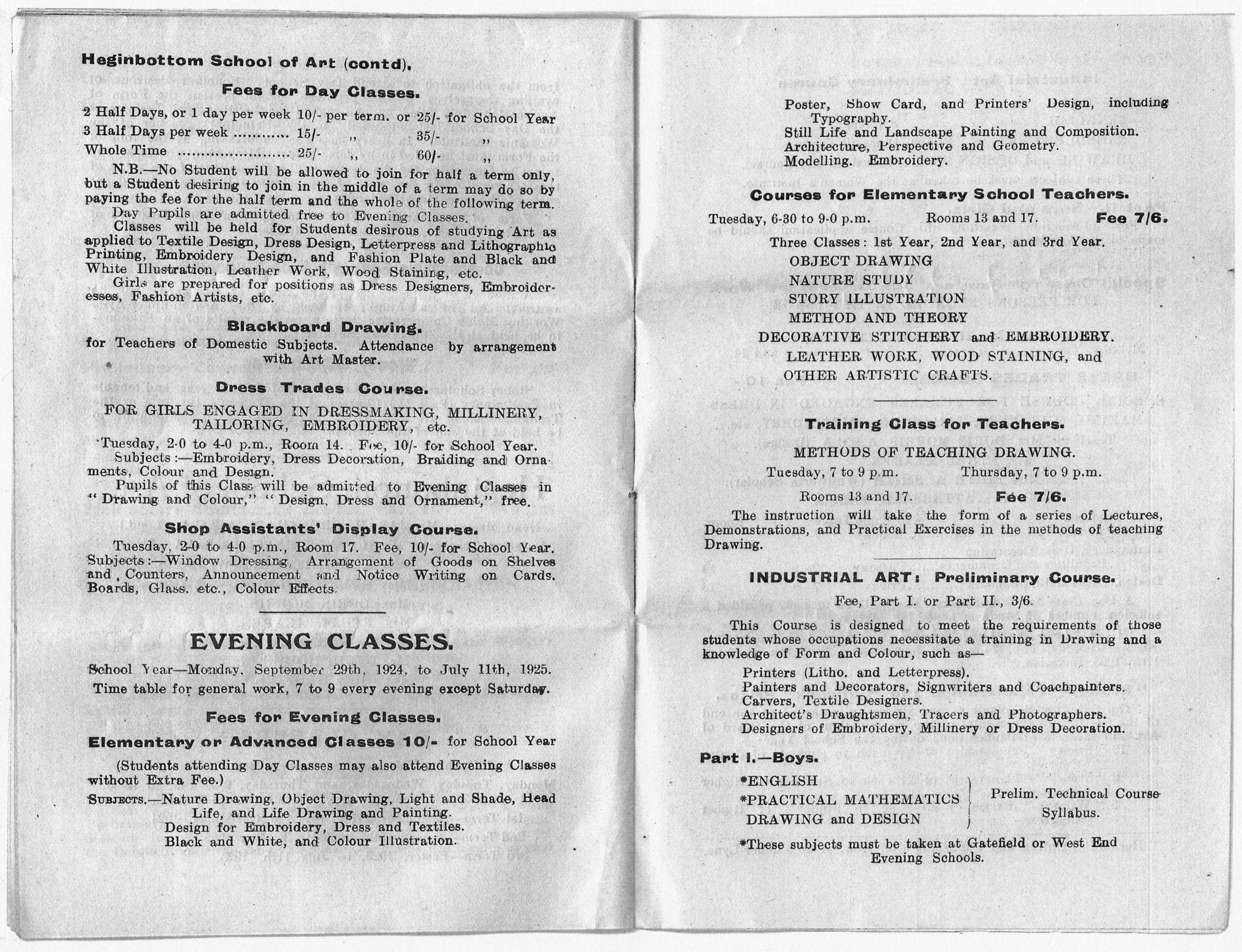
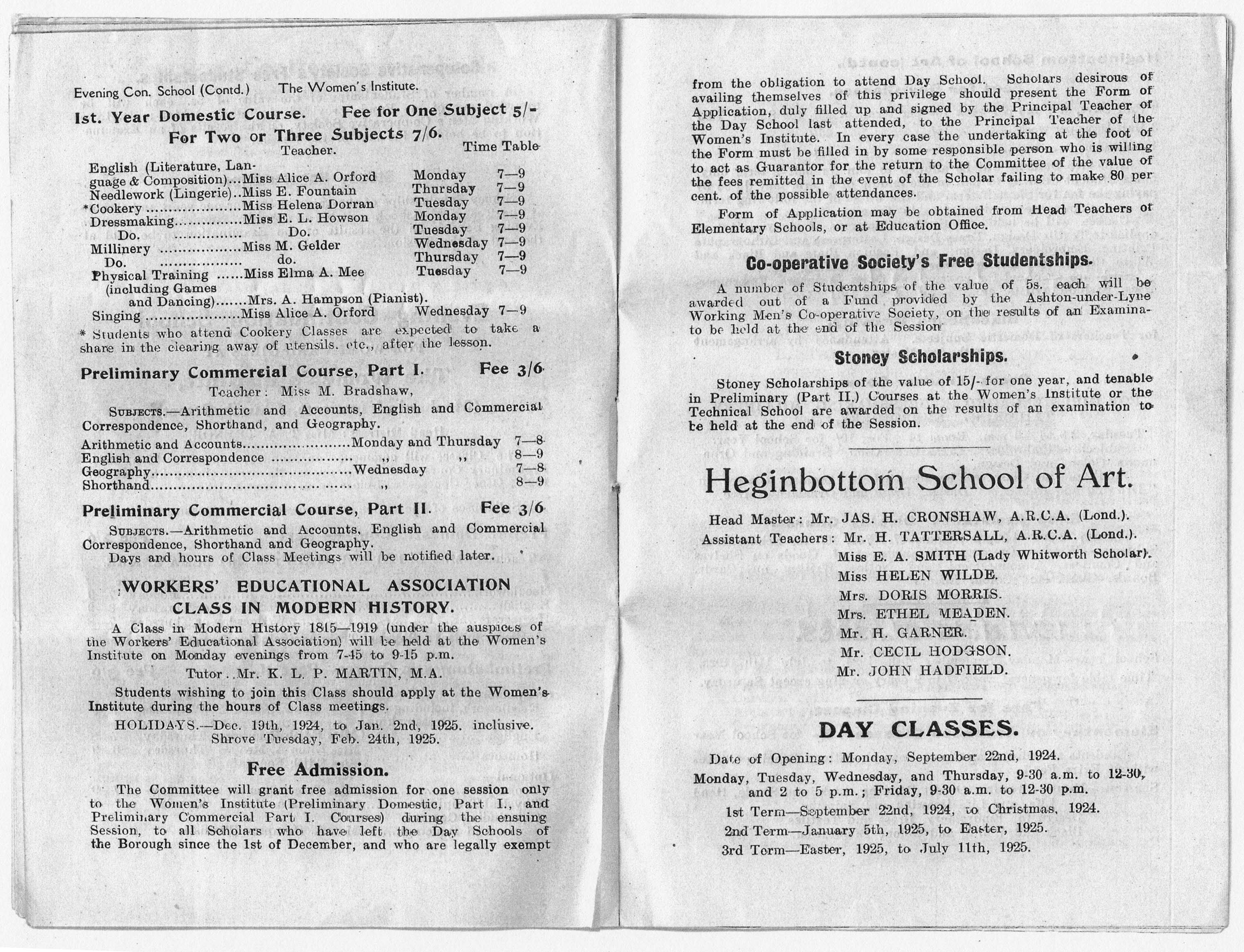
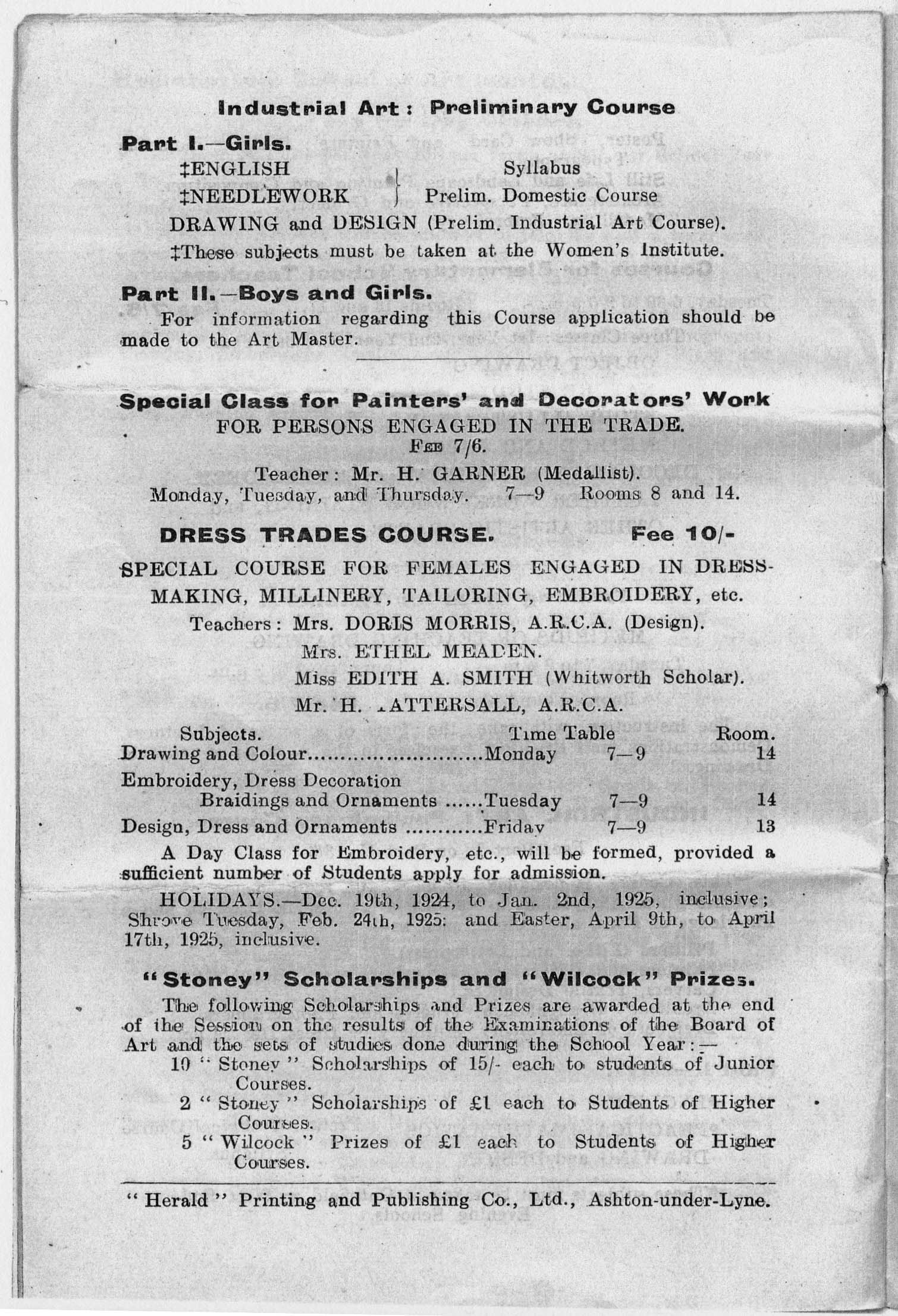
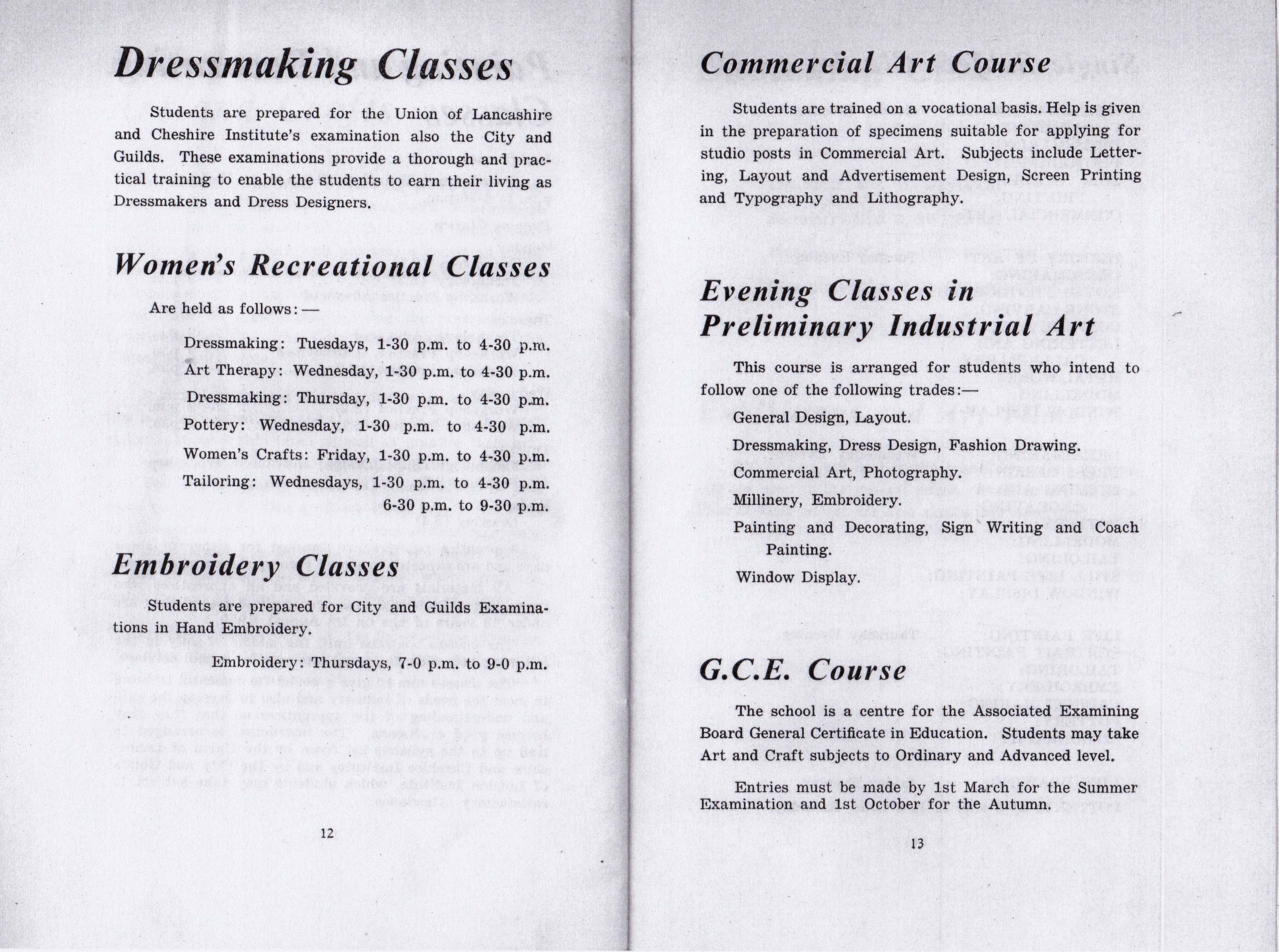
This is the syllabus of 1924-25 – courses take place in evening as students would have been working during the day.
Many of the classes were clearly defined by gender.
Drawing was a seen as a skill which underpinned he majority of disciplines.
Some of the provision was non-vocational.
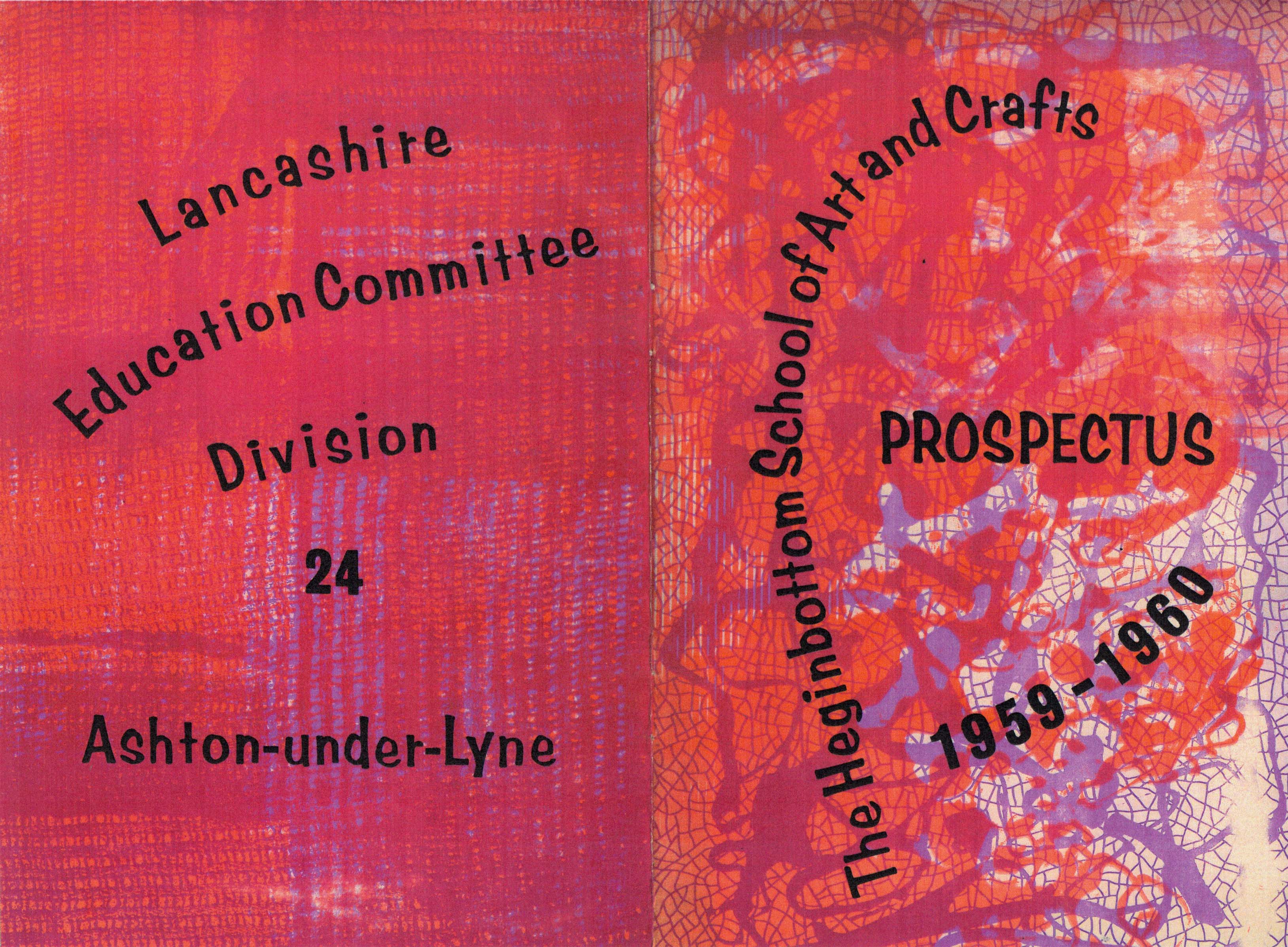
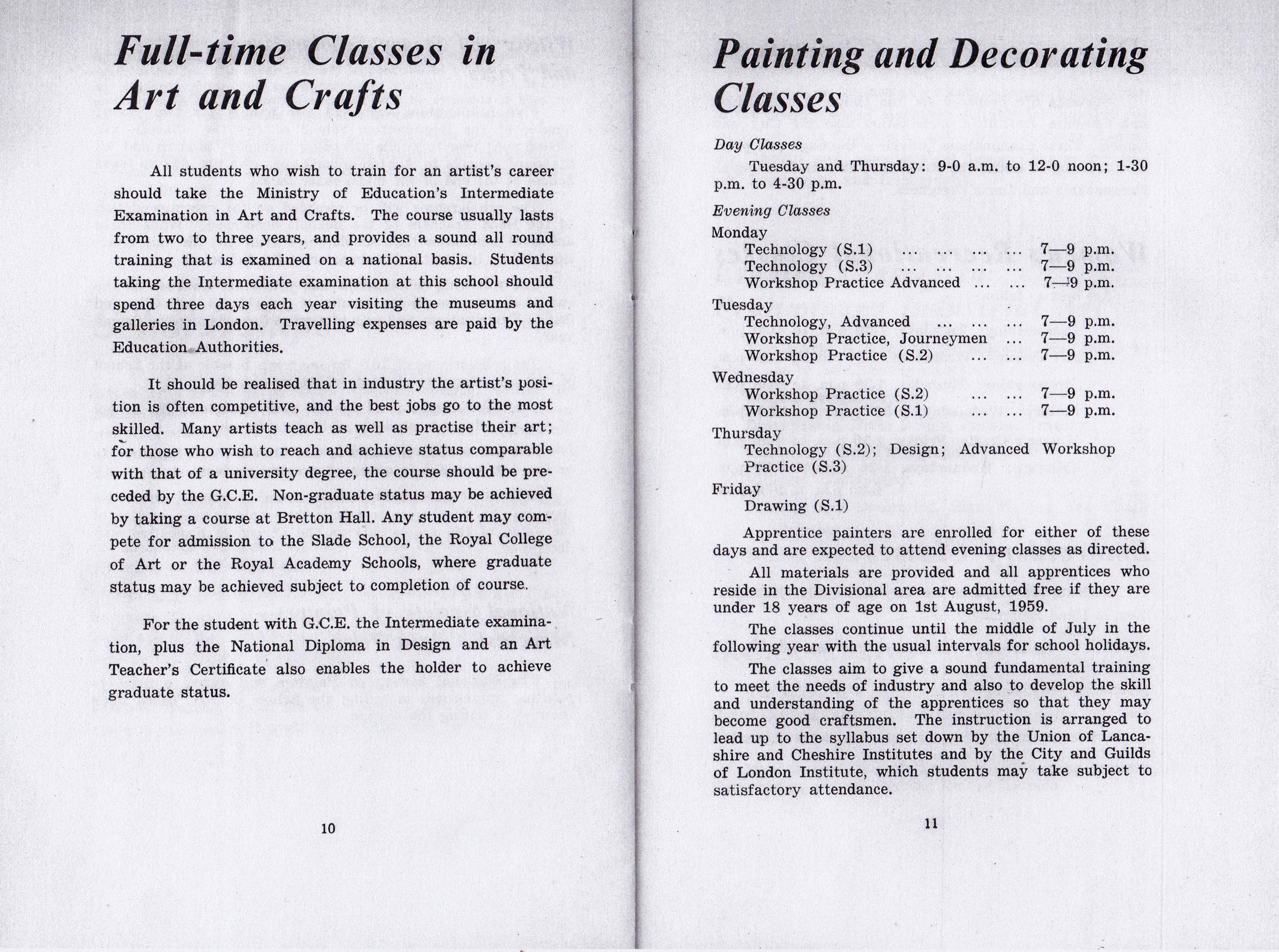
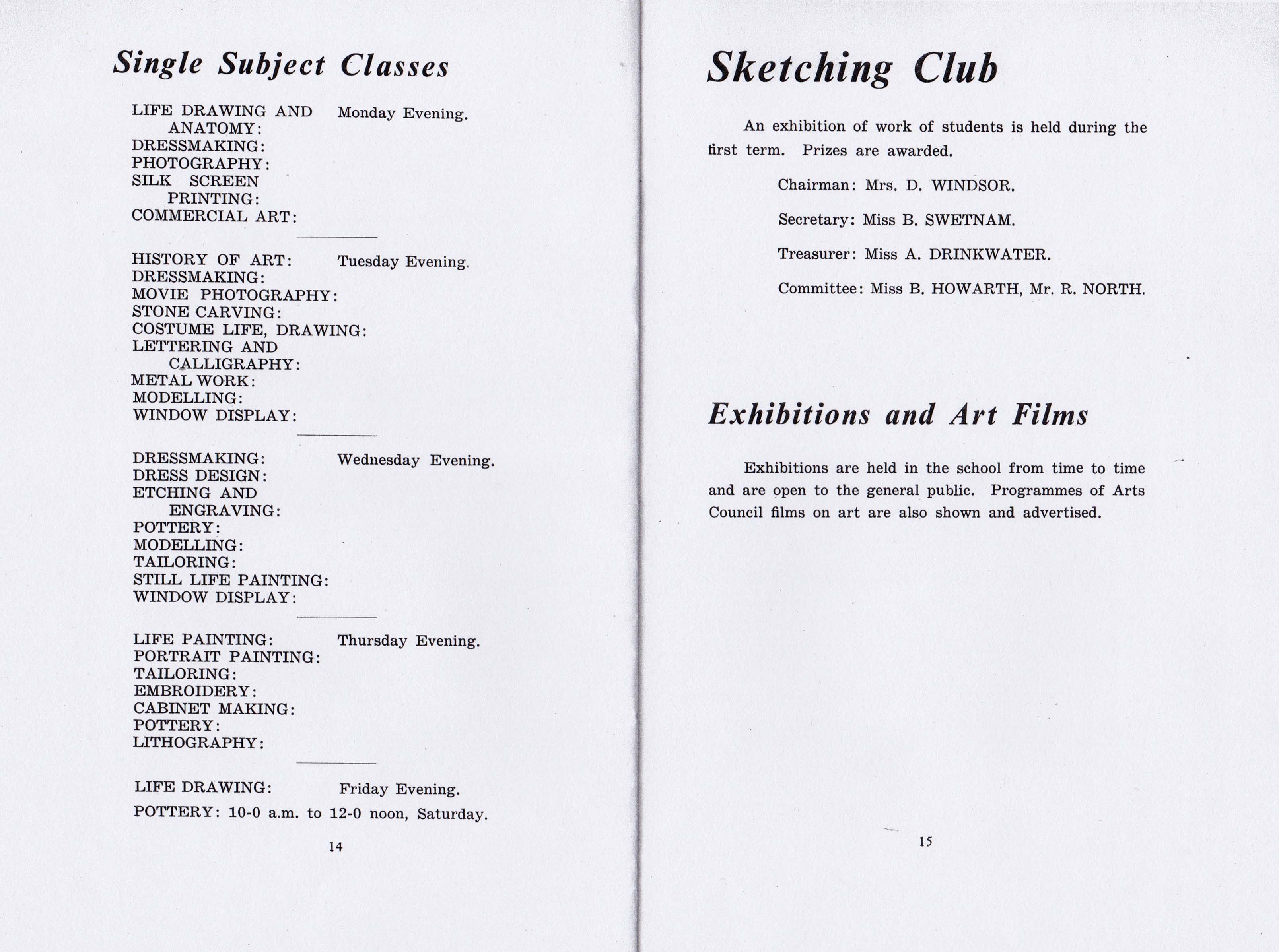
Forward now to 1959-60.
There are now full-time courses in Art and Design – though there were no degree courses until 1974, students would find employment, places on a teacher training course or possibly progress to one of the London colleges, which did have graduate status.
There were still clear distinctions in what were considered women’s skills, which also reflected the patterns of employment.
There was also an increasing distinction between specialisms, Fine and Applied Arts taking diverging paths.
An astounding range of skills were available on a part time evening basis, opening up vocational or non-vocational options.
These were always affordable and well attended.
Art and design education had undergone a major transformation in the early 1960s. The Coldstream report -1960/ 1962 had restructured art education: the existing National Diploma in Design had been replaced with a three year Diploma in Art and Design in 1963. The Dip.AD was conceived as providing ‘a liberal education in art’ and had four areas of specialisation: textiles/fashion, three dimensional design, graphic design, and fine art. Other subjects, such as electronic media, photography and film, were incorporated into fine art or graphic design courses.
The Dip.AD was intended to be the equivalent of a university degree. To achieve this academic entry requirements, at least five O’ levels, were introduced; although exceptions could be granted for “students with outstanding artistic promise”, very few were: only 36 were made in 1967 . The Dip. AD itself contained a compulsory academic element and enhanced art history component: taken together these accounted for 15 per cent of course time and 20 per cent of the final pass mark. One year Pre-diploma (latterly Foundation) courses termed Basic Design, were also introduced, these a product of the Bauhaus approach to art education, pioneered in the UK by and Richard Hamilton, Tom Hudson, Harr Thubron, Maurice de Sausmarez, and Victor Pasmore. Basic Design was a form of creative education involving basic analytic experiment and a clearing of the slate.
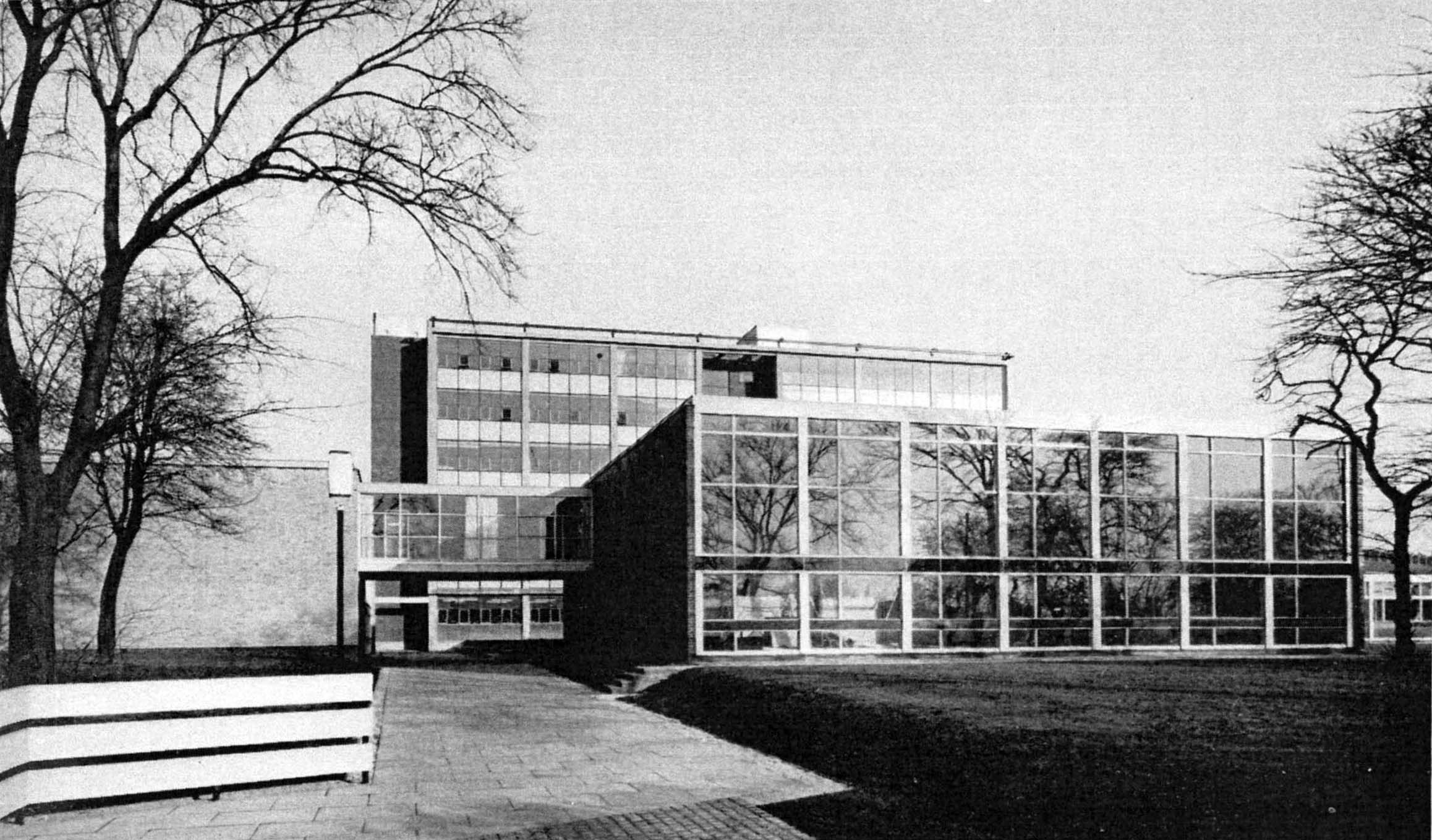
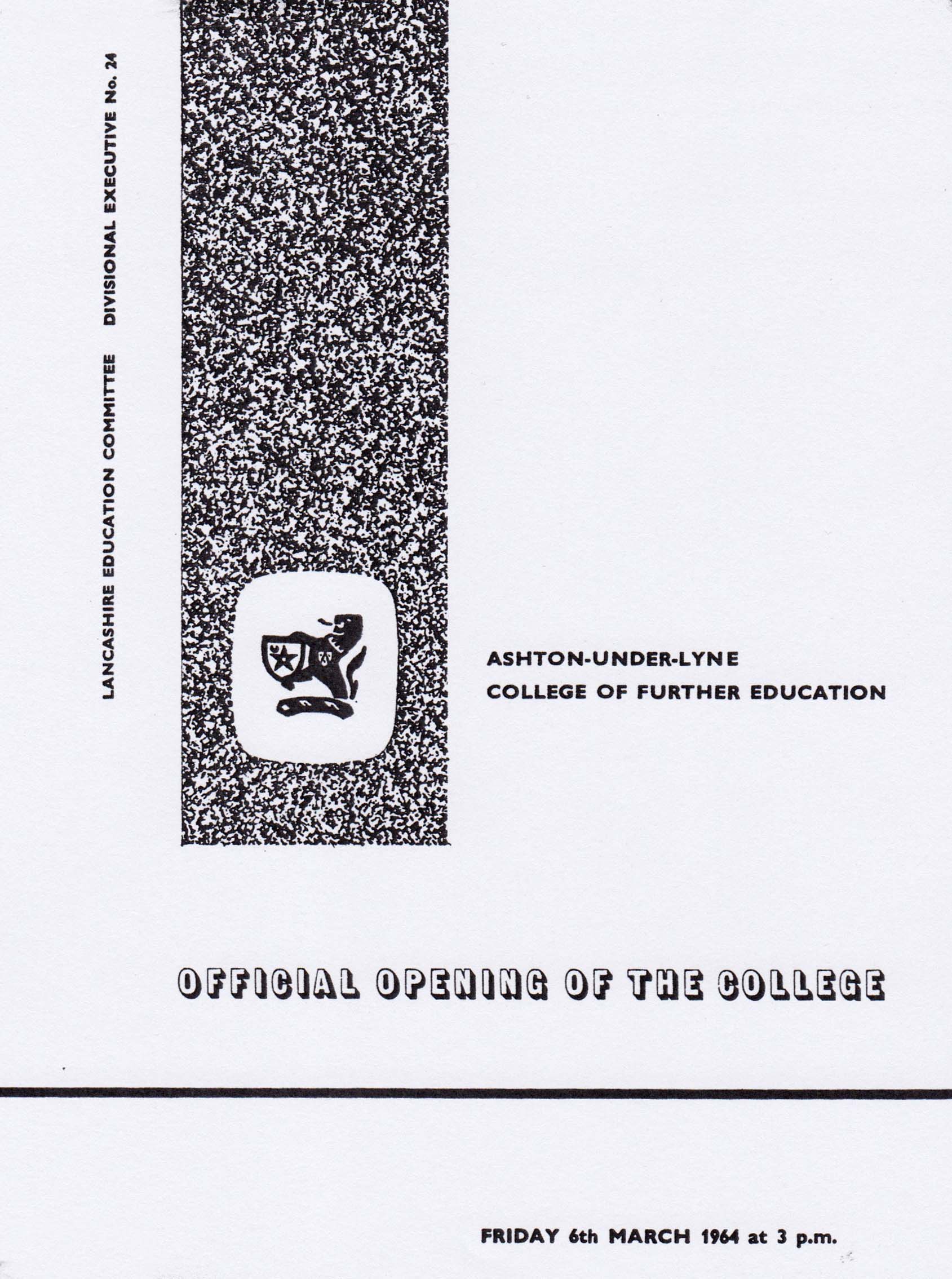
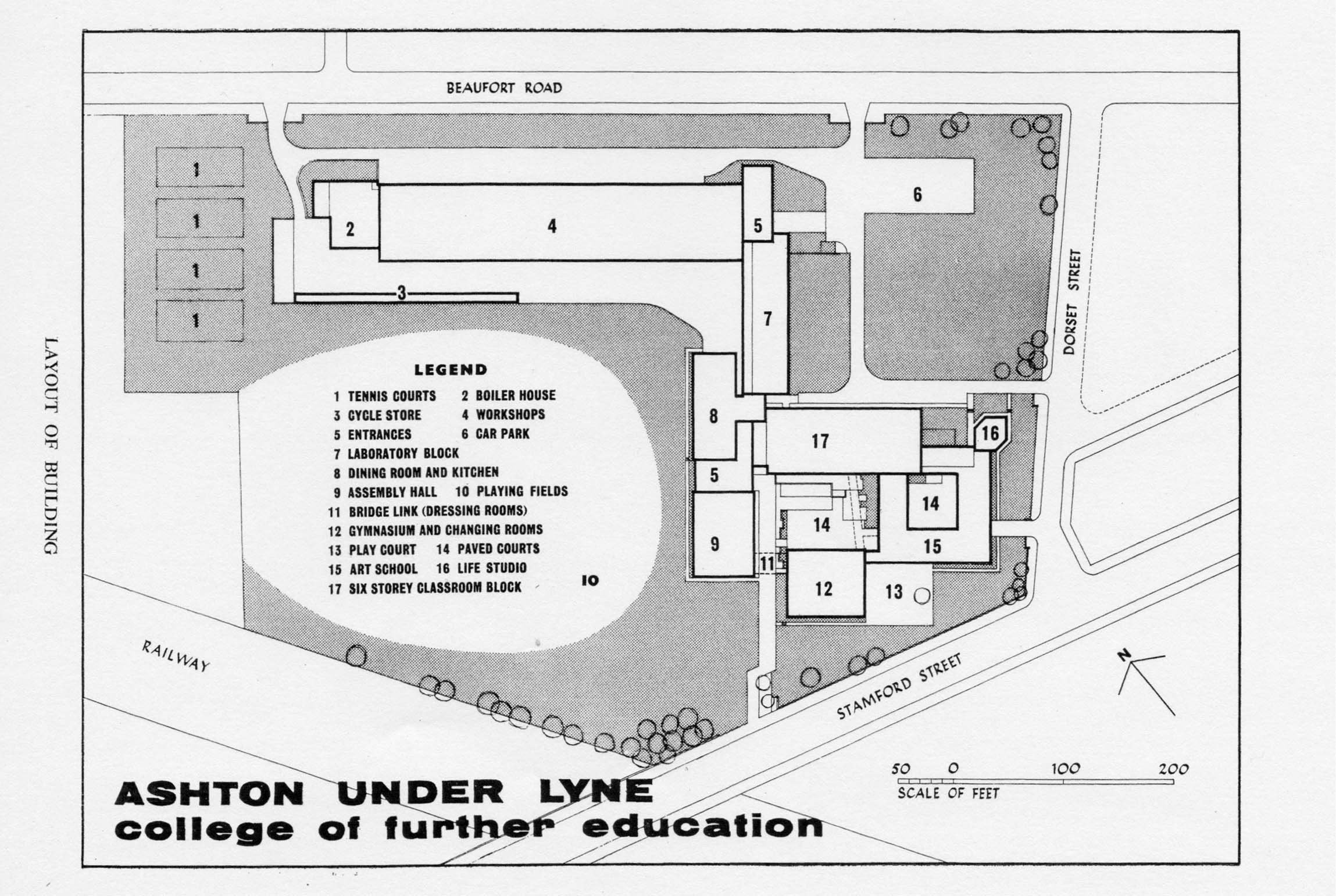
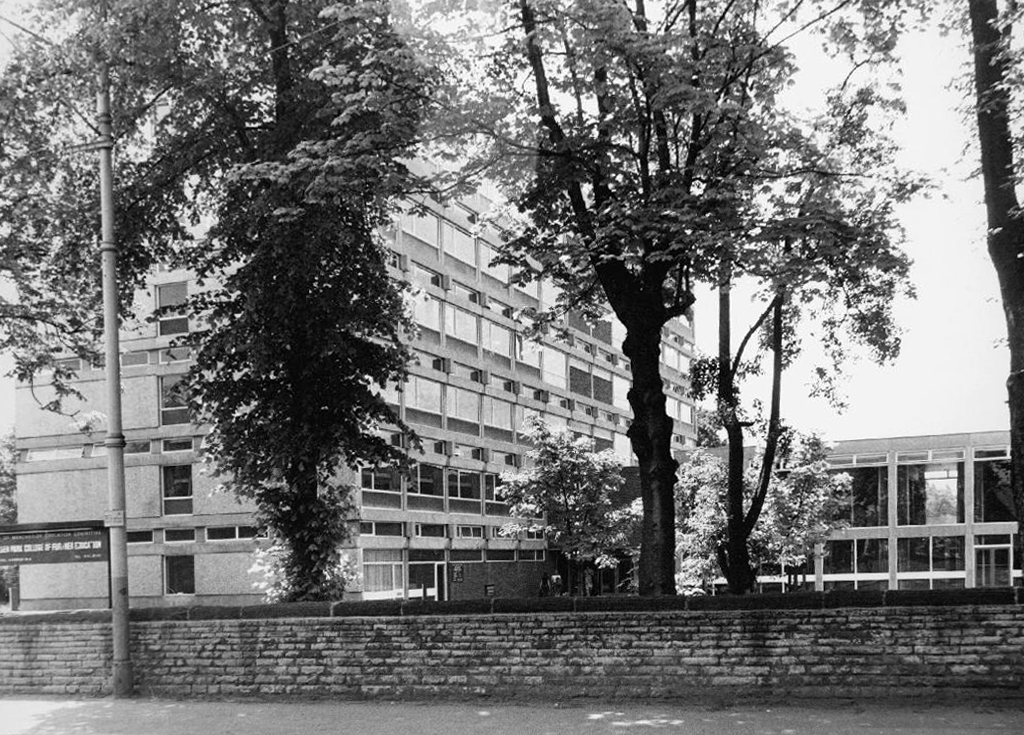
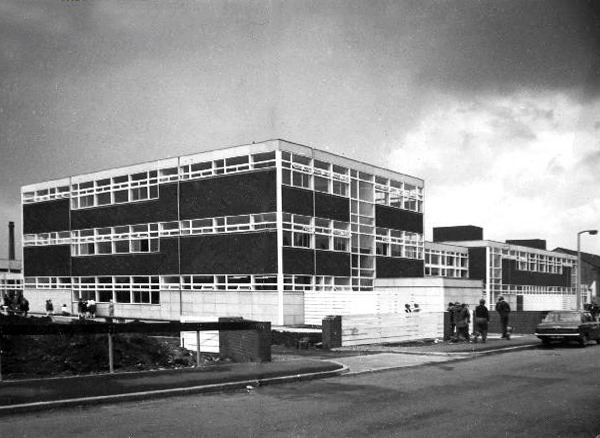
The college which I attended was opened on March 3rd 1964.
Gone were the autocratic Victorian stylings of the Heginbottom School – The College of Further Education represented a more open democratic age.
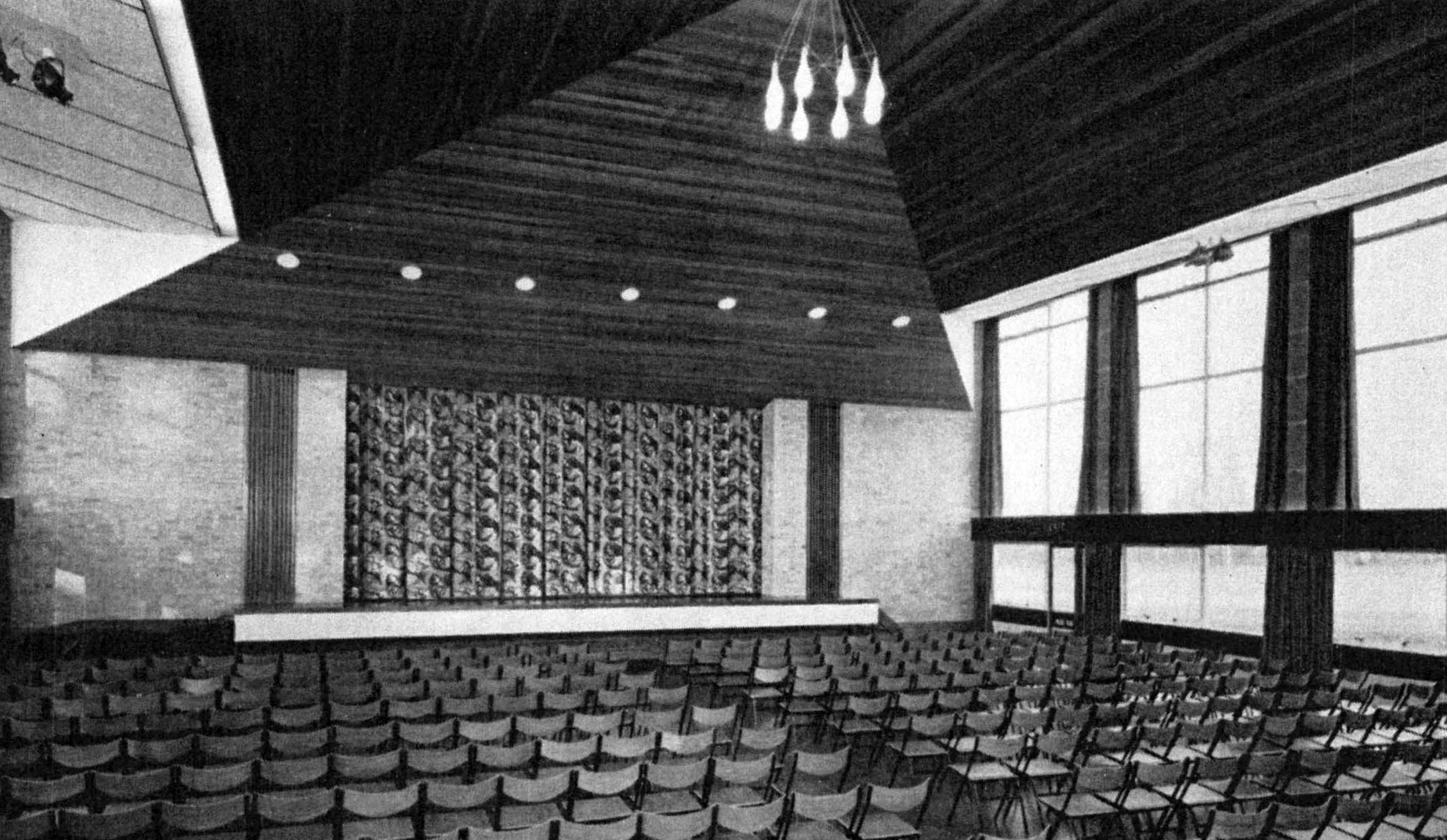
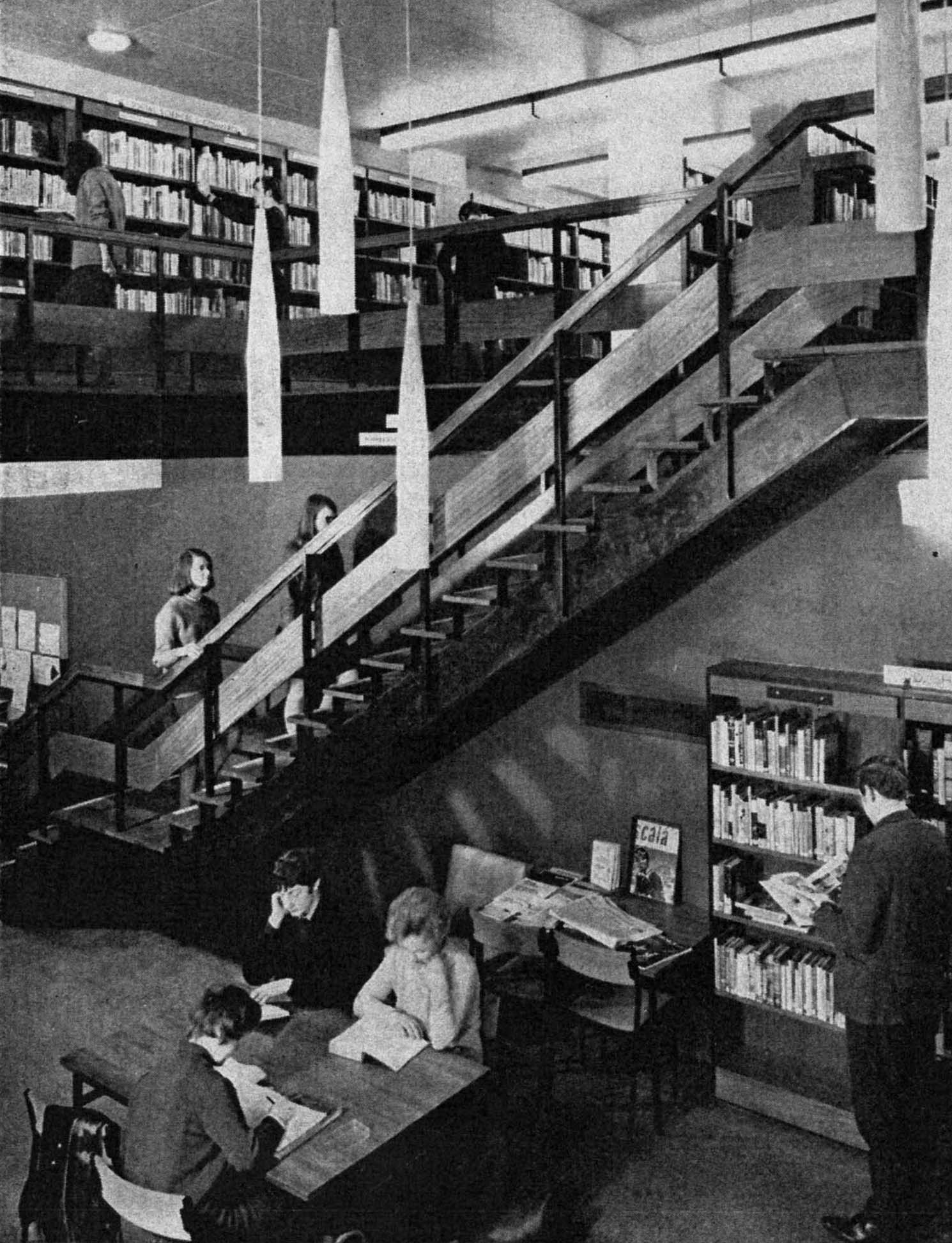
The communal areas were light and airy, with full-length windows, wooden floors, contemporary furniture and fittings.
The teaching rooms and workshops well equipped and staffed, with ample support from technicians and lecturers.
This was a no expense spared build – we were made to feel valued, in an institution purpose built for our education and future lives.
The full-time course was five full days a week, with one late evening for photography and art history.
I attended ever single day for two years, we were eager to learn and following an introductory merry go round of design disciplines, students were able to choose their own route.
I was privileged to have been taught by Bill Clarke as a student of Fine Art – of whom fellow Ashton student Chris Ofili said:
After six months on the foundation course I chose to specialise in painting and drawing. The teacher there, Bill Clarke, introduced me to painting in a way that didn’t make me feel restricted or limited. Not only was it something completely new, but it was something that allowed me to investigate further into who I am. He taught us that it wasn’t so much about painting a scene and making sure you got the shading right, but trying to get to a point where the thing that works is absolutely critical and essential to you as a living, breathing person. I was obviously aware of famous artists, but I suppose I never really thought that was what you could do with your life. He opened the door enough to make me think that it was worth going into the room.
A huge emphasis was placed on observational drawing in the life-room, in addition to more exploratory work in a variety of media.
I also spent a great deal of time in the Print Room working in both etching and lithography with lecturer Colin Radcliffe.
Returning to the college four years ago, I found that the life room was now in use by the Animal Management course.
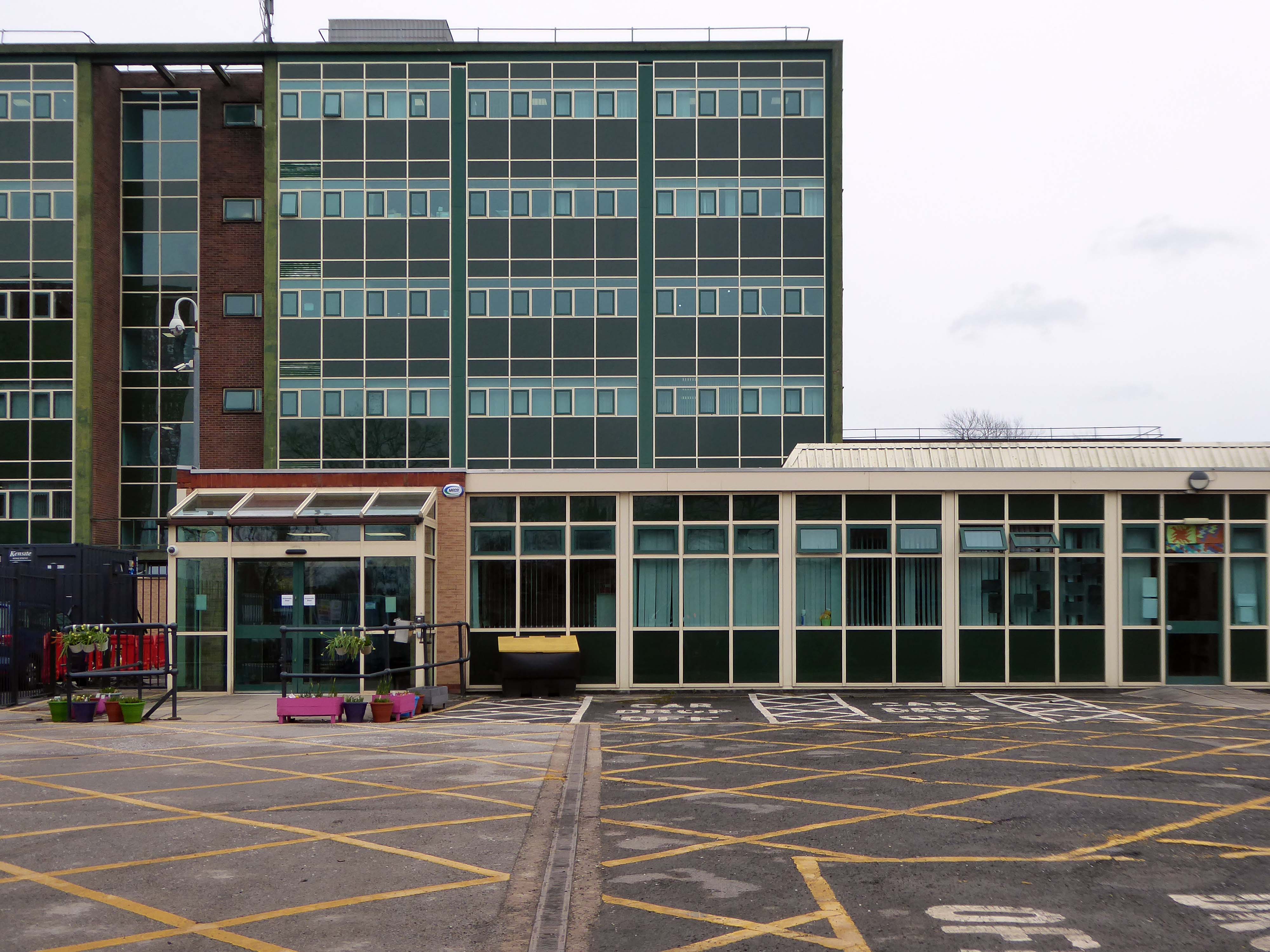
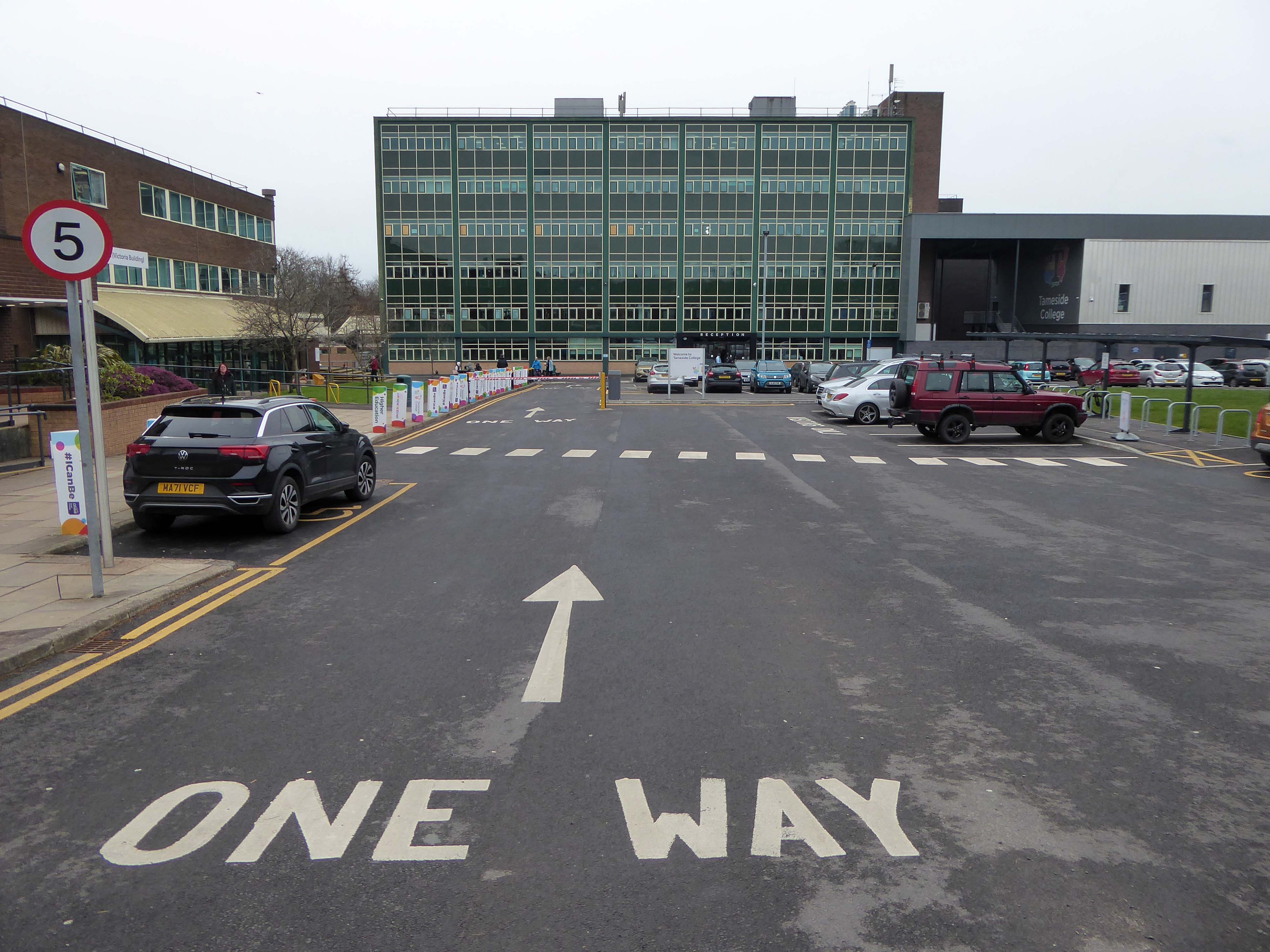
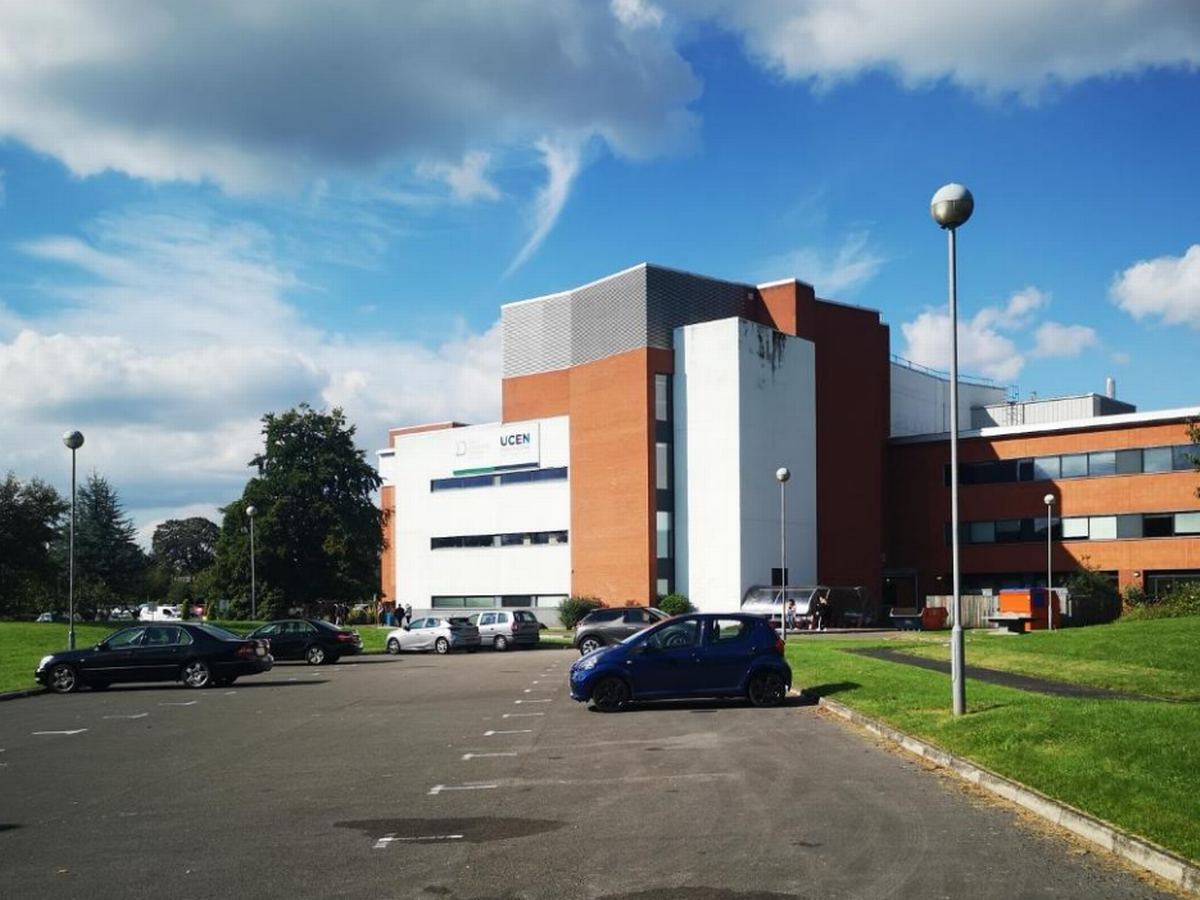
The site had been undergoing refurbishment and new development.
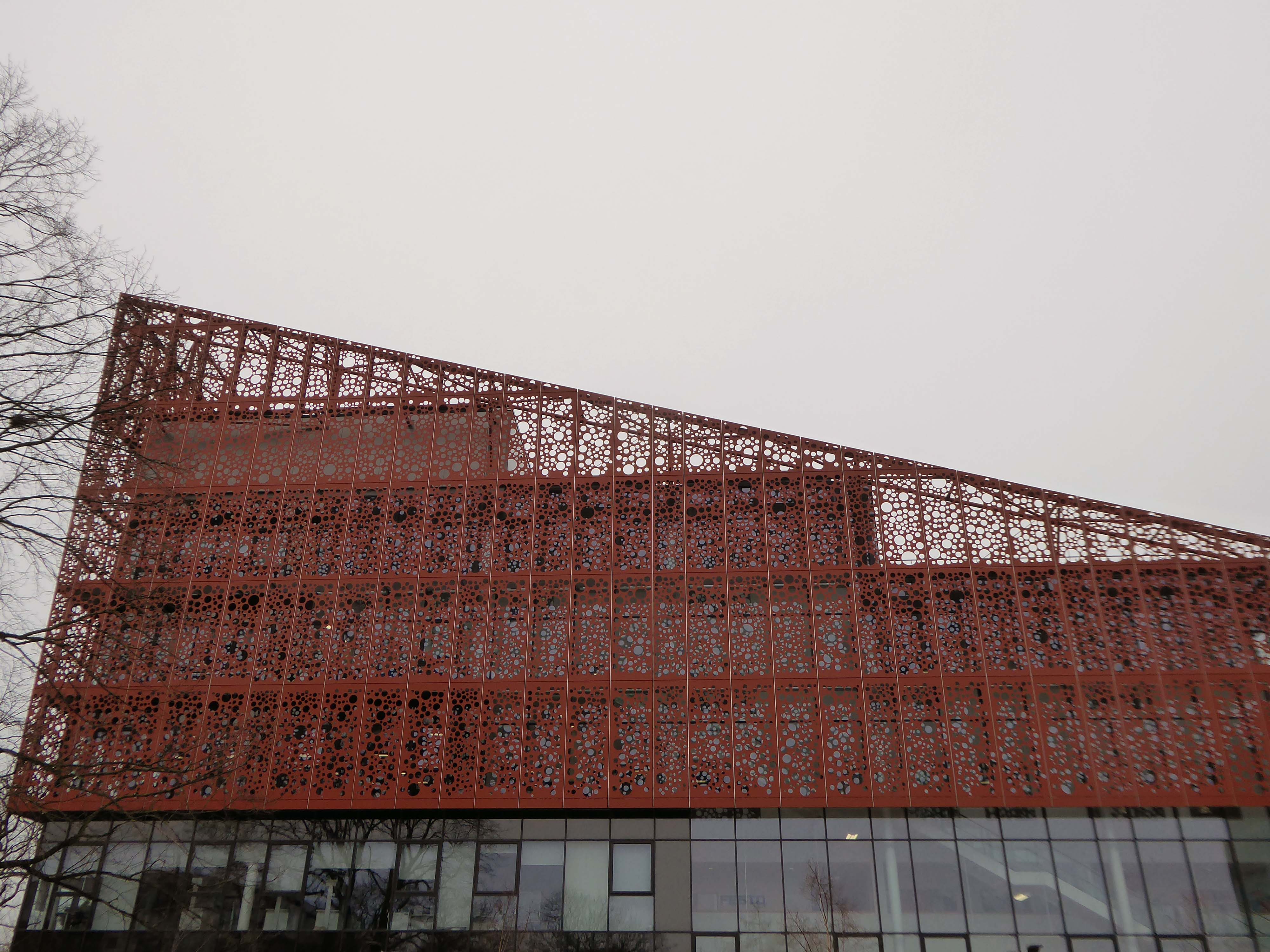
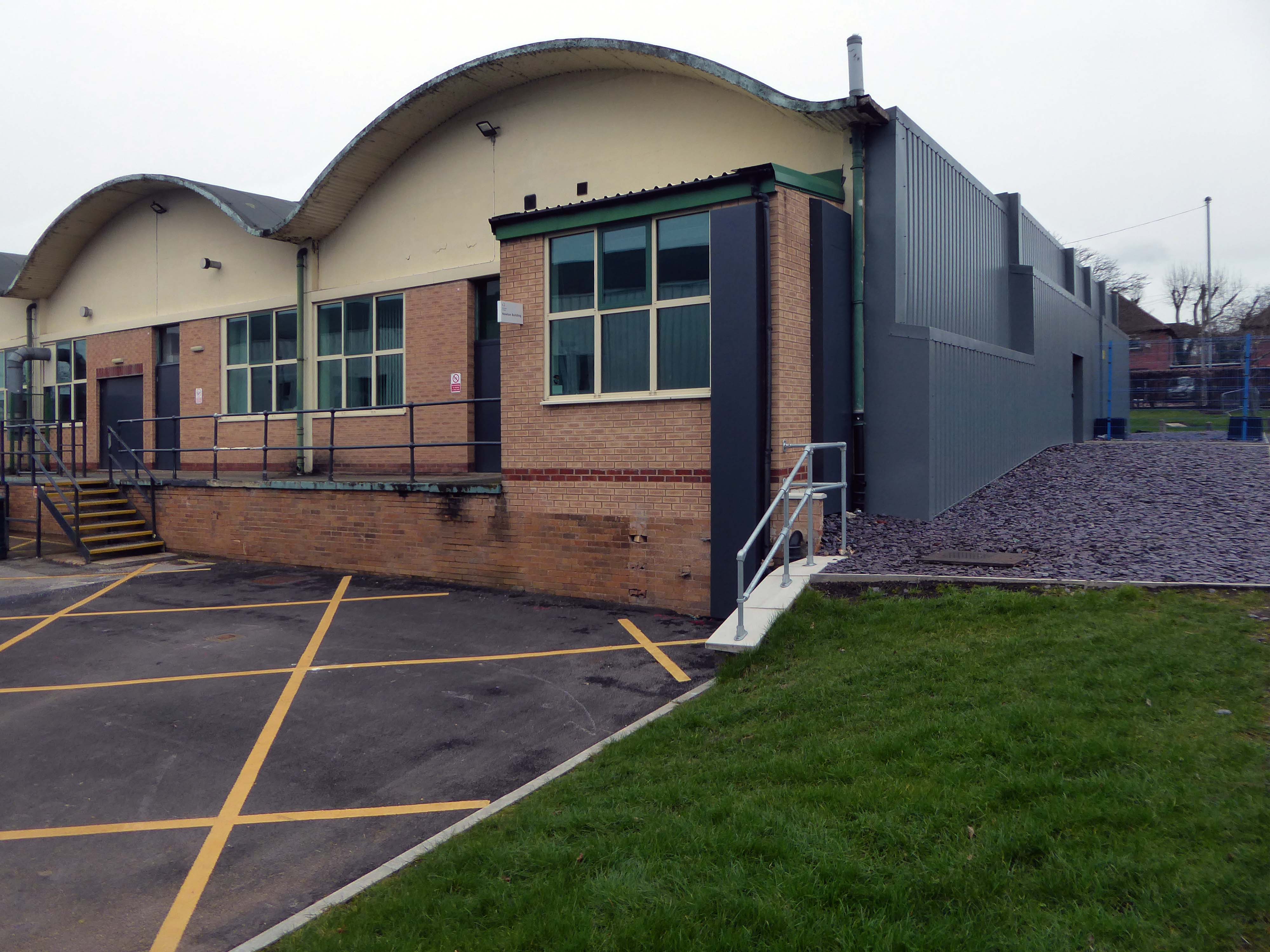
Built by Kier and designed by IBI Taylor and Young the Advanced Technologies Centre has been constructed following a £10.5 million investment.
Levolux designed, supplied and installed a customised architectural facade solution as part of the £10.5 million development of the Advanced Technologies Centre.
ITP supplied our VCL 250 vapour control layer as a protective solution underneath a stunning façade design. With a mono-filament reinforcement scrim for tensile strength, its polyethylene-based membrane ensures that the building envelope is properly sealed to control ventilation, prevent heat loss and protect insulates from interstitial condensation.
The single storey building was previously home to the Ceramics and Textiles rooms.
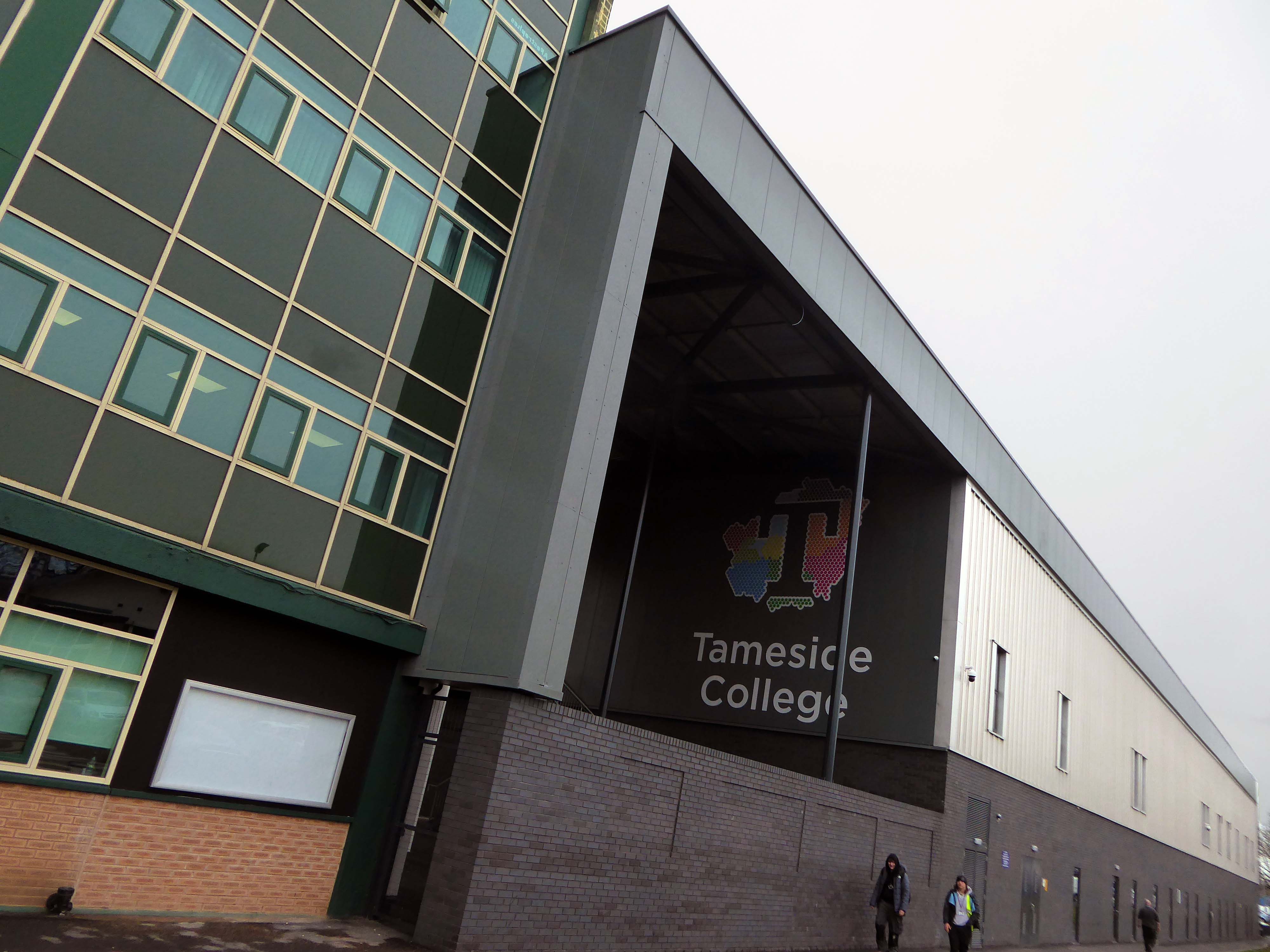
The Construction Skills Centre has been designed by Manchester-based architects 10 Architect.
Heckford Signs work with Willmott Dixon approached on a new coloured acrylic sign for the new Construction Skills Building at Tameside College. The aim for this new sign was to create a showcase of the college logo at an eye-catching size, to include 3D elements which would be housed on the East elevation of the impressive new building on campus.
The rolling curves of the original workshops have been retained and updated.
Since leaving the college in 1973, I graduated from Portsmouth Polytechnic with a BA(Hons) Printmaking, subsequently spending thirty years of my working life teaching in a variety of Further Educational sites across Manchester.
Fielden Park College seen here in 1973 – where I taught design to the printing apprentices.
Originally designed by the City Architect SG Besant Roberts in 1965, refurbished by Walker Simpson Architects.
Closed.
Wenlock Way – an annex of Openshaw Technical College, a former primary school which housed courses in Sign Writing, Jewellery, Horology and Retail Display.
Demolished.
Openshaw College – since demolished and rebuilt, becoming Central Manchester College in the 90s.
We were relocated to Taylor Street in the former Bishop Greer School – renamed the East Manchester Centre.
Since demolished to make way for an old people’s home.
Following the reorganisation of Manchester’s FE provision we were moved again to the former Yew Tree High School, Arden Sixth Form College – renamed City College Manchester.
This block was eventually demolished to make way for the new Northenden Centre – which closed last year, which has in its turn been demolished.
Everyone was relocated to the brand new building on the former Boddington’s Brewery site.
Everyone but me, as I left in 2014 to become a modern moocher.
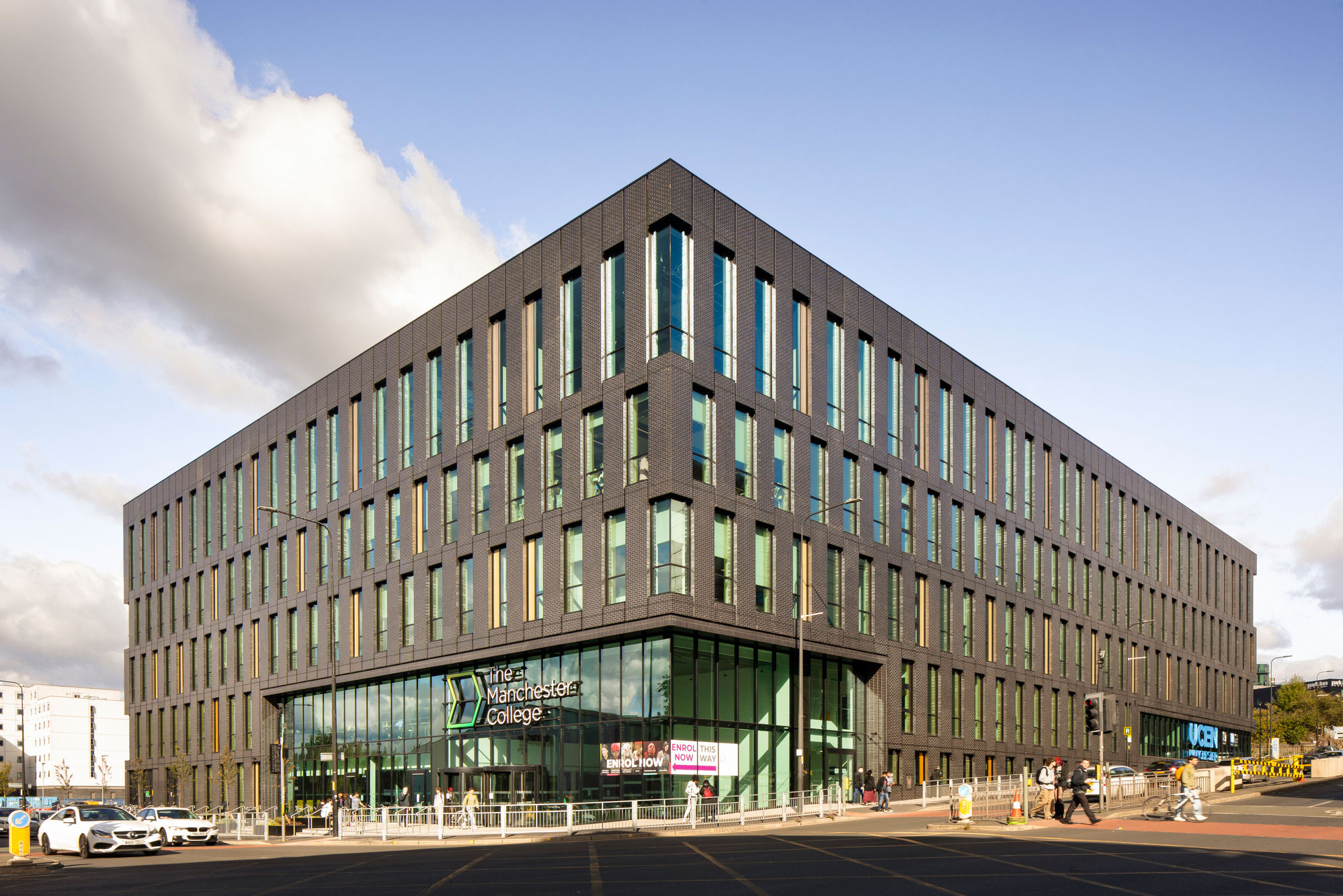
Manchester College City Campus
Following build completion in July, the long awaited 27,000 square metre, four-storey campus, designed by Bond Bryan and Simpson Haugh, offers a range of facilities, creating an exceptional student experience. It becomes the home of the College’s Industry Excellence Academies for Hospitality and Catering, Creative and Digital Media, Music, Computing and Digital as well as its Centres of Excellence for Visual Arts and Performing Arts.
It accommodates a range of Higher Education courses such as the UCEN Manchester’s School of Computing and Cyber-Security, The Manchester Film School and The Arden School of Theatre and the School of Art, Media and Make-up.
In his postcard, Phyl writes that the weather is nice, he has a self-catering apartment near a pond, but complains about the expensive cost of Spanish bread at £1 a loaf.
Although it was delivered to the right address on the card, Mr Davies said he has no clue who either Phyl or Mrs Leon could be.
I’ve been baffled by it really.
I suppose Mrs Leon once lived in my flat, but I’ve asked around neighbours who have lived here twenty or thirty years, and none of them have ever heard of her.
The Post Office say they have no idea what could have happened to the postcard for twenty nine years, may be it got stuck in a sorting machine, may be given that it’s got both British and Spanish stamps on it, someone found it and posted it on.
Really I’d just like to find out who either Phyl or Mrs Leon are, so I could finally give it to them after all this time.
Curiously the story does not reproduce the picture of the picture postcard.
Dear Eddie, this is a very pleasant place and the weather is just right. The food is very expensive though over £1 for a loaf of bread! We have a self catering little apartment by the side of a pond complete with ducks.
There is something very poignant about the handwritten reportage of holidays past and also a sadness attached to the blank other side -sentiments forever unsent.
I’ve looked at life from both sides now From win and lose and still somehow It’s life’s illusions I recall I really don’t know life at all
We are all going somewhere or nowhere or other – we report back.
Having a nice relaxing holiday. Not had good weather. Got caught in rain on Friday have lost my voice. Uncle Jim laughing
Auntie Ethel & Jim
Hope Leslies finger is coming on alright
20th August 1968
Hello Sharon, hope you are as happy as can be. Sorry I can’t tell you anything about your country, as I’ve never been; not yet anyway.
Bye Don
23rd April 1979
Dear Rita, here we are enjoying our holiday with Frank, Jacky & Stuart. The weather has been very poor, but there is an improvement today. Hope all is well with you. Lynn her husband and the little ones are visiting on thursday, so we shall have a real tea-party.
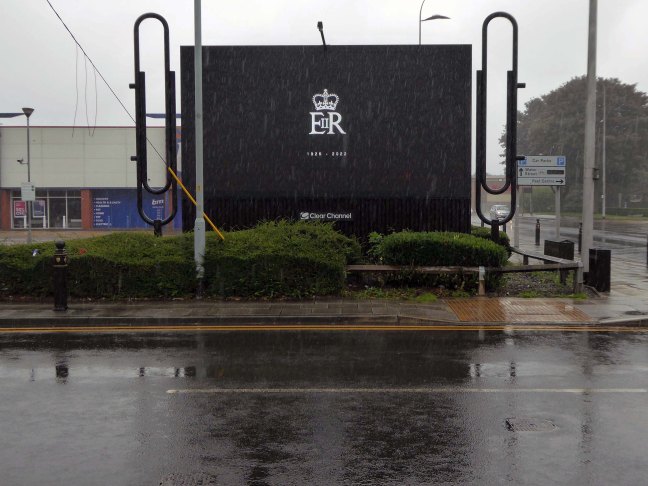
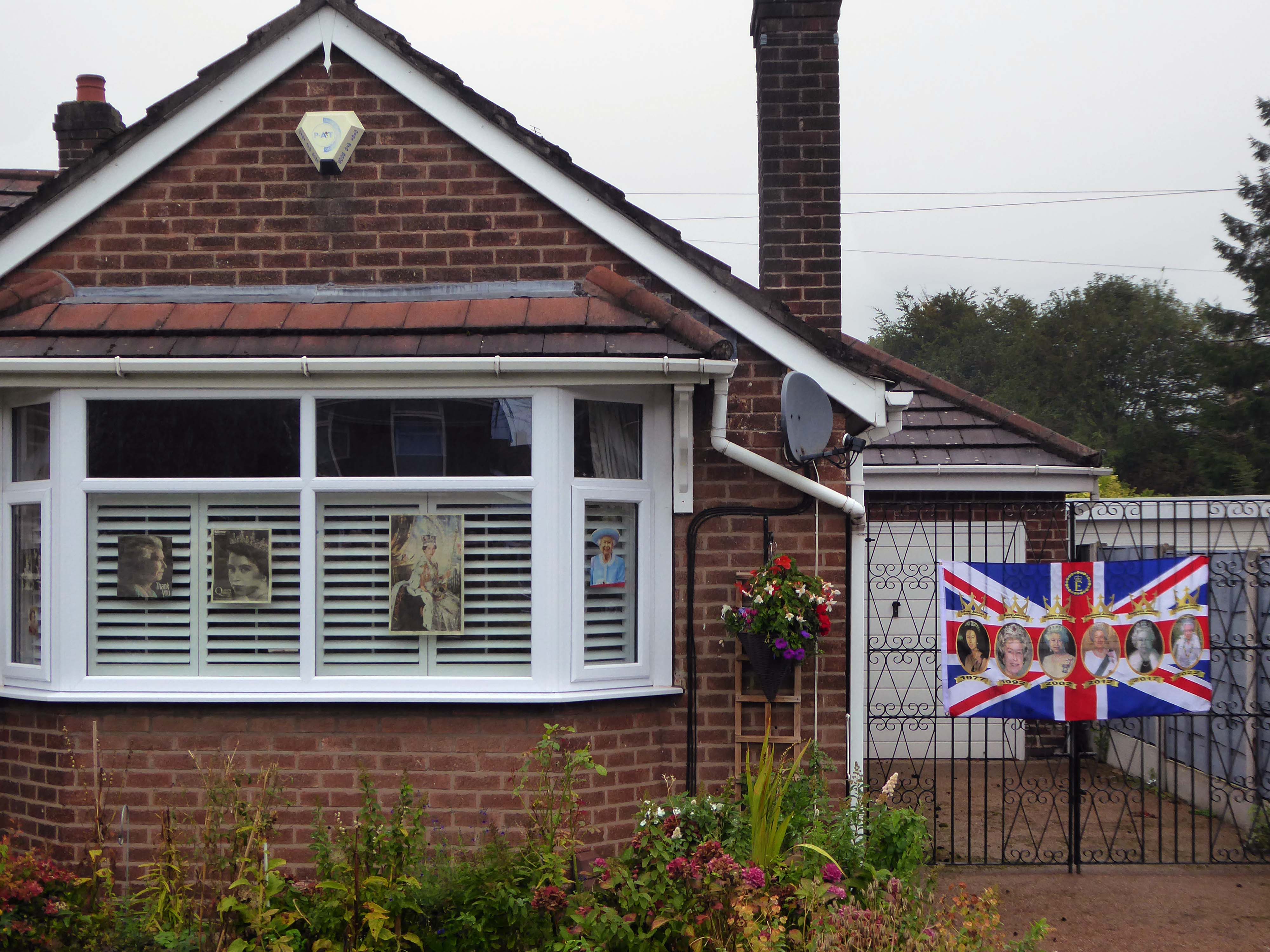
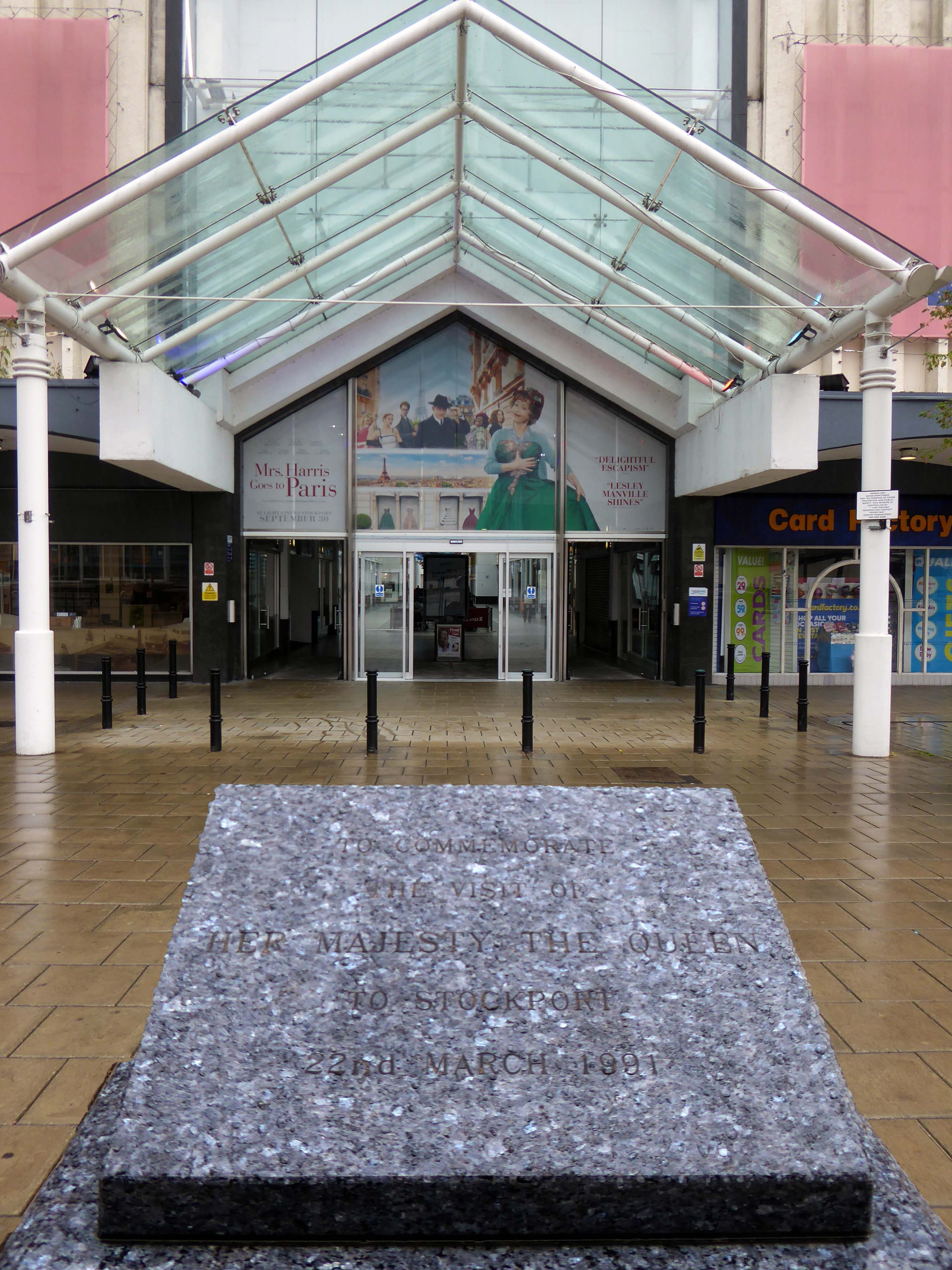
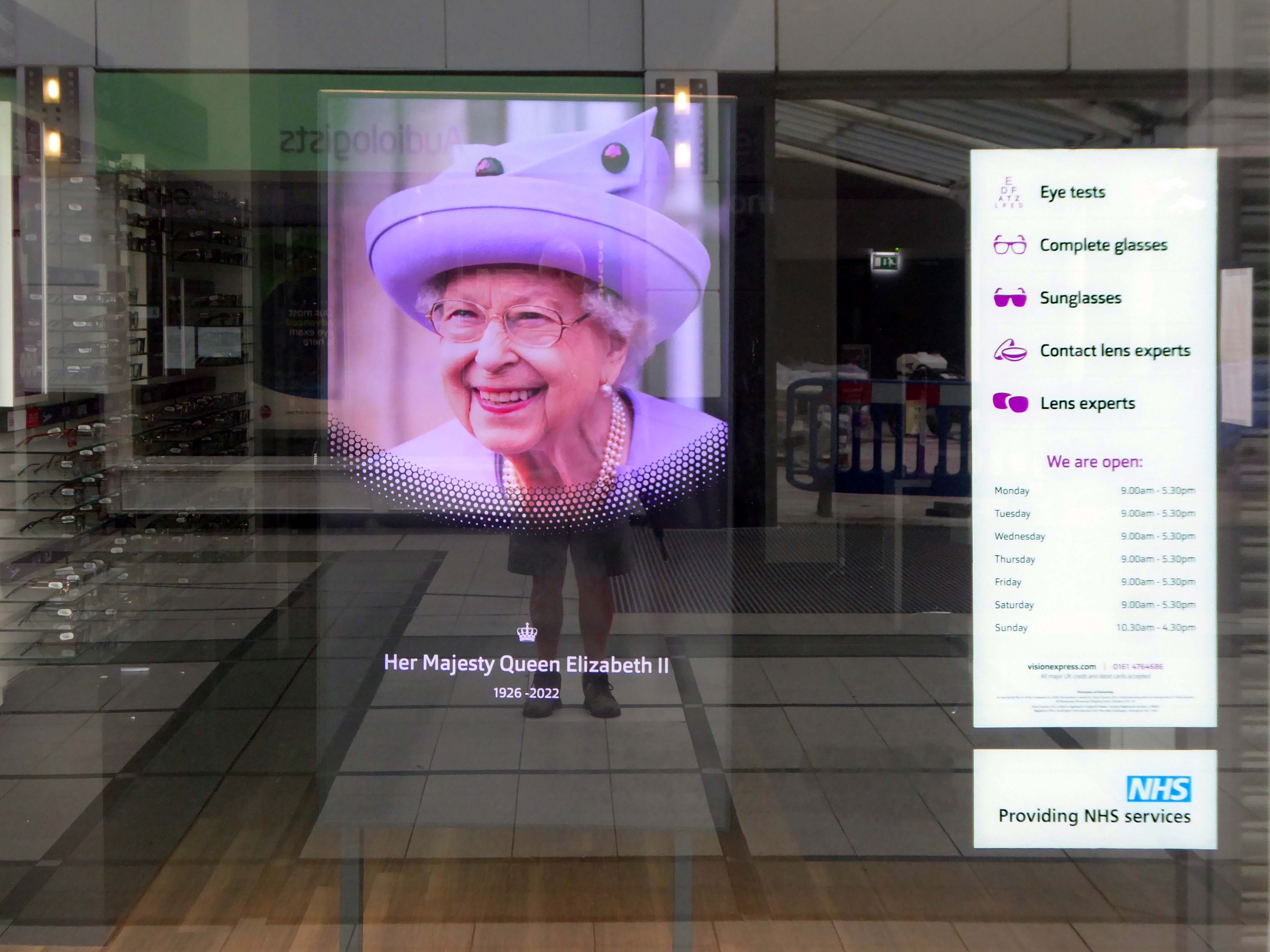
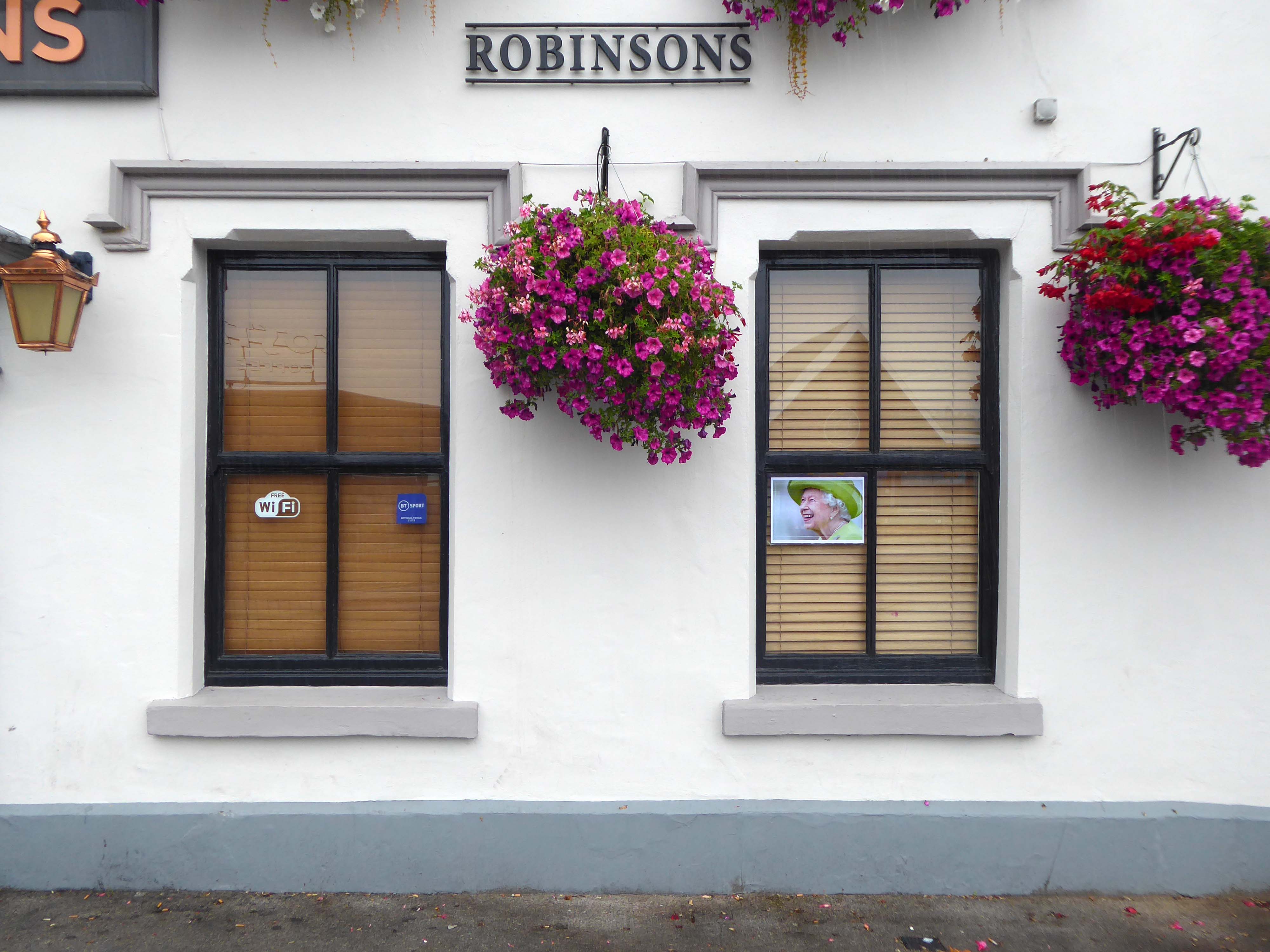
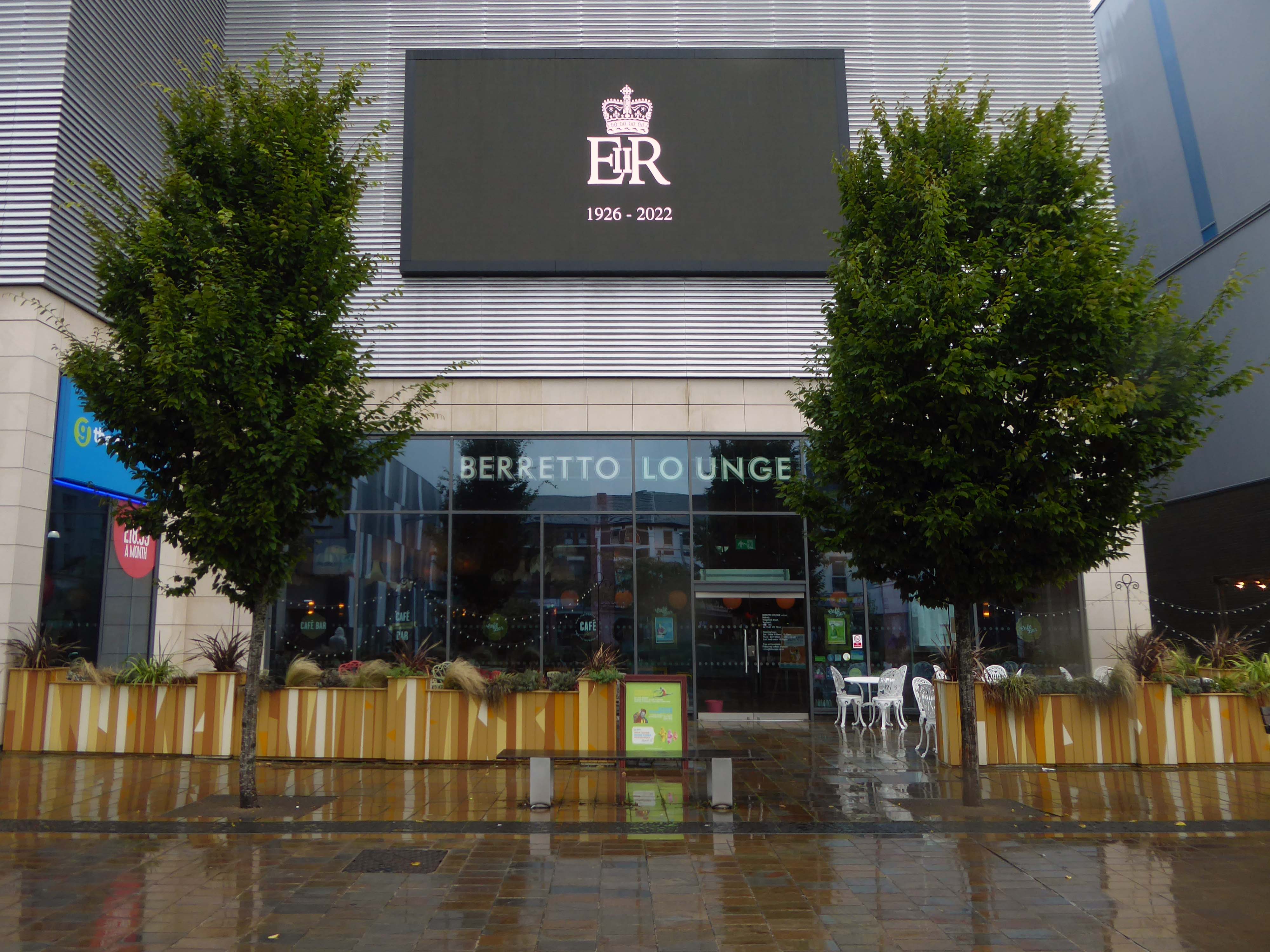
On the day of HM Queen Elizabeth II’s Diamond Jubilee, I cycled around Ashton under Lyne in search of landmarks of her sixty year reign.
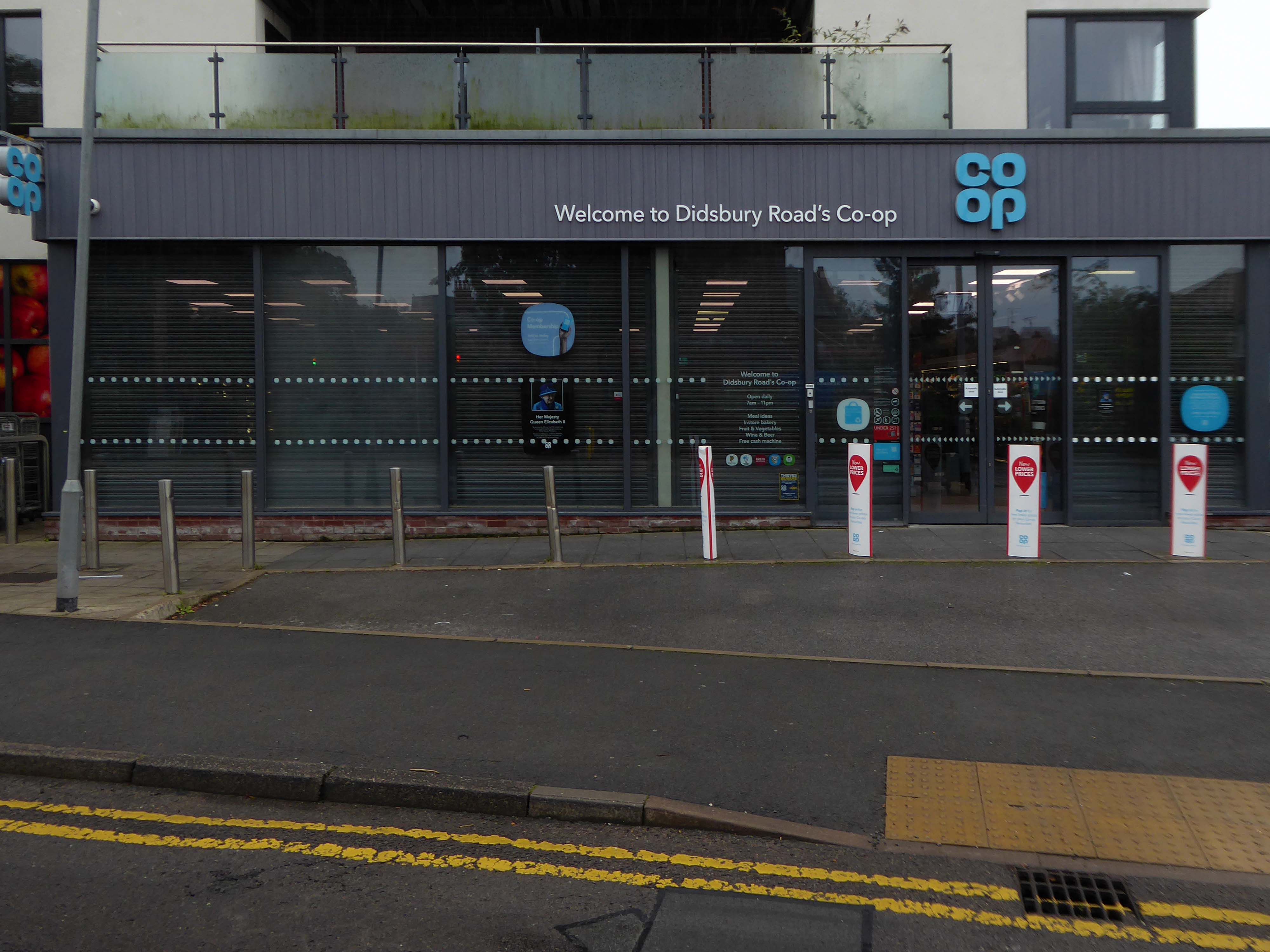
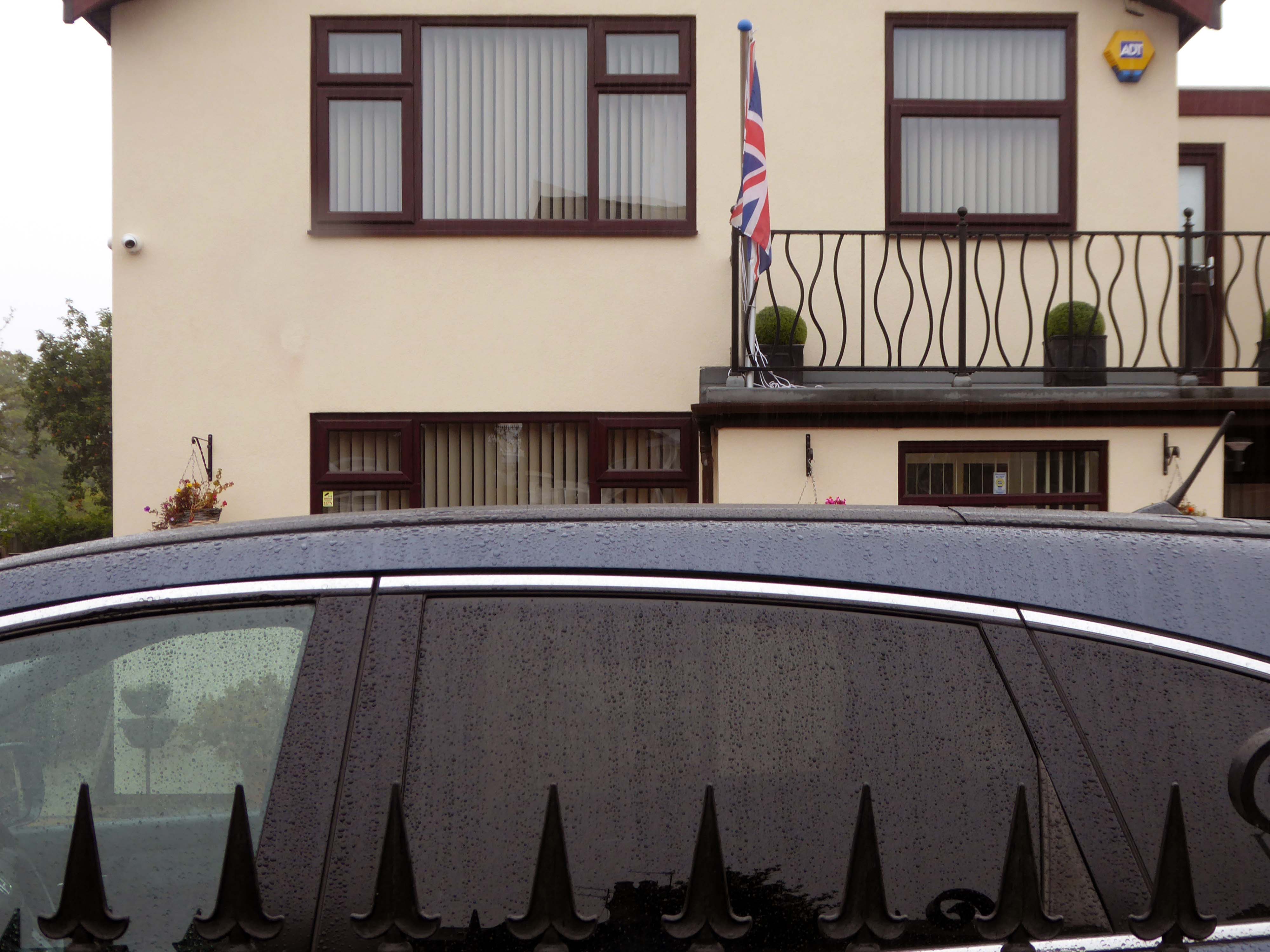
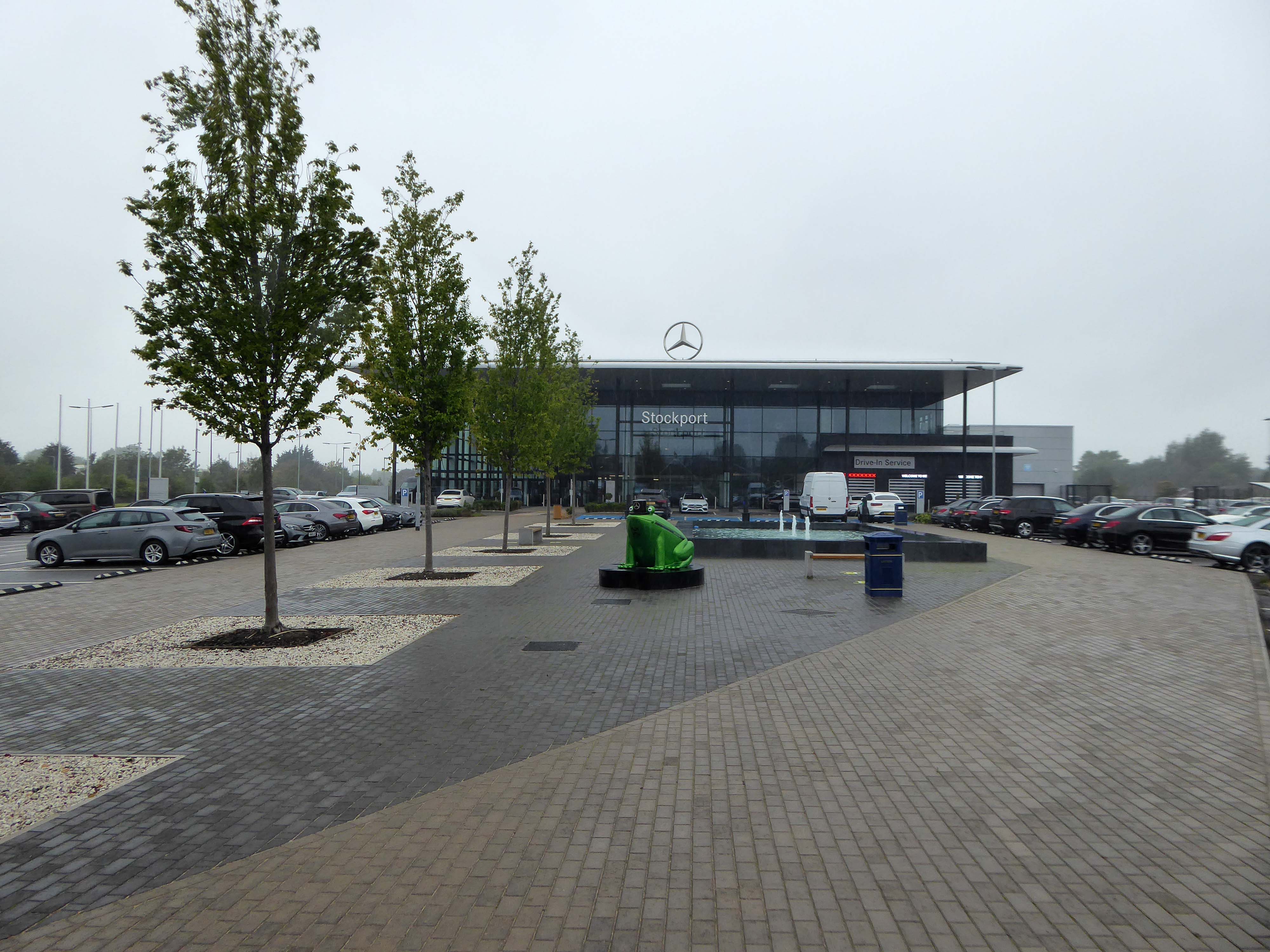
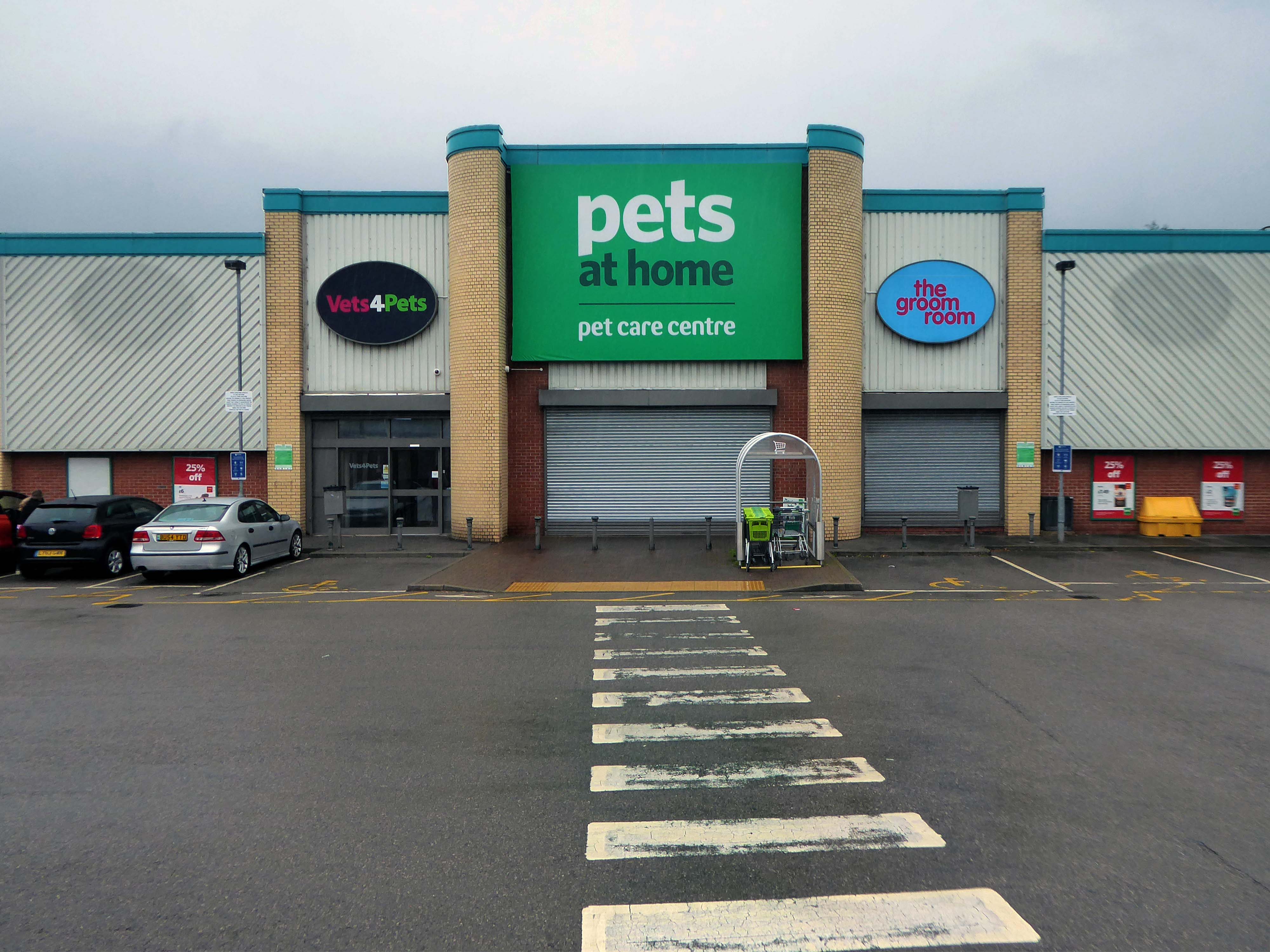
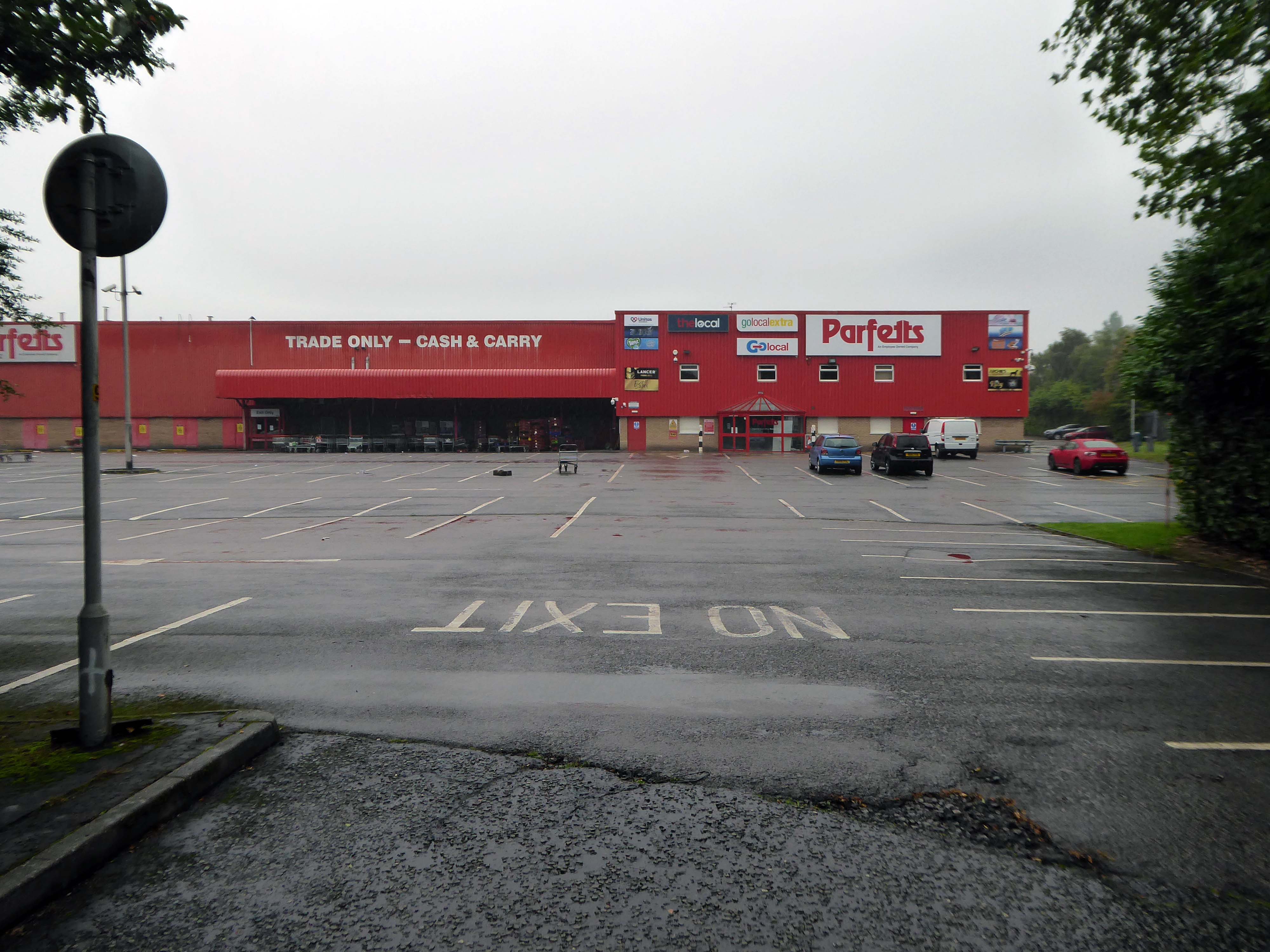
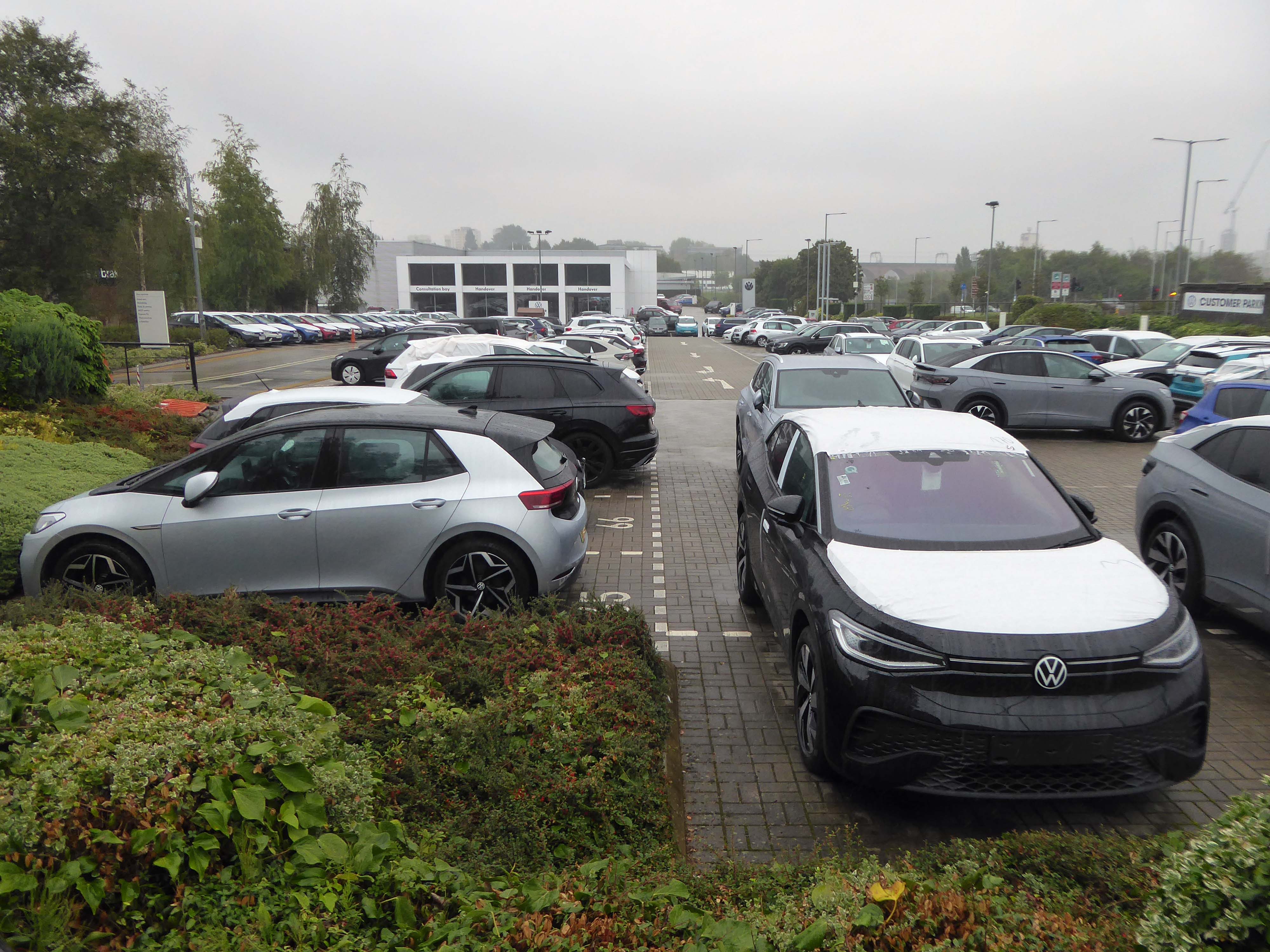
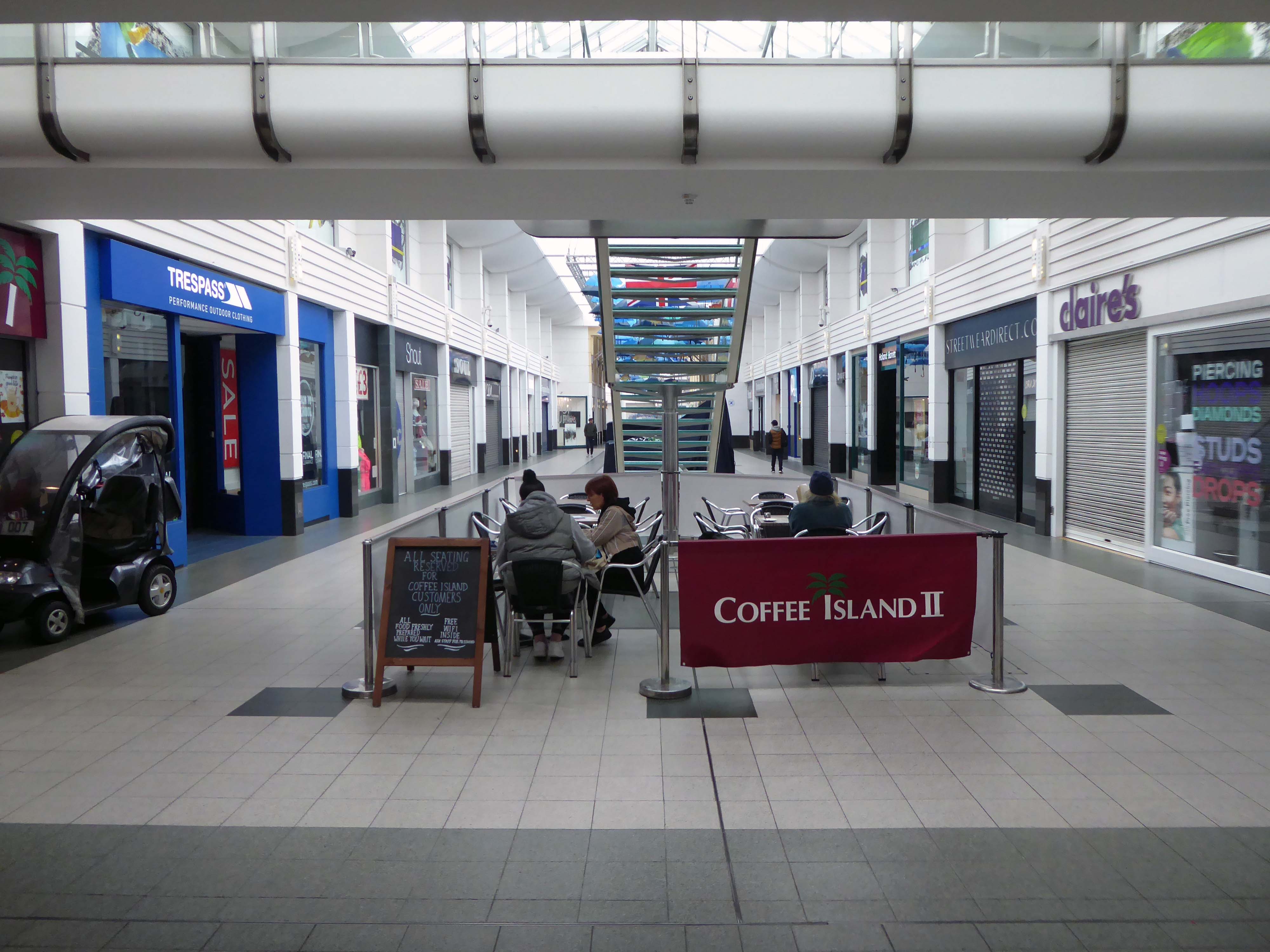
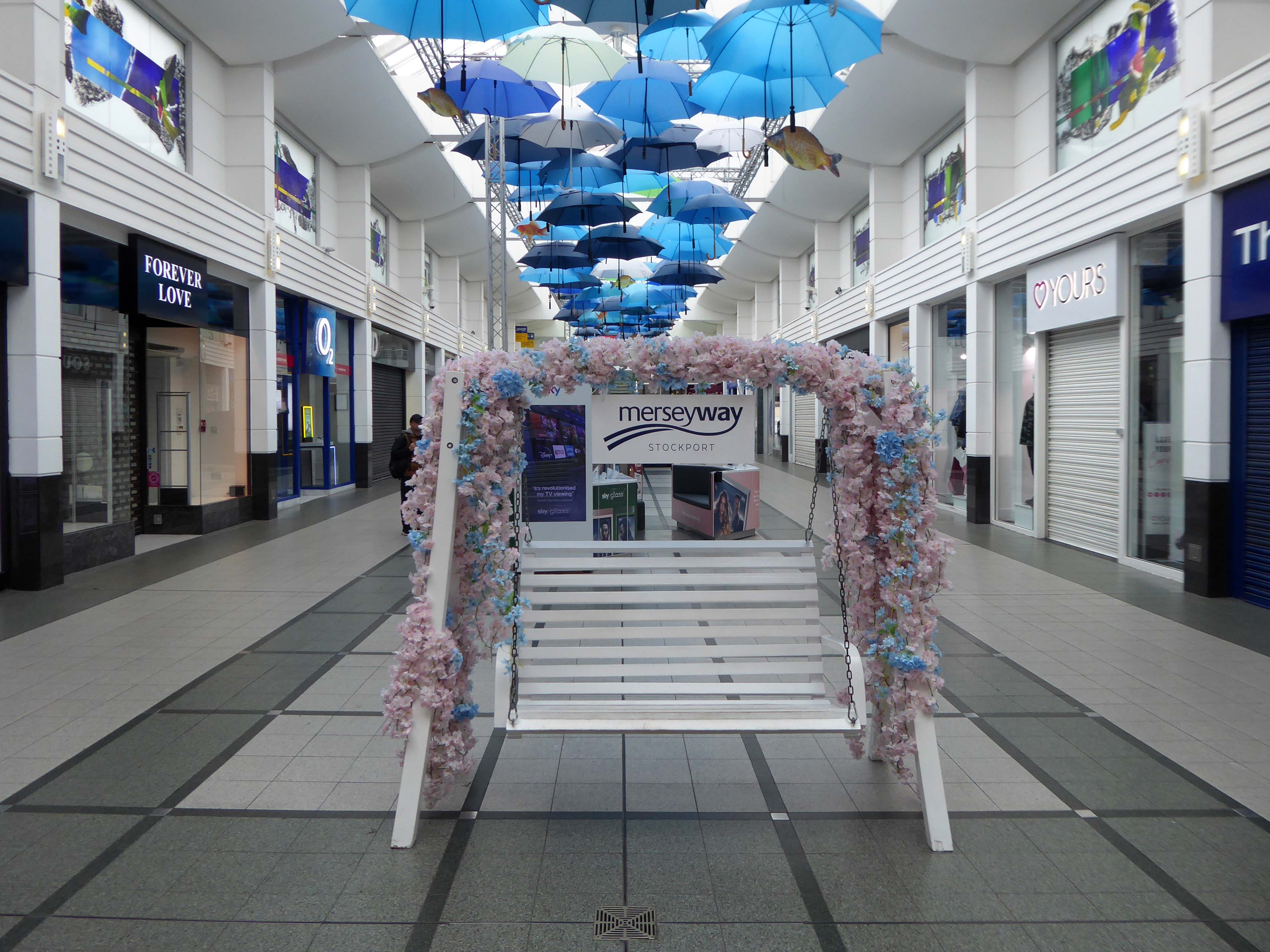
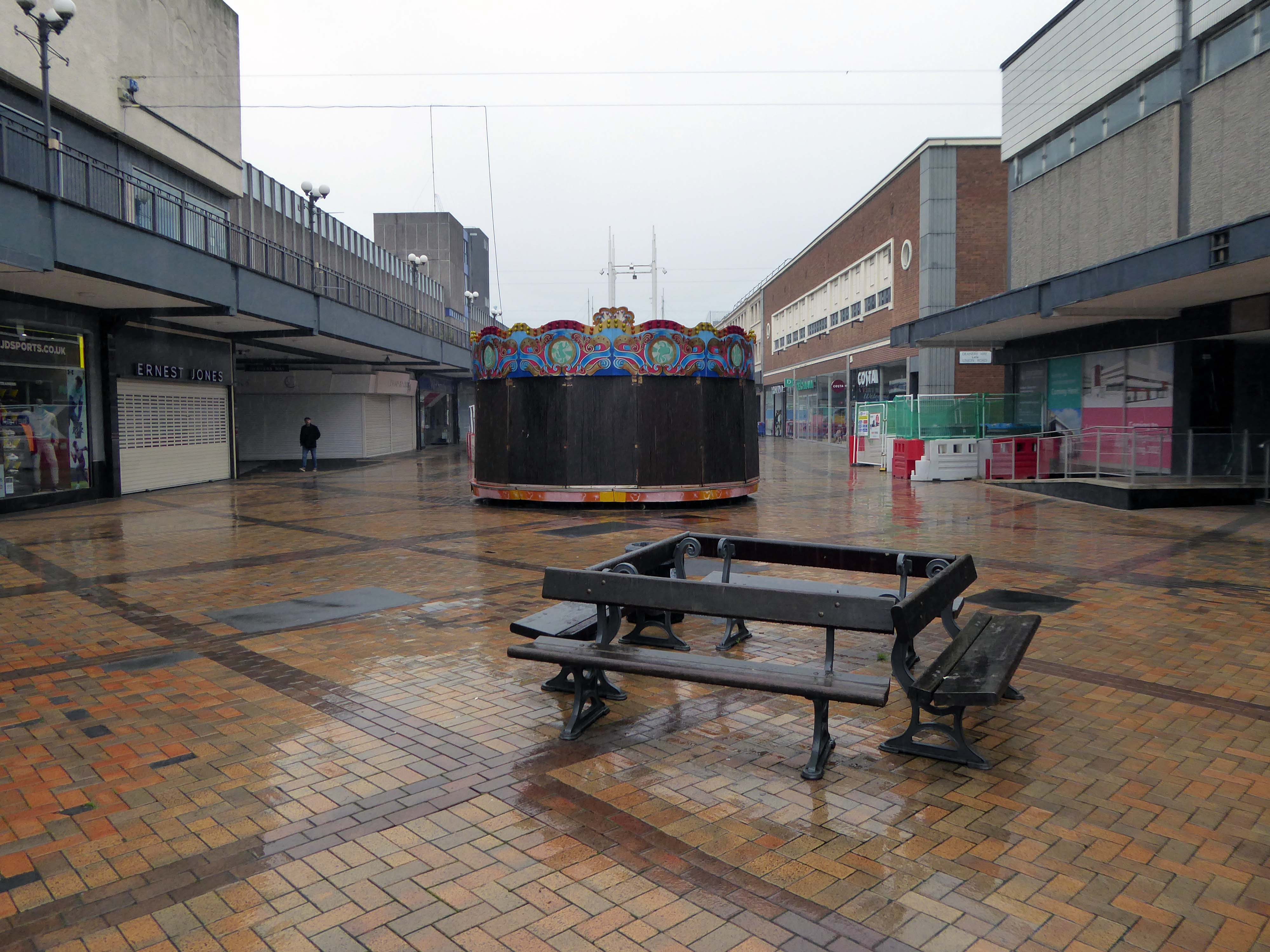
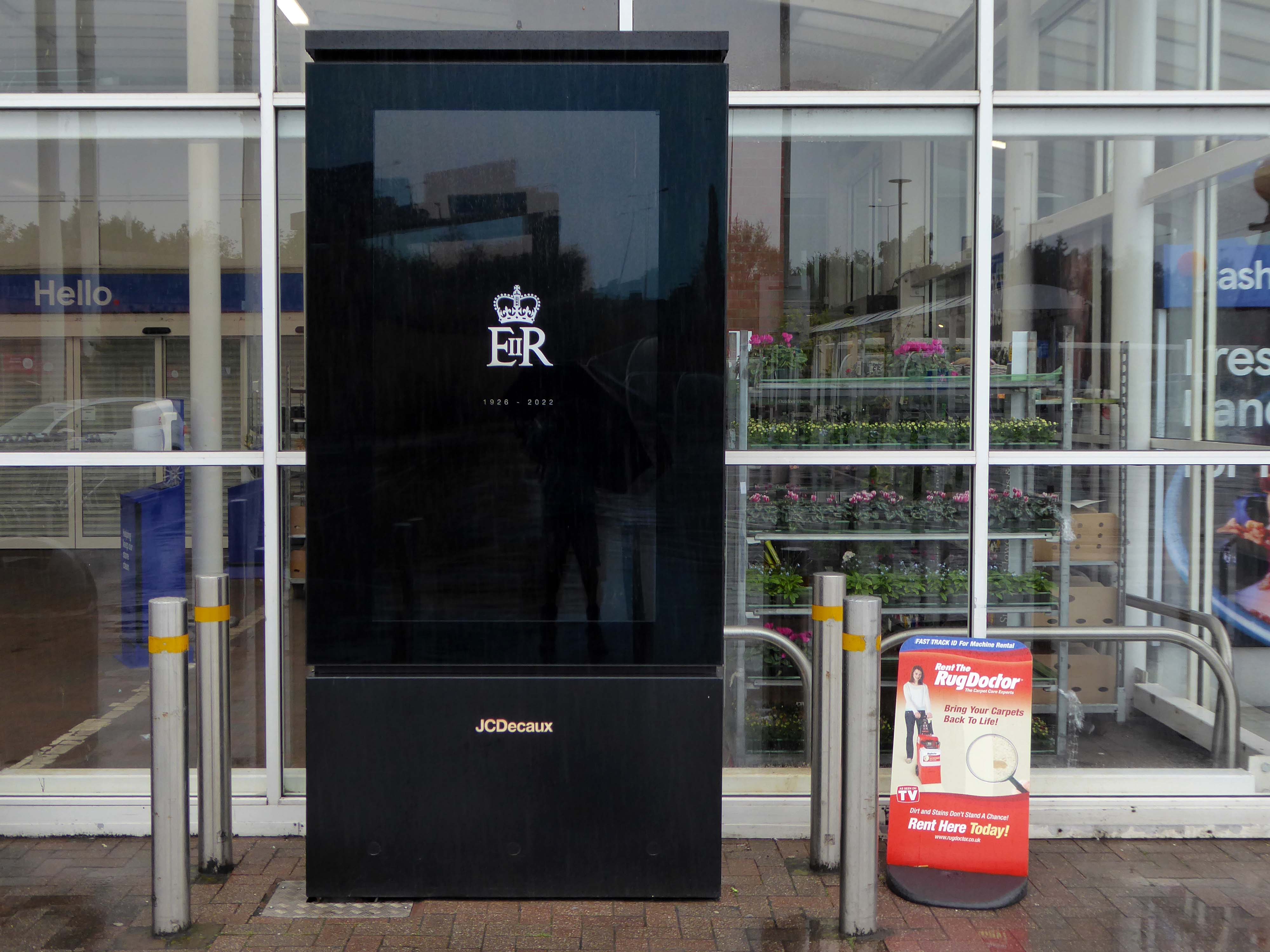
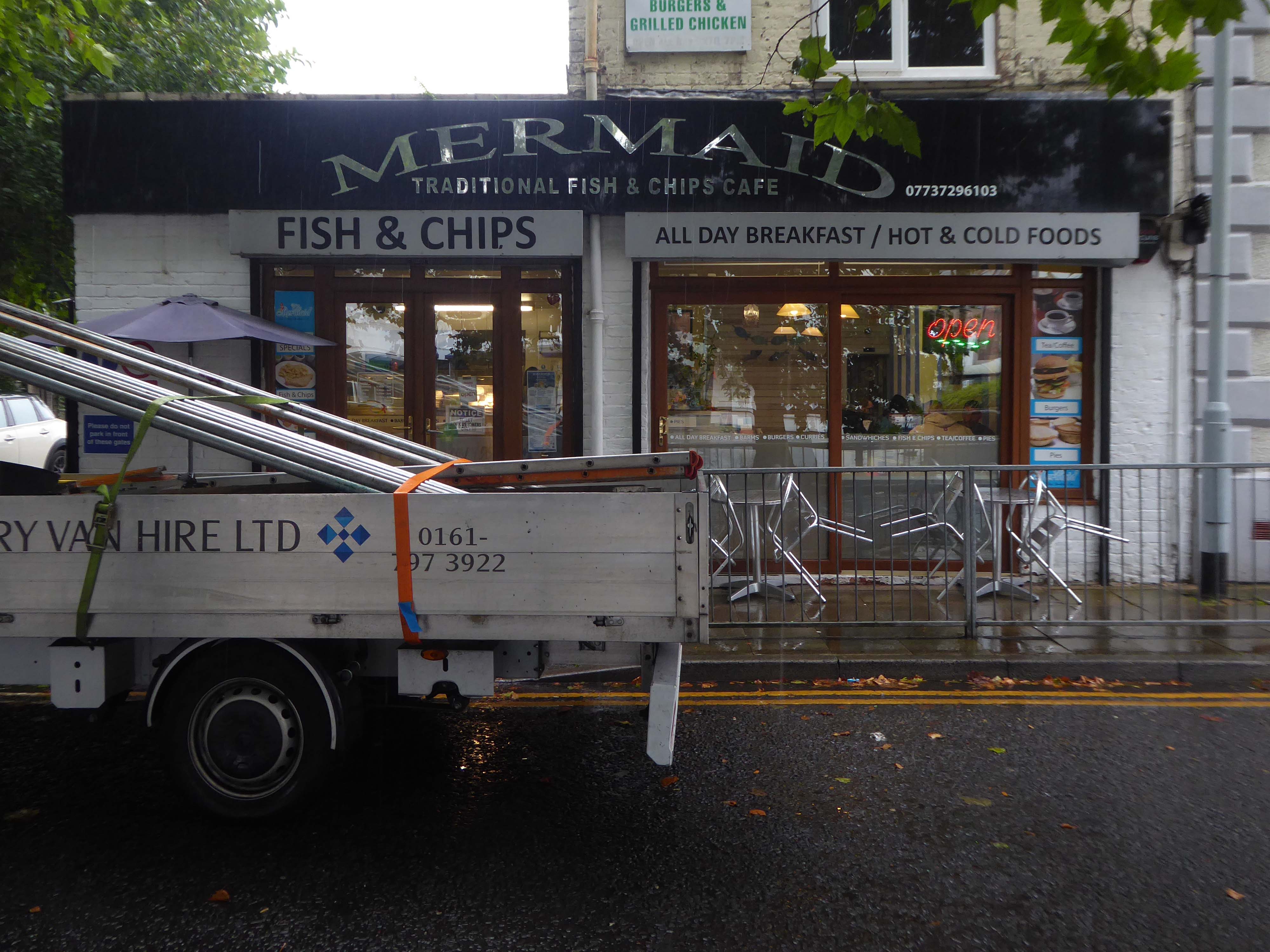
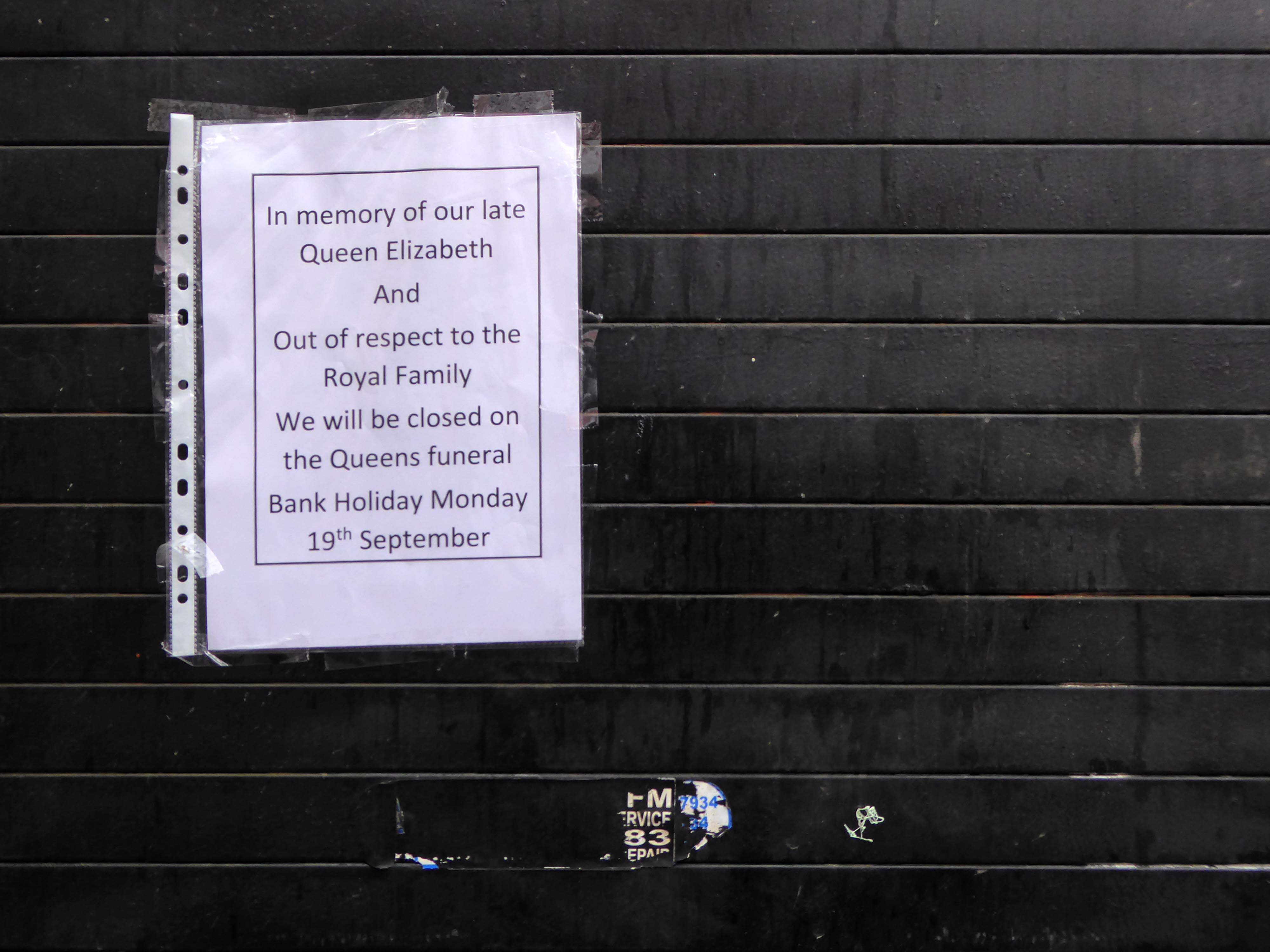
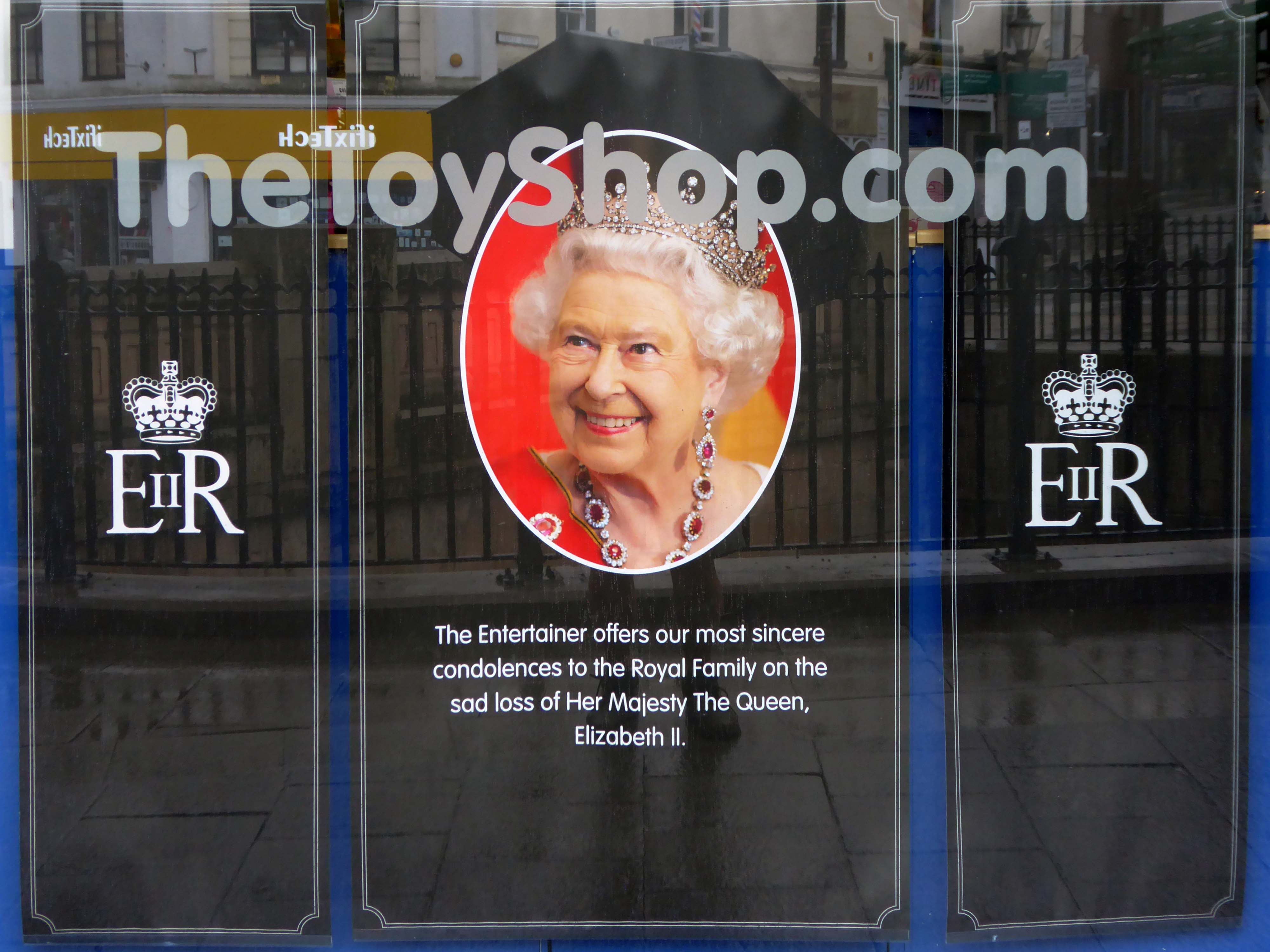
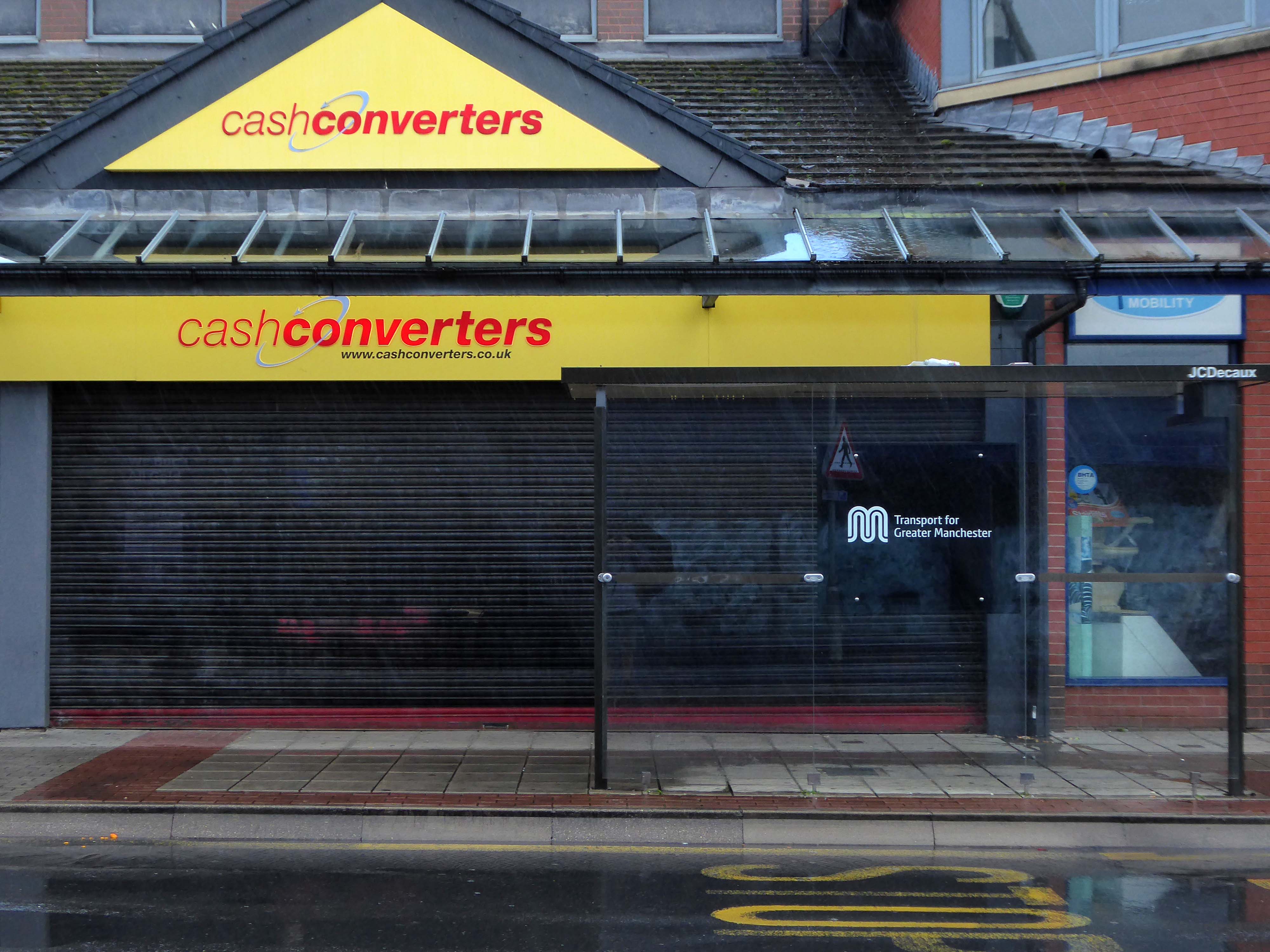
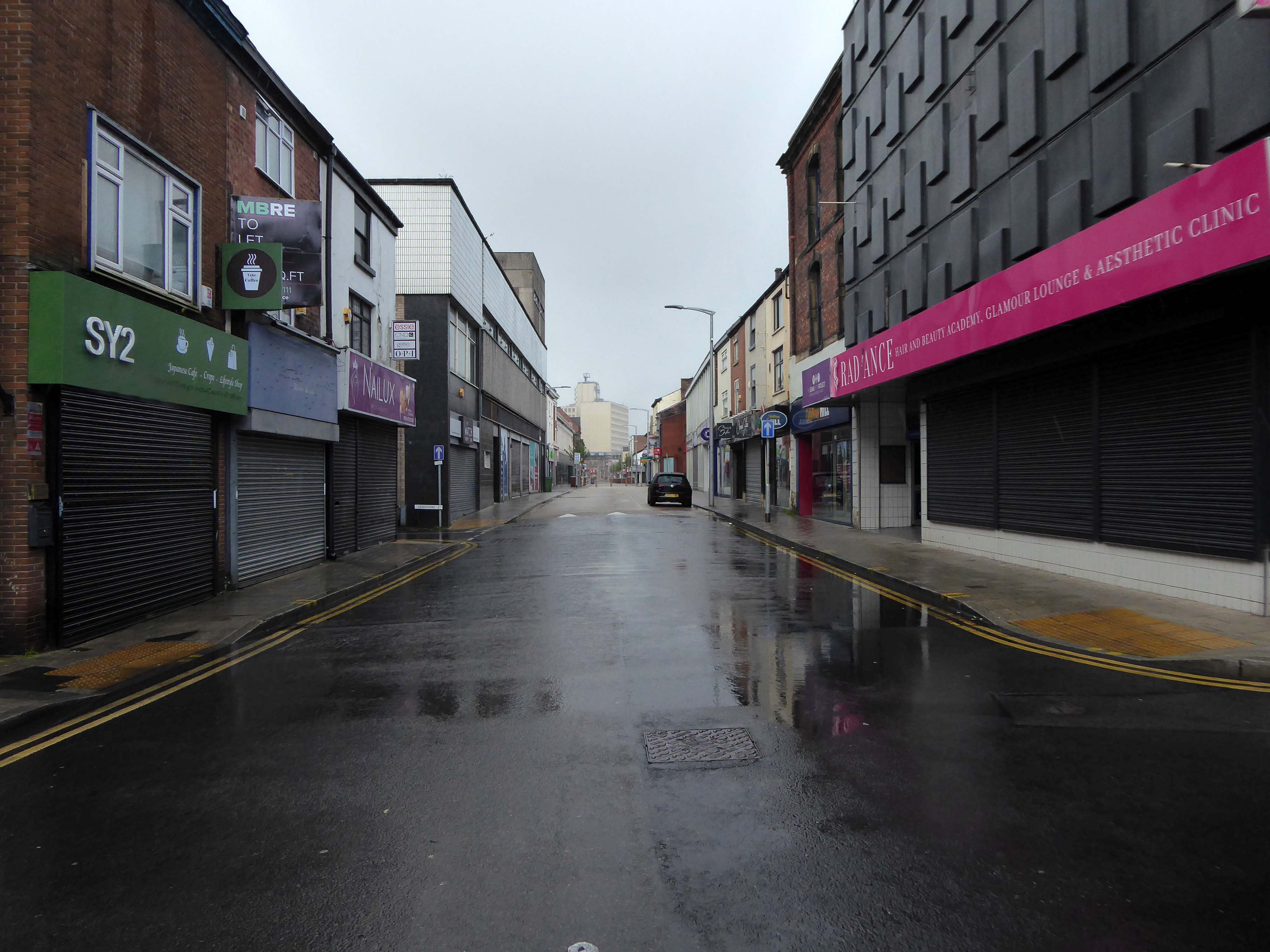
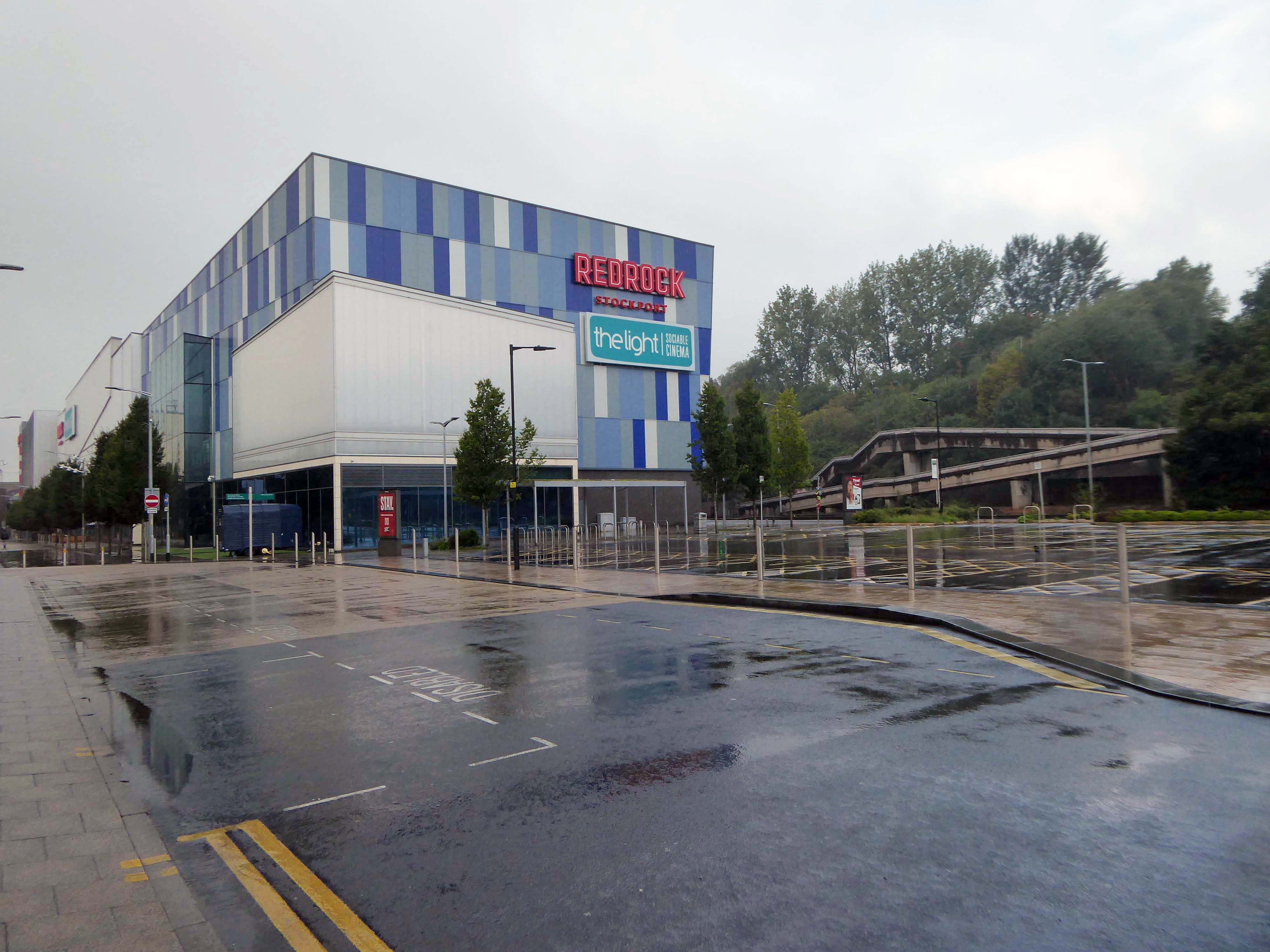
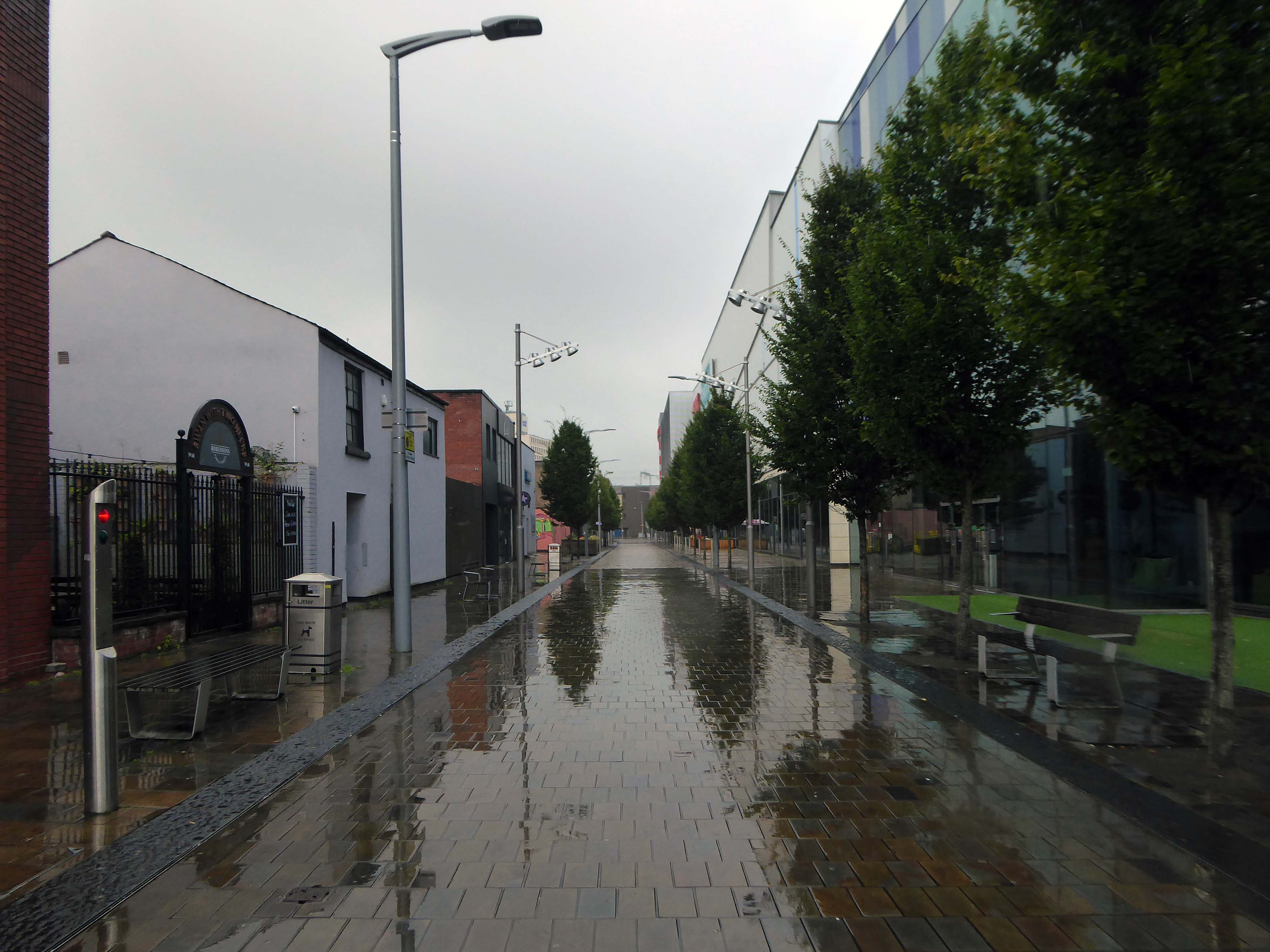
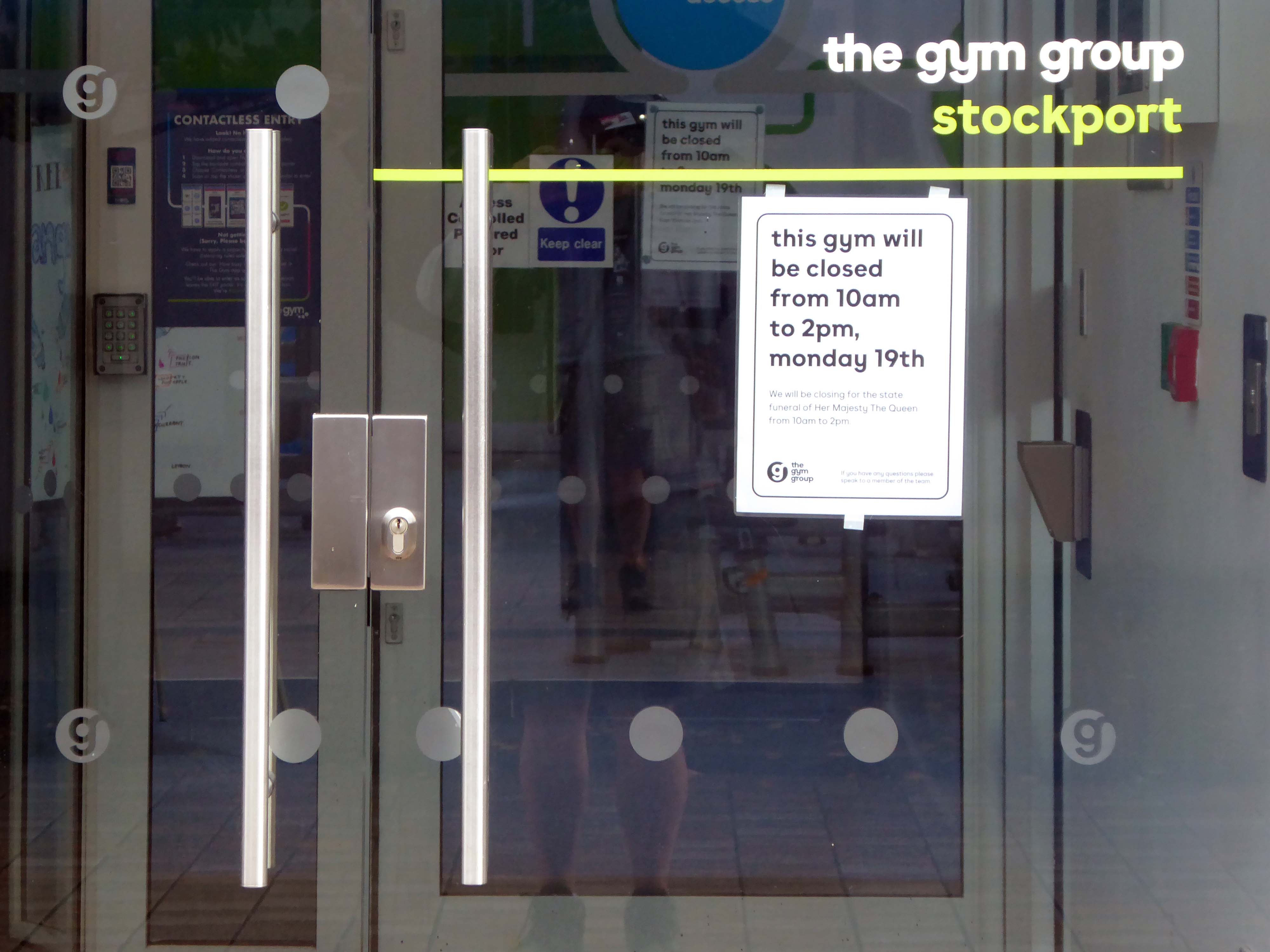
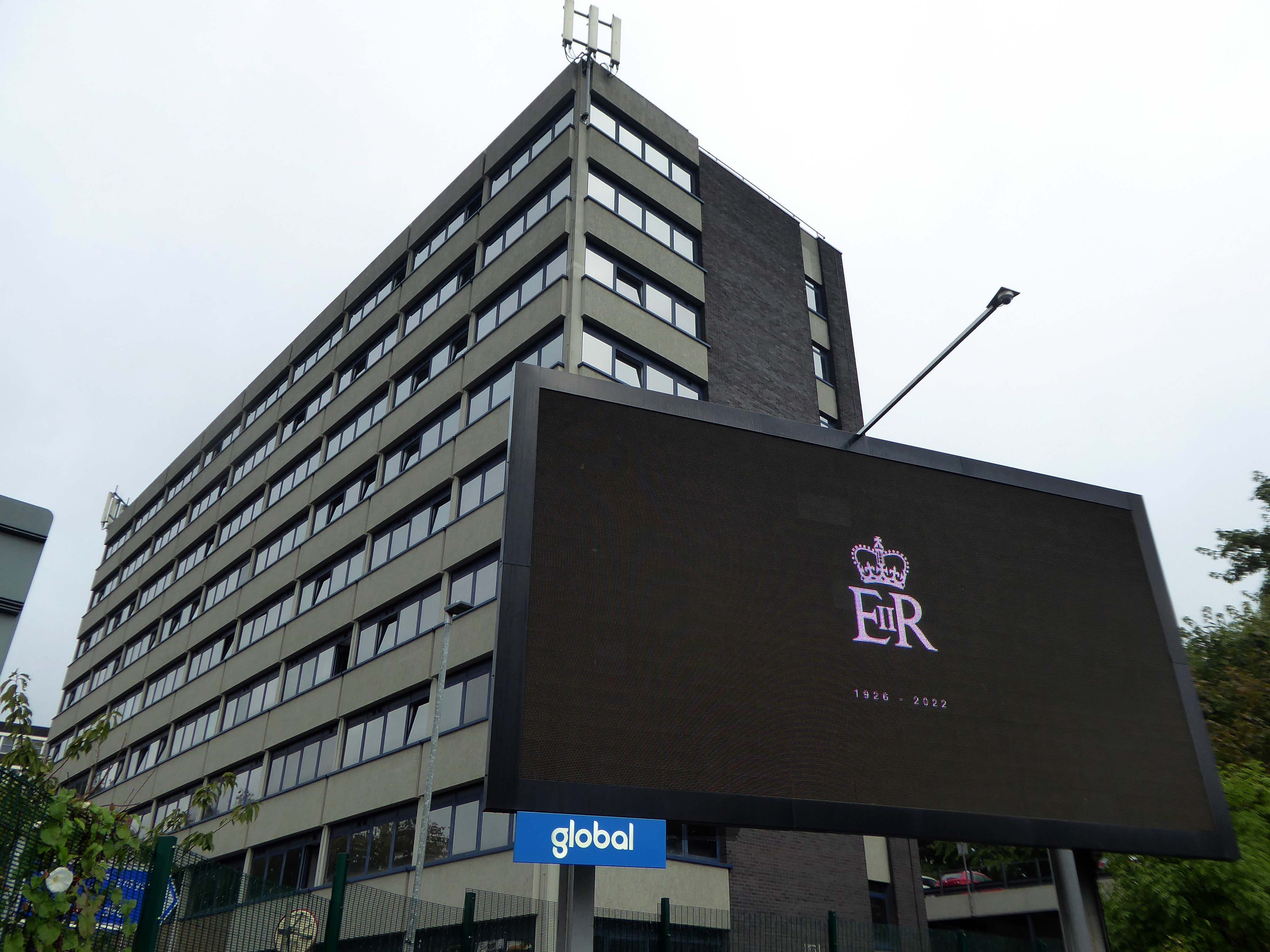
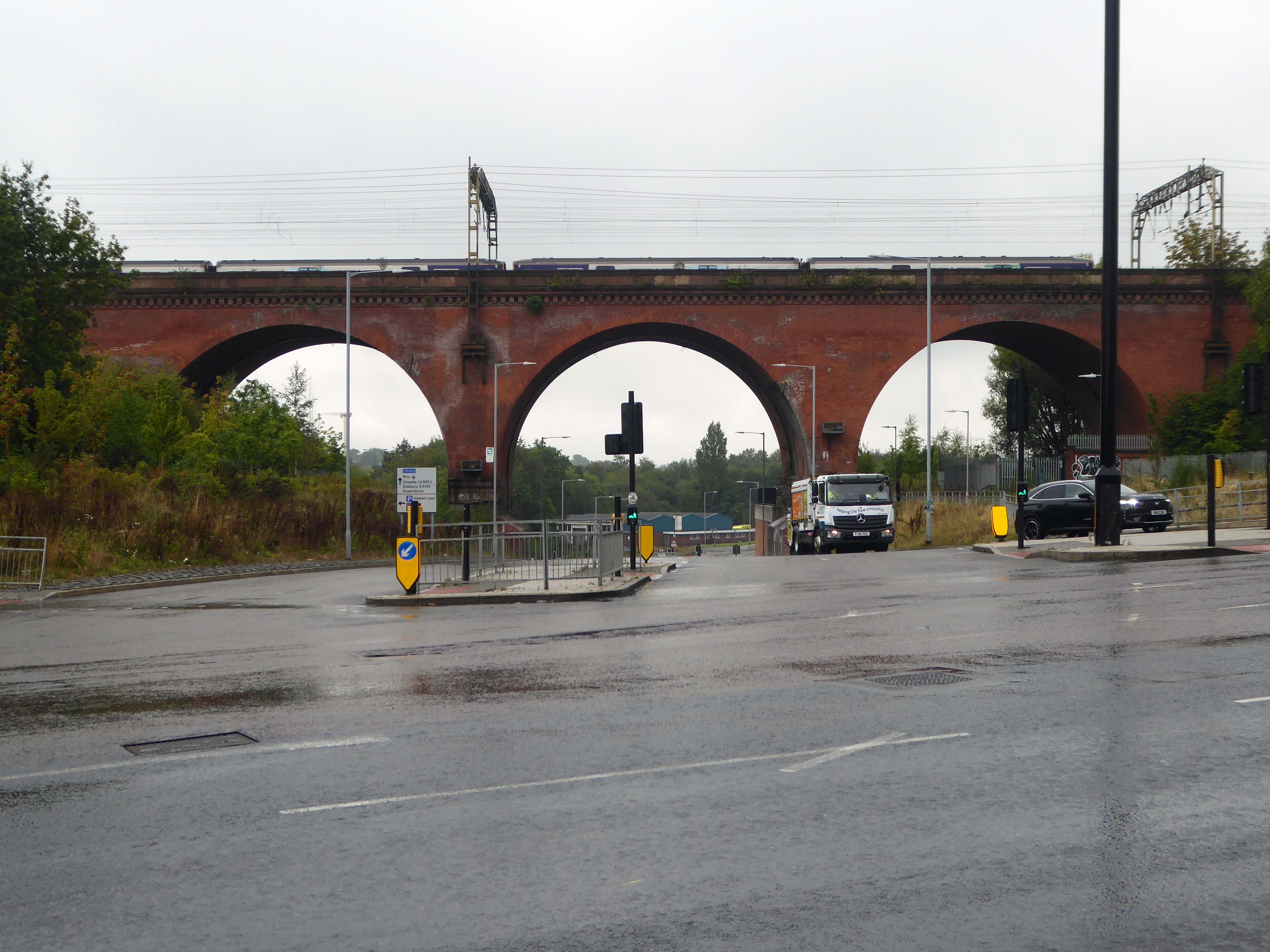
Today, on the day of her funeral, I set out for a walk around Stockport, to record a town largely closed for business. Overcast but far from downcast, I defied the almost persistent fine rain and these are the pictures that I took.
Many of the subjects are products of her time on the throne.
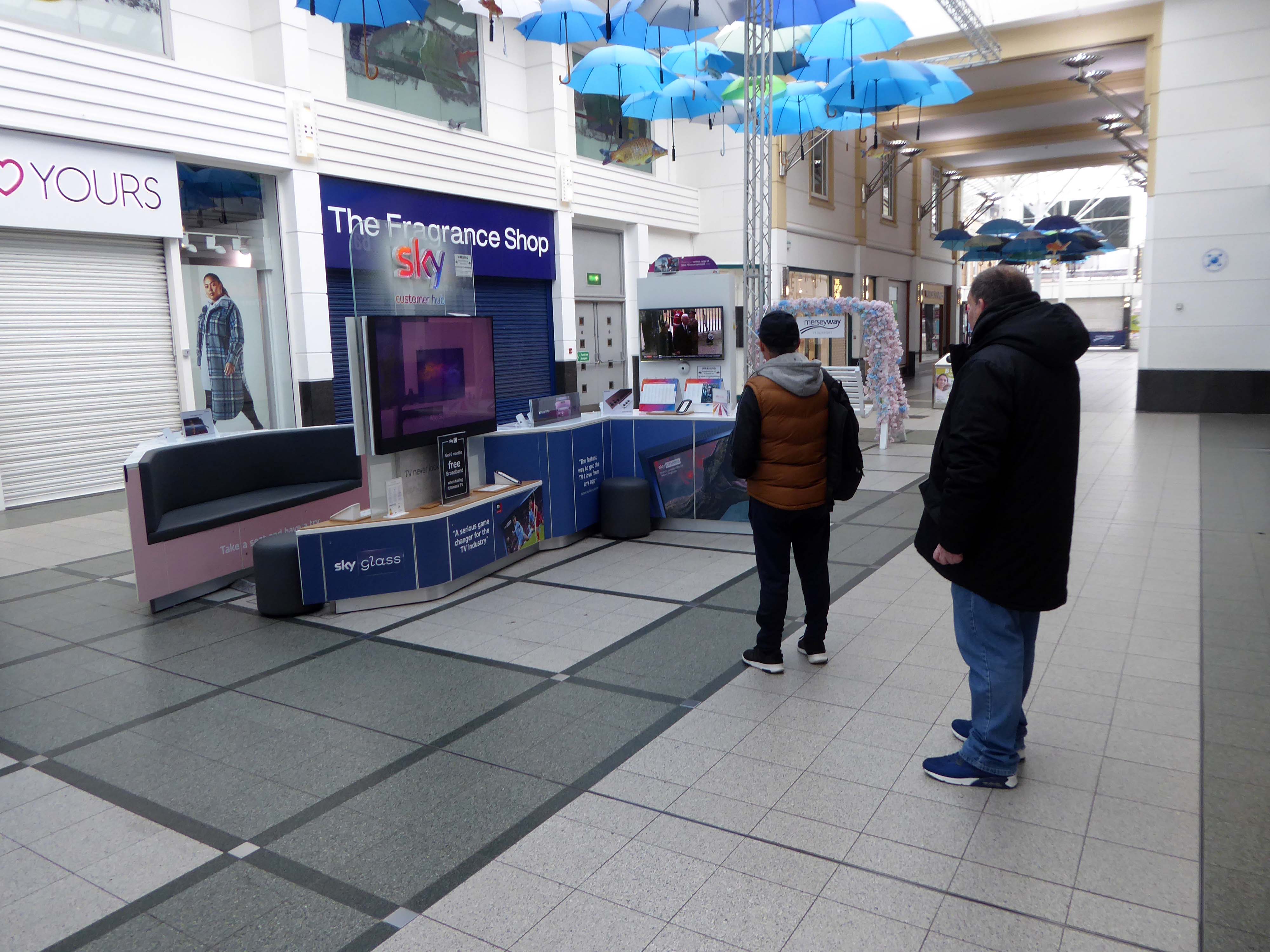
The traffic was much lighter, there were few pedestrians, a couple of cafés were open and two men watched the funeral service on the Sky TV stand in the precinct.
On the day of HM Queen Elizabeth’s Diamond Jubilee I cycled around Ashton under Lyne.
Recording and commenting upon the material changes which had occurred, during her reign of some sixty years. In turn many of these things have in themselves disappeared from view.
Life is a series of natural and spontaneous changes.
Don’t resist them; that only creates sorrow.
Let reality be reality.
Let things flow naturally forward in whatever way they like.
Lao Tzu
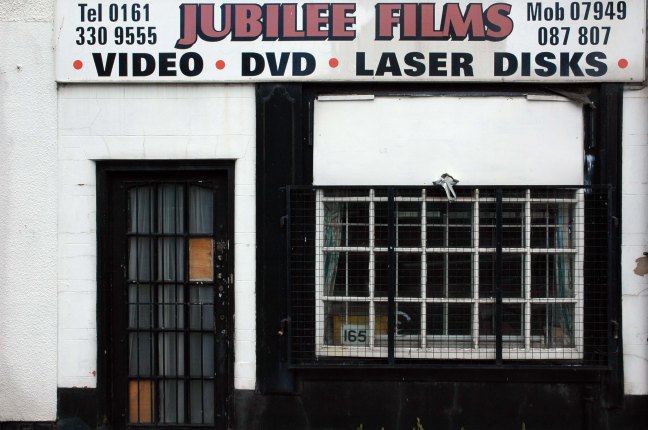
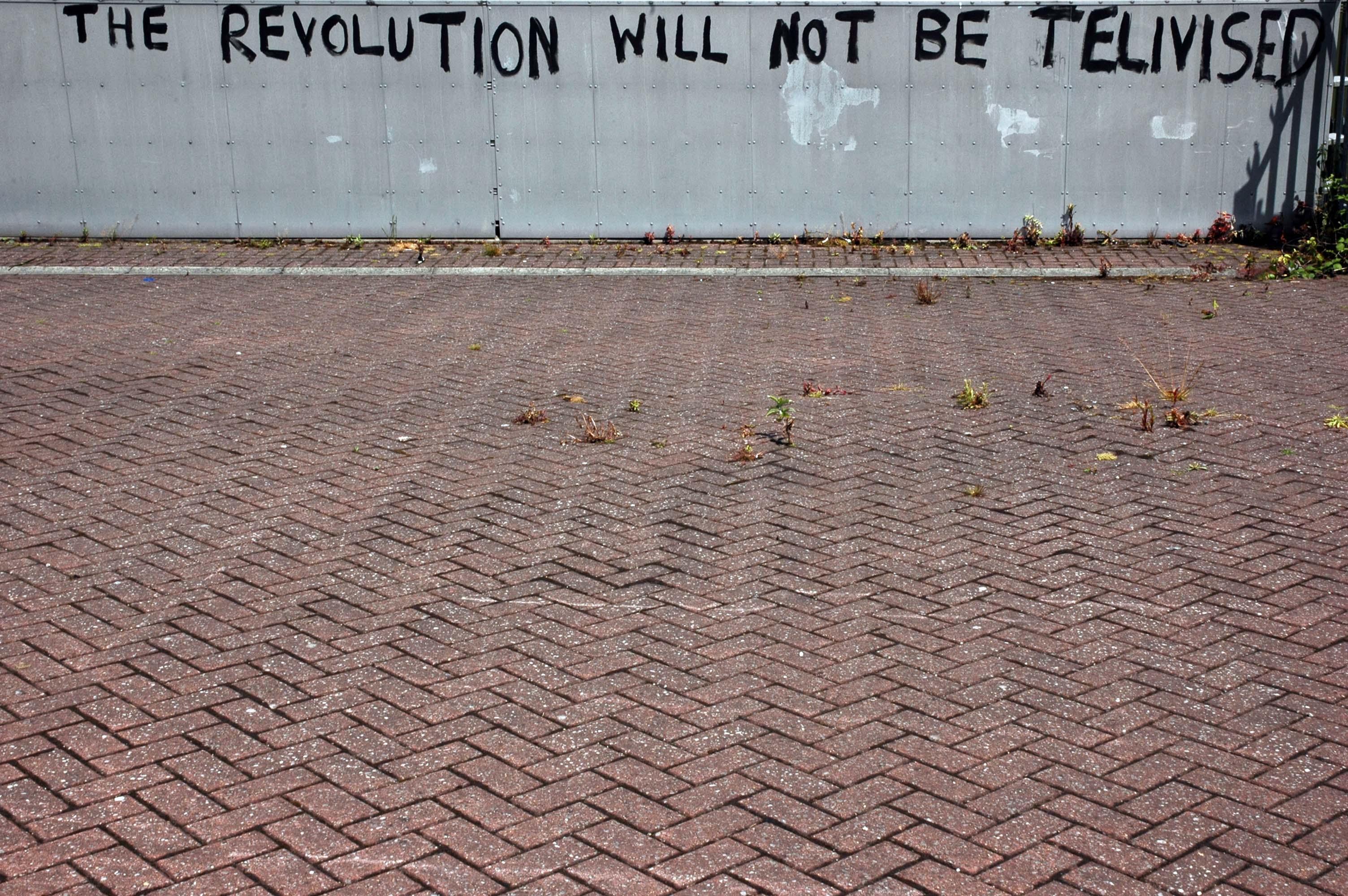
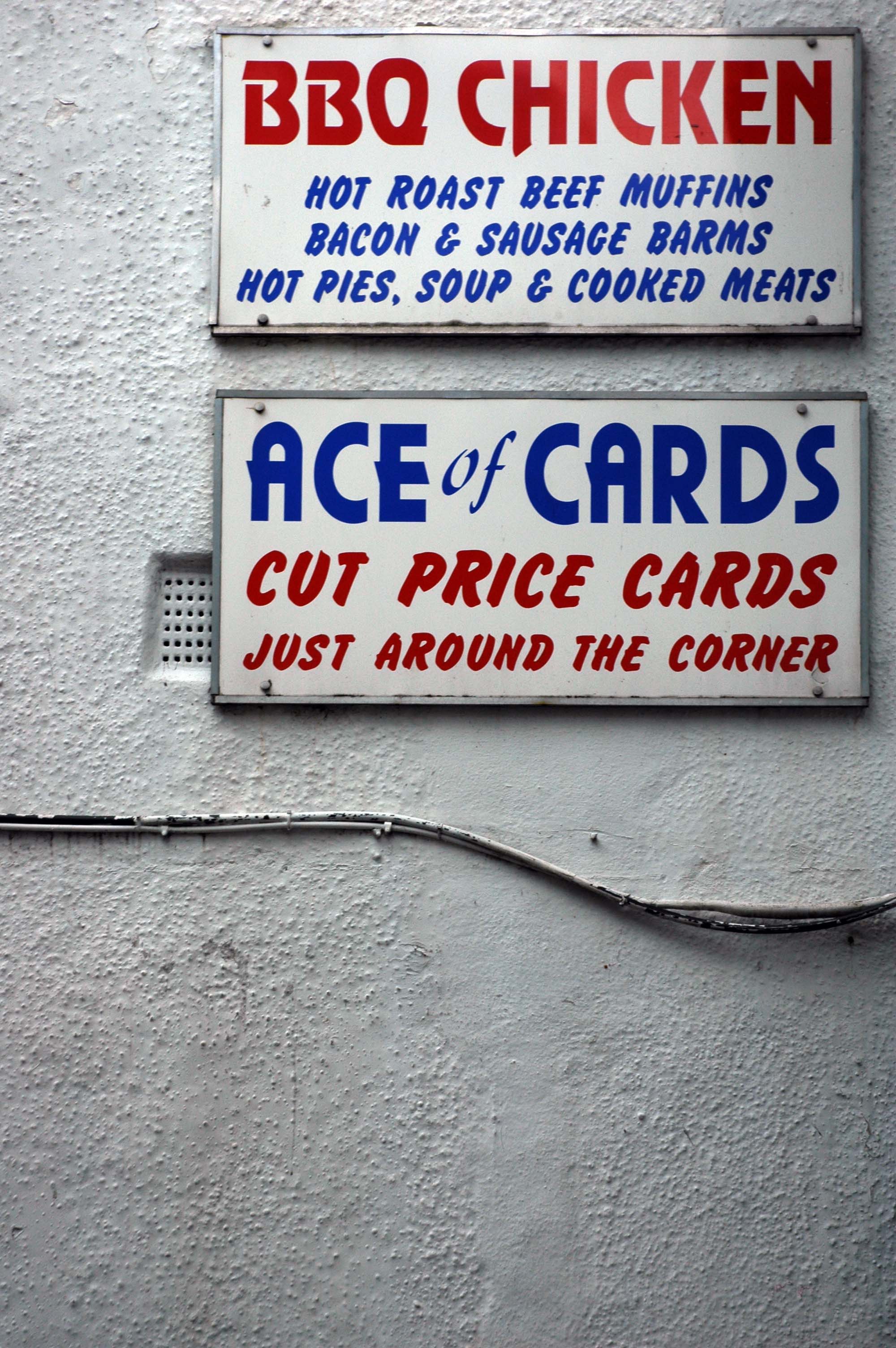
Celebrating the gradual decline in spelling – Gill Scot Heron meets Tameside, everyone’s a winner.
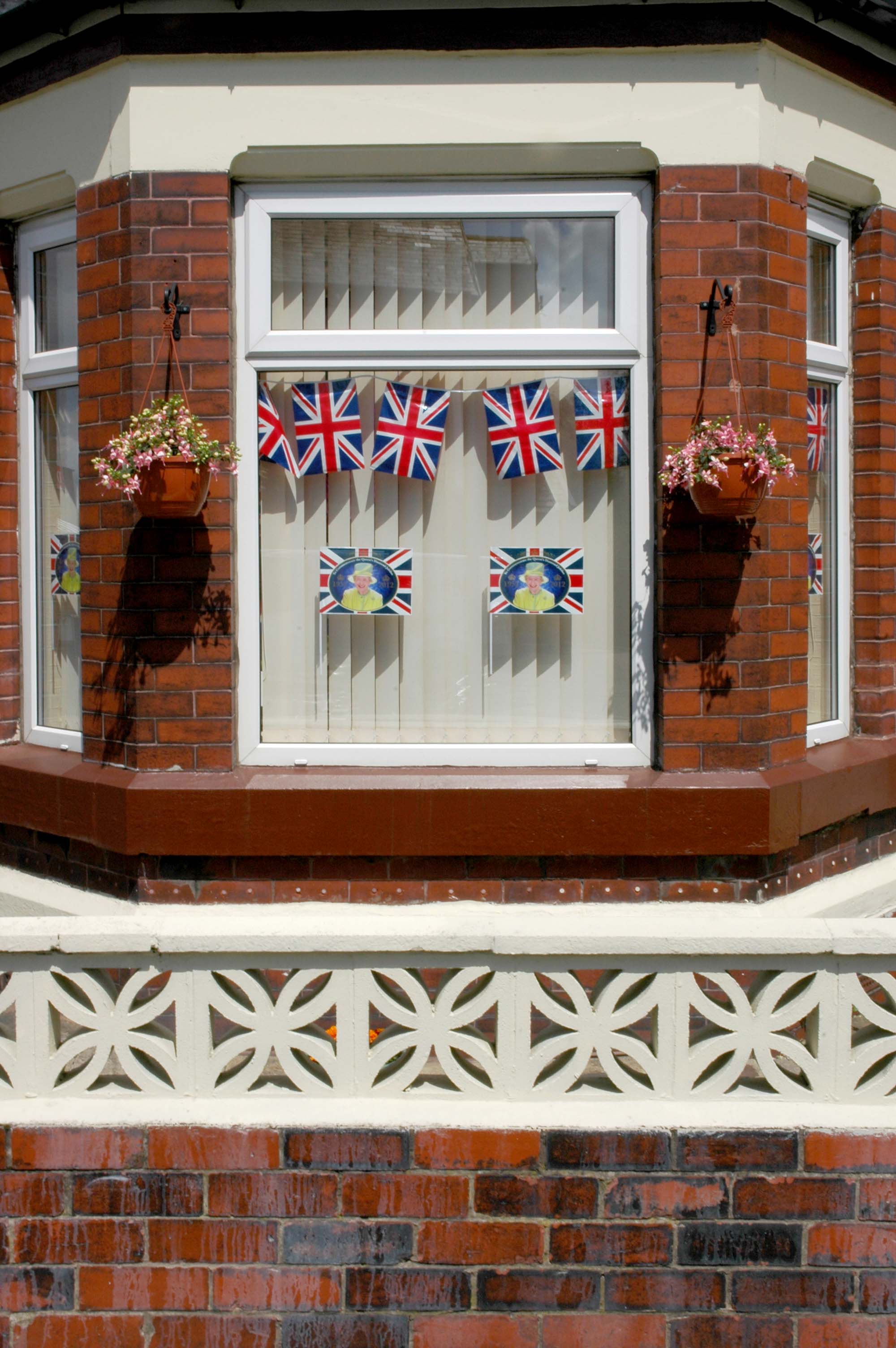
Celebrating the proliferation of California Screen Blocks, hanging baskets and vertical blinds.
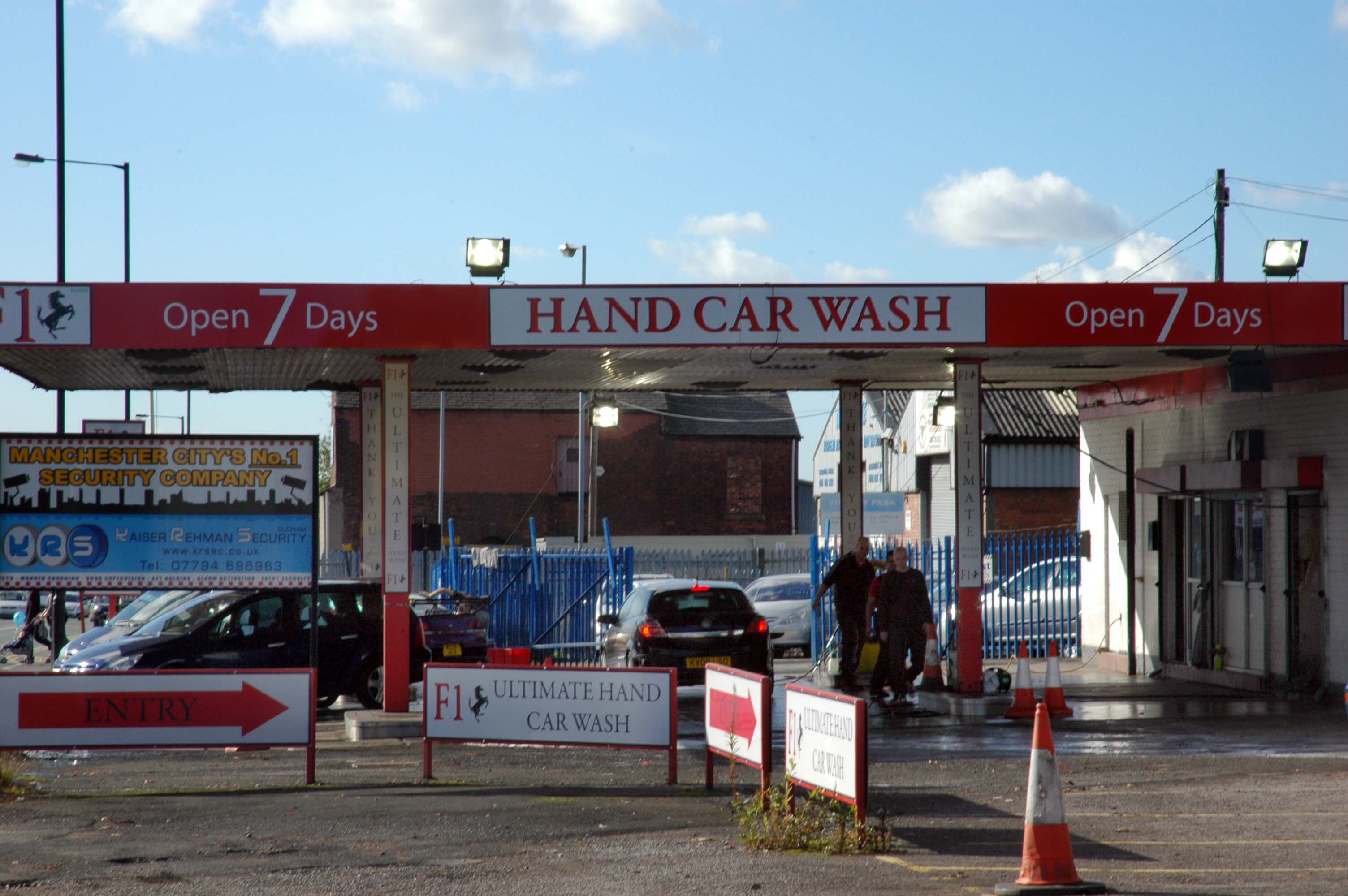
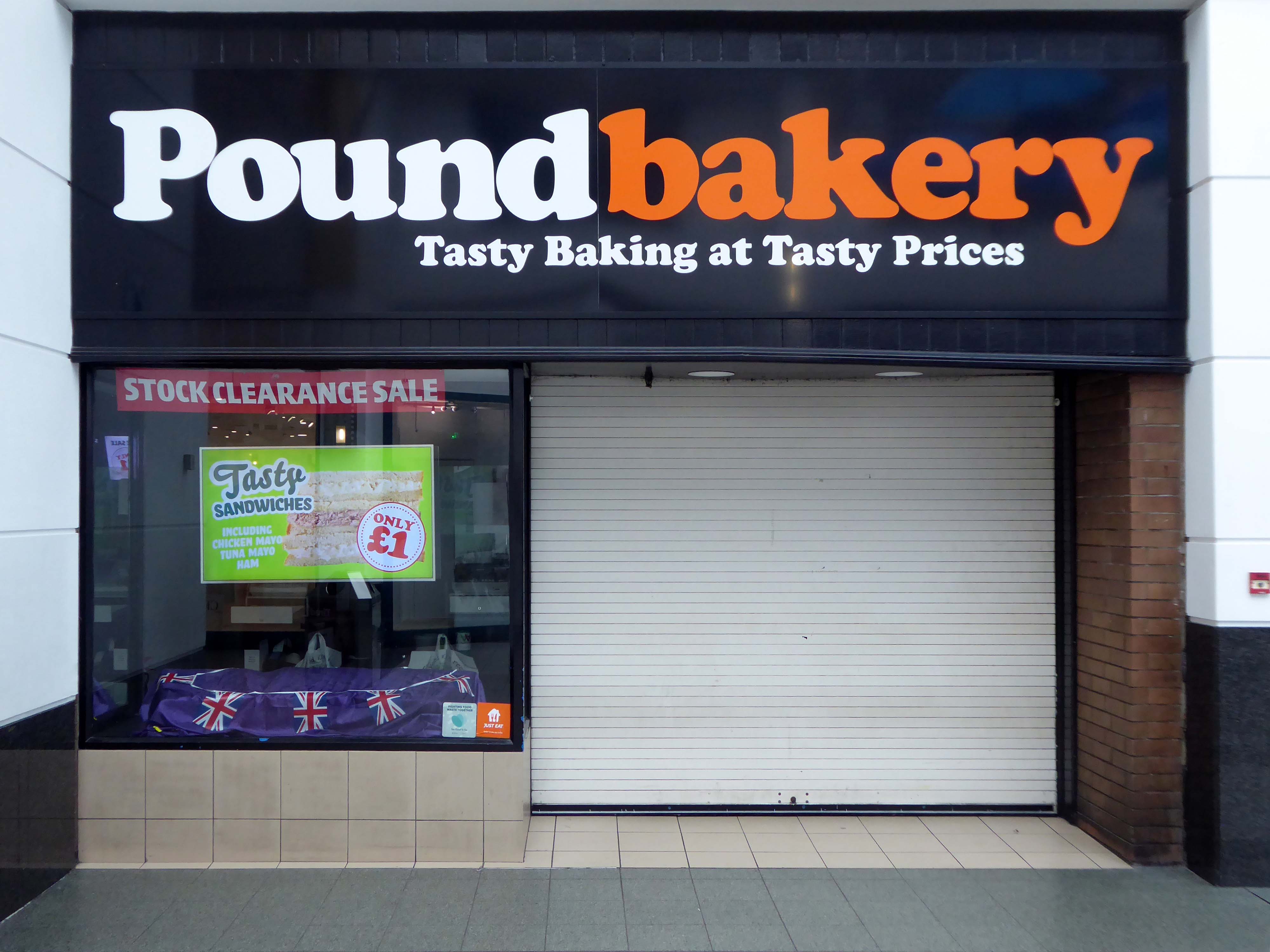
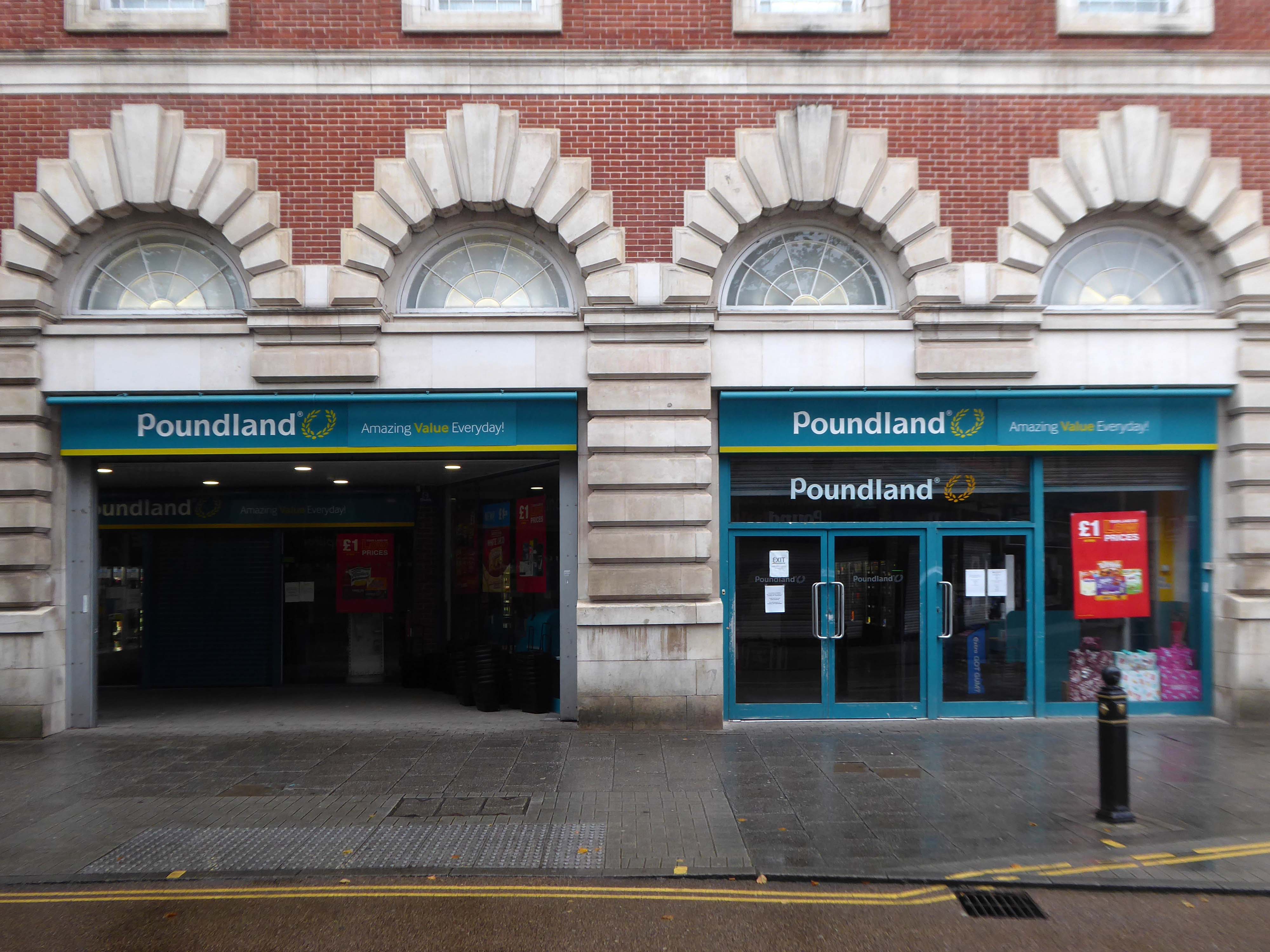
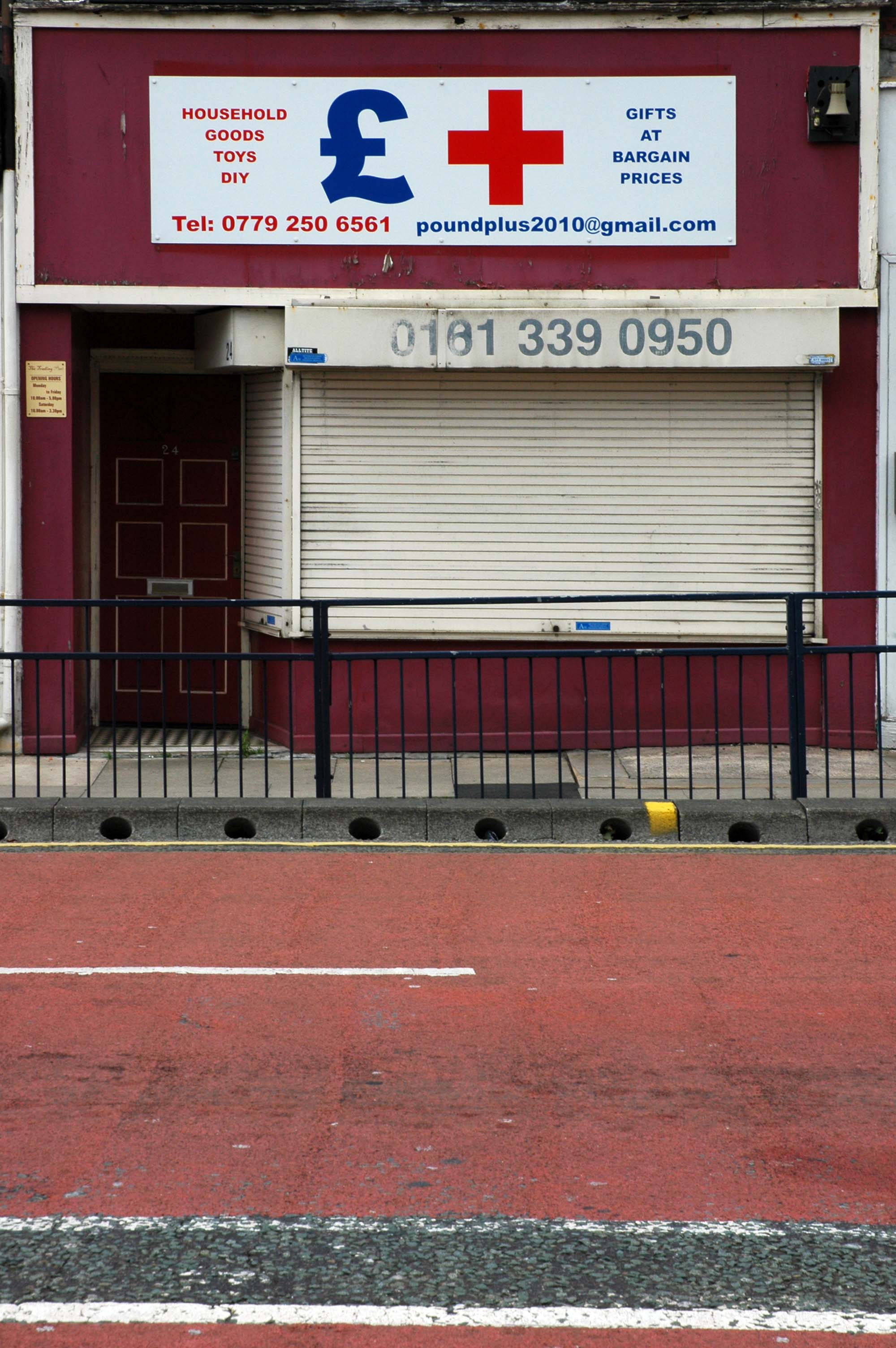
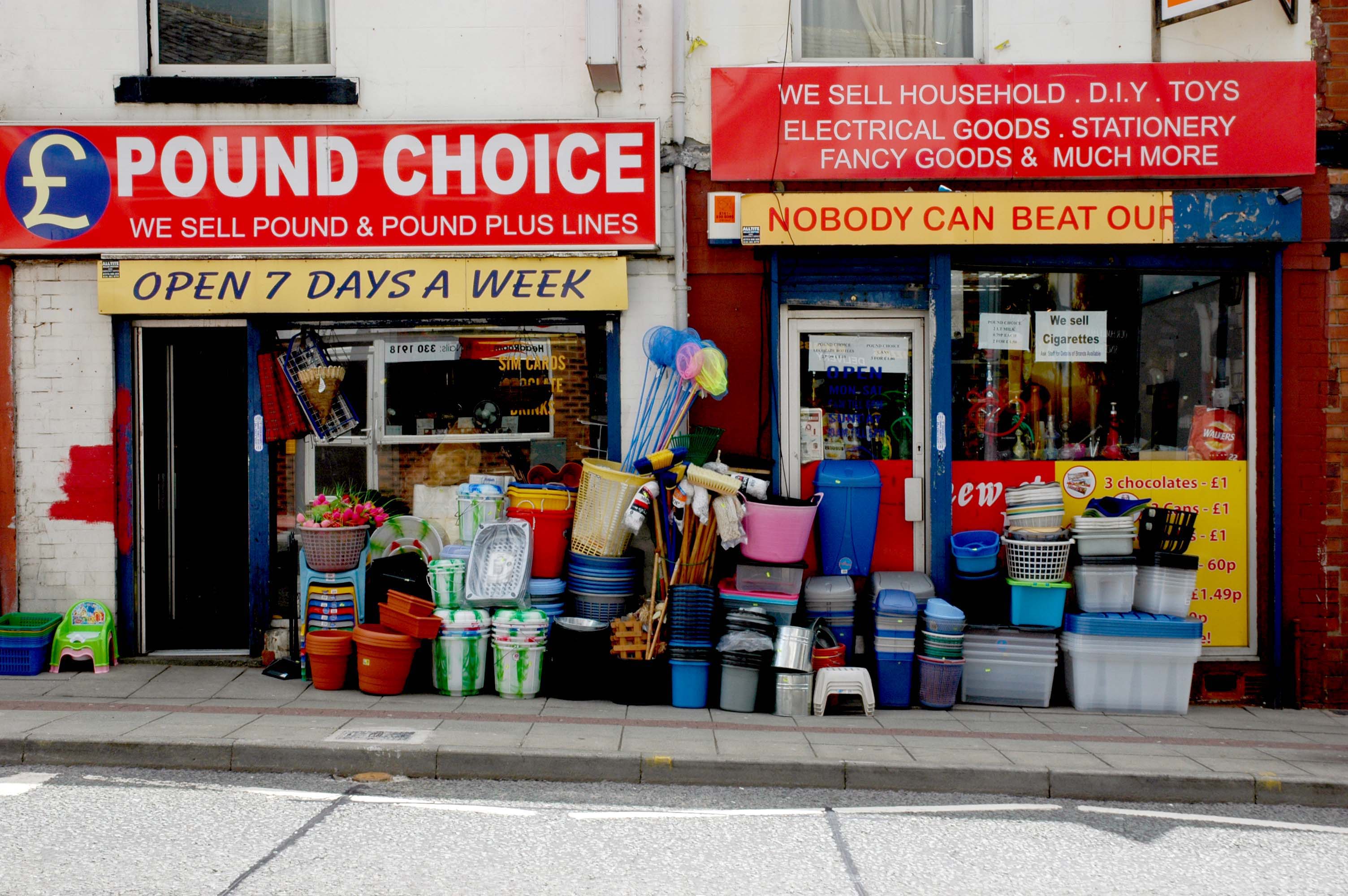
Celebrating the Pound Shop a profusion of road markings and pedestrian safety barriers.
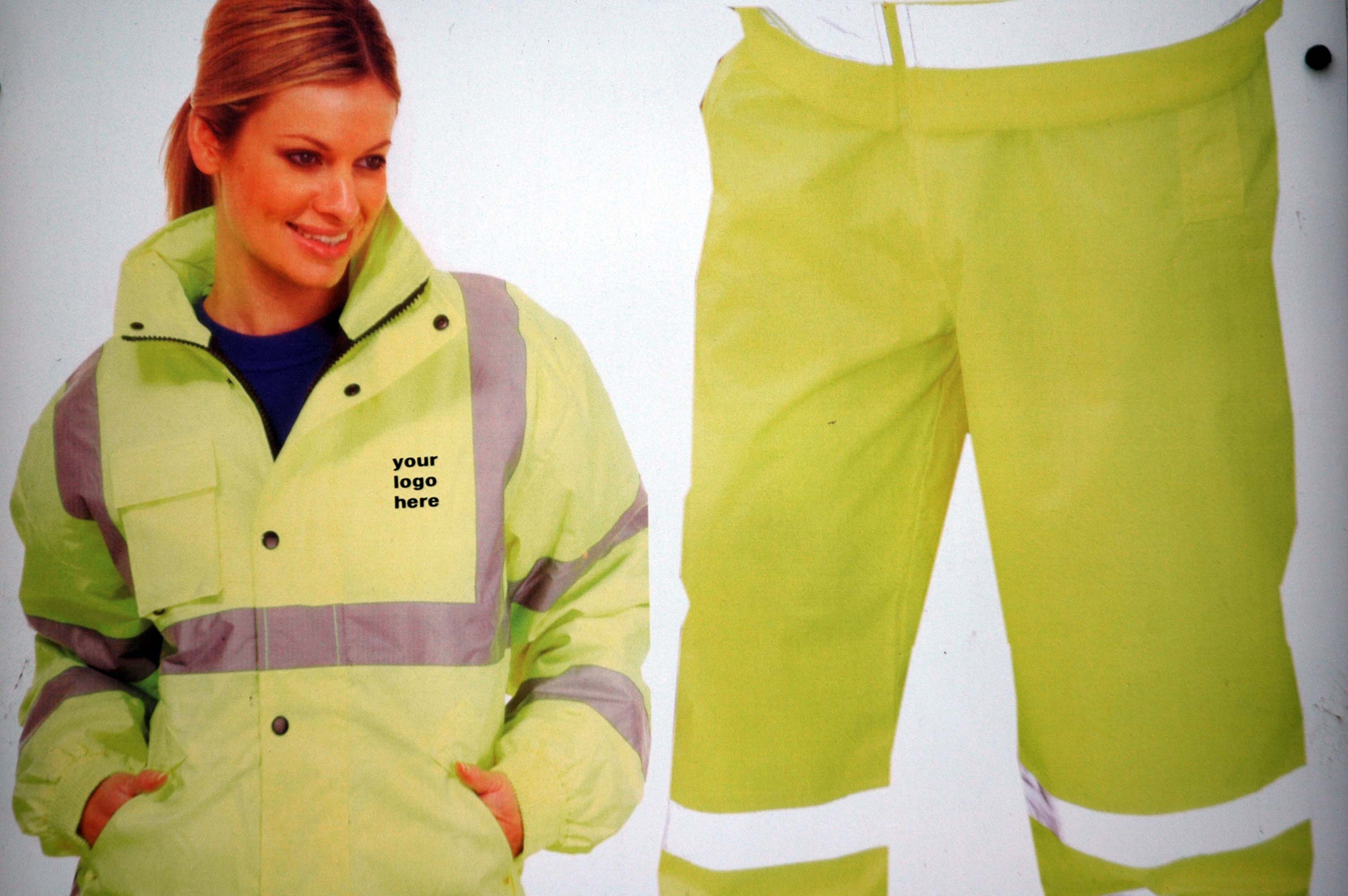
Celebrating High Visibilty Workwear and the proliferation of the logotype
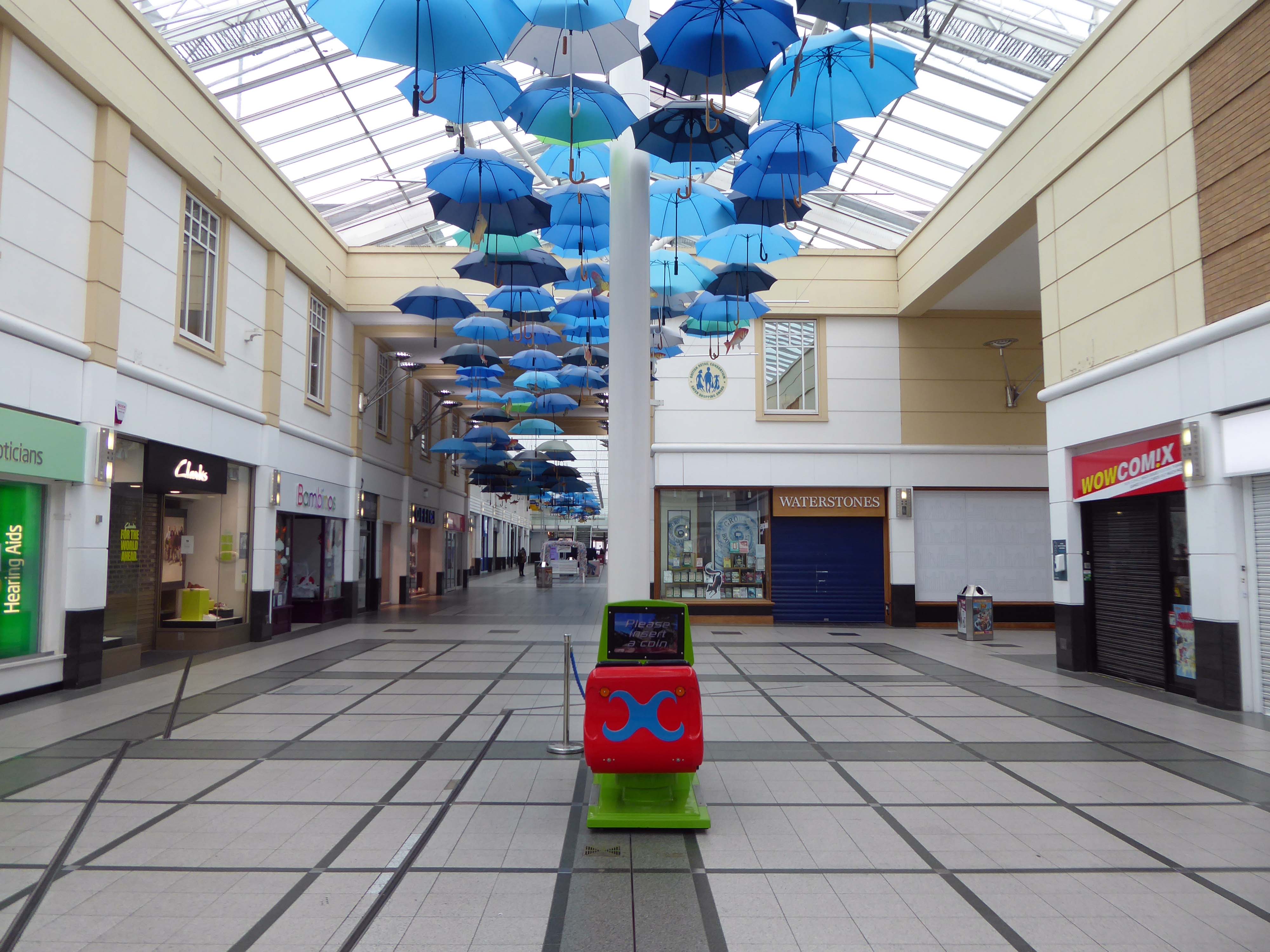
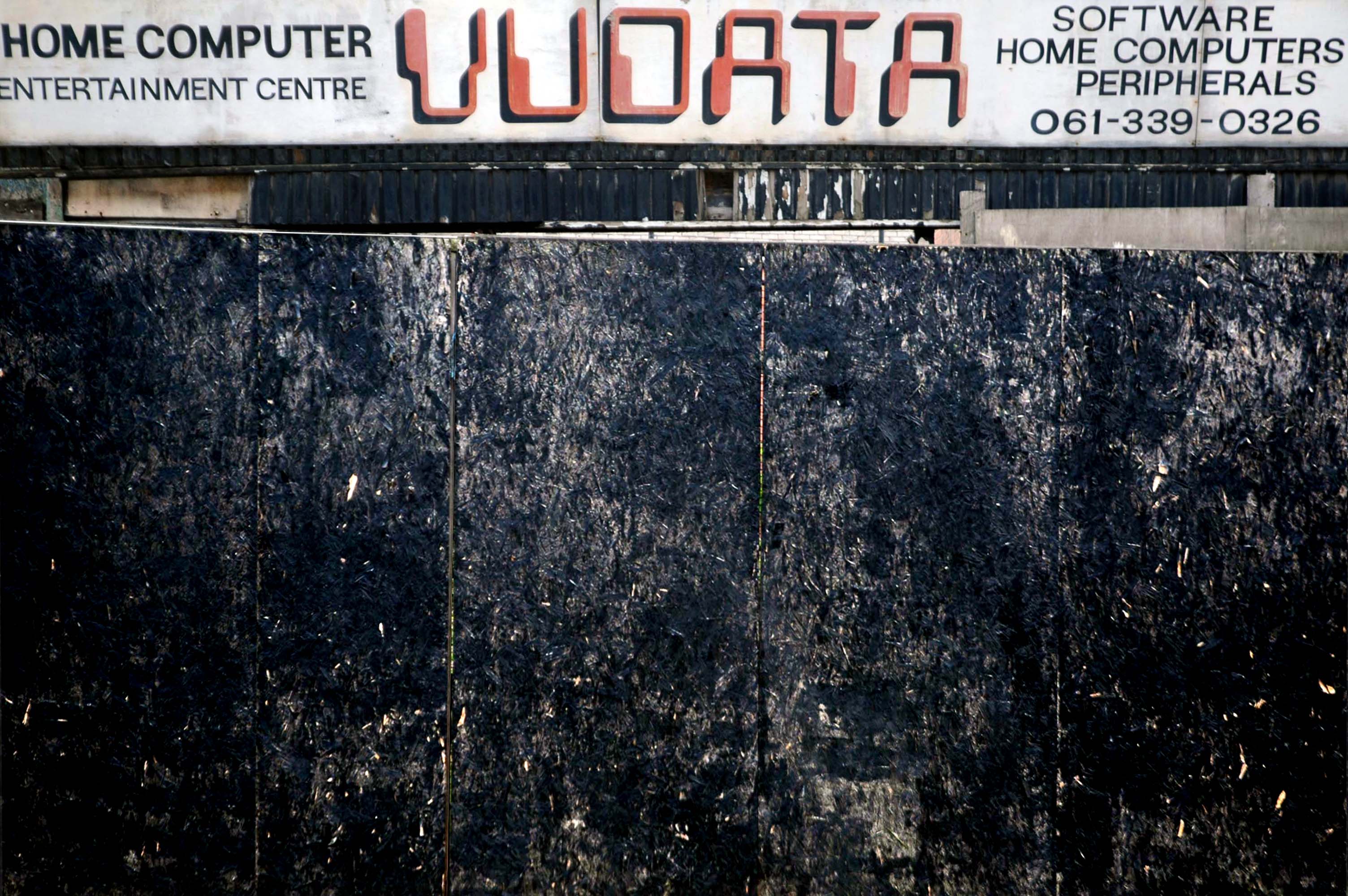
Celebrating advances in Information Technology and the decline of the retail sector.
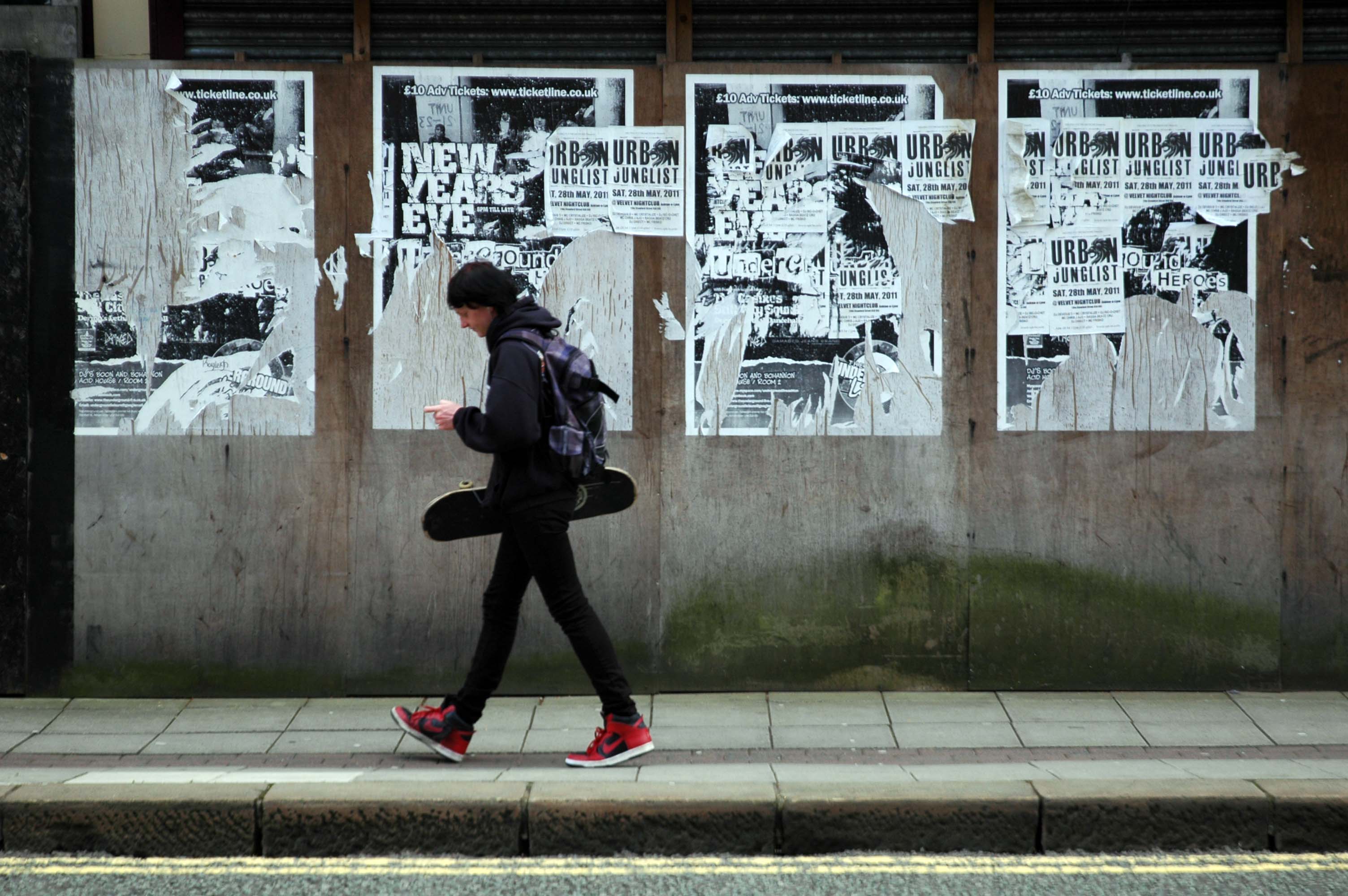
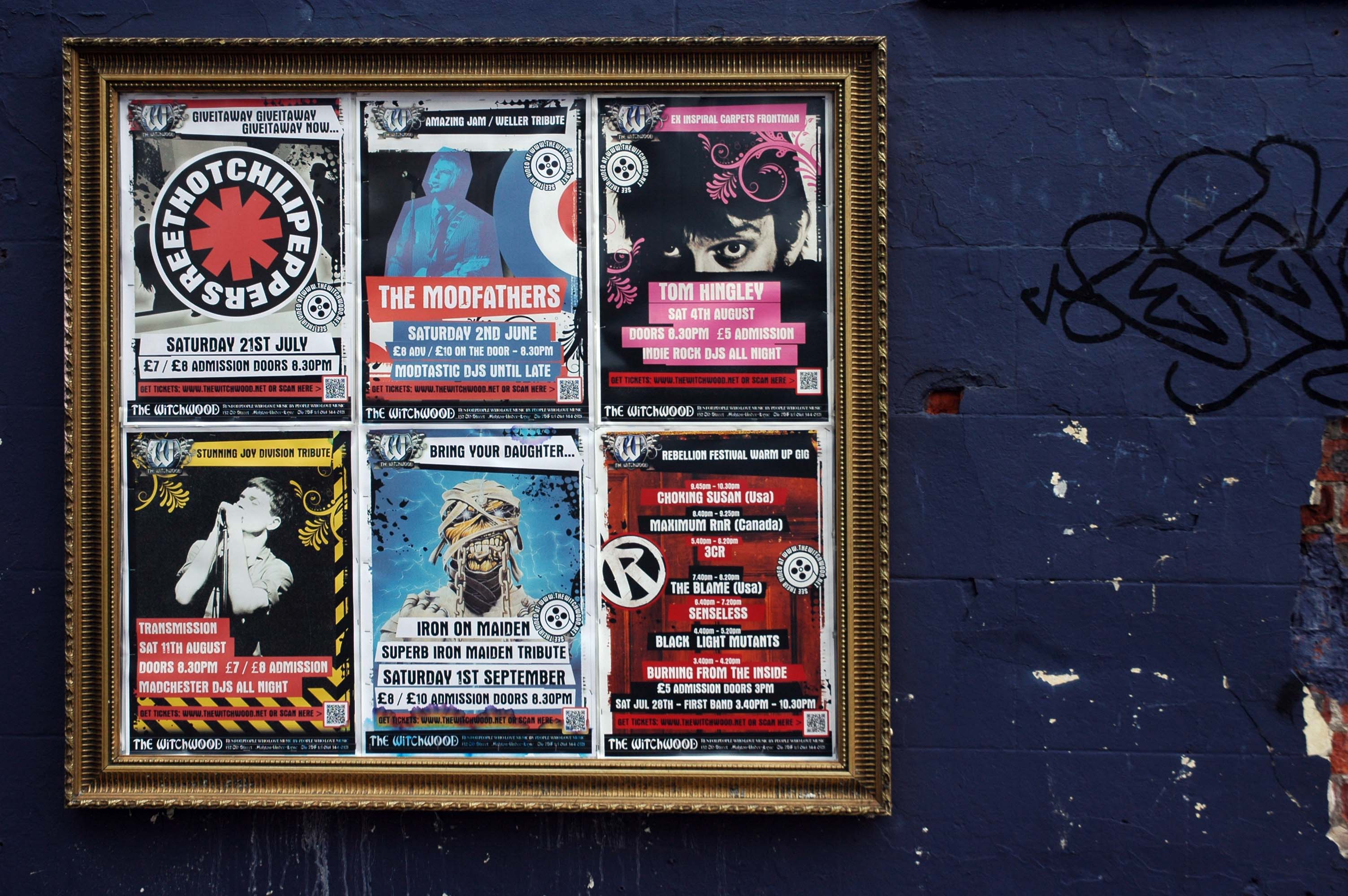
Celebrating advances in fly-posting, street skating, youth culture and musical diversity.
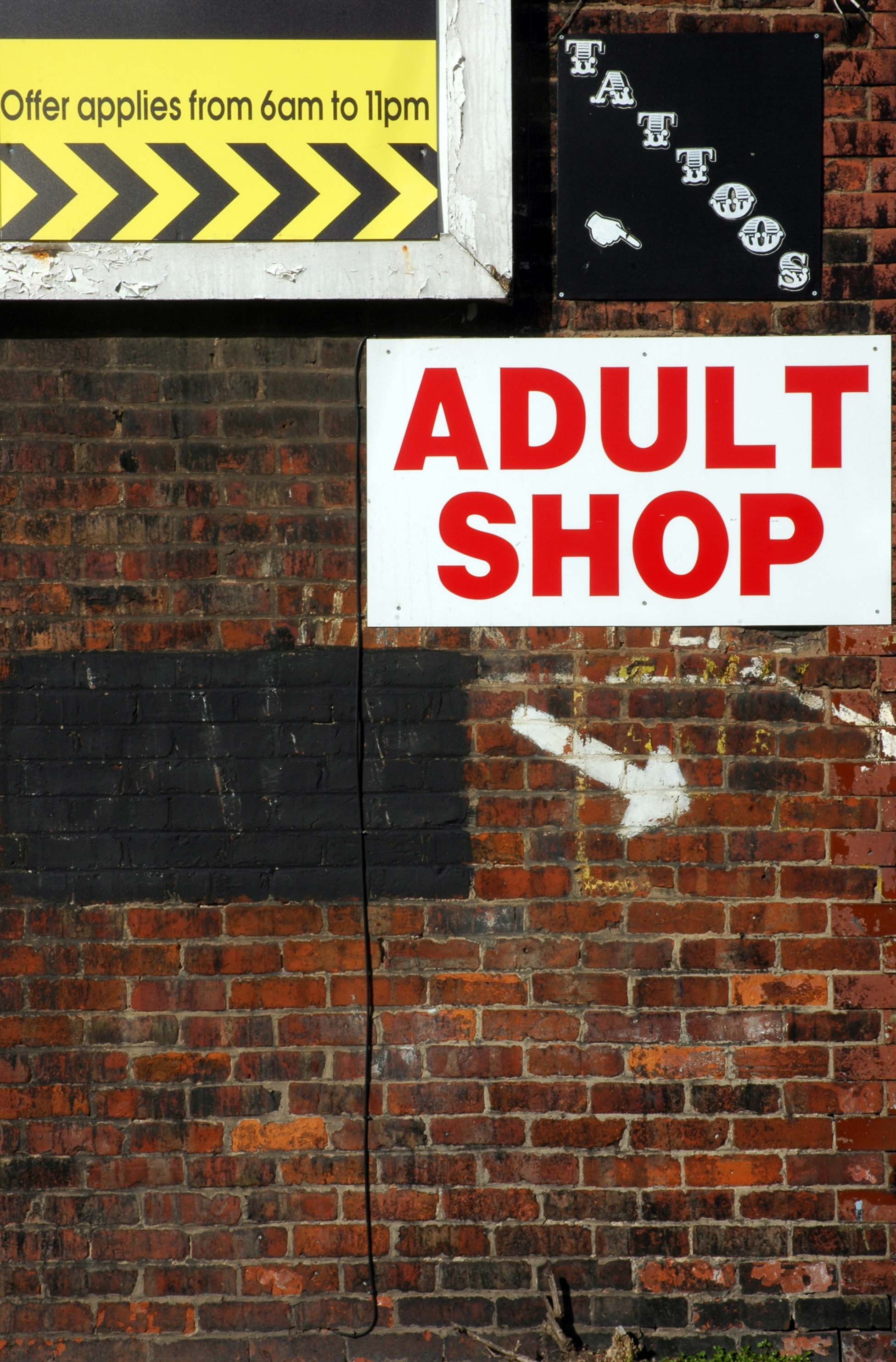
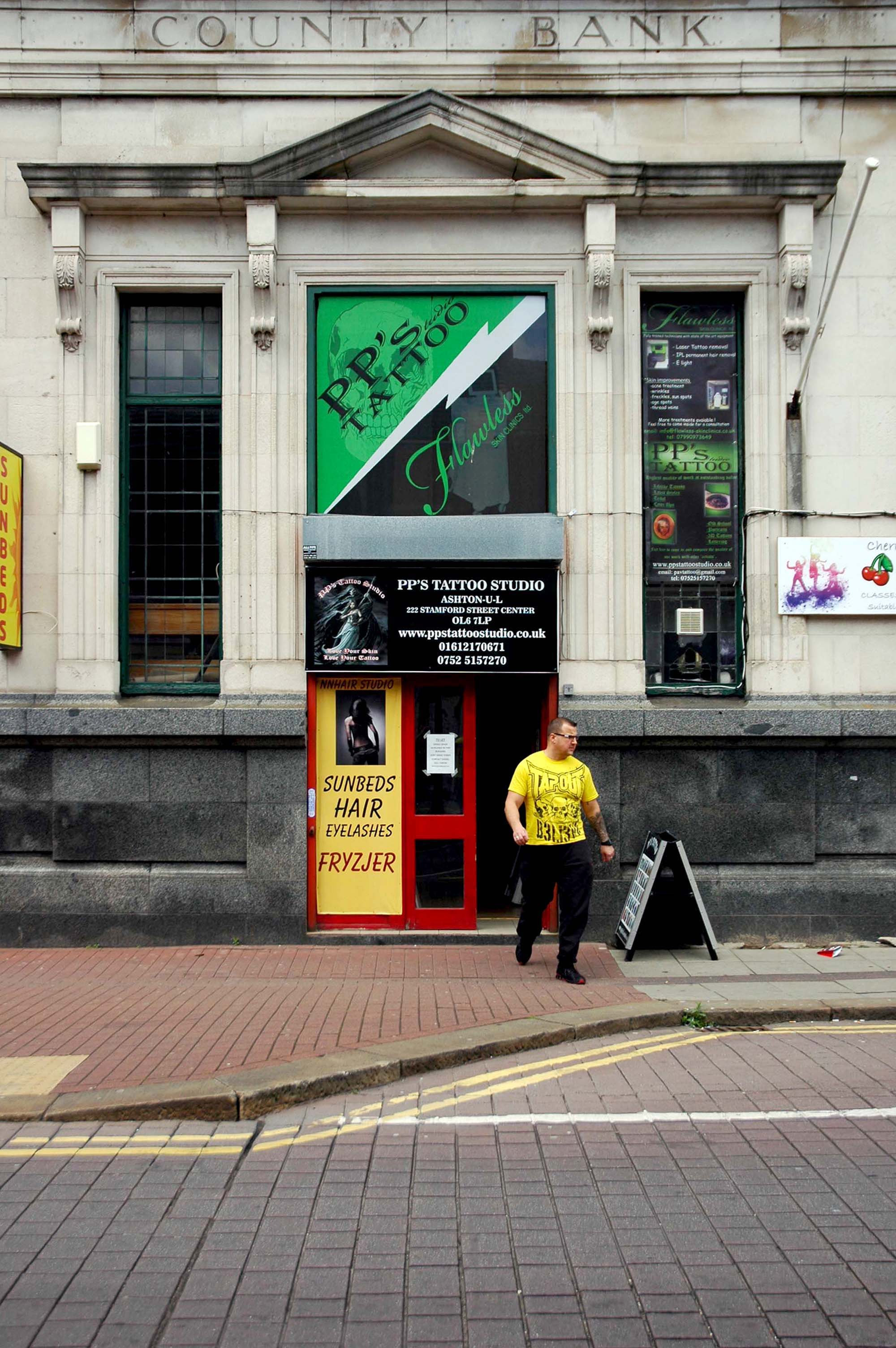
Celebrating the re-use of redundant banks, sun beds, tattooing and t-shirts.
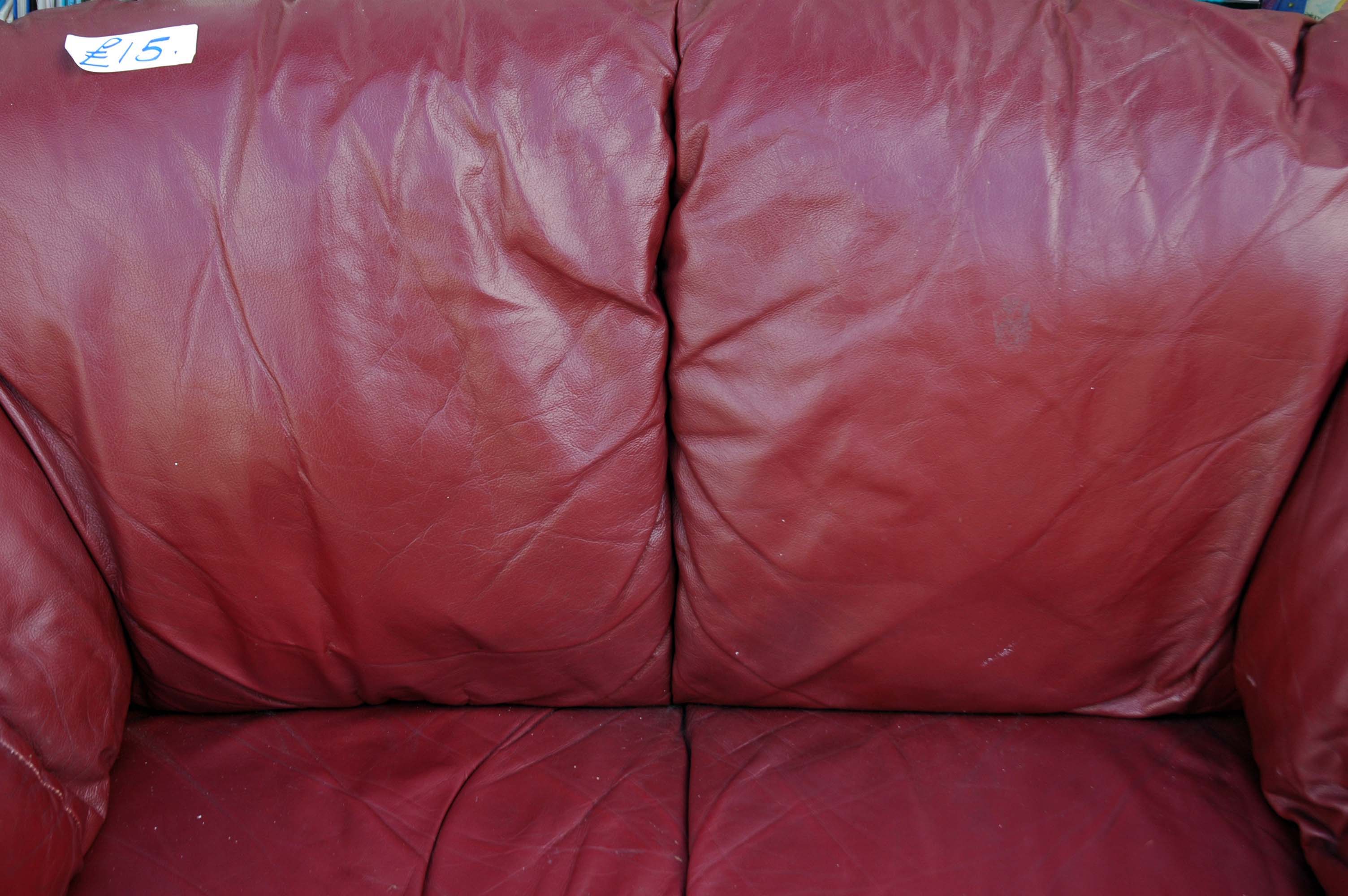
Celebrating advances in charity chop furniture pricing and the proliferation of leather sofas.
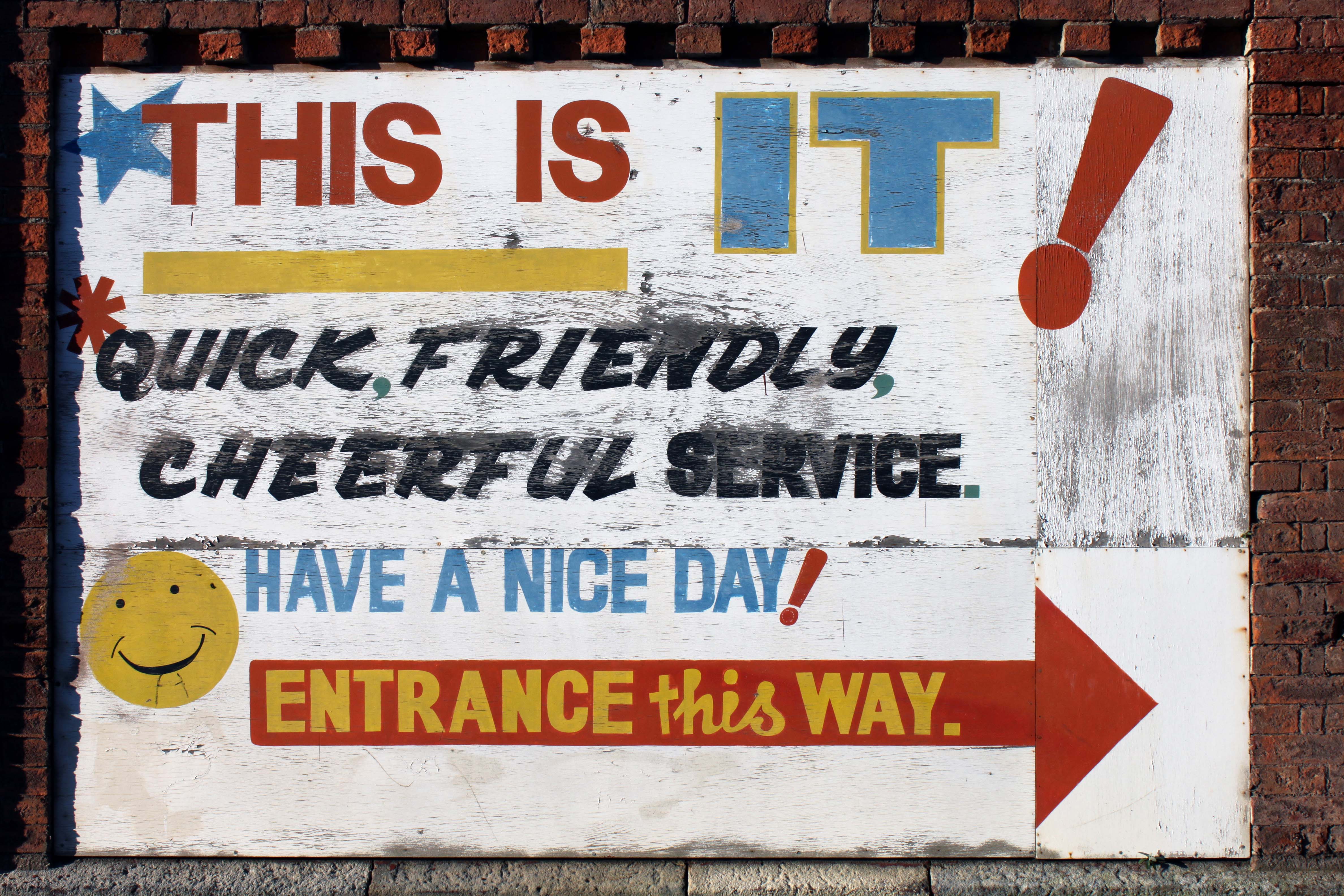
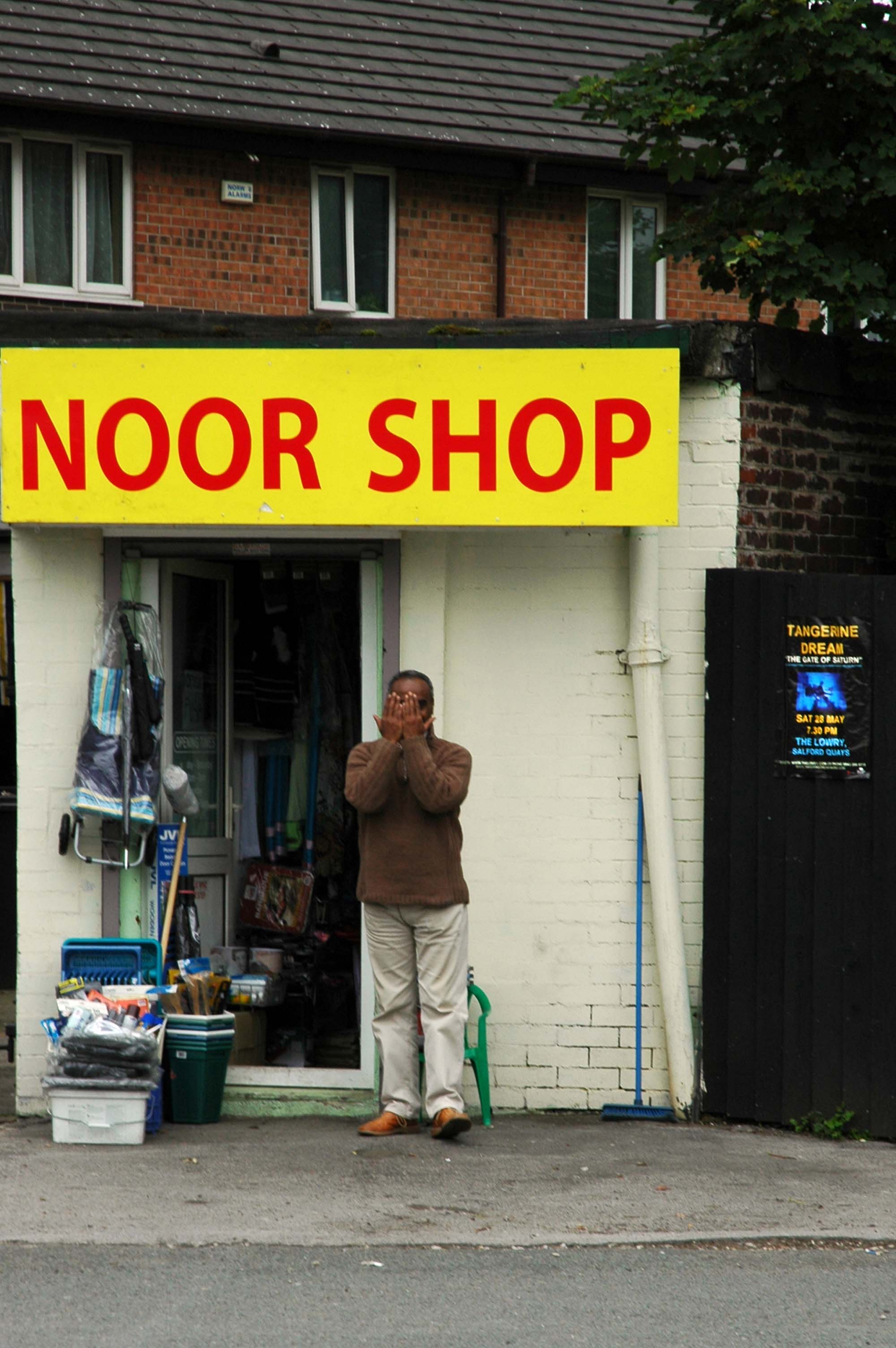
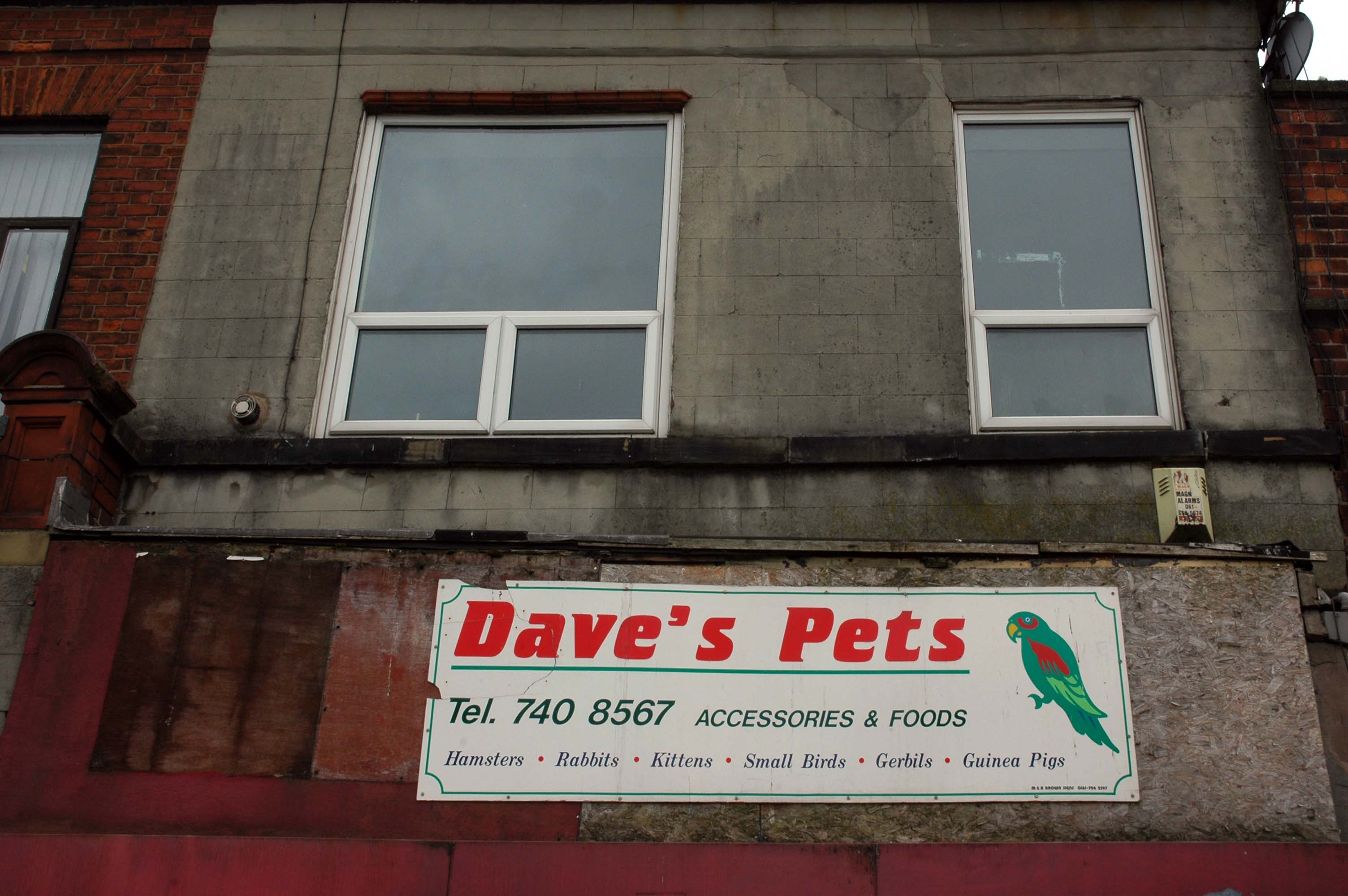
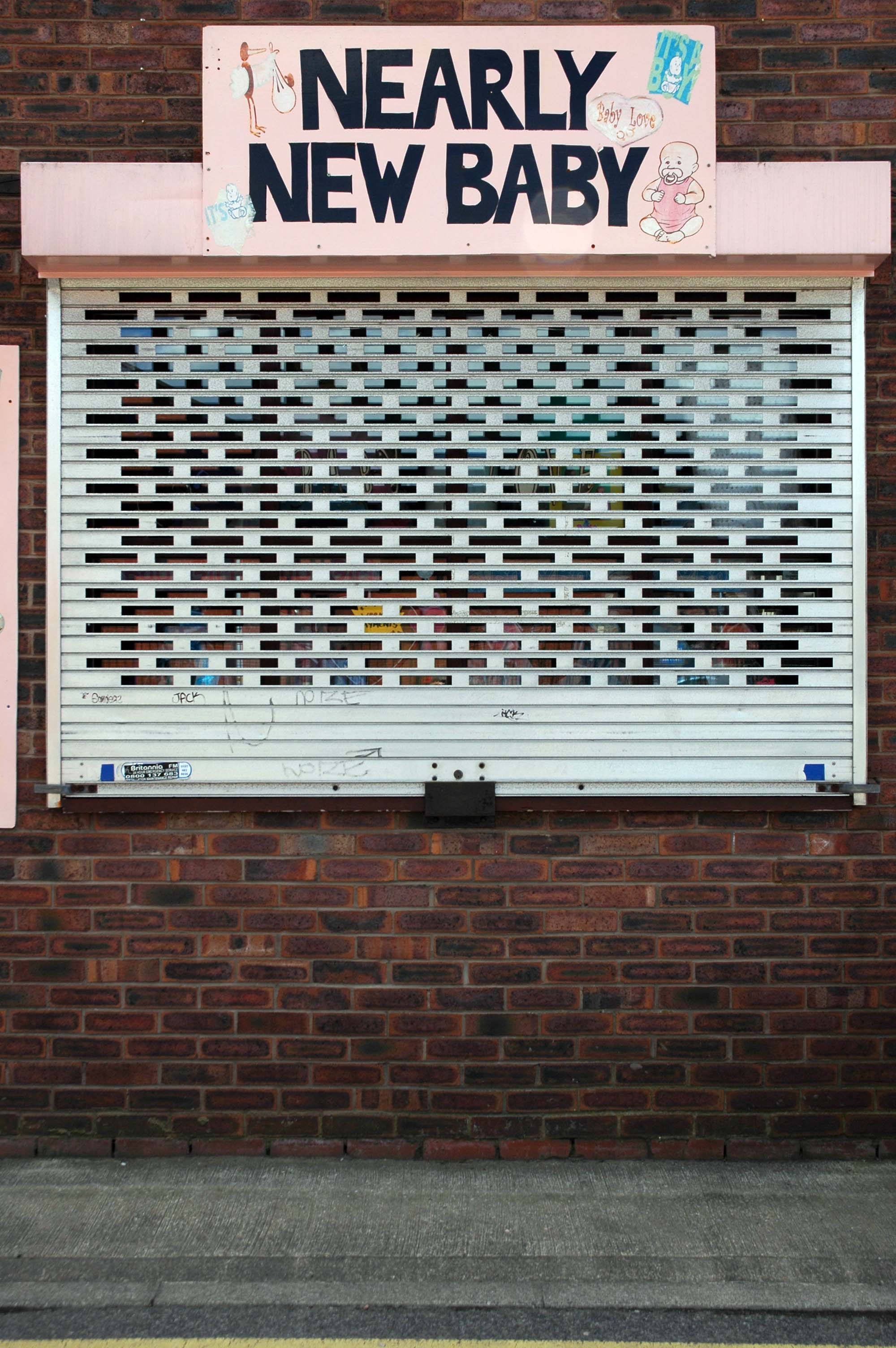
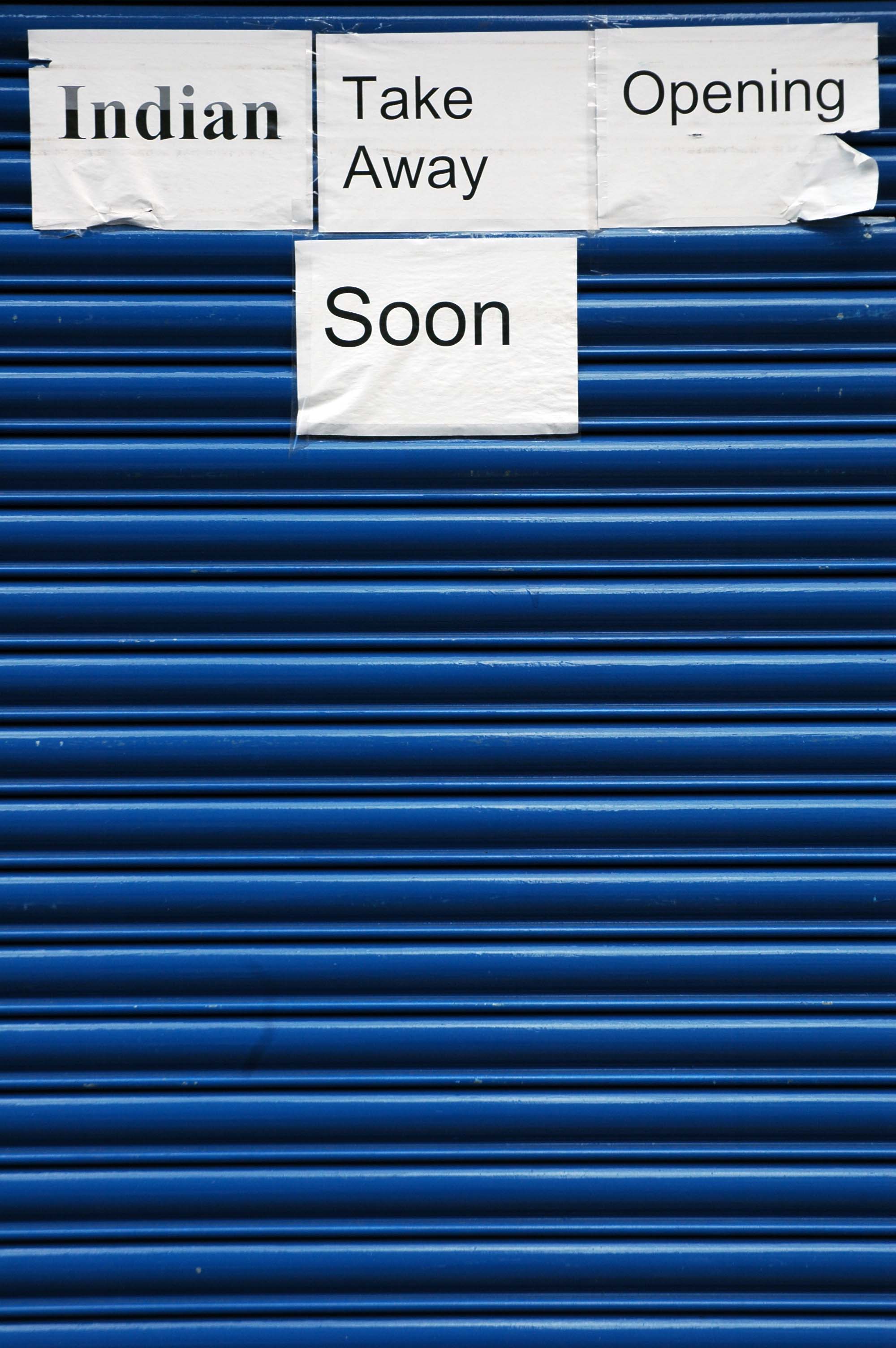
Celebrating the proliferation of the shuttered window, babies and home made retail signage.
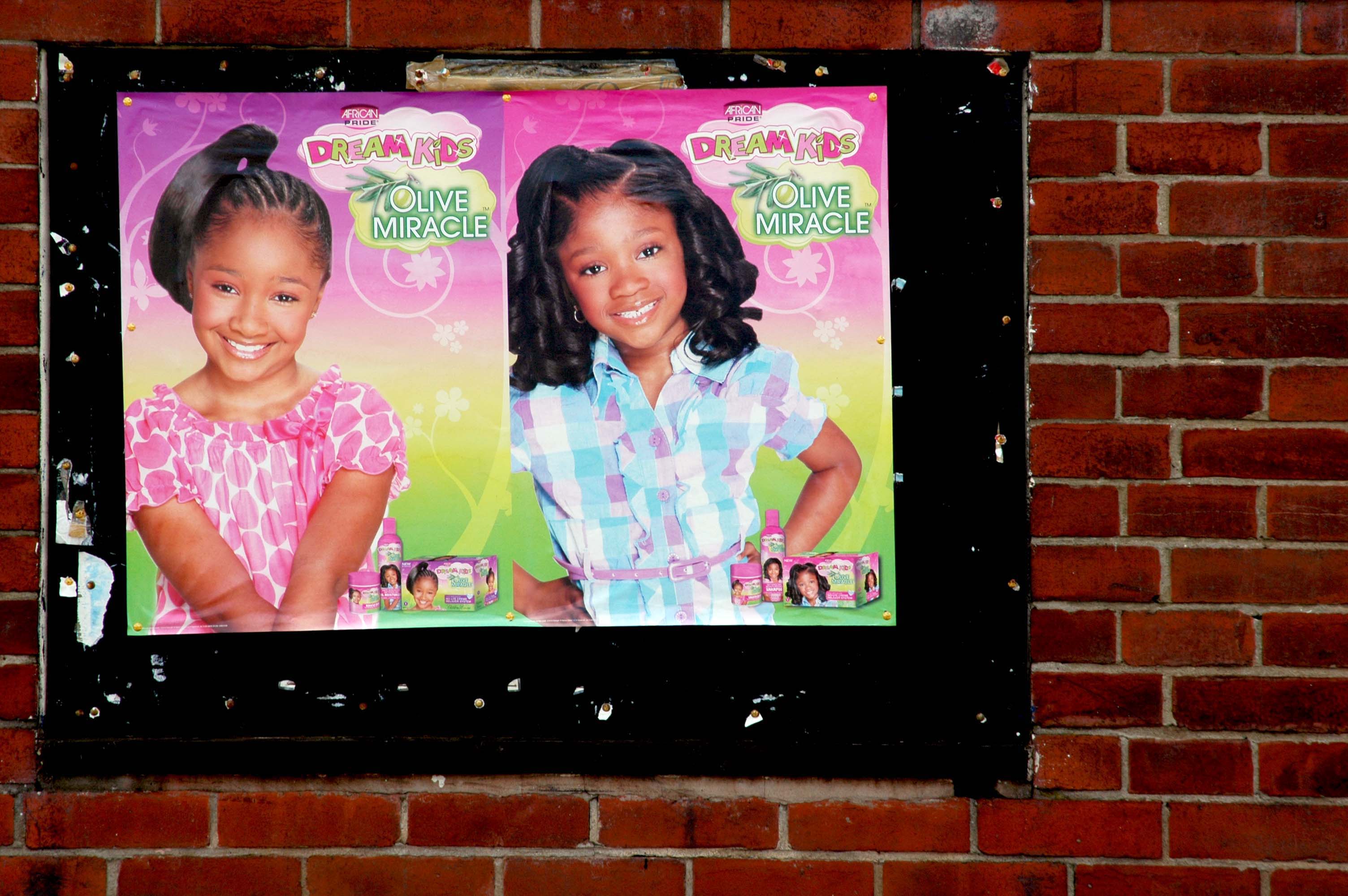
Celebrating niche marketing in the child-based, haircare market and developments in digitally originated vinyl signage.
Celebrating street art and British popular music and modern cuisine.
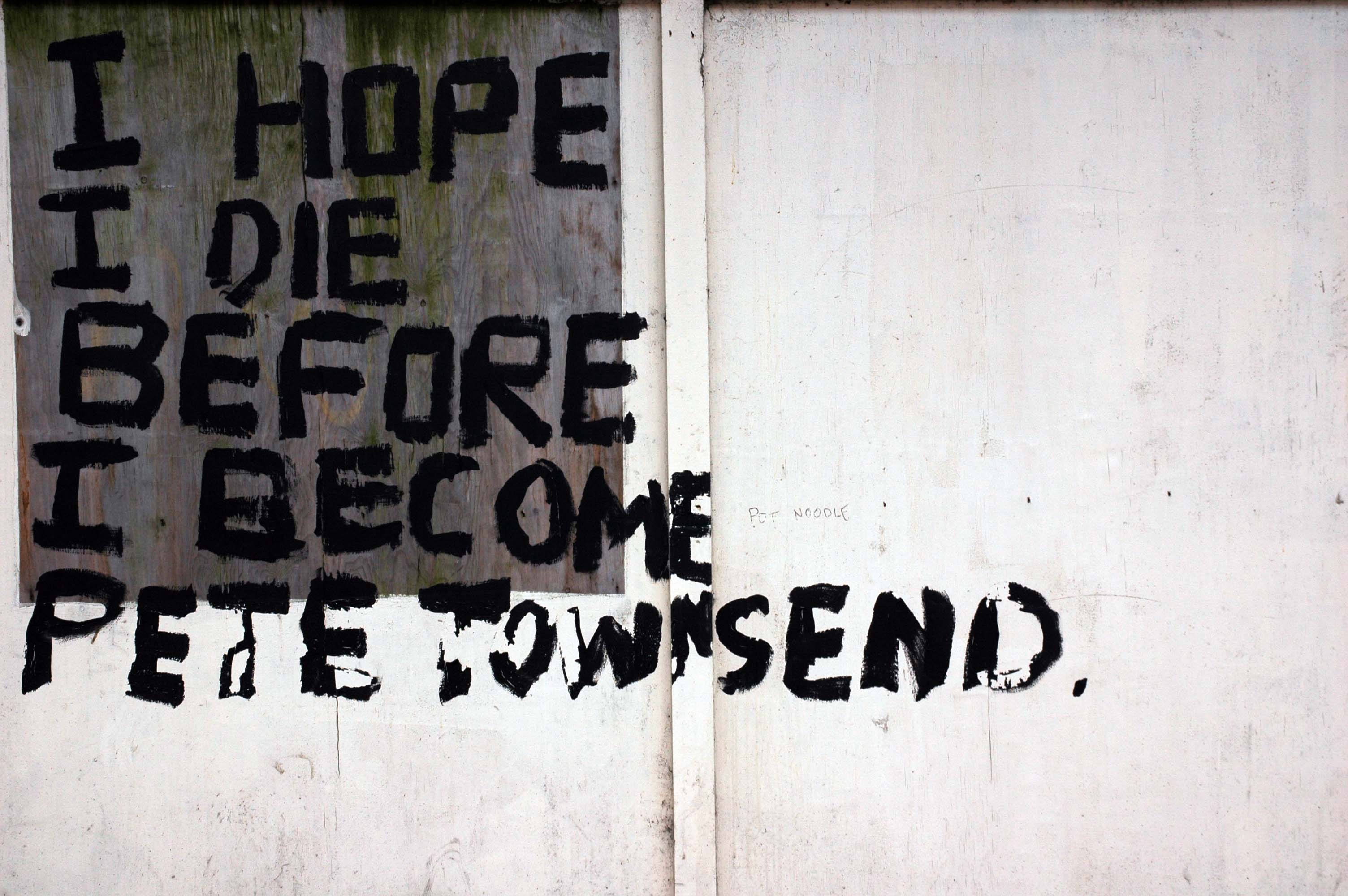
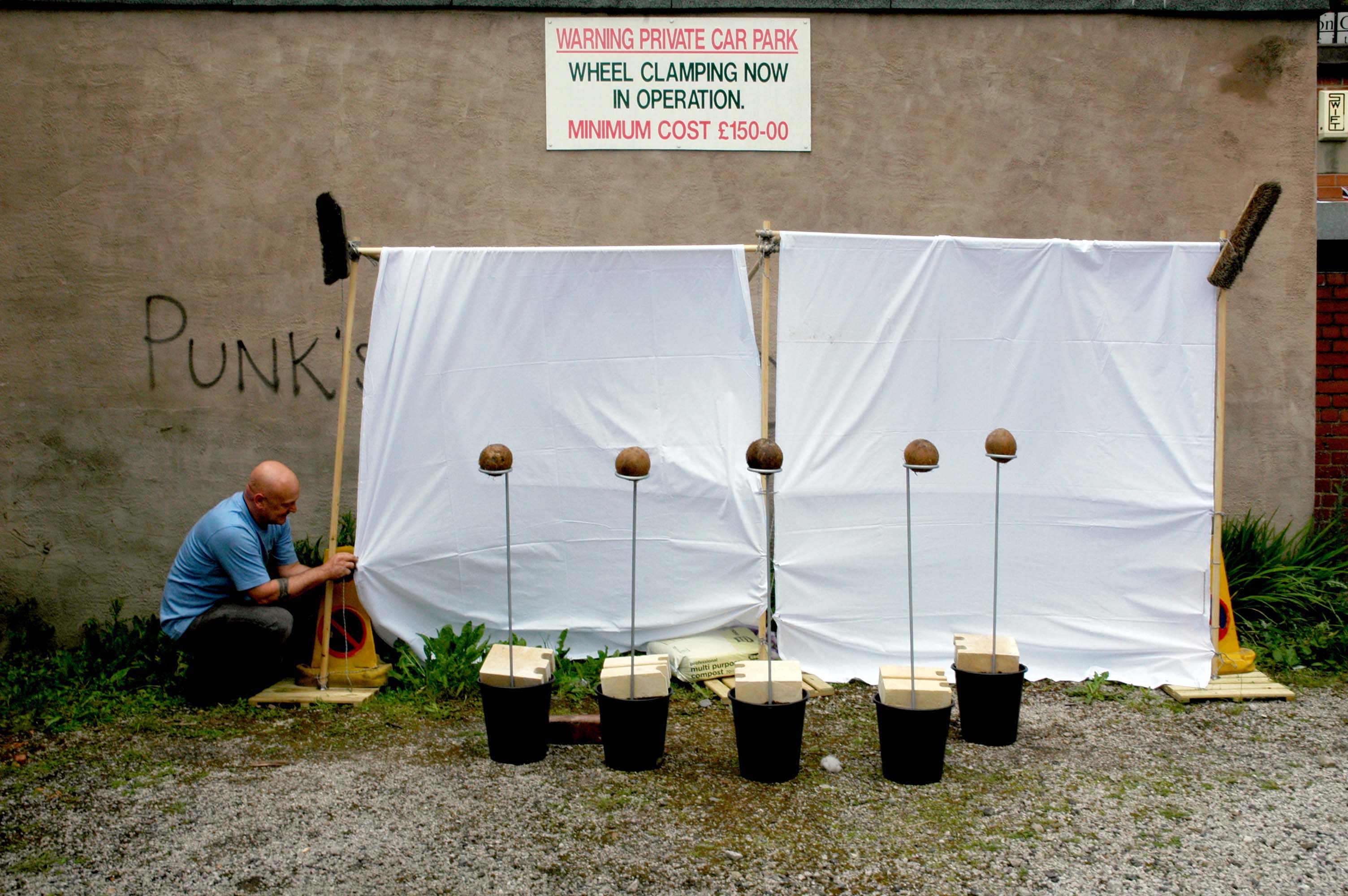
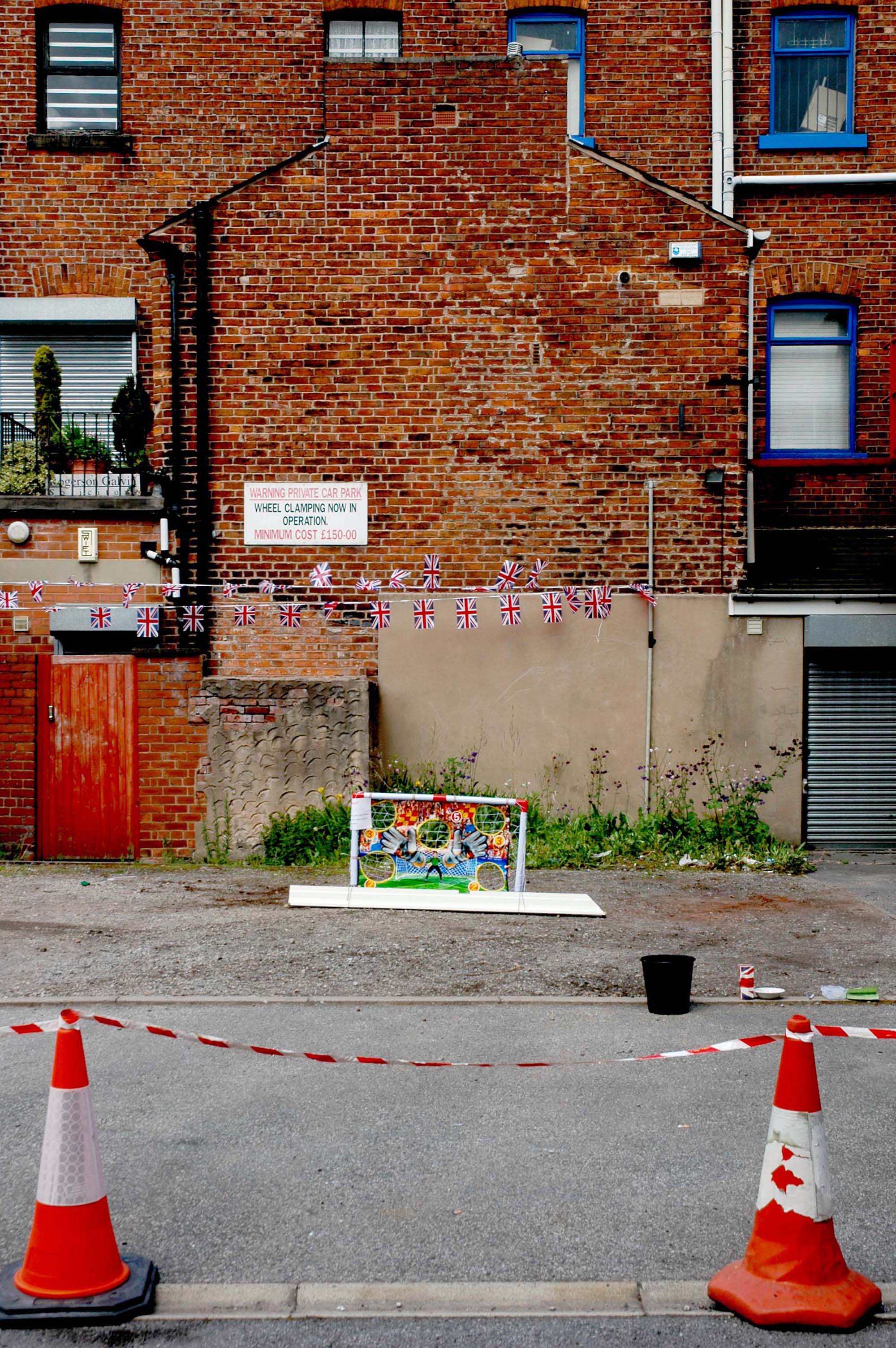
Celebrating Punk Rock, wheel clamping and British can-do!
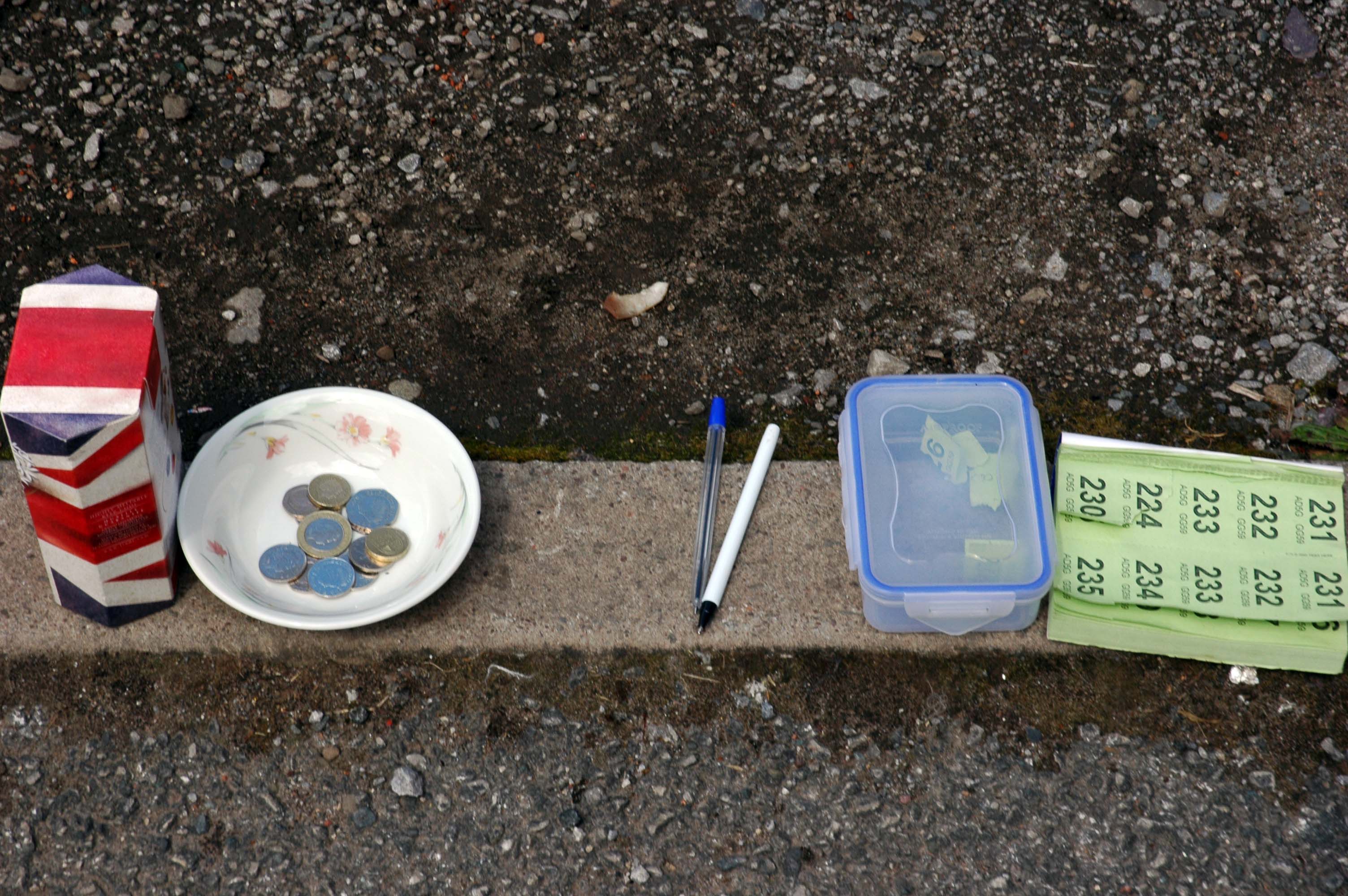
Celebrating the introduction of decimal coinage, raffle tickets, cheap biros, affordable imitation Tupperware, raffles and the Union Flag
Celebrating the huge importance of Association Football, hazard tape, shuttered doors and the ubiquity of the traffic cone.
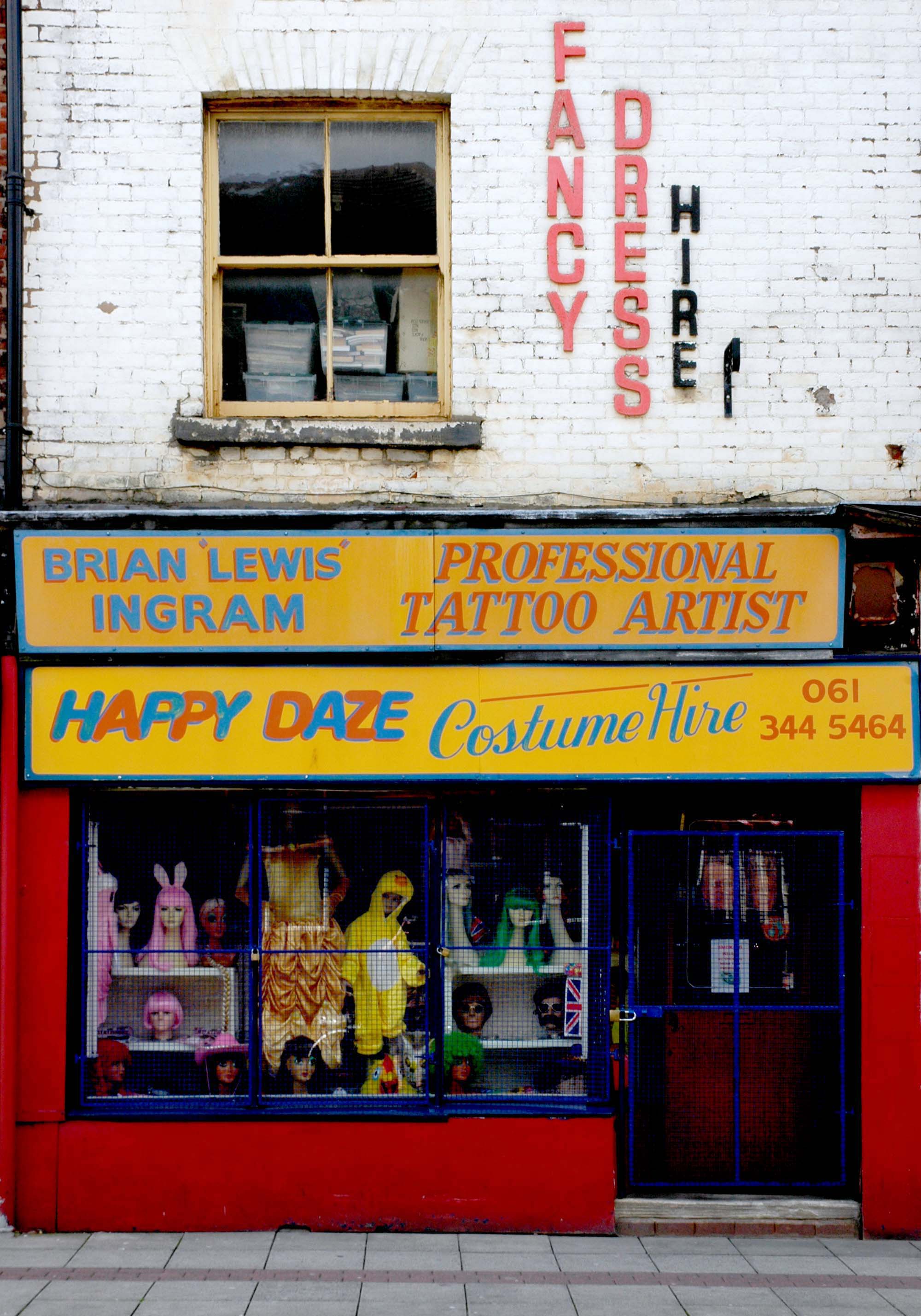
Celebrating the ever growing popularity of Fancy Dress.
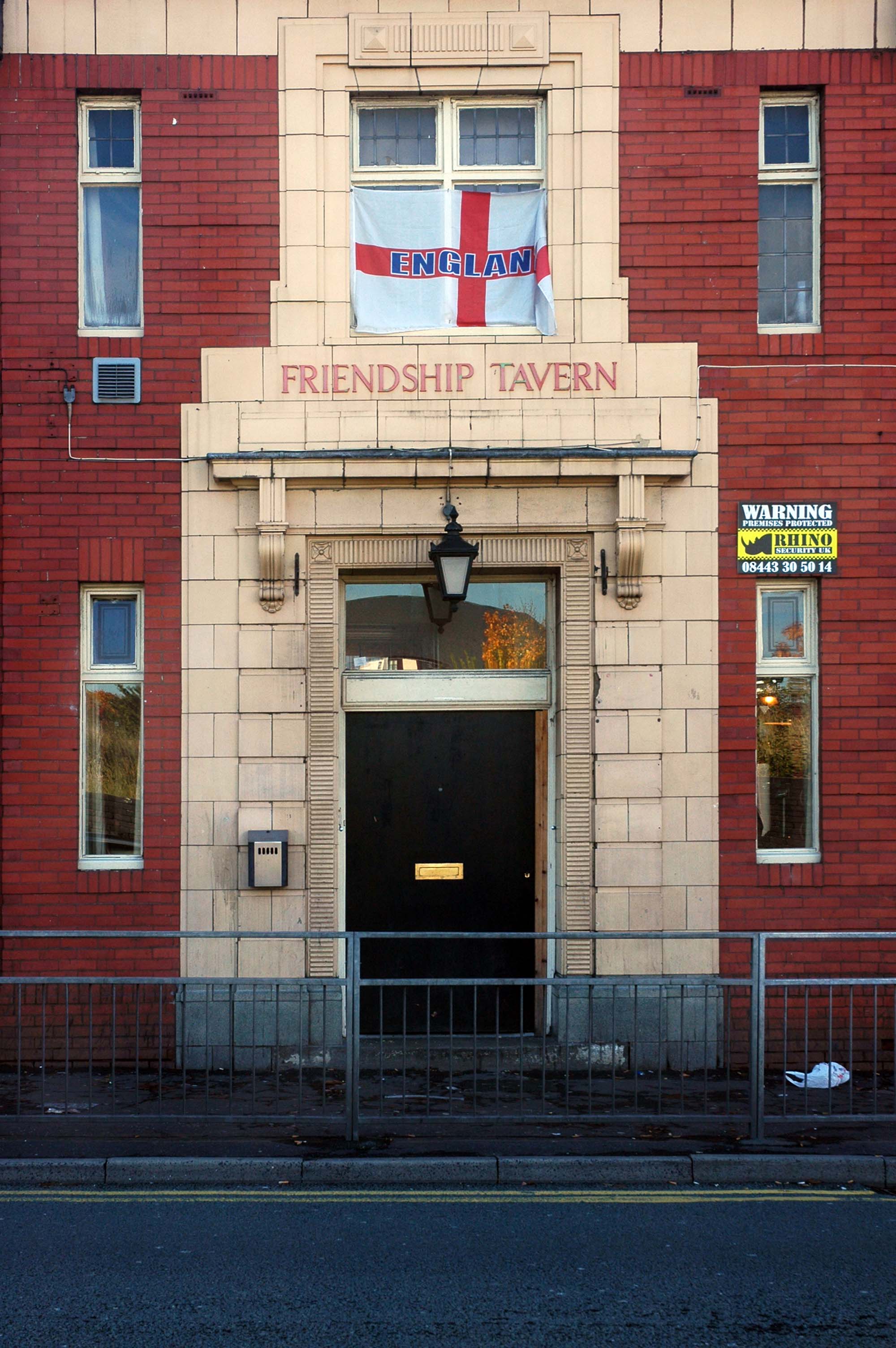
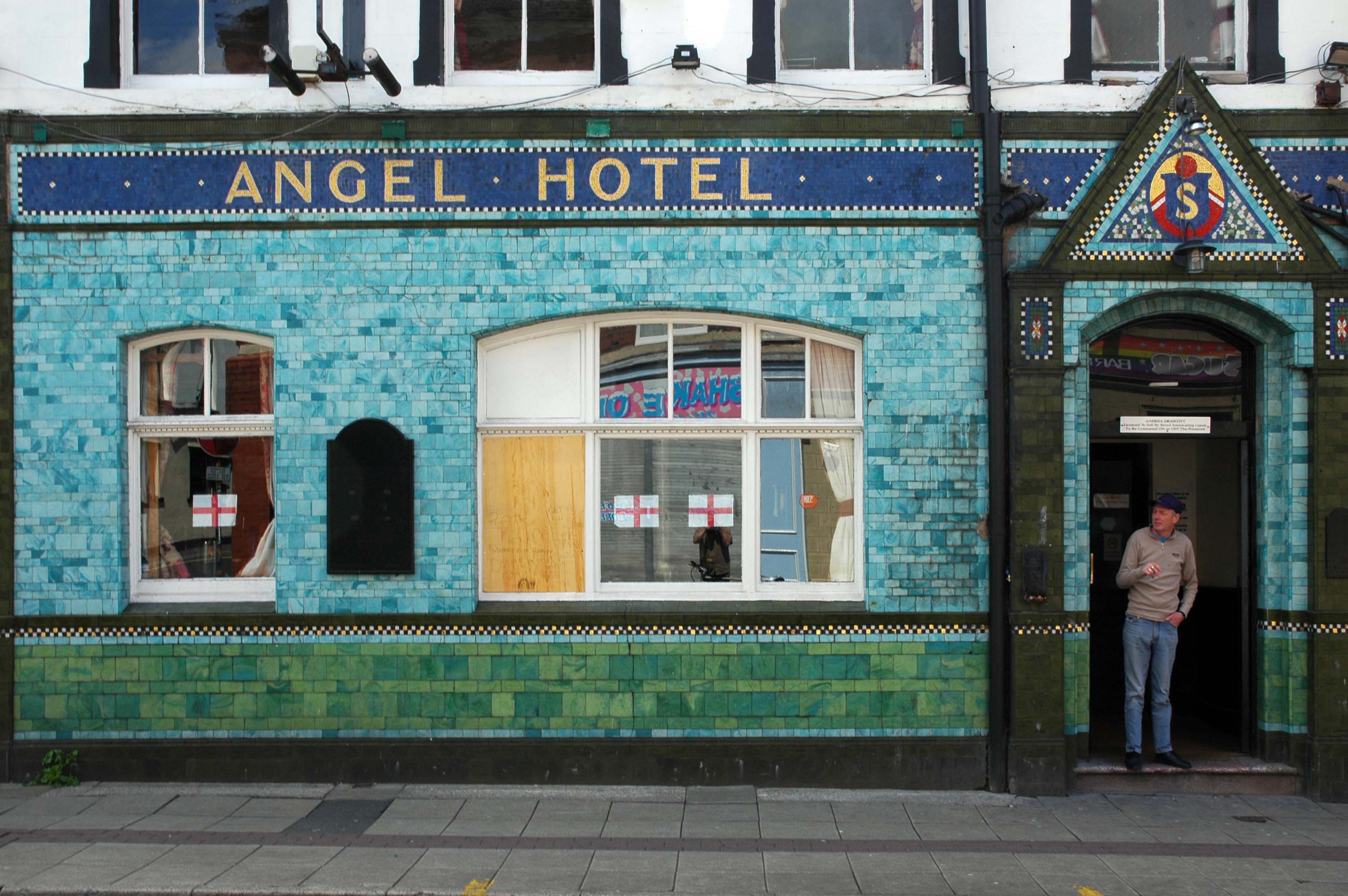
Celebrating pub tiles, the smoking ban, the use of plywood as an acceptable window replacement material and the current confusion regarding Britishness and Englishness.
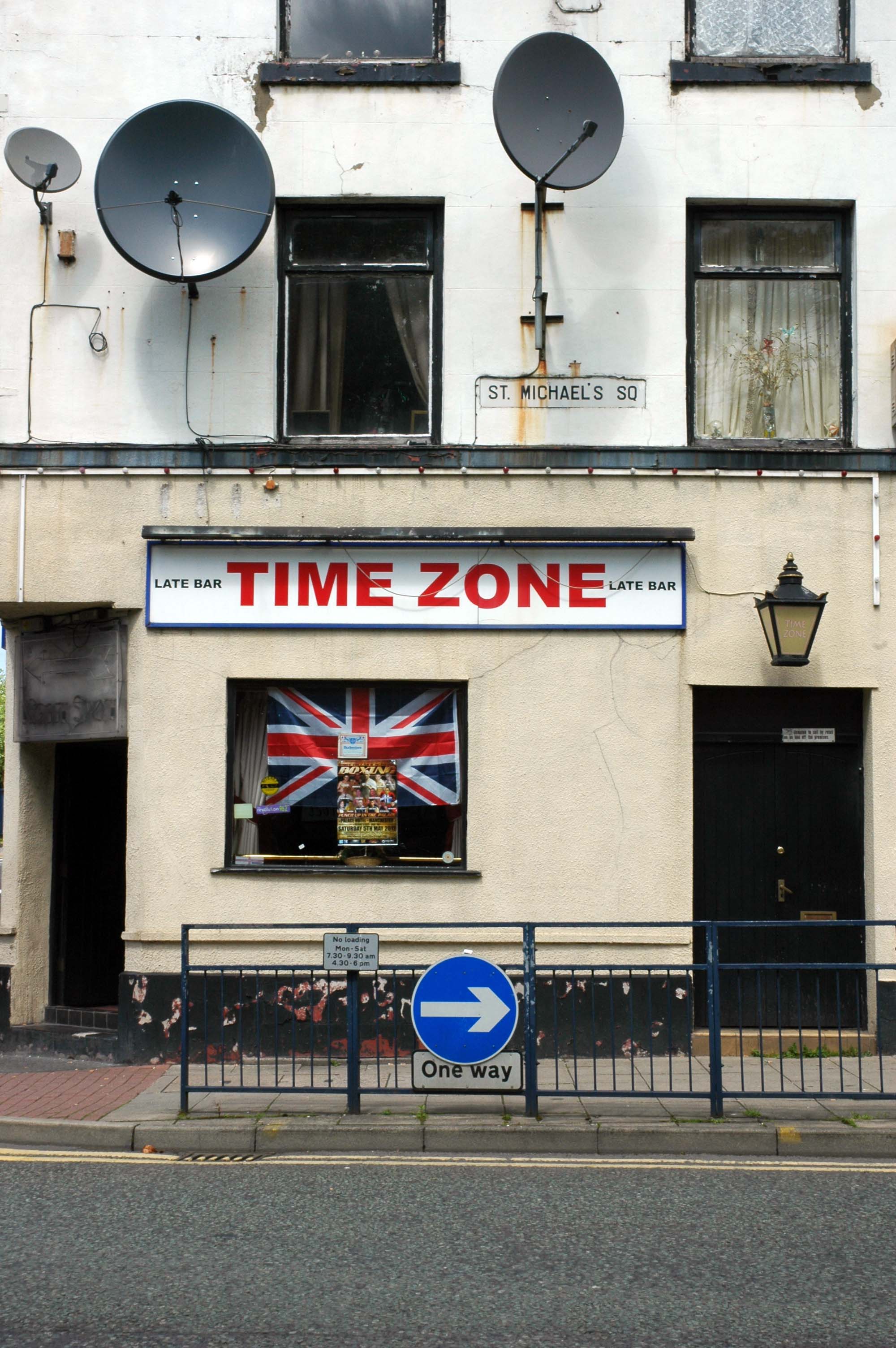
Celebrating satellite telly, faux Victoriana and the development of the one way traffic system.
Celebrating plastics in the service of the modern citizen.
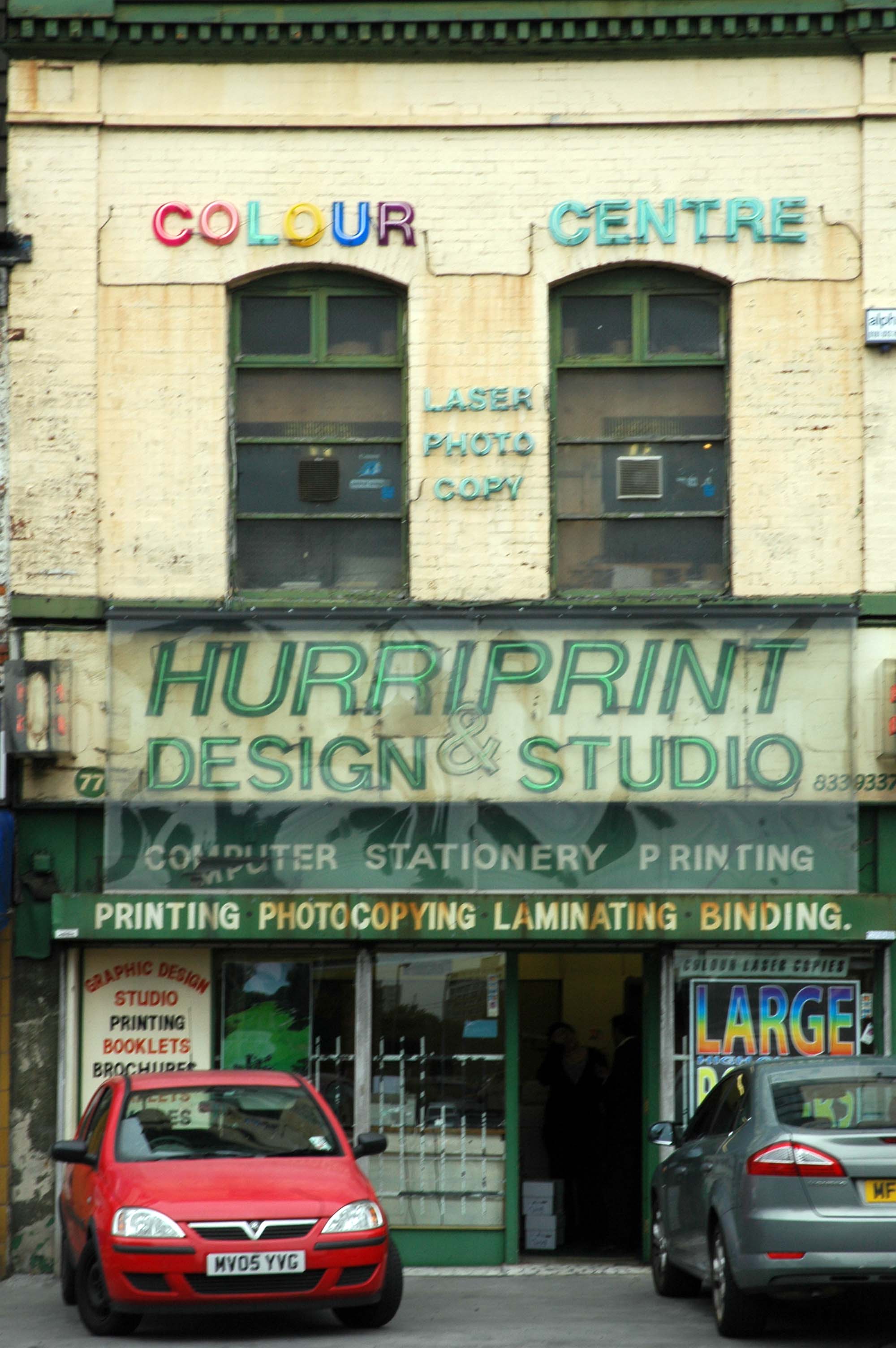
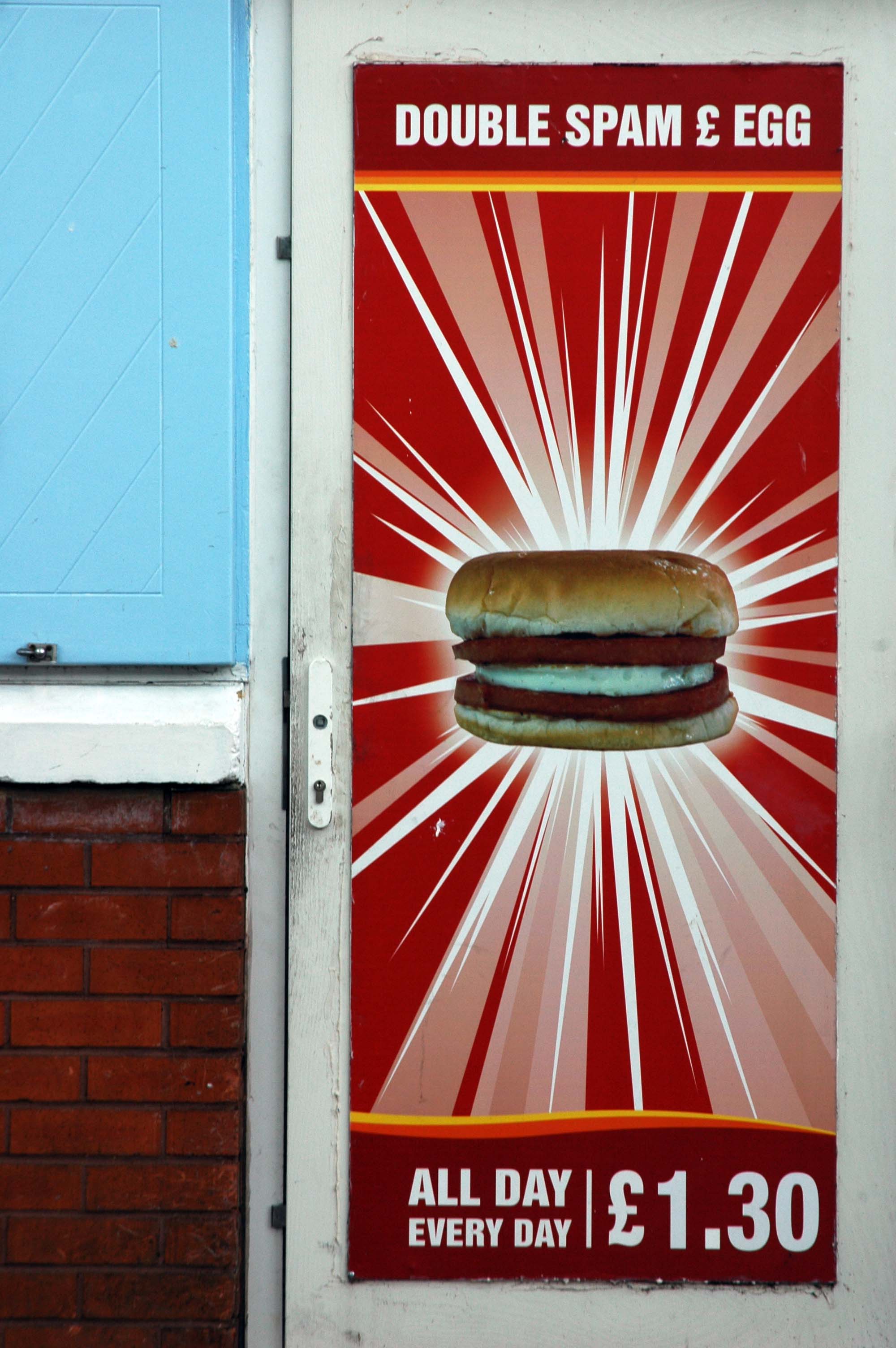
Celebrating laser-cut vinyl, adhesive lettering, regional cuisine and the imaginative minds of those who name our modern retail outlets.
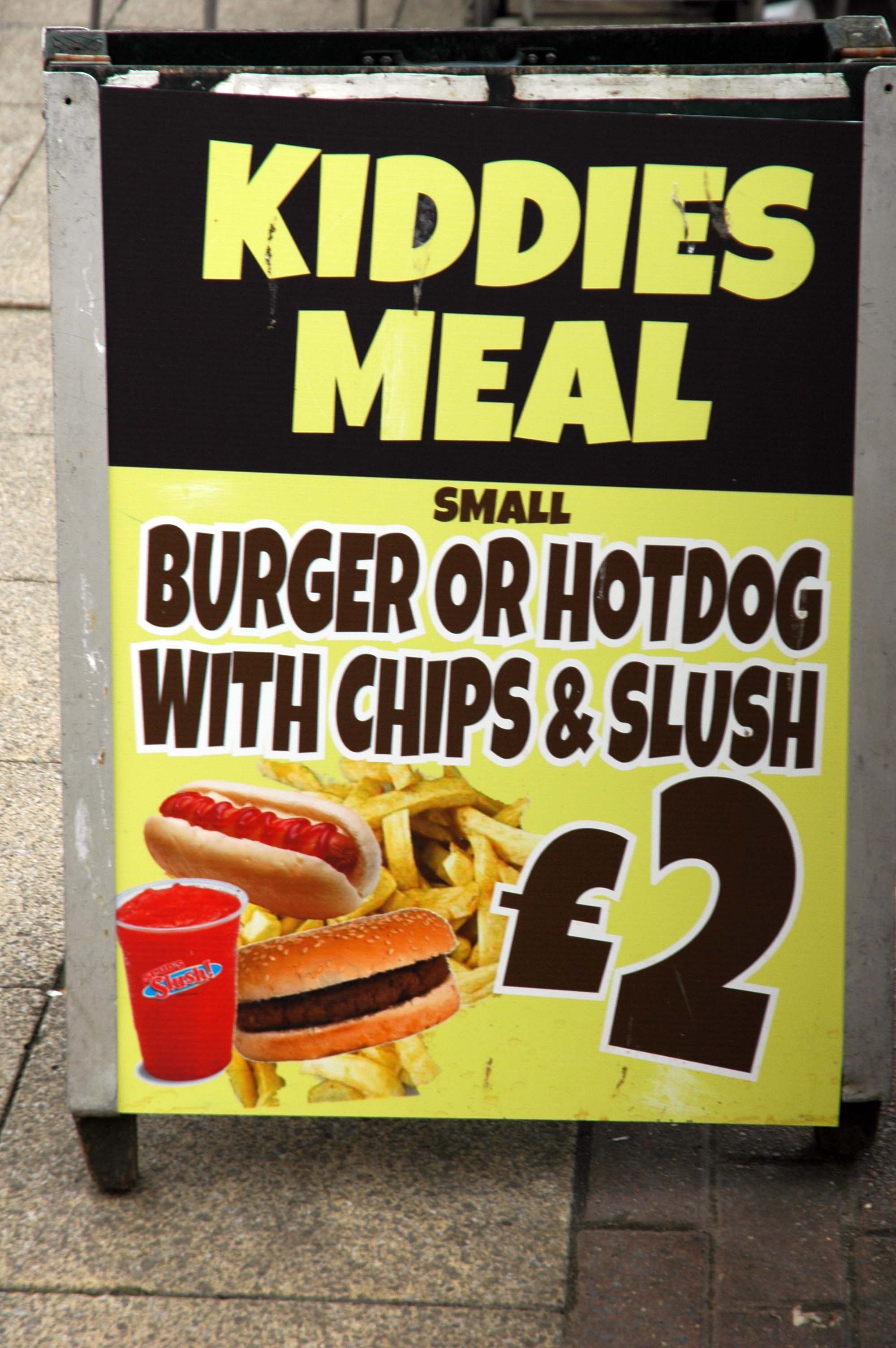
Celebrating the welcome Americanisation of our youngster’s diet – Slush you couldn’t make it up!
Celebrating the welcome Americanisation of our youngster’s diet – Slush you couldn’t make it up!
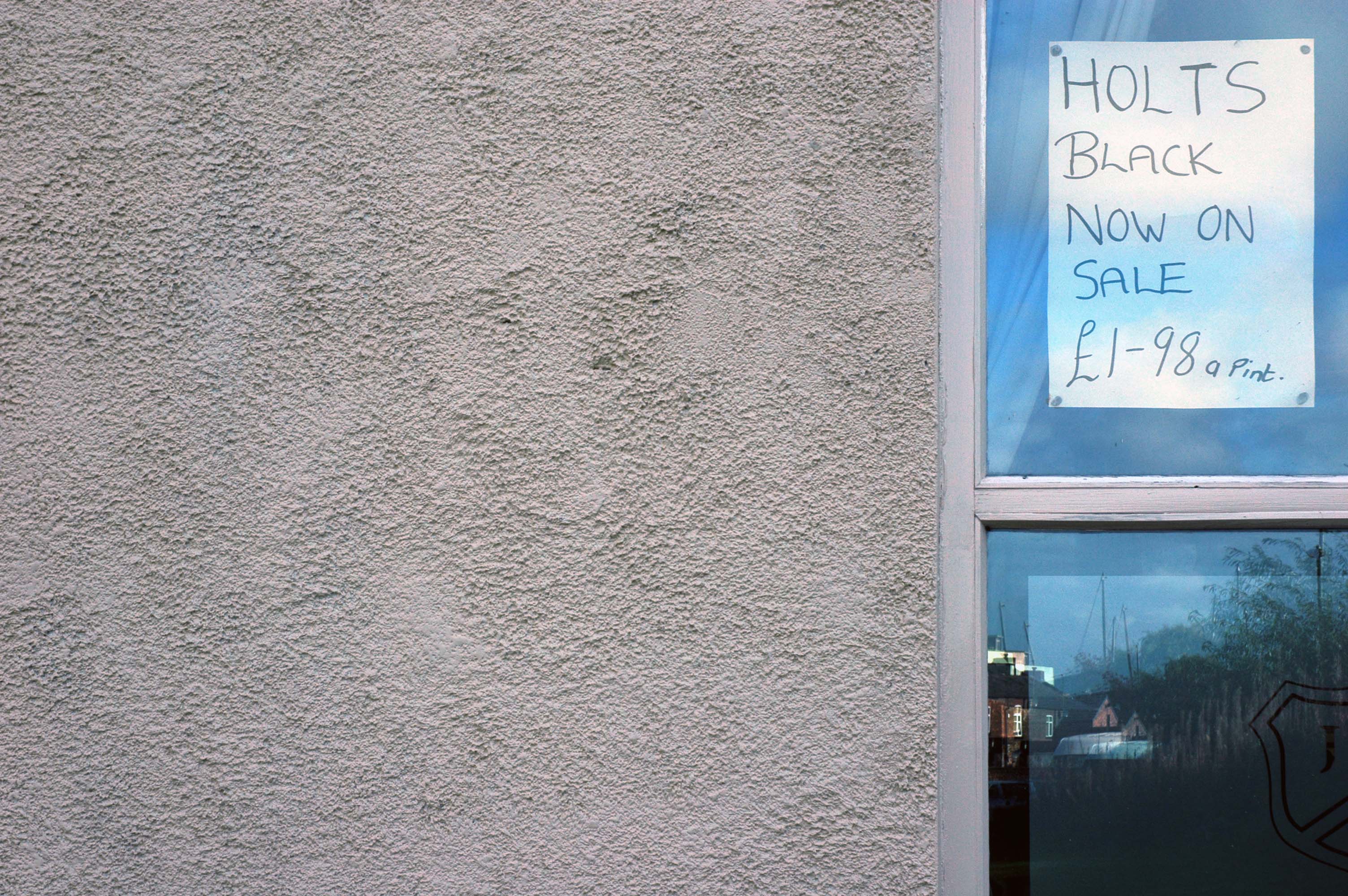
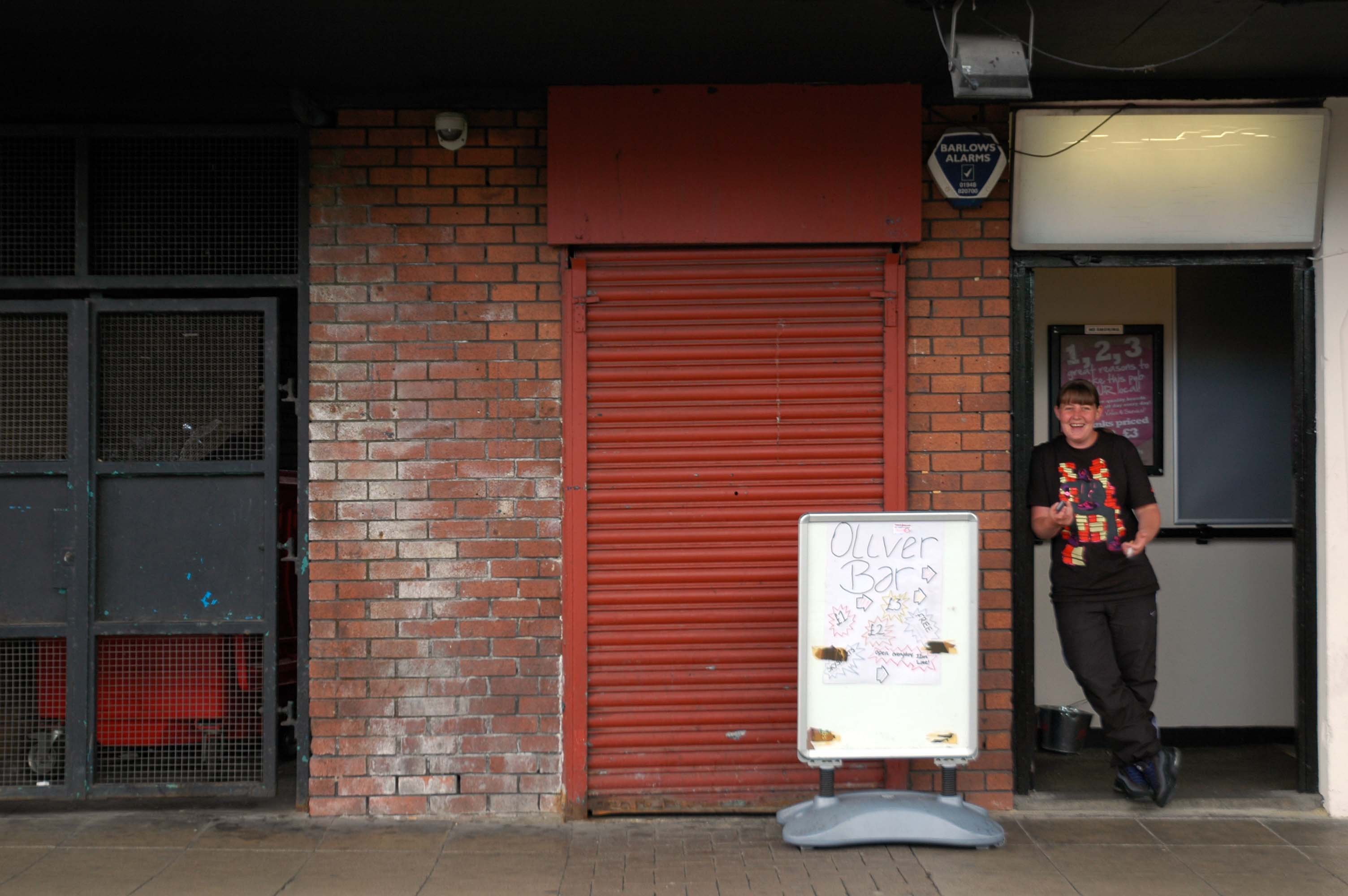
Celebrating the return of the £1 pint, here at Oliver’s Bar, formerly The Cavern, a superbly appointed Bass Charrington owned, underground pub.
My thanks to Emma Noonan for kindly appearing in the doorway.
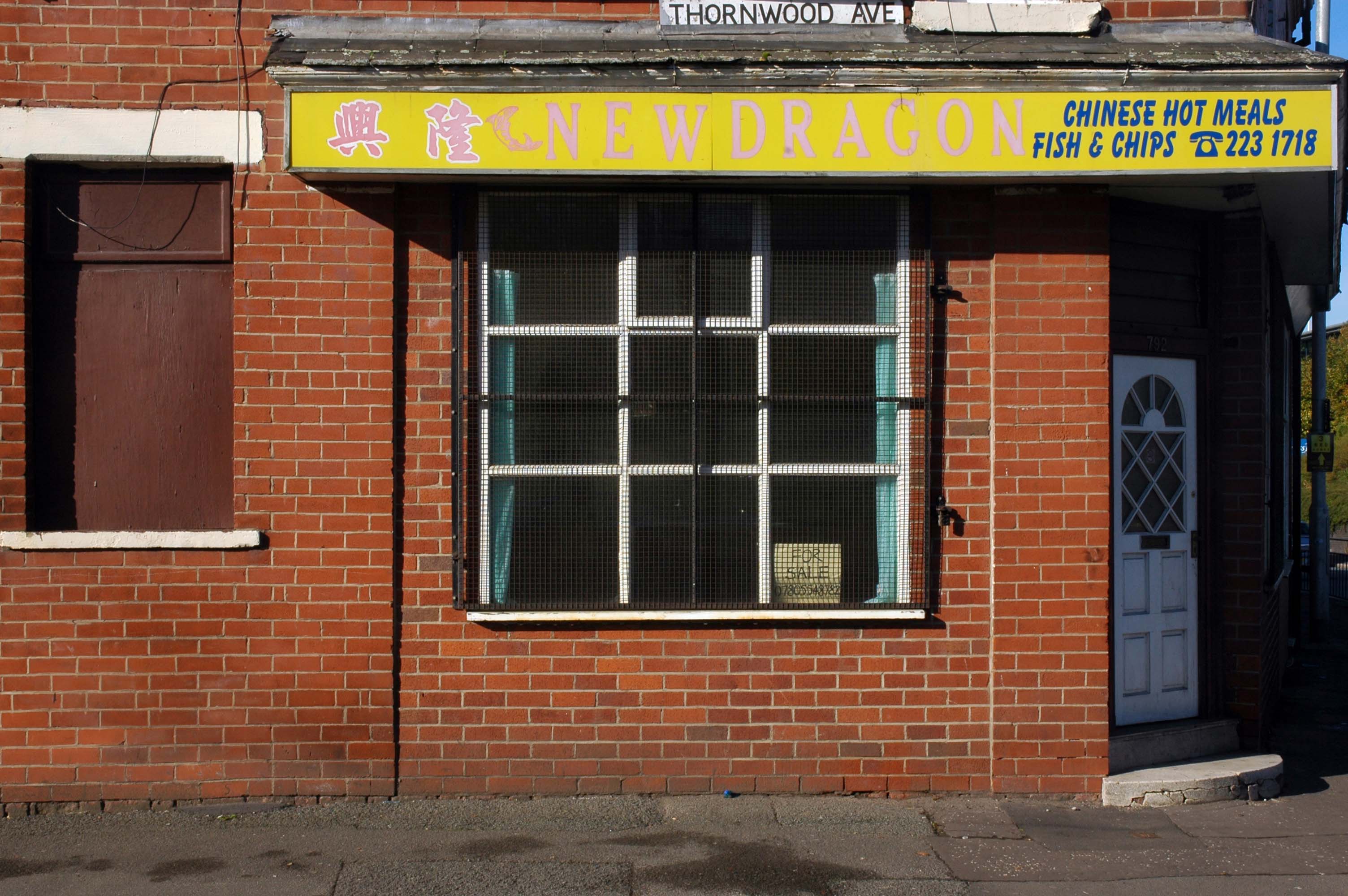
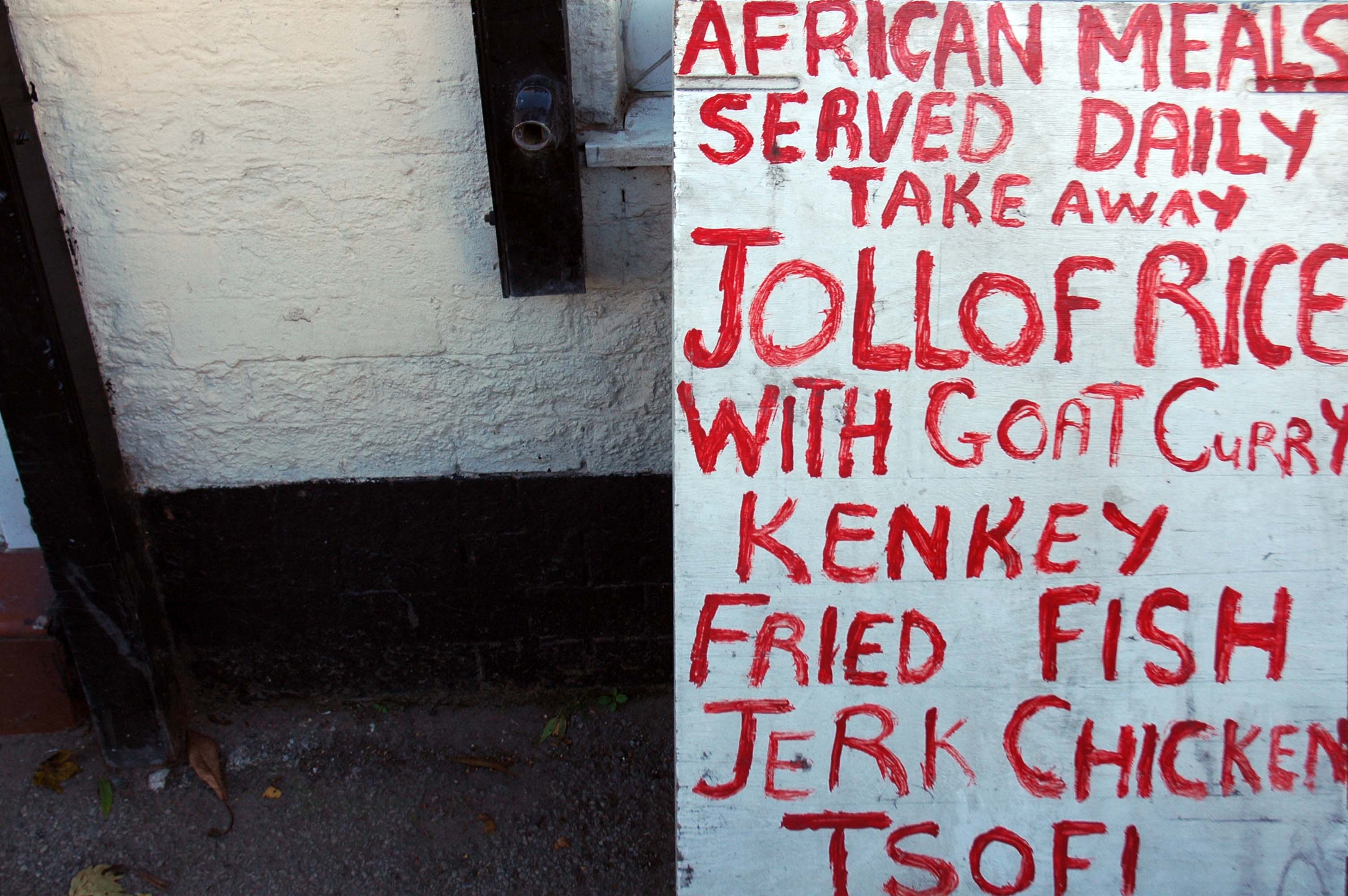
Celebrating our ever widening range of ethnic cuisine and the use of the ingenious A4 laser-written poster montage.
Celebrating the wide variety of vernacular tribute bands – Reet Hot Chilli Peppers?
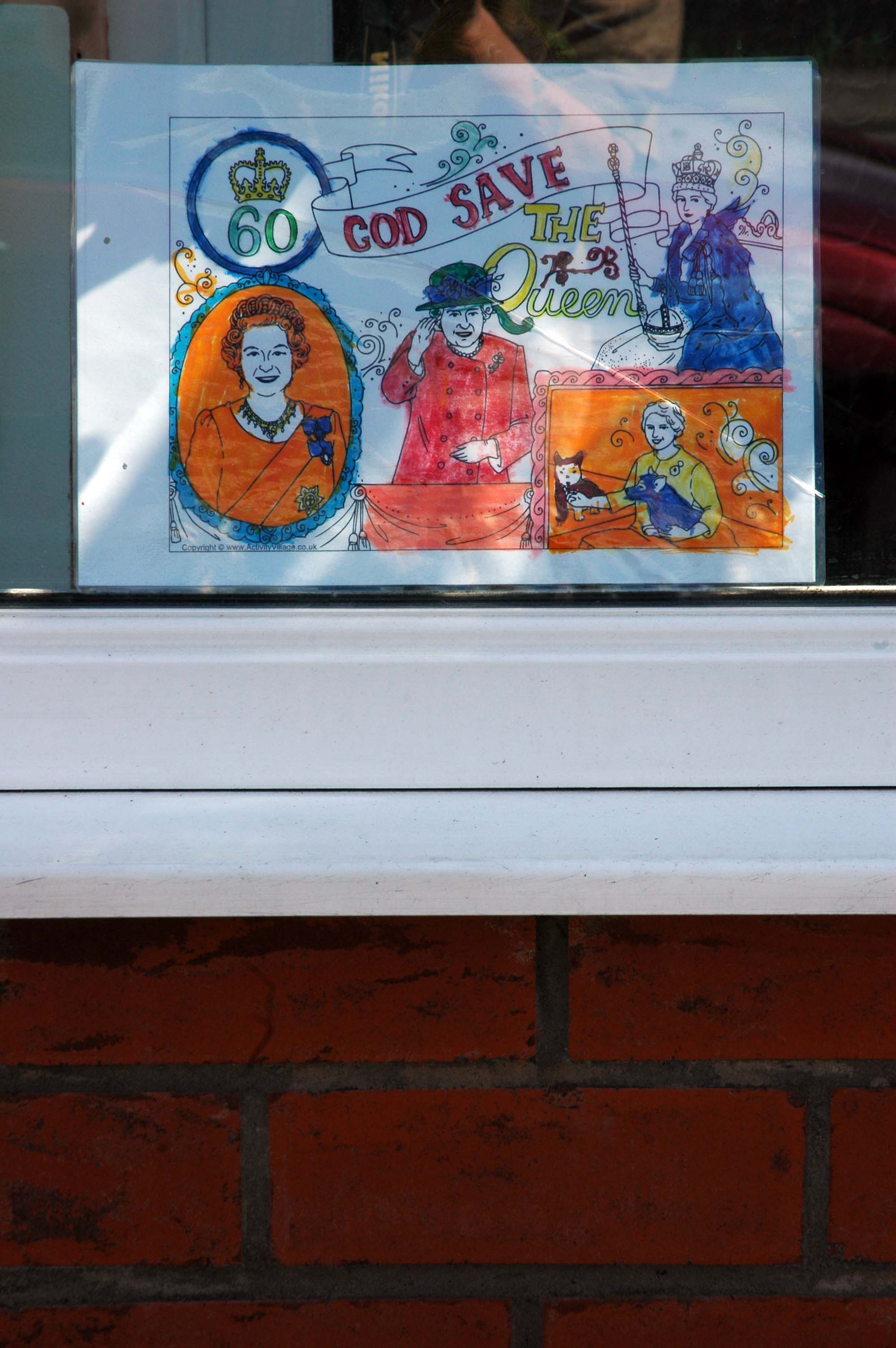
Celebrating the ever popular art of colouring-in and the wide availability of the felt tip pen.
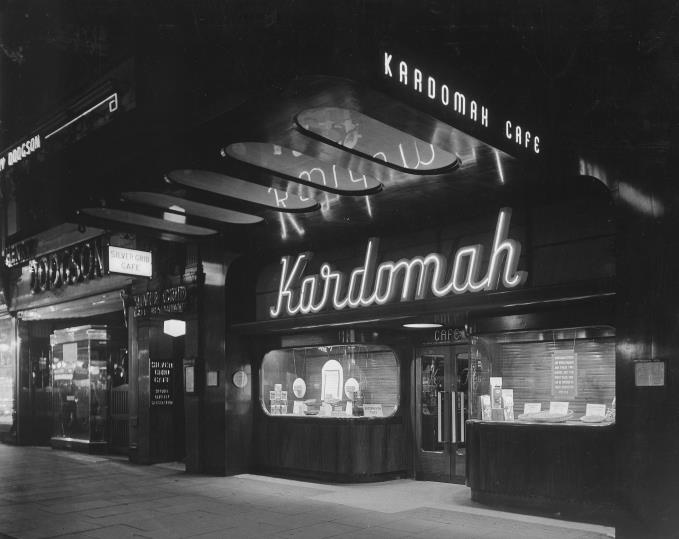
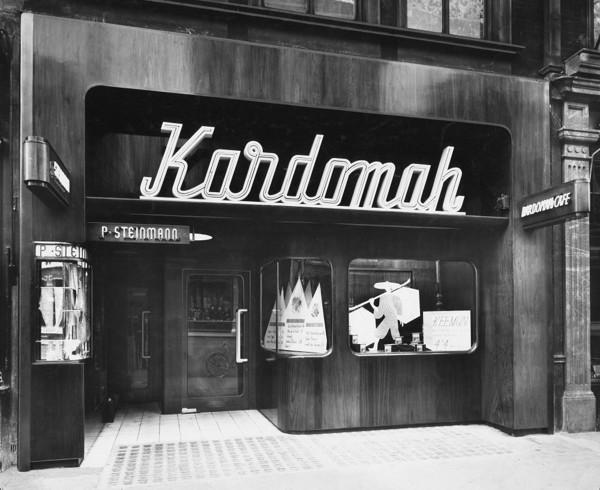
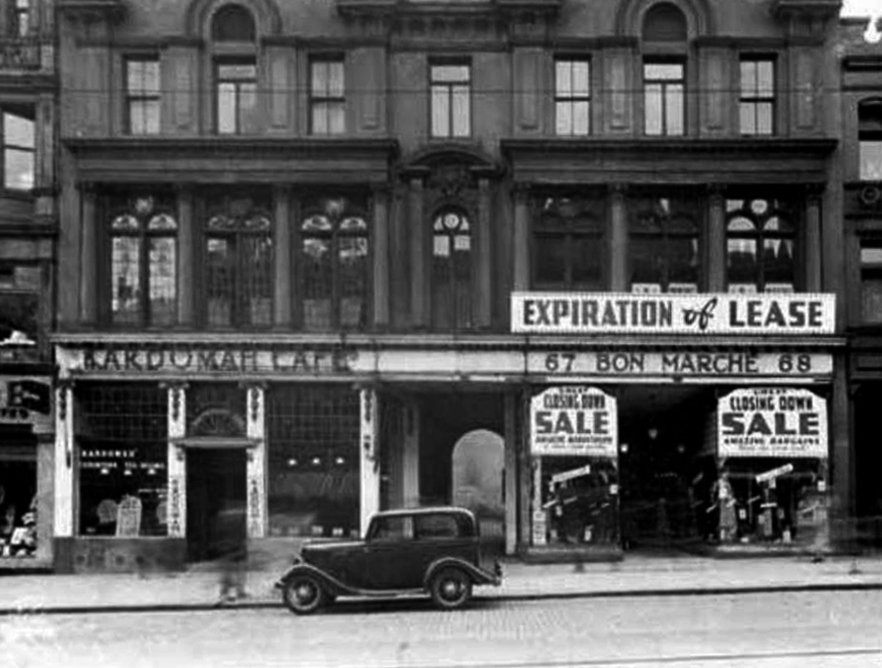
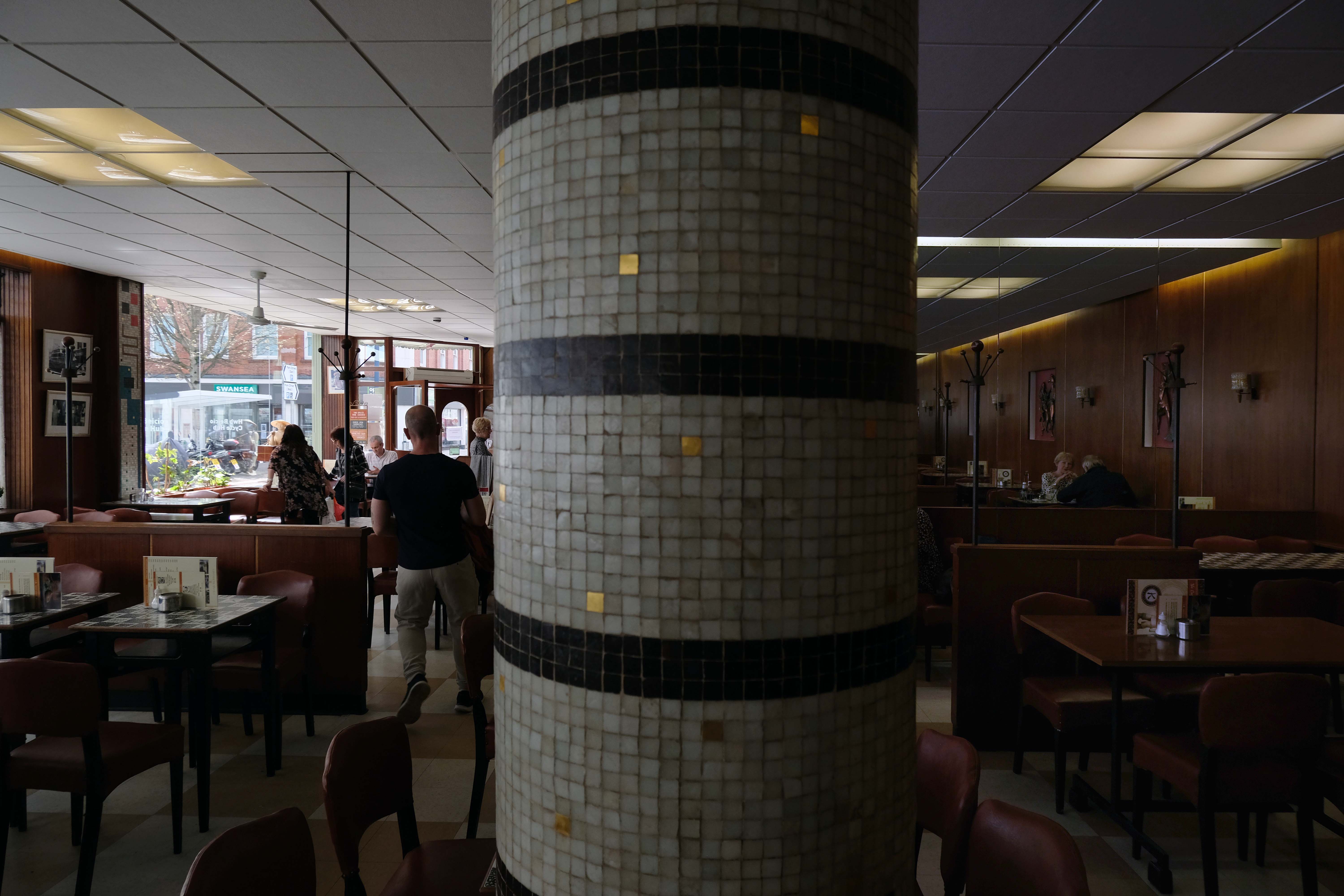
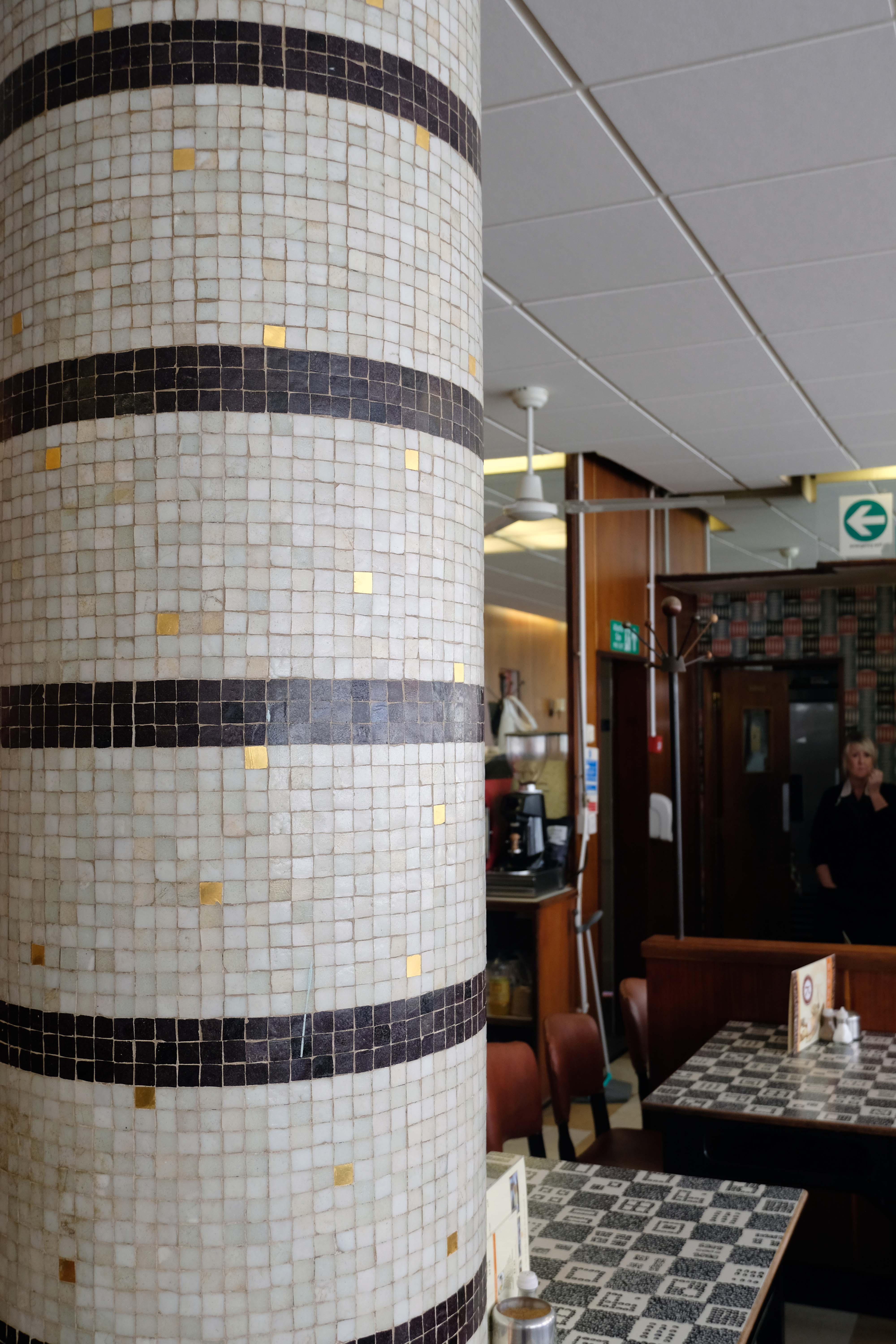
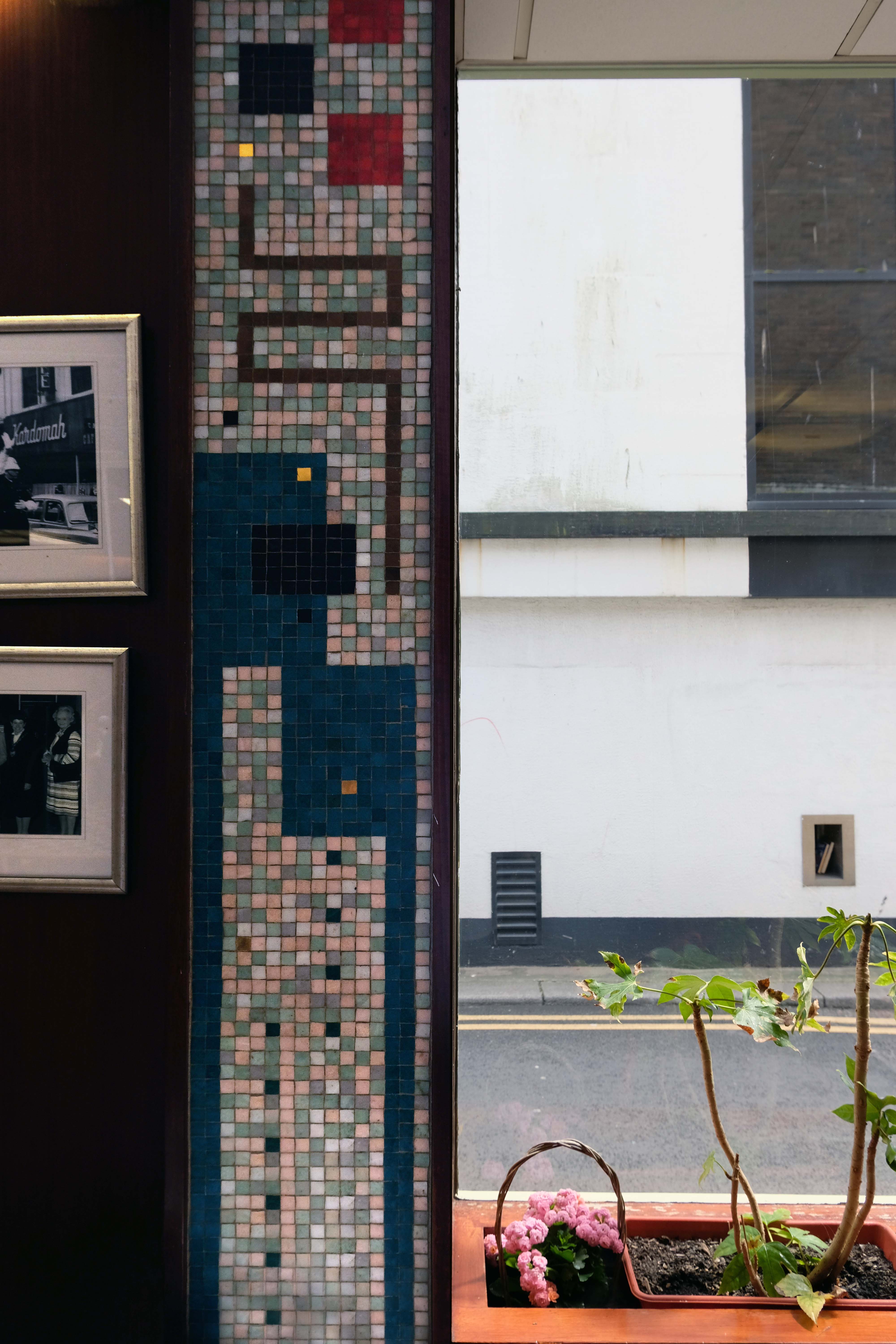
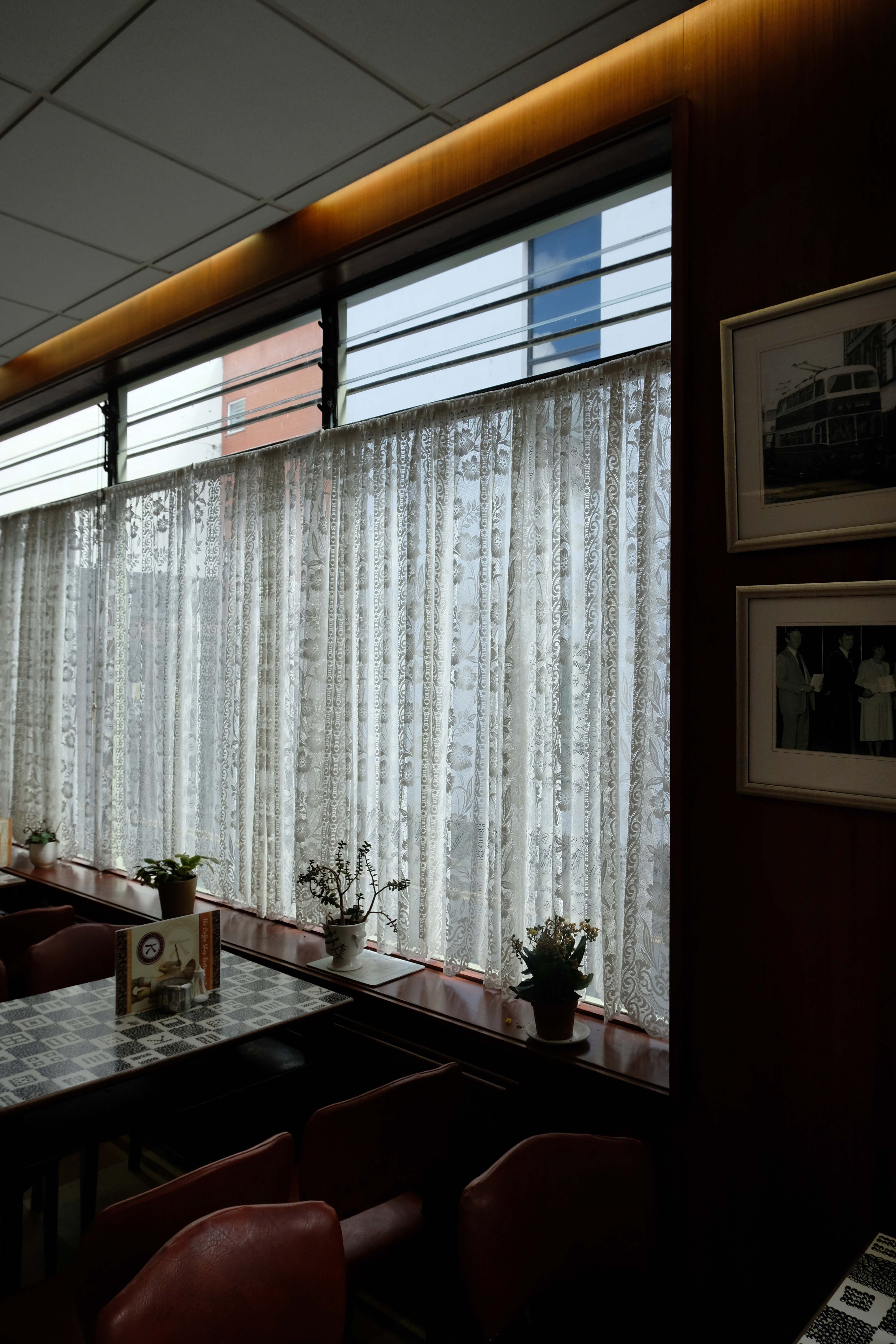
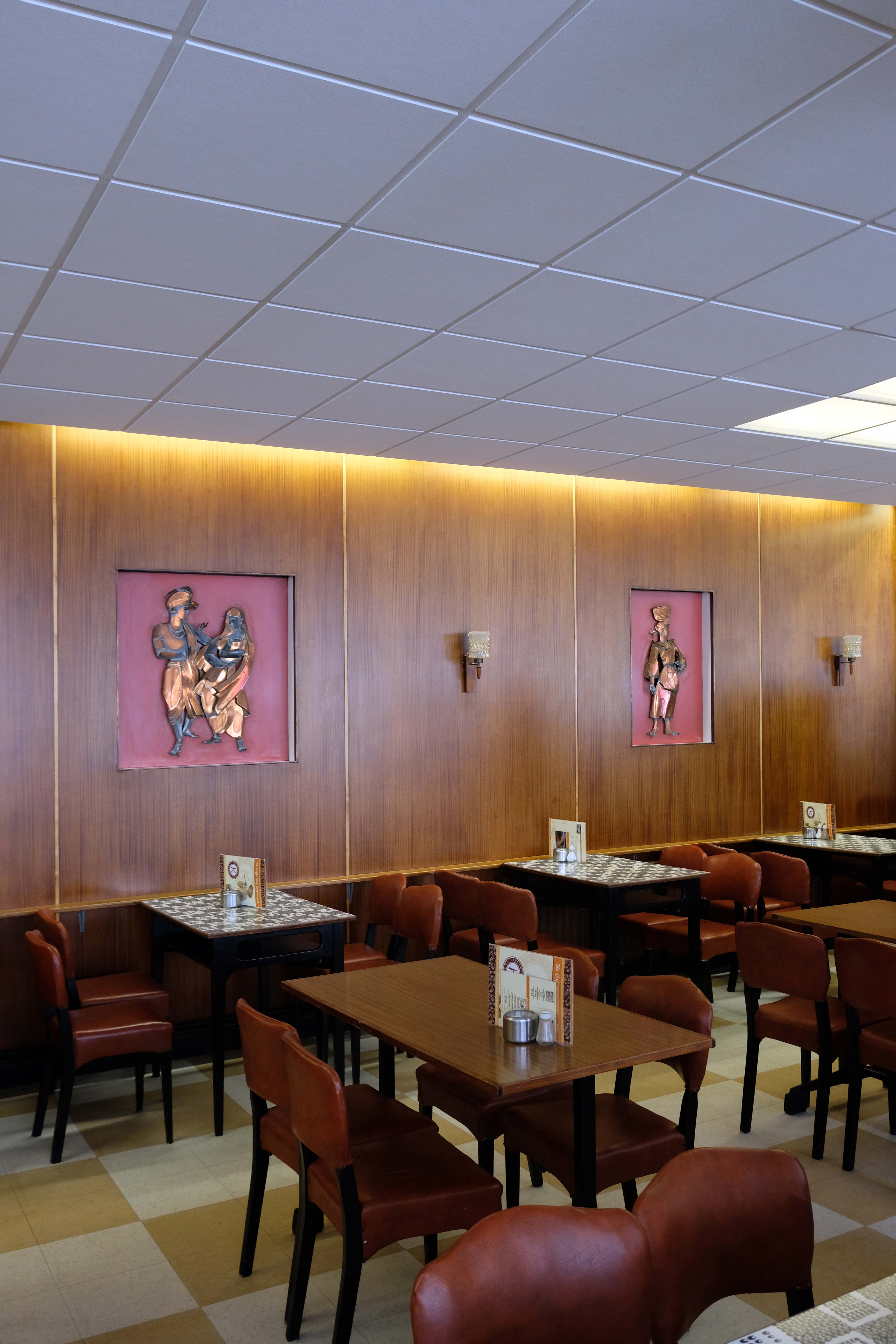
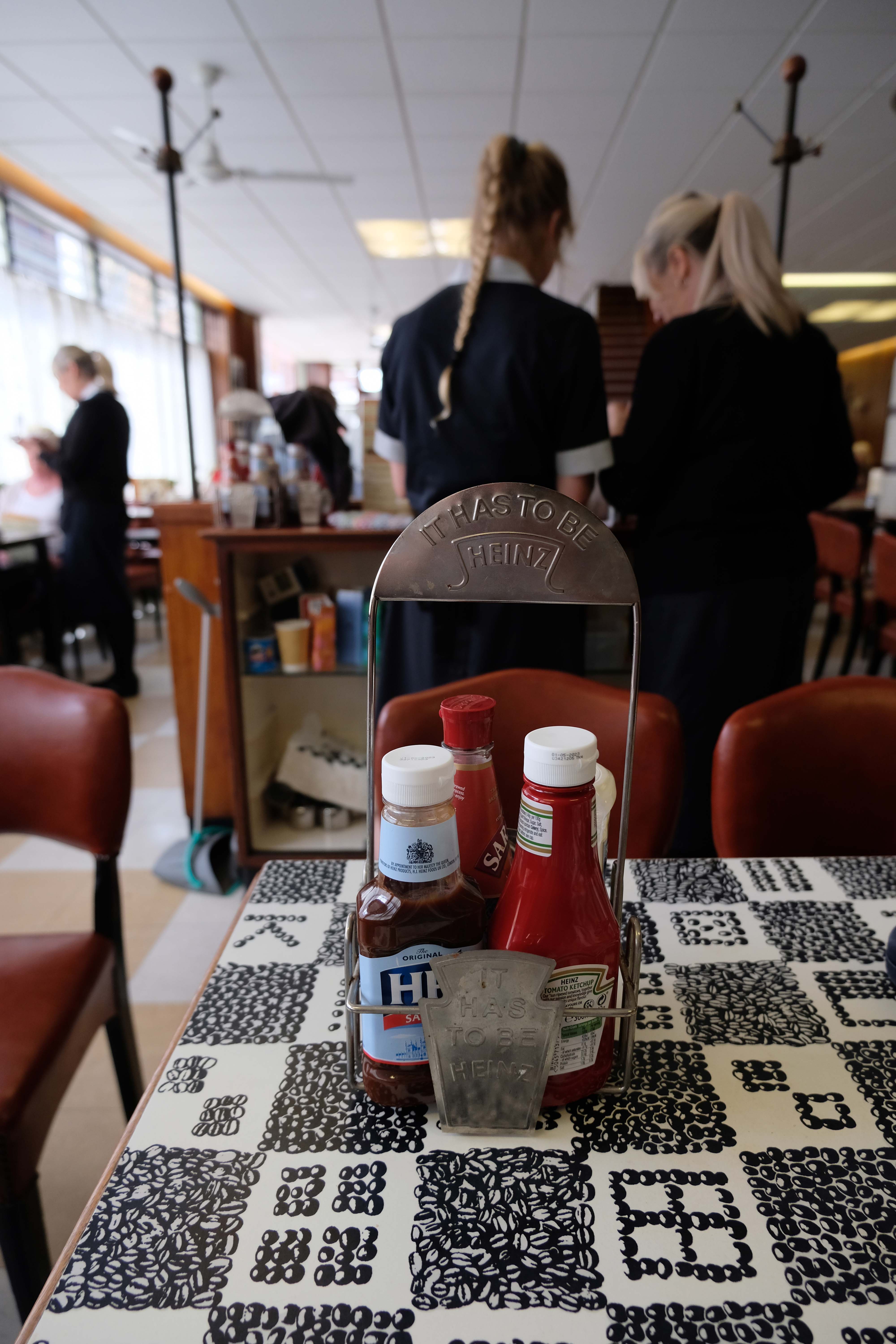
Welcome, at the Kardomah Cafe we have a long history of excellent service, great food and wonderful coffee. We are an independent, established, family run business of nearly 50 years. Traditional values are important to us and have helped us create a warm and friendly atmosphere, which is seen by many of our customers as an important part of their lives, a place to meet their friends, whilst enjoying quality food and drink.
The company that created the Kardomah brand began in Pudsey Street, Liverpool in 1844 as the Vey Brothers teadealers and grocers. In 1868 the business was acquired by the newly created Liverpool China and India Tea Company, and a series of brand names was created beginning with Mikado. The Kardomah brand of tea was first served at the Liverpool colonial exhibition of 1887, and the brand was later applied to a range of teas, coffees and coffee houses. The parent company was renamed Kardomah Limited in 1938. The brand was acquired by the Forte Group in 1962, sold to Cadbury Schweppes Typhoo in 1971, and became part of Premier Brands some time between 1980 and 1997. The brand still exists, selling items such as instant coffee and coffee whitener.
The Kardomah Cafés in London and Manchester were designed by Sir Misha Black between 1936 and 1950.
ManchesterLondon – Ribapix
The original Swansea branch was at 232 High St, and known as ‘The Kardomah Exhibition Cafe & Tea Rooms’, moving to the Castle Street in 1908.
Castle Street
The Castle Street cafe was the meeting place of The Kardomah Gang, which included Dylan Thomas, and was built on the site of the former Congregational Chapel where Thomas’s parents were married in 1903. The cafe was bombed during WW2 and was later replaced by the present Kardomah Coffee Shop Restaurant in Portland Street.
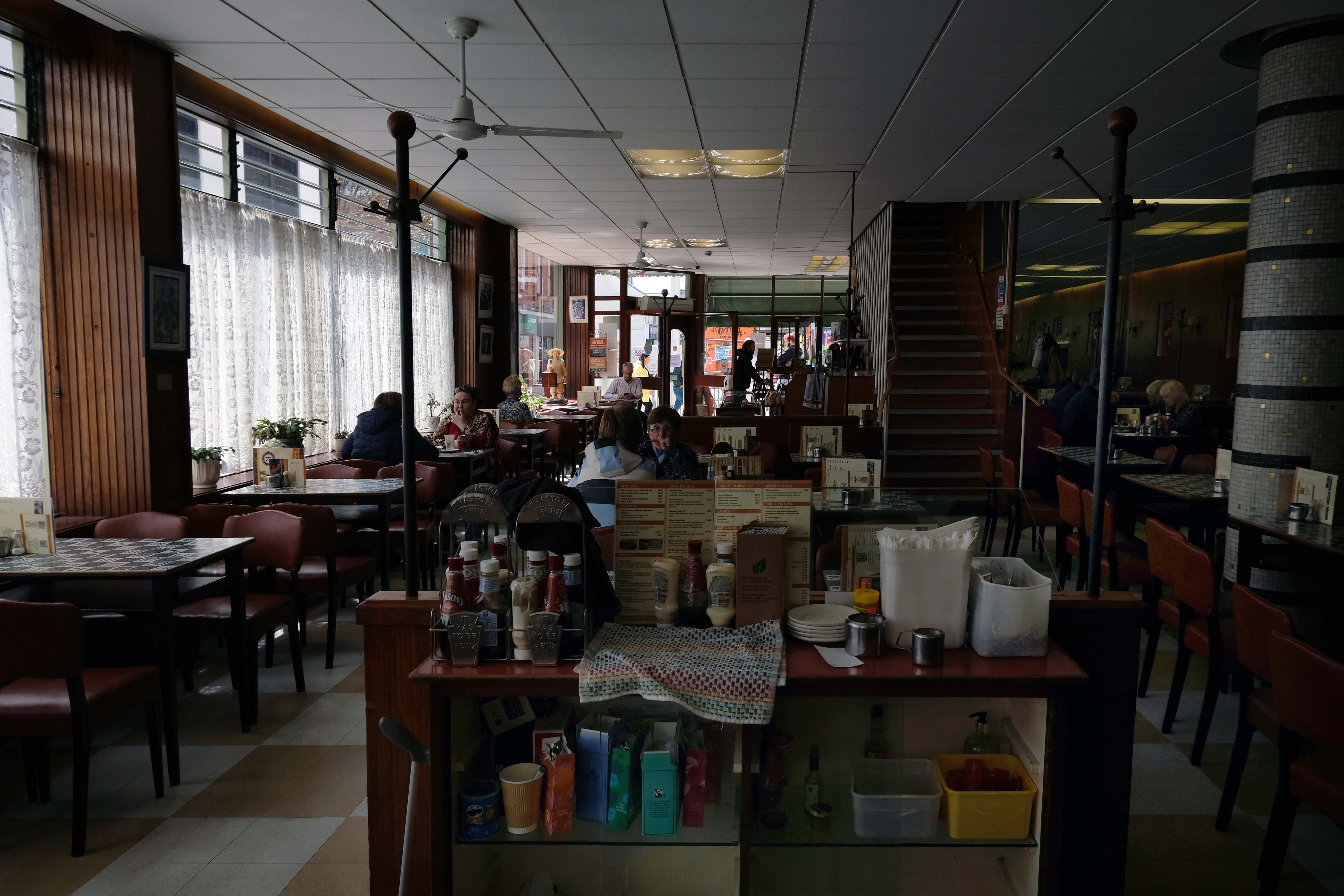
I’d never had the pleasure of visiting a Kardomah before, imagine my delight when I was directed there by local artist, activist and archivist Catrin Saran James, during our delightful Swansea Moderne tour!
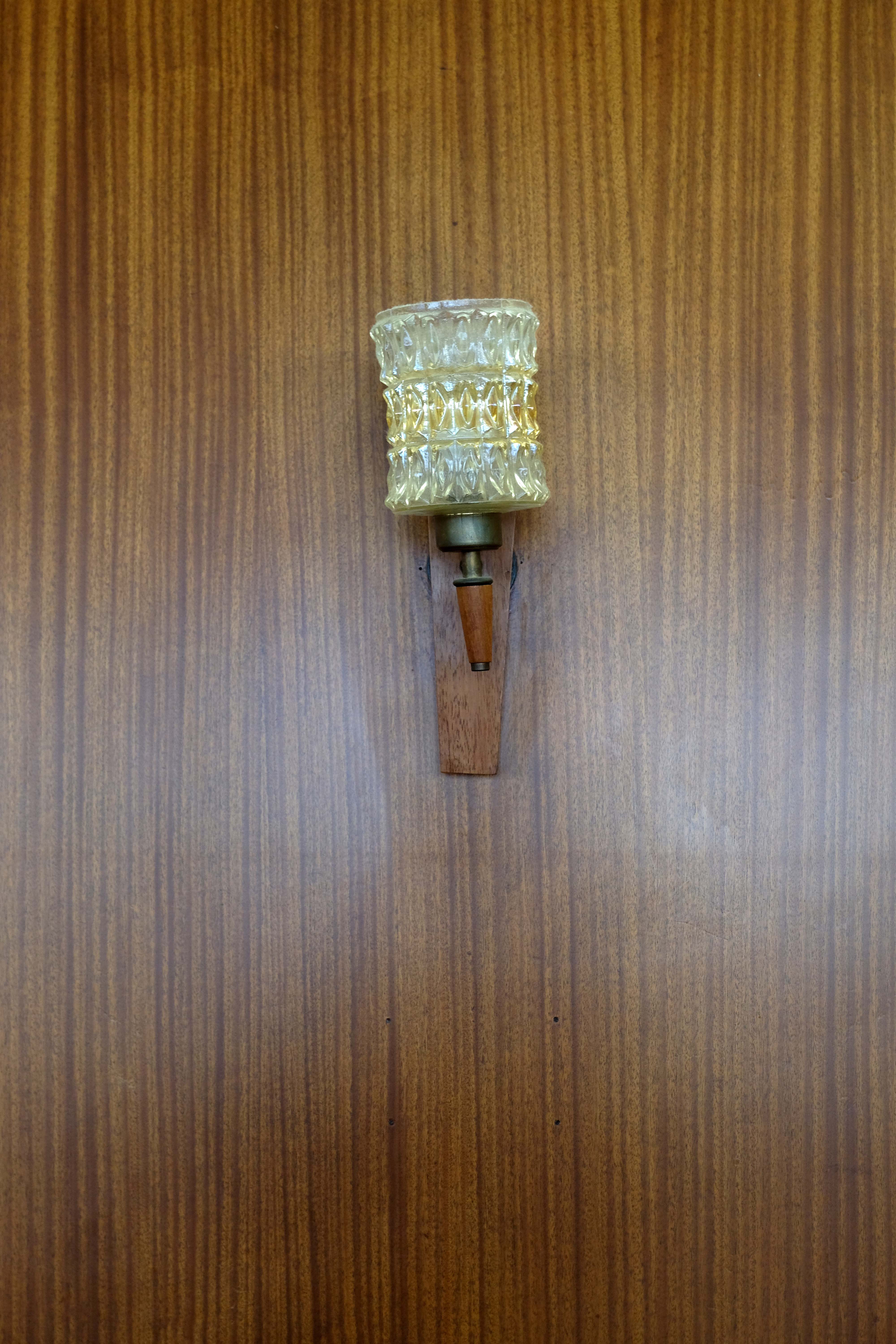
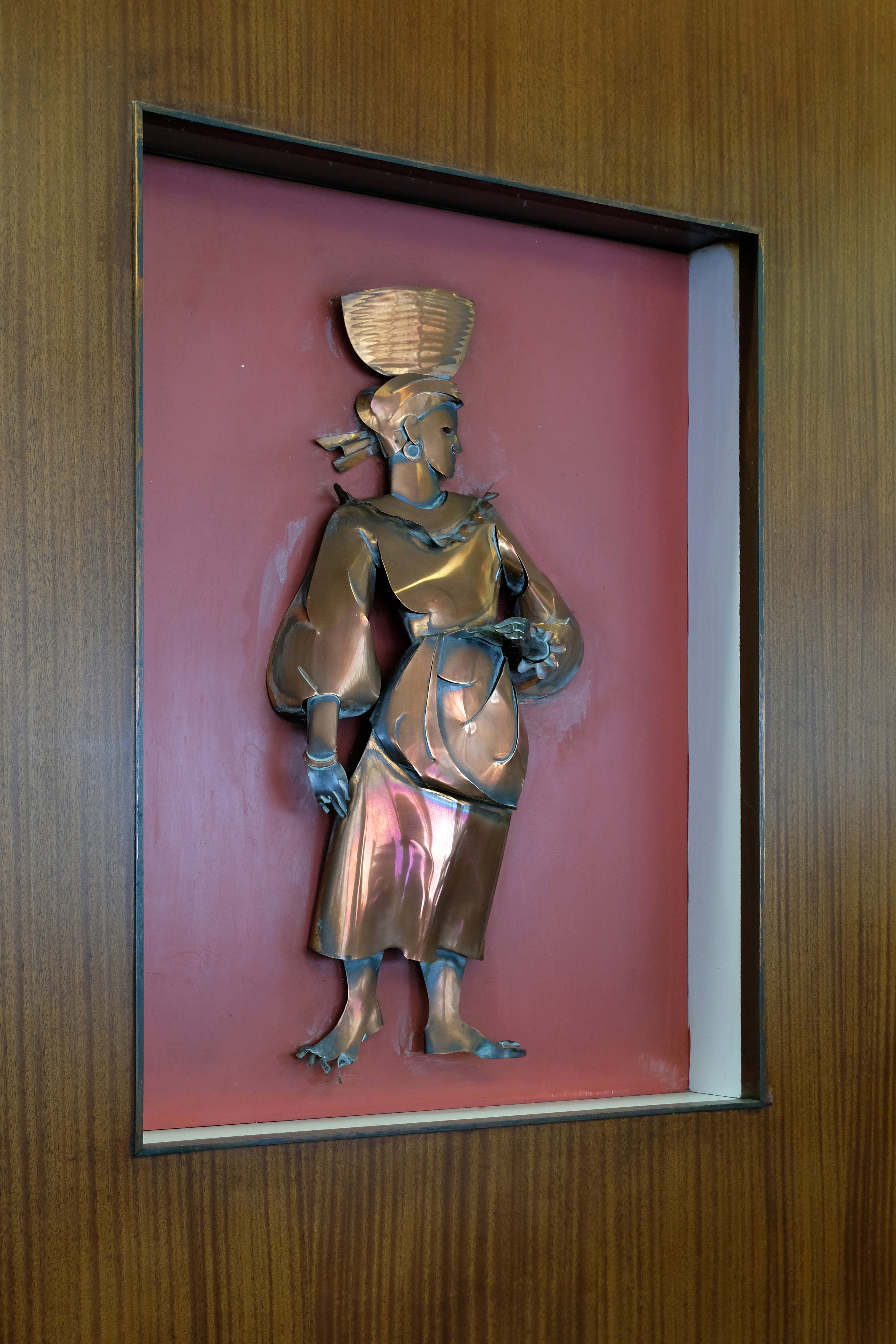
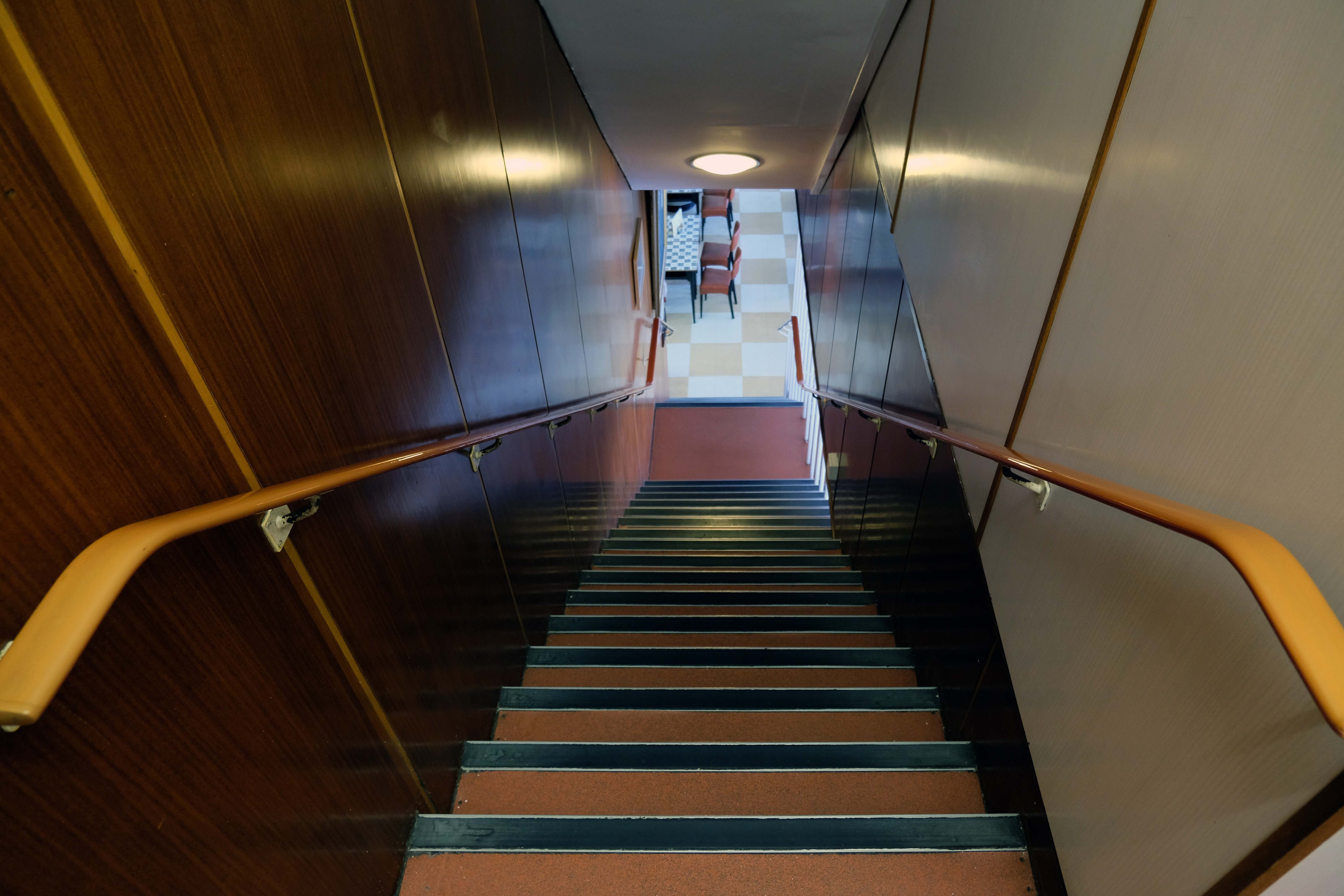
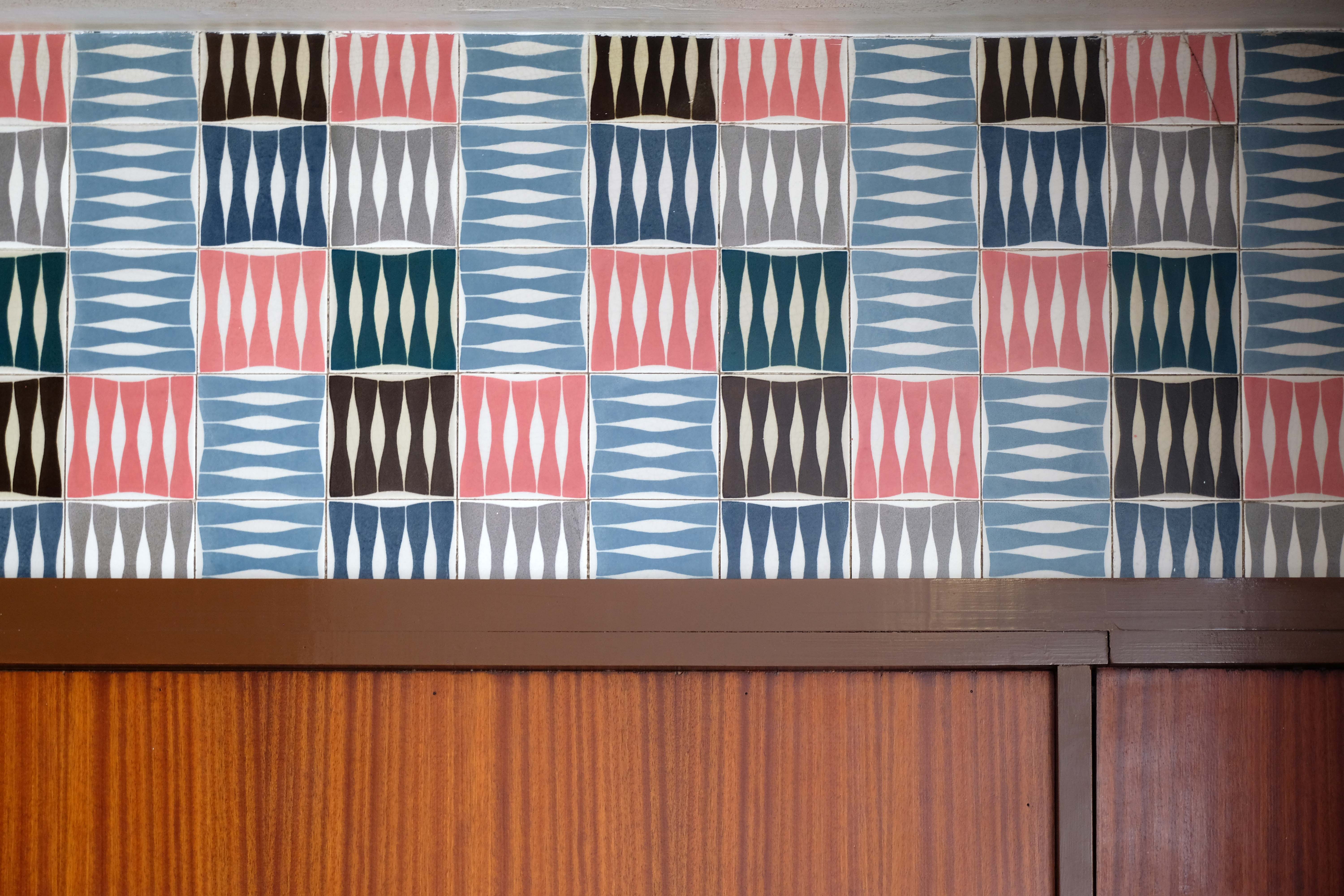
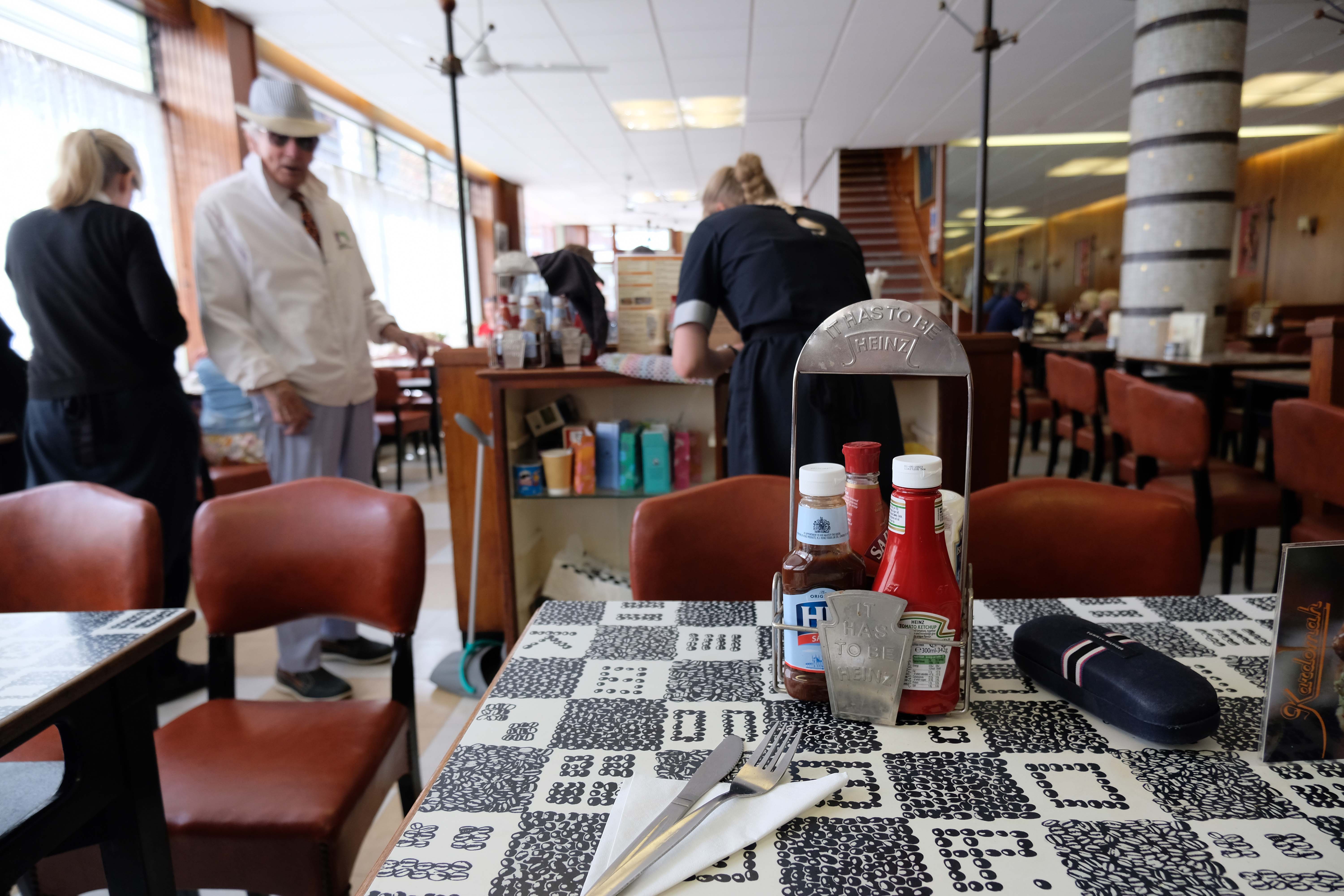
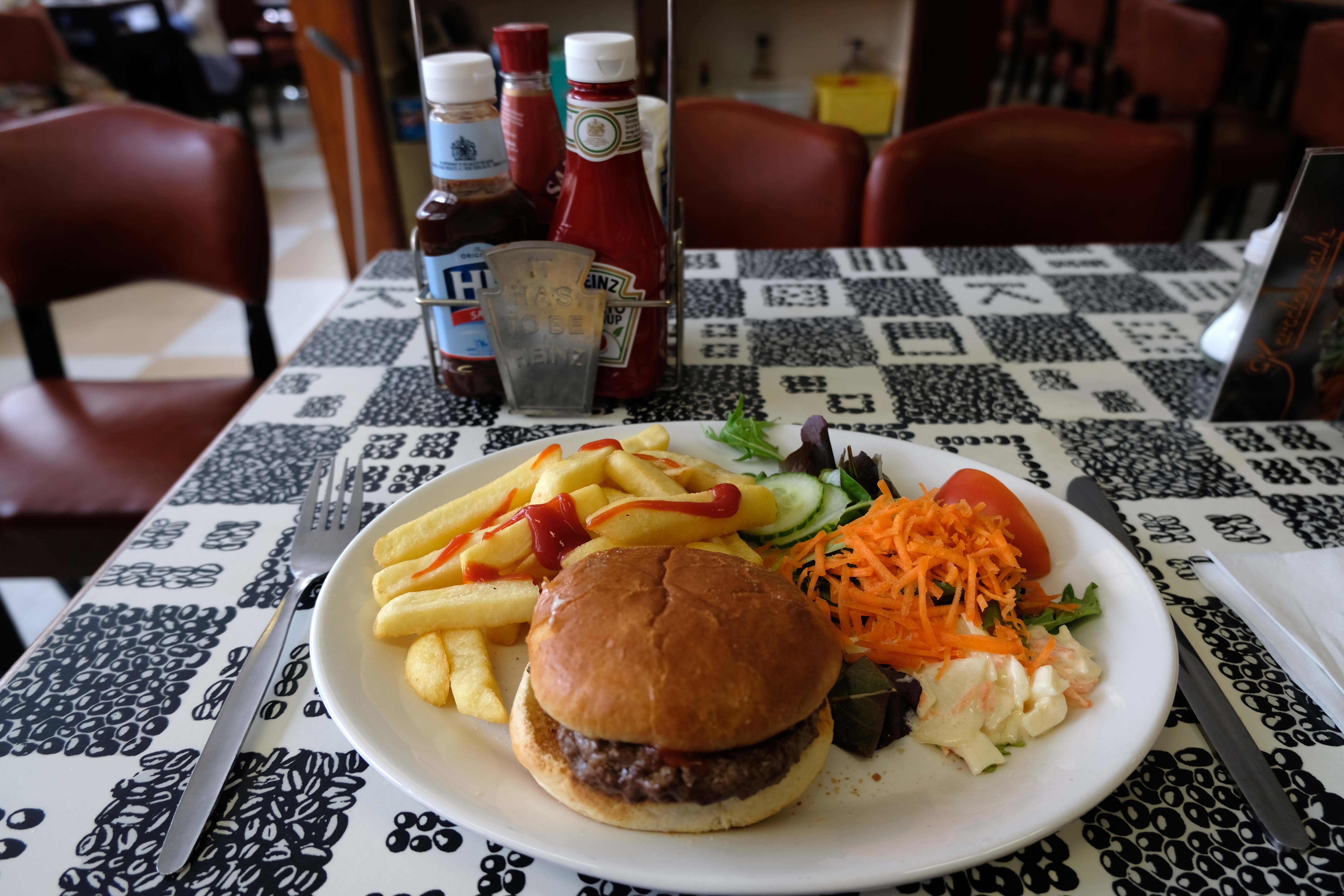
Following an extensive walk from one end of town to the other, I returned there for a late midday bite to eat and a sit down – it looked a little like this:
Many thanks to the staff and customers for putting up with me wandering around for a while with my camera, whilst they worked and ate.
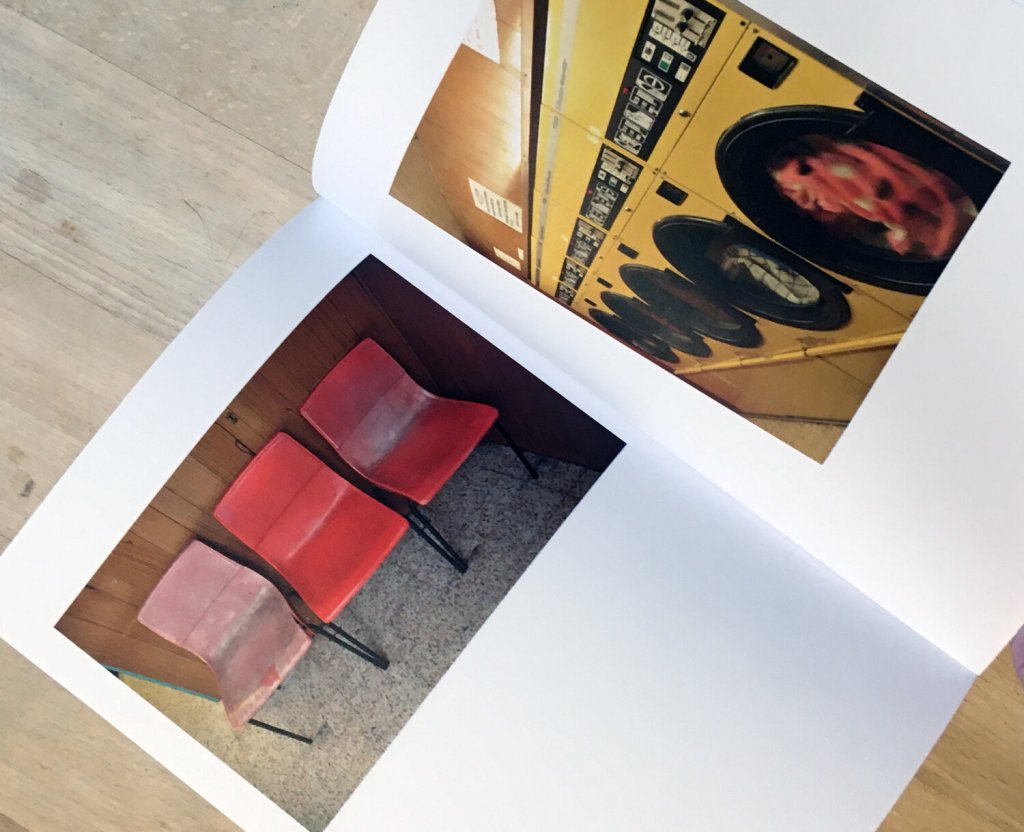
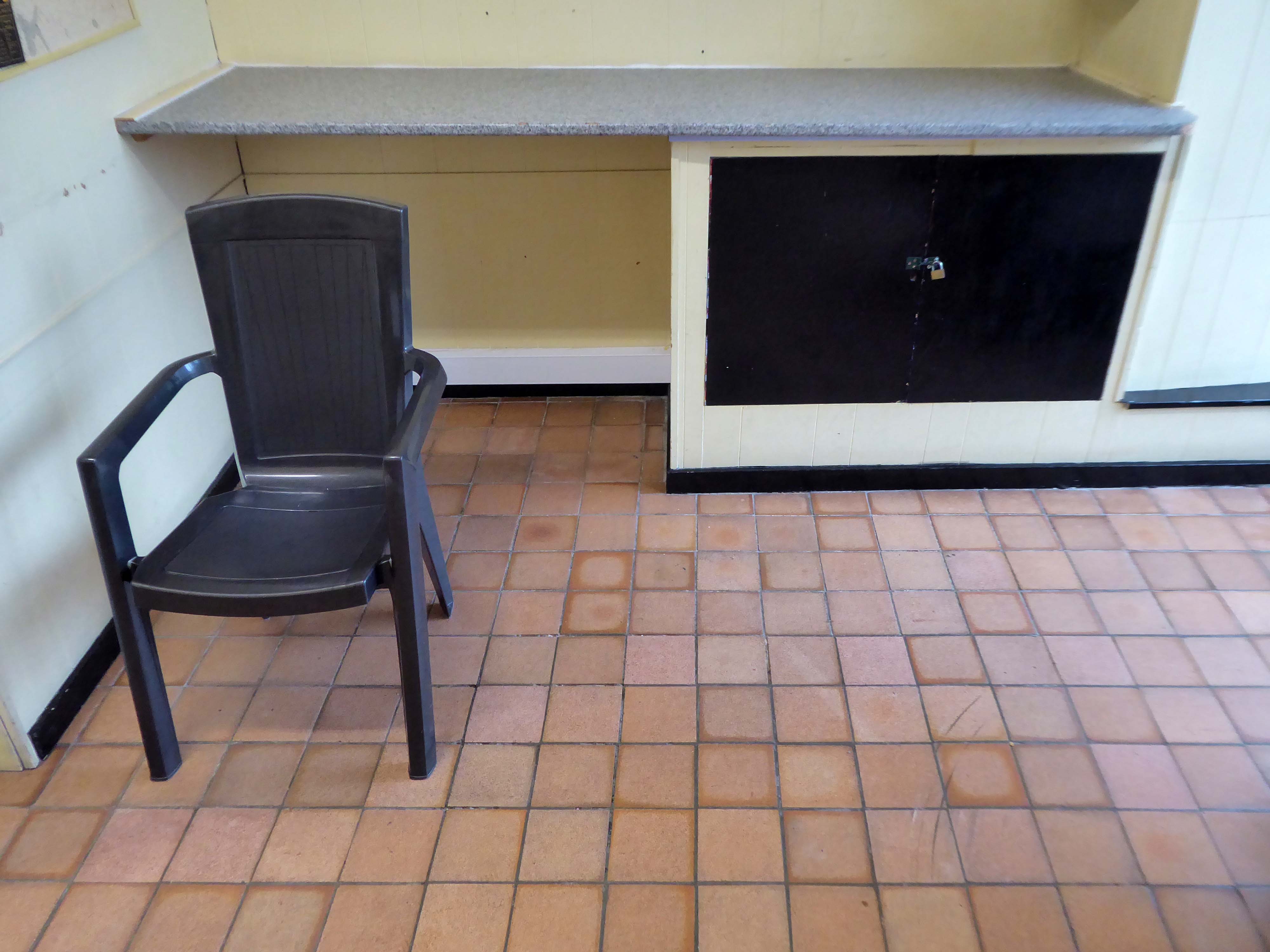
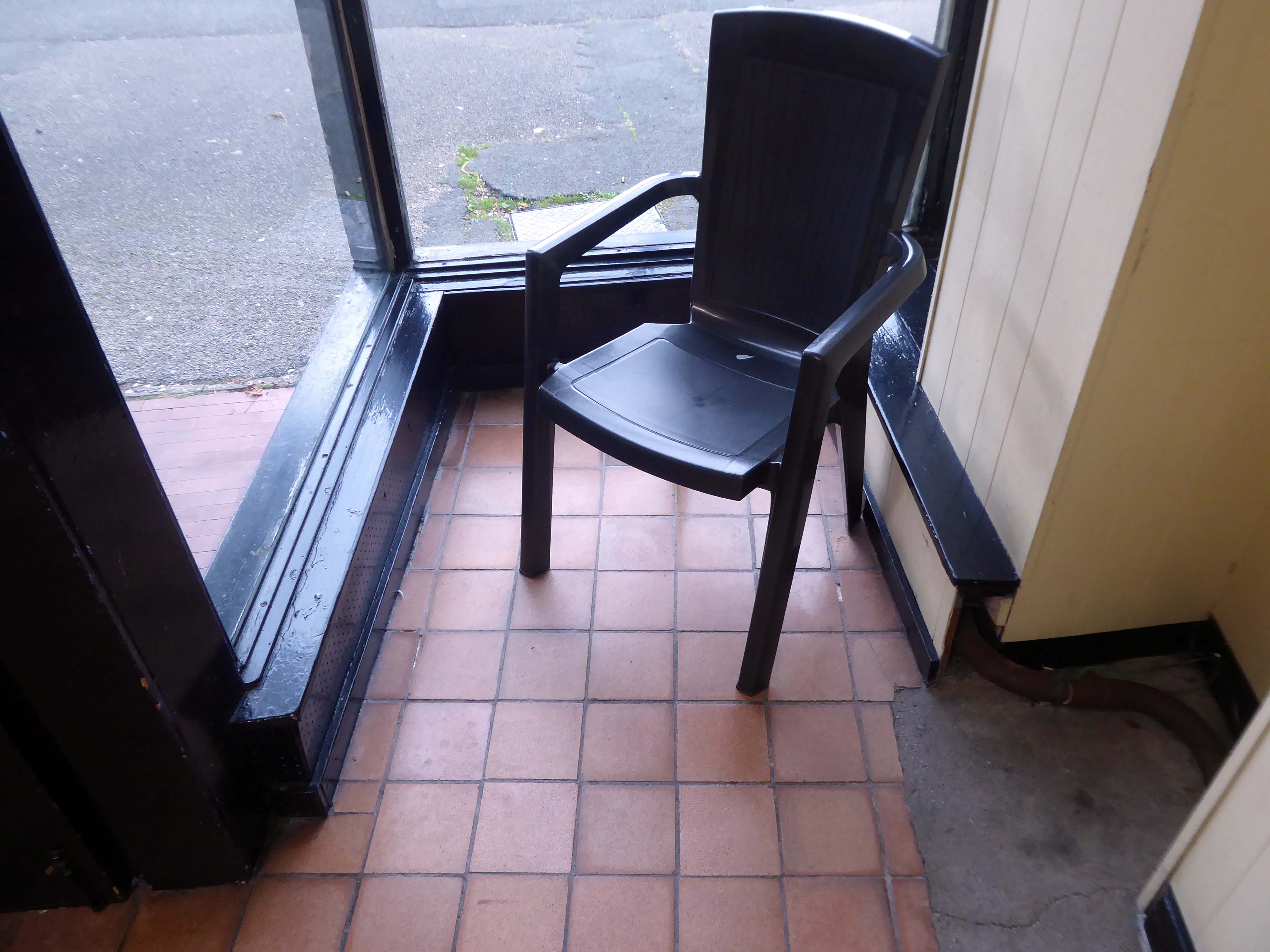
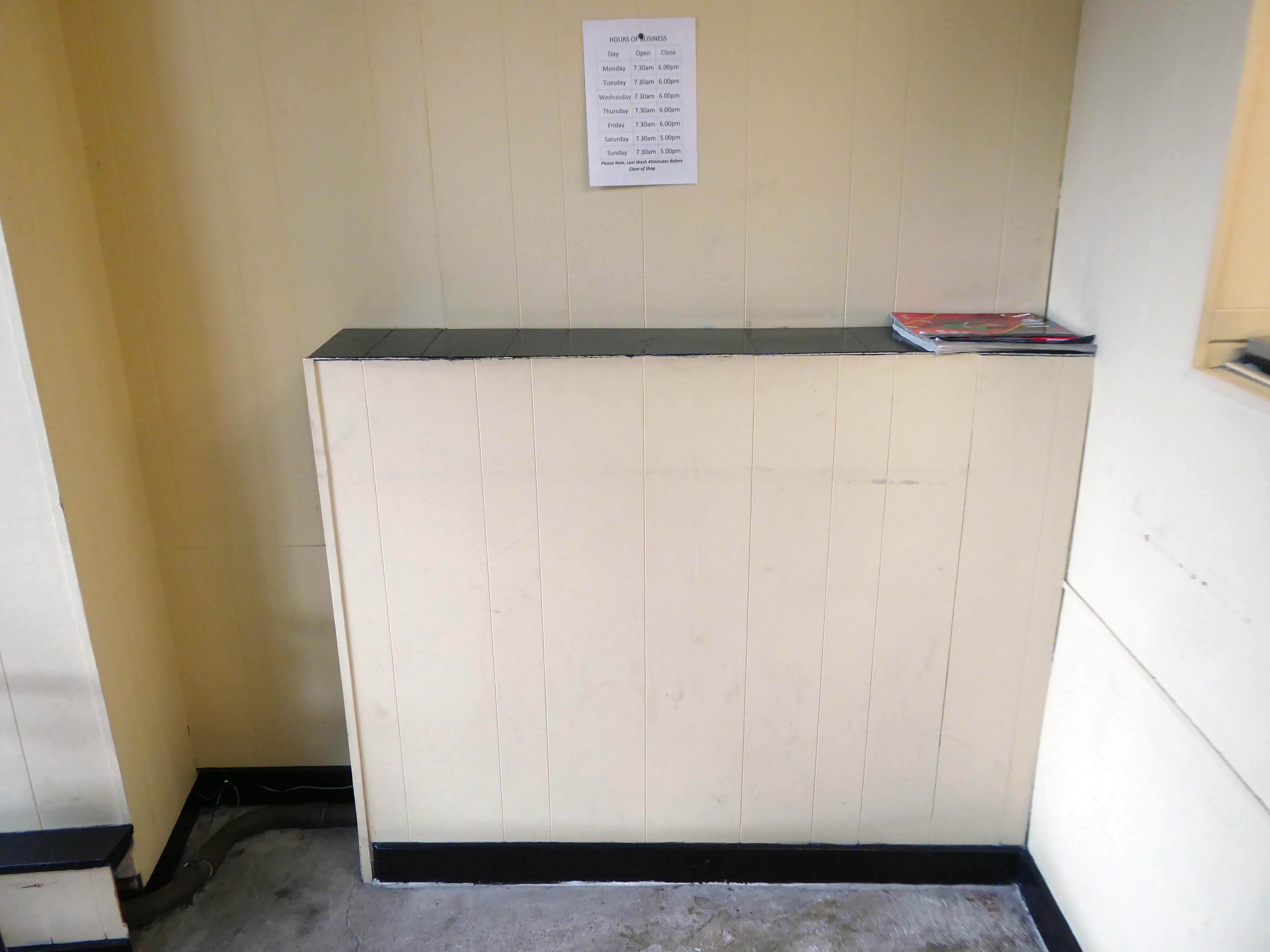
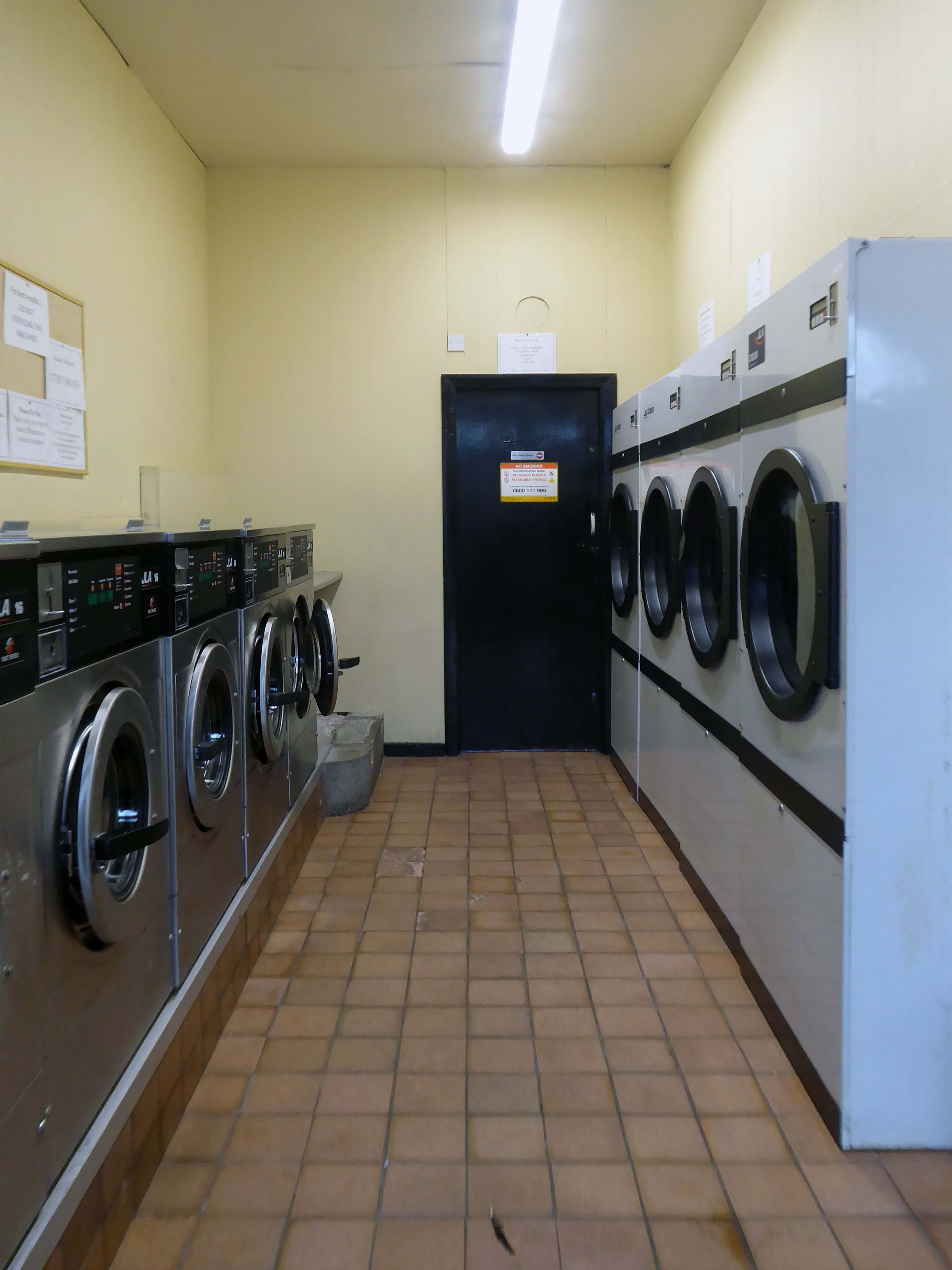
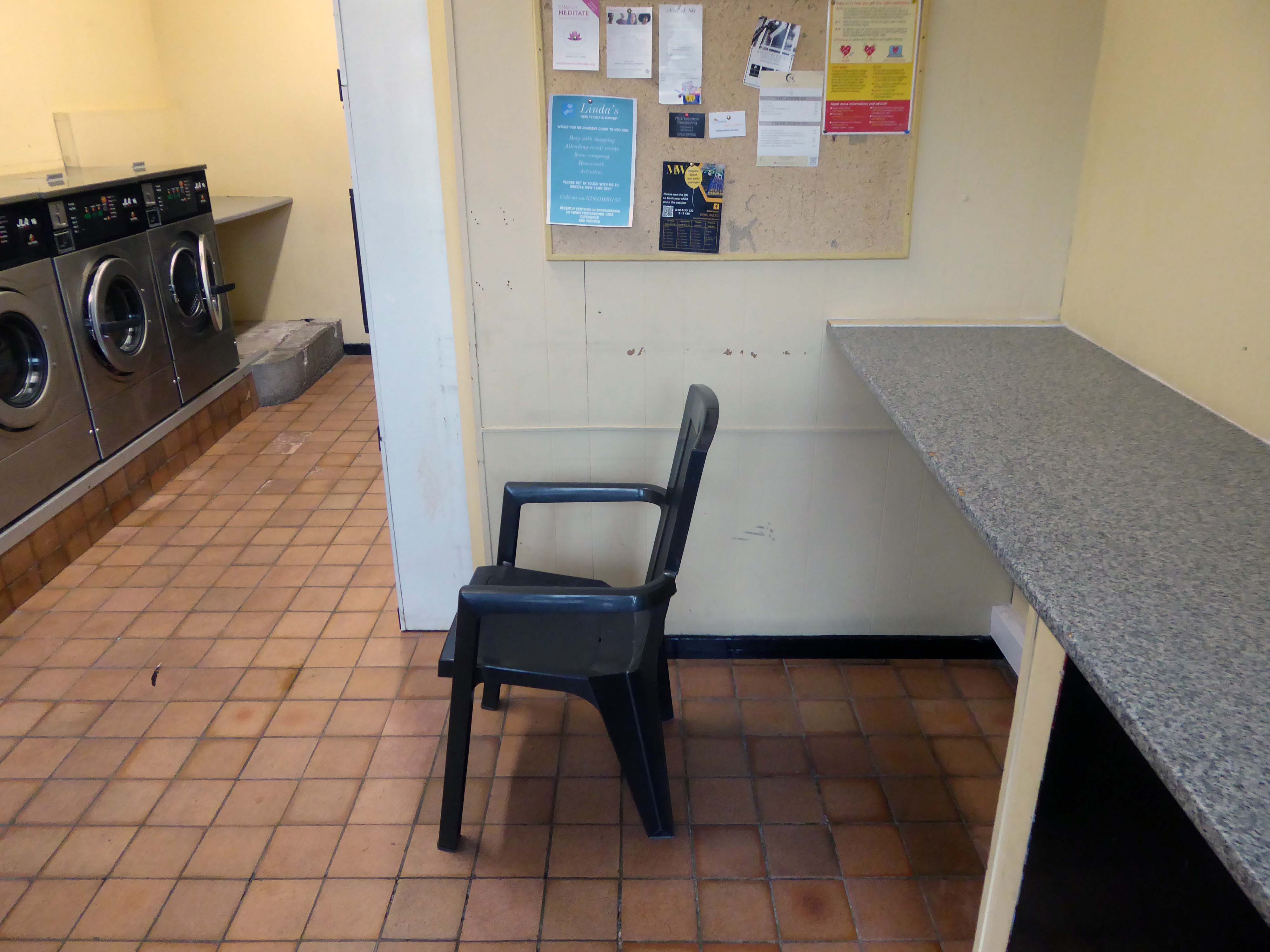
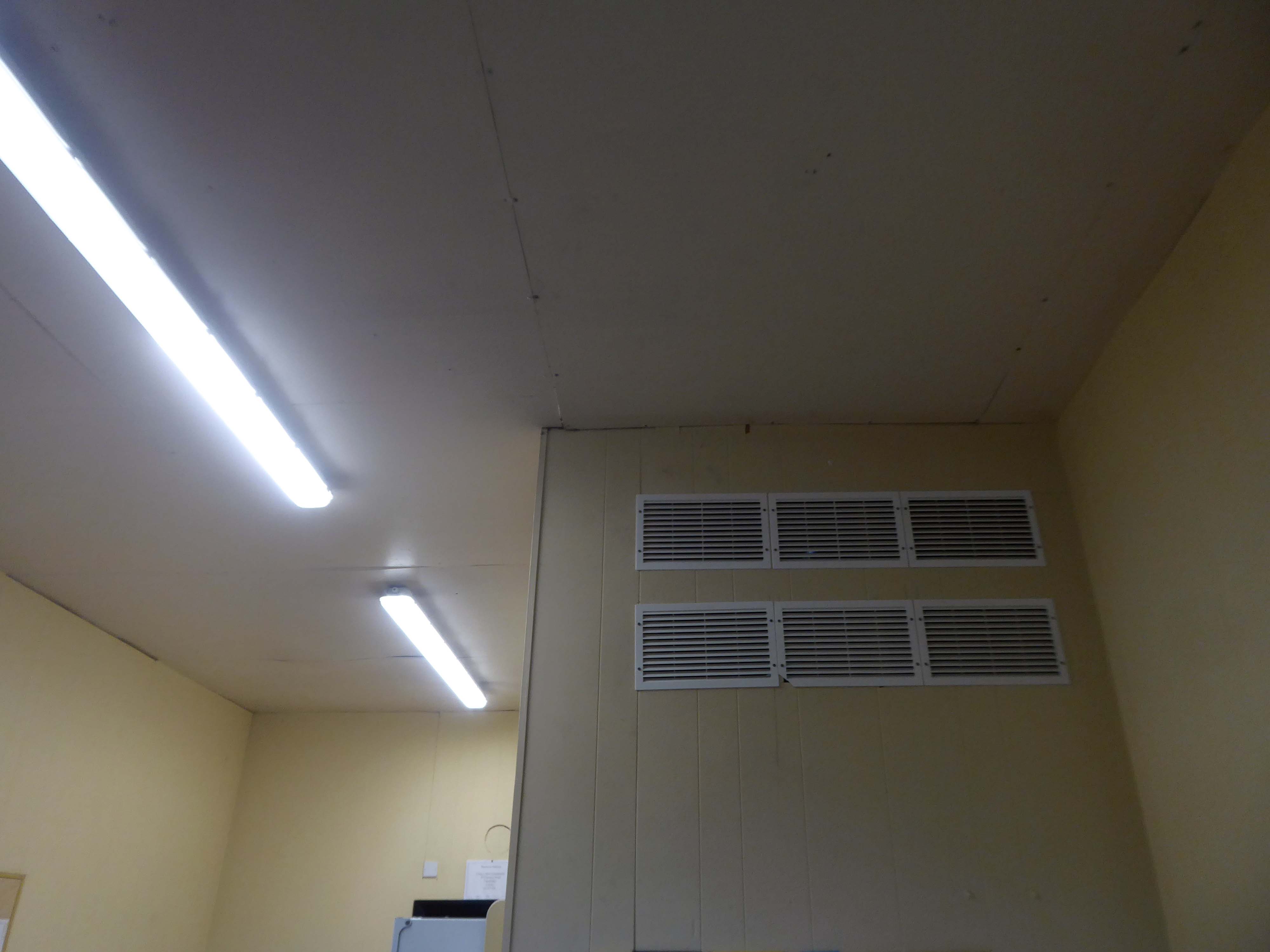
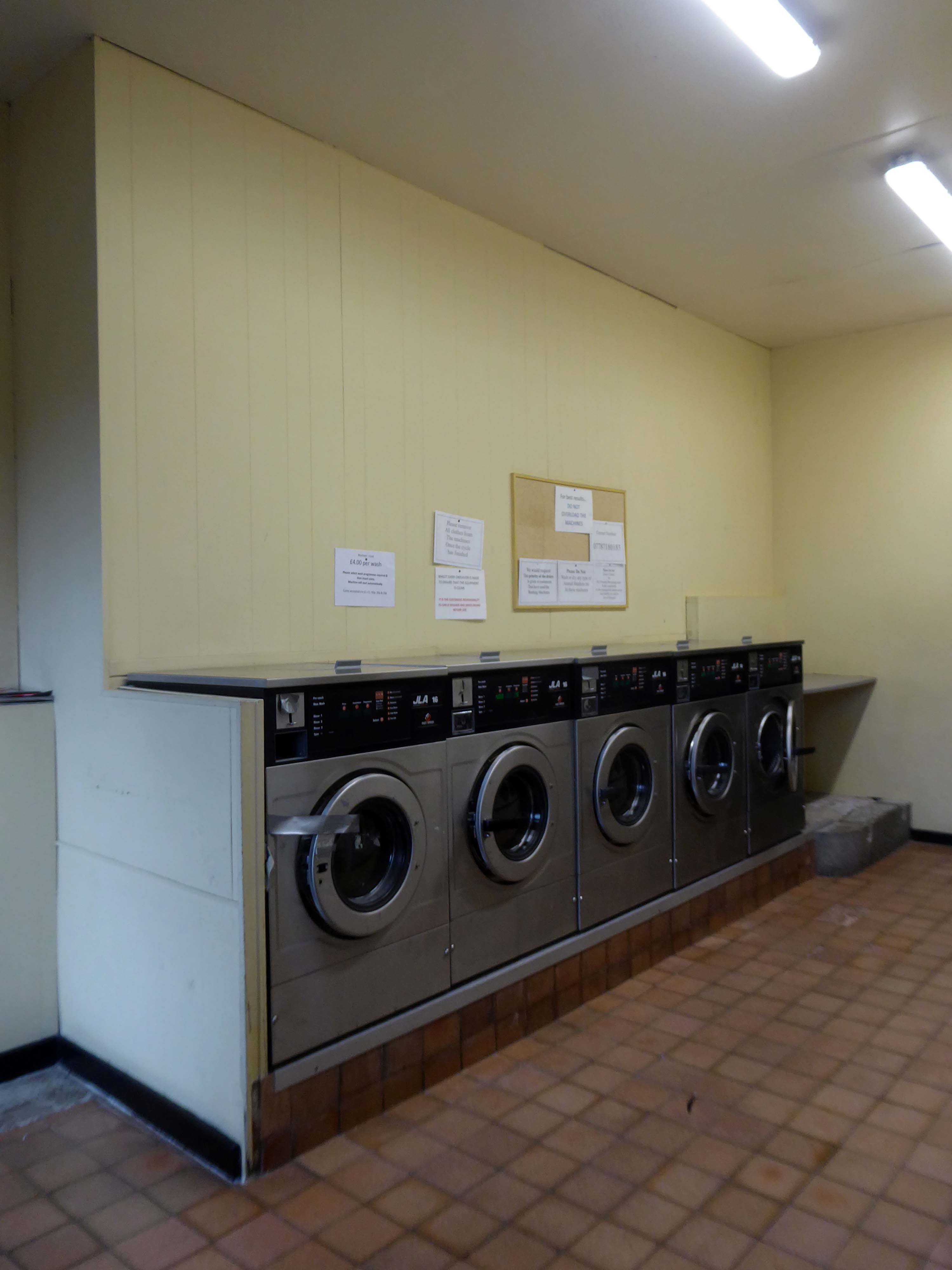
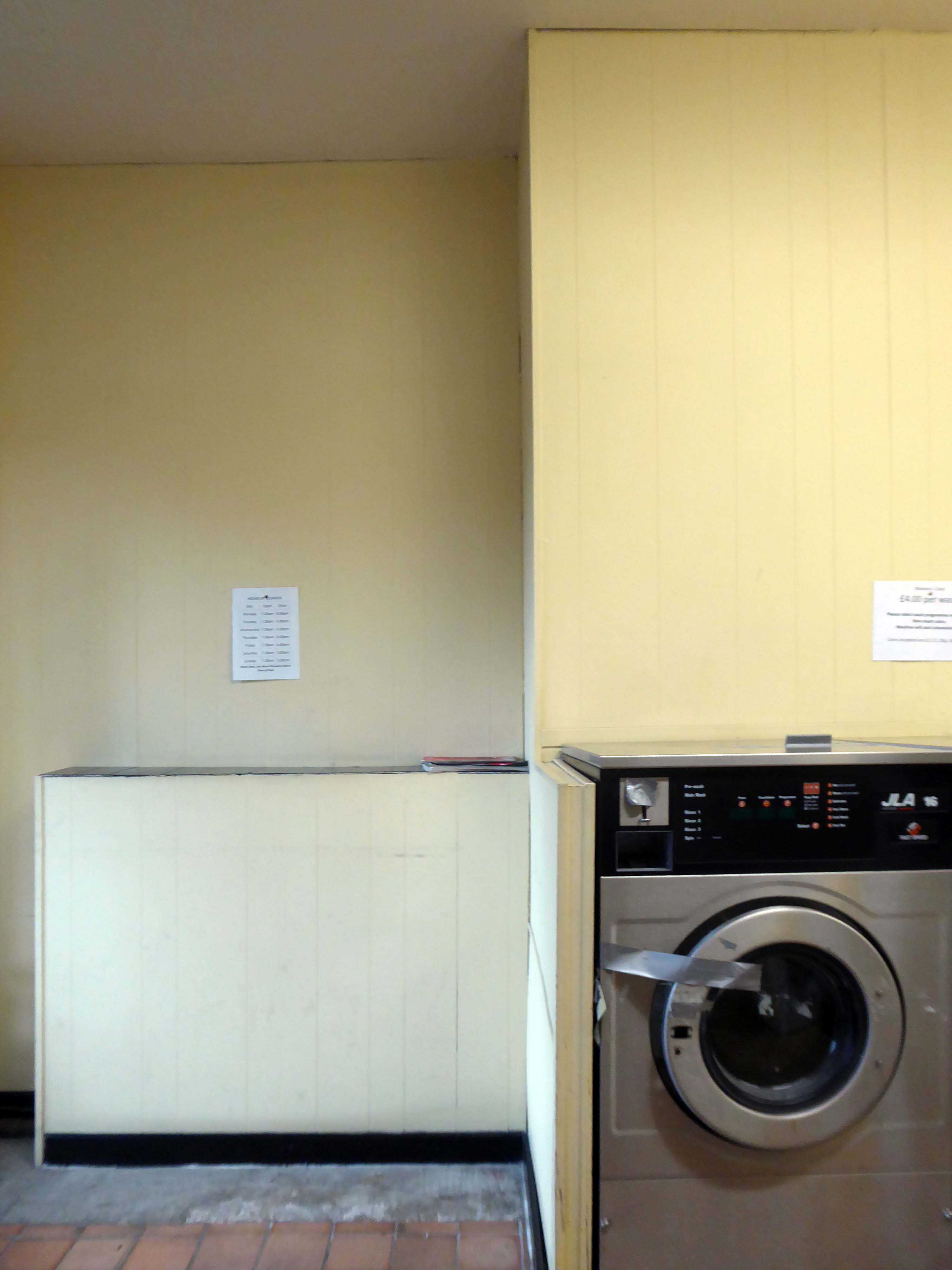
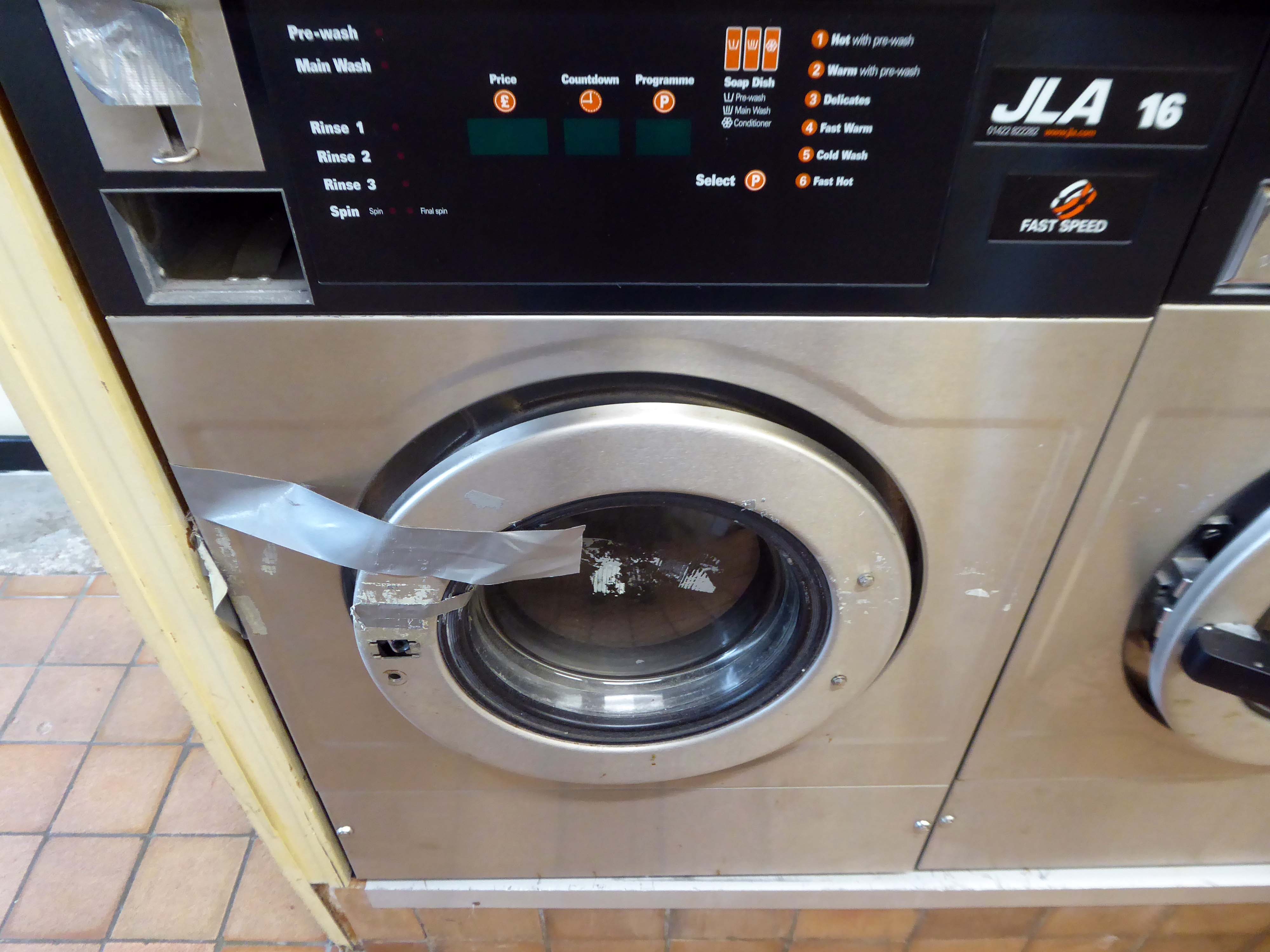
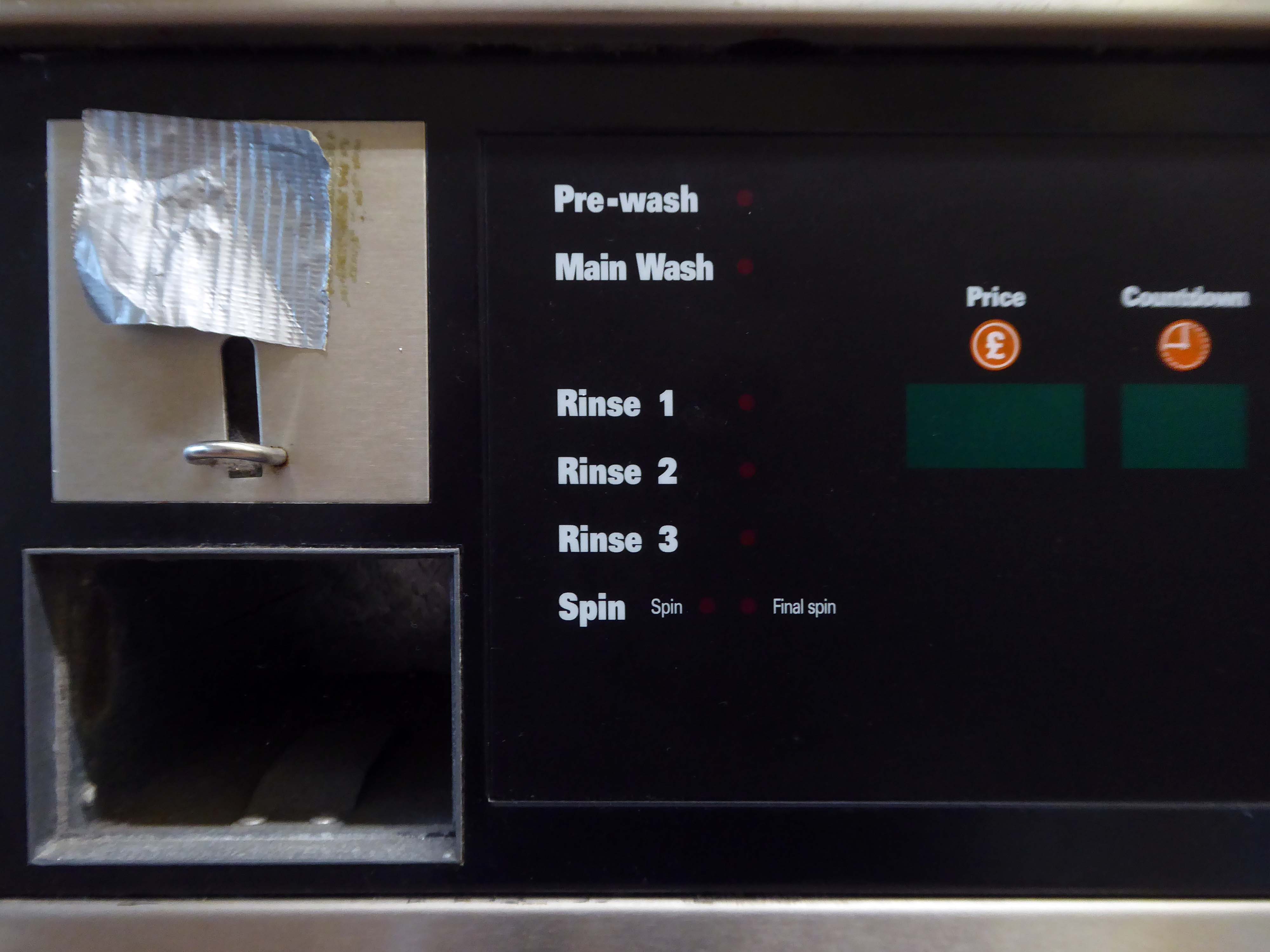
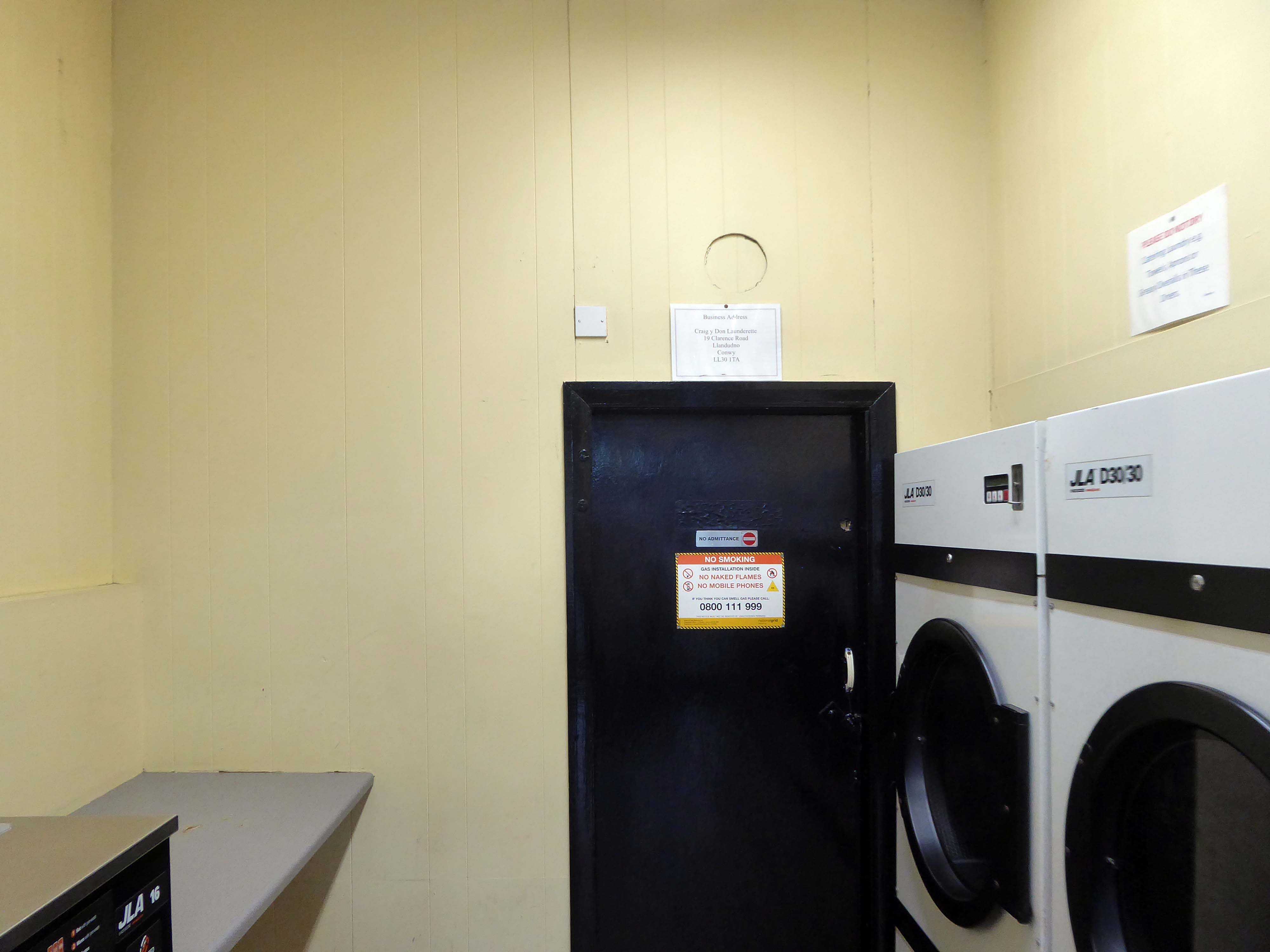
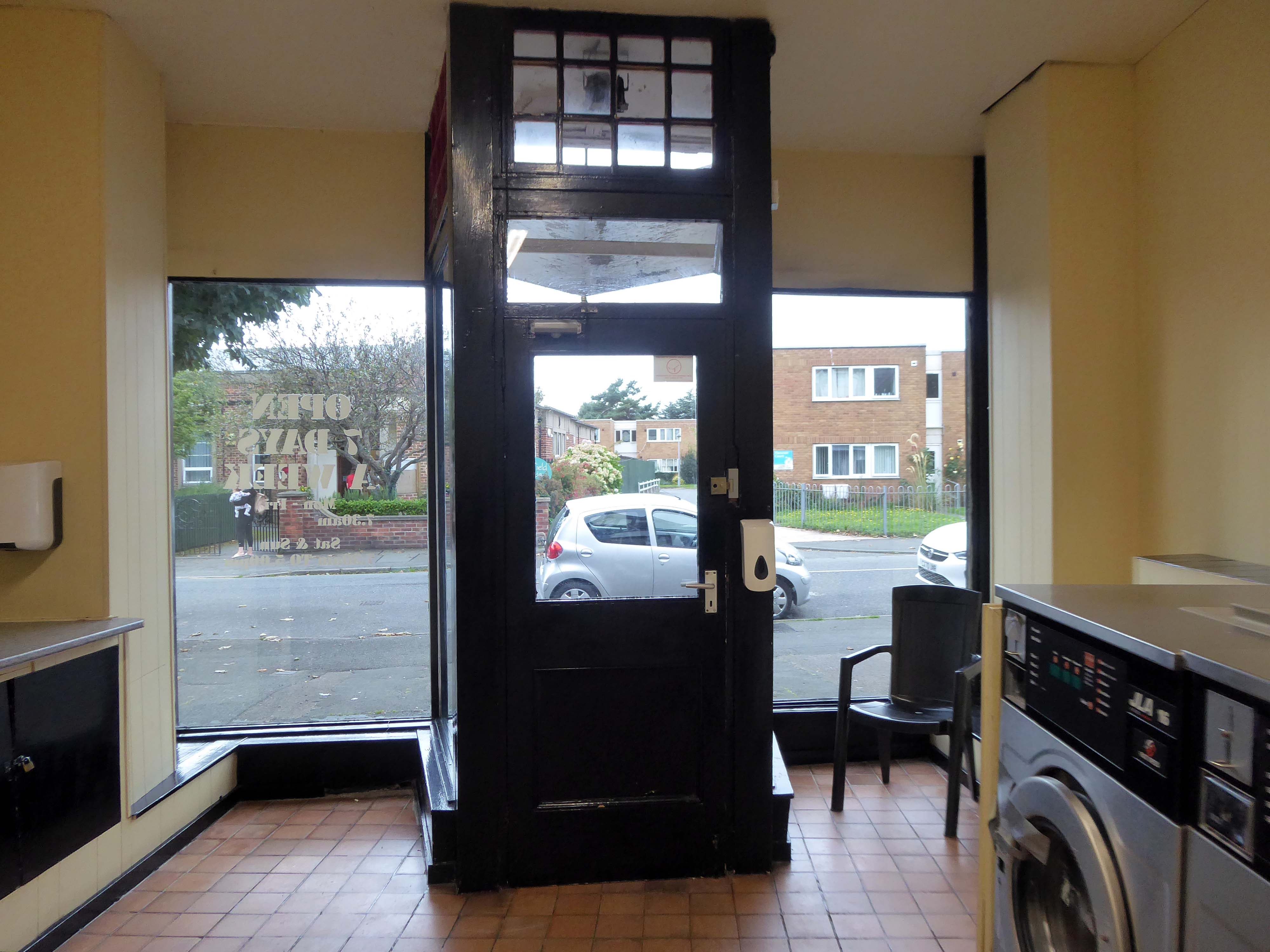
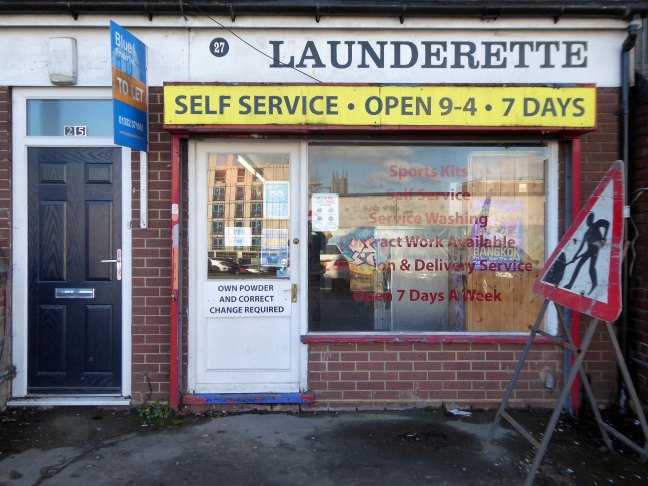
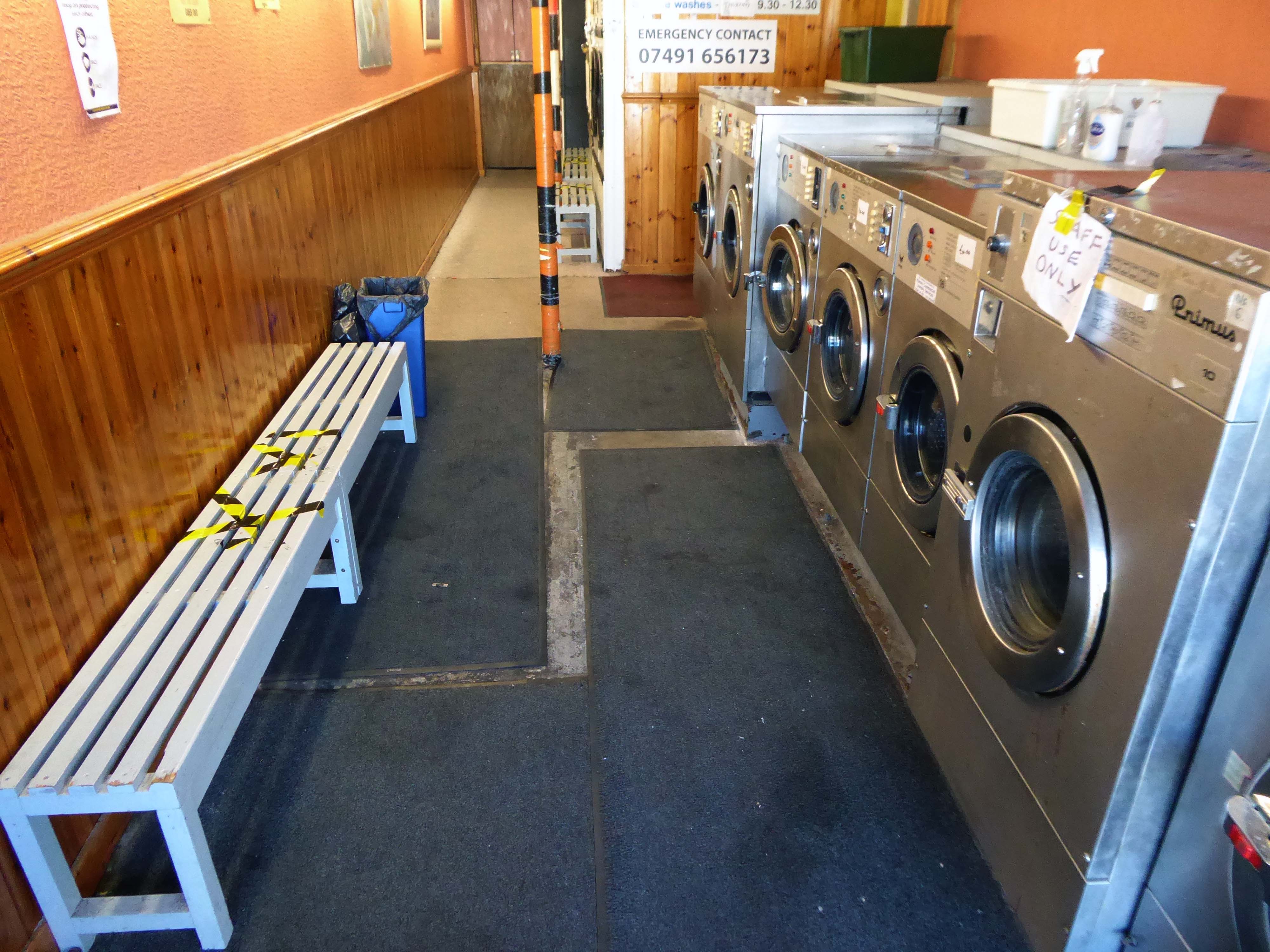
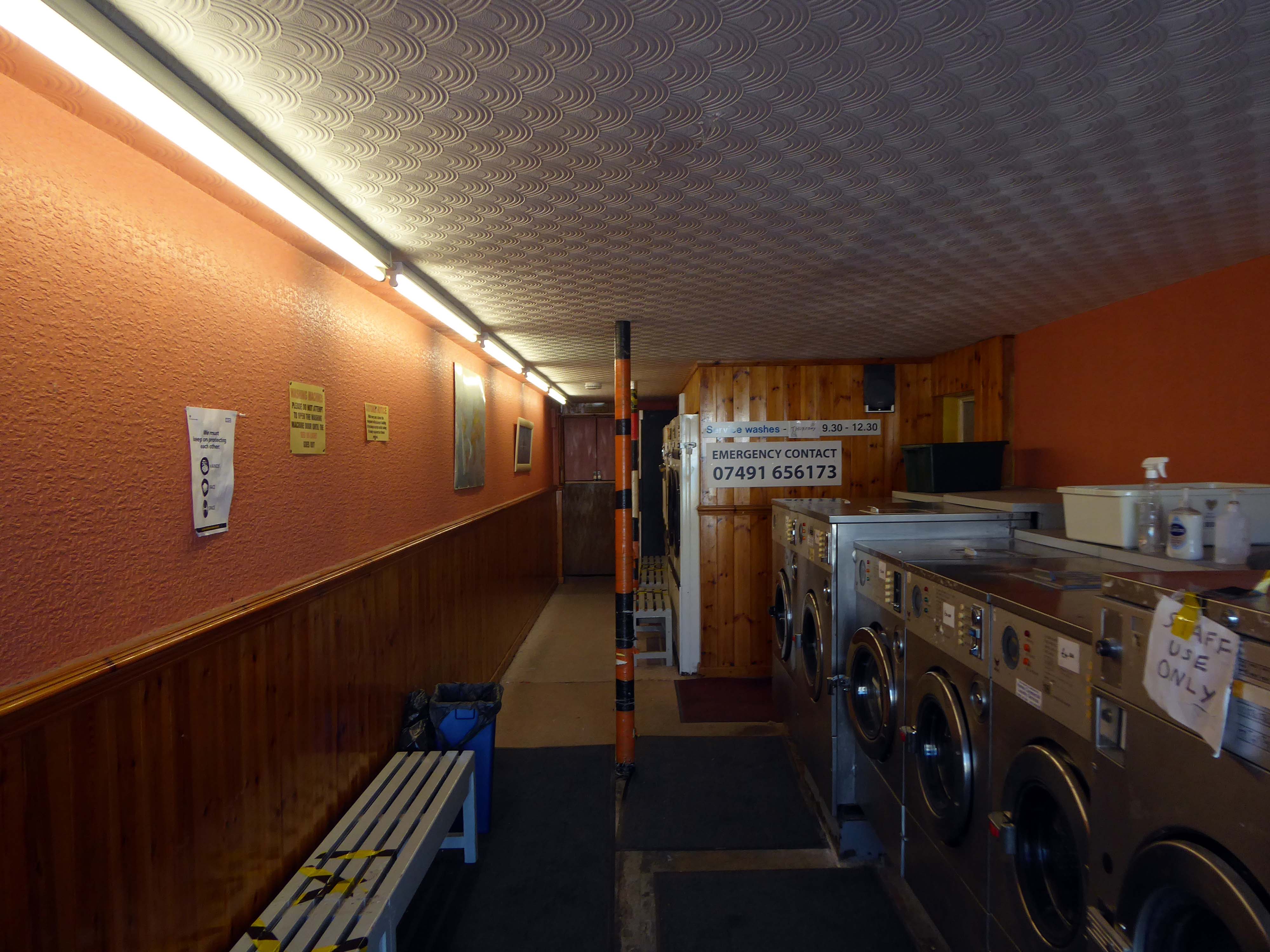
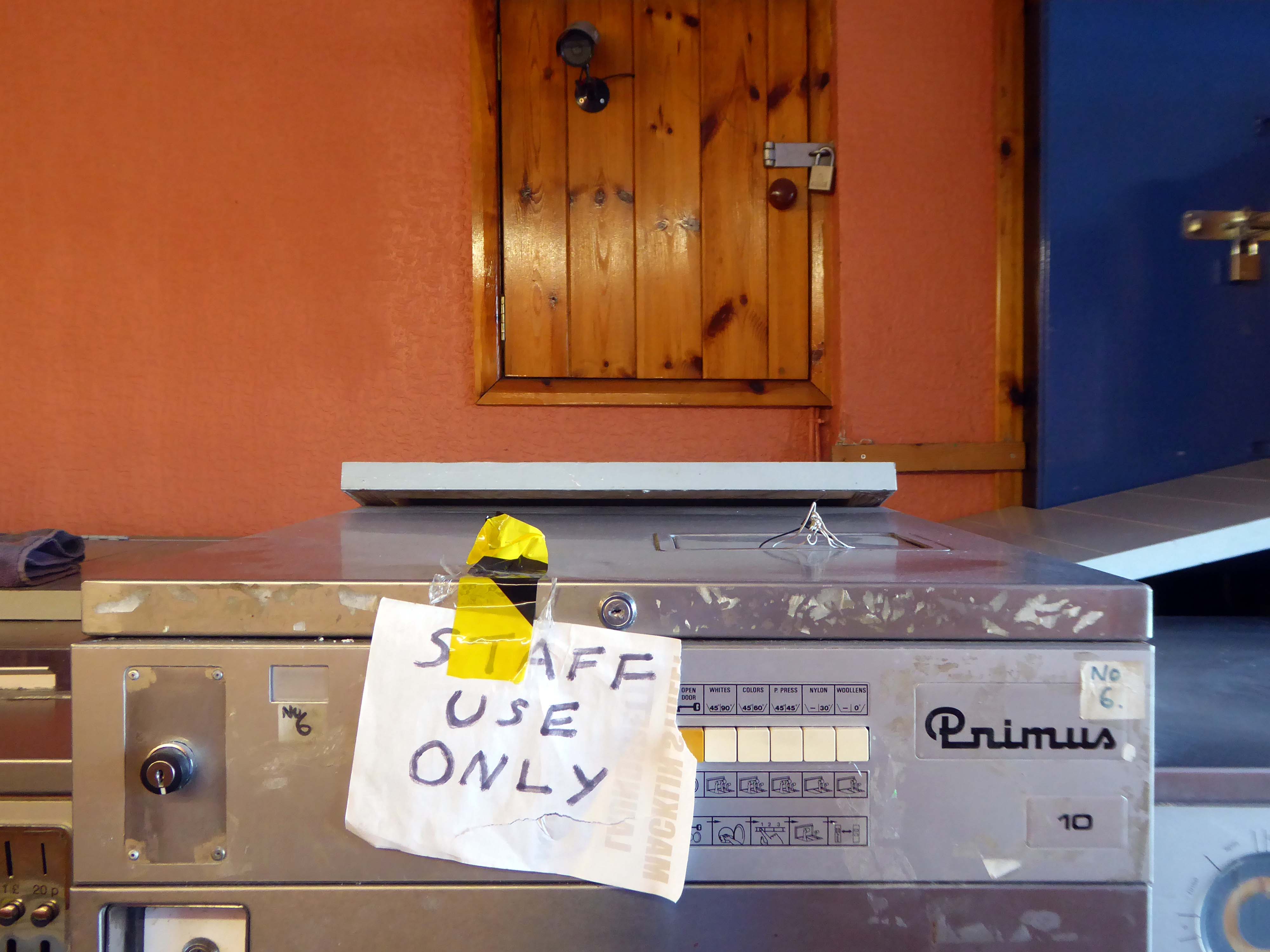
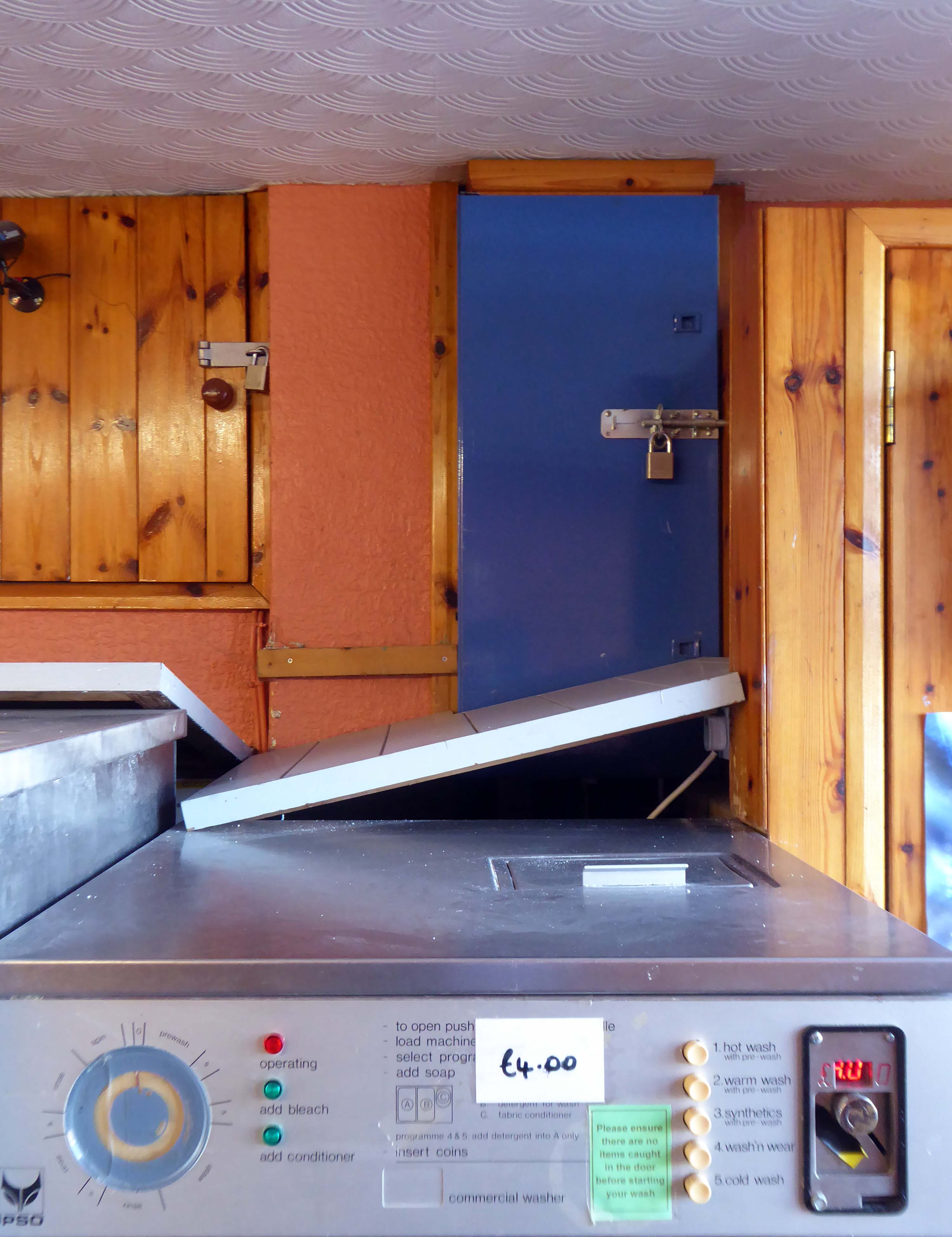
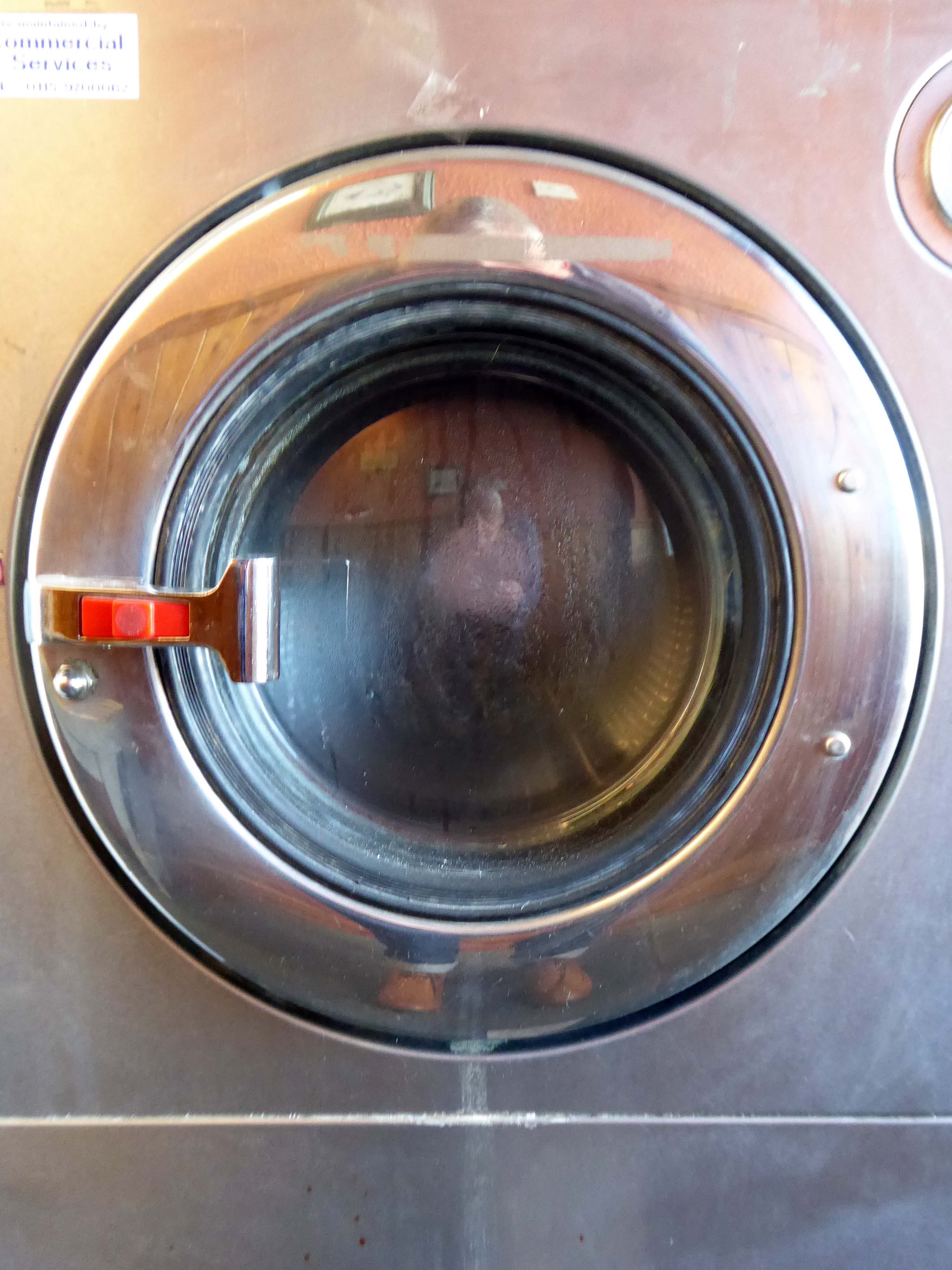
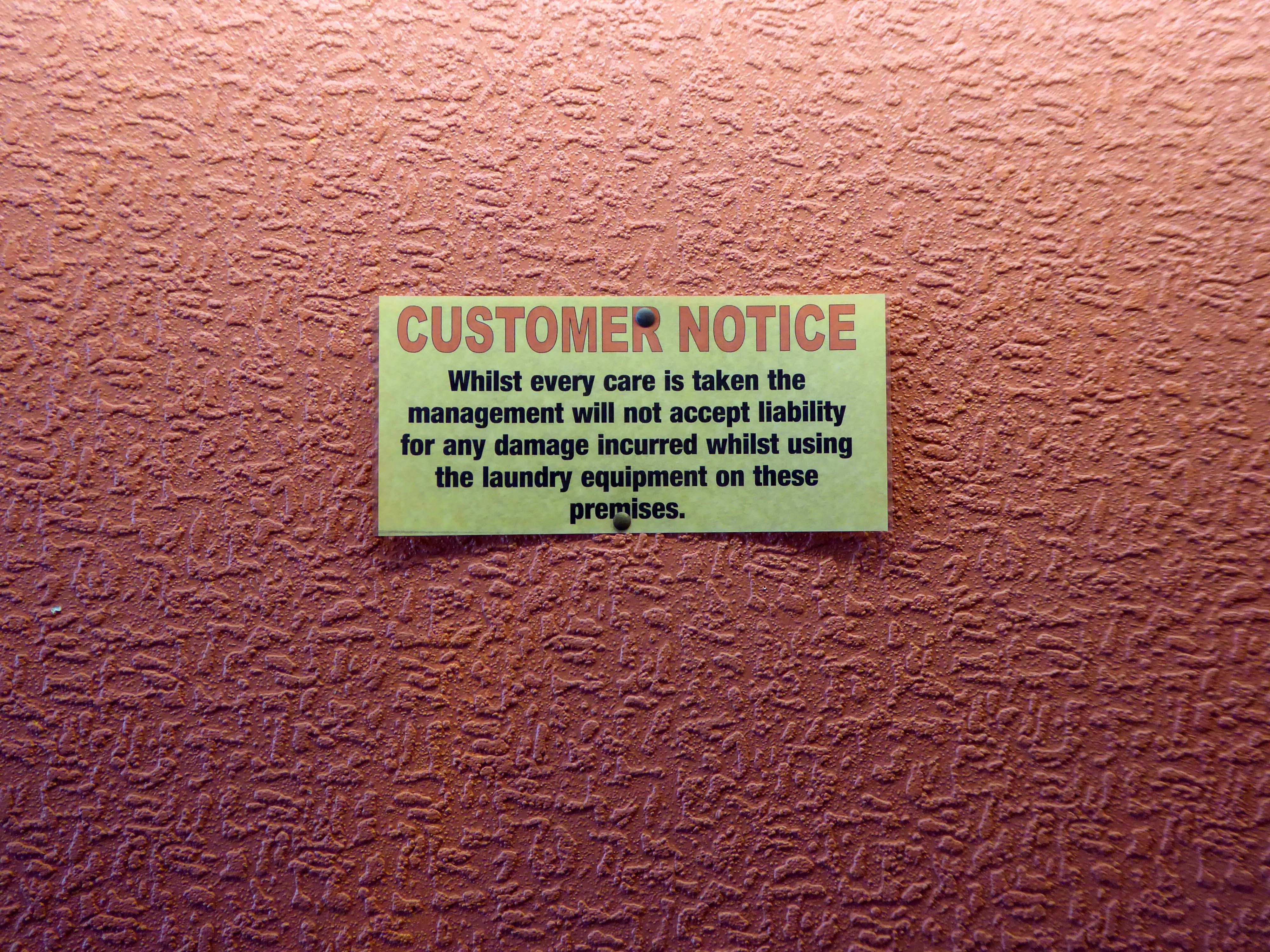
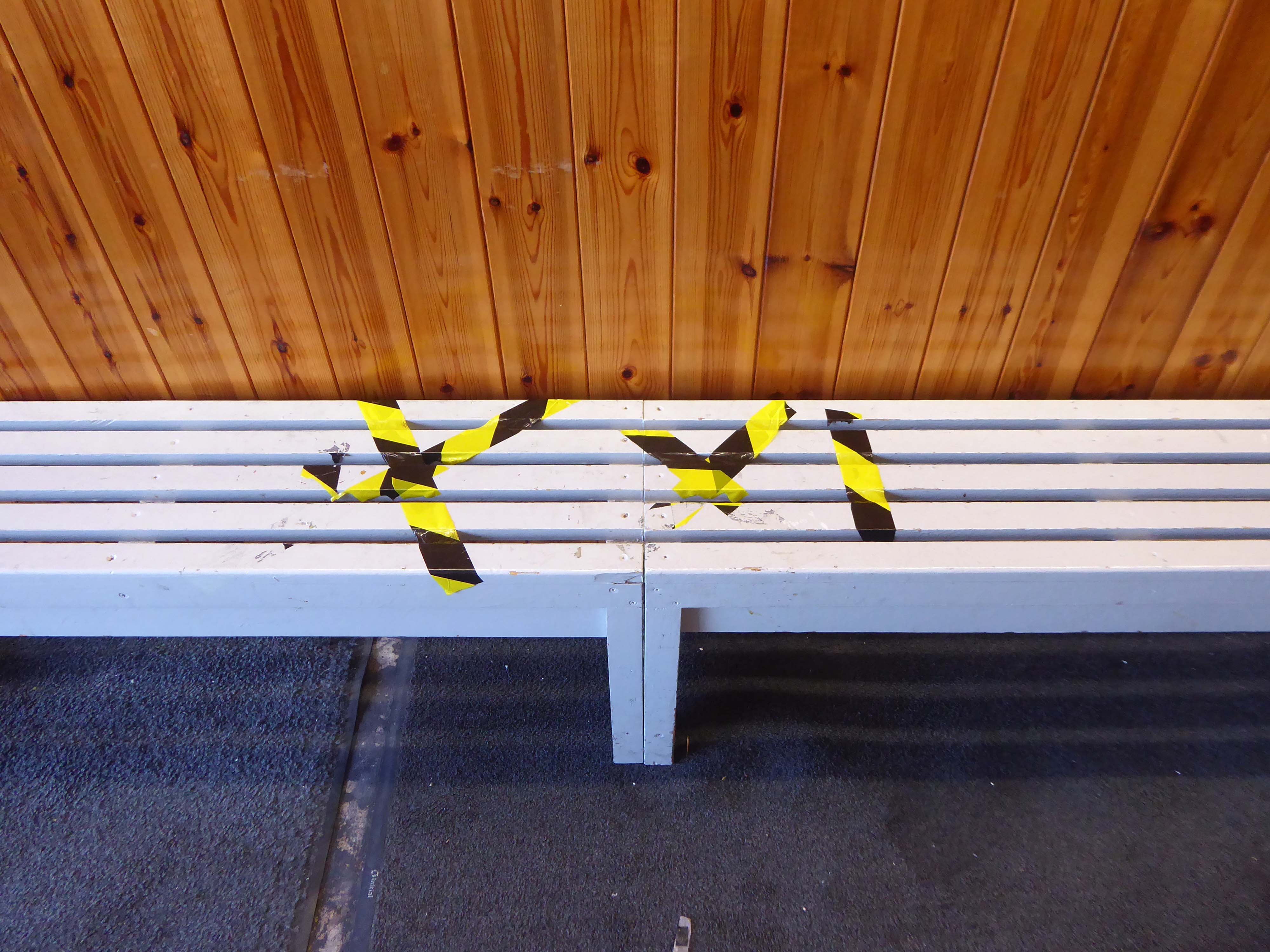
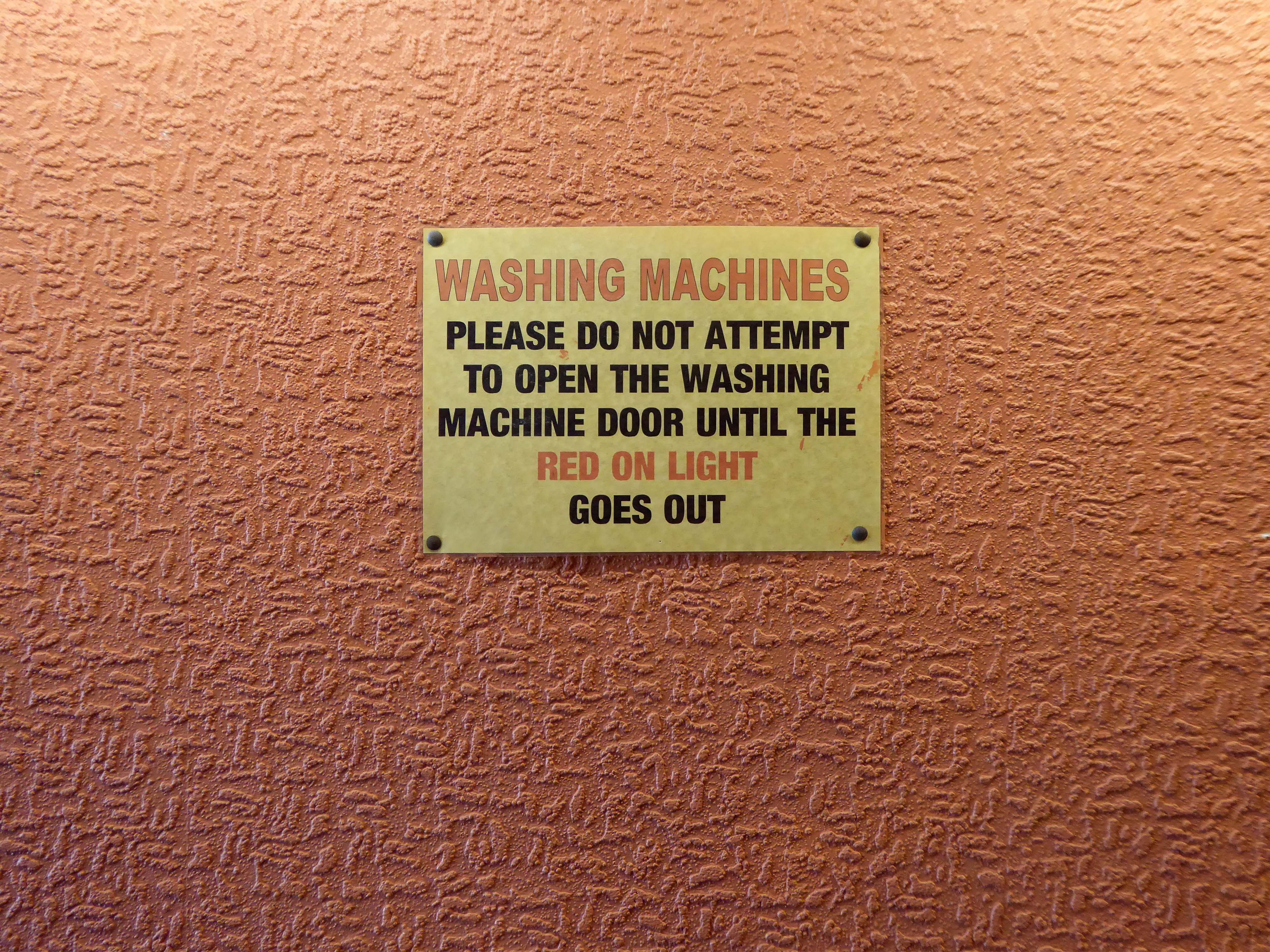
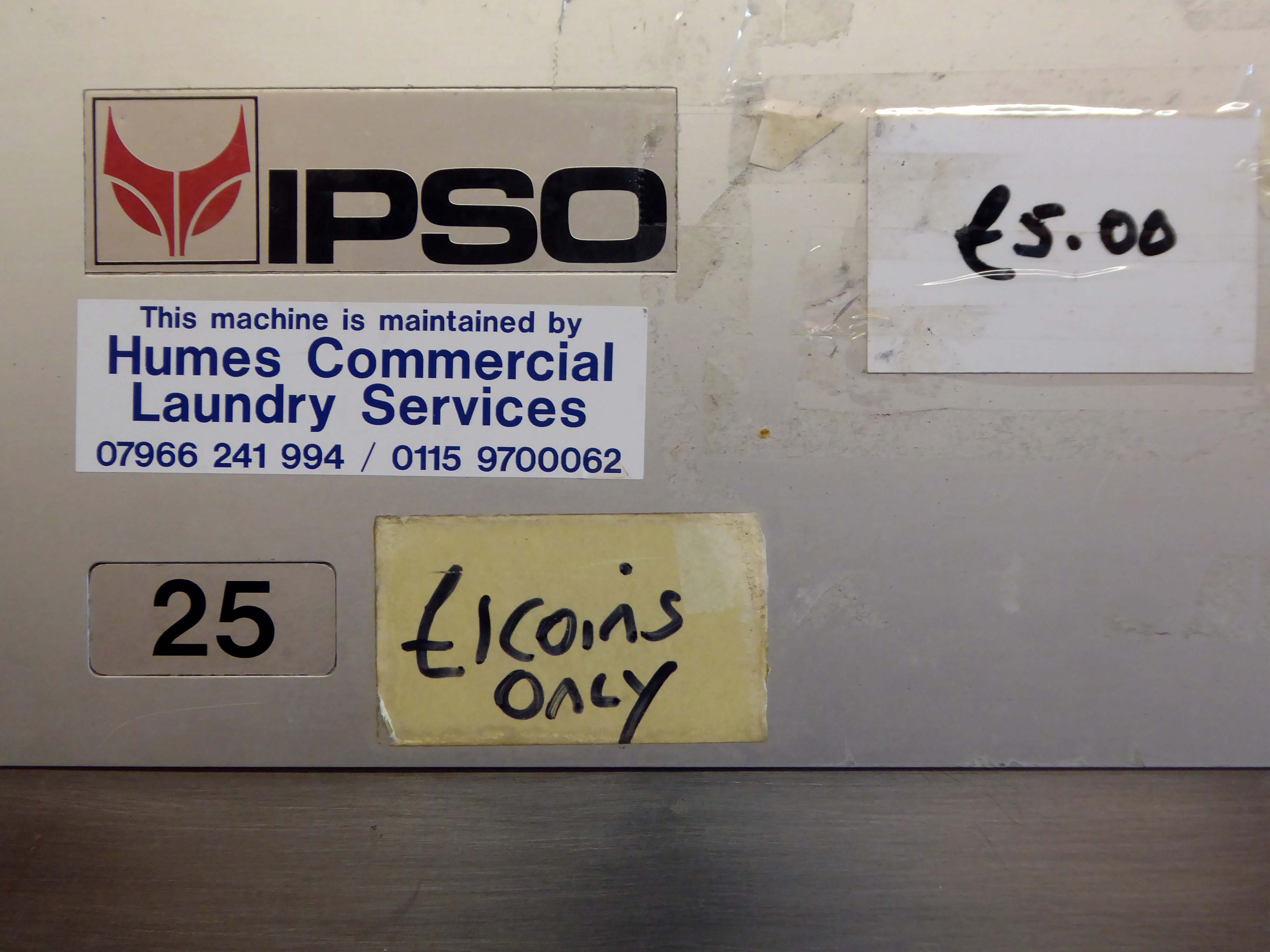
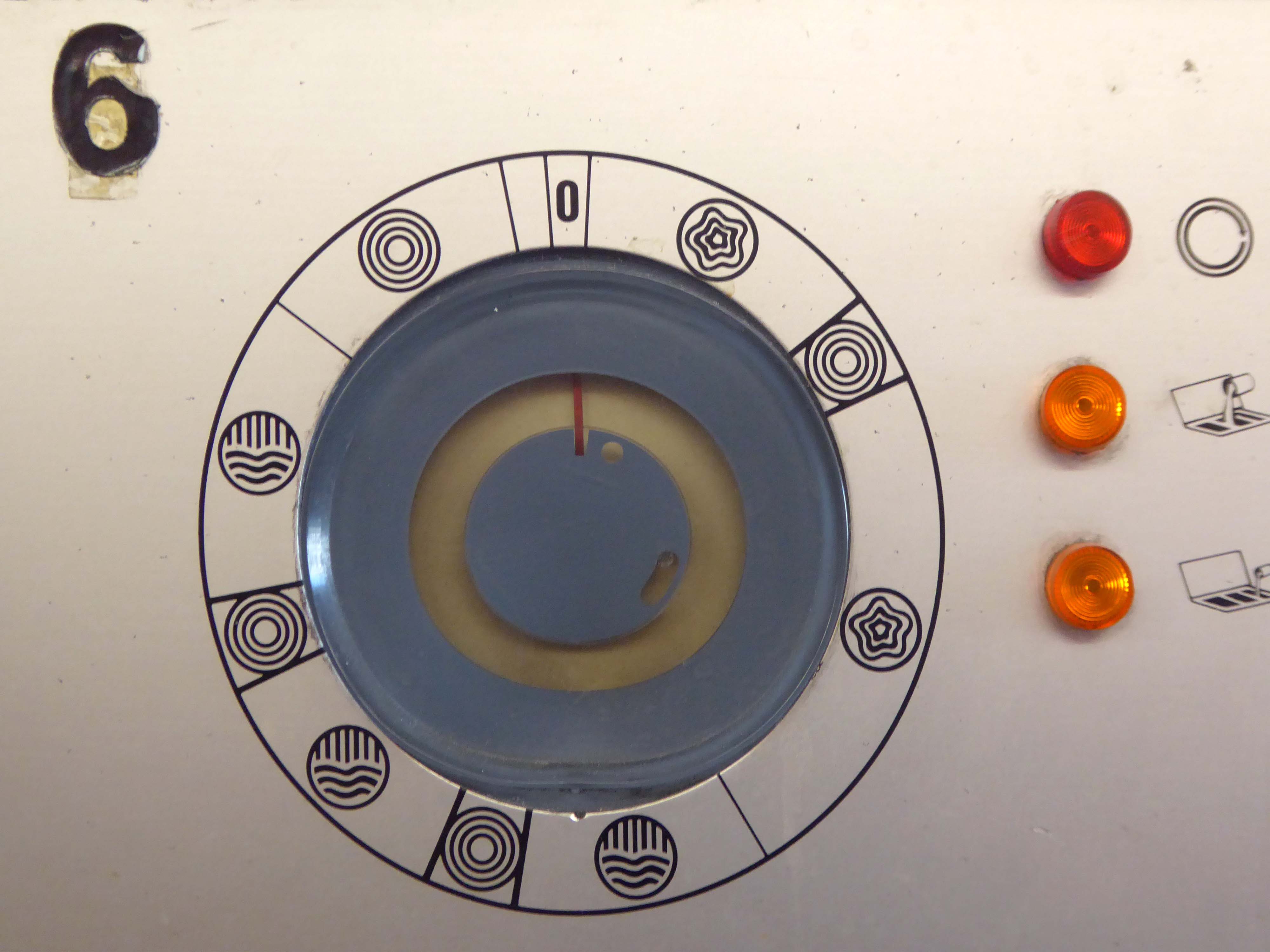
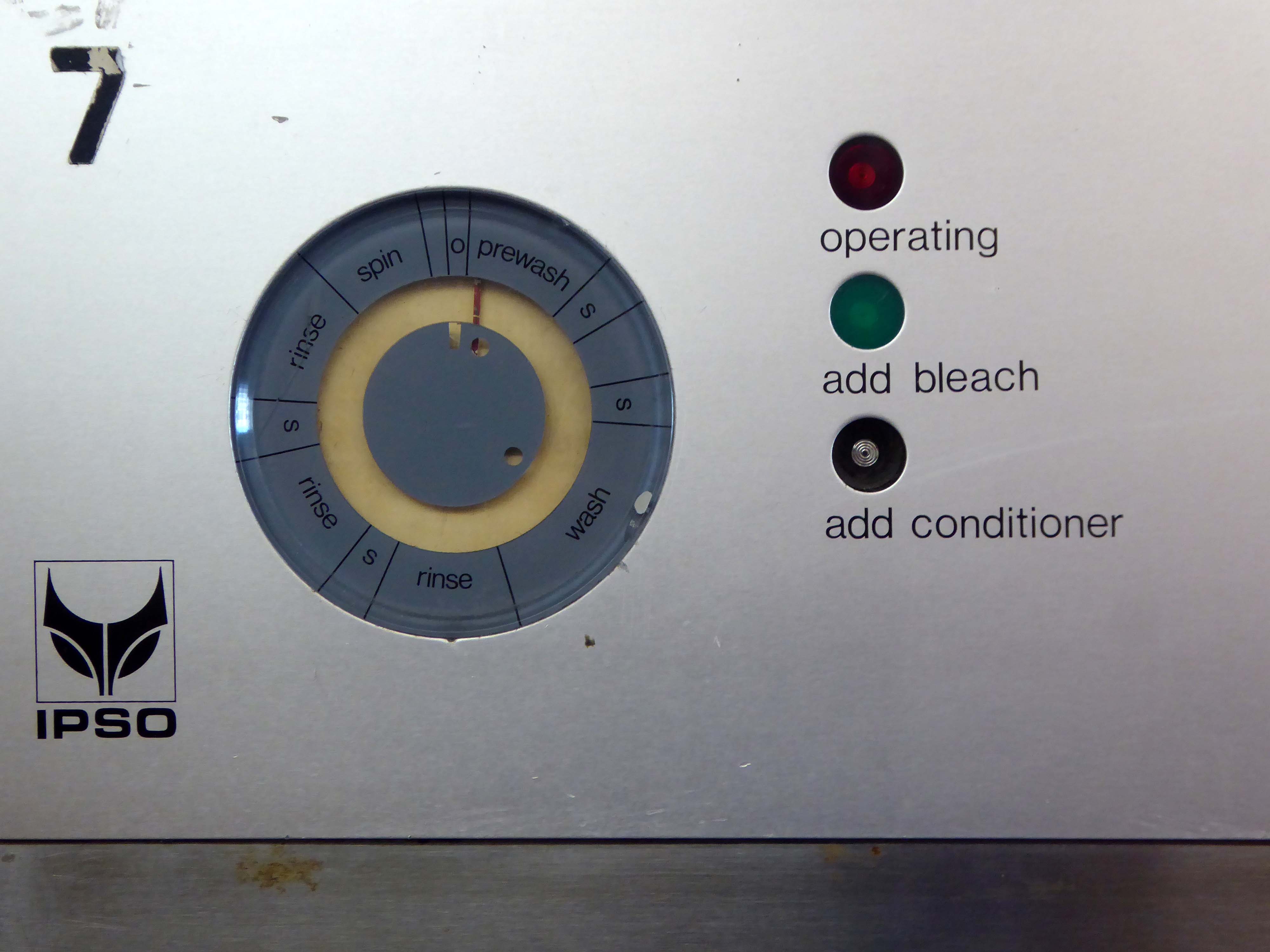
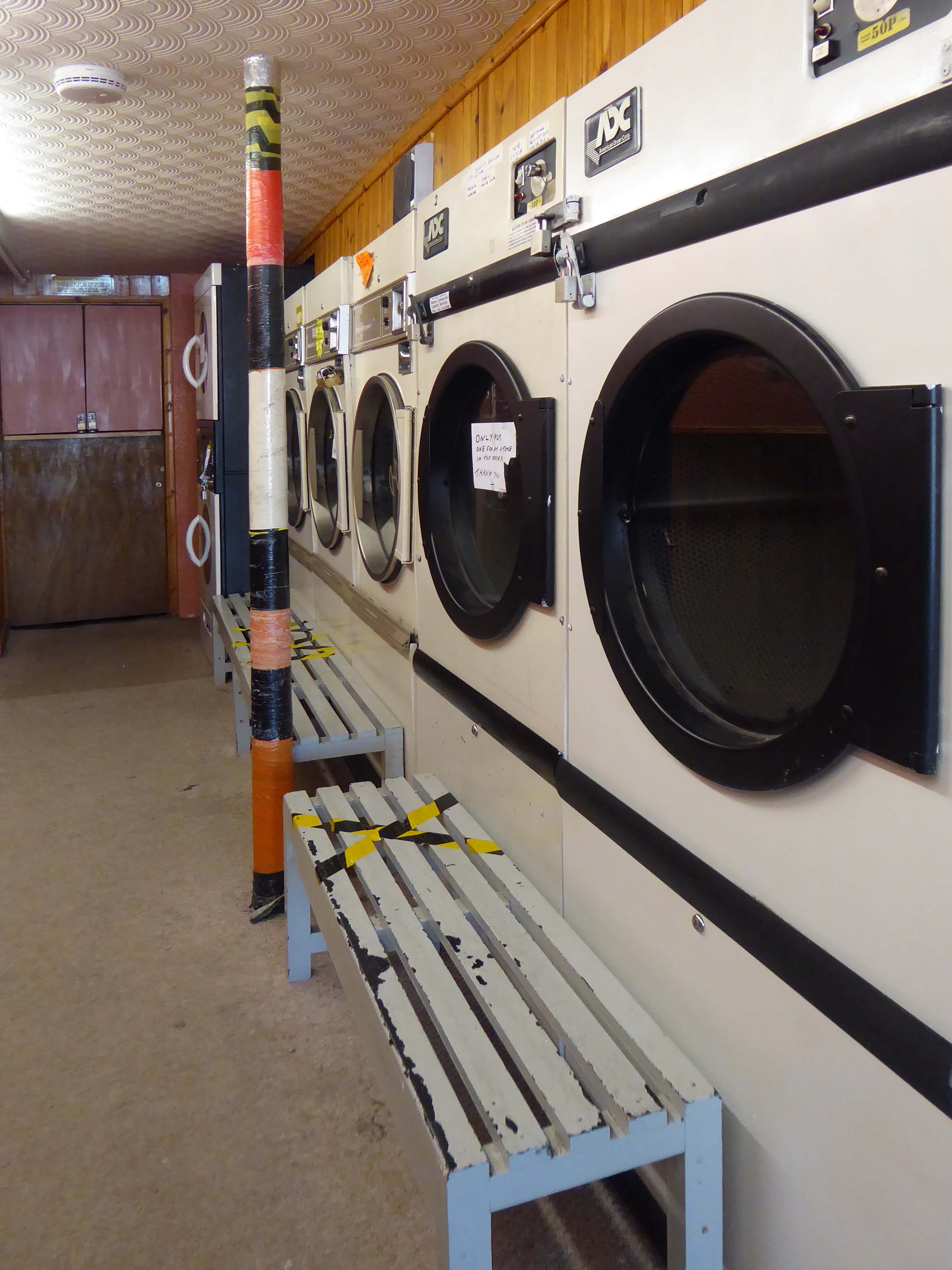
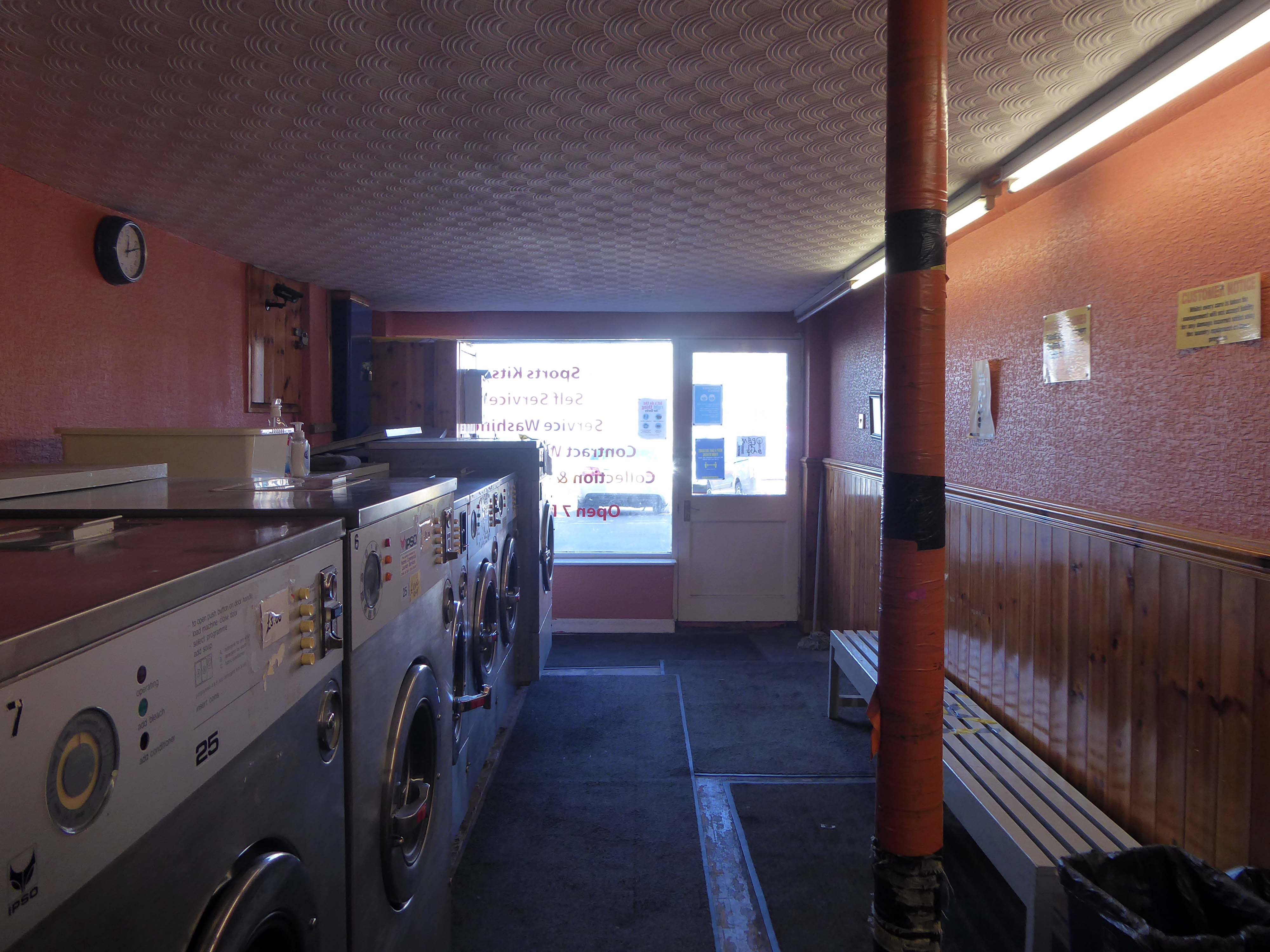
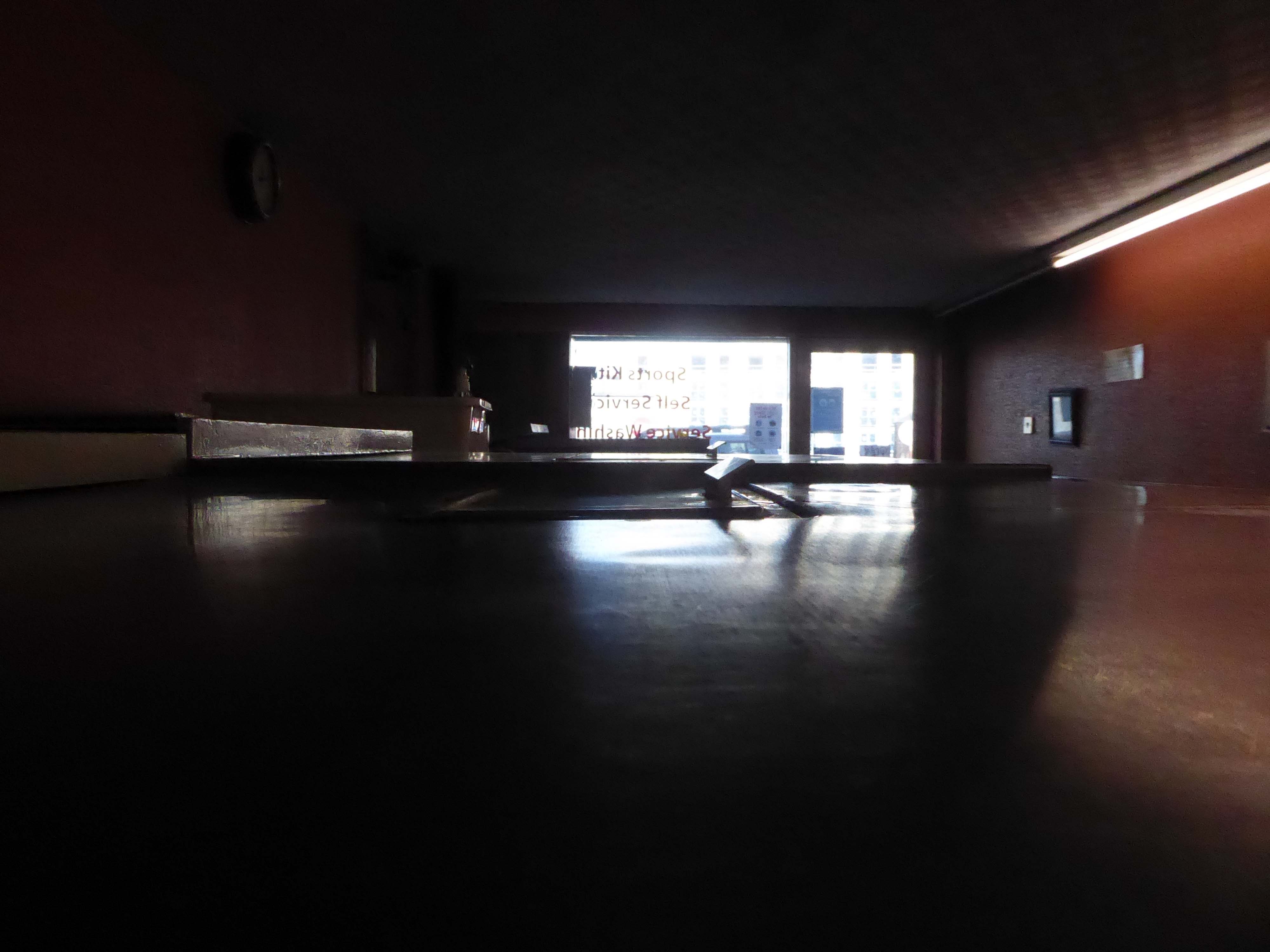
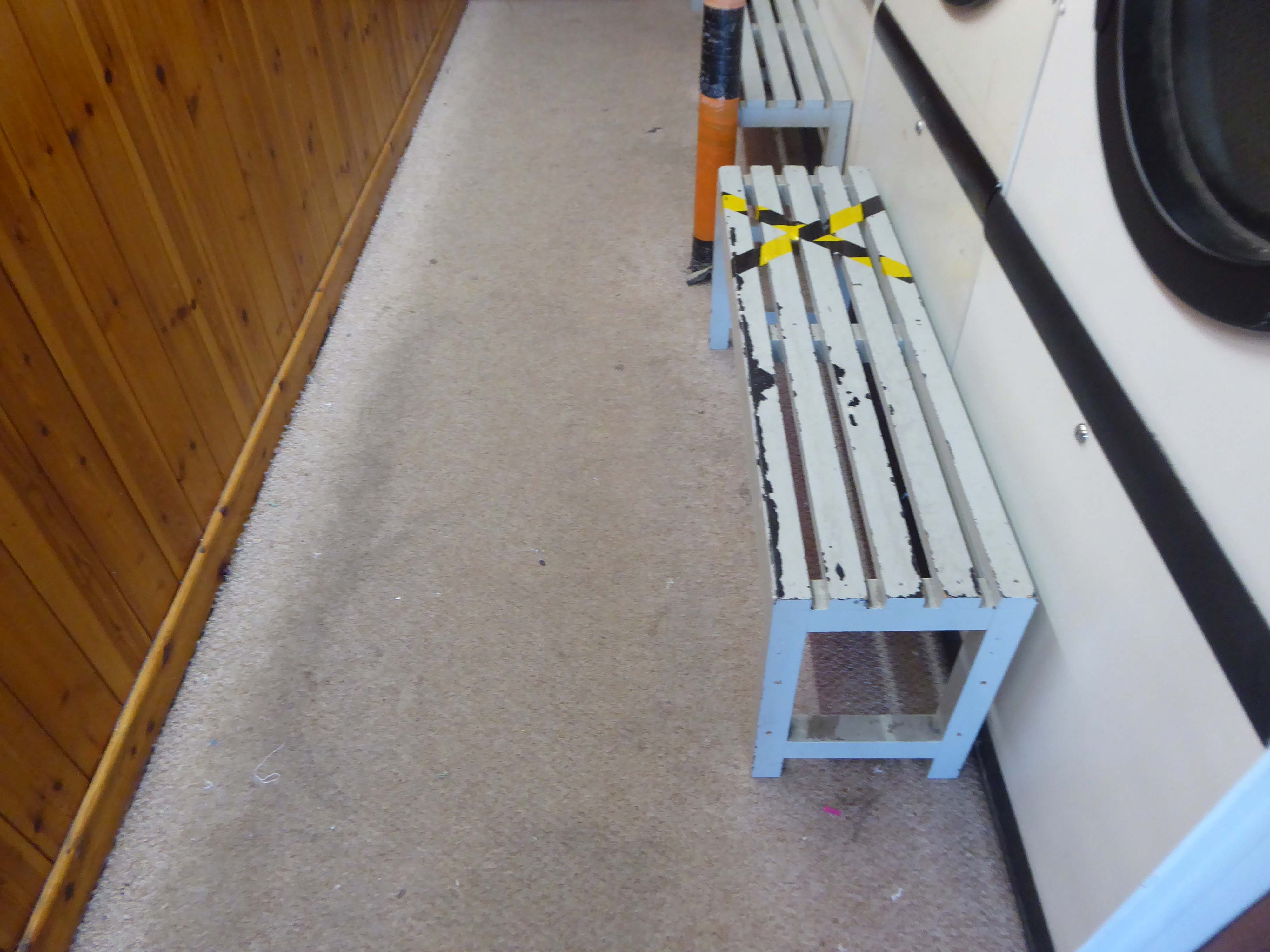
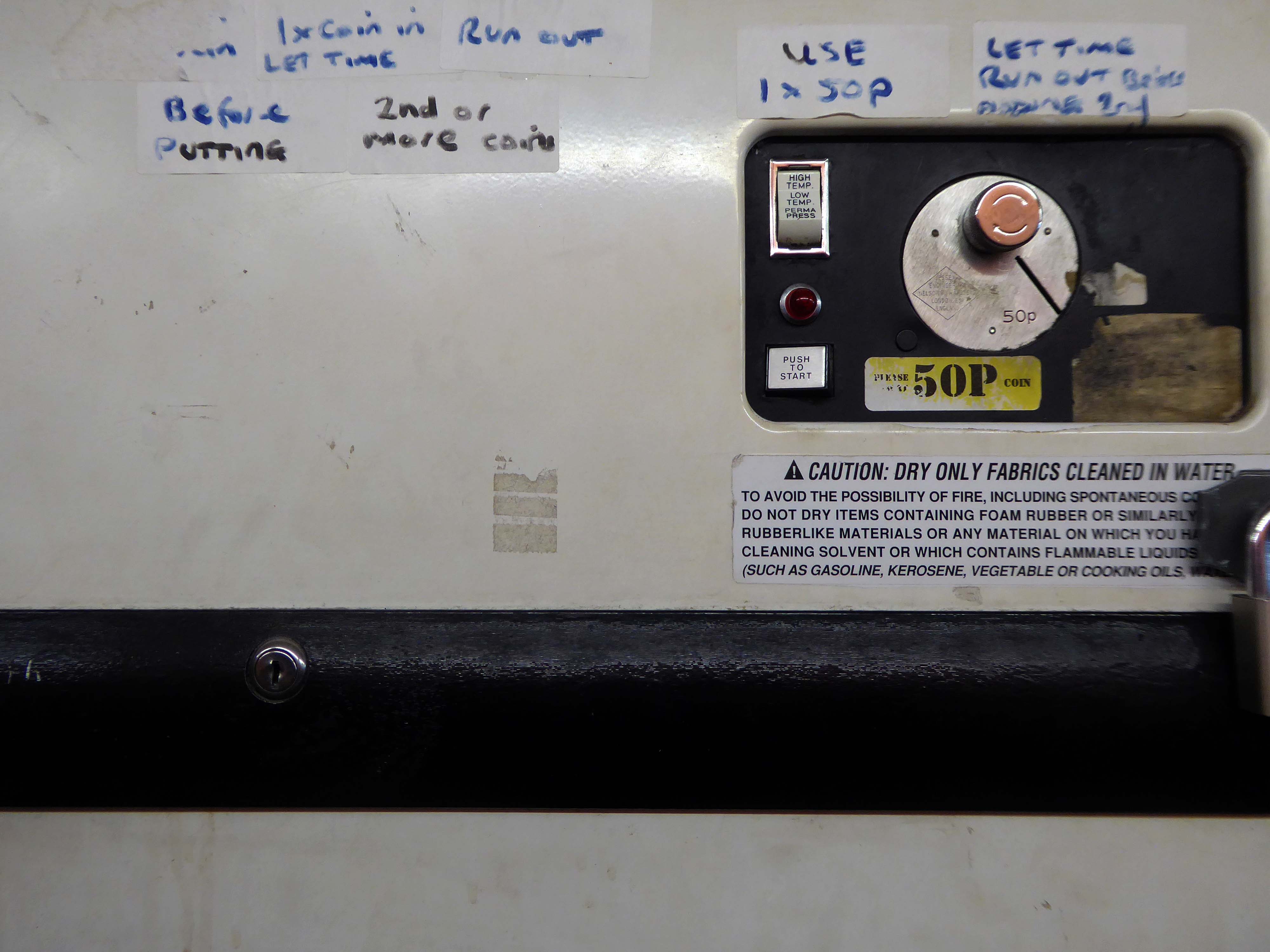
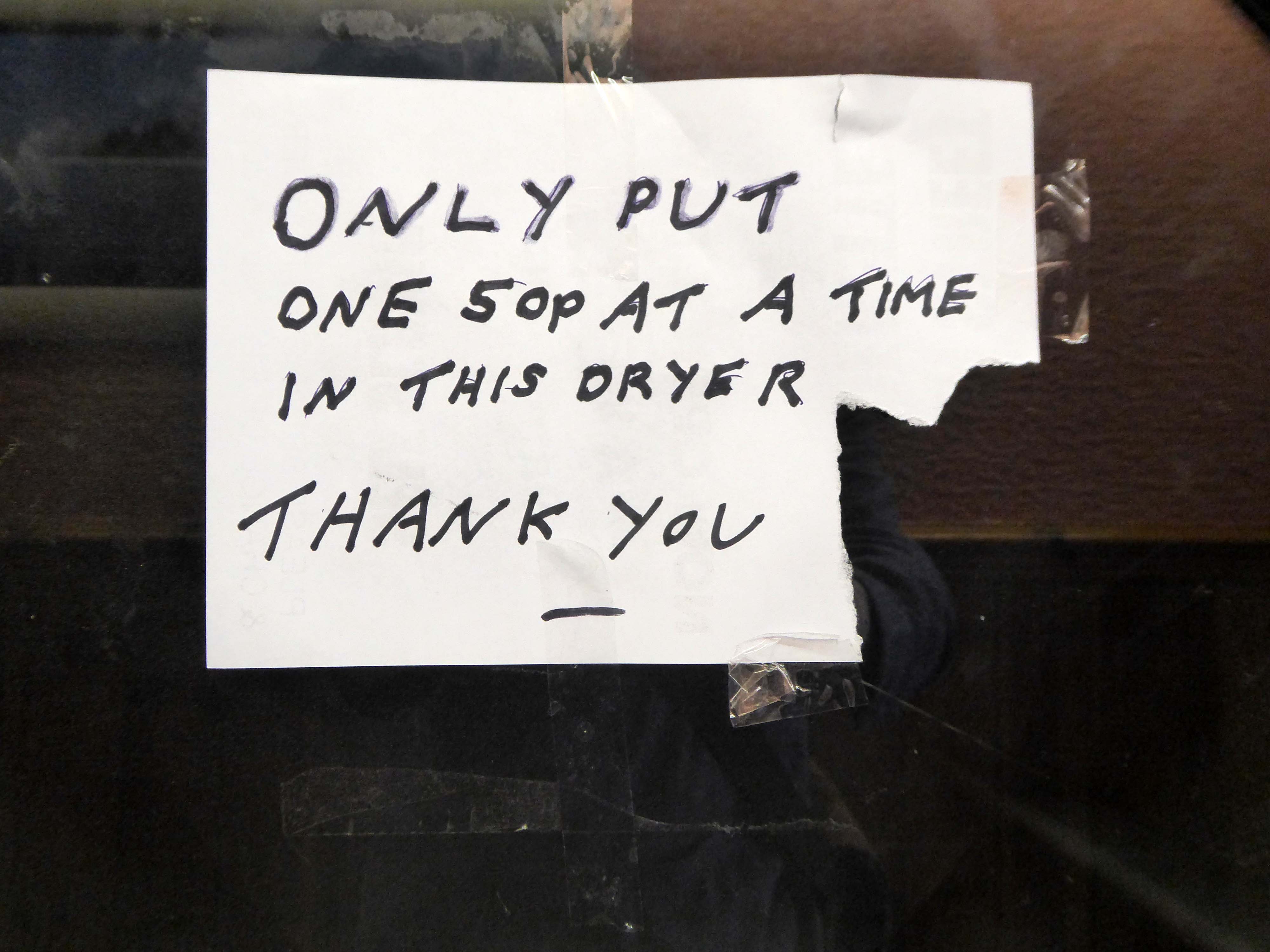
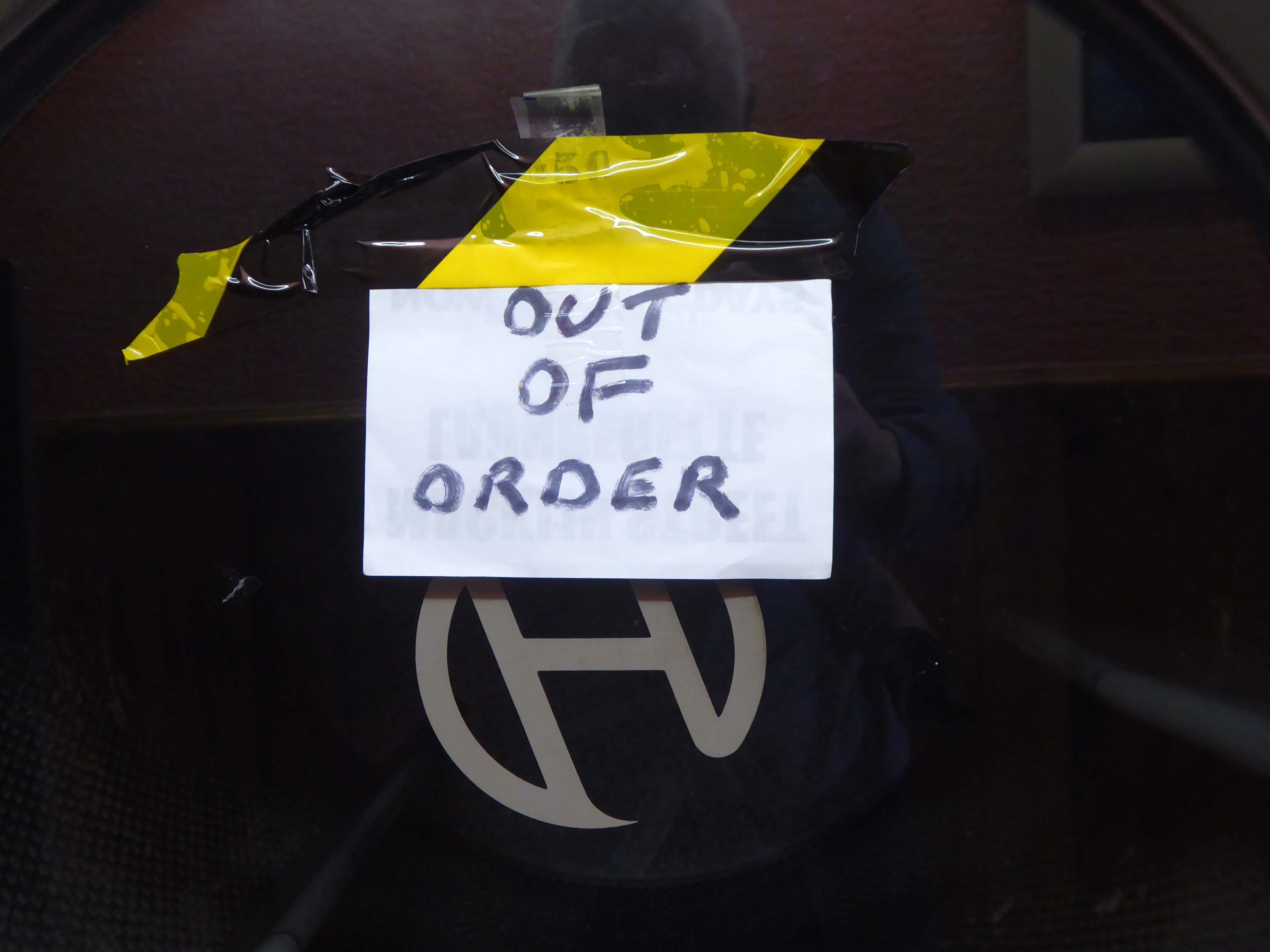
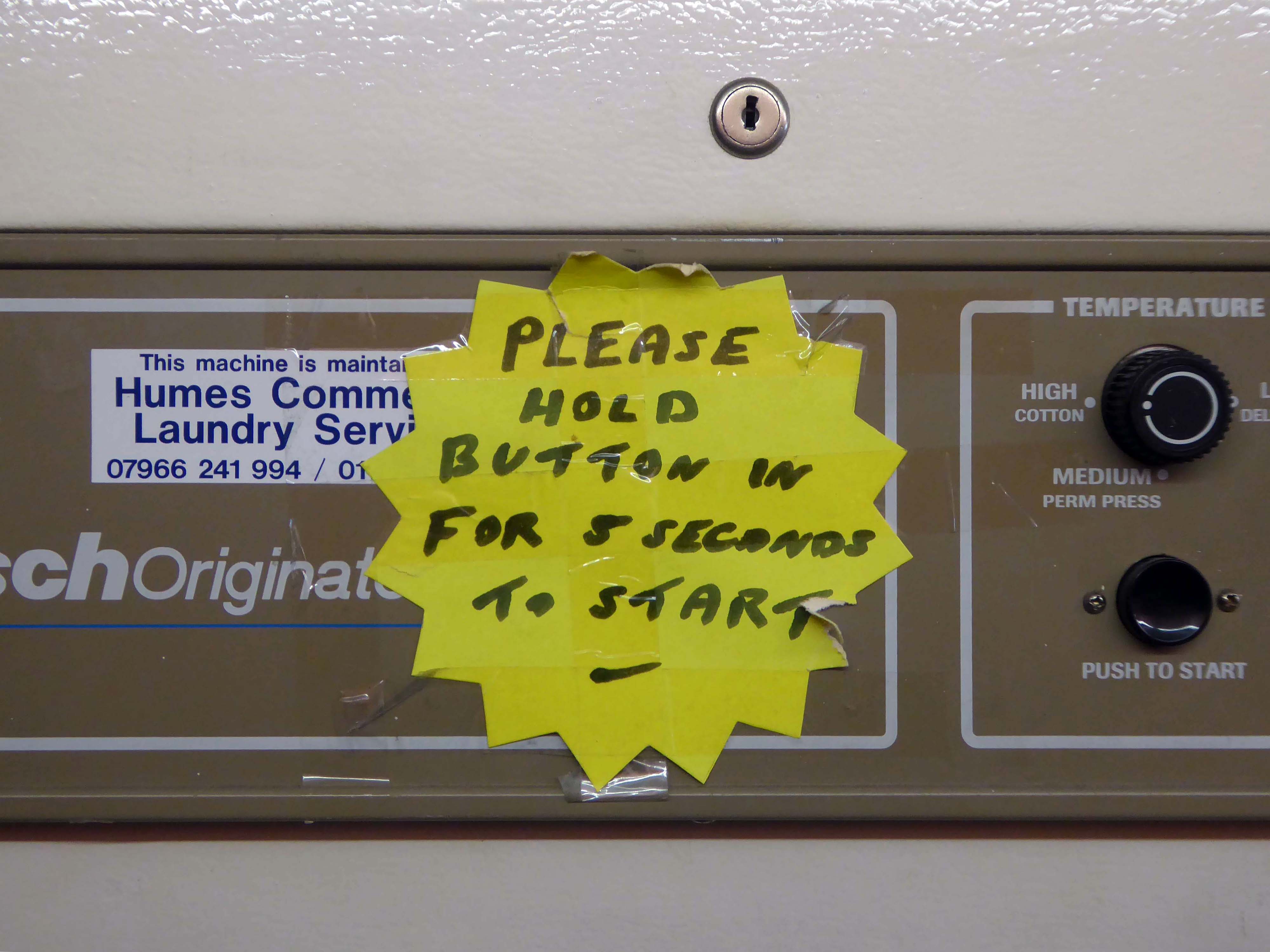
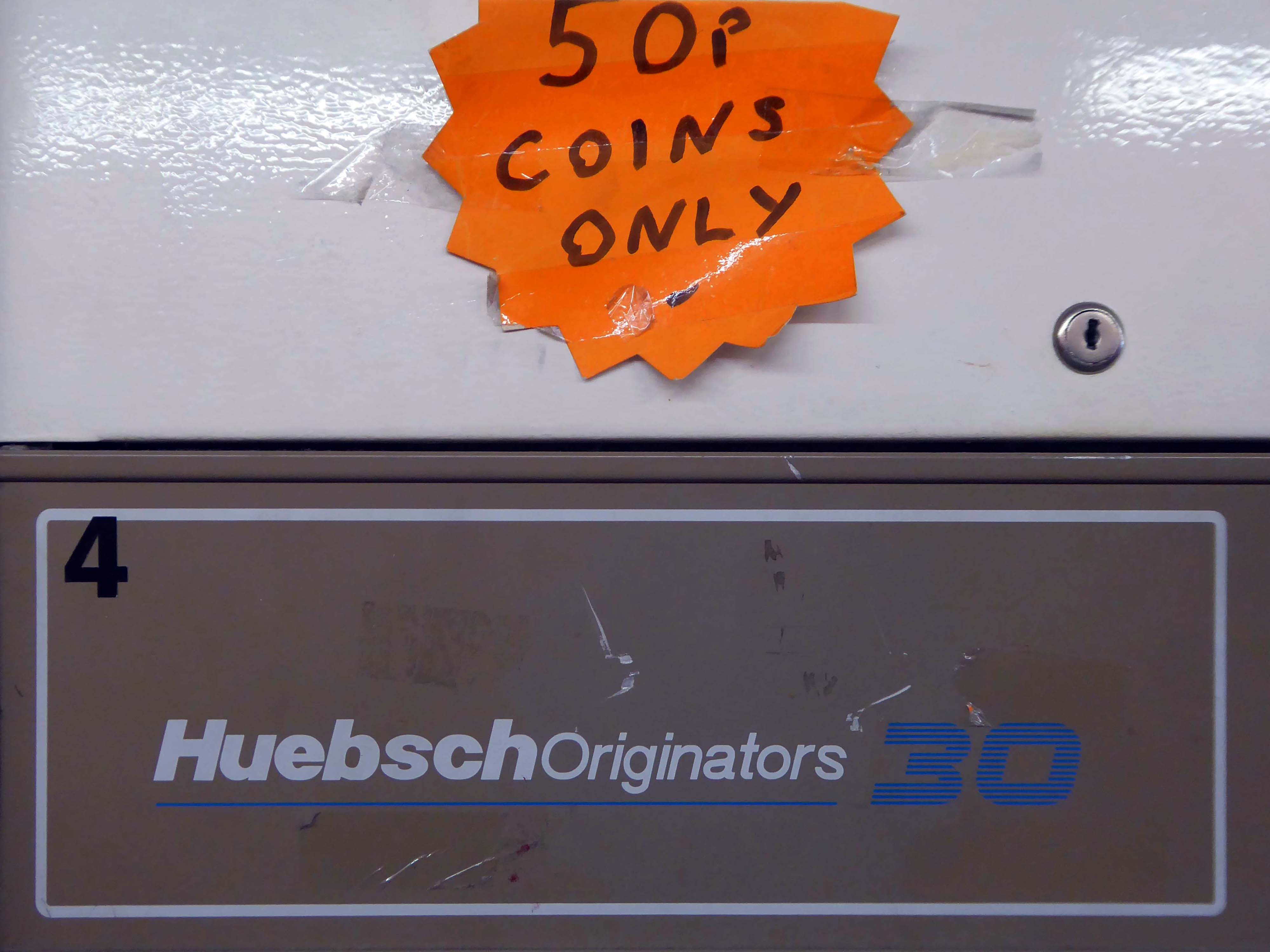
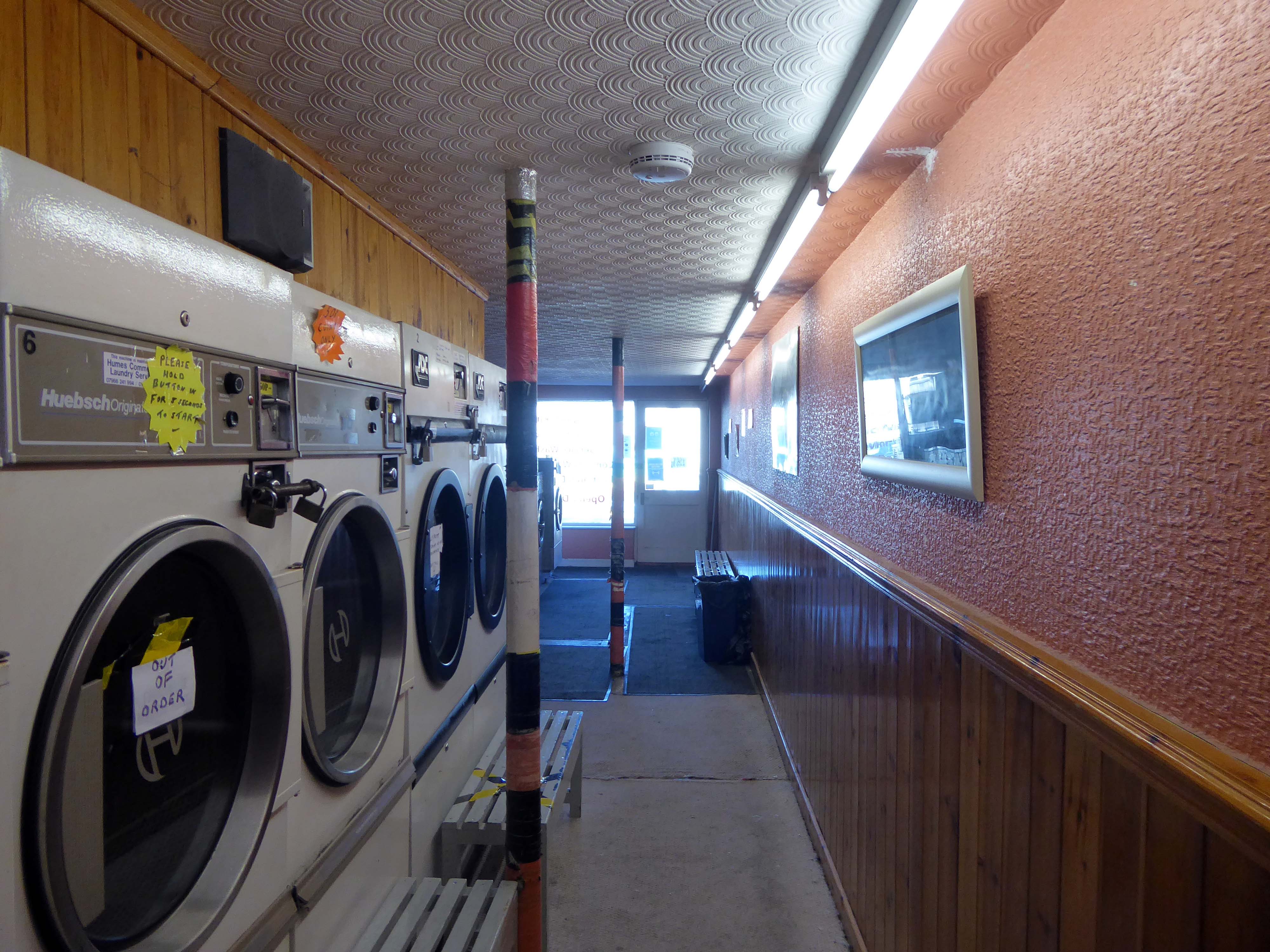
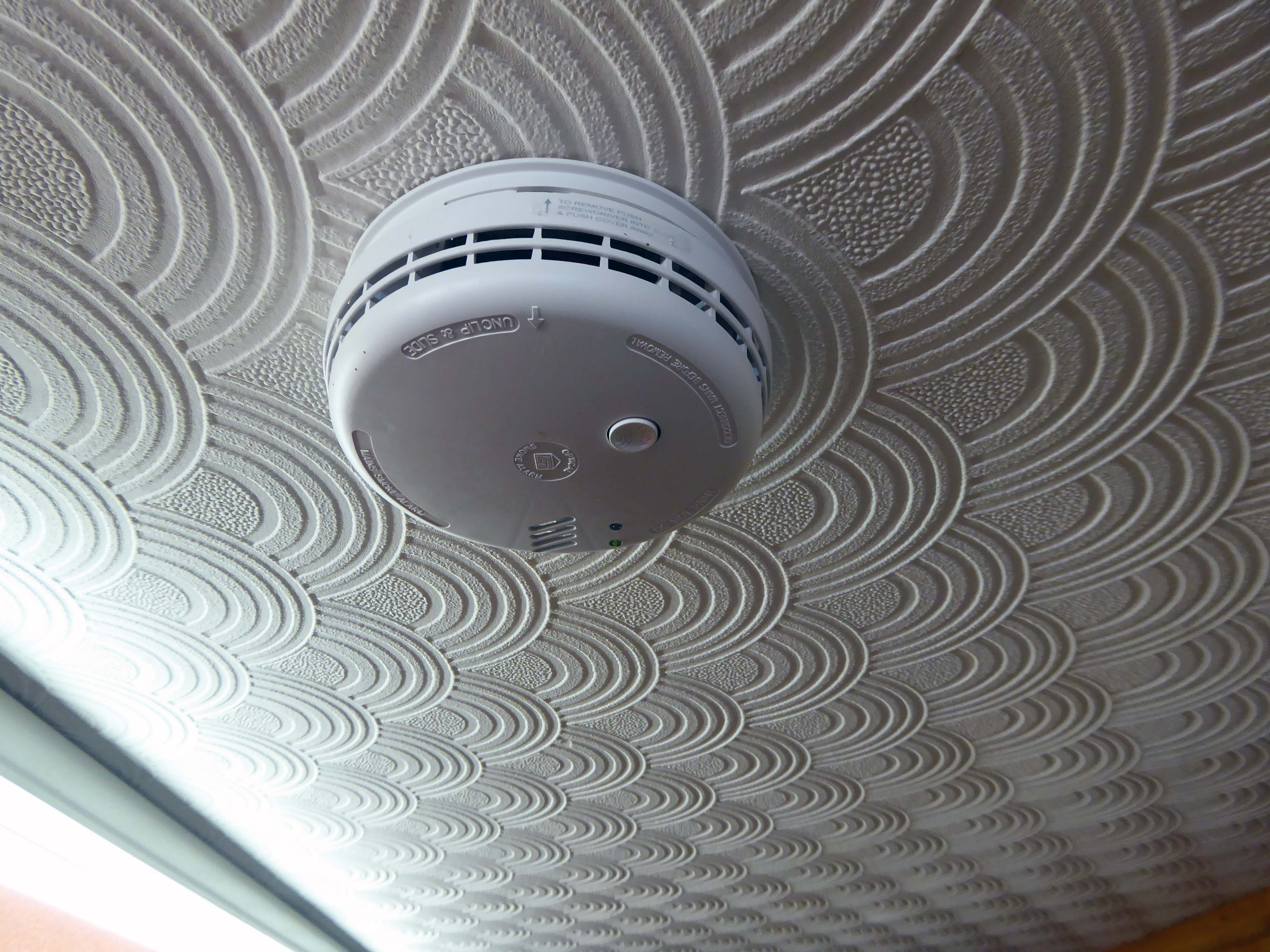
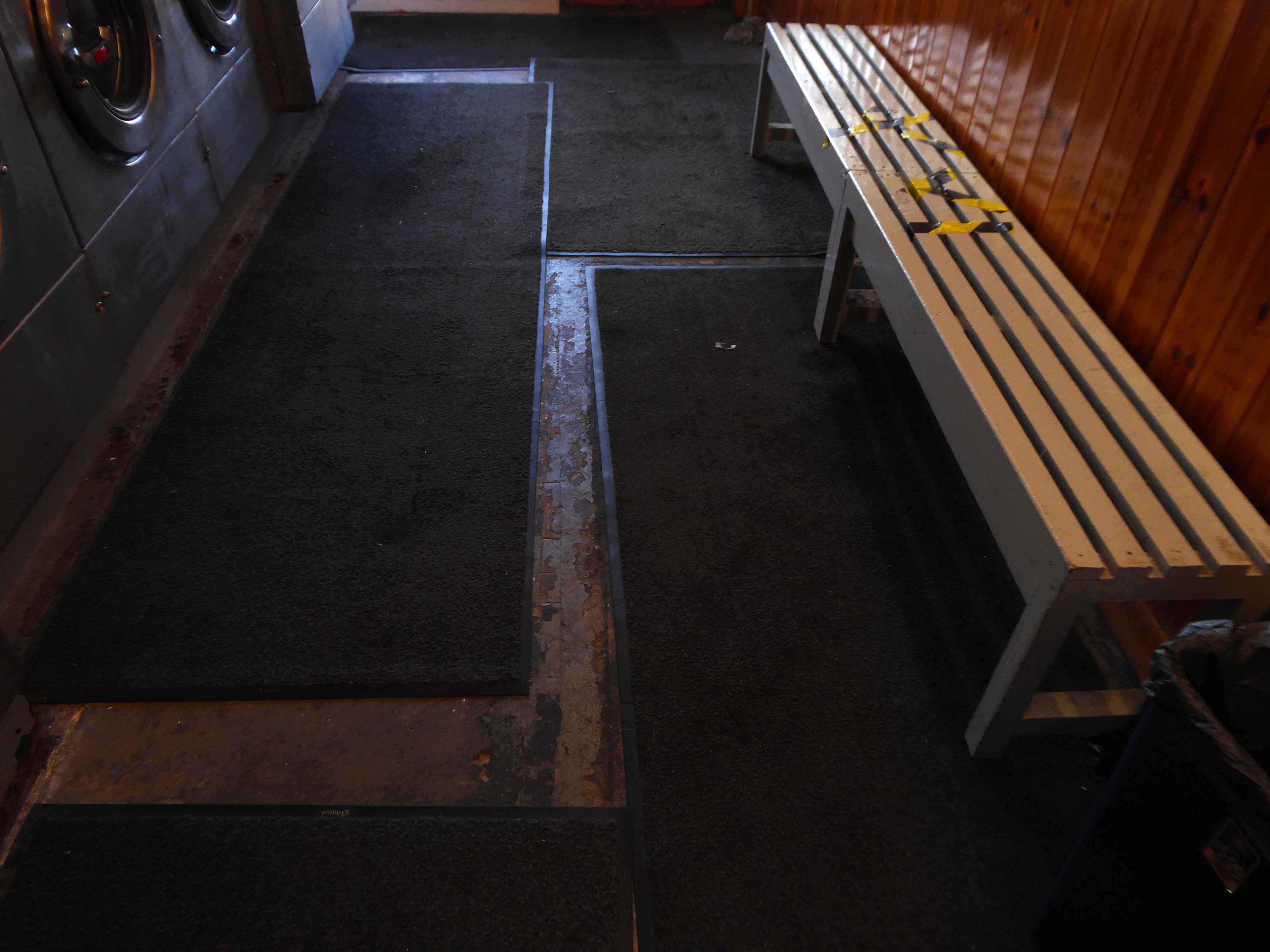
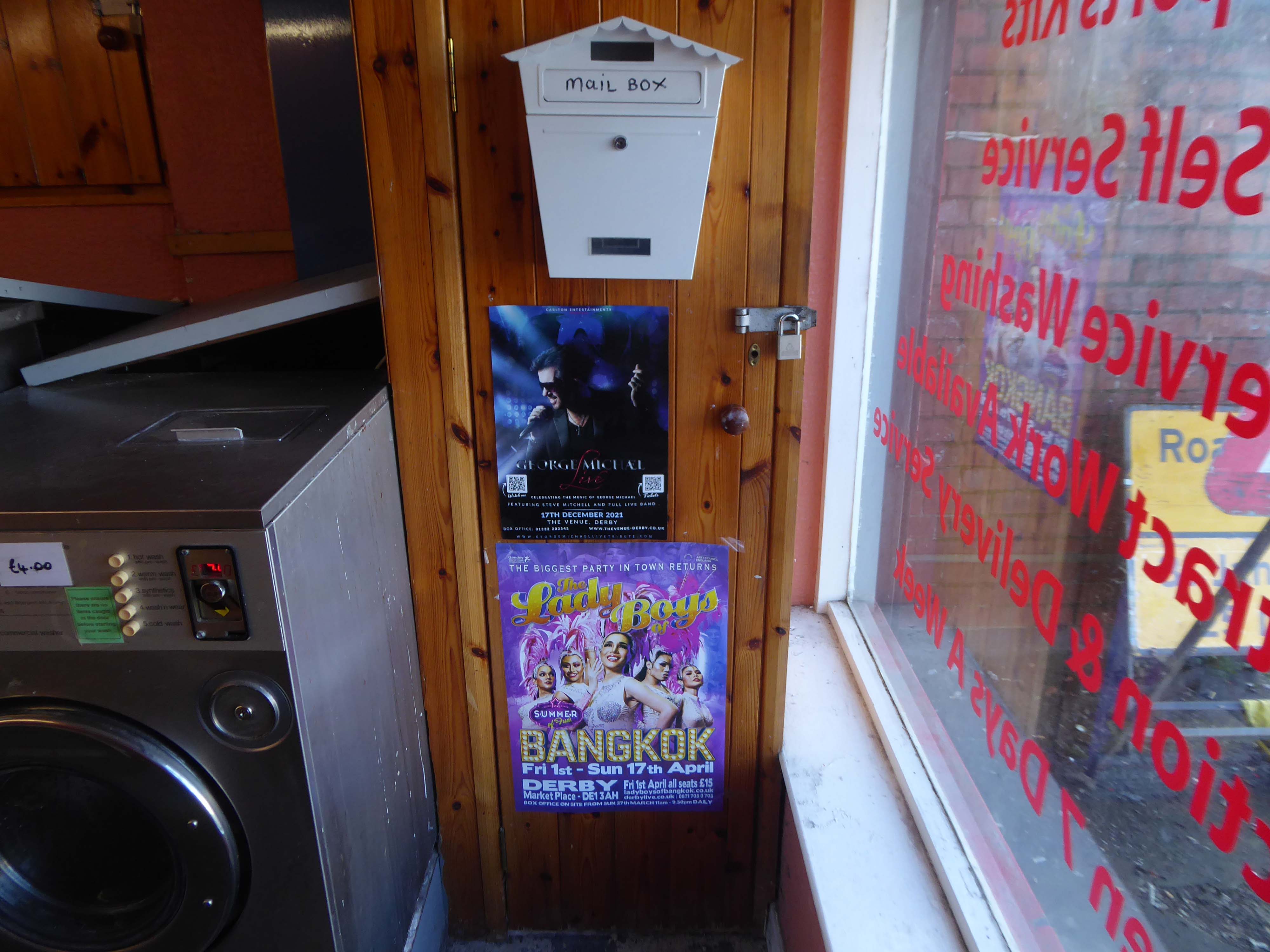
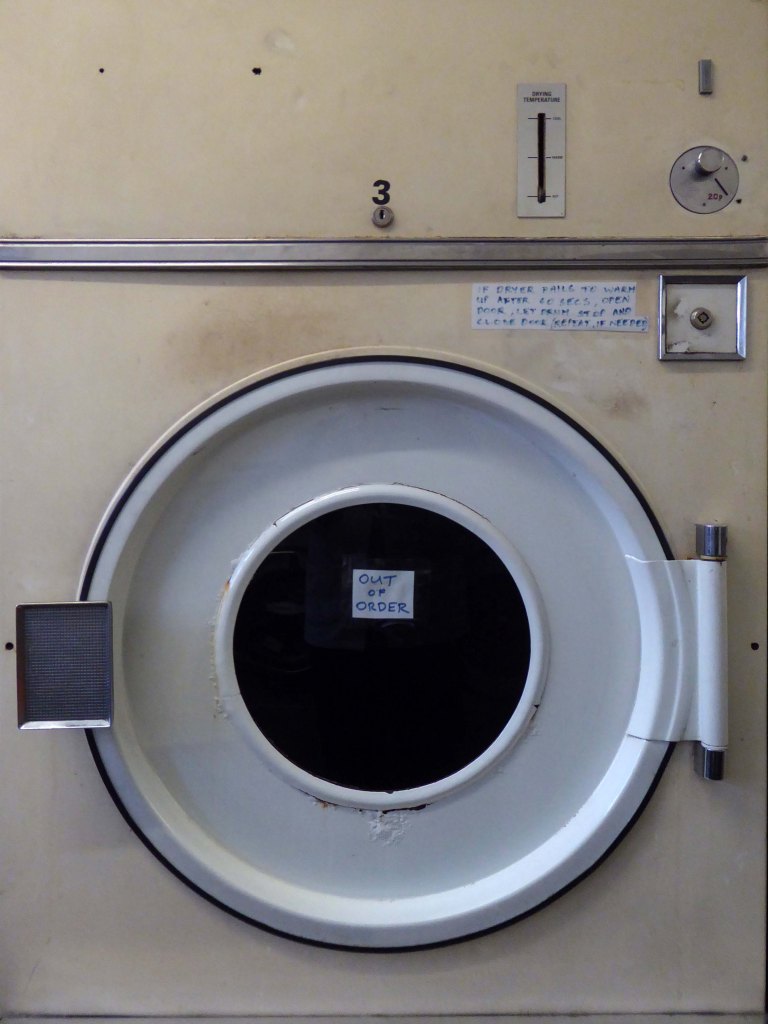
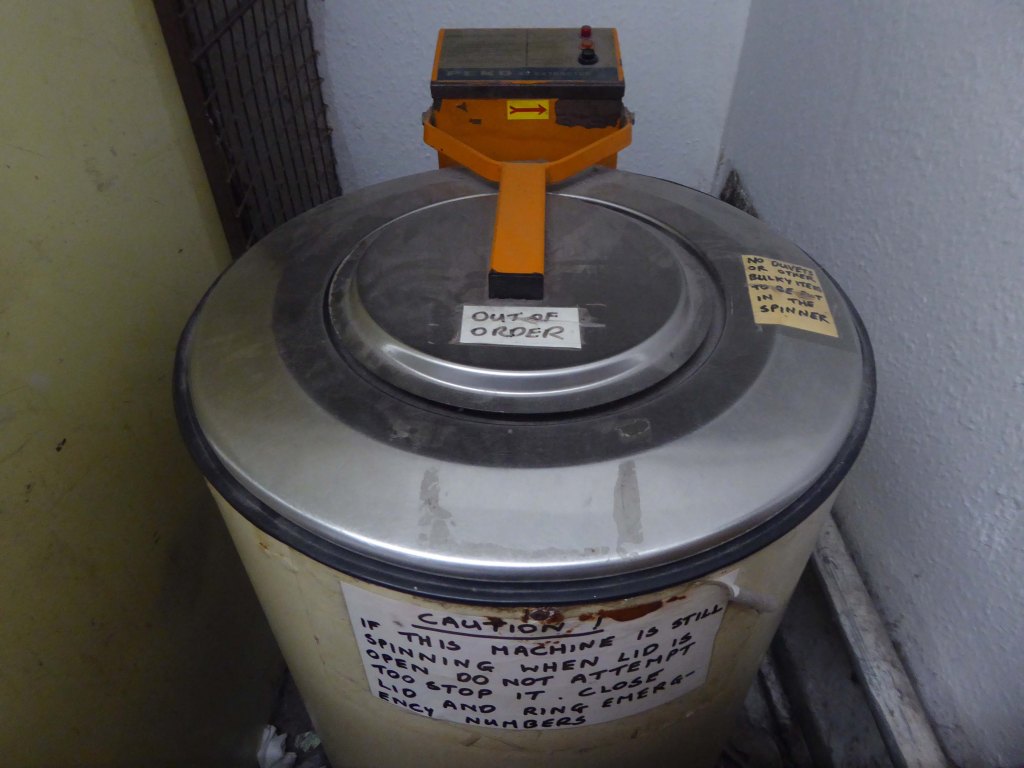
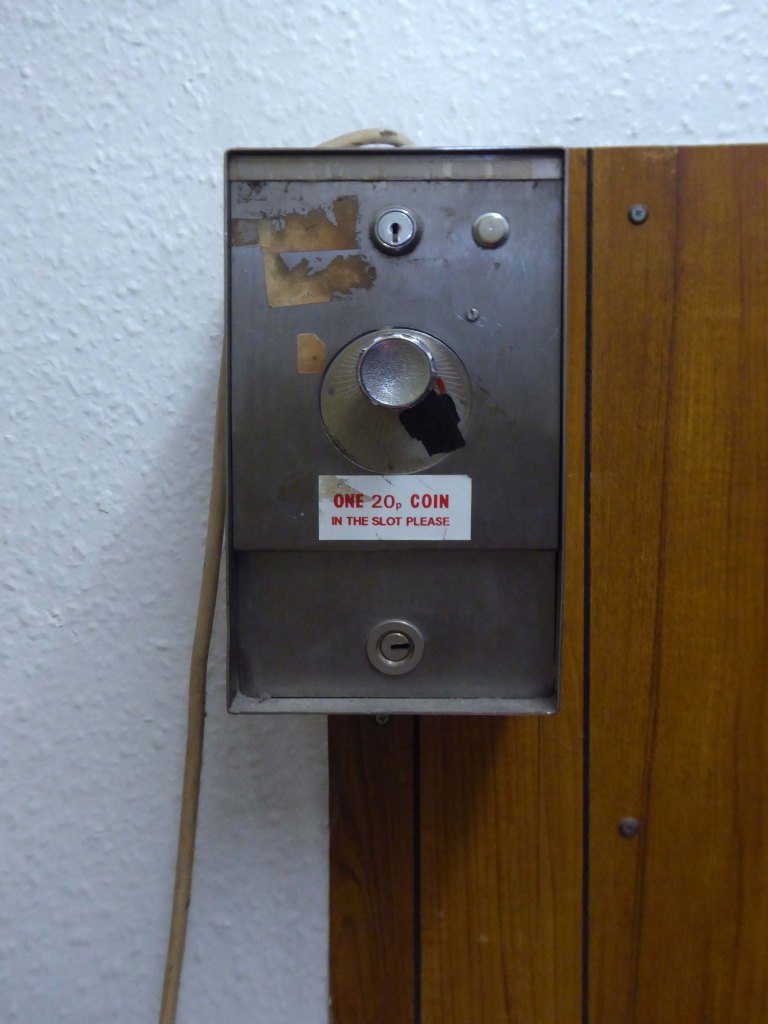
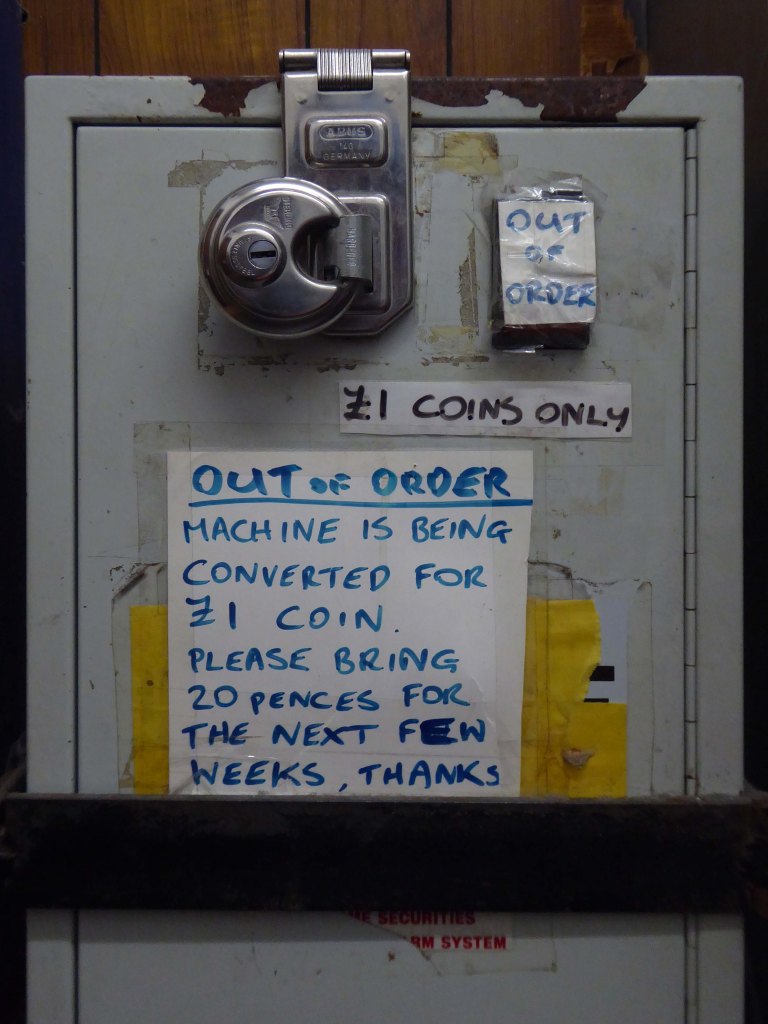
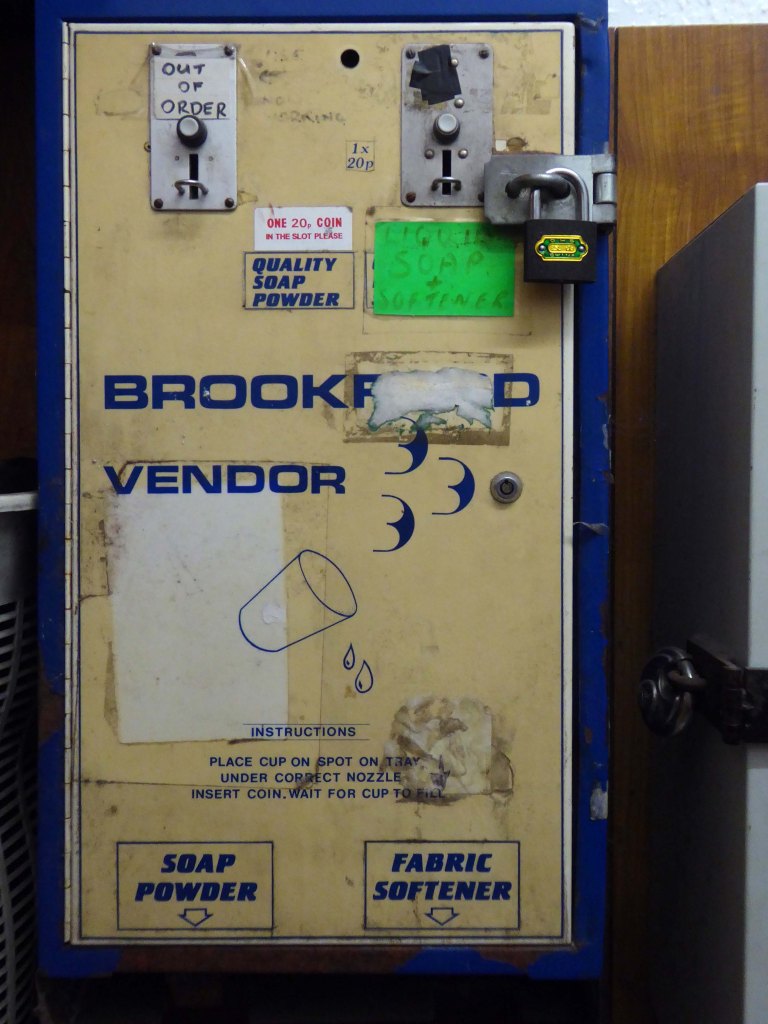
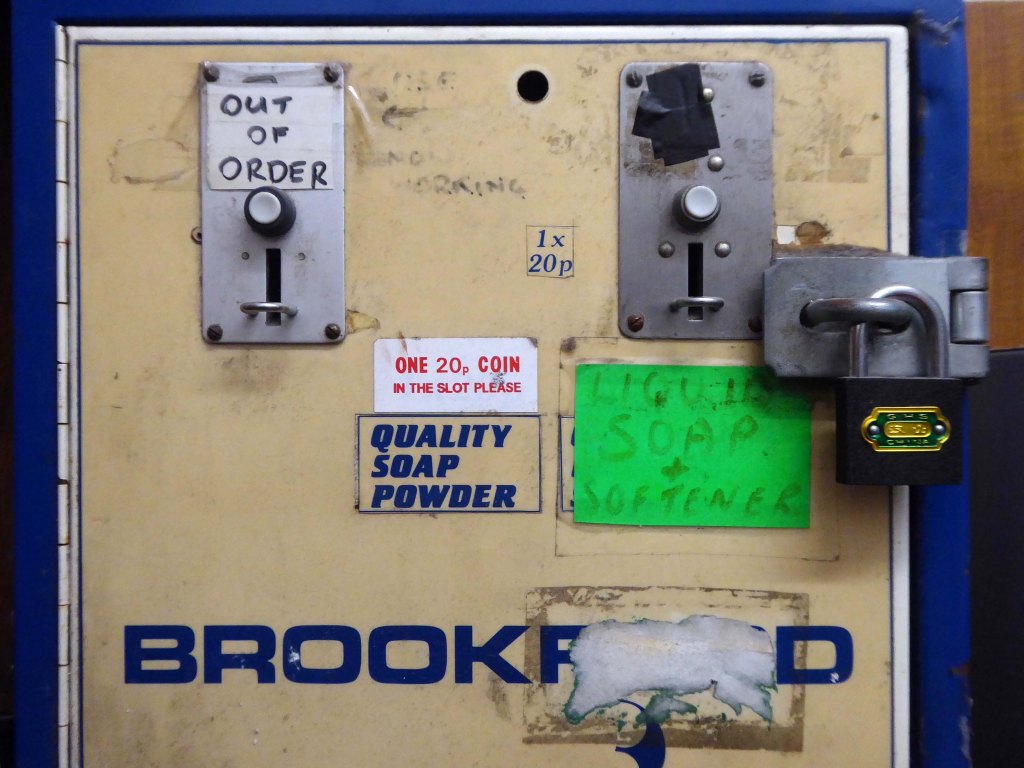
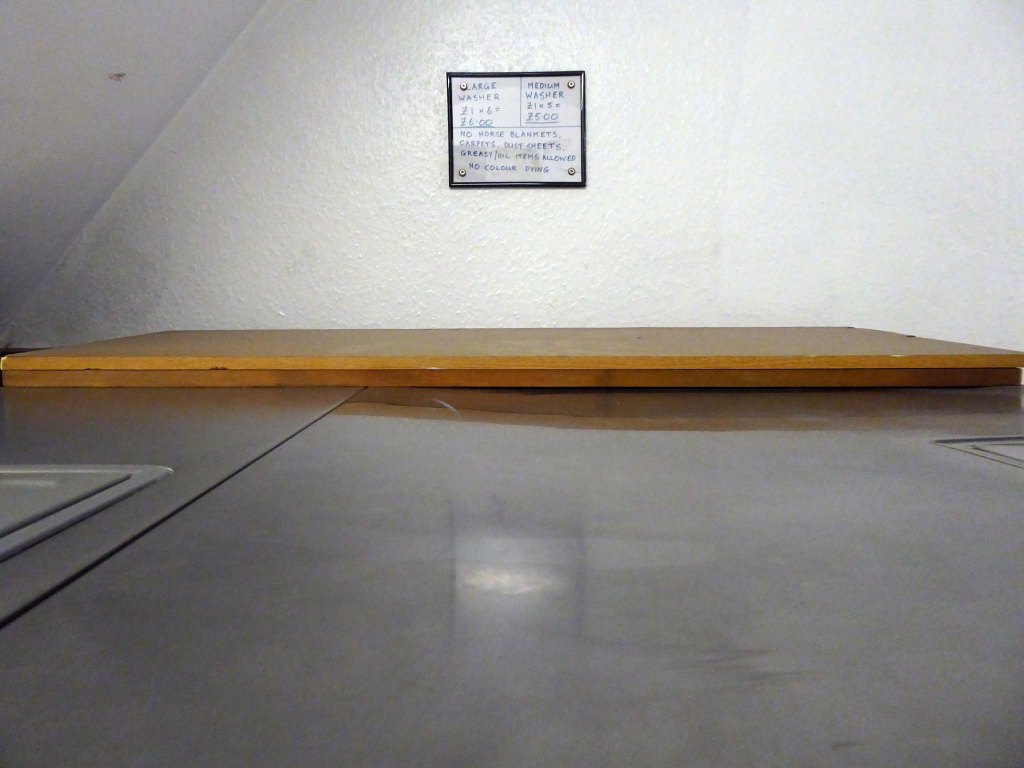
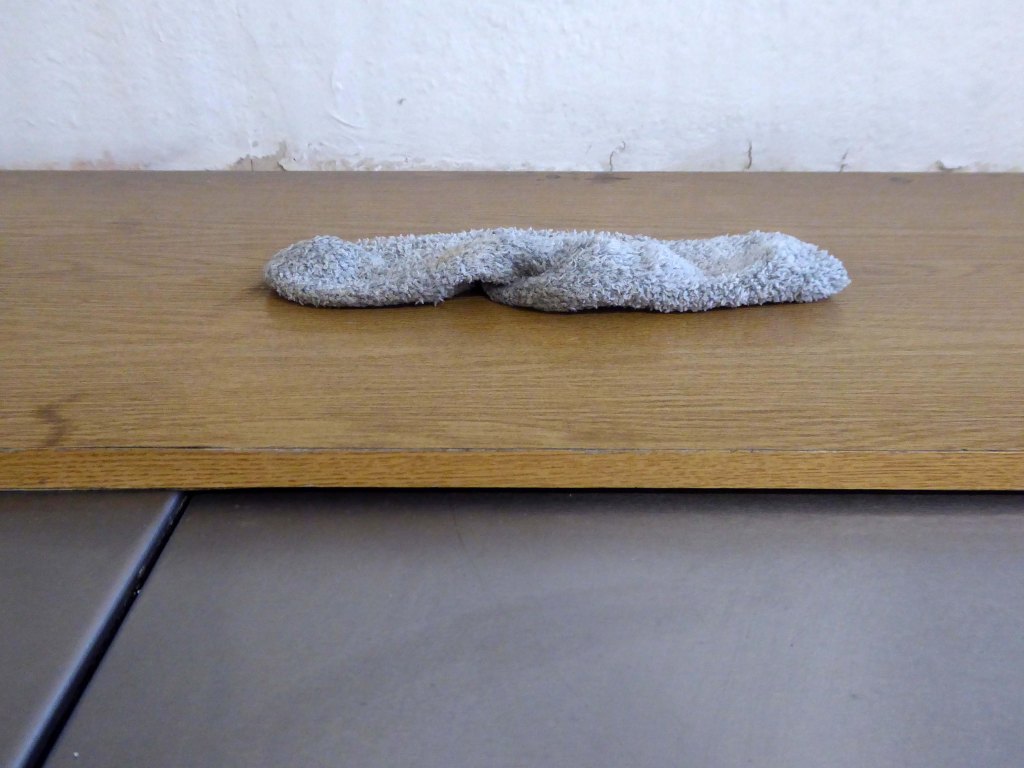
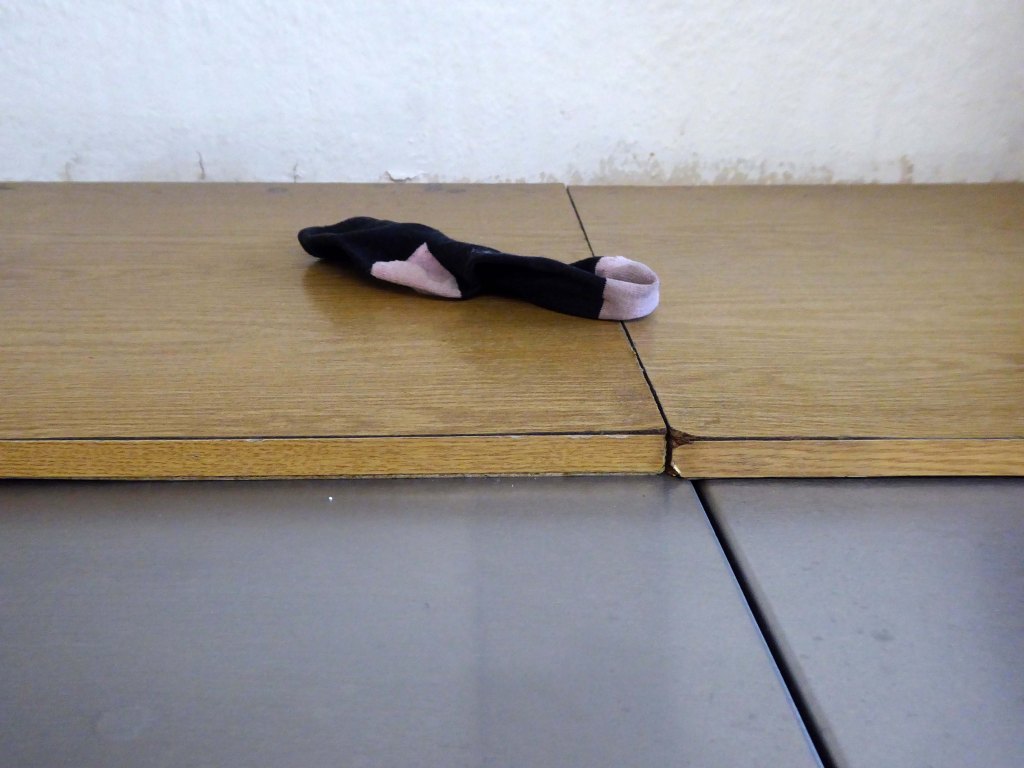
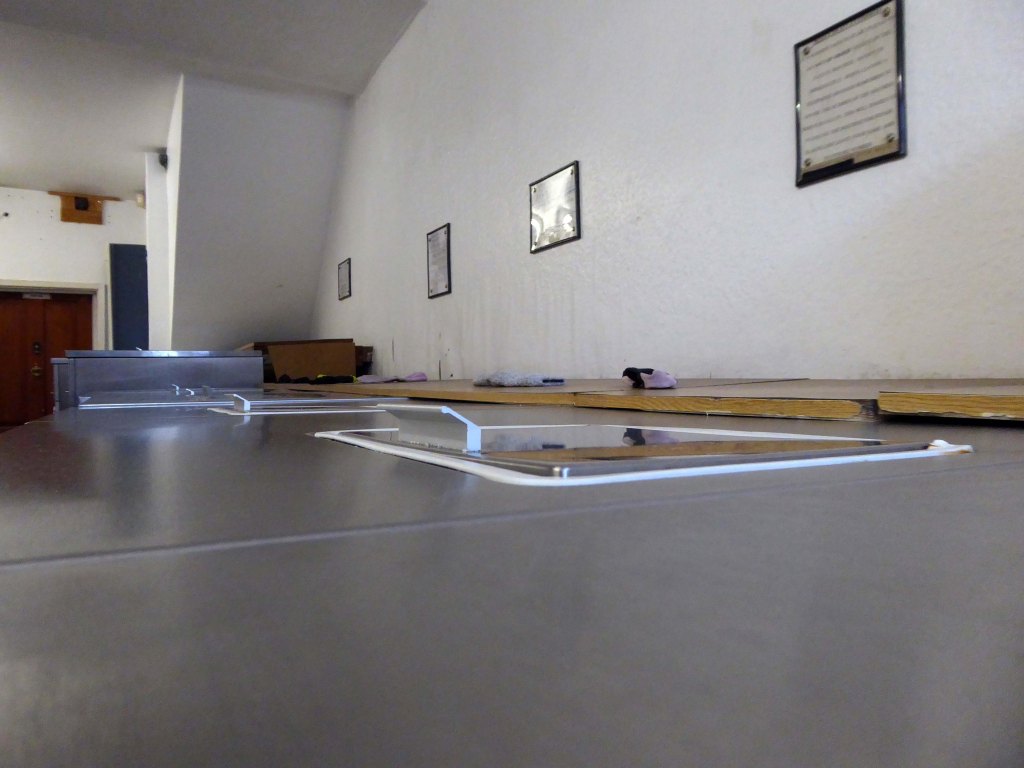
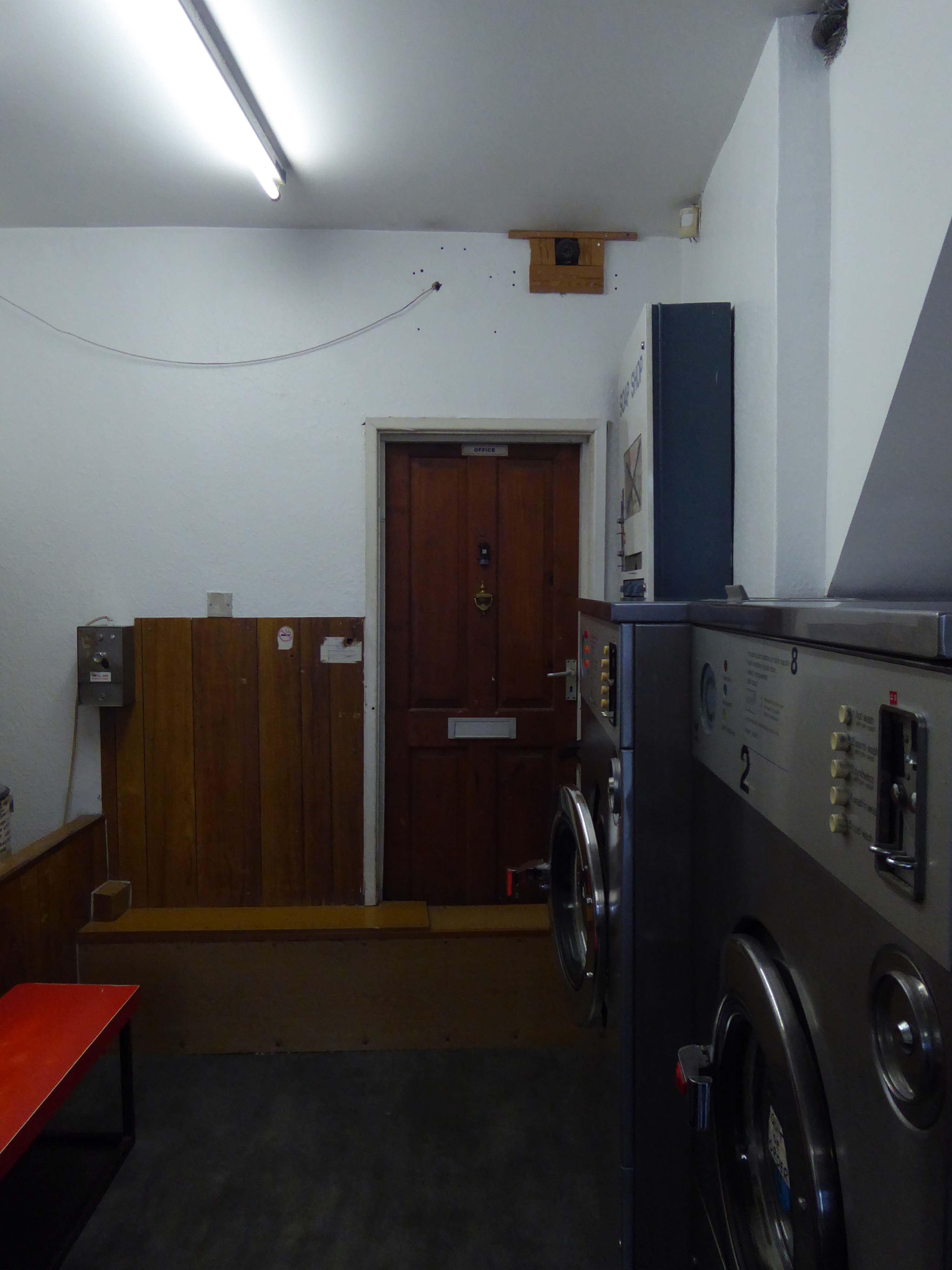
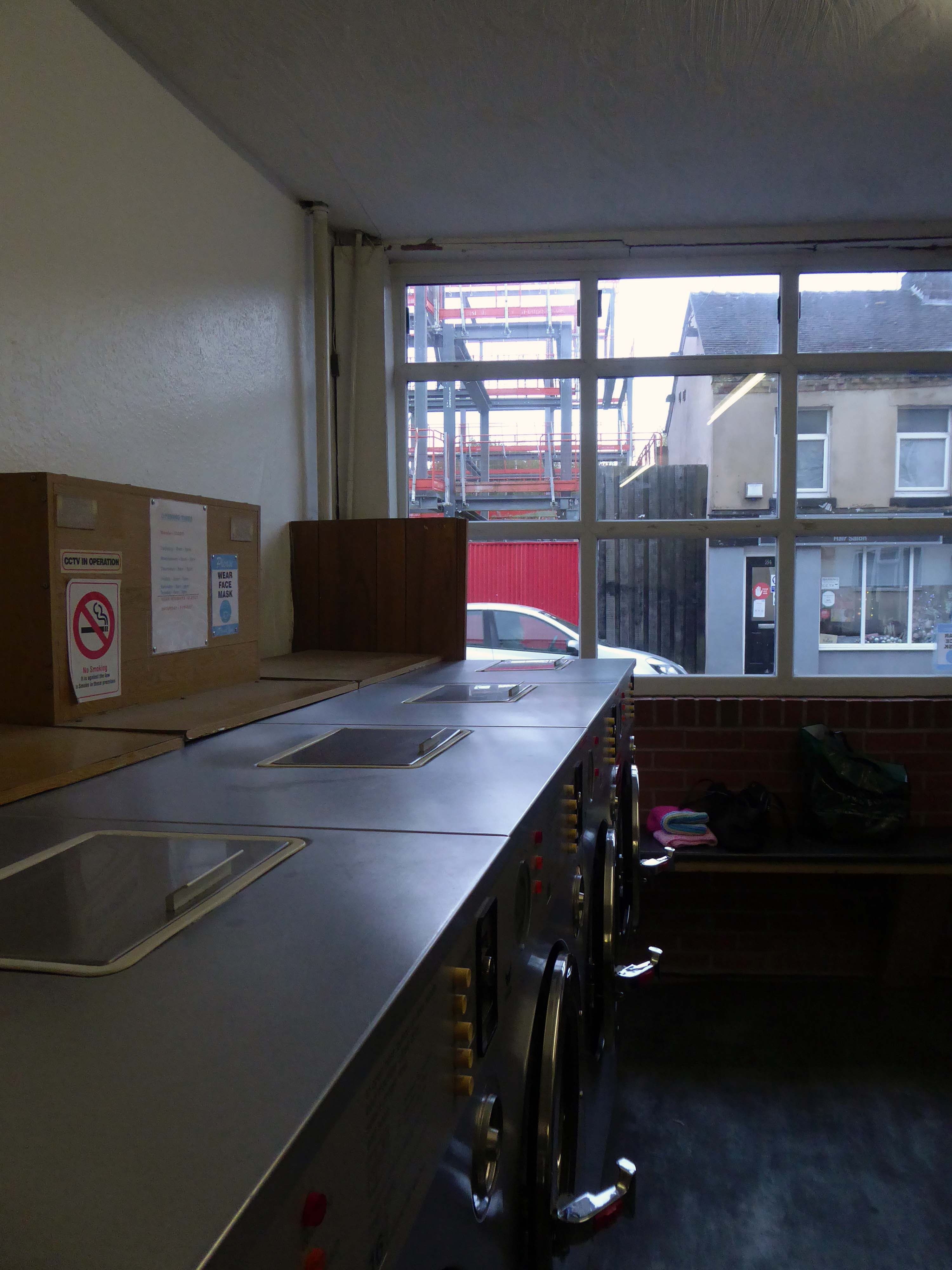
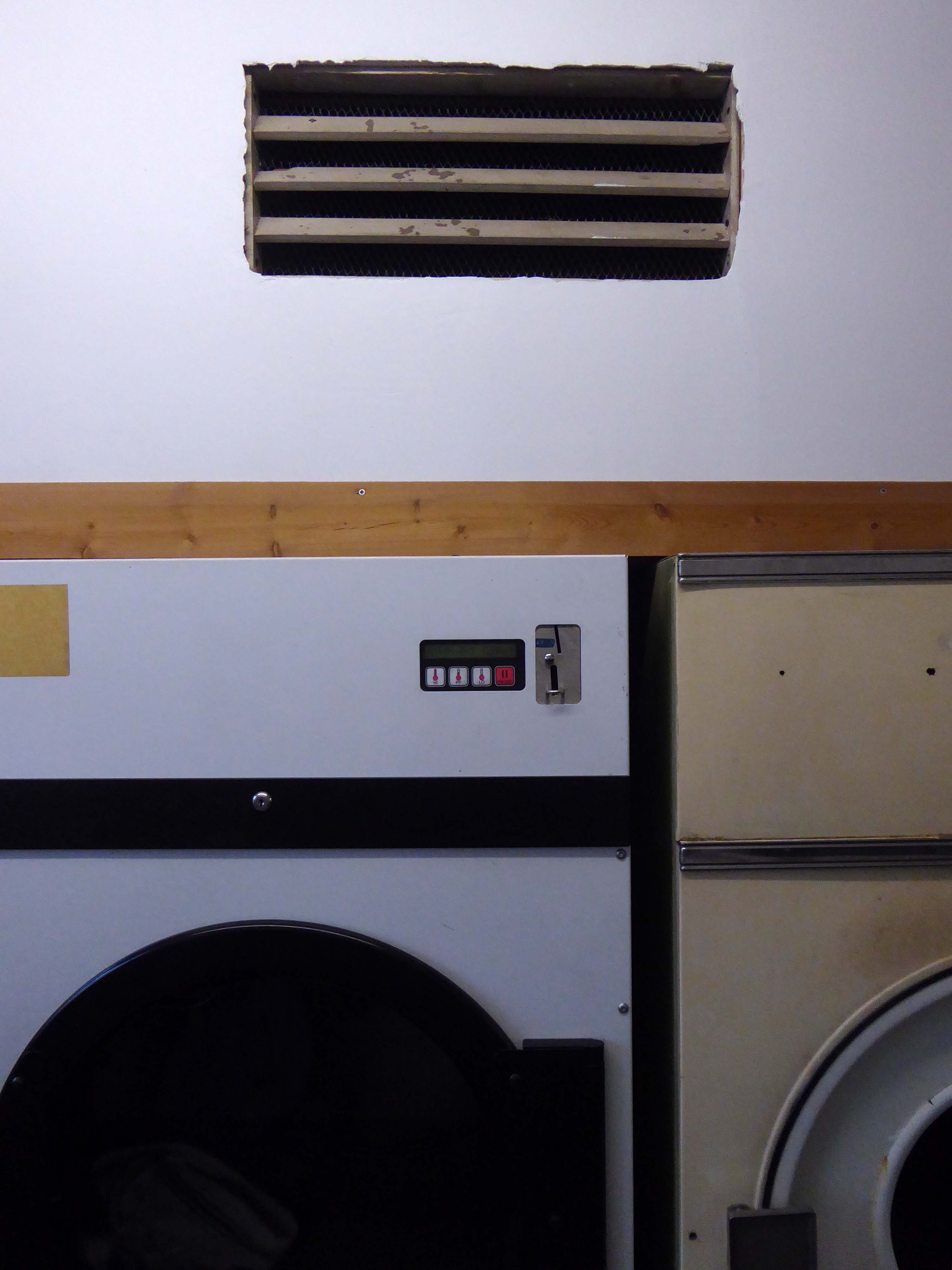
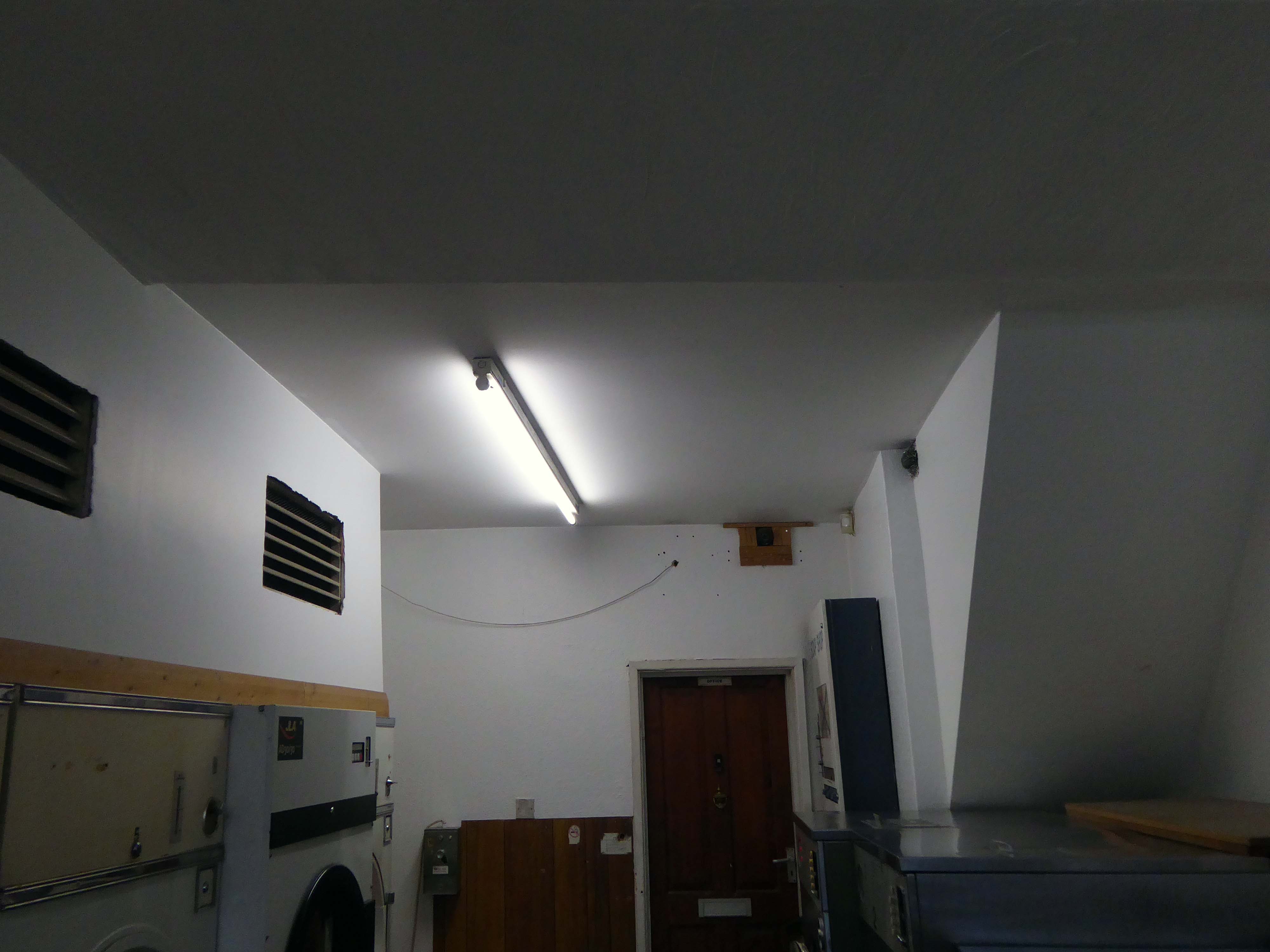
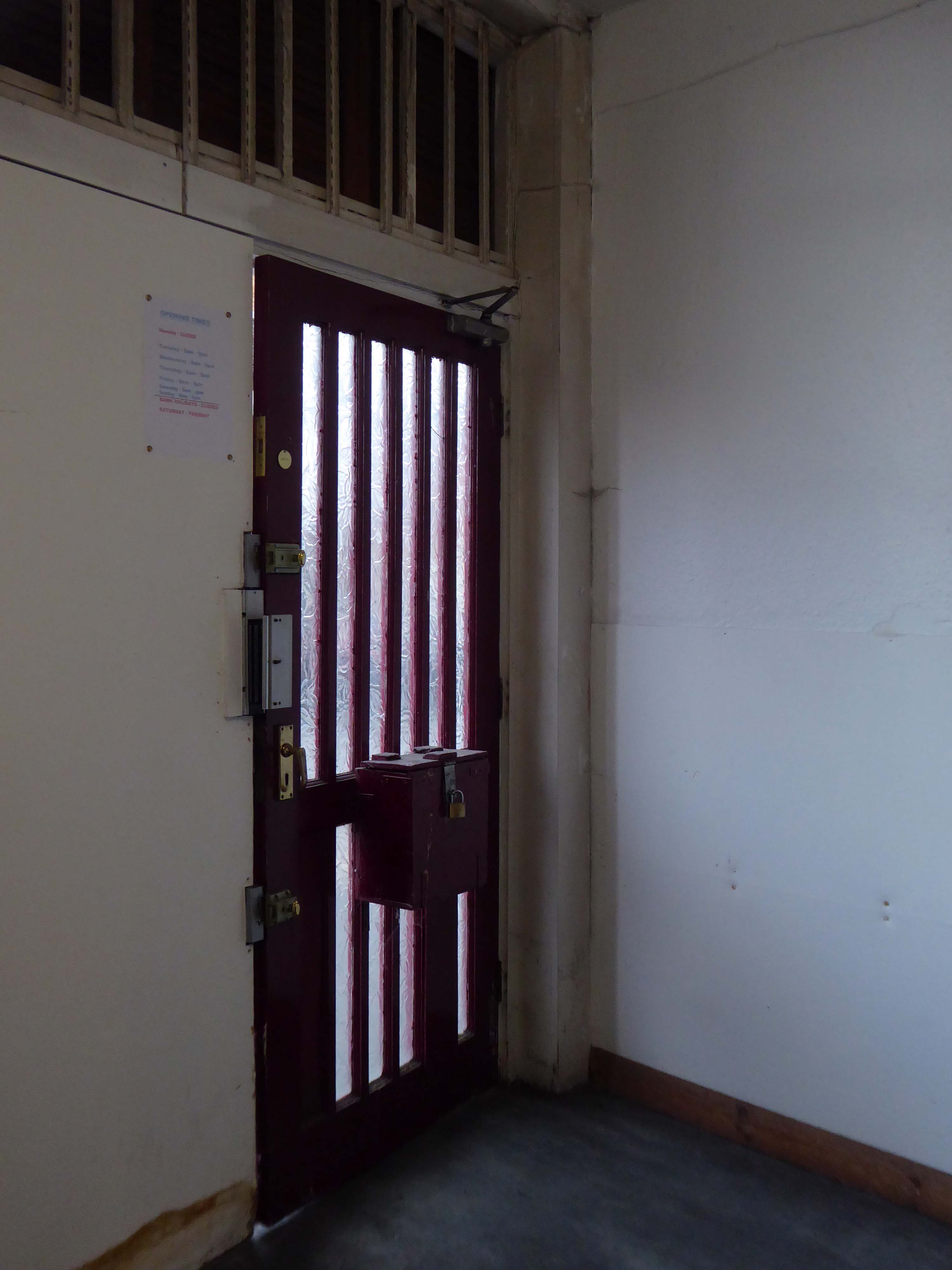
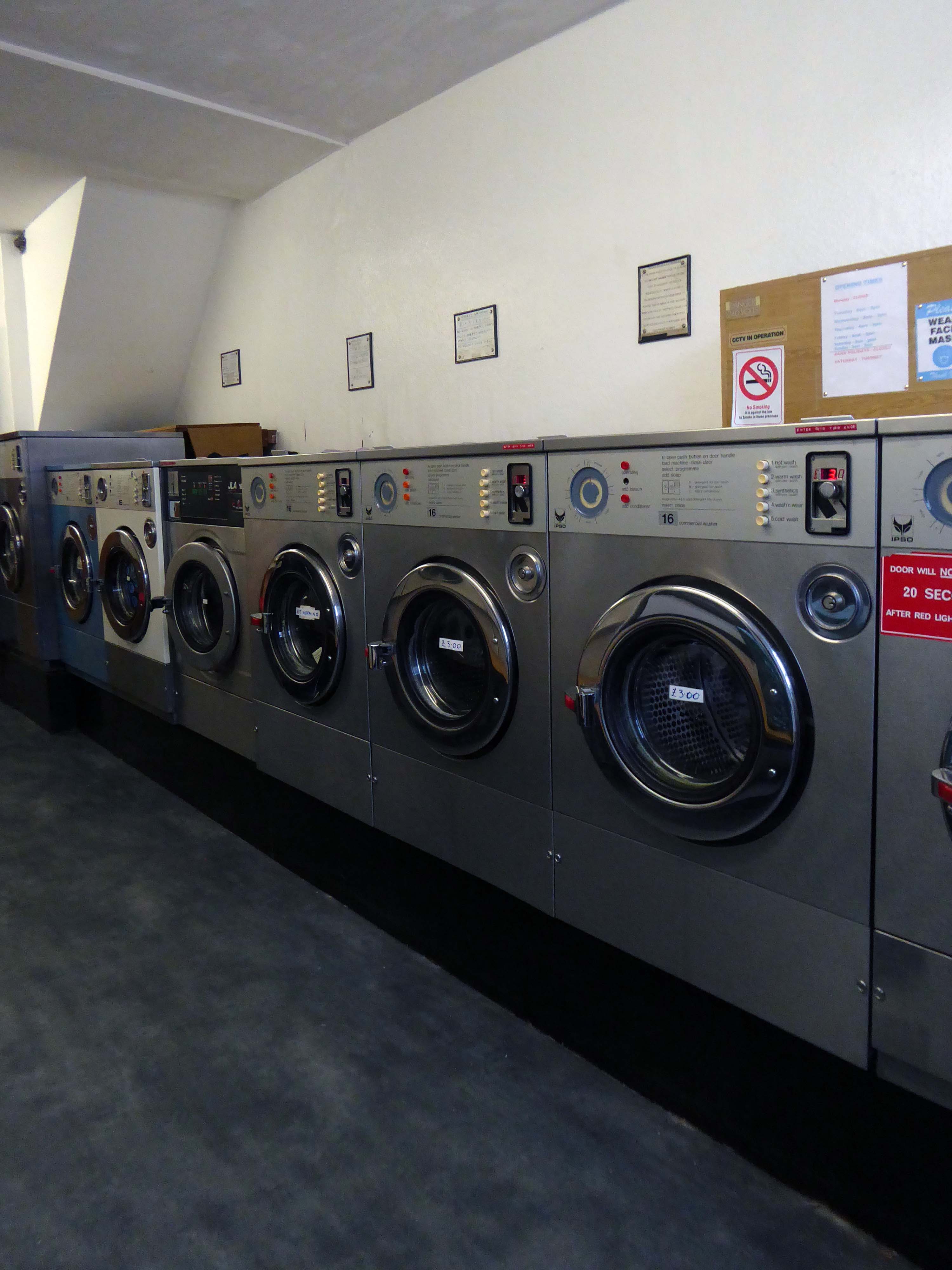
The launderette was empty and offered an oasis of oddity in an otherwise predictable day.
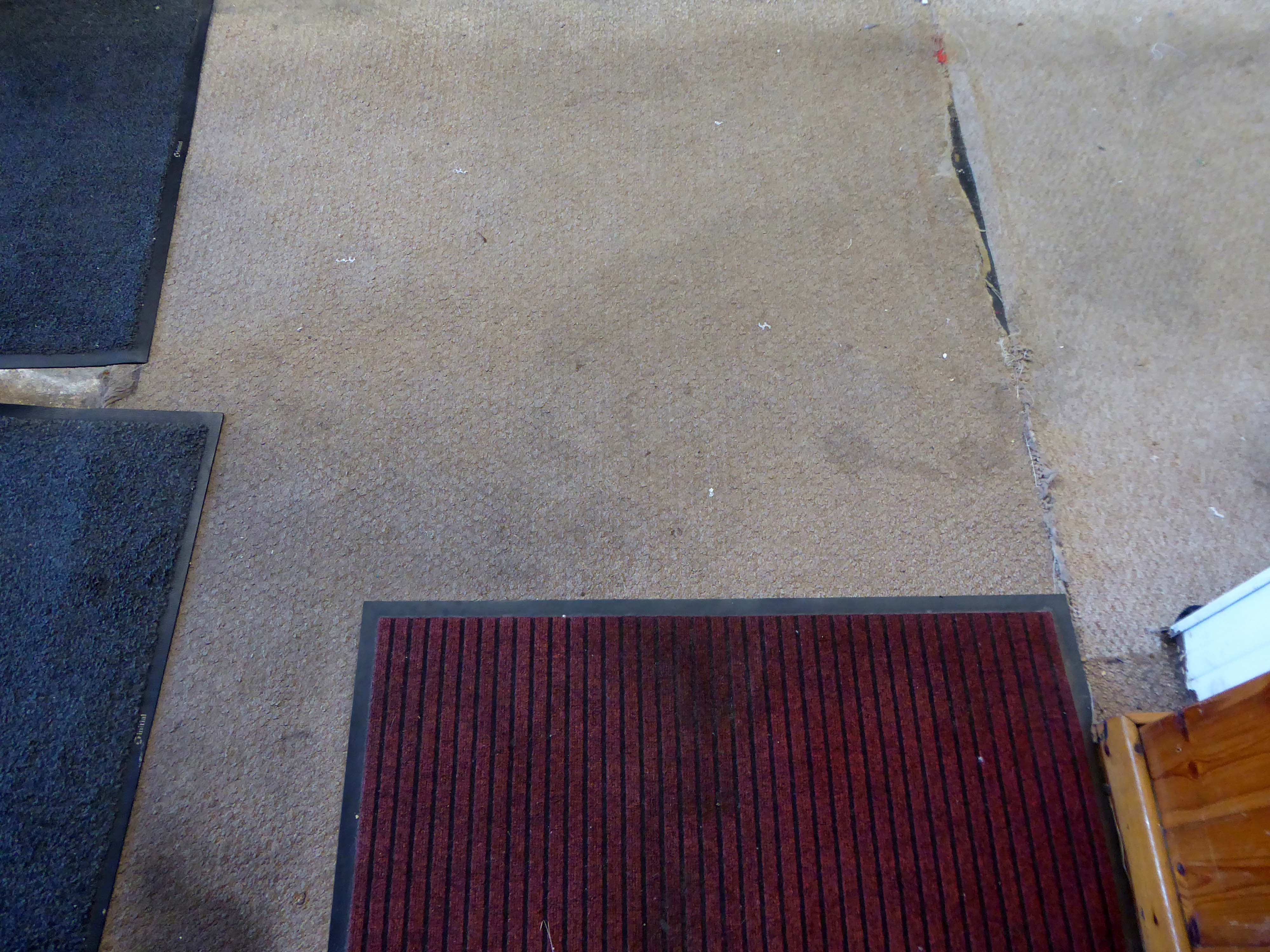
There is always a mild sense of trepidation, entering a space devoid of folk, slowly placing footsteps tentatively, over those of the lost souls, that have trodden the worn floor coverings in times past.
Just look over your shoulder – I’ll be there.
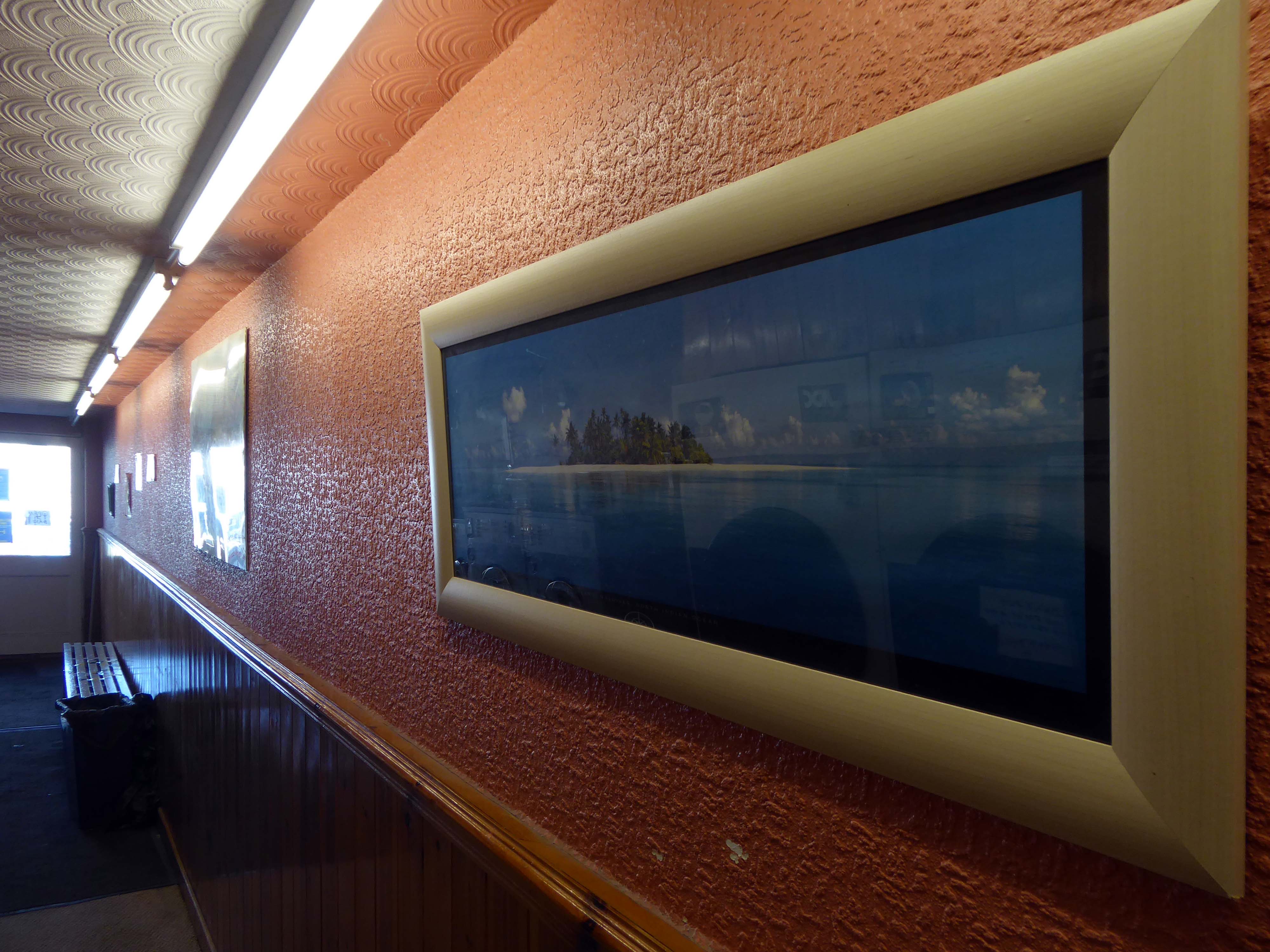
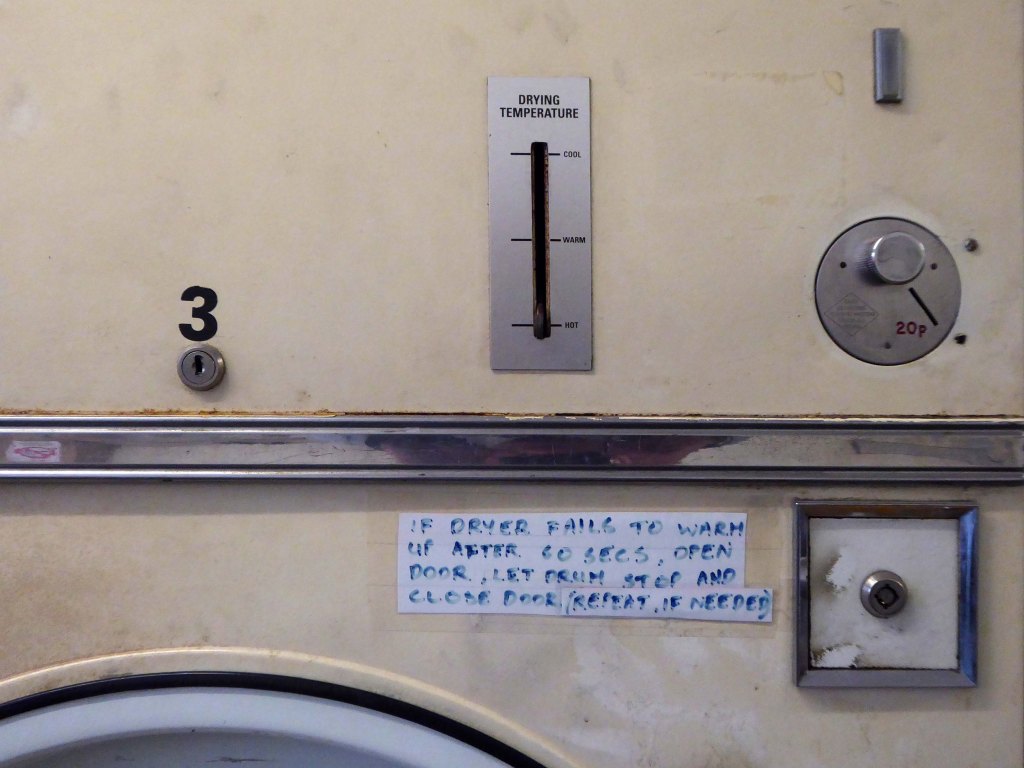
Once inside the daylight fades, replaced by tremulous fluorescent tubes, illuminating the discoloured coloured surfaces.
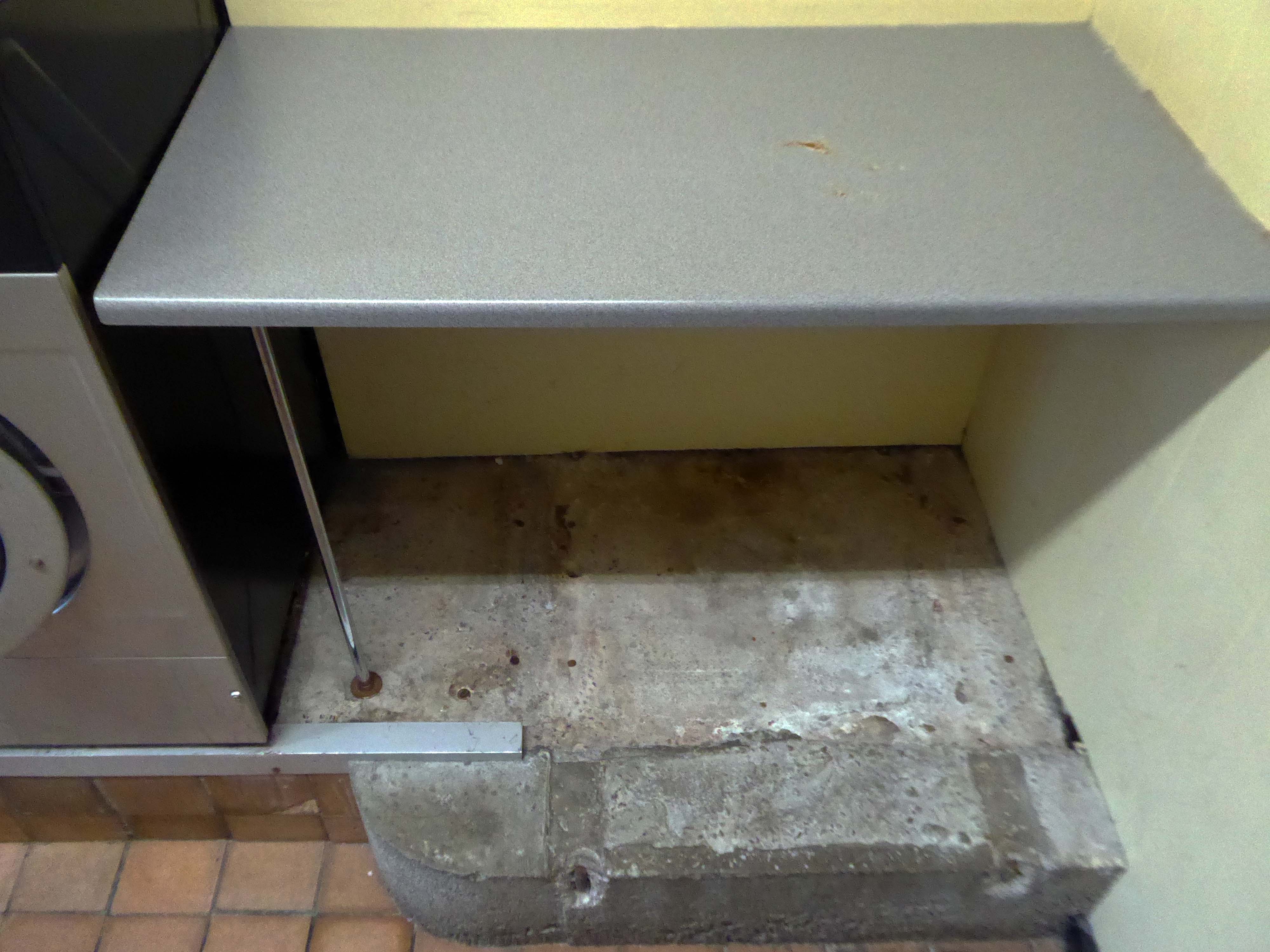
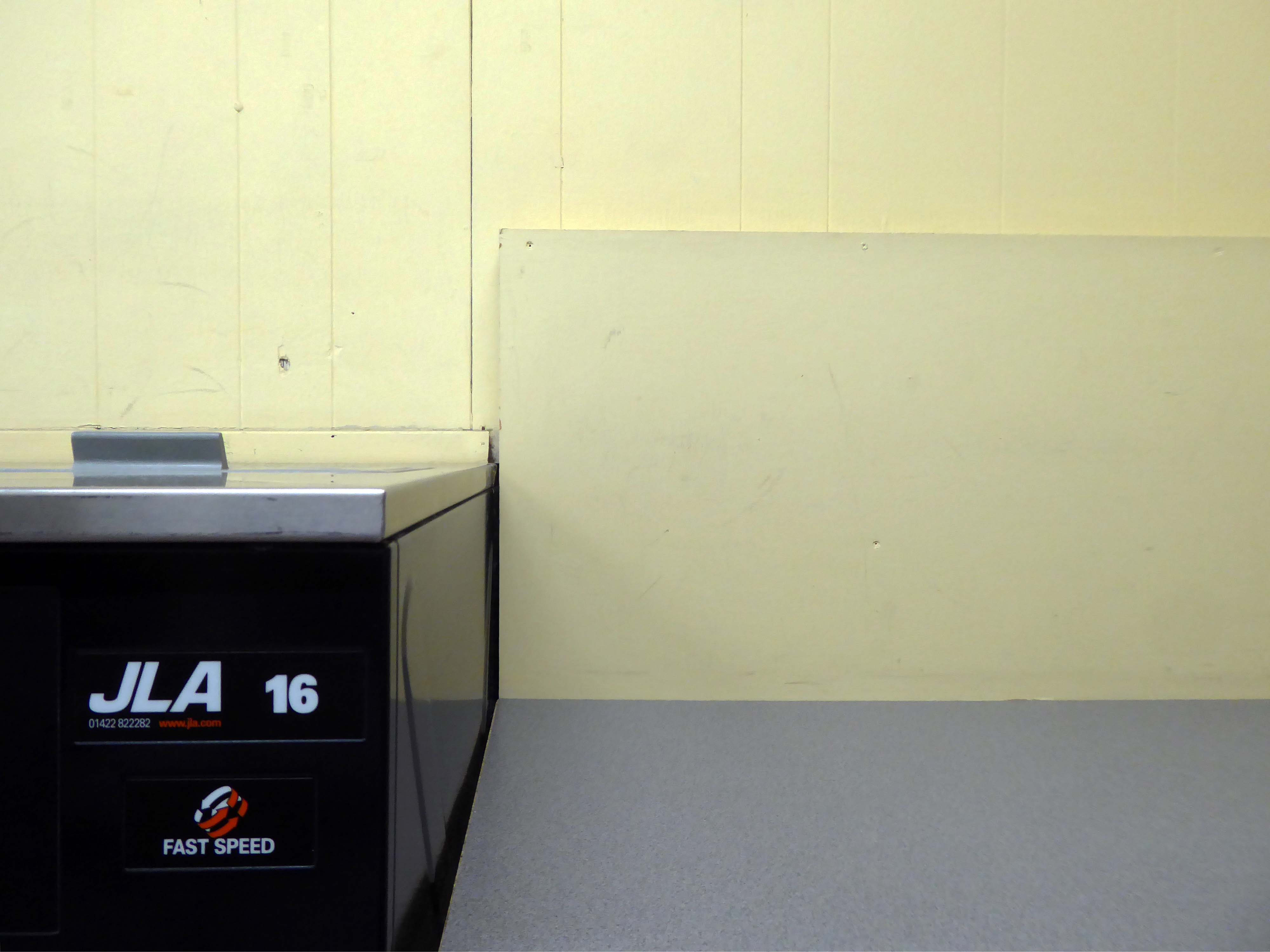
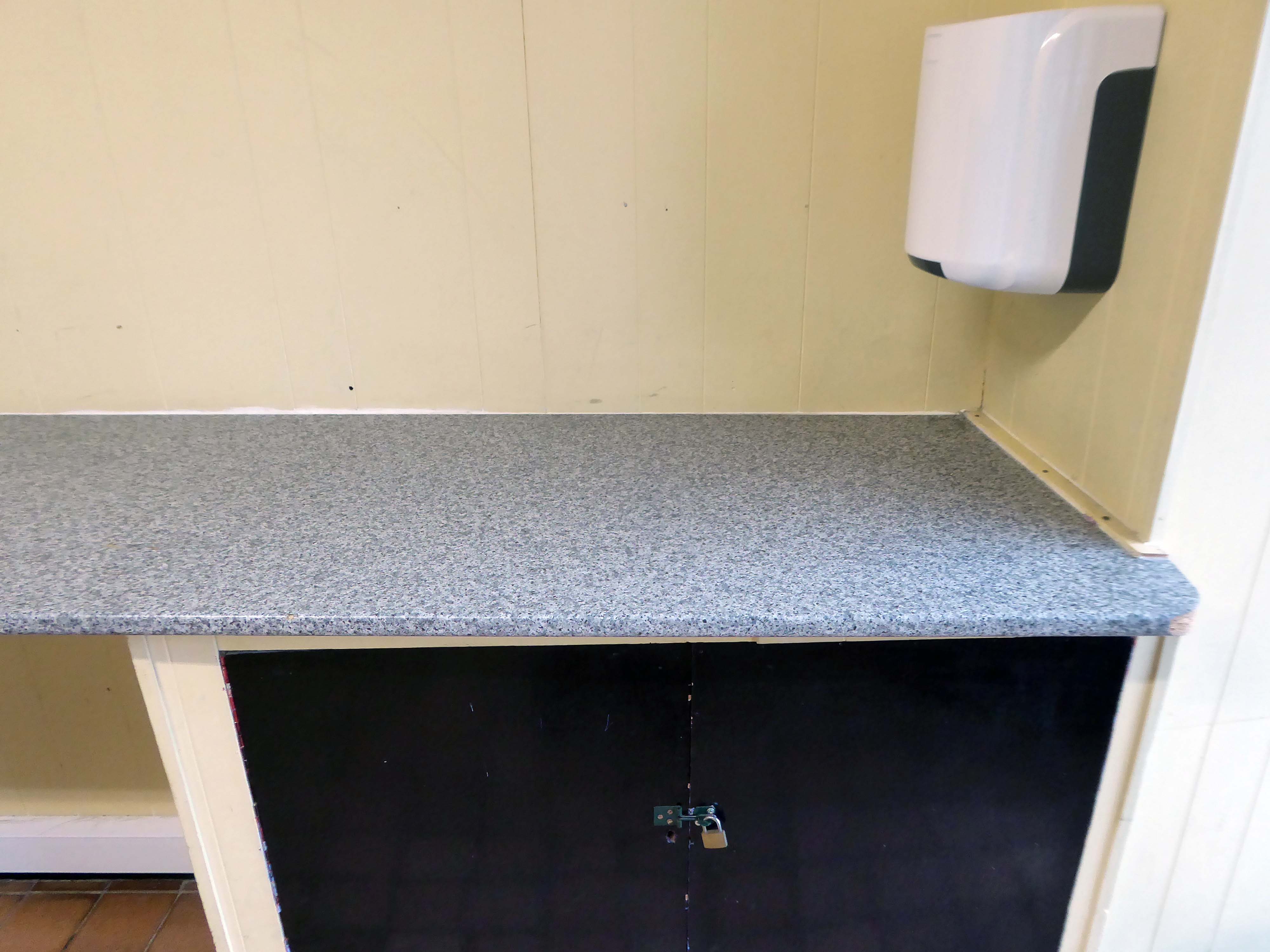
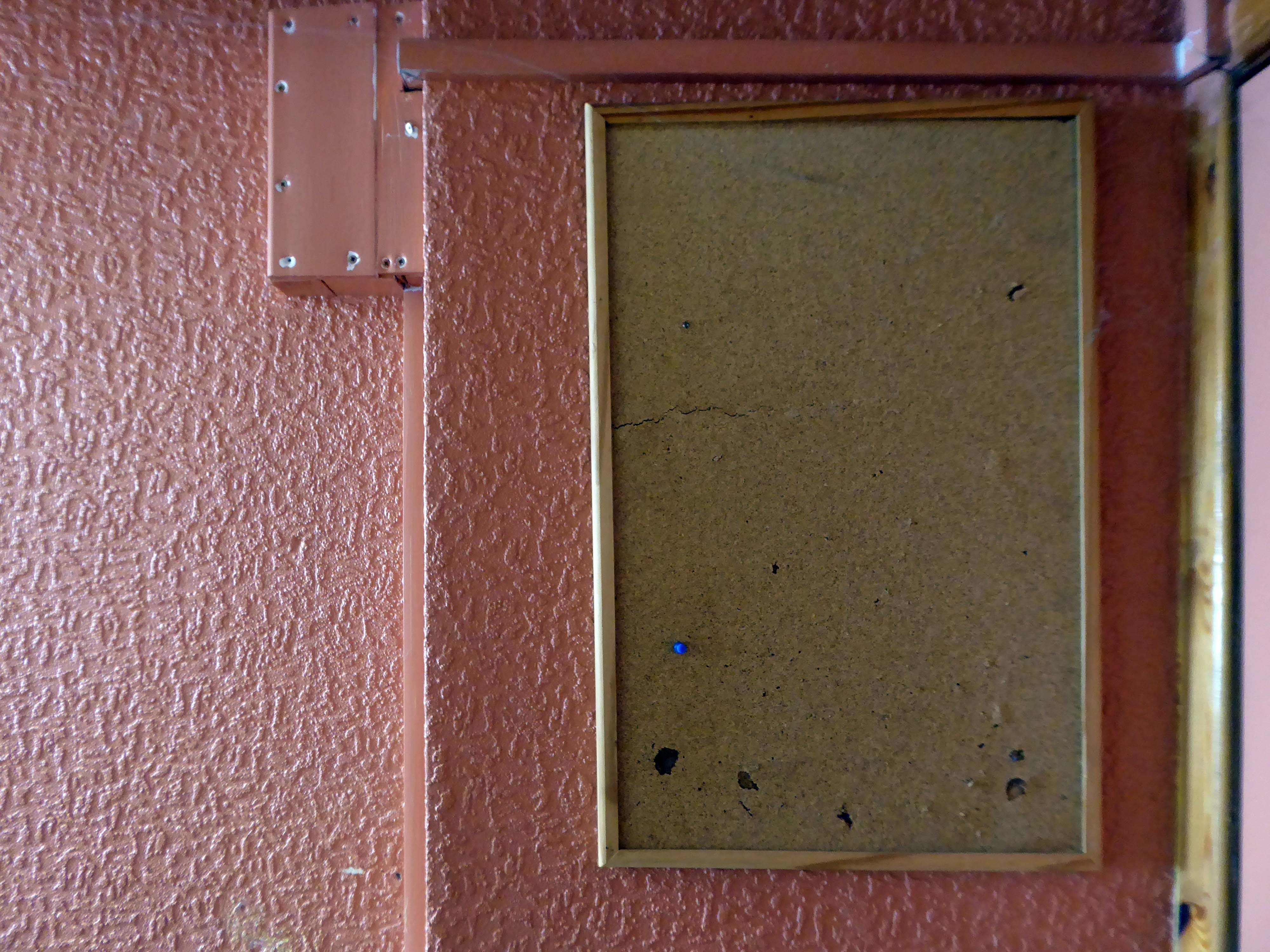
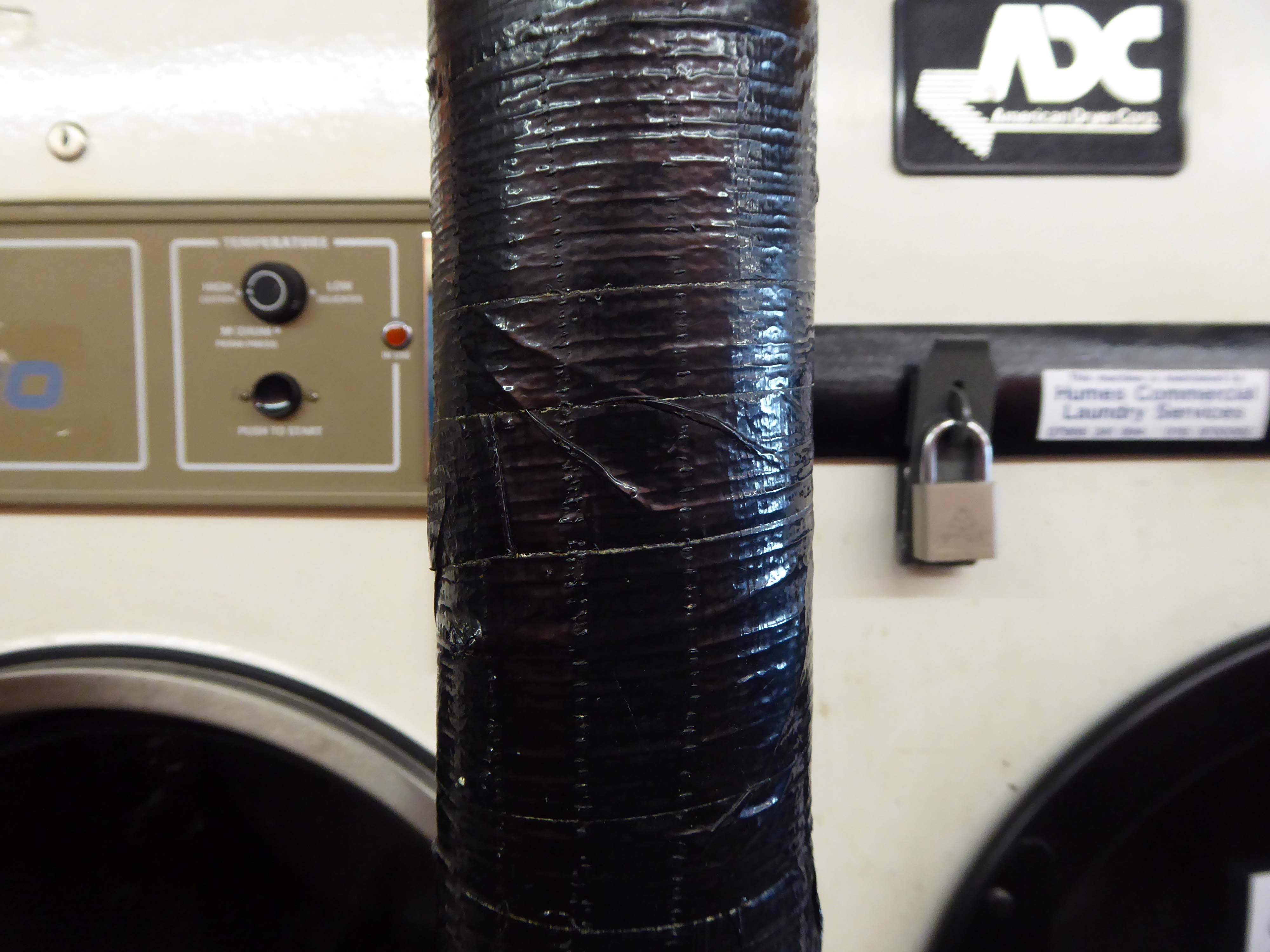
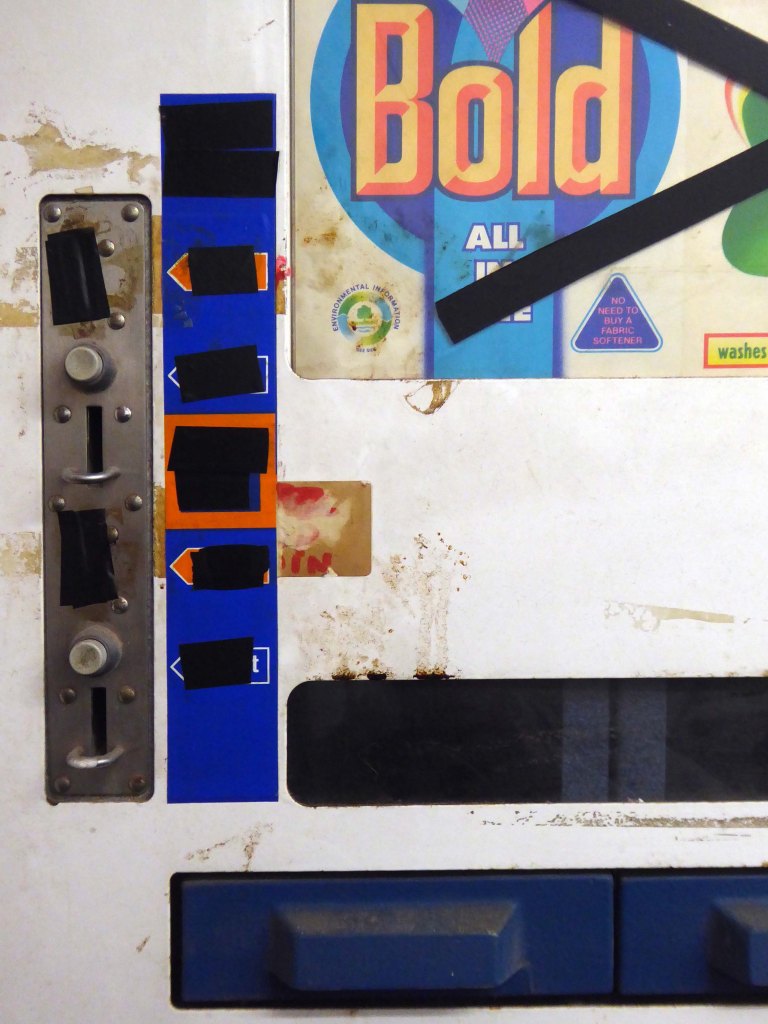
Blown vinyl, damp carpet, dulled stainless steel, tired laminate and pine panels.
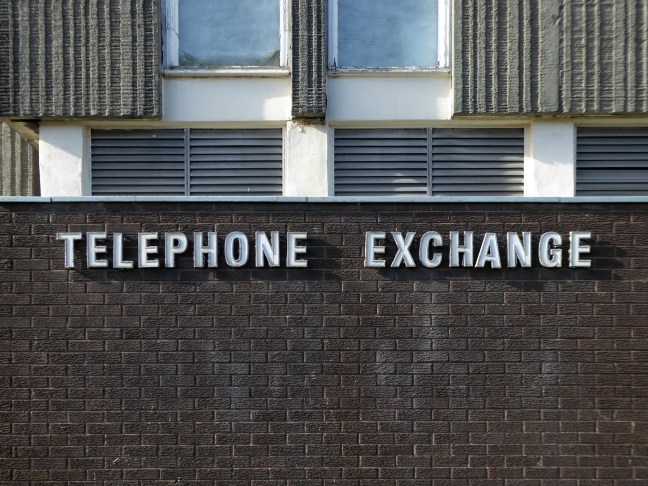
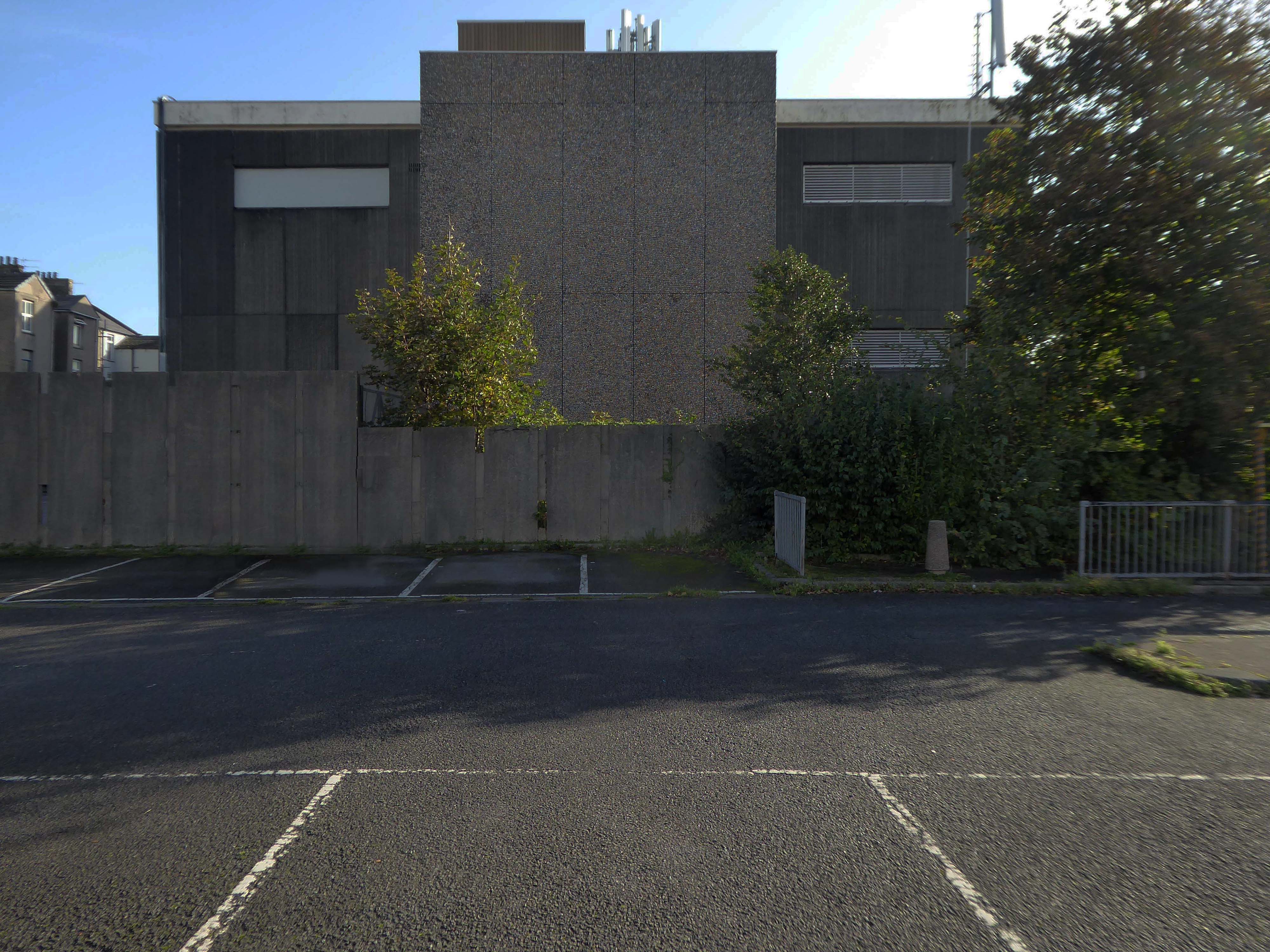
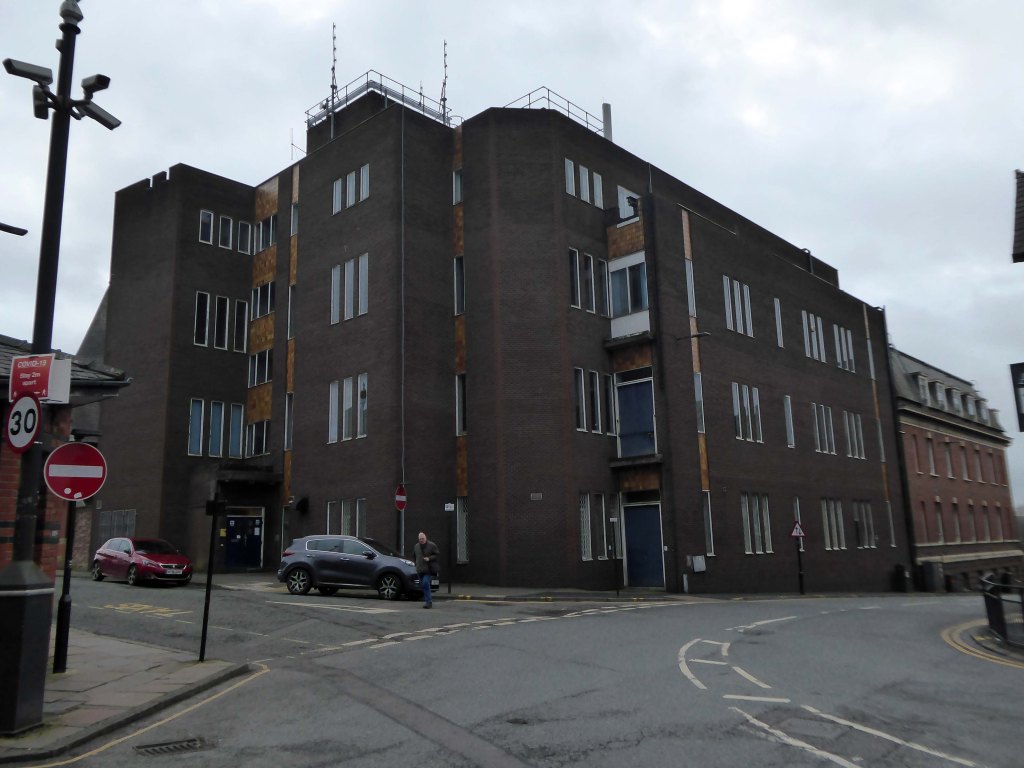
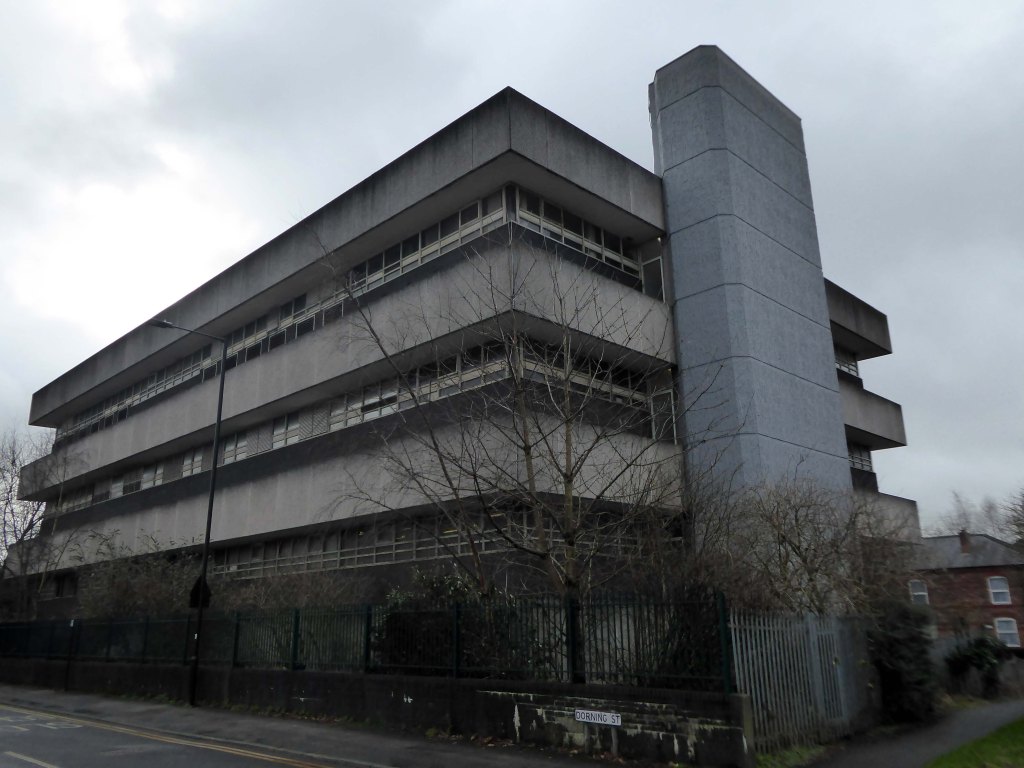
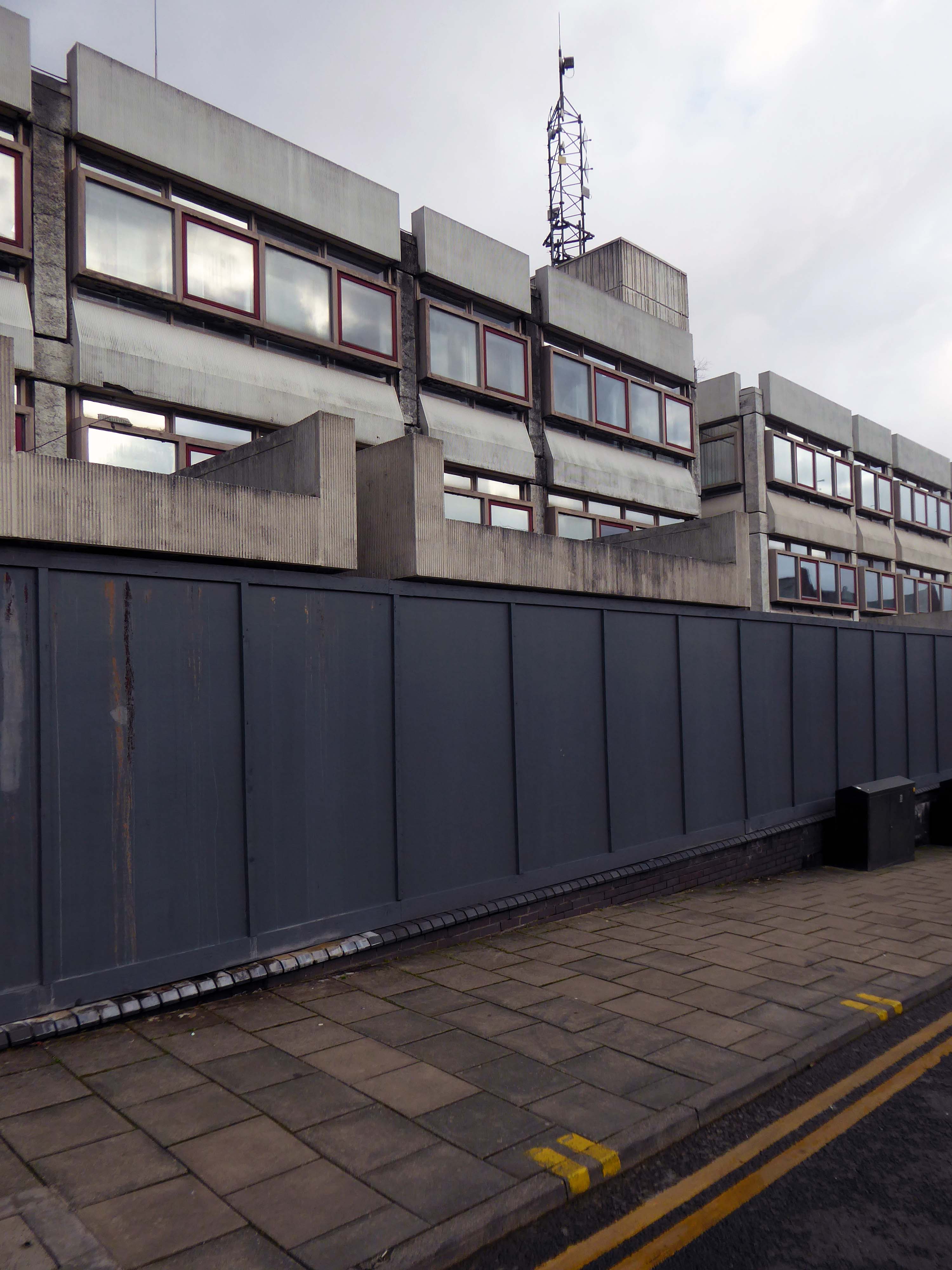
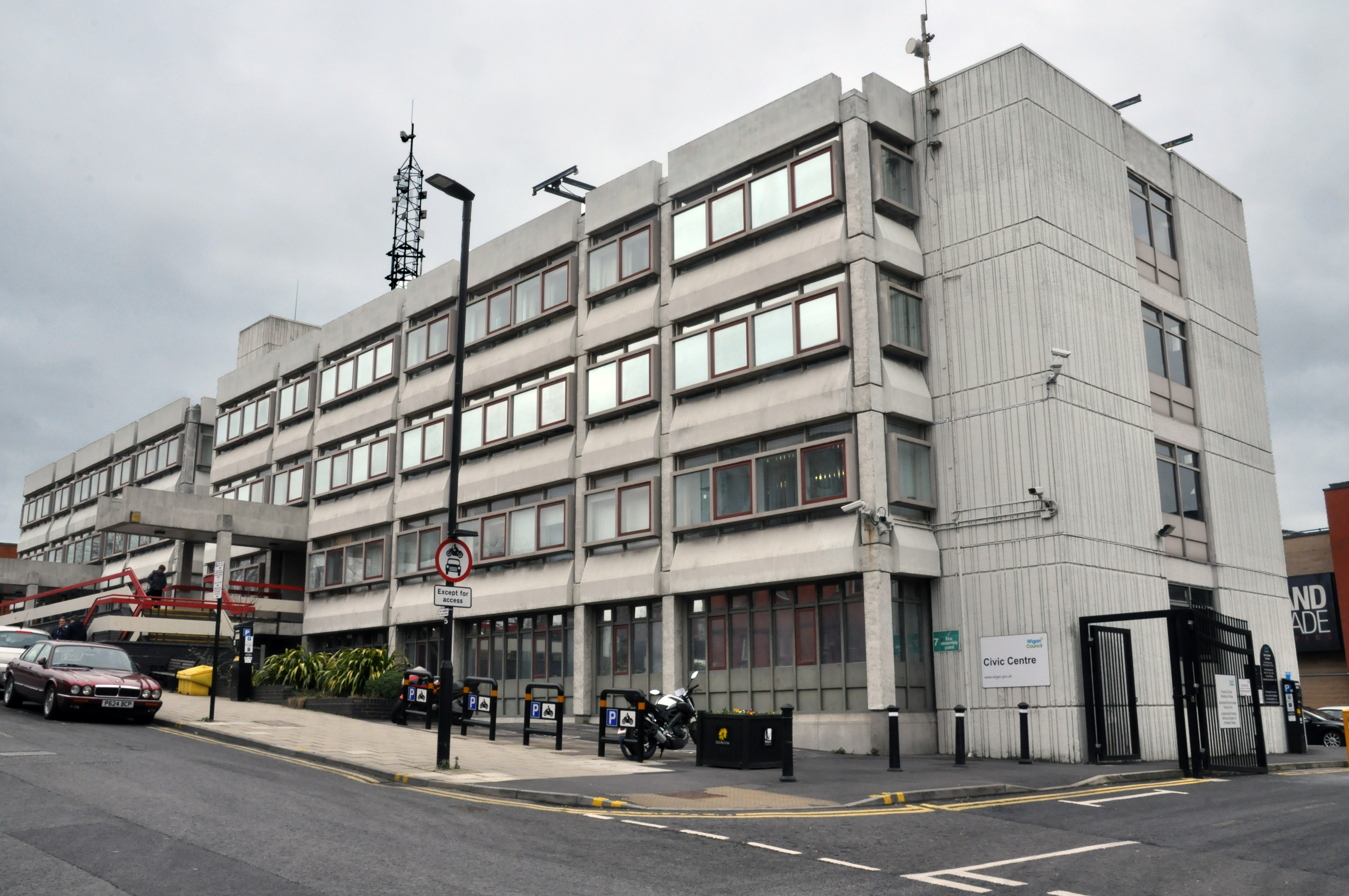
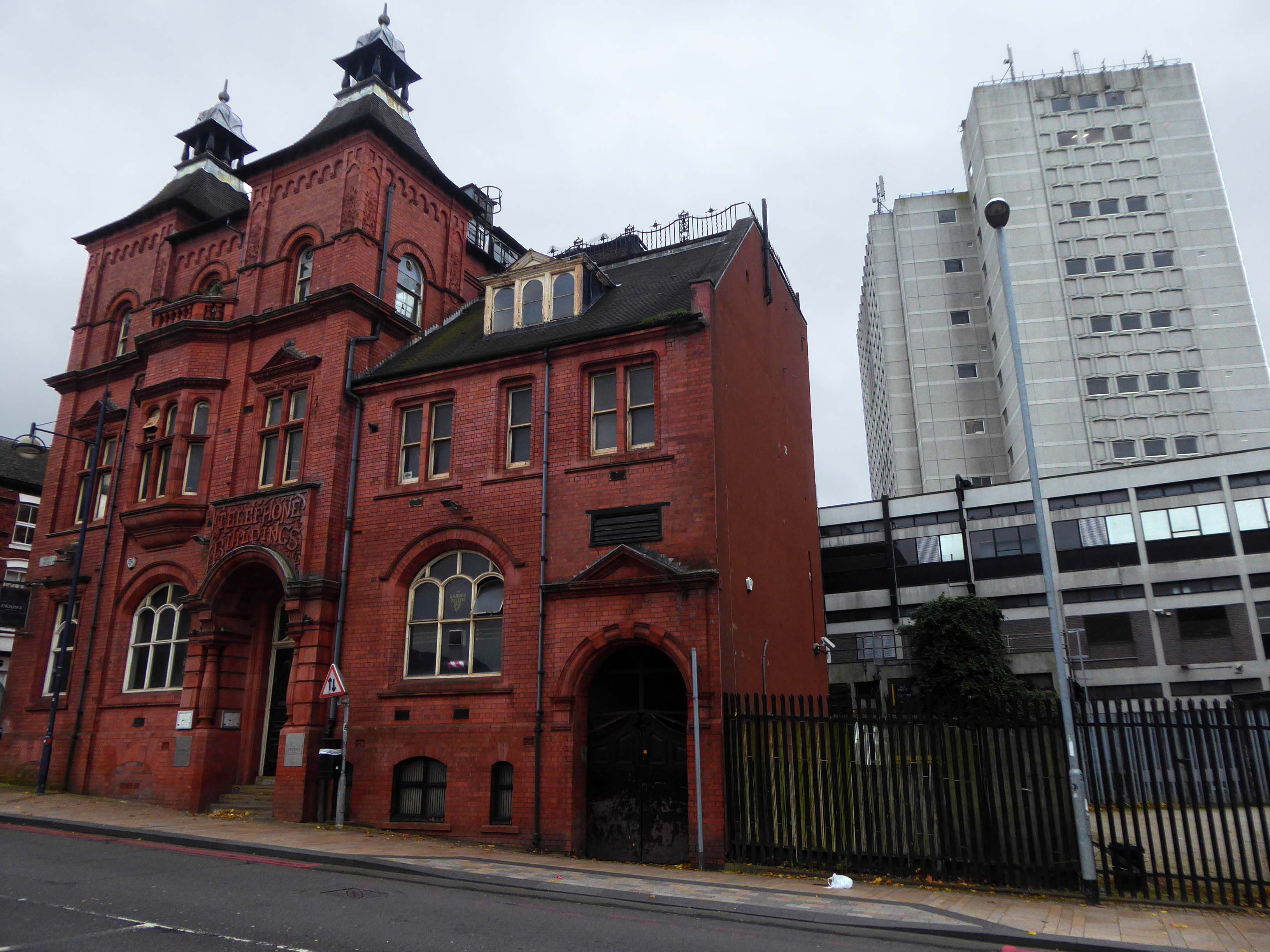
Back out onto Dorning Street in search of telephone exchanges, three telephone exchanges.
Inter-war
Sixties.
Seventies.
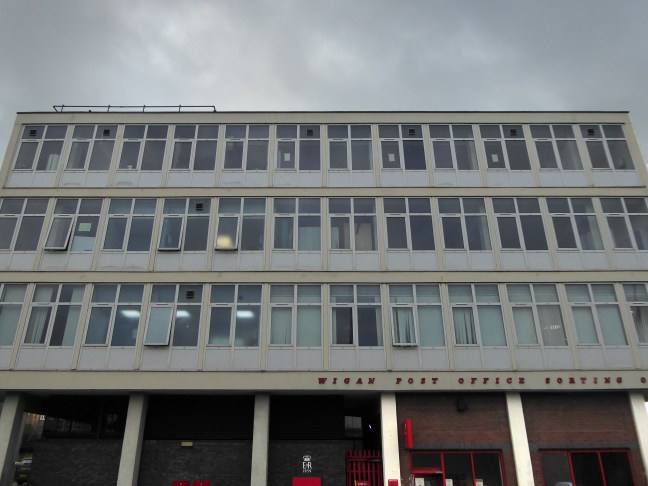
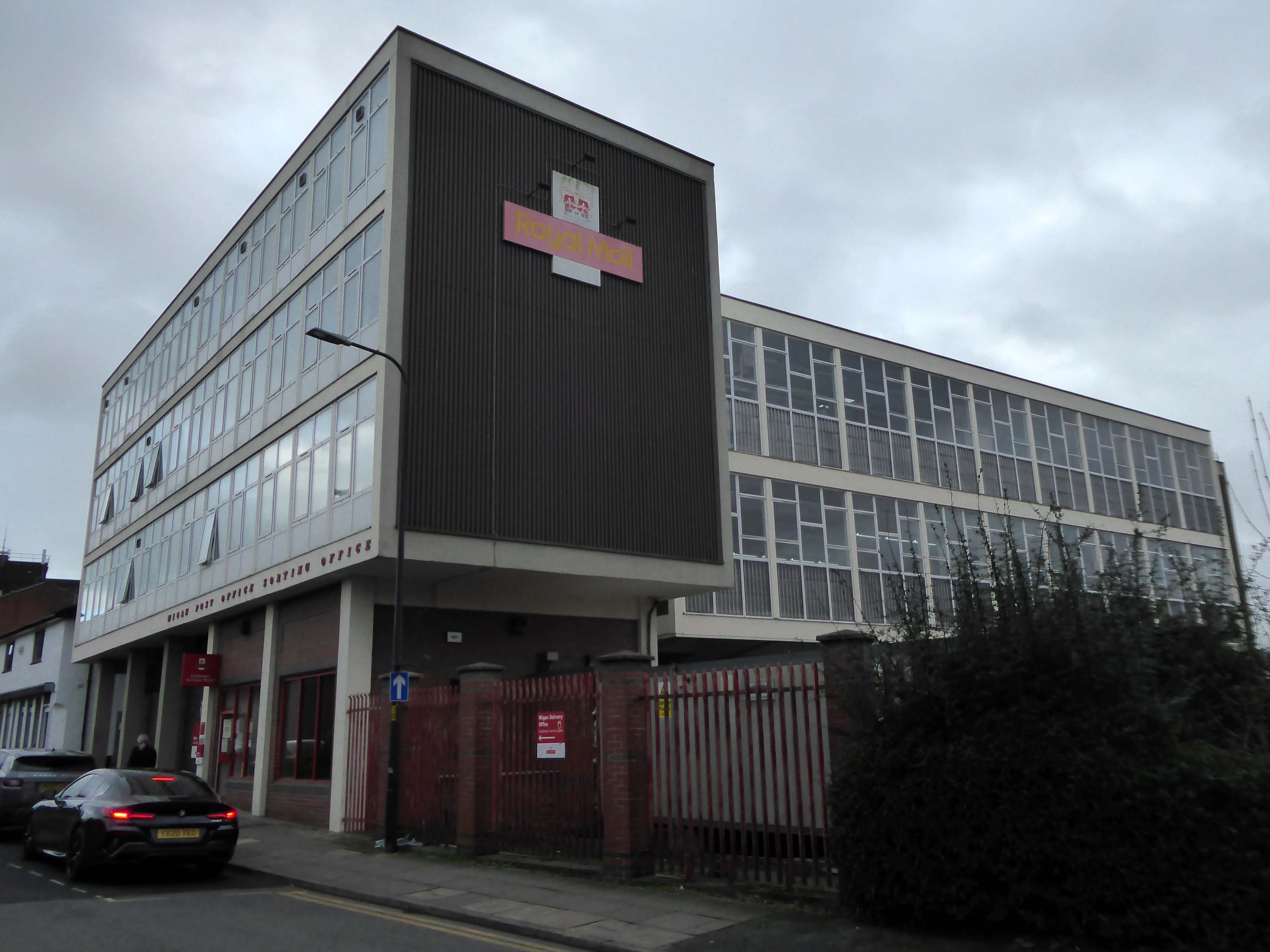
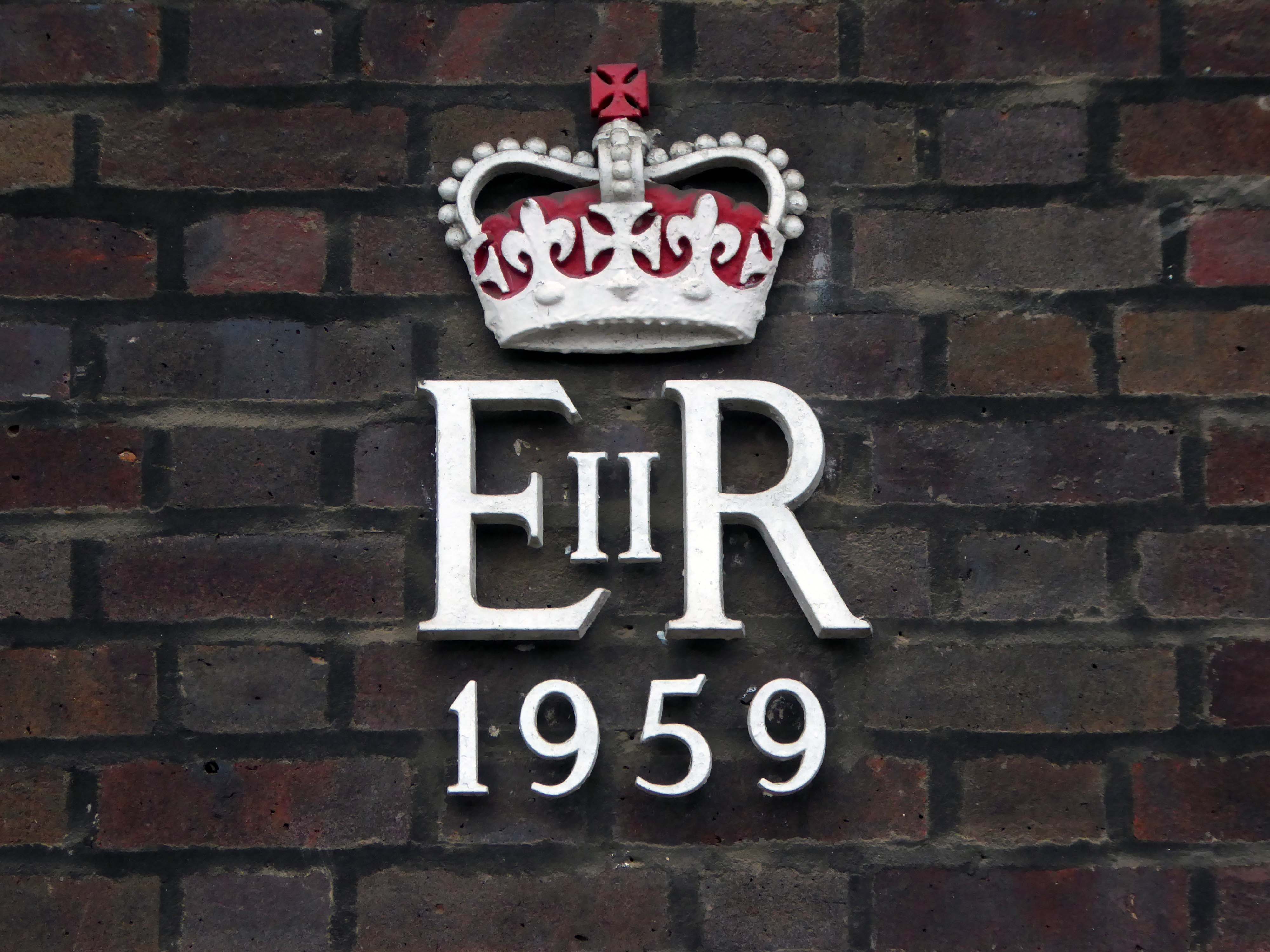
Just around the corner is an expansive GPO Sorting Office of 1959.
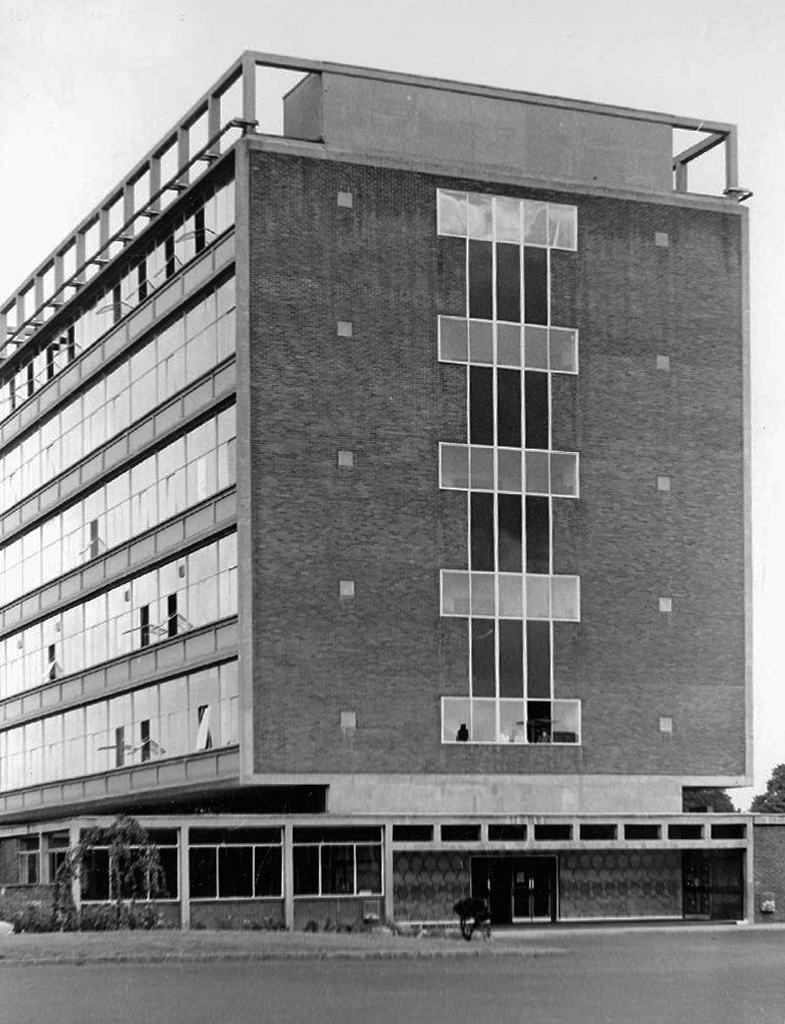
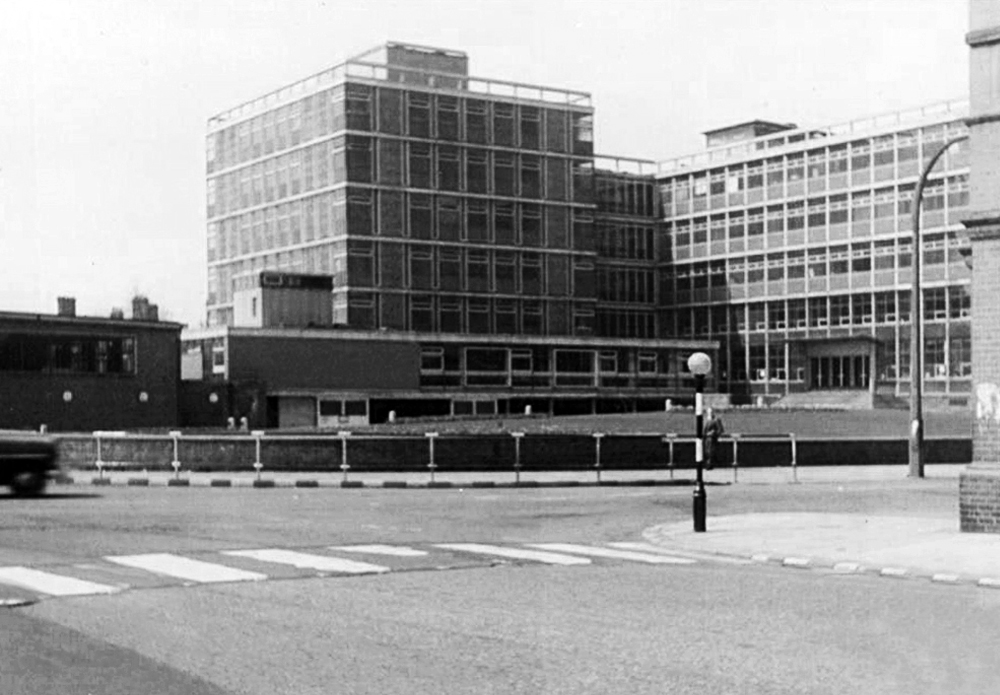
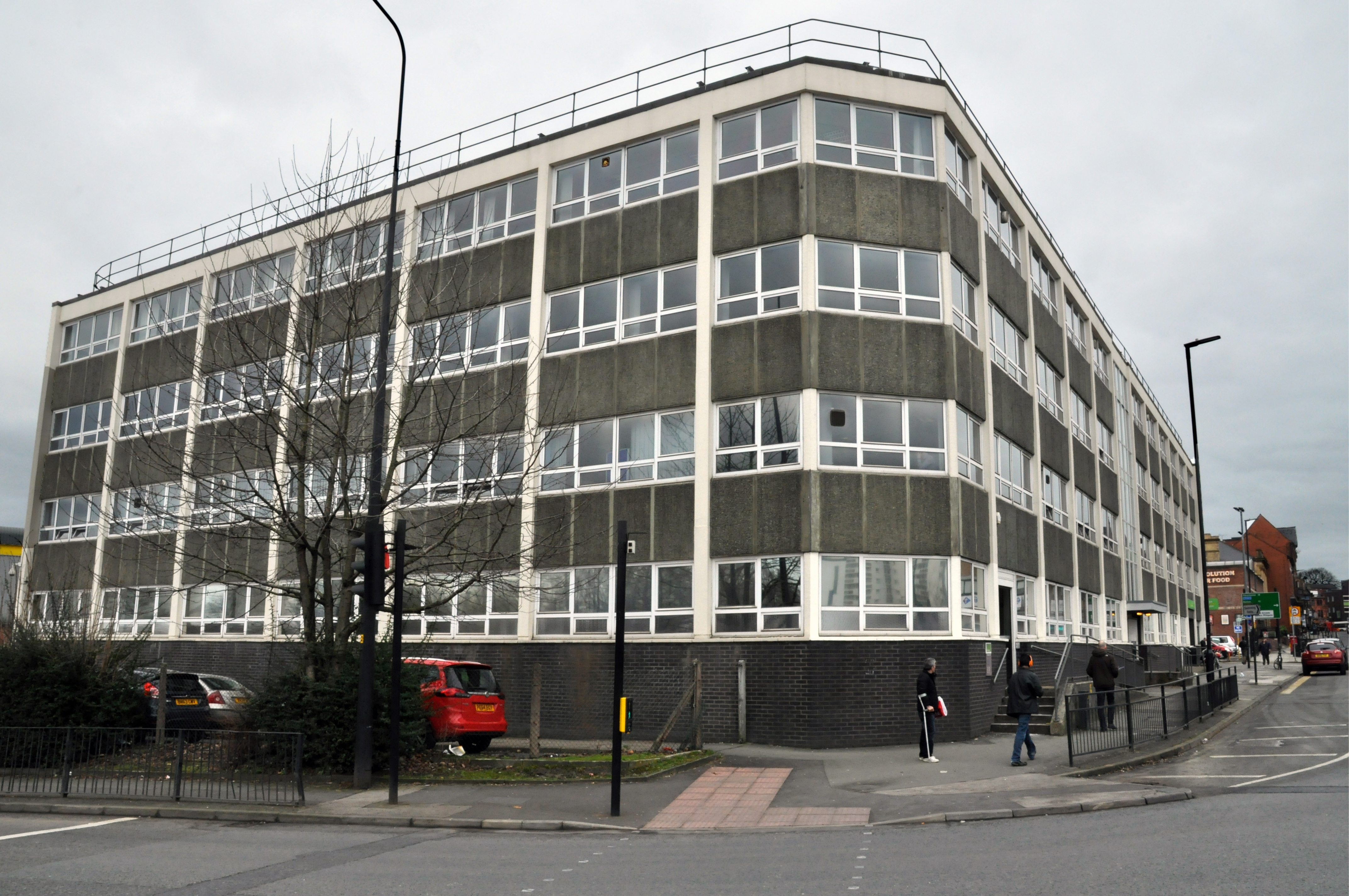
Across the way is the Technical College.
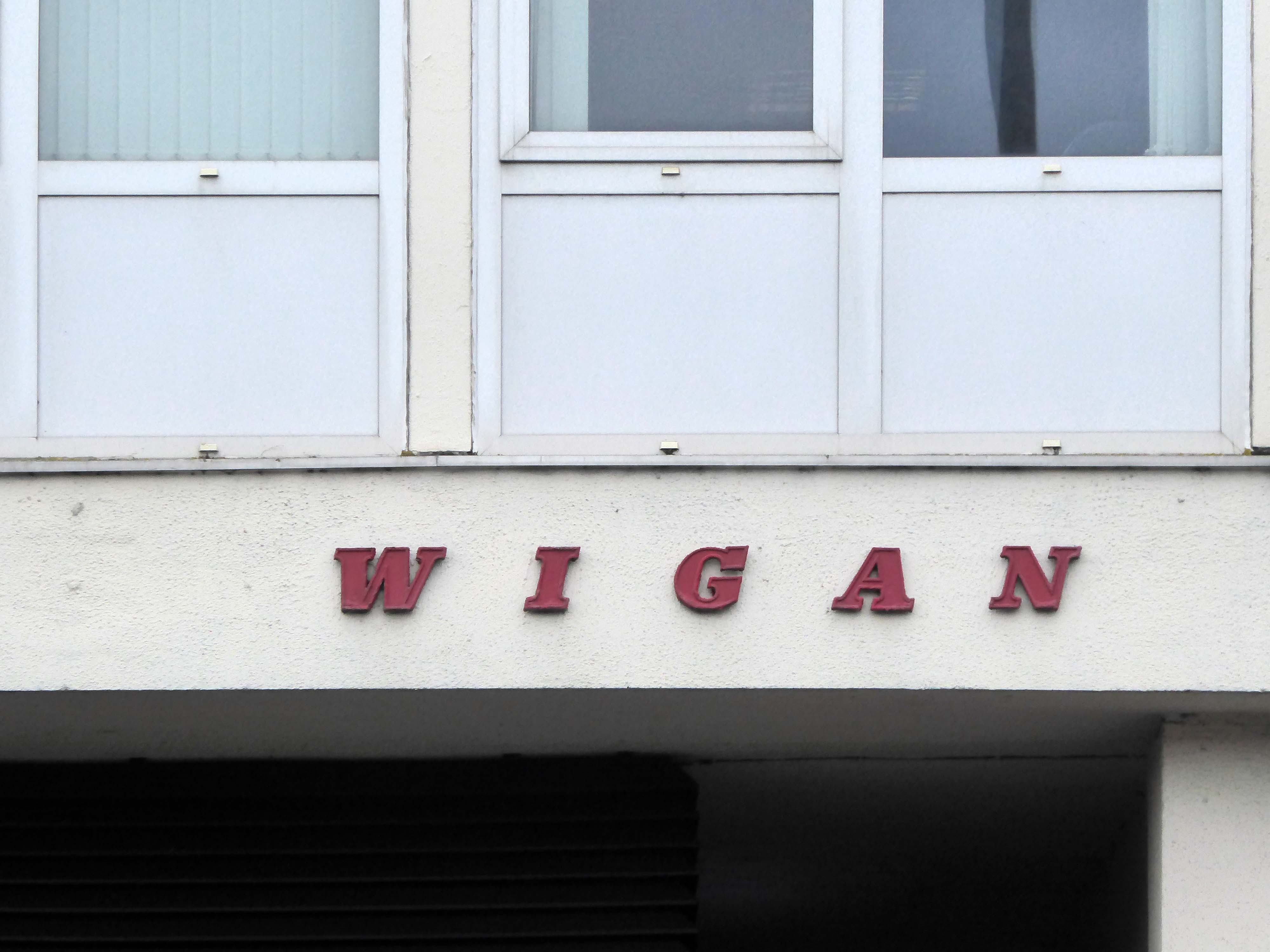
The foundations of Wigan & Leigh College date back to 1857, and the current institution was formed in April 1992 through the merger of Wigan College of Technology and Leigh College.
Partly formed from the Thomas Linacre Technical School.
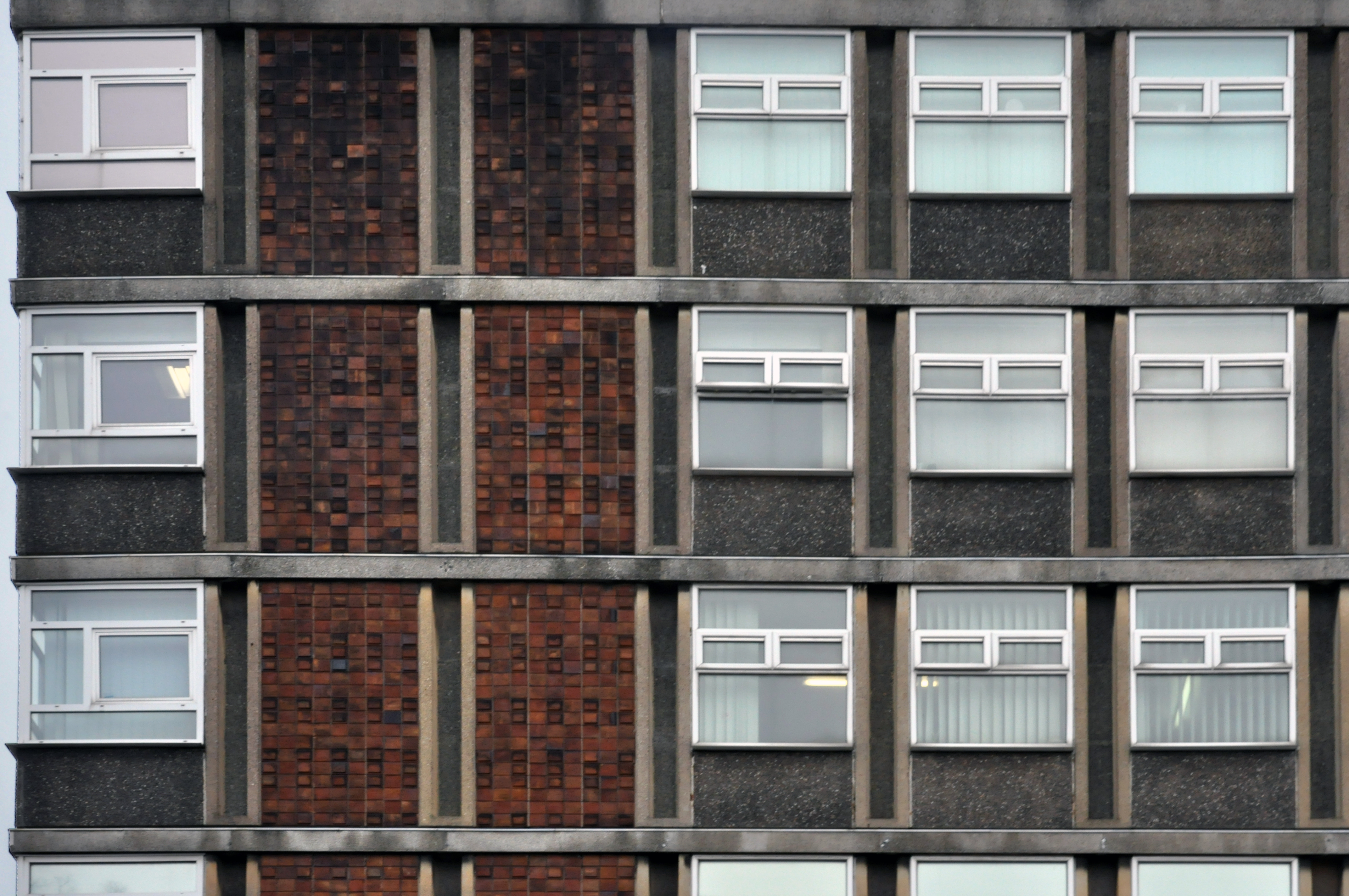
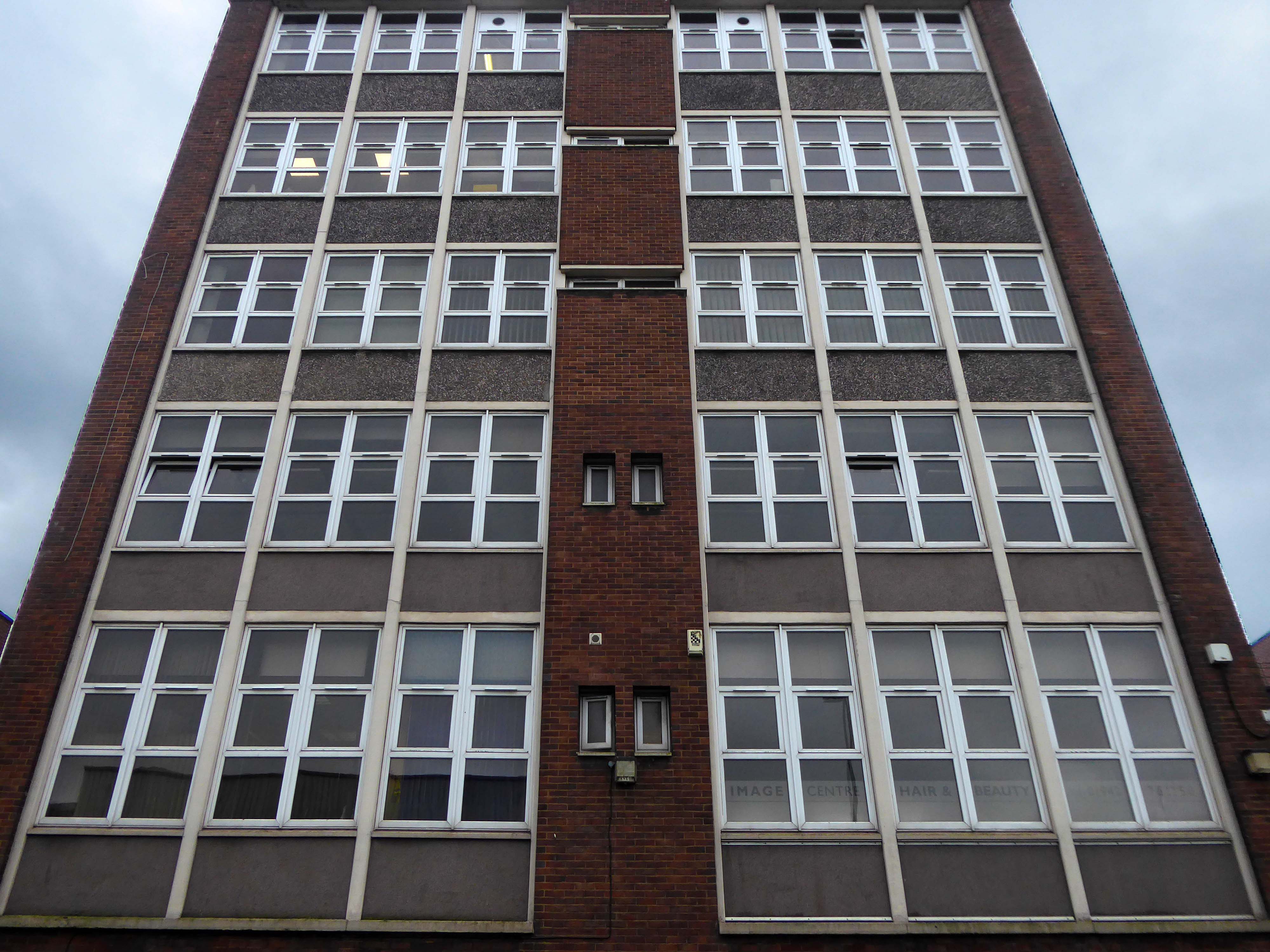
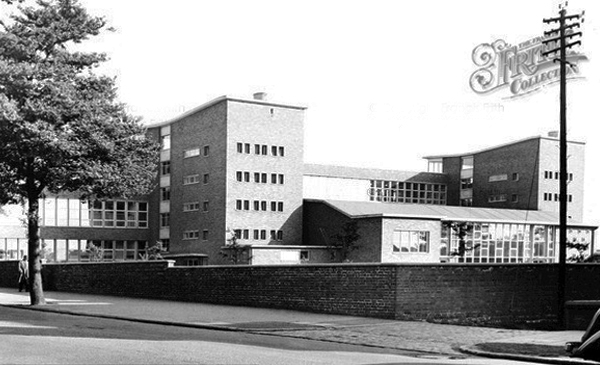
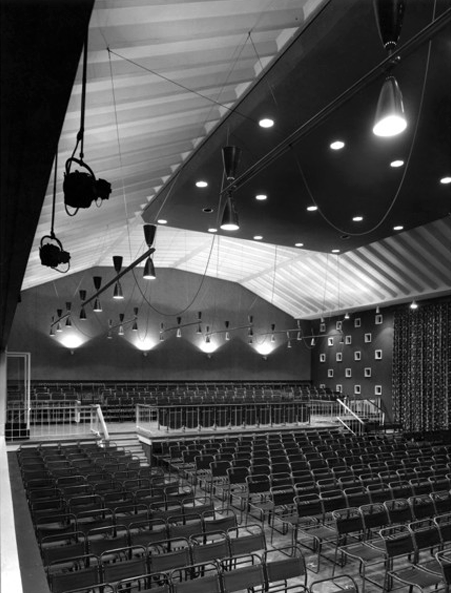
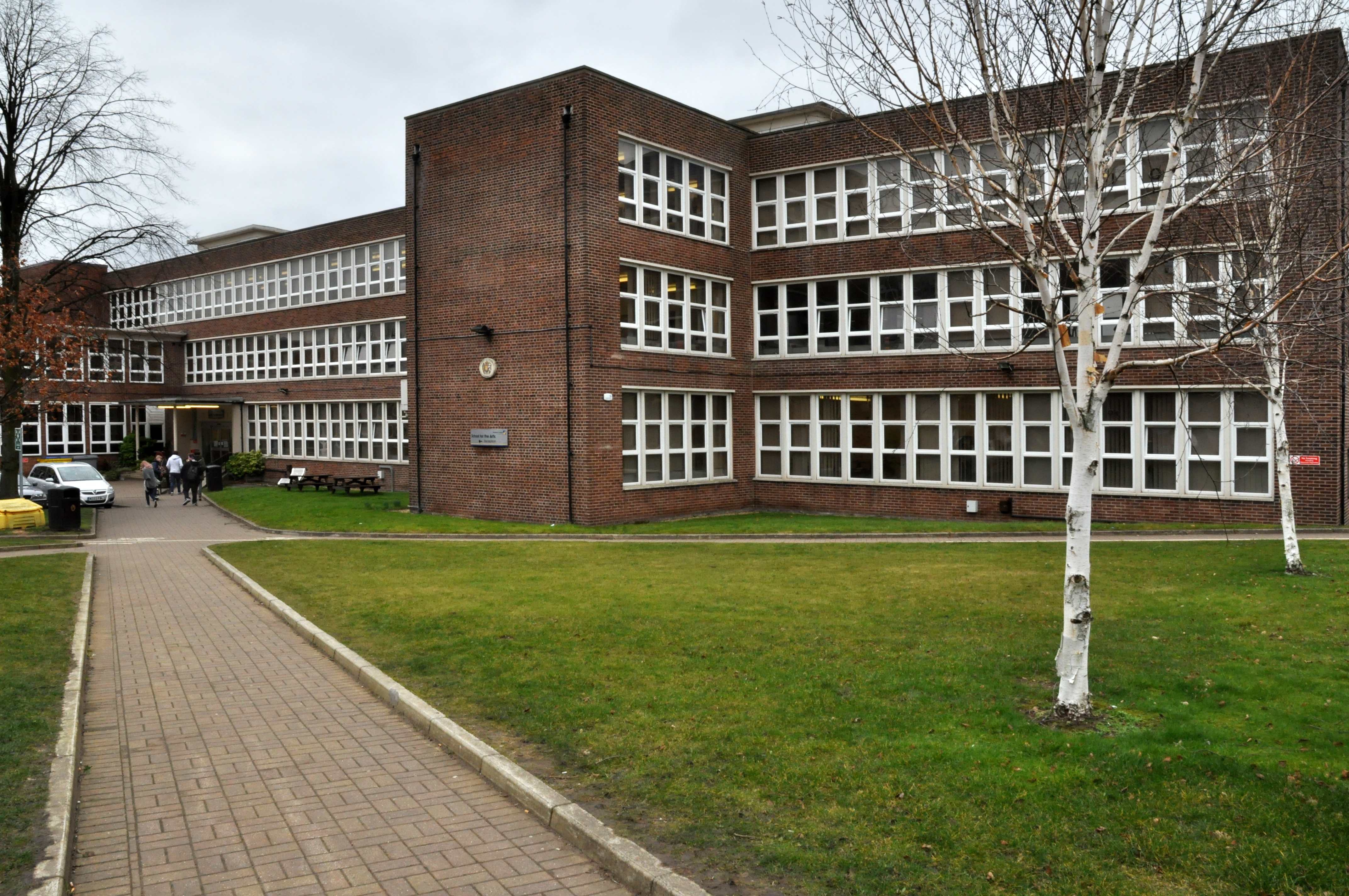
Architects: Howard V Lobb G Grenfell Bains & Hargreaves 1954
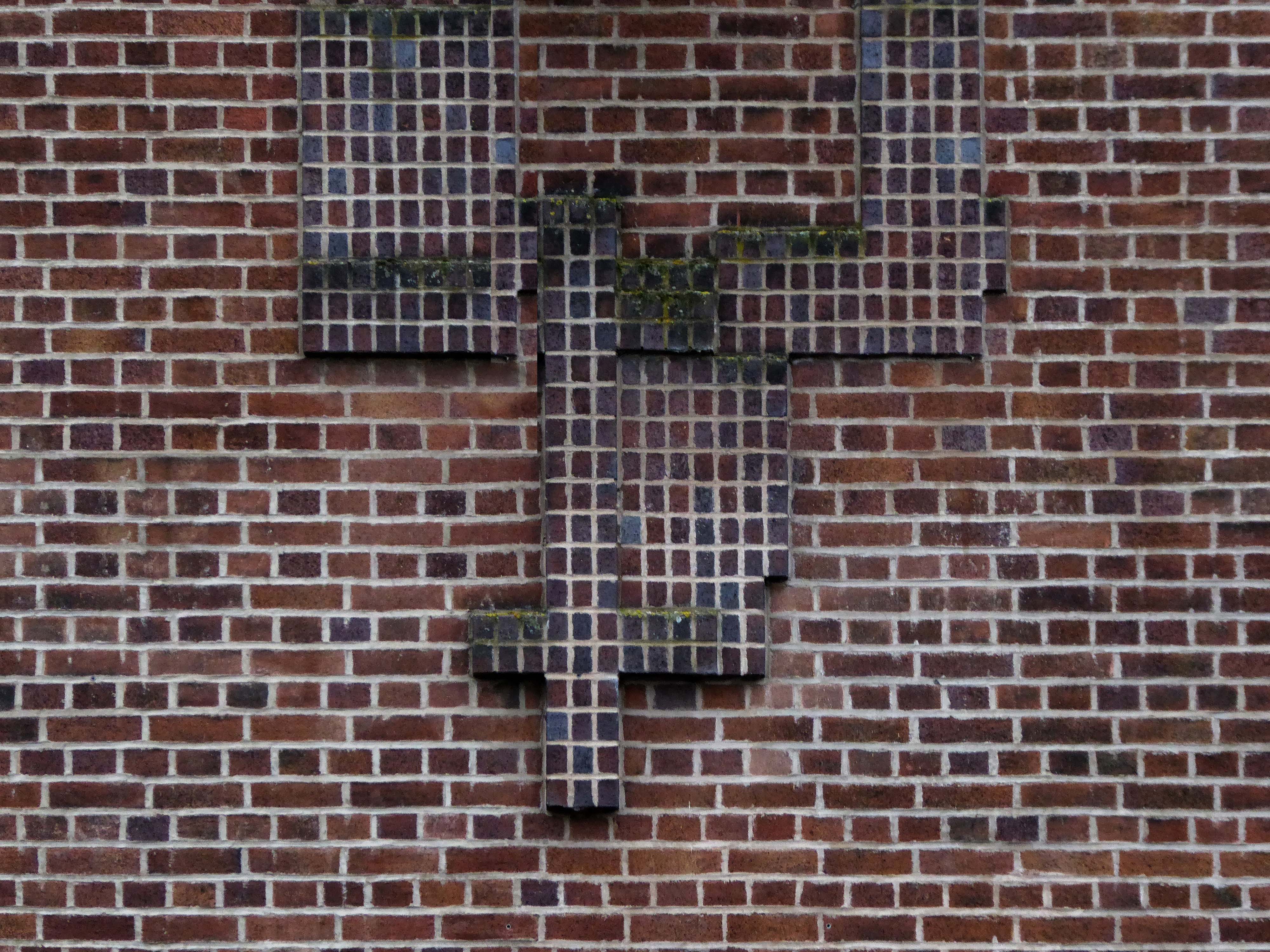
Curious decorative brick motif – a floor plan of the building.
My thanks to Mark Watson for his erudition and insight.
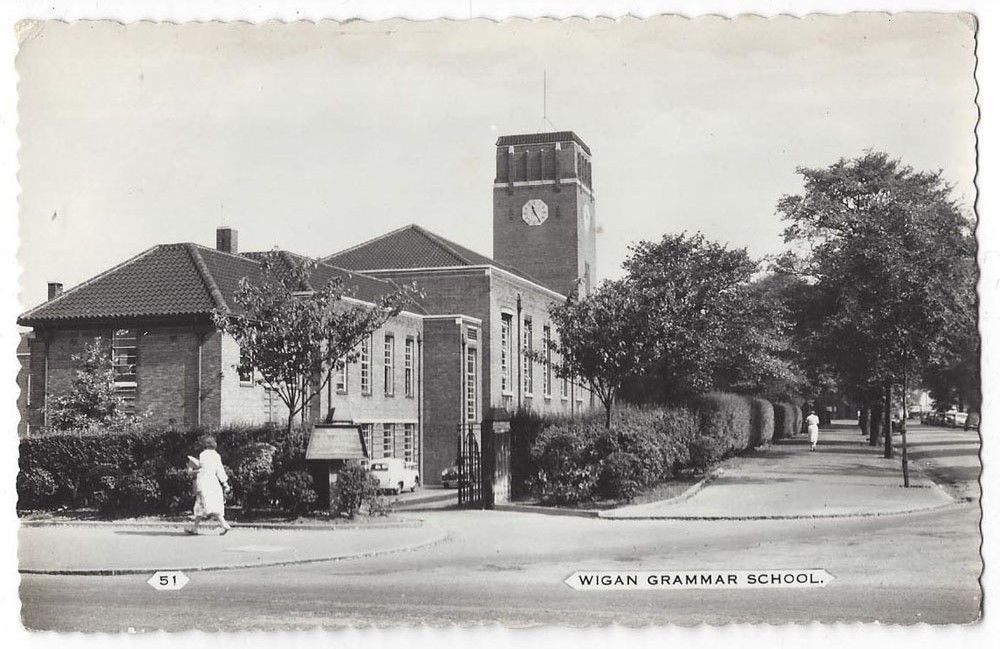
Across the road the former Grammar School now an NHS Centre.
Wigan Grammar School was founded in 1597 and closed in 1972 as part of the comprehensive education movement. it became Mesnes High School until 1989, and then the Mesnes Building of Wigan College.
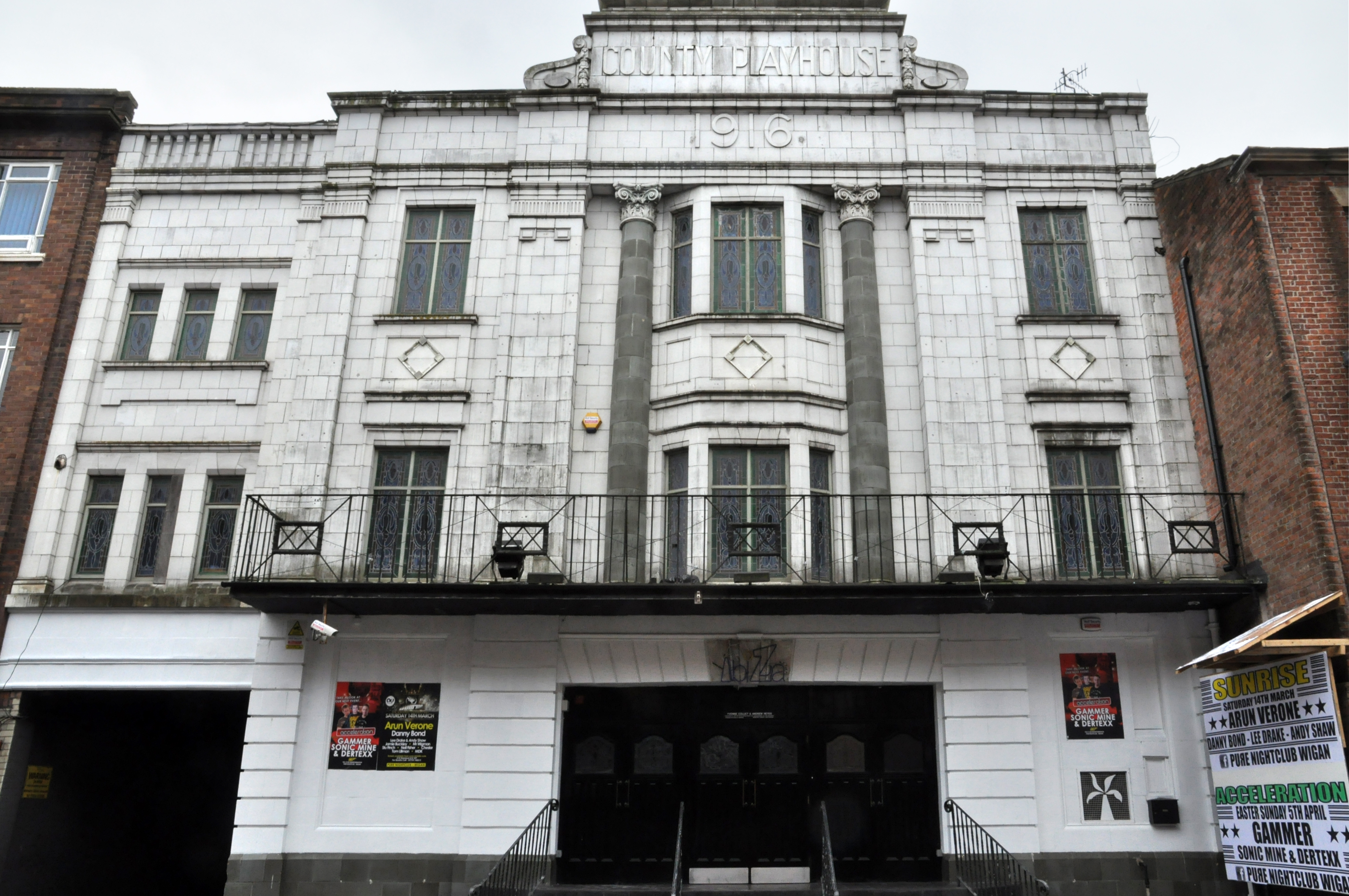
Construction began on the County Playhouse in 1916. However, due to a shortage of materials and labour during World War I, it was not completed until 1919.
Finally opened on 22nd December 1919 with The Peril Within – starring Dorothy Gish.
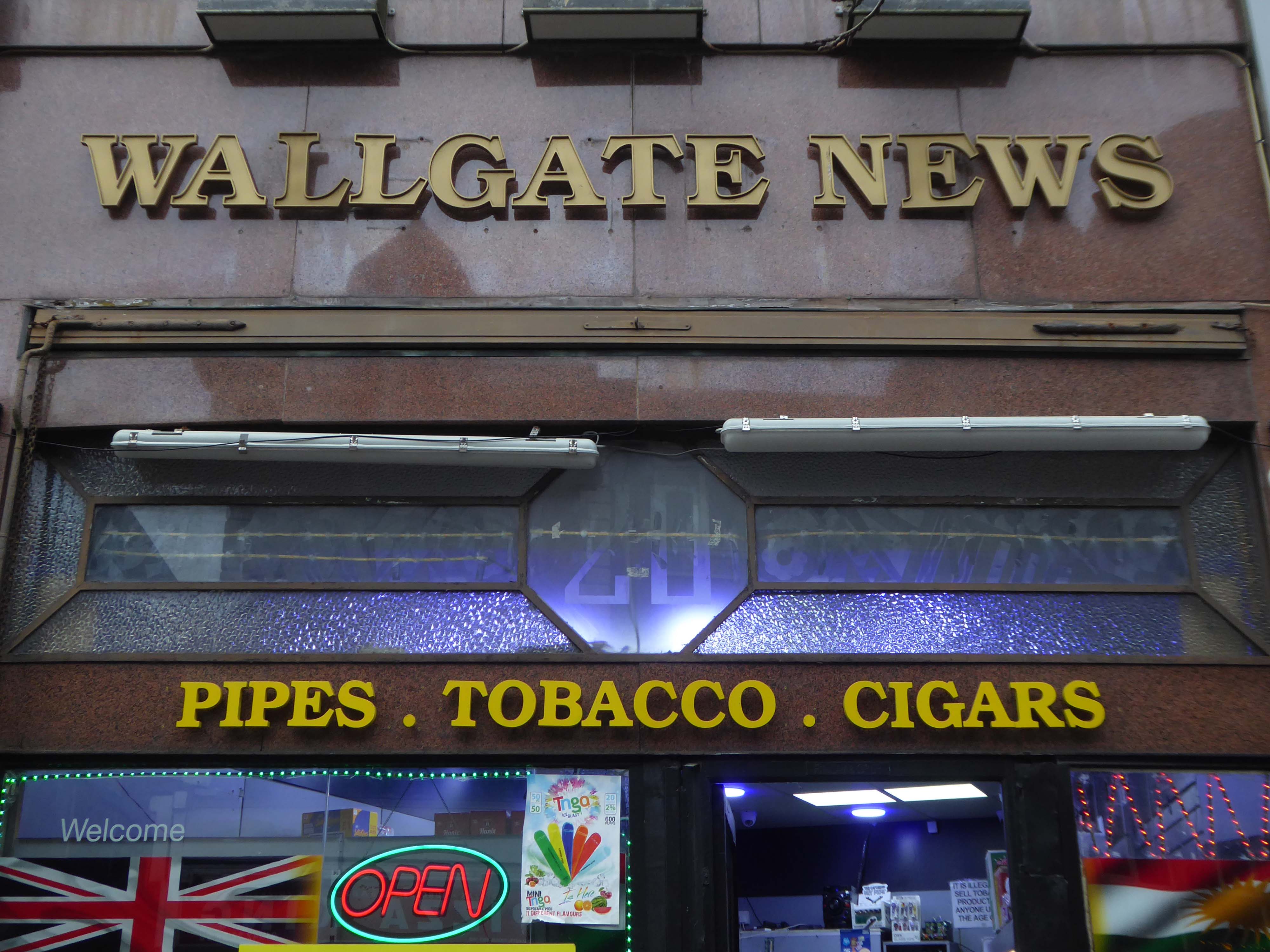
Onwards to the Wallgate News.
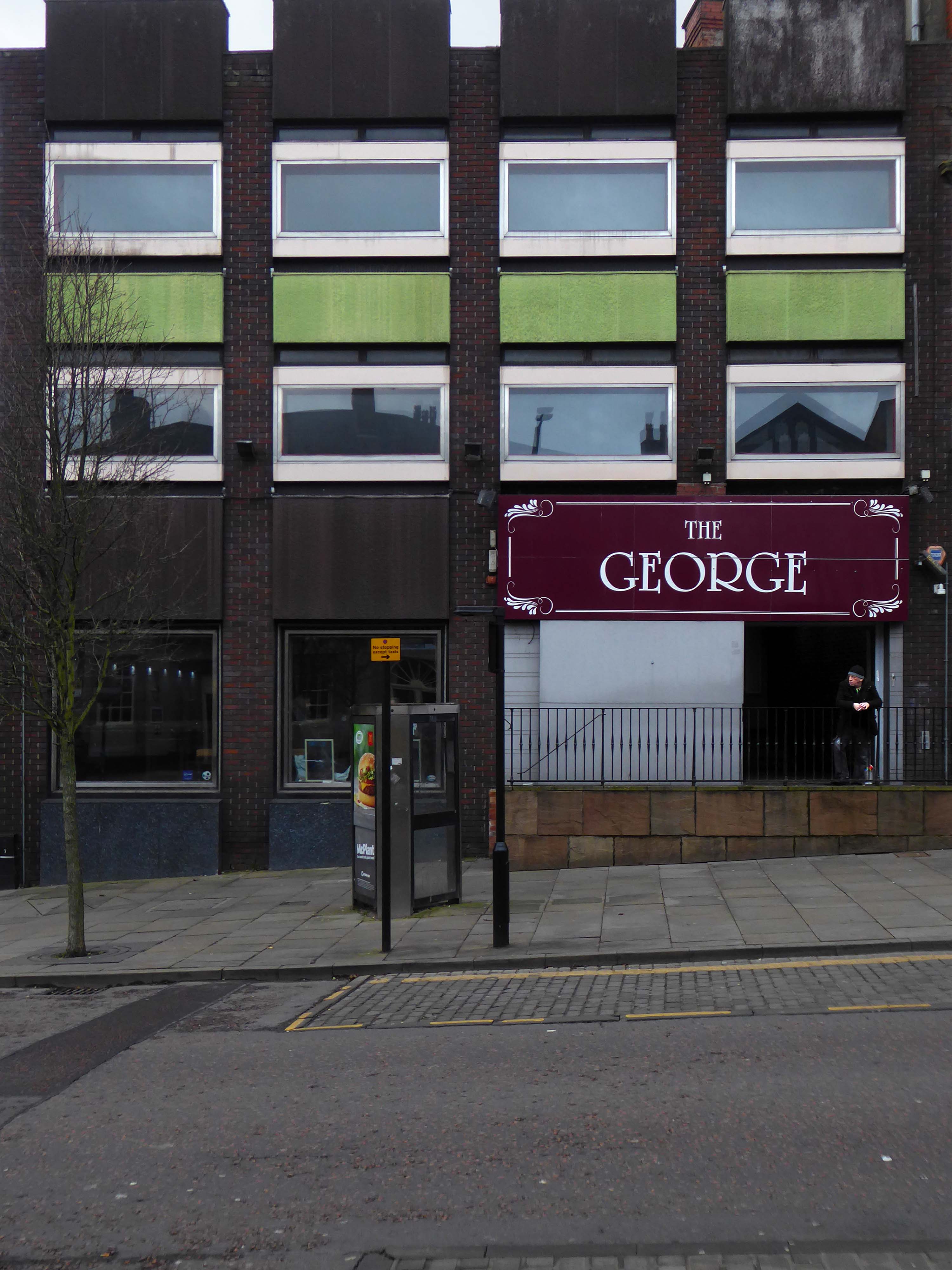
Finally to The George public house.
All ages, all different, all characters all like a bevvy.
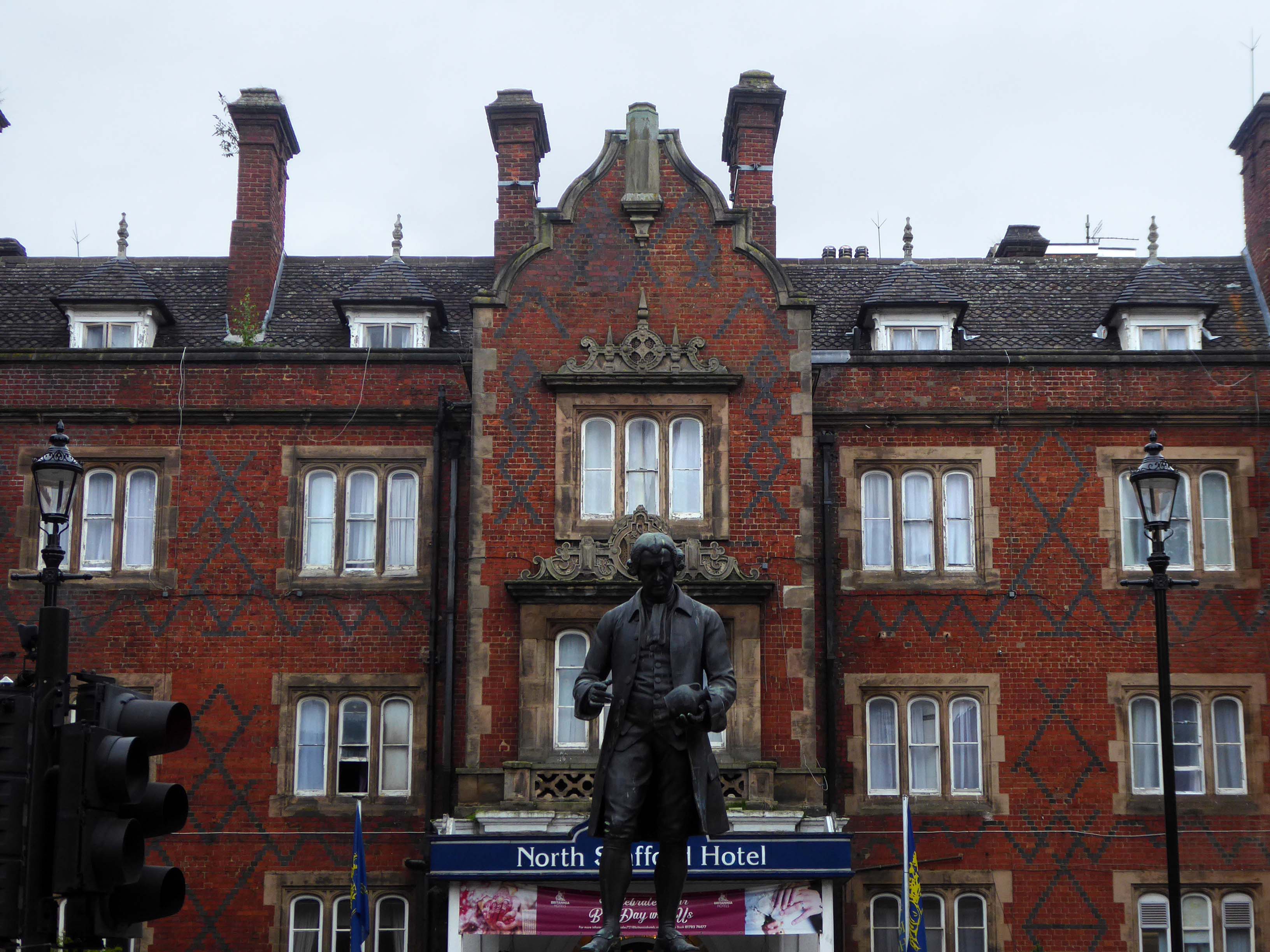
We begin by doffing our caps to Josiah Wedgwood – who along with countless other unsung heroes defined Stoke on Trent as the heart of the pottery industry.
Stoke is polycentric, having been formed by the federation of six towns in 1910.
It took its name from Stoke-upon-Trent where the main centre of government and the principal railway station in the district were located.
Hanley is the primary commercial centre.
The other four towns are Burslem, Tunstall, Longton, and Fenton.
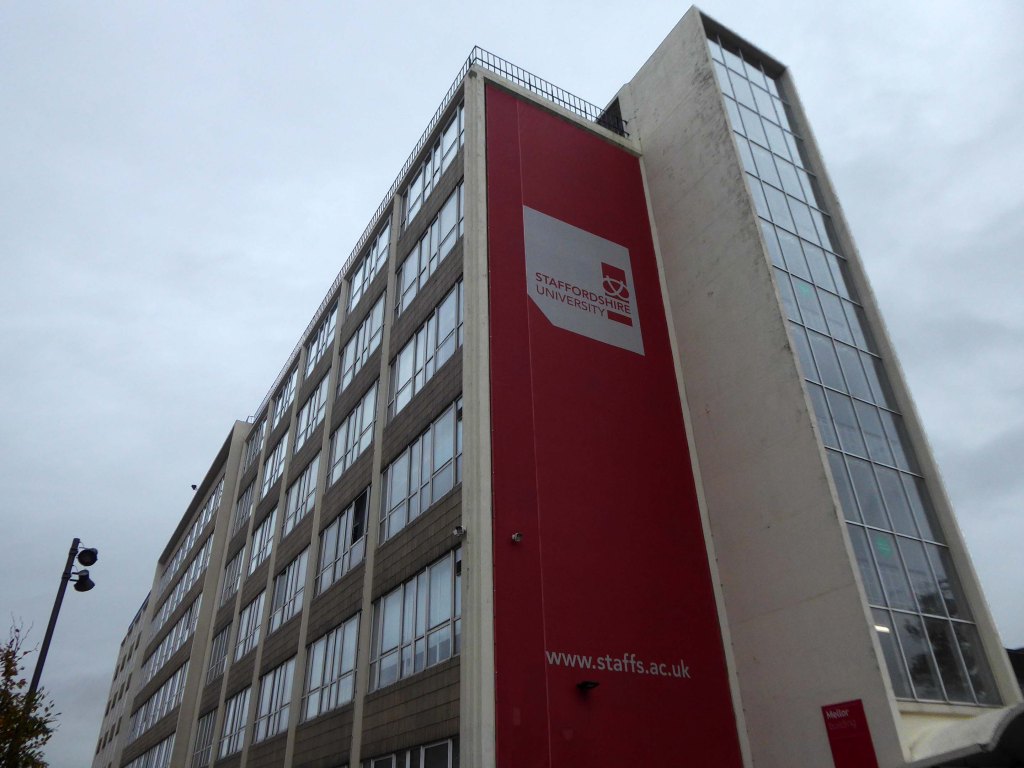
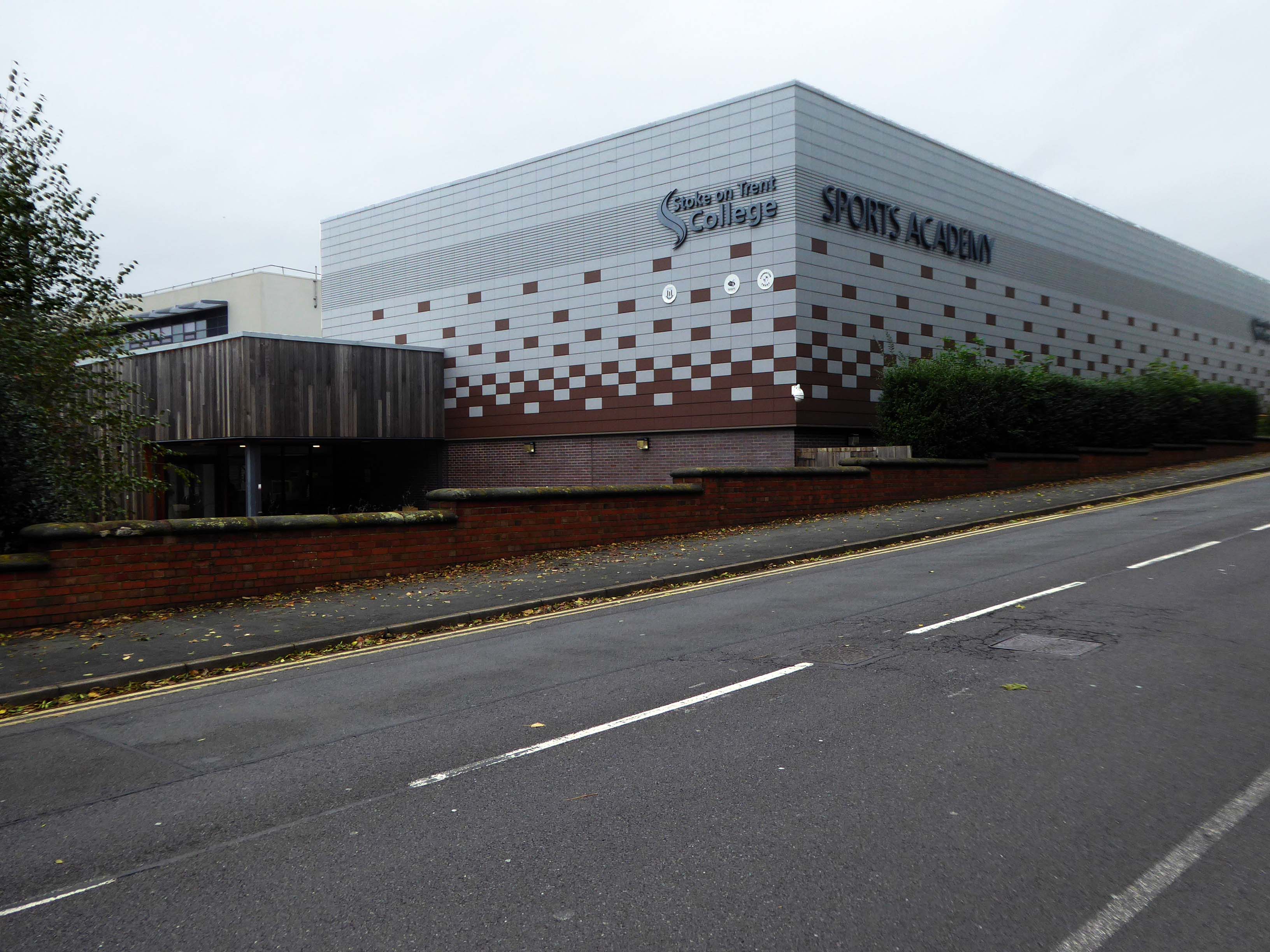
Staffordshire University was founded in 1914 as a polytechnic intistution, and was officially given University Status on 16 June 1992. Our University is famous for its forward-thinking approach, and has become a figurehead for its vocational and academic teaching, innovative grasp of industry, and student employability.
Although our campus continues to expand to create dynamic opportunities, we are proud of our heritage in the great city of Stoke-on-Trent. Steeped in the history of ceramic manufacture and production, industry in Stoke-on-Trent has been fuelled by Staffordshire University for over 100 years.
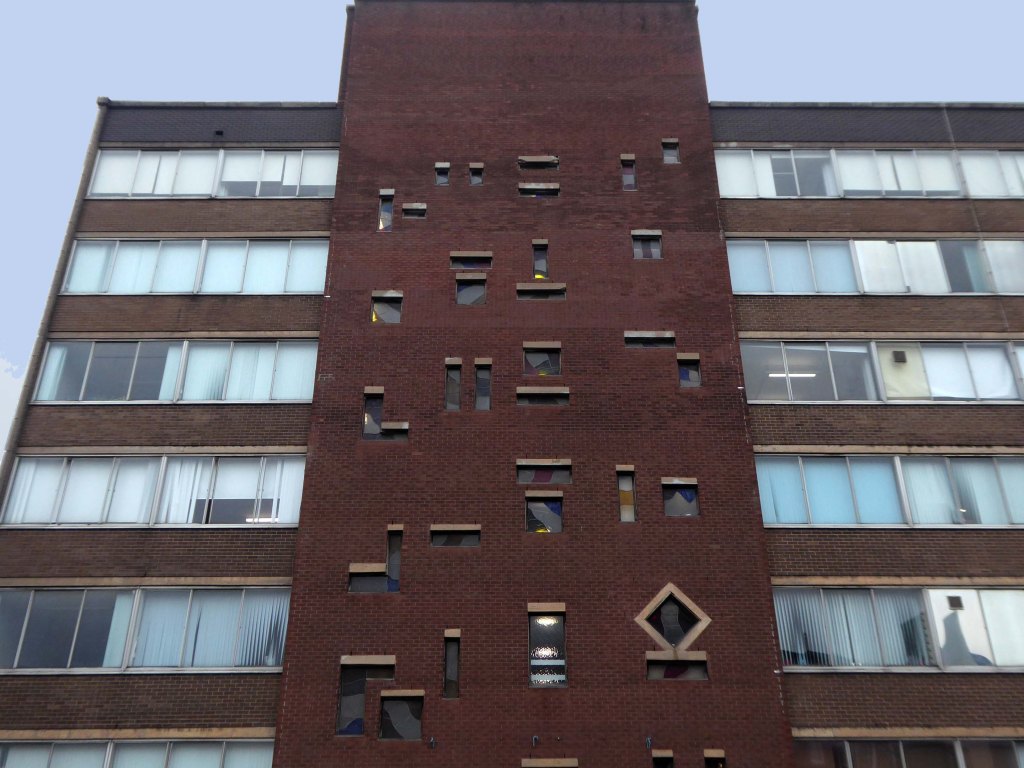
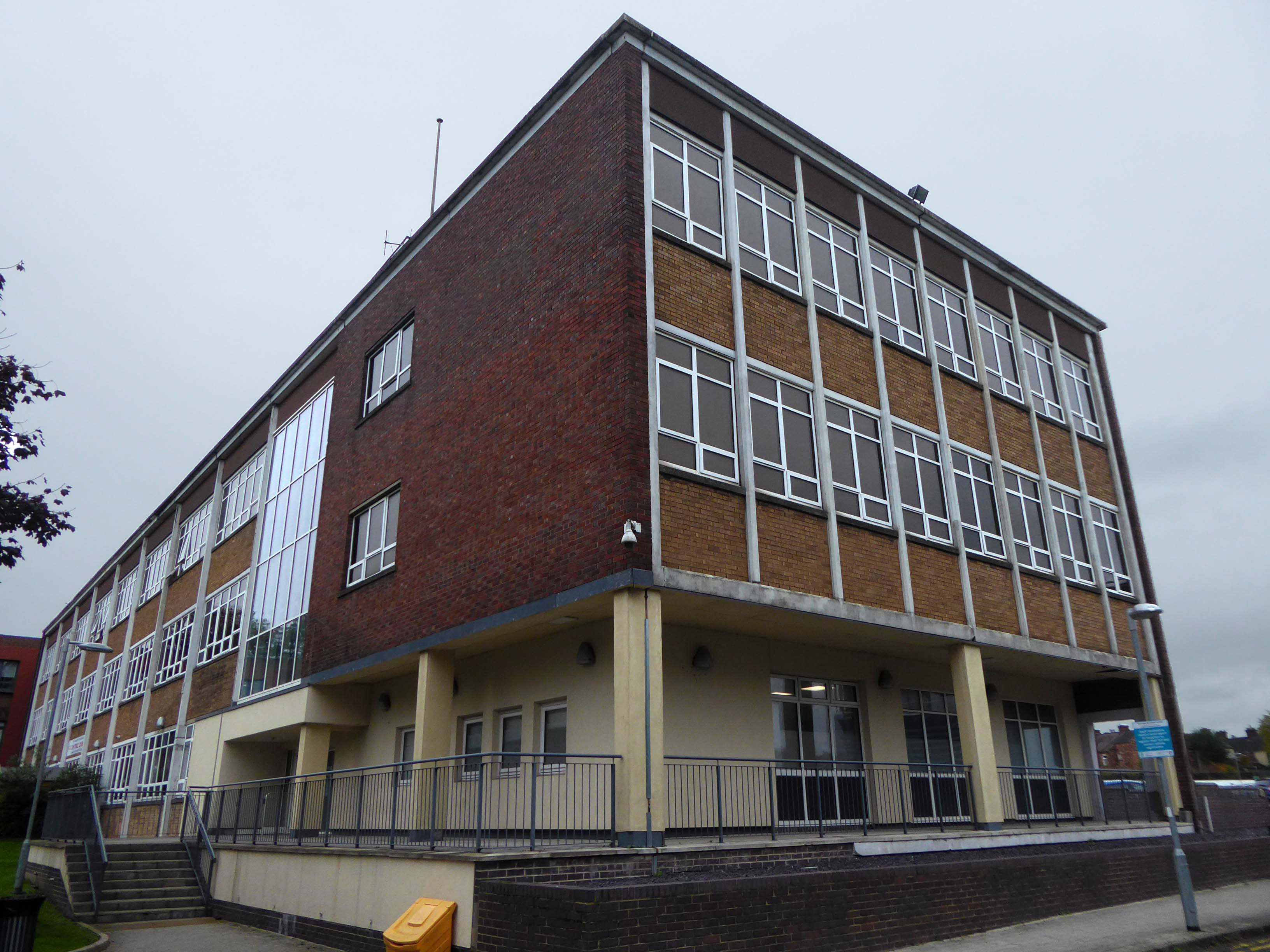
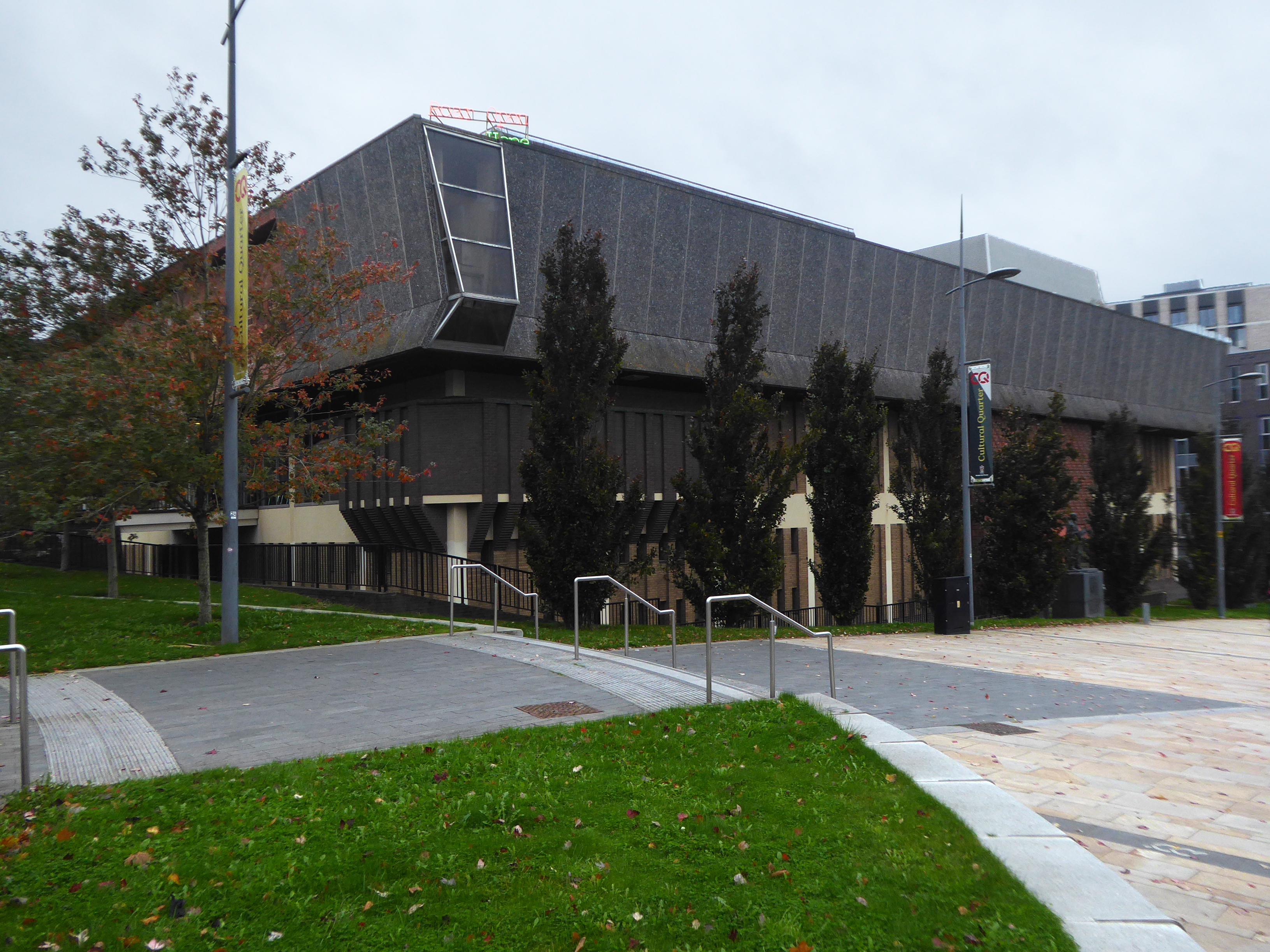
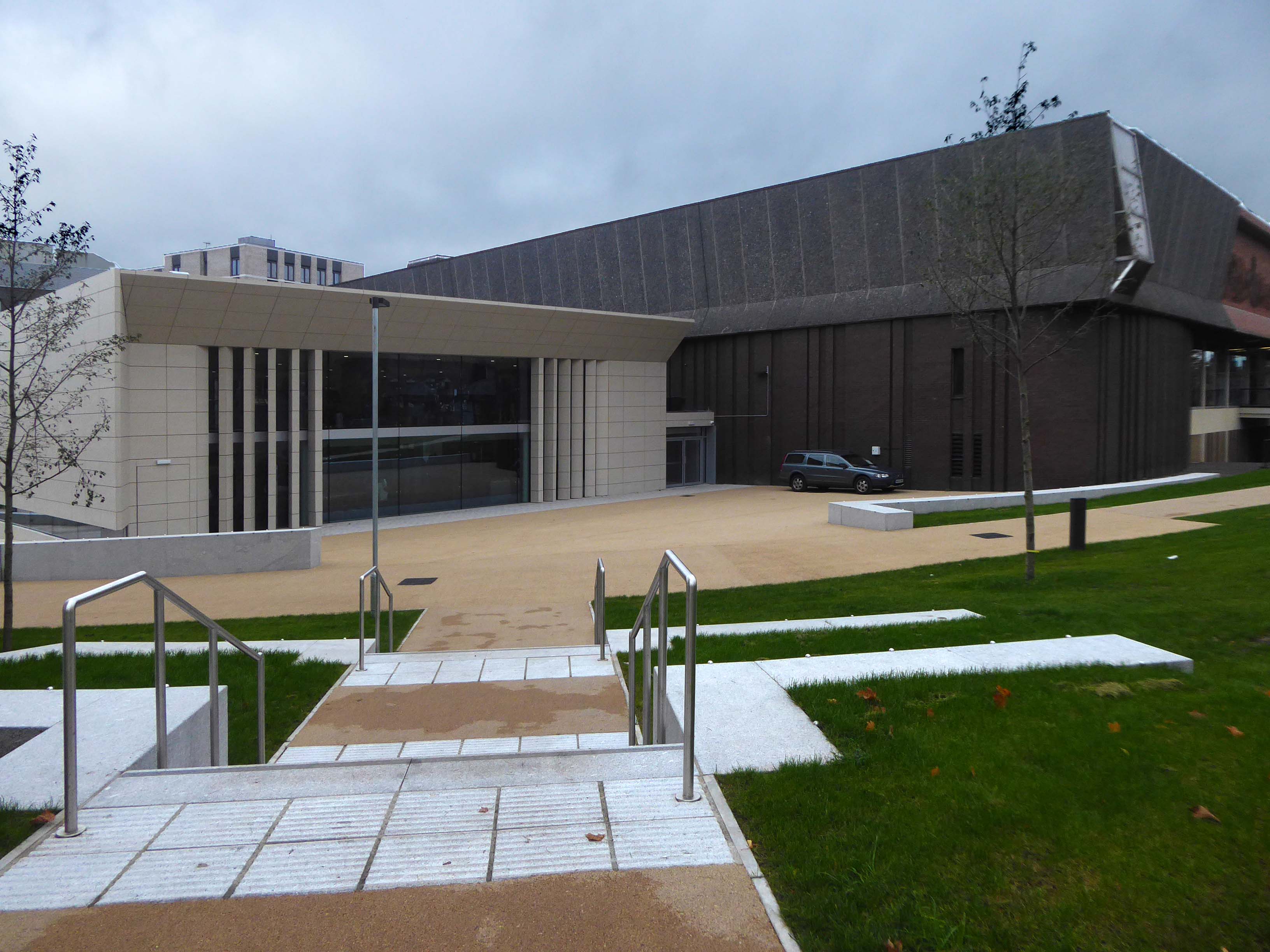
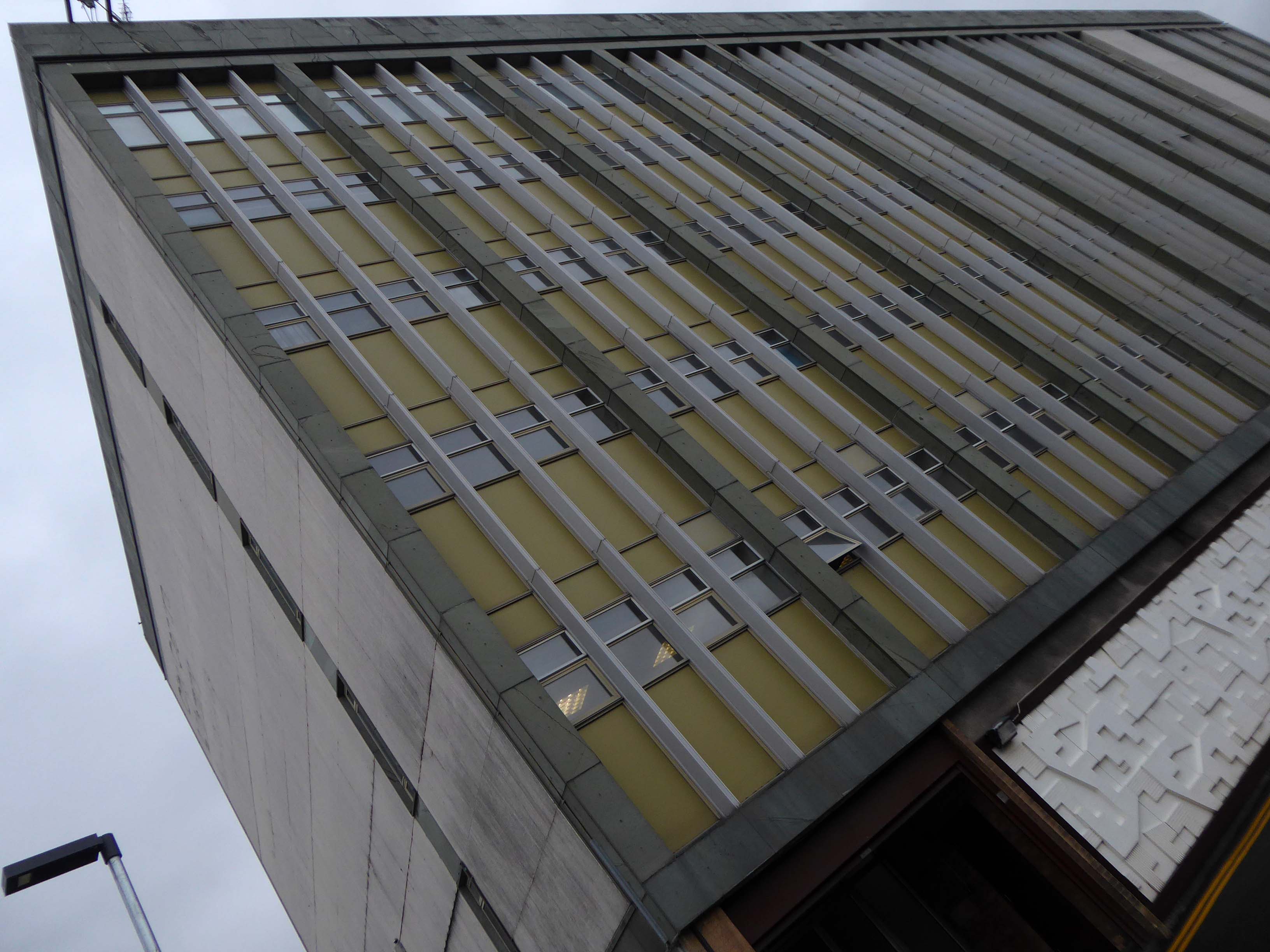
The Flaxman Building 1970 was designed by City Architect Thomas Lovatt and built by the City Works Department – the last public works assignment before competitive tendering opened up public restrictions to private enterprise.
Named for to Wedgwood’s famous modeller the classical artist, John Flaxman RA 1755-1826.
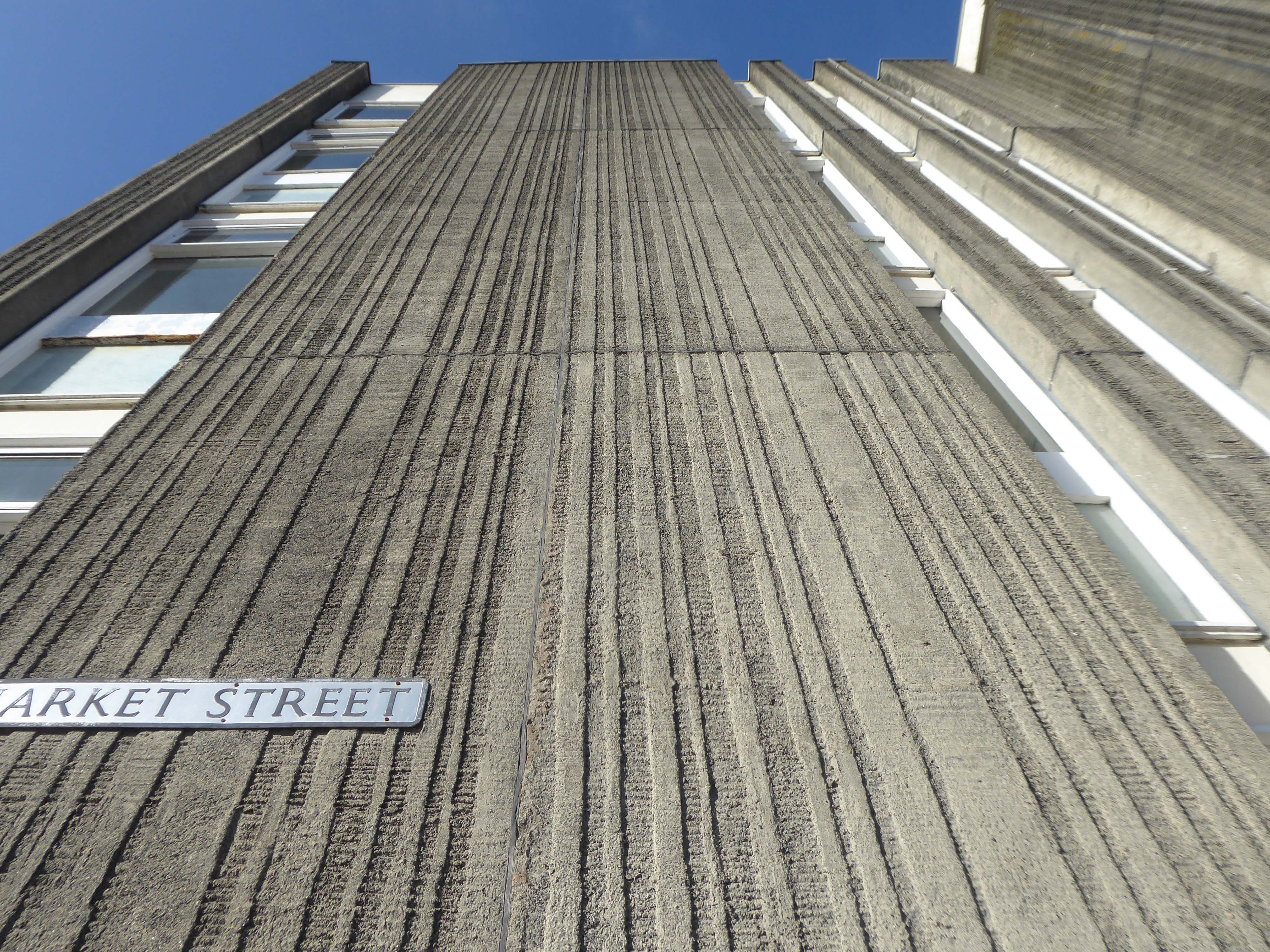
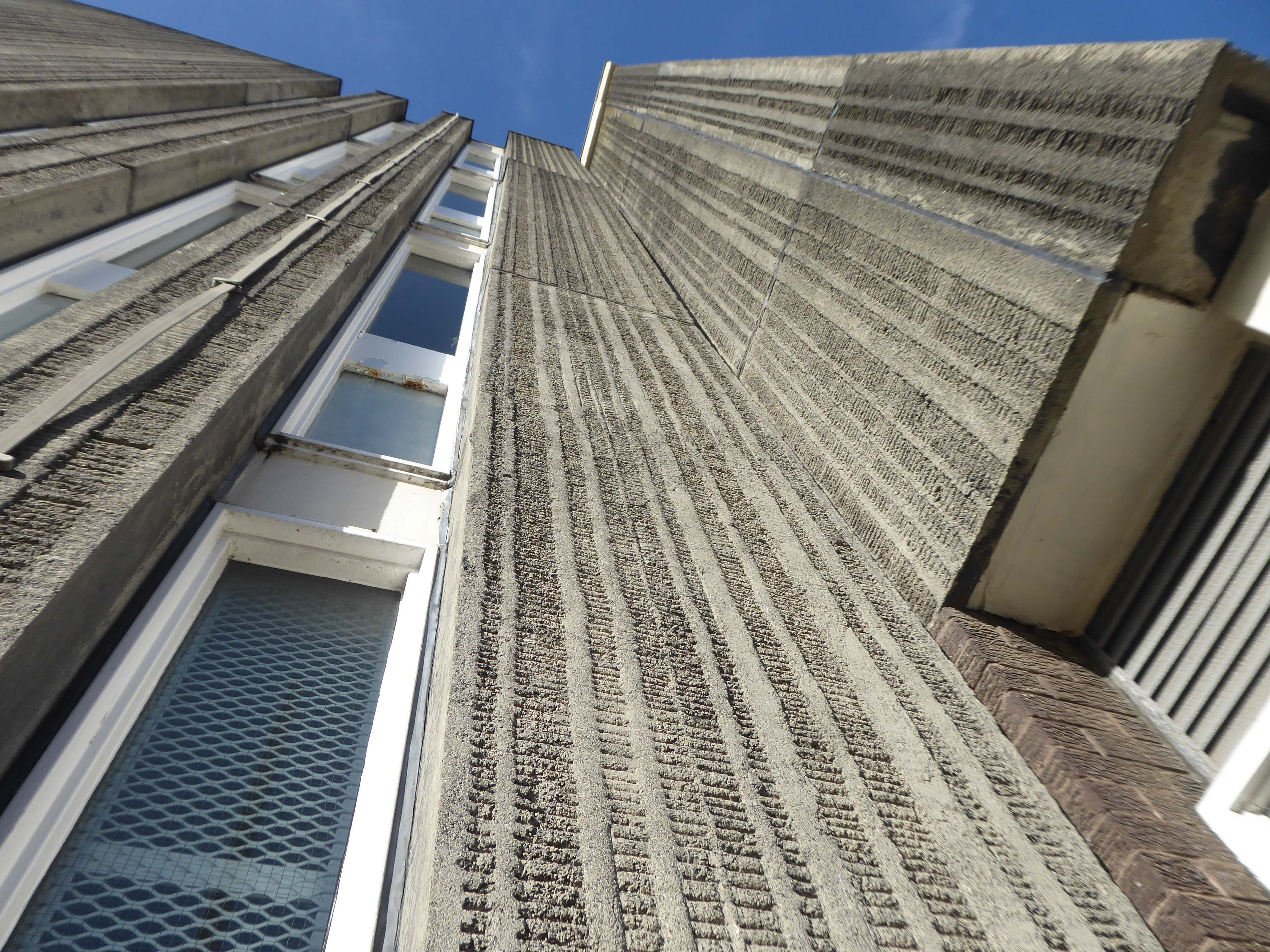
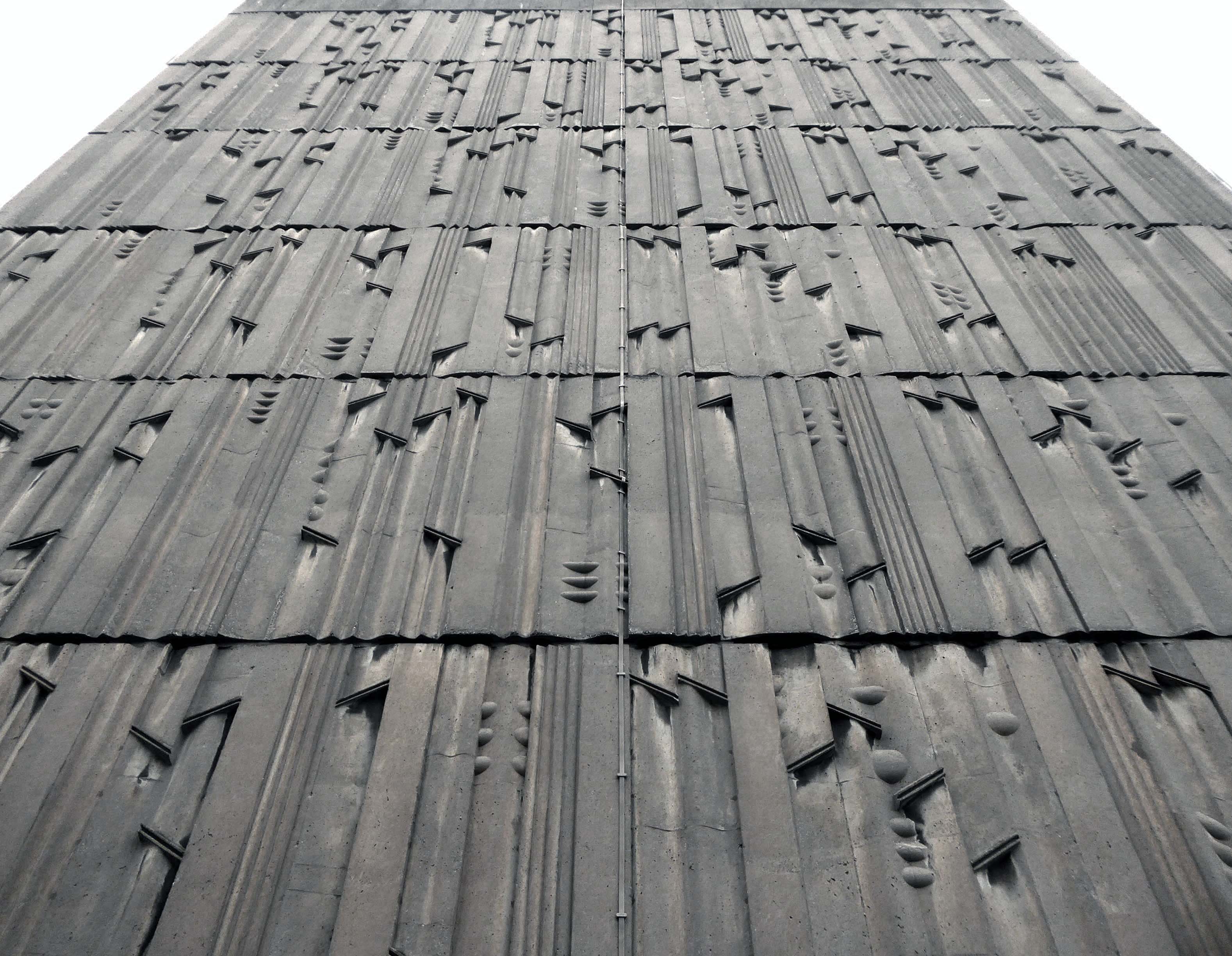
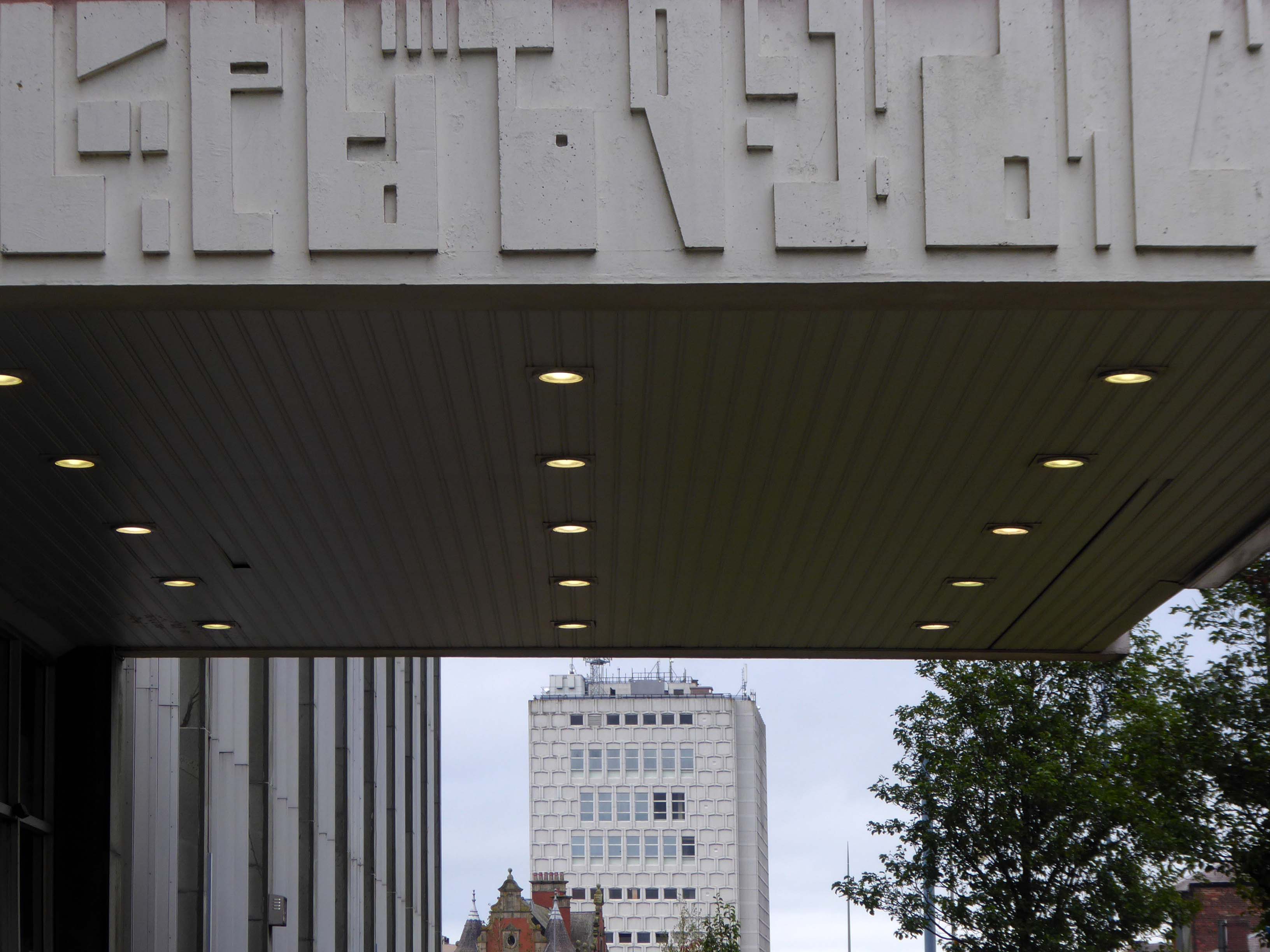
This concrete is very much in the style of William Mitchell – though there is no record of attribution.
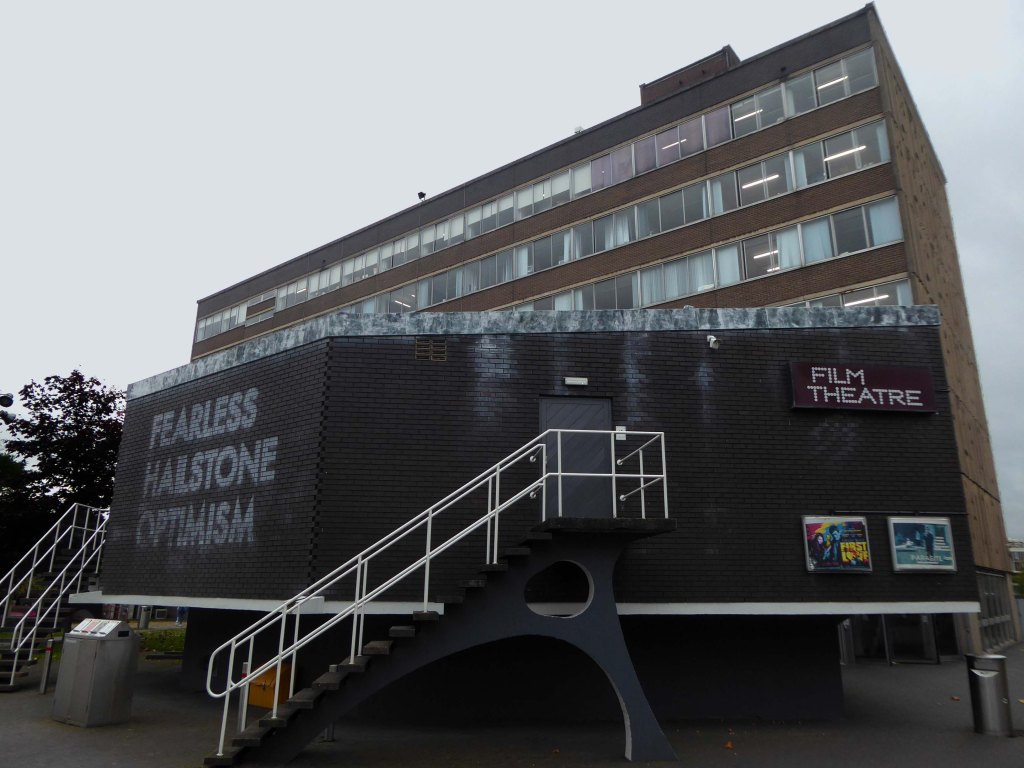
The Regional Film Theatre opened in College Road, on the premises of North Staffordshire Polytechnic now Staffordshire University in 1974.
The North Staffordshire Film Society moved there to screen films one evening a week, while the Film Theatre operated on three nights a week.
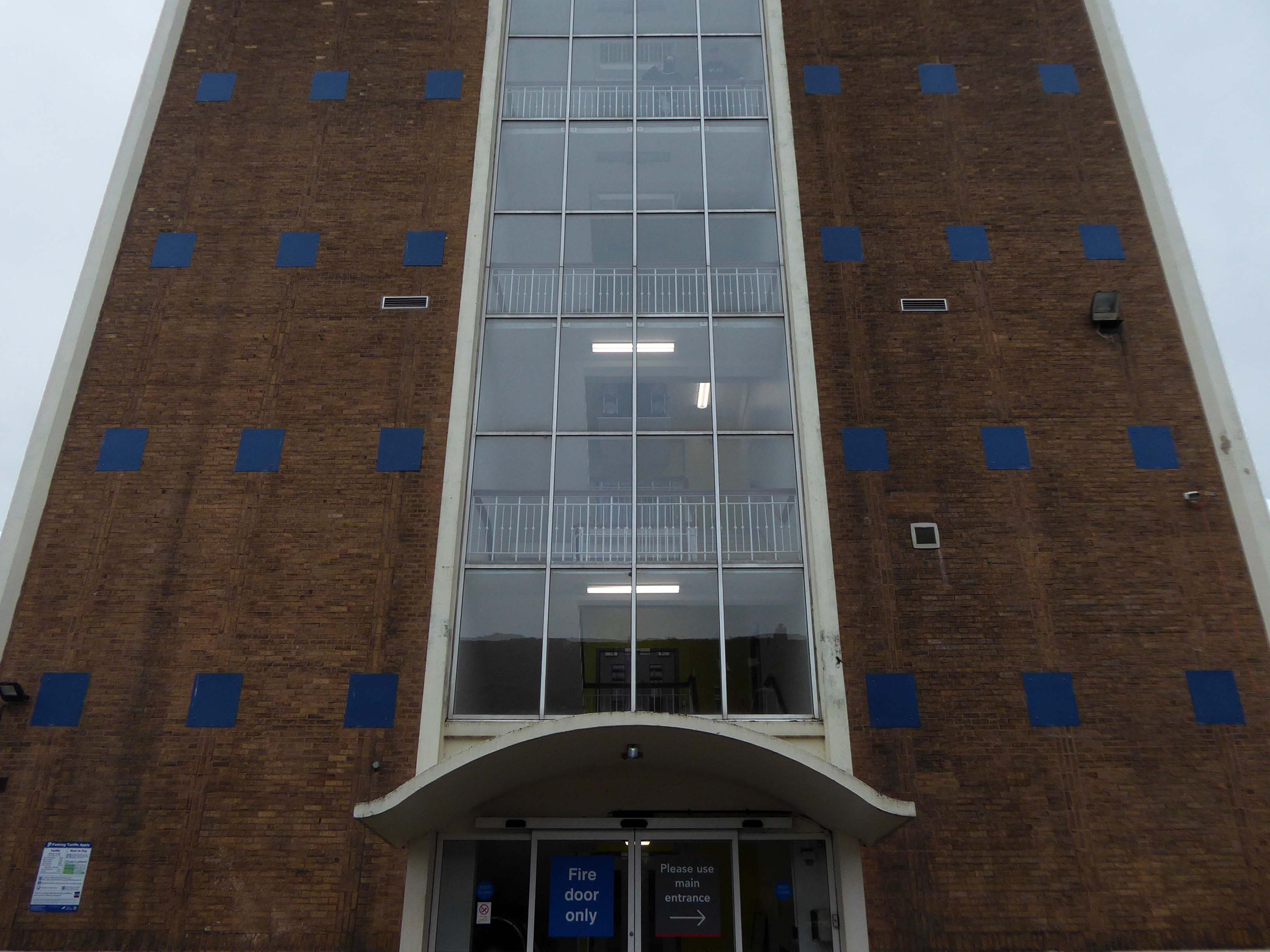
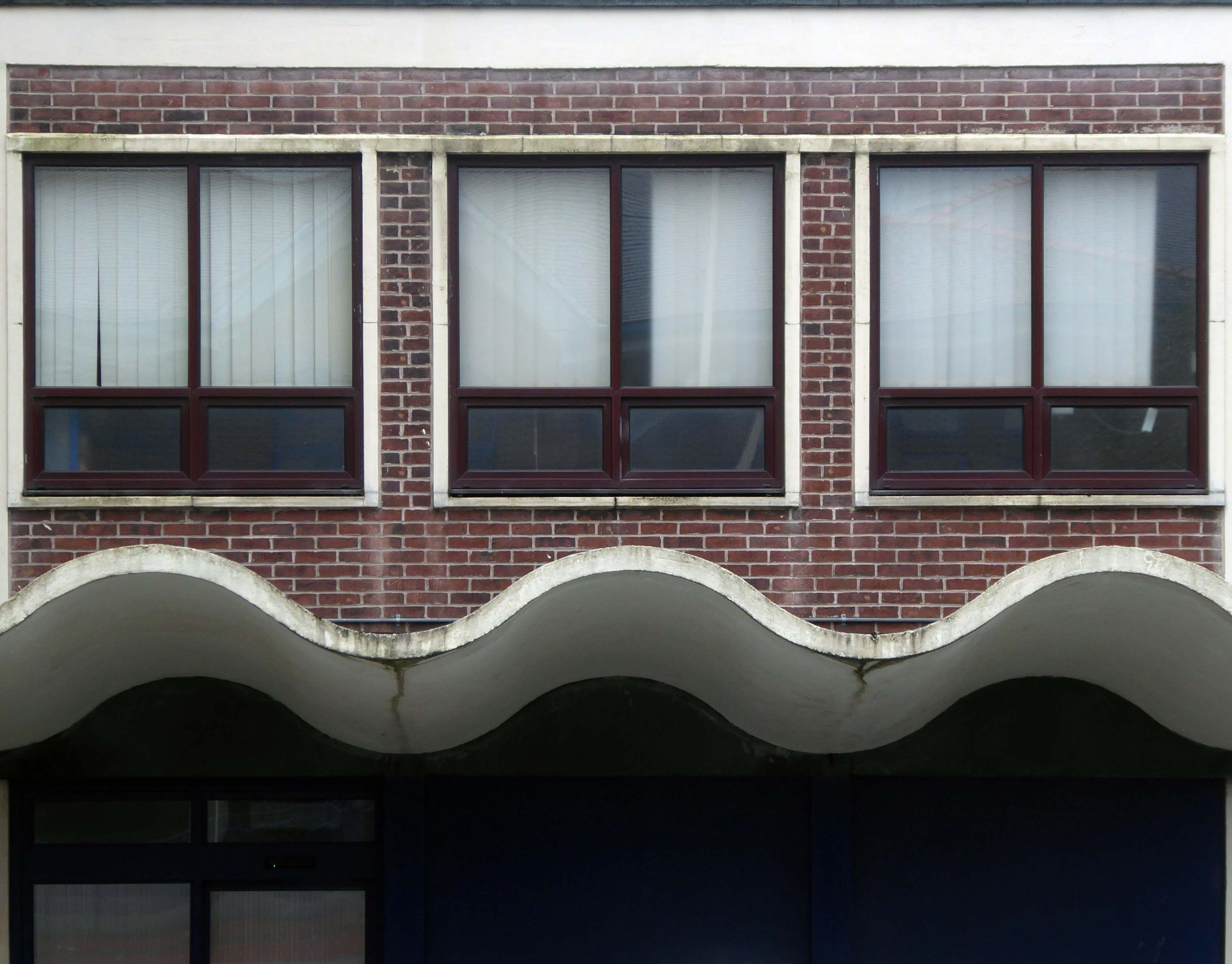
Across the way is the assertive slab tower of the 1950’s Mellor Building with its curvy cantilevered porch cover.
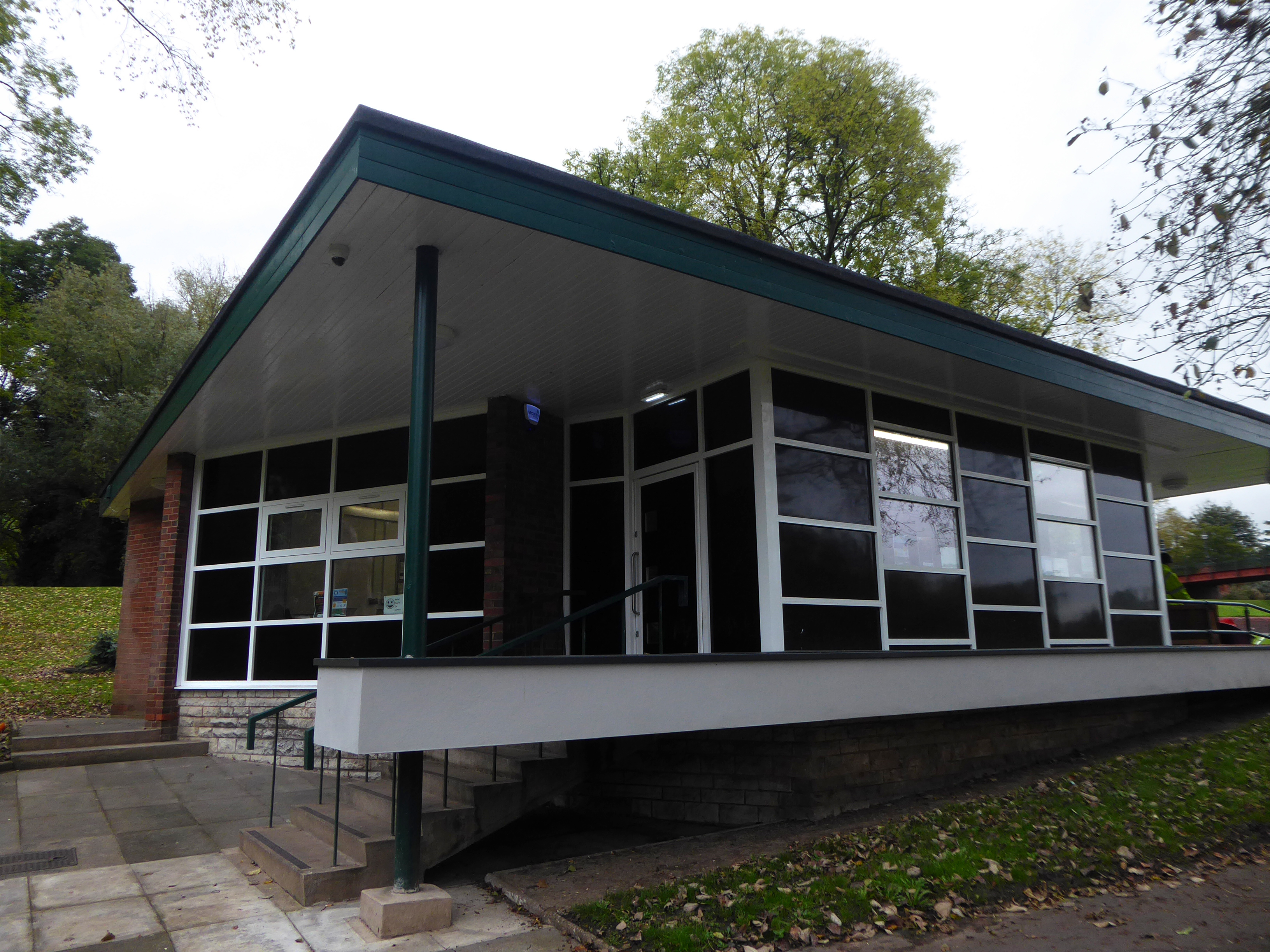
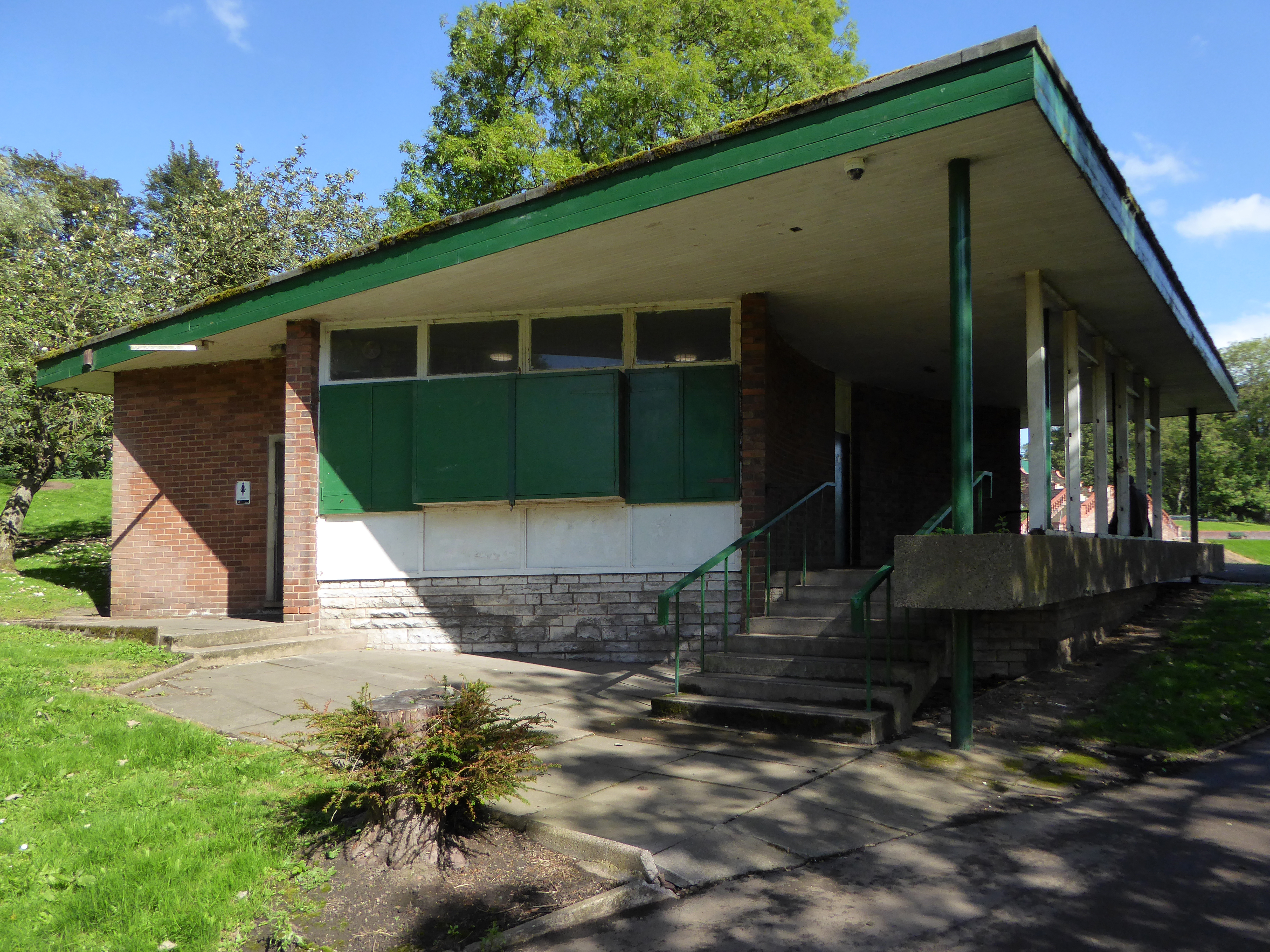
Tucked away in Hanley Park is this period building.
It has been refurbished and the walkway enclosed since my previous visit.
hanley park was laid out in the 1890s by Thomas Hayton Mawson the pavilion of 1896 is by his associate Dan Gibson.
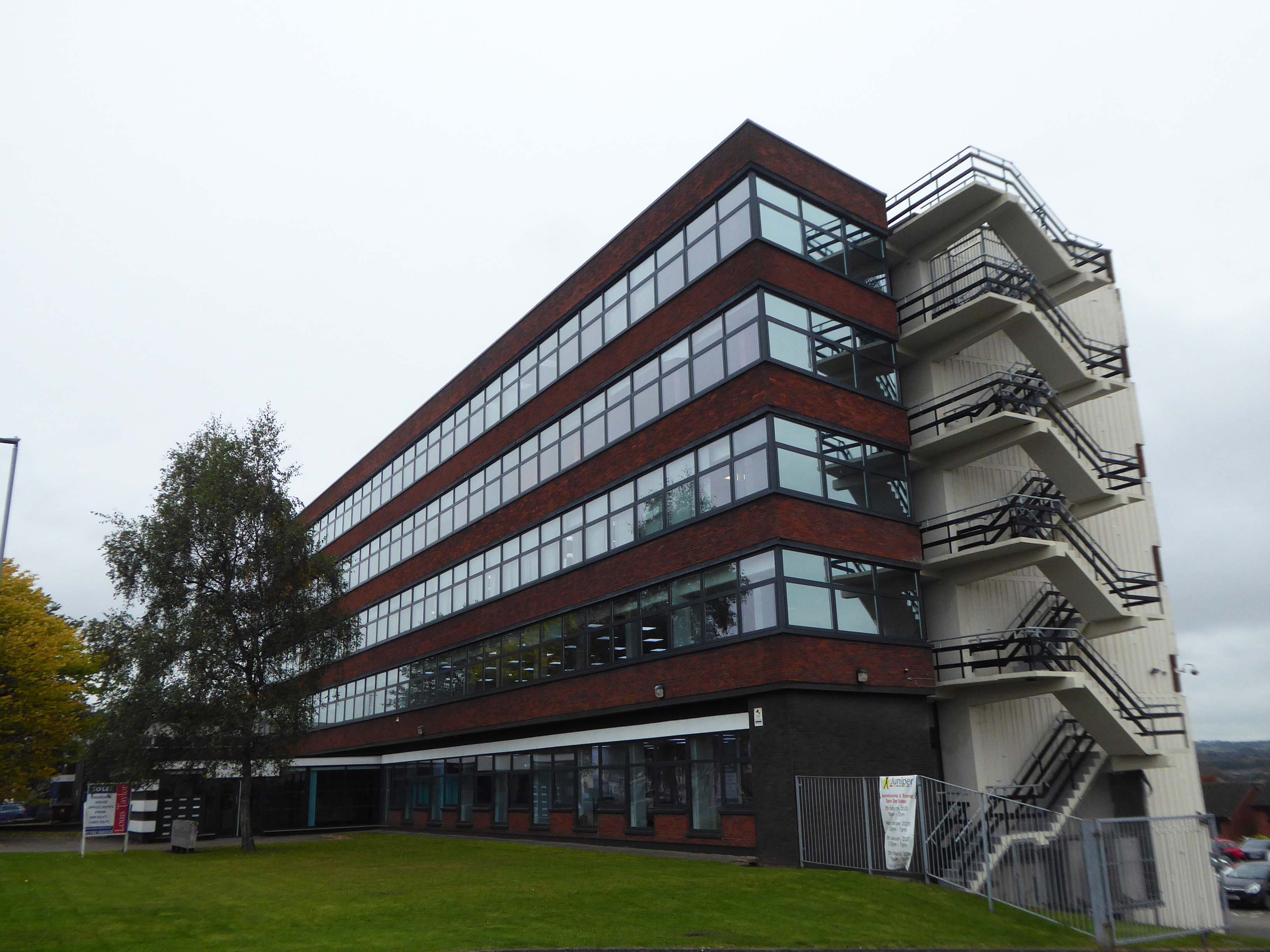
Further along the way we come upon Churchill House with its distinctive fire escape.
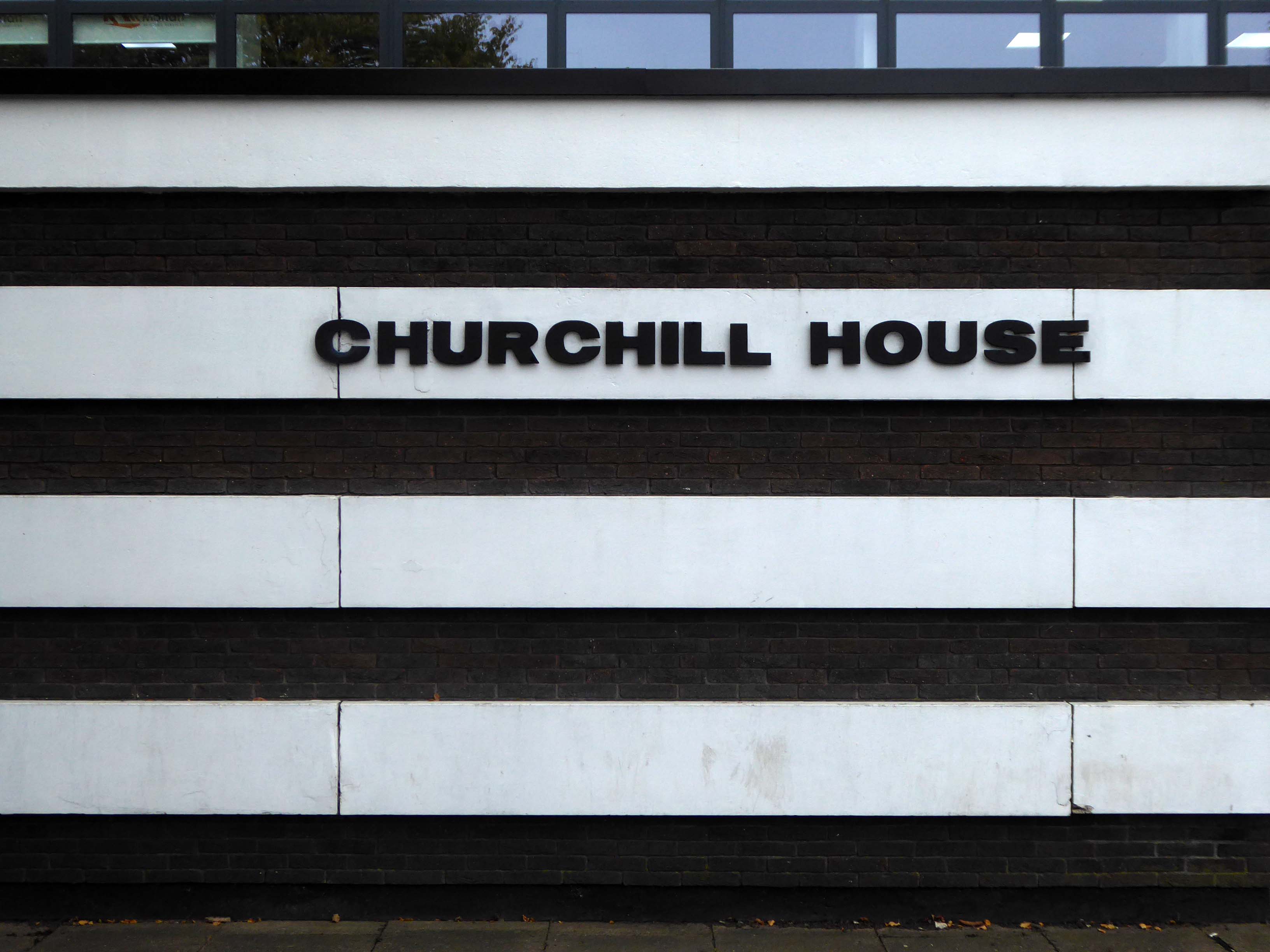
And original architectural signage.
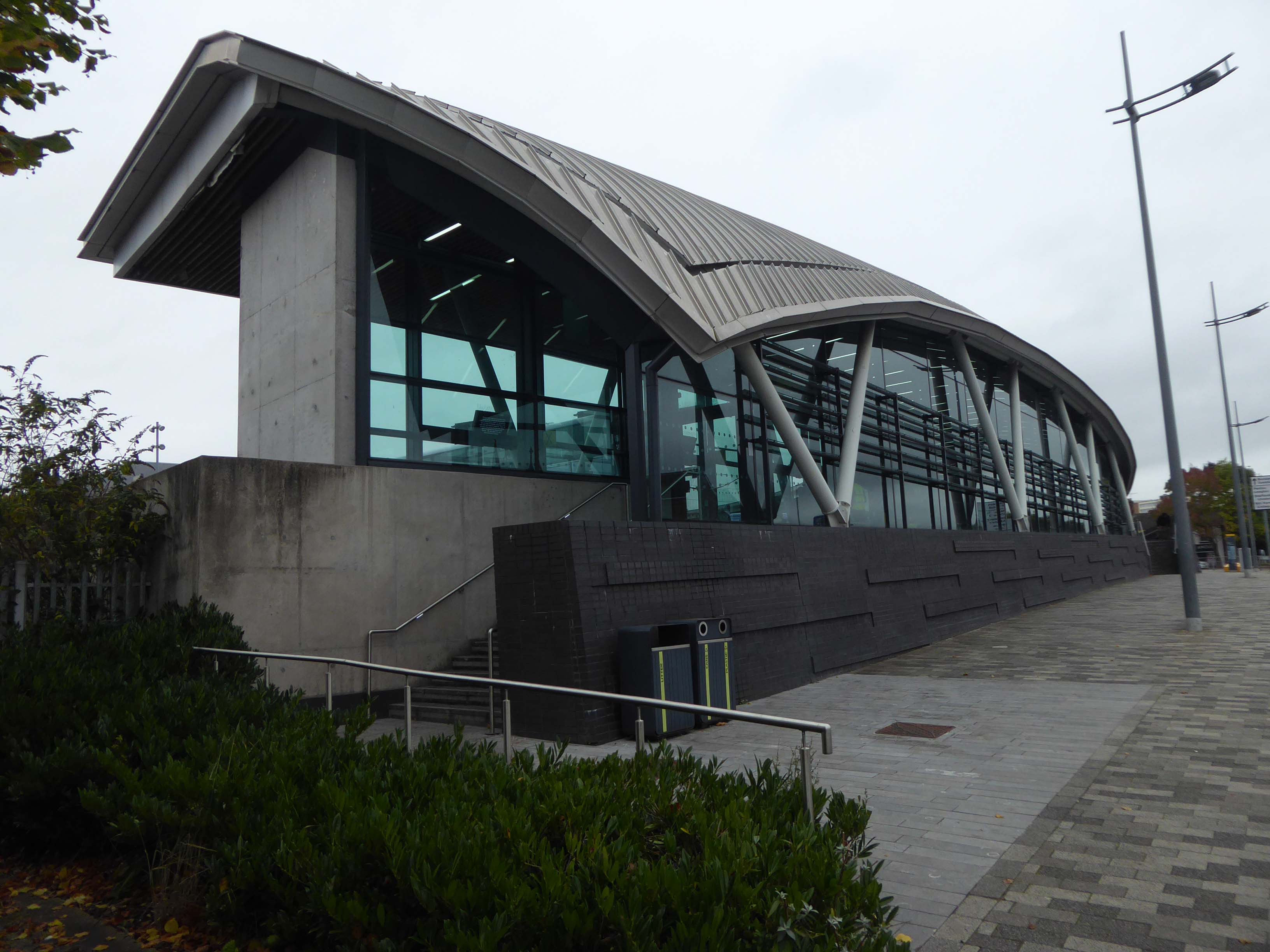
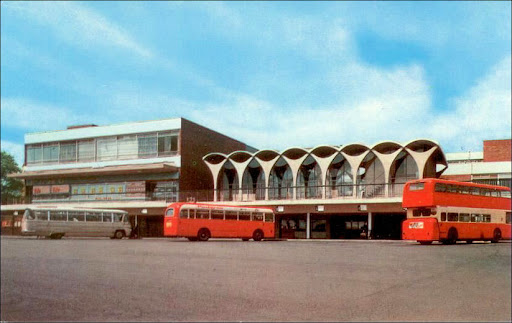
Crossing the inner ring road to the sweeping canopy of the Hanley Bus Station Architects Grimshaw engineers Arup.
Wrapping a corner site, the canopy rises and falls to create a mutable form: appearing as a shimmering, contemporary shield to the south, and a welcoming timbered environment to the north with sweeping views to Victorian Hanley.
Tapered down at the ends to shelter waiting passengers from the prevailing wind, the roof extends beyond the station edge to connect with the neighbouring public plaza.
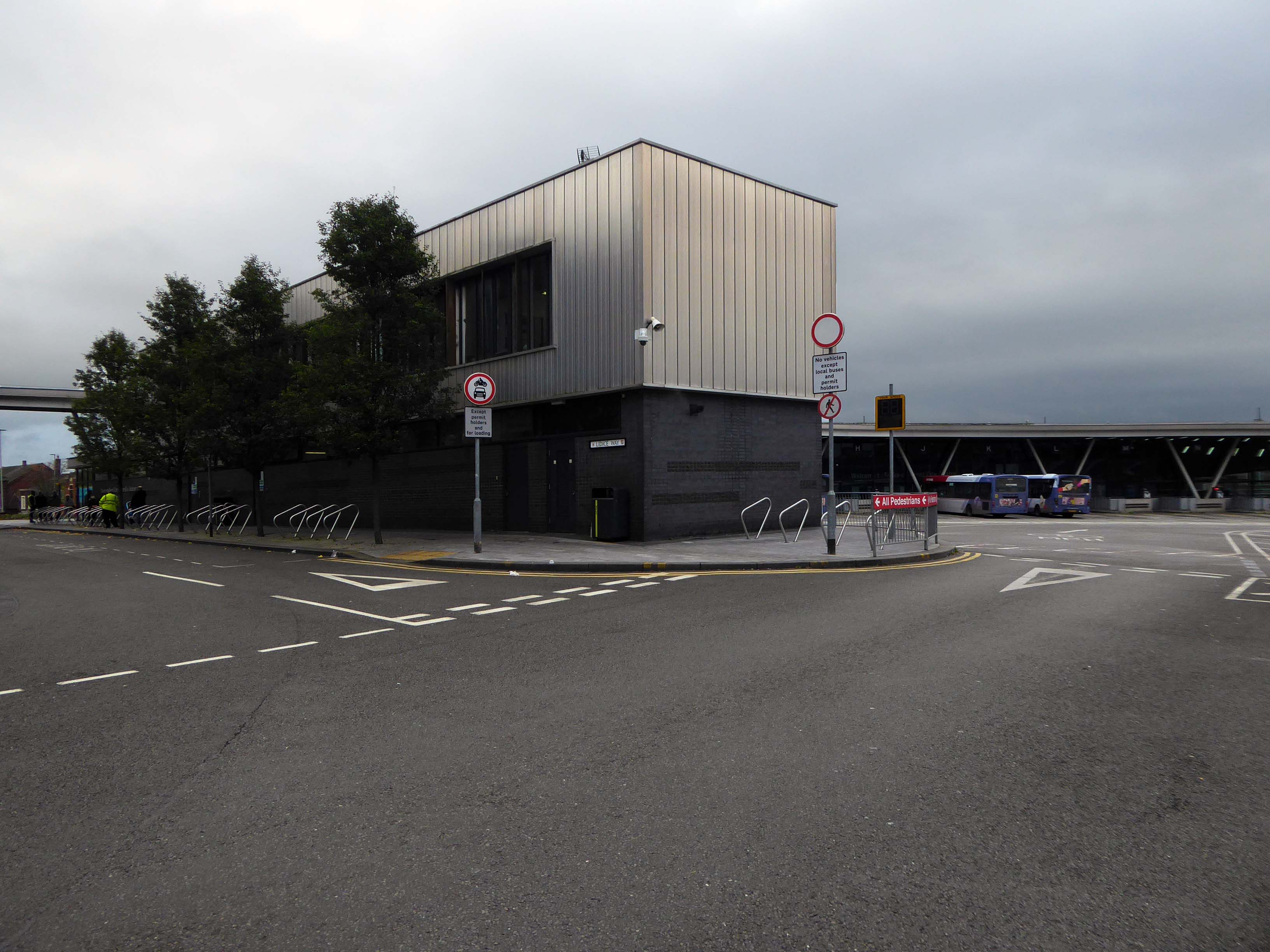
Sitting atop a Staffordshire blue brick plinth with a Carlow blue limestone concourse, the station adopts materials that are resonant in this area. Its gracefully sweeping canopy belies the challenging site constraints, which were carefully resolved to accommodate the difficult routing of buses, the creation of a safe, sheltered environment for passengers and drivers, and a sloping site underpinned by clay and coal.
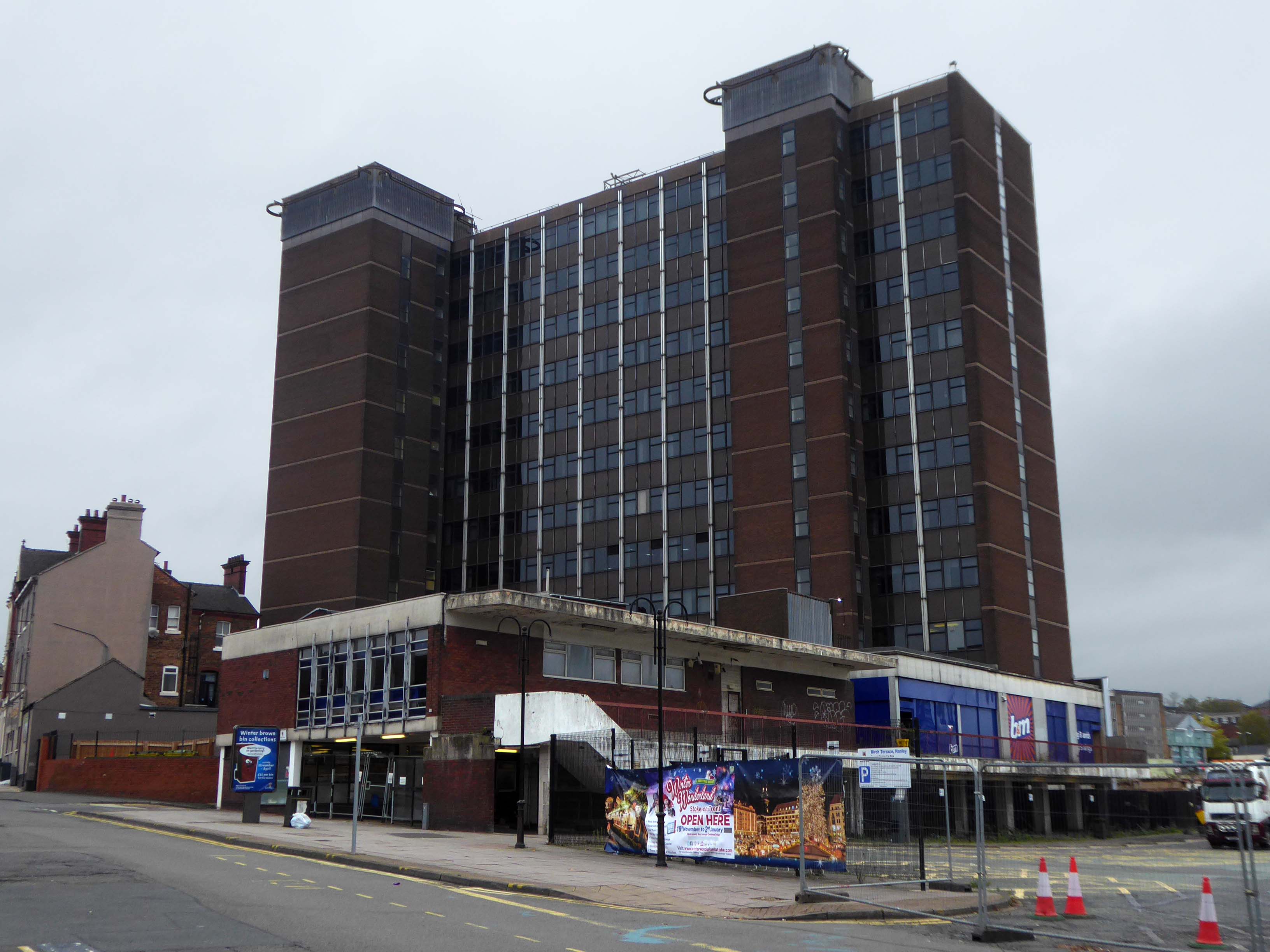
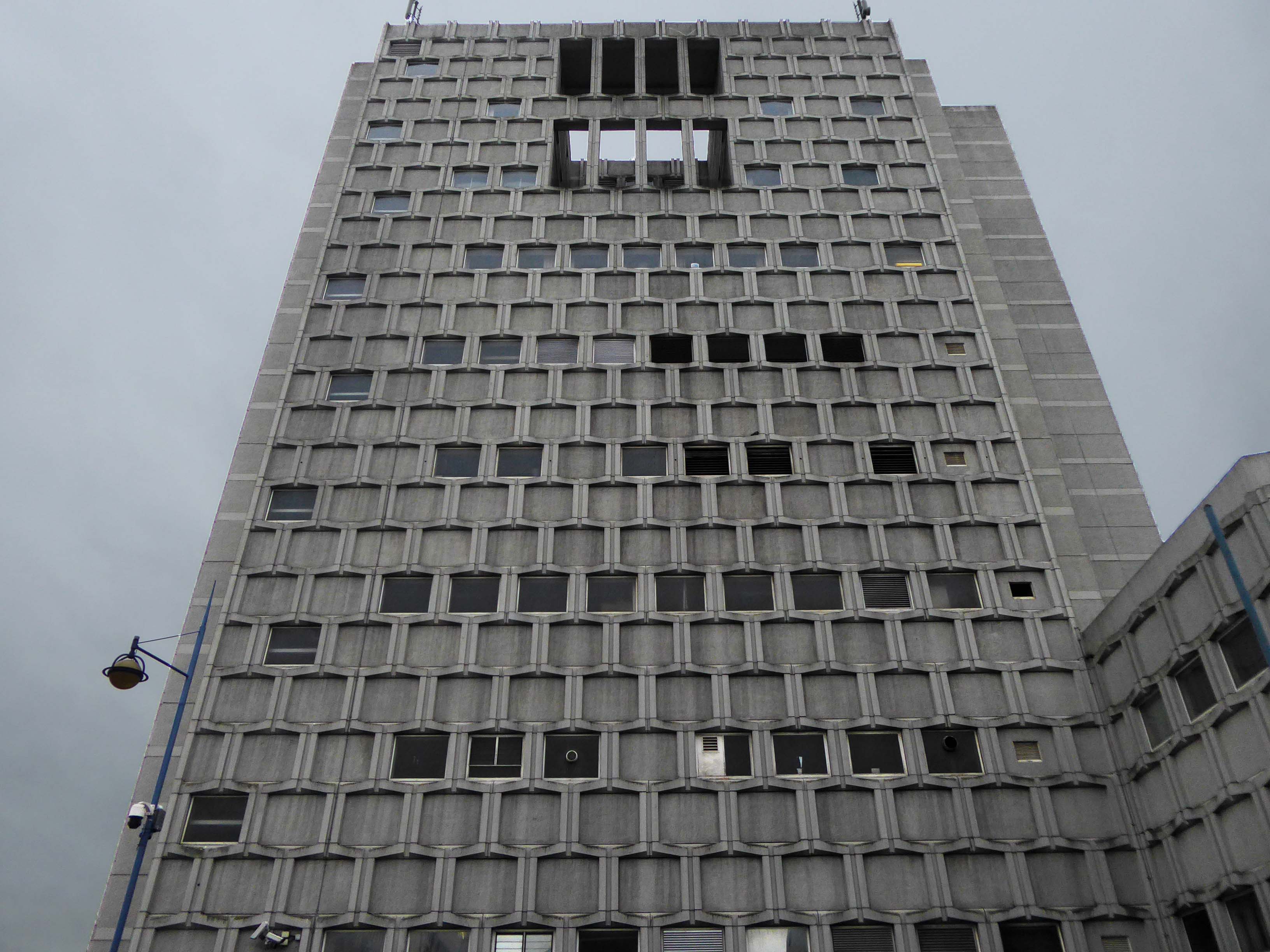
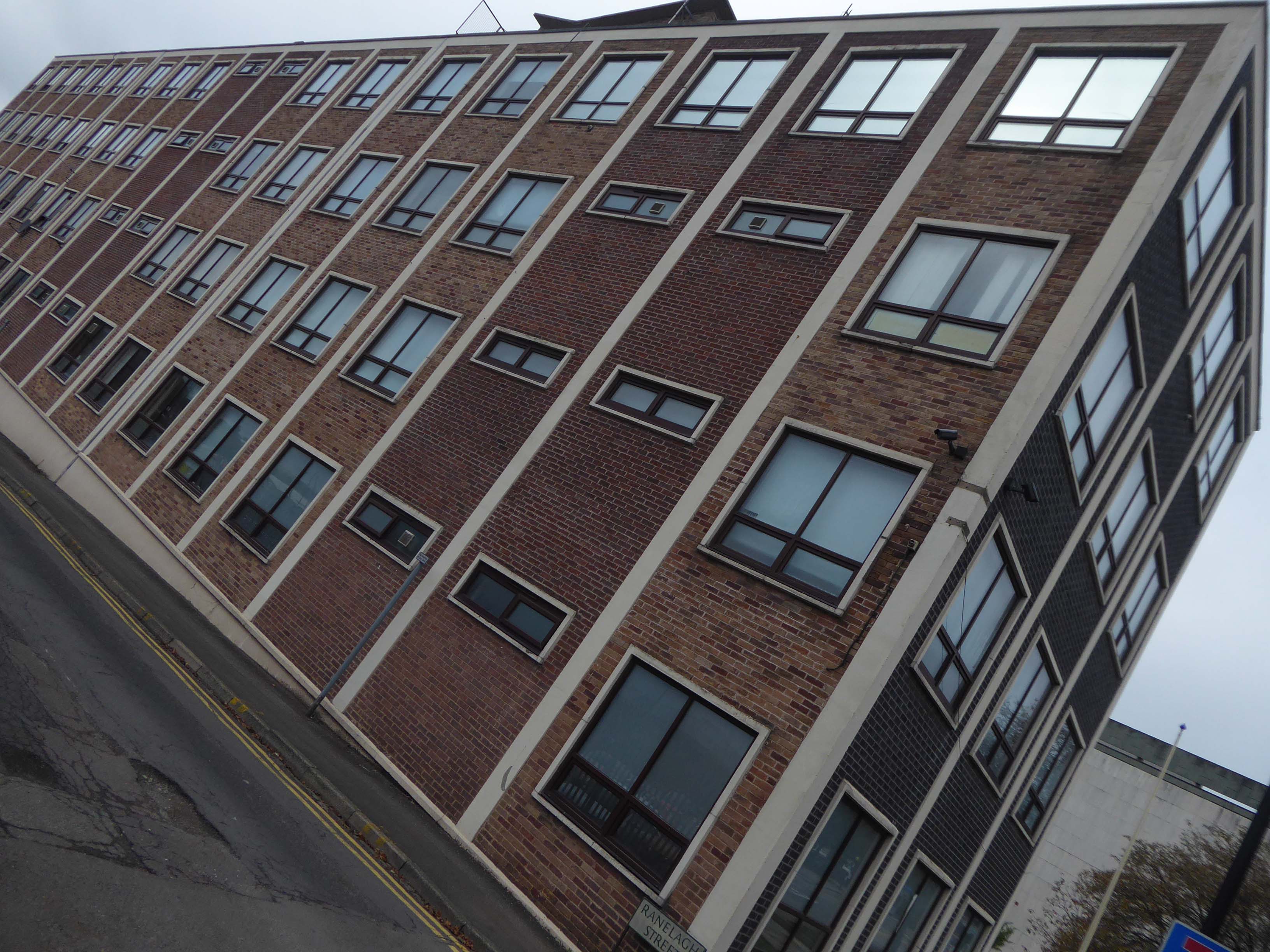
Above the former bus station looms Blackburn House home to HMRC, an imposing brown brick behemoth.
Photo James Morgan
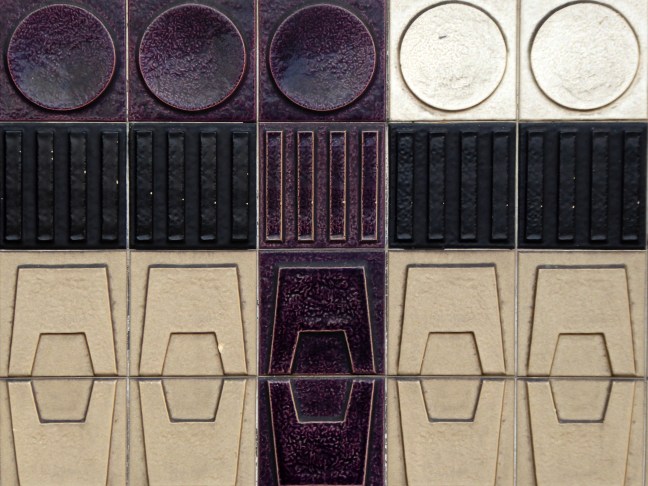
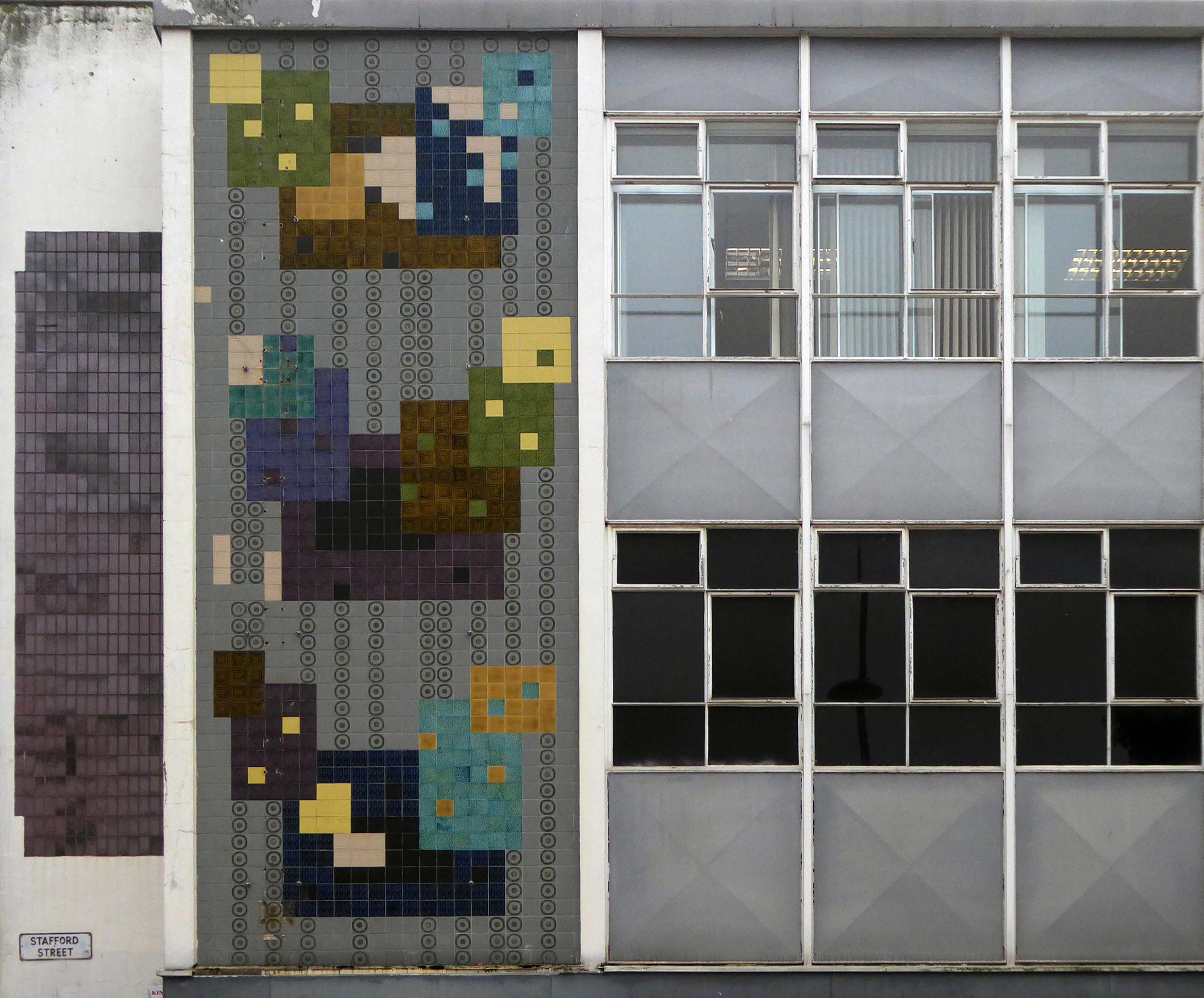
Previously C&A currently Wilko – adorned with these enchanting Tiles.
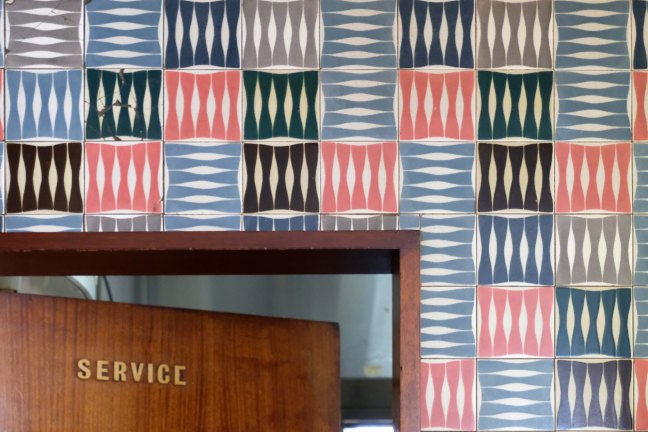
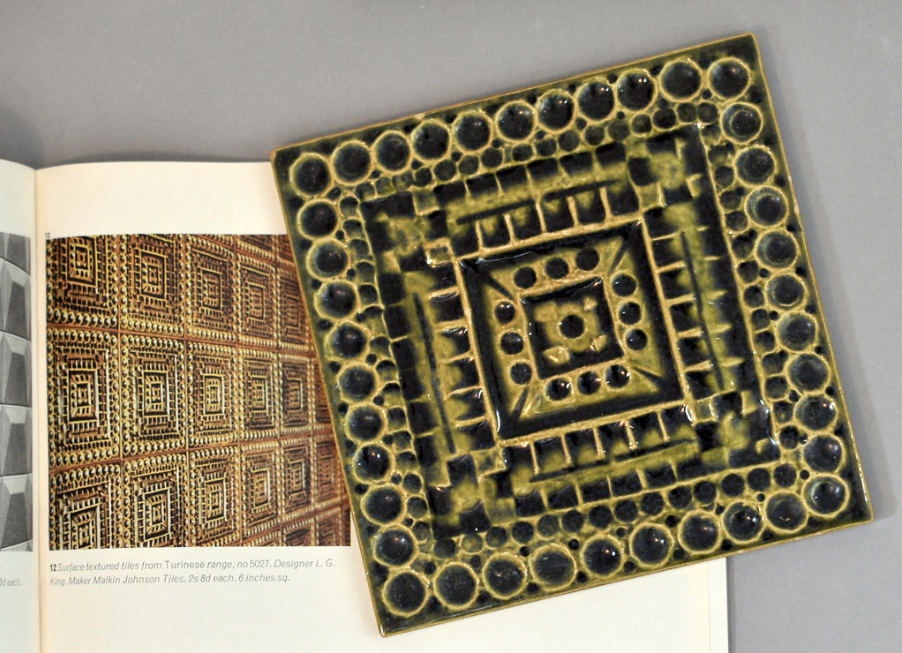
This little-noticed panel is composed of six inch surface-textured tiles in a variety of muted tones, mainly greens, purples and blues, some with geometric reliefs. The mural is unusual because it is one of the few surviving installations produced by Malkin Tiles; at least one of the motifs is from their ‘Turinese’ range marketed during 1961-8 and designed by Leonard Gladstone King, Malkin’s art director.
Tile Gazetteer
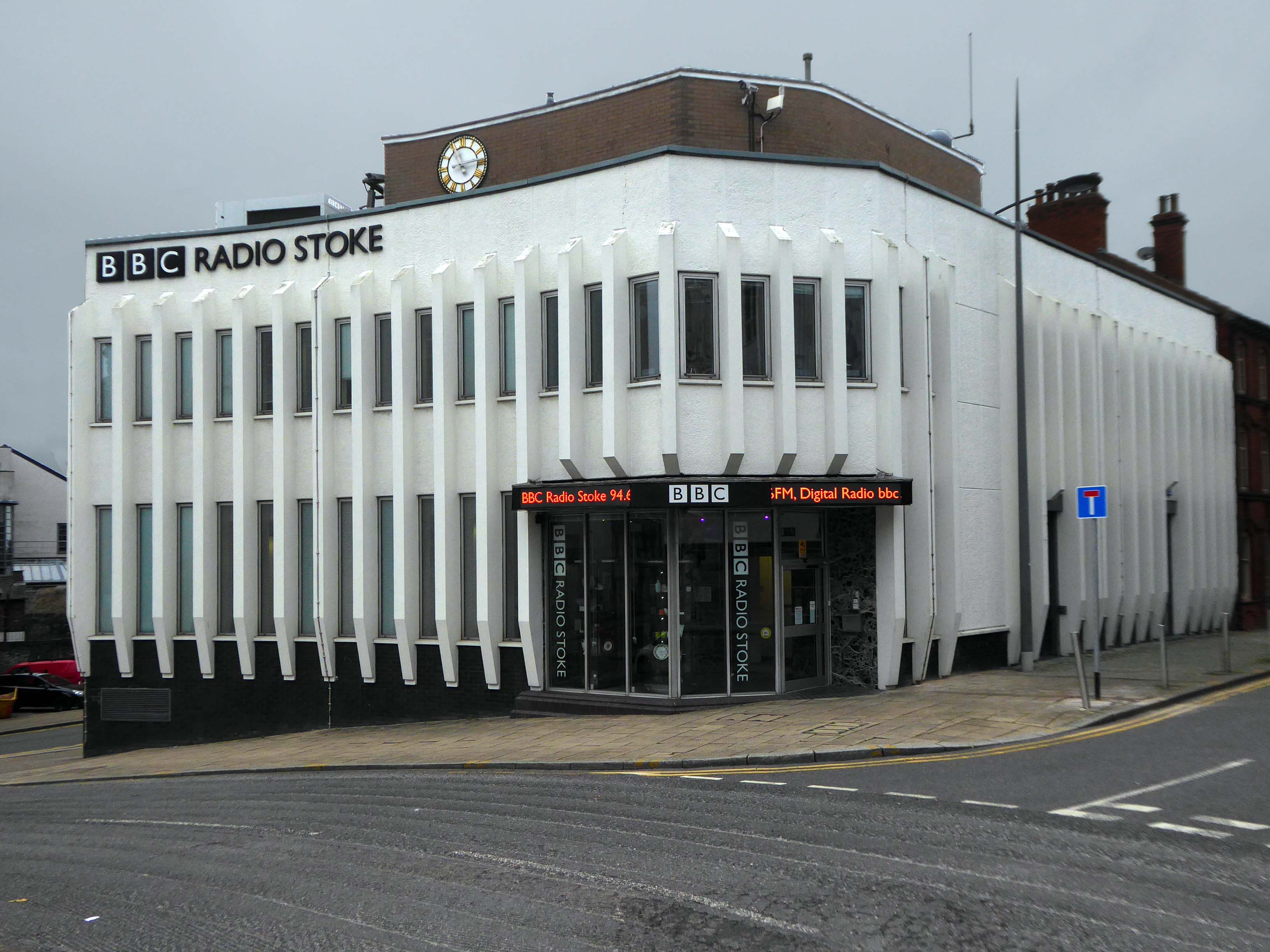
Over the road Radio Stoke HQ 1968 – formerly home to Hanley Economic Building Society.
Crossing back through town and over the ring road to look at some tiles.
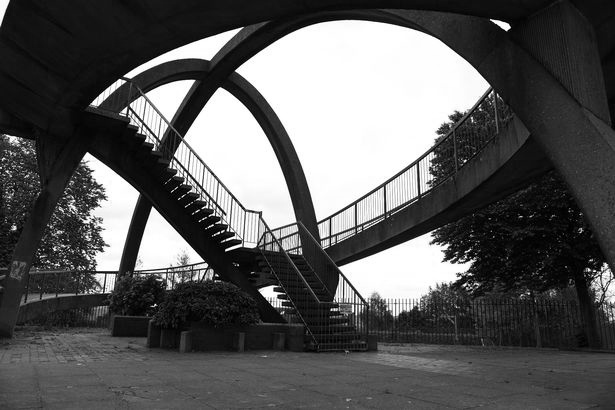
But missing this bridge – which was demolished in 2020.
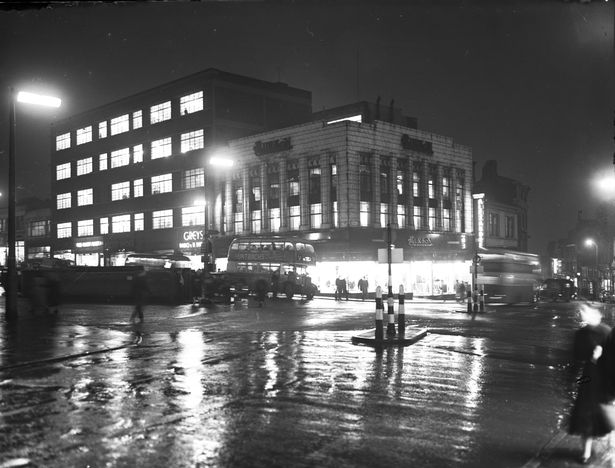
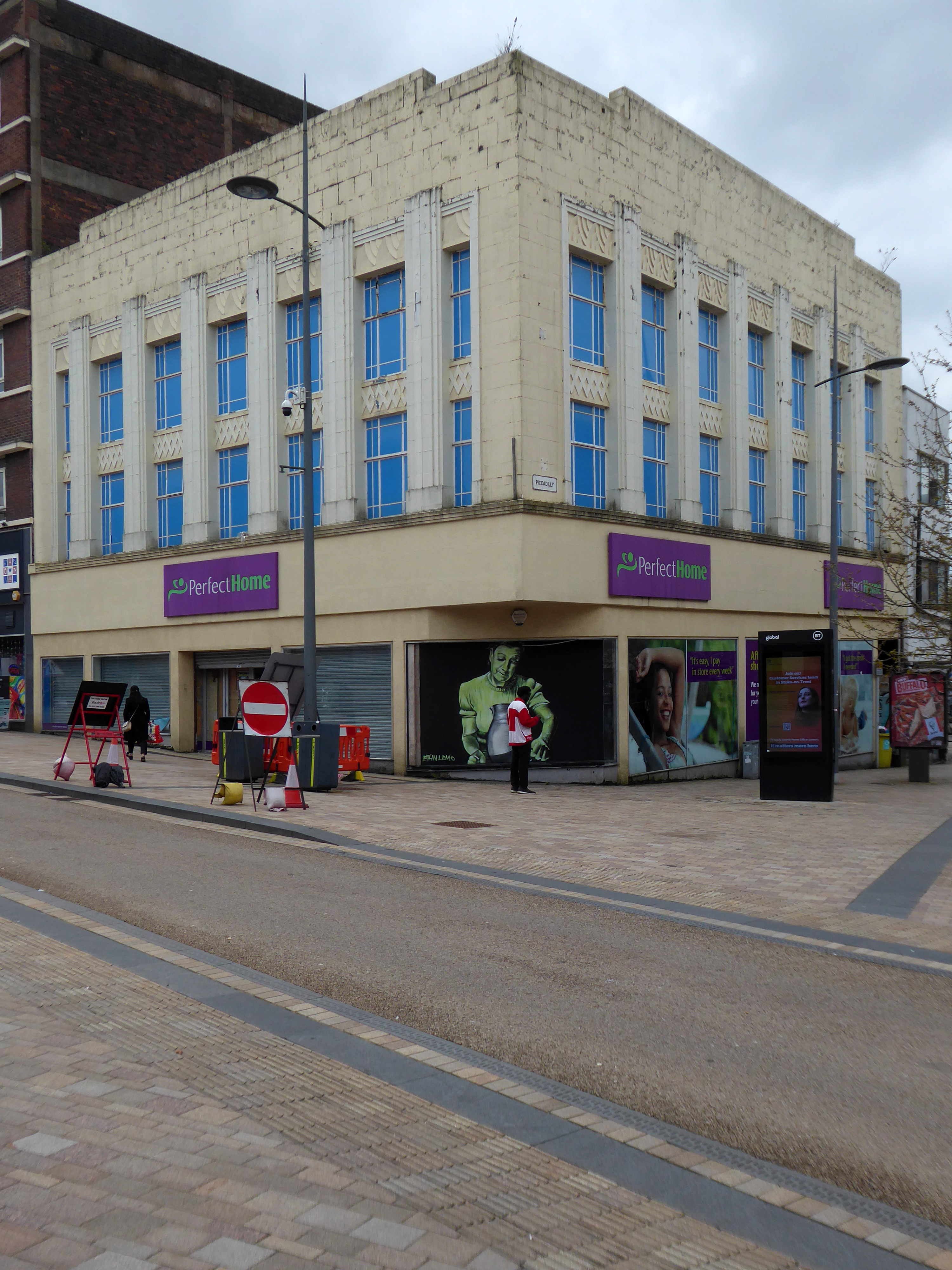
Back into town again to look at the Burton’s.
Photo: Stoke Sentinel
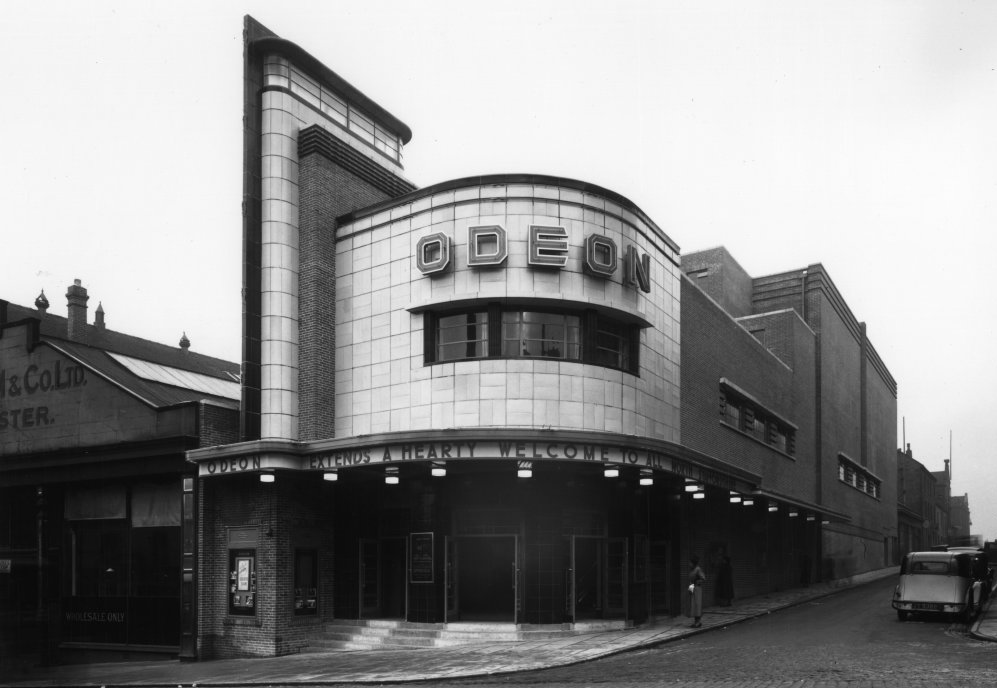
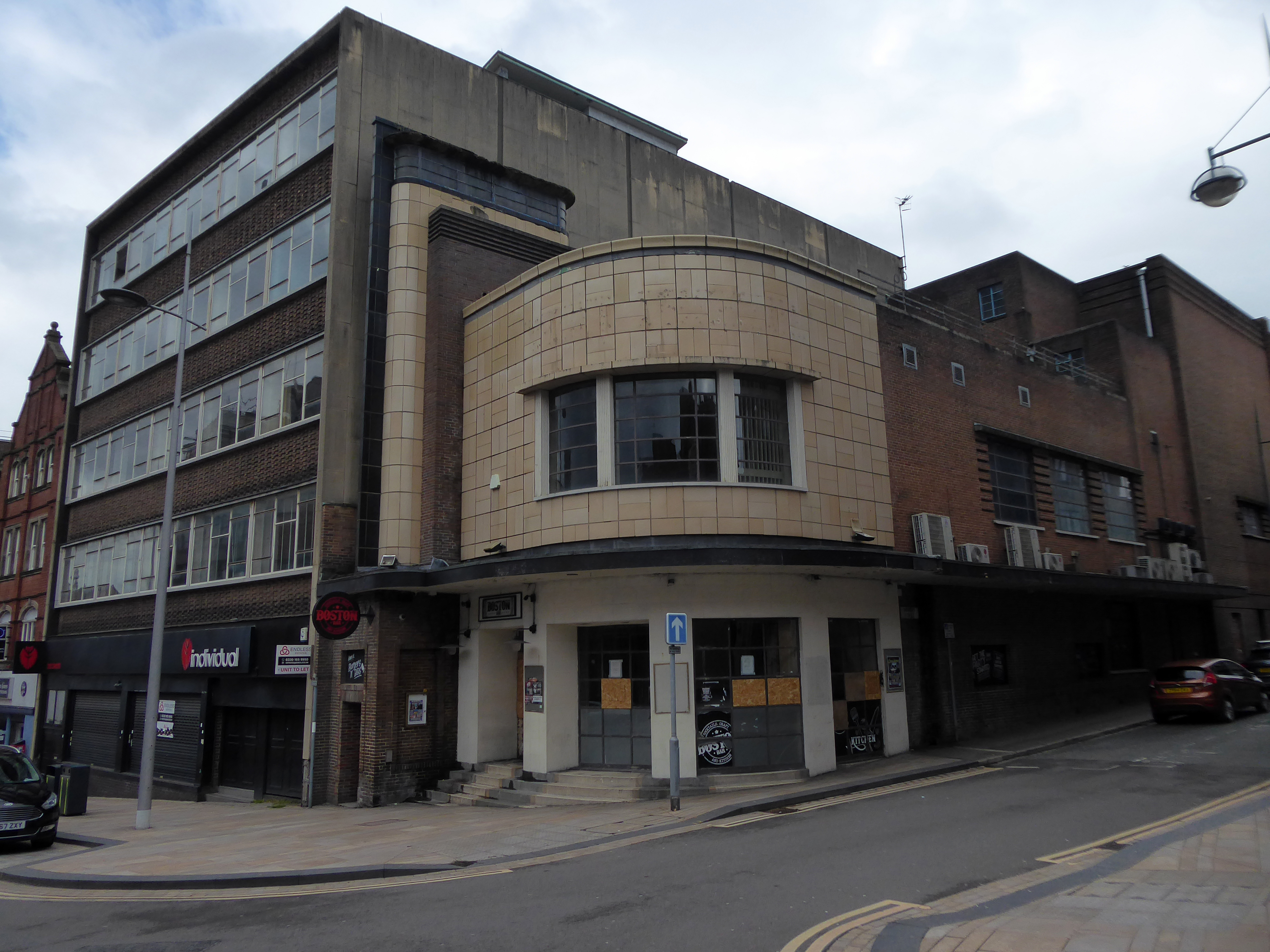
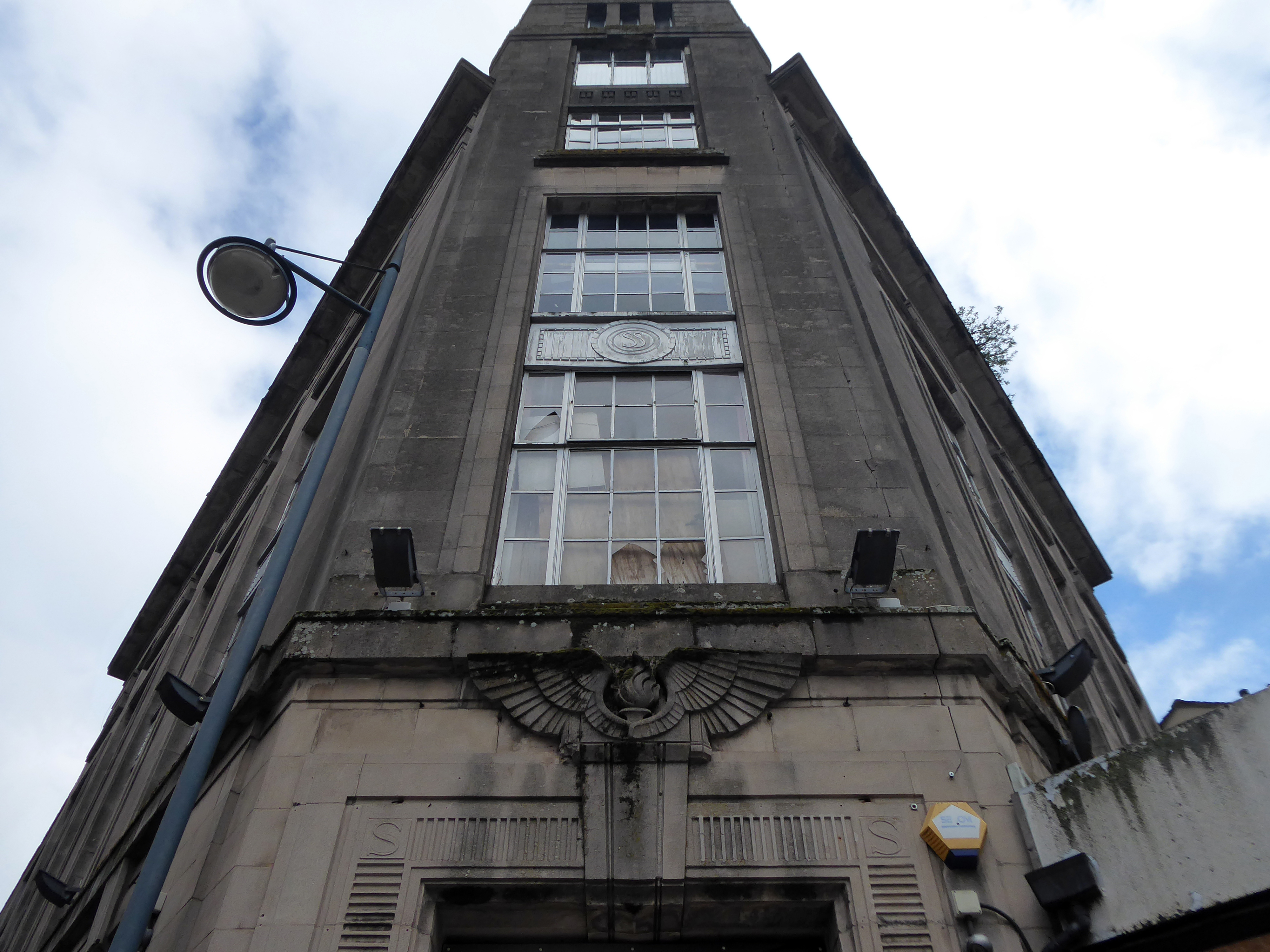
Odeon Cinema – architects: Arthur J Price and Harry Weedon 1938
The Odeon was one of the original cinemas in the Oscar Deutsch chain of Odeon Theatres Ltd. It was opened on 13th February 1938 with Max Miller in “Educated Evans”. It had a very small entrance at the corner of Trinity Street and Foundry Street, with a slender fin tower on the left side, and clad in cream faience tiles. The bulk of the auditorium was along Foundry Street, and seating was provided for 1,036 in the stalls and 544 in the circle. Decoration was in a typical Odeon style, with several troughs across the ceiling containing concealed lighting.
The Odeon was closed by the Rank Organisation on 15th November 1975 with Roger Daltrey in Tommy. The auditorium decoration was stripped out in the early-1980’s, and by 1982 it was used for storage, when on 4th August 1982, it was partially damaged in a fire, although the main shell of the building was not damaged. By 1991, the building was standing derelict.
By 1999, a bar was operating in the former foyer area. By 2003, the former auditorium had been brought back to use as a Chicago Rock Café. In 2008, the building had become a bar & nightclub named Revolution, with the former foyer in use as a bar named The Base.
In December 2021 plans were announced to demolish part of the former Odeon Theatre to build flats.
Designed by Glancy Nicholls Architects, the team worked collaboratively through the SCAPE framework to design a 3,800 square foot extension. The facility includes bespoke structural glazing, which enables the Spitfire to be viewed from outside of the museum.

































































































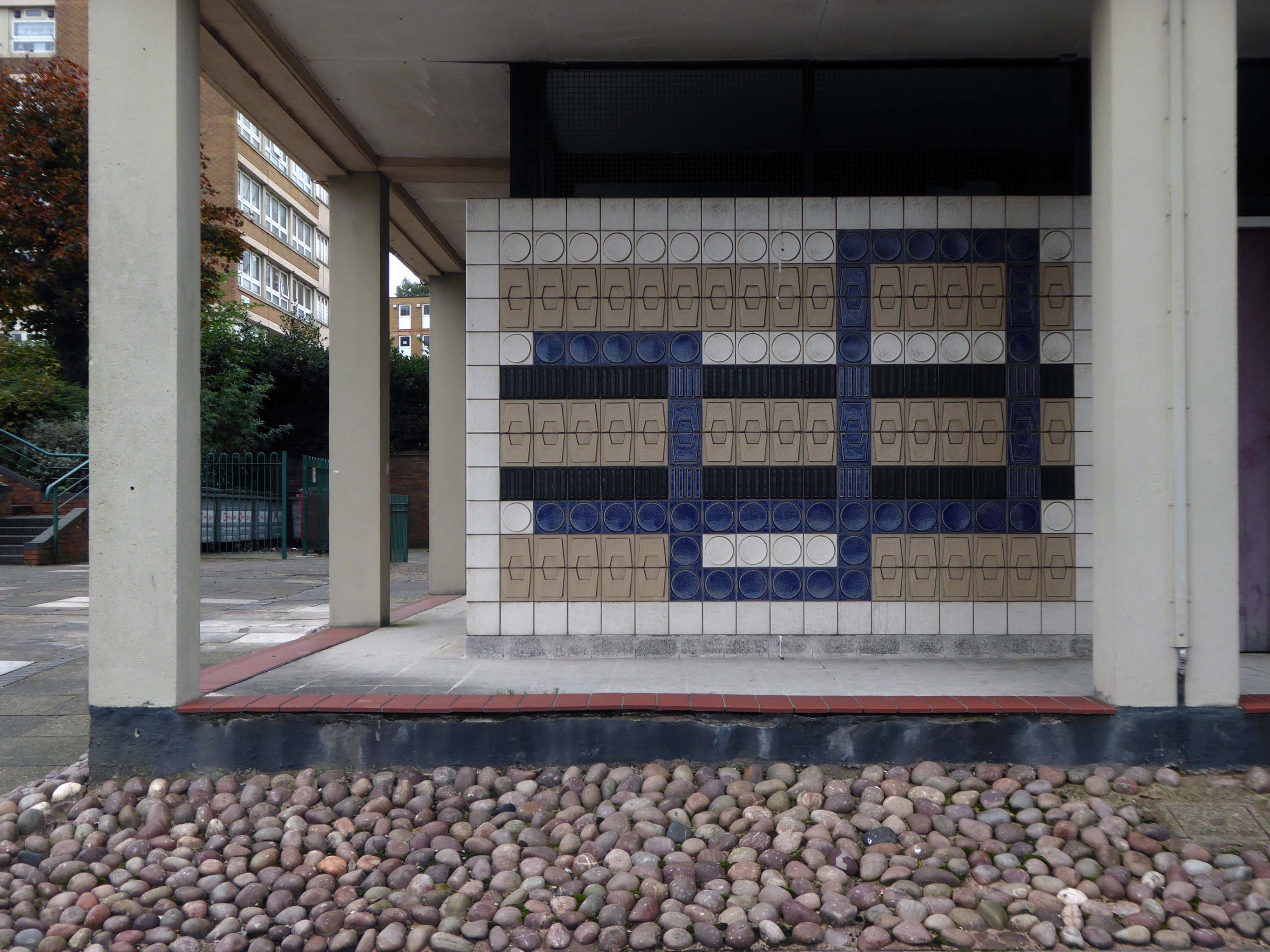
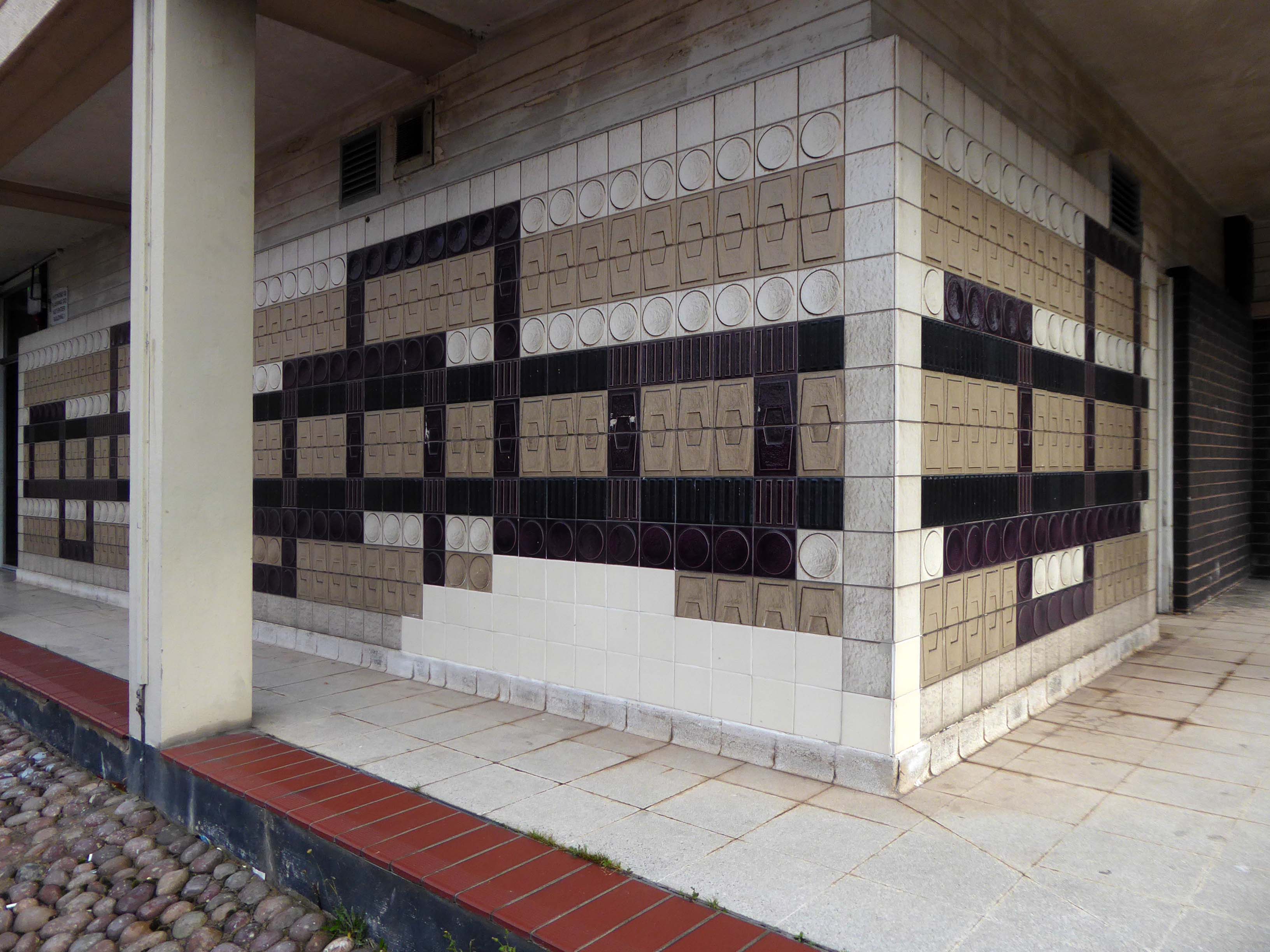
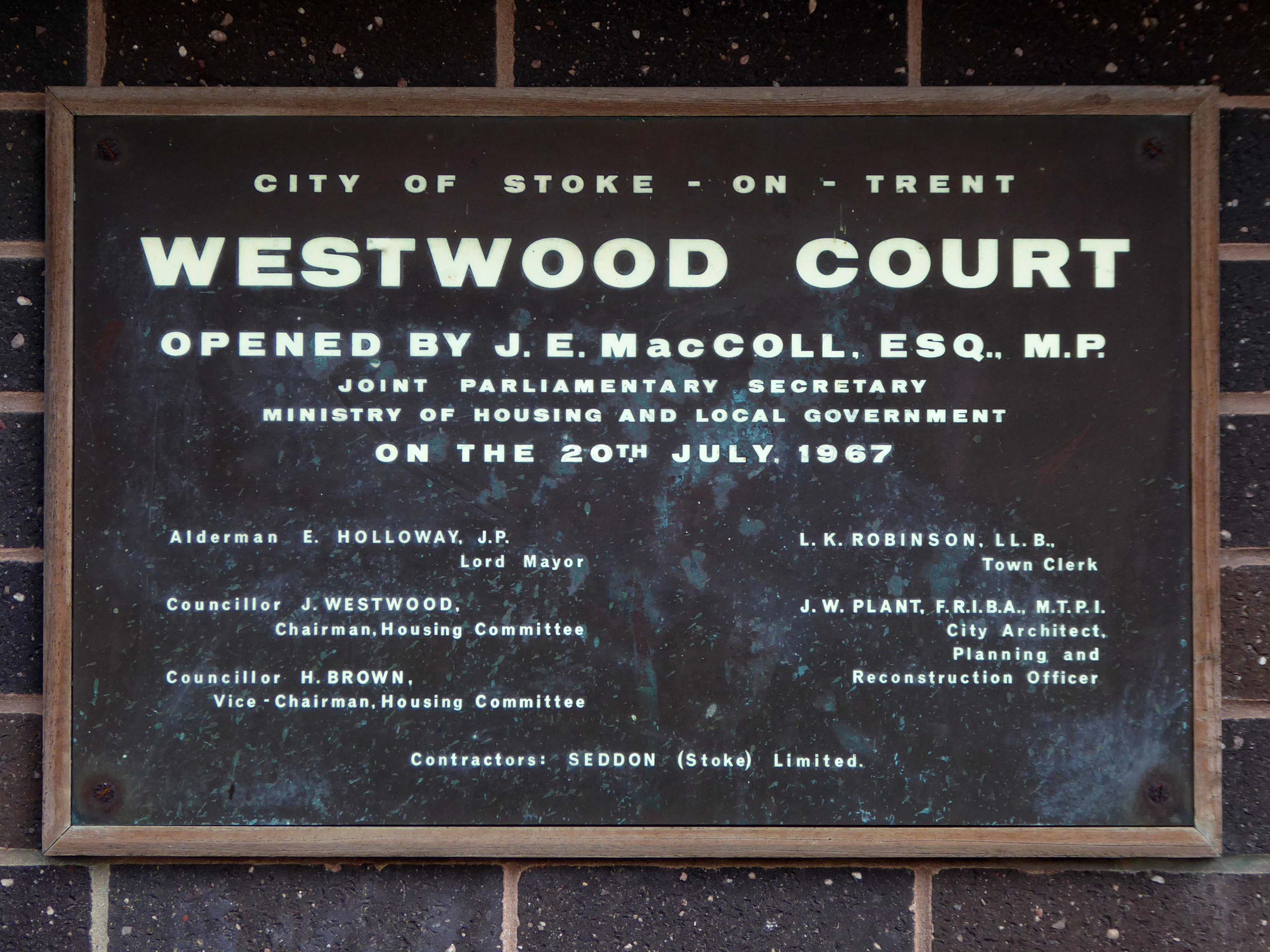
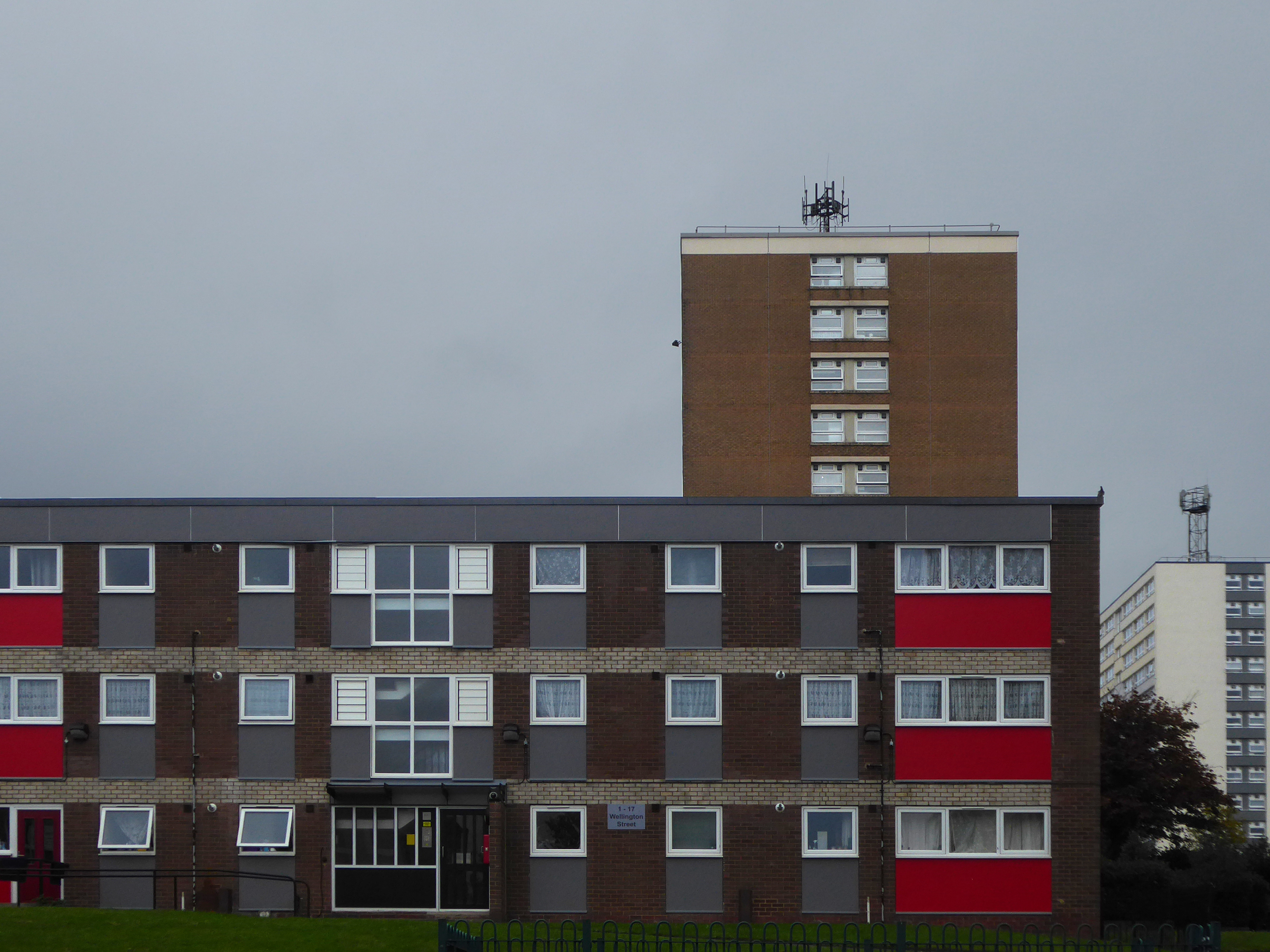
 Modern Mooch