Doncaster – Modernism

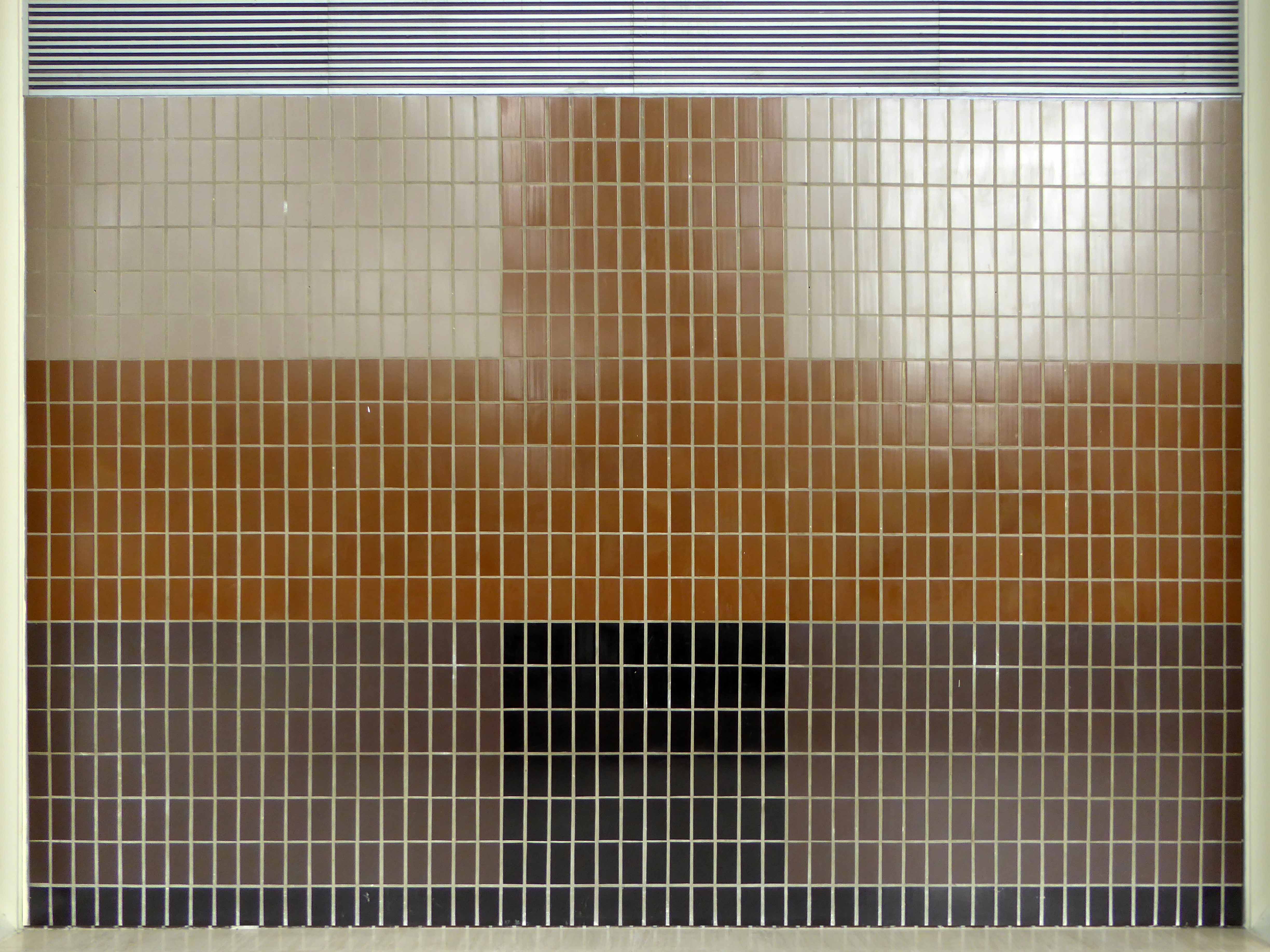
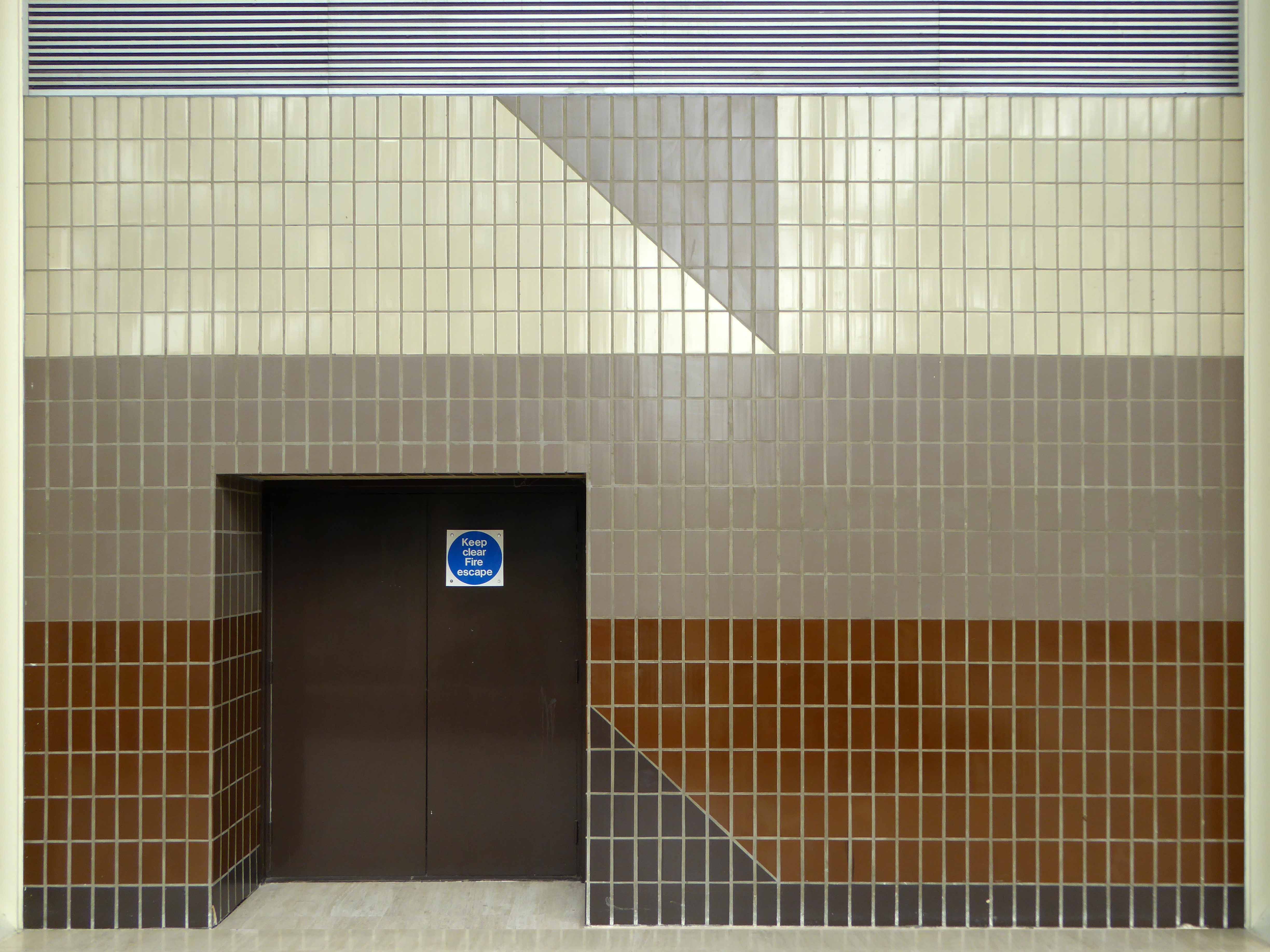
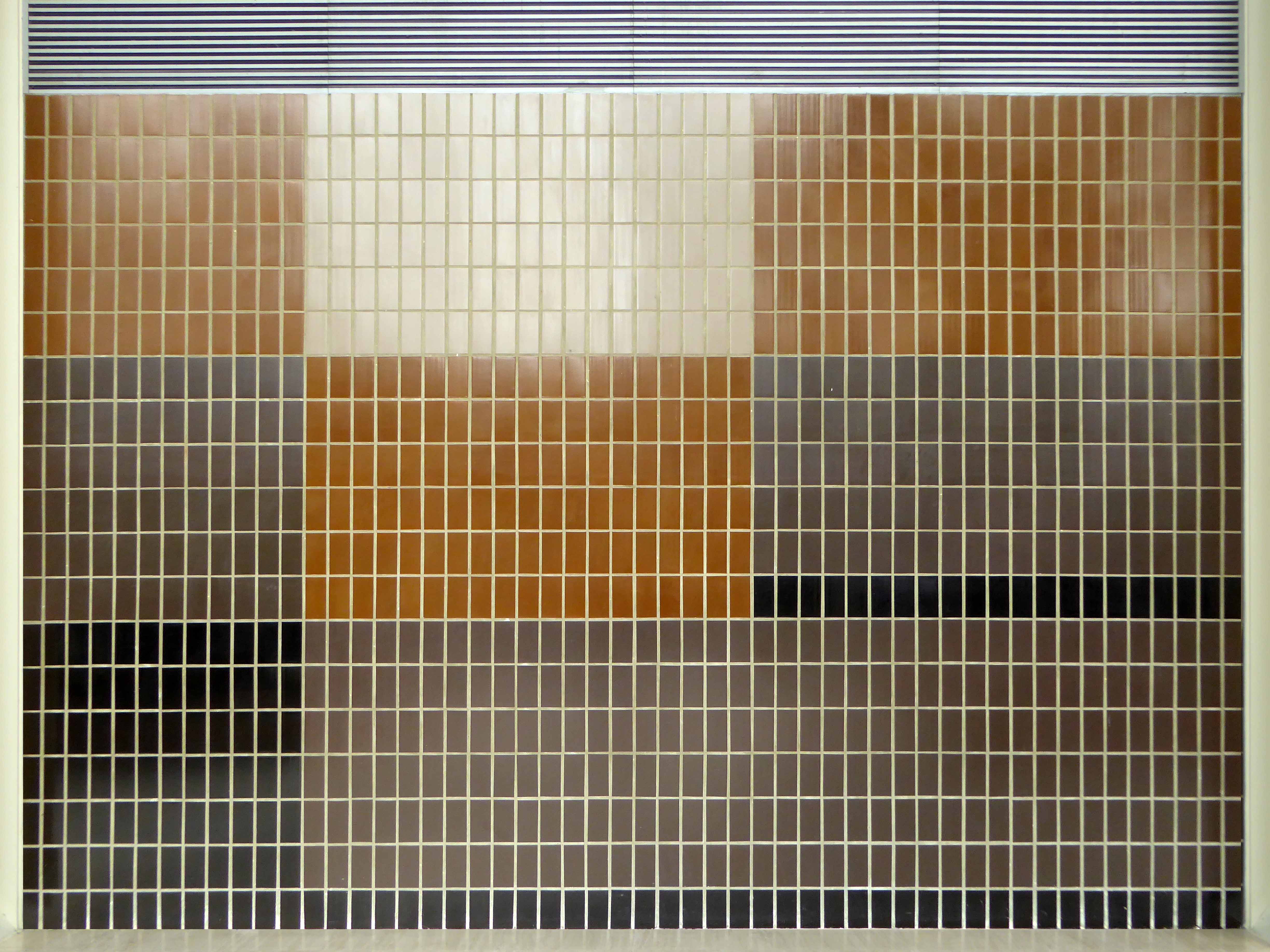
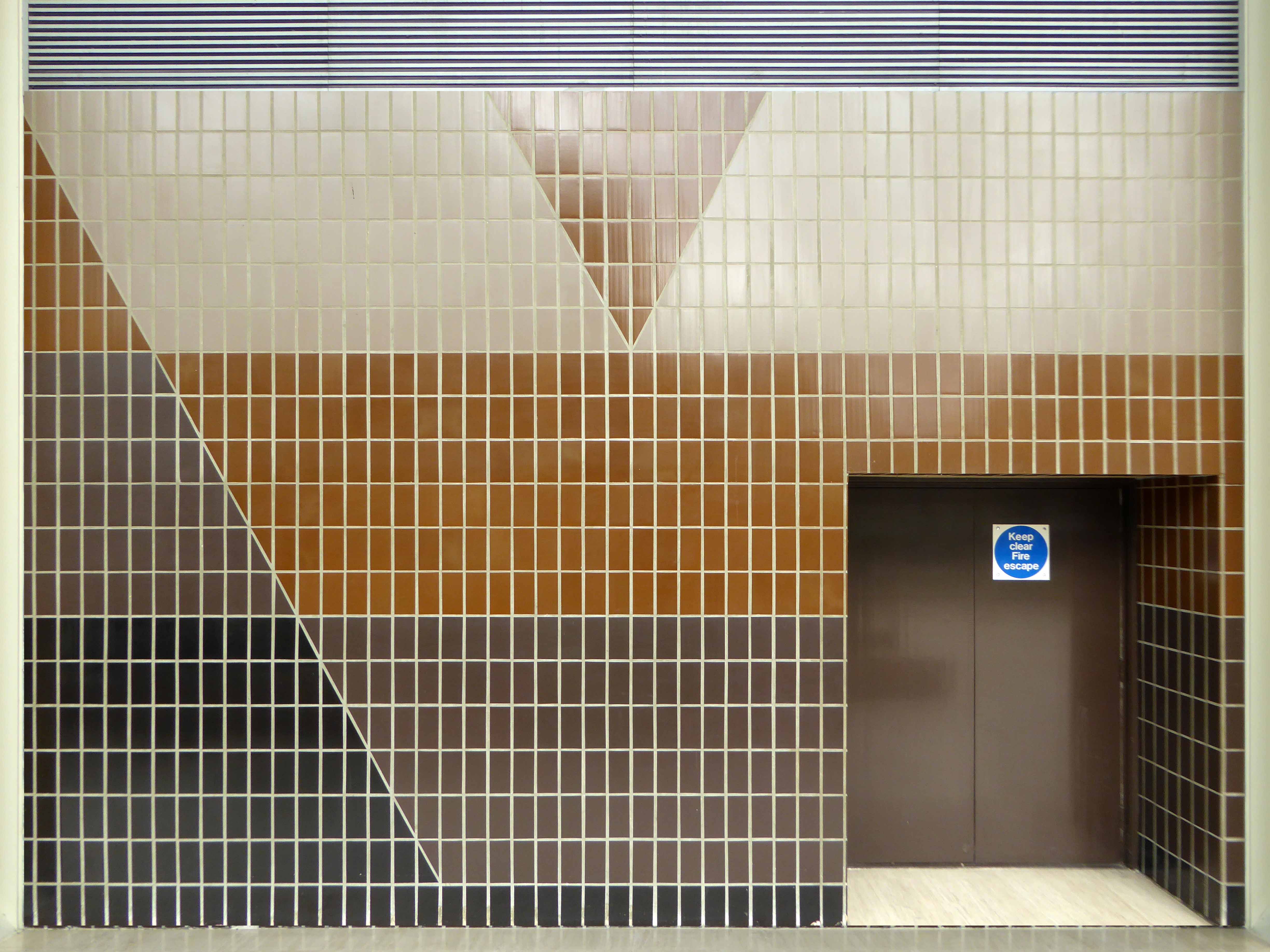
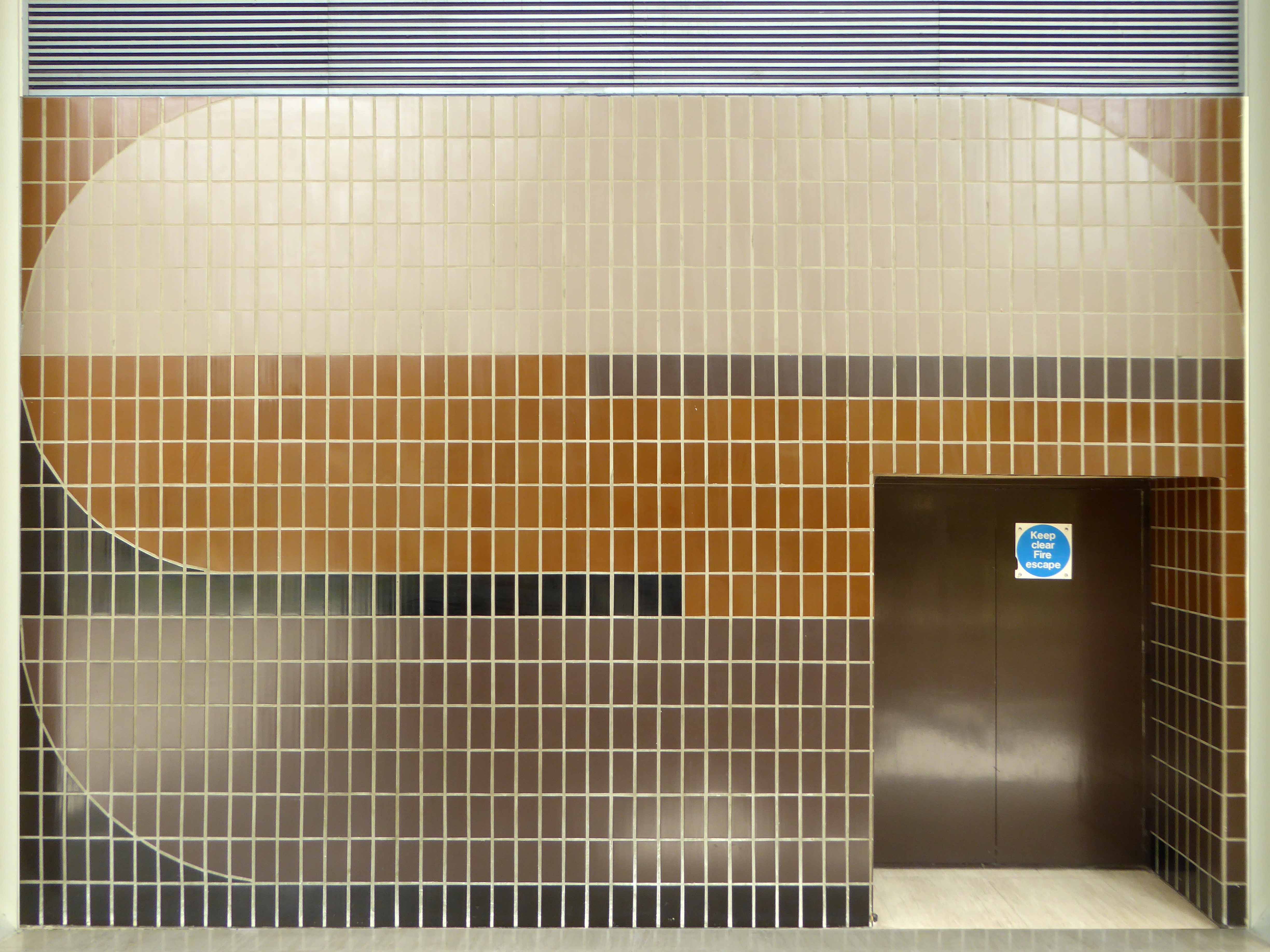
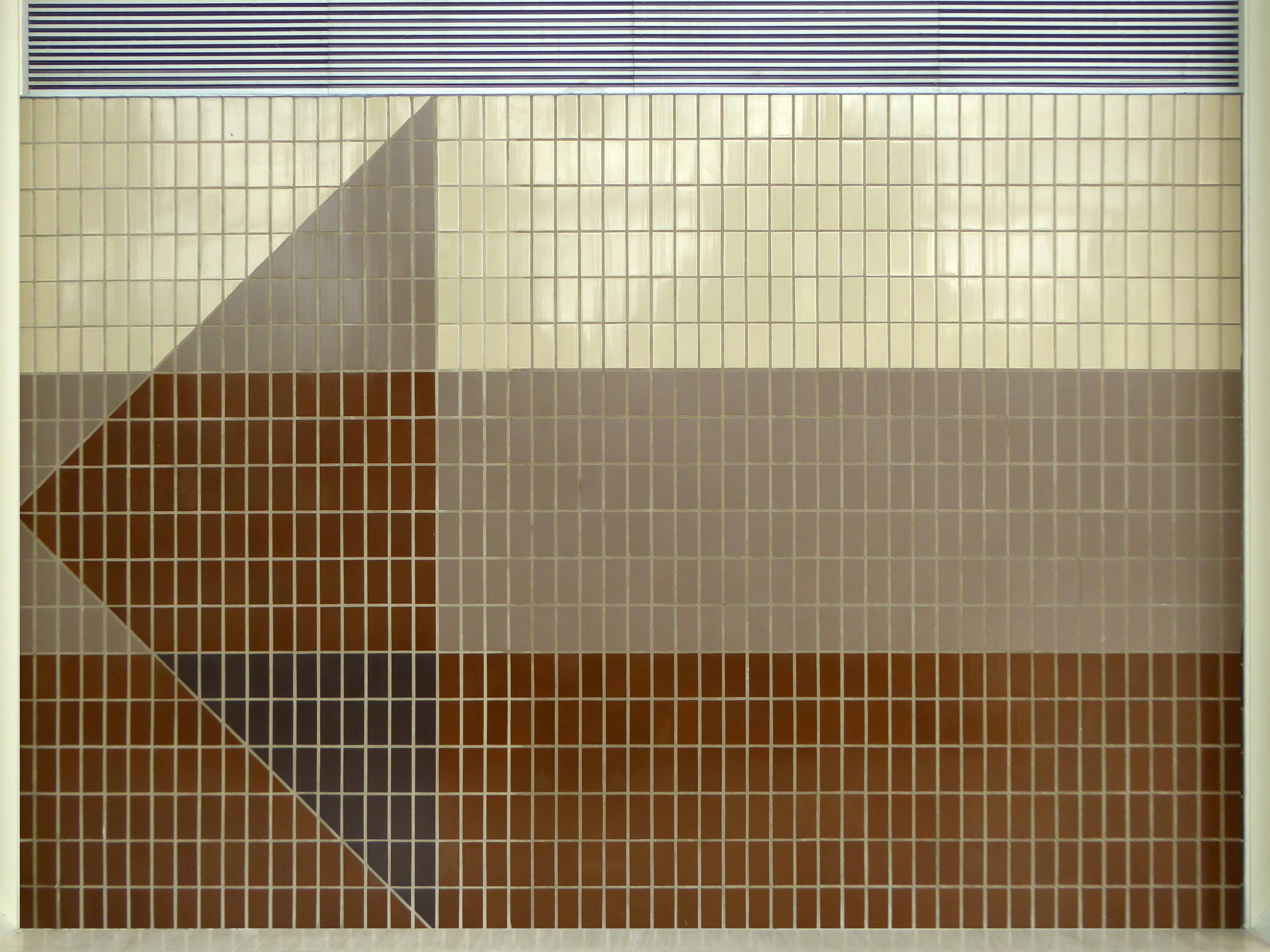
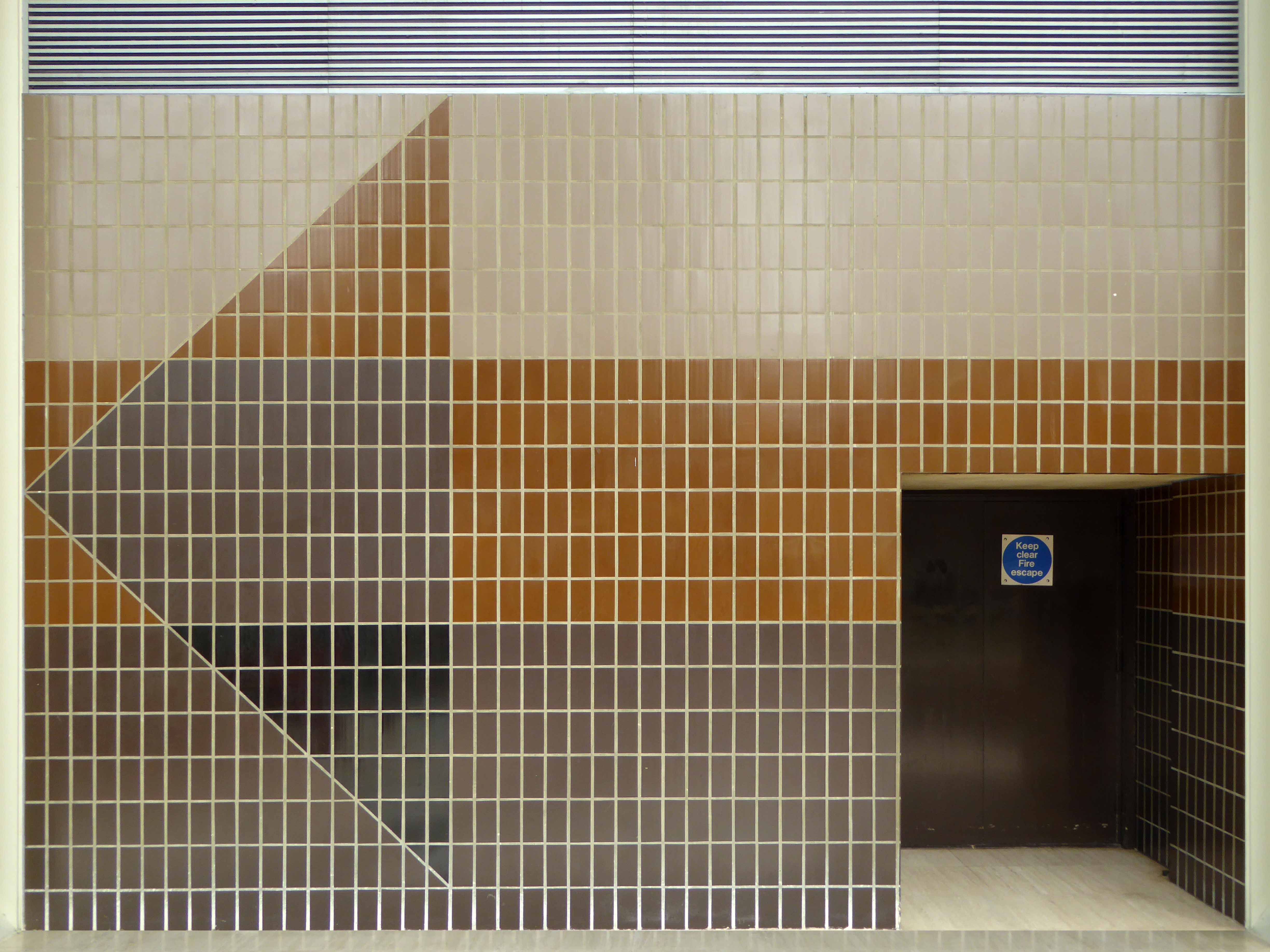
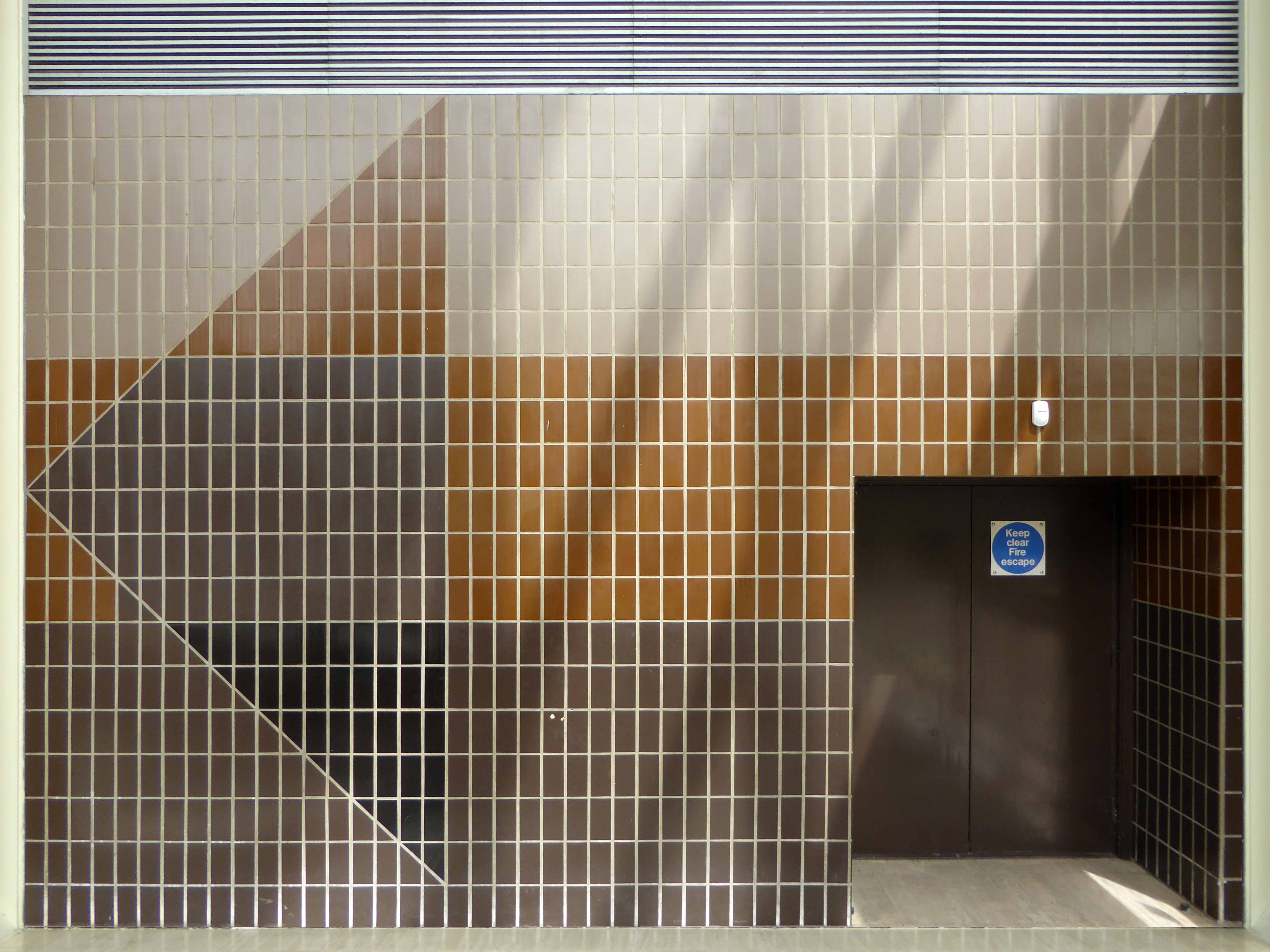
The railway station was built in 1849 replacing a temporary structure constructed a year earlier. It was rebuilt in its present form in 1933 and has had several slight modifications since that date, most notably in 2006, when the new interchange and connection to Frenchgate Centre opened.

The front elevation is realised in a typical inter-war brick functionalist style.

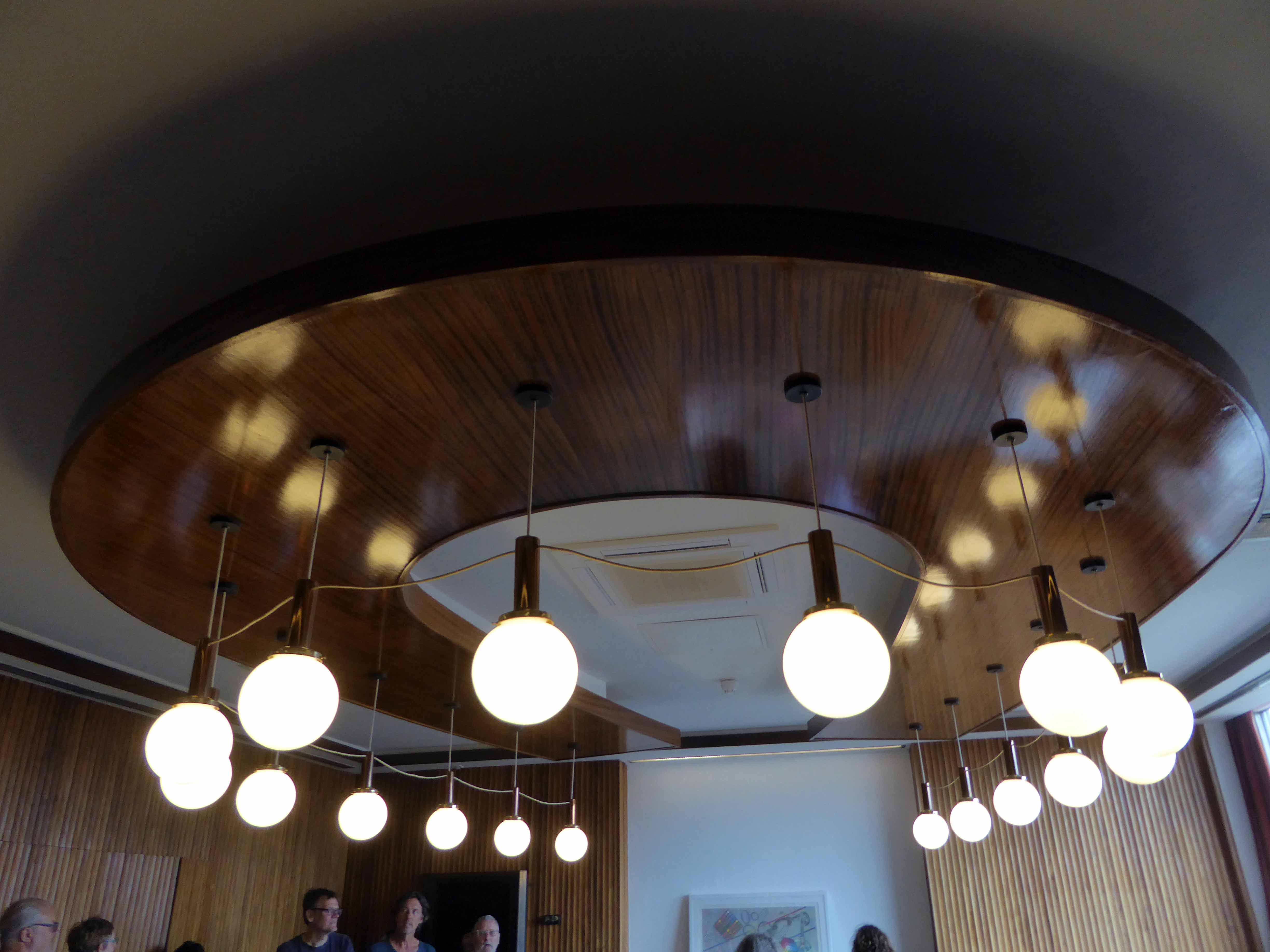
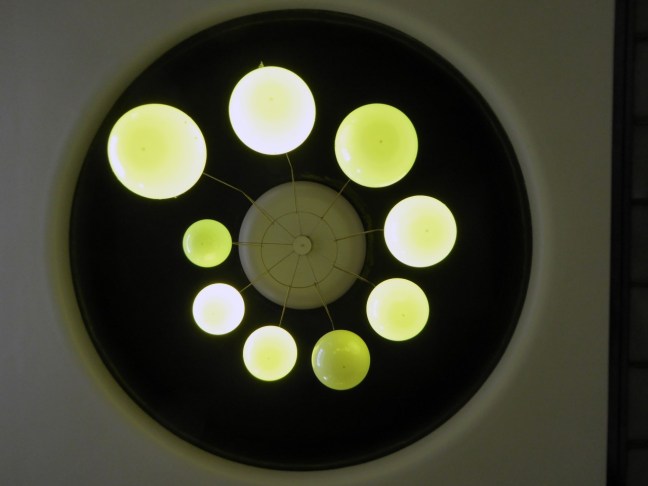
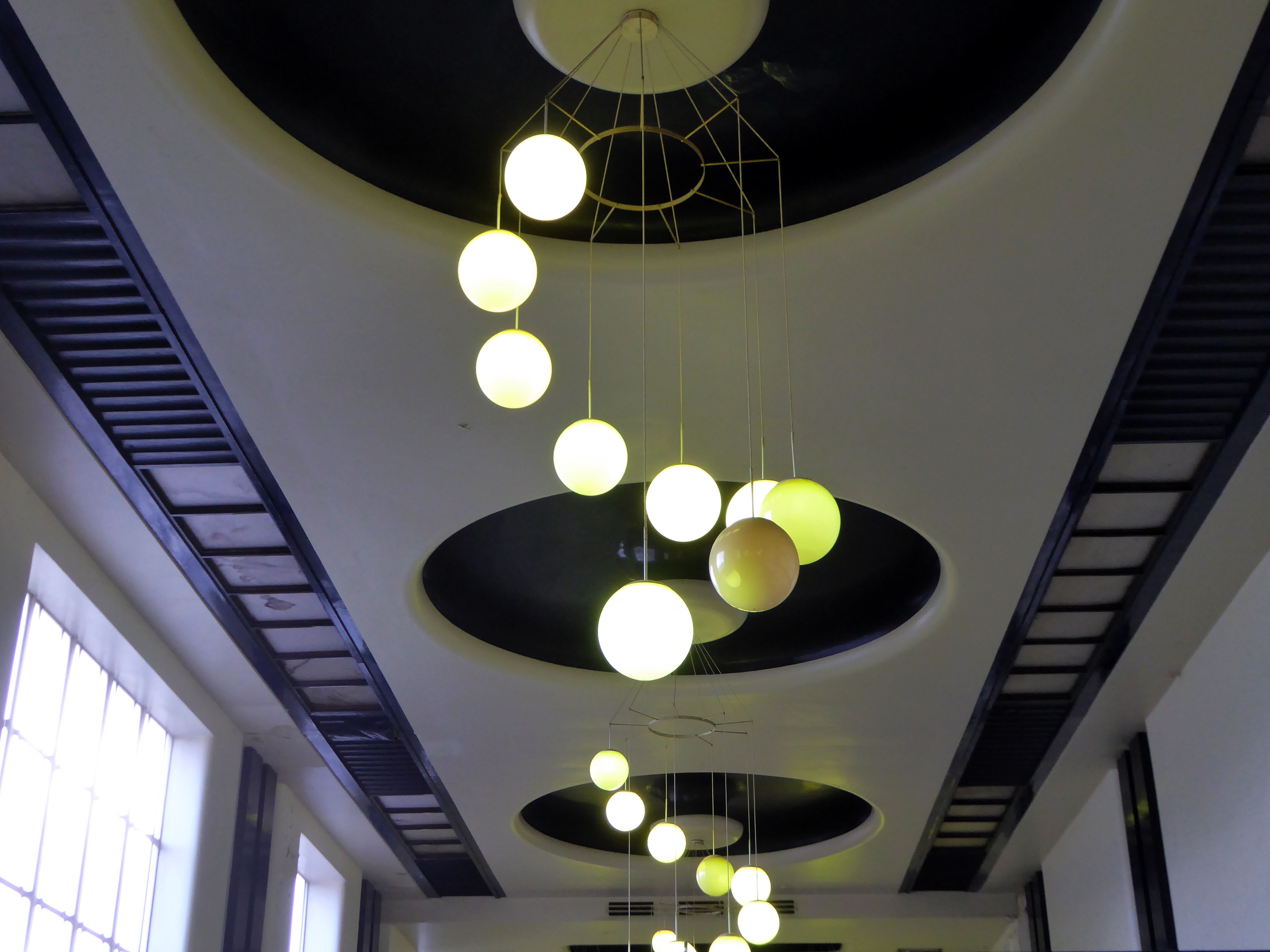
Of particular note are the lobby lighting fixtures and clock, the booking hall and offices are listed Grade II.

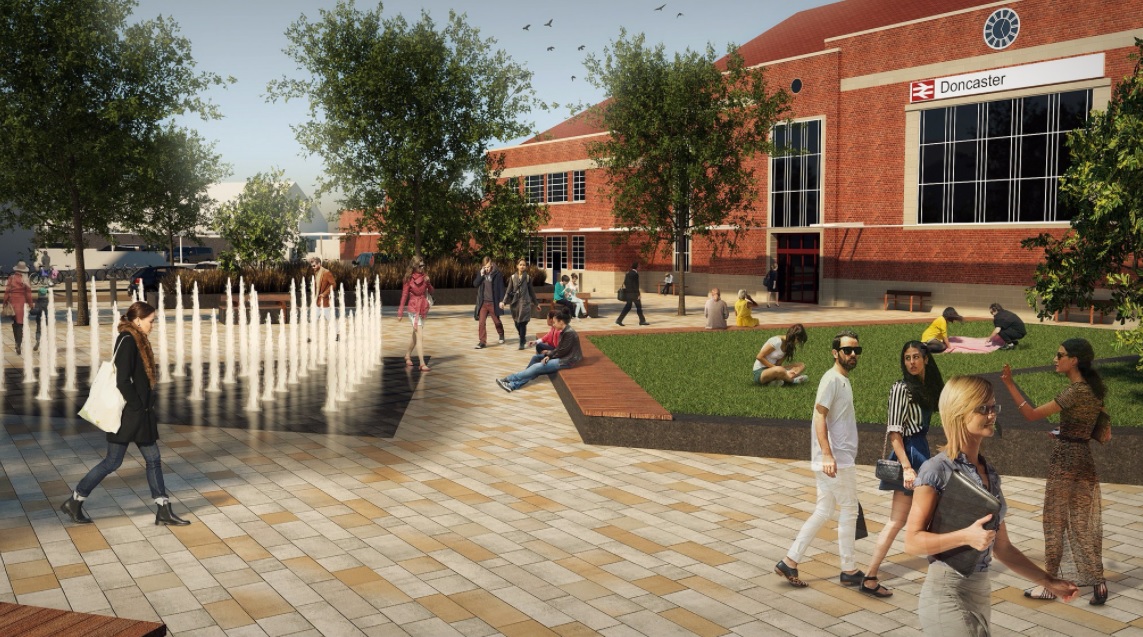
There are plans to redevelop the station approach replacing the current car parking with a pedestrianised piazza.

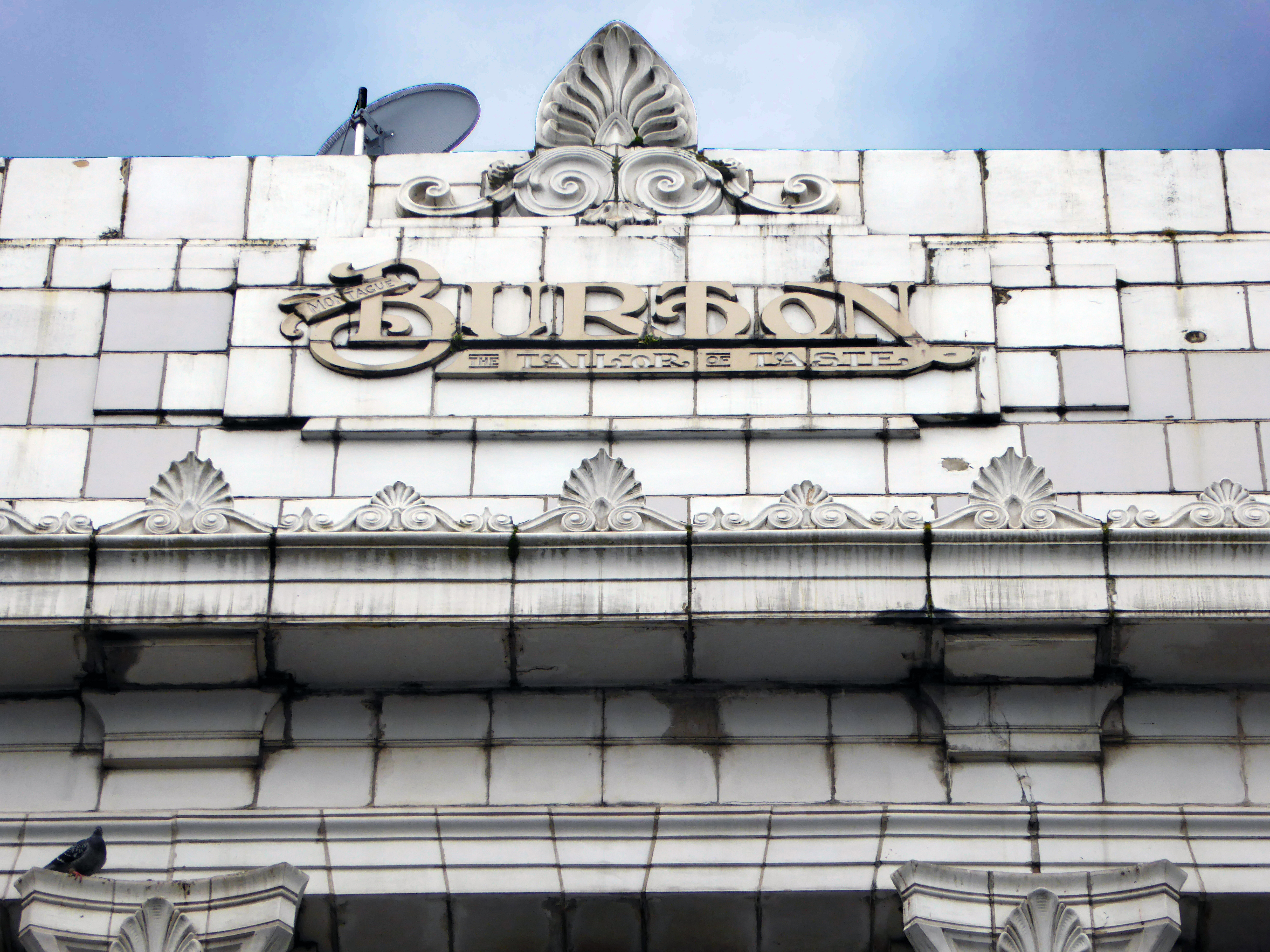
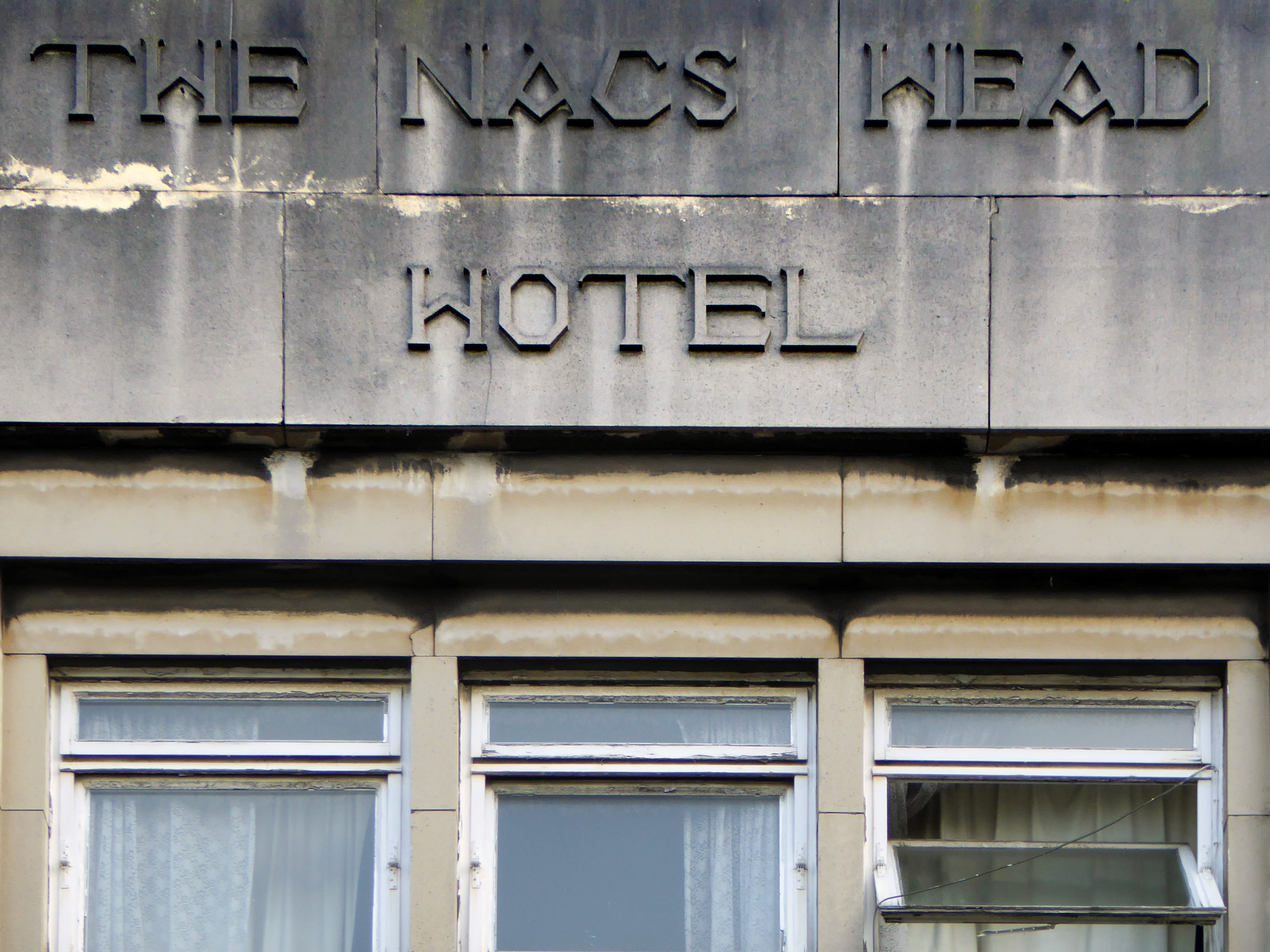
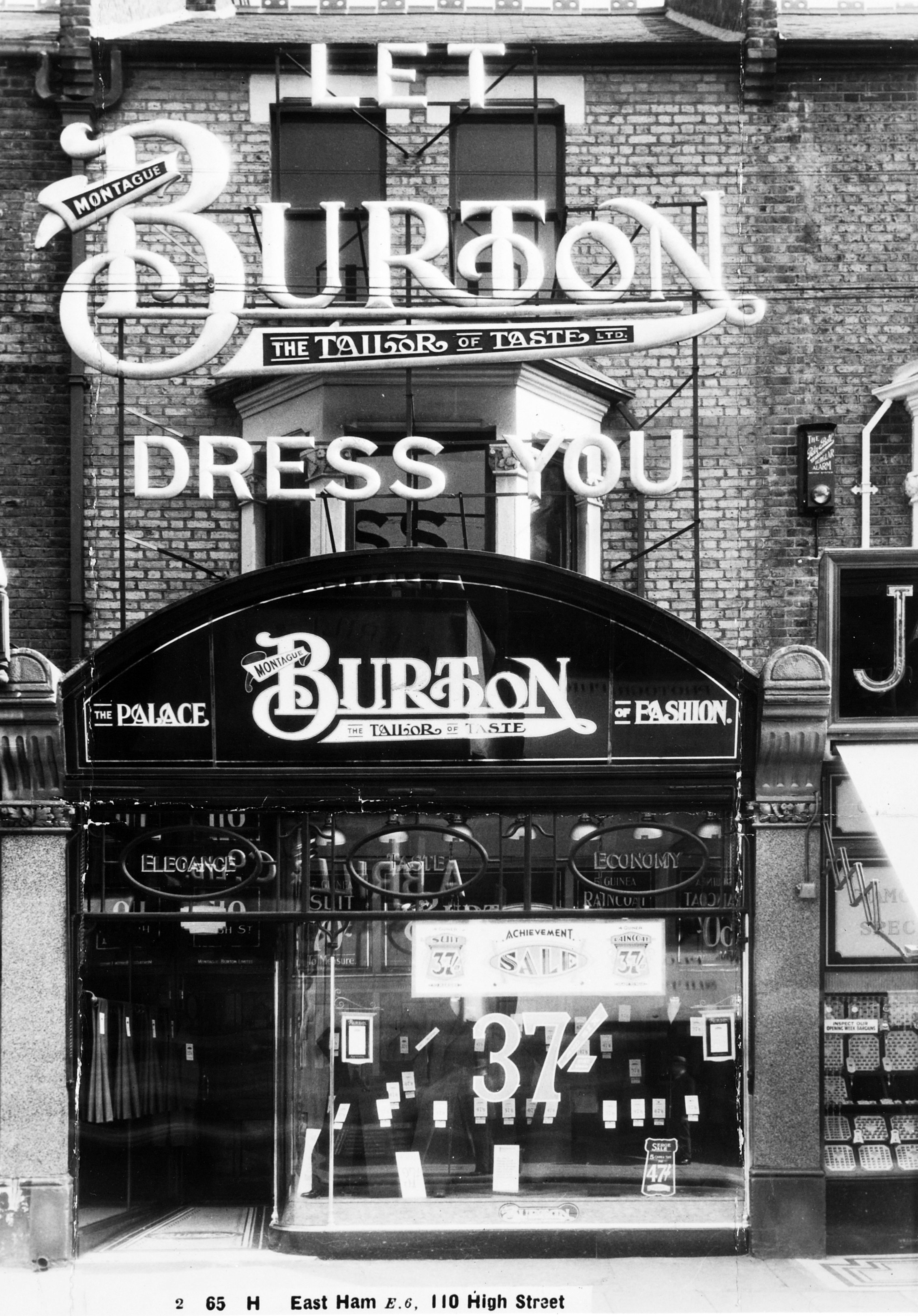
The High Street boast a former branch of Burton’s with its logo intact.

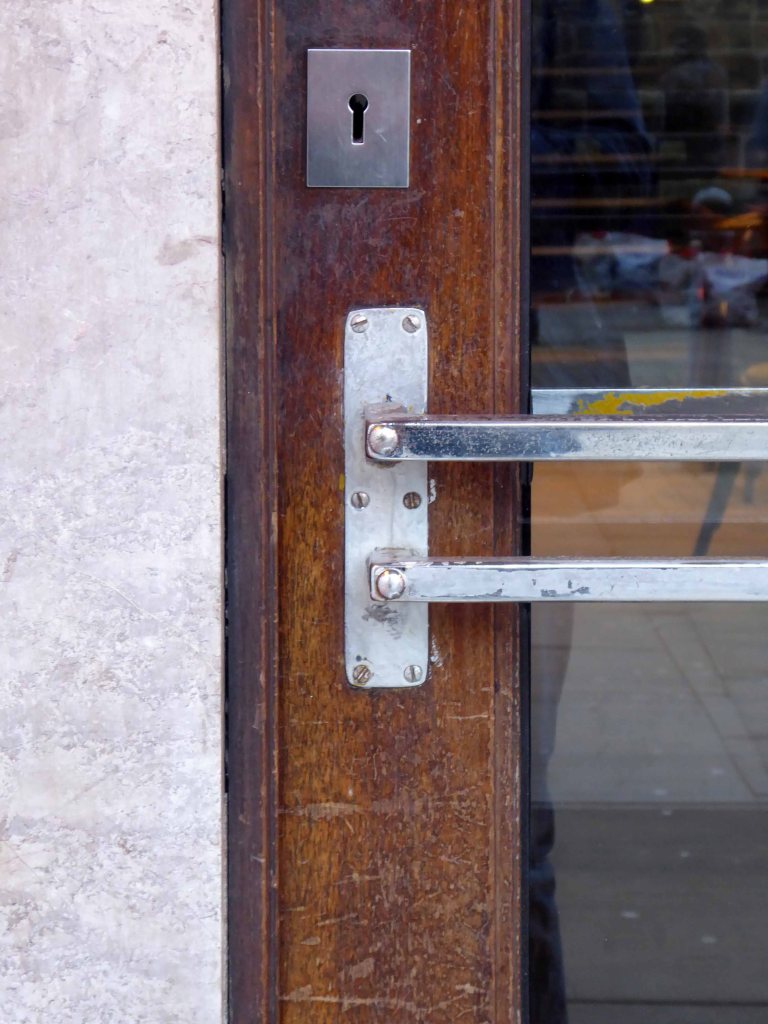
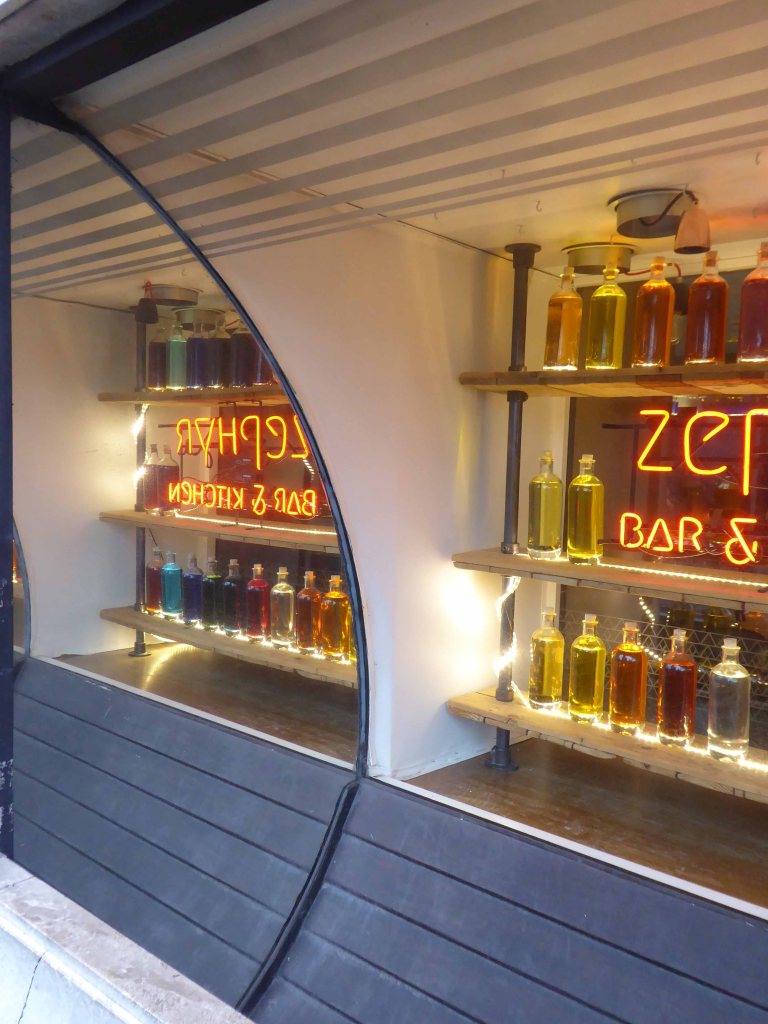
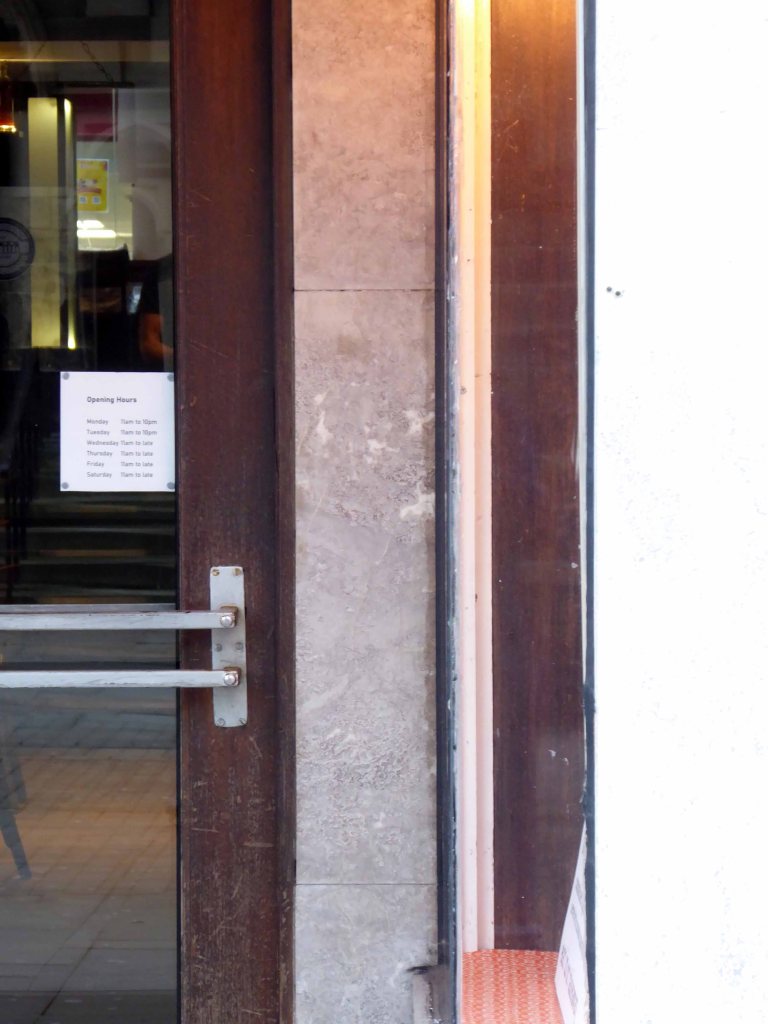
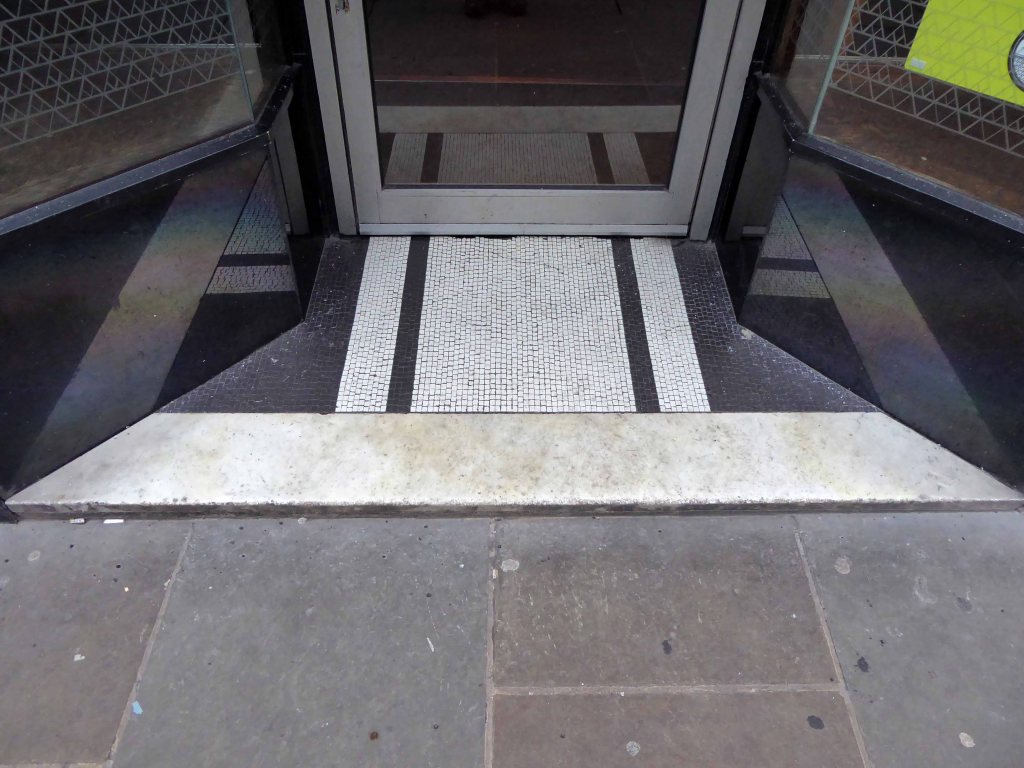
An intriguing Art Deco shop frontage – combining a menswear outlet with a pub.

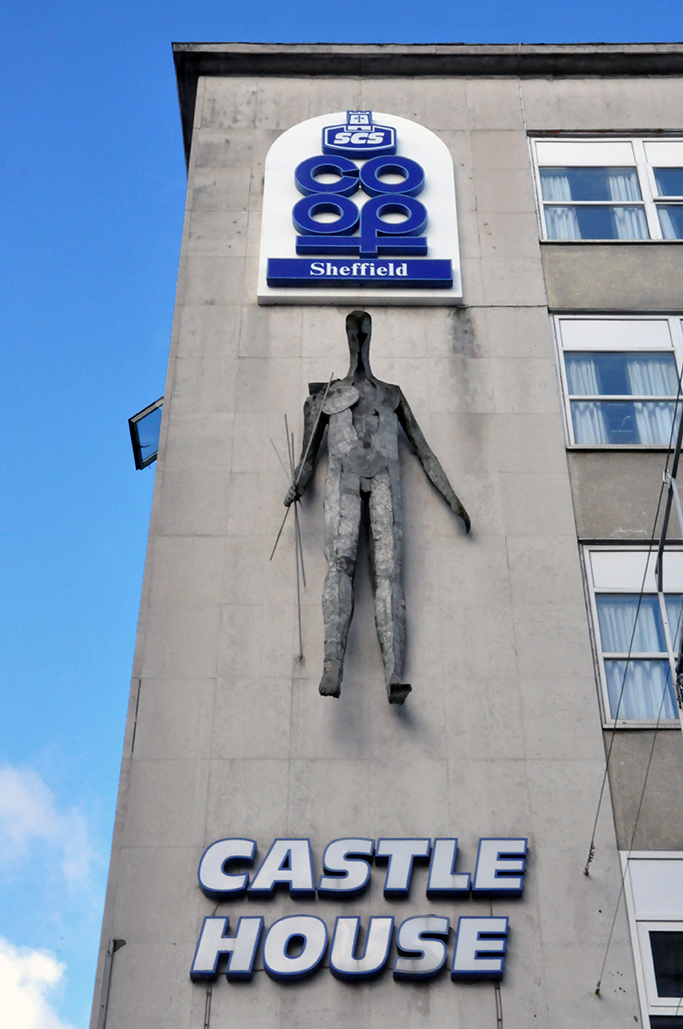
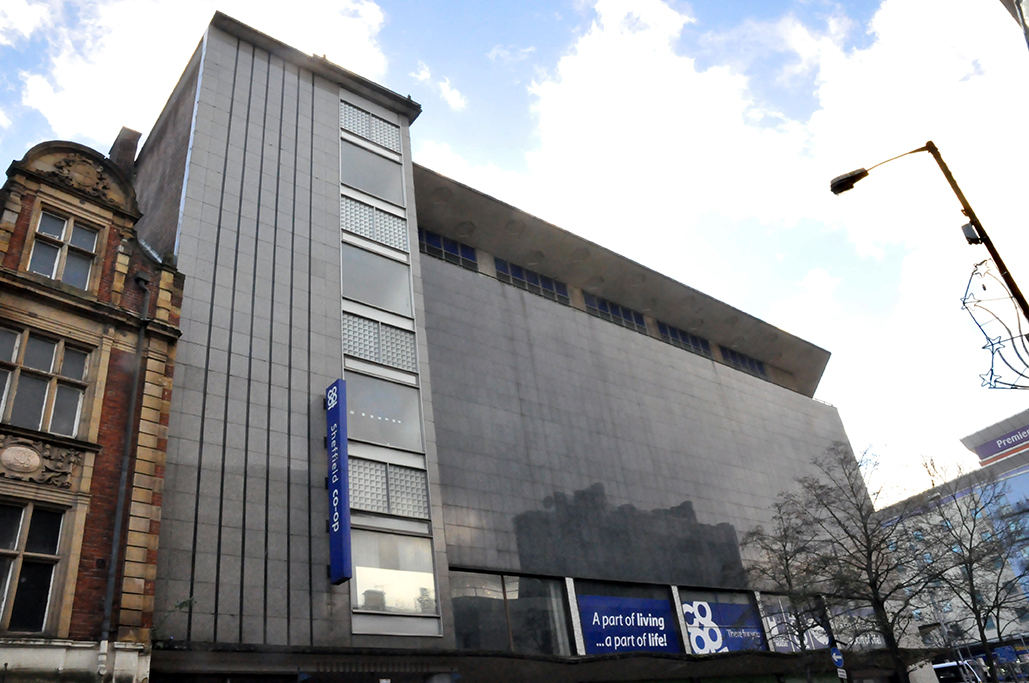
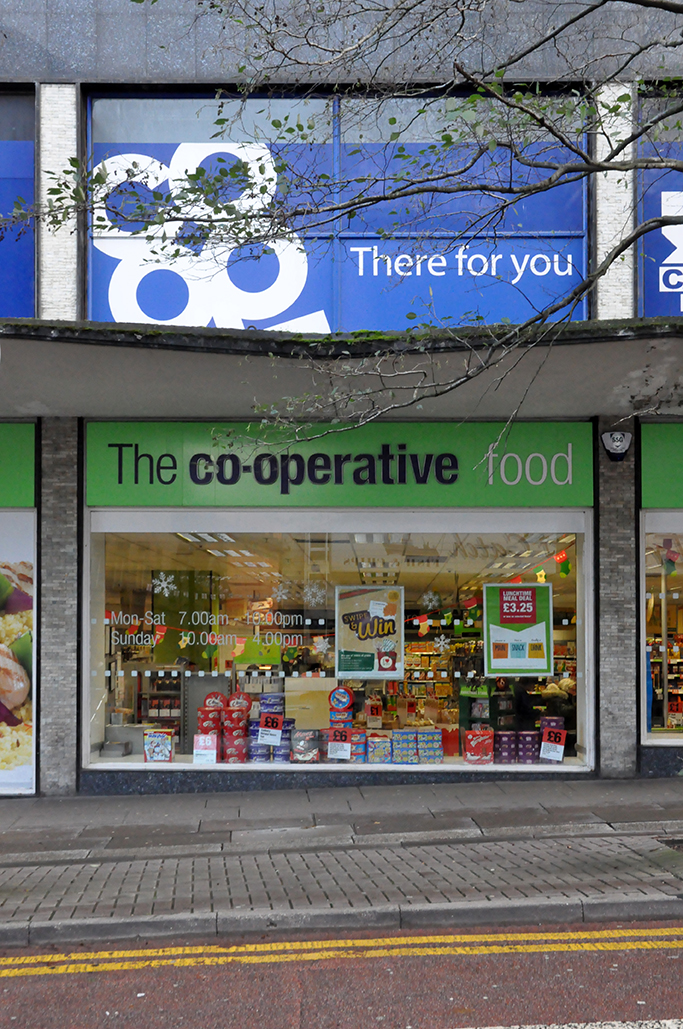
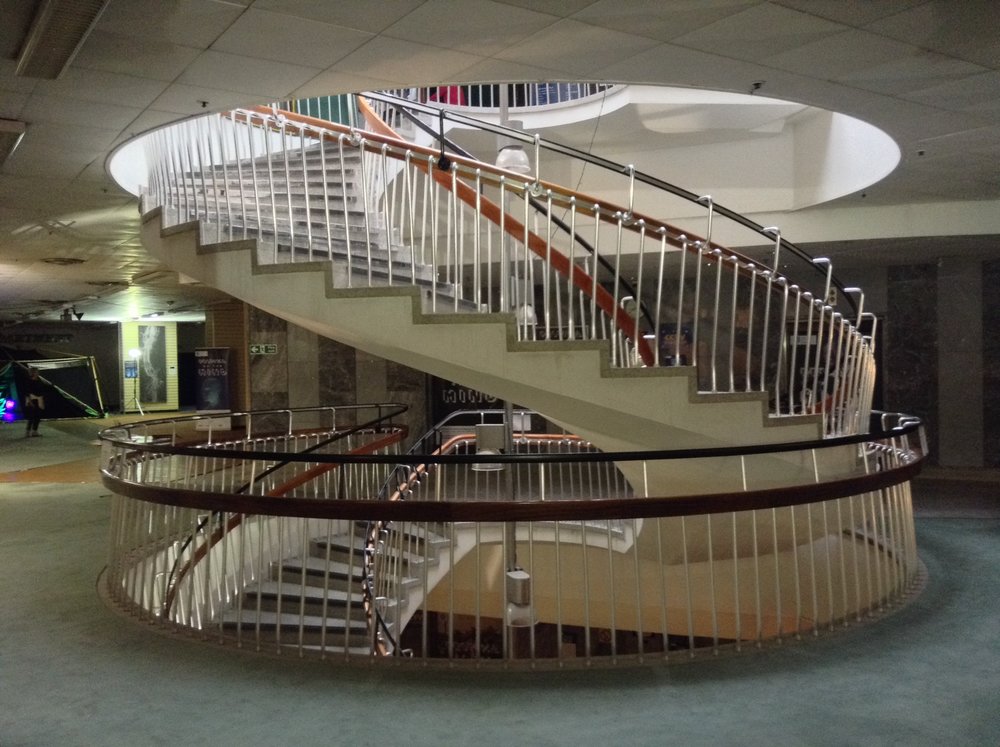
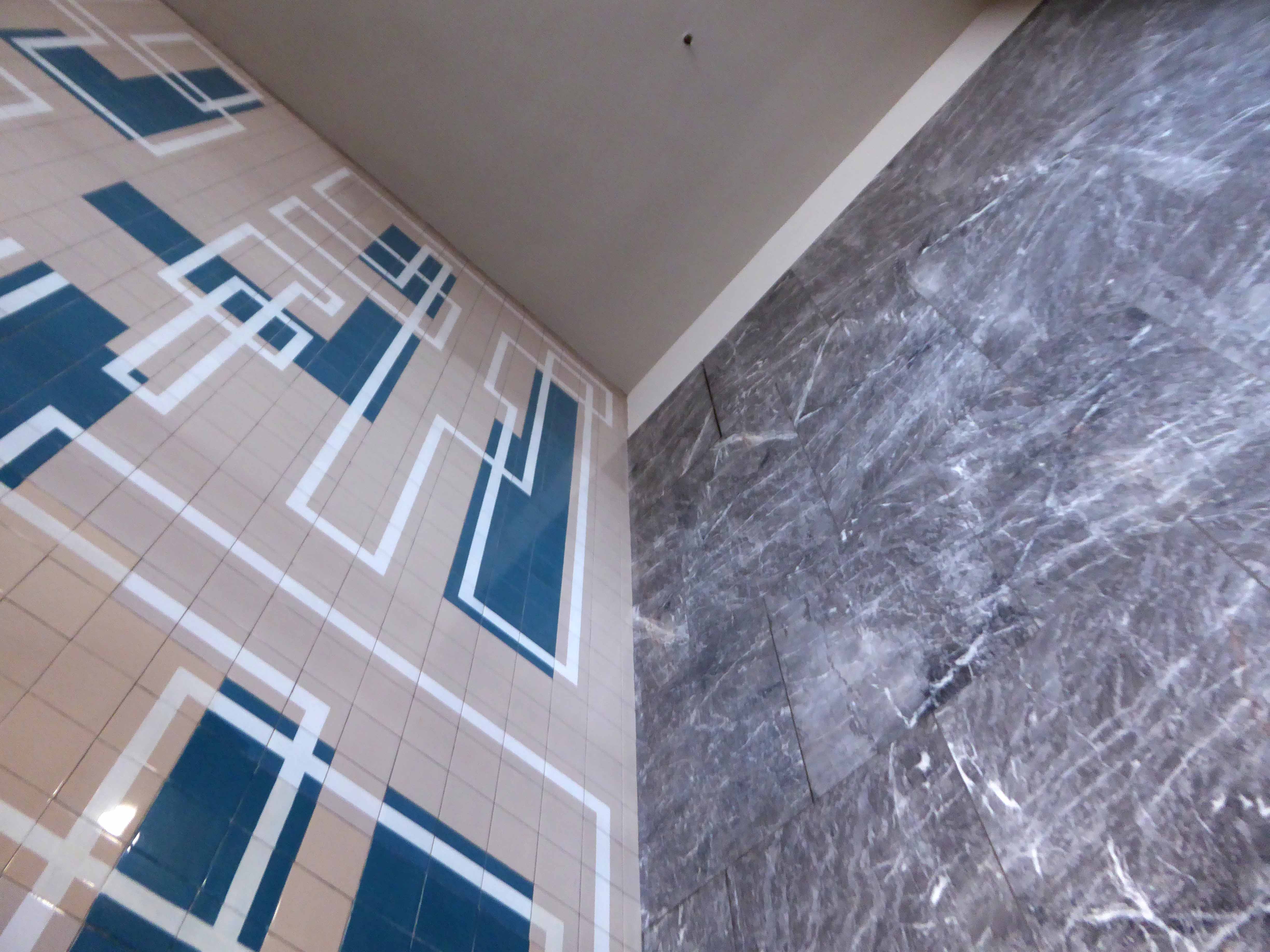
Further along an enormous Danum Co-operative Store in the grandest Deco manner – 1938-40. Designed by T H Johnson & Son for the Doncaster Co-operative Society Ltd.

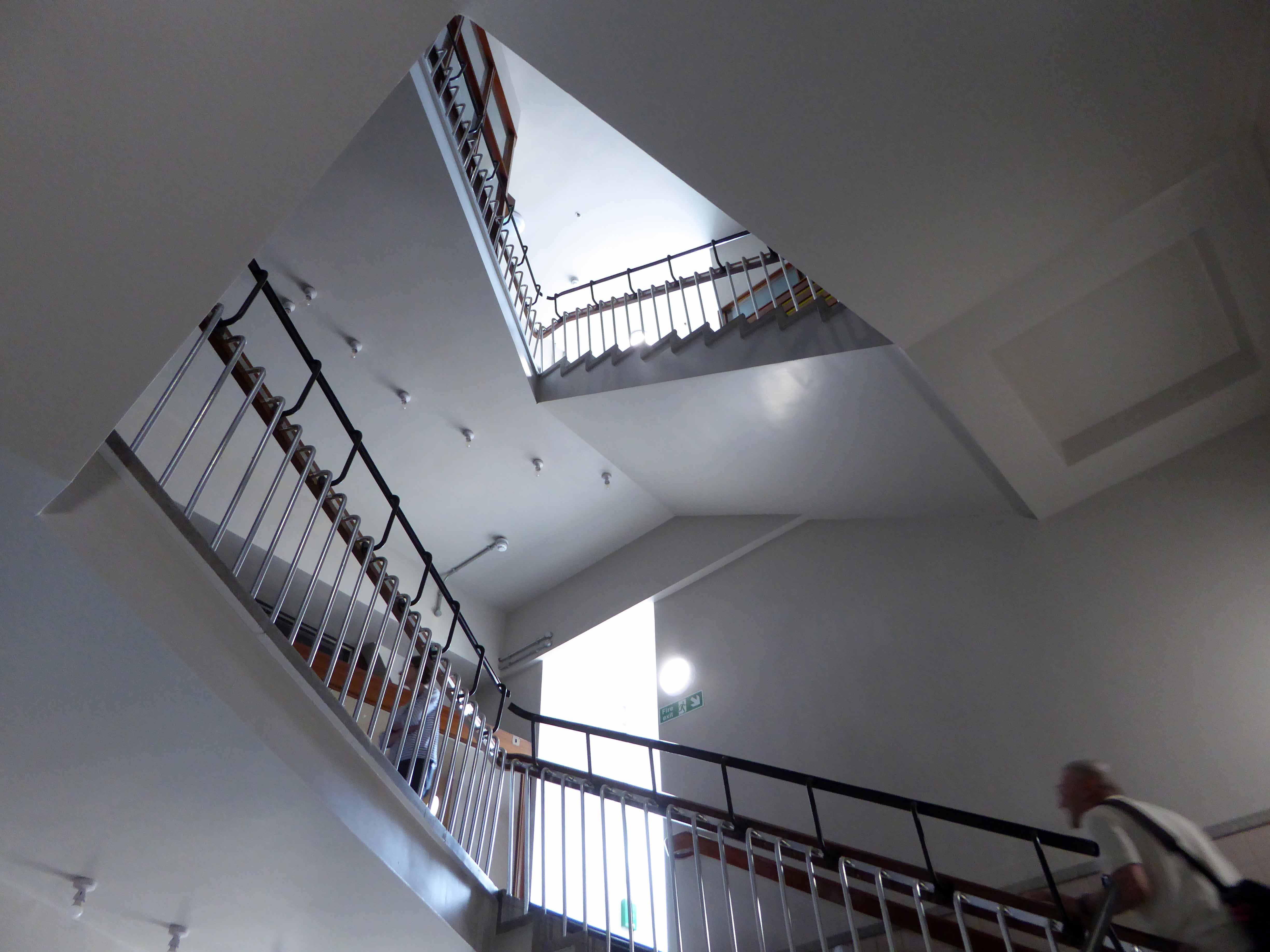
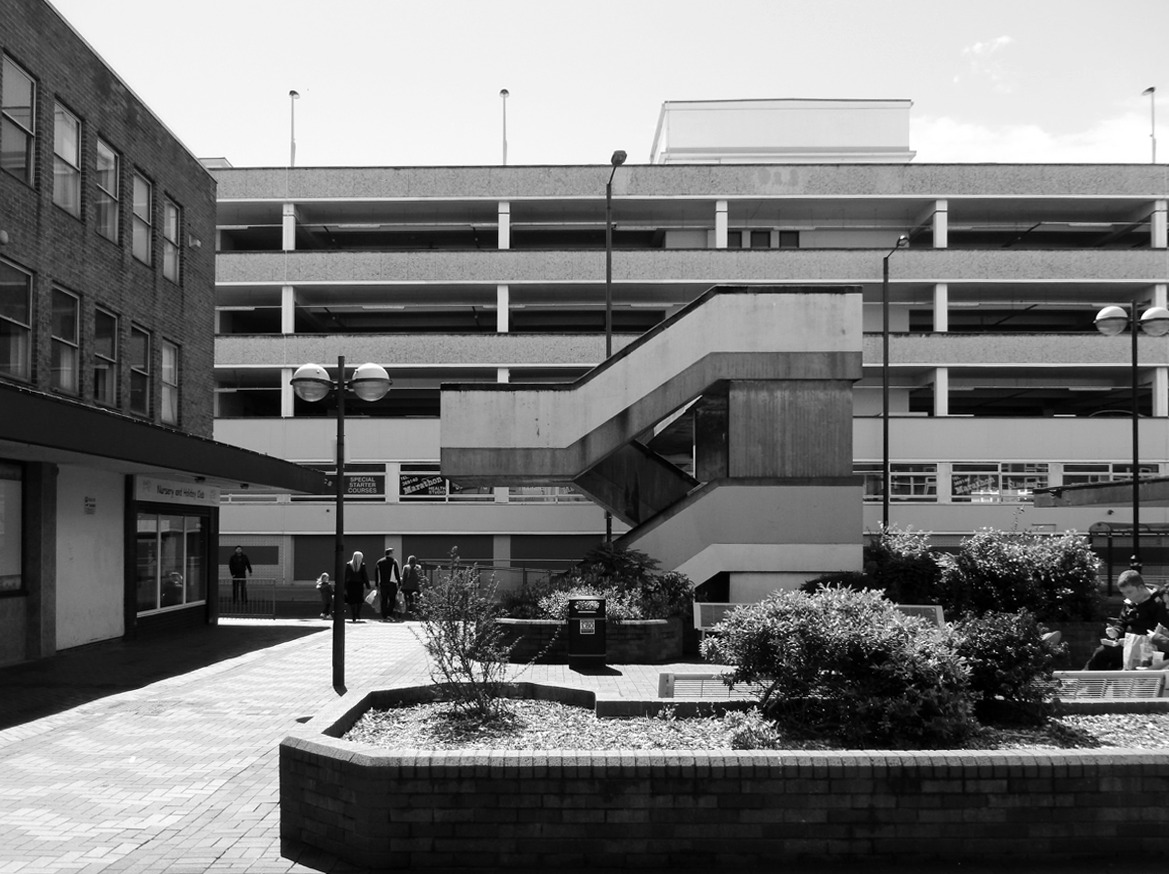
Currently partially occupied with no access to the glass stairways.

Following the development of the Frenchgate Centre the Waterdale Centre sunk into a slow decline.

And the Staff of Life has lost a little of its estate pub period charm, following successive typographic makeovers and paint jobs.

There are plans to improve the centre.

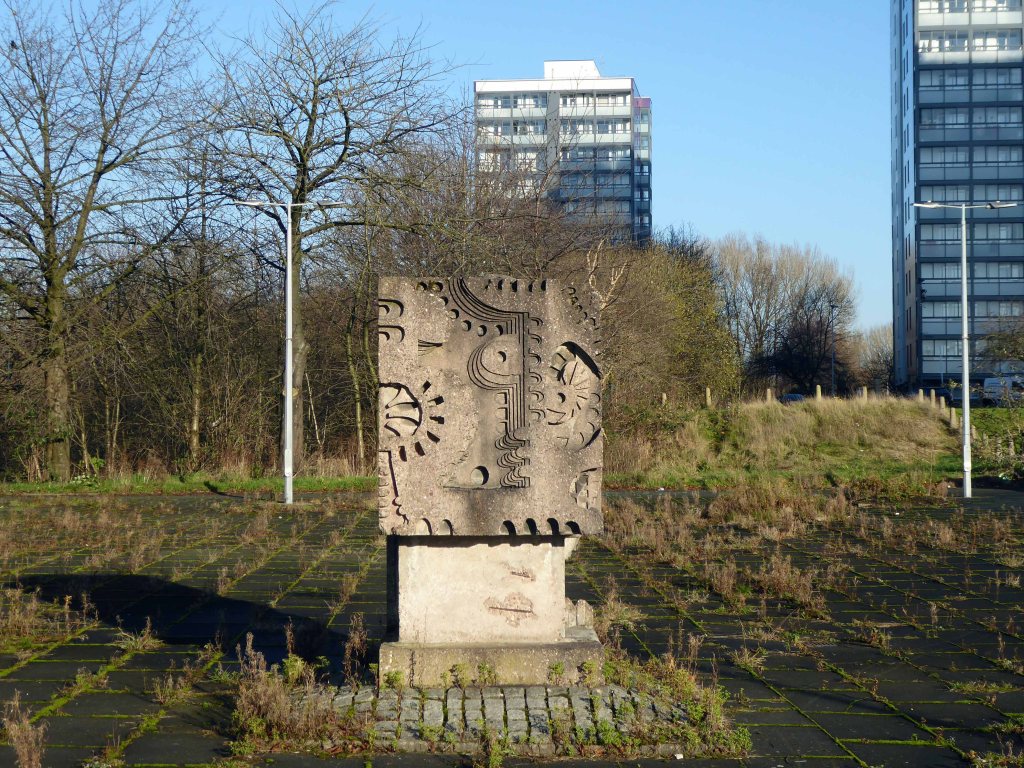
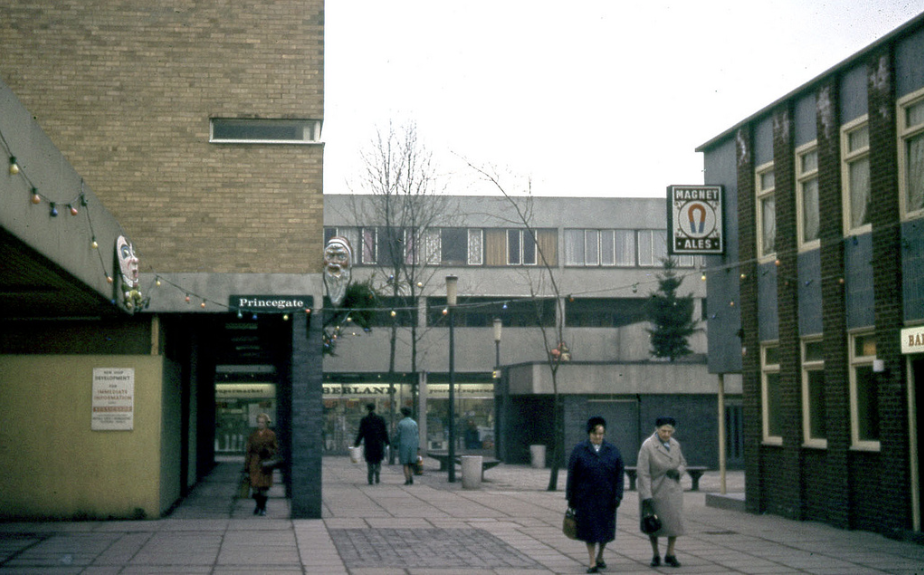
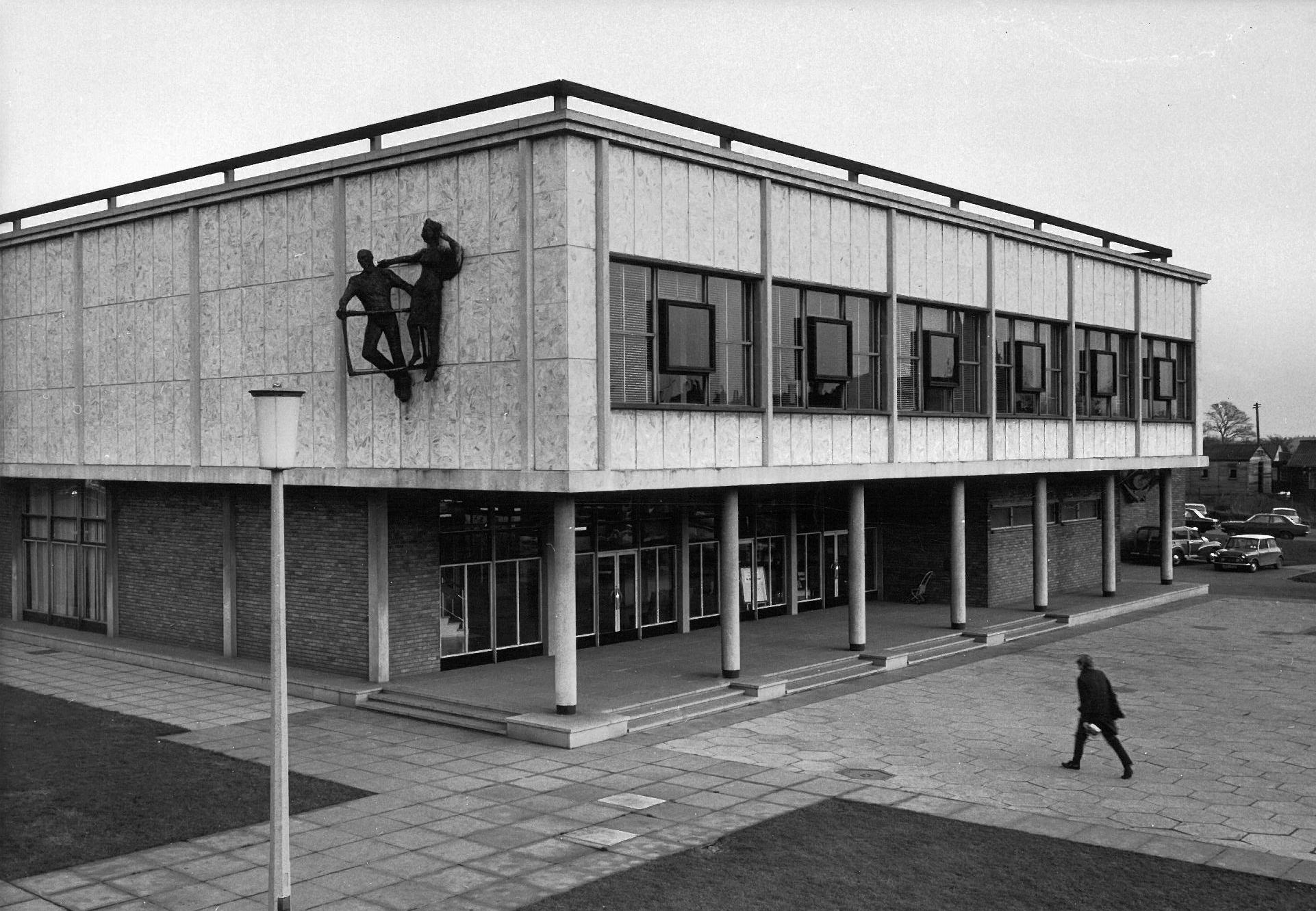
A naked couple sculpture which caused complaints went back on display in 2015.

The Lovers statue, depicting the couple embracing, attracted criticism after being installed in the Arndale Shopping Centre in Doncaster in the 1960s.

It was removed in the late 1980s and put into storage before being restored with the help of a local art group.

The designer was architect Eckehart Selke

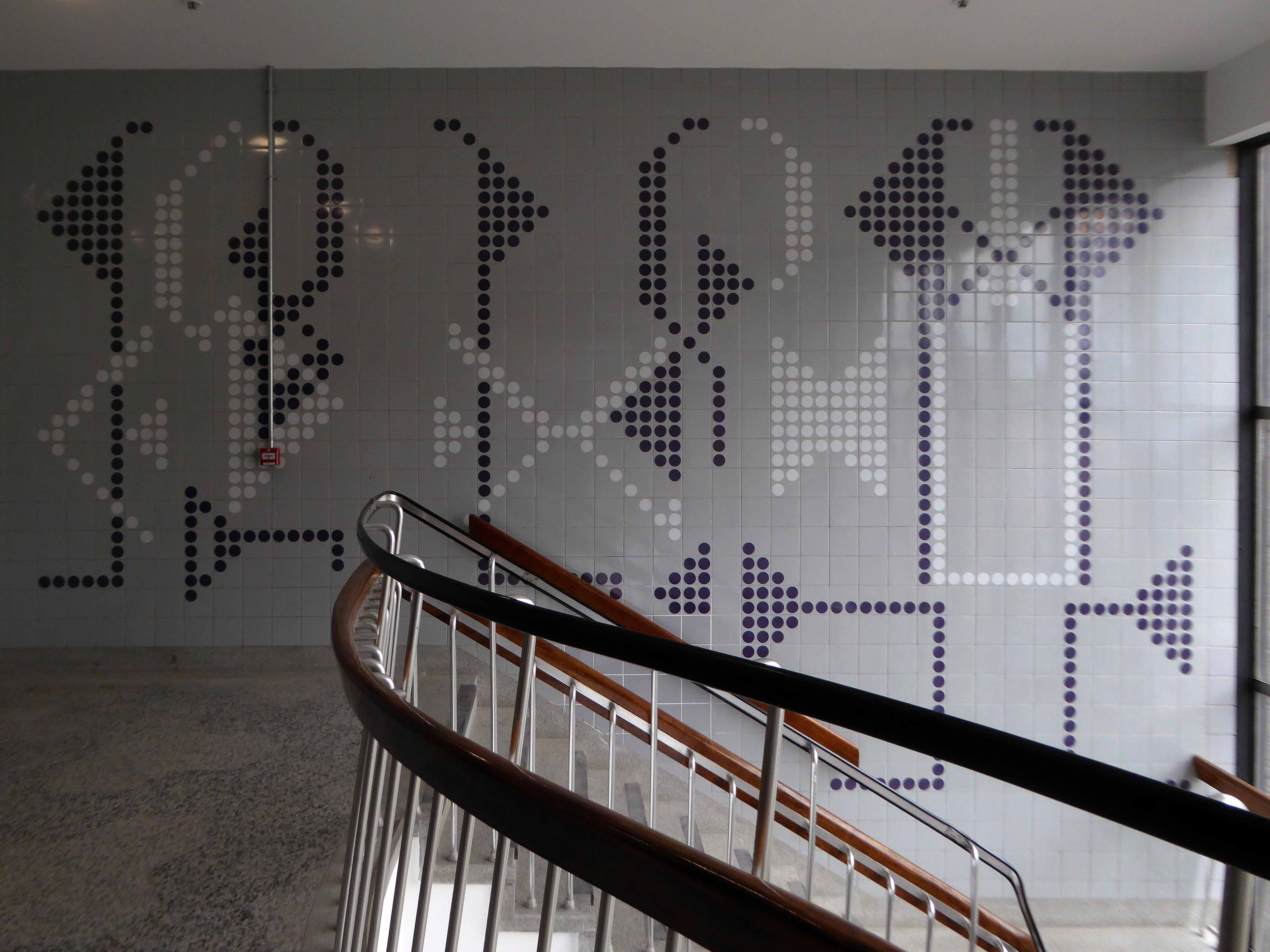
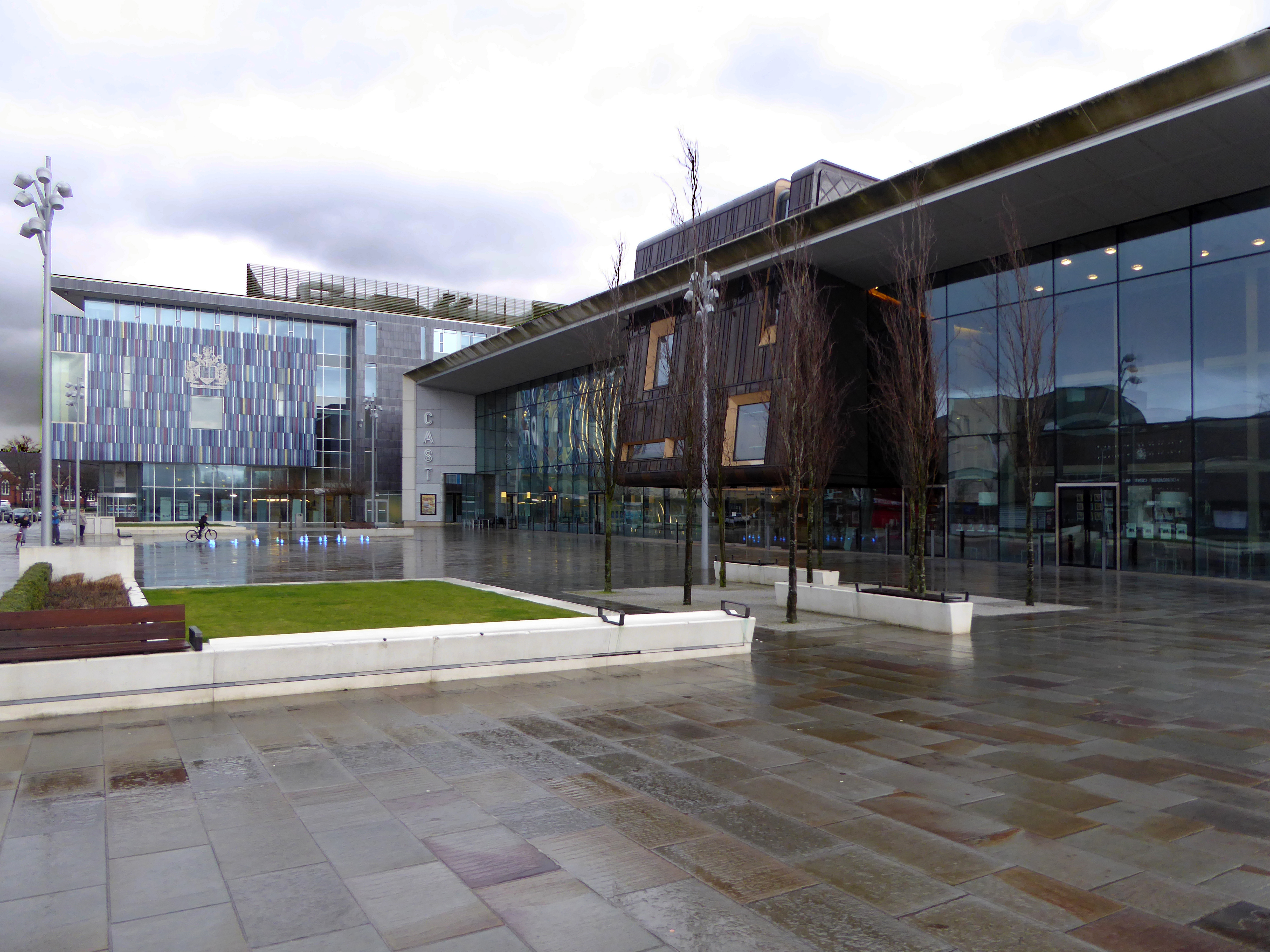
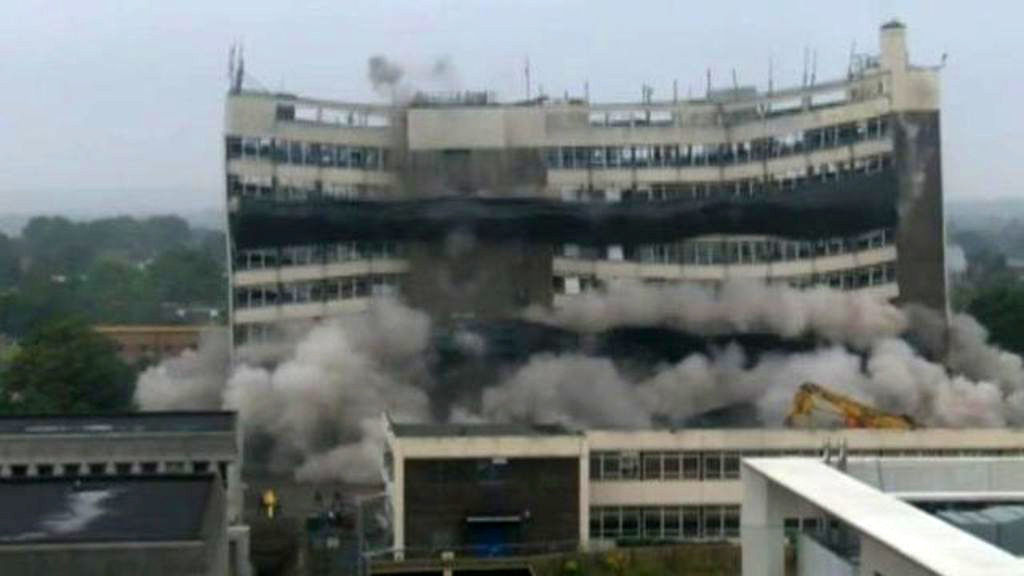
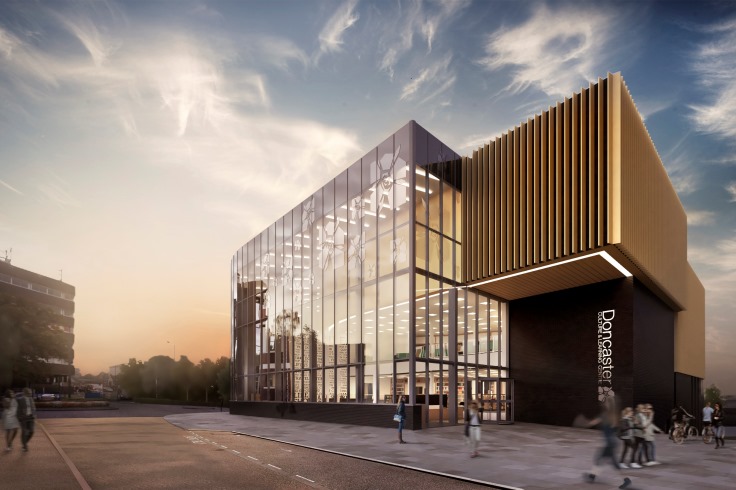
Moving through to the shiny new Civic Area note the older library and demolished college.

There are further plans to redevelop the Library, Museum and Art Gallery.

Passing through we reach the Magistrates’ Courts and Police Station.

From 1949 onwards plans were afoot to develop the Waterdale area of Doncaster – civic buildings, courts, educational provision and the like, WH Price the Borough Surveyor at the helm. In 1955 Frederick Gibberd was appointed to oversee the site, though many of his designs were unrealised, his Police Station and Law Courts opened in 1969.

The Police Station it seems is to be redeveloped.

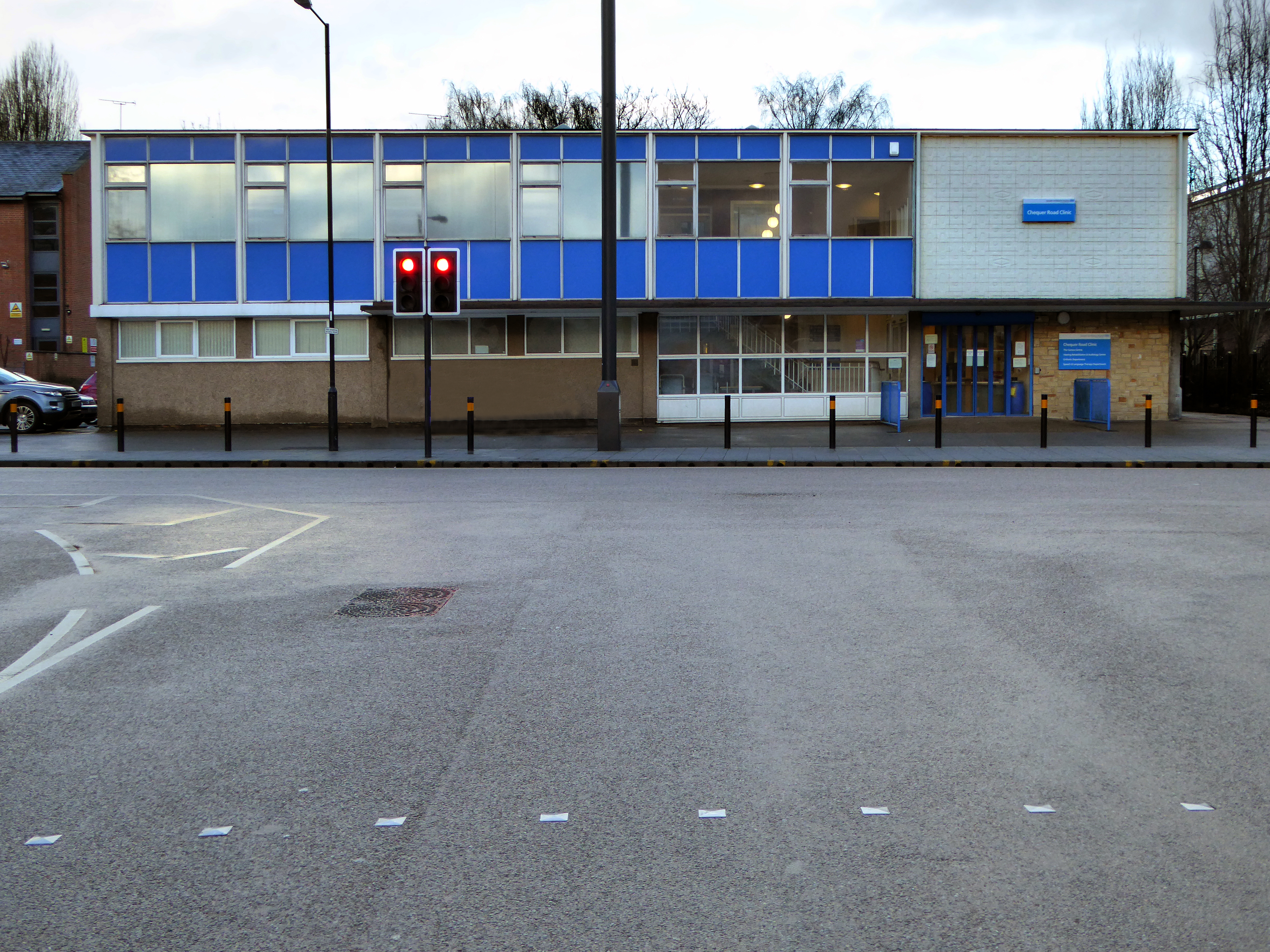
Moments away a delightful clinic with a decorative fascia.

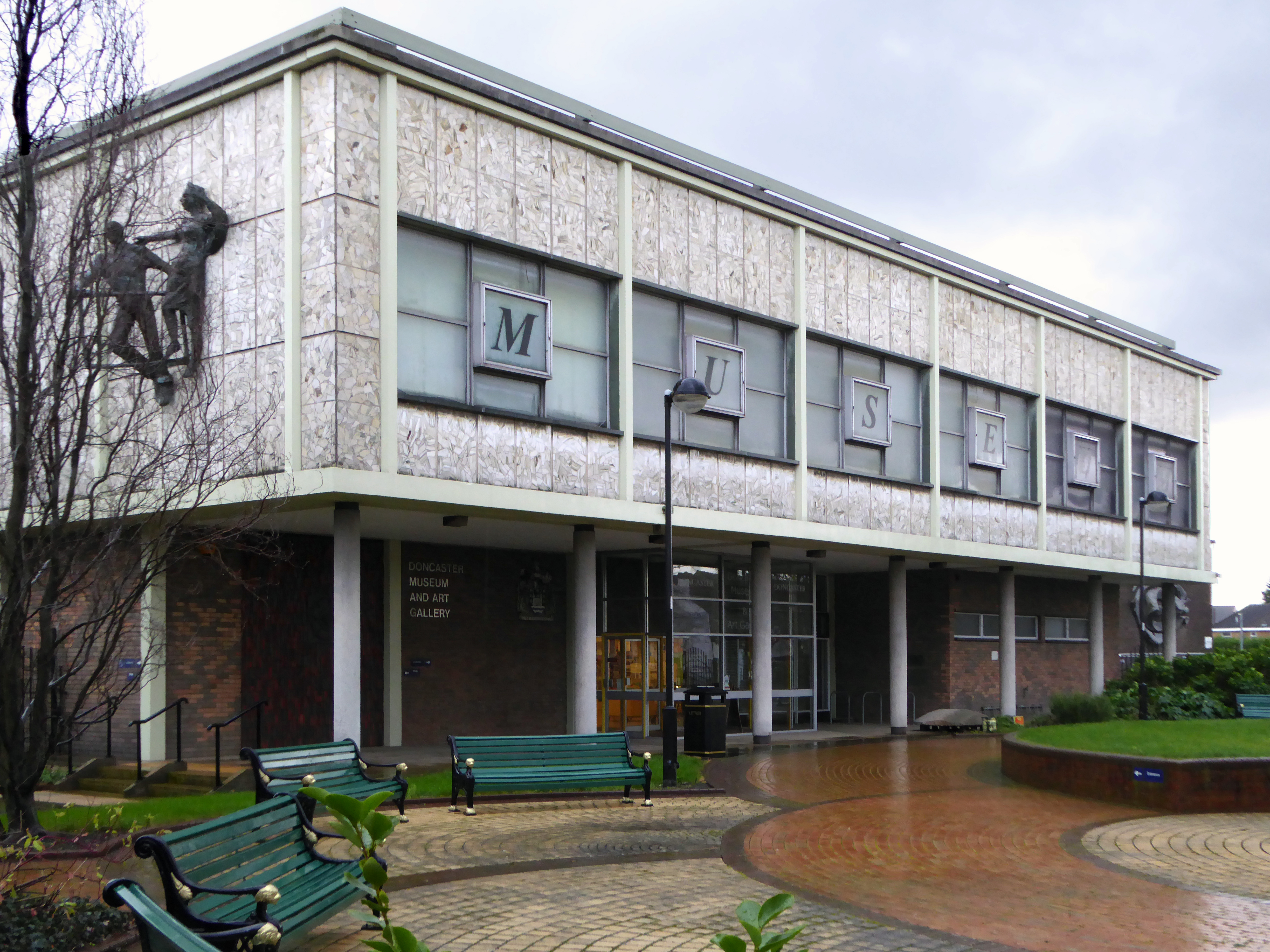
Whilst next door is the Museum and Art Gallery.

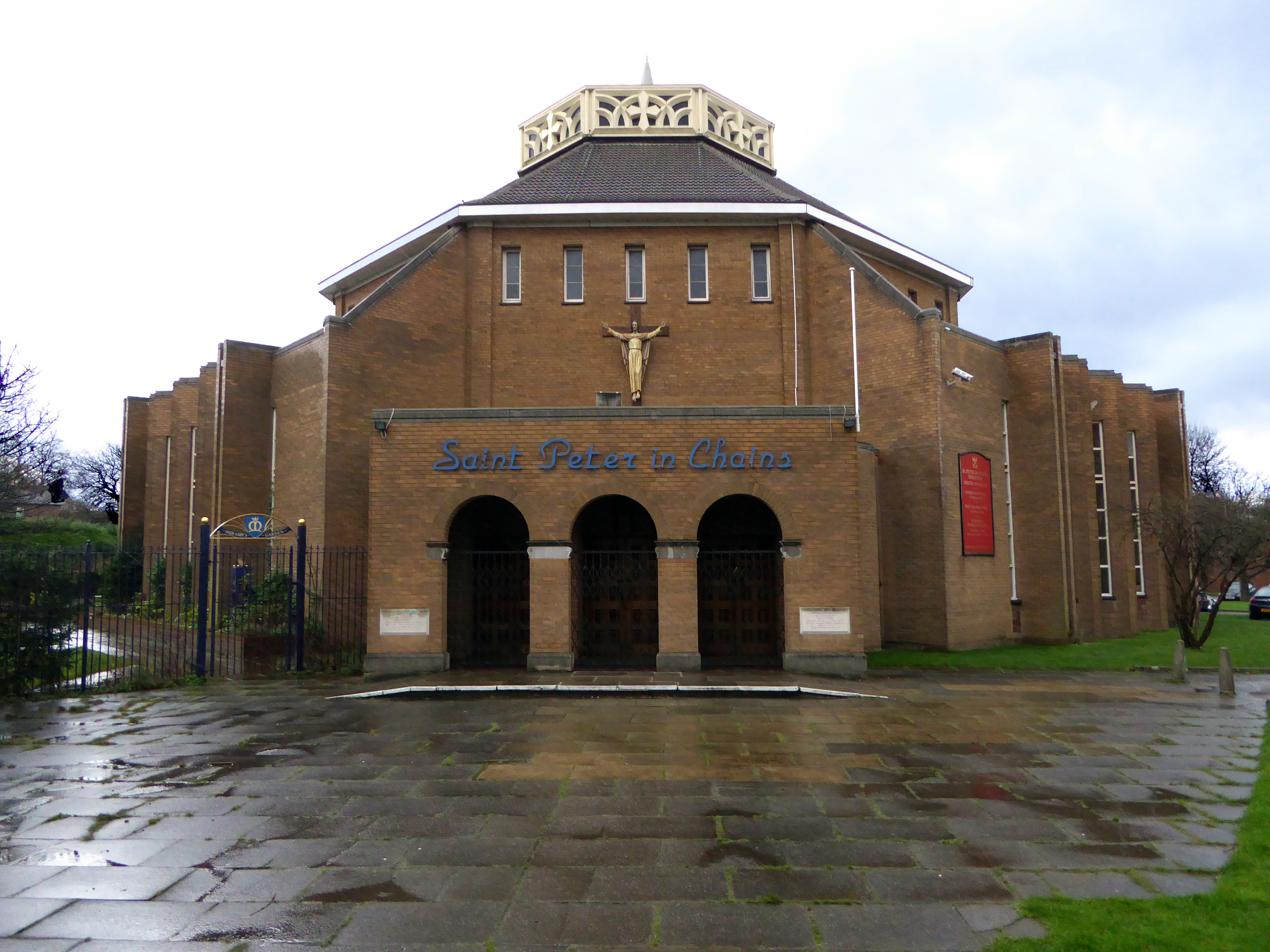
And finally next door St Peter in Chains Church.

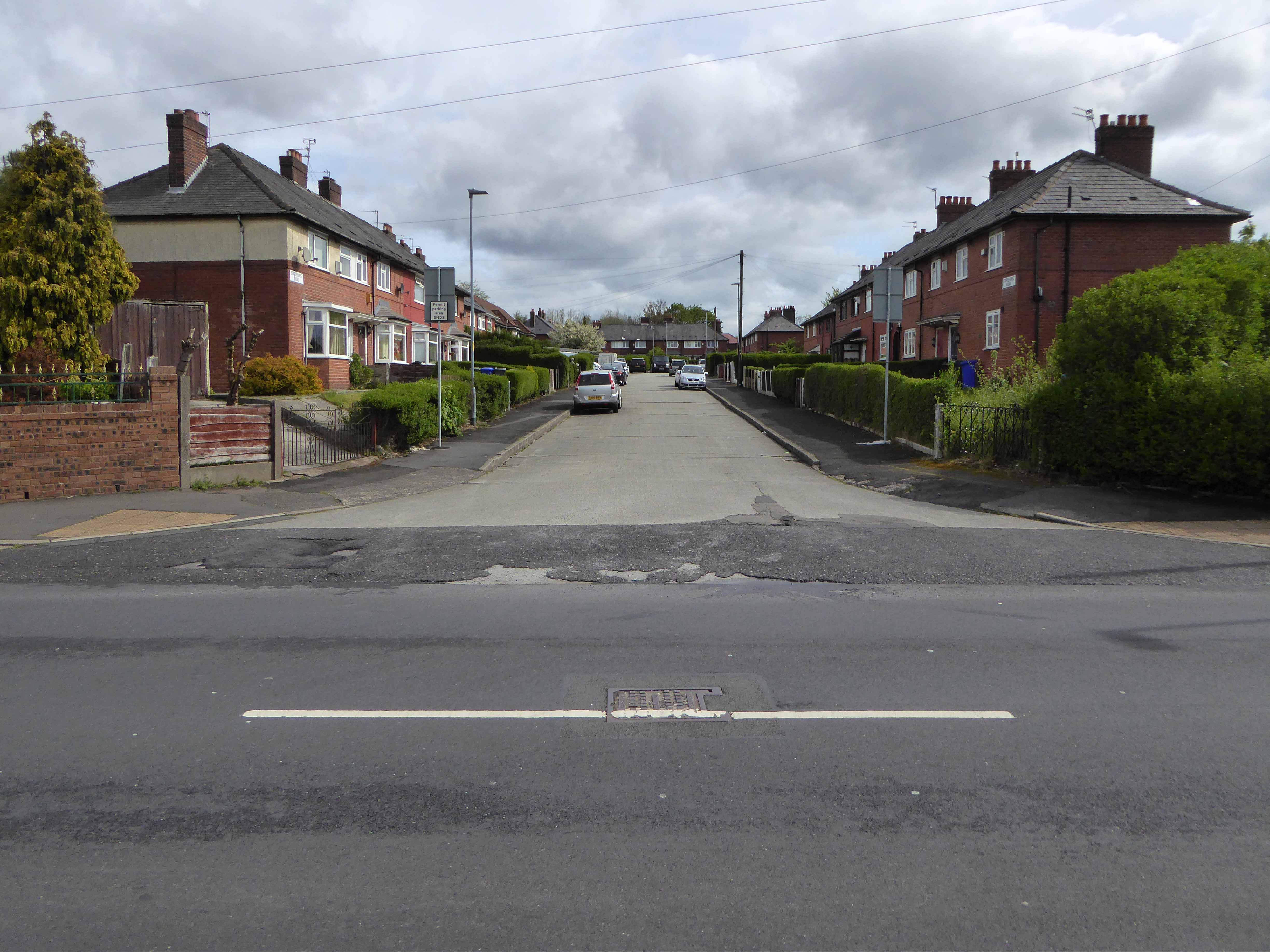
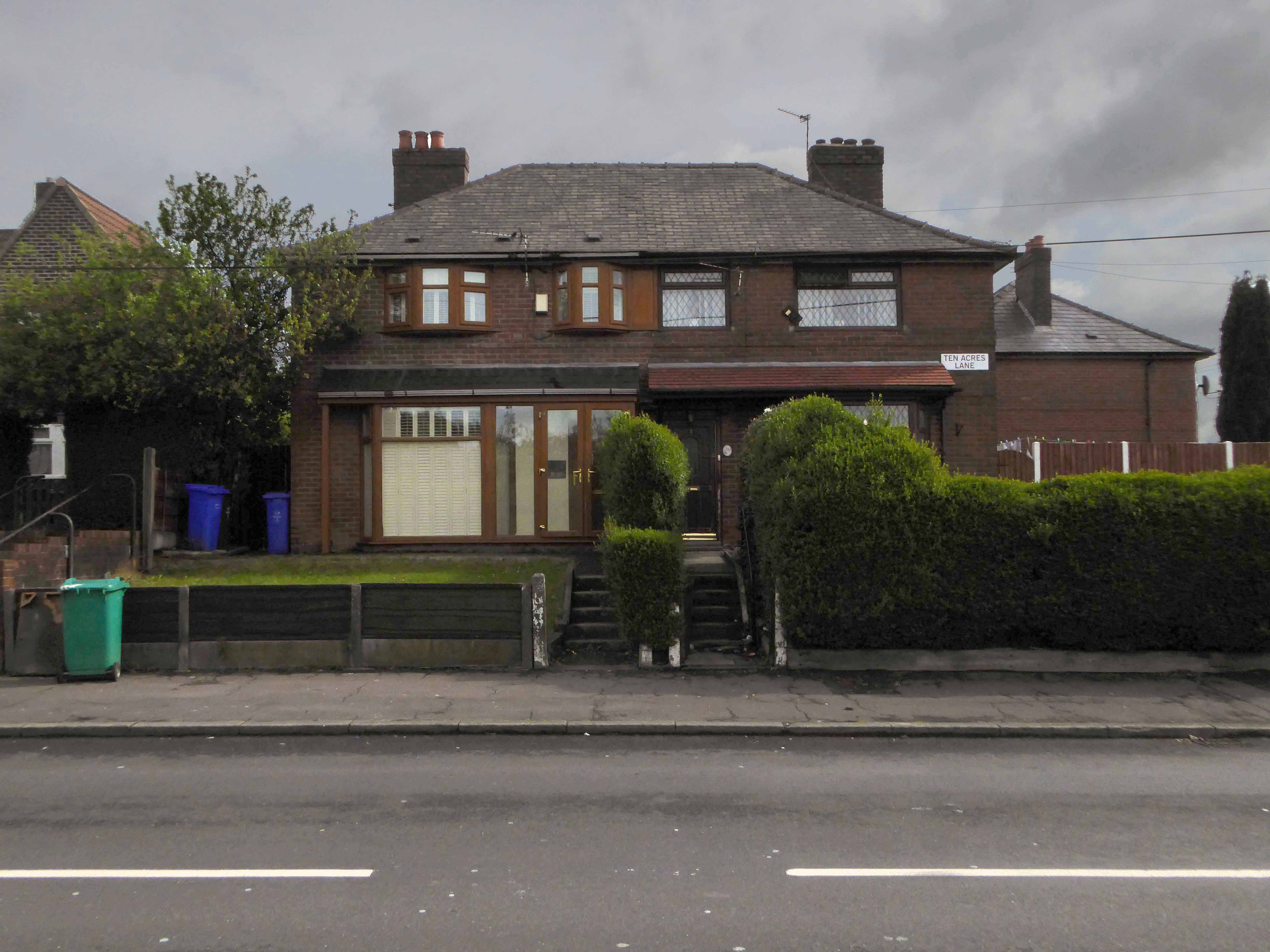
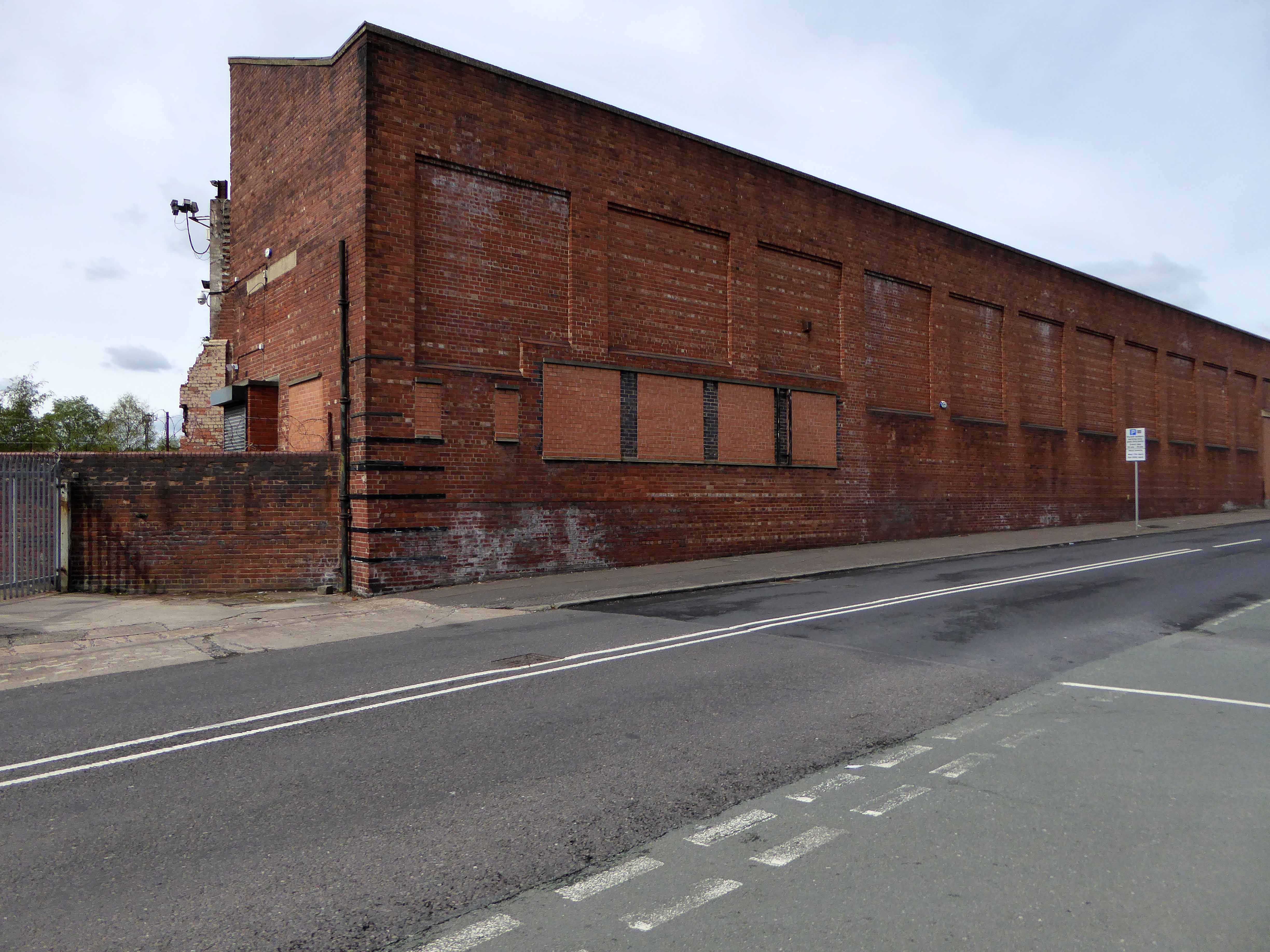
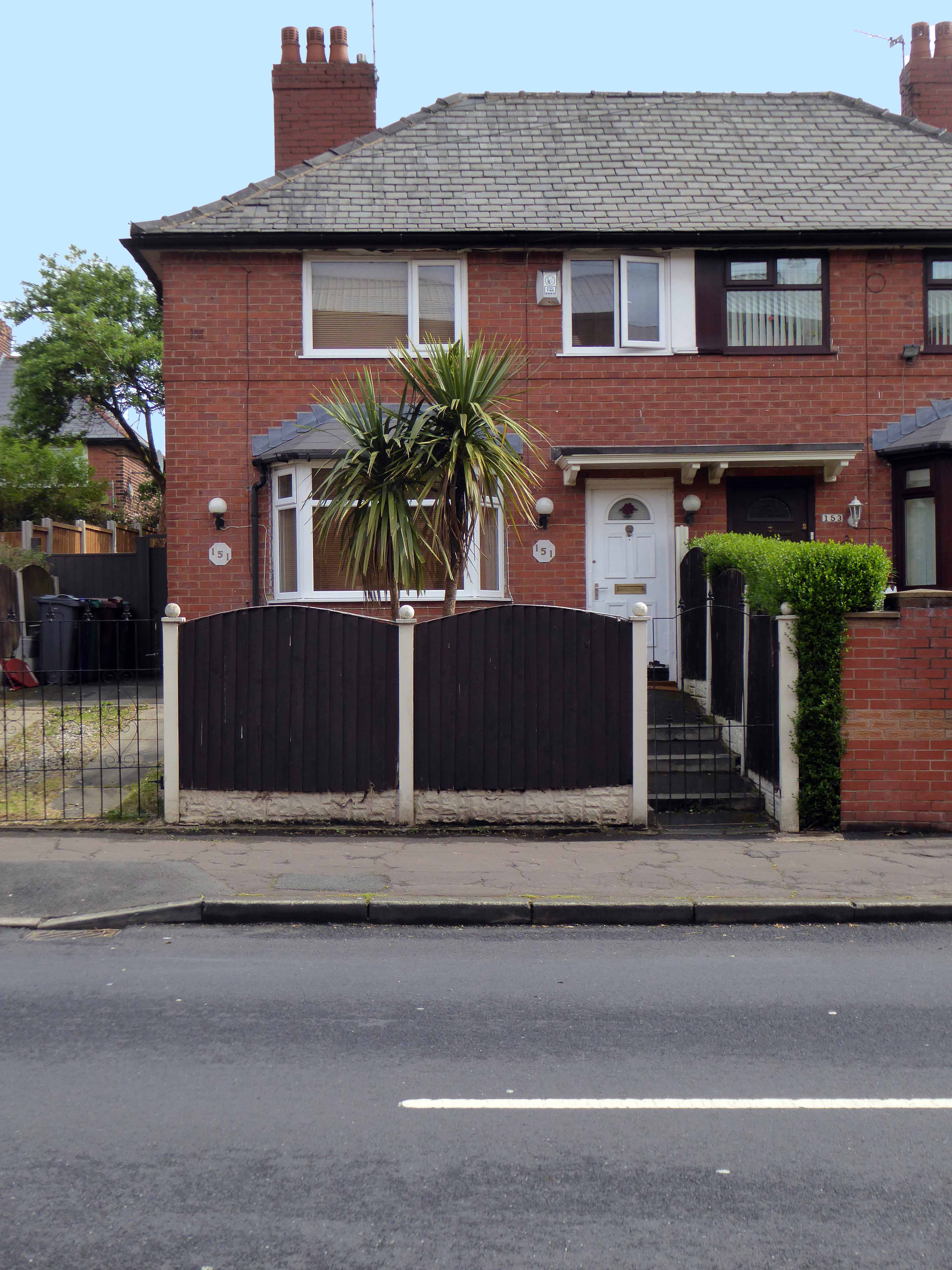
Ten Acres Lane Again – Manchester

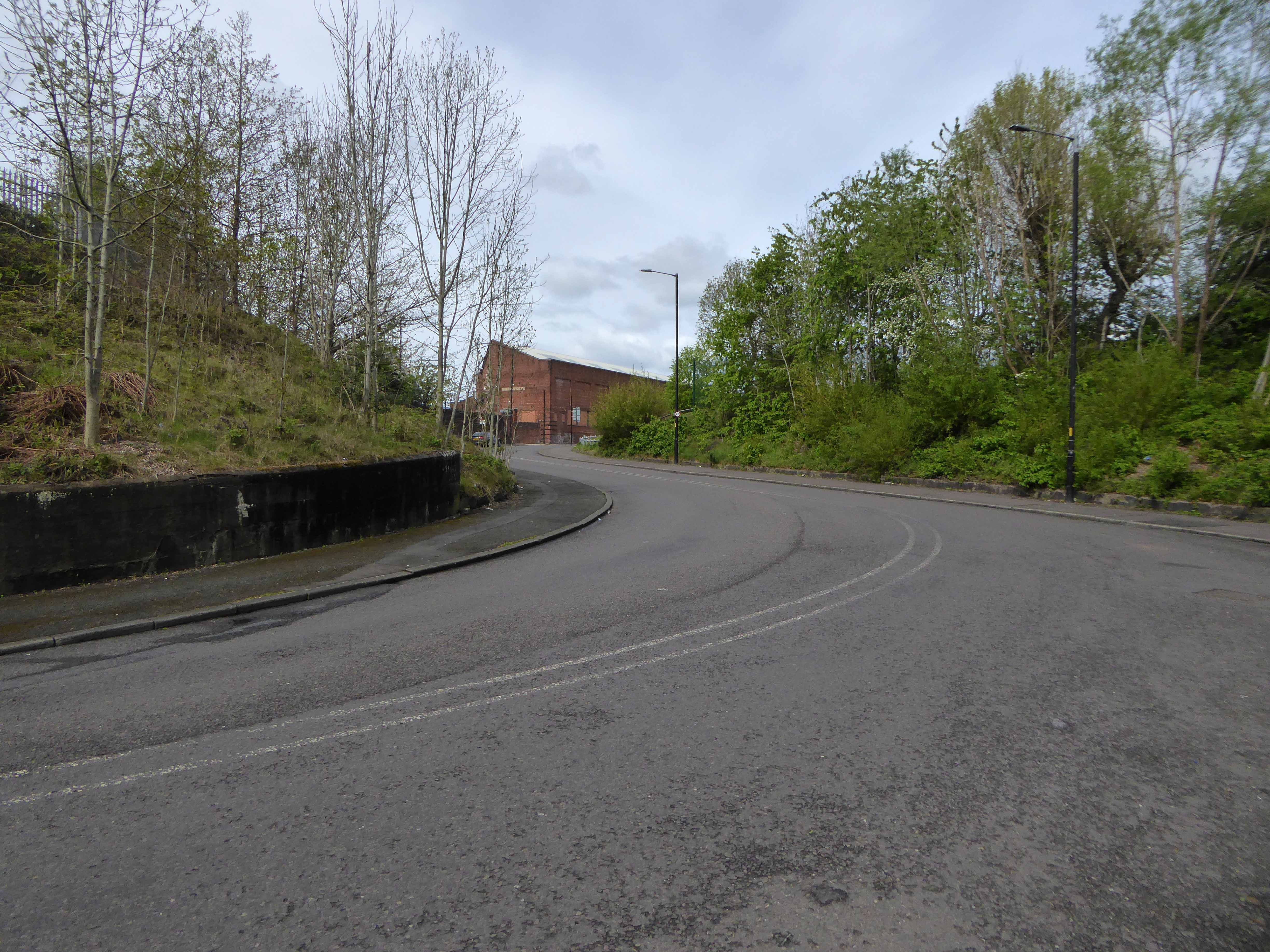
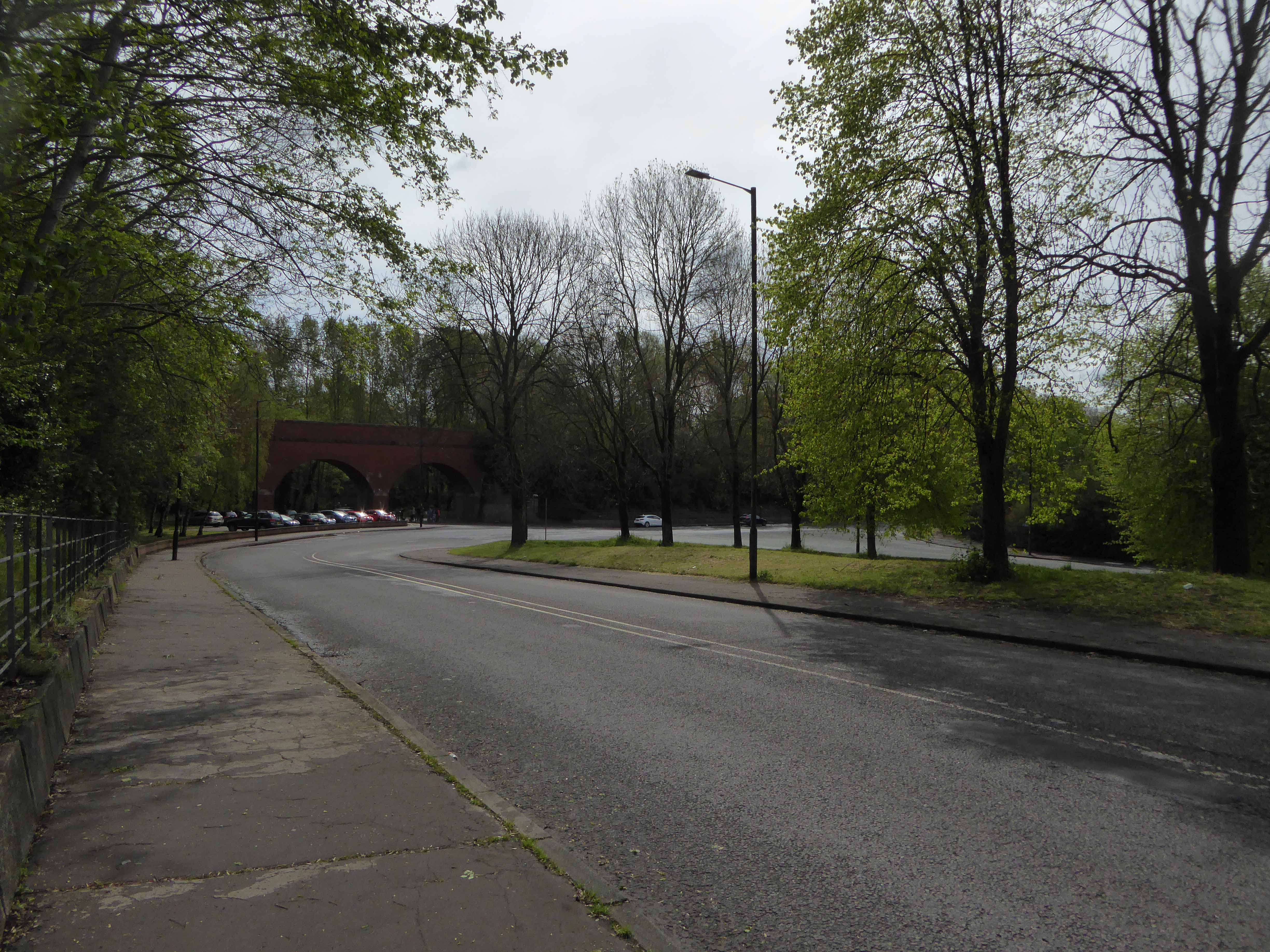
Having travelled back in time along Ten Acres Lane why not come along with me now and see just what’s left – right?

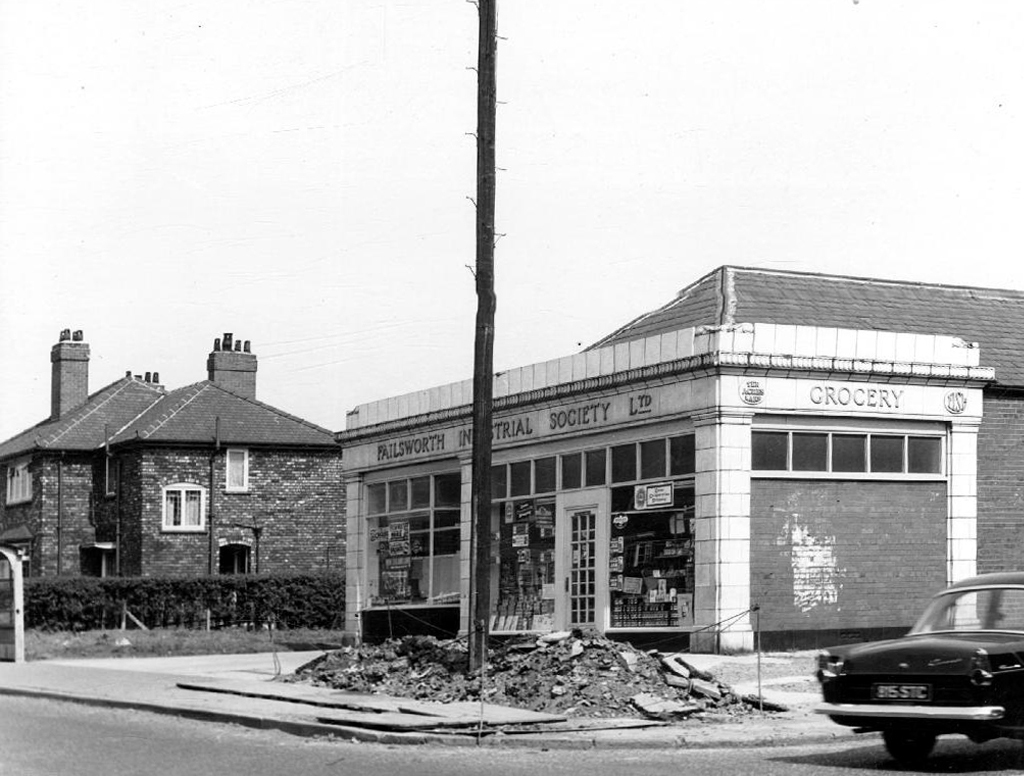
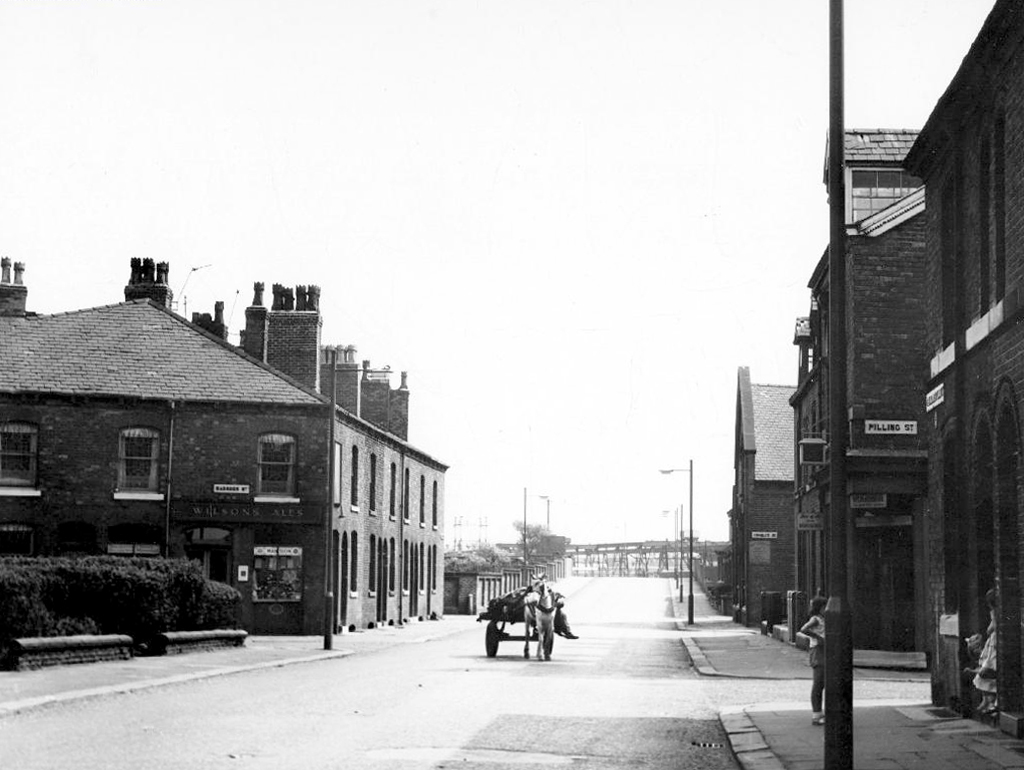
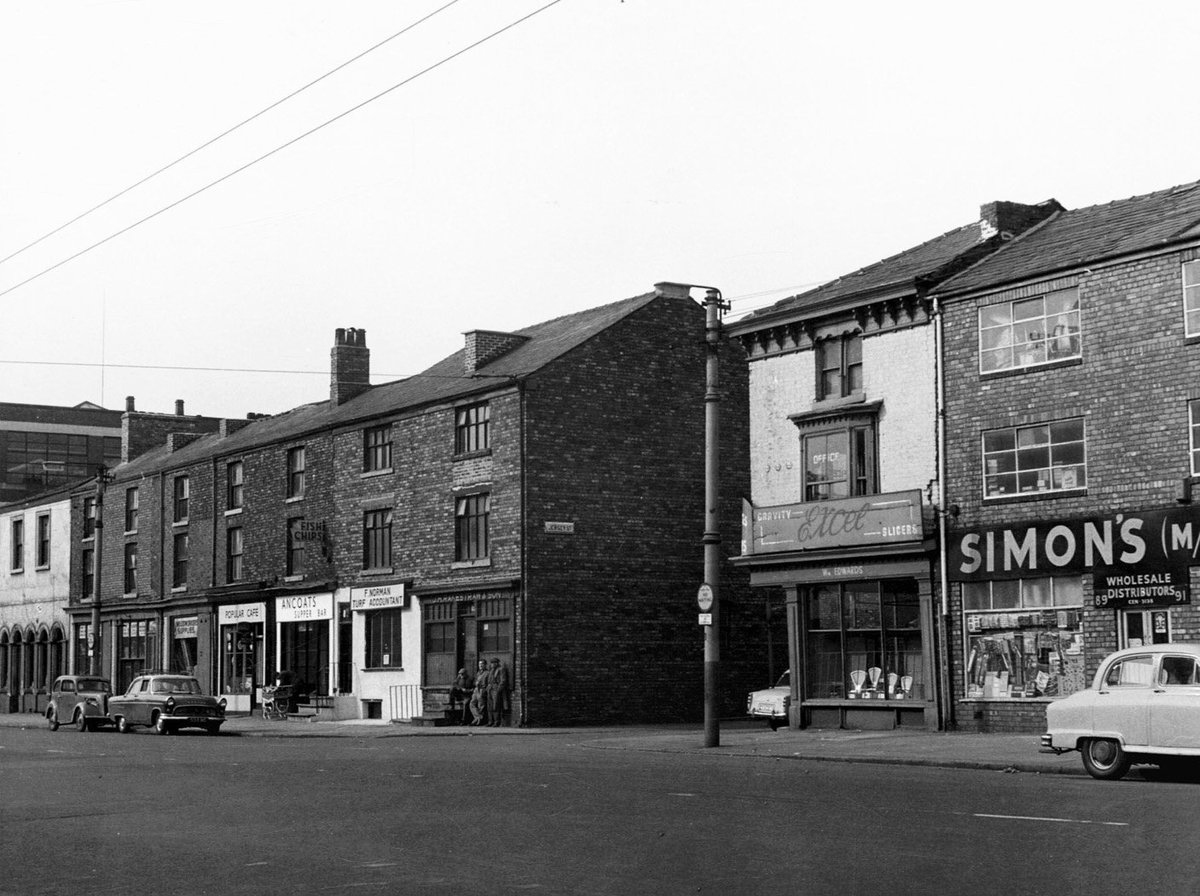
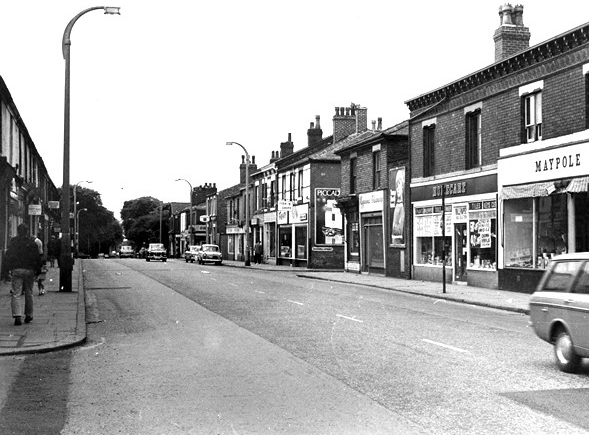
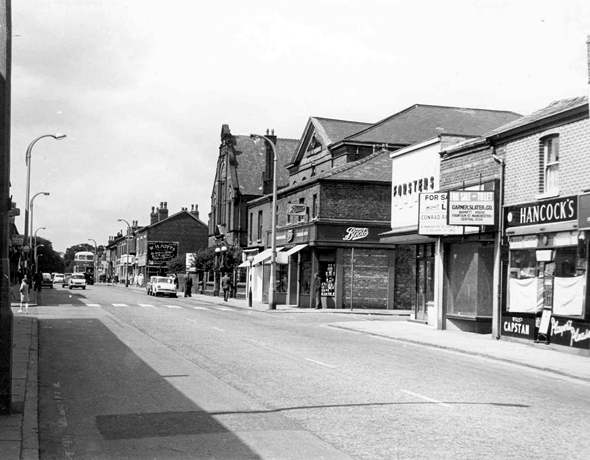
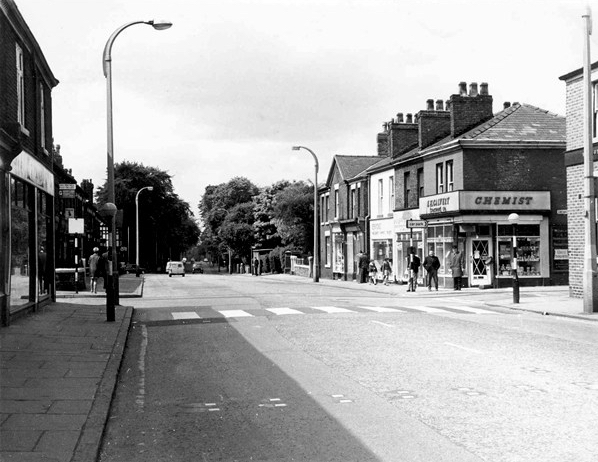
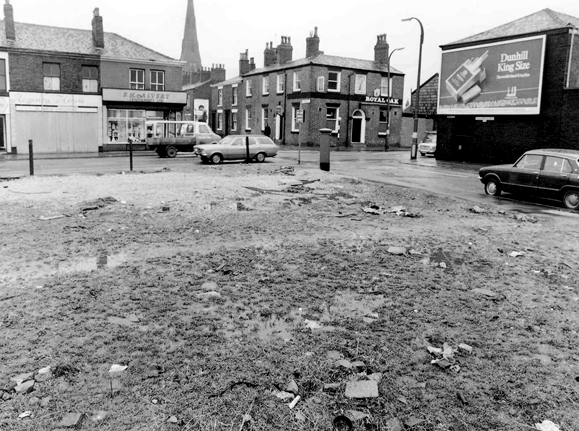
Each Manchester street tells its own tales of homes and people been, gone, rebuilt and buried – whole industries evaporating laid waste by seismic economic forces, land changing use again and again – shop door bells which are a now but a ghostly tintinnabulation on the wind.

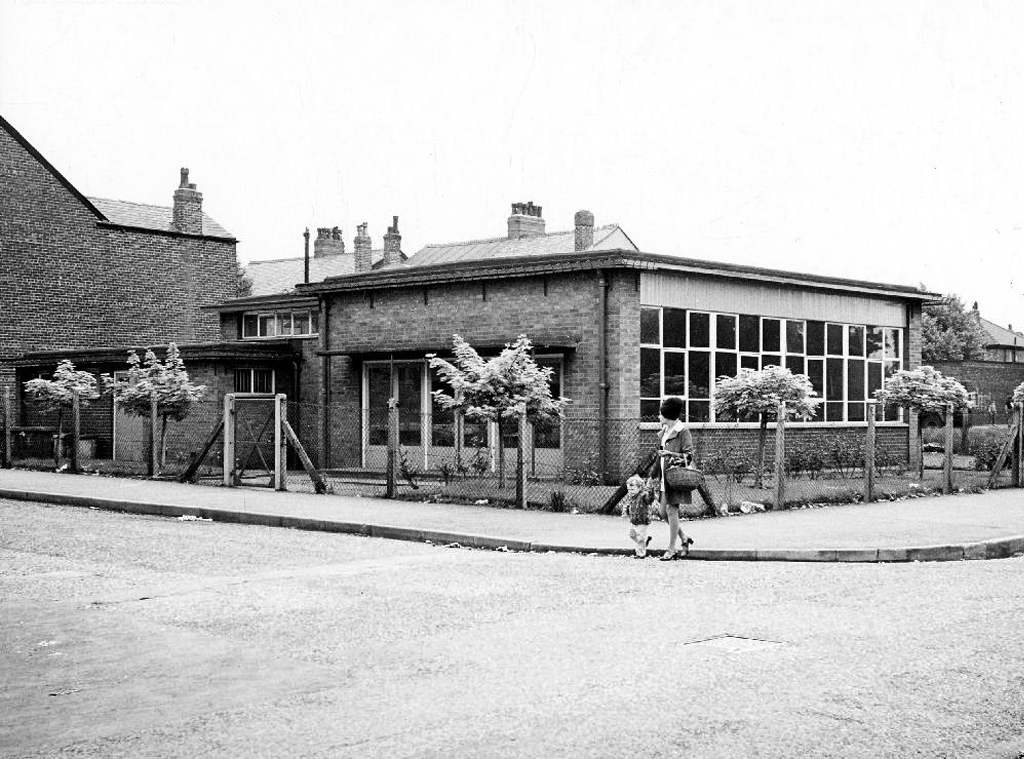
Starting from the Oldham Road end the clearance of older terraced homes was followed by the construction of newer 70s social housing.

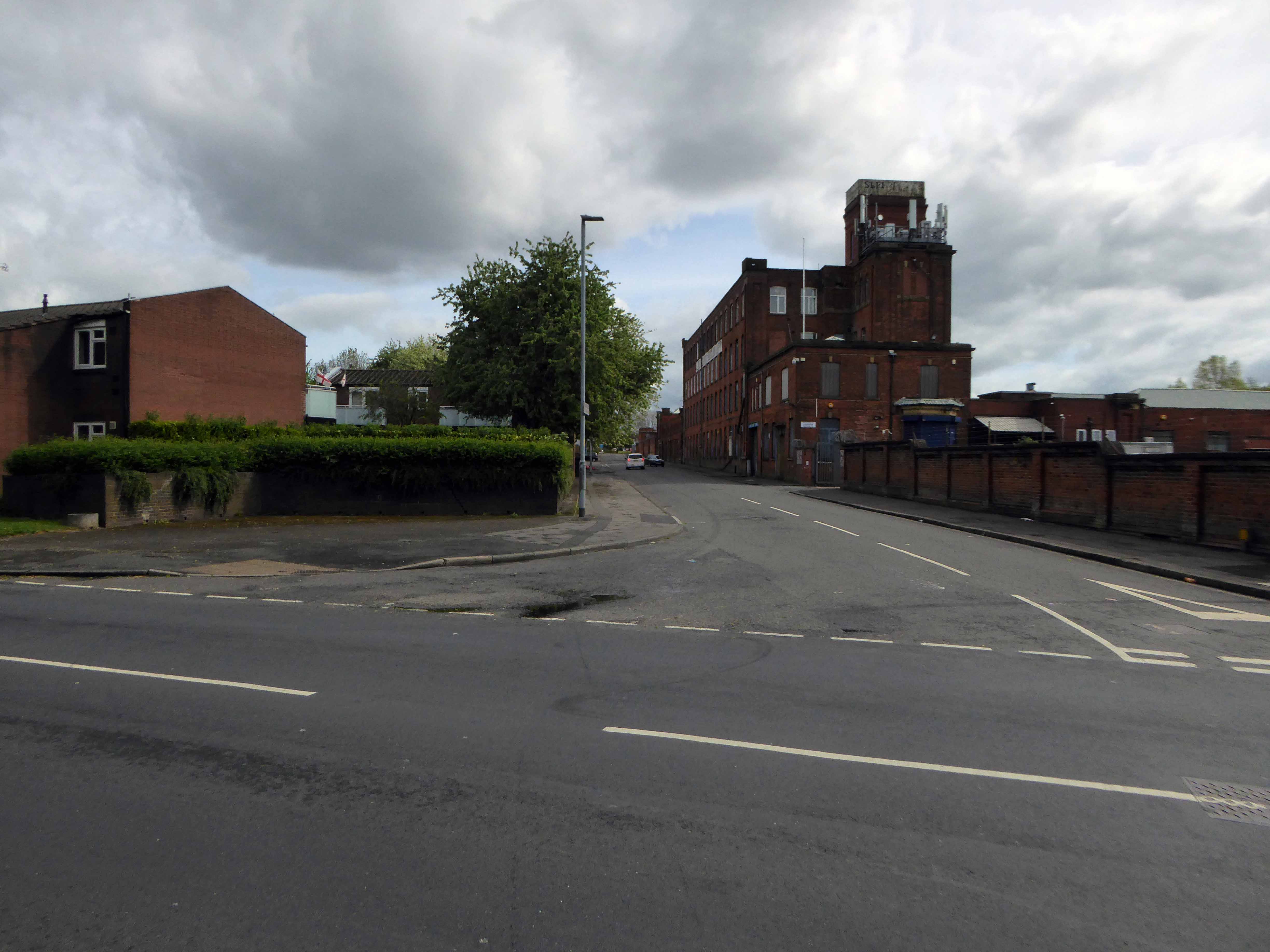
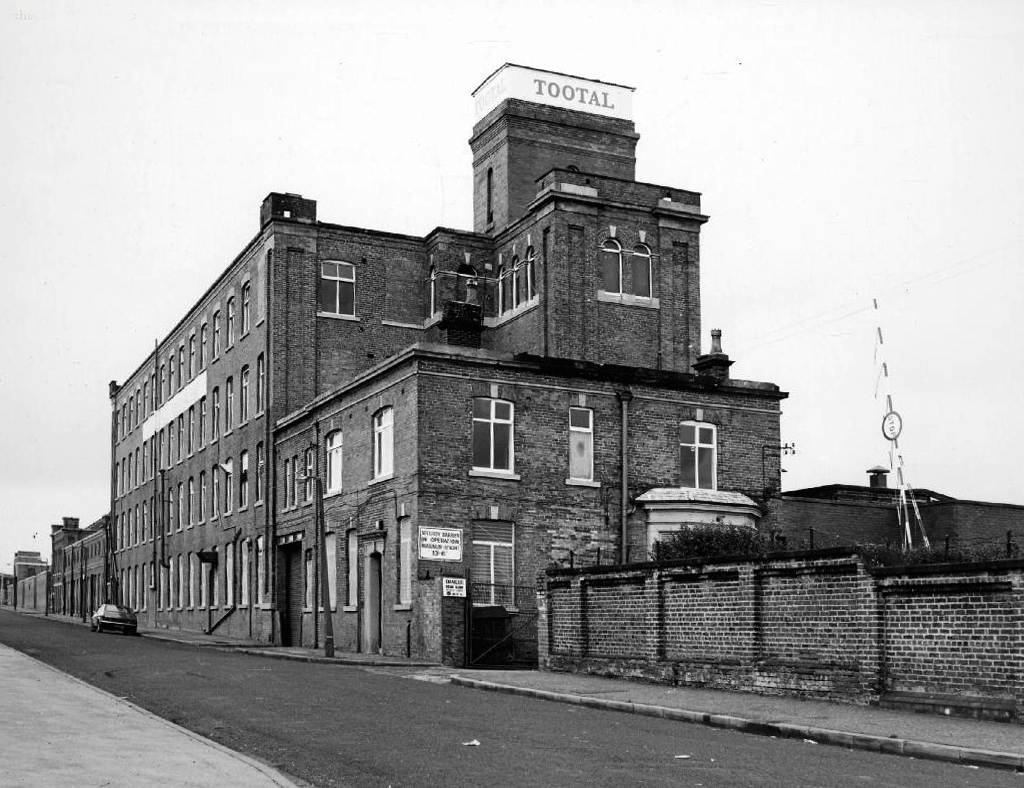
The former Tootal’s Mill is now owned by Sleepdown Textiles.

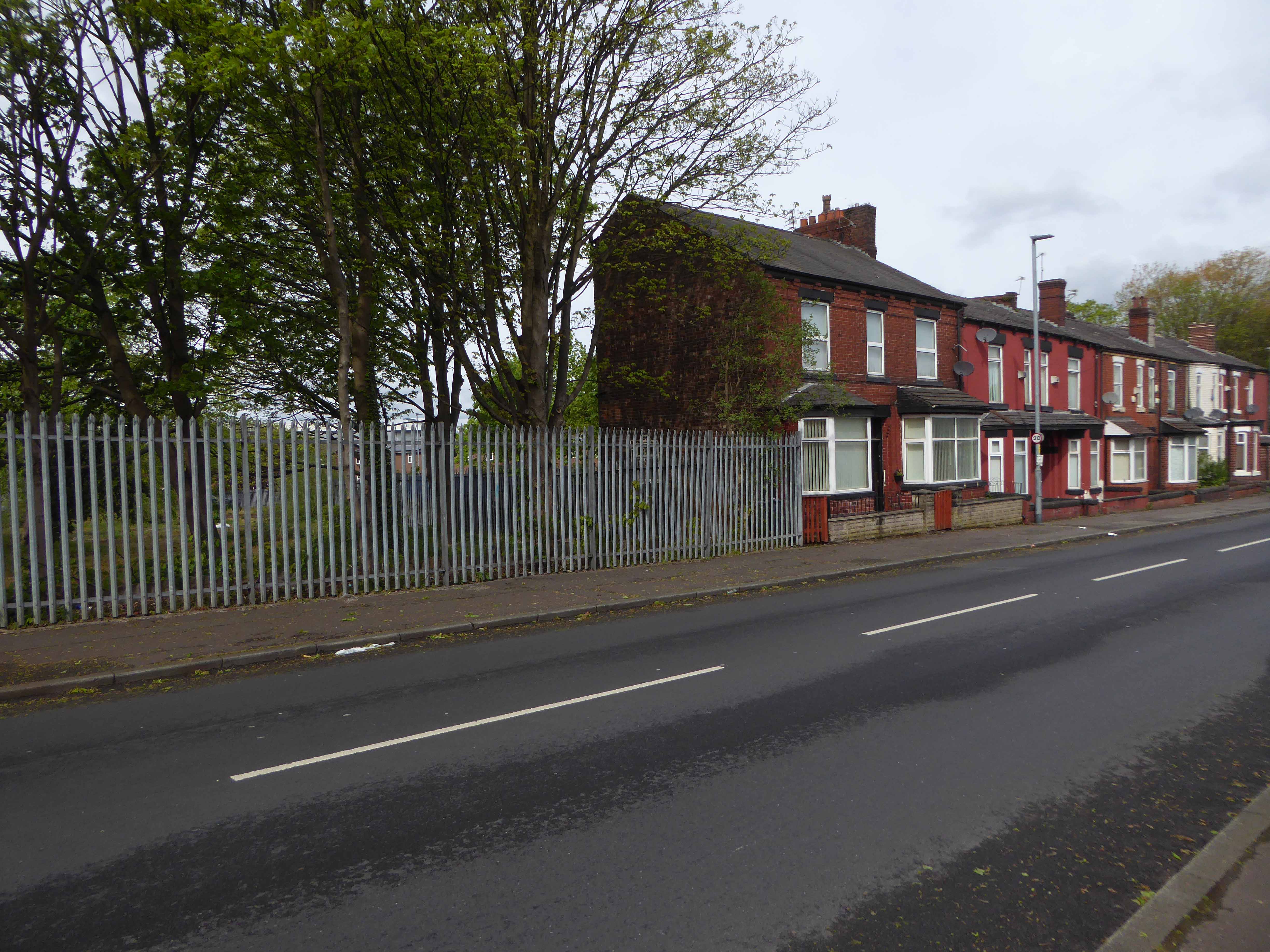
Some of the older terraces were spared the wrecker’s ball.

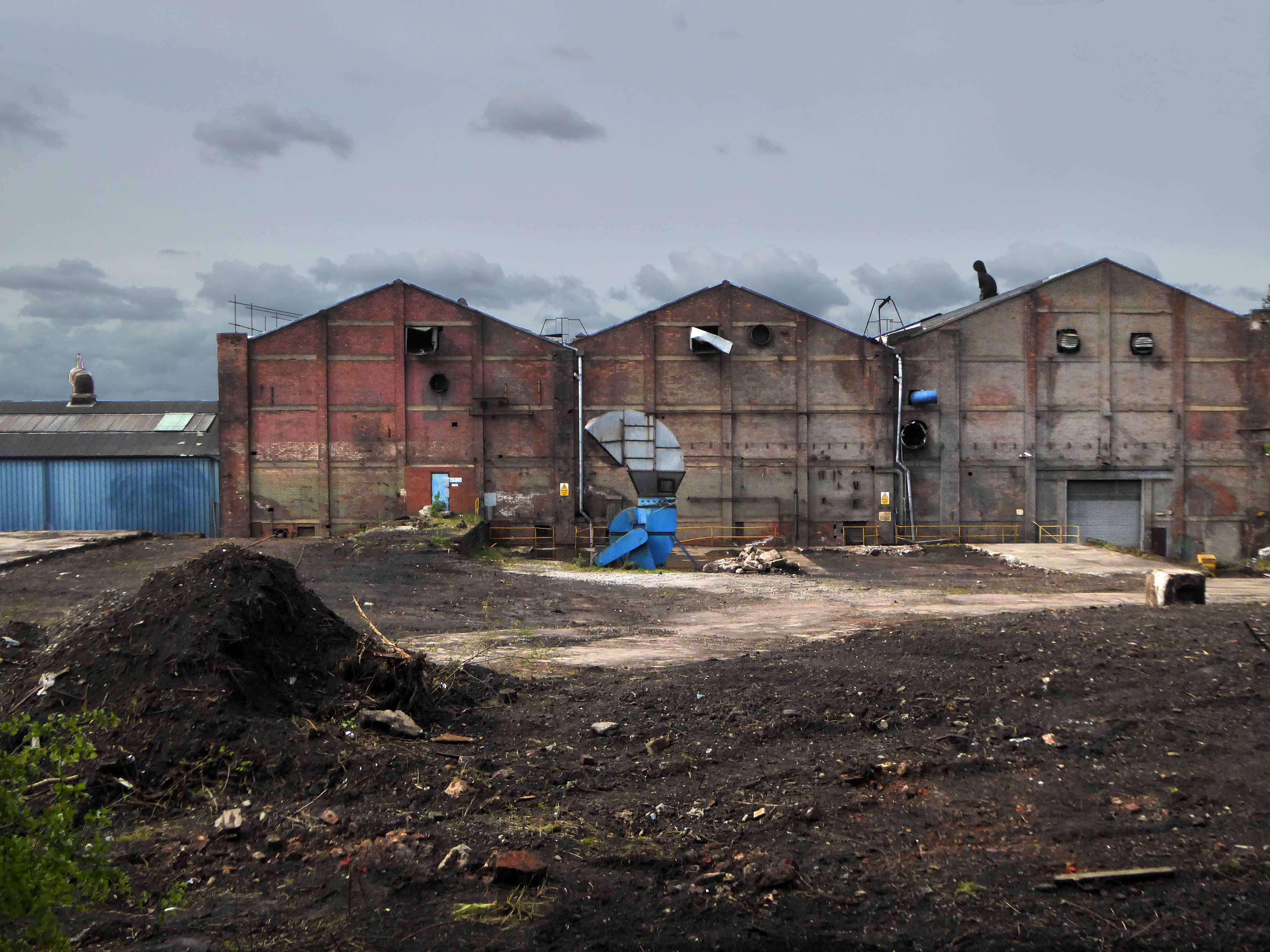
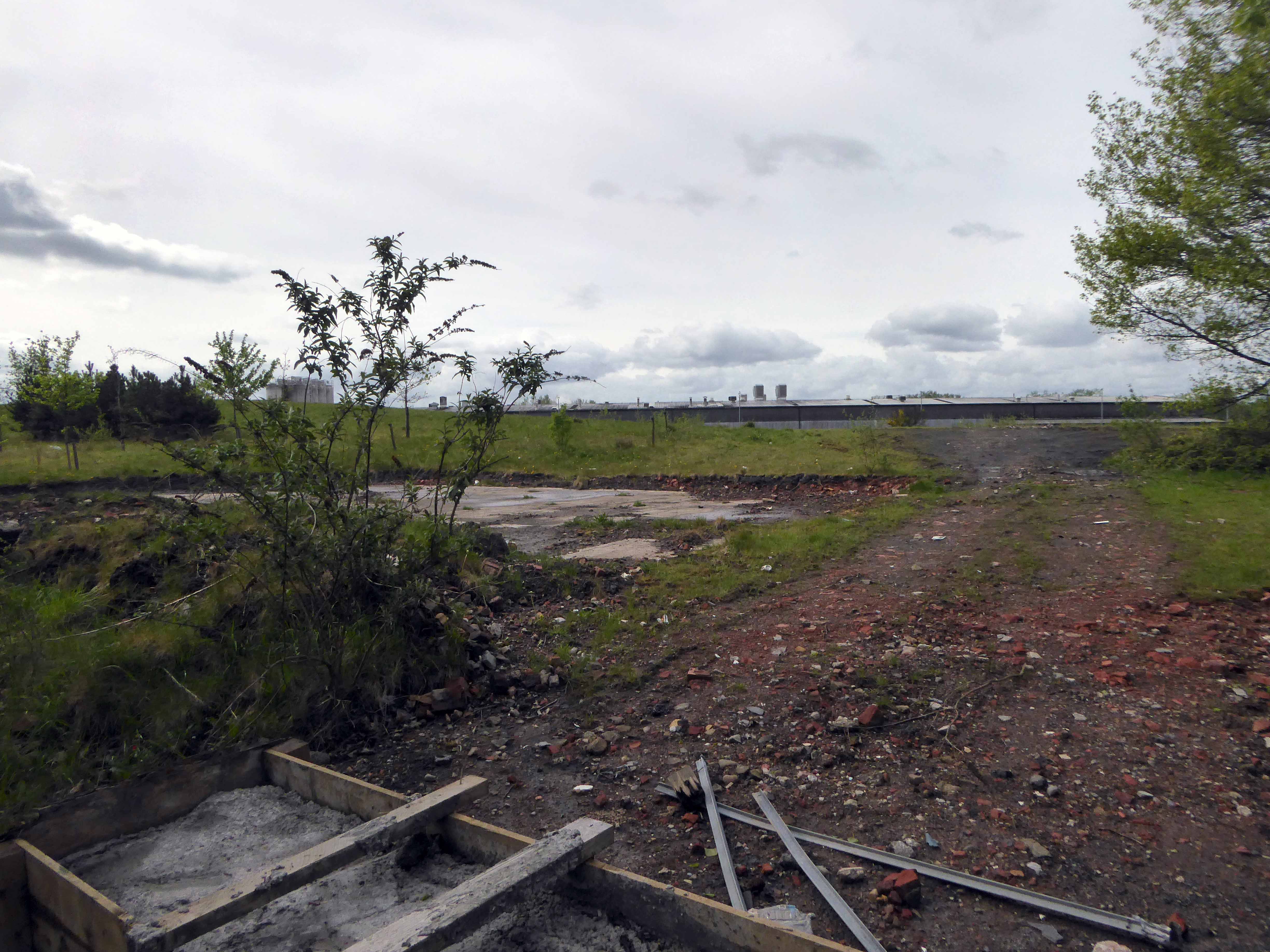
Industrial sites remain fenced and unused slowly returning to some form of urban natural habitat.

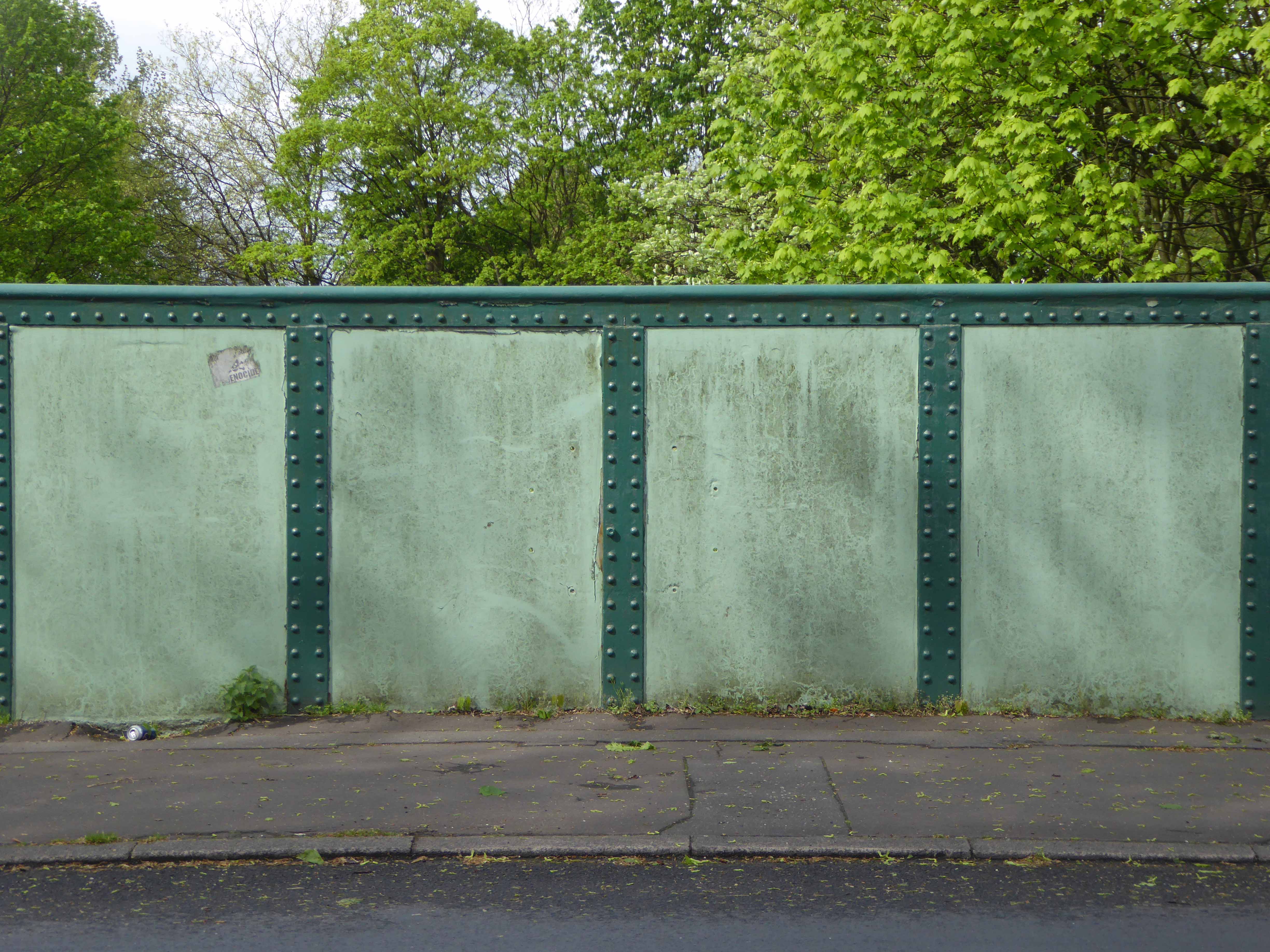
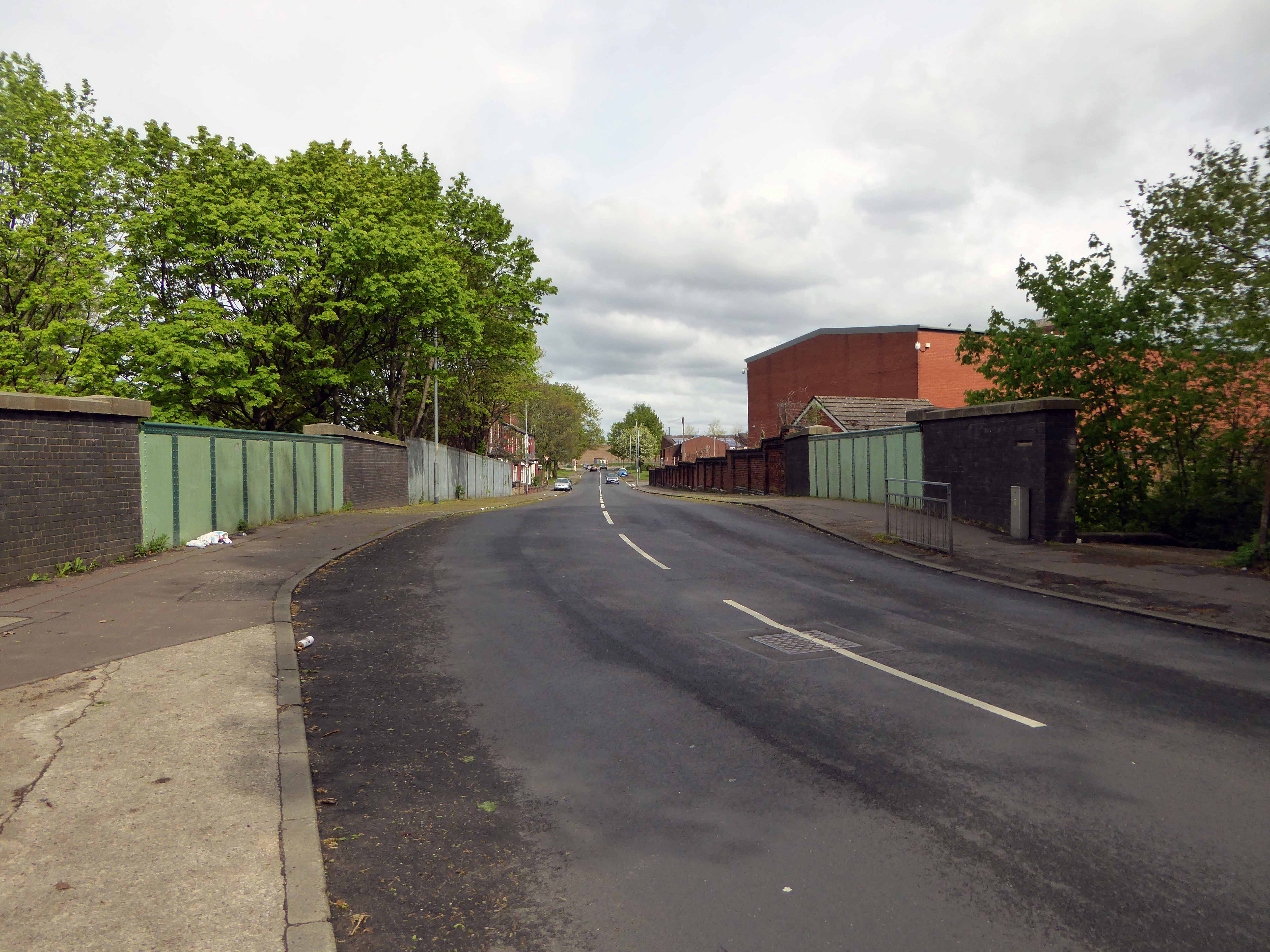
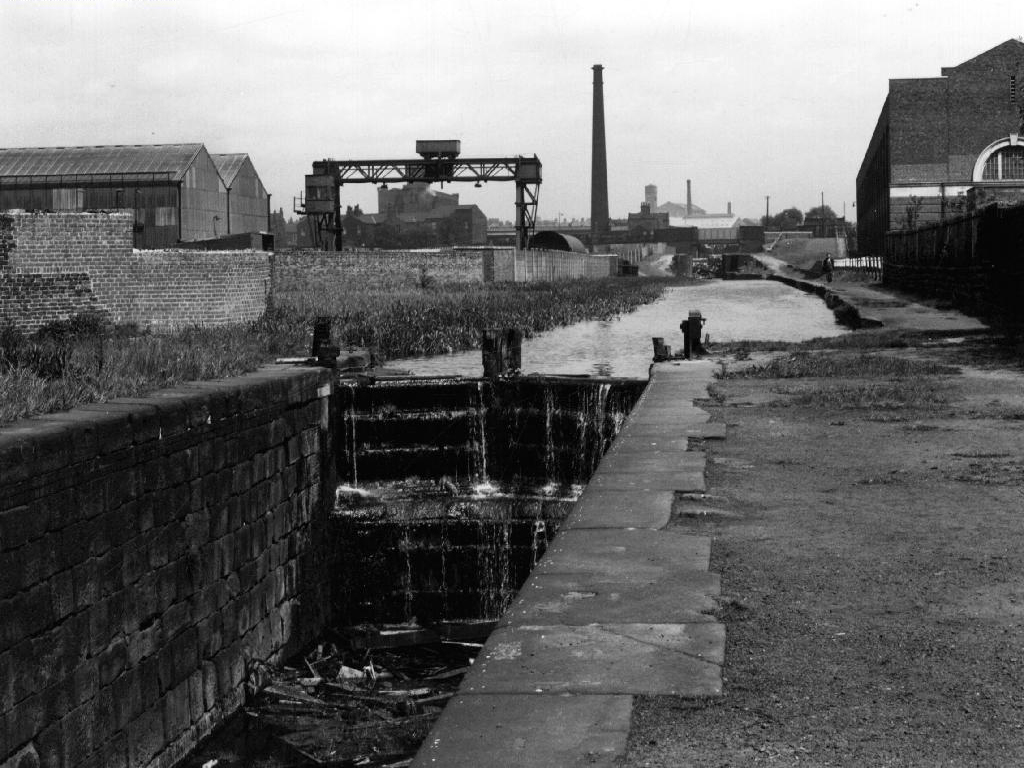
The cast-iron Rochdale Canal bridge is still in place – it was itself a replacement for an earlier masonry version.

Mather and Platt’s foundry sheds are just about hanging on – though I am uncertain of their current use and ownership.

The recreation ground is now an extensive community football facility and also home to the National Taekwondo Centre.

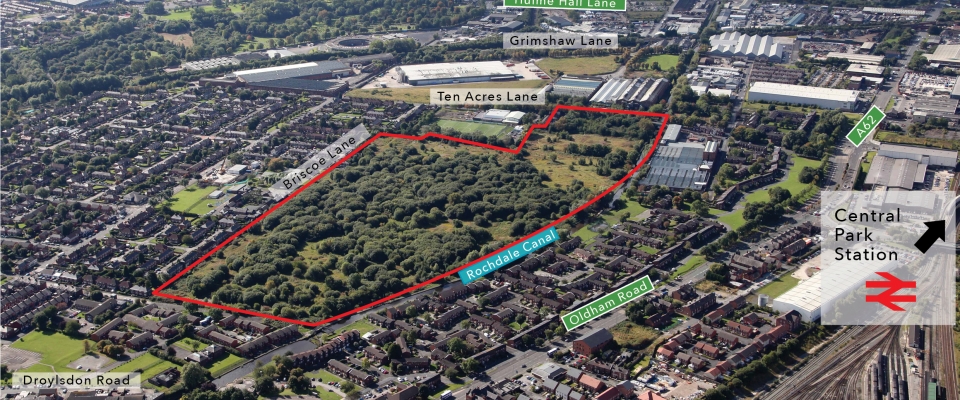
This large tract of land once Jackson’s Brickworks is under consideration for a modern private housing development

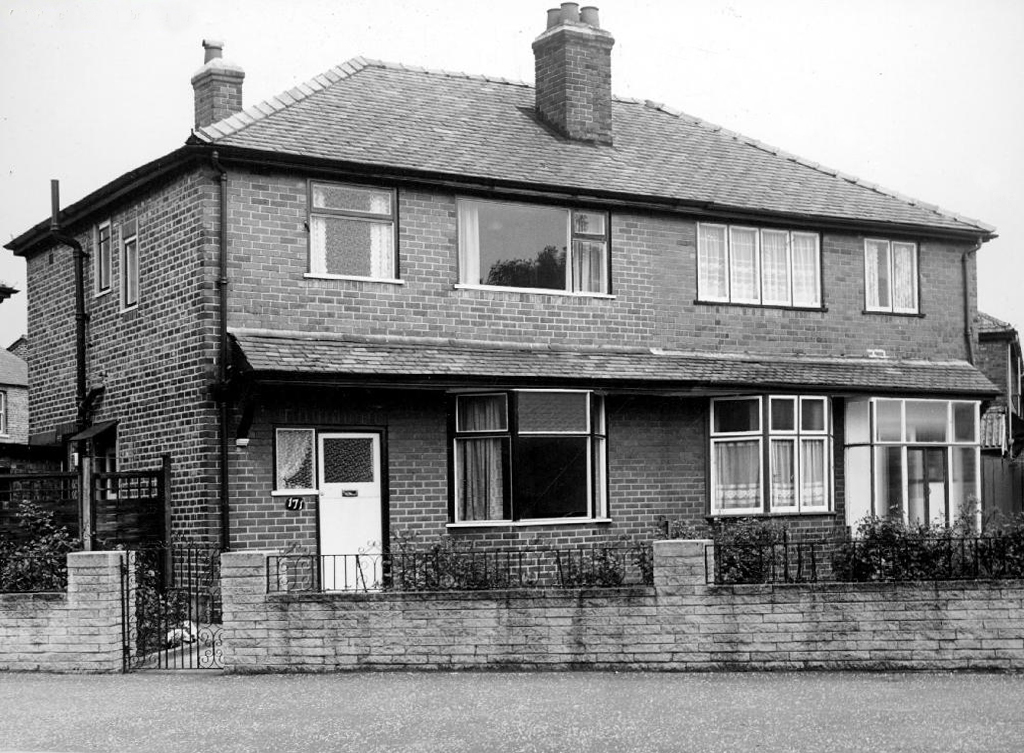
Much of the inter-war housing stock is still extant.

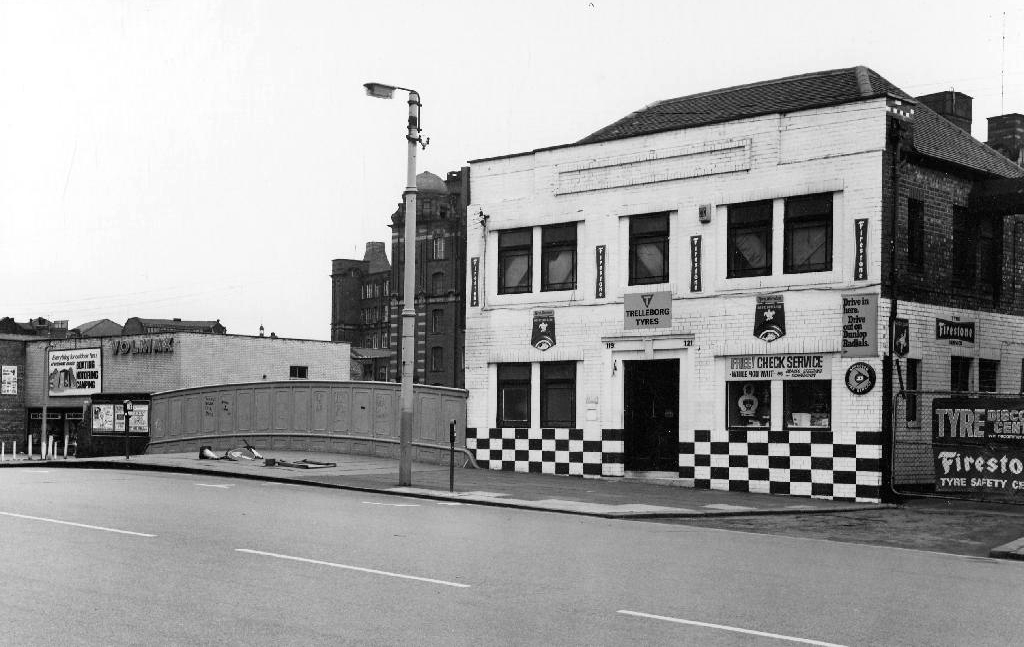
The sad shell of the Co-operative corner shop currently half storefront church half former tyre supplier is a sorry sight.

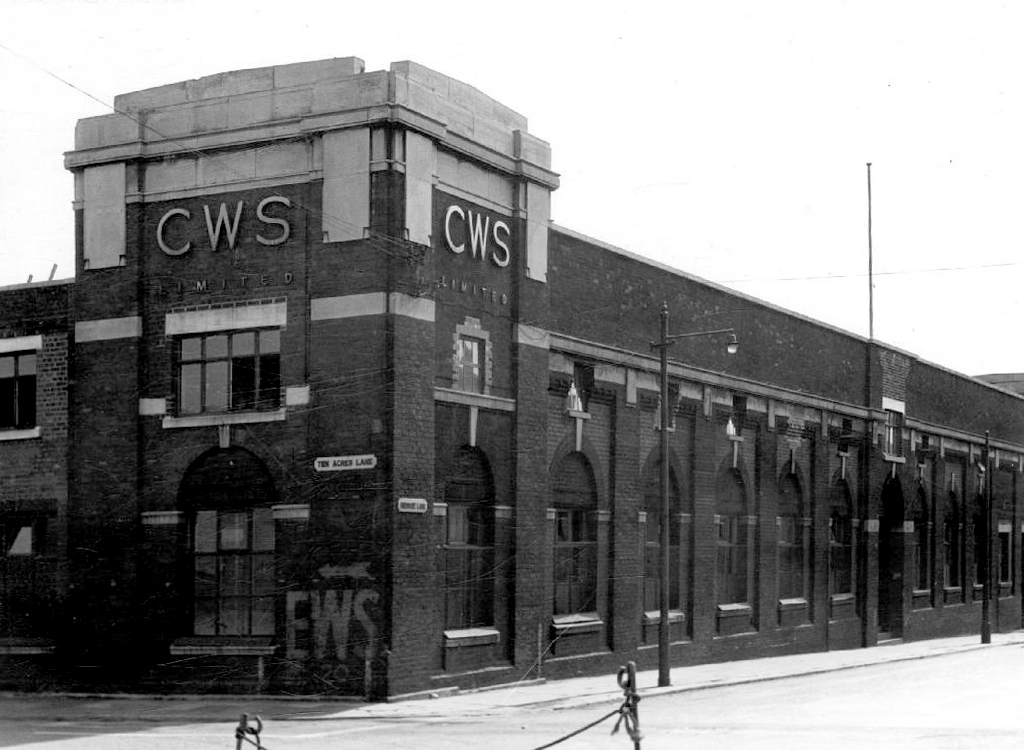
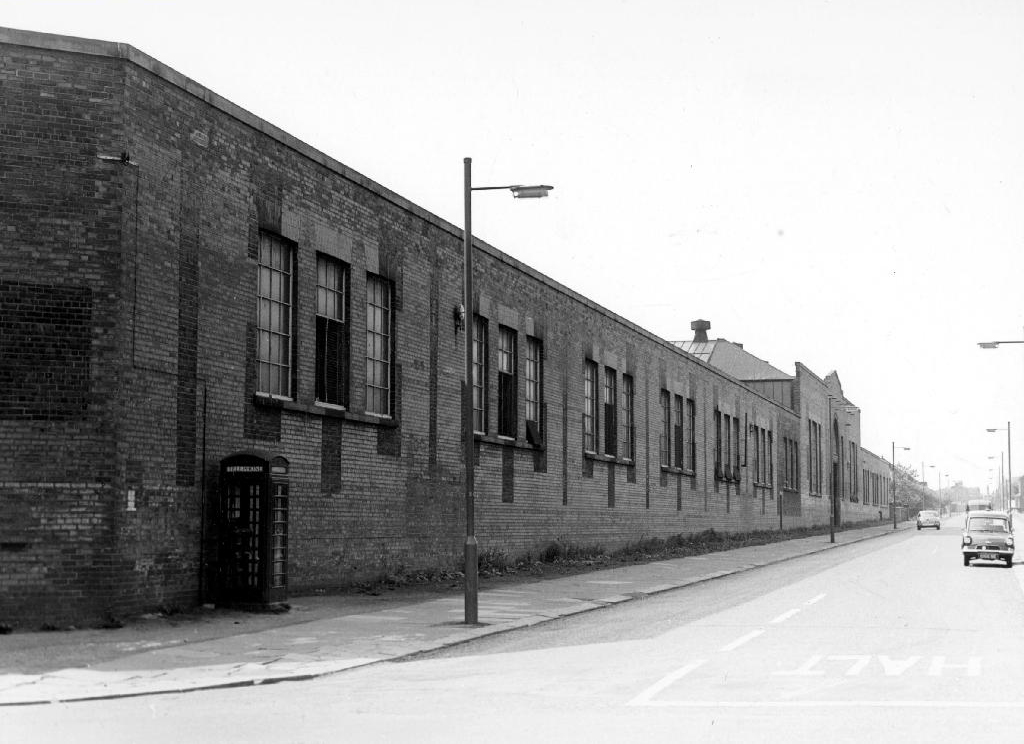
The still-standing CWS Works.

Finally passing under the railway bridge and descending into the Medlock Valley – our journey’s end.

Ten Acres Lane – Manchester

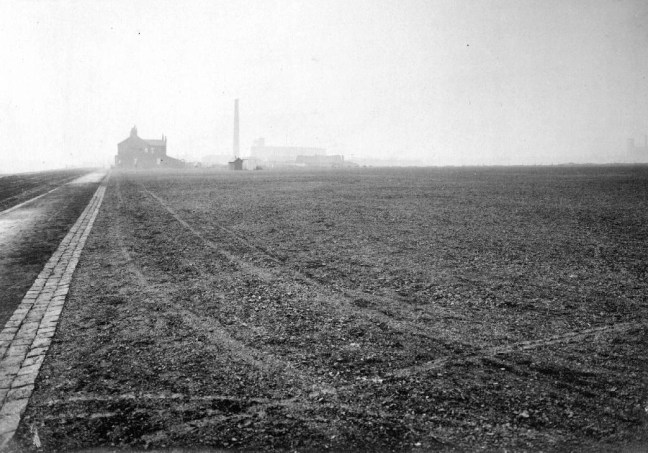
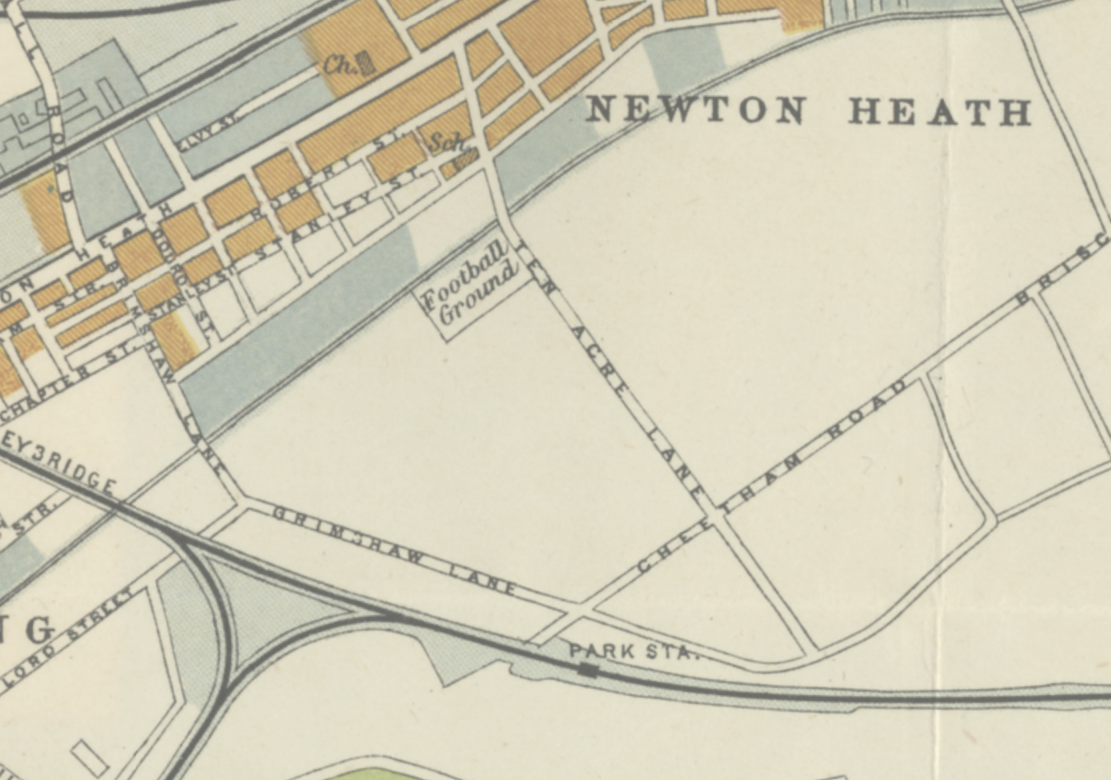
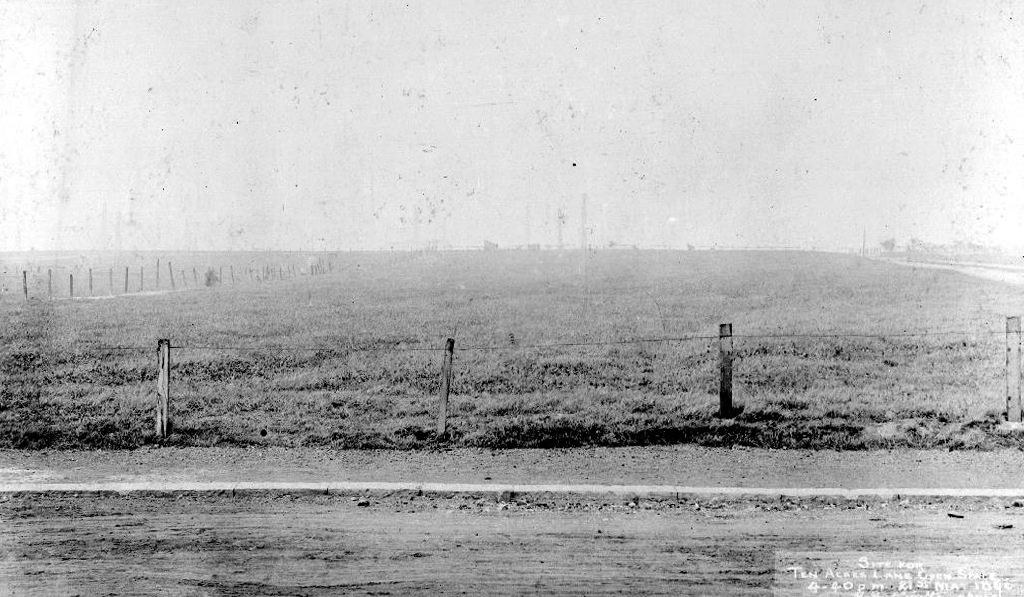
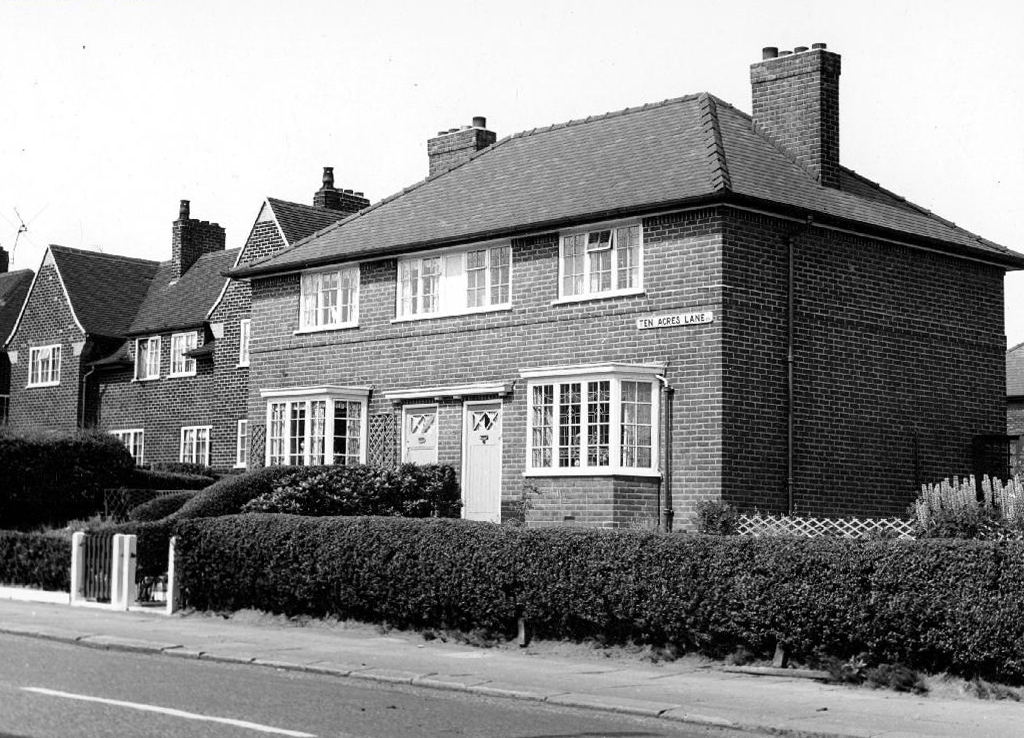
Ten Acres Lane 1904 running south from Oldham Road – not quite crossing under the Ashton and Stalybridge Railway.

I was propelled by the vague memory of an Ashton Lads football match way back in the 1970s – my dad Eddie Marland managed the team in the Moston and Rusholme League.

There was land given over to recreation from 1900, the area is famed for its links to the inception of Manchester United and almost but not quite became home to FC United.

The Recreation Grounds in 1900.

To the left of the inter-war housing in 1963.

So I took a trip back in time along the lane – courtesy of the Local Image Collection.

In 1896 the area was largely farmlan

Baguley Fold Farm – occupying land adjacent to the Medlock Valley.

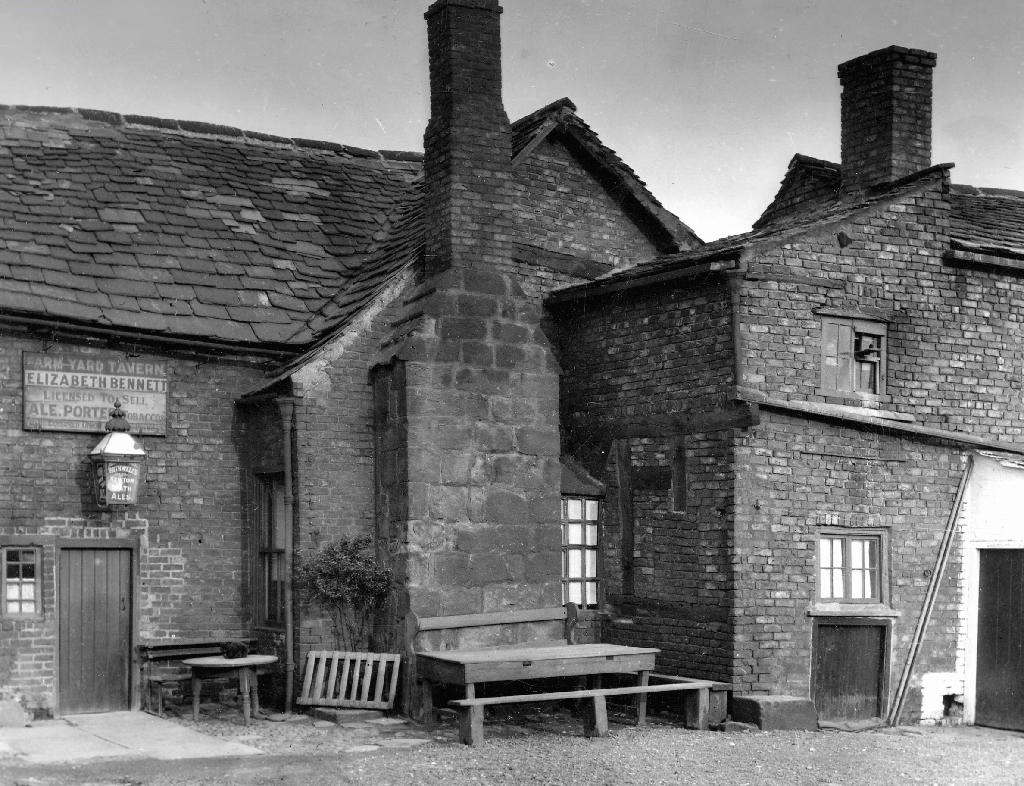
Farm Yard Tavern closed in 1917 a Rothwell’s pub supplied from Heath Brewery on Oldham Road.

This was an area dominated by the Rochdale Canal and criss-crossed with rail links.

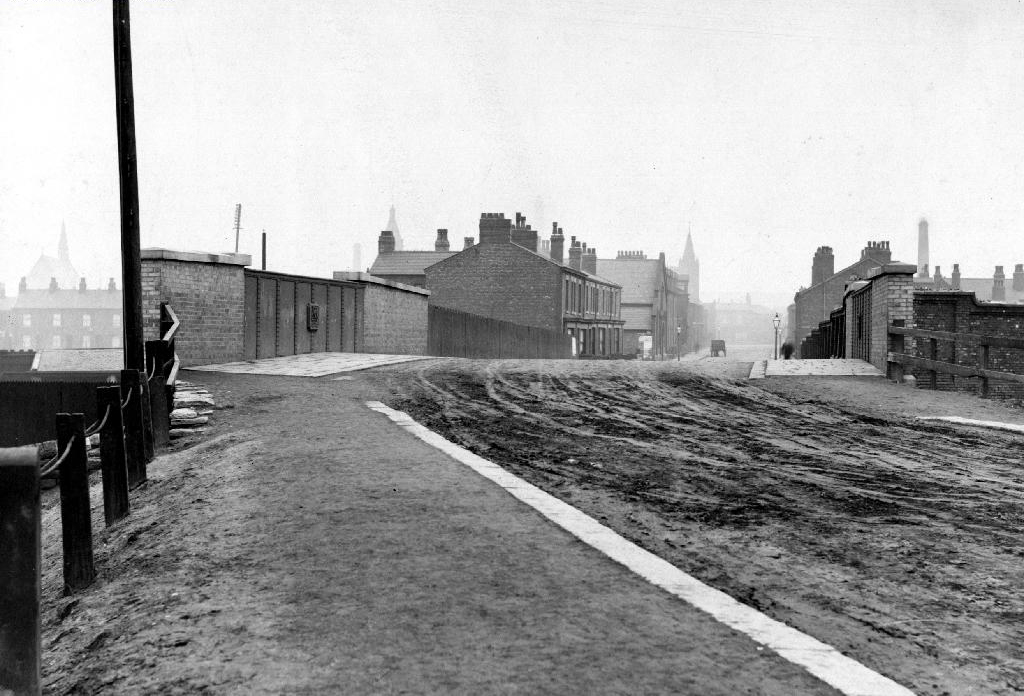
The canal bridge 1904.

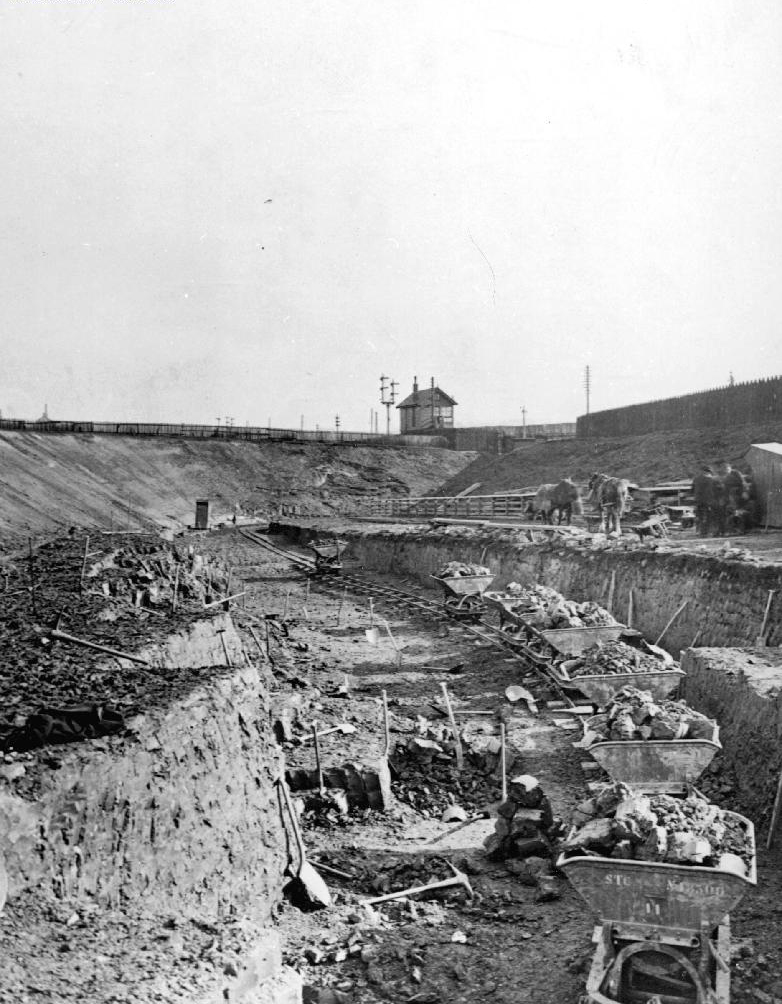
Construction work 1920.

Tootal’s Mill.

CWS warehouse and works corner of Briscoe Lane.

Mather And Platt’s adjoining the Rochdale Canal.

The area was also home to Jackson’s Brickworks.

There was a Co-op shop.

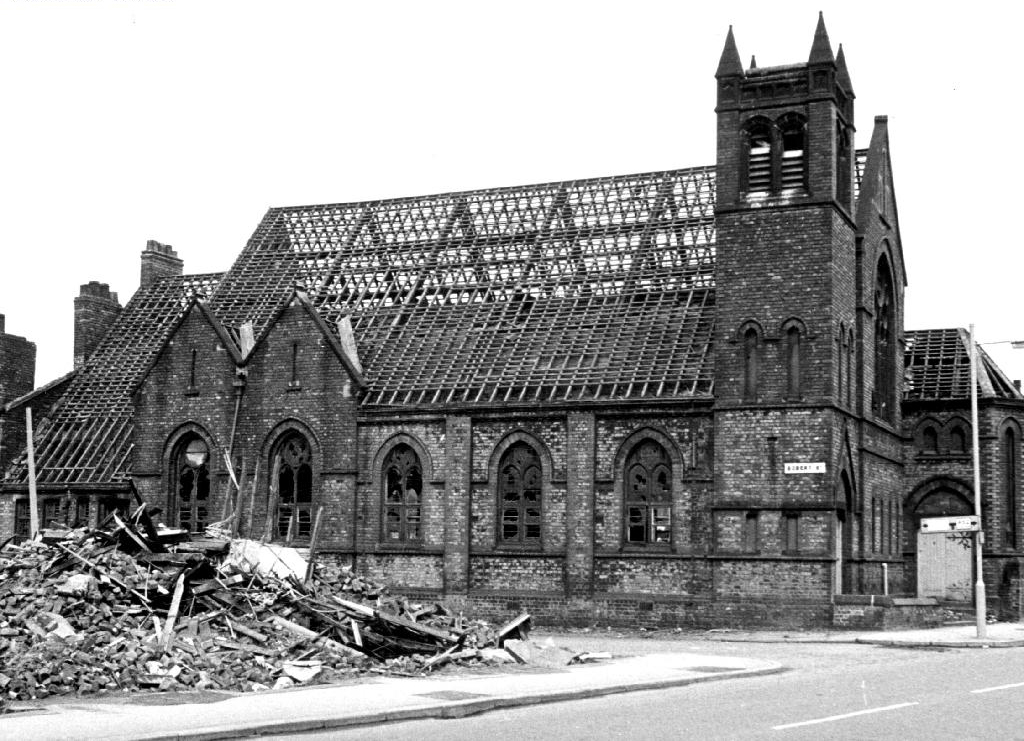
Going going gone St Paul’s Church seen here in 1972.

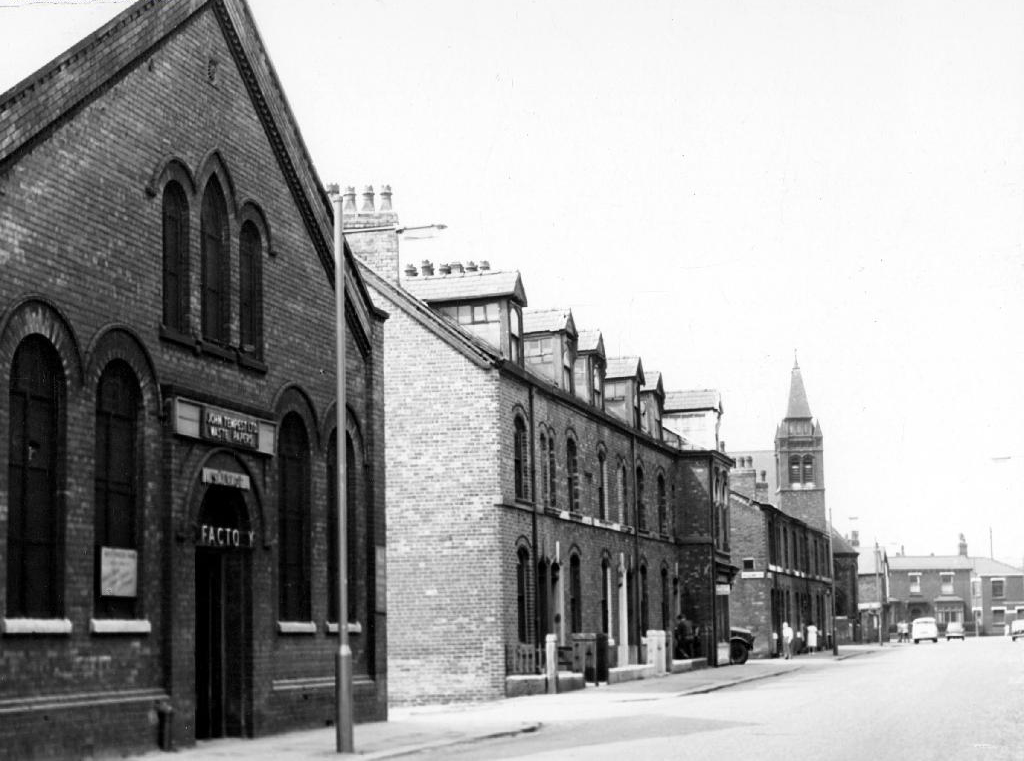
Victorian terraces and inter-war social housing – homes for a large industrial work force.

Many of the sights and sites above are still extant though their appearance and uses have changed along with the times. Manchester inevitably continues to from and reform for good or ill.

Sadly the old Rec the Moston and Rusholme League and my dad are all long gone – though it’s just as well to remember them all fondly, as we travel through our familiar unfamiliar city.

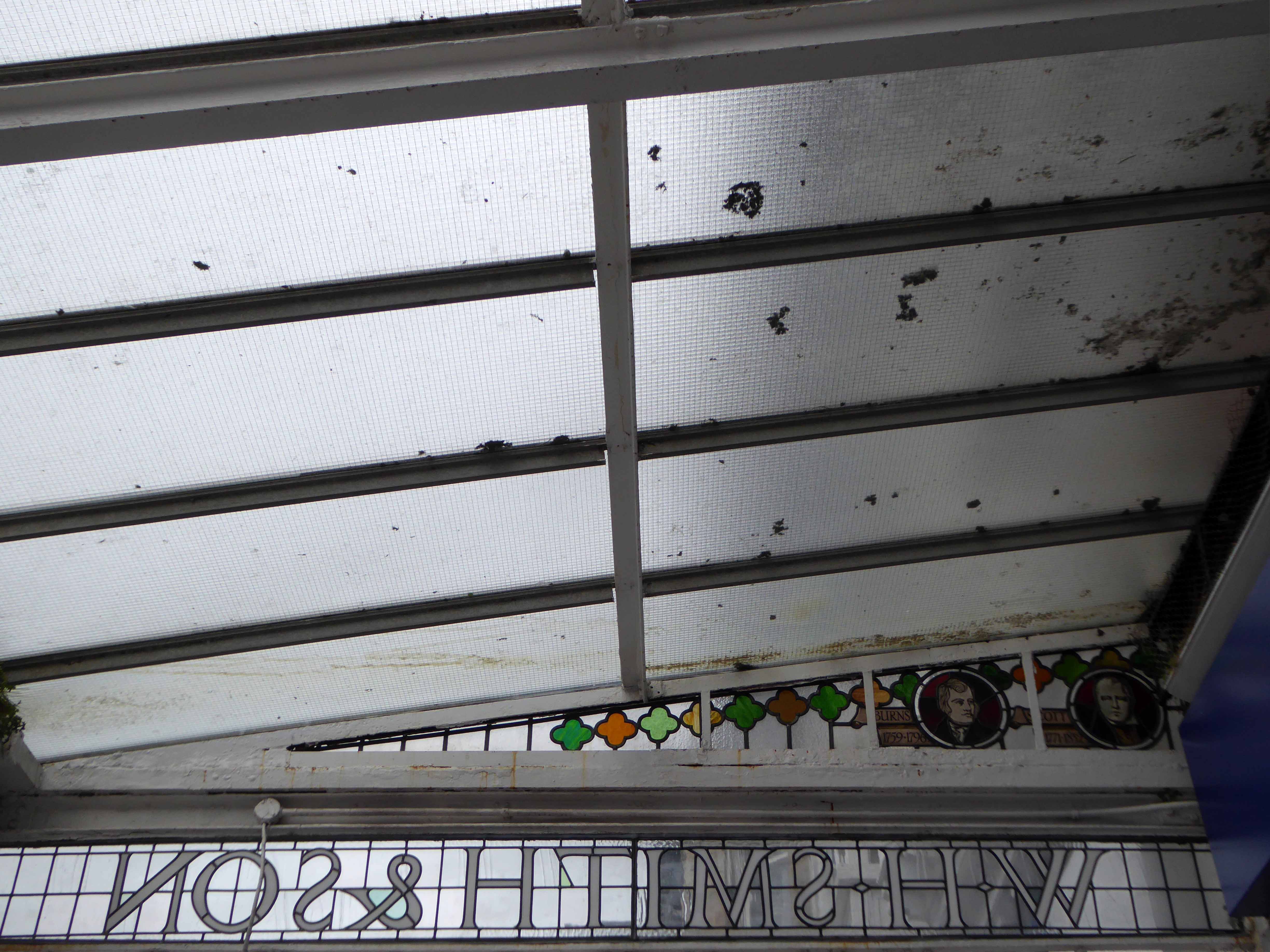
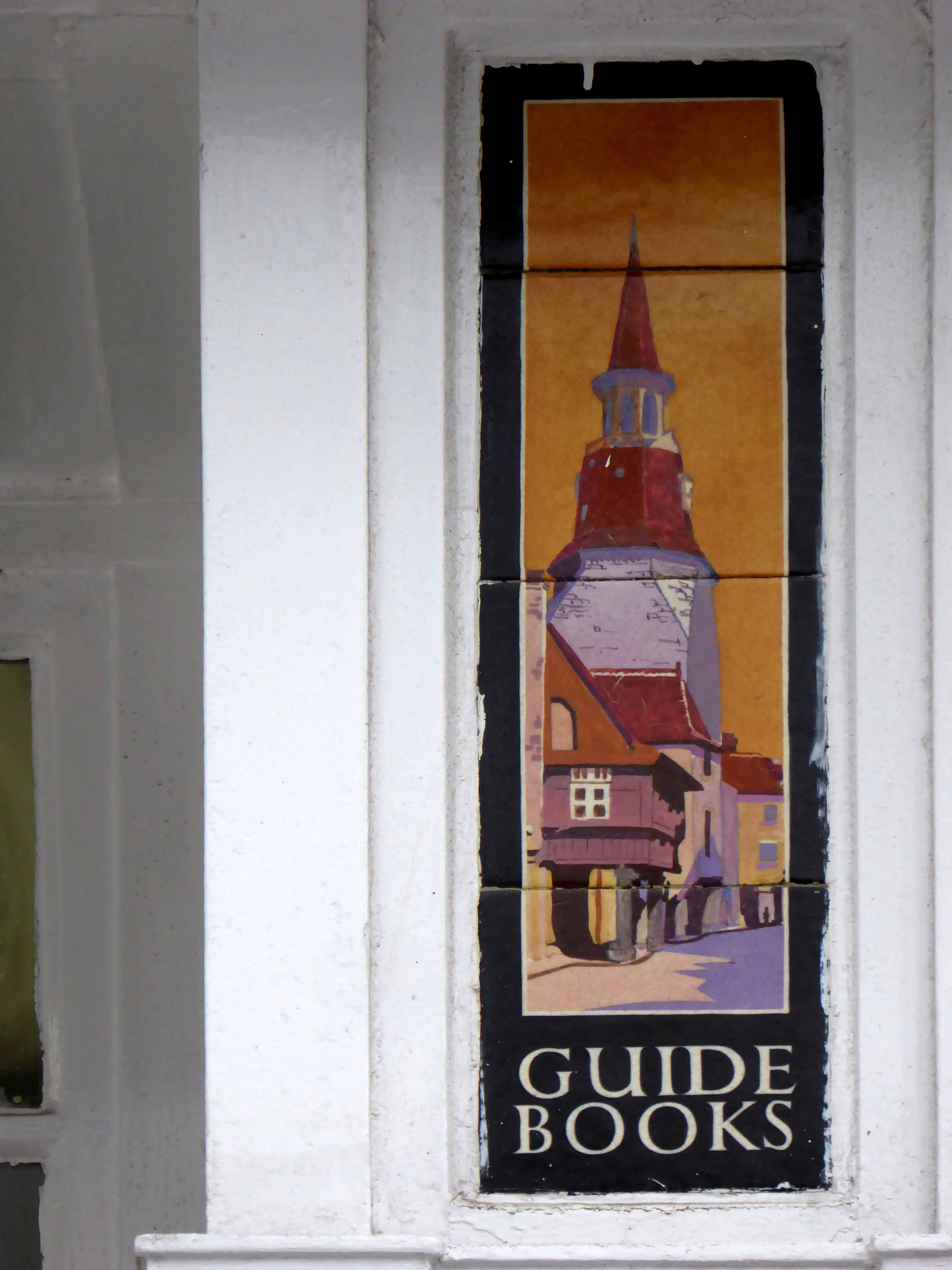
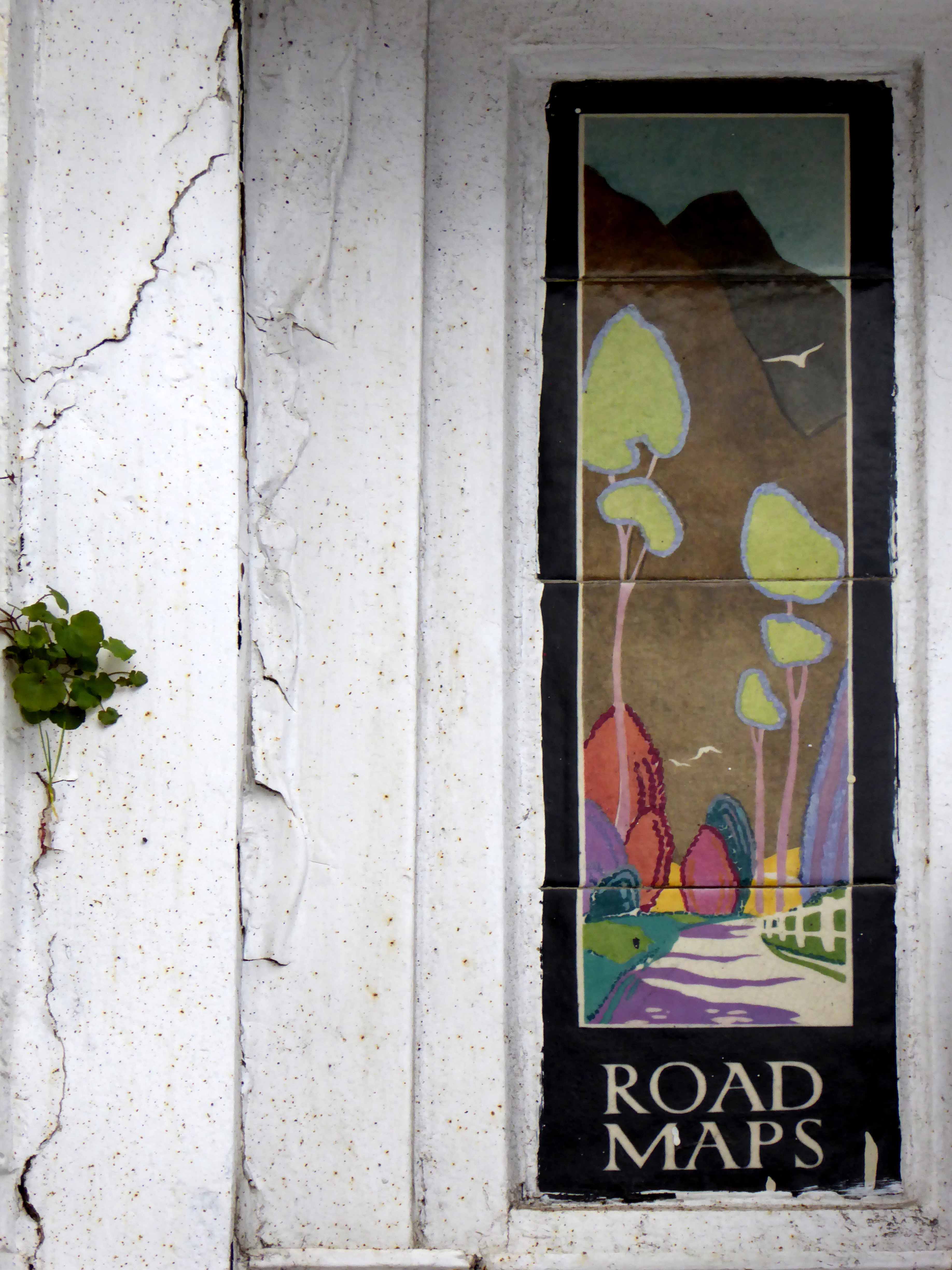
WH Smiths – Colwyn Bay

I have been here before.

I’ve been there too – Newton Powys home to the WH Smiths Museum

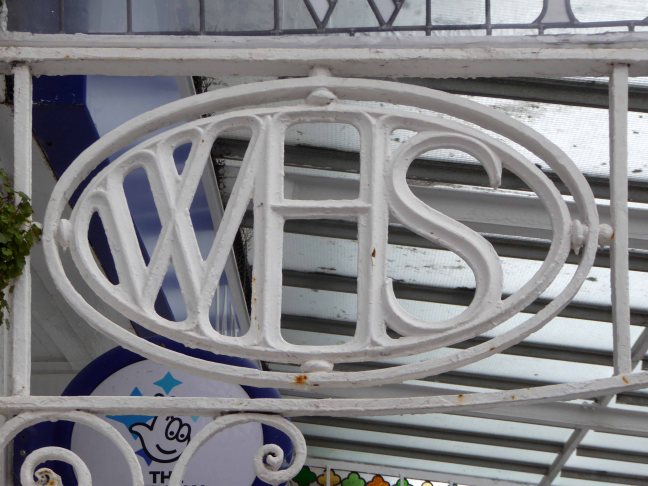
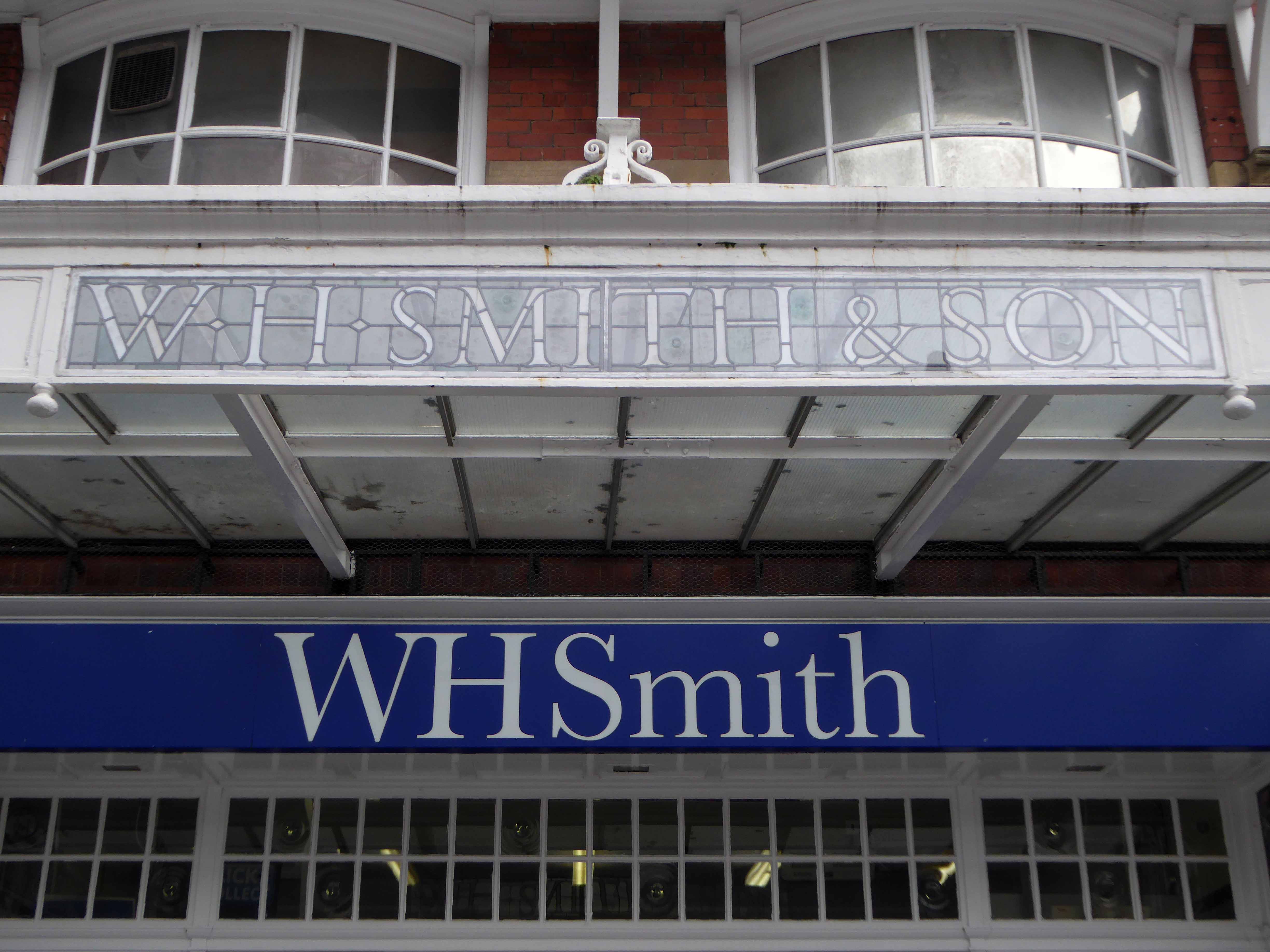
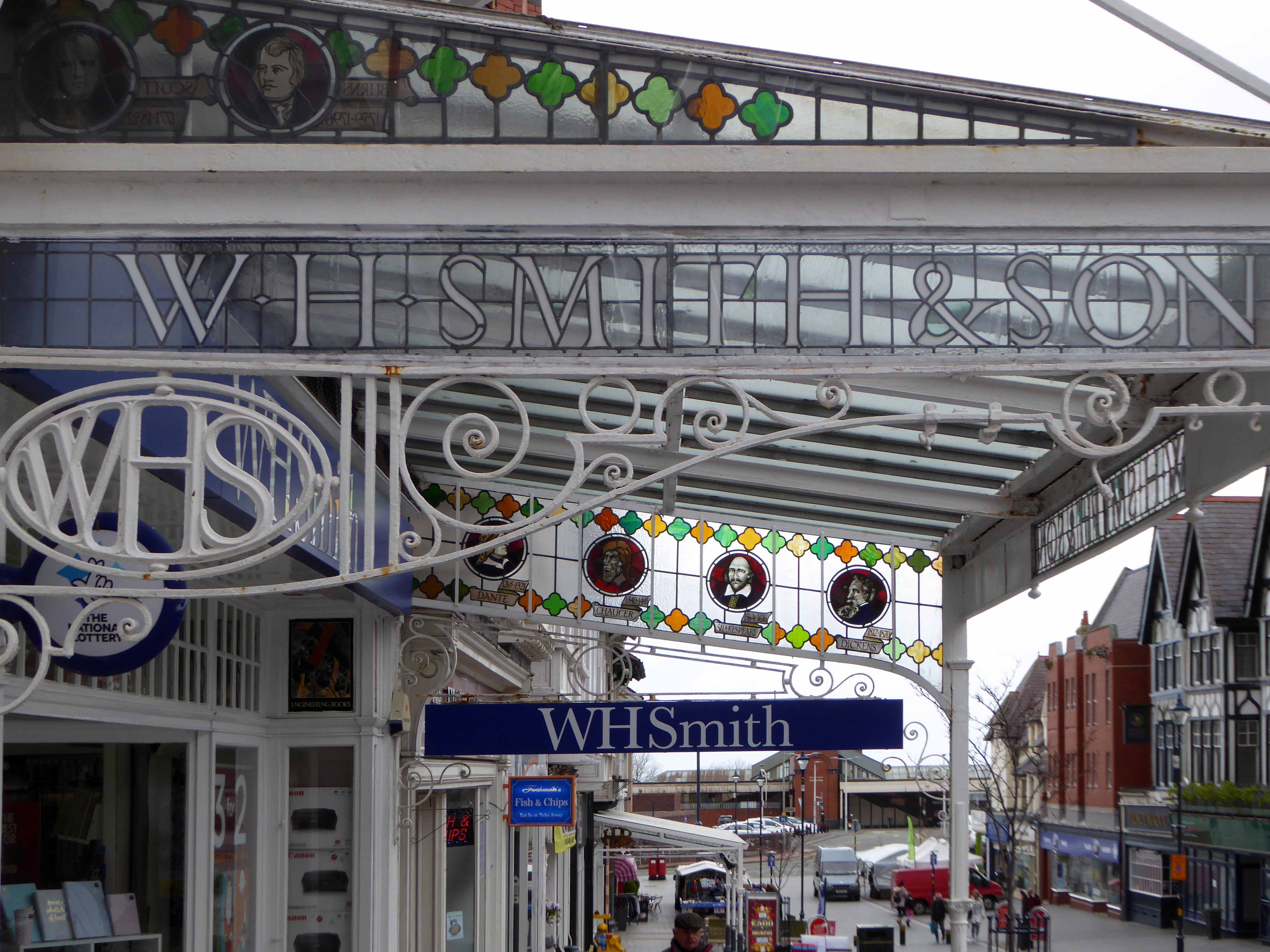
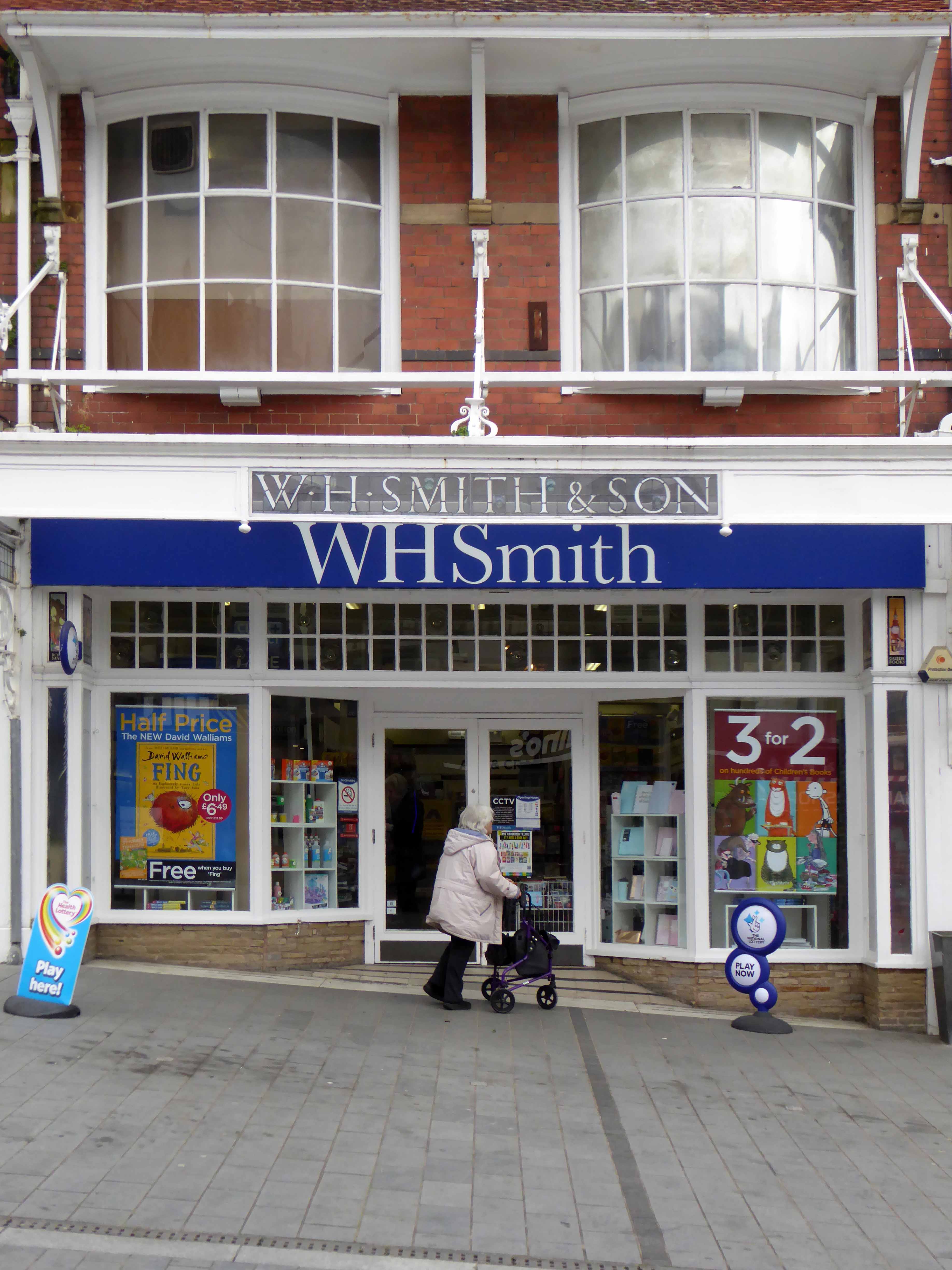
Now here I am in Colwyn Bay generally minding my own and everybody else’s business, when all of a sudden I noticed a cast iron glazed awning.

Proudly announcing the proprietors – sadly supported by a distressing modern addition – now I’m not one to decry and debunk the rising tide of modernity, I’m all in favour of unisex clothing and central heating.

But the unchecked encroachment of vacuous vinyl really is the limit.

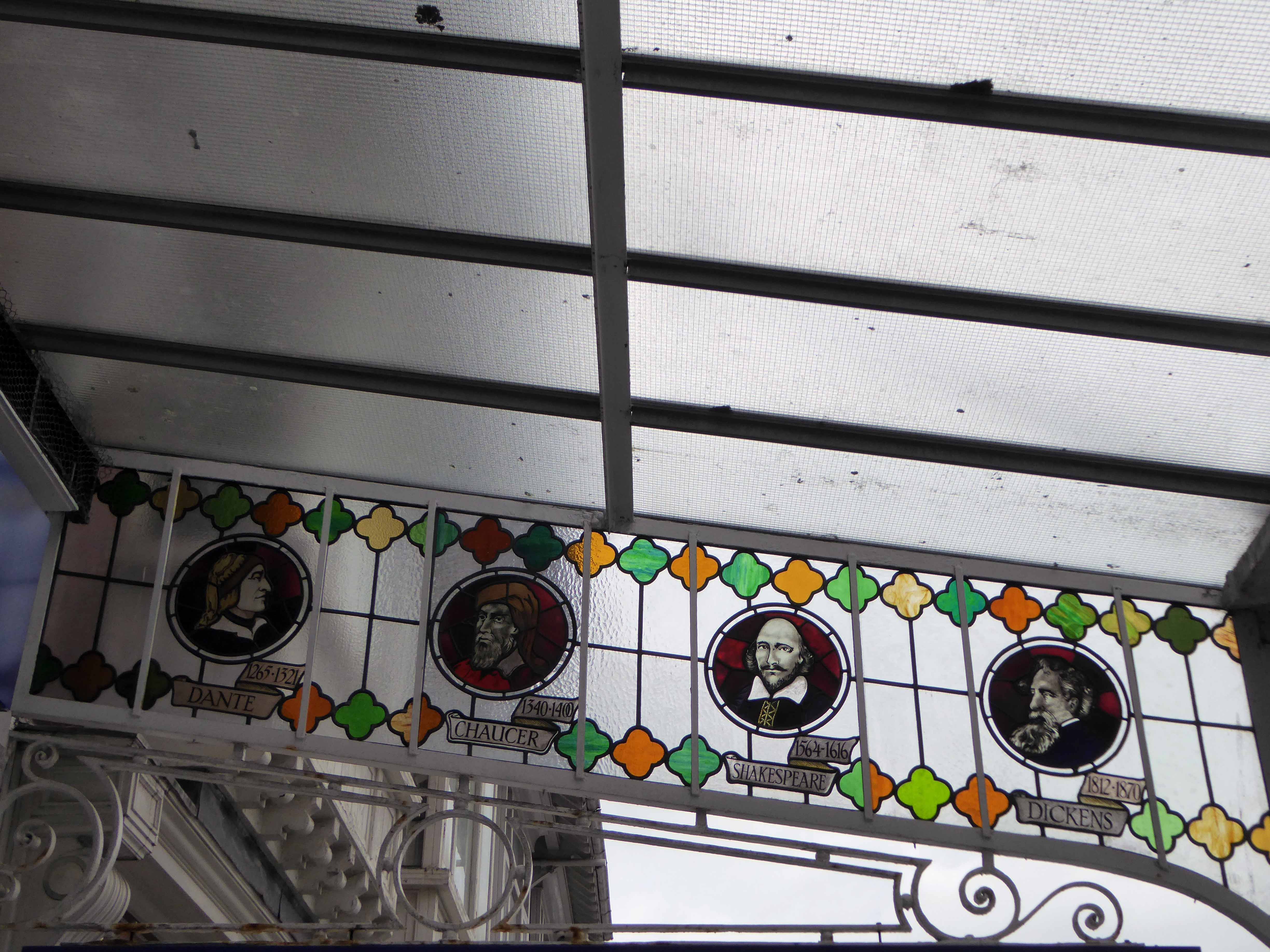
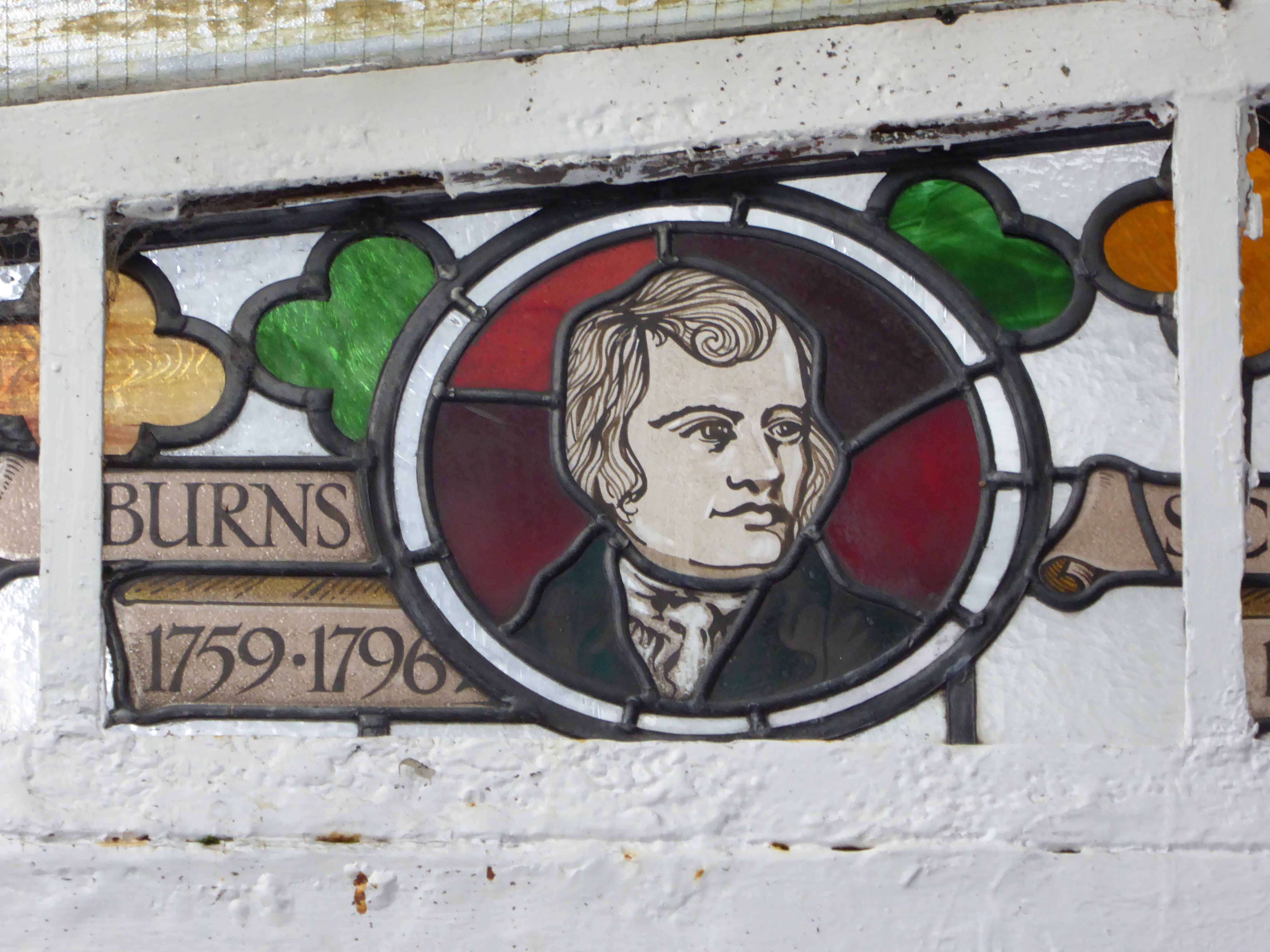
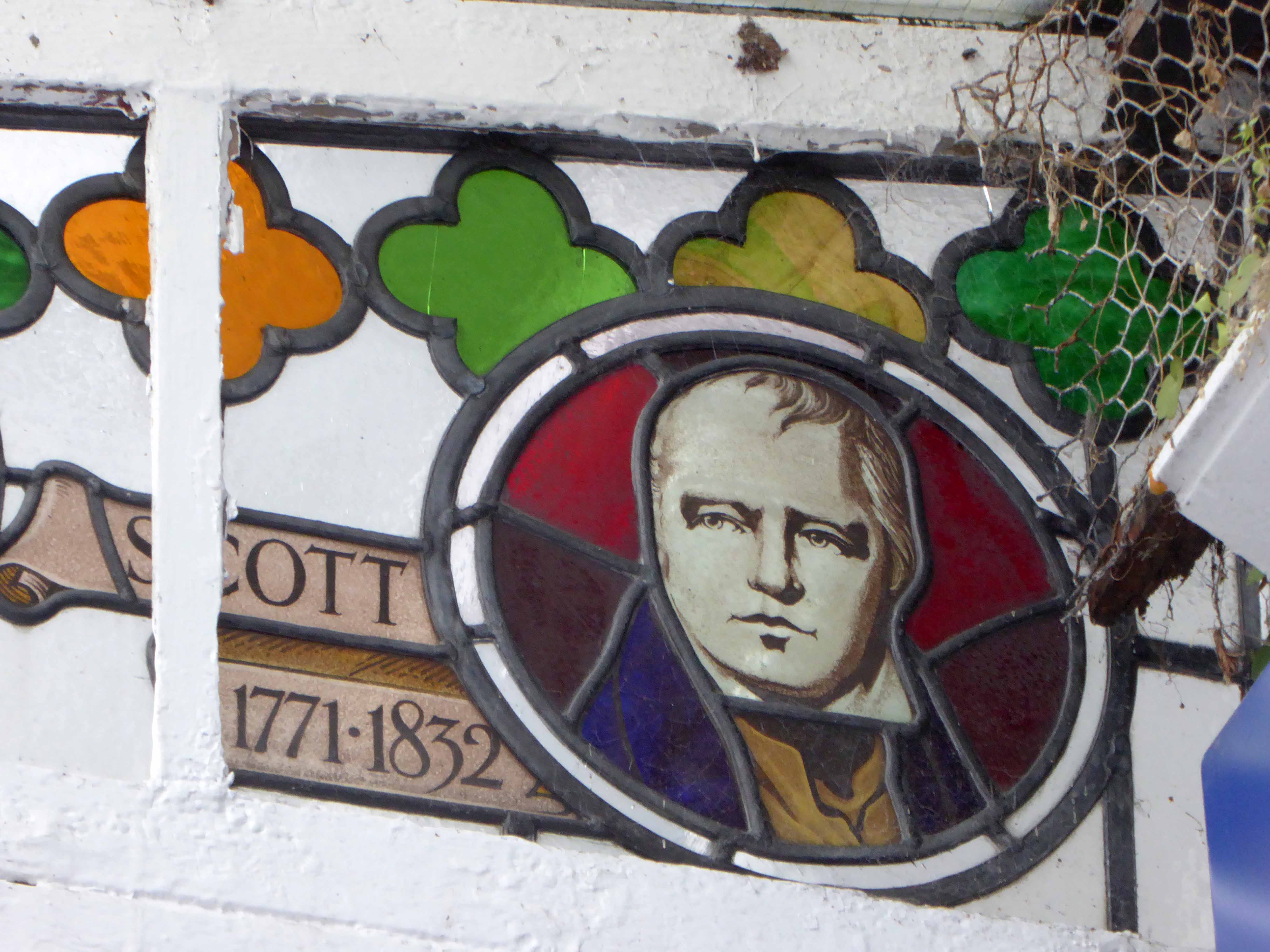
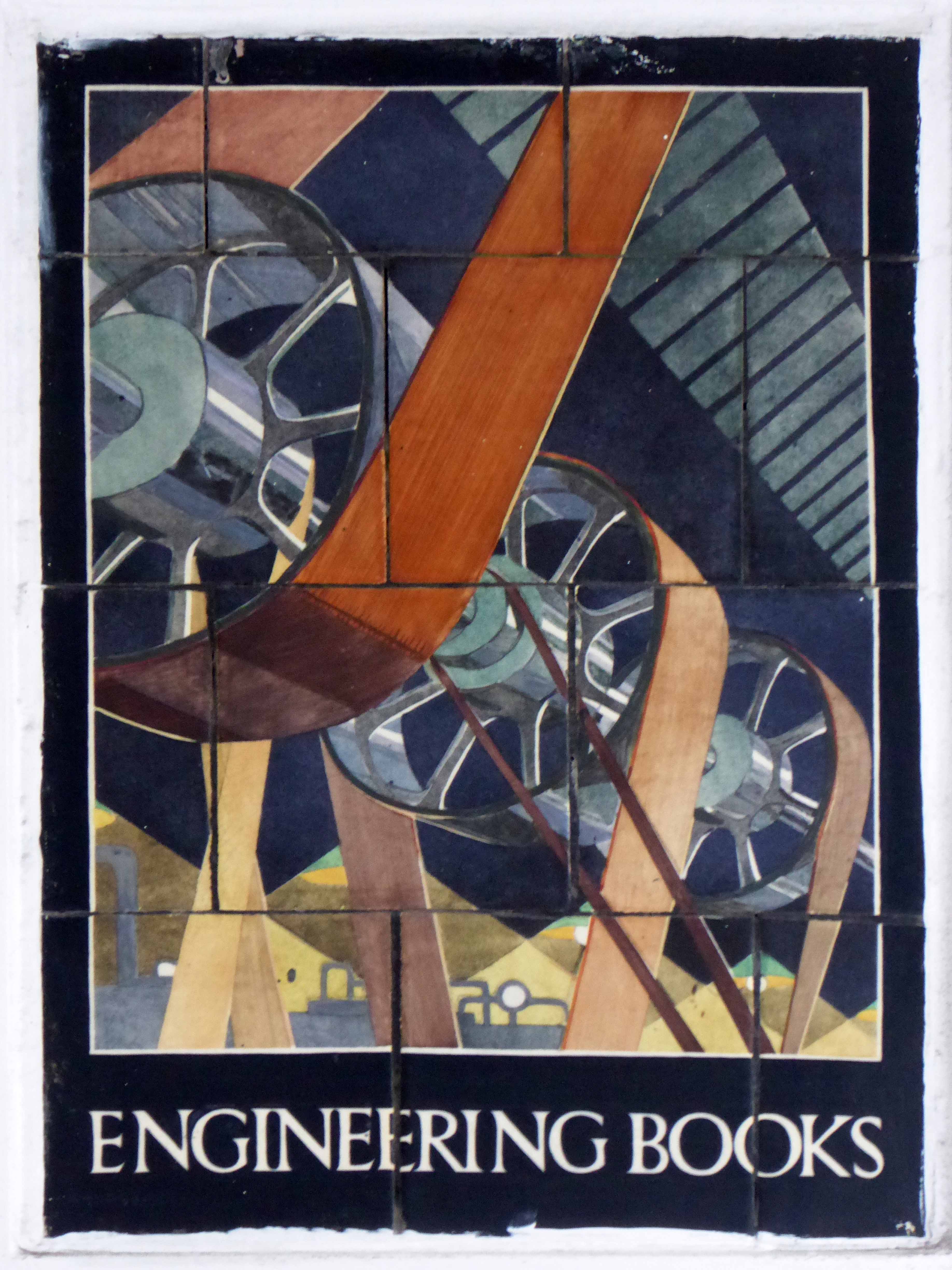
Businesses displayed a degree of dignified permanence unknown to the current high street trader. So here it is writ larger than life in stained glass and Carter’s Tiles.

Loud and proud.

And as an addendum here are the delightful tiles from the Llandudno branch, snapped two years previously.

Burton’s Moderne – Ashton and Beyond

In almost every town or city worth its salt stood a modern white tiled tailor’s shop, almost every man or boy wore a Burton’s suit.

Harry Wilson had become the company architect by the early 1920s, and was responsible for developing Burton’s house style. Montague Burton, however, maintained a close personal interest. The company’s in-house Architects Department was set up around 1932 under Wilson. He was followed as chief architect around 1937 by Nathaniel Martin, who was still in post in the early 1950s. The architects worked hand-in-hand with Burton’s Shopfitting and Building Departments, who coordinated the work of selected contractors. Throughout the late 1920s and 1930s they were kept phenomenally busy: by 1939 many of Burton’s 595 stores were purpose-built.

The very first made to measure gear I owned came from Burton’s in Ashton under Lyne – mini-mod aged fourteen in a three button, waisted, light woollen dark brown jacket, four slanted and flapped side pockets and an eighteen inch centre vent.

Just the job for a night out at the Birdcage, Moon or Bower Club

The story of the stores begins in the province of Kovno in modern Lithuania – Meshe David Osinsky (1885-1952), came to England where he initially took the name Maurice Burton. 

The distinctive architecture stood out on the high street, Art Deco motifs and details abound – elephants chevrons and fans.

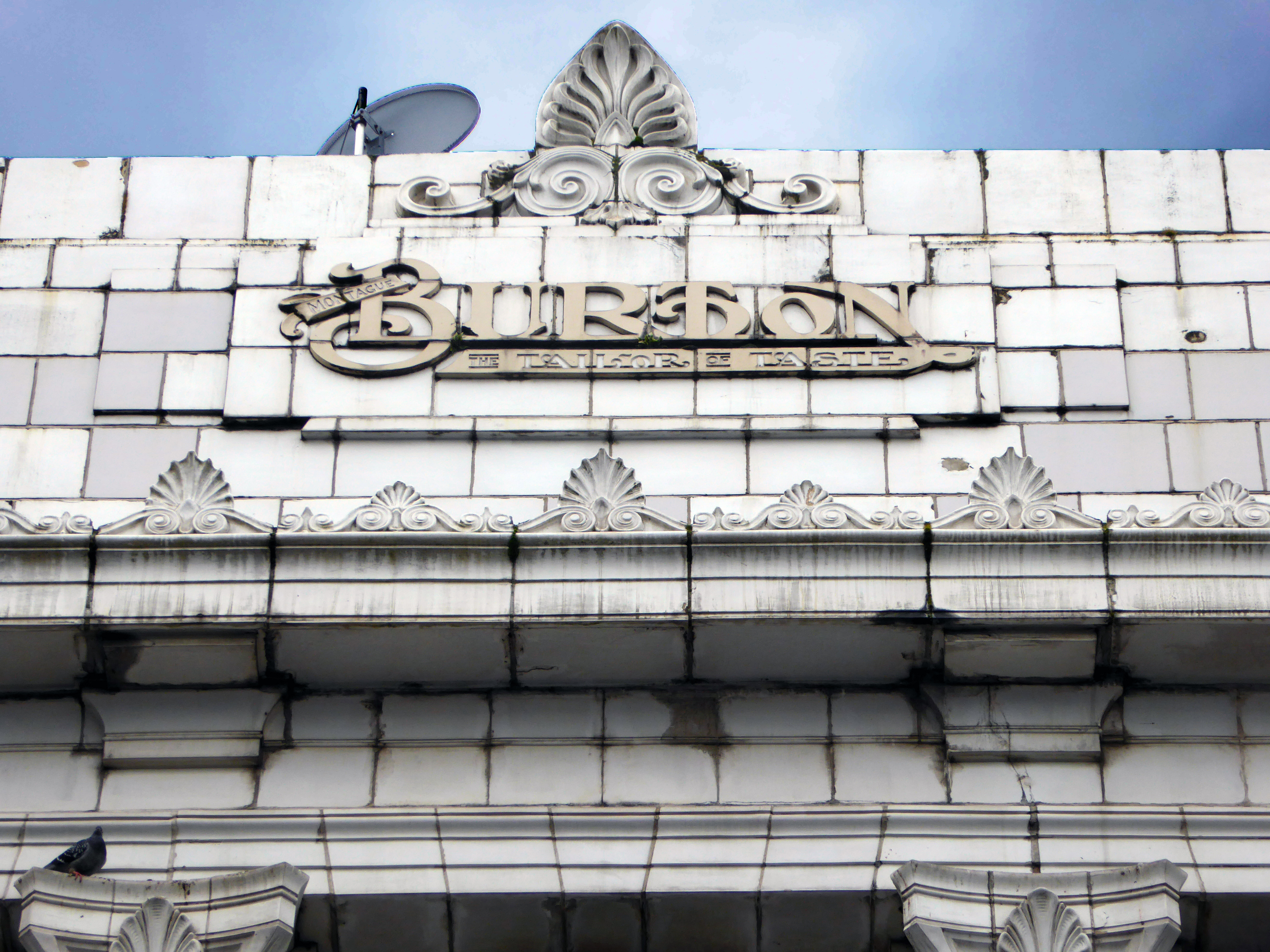
Topped off with the company’s distinctive logotype.

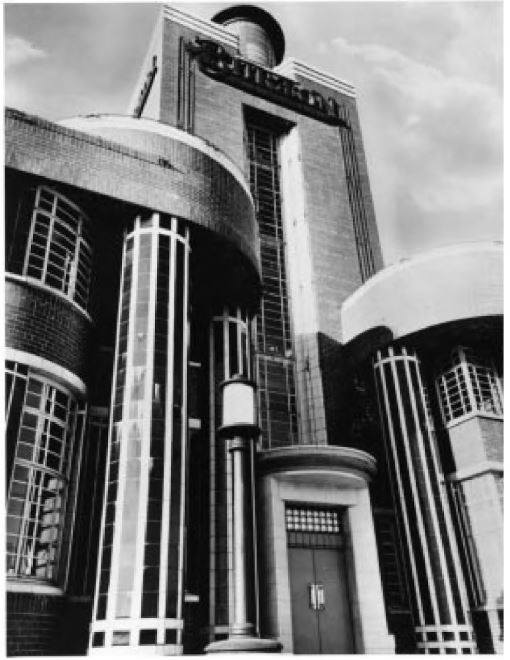
This example in Doncaster is one of the few remaining examples many having been removed – as the stores have changed ownership and usage.

This Neo-Classical Burnley branch is a rare example of a Burton’s which hasn’t gone for a Burton.

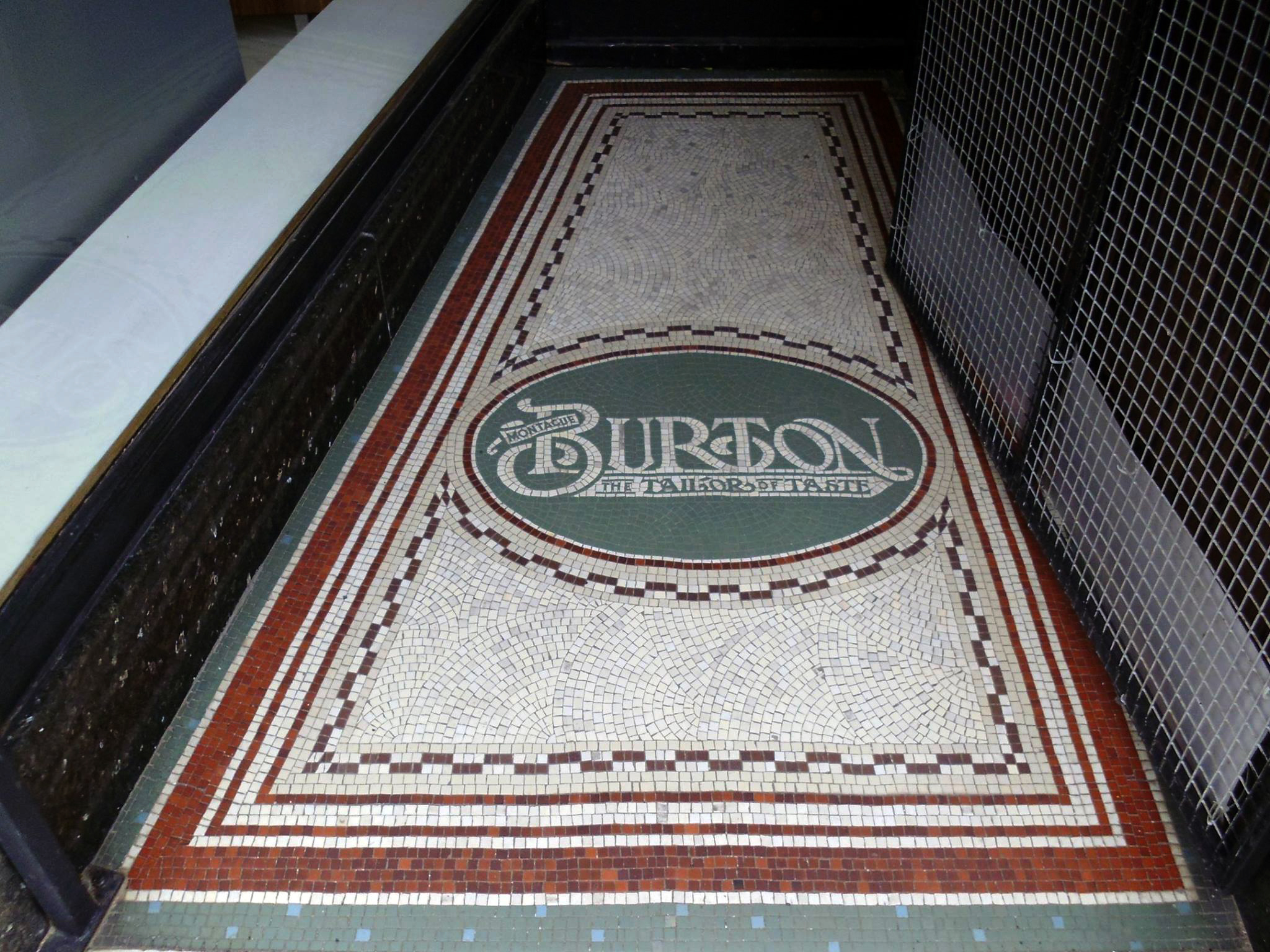
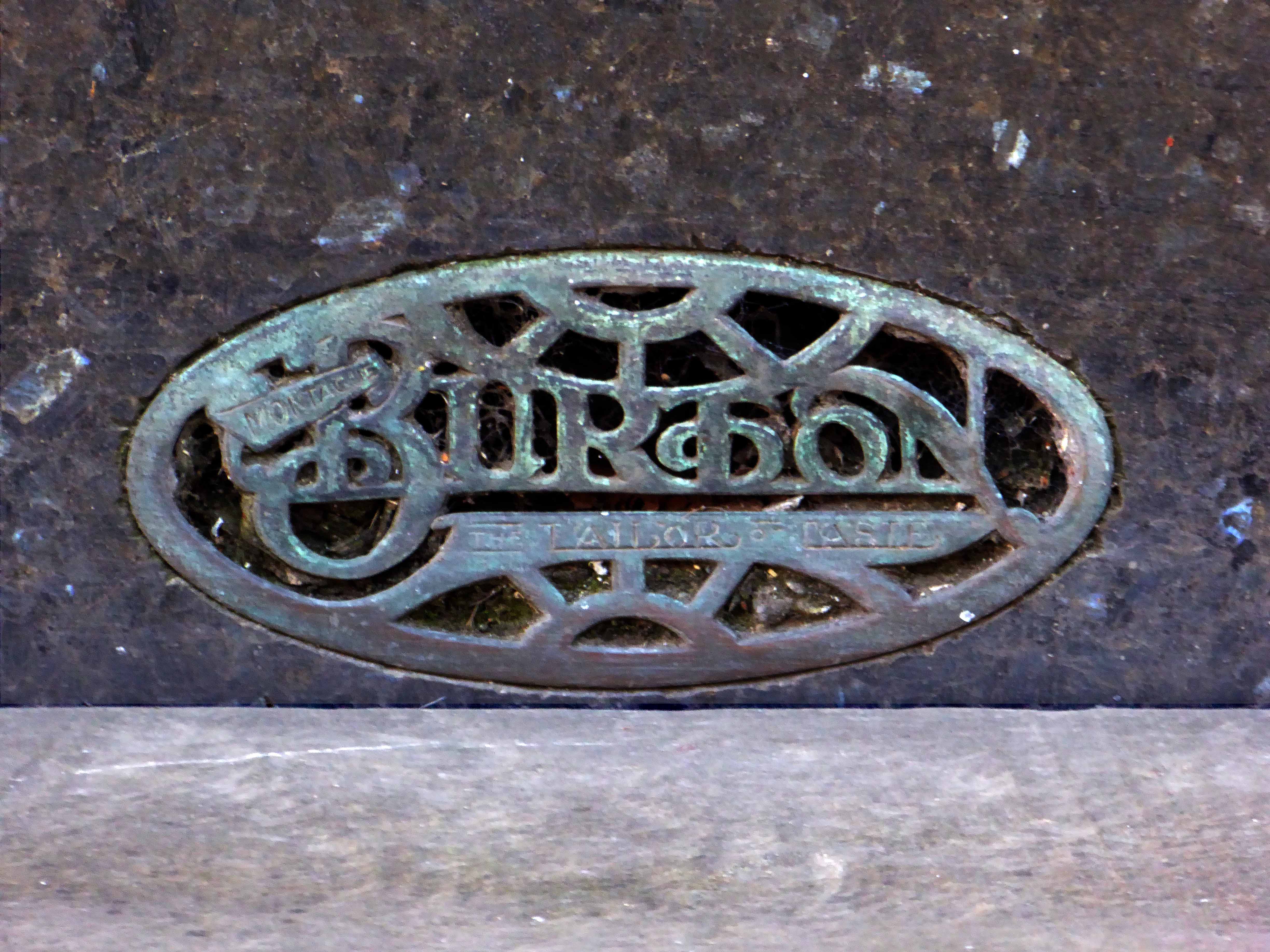
The group maintained a distinctive graphic style in labelling signage and advertisements.

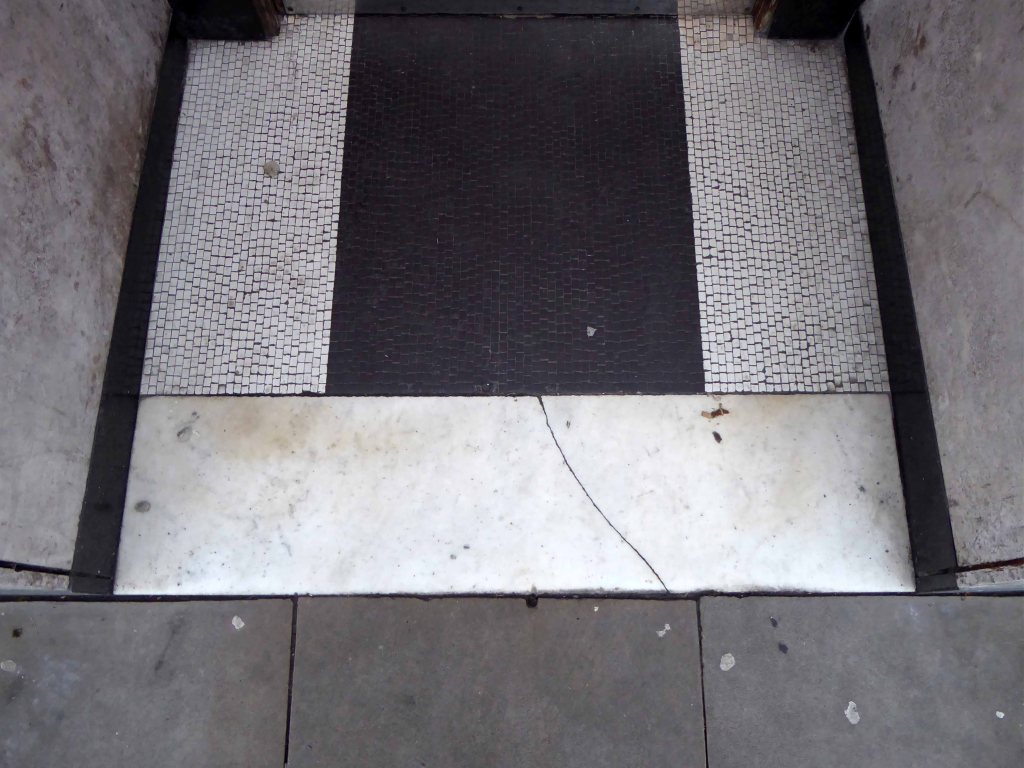
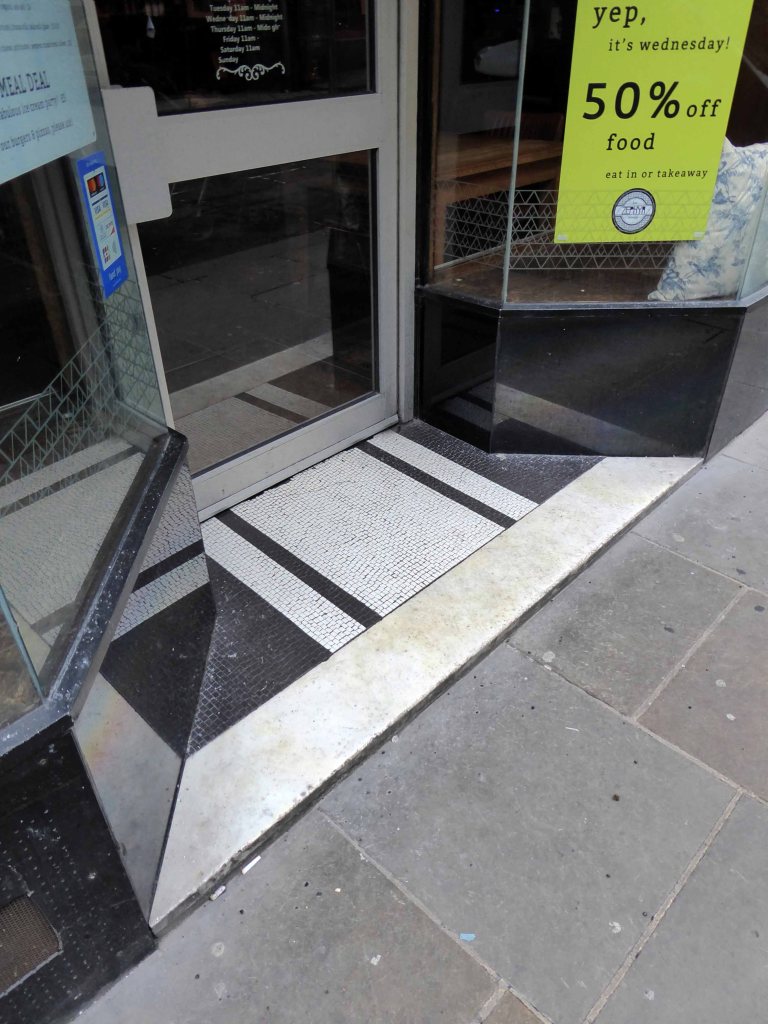
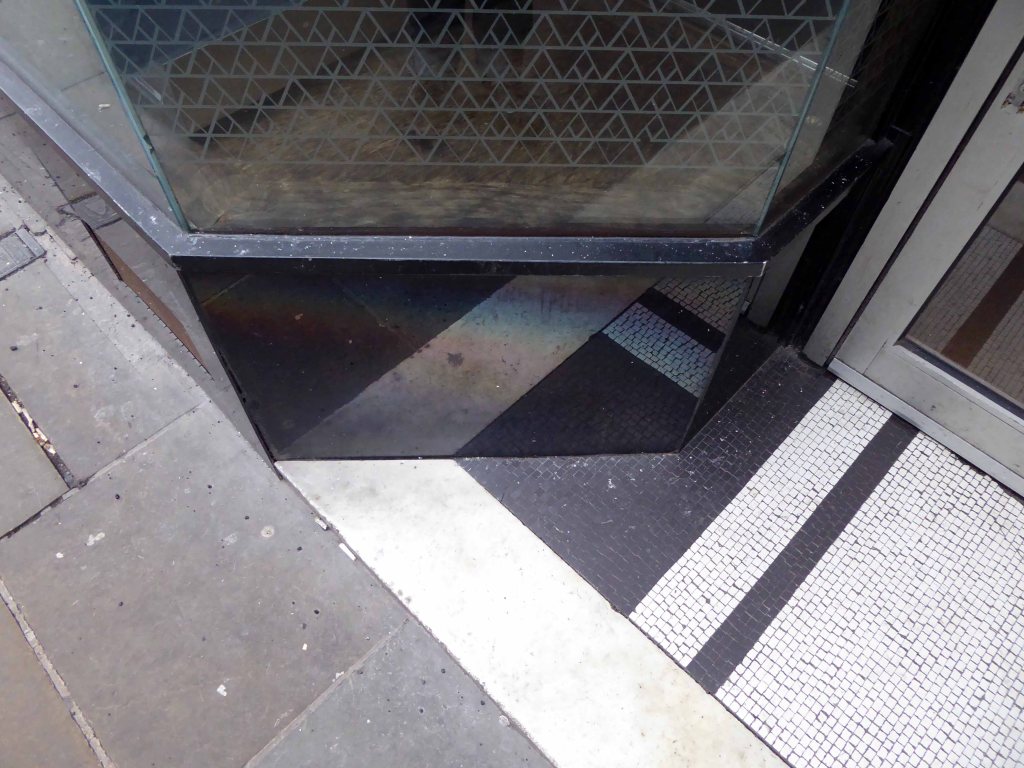
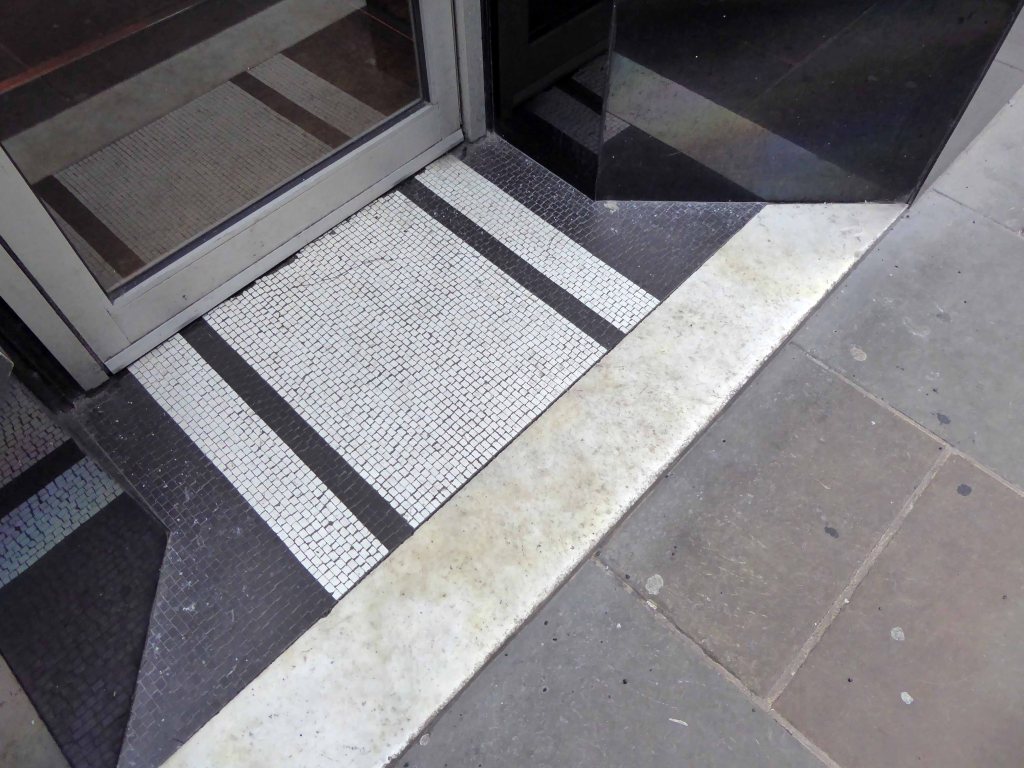
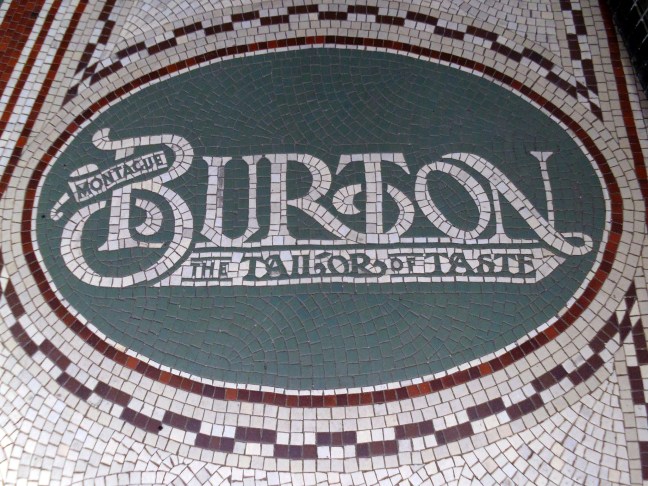
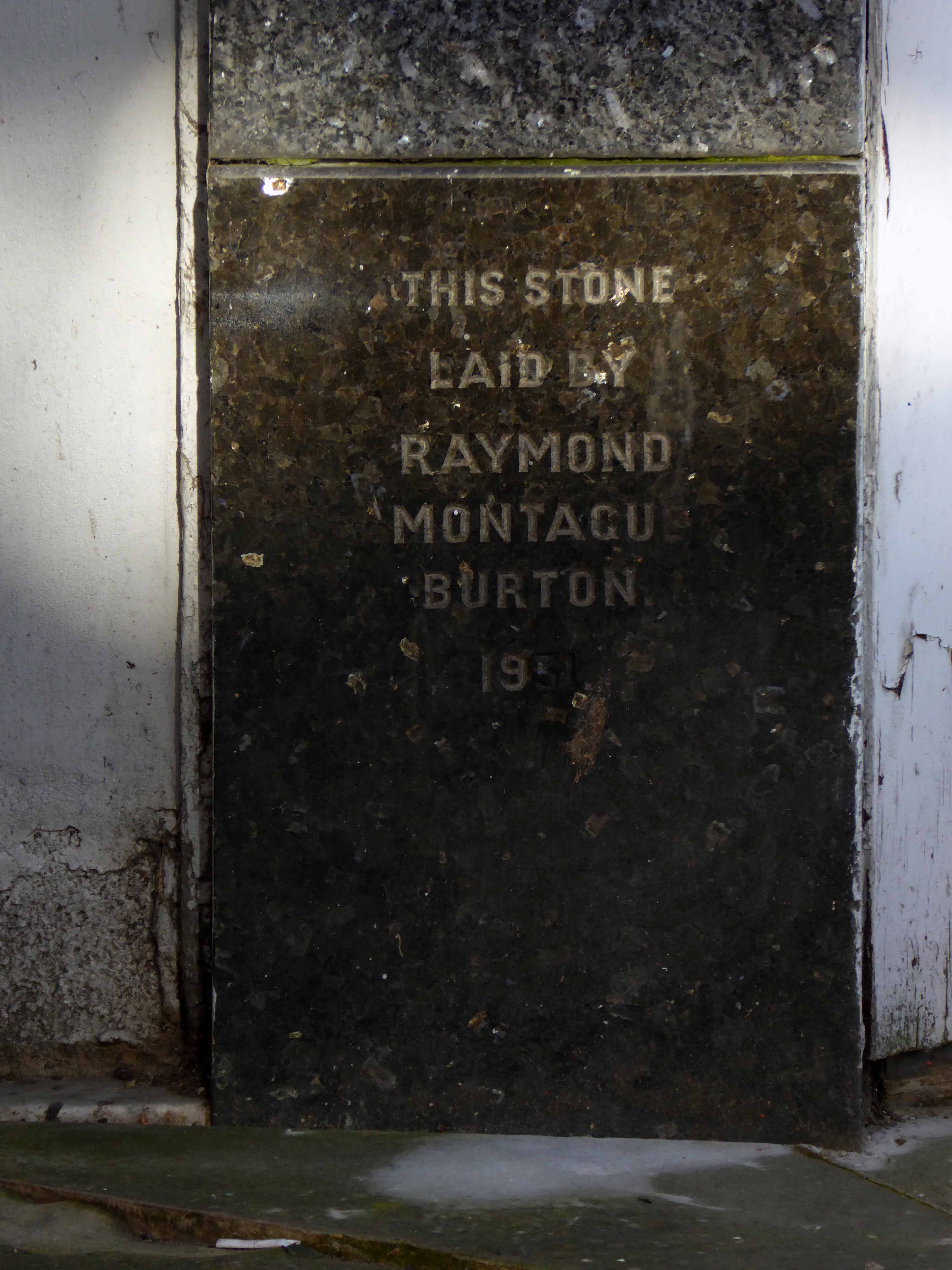
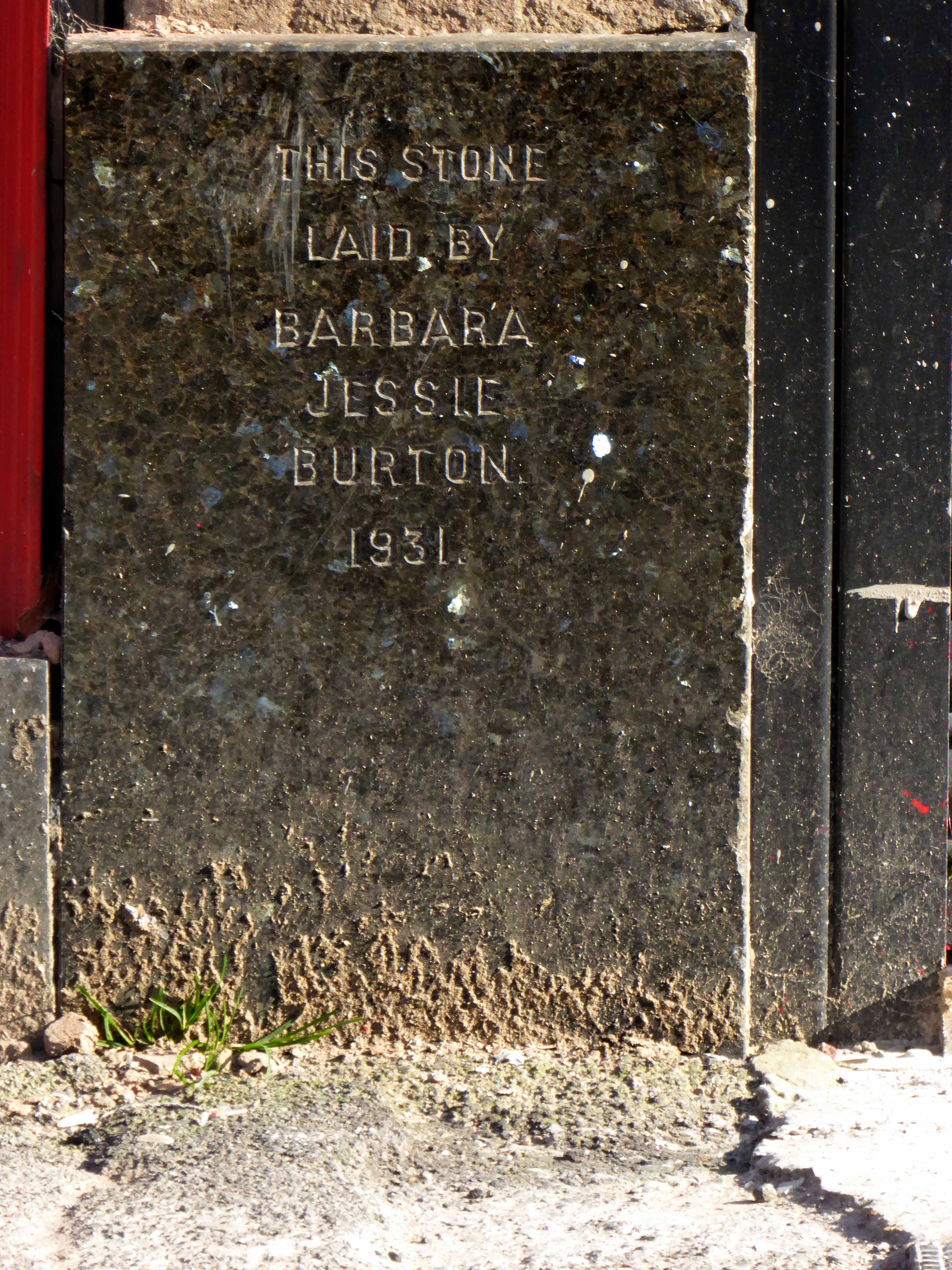
Often including ornate mosaic entrances, ventilation covers and obligatory dated foundation stones – as seen in this Ashton under Lyne branch.

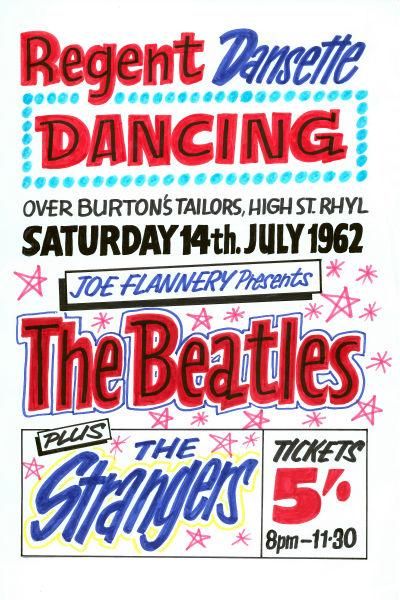
Stores often housed dance halls or other social spaces.

In 1937 Burton’s architect, Nathaniel Martin, collaborated with the architects Wallis Gilbert & Partners on a subsidiary clothing works on the Great Lancashire Road at Worsley, near Manchester. Conceived as a Garden Factory and built in a modern style, this was dubbed ‘Burtonville Clothing Works’. It opened in October 1938 .

Where machinists worked on Ashton built Jones equipment.

Time changes everything and the inception of off the wall unisex disco clothing saw the made to measure suit fall into a chasm of loon pants and skinny rib grandad vests.

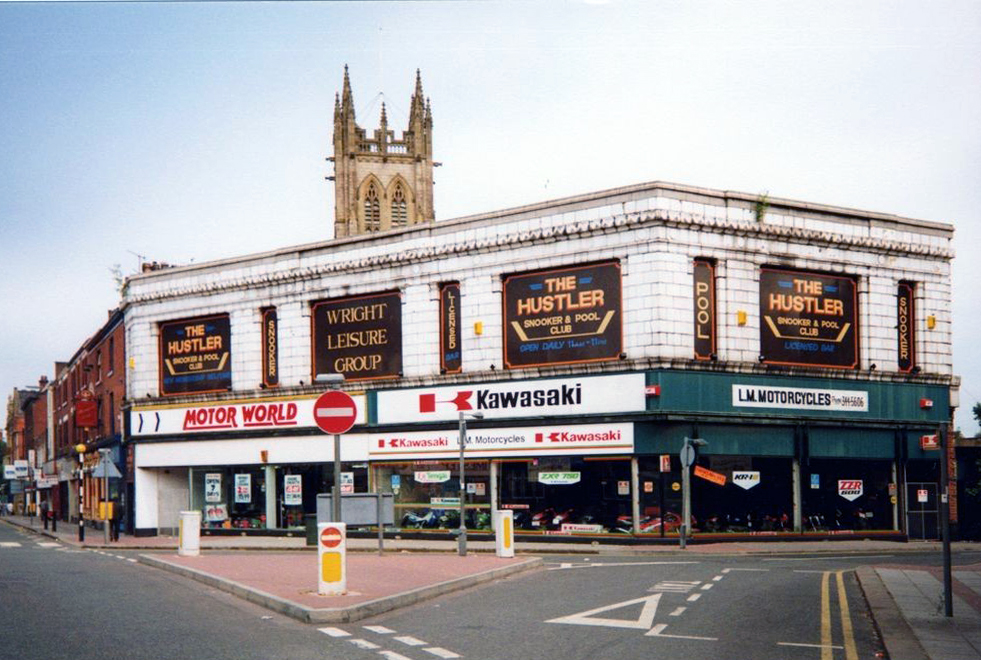
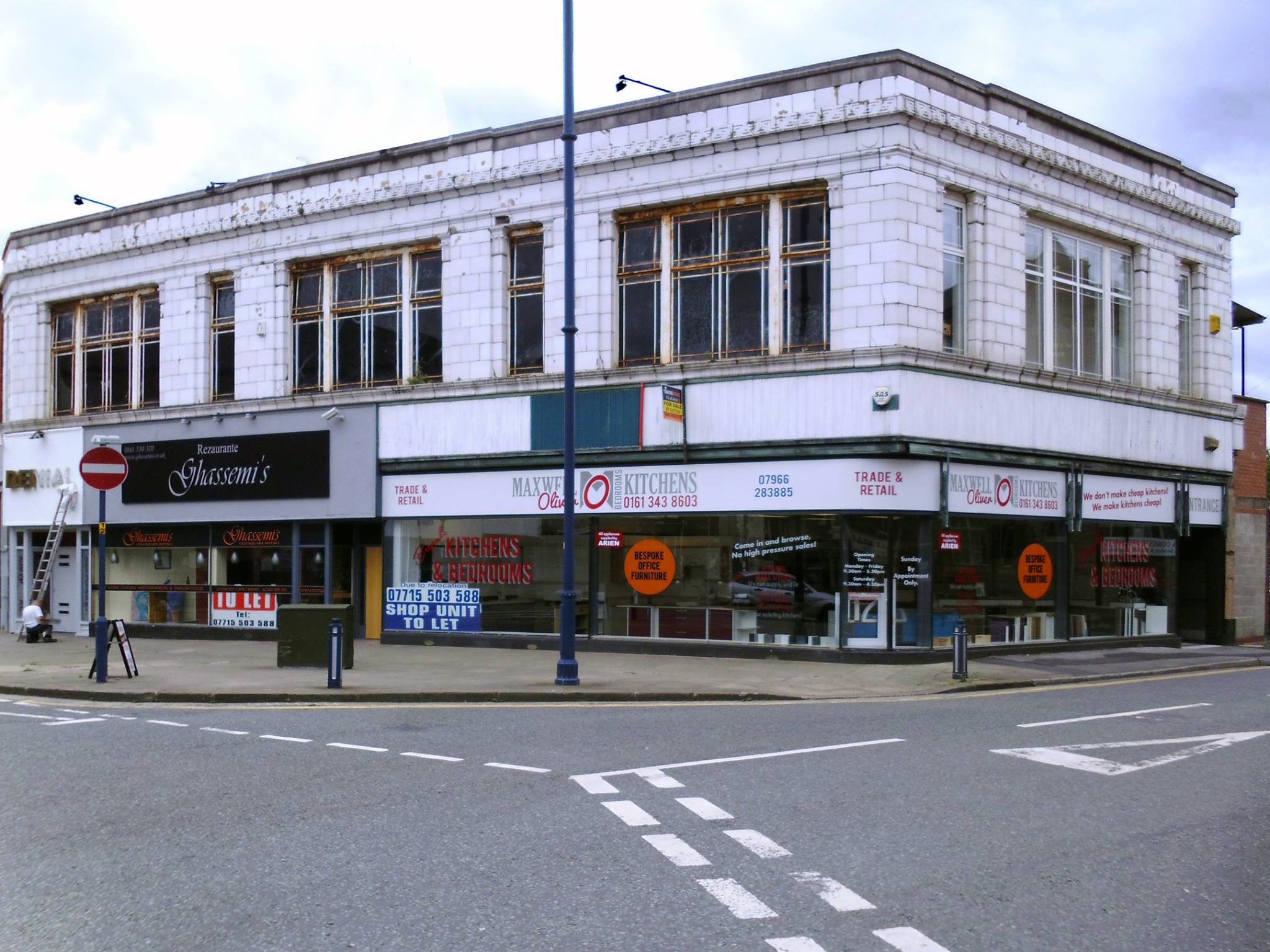
The Ashton branch becomes a motorcycle then fitted kitchen showroom, topped off with a succession of clubs and various other modern day leisure facilities.

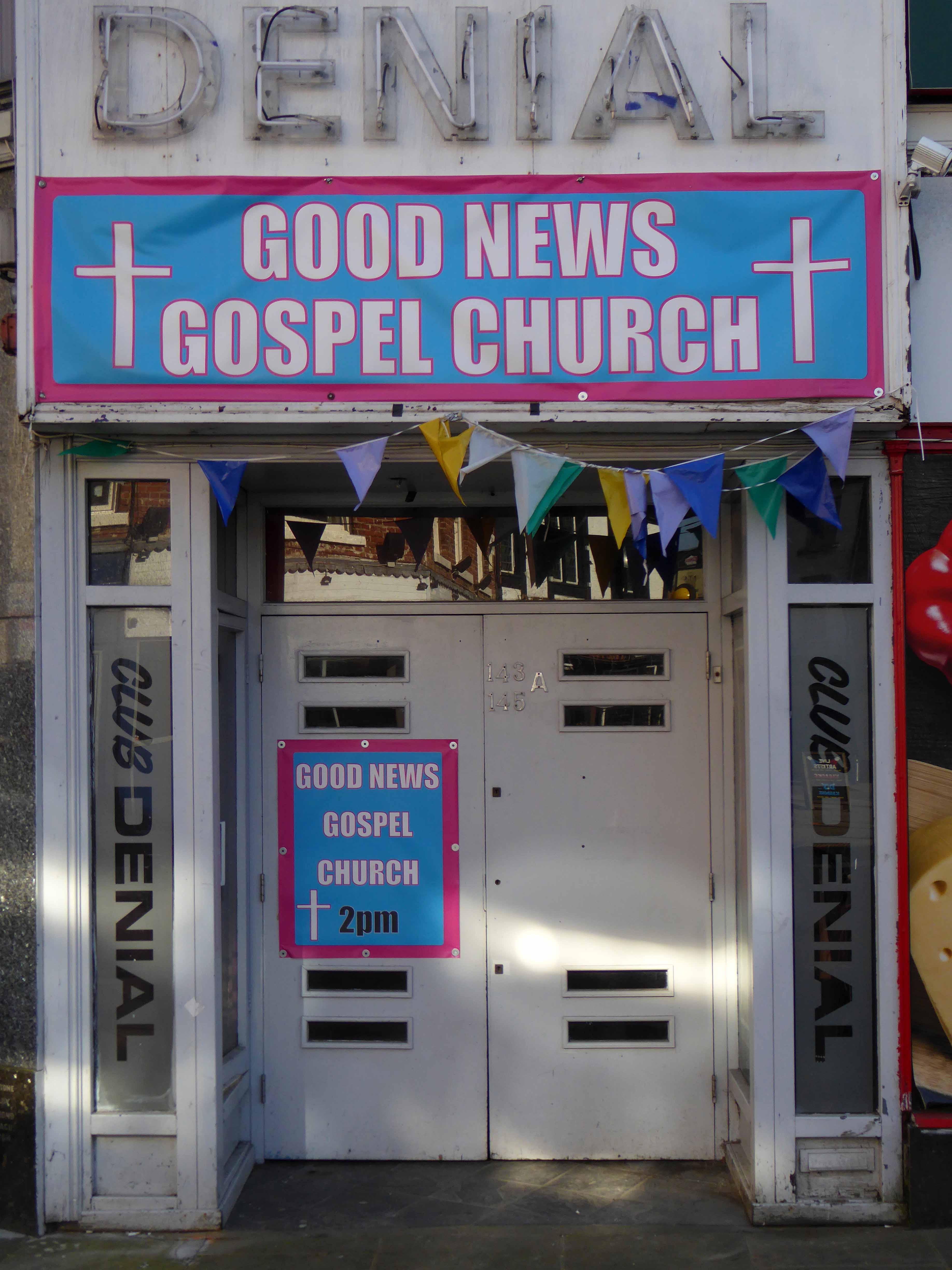
Currently home to the Warsaw Delicatessen and Good News Gospel Church

Formerly Club Denial.

This is the tale of the modern high street grand ideas, architectural grandeur, entrepreneurial immigrants, style and fashion – disappearing in a cloud of vinyl signage and fly by night operations. Though if you look carefully the pale white shadows of Burton’s are still there in one form or another, however ghostly.

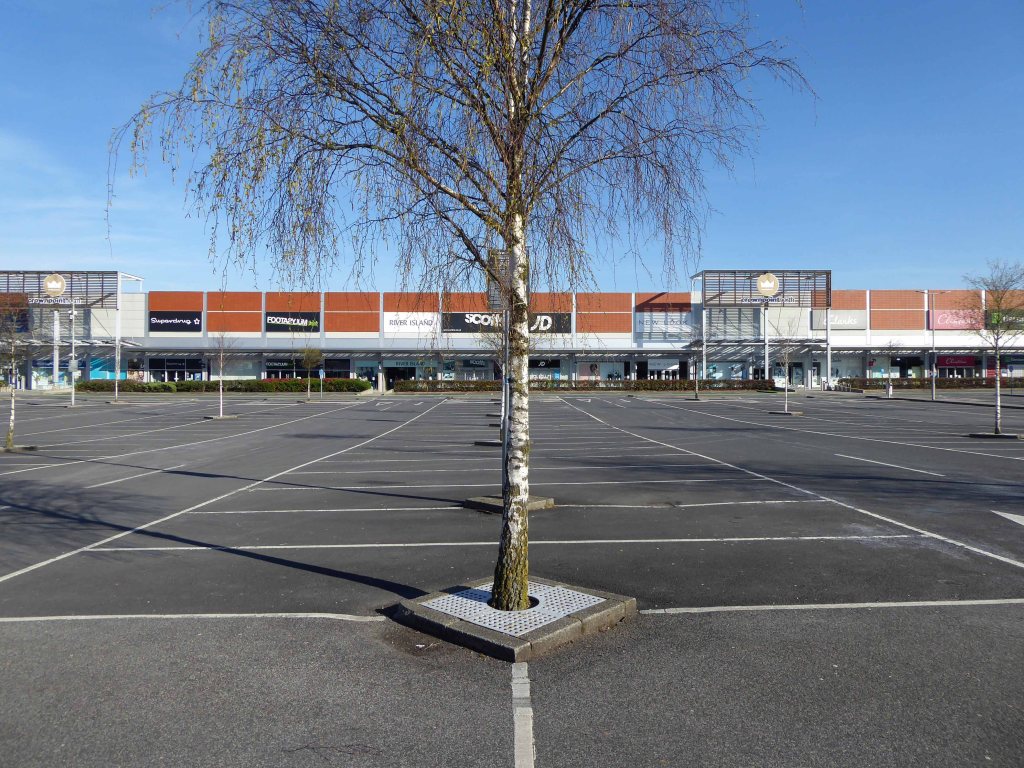
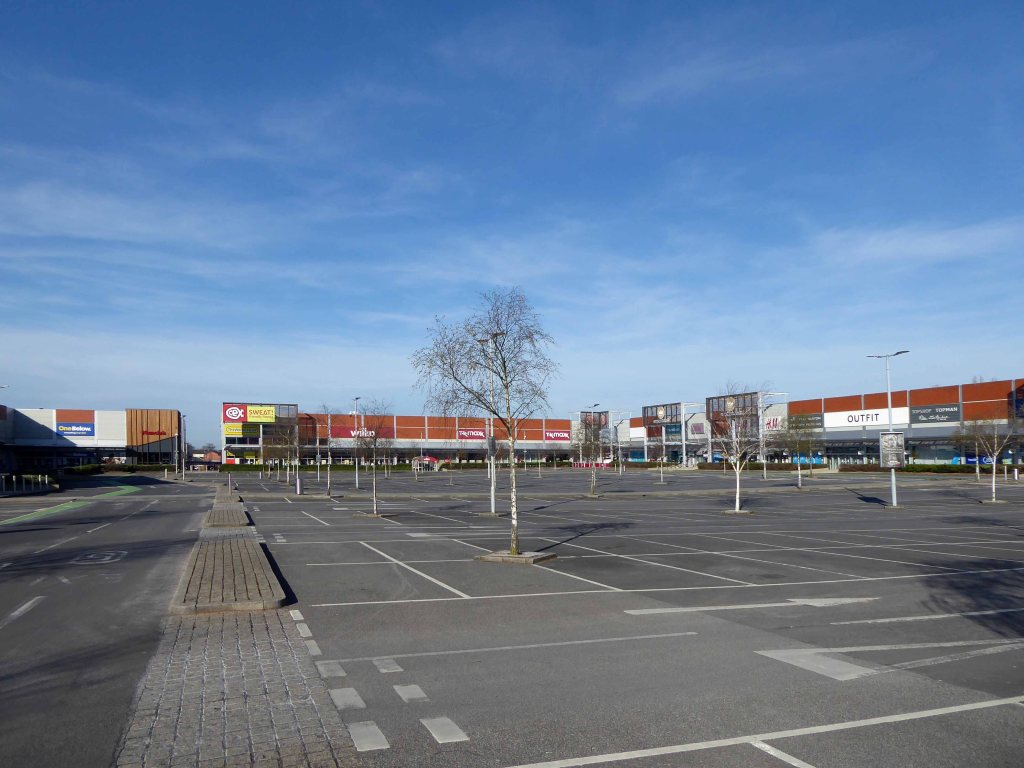
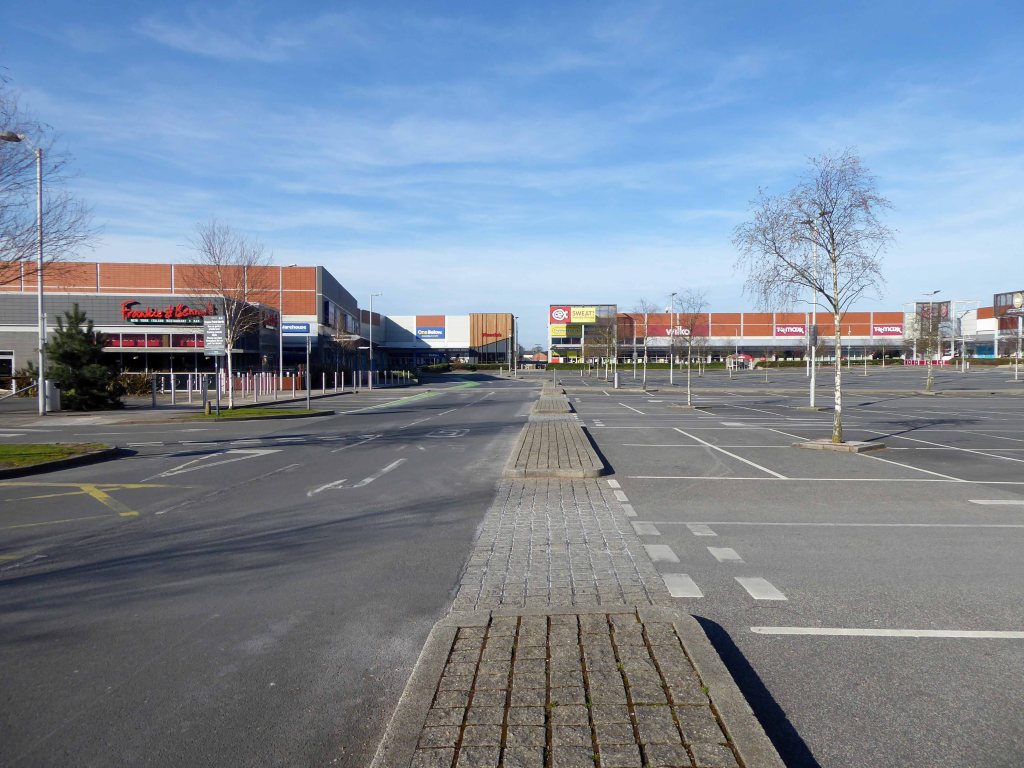
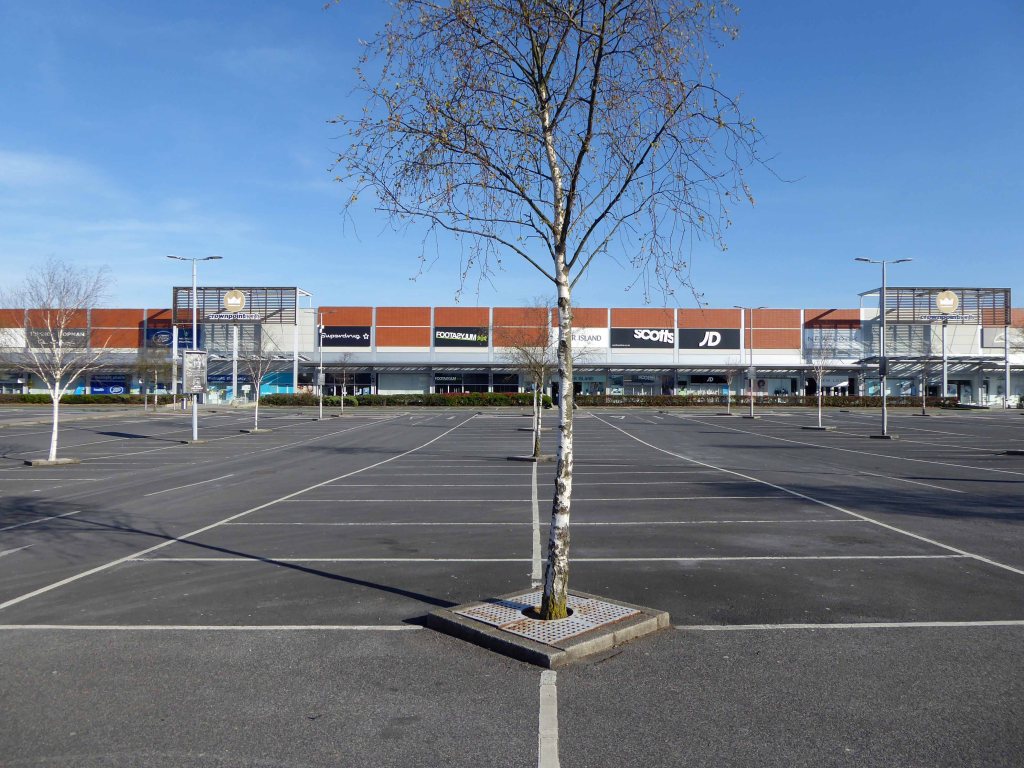
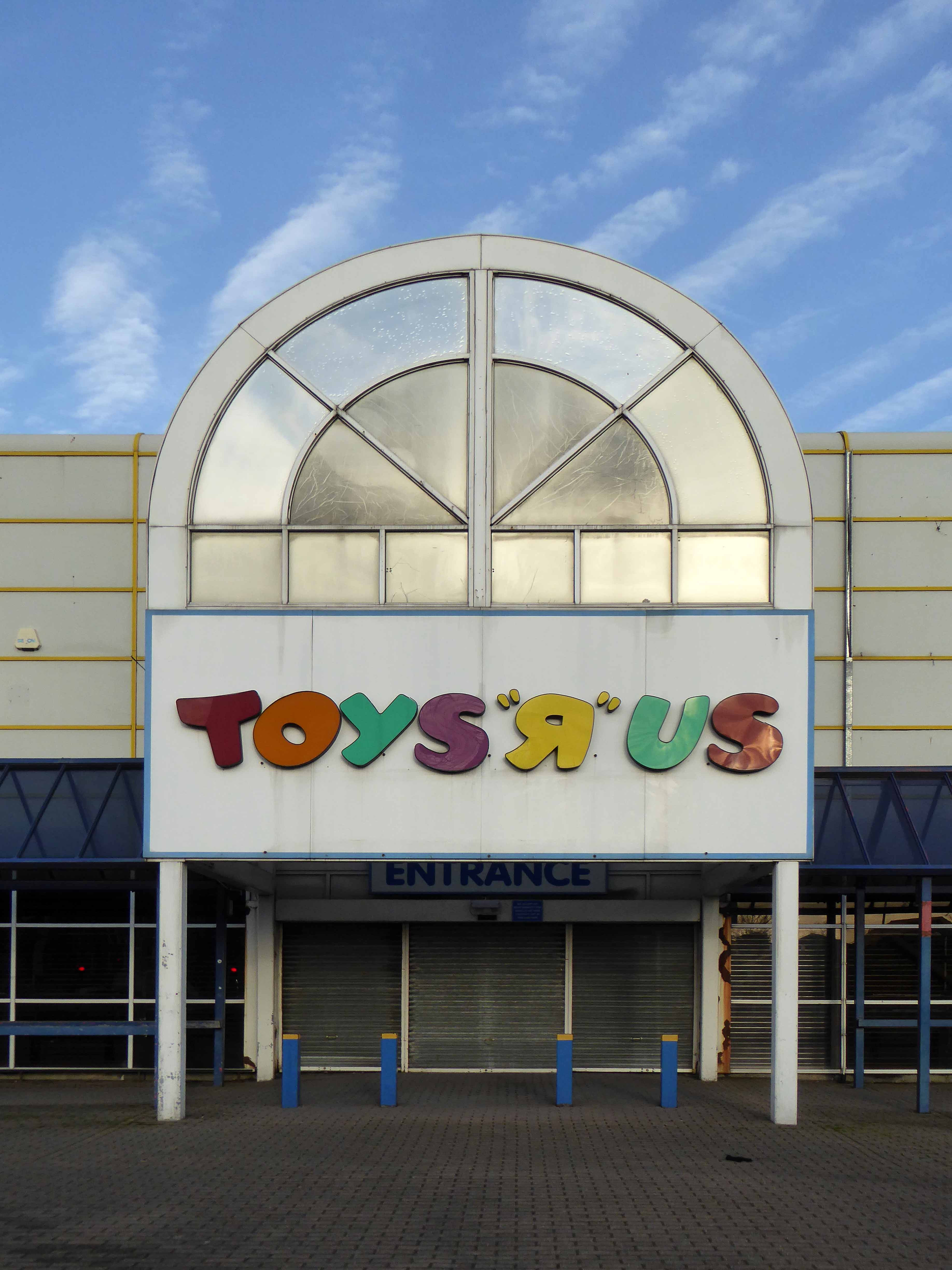
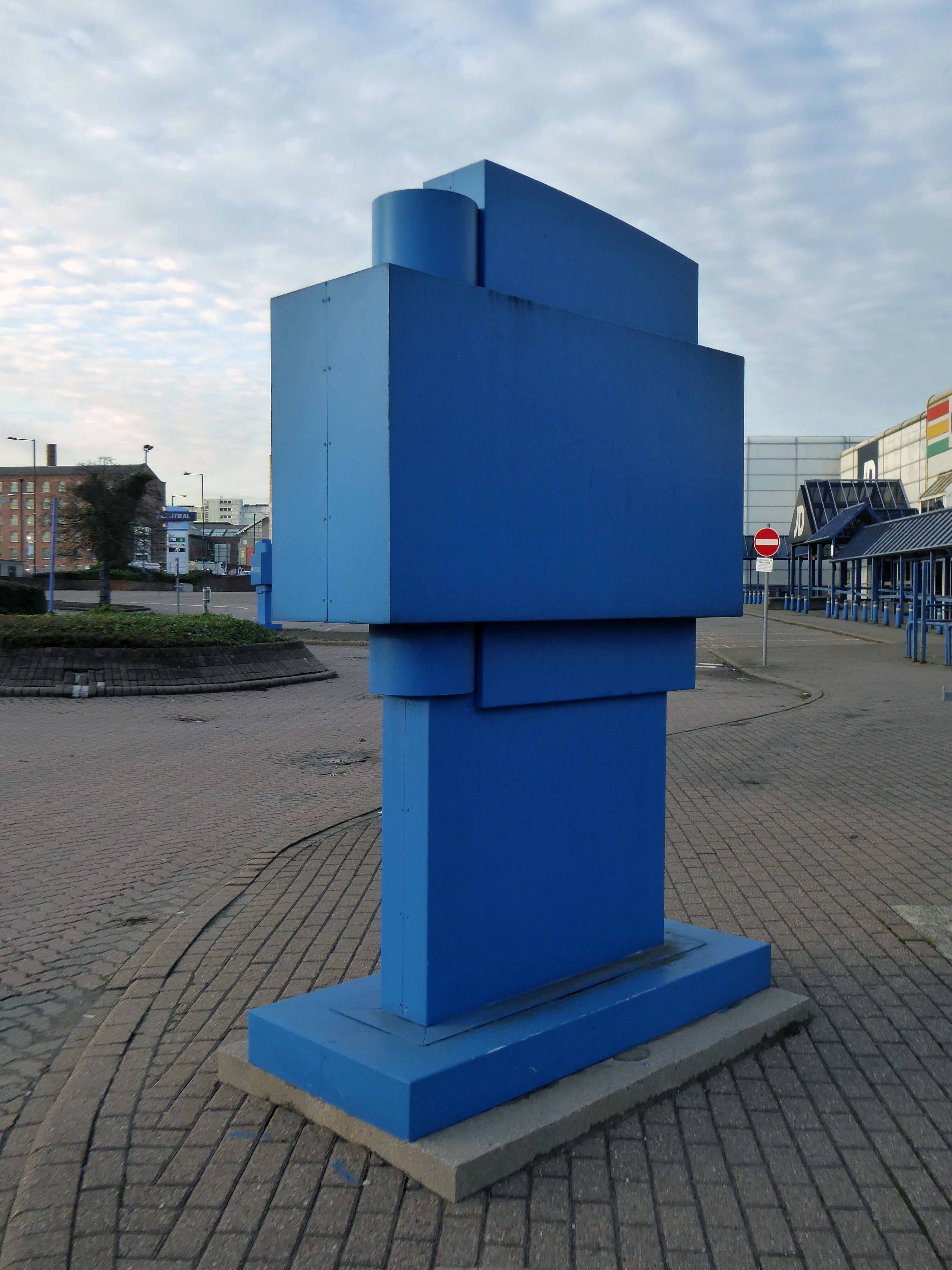
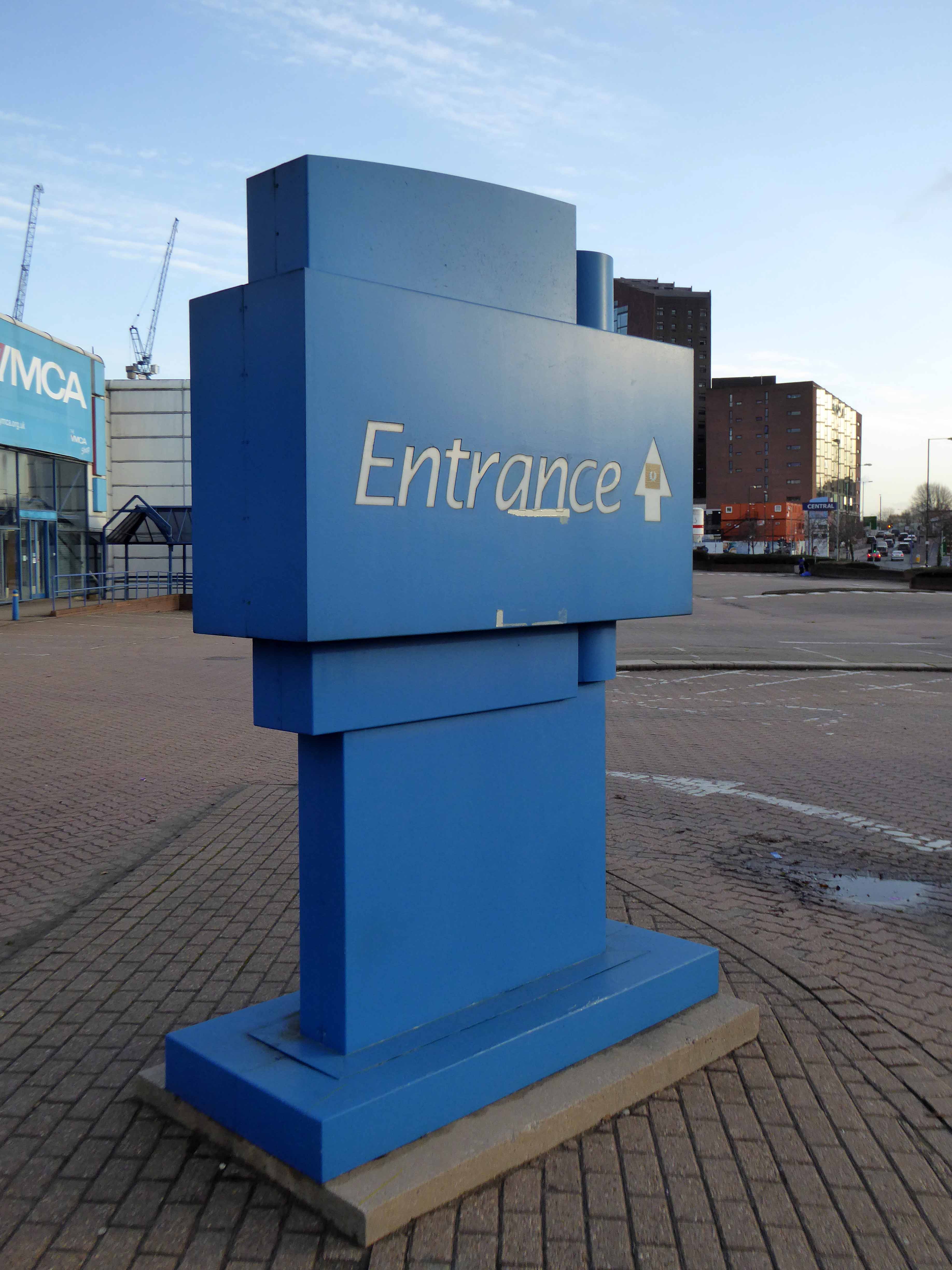
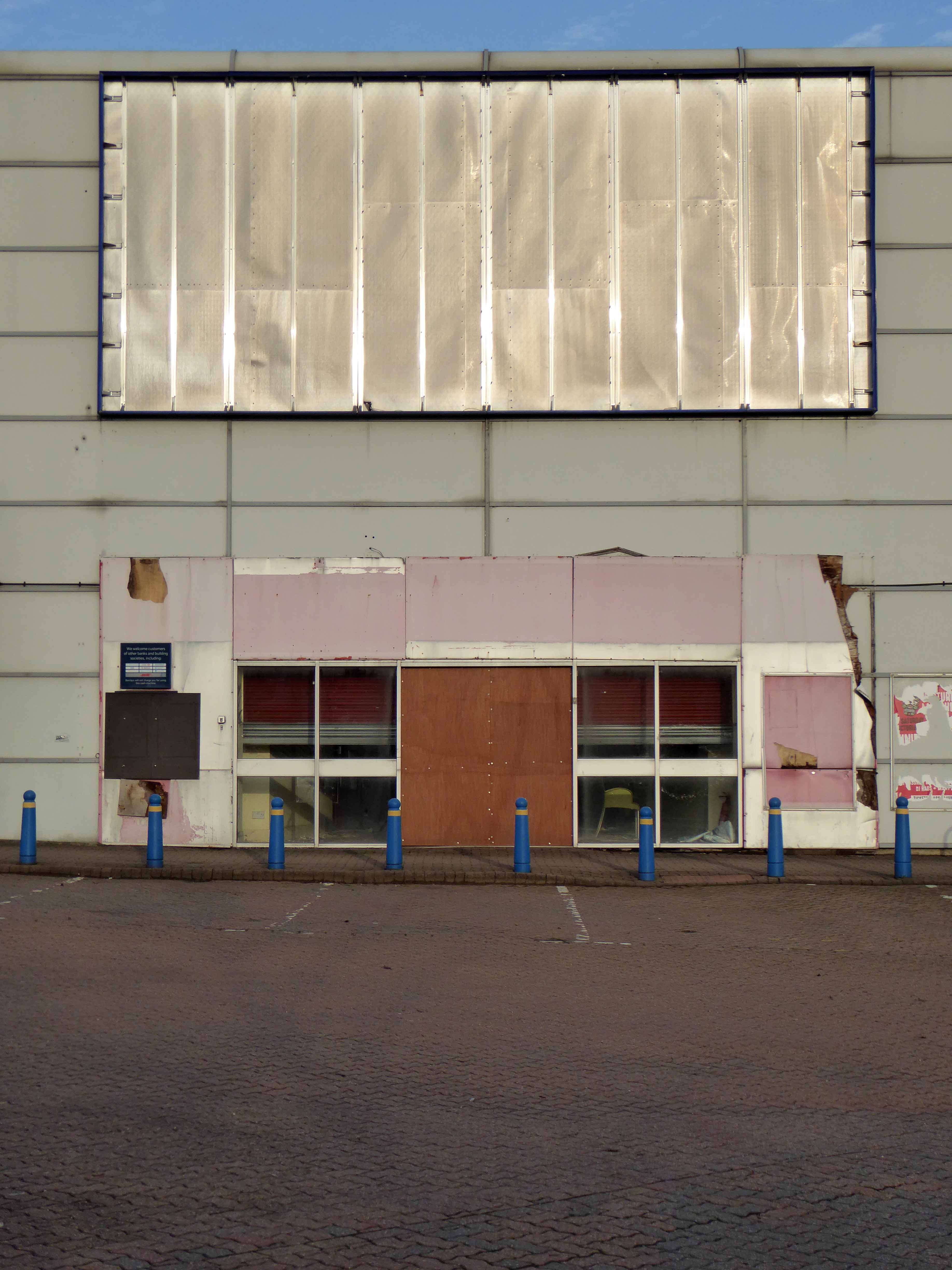
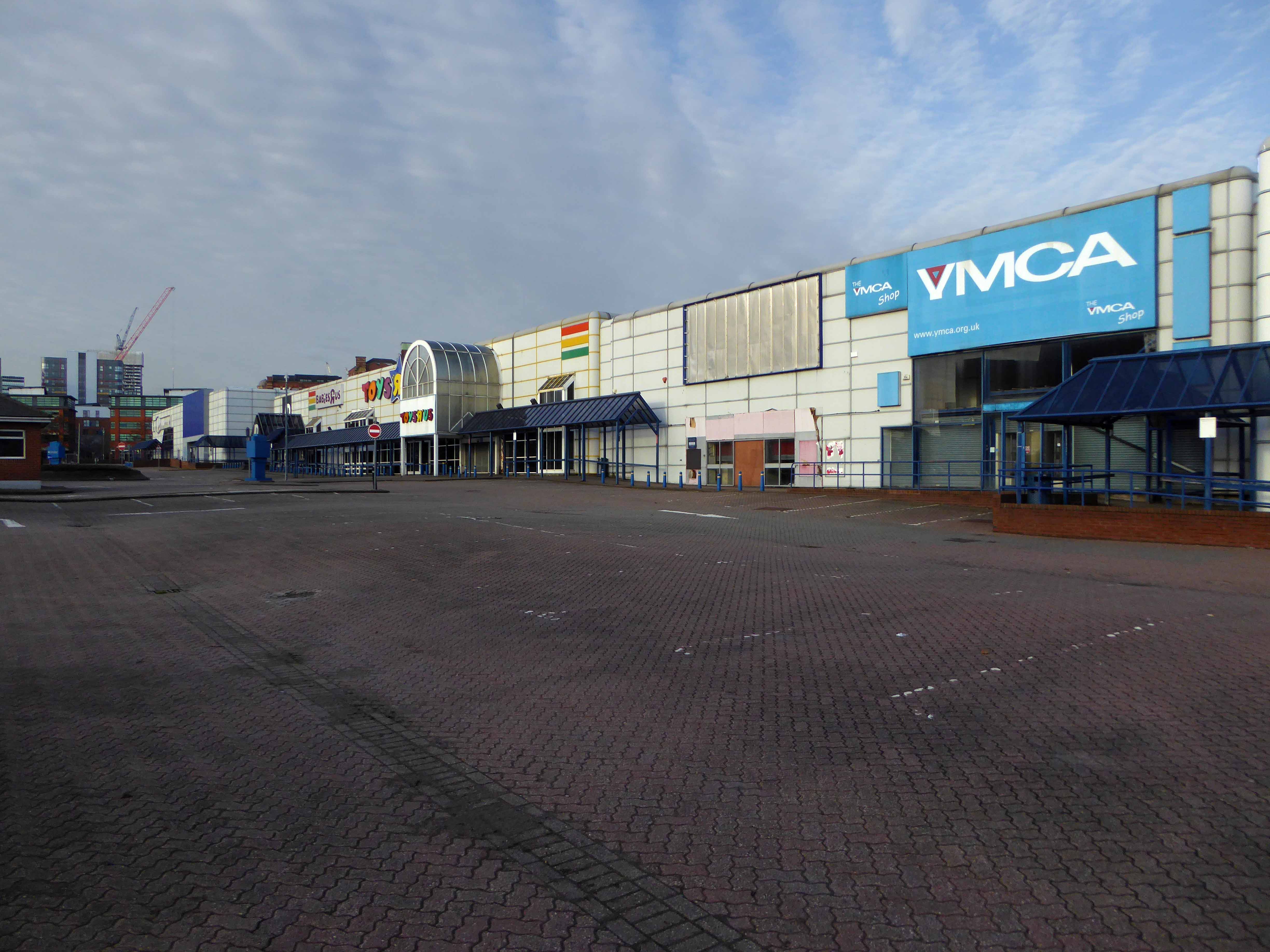
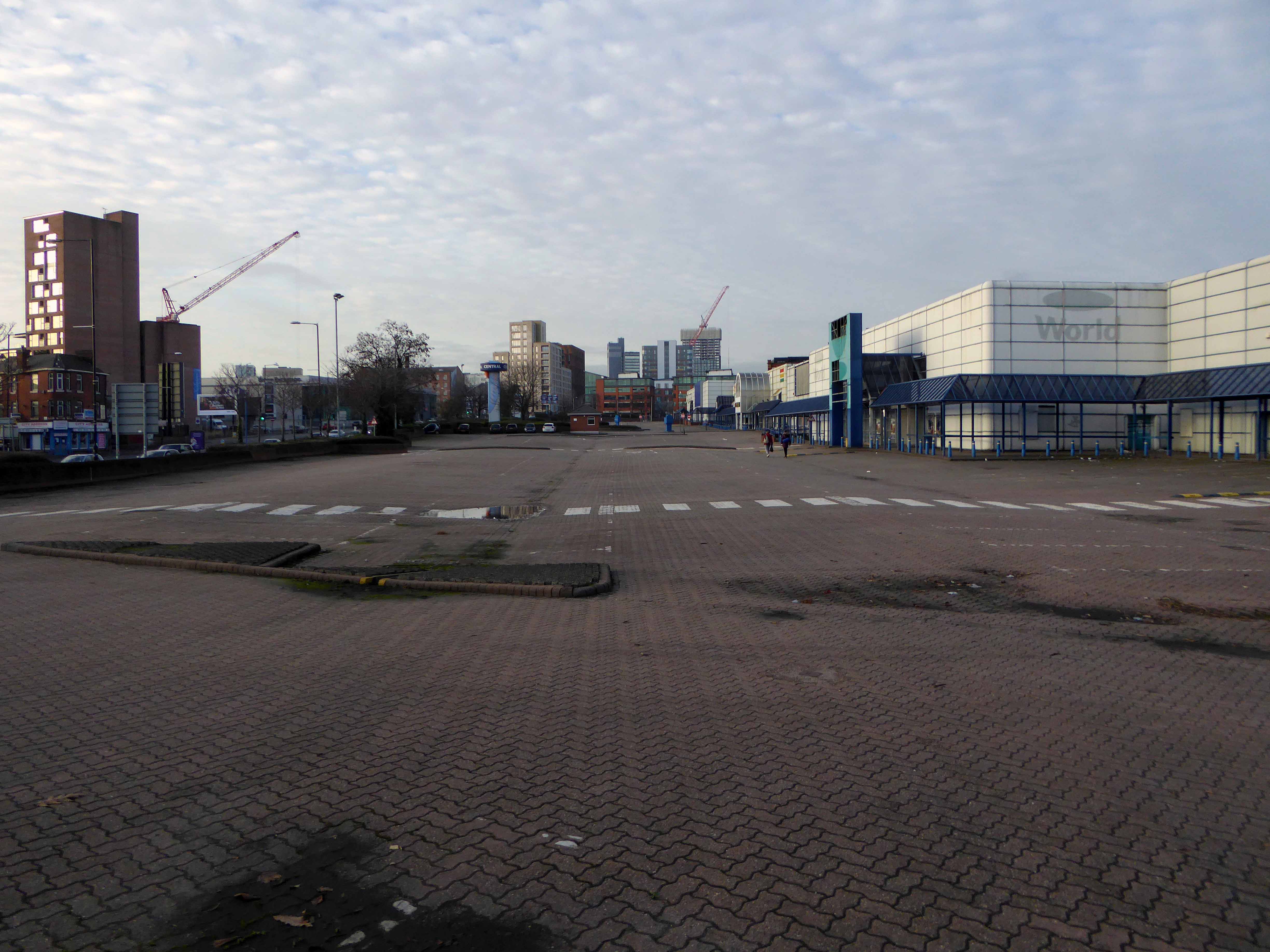
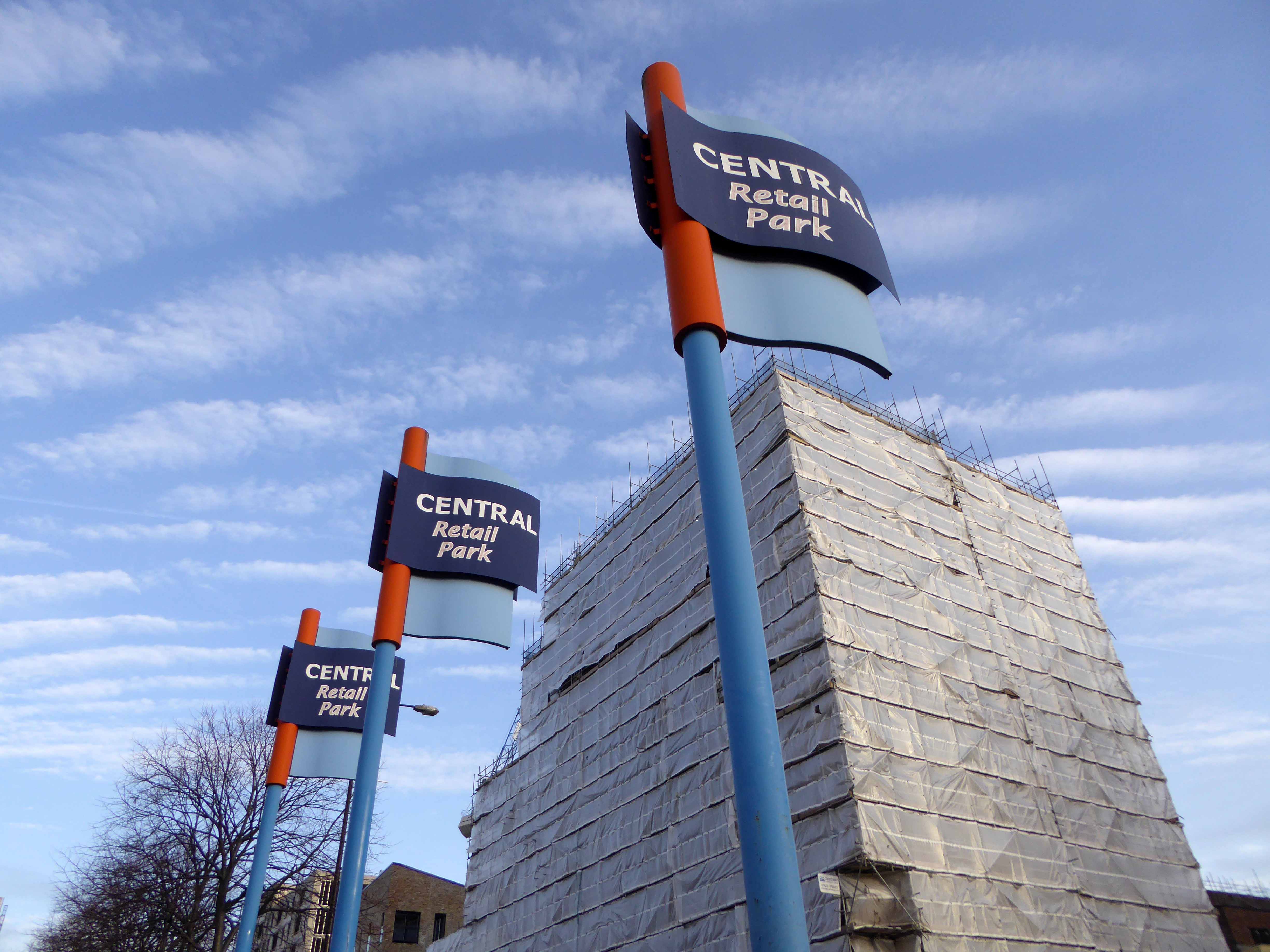
Central Retail Park – Great Ancoats Street Manchester

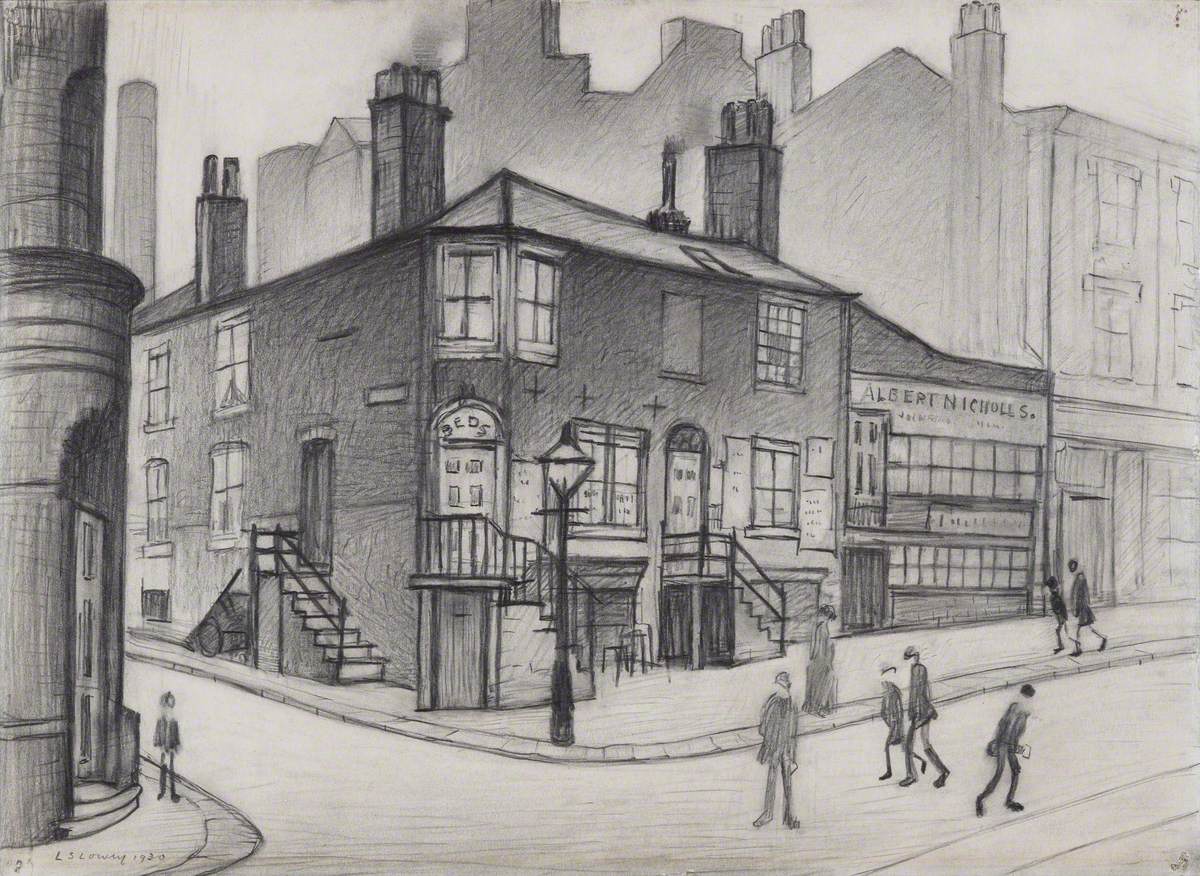
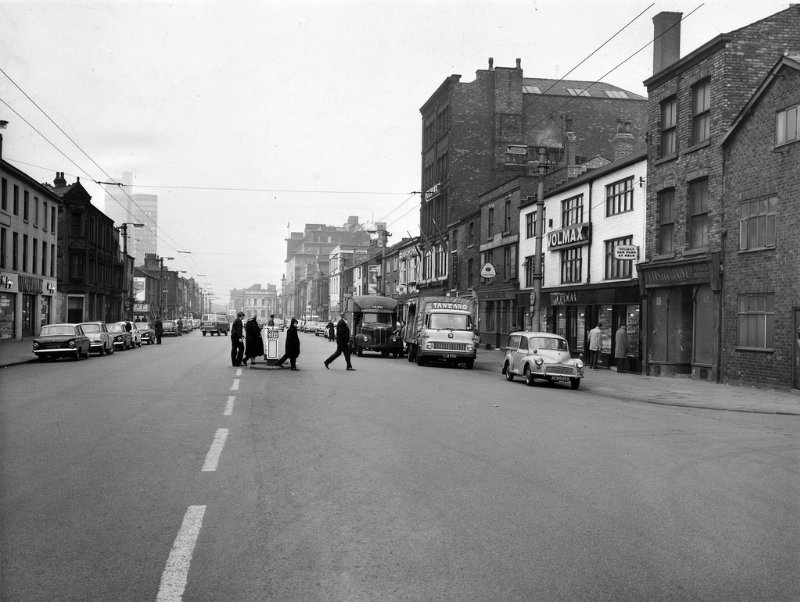
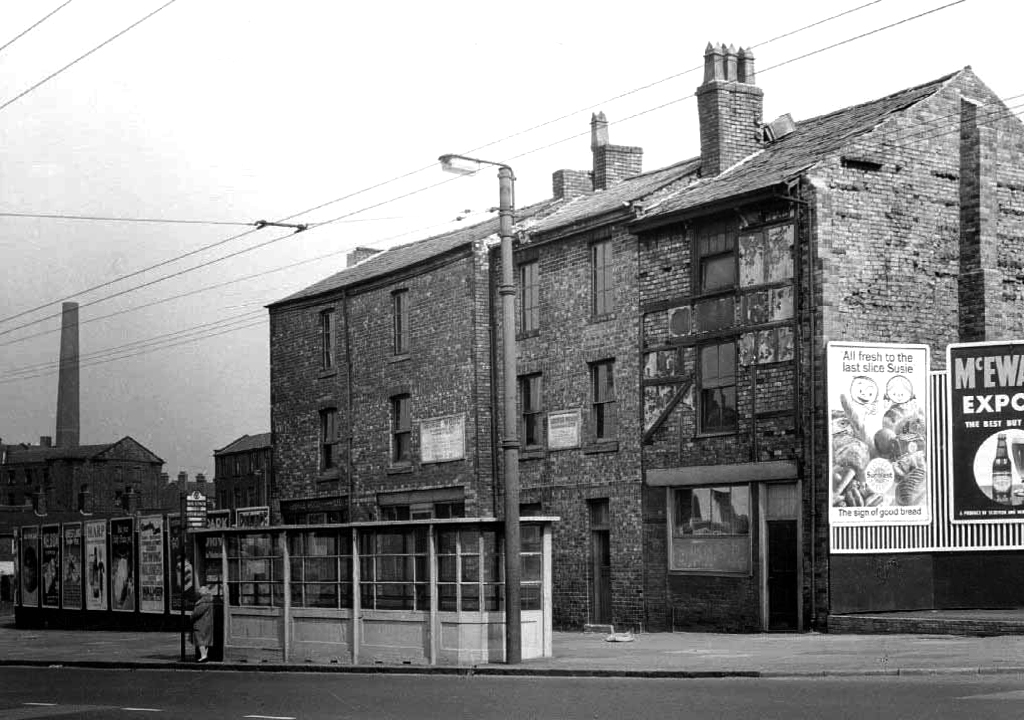
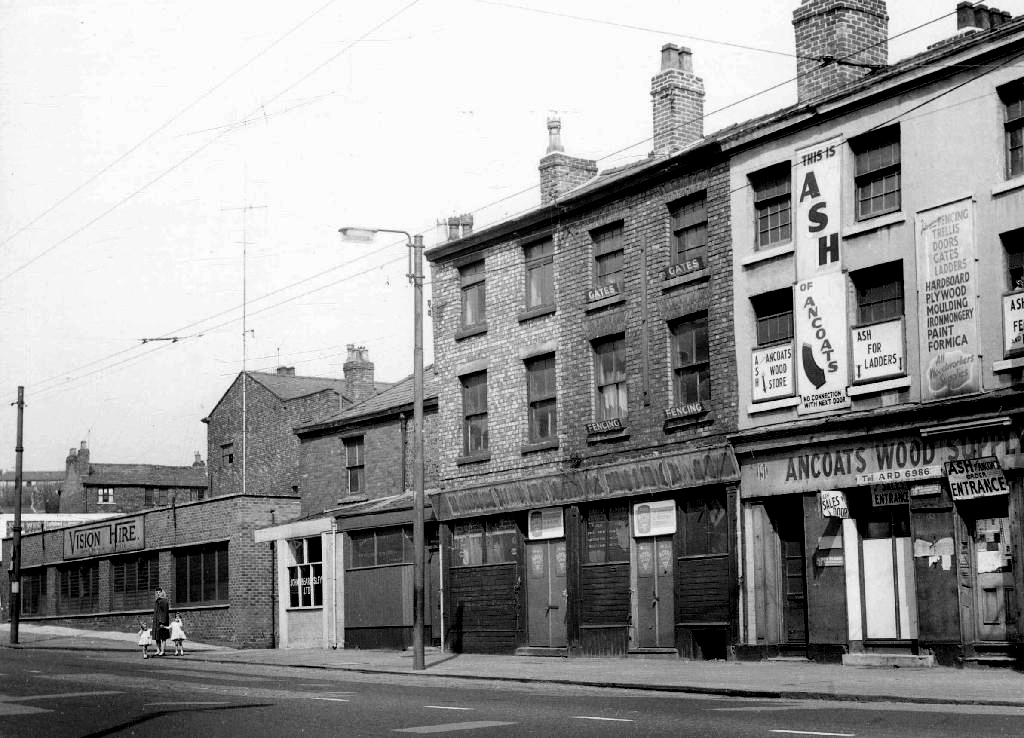
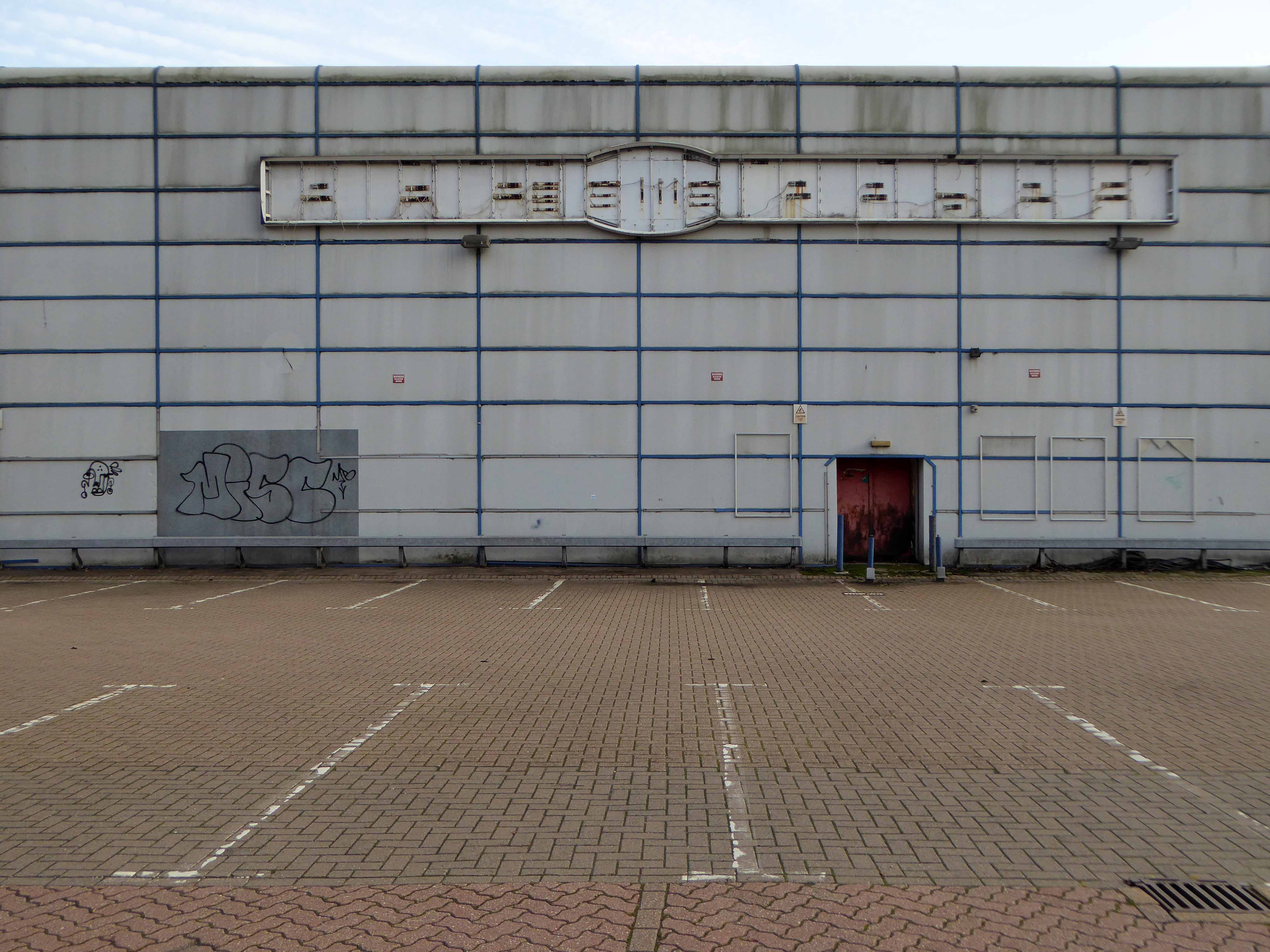
Way back when, when the city was a maverick mixed up maze of citizens, industry, pubs, shops and places of worship the world looked a lot like this.

Local Image Collection

However the process of clearance and redevelopment radically changed and reduced the population and appearance of Great Ancoats Street and its environs.

The back to backs aren’t coming back and their occupants shifted from pillar to post along with the businesses that served them. Following years of decline Manchester takes a long hard look at itself and decides to modernise.

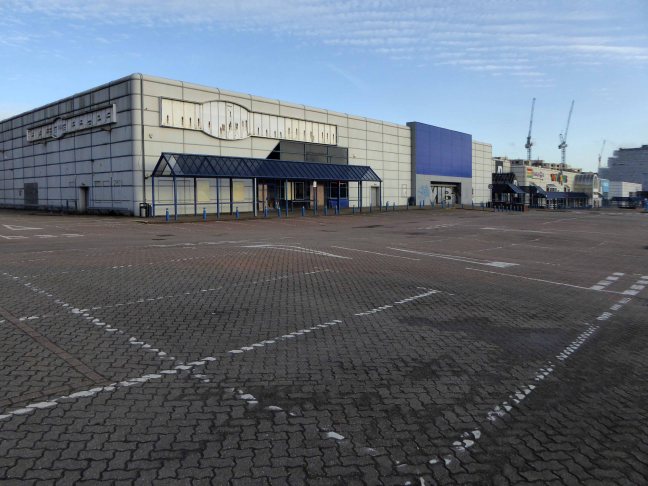
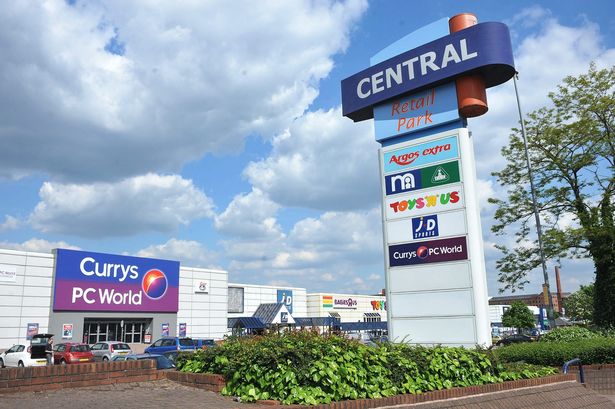
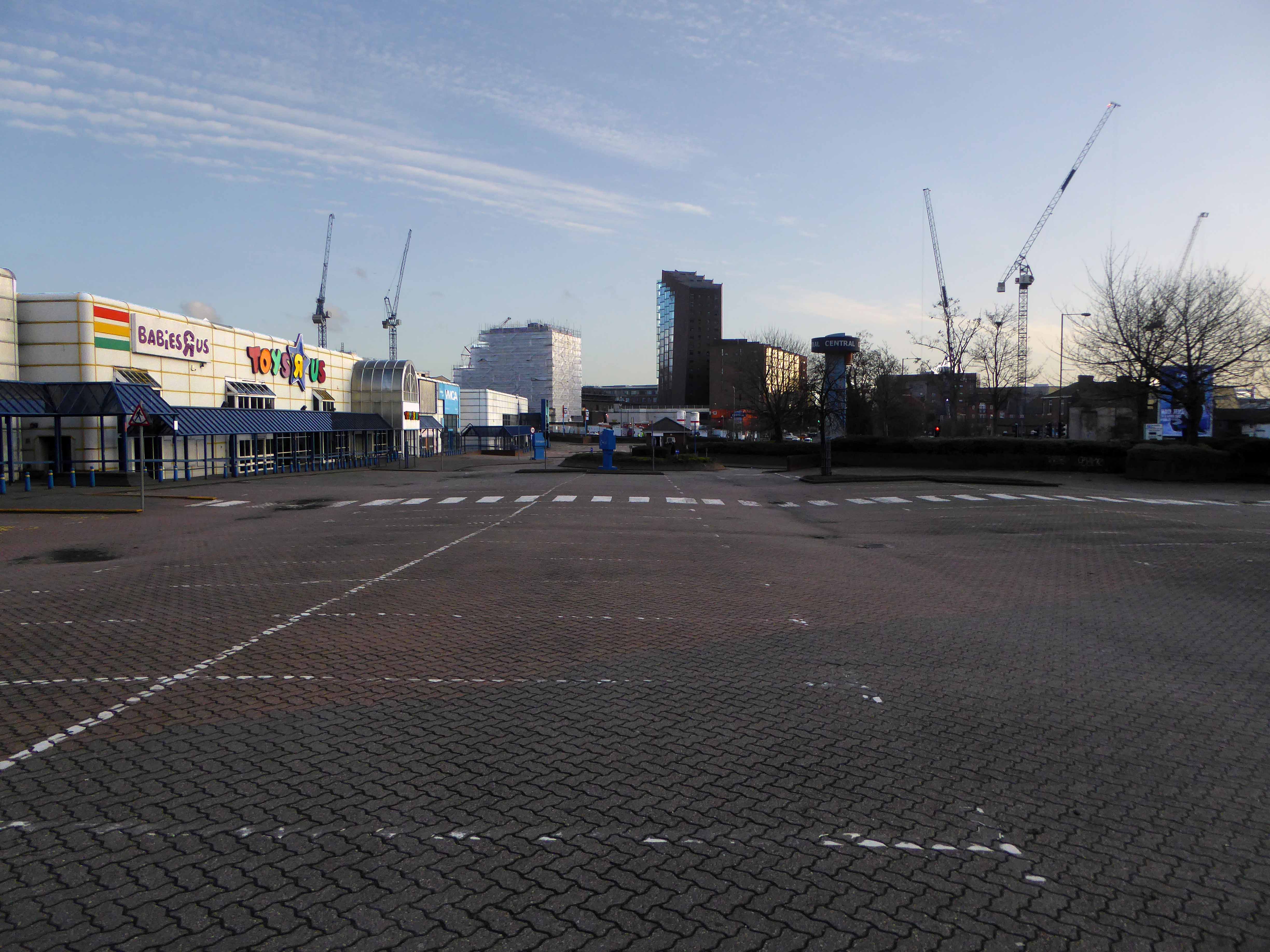
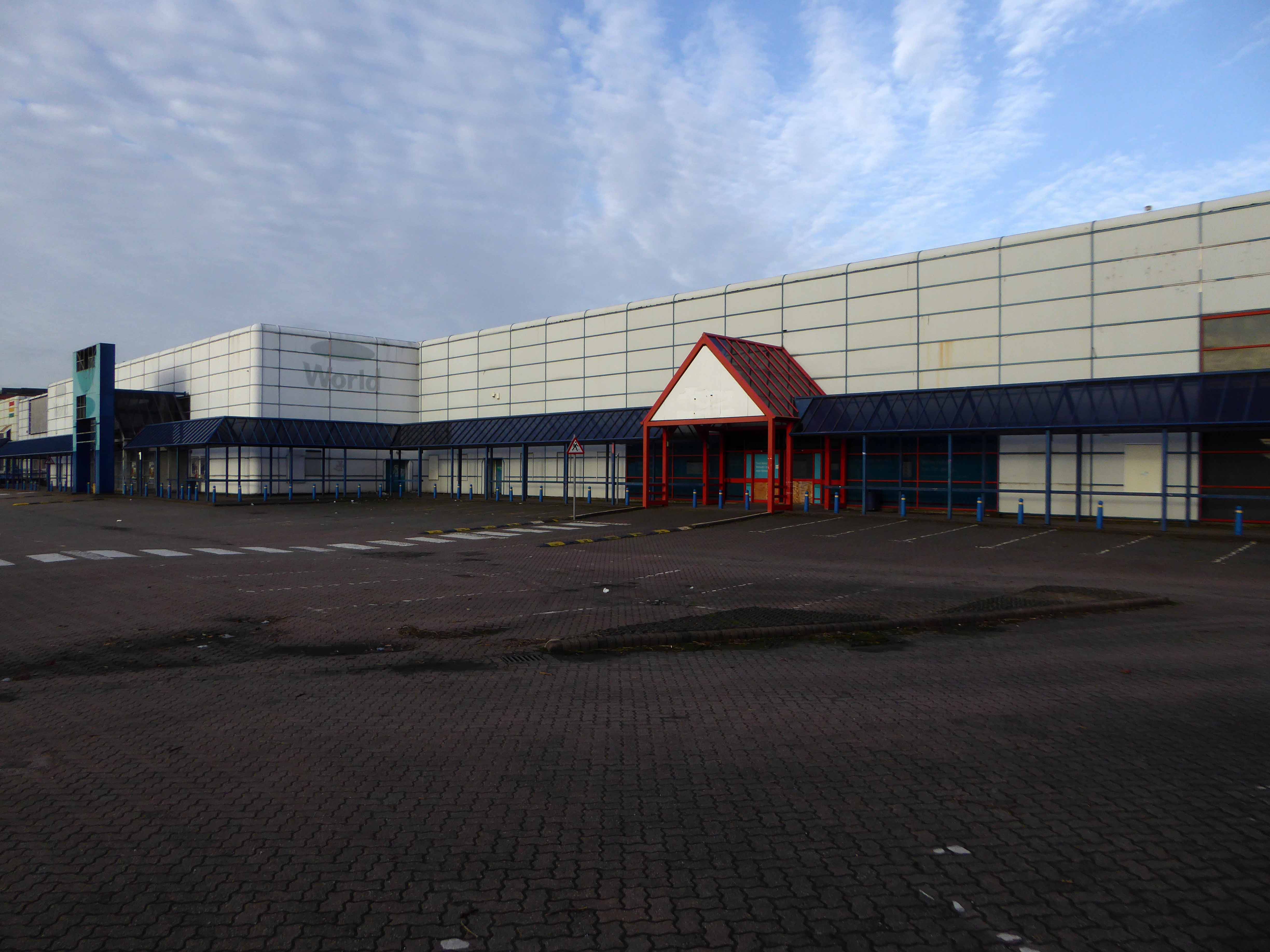
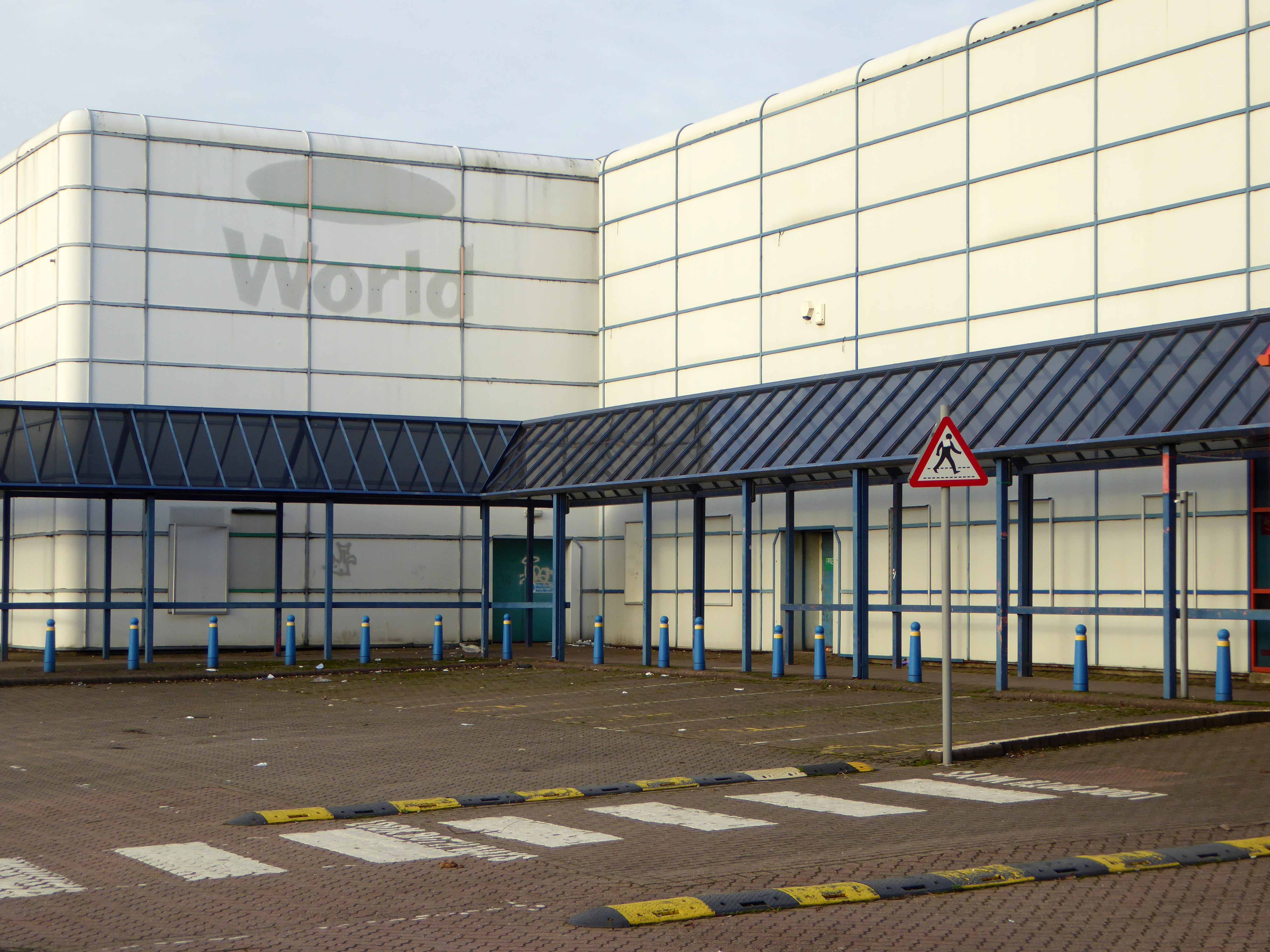
In 1989 an out of town inner ring road shopping centre in the architectural style de jour is built – the anonymous industrial retail hangar appears.

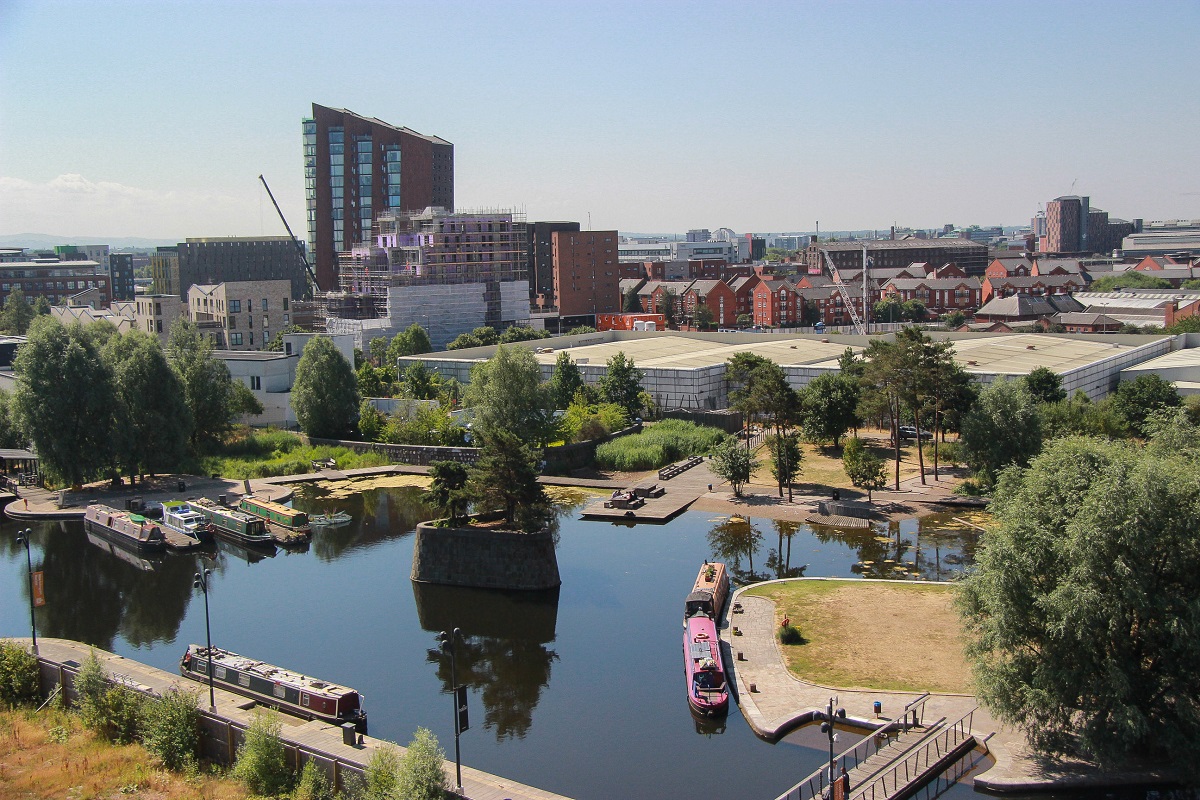
2018 and the nexus of the city has shifted yet again – Ancoats is designated as the hippest place on earth and has no time for an outmoded shopping experience.

All these developers have a certain sensitivity towards this history of the area without neglecting modern tastes. 

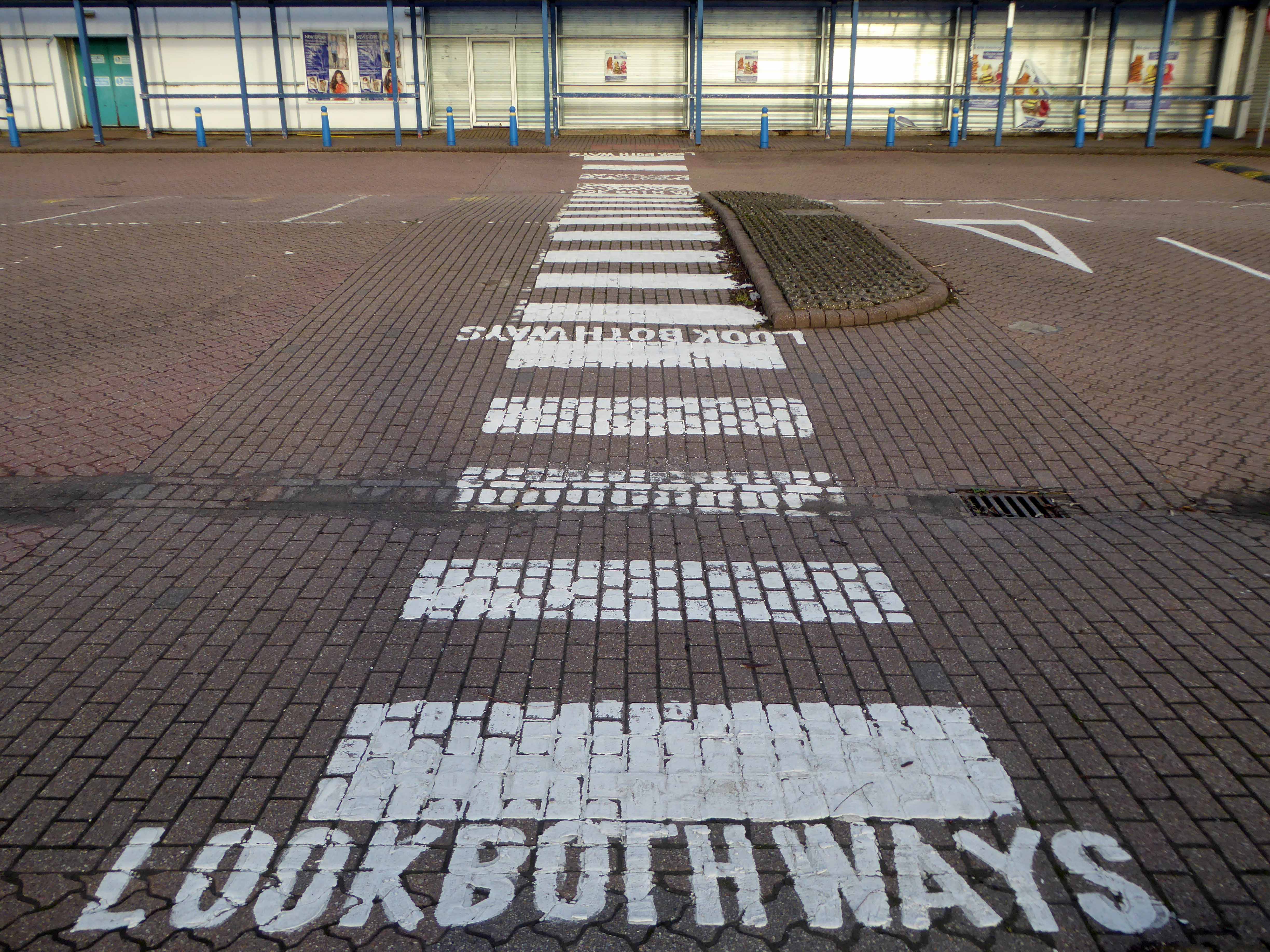
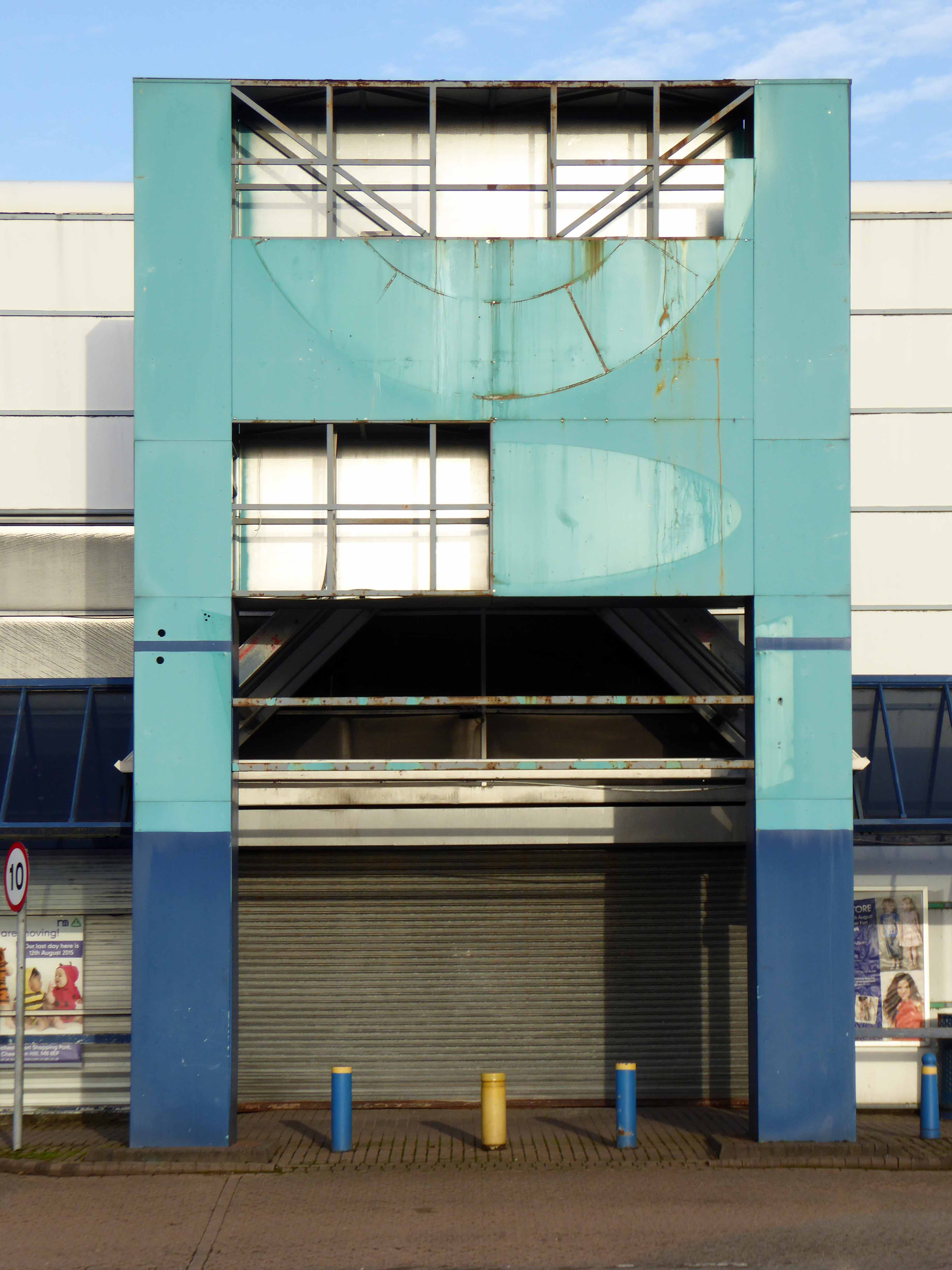
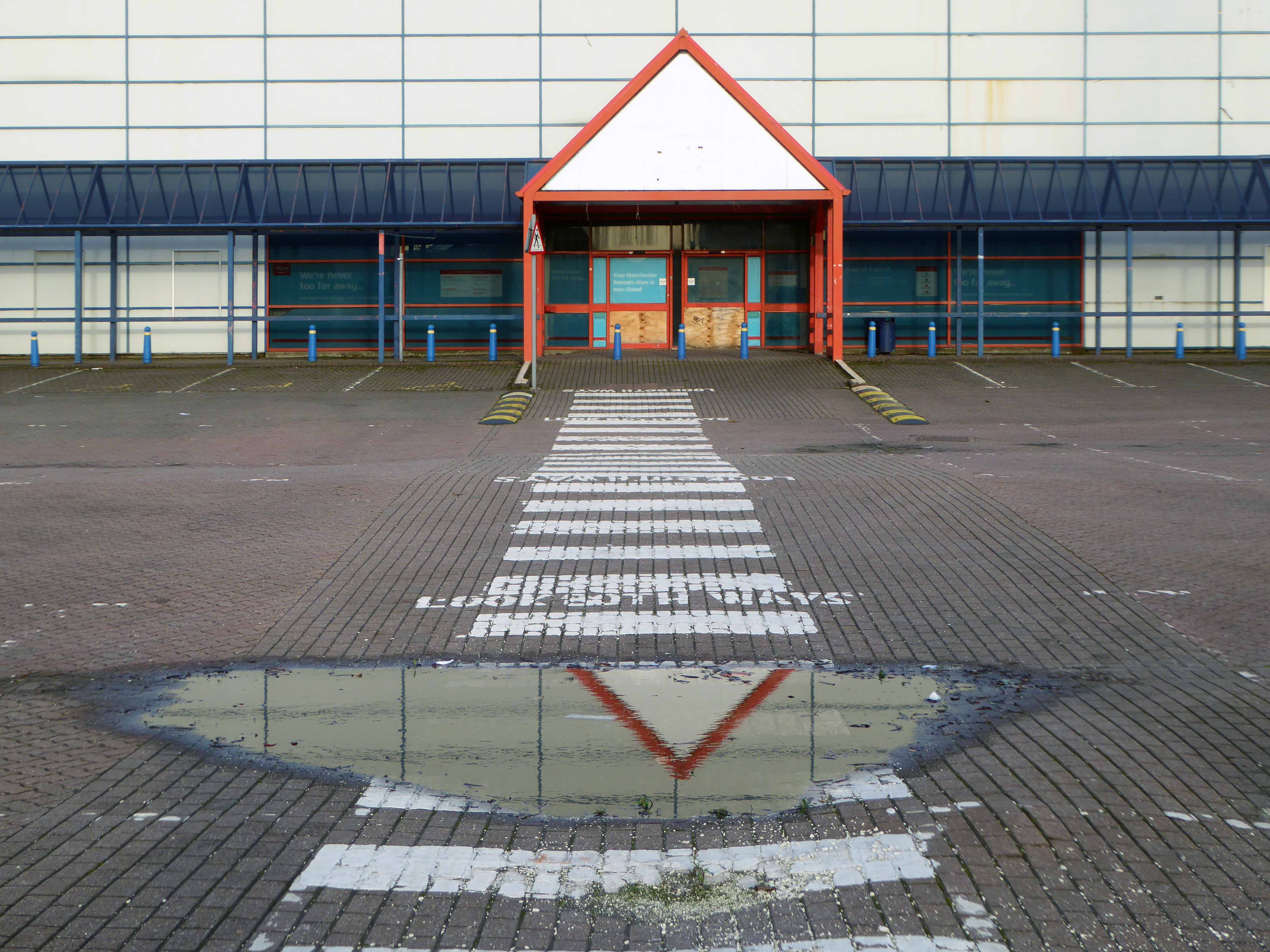
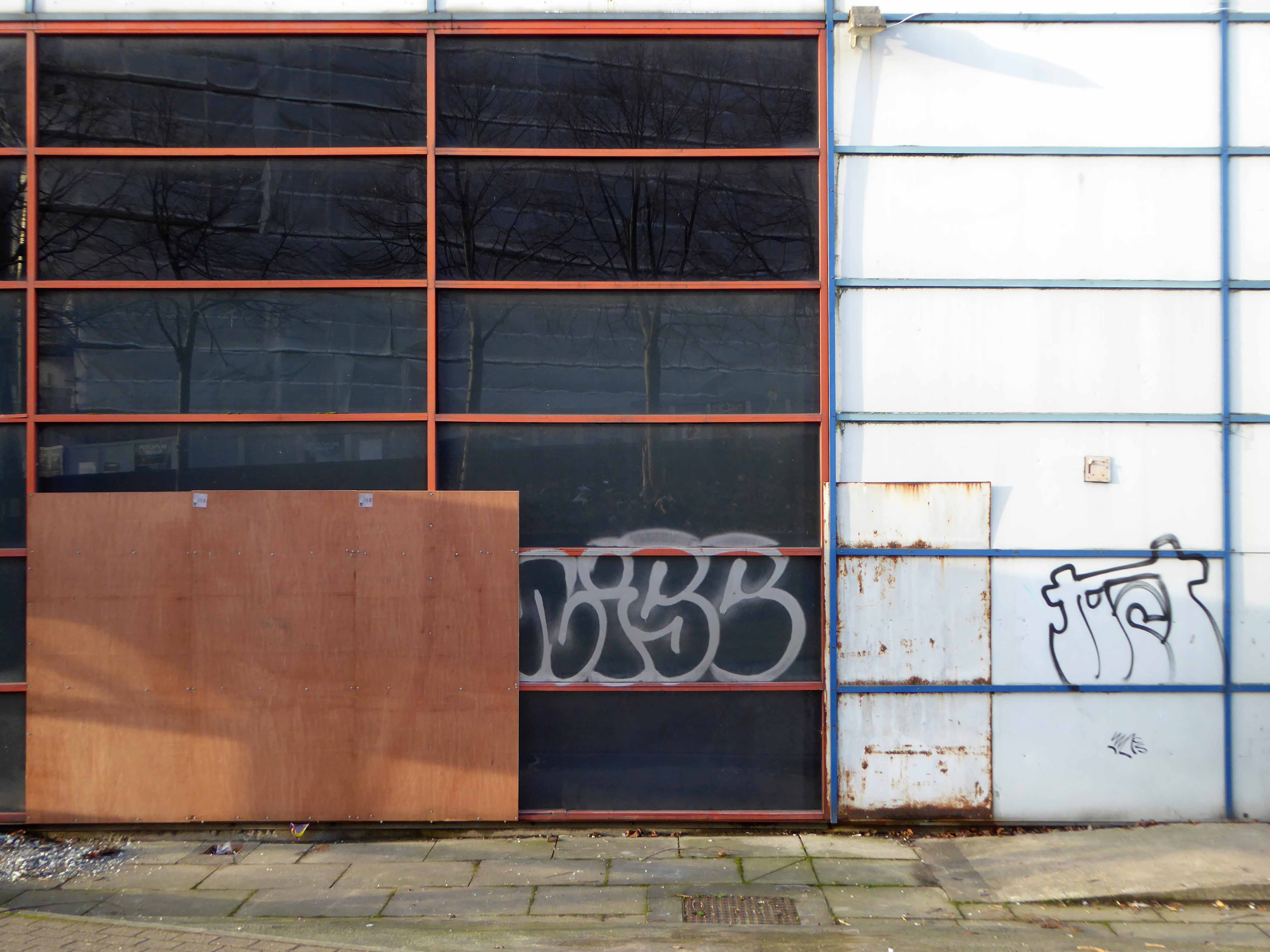
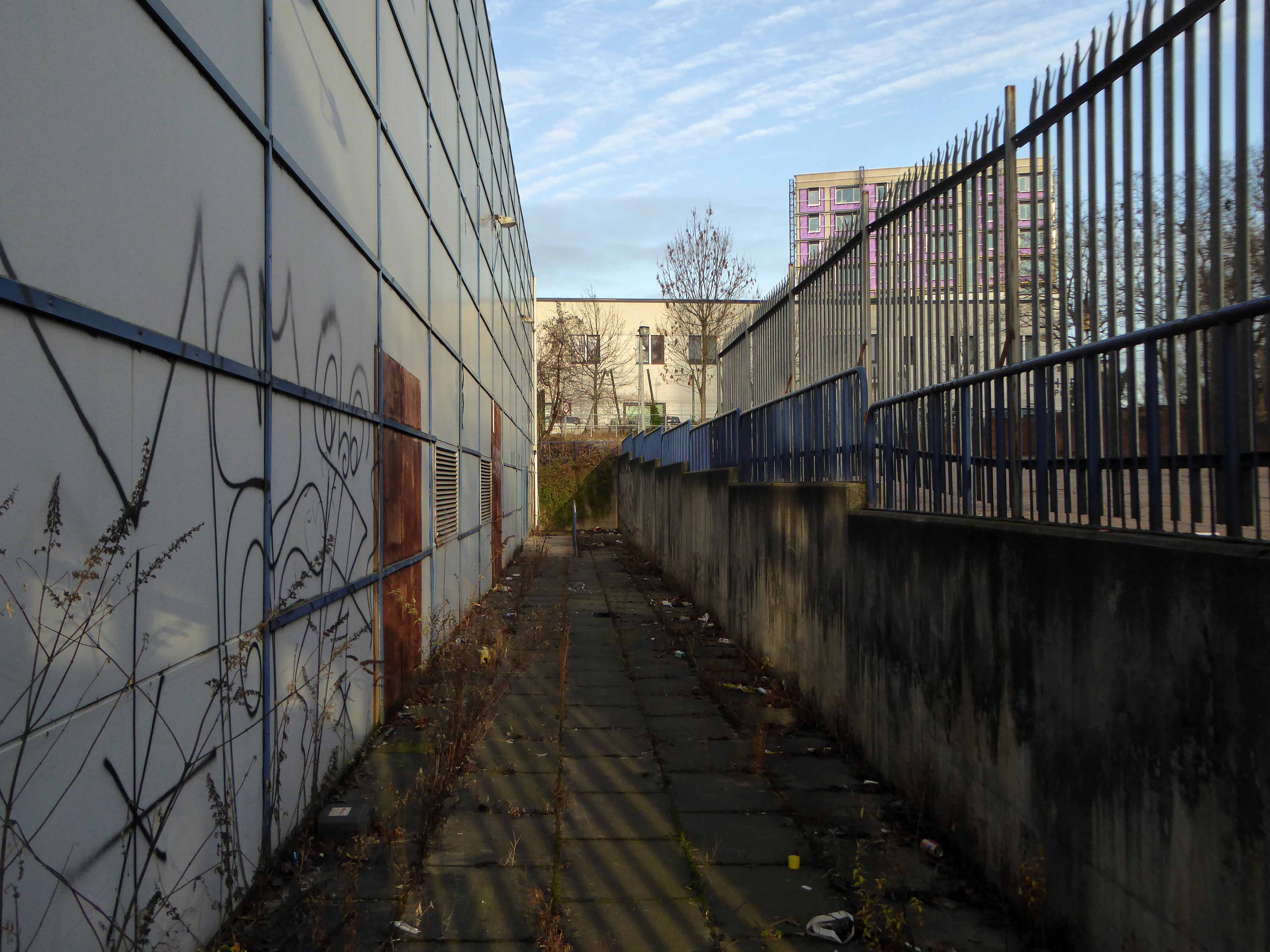
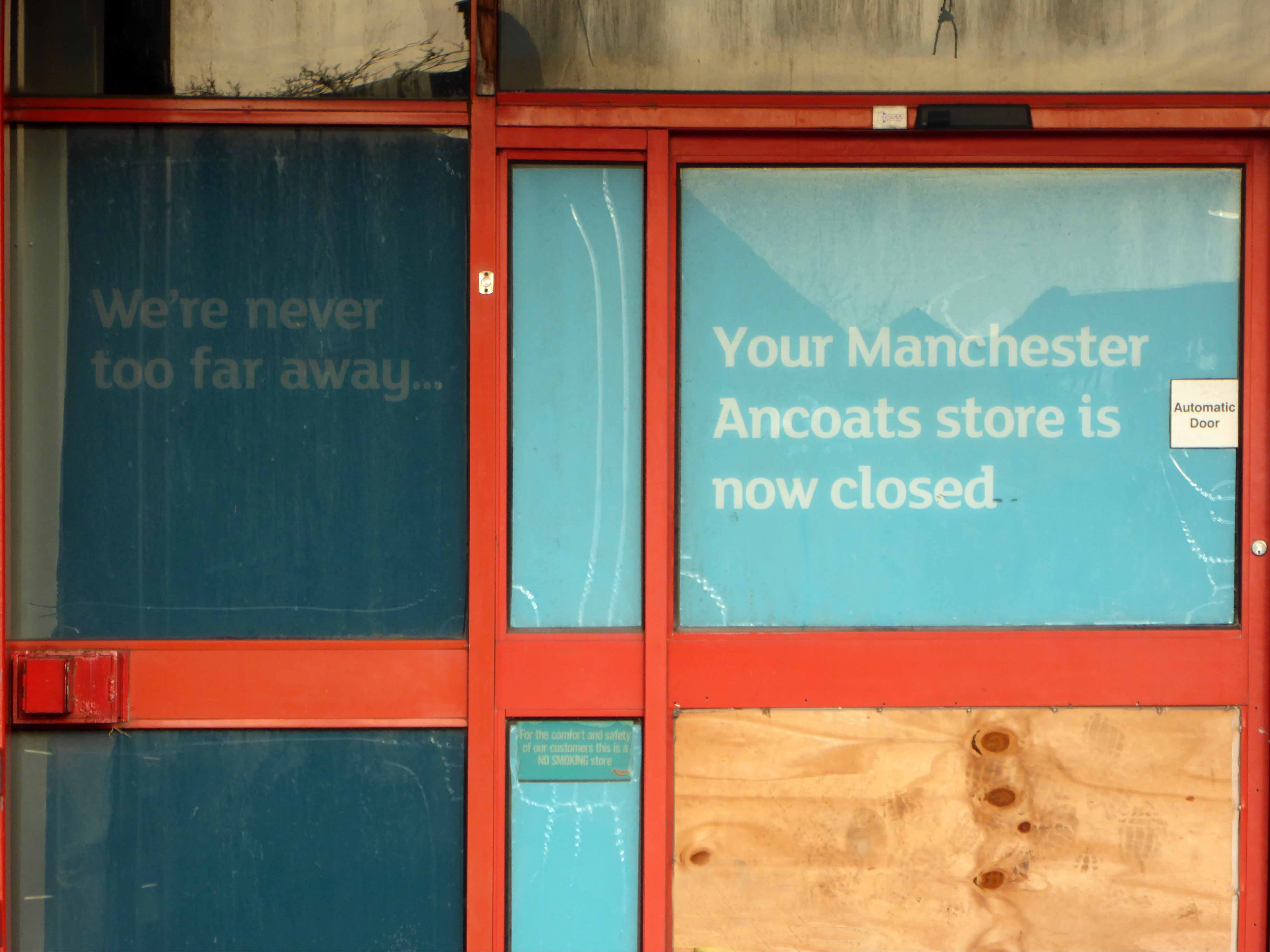
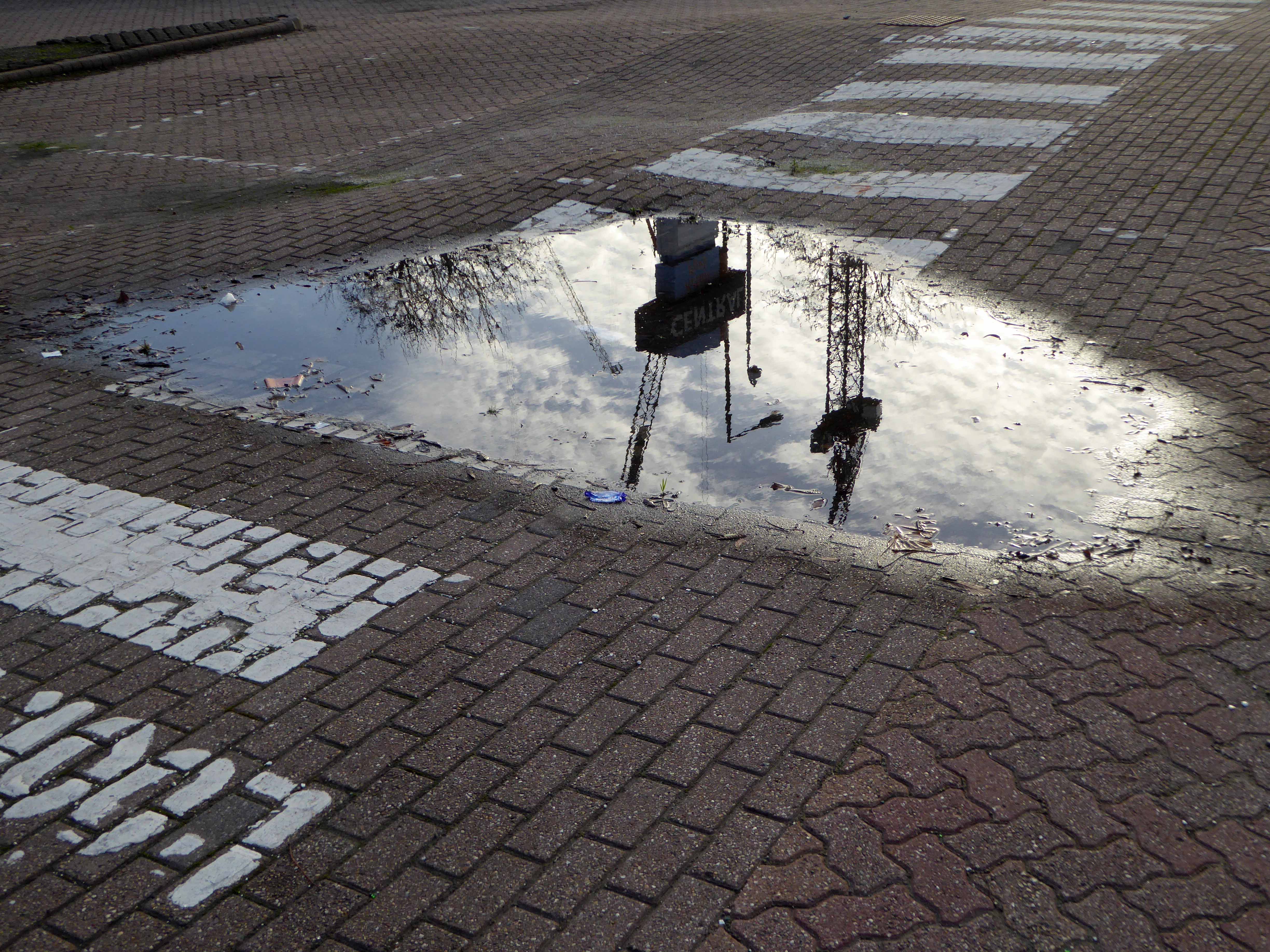
So the Central Retail park awaits its fate.

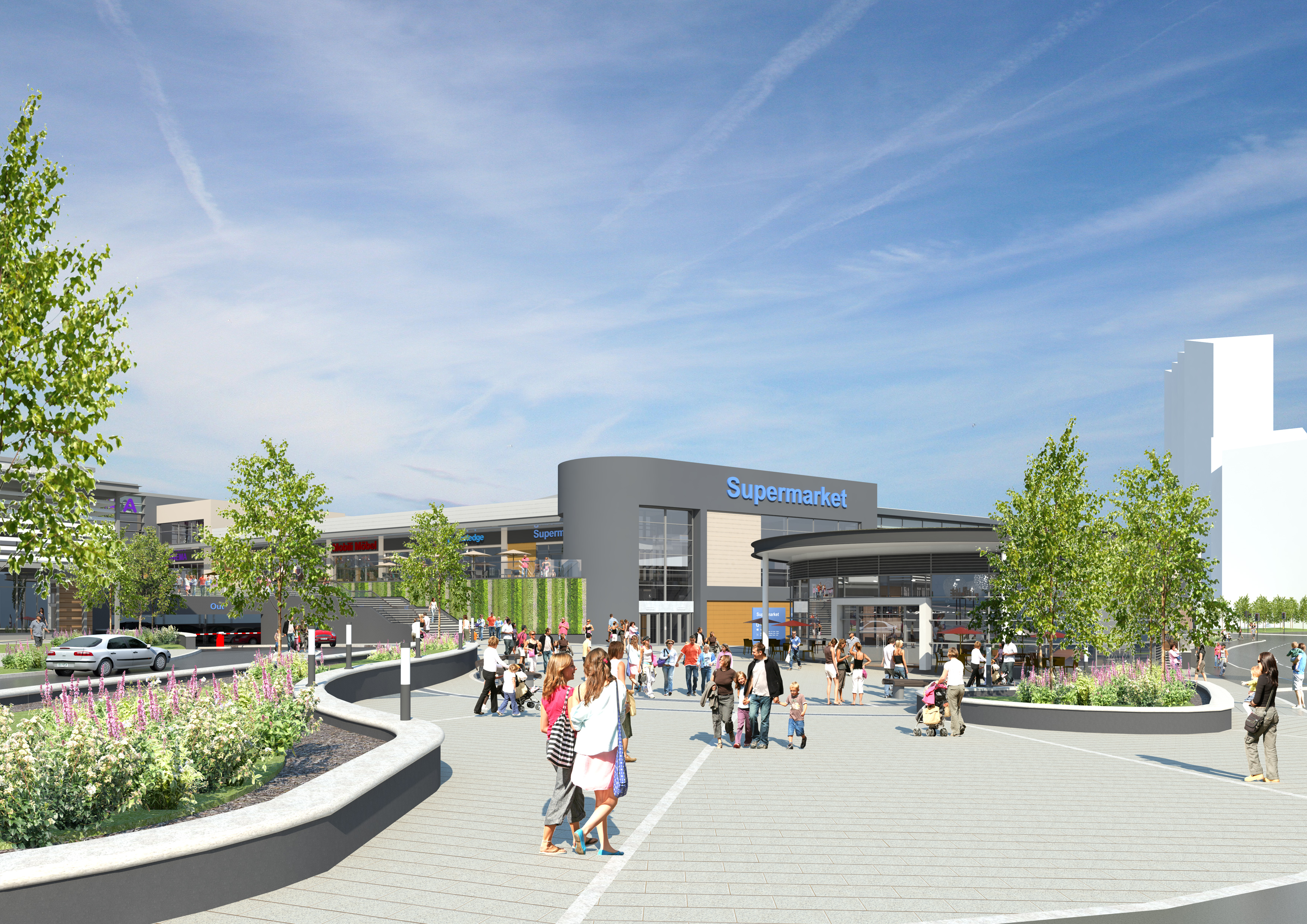
There was to have been another retail complex.

Henderson Global Investors, on behalf of its flagships £1 billion Retail Warehouse Fund, has received detailed planning permission for a food store led regeneration at Central Retail Park, Manchester, investing £40 million in the scheme.

Though nothing lasts forever and the scheme came to nothing.

The latest proposal according to Place North West is for housing – with the attendant heated debate regarding affordable homes.

Of the 61 big residential developments granted planning permission by Manchester city council’s planning committee in 2016 and 2017, not one of the 14,667 planned flats or housesmet the government’s definition of affordable, being neither for social rent nor offered at 80% of the market rate.

Demolition of the former retail units would enable the development of the site by Manchester Life, the city’s joint venture with Abu Dhabi United Group. Previous site owner TH Real Estate, was unable to deliver the project, finally sold the Central Park site to the city council in November 2017.

The long awaited development of the site on Manchester’s inner ring road has edged closer, with site notices posted declaring that demolition is to start on 20 August.

As of last week the lone security guard at home in his brick cabin informs me that demolition has been delayed by the discovery of asbestos on the site.

Watch this forlorn windswept wet space.

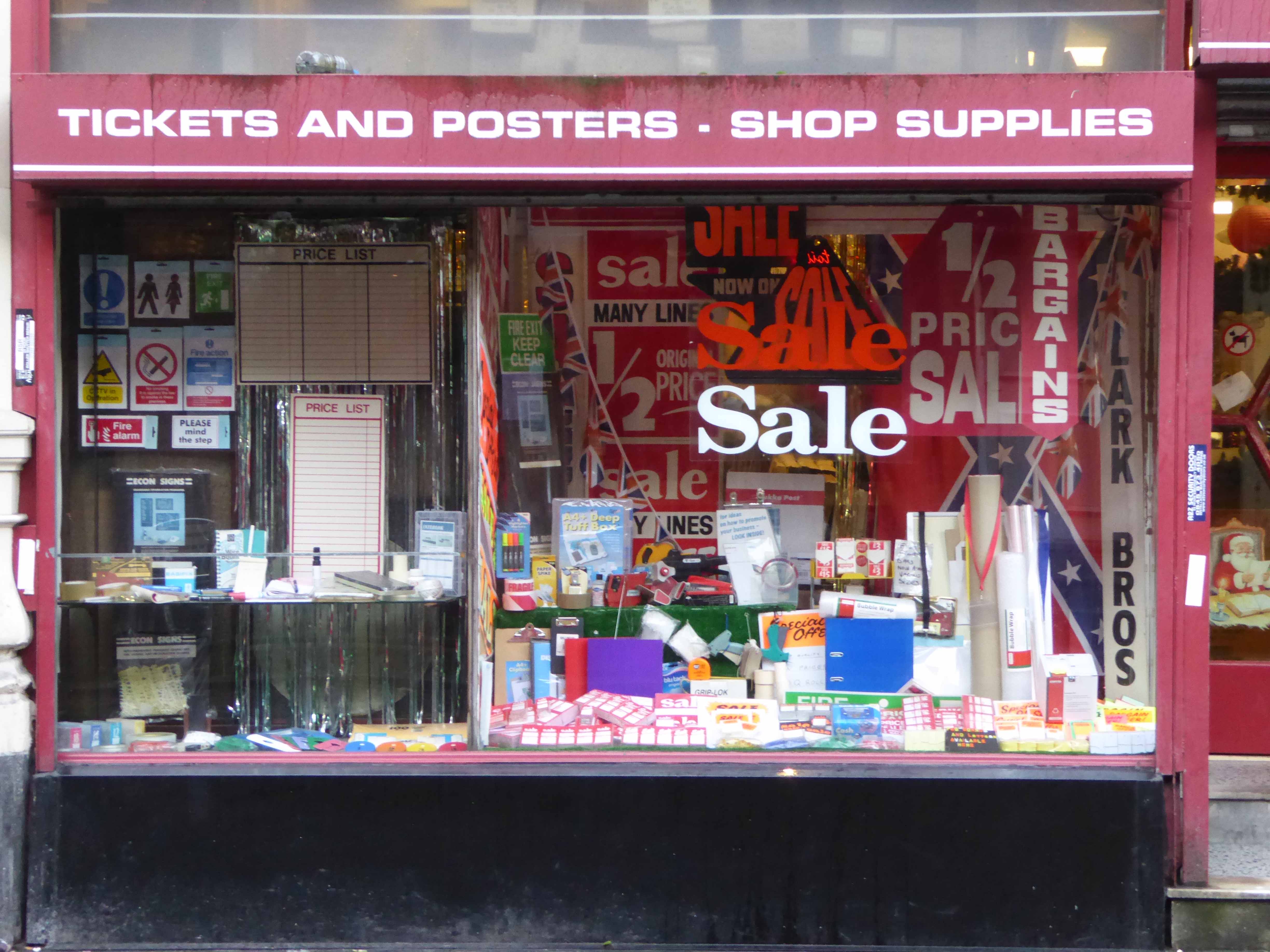
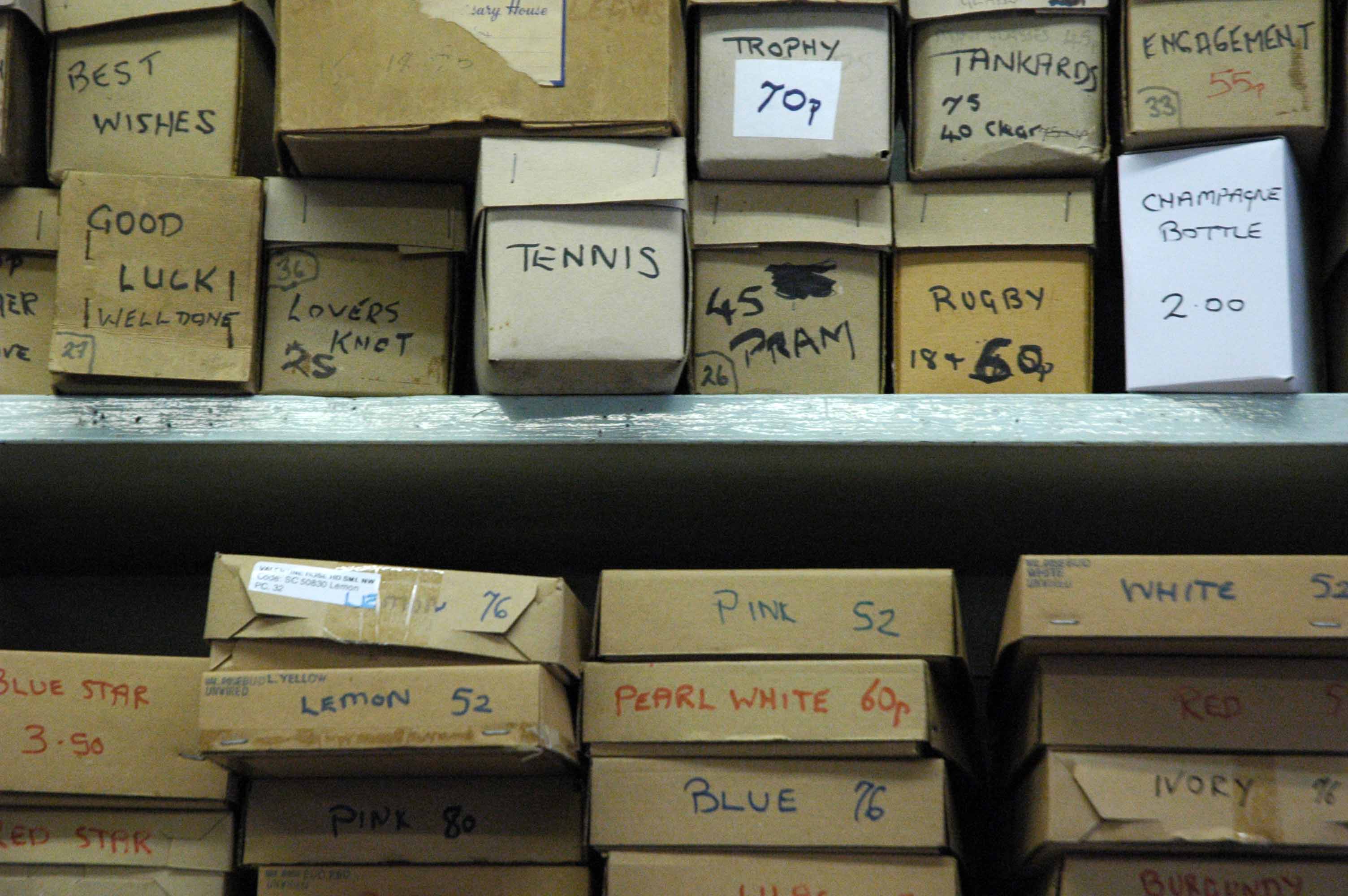
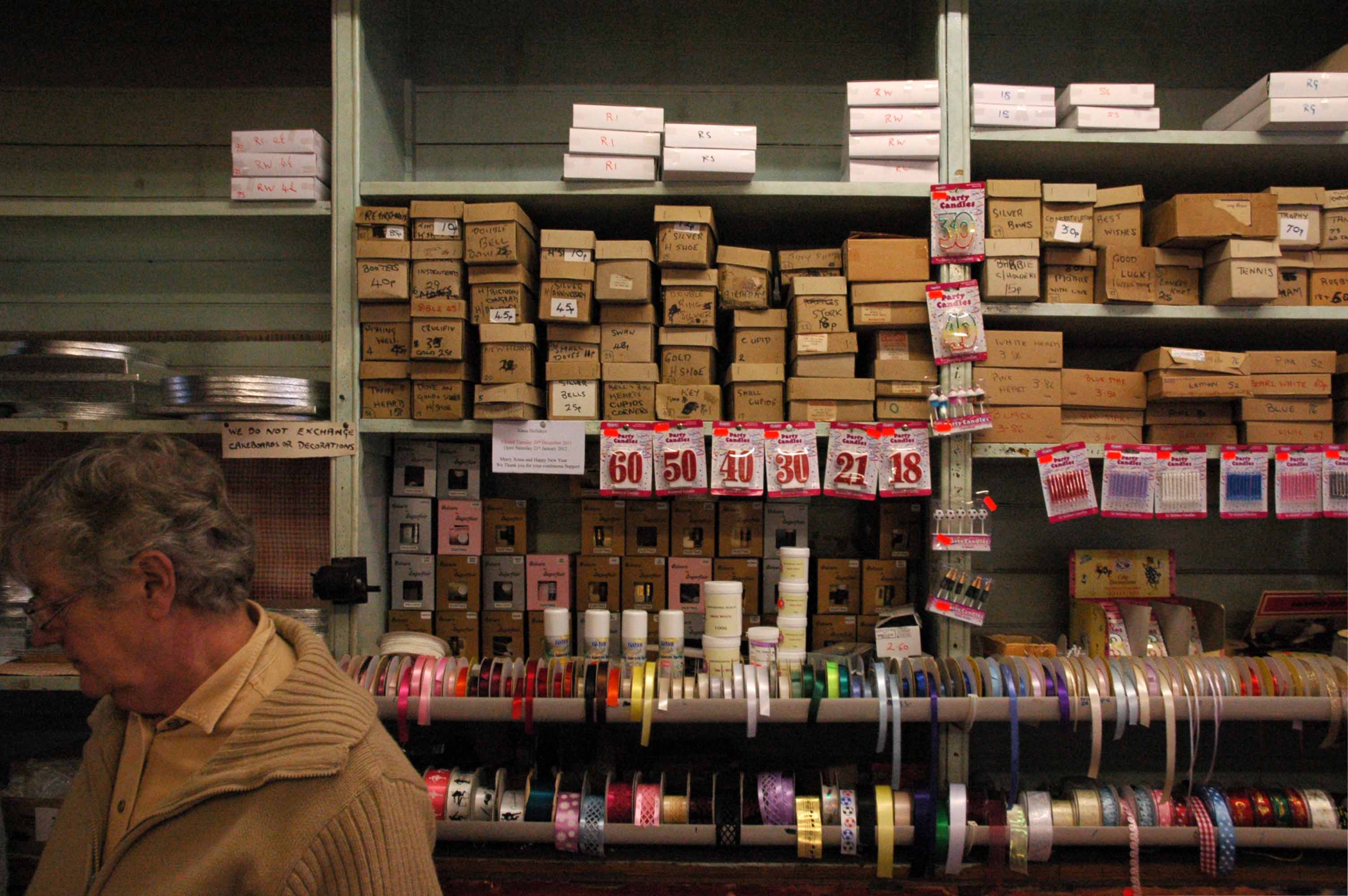
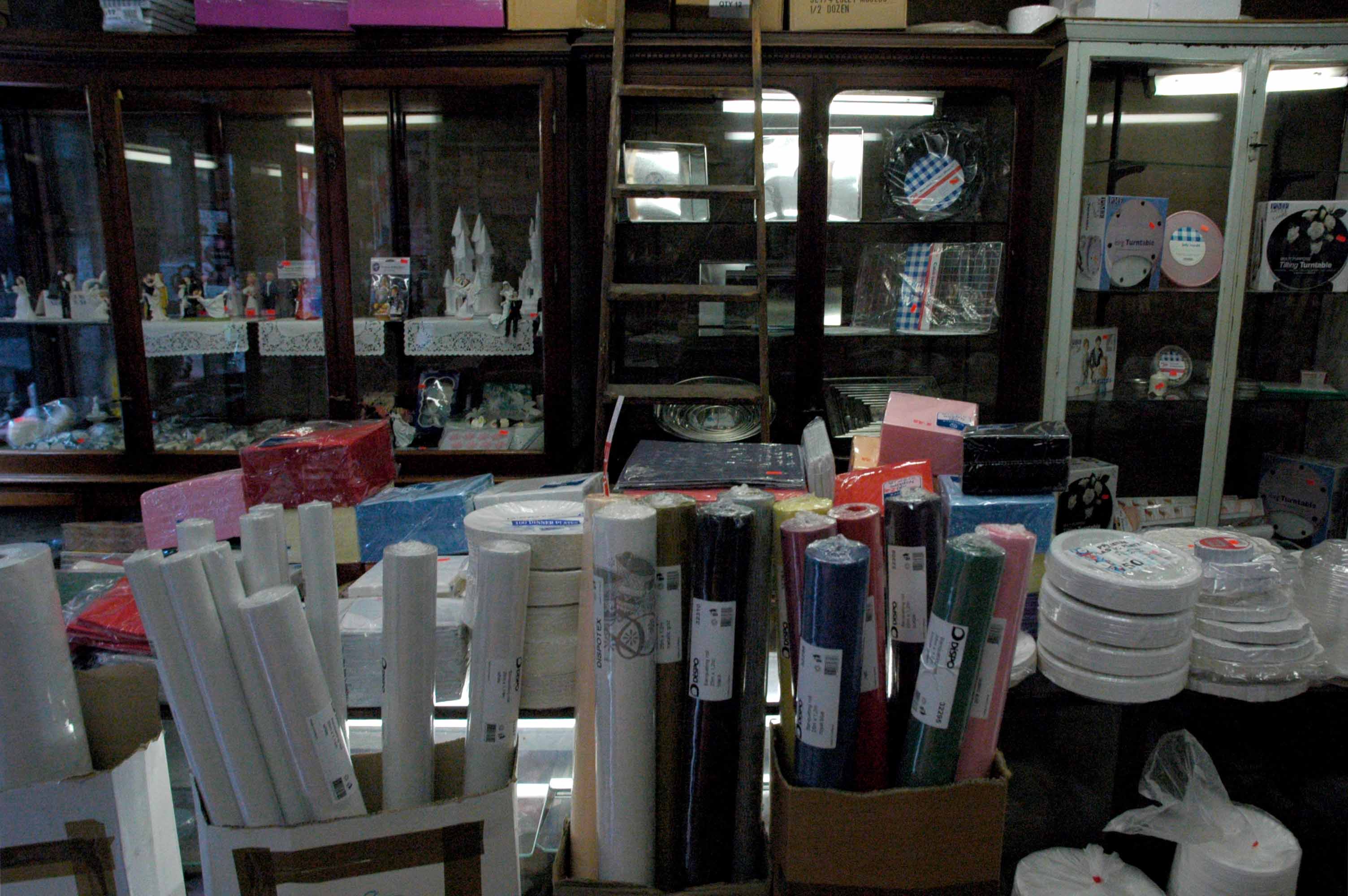
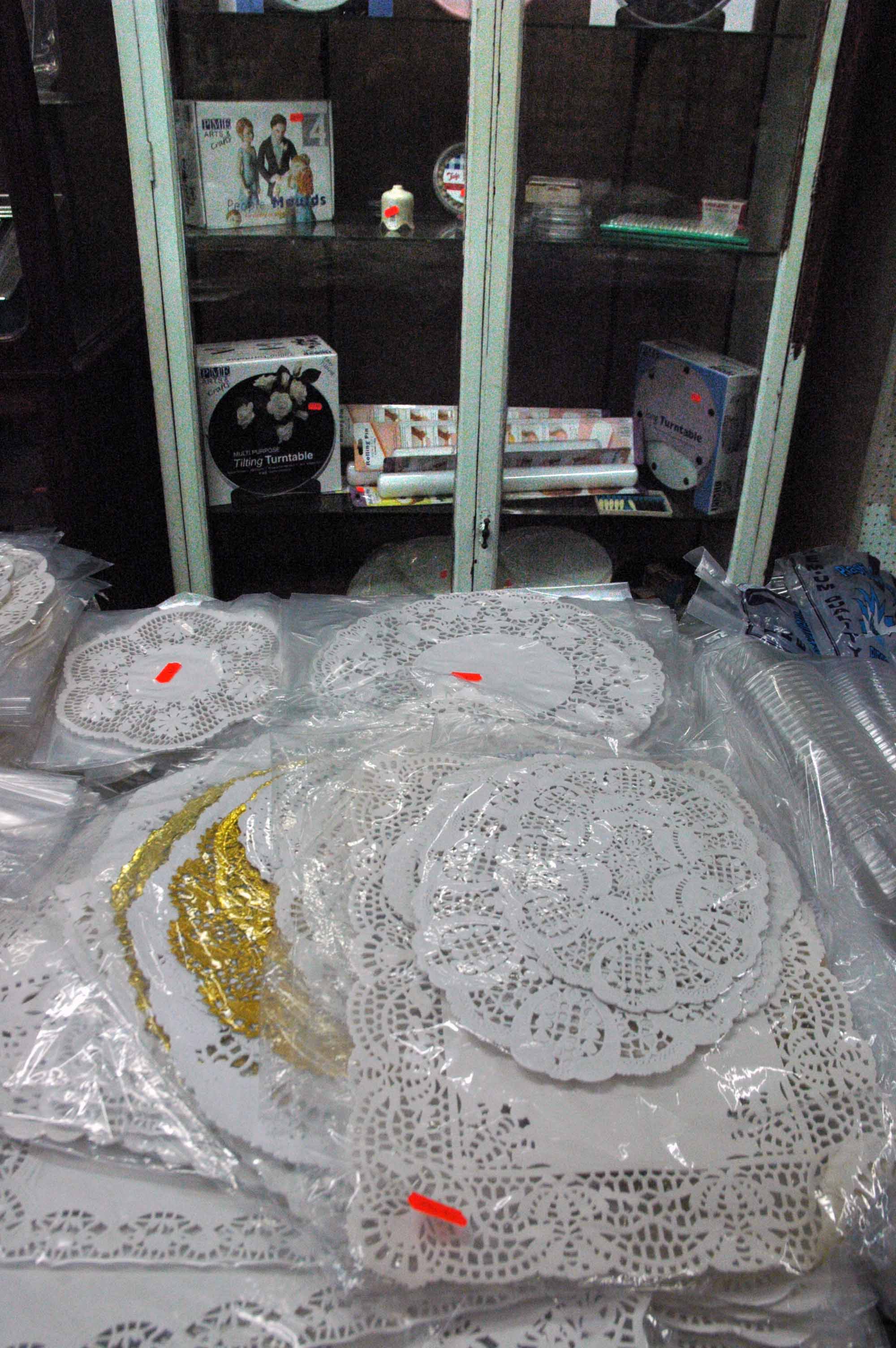
Clark Brothers – Thomas Street Manchester

Who you gonna call?

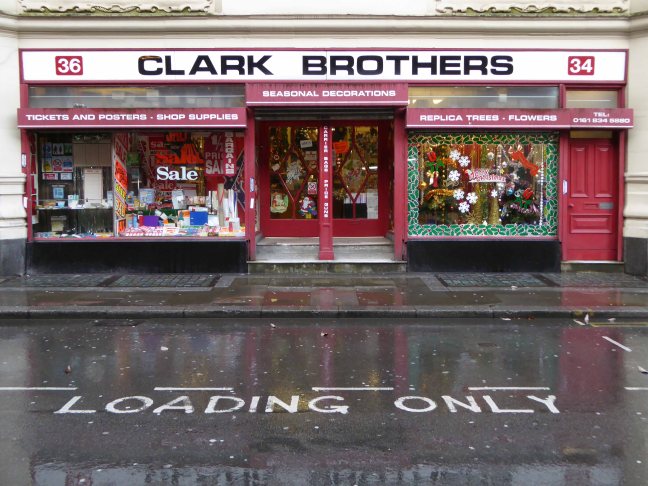
0161 834 5880 · 34-36 Thomas Street M4 1ER Manchester – Clark Brothers.

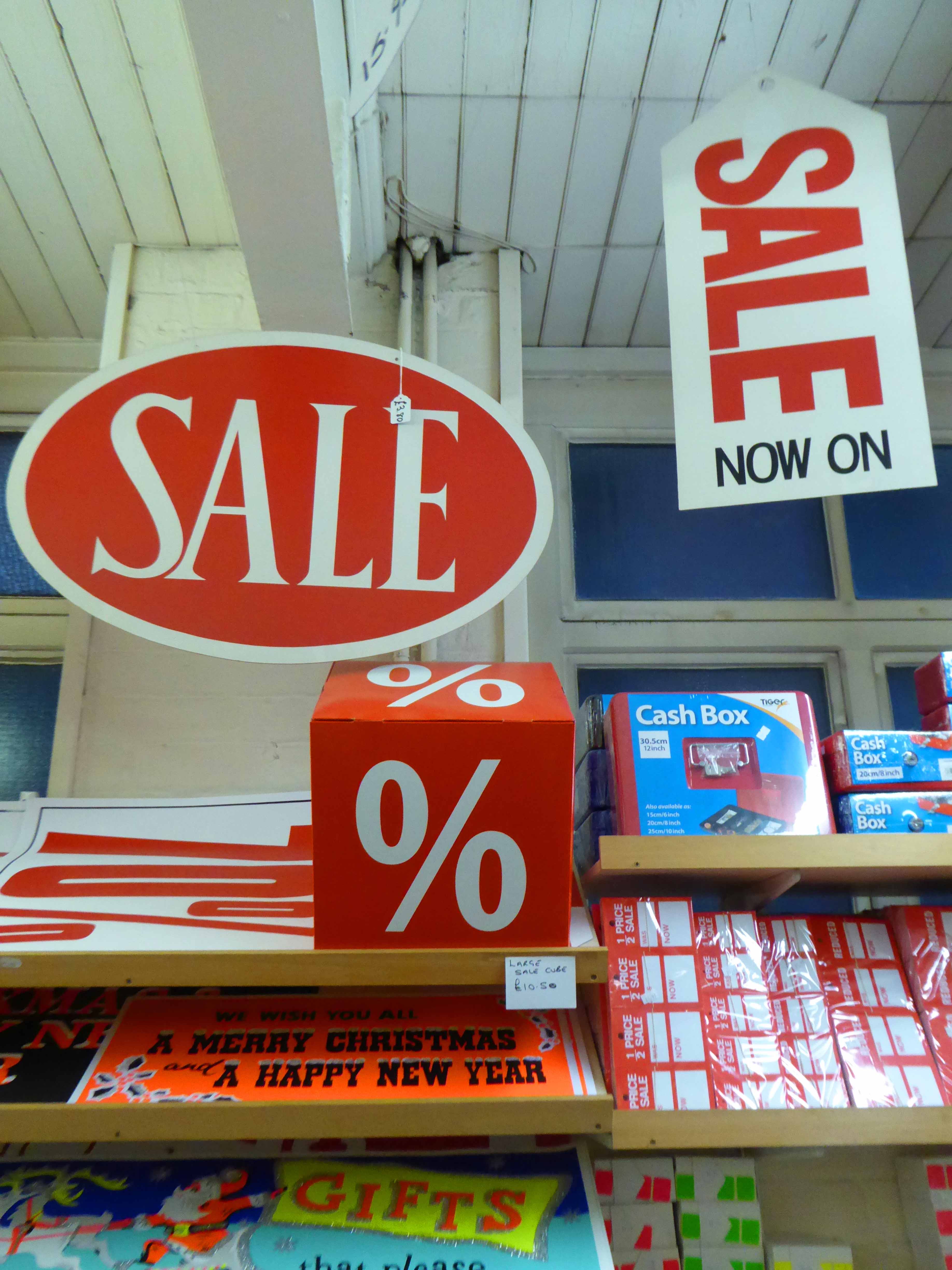
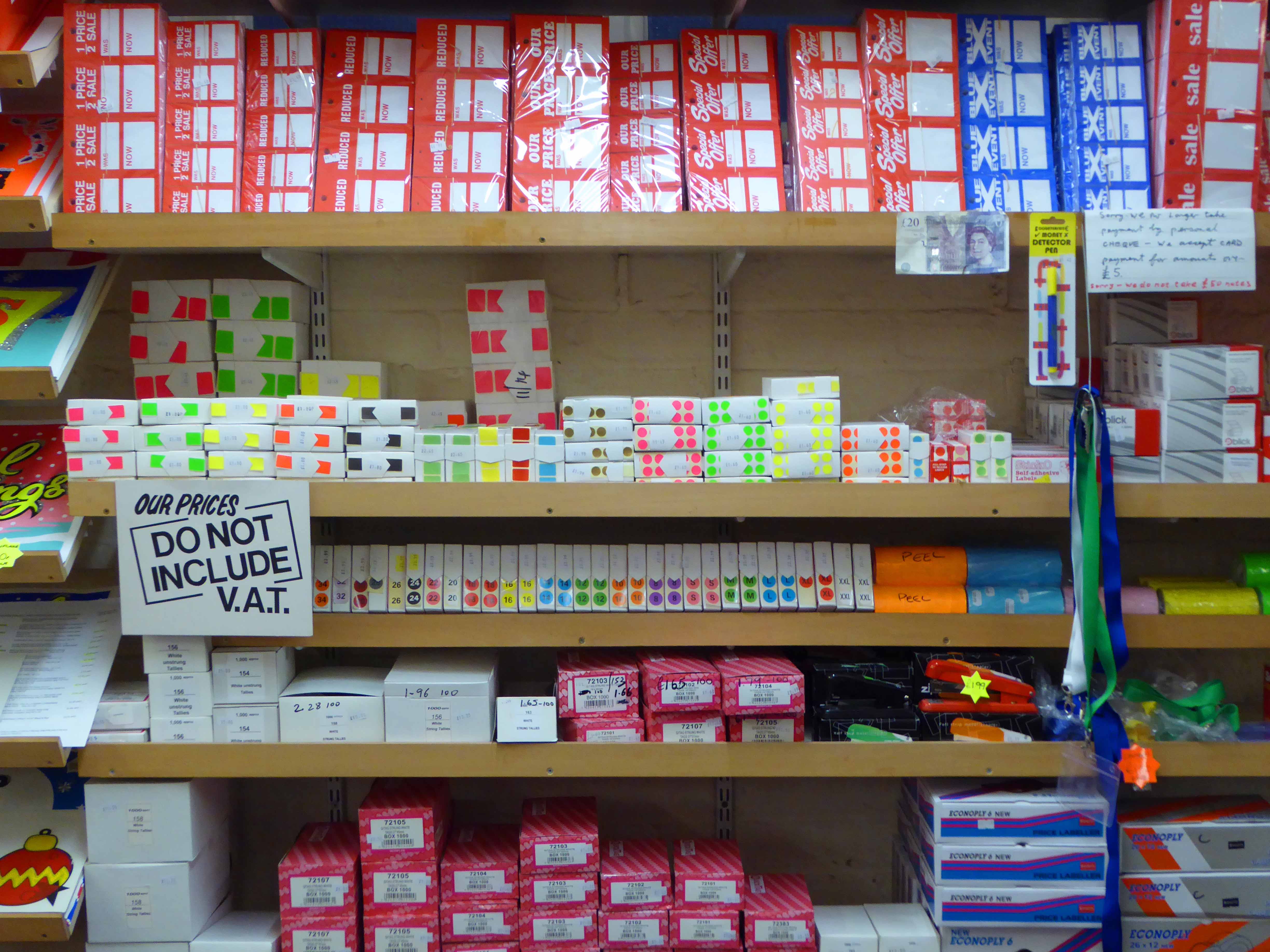
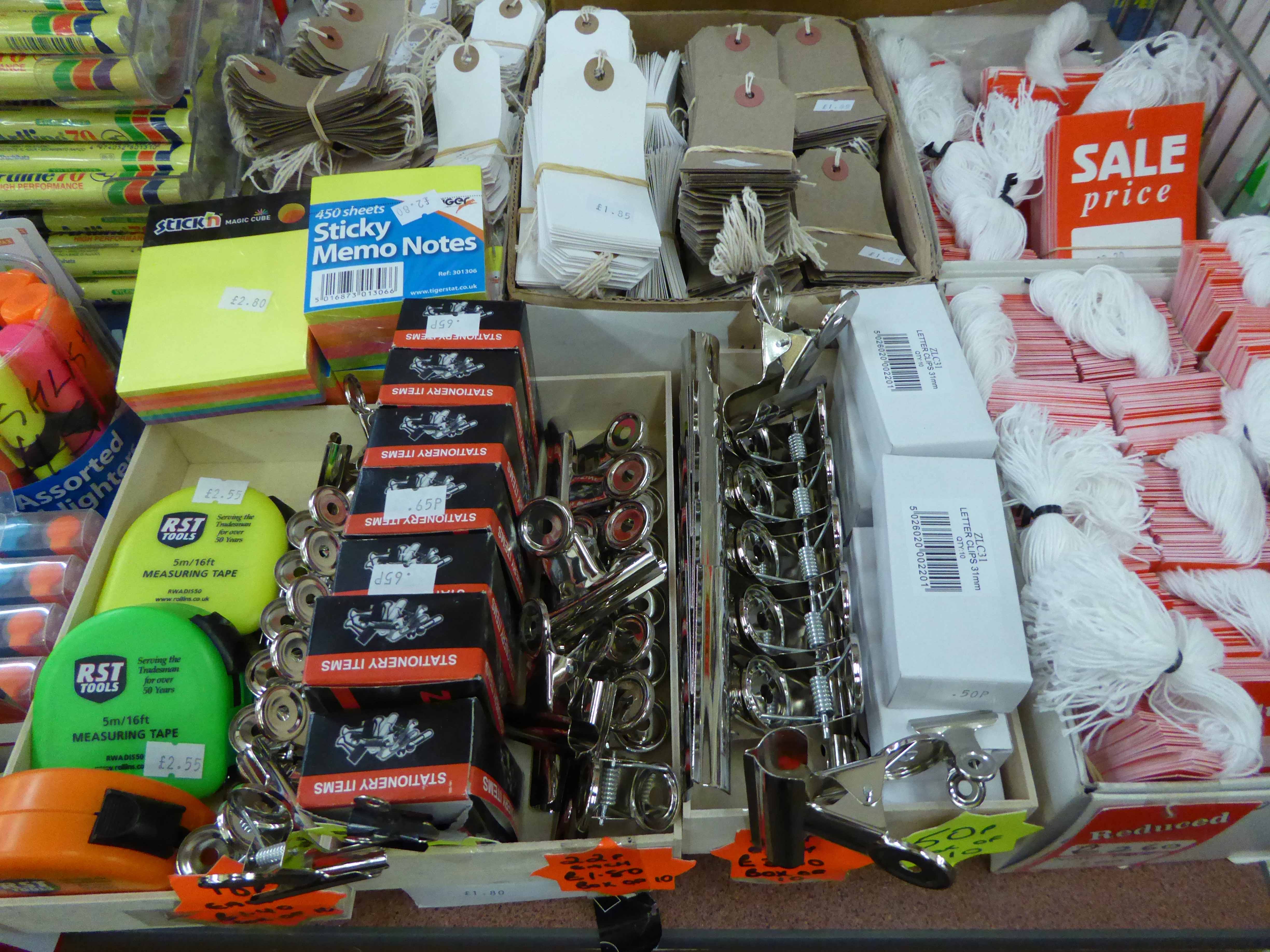
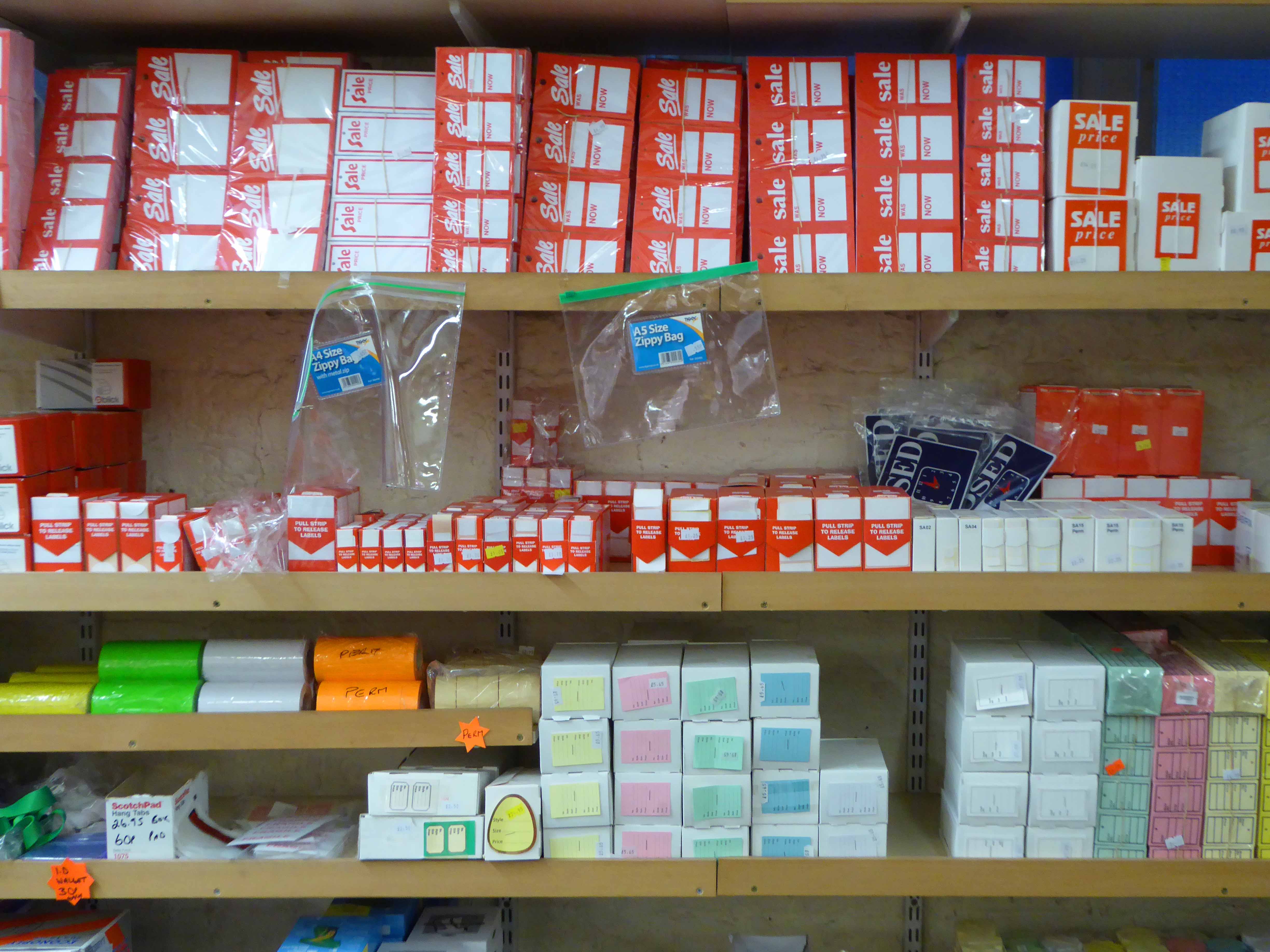
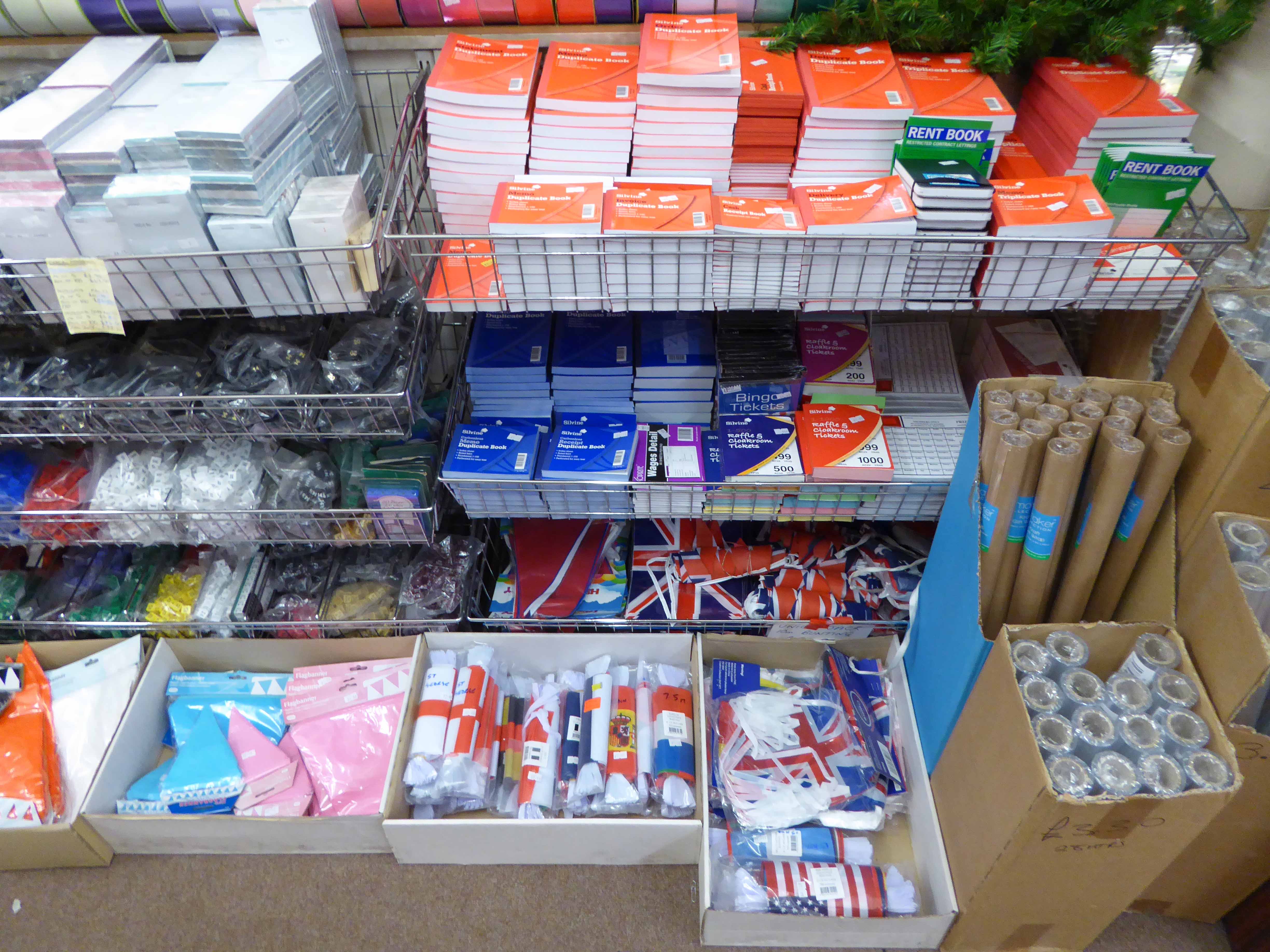
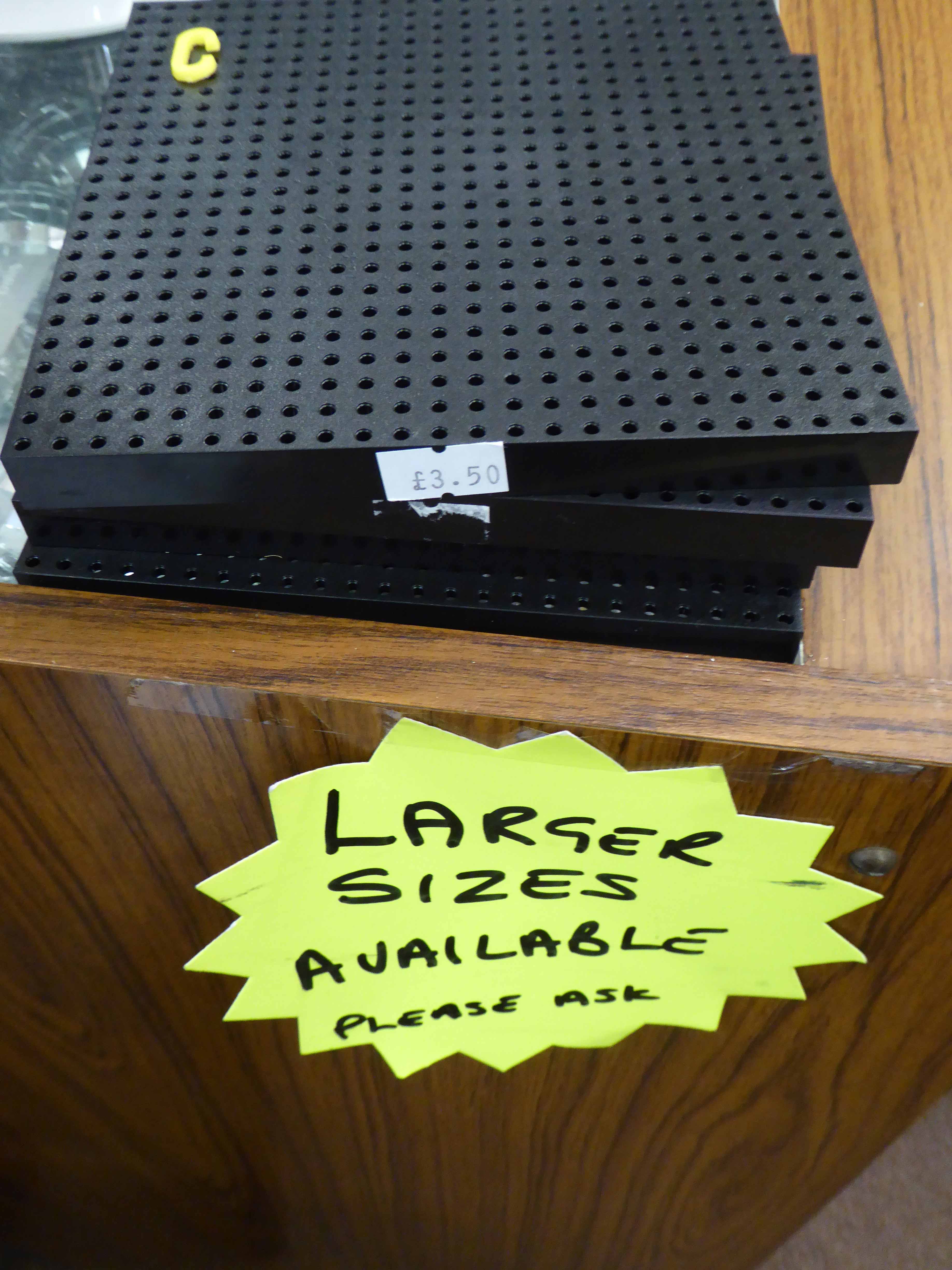
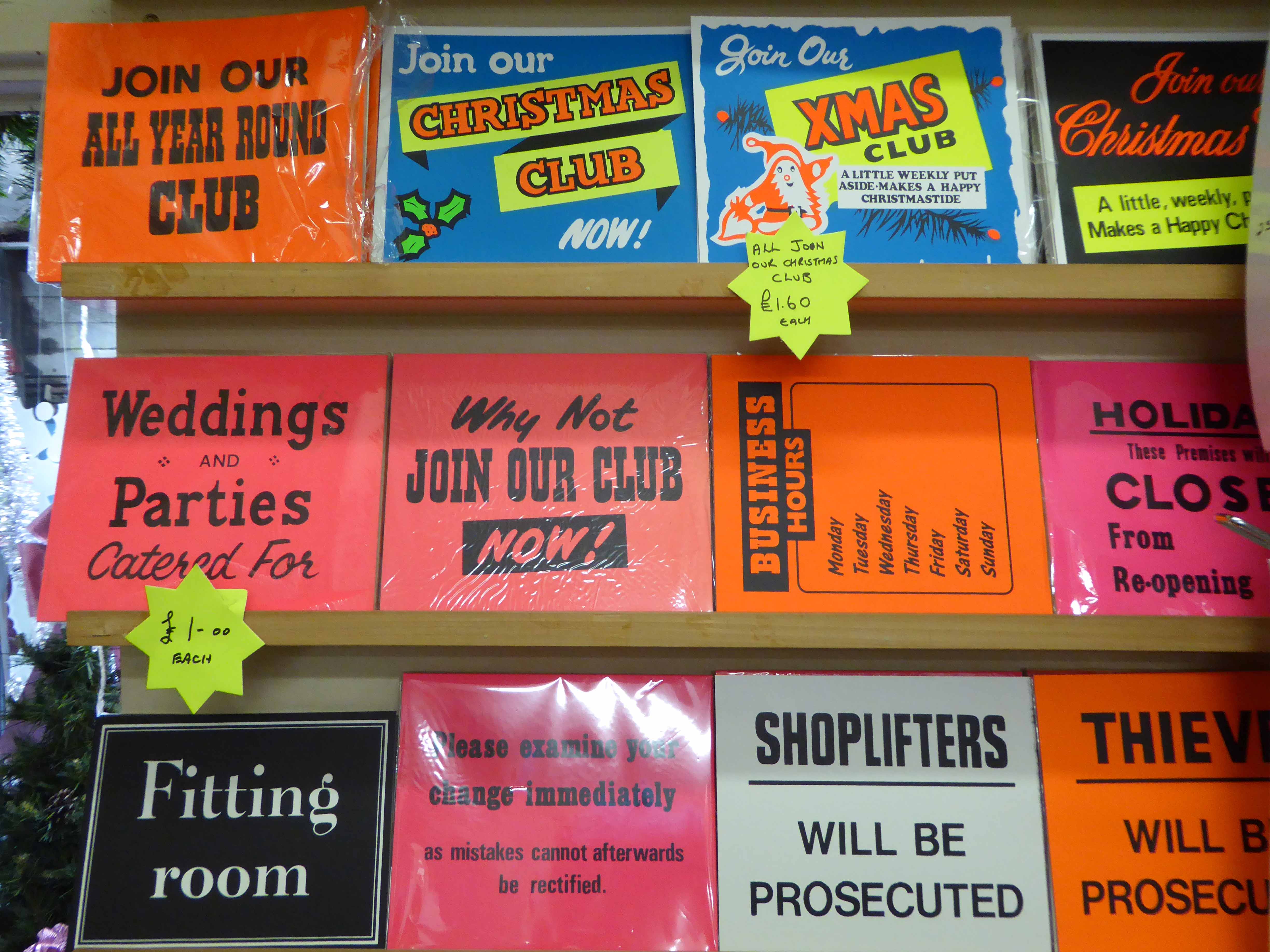
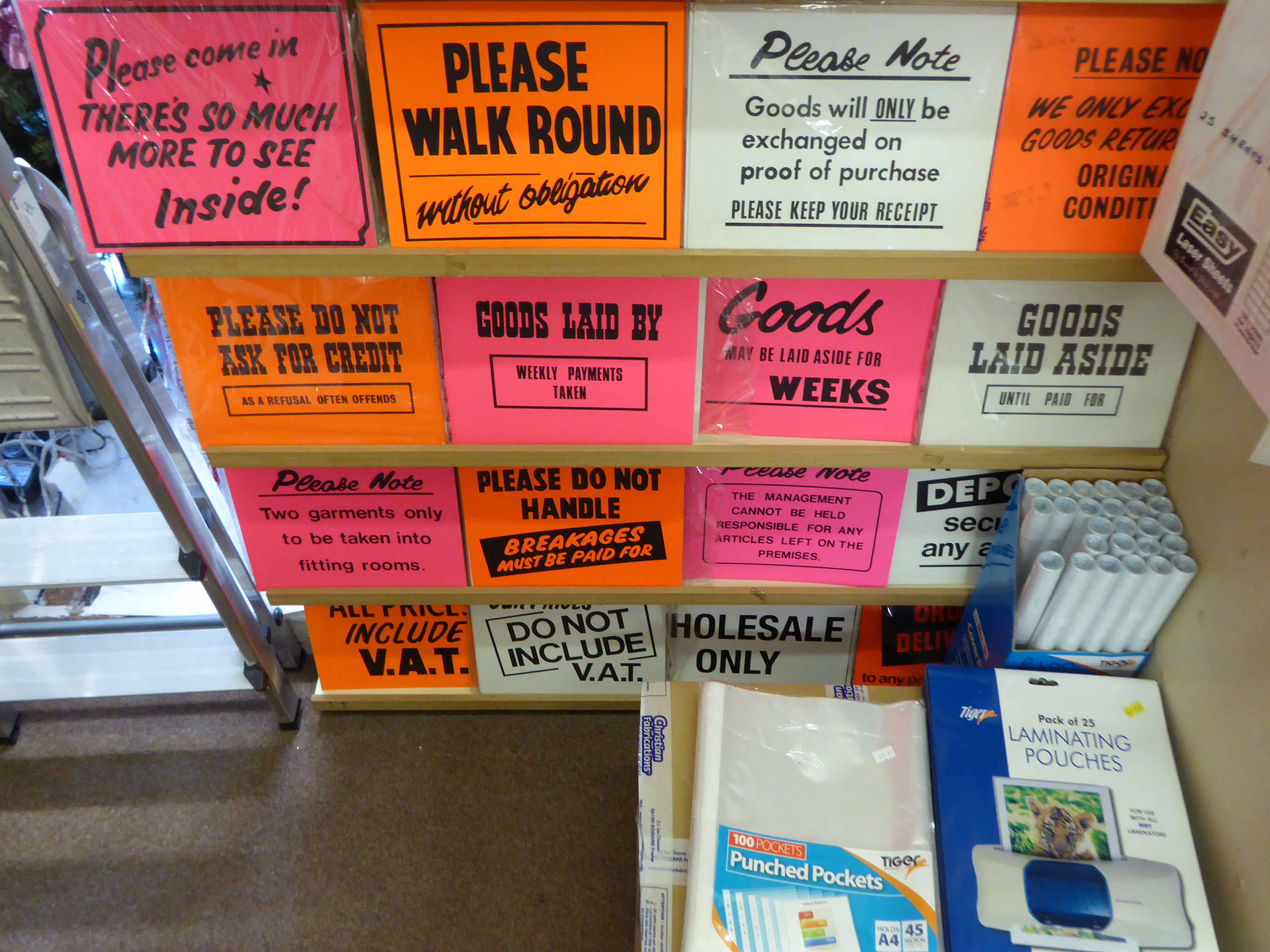
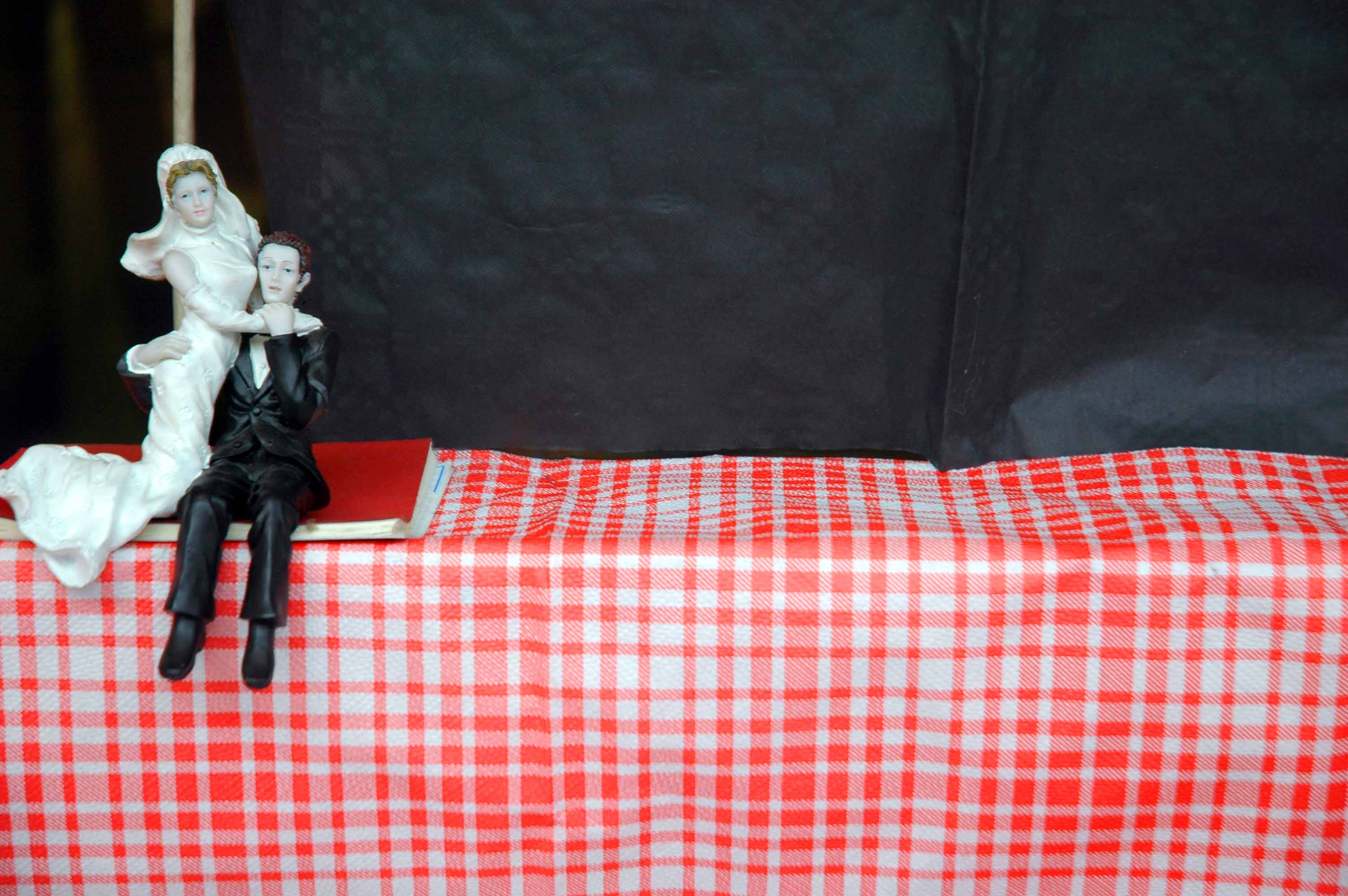
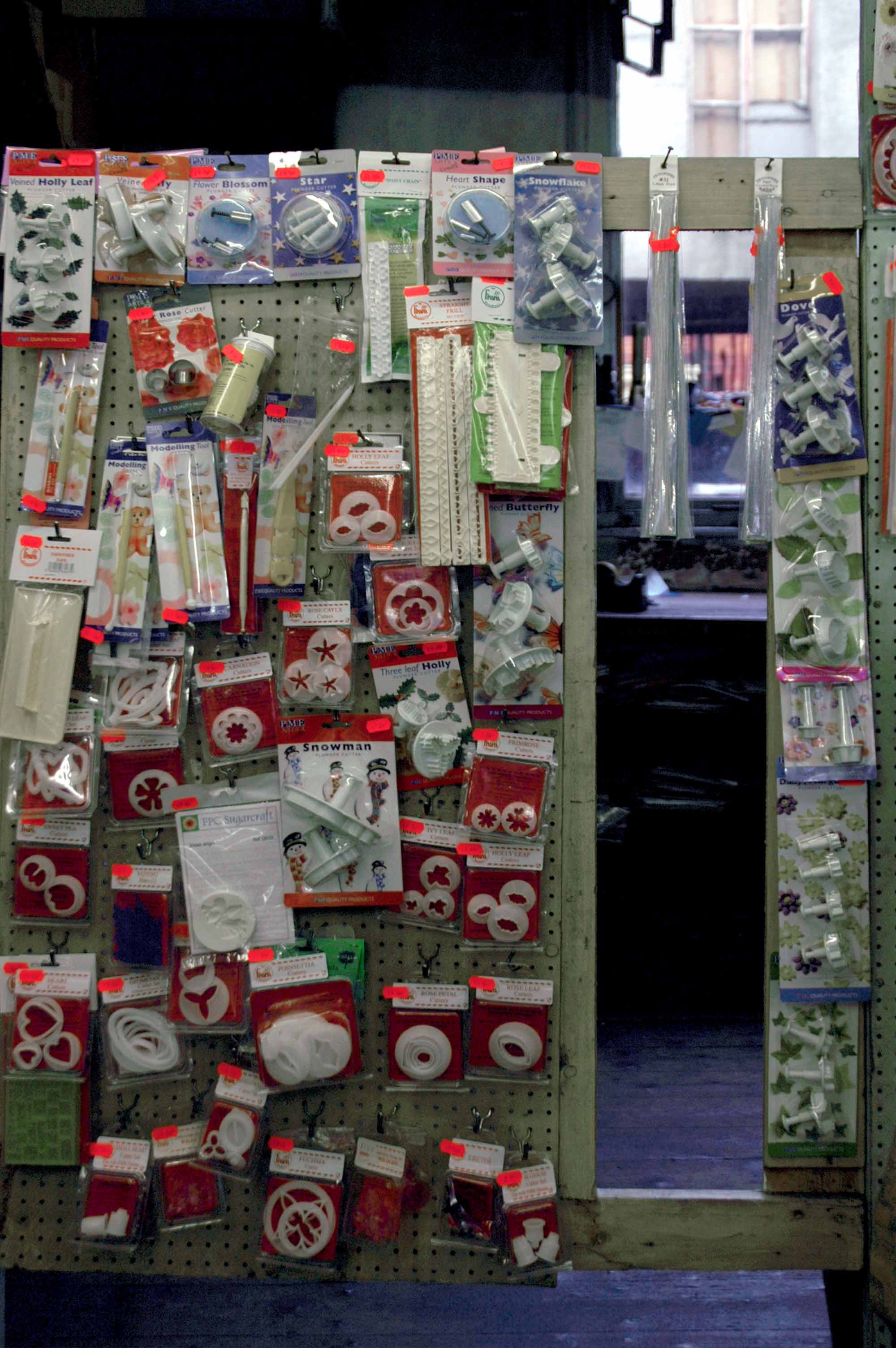
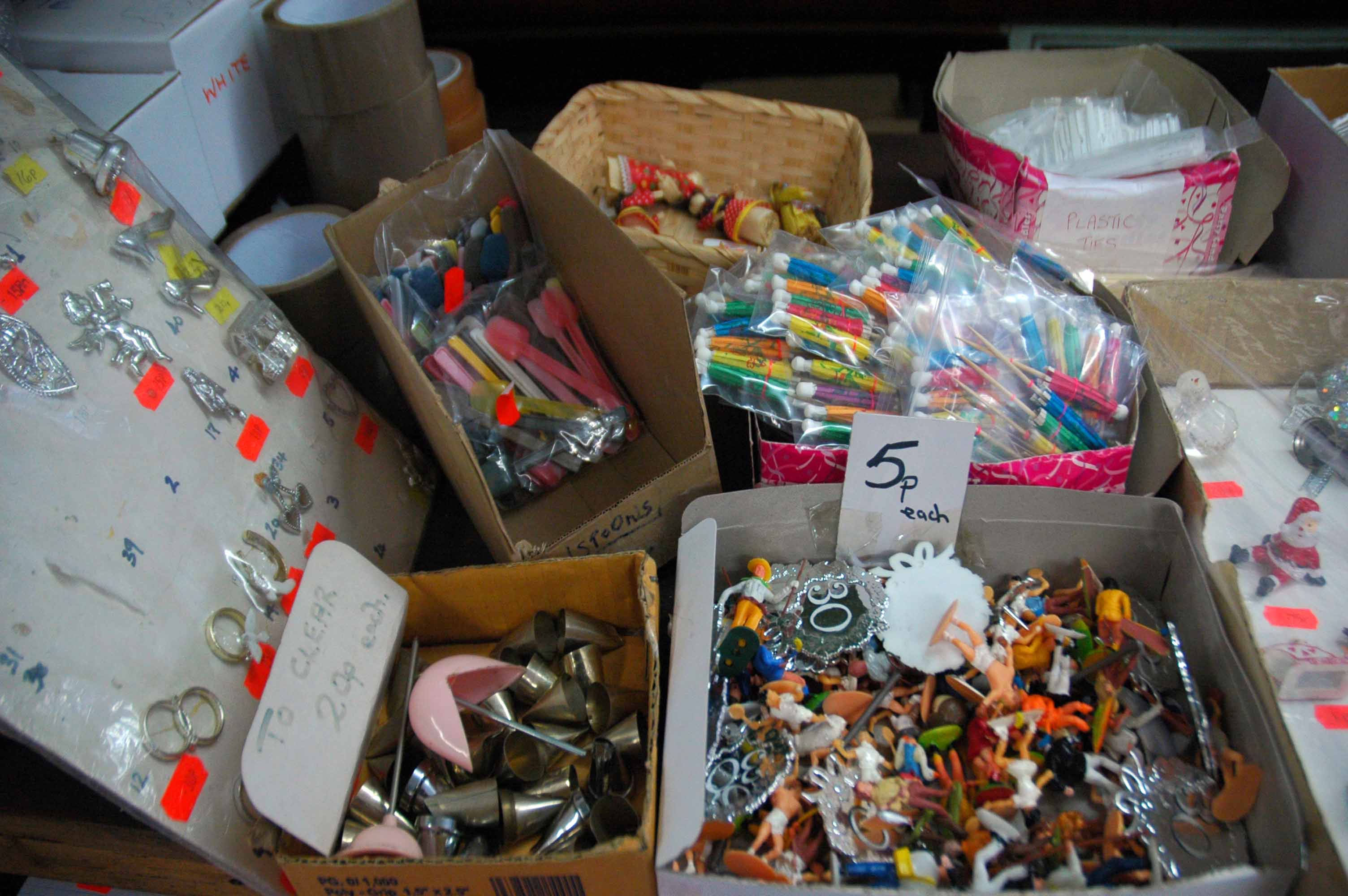
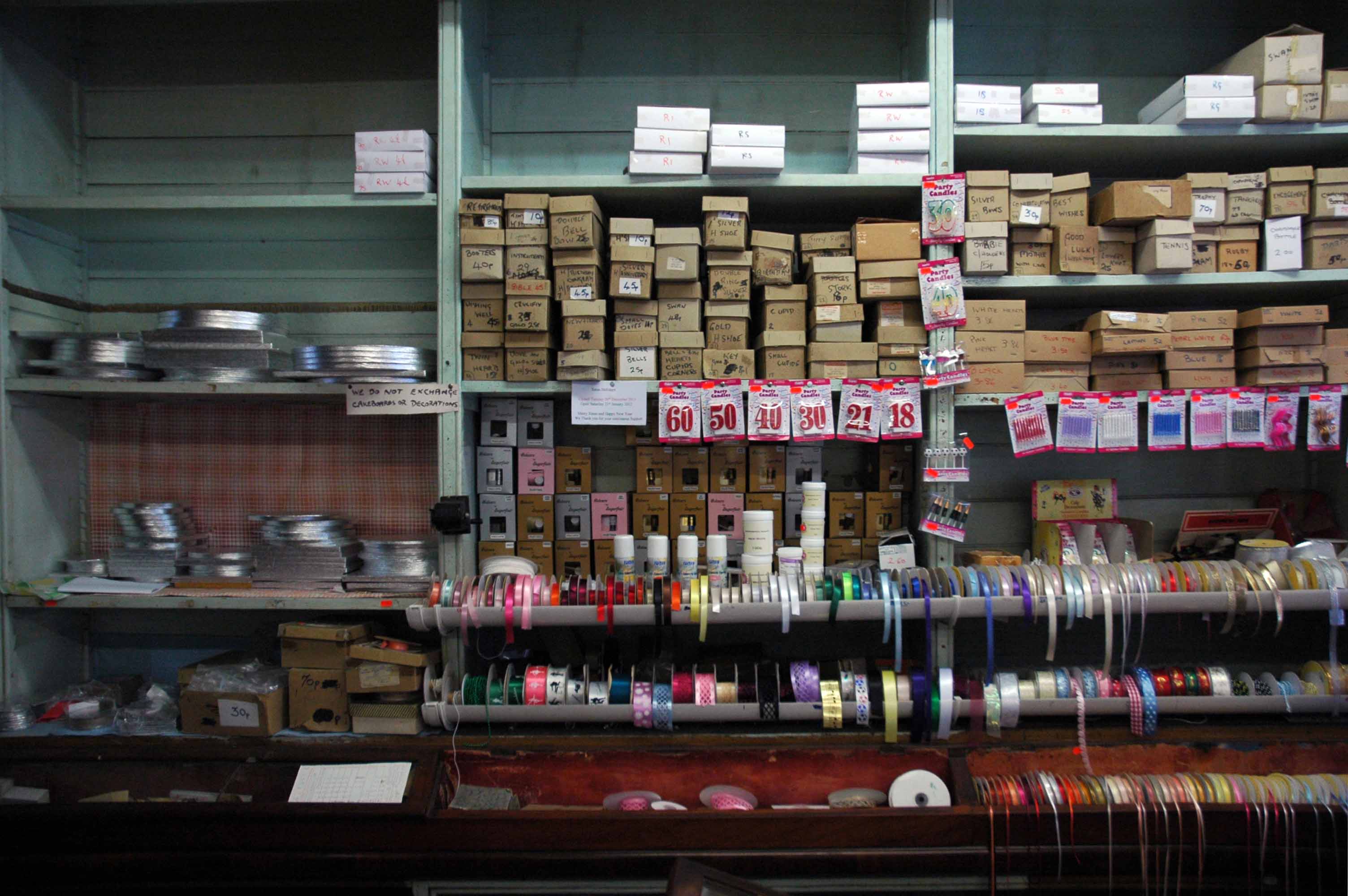
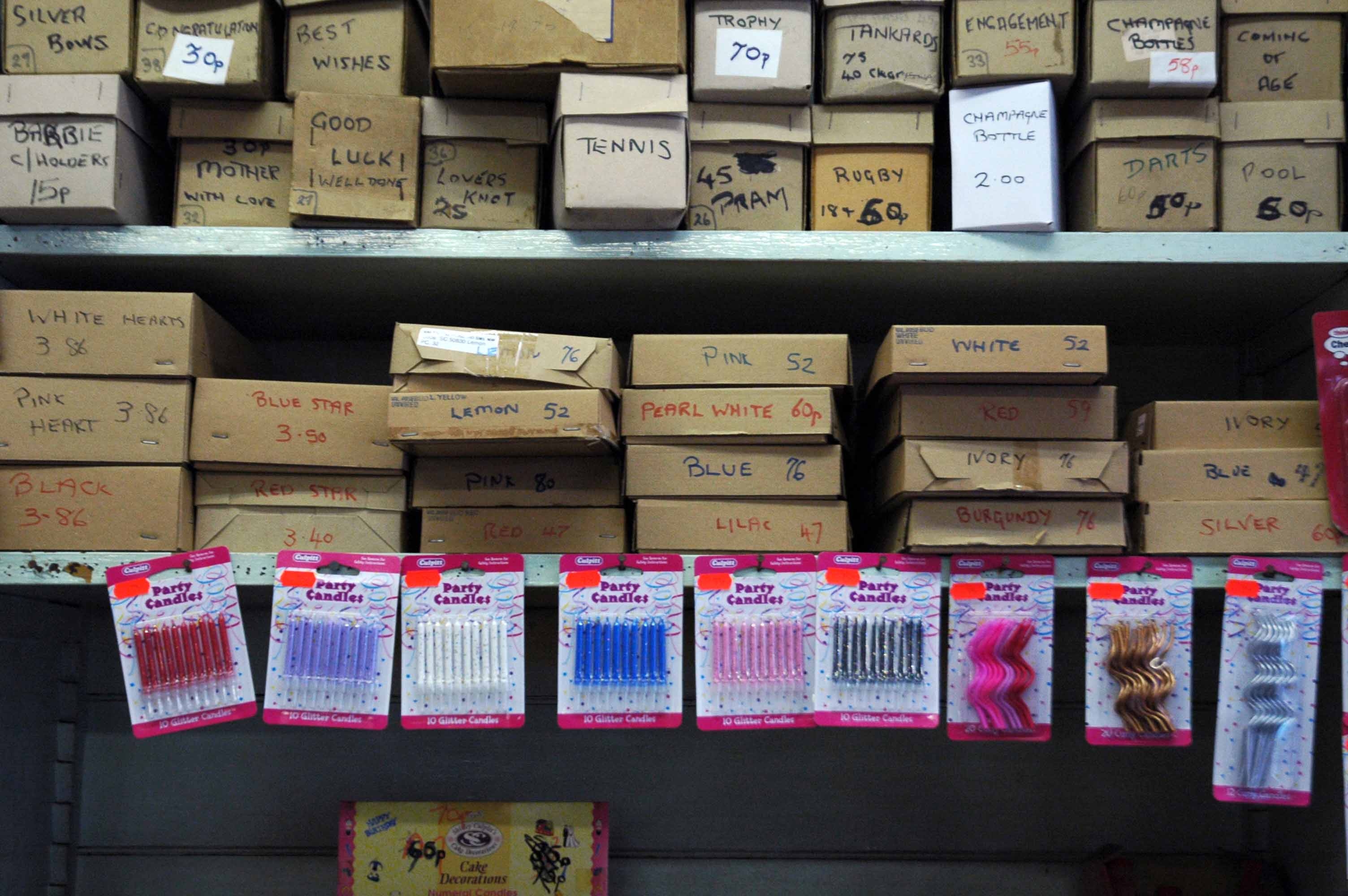
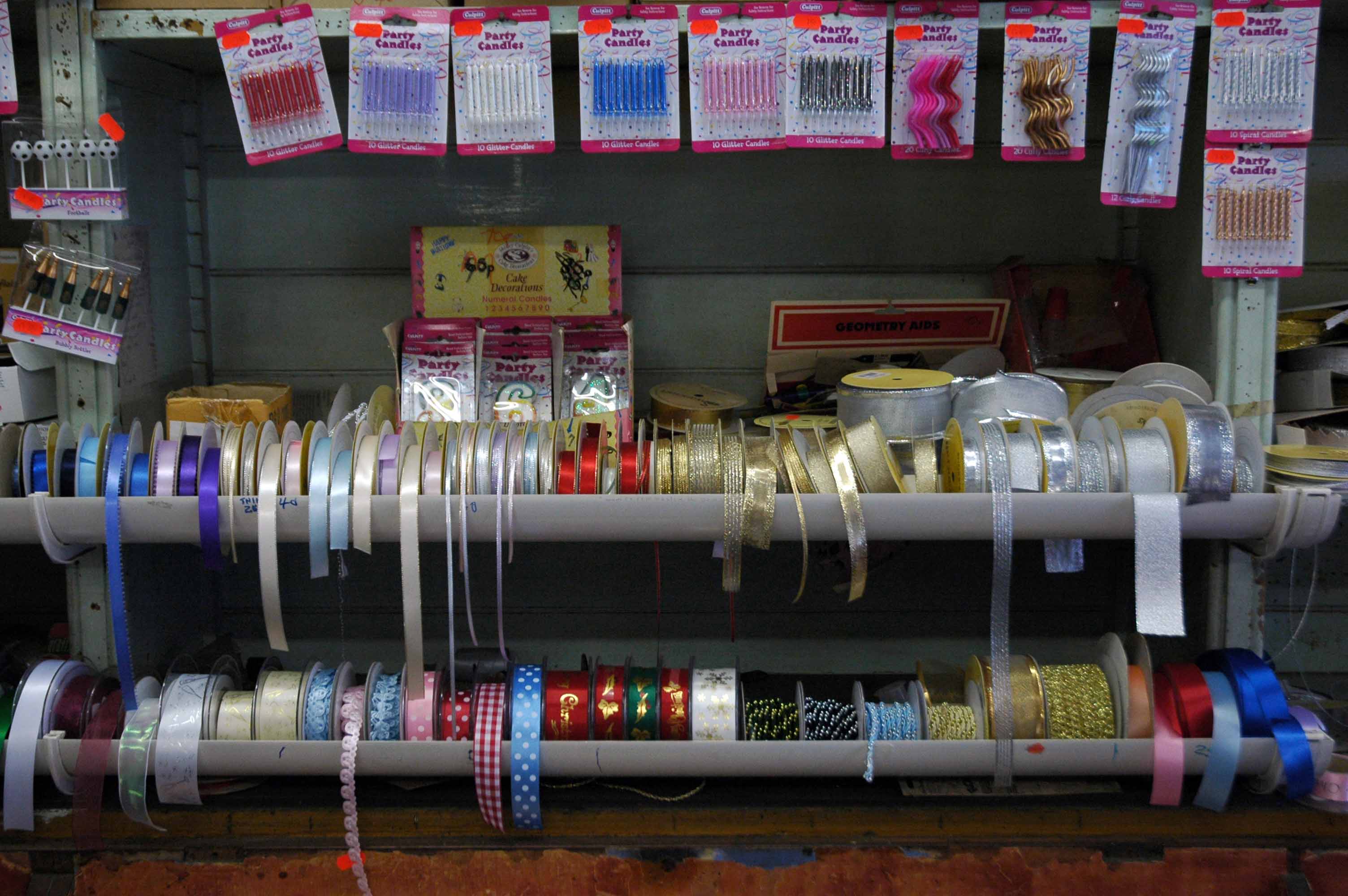
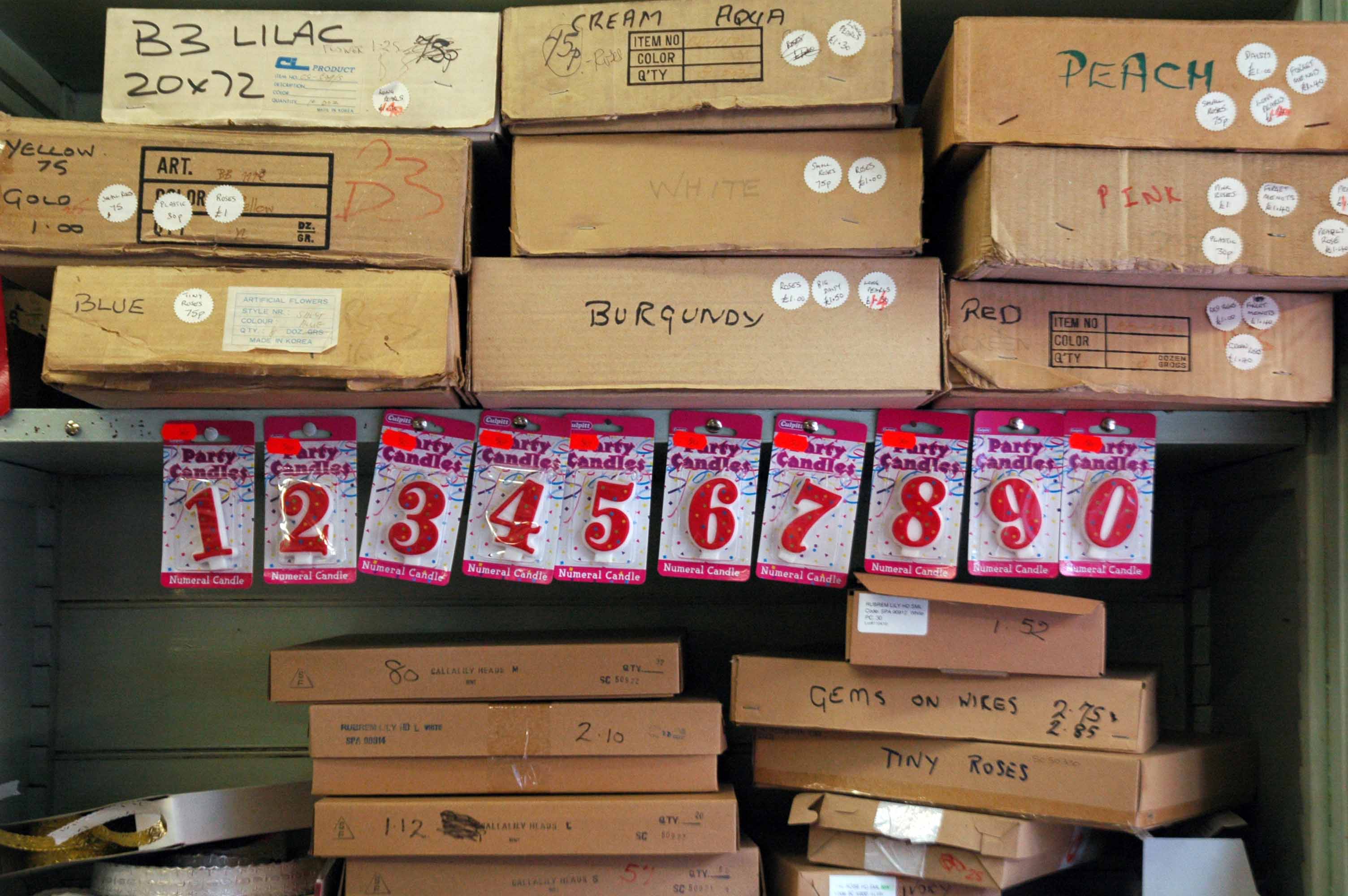
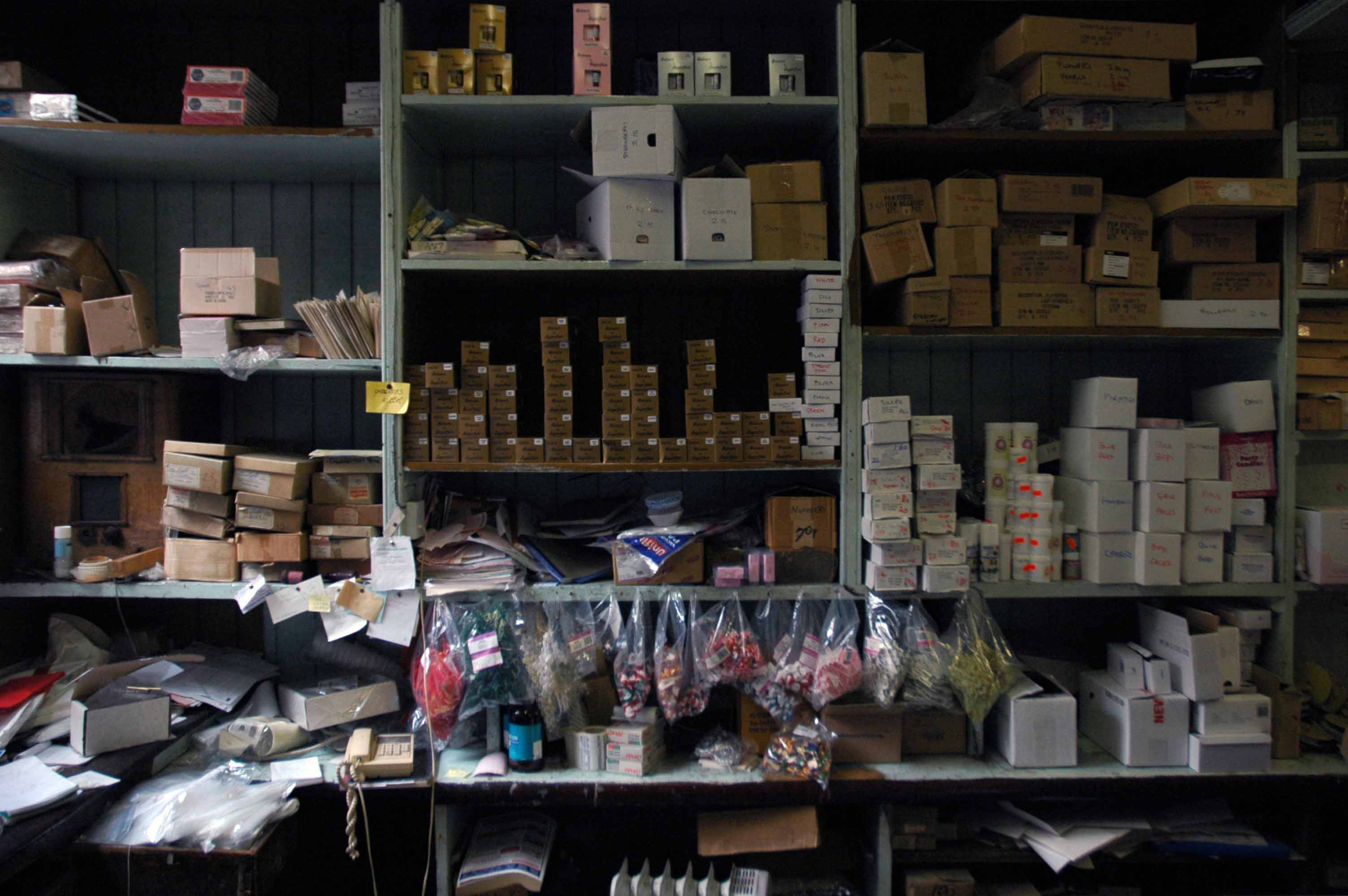
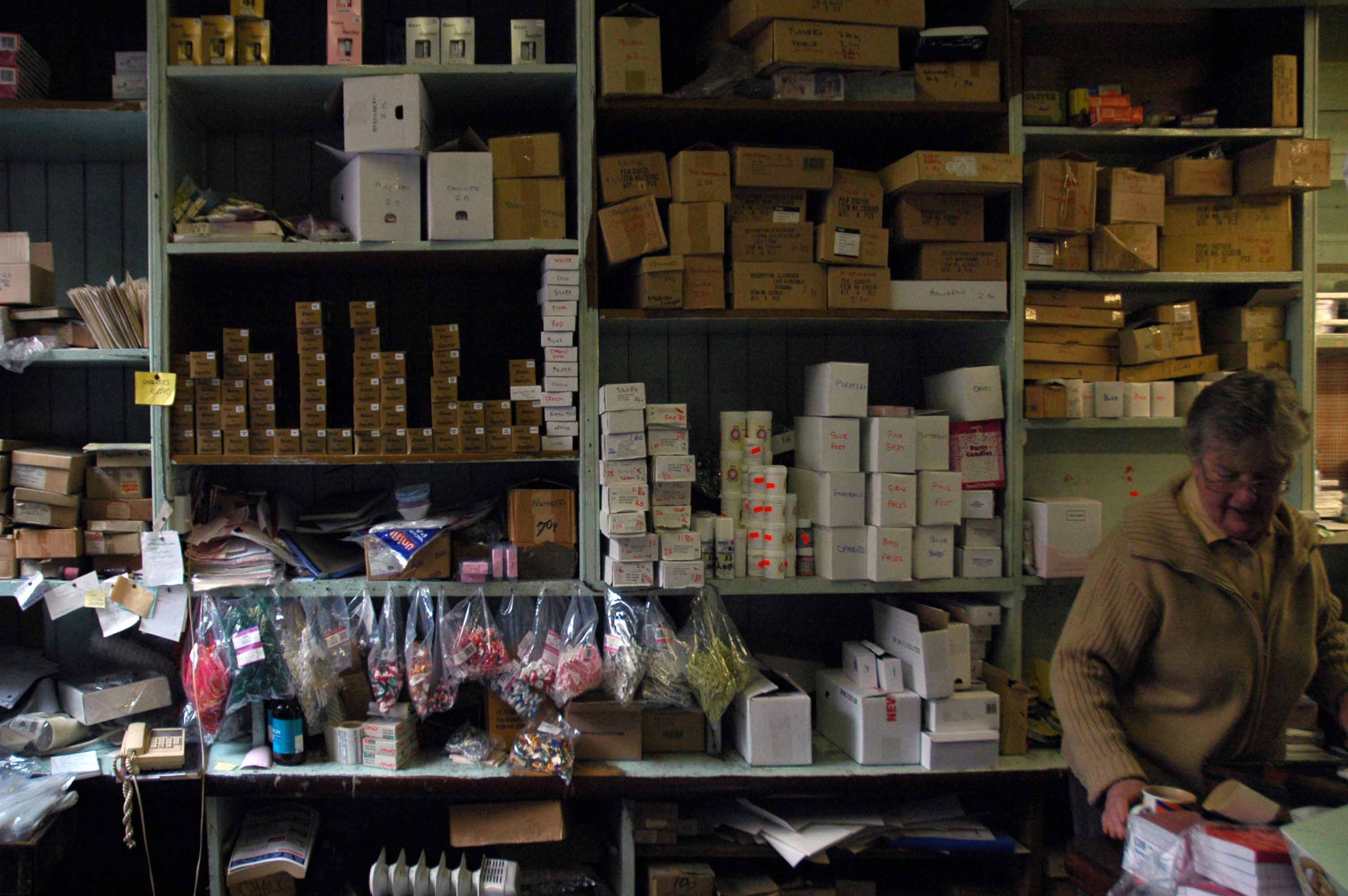
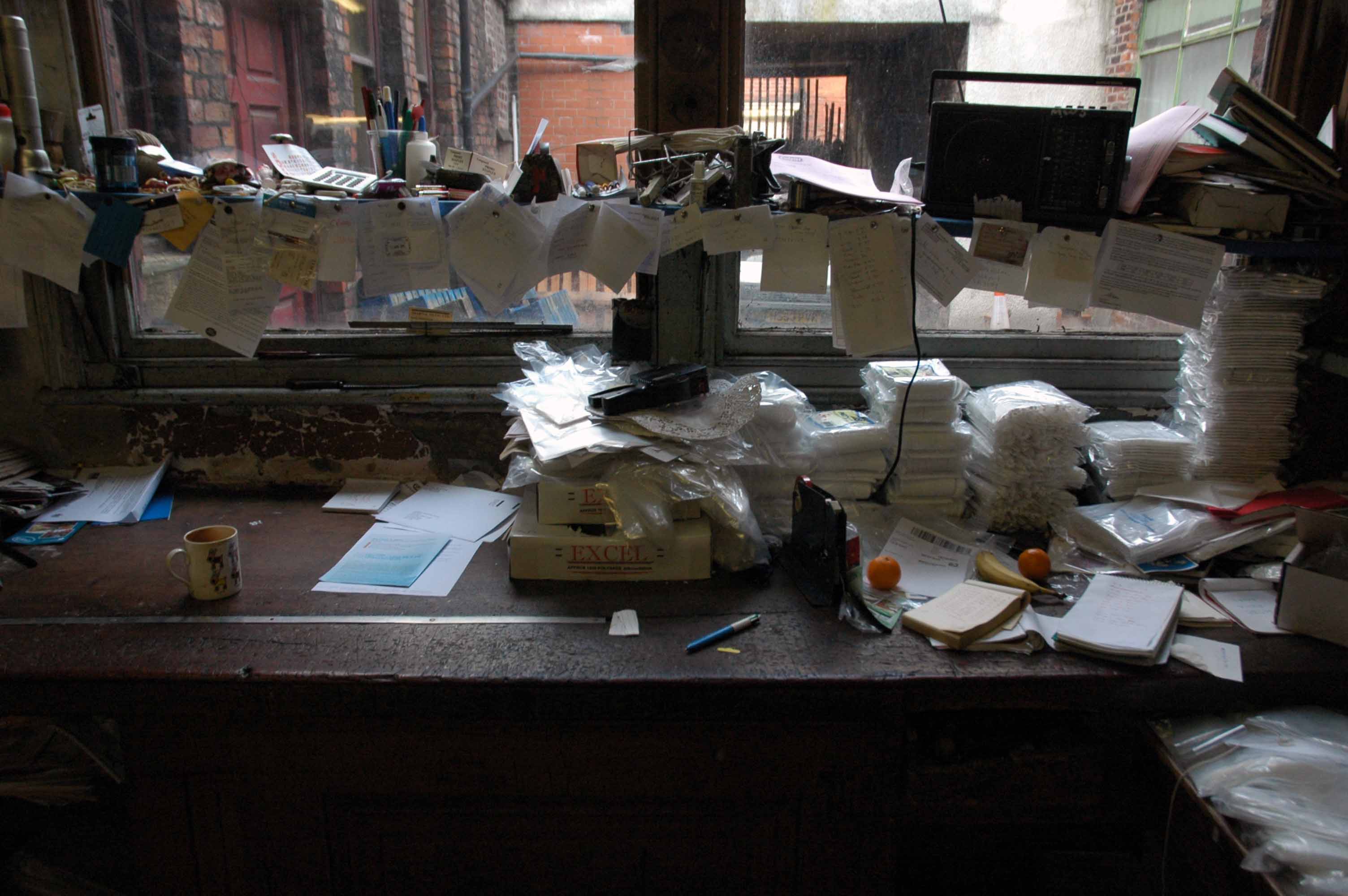
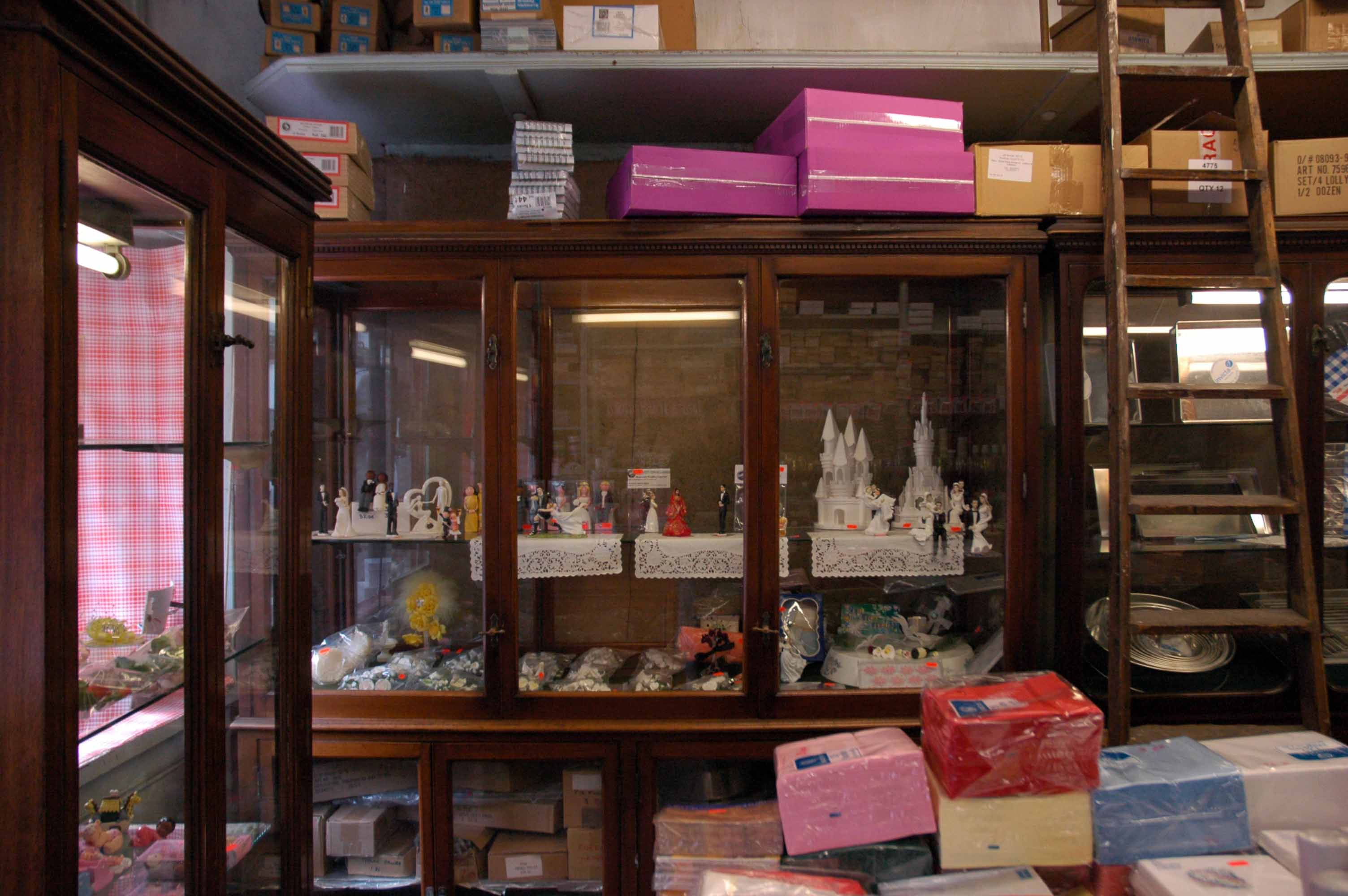
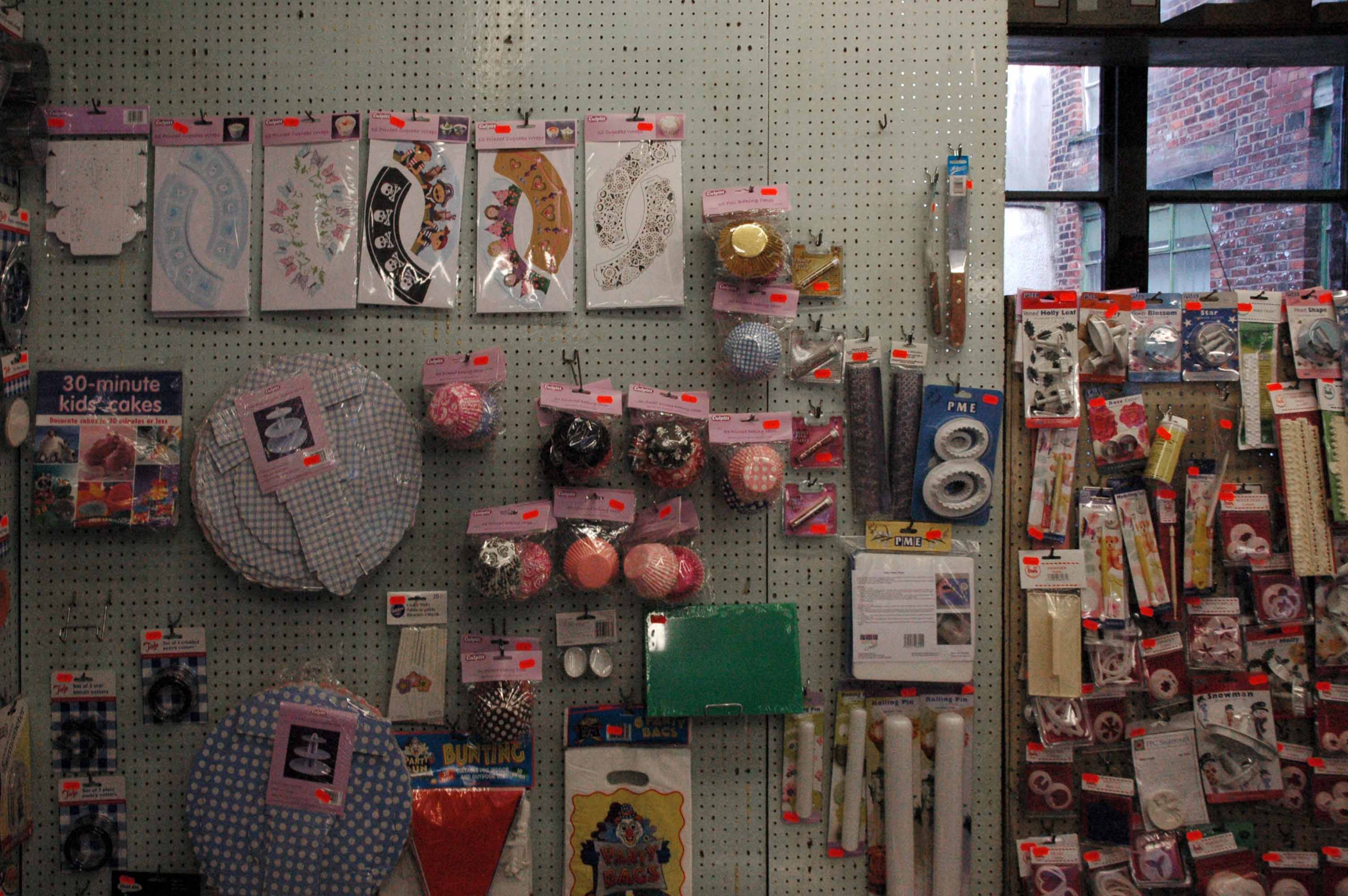
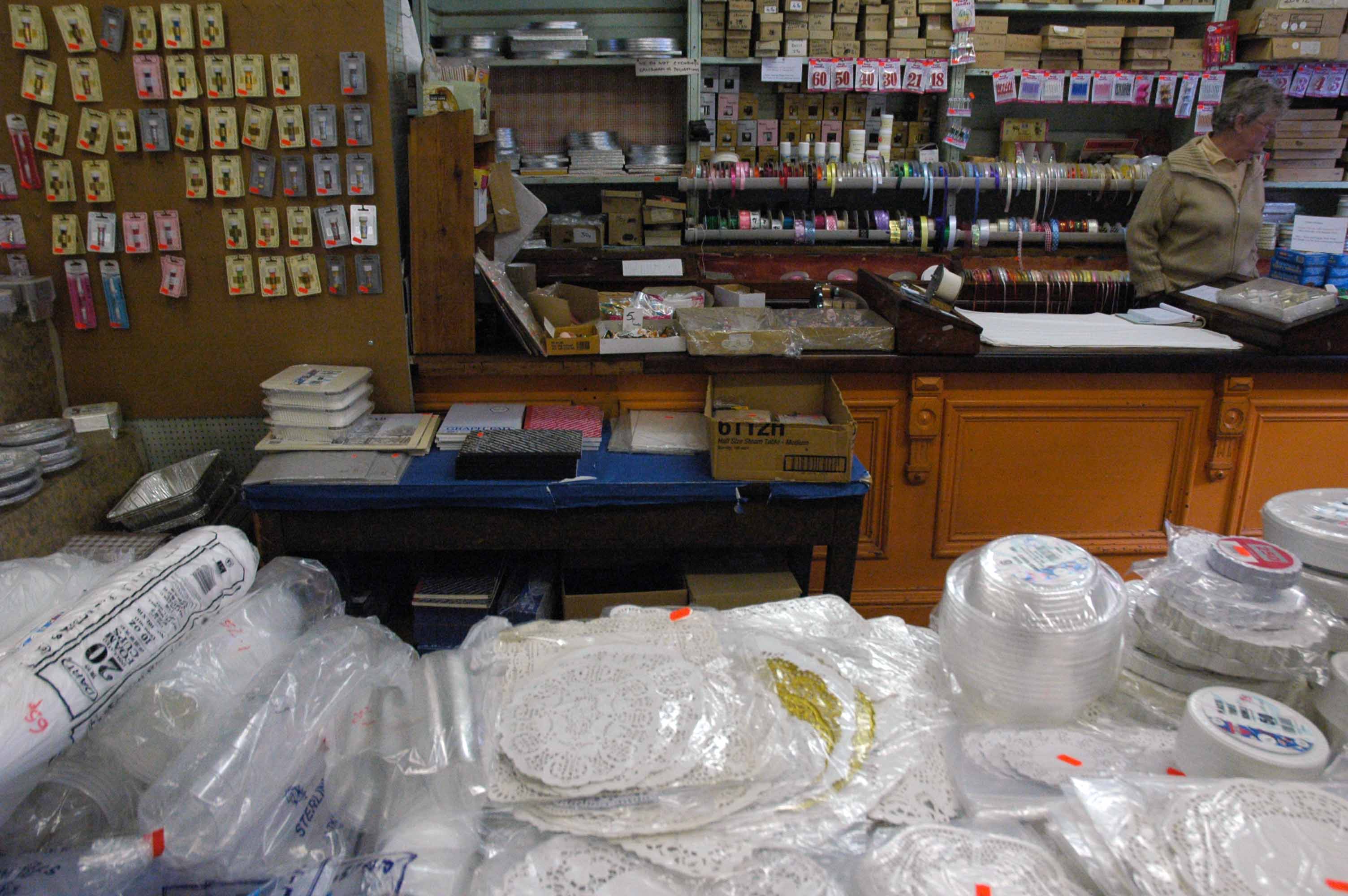
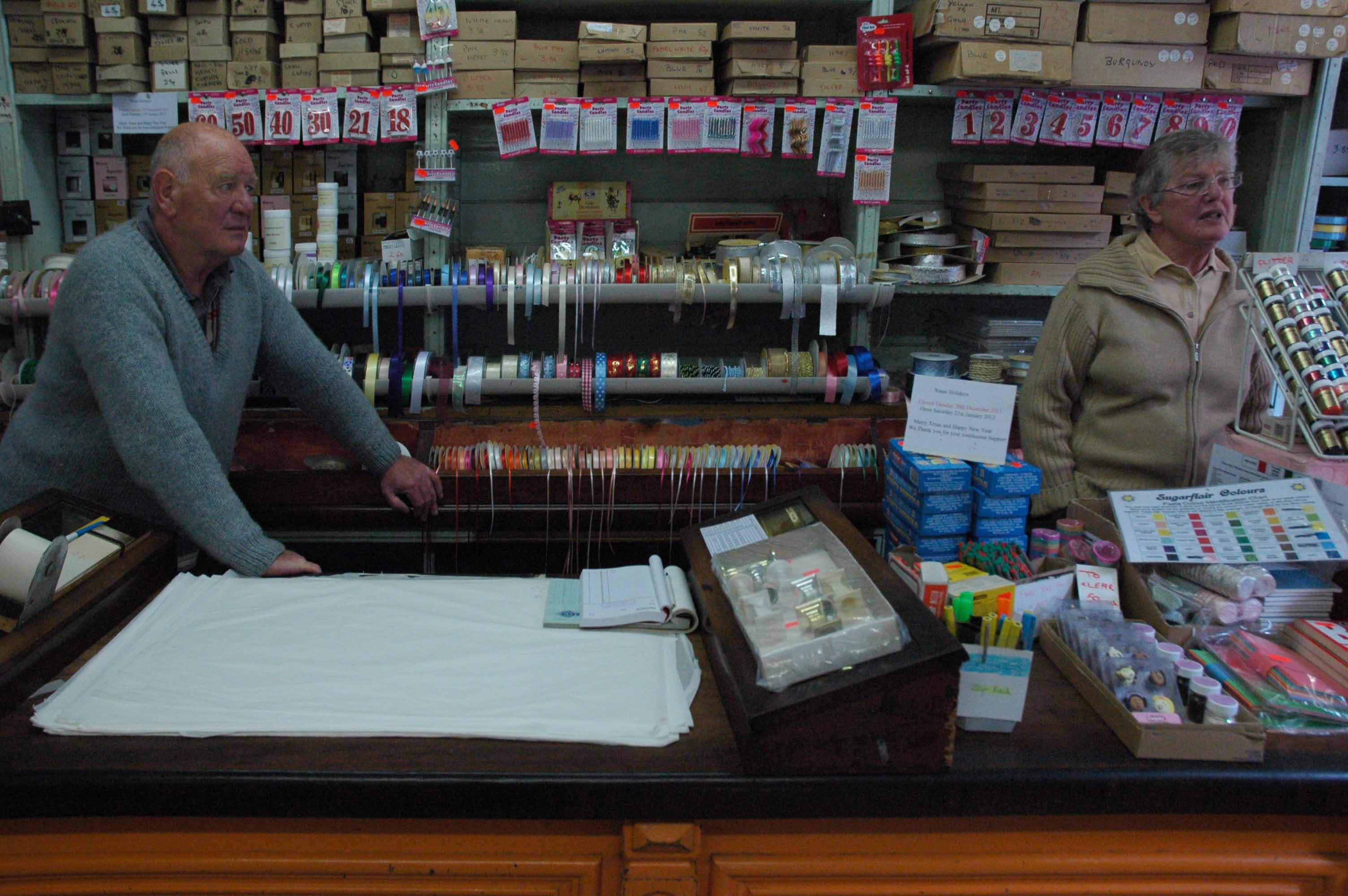
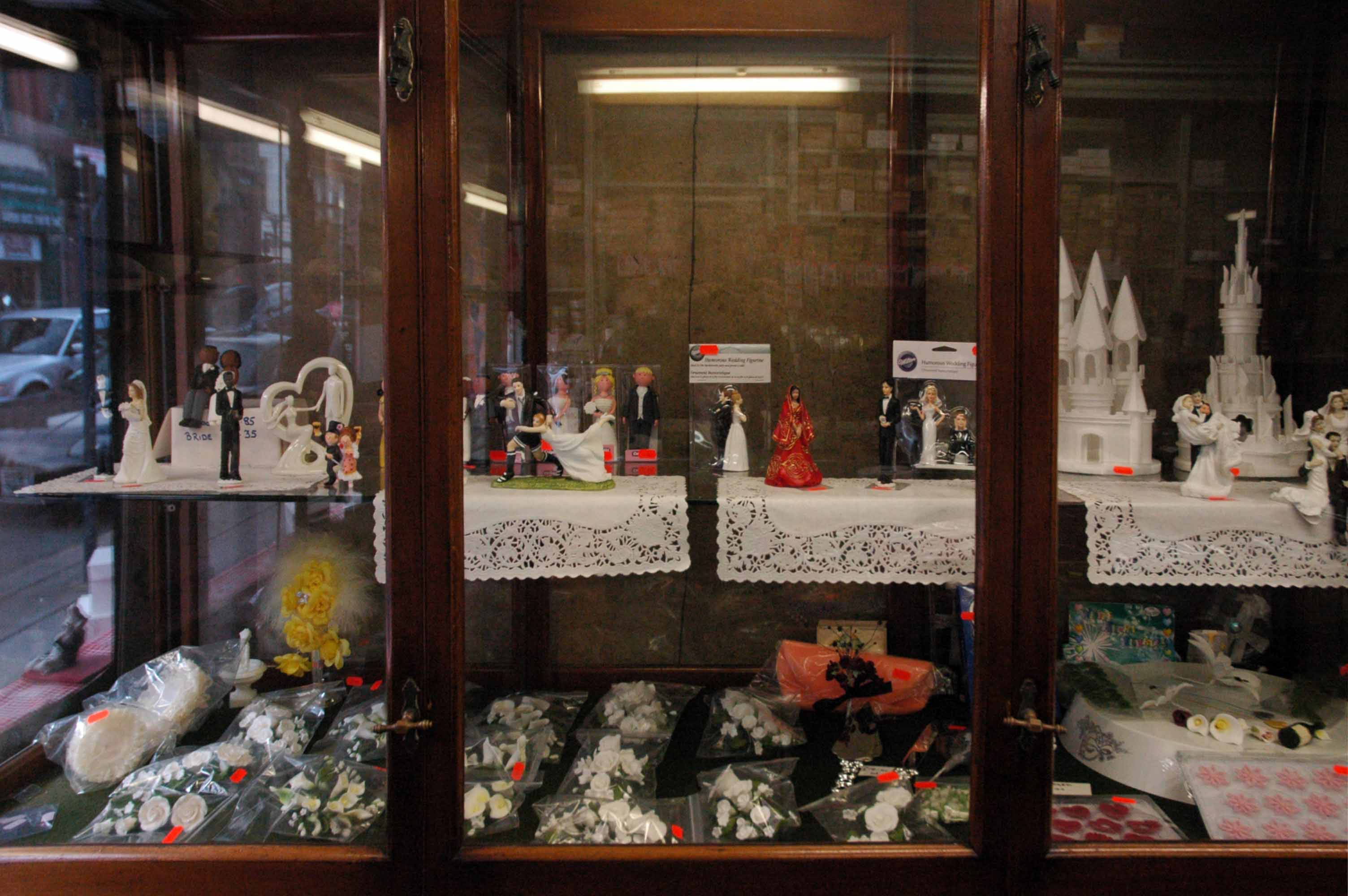
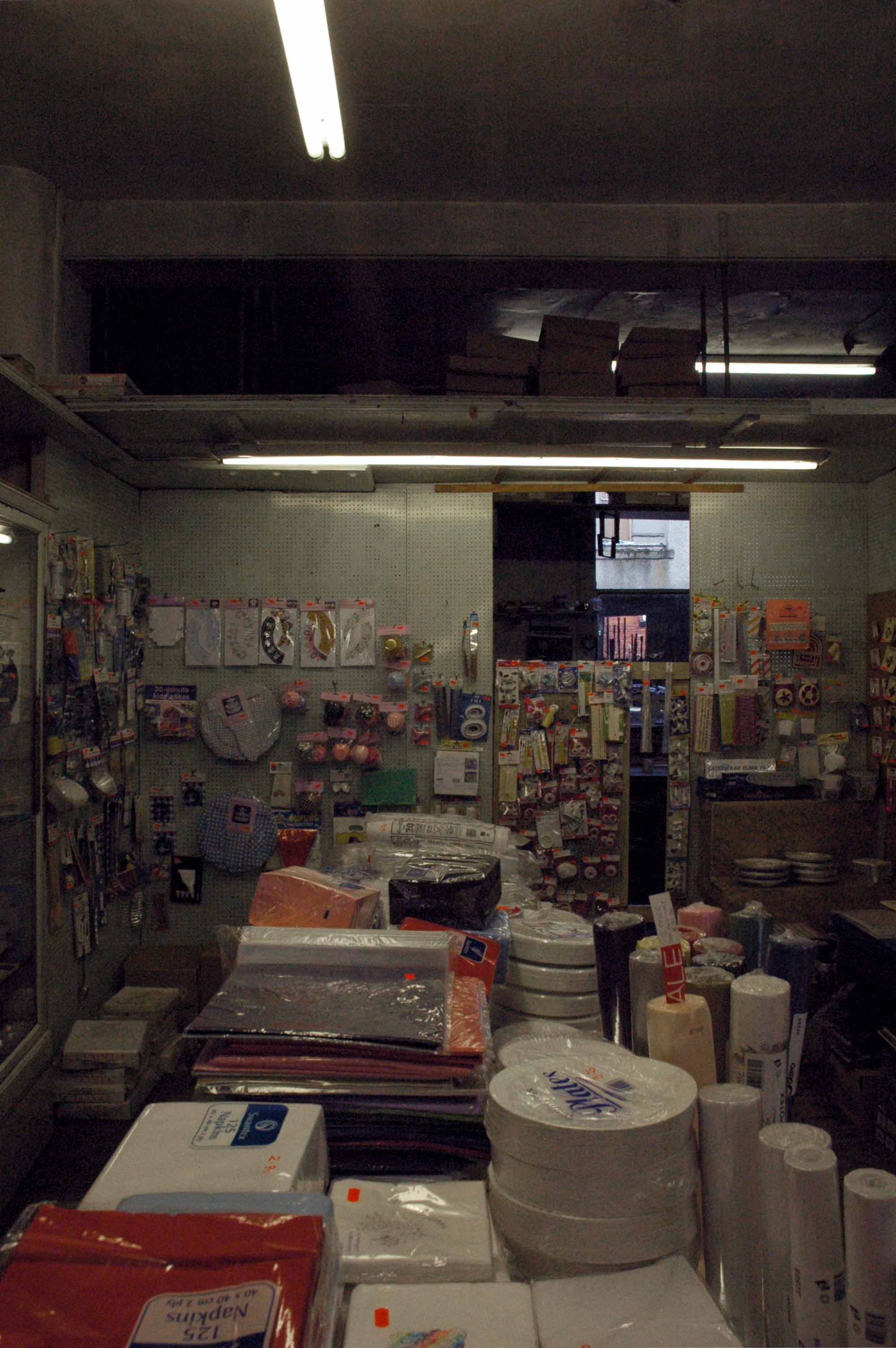
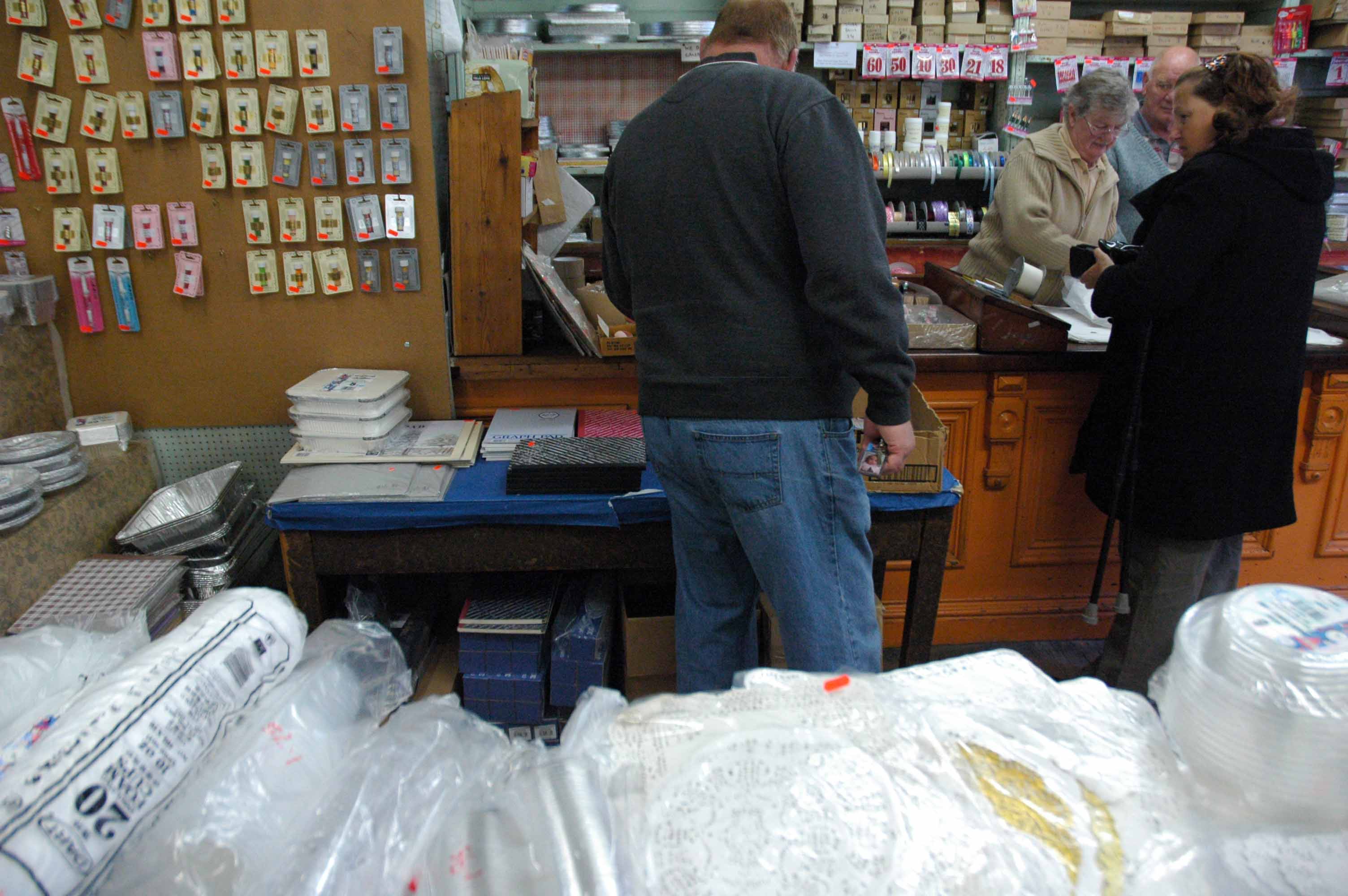
There’s nowhere quite like it – a wonderland of wares from who knows where?

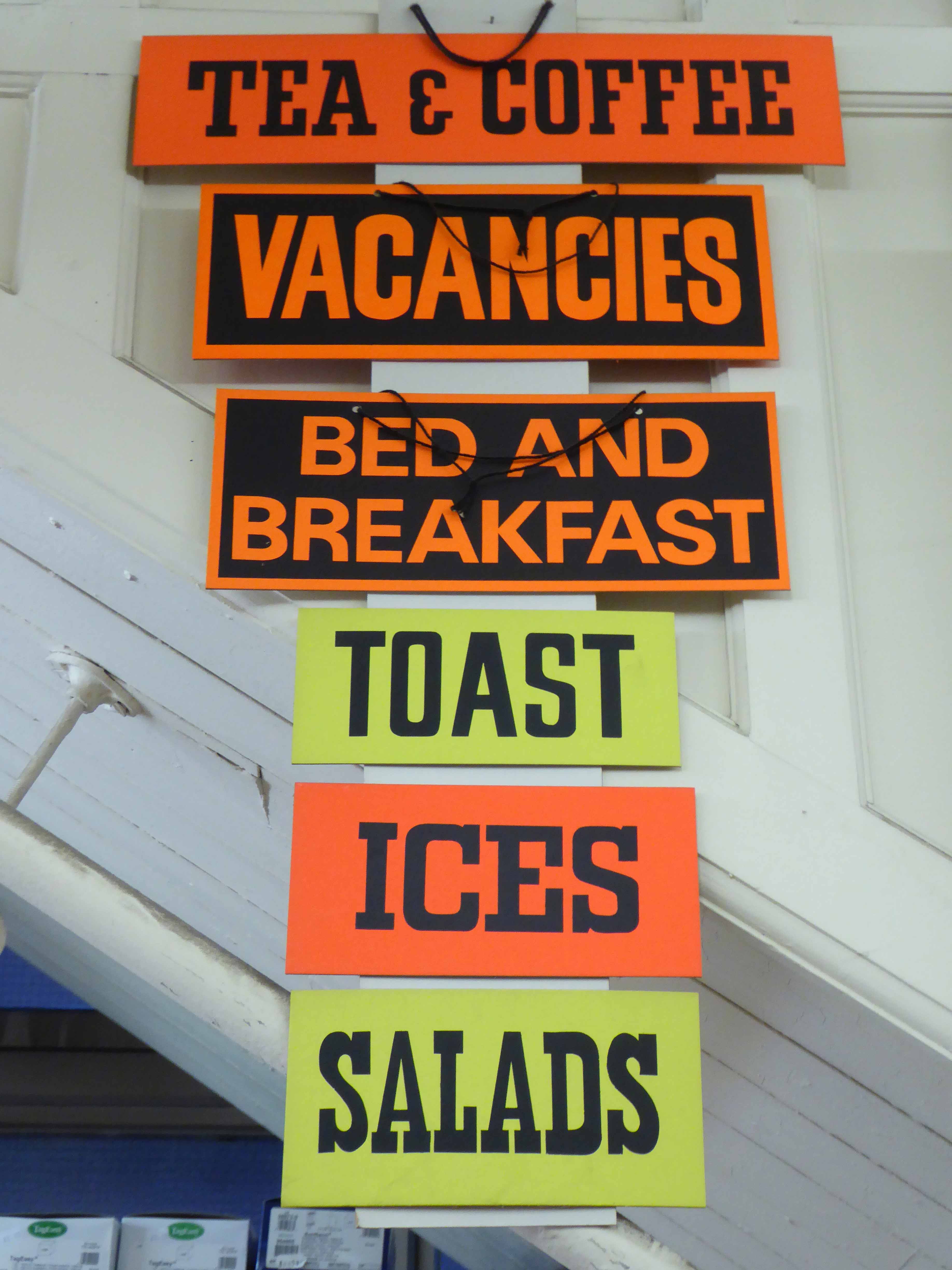
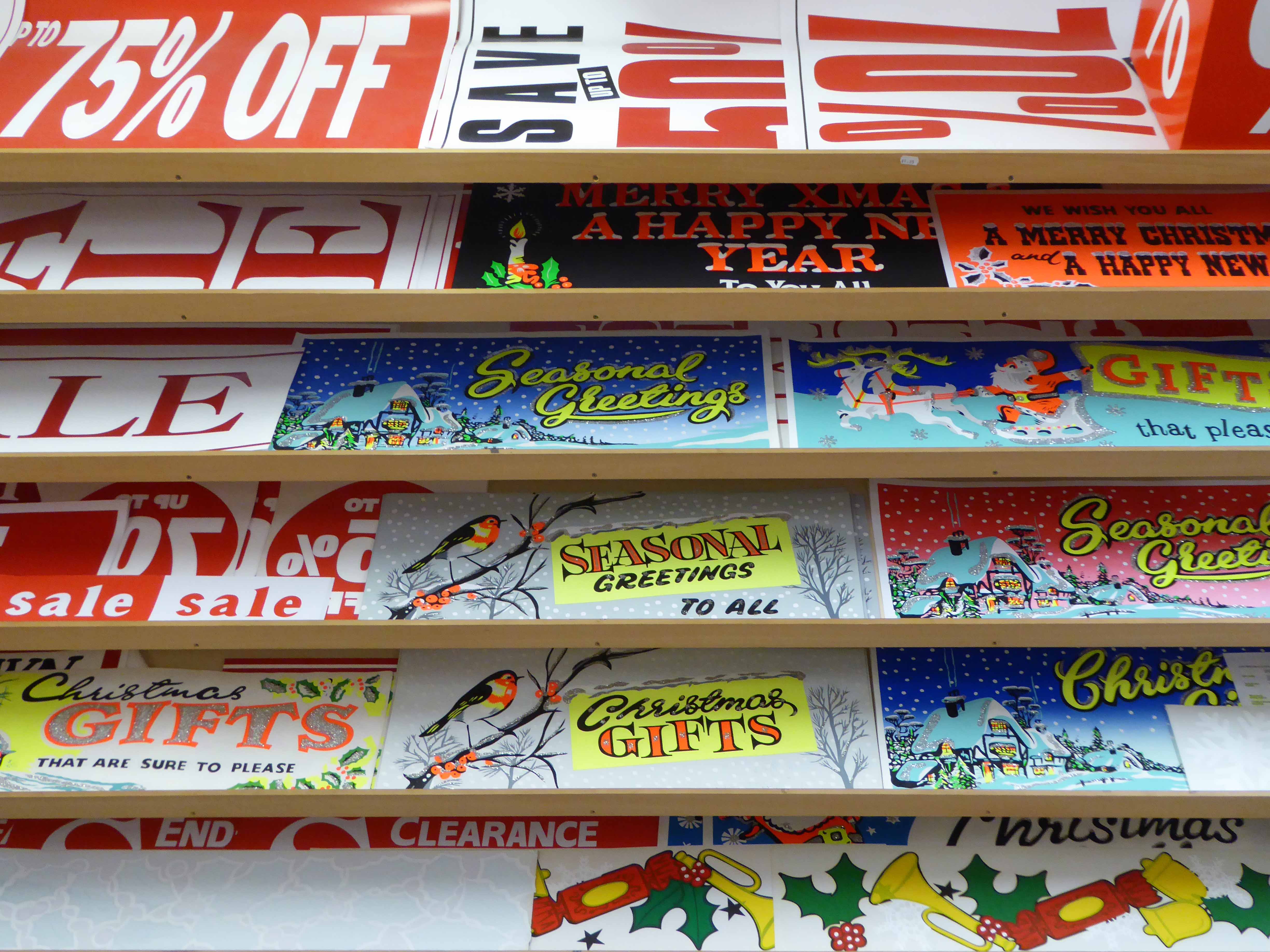
Well mostly from upstairs where they hand print the signs.

P1110728 copy

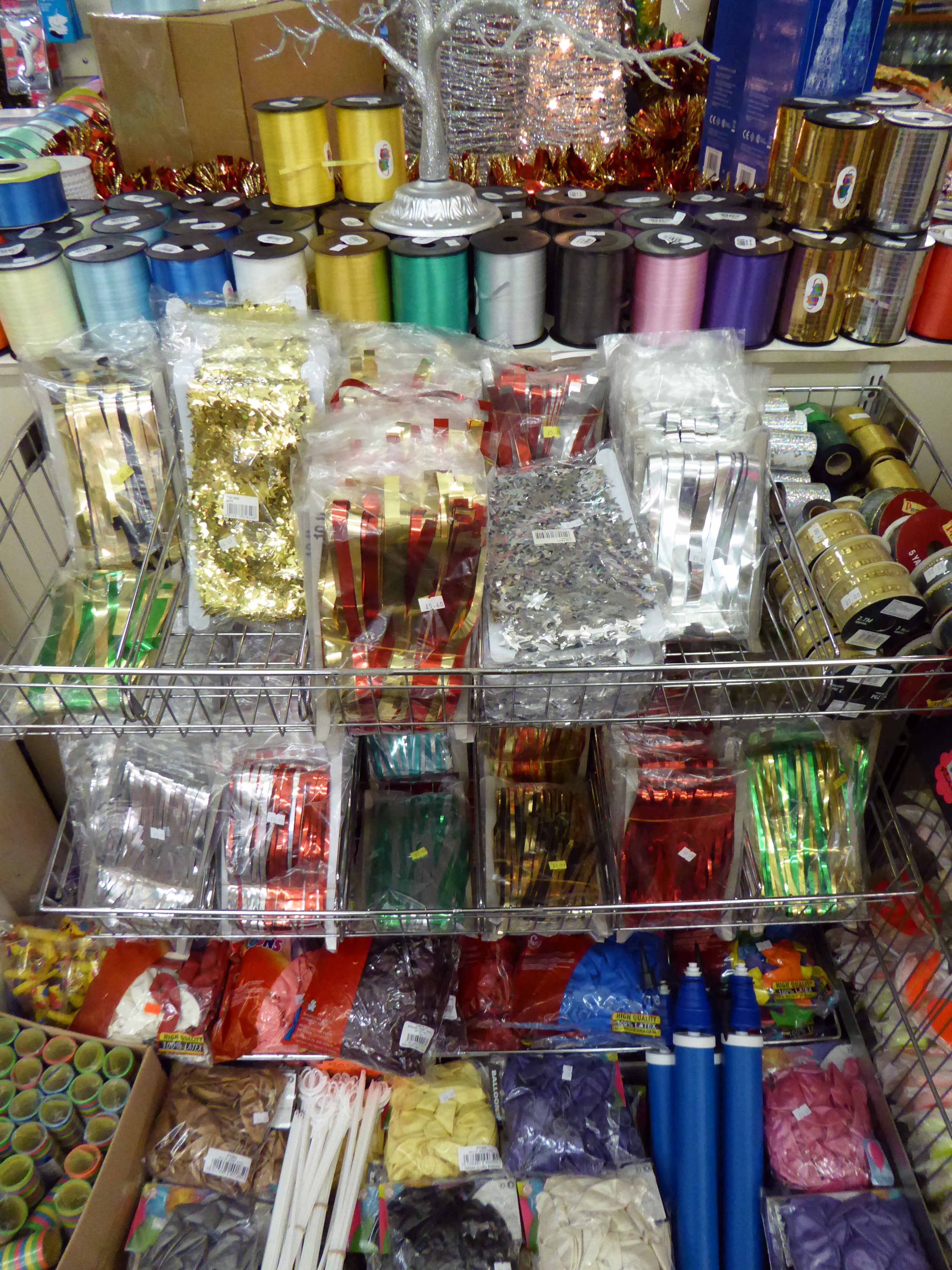
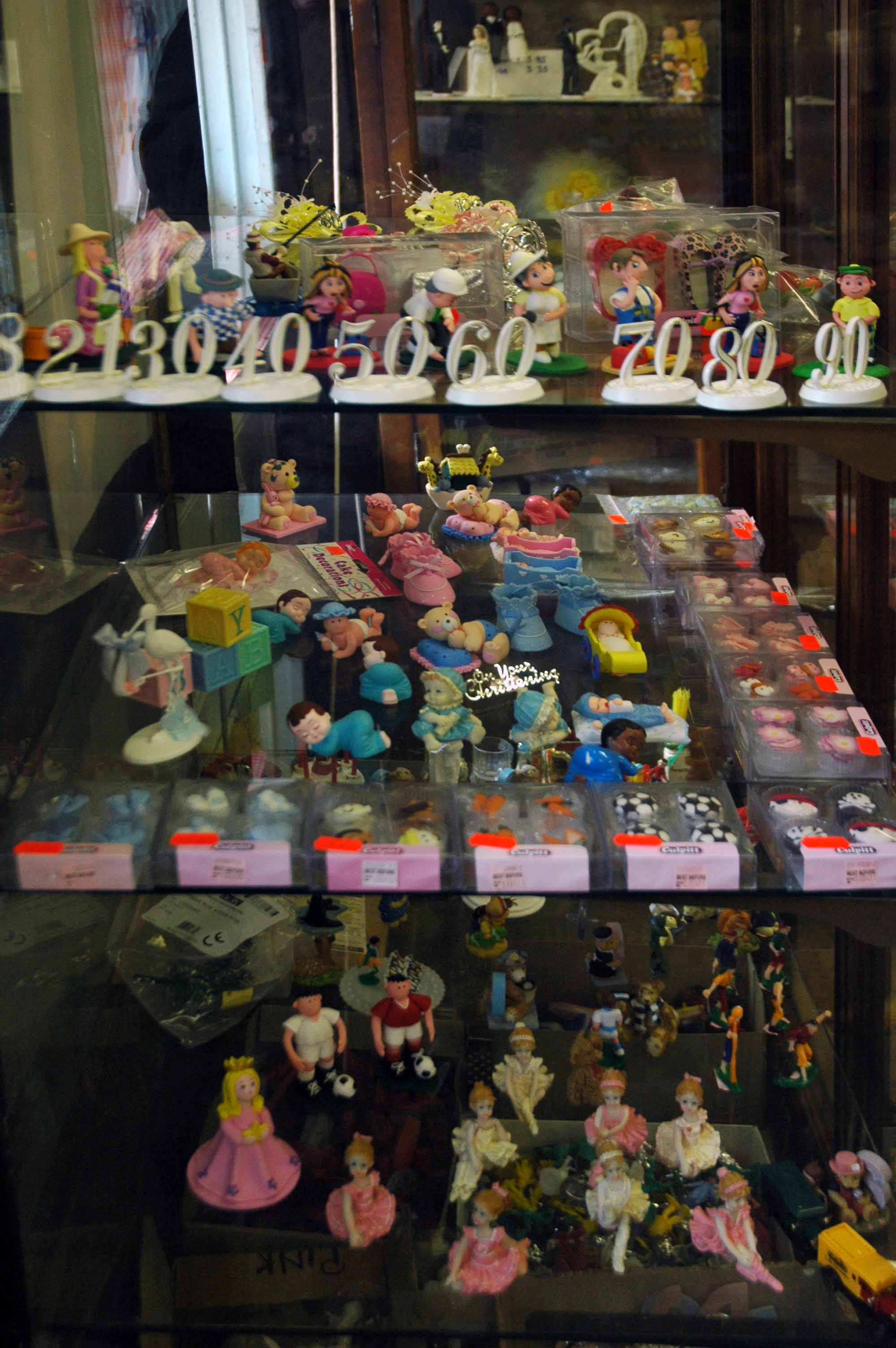
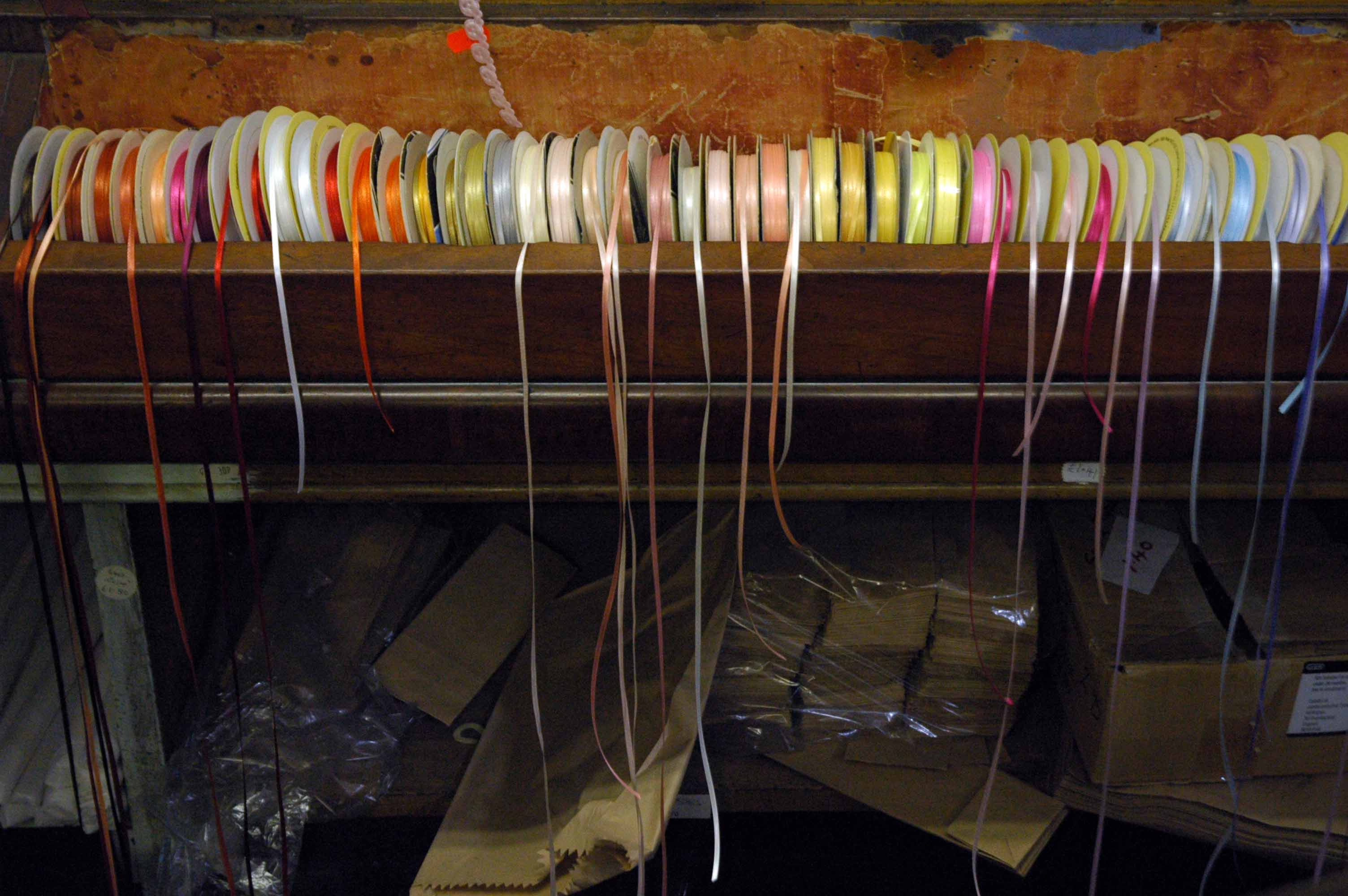
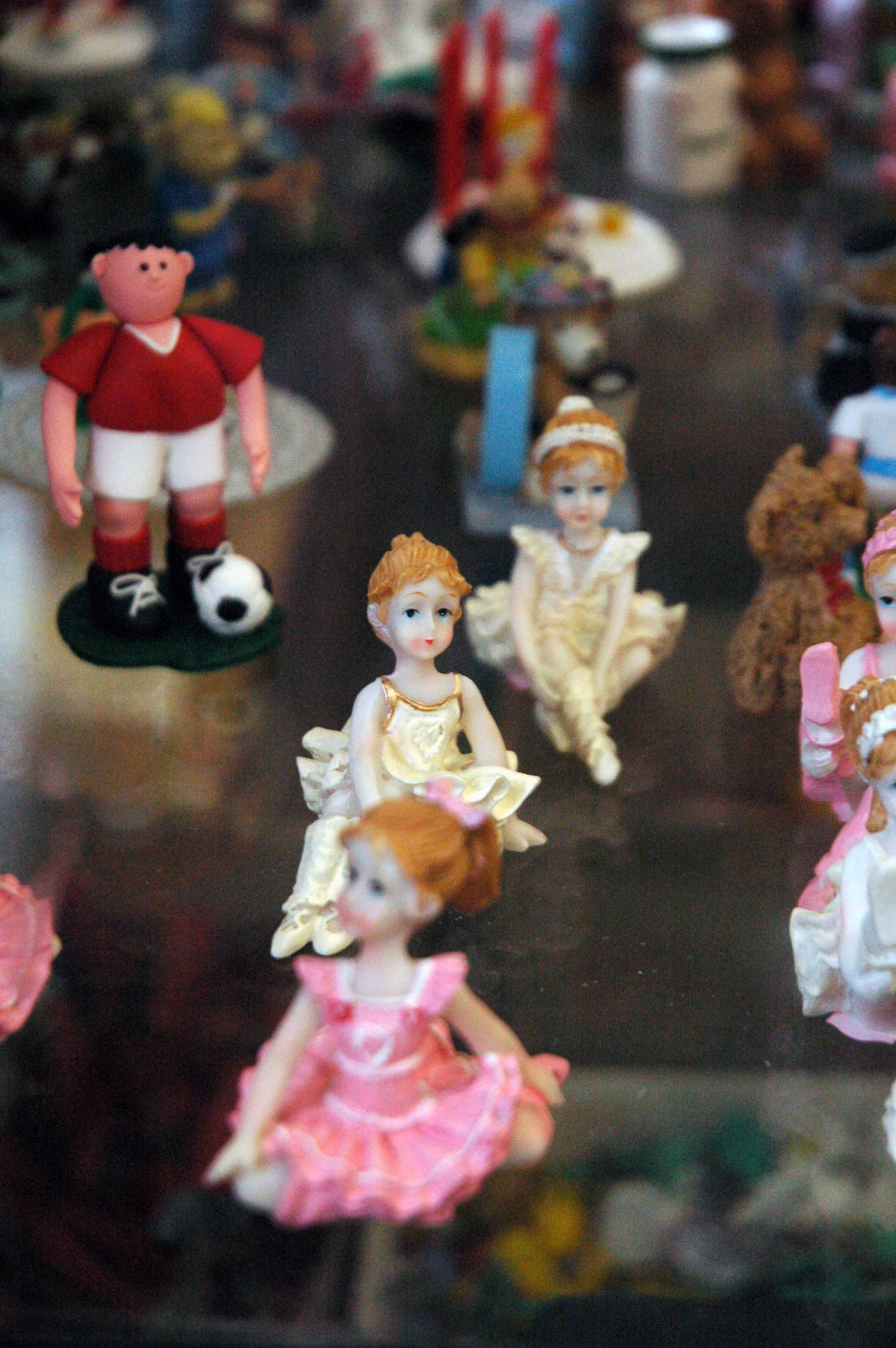
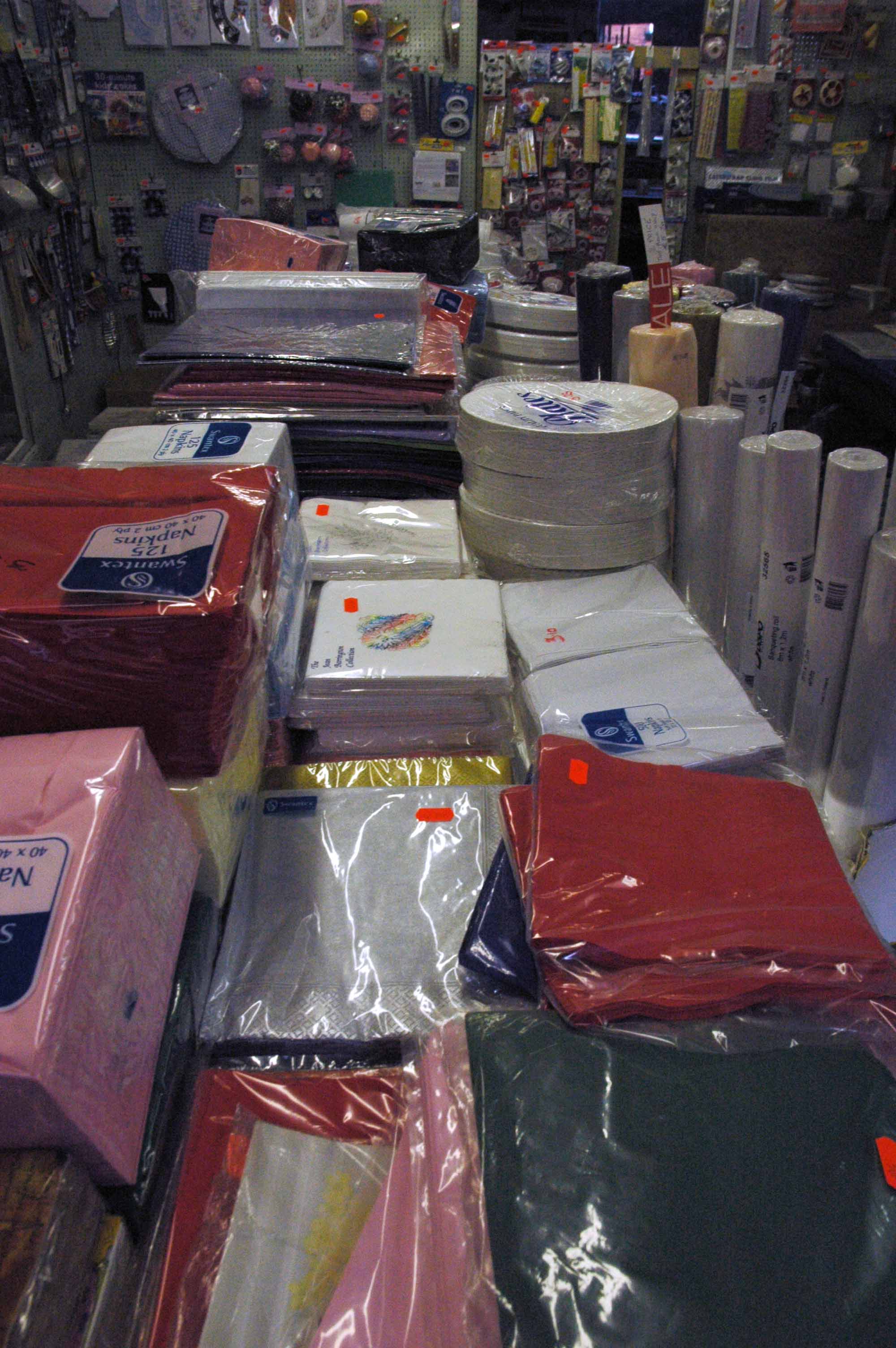
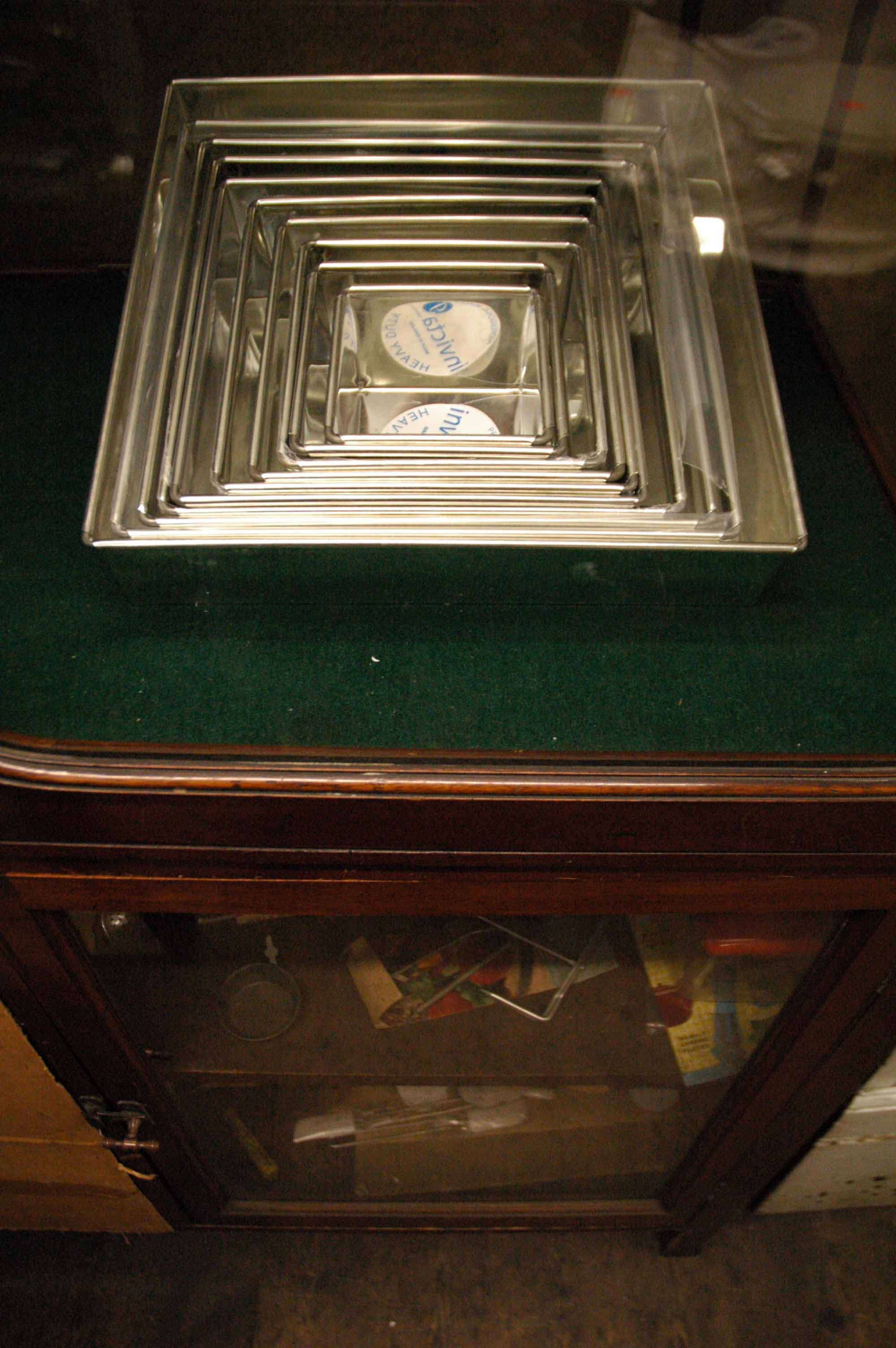
They have everything that you never ever knew that you really wanted.

At prices you just can’t resist.

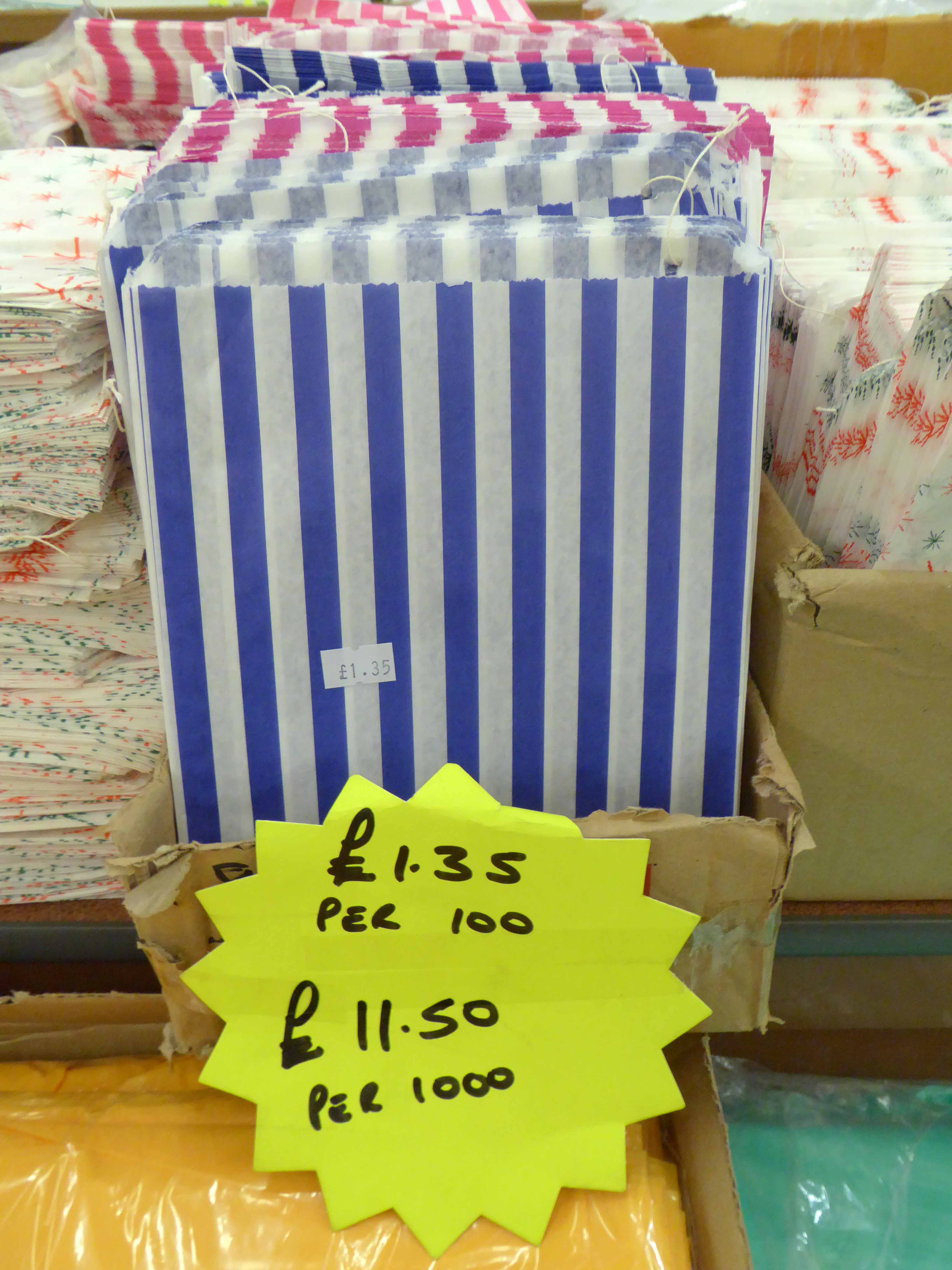
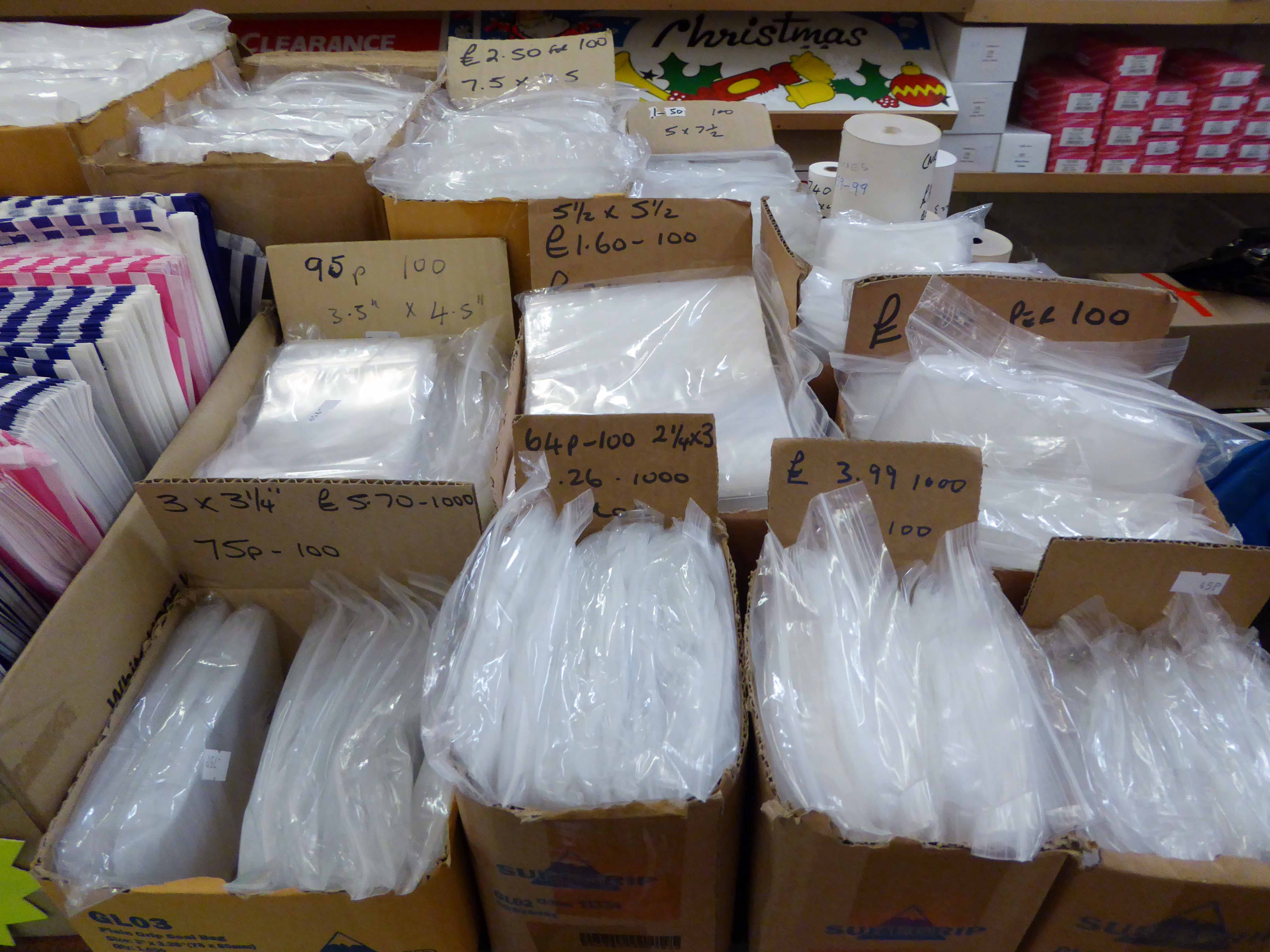
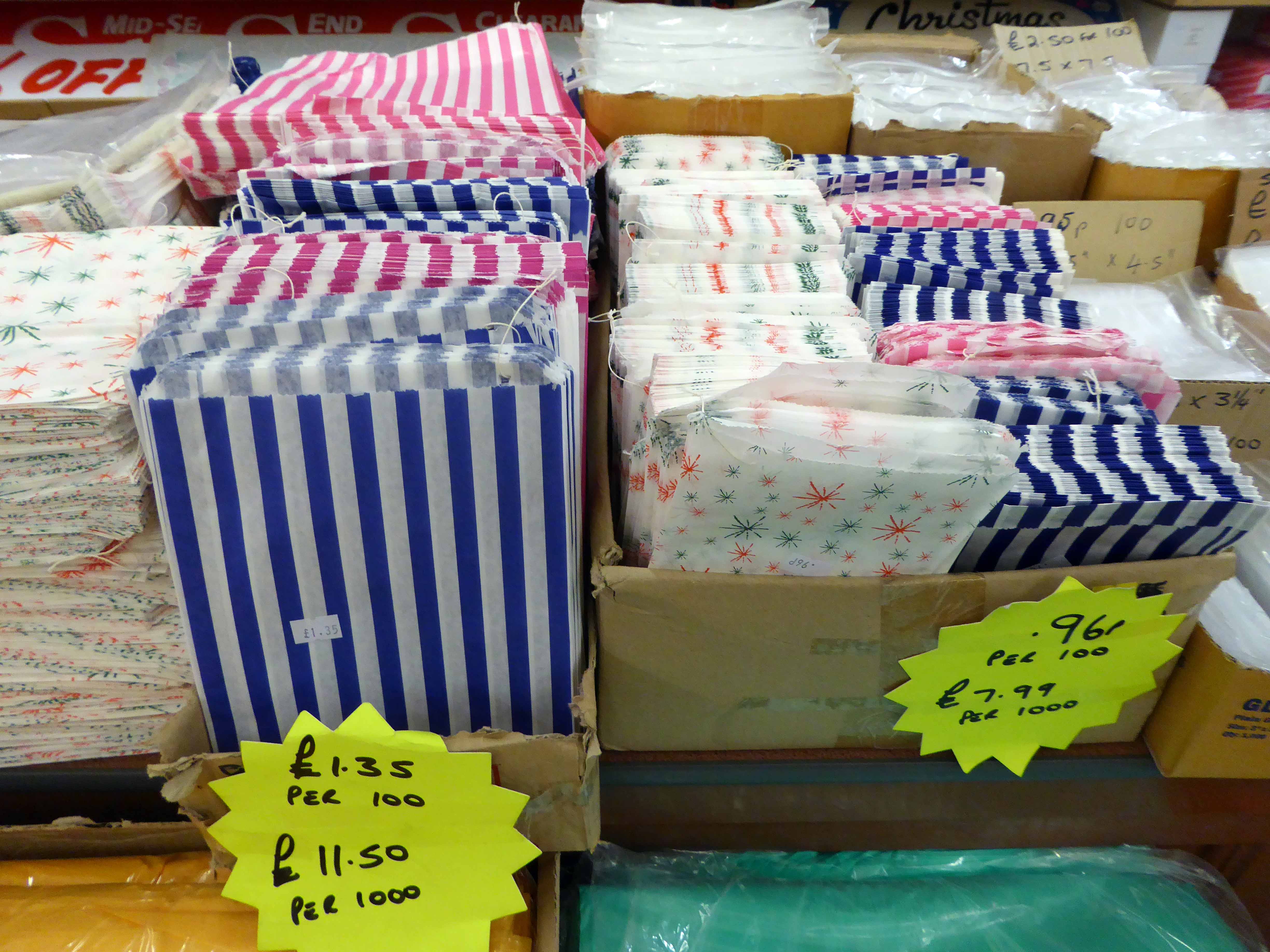
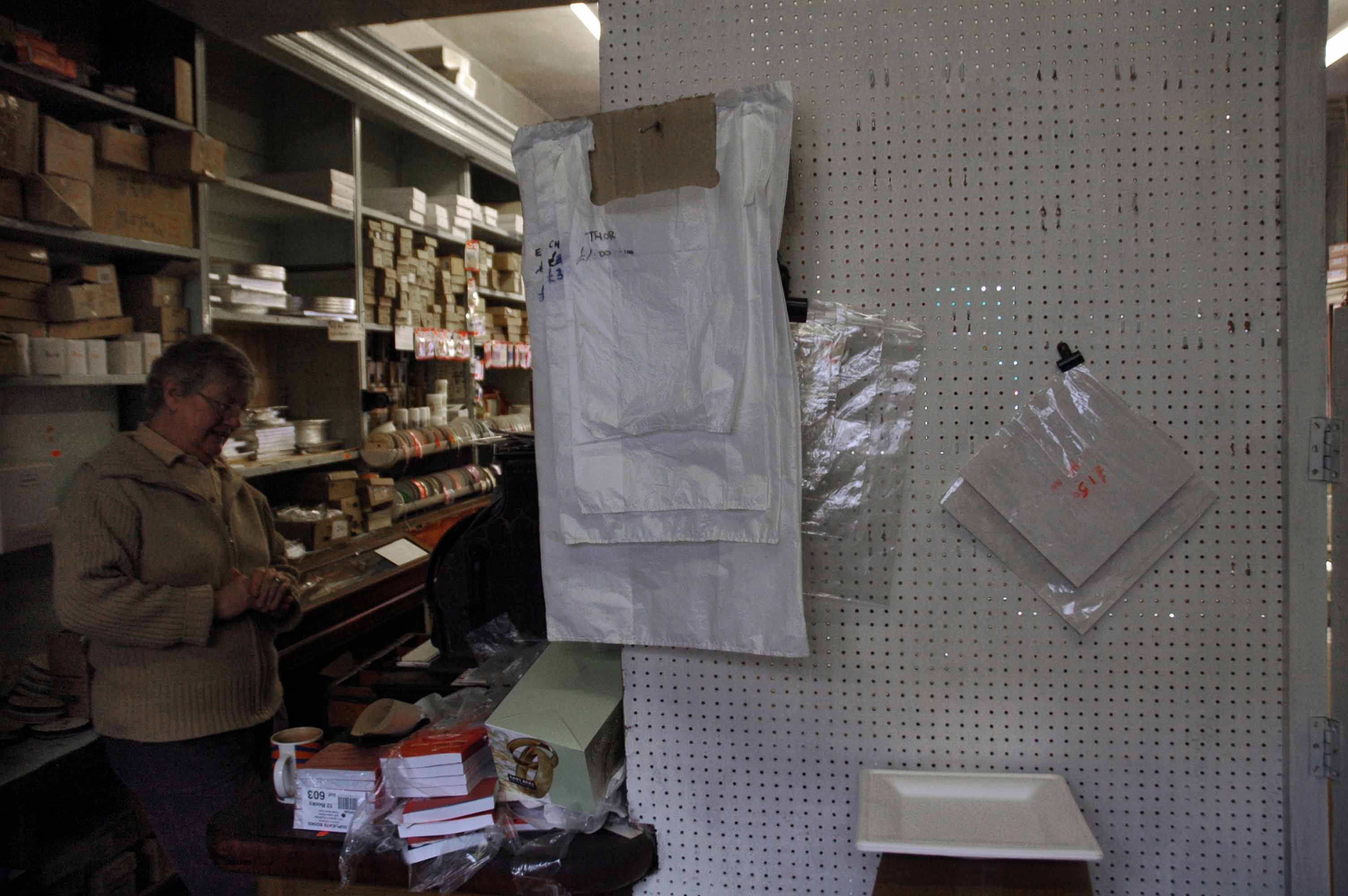
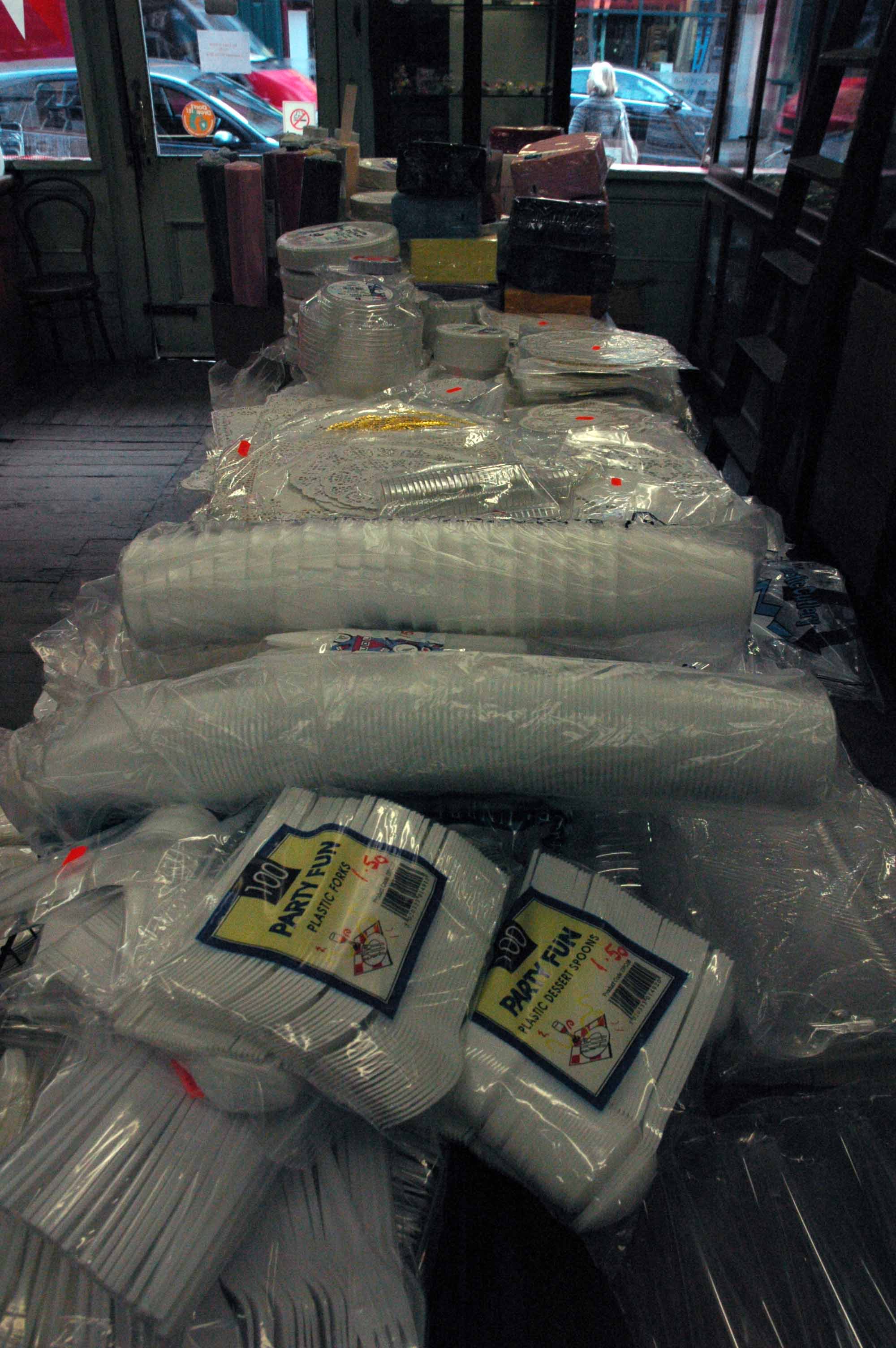
The finest selection of candy striped bags.

P1110733 copy

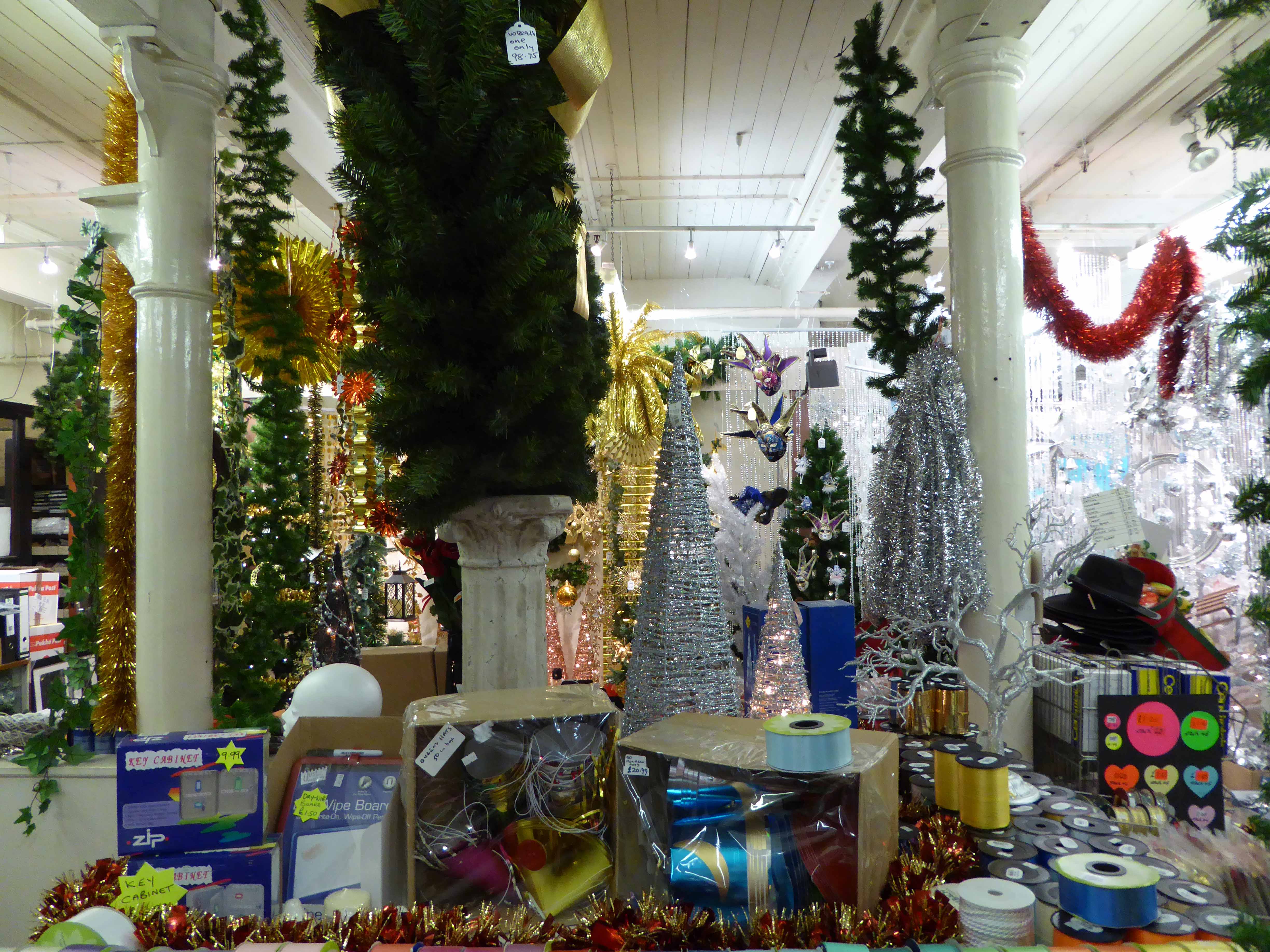
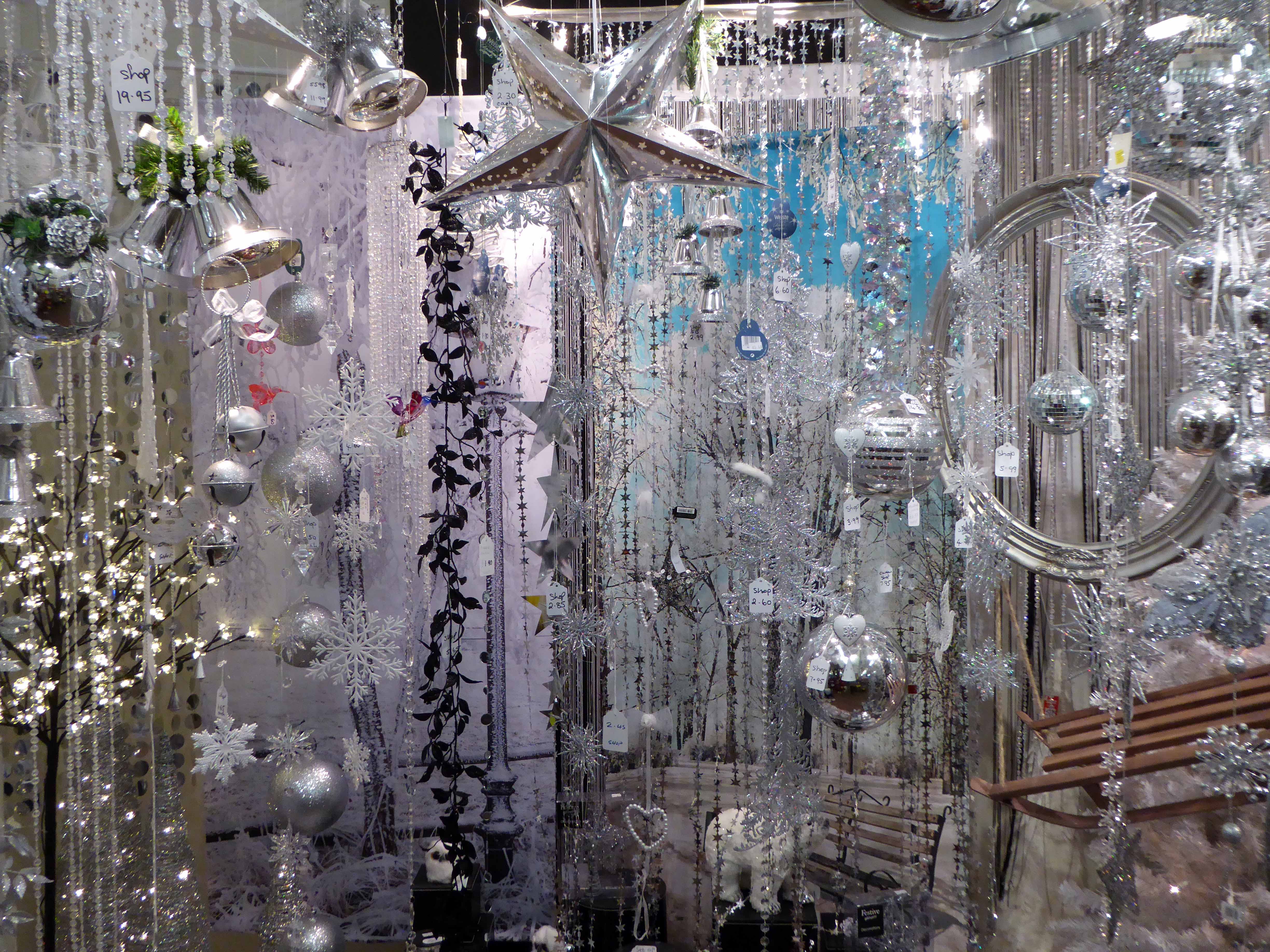
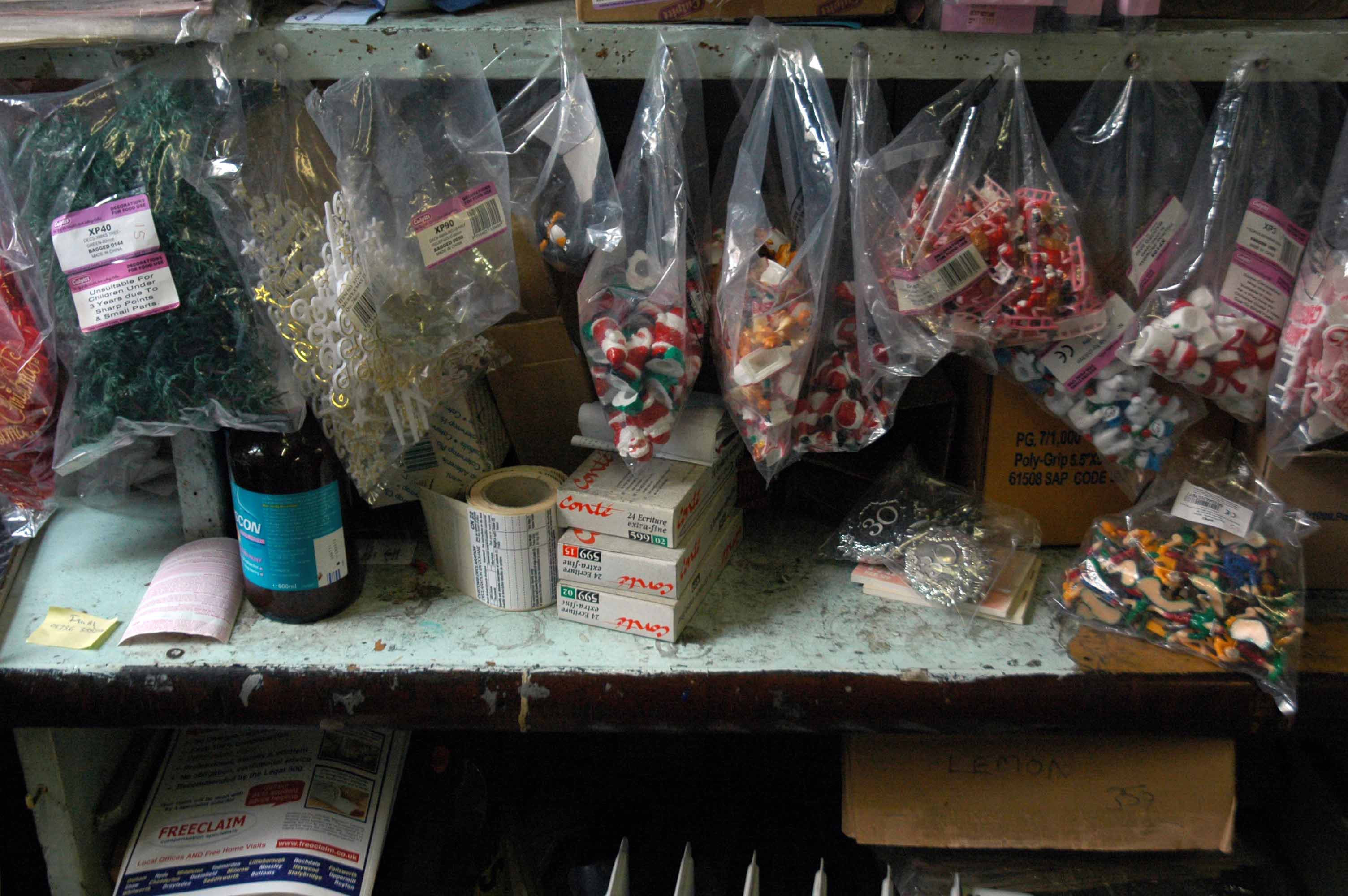
Things which twinkle and shimmer like no other things could ever do.

Transform your home into a 380 degree 365 24/7 winter landscape or tropical retreat.

P1110730 copy

P1110731 copy

P1110732 copy

P1110734 copy

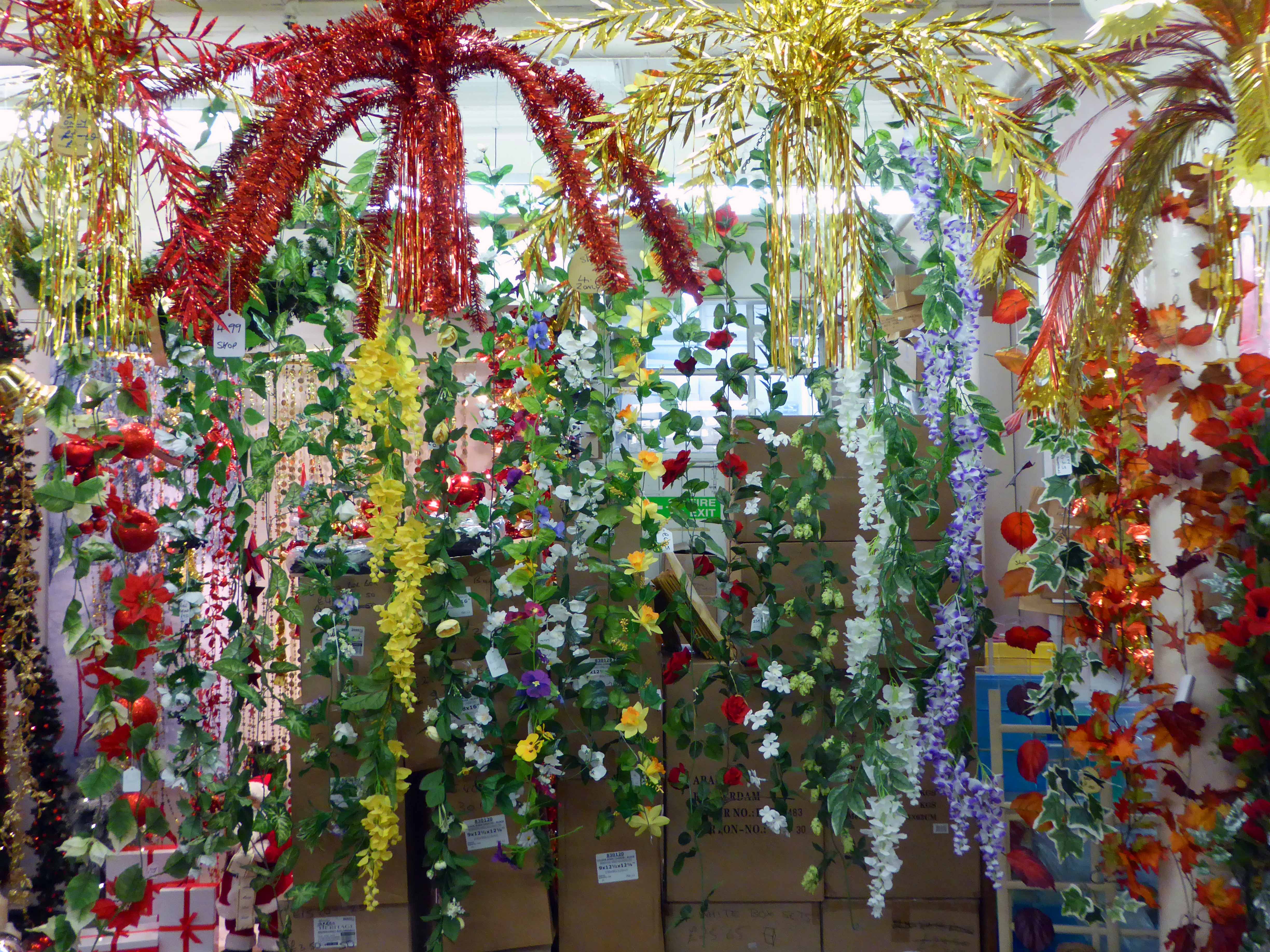
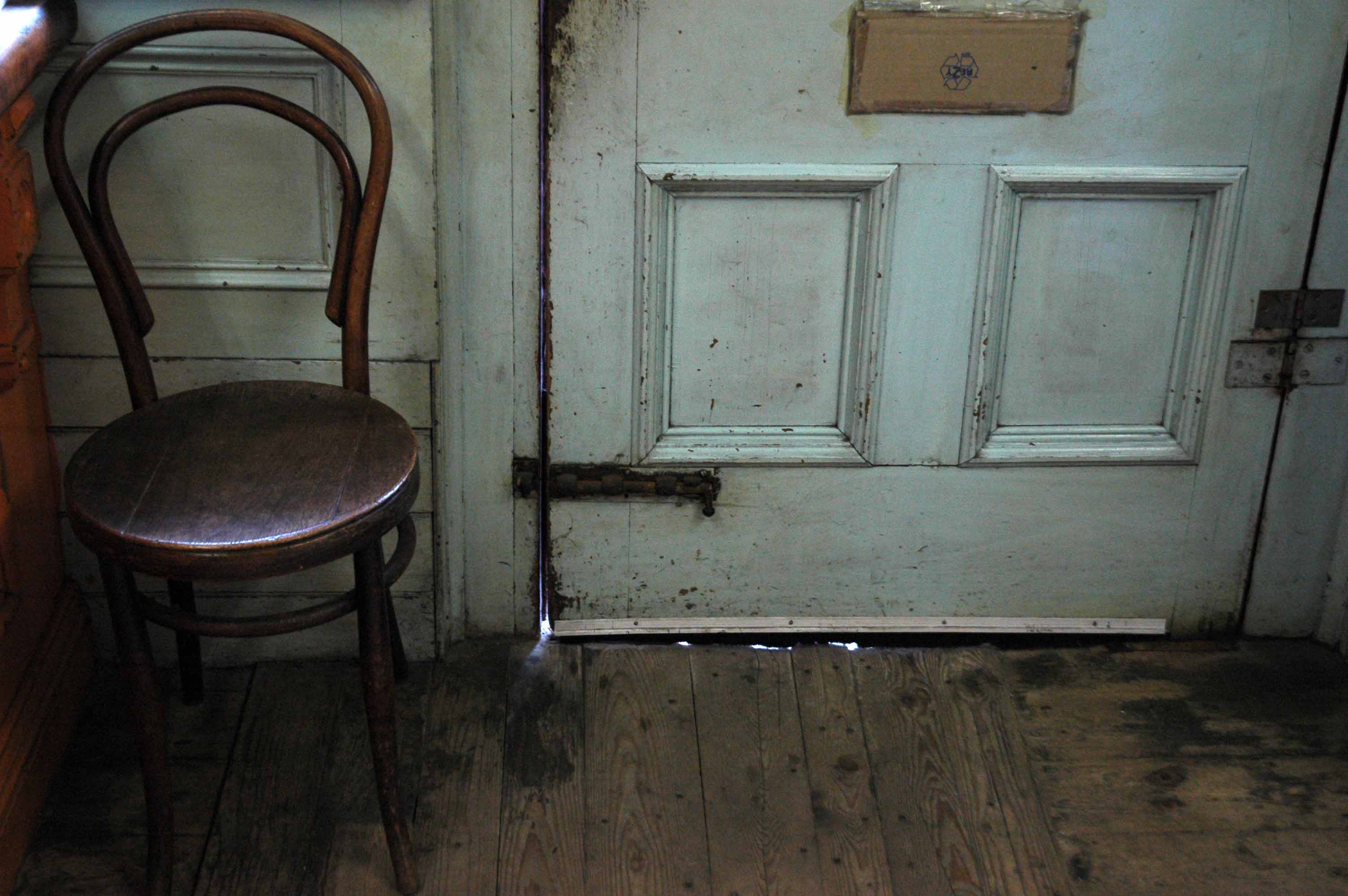
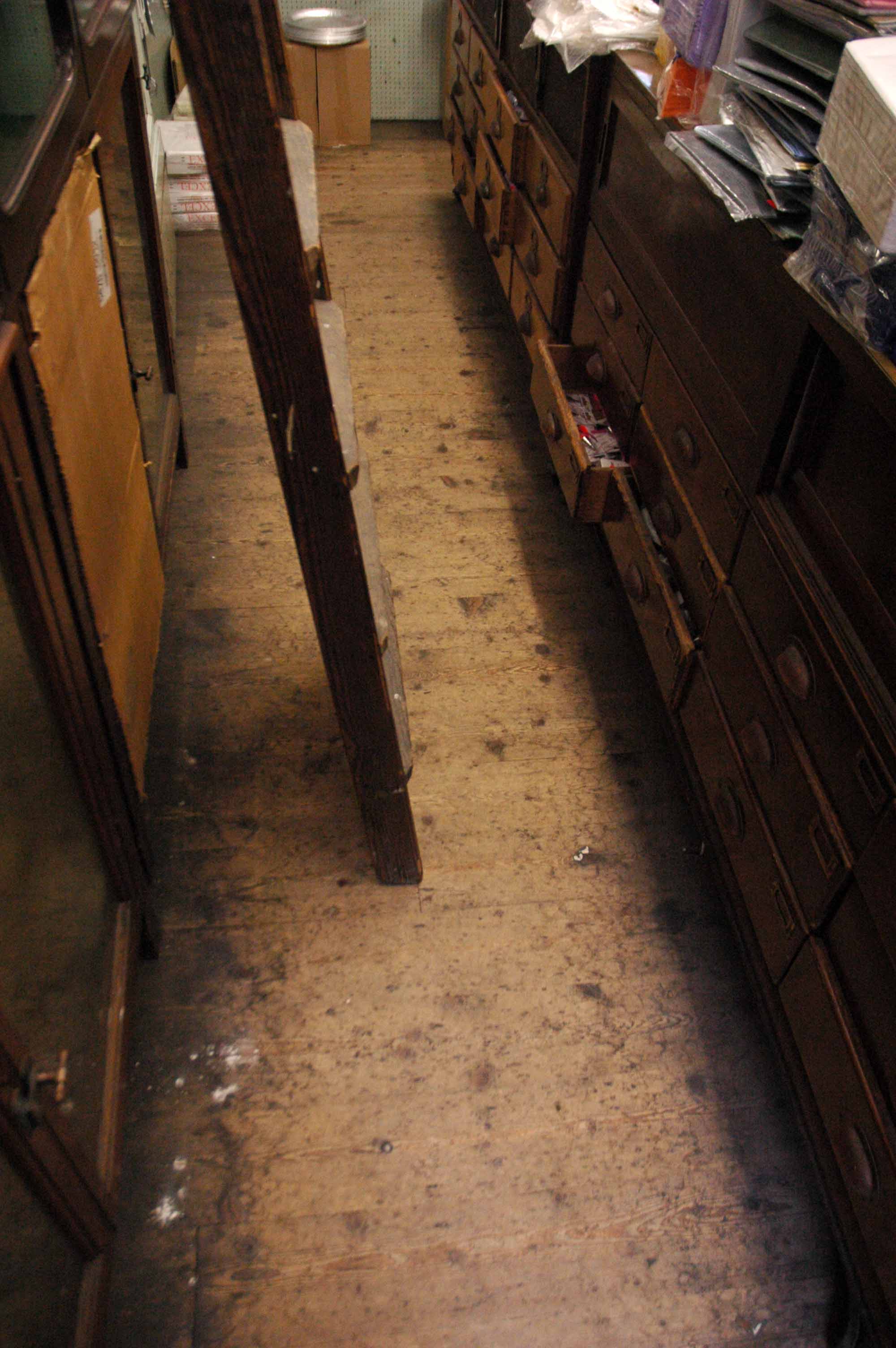
Just to wander the wobbly floorboards, is to enter a palace of variety that fills the senses with pure unadulterated delight.

Step inside love and lose yourself in a garden of artifice, happiness and joy!

P1110719 copy

P1110720 copy

P1110721 copy

P1110722 copy

P1110723 copy

P1110724 copy

P1110725 copy

P1110726 copy

P1110727 copy

P1110729 copy

P1110736 copy

P1110737 copy

P1110738 copy

P1110740 copy


John Lewis Mosaics – Milton Keynes

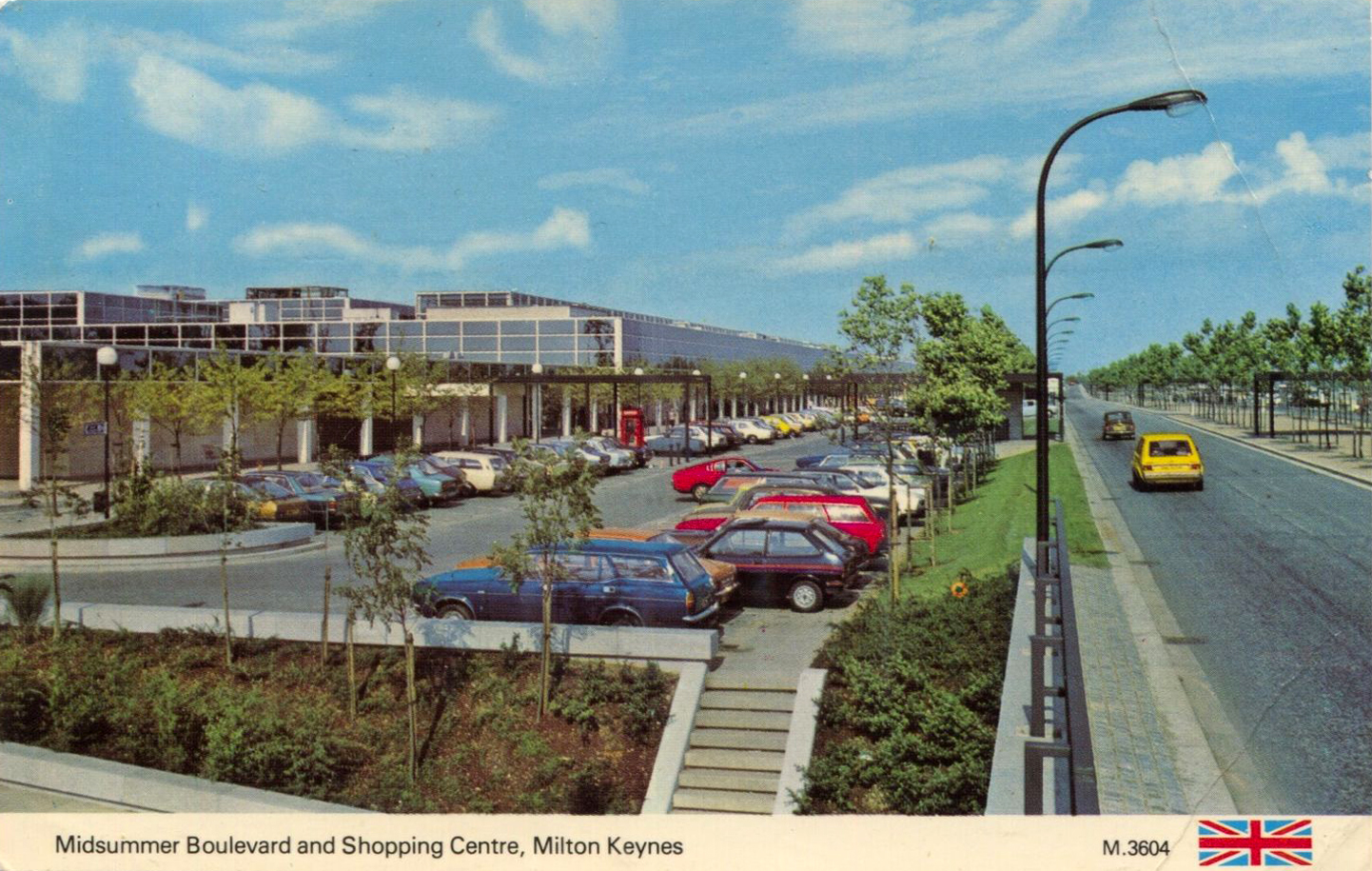
I was lured here, siren like, by an un-purchased eBay postcard – which precipitated a virtual four colour process printed journey around the shopping precincts of the UK.

MK b copy

It only seemed appropriate to finally arrive at MK Central in real life, by train from Stockport – walking at last wide-eyed and expectant, along the whole length and width of Midsummer Boulevard to centre:mk

The Milton Keynes Development Corporation began work on the Shopping Building in 1973. It was to be the largest building of Central Milton Keynes. It had a total length of over one kilometre and a maximum width of one hundred and sixteen metres . It was built at the highest point in the New City. The architects were Derek Walker, Stuart Mosscrop, and Christopher Woodward, who had been significant architects at the MK Development Corporation; and the engineers were Felix Samuely and Partners. The shopping area was opened on 25th September 1979 by Margaret Thatcher. The building’s sleek envelope accommodated one hundred and thirty shops and six department stores, arranged along two parallel day-lit arcades, each eight hundred meters long and planted with sub-tropical and temperate trees.

A big bad Miesian box of glass and steel that goes on forever and forever.

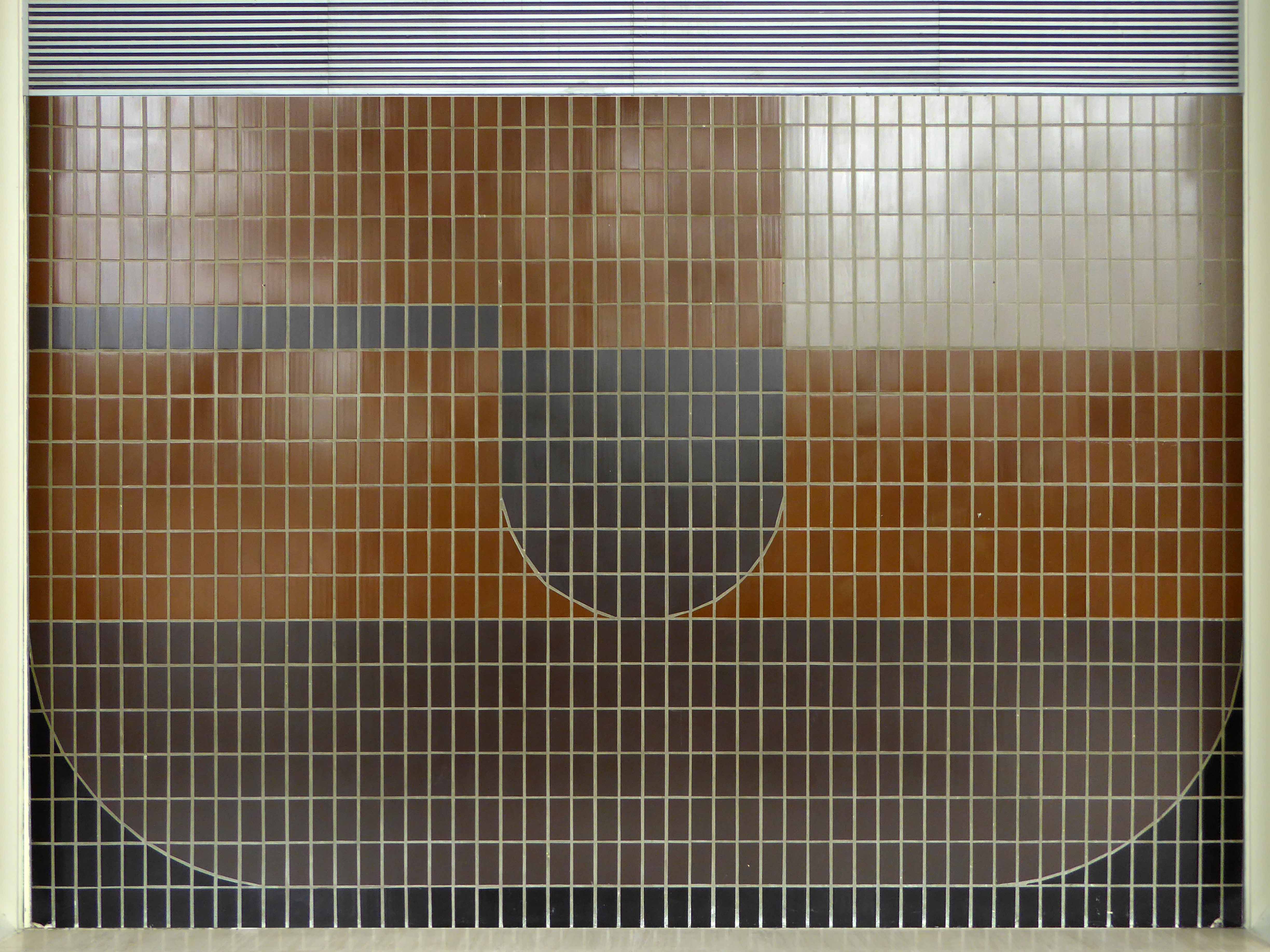
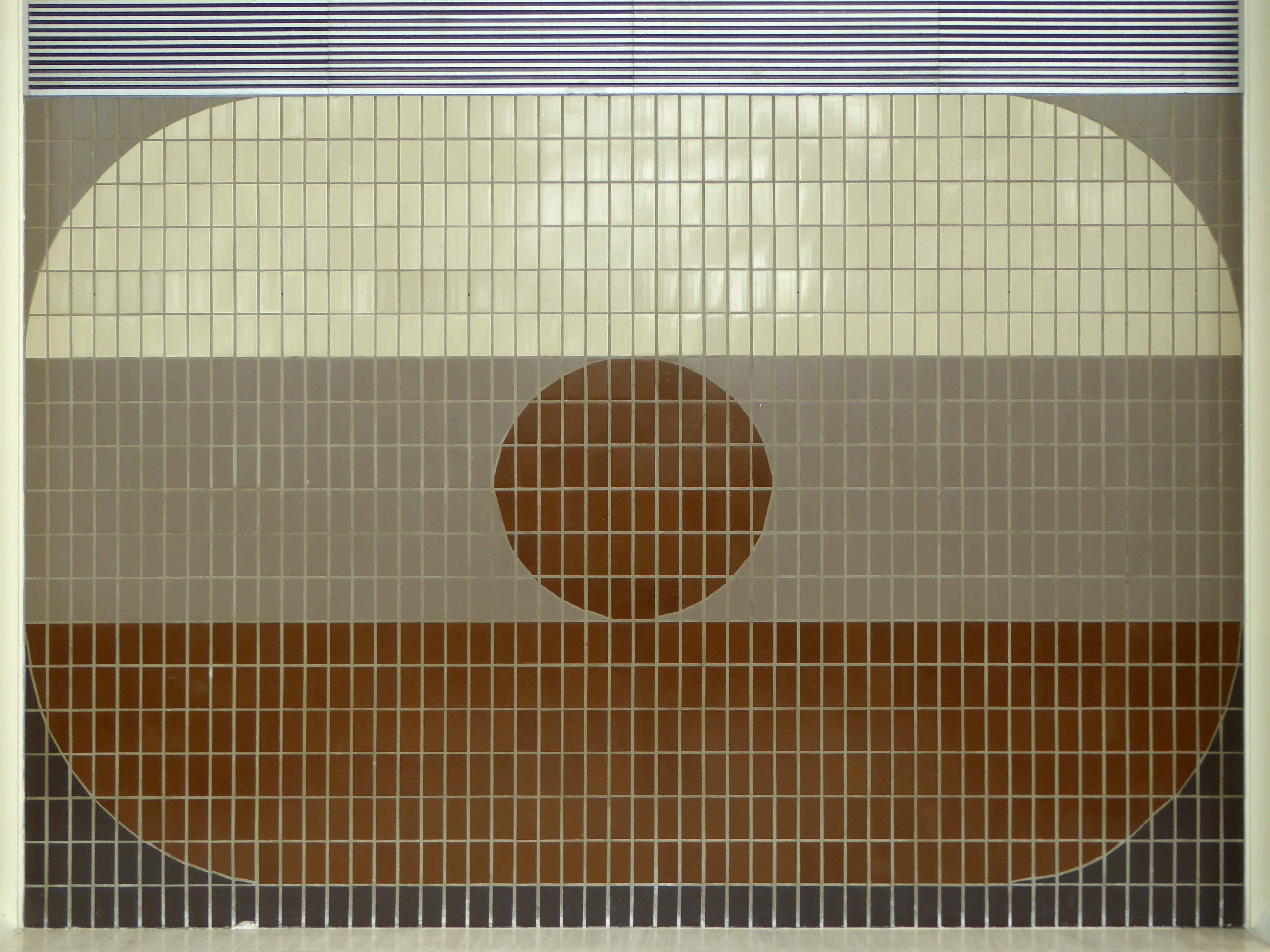
At the very far end of forever is the John Lewis store, to the right of the entrance there are a series of tiled panels – these are possibly the work of Lucienne and Robin Day

Way back when, when brown was the new brown, brown still is the new brown.

Fresh and crisp and even.

Bobbing up and down precipitously on low marble walls, from amongst the sub-tropical and temperate trees, I bring you these thirteen tiled panels.

P1260155

P1260155a

P1260155b

P1260155c

P1260155d

P1260155e

P1260155f

P1260155g

P1260155h

P1260155i

P1260155j


P1260169k copy

P1260155m

Working so close up and personal at altitude, photographing such large pieces in confined spaces, it’s not until you arrive home that you discover that together they spell:

john

lewis

What a delightful surprise!

Castle Street – Edgeley #1


adswood2-generalarea.jpg

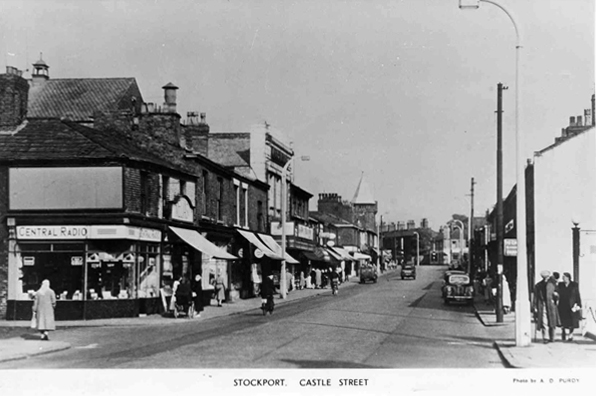
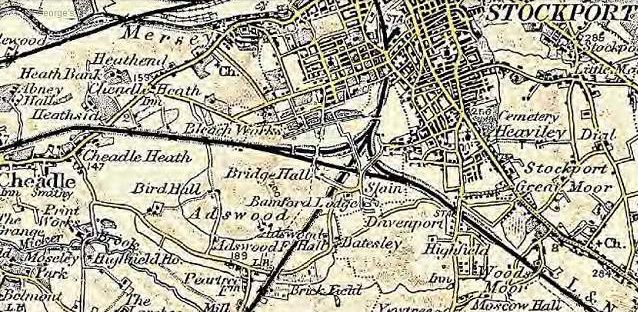
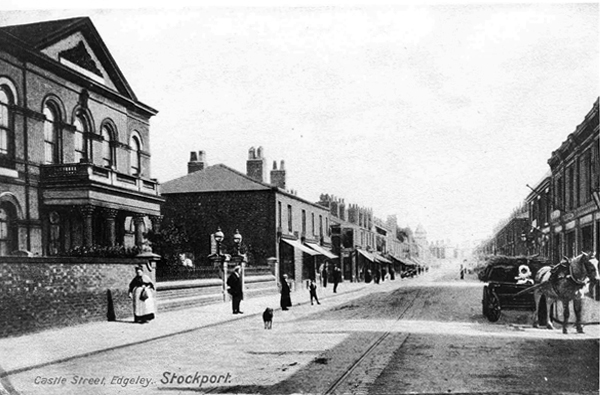
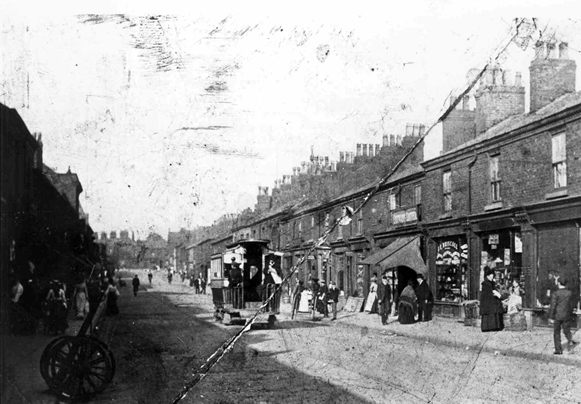
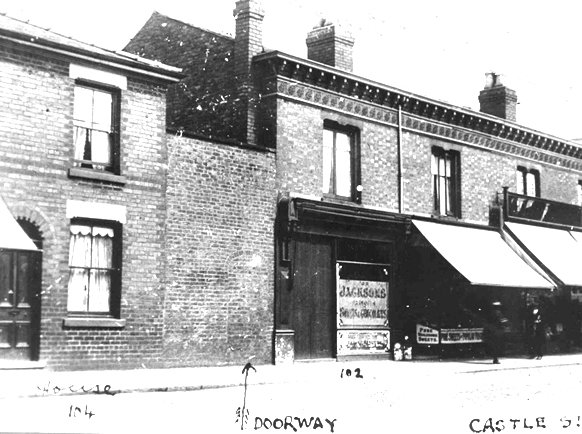
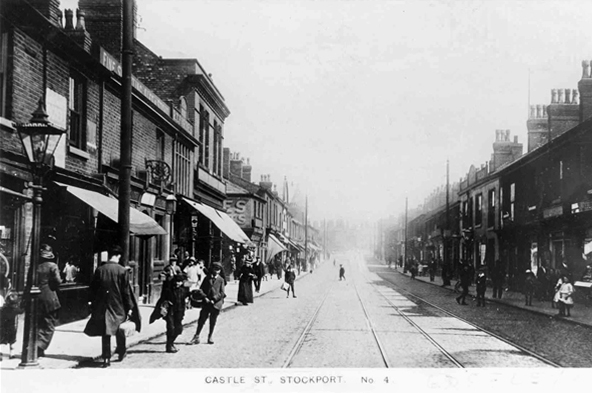
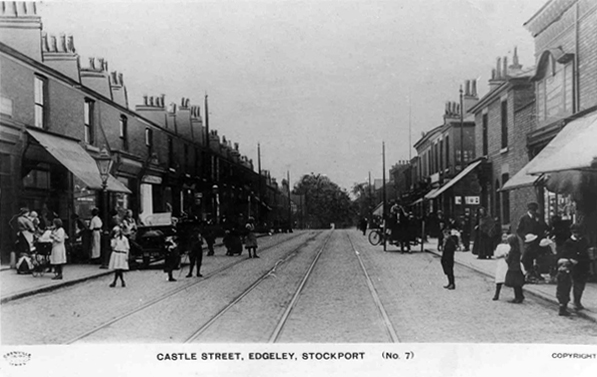
I have shuffled and shopped up and down Castle Street for some forty years or so – things have come and things have gone – and continue to do so. High streets have always been subject to so many external forces, they reshape and reform, in rhythm with the times and tides of history.

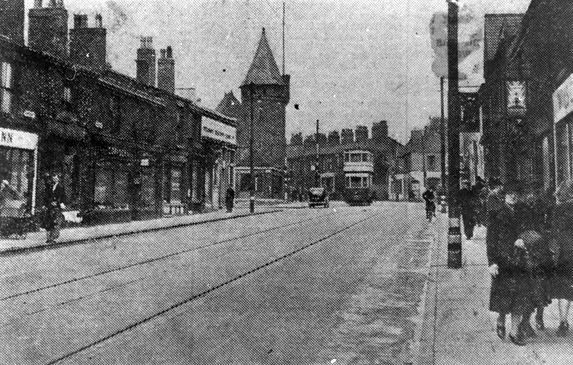
Horse drawn carriages and trams are long gone, along with the double-decker bus, people powered people rule in a pedestrianised precinct, charity begins at Barnardo’s, the Co-op has been and gone and returned, just up the way.

Two whole chapels, pubs and cinemas seem to have just disappeared.

So let’s take a short trip through time and space along a short strip of Stockport’s past.

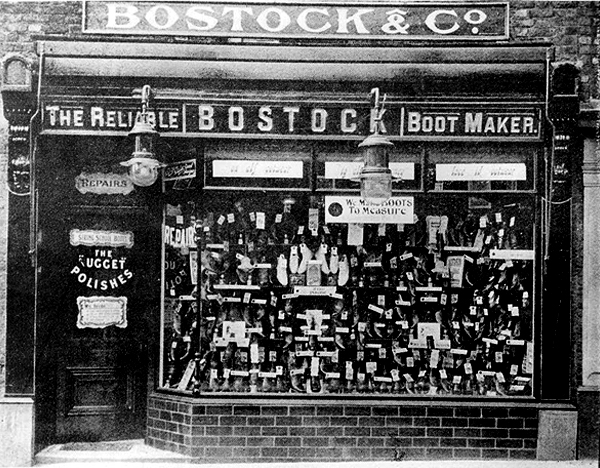
Get your boots on.

Pictures from Stockport Image Archive

1908

28729

1902

24436

1917a

1950

36876

1890

1917

1962.jpg

1958

1958a

1951

1 6 69

07b

69

69a

69b

74

93c

1969

1981

93

1983

07 a

93a

84

34929235_10216853242823182_2882427370675896320_n

07 copy

C_71_article_1073950_image_list_image_list_item_0_image

Screen Shot 2018-06-13 at 19.59.23

07

Taylor Street Gorton – The Pineapple

Screen Shot 2018-06-11 at 17.33.47

To begin at the beginning or thereabouts, Taylor Street was at the heart of Gorton to the east of Manchester city centre.

webmedia-1.php

webmedia-2.php

webmedia-3.php

webmedia-6.php

webmedia-7.php

webmedia-8.php

webmedia-9.php

webmedia-10.php

webmedia.php

A typical street of tightly packed brick terraces, dotted with shops, pubs, people and industry. I worked there as van lad for Mother’s Pride bread back in the 70s and saw those shops, pubs, people and industry slowly disappear.

Beyer Peacock whose immense shed dominated the northern end of the street, simply ceased to be, as steam gave way to diesel.

As full employment gave way to a date with the dole.

Adsega opening on nearby Cross Street heralded the arrival of the super fast, self-service supermarket, and sounded the death knell of the cosy corner cupboard.

398912_3820026268527_1203084936_n

The local pub was The Bessemer – its name forging an unbreakable link with the surrounding steel industry, that eventually broke.

webmedia-5.php

To the left of the pub is the Bishop Greer High School construction site  – the first of the new build that would later dominate the area, along with wide open spaces where shops, pubs, people and industry once were.

12932970_10154152981641600_8757469207112330278_n

webmedia.php copy

webmedia-1.php copy

When the school eventually shut its doors, it became an annex of Openshaw Technical College, and I found myself working there in the 80s at the East Manchester Centre, until its eventual closure.

It’s now sheltered accommodation for the lost and lonely:

Located in a quiet suburb of Manchester with excellent links to the city centre, Gorton Parks has an exceptional range of facilities spread out across five separate houses, each offering a different care option. Melland House offers dementia residential care, Abbey Hey provides nursing dementia care, Debdale is the house for intermediate nursing care and Sunny Brow offers general nursing care.

We sought solace in The Pineapple.

Screen Shot 2018-06-11 at 17.33.25

The streets were trimmed and slimmed, much of the past a mere ghostly presence, almost imprinted on the present.

A brave new world of brand new modern housing, with an Estate Pub to match.

The_Pineapple,_Gorton

A busy bustling boozer – lots of live and local action for the lively locals, latterly seeing out time as a house of House – a real bangin’ Bashment, bass-man bargain basement.

Until time is finally called – no more four to the floor, last one out shut the door.

1512347_516327525148853_492482006_n

Nothing lasts forever and a sign of the times is an upended pub sign, lying dormant in the dust.

The Chunky no longer a great big hunk o’funk.

10 Gorton pineapple pub

The big screen TV forever failing to deliver all the action, live or otherwise.

P1050836

p1050838.jpg

Latterly transformed into Dribble Drabble.

DSC_0074

And so the beat goes on as successive waves of success and recession, boom and bust free-market economics, wash over the nation and its long suffering folk.

Its enough to drive you to drink.

Long Lane Post Office – Heald Green

Screen Shot 2018-05-30 at 14.09.16

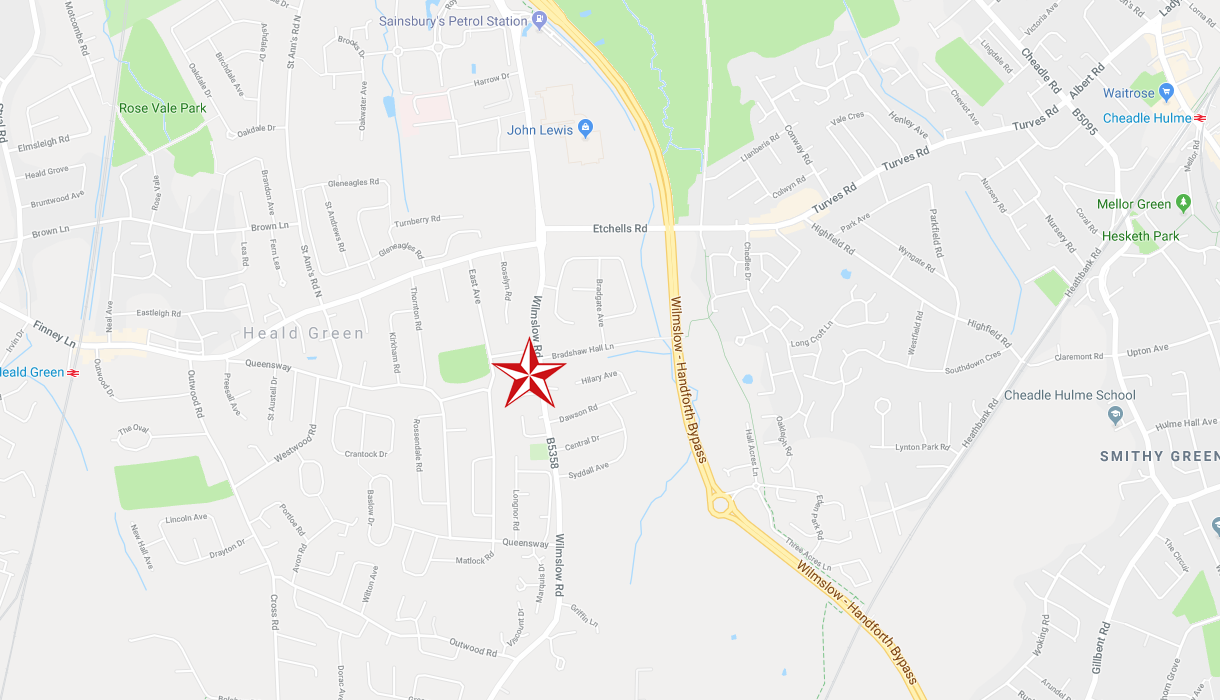
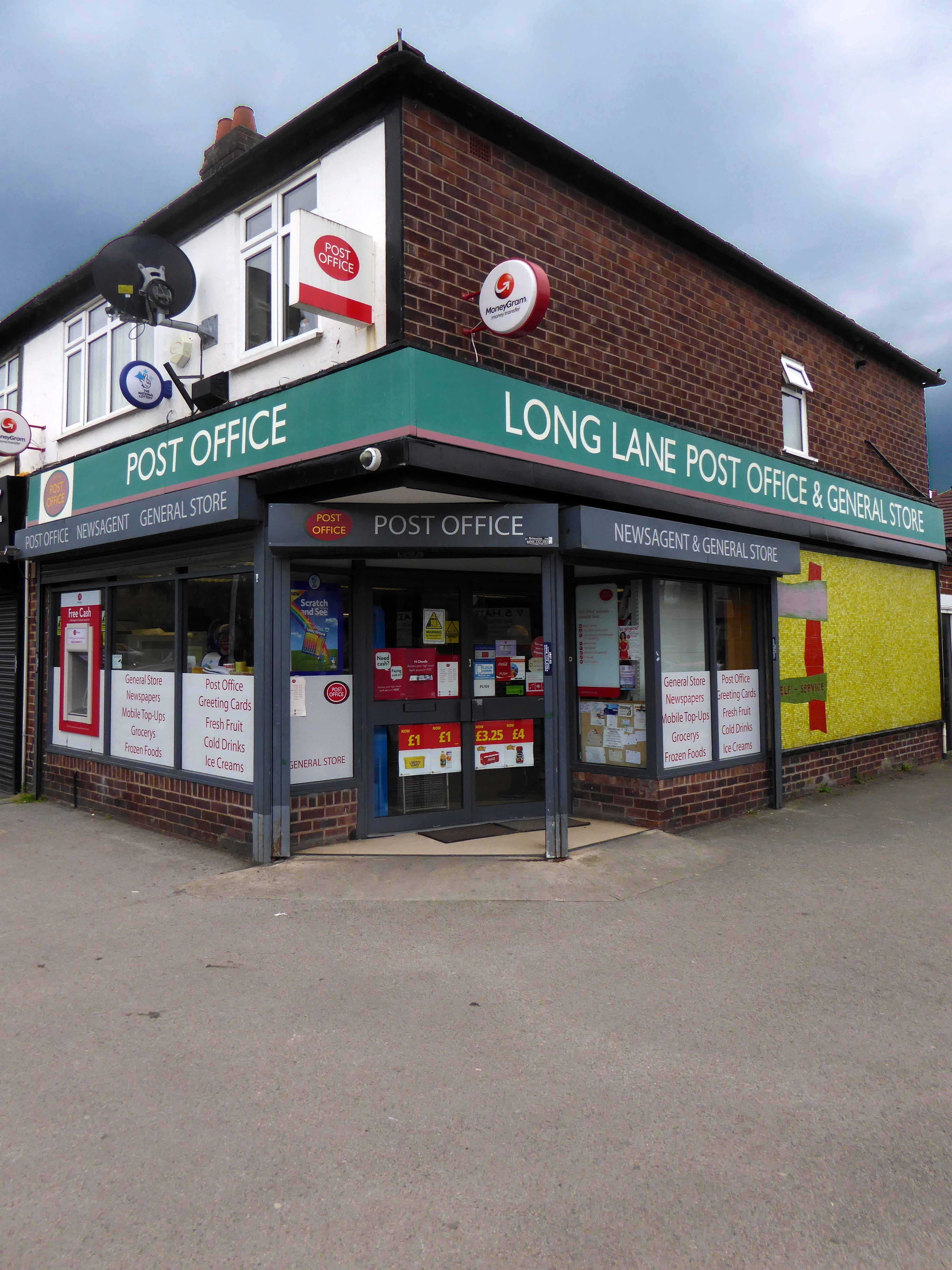
190 Wilmslow Rd, Heald Green, Cheadle SK8 3BH

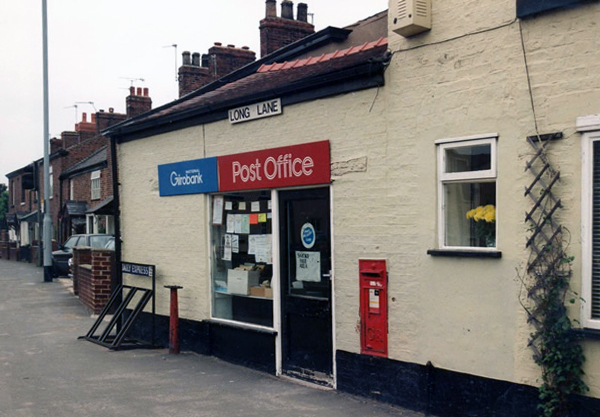
The original Long Lane Post Office is still there but not here:

40249

However – I digress.

One fine day, some time ago there popped into my consciousness a Sixties retail mosaic in the Heald Green area – I tracked down its precise whereabouts online, in the modern manner.

Thinks – one fine day, just you wait and see I’ll pay a visit to the Heald Green area.

So today I did, it started off fine and finished up less so.

Jumped the 368 from Stockport Bus Station alighted at The Griffin.

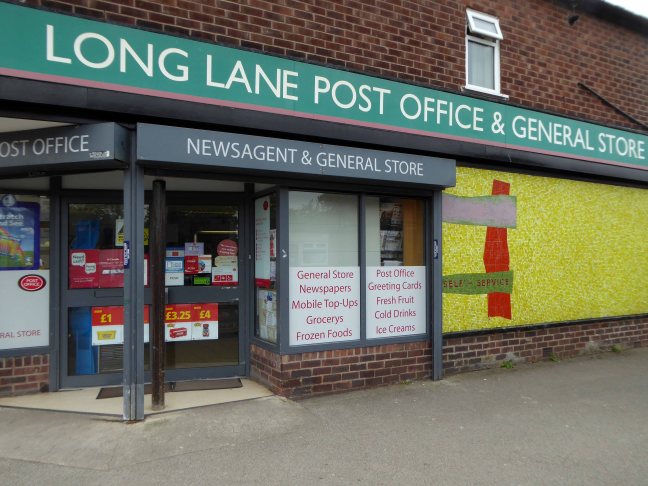
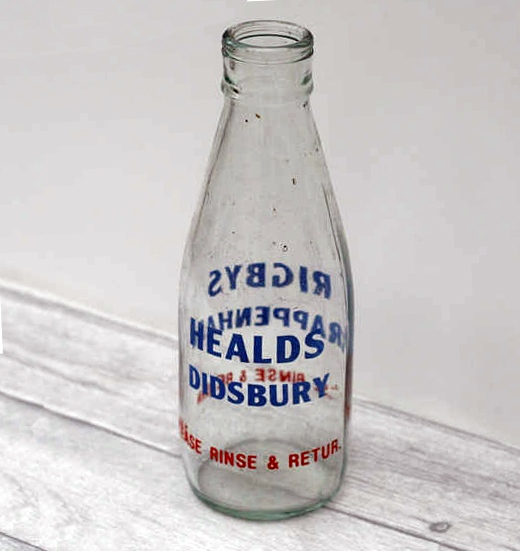
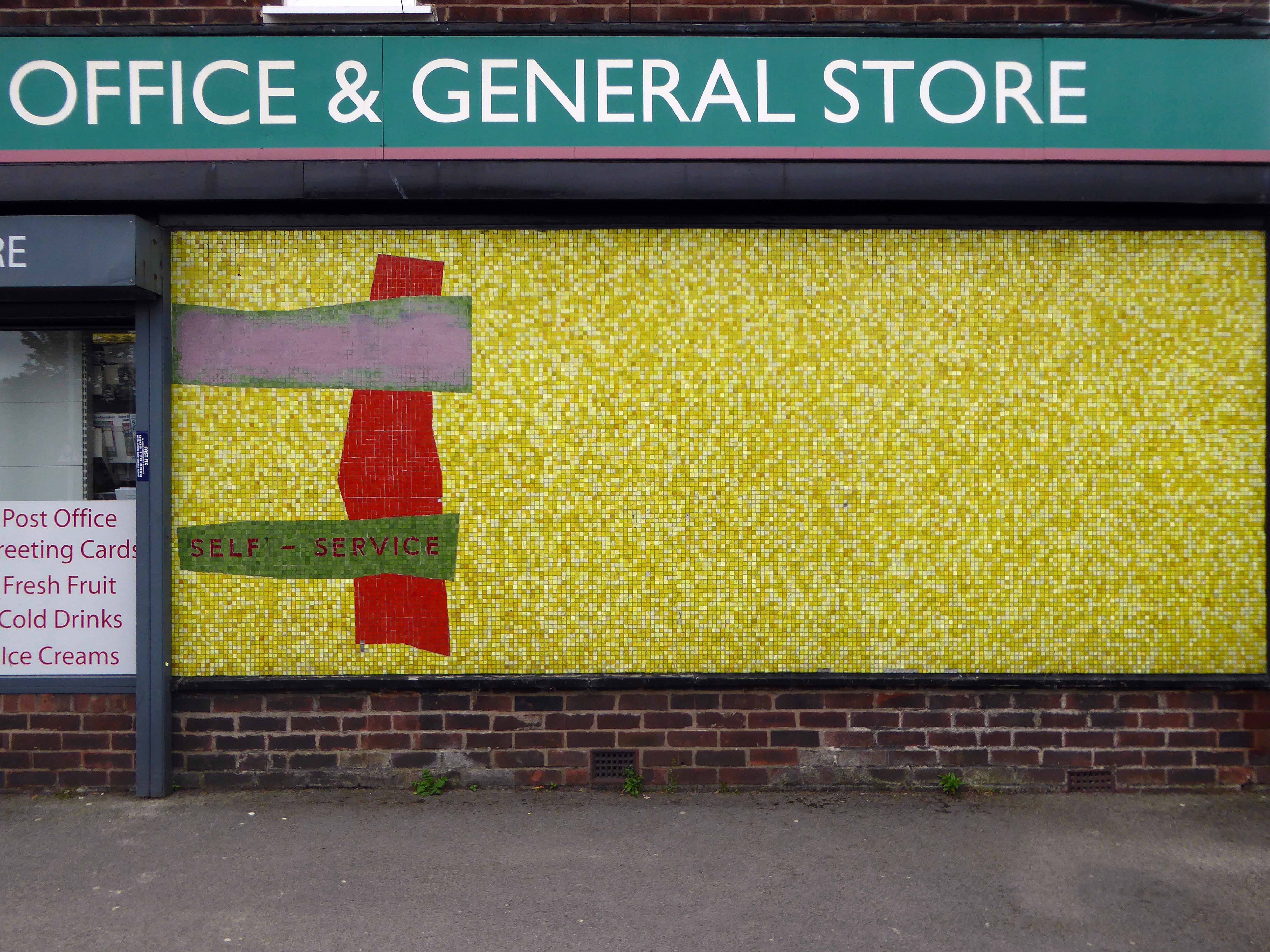
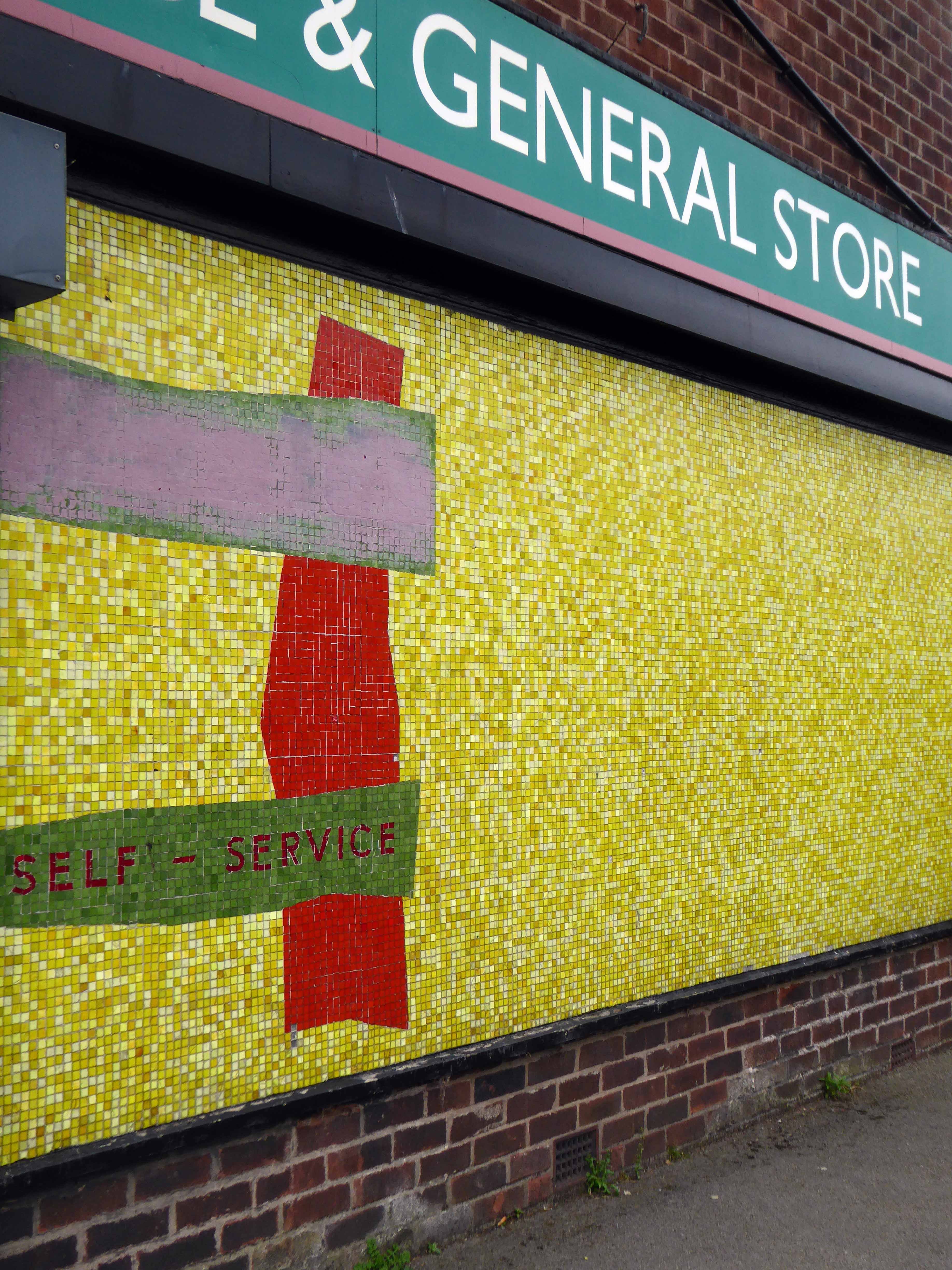
Walked aways up the road and there it was, almost intact – it’s original name obliterated with lilac exterior emulsion – did it once read healds?

Why of course it did – the local dairy and retailers were the shop’s original owners.

il_570xN.1484313889_n91e

A few tesserae are missing otherwise the piece is as was – a wobbly jumble of text, shape and colour.

Self service – at your service.

P1250715

P1250711

P1250712

P1250713

P1250714


P1250717

P1250718

P1250719

P1250720

P1250721

P1250722

P1250723

P1250724

P1250725


Walton’s – Ashton Under Lyne

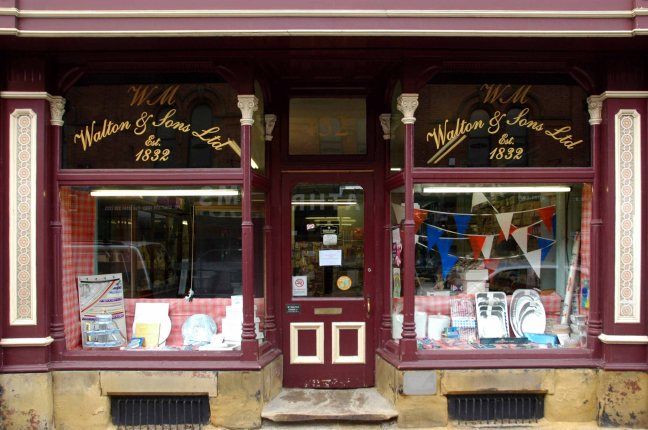
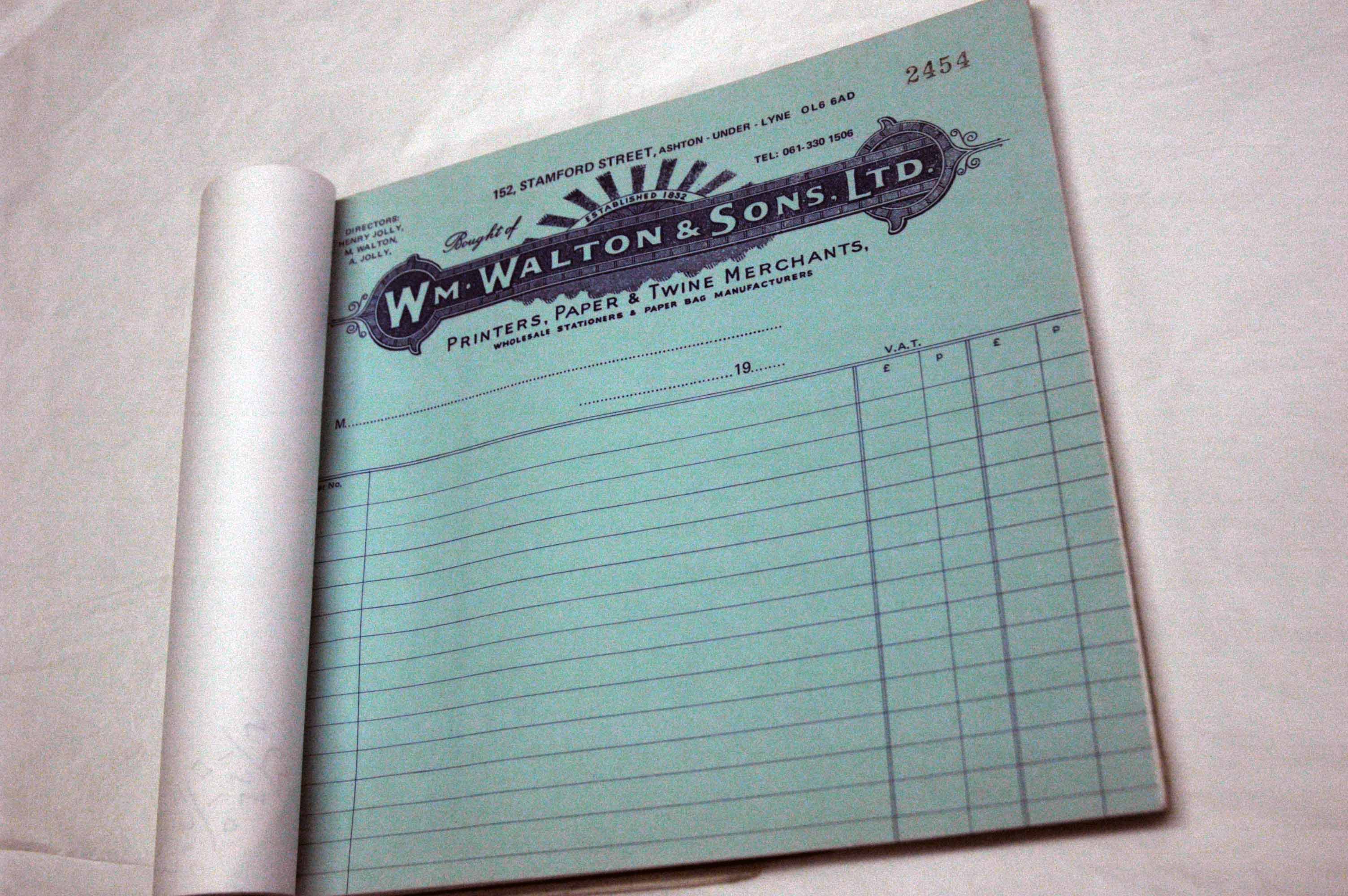
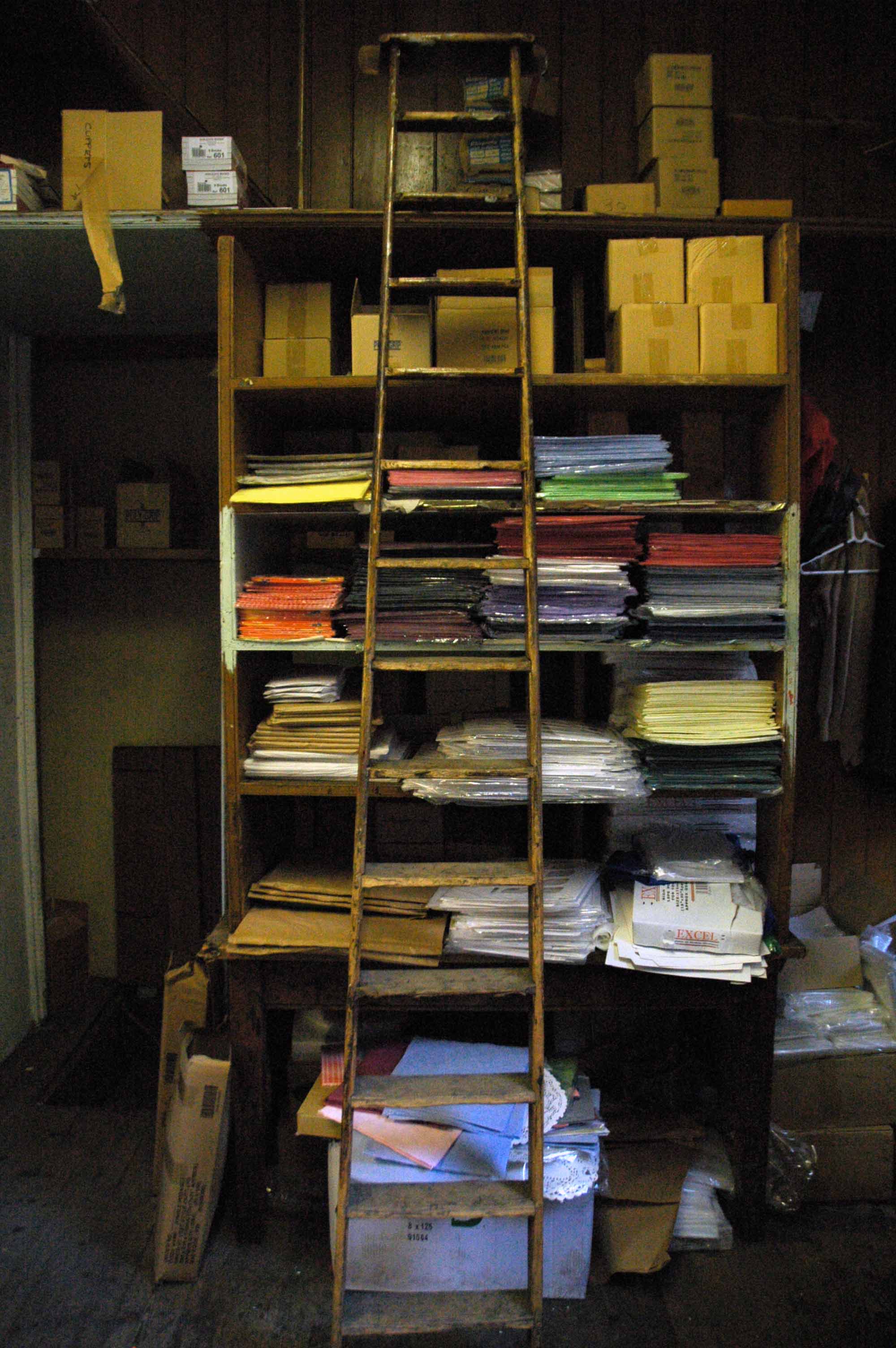
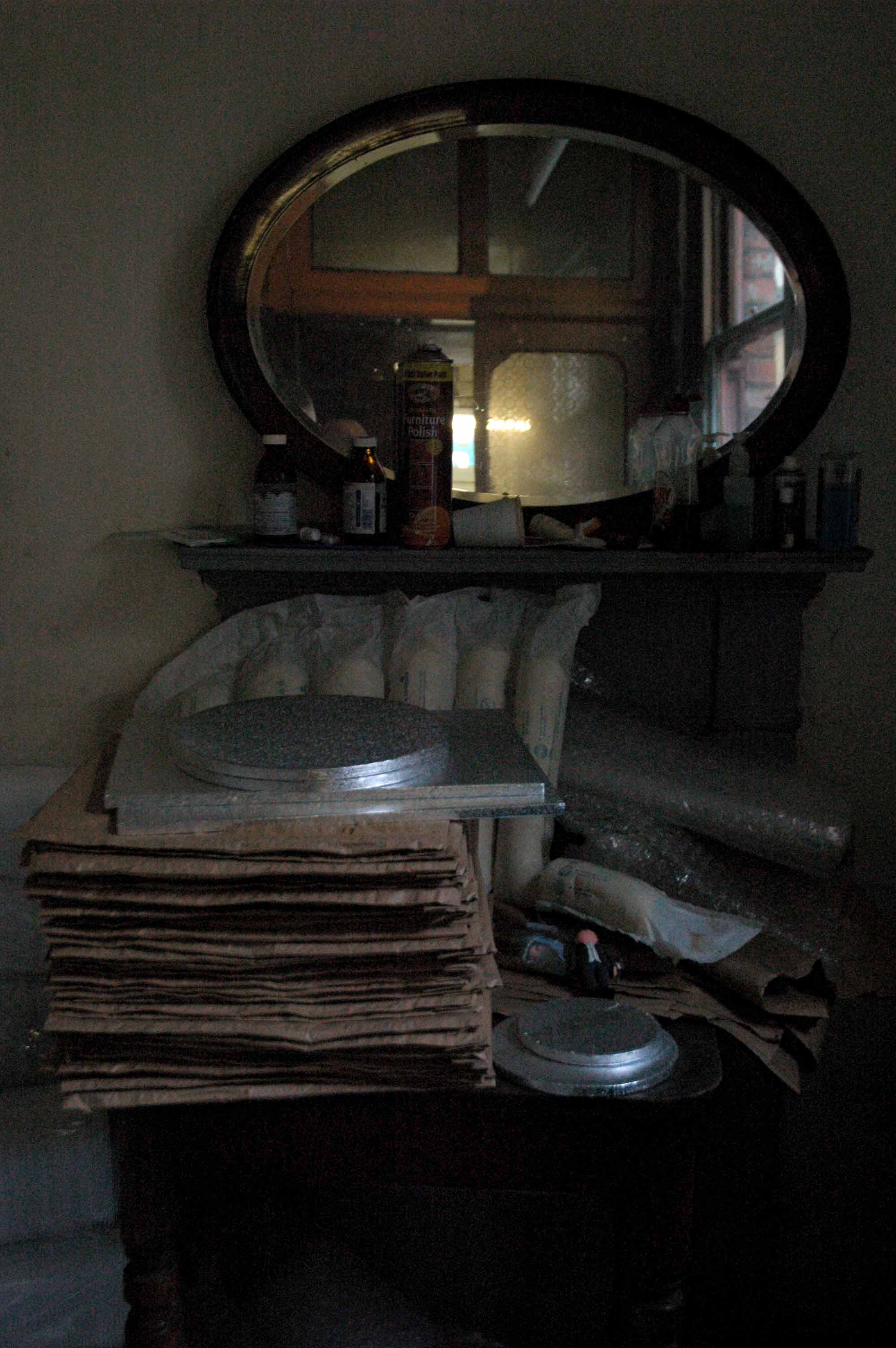
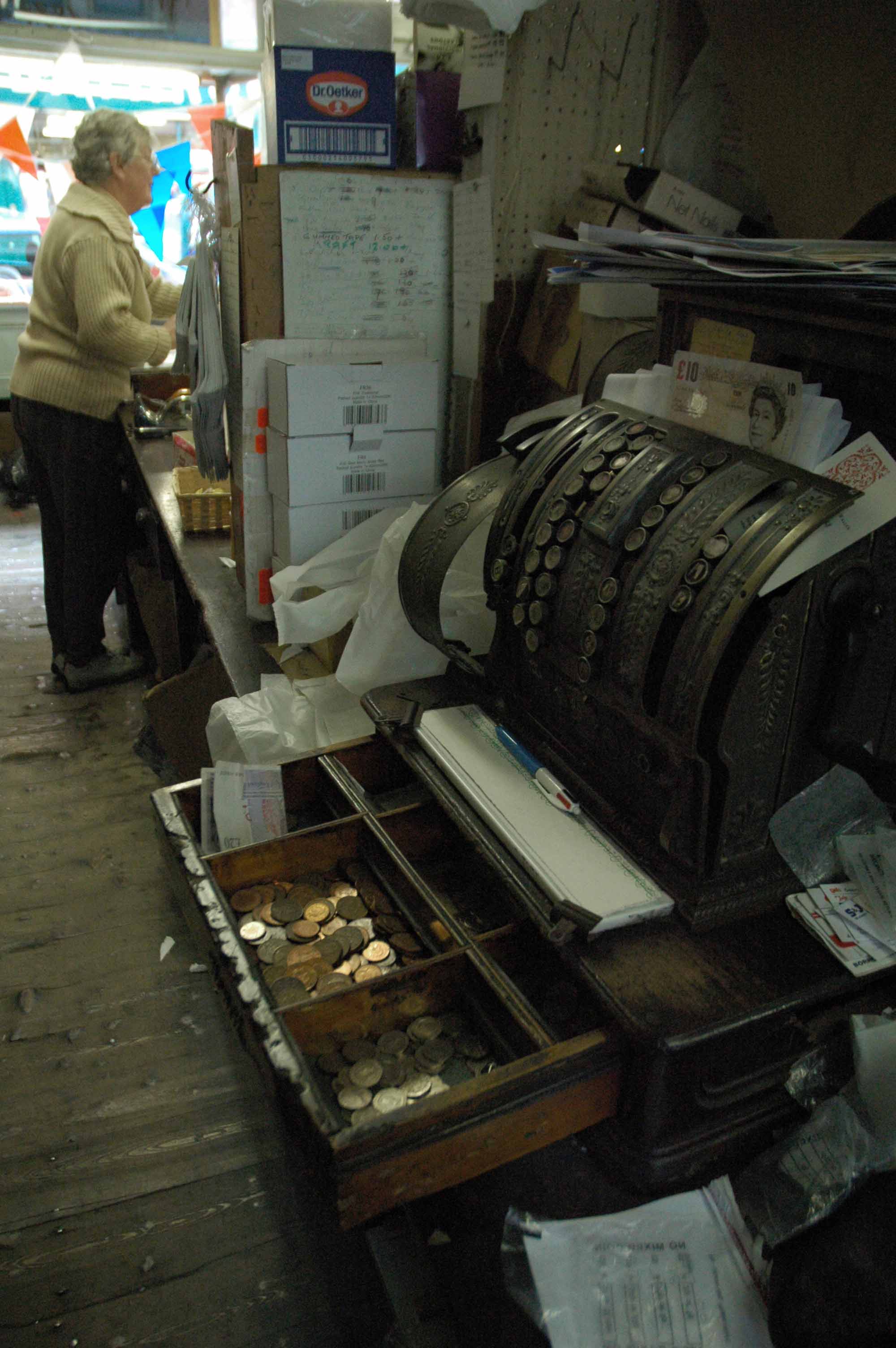
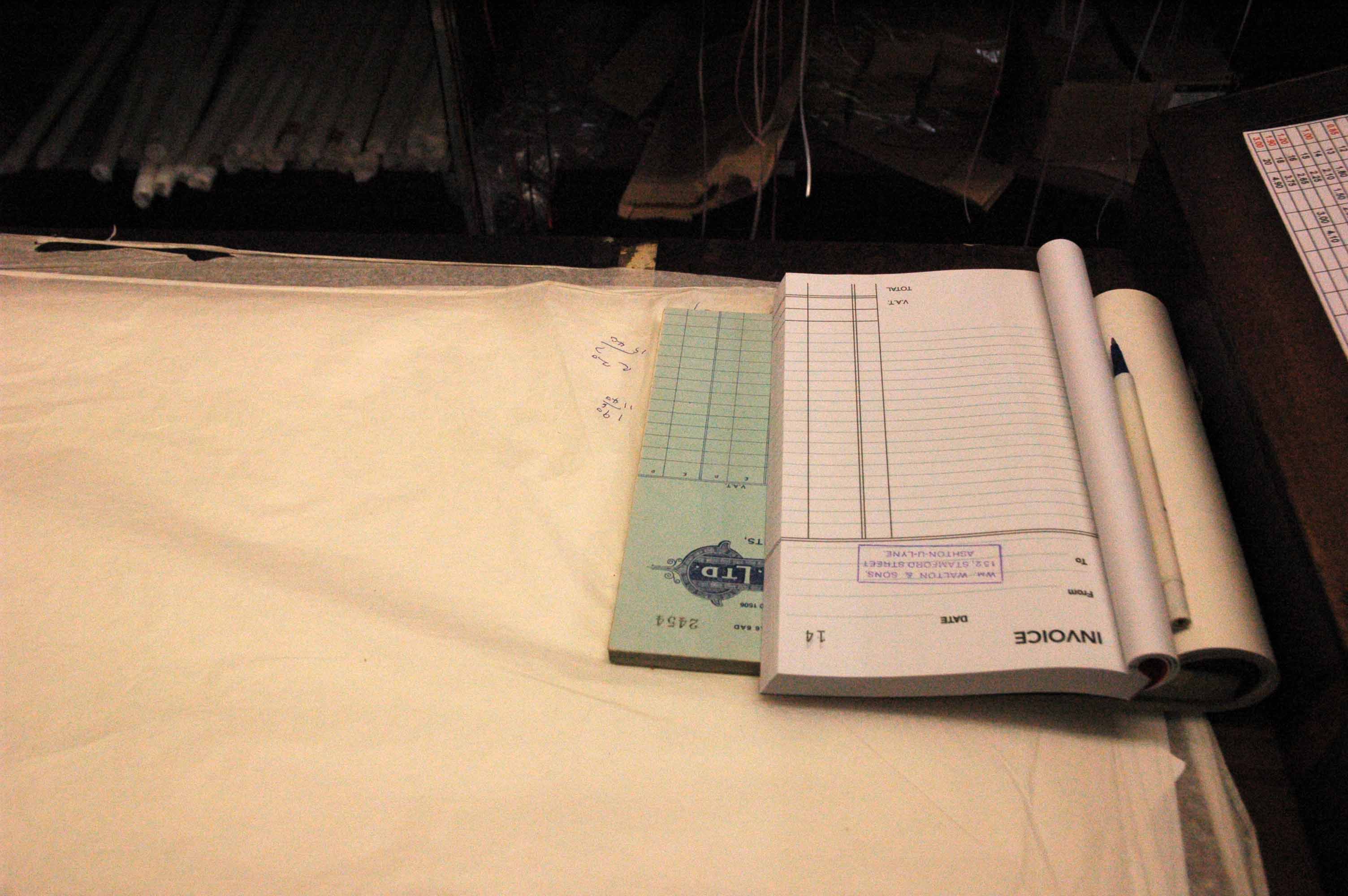
William Walton’s and Sons – 152 Stamford Street, Ashton-under-Lyne, OL6 6AD

Stamford-Street-Ashton-under-Lyne

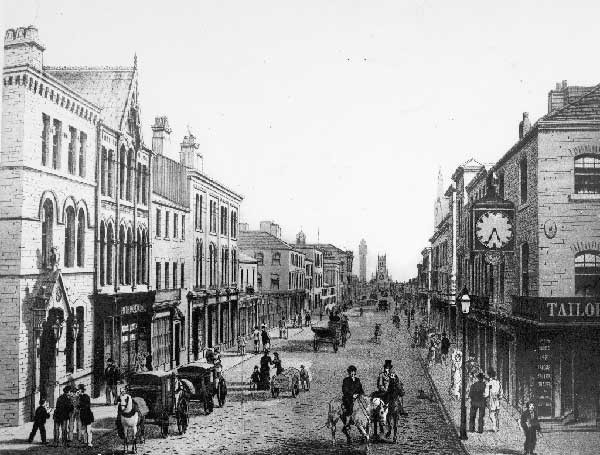
Founded in 1832 – when Stamford Street looked a lot like this.

Much has changed during the ensuing years, Walton’s it seems has not.

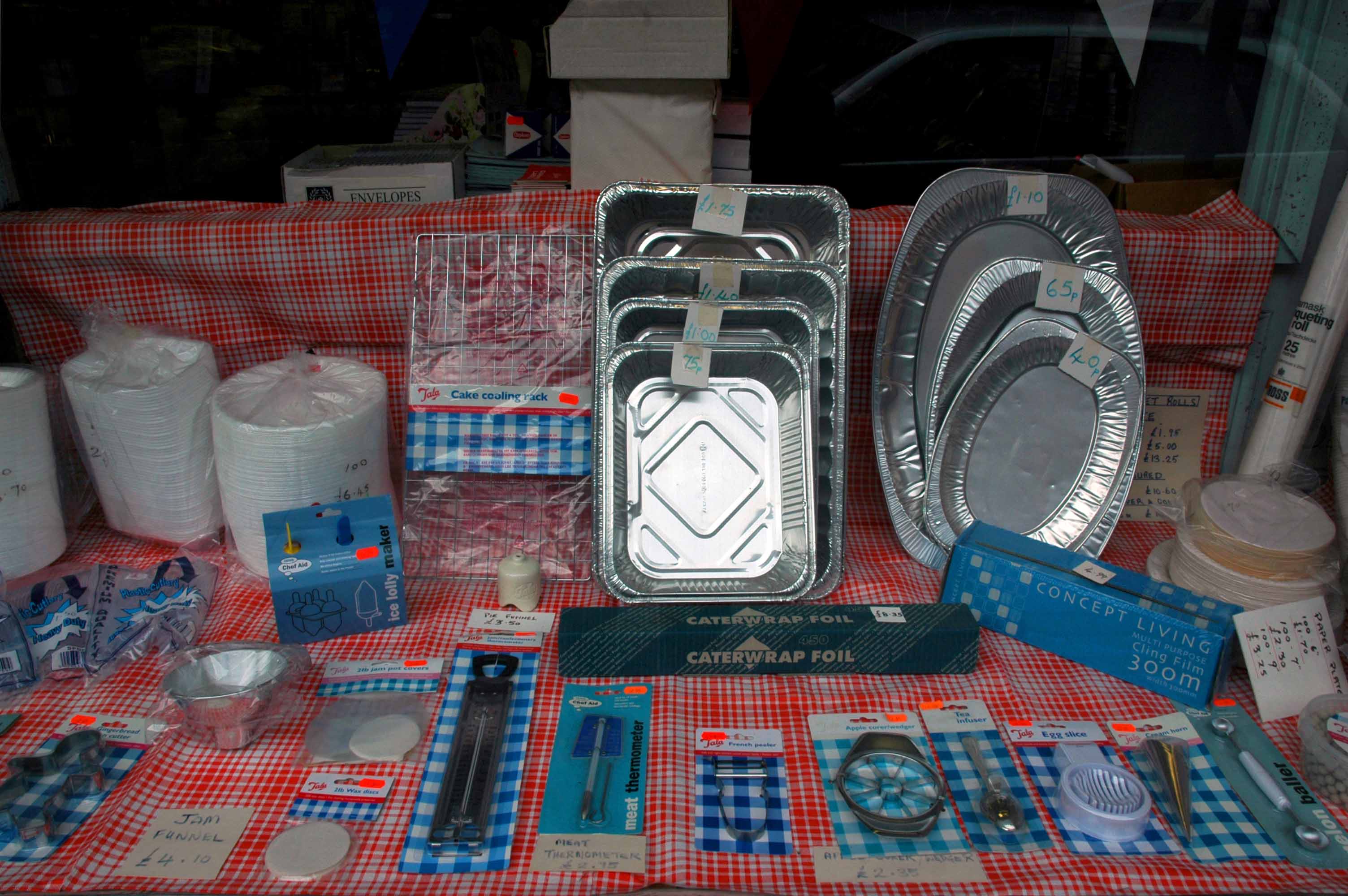
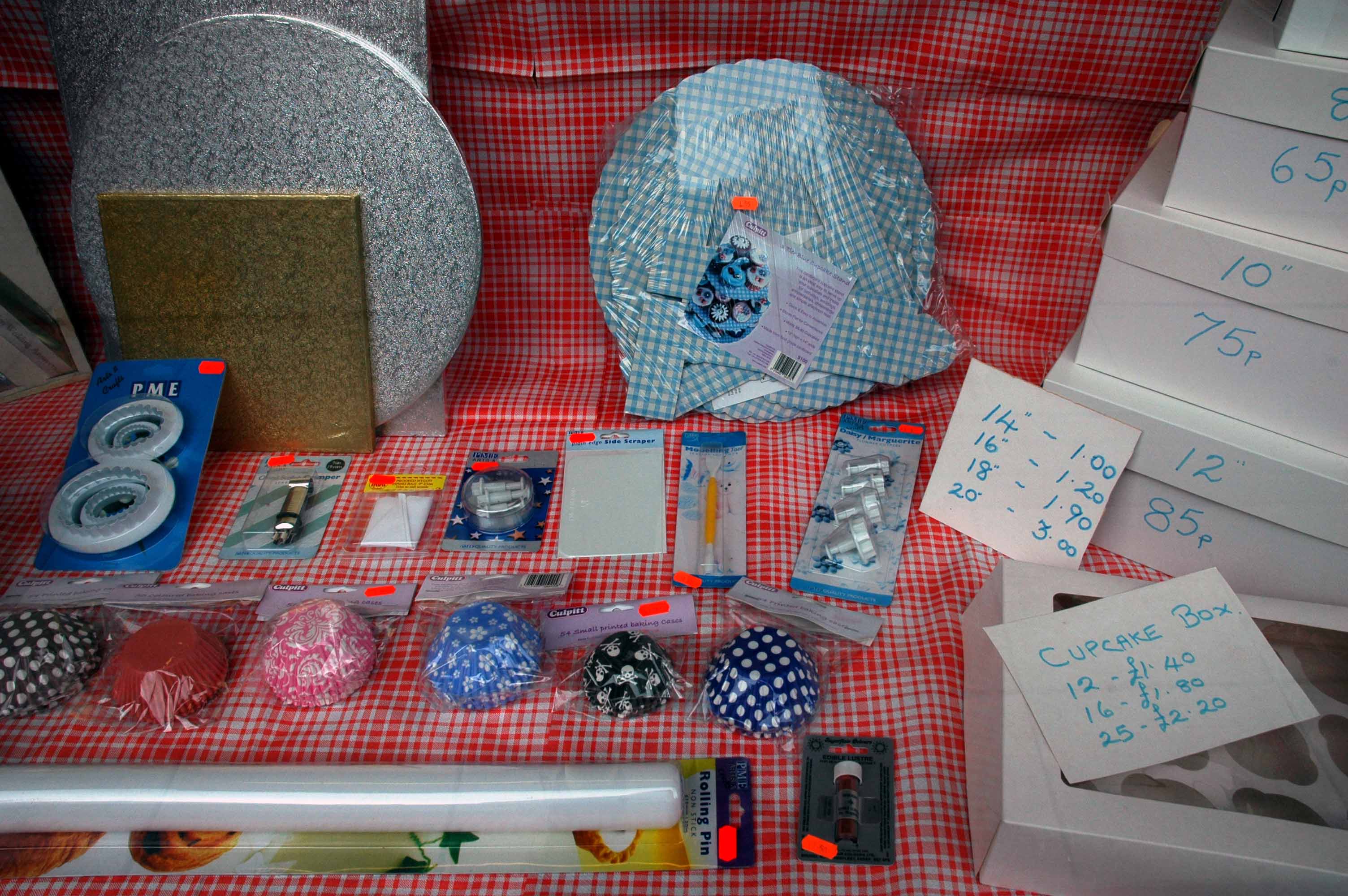
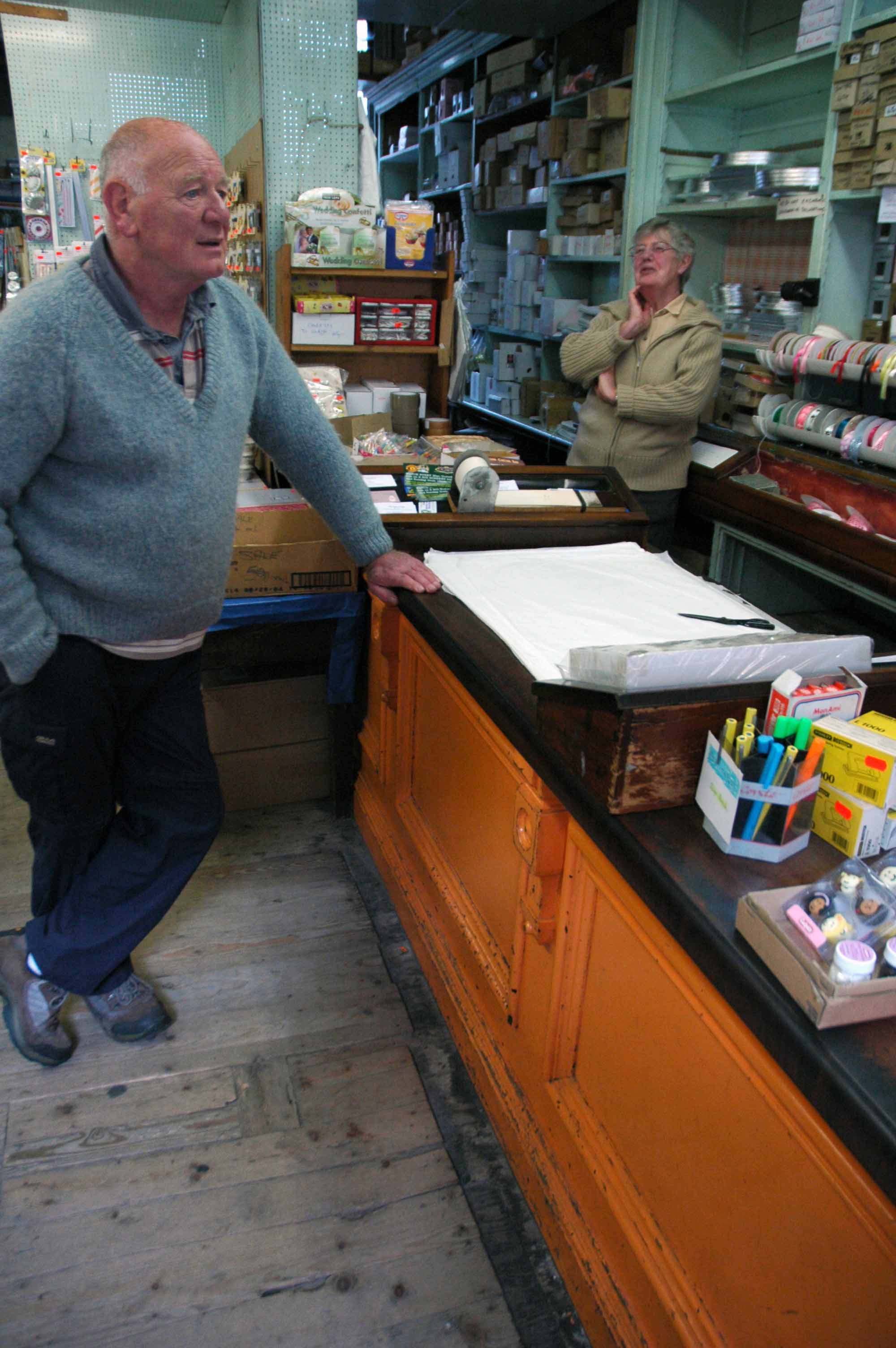
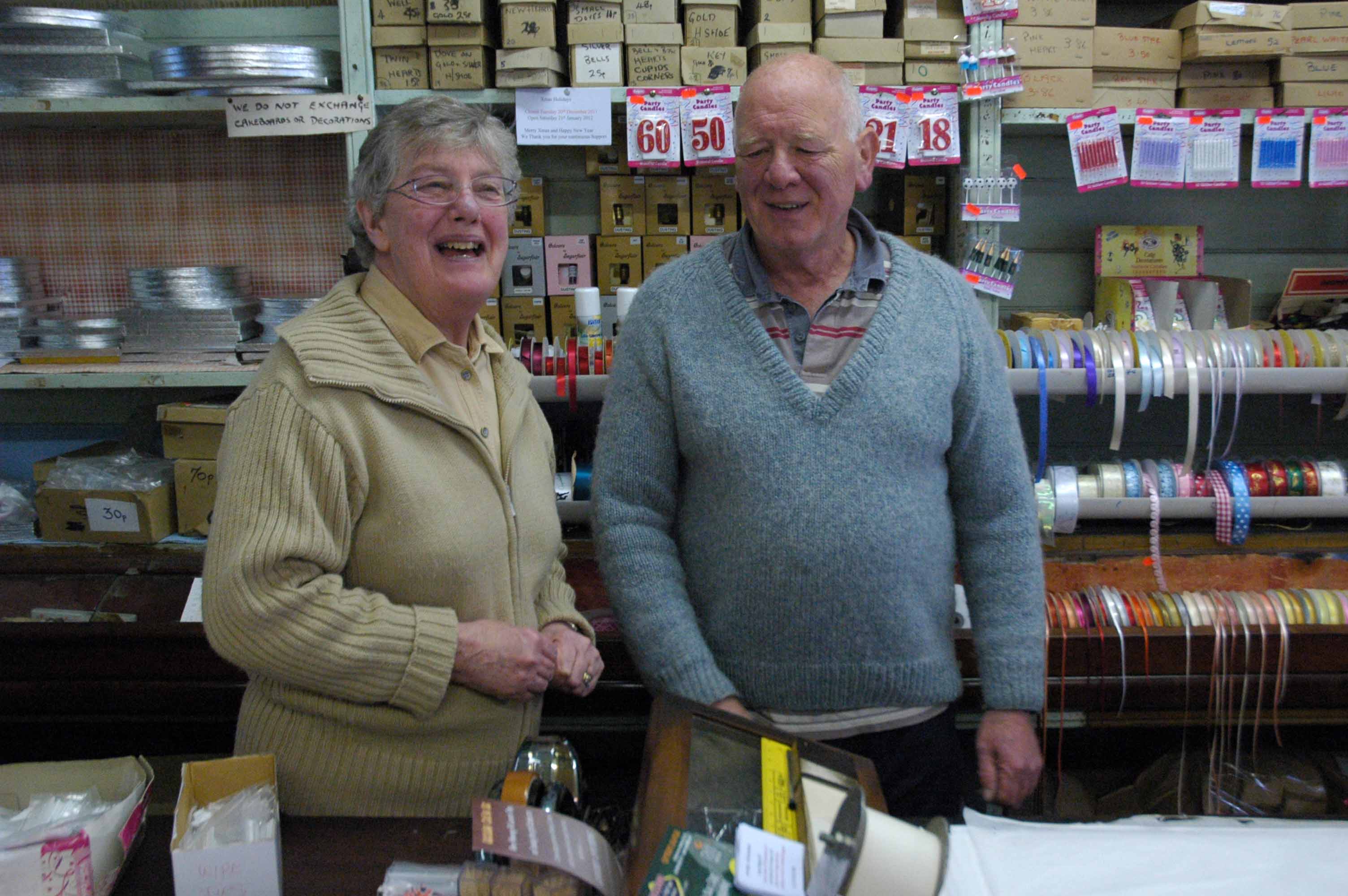
On Monday 24th October 2011 I had the privilege of meeting current owners Marilyn and Dave, spending time chatting and taking photographs.

Thank you.

They tell their own tale – take a look.
DSC_0013

DSC_0015

DSC_0018

DSC_0020

DSC_0023

DSC_0026

DSC_0027

DSC_0028

DSC_0029

DSC_0035

DSC_0036

DSC_0037

DSC_0038

DSC_0039

DSC_0041

DSC_0042

DSC_0043

DSC_0045

DSC_0047

DSC_0049

DSC_0050

DSC_0051

DSC_0052

DSC_0053

DSC_0055

DSC_0056

DSC_0058

DSC_0060

DSC_0067

DSC_0069

DSC_0072

DSC_0076

DSC_0077

DSC_0078

DSC_0079

DSC_0082

DSC_0087

DSC_0088

DSC_0089

DSC_0090

DSC_0092

DSC_0093

DSC_0095

DSC_0096

DSC_0097

DSC_0098

DSC_0099

DSC_0101

DSC_0103

DSC_0104

DSC_0105

DSC_0107

DSC_0108

DSC_0113

DSC_0114

DSC_0115

Shopping Precincts – UK

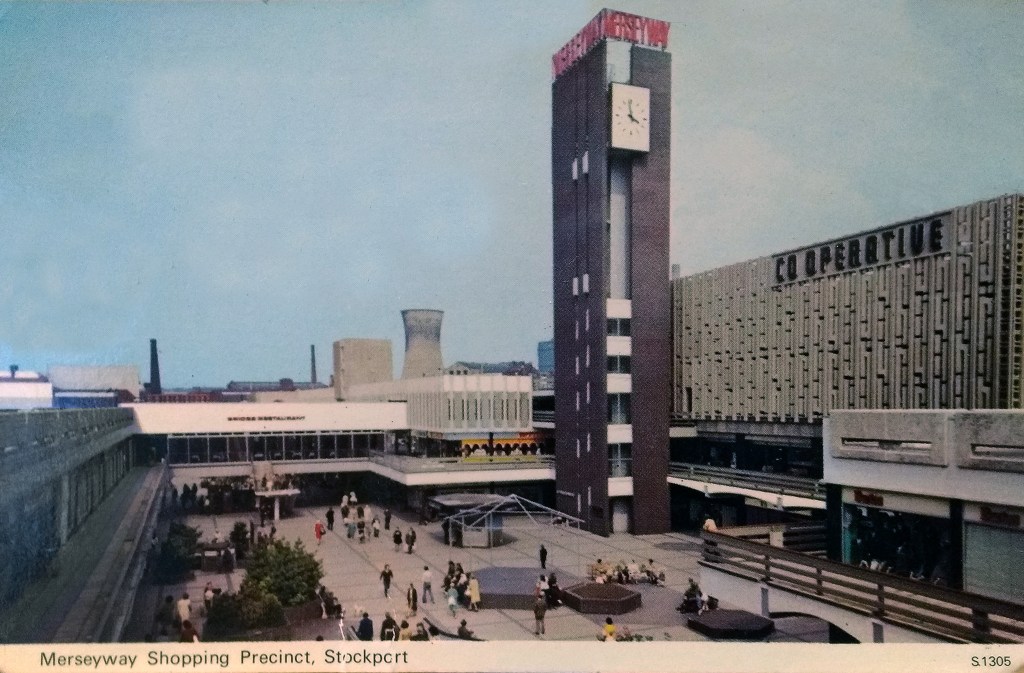
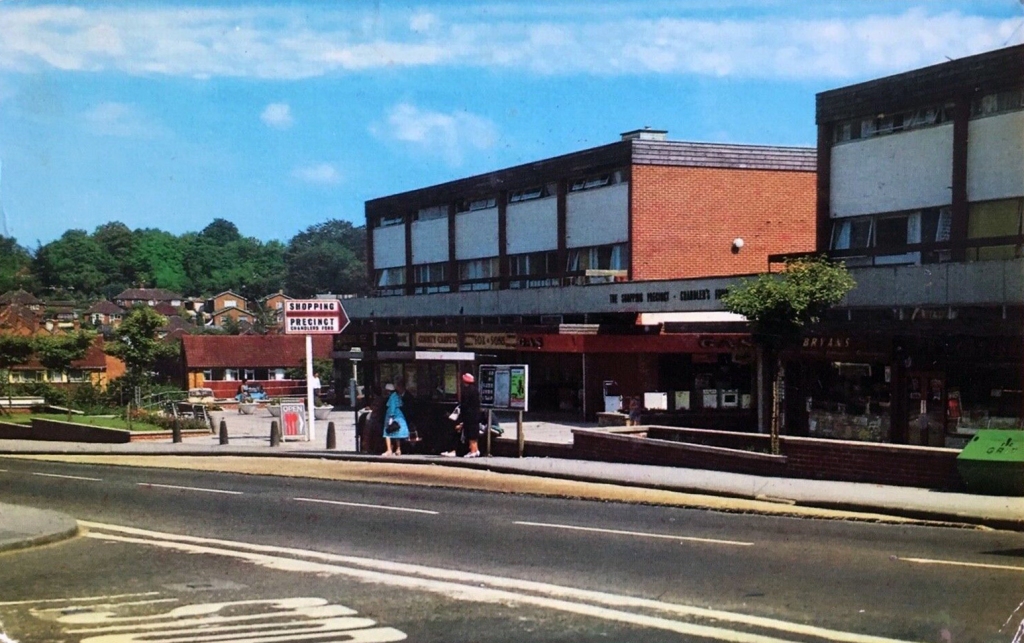
I was brought up with Sixties’ shopping precincts and centres, they are so very dear to my heart, I spent my teenage years here in AshtonStalybridge, and latterly in Stockport’s Merseyway.

I’ve visited Hanley, Preston, Salford, and Coventry in search of a certain something – that exciting sweeping swoop of concrete, brick, glass and steel. Underpasses with overarching designs and luxurious layouts of leisurely interlocking levels. Each one different in a different way yet essentially similar – embodying a sense of civic pride, a sense of the future realised.

1571 – The Royal Exchange, a trading market in the City of London, is officially opened by Elizabeth I. Above the open-air piazza where dealers buy and sell commodities, there is a two-storey shopping mall, with 100 different kiosks – making it Britain’s first shopping centre.

1964 – It was a monument to provincial pride in reinforced concrete and glass. When the Duke of Edinburgh opened the Birmingham Bull Ring in May 1964, it was the largest indoor shopping centre in Europe, with a total floor area of 23 acres. Inspired by American suburban malls, the Bull Ring promised coatless shopping in an air-conditioned, temperature-controlled hall maintained at late-spring level.

JS55897014

2017 – Many are now no more, or redeveloped beyond recognition. The integrity of the architecture, street furniture, public art, space and usage a thing of folk memory.

So come with me now on a whirlwind picture postcard tour of this Nation’s saving grace – it’s modernist shopping spaces.

aberdeen-e1522241288210.jpg

Aberdeen

barlaston

Barlaston

bedford-copy.jpg

Bedford

Bracknell copy

Bracknell

brentwood a

Brentwood

brighton

Brighton

burton

Burton on Trent

butts reading

Butts – Reading

chelmsford

Chelmsford

corby b

Corby

cov

coventry a

coventry

Coventry

cowplain

Cowplain

crawley

Crawley

crewe

Crewe

croydon

Croydon

cwmbran

Cwmbran

dudley

Dudley

elephant and castle

Elephant and Castle

great yarmouth copy

Great Yarmouth

hanley

Hanley

harlow

Harlow

hartlepool.jpg

Hartlepool

Hebburn

Hebburn

immingham

Immingham

irvine

Irvine

leamore

Leamore

letch arena_parade_mid

Letchworth

leyland.jpg

Leyland

liverpool

Liverpool

mexborough

Mexborough

MK b

MK

MKa

Milton Keynes

nantwich

Nantwich

norris green

Norris Green

plymouth

Plymouth

runcorn

Runcorn

sleaford.jpg

Sleaford

southampton

Southampton

stockport b

Stockport

swanley

Swanley

telford

Telford

wakefield

Wakefield

walton on thames

Walton on Thames

westway frome

Westway – Frome

w mander centre wolv

Wolverhampton

s-l1600-31.jpg

Worksop


Indoor Market Preston – Epilogue

I’ve been here, before recording the prelude to the epilogue, here at Preston’s Indoor Market.

So on my return this February, I find that the inevitable end, is indeed now past nigh.

Boarded and shuttered awaiting demolition – Waiting for The Light to shine:

Preston-Market-and-Cinema-visual

Preston City Council has granted planning permission to Muse Developments’ £50m cinema-led leisure scheme in the city centre.

Muse is working in partnership with the council on the plans, made up of an 11-screen cinema operated by The Light, seven family restaurants, a 593-space multi-storey car park and public realm improvements.

The project forms part of the wider regeneration of the Markets Quarter which includes the full refurbishment and redecoration of the grade two-listed market canopies and the construction of a glazed Market Hall.

Preston to their credit have become an exemplar for inward urban regeneration, and the work undertaken so far in the market area is bringing new life and trade to the area.

That said, it is always saddening to see the architecture of the Sixties swept aside.

So come take one last wander through the concrete warren of ramps, underpasses and tunnels of the unwanted indoor market.

P1230805

P1230807

P1230809

P1230810

P1230814

P1230815

P1230816

P1230817

P1230819

P1230822

P1230823

P1230824

P1230825

P1230827

P1230828

P1230831

P1230832

P1230835

P1230849

P1230850

P1230851

P1230858

P1230861

P1230863

P1230865

P1230867


P1230870


P1230872

P1230873

P1230874

St George’s Shopping Centre – Preston

Once upon a time the future was shop-shaped and utopian, the Modernist reliefs a welcome relief from post-war doom and gloom, public decorative art was off the ration for good, or so it seemed. Small retail units, housed small local operators, their shiny well-washed fascias, glowing with graphic pride and diversity, slab serif and decorative script the order of the day.

3980715134_6a6b11d851_b

3979957693_ec982cb9df_b

Architects J Seymour Harris and Partners envisaged a brave new water-coloured open-aired world for the grey austerity-tinted folk of Preston.

And lo it came to pass and underpass – the future was here yesterday.

6192877707_f74e4f81e4_b


Screen Shot 2018-03-10 at 11.13.00

Get off the bus on Fishergate and walk right on in.

8237842239_9856d0e5ba_b

8238909940_7f8e26076c_b

The shopping centre opened on 22 March 1966 as St George’s Shopping Centre.

5188241241_7bcb2f73fc_b

16917731869_2fc59ece6c_b

17103936575_711f3fab1b_b

PHSIH0105-Rooftop-view-of-St-Georges-Shopping-Centre-Preston-1971-630x596

PHSNA0024-Guild-Morris-Dancers-in-St-Georges-Shopping-Centre-Preston-1972-630x420

screen-shot-2018-03-10-at-11-14-58.png

Screen Shot 2018-03-10 at 11.16.47

It was originally an open air centre, and was roofed over during refurbishment in 1981. It was further refurbished in 1999.

In May 2004, when The Mall Company took over the centre, they were greeted with an ageing shopping centre. The shopping centre was rebranded as The Mall, and a massive development scheme was planned. Small stalls, main shops, cafes, restaurants, toilets, and escalators were overhauled.

In March 2010, the shopping centre was acquired by Aviva Investors for £87 million. In September 2010, The Mall was rebranded under its original name St George’s Shopping Centre.

Wikipedia

6798942417_8f495eefe8_b

So welcome back to today – stripped of distinctive decoration, covered in and given the international sheen of absolutely nowhere at all.

In intemperate template for the future.

CR_SC_4697_St_Georges_Shopping_Centre_Preston_picture_1_p8_1800x1440

Archival images from the Preston Digital Archive and Peter Reed.


Preston Indoor Market

Built in 1973 scheduled to be closed and demolished in ten days time.

The future is not so red rosey for yet another traditional local market.

A typically boxy arrangement of steel, concrete, asbestos glass and brick, the complex of trading units, stalls and parking is not without charm. Though as with many other developments of its type, it seems to be without friends, then inevitably without customers and traders.

Following a template originated at London’s Borough Market, developers and councils seem to favour the modern artisan over the proletarian . This concept when meshed with the multi-plex and chain restaurant/bar amalgam, provides a shiny new future, for the shiny new shape of all our retail and leisure needs.

Preston-Market-Quarter-Nov-2017

So ta-ta to another world of hats and socks, fruit and veg, workwear for workers.

You’ve just about time to pop in for a brew.

Two sugars, stirred not shaken.

P1020430 copy

P1020431 copy

P1020432 copy

P1020435 copy

P1020437 copy

P1020434 copy

P1020477 copy

P1020479 copy

P1020480 copy

P1020481 copy

P1020482 copy

P1020484 copy

P1020485 copy

P1020486 copy

P1020487 copy


P1020490 copy

P1020491 copy

P1020492 copy


P1020494 copy

P1020495 copy

P1020496 copy


Hyde Road – Manchester

From Ardwick Green in the west to Abbey Hey in the east – runs Hyde Road Manchester.

Screen Shot 2018-01-23 at 14.35.48

It’s a a road I have travelled from my early teens onwards, visiting friends, family, speedway, school sports days, fun and frolics at Belle Vue, tea and toast in Sivori’s, bike parts from Cowans. Working at the former Bishop Greer School, drinking in it’s many pubs, going to the flicks at the Apollo.

It was an area thick with the hustle and bustle of folks going about their business – working, shopping, boozing, waltzing in the Elizabethan, or the waltzers, bobbing up and down on the Bobs. A self contained community, just about prosperous enough in times of full employment –  take just one more walk with me.

webmedia-1.php

ss55

80

82

85

107

110

404 410

471 477

479 483

baths

swim

bobby

bobs

cowans

harry hall

meth

ns 26

NS5

NS6

NS10ns29

olympia

post

seymour

ss10

ss45

ss47

ss51


ss56

ss58

ss59

station

webmedia.php

woolworths

All photographs from the Manchester Local Image Collection

R.E & J. Parker Bakers – Leigh

I do have a particular penchant for pâtisserie – though close in spirit to their Euro equivalents, the vernacular bakers of the North are by comparison, sadly now a seldom seen, rare and precious breed.

My dad’s three sisters Alice, Jenny and Lydia all trained as confectioners, and he himself was a van man for Mother’s Pride. In my turn I worked as a van lad at their Old Trafford base.

Screen Shot 2018-01-16 at 11.21.08


Flour, eggs, sugar and fat are in my blood.

In their way the growth of the mass-market bakers, along with the motor car and supermarket hegemony sealed the fate of the local bread, cake and pie shop, along with the demise of the associated skills and attendant early morning work patterns. When I visited Cochrane’s in Audenshaw, it was clear that their youngsters no longer wished to take on the family baking business. So the once unremarkable sight of remarkable rows of fancies, growlers and tarts, is now a thing of familiar folk memory, rather than a sweet and savoury reality.

On both of my visits to Leigh I have passed Parker’s – the windows warm from the freshly baked confectionery – including the almost unique Singing Lily – sweet double crust pies, a large circle of shortcrust pastry folded over dried fruit and rolled until the fruit is visible, sugared and baked.

Next time I’ll go in and try one or two treats – get it while you can.

P1120865 copy

P1120868 copy

P1120869 copy

P1120870 copy

P1120871 copy

P1220700

P1220701

P1220702

P1220703

P1220704

P1220705

P1220706


Unity Hall – Wakefield

Wool, wool, wool I do declare – Westgate Wakefield the worse for wear, warehousing, banks and halls in a state of transition. The enormous wealth created by the local textile trade and associated industries, has left an architectural legacy that permeates the wide street, with a more than somewhat faded grandeur.

laying-of-foundation-stone

Laying the Foundation Stone

The Co-operative Unity Hall has seen better days – opened in 1902 and offering extensive retail space, along with a concert and dance hall, echoing to the sound of silent films, all-in wrestling and a fine array of music.

$_57Screen Shot 2017-08-02 at 15.30.55s-l1600

Sadly, as the post-war boom becomes an ever distant, sonic shadow of its former self, the hall closes. Listed yet unused, it stood aloof and alone, unloved. The Beat were on, sadly the beat no longer went on.

9276764393_e5b1688d09_c

9276733799_772ac84eb7_c

9276755169_9fd0bacd58_c

Derelict Places 

Happily a corner has been turned and under new management:

Unity Works is a stunning grade II listed multi-use space, where modern meets state-of-the-art. Unity Works is a great space for work and play, from 1:1 meeting areas, to large conferences, office & work space, to live events, comedy, music, theatre and film screenings.

There’s something for everyone!

More than 400 people invested in a community share scheme to help fund the refurbishment, which began in January. Continuing the tradition of a movement in this architectural gem, which was established as the Wakefield Co-operative headquarters in 1867, a building alive with rich detailing, signage, architectural type and mosaic.

Get gone take a look, listen and dance.

P1070024 copy

P1070025 copy

P1070026 copy

P1070027 copy

P1070029 copy

P1180727

P1180728

P1180729

P1180730

P1180731

P1180732

P1180733

P1180734

P1180735

P1180736

P1180737

P1180738

P1180739


P1180746

P1180747

P1180748

P1180749

WISLa copy


Northmoor Road Co-op – Manchester

Cooperative Society shops and meeting hall. Dated 1912; altered. Red brick with liberal dressings of green and buff glazed terracotta, red tiled roof with geometrical patterned band and cockscomb ridge tiles. Rectangular plan. Edwardian Baroque style. Two storeys and attic, 11 bays; projected ground floor with dark green Ionic pilasters between the shops and a central recessed porch with dark green surround, light green Ionic columns and segmental open pediment ; inverted voluted brackets linking ground floor pilasters to alternate pedestals of 1st-floor colonnade, which has Ionic semi-columns with festoons and a thin cornice, all in matching light green terracotta; swagged frieze of buff terracotta with buff modillions to a green cornice; brick parapet with buff terracotta balustrades and triangular dormers in alternate bays, interrupted in the centre by a green segmental pediment with raised lettering “Beswick Cooperative Society LTD”. Tall segmental-headed windows at 1st floor including a canted bay in the centre with parapet lettered “Built AD 1912”, and coupled windows in the 2nd, 3rd, 10th and 11th bays, all with elaborate surrounds of buff terracotta including quoined jambs, moulded transoms and enriched keystones; and stained glass in the upper lights. Square Baroque-style turret at left gable.

Grade II Listed

The building itself was originally designed for commercial use with a department store on the ground floor boasting five departments including a butchers, shoes and boots, a drapery and a grocery. On the first floor there was a meeting room that was large enough to host dances with live music. Its inaugural event was an exhibition by the Co-operative Workers Society that also included a recital by the C.W.S. orchestra of Balloon Street; it was reported to have been a great success. It was also used for community events such as the Crowcroft Bowls Club prize-giving ceremony in 1914.

Northmoor Road was called North Road at the time the building was in use as a co-operative and was developed between 1899 and 1930’s. Its most famous resident was J.R.Tolkien who lived here between 1926 and 1947.

North moor Community Association

1965

1965 Manchester Local Image Collection

Northmoor Rd copy

Now home to Great Places Housing

This is such a substantial building exuding an opulent retail grandeur that easily leaves your local Tesco Local in the deep dark ignominious shade. From a time when the expanding Cooperative movement provide for most of the areas material needs – though the Beswick Society was disliked for its aggressive territorial ingress, outside of any recognised geographic constriction.

Externally it is still substantially as was – clearly visible from the nearby Stockport Road and continuing to command the street with degree of grace.

Go take a walk, take a look!

DSC_0019 copy

northmoor d copy

P1200038

P1200039

P1200040

P1200041

P1200042

P1200044

P1200045

P1200046

P1200047

P1200048

P1200049

P1200050

P1200052

P1200053

P1200054

P1200055

P1200056