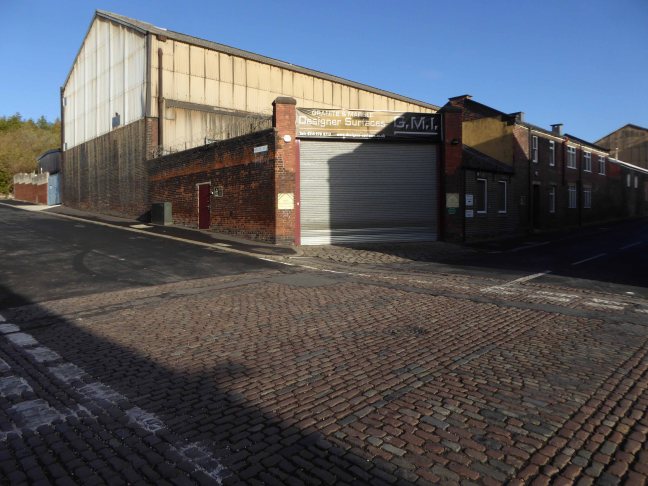
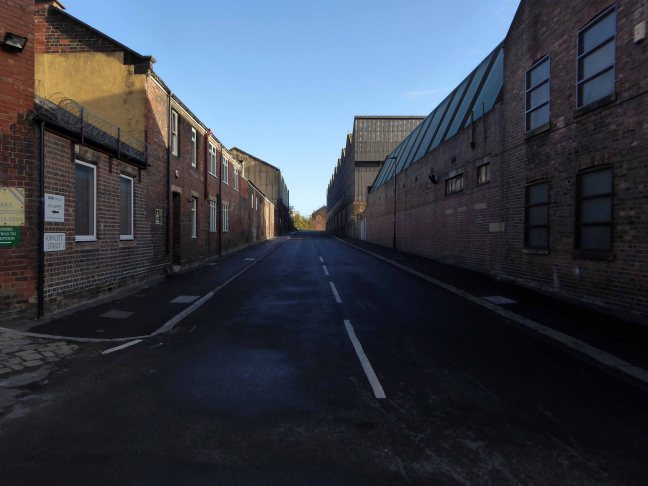
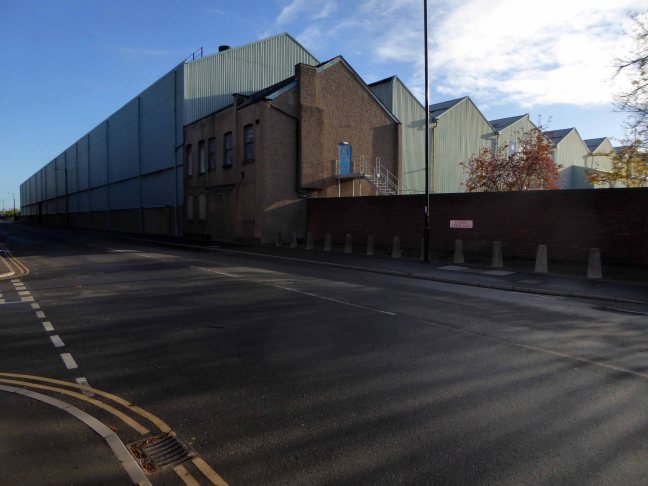
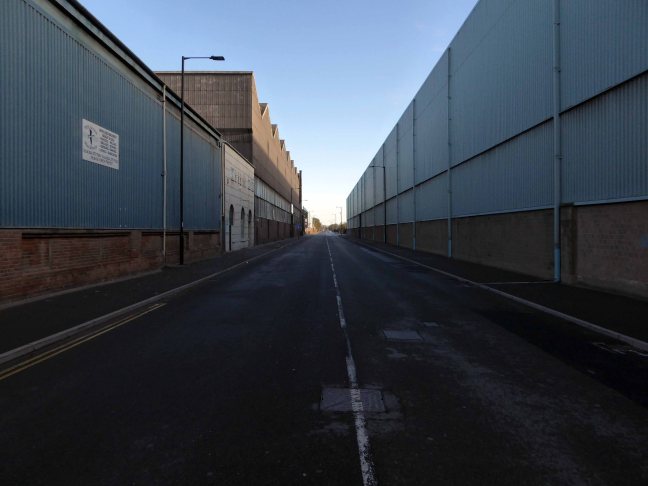
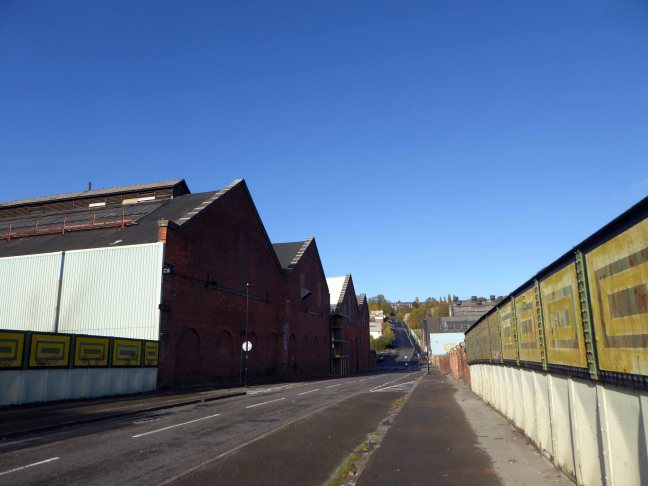
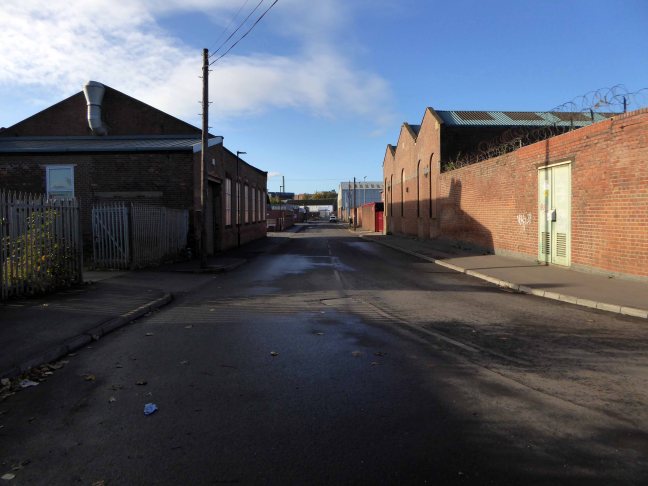
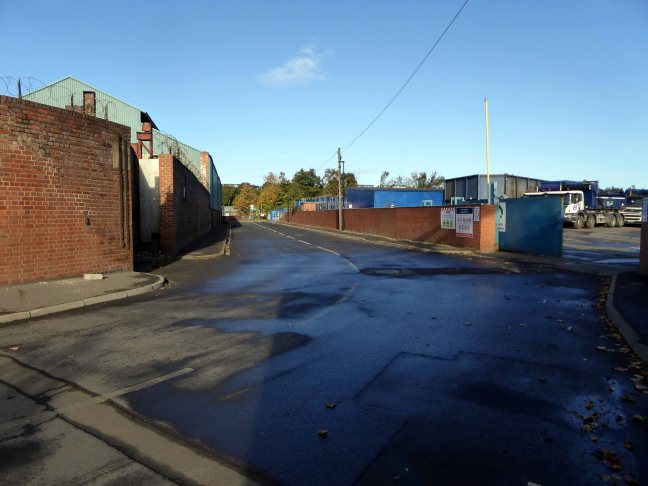
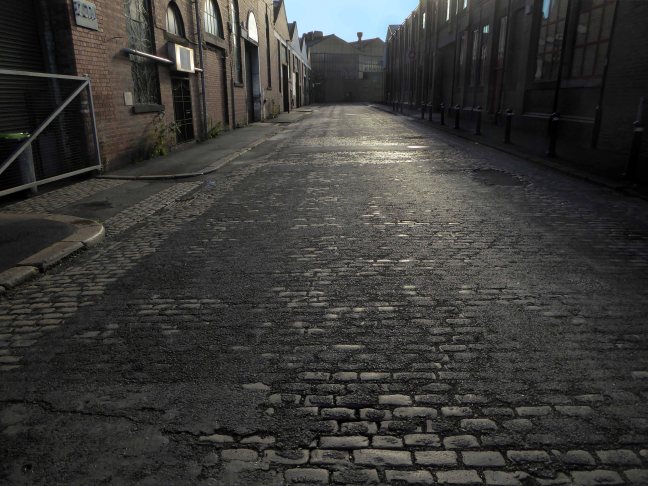
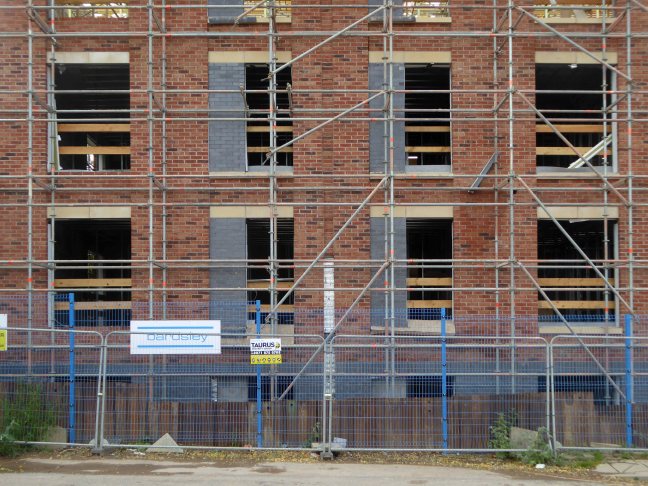
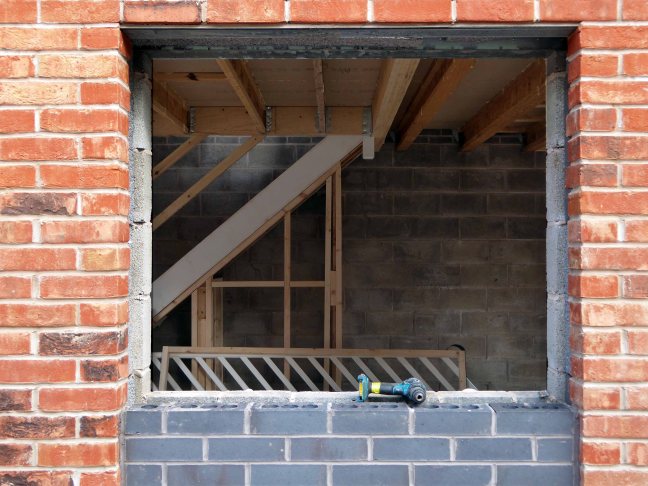
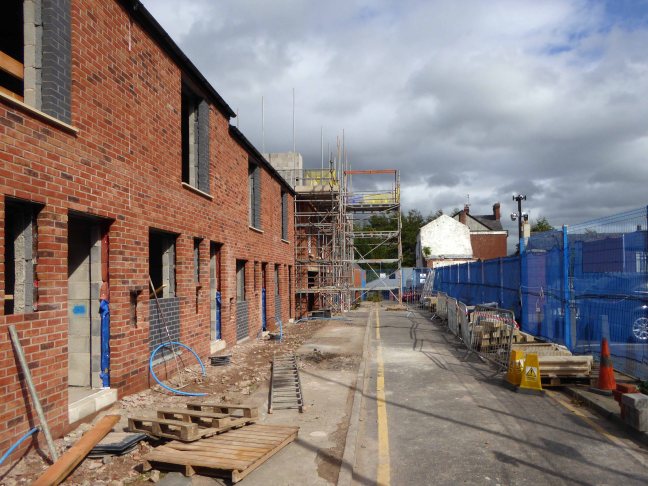
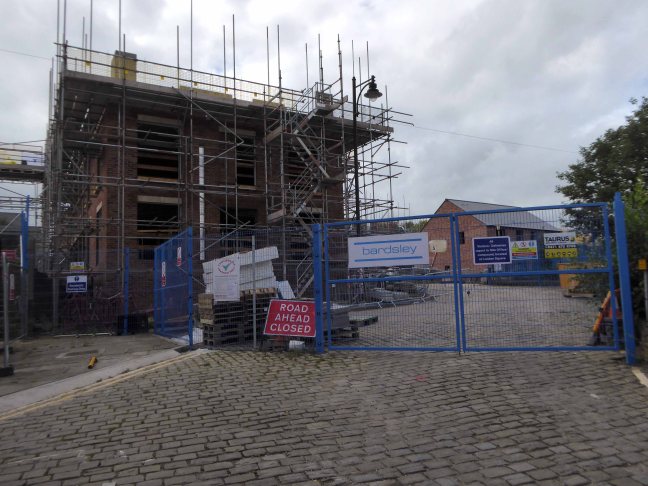
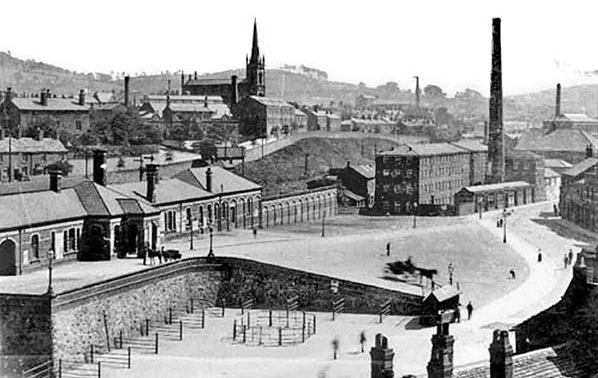
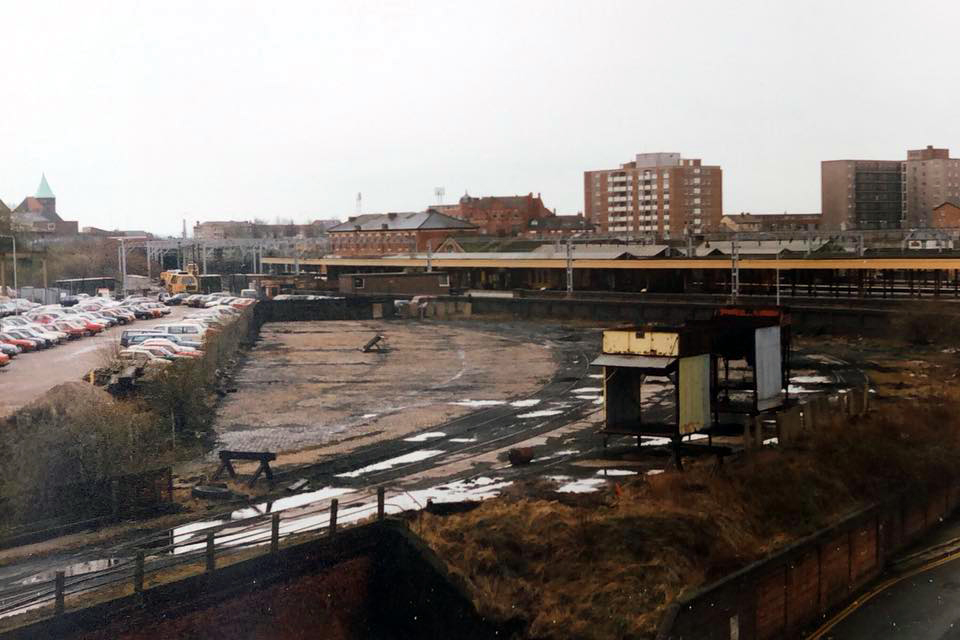
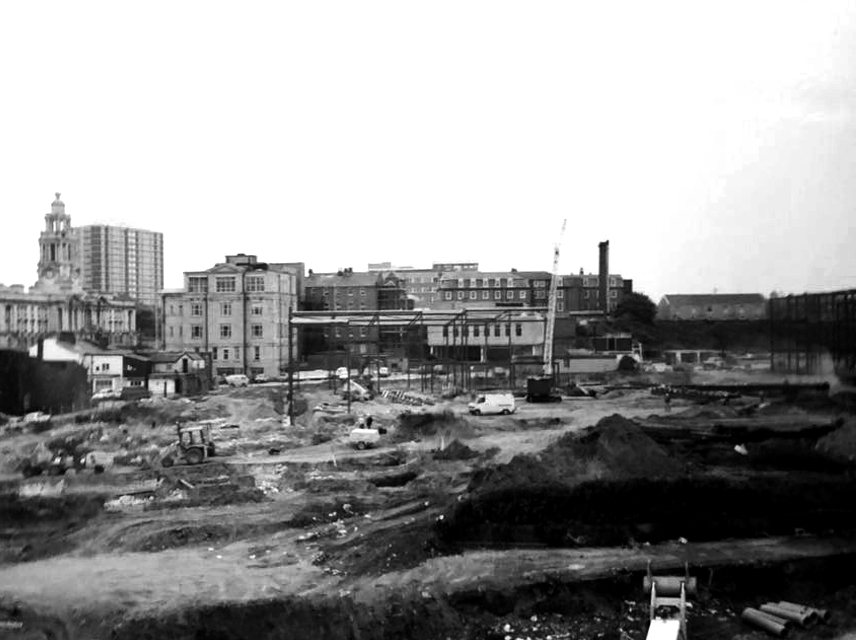
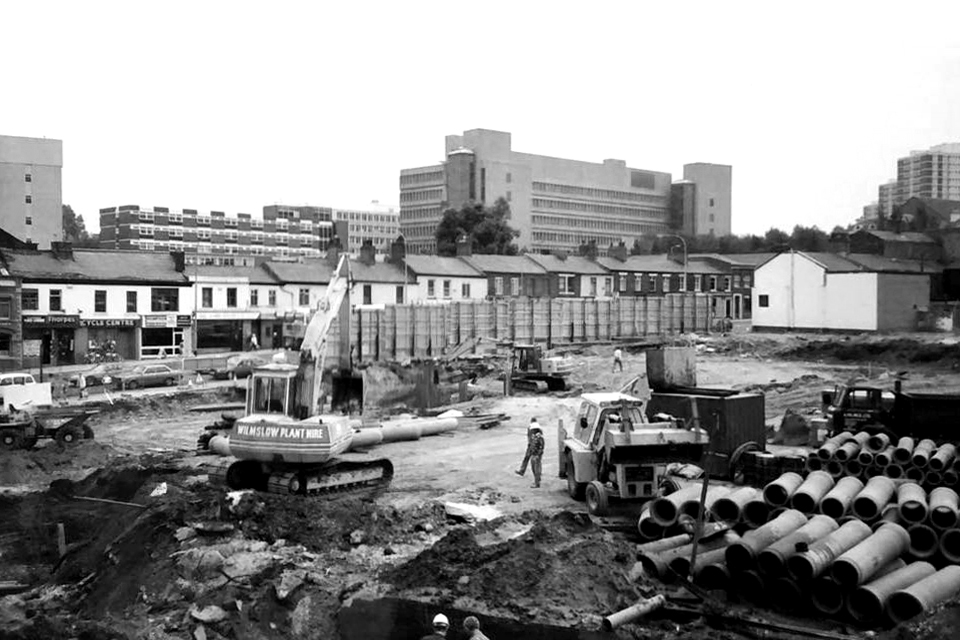
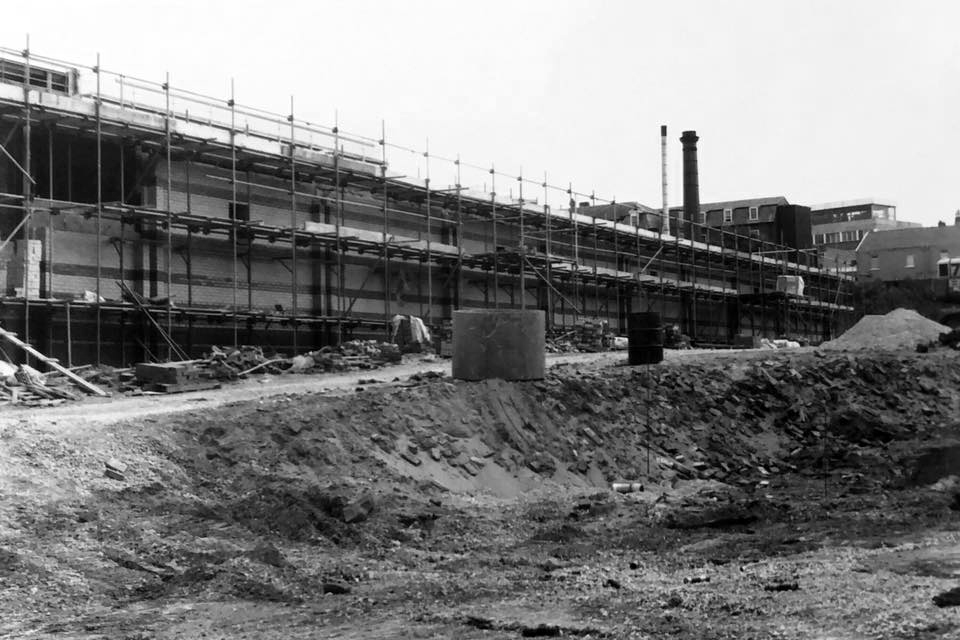
Canyons of Industry – Sheffield

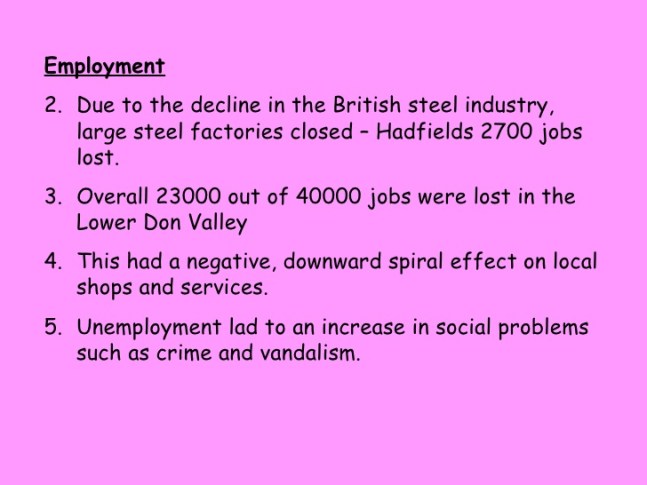
Obviously, stating the obvious in Comic Sans on a shocking pink ground may ease the pain of industrial decline and its attendant social and economic ills.

sheffield-regeneration-project-11-728

Sheffield along with the majority of  British manufacturing towns and cities, has seen the wealth created by over a century of hard labour spirited elsewhere, and the means by which that wealth was created shipped overseas or overwritten by new technologies.

This has not been an accident or unfortunate consequence of global trends, it has been government policy.

It has not been government policy to regenerate these towns and cities.

So Sheffield has taken the initiative to become – The fastest growing British city outside London.

With areas of new and arresting development.

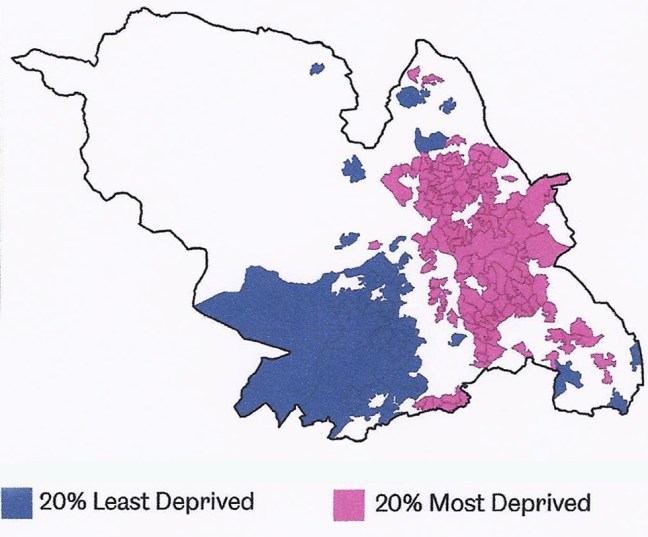
Though that may do little to redress the structural economic divides within the city.


deprivationsheffieldsimplif


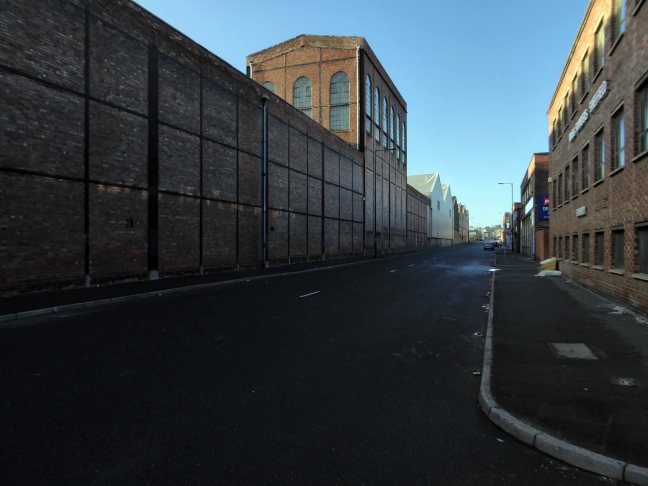
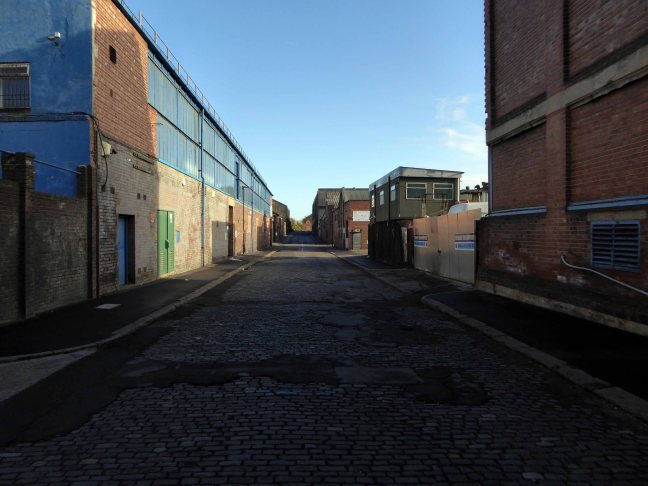
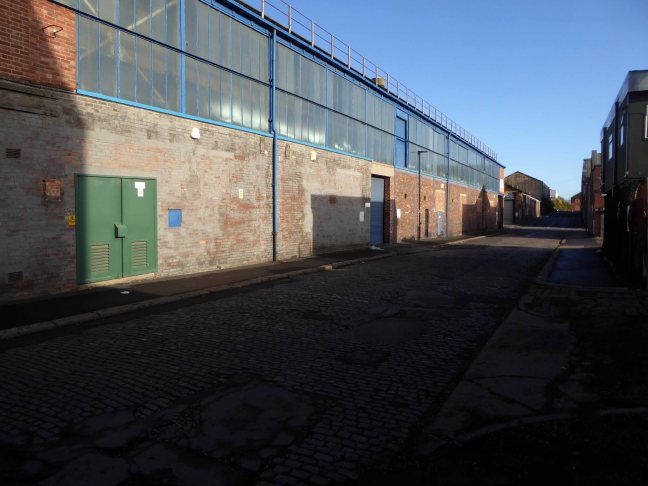
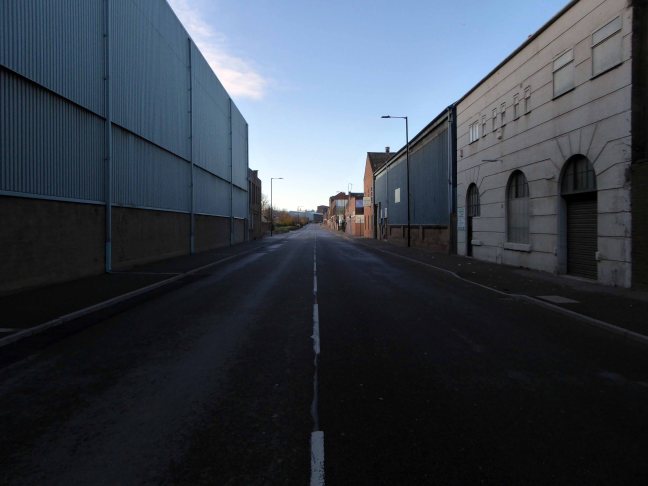
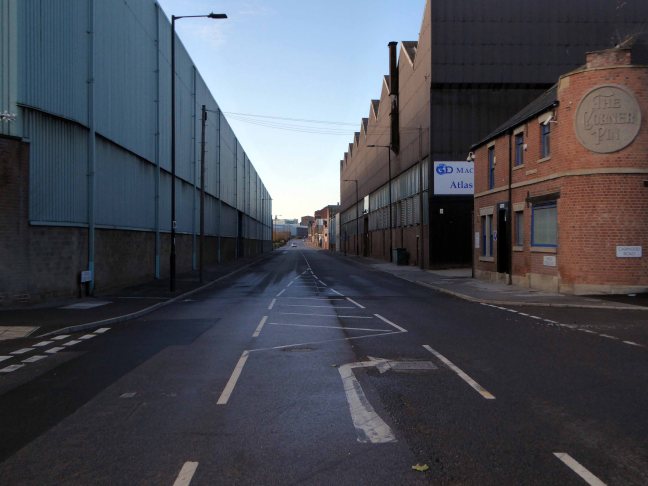
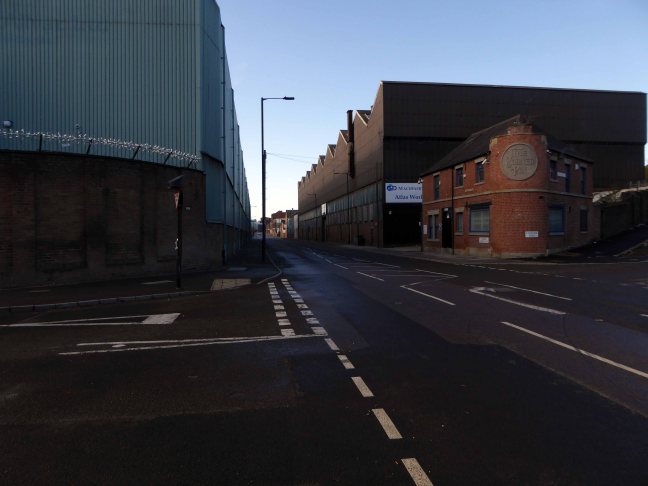
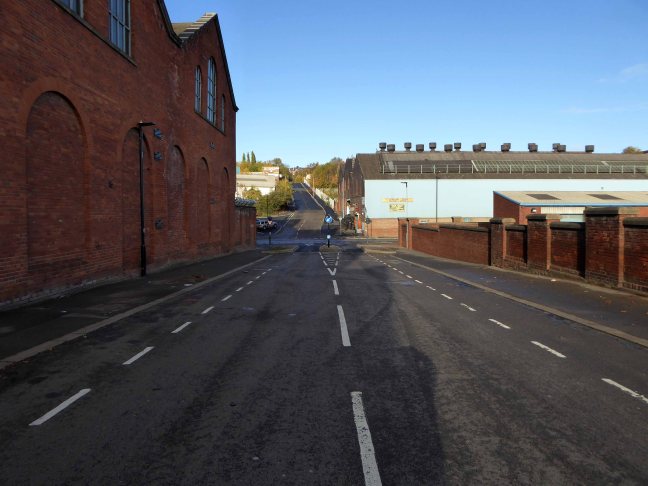
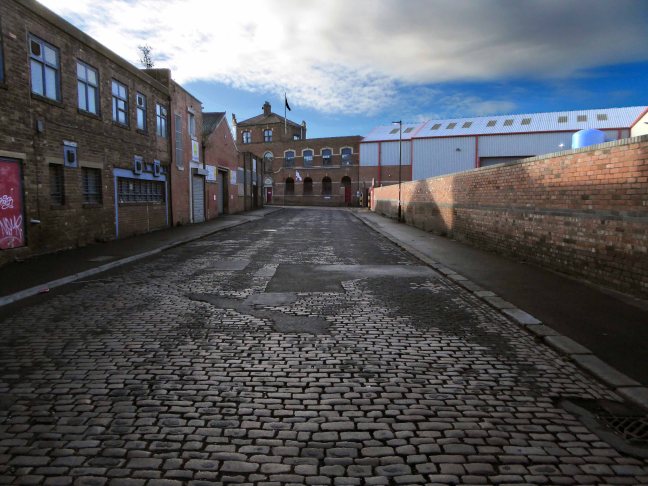
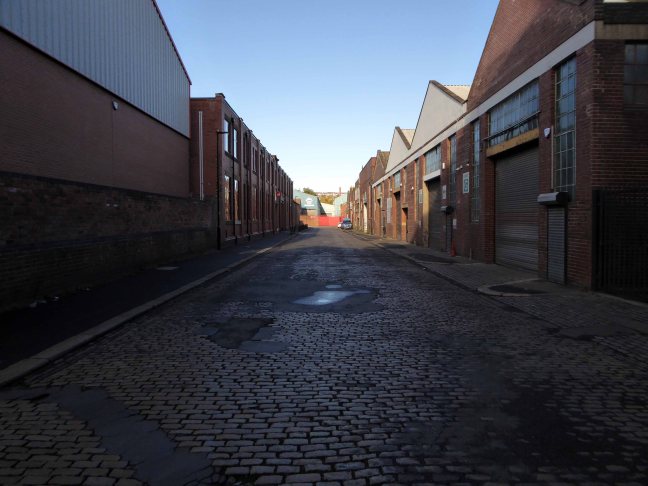
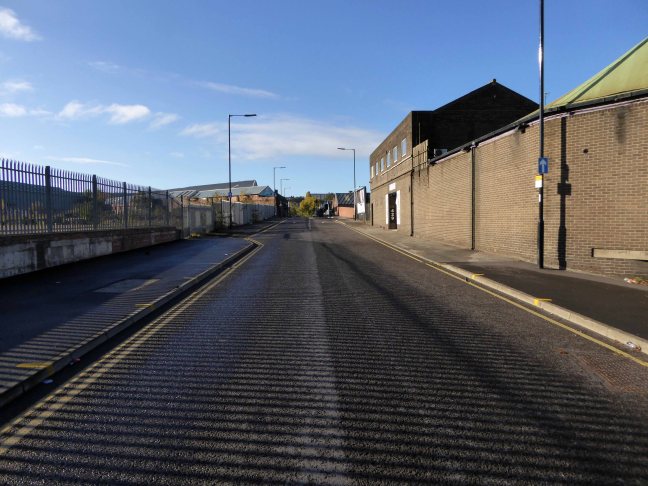
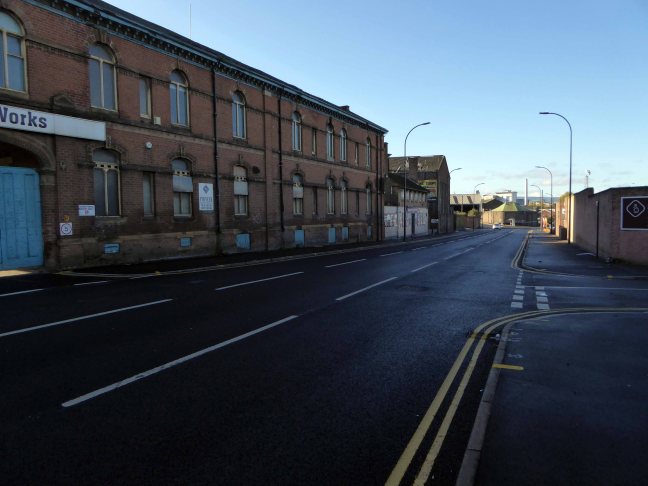
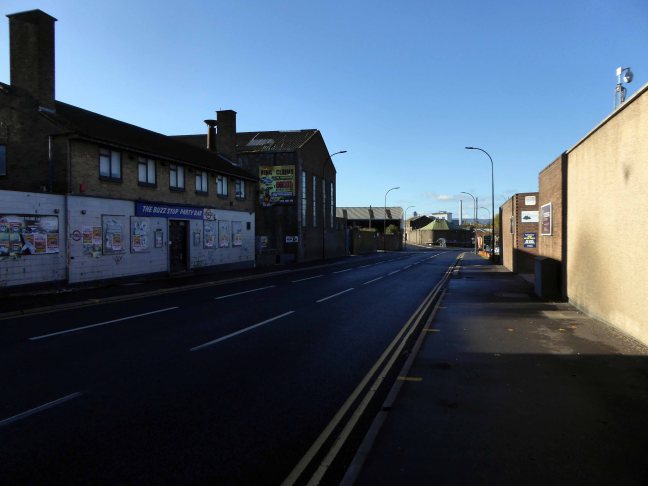
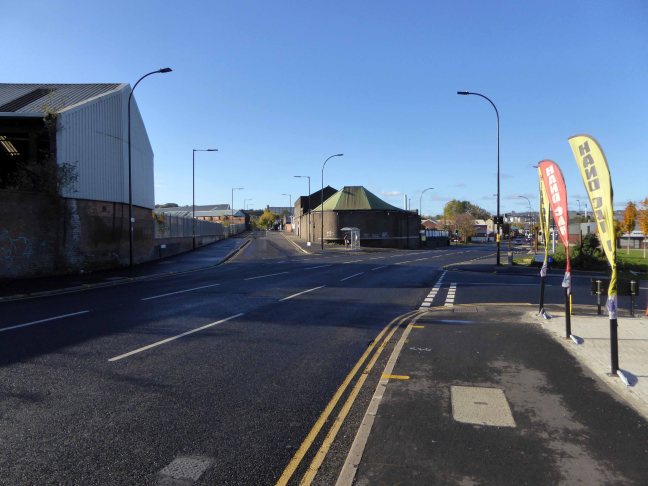
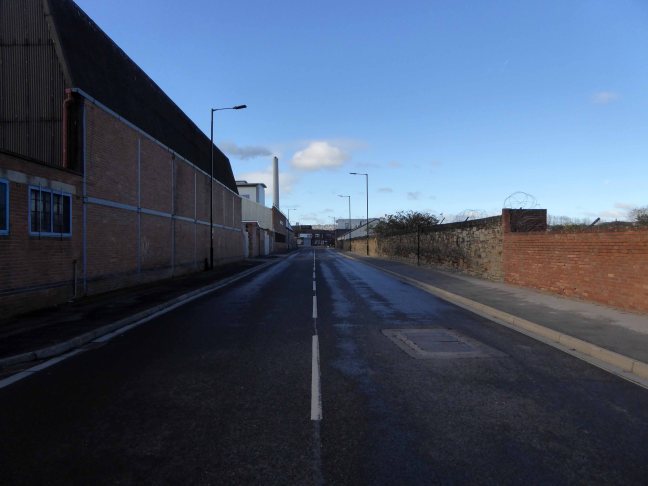
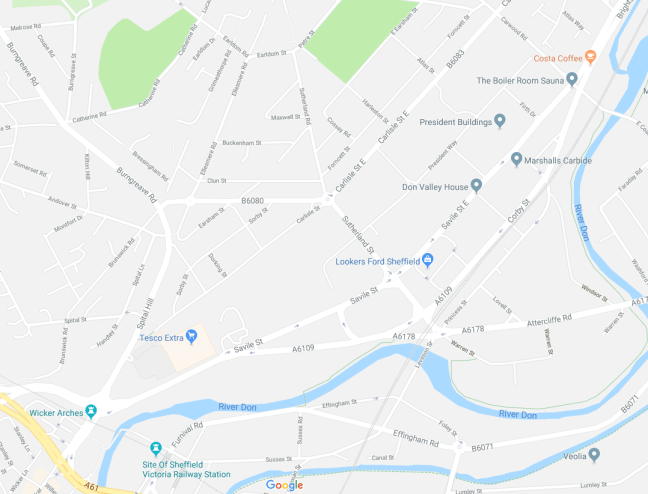
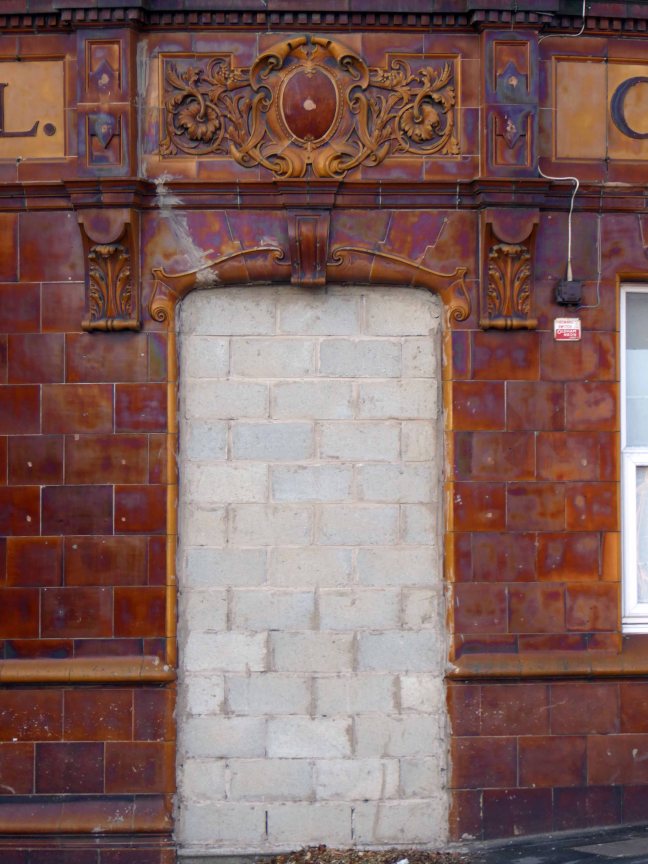
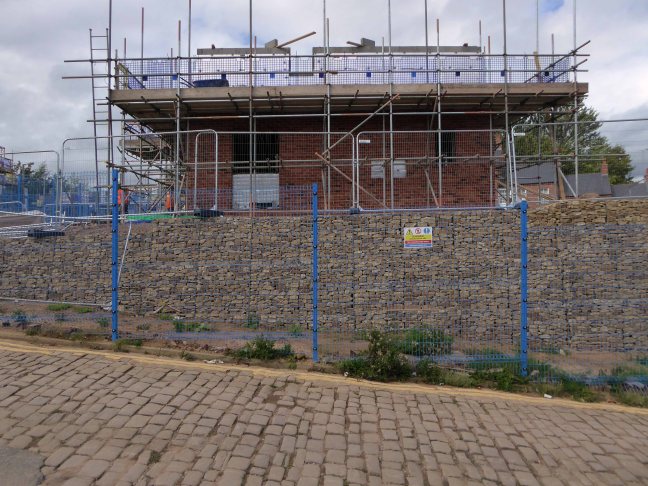
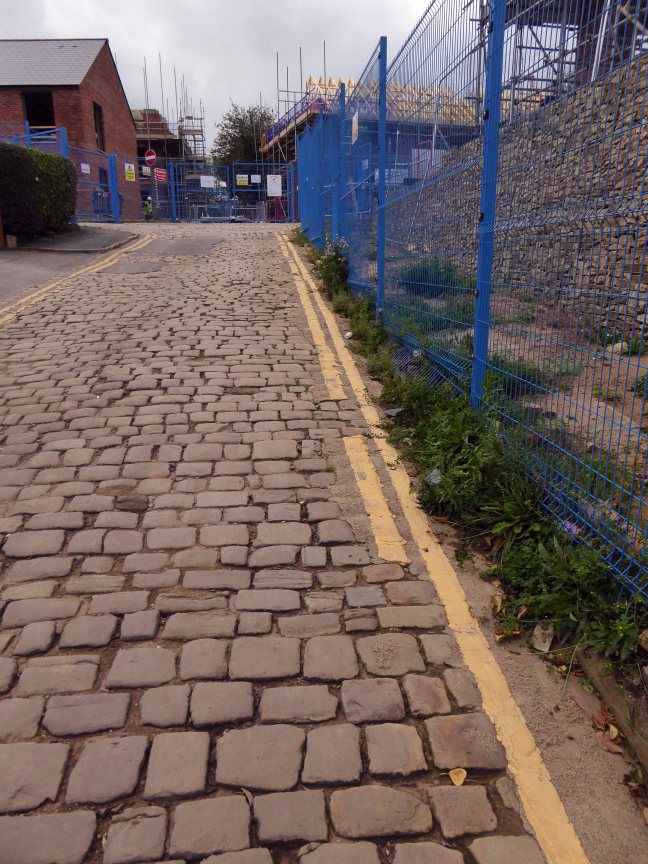
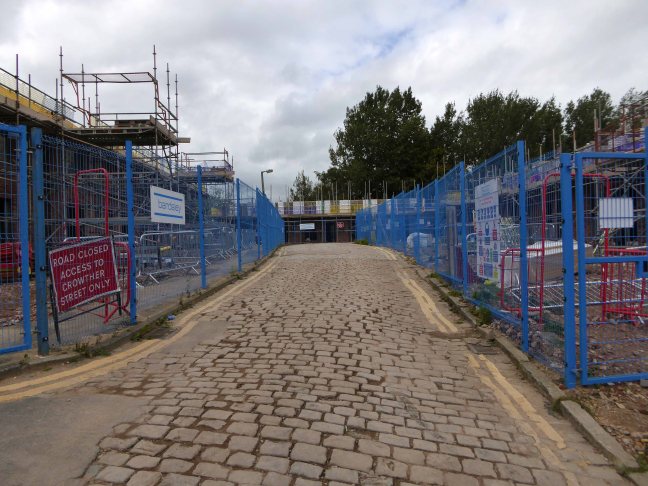
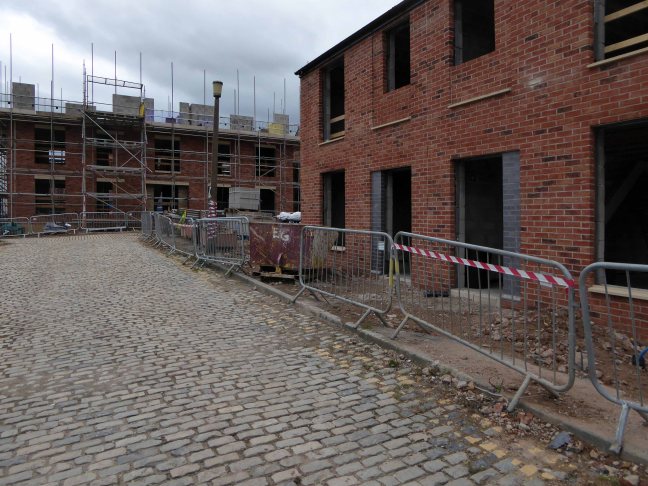
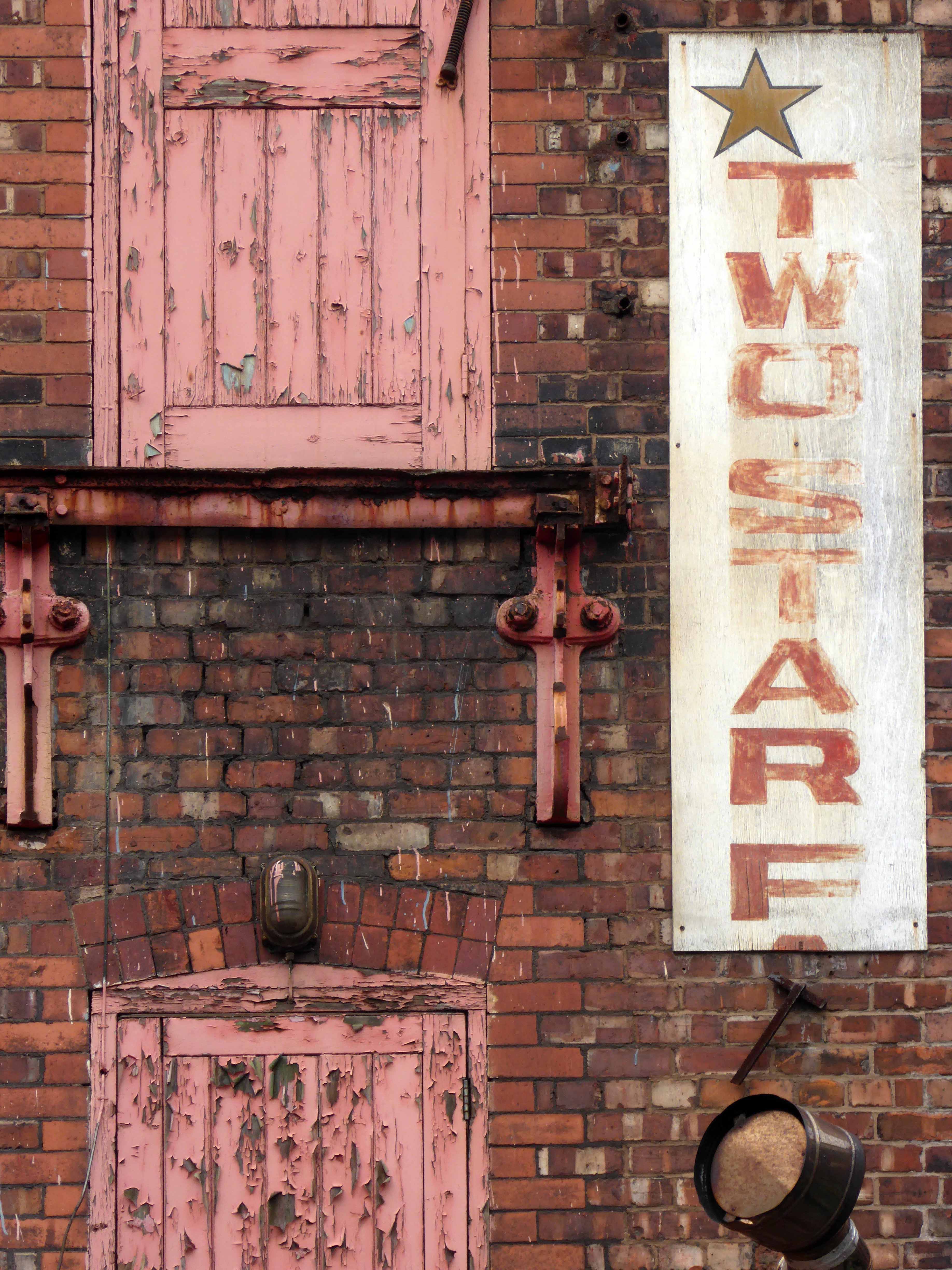
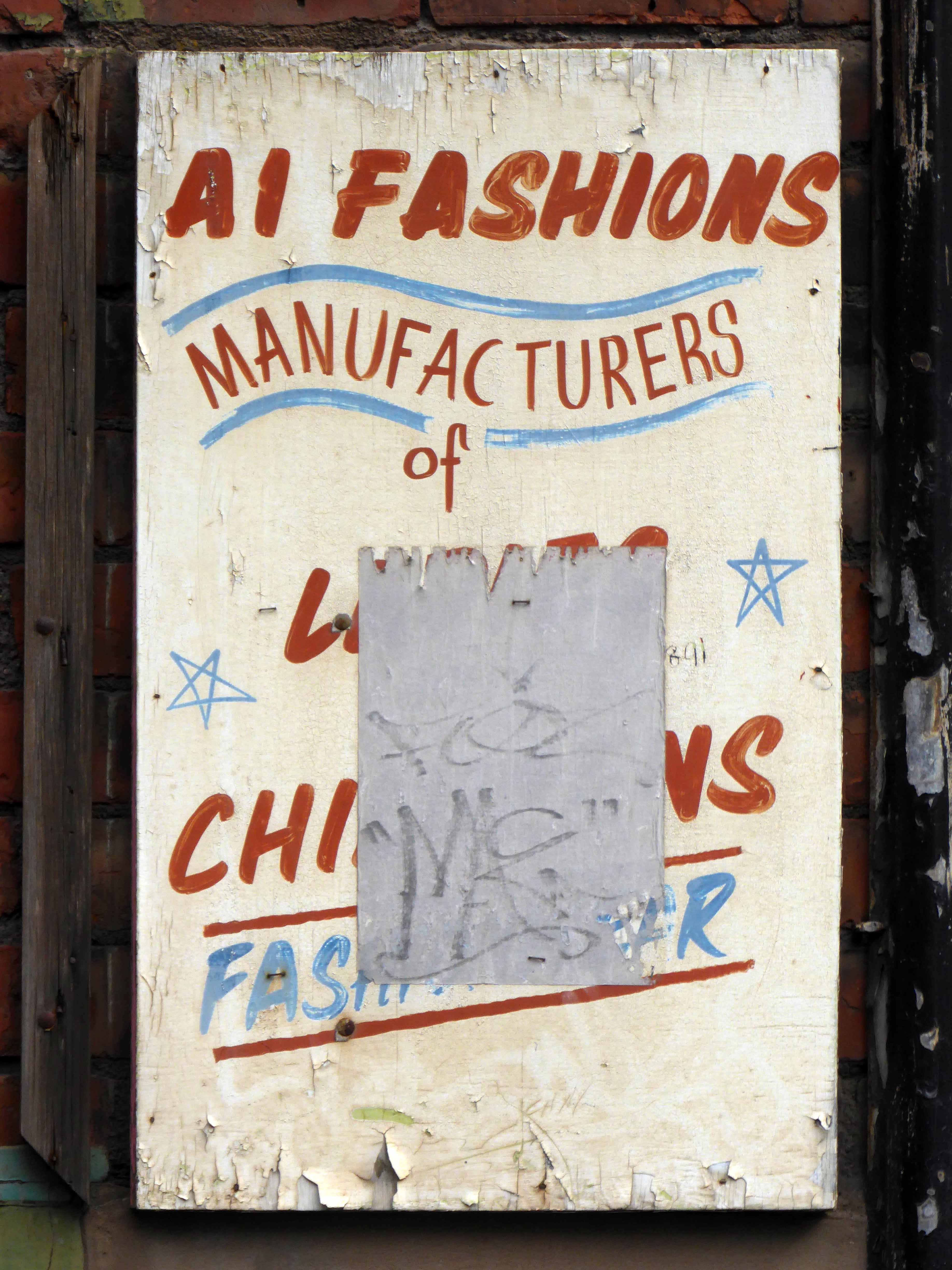
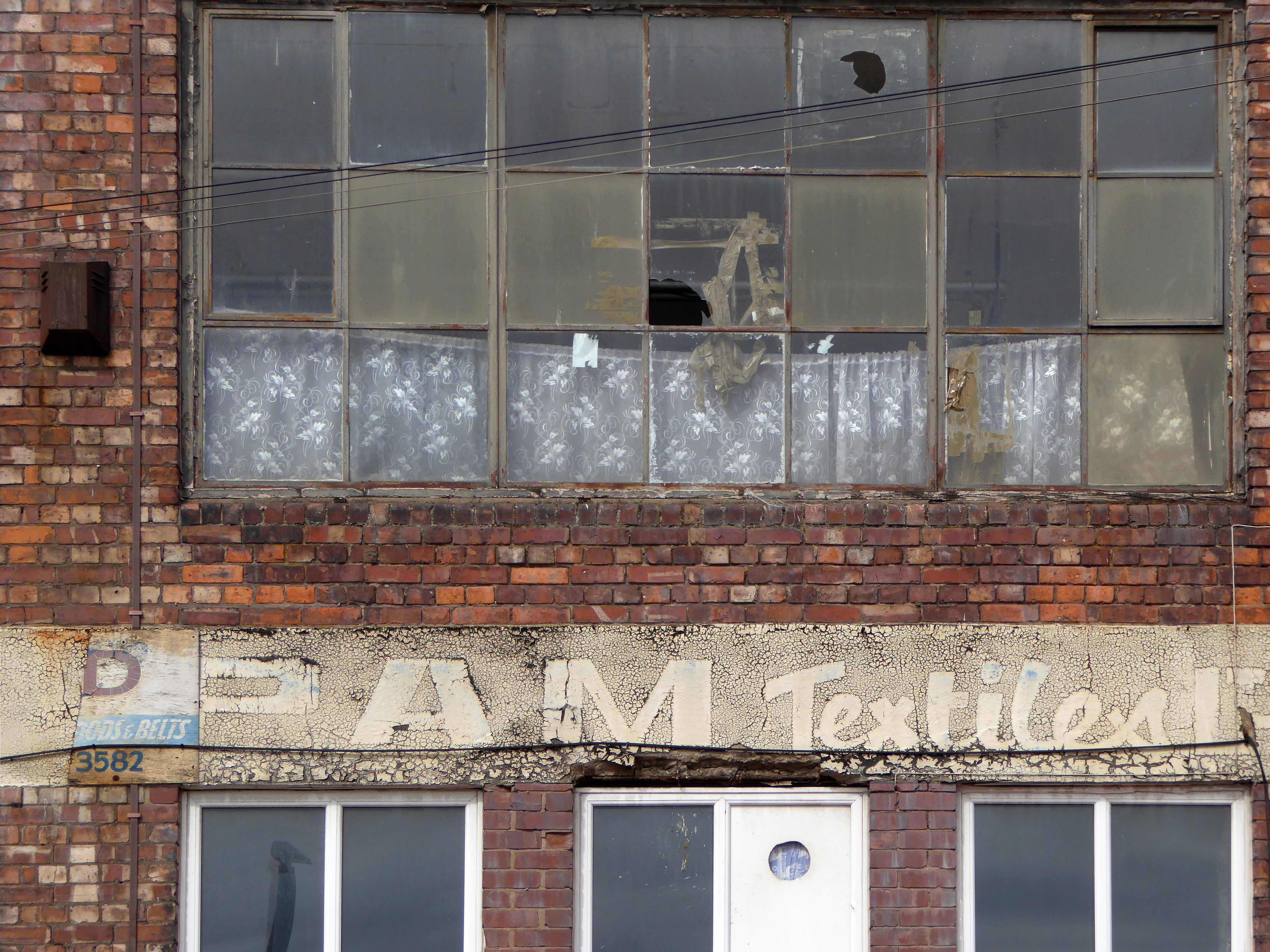
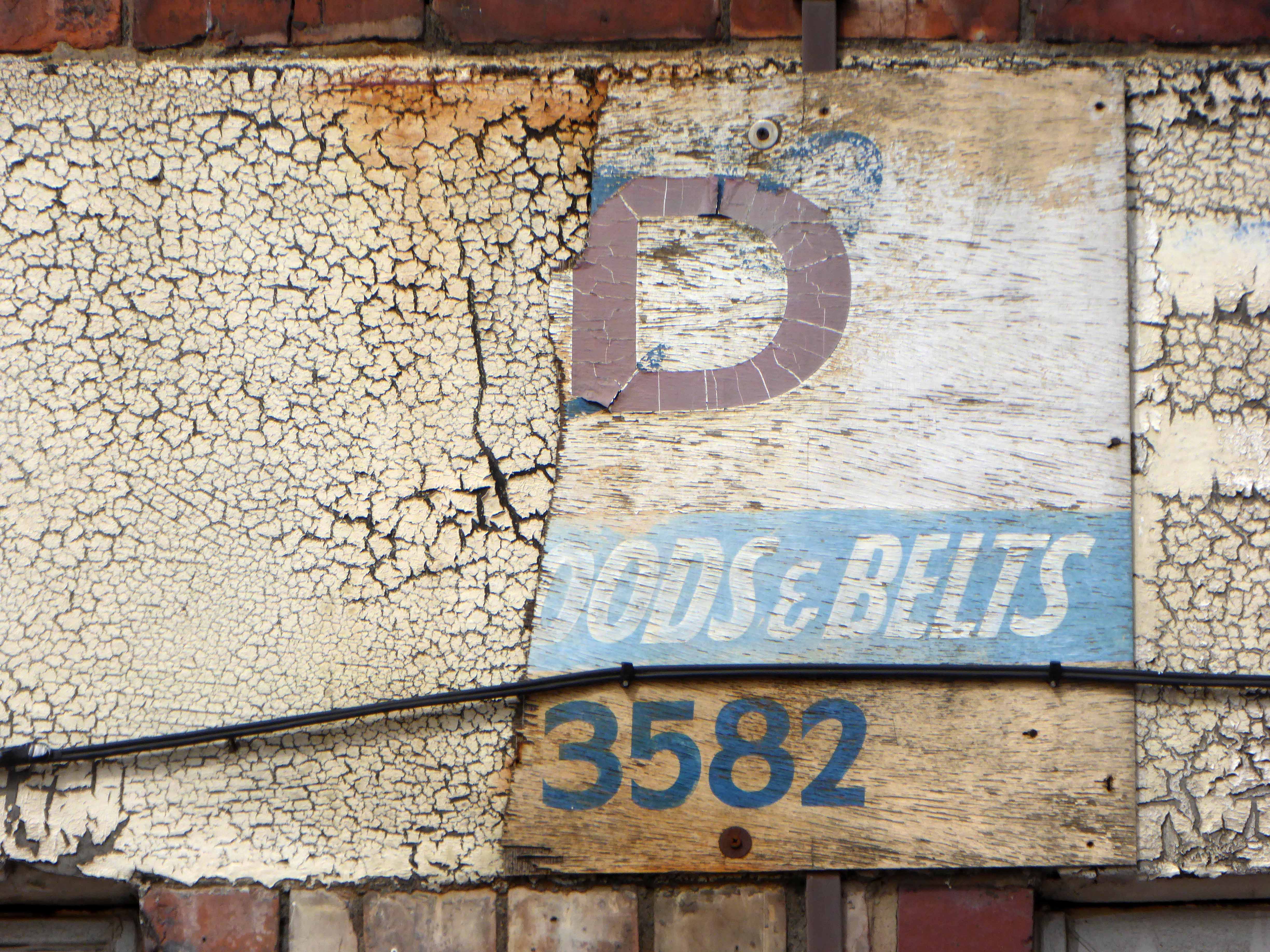
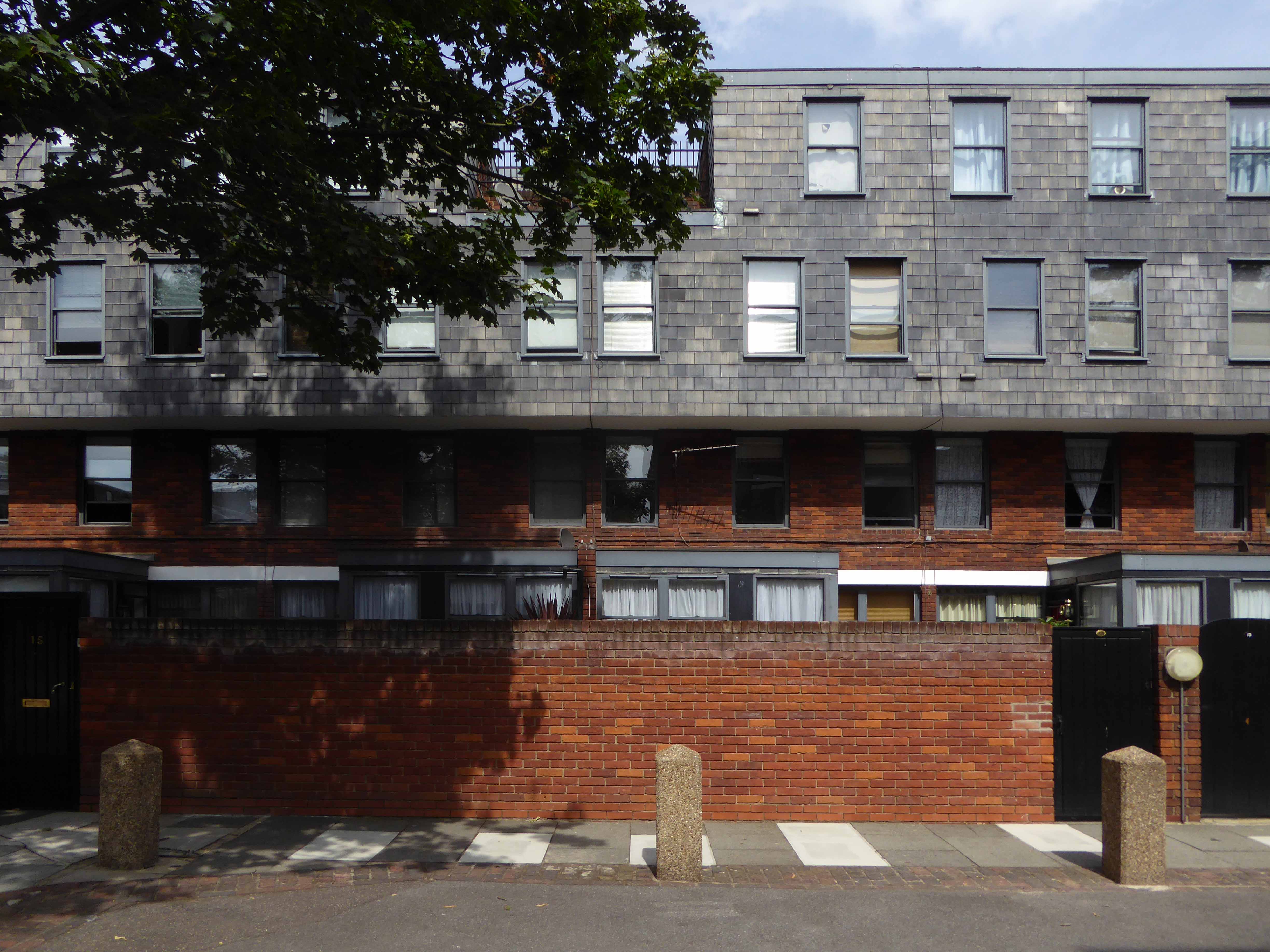
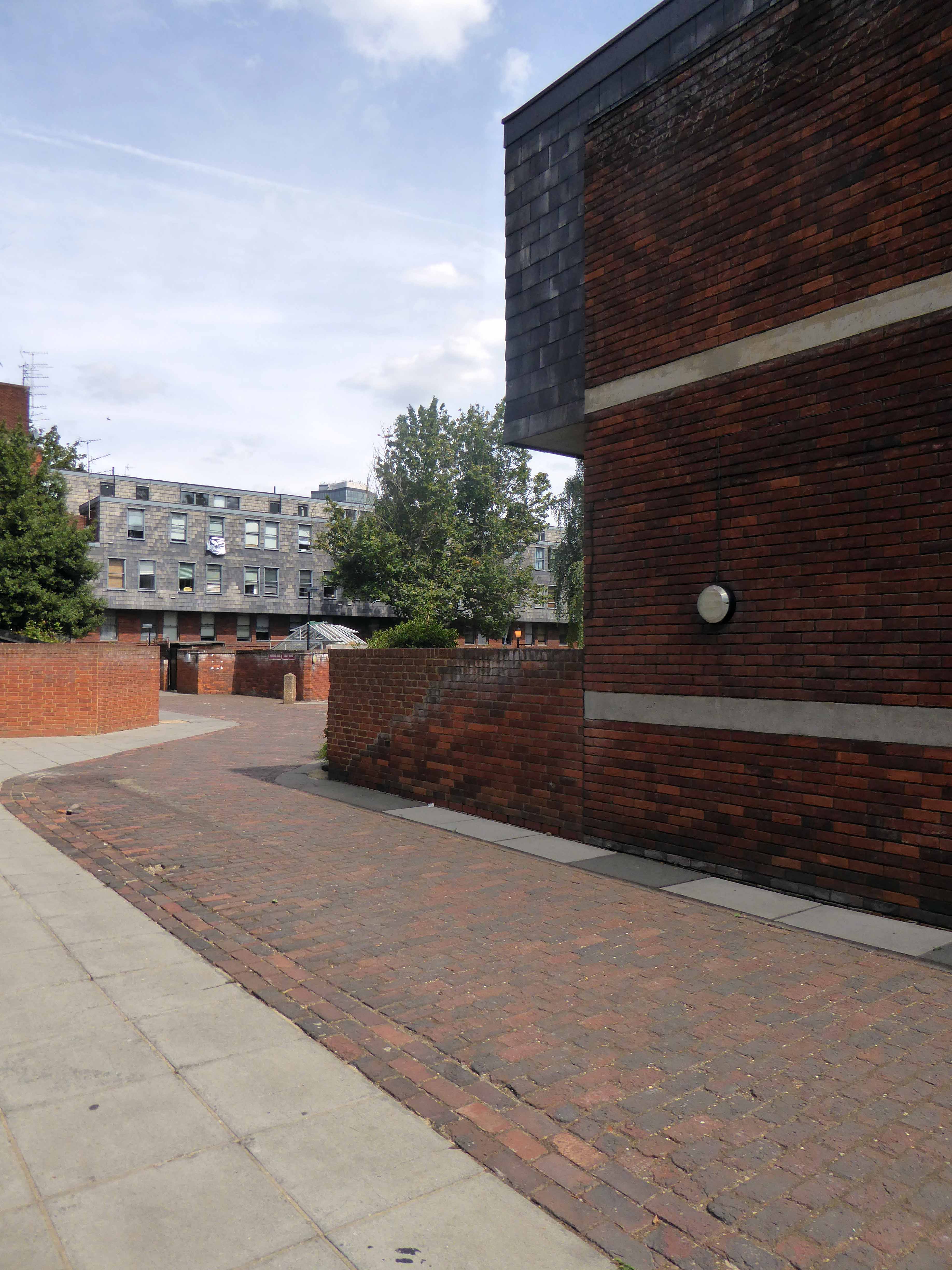
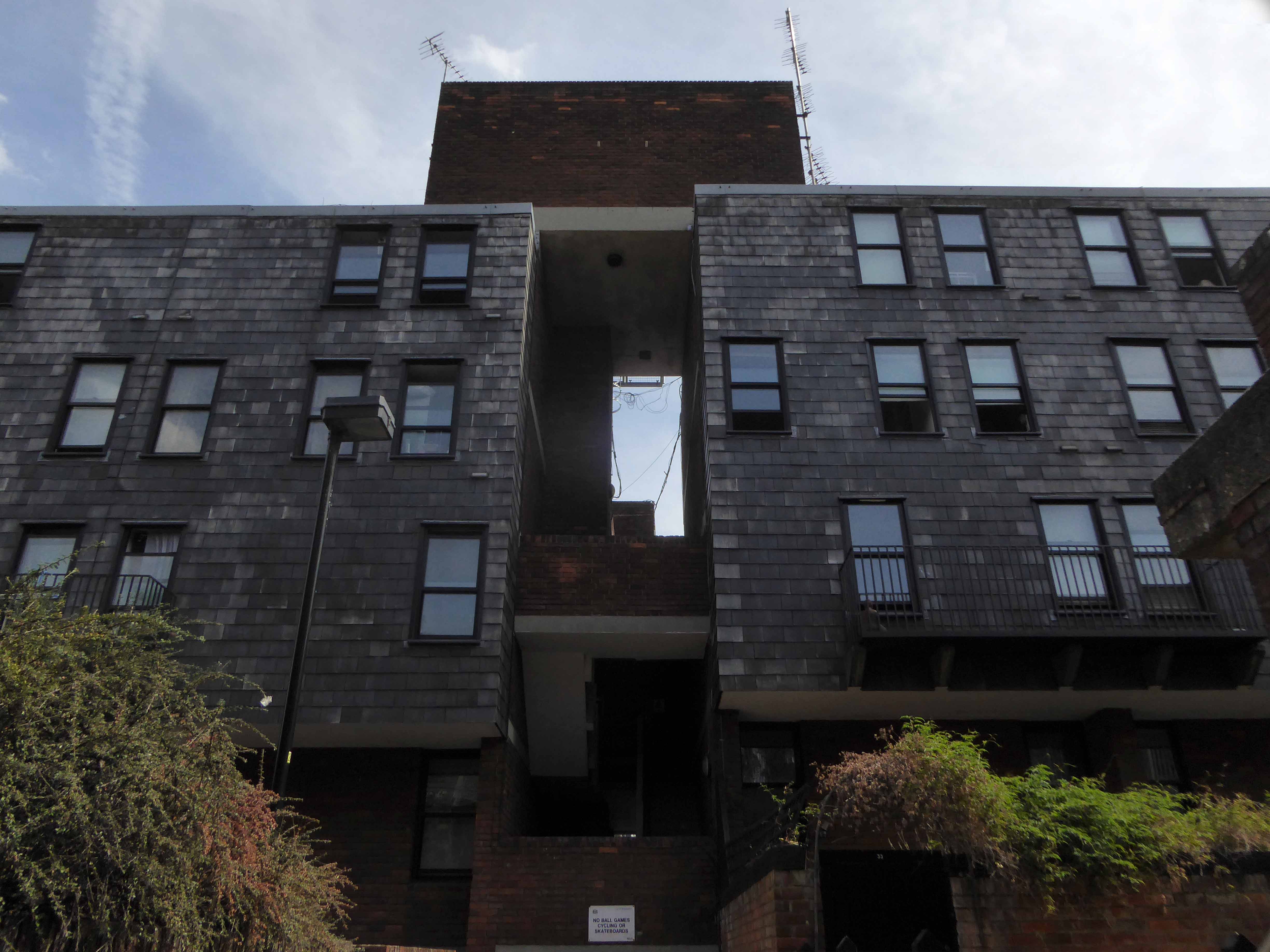
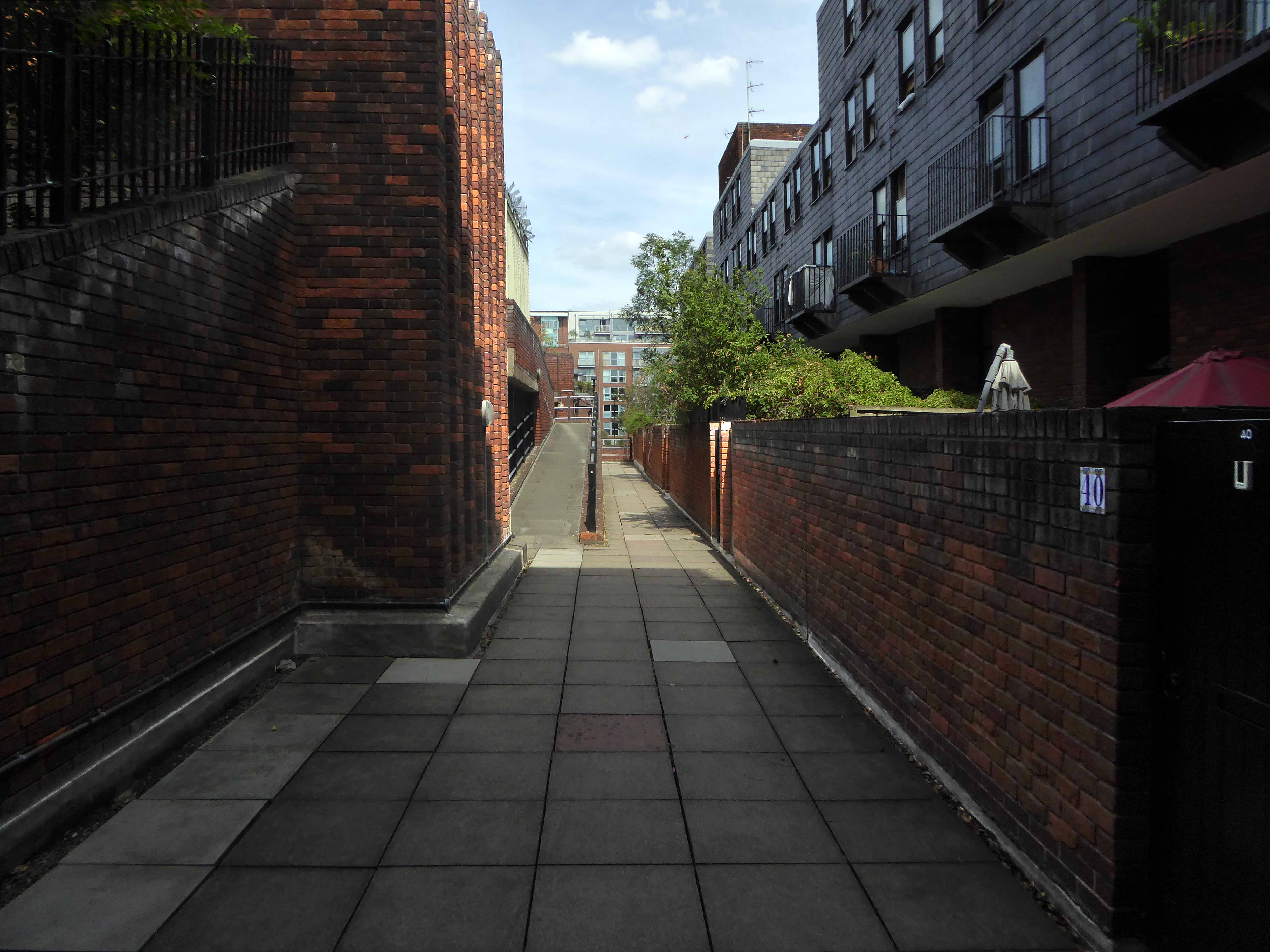
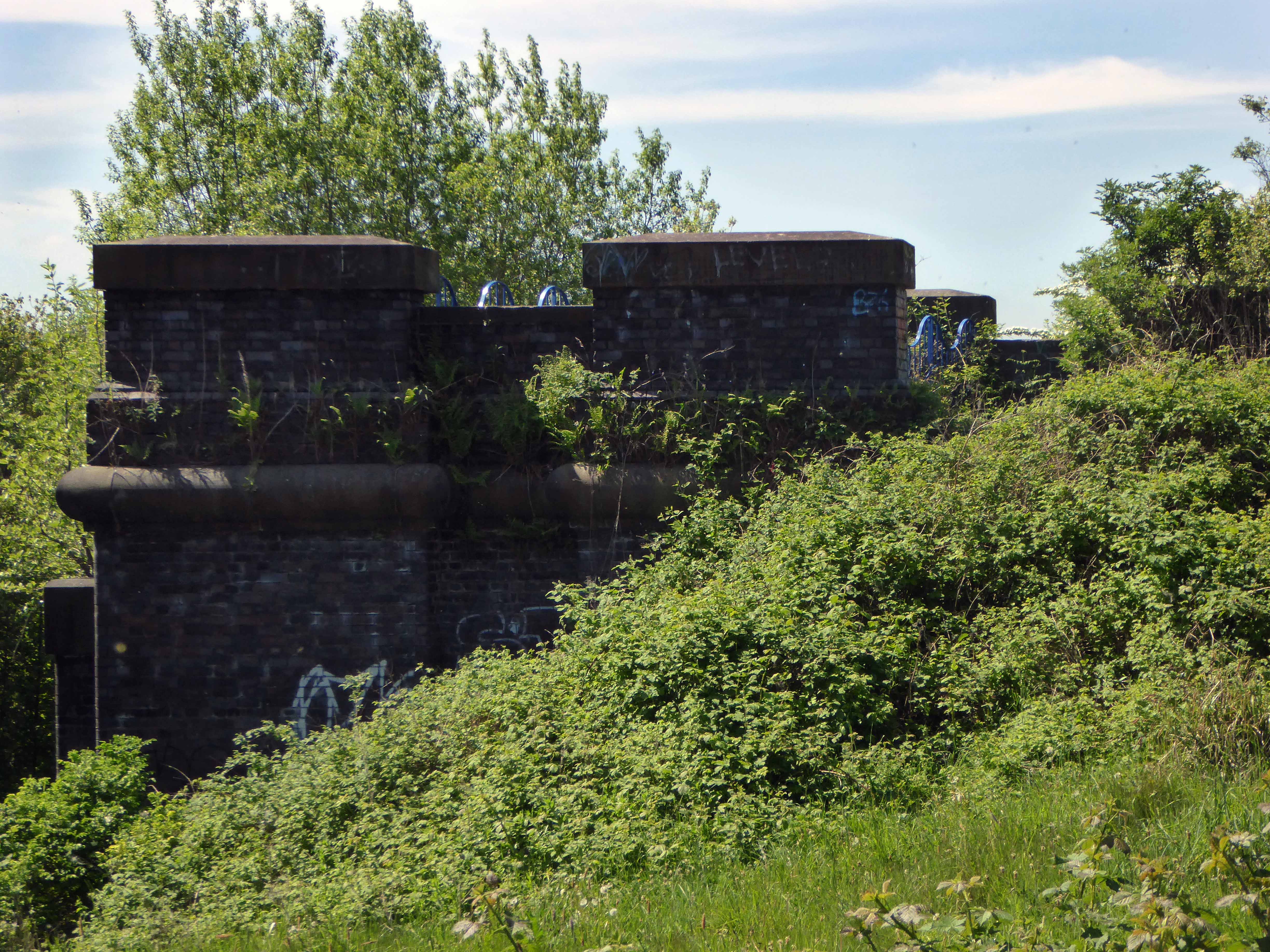
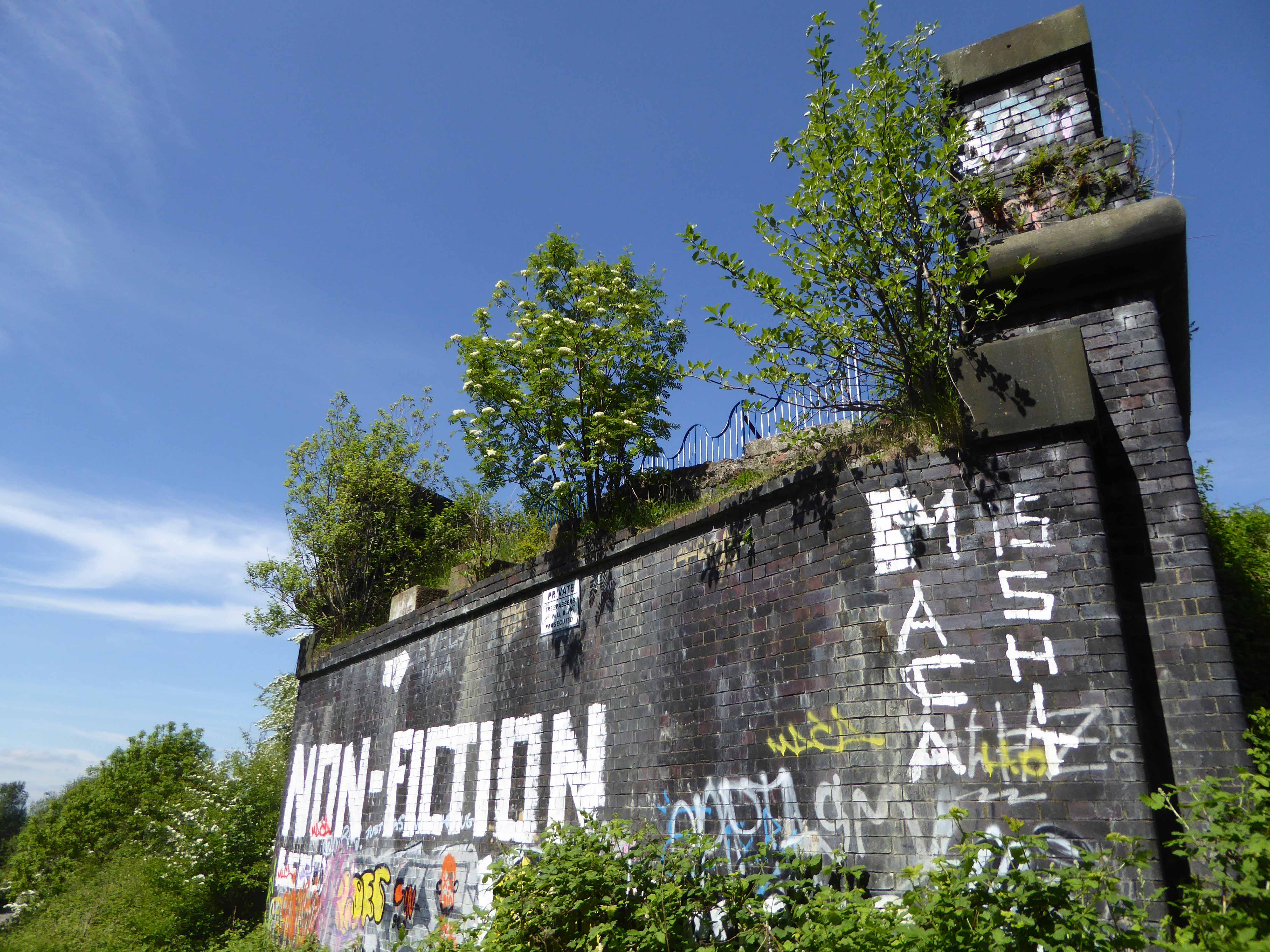
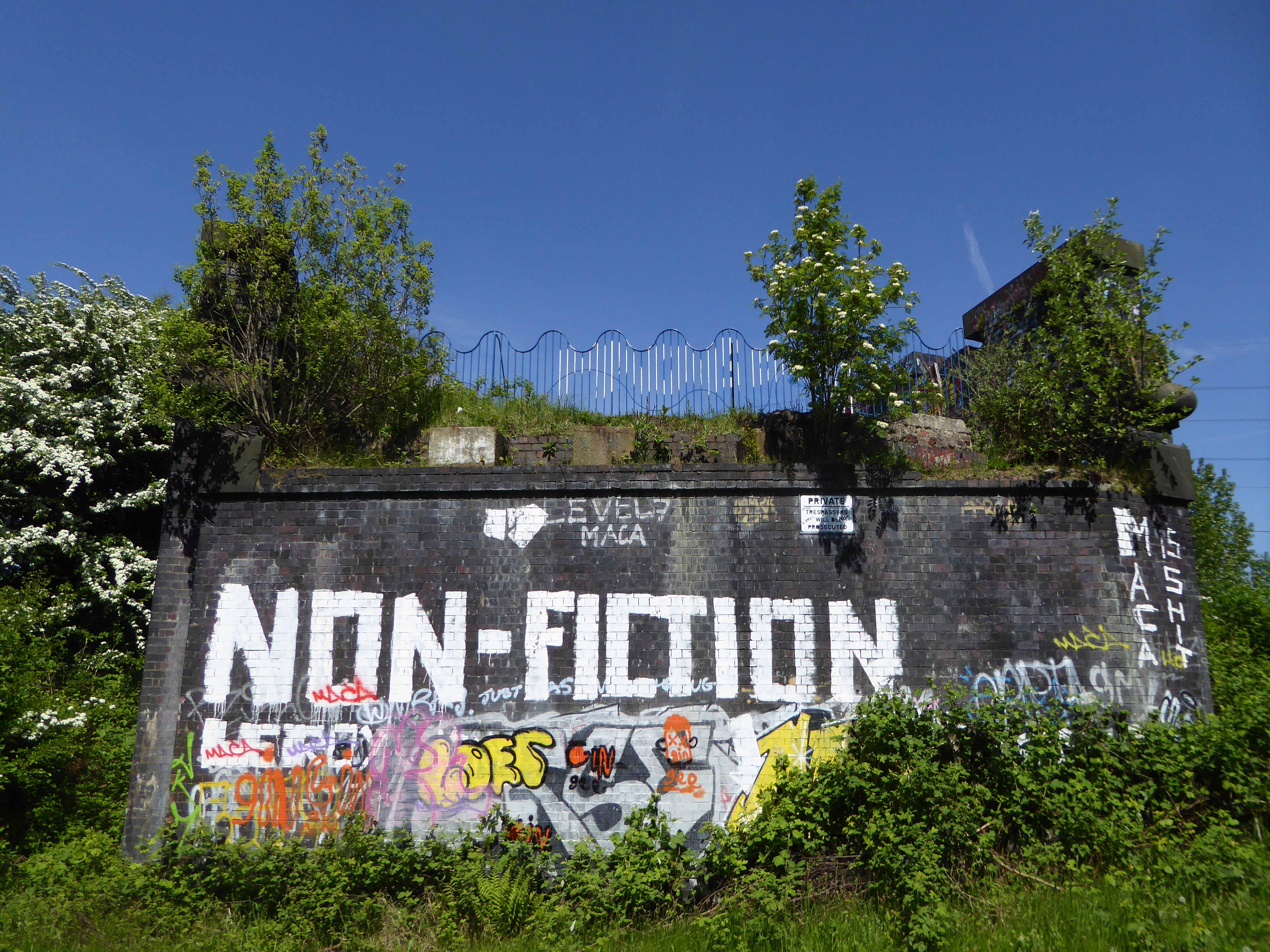
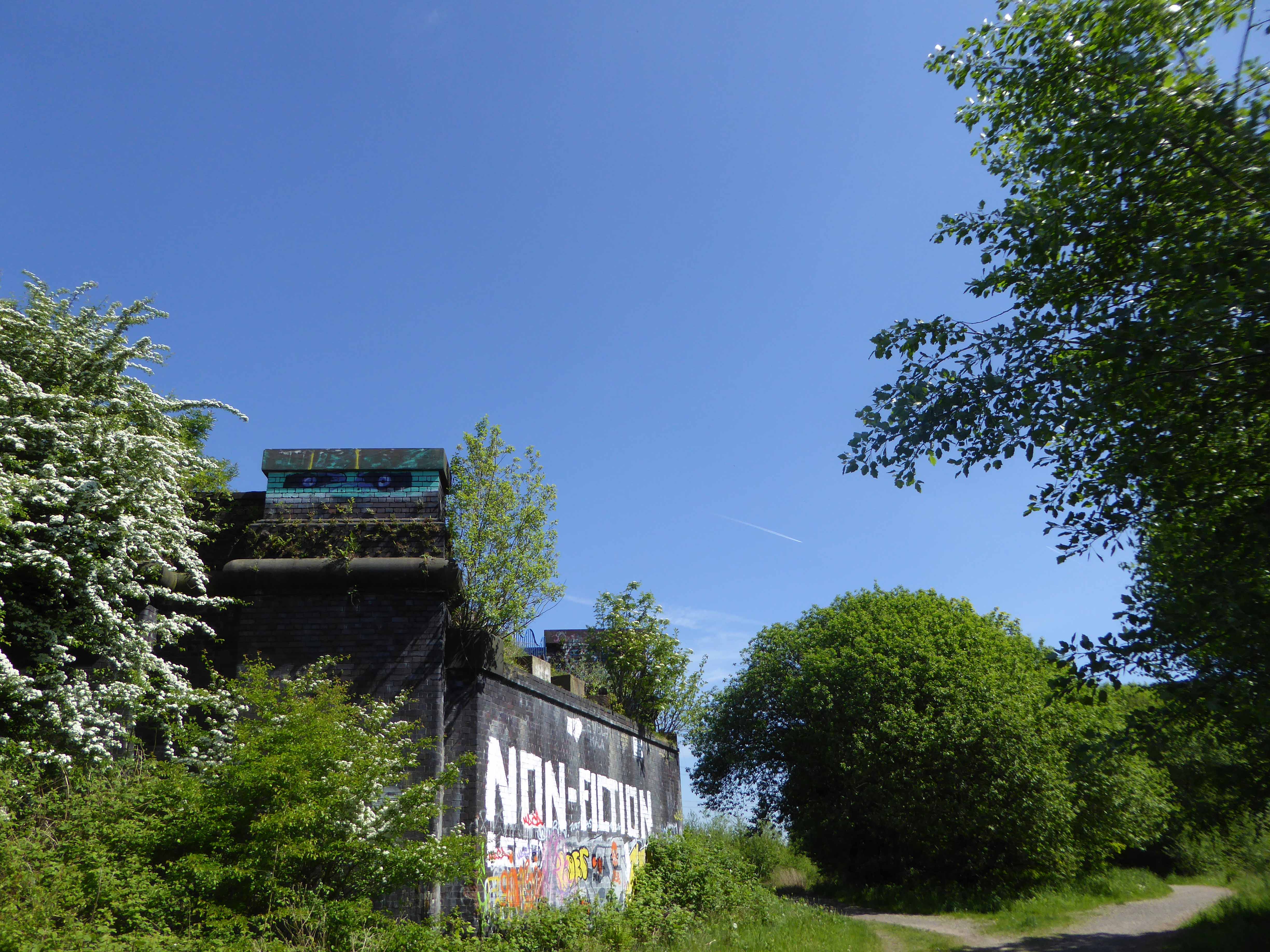
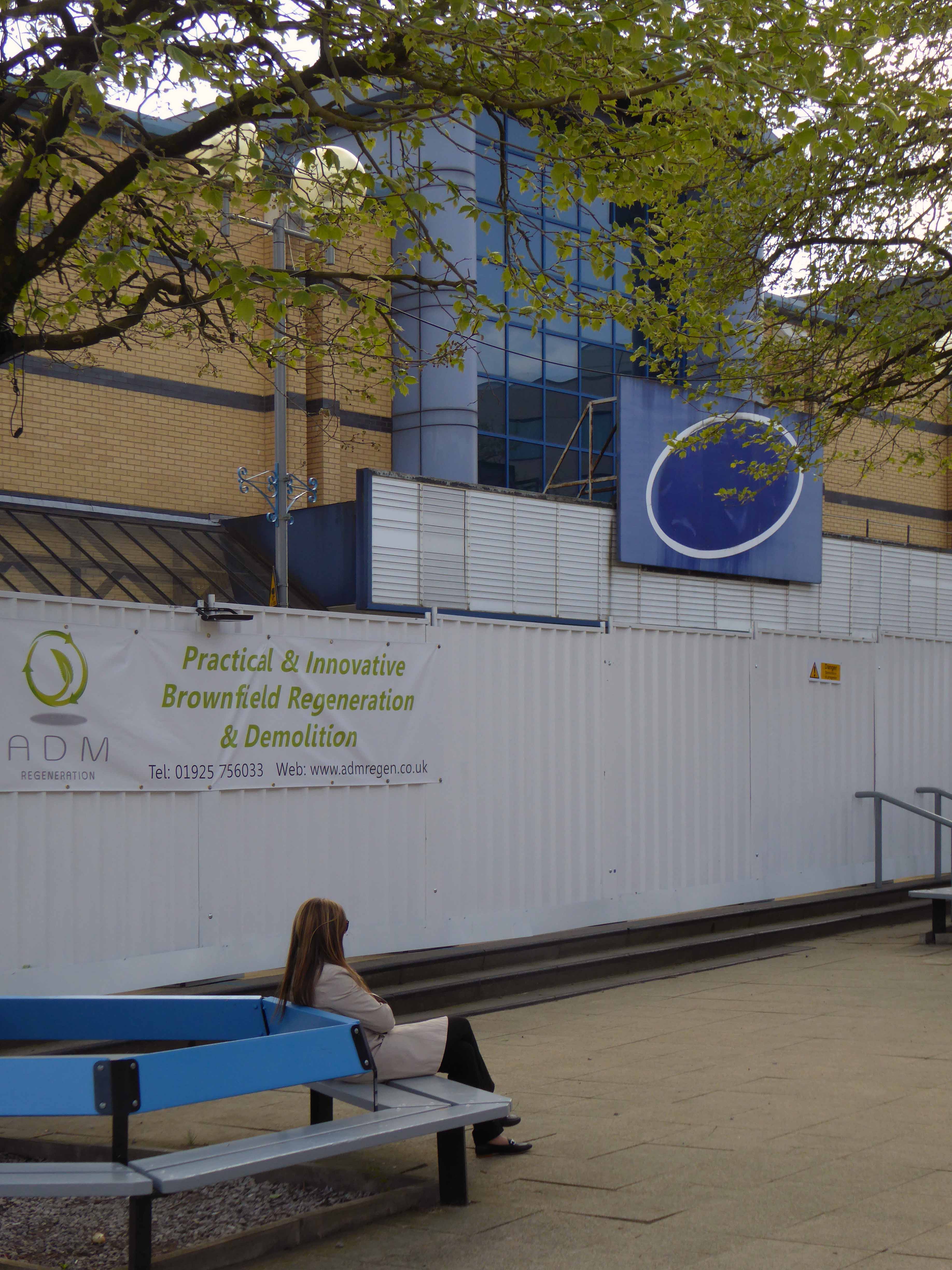
So I walked the avenues and alleyways of the Lower Don Valley, early on an October Sunday morning, mourning the passing of the clang and clamour that once fuelled the city and the nation.

An aroma of engine oil and the sound of metal on metal still permeates the area, and the low autumnal sun warms the long straight streets.


P1300863

P1300869

P1300870

P1300873

P1300874

P1300875

P1300876

P1300880

P1300886

P1300889

P1300890

P1300892

P1300895

P1300896

P1300897

P1300899

P1300900

P1300912

P1300927

P1300928

P1300929

P1300951

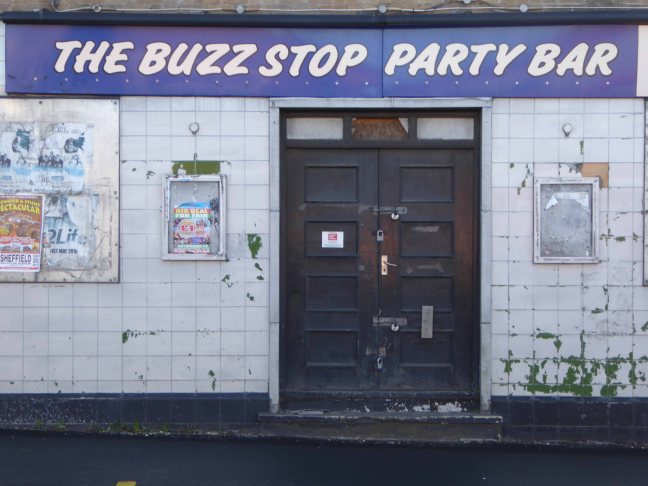
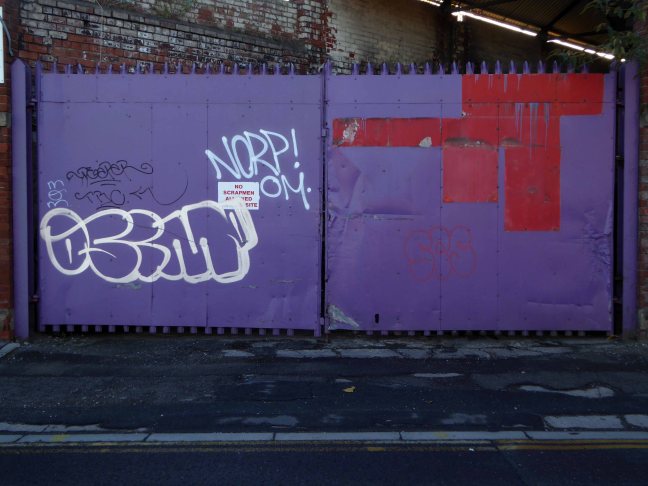
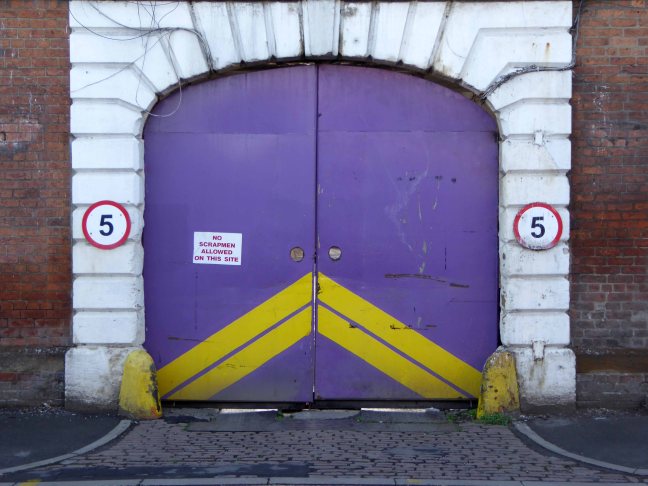
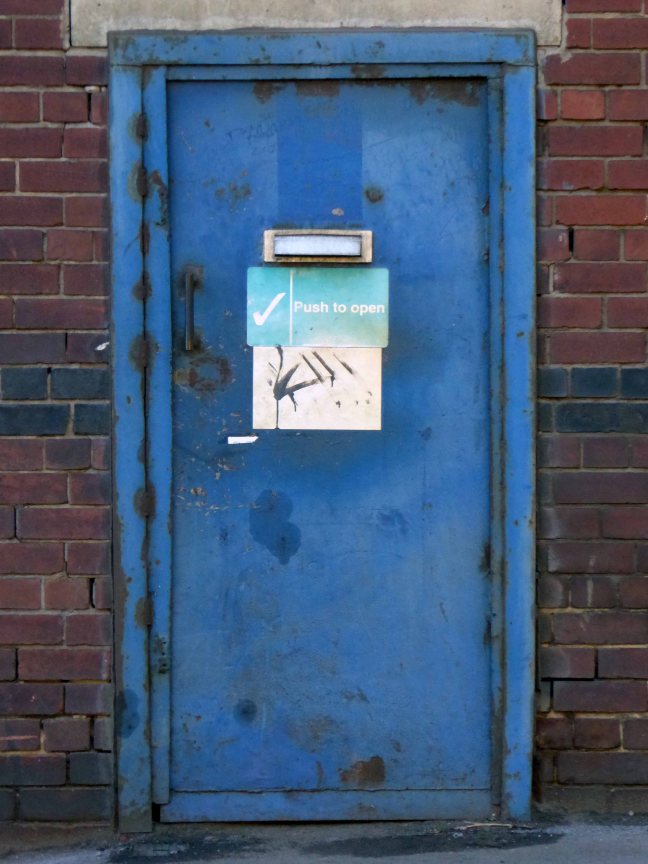
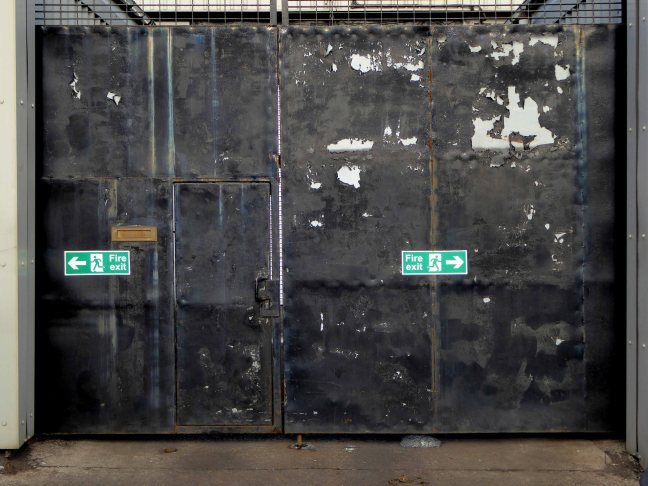
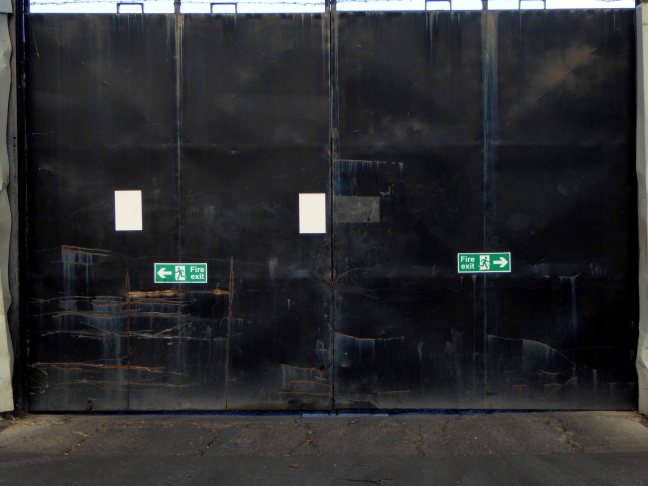
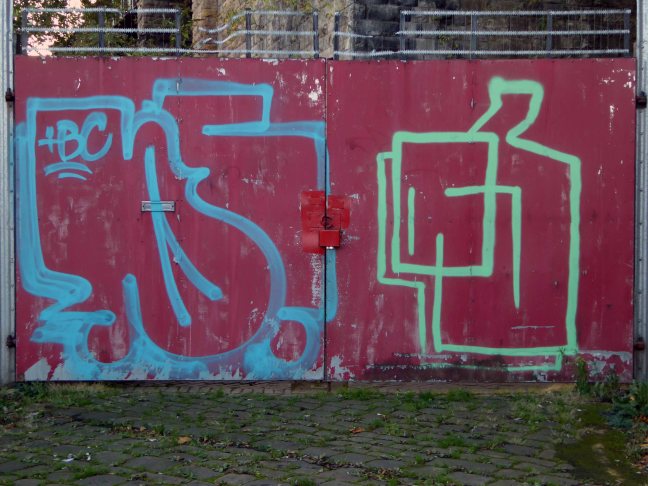
Gates and Doors – Sheffield

Early one morning – just as the sun was rising.

I took to the sunny Sunday October streets of Sheffield, bound I knew not where.

In search of something and nothing, which I possibly never ever found.

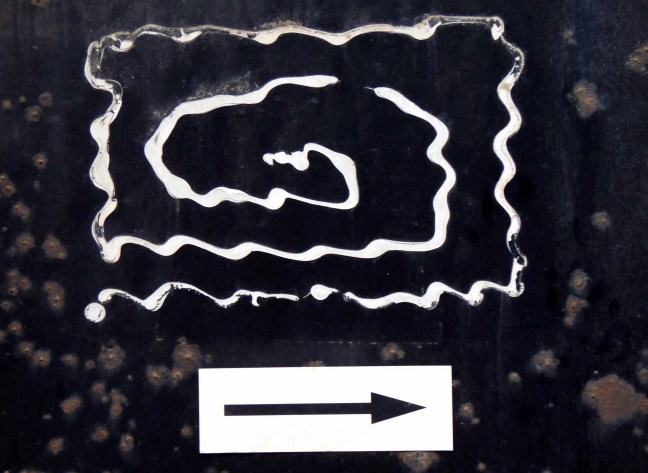
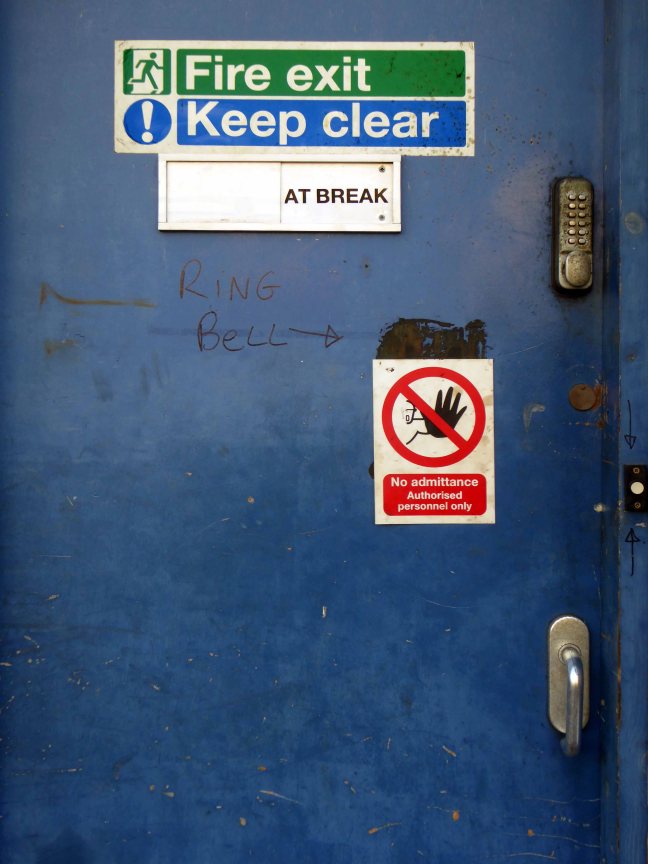
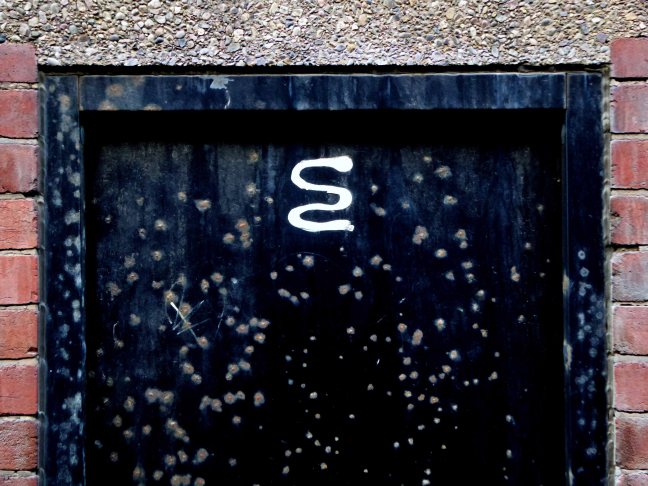
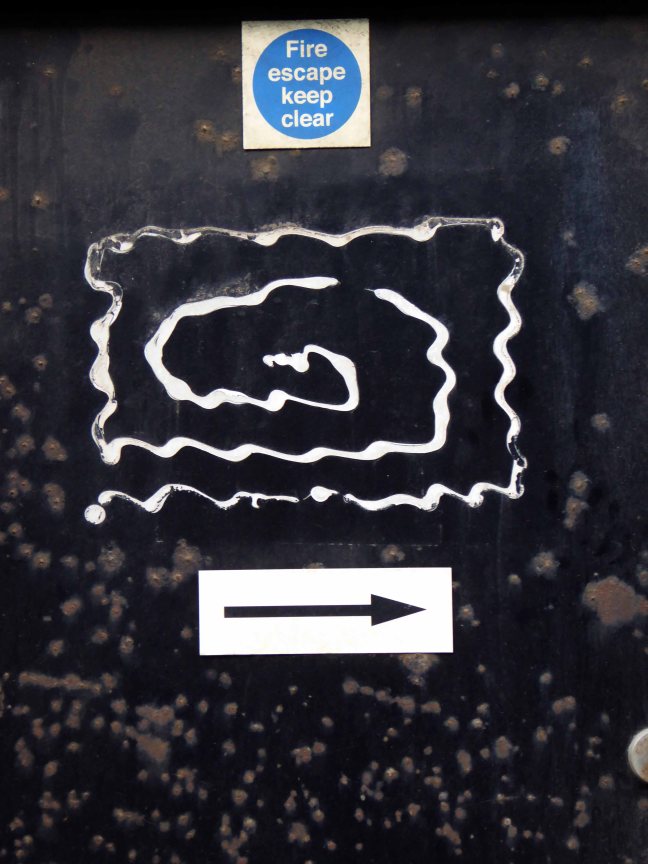
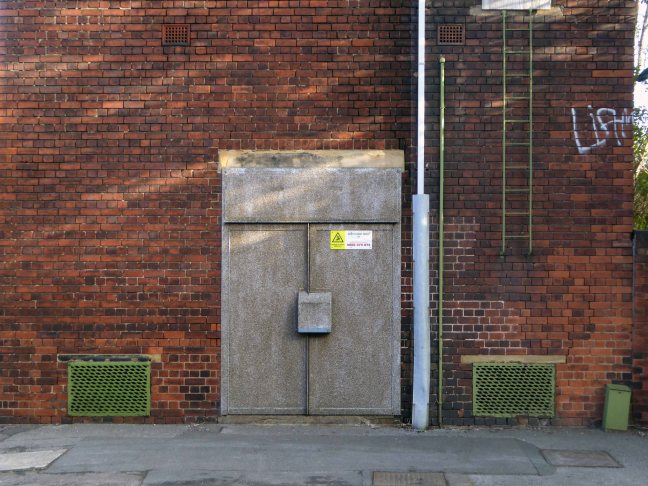
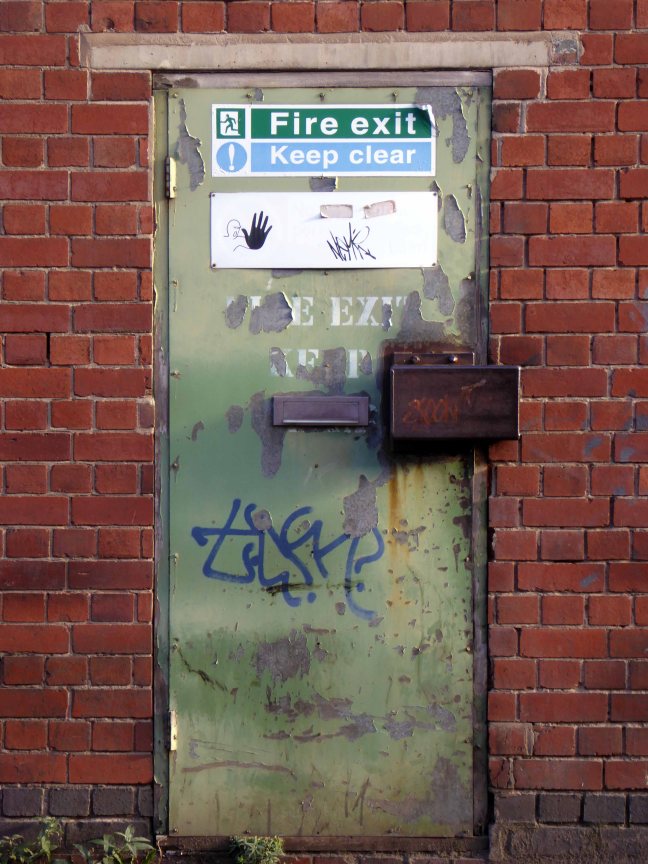
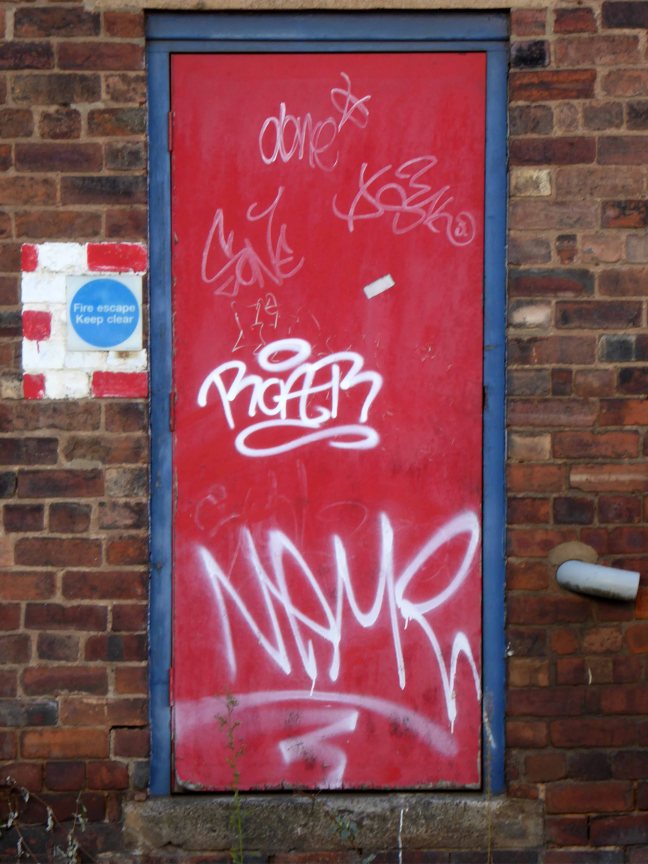
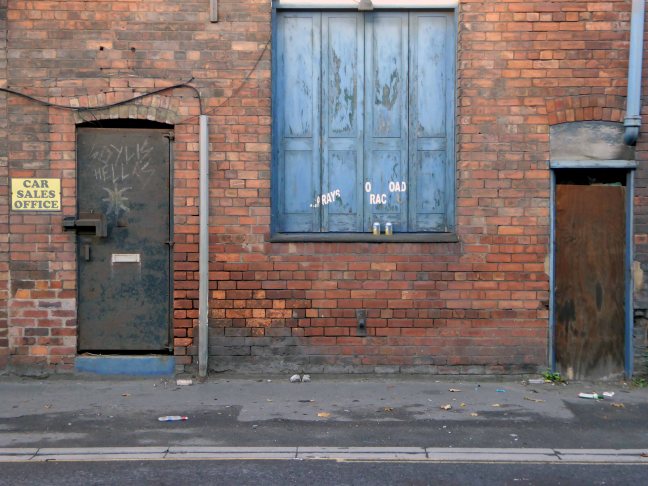
Following secret signs, symbols and words, doors and gates shut in my face.

Before I knew it I was back where I started.

Screenshot 2018-11-02 at 15.43.45


P1300852

P1300867

P1300878

P1300881

P1300893

P1300898

P1300902

P1300914

P1300930

P1300938

P1300941

P1300942

P1300946

P1300959

P1300960

P1300966

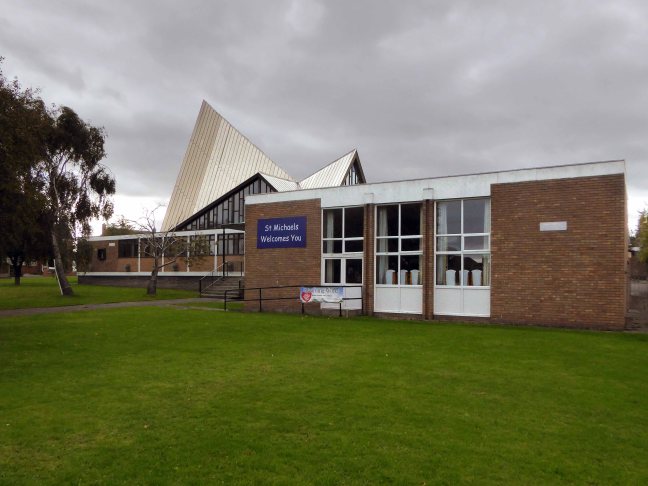
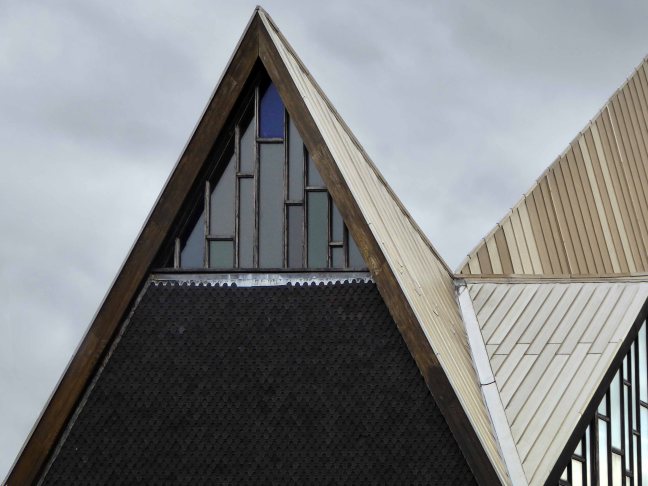
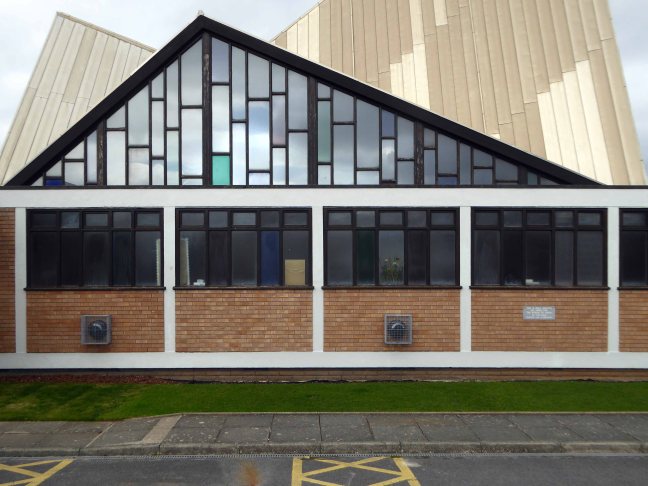
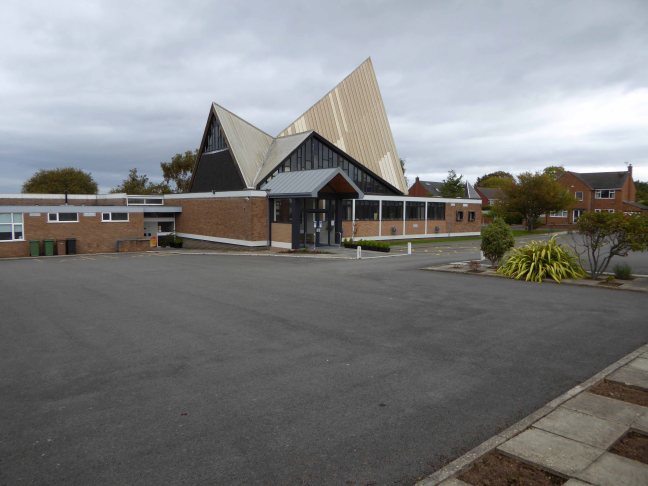
St Michael And All Angels – Newton

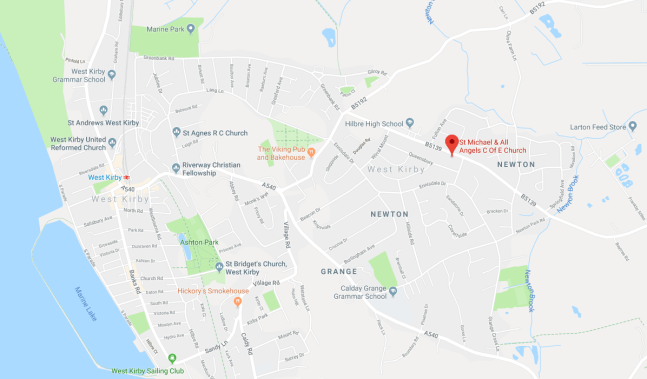
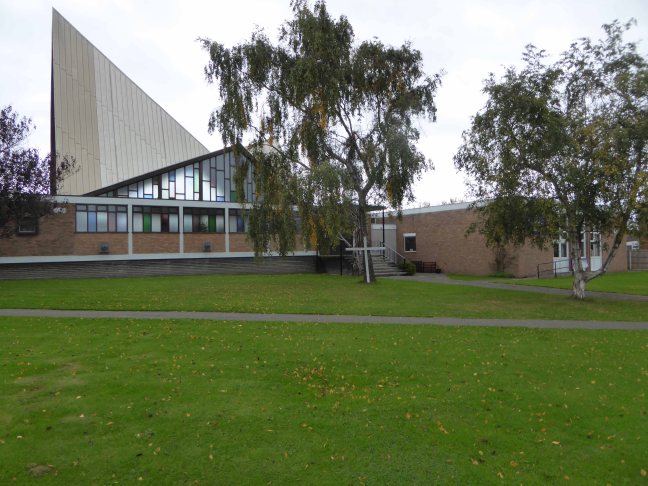
St Michael and All Angels Church.

Screenshot 2018-10-23 at 14.55.40

1 Woodland Rd, West Kirby, Birkenhead, Wirral CH48 6ER

The architect was called Stuart Macauley, a partner in a practice based in Bebington – my thanks to local lad John Feeley who was taught by Stuart at Sunday school.

St Michael and All Angels is a well established Church of England church situated in the heart of Newton, on the border of West Kirby, Wirral.

Our vision is to know Jesus better and make him known to others. We do this by worshipping God, standing up for and sharing the joy of Jesus, loving others and making a real difference in the church and in our community.

What can I expect when I visit St Michaels?

When you come to St Michaels you will find a warm and friendly group of people committed to making church exciting, life-changing, and enjoyable. There are services for the whole family that include contemporary worship (including a café church service), a time of biblical teaching, and an opportunity to make a decision to follow Jesus Christ. Each service is approximately 1 hour and 15 minutes in length.

We wandered away from West Kirby along the highways and bye-ways to Newton.

Newton consists of a village hall, post office, public house and a general store. The local park, aptly named Newton Park, has a football pitch, outdoor basketball courts and a playground for children. Wirral Council also has several allotments in Newton that are provided for residents to grow their own vegetables and plants.

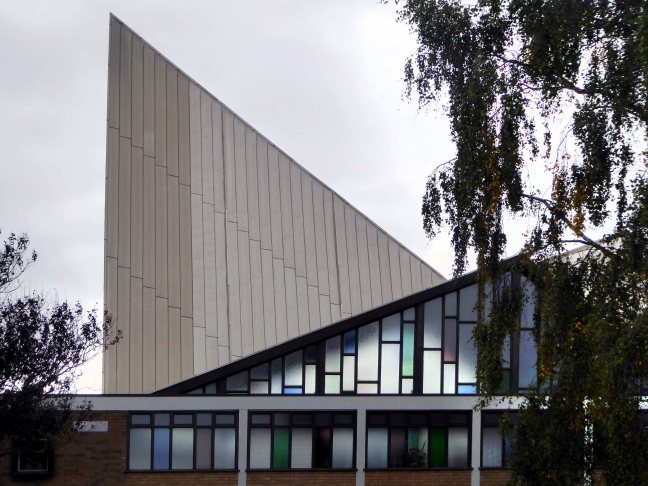
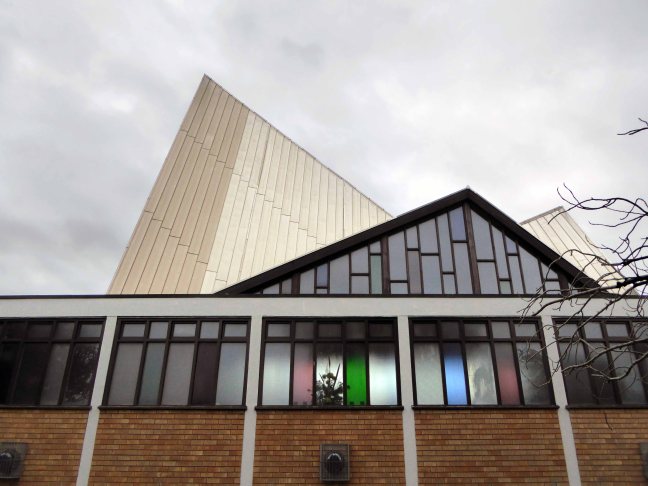
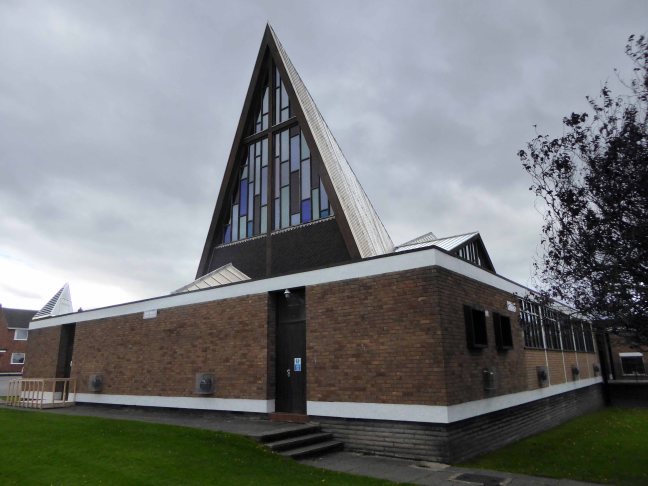
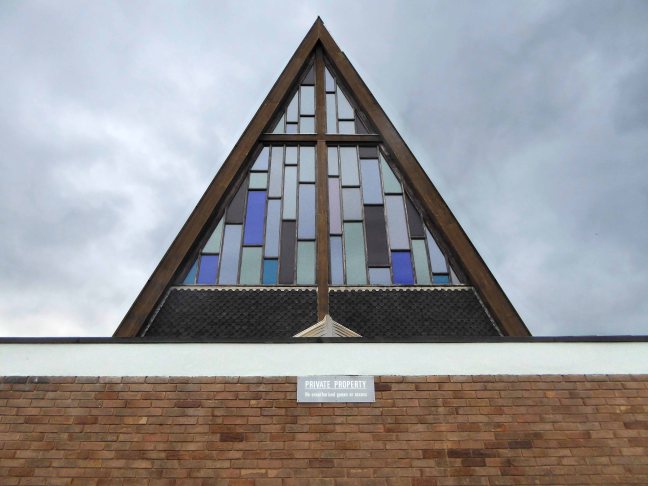
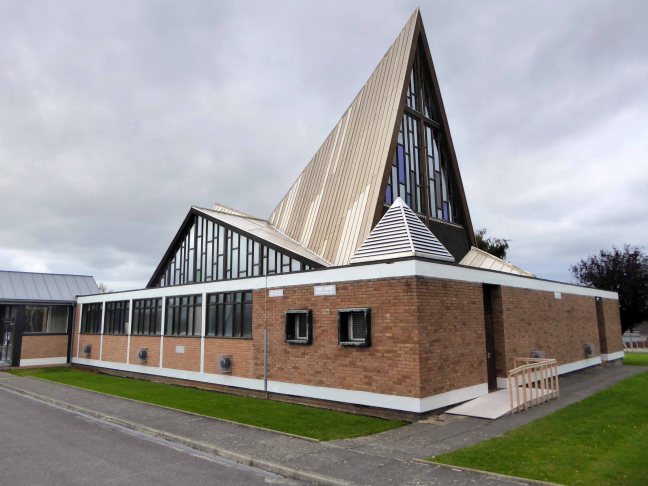
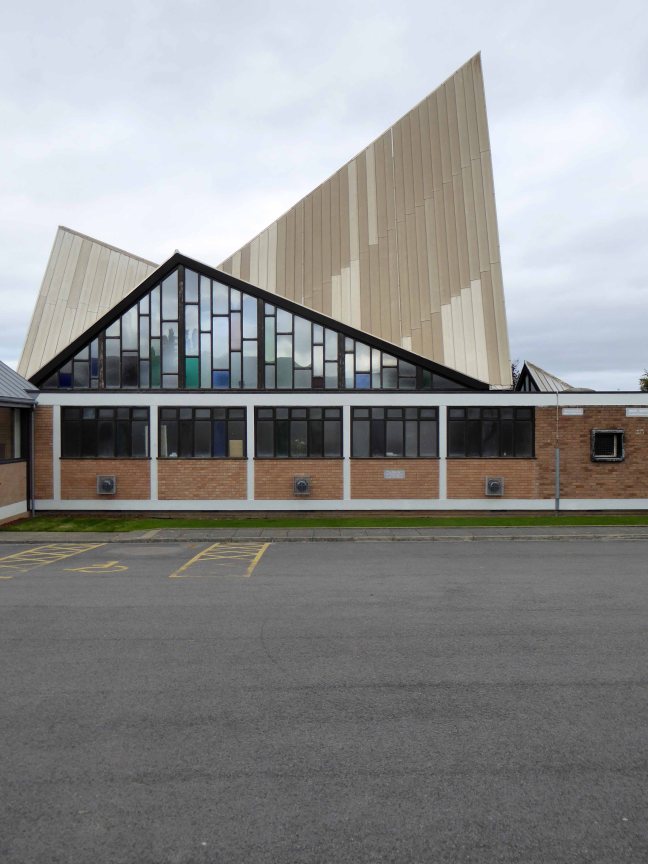
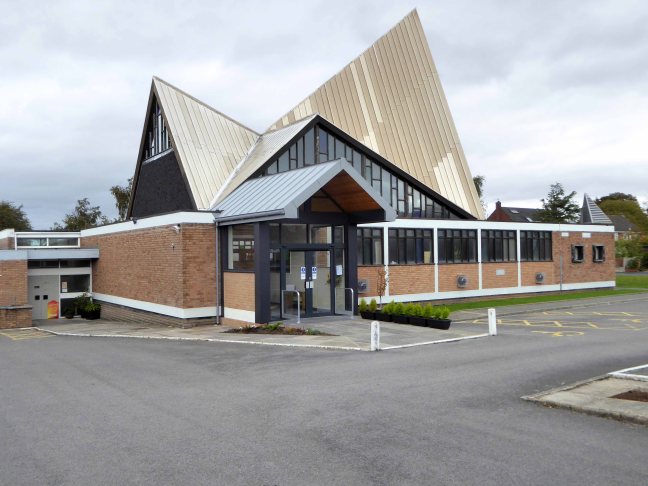
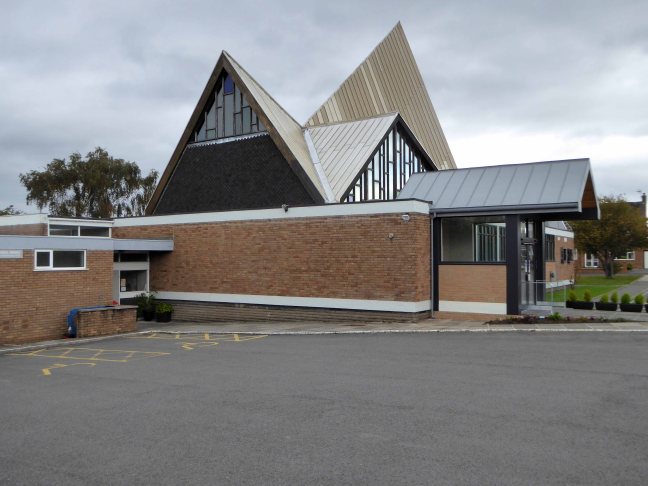
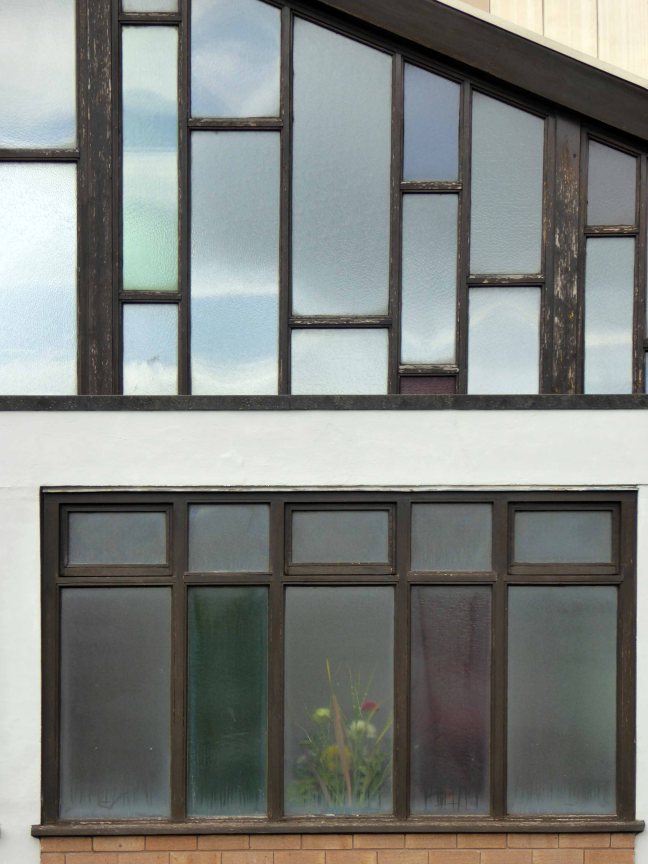
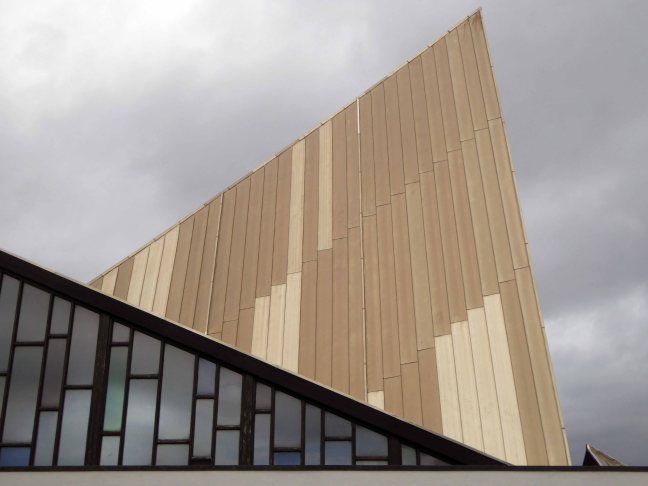
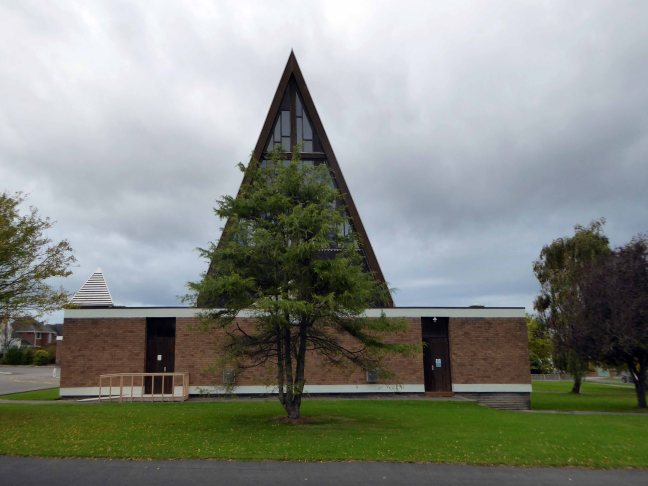
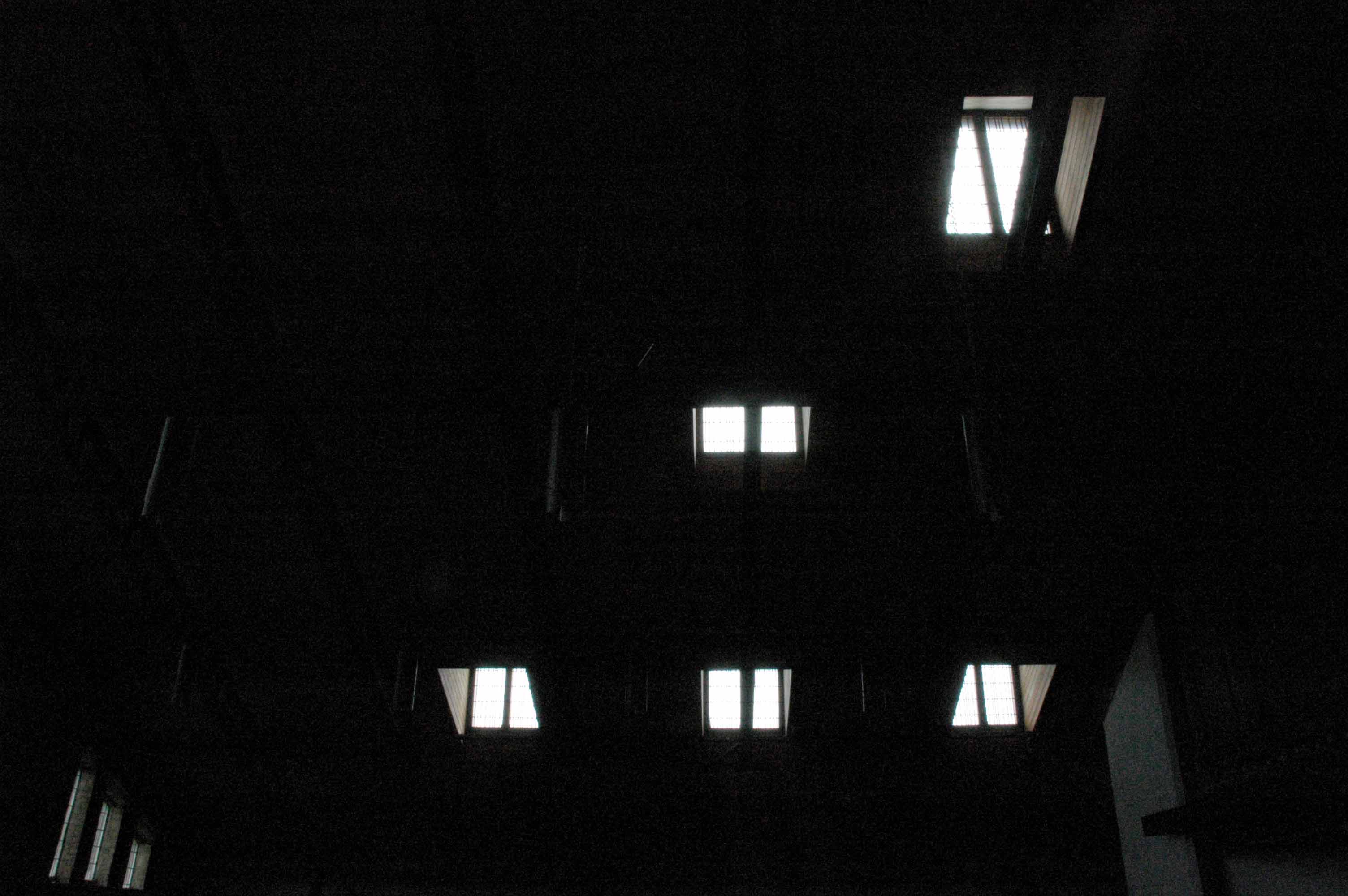
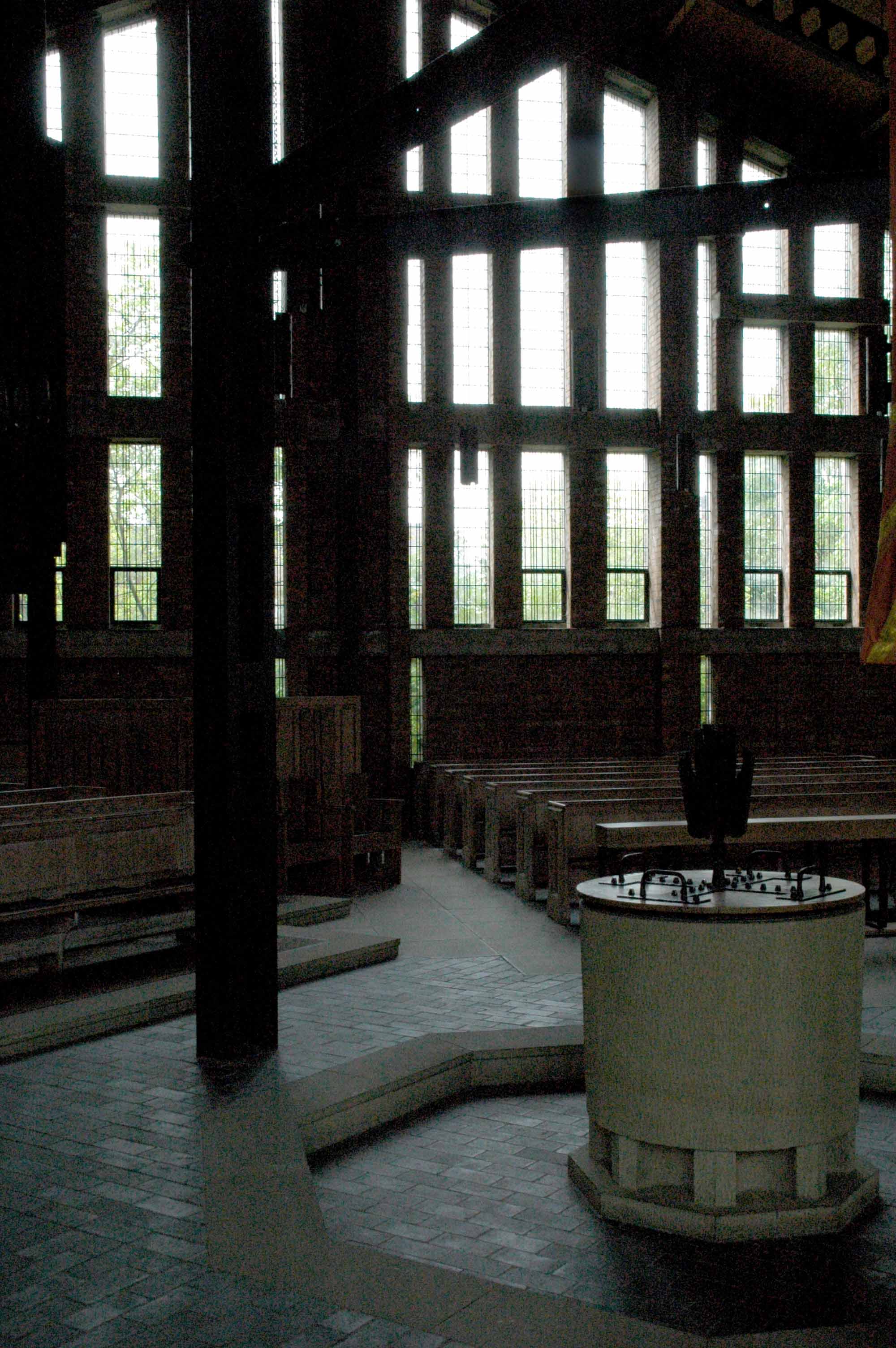
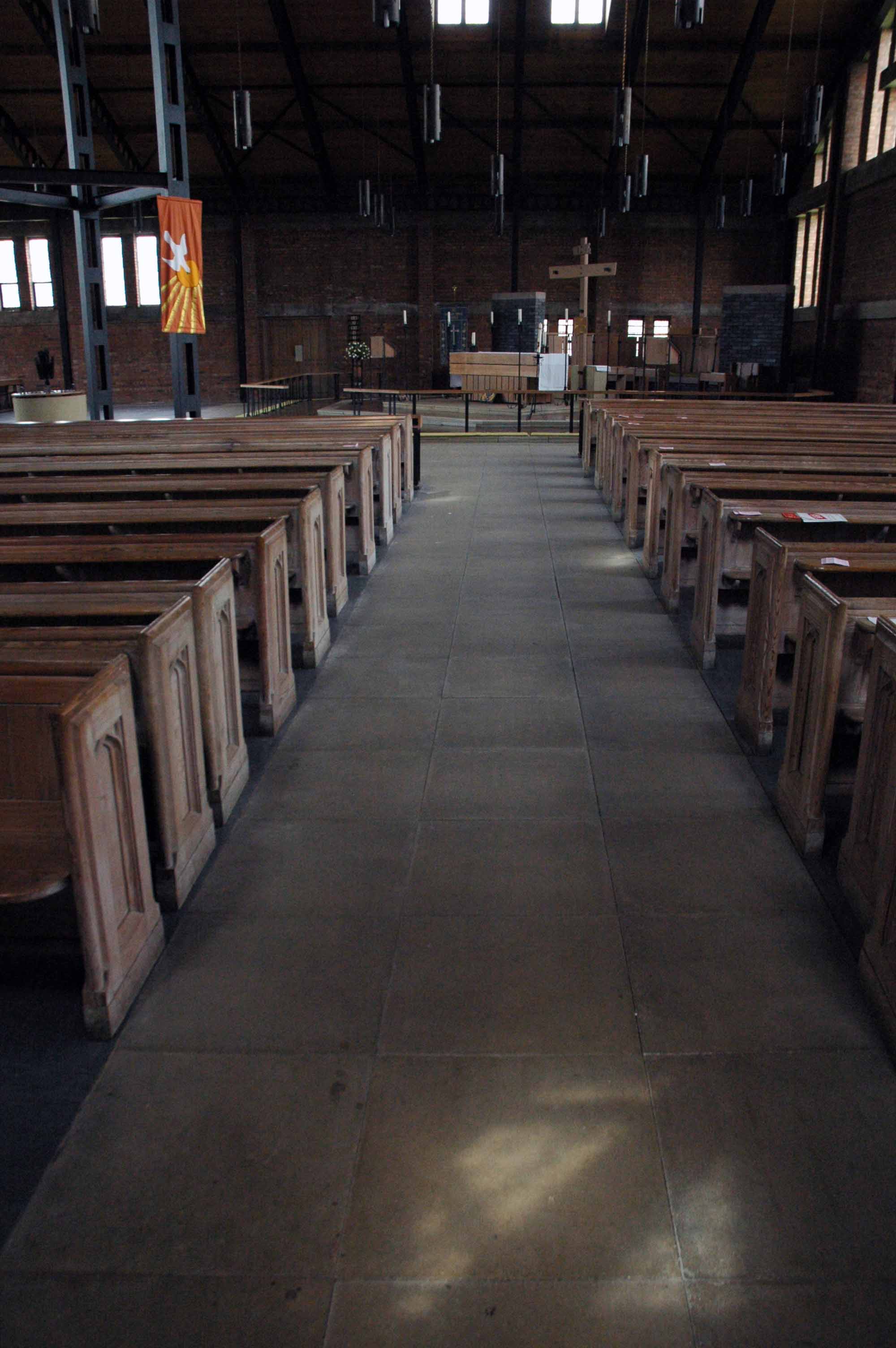
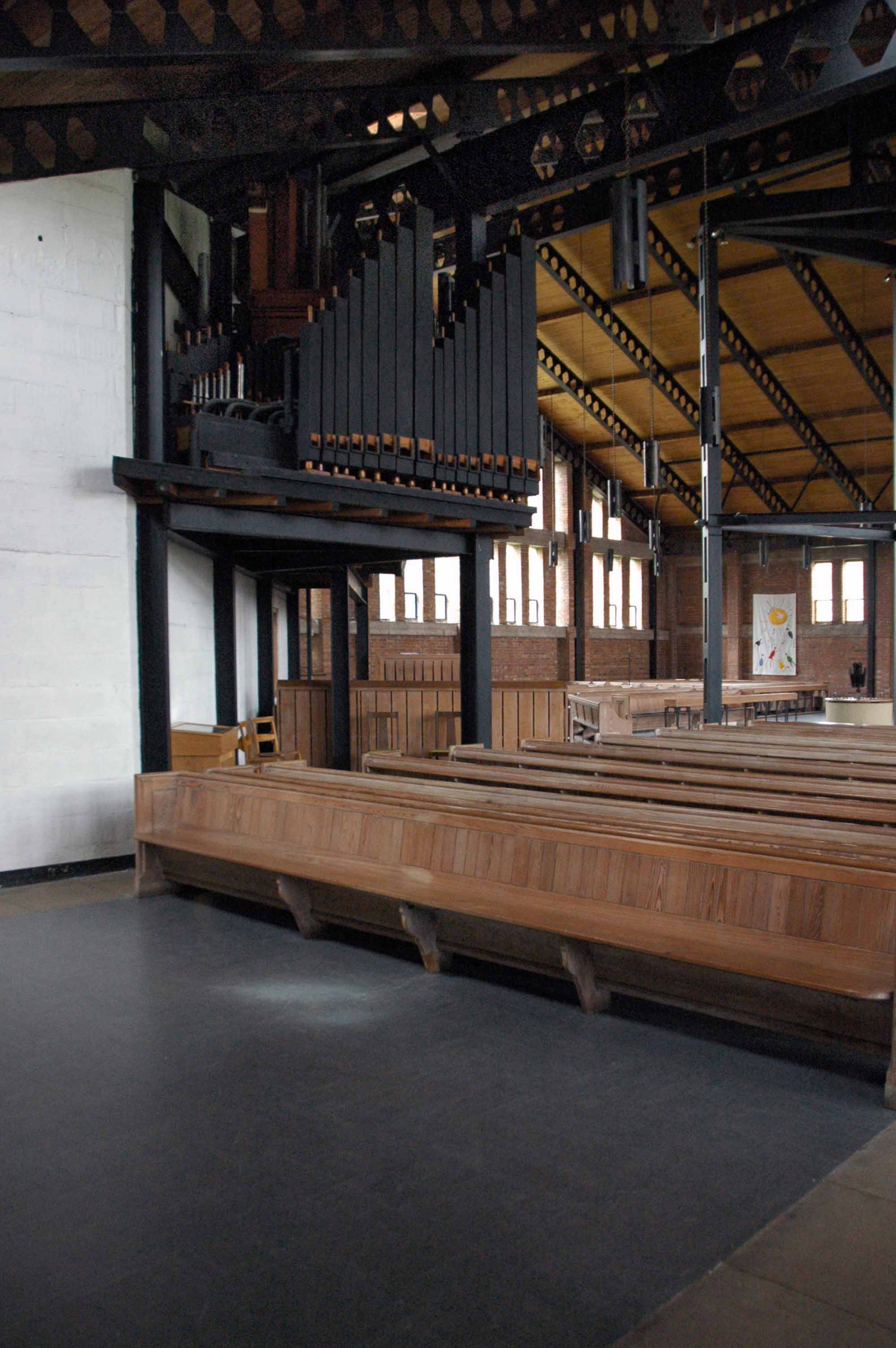
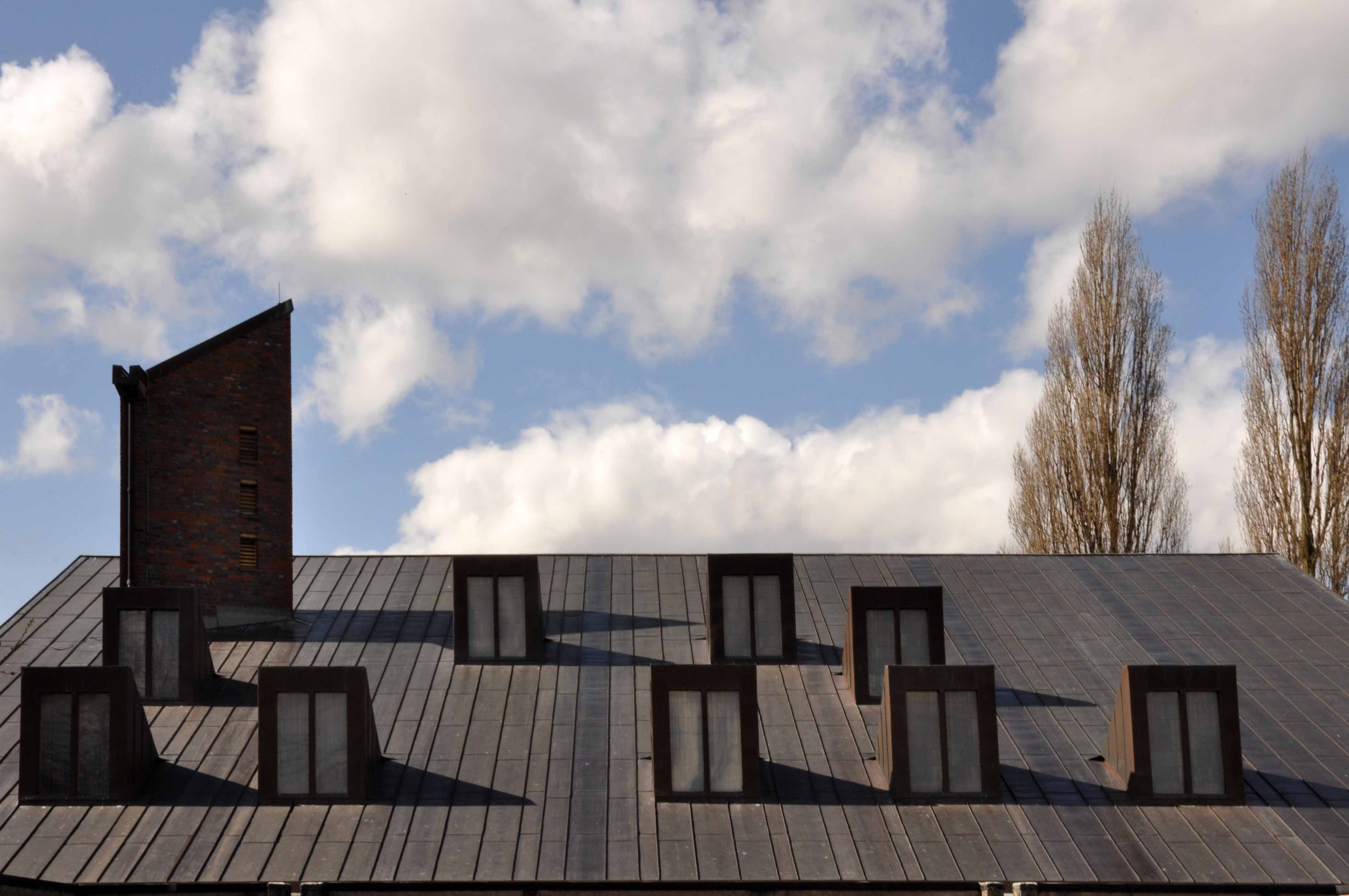
And a most surprising elevated, elevating and angular church.

Such a revelation following several  rows of well behaved semis and open fields, my extensive yet limited research can find no record of architectural authorship or attribution.

Perhaps simply delivered by hand or hands unseen in 1963.

P1300127

P1300128

P1300129

P1300130

P1300131

P1300132

P1300133

P1300134

P1300135

P1300137

P1300138

P1300139

P1300140

P1300141

P1300142

P1300143

P1300146

P1300147

Sunday Walk – Park Hill Sheffield

My thanks to all those happy souls who braved the cold winds, sunshine and threat of snow on Sunday 28th October 2018 – Steve.

Sharing ideas, memories and animated conversation, as we circumnavigated the fenced perimeter of Europe’s largest listed structure. In search of a personal photographic response to the site.

This was the online outline plan.

These are the results.

Lynne Davis


Gary Wolstenholme


Jenny Owen


Peter Clarke


Brian Parkinson


Jacqui Dace


John Gibson


Michael Ford


Julia Beaumont


Ruth Robson


Linus Westwood


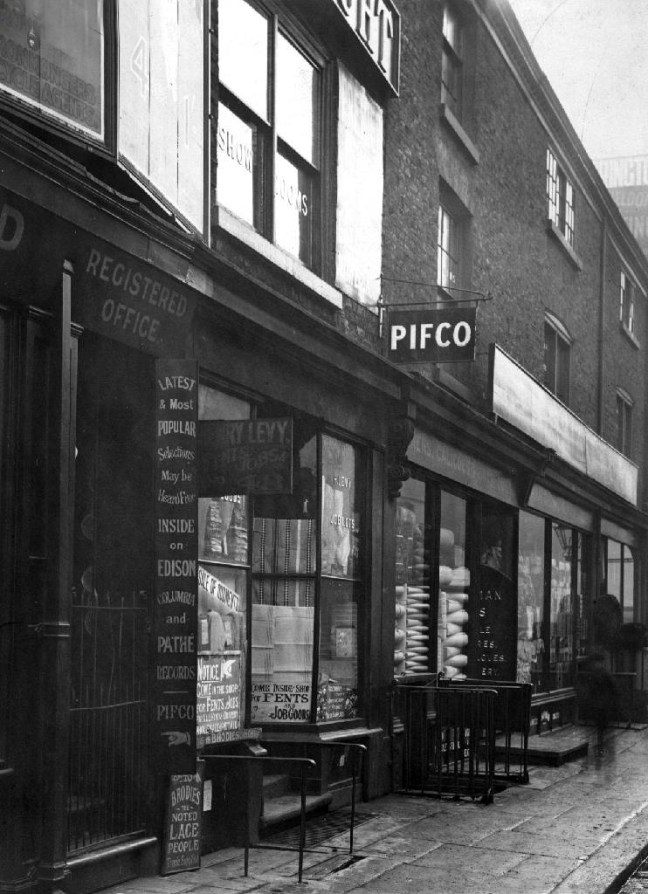
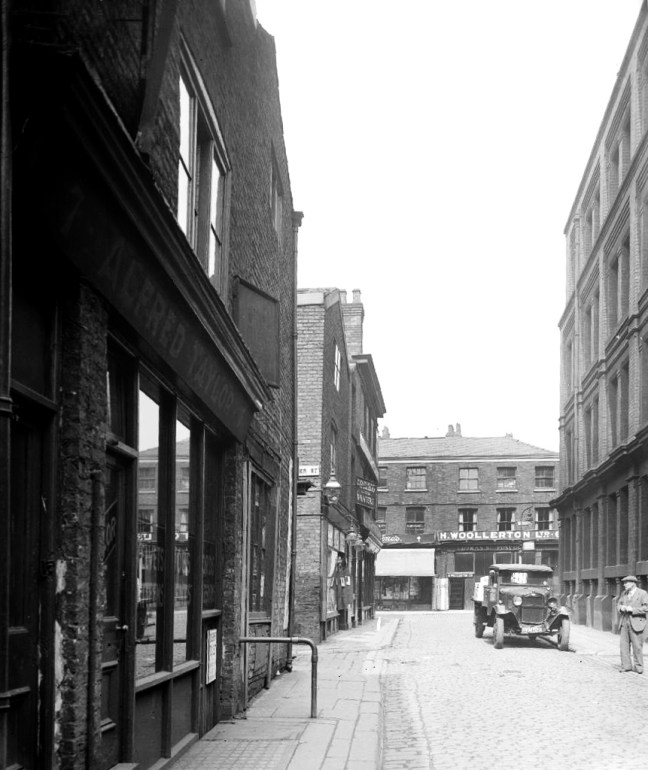
Al Faisal – Thomas Street Manchester

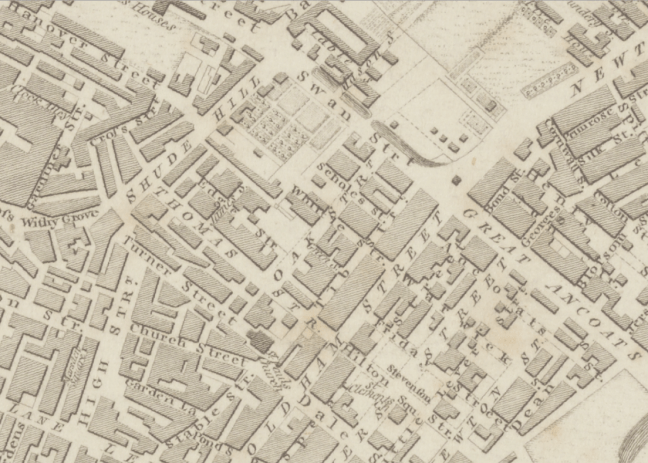
Things, as we know, come and go – by 1807 Thomas Street had arrived.

roper 1807

At the heart of the new Manchester – providing dwellings, shops, pubs and manufacturing premises for the masses.

One of the earliest architectural complexes of the Industrial Revolution.

1905

1908

2445_l

Pifco – Manchester Manufacturing

1938

1938

1970

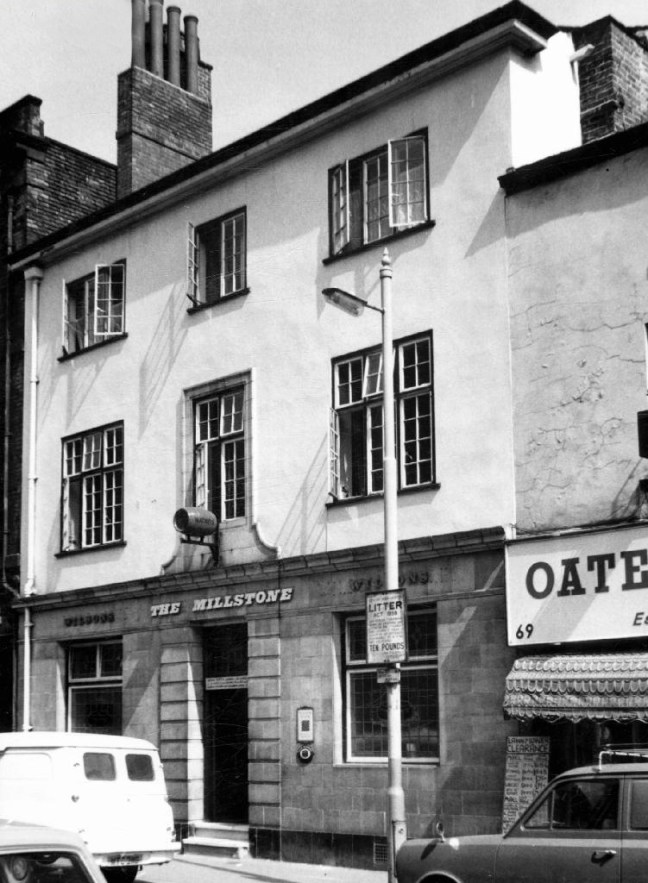
The Millstone 1970

bay 70

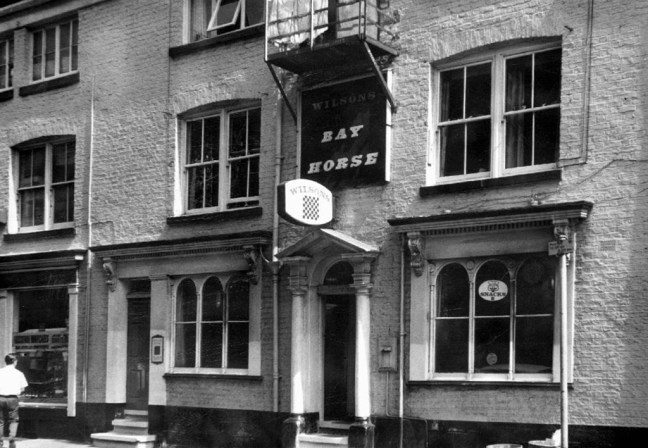
Bay Horse 1970

Both pubs have survived and the street is home to several relative newcomers, including the Richard Goodall Gallery and celebrated men’s outfitters Oi Polloi.

Also the location of my most favourite shop in the whole wide world.

P1110739 copy

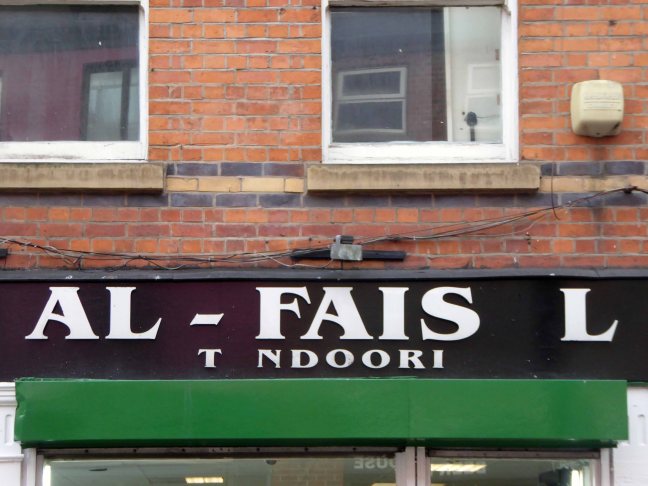
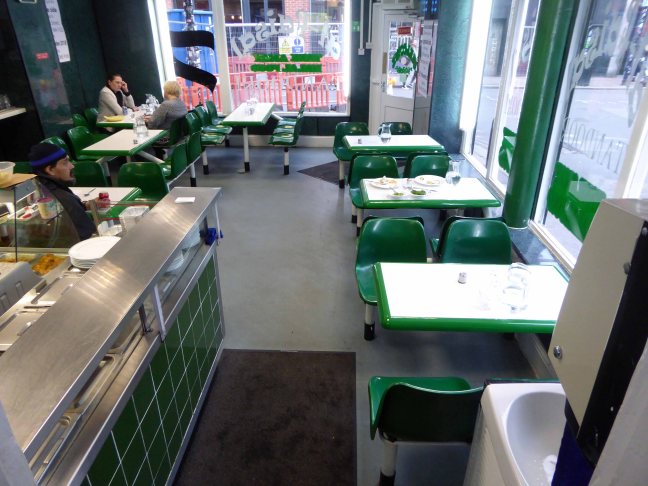
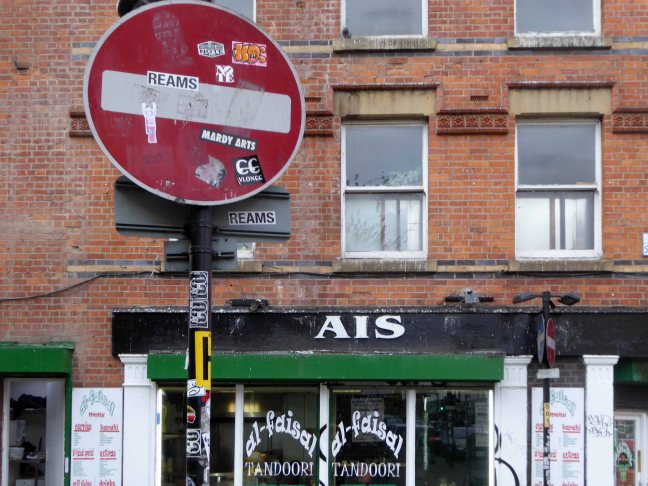
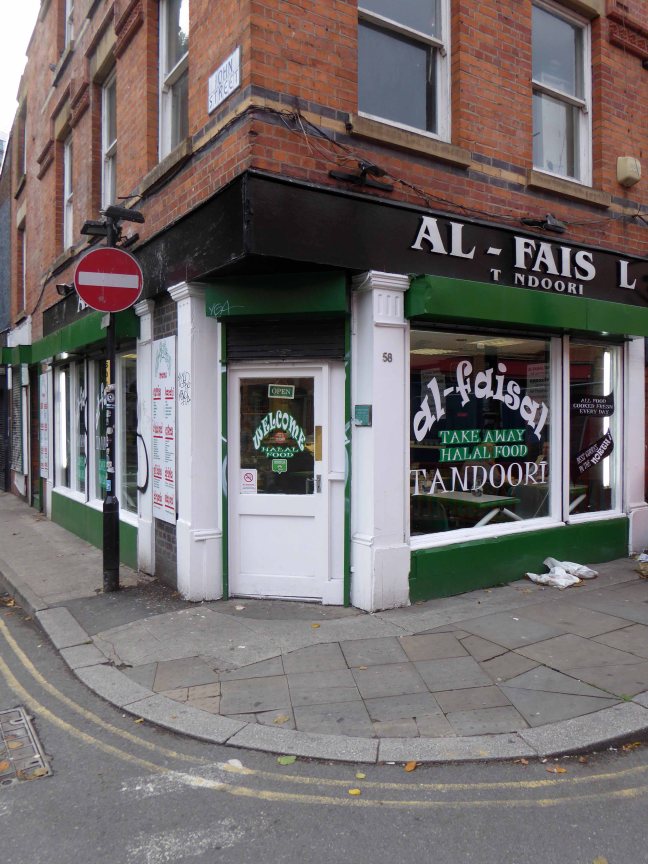
From the 70’s onwards the area had been at the centre of the Asian garment trade – and so it came to pass some 26 years ago the Al Faisal arrived, one of several curry cafés, feeding the faces of the passing parade.

I’ve eaten there for most of that time, fed very well indeed thank you very much, for way less than a king’s ransom.

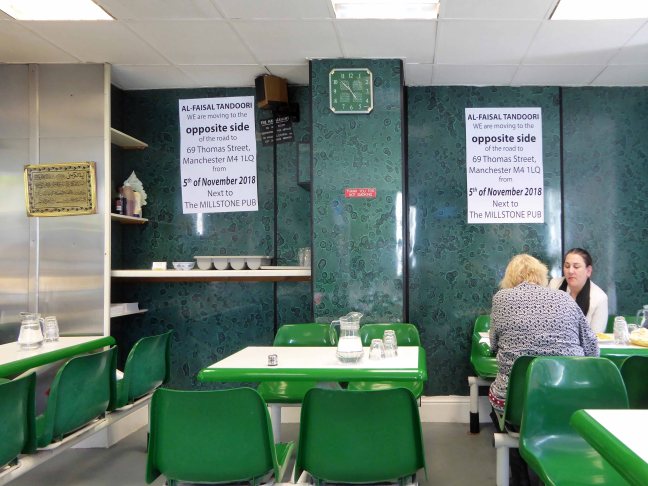
Yesterday I popped in at teatime, for my tea – posters proclaimed an imminent move.

P1290999

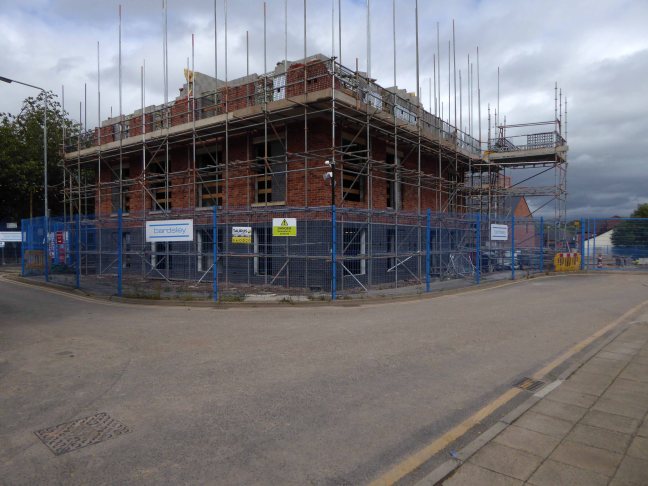
The whole block is to be demolished and a hotel to be built – there is naturally a suspicious resistance to such change, what was a protected area of historical interest, is fast becoming a deregulated playground for the avaricious developer.

A Manchester council spokesman said:

Our building control officers have been engaged with owner of the property on Thomas Street for some time.

The condition of the building means there is an imminent danger of collapse and a potential threat to pedestrians. Unfortunately, the poor weather has only served to add to our concern over the safety of the building.

A conservation specialist will be on site working closely with the building owner to ensure as much of the fabric of the property can be retained as possible, and only parts that are unsalvageable will be removed to ensure public safety.

Manchester Evening News

Rumours have also been rife concerning the fate of the nearby This & That – an essential part of the heartbeat of the city – the affordable independent trader.

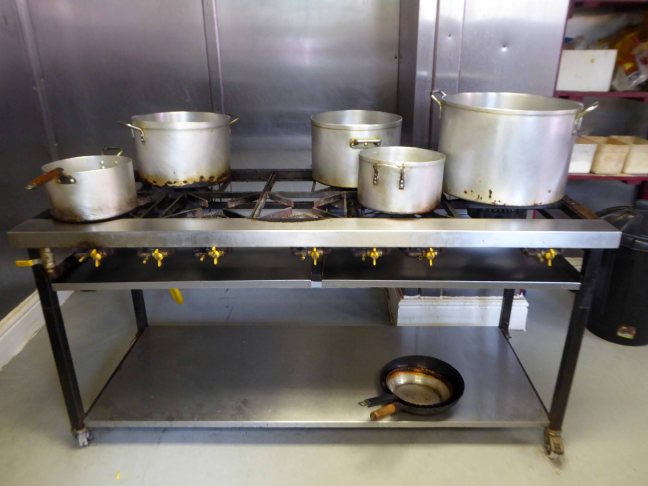
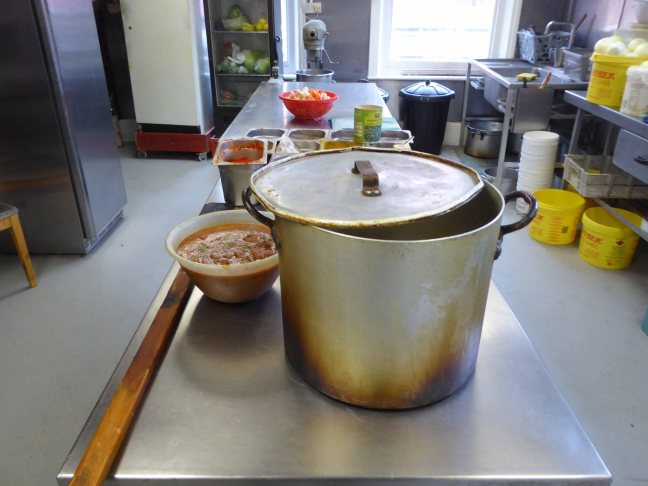
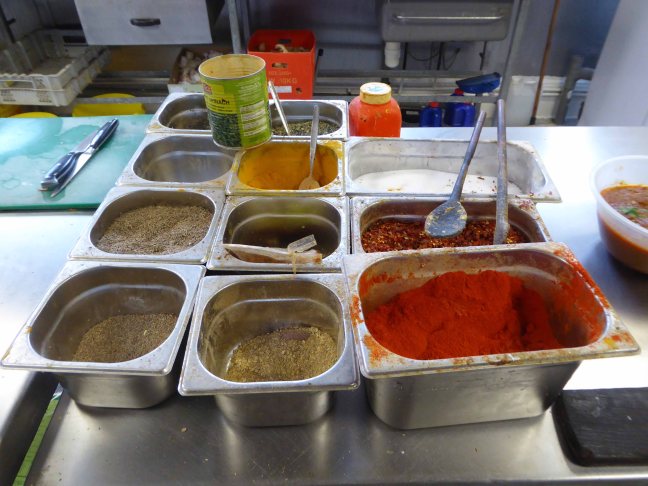
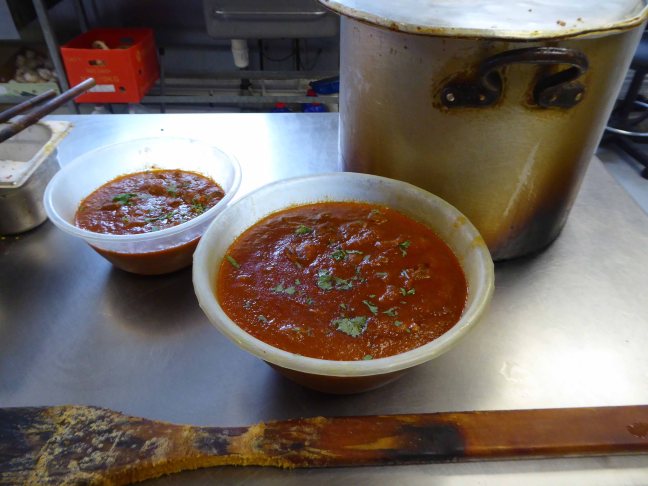
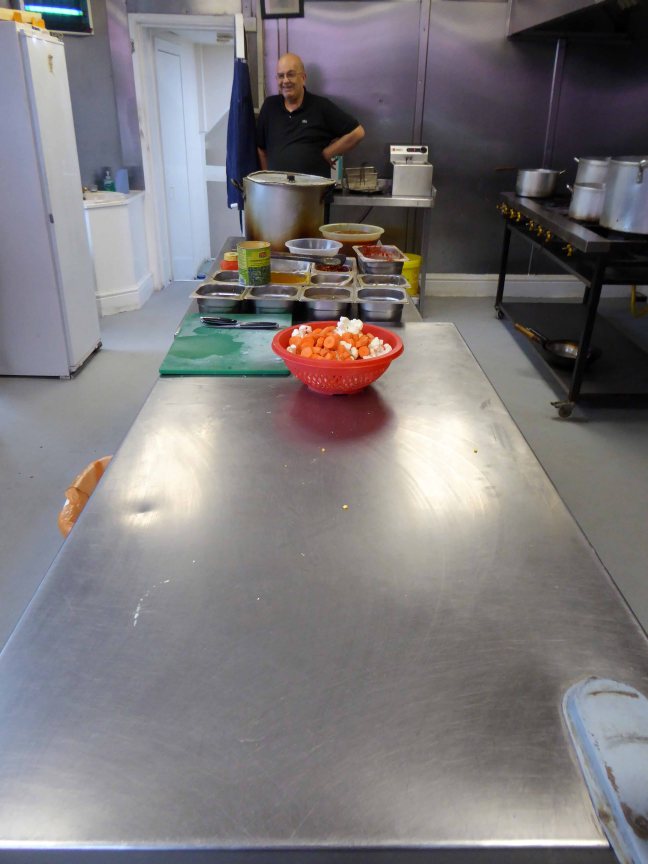
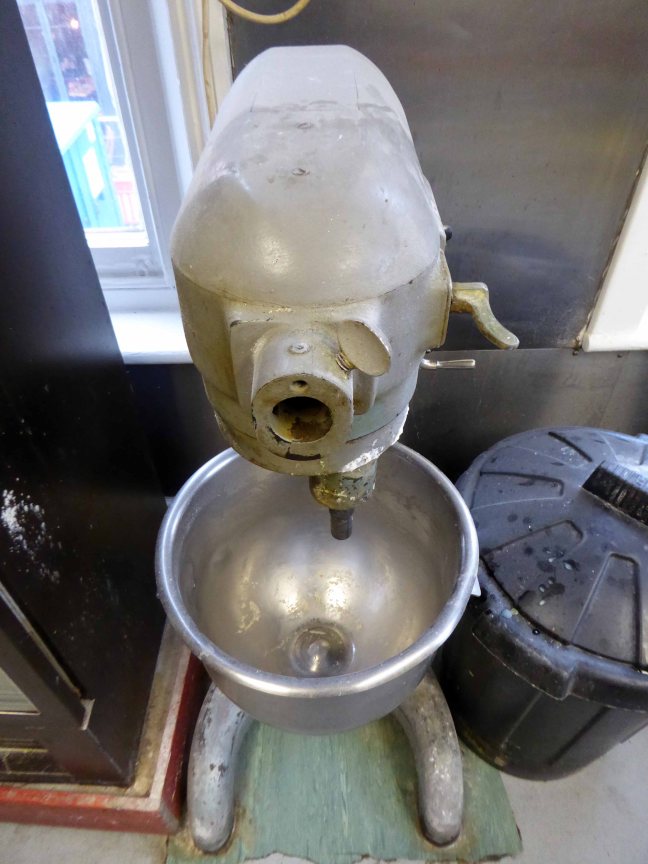
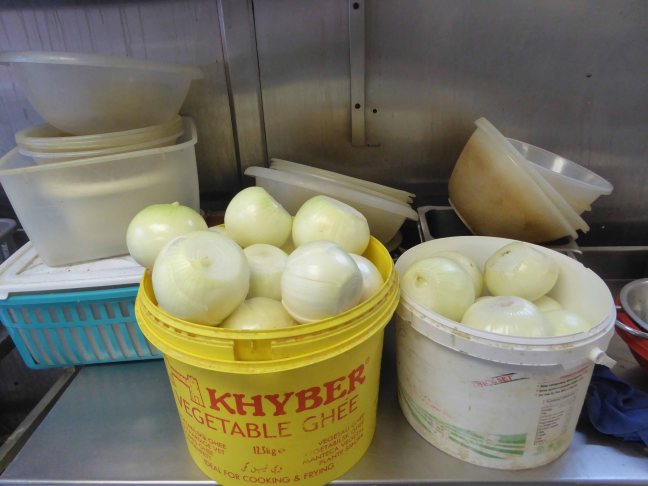
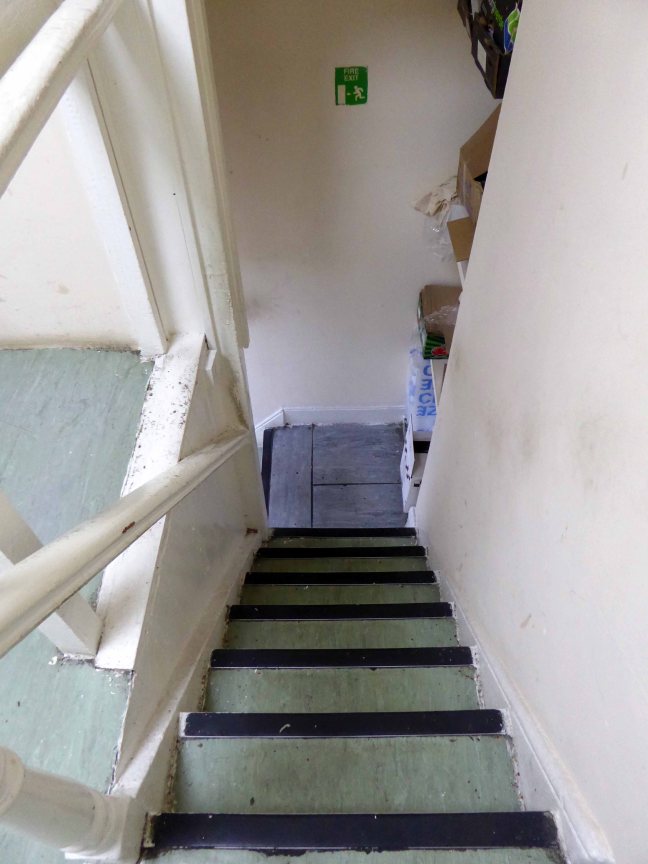
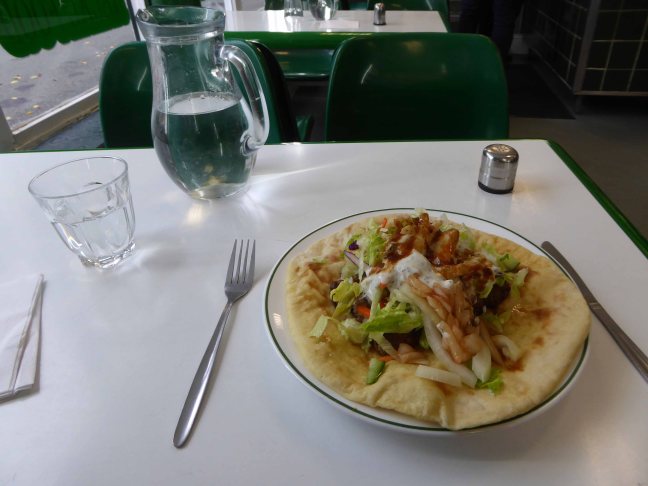
I sat and ate happily, and was privileged to be given a tour of the kitchens by owner Tariq, recording for posterity a site of some culinary and social consequence.

Let’s take a look around and look forward to a meal just across the road real soon.

P1300012

P1300013

P1300014

P1300015

P1300016

P1300017

P1300019

P1300020

P1300021

P1300022

P1300023

P1300024

P1290997

P1300008

P1300010


Covent Garden Stockport – Remake Remodel

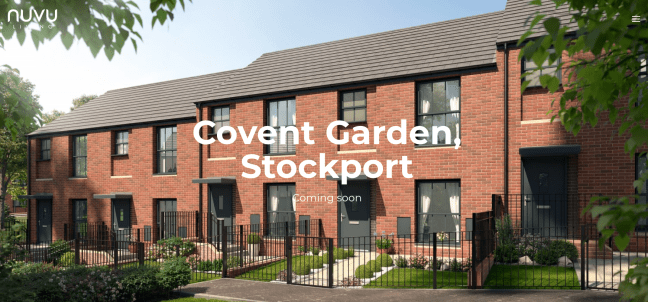
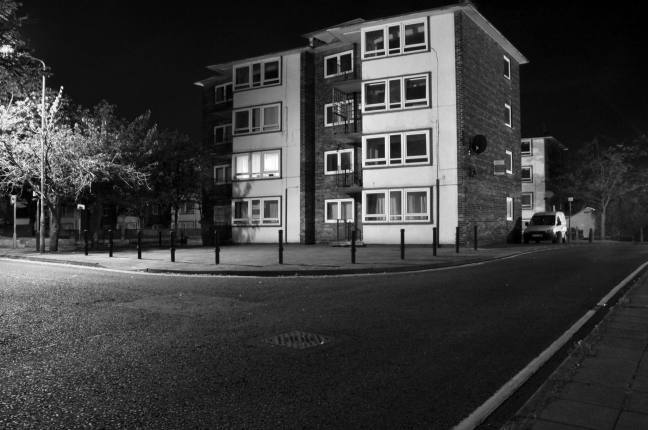
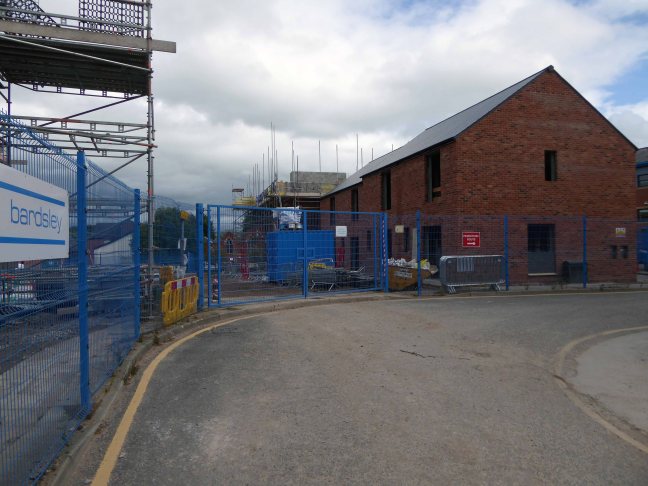
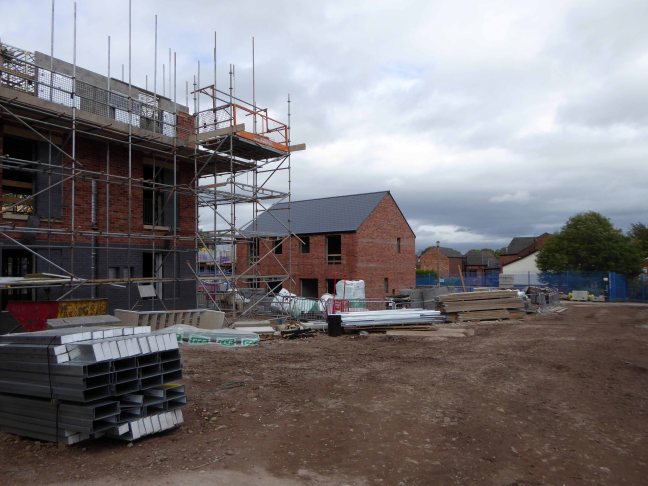
I’ve been here before to record the beginning the middle and the end of Covent Garden flats – now there is a new beginning, beginning.

If you’re ready to start the next exciting chapter of your life, come and experience Nuvu Living at Covent Garden, Stockport. You will find our stunning new development that sits perfectly in this modern and vibrant community. Ideal for first time buyers and growing families, Covent Garden offers a fantastic collection of 74 spacious and contemporary 2 and 3 bedroom homes and 1 and 2 bedroom apartments.

Screen Shot 2018-09-25 at 17.44.00

Nuvu Living for the nuvu people in the cheerful anonymity of none-architecture.

Lifestyle_01-1920x1080

Replacing the old with bigger, better shiny homes at a cost yet to be disclosed.

Another history overwritten.

1658494_10152745685231600_6897842633724575569_o

Goodnight sweet flats.

With the bustling heart of Stockport just a few minutes’ walk away, this contemporary development sits perfectly in this modern and vibrant community. An ideal location for singles, couples and families, all the amenities you will ever need, including supermarkets, schools, bars, restaurants and more are all close to home. Plus, the centre of Manchester is just 7.5 miles away and easy to get to by road or rail. So, if you are ready to start the next exciting chapter in your life, come and experience Nuvu Living at Covent Garden, Stockport.

P1290745

P1290746

P1290748

P1290749

P1290750

P1290751

P1290752

P1290753

P1290754


P1290757

P1290759

P1290760

P1290761

P1290762

P1290763

P1290764

P1290765


Type Travel – Manchester

This is a journey through time and space by bicycle, around the rugged, ragged streets of East Manchester.

Undertaken on Sunday September 2nd 2018.

This is type travel – the search for words and their meanings in an ever changing world.

map

Hyde Road

P1280955
P1280956

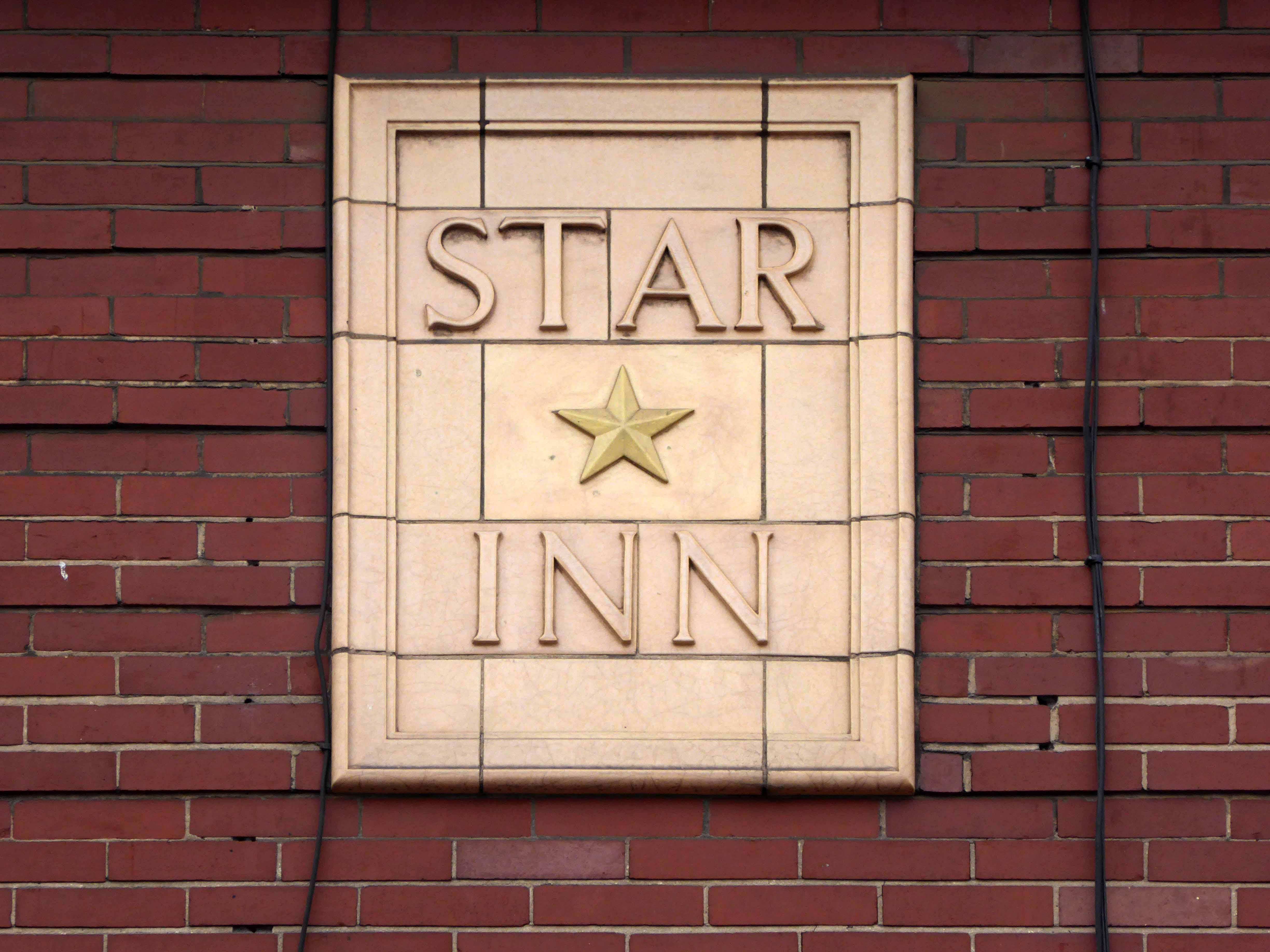
The Star Inn – former Wilsons pub

Devonshire Street North

P1280961

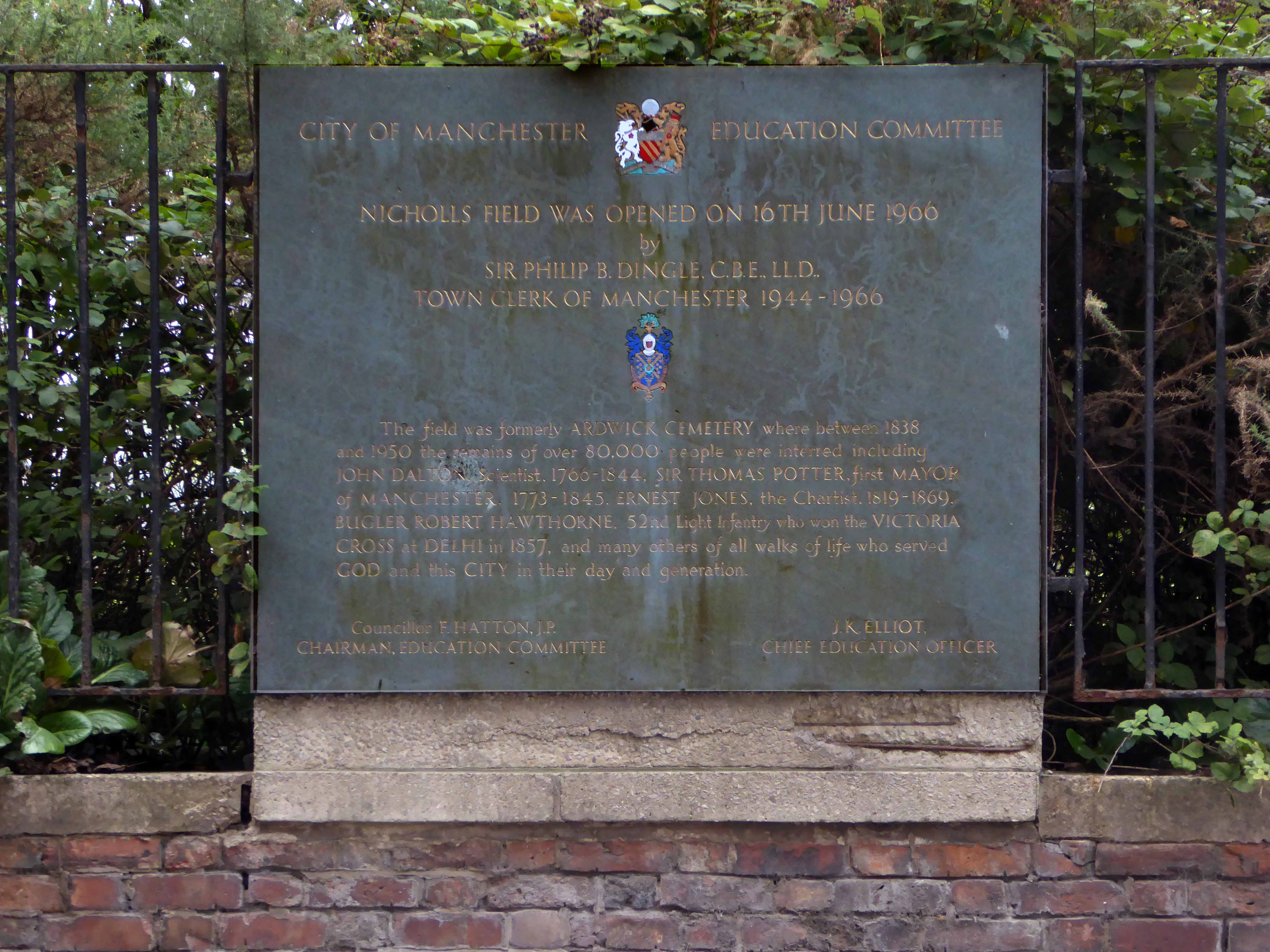
Former Ardwick Cemetery

P1280962

Great Universal Stores former mail order giant

Palmerston Street

P1280979

The River Inn abandoned pub

Every Street

P1290001

All Souls Church – listed yet unloved

Pollard Street East

P1290008.jpg
Screen Shot 2018-09-04 at 08.37.57

The Bank Of England abandoned pub

P1290020

Ancoats Works former engineering company

Cambrian Street

P1290024.jpg

The Lunchbox Café Holt Town

Upper Helena Street

P1290028

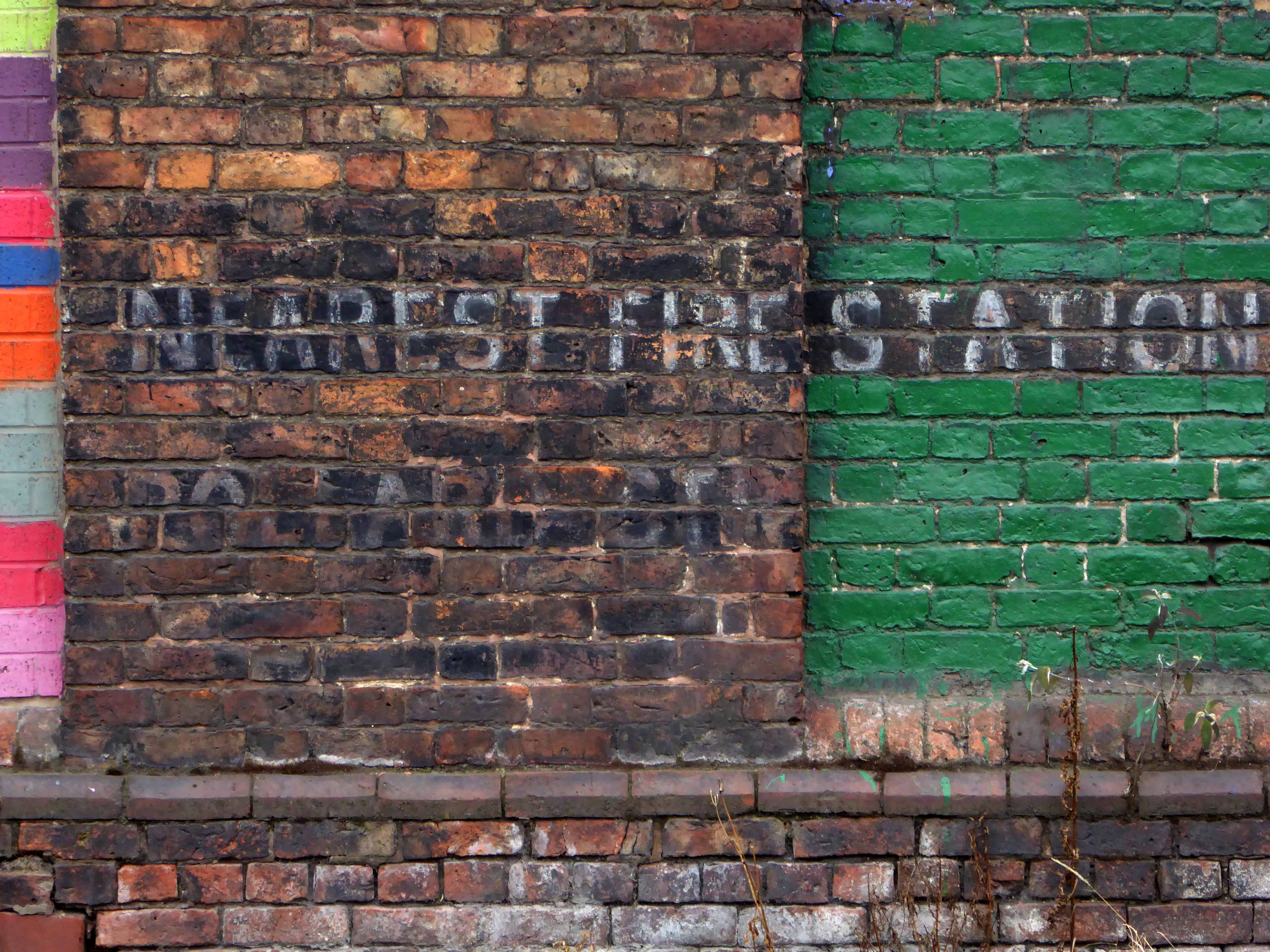
The last remnants of industrial activity

Bradford Road

P1290046

Brunswick Mill

P1290048

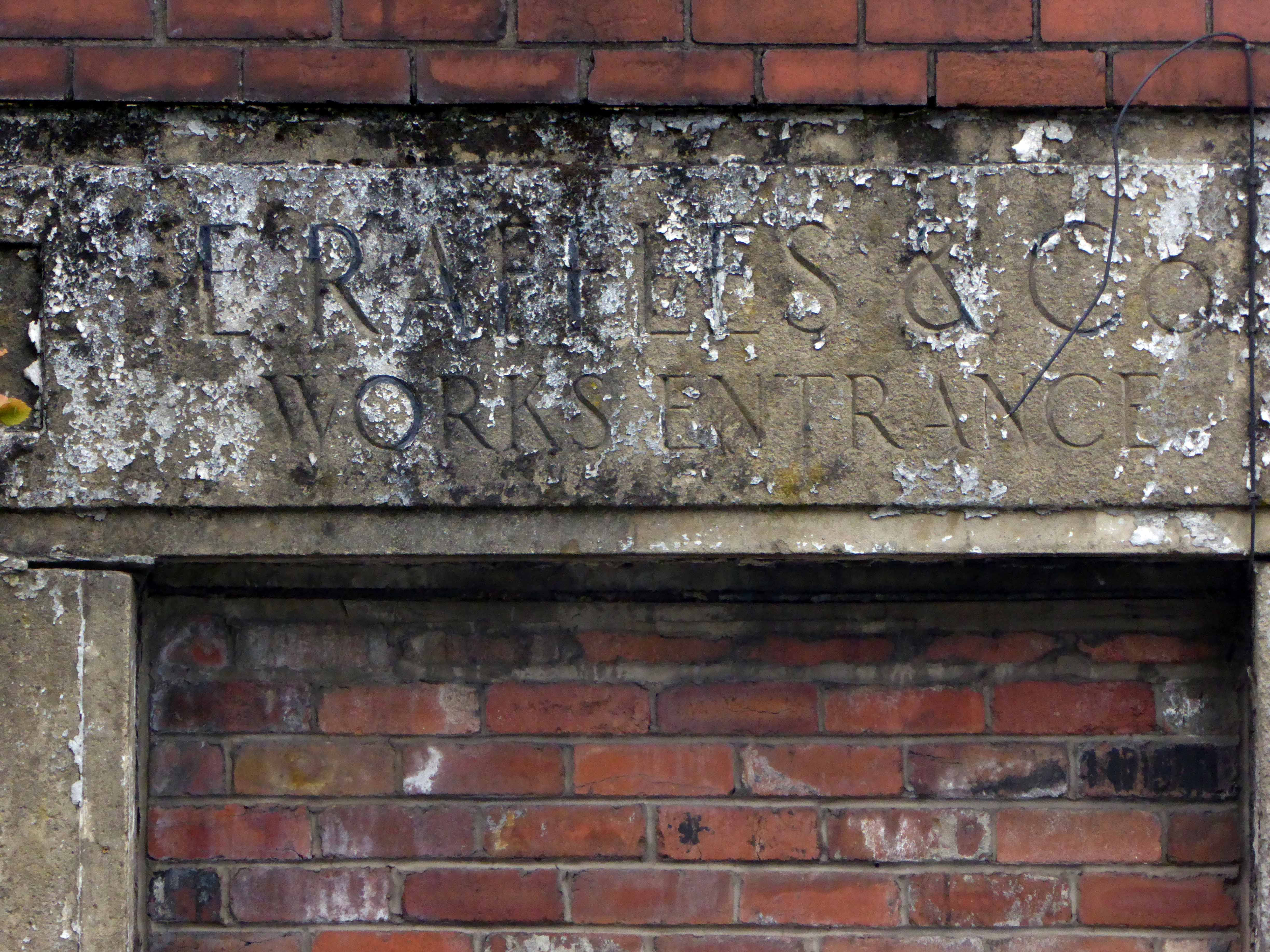
The little that remains of Raffles Mill

P1290052

Old Mill Street

P1290054

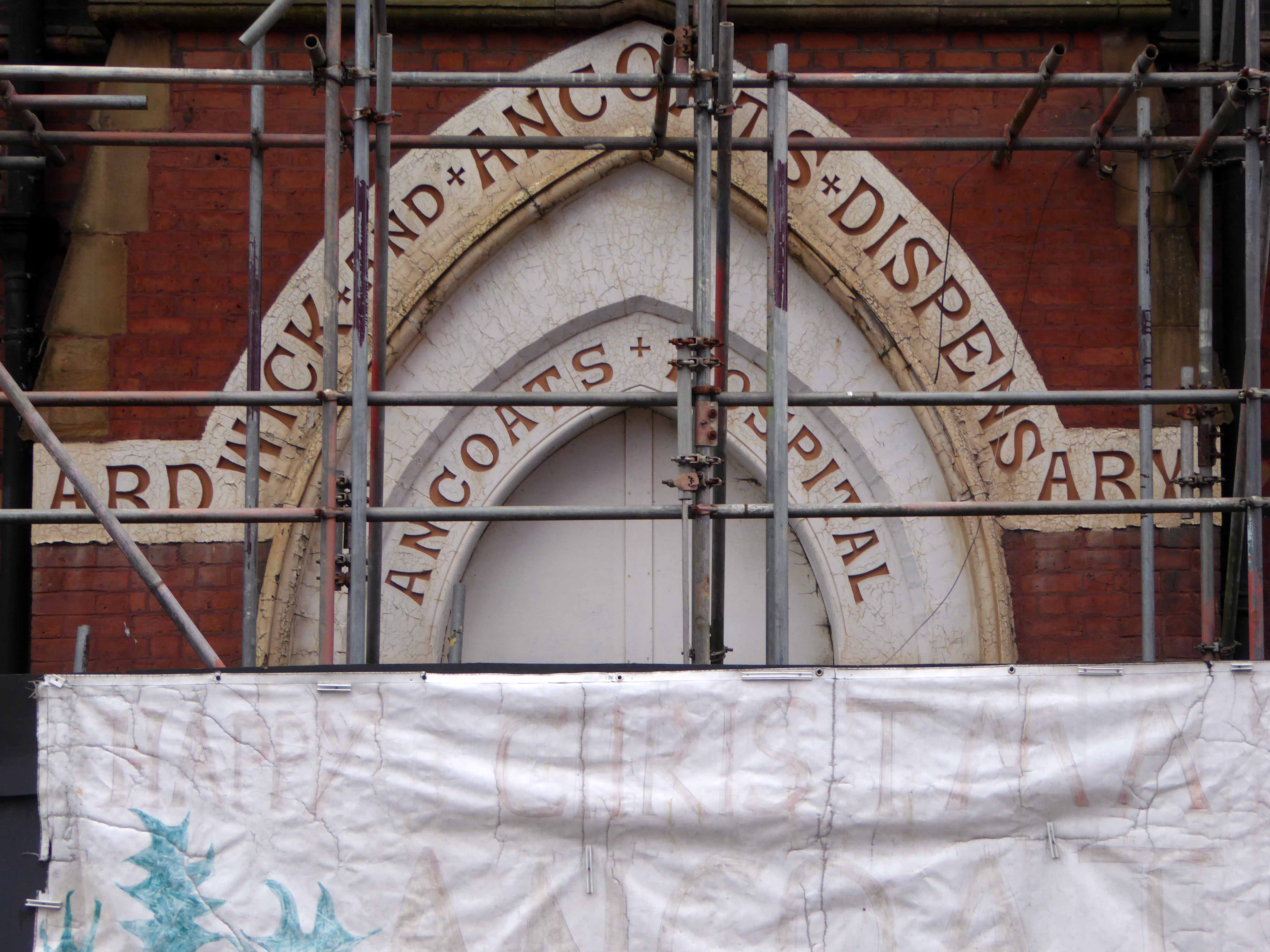
Ancoats Dispensary loved listed and still awaiting resuscitation

P1290056.jpg

New life New Islington

Redhill Street

P1290057

Former industrial powerhouse currently contemporary living space

Henry Street

P1290063

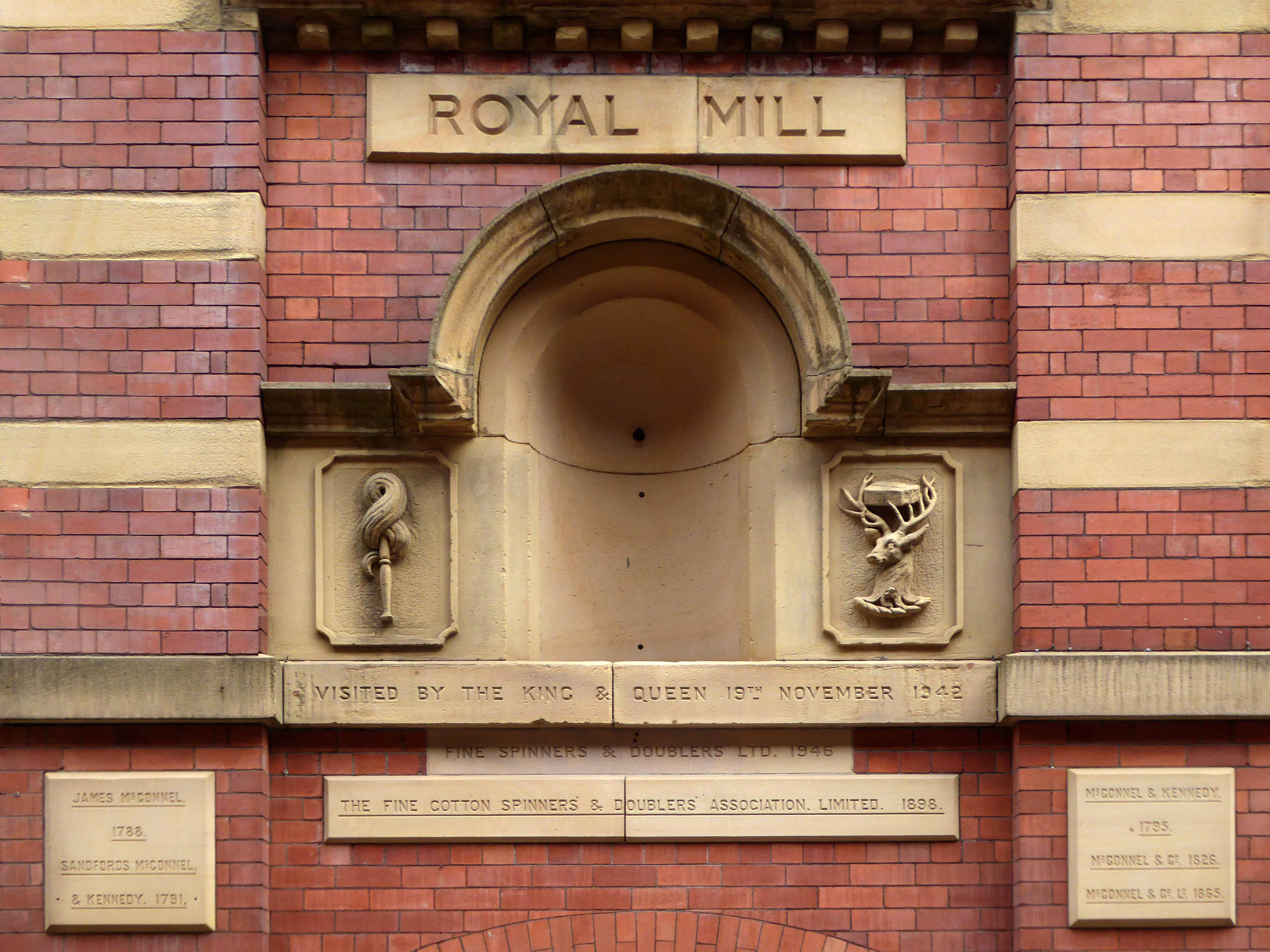
King George VI and Queen Elizabeth passed by in 1942

Jersey Street

P1290064

Former School the stone plaque applied to a newer building

Gun Street

P1290065

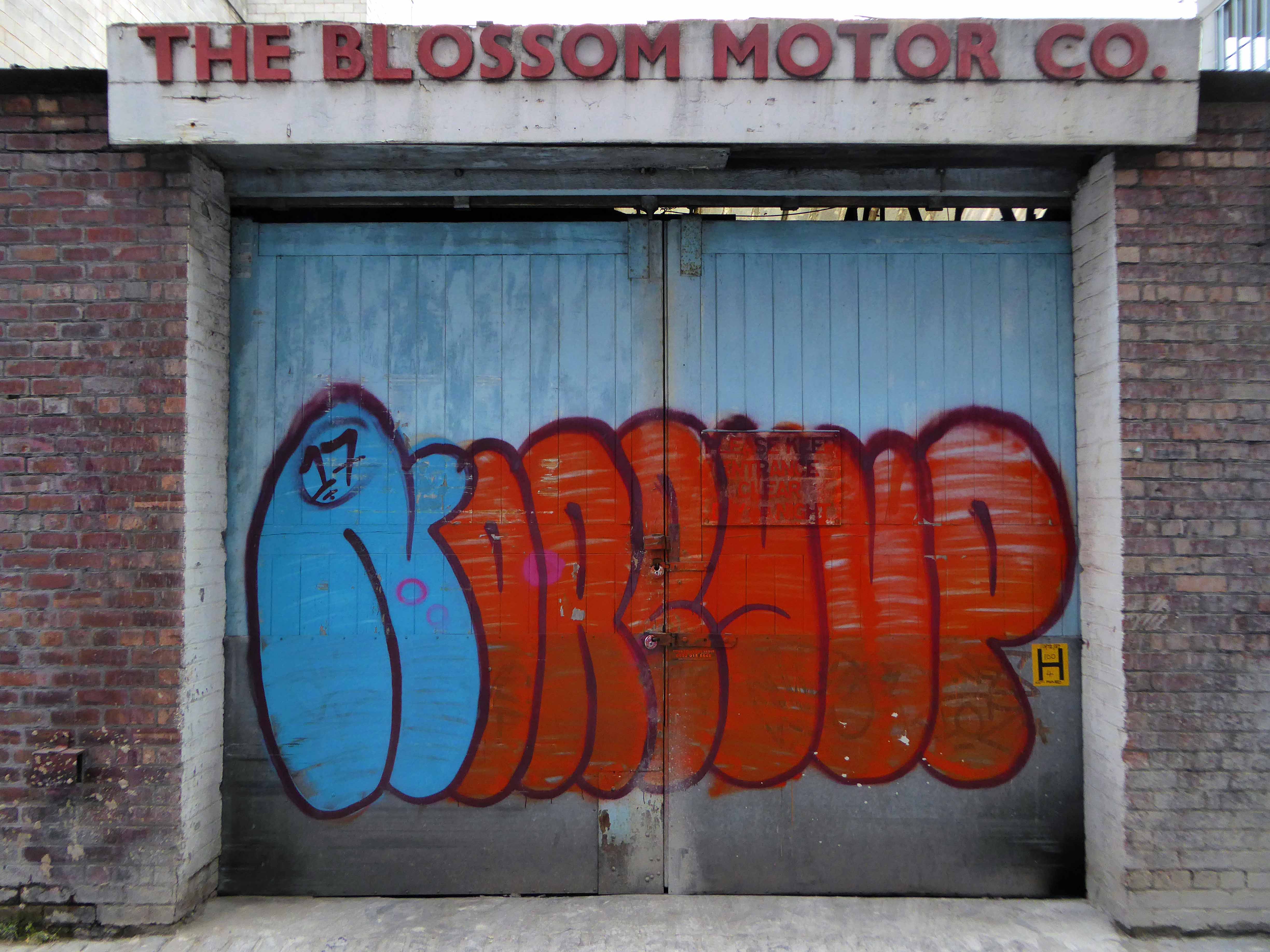
The last of the few Blossom Motors

Addington Street

P1290067
P1290069

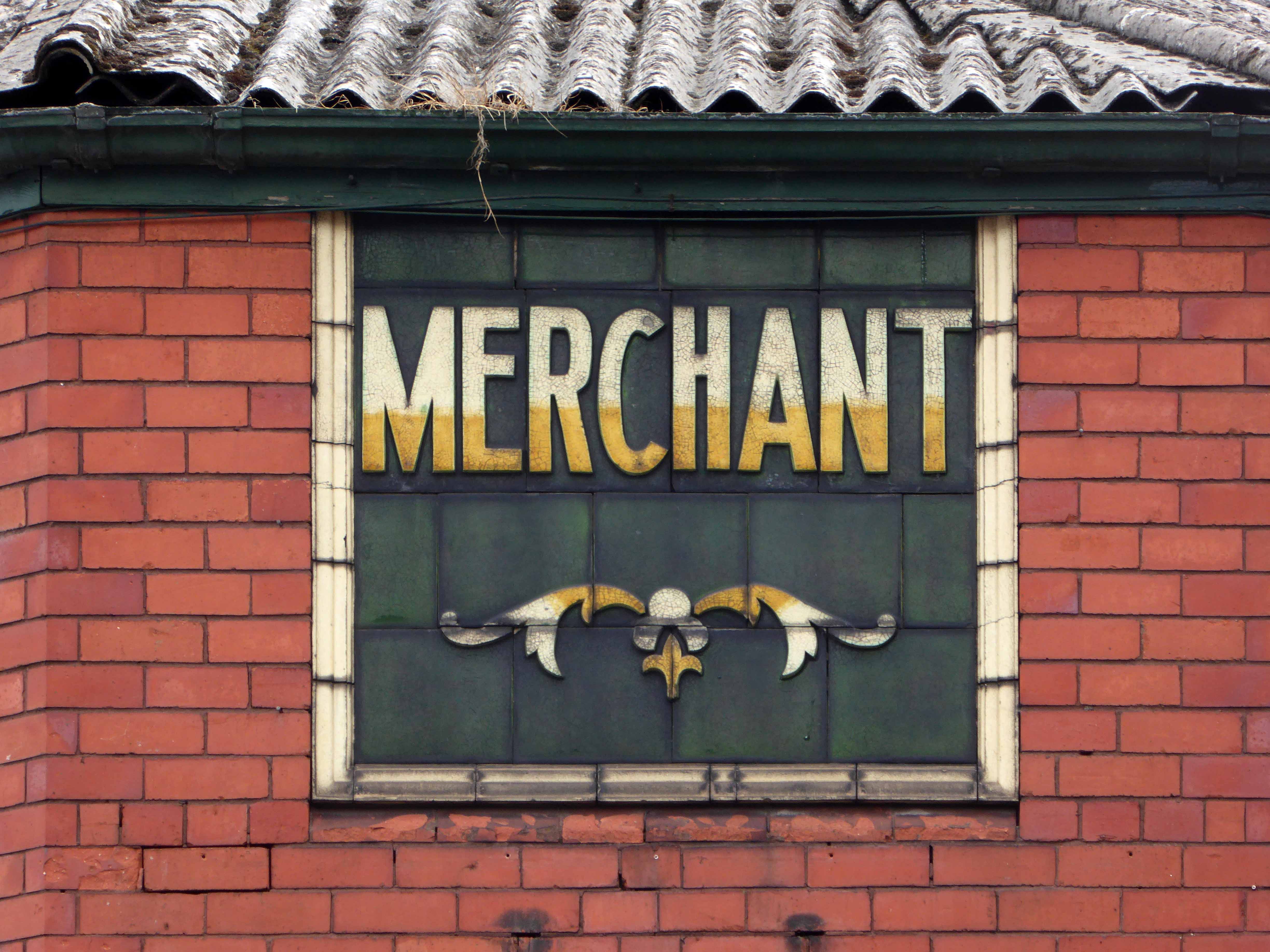
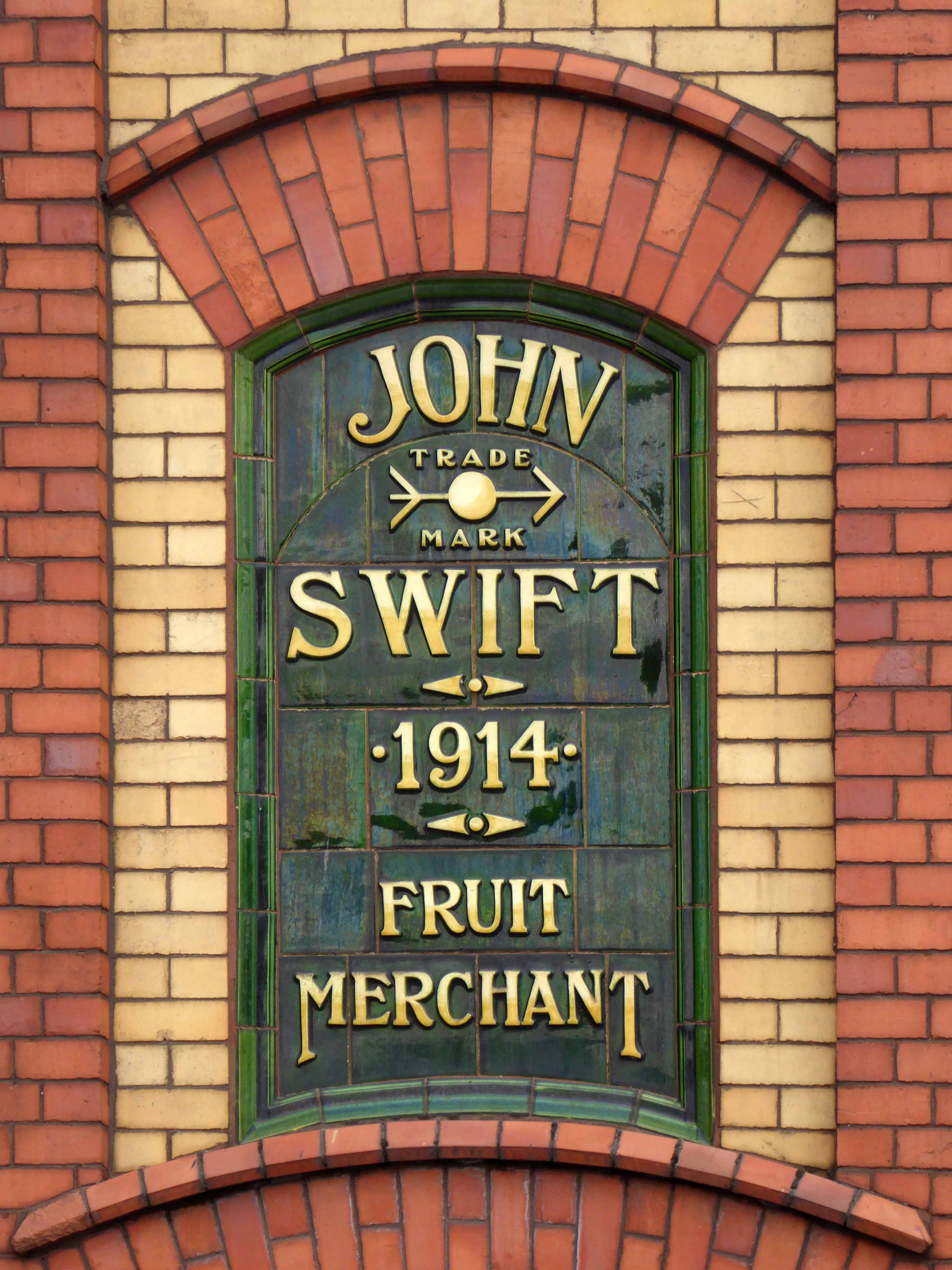
Former fruit merchants – refurbished and home to the SLG creative agency

Marshall Street and Goulden Street area

P1290070
P1290071
P1290073
P1290081
P1290086
P1290087

The last remnants of the rag trade

Former bed spring manufacturer – latterly became the County Archive.

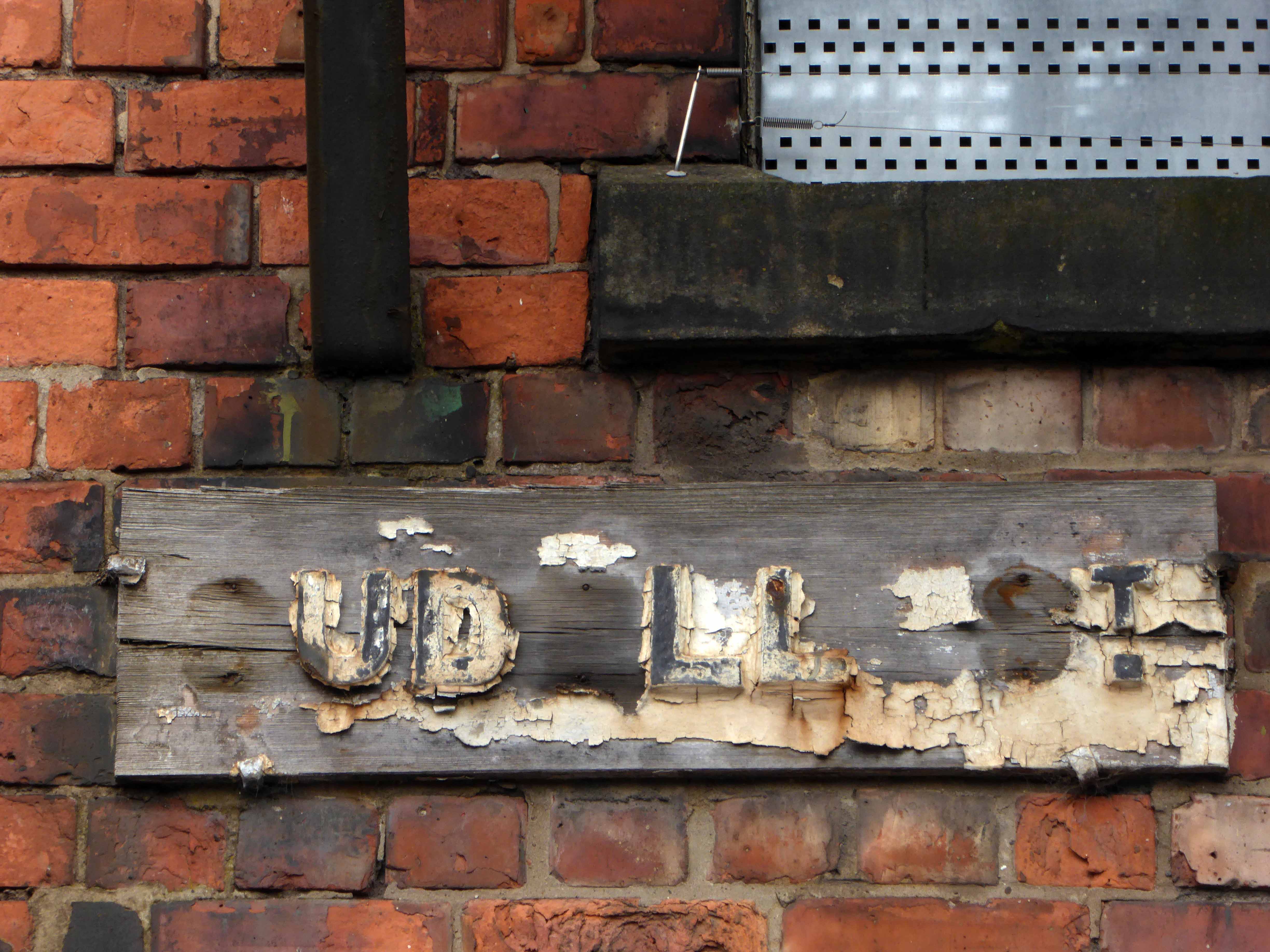
Sudell Street

P1290089
P1290090

All that’s left of Alexandra Place

P1290092

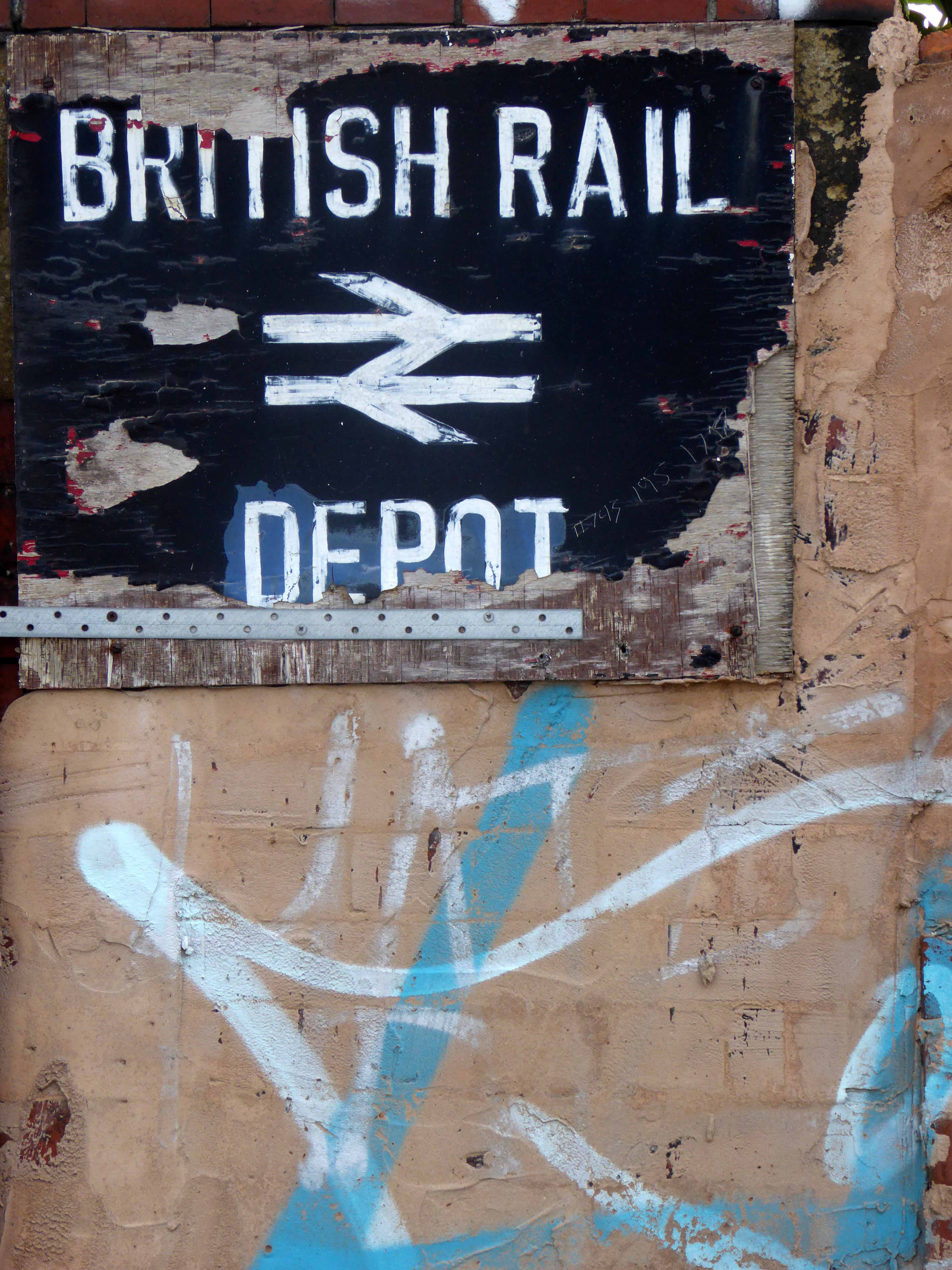
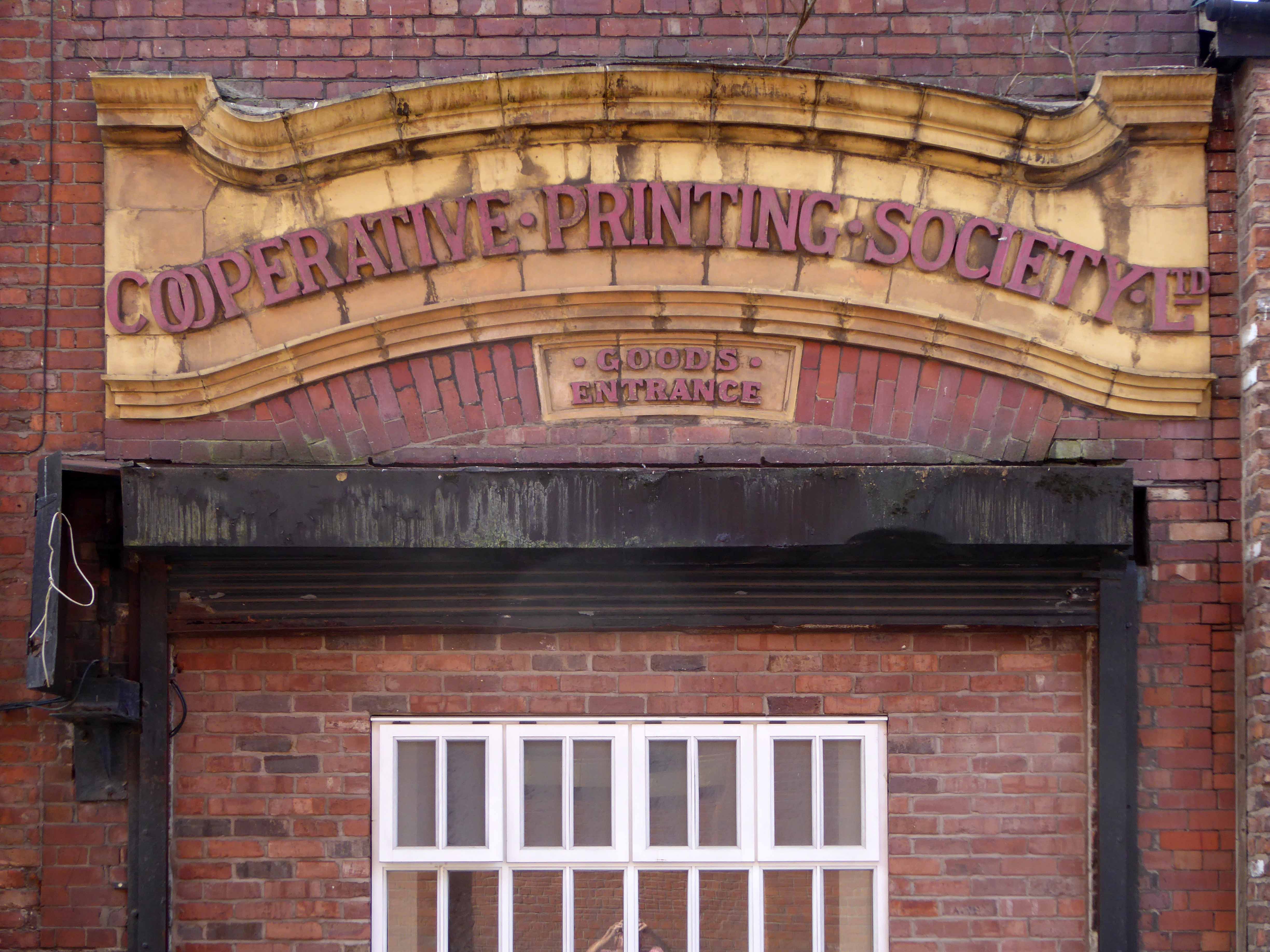
Entrance to the former Goods Yard

Back St Georges Road

P1290096

Sharp Street

P1290099
P1290100

Simpson Street

P1290101

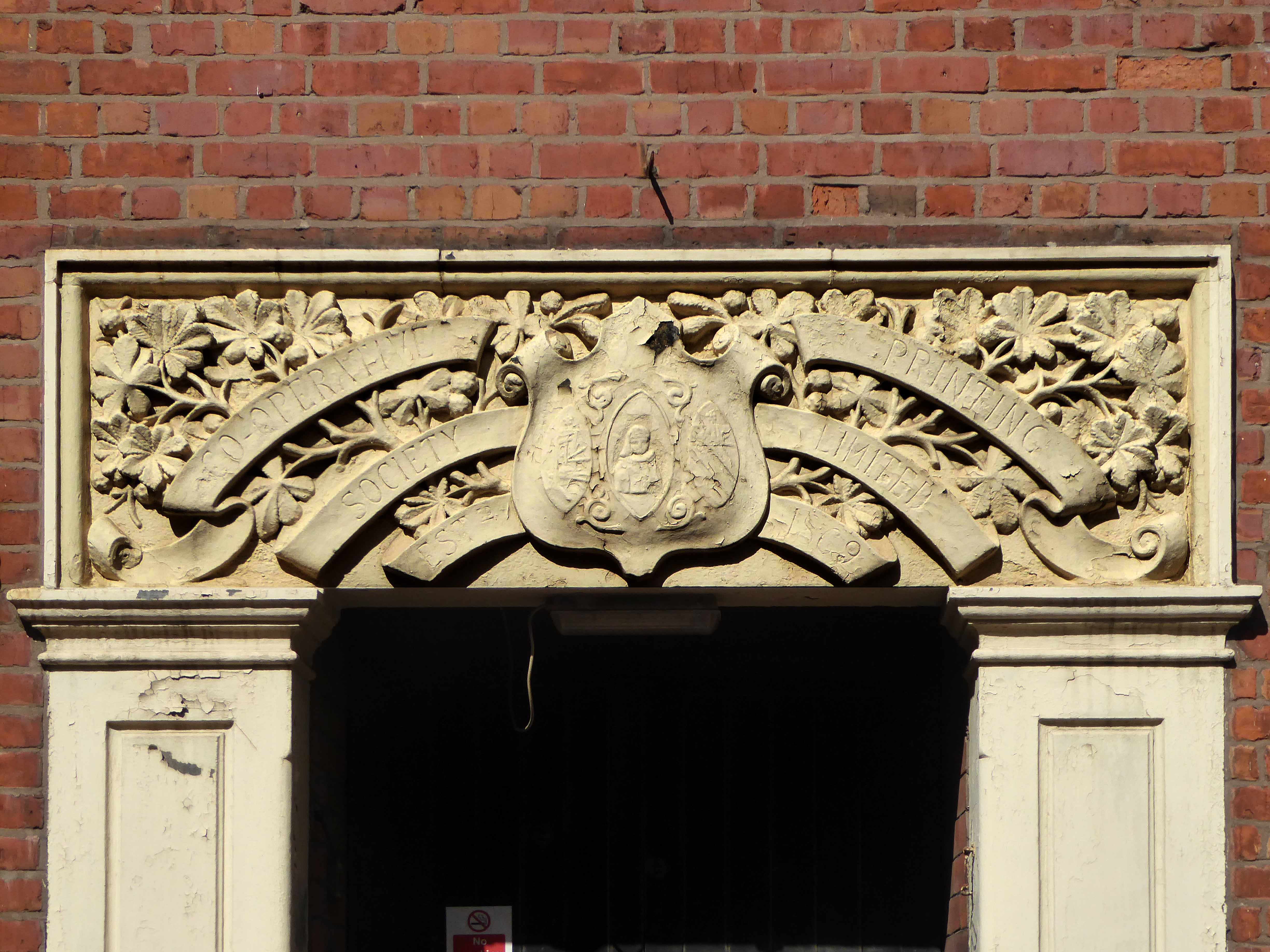
Where once the CWS loomed large

Charter Street

P1290102
P1290107

Ragged but right

Aspin Lane

P1290109
P1290117

Angel Meadow 

Corporation Street

P1290118

Eva Brothers – Clayton Manchester

Eva Brothers of Crabtree Forge, Crabtree Lane, Clayton, Manchester.

Im1960Ry-Eva

1909  The partnership of James Eva, Archibald William Eva, Victor Eva, Arthur Eva, and Frank Eva, carrying on business as Forge-masters, at Crabtree-lane, Clayton, Manchester, under the style or firm of Eva Bothers was ended. All debts due would be settled by Archibald William Eva, Victor Eva, Arthur Eva, and Frank Eva, who continued the business under the same style.

By 1953 The EVA group of companies was the largest edge tool makers in the world, exporting most of their products. The associated companies included: Chillington Tool Co, Edward Elwell Limited of Wednesbury, A. W. Wills and Son Limited of Birmingham, John Yates and Co Limited of Birmingham, and the Phoenix Shovel Co Limited of Cradley Heath.

1958 Acquired T. Williams Drop forgings and Tools of Small Heath, Birmingham

1959 Planned to convert into a holding company; depressed demand for heavy engineering but continued group prosperity were anticipated.

1960 Eva Brothers paid dividends and made scrip issue; changed the name to Eva Industries as the holding company.

1976: Eva Brothers continued to be a part of Eva Industries.

Graces Guide – for further information.

P1270879

This is where Manchester’s prosperity was created, engineering along with King Cotton, formed the financial foundations of the city. These industries are now all but vanished, along with the communities and skills that created them, work and wealth are elsewhere.

Years of free-market economics, acquisition, asset stripping, amalgamation and monopoly have bequeathed a legacy of loss.

Once bustling and business like sheds and yards, are now forests of buddleia and bramble. The sound of metal on metal, but a dull memory, amidst the wilder side of wildlife and the gentle whisper of peeling paint.

Come with me now to the Kingdom of Rust.

P1270883

P1270882

P1270881

P1270880

DSC_0091

DSC_0086

DSC_0083

DSC_0080

DSC_0079

DSC_0072

DSC_0070

DSC_0066

DSC_0061

DSC_0060

DSC_0058

DSC_0057

DSC_0050

DSC_0056

DSC_0053

DSC_0051

DSC_0047

DSC_0045

DSC_0041

DSC_0040

DSC_0037

DSC_0035

DSC_0033

DSC_0032

DSC_0029

DSC_0028

DSC_0026

DSC_0025

DSC_0022

DSC_0021

DSC_0020

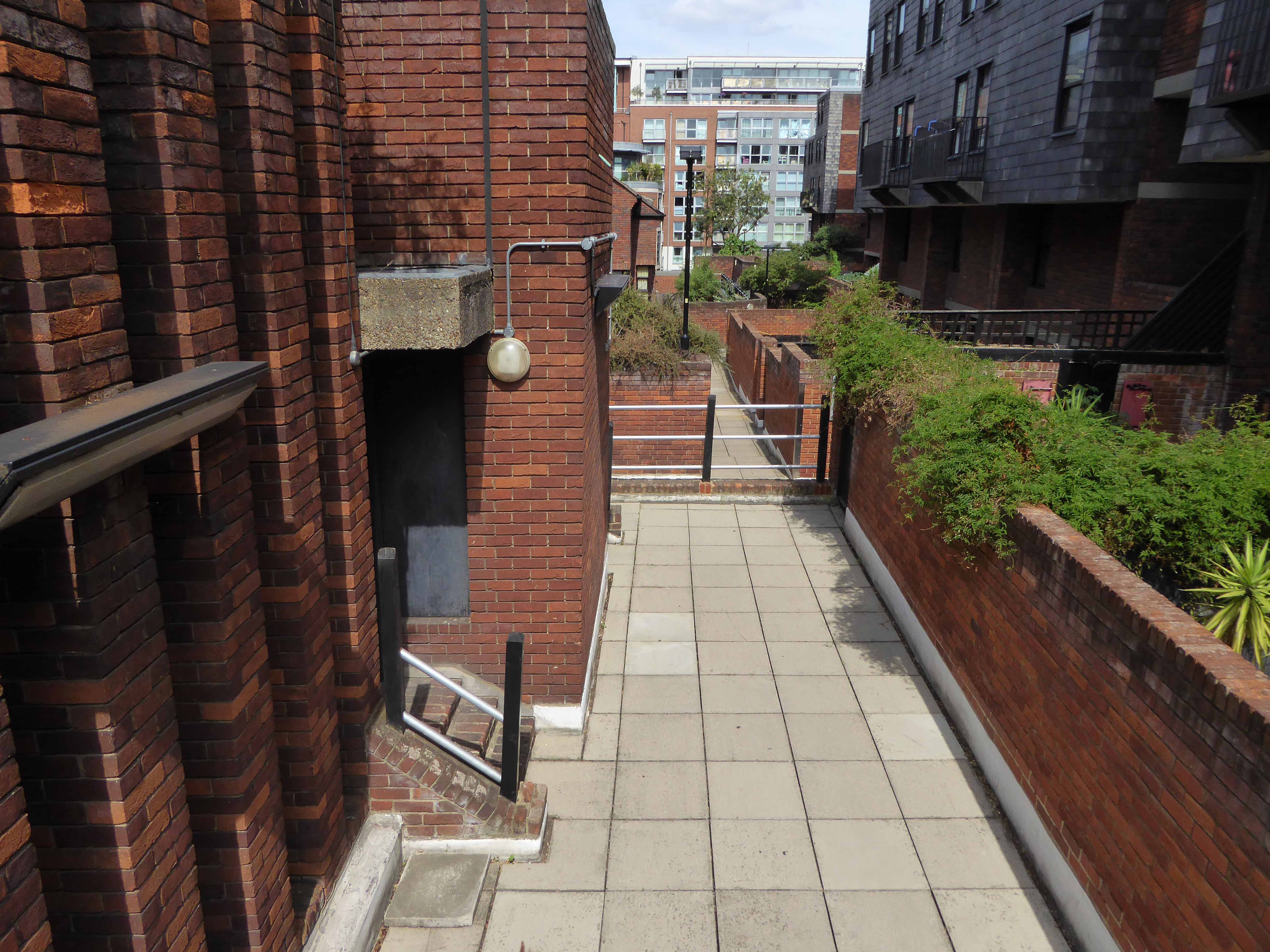
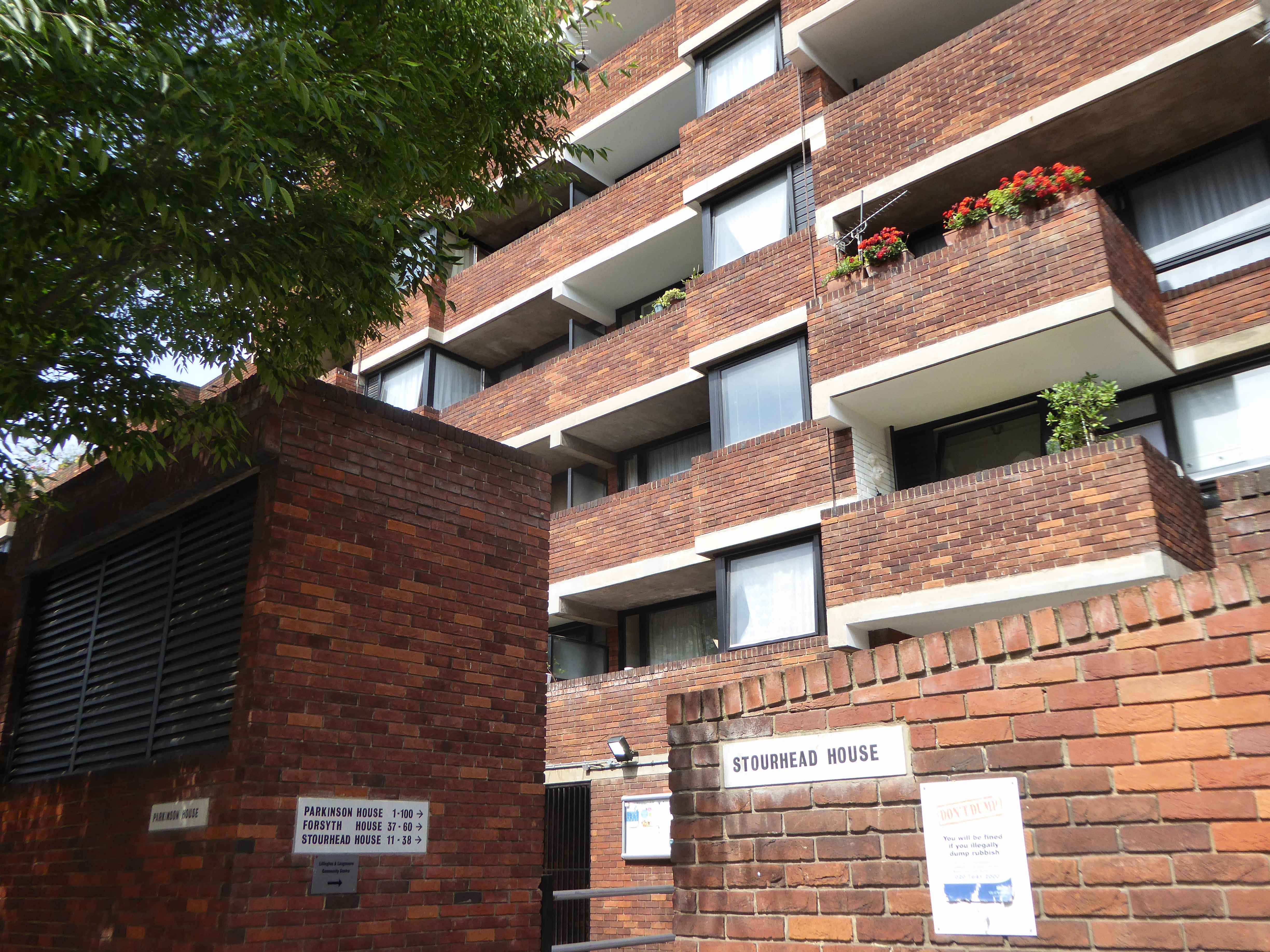
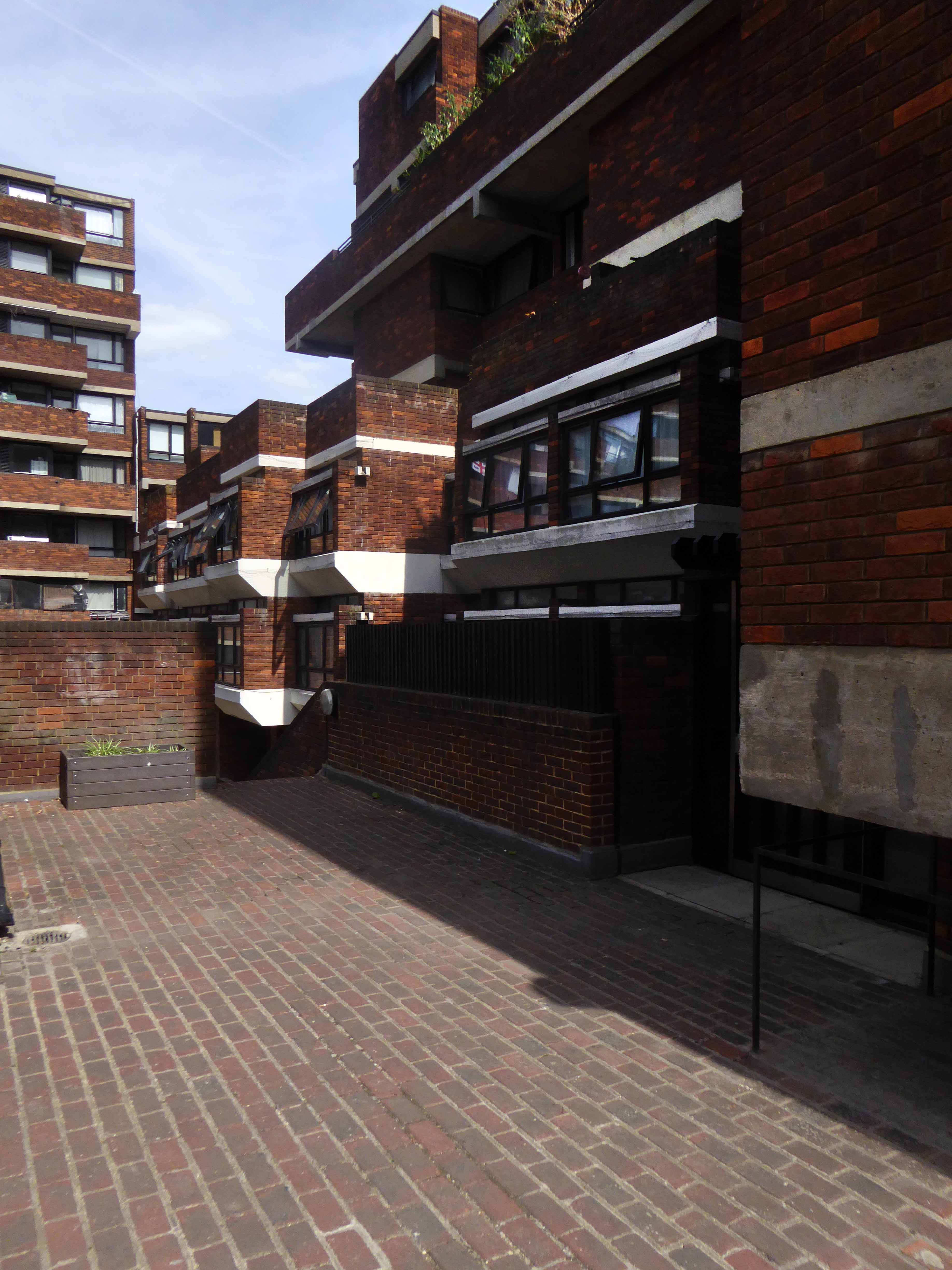
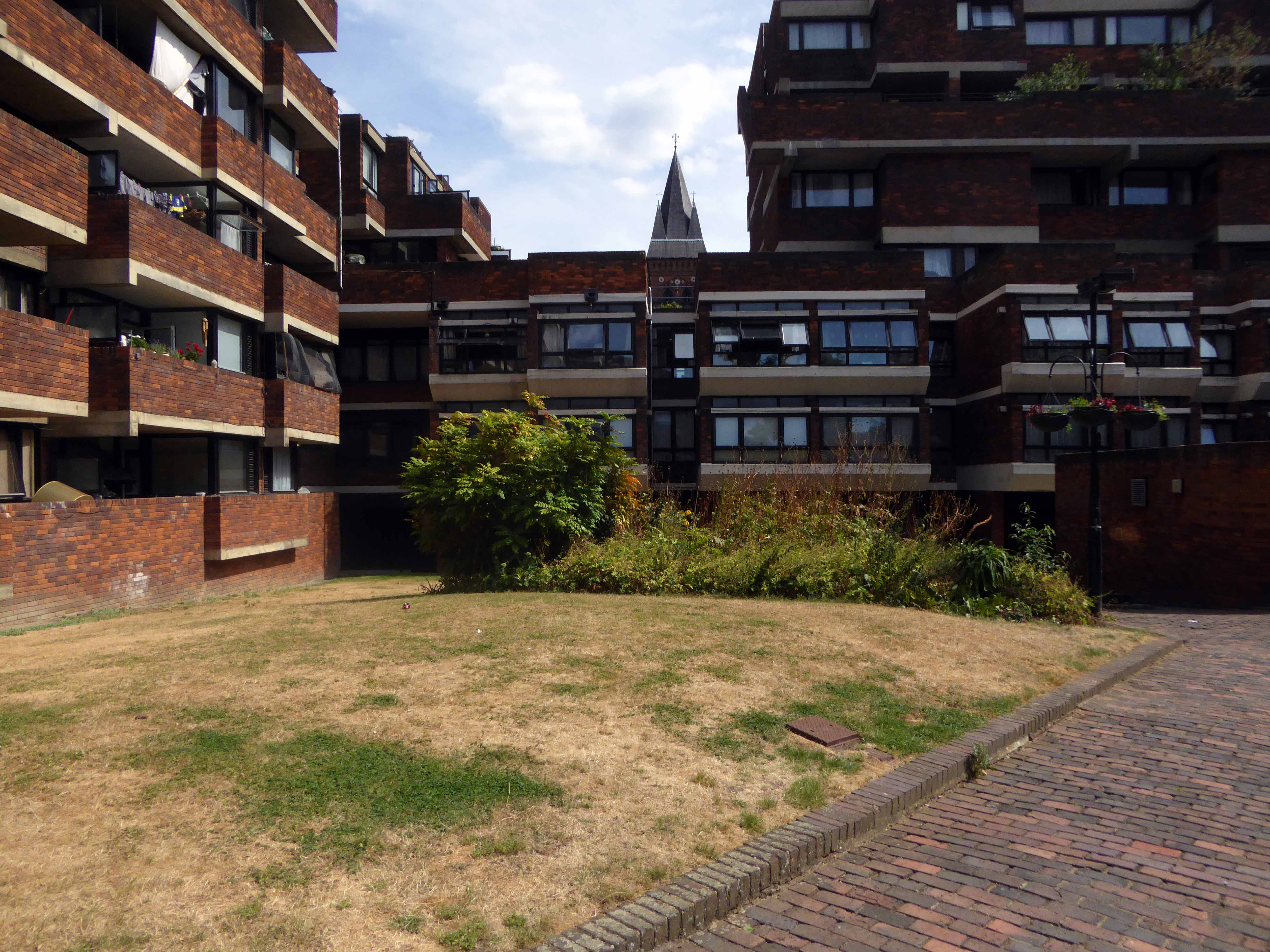
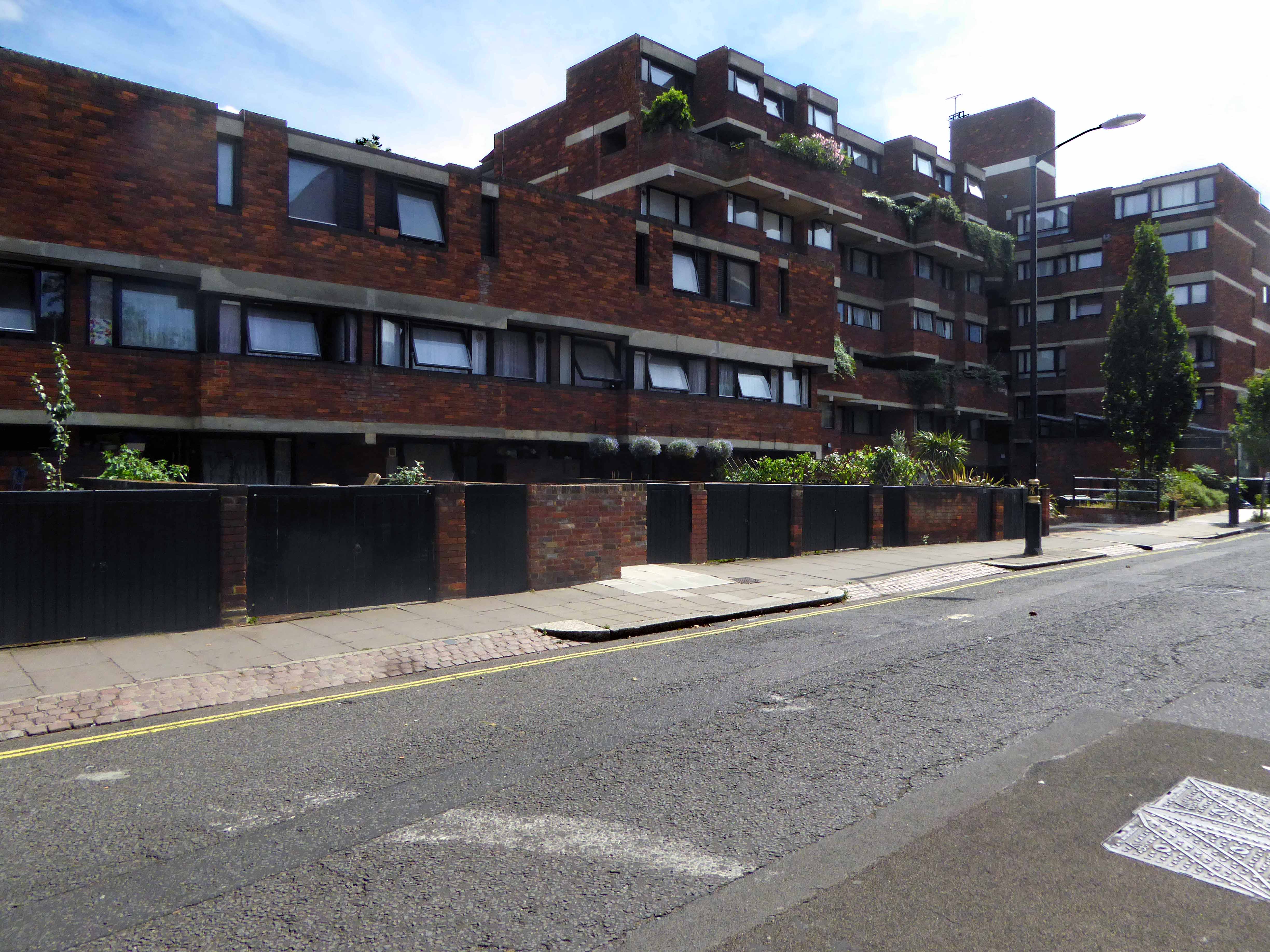
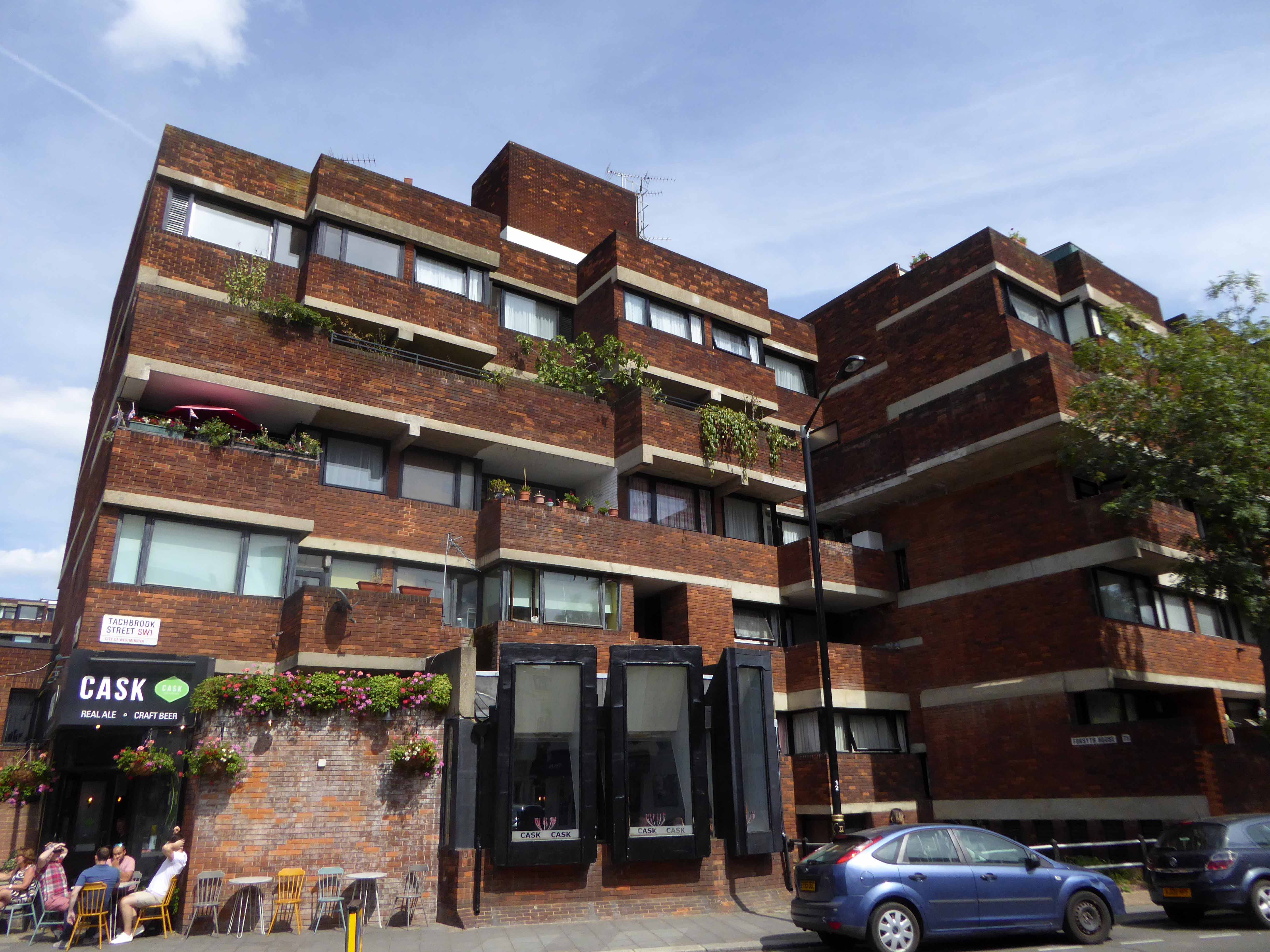
Lillington Gardens Estate – Pimlico

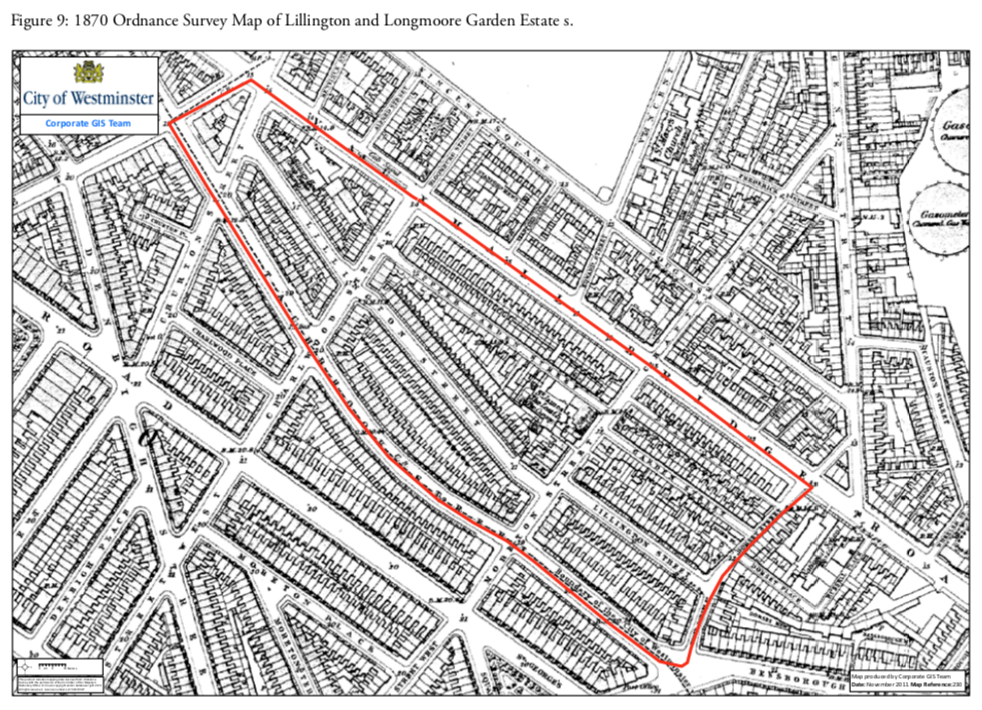
Formerly an area of high density terraced housing.

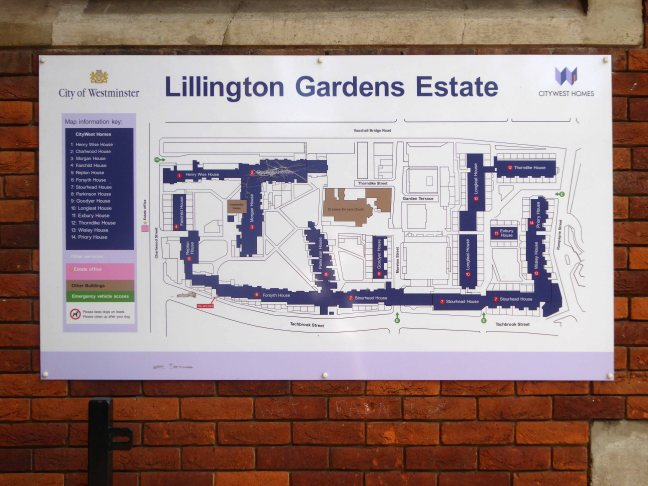
Screen Shot 2018-08-19 at 18.01.29

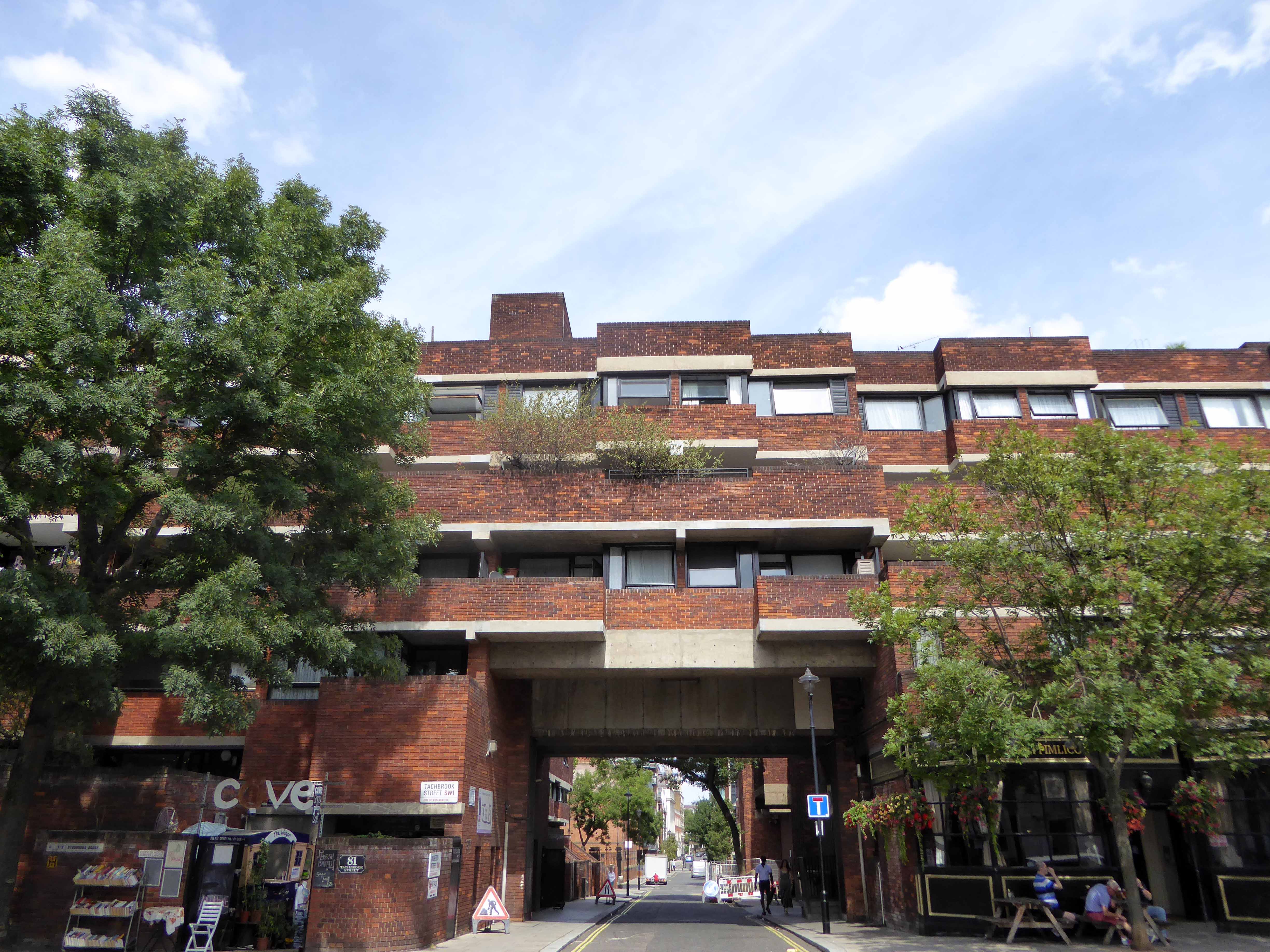
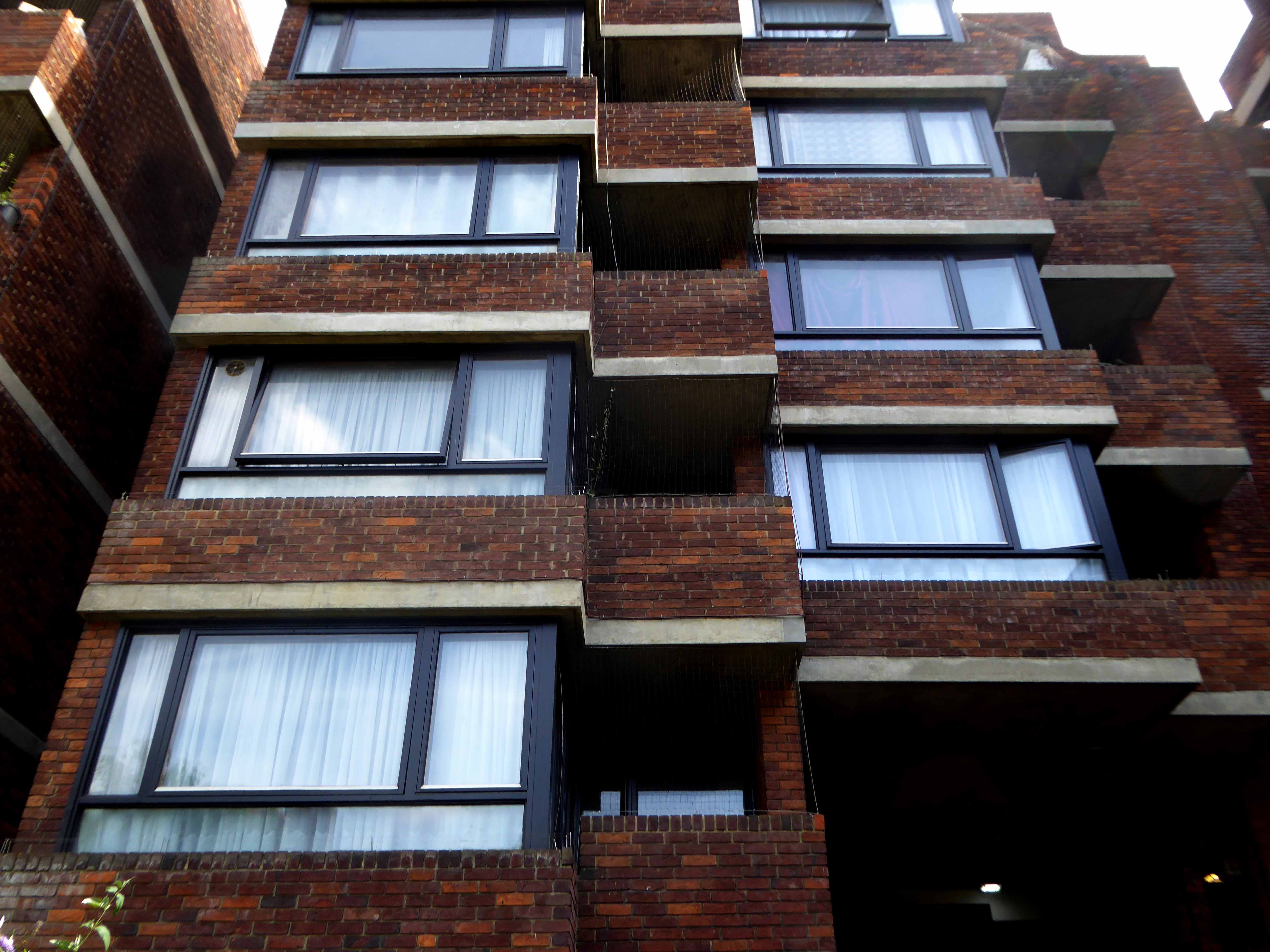
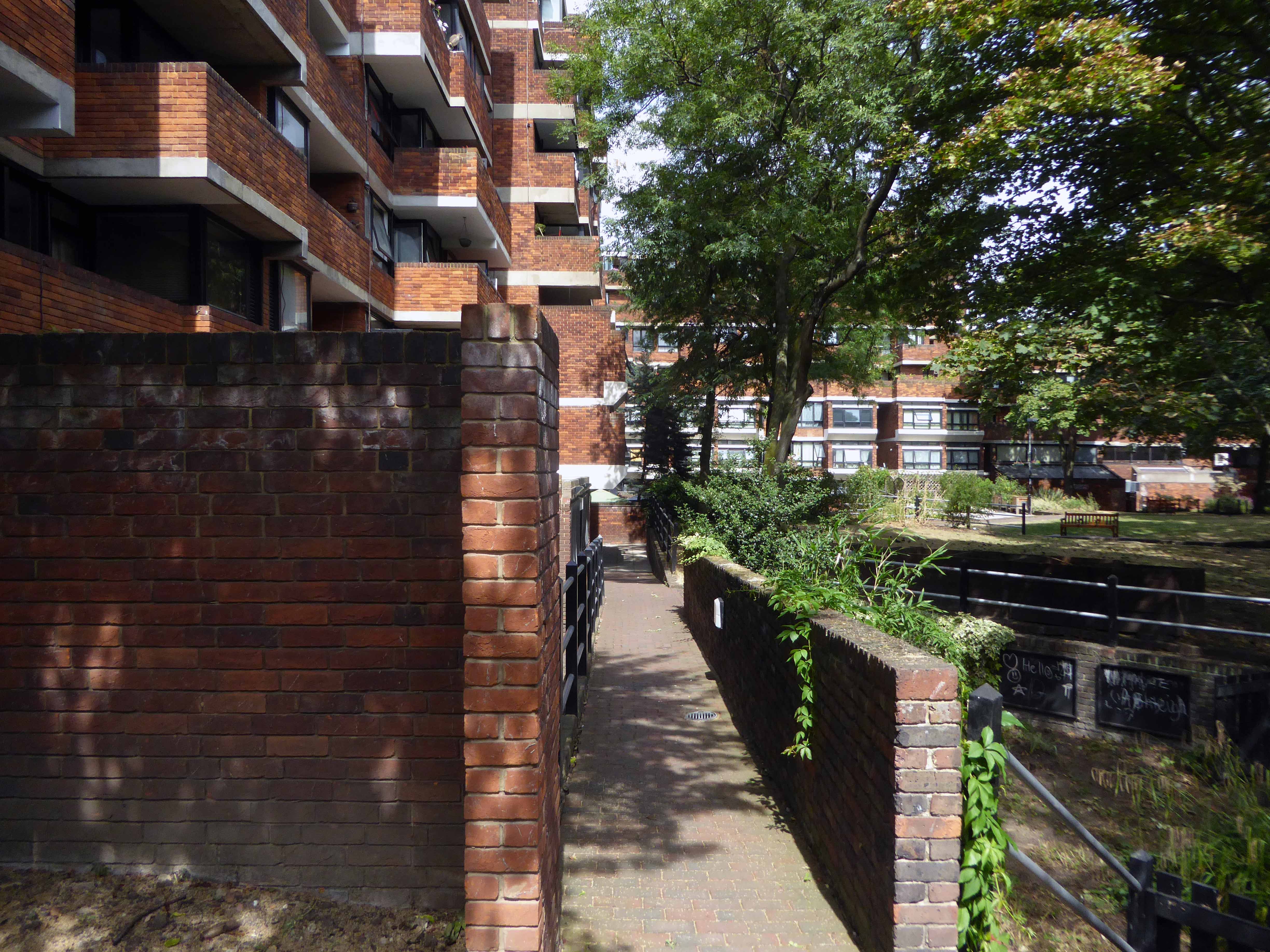
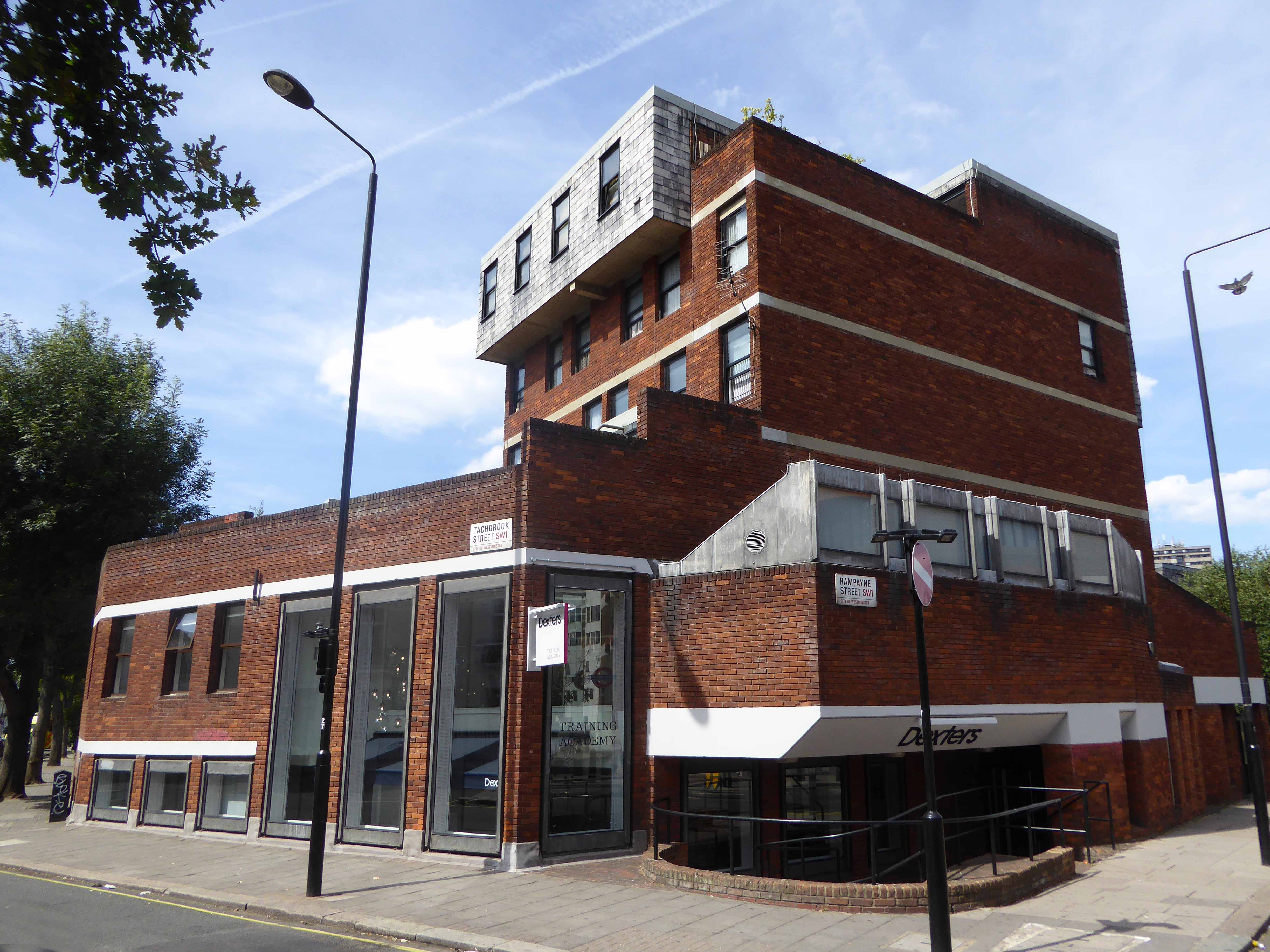
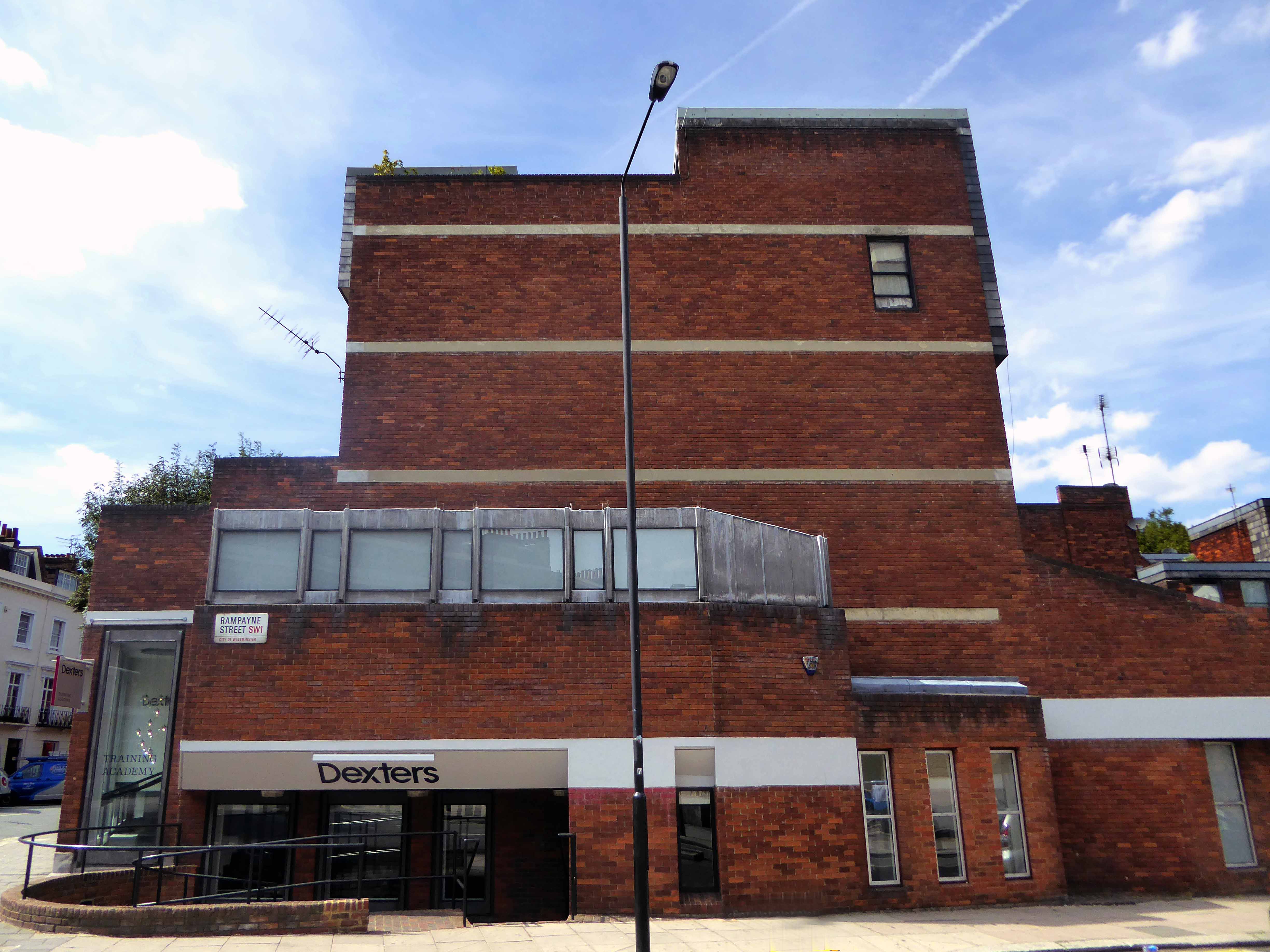
Lillington Gardens is an estate in the Pimlico area of the City of Westminster, London, constructed in phases between 1961 and 1980 to a plan by Darbourne & Darke. The estate is now owned and managed by City West Homes.

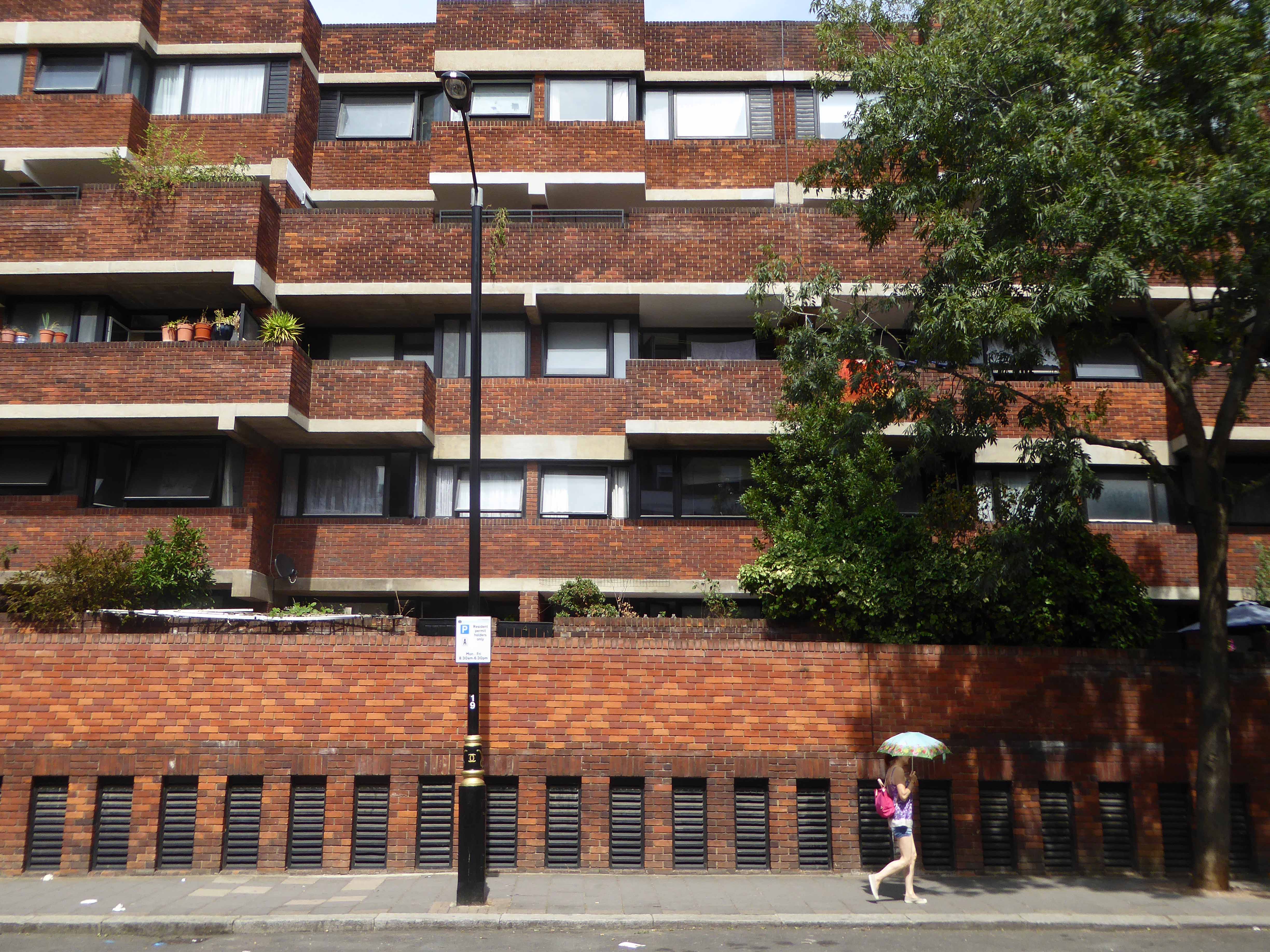
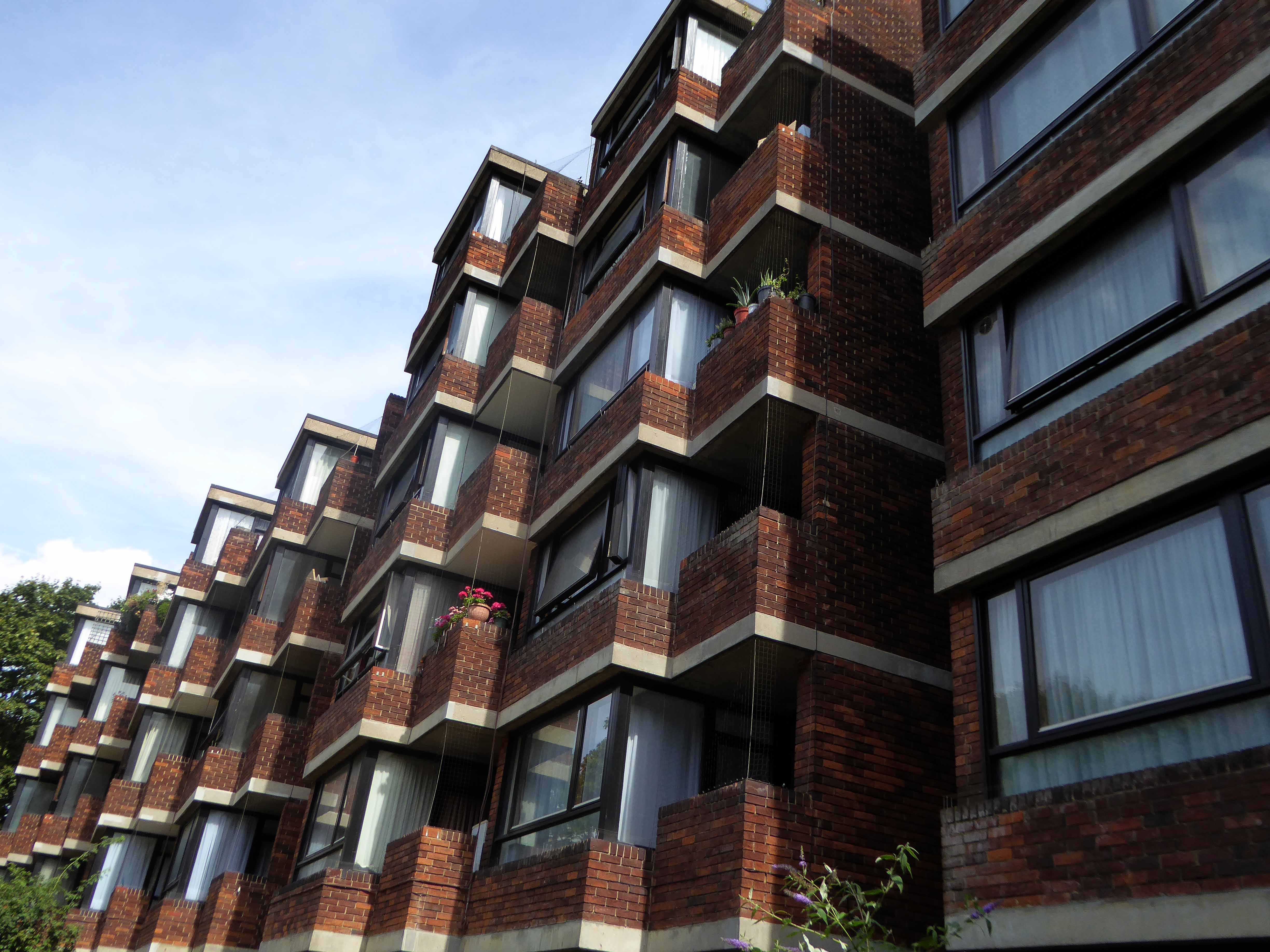
The estate was among the last of the high-density public housing schemes built in London during the postwar period, and is referred to as one of the most distinguished. Notably, seven years before the Ronan Point disaster ended the dominance of the tower block, Lillington Gardens looked ahead to a new standard that achieved high housing density within a medium rather than high-rise structure. It emphasised individuality in the grouping of dwellings, and provided for private gardens at ground and roof levels.

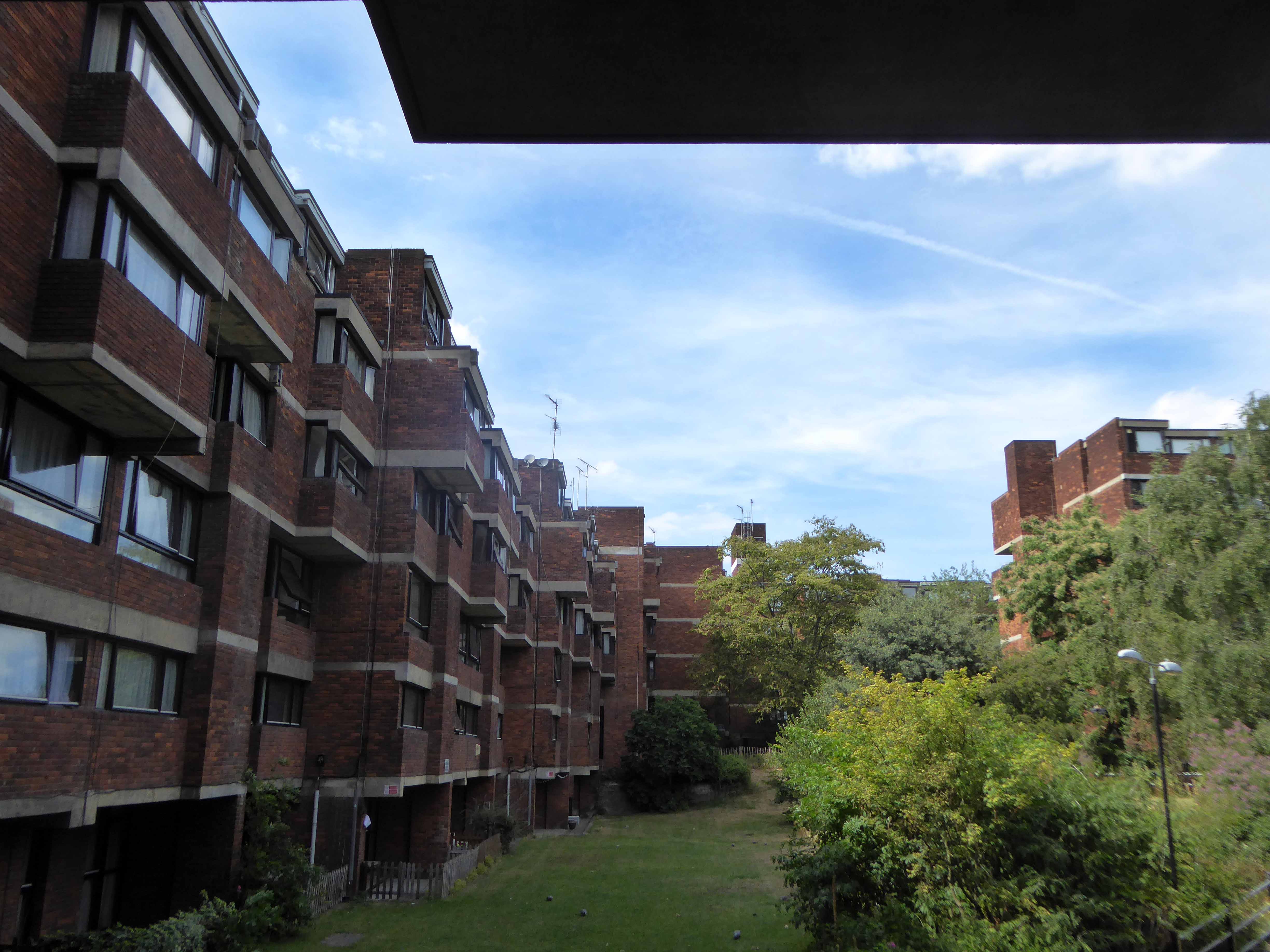
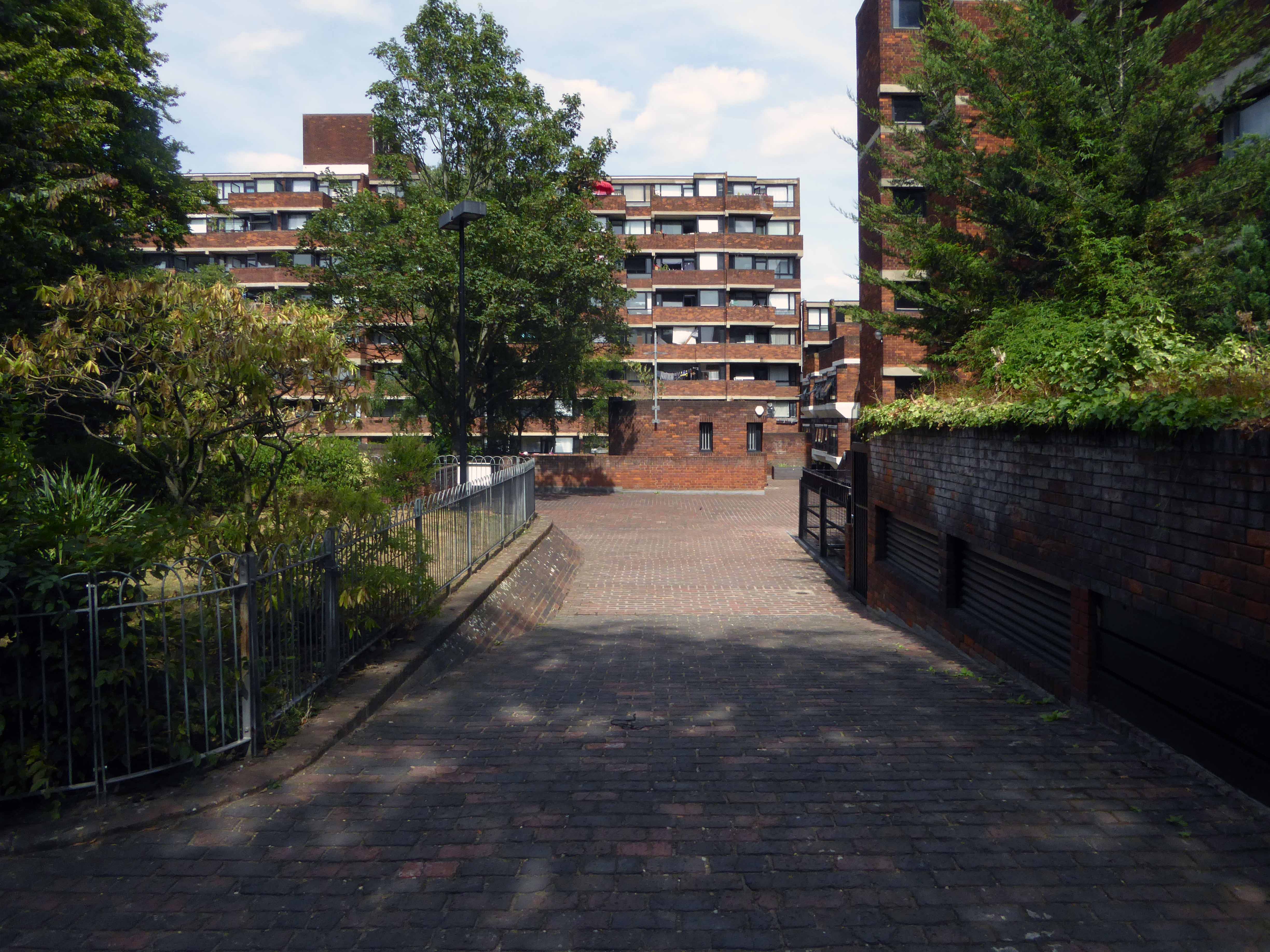
The estate’s high build quality, and particularly the planted gardens of its wide roof street, blend sympathetically with the surrounding Victorian terraces.

The estate’s high quality design was acknowledged by a Housing Design Award 1961, Ministry of Housing and Local Government Award for Good Design 1970, RIBA Award 1970 and RIBA Commendation 1973. Nikolaus Pevsner described it in 1973 as “the most interesting recent housing scheme in London”.

The site surrounds the Grade I listed Church of St James the Less, built in 1859–61. The entire estate, including the church, was designated a conservation area in 1990.

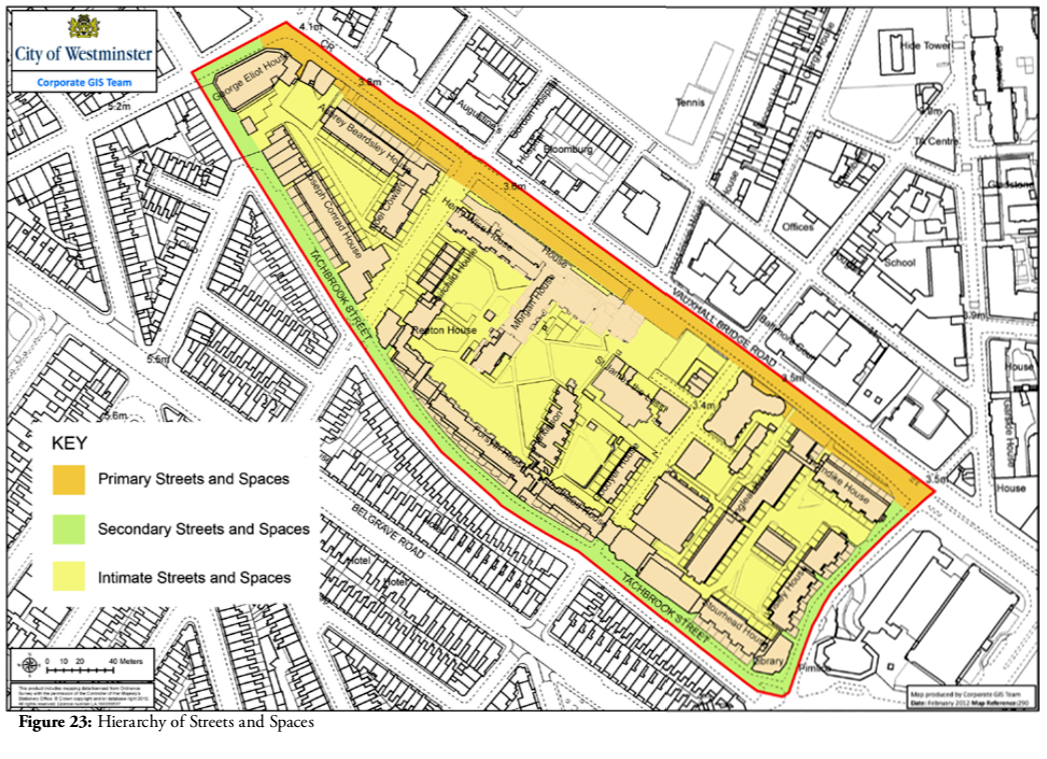
Screen Shot 2018-08-19 at 17.44.59

Lillington and Longmoore Gardens Conservation Area Audit

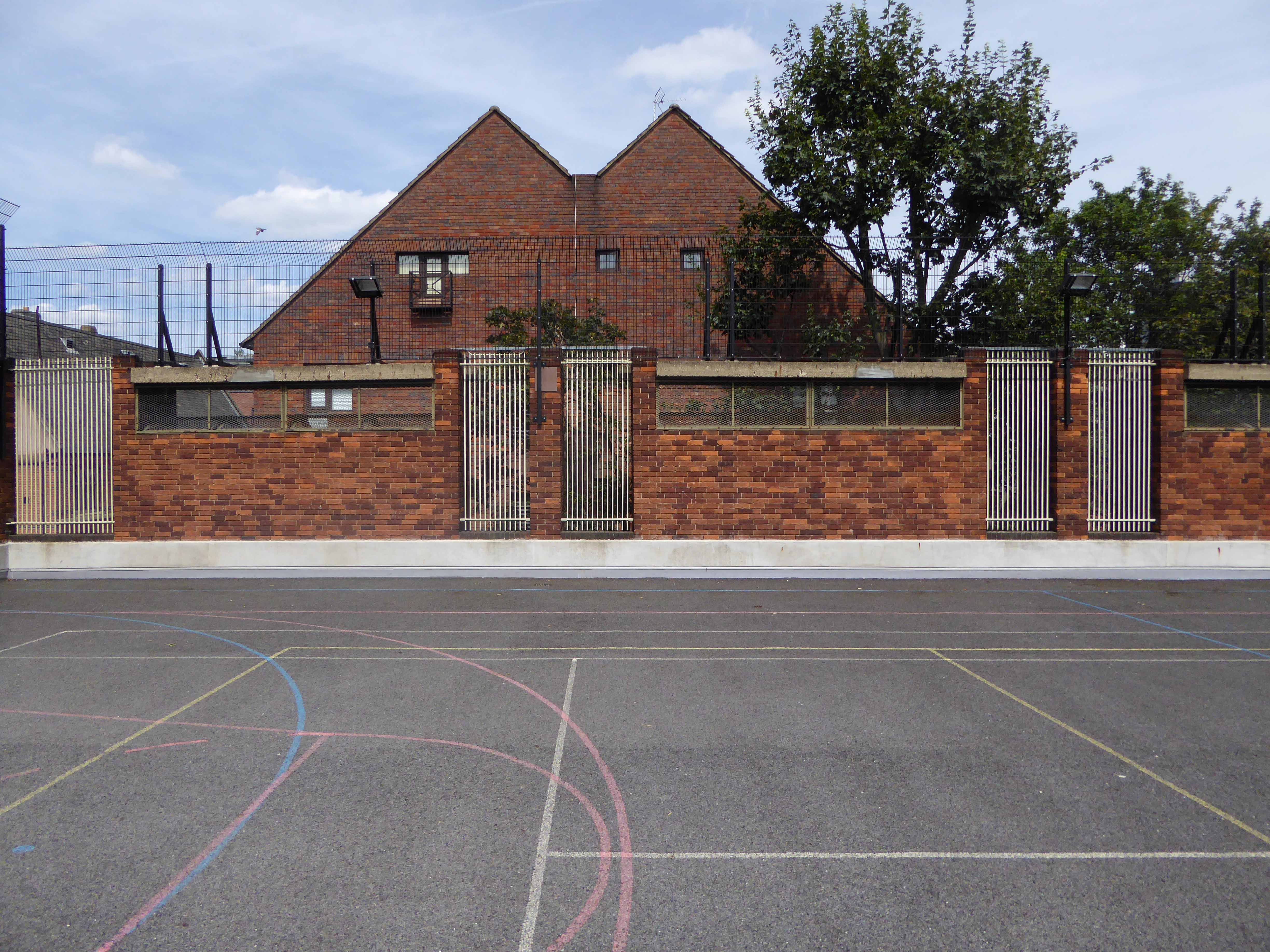
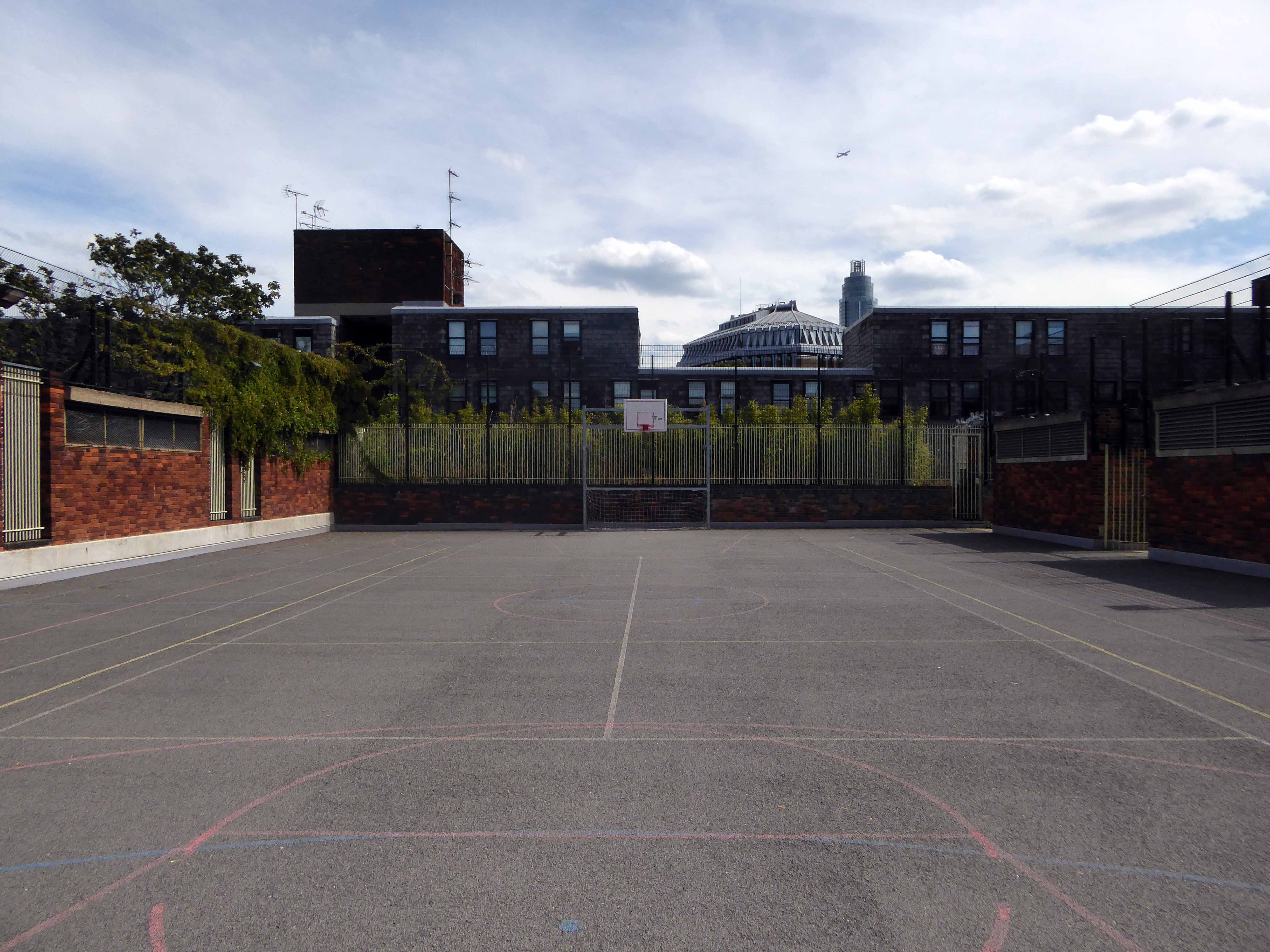
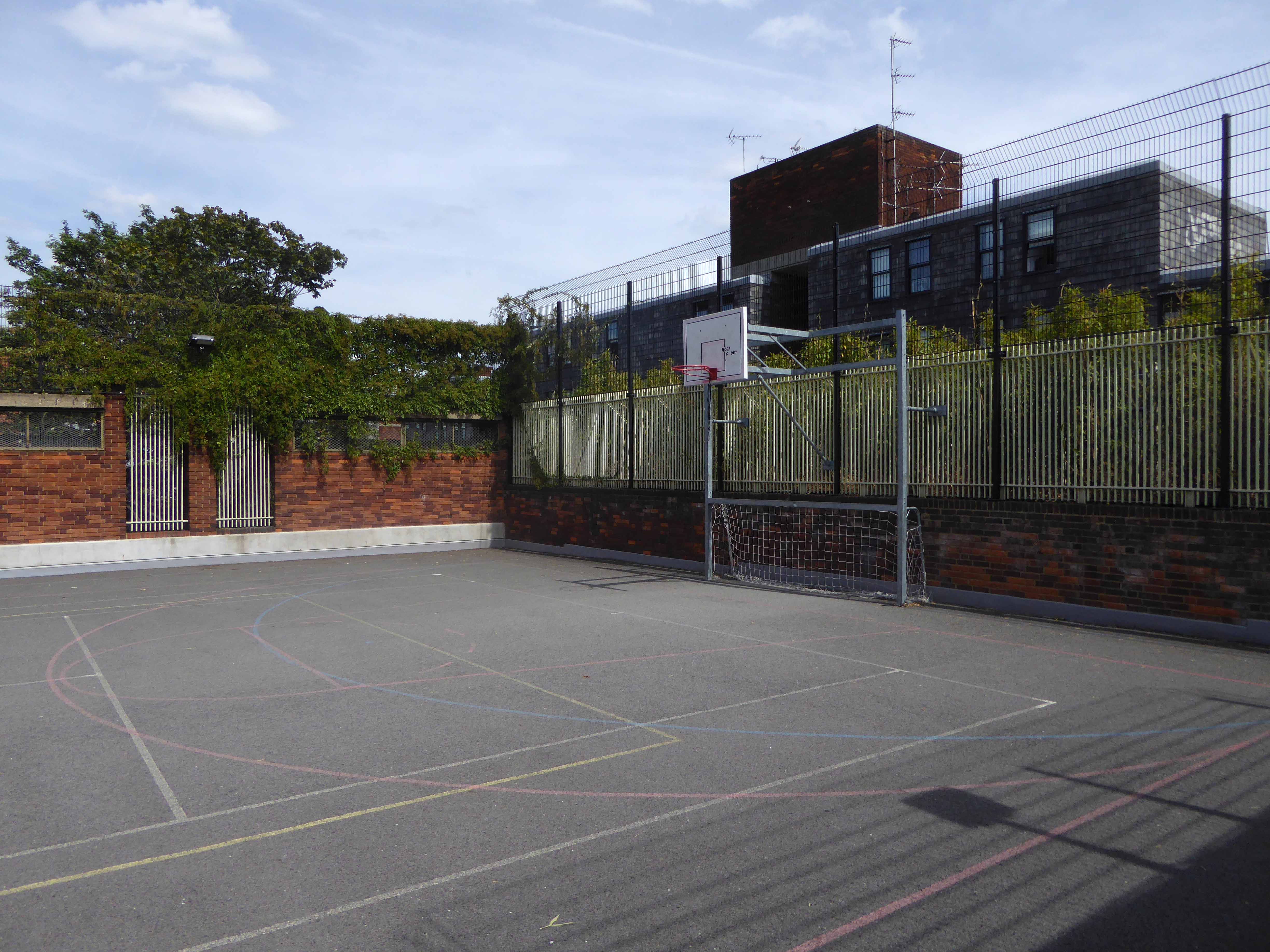
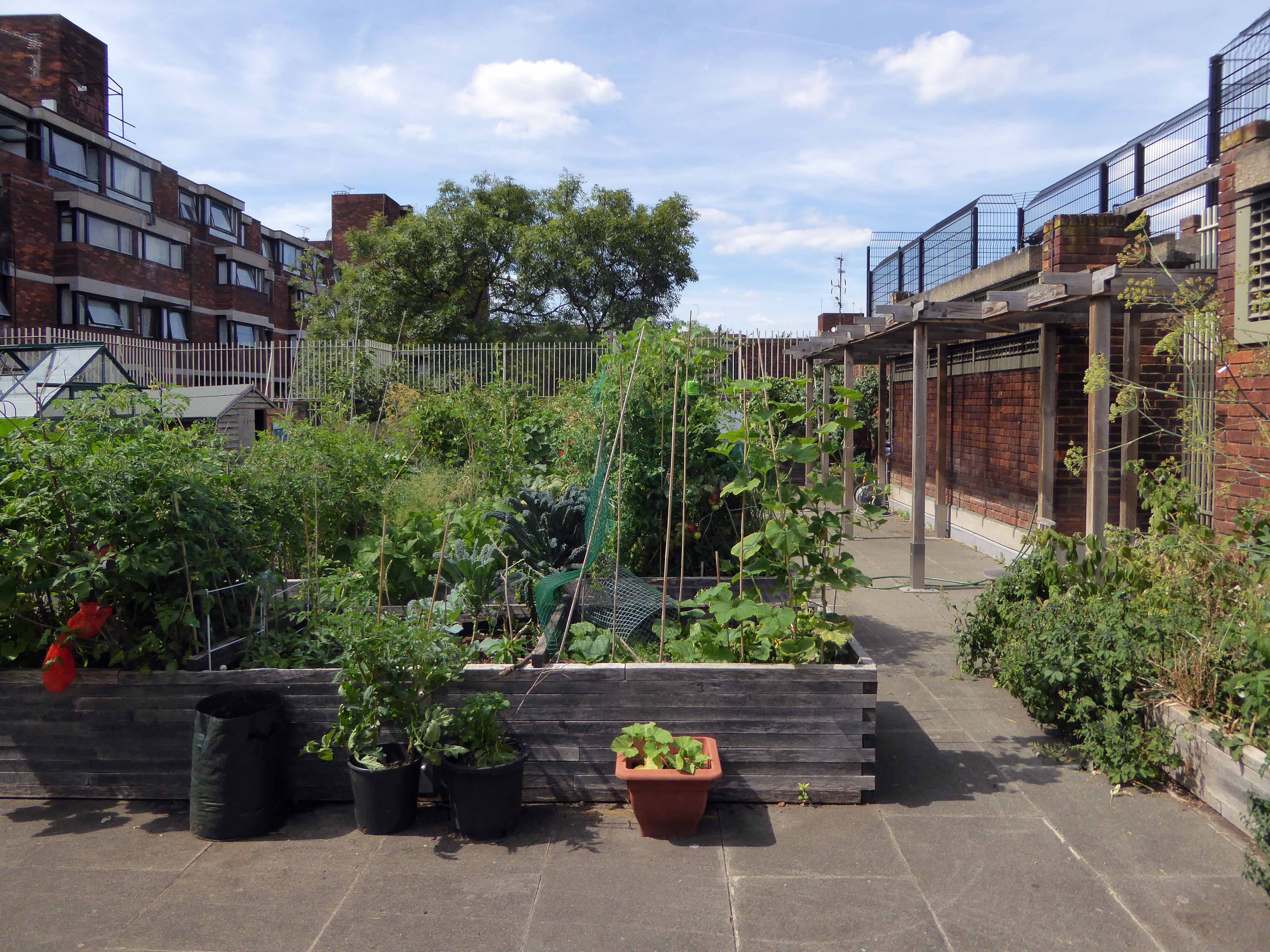
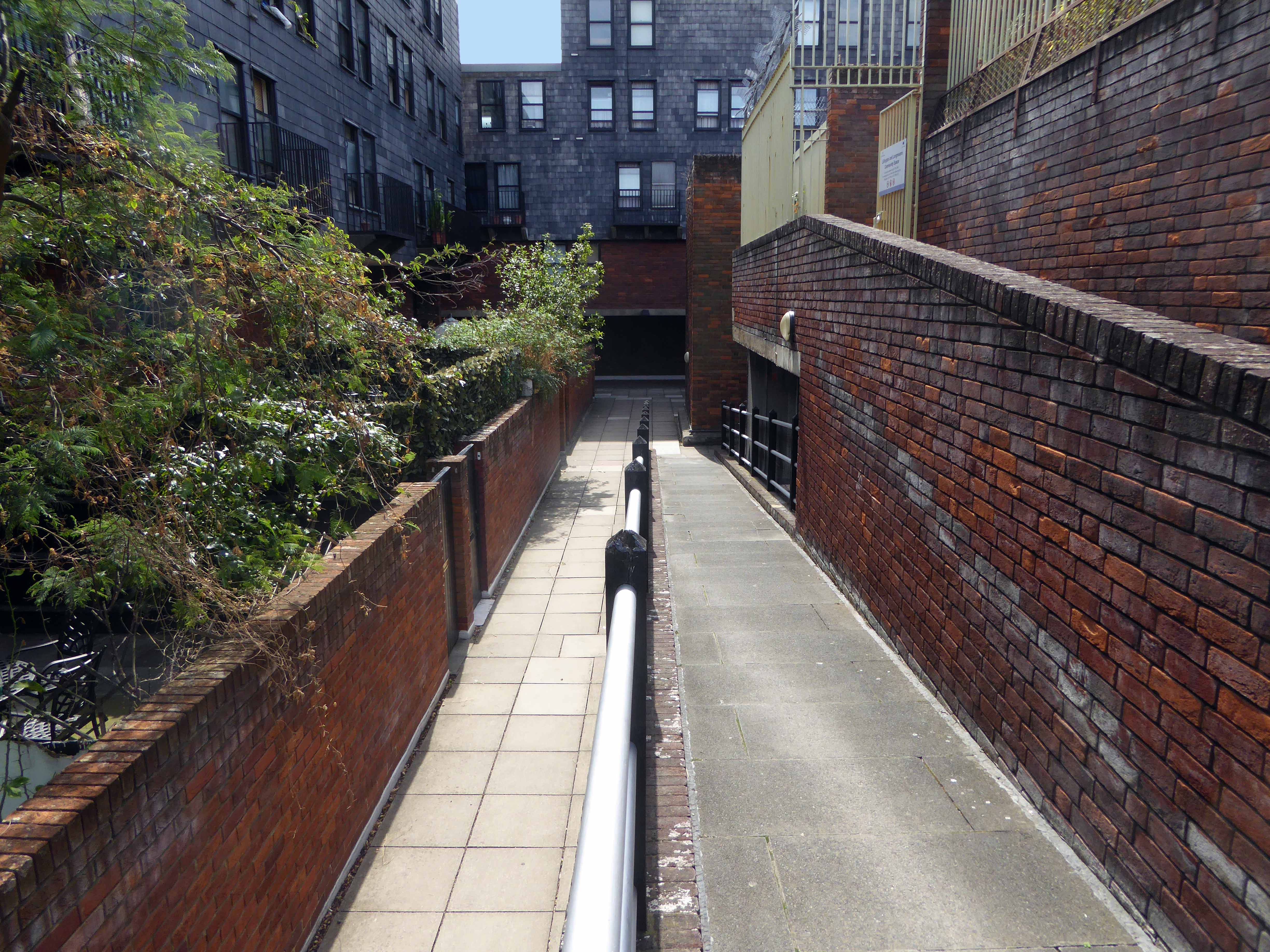
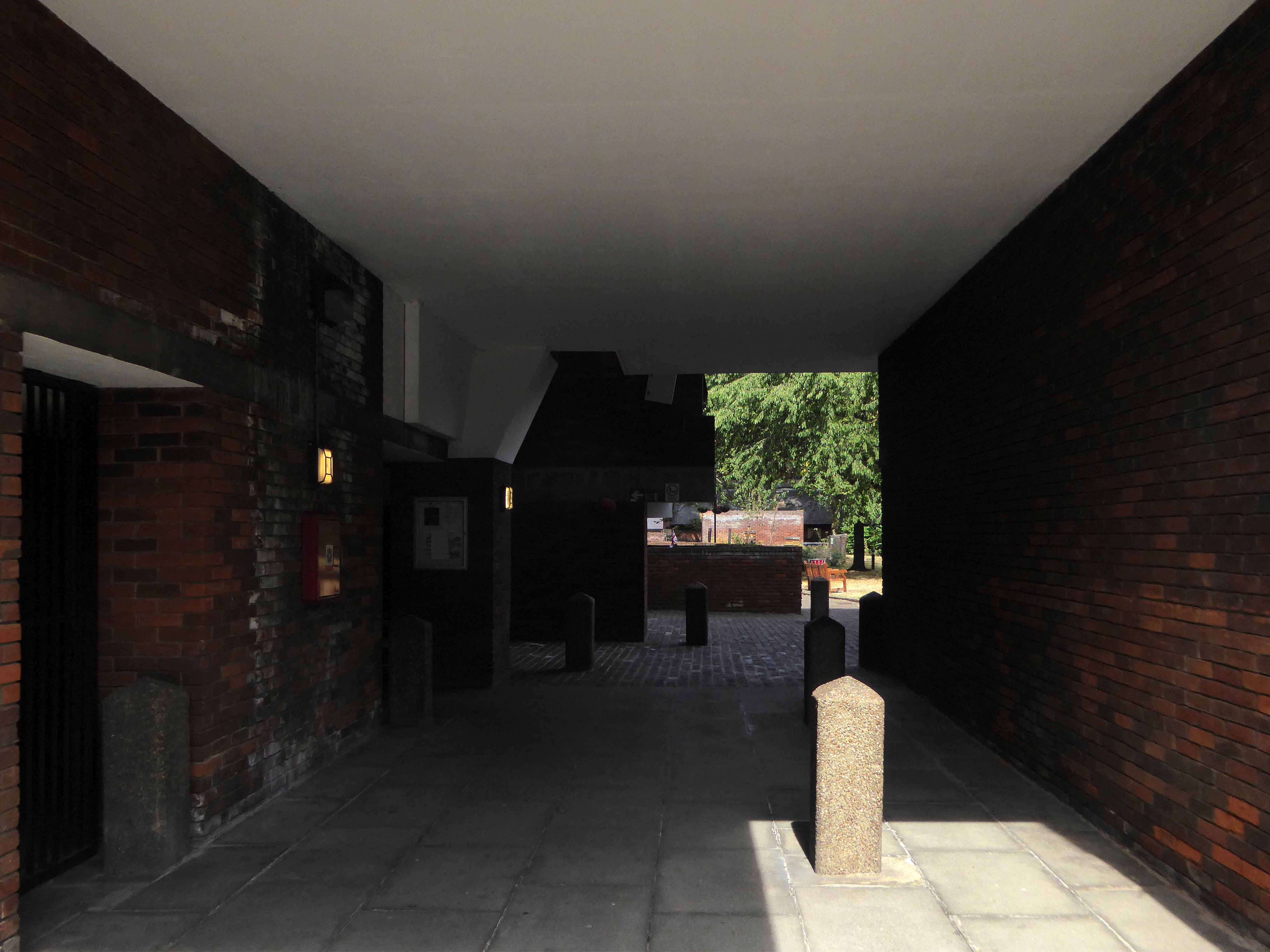
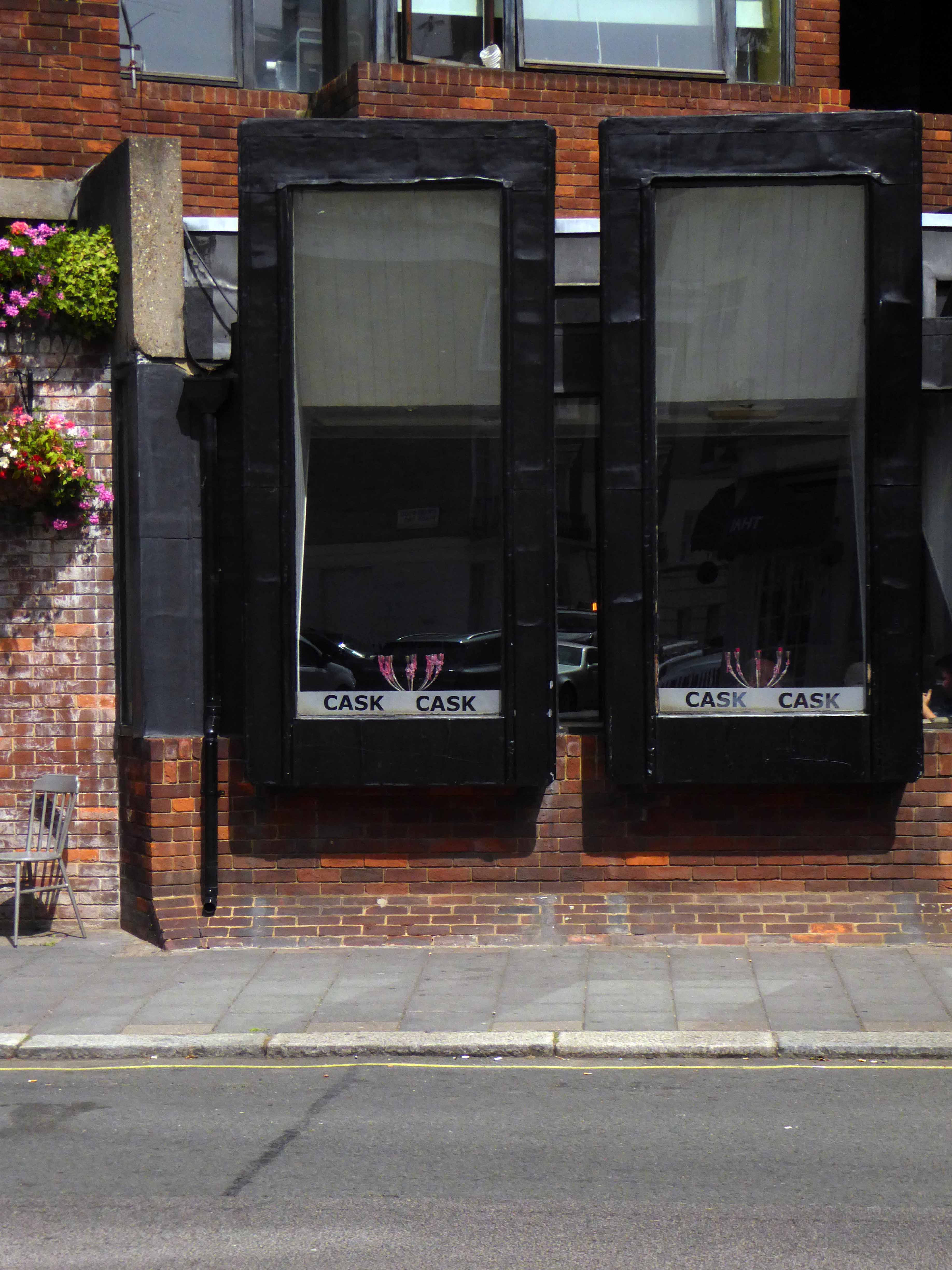
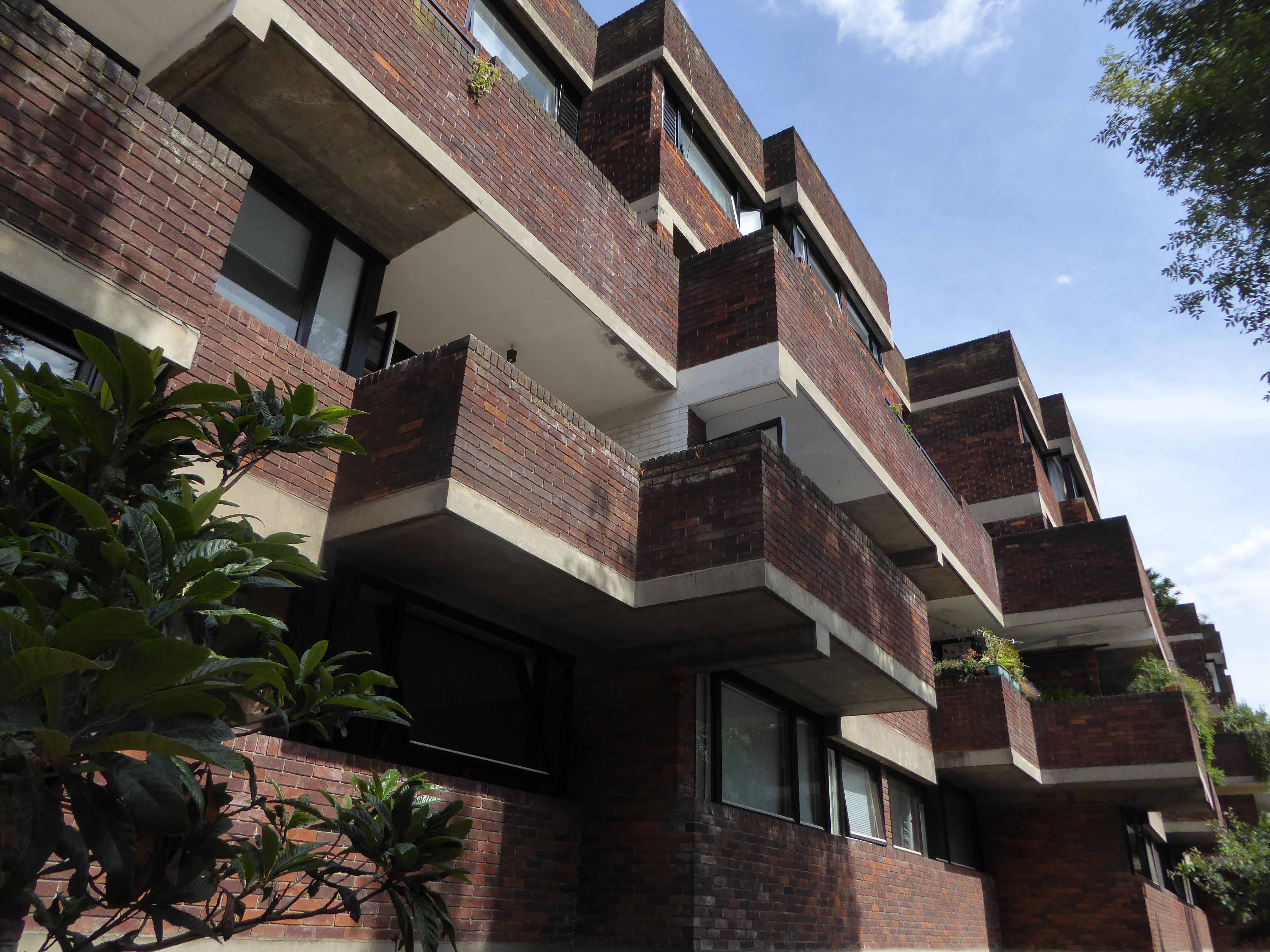
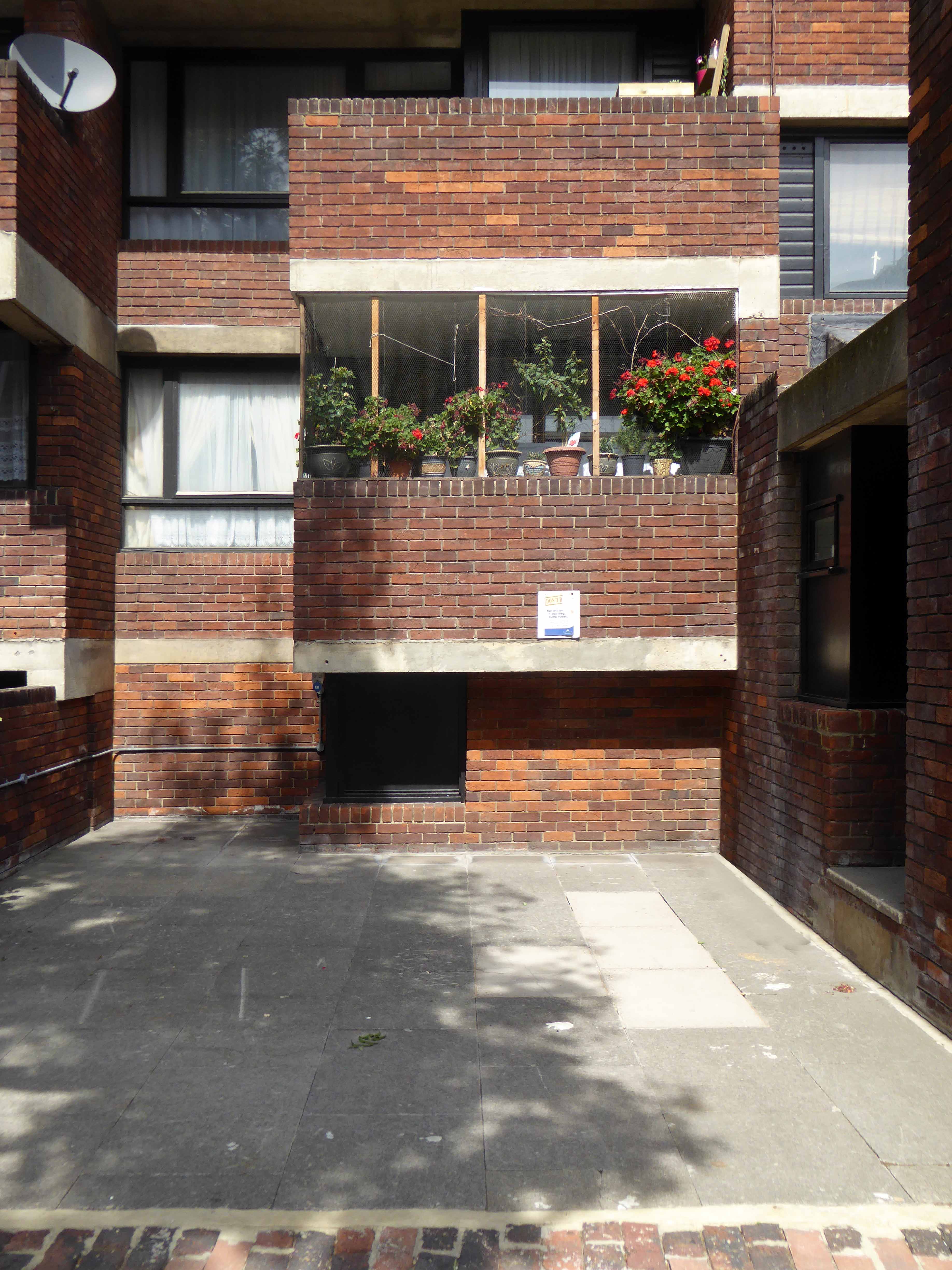
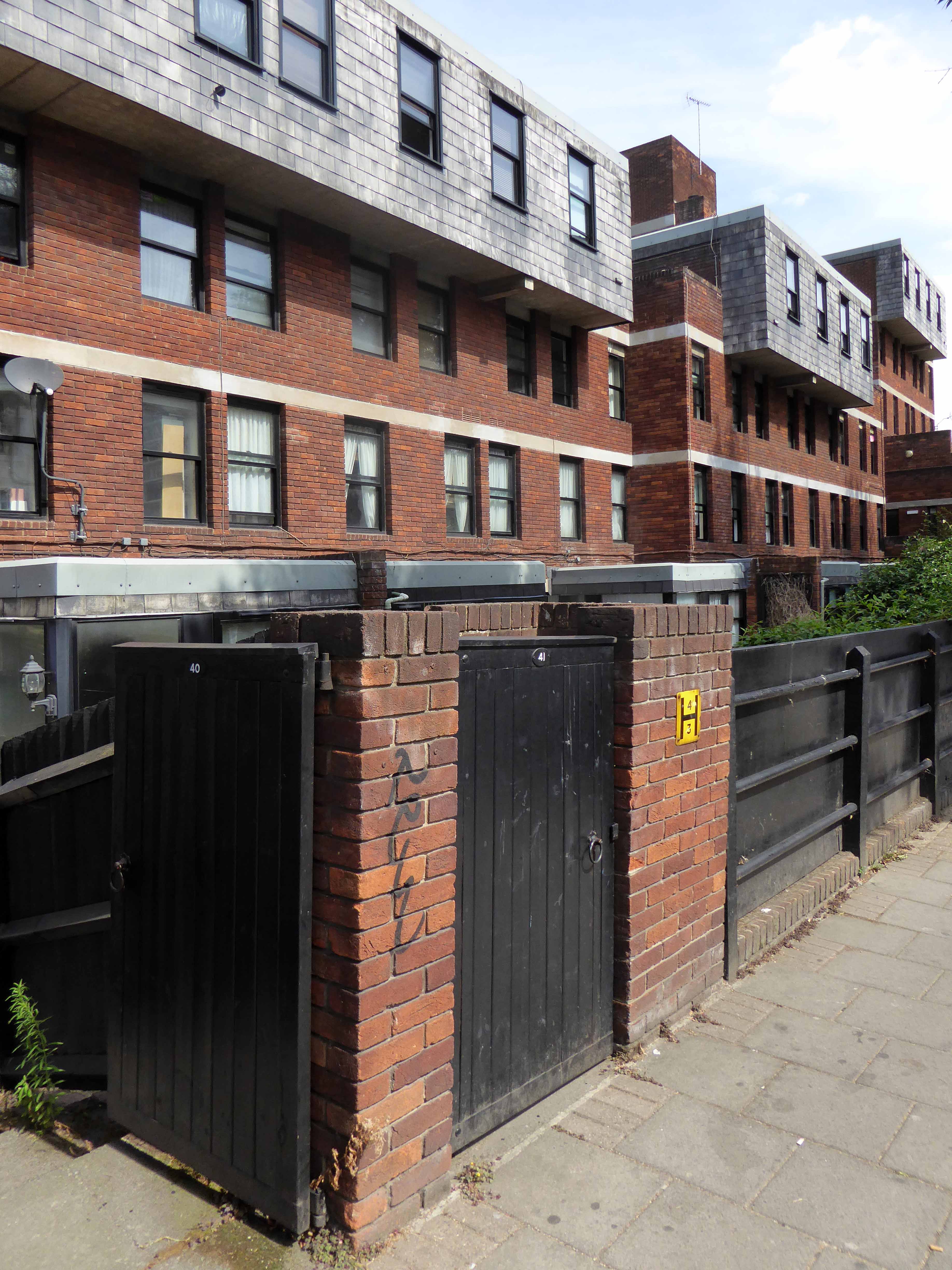
On the day of my visit, London in the grip of a July heatwave, the open areas, narrow alleys, byways, steps, stairs and roof gardens and play area were largely empty, citizens preferring the cooler interior environment of their homes.

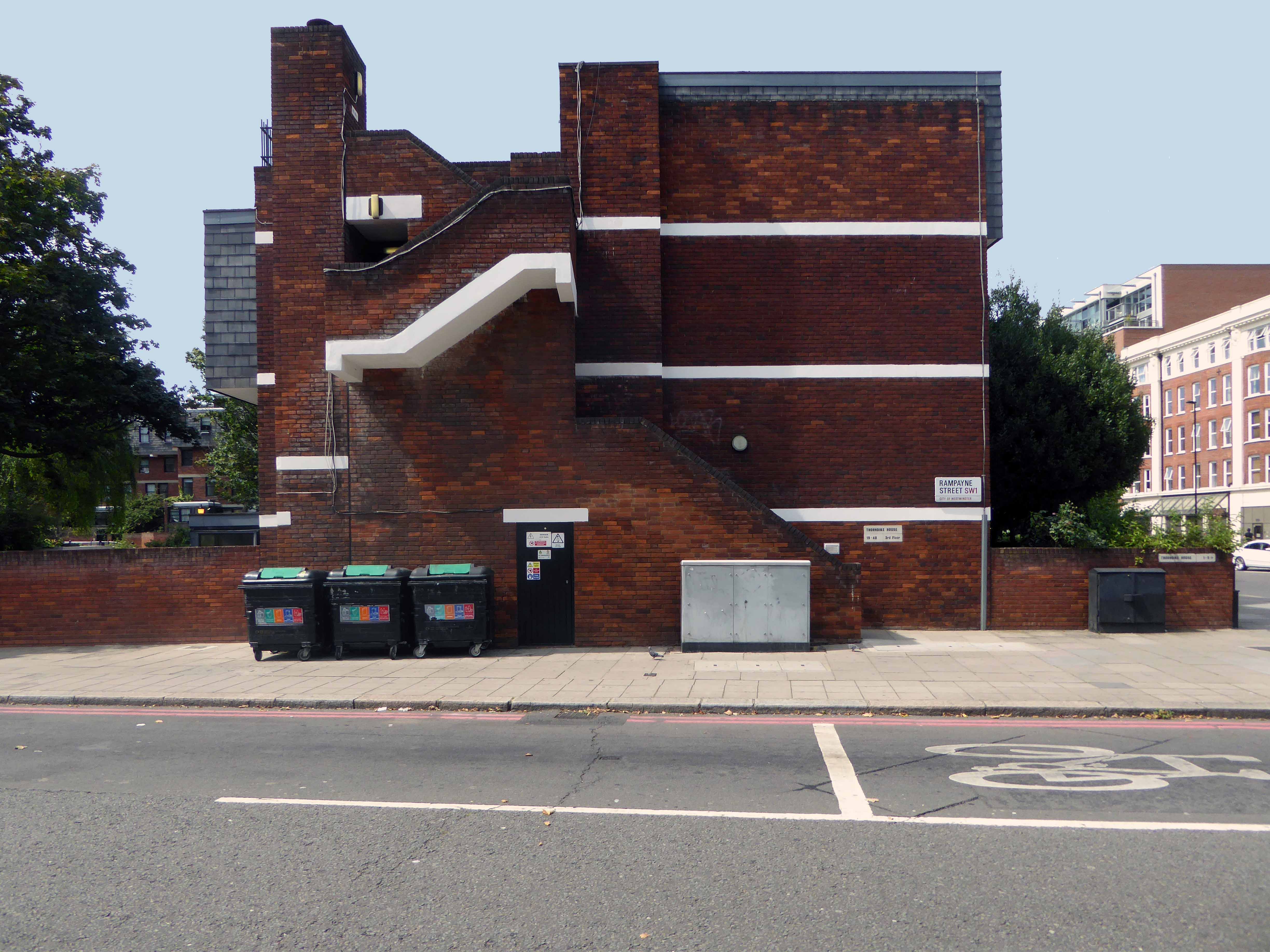
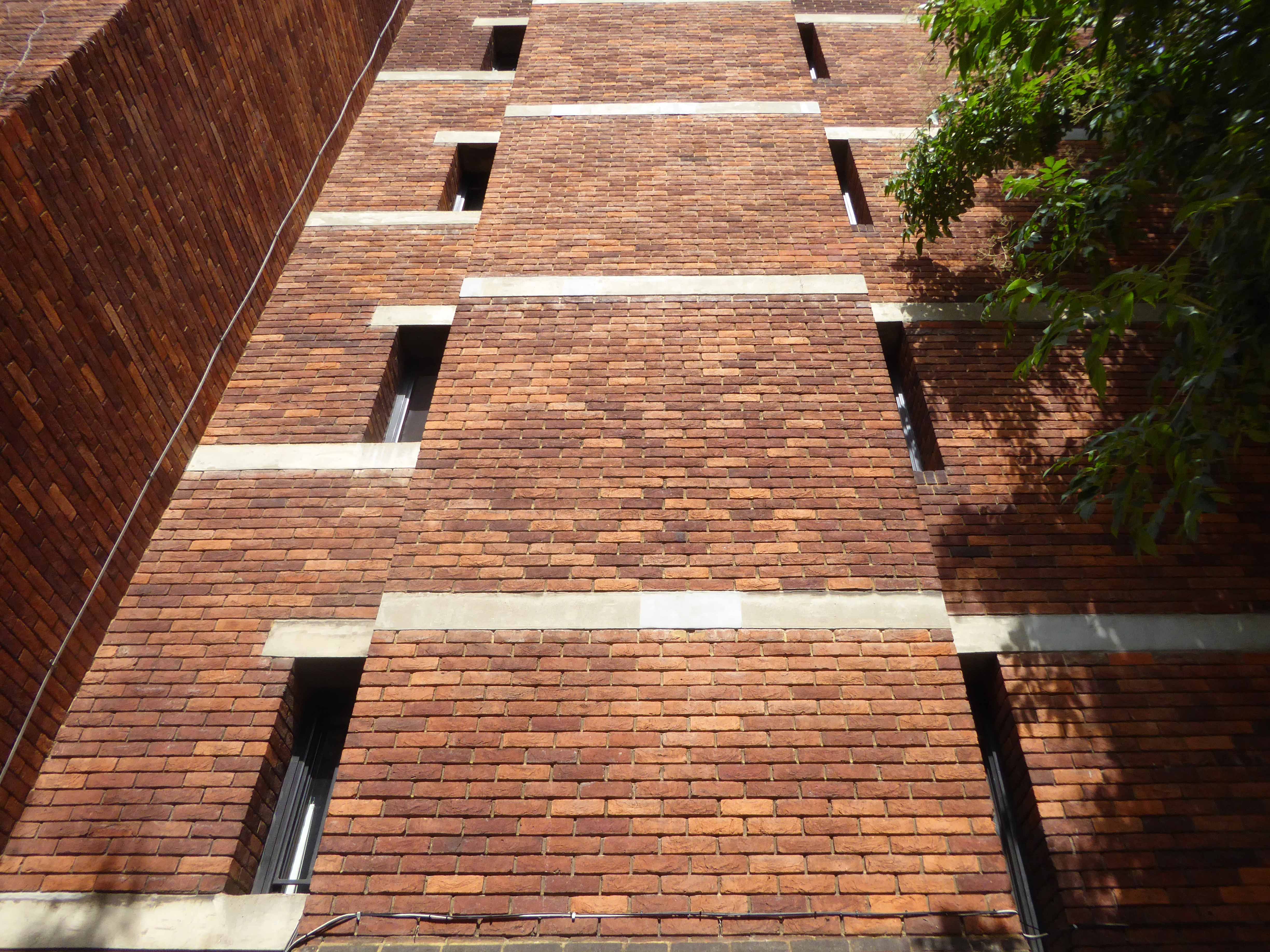
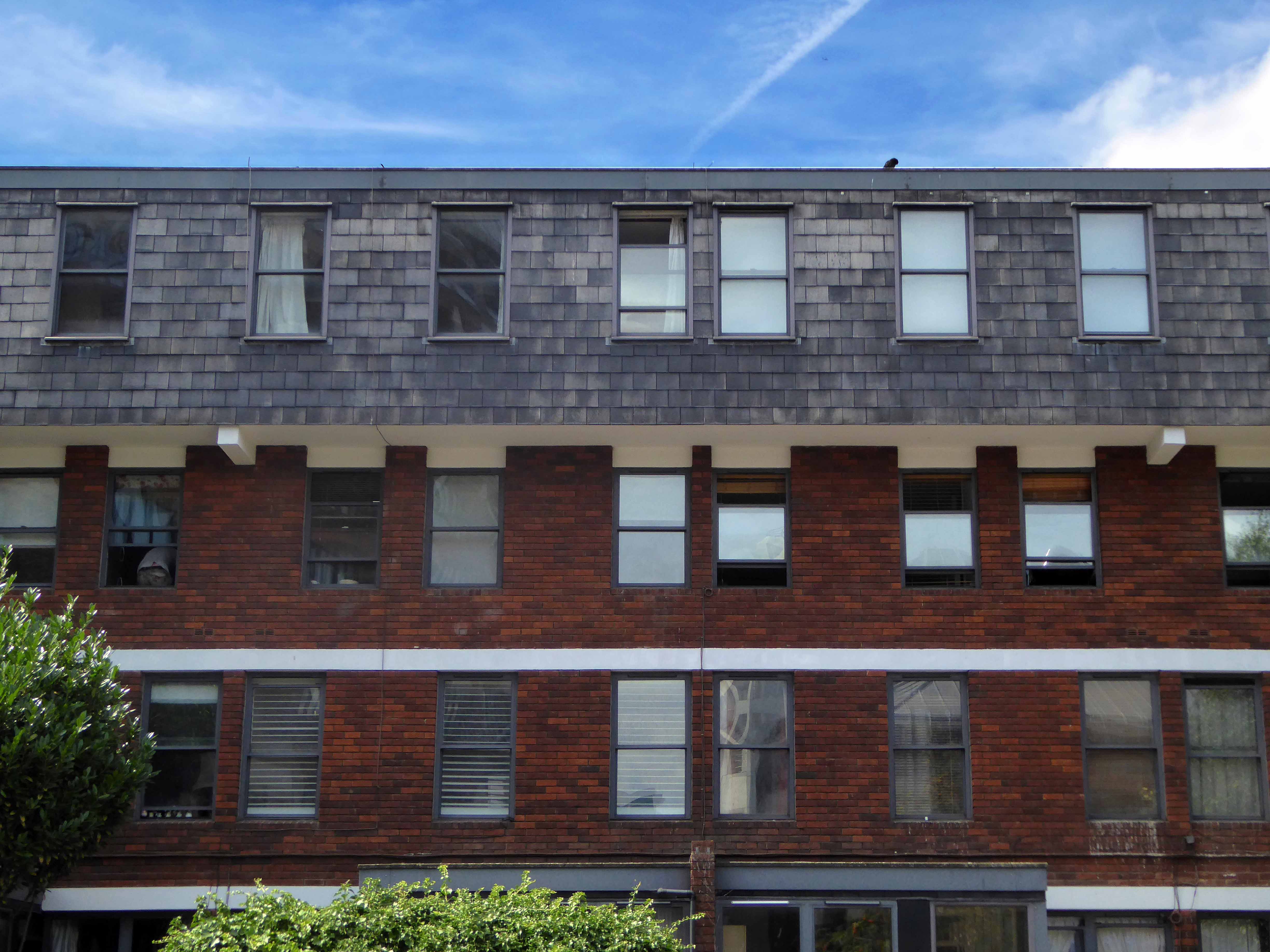
The materials, warm brown brick and sheet-metal cladding, form complex interlocking shapes and volumes, creating a variety of heights and spaces. This makes exploration and navigation of the estate quite an adventure, disorienting at first, until one grasps an overall sense of the development’s structure.

Lillington Gardens provides homes, community, green space and an exciting range of vistas, a prime example of social housing on a human scale. Leafy glades, light and shade, grassy knolls abound.

Municipal Dreams for further reading.

P1270995

P1270997

P1270999

P1280002

P1280004

P1280007

P1280008

P1280009

P1280010

P1280011

P1280012

P1280013

P1280014

P1280016

P1280017

P1280018


P1280021

P1280022

P1280023

P1280024

P1280026

P1280027

P1280028

P1280030P1280031

P1280032

P1280033

P1280034

P1280035

P1280037

P1280038

P1280040

P1280041

P1280042

P1280043

Chantry House – Wakefield

Soft wind blowing the smell of sweet roses to each and every one,
Happy to be on an island in the sun.

An island in Wakefield.

An Island in a sea of dual-carriageways.

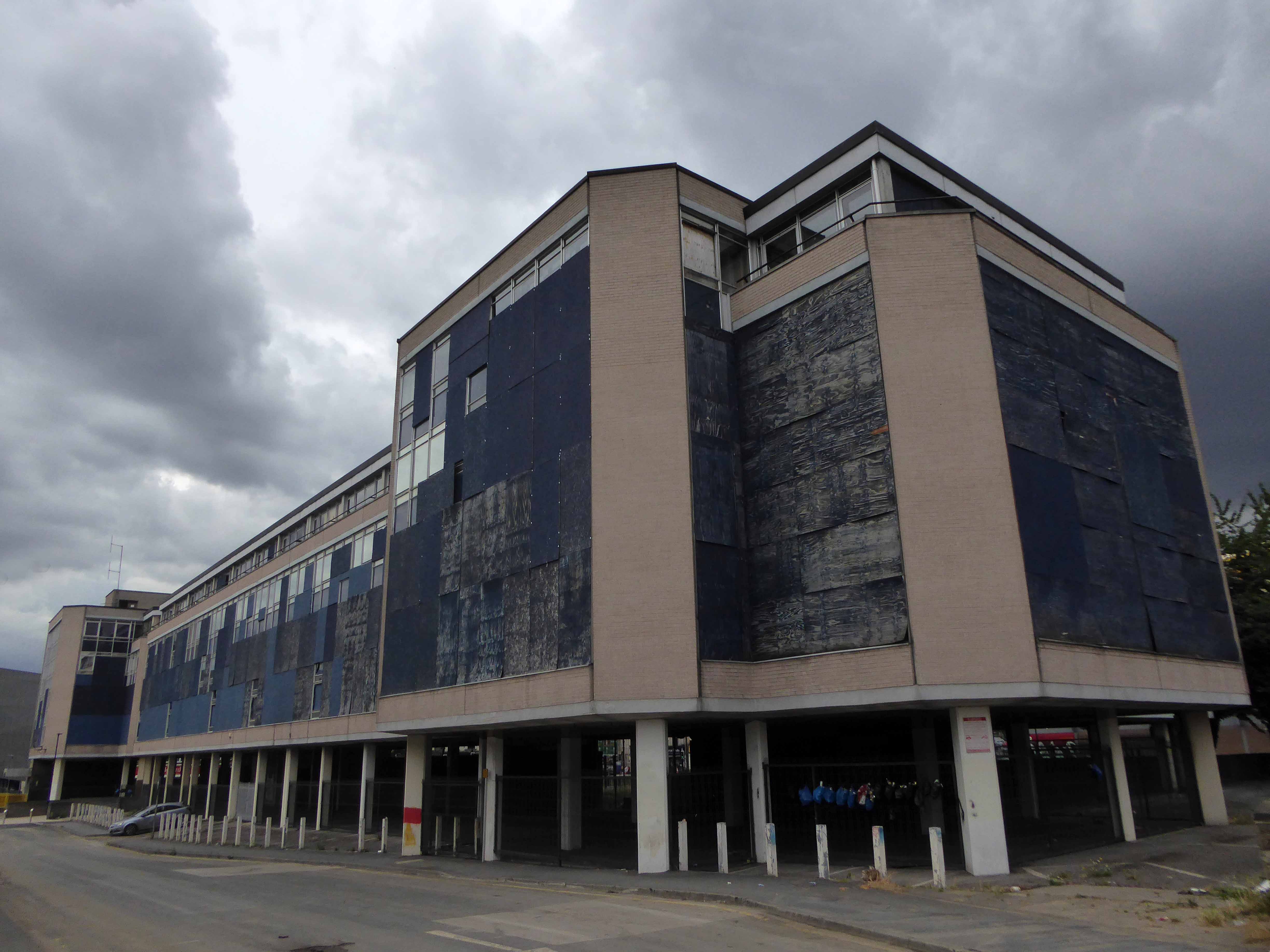
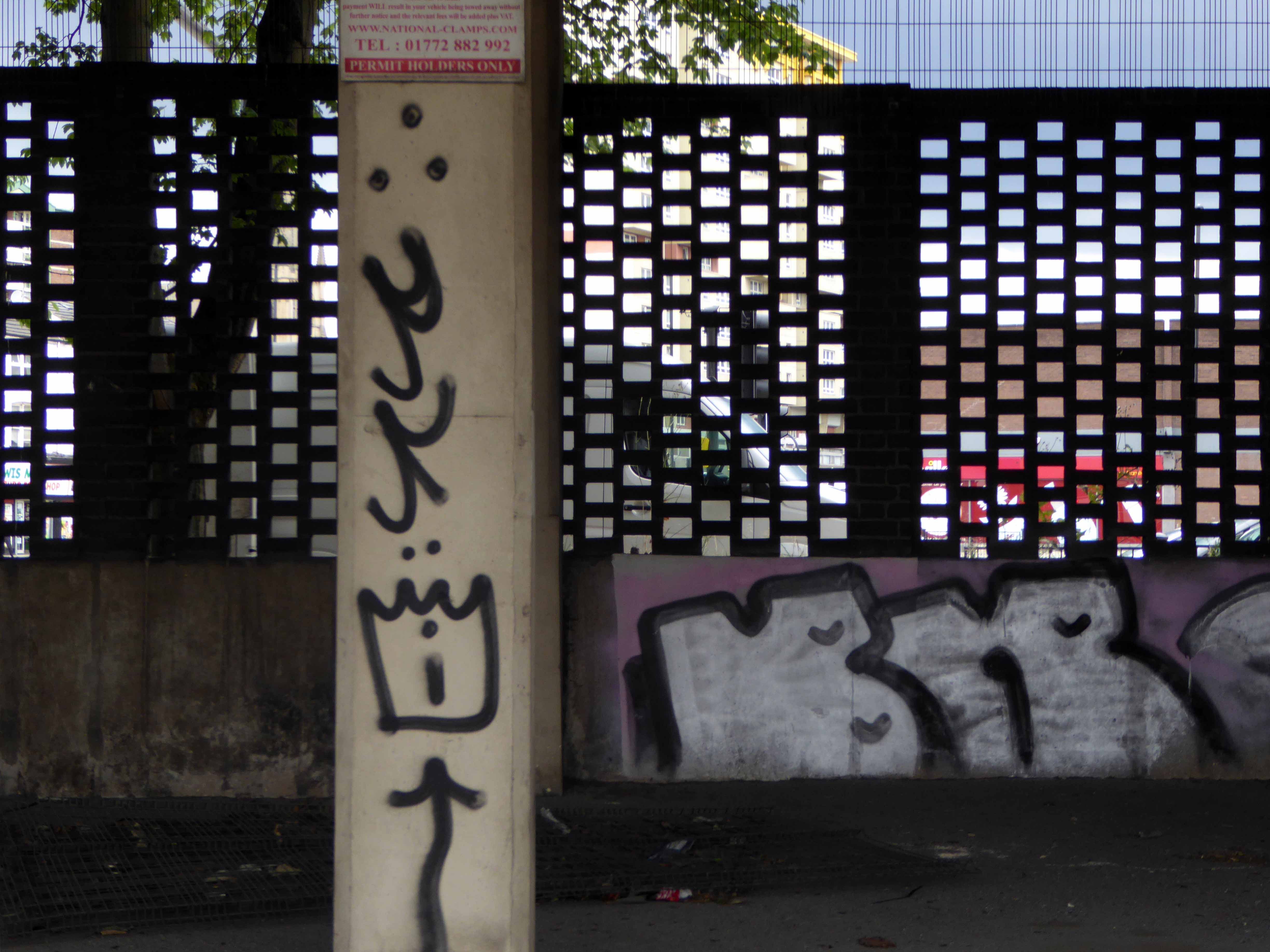
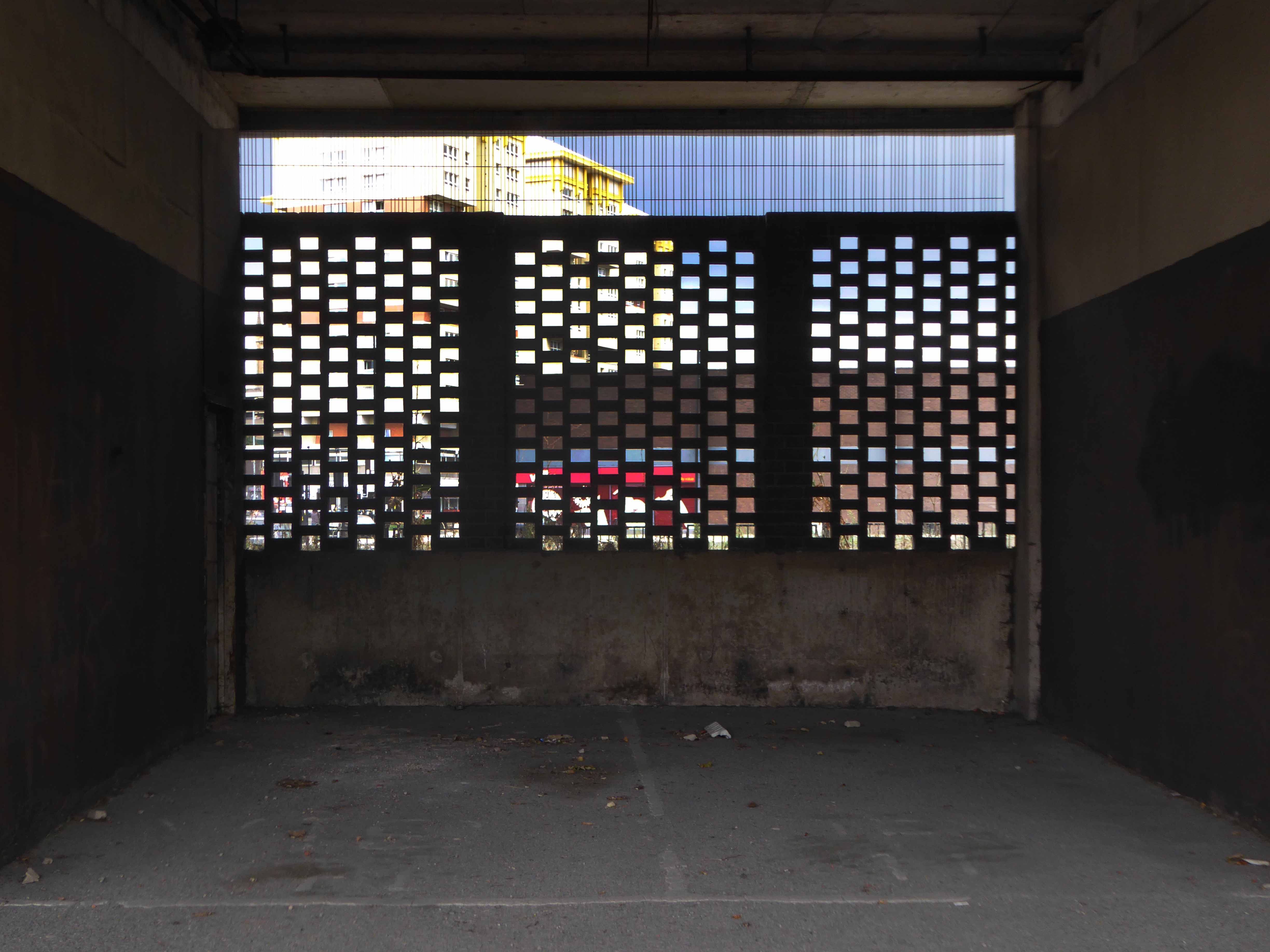
Sixties built municipal modernism, hovering on slim stilts above the ground level carpark, complete with pierced brick screen.

The future was bright the future was red – for a short while.

Over the horizon came Sir Ian Kinloch MacGregor KBE.

Lady Thatcher said:

He brought a breath of fresh air to British industry.

03bf8c_b009bc98d4c8425e8e66e53d30ac4be8

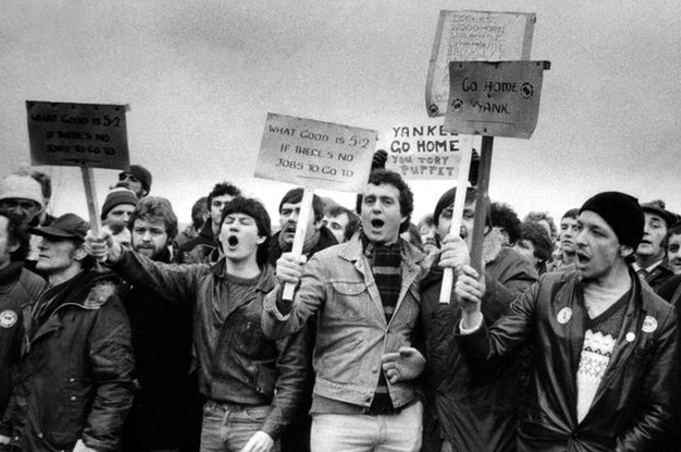
The fifth horseman of the industrial apocalypse – bringing pit-closure, redundancy the deindustrialisation of a whole area.

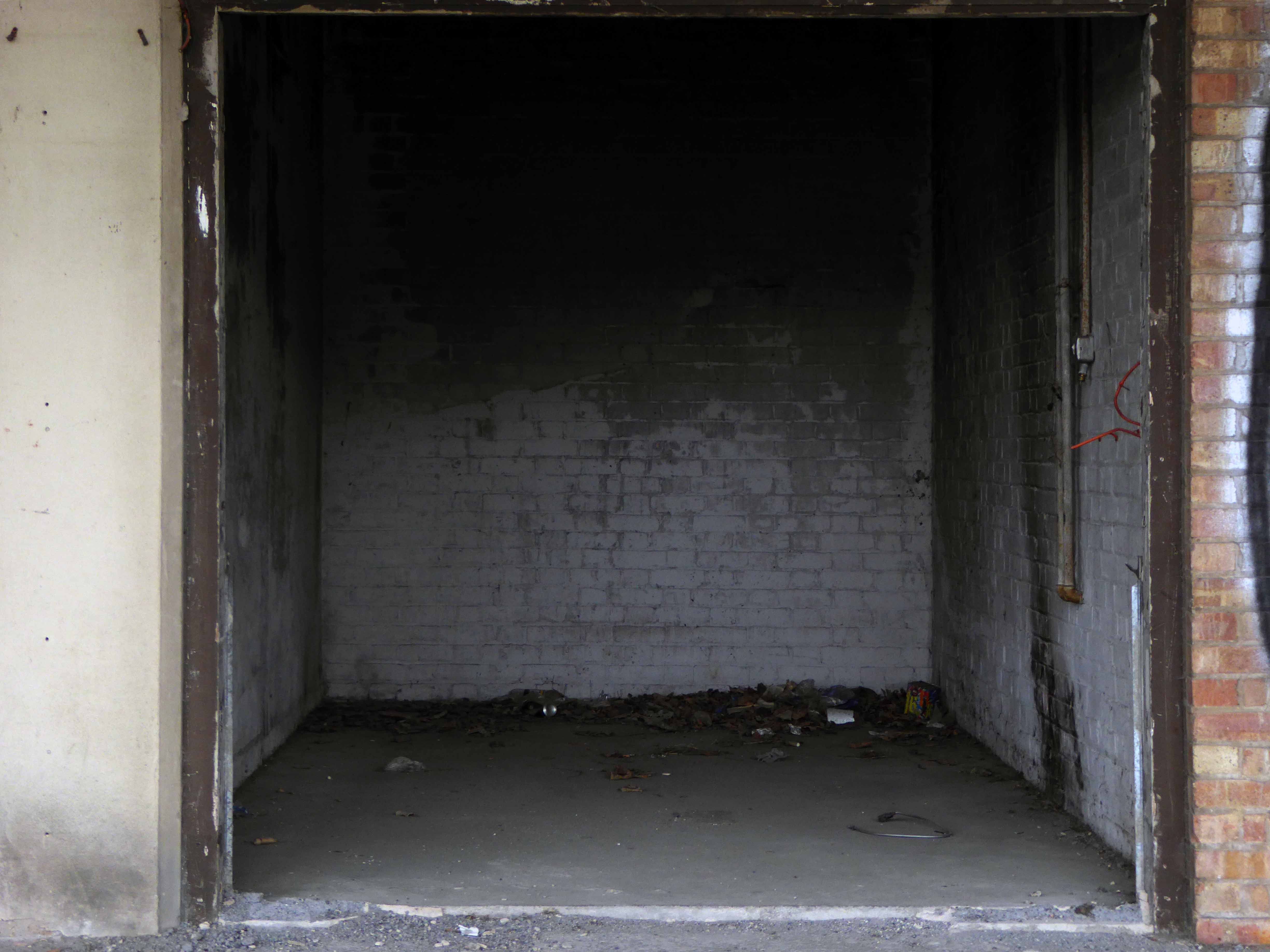
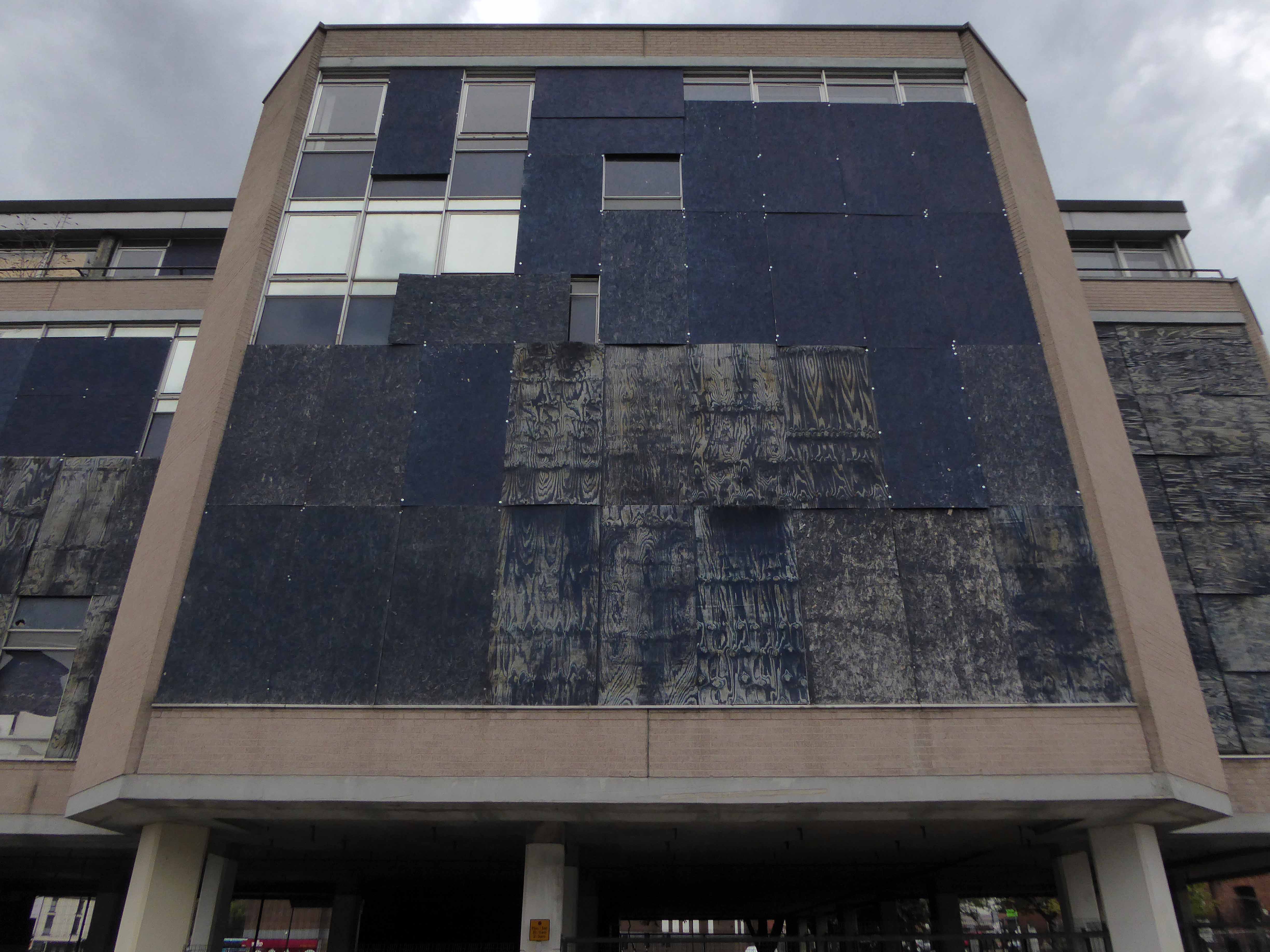
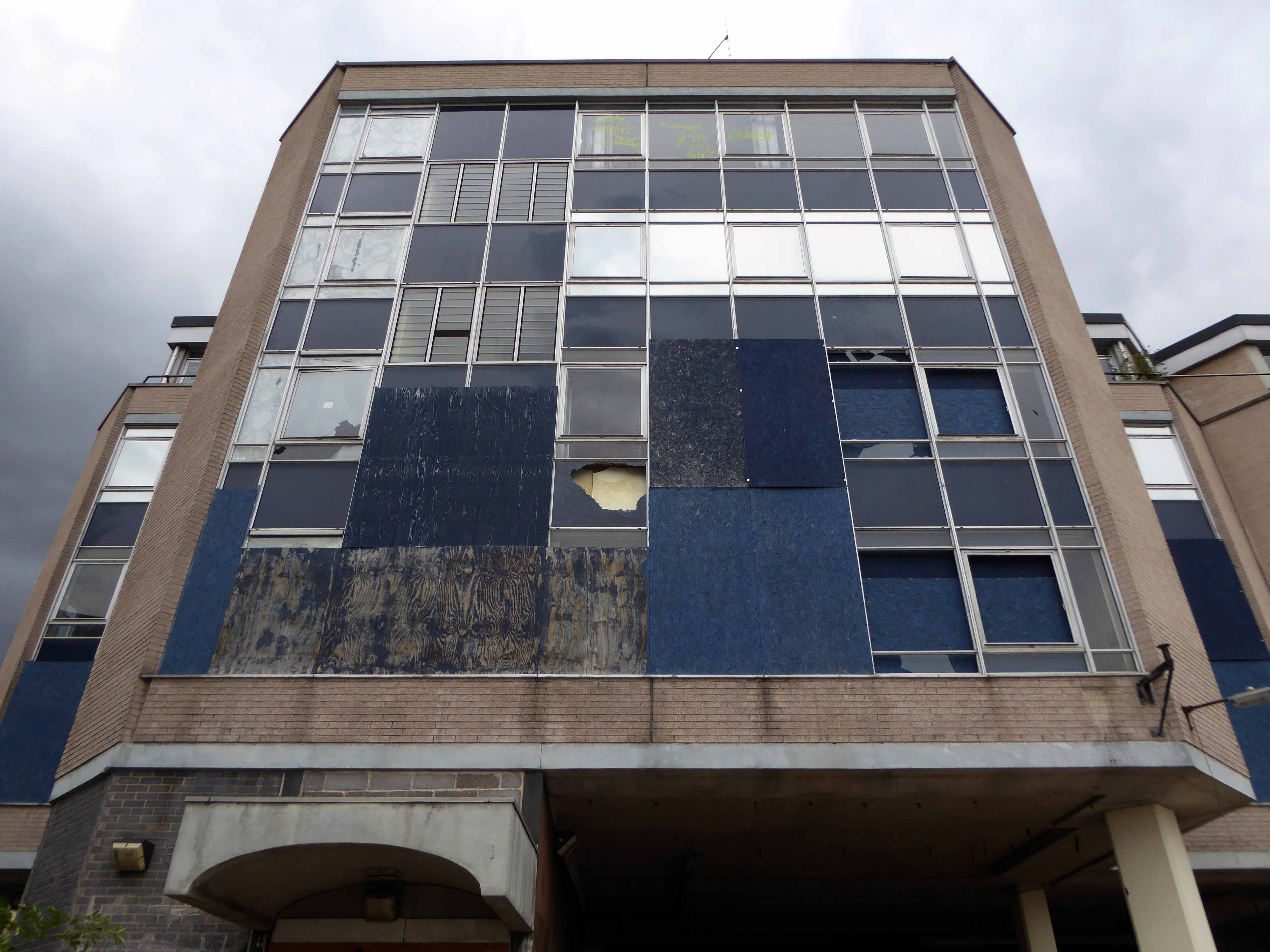
Offices and citizens are tinned-up, brassed-off and abandoned.

This is now the architecture of civic optimism eagerly awaiting repurposing.

There is talk of conversion to housing, talk is cheap.

A planning application has been drawn up requesting permission to change the use of Chantry House from offices to one and two bedroom residential units. The application has been submitted by The Freshwater Group, the development arm of Watermark Retirement Communities.

Wakefield Express

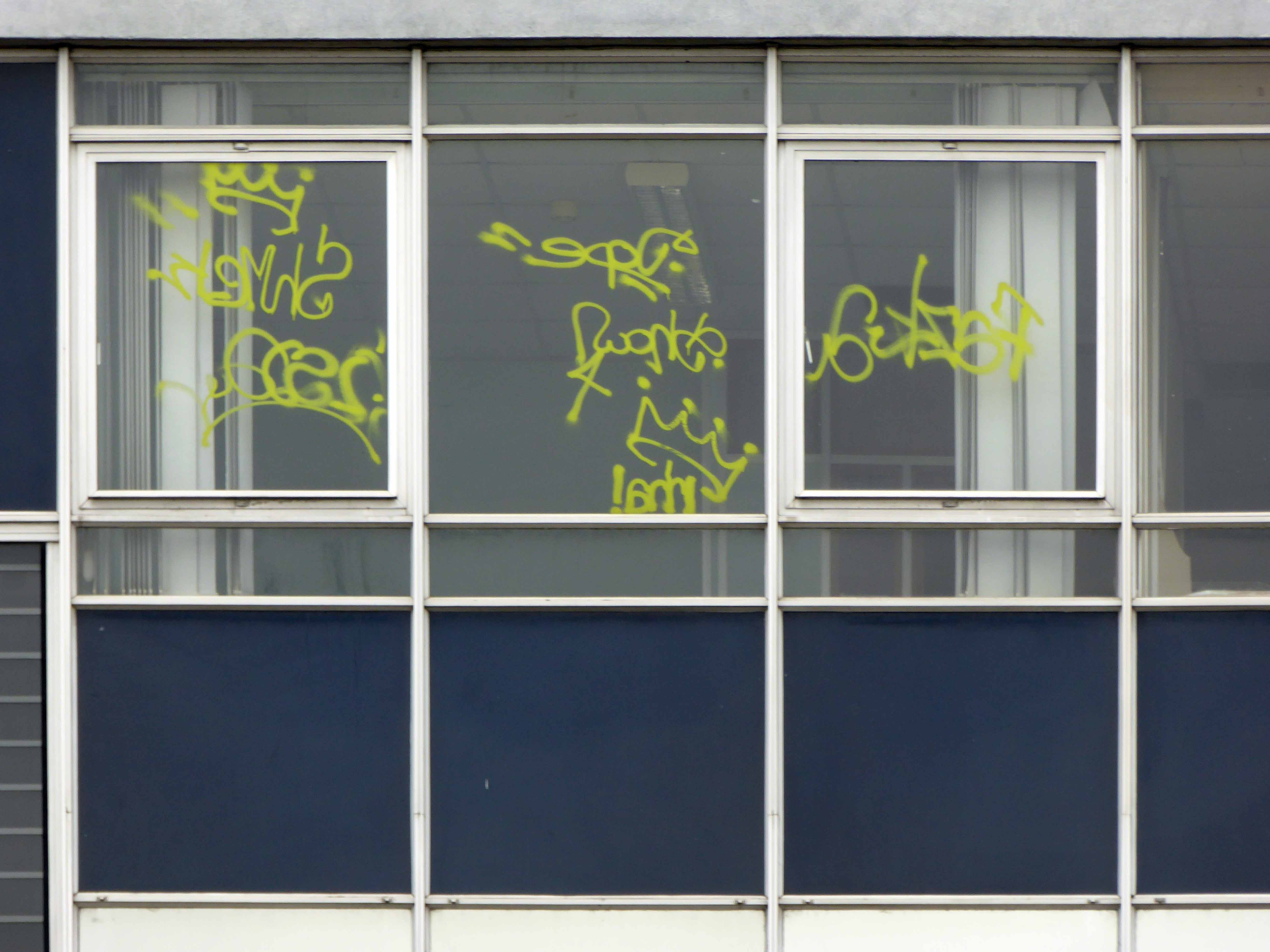
Currently home to the determined, hardened daytime drinker, street-artist and curious passerby.

P1280260

P1280240

P1280241


P1280244

P1280245

P1280246

P1280247

P1280252


P1280256

P1280257

P1280264

P1280265

P1280266

P1280267


P1280270

P1280271

P1280274

P1280277

William Temple Church – Wythenshawe

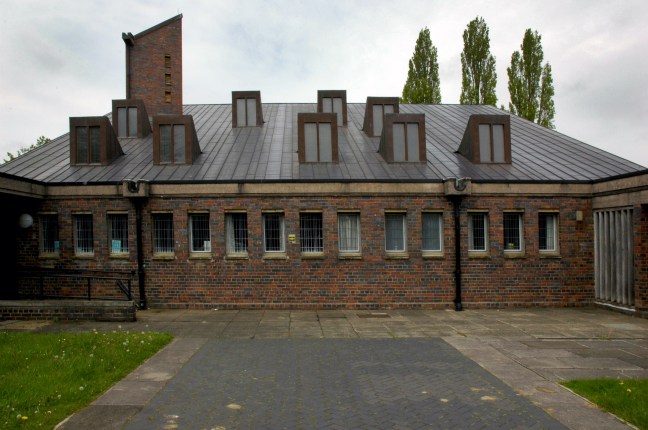
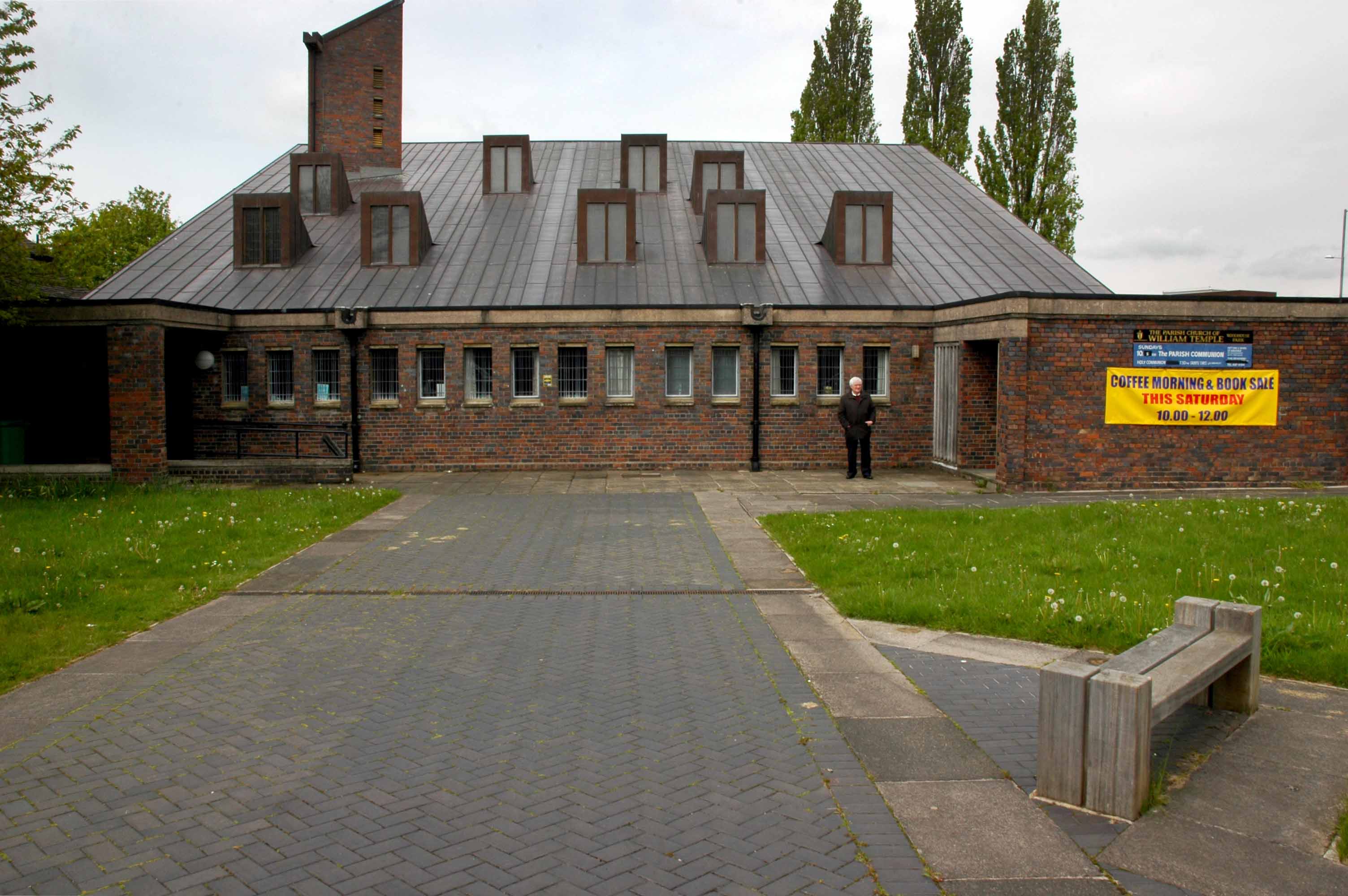
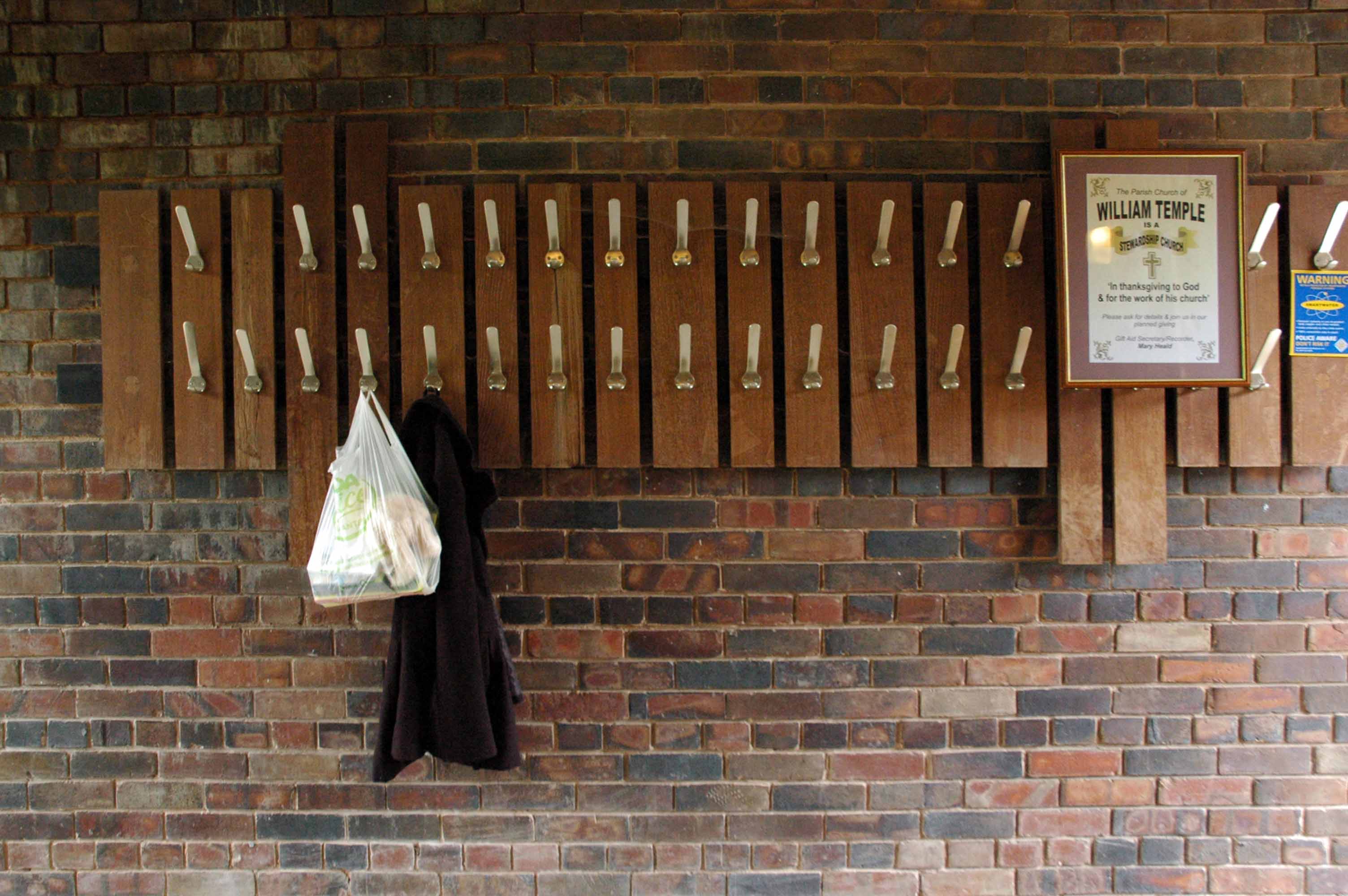
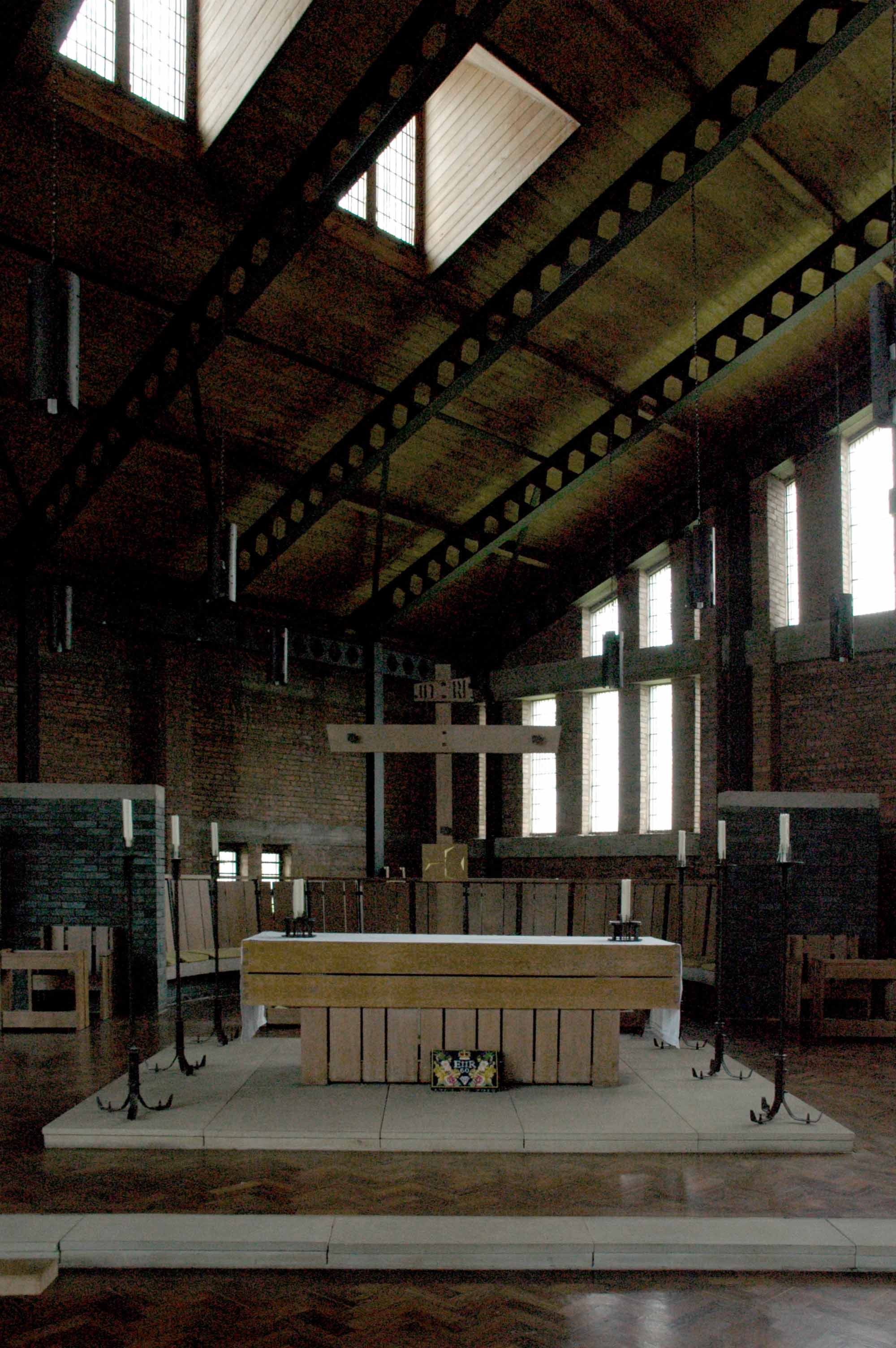
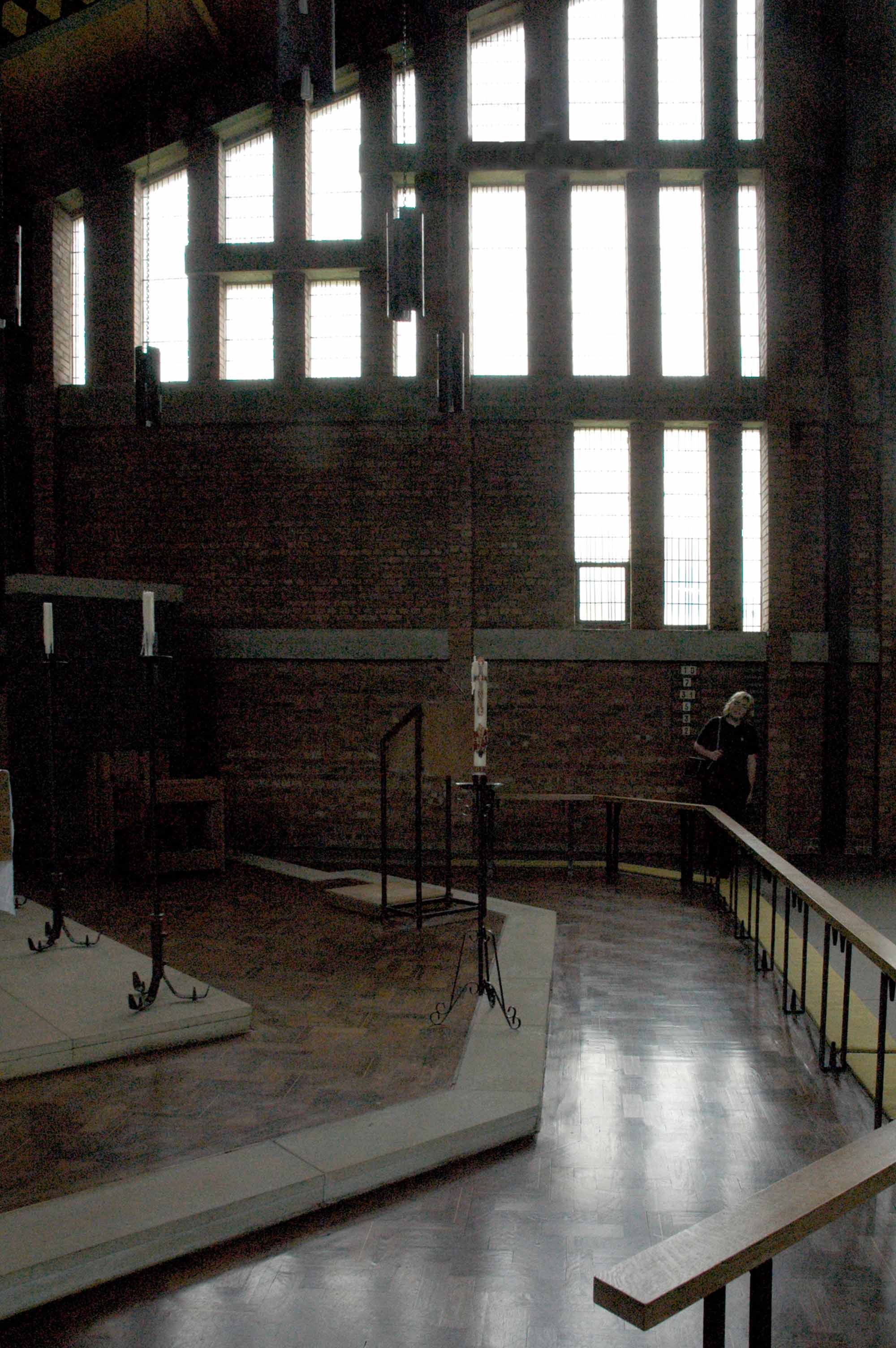
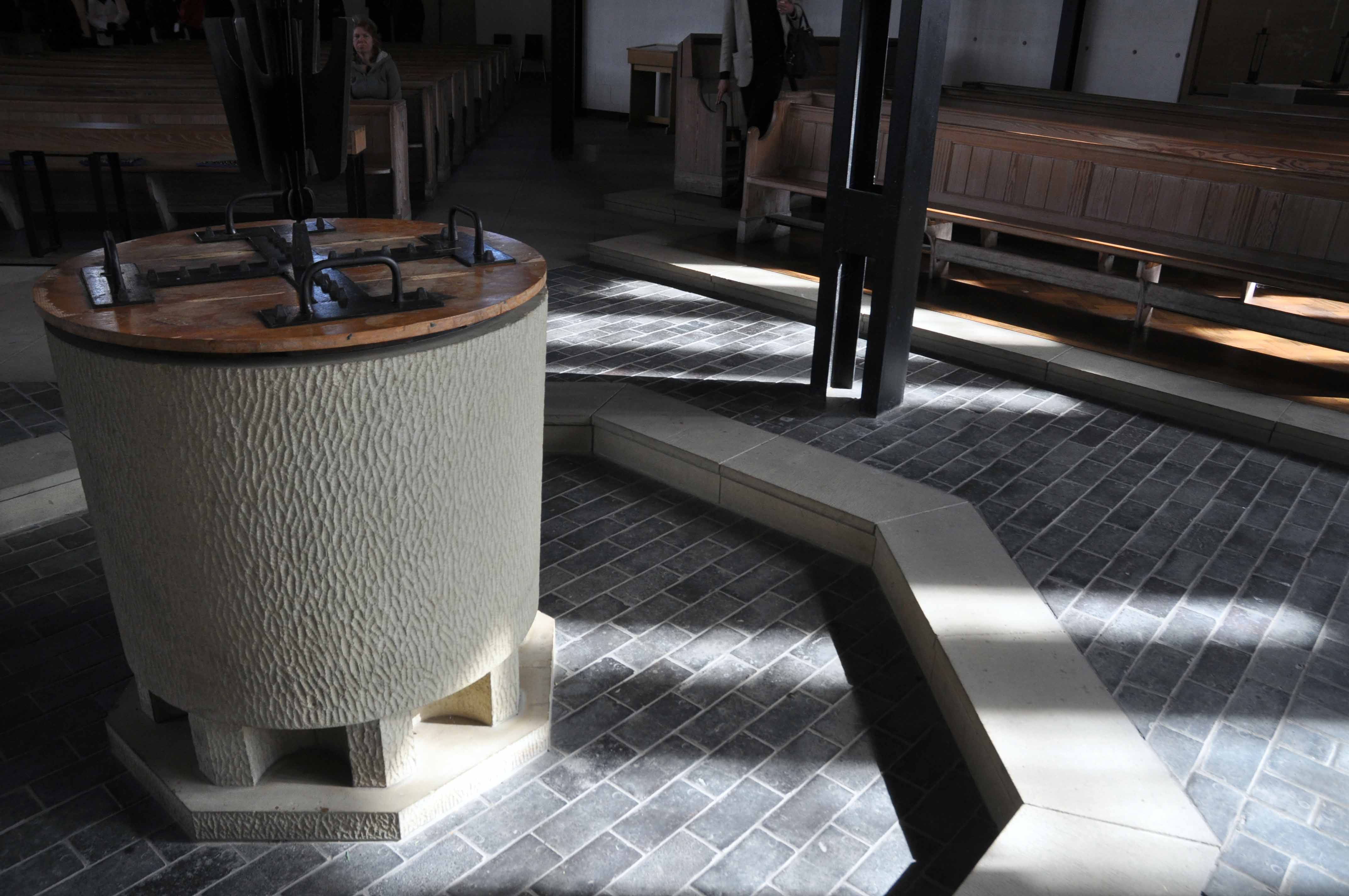
The Anglican Church of William Temple was opened in 1965 on the corner of Robinswood Road and Simonsway as the church of the Civic Centre. The mission was already well-established, having begun many years previously in Shadow Moss School Room, latterly operating in a dual-purpose building on Simonsway. The architect, George Pace, agreed with the proviso that he should not design a ‘pseudo’ building, but that it should be modern in concept. This he did and particular attention was paid to the acoustics with a view to music and drama being performed there. One of Pace’s stipulations was that, as with all the churches he designed, there must be no plaques attached to the walls commemorating the dedication of the church or in memory of anyone, for he said he built his churches to the Glory of God. The only lettered stone is on the back wall of the church and it has on it the date of the consecration and a symbol, which is Pace’s original sign for William Temple Church.

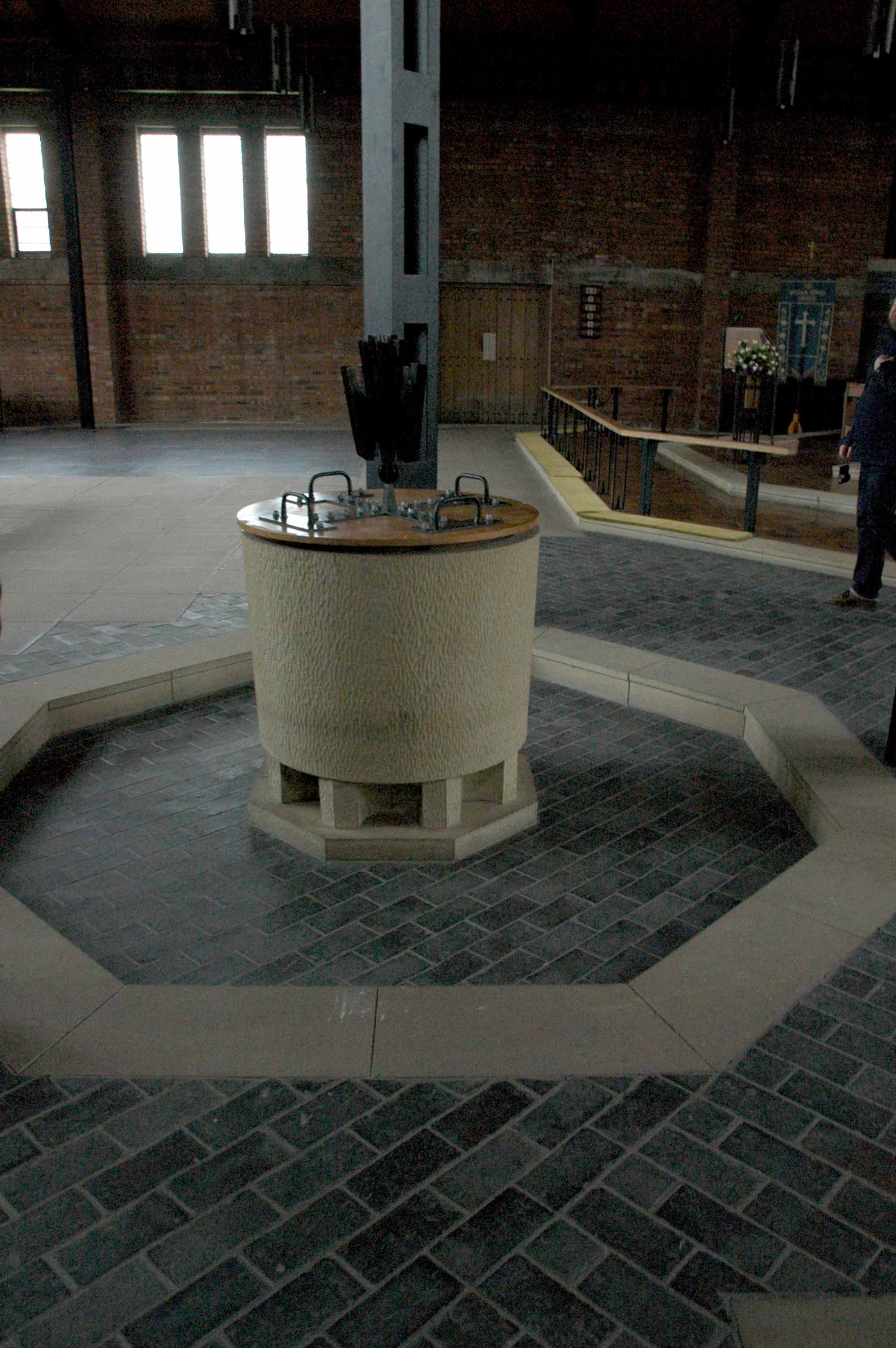
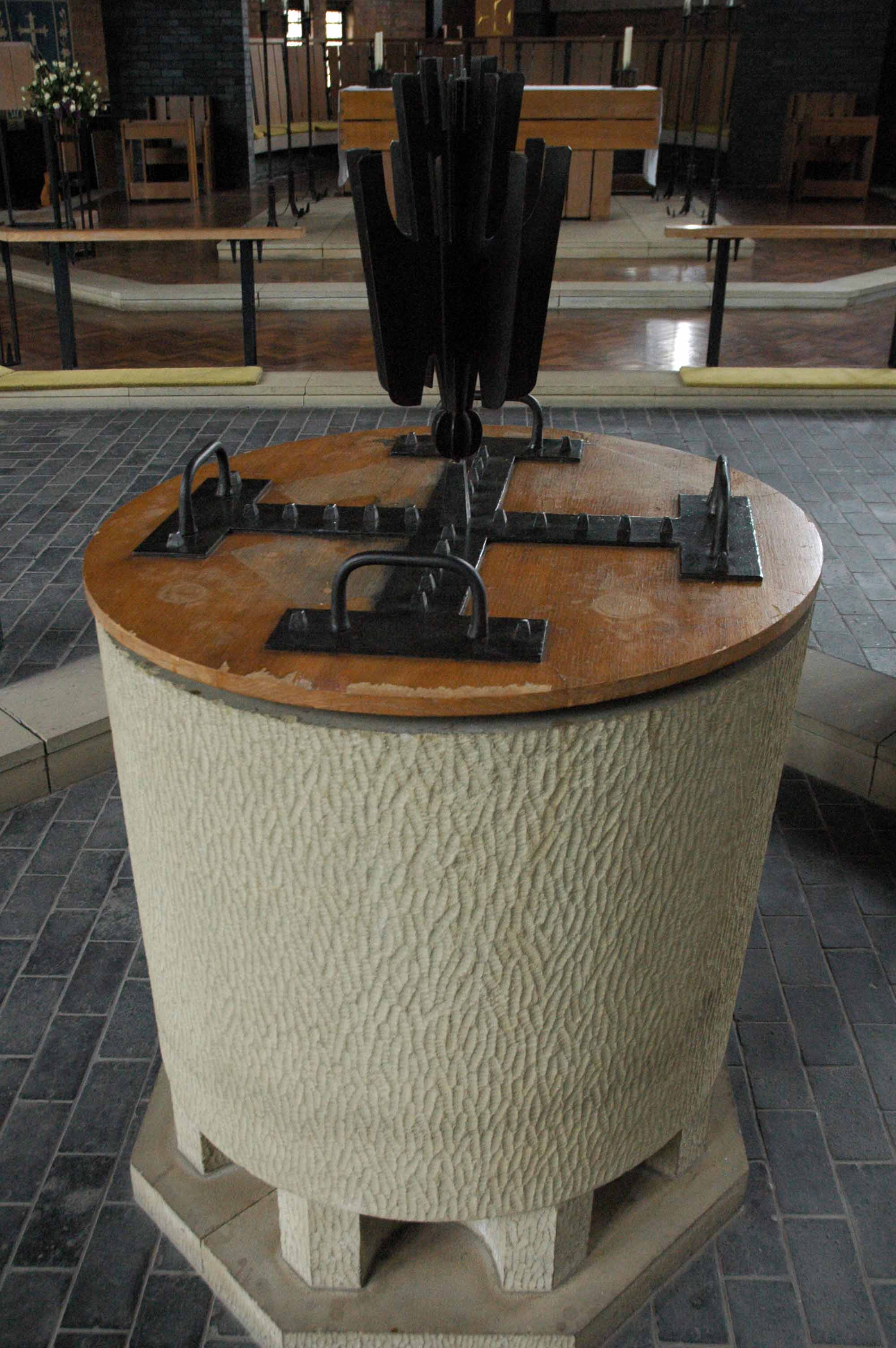
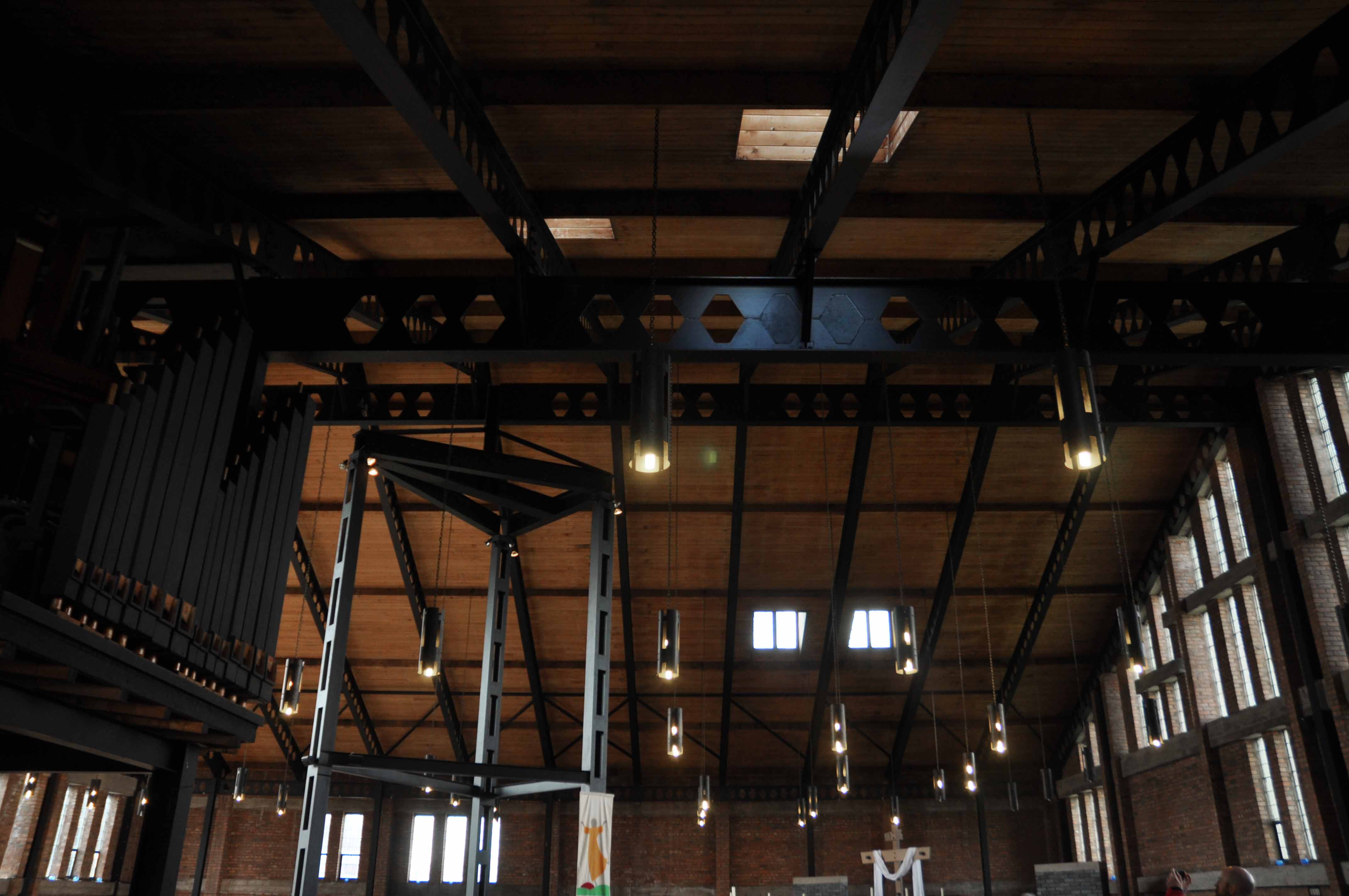
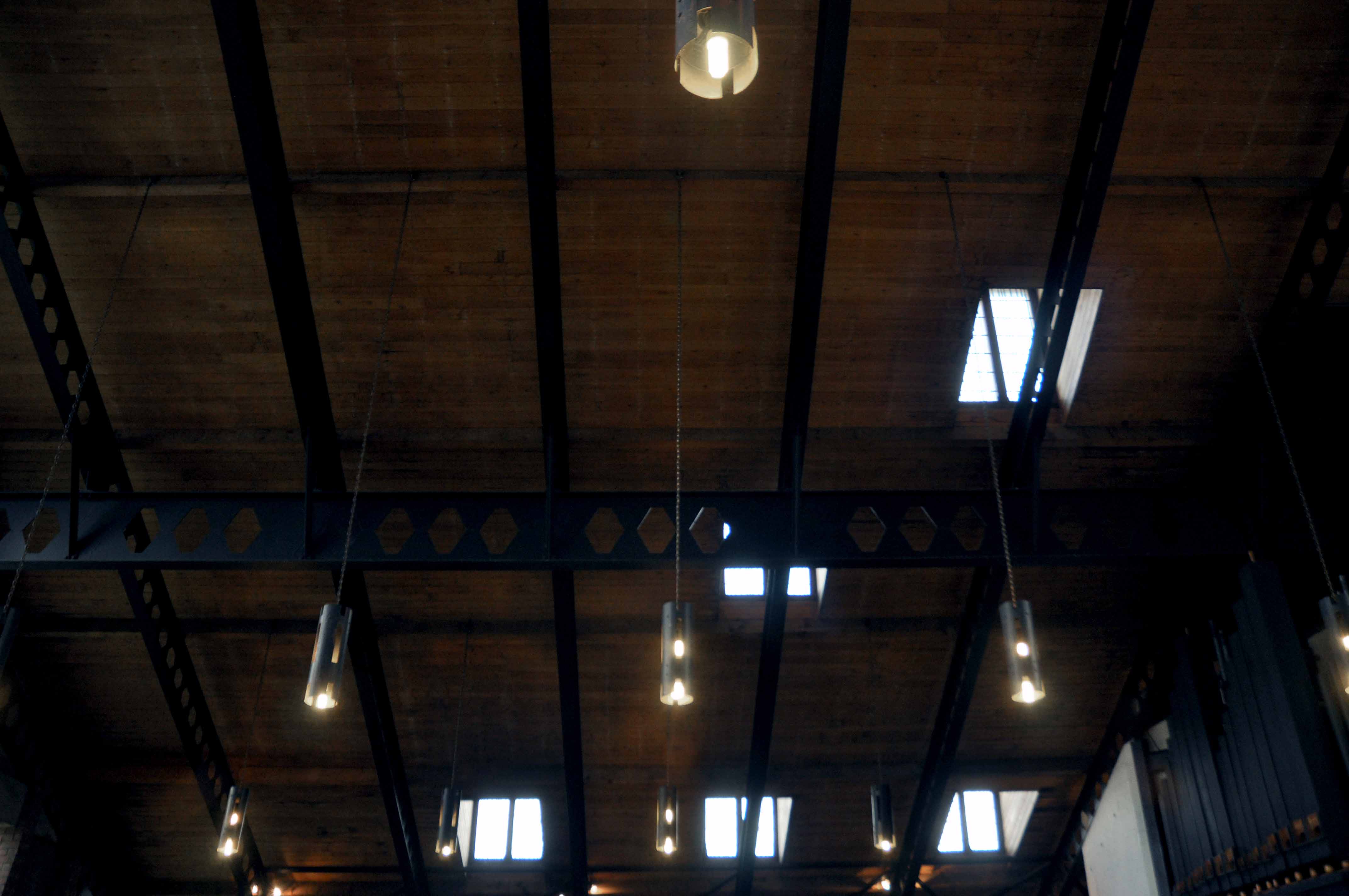
The internal supports of the church are black-painted steel girders, not romantically symbolising the industry of the area, as it is sometimes said, but because when it was discovered that the church had been built on swampy ground an extra £2,000 was needed for foundations; the wooden beams of the original design had to be changed for cheaper steel ones. There is symbolism, however, in the placing of the font between and beneath the three main weight-bearing supports of the church.

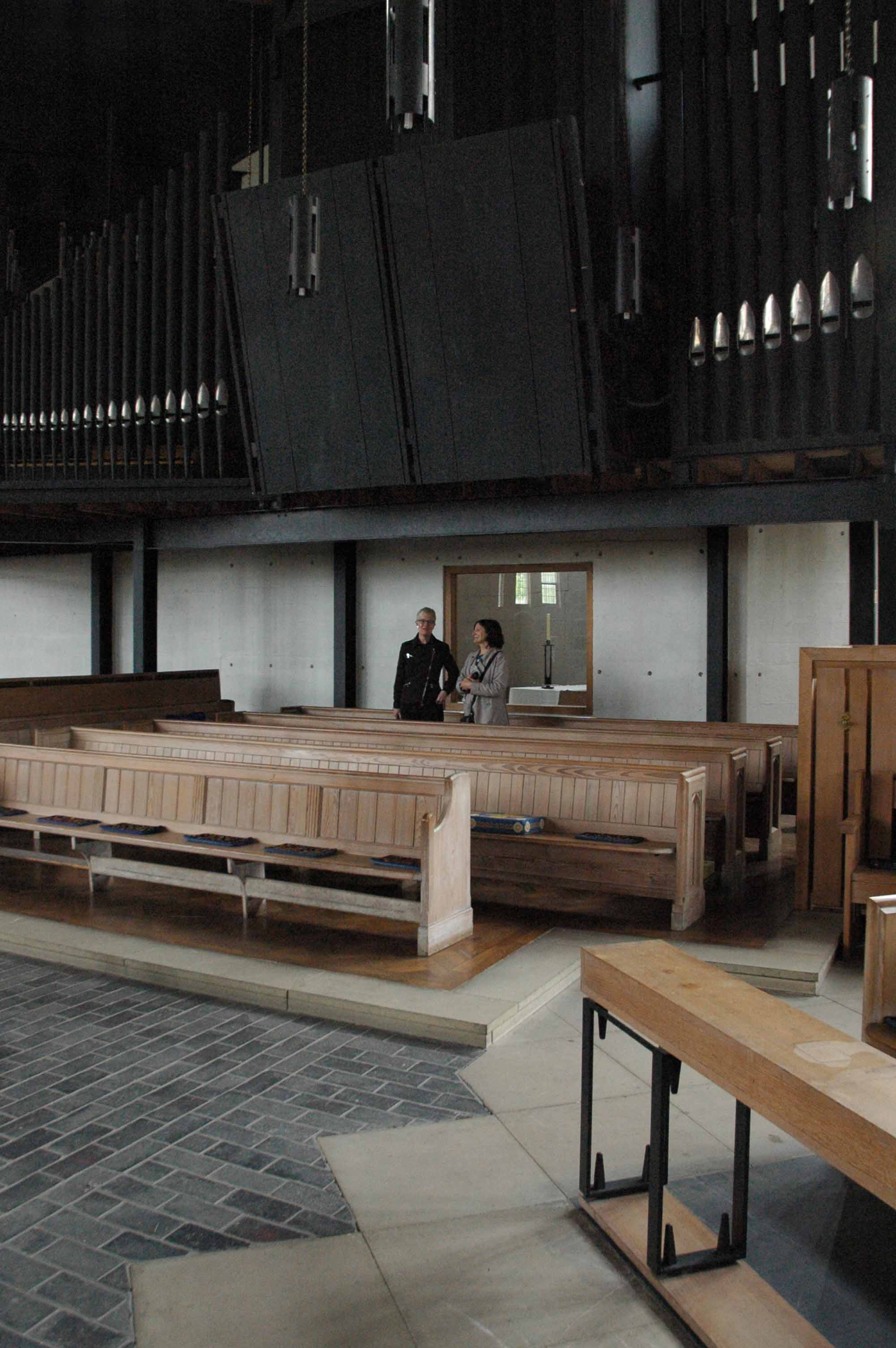
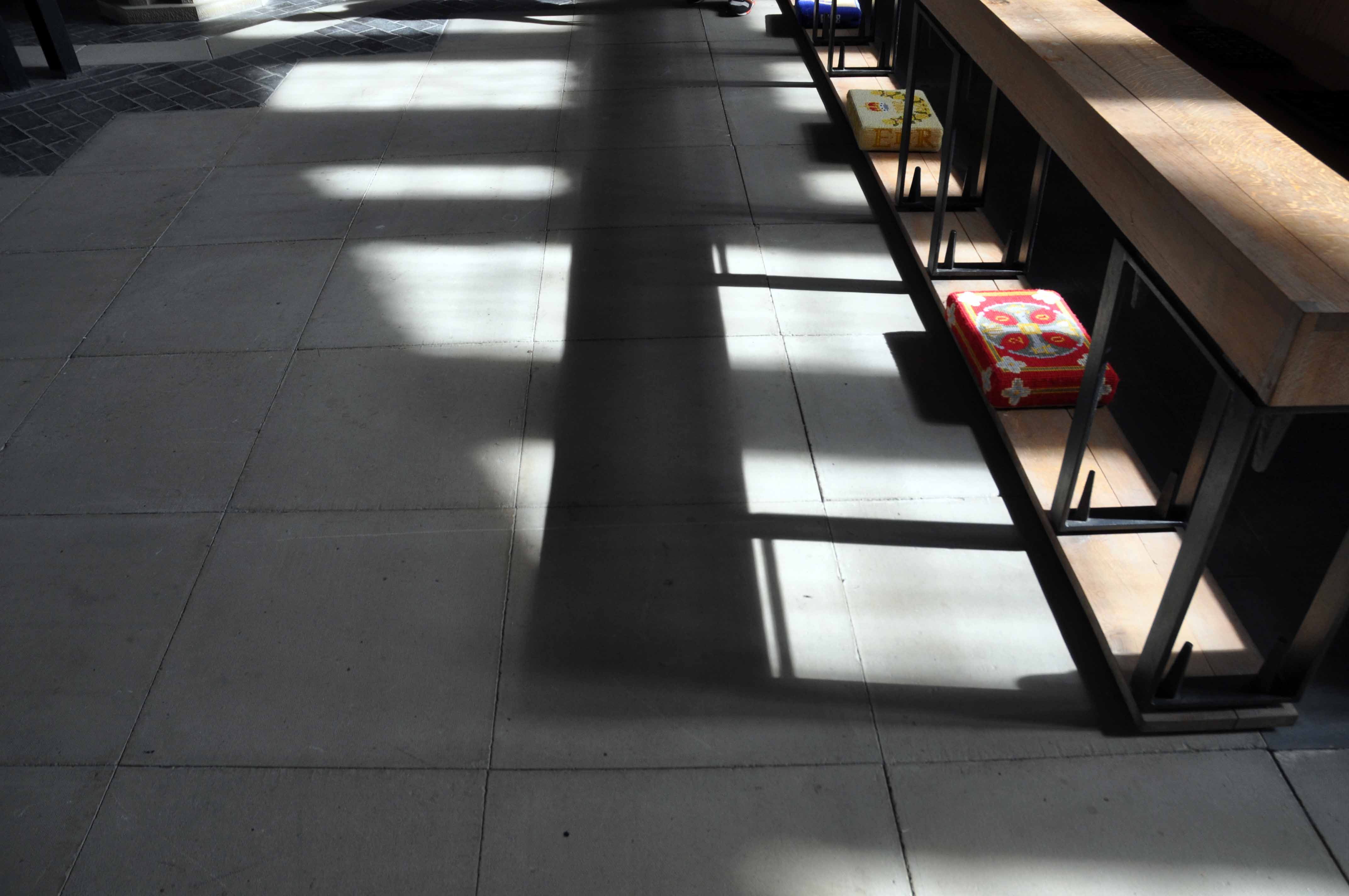
The pews have an interesting history, having been brought from derelict churches in and around Manchester. The present lady churchwarden said:

“whenever we heard of a church being demolished we borrowed Mr. Owen’s coal cart and went off to see if we could buy any of the pews. Many times I’ve sat on the back of the wagon, in the pouring rain, with the pews, bringing them back to Wythenshawe to be stored until our church building was completed!”

Some time after the building was opened a fire damaged some of the pews. With the insurance money all the pews were stripped and bleached, giving an element of uniformity and a bright welcoming atmosphere in the church generally. An interesting thought was voiced that as many people living in Wythenshawe now had their origins near to the centre of Manchester they may be sitting in the same pews in which their ancestors once sat.

historicengland.org.uk

DSC_0072 copy

DSC_0073 copy

DSC_0075 copy

DSC_0080 copy

DSC_0081 copy

DSC_0082 copy

DSC_0084 copy

DSC_0085 copy

DSC_0086 copy

DSC_0087 copy

DSC_0088 copy

DSC_0089 copy

DSC_0113 copy

DSC_0116 copy

DSC_0117 copy

DSC_0118 copy

DSC_0121 copy

DSC_0122 copy


Varna Street – Rogue Studios Manchester

webmedia-1.php

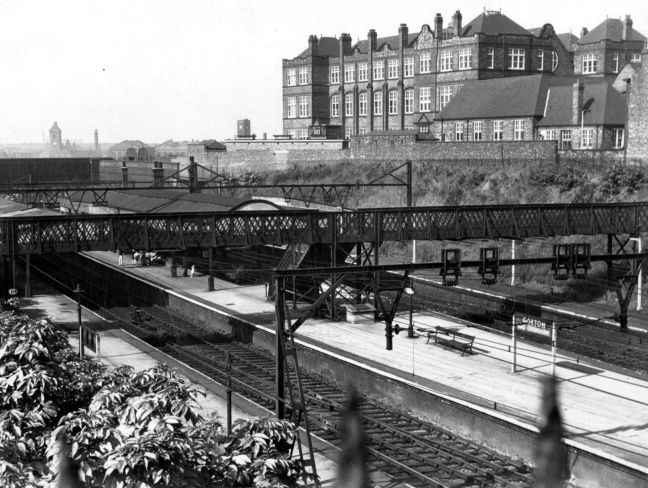
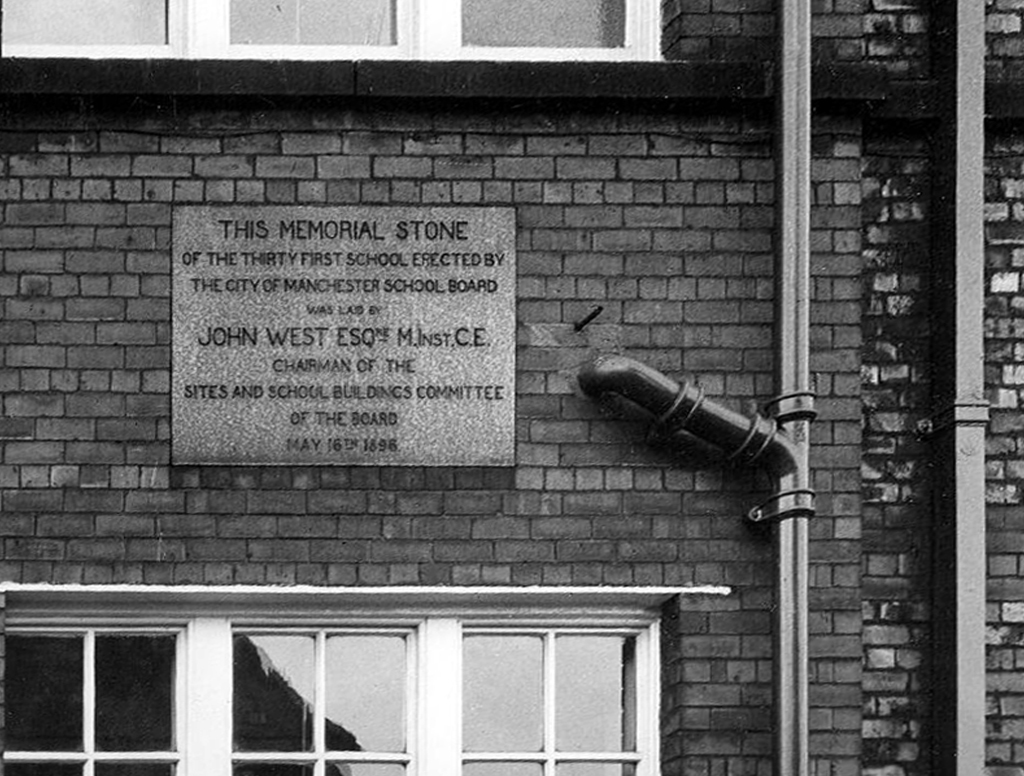
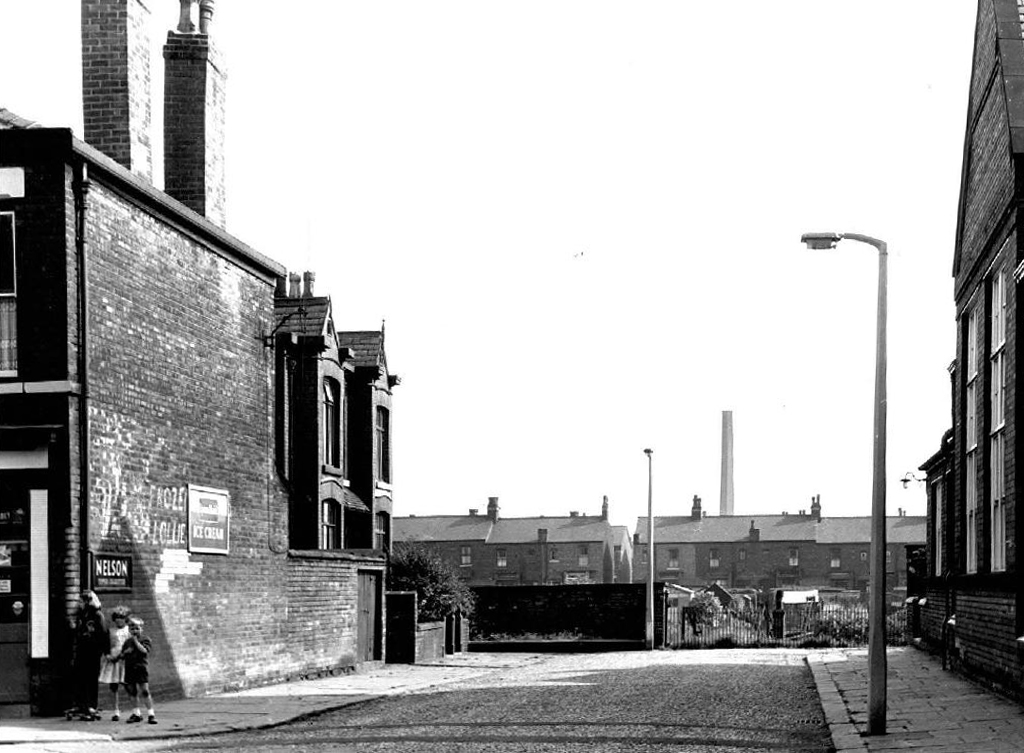
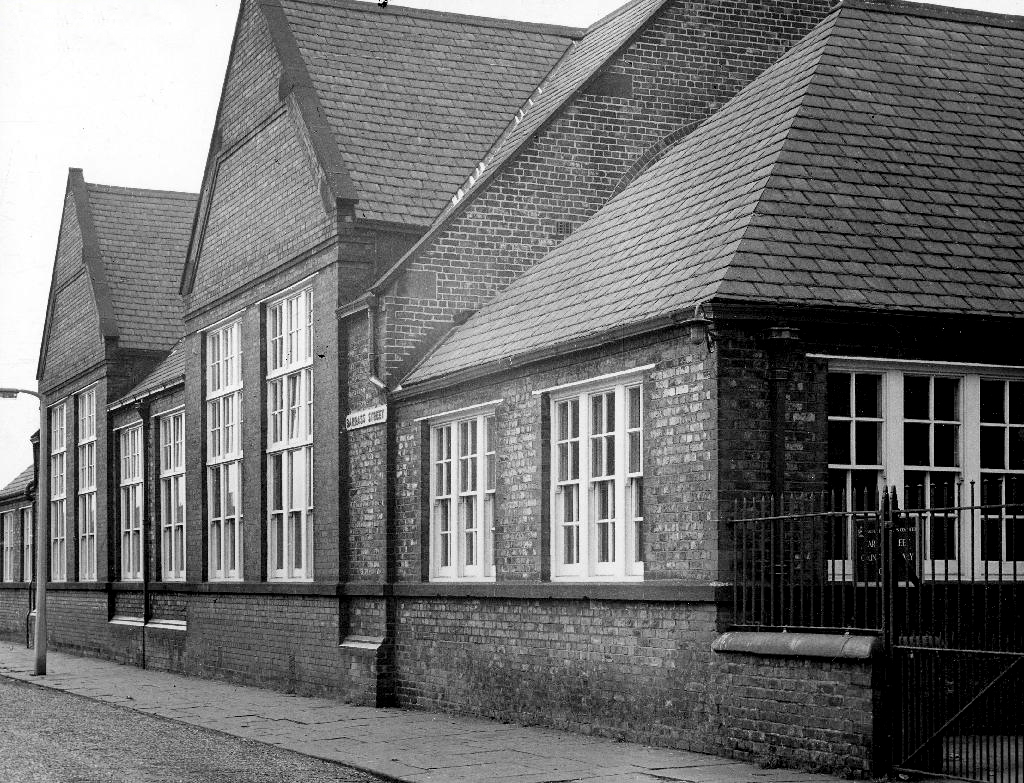
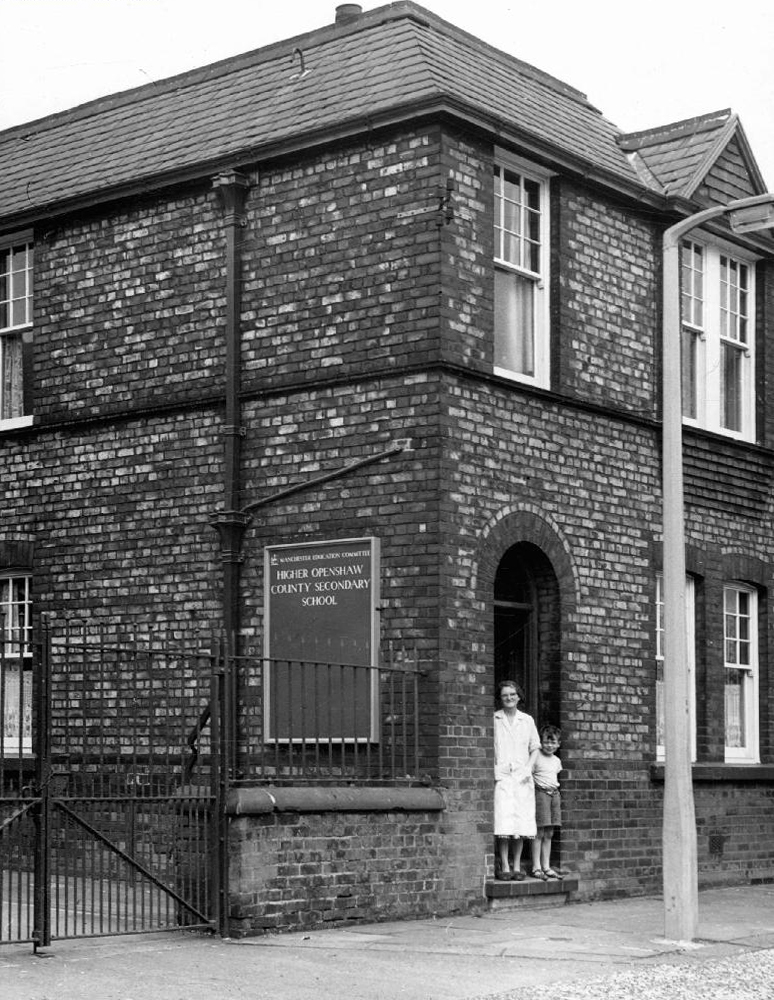
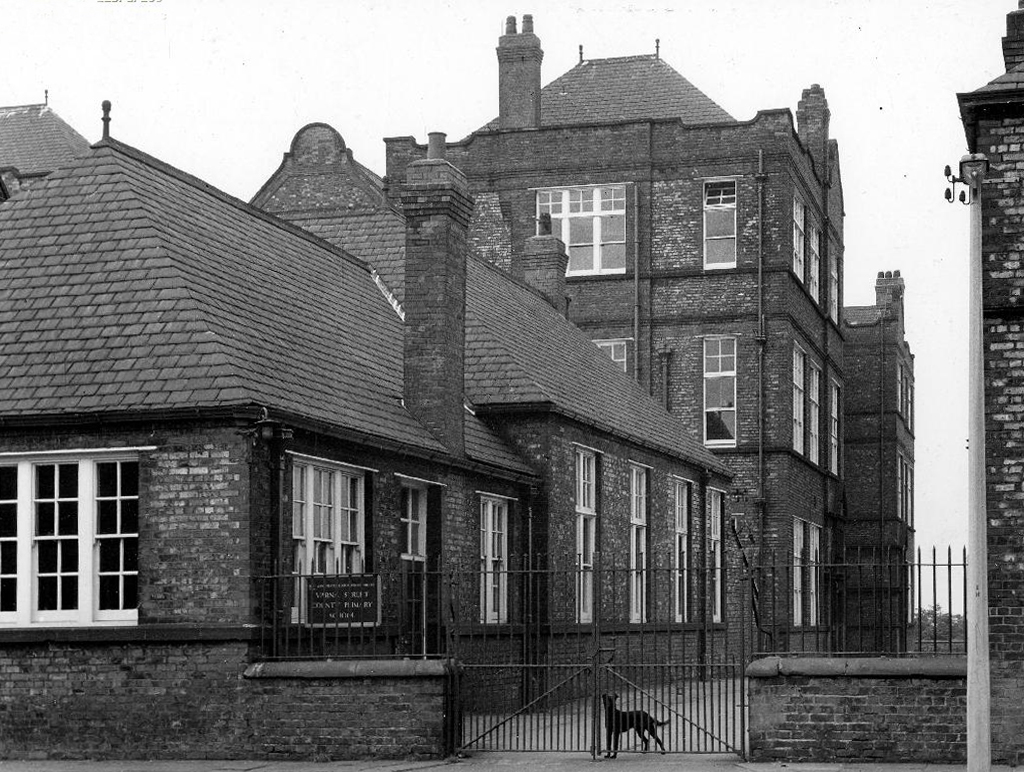
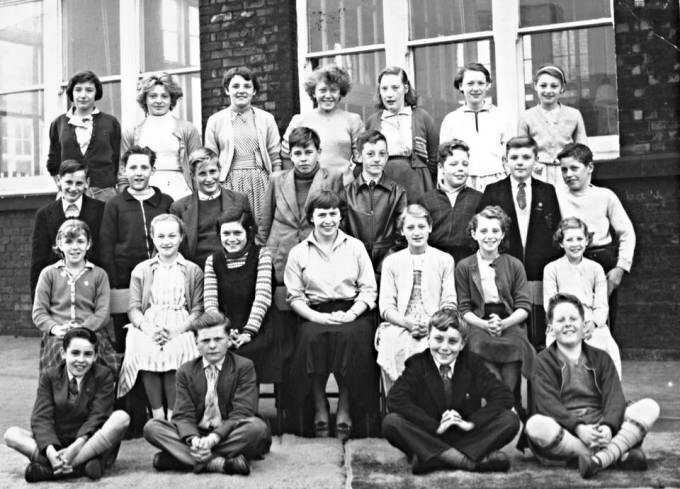
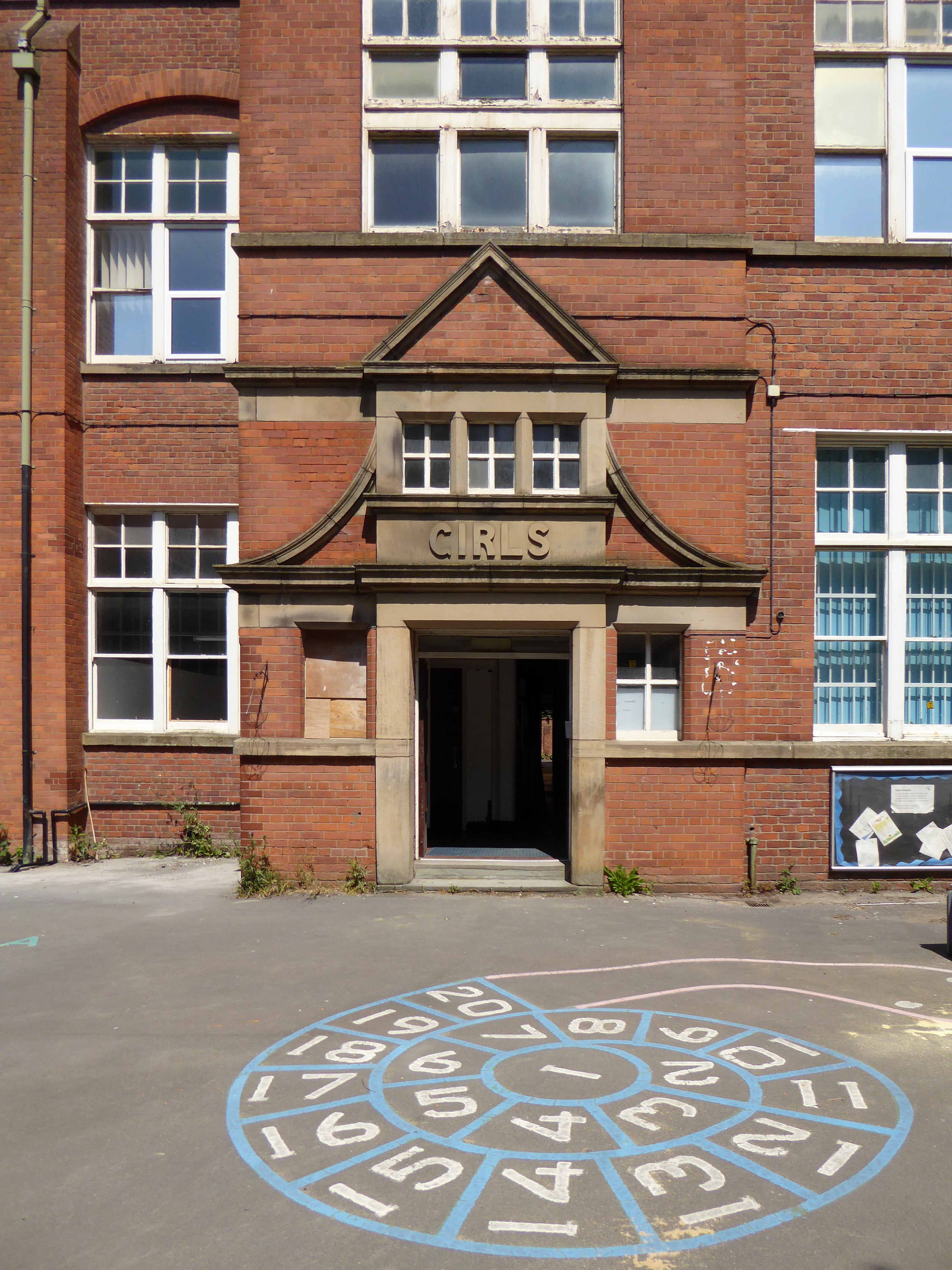
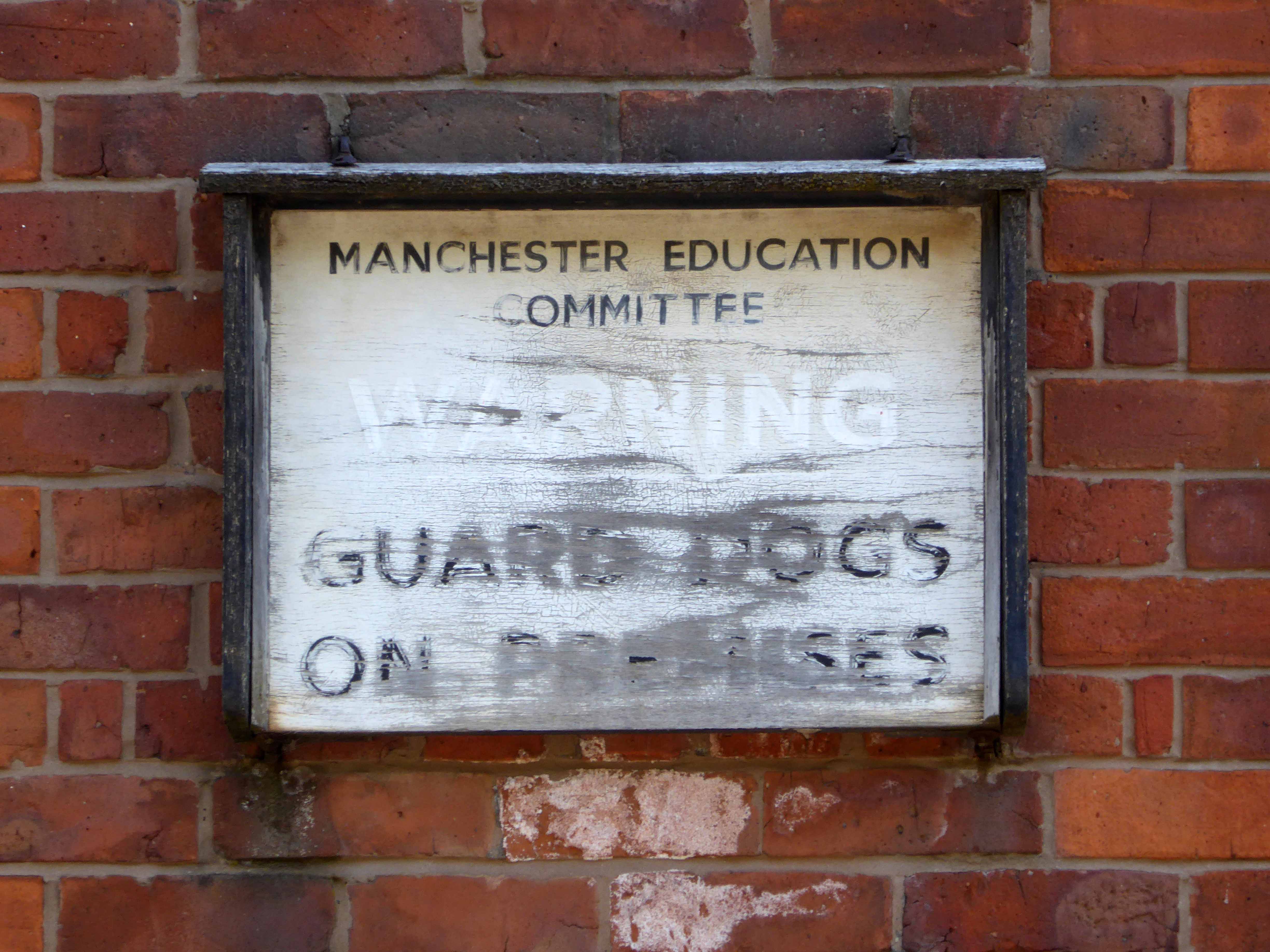
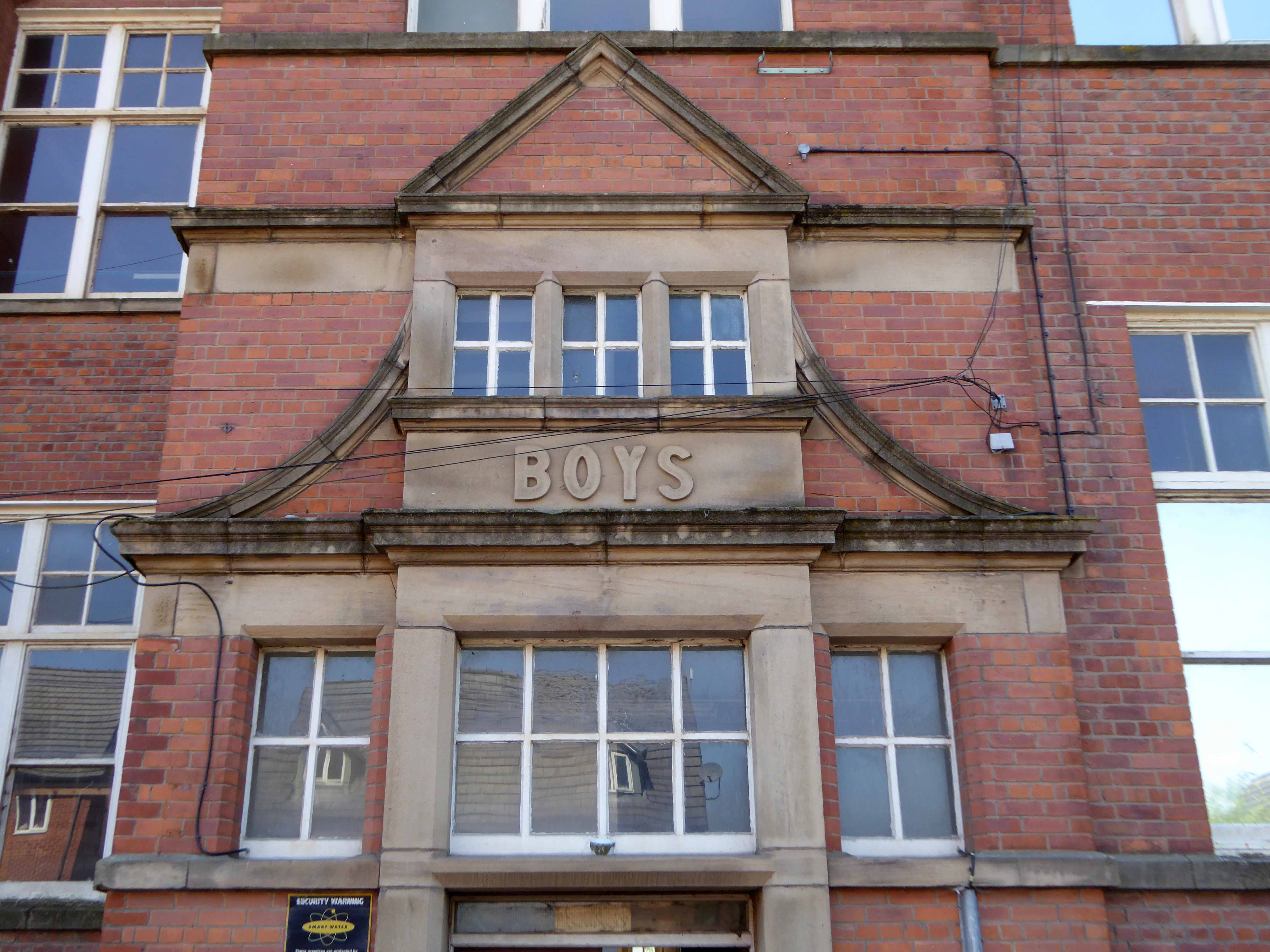
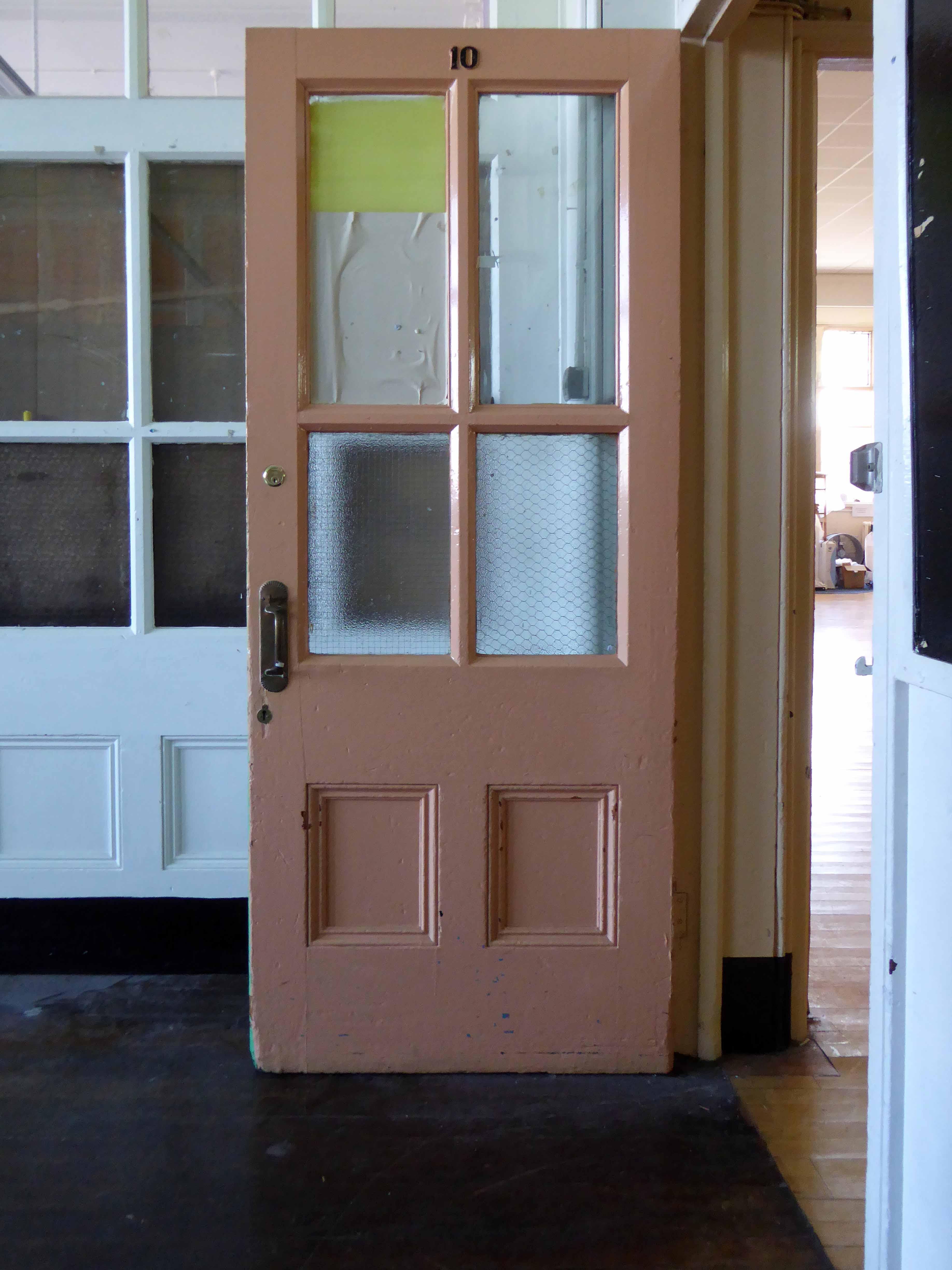
Once there was a school – from May 16th 1898, there was a school.

One of many Manchester School Board schools built in an imposing functional, triple storied style, they often seemed several times too big, for the infants which they contained.

With one thousand five hundred pupils, it was dubbed the largest school in Lancashire.

Nestled in a tight corner formed by the Lanky Cut and the train line below, surrounded by the huddled masses, in their manifold terraced homes.


1963

webmedia-1.php copy

webmedia-2.php

webmedia.php copy

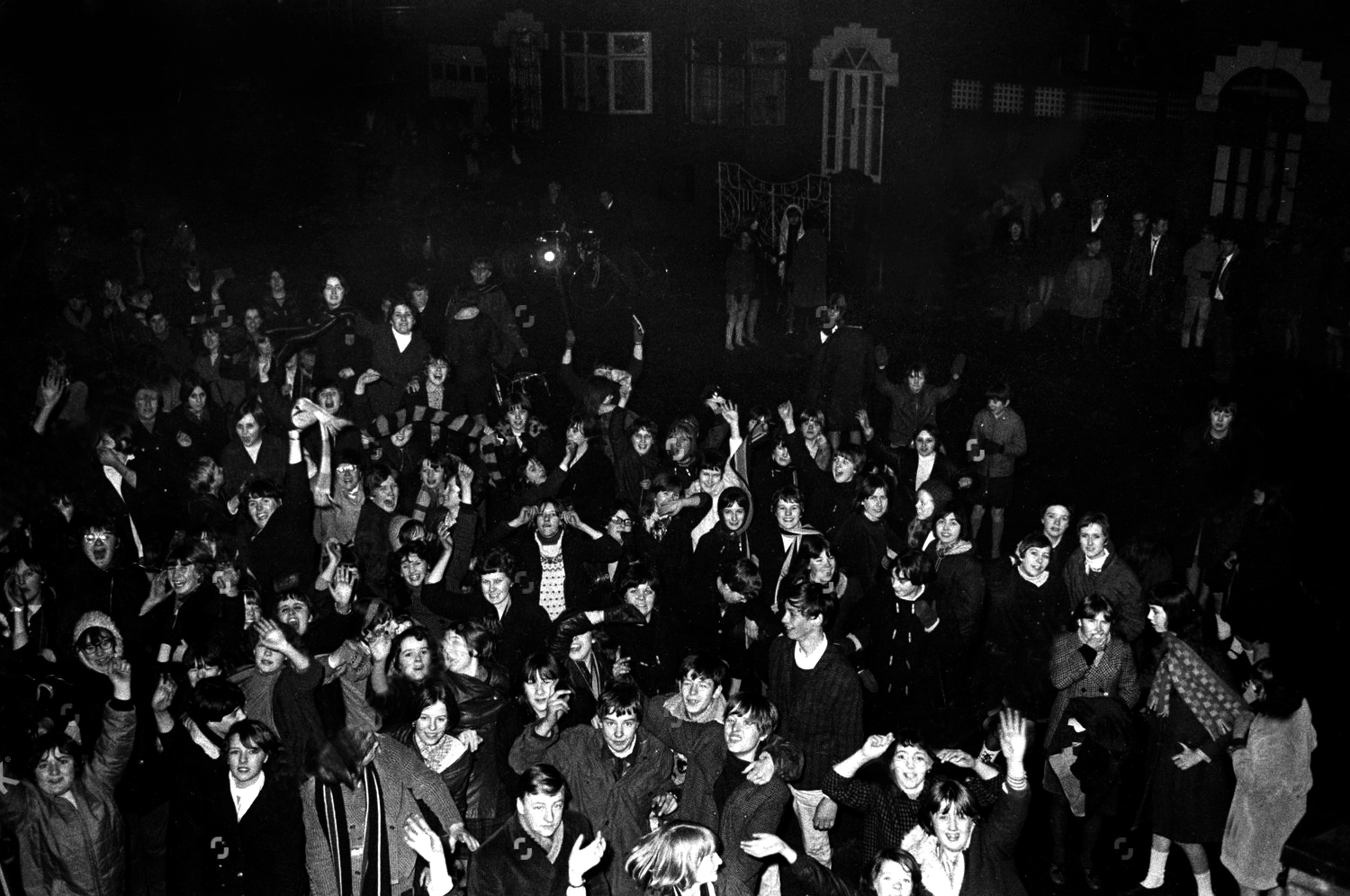
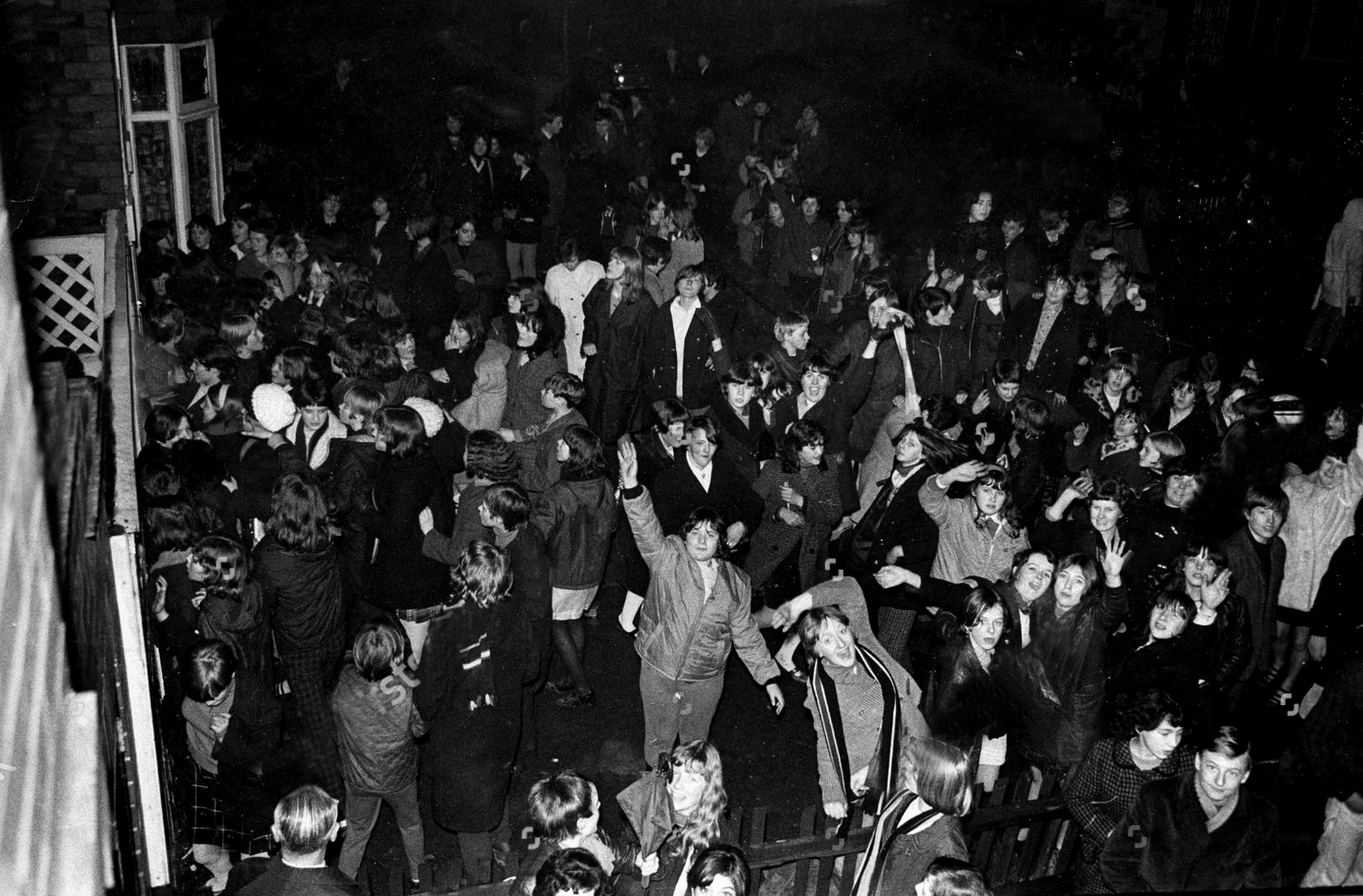
Once home to cheeky monkey, soon to be Monkee Davy Jones.

davy-jones

His runaway, overnight fame made his humble Gorton home a mecca for adoring fans.

fans-congregate-outside-the-home-of-singer-davy-jones-in-clumber-road-gorton-manchester-davy-jones-died-29-2-2012-1673475a-1500

fans-congregate-outside-the-home-of-singer-davy-jones-in-clumber-road-gorton-manchester-davy-jones-died-29-2-2012-1673476a-1500

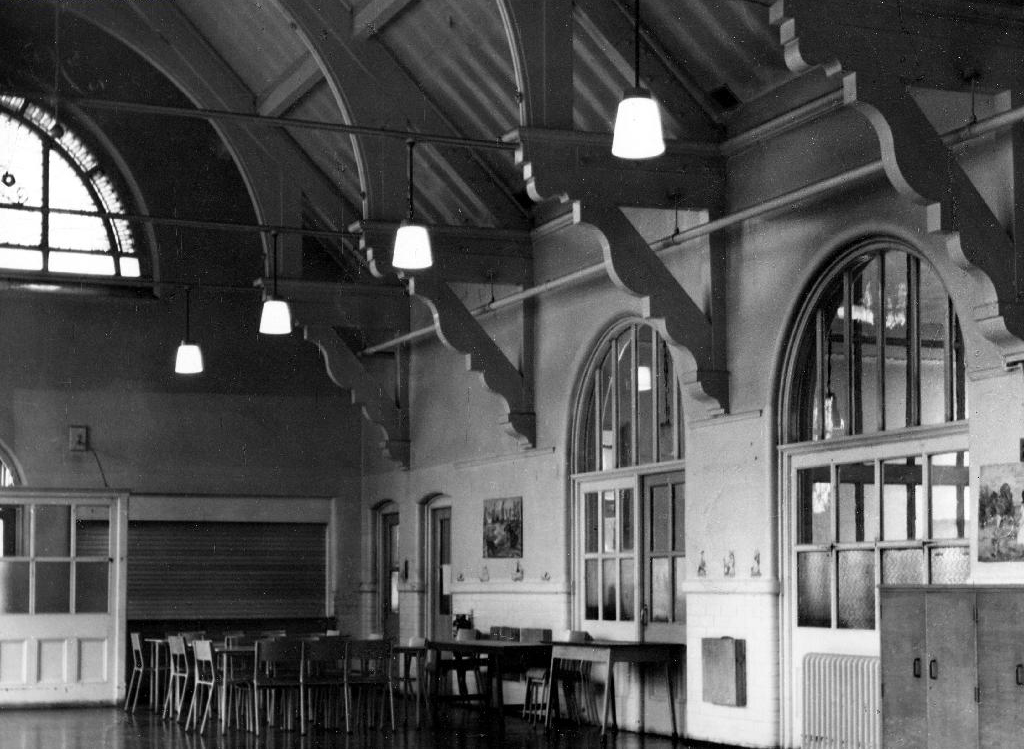
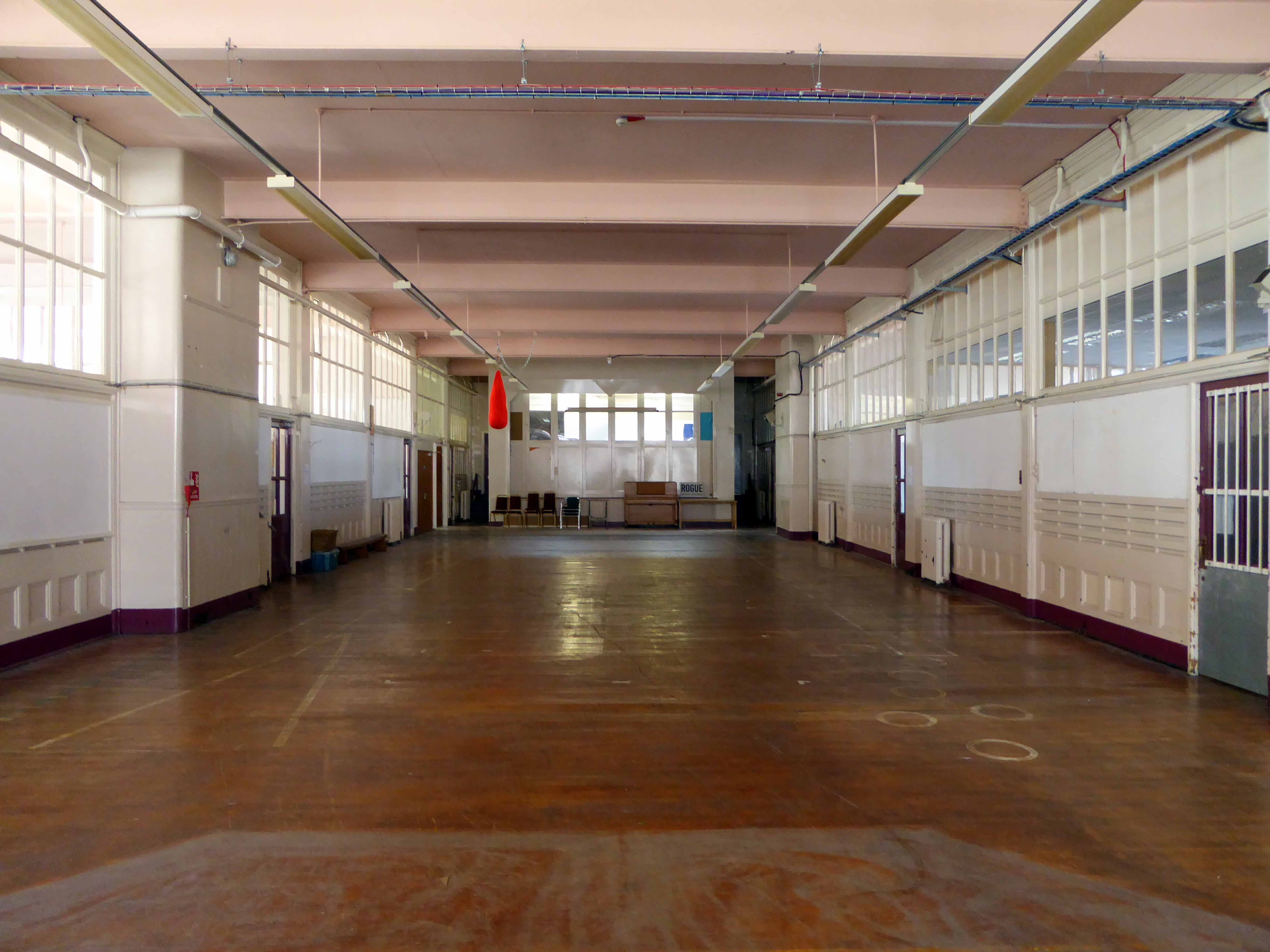
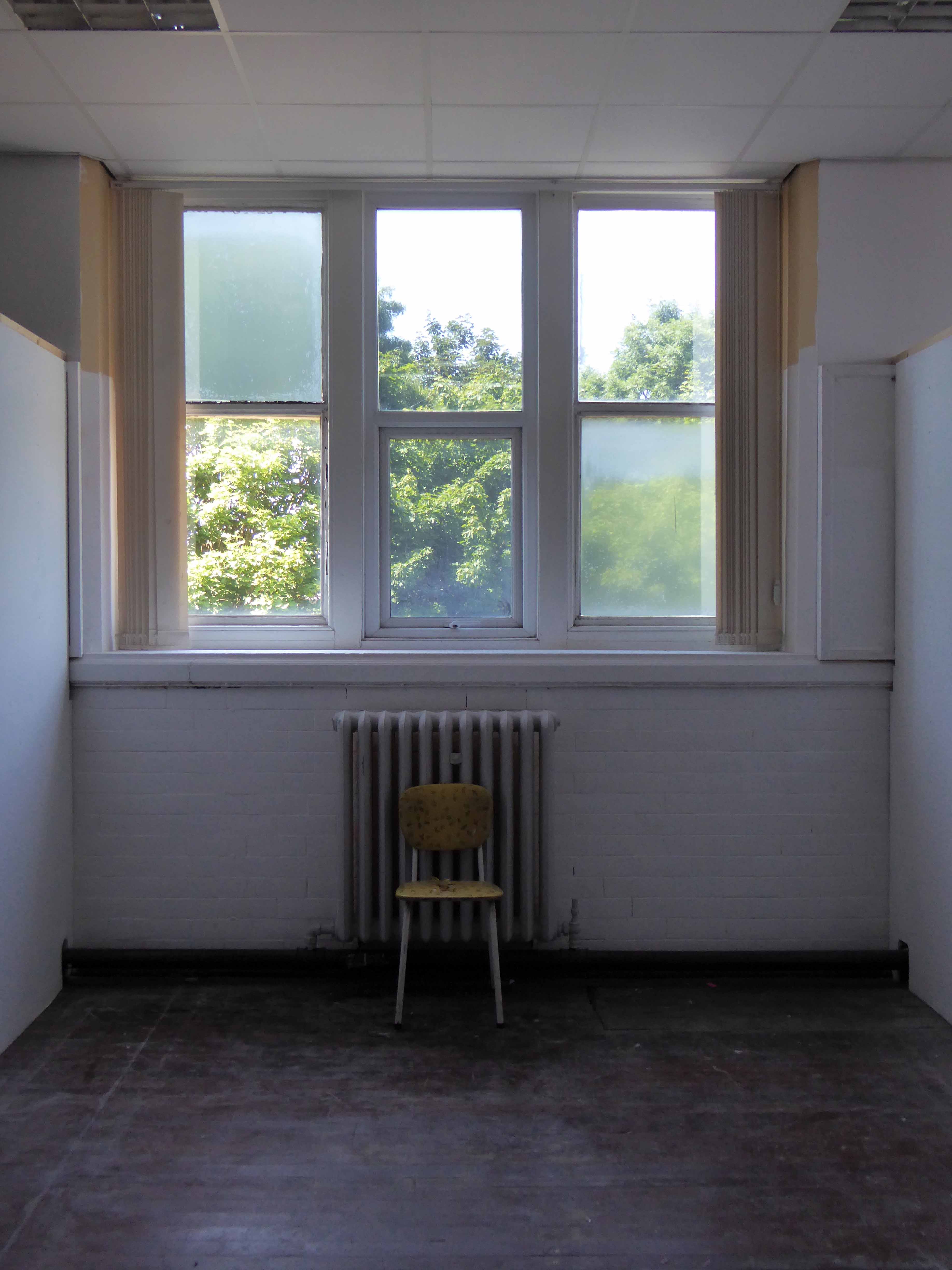
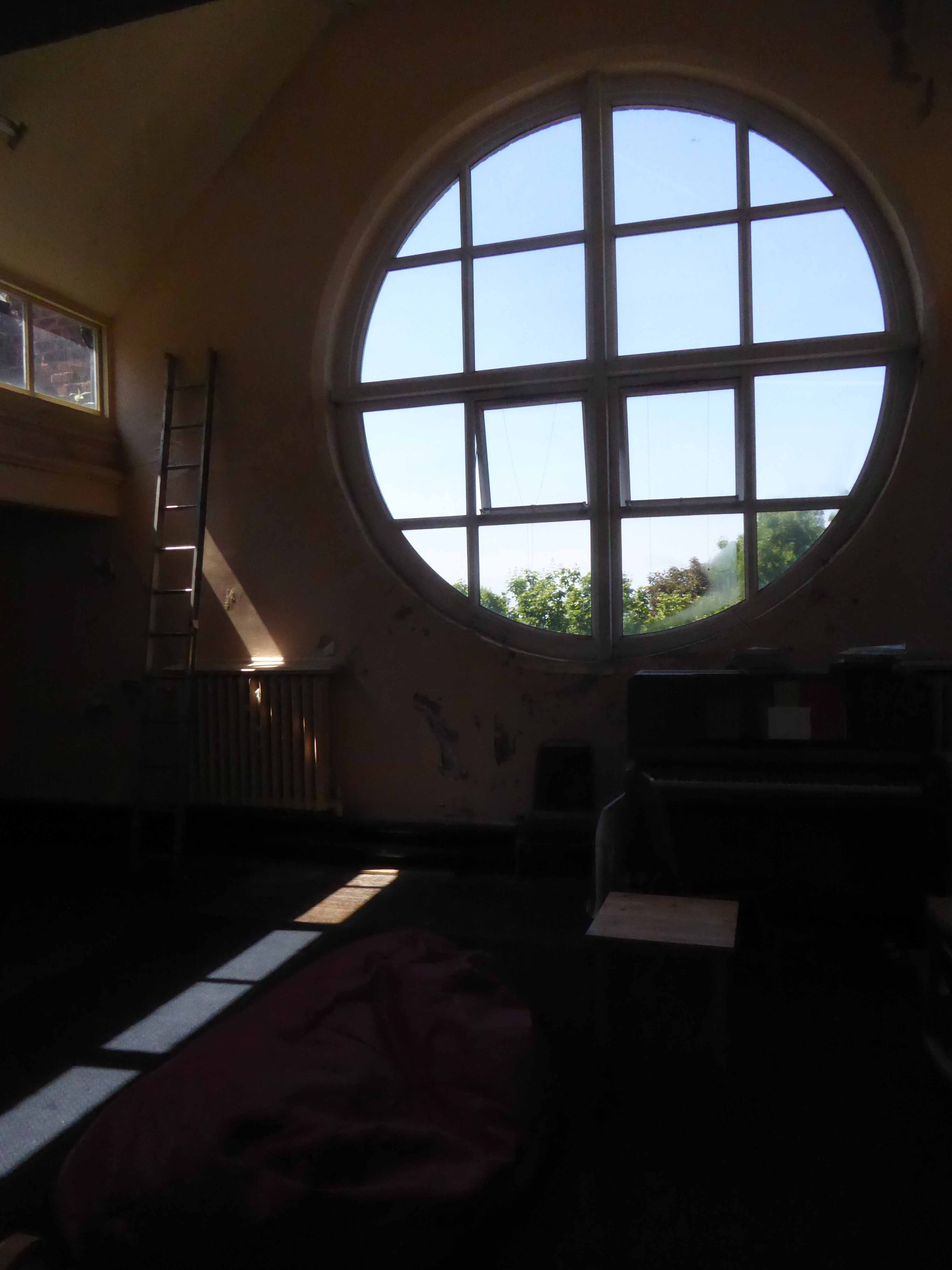
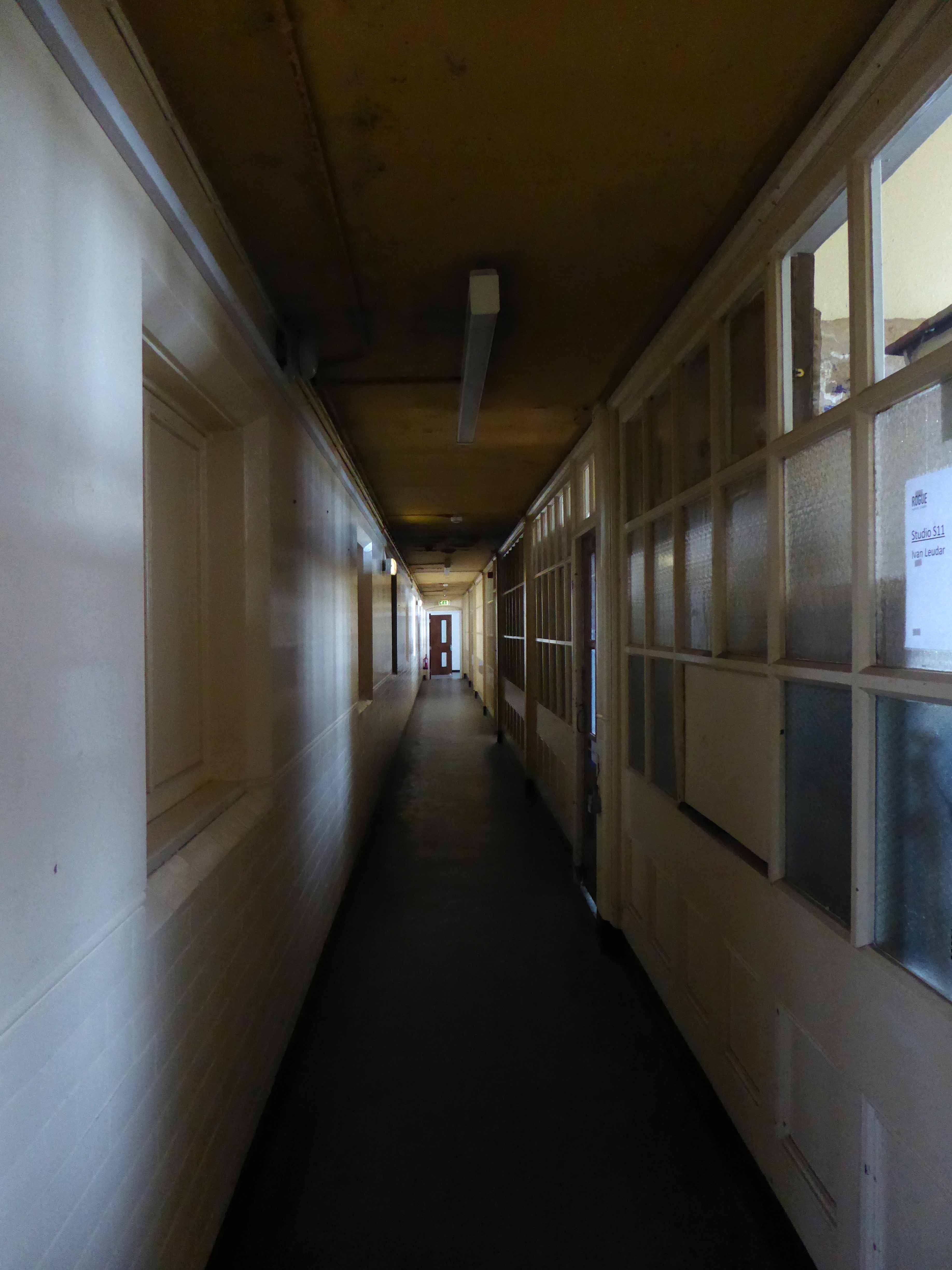
The school’s interior was a mix of wide open halls and closeted classrooms.

webmedia.php

Archive photographs from the Manchester Local Image Collection

Eventually the school bell rang for the last time, and a newer brighter home was found for the little learners.

Lights were turned off and the doors of Varna Street were closed.

But not for the last time, a new use was found for this recently listed building.

Having lost their city centre base Rogue Studios were offered the site by the local authority, and in double quick time they have created a home for artists, a community resource and project space, which will continue to prosper for years to come.

Many thanks to Ms. Jenny Steele Rogue artist for my guided tour.

P1260603

P1260607

P1260609

P1260598

P1260611

P1260612

P1260613

P1260615

P1260616

P1260617

P1260618

P1260619

P1260620

P1260624

P1260625

P1260627

P1260629

P1260633

P1260636

P1260637

P1260638

P1260640

P1260642

P1260645


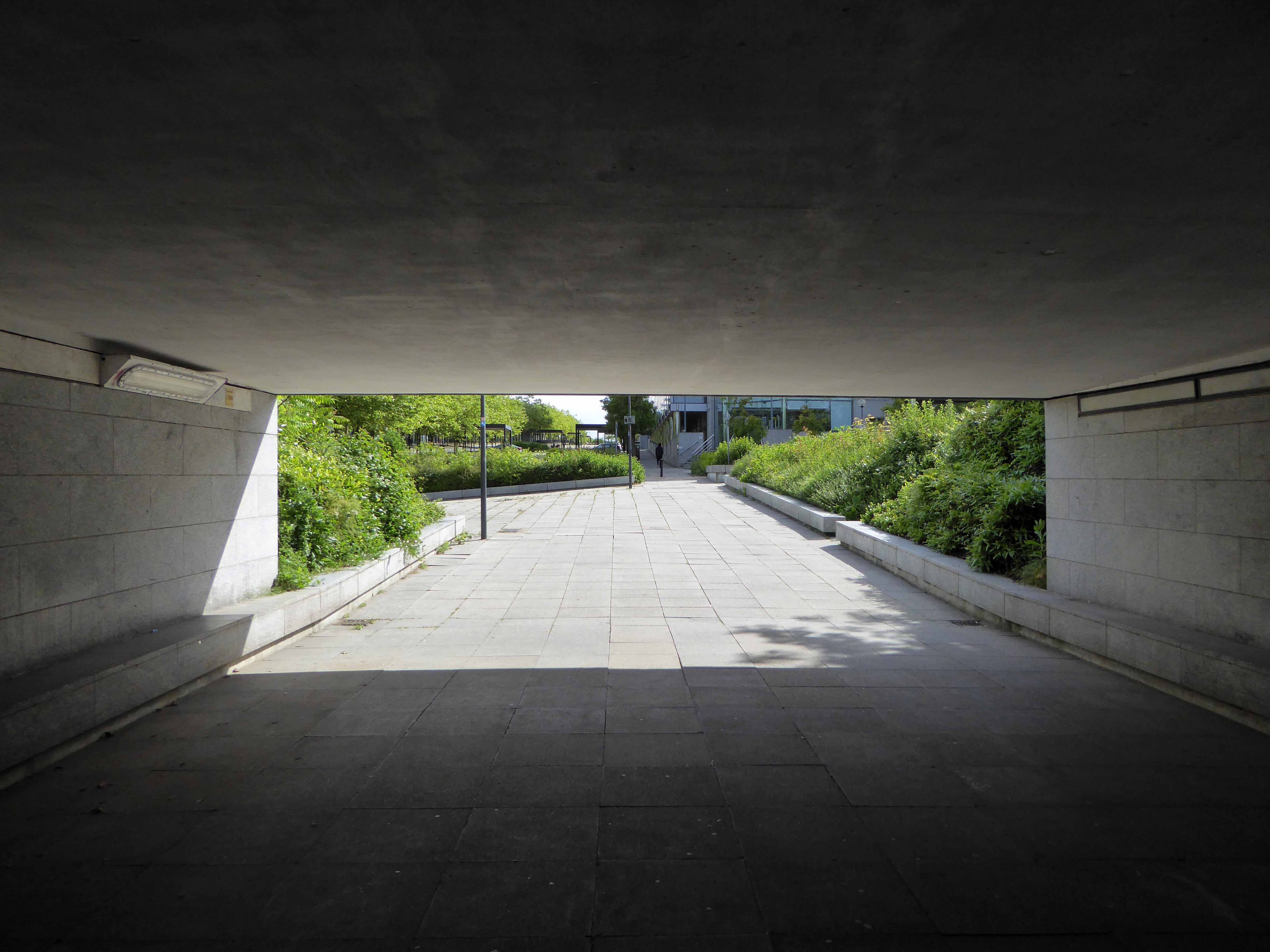
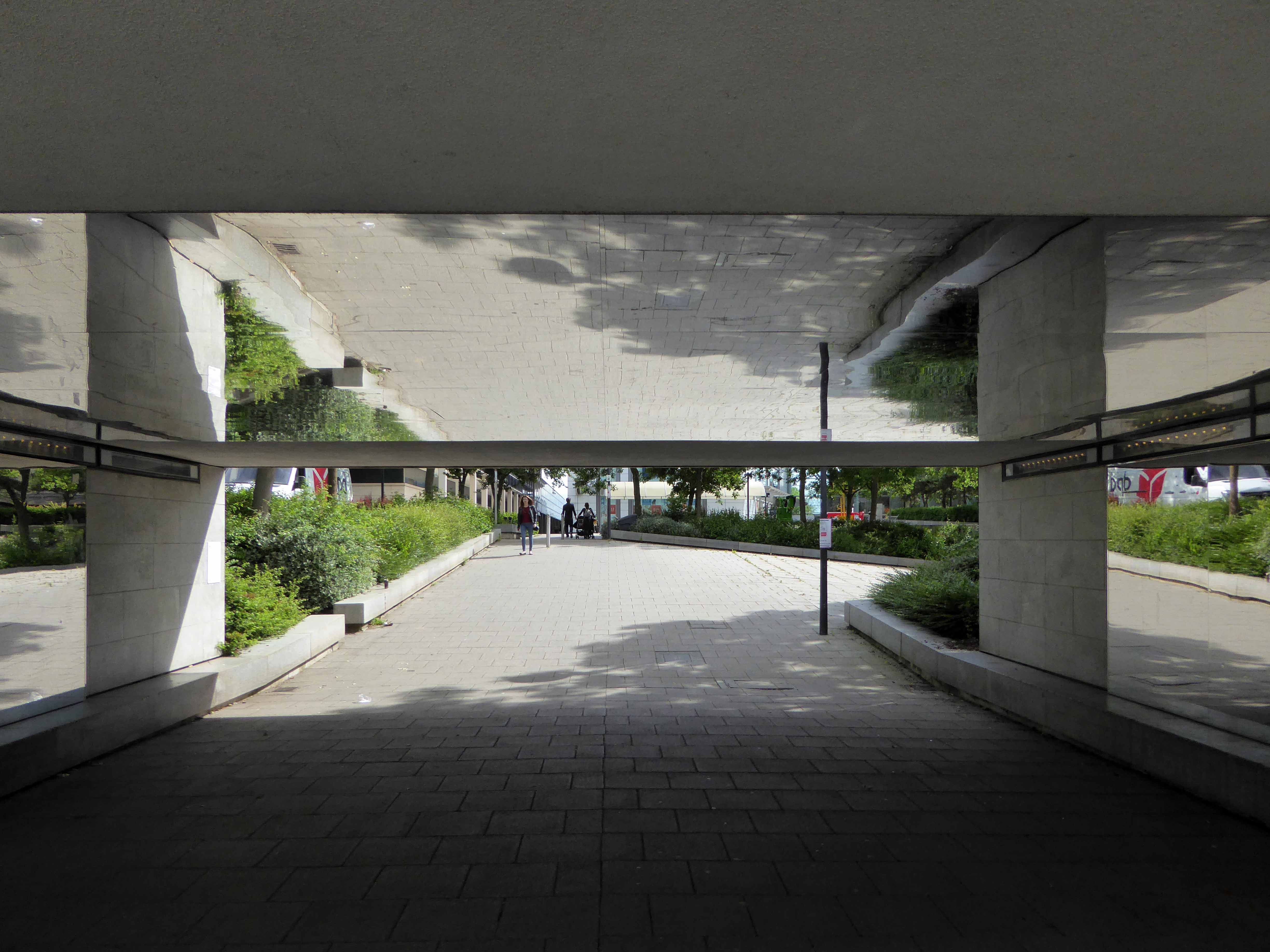
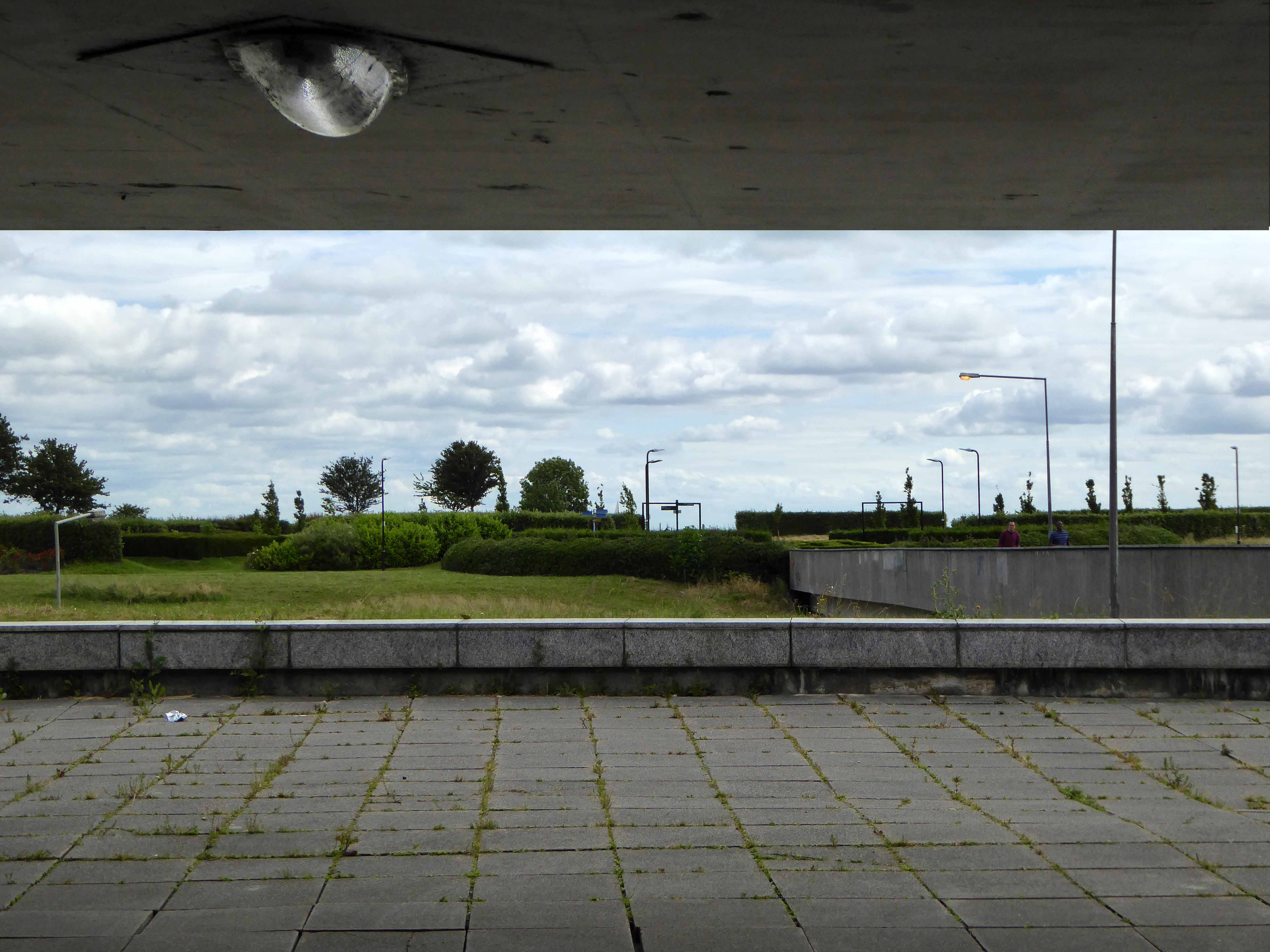
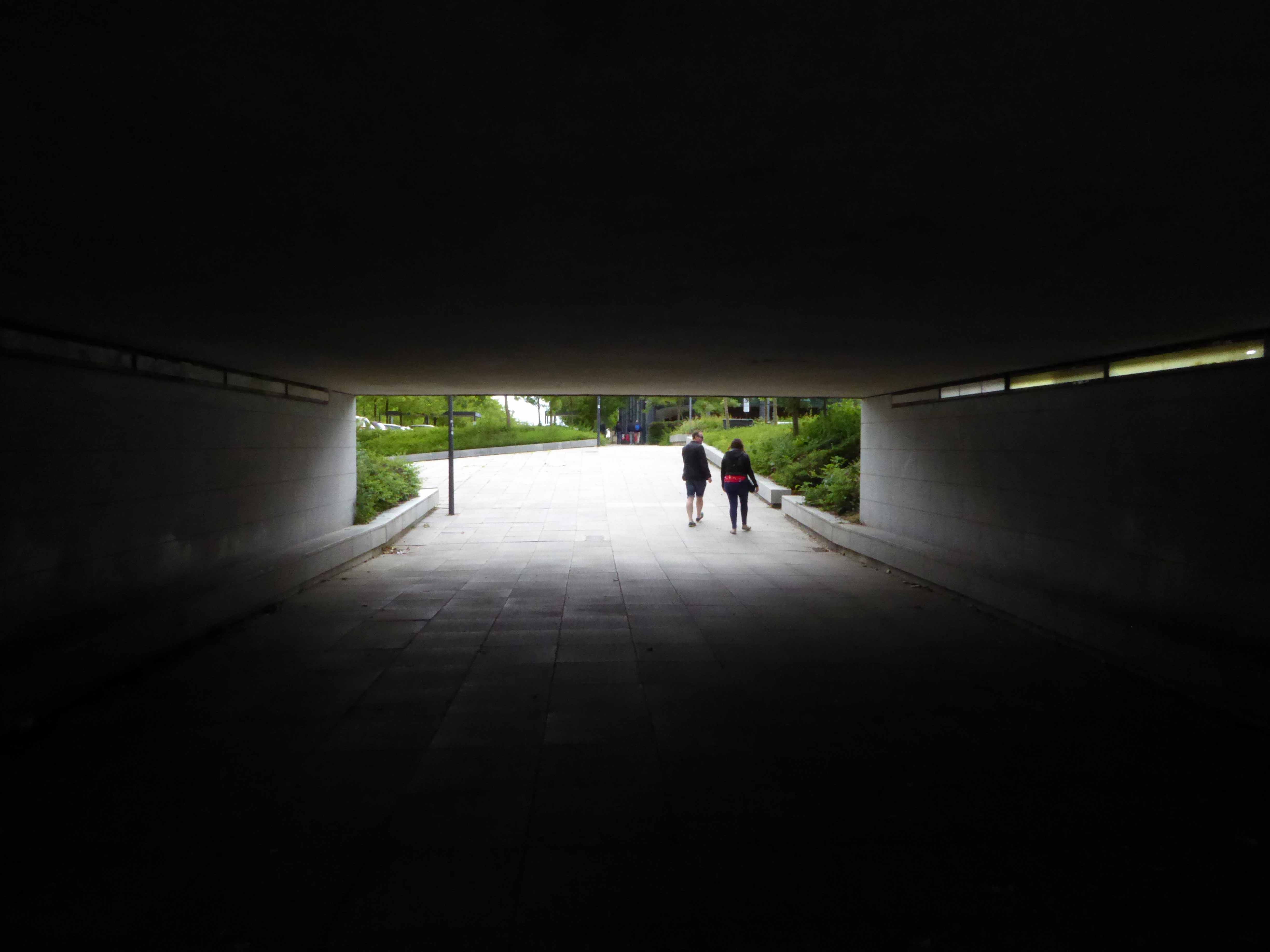
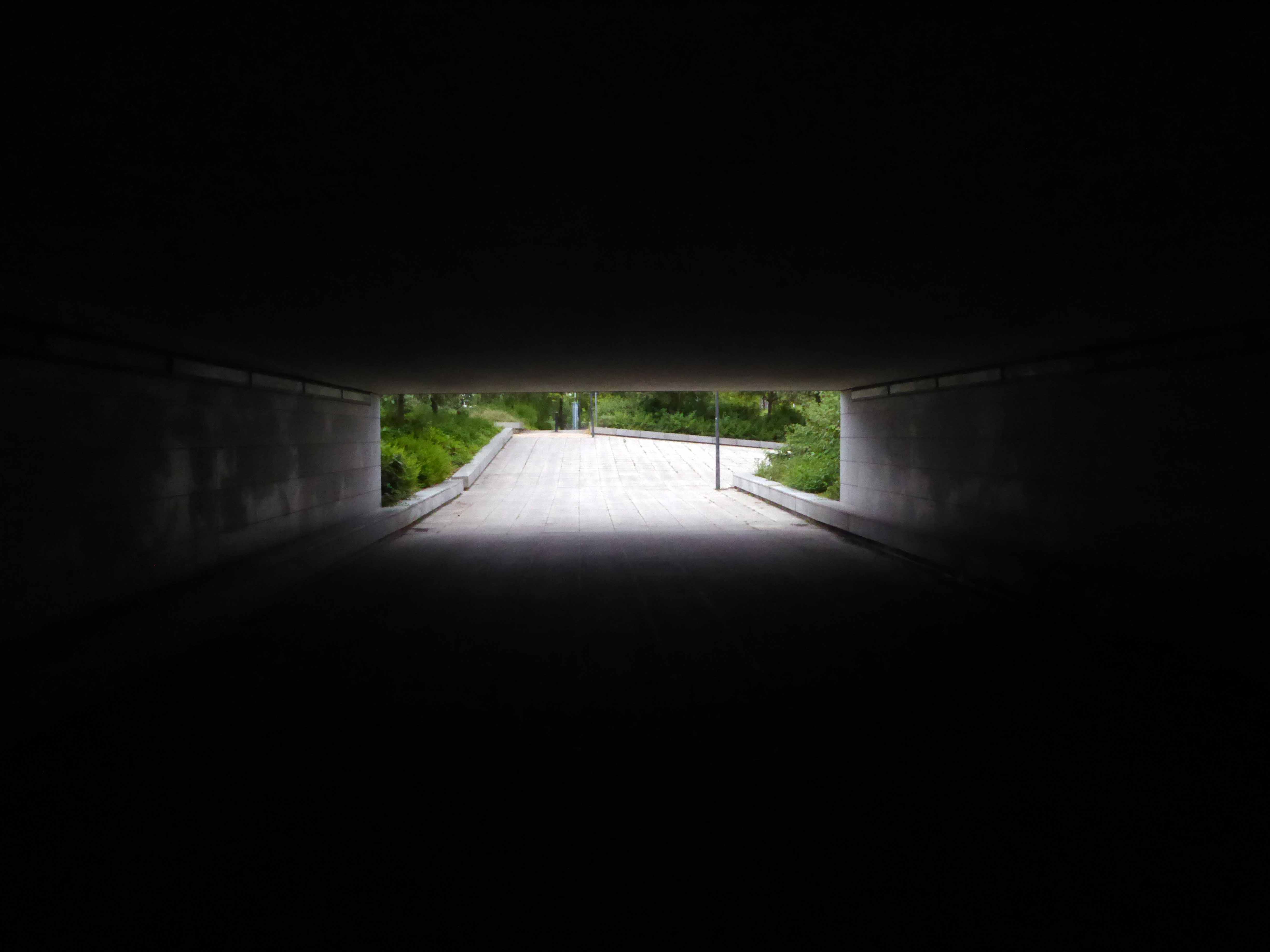
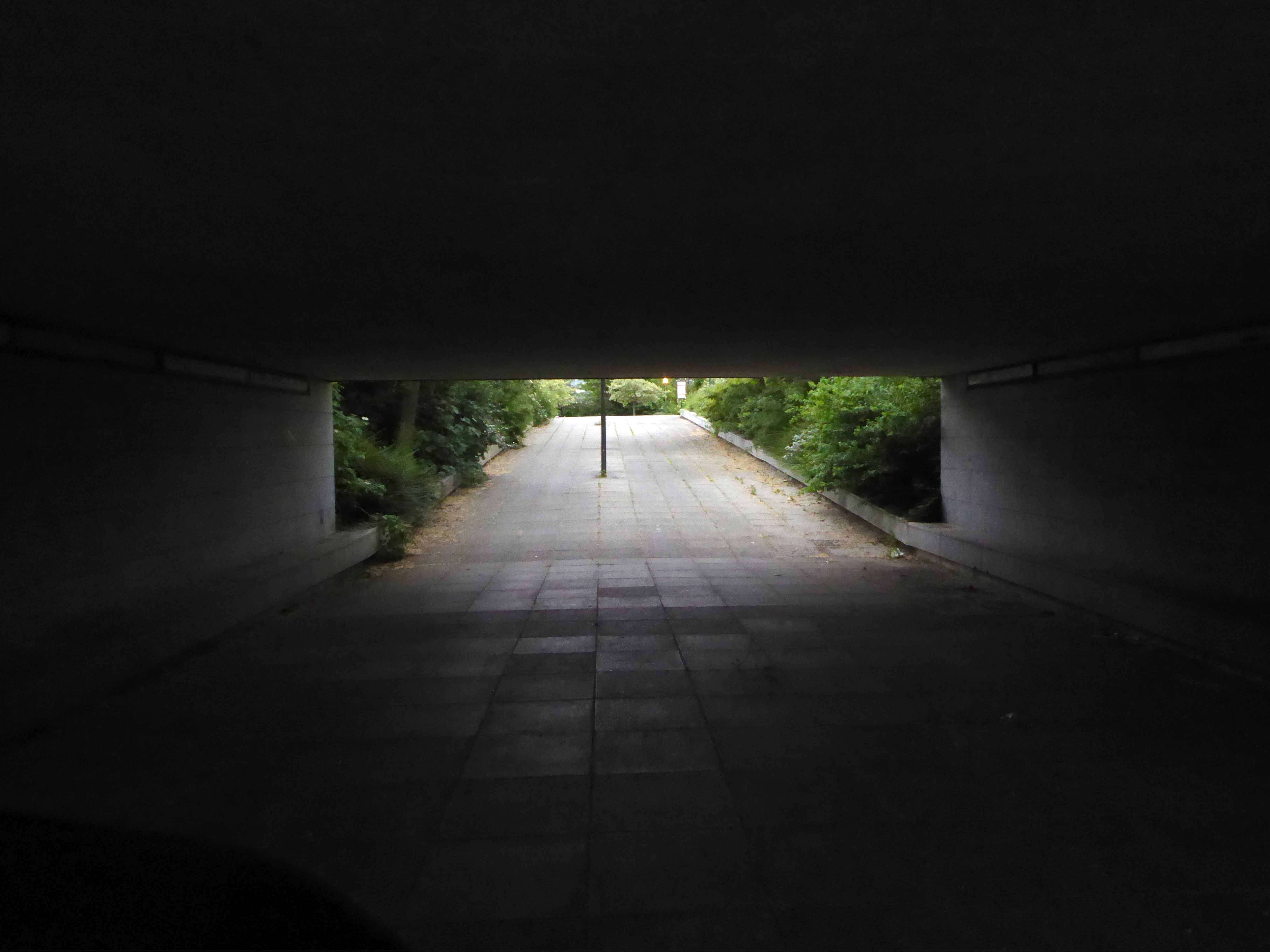
Underpass – Milton Keynes

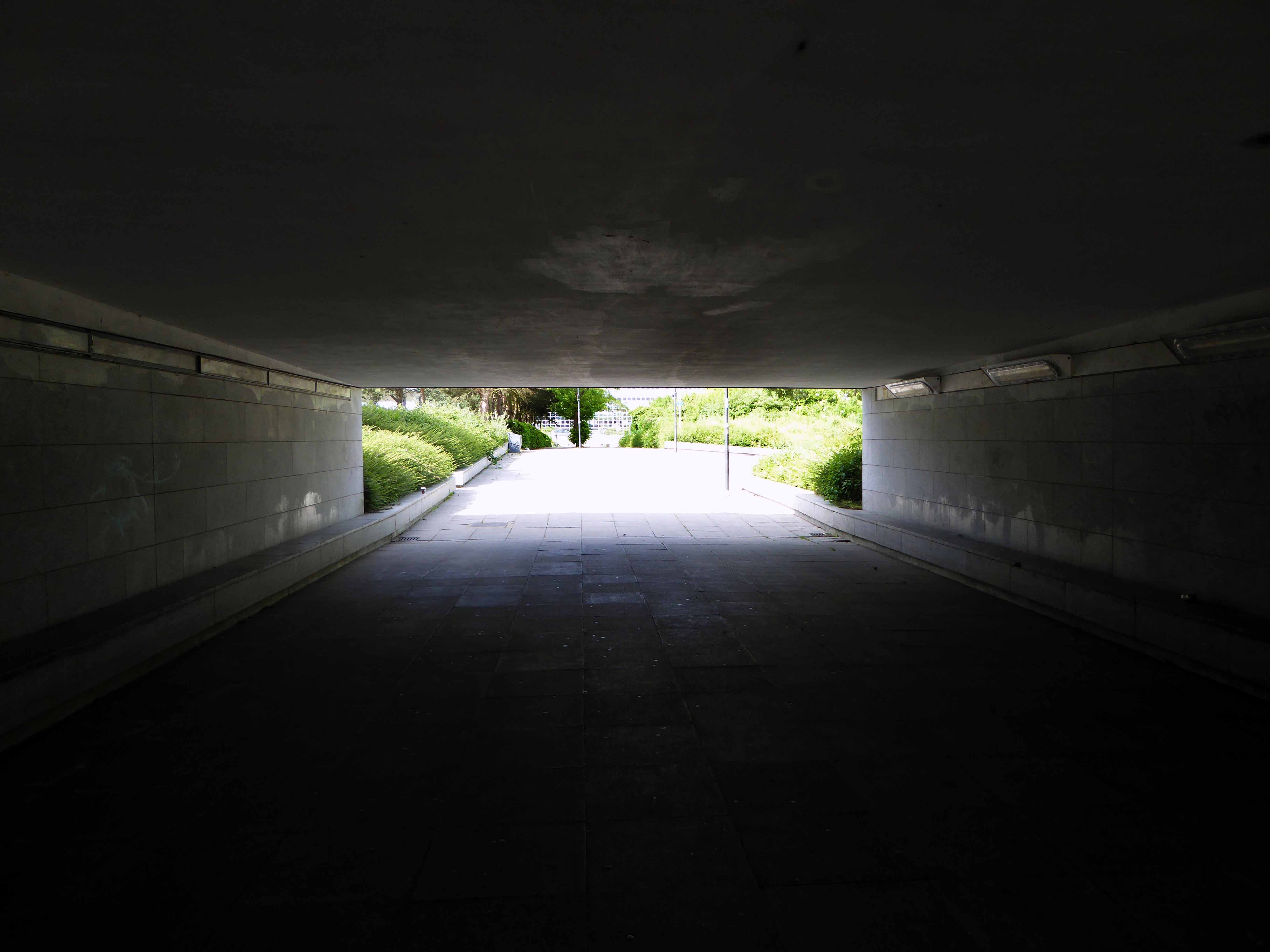
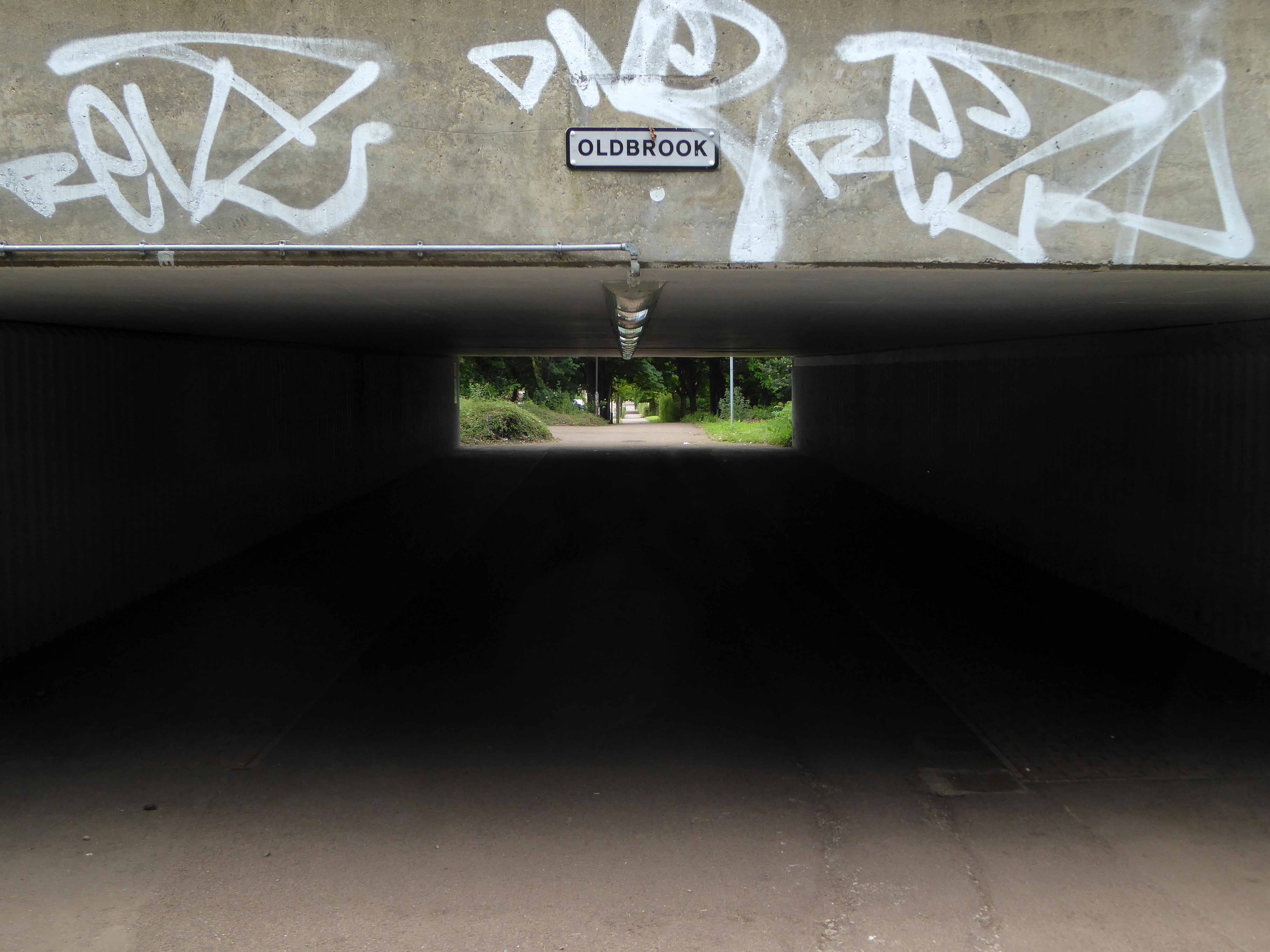
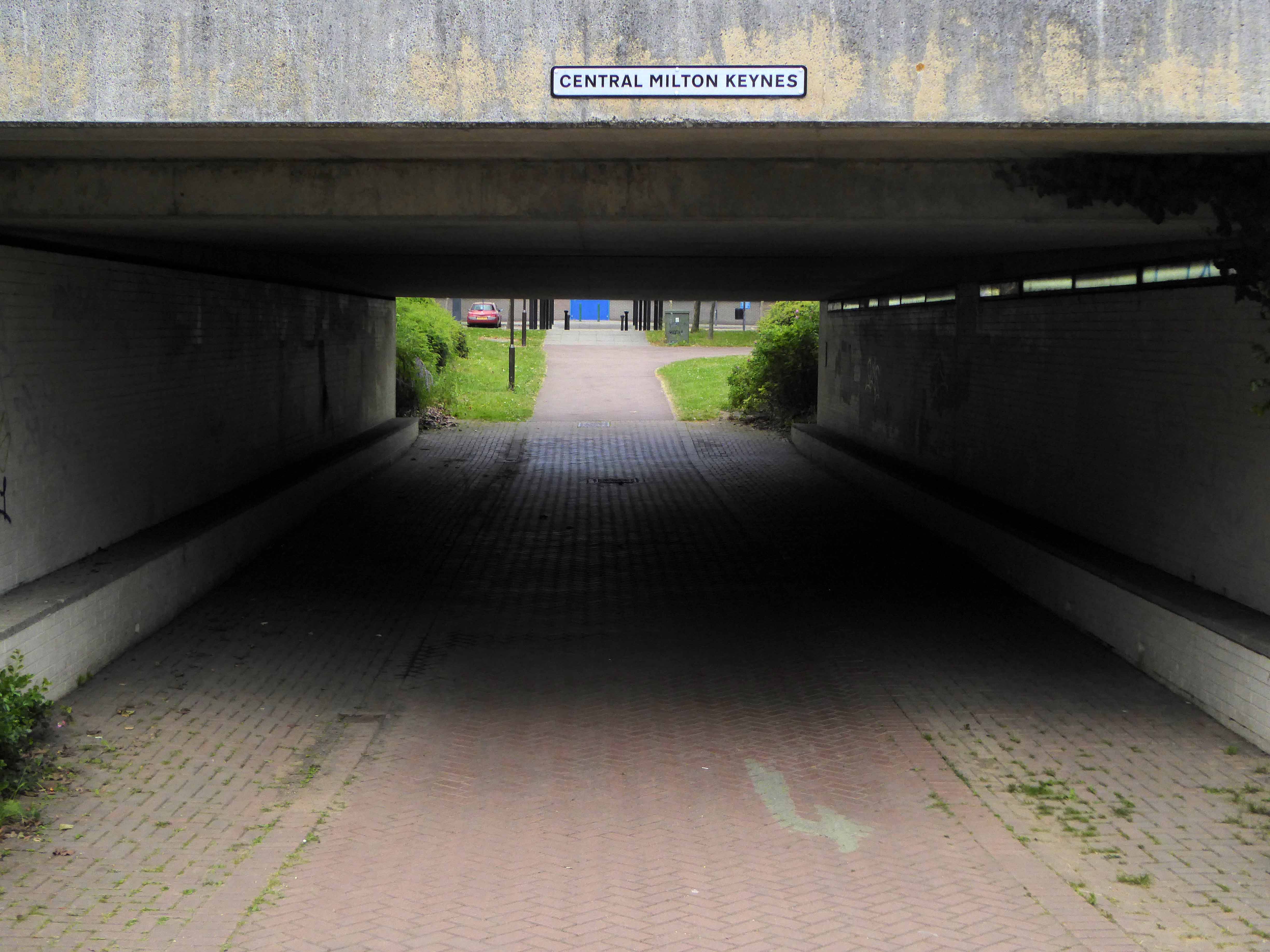
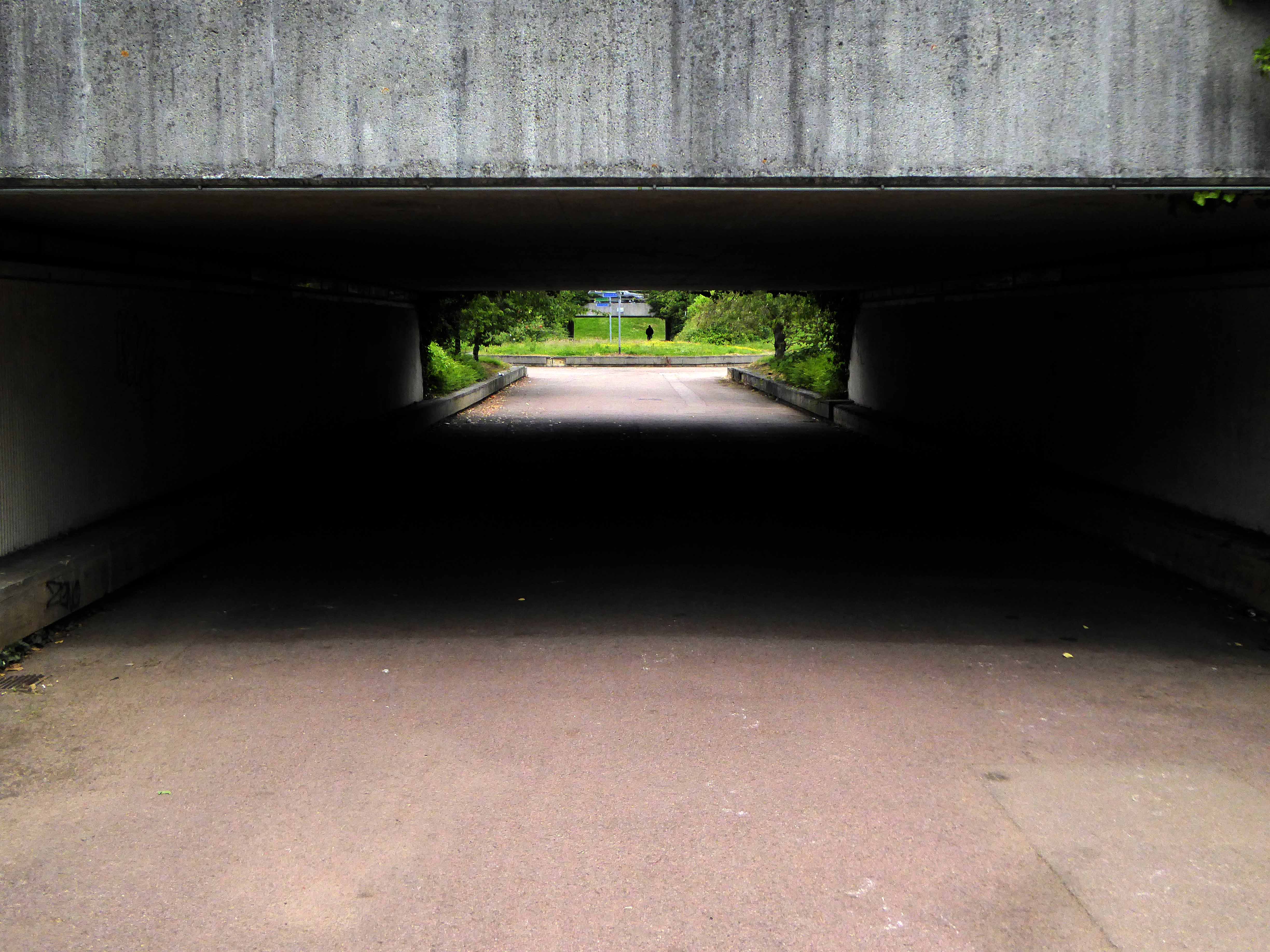
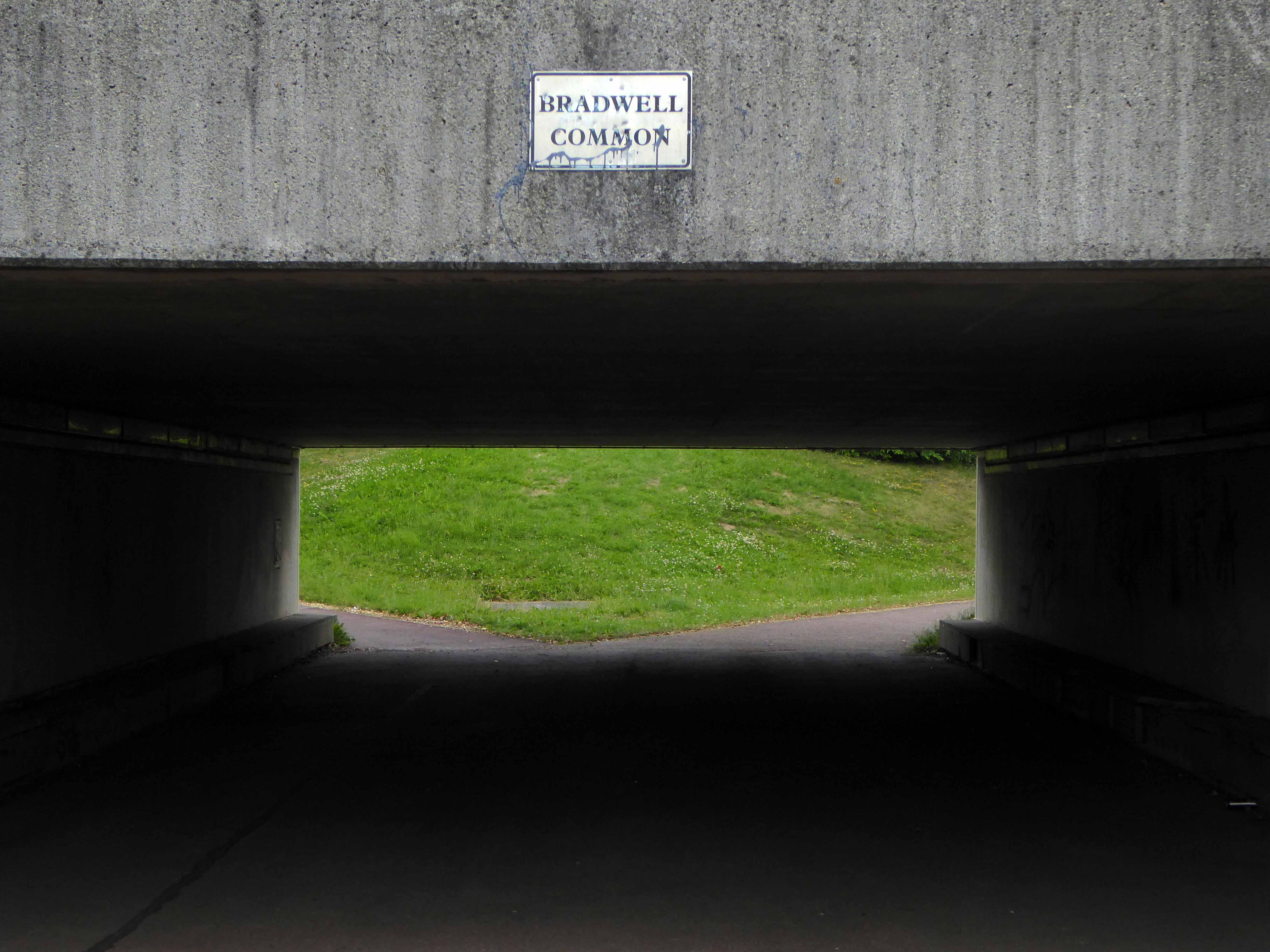
Milton Keynes synonymous with something or other, the town where everything is an off centre out of town centre, where anything was new once.

A broad grid of boulevards, sunken super-highways and an extended series of balletic roundabouts swirls the cars around.

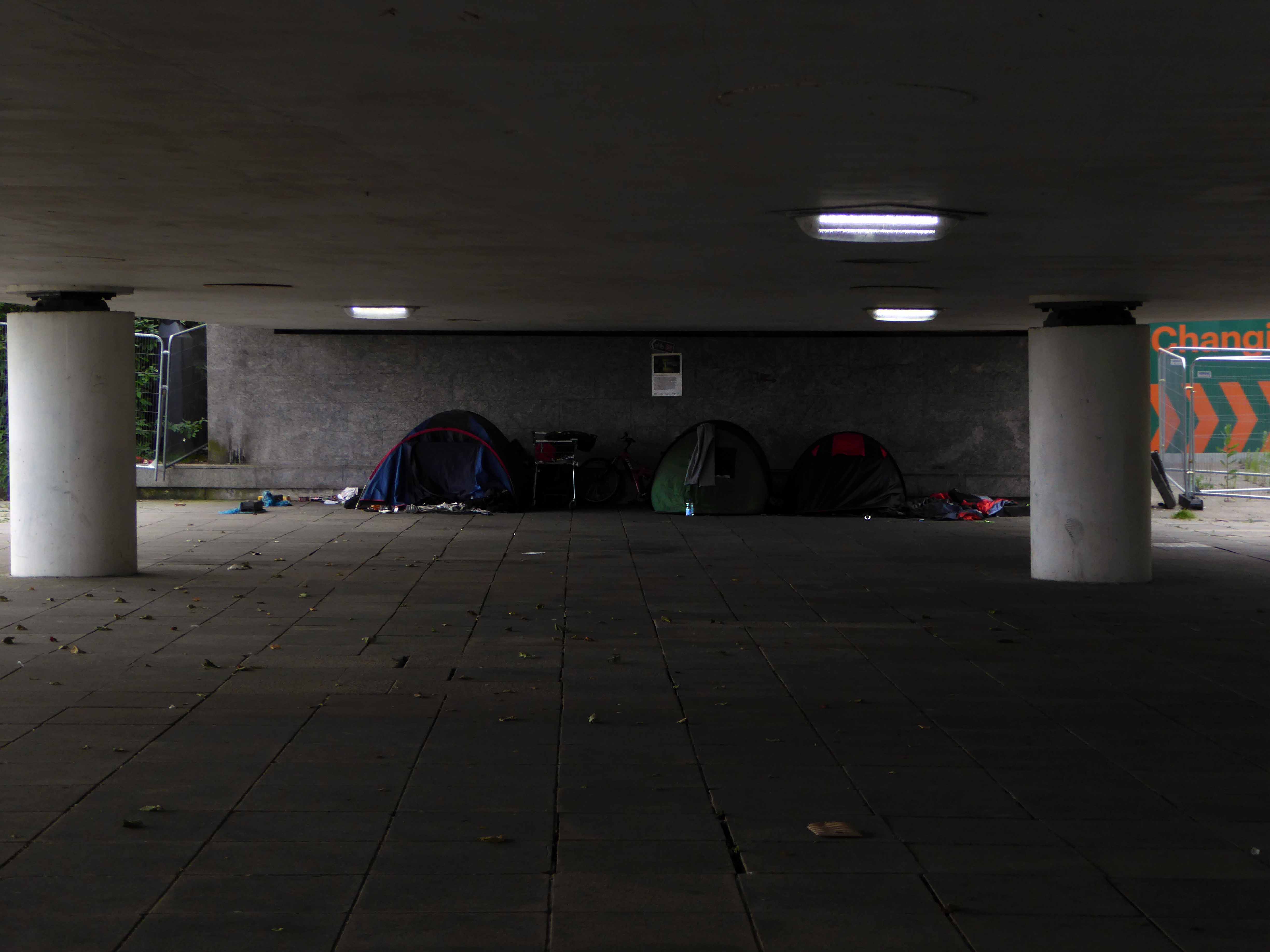
Beneath this merry carbon hungry dance, we find the cyclist and pedestrian, the self propelled underclass passing through the underpass.

During my eight hour non-stop walking tour I encountered several – here they are, home to the homeless – others somewhat desolate and deserted, grass between the paving stones, the occasional casual tag and discarded can.

P1260103

P1260104

P1260129

P1260179

P1260180

P1260181

P1260207

P1260232

P1260234

P1260263

P1260264

P1260394

P1260395

P1260396

P1260397

P1260405

P1260406

Taylor Street Gorton – The Pineapple

Screen Shot 2018-06-11 at 17.33.47

To begin at the beginning or thereabouts, Taylor Street was at the heart of Gorton to the east of Manchester city centre.

webmedia-1.php

webmedia-2.php

webmedia-3.php

webmedia-6.php

webmedia-7.php

webmedia-8.php

webmedia-9.php

webmedia-10.php

webmedia.php

A typical street of tightly packed brick terraces, dotted with shops, pubs, people and industry. I worked there as van lad for Mother’s Pride bread back in the 70s and saw those shops, pubs, people and industry slowly disappear.

Beyer Peacock whose immense shed dominated the northern end of the street, simply ceased to be, as steam gave way to diesel.

As full employment gave way to a date with the dole.

Adsega opening on nearby Cross Street heralded the arrival of the super fast, self-service supermarket, and sounded the death knell of the cosy corner cupboard.

398912_3820026268527_1203084936_n

The local pub was The Bessemer – its name forging an unbreakable link with the surrounding steel industry, that eventually broke.

webmedia-5.php

To the left of the pub is the Bishop Greer High School construction site  – the first of the new build that would later dominate the area, along with wide open spaces where shops, pubs, people and industry once were.

12932970_10154152981641600_8757469207112330278_n

webmedia.php copy

webmedia-1.php copy

When the school eventually shut its doors, it became an annex of Openshaw Technical College, and I found myself working there in the 80s at the East Manchester Centre, until its eventual closure.

It’s now sheltered accommodation for the lost and lonely:

Located in a quiet suburb of Manchester with excellent links to the city centre, Gorton Parks has an exceptional range of facilities spread out across five separate houses, each offering a different care option. Melland House offers dementia residential care, Abbey Hey provides nursing dementia care, Debdale is the house for intermediate nursing care and Sunny Brow offers general nursing care.

We sought solace in The Pineapple.

Screen Shot 2018-06-11 at 17.33.25

The streets were trimmed and slimmed, much of the past a mere ghostly presence, almost imprinted on the present.

A brave new world of brand new modern housing, with an Estate Pub to match.

The_Pineapple,_Gorton

A busy bustling boozer – lots of live and local action for the lively locals, latterly seeing out time as a house of House – a real bangin’ Bashment, bass-man bargain basement.

Until time is finally called – no more four to the floor, last one out shut the door.

1512347_516327525148853_492482006_n

Nothing lasts forever and a sign of the times is an upended pub sign, lying dormant in the dust.

The Chunky no longer a great big hunk o’funk.

10 Gorton pineapple pub

The big screen TV forever failing to deliver all the action, live or otherwise.

P1050836

p1050838.jpg

Latterly transformed into Dribble Drabble.

DSC_0074

And so the beat goes on as successive waves of success and recession, boom and bust free-market economics, wash over the nation and its long suffering folk.

Its enough to drive you to drink.

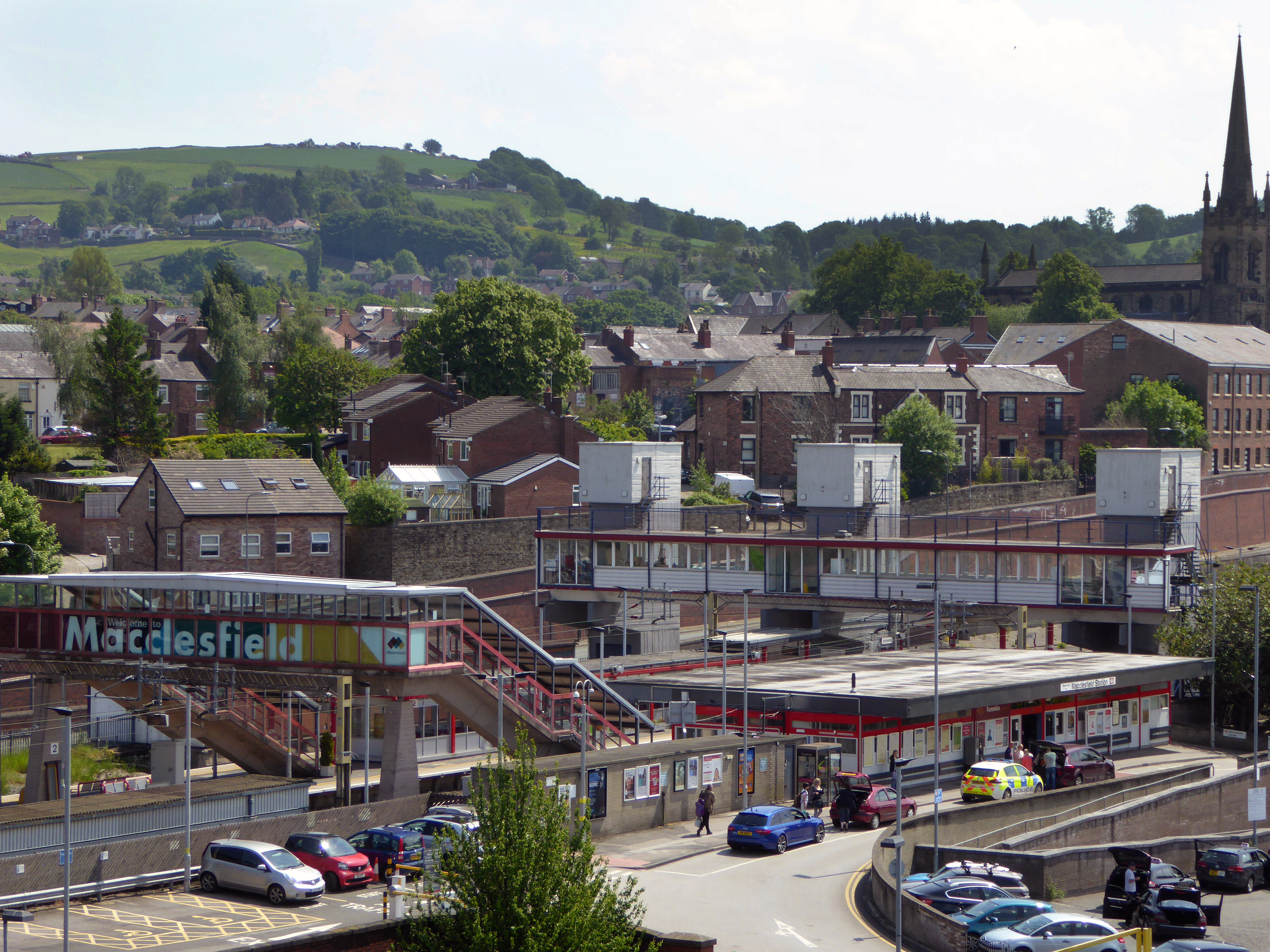
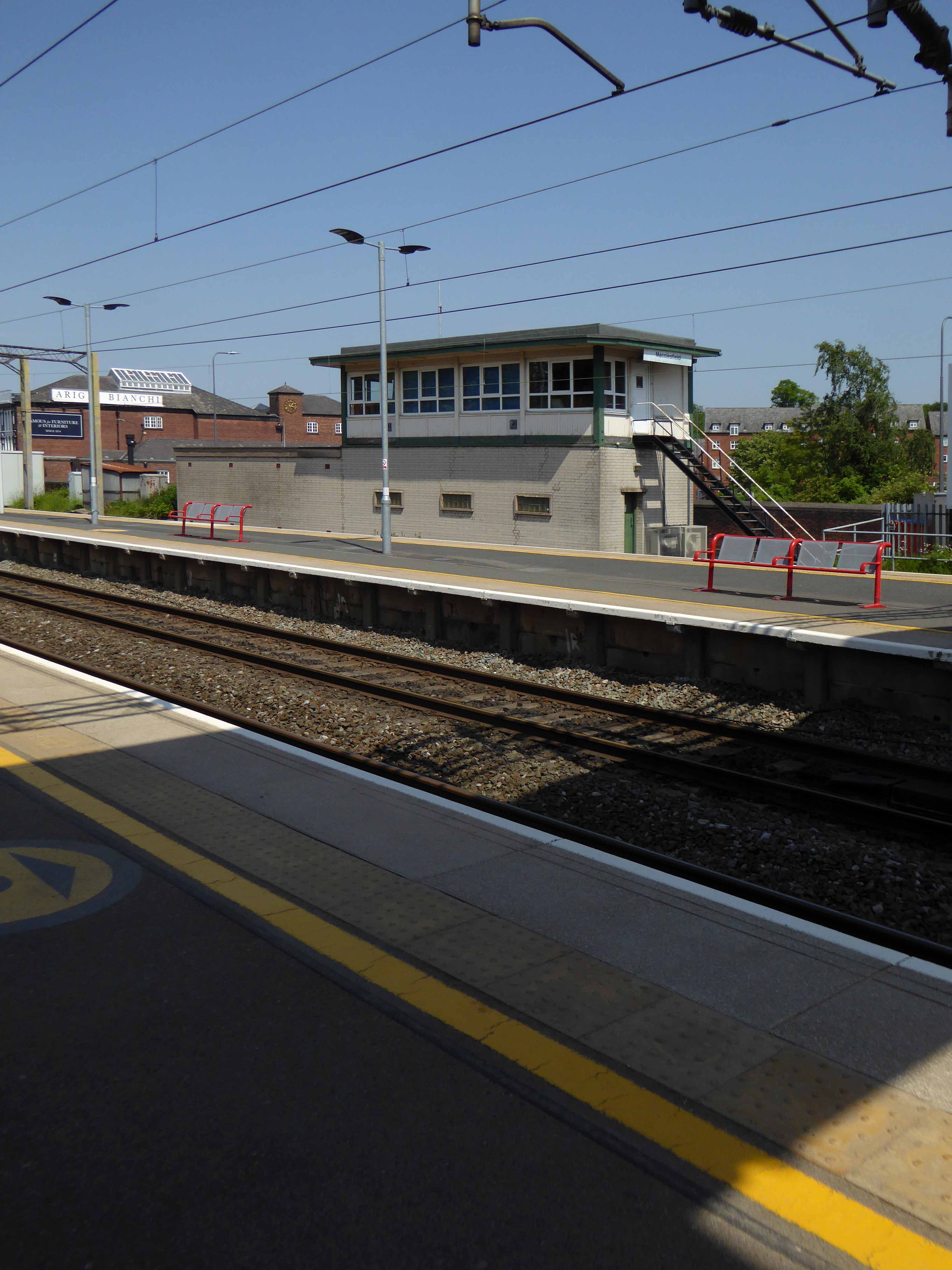
Macclesfield Railway Station

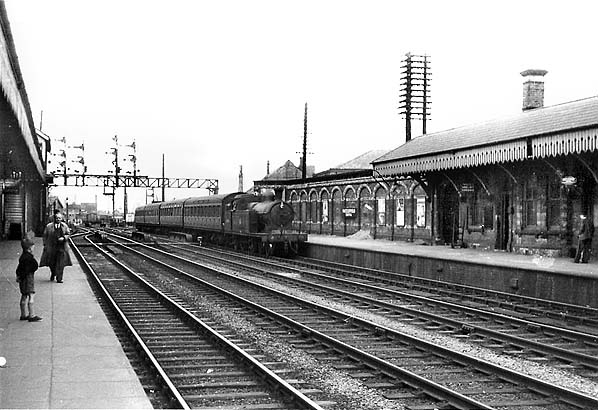
Where the Victorians modelled their stations on cathedrals, temples and palaces.

Modern Man models his on shopping centre and office blocks.

Richards and MacKenzie – The Railway Station

Though it seems to me that Macclesfield Station, in its earlier and current states, refuses to dovetail neatly into either of these sloppy binary paradigms.

macclesfield_central_1900.s

The former – single storey buildings, fitting unostentatiously into the topographic and practical constraints of the site. A neat, tightly packed rhythm of brick arches with a compact and bijou porch welcoming the expectant traveller.

P1250546

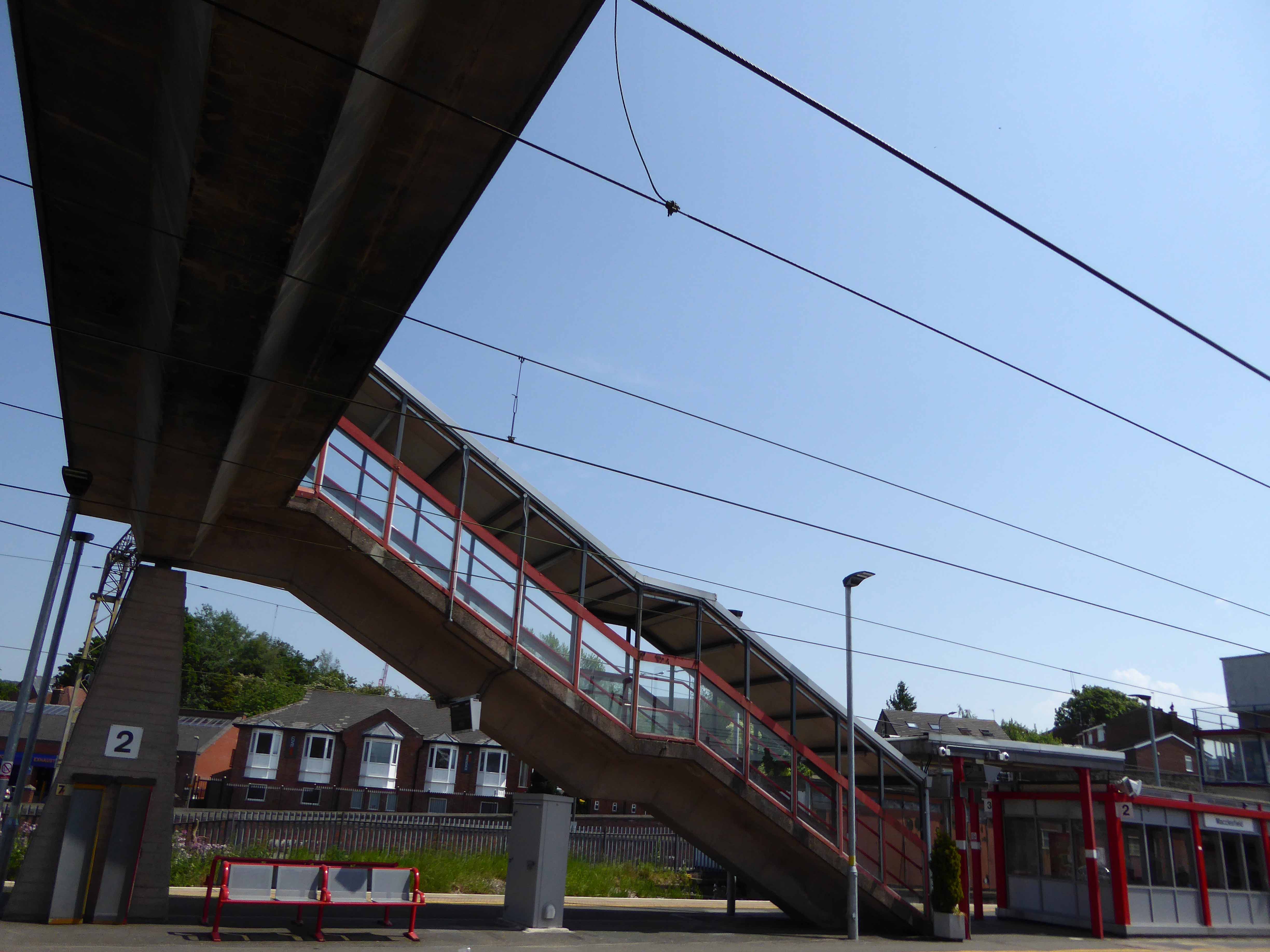
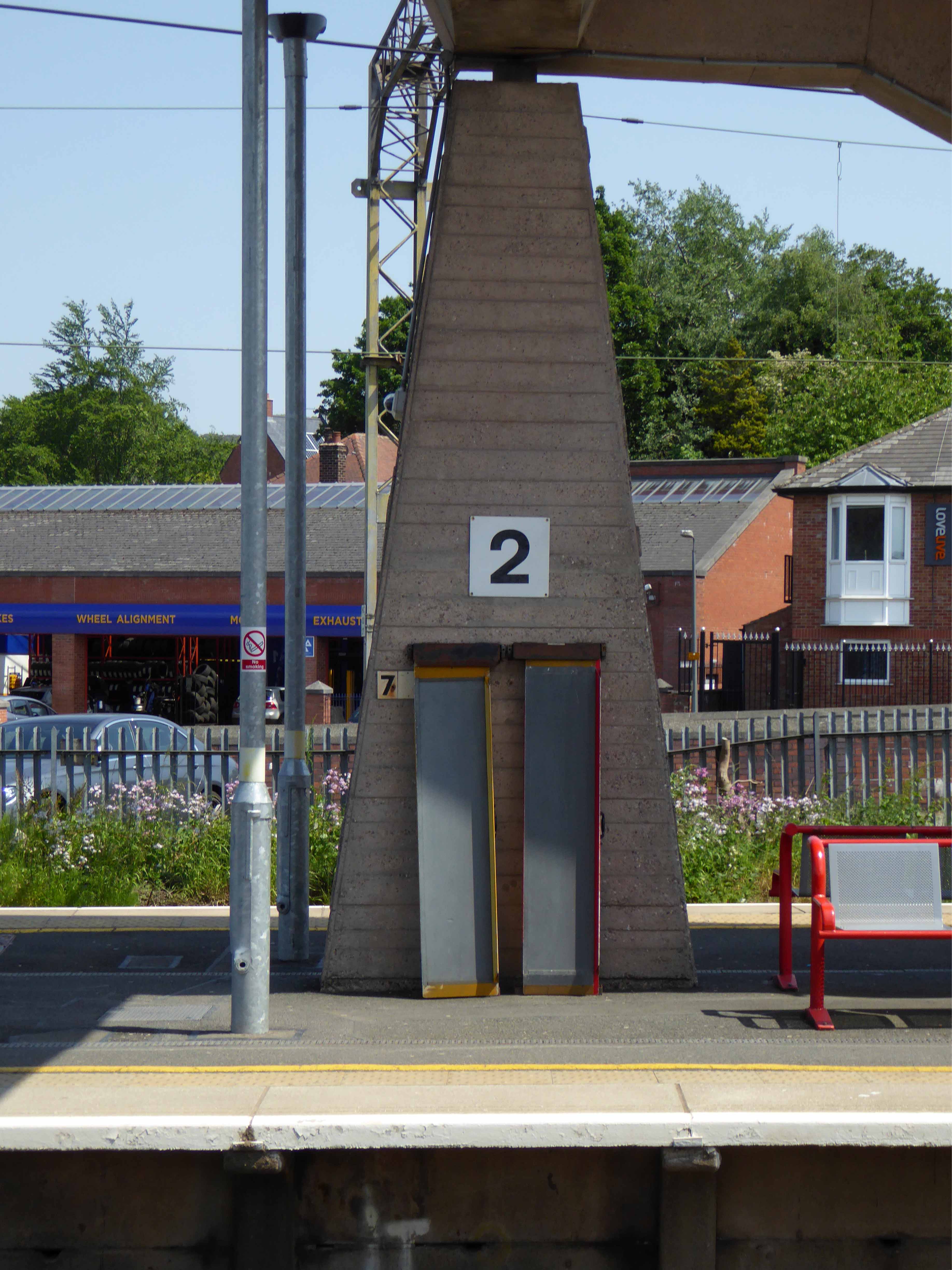
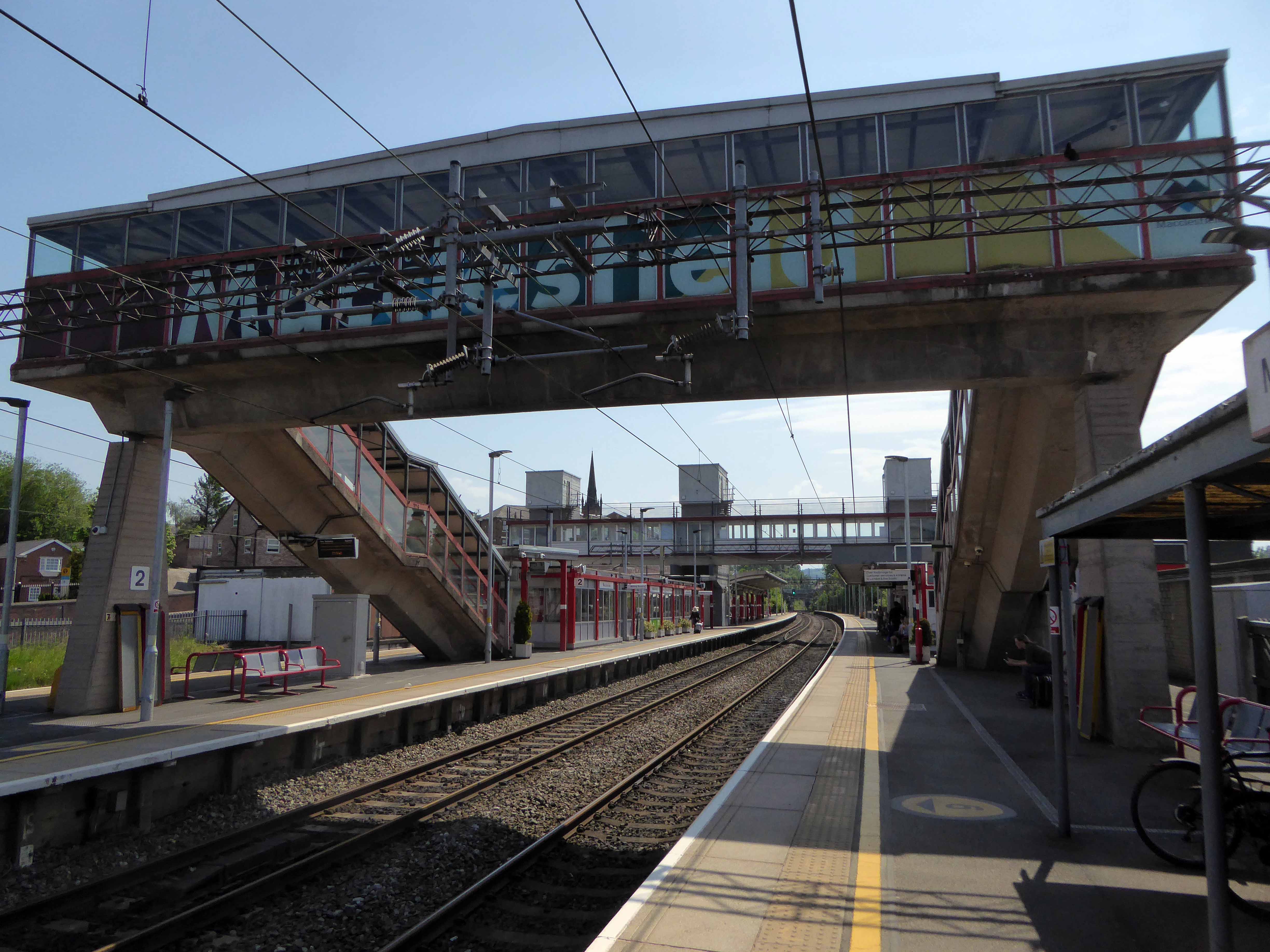
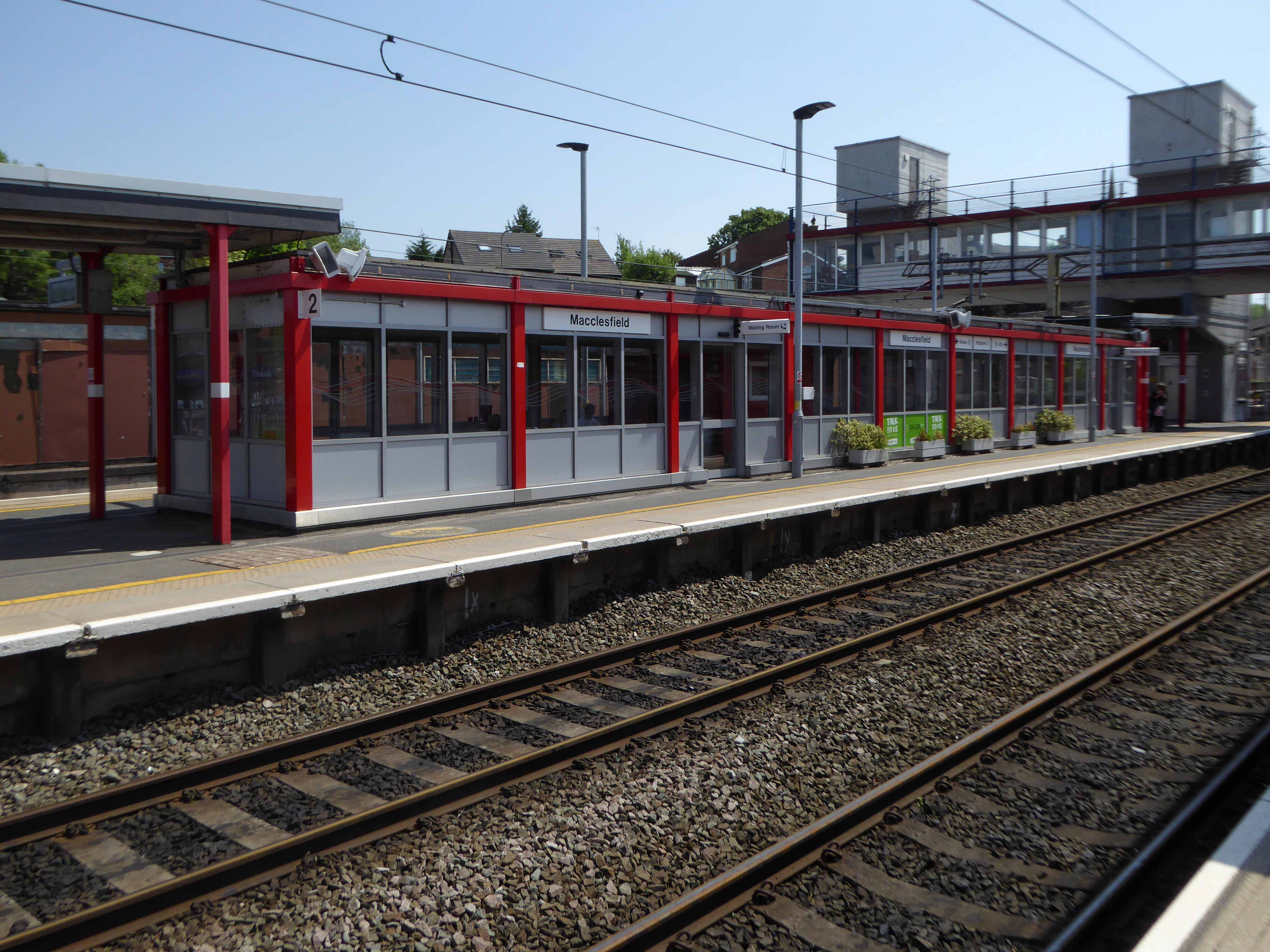
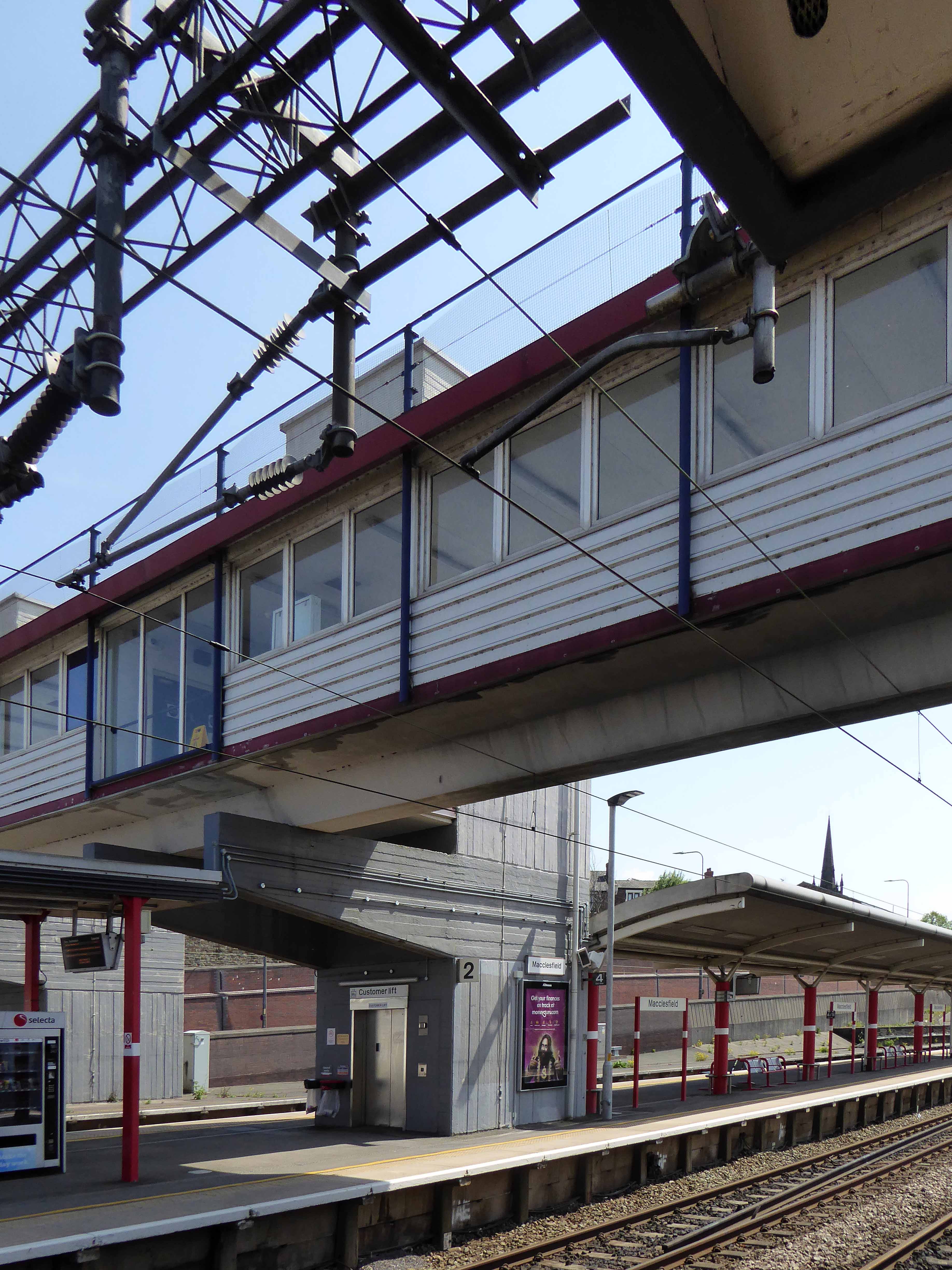
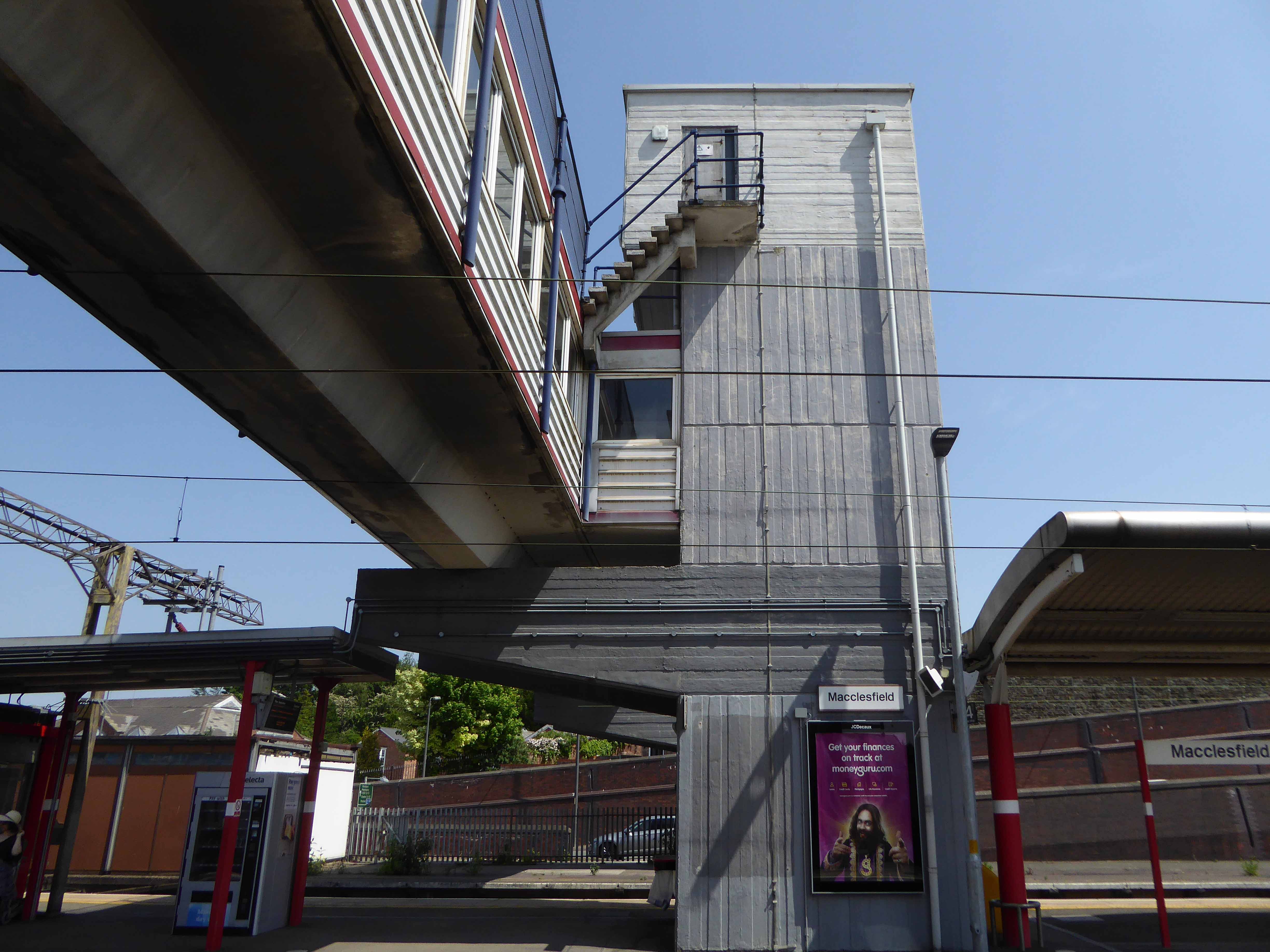
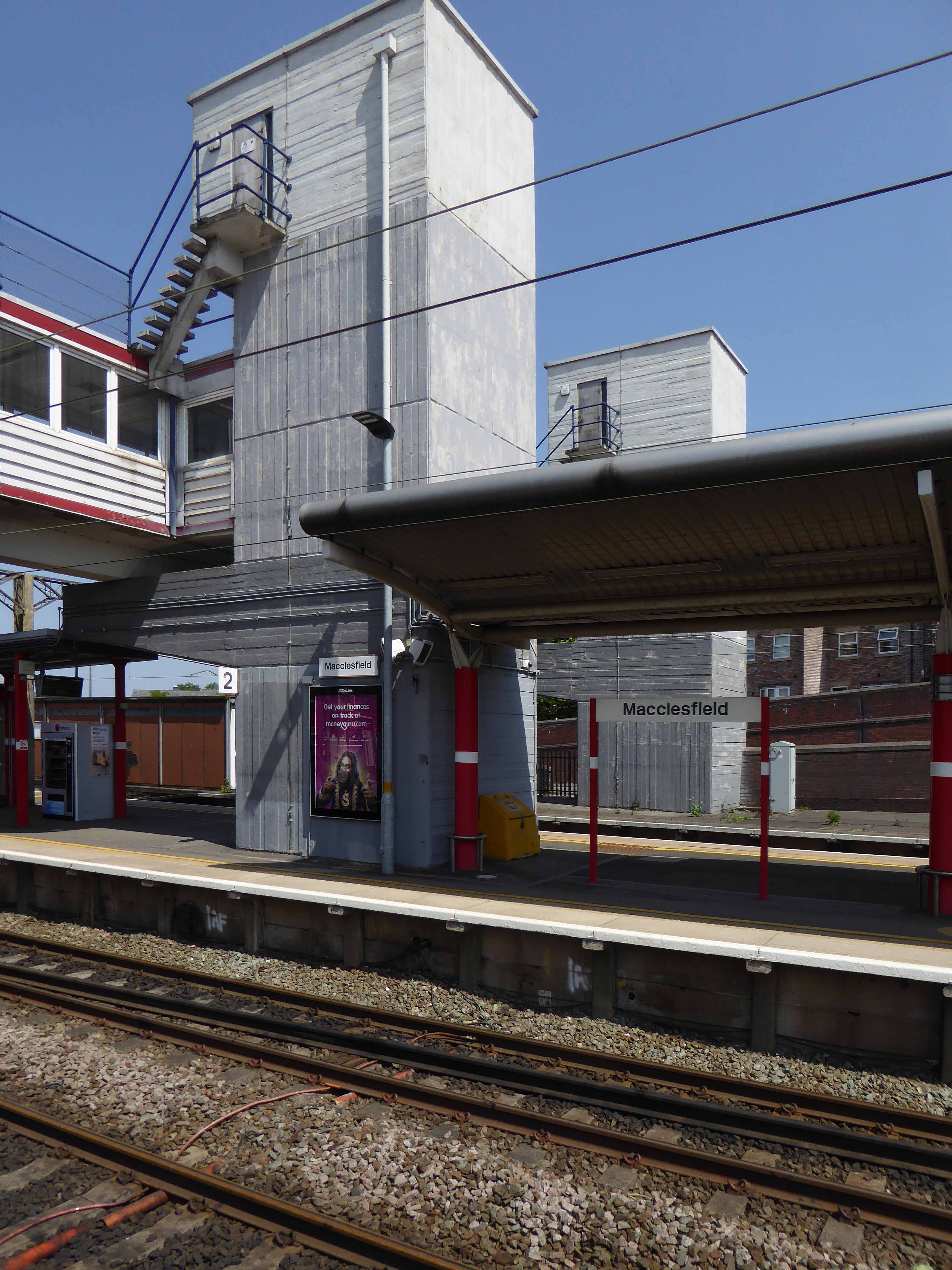
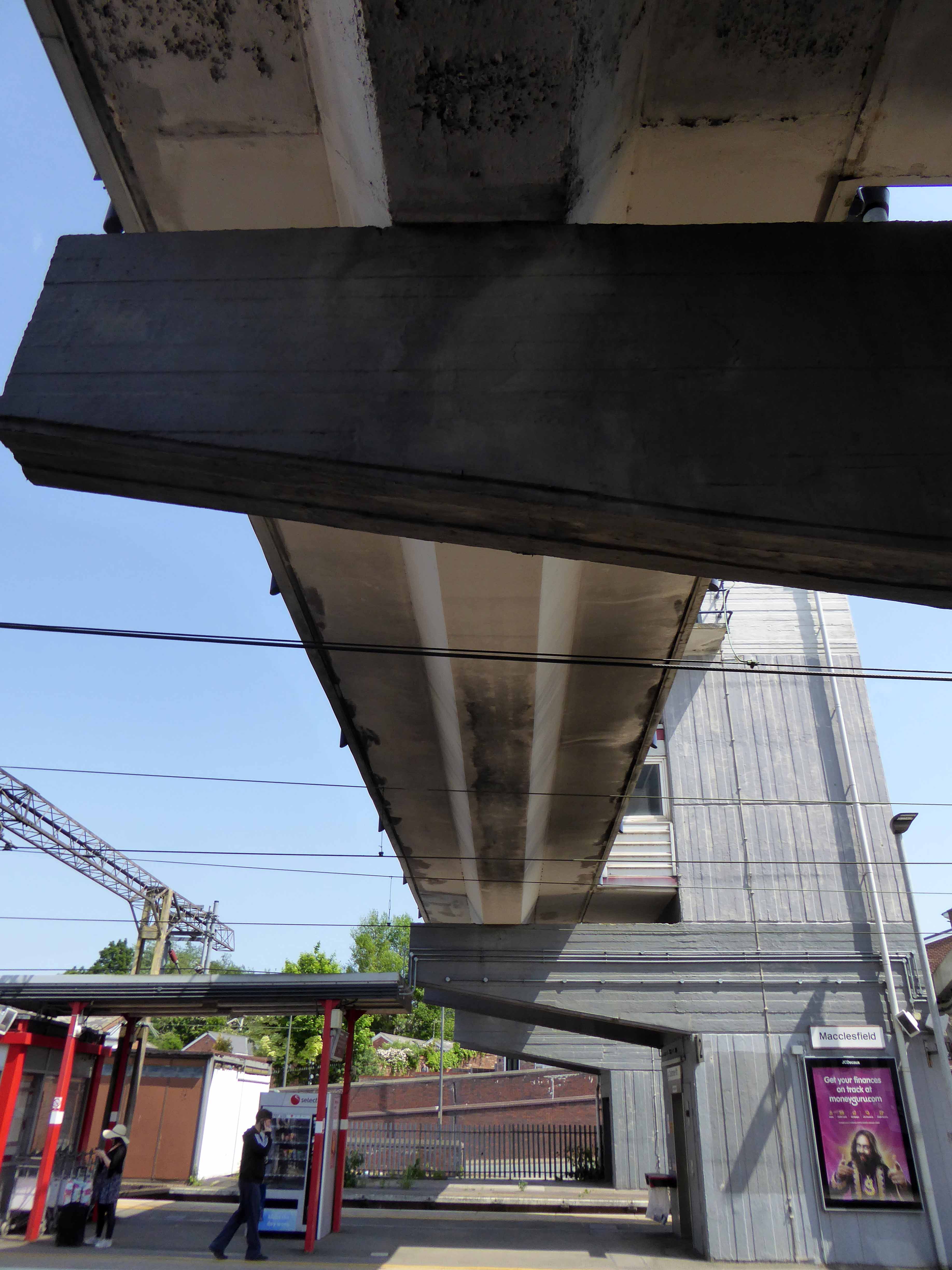
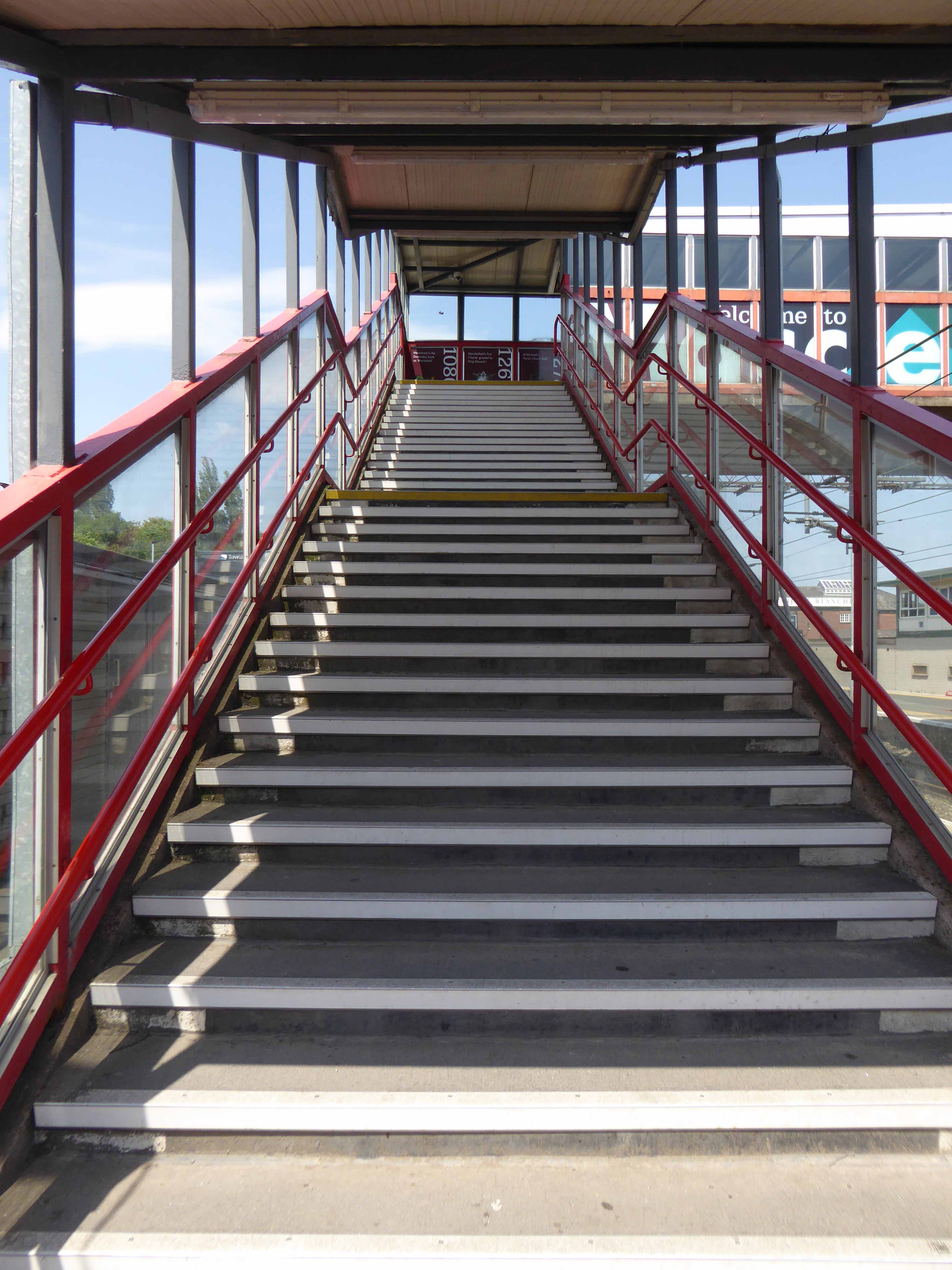
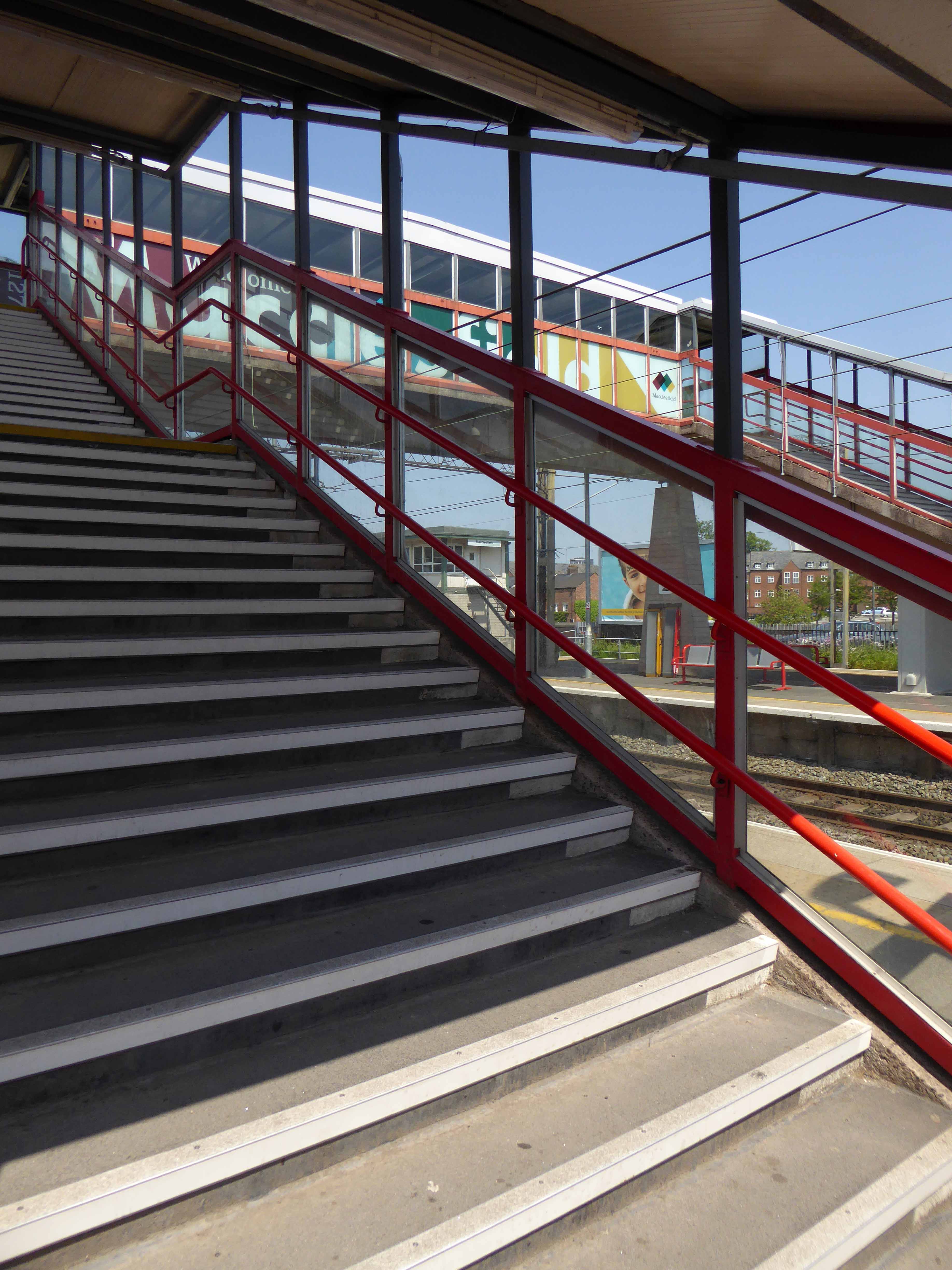
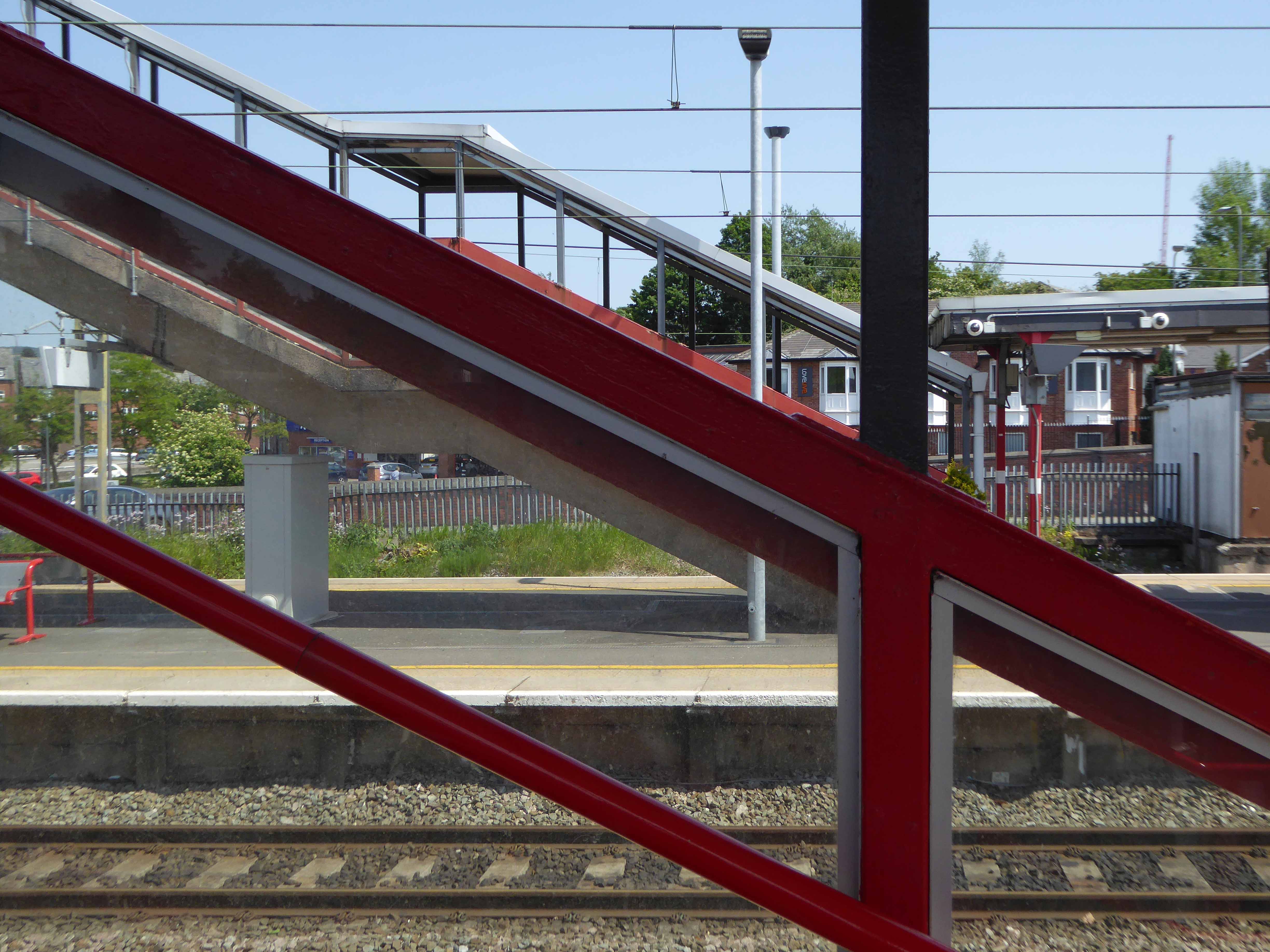
The latter a functionalist block, fully utilitarian crossings with lift access columns, embodying a particularly industrial demeanour.

From the golden age of steam to the moribund years of diesel, Macclesfield sits comfortably somewhere, betwixt and between ugly duckling and fully fledged swan.

Nestled in the lea of the East Cheshire Highlands, offering practical everyday transport solutions to the beleaguered commuter.

No frills, no thrills.

macclesfield(harden4.1954)centrall_old4

c964acf720e0b759fda2f4788256c528

The London and North Western Railway opened the line between Manchester and Macclesfield on 19 June 1849 – Macclesfield Central was born. Later it would become a key station on the Stafford branch of the West Coast Main Line, remodelled in 1960 and rebranded as the much snappier Macclesfield Station.

Which it proudly announces topically and typographically to the world.

P1250547

Welcome to Macclesfield a town that is clearly going places, and so are you.

The station won the Best Kept Station in Cheshire Award for 2007, but was reported in summer 2011 to be distinctly shabby, with peeling paintwork.

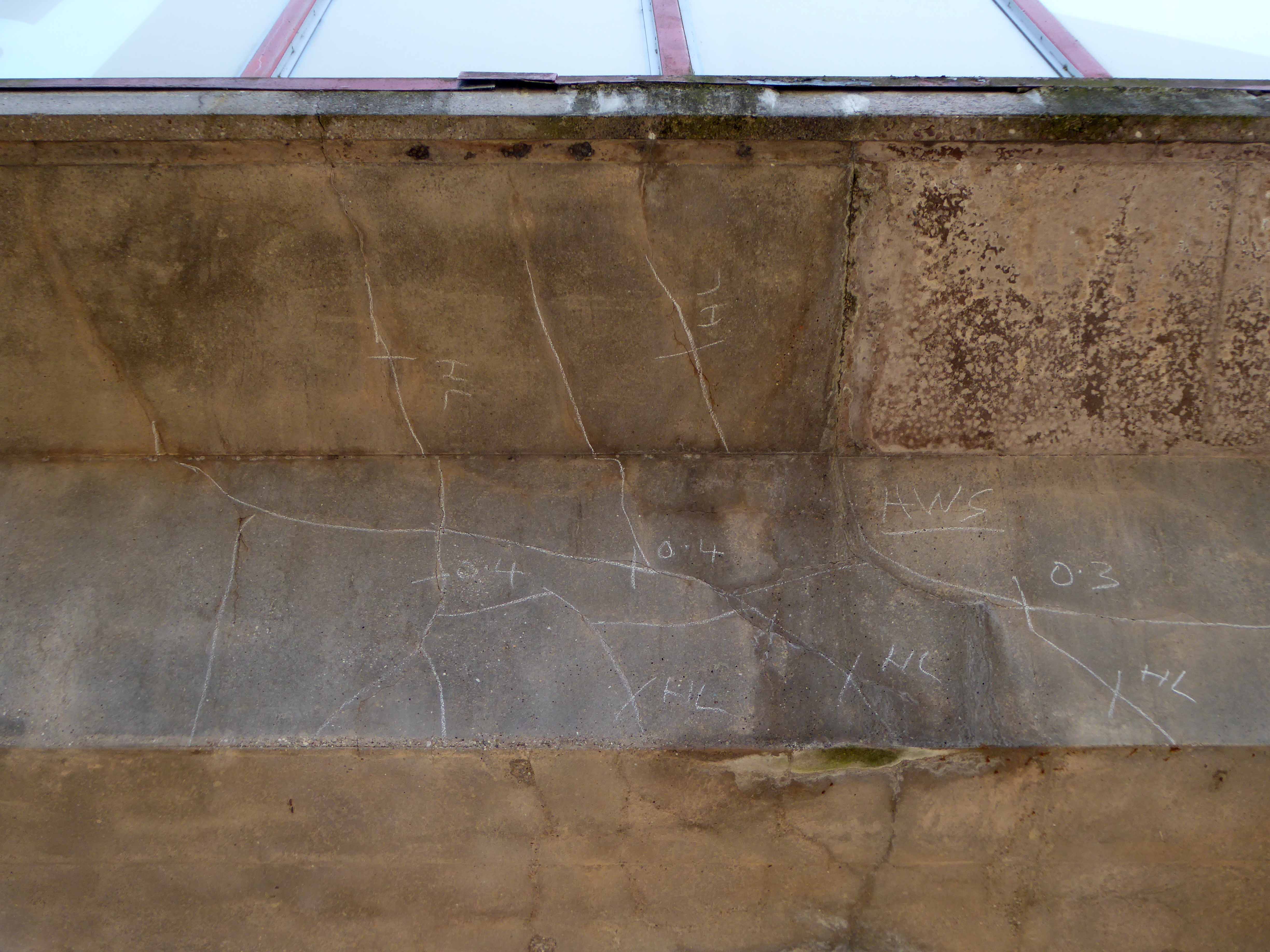
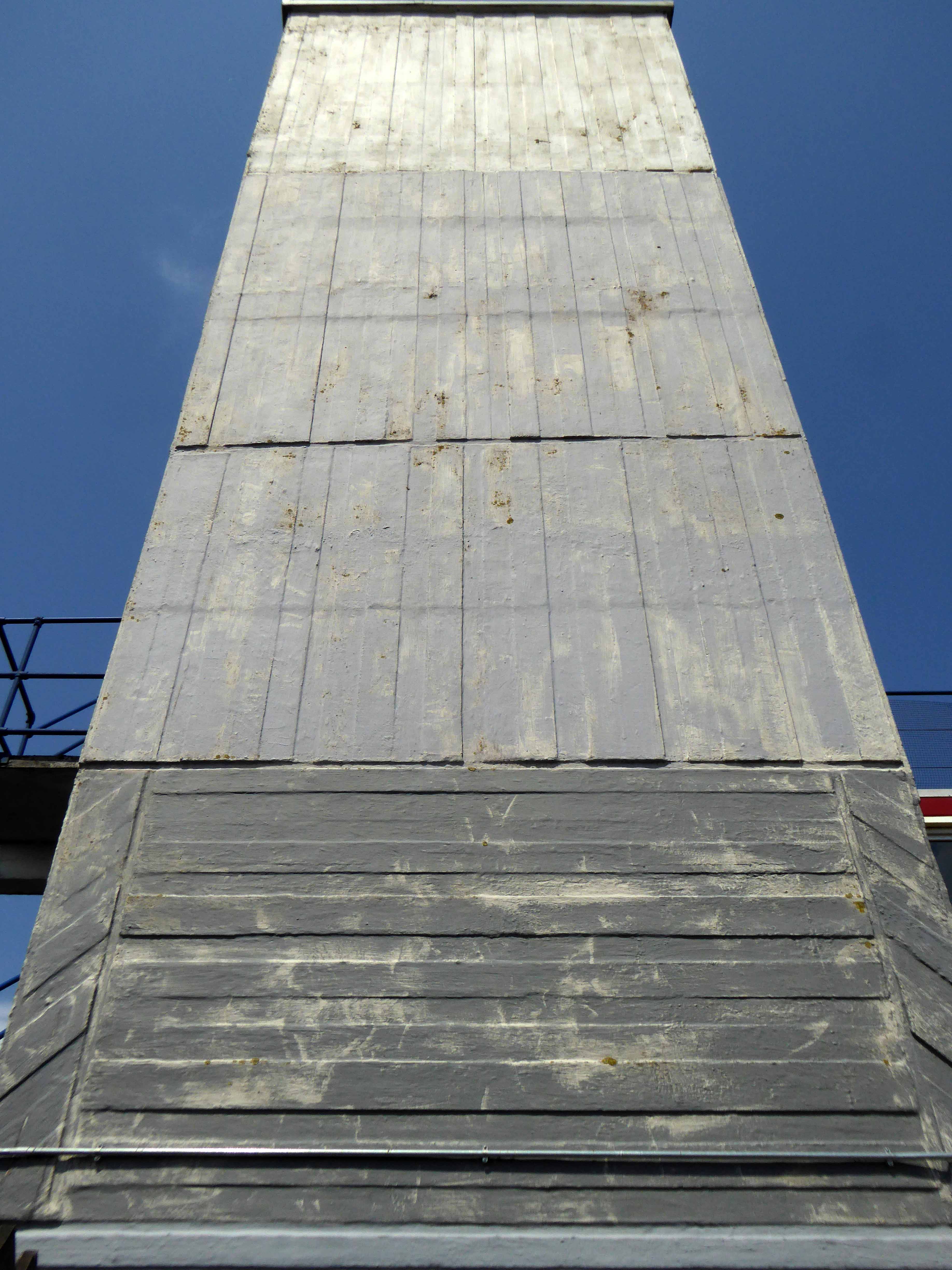
And yet there is something in the constituent Platonic steel, glass and concrete forms that never ceases to amuse and amaze me, this is Brutalism on a human and provincial scale.

The raw concrete softened with three or four shades of grey, as a concession to the delicate suburban sensibilities of this once silk-fuelled town.

Take a trip with me – join the Cheshire train set.

P1250548

P1250549

P1250550

P1250551

P1250552

P1250553

P1250554

P1250555

P1250557

P1250558

P1250560

P1250564

P1250565

P1250566


Ford Lane Didsbury – Manchester

Screen Shot 2018-05-27 at 06.28.11

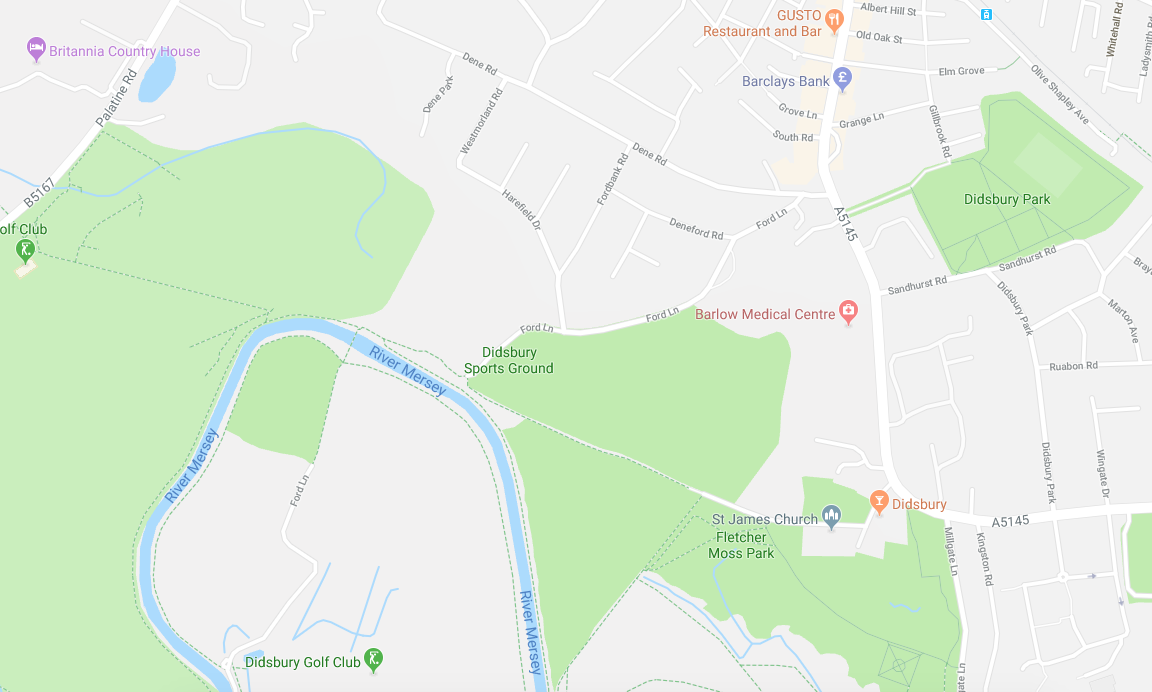
This a tale of a lane, a shady lane in south Manchester.

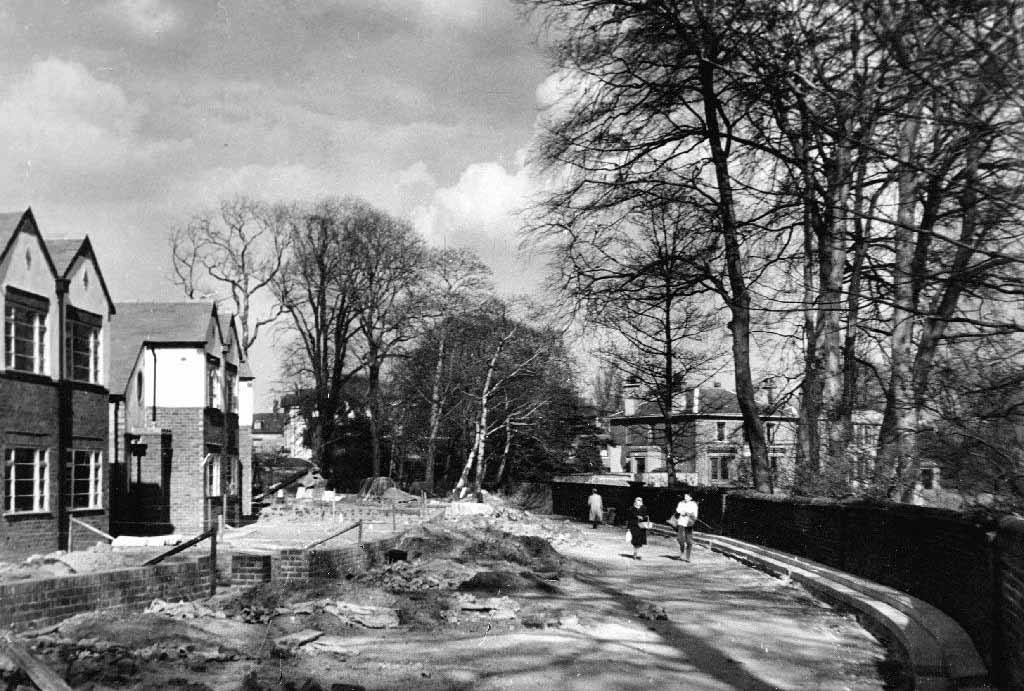
This is a tale of several Manchesters, layer upon layer of history.

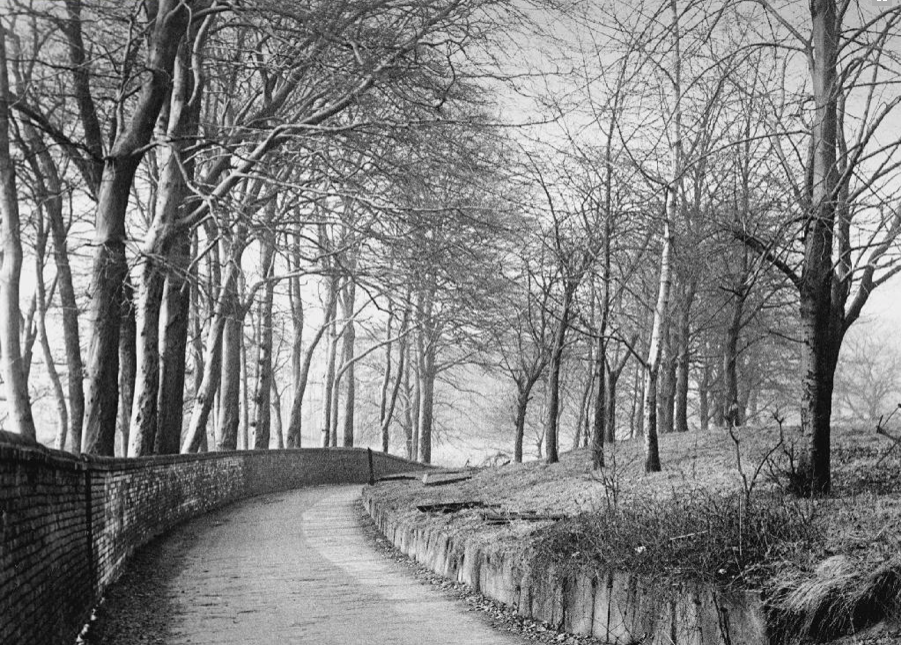
Shady history.

Screen Shot 2018-05-27 at 06.12.50

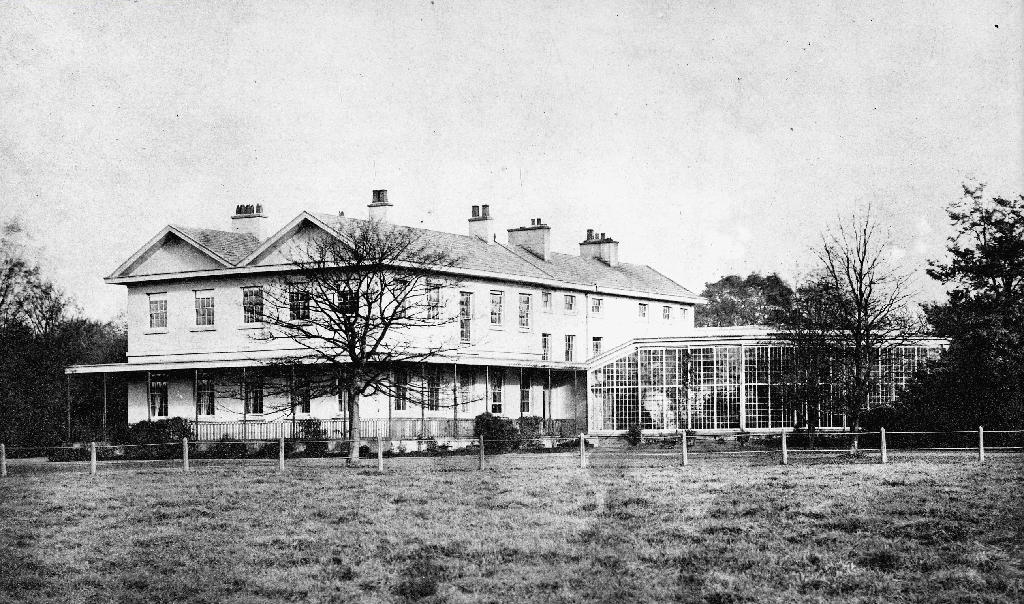
Ford Bank House occupied much of what is now the Ford Bank Estate and prior to that it was believed to be farm land. Ford Bank House, probably the largest house erected in Didsbury was built in about 1823 by Joseph Birley a cotton manufacturer. The extended Birley family had a widespread influence on Manchester history even going back to the Peterloo massacre where one of the Birley ancestors led a contingent of the mounted soldiers who attacked what was a peaceful protest gathering. 

Ford Bank Residents

A tale of emergent capital and political control, rendered corporeal in brick, stone, wood, glass and slate. A cotton-rich mercantile class seeking to suppress the democratic demands of a burgeoning proletariat.

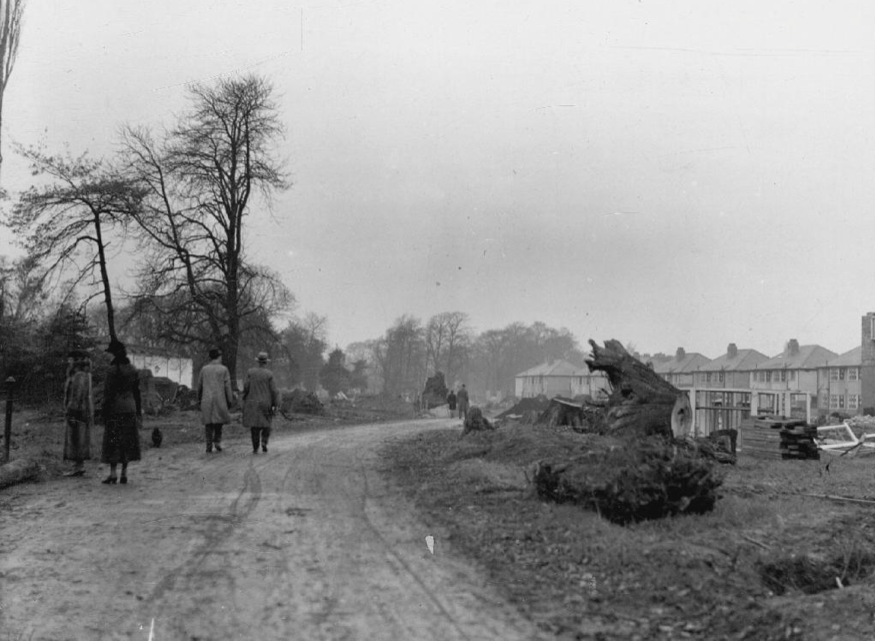
Ford Bank House was sold to Thomas Ashton in 1858, when he died in 1898. In 1919 the remaining estate was sold to Dr Herbert Levinstien who worked on mustard gas research during the first world war. In 1934 the estate was sold to Ford Bank Estates Limited who developed and built what is now the Ford Bank Estate.

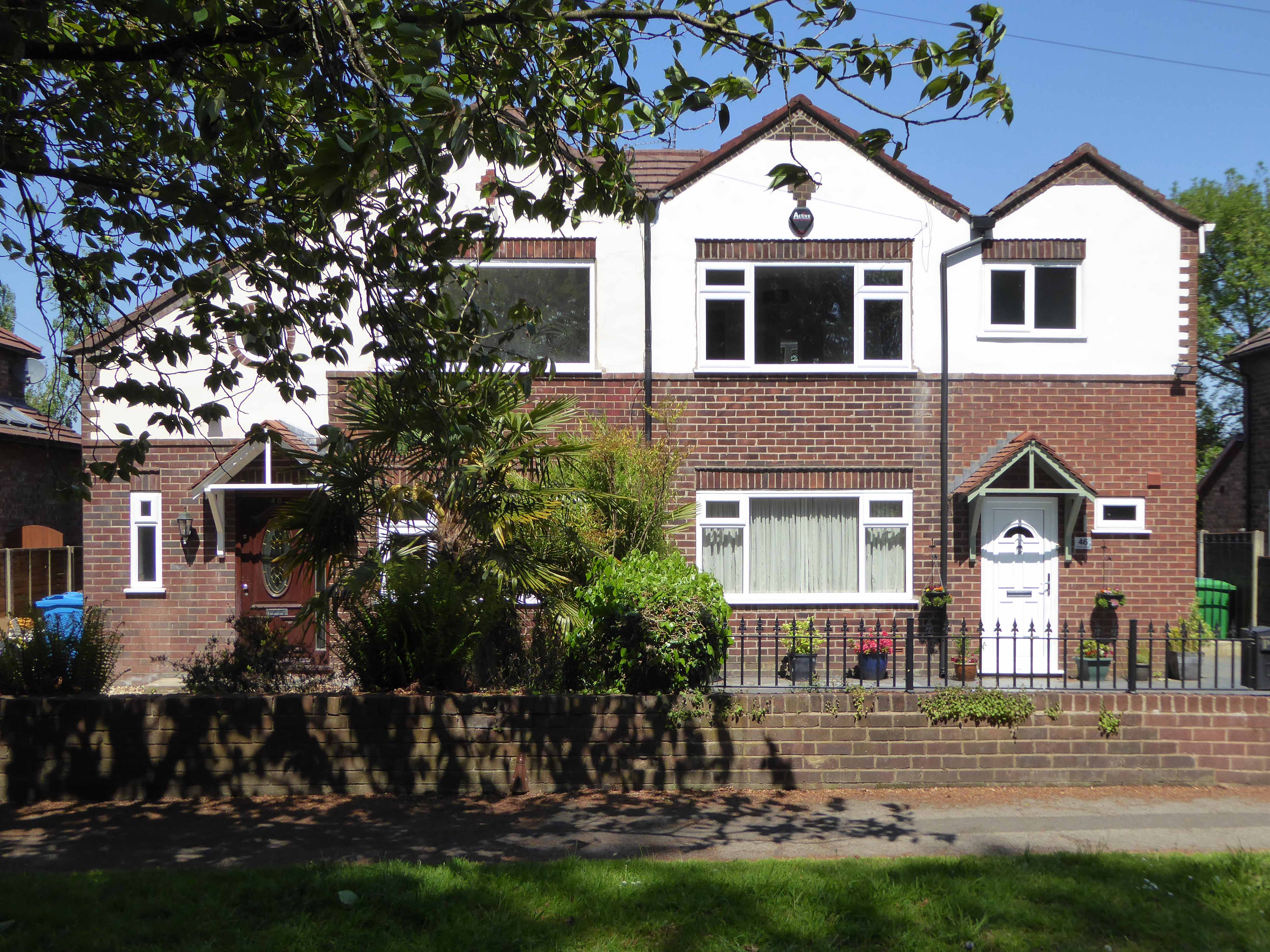
A tale of a growing and aspirational professional middle class, seeking inter-war semis in a leafy Didsbury glade – and the timely response of speculative builders.

Looking cheekily over the hedge in search of a monkey puzzle.

Screen Shot 2018-05-27 at 06.12.10

Screen Shot 2018-05-27 at 06.12.31

webmedia-14.php

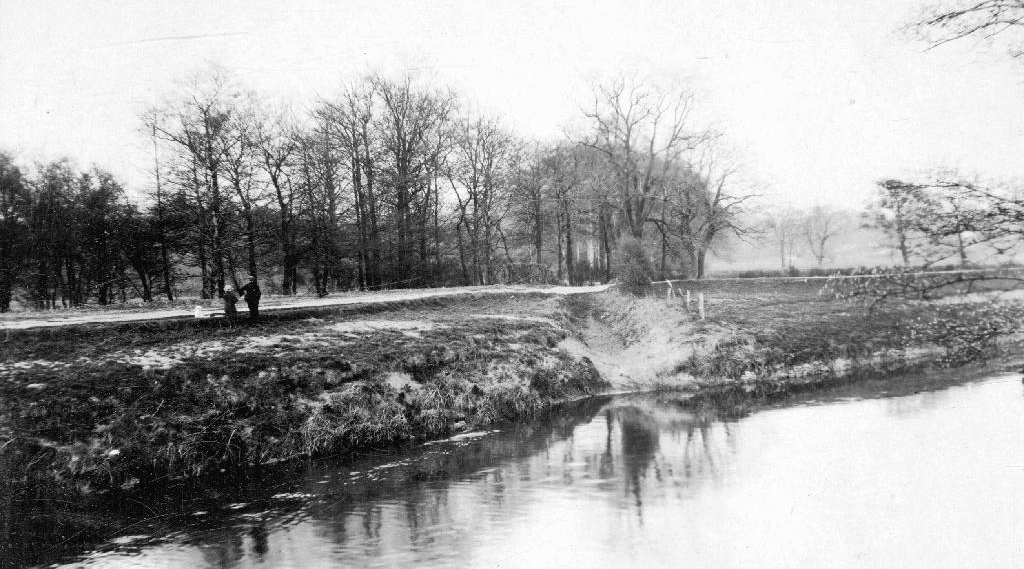
The ford of Ford Lane crosses the nearby River Mersey – thought to be the route of retreating Royalists following the siege of Wythenshawe Hall in 1644.

webmedia.php

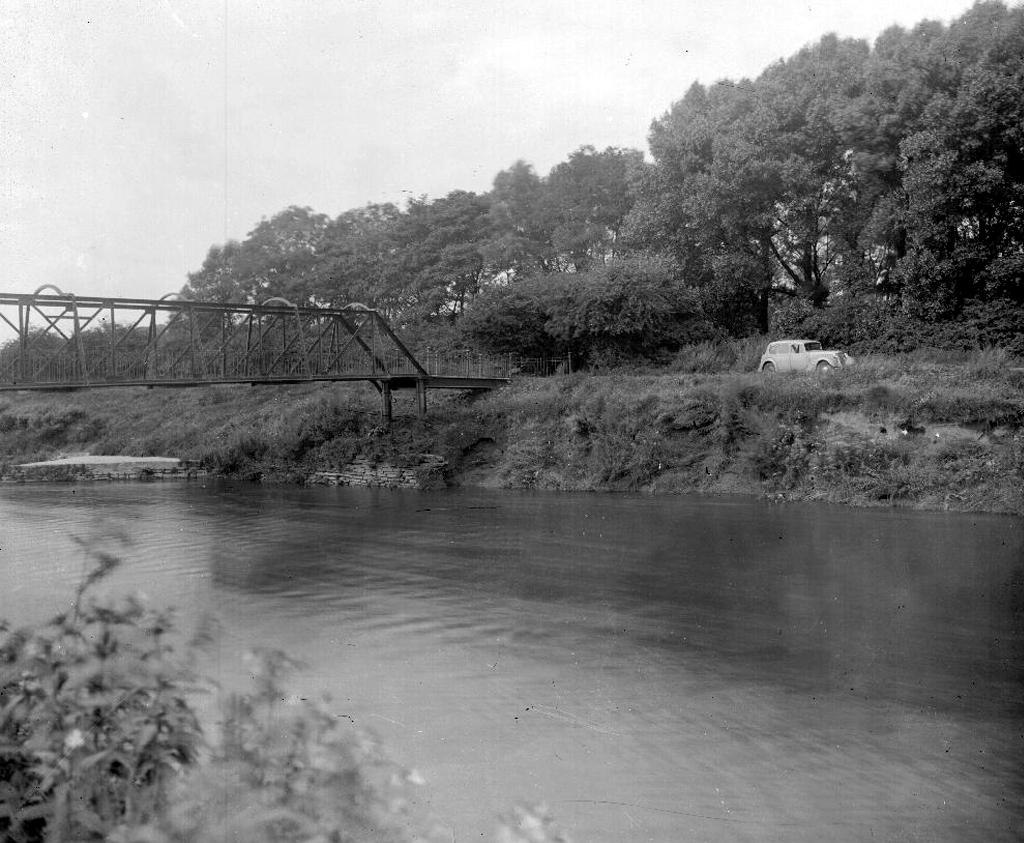
In 1901 a bridge was opened at the behest of local emigres engineer and social benefactor Henry Simon – a German born engineer who revolutionised Great Britain’s flour milling industry and in 1878 founded the engineering companies Henry Simon Ltd and Simon Carves.

He and his family were a serious reforming political force in the area – instrumental in the founding and development of the Halle Orchestra, Wythenshawe Park and housing estate.

webmedia-1.php

For many years this was my route to work – cycling from Stockport to Northenden, each and every day forever. Witnessing the rise and fall of the river and the vacillating  fortunes of Manchester’s economic regeneration.

This is south Manchester where the years of austerity, central government fiscal prudence and free-market economics, have had a far from adverse effect.

In stark contrast to the malaise of the north and east of the city, here we see a constant parade of skips and scaffold, free from the fickle trick of trickle down. As extensions and mortgages are extended at an alarming rate.

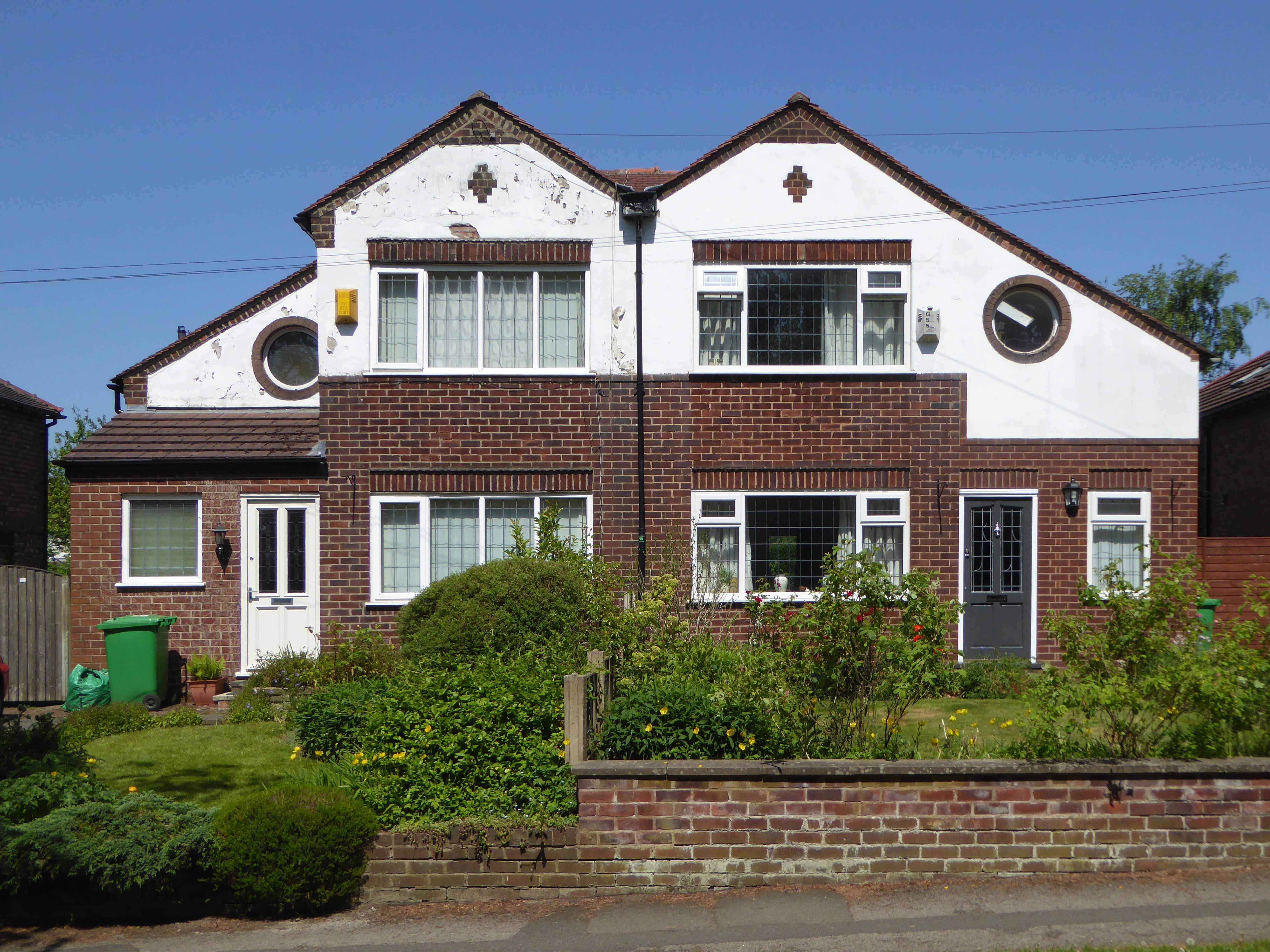
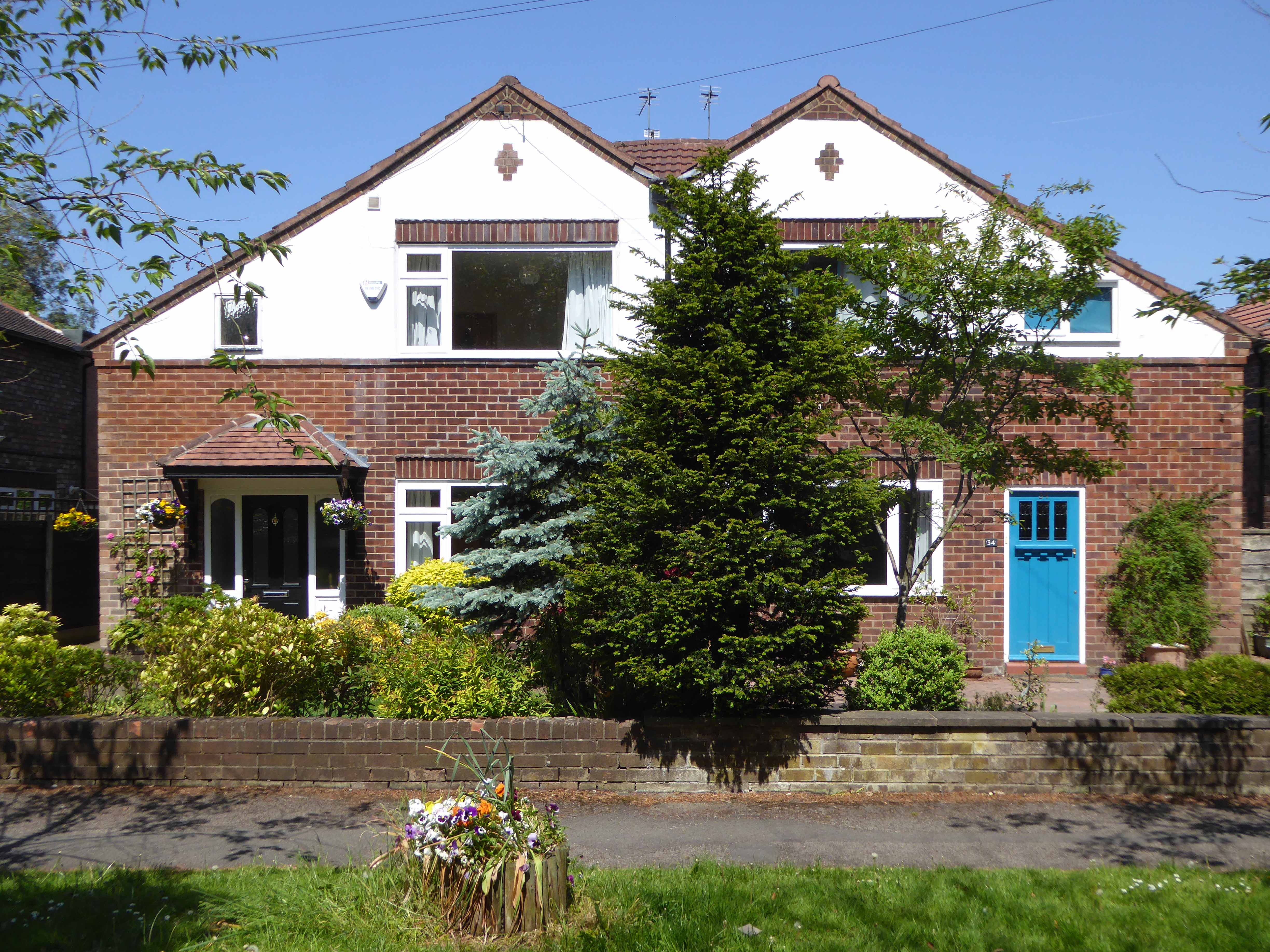
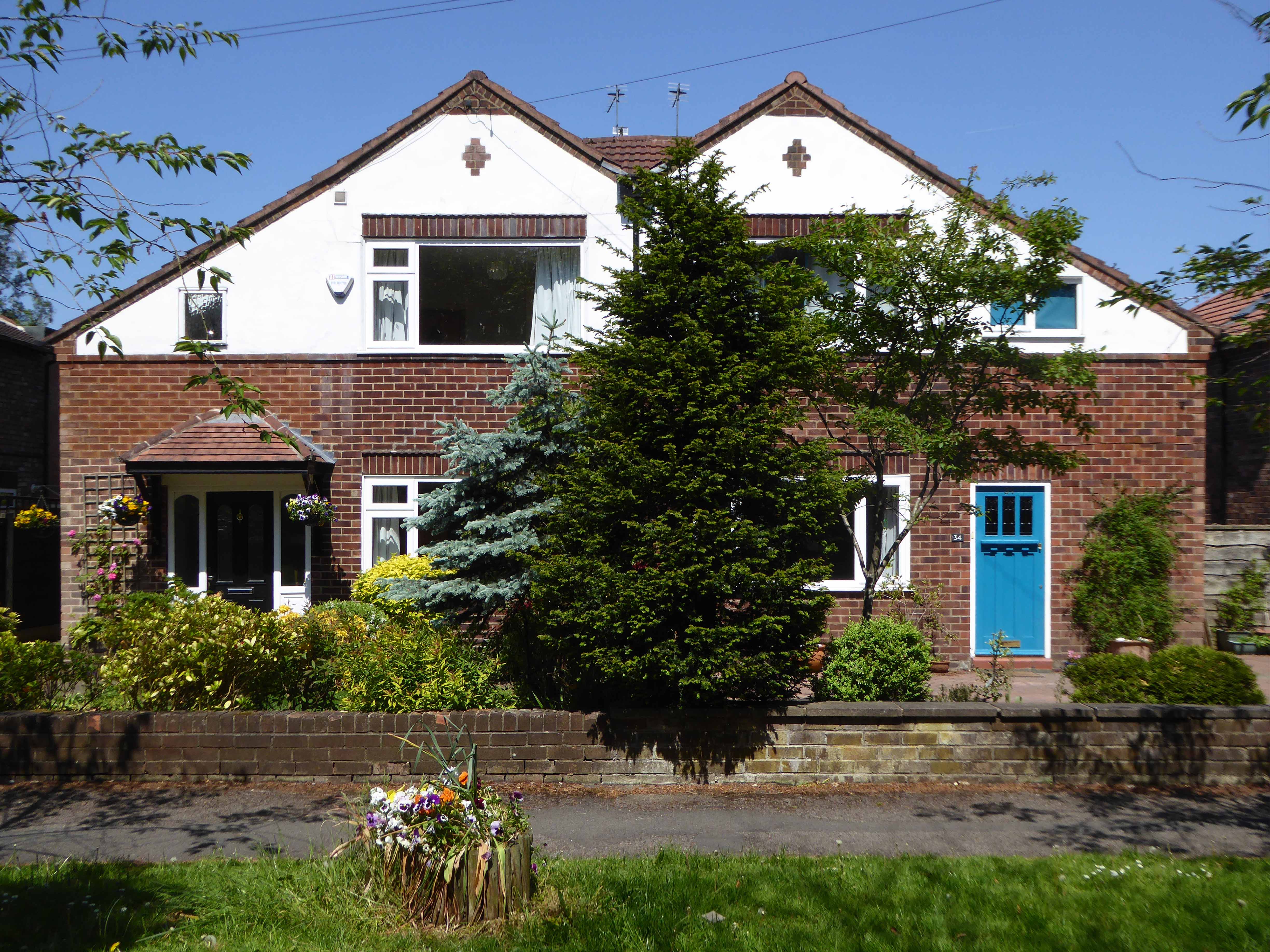
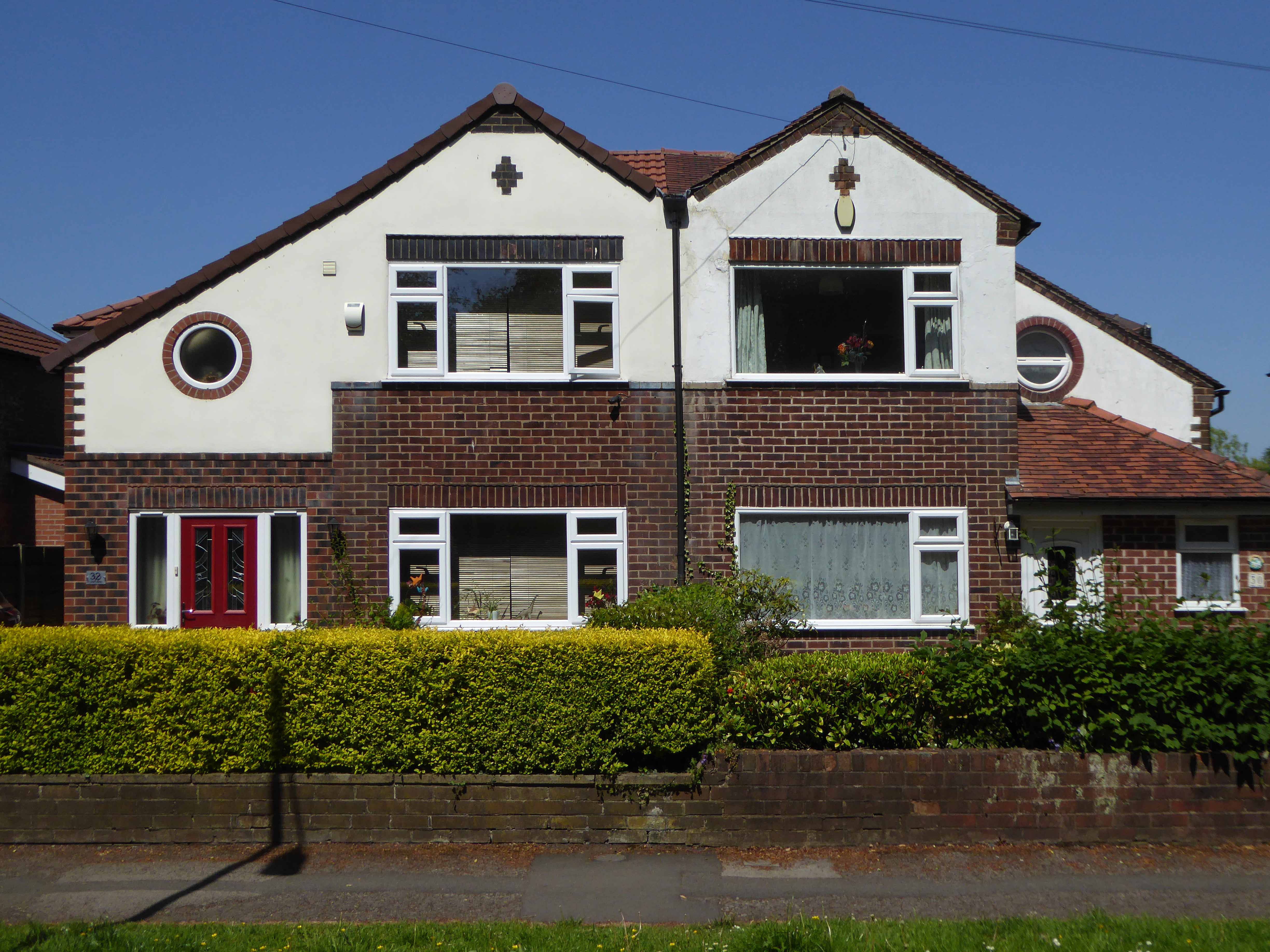
The round windowed gaze of the asymmetric homes, seem endlessly surprised at the good fortune that has befallen the residents of Ford Lane.

Owner occupiers preoccupied with owning.

Semi-detached.

P1250526

P1250527

P1250528

P1250529

P1250530

P1250531

P1250532

P1250533

P1250534


Heaton Mersey Vale – Stockport

A mighty river valley was formed in the second Ice Age, as the glaciers receded and rushed seaward.

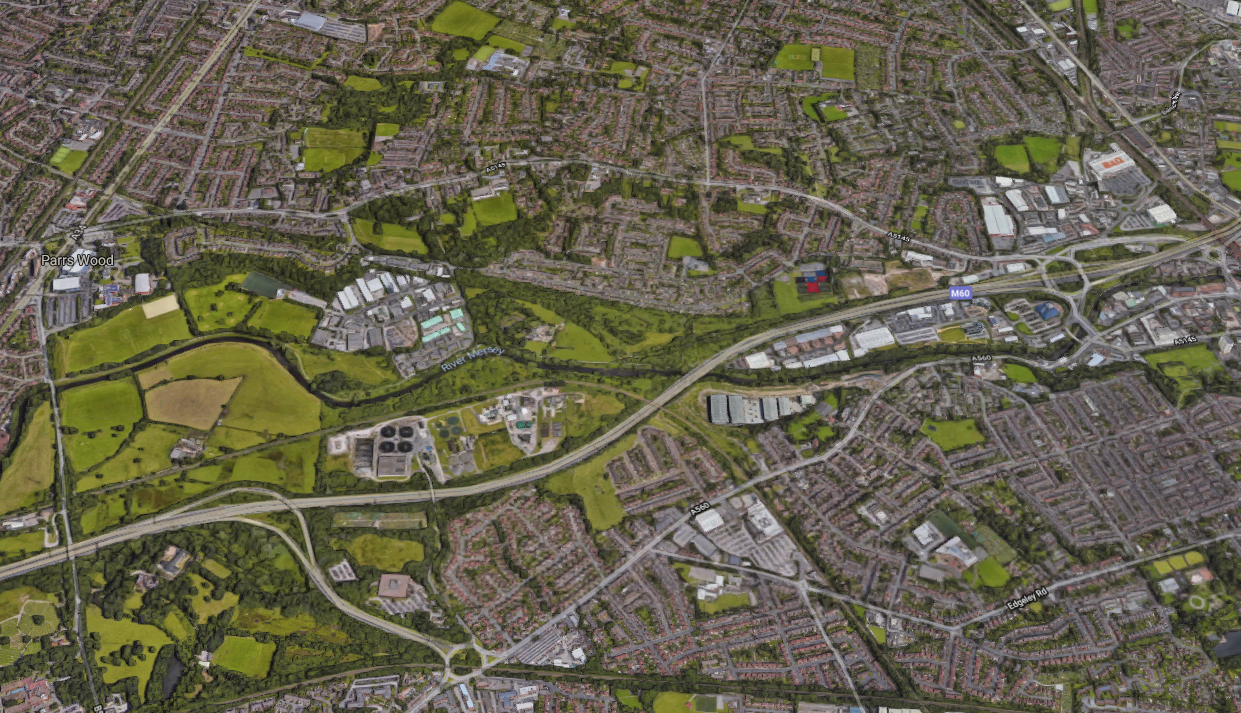
The mighty River Mersey was formed on the eastern edge of Stockport, at the confluence of the Tame and Goyt/Etherow rivers.

Thousands of years in the making, as the water-powered mills of the adjacent Pennine Hills migrate to the lower reaches of the towns, in search of water, workers and steam, the full force of the Industrial Revolution takes shape in the west.

The mixed farming of the alluvial valley, which opens up onto the Lancashire and Cheshire Plains, meets and greets the incursion of dye and brick works, mills and manufacturing.

31891

Fred Schofield’s farm 1930

1963

View towards Stockport from Heaton Mersey Park

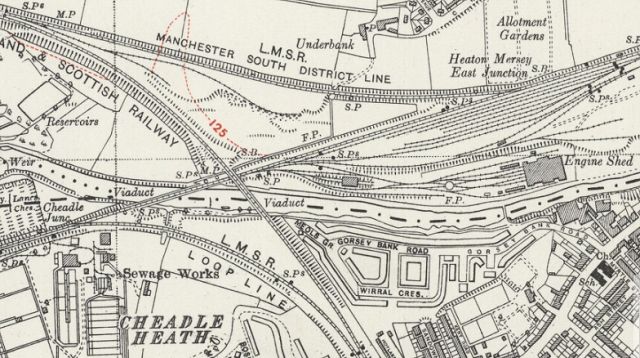
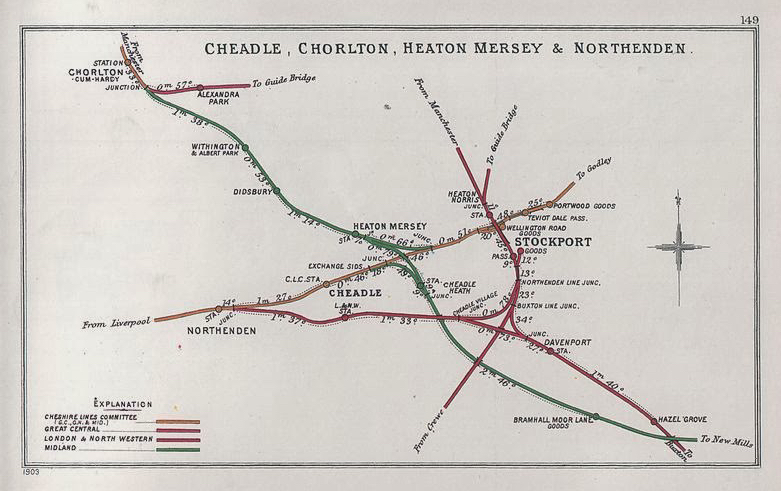
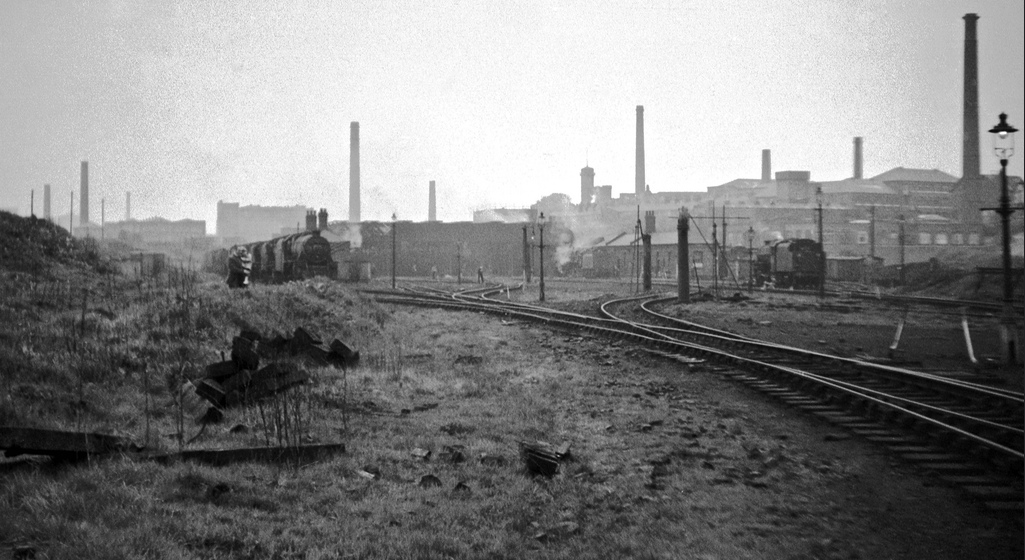
Serviced by a complex and competing rail system based around Heaton Mersey Shed.

edgeley2016-11

Opened in 1889 and served until May 1968 operating steam locomotives to the end -Coded 9F.

Heaton_Mersey rail map

Here we were at the centre of a rail hub spreading out in all directions, to and from the ports, cities and resources of the country and beyond.

Great movements of steel, cotton, coal, people and manufactured goods.

Screen Shot 2018-05-16 at 19.27.37

38106

Fireman Eddy “Ned” Kelly

heaton(nigel_bruce7.1965)mersey_old7

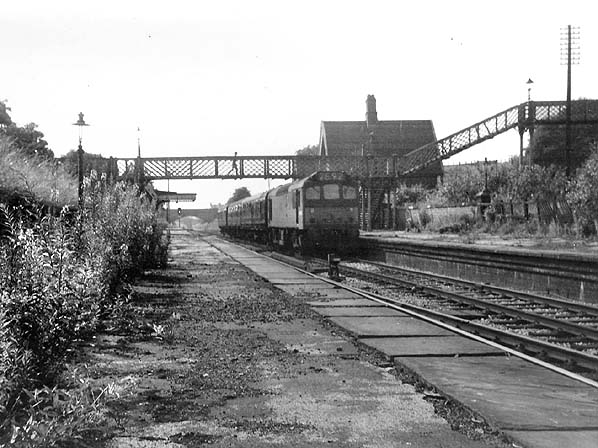
Heaton Mersey railway station was opened on 1 January 1880 by the Midland Railway and lay on the newly opened line which ran from Heaton Mersey East Junction to Chorlton Junction and on to Manchester Central station.

The station was situated at the southern end of Station Road which still exists. The station was later operated by the London Midland and Scottish Railway and was closed by the London Midland Region of British Railways on 3 July 1961.

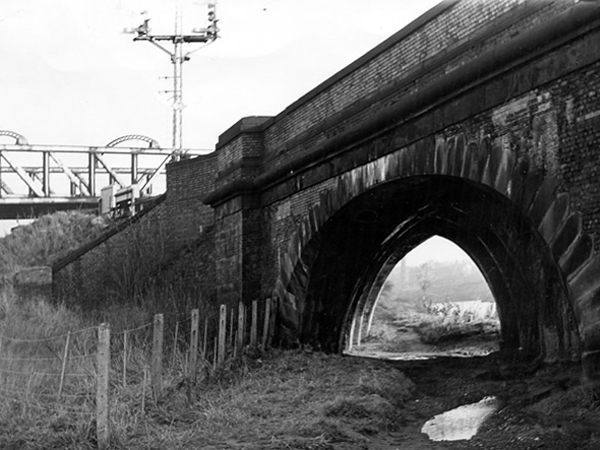
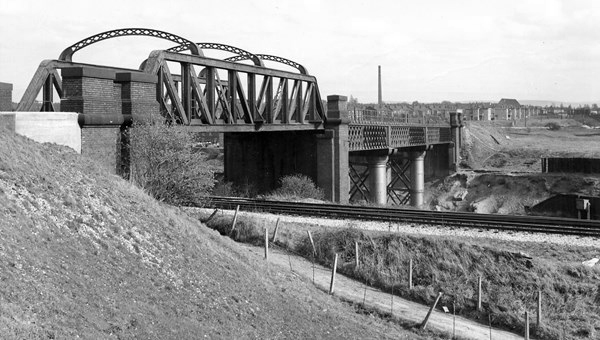
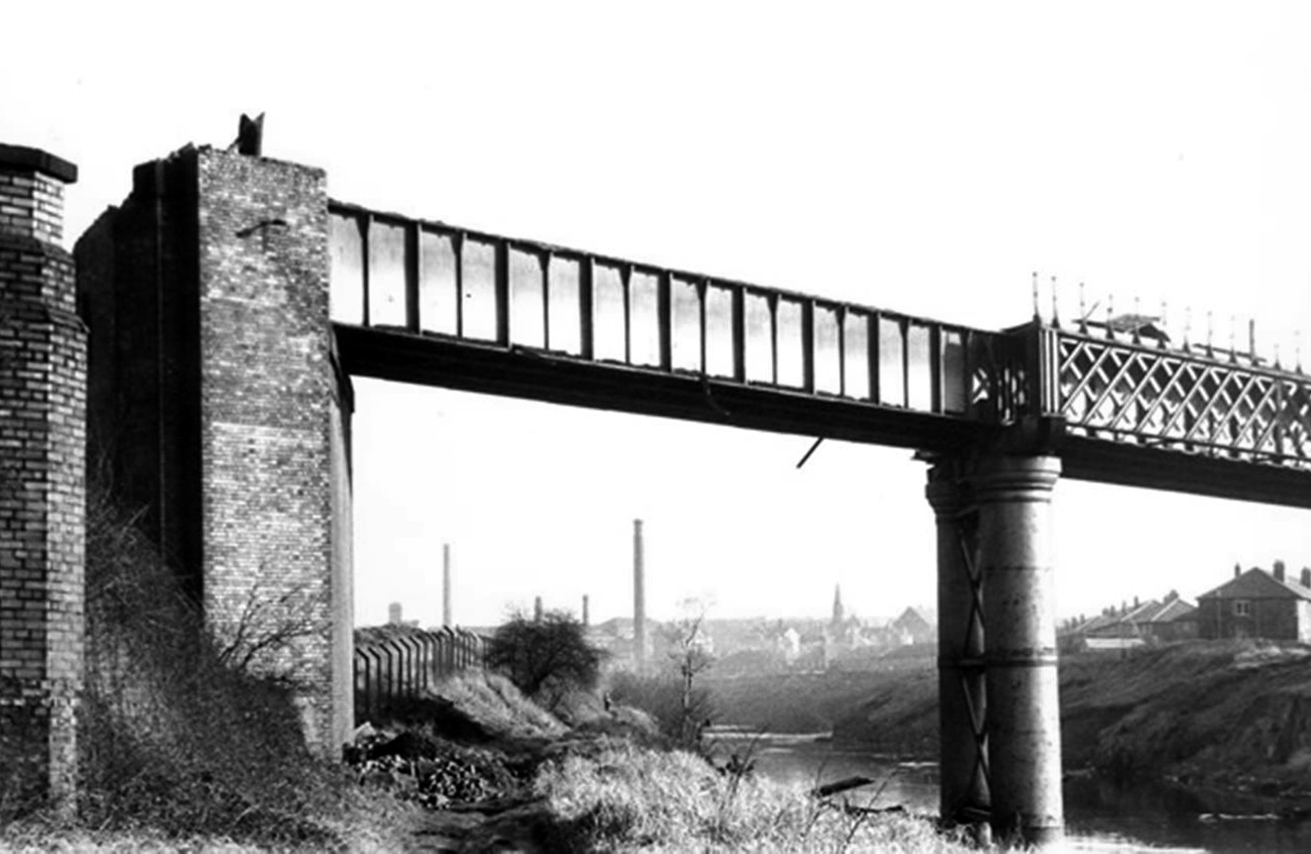
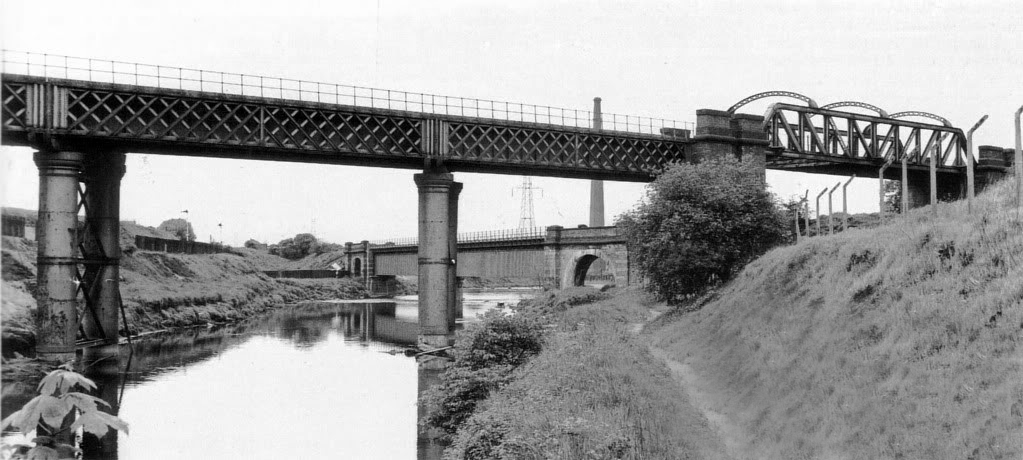
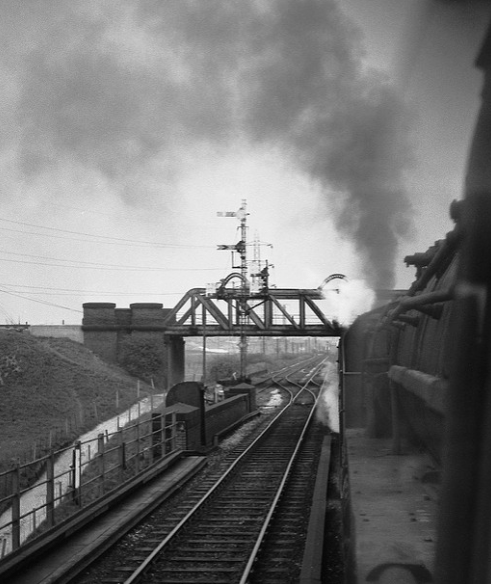
The area was criss-crossed by railways – its bridges traversing the roads, fields and river, dominating the landscape in a wild flurry of steam and smoke.

2633

32822

32625936_2079214925657568_2140863625928114176_o

HeatonMerseyHLBridge3

Screen Shot 2018-05-16 at 10.04.03

Further photographs from Grip 99

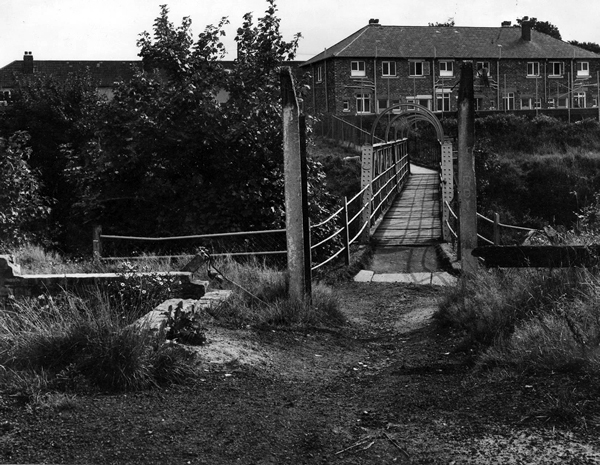
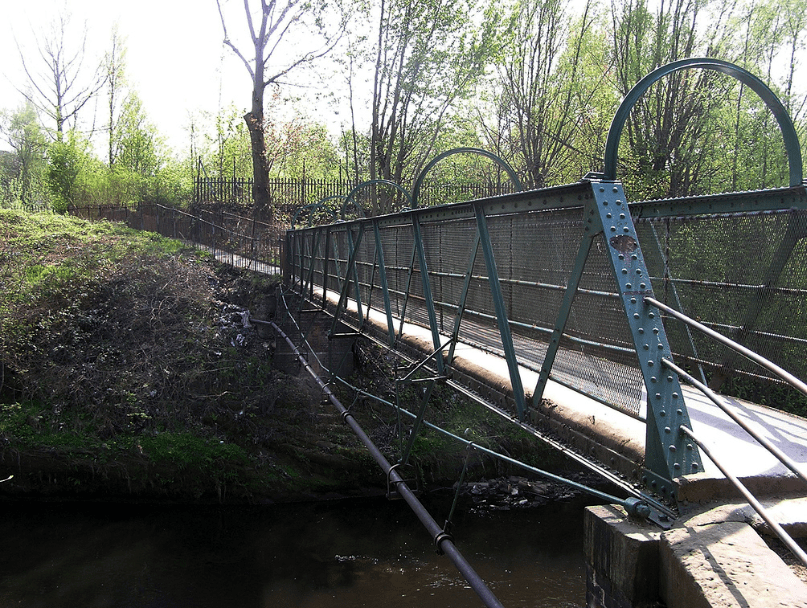
Crossing the Mersey – the link between Gorsey Bank and the Shed

10220

Surviving until 2007

screen-shot-2018-05-16-at-10-17-14.png

B&W photographs Stockport Image Archive

The end of steam – as drivers, fireman and staff were transferred to Newton Heath, was followed by the slow demise of the rail network, freight moved to road and passengers purchasing their first cars and a passport to illusory freedom.

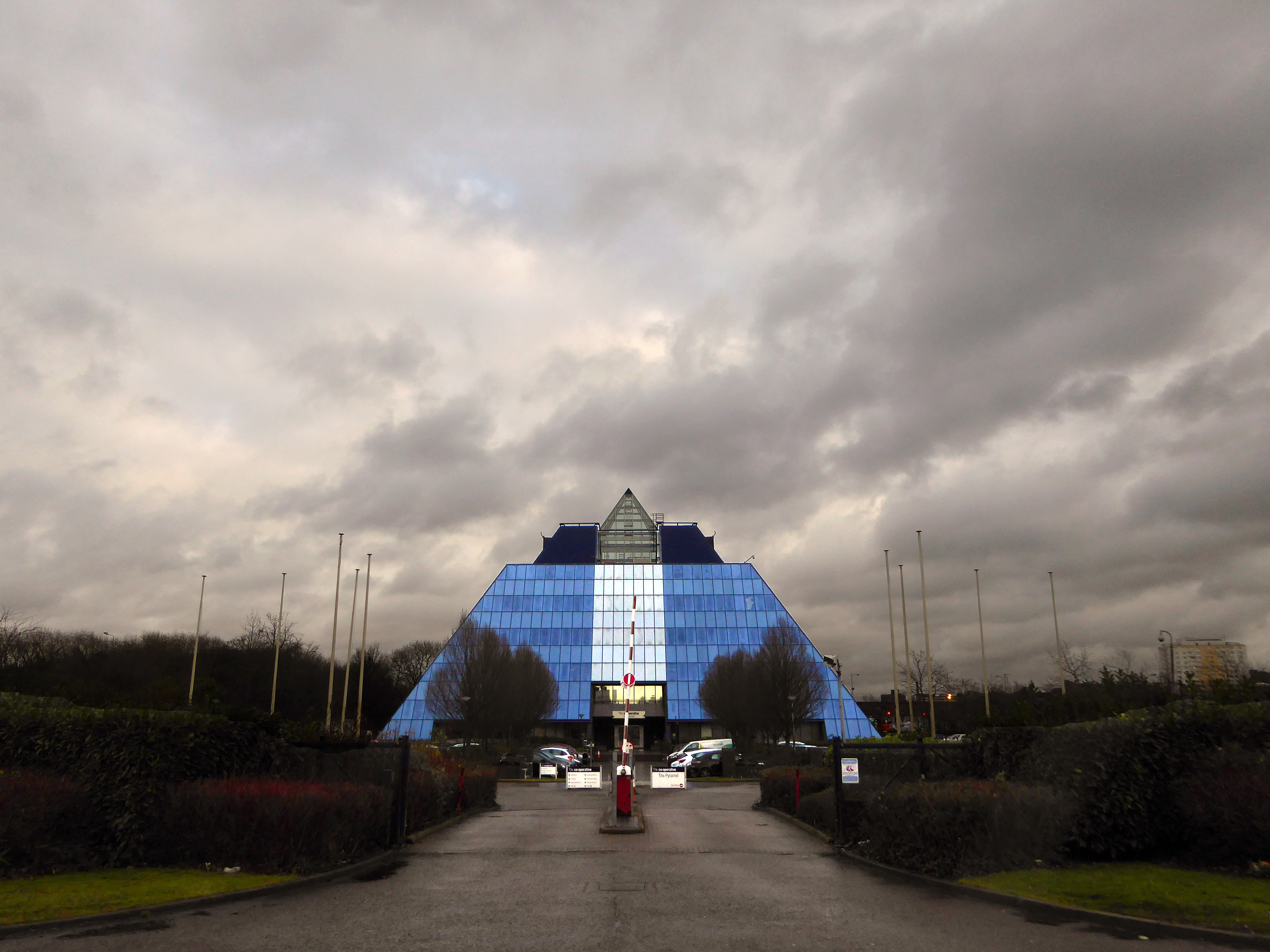
The mighty Mersey is now flanked by newer neighbours, a shiny blue administrative pyramid, business park, car showrooms and nature reserve, the only certainty is change.

Screen Shot 2018-05-16 at 10.19.19

P1220916 copy

P1220917 copy

Great volumes of earth are moved to from a new topography a topography of leisure – the gentle stroll, jog and cycle replaces the clank of fire doors and shovel on coal.

NEW-GWEB

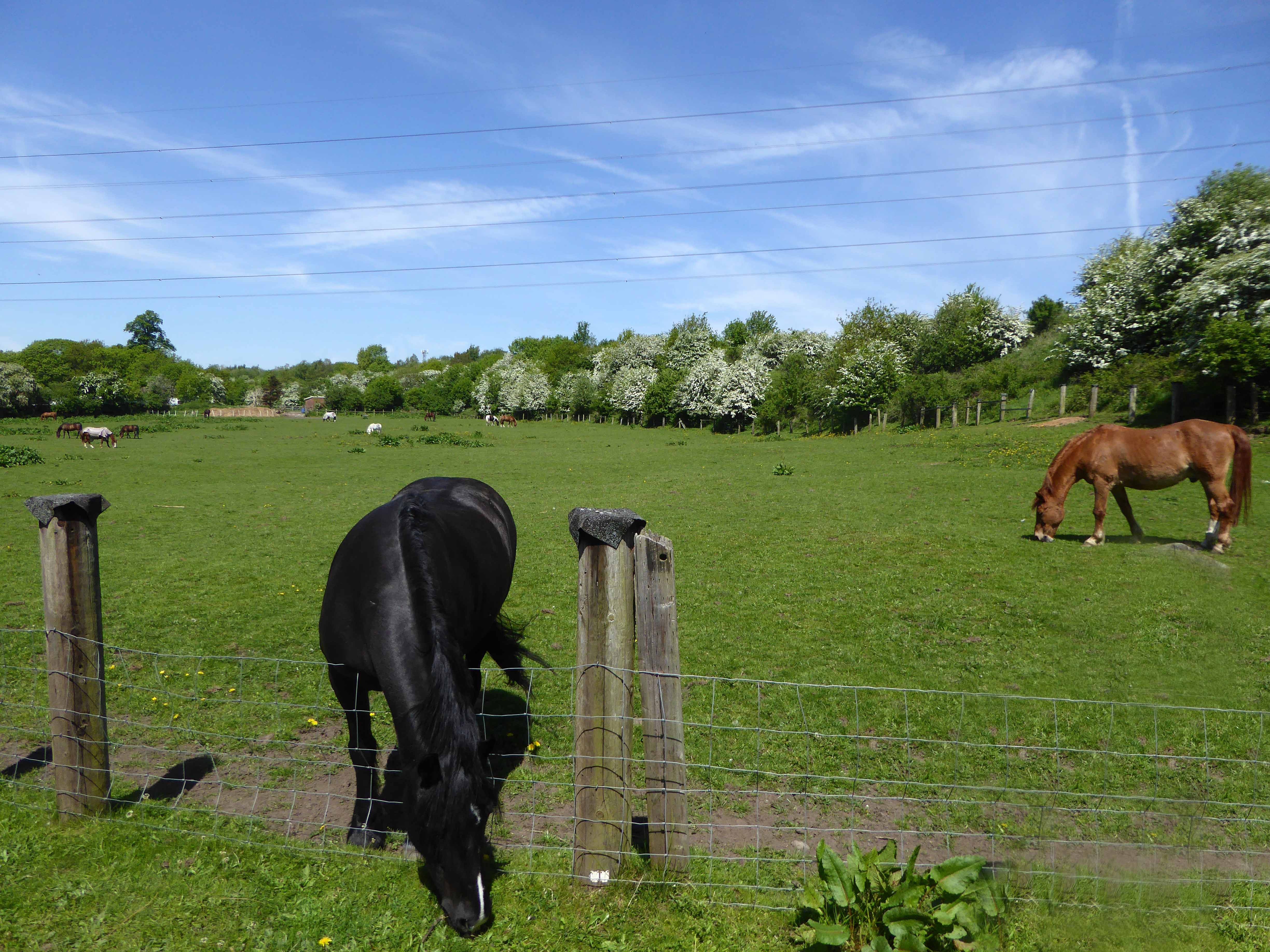
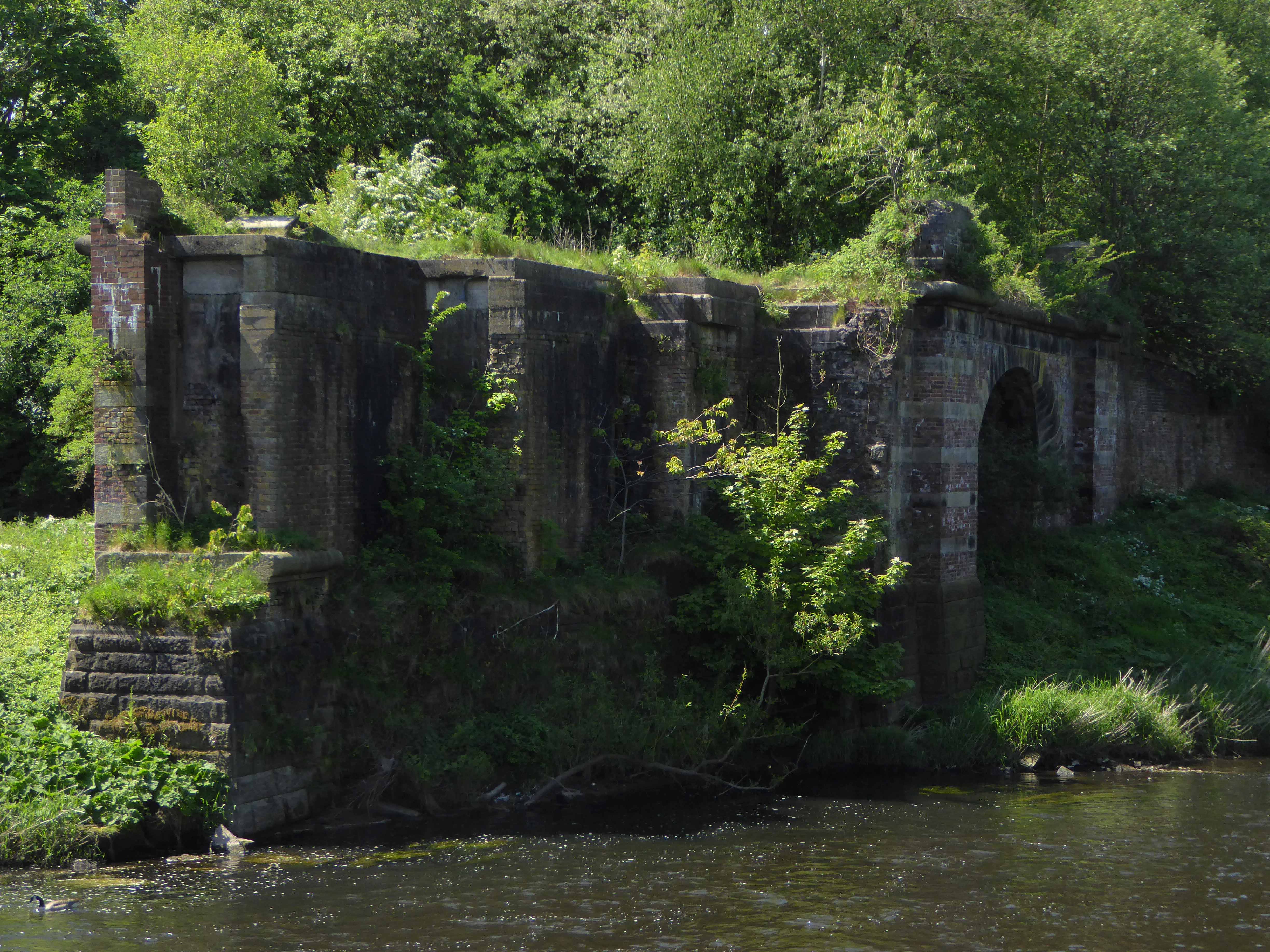
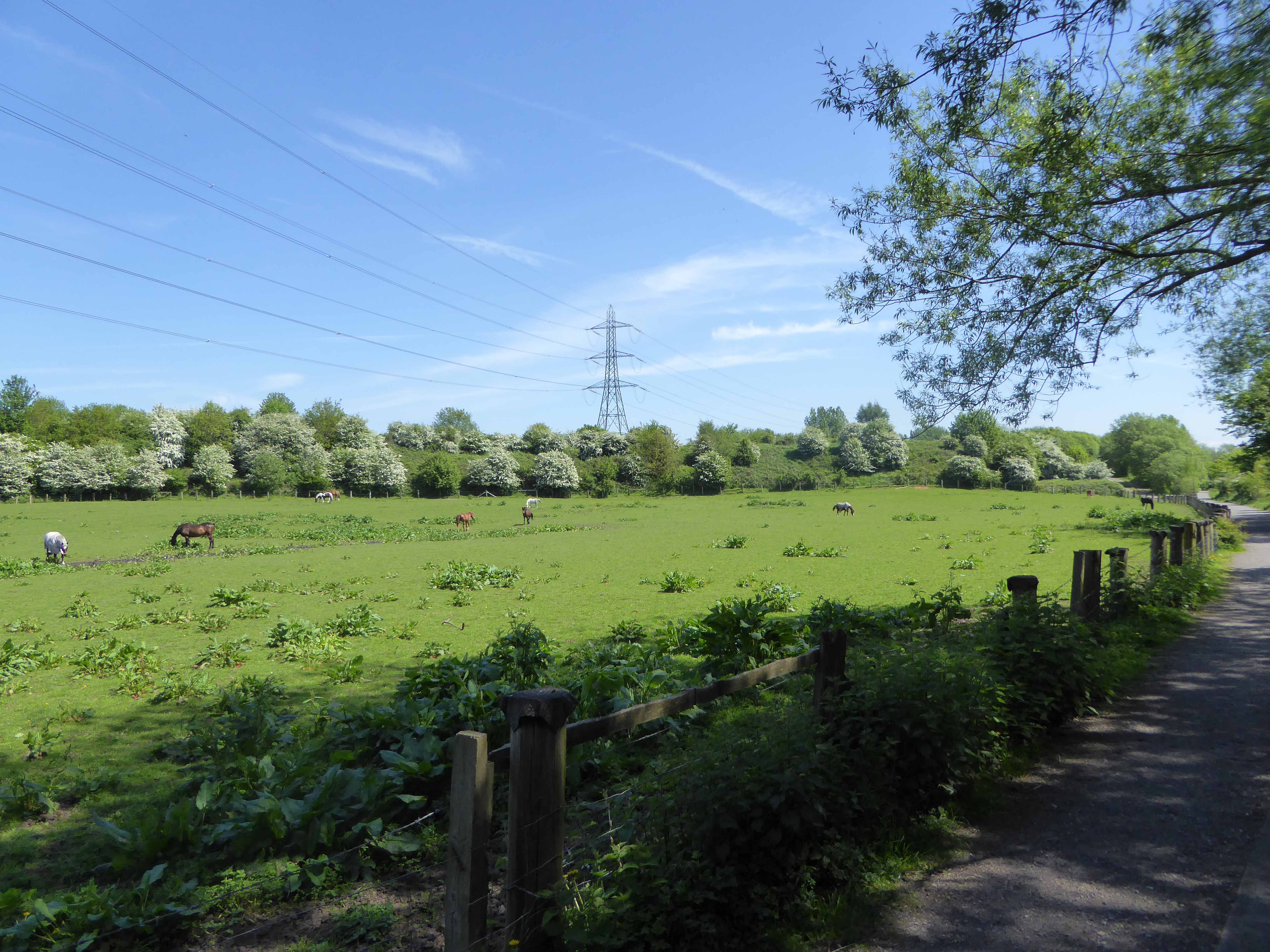
But take a look around you and you will see the remnants of the industrial age, shrouded in fresh hawthorn and enshrined in birch and beech.

P1250163

P1250164

P1250169

P1250178

P1250179

P1250180

P1250182

P1250185

P1250186

P1250187

To walk this landscape is to traverse geological, agrarian, industrial and post-industrial time – they all coexist and coalesce. Have an eye, ear and heart open to their resonance and presence, transcend time and space in the Mersey Valley today, you’re part of the leisured generation.


Marland Bricks

What’s in a name?

That which we call a brick, by any other name would smell as sweet.

Chancing across a written reference to the Marland Brick in the book The Trains Now Departed, I was slightly taken aback – from wither and whence it came and went.

I was aware of the my patronymic local connection:

This most interesting surname is of Anglo-Saxon origin, and is a locational name from Marland, a minor place in the parish of Rochdale, in Lancashire. The placename itself is composed of the Olde English elements “mere”, a lake, pool, and “land”, land.

However:

There are also places called Peters Marland in Devon, recorded as “Merland” in the Domesday Book of 1086 (the site of a church dedicated to St. Peter), and Marlands in Somerset.

So our southern cousins were clay-mongers, manufacturers of fine bricks to boot.

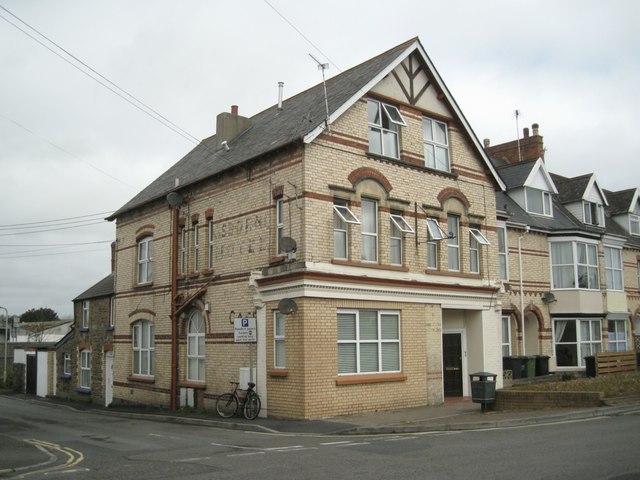
Marland Cream brickwork is a feature of North Devon. The hard cream bricks were made at Marland Moor by a succession of companies using stoneware ball clays dug from the Petrockstowe Basin. 
3895334_94deff16

3895347_4854f4c8

Between Great Torrington and Hatherleigh, in north Devon, lie alluvial deposits of ball clay, a particularly useful clay which first found use for pottery and clay pipes in the seventeenth century. However the remoteness of the location prevented the growth of the industry and by the nineteenth century it only met local needs for pottery and bricks.

The impetus for the industry came, perhaps, with the opening of the London & South Western Railway to Torrington in 1872 for a few years later the owner of Clay Moor, William A. B. Wren, started to exploit his land. By 1877 he had sunk several pits and erected at the Marland Brick & Clay Works kilns, cottages and stables. Clay was being taken to Torrington station behind a traction engine but over six or so miles of poor quality roads this was not very efficient.

North_Devon_and_Cornwall_Junction_Light_Railway_map

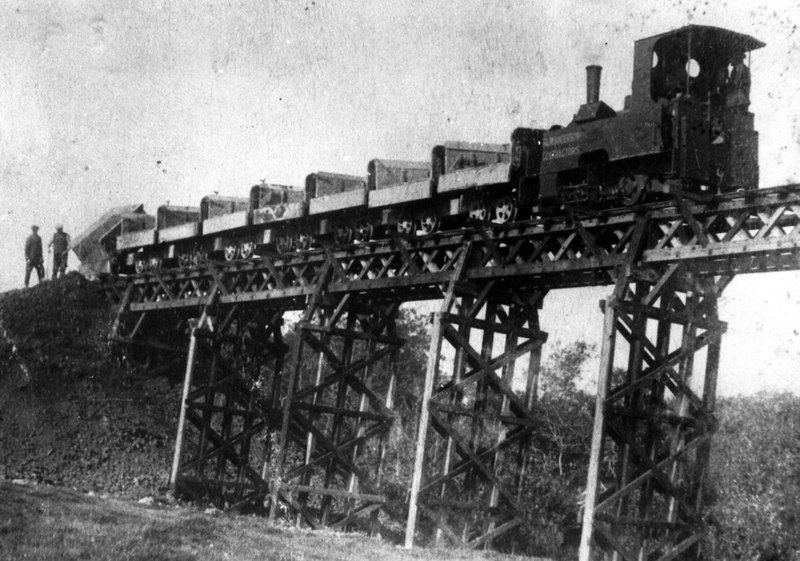
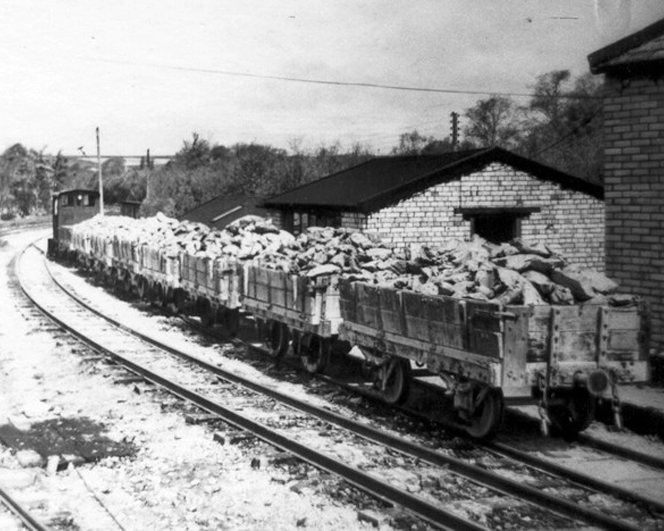
With the coming of the railway to Torrington, in 1881 a private mineral line was built to connect to the Marland area. This led to a great increase in production and was a factor in the opening in 1925 of the North Devon & Cornwall Junction Light railway, between Torrington and Halwill Junction, which superceded the mineral line. Closing to passengers in 1965, the section between Meeth and Barnstable remained open for freight, but by the 1980’s was moribund.
1bdagjs_3380_l

1ooak62_32b4_l


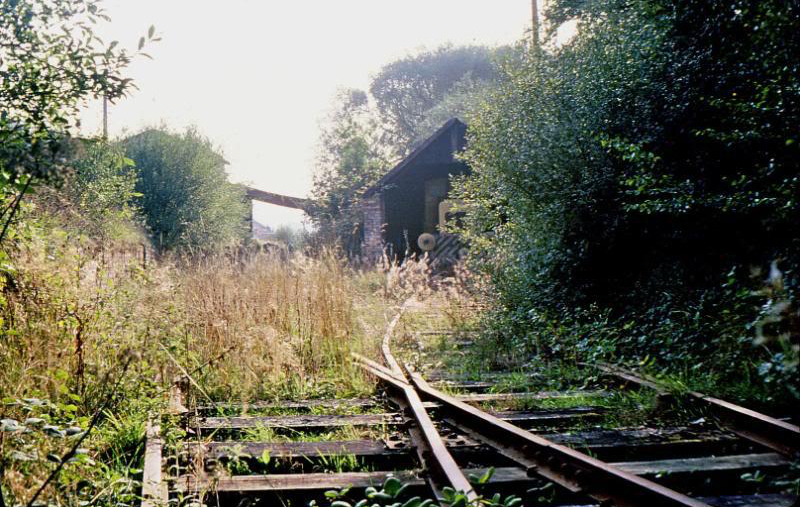
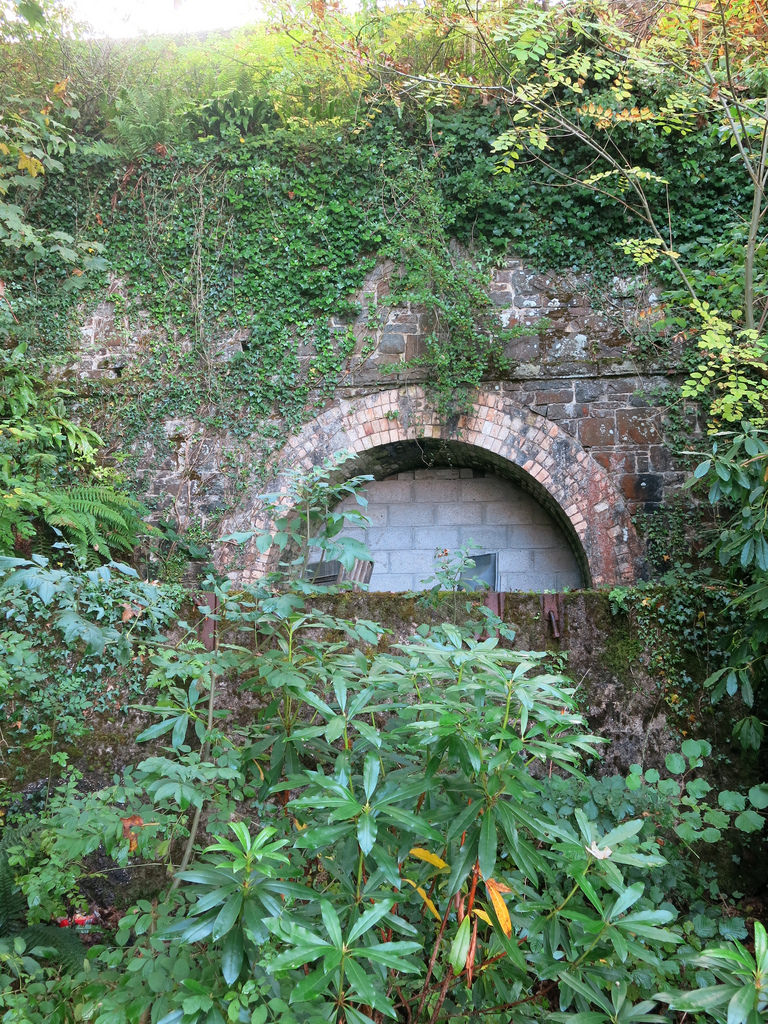
There are still remnants of the Marland Works Branch visible to this day.
17582047479_7ca9f17a00_b

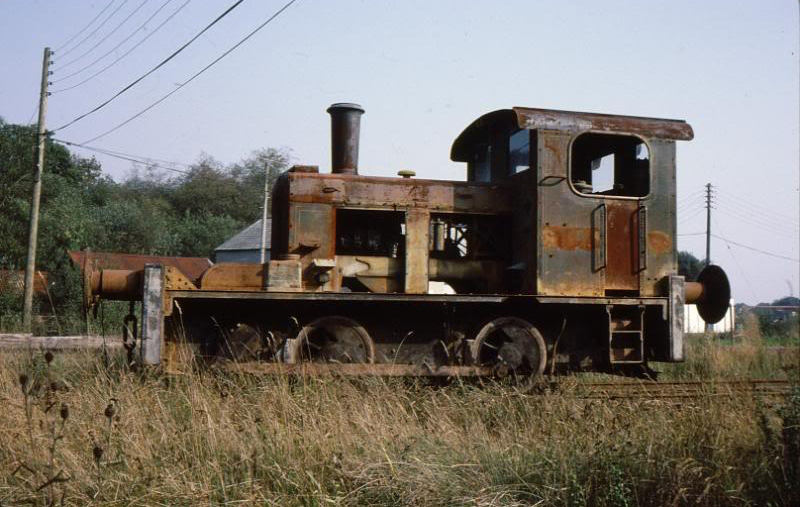
fowler diesel

Ruston Diesel

Images from 28 days later

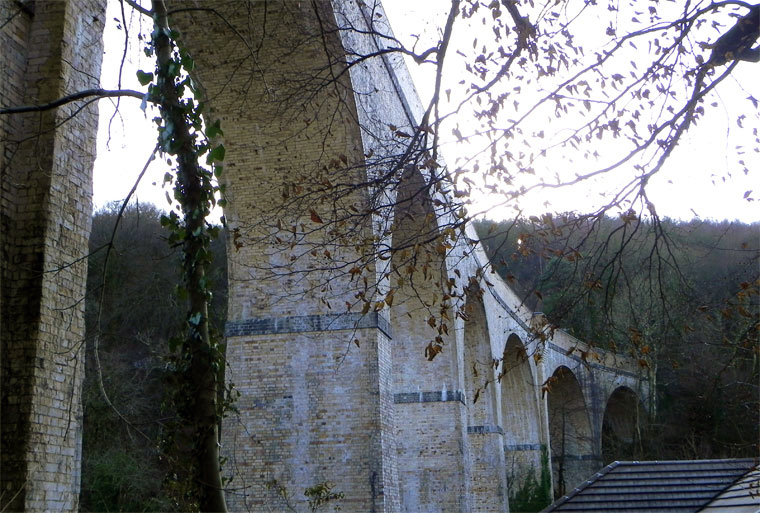
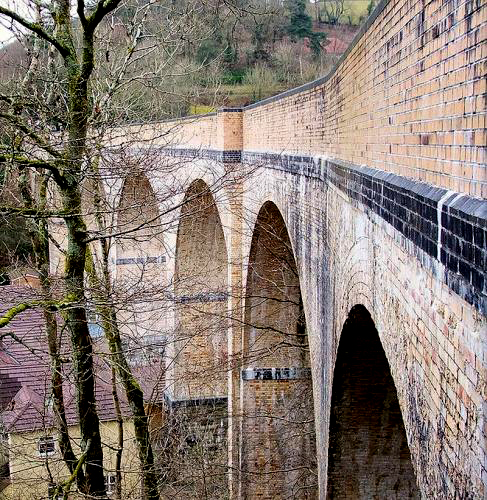
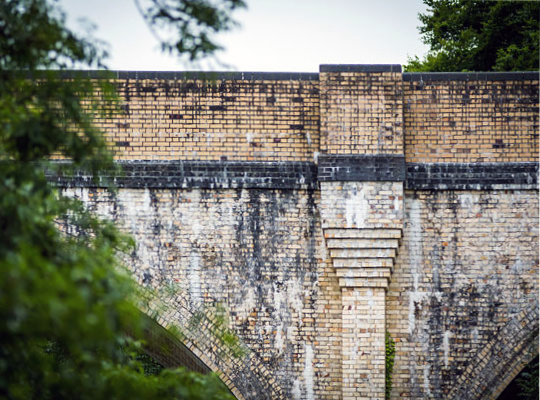
One of our famed family brick built achievements is the Chelfham Viaduct:

A railway viaduct built in 1896-97 to carry the Lynton and Barnstaple Railway across the Stoke Rivers valley. Designed by L&B engineer, FW Chanter, and containing over a quarter of a million Marland bricks, its eight arches – each 42 feet wide and 70 feet high – meaning that the 132-yard long viaduct is the largest narrow gauge railway structure in England.
94_image_7

image5

Im20101212-Chelfham2

The L&BR’s peak period came between 1902 and1913 when it carried almost 97,000 passengers a year. Yet the considerable endeavour invested in the railway was not enough to save it; as traffic dwindled, the line succumbed to closure by Southern Railways on 29th September 1935. Most of the trackbed and buildings were sold at auction in 1938. Although Chelfham Viaduct was retained, its parapets were taken down to about one foot above ballast level. In 1943, it featured in a film, The Flemish Farm, representing the Franco-Belgian border.

The structure was granted a Grade II listing on 25th February 1965. In 2000, in partnership with the Railway Heritage Trust and the Lynton & Barnstaple Railway Trust, British Railways Board completed a programme of remedial works.

Then later today, casting my mind back to my 2105 cycle tour from Weston Super Mare via Ilfracombe and  Plymouth and onward to Hastings, I remembered a former chance encounter.

P1010238 copy

I had been here before, blissfully unaware of the local family connections along the Tarka Trail – thick as a Devon cream-tea coloured brick.

So when I eventually return to the area to fully explore our family heritage, I shall be sure to doff my cycling cap and smile whilst passing the warm cream expanses of Marland Brick.



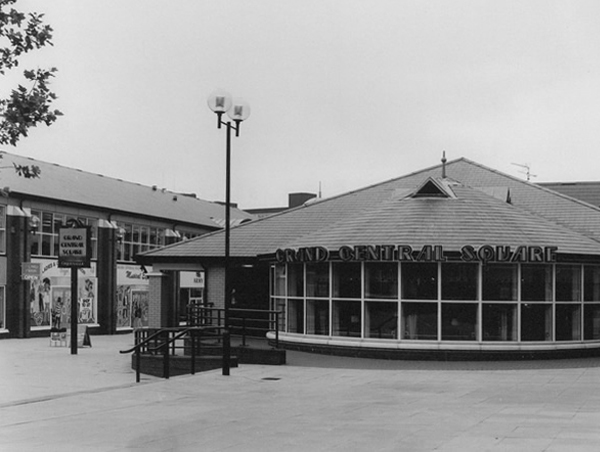
Farewell Grand Central – Stockport

O day and night, but this is wondrous strange!

And therefore as a stranger give it welcome.
There are more things in heaven and hell, Horatio,
Than are dreamt of in your philosophy.

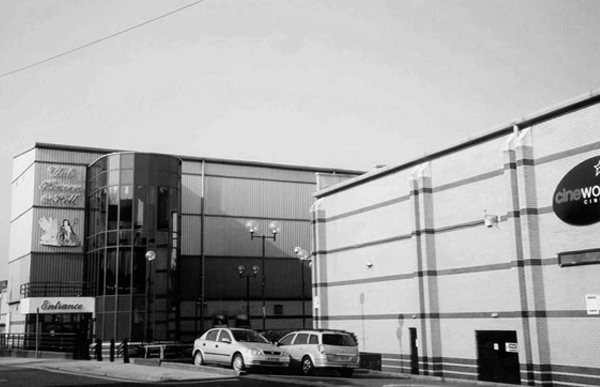
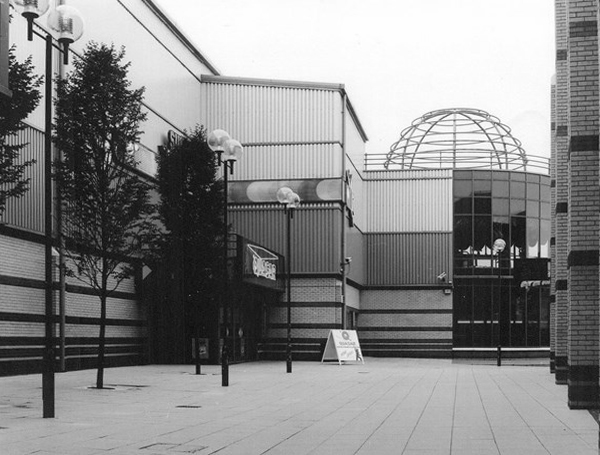
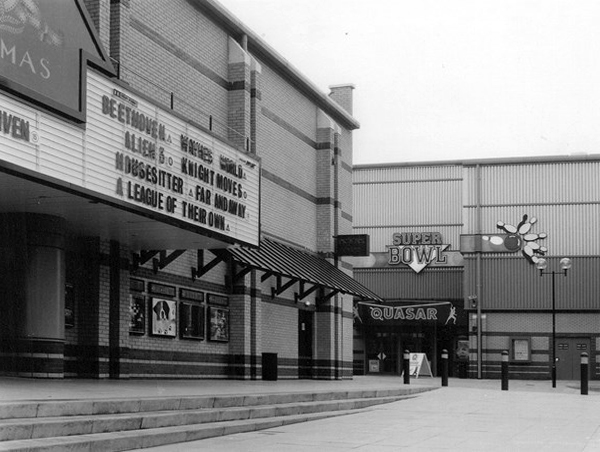
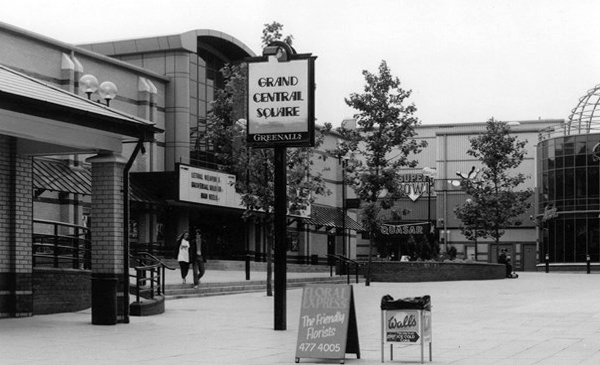
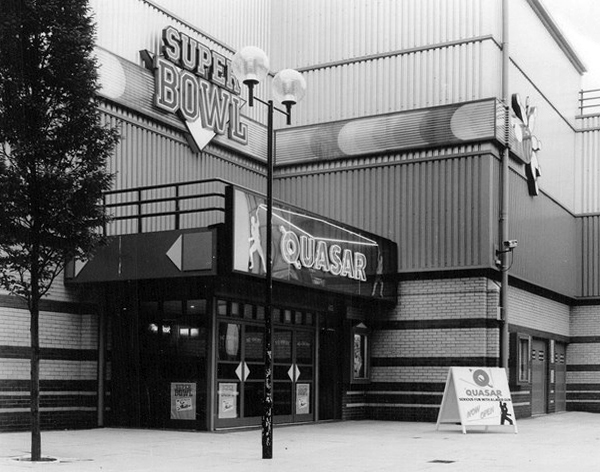
We have seen things come and go in, on and around Stockport Station’s little acre.

From coal drops to tear drops.

1921

Before

32150409_10211361729907095_2053268313387040768_n

During

32151652_10211361731187127_591730808444682240_n

32169802_10211361731267129_7236074038882205696_n

32266781_10211361732587162_1190410895449128960_n

Archive photographs courtesy of John Eaton

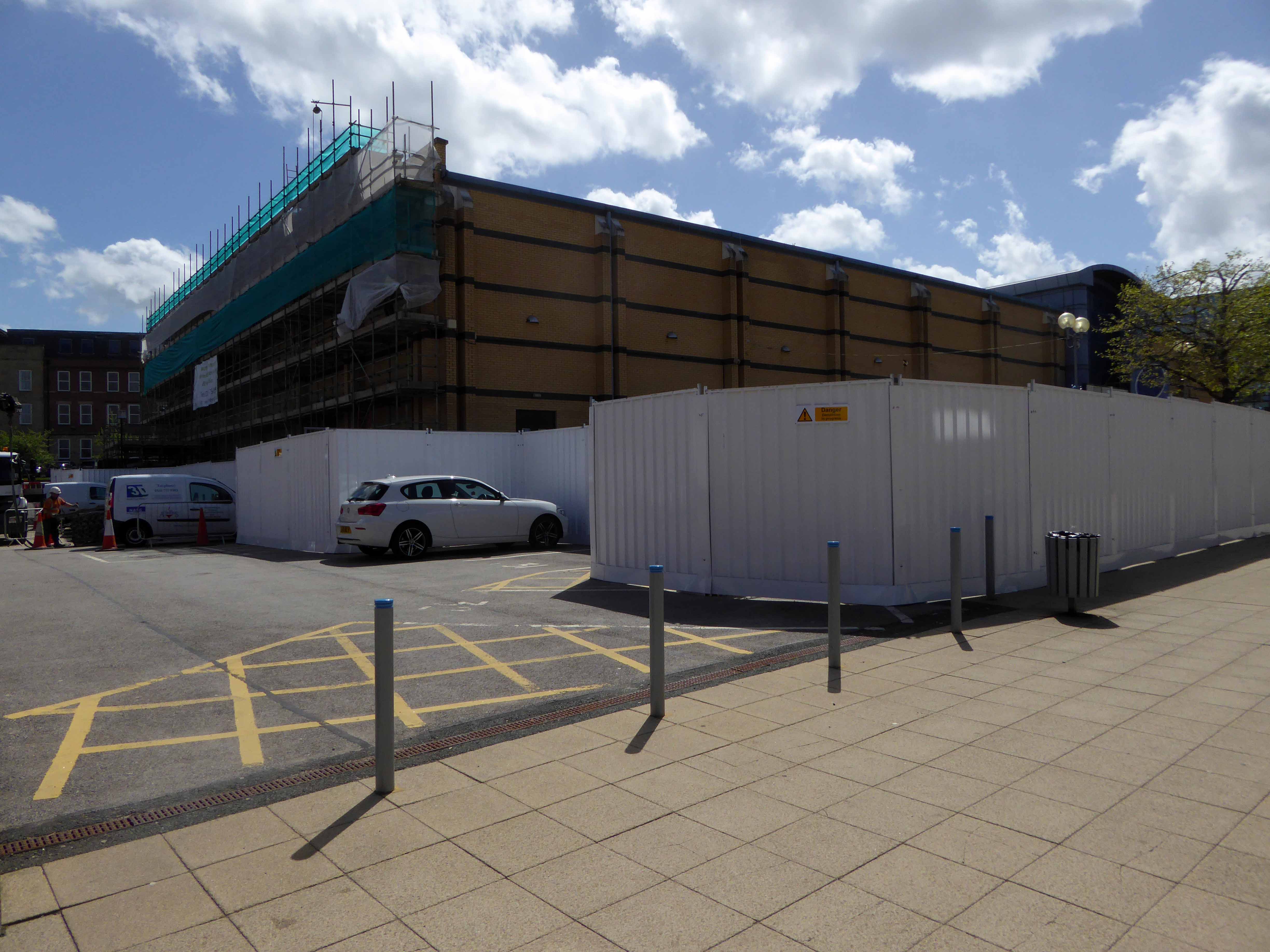
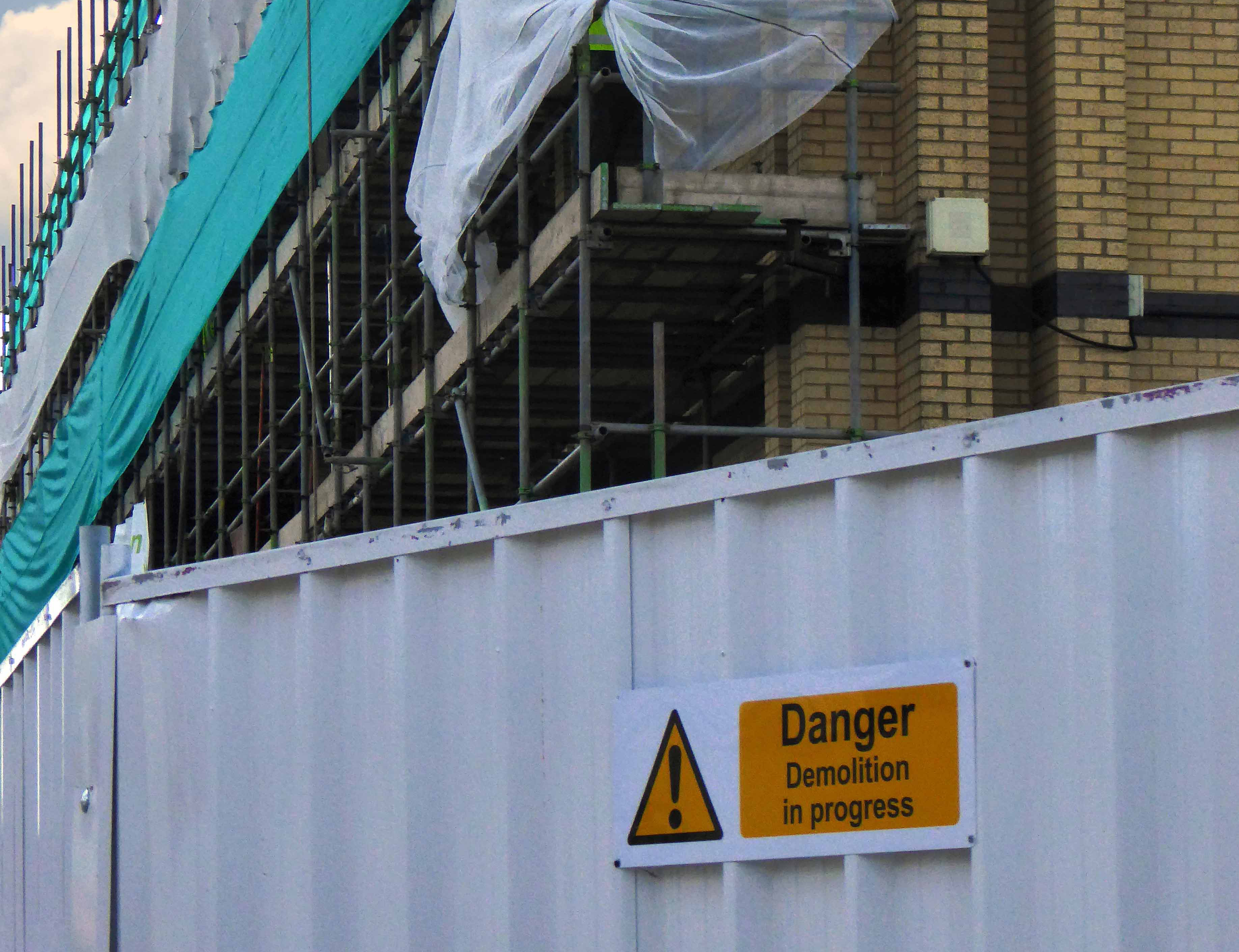
After

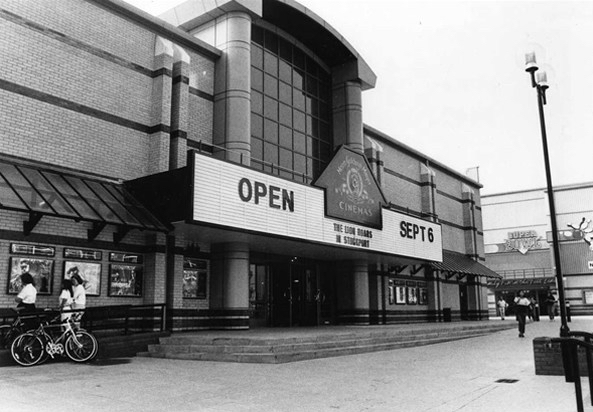
The post-industrial leisure complex has come almost full circle – overwritten by the complex needs of the modern day service-worker –  Holiday Inn, Espresso Bar and Mini-mart complement the hot-desked, twenty-four hour online access all areas open-plan office operative.

Gone now the Laser Quest, Super Bowl, Multiplex, Theme Pub days of old.


50807

53566

53567

53568

53569

53570

Photographs from Stockport Image Archive

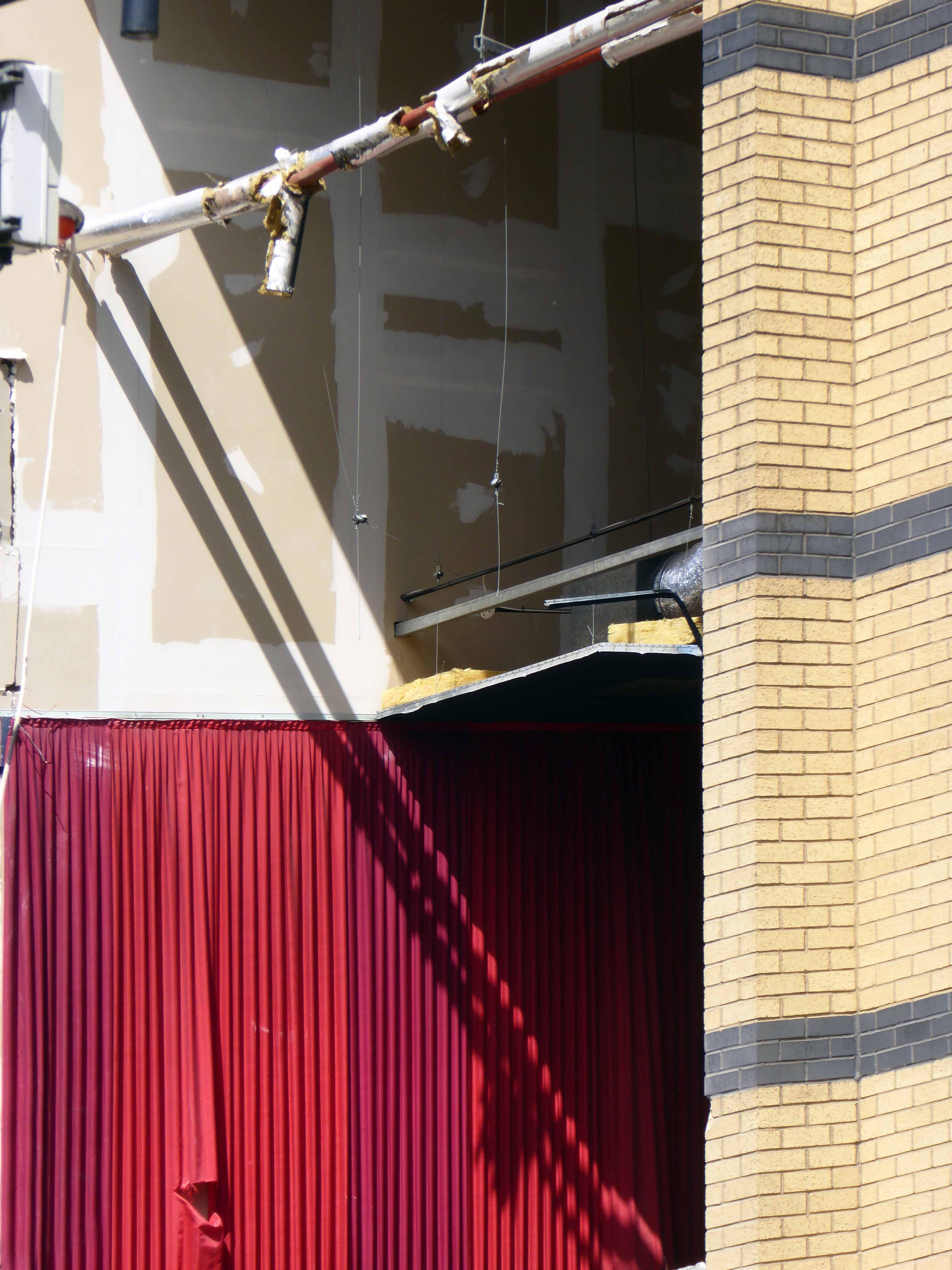
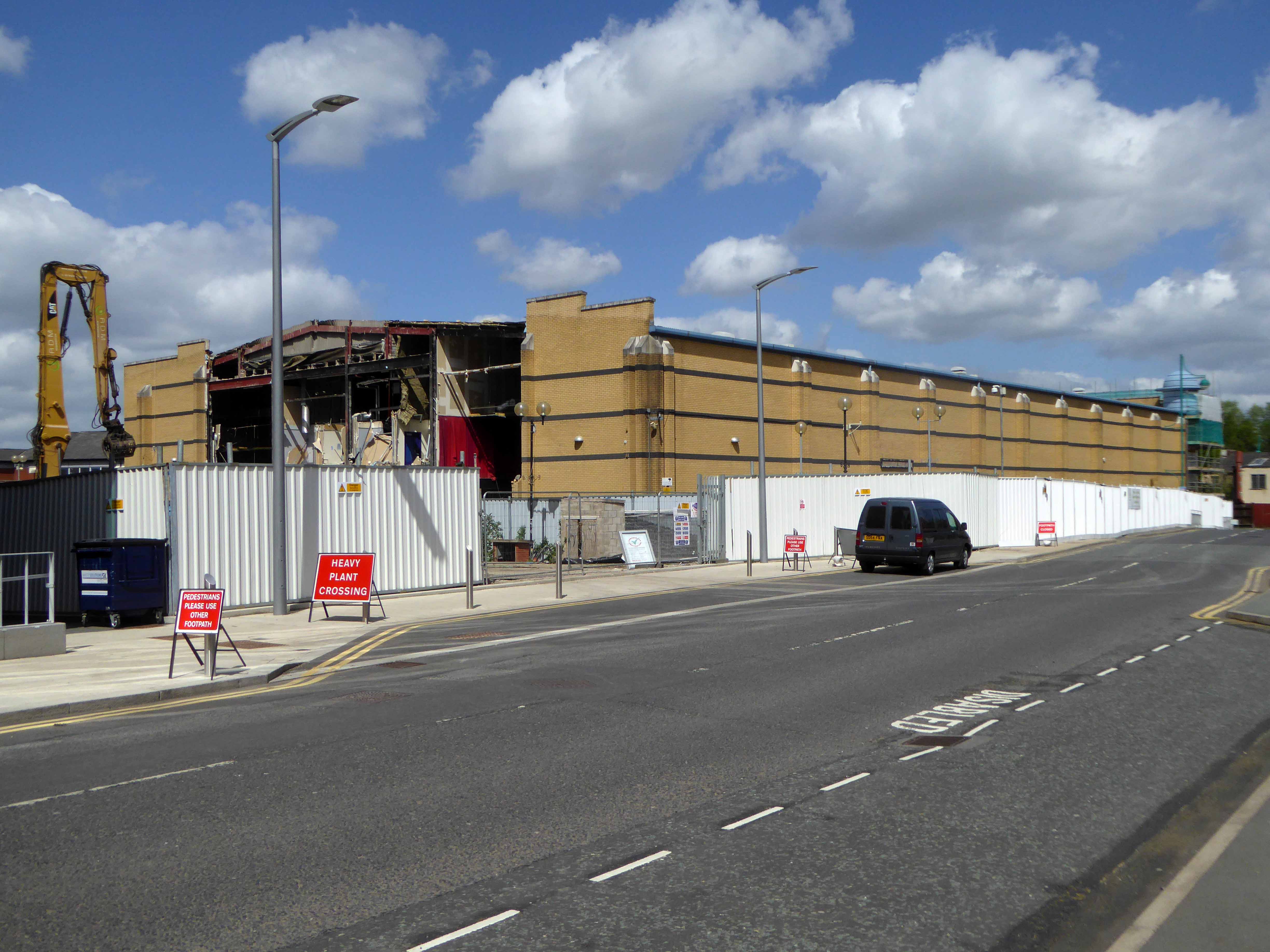
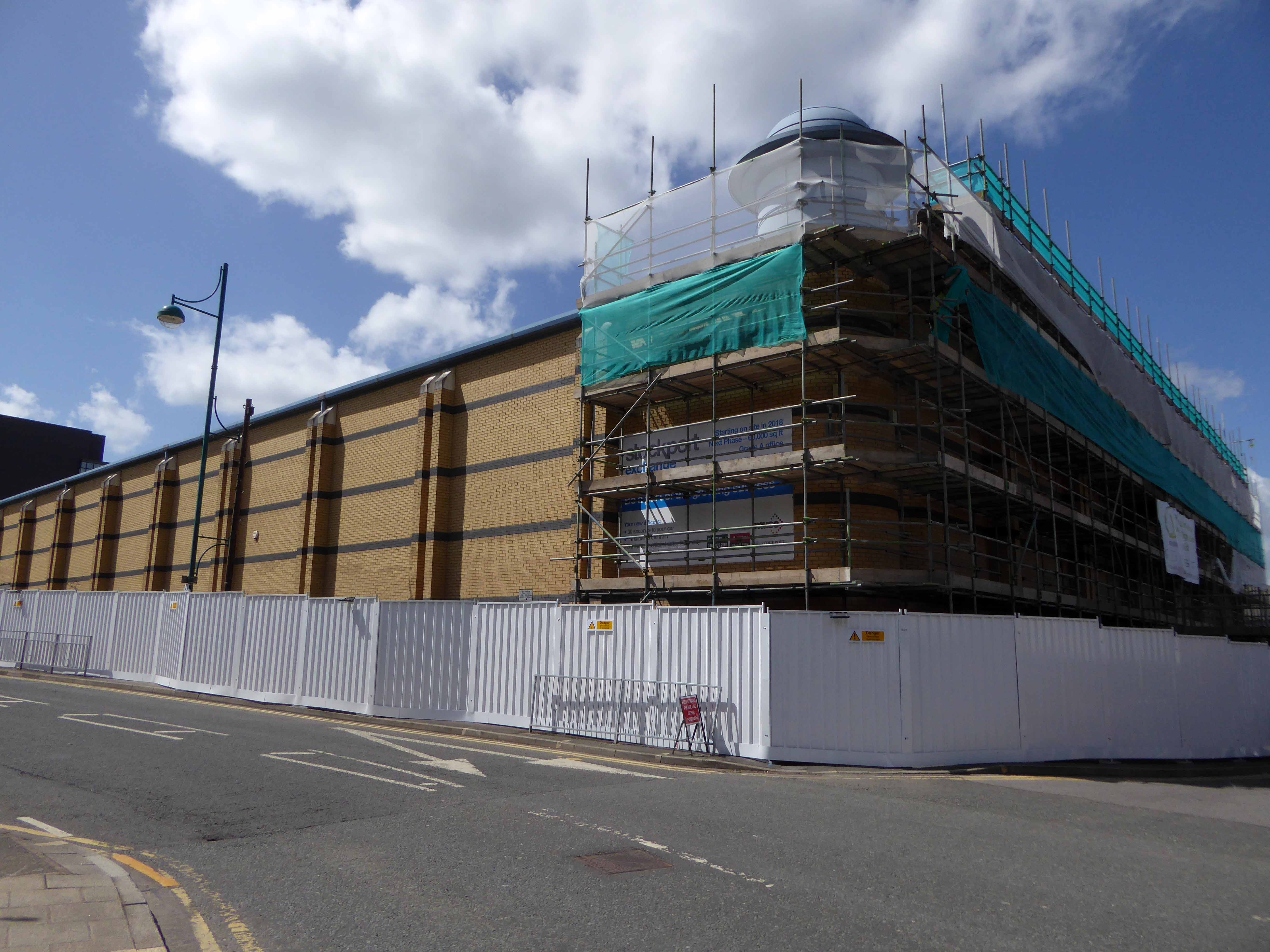
Time has been called on the post-modern film-set, cast and clad in plastic, brick, steel and concrete.

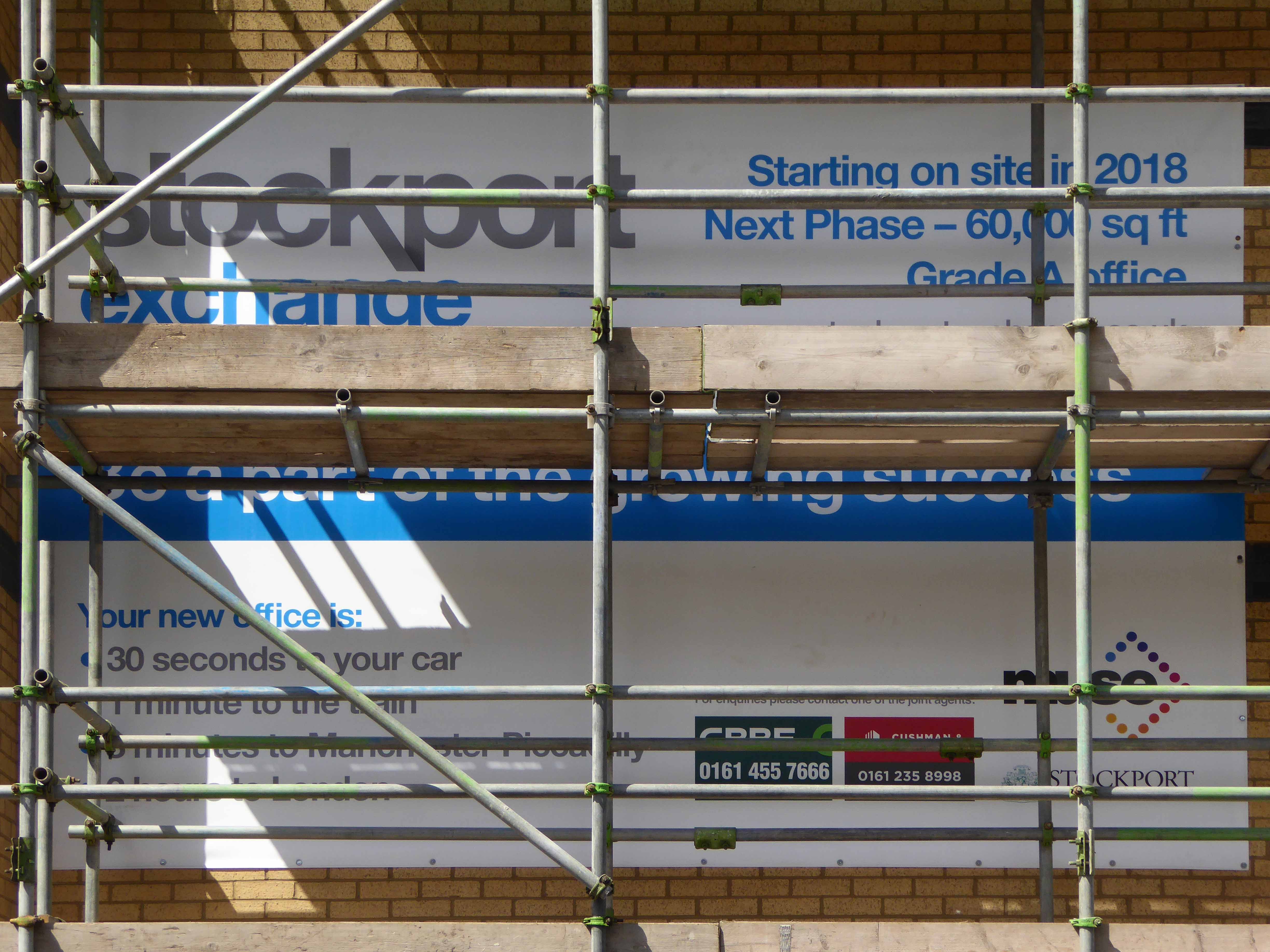
The future is here today and it means business.

P1240988

P1240991

P1240993

P1240995

P1240996

P1240997

P1240998

P1240999

P1250001

P1250002

P1250003

P1250005

P1250006

P1250008

P1250009


52 Wellington Road North – Stockport

Screen Shot 2018-05-07 at 07.25.27

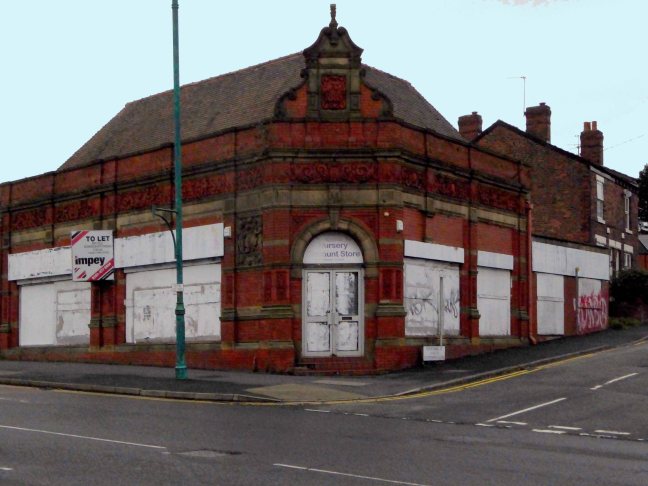
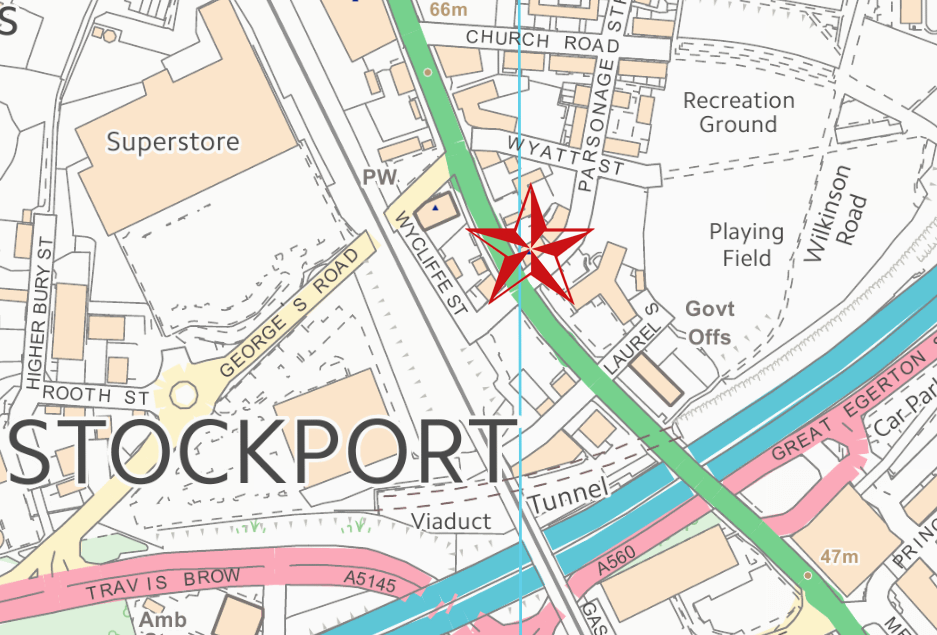
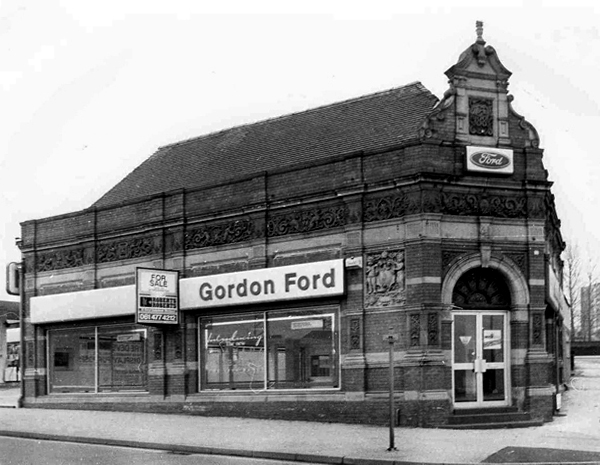
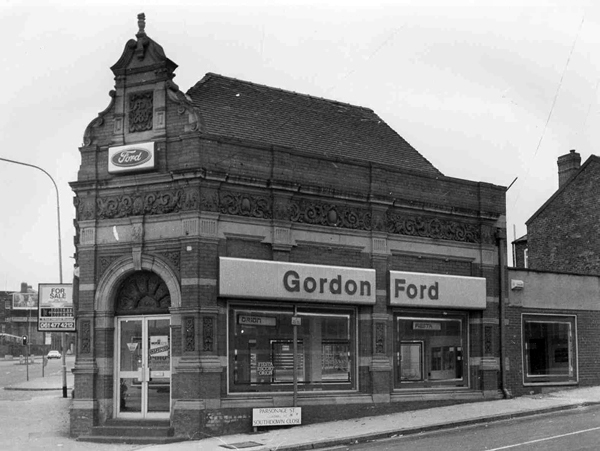
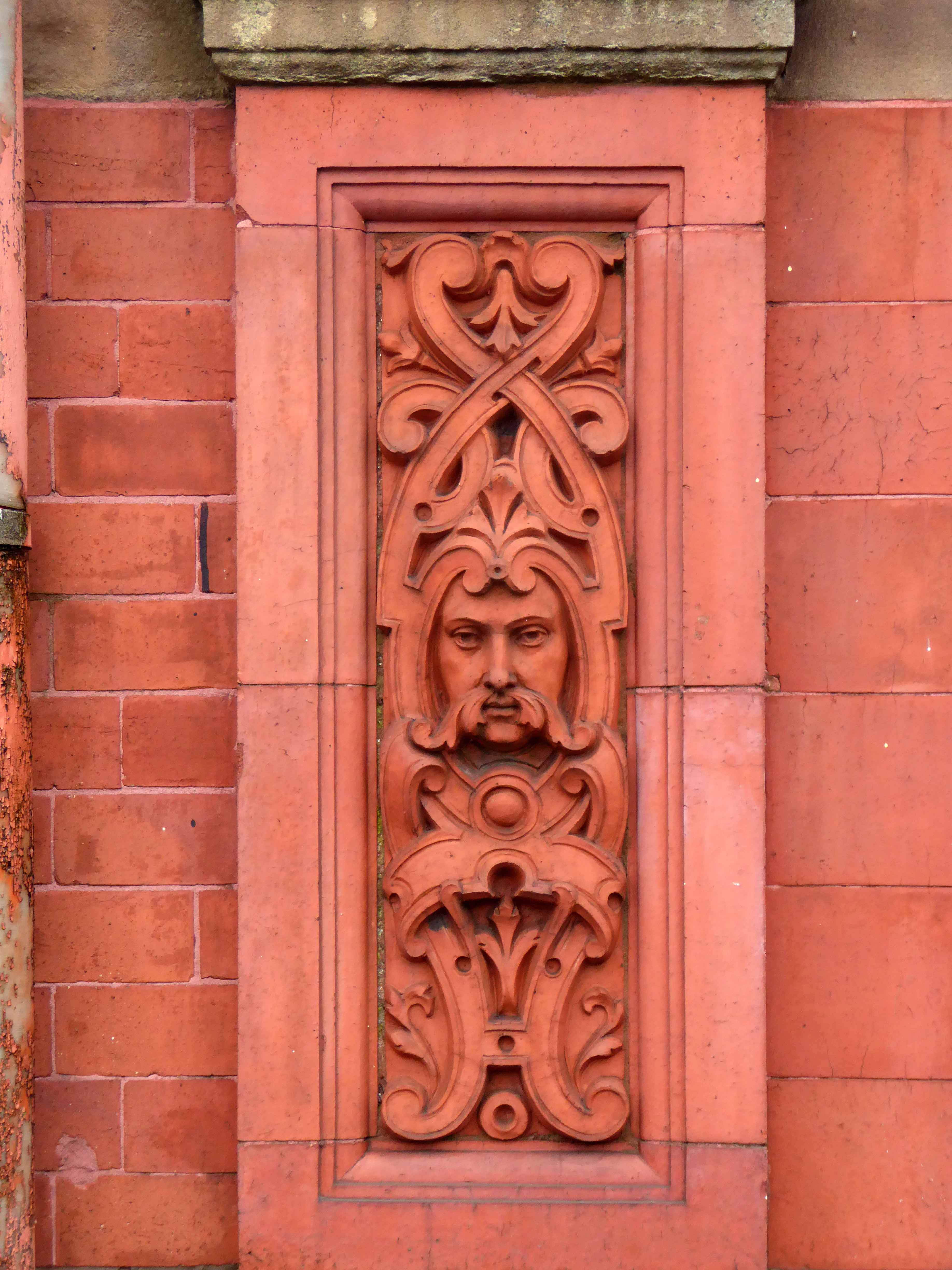
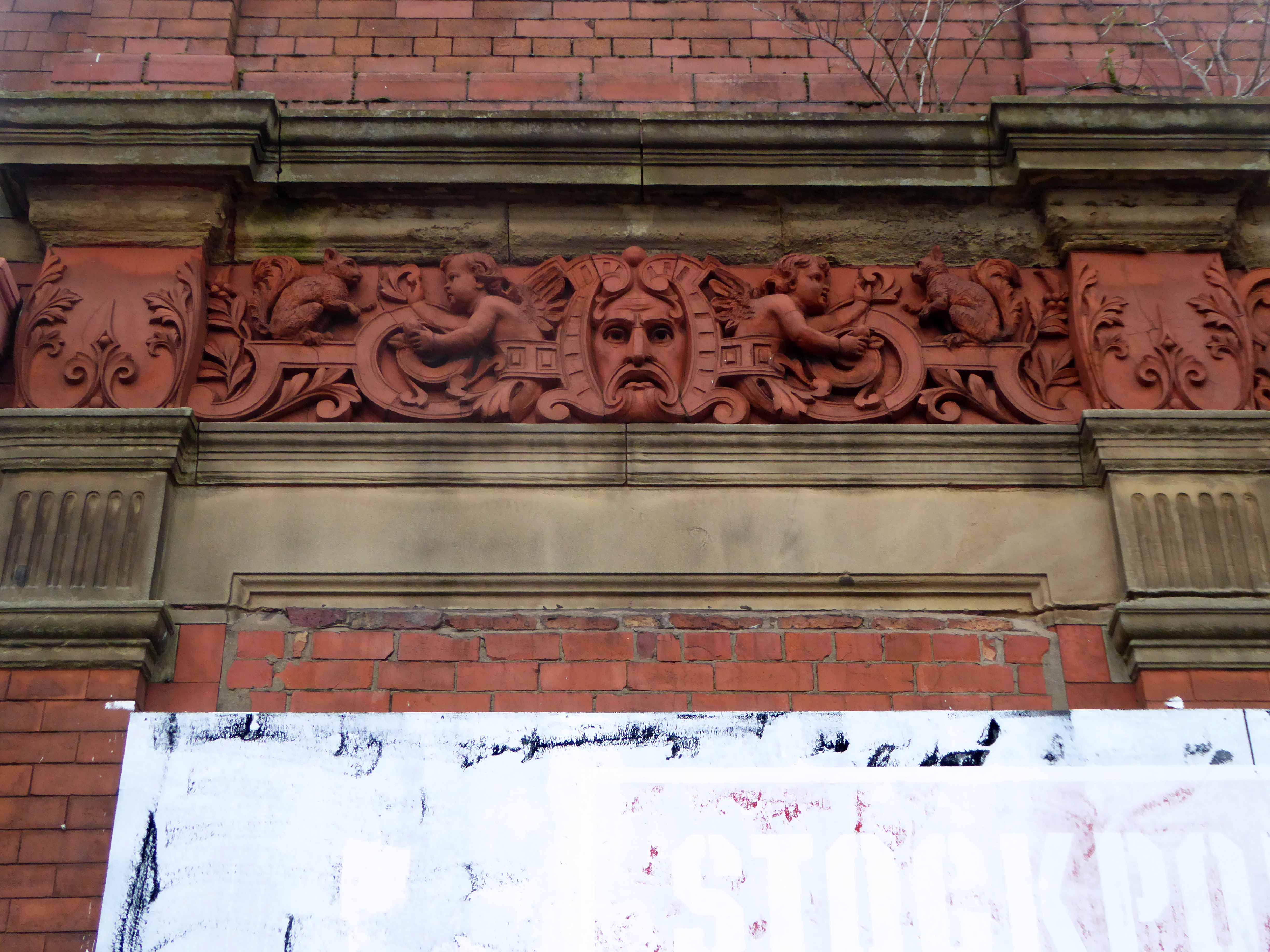
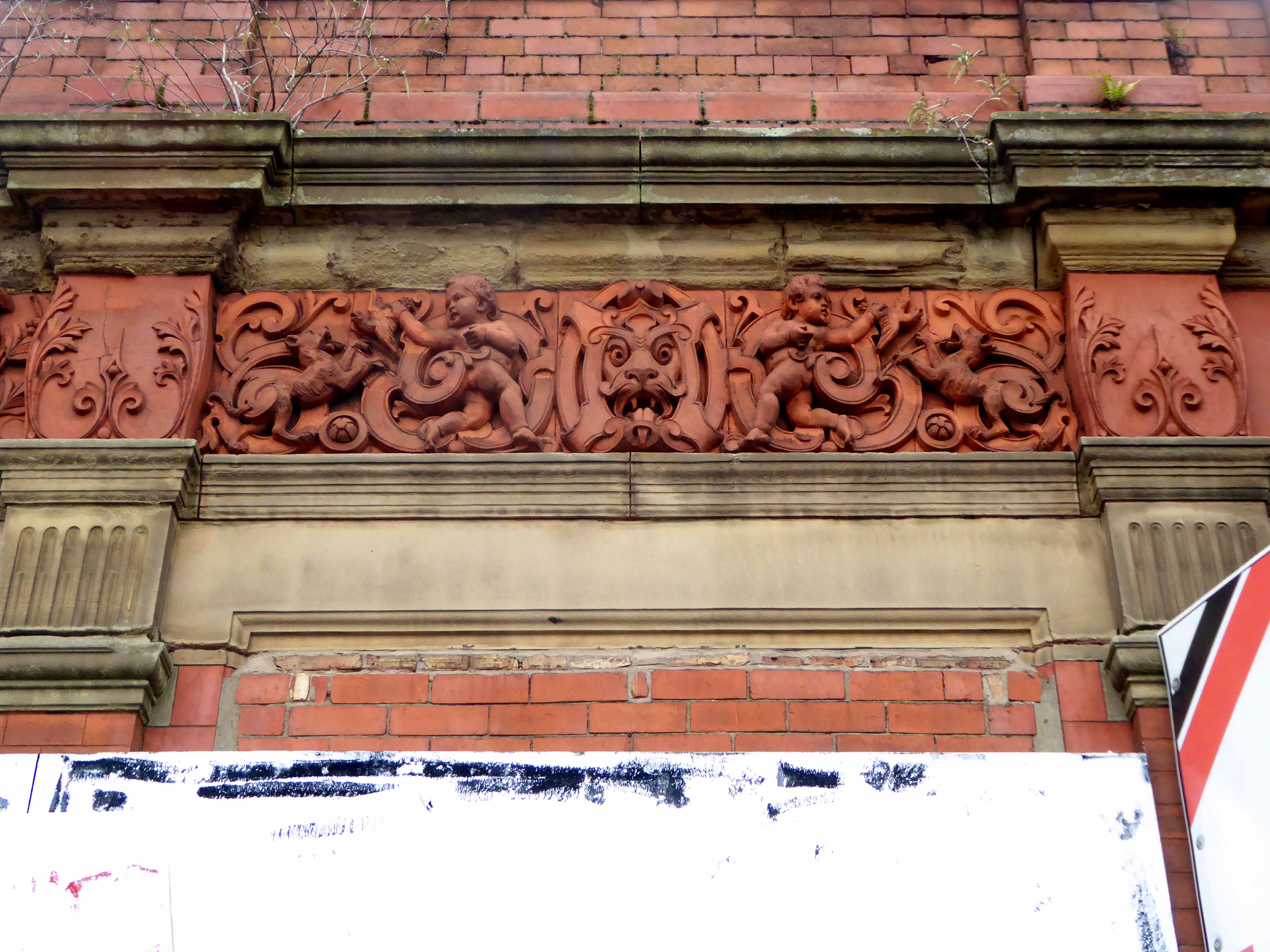
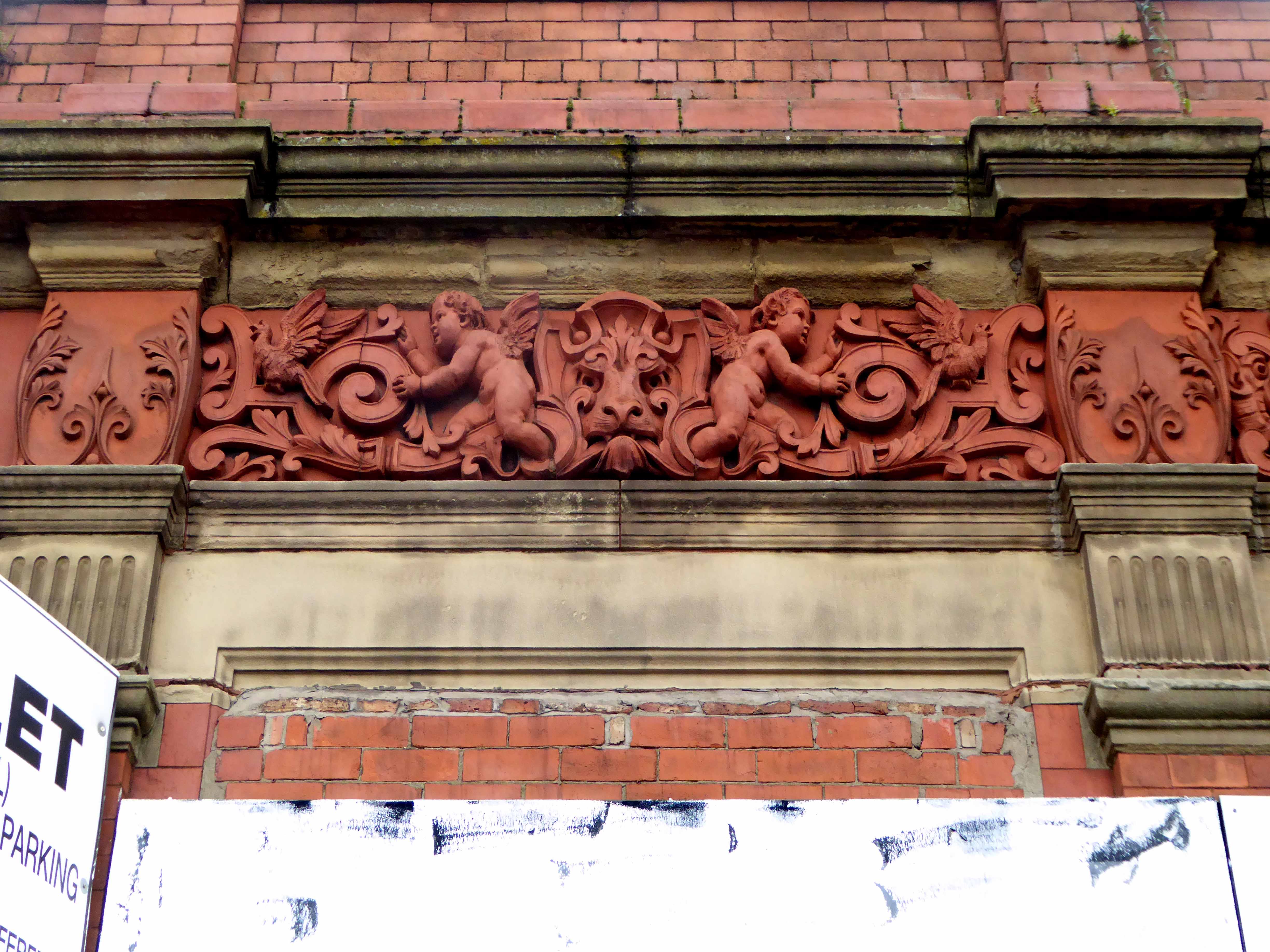
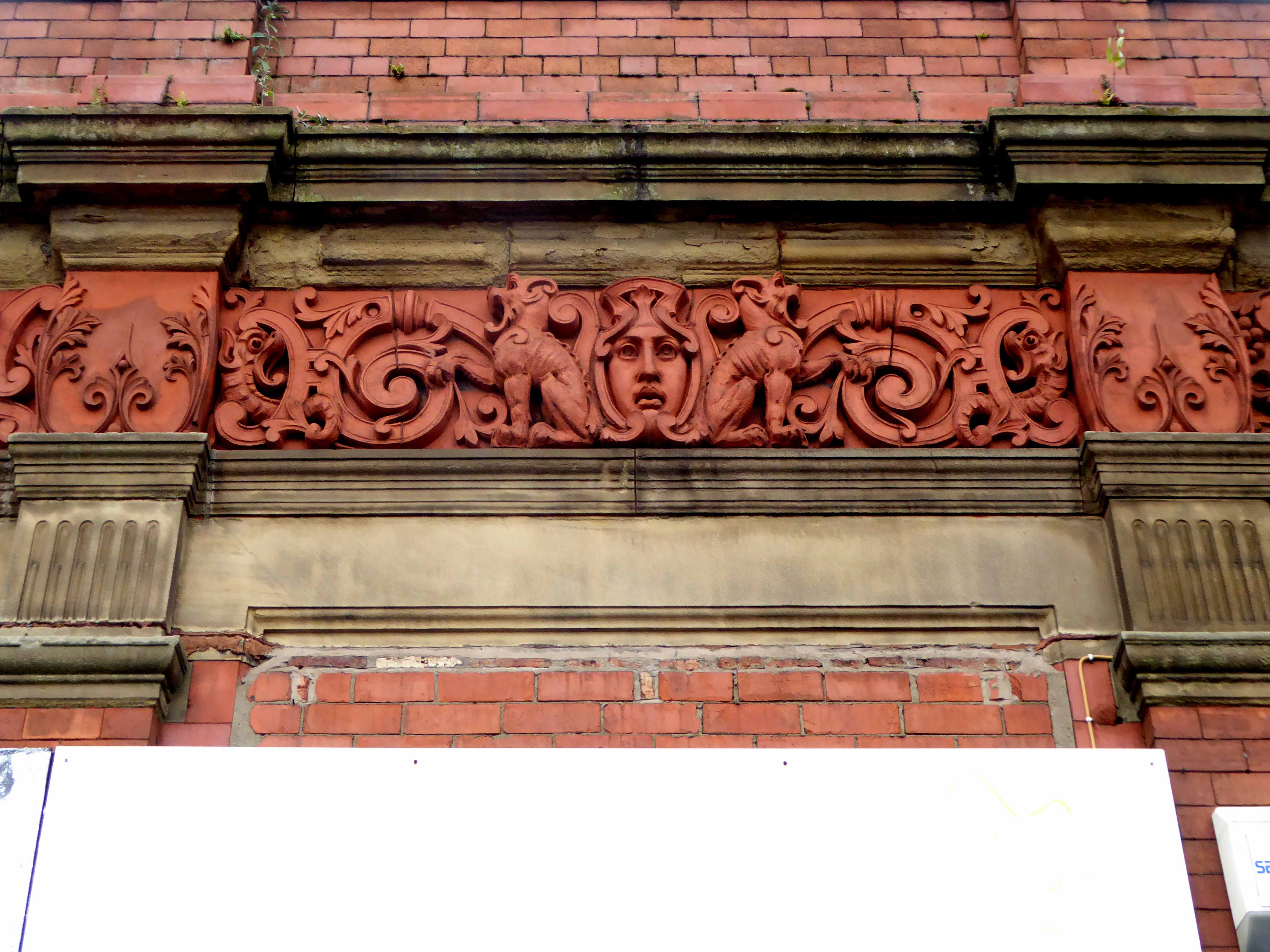
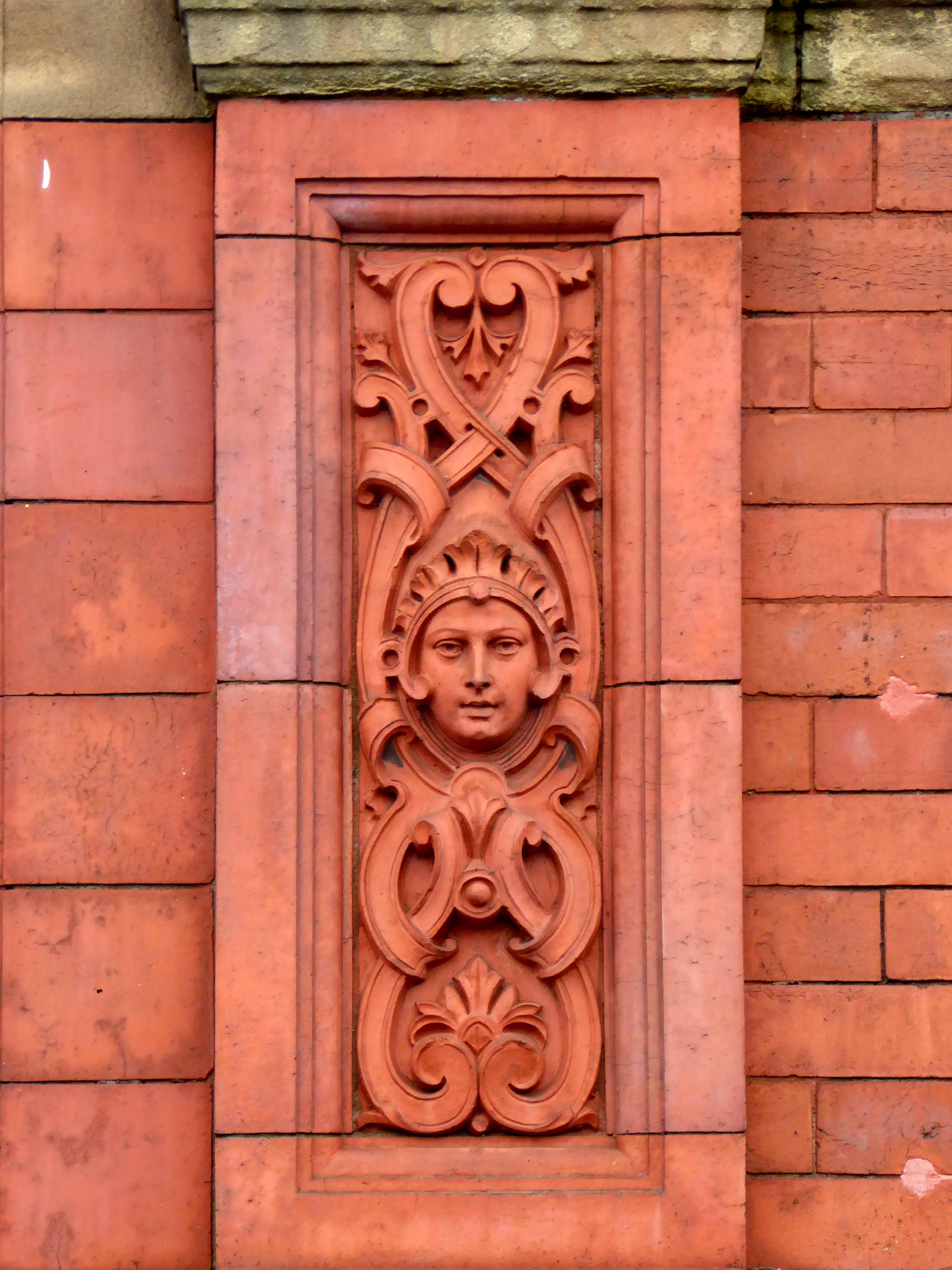
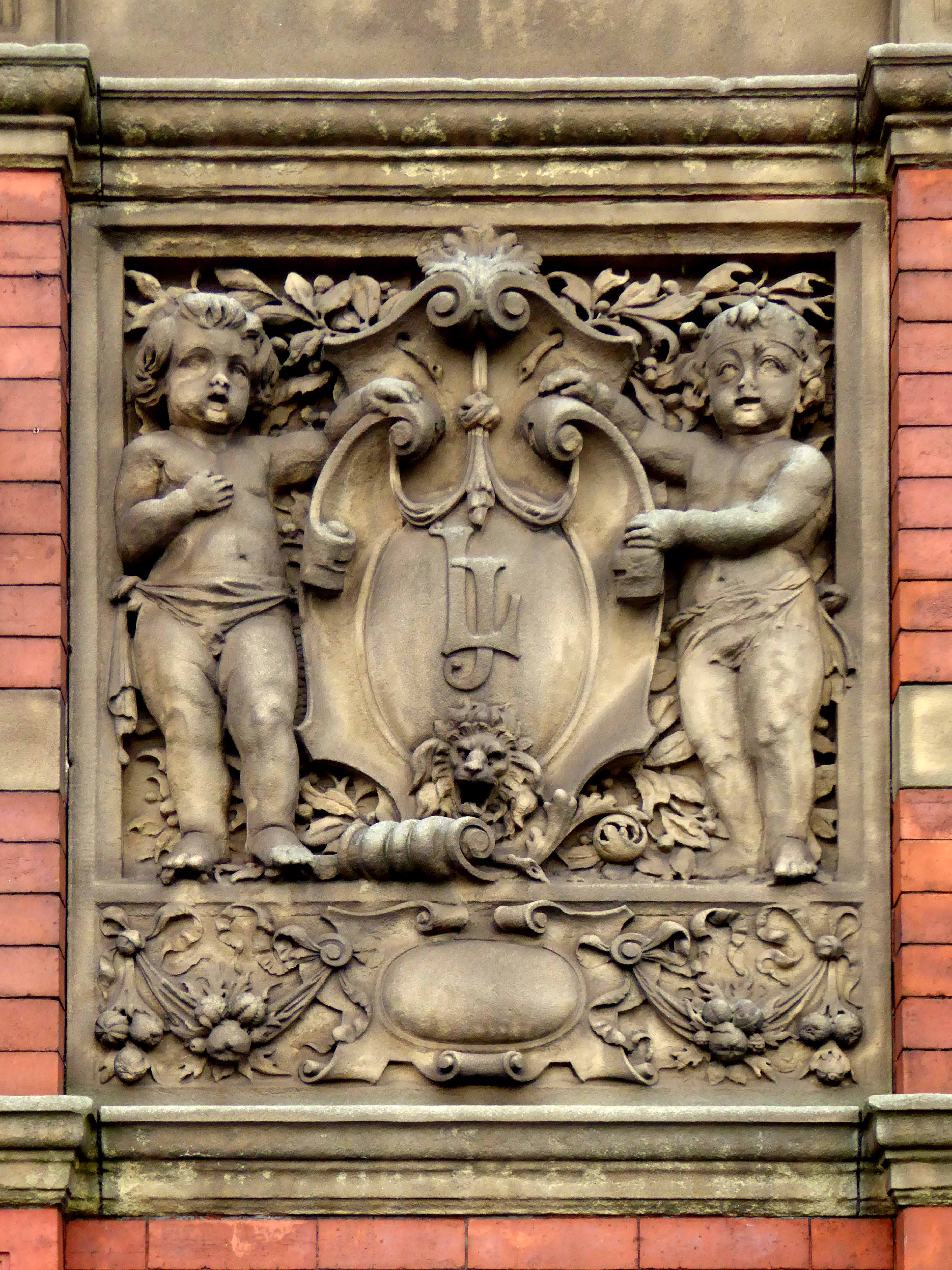
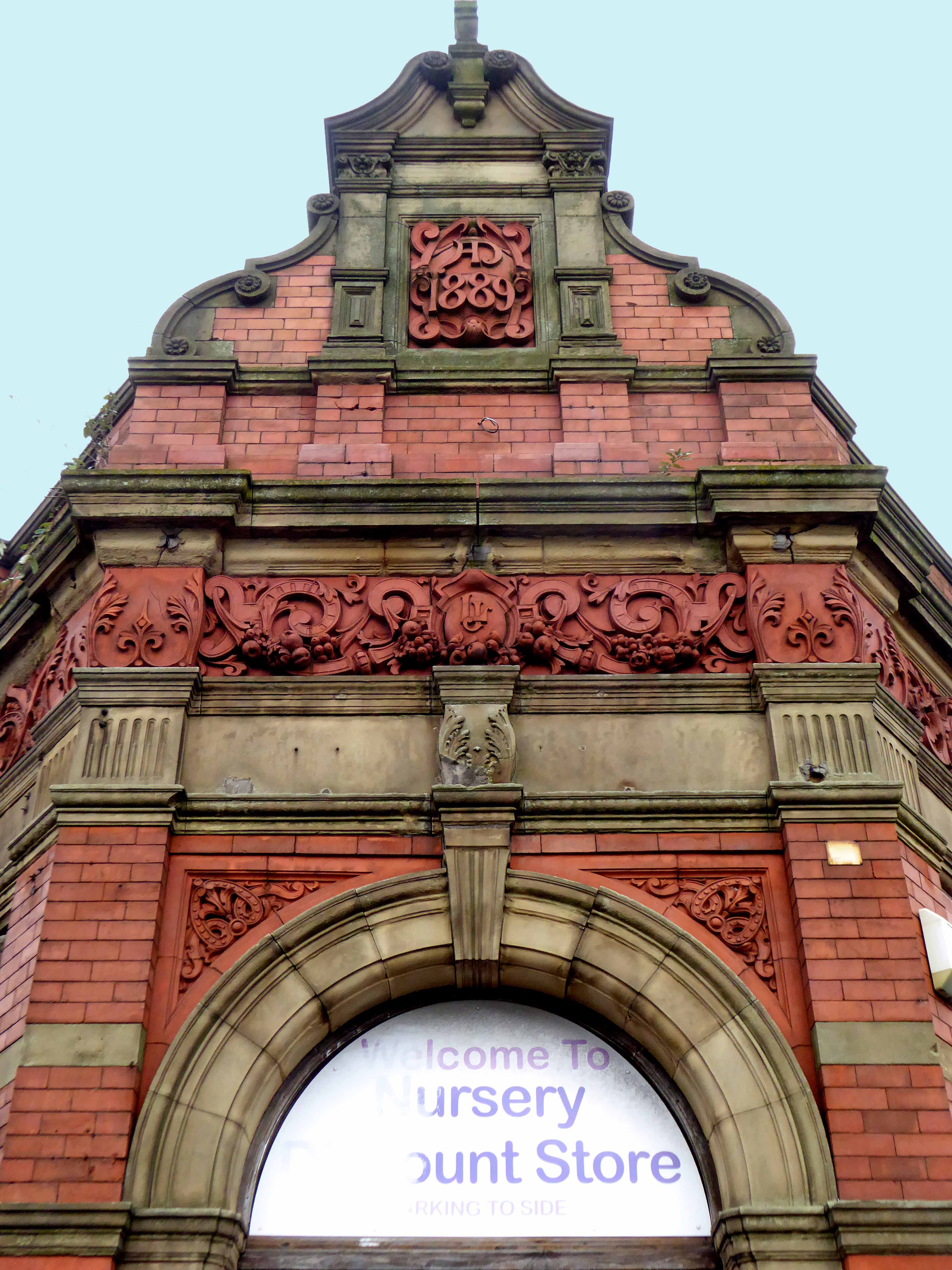
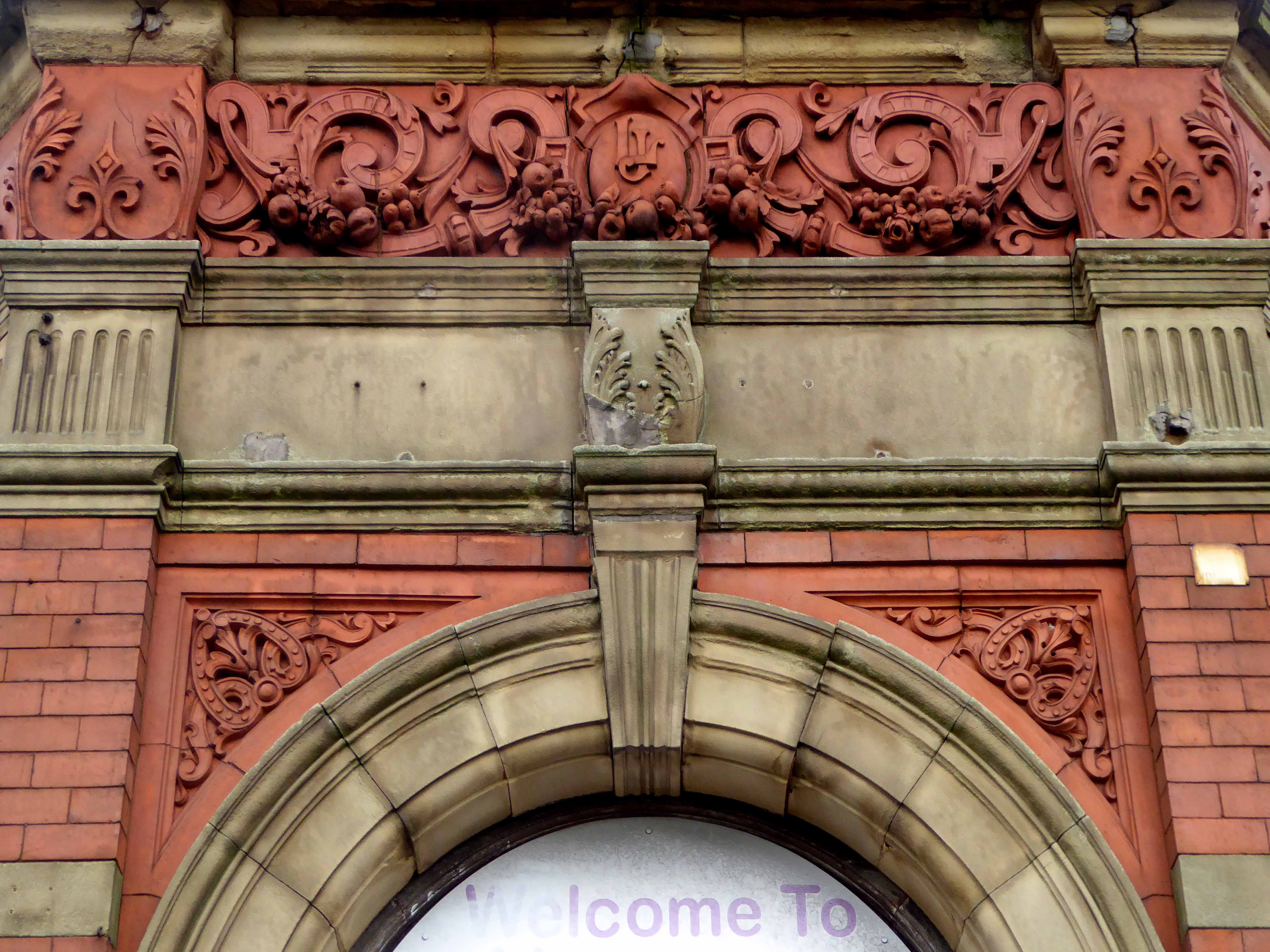
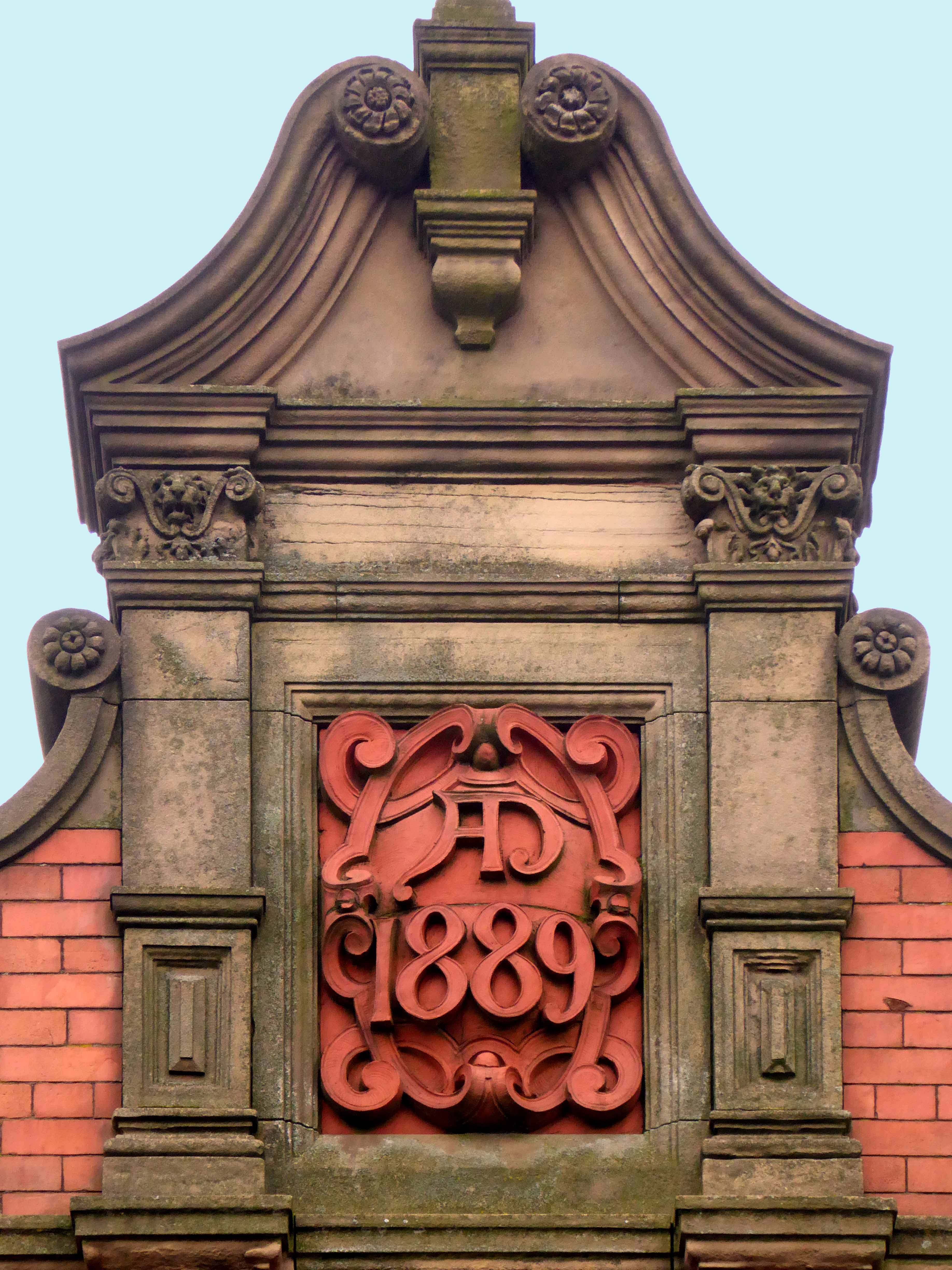
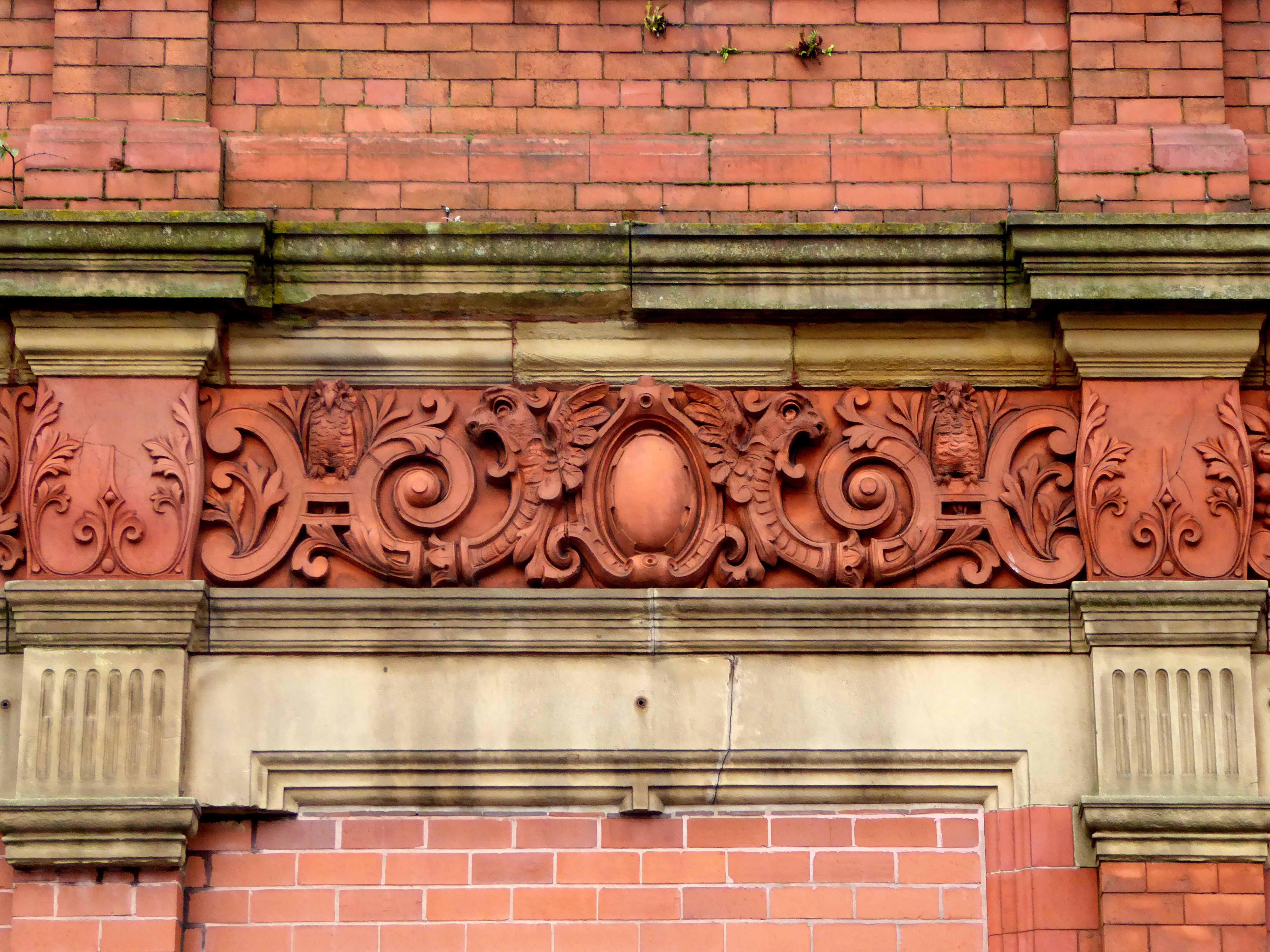
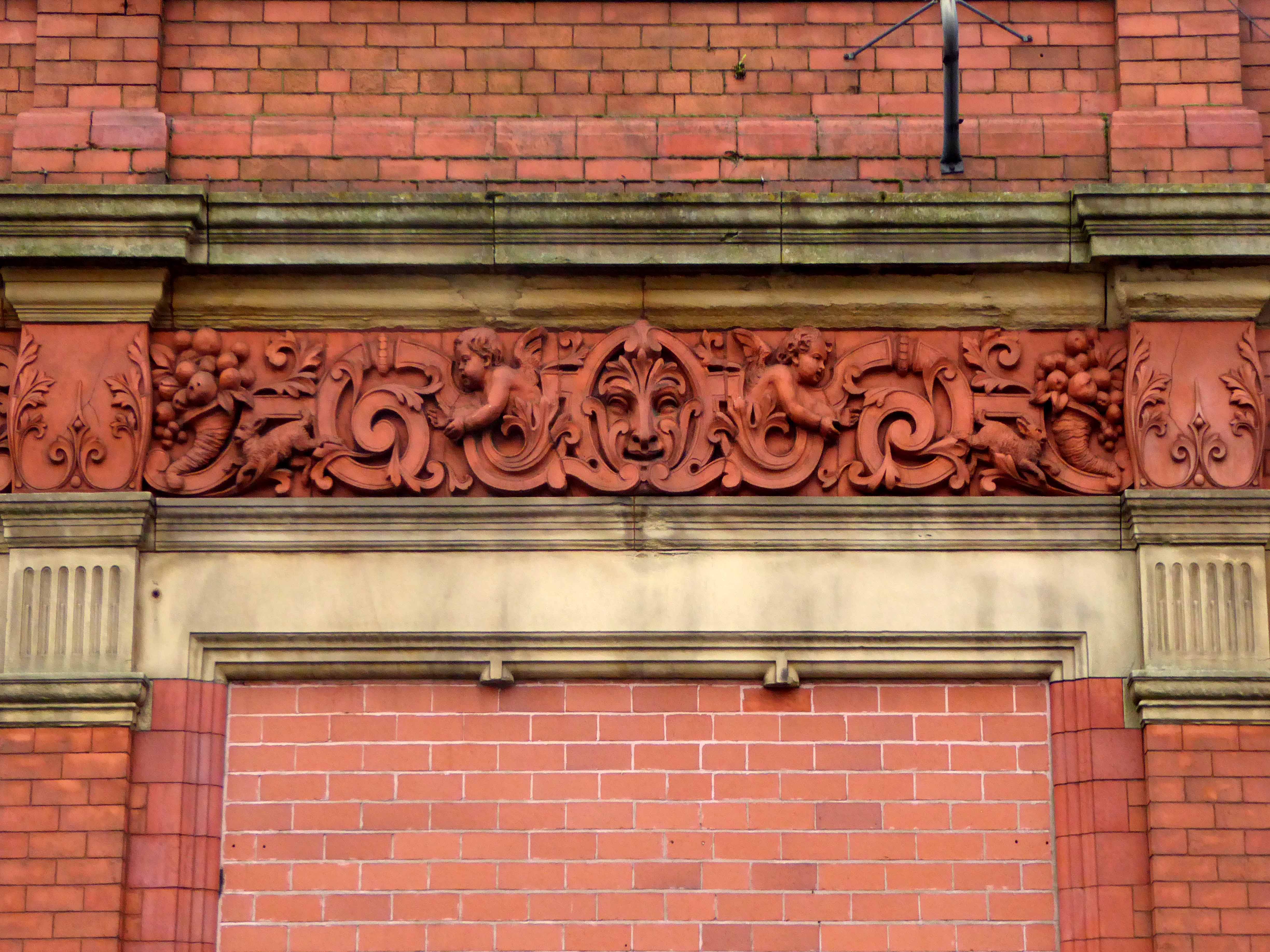
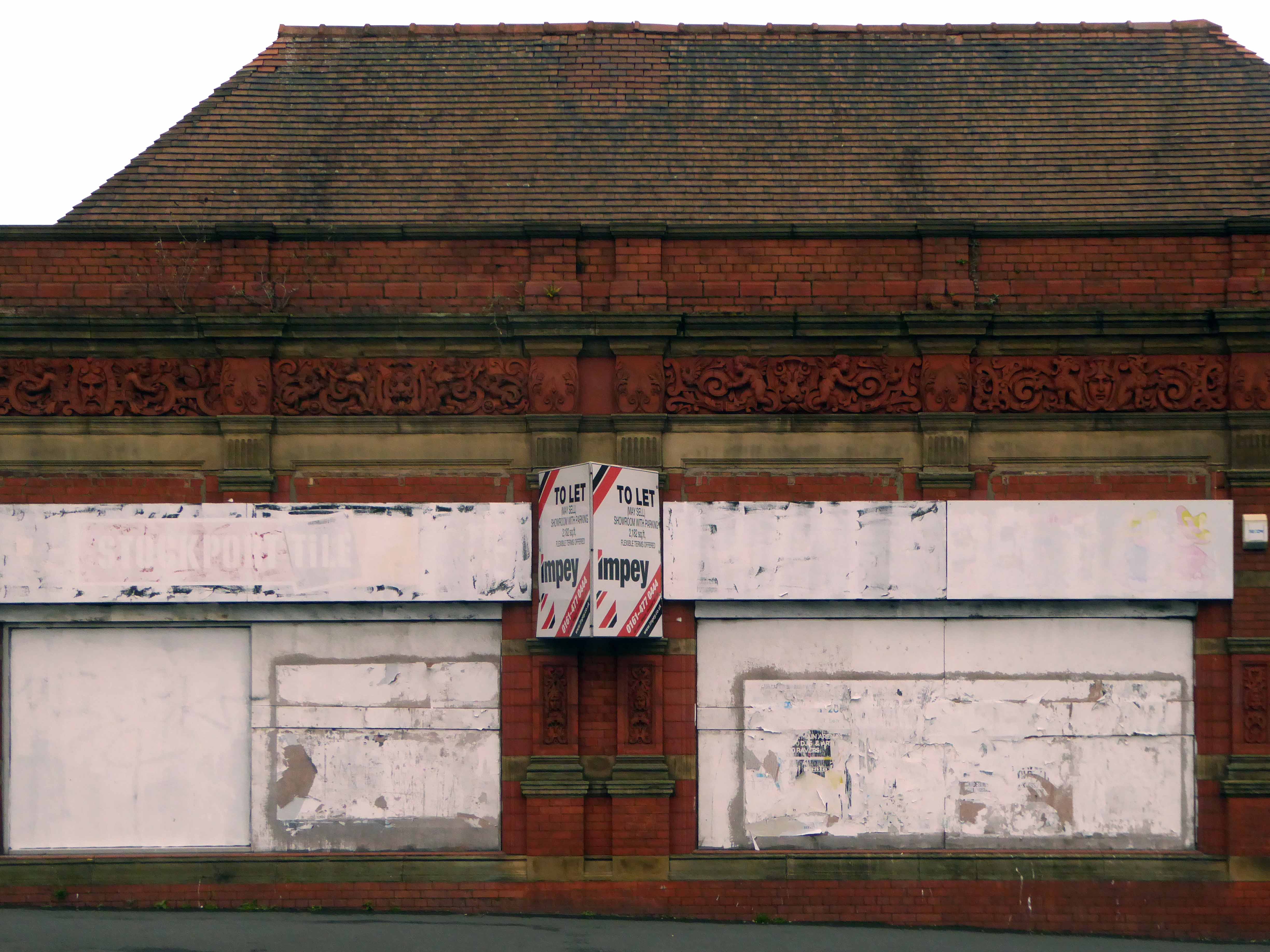
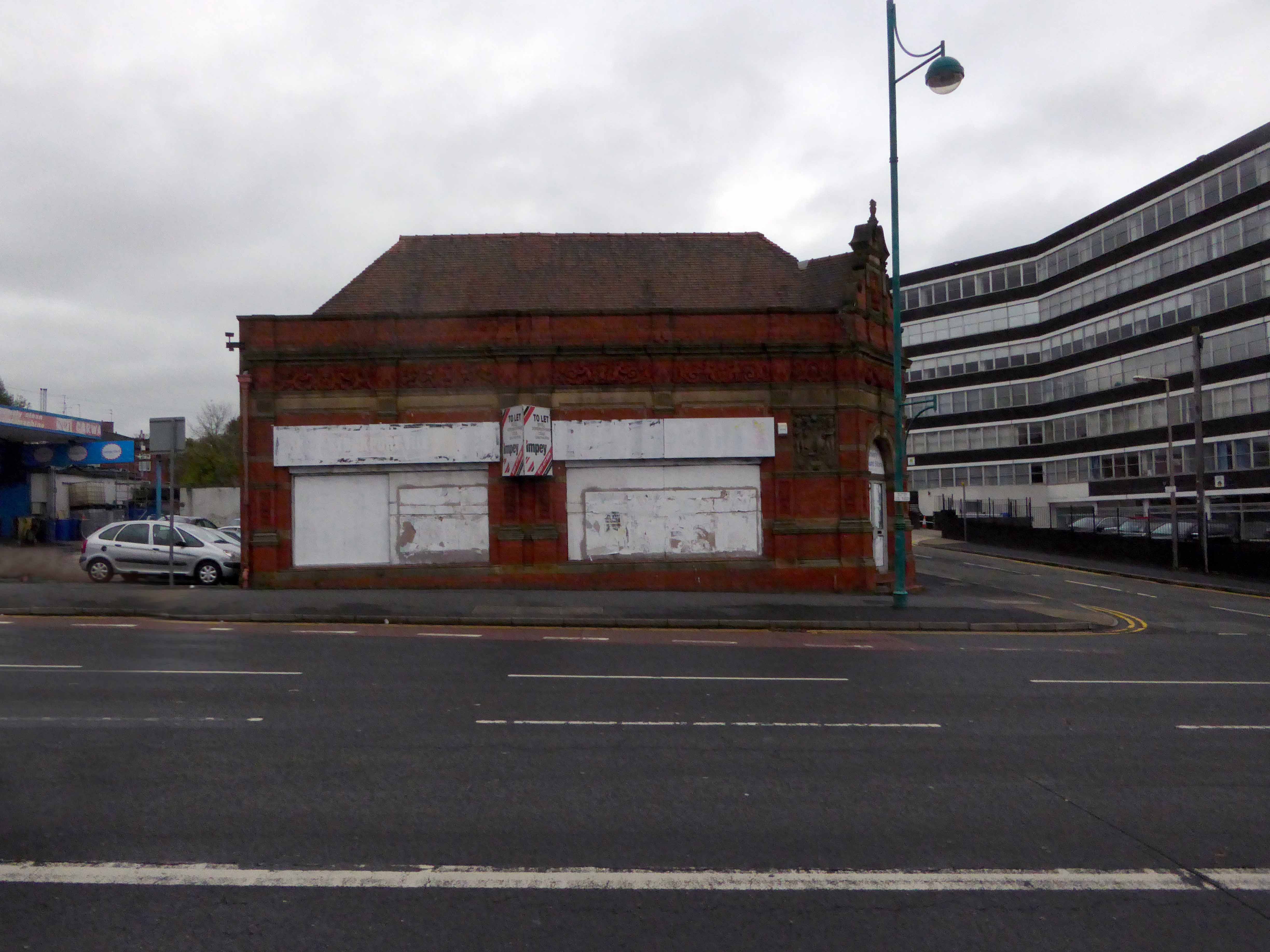
Commercial premises or showroom. Dated 1889. Red brick with stone dressings and terracotta decorative details, tiled roof. Rectangular building of 4 x 3 bays with canted corner entrance. Jacobean style. Single storey articulated by pilasters supporting a sculptured frieze. Doorway with arched head and fanlight. One, two and three-light mullion and transom windows to the Parsonage Street front. The Wellington Road front has two large plateglass windows divided by paired pilasters. The windows have removed two pilasters. Cornice, panelled parapet, aedicule with console supporters, swan – neck pediment and date over the doorway. Tall hipped roof. Very prominently sited and under restoration at the time of inspection.

Grade: II listed: 23rd March 1987 – Historic England

20384

35147

35148

Stockport Image Archive

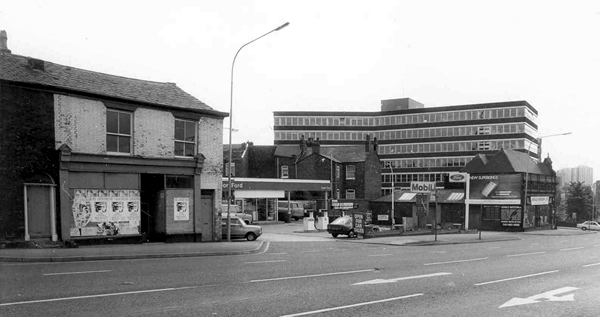
This is a building of some substance, decorated with terracotta work of the highest order, a striking yet diminutive landmark to the north of the town. Situated on a once busy commercial site, where it would have been surrounded by a plethora of retail, industrial and residential property.

My research has shown that its earliest recorded use was under the ownership of JE Jones manufacturing agent for ropes and cords, allied to the local hatting and cotton trades in 1907. Subsequently the base of John Roberts in 1910 – leather merchant, manufacturing  belts, strapping and laces – the company also had premises nearby at 138 Heaton Lane.

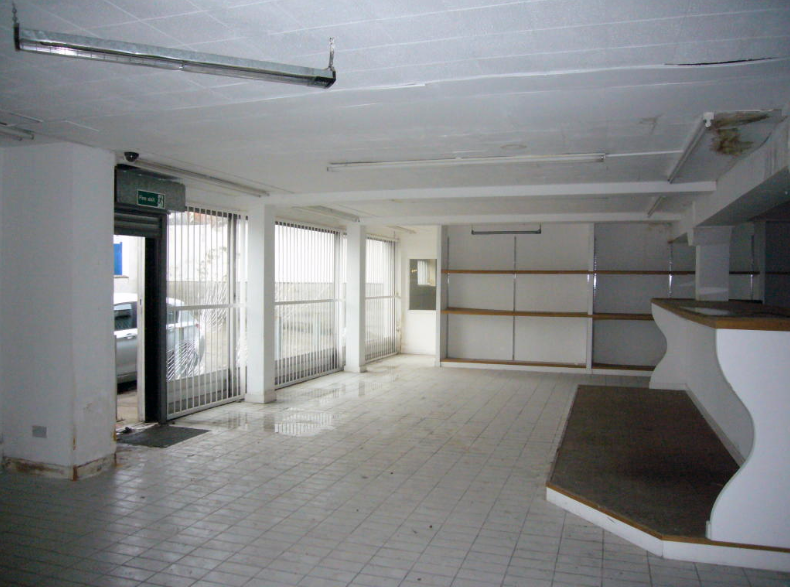
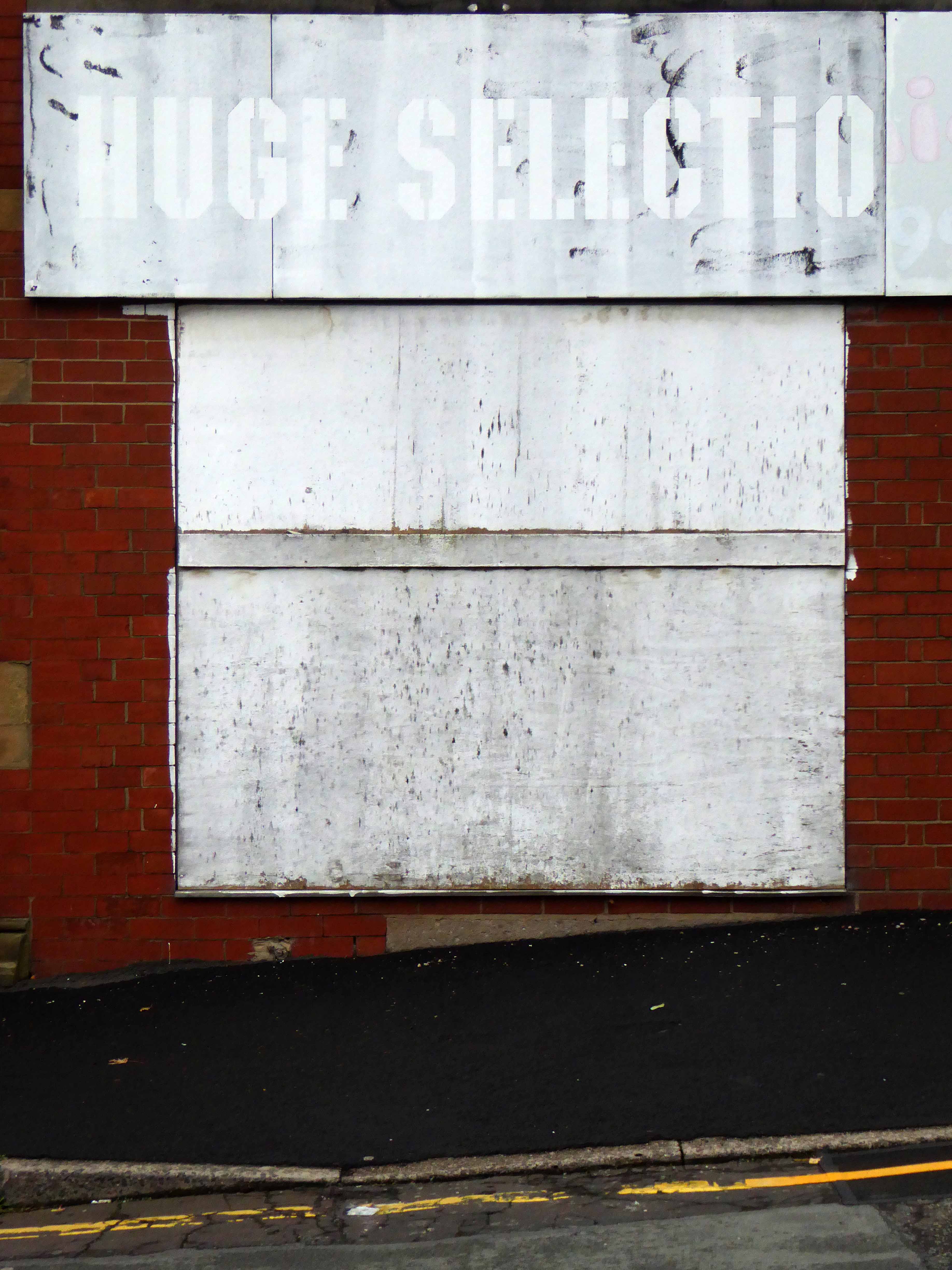
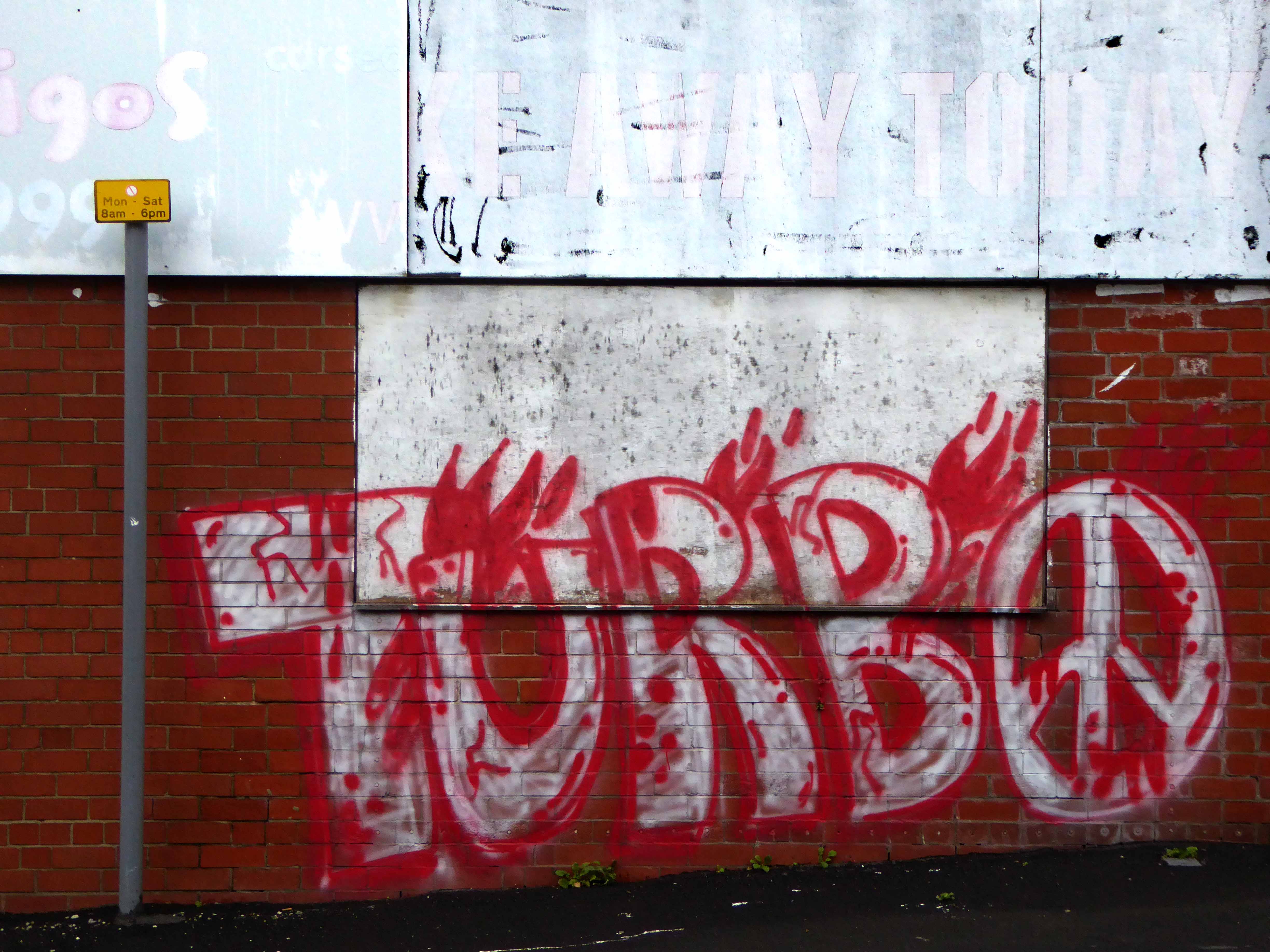
It has latterly been in use as Topp’s Tiles, Gordon Ford and Little Amigos Discount Nursery Store – it is currently empty, shuttered and unloved on off at a rent of £1,833 per calendar month from Rightmove.

Screen Shot 2018-05-07 at 08.03.22

As Stockport continues to invest in and develop its town centre, it remains a more than somewhat sorry beacon of decline, an indicator that all too often architecture of local and historic importance, seems to have little or no place, in this thrusting modern milieu.

If passing, pause and reflect on the sense of permanence that imbues this building, in an all too impermanent world.

P1210198

P1210199

P1210200

P1210201

P1210202

P1210203

P1210204

P1210205

P1210206

P1210208

P1210209

P1210210

P1210211

P1210212

P1210215

P1210216

P1210217

P1210218

P1210220

P1210221