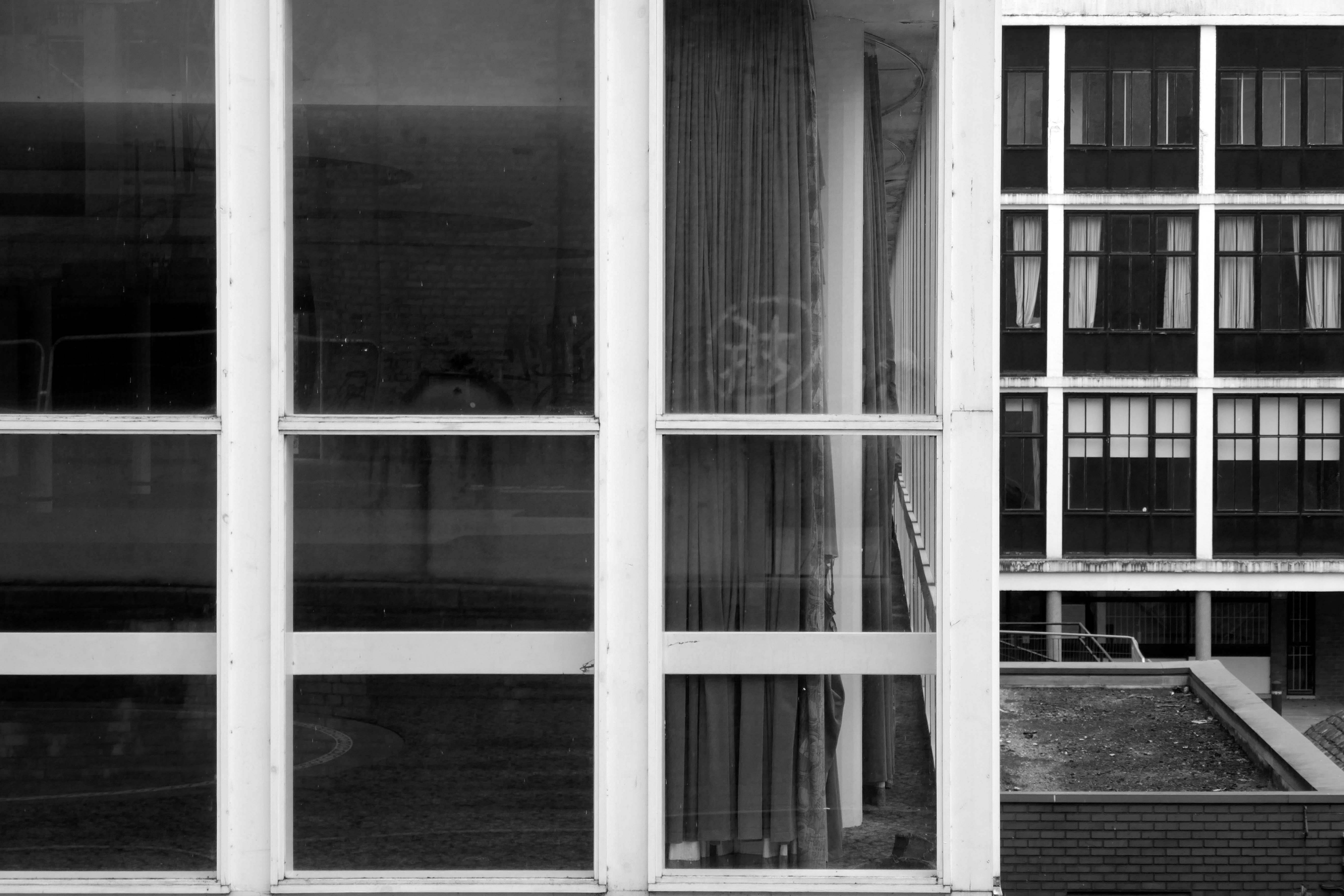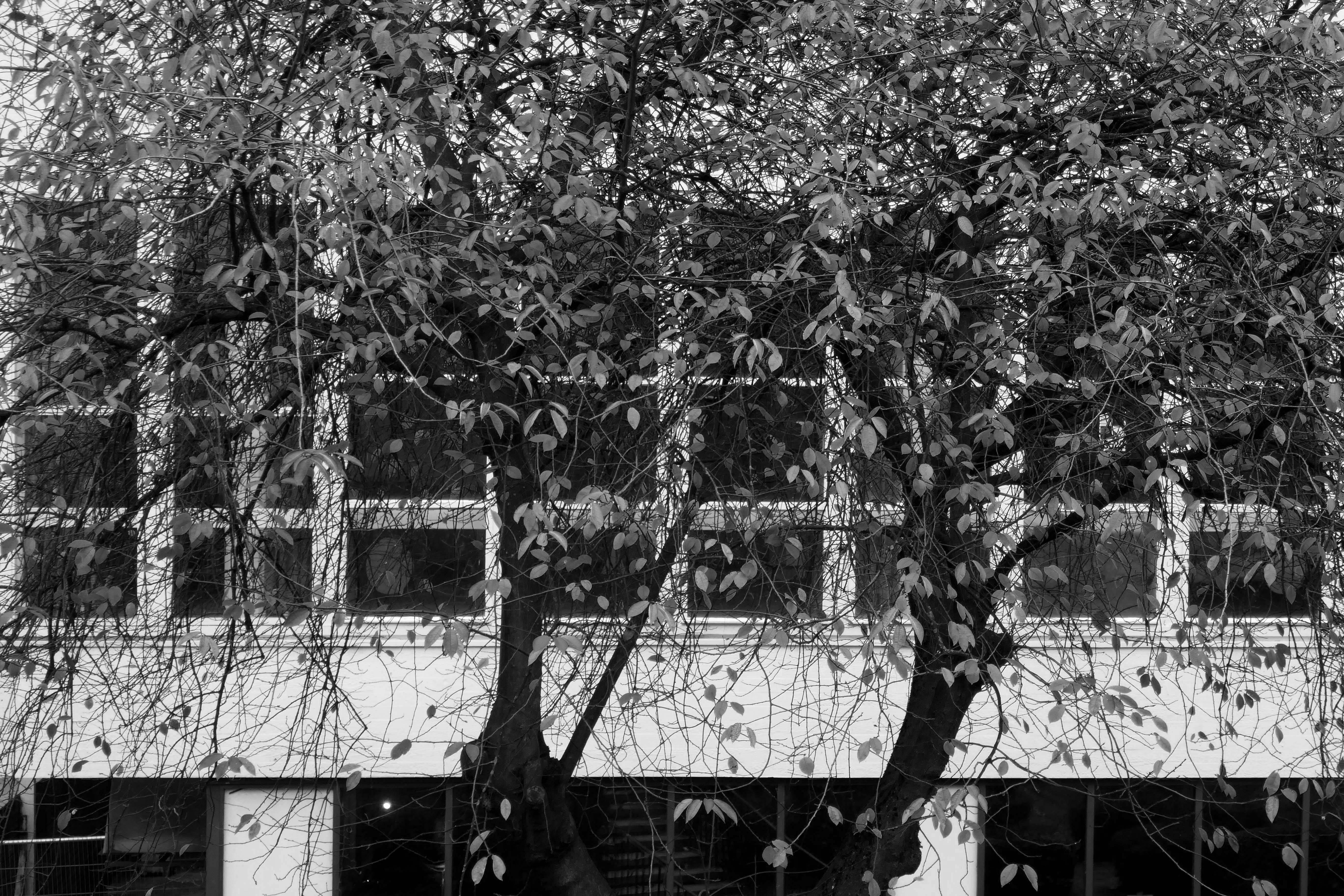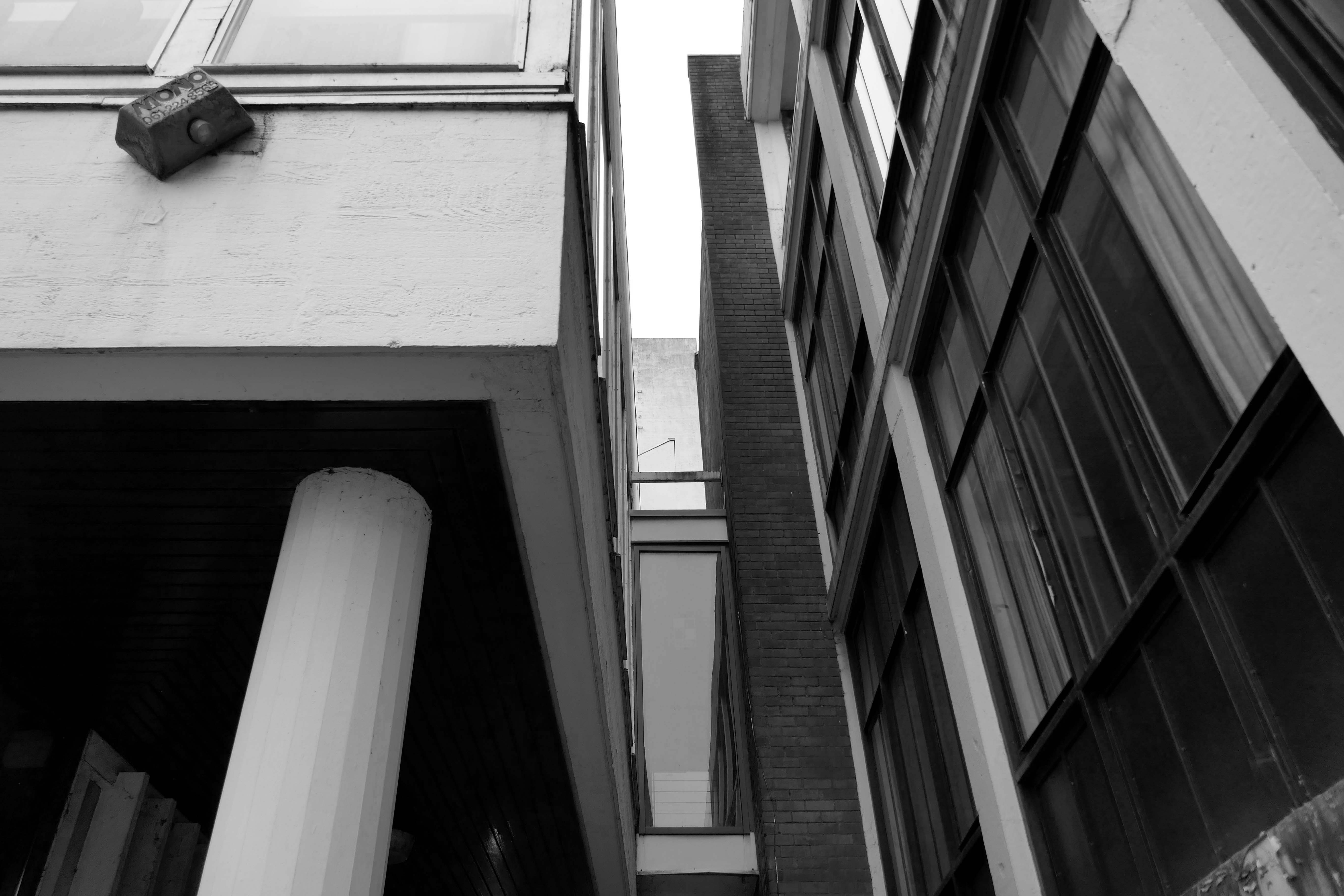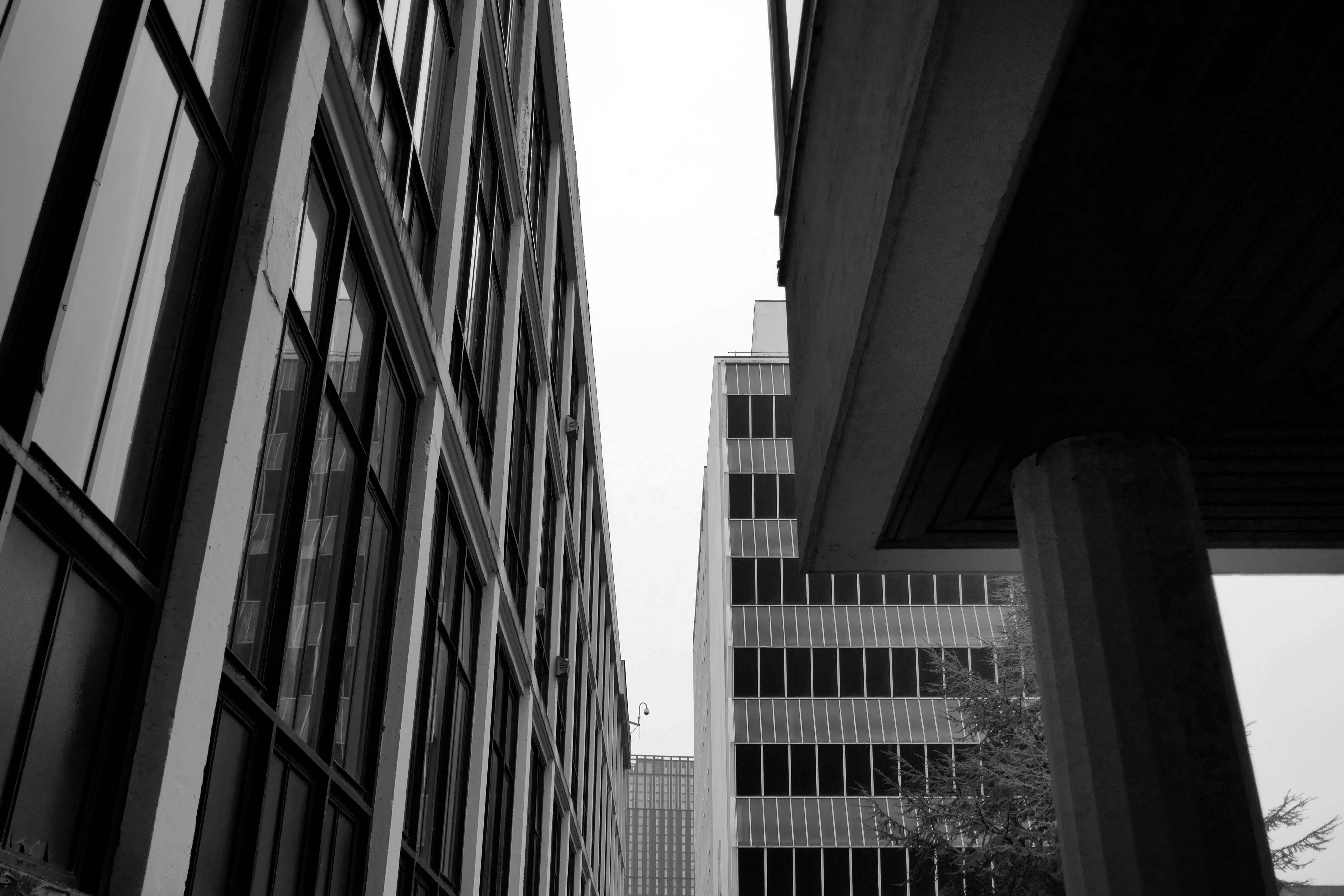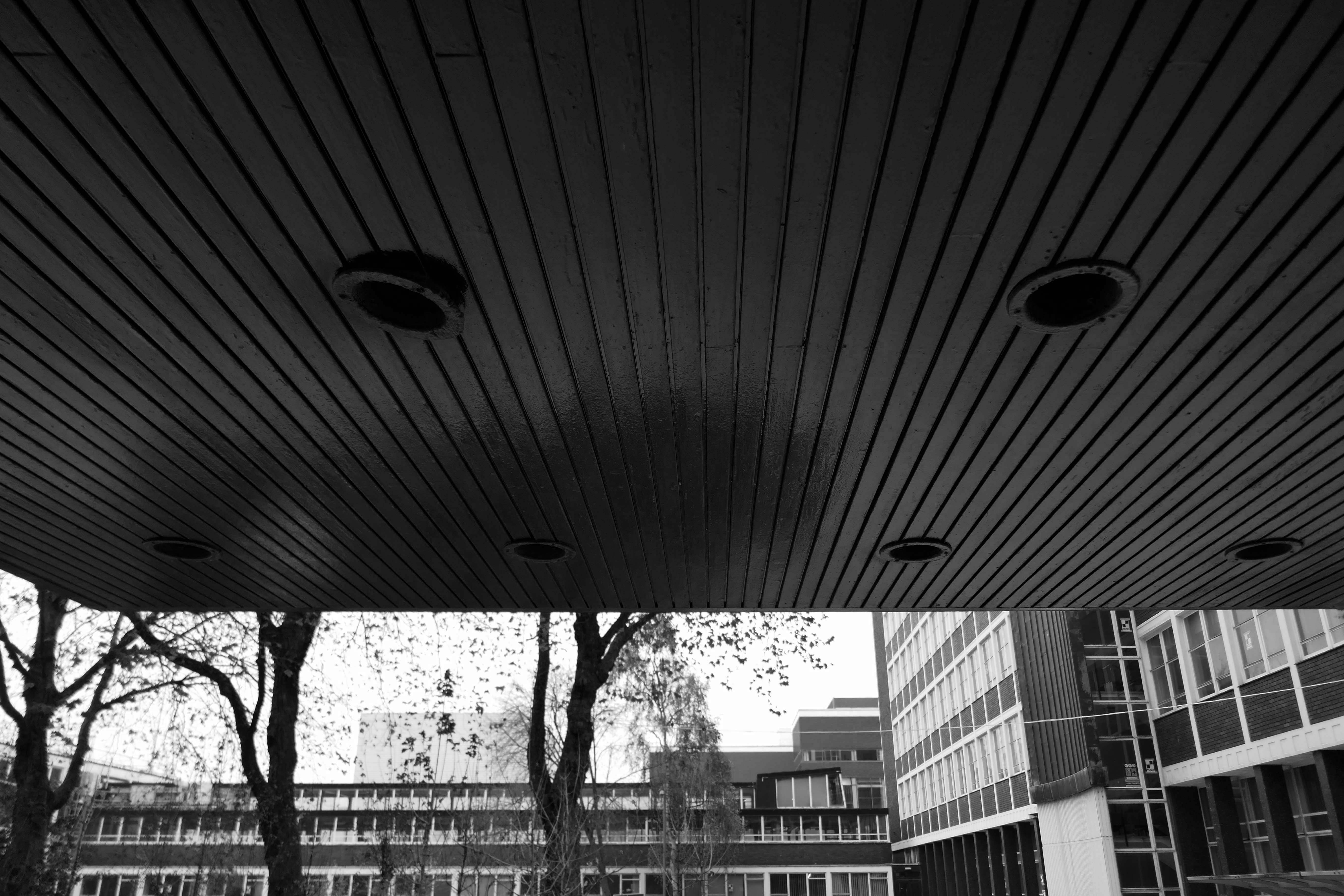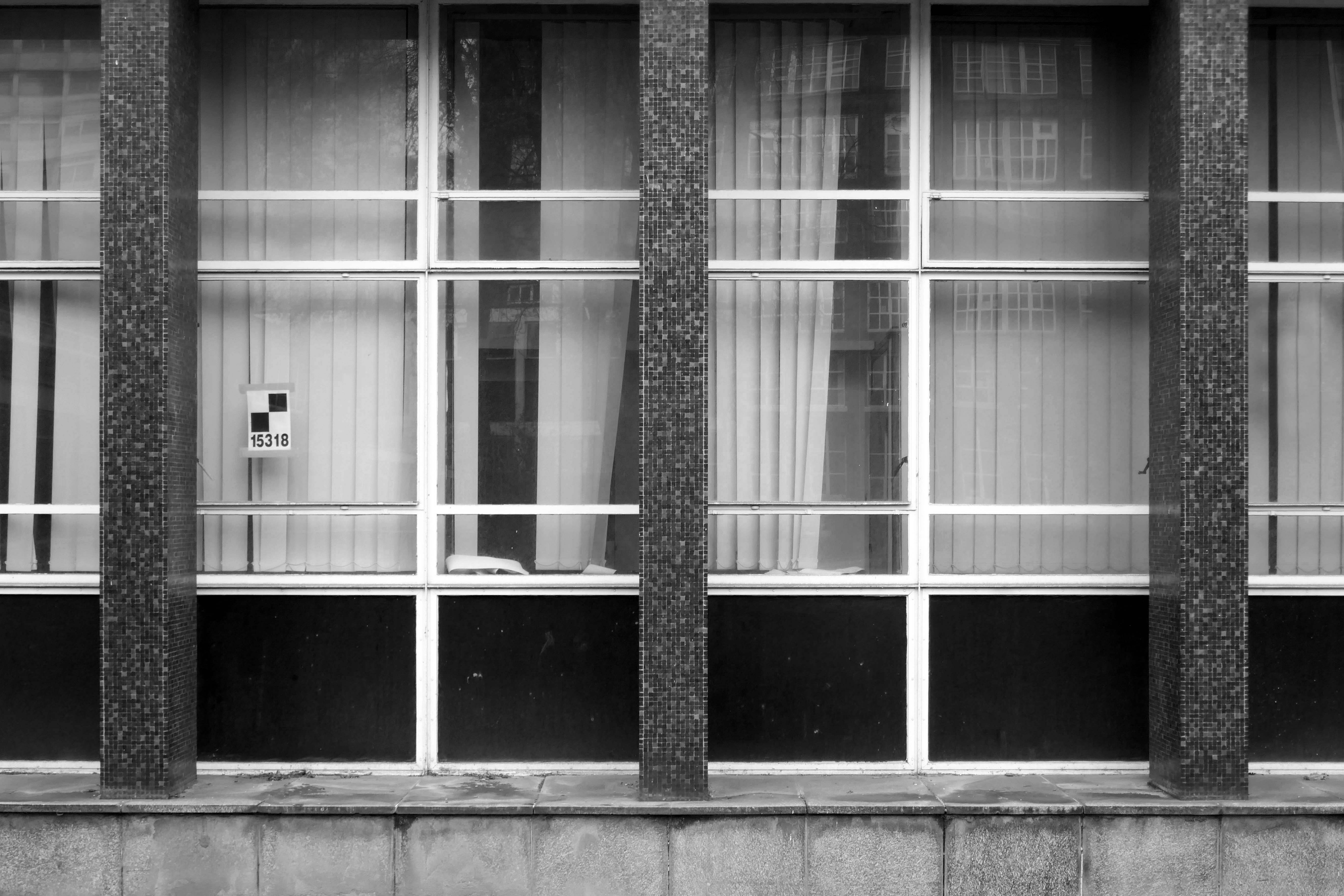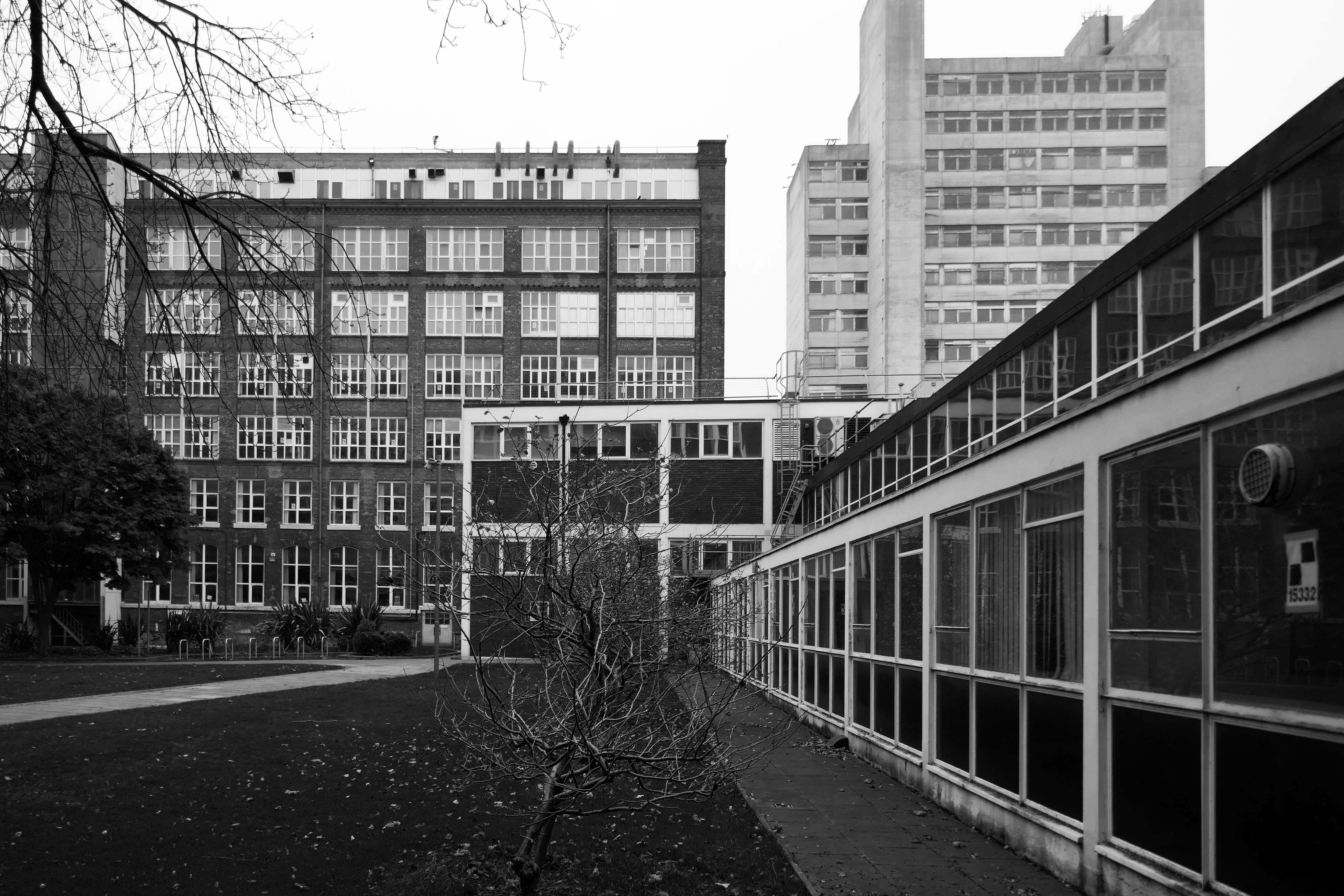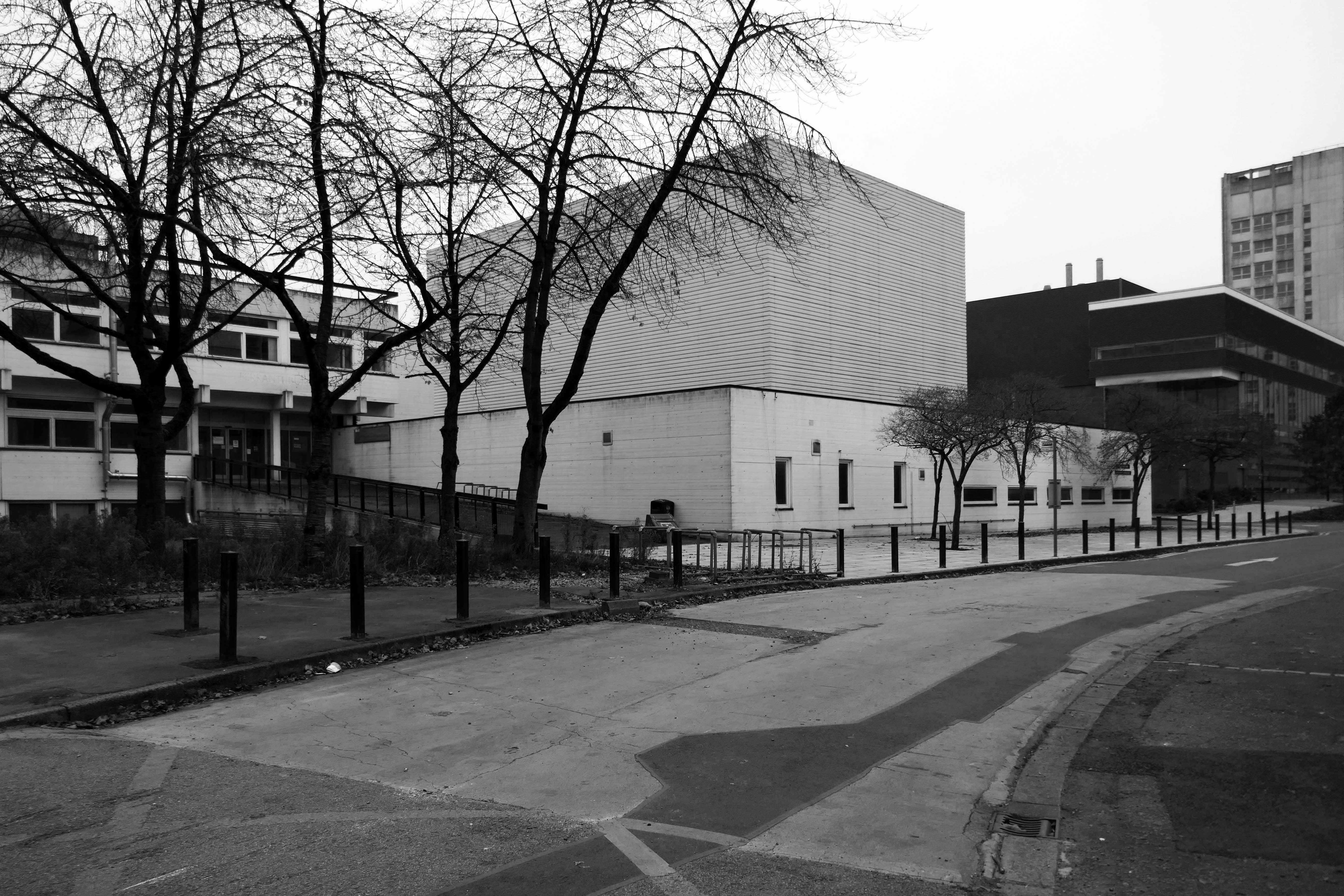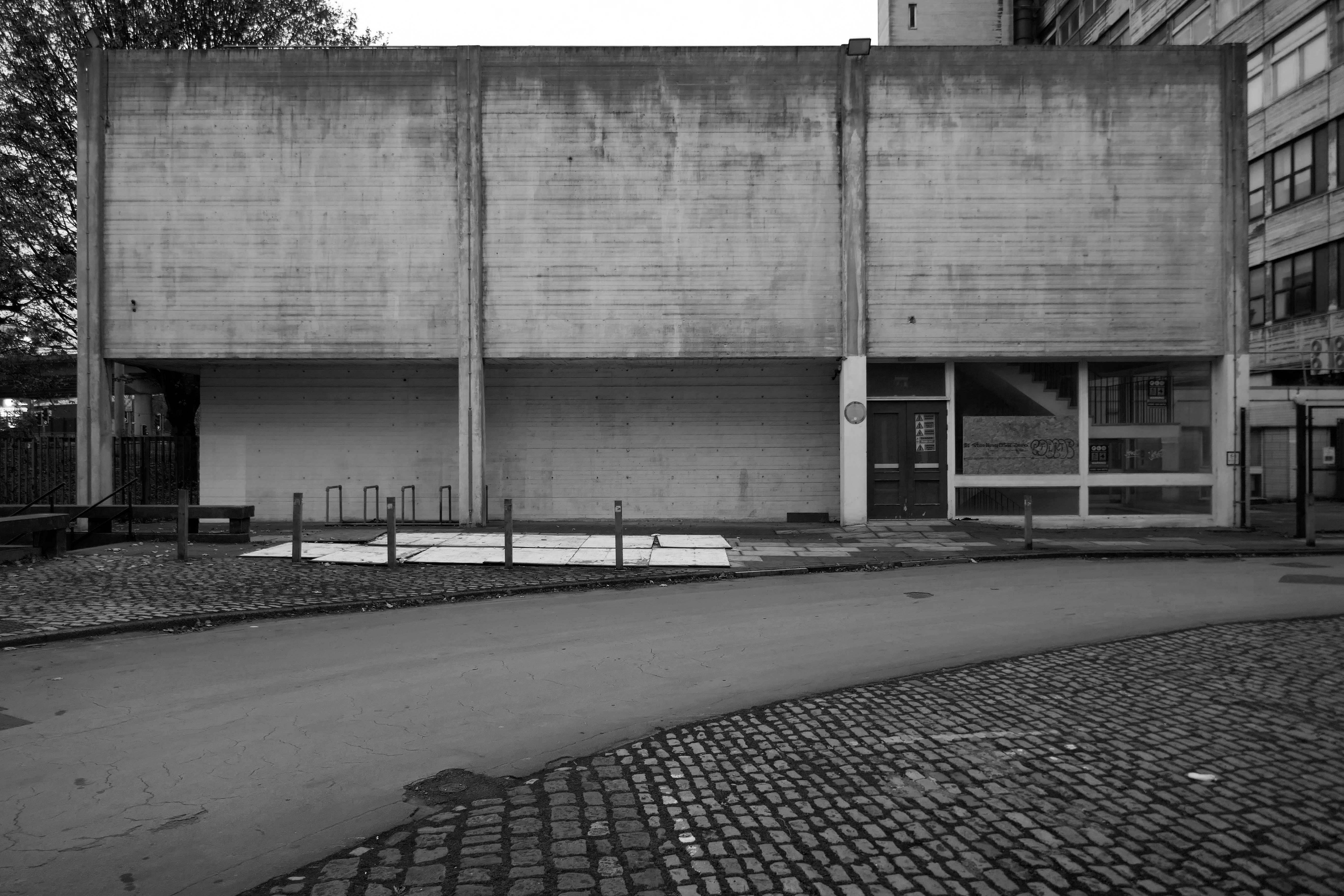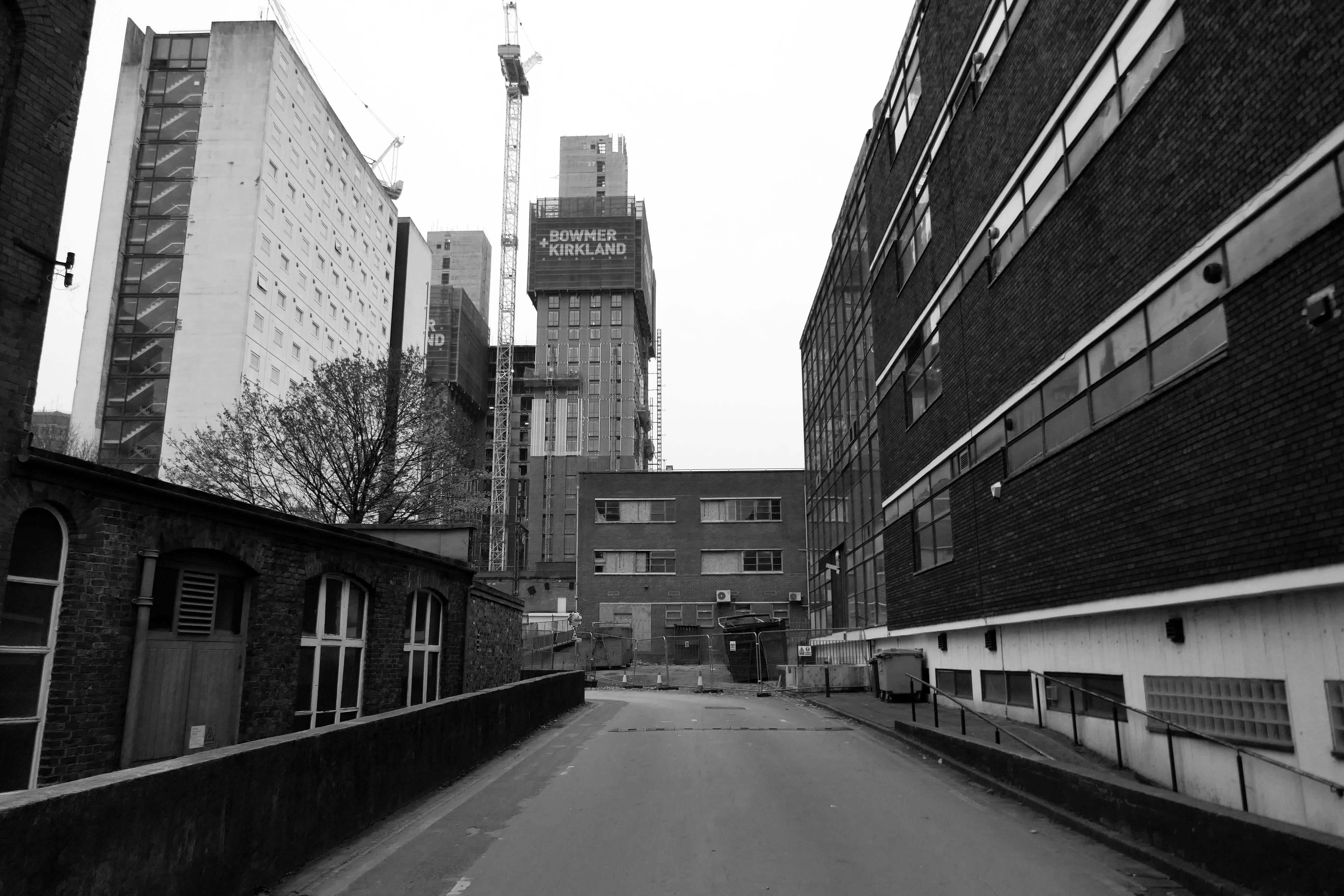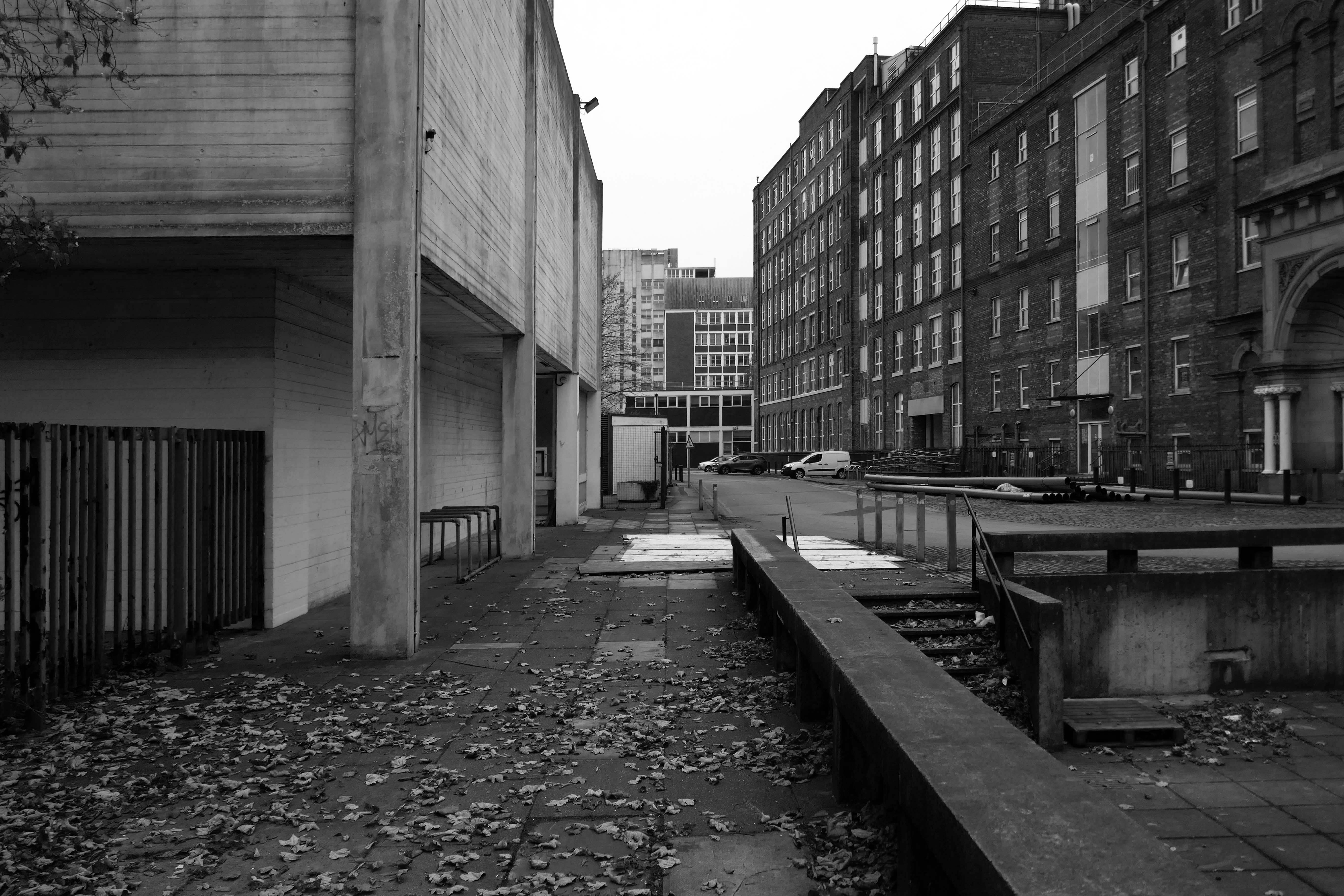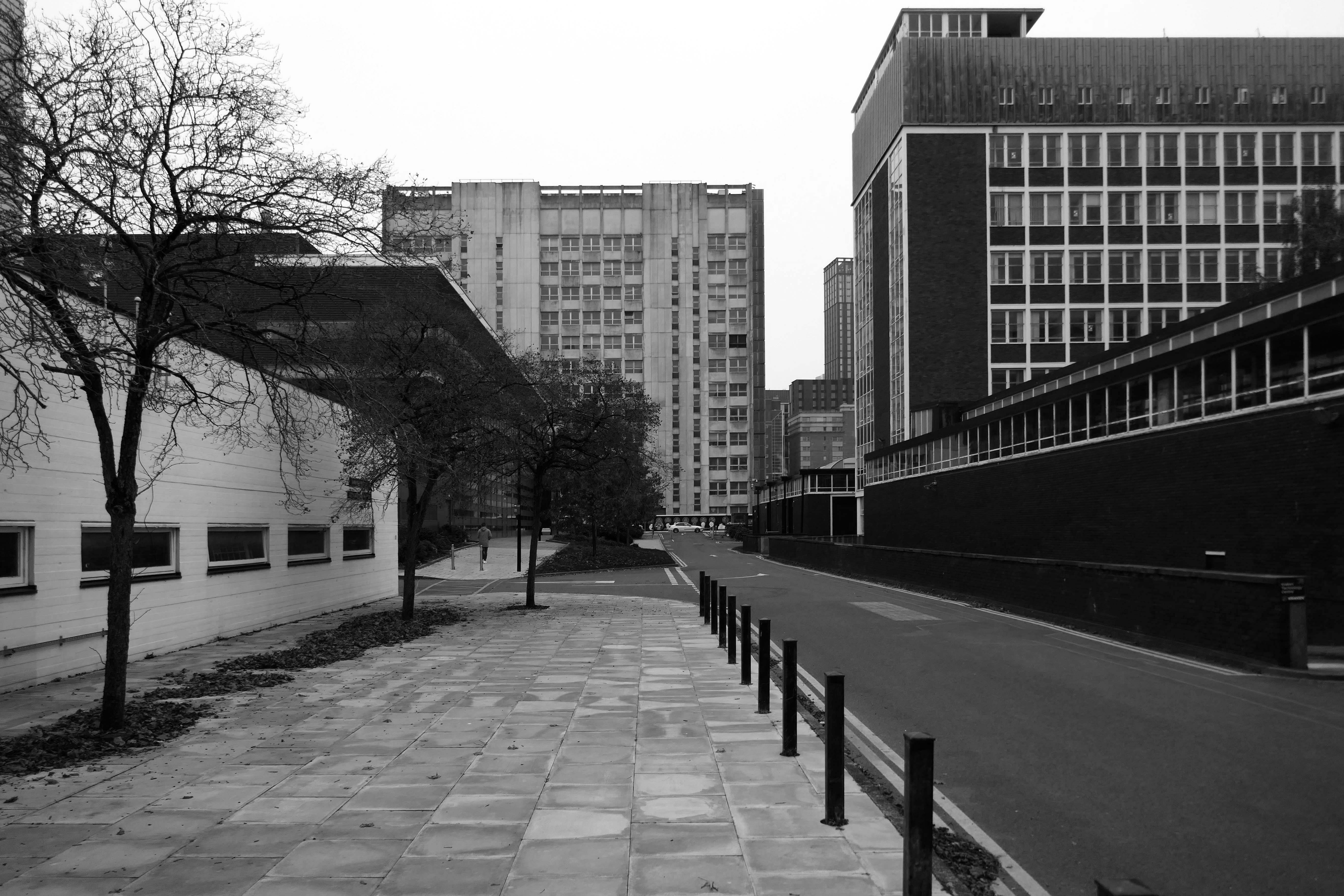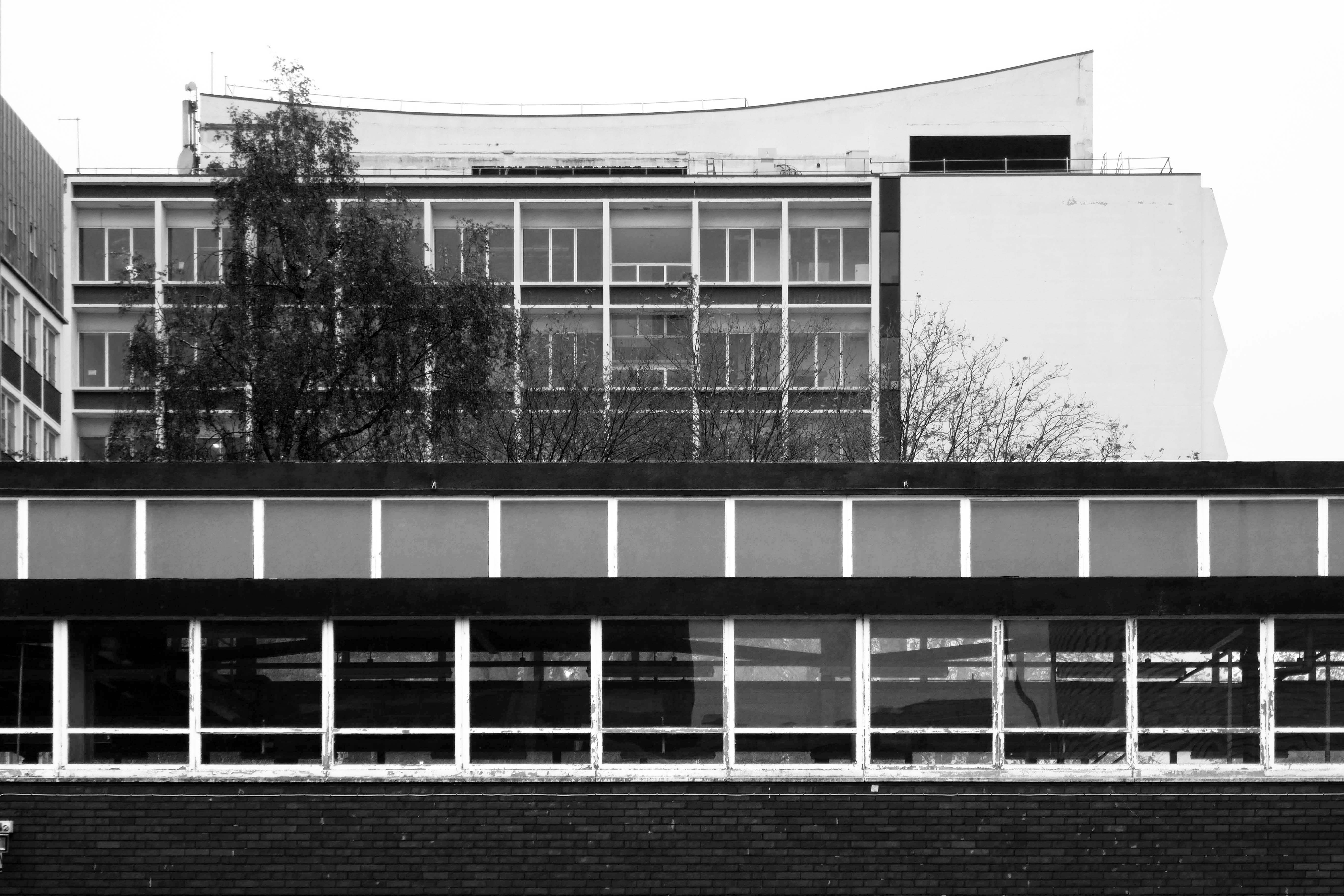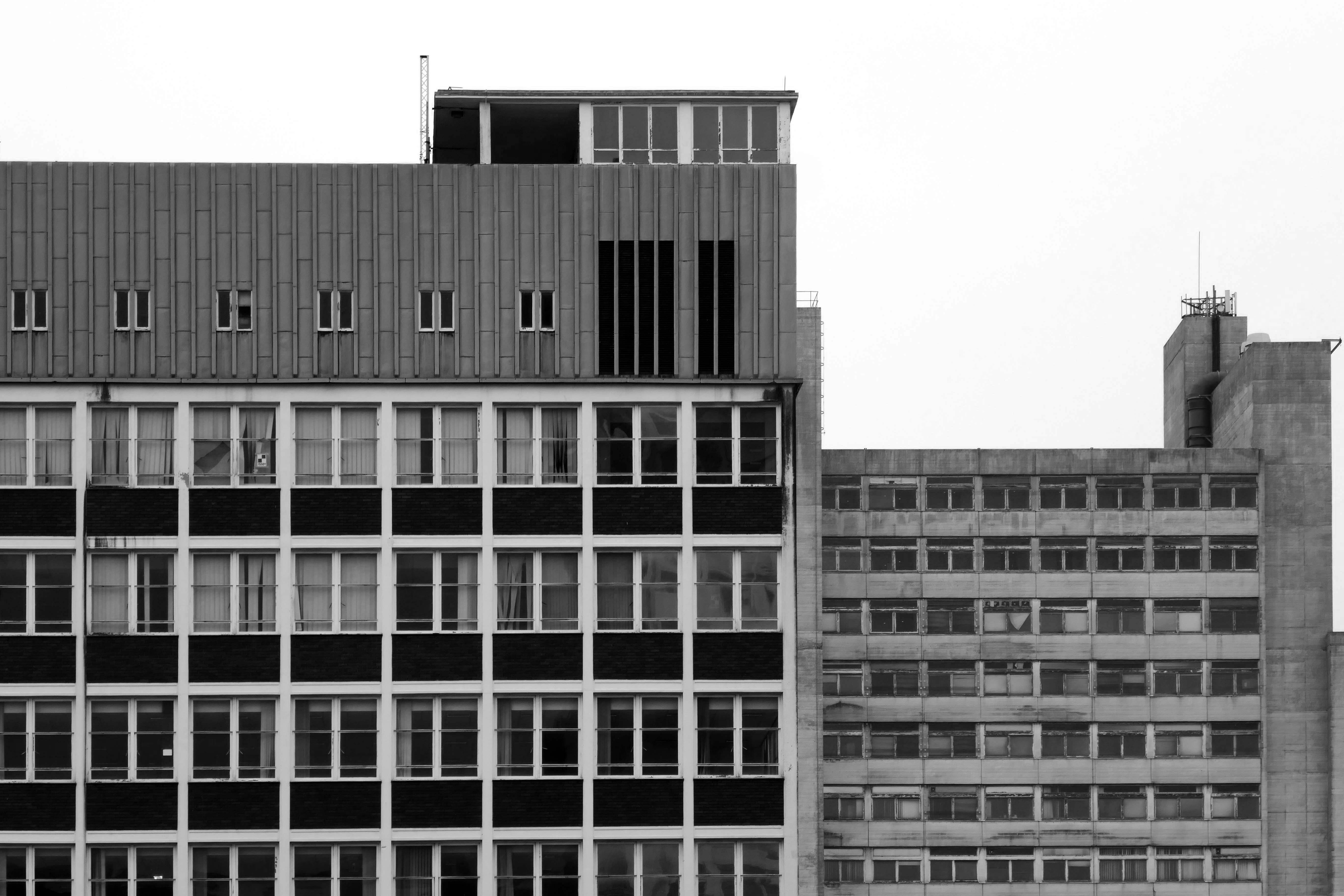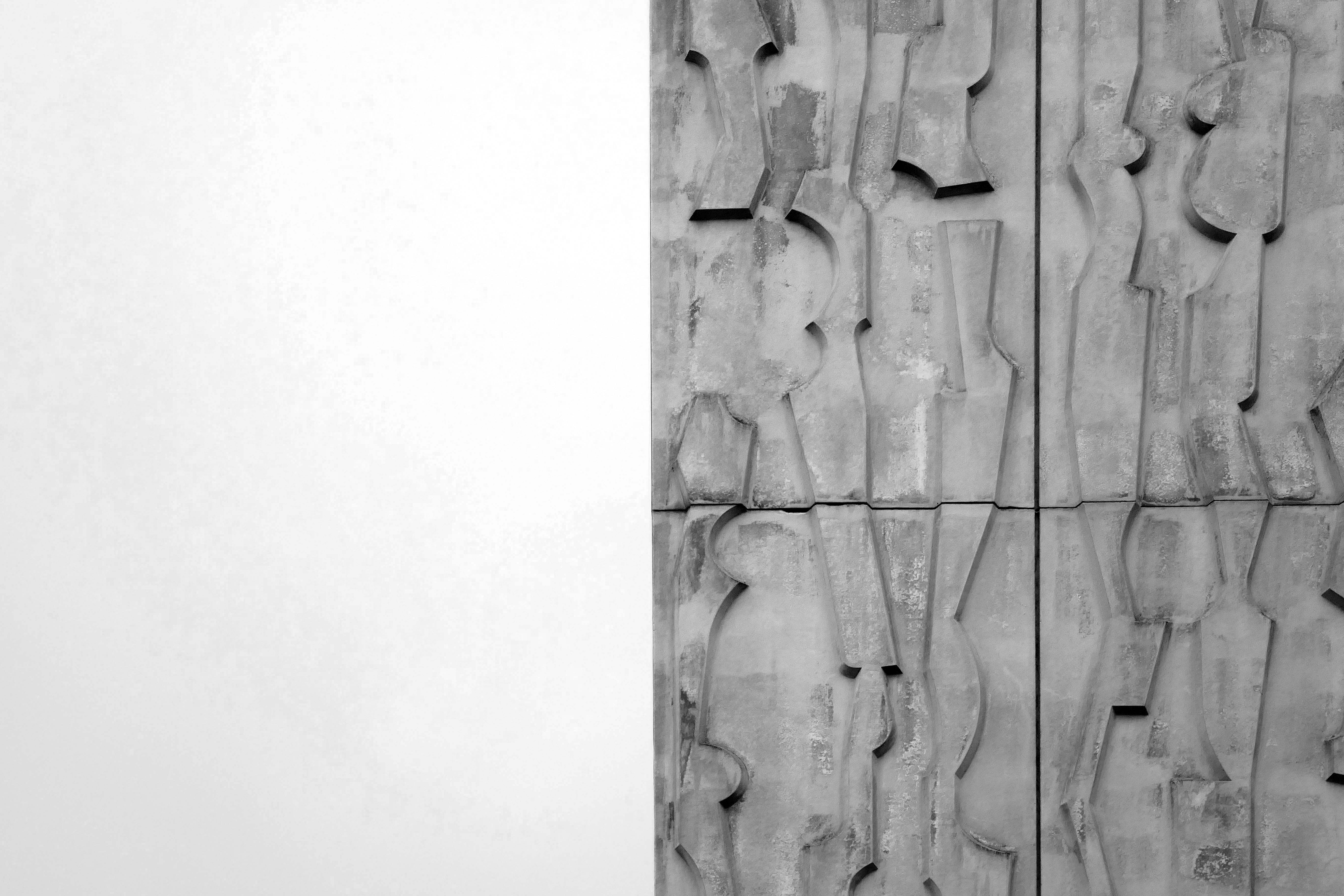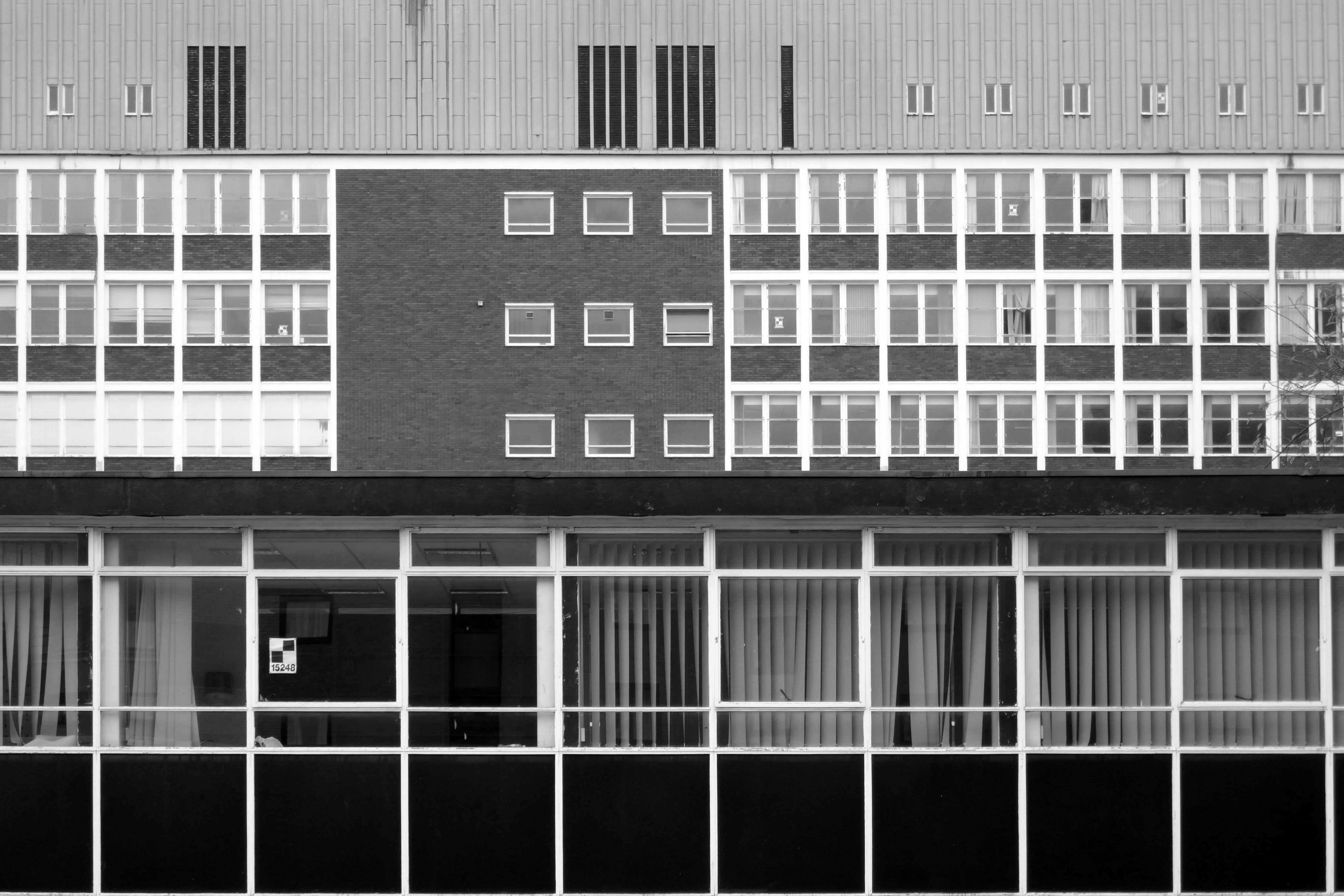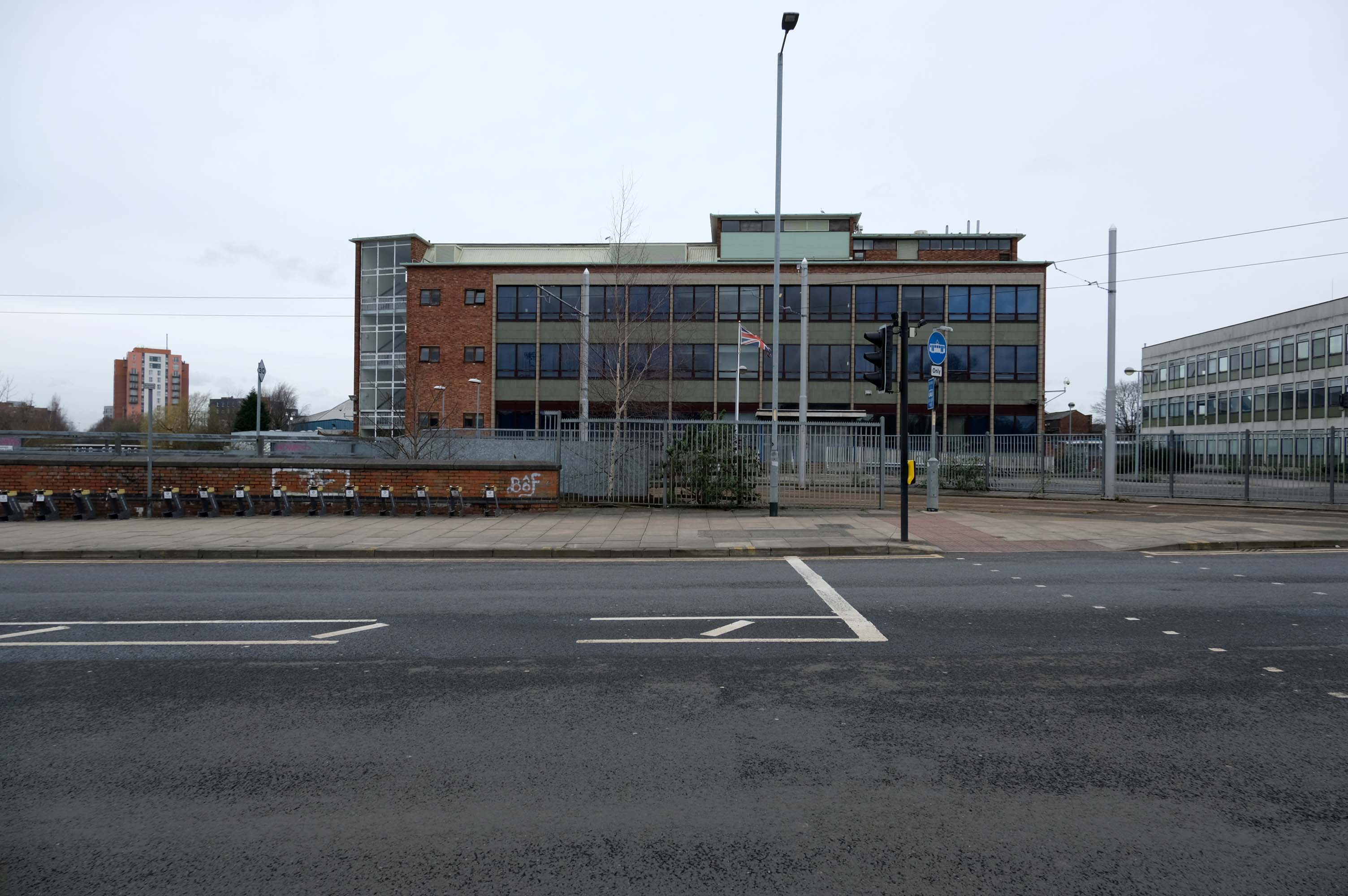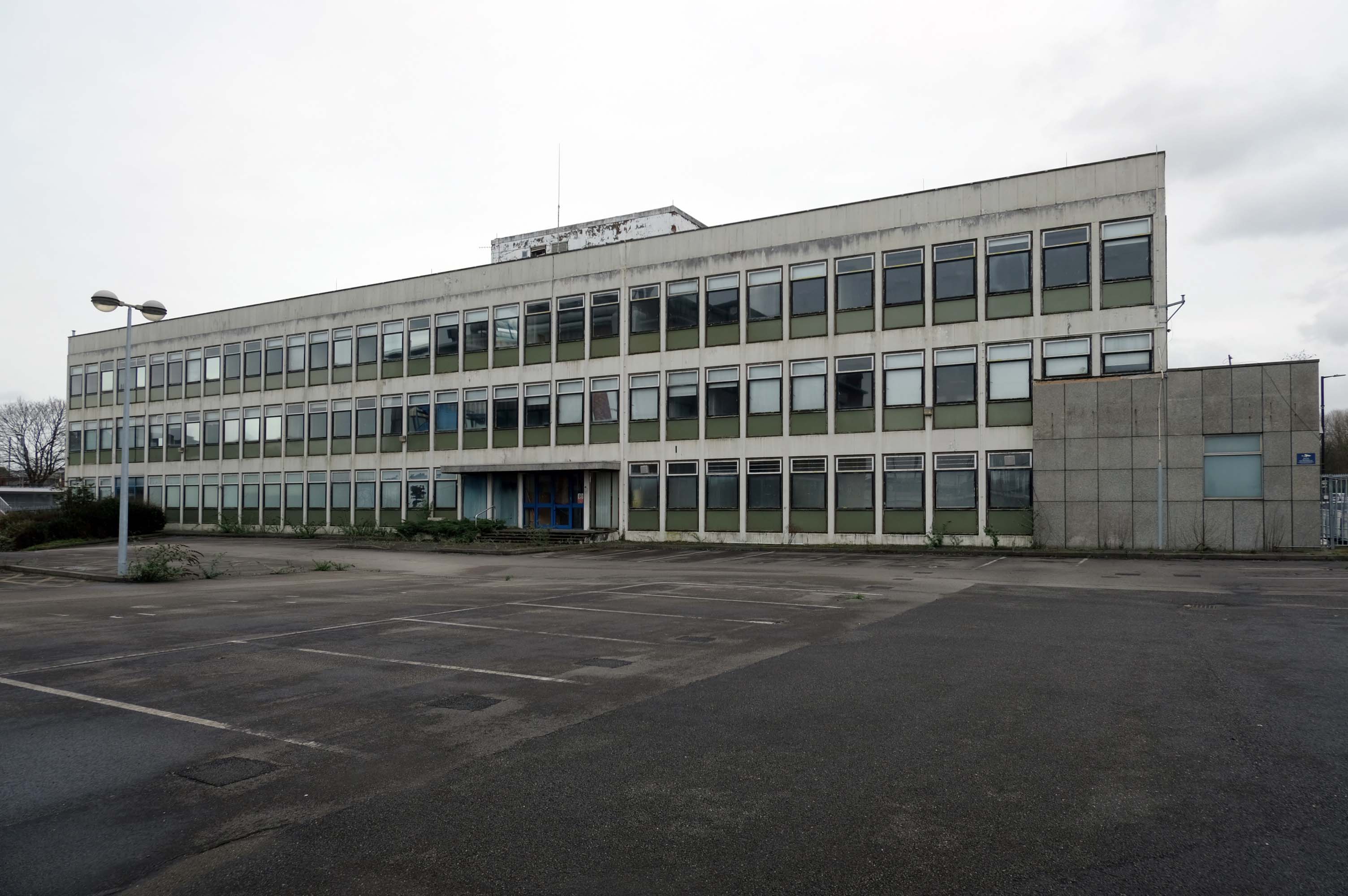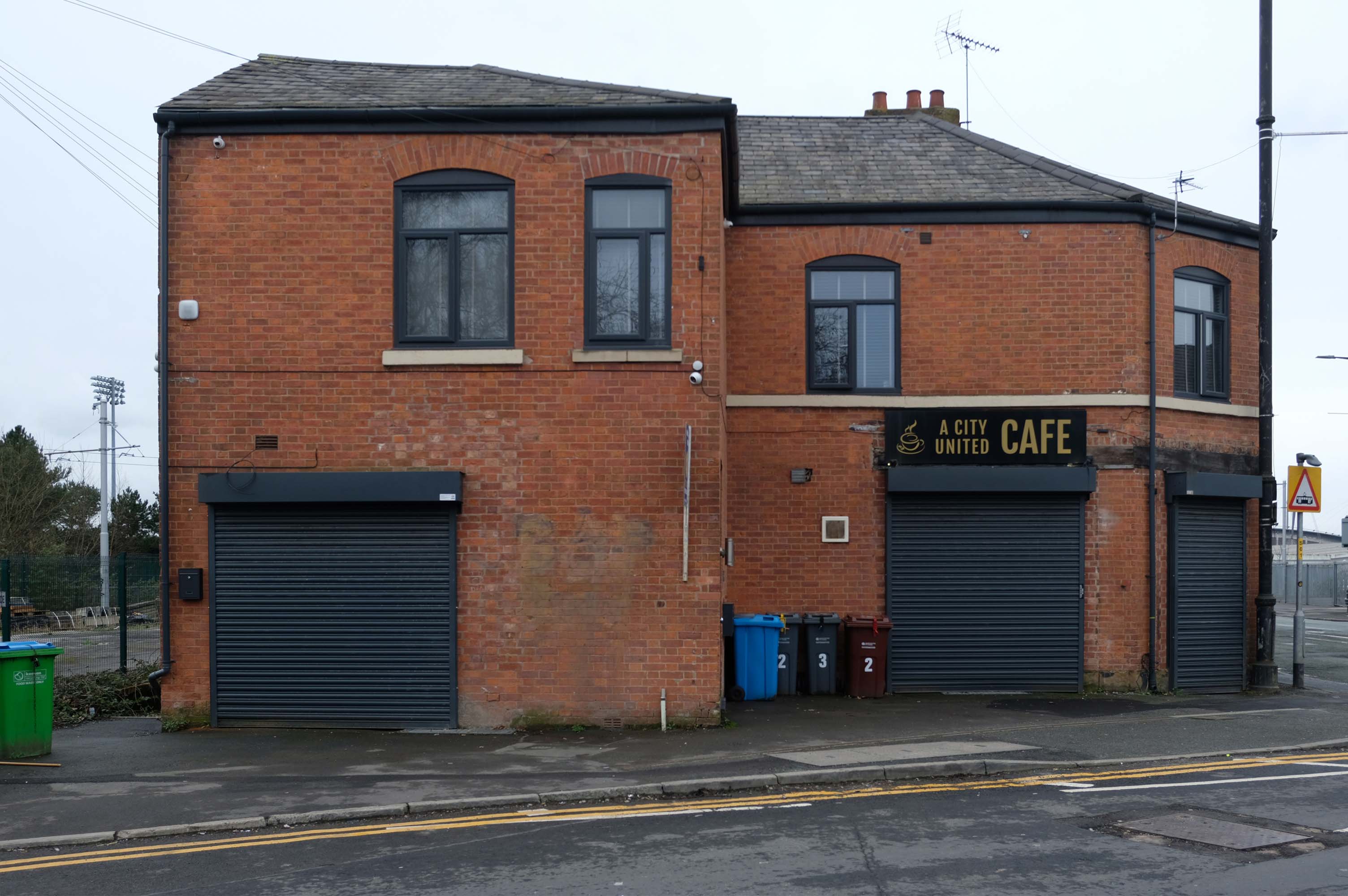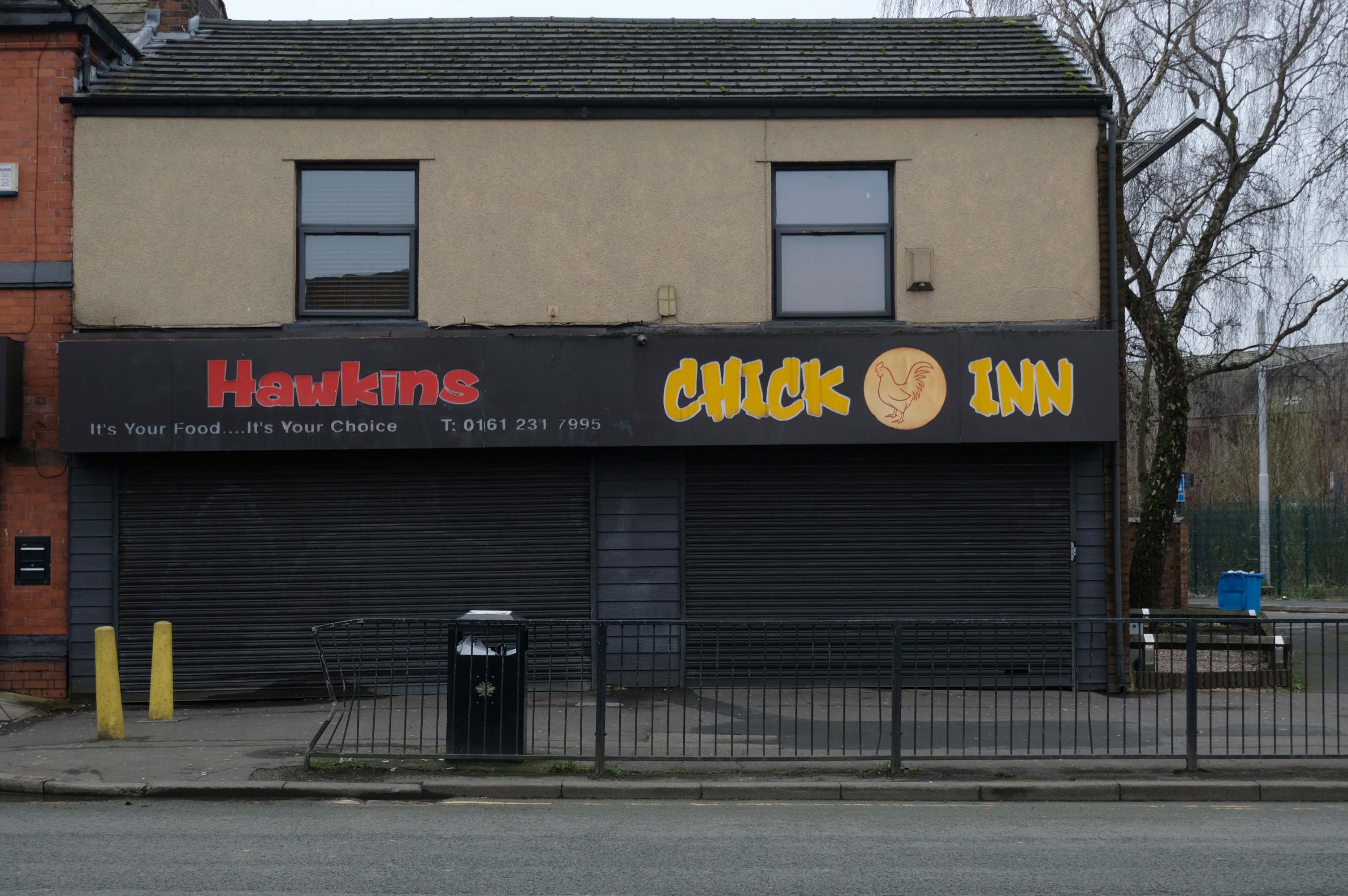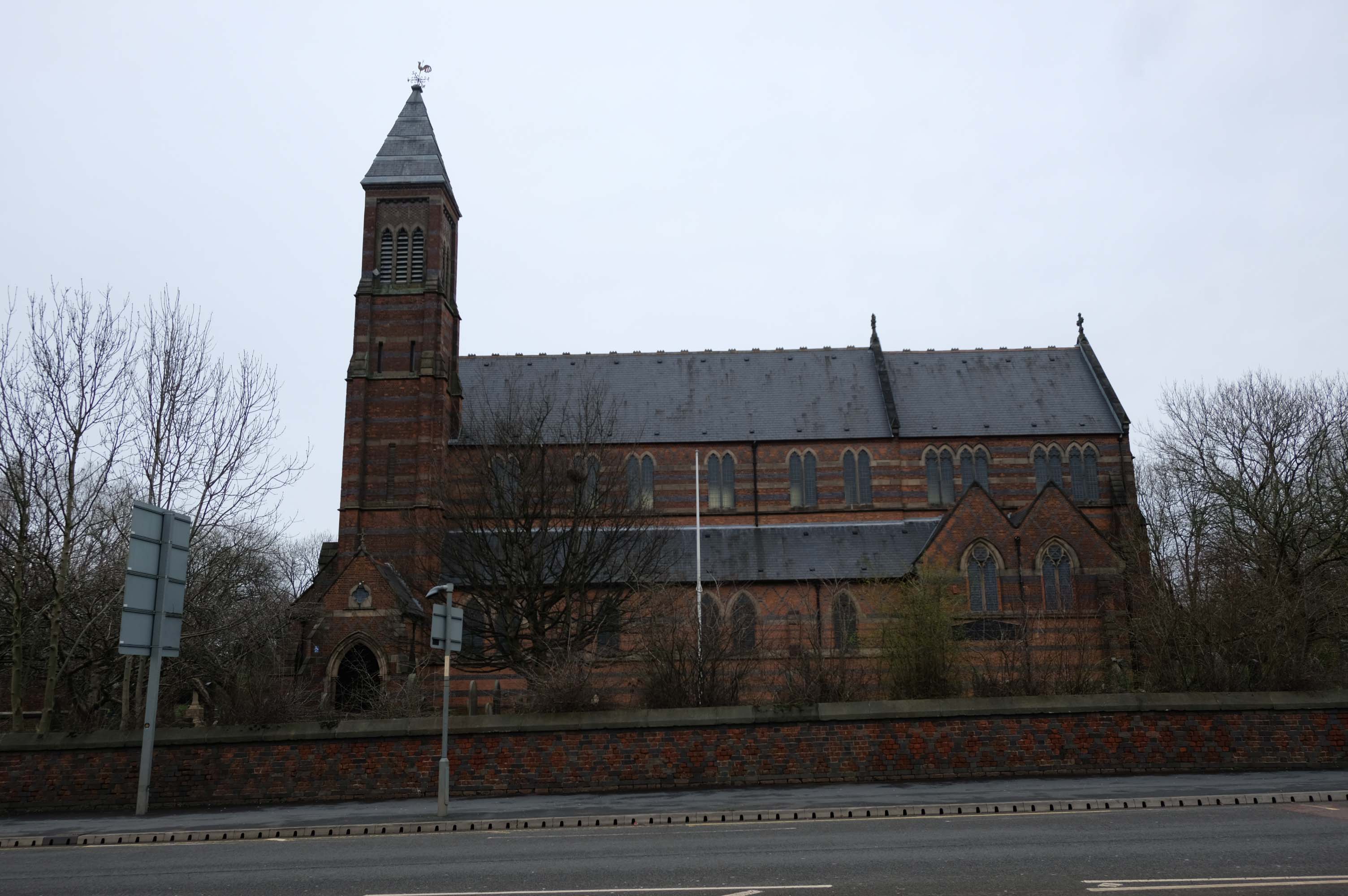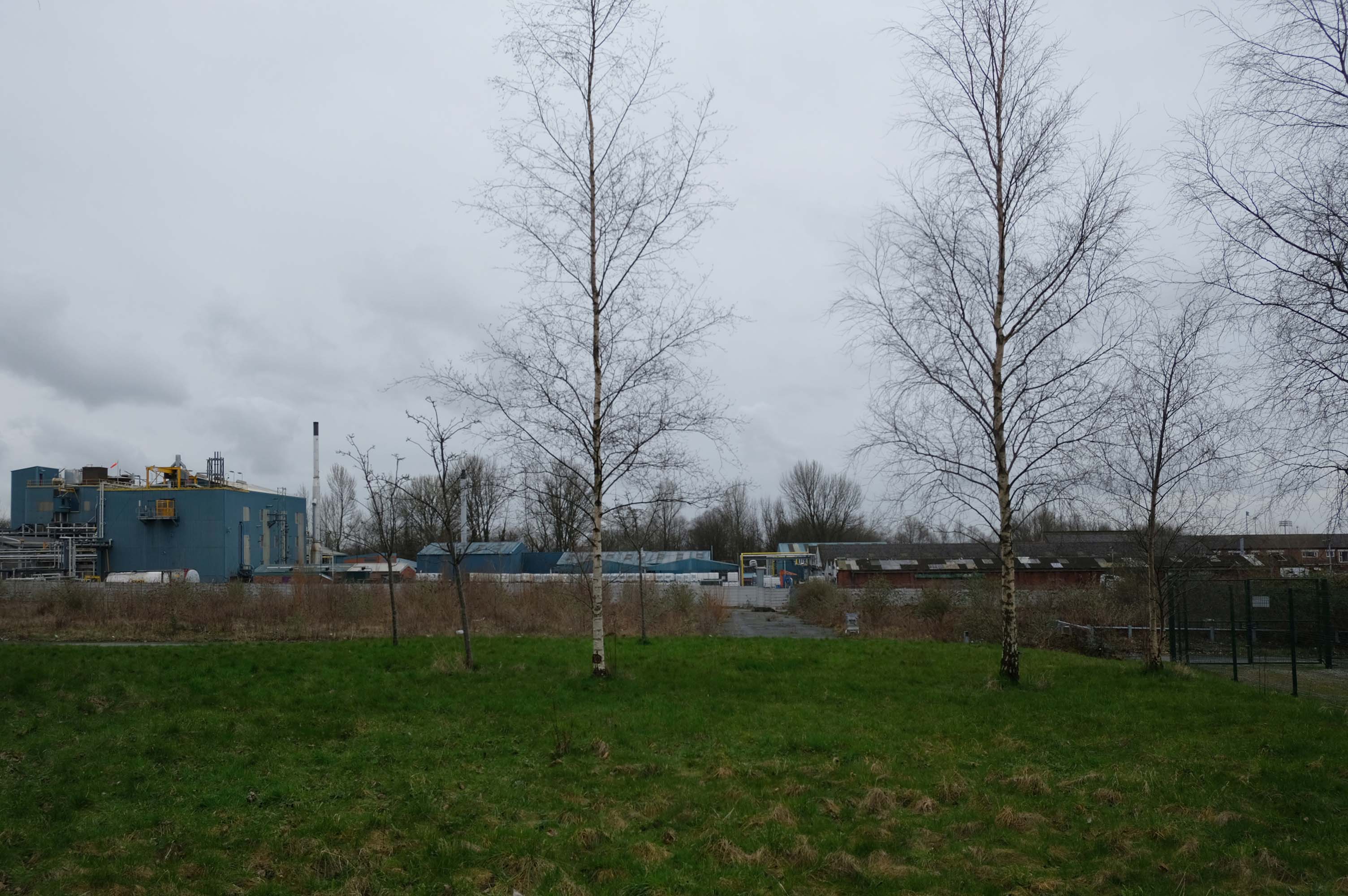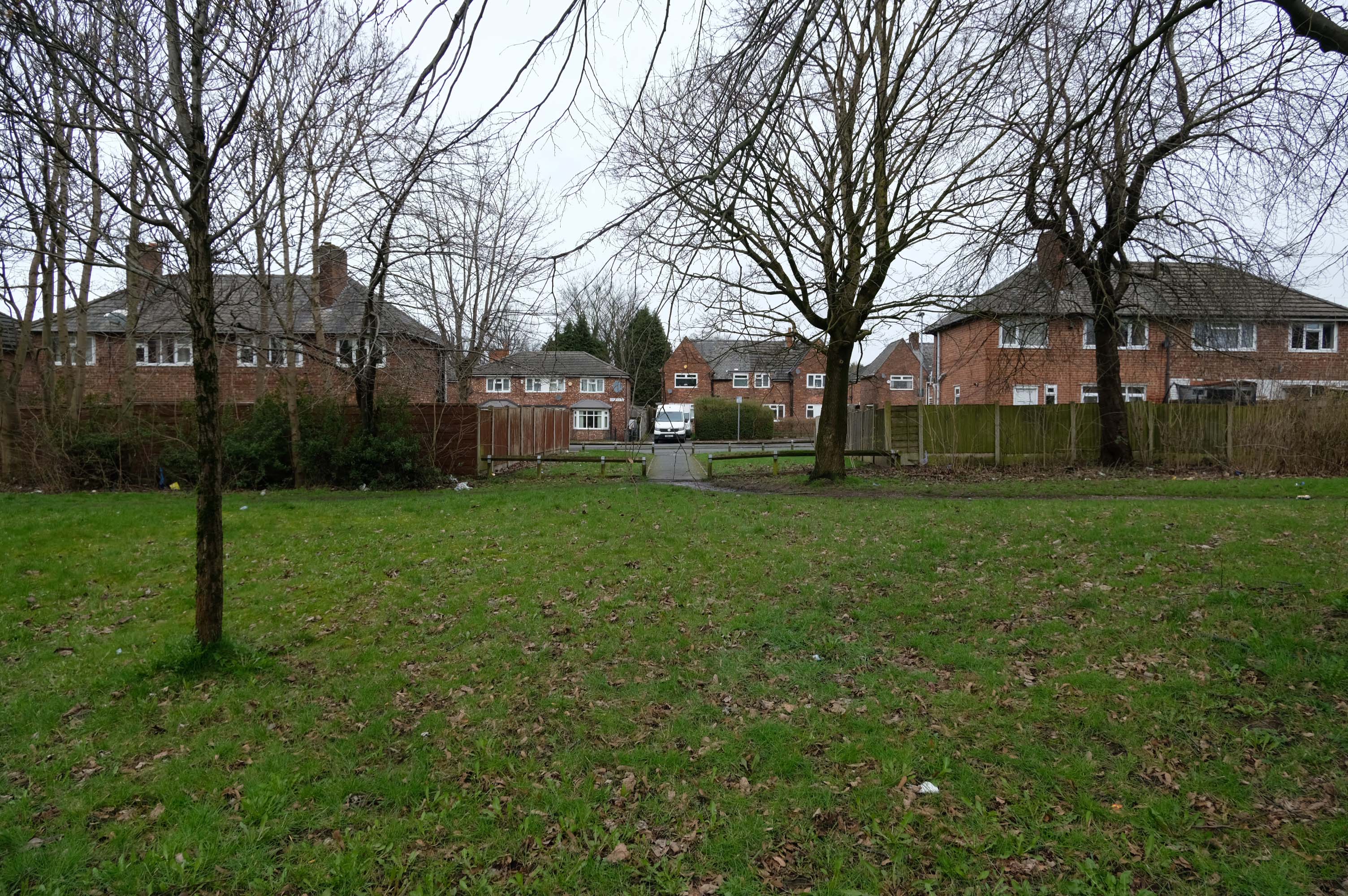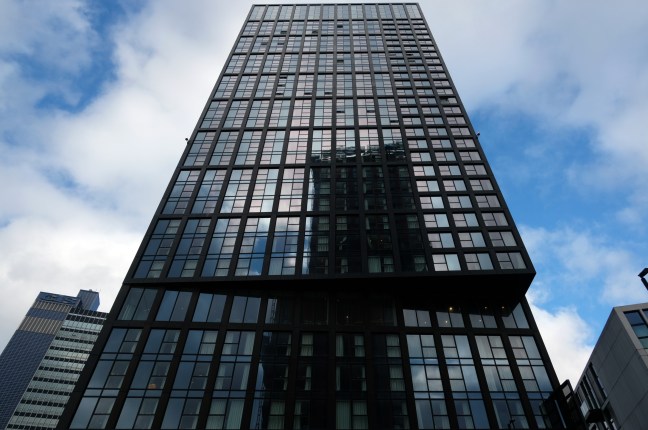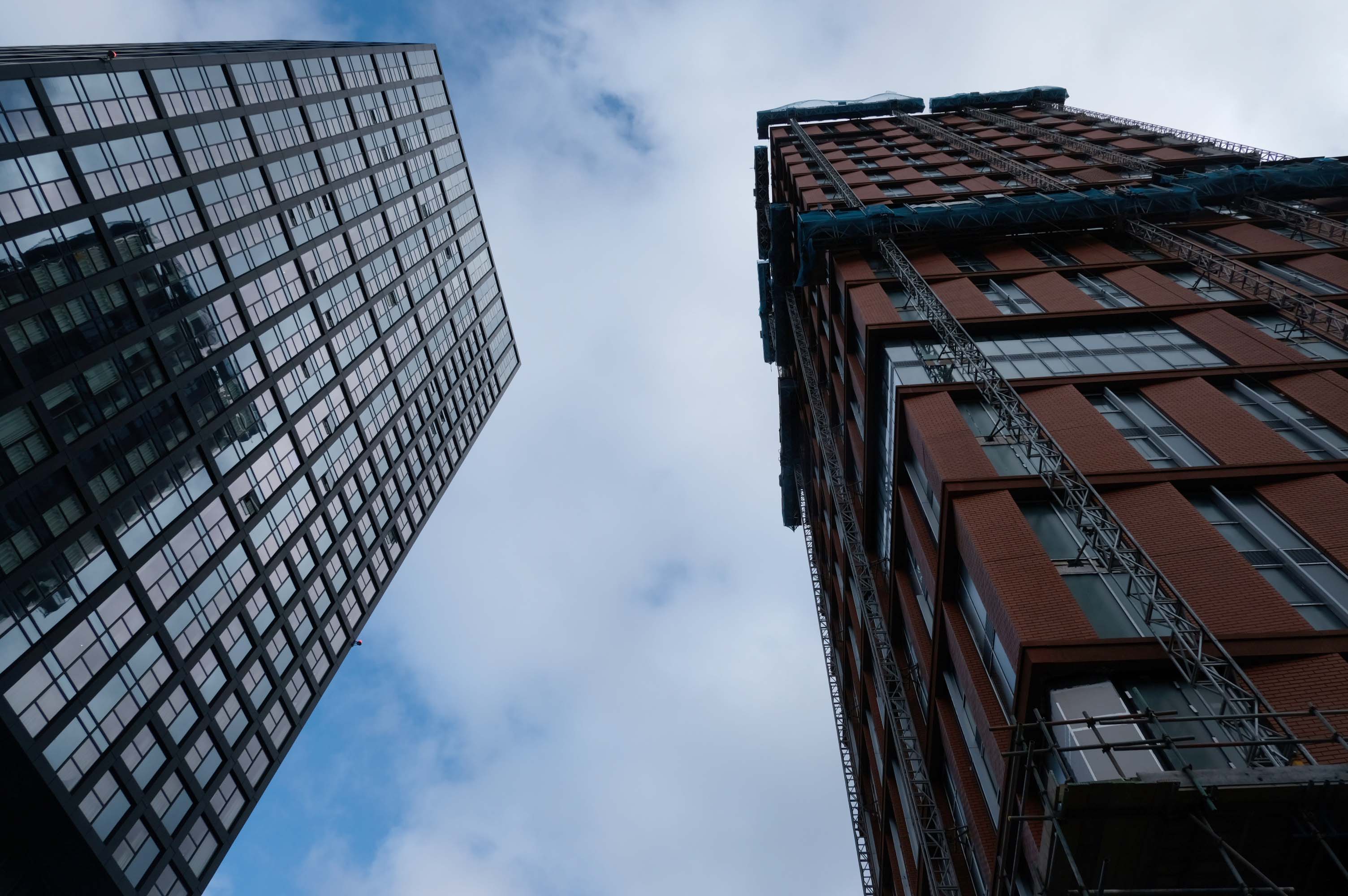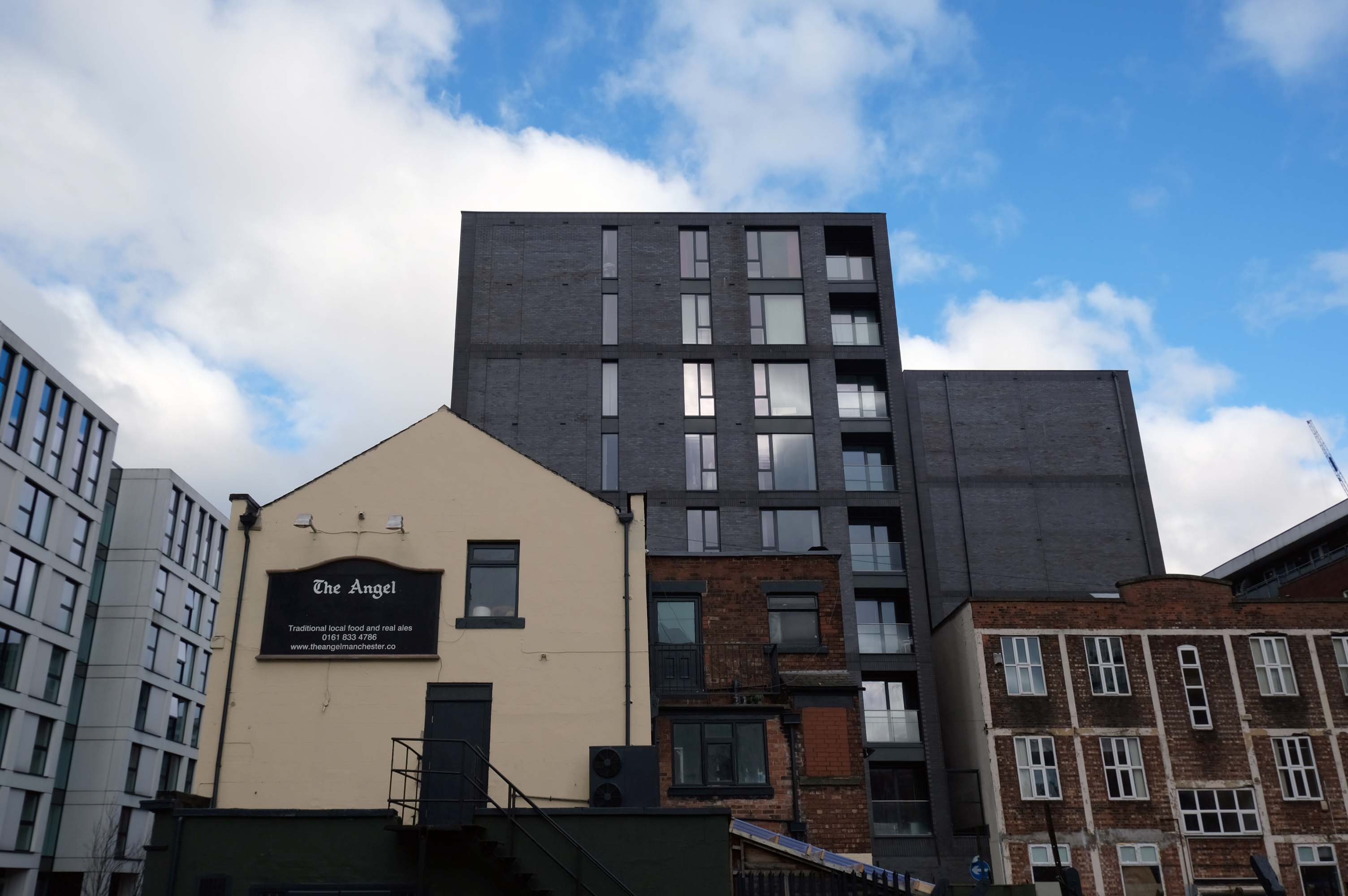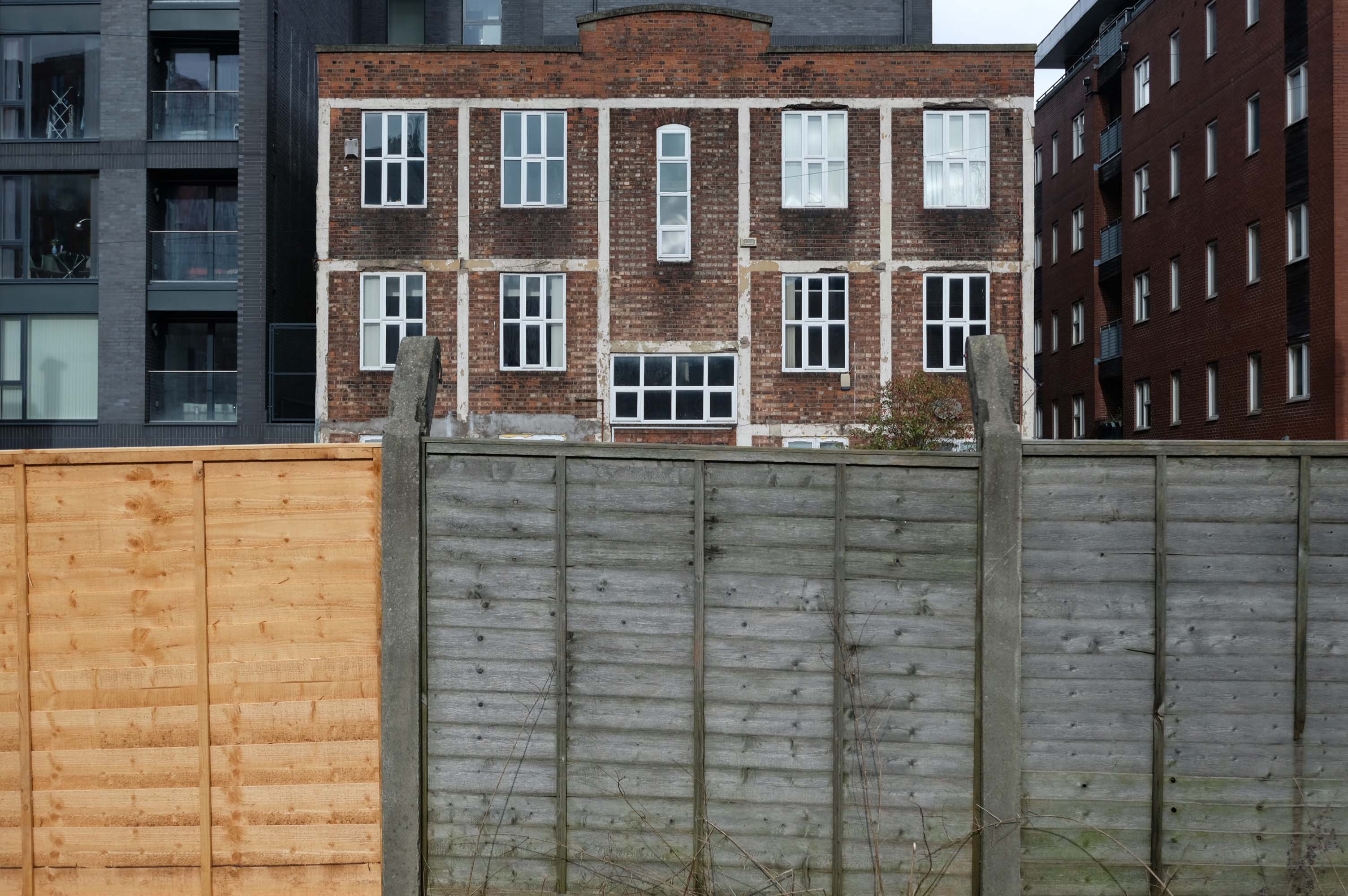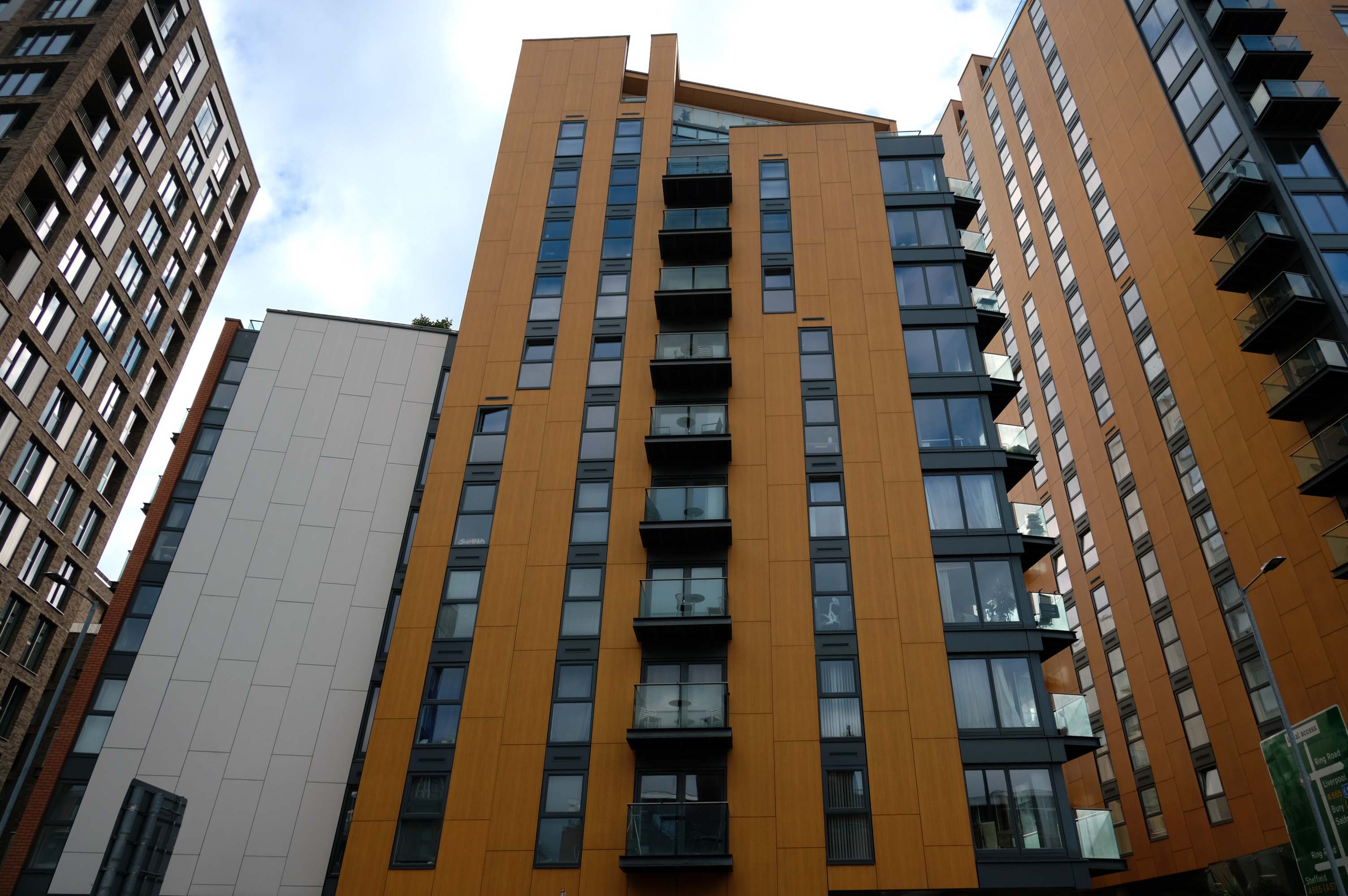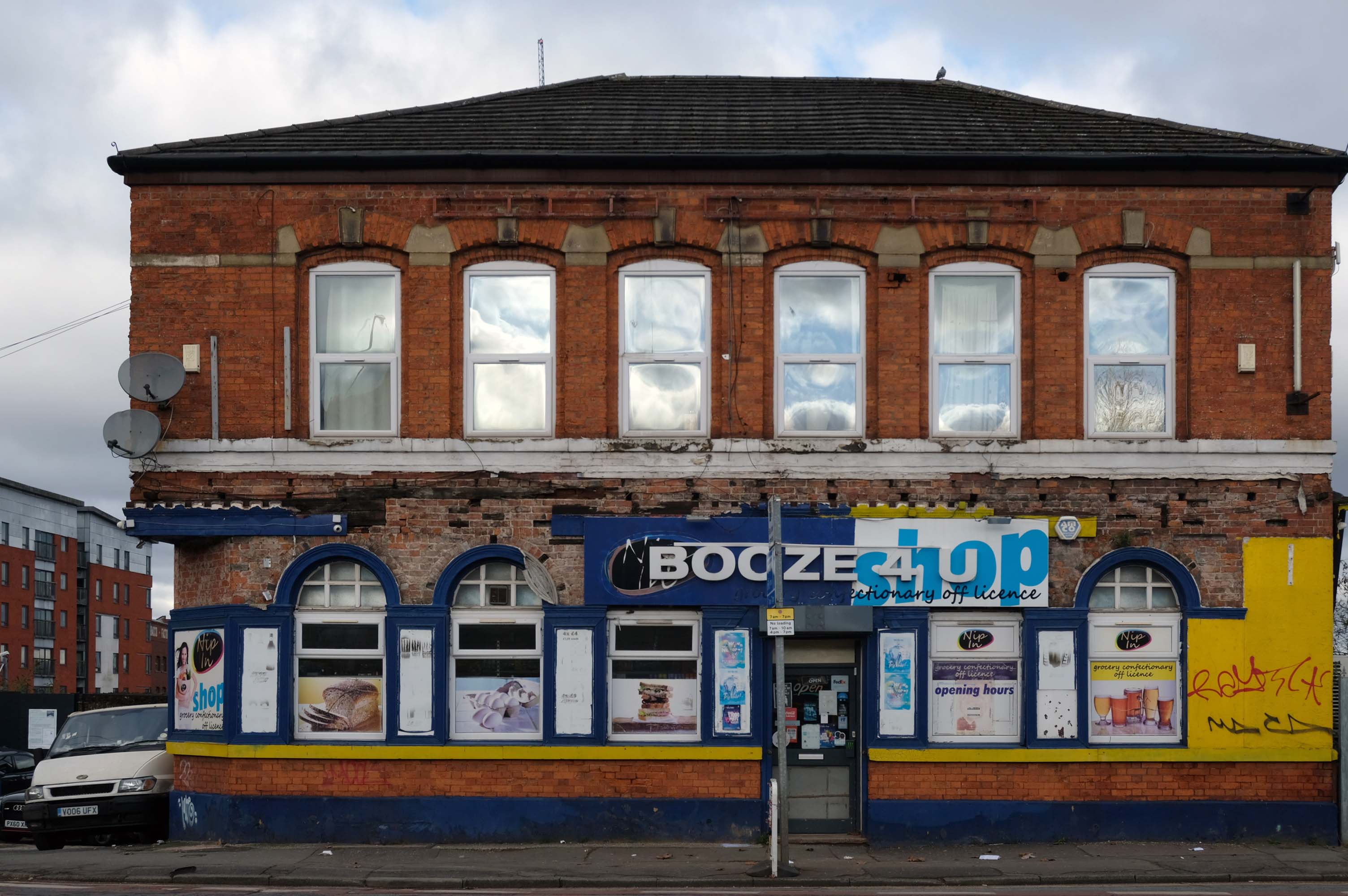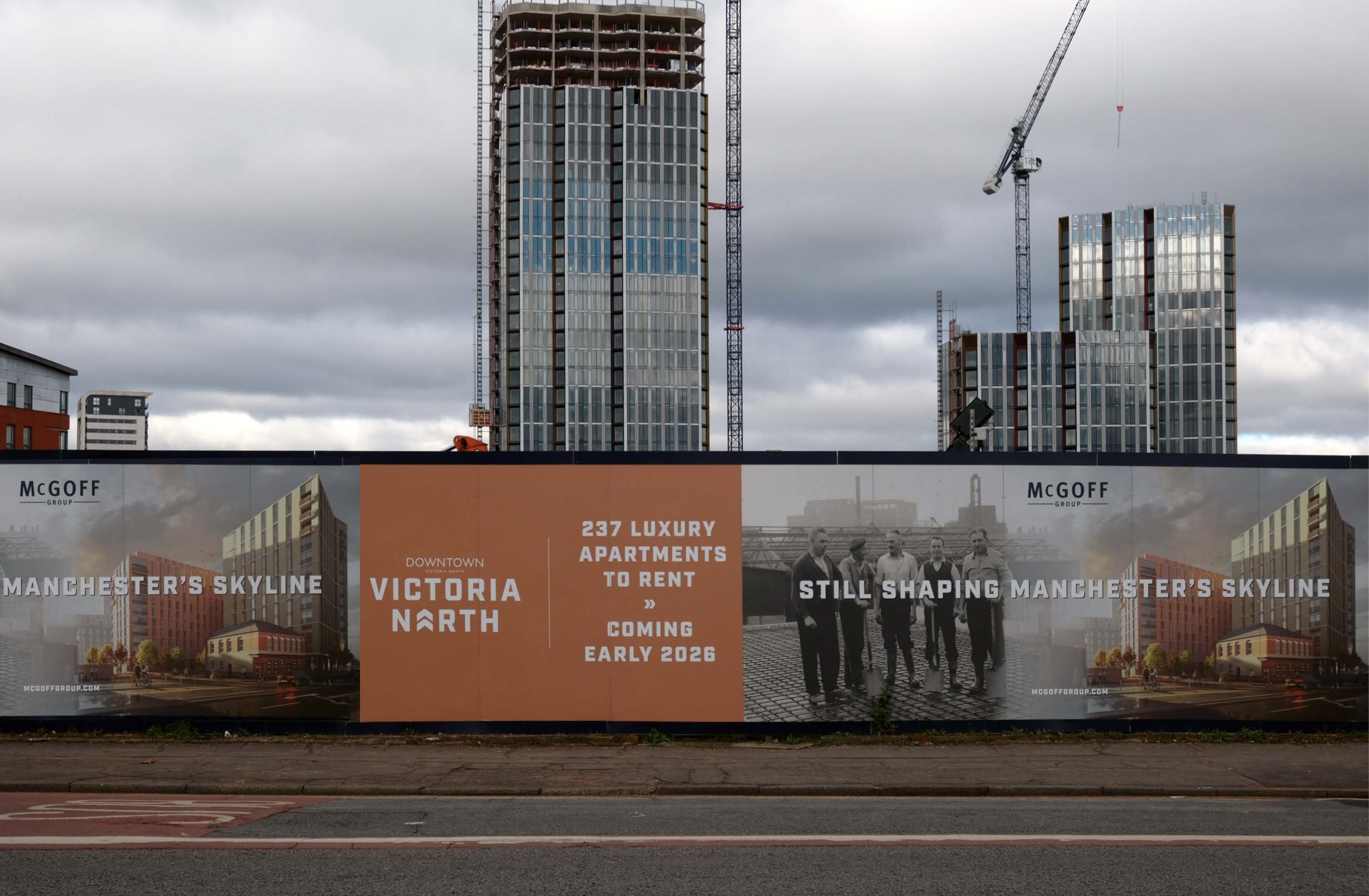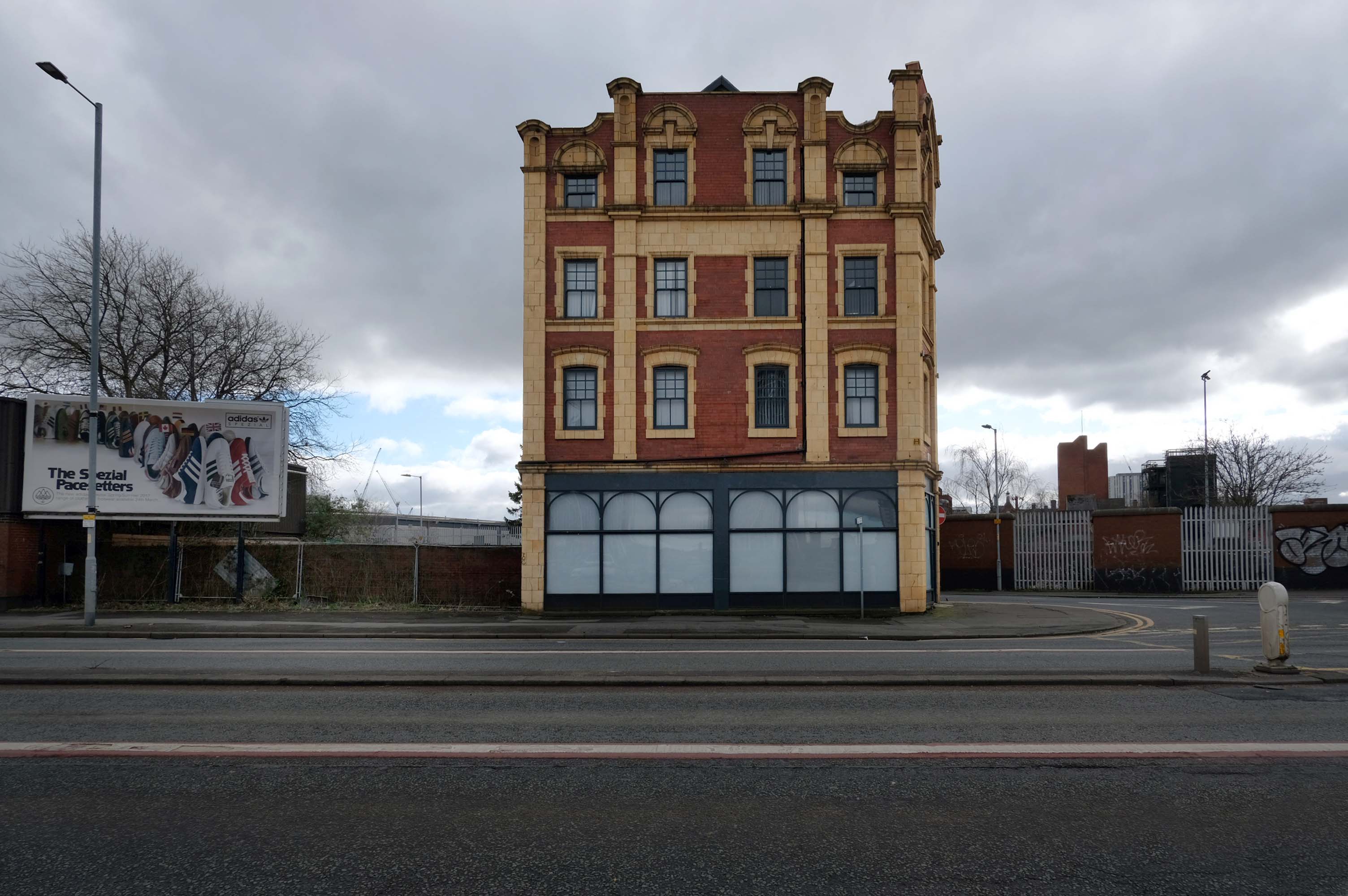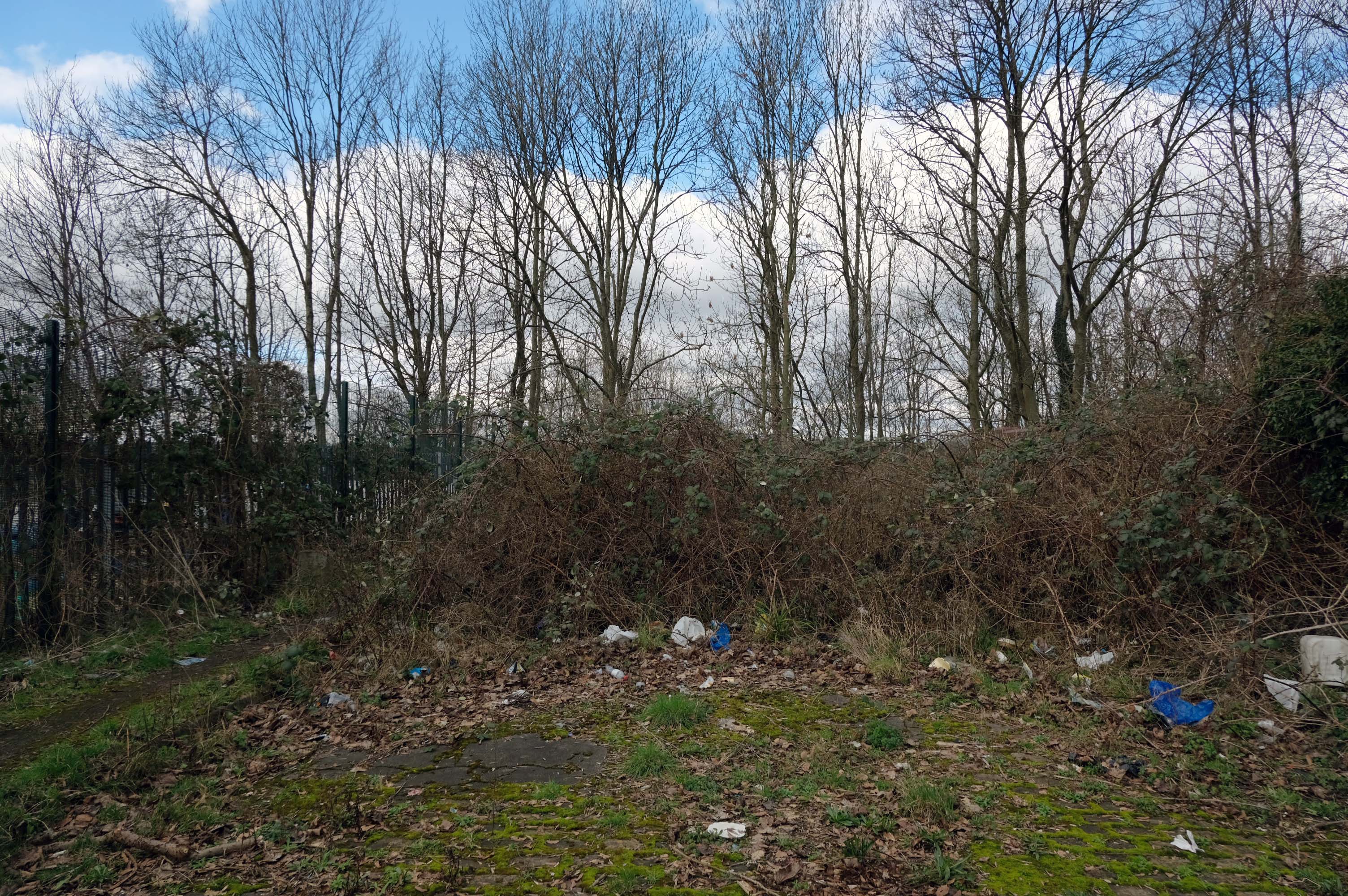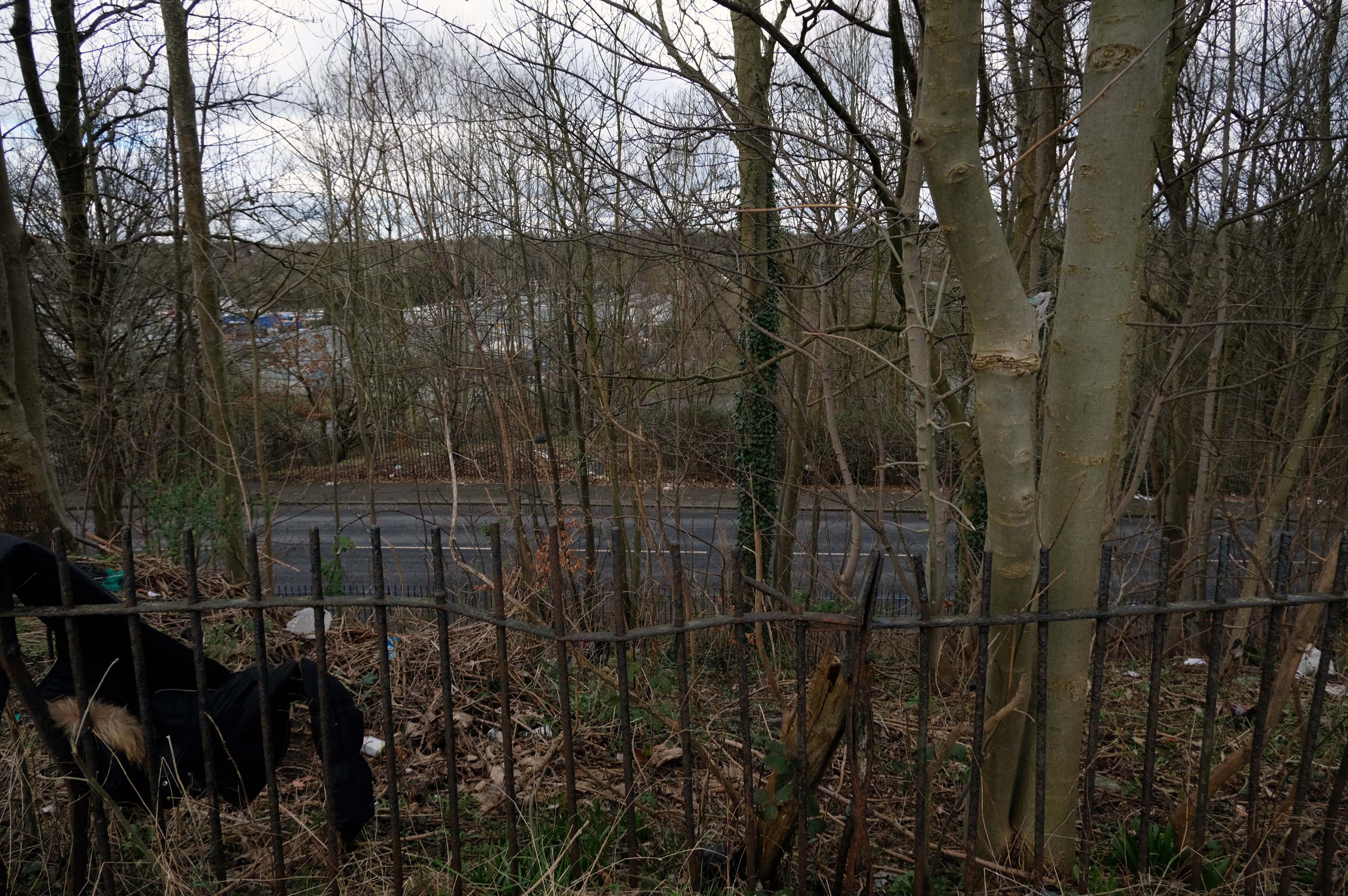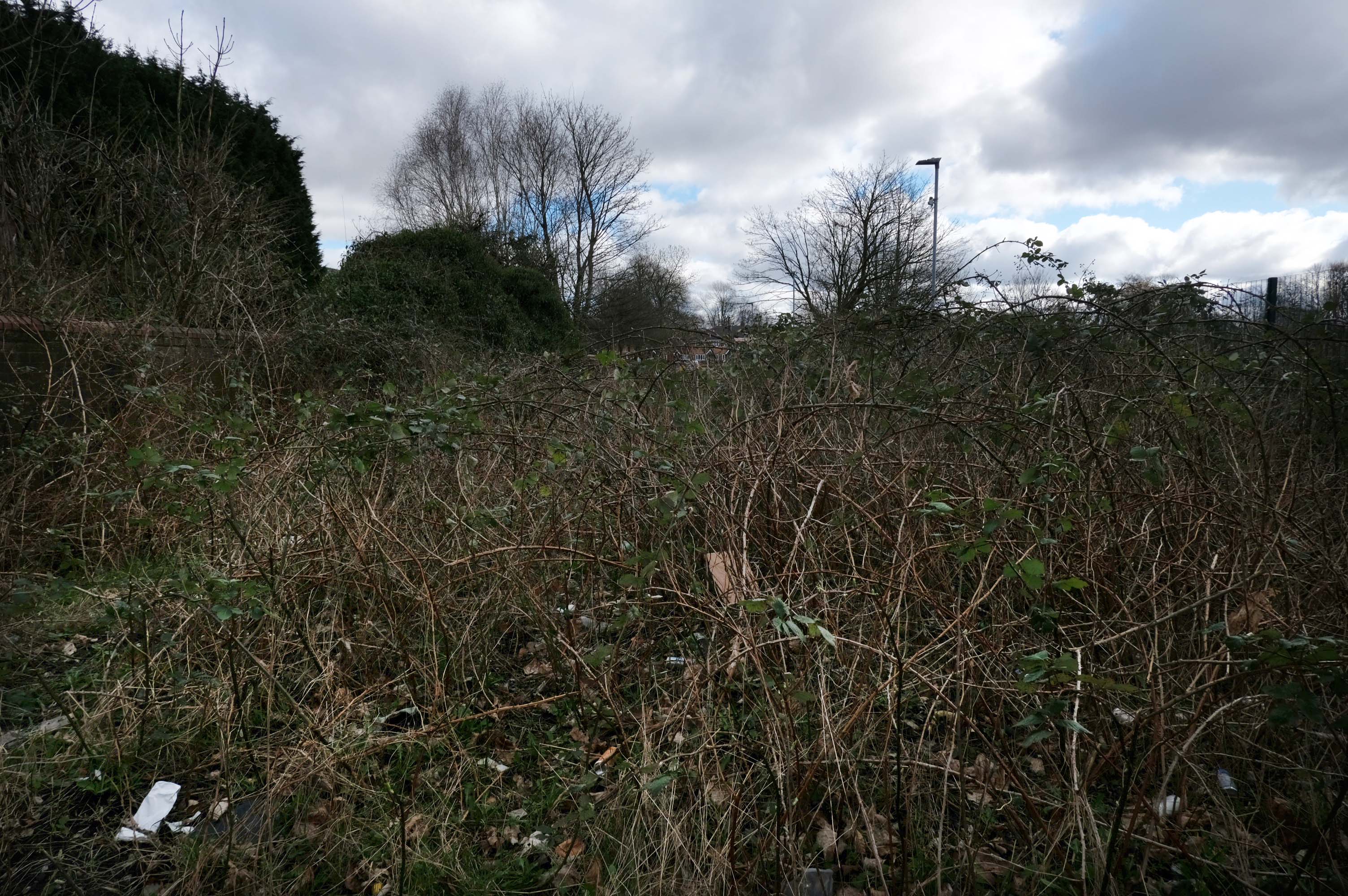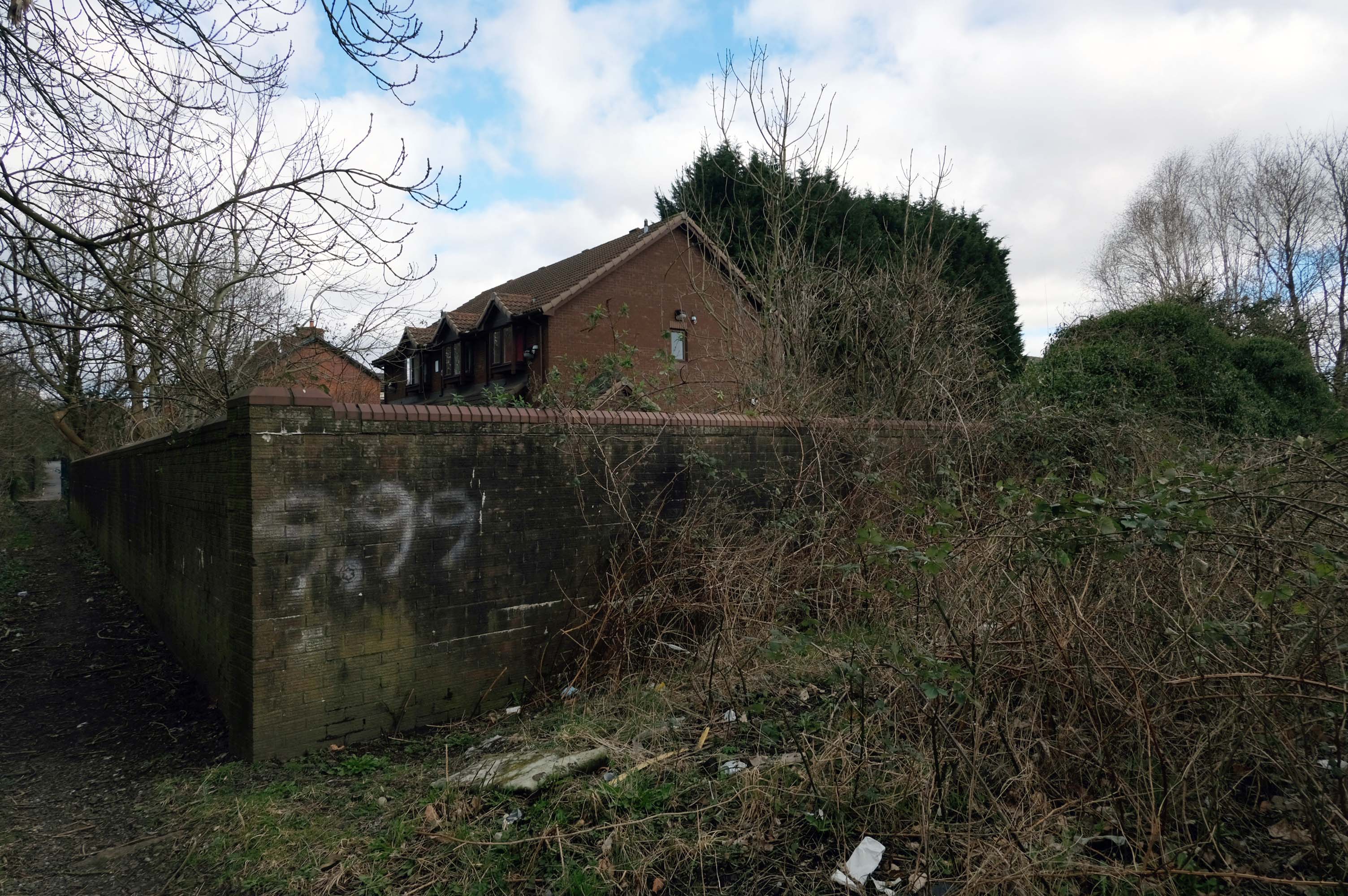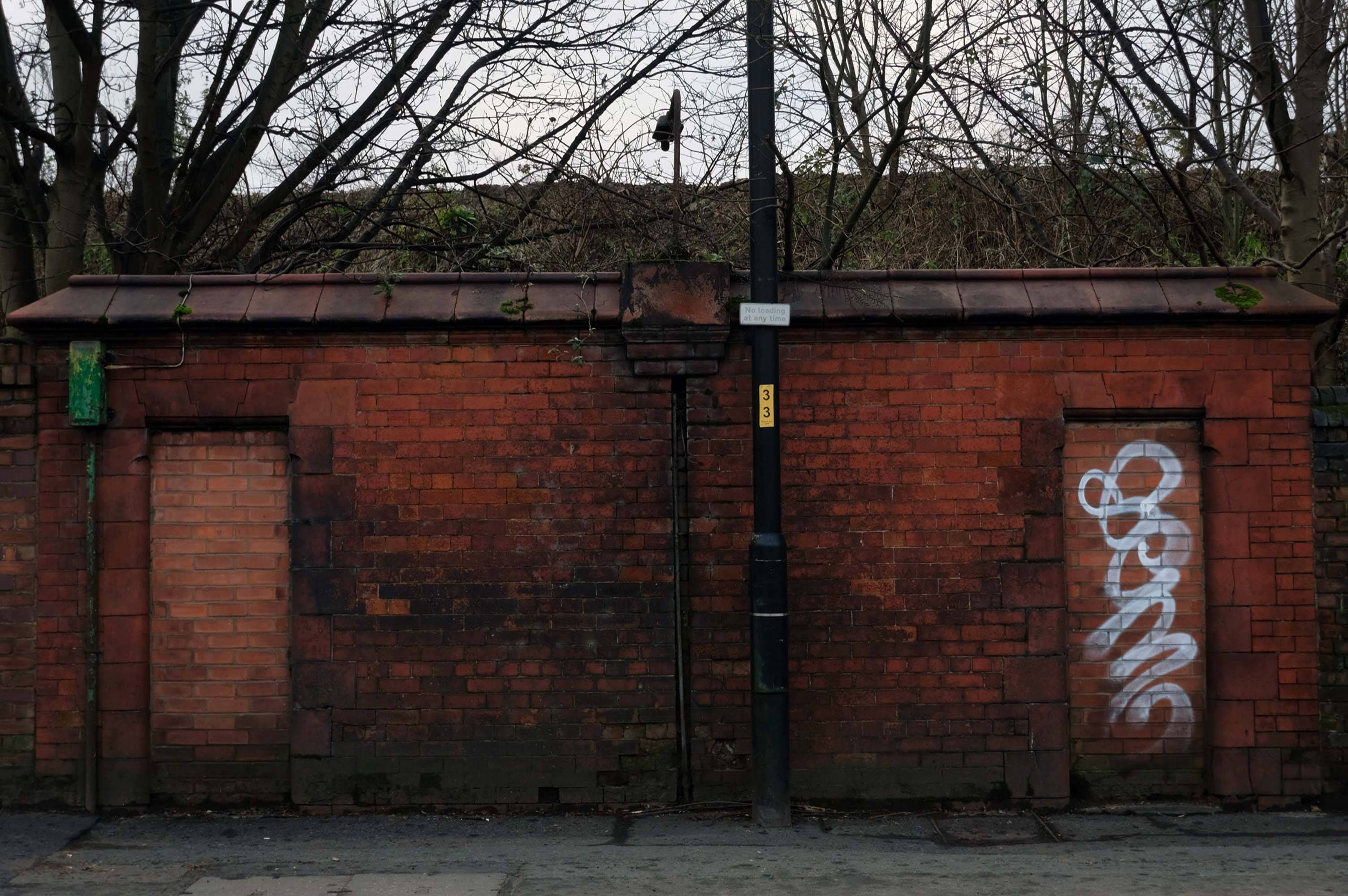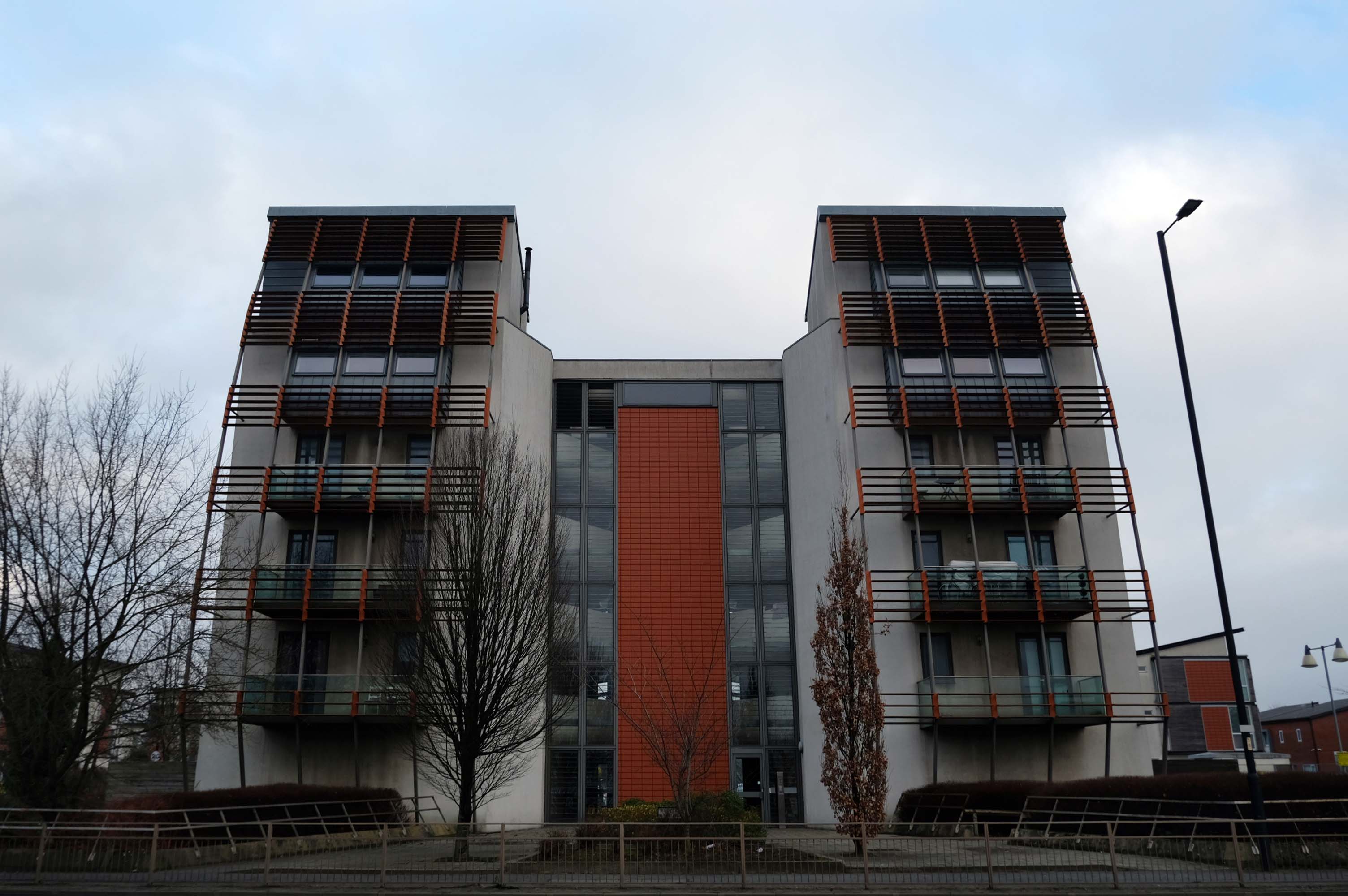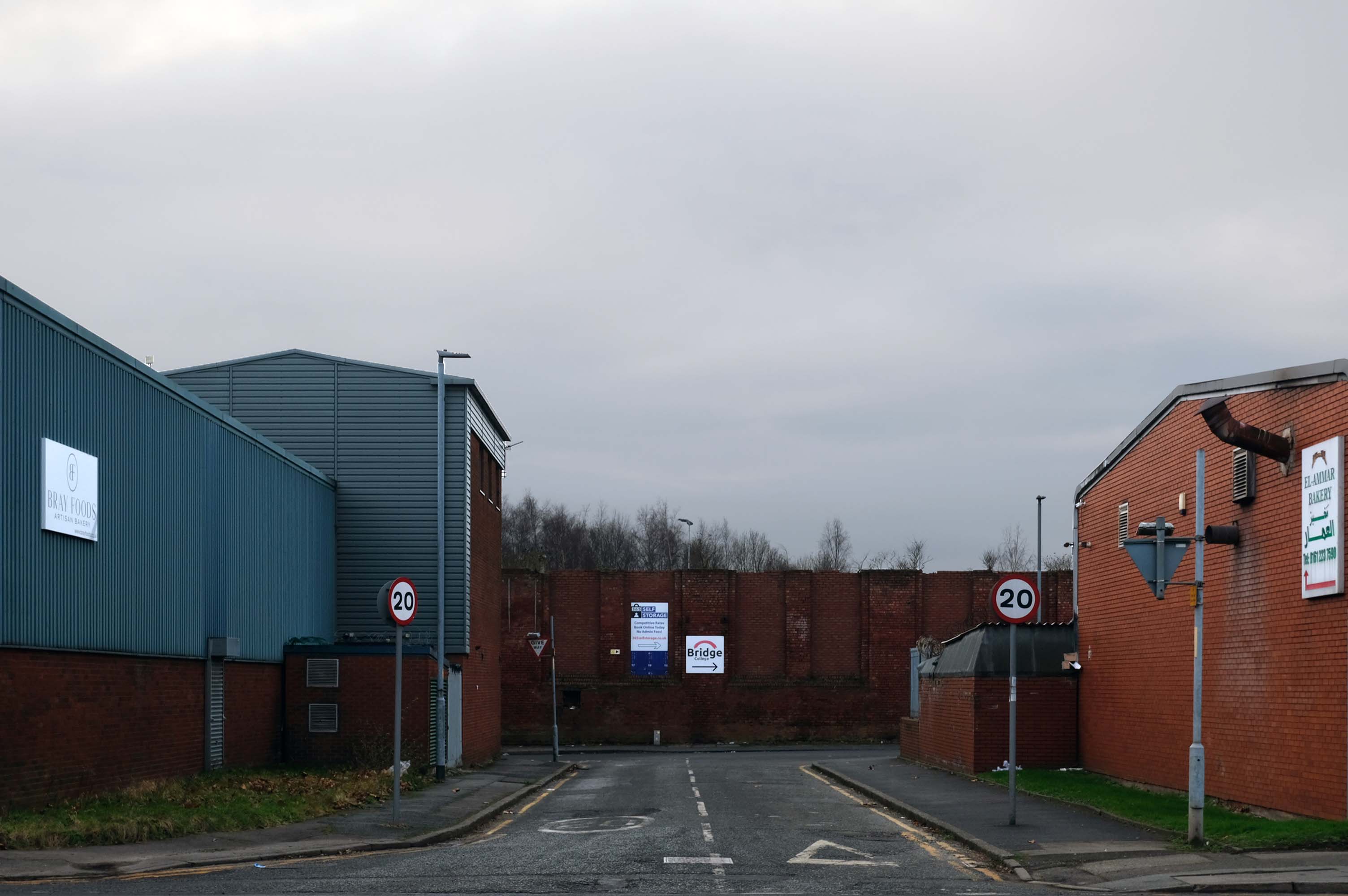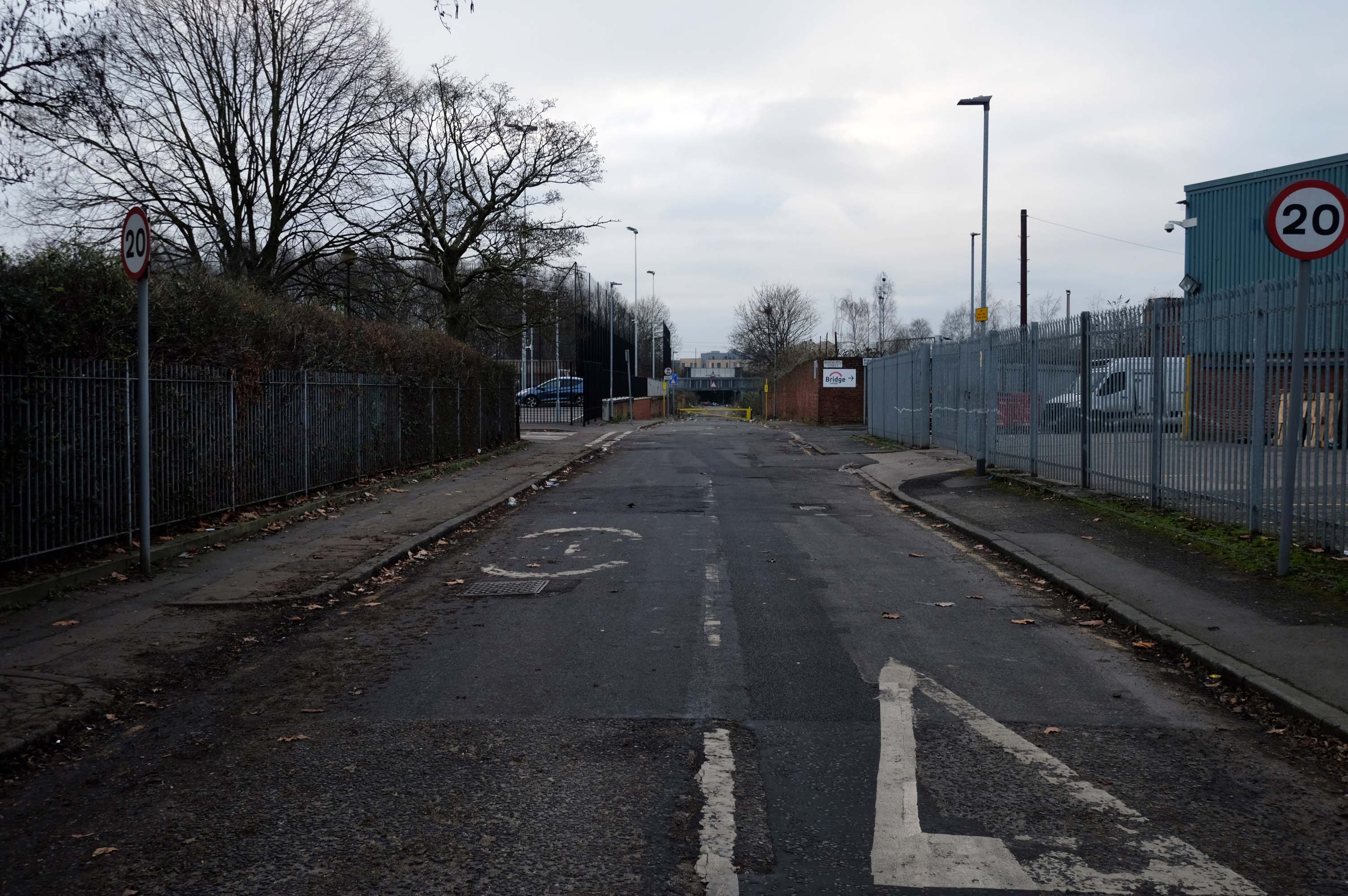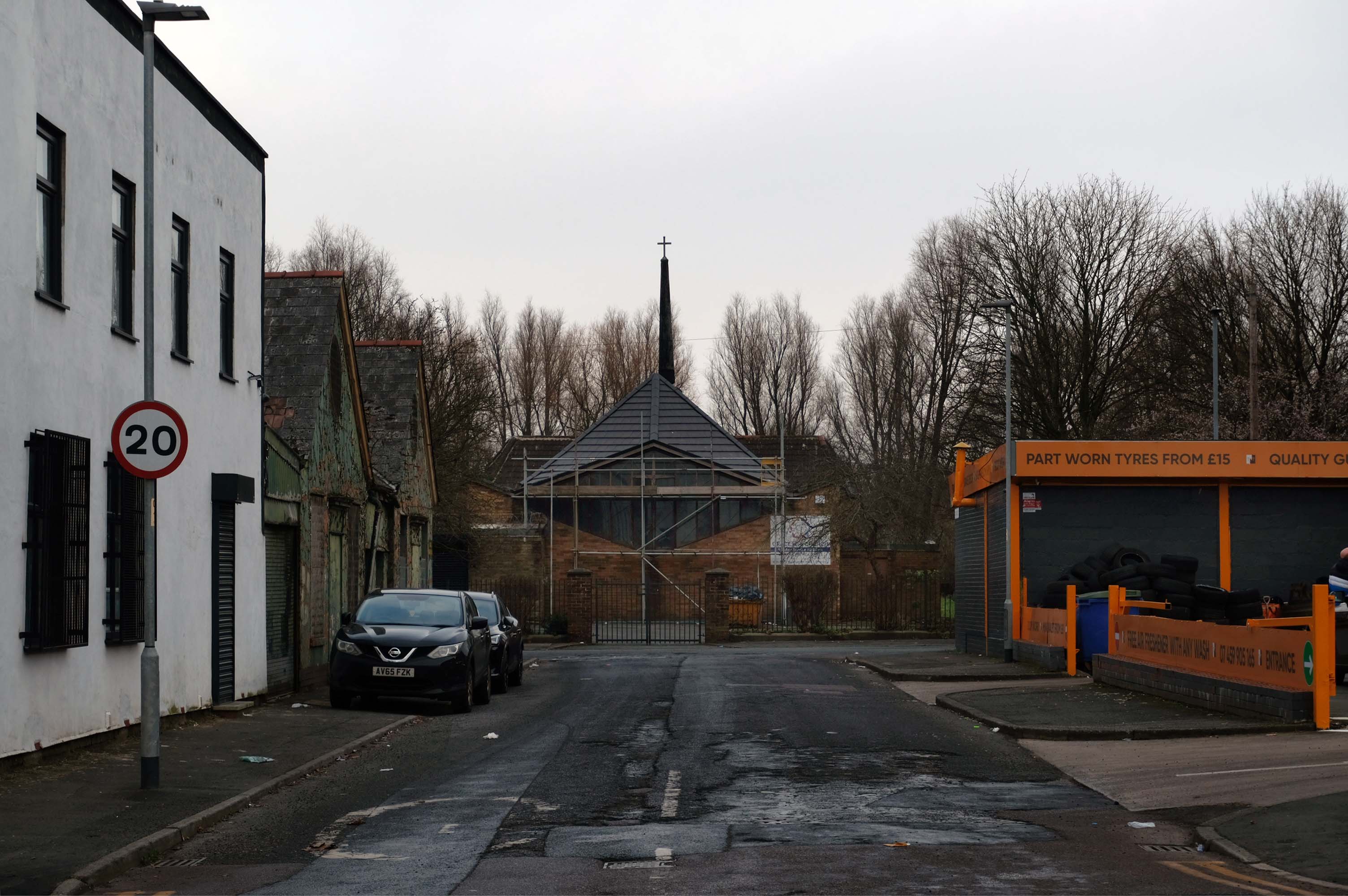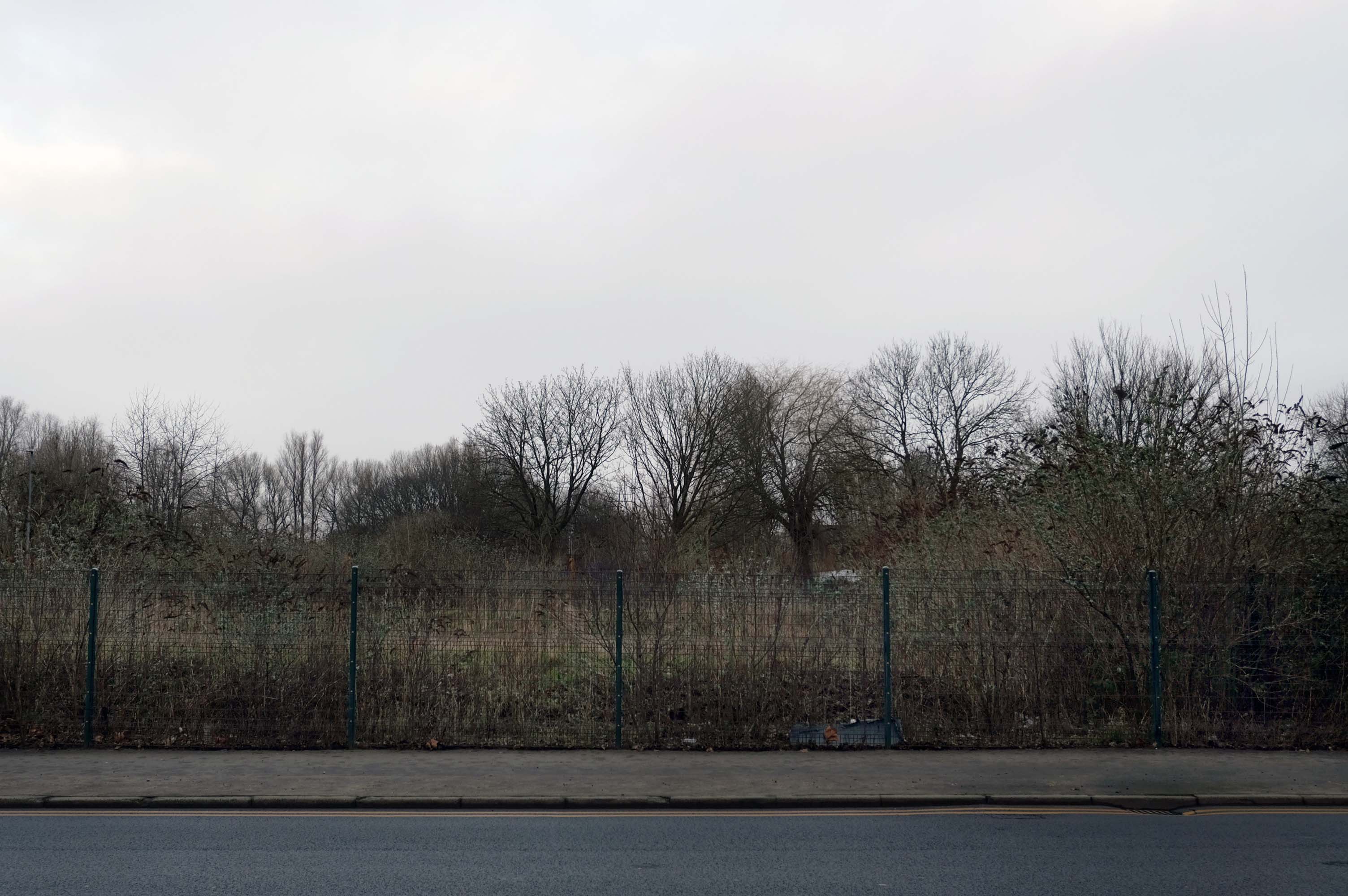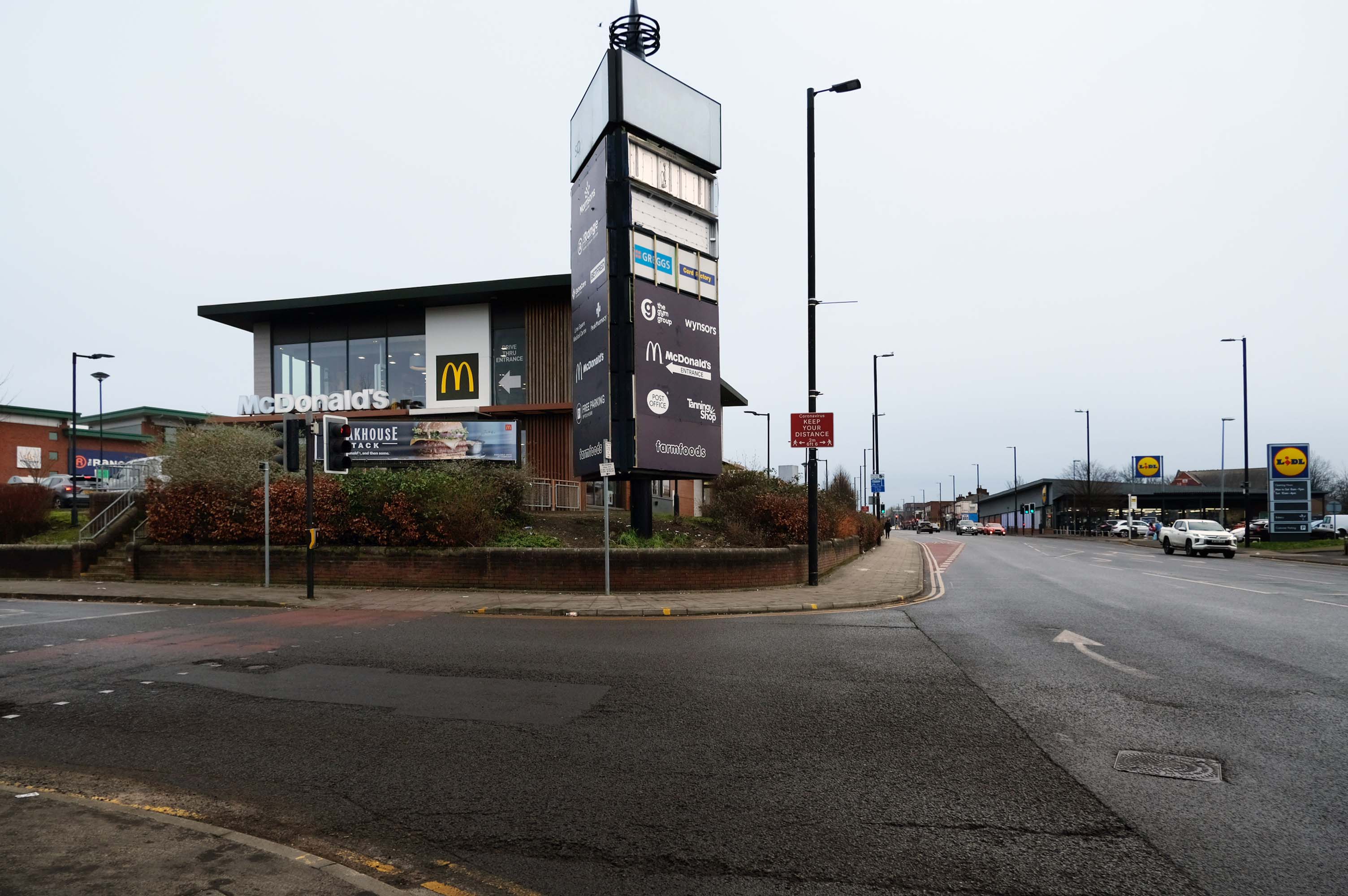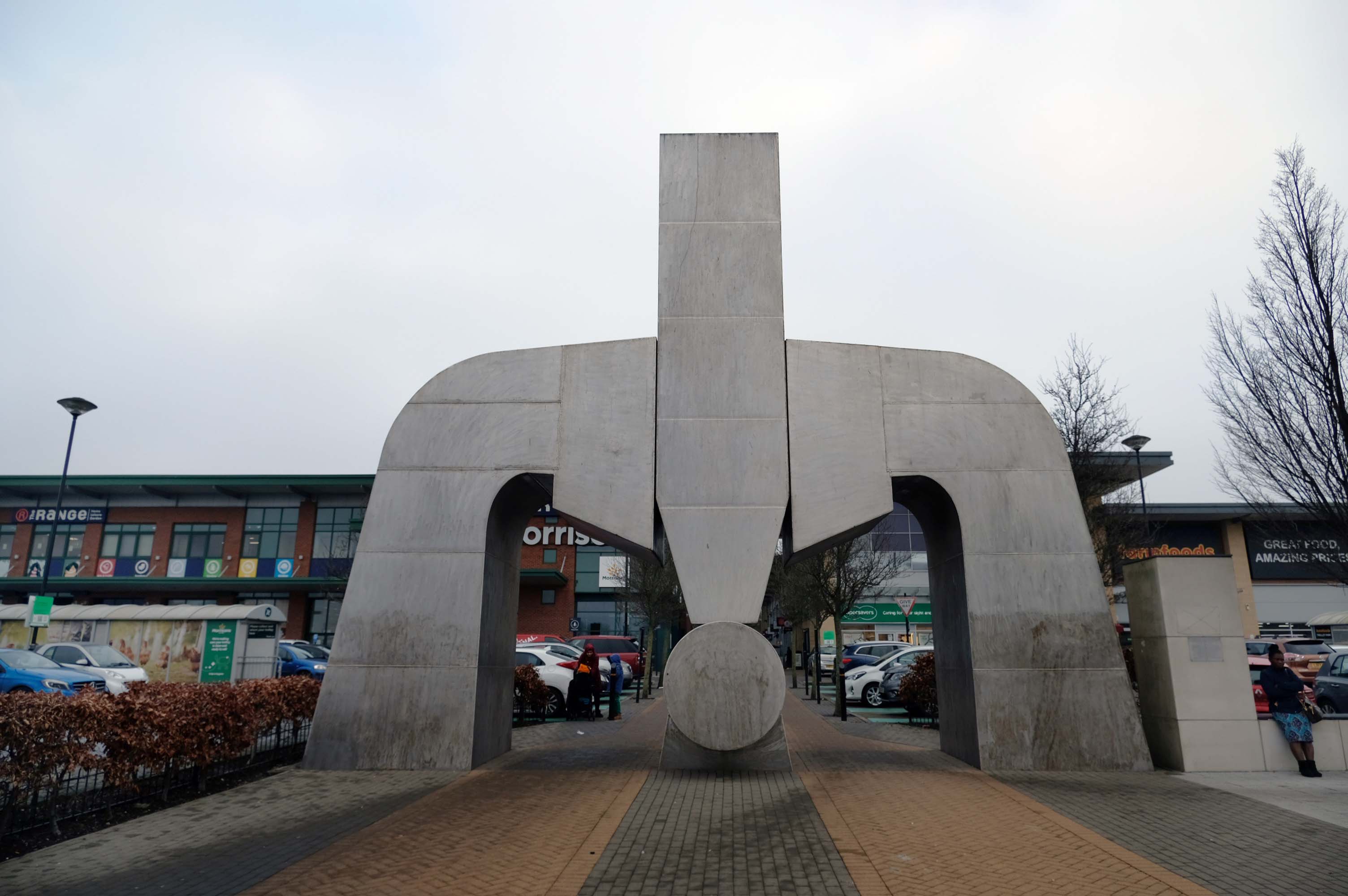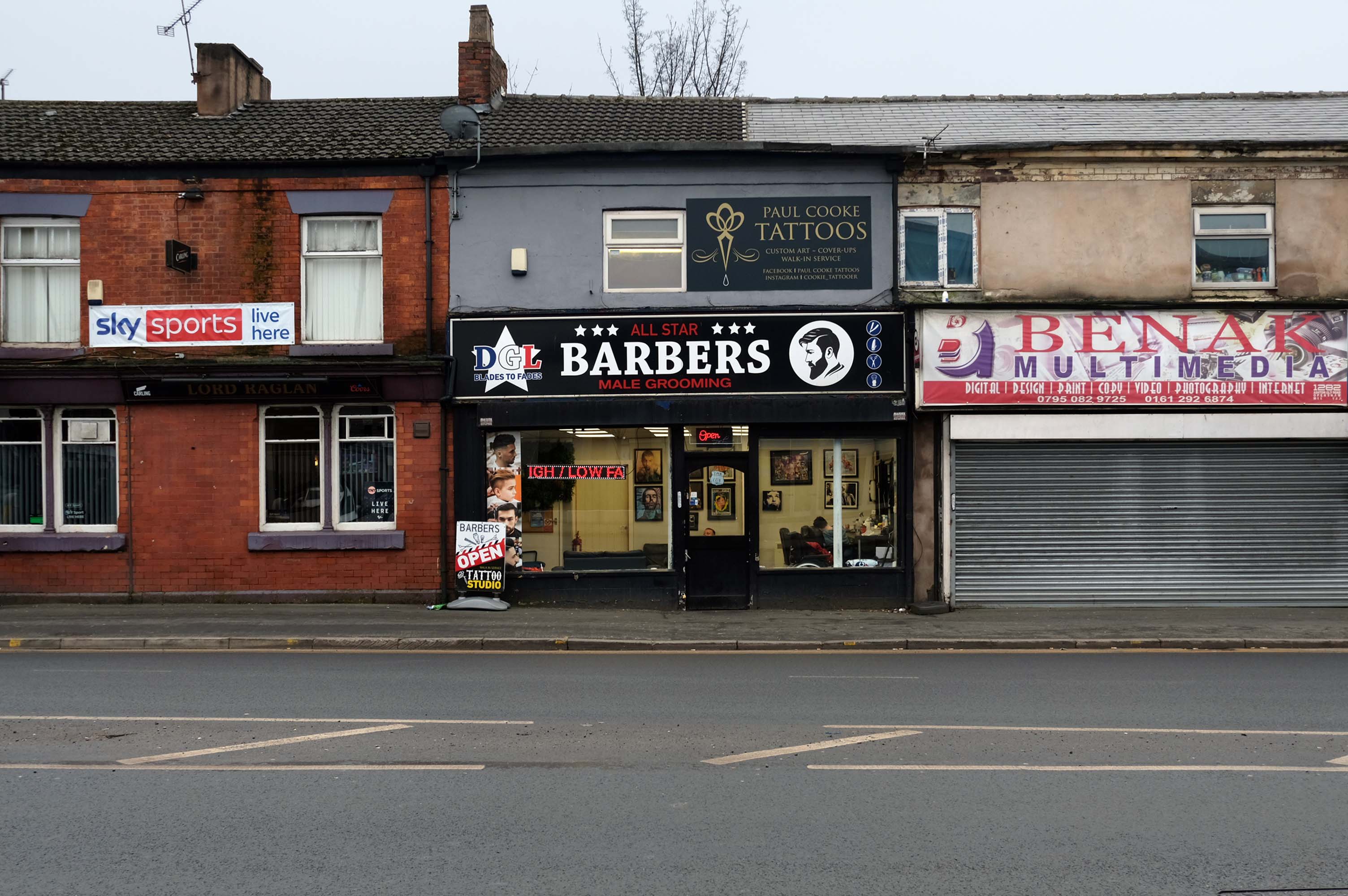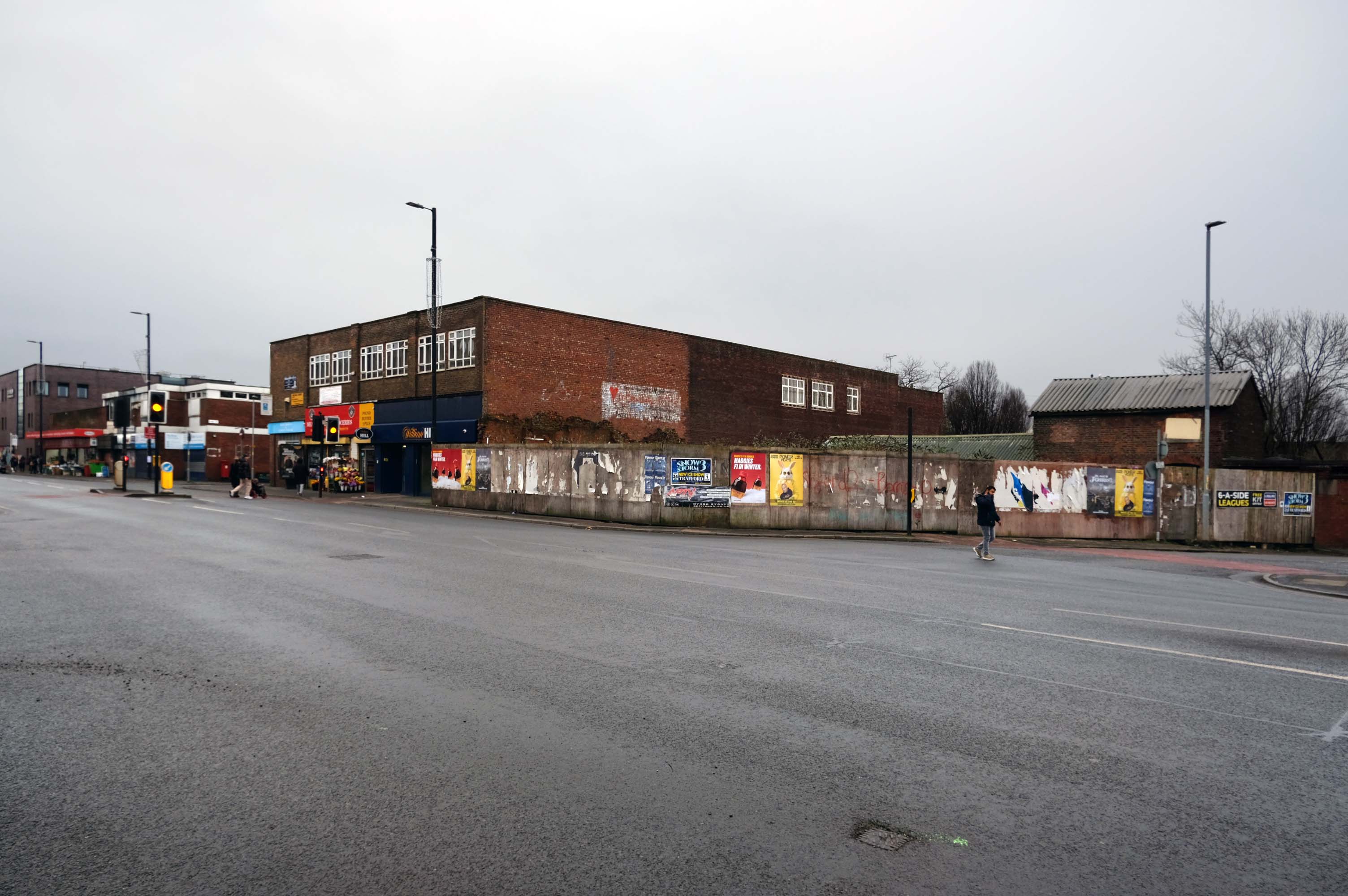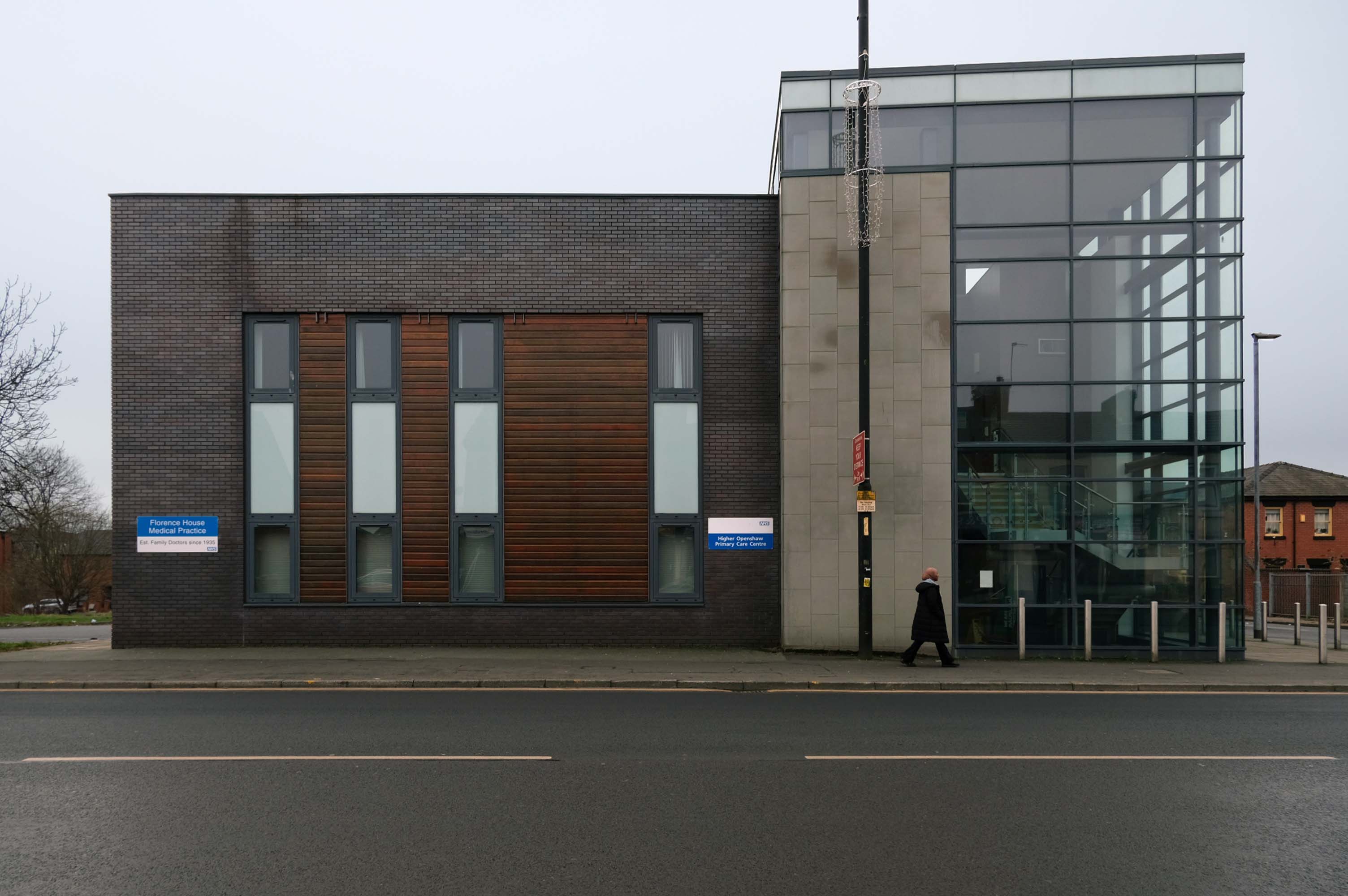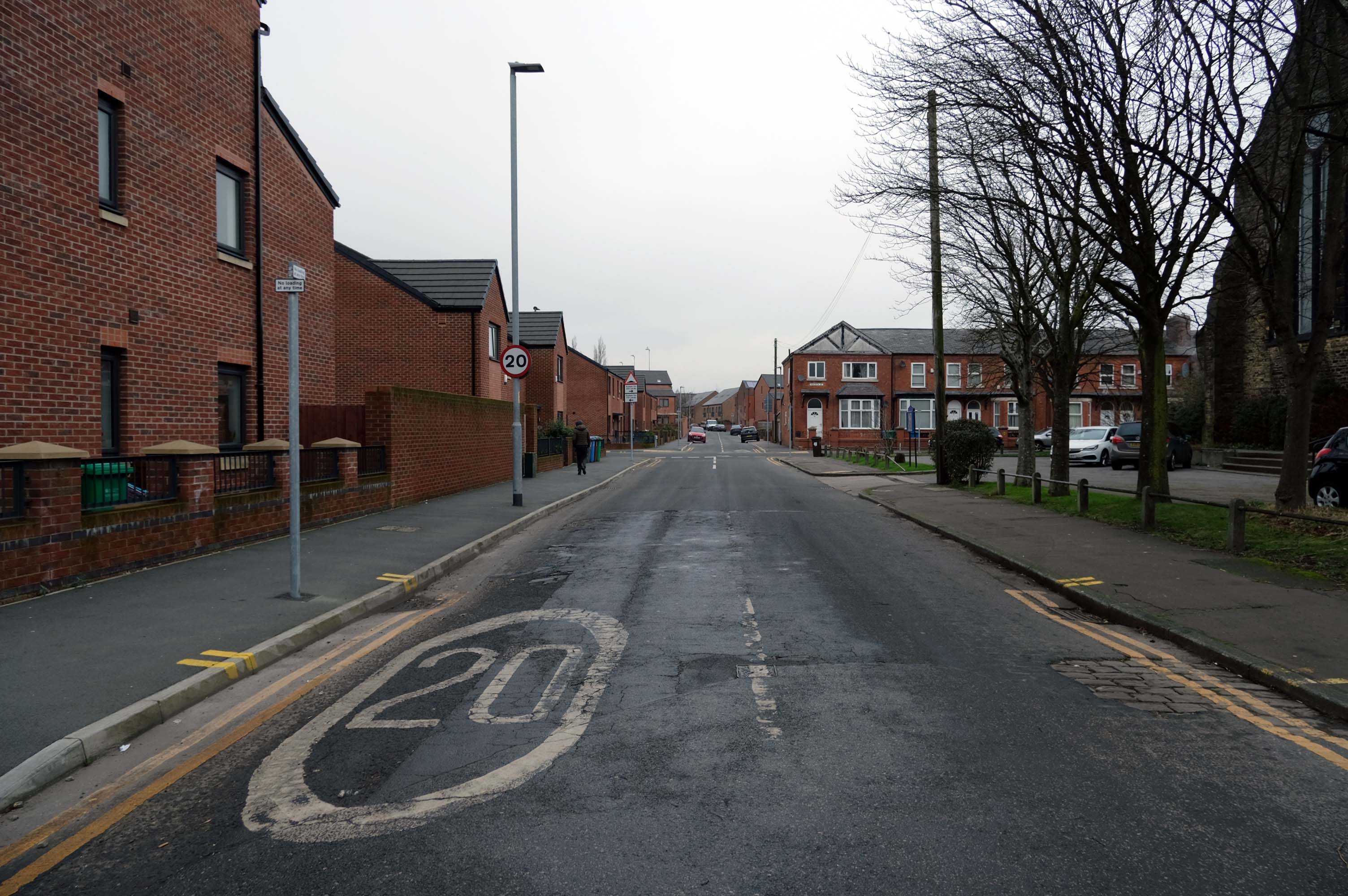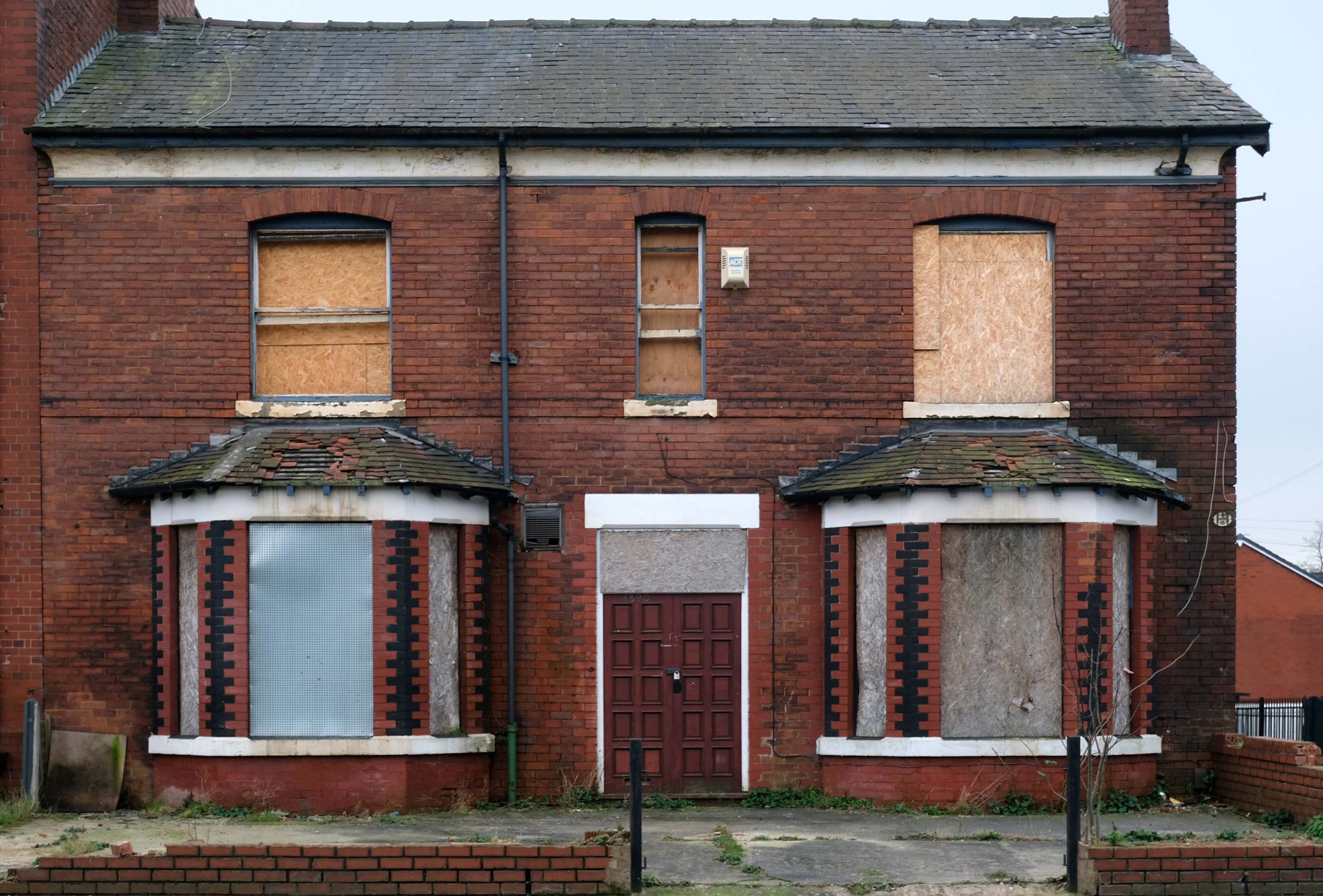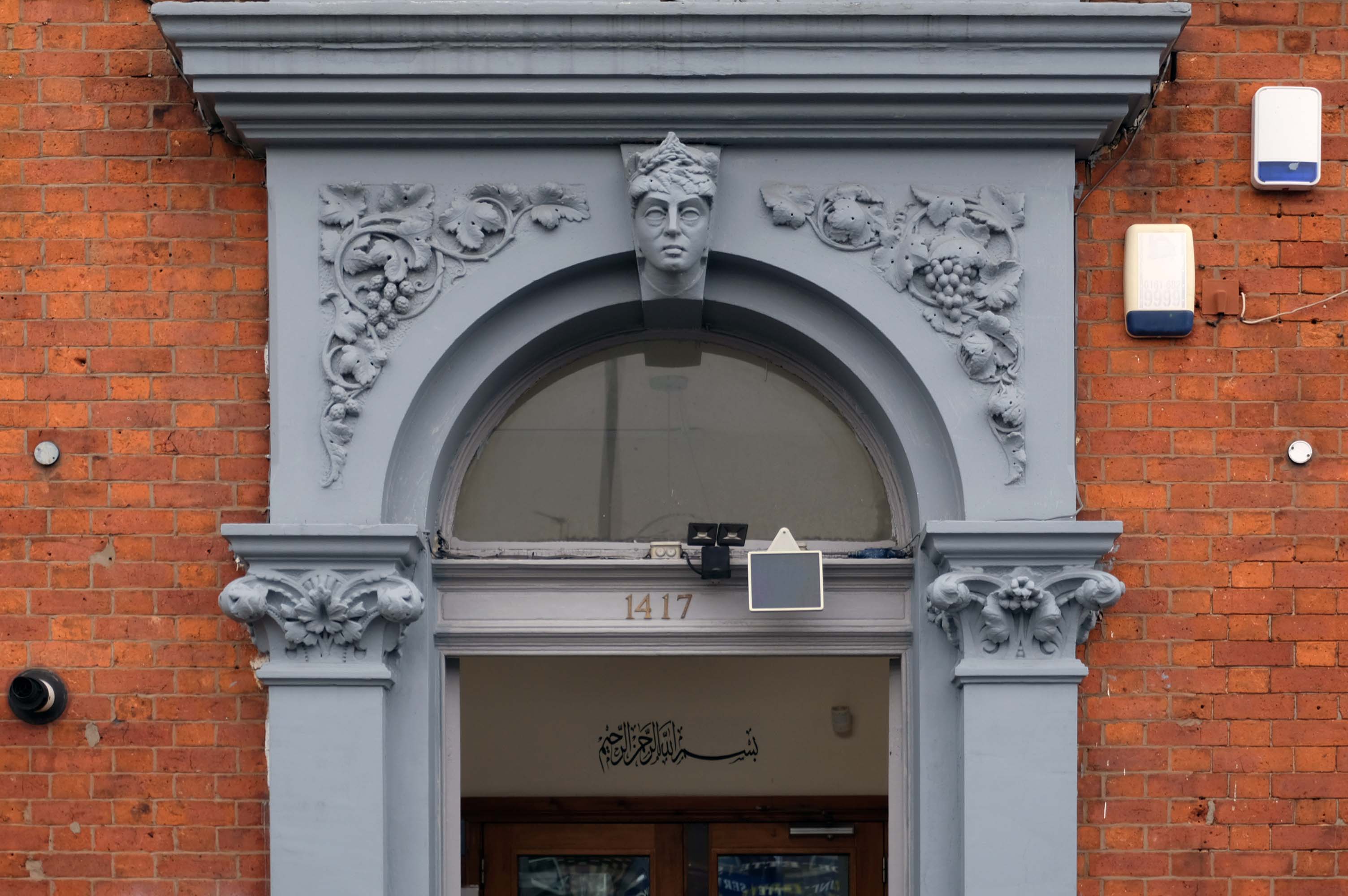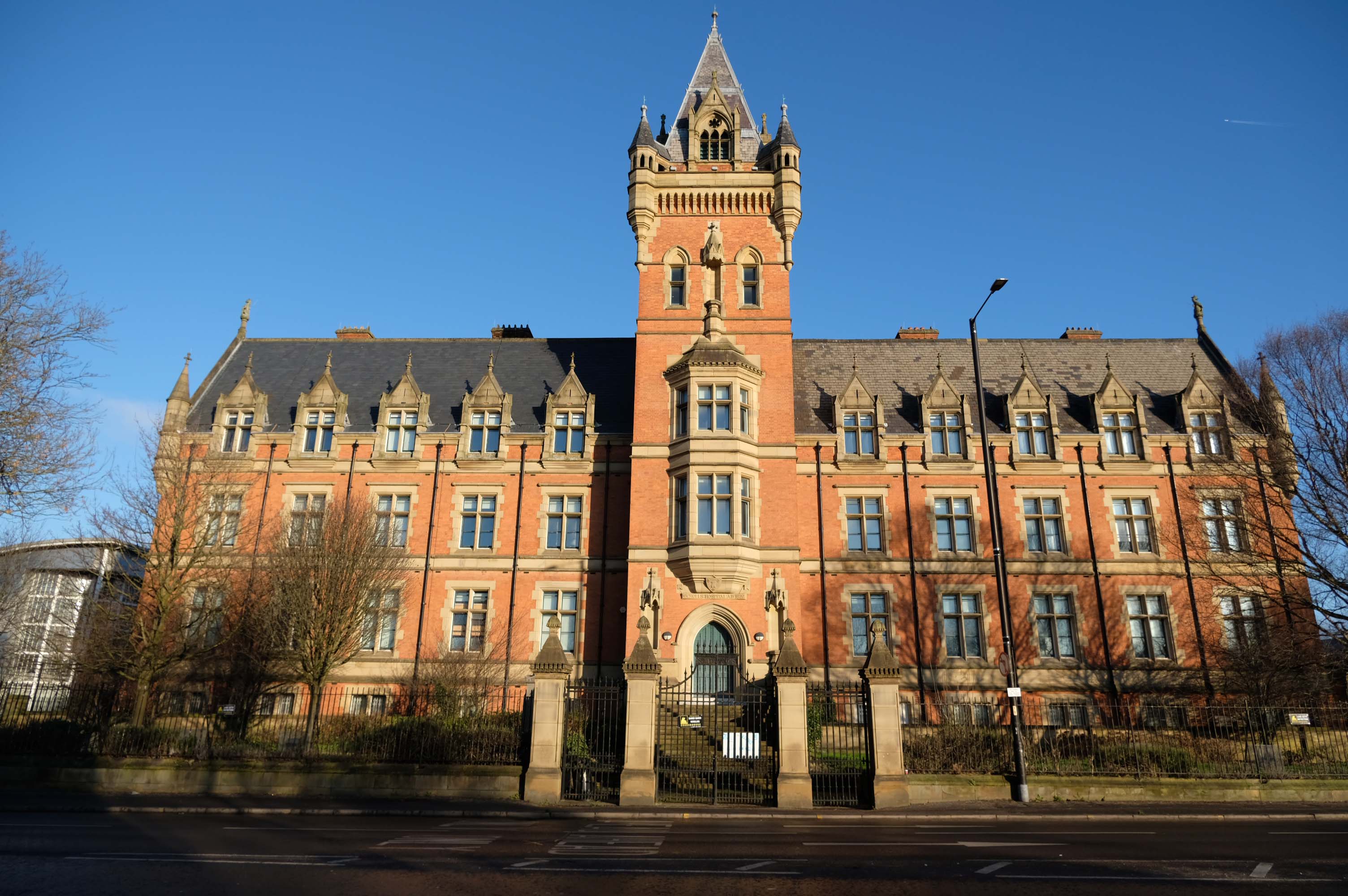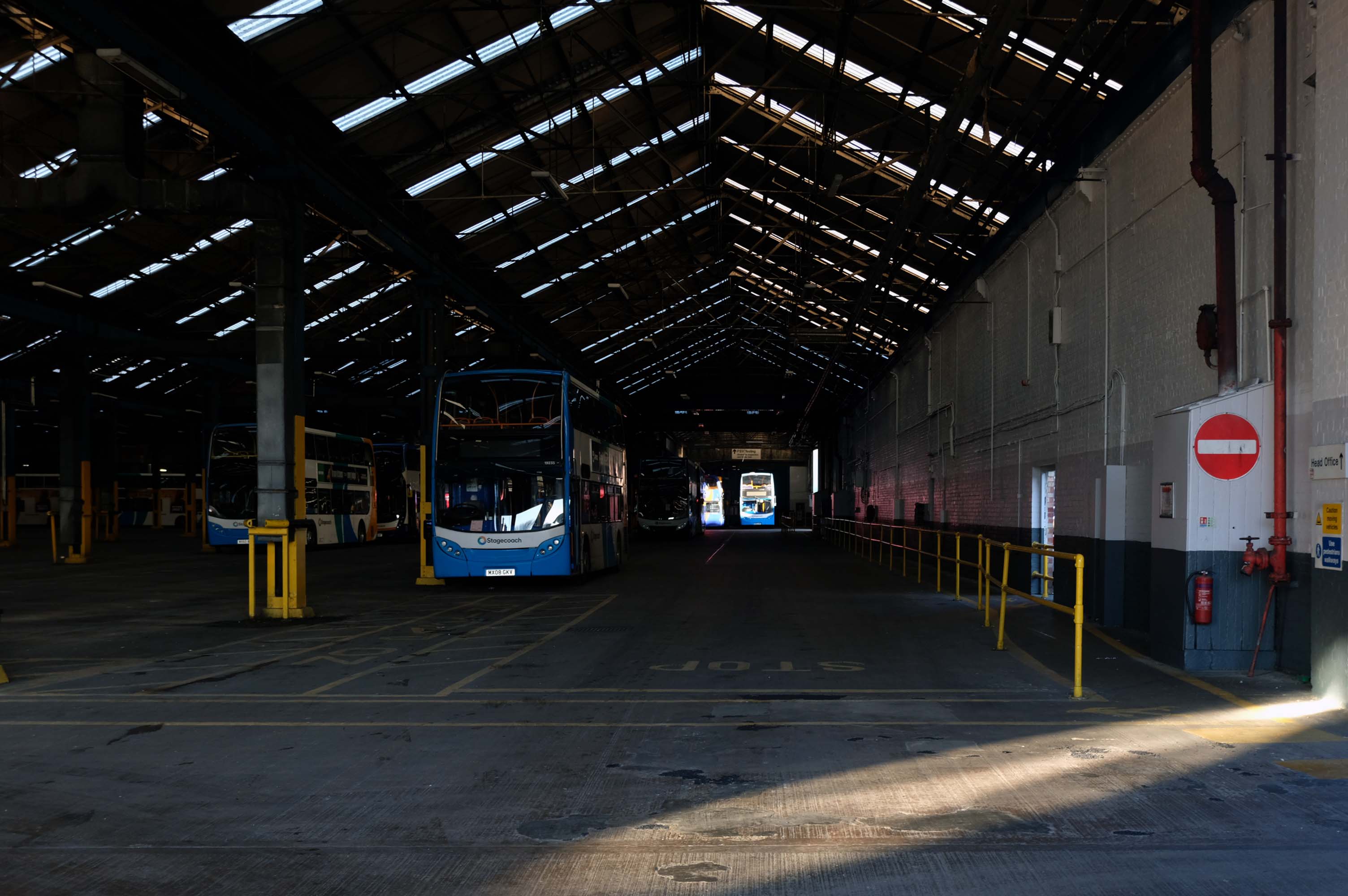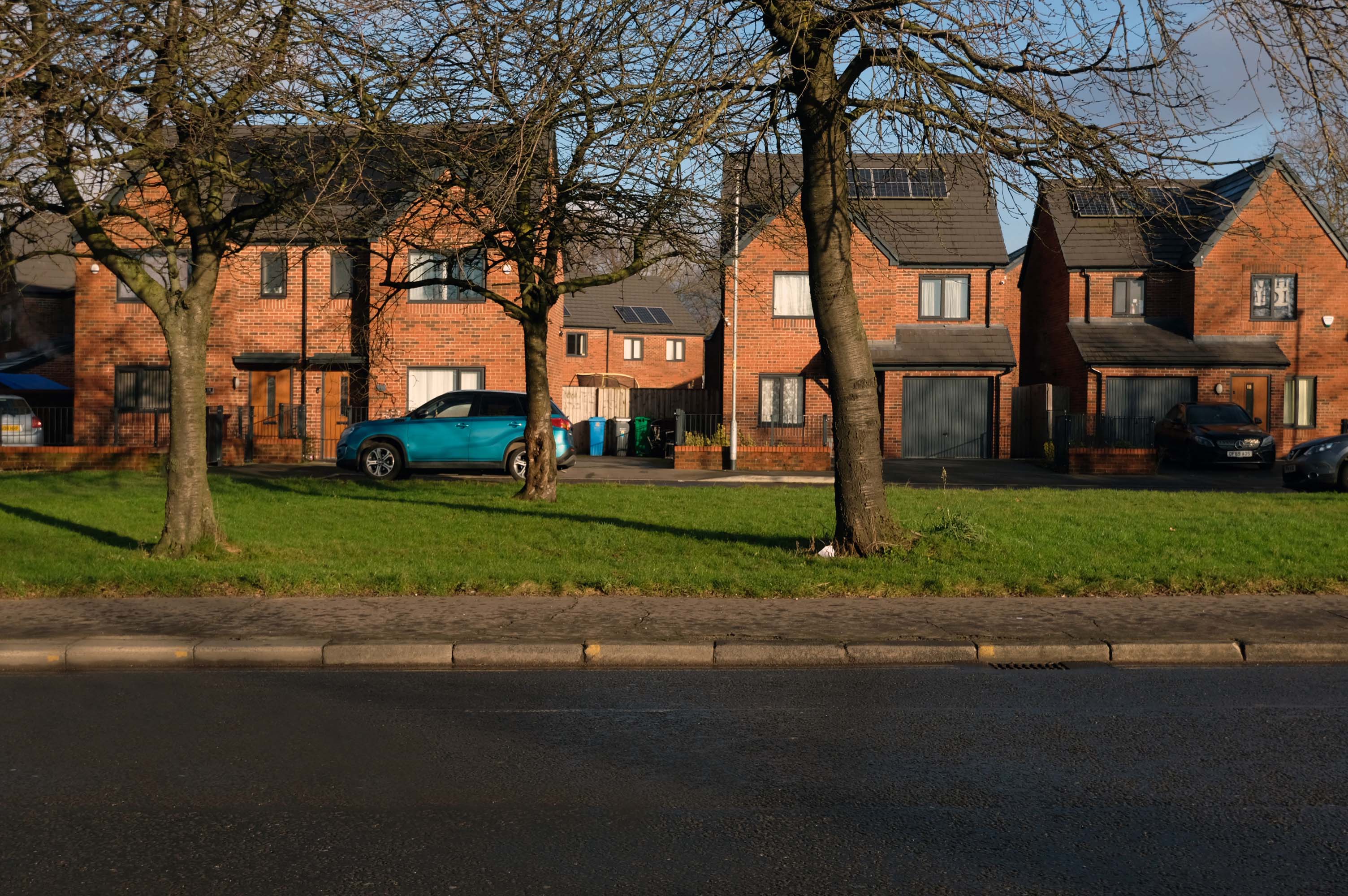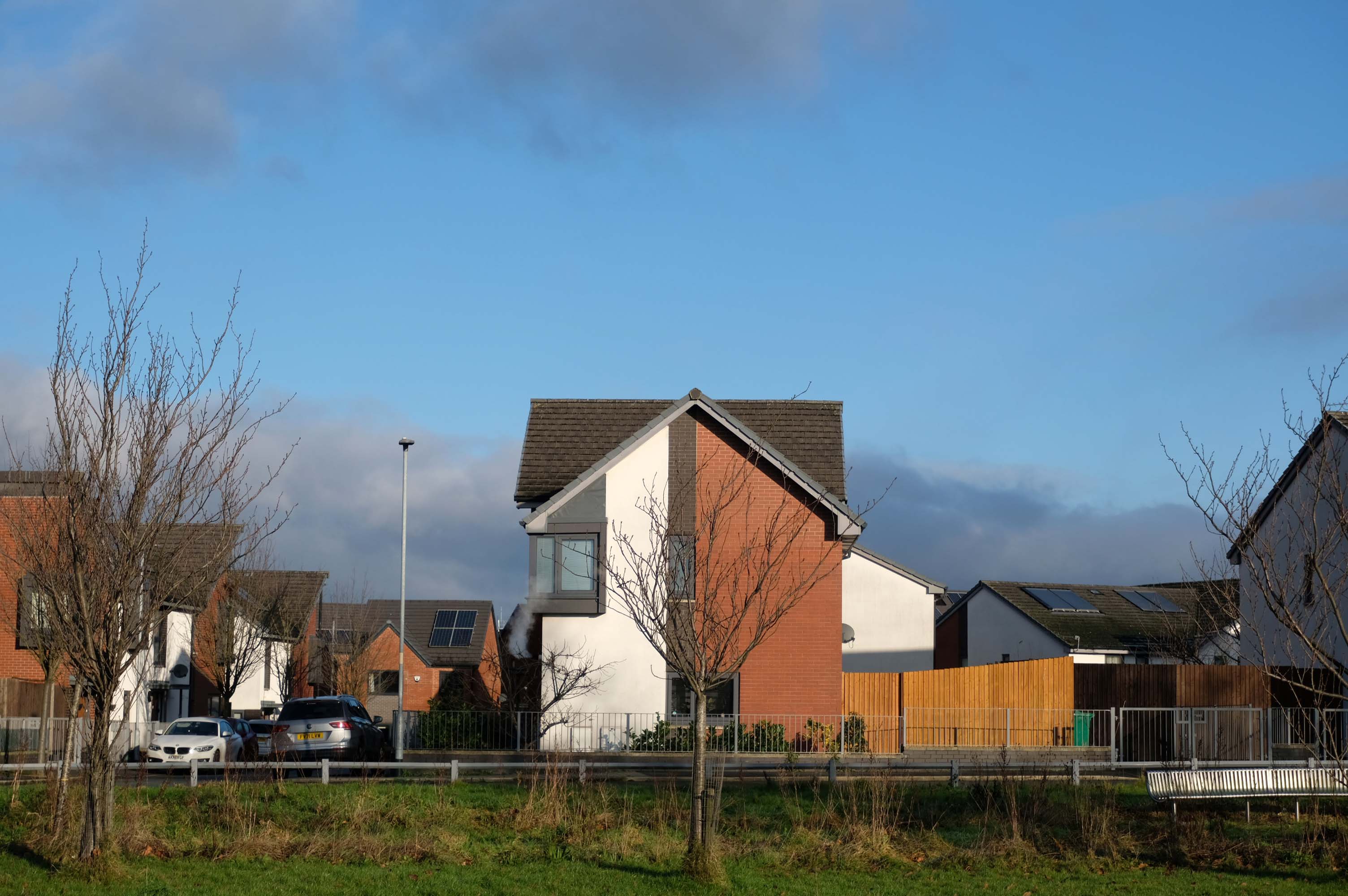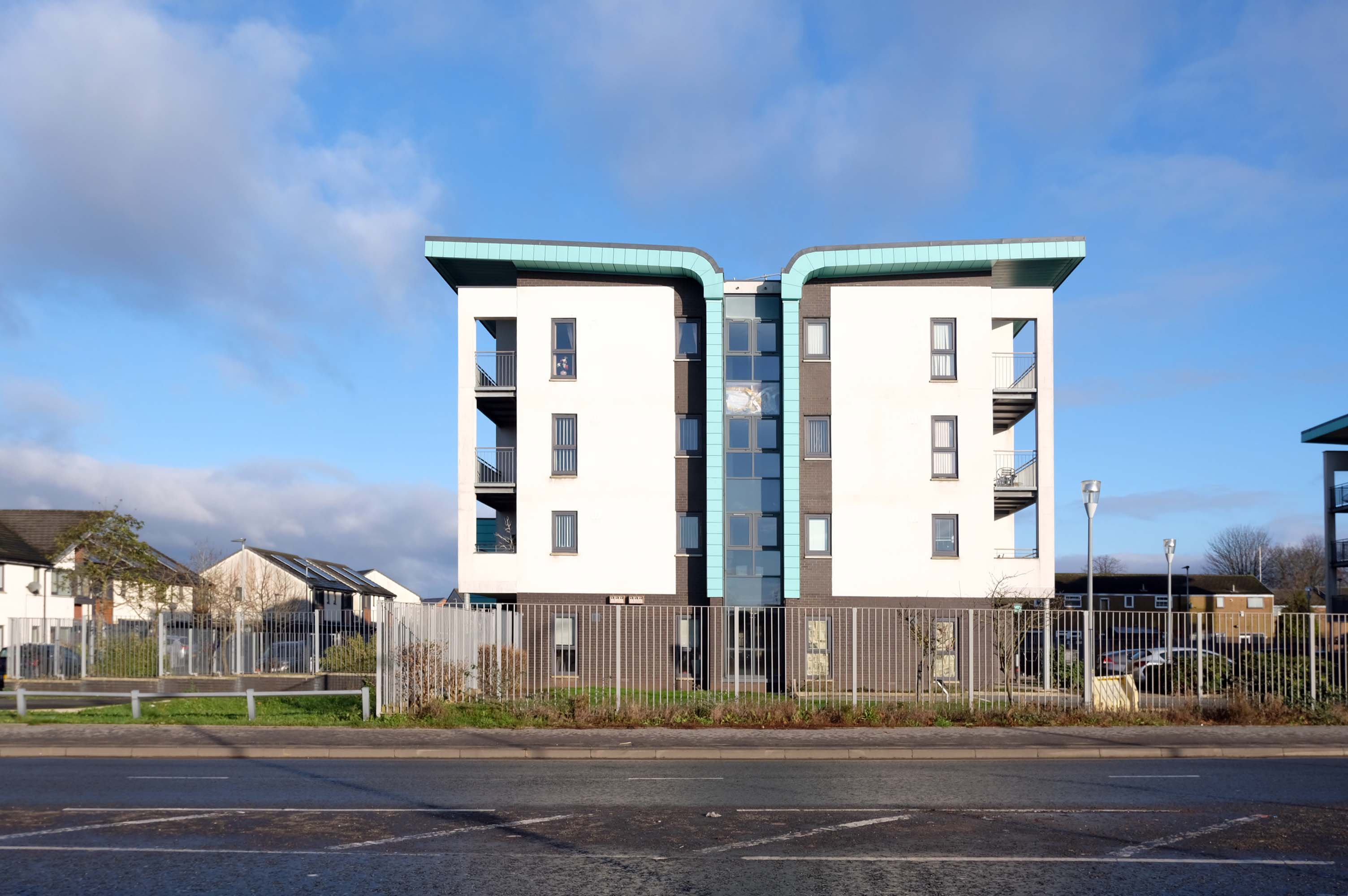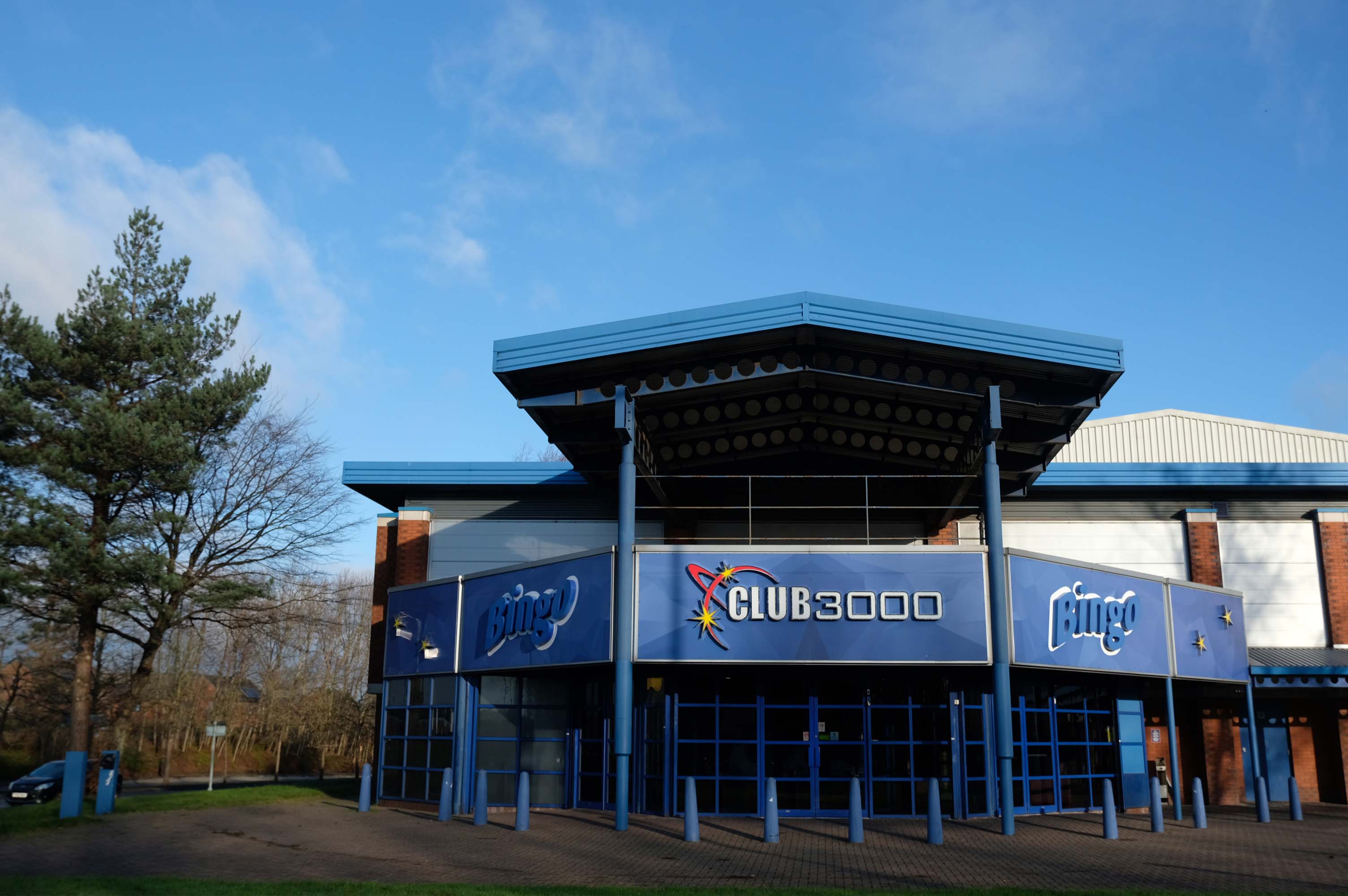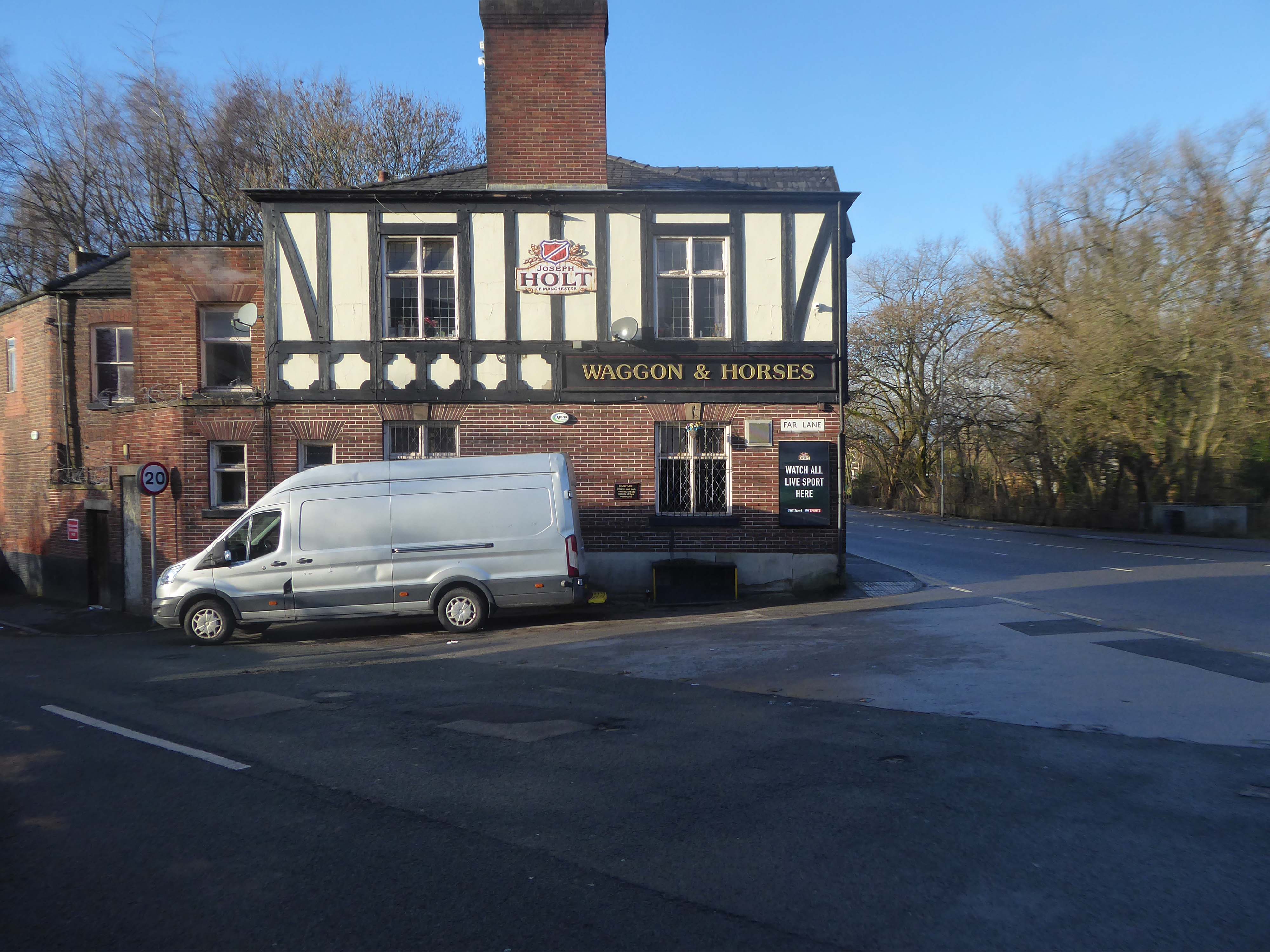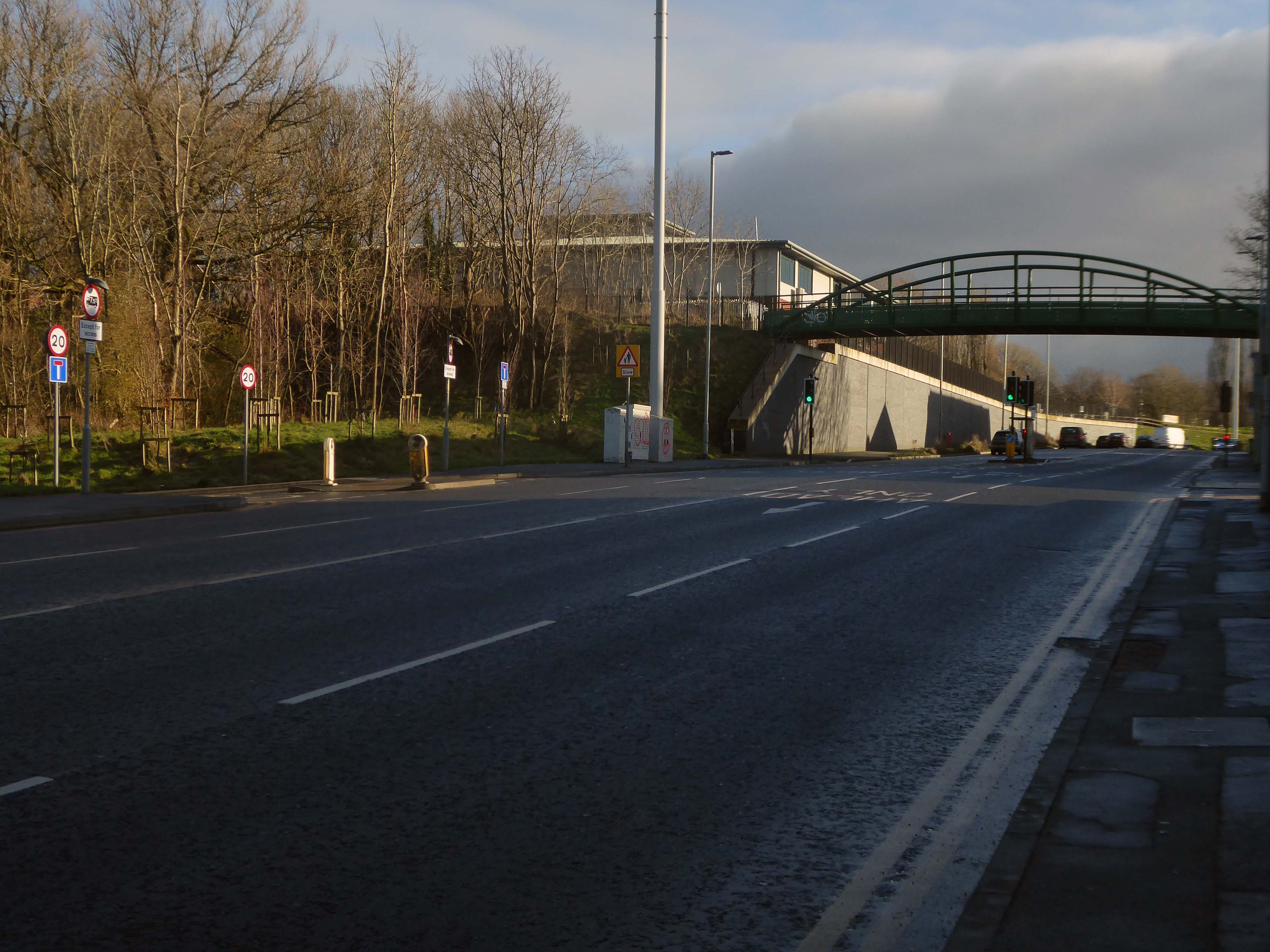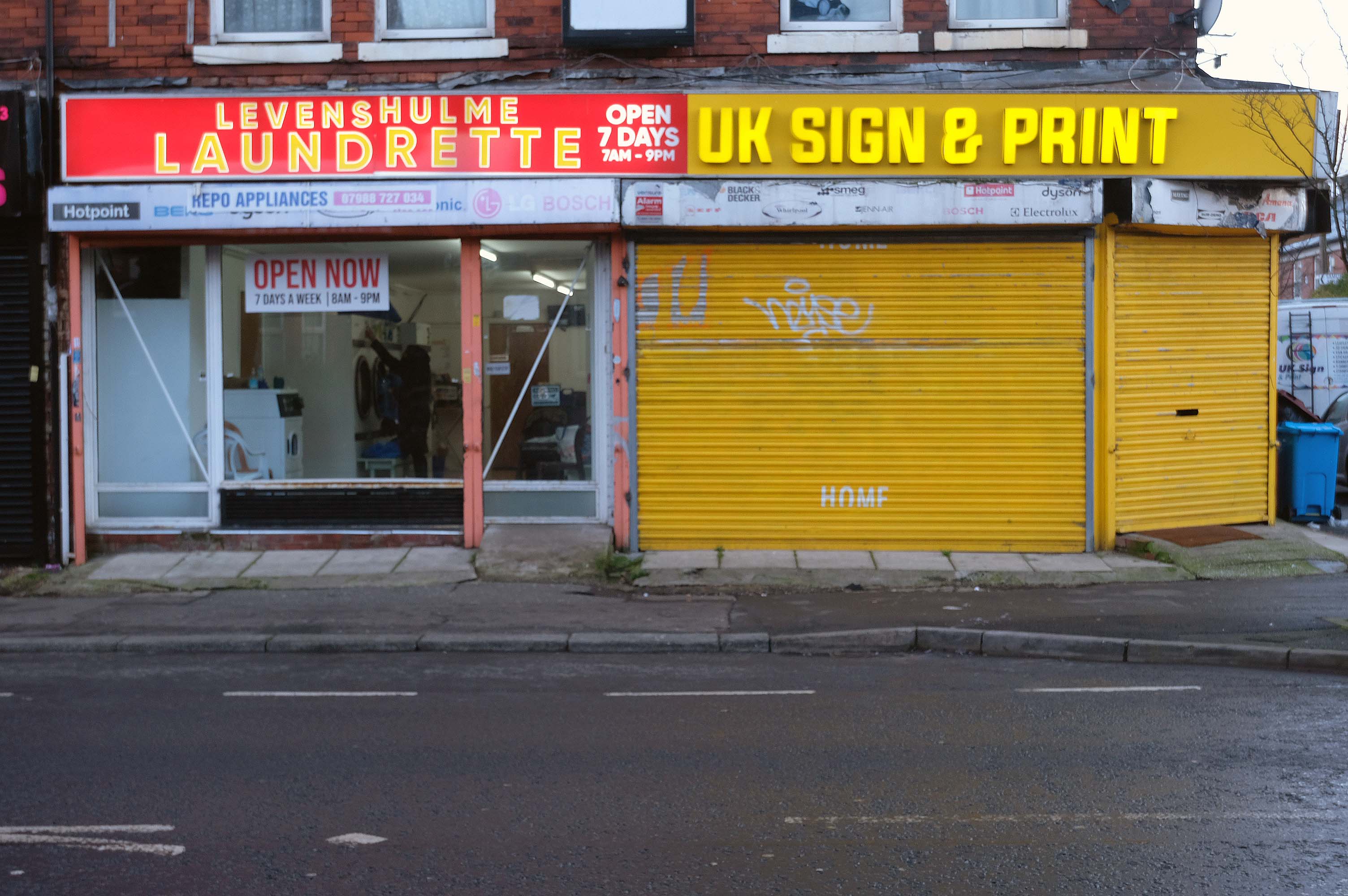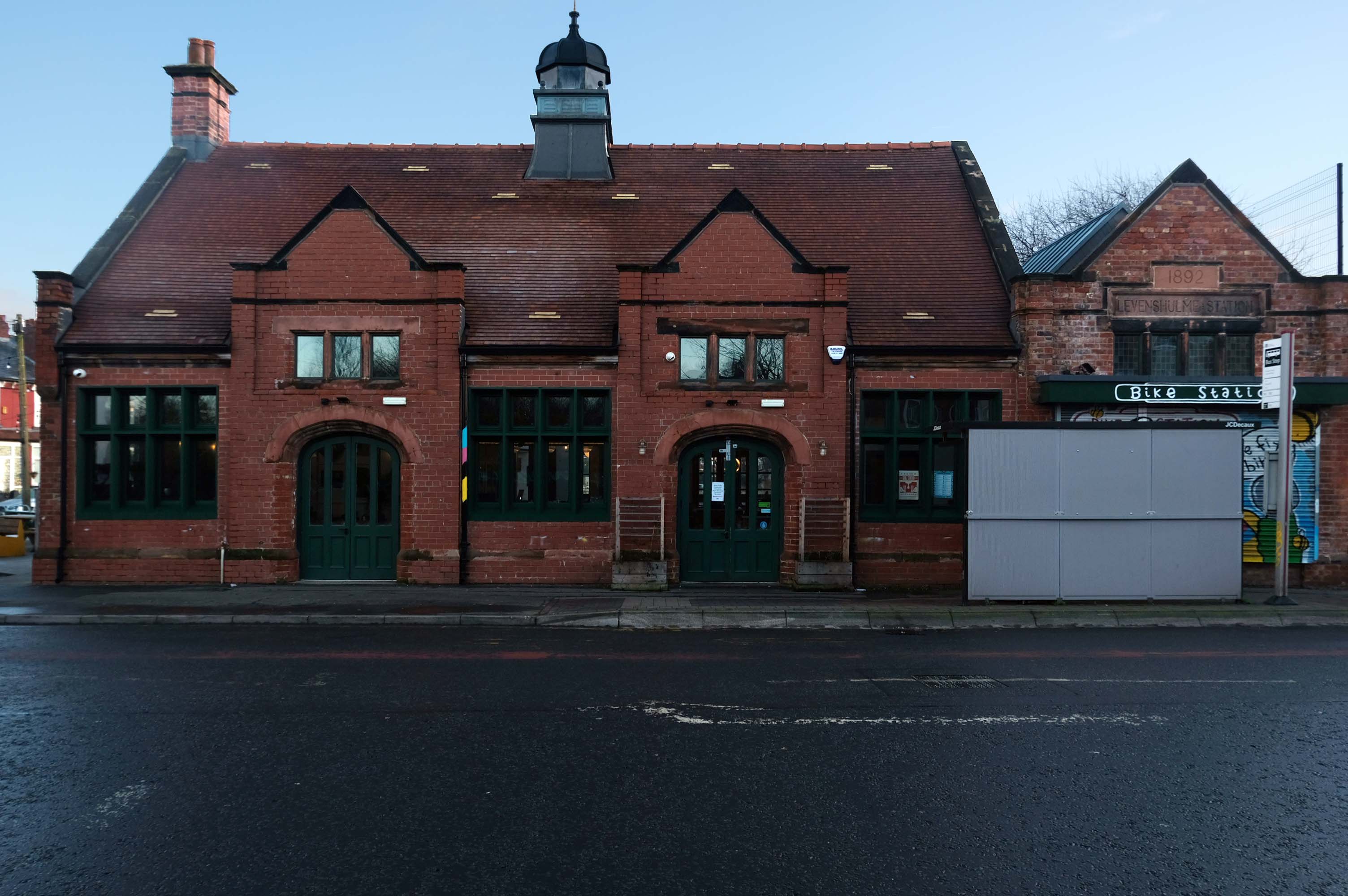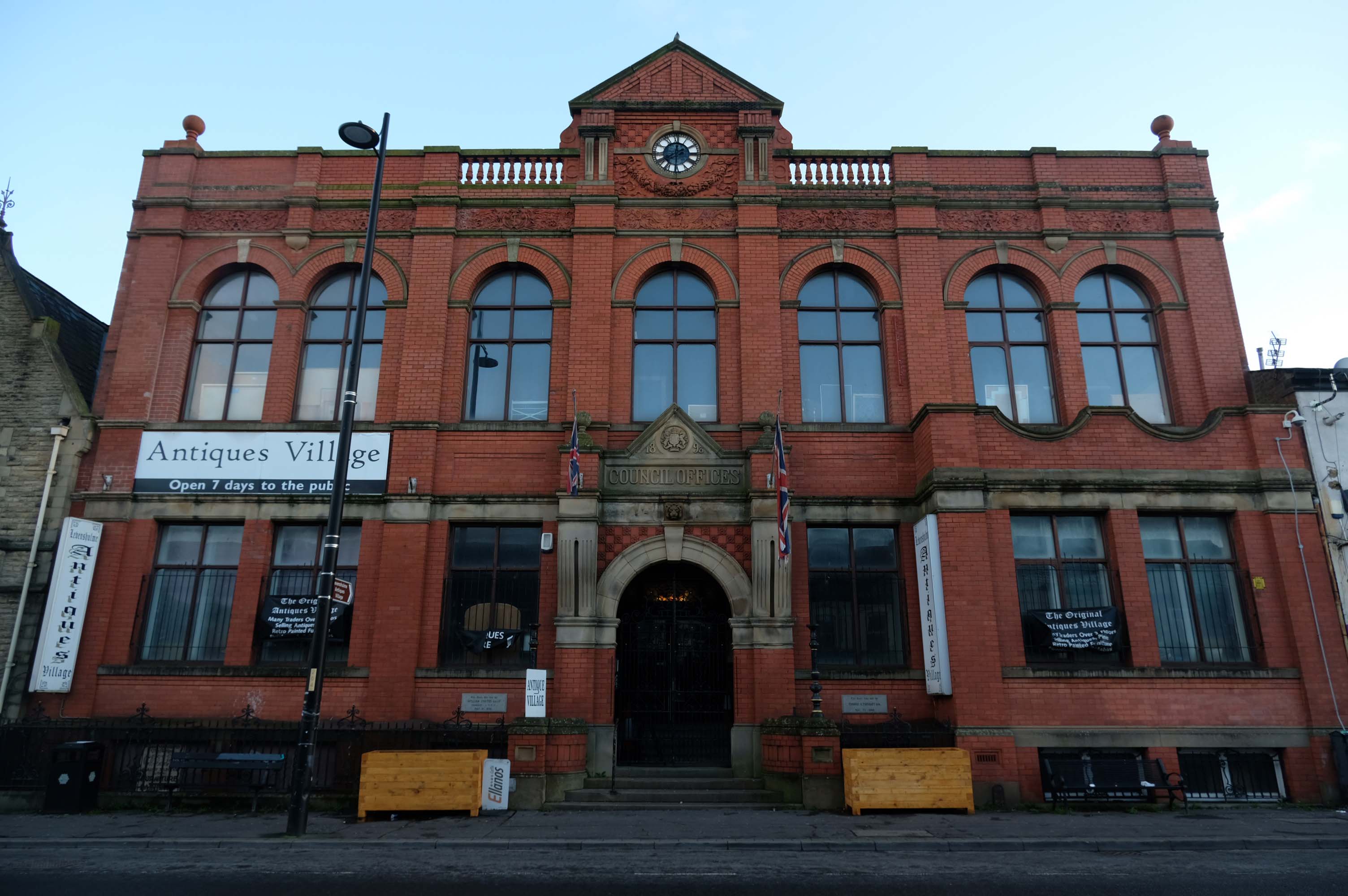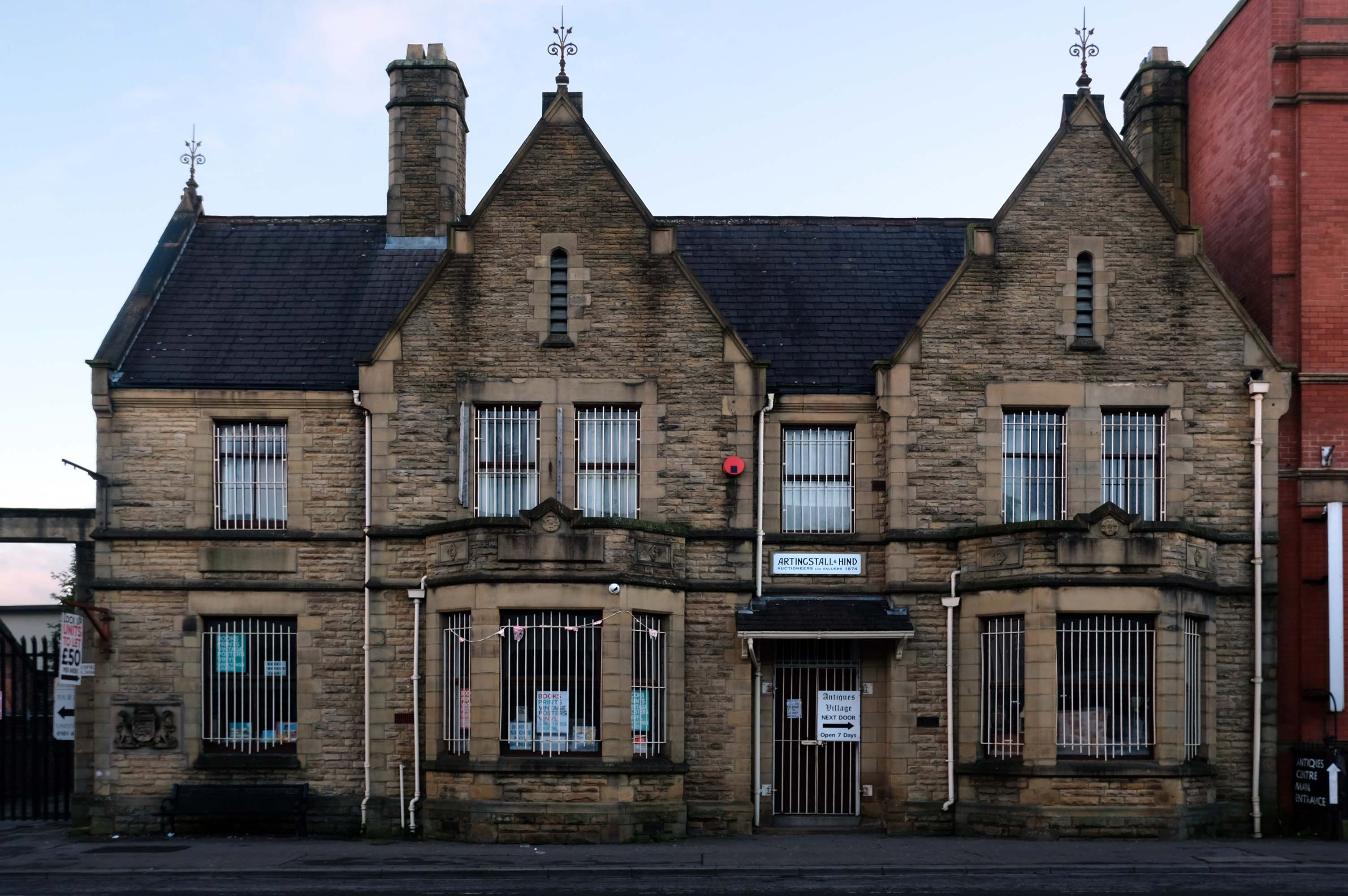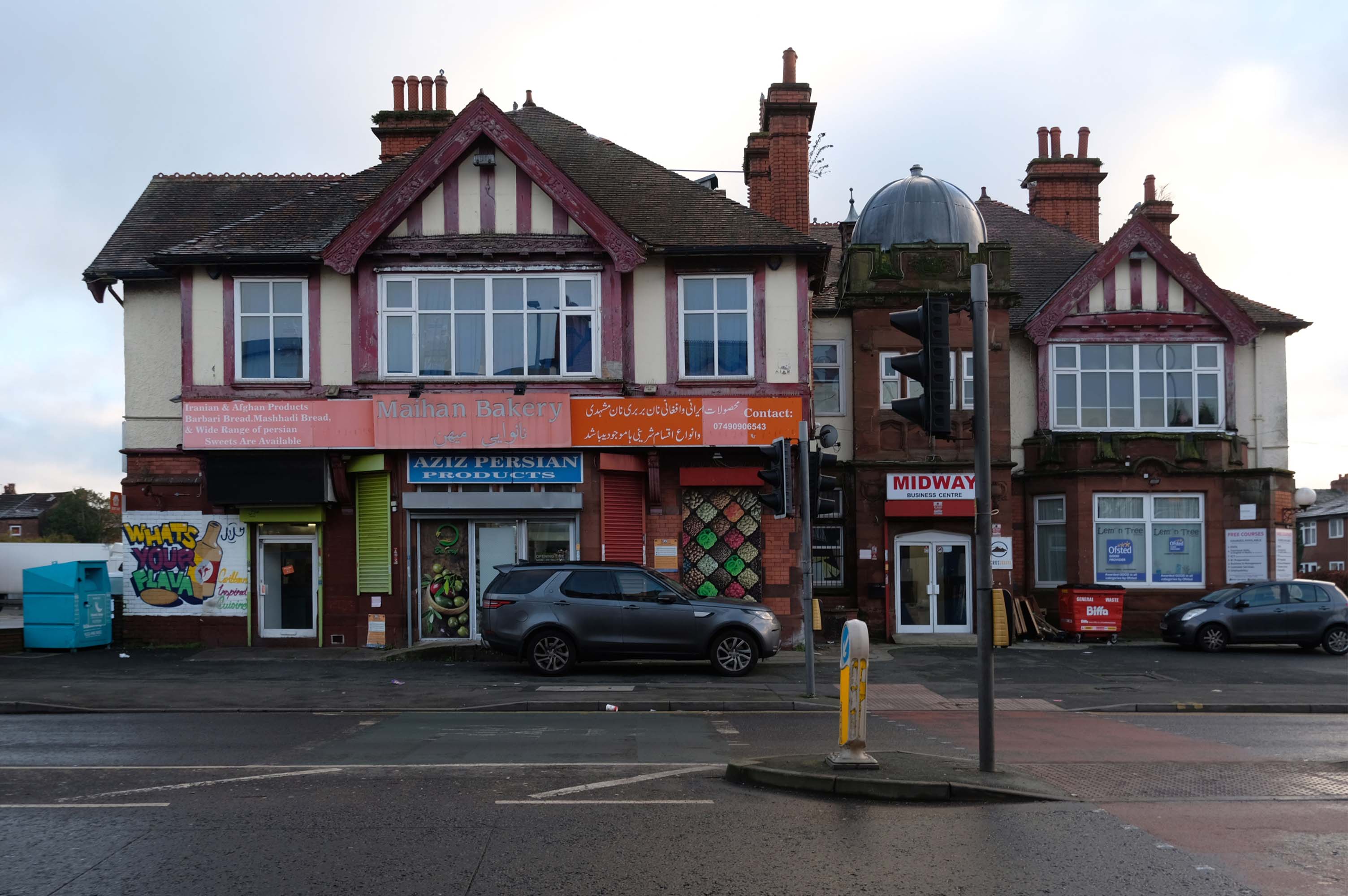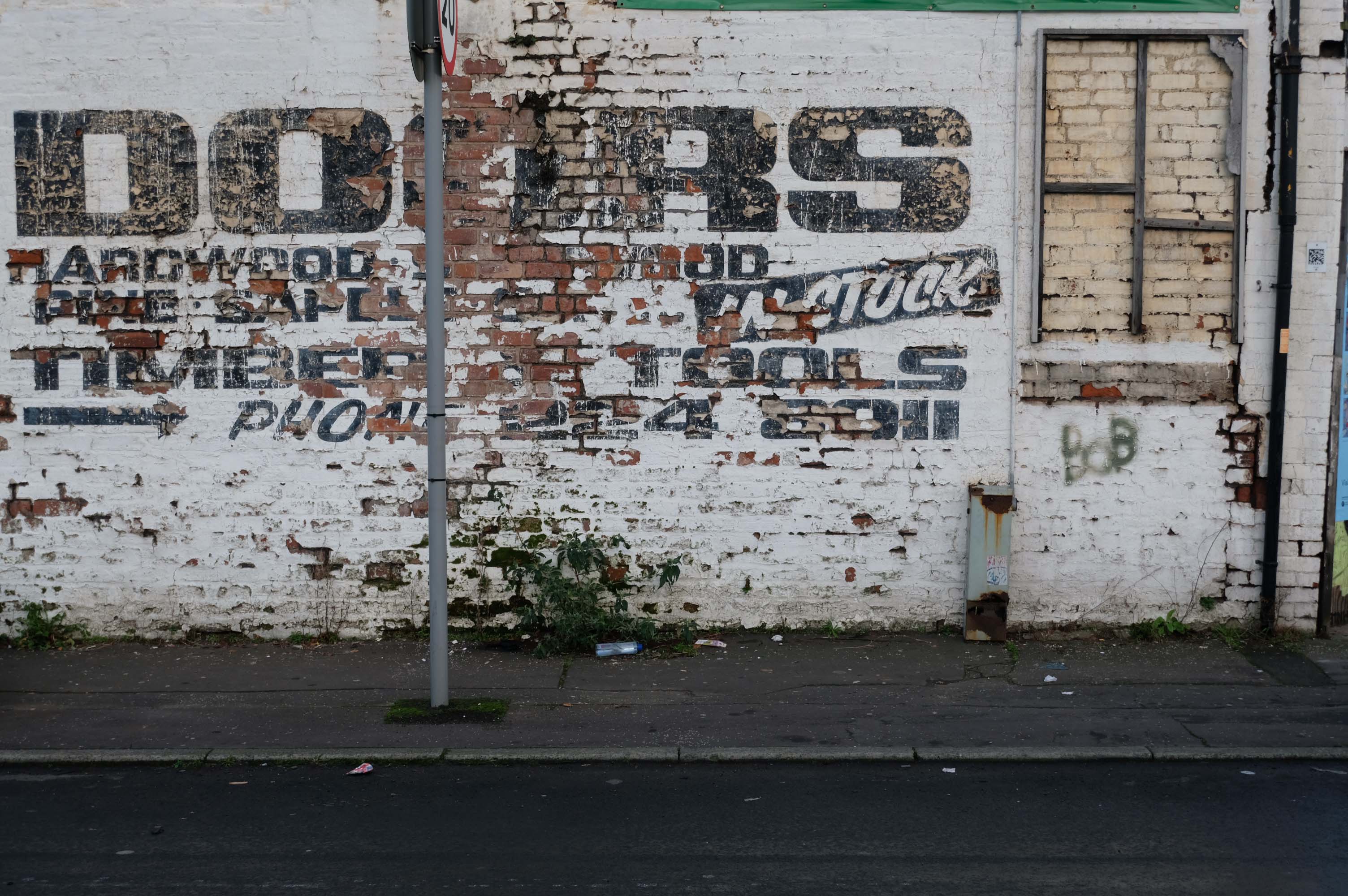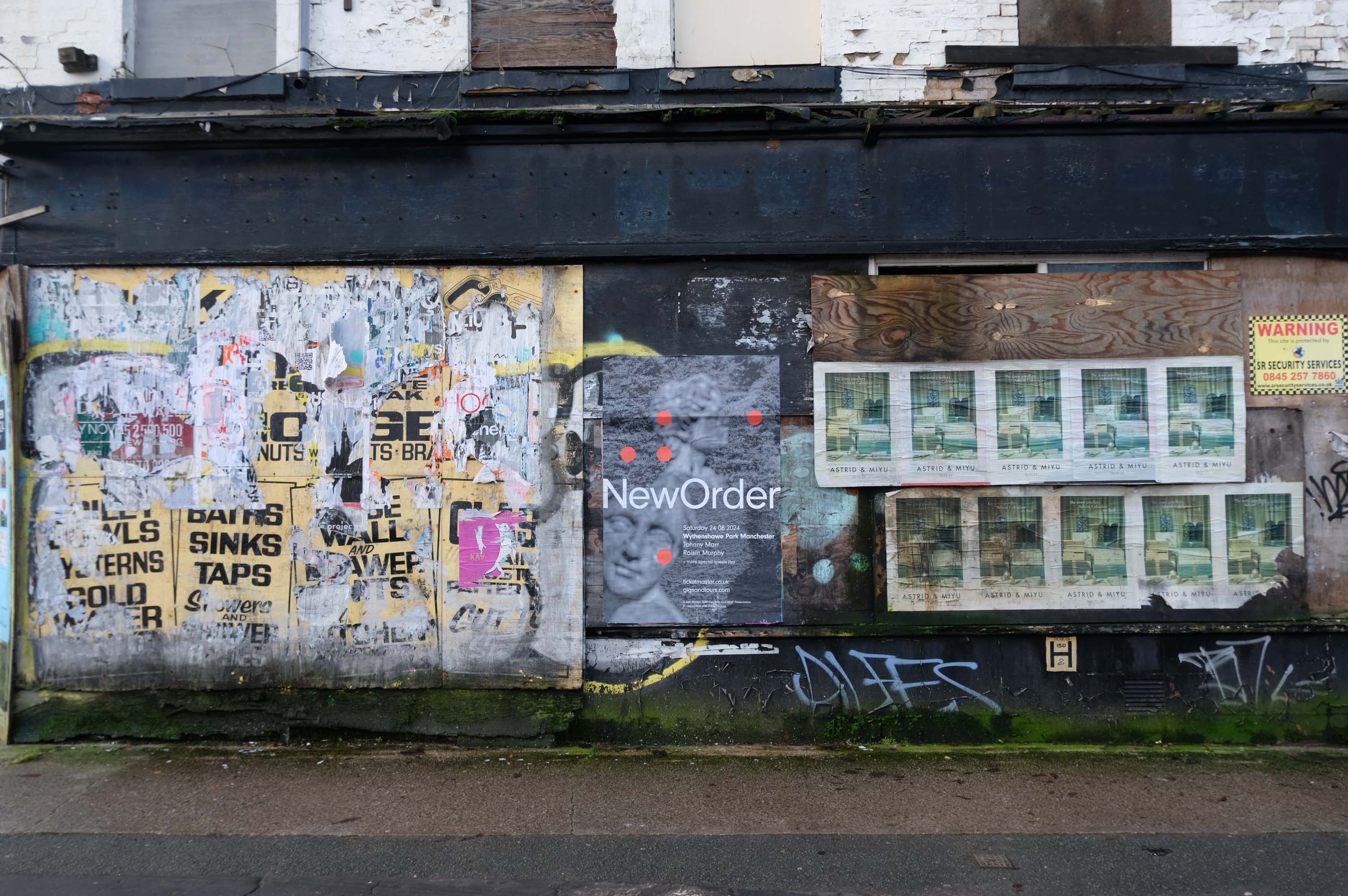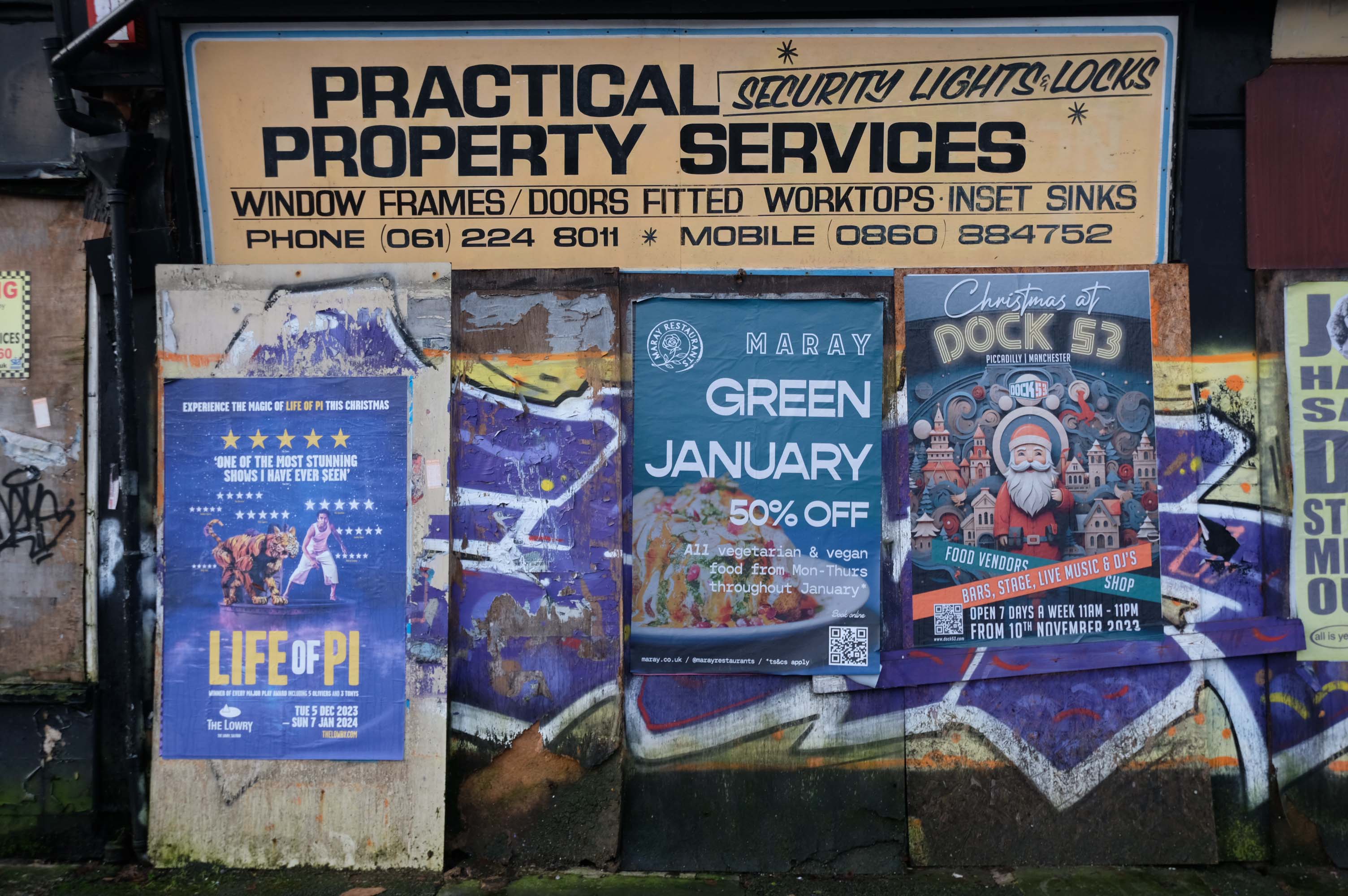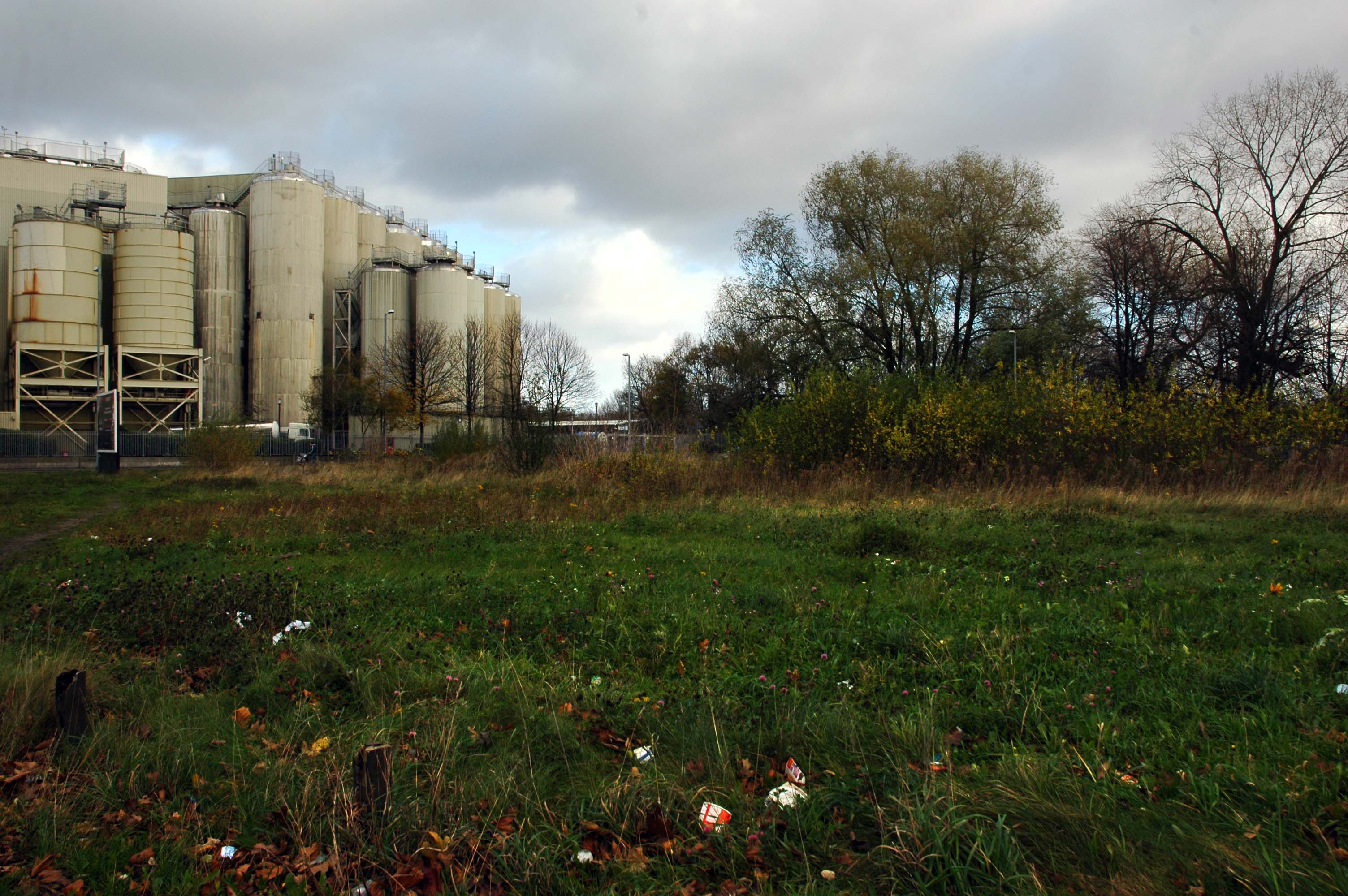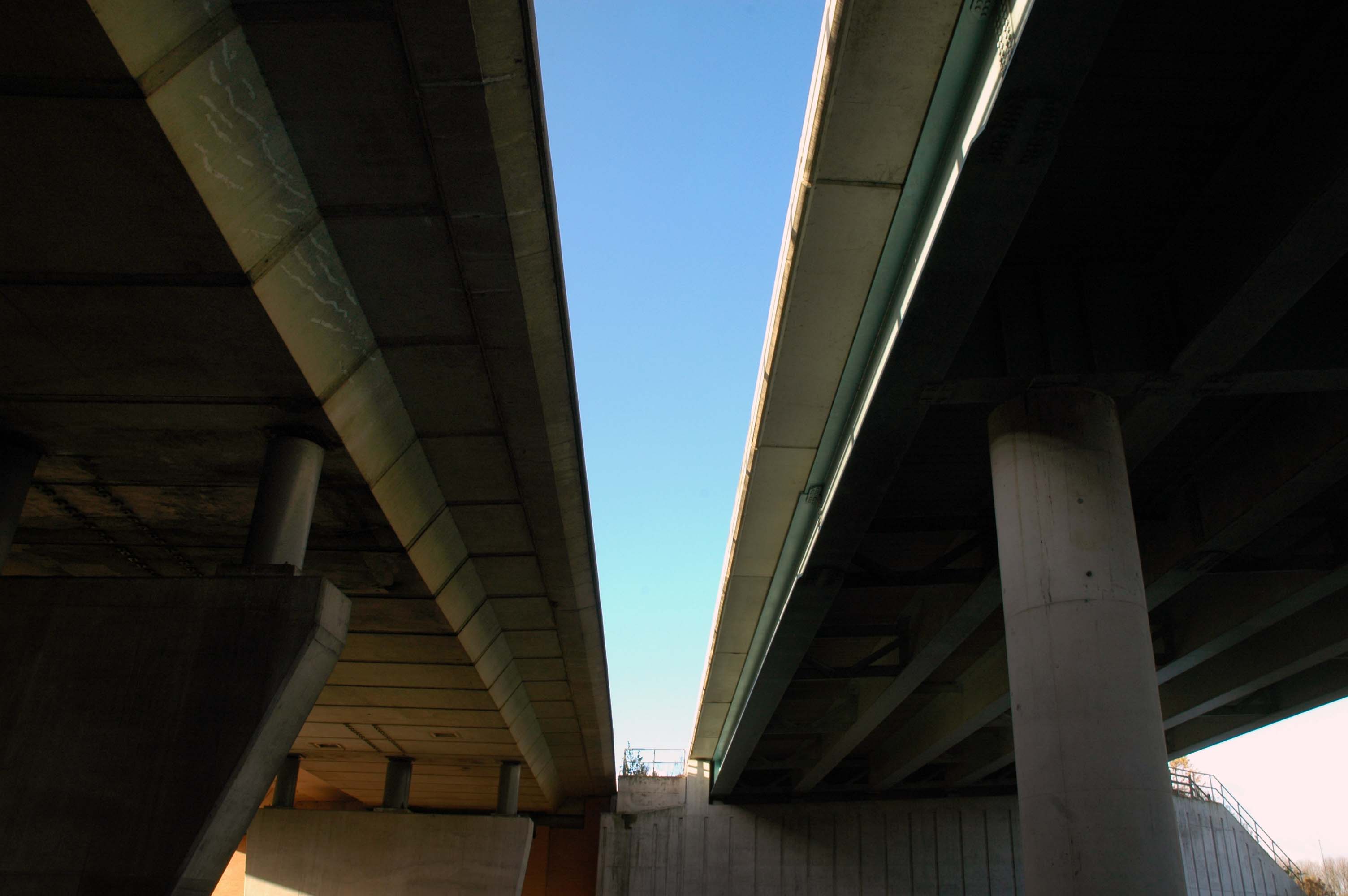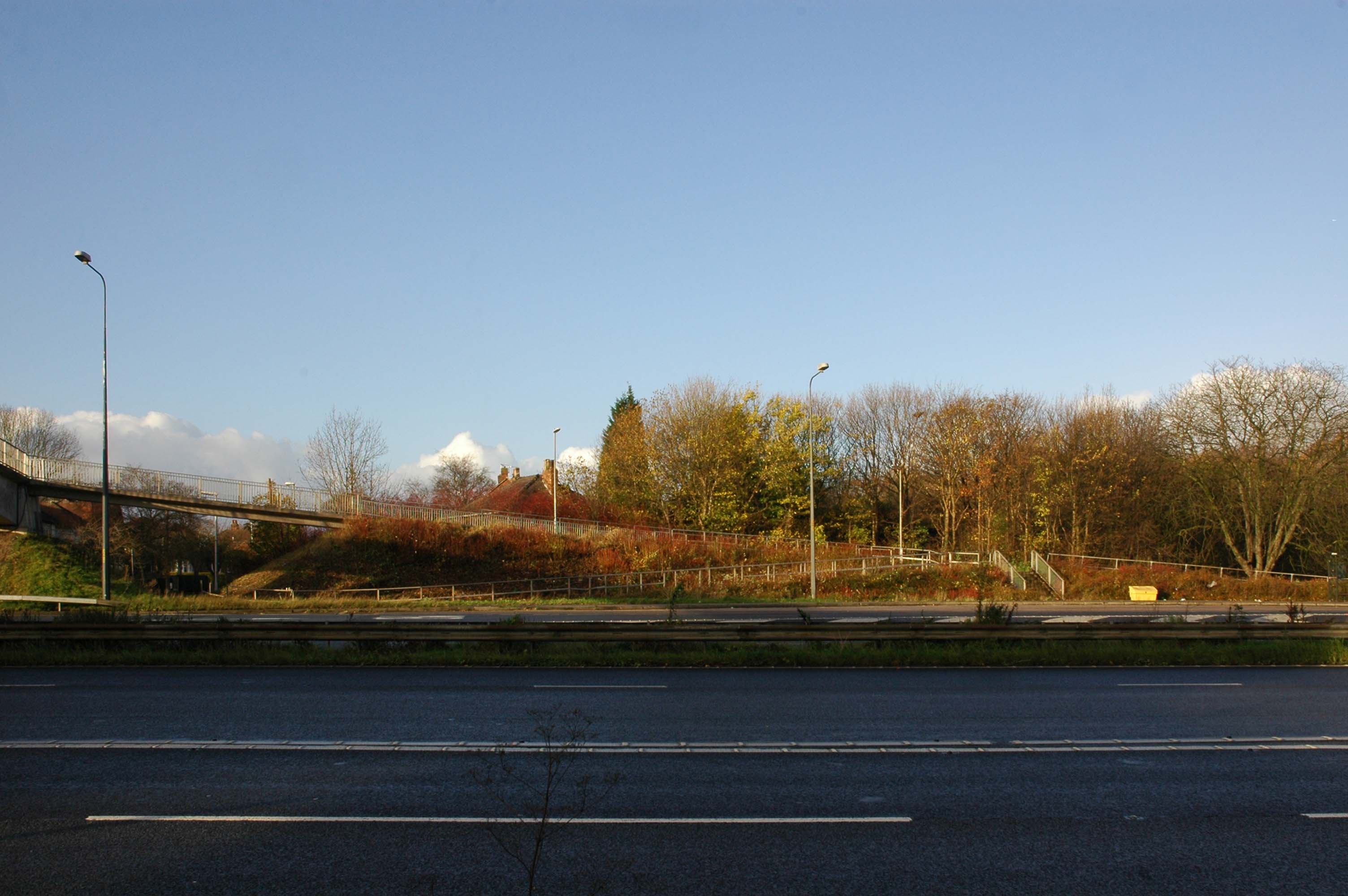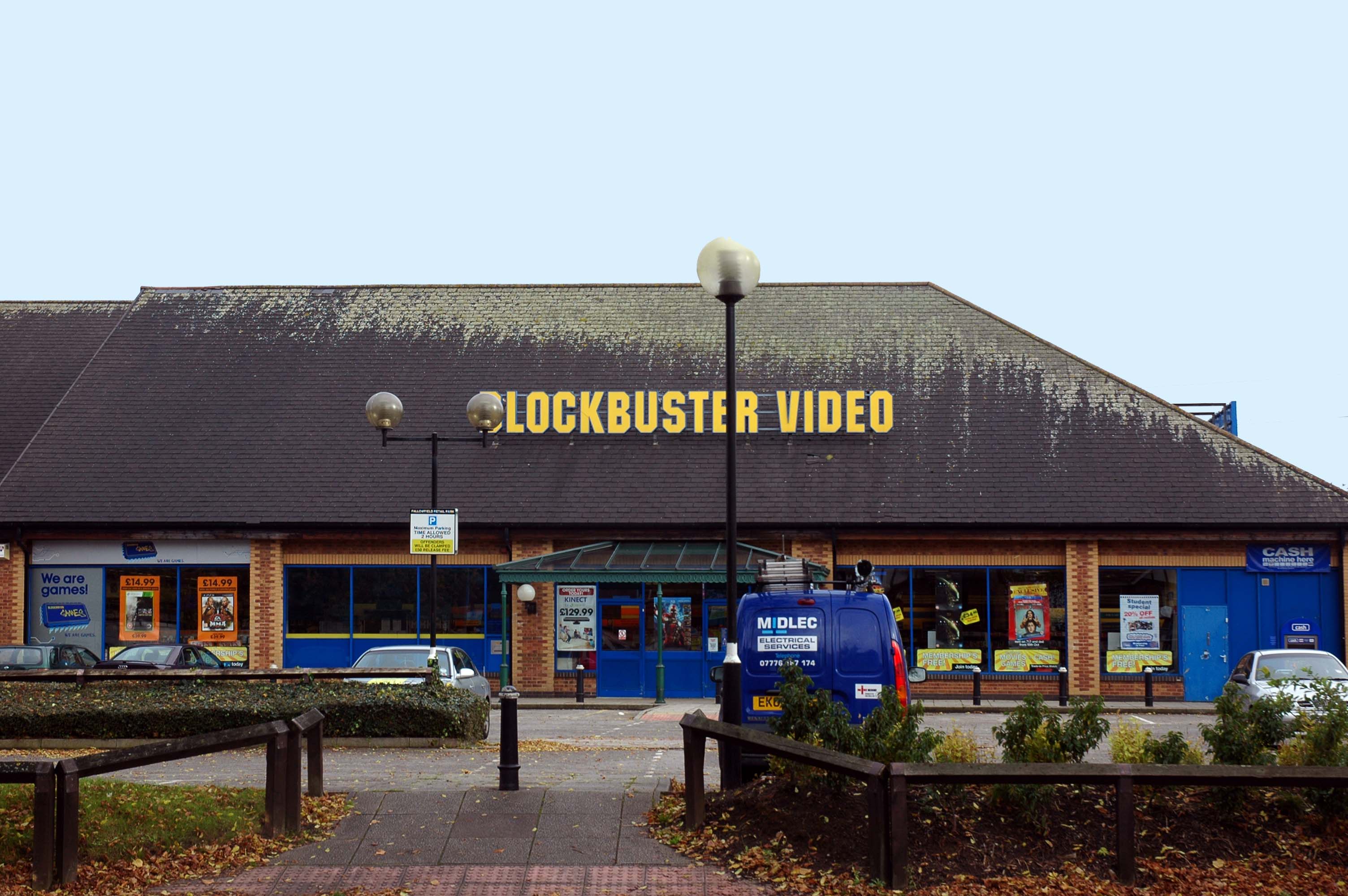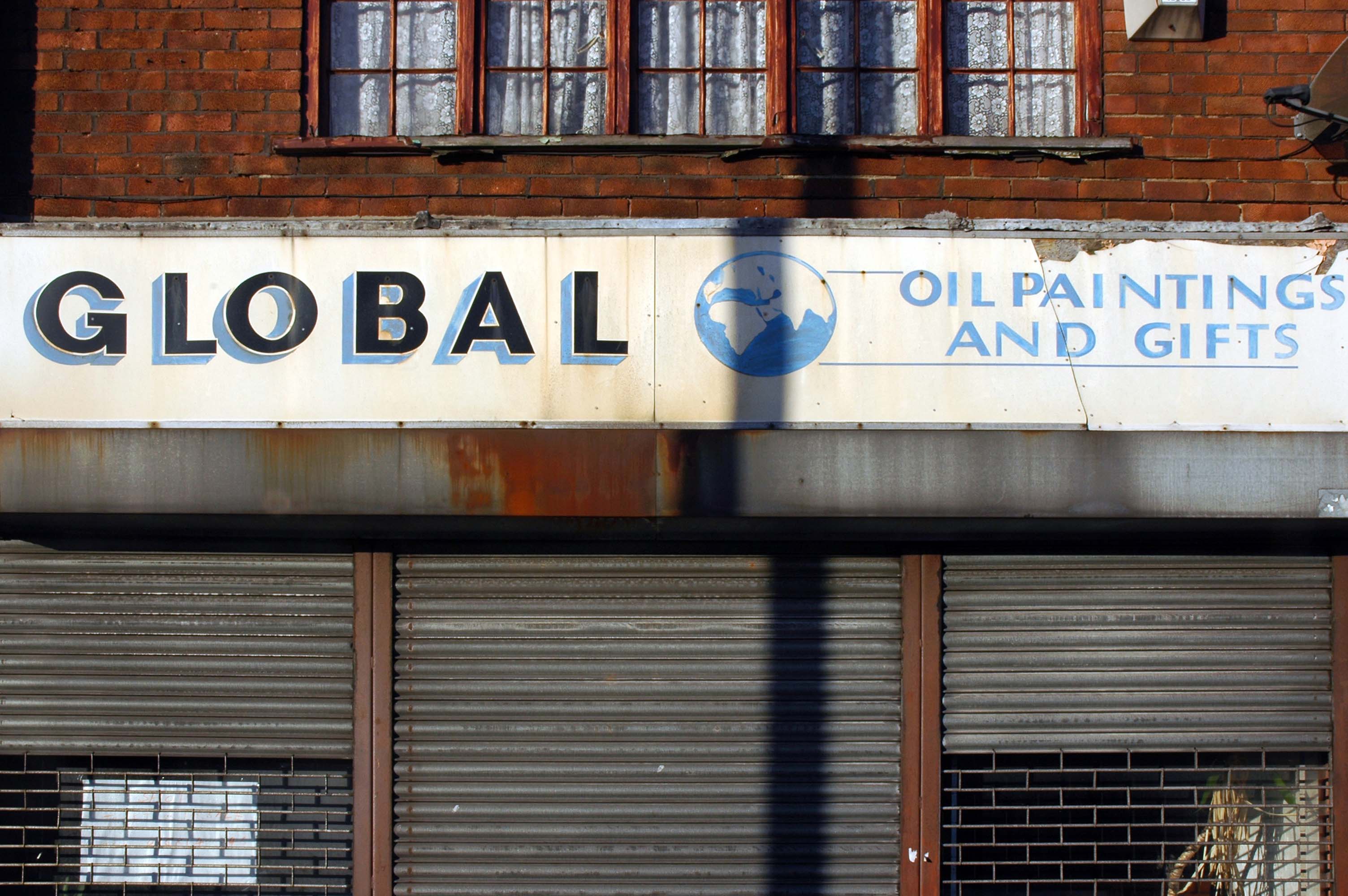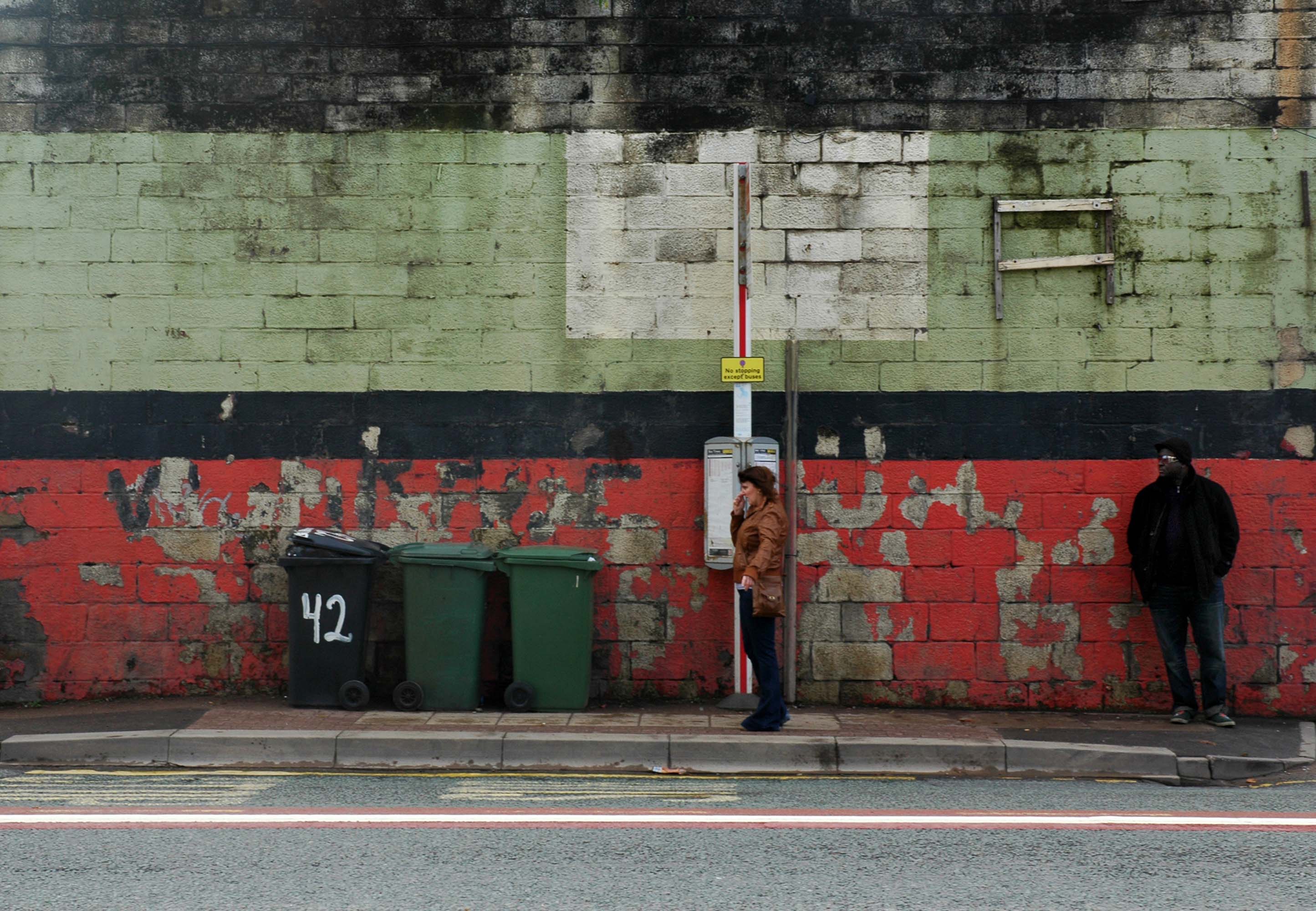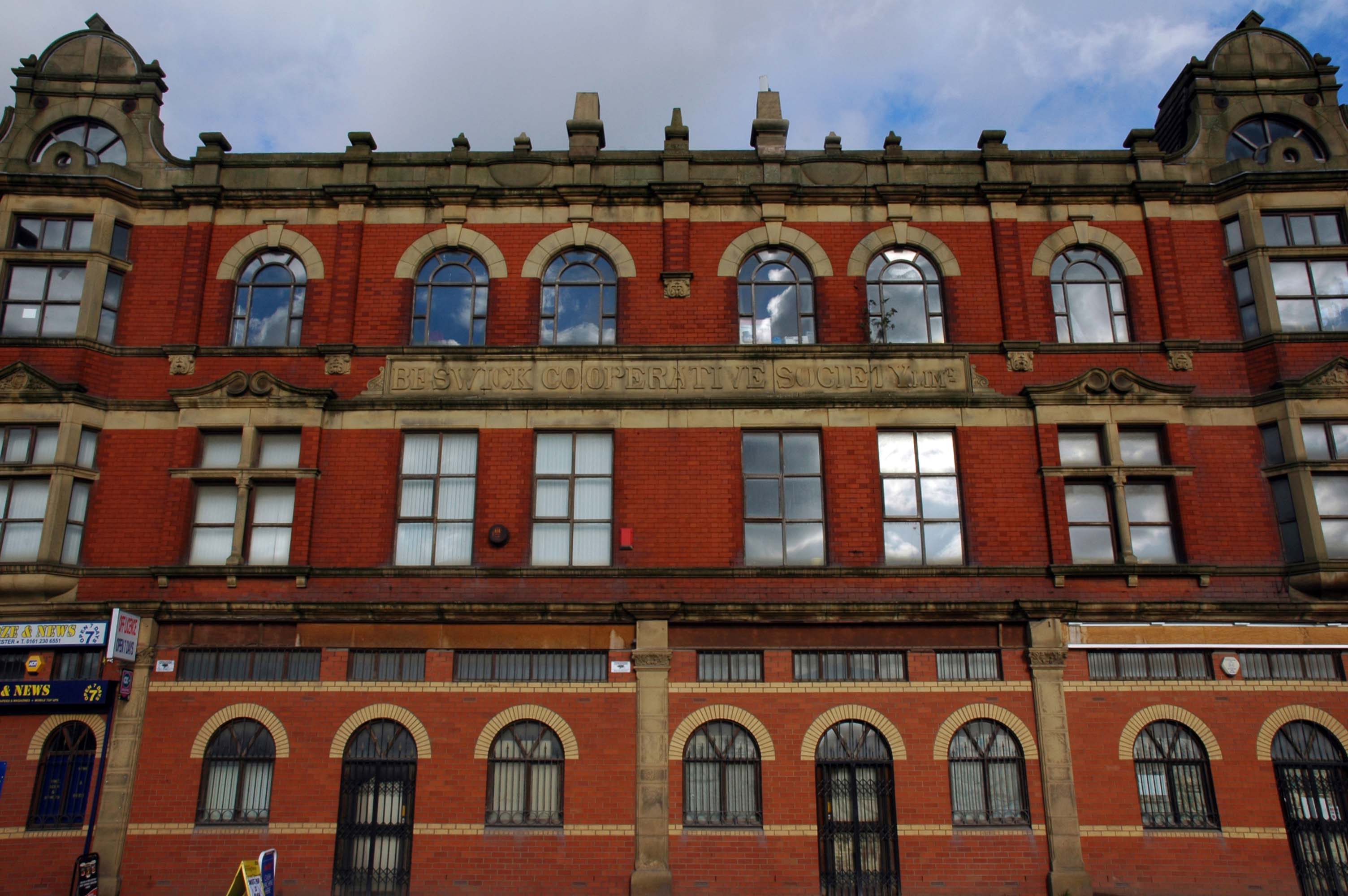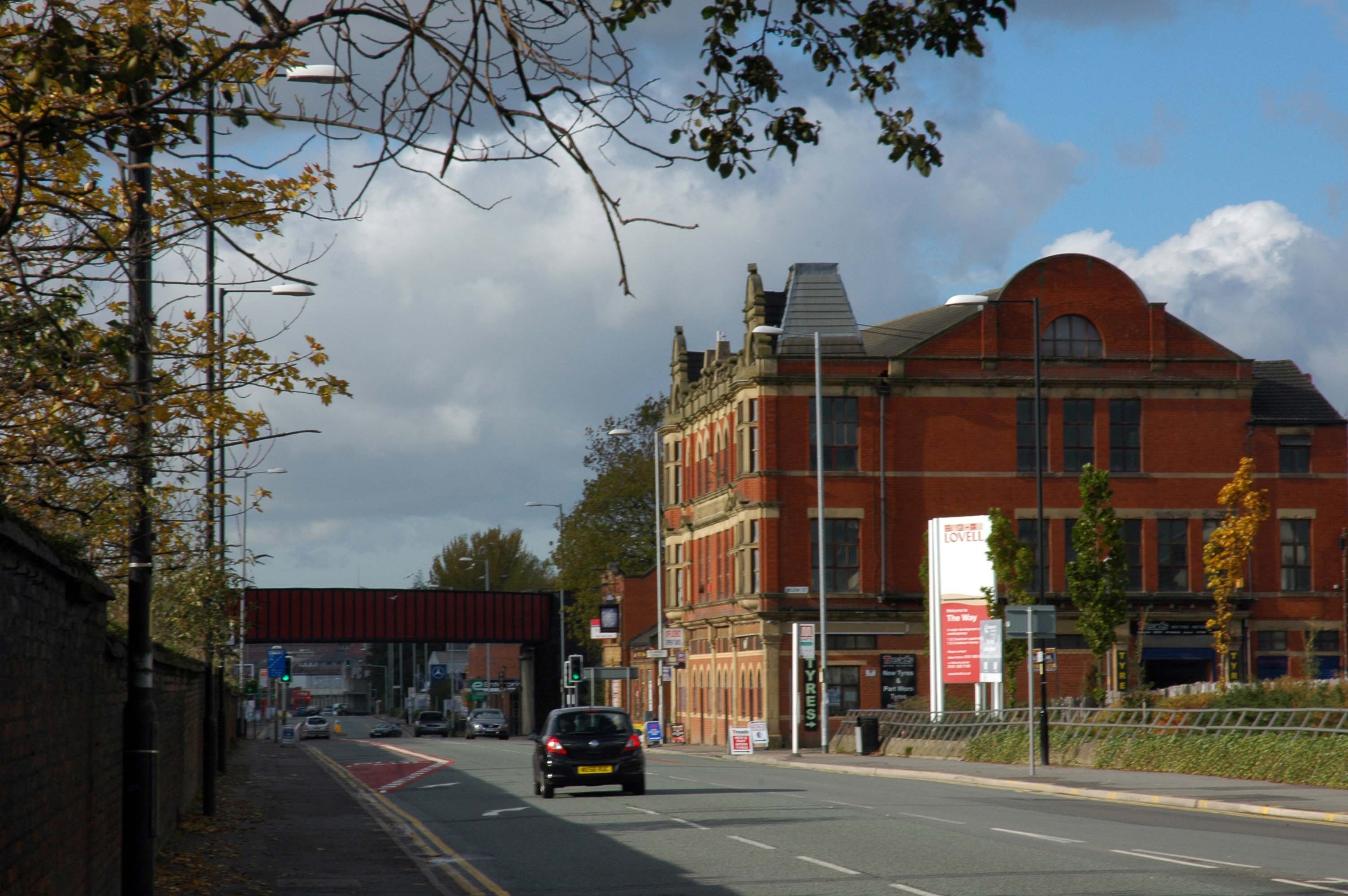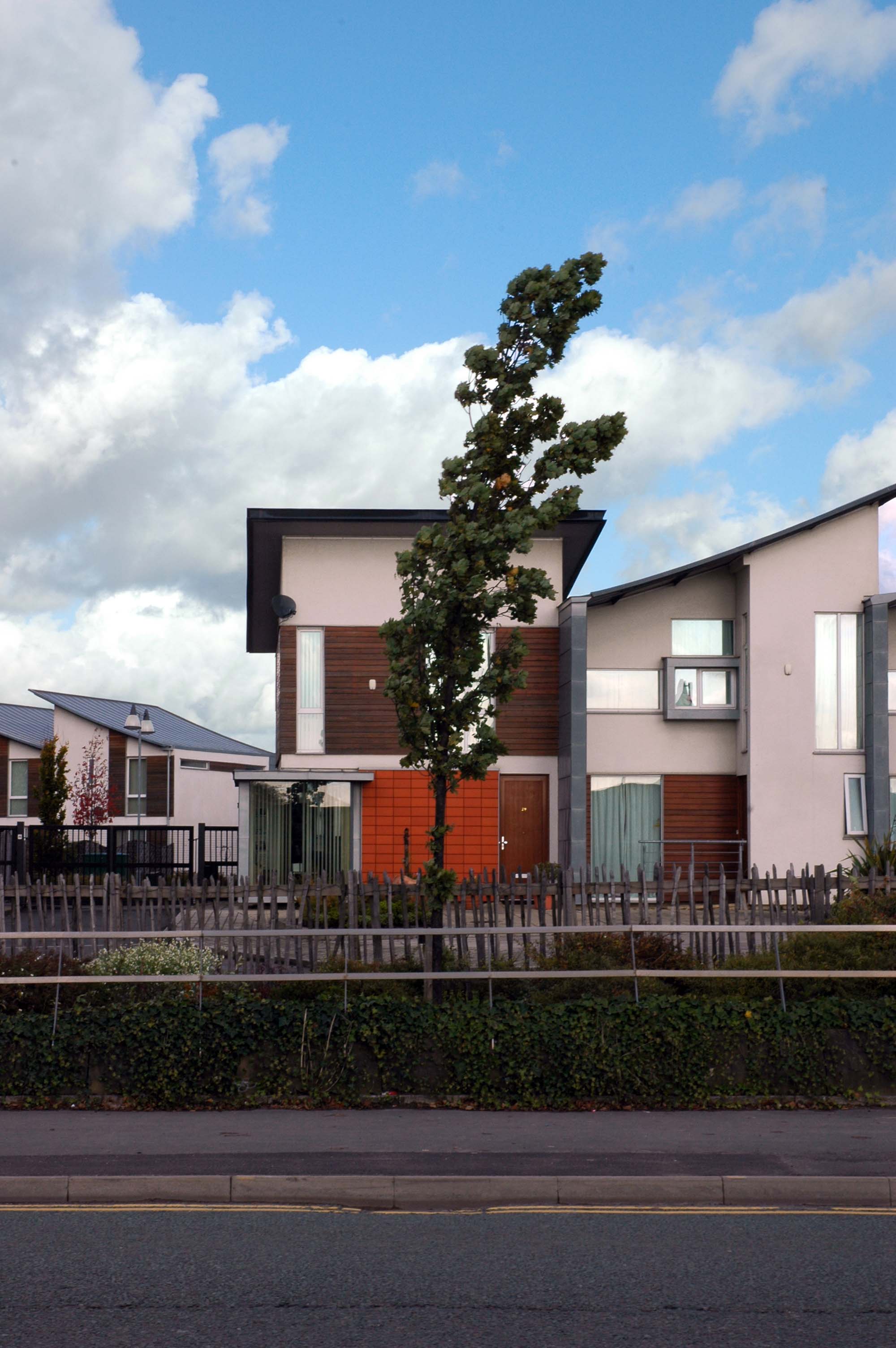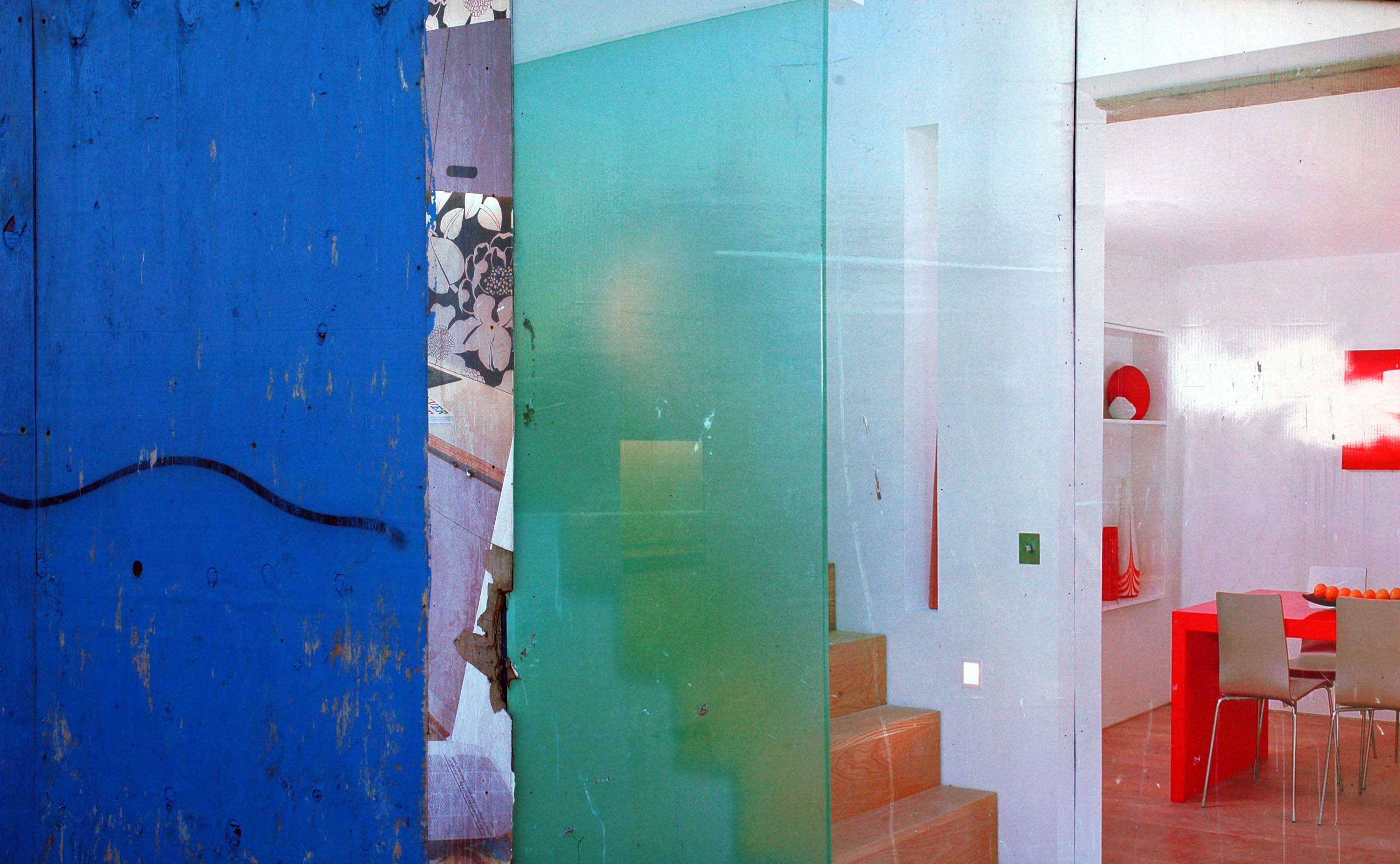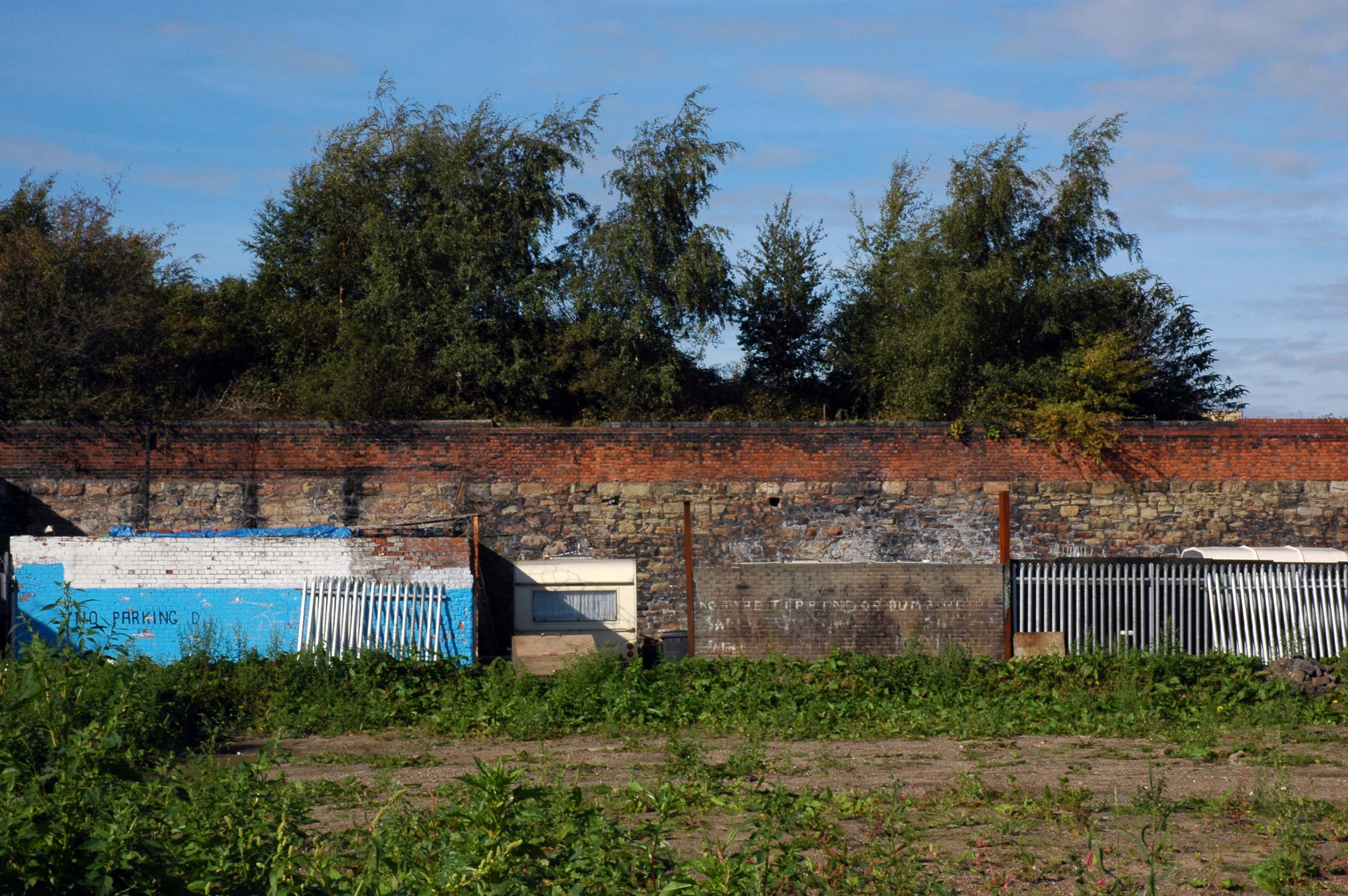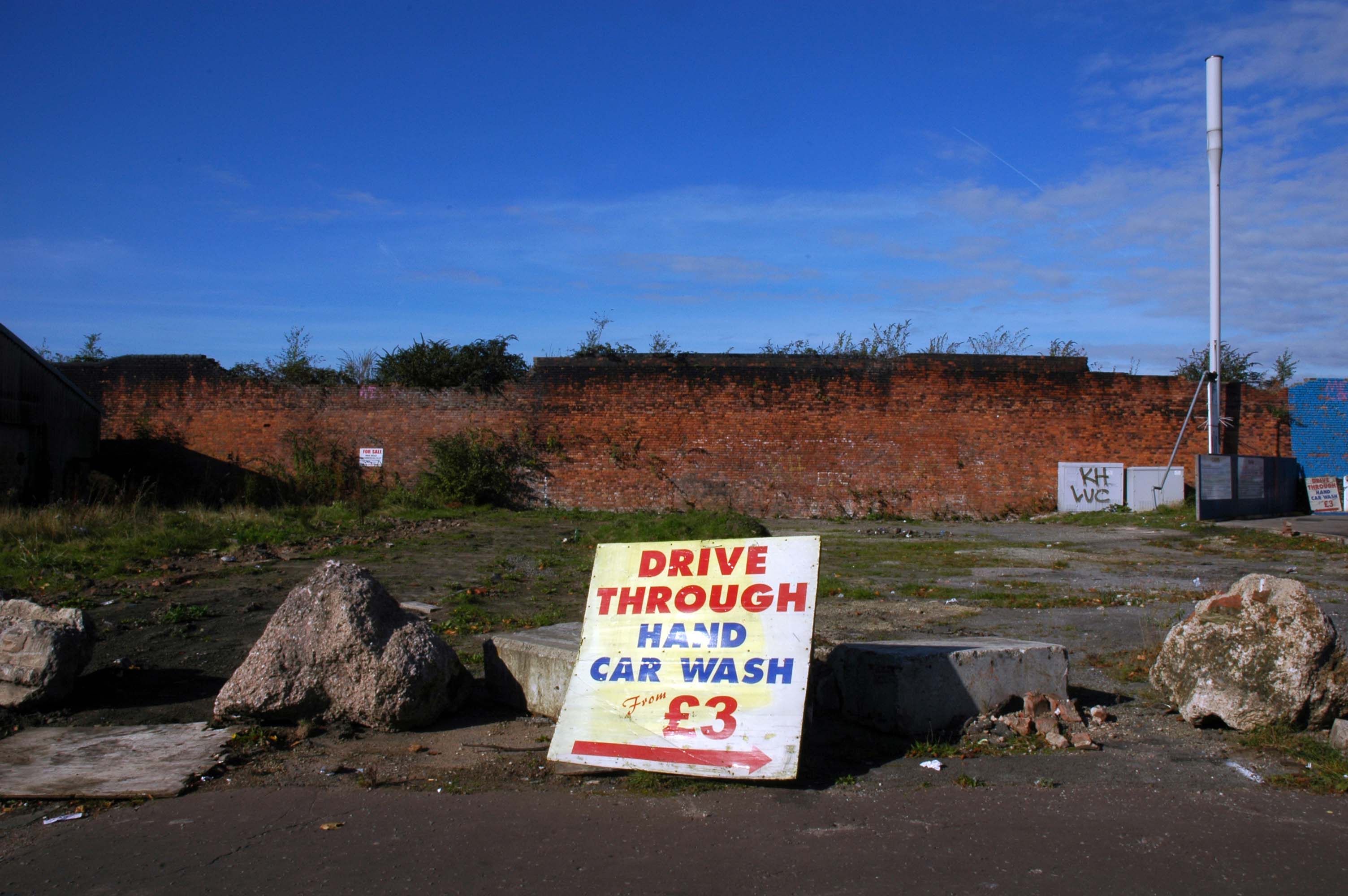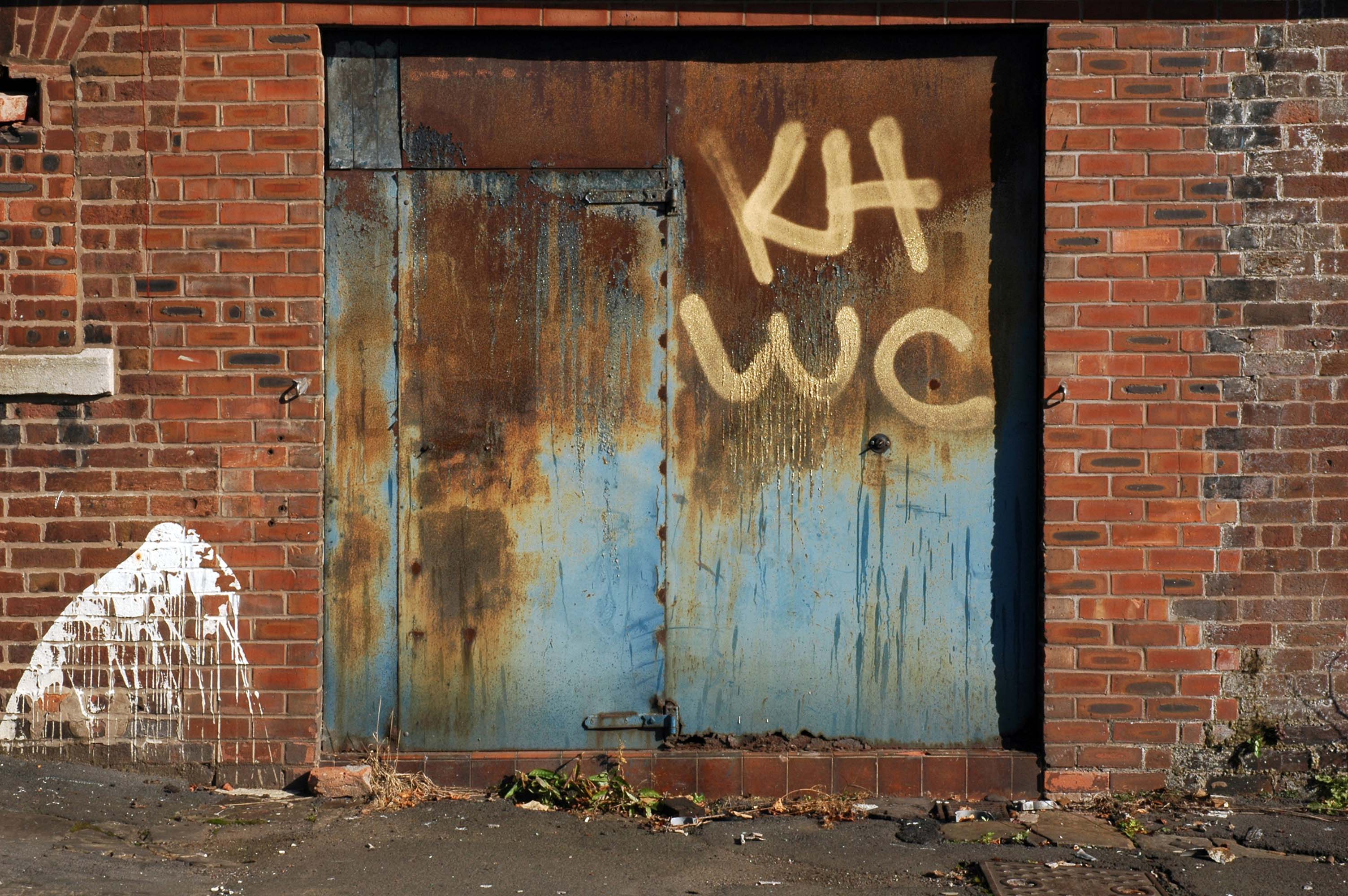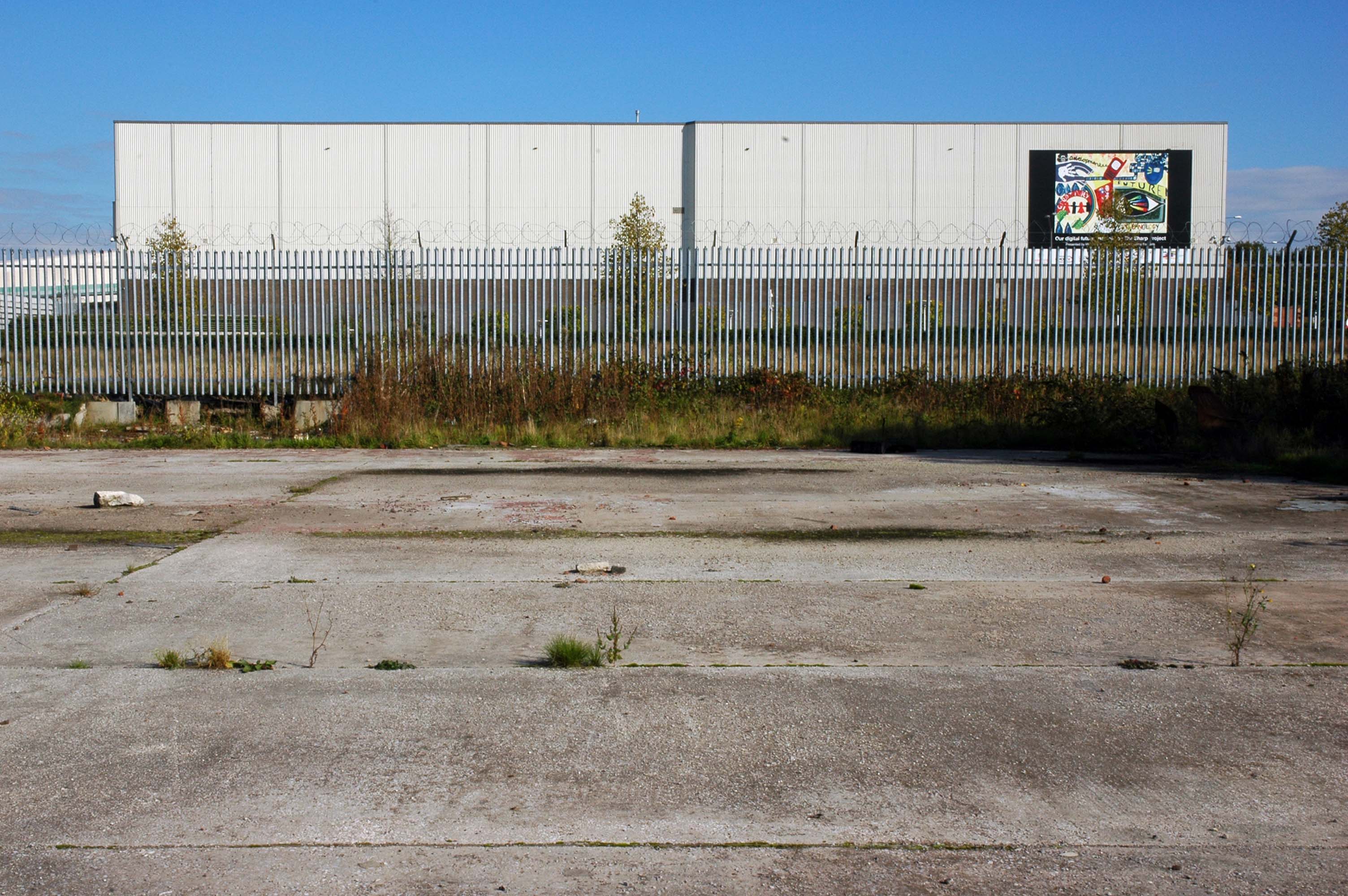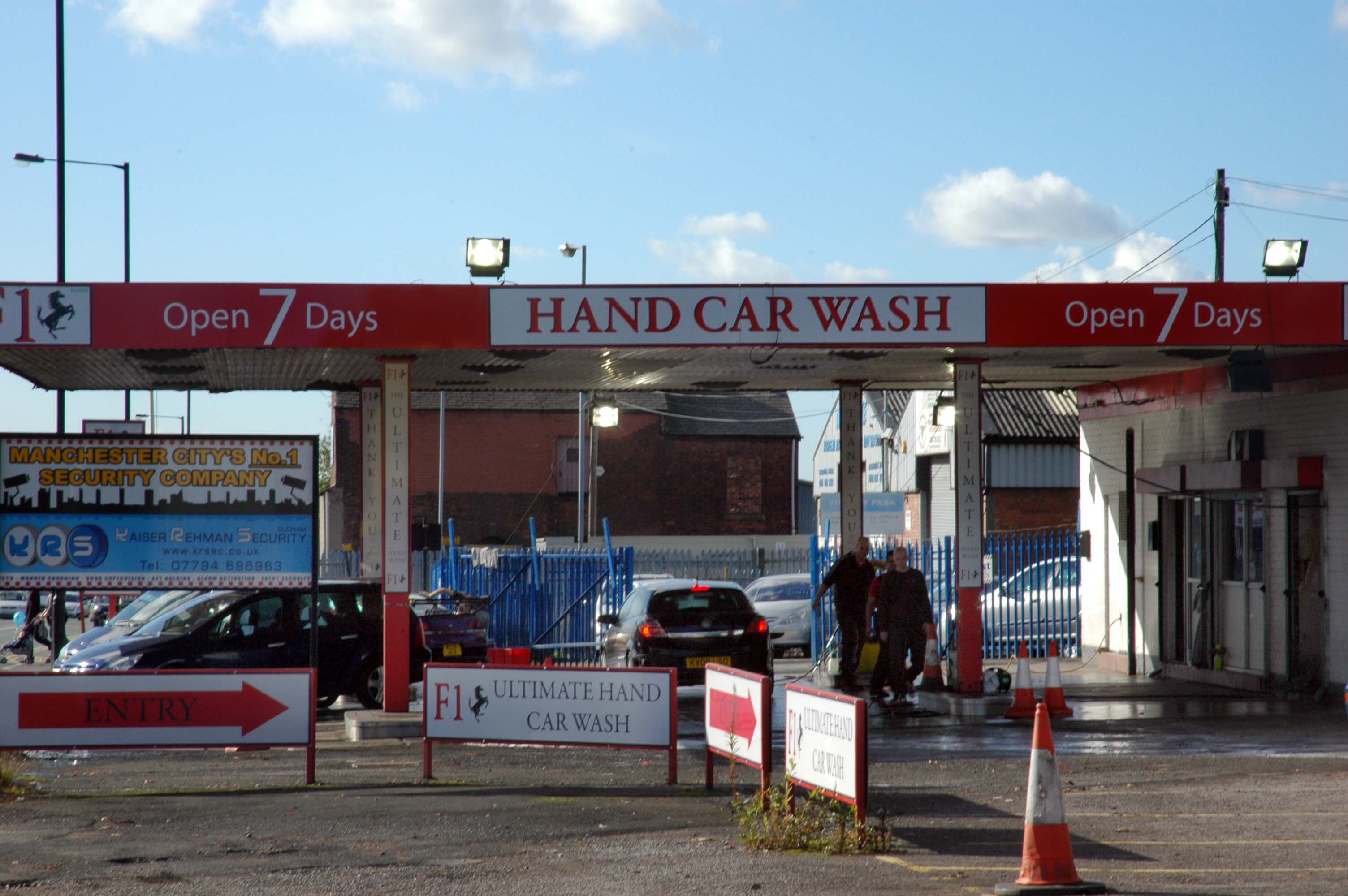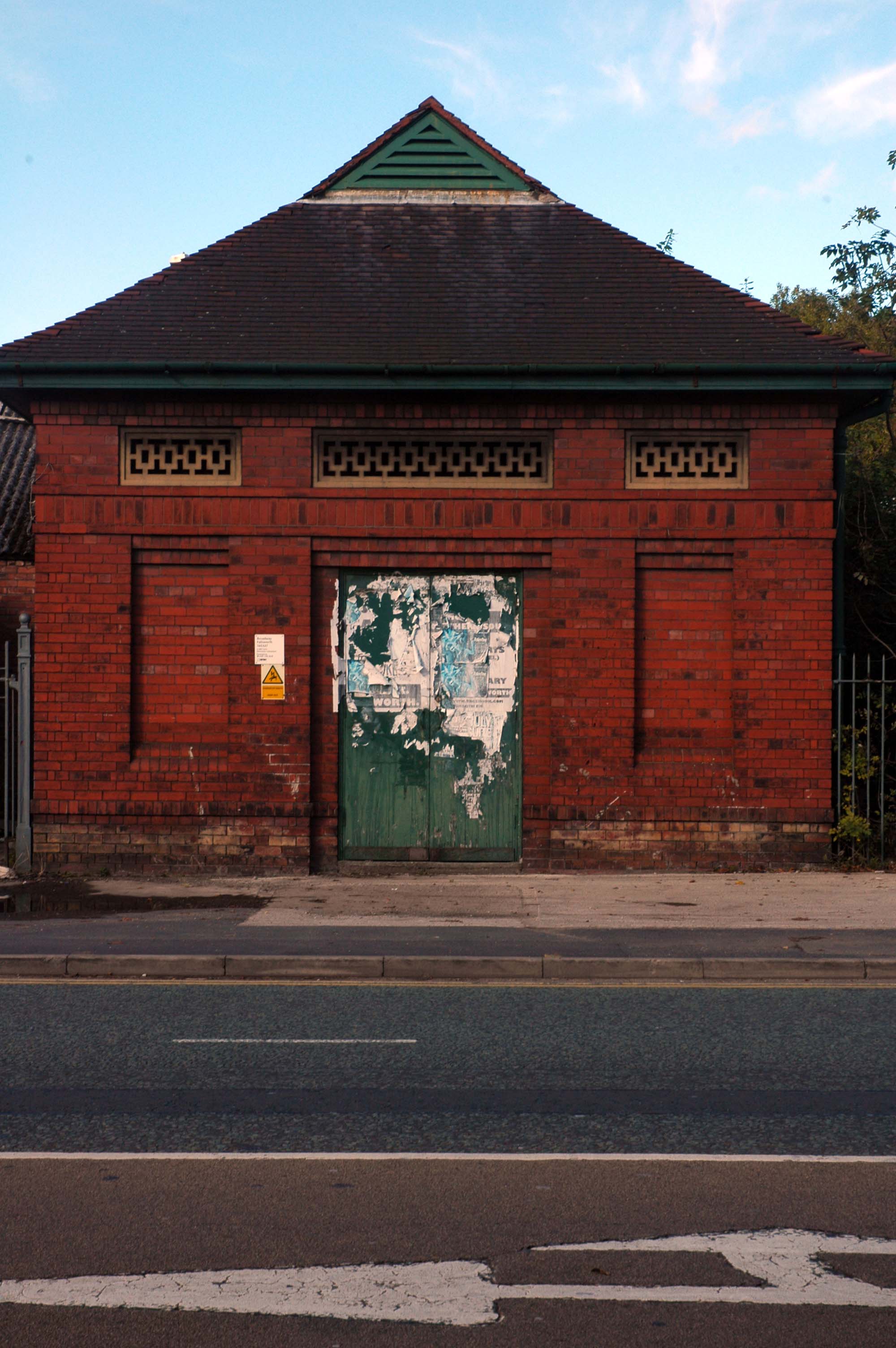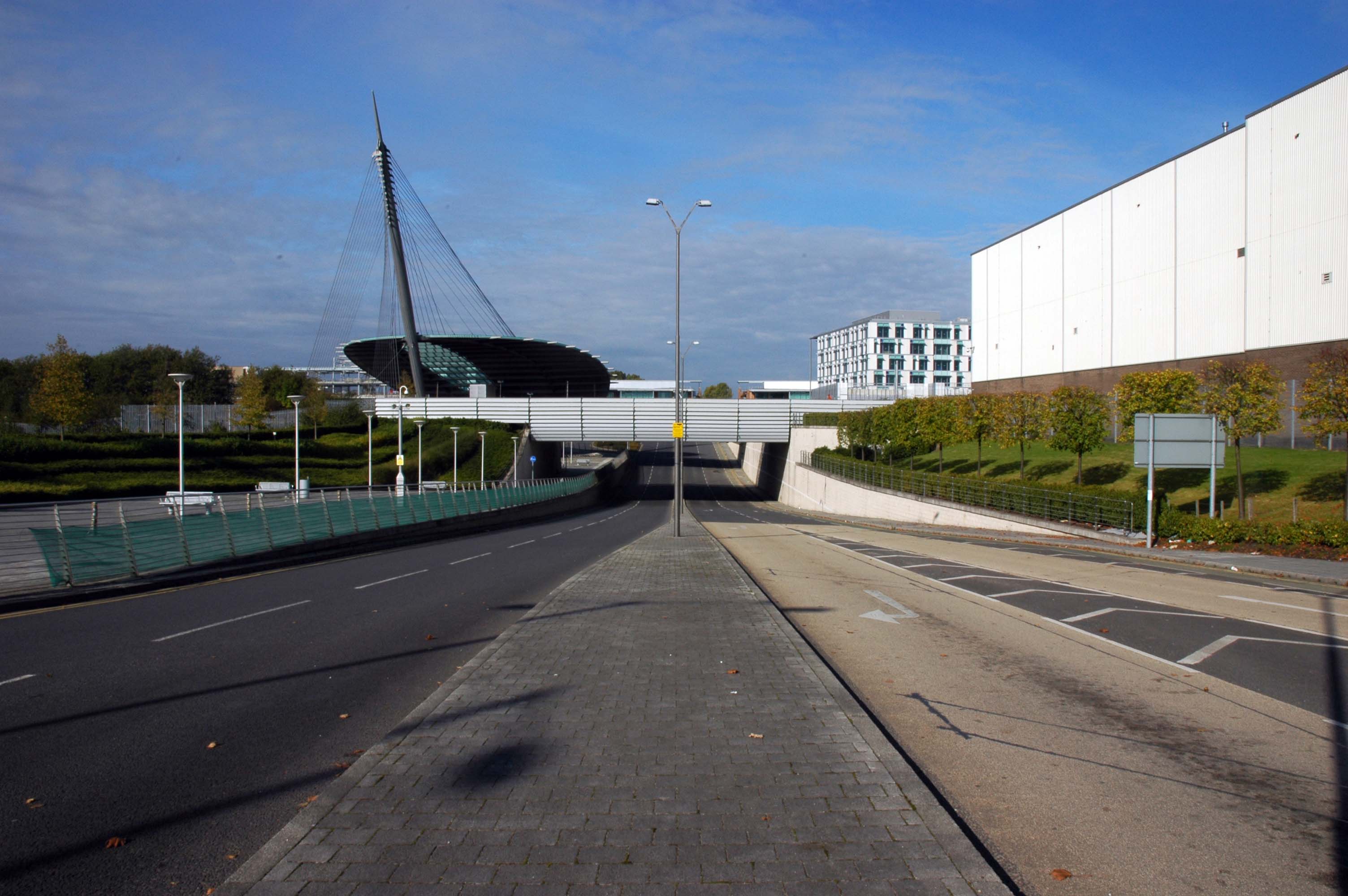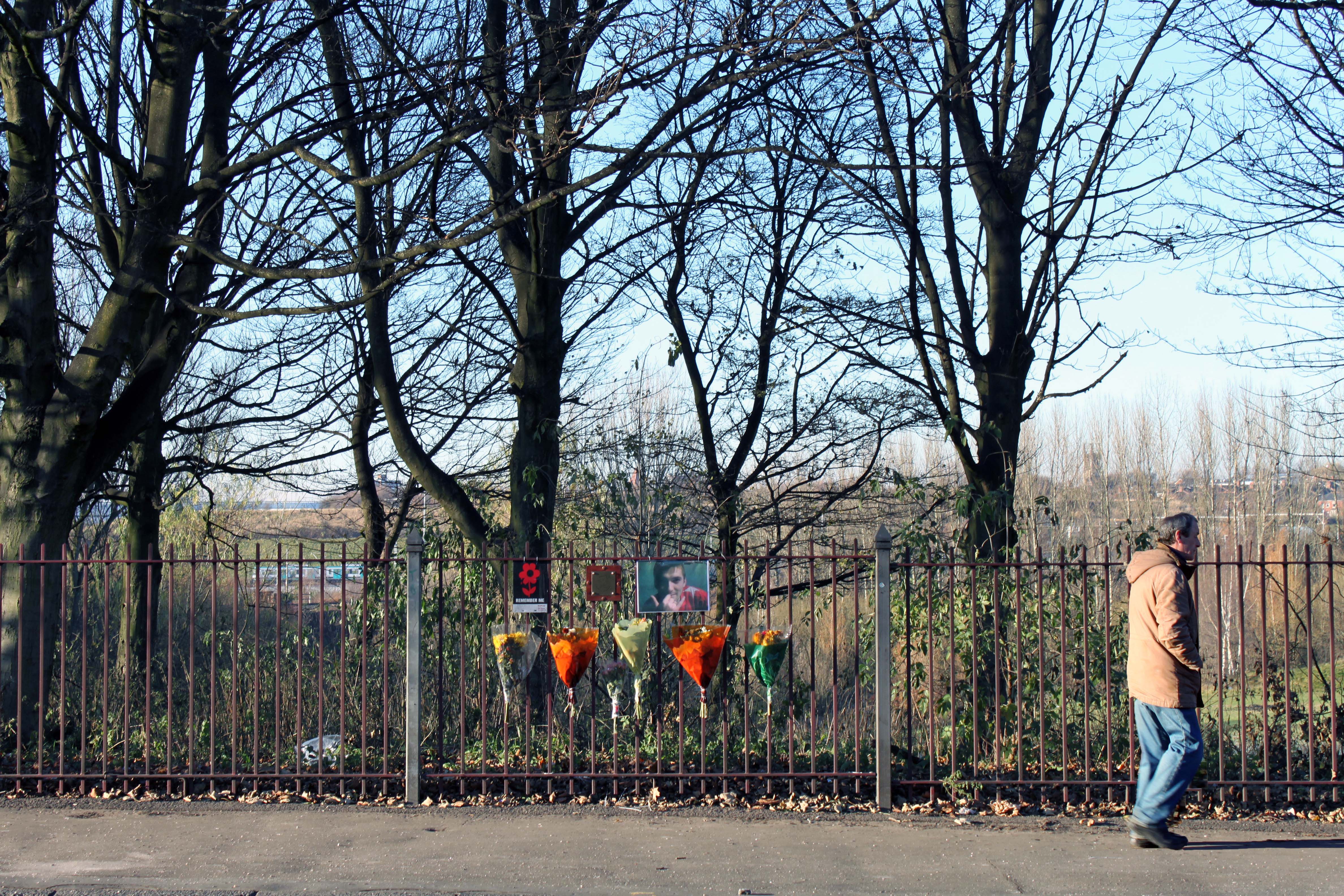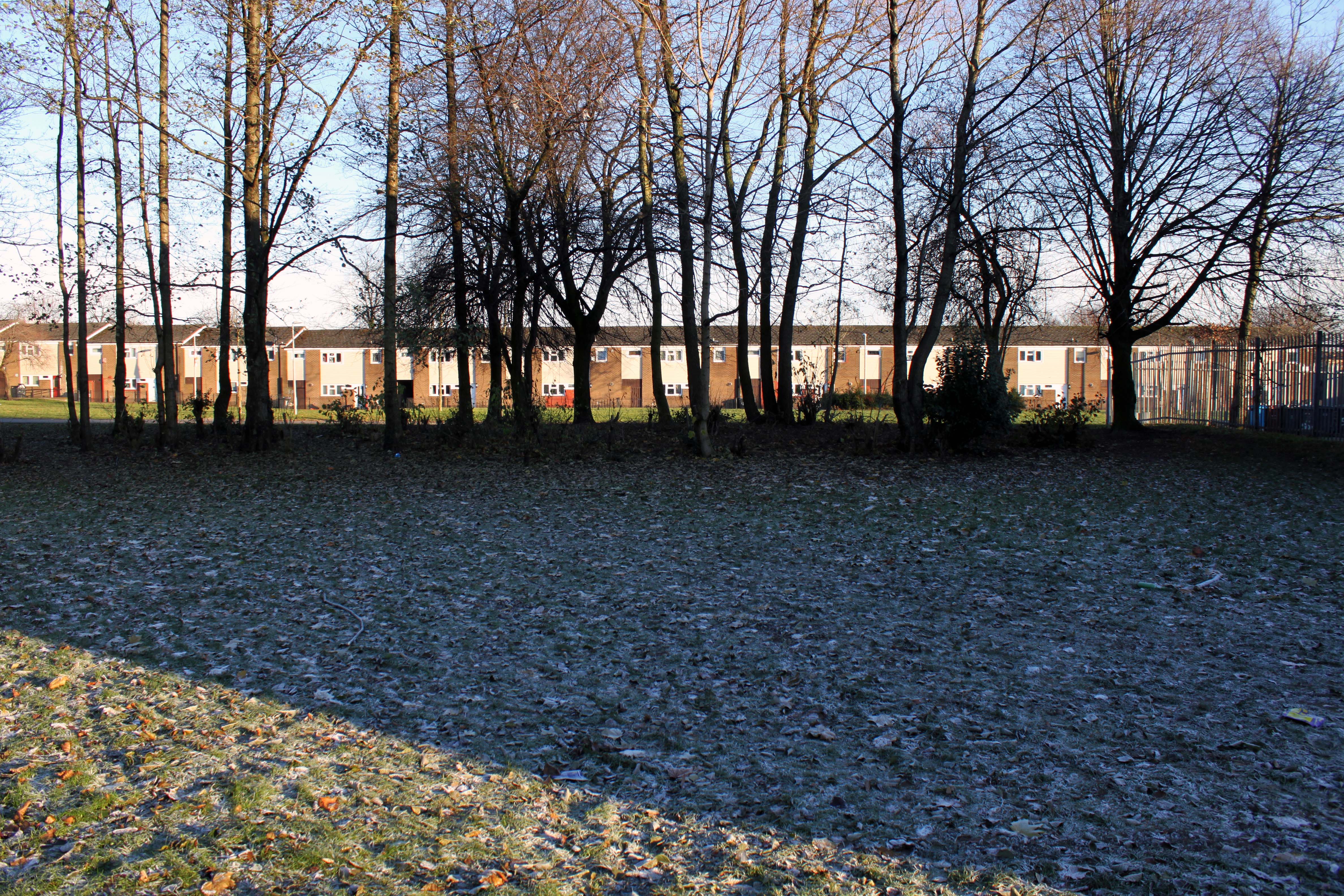
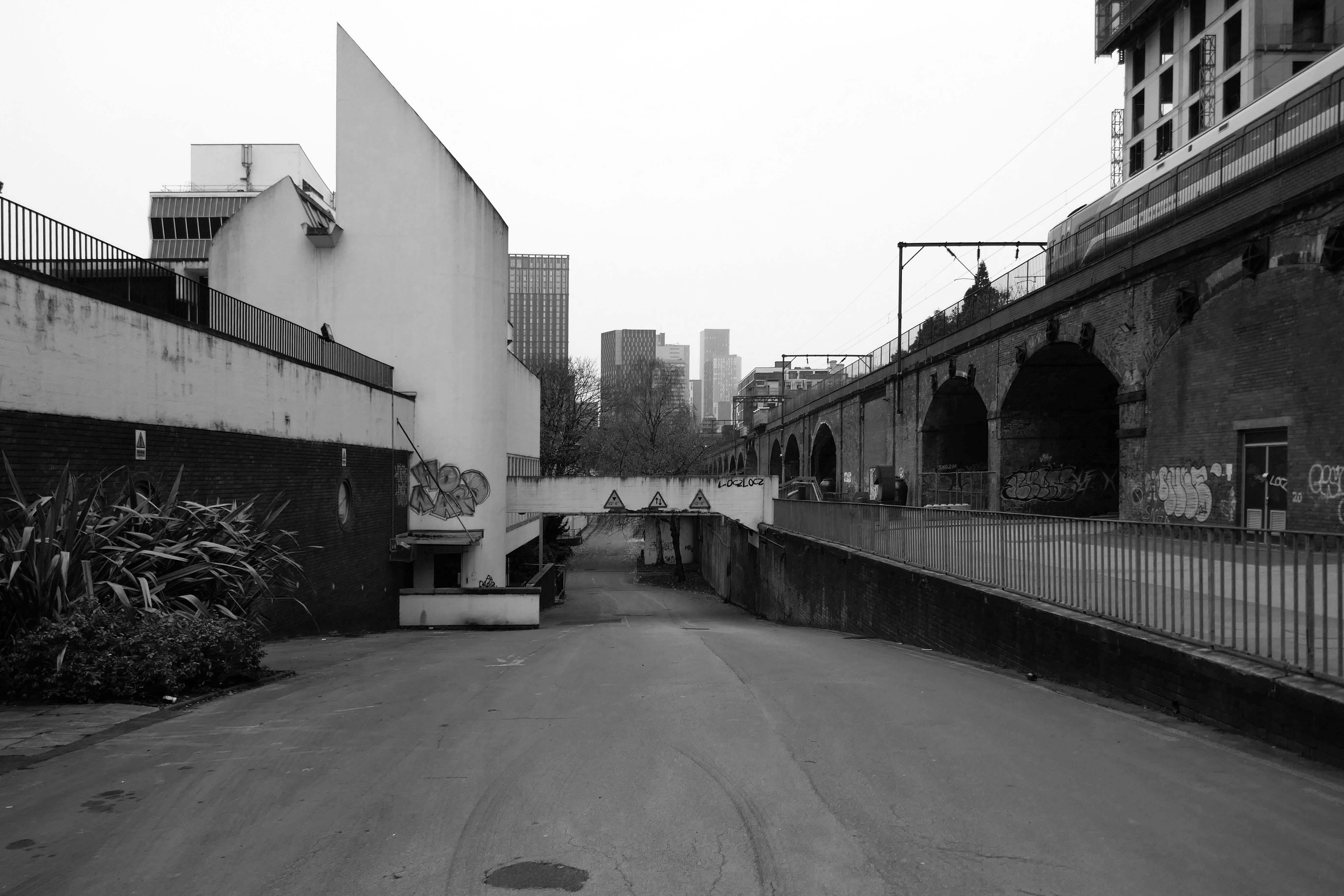
UMIST 2024 – Manchester

This may be the last time, may be the last time, I don’t know.

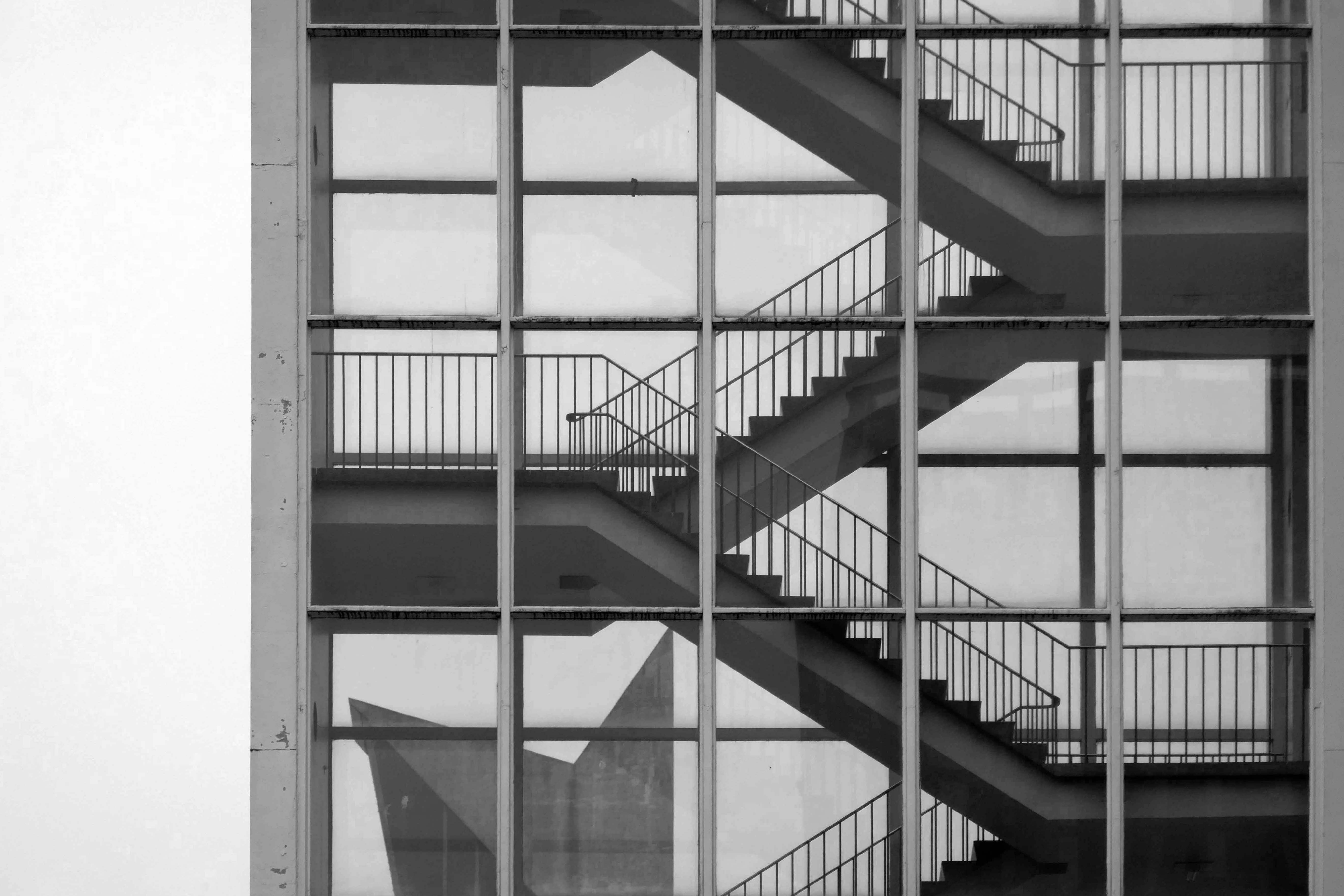
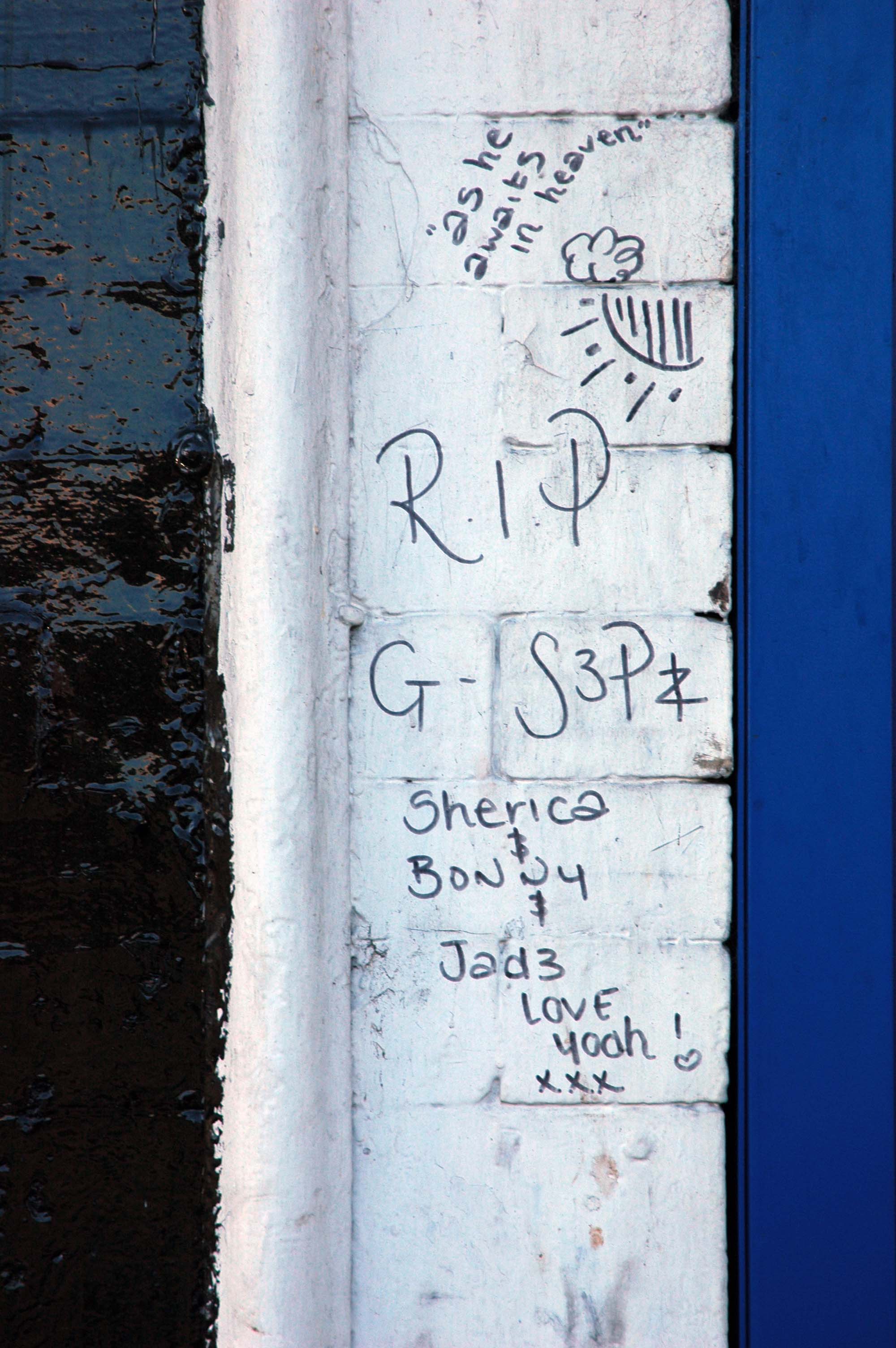
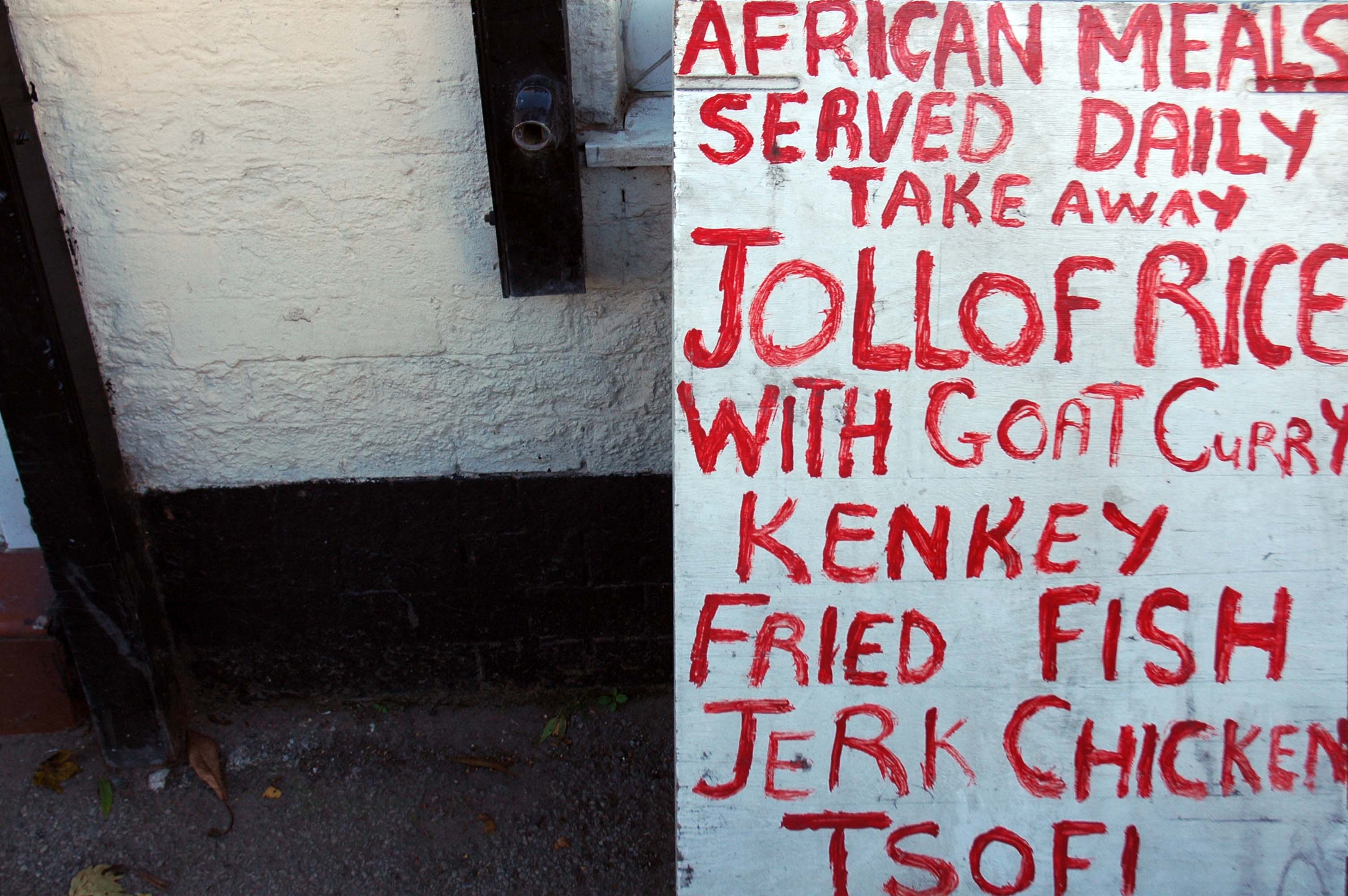
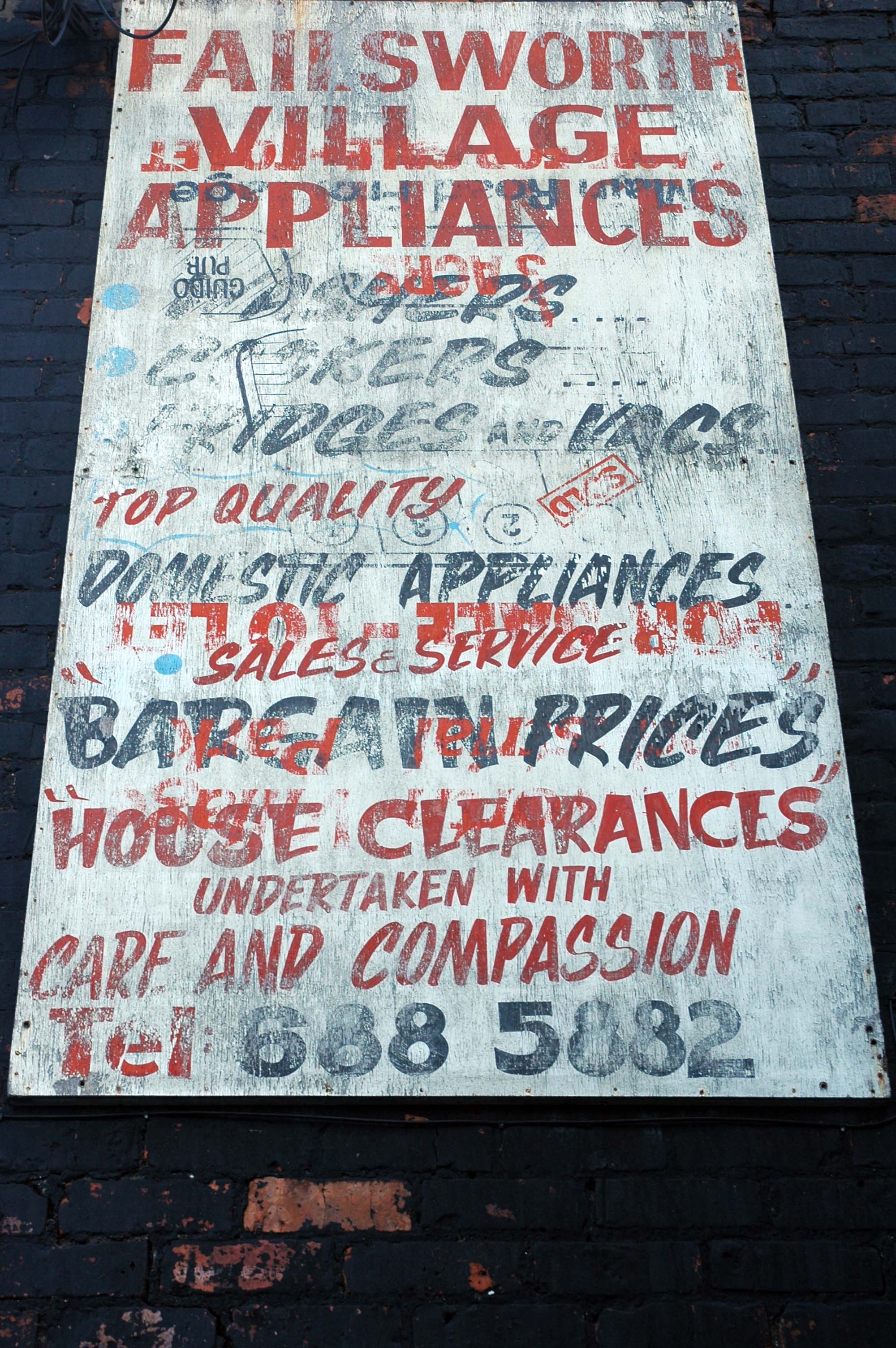
I’ve been taking a look around for several years now, but now the writing is now on the wall.
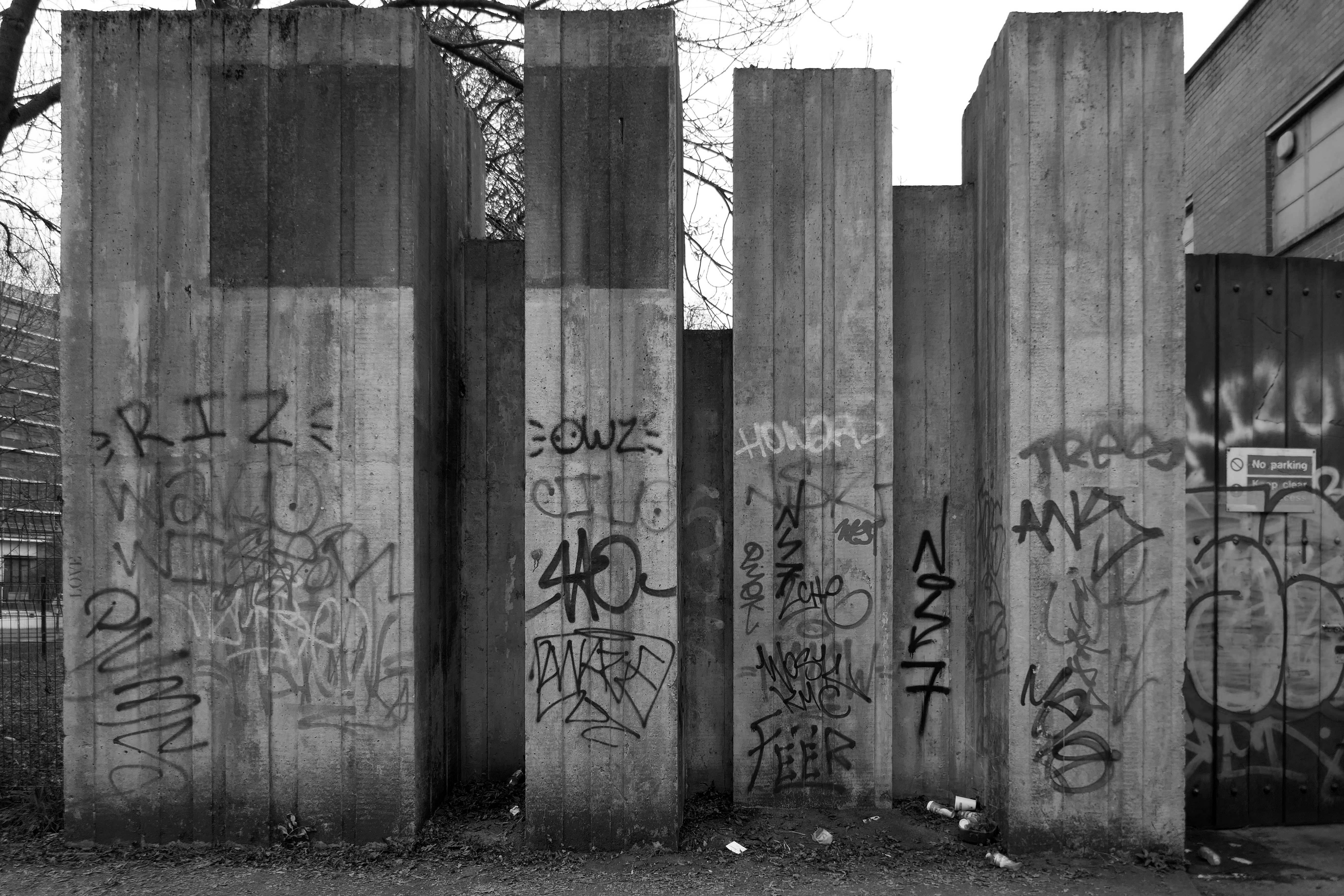
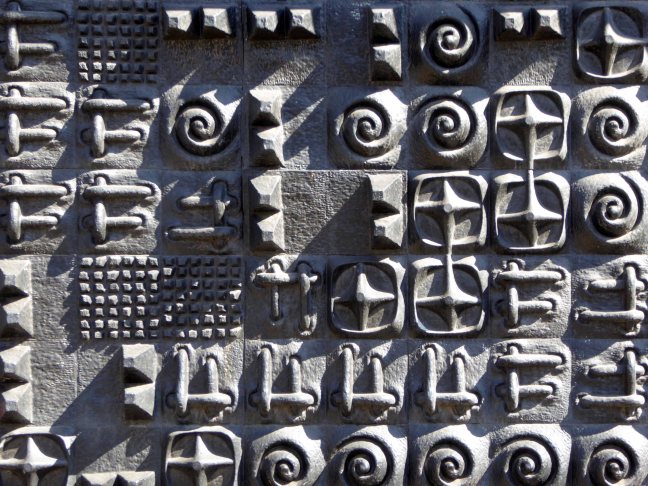
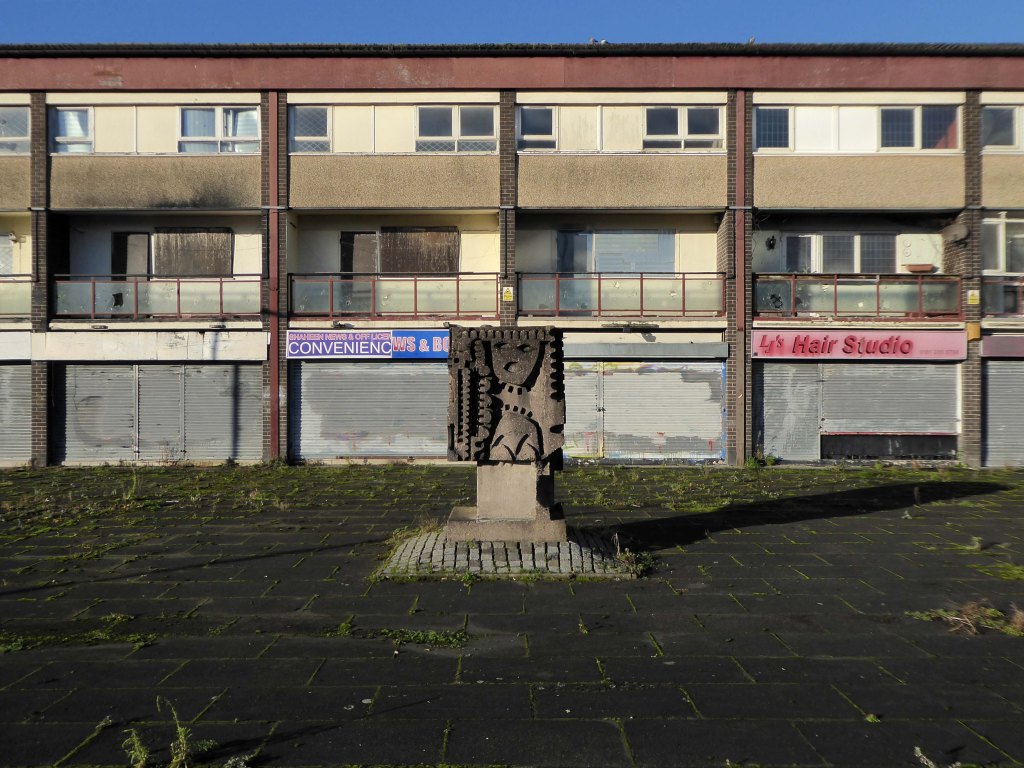
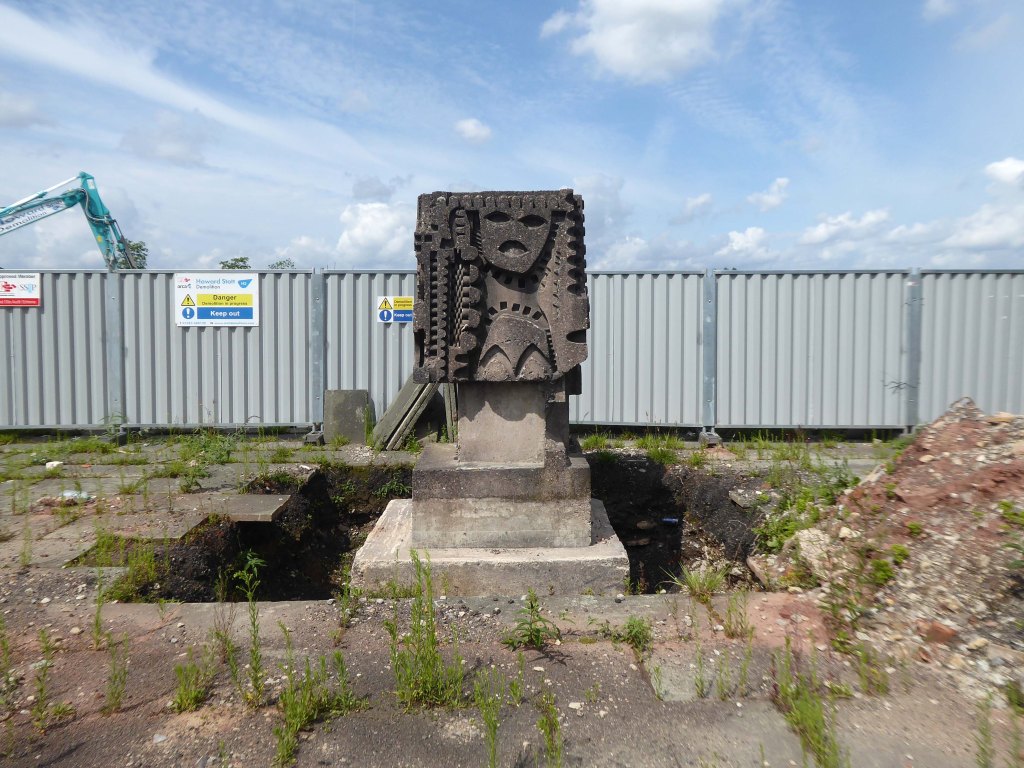
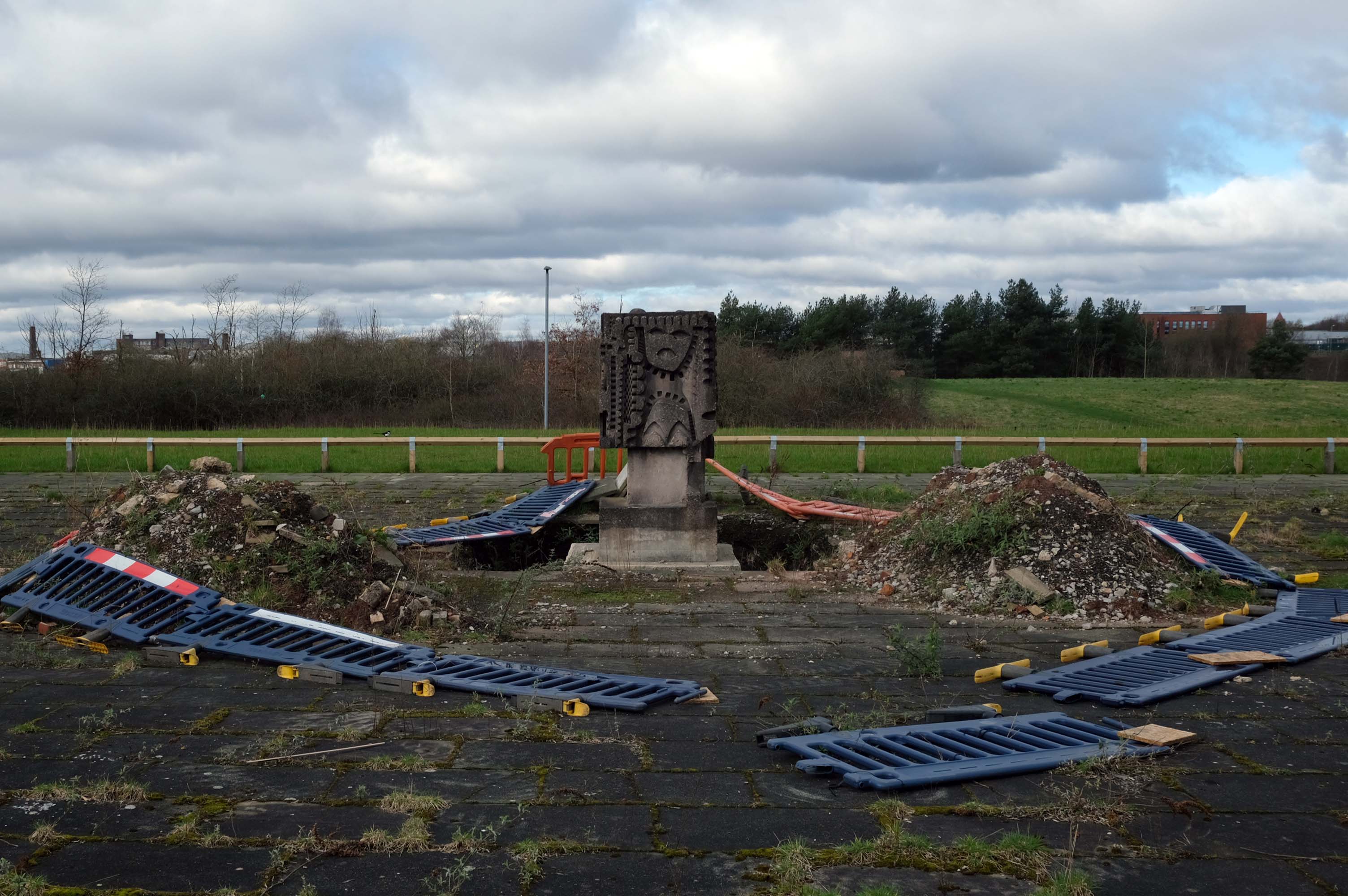
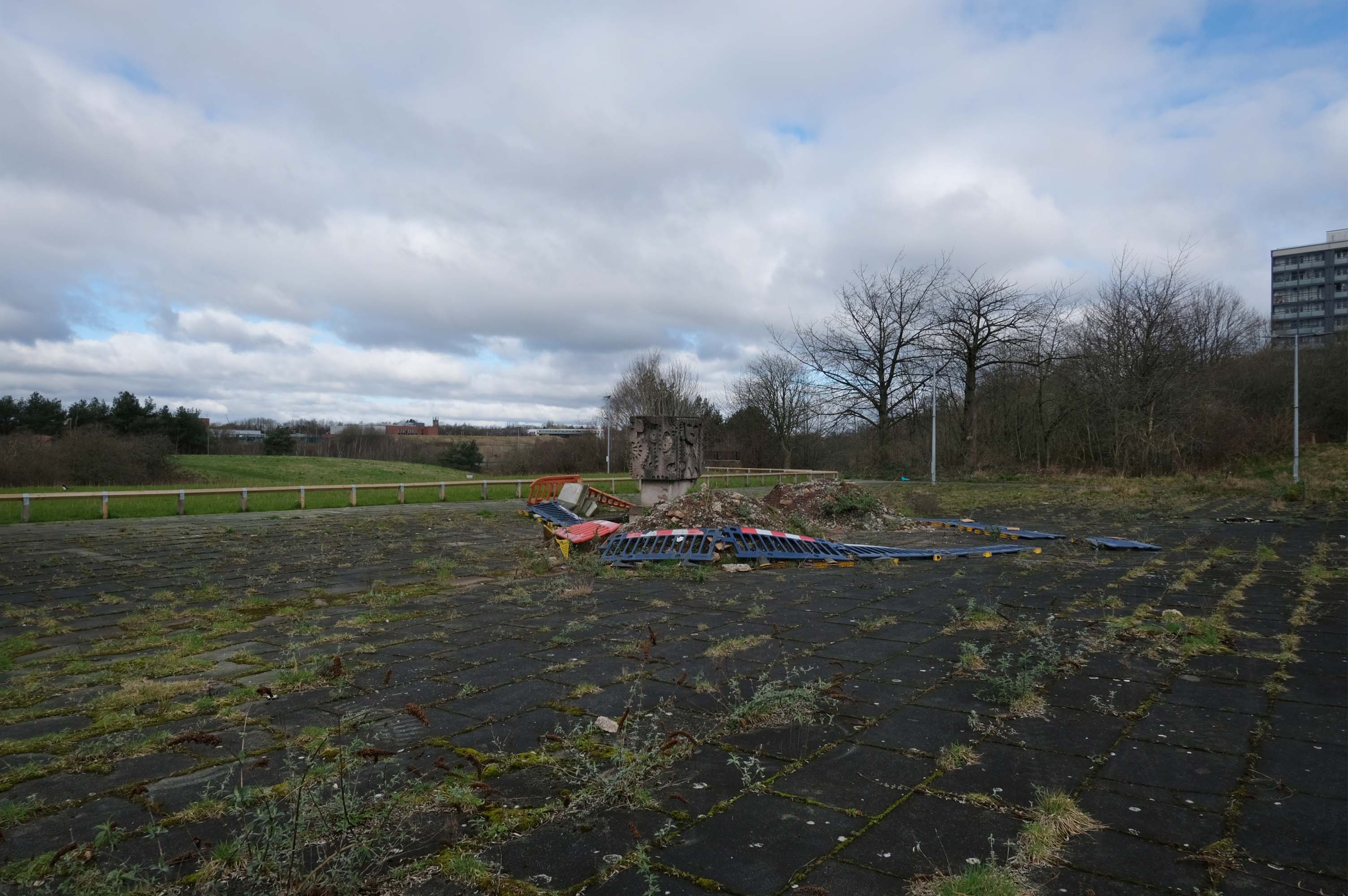
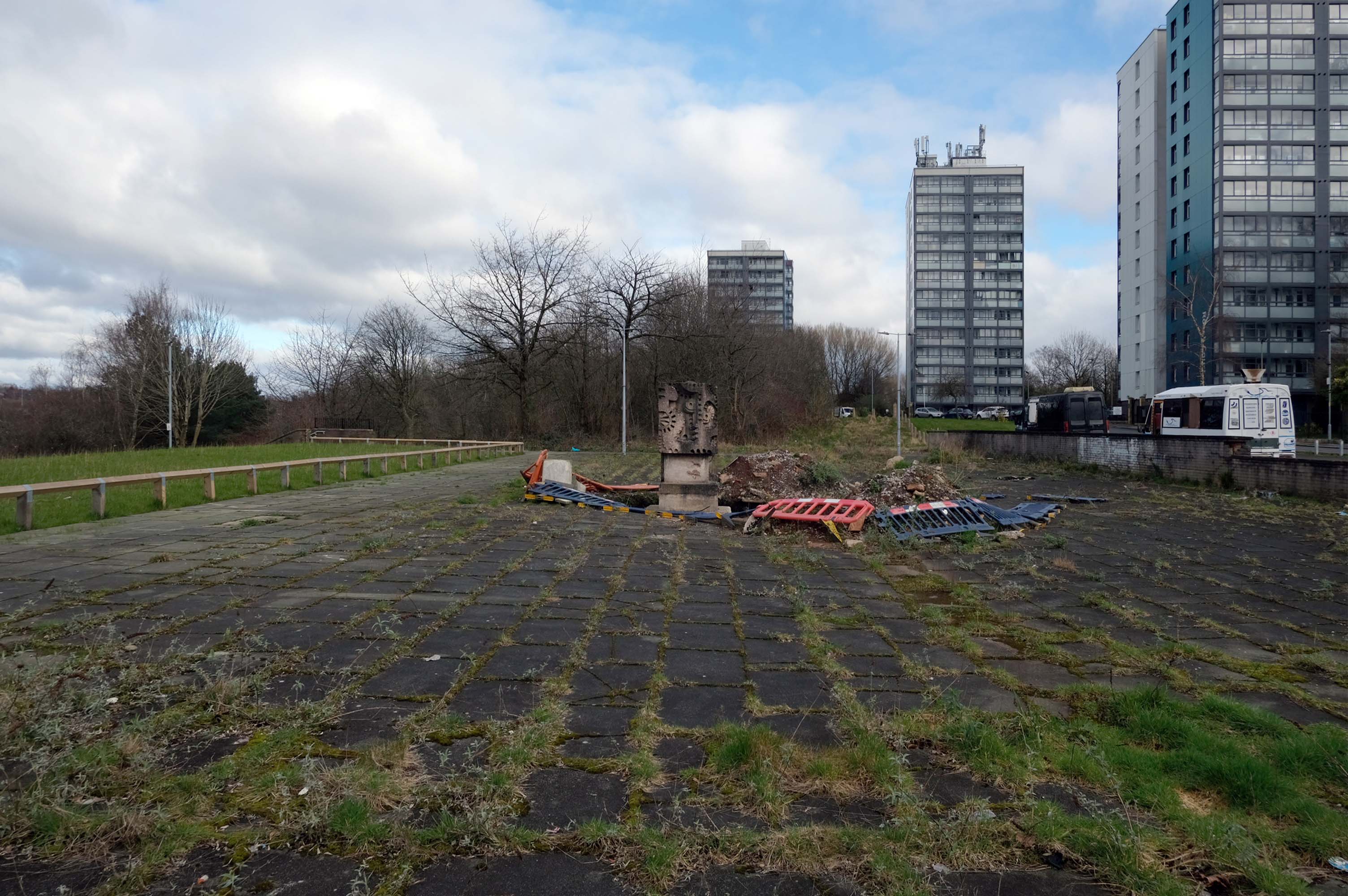
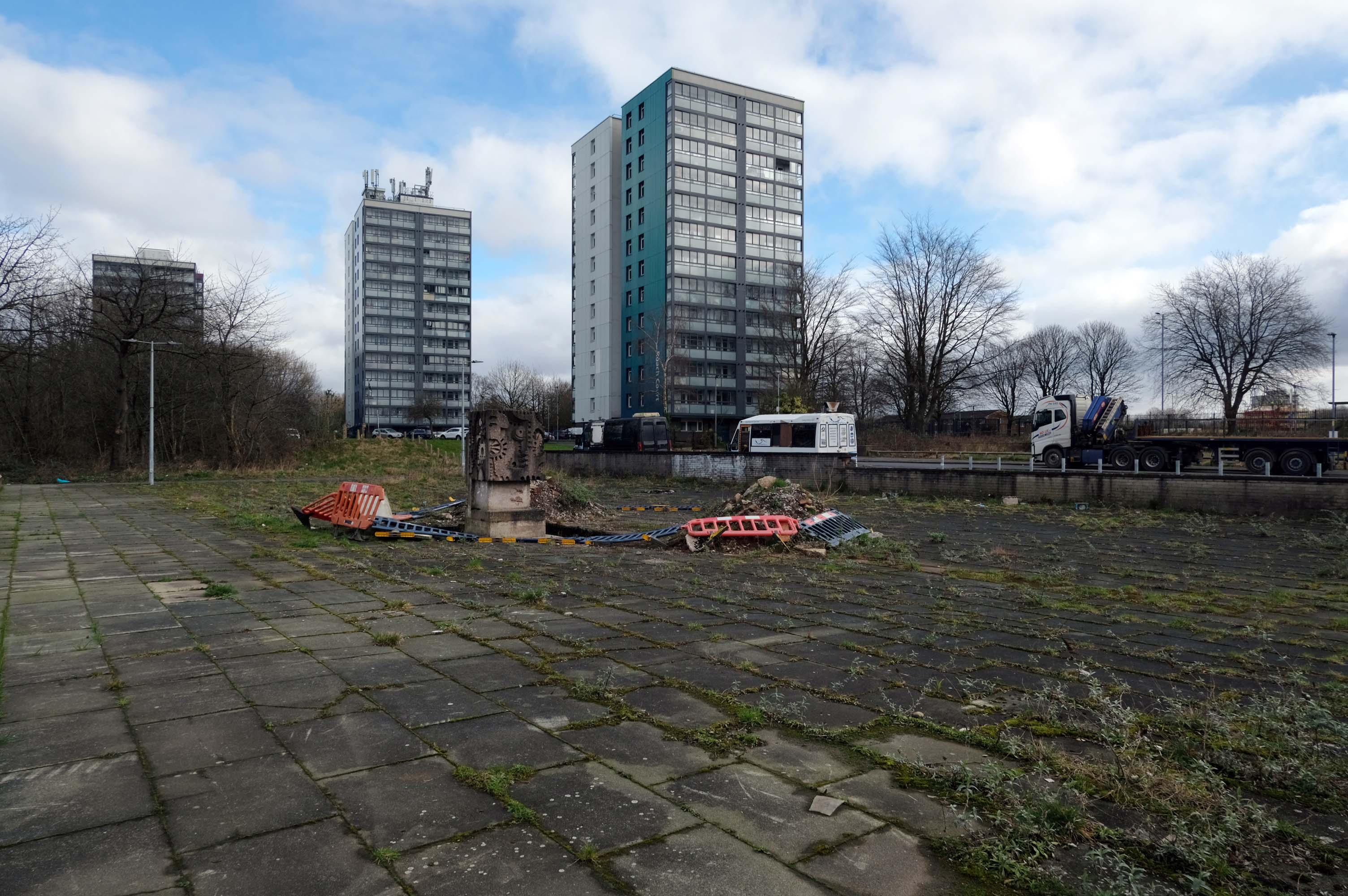
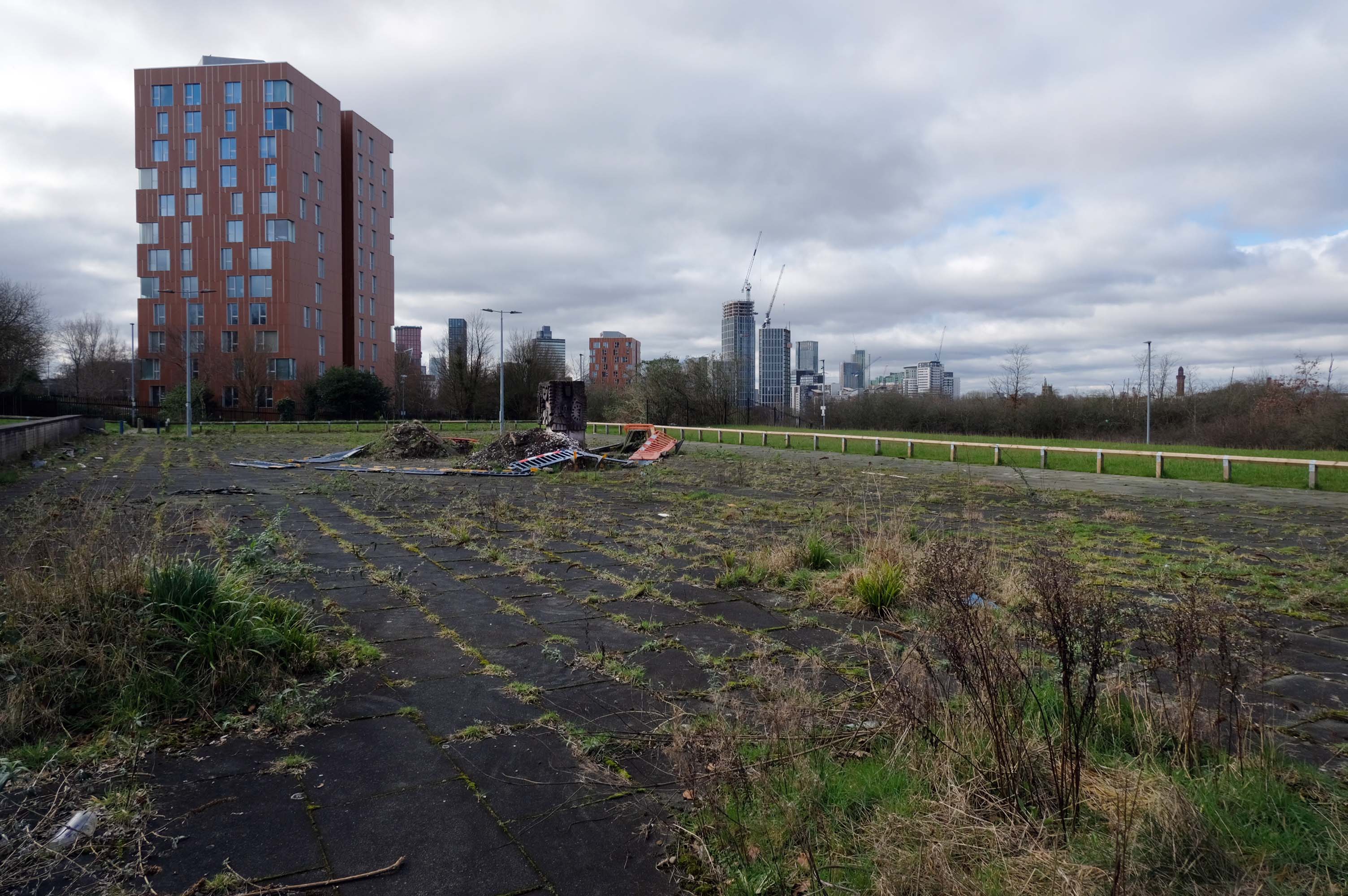
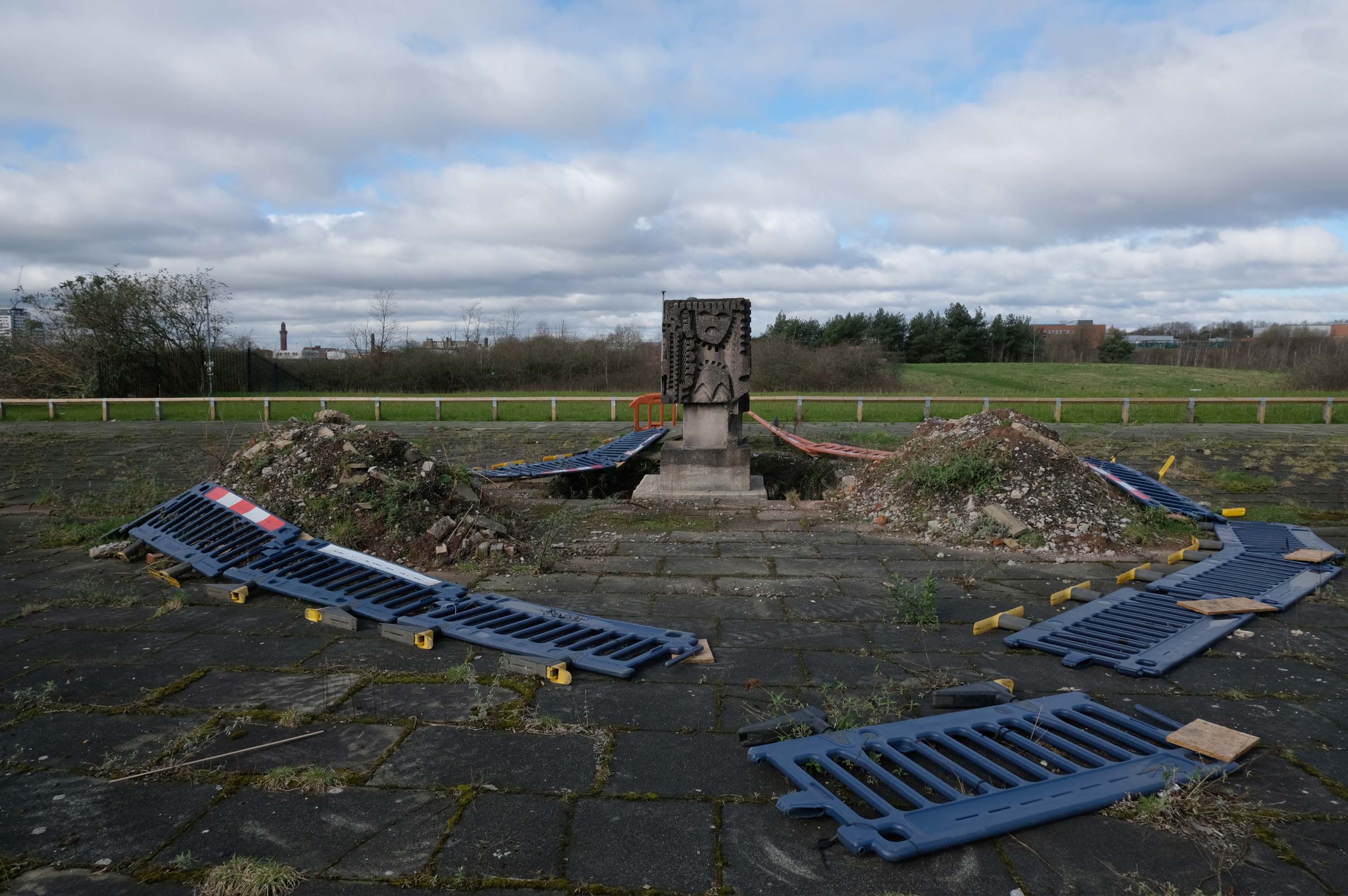
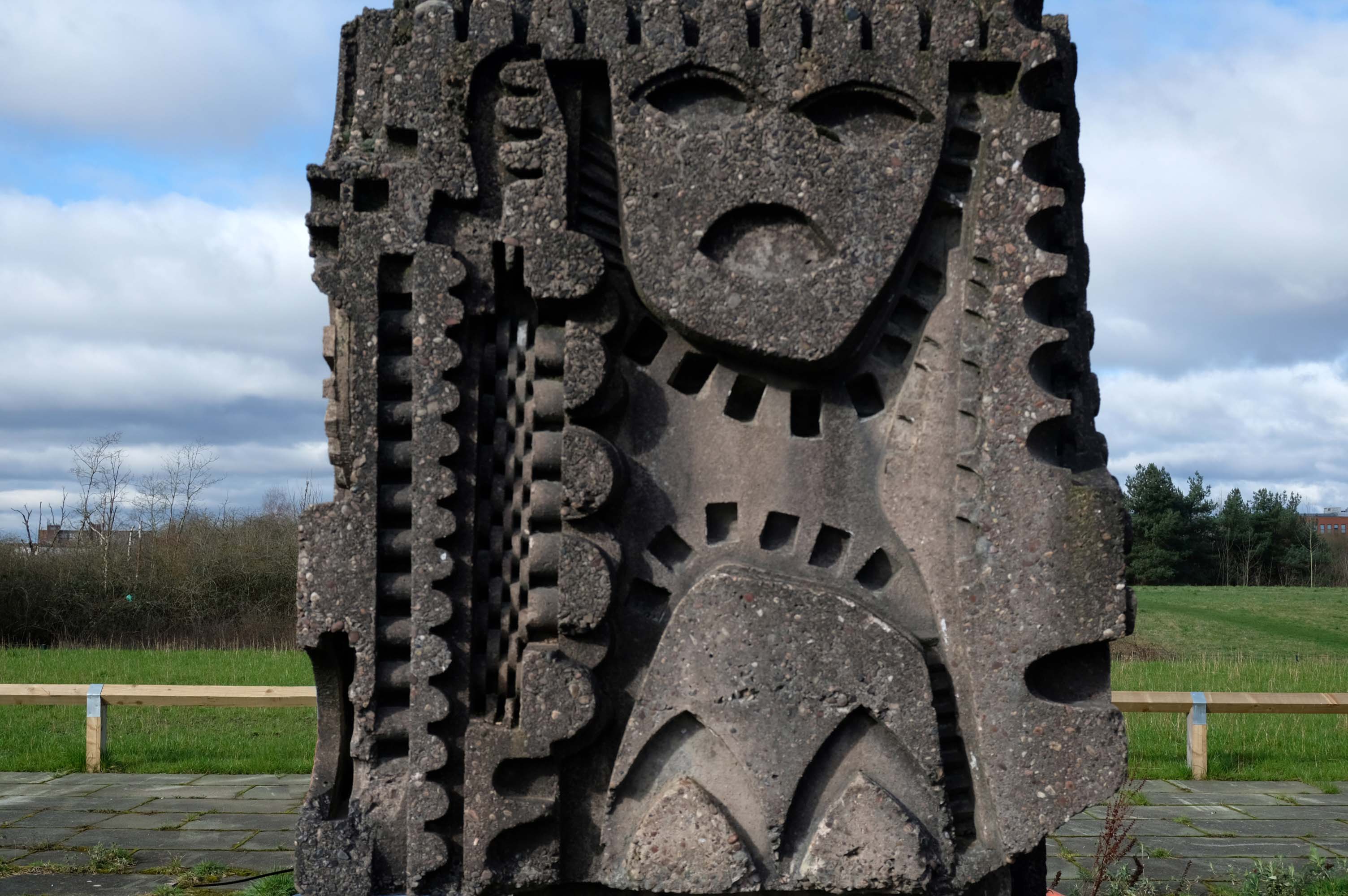
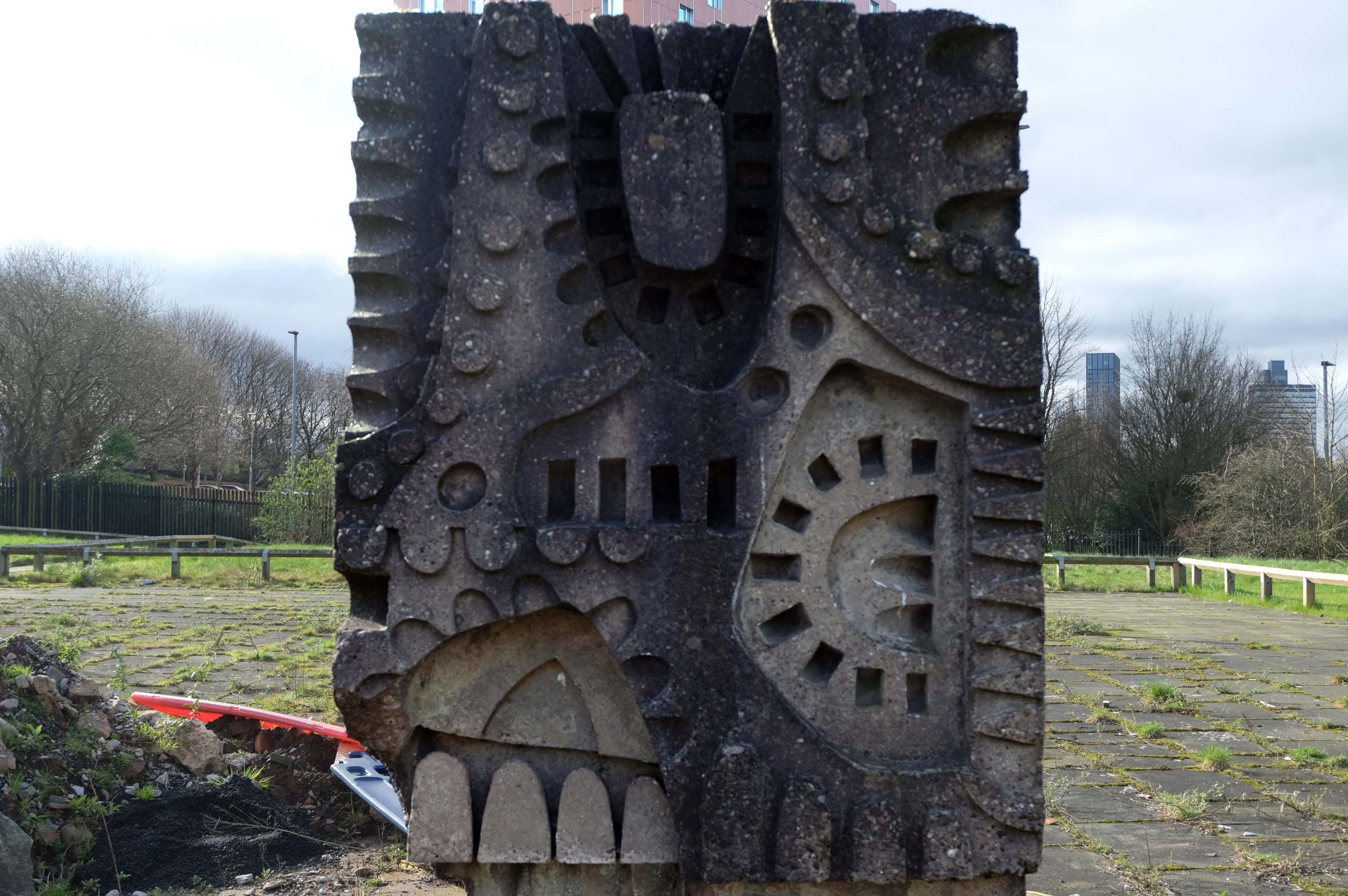
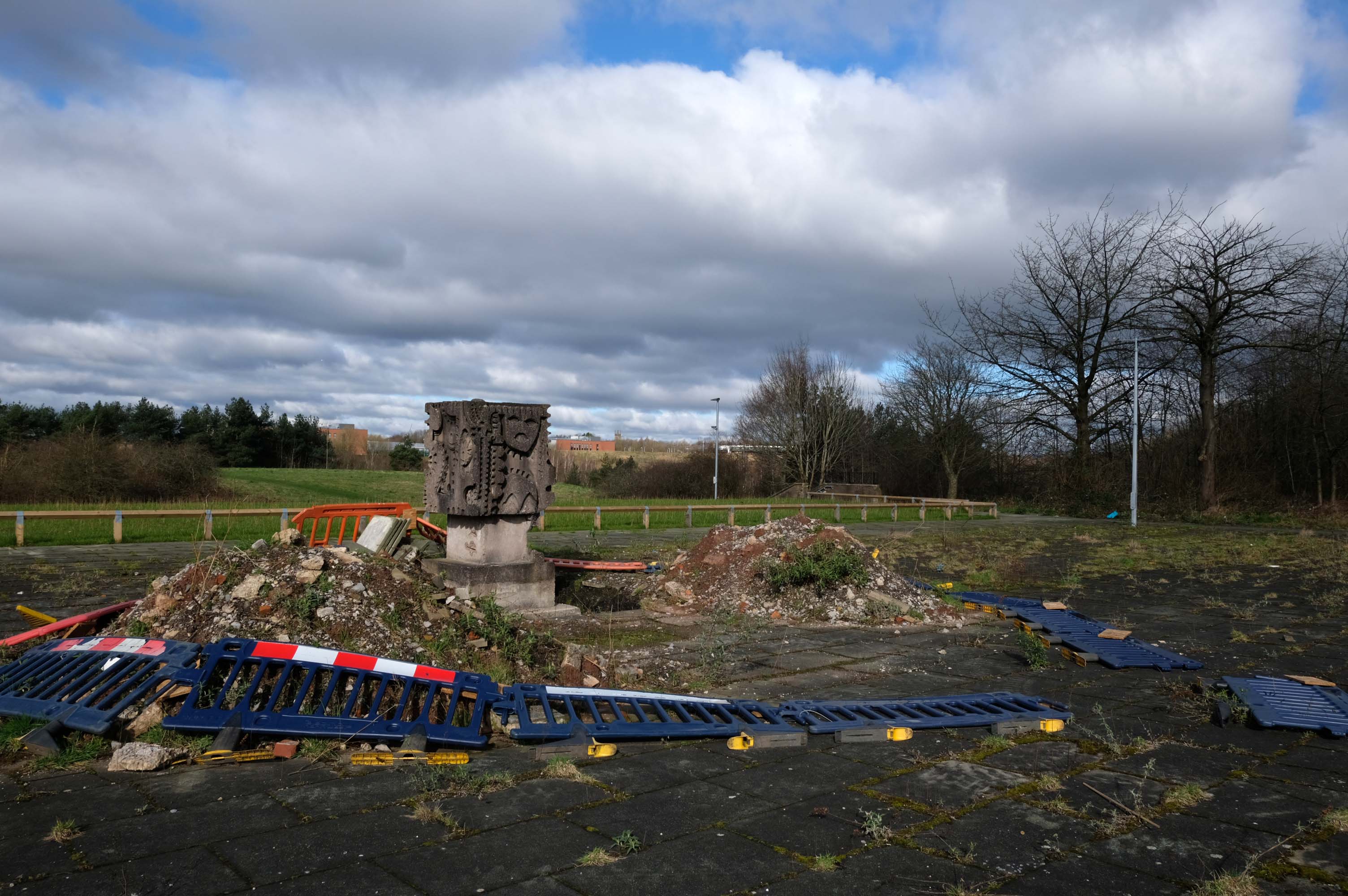
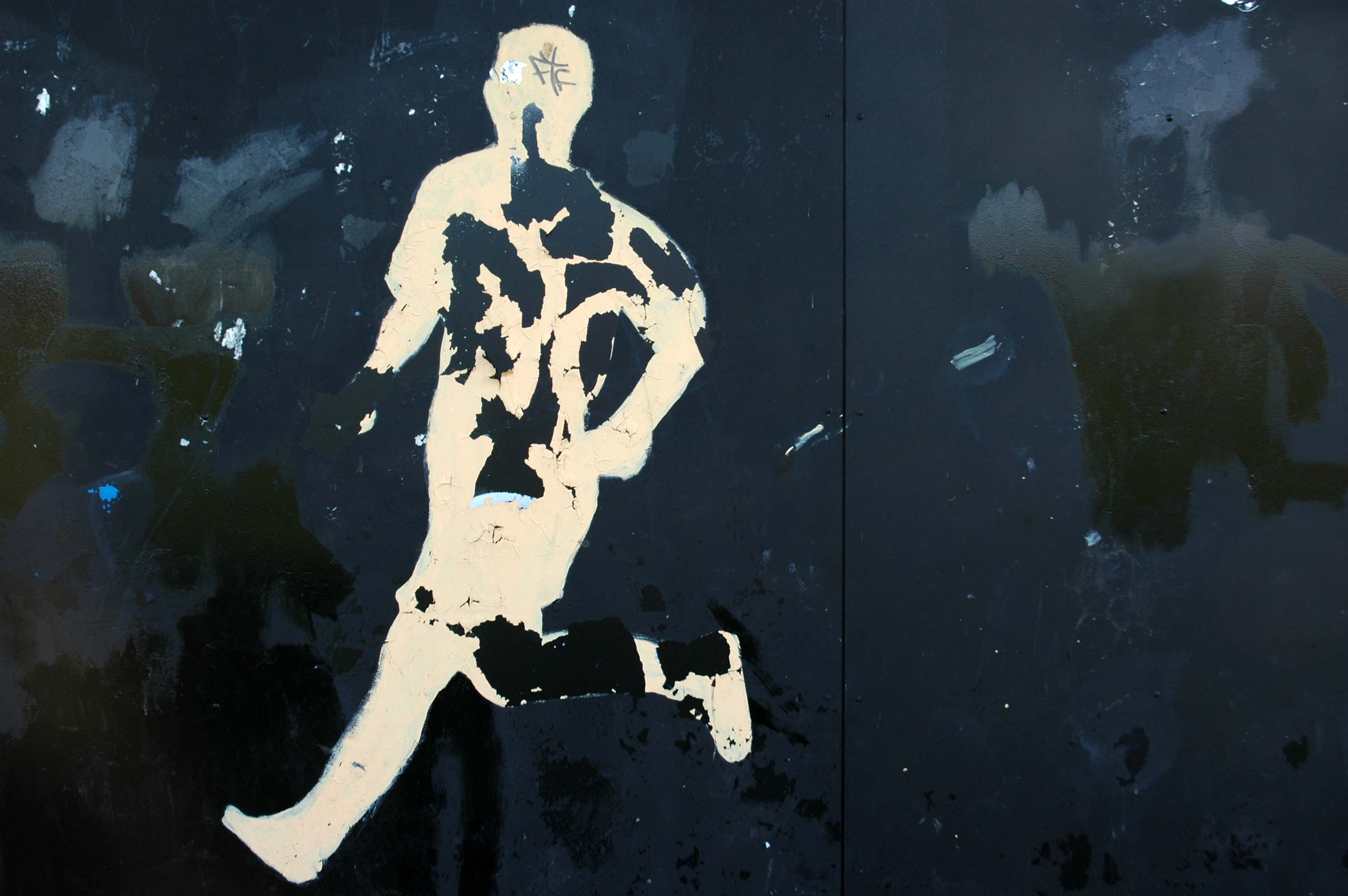
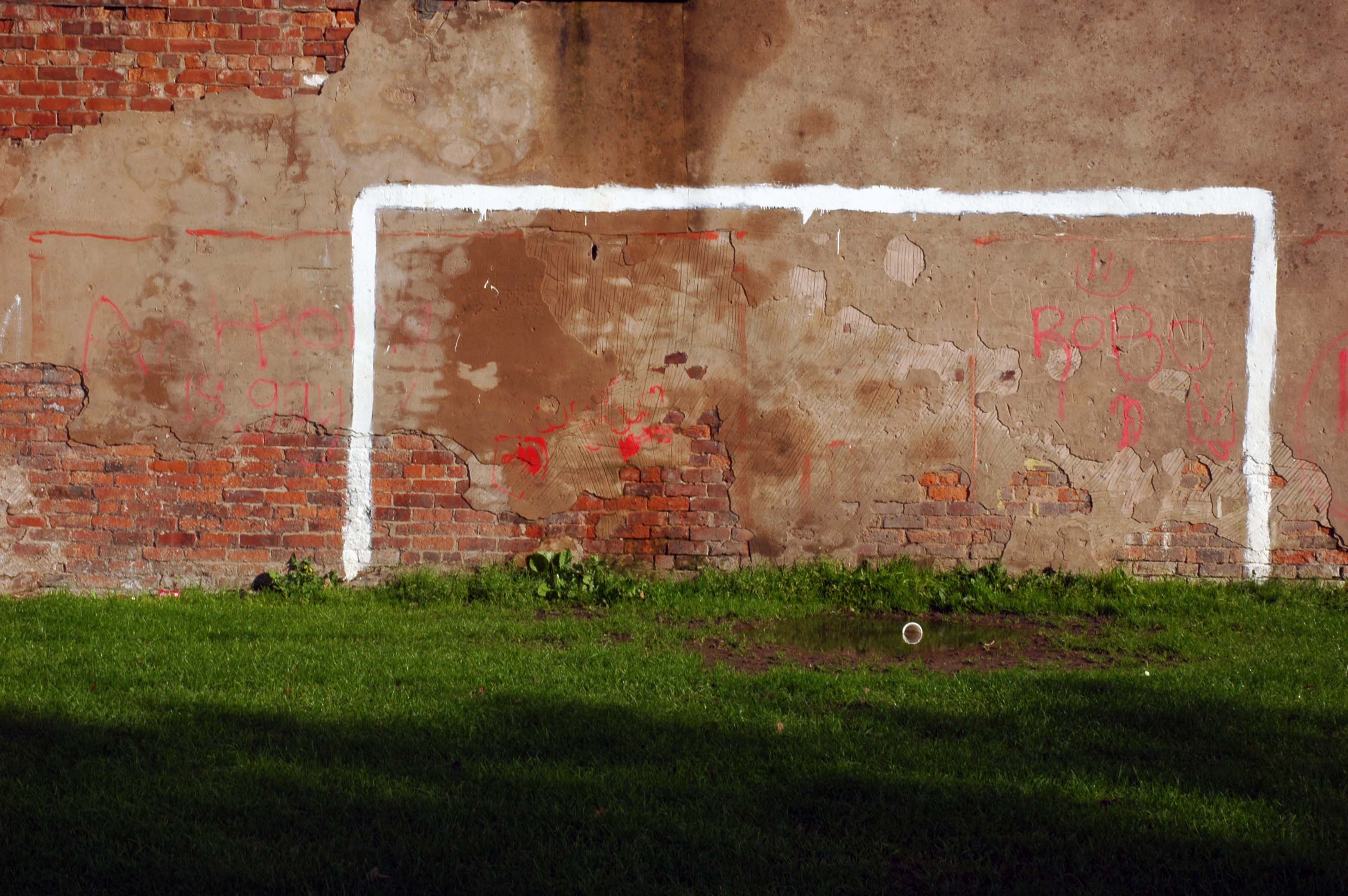
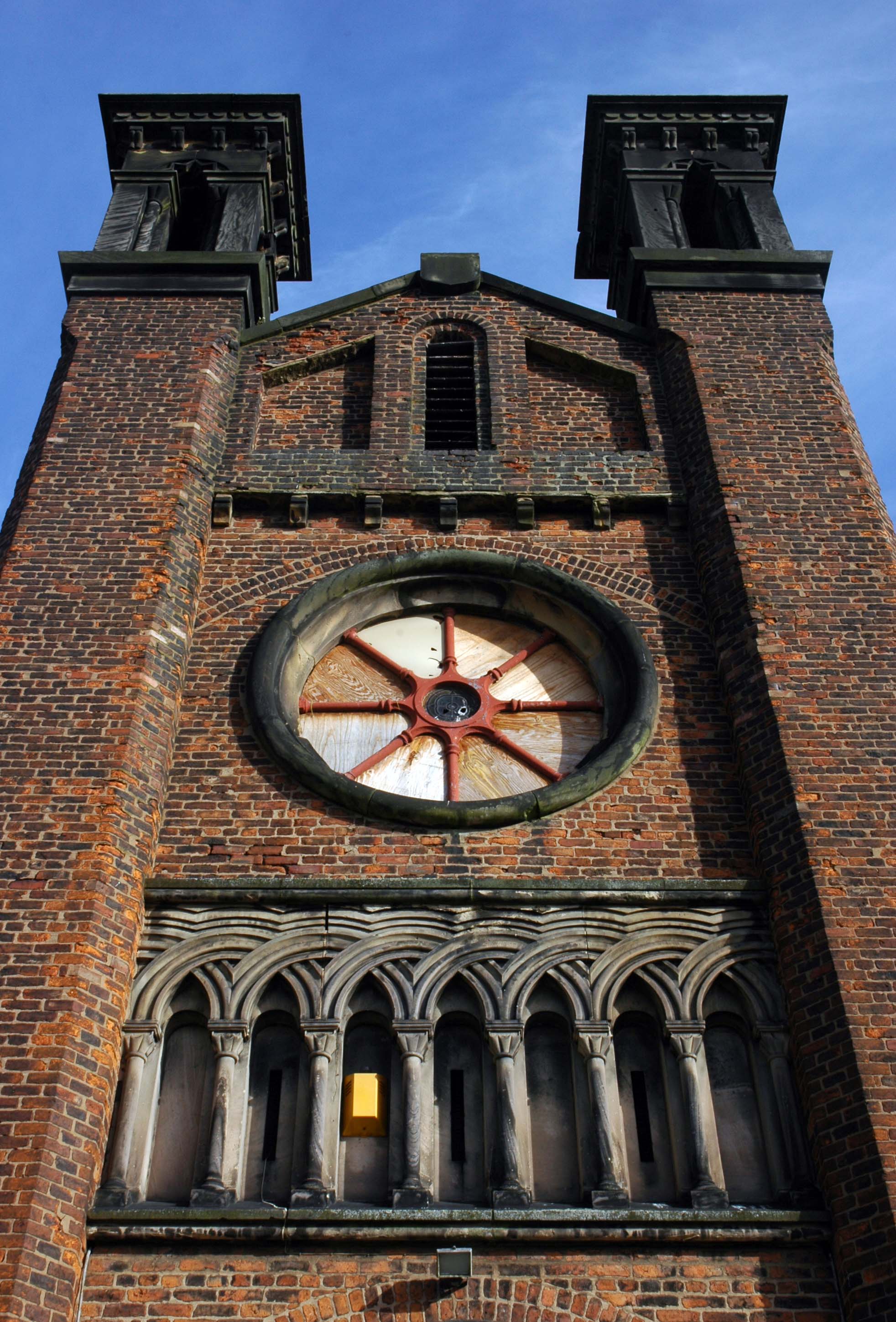
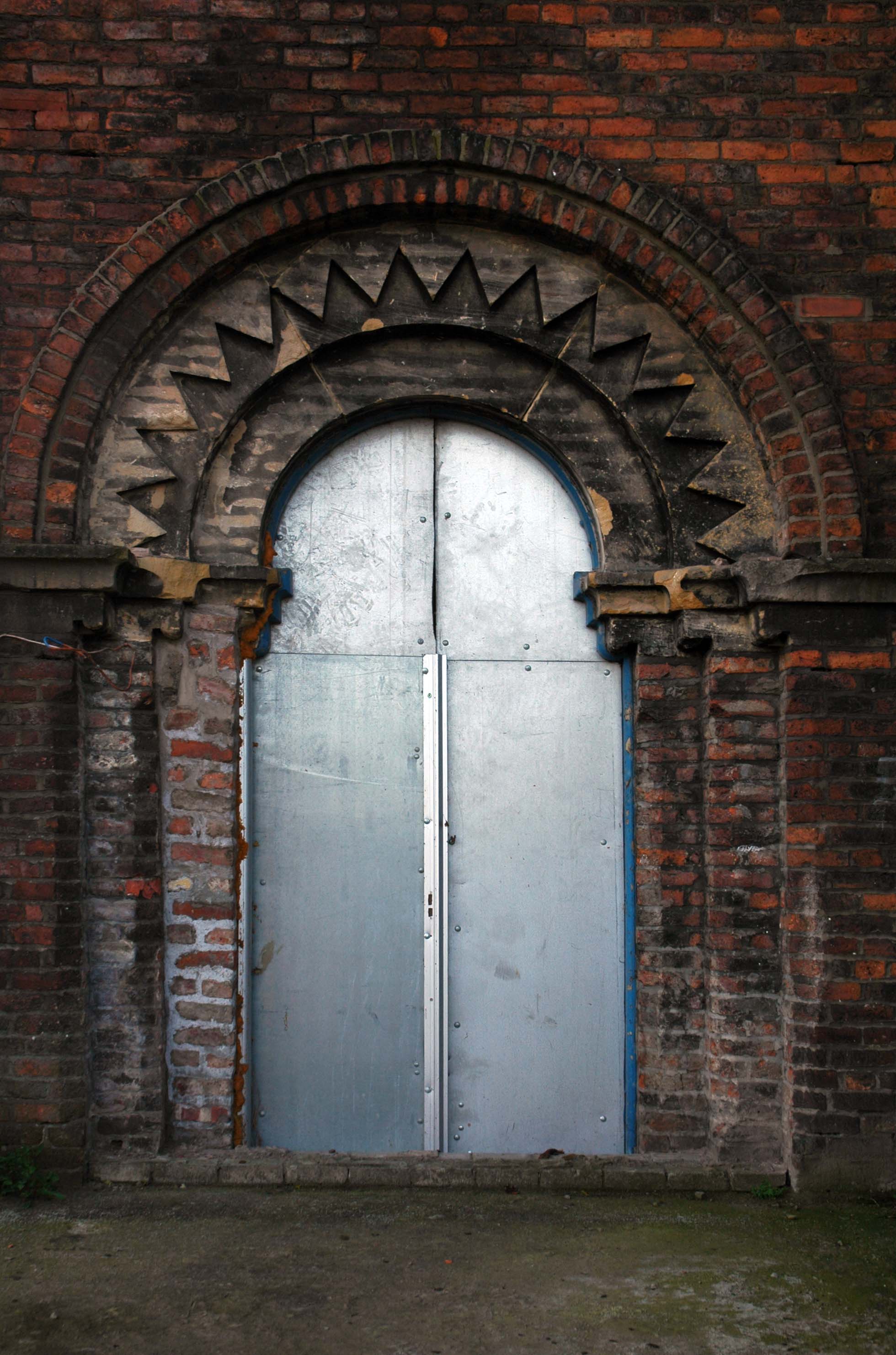
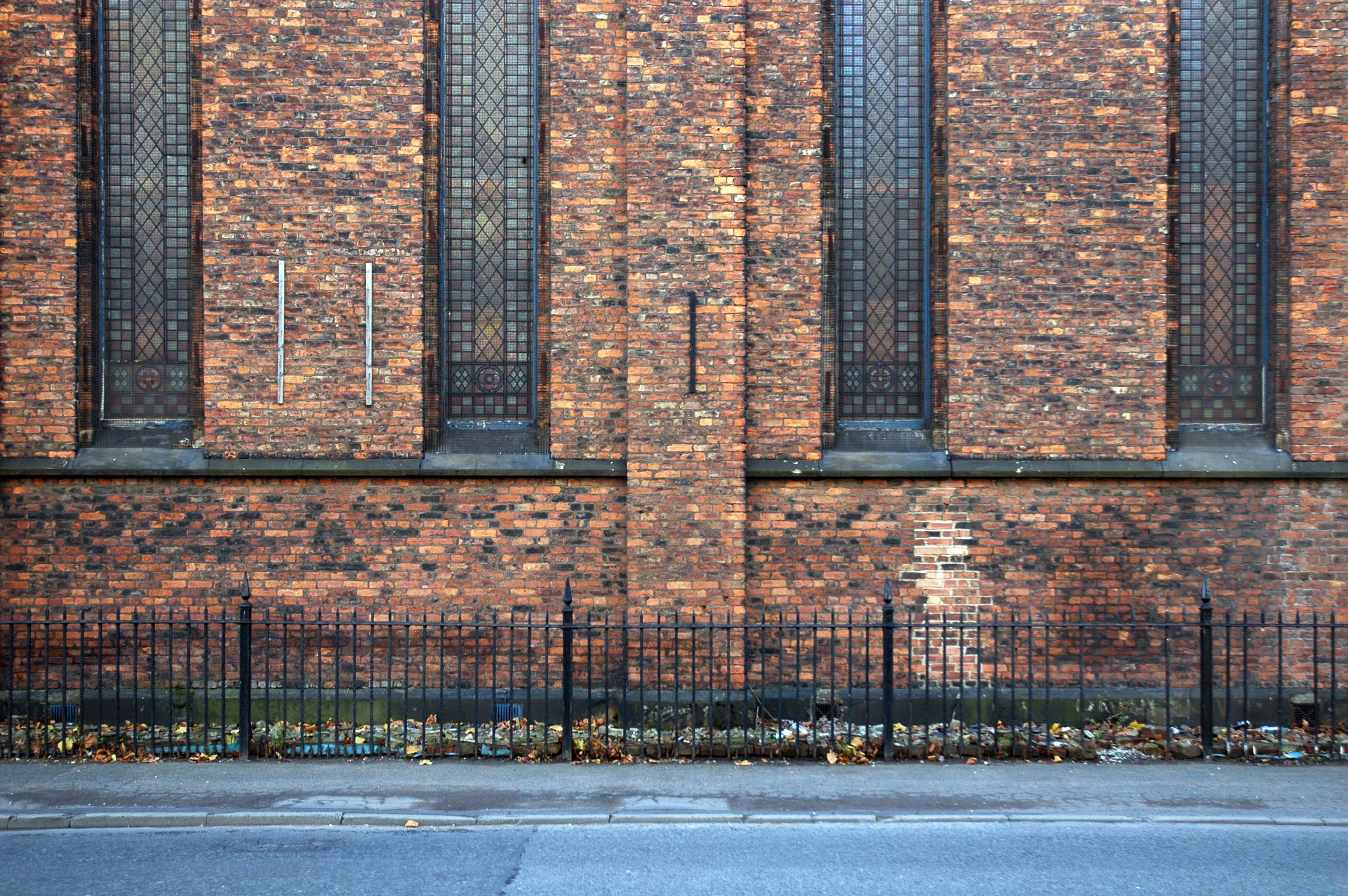
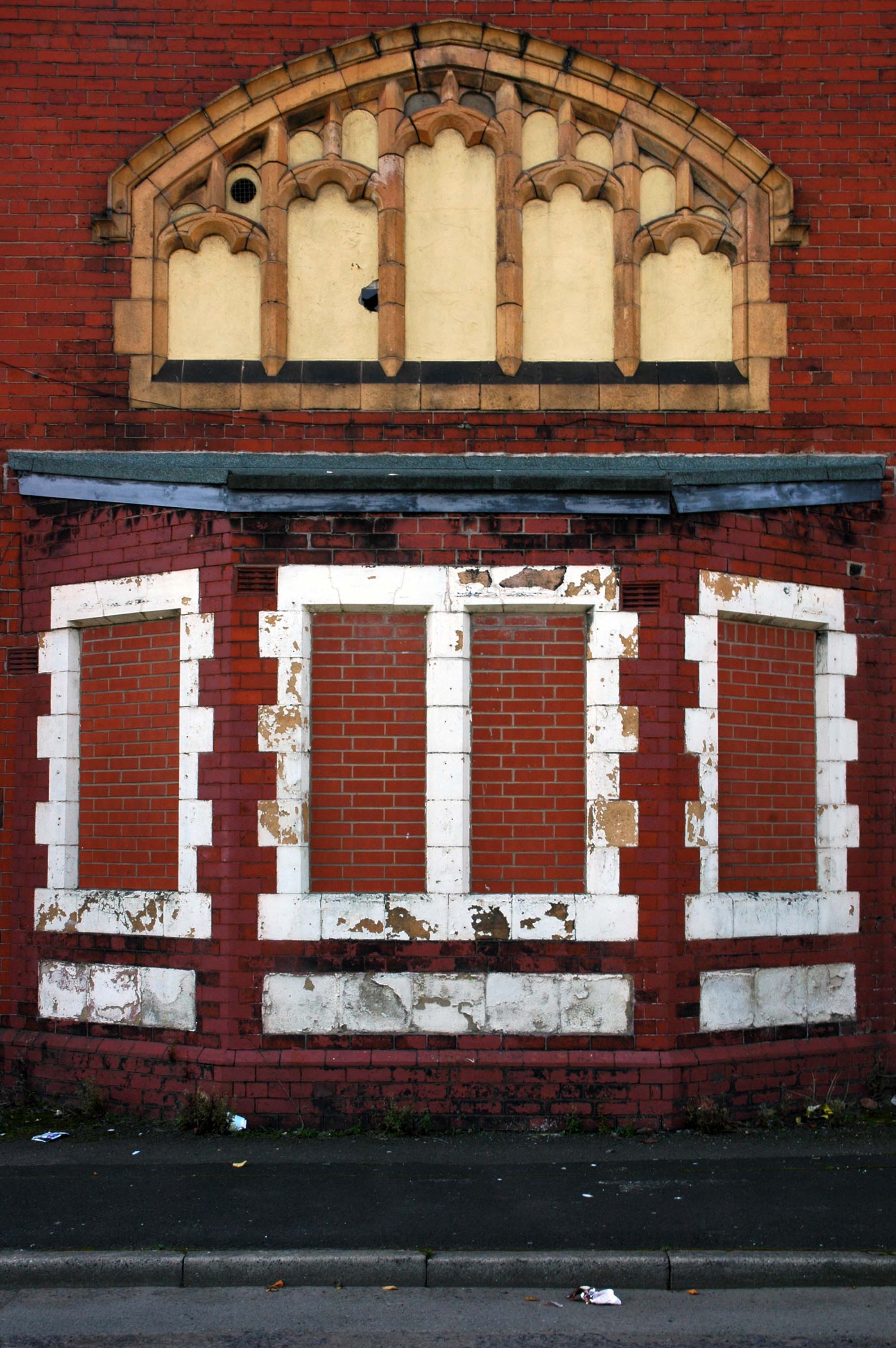
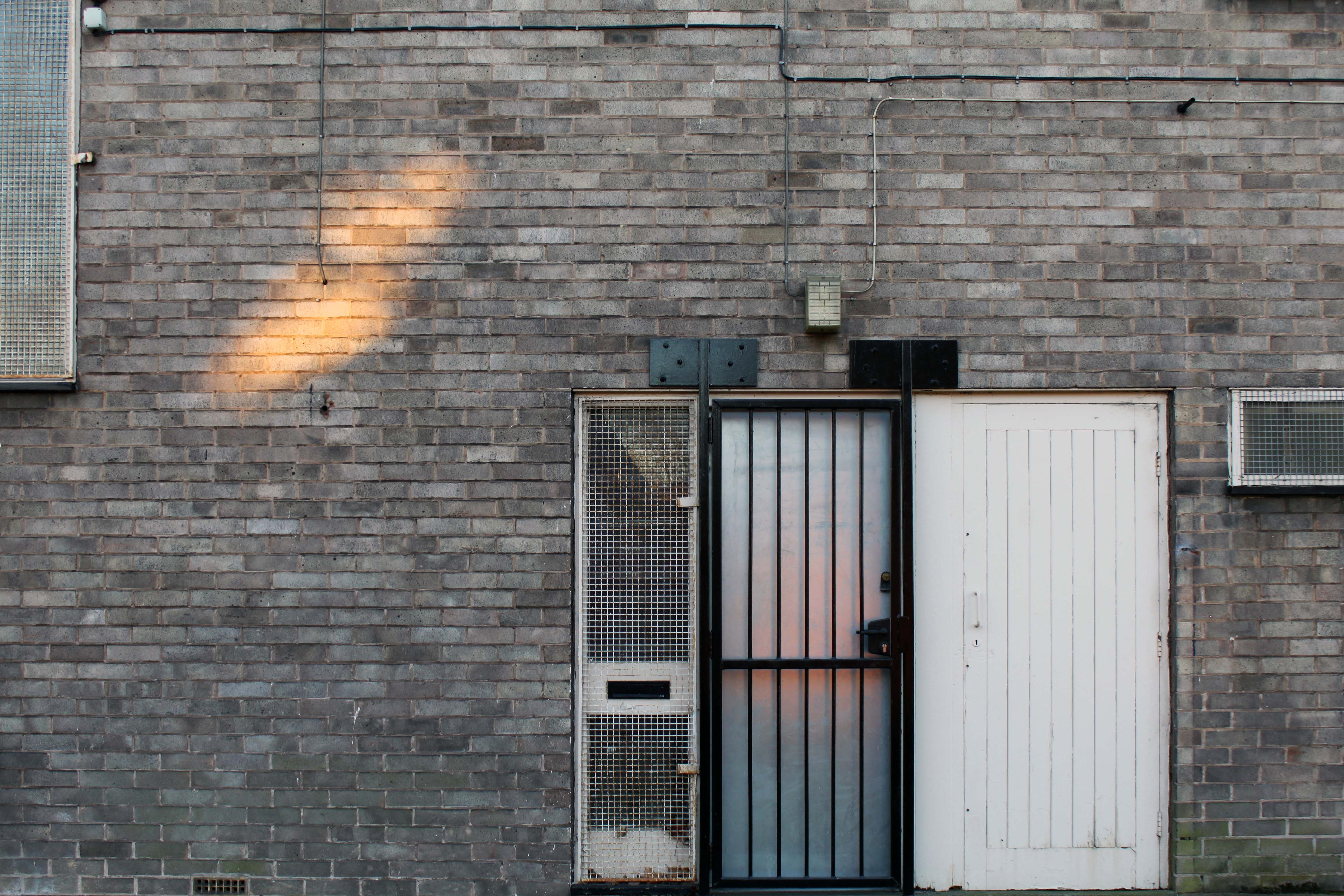
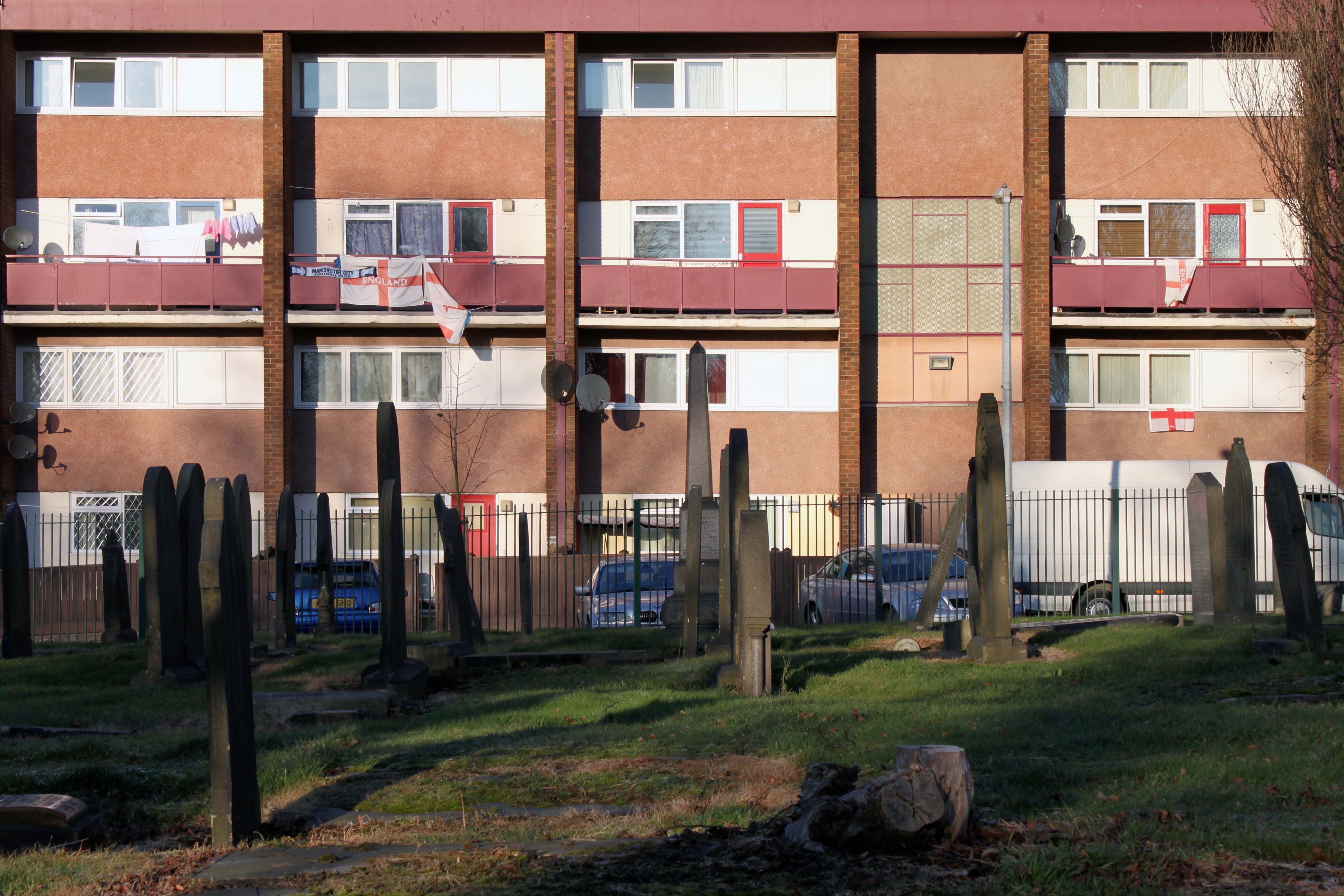
Anthony Holloway’s wall – the only listed structure on the site.

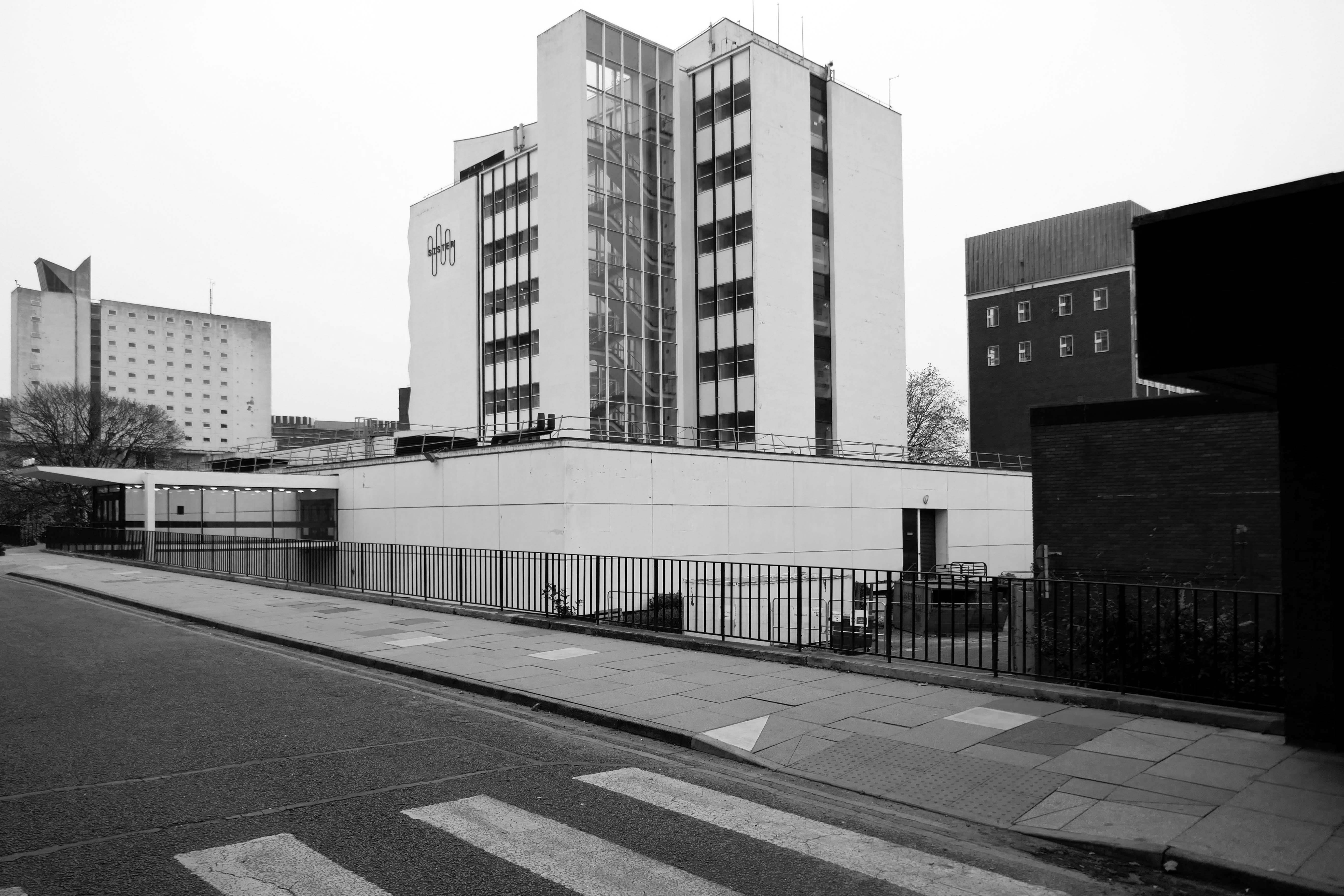
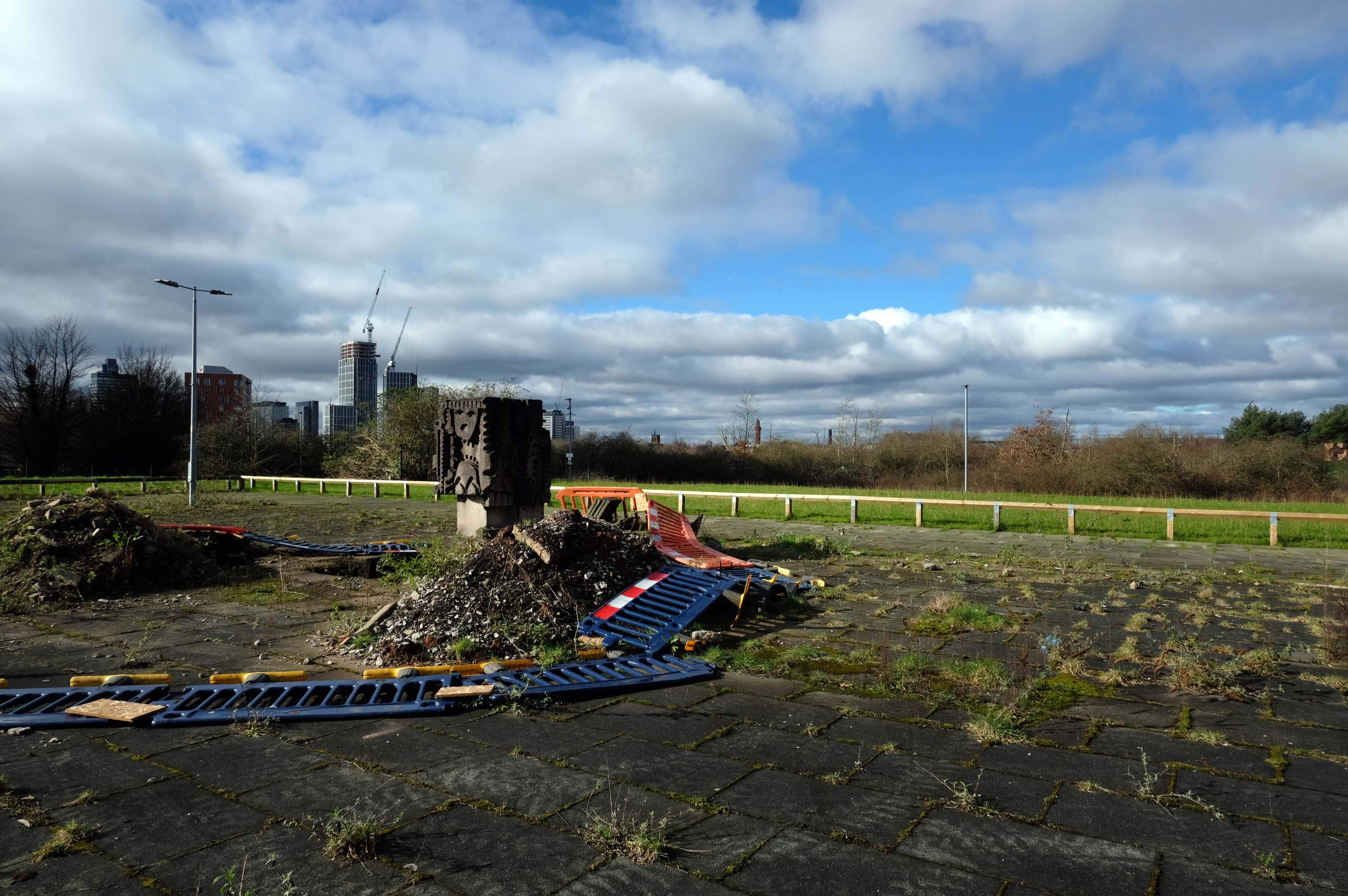
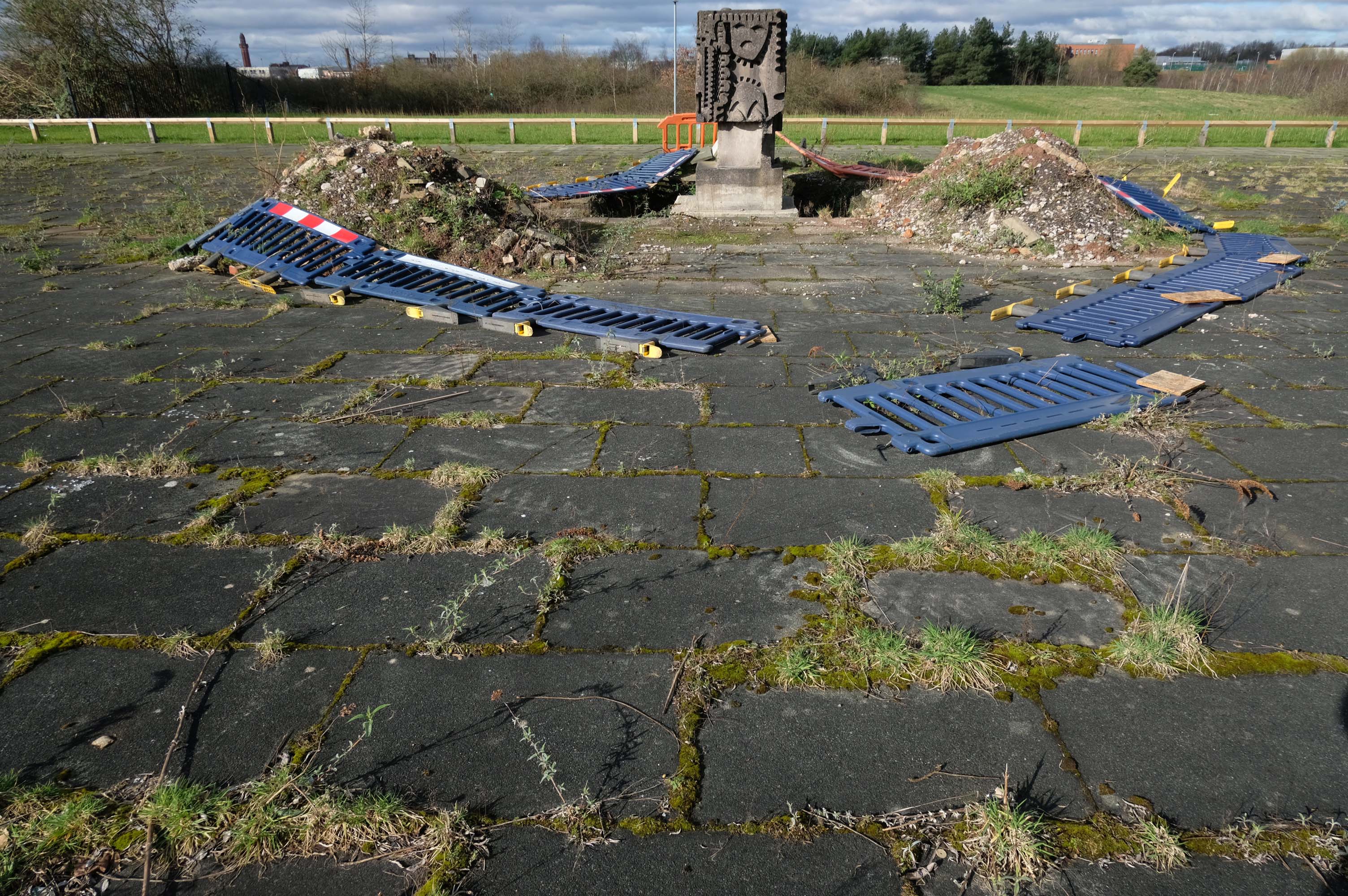
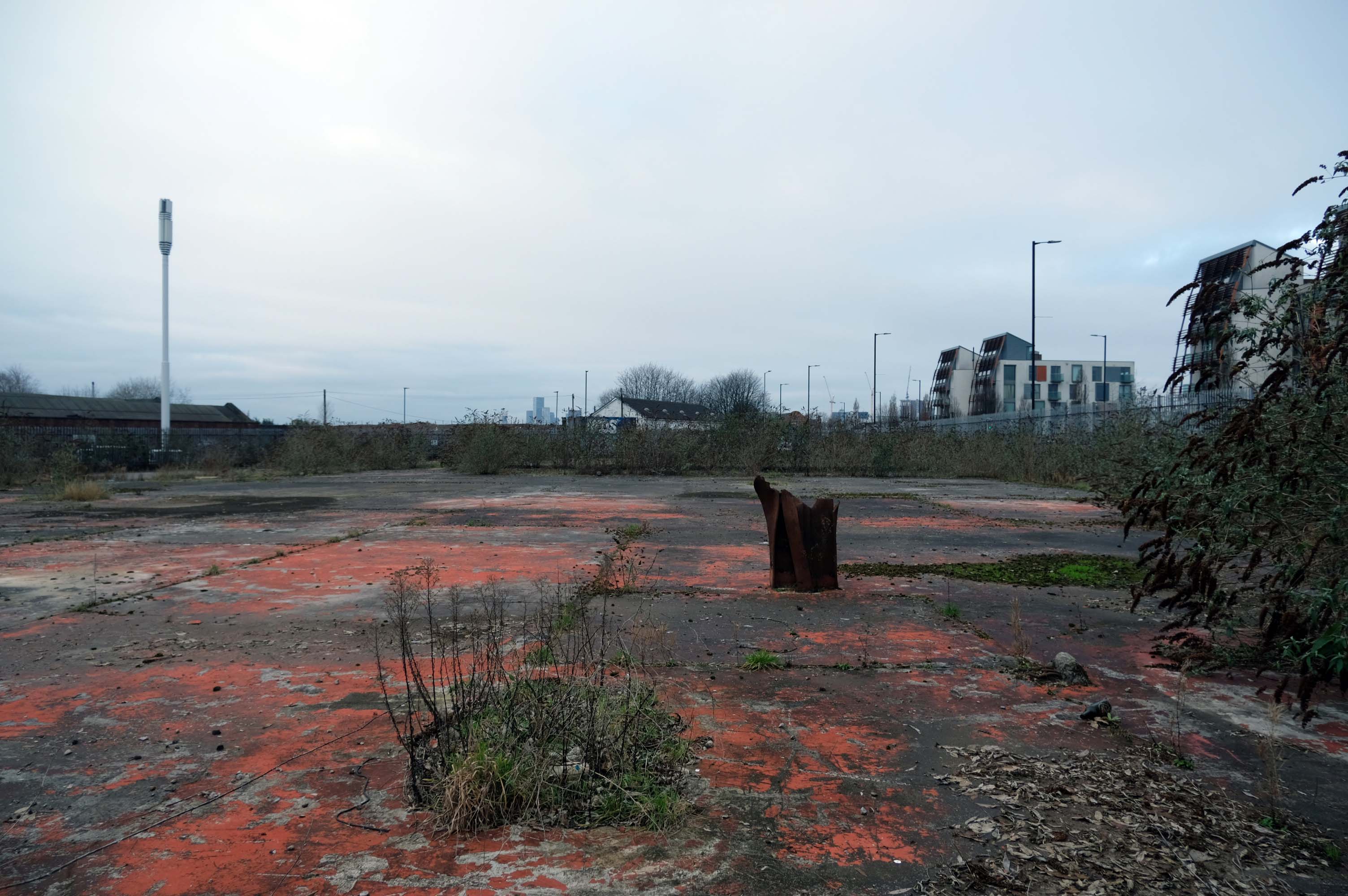
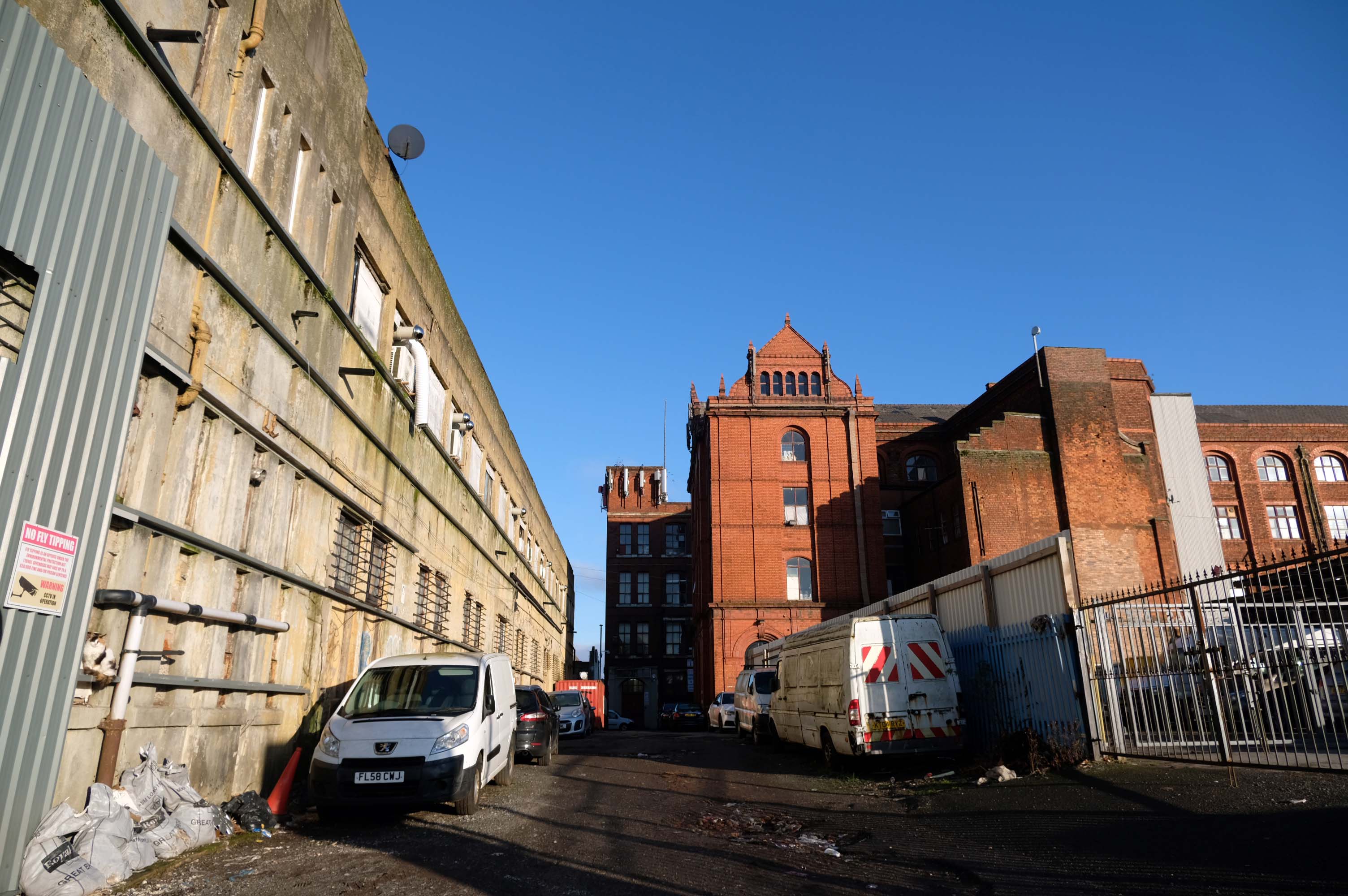
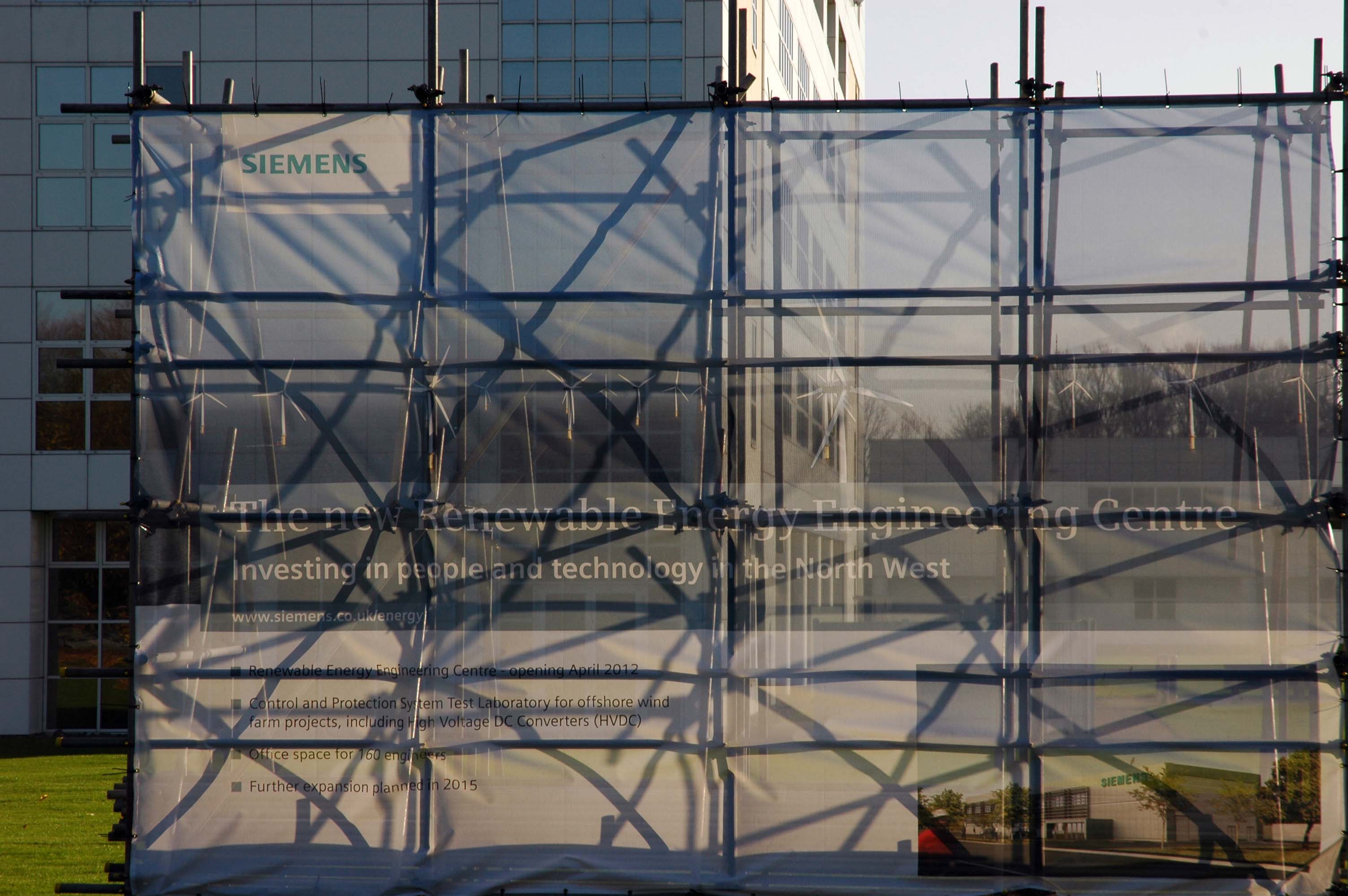
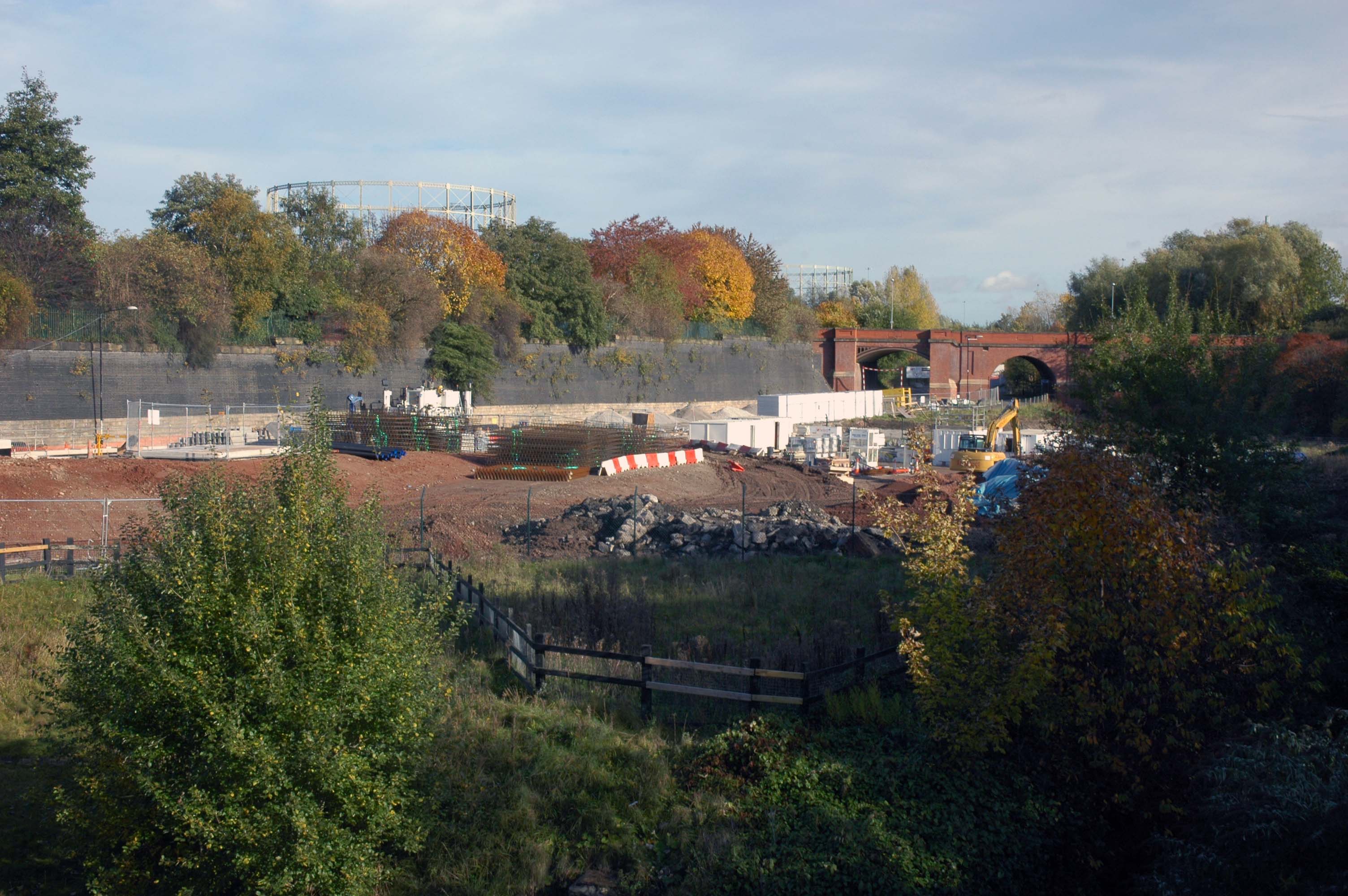
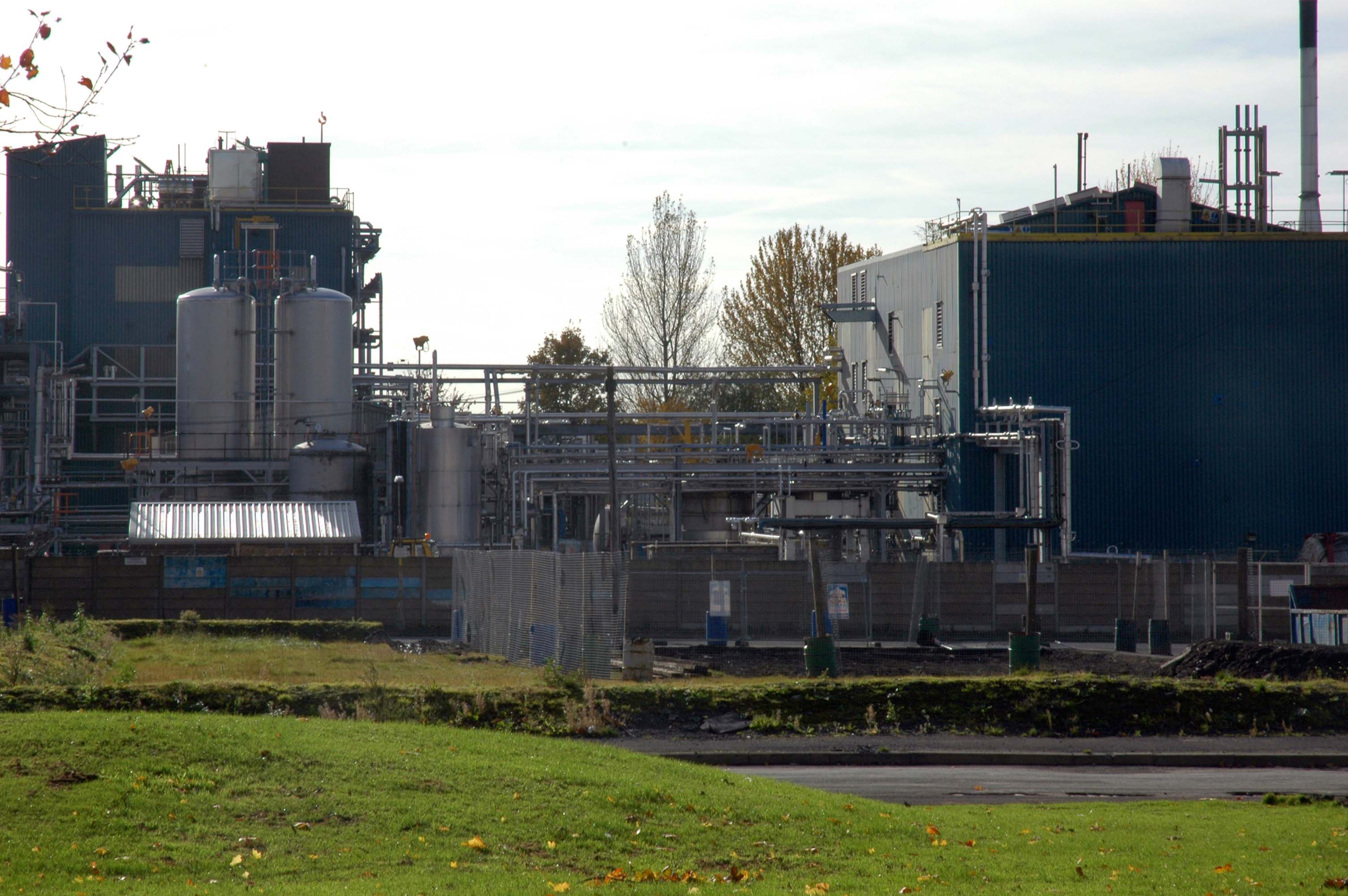
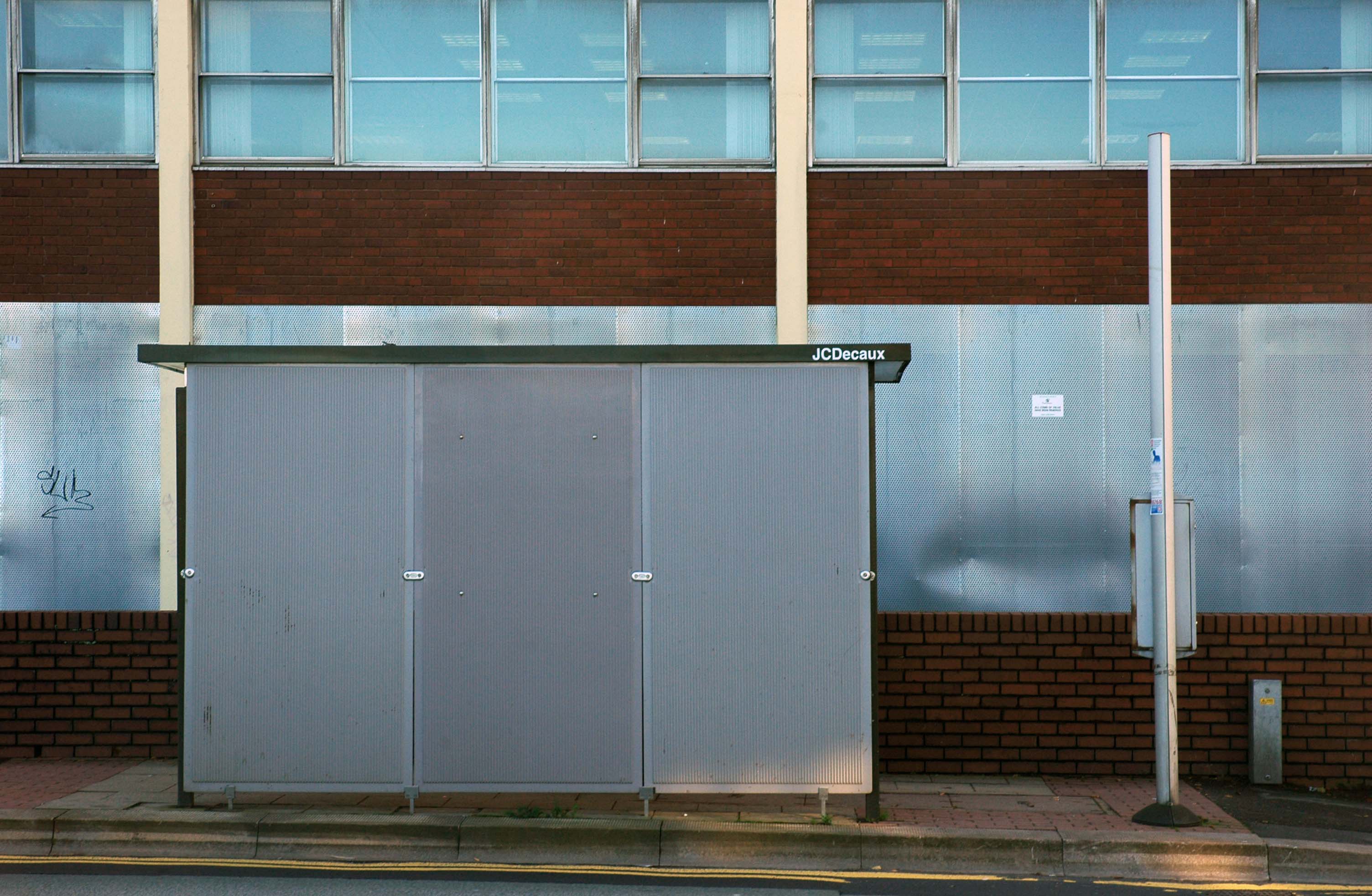
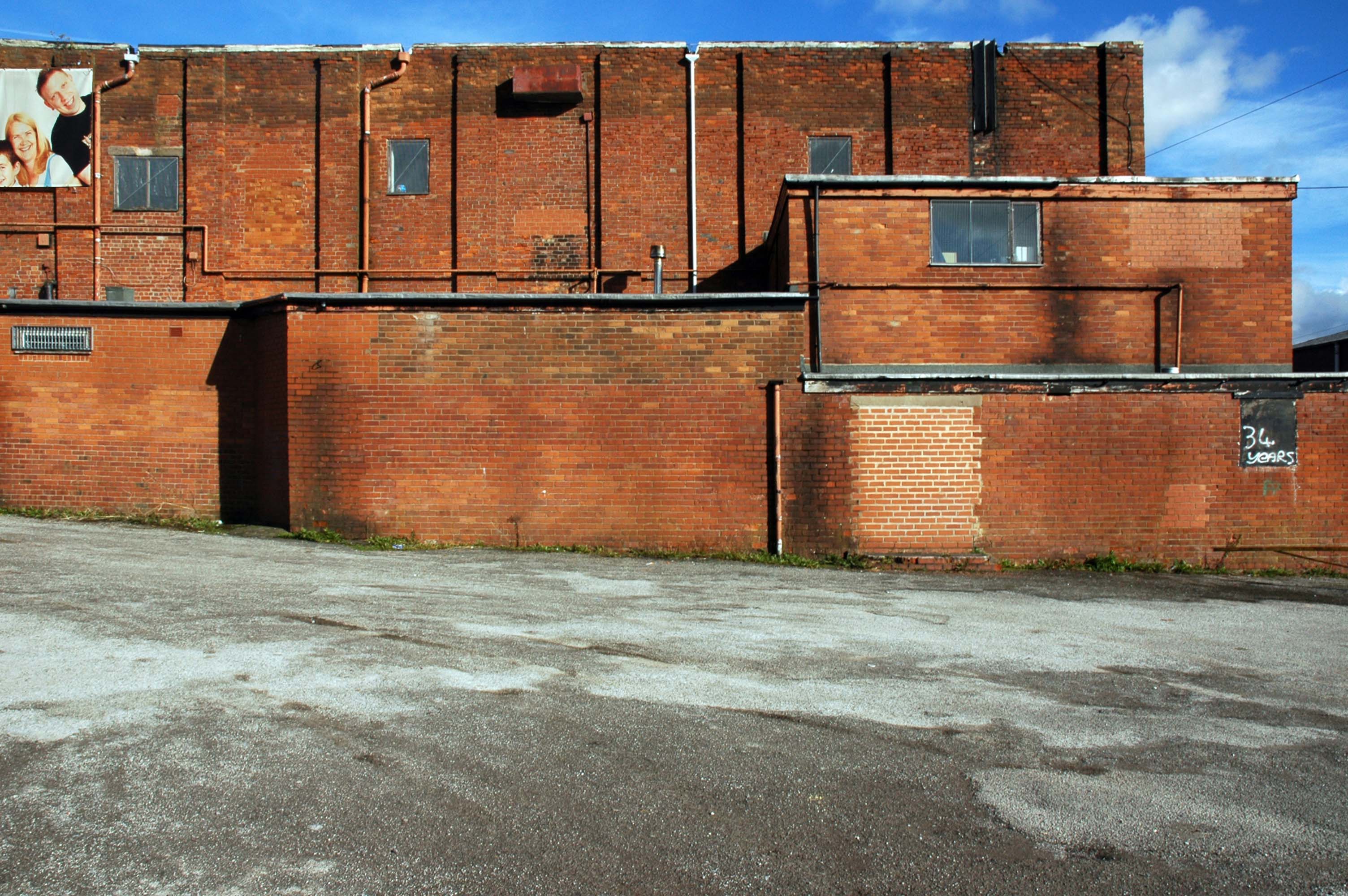
The site is sold, the contractors have arrived, stripping out the buildings earmarked for demolition.

The site is to be contracted – despite all efforts to have its integrity preserved.

The Pariser Building is to be retained.
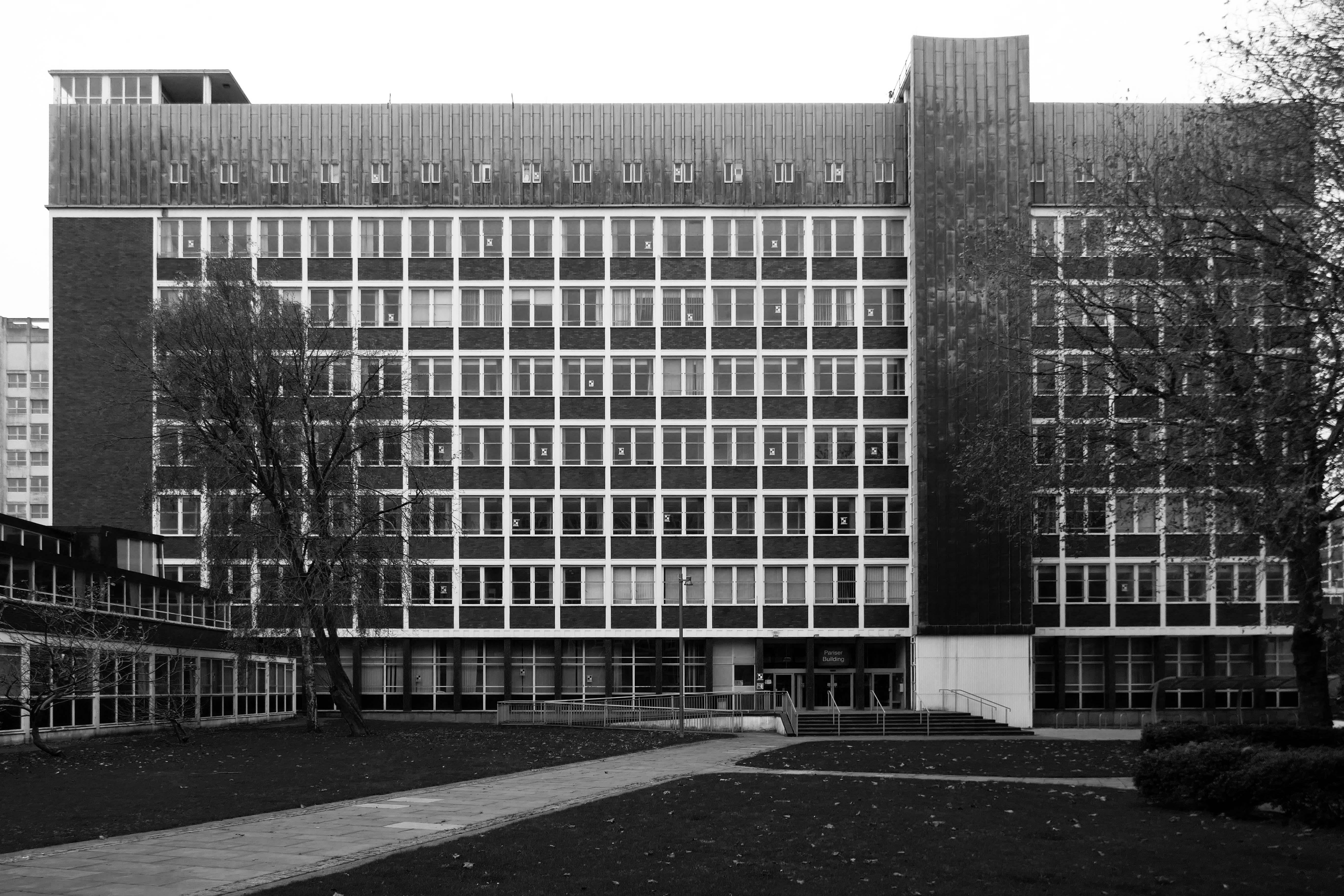
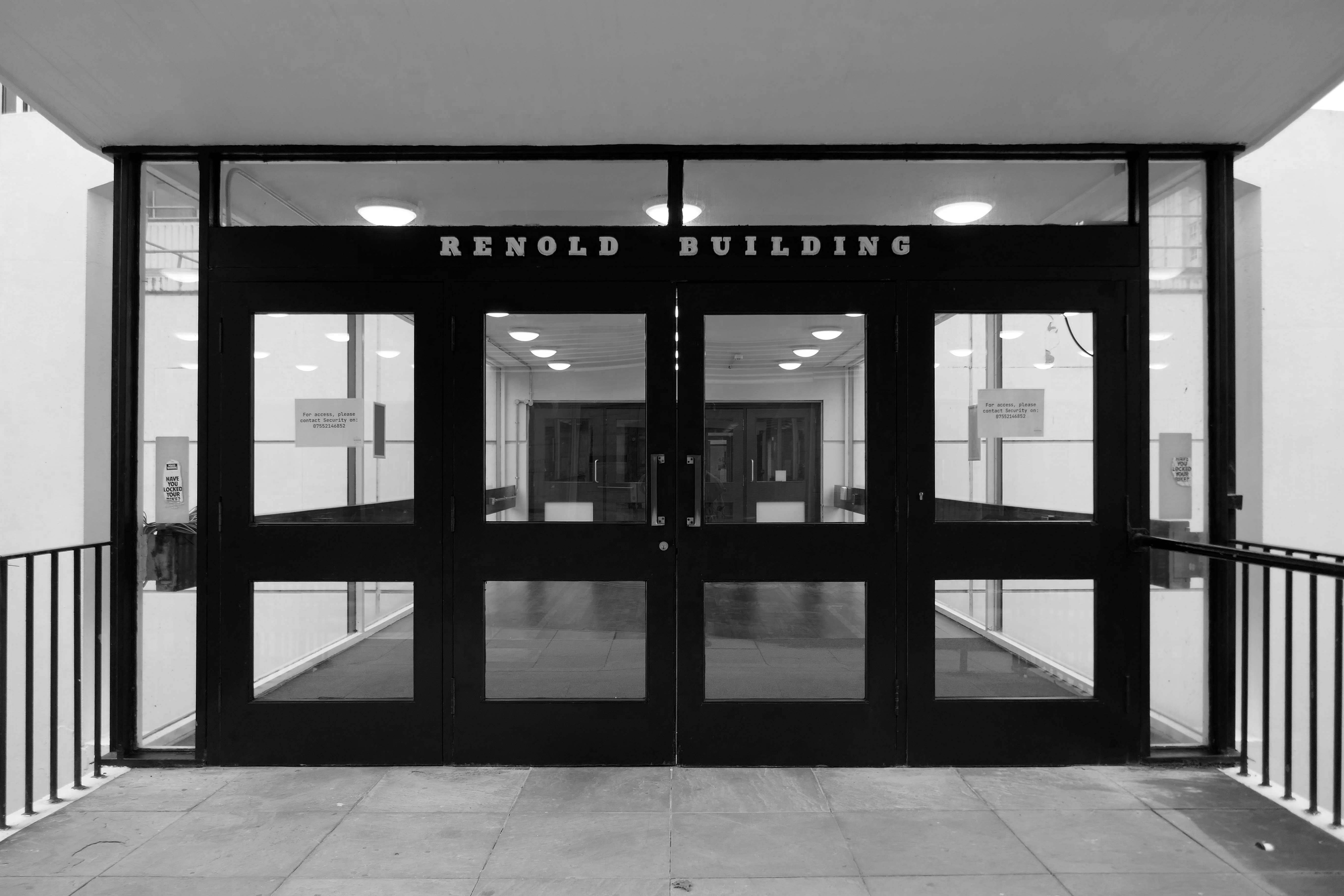
Along with the Renold Building – which is already home to start up tech businesses.

The city council has approved Bruntwood SciTech’s change of use bid to transform the 110,000 sq ft Renold building into a tech and science hub.

In a joint venture with the University of Manchester, Bruntwood will create 42,000 sq ft coworking and business incubator spaces for businesses in the sector at the Altrincham Street building.
Place Northwest

Sister is Manchester’s new innovation district. A £1.7bn investment into the city, its setting – the former University of Manchester North Campus and UMIST site – is steeped in science and engineering history. Home to the UK’s most exciting new ideas and disruptive technologies, Sister is a worldclass innovation platform in the heart of one of the most exciting global cities. It stands as the city’s symbol of a new era of discovery that promises progress against humanity’s greatest challenges.
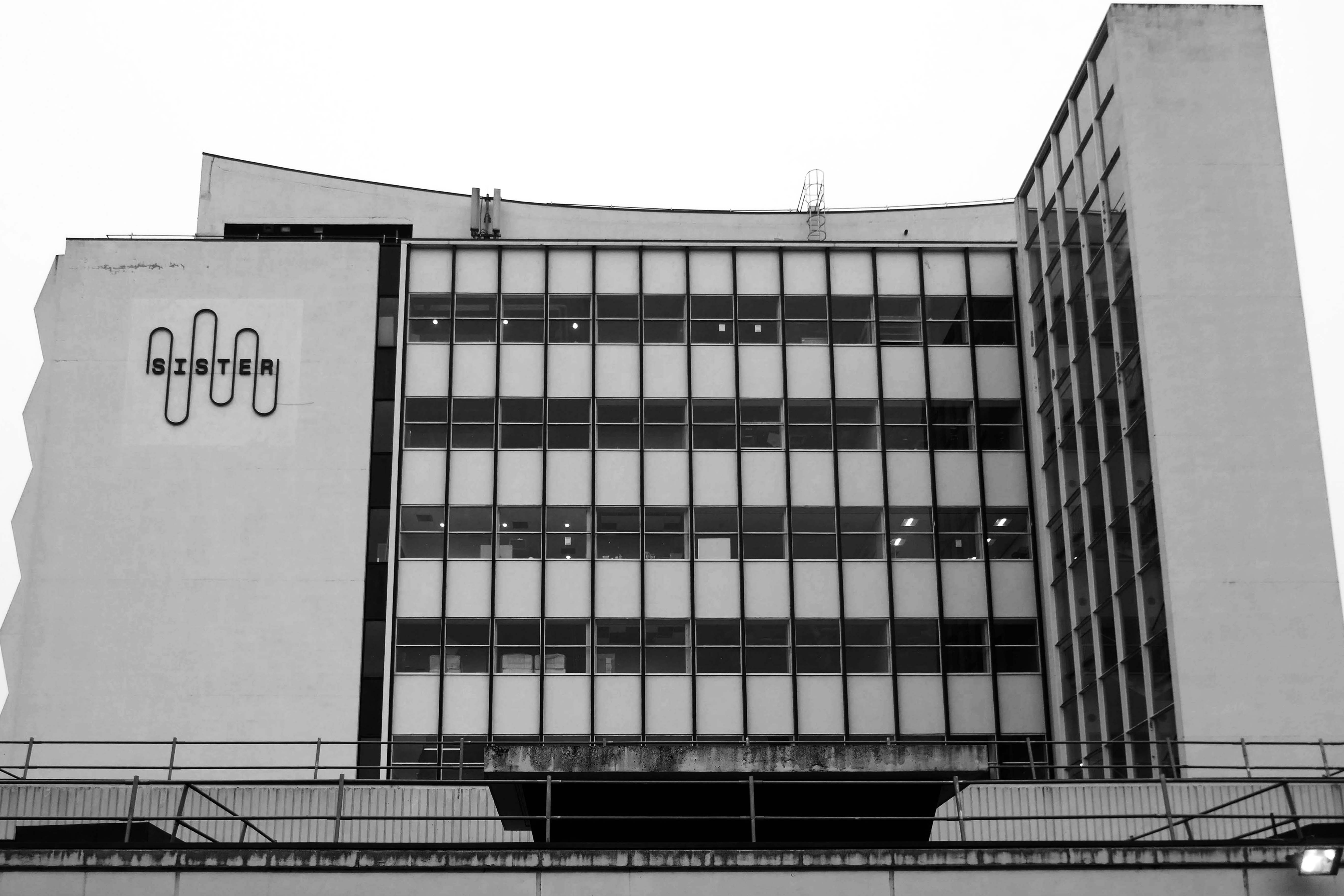
Sister Manchester

So it is with a bitter sweet feeling that I took a group of Modernist Moochers around the site this Saturday – a number of whom had been students there.

As a former UMIST student 1990-1997, I had a wander round the old site recently, sad to see it so empty and run-down.

So let’s take a look at the current state of affairs.

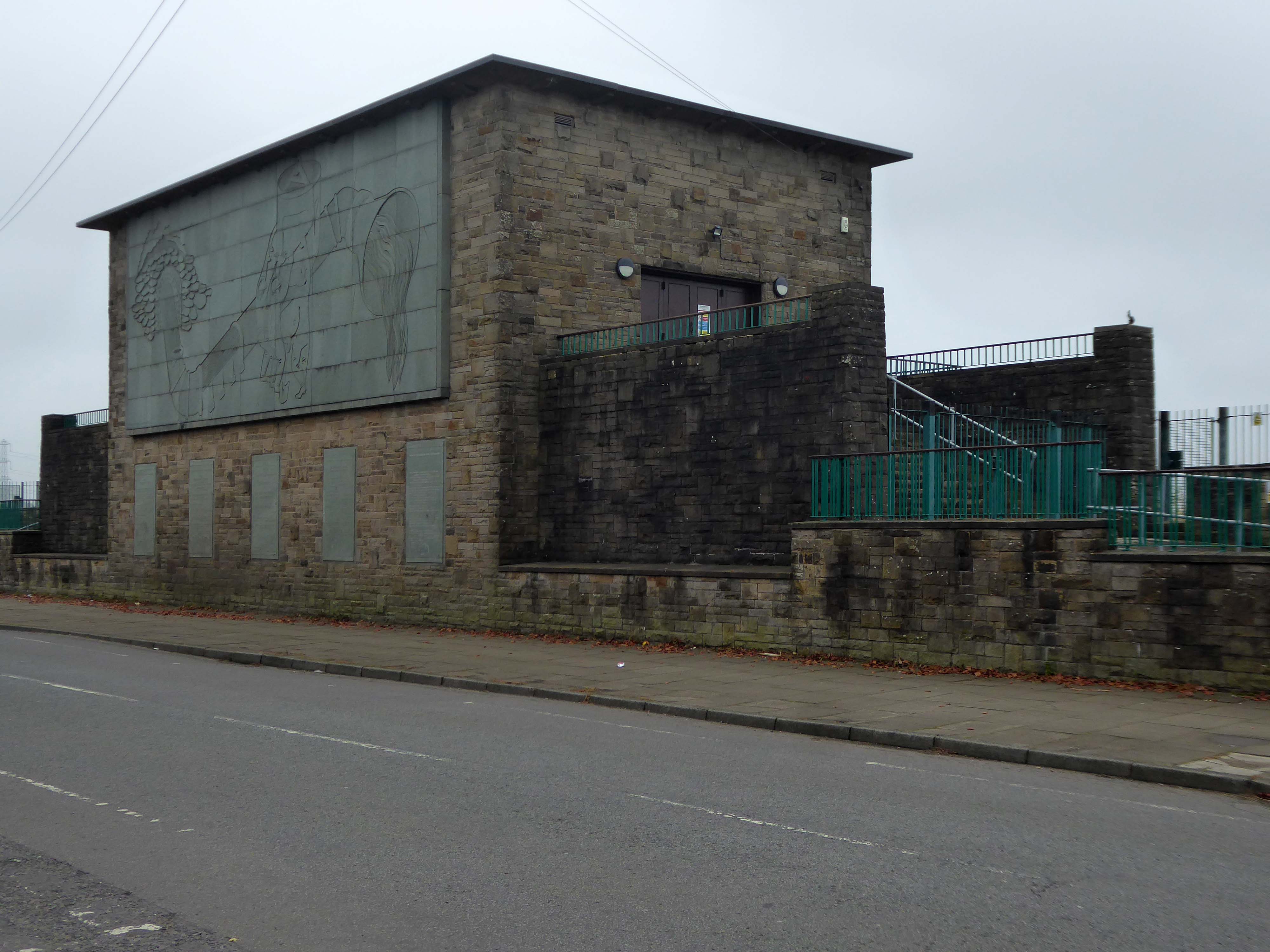
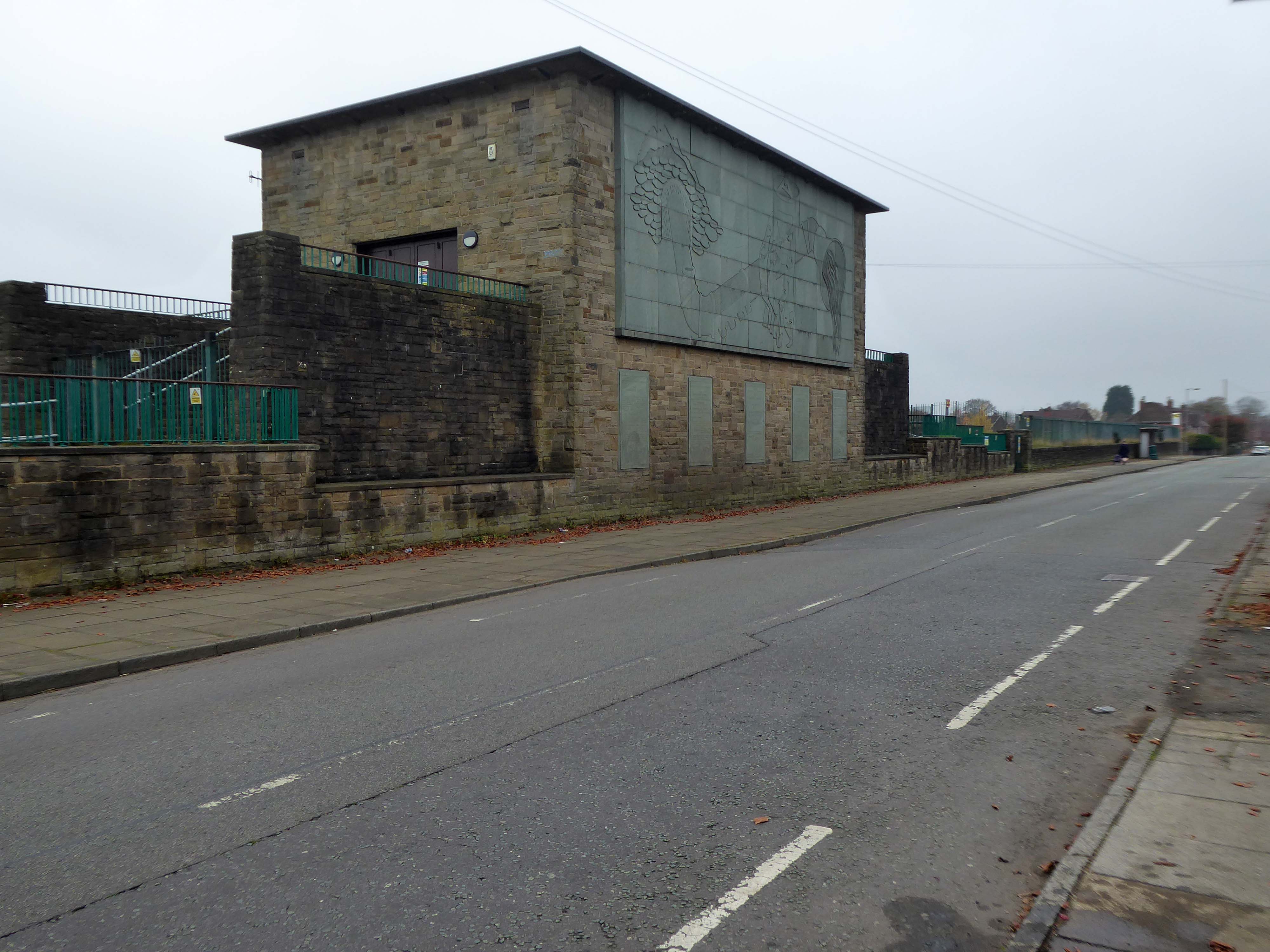
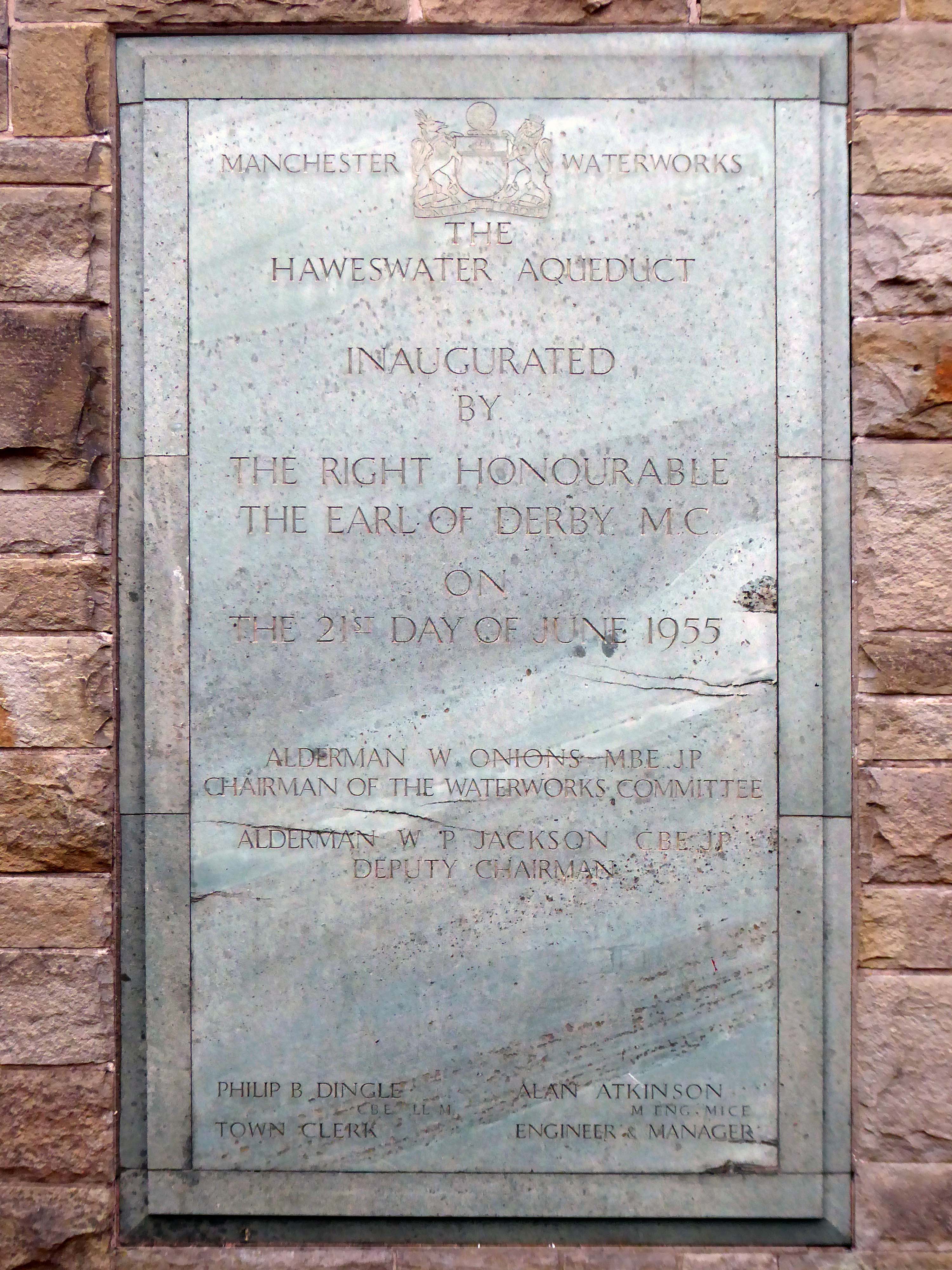
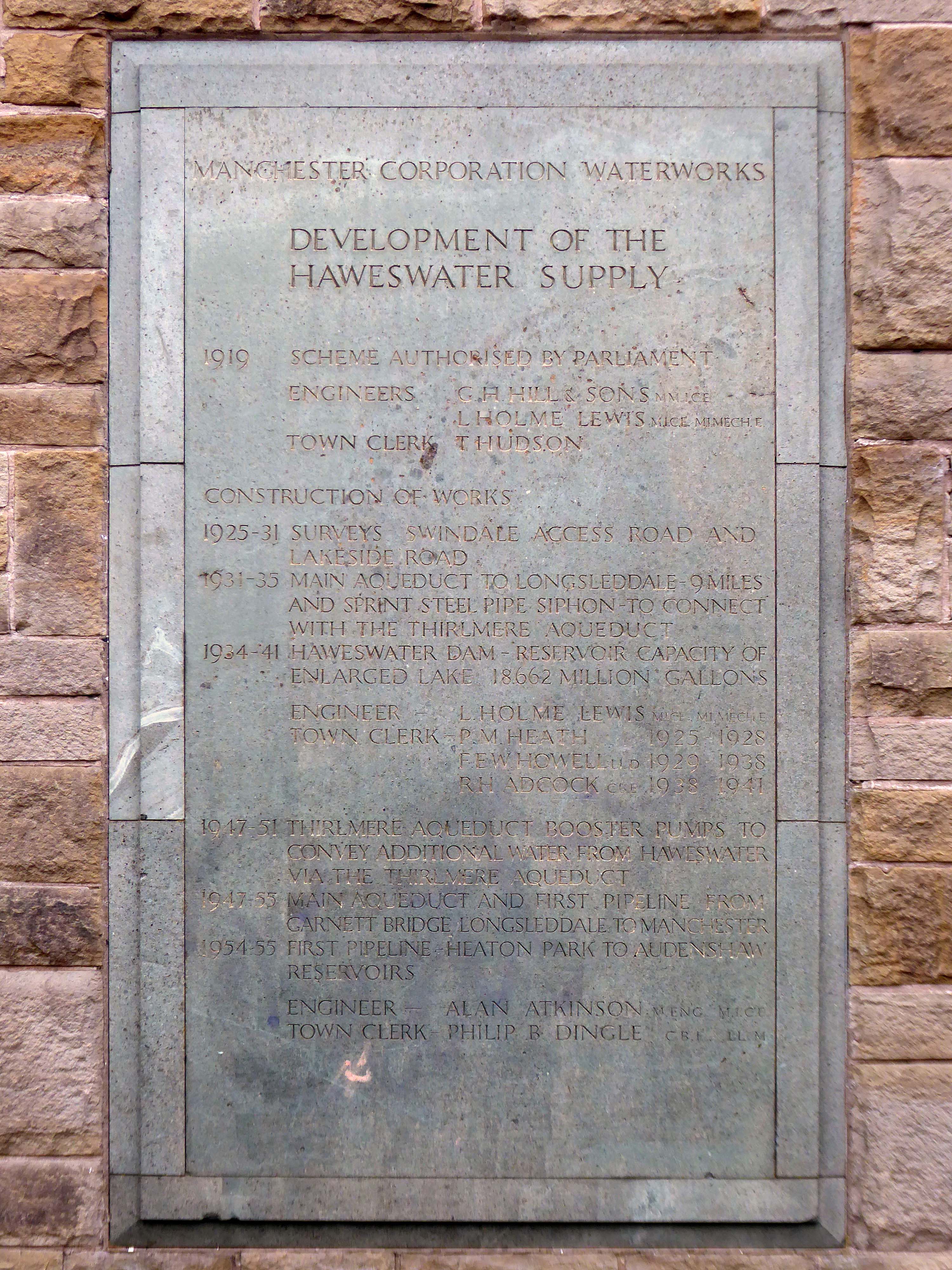
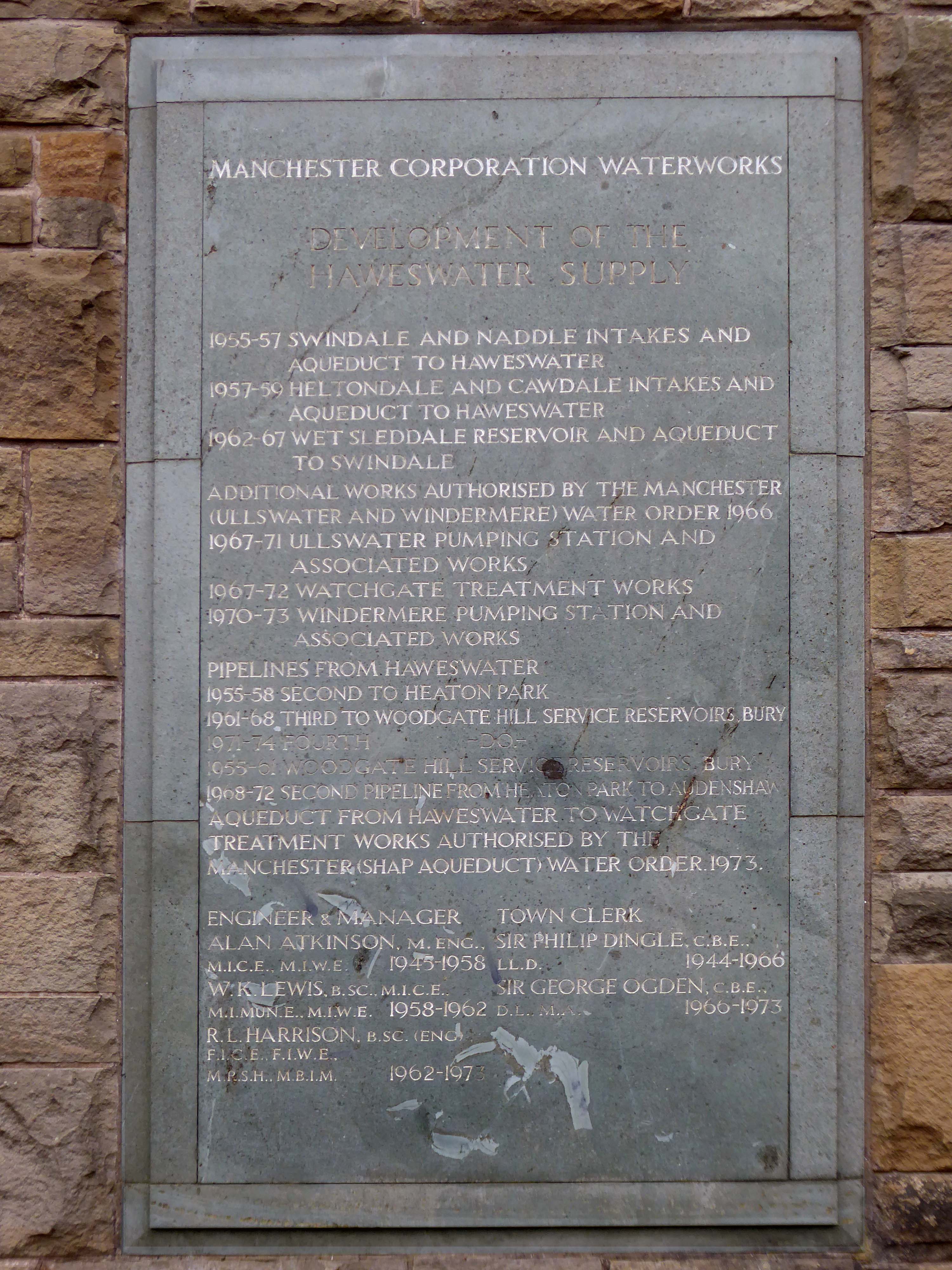
Heaton Park Reservoir Pumping Station

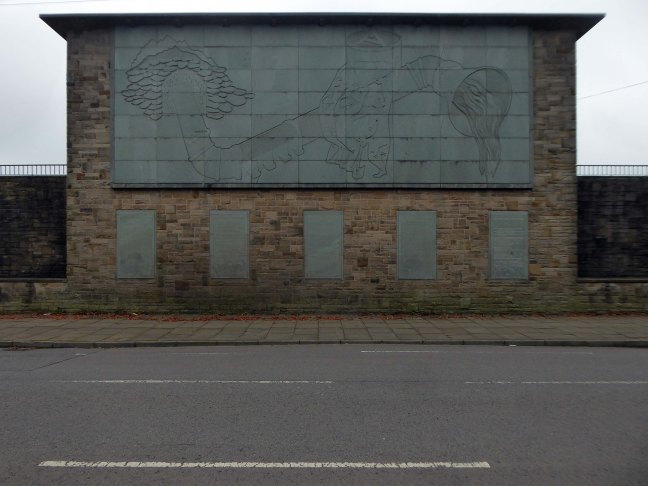
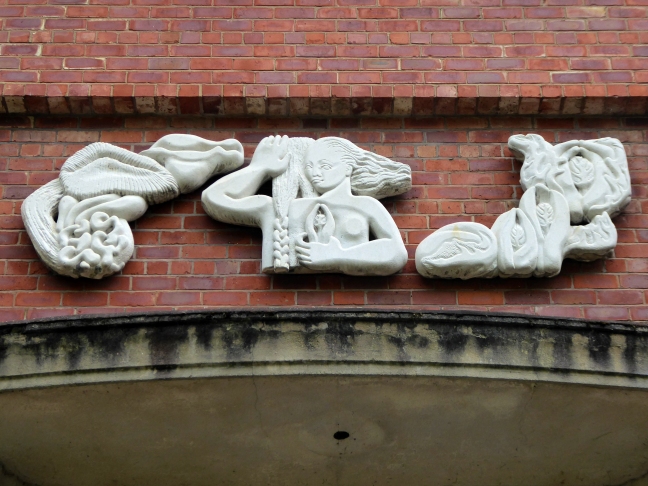
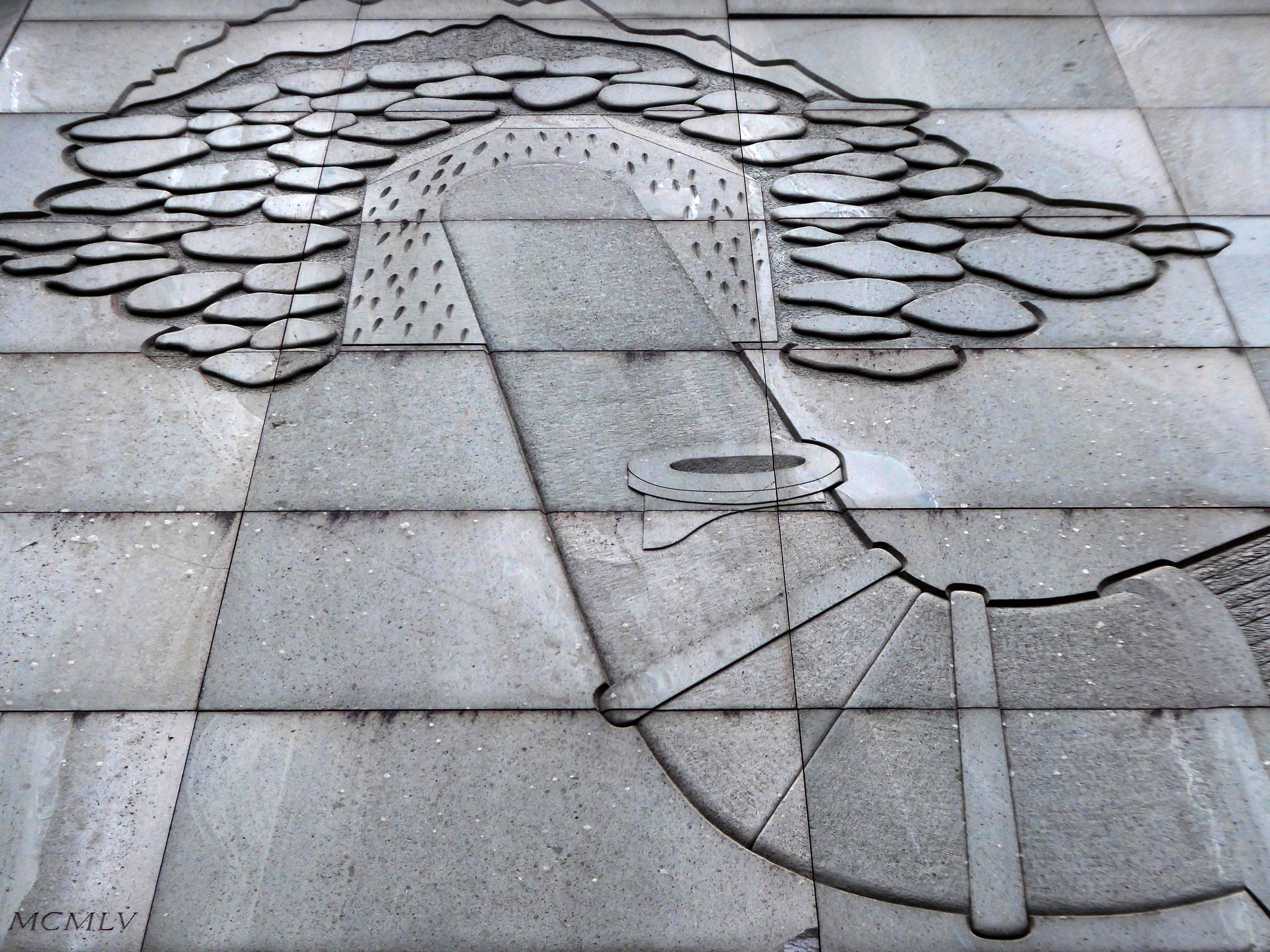
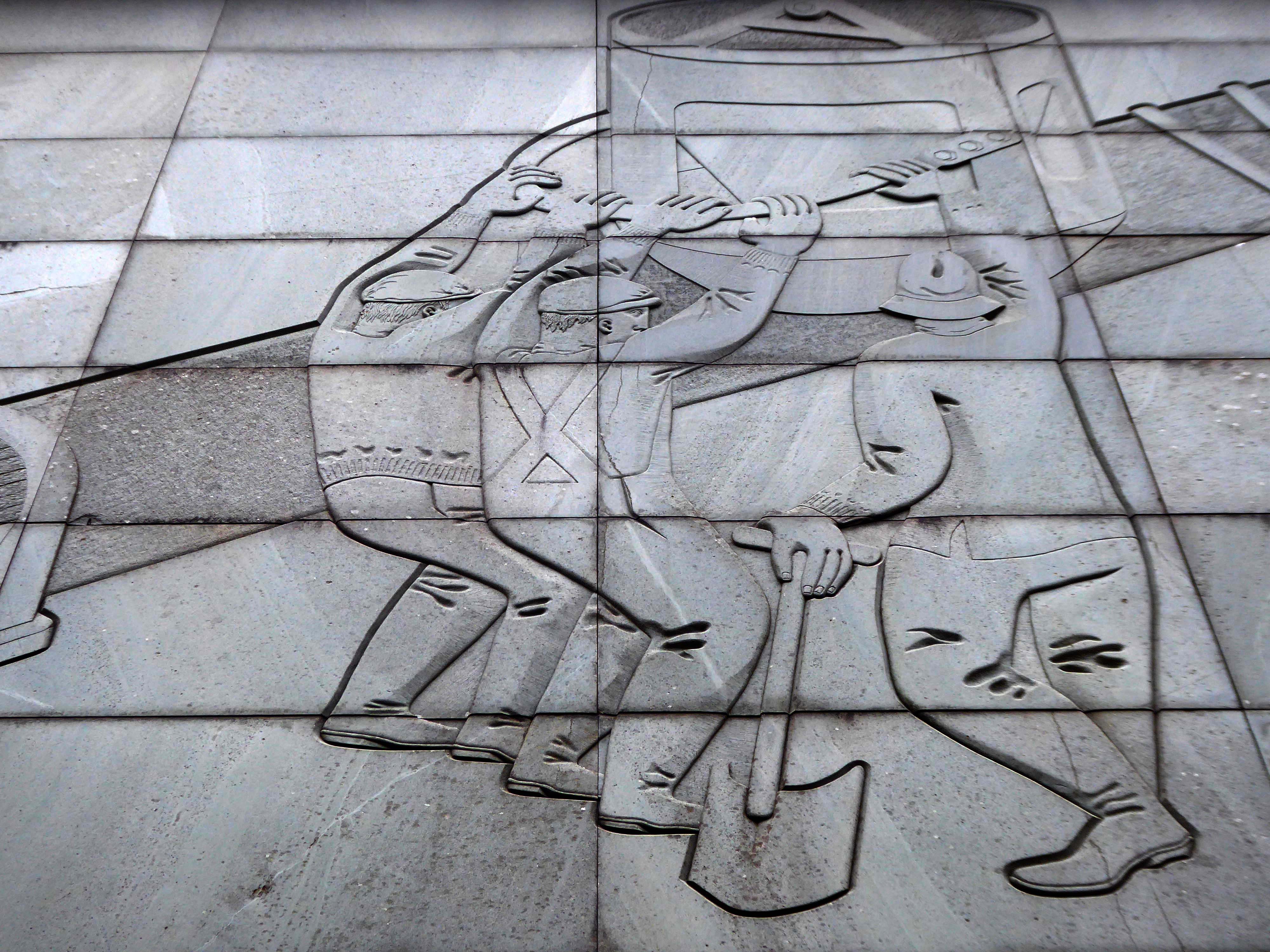
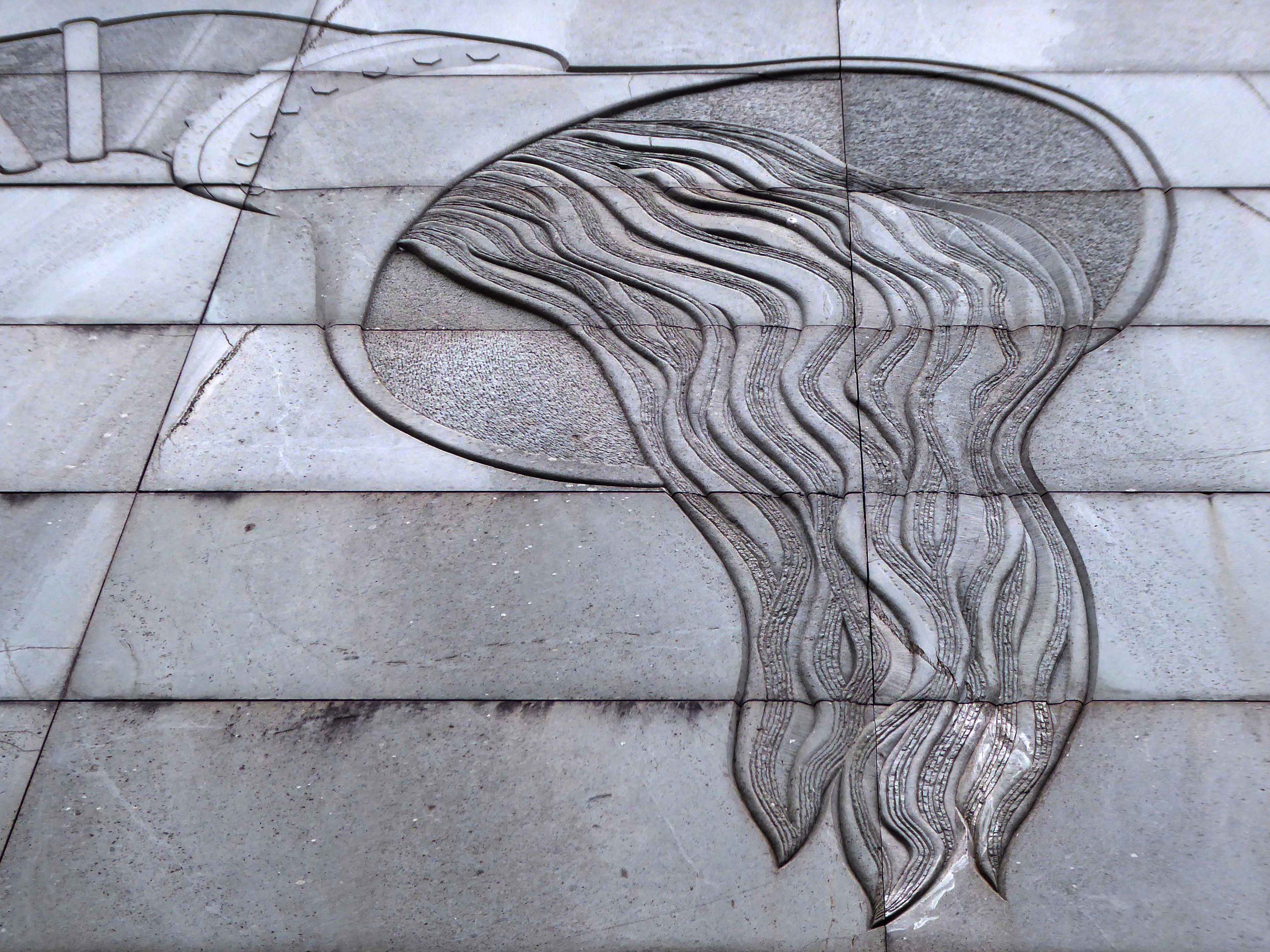
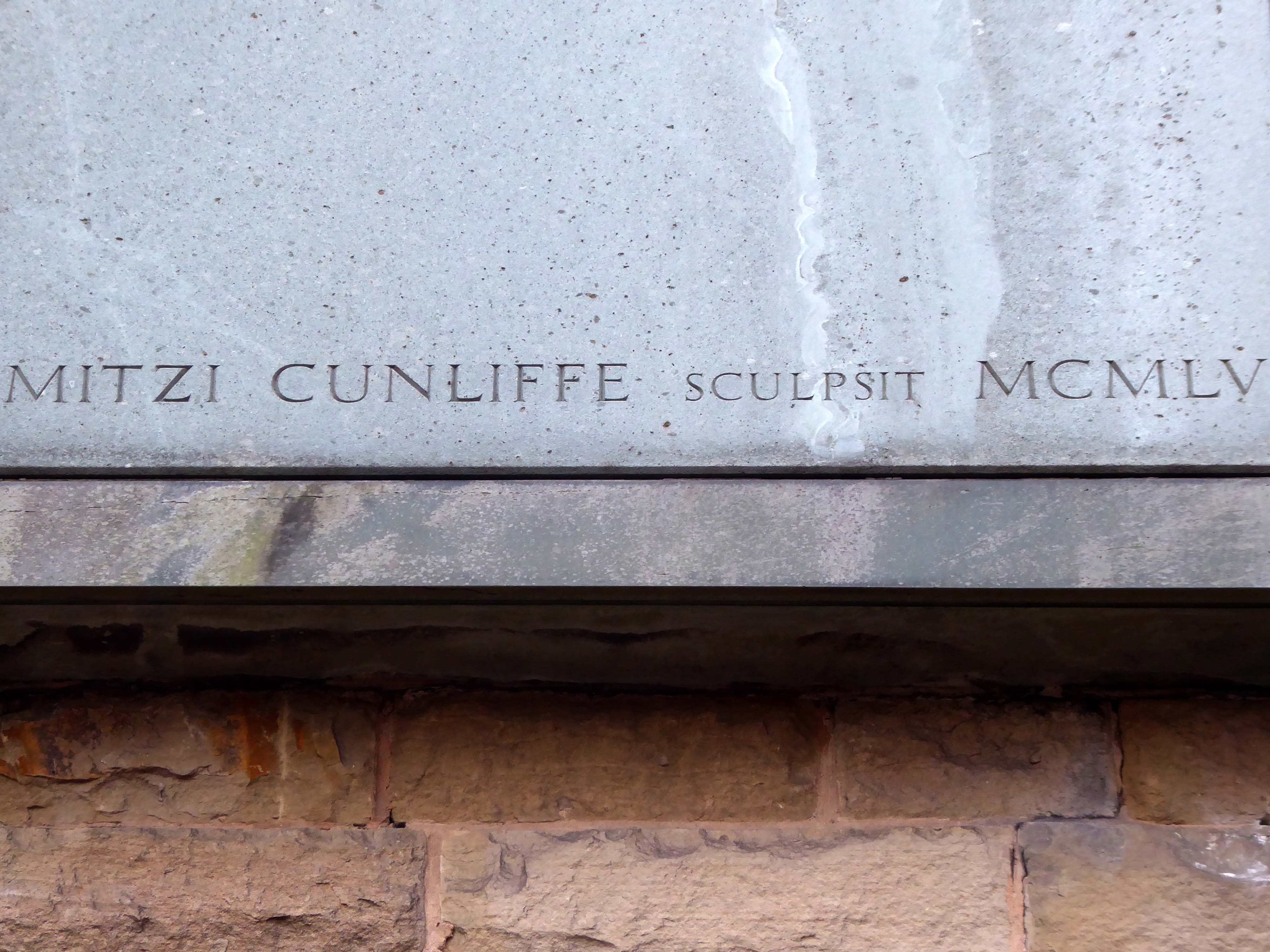
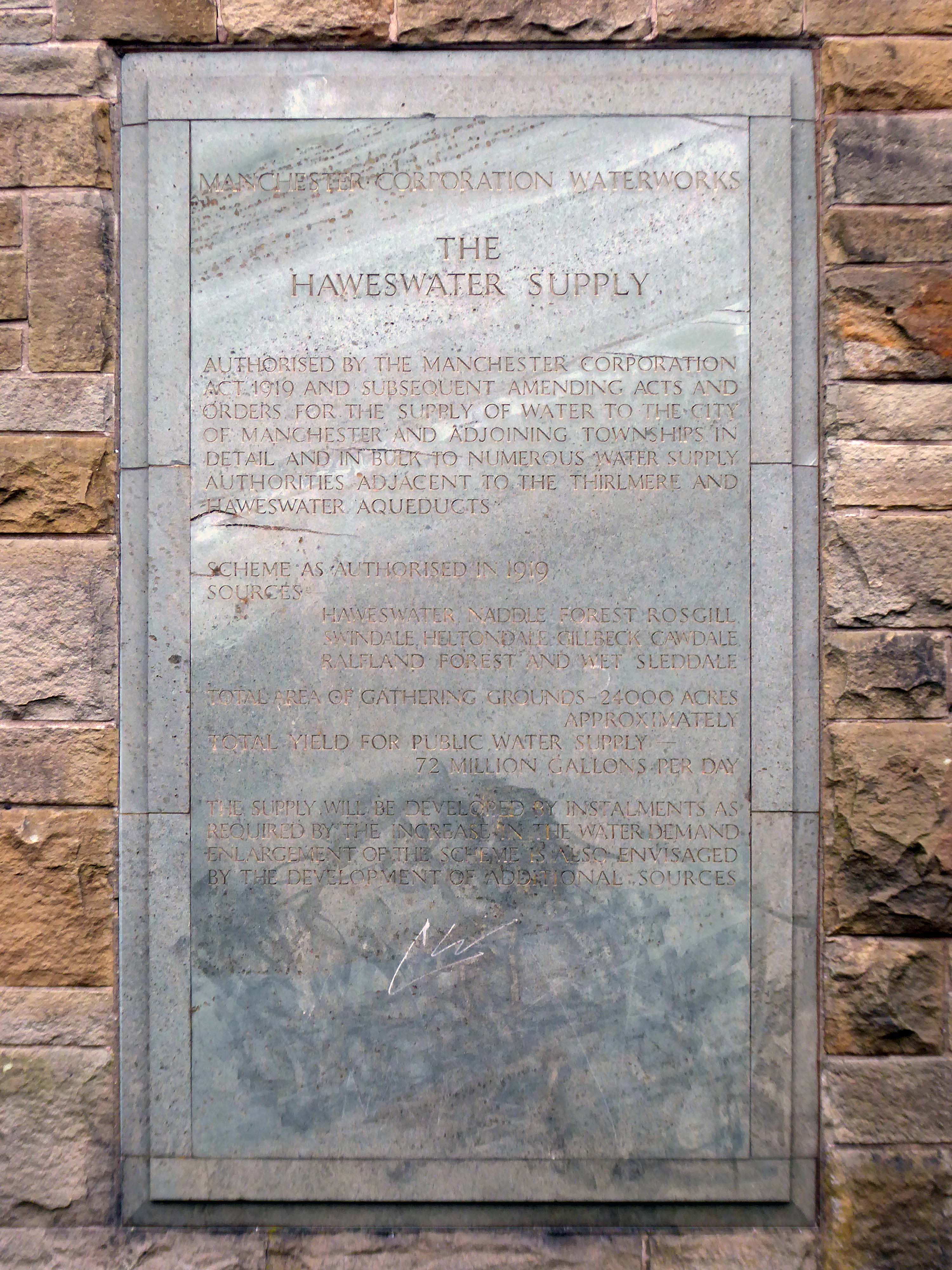
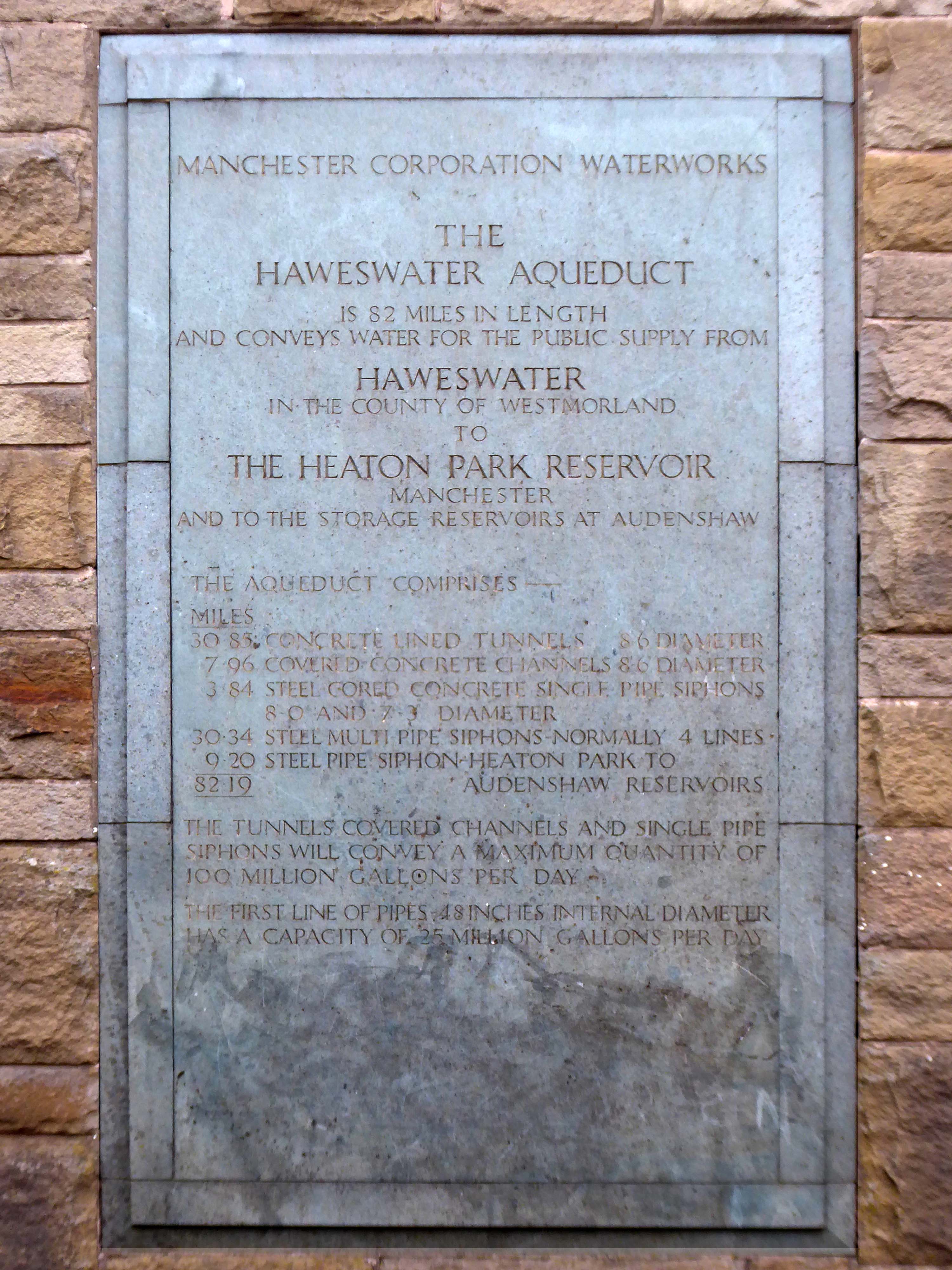
Built between 1954-5 by the Manchester City Architect’s Department, Chief Architect Leonard C Howitt, for the Manchester Corporation Waterworks. Alan Atkinson, engineer. Incorporates large relief by Mitzi Cunliffe, signed and dated 1955. Yorkshire sandstone, with Westmorland greenstone from Broughton Moor used as relief. Roof not seen above dentiled overhang.

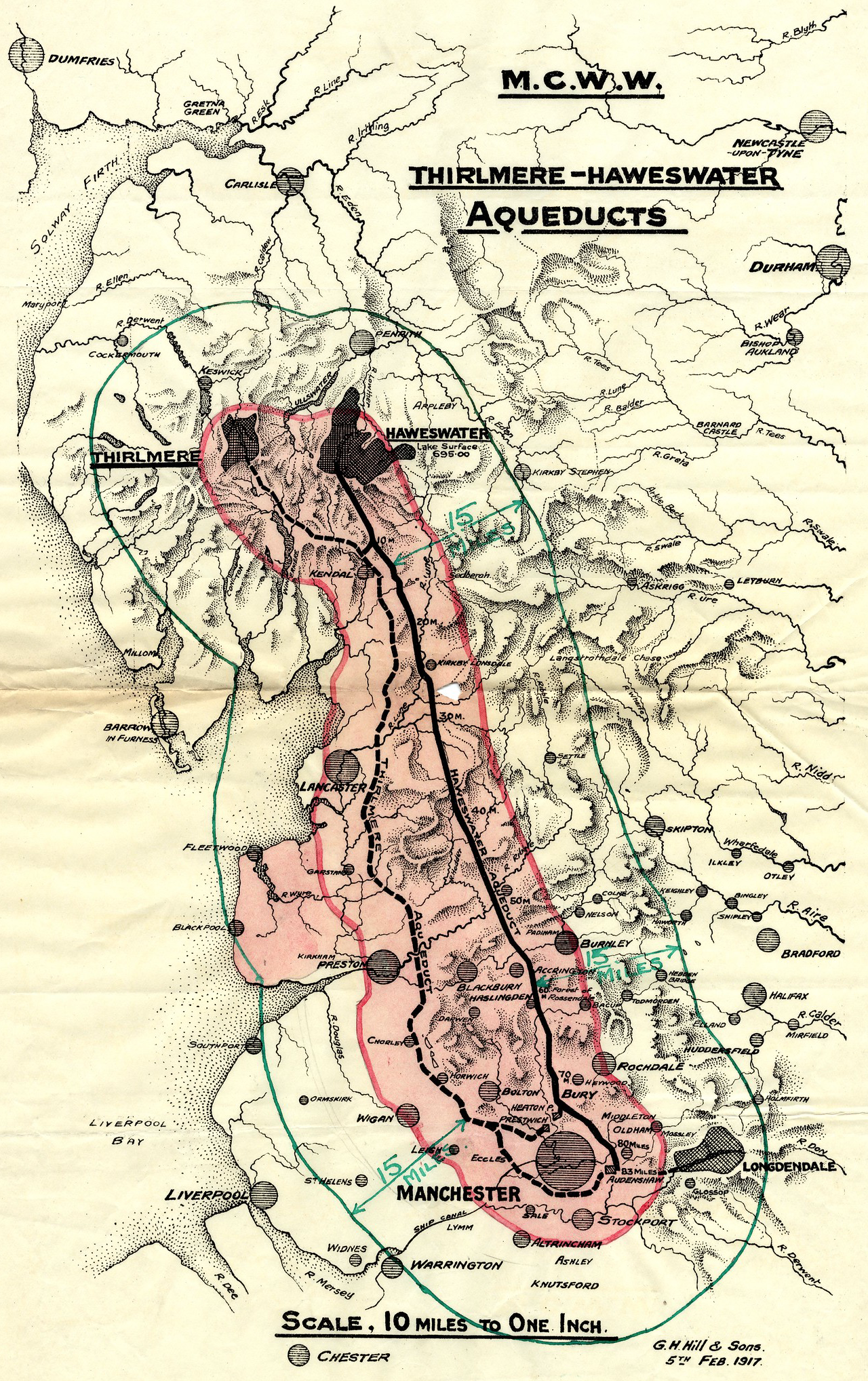
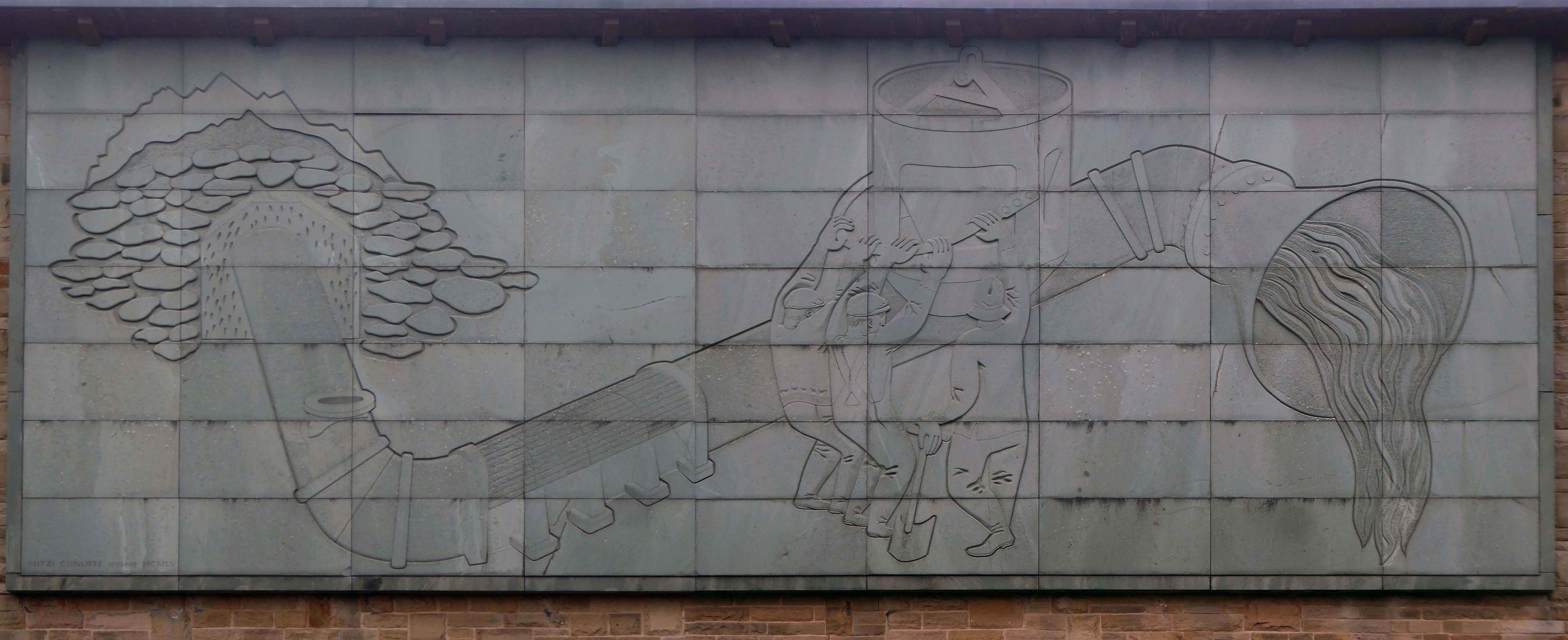
Carved relief is a highly stylised depiction of the bringing of water from Haweswater to Manchester with contemporary figures supporting the pipeline and a curious flat relief designed to be seen from below. It was designed to commemorate those who constructed it as well as the origin and course of the aqueduct. Beneath it five plaques tell the history of the Haweswater supply.

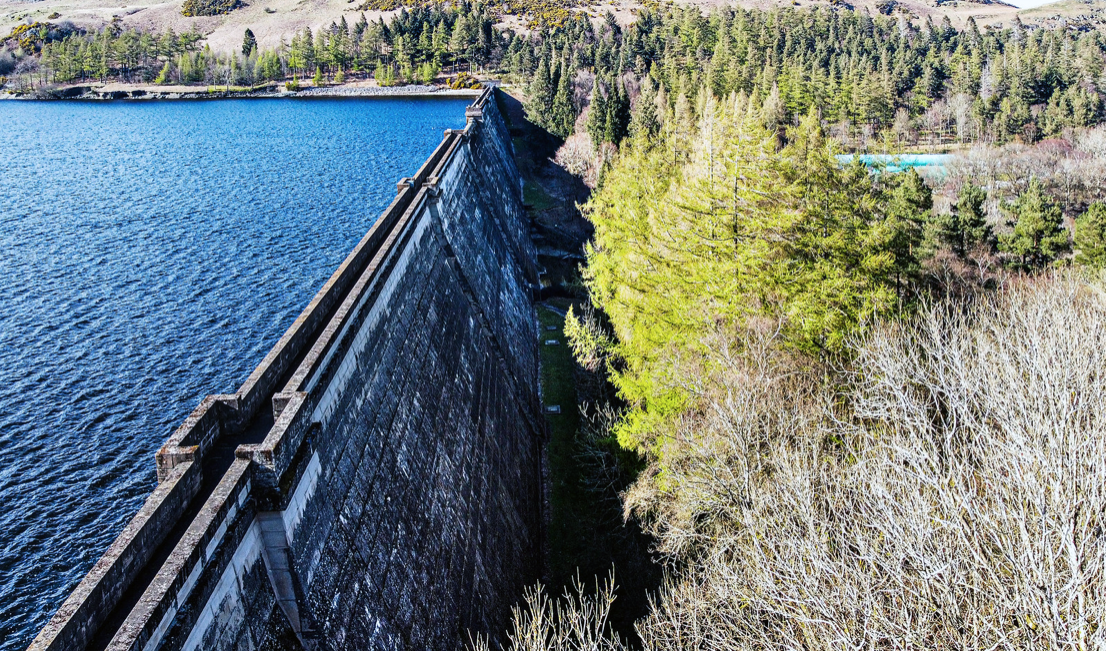
Haweswater Dam – Paul King

Completely preserved interior fully lined in beige marble, with contrasting green marble skirting continued as door surround. Behind the Cunliffe mural is a wood relief section in sycamore depicting the 82 mile route of the pipe.

The bringing of water to Manchester from a new reservoir at Haweswater was a major undertaking which cost £14,000,000. The sectional relief plan and the mural were conceived as part of the original brief to give a ‘monumental’ character to the city’s remarkable achievement. Included as a remarkable synthesis of architectural design and fine sculpture, with the dominance of the latter in this tiny building. The building materials and the reliefs are all symbolic of the achievement in bringing of water from the Lake District to Manchester.

Historic England Grade II Listed

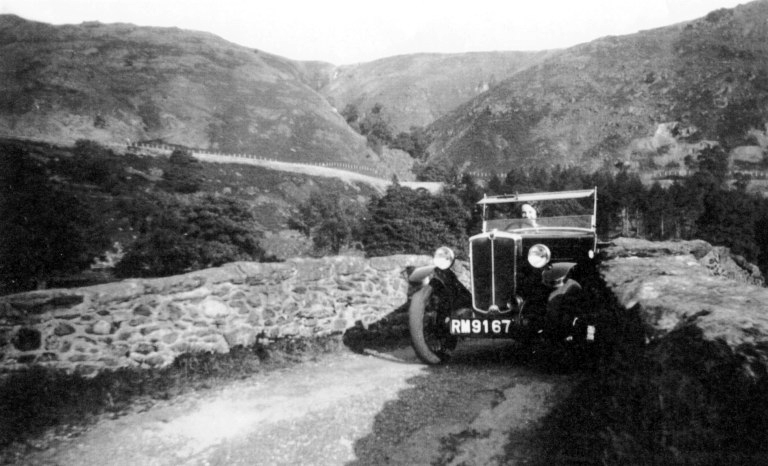
In 1929 work started to build the dam wall across the valley floor. At the time of construction, its design was considered to be at the forefront of civil engineering technology because it was the world’s first hollow buttress dam.

Chapel Bridge Mardale

Before the valley was flooded in 1935, all the farms and dwellings of the villages of Mardale Green and Measand were demolished, as well as the centuries-old Dun Bull Inn at Mardale Green. The village church was dismantled and the stone used in constructing the dam; all the bodies in the churchyard were exhumed and re-buried at Shap.

Wikipedia

I have previously led Mitzi Cunliffe walks in south Manchester – taking in her works at Owens Park and Manchester High School for Girls.

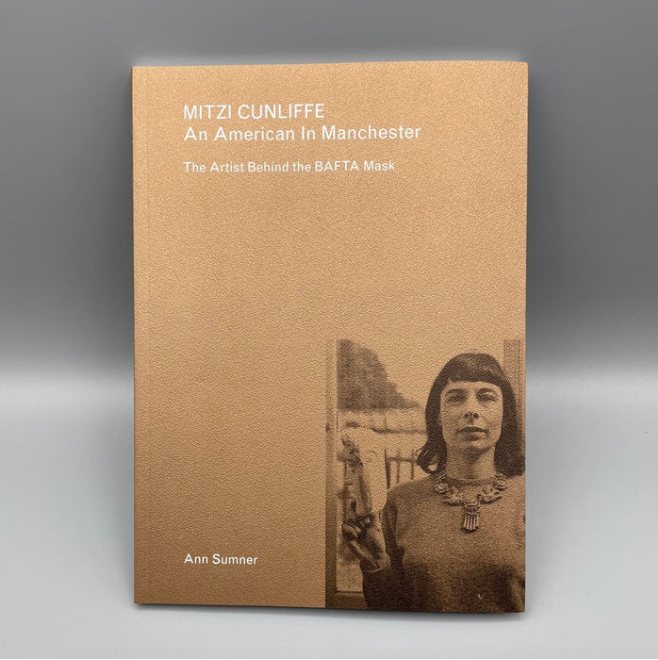
Mitzi Cunliffe is primarily known as the designer of the BAFTA Award, but her work encompasses both ceramics and textiles, in addition to her extensive public art works – as illustrated here.

Mitzi Cunliffe – An American in Manchester is available from the Modernist Shop.

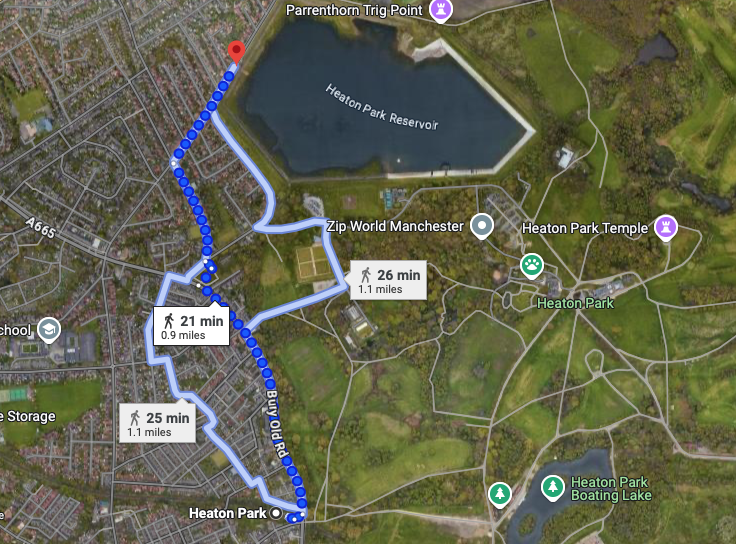
I took the tram to Heaton Park Station and walked the rest of the way.

The imposing structure, clad in the dramatic relief dominates this domesticated street of well behaved semis. As I stood admiring the work, a passerby joined me in a mutual appreciation of its beauty and significance.

Do yourself a favour – take a trip, take a look for yourself.

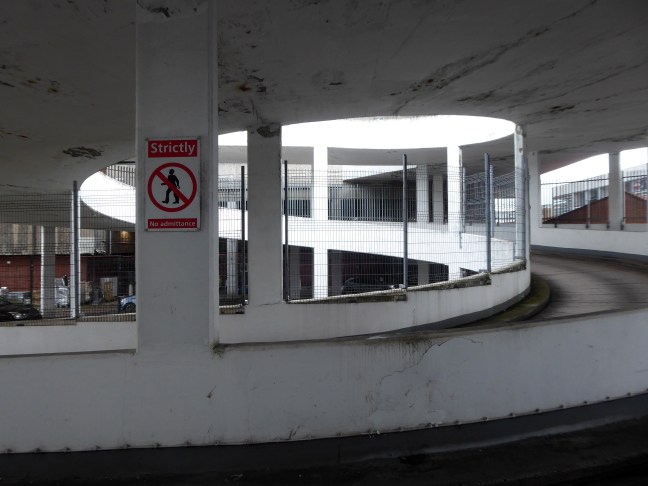
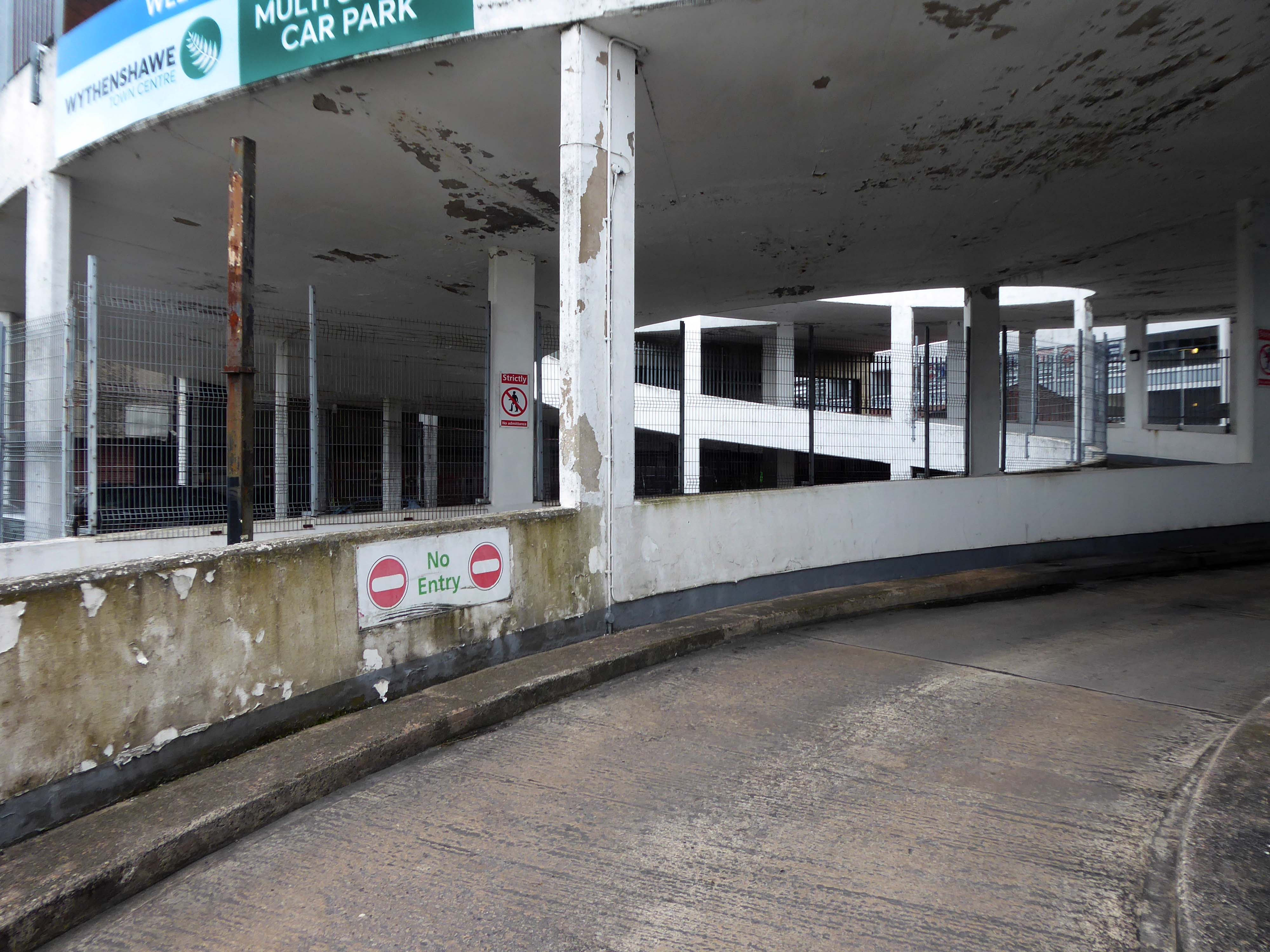
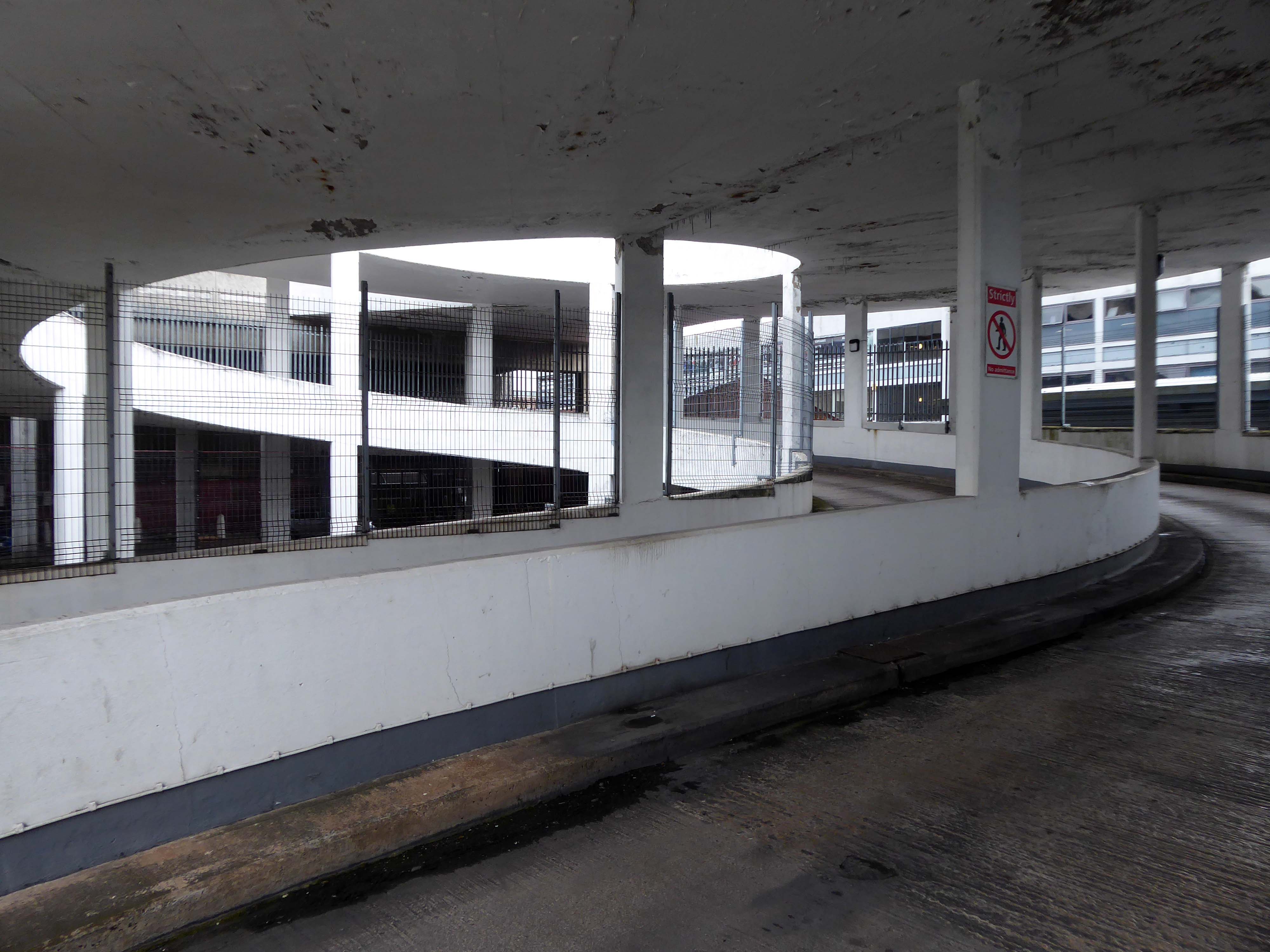
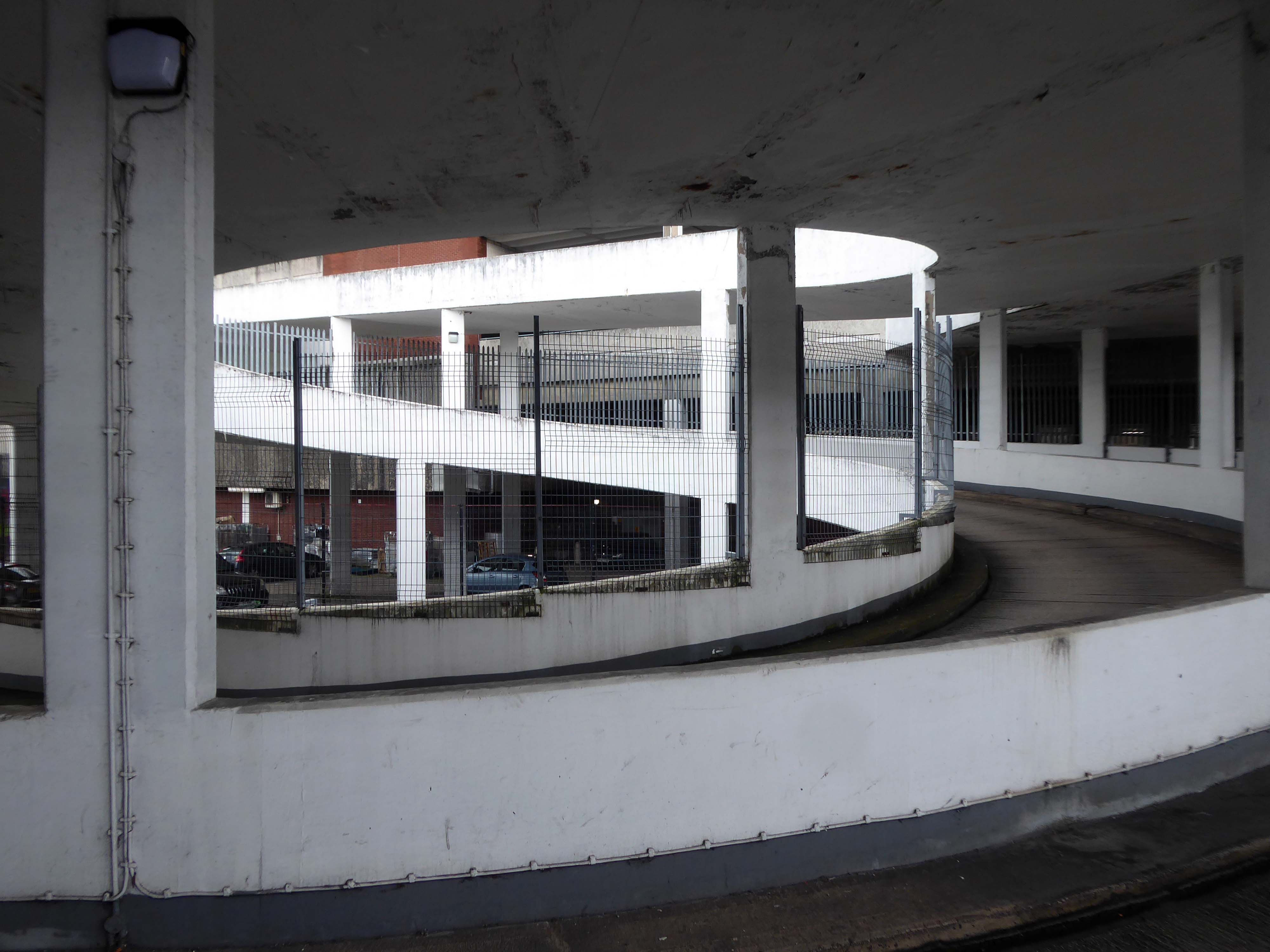
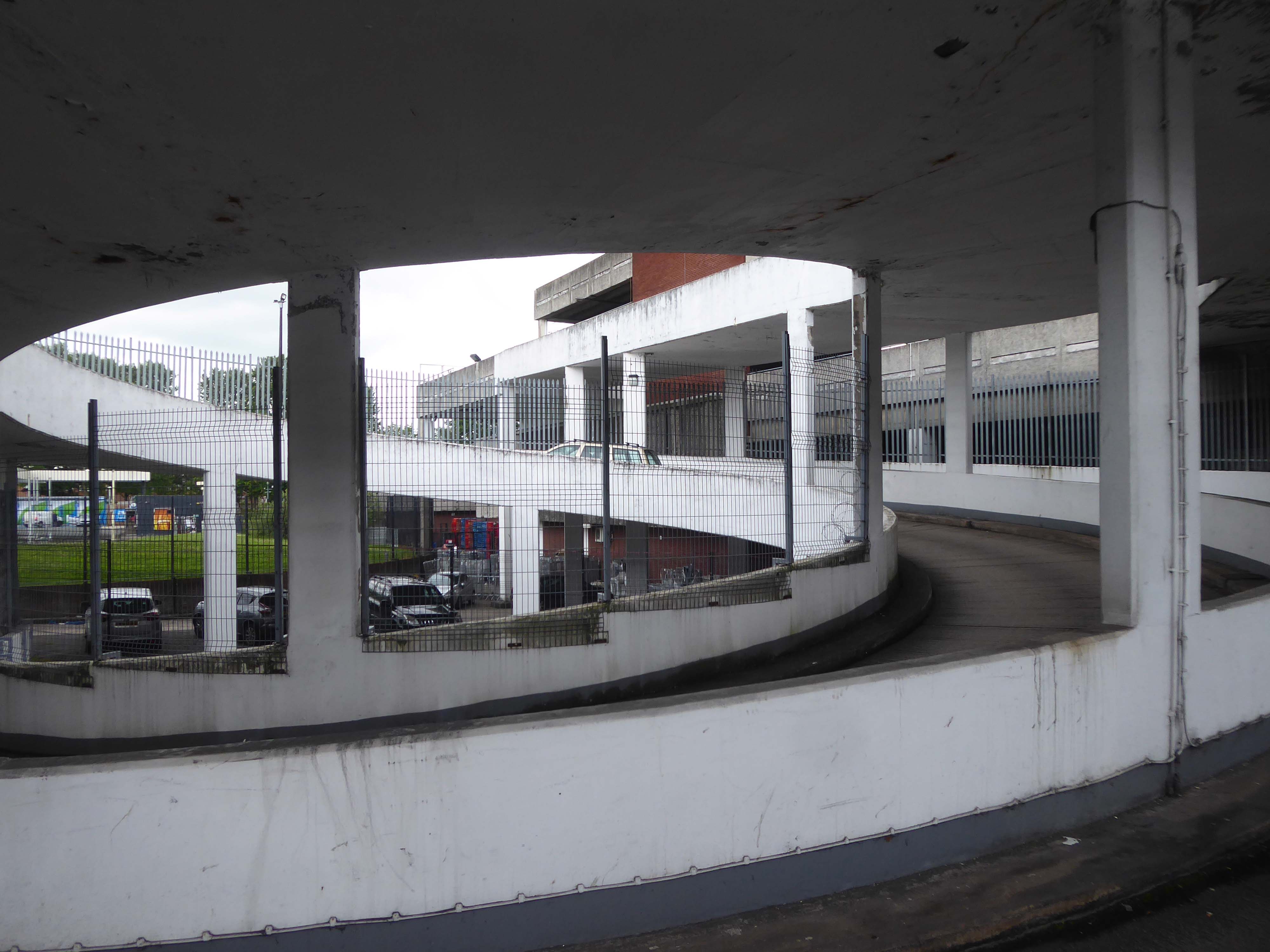
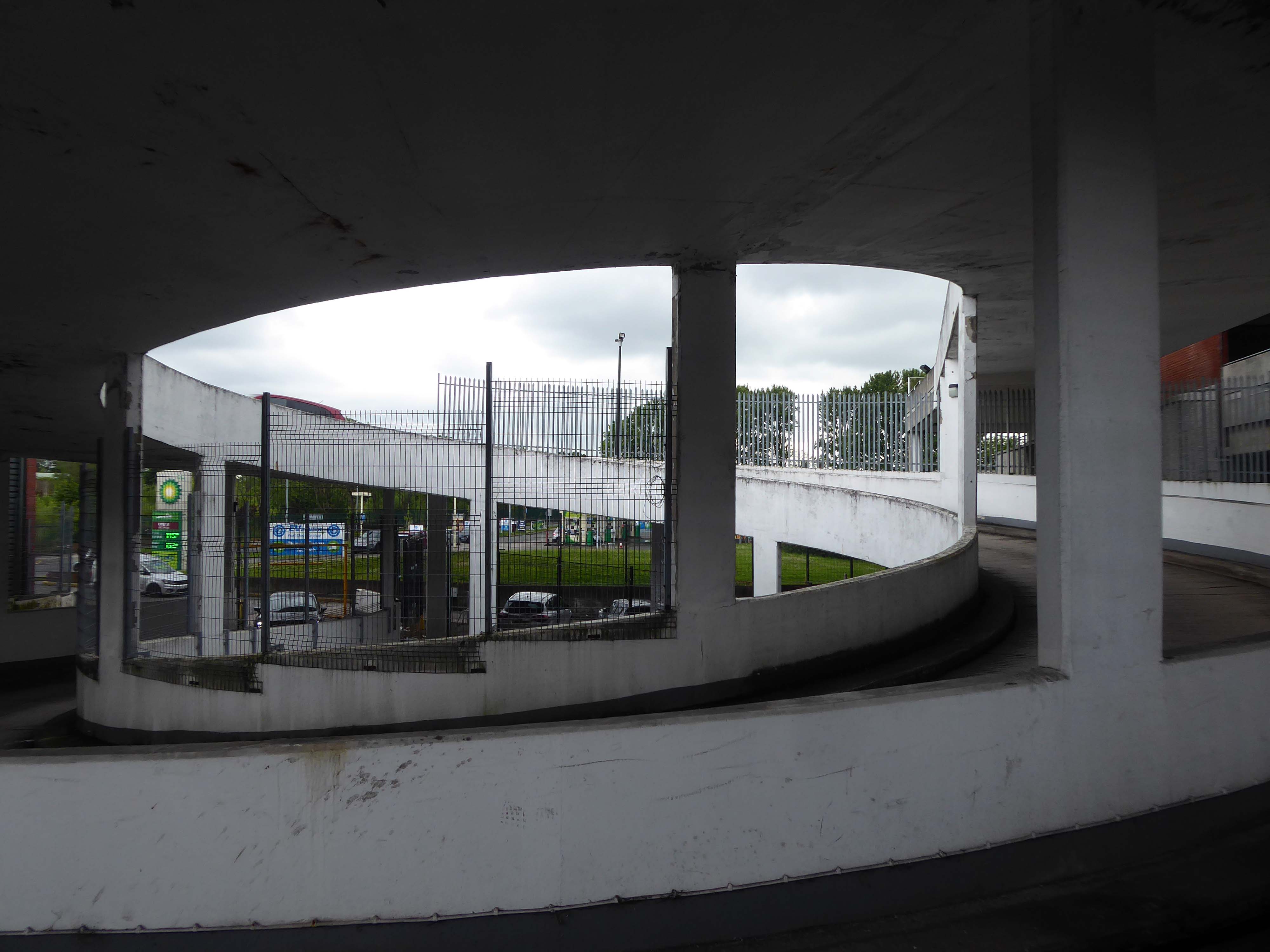
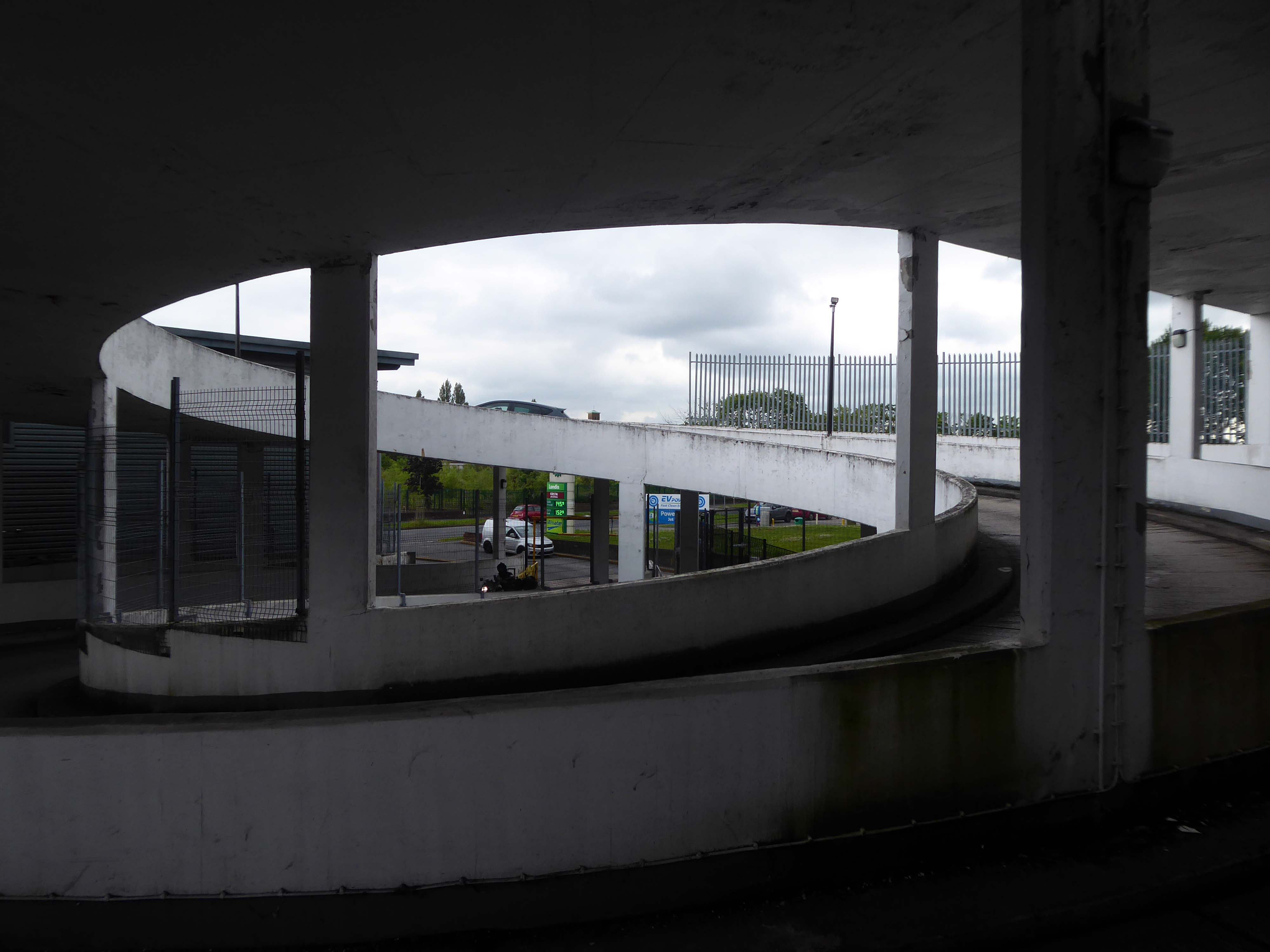
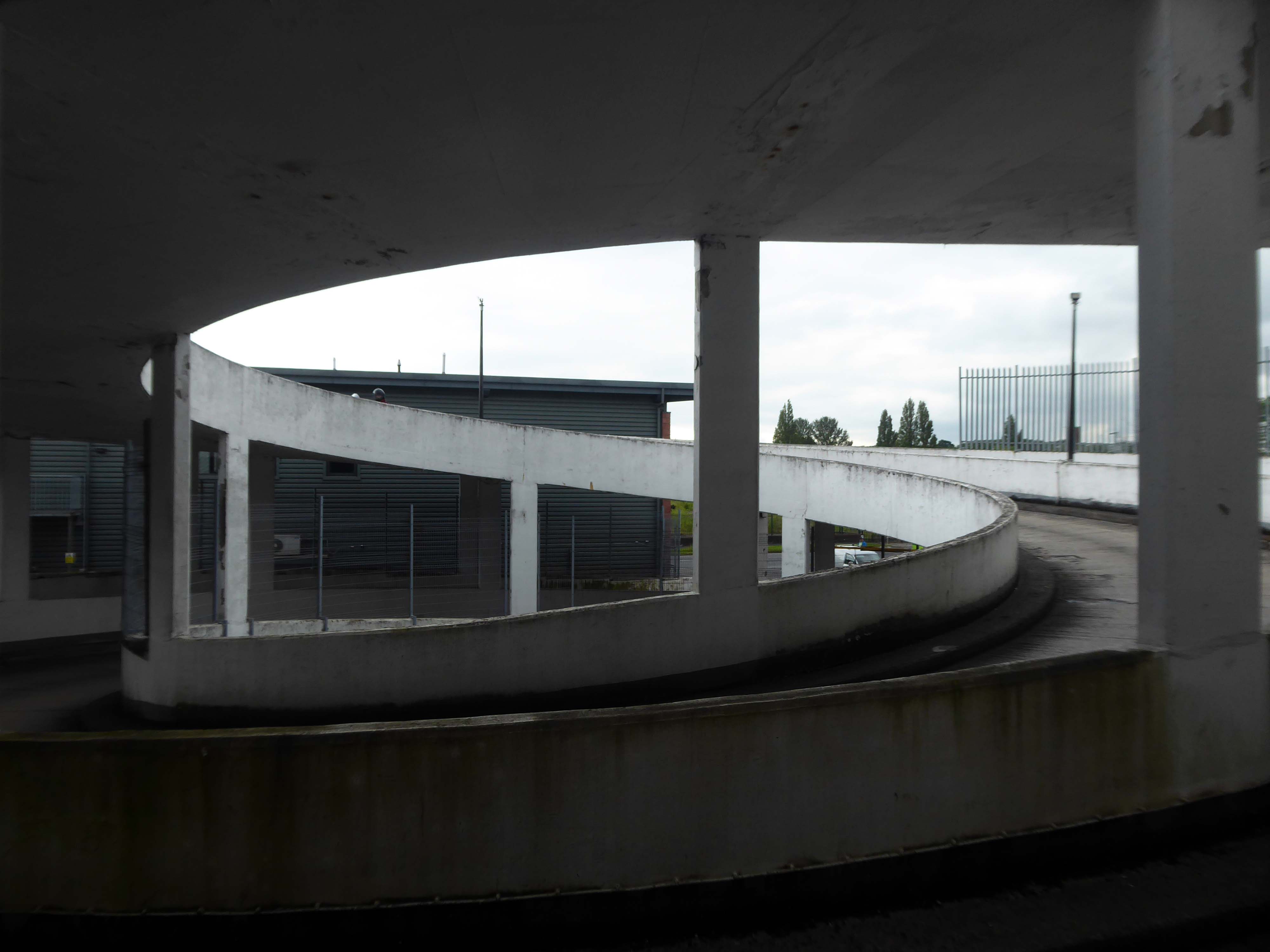
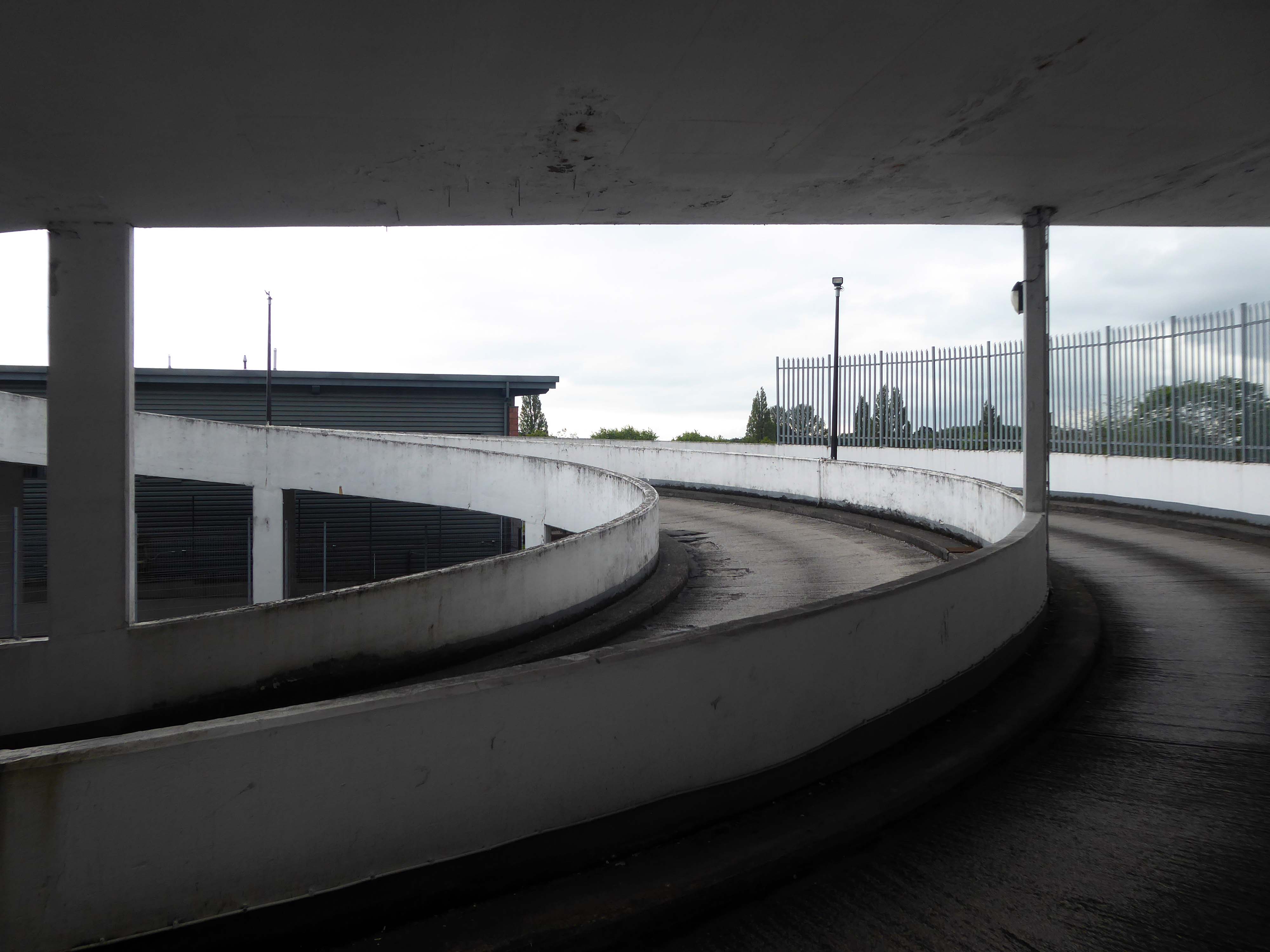
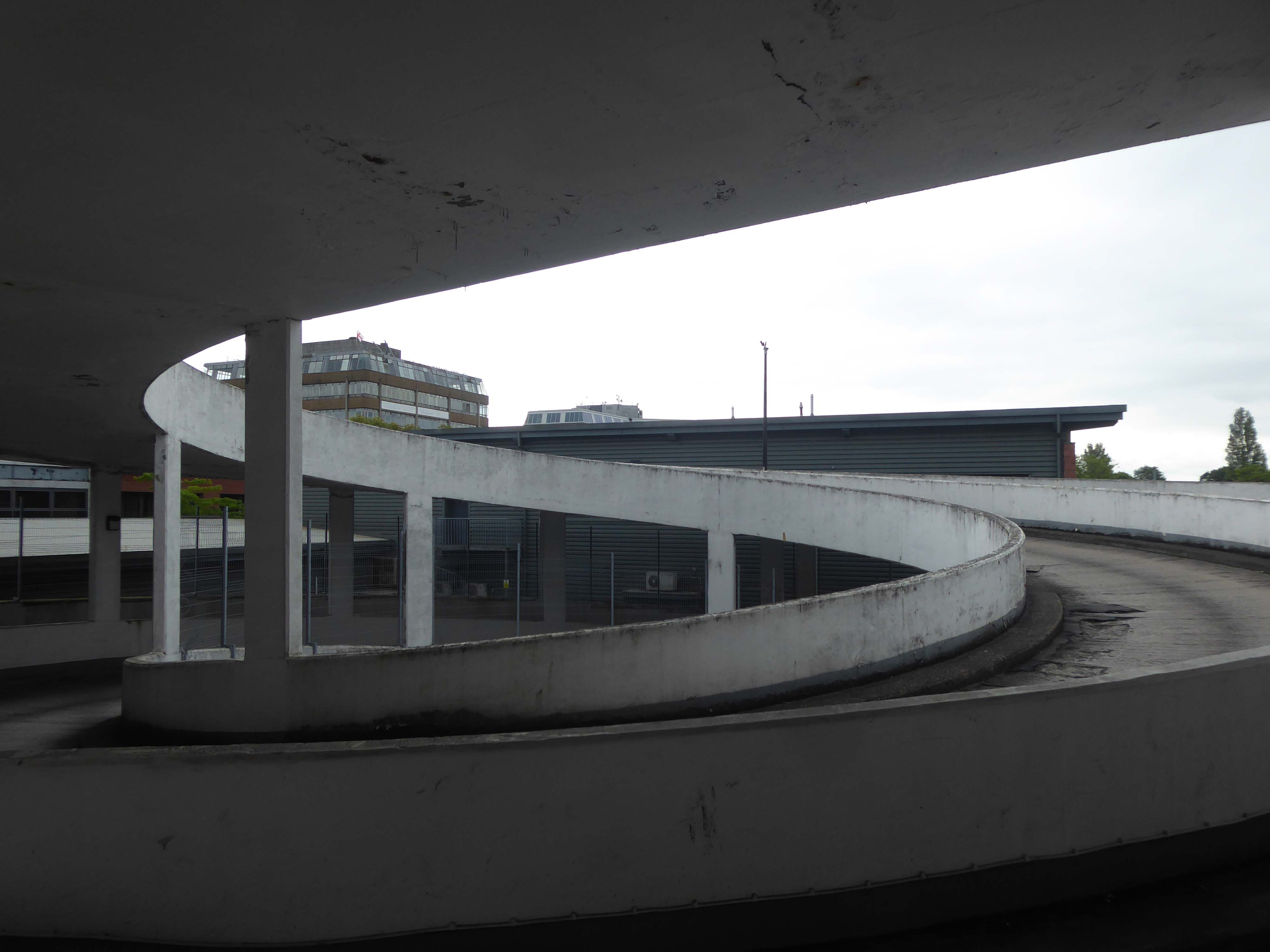
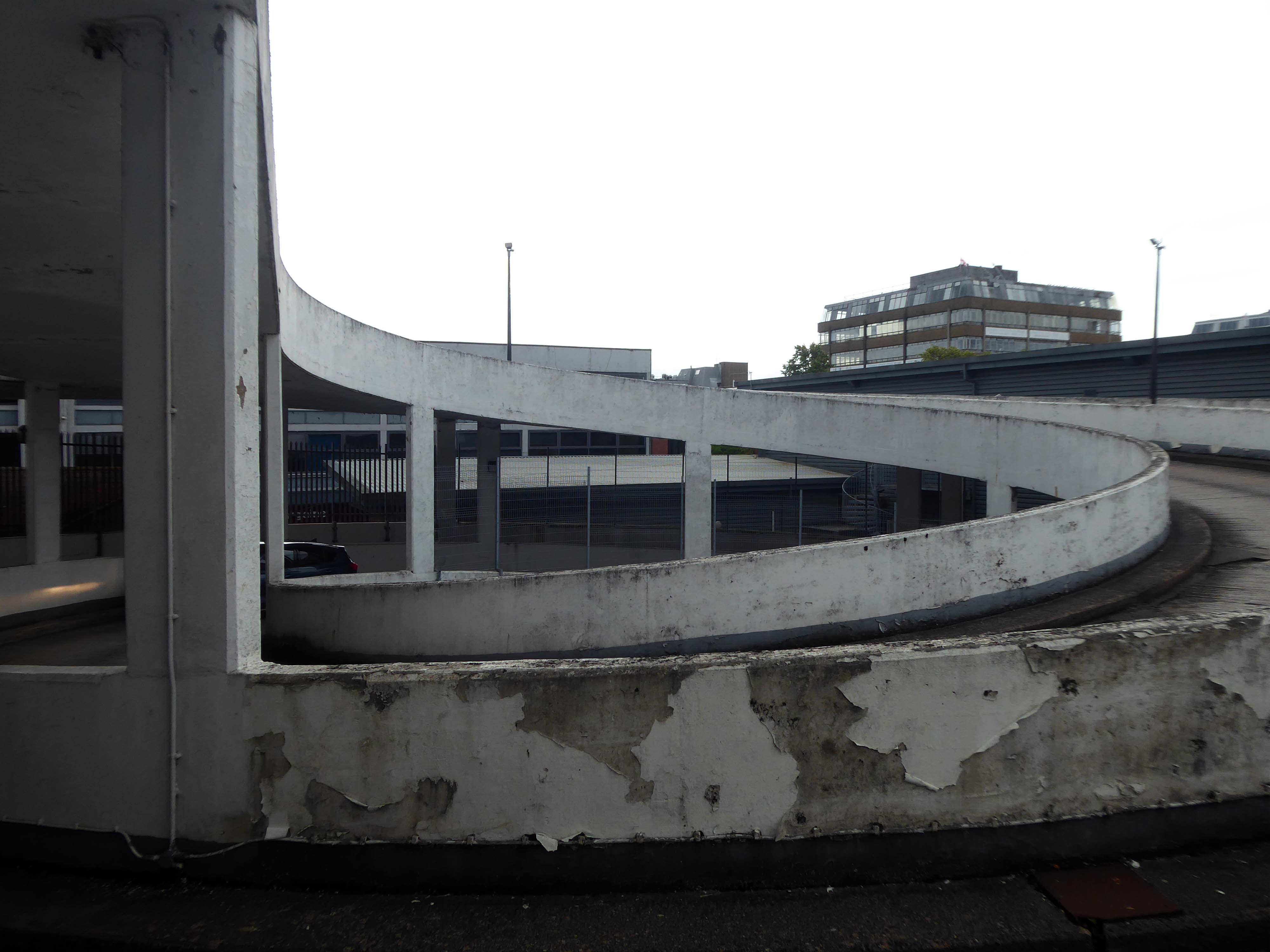
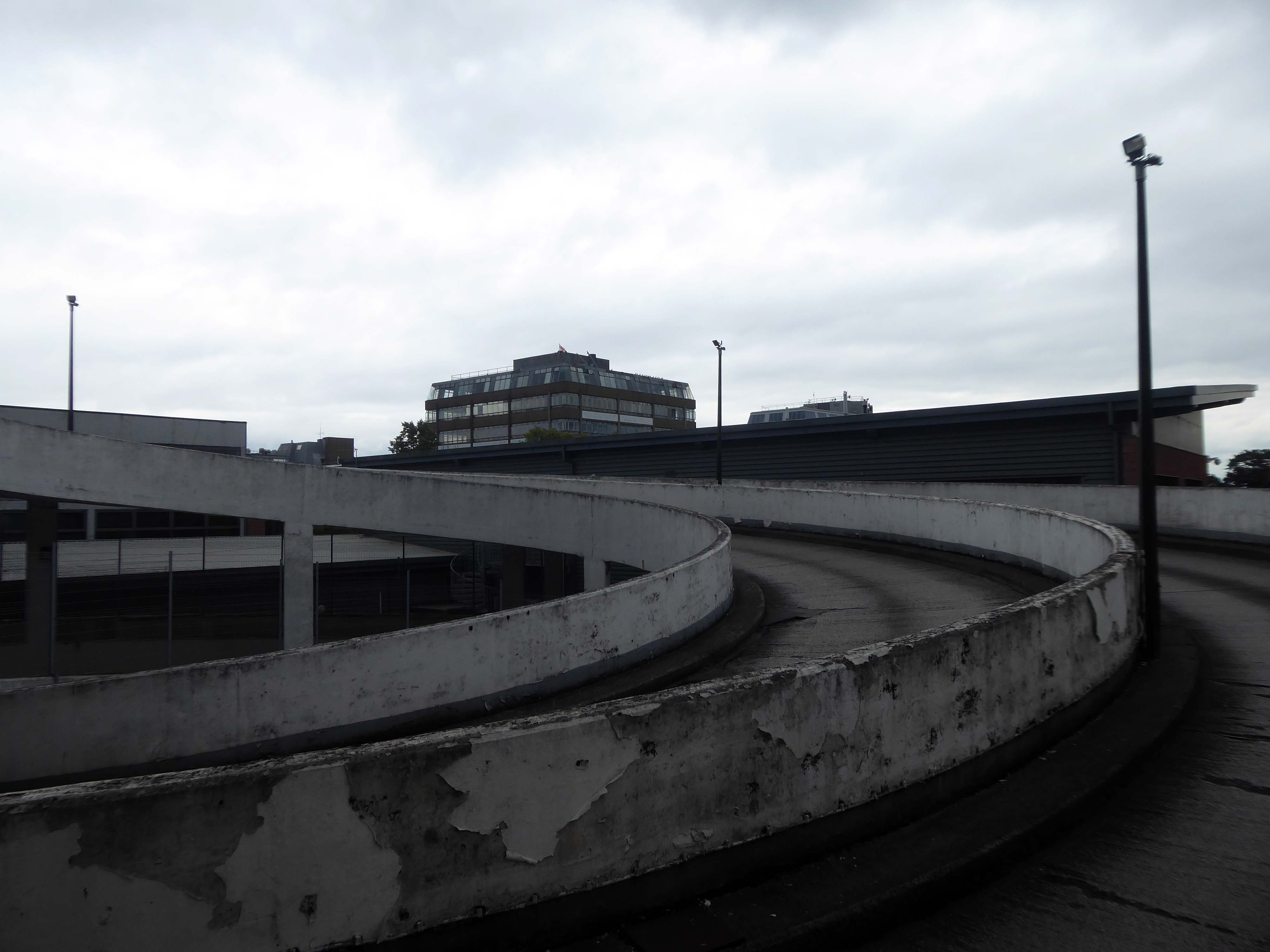
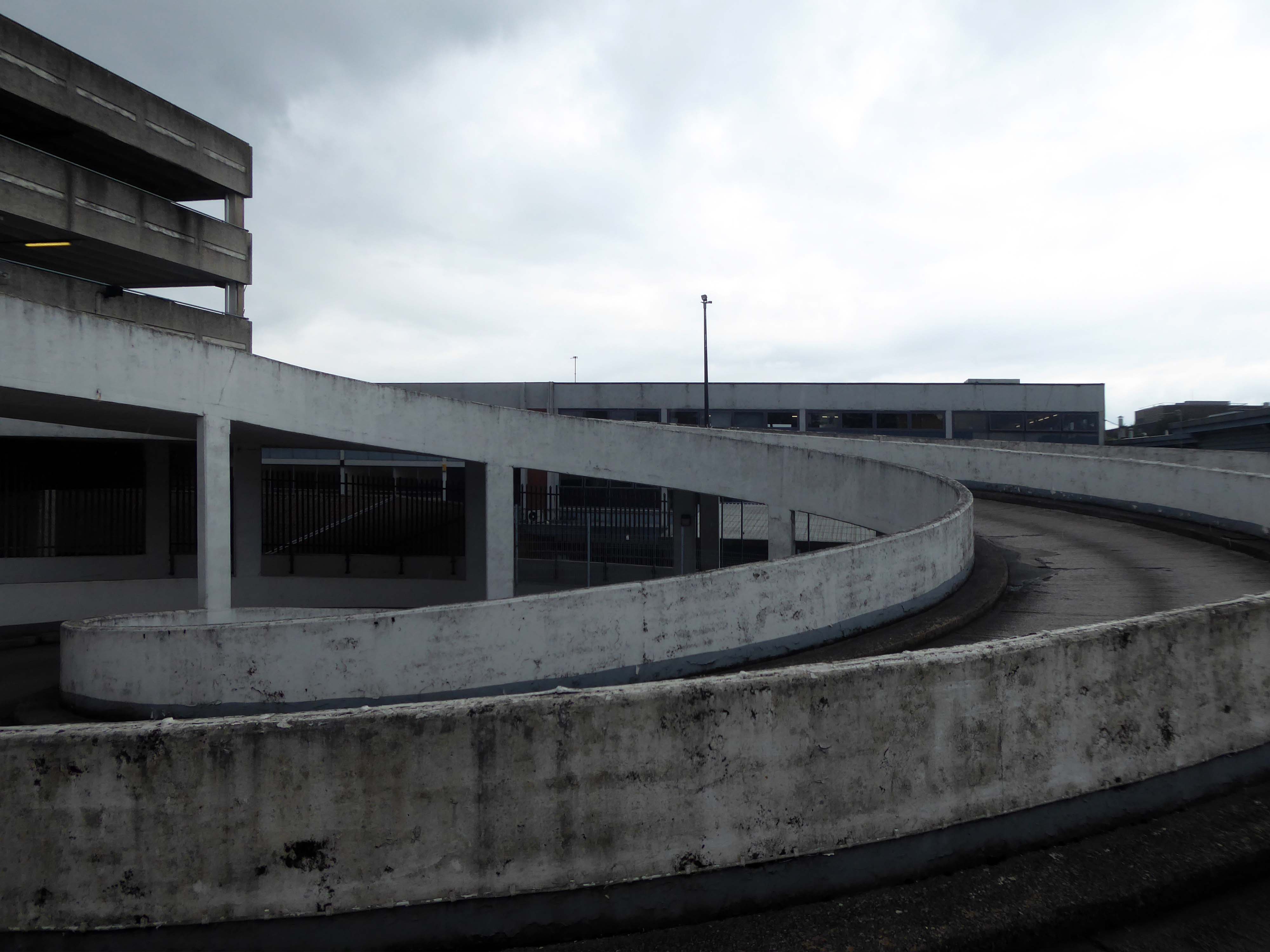
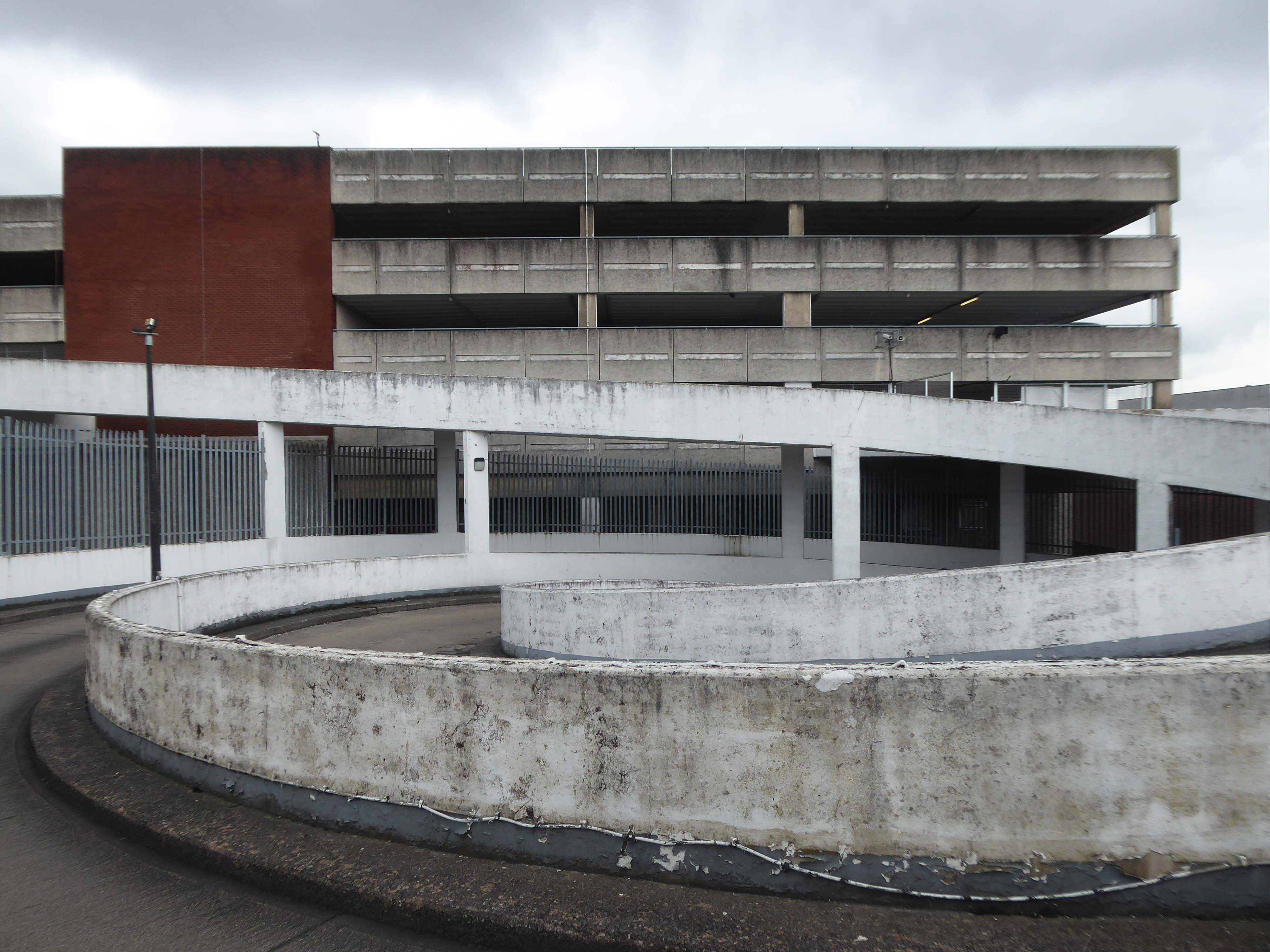
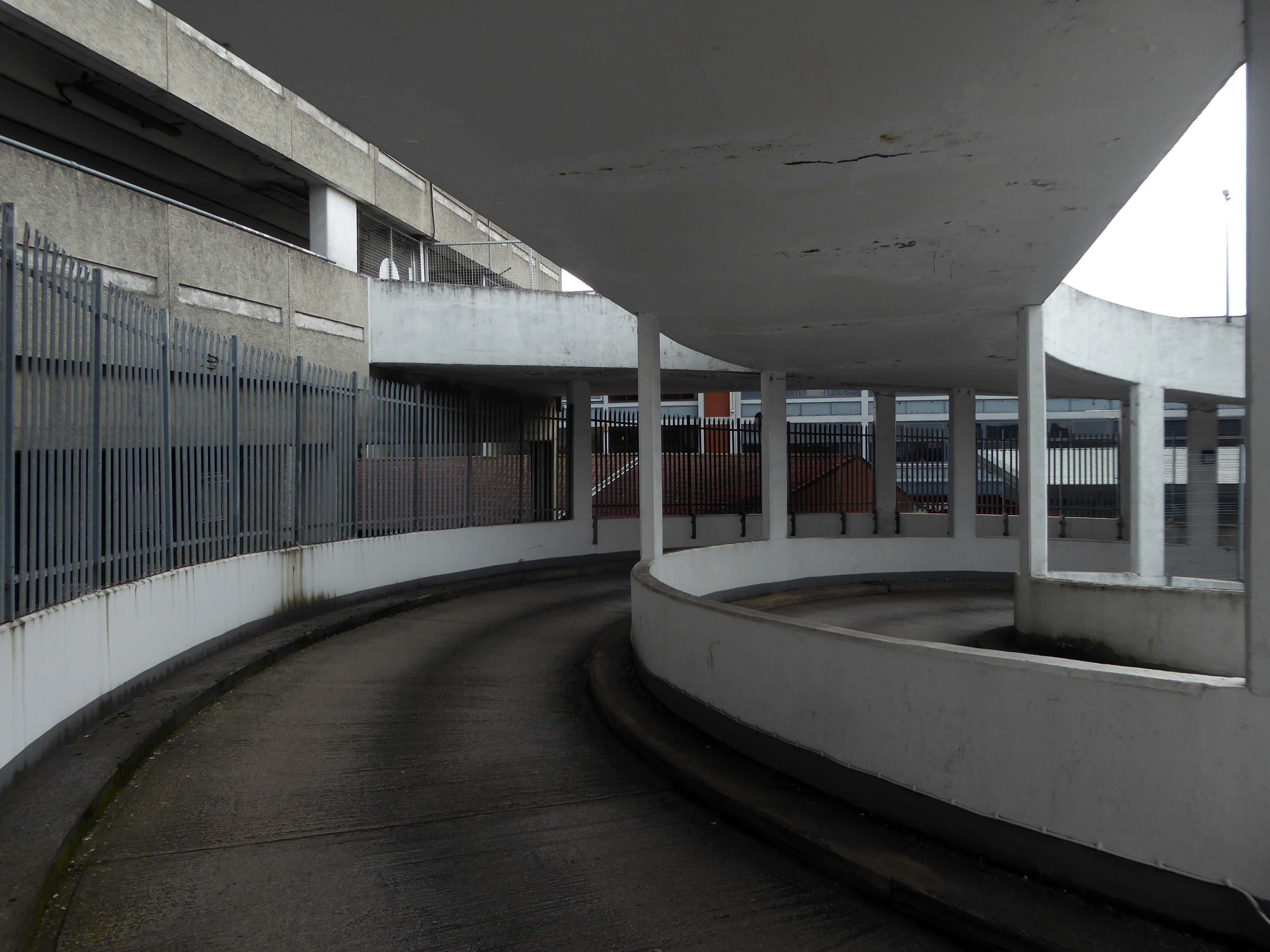
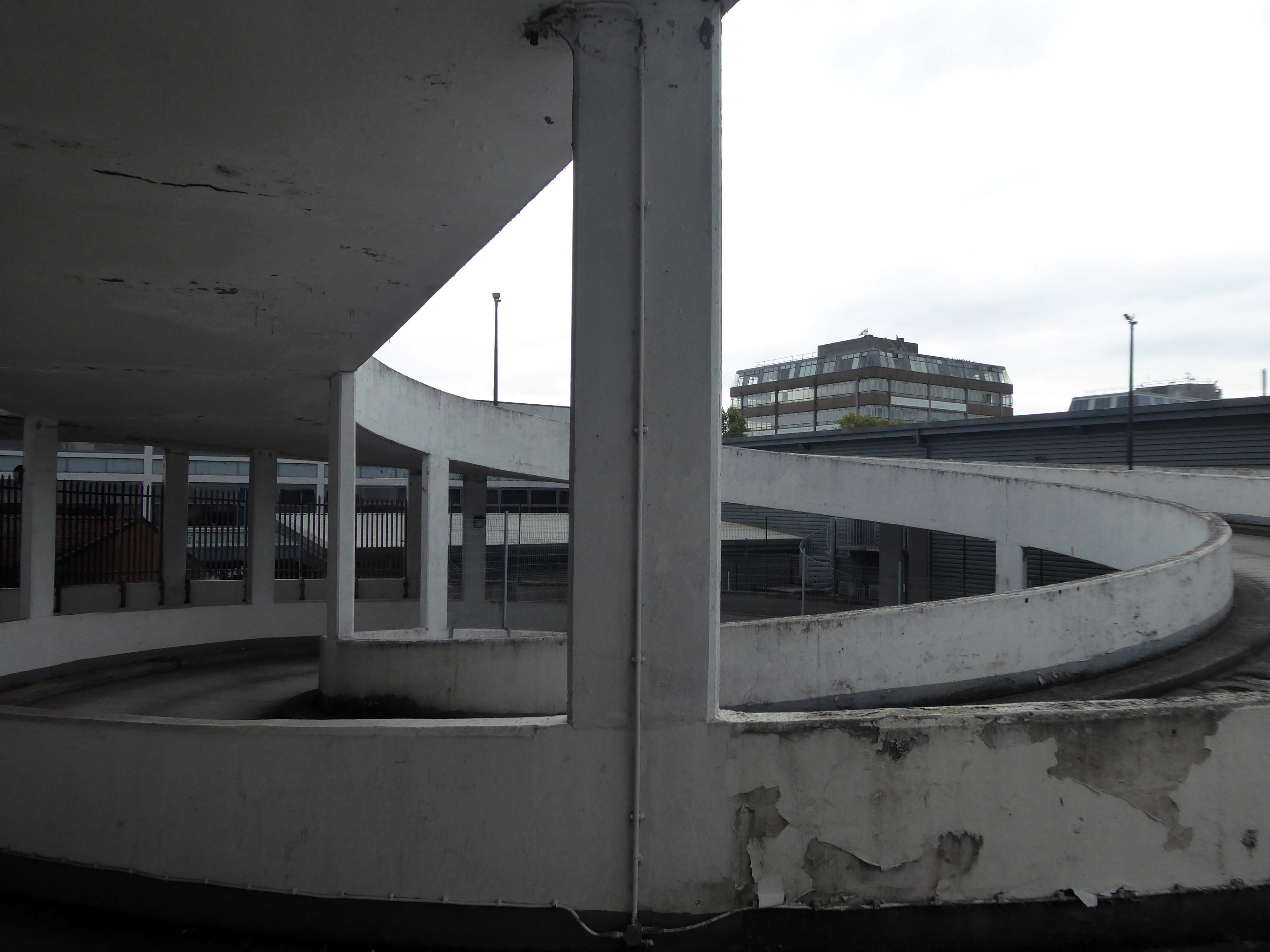
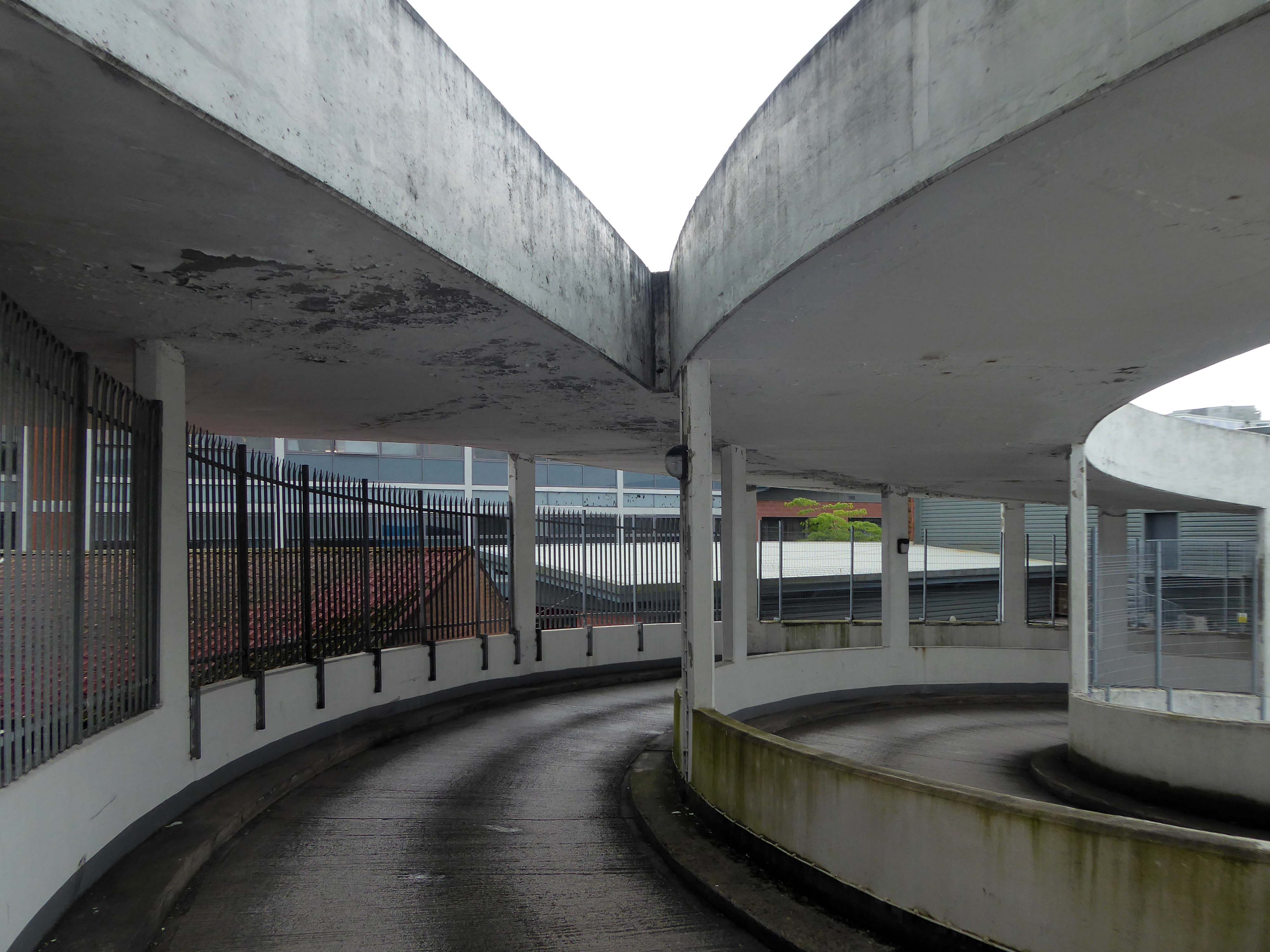
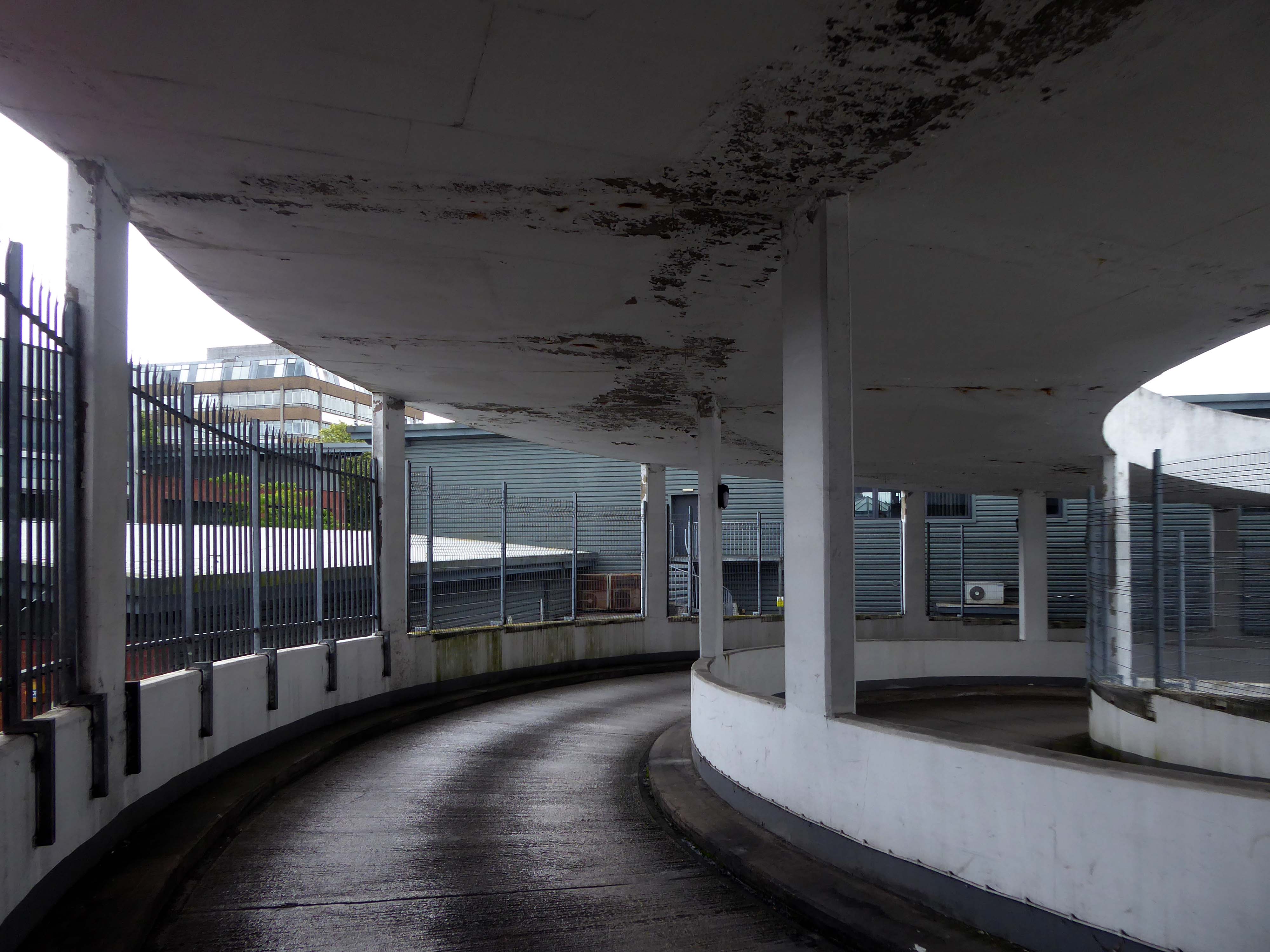
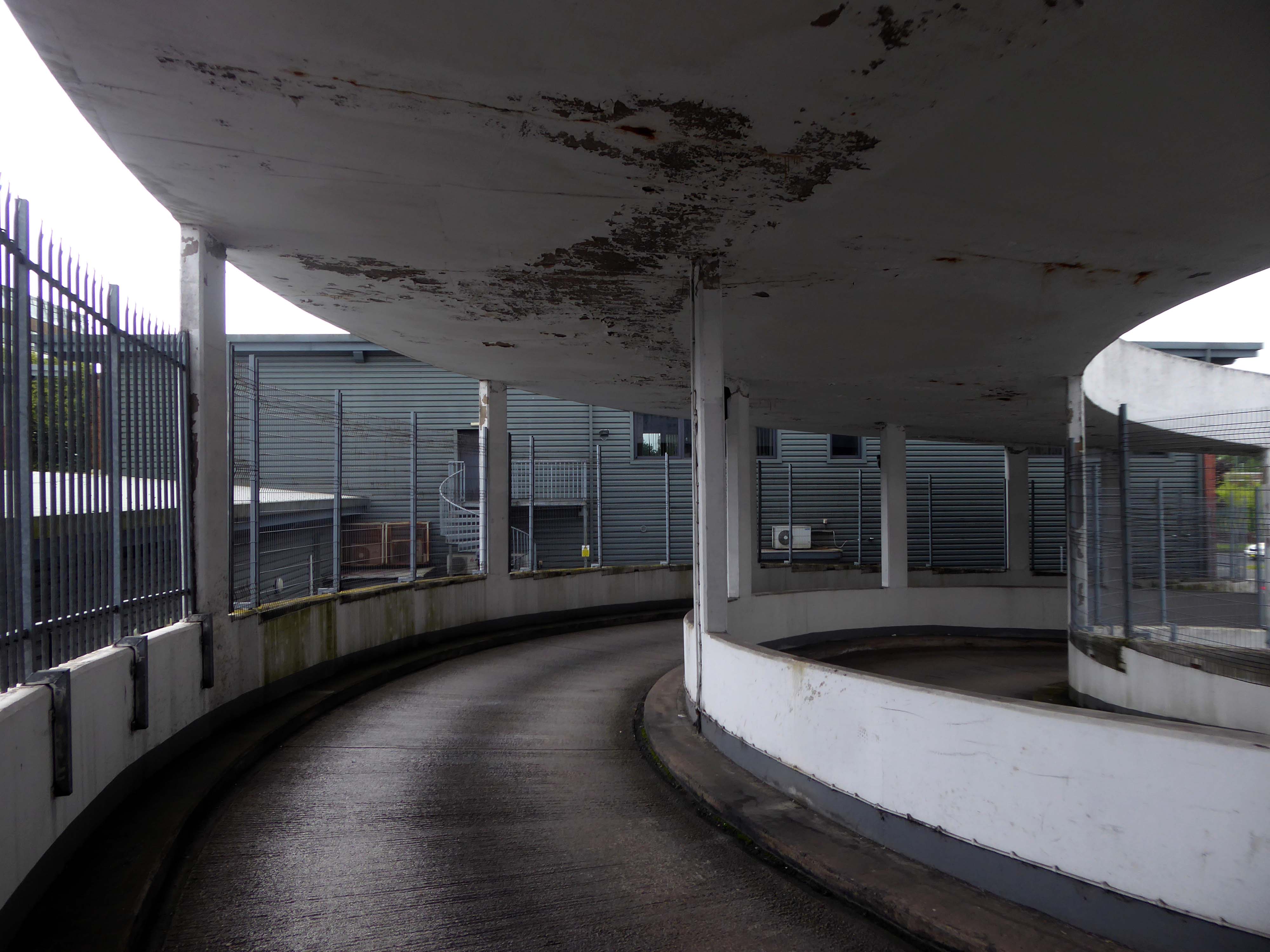
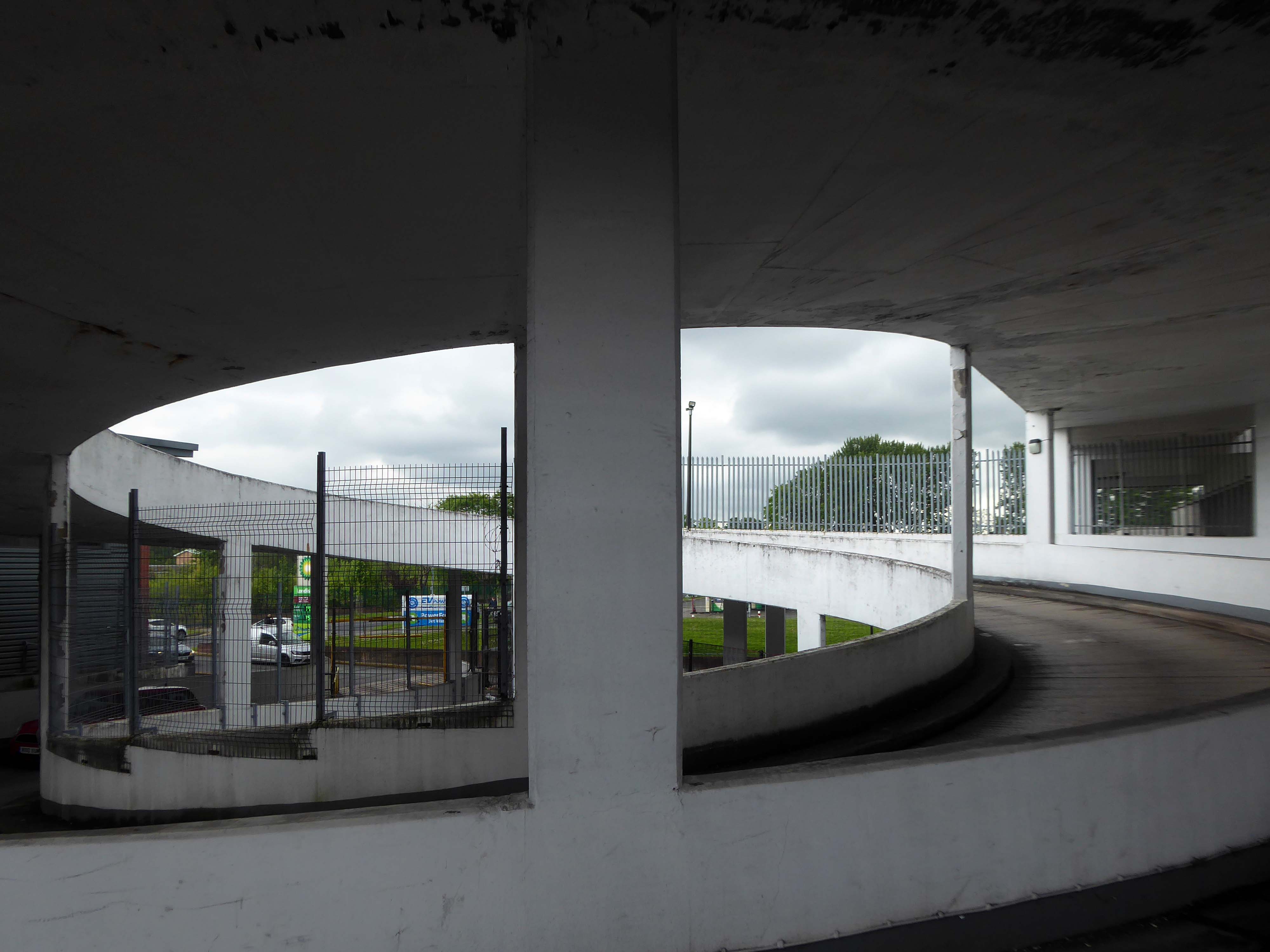
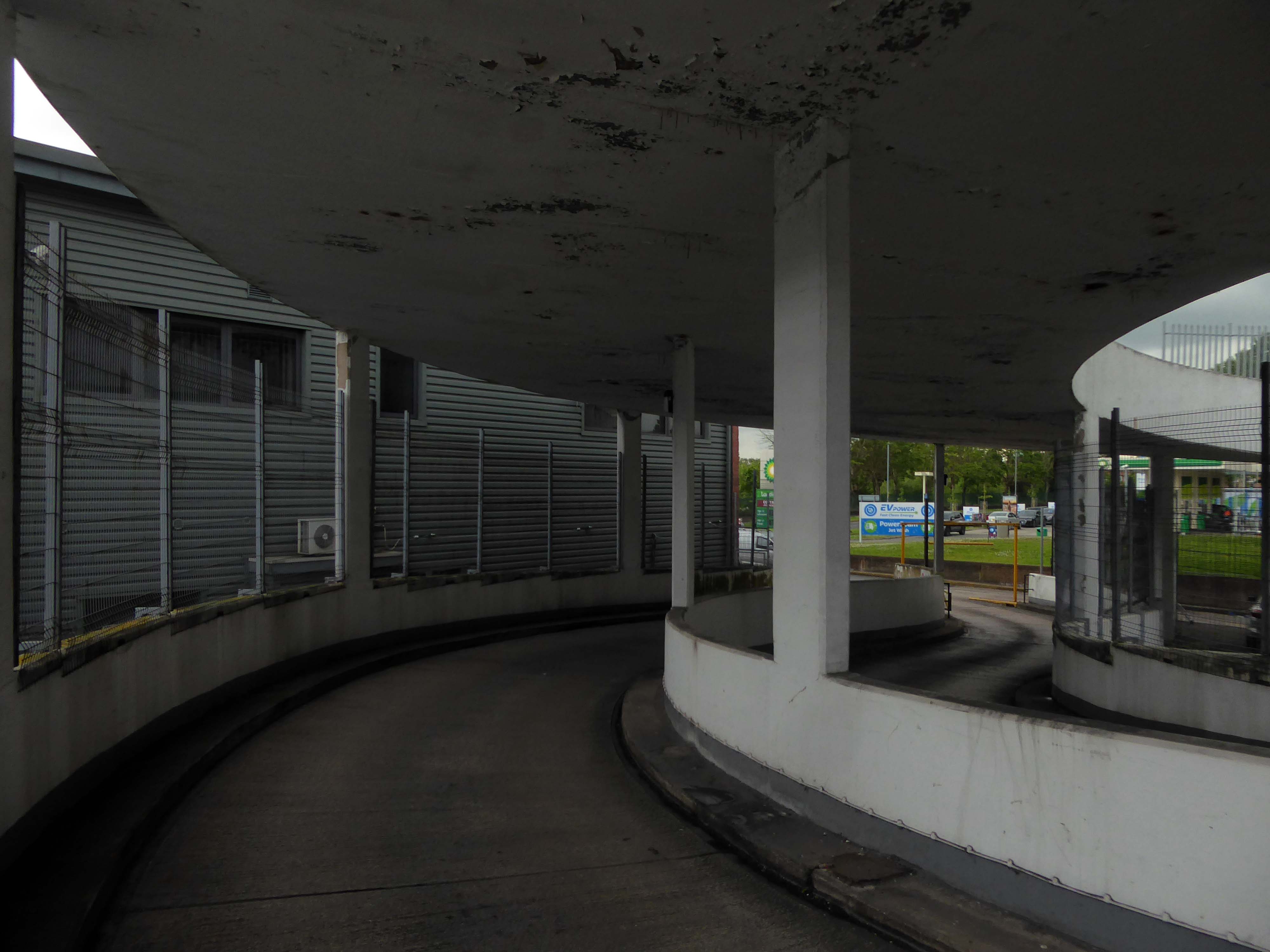
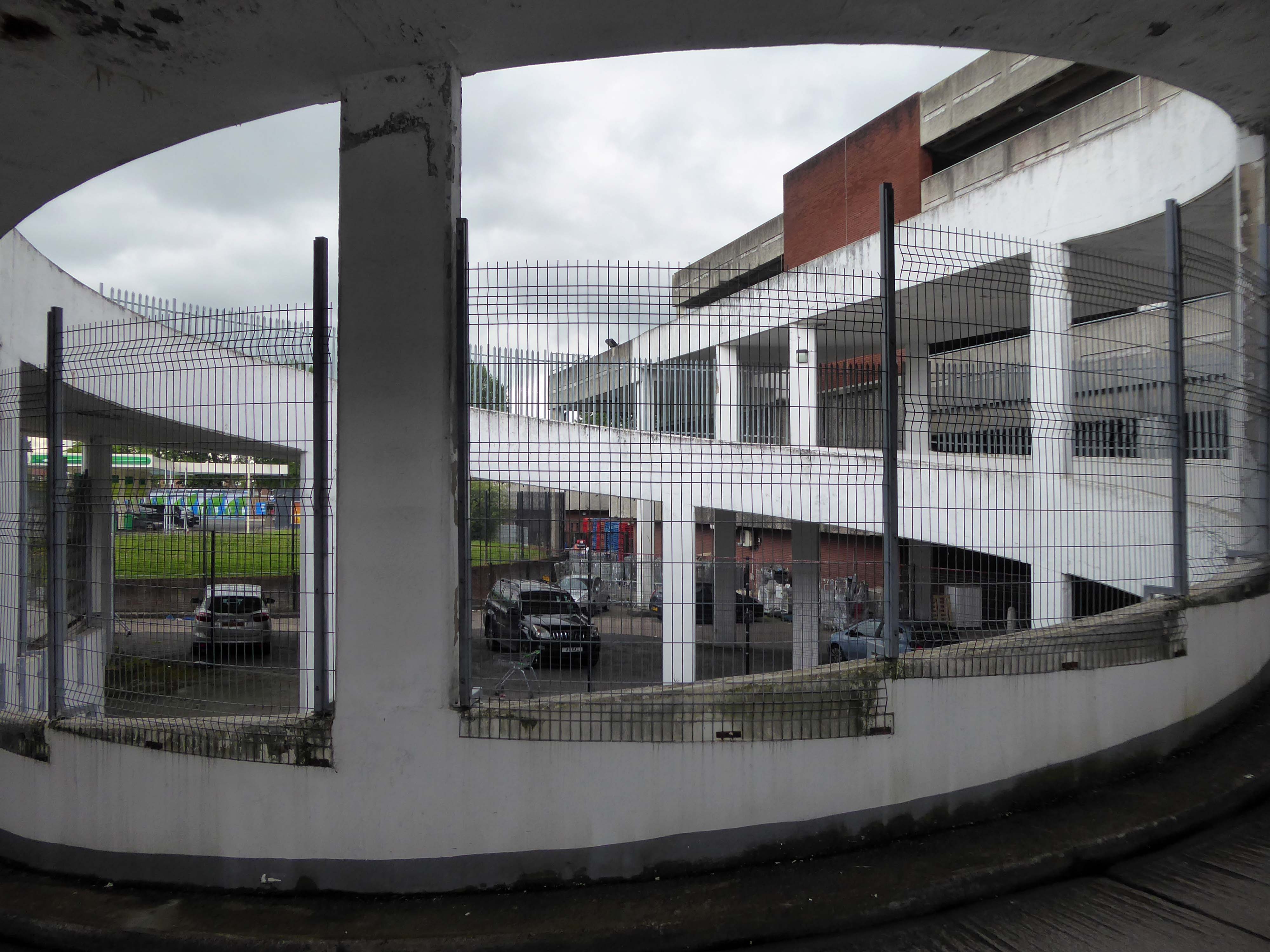
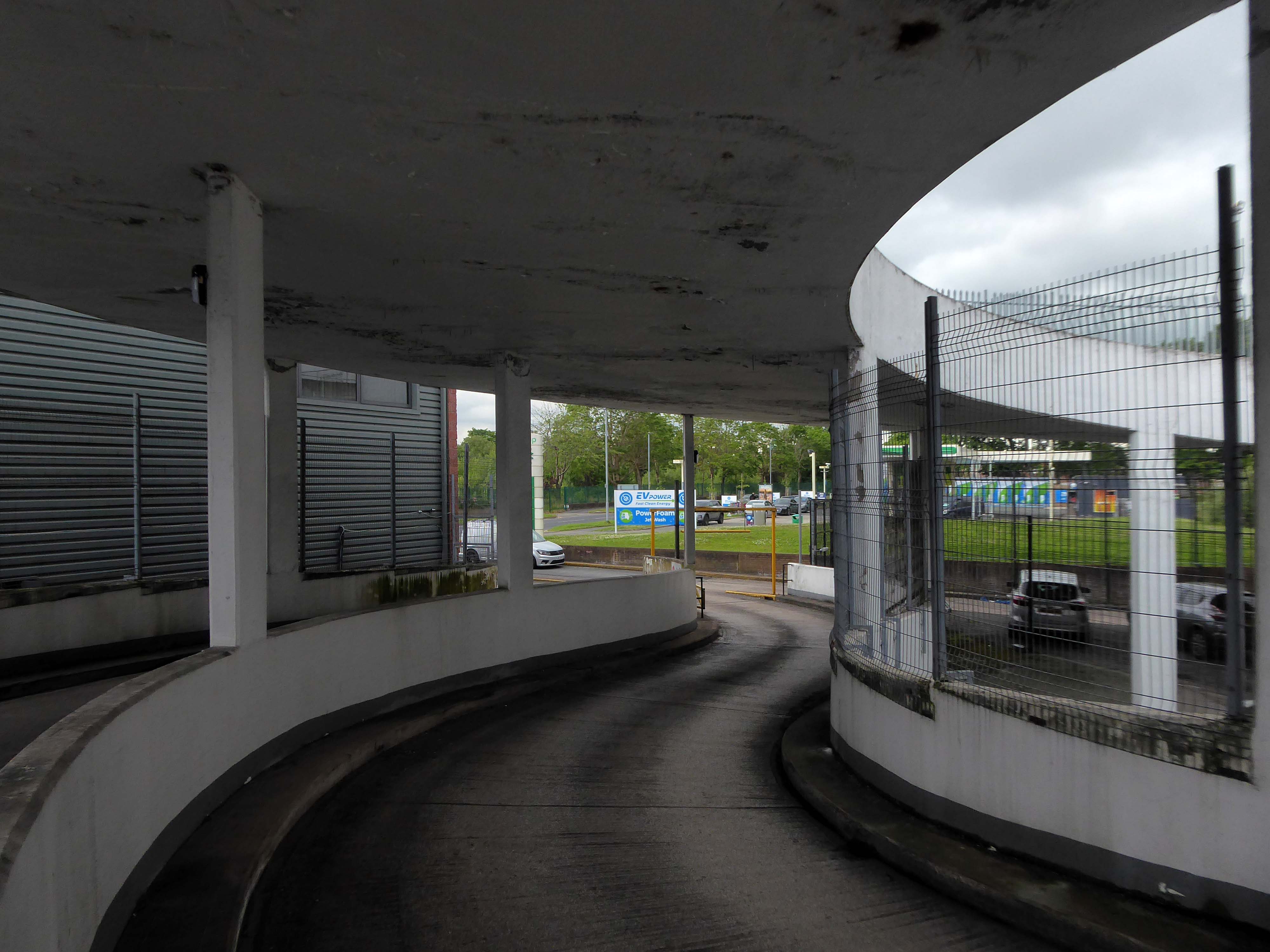
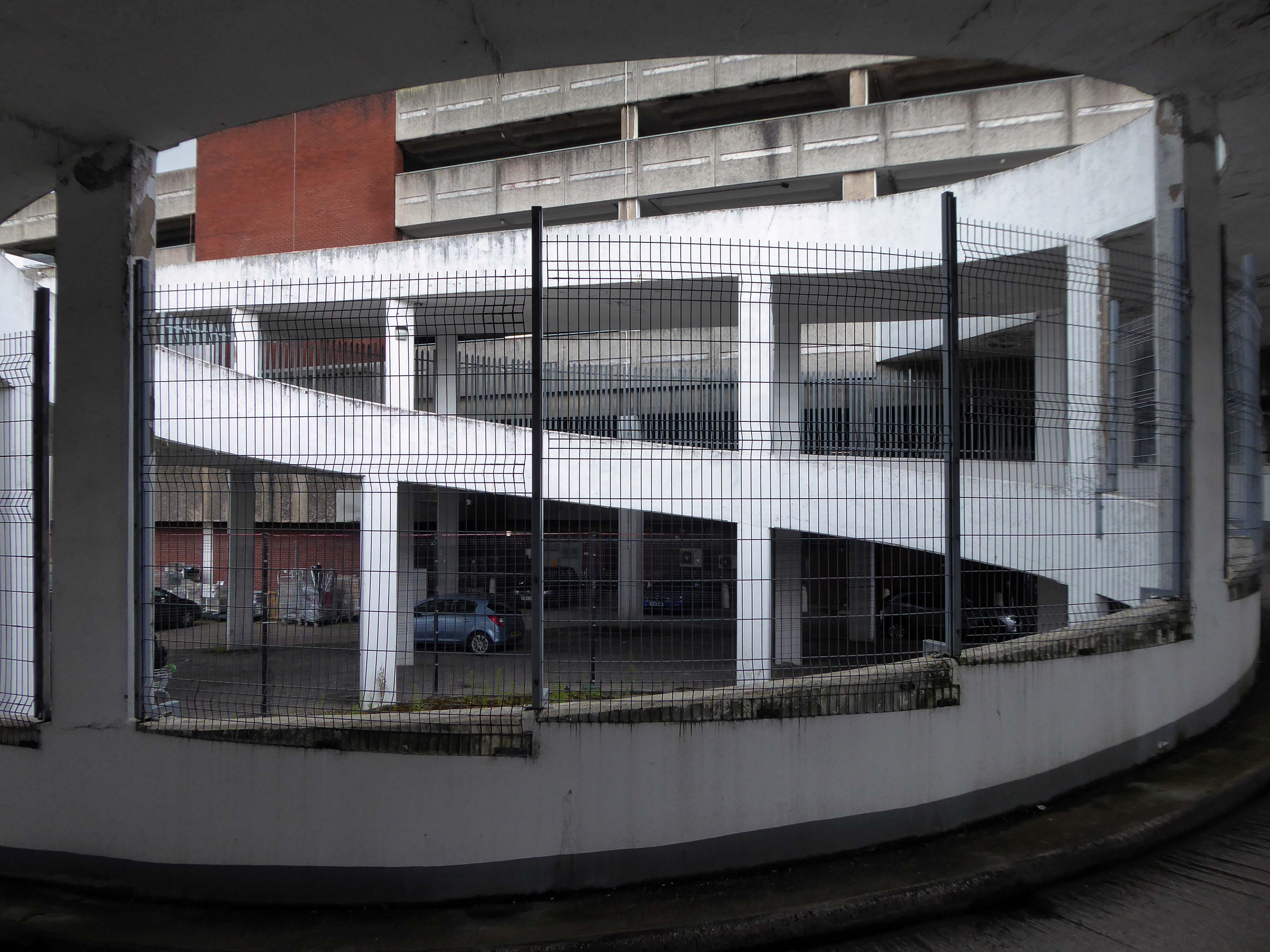
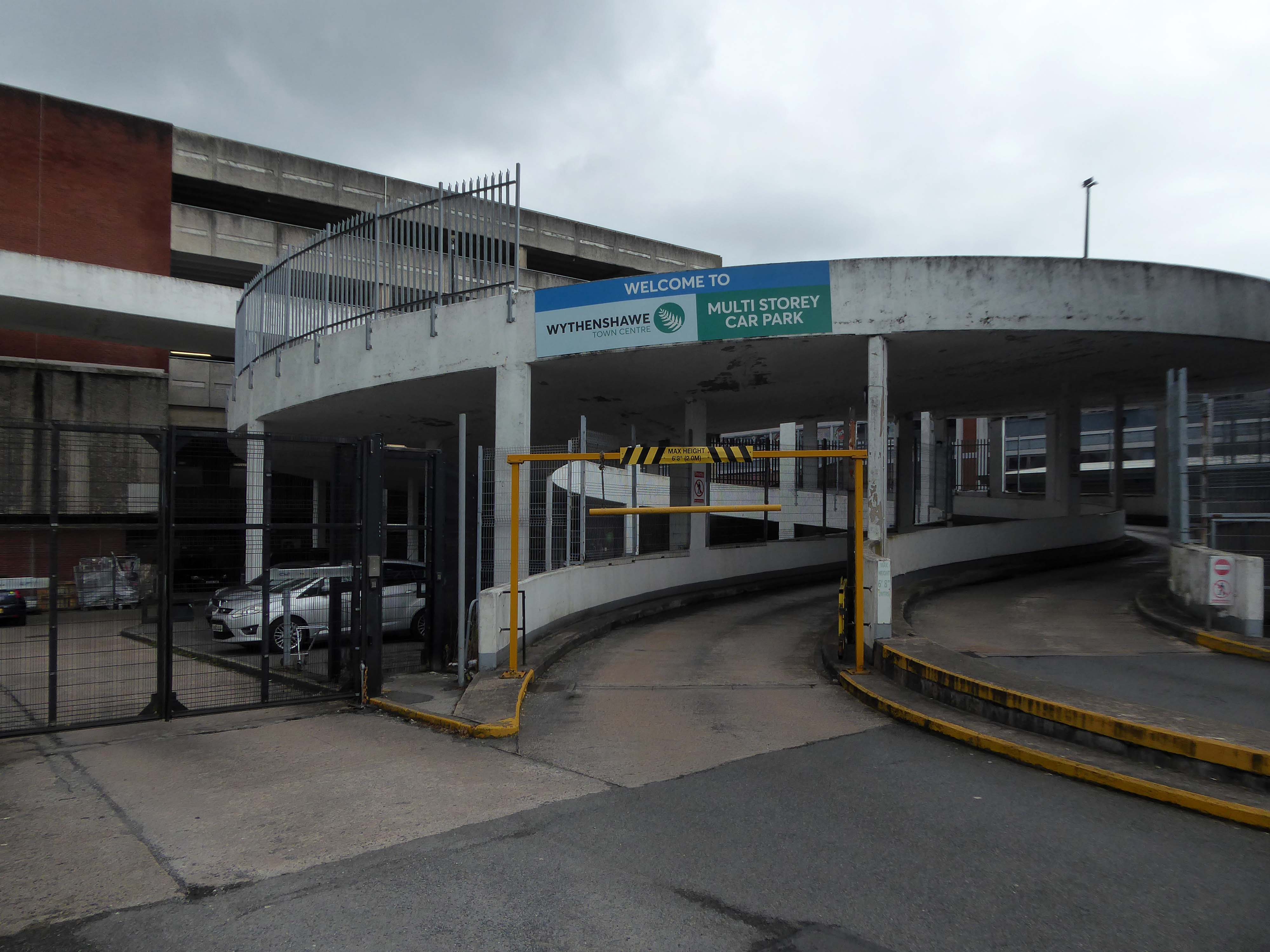
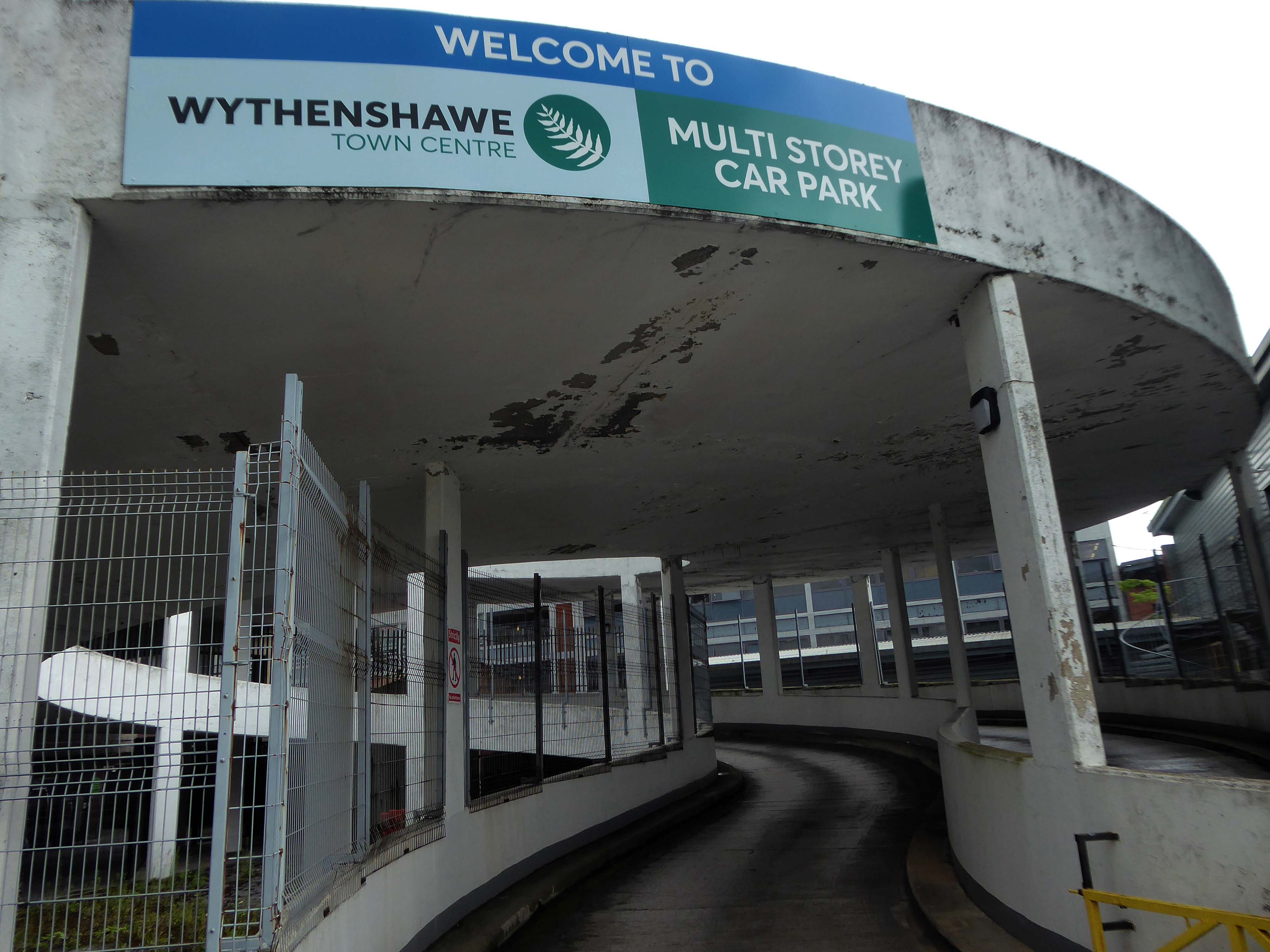
Wythenshawe Town Centre Car Park

Multi Storey Car Park Rowlandsway Manchester M22 5RG

I’ve lost count of the countless times I have visited countless car parks.

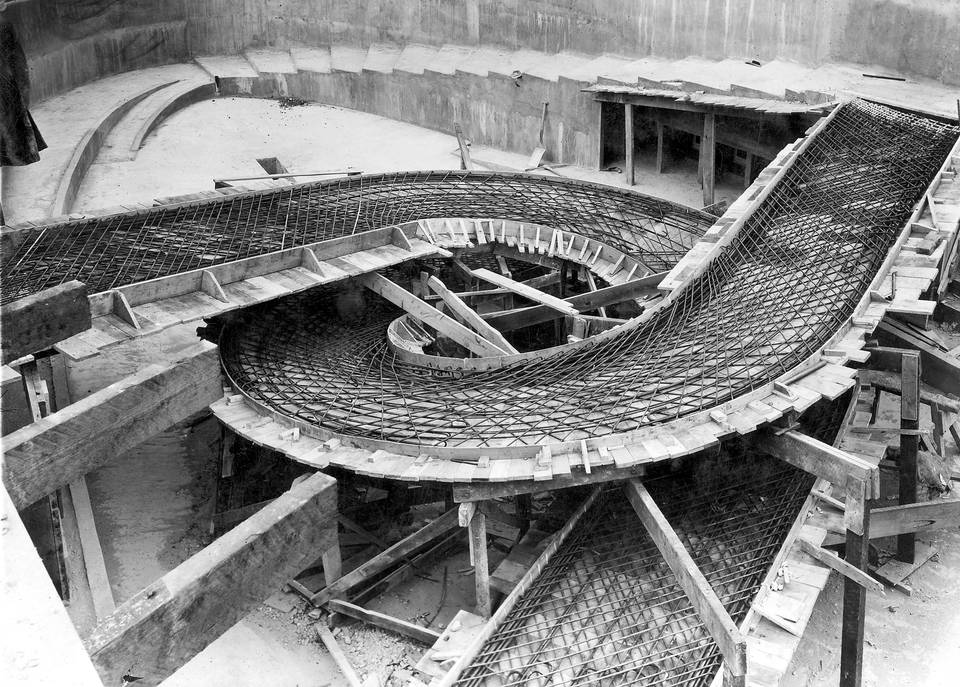
I do have a fondness for ramps – particularly helical ramps, one of my most memorable early modernist encounters, was with Lubetkin’s penguin pool.

The cast concrete taking on a truly sculptural dimension.

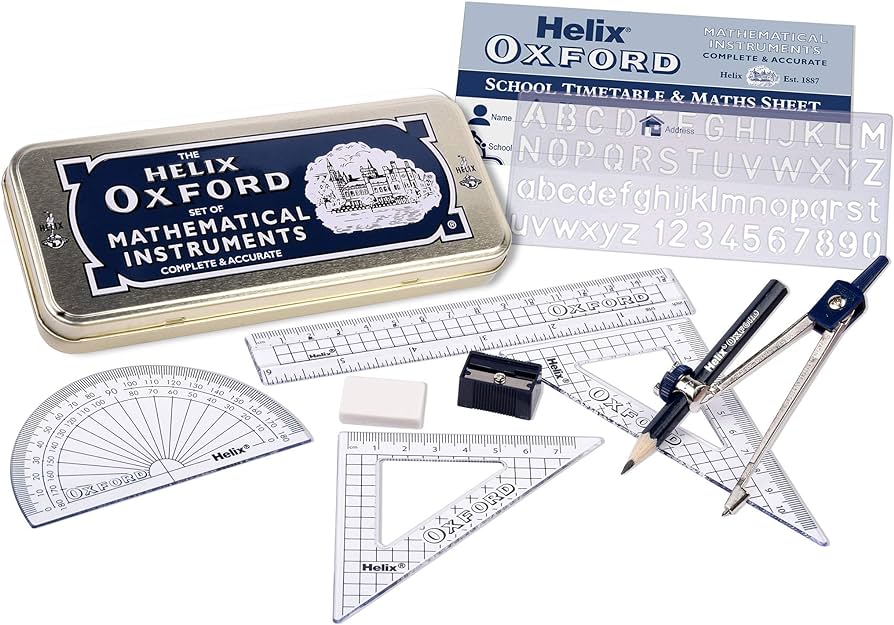
There is also the Proustian recollection of a collection of geometry lessons and Helix instruments.

It has all left a lasting impression and I have subsequently taken every opportunity to waddle penguin like up and down several concrete car park ramps.

Here’s the most recent.

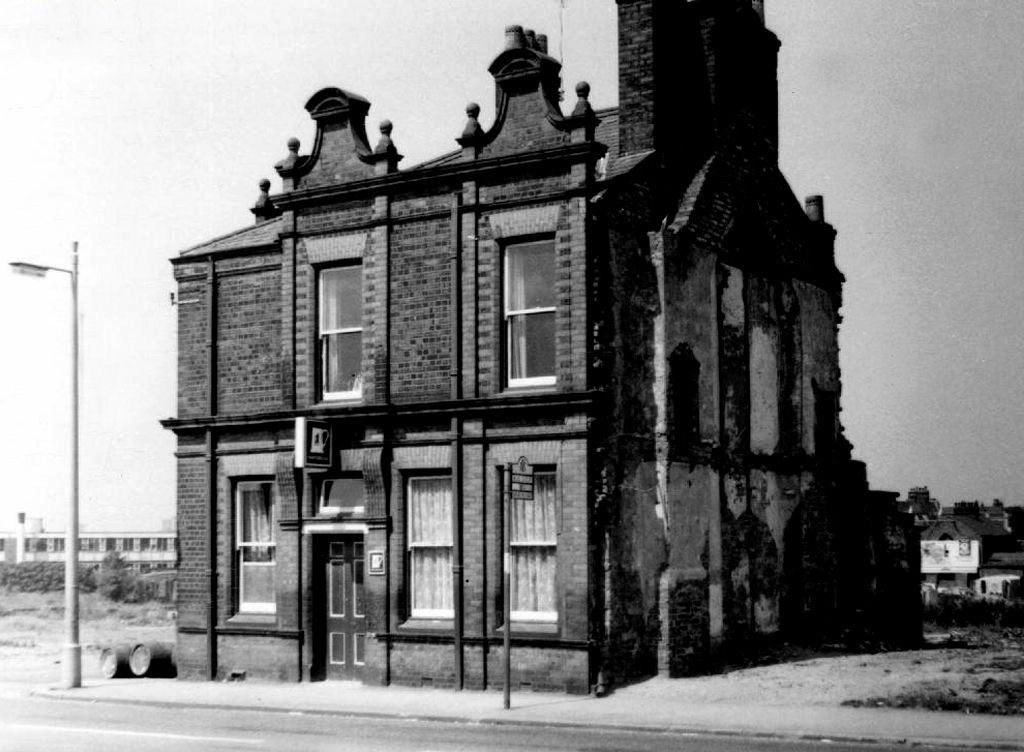
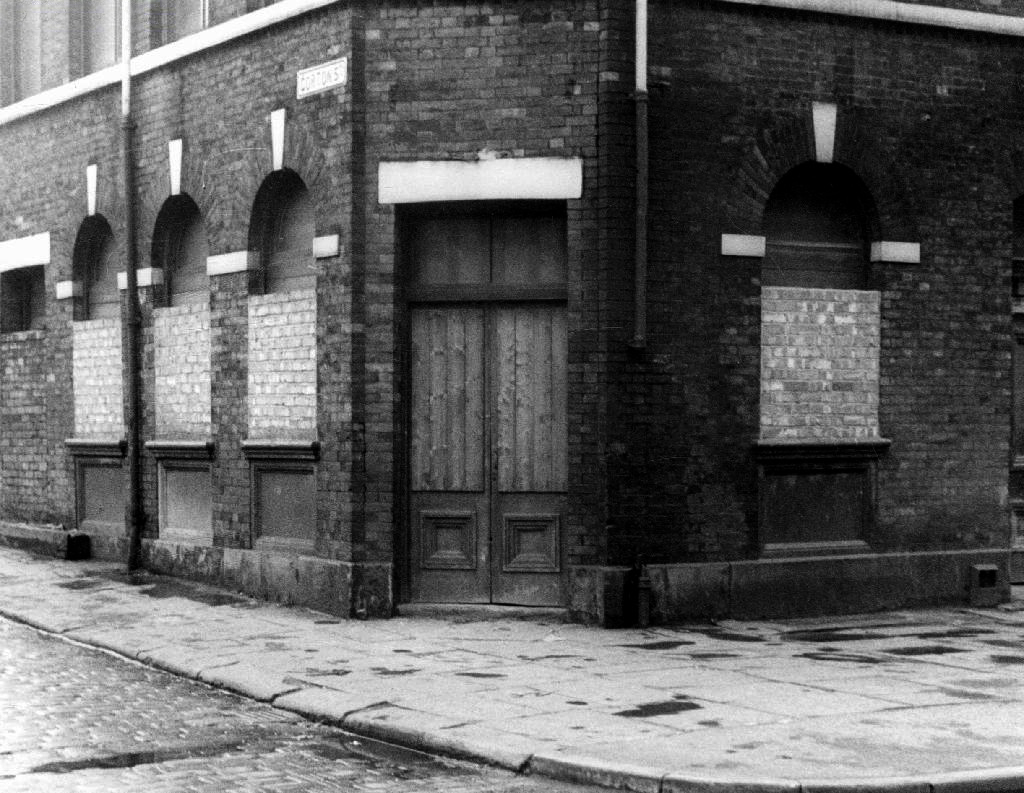
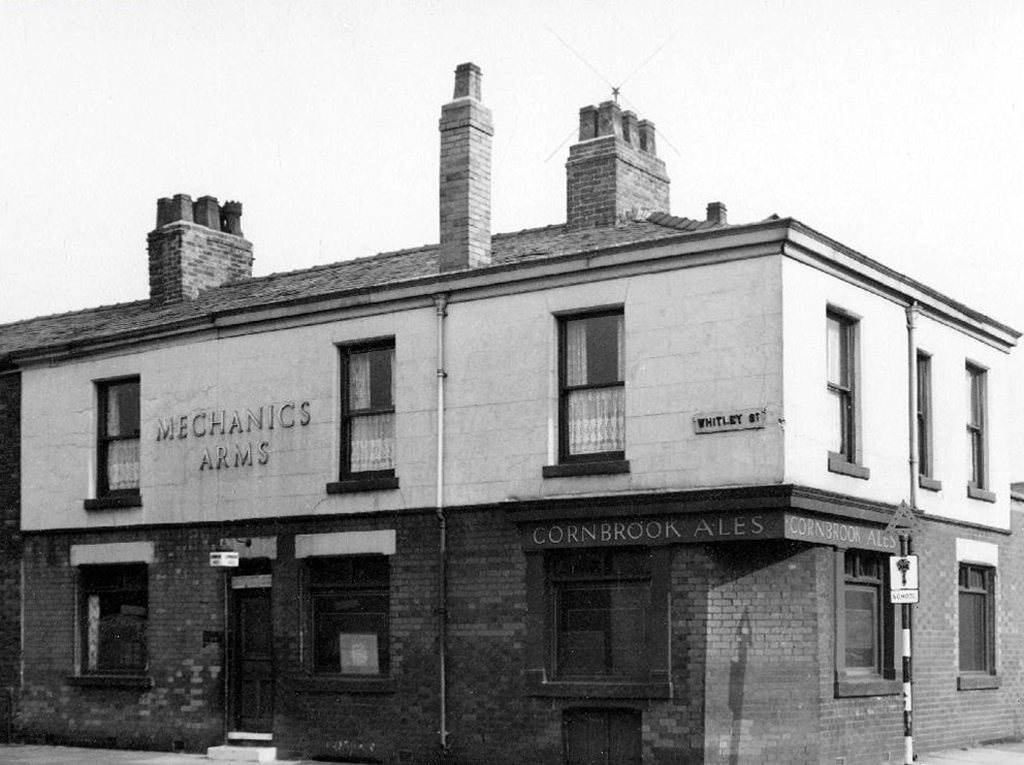
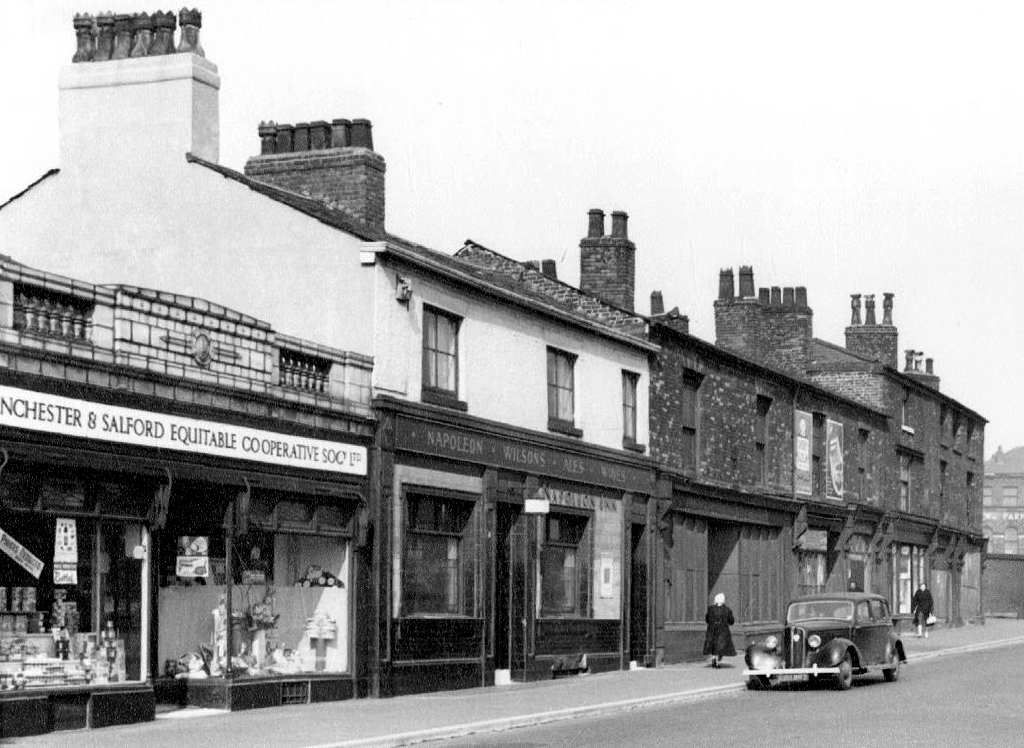
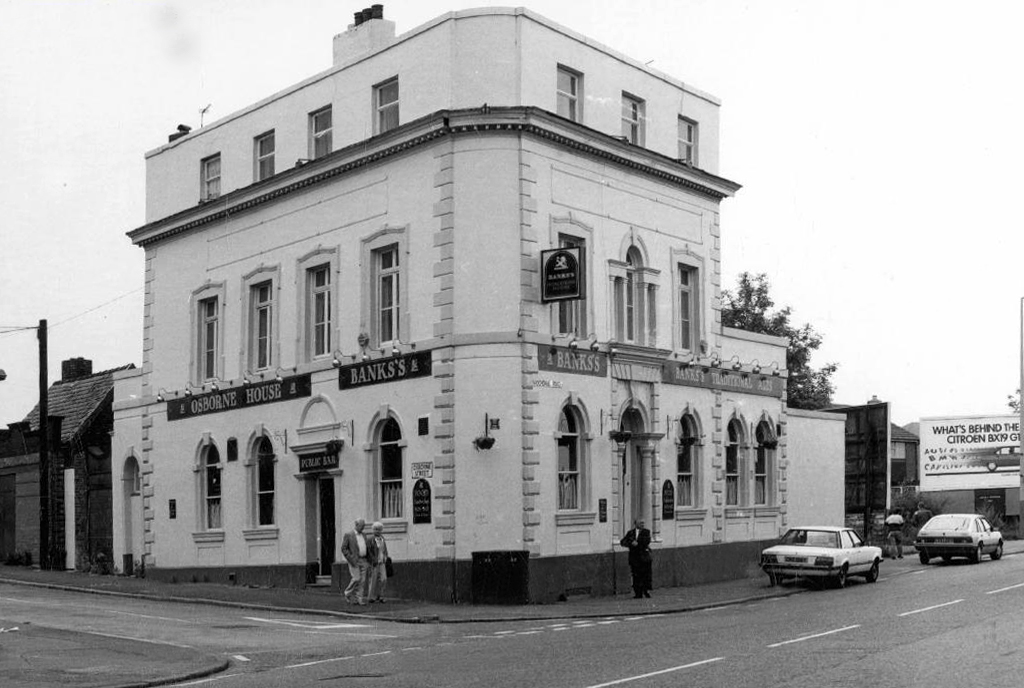
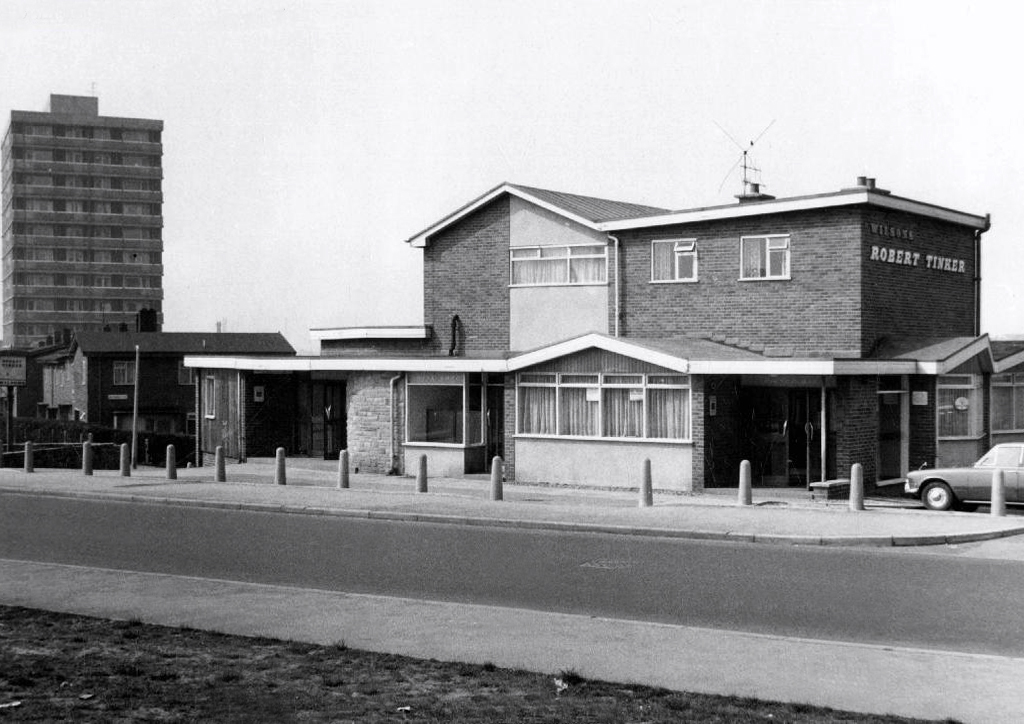
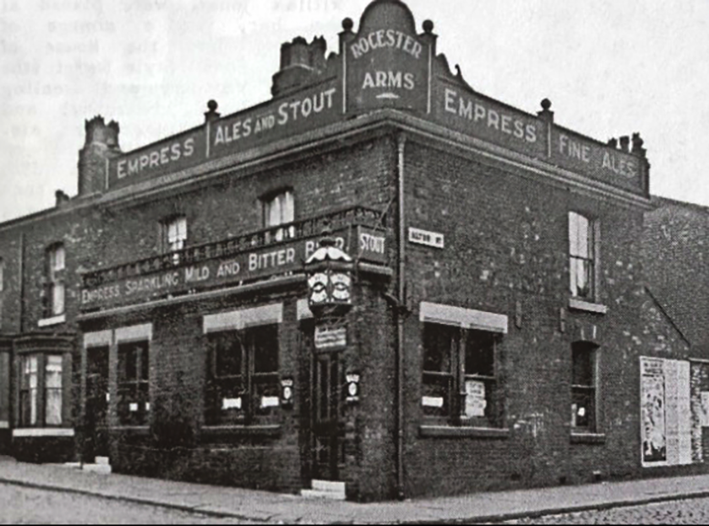
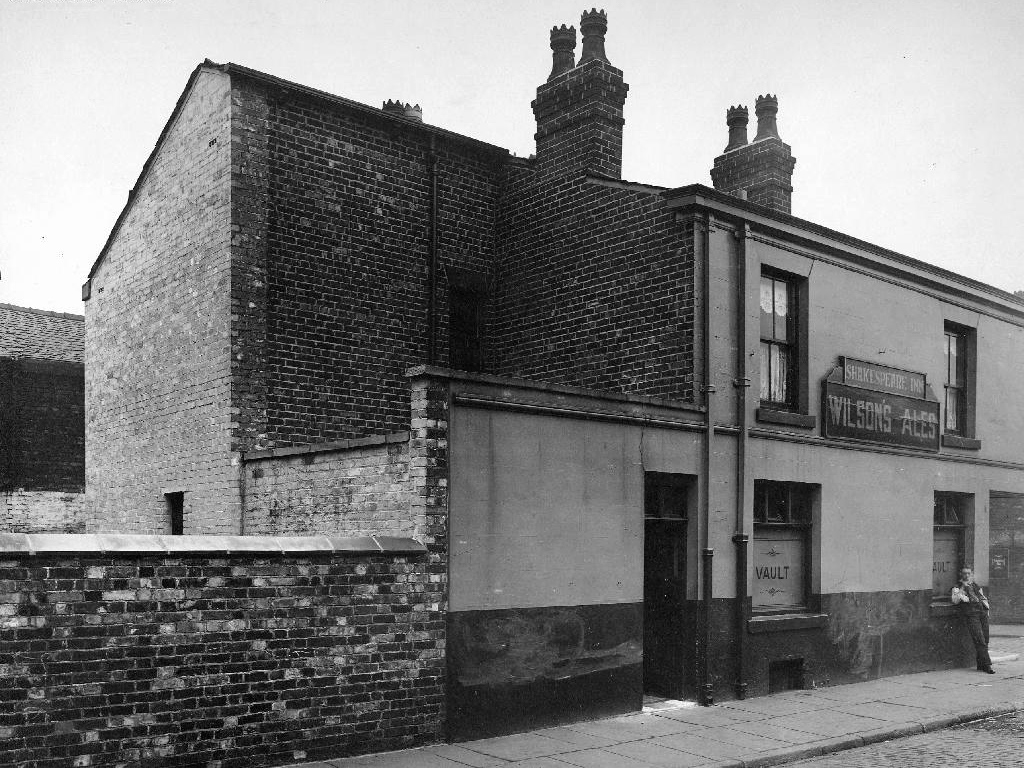
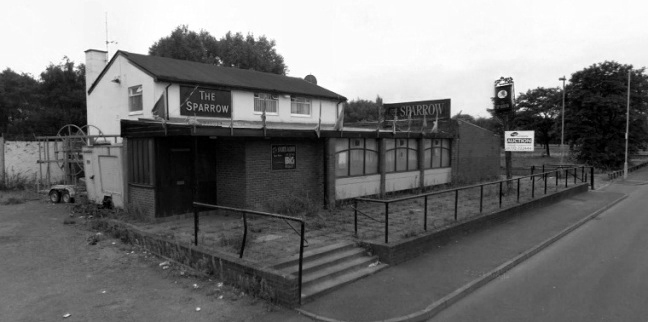
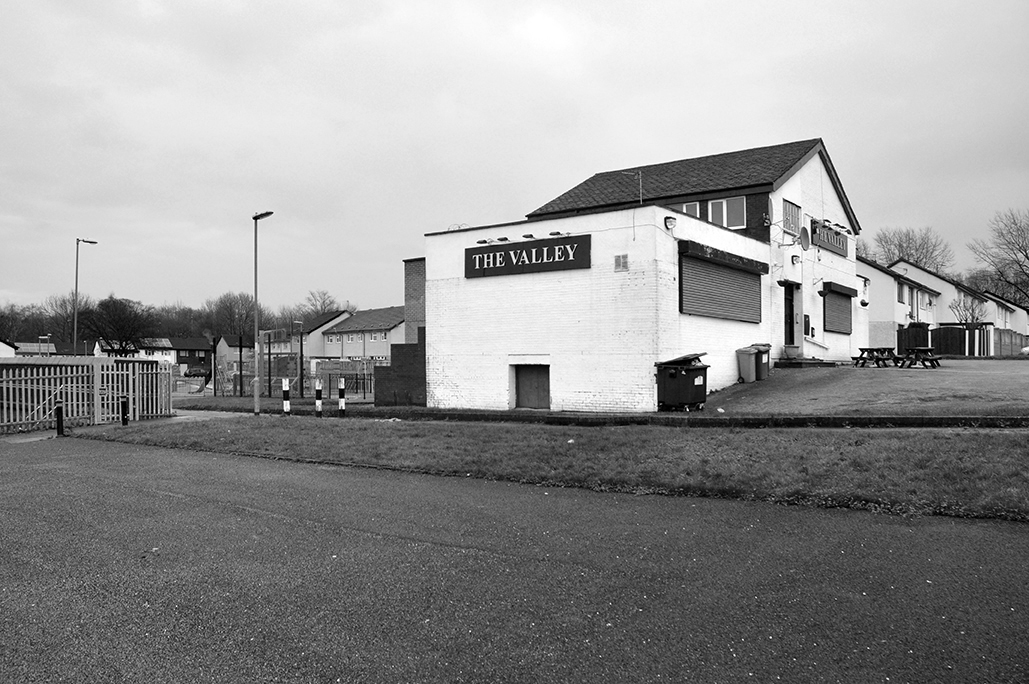
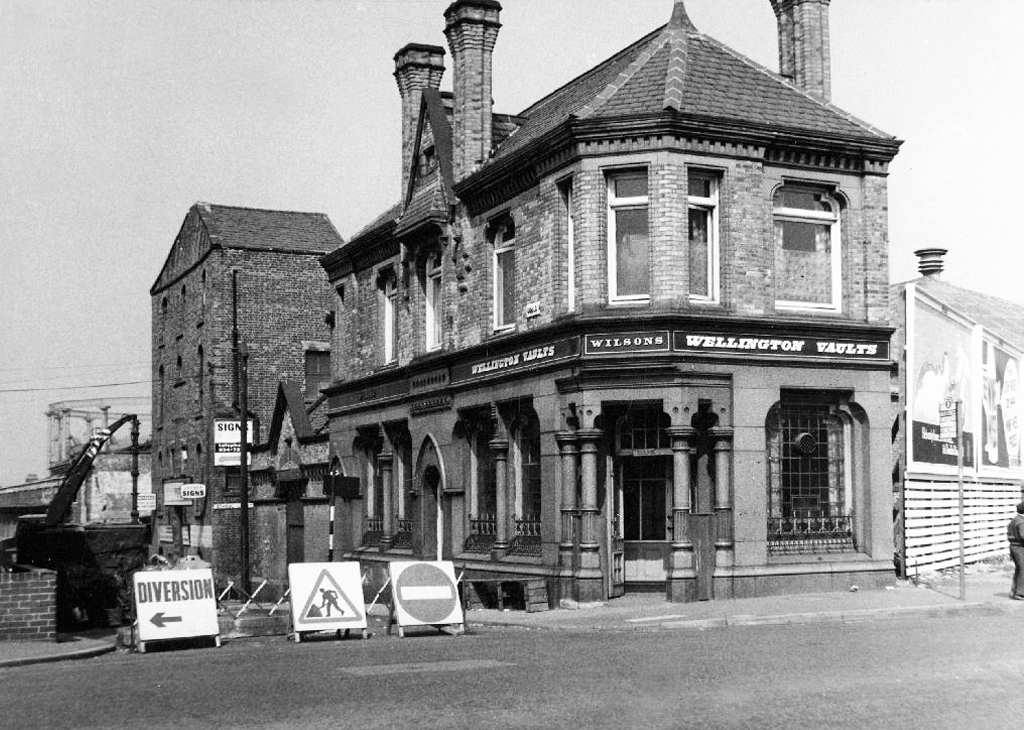
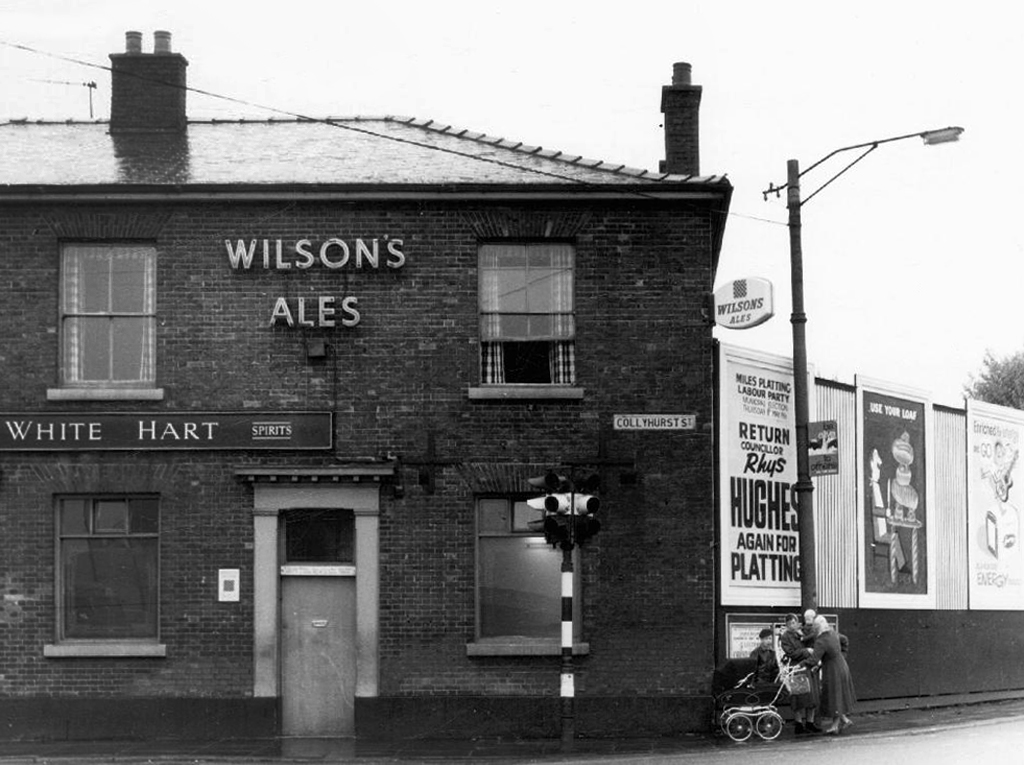
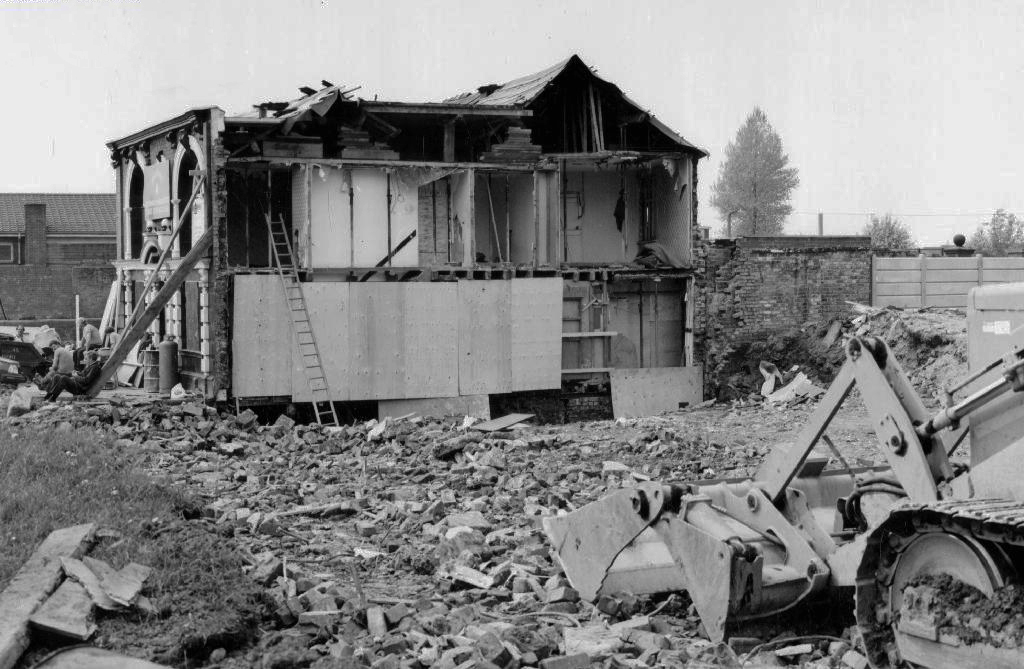
Collyhurst Pubs

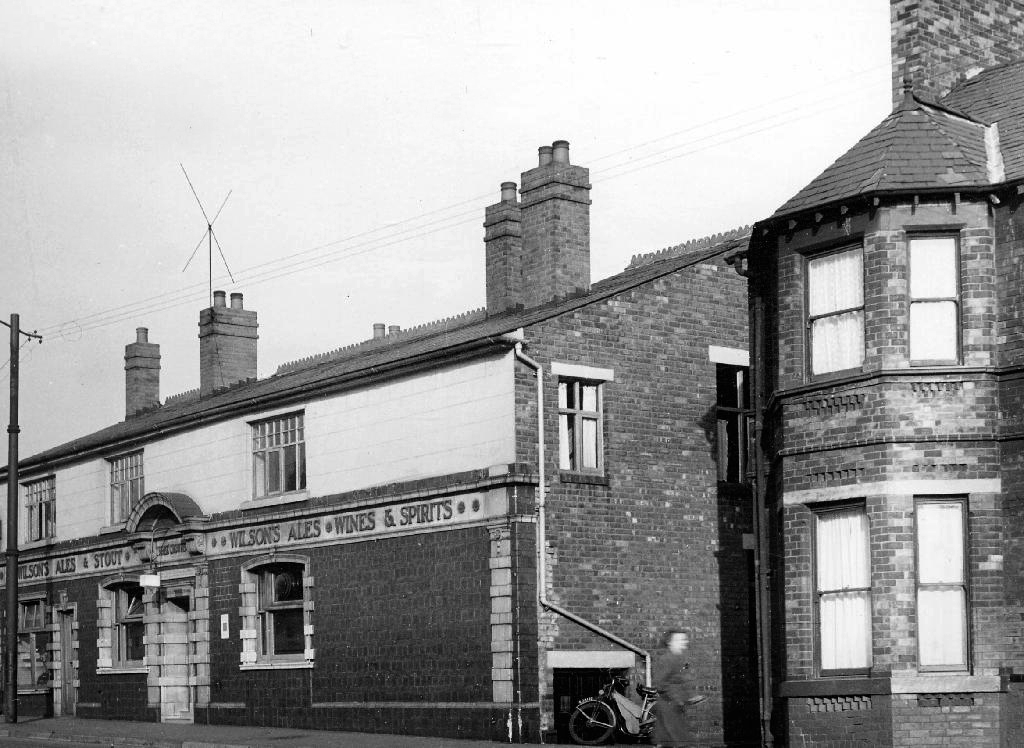
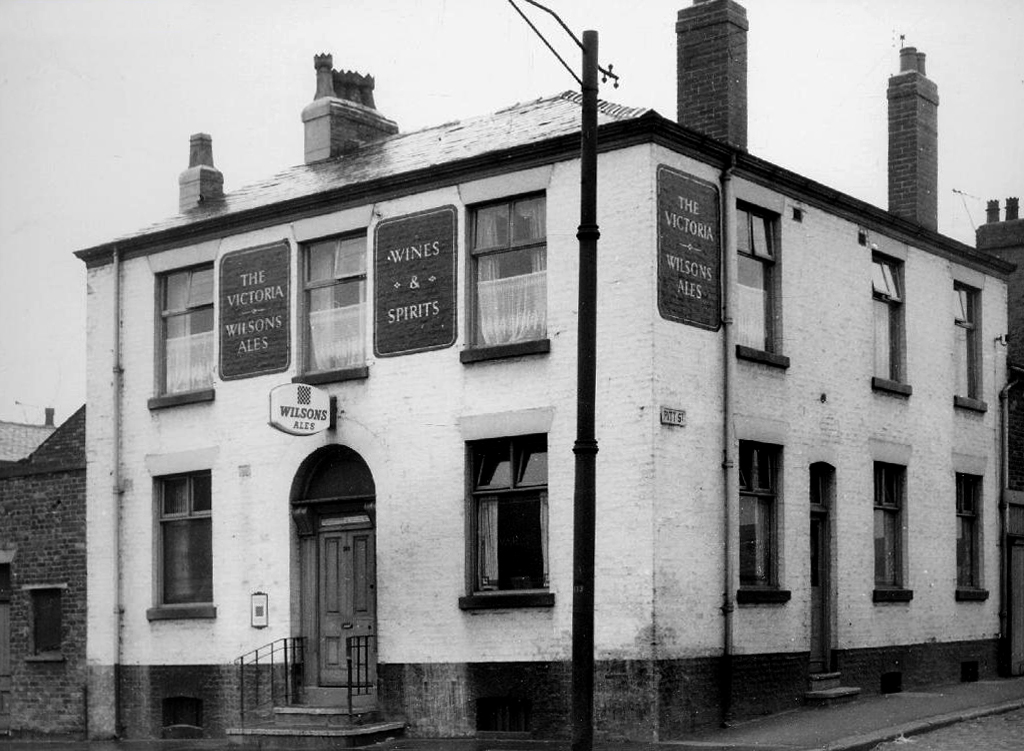
Taking images from the Local Image Collection I have compiled a section of pubs in the Collyhurst area.

There are but a few still open – many long gone, since demolished.

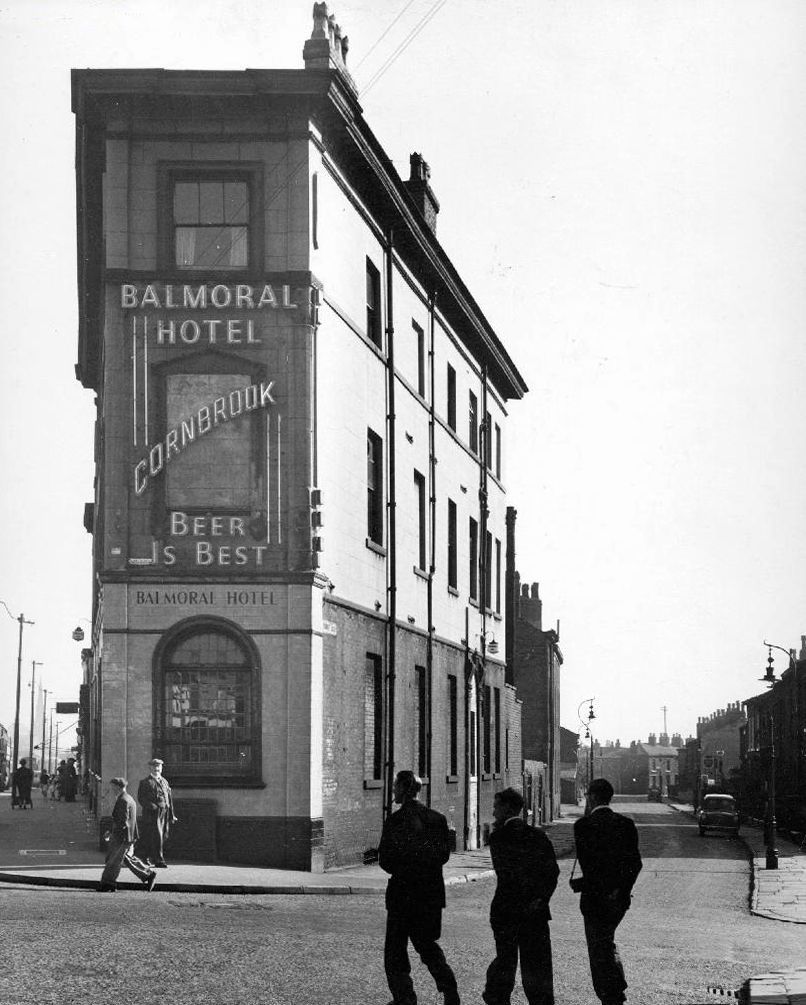
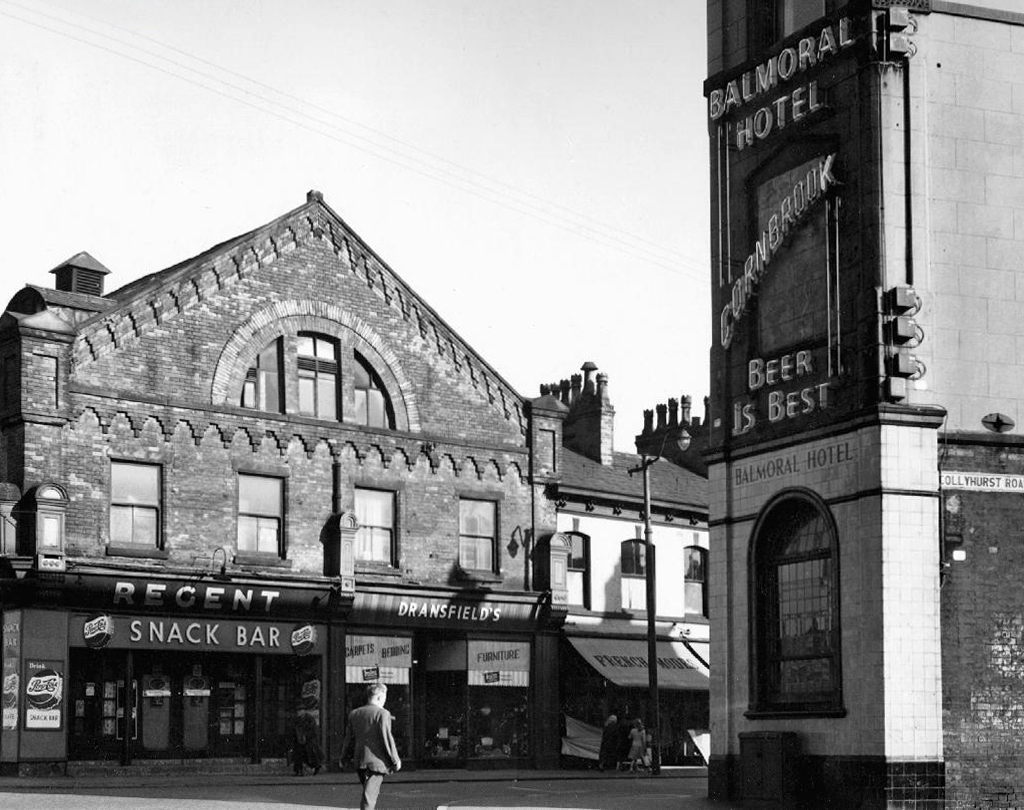
Balmoral HotelCornbrook Brewery

W Kaye 1958

Billy Greens – formerly the Vauxhall

S Marland

Collyhurst InnManchester Brewery Company later Wilsons

W Kaye 1958

The Balloon VaultsWalker & Homfray’s

H Whitehead 1971

The Globe Inn Threlfall’s later Whitbread

Dawson 1971

The Grapes Tavern Joseph Holt

W Kaye 1964

Joiners Arms Wilsons

W Kaye 1959

Lorimers Arms

S Marland 2022

Lord ClydeCornbrook

1958

Mechanics ArmsCornbrook

E Stanley 1958

NapoleonMcKenna’s later Walker & Homfray then Wilsons

L Kaye 1958

The OsborneWilsons later Banks’s

1976

1986

Robert TinkerWilsons

A Dawson 1971

Rocester ArmsEmpress Brewery

Shakespeare InnWilsons

1934

The Sparrow

Google 2012

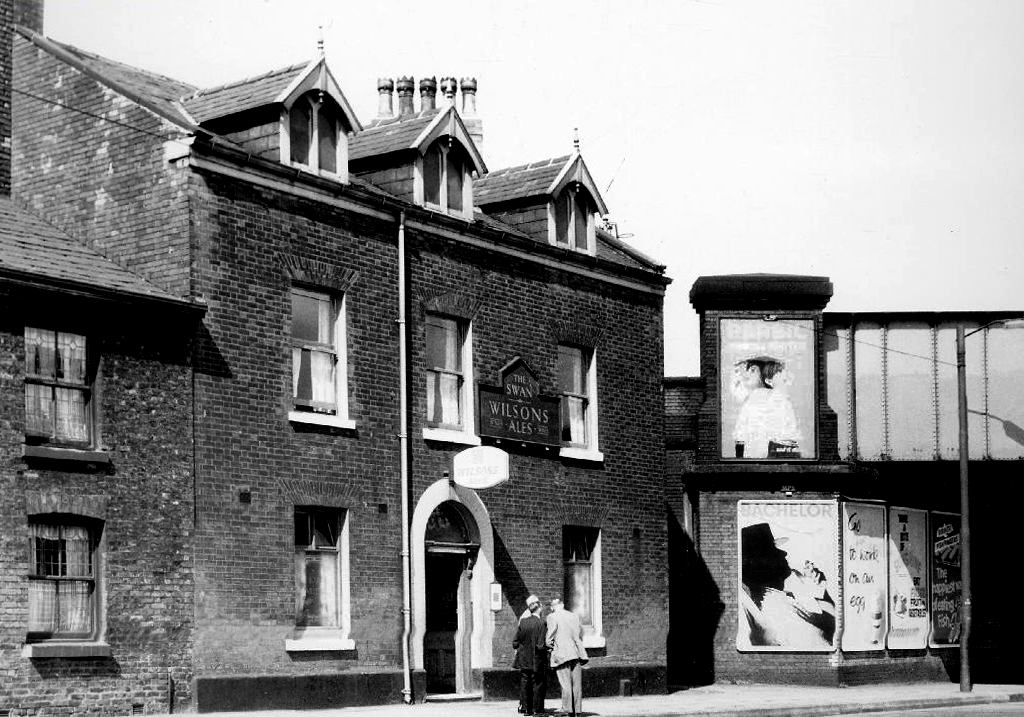
The Swan Wilsons

A Dawson 1971

Three Tuns Manchester Brewery Company later Threlfall’s

L Kaye 1958

The Valley – now open as The Vines

S Marland

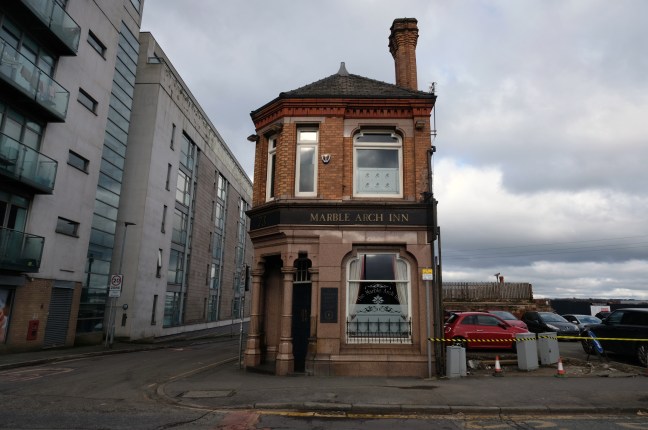
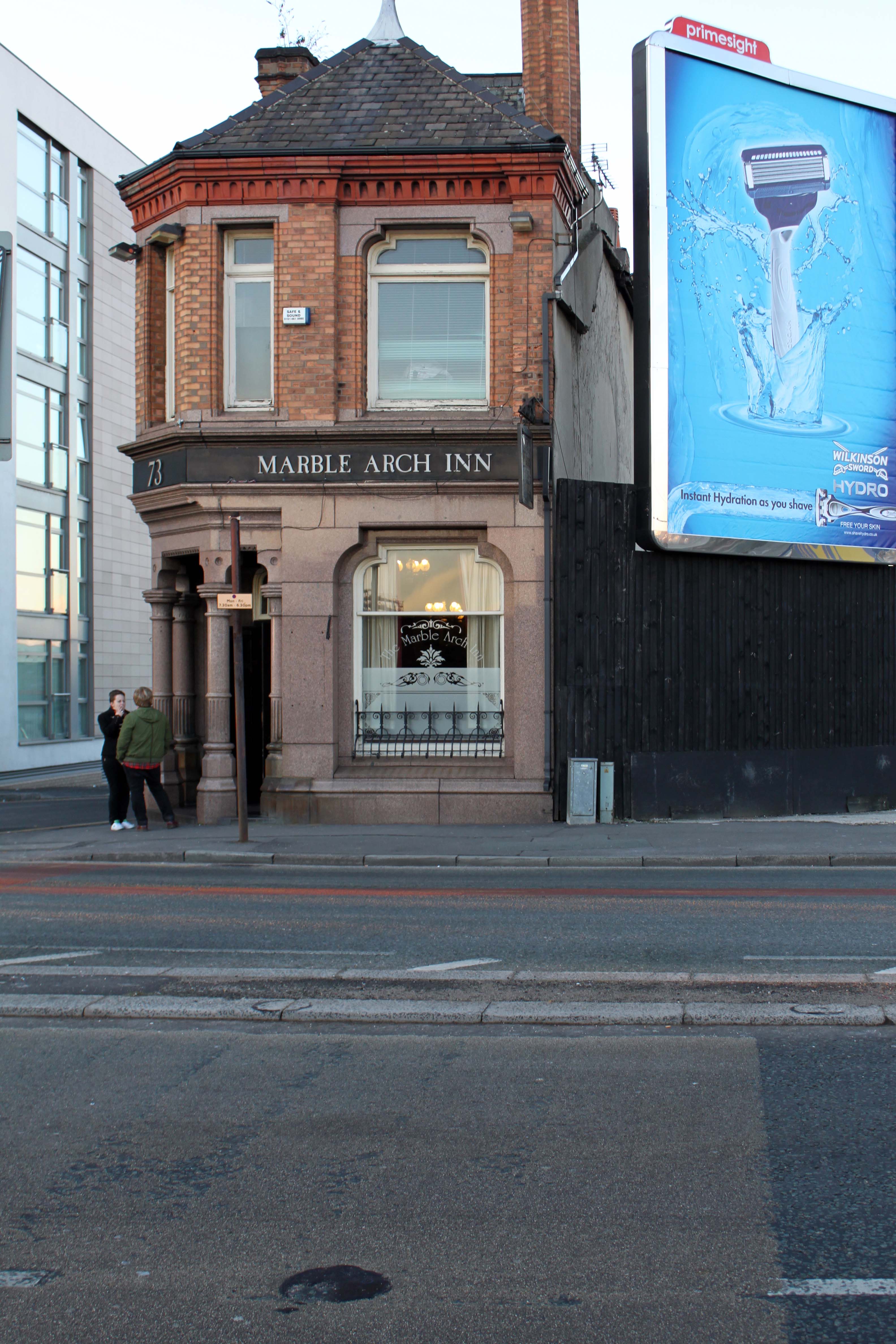
The Wellington Vaults – Wilsons now open as the Marble Arch

A Dawson 1971

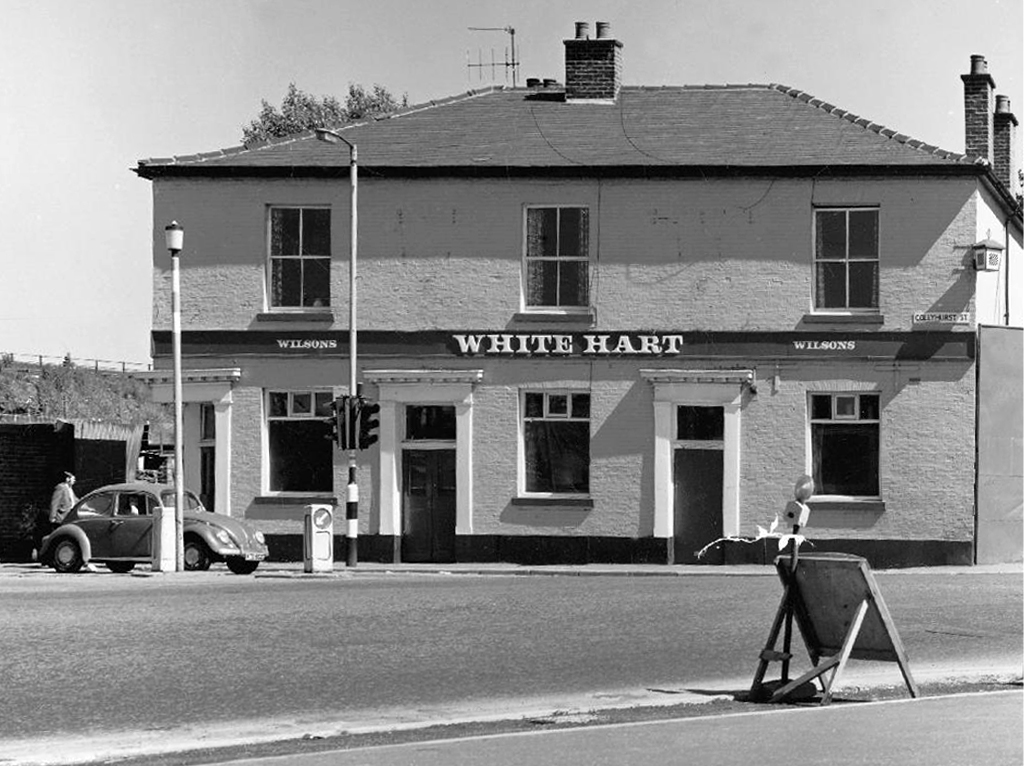
White HartWilsons

T Brooks 1961

1976

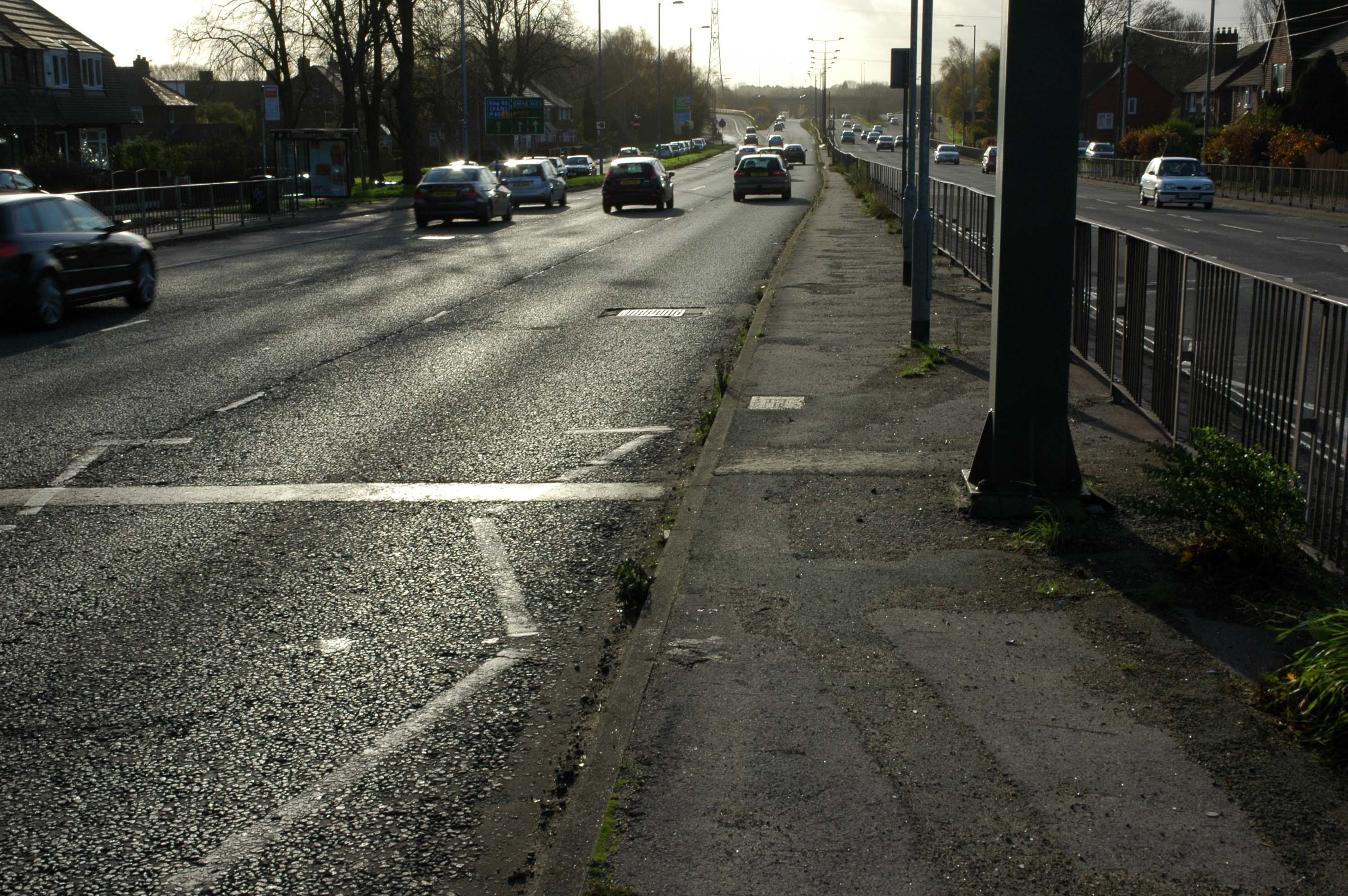
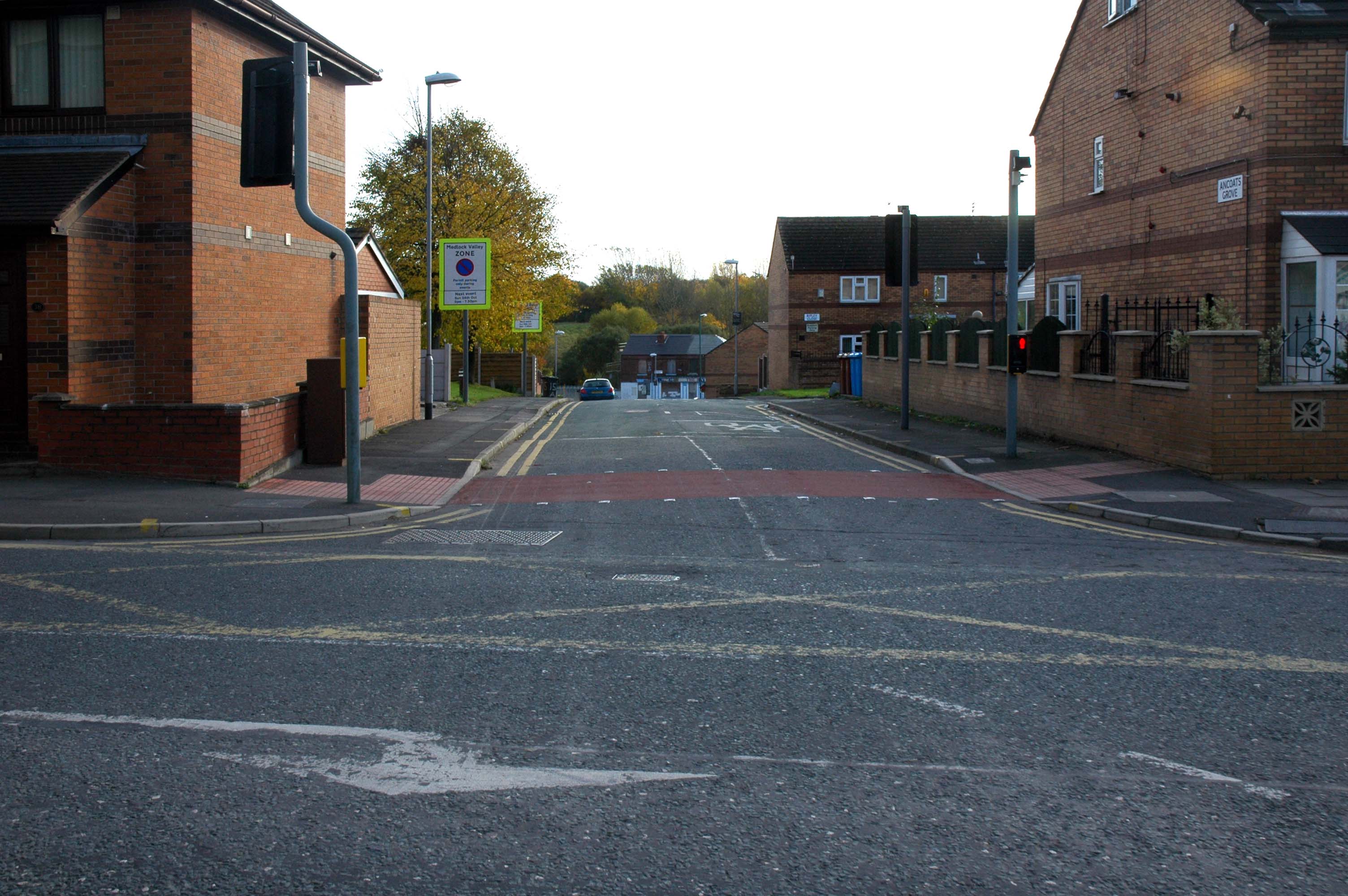
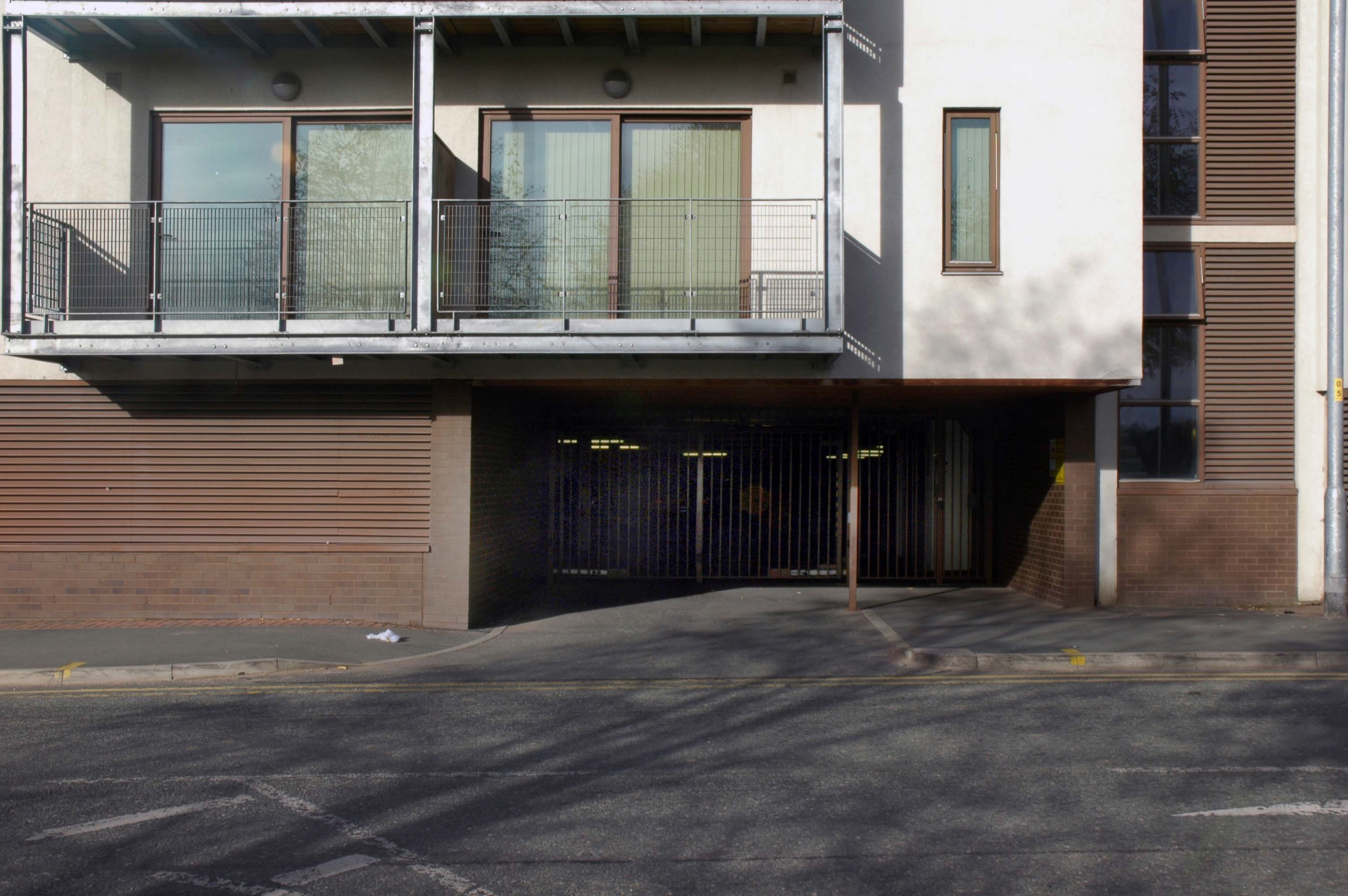
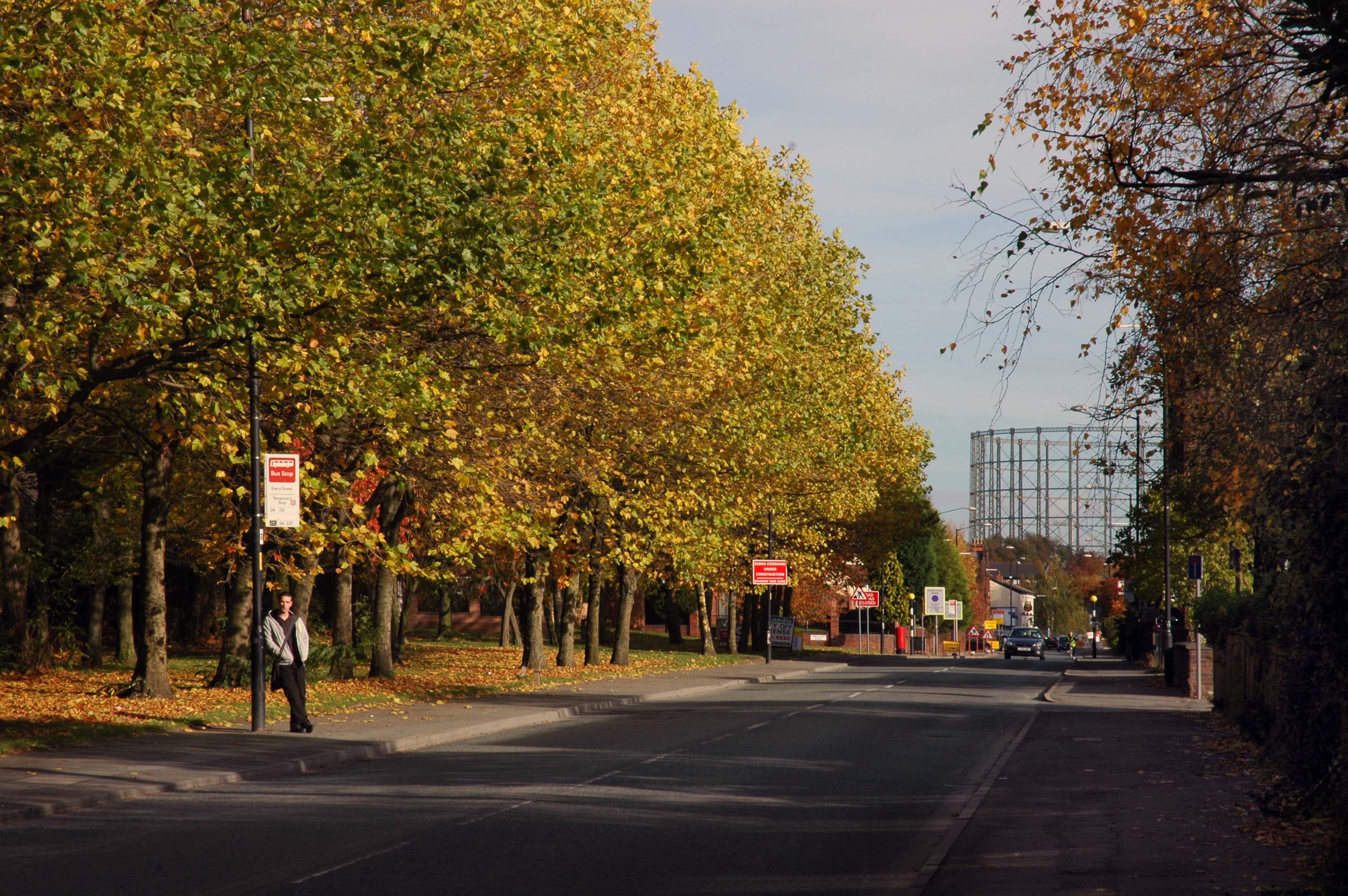
Manchester Arterial – A662

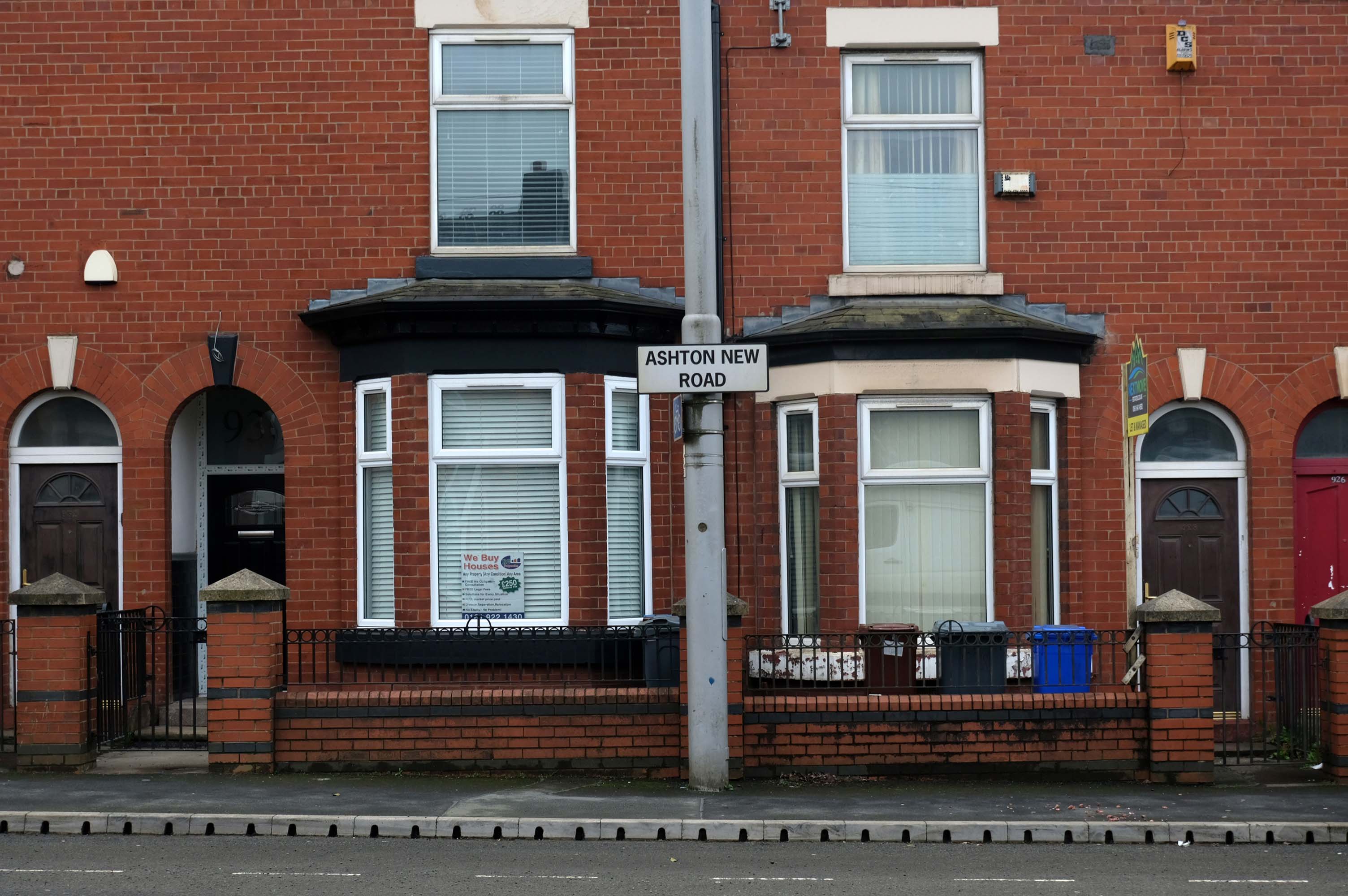
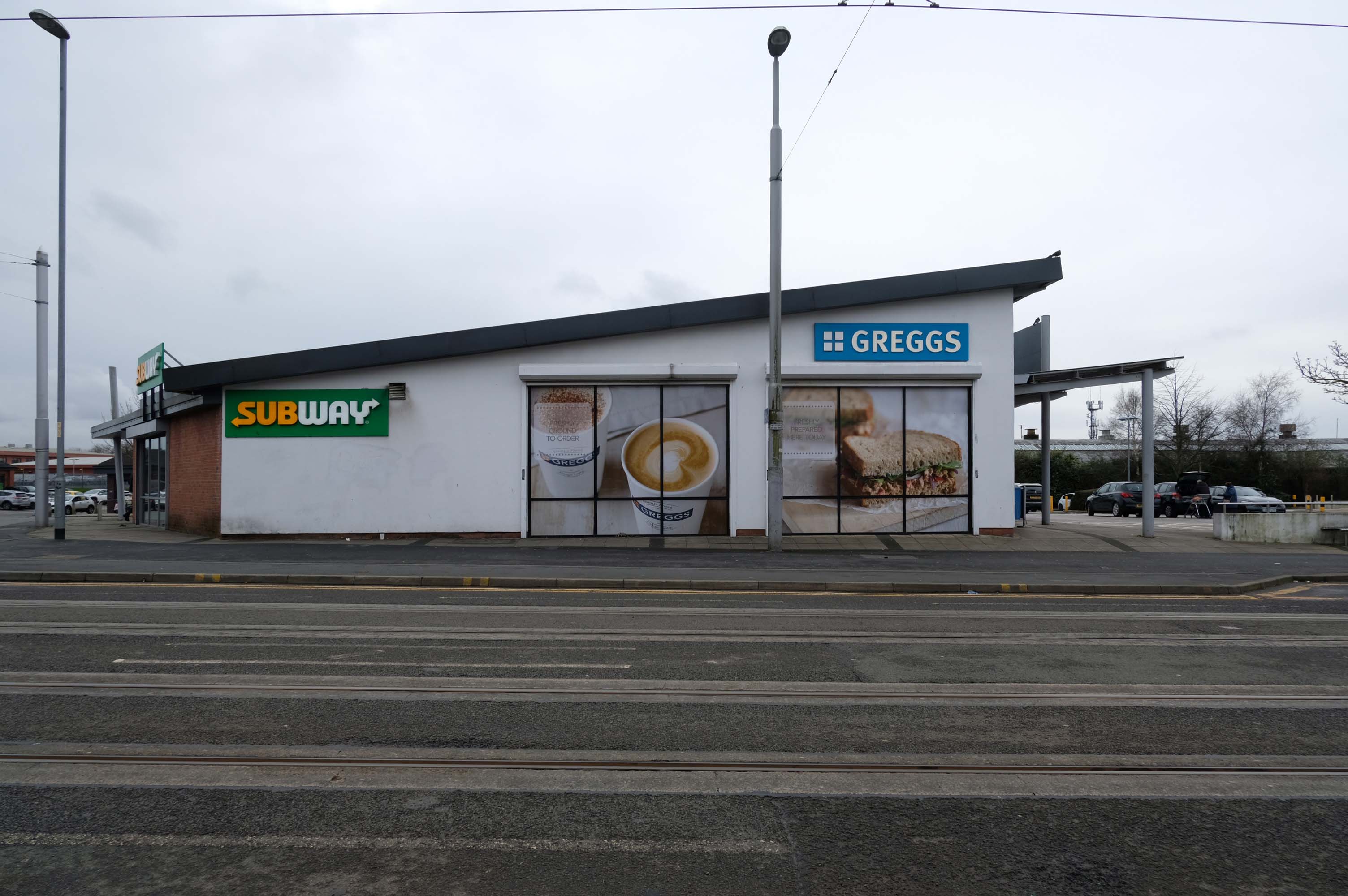
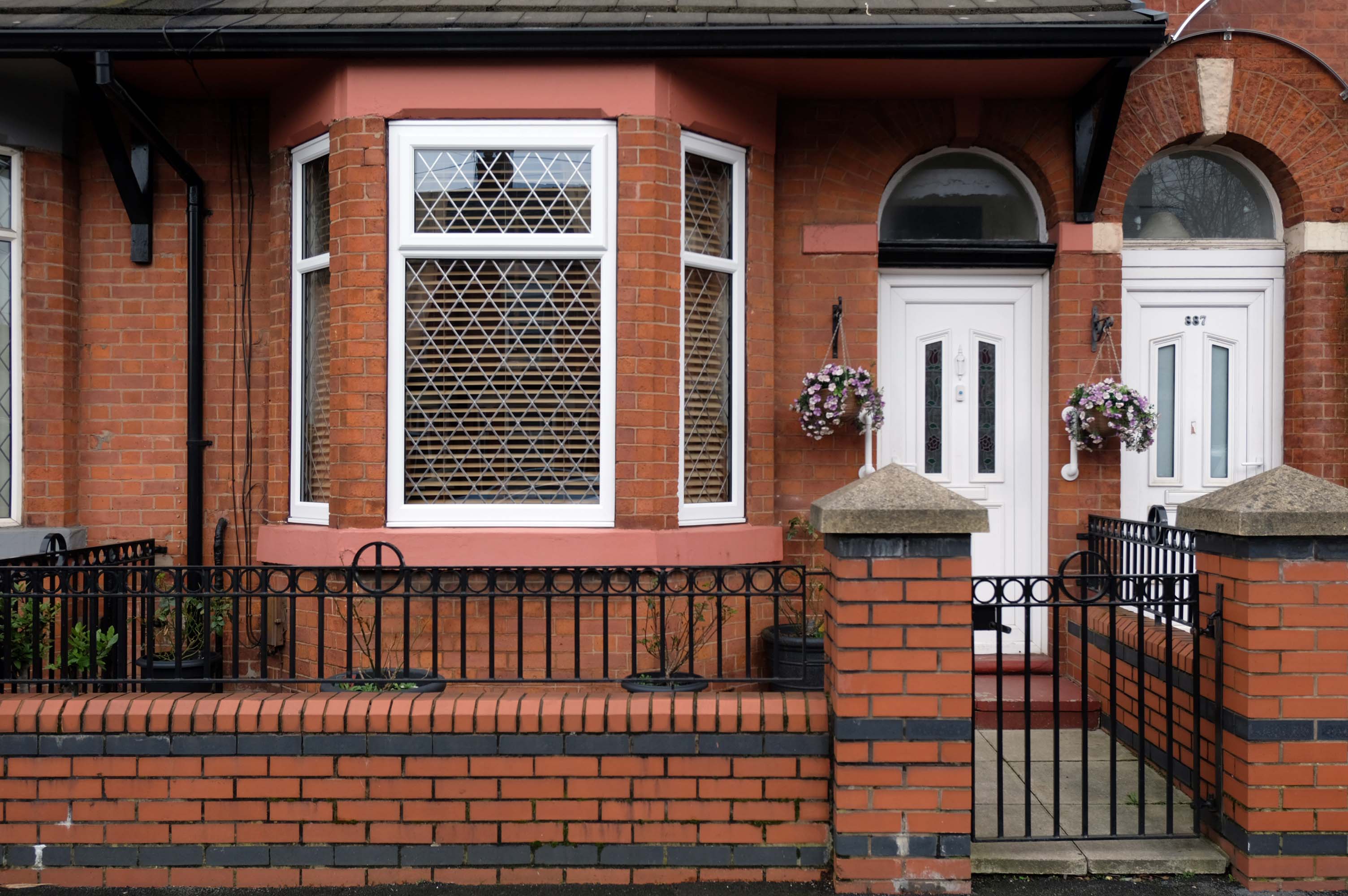
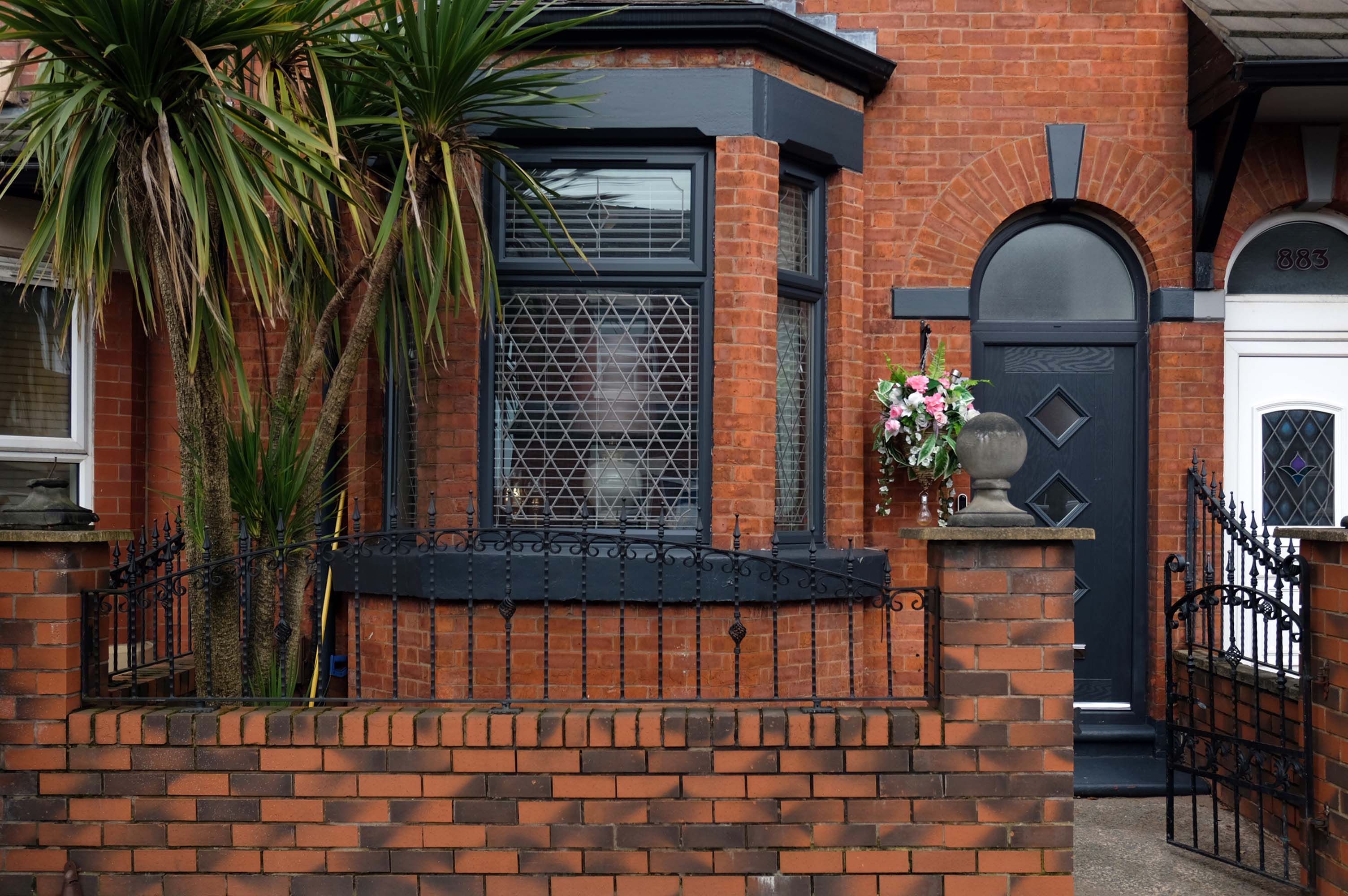
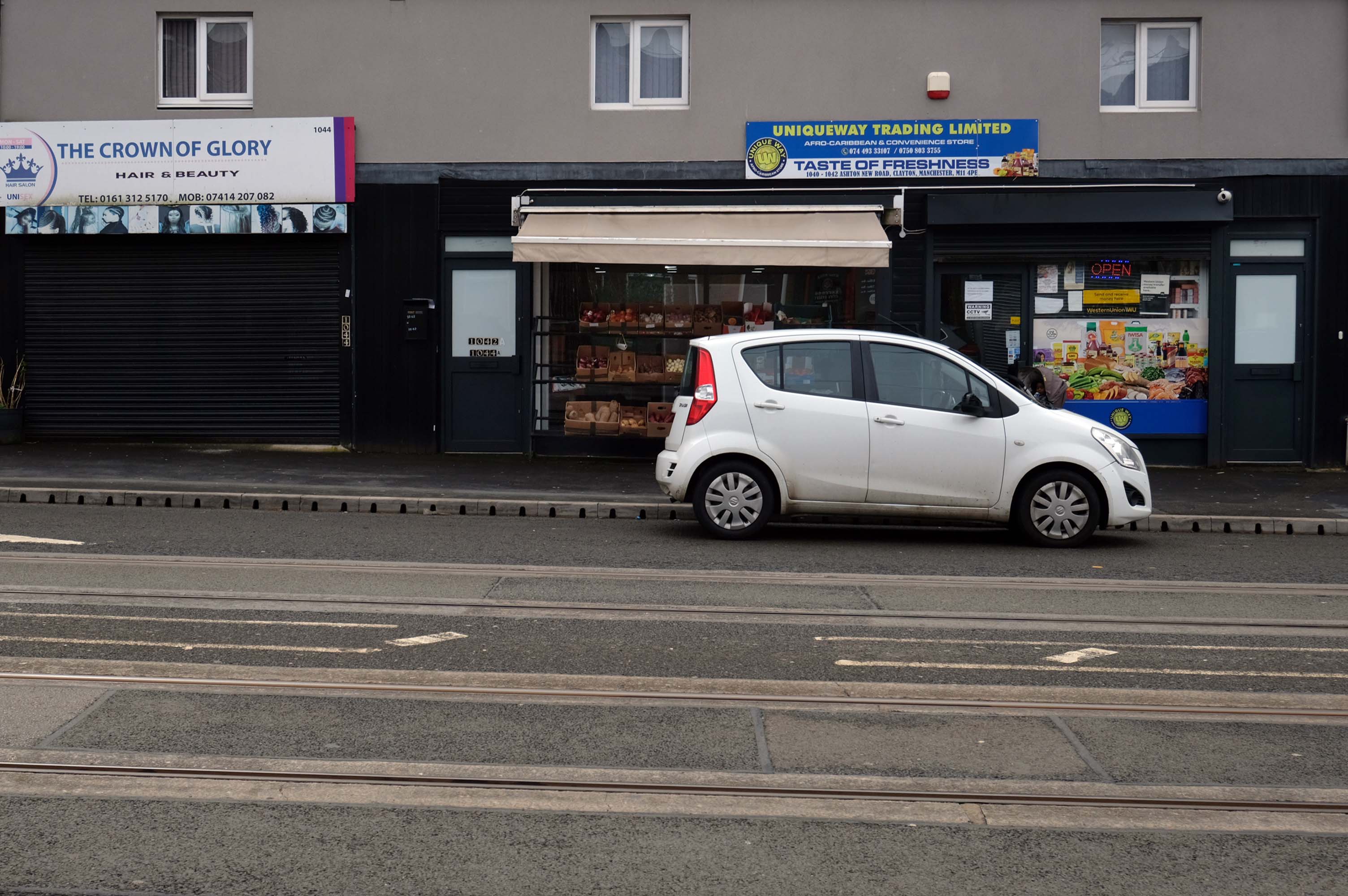
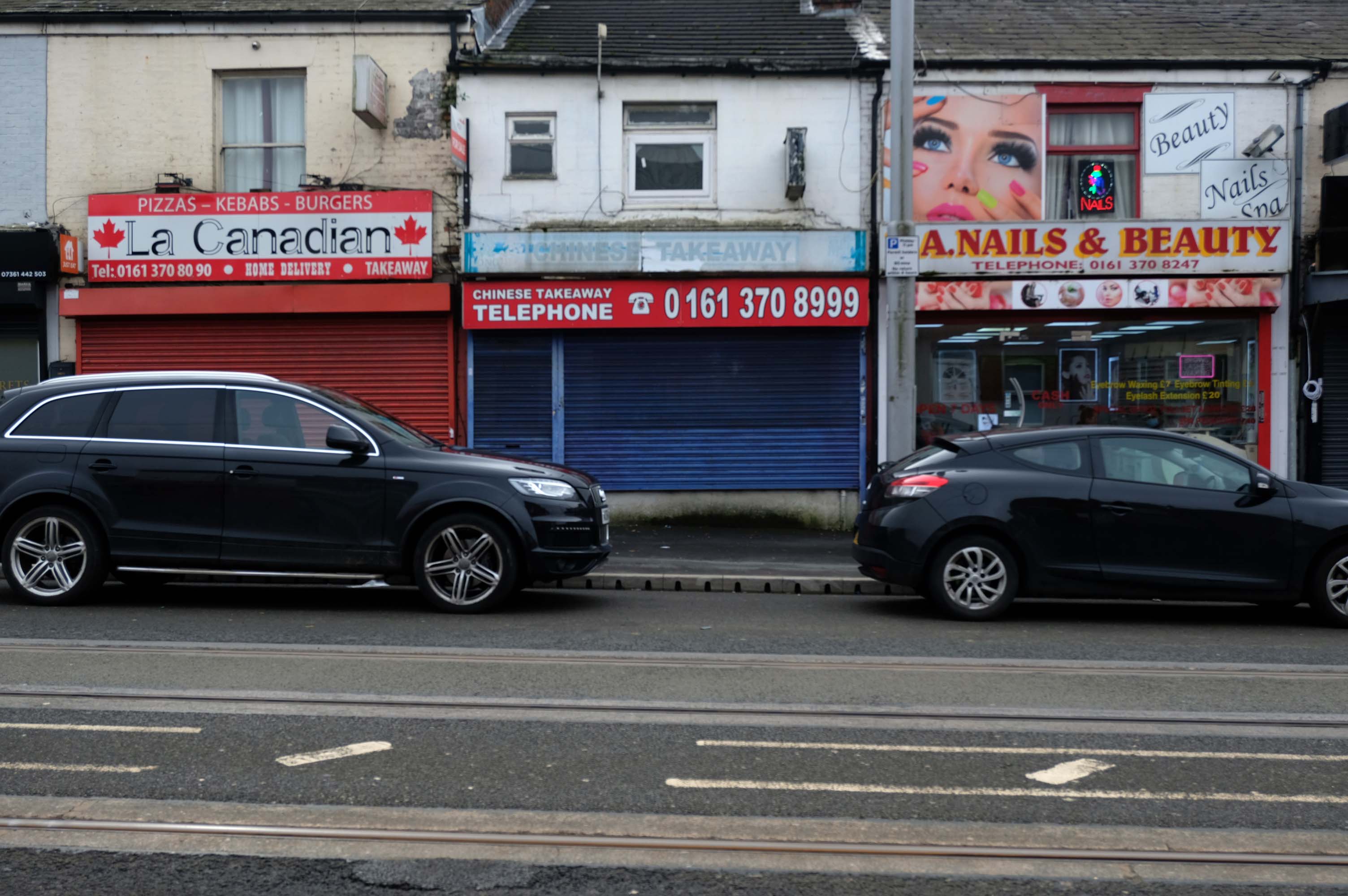
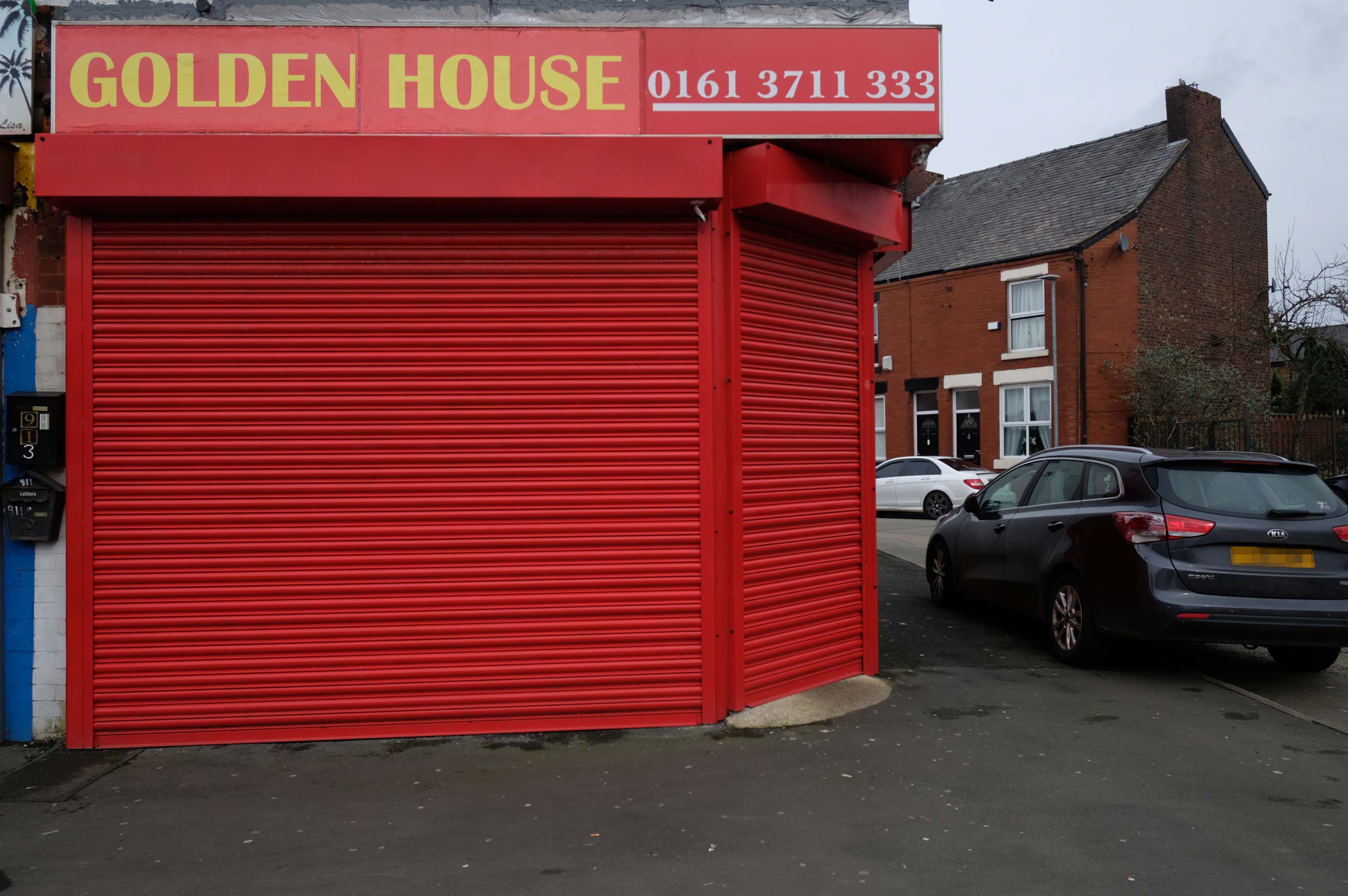
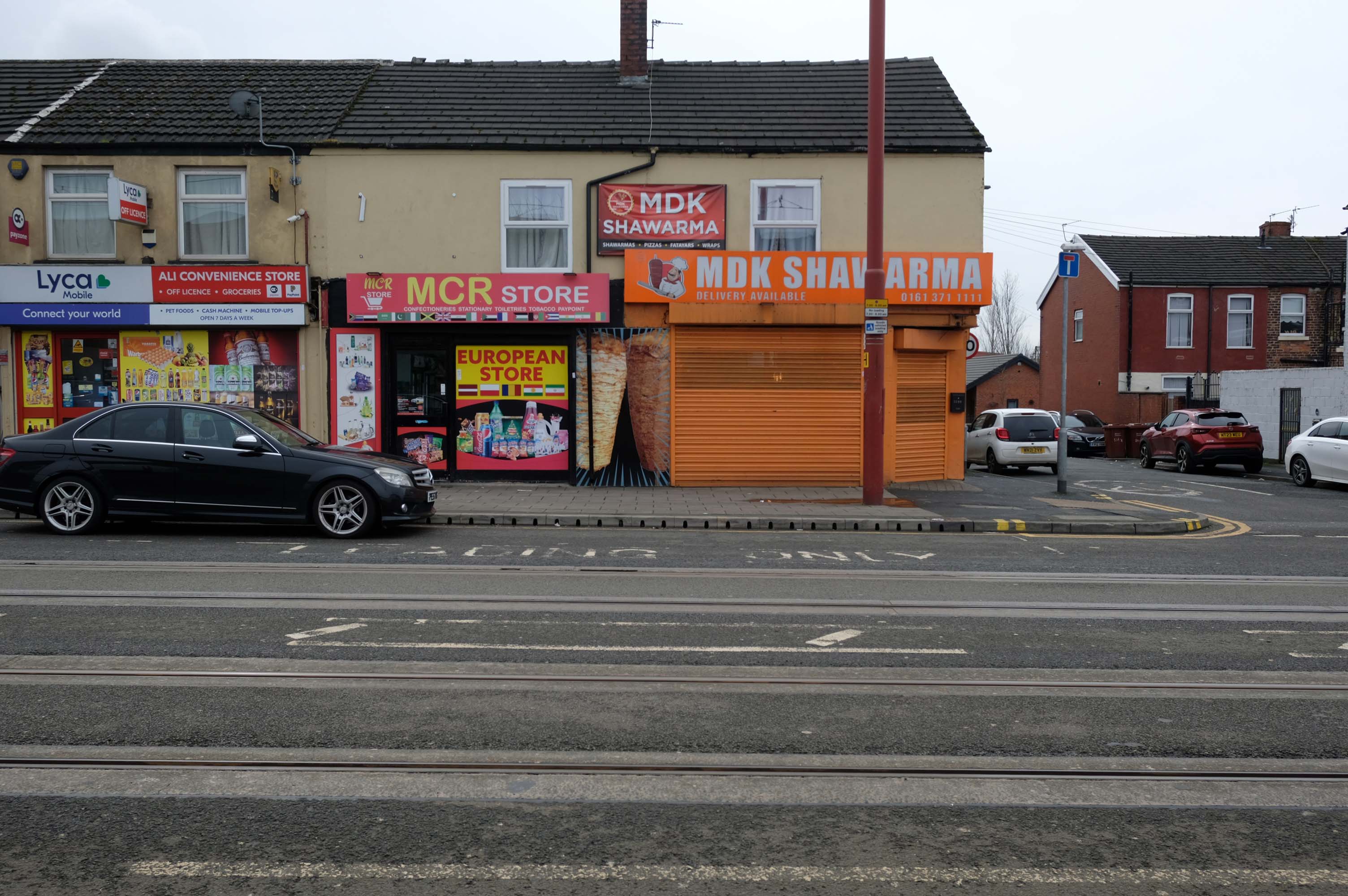
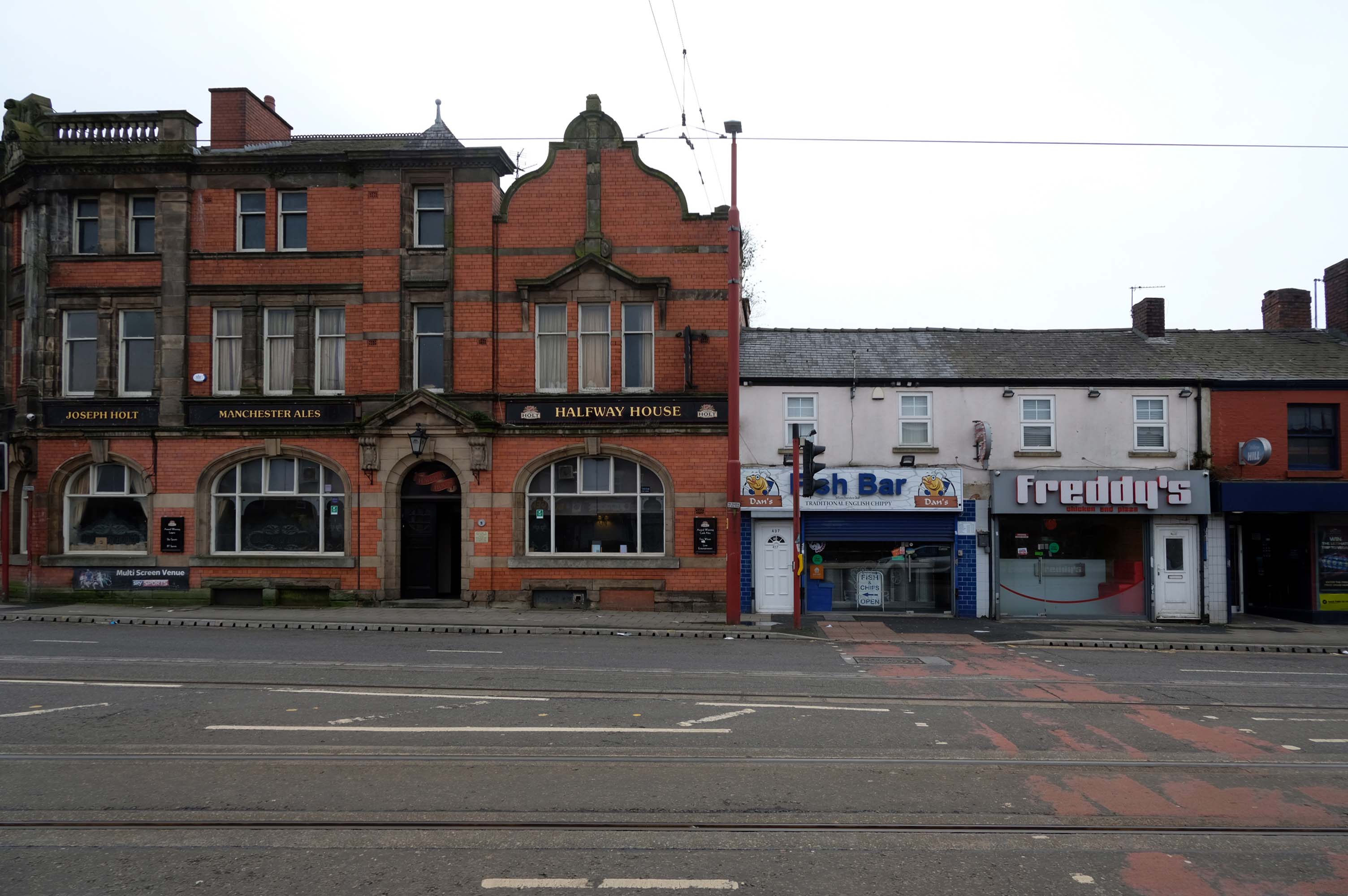
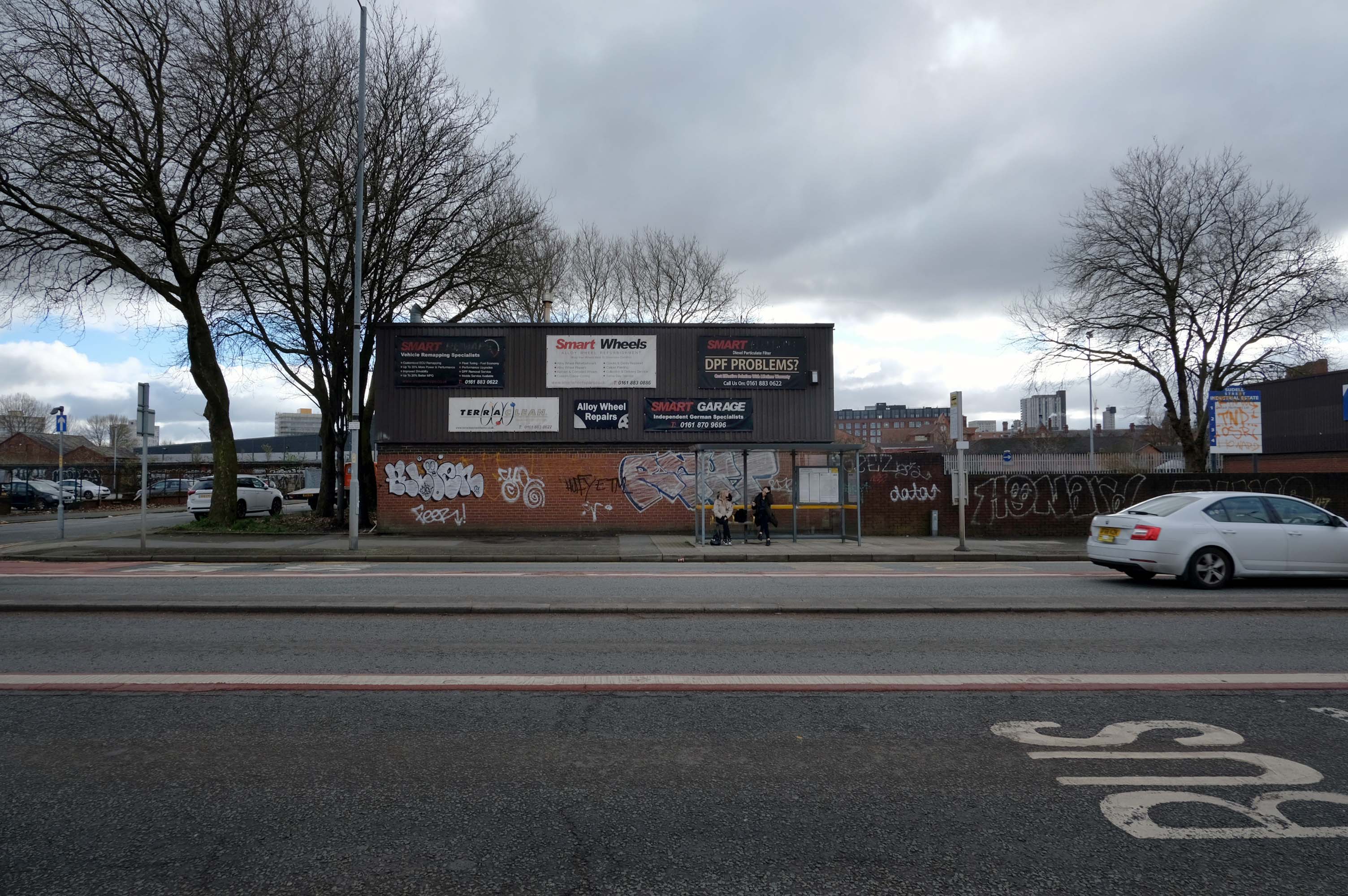
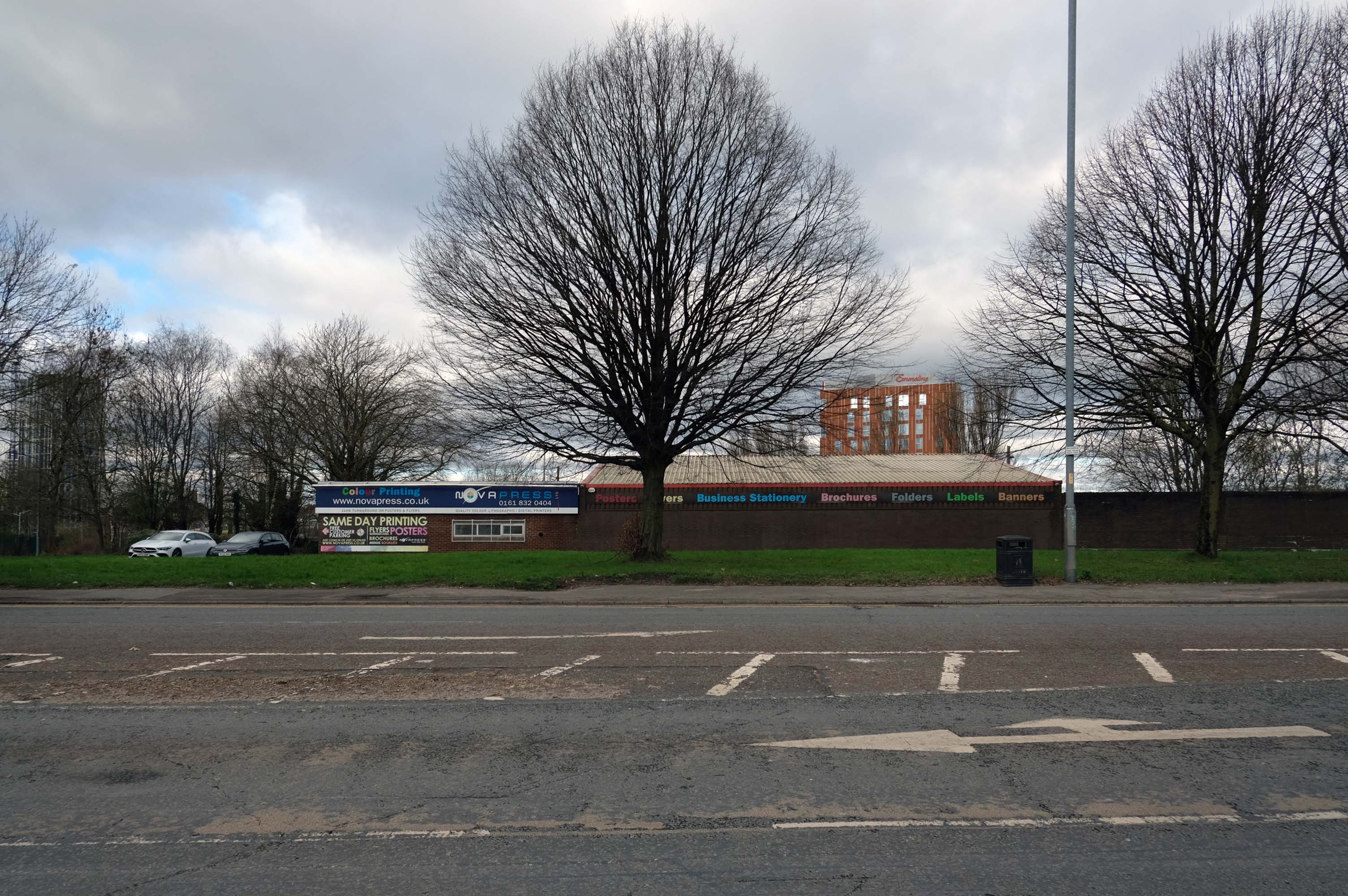
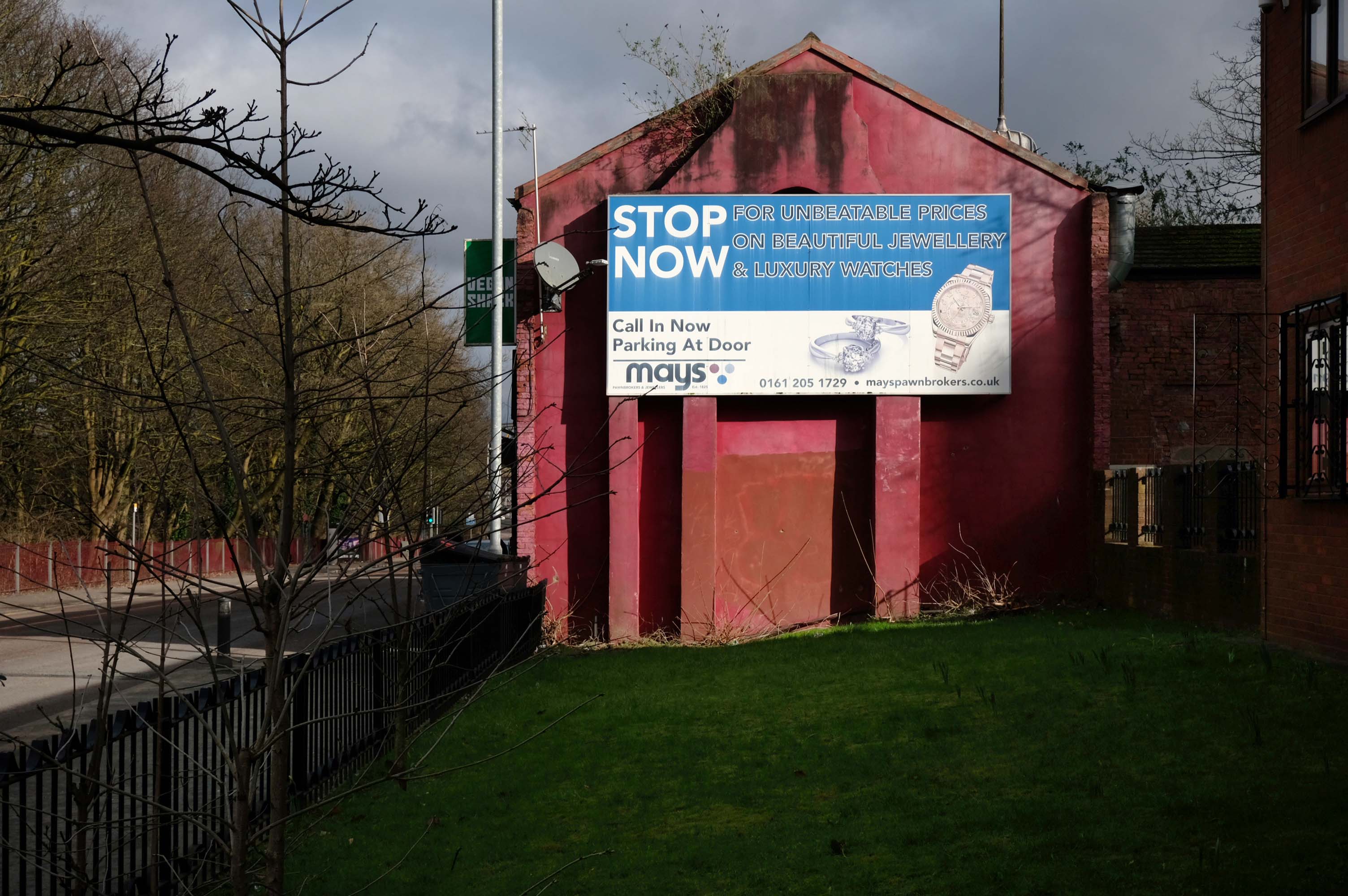
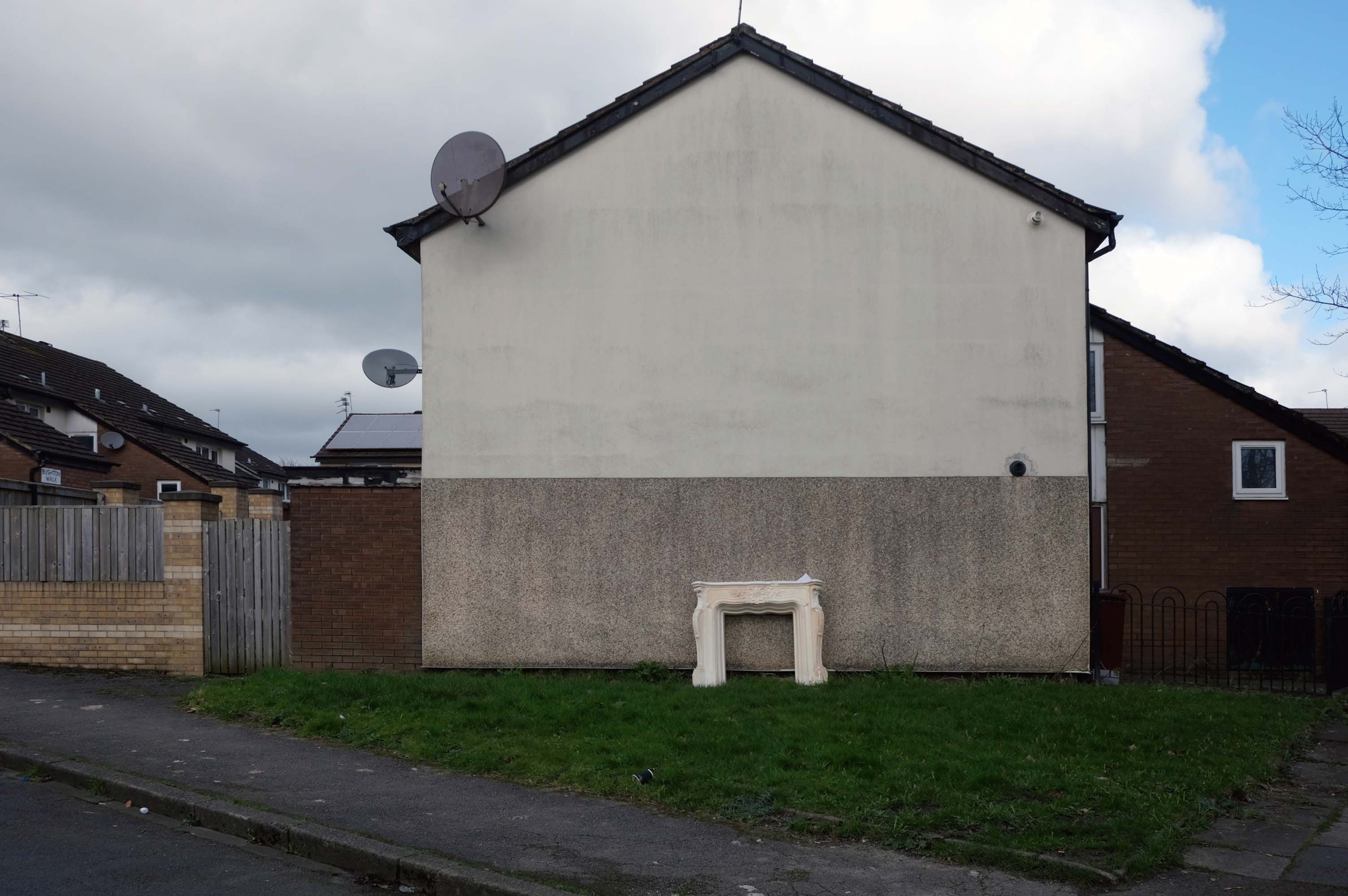
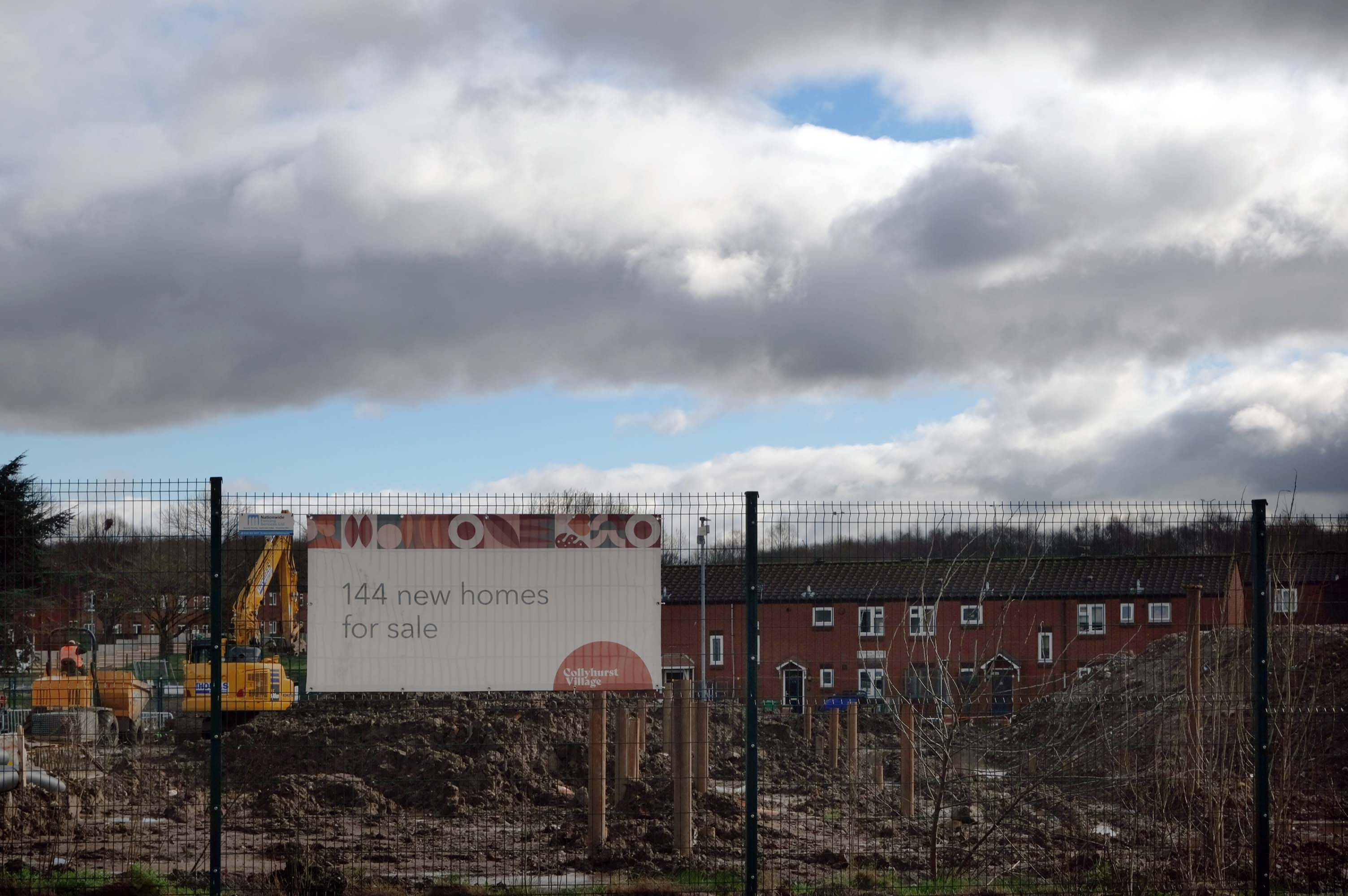
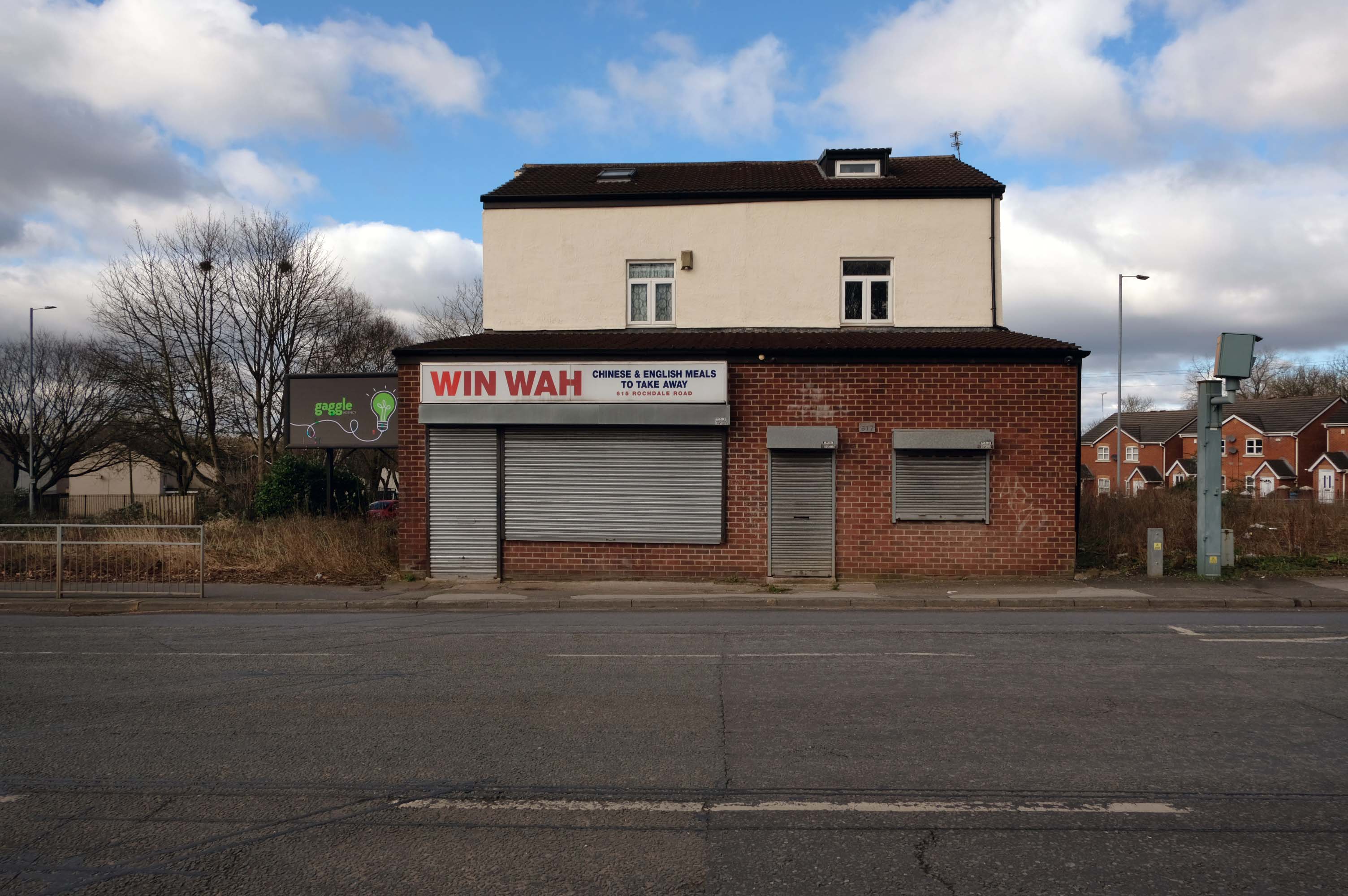
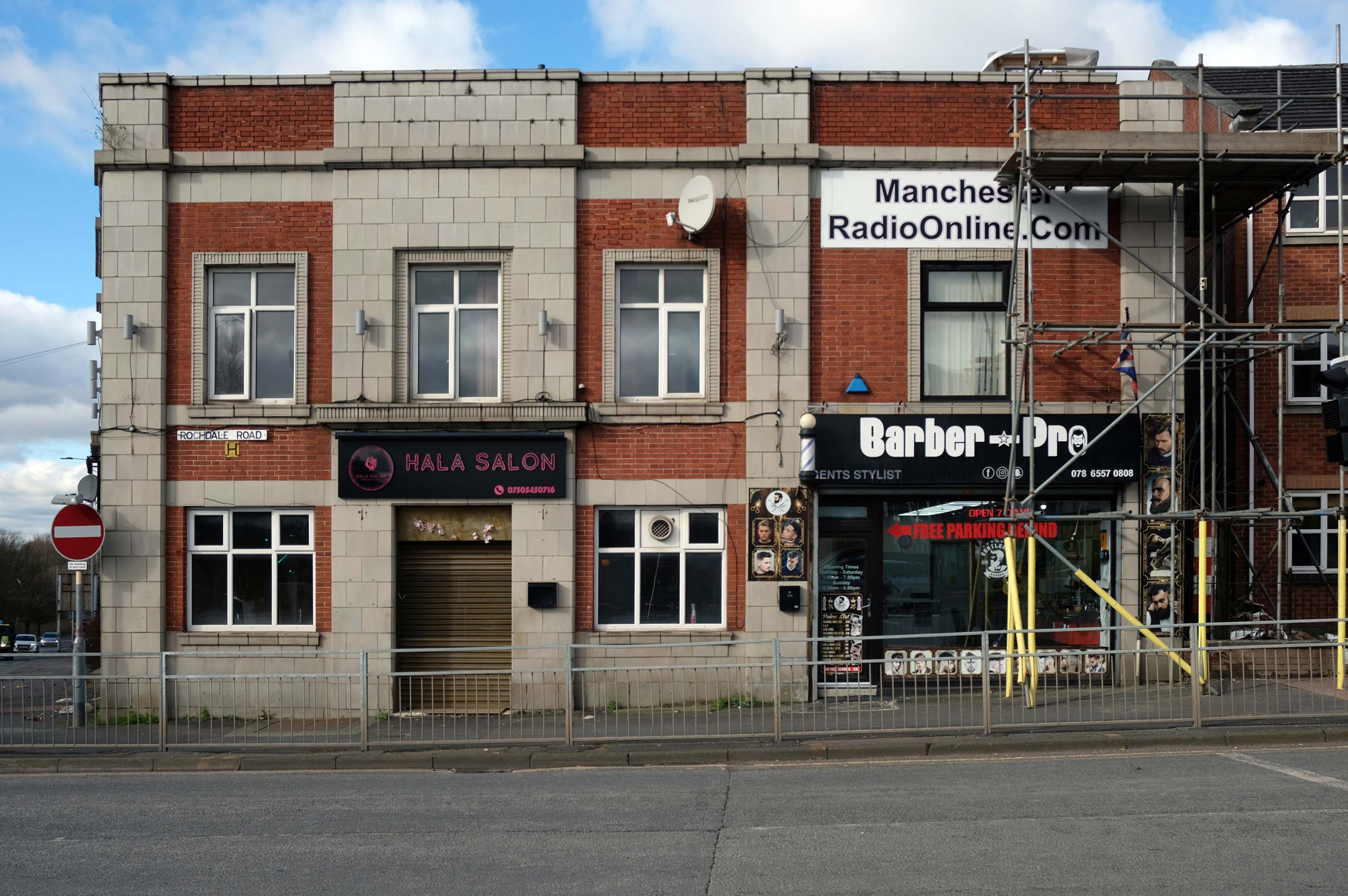
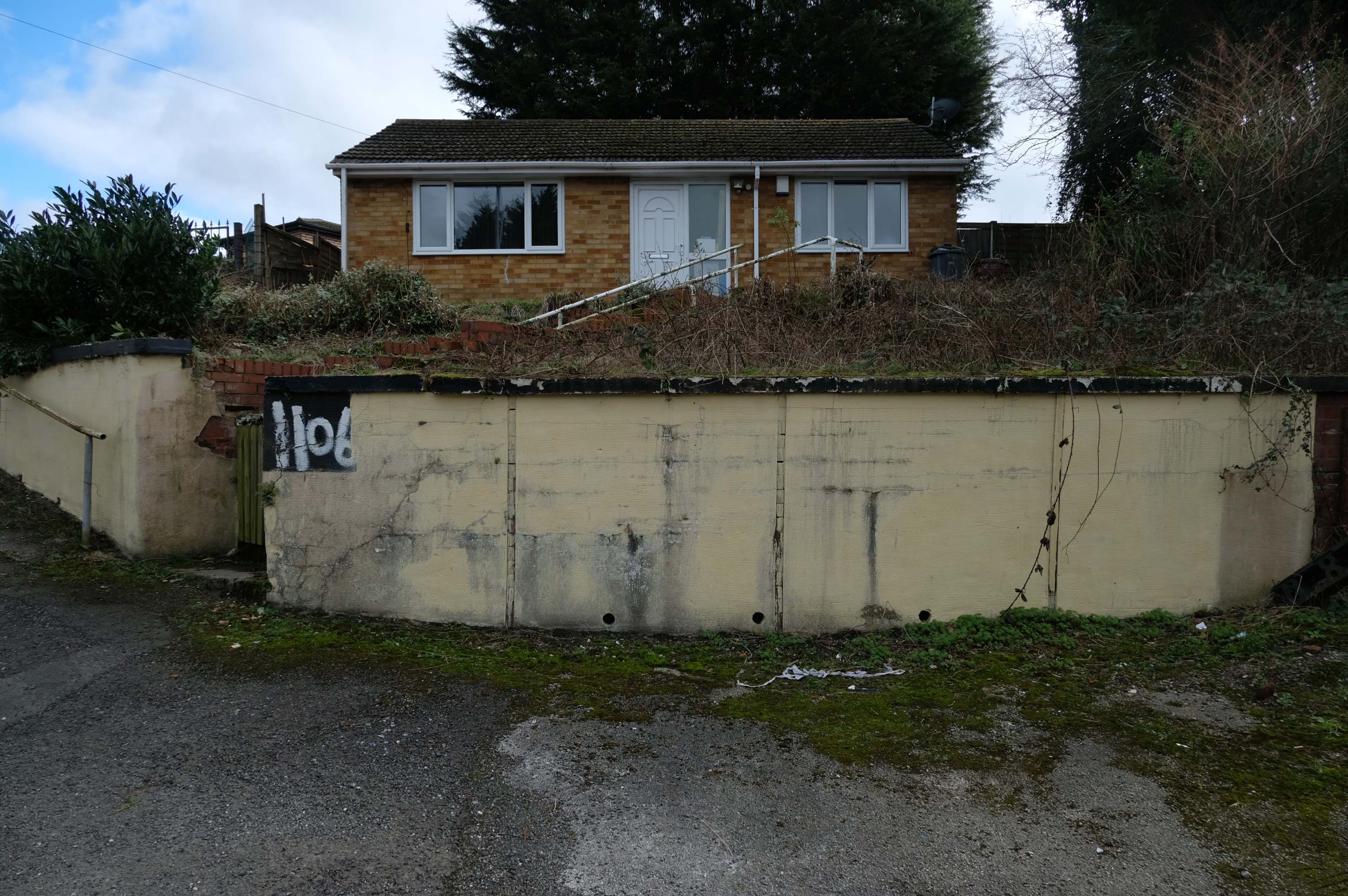
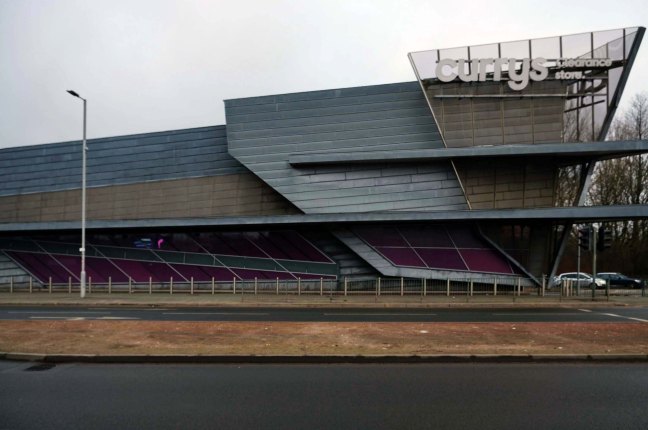
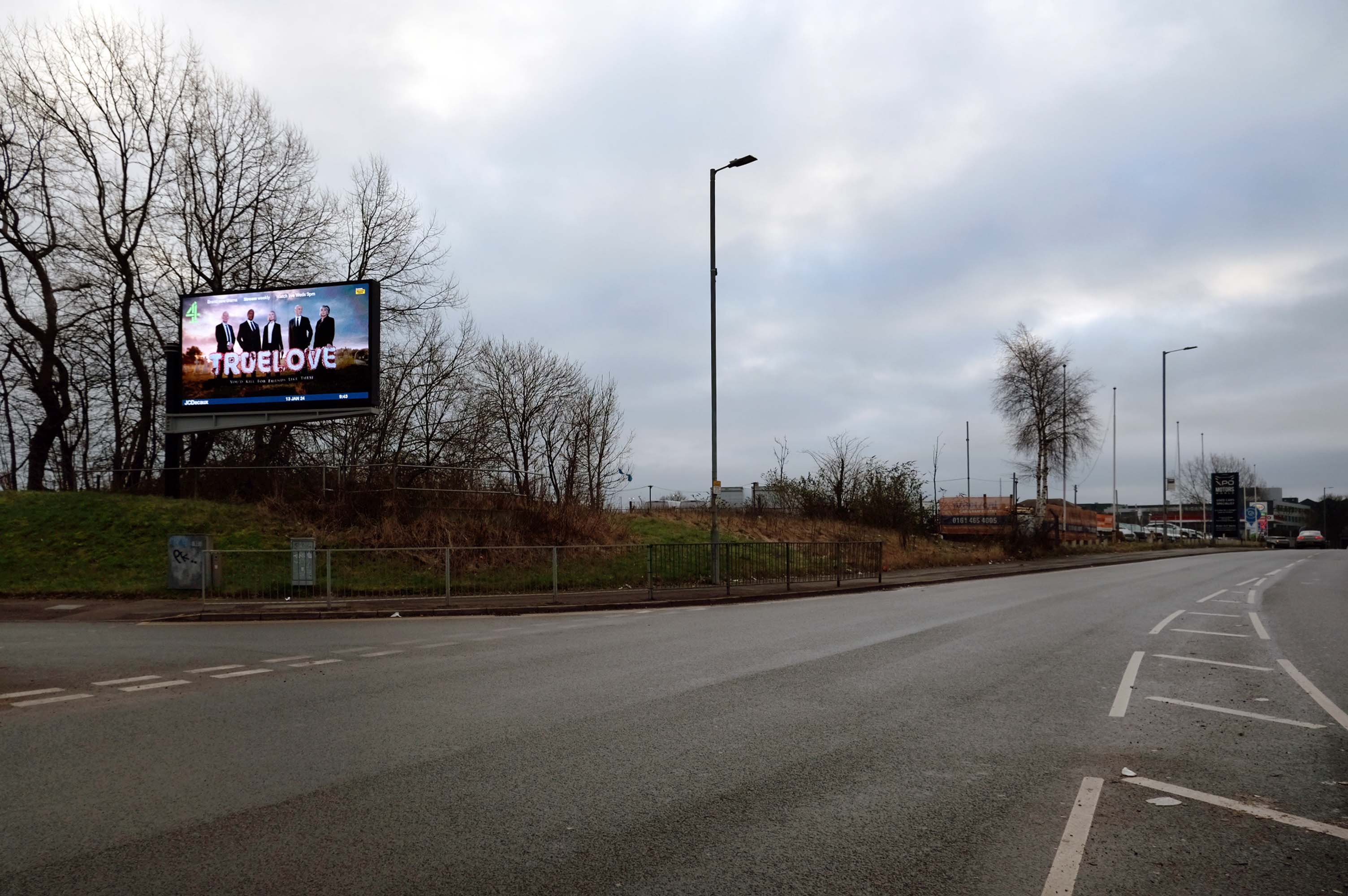
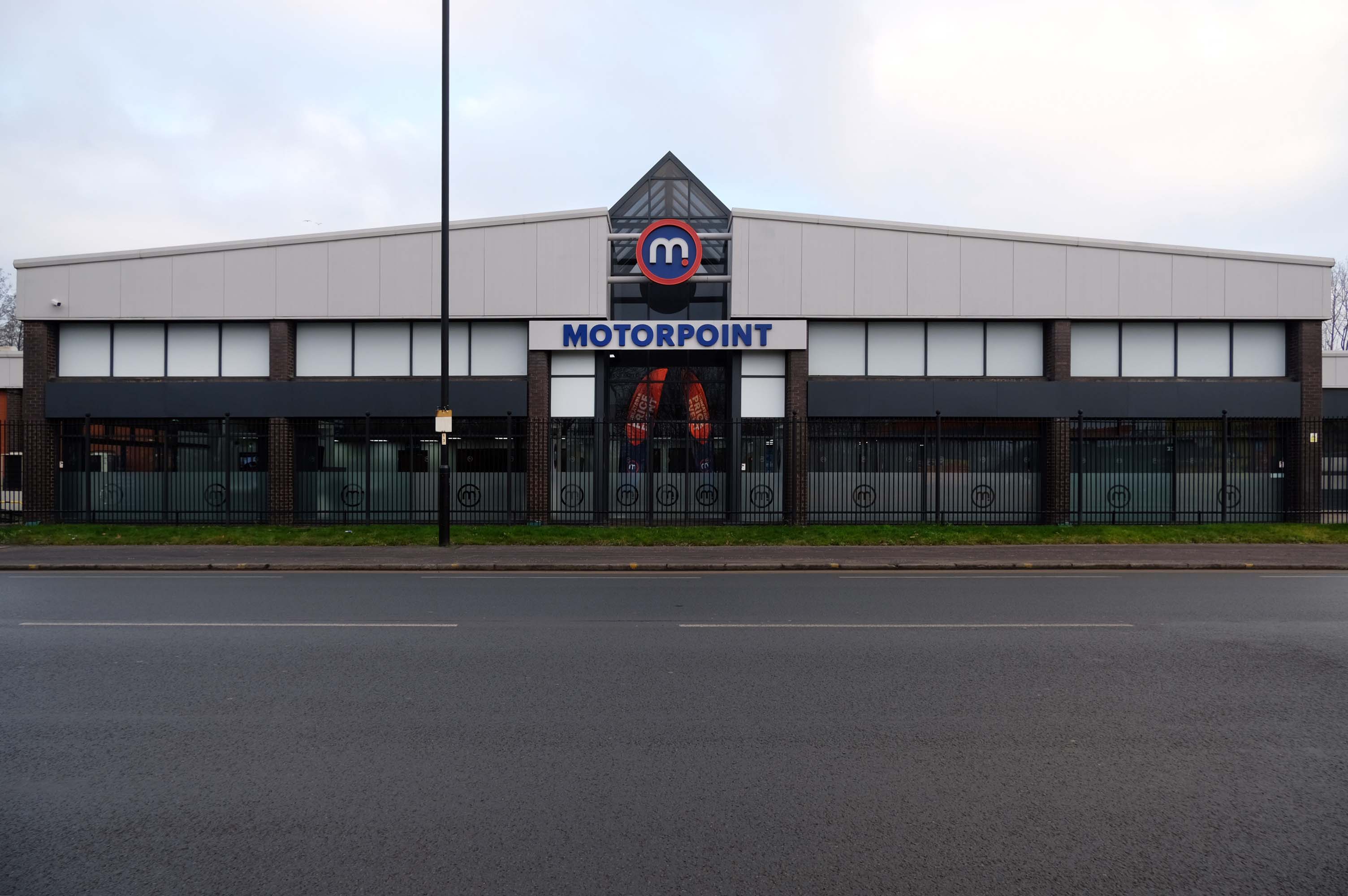
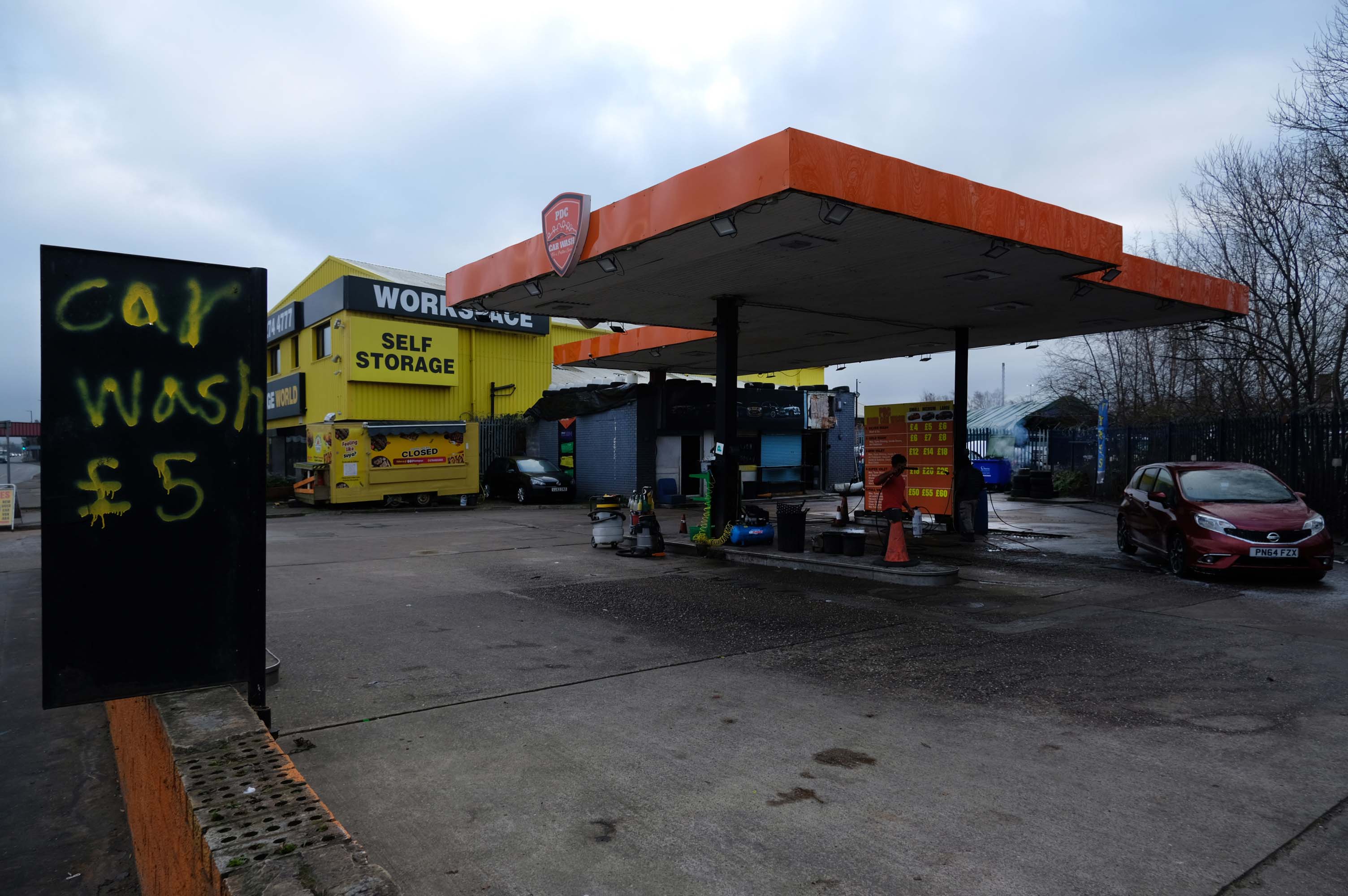
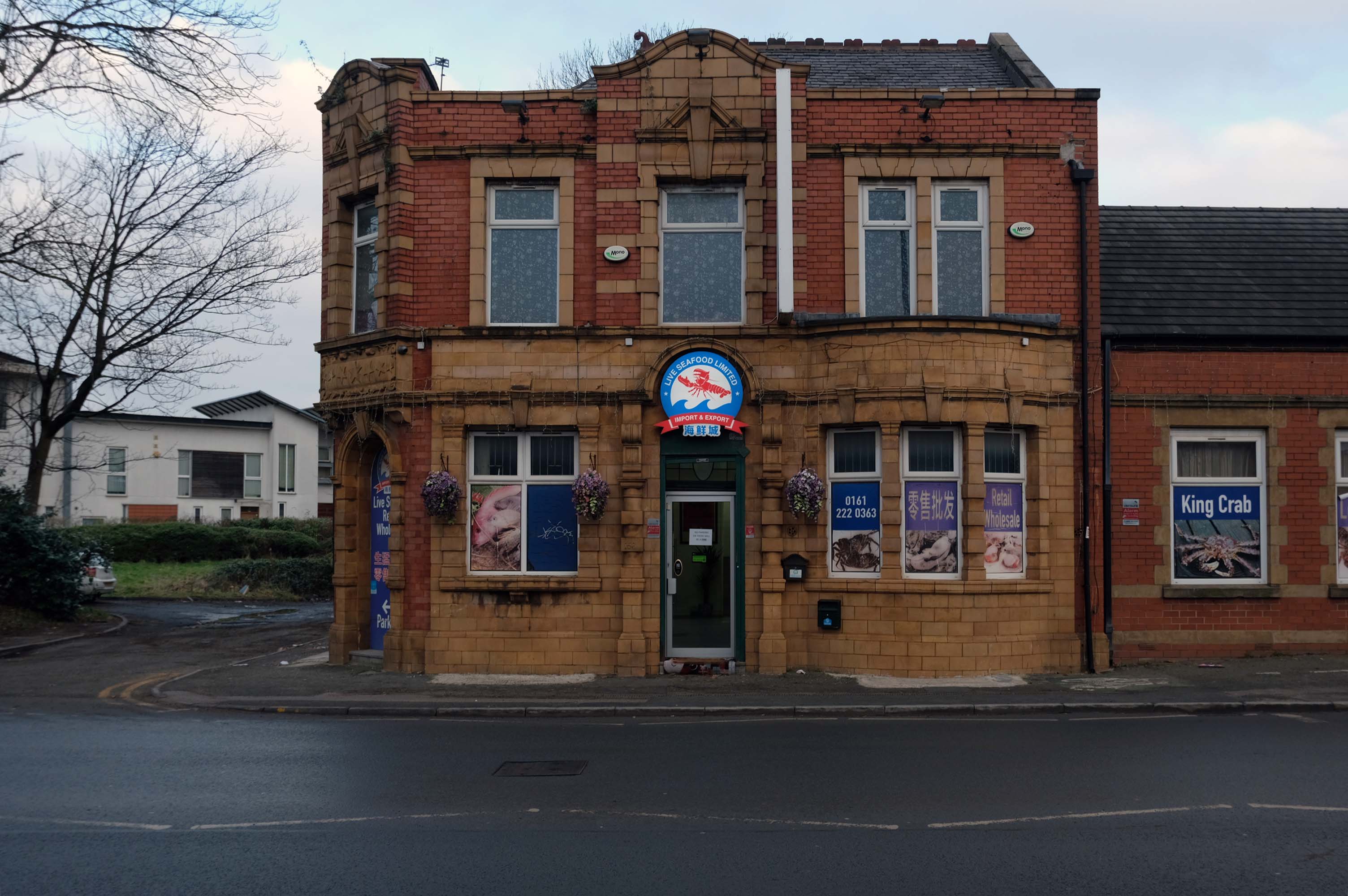
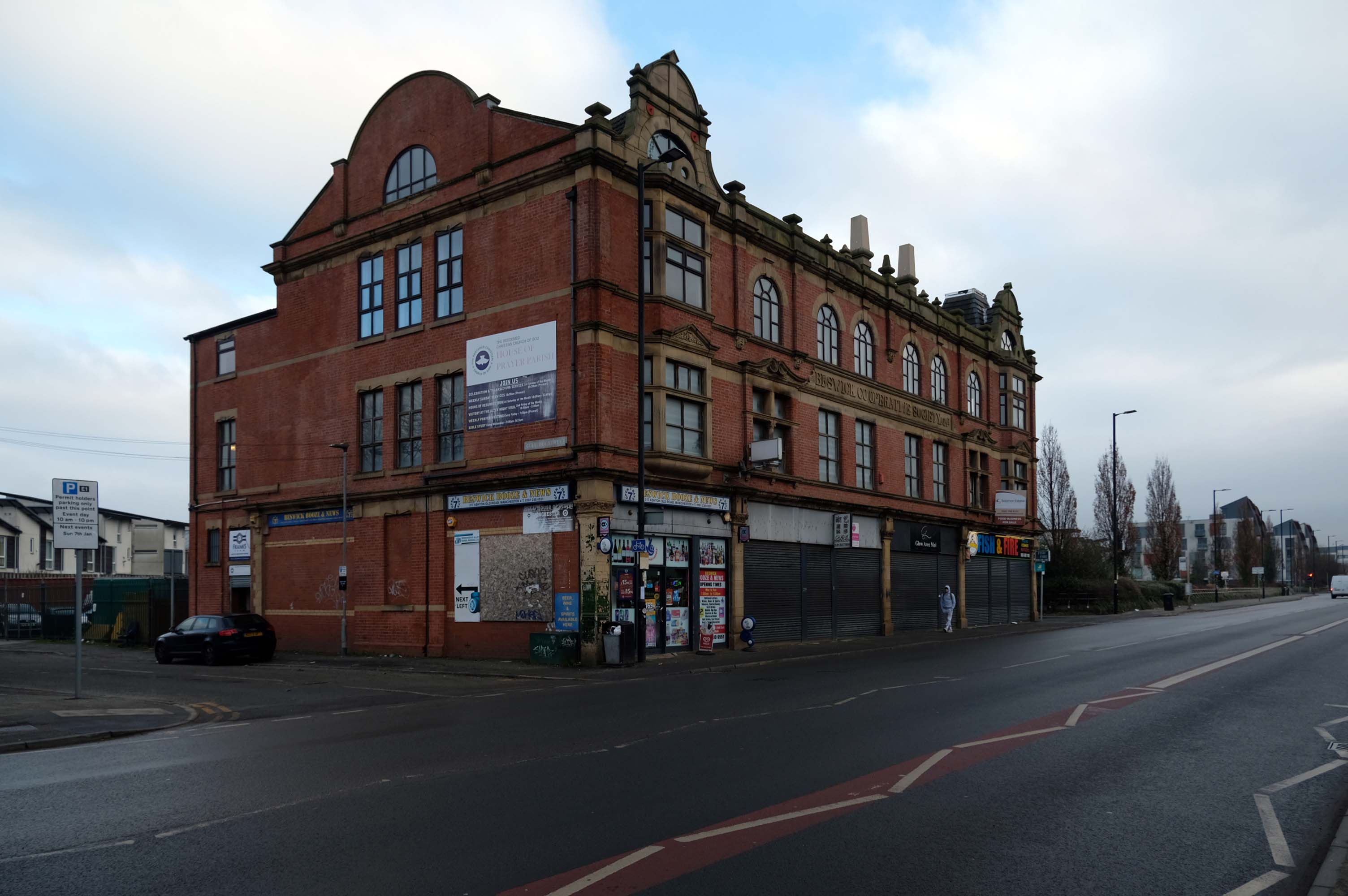
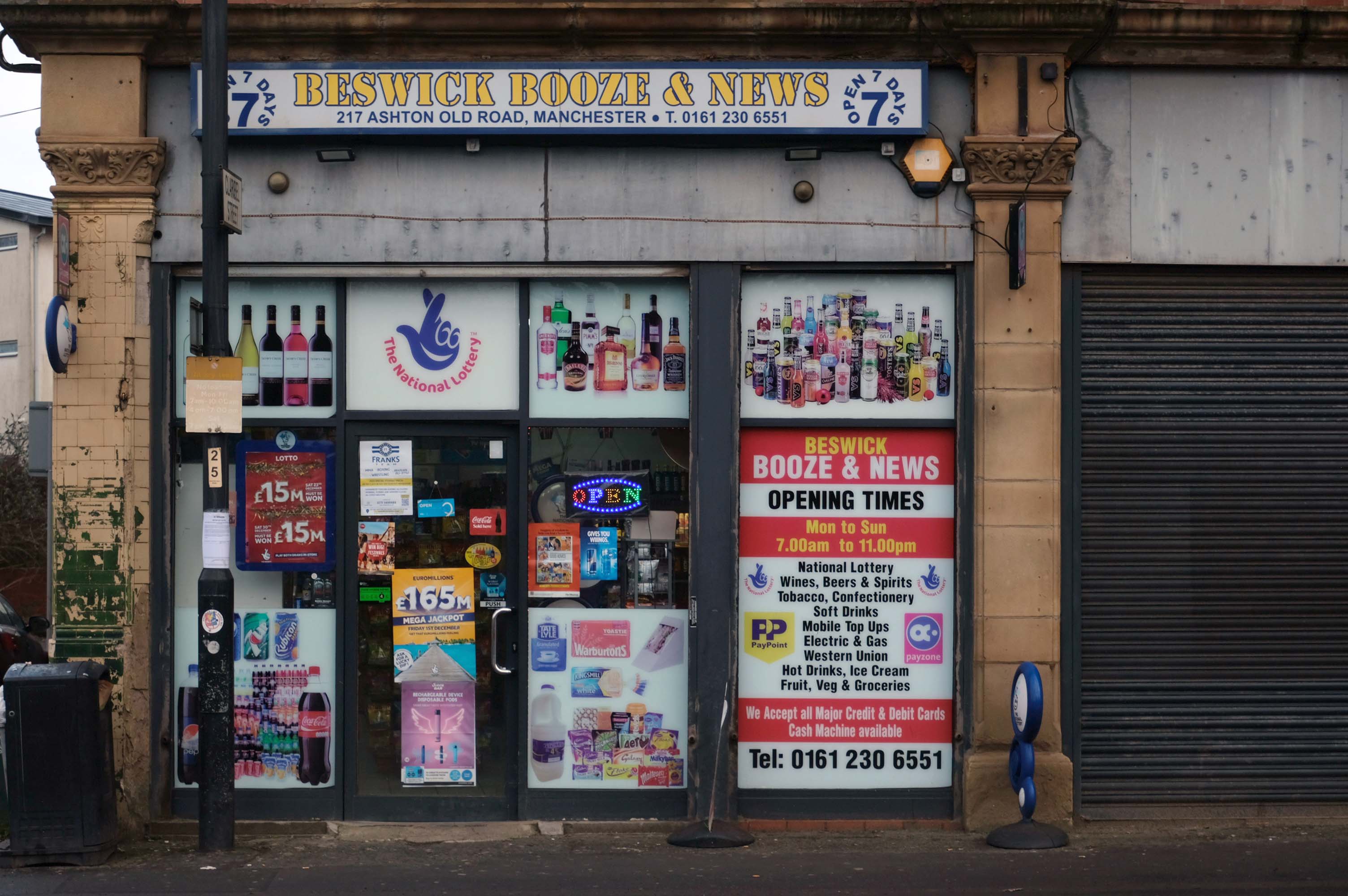
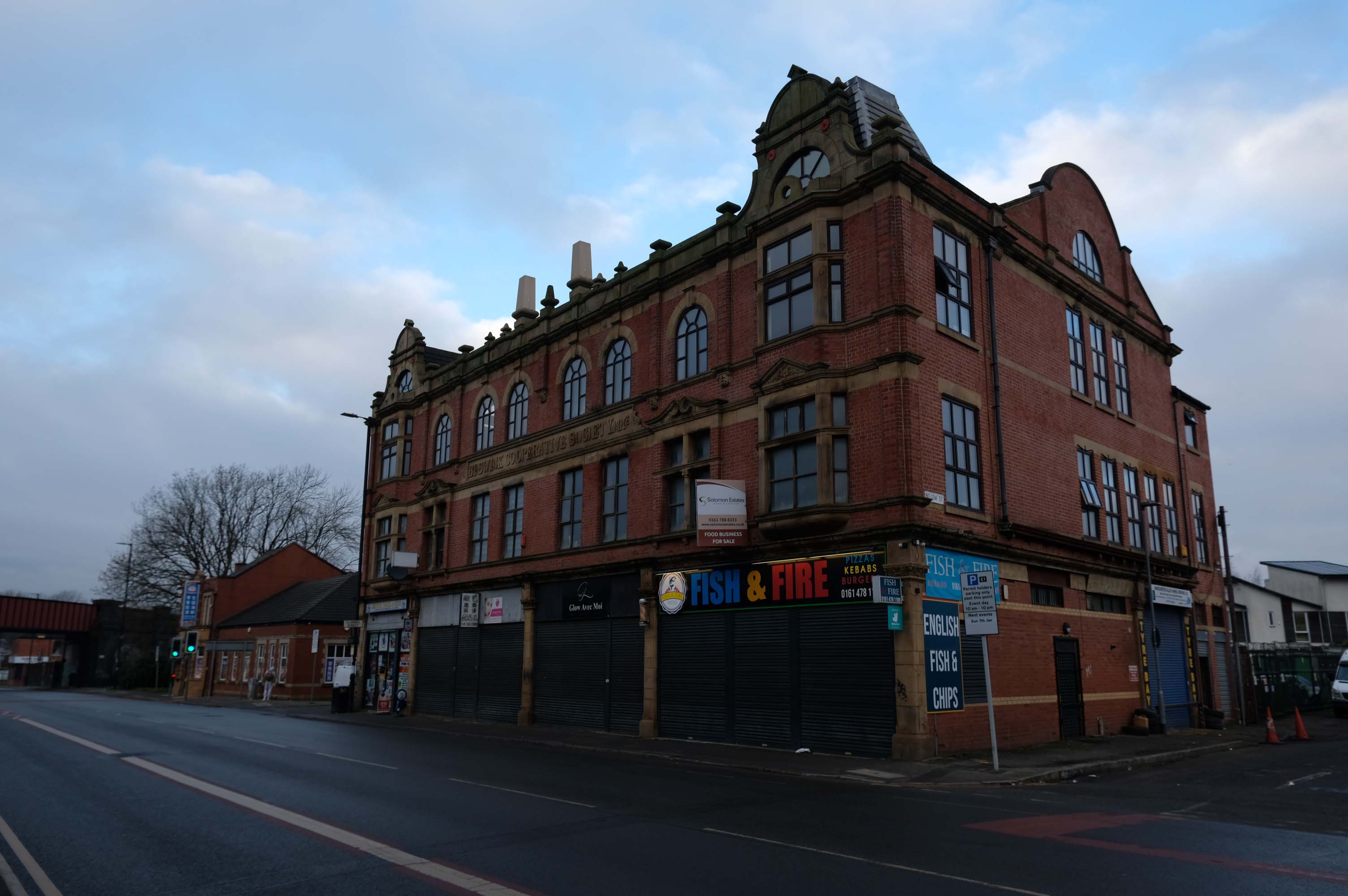
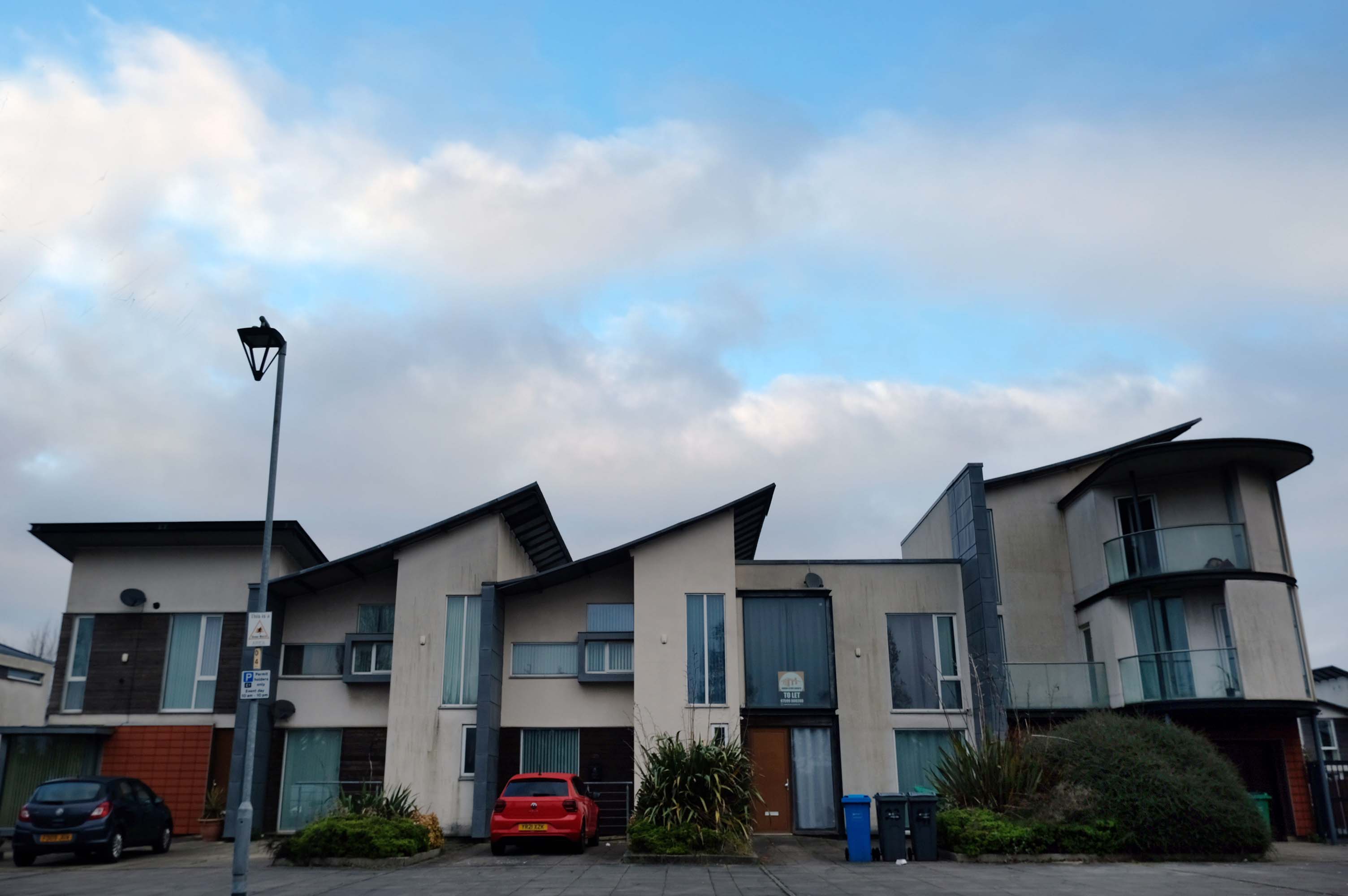
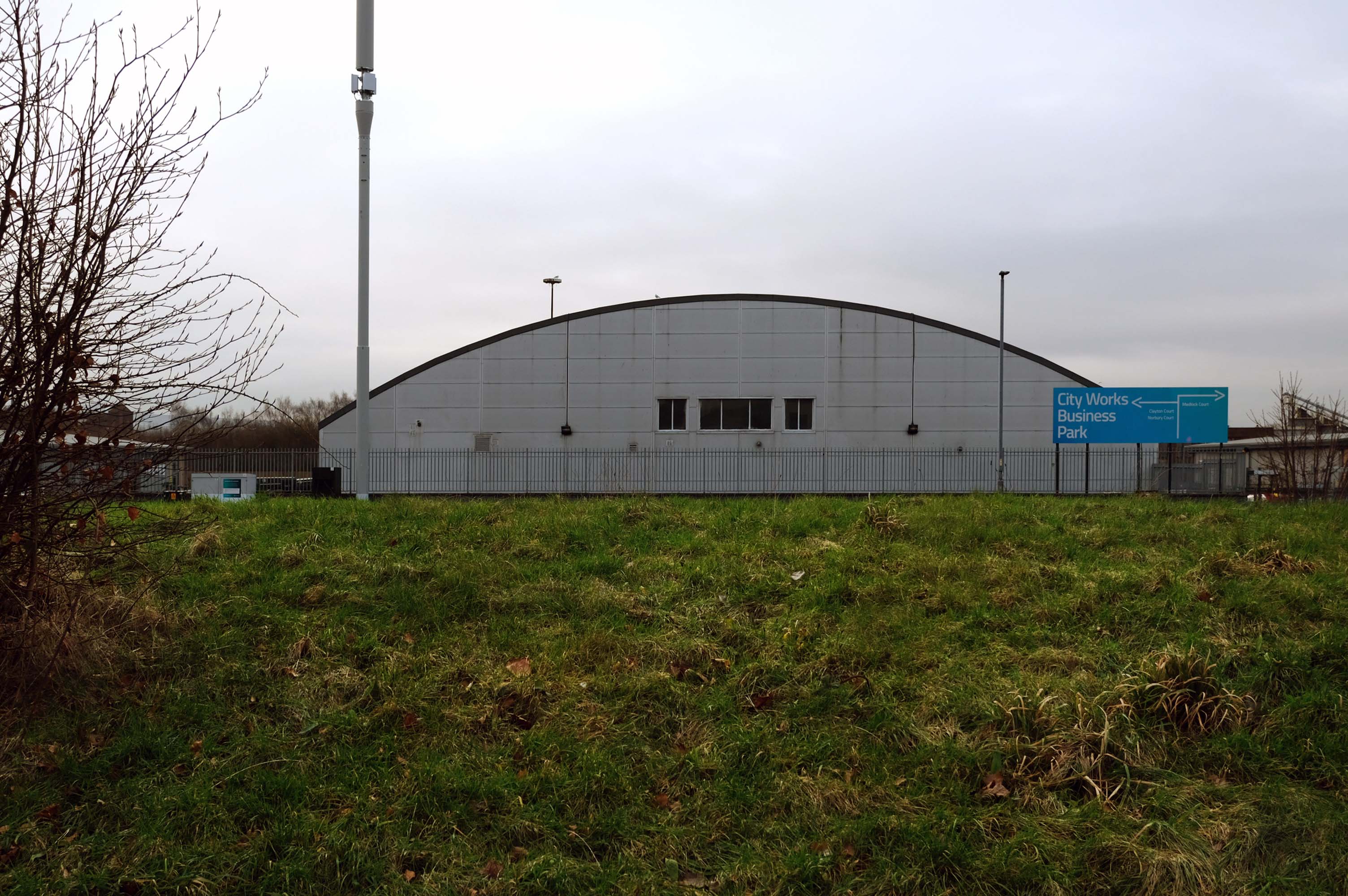
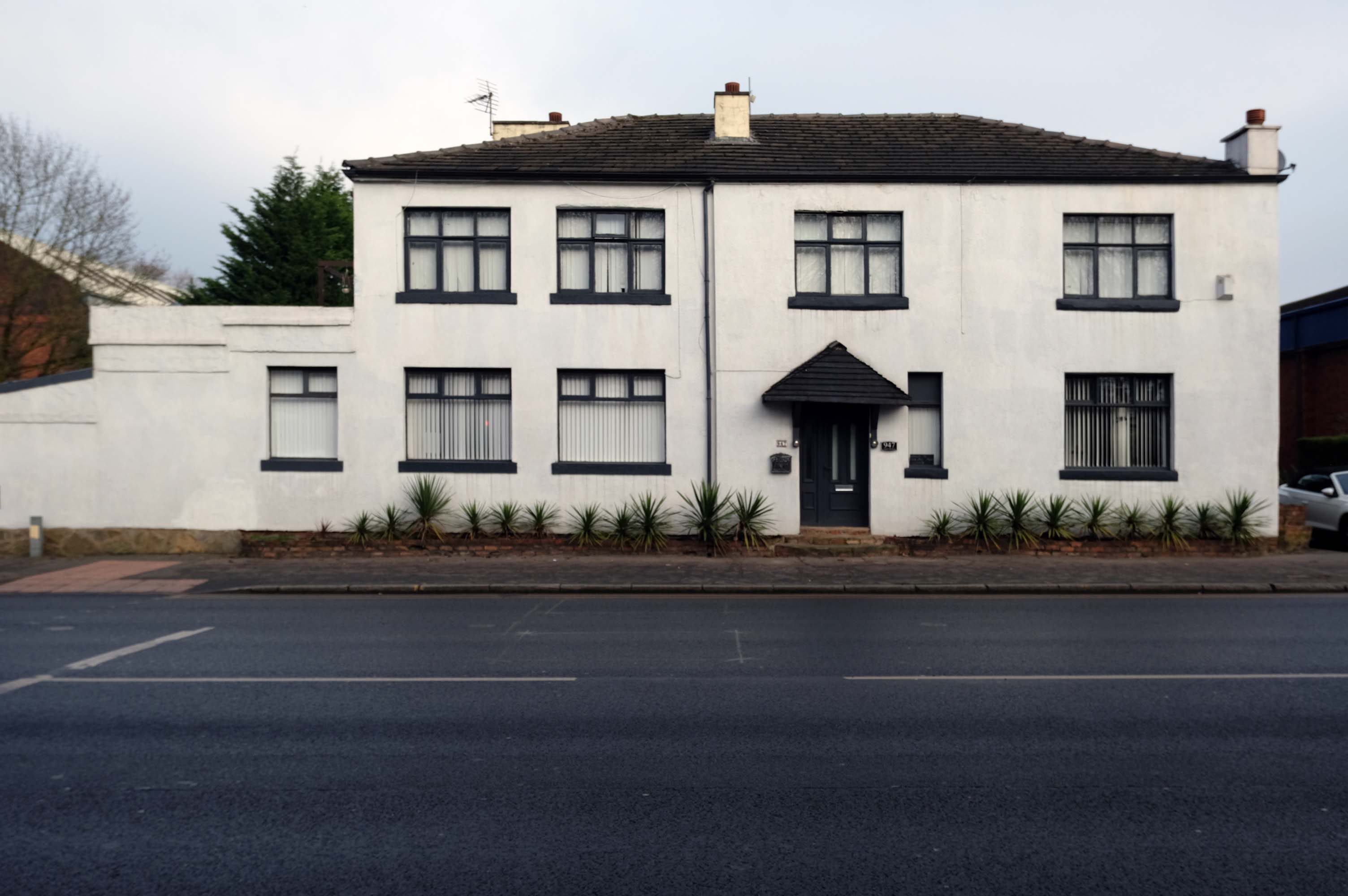
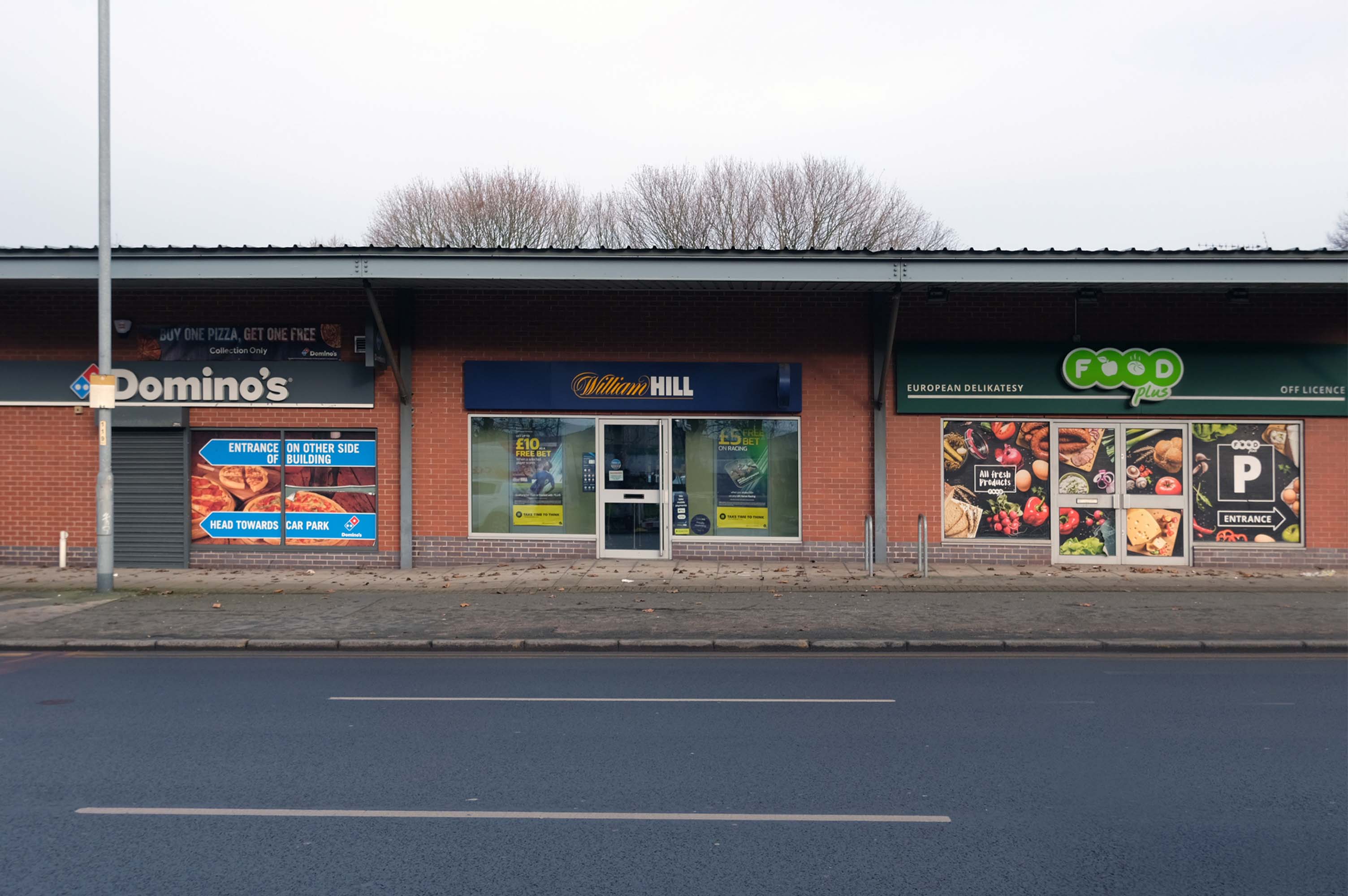
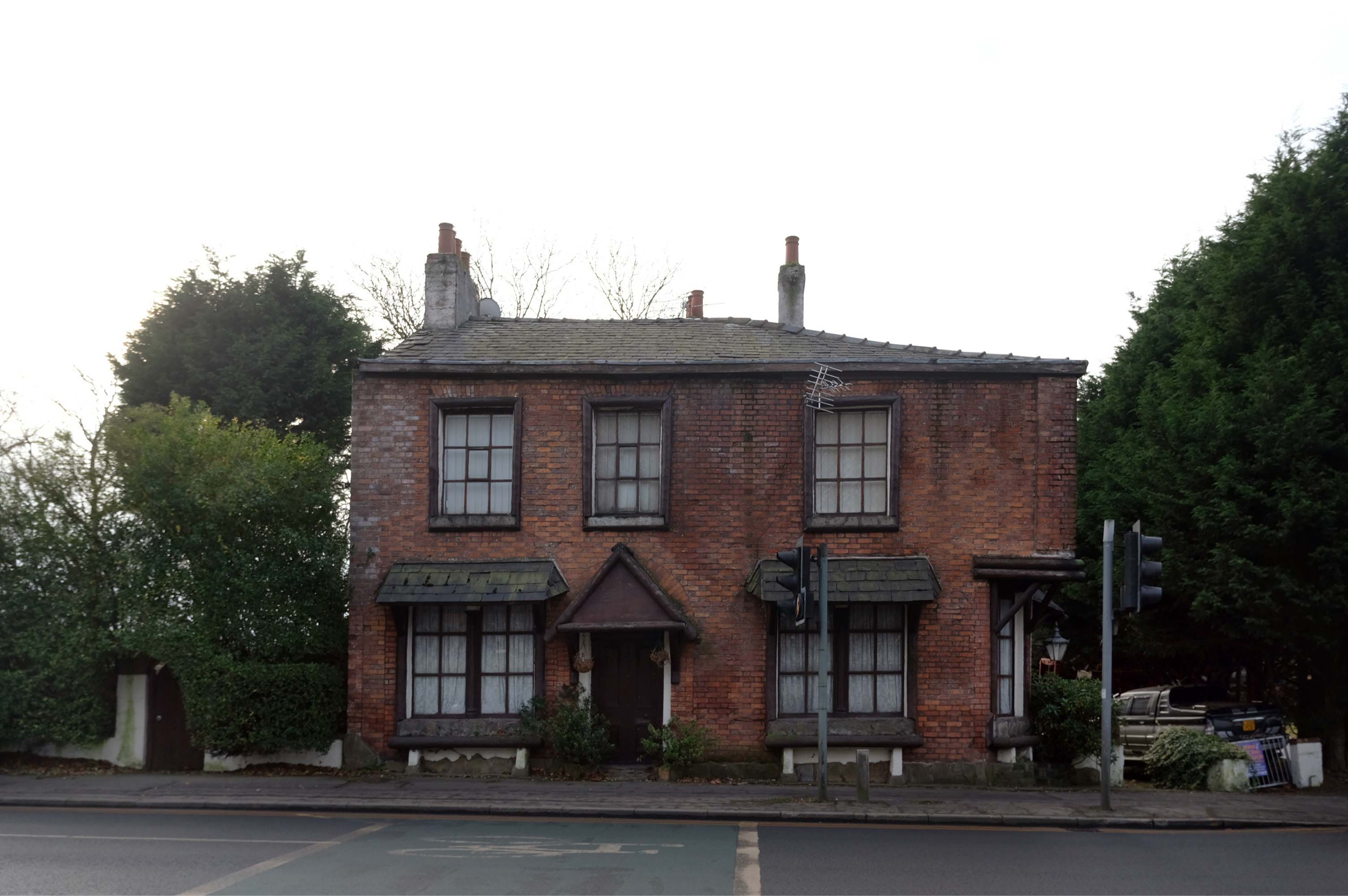
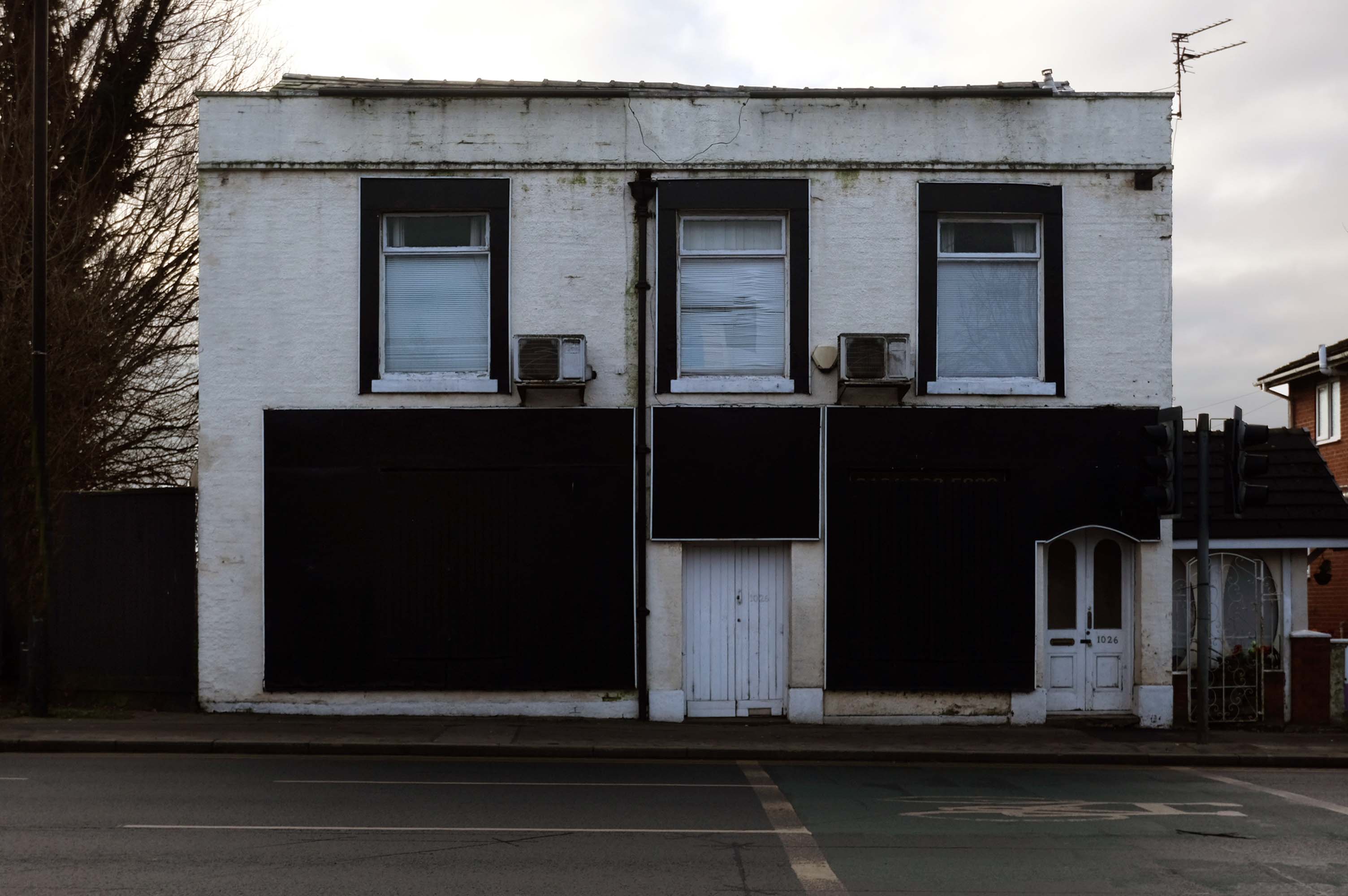
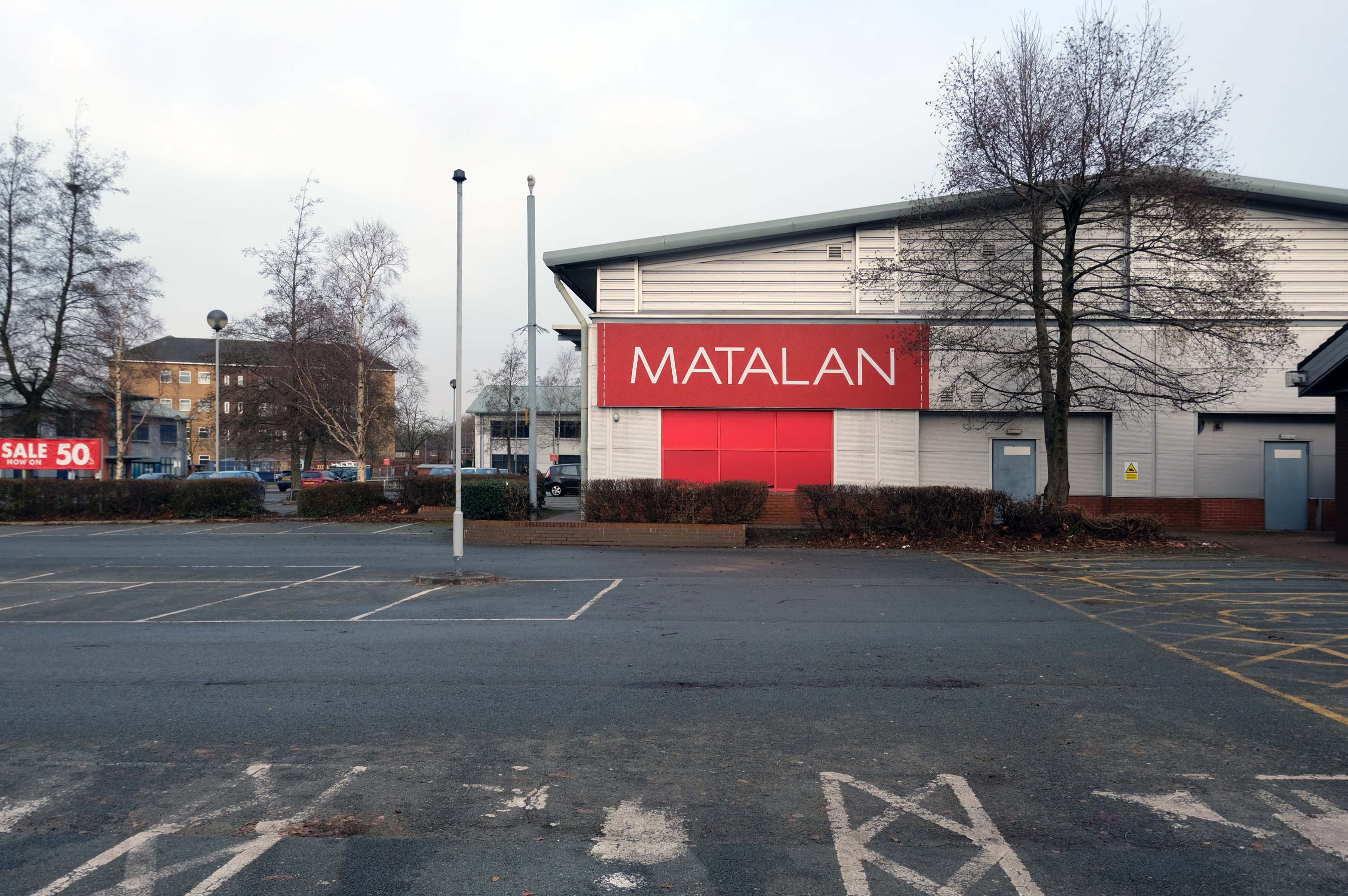
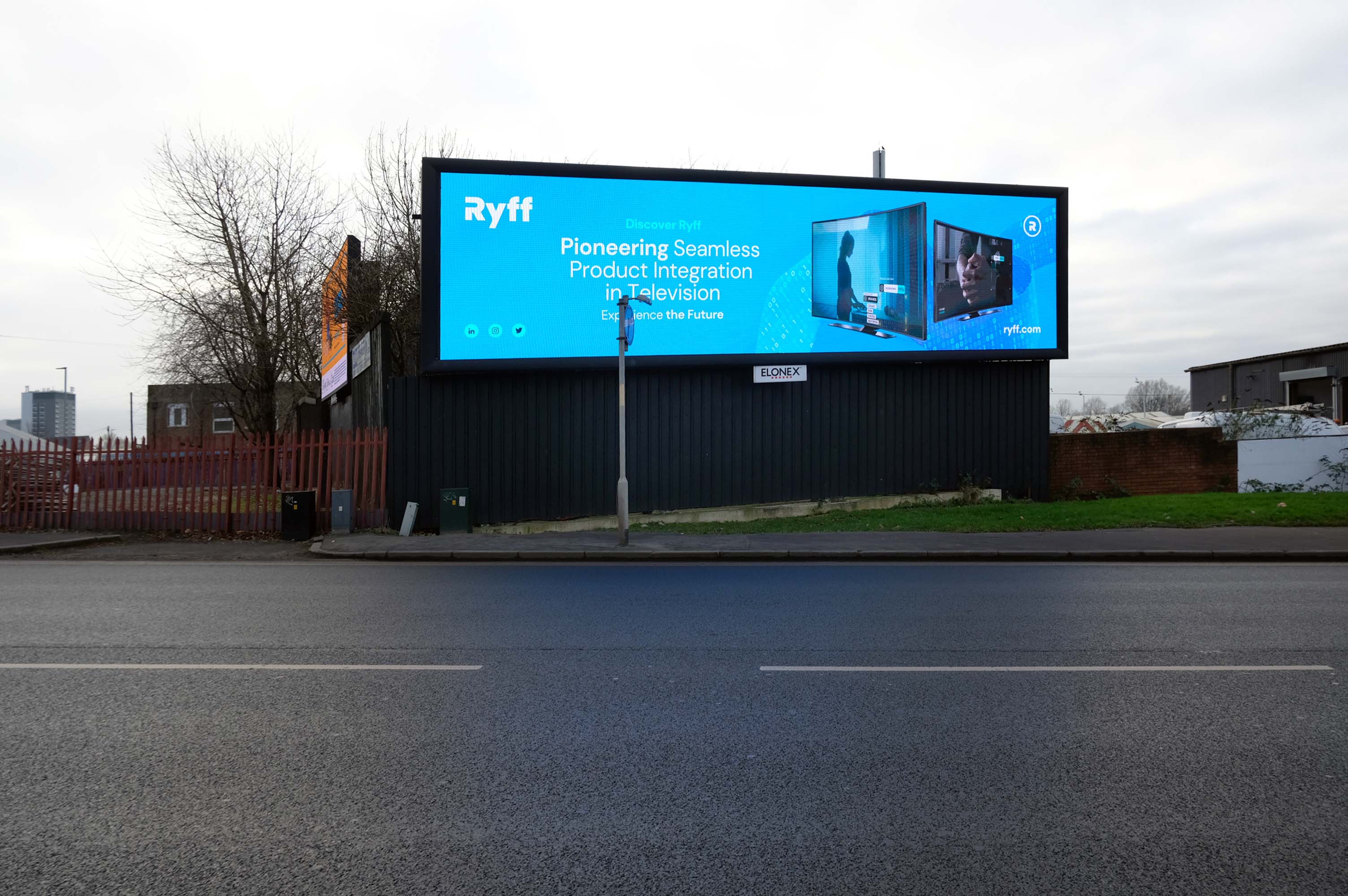
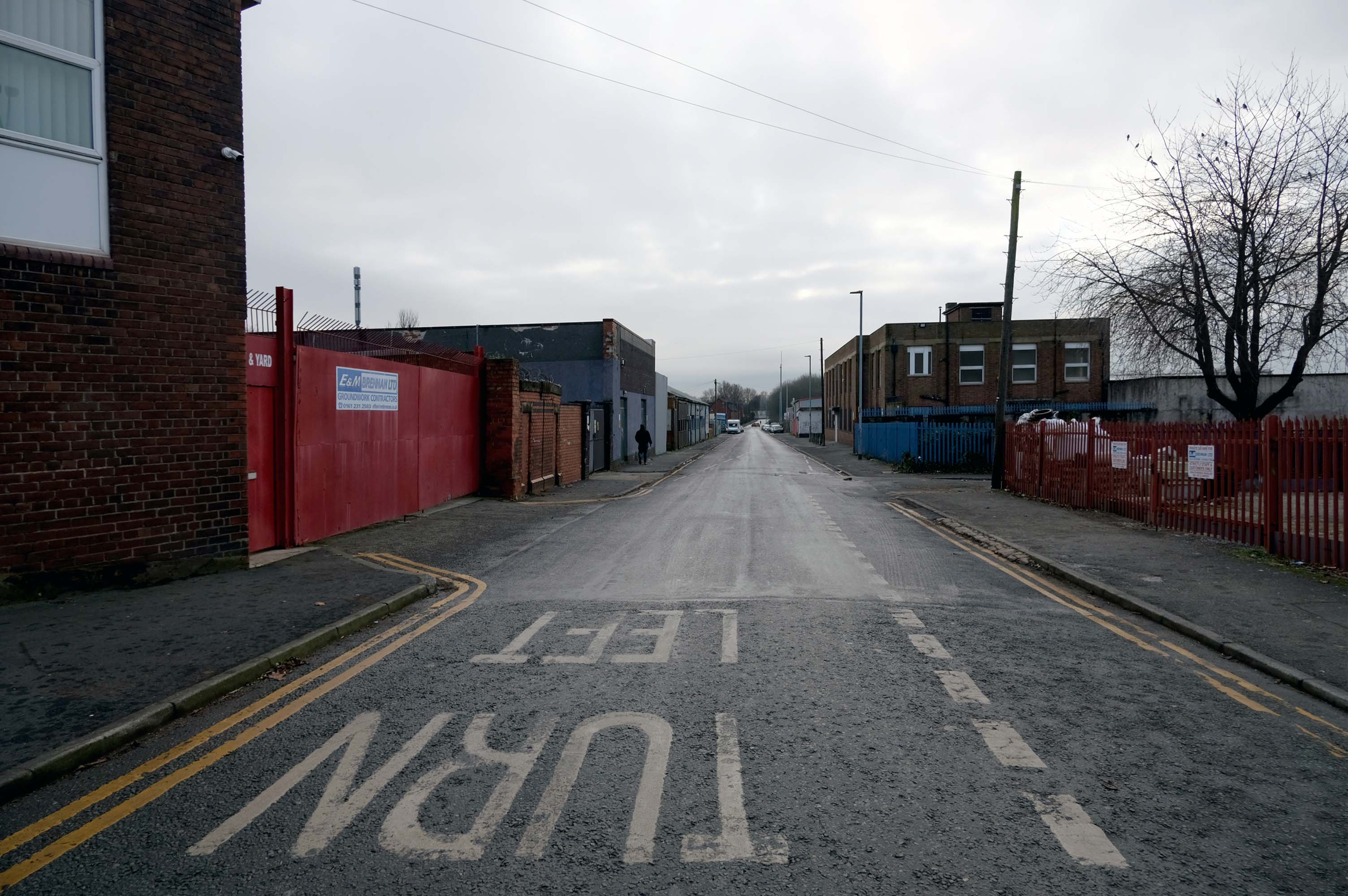
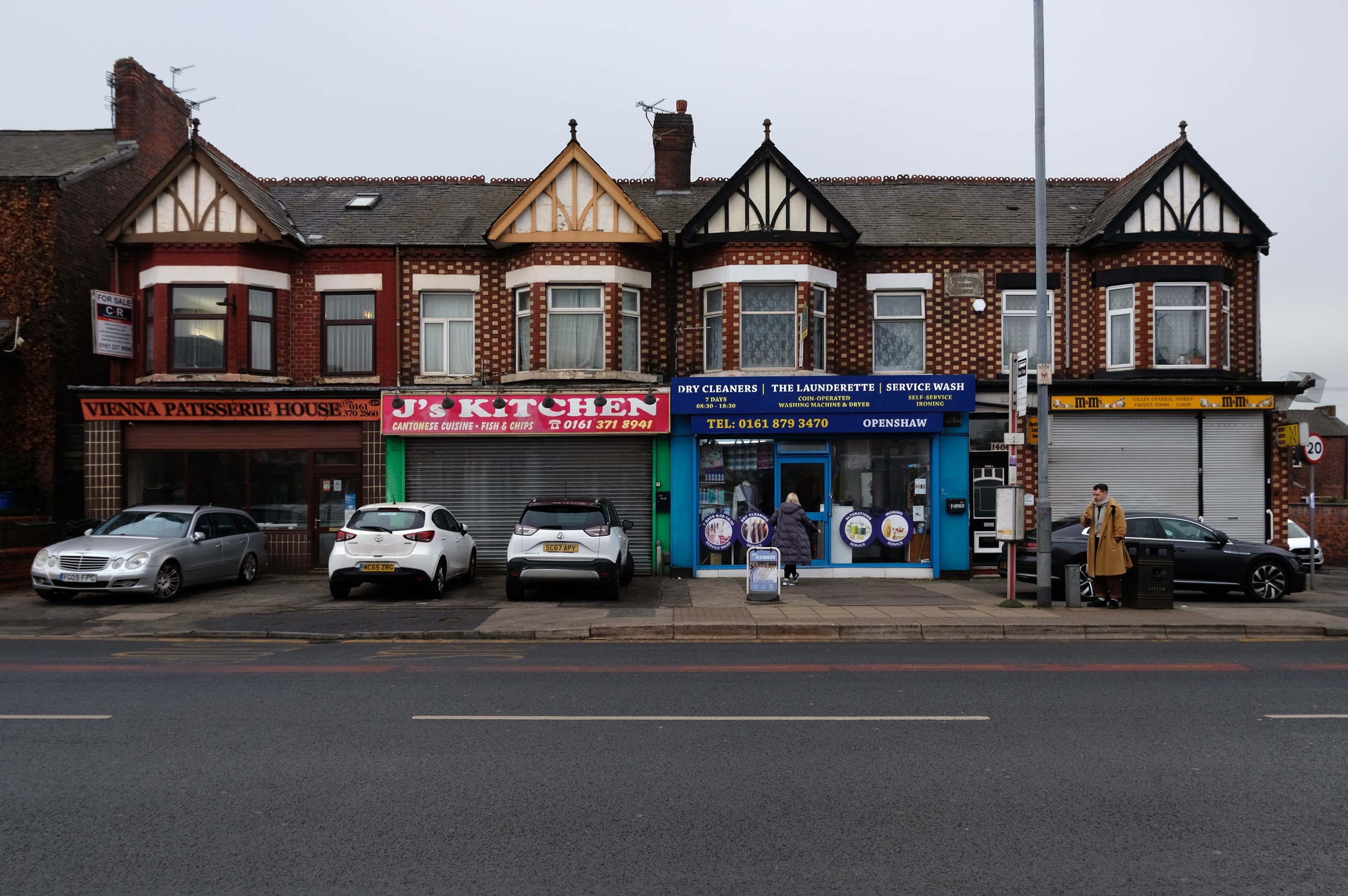
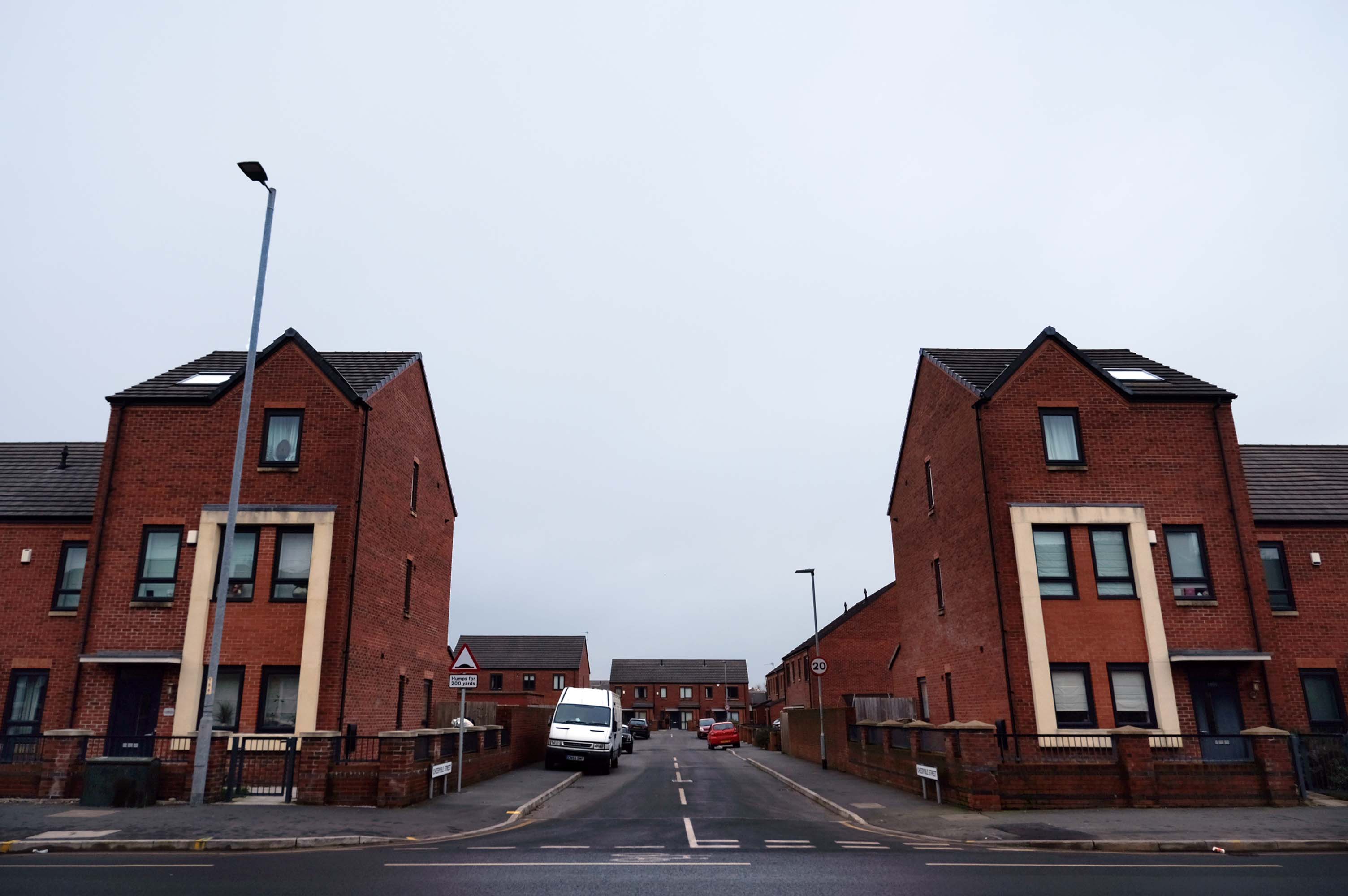
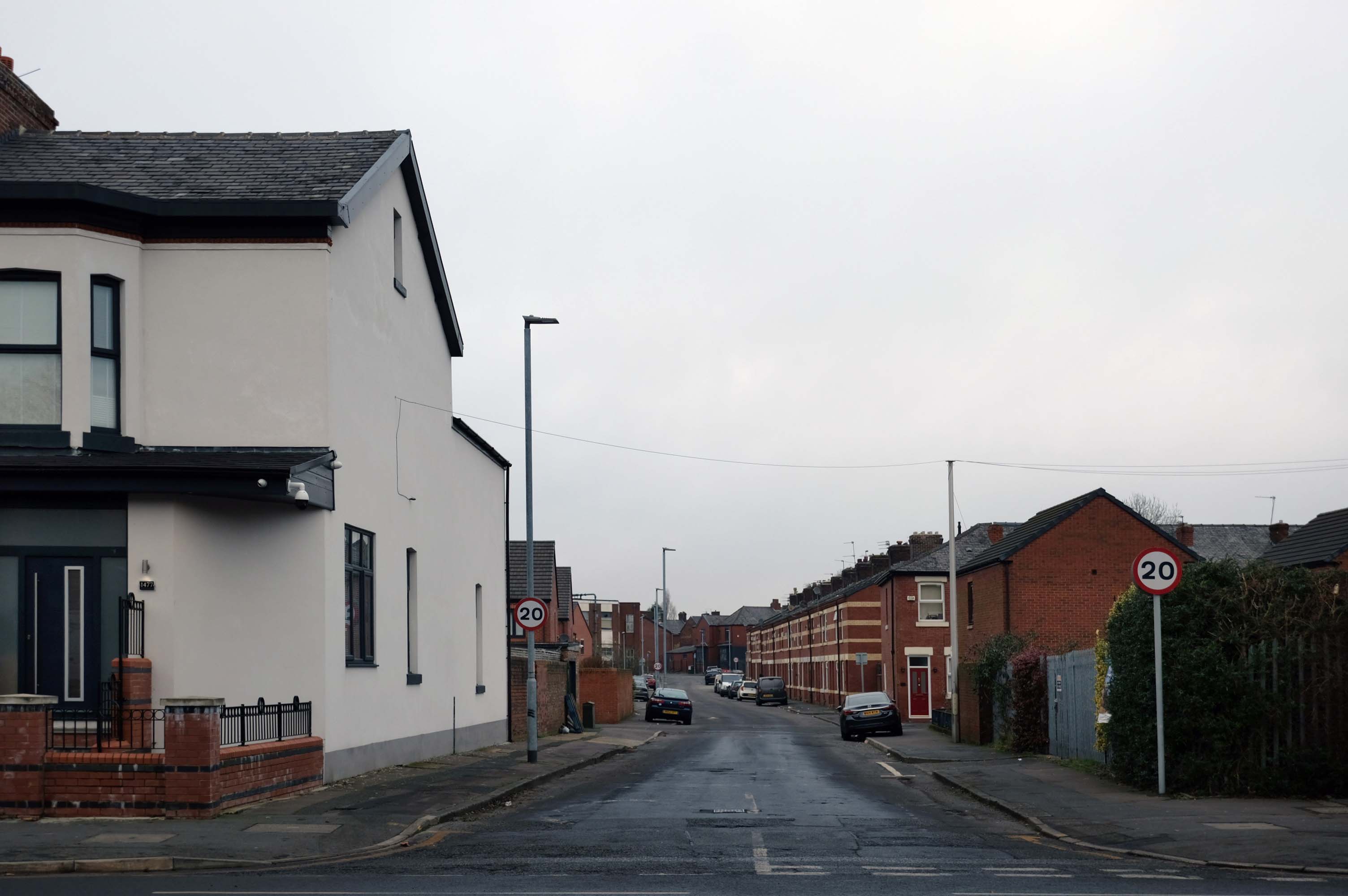
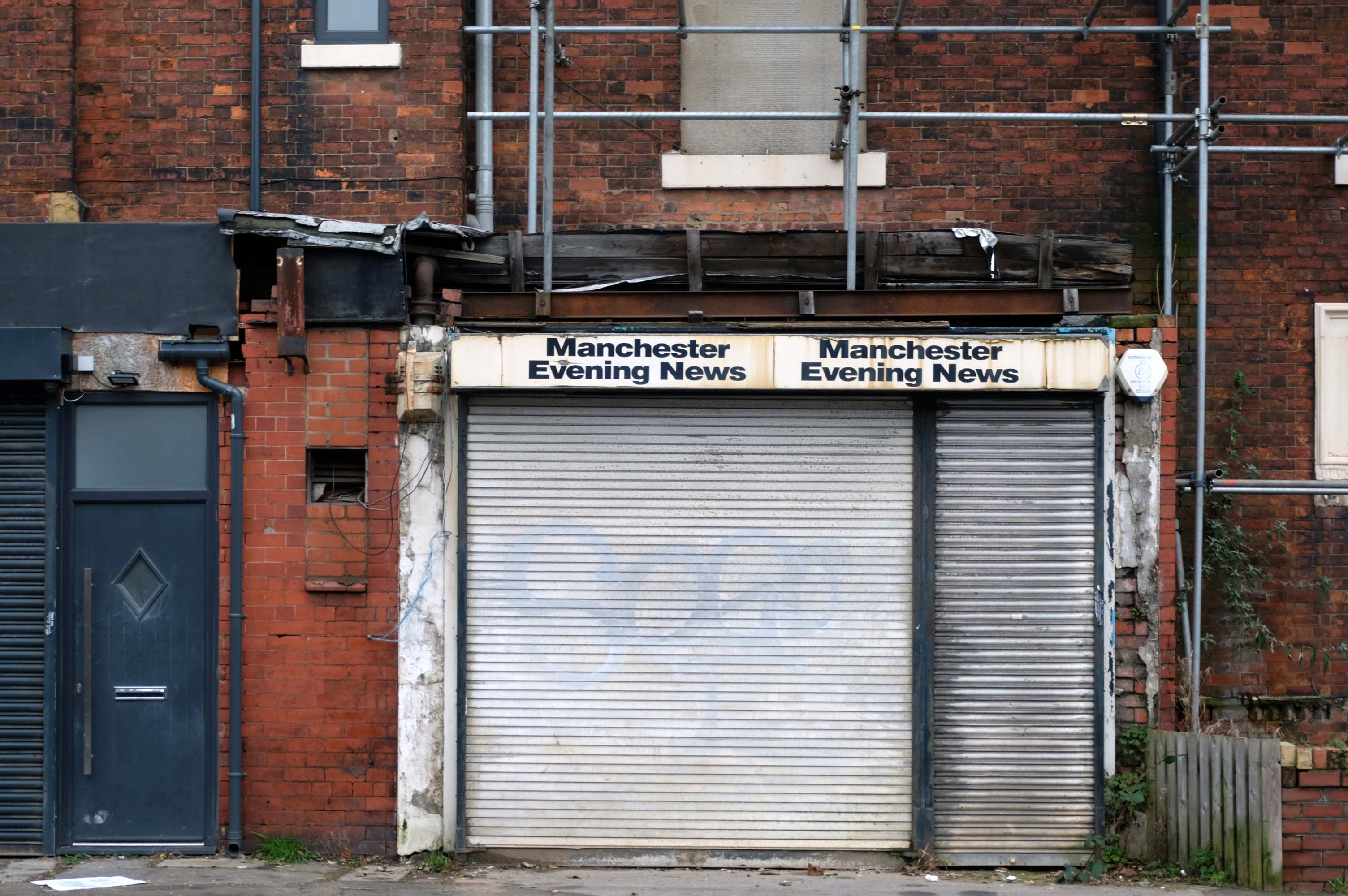
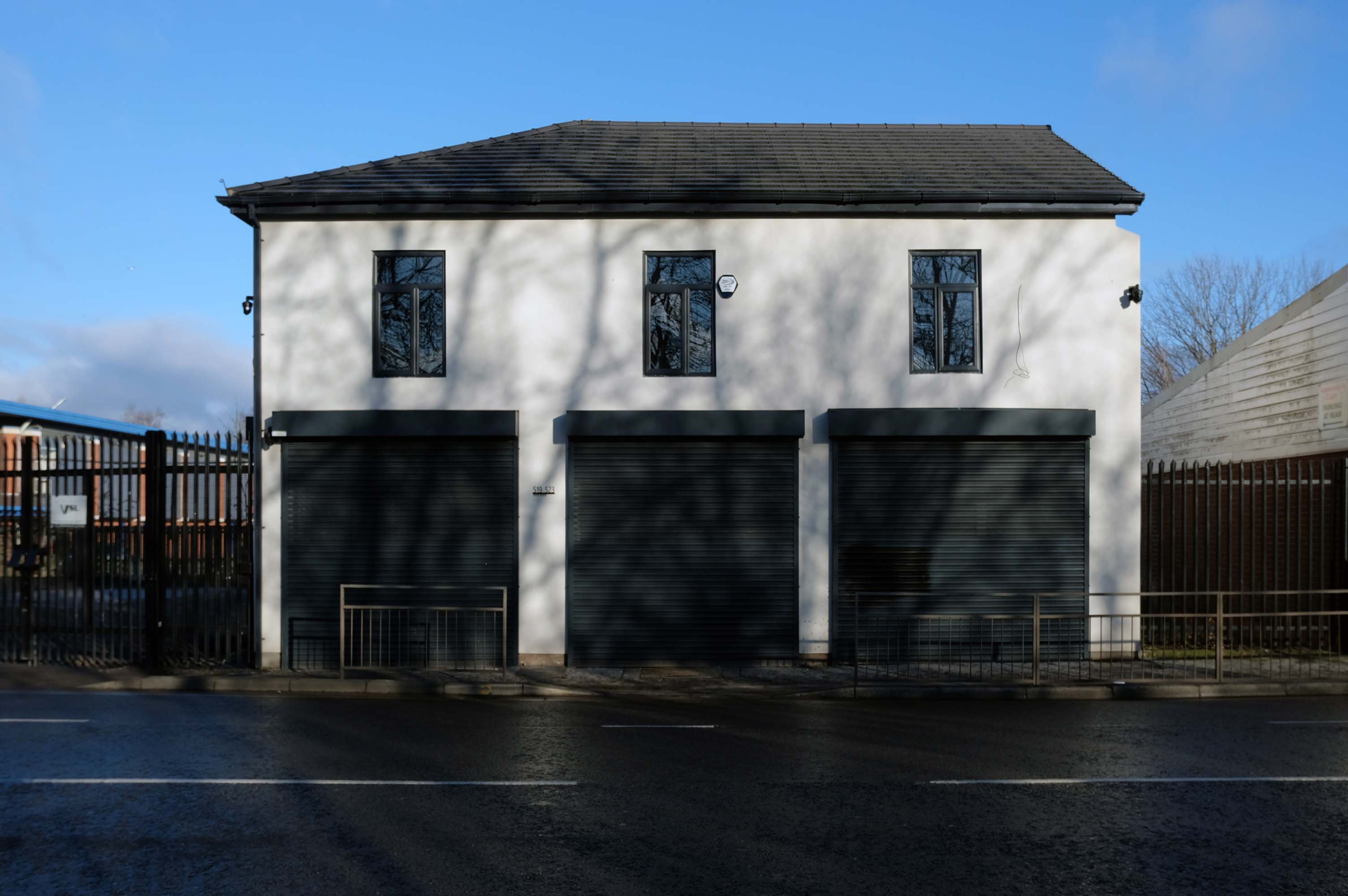
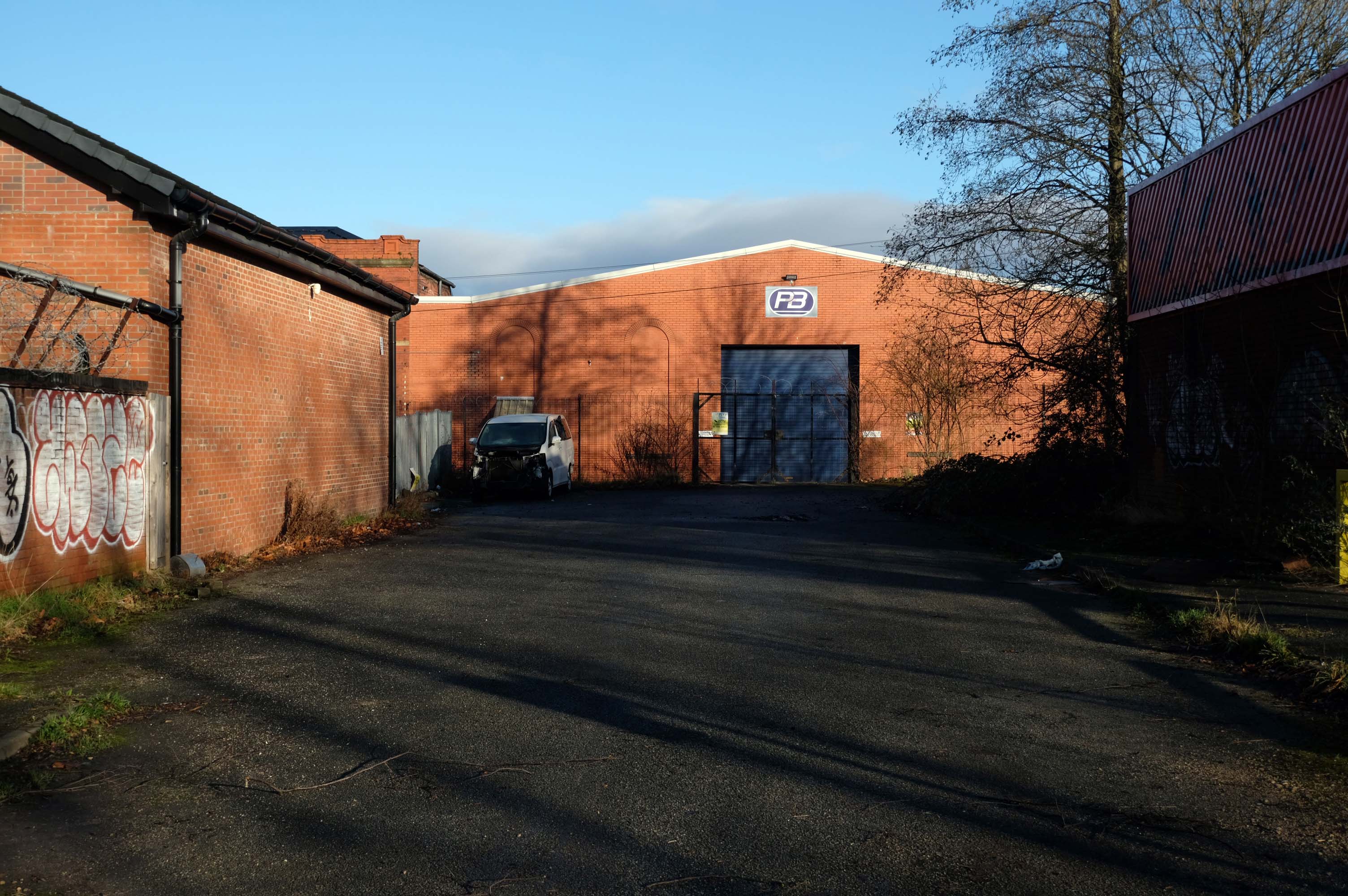
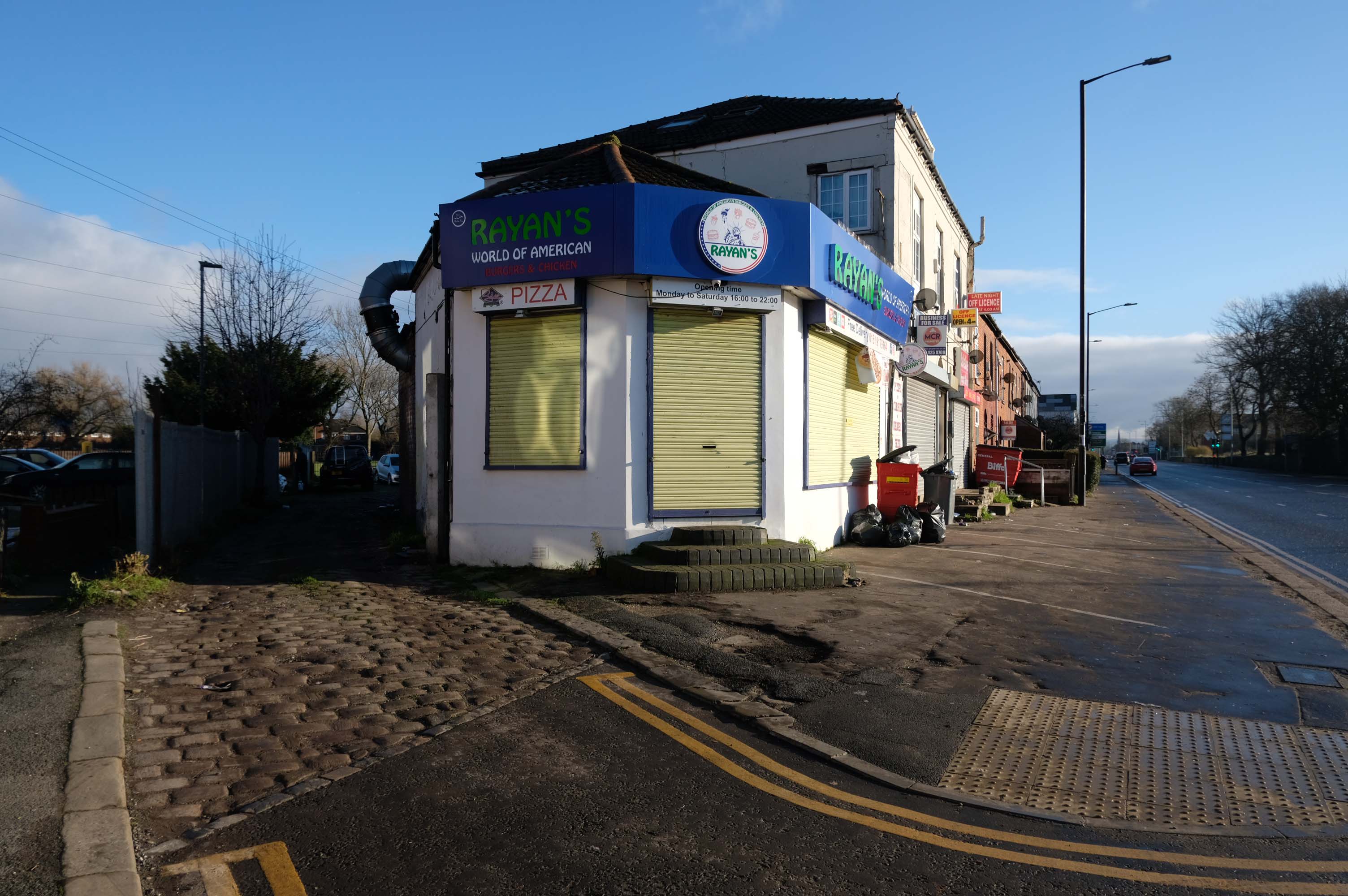
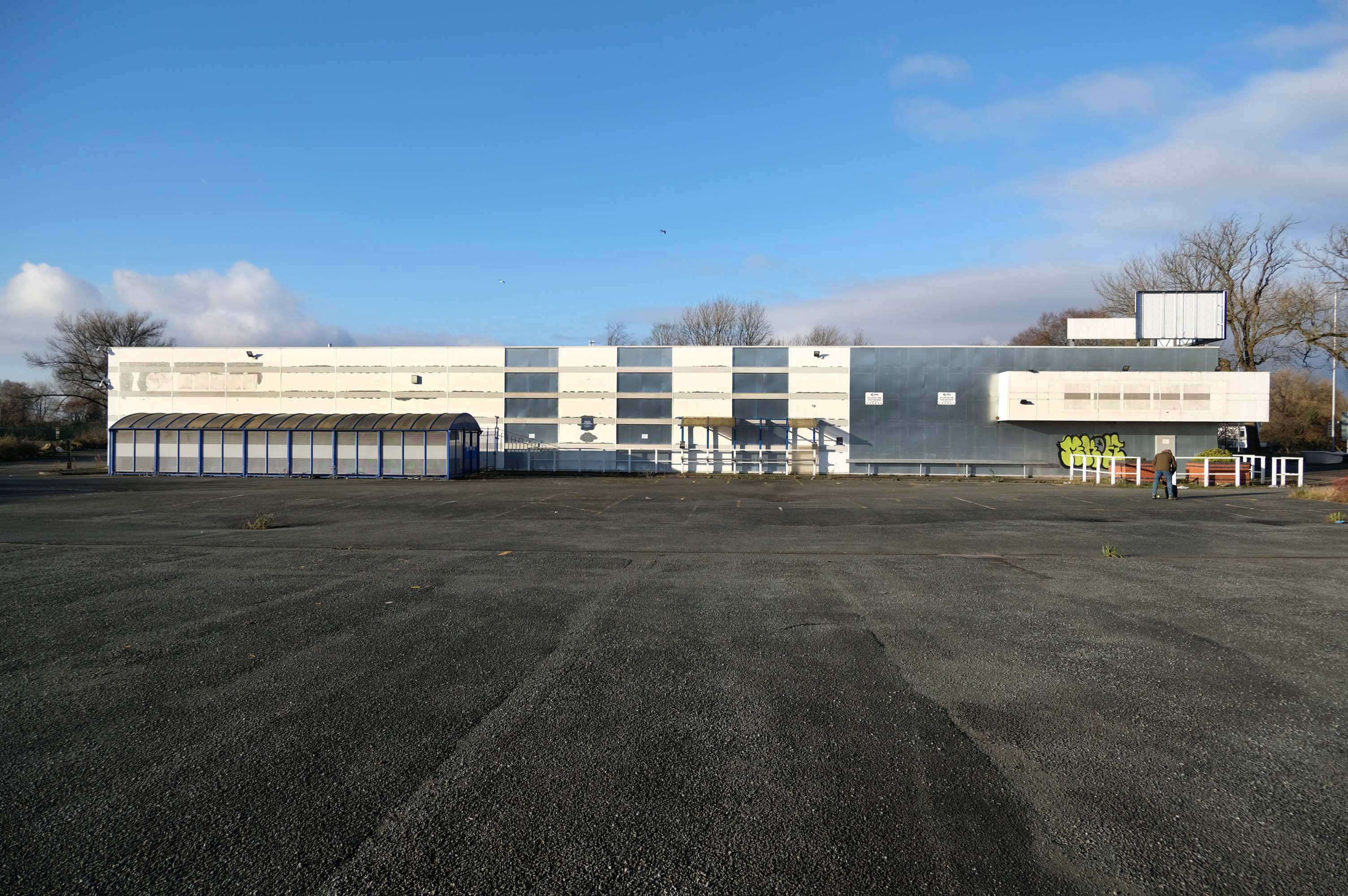
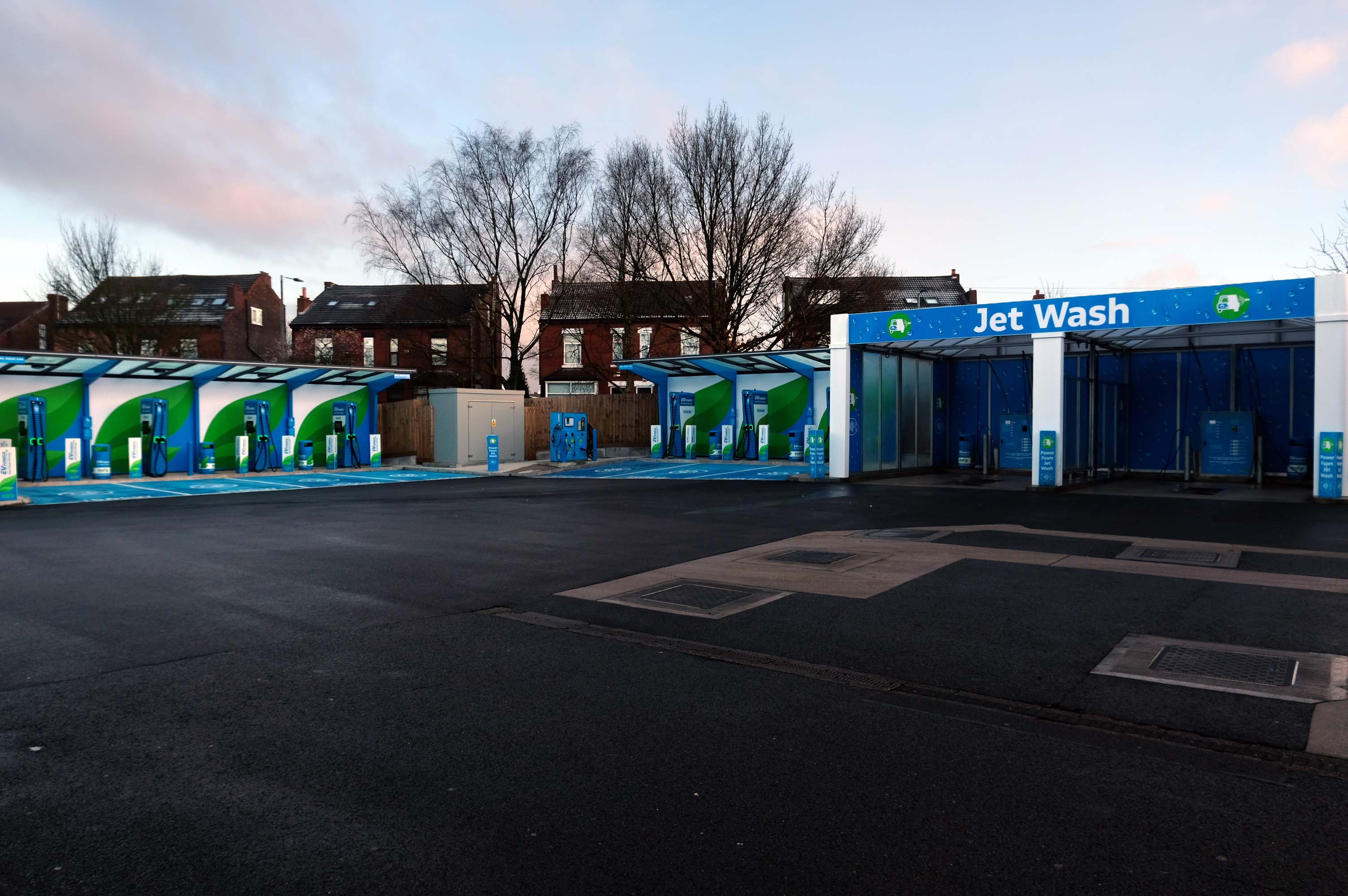
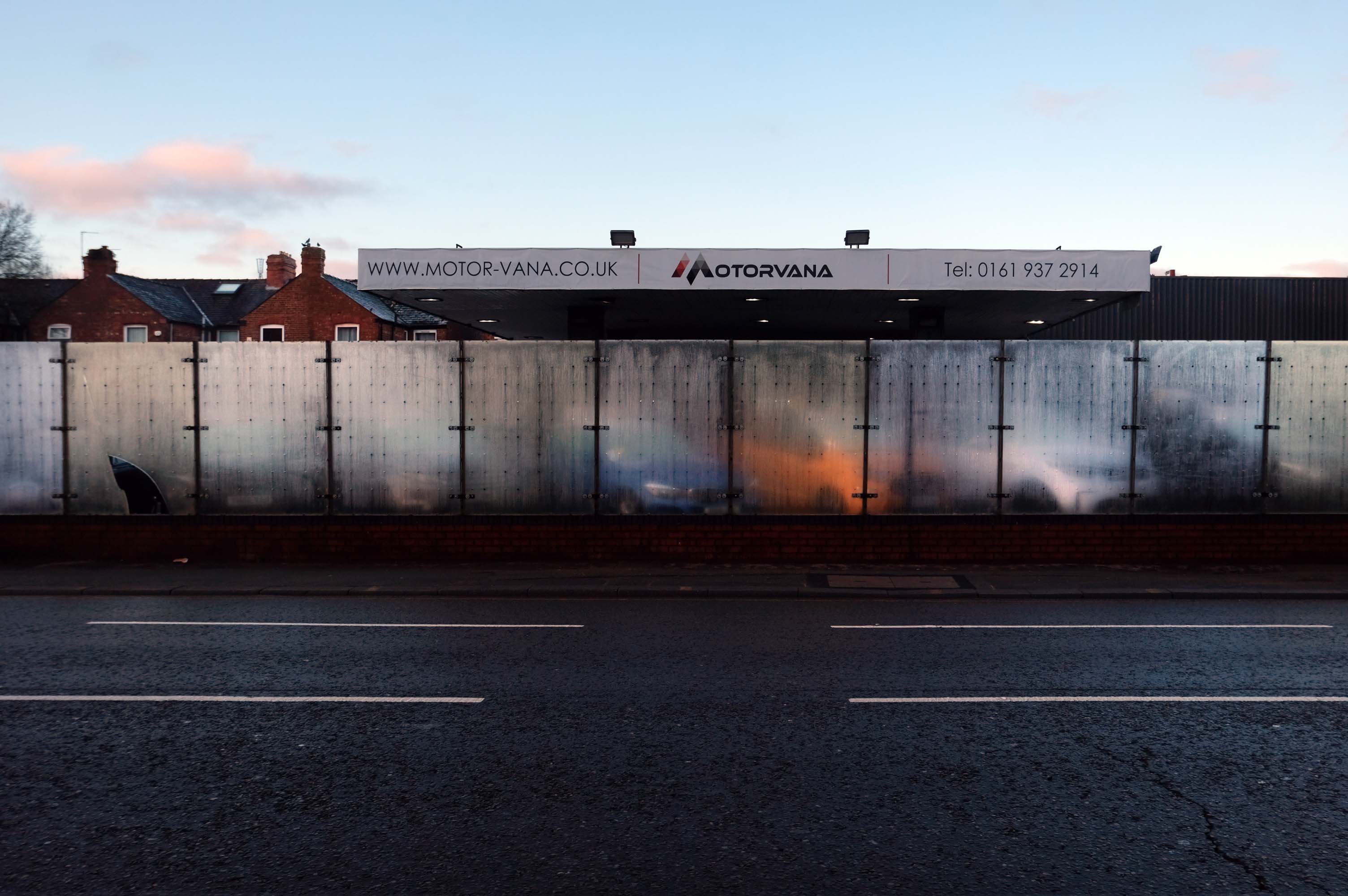
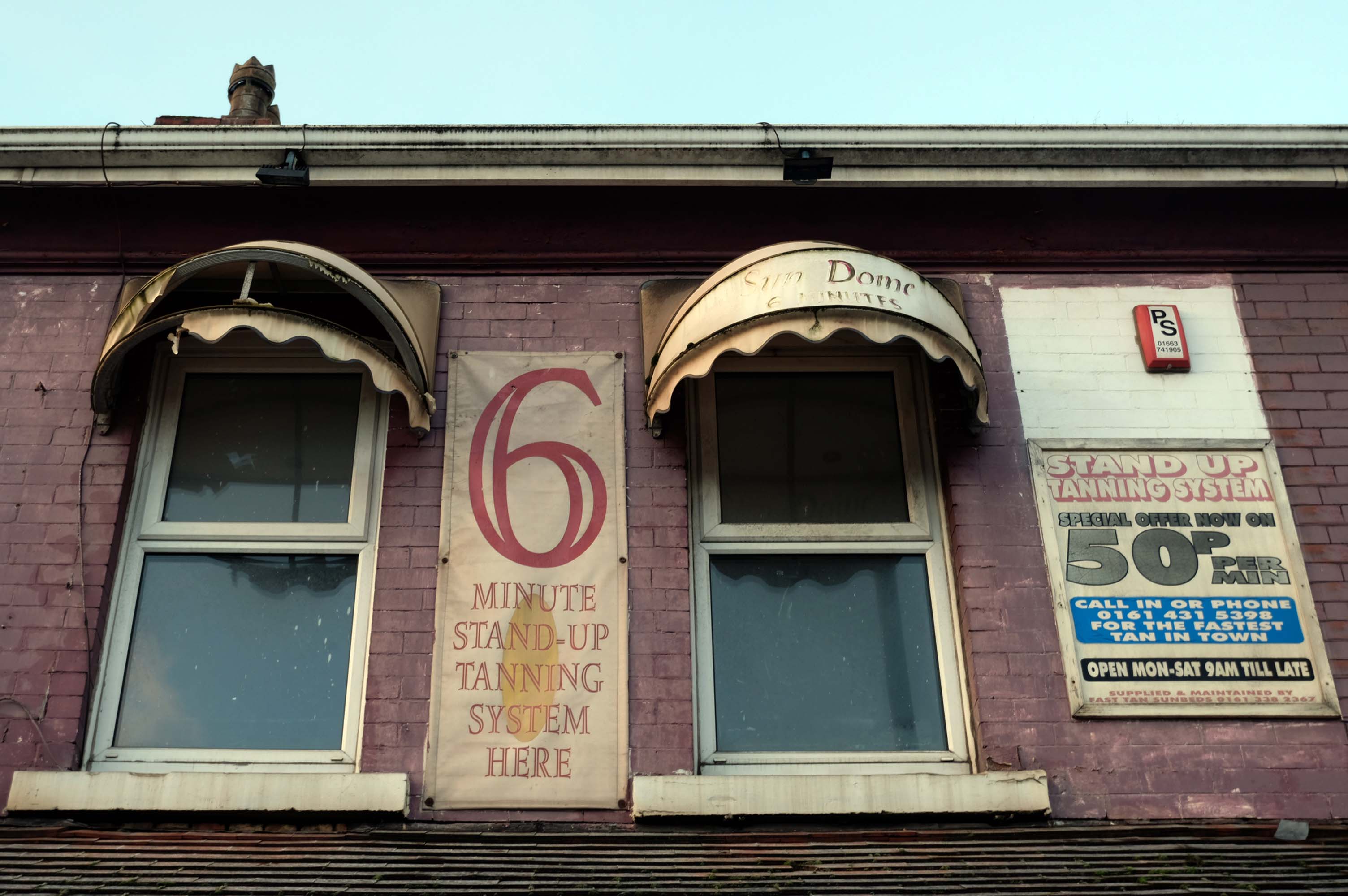
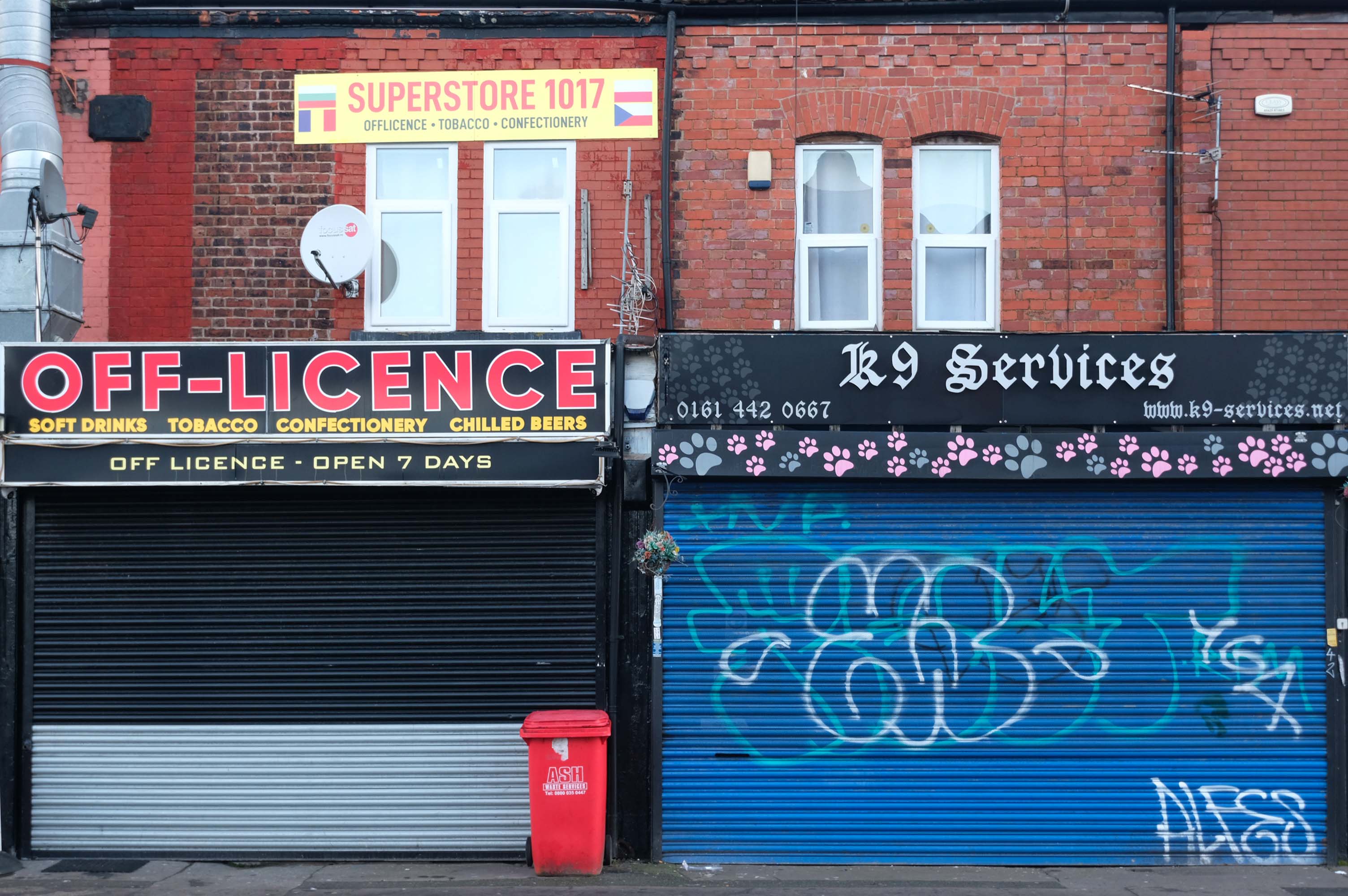
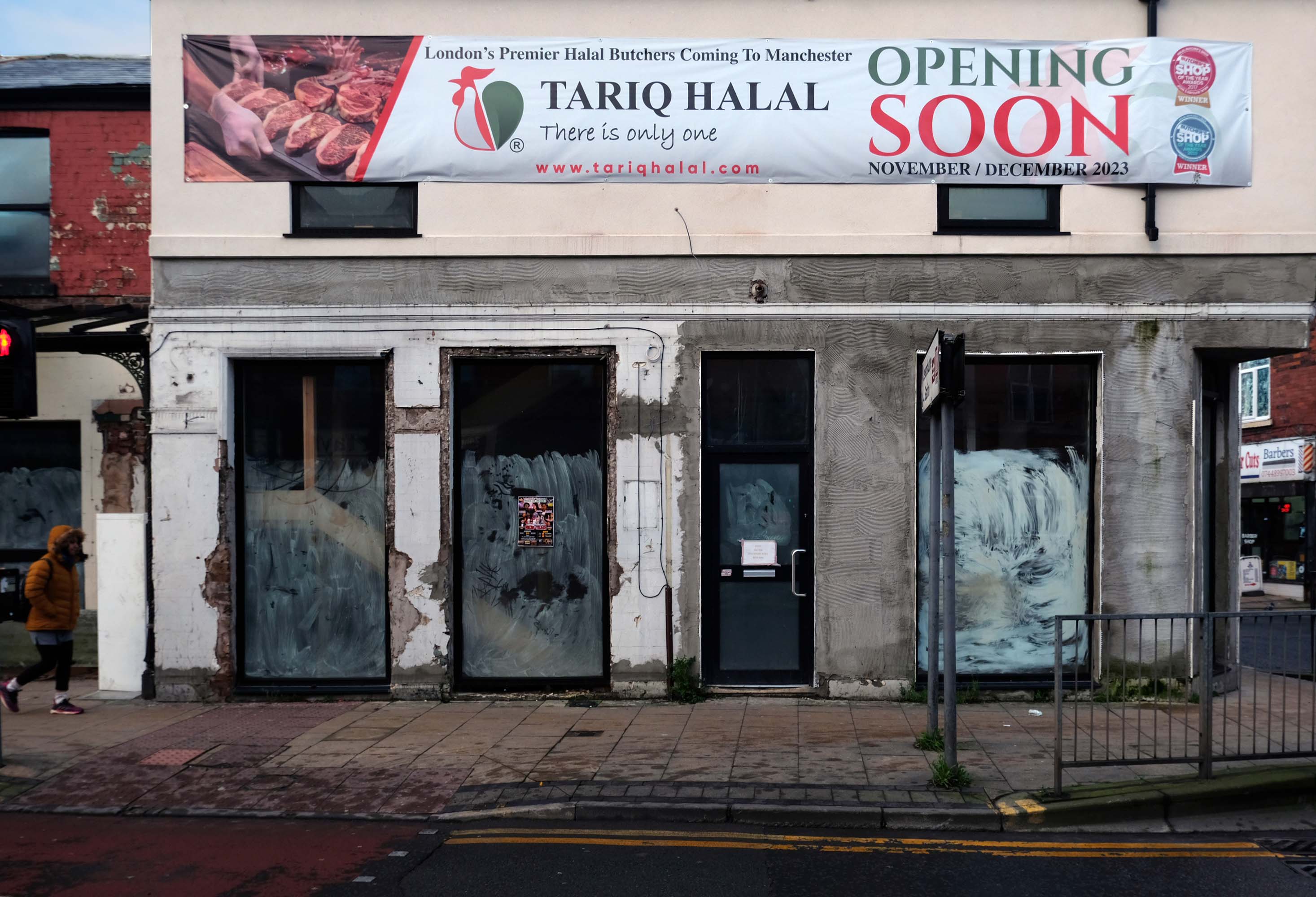
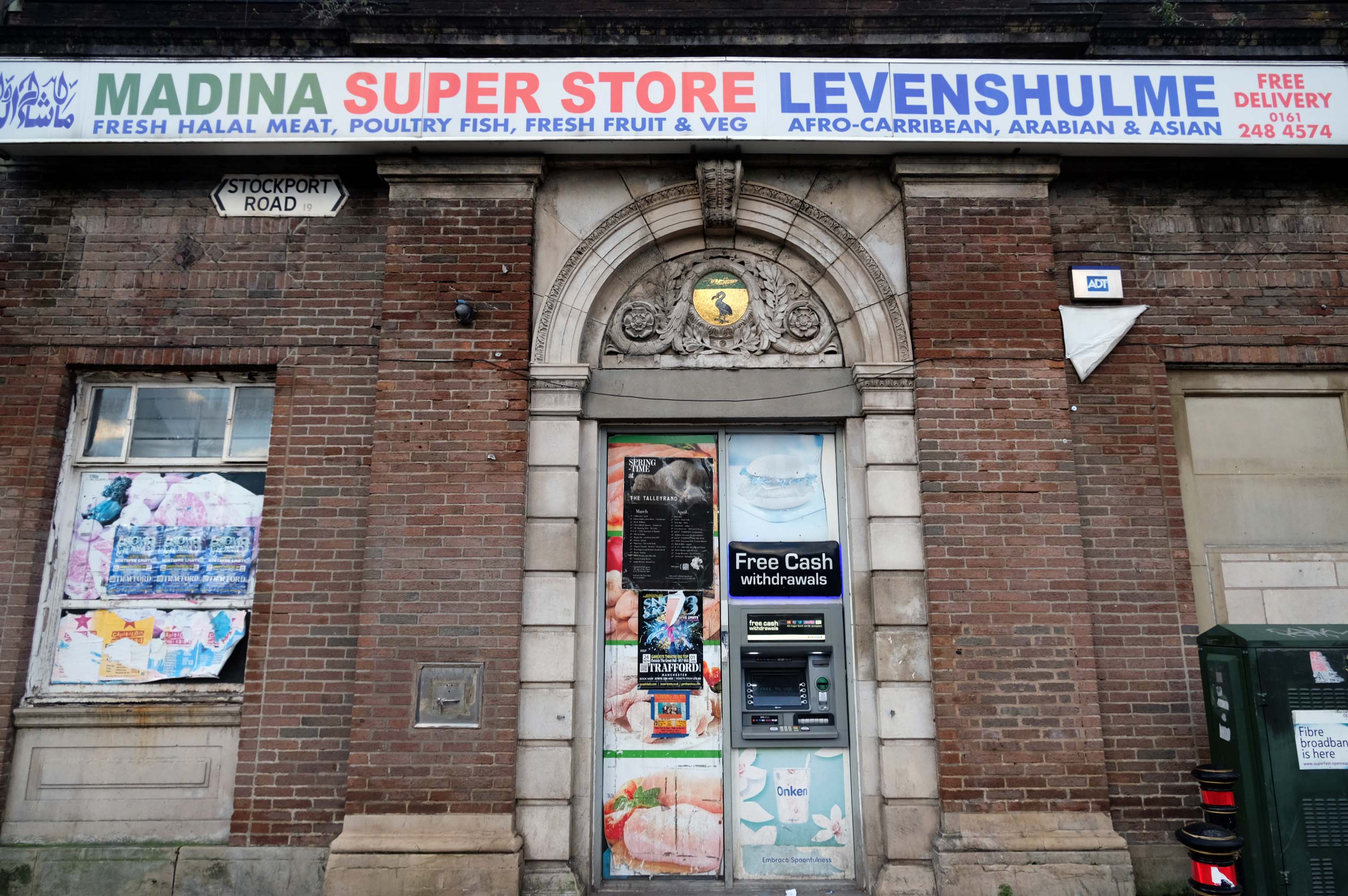
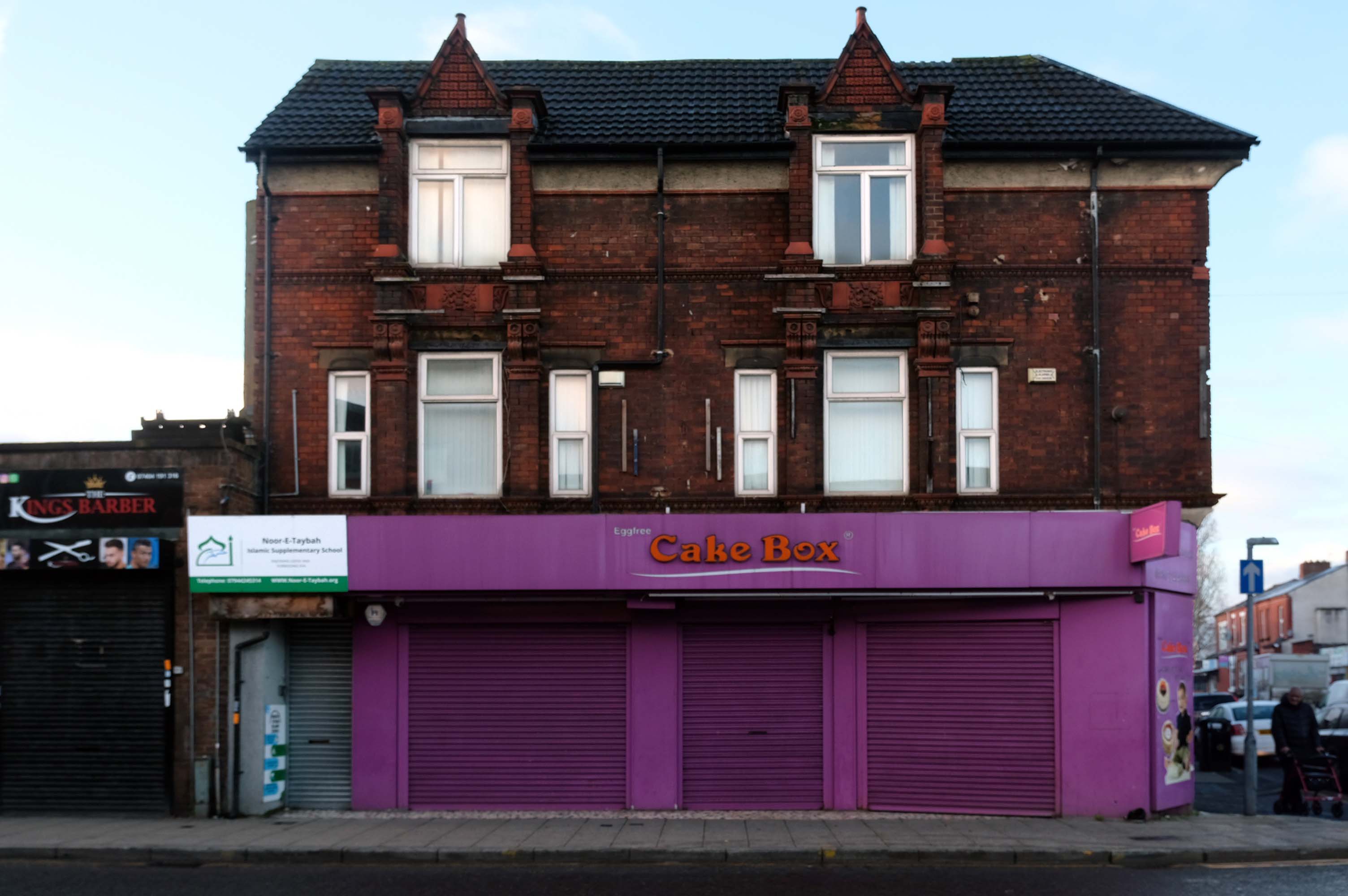
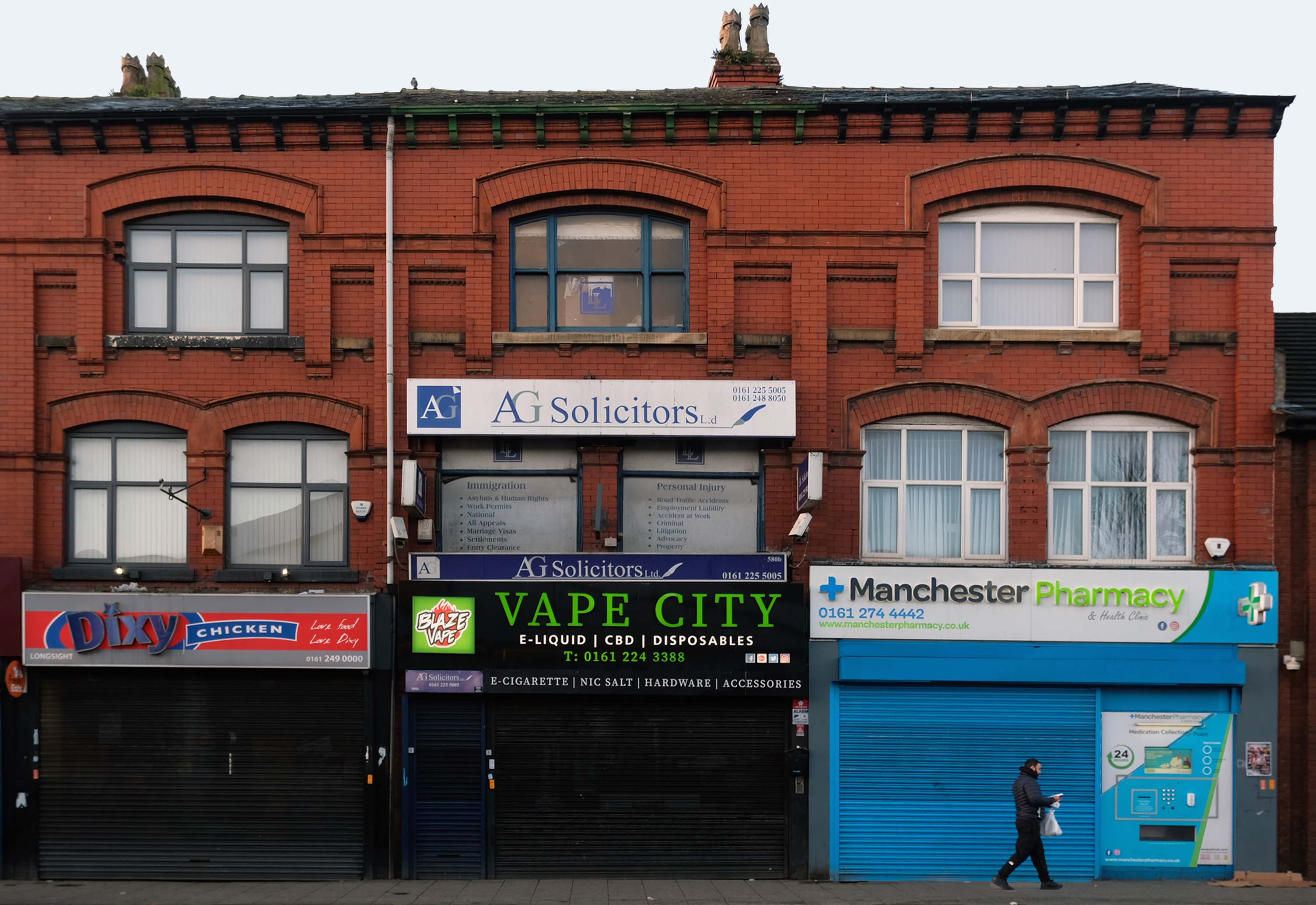
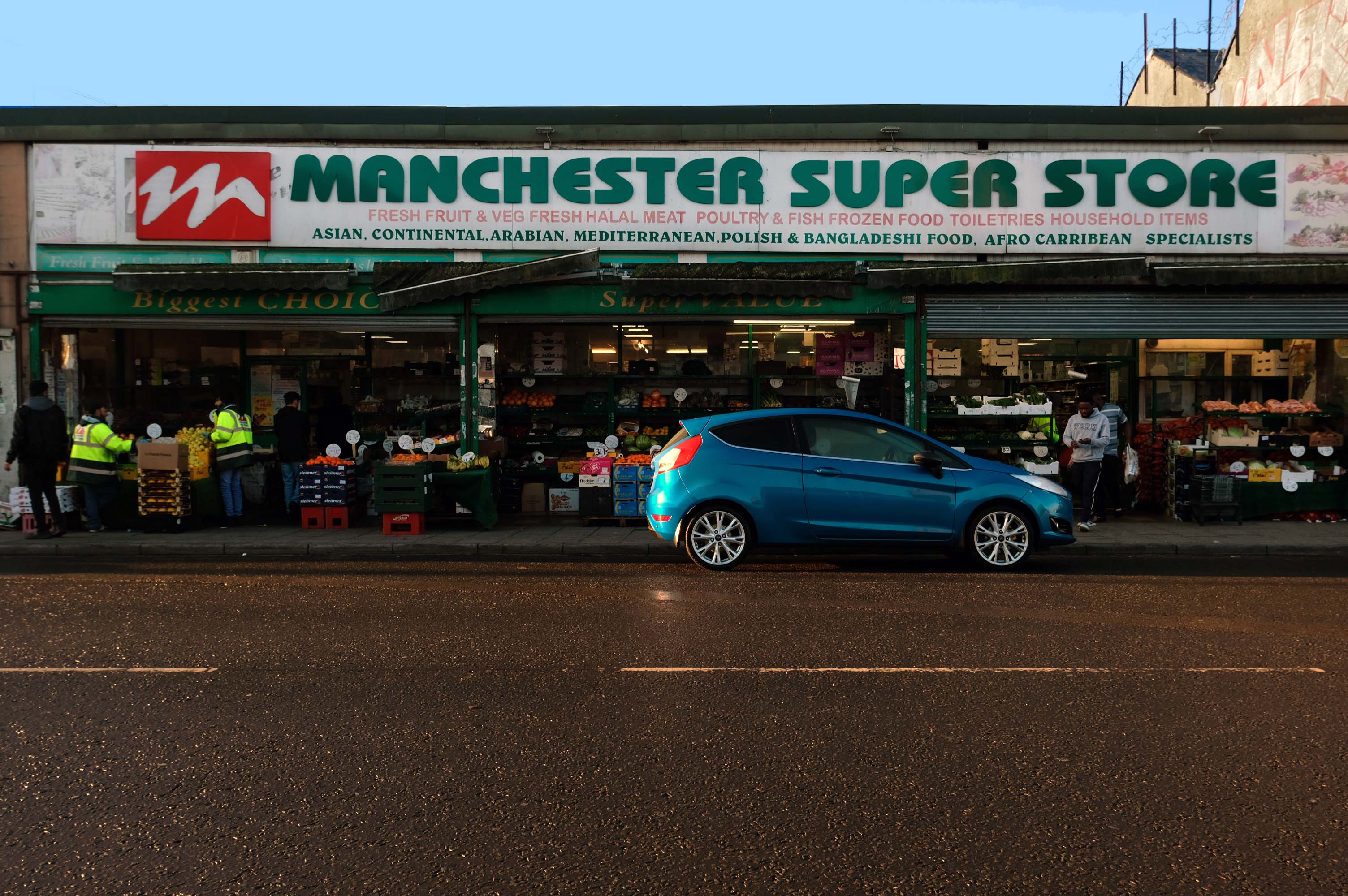
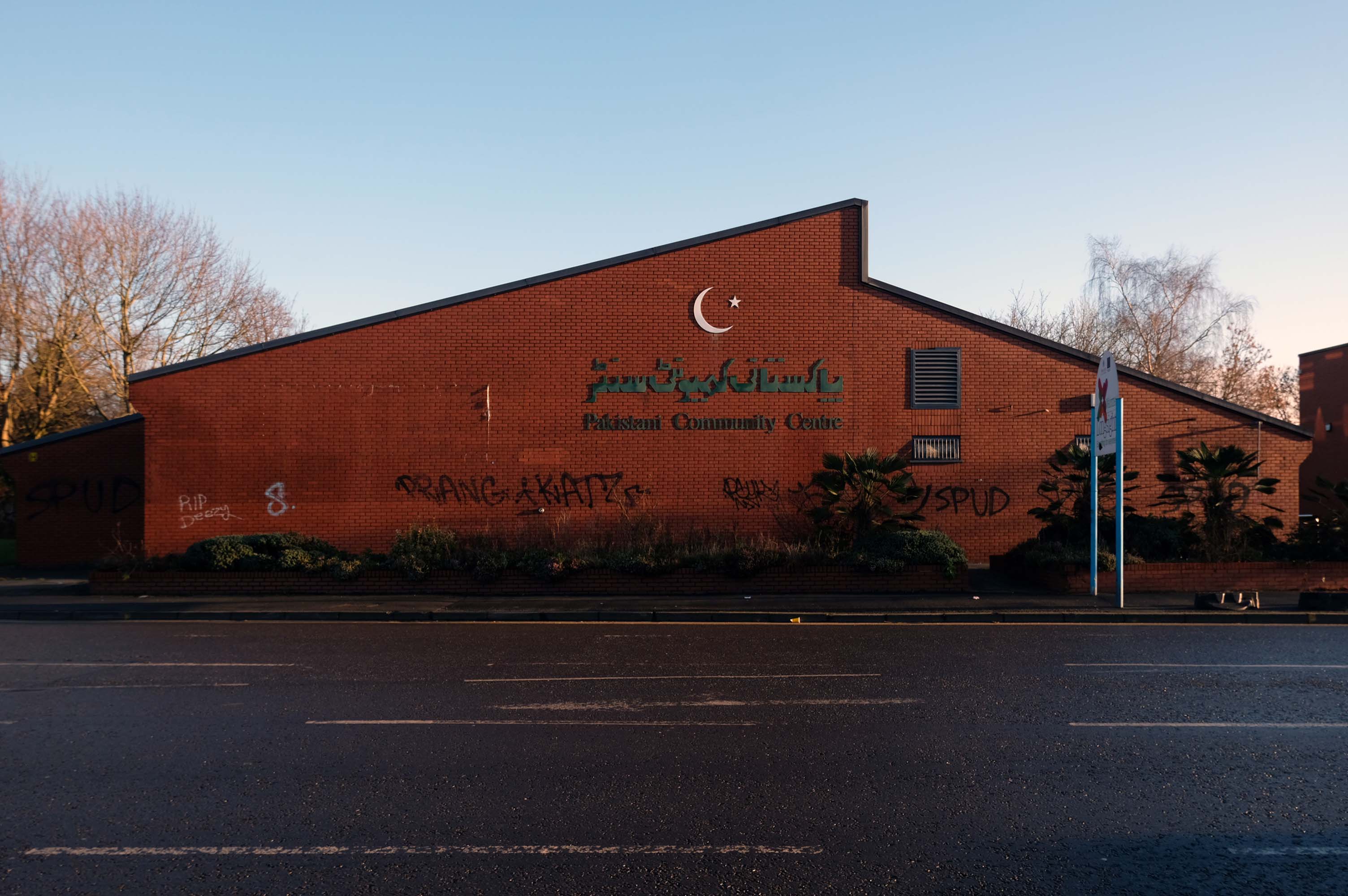
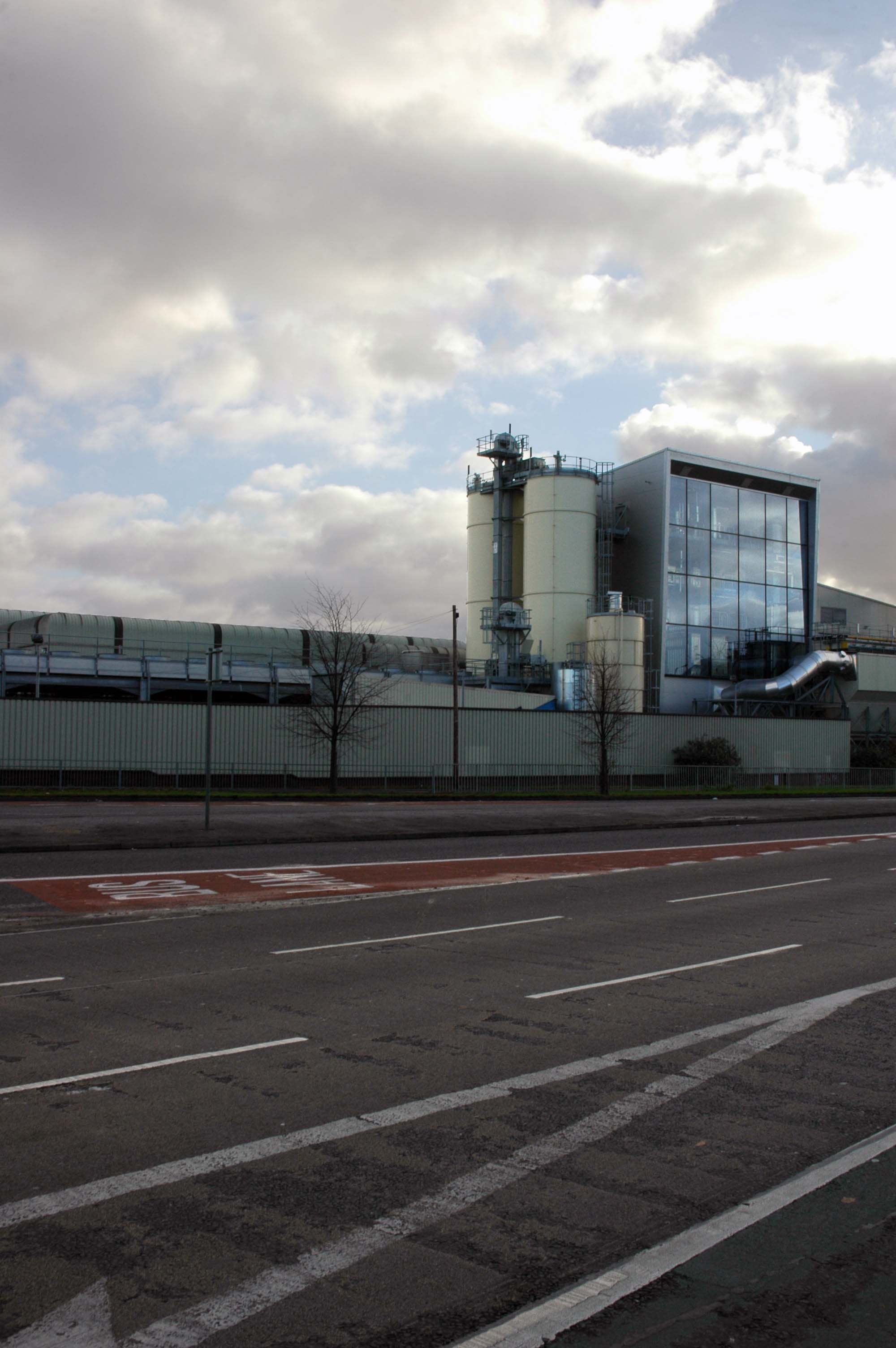
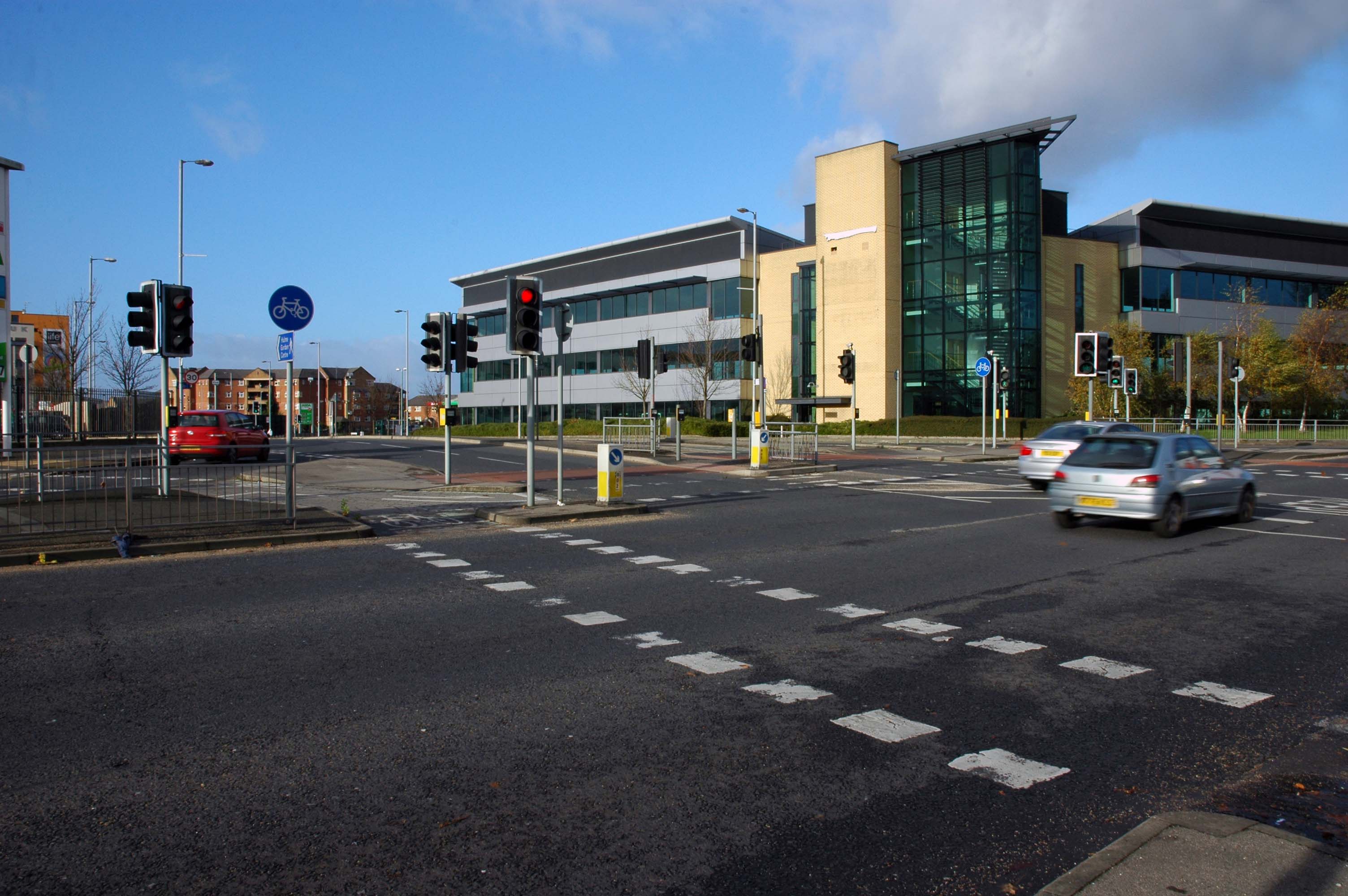
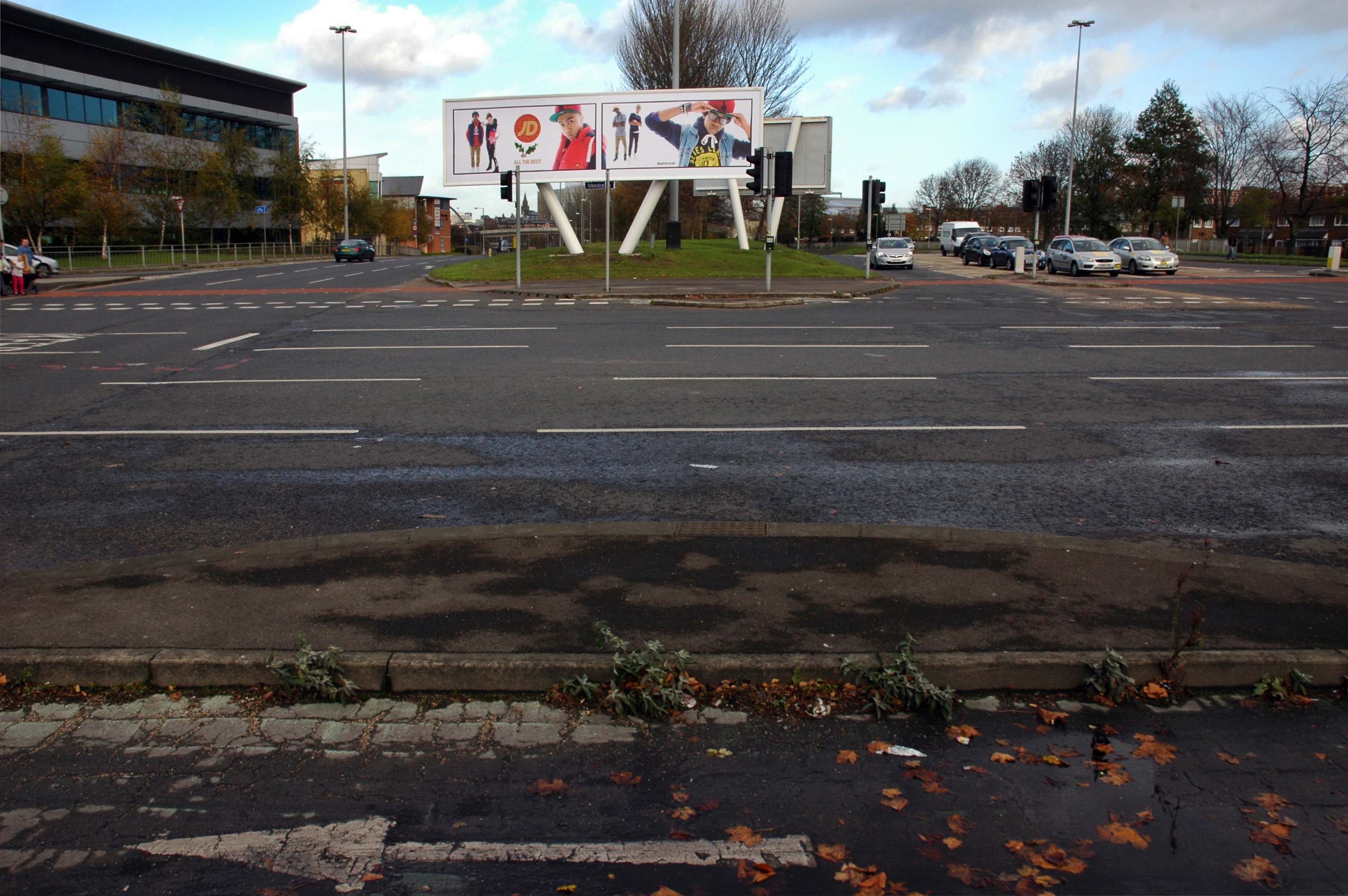
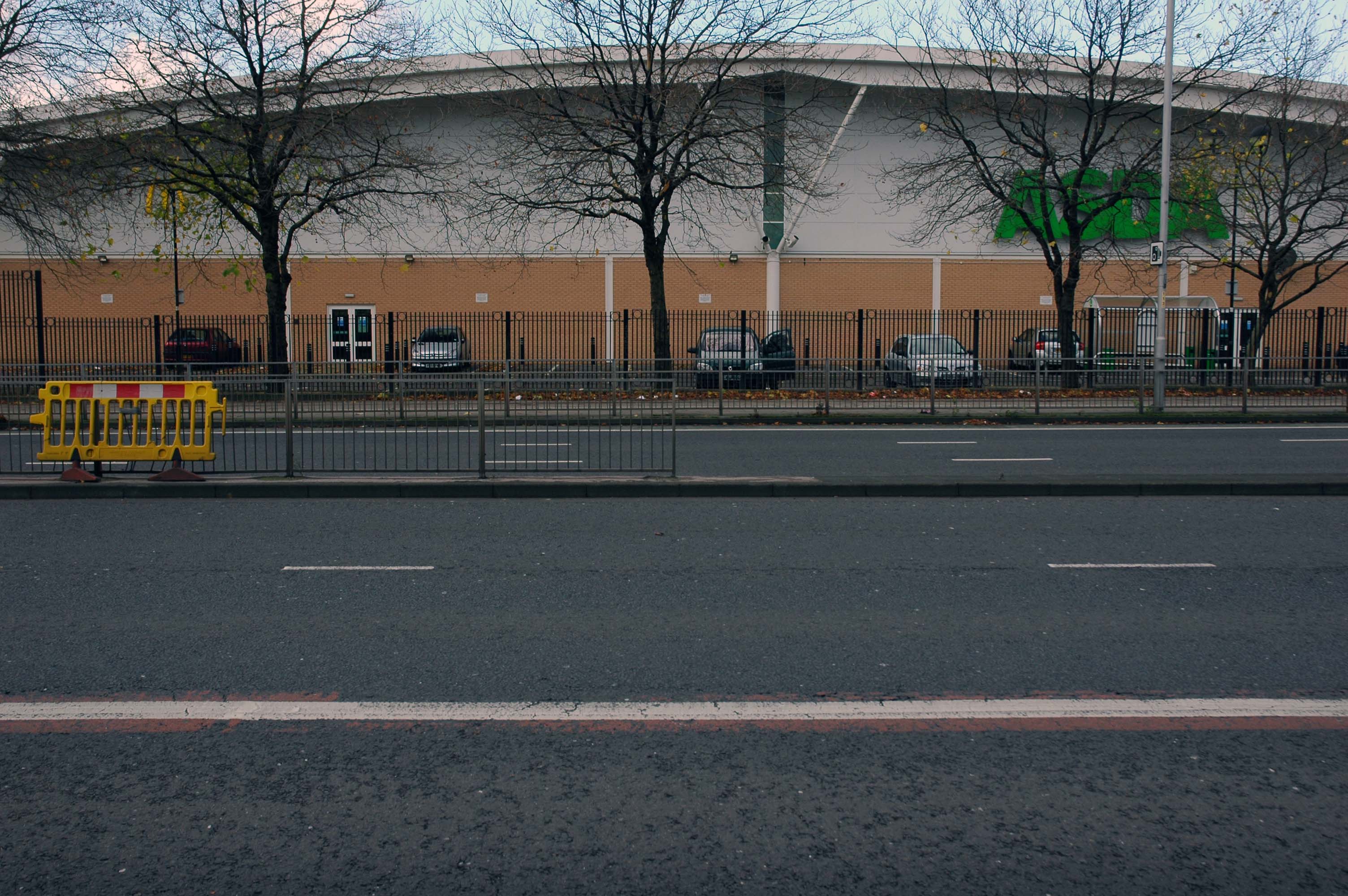
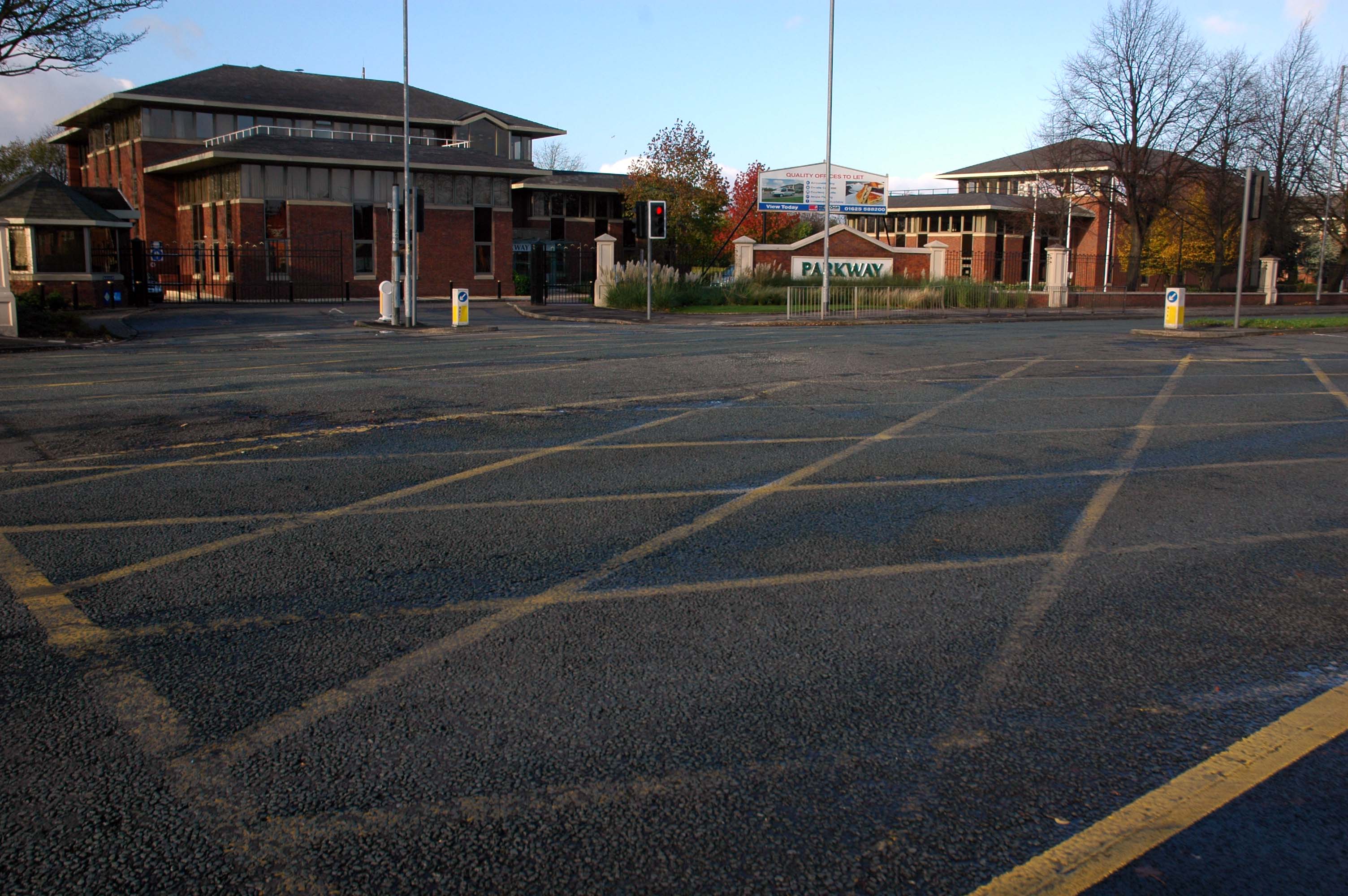
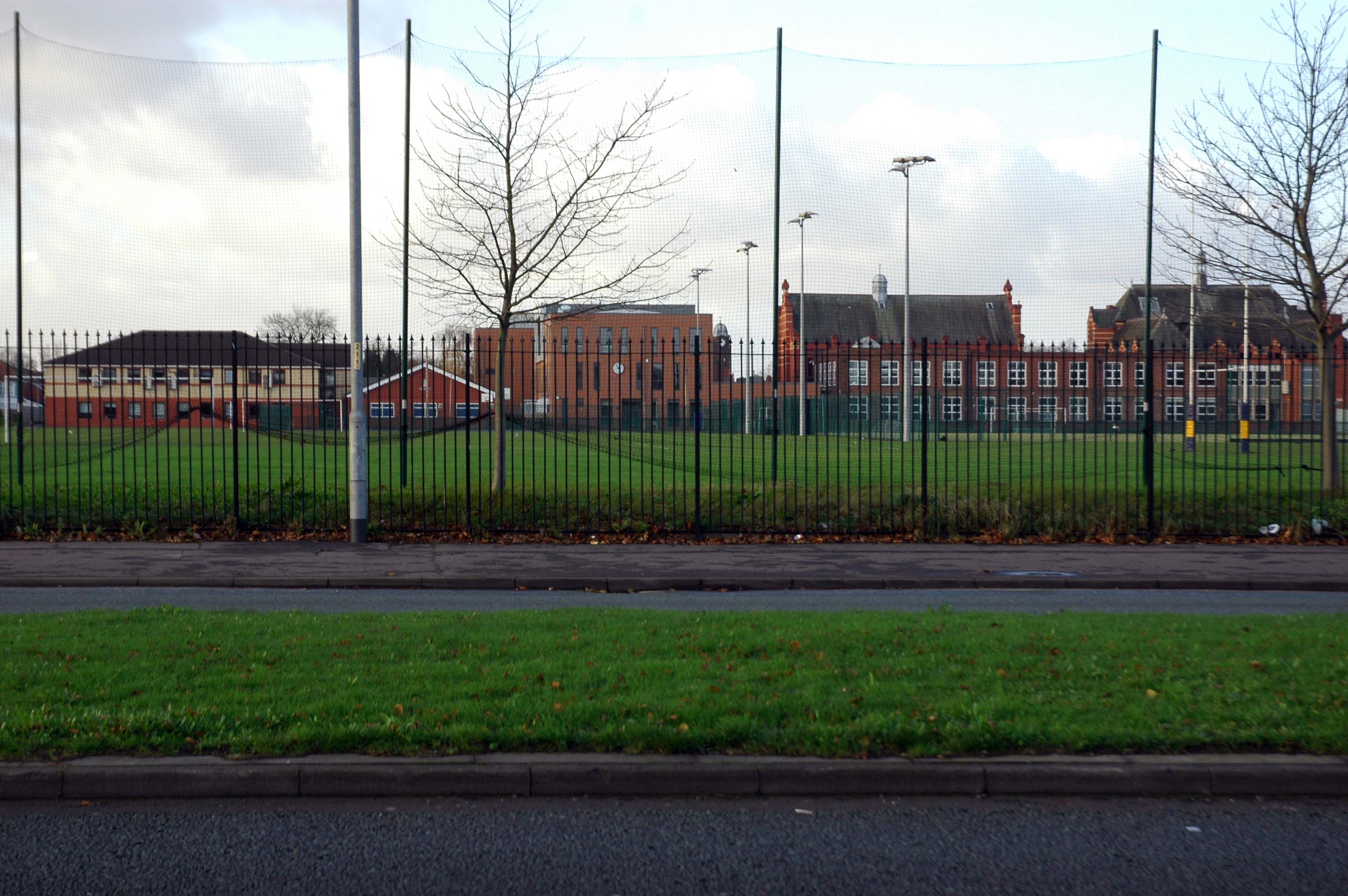
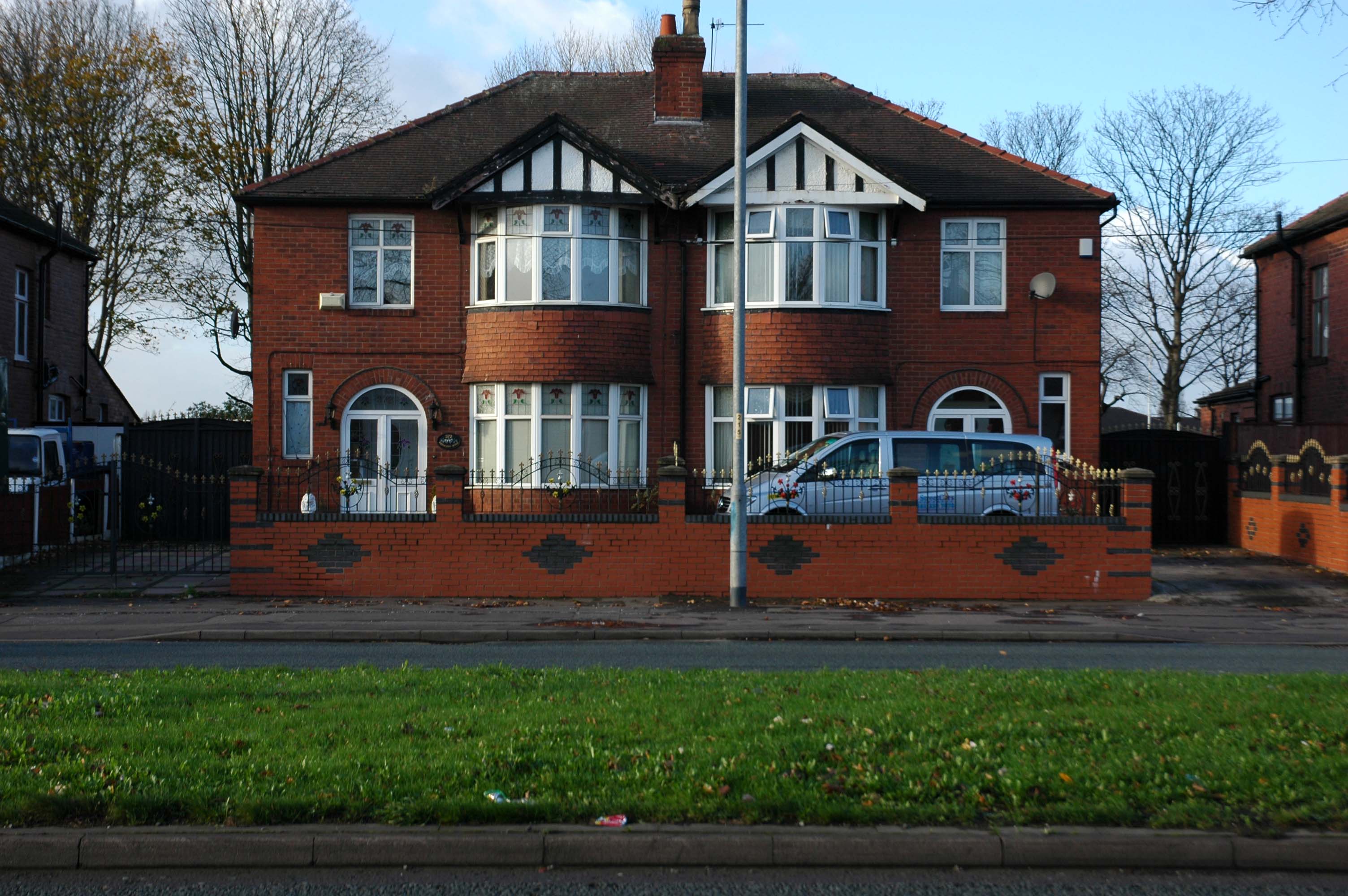
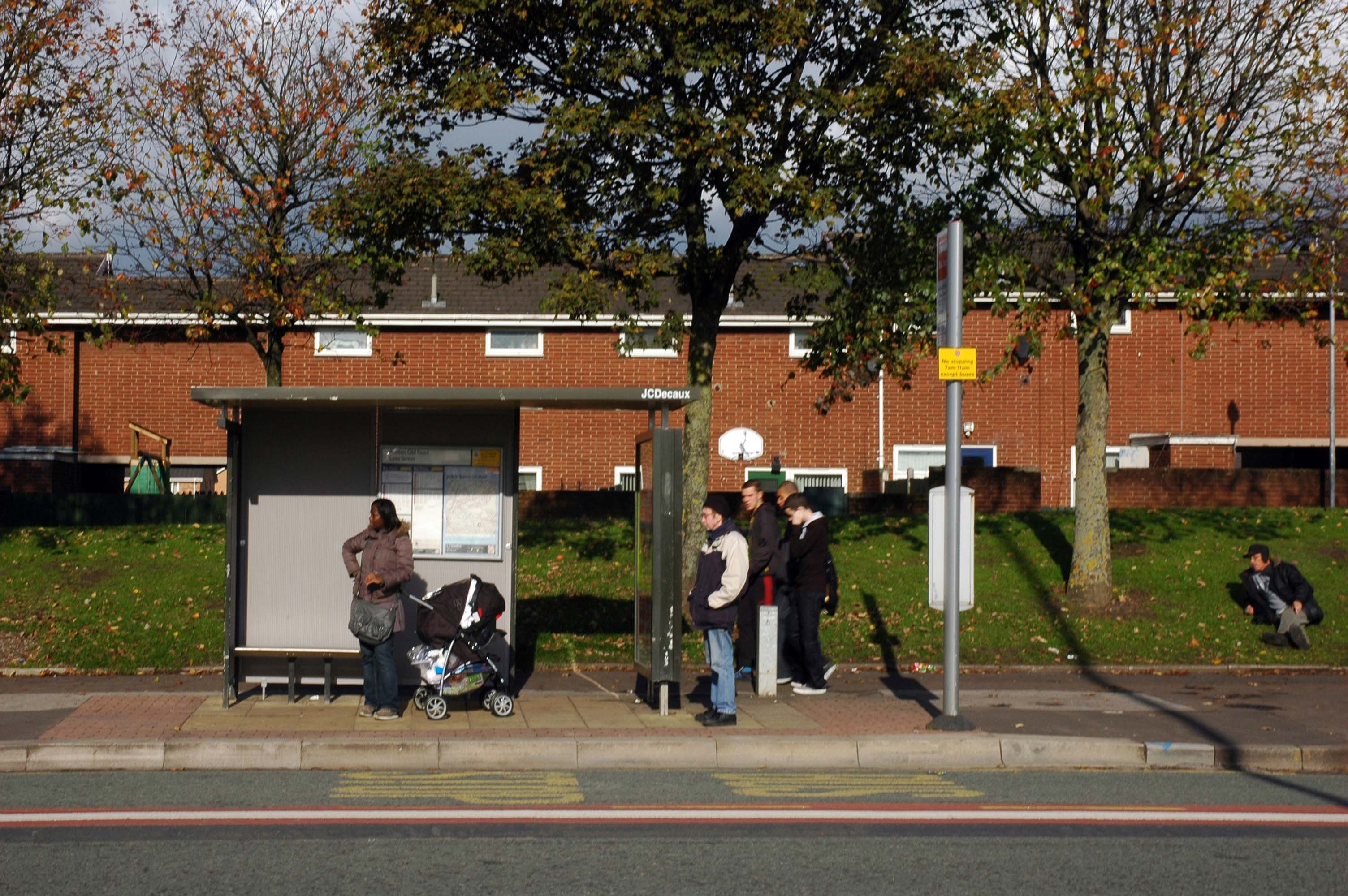
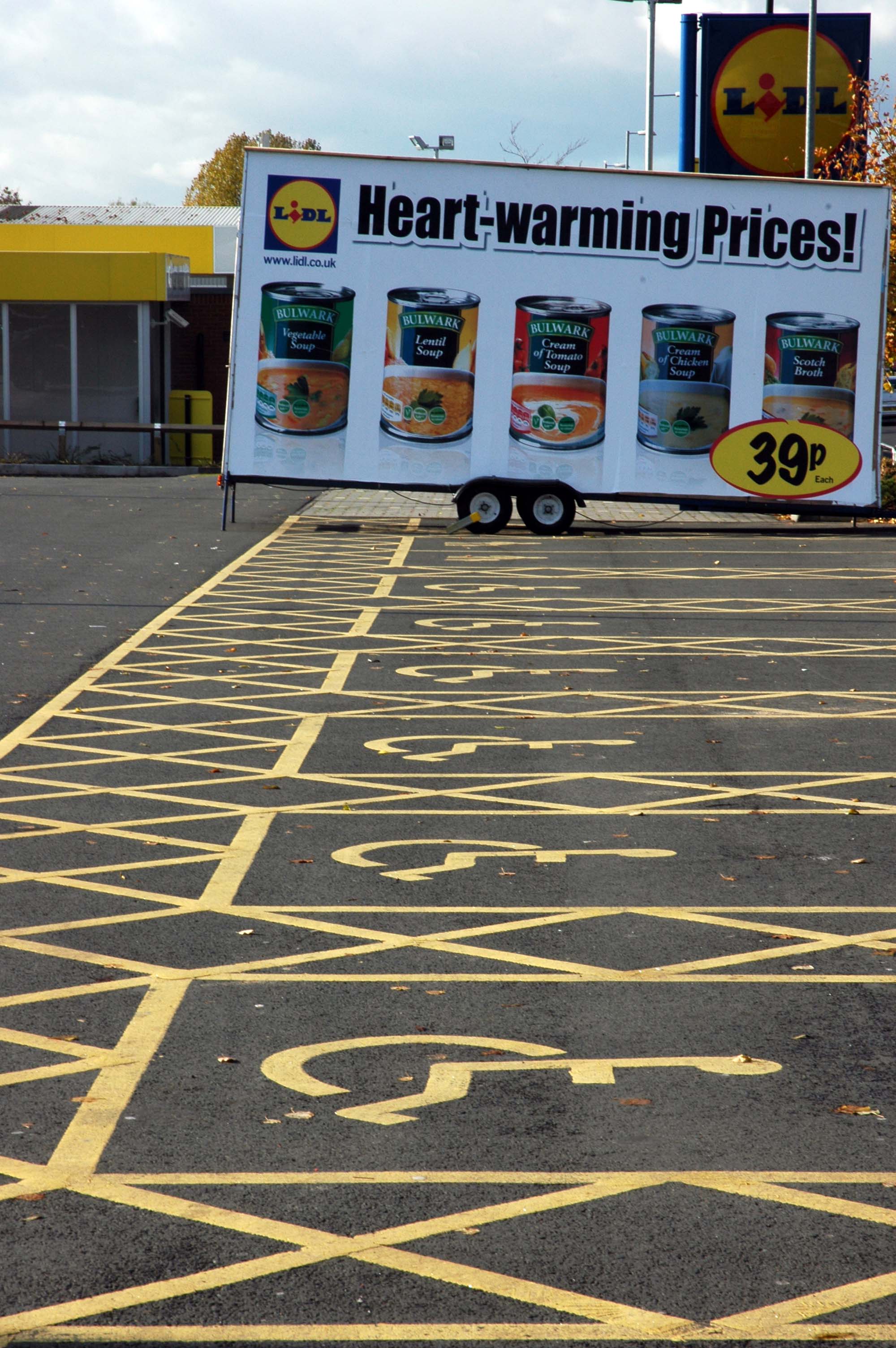
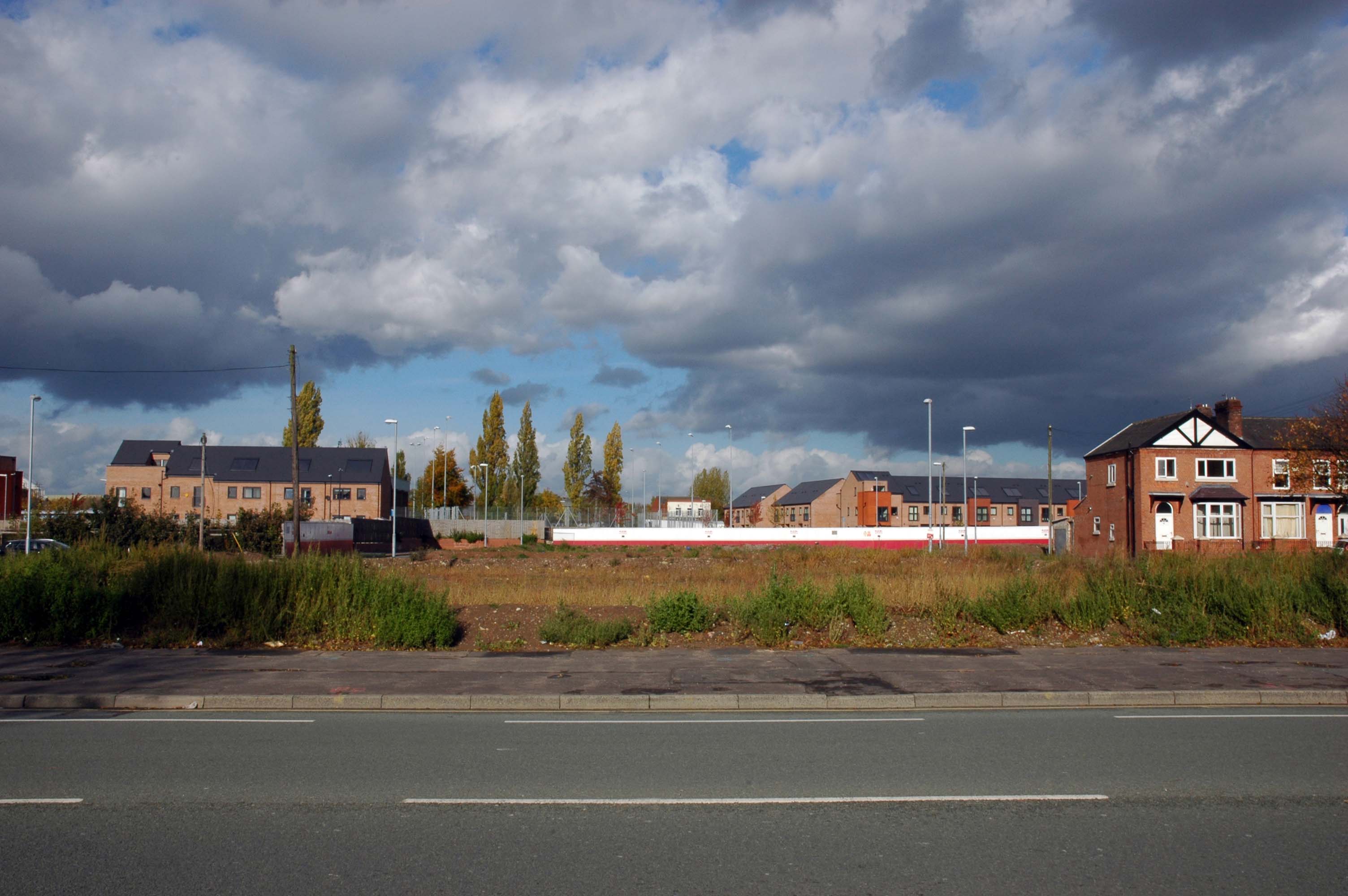
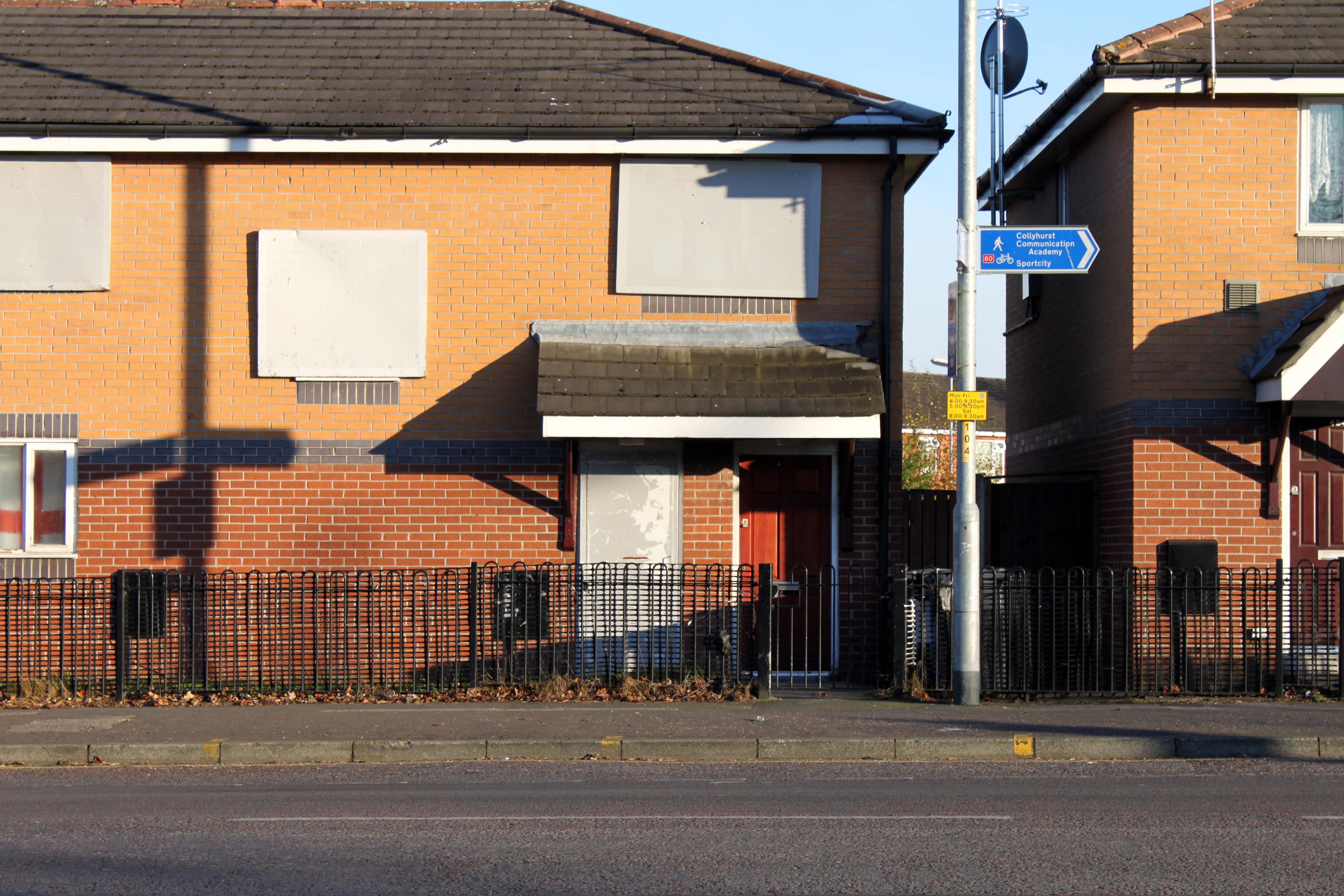
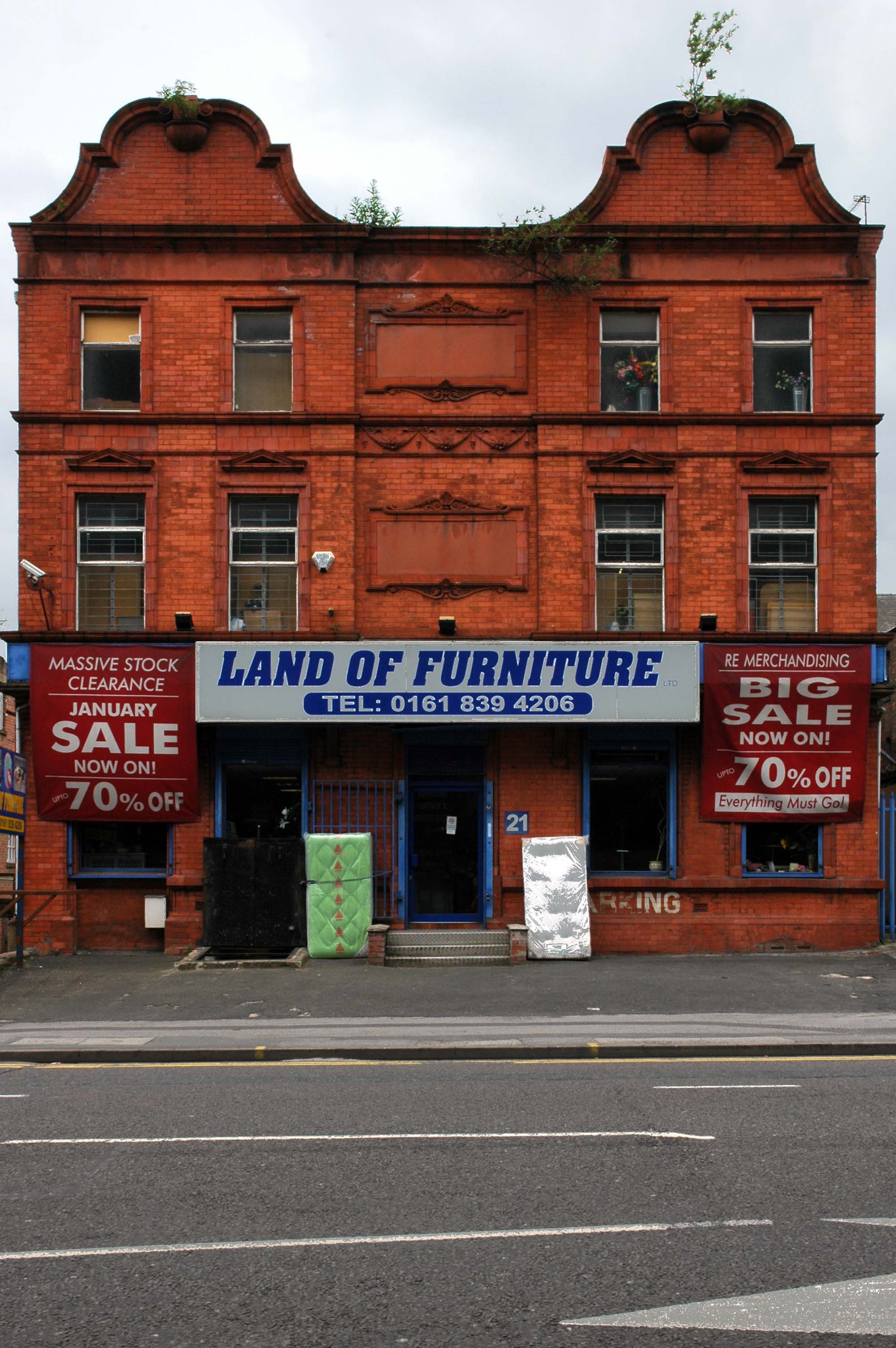
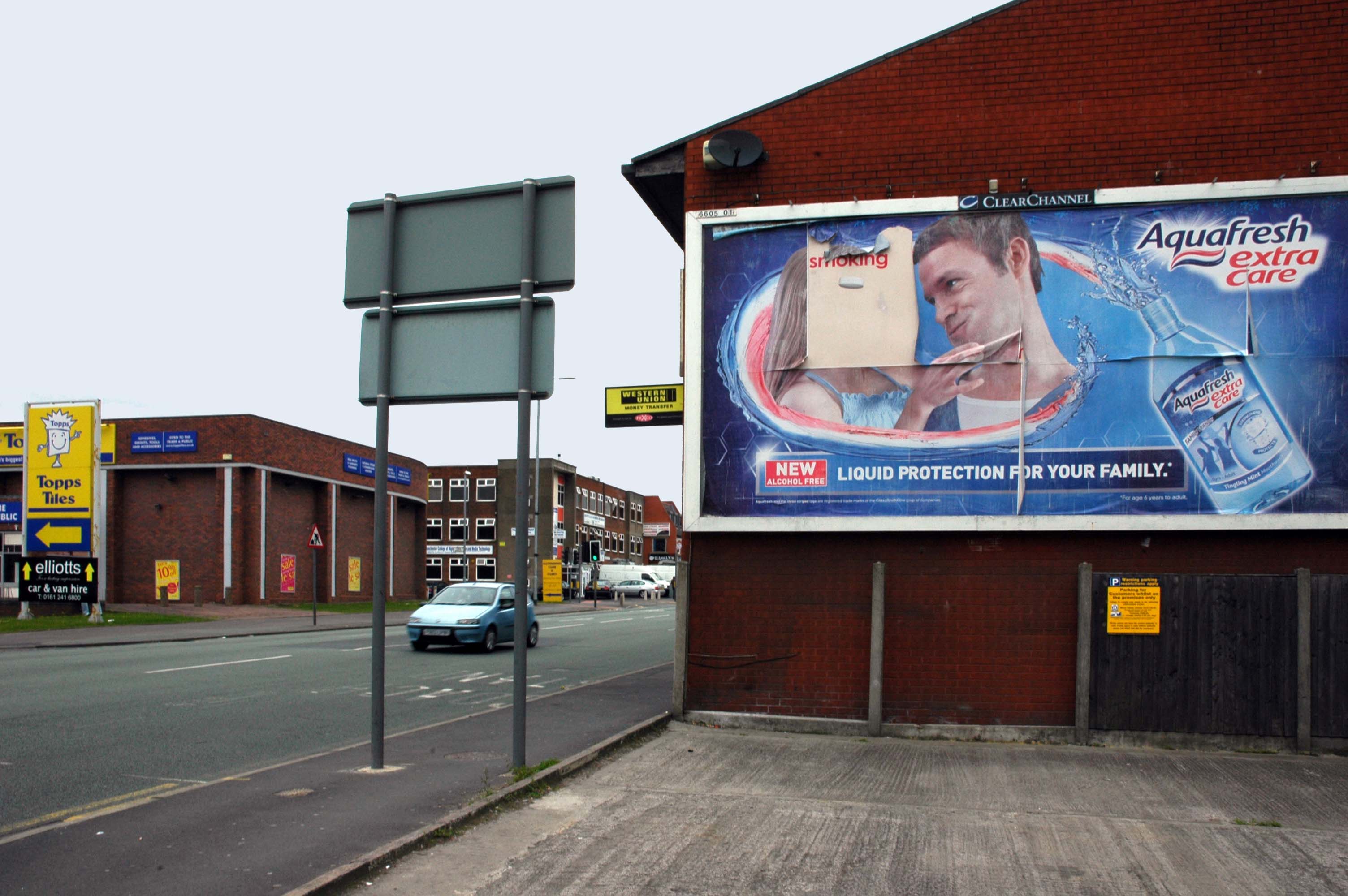
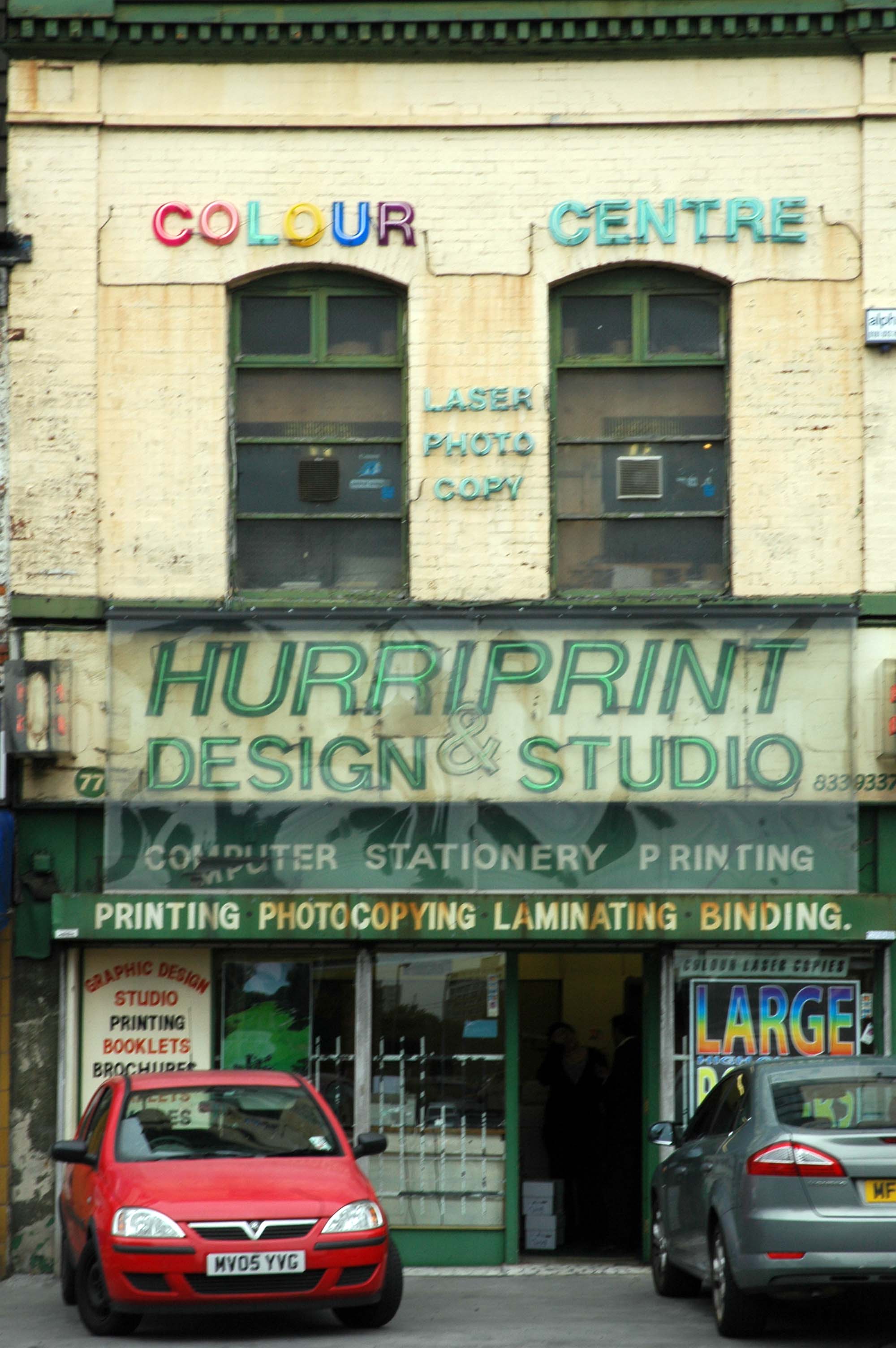
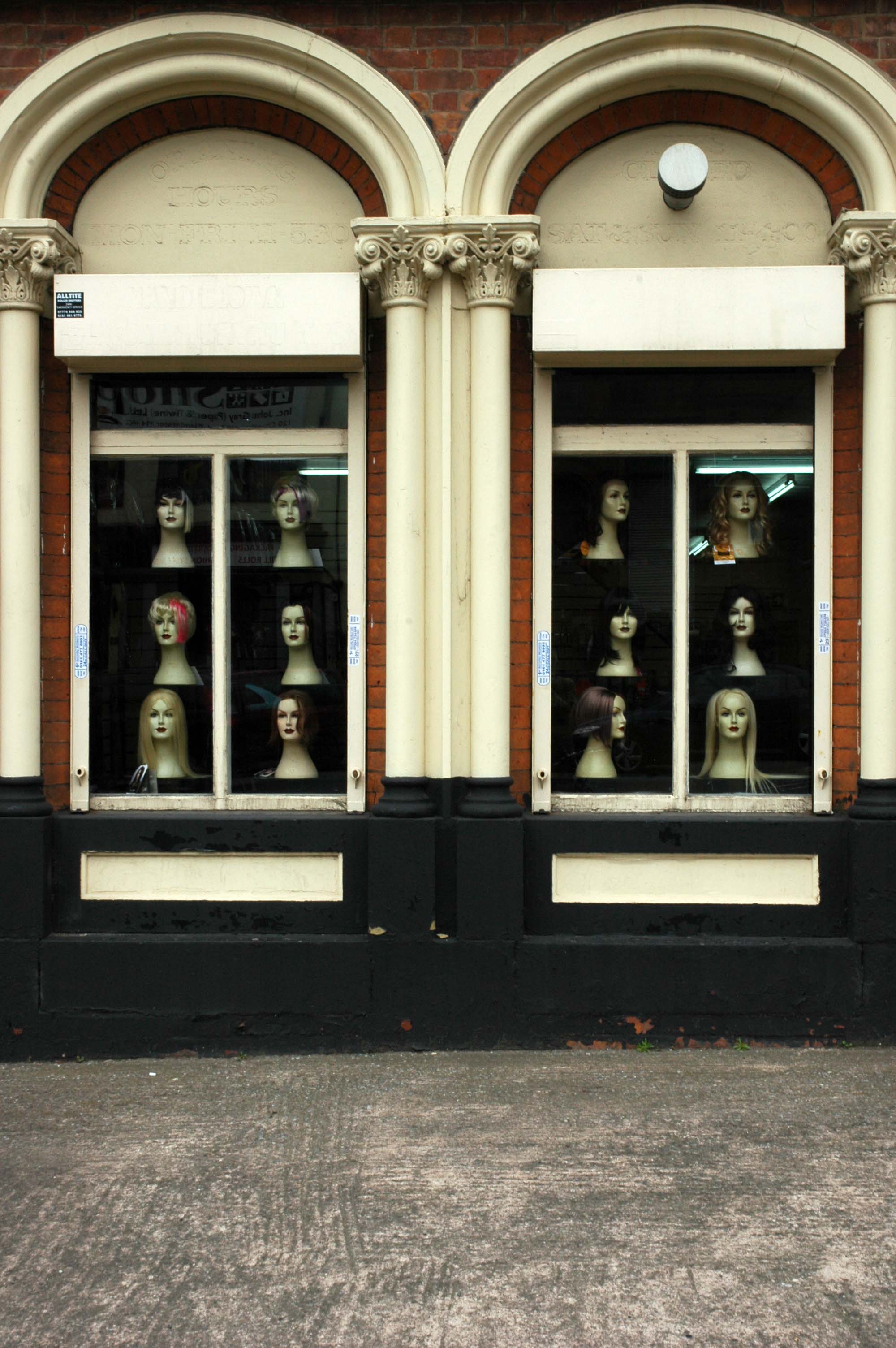
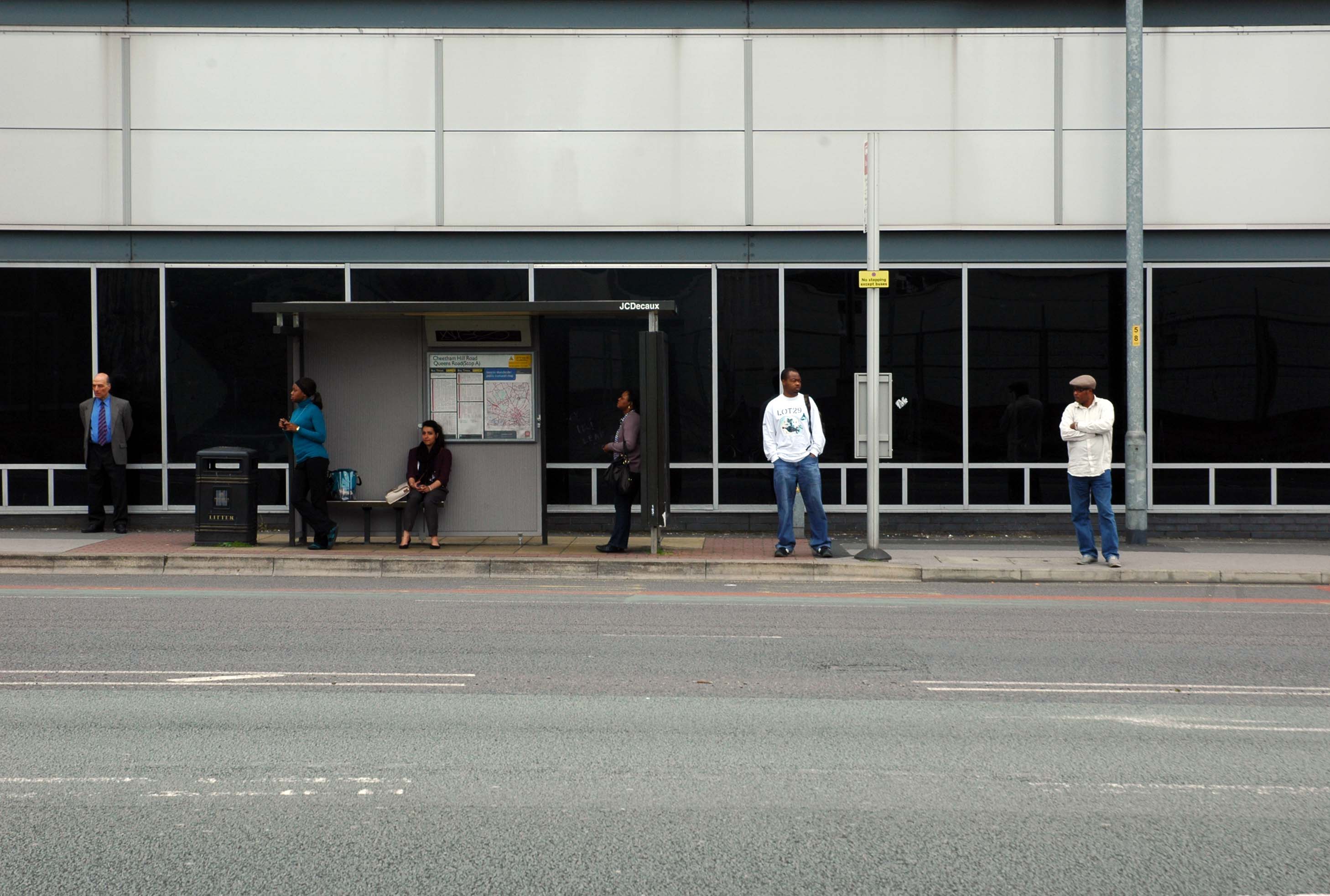
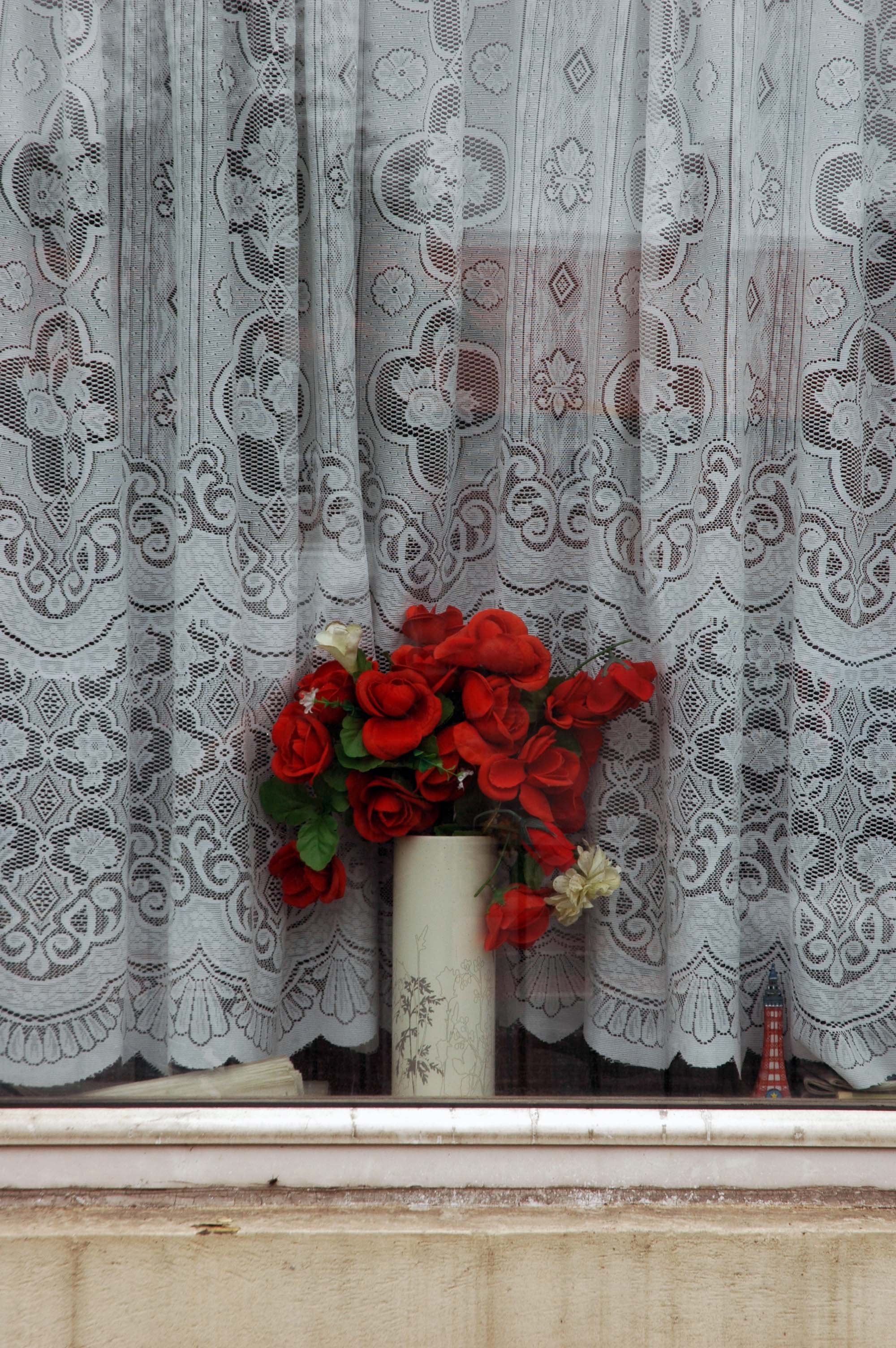
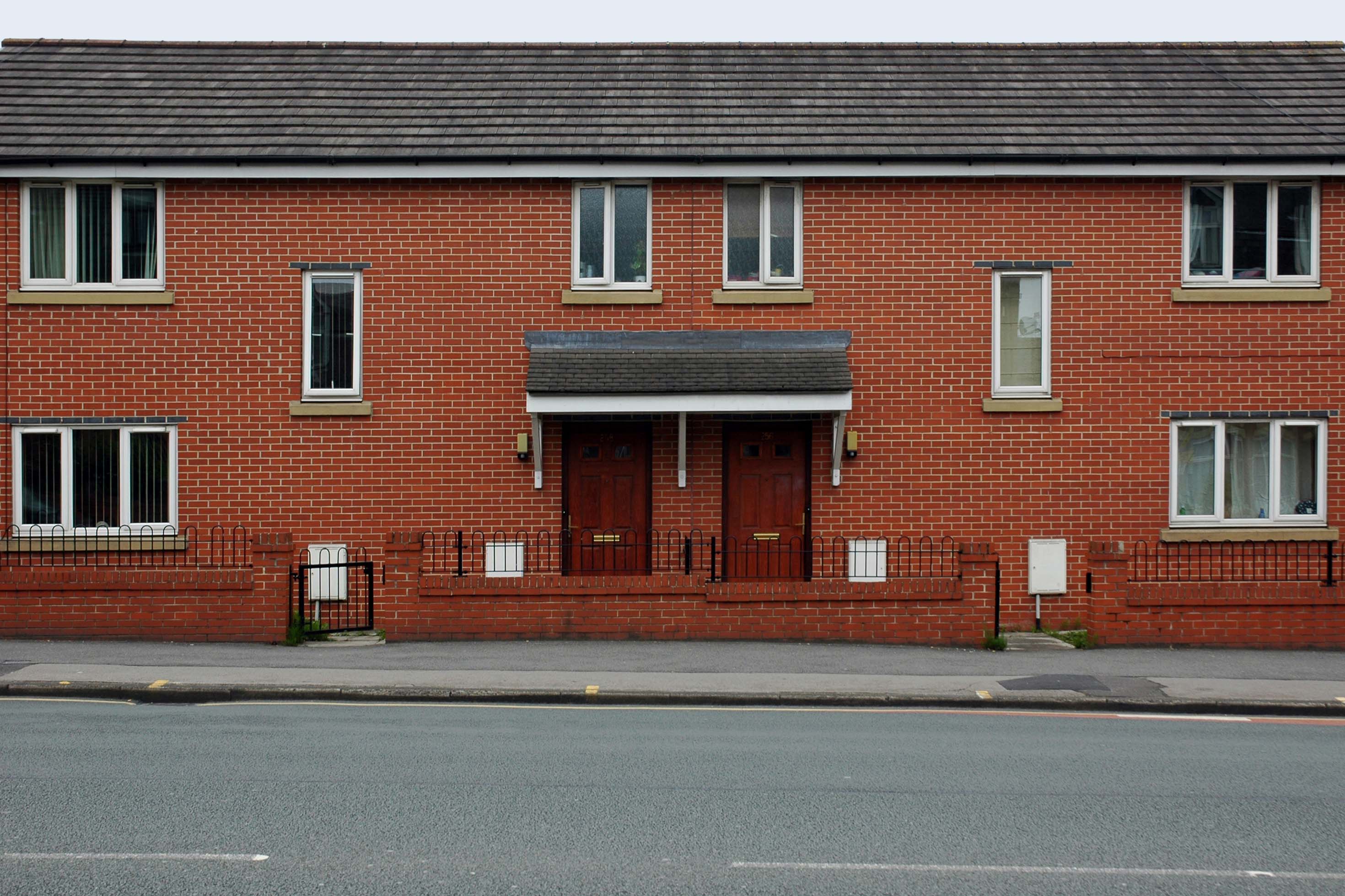
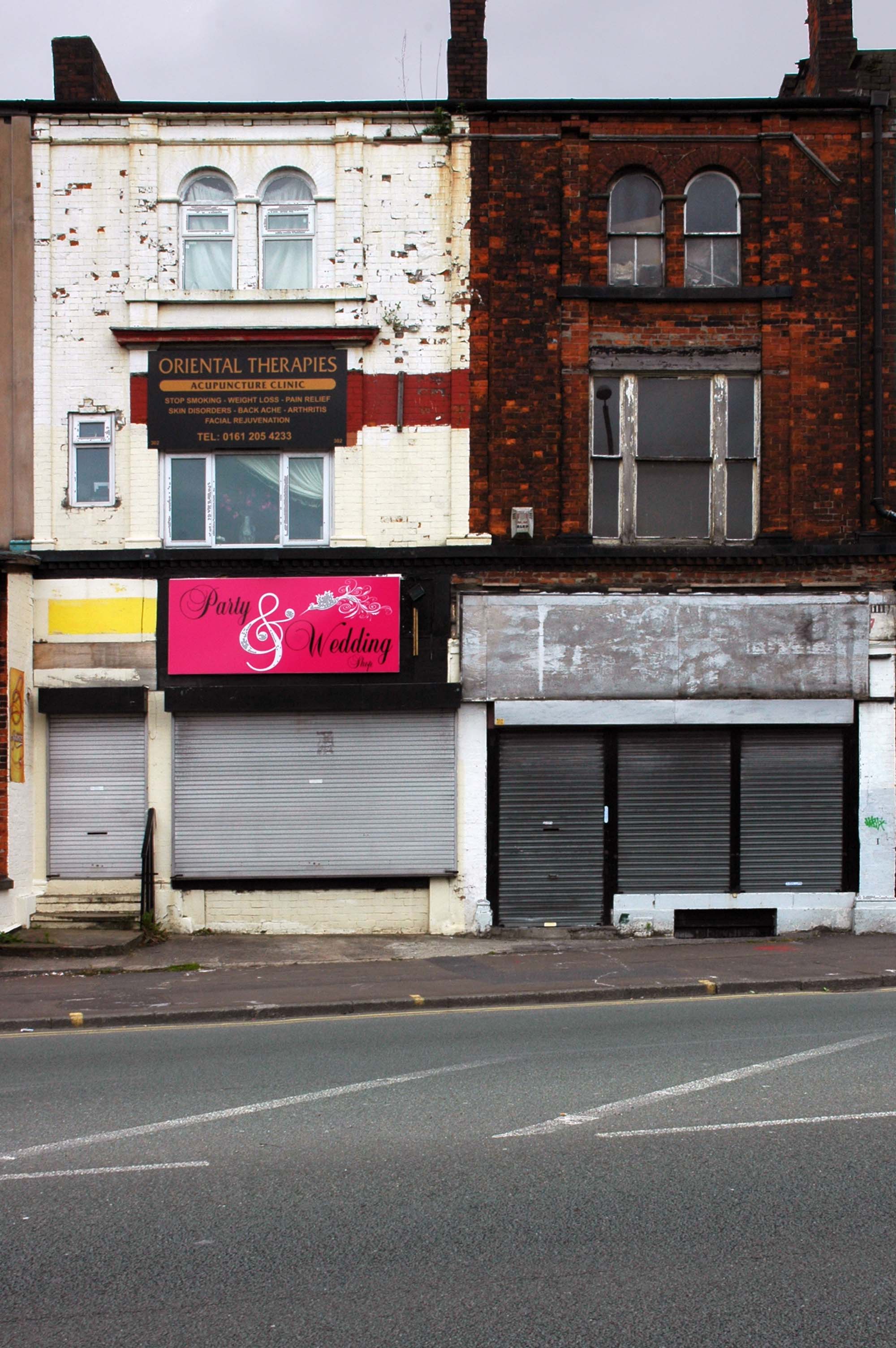
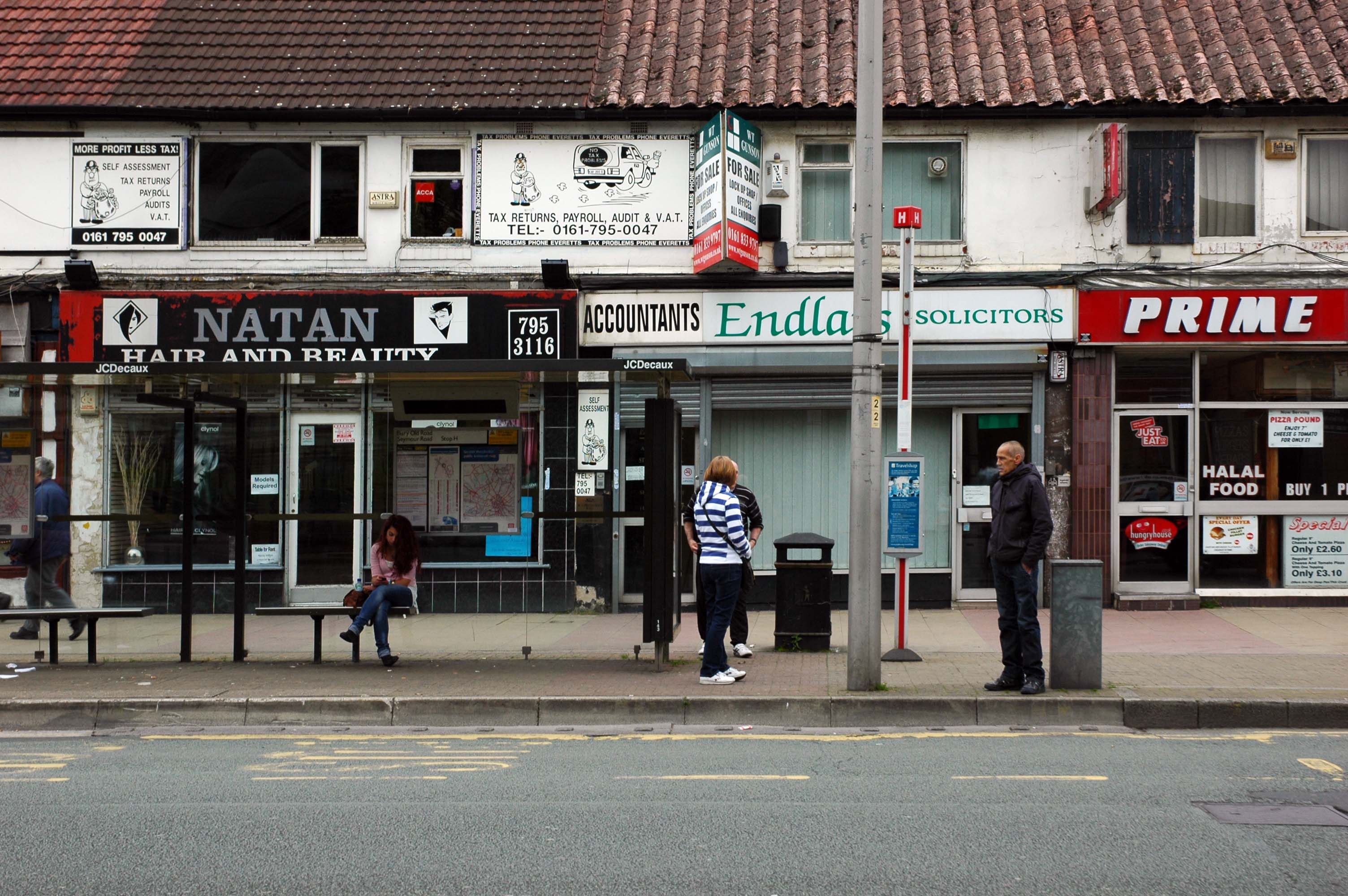
Having photographed the arterial roads of Manchester in 2014  I have resolved to return to the task in 2024.

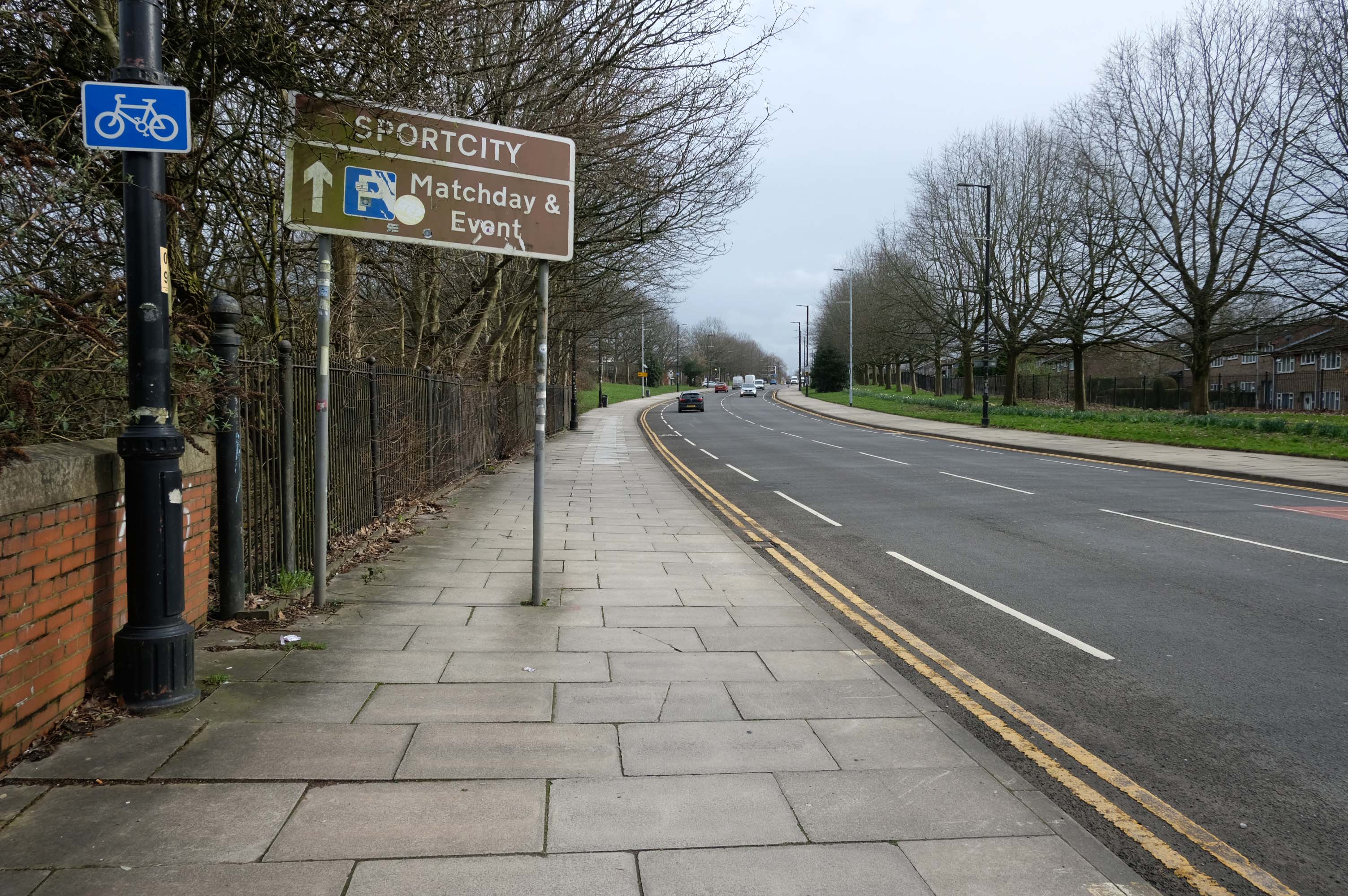
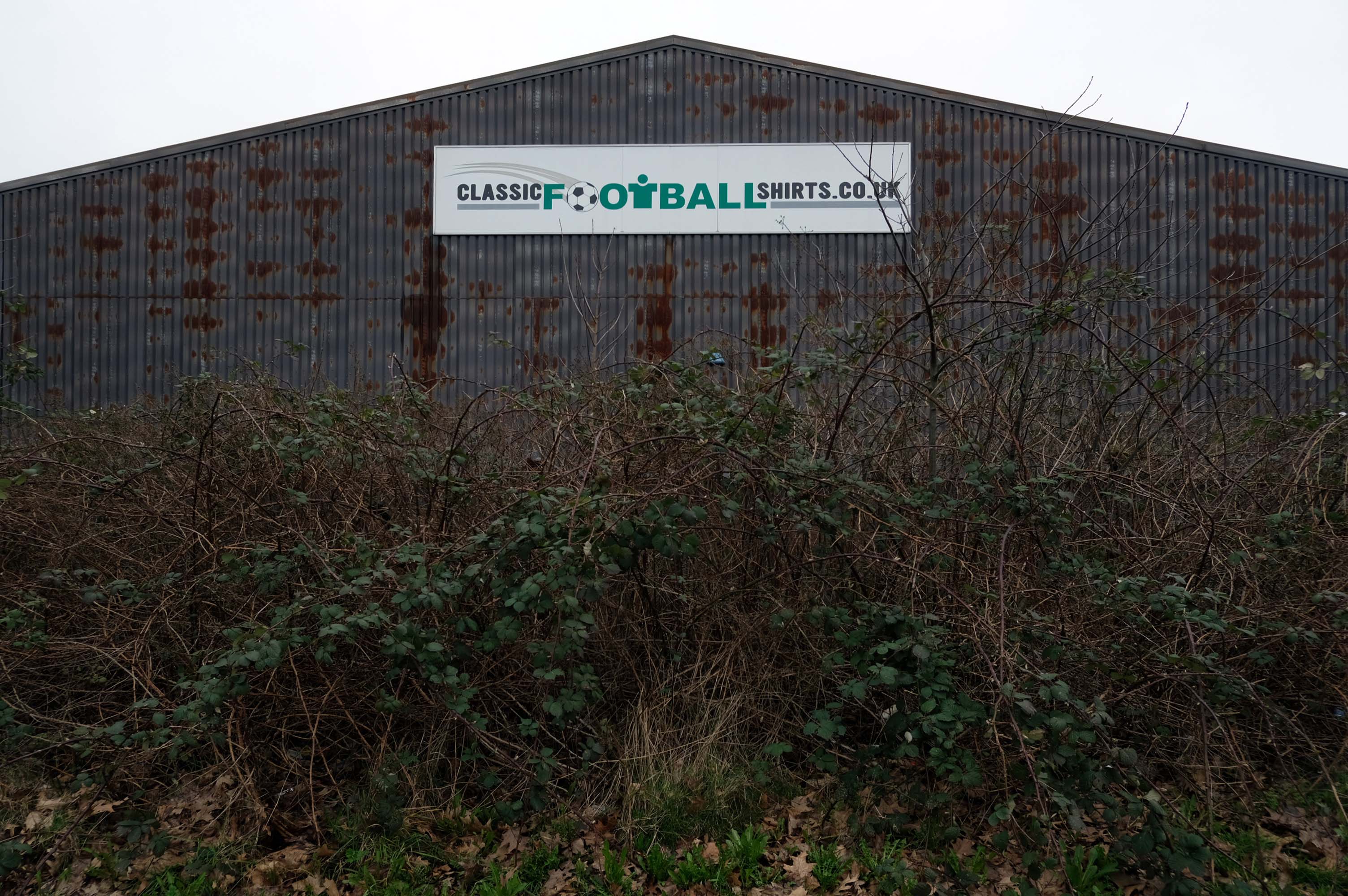
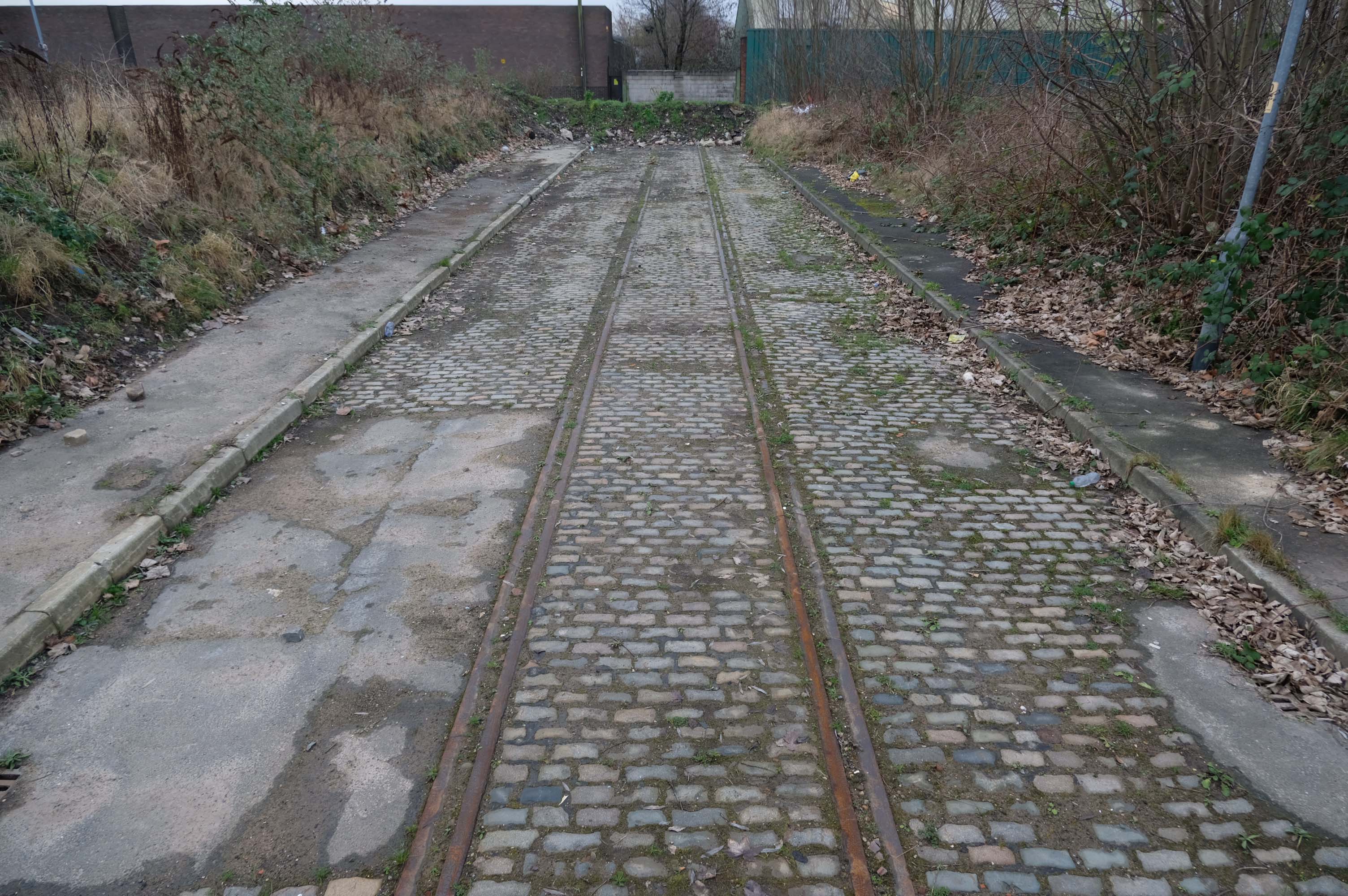
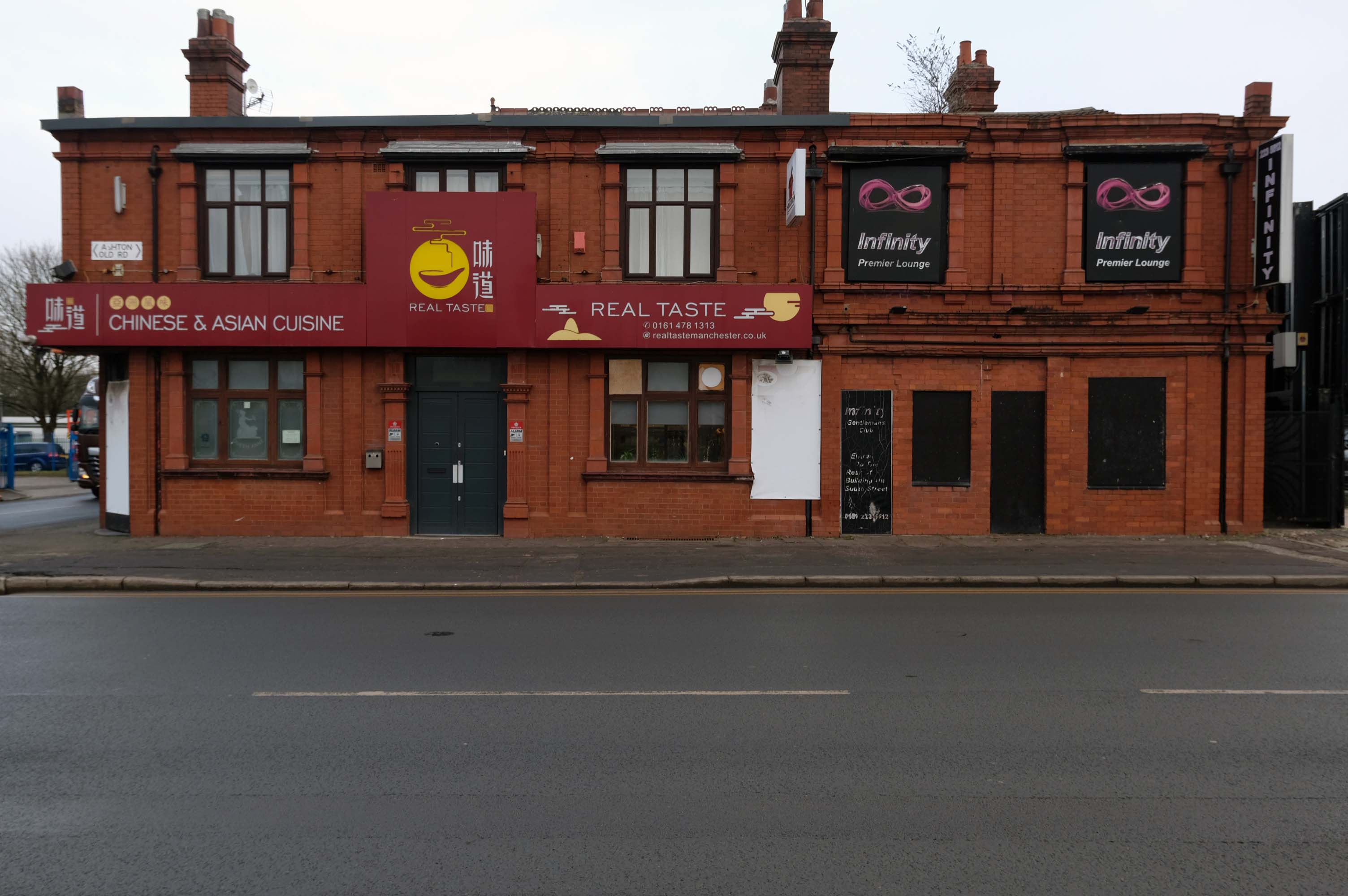
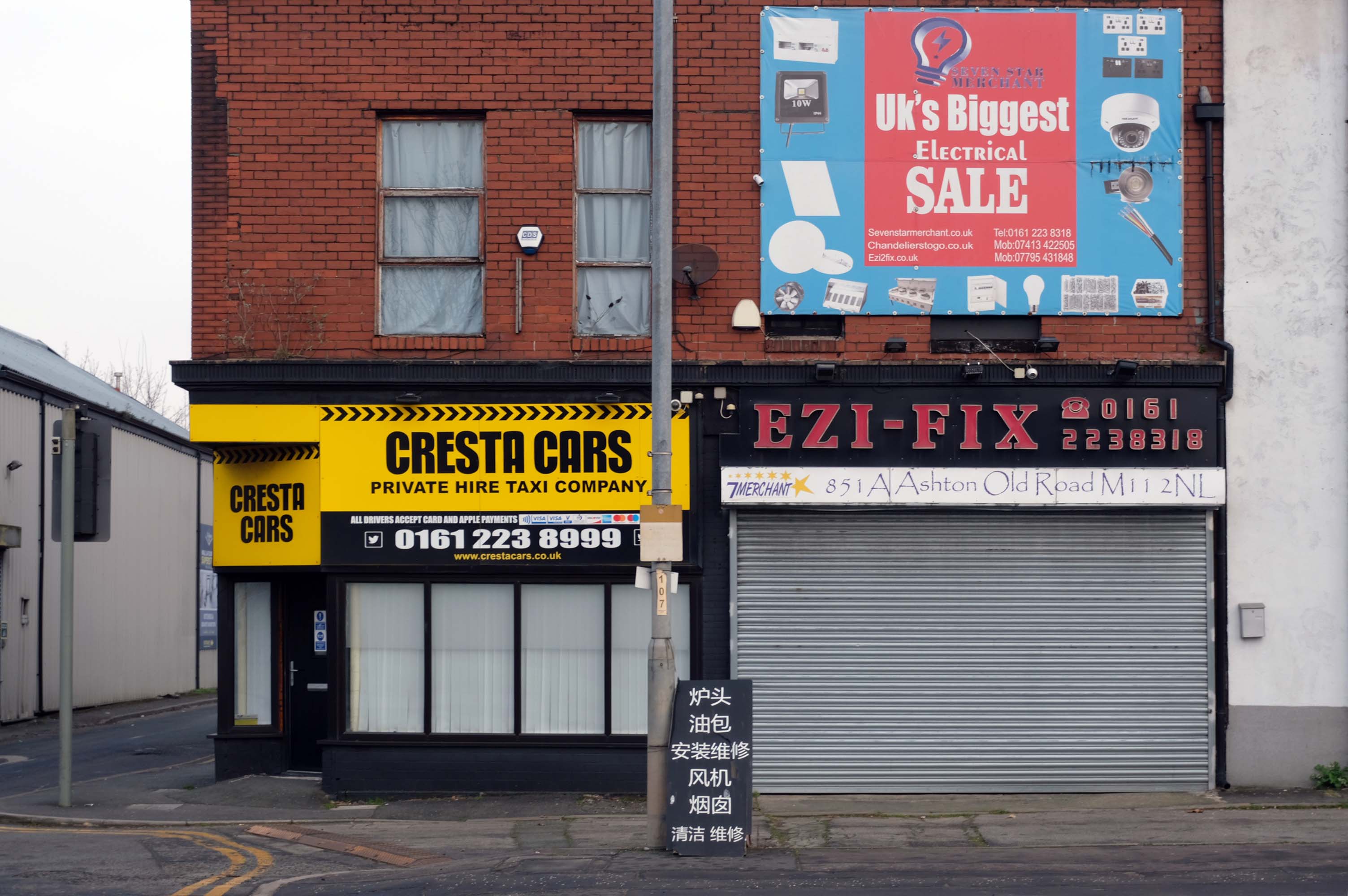
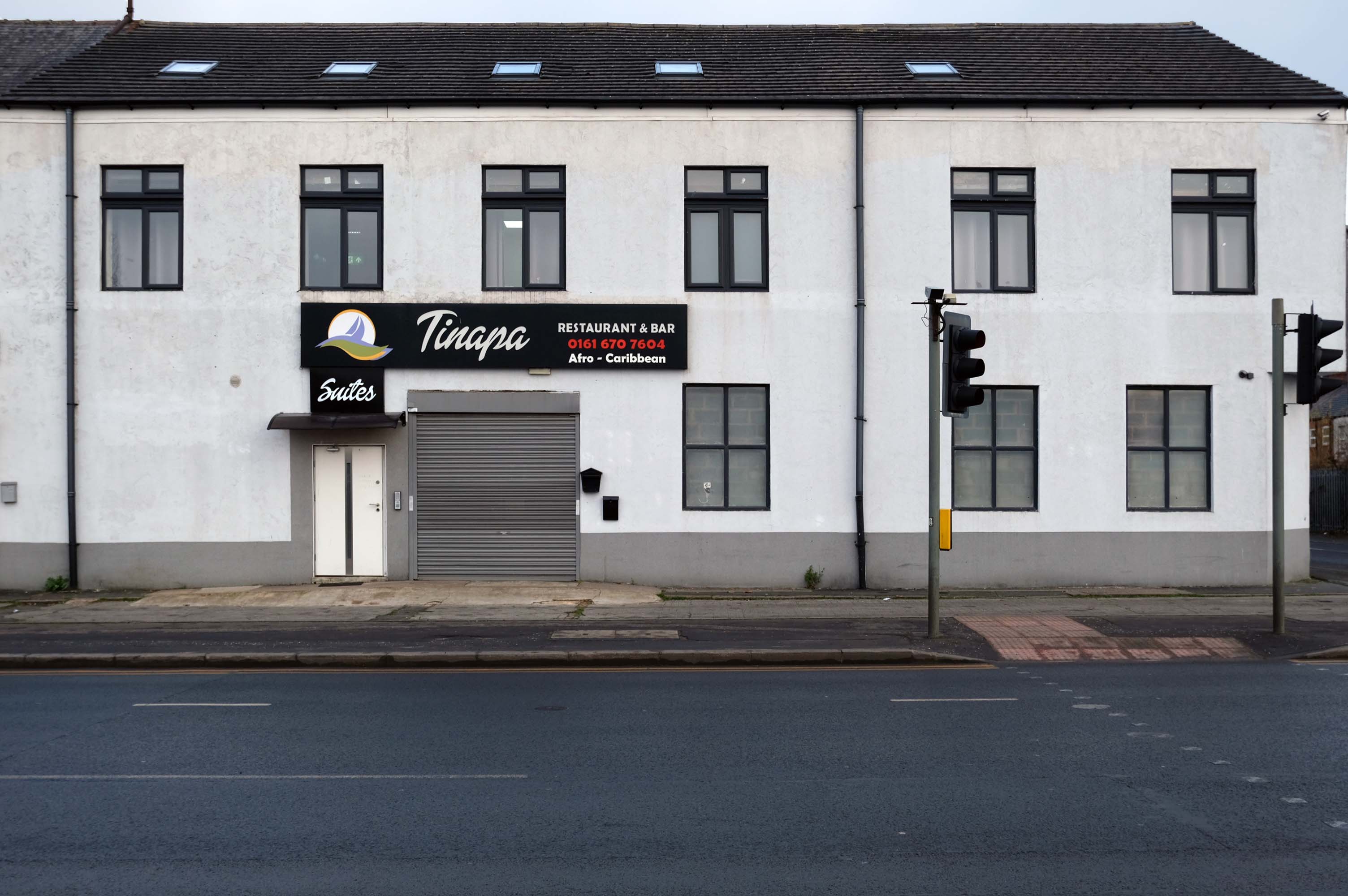
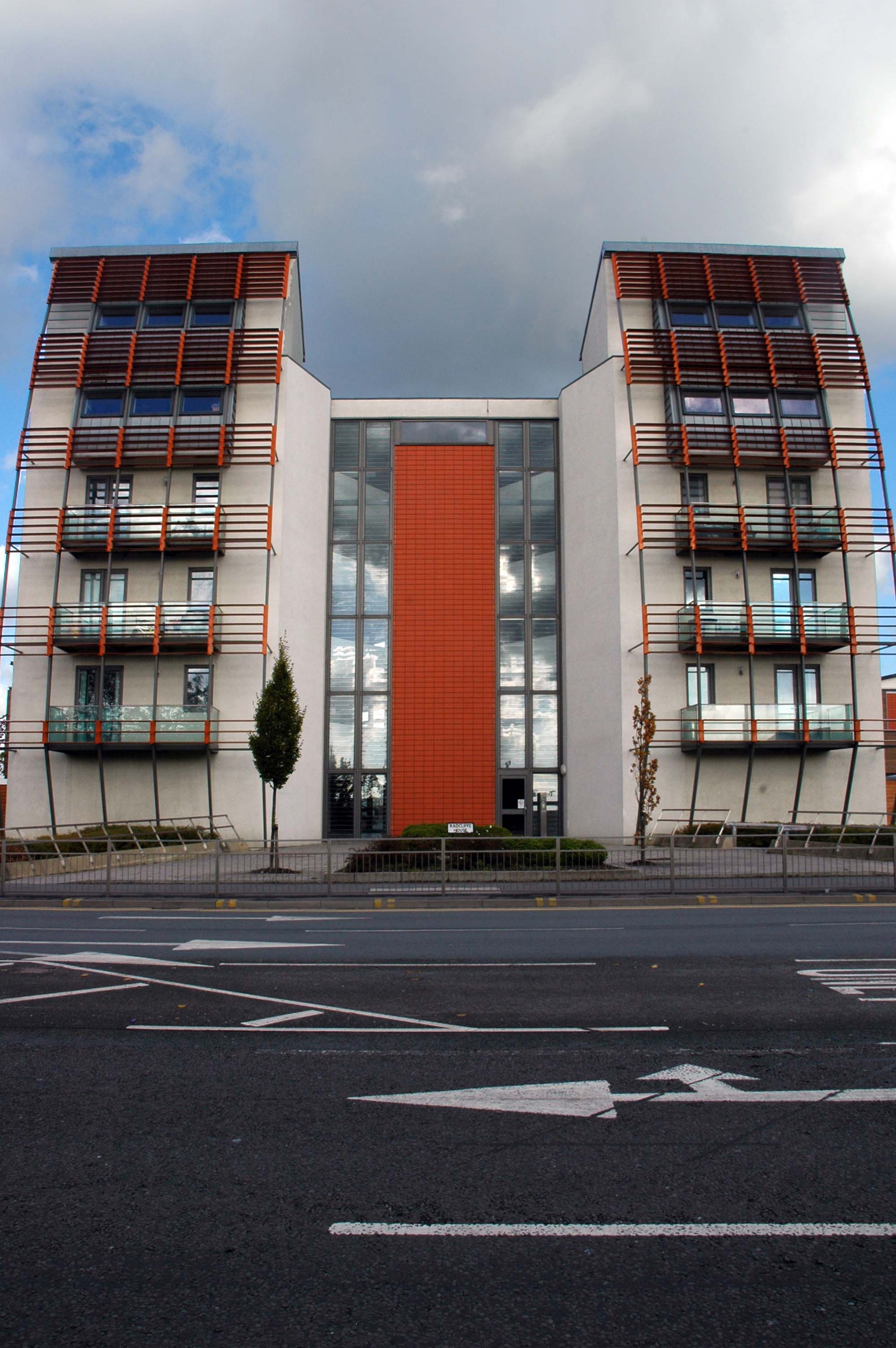
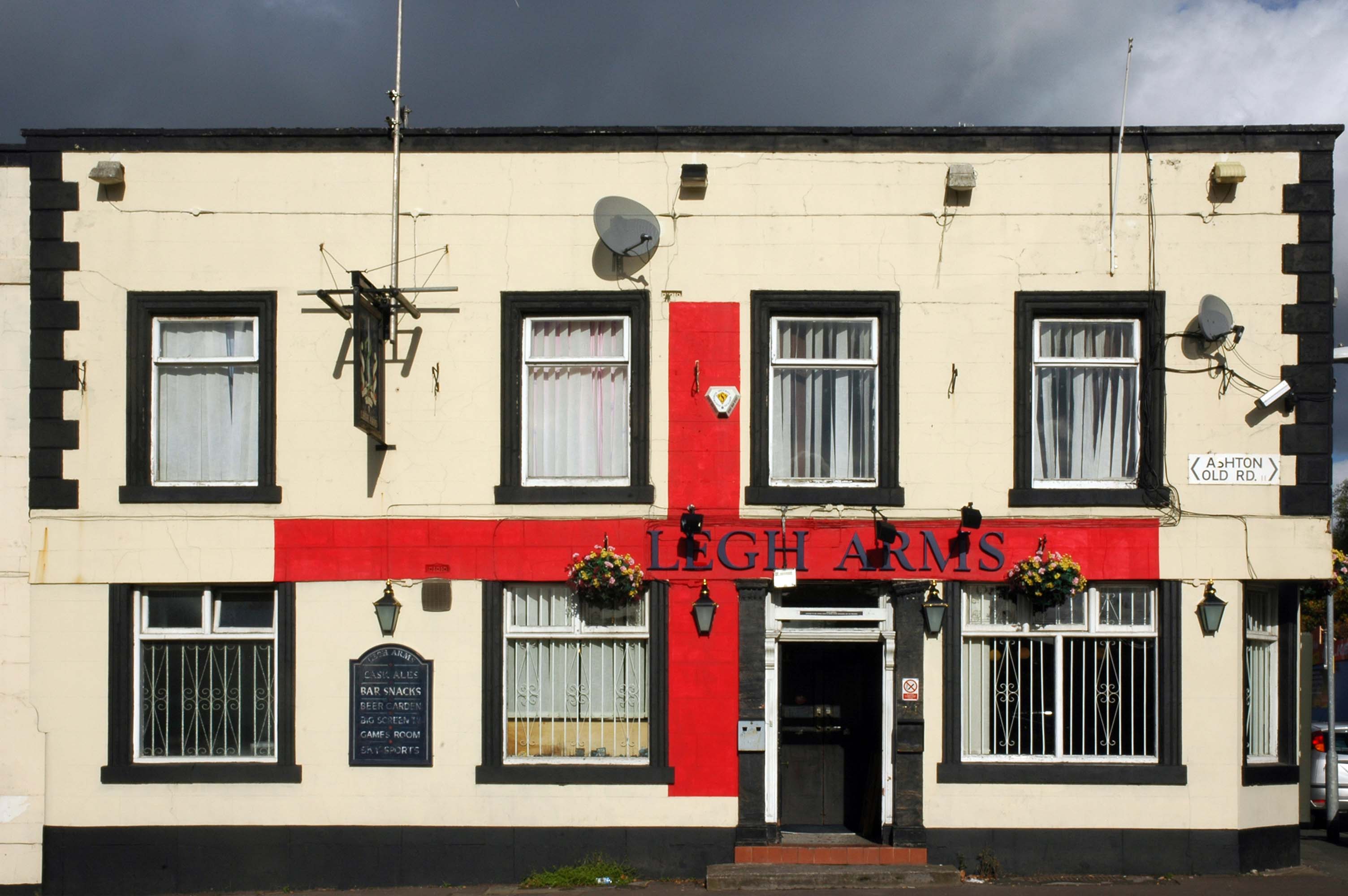
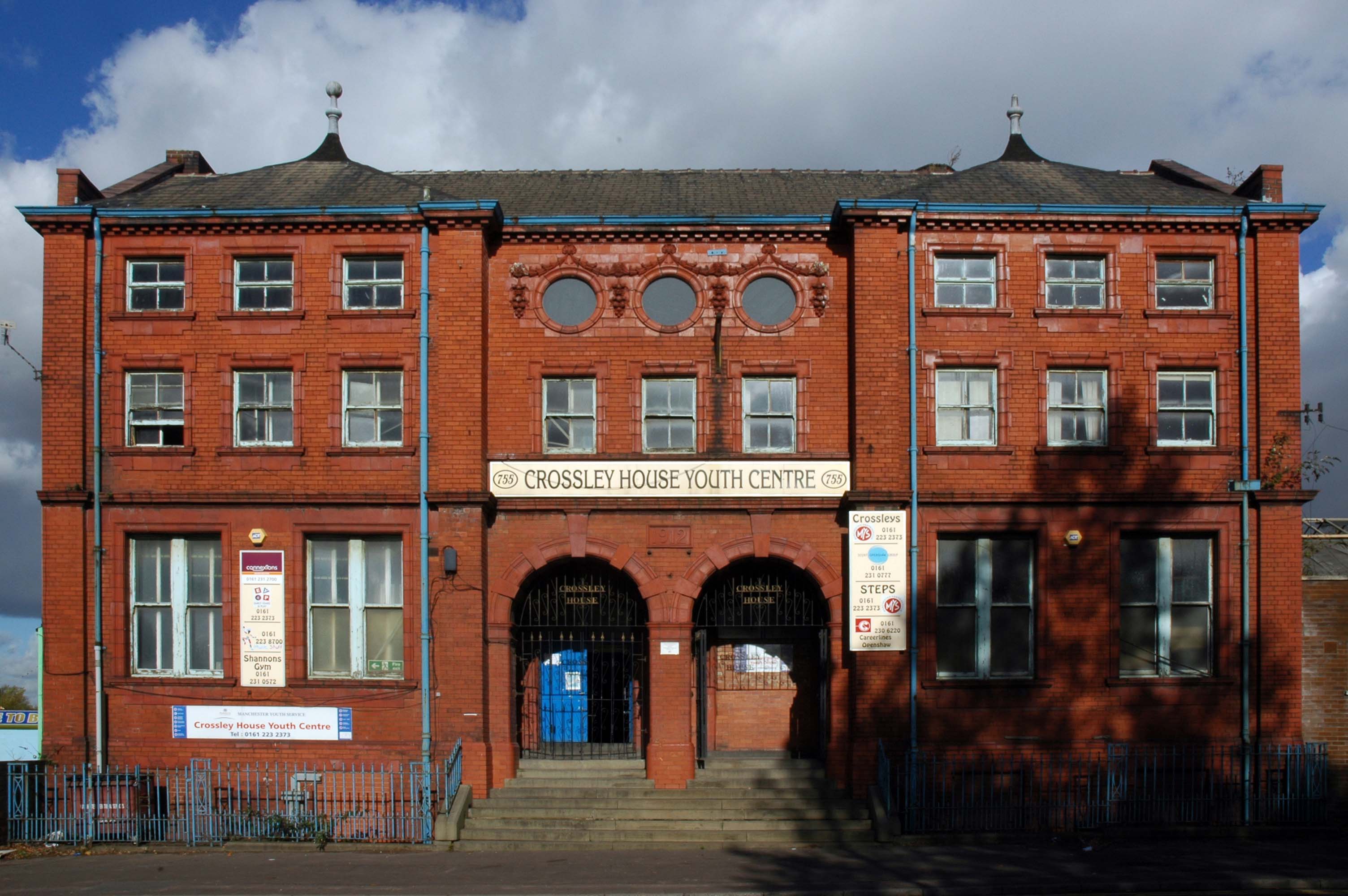
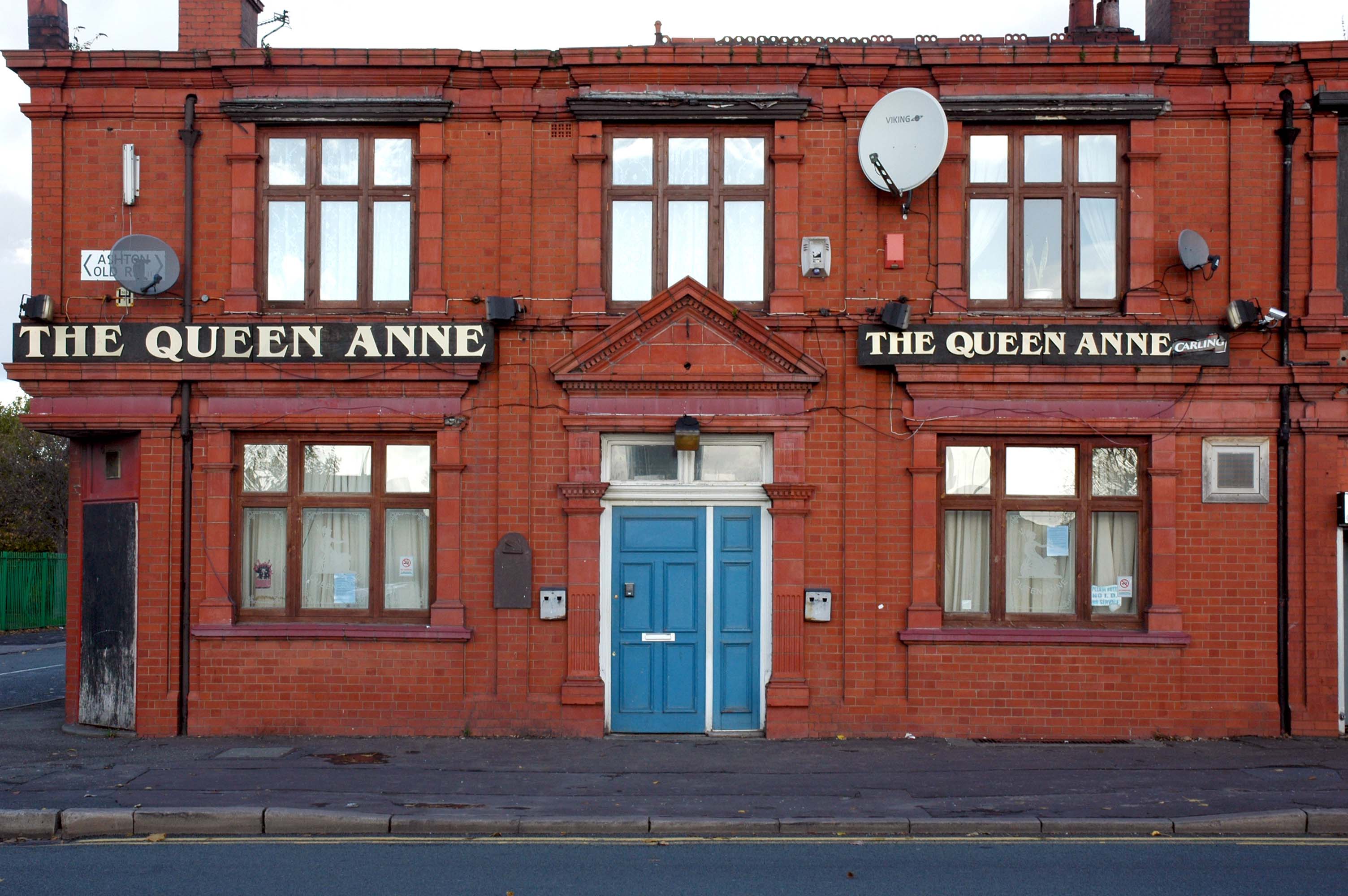
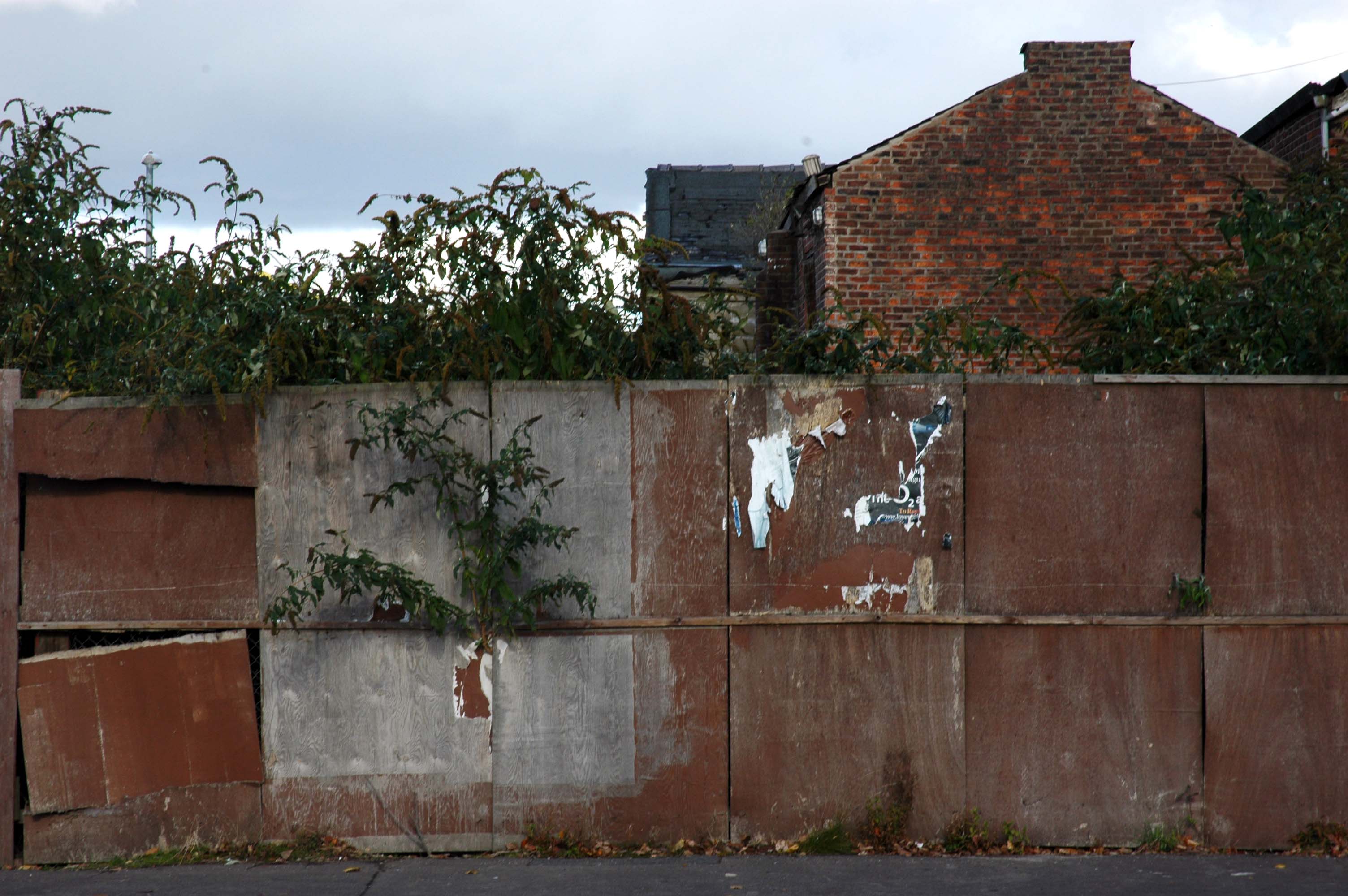
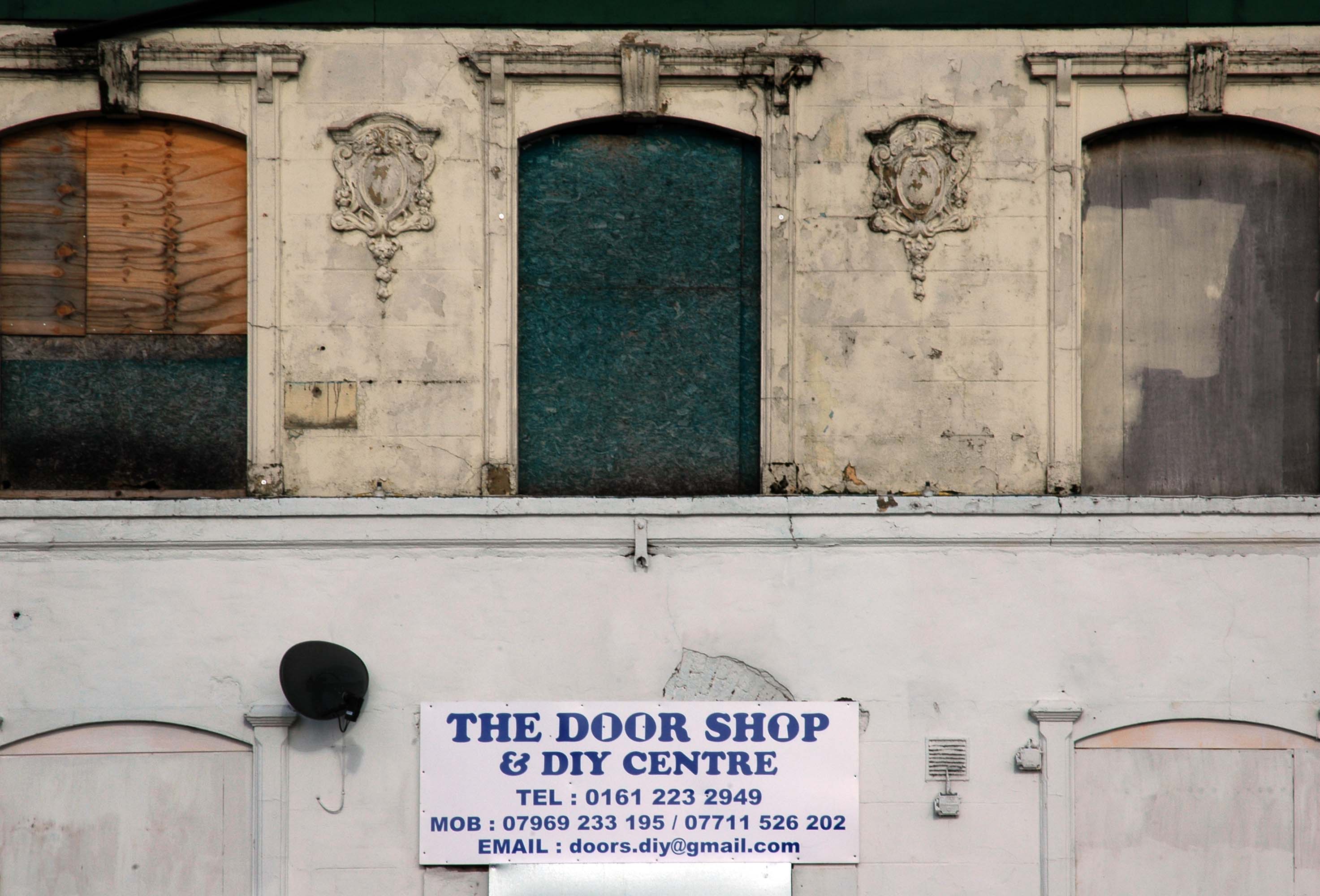
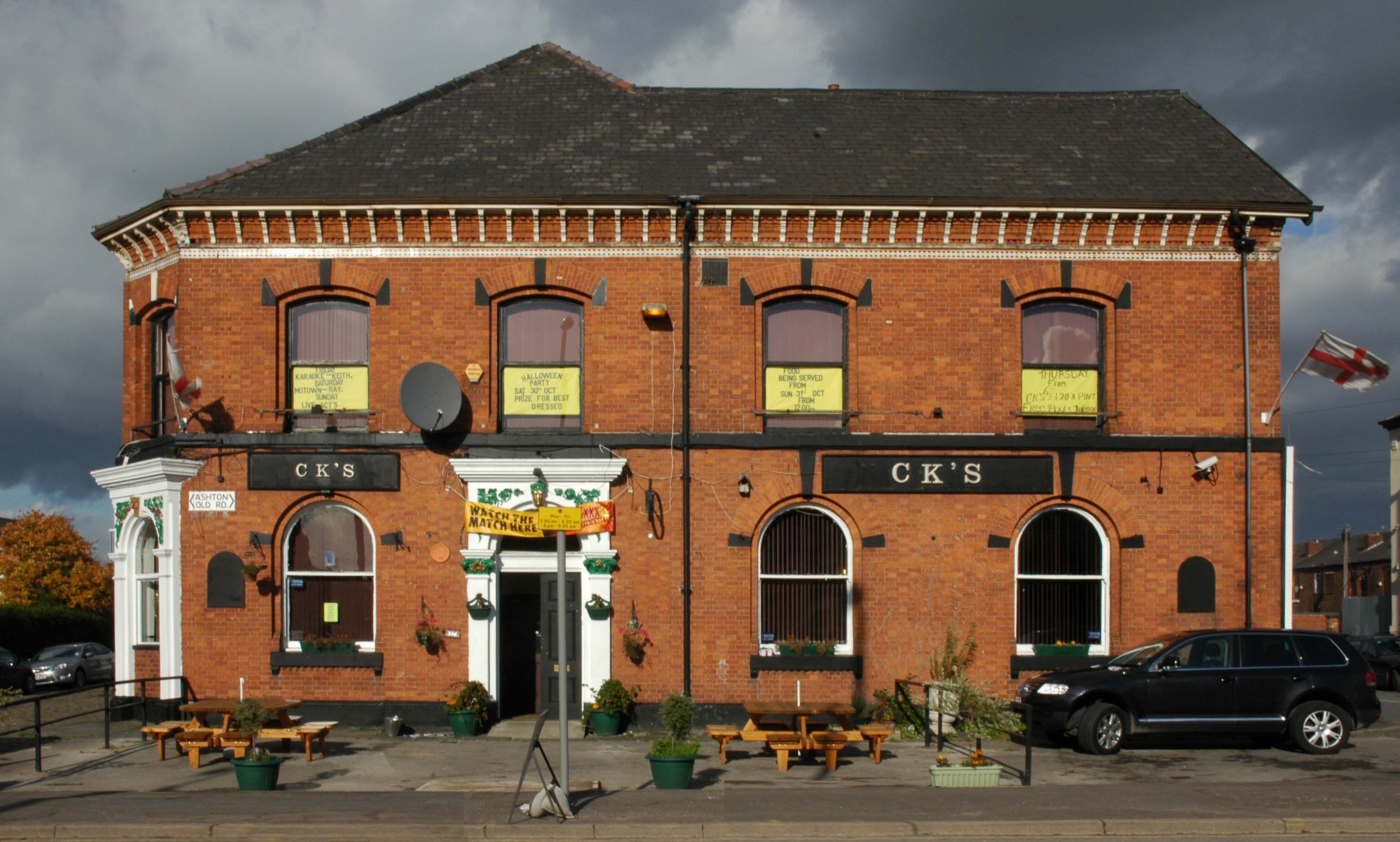
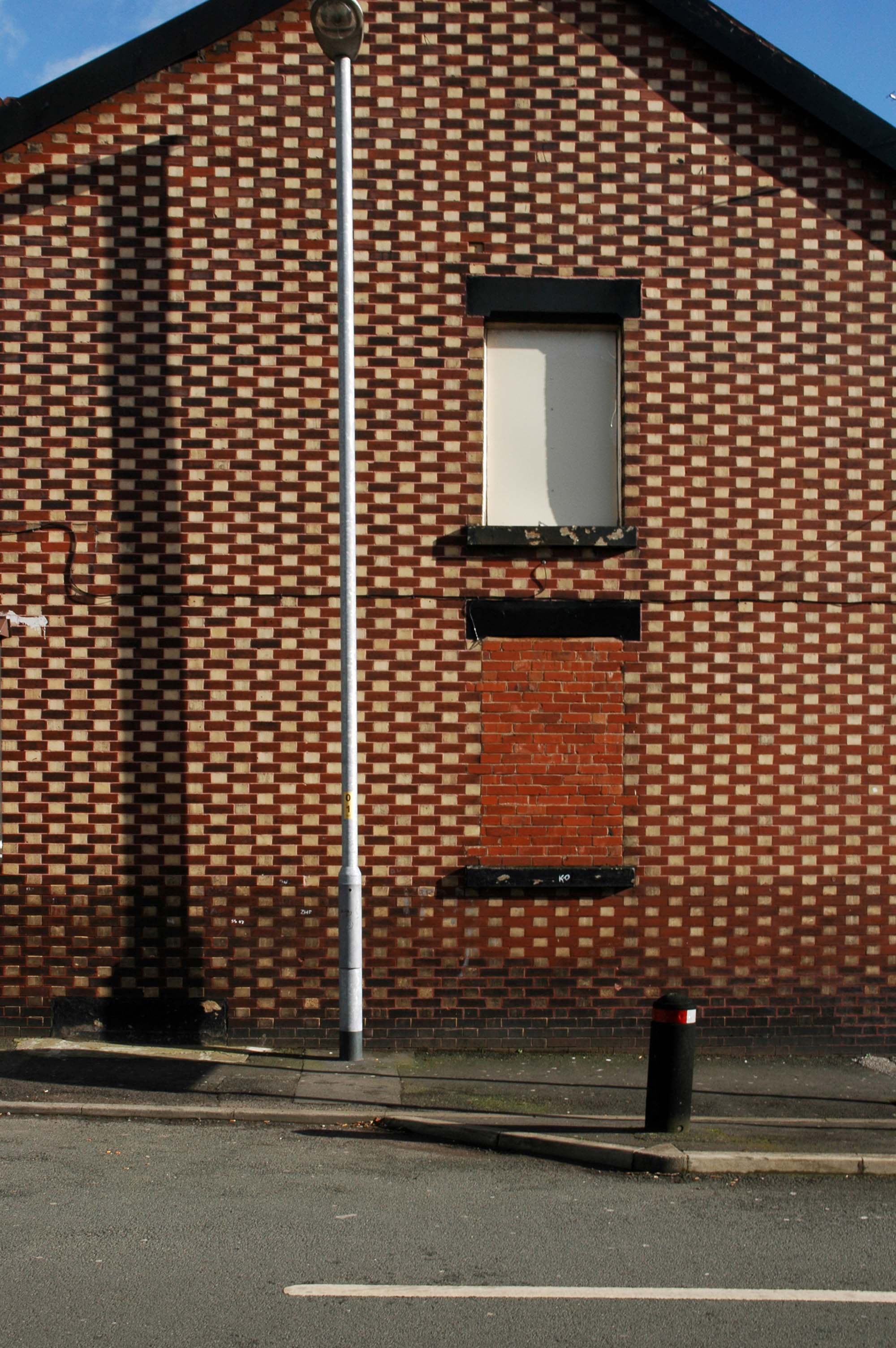
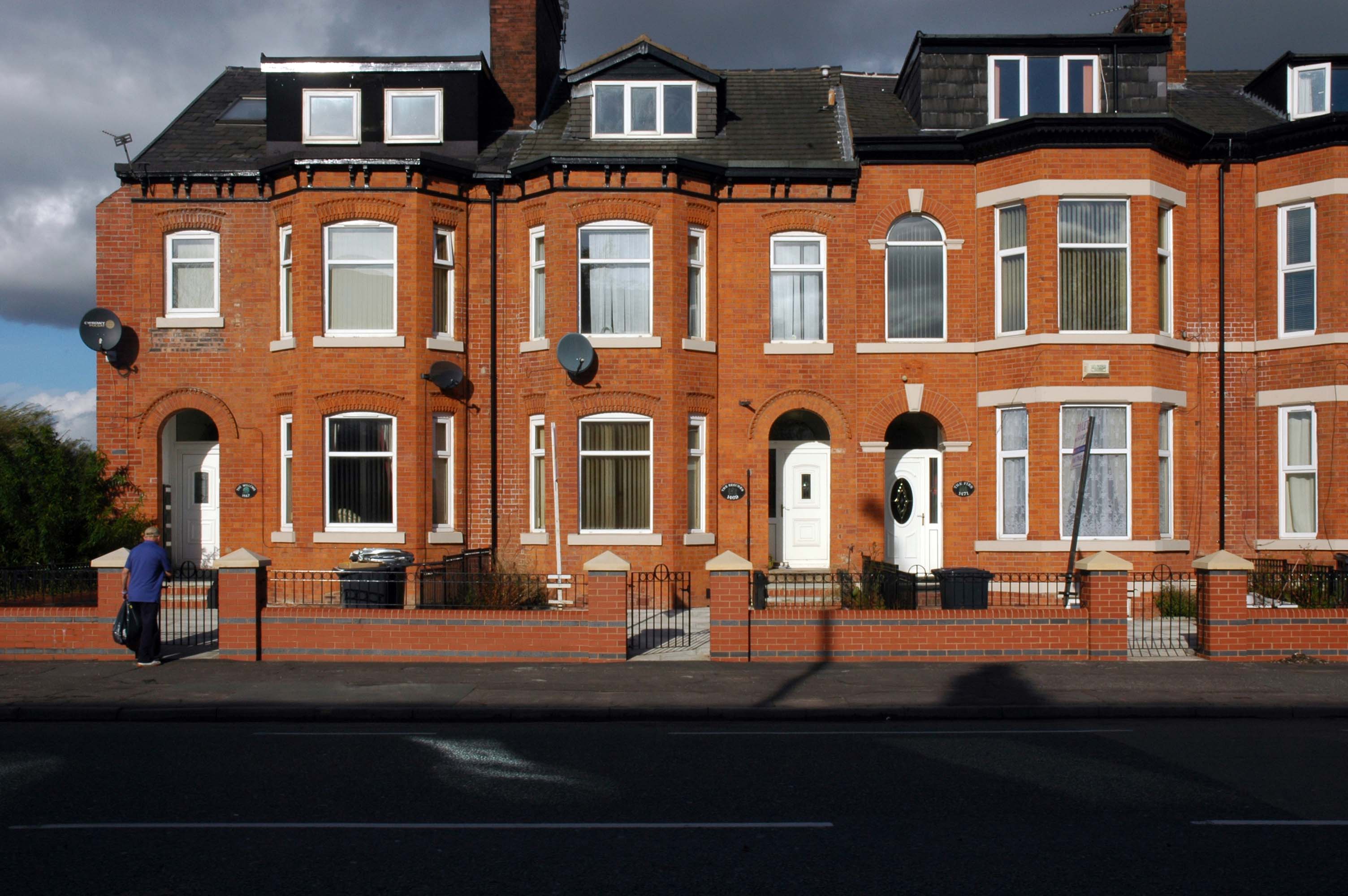
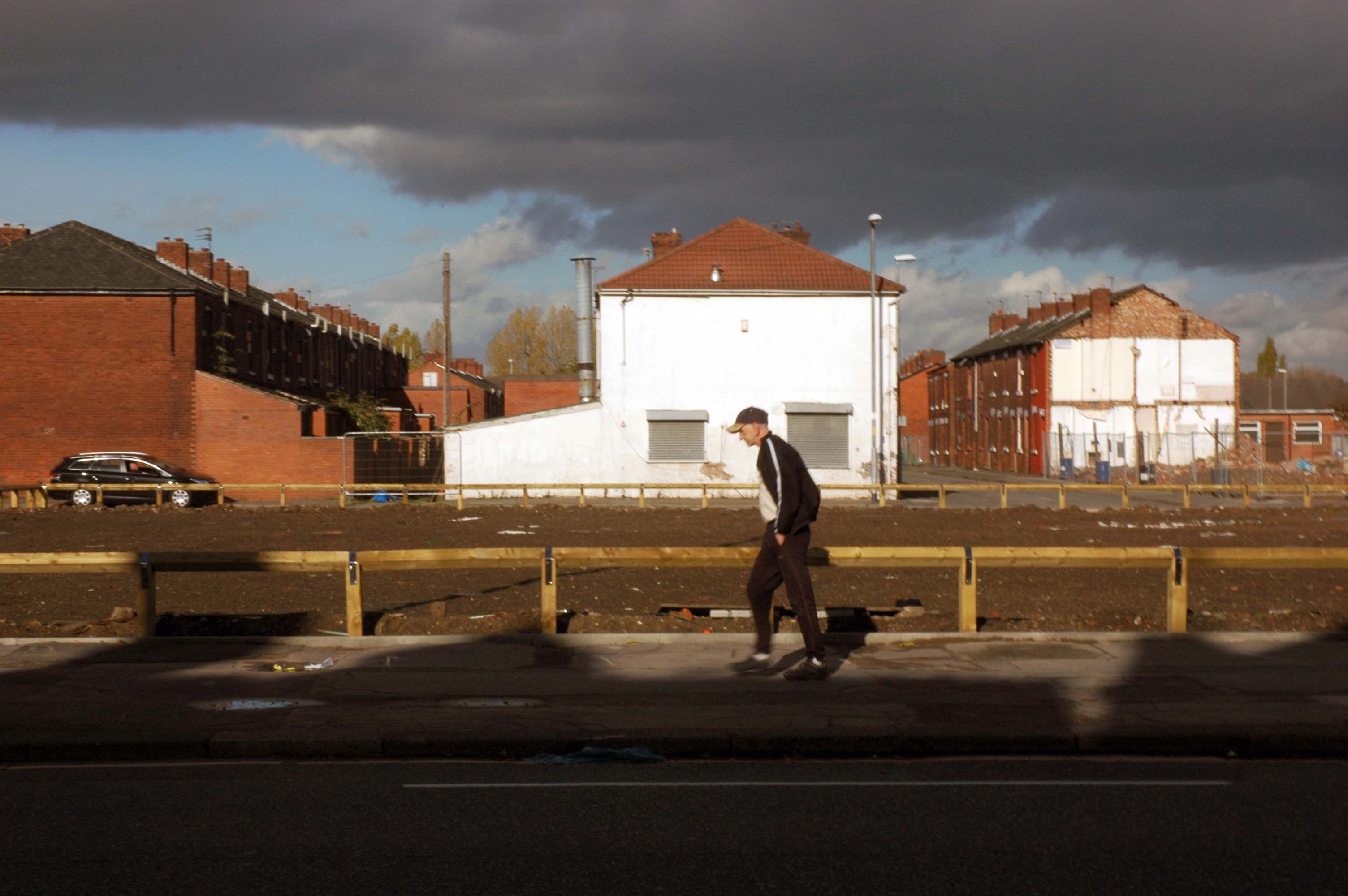
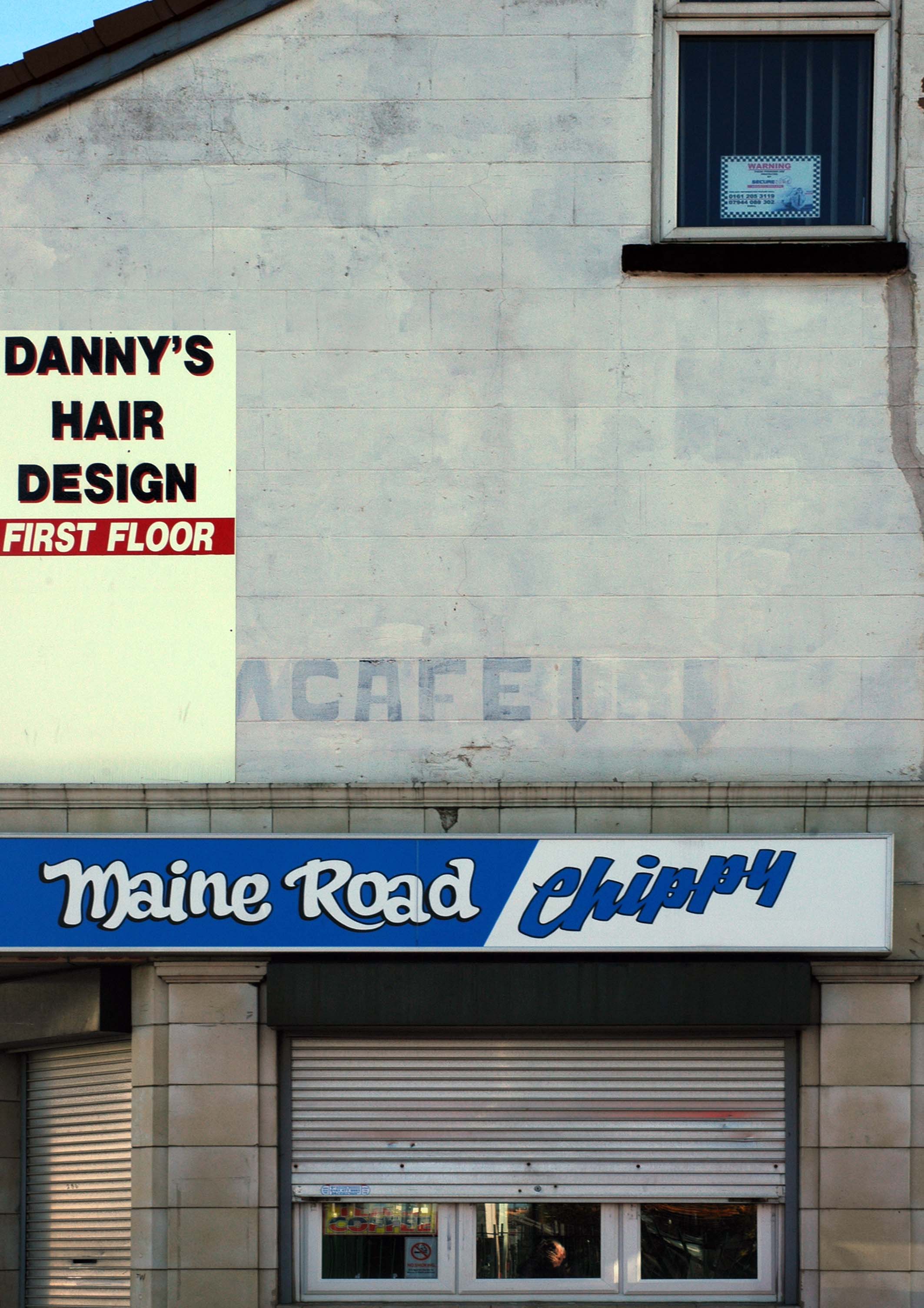
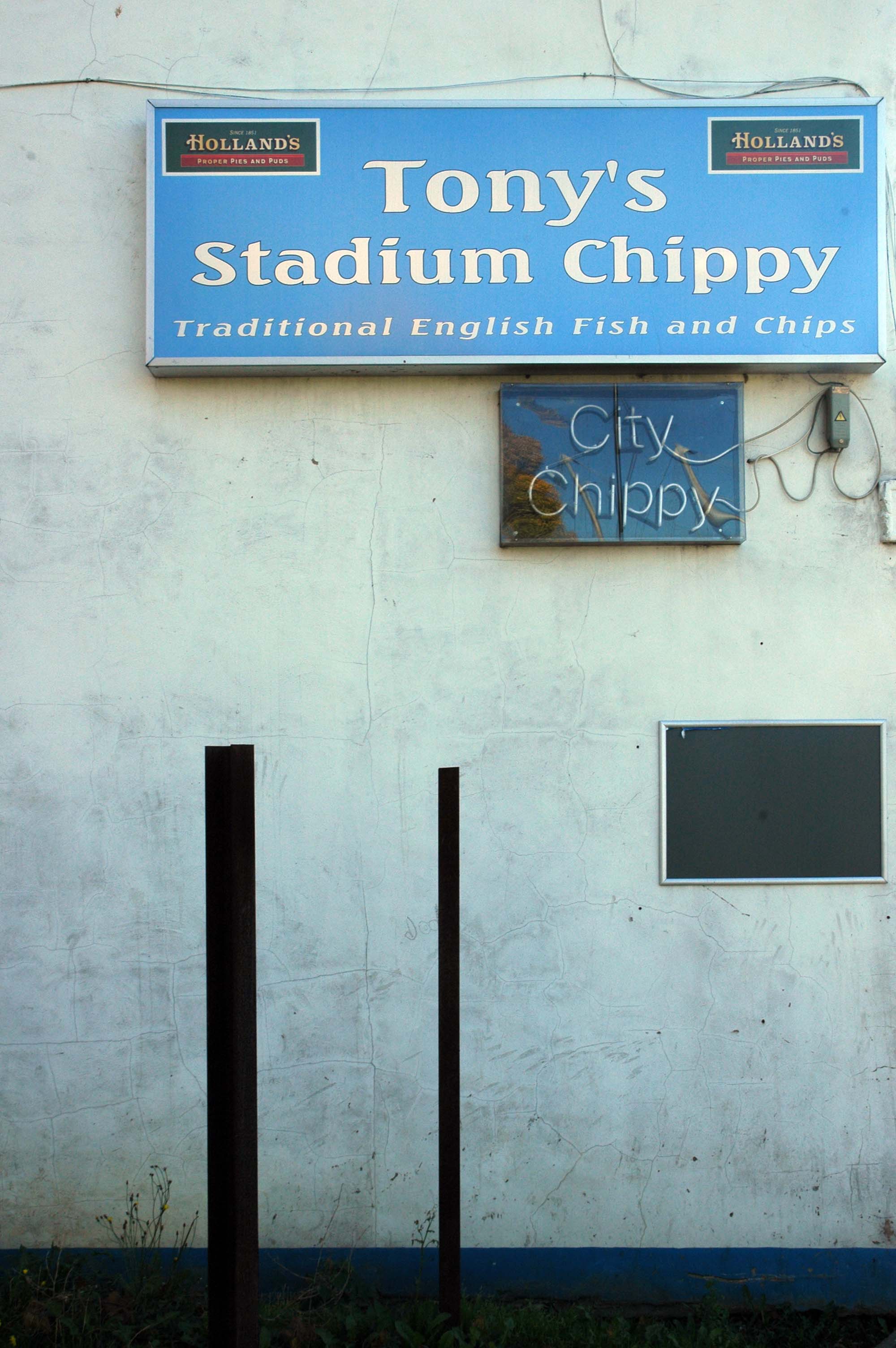
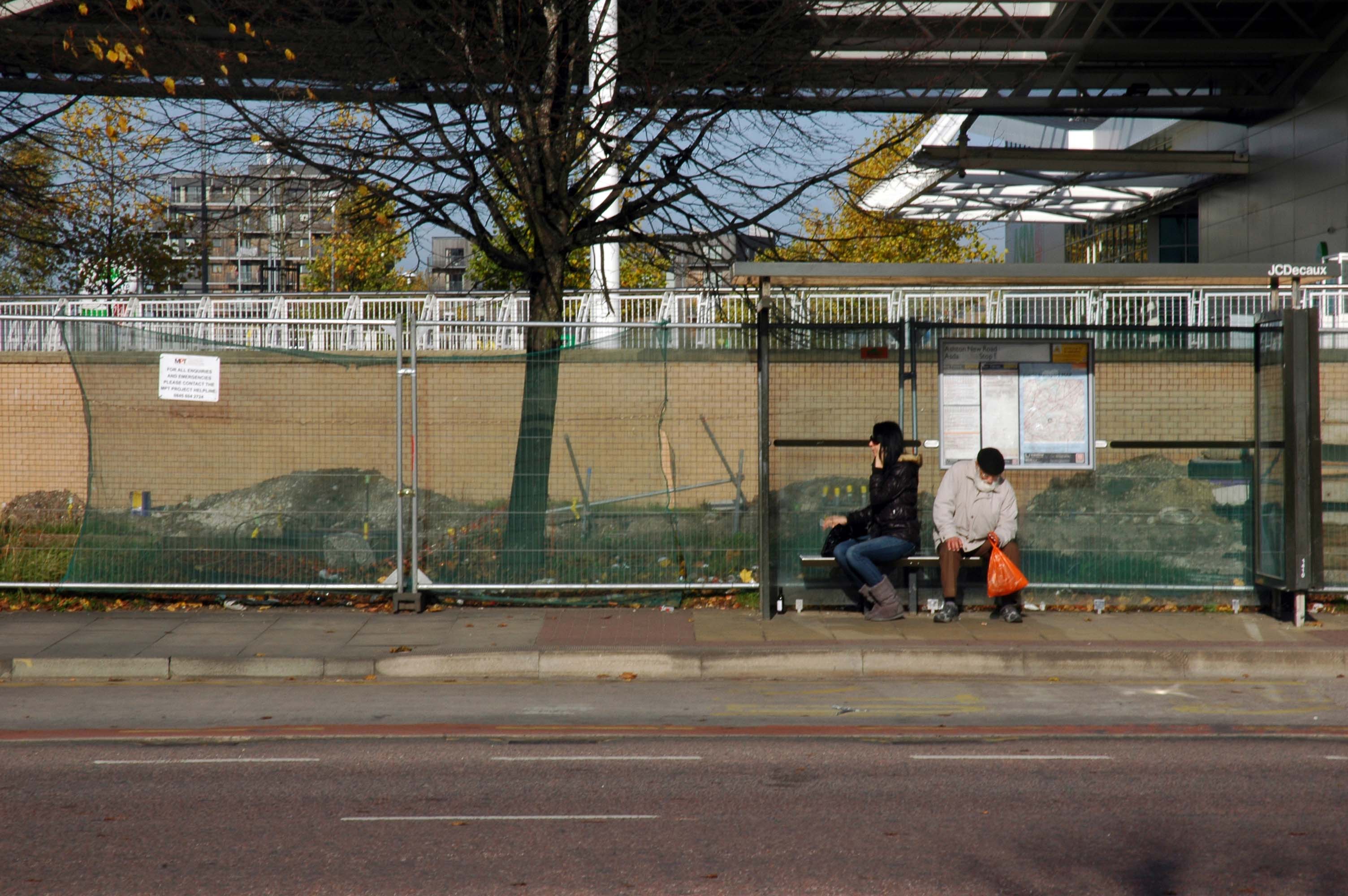
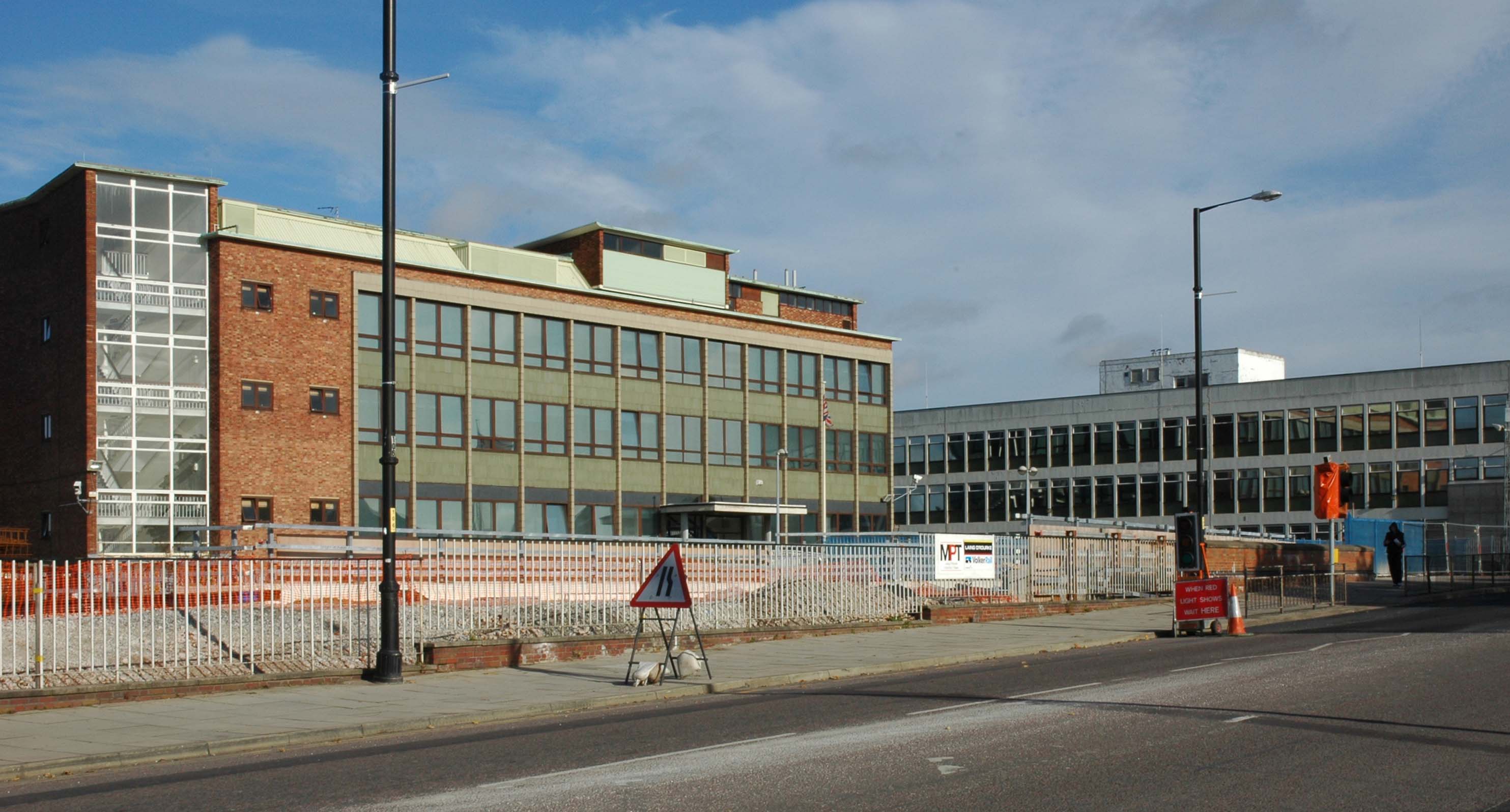
Some things seem to have changed, some things seem to have stayed the same on Ashton New Road.

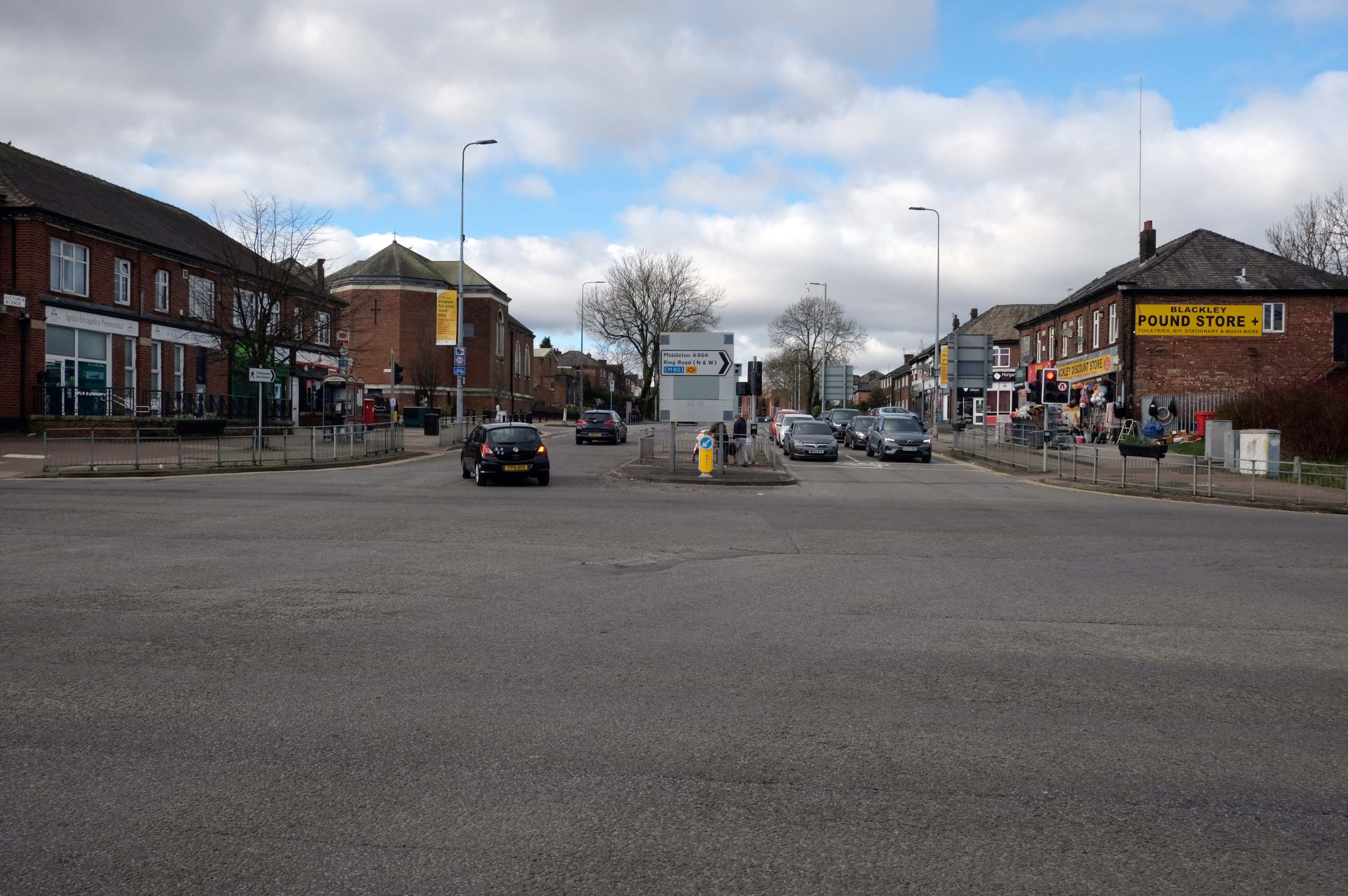
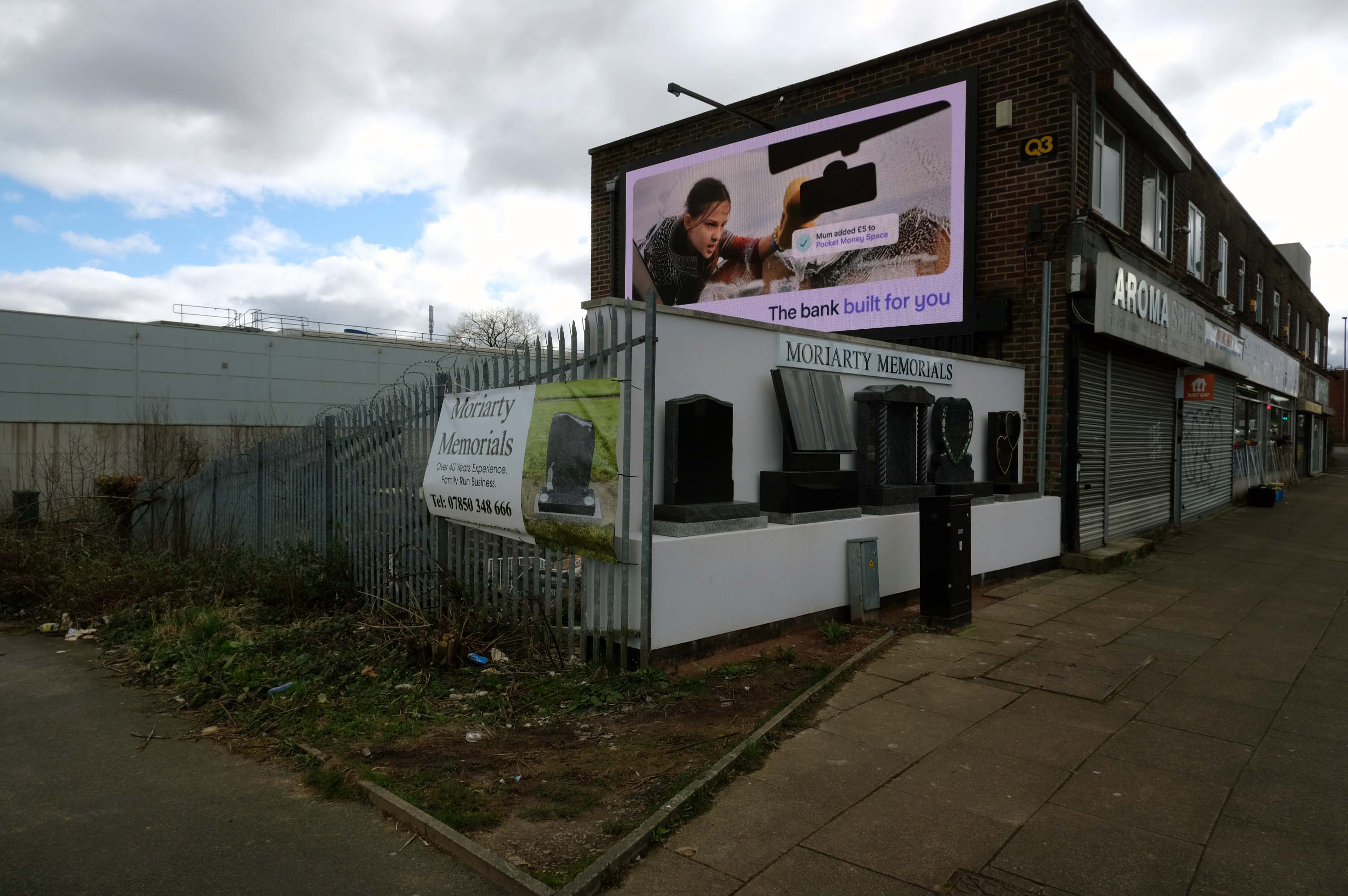
Manchester Arterial 2024 – A664

Having photographed the arterial roads of Manchester in 2014, I have resolved to return to the task in 2024.

Some things seem to have changed, some things seem to have stayed the same.

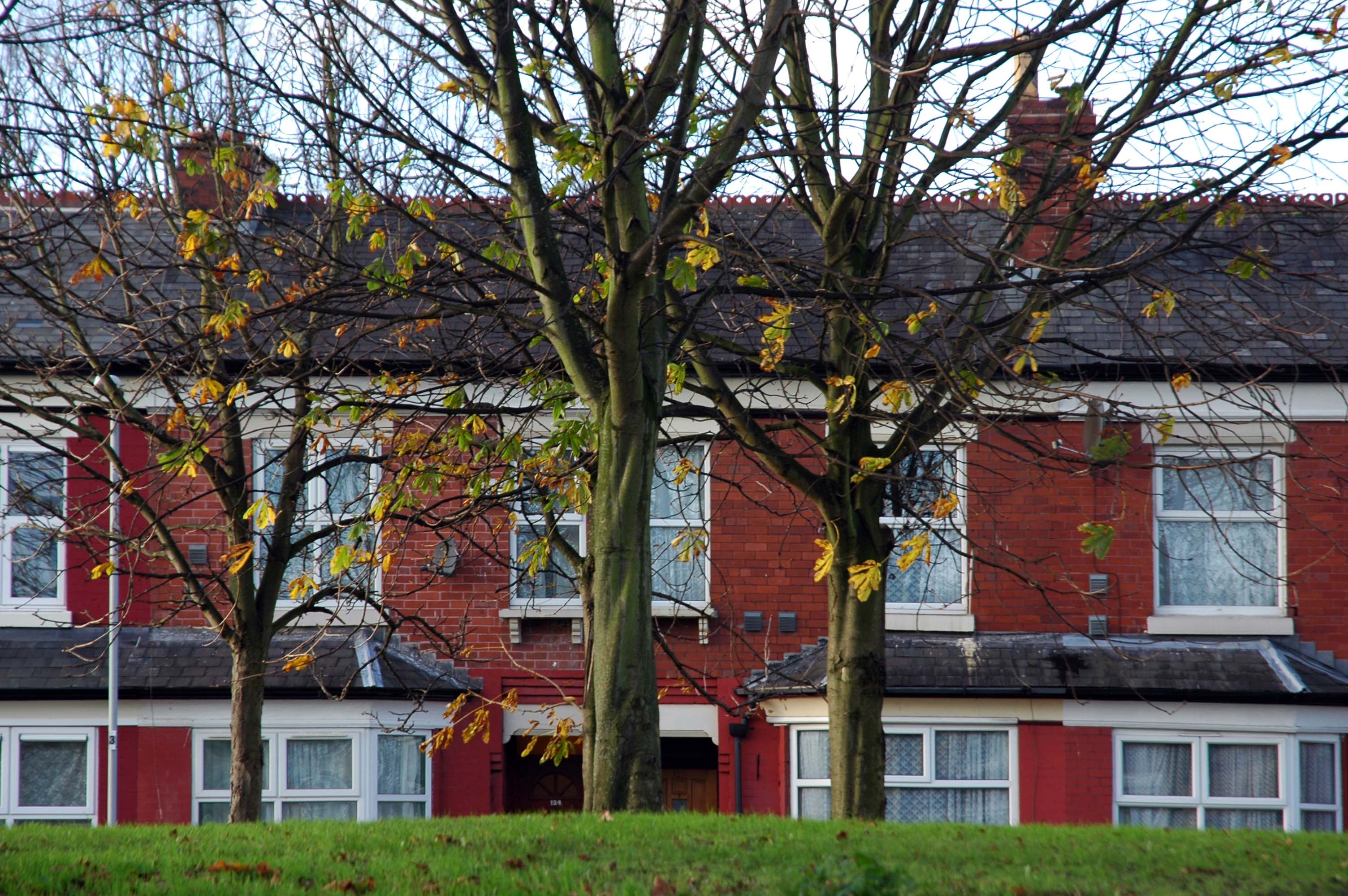
Pleasant Street Harpurhey – Manchester

Pleasant Street  Harpurhey M9 5XZ 

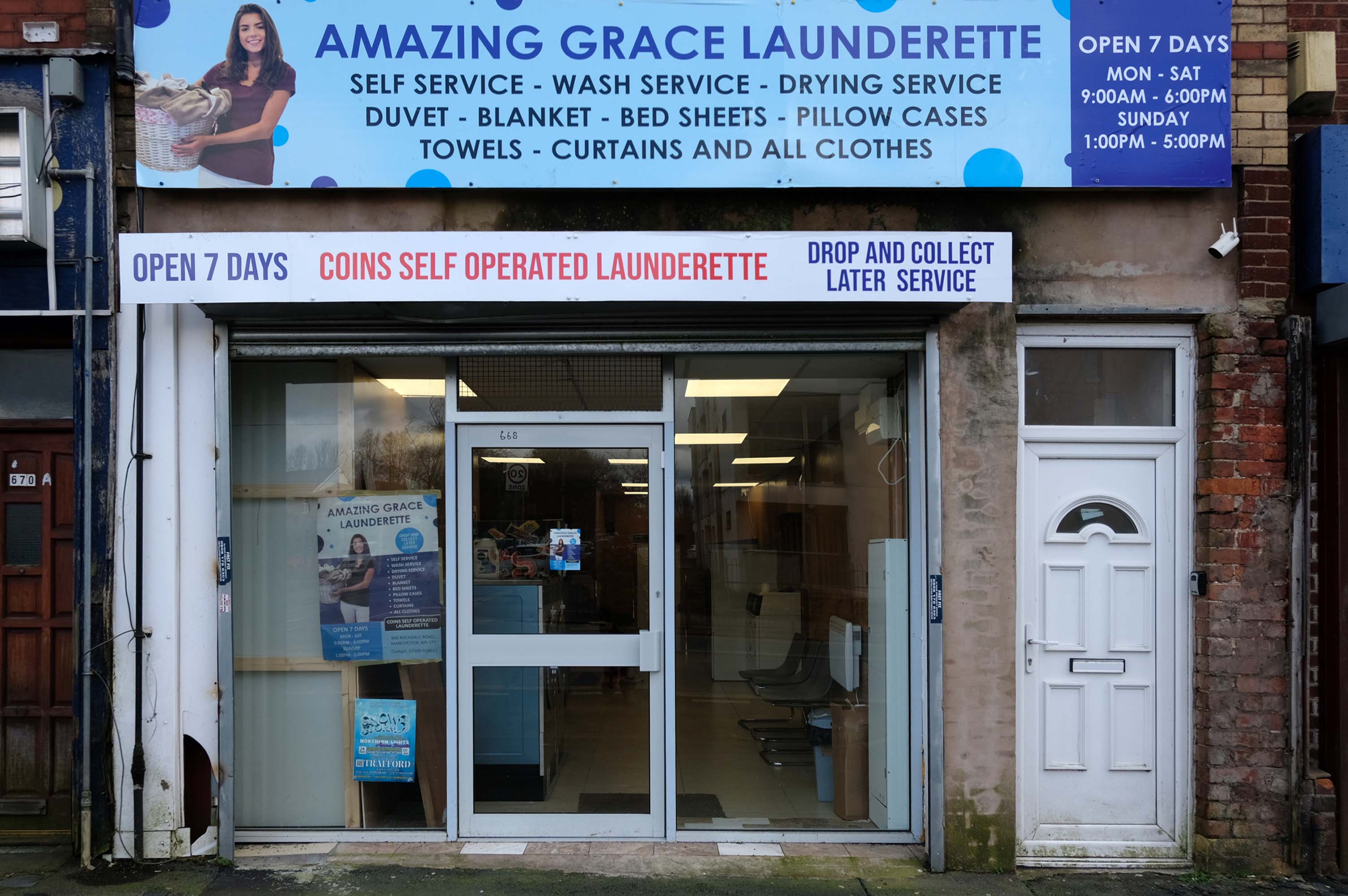
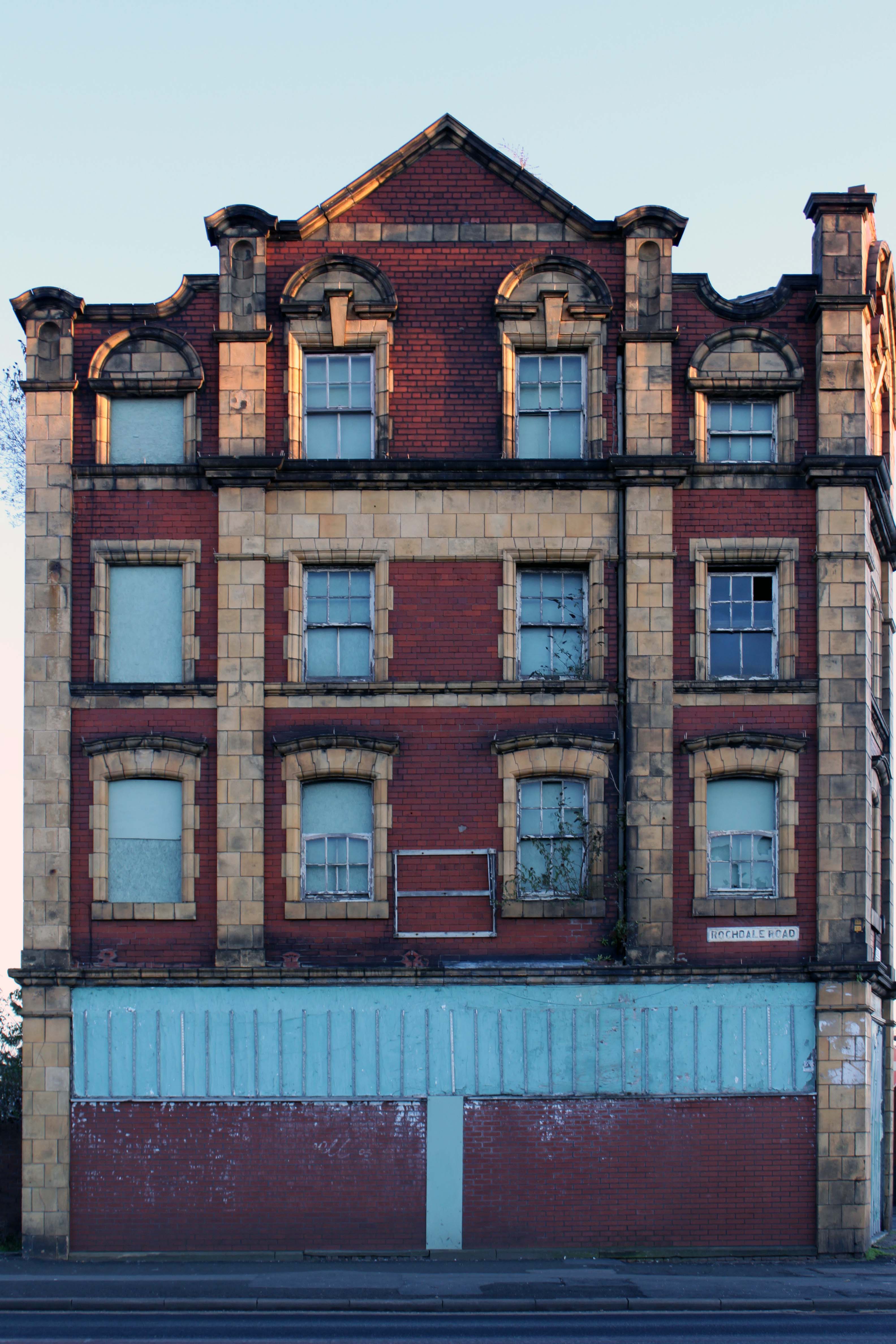
Walking along Rochdale Road yesterday, I was suddenly arrested by the Pleasant Street street sign.

Having already been suddenly arrested last week, by the Bland Close street sign.

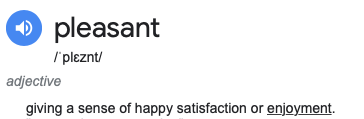
With my expectations defined by the above definition, I ventured along the street in search of happy satisfaction.

Coincidentally – The 18th century entrepreneur Josiah Wedgwood pioneered many of the marketing strategies used today, including the satisfaction or you money back guarantee, on the entire range of his pottery products. The money-back guarantee was also a major tool of early US mail order sales pioneers in the United States such as Richard Sears and Powel Crosley Jr. to win the confidence of consumers.
It is also a top tune by Harold Melvin and the Bluenotes!

In 1958 the street looked just like this:

Photo – L Kaye

Whilst ten tears later it looked just like this:

Photos – LH Price

Manchester Local Image Collection

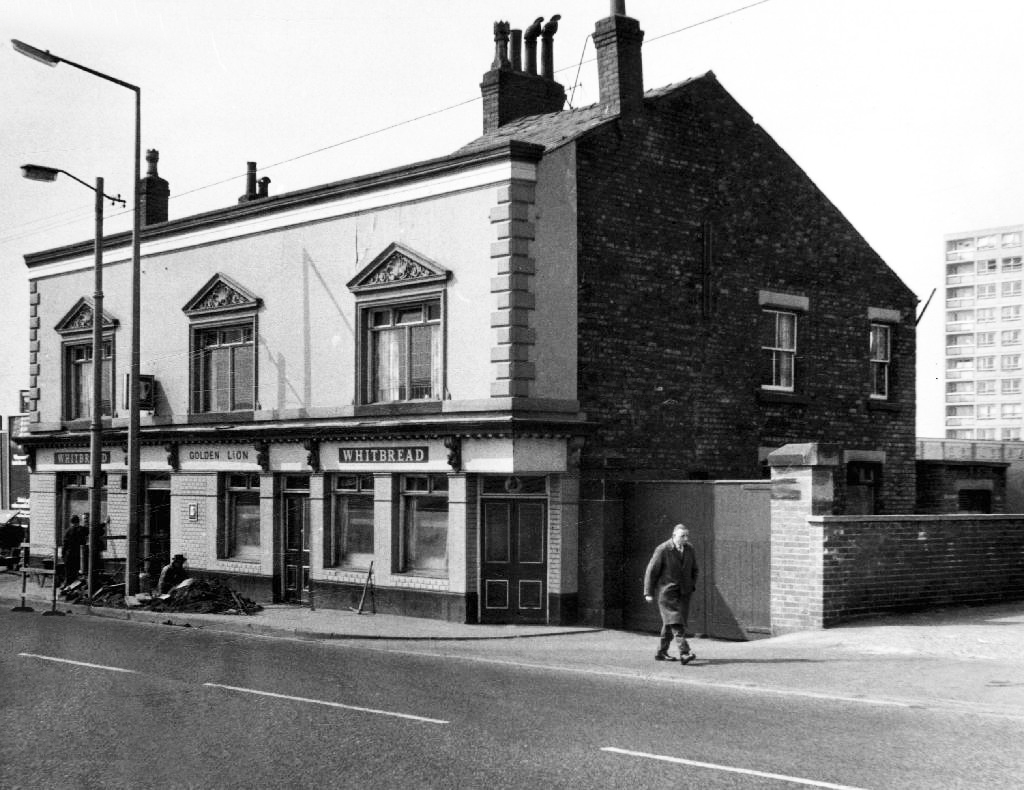
However at someone between 1968 and 2024 the housing had been cleared away – also missing in action is the Golden Lion pub adjoining Pleasant Street on Rochdale Road.

The Golden Lion was a proper old pub on the very busy rochdale road in the Harpurhey area of Manchester. Once inside there was a decent lounge and a basic bar i had a drink in the lounge and this was quite a comfy room.


This pub was a Whitbread tied house and there were two real ales on the bar I had a drink of Chesters bitter and this was a nice drink the other beer was Chesters mild. I thought this was quite a nice pub but sadly this pub has now been pulled down in the name of progress.
Alan Winfield – 1992

So here we are here today – yesterday has long gone and tomorrow never knows no how.
What’s left to see?

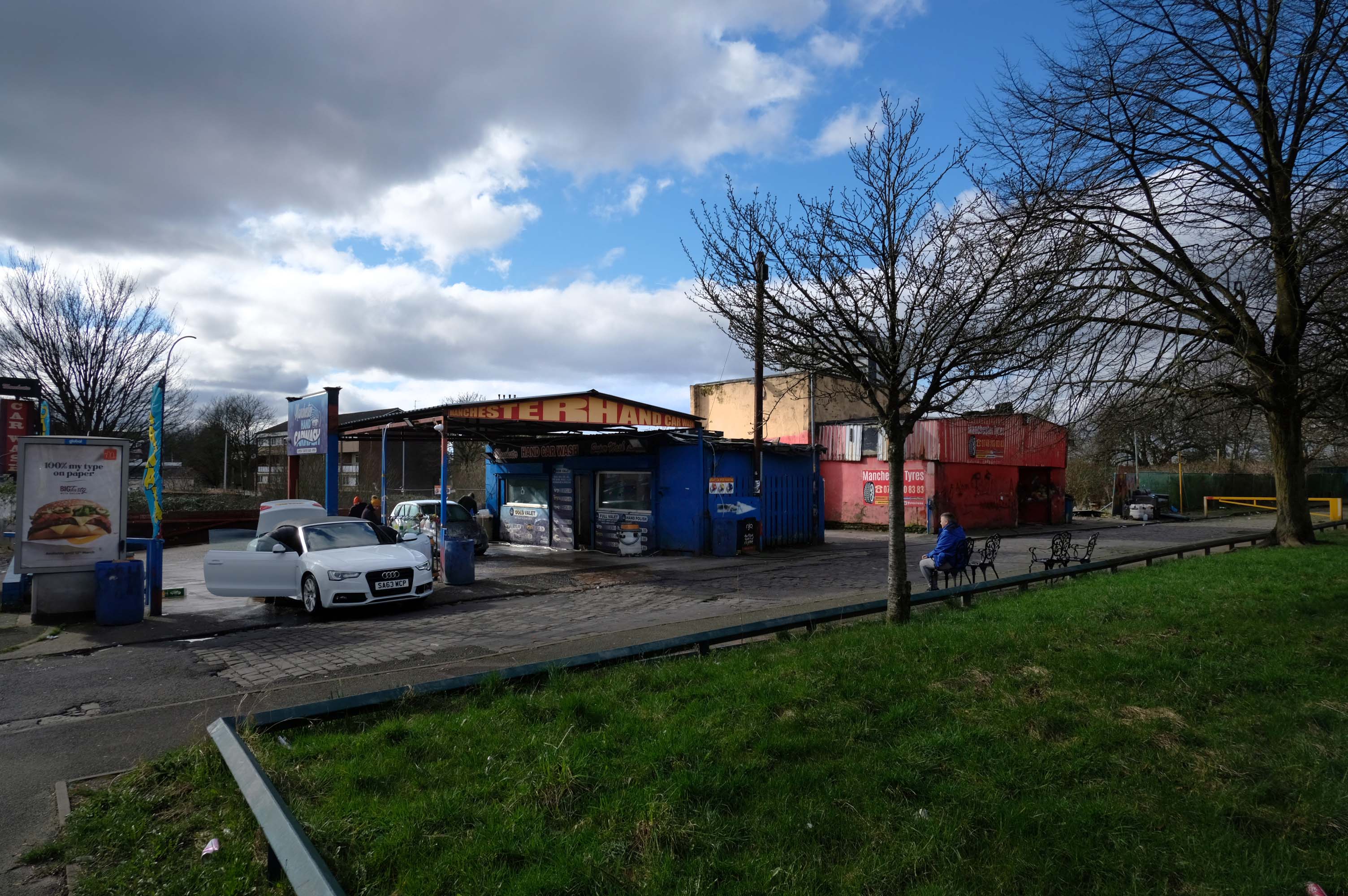
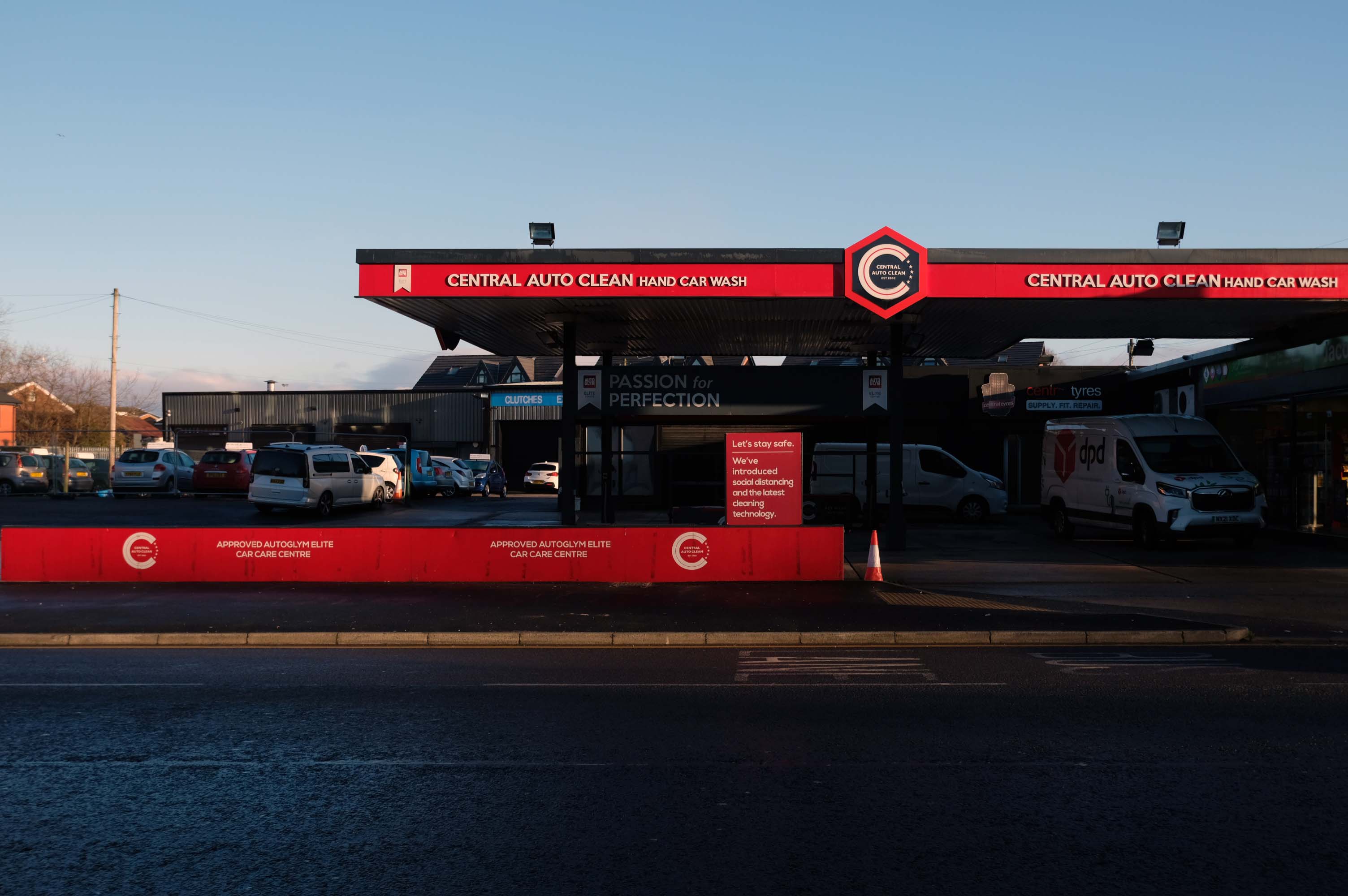
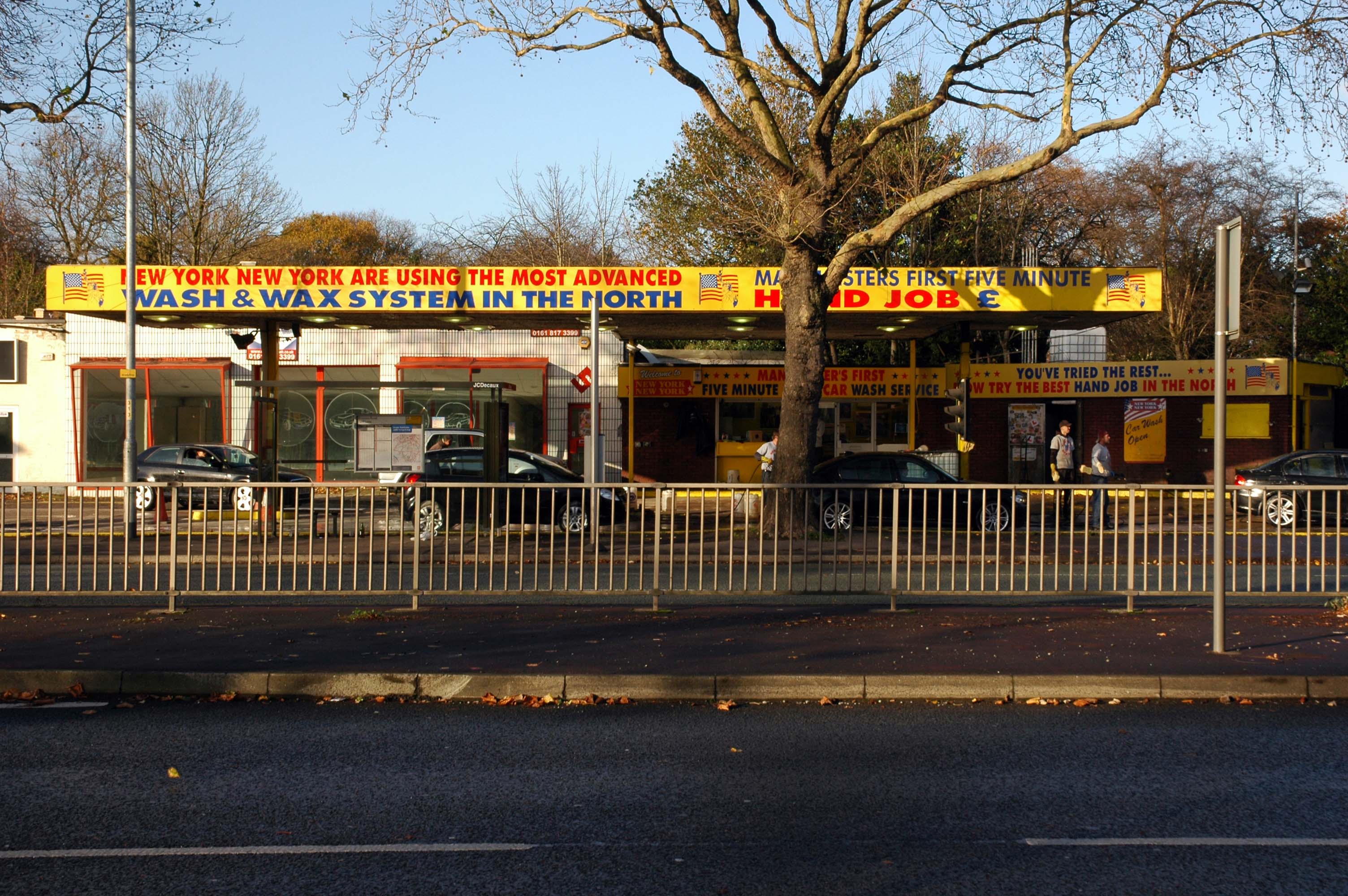
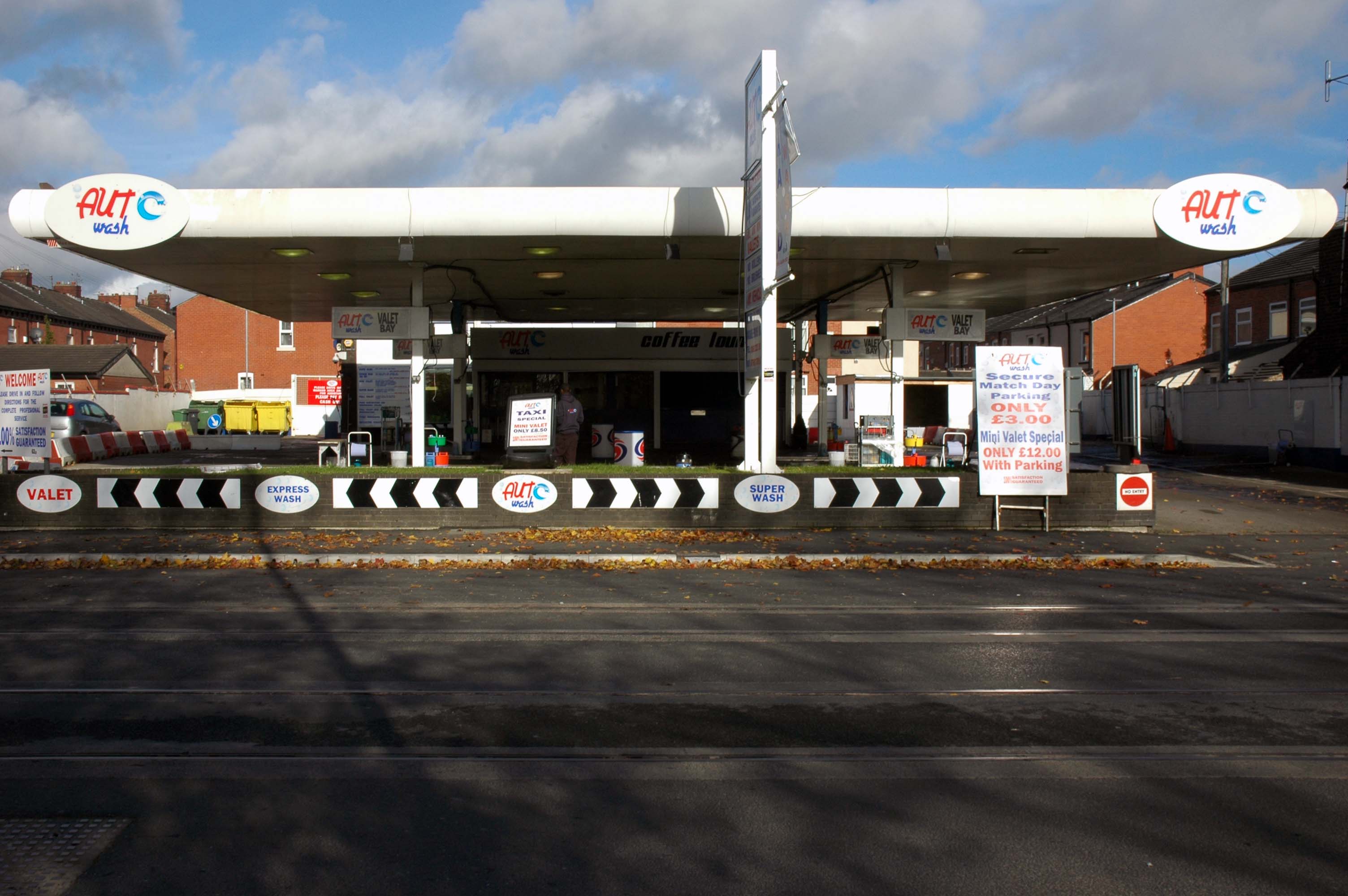
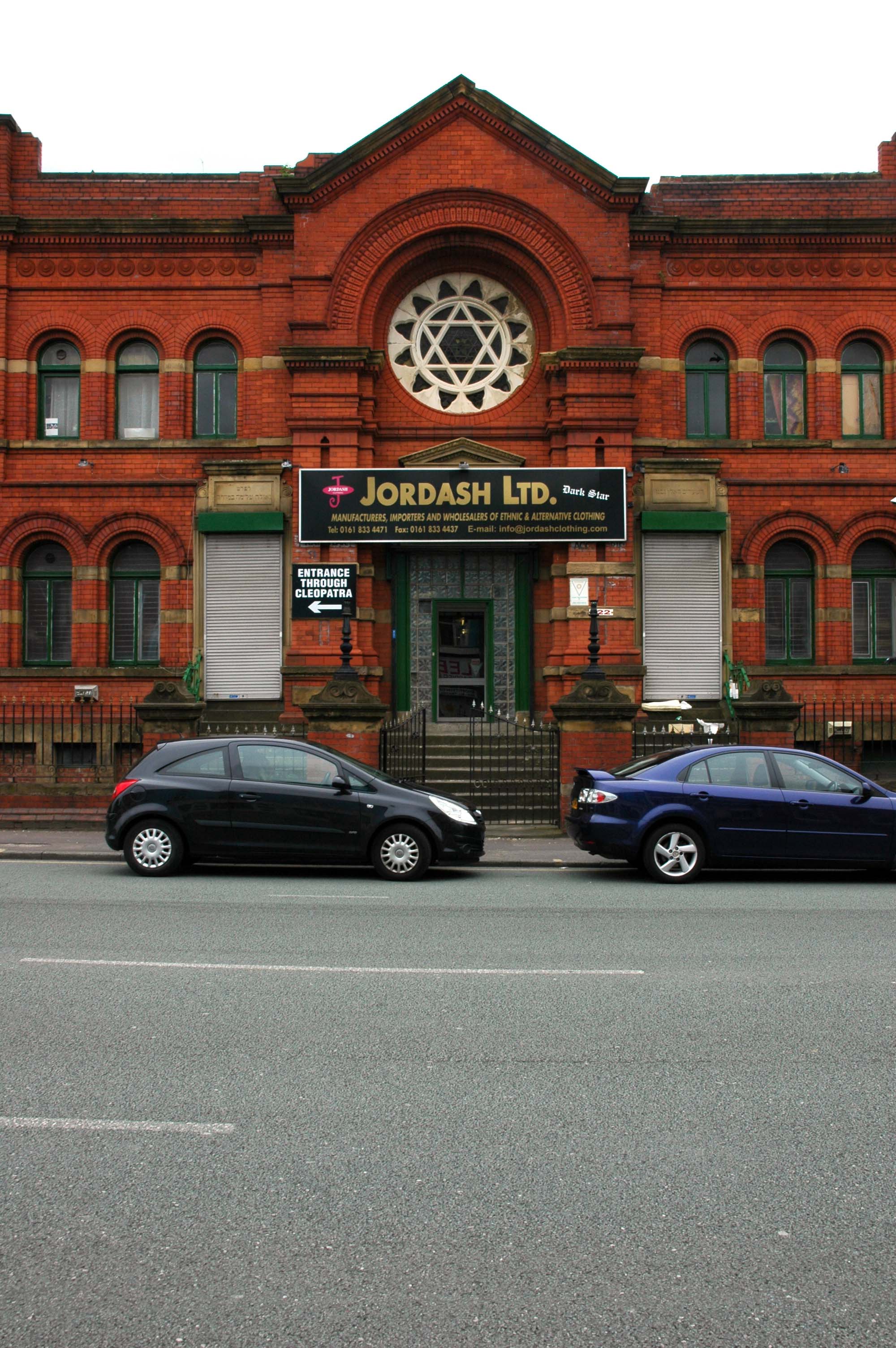
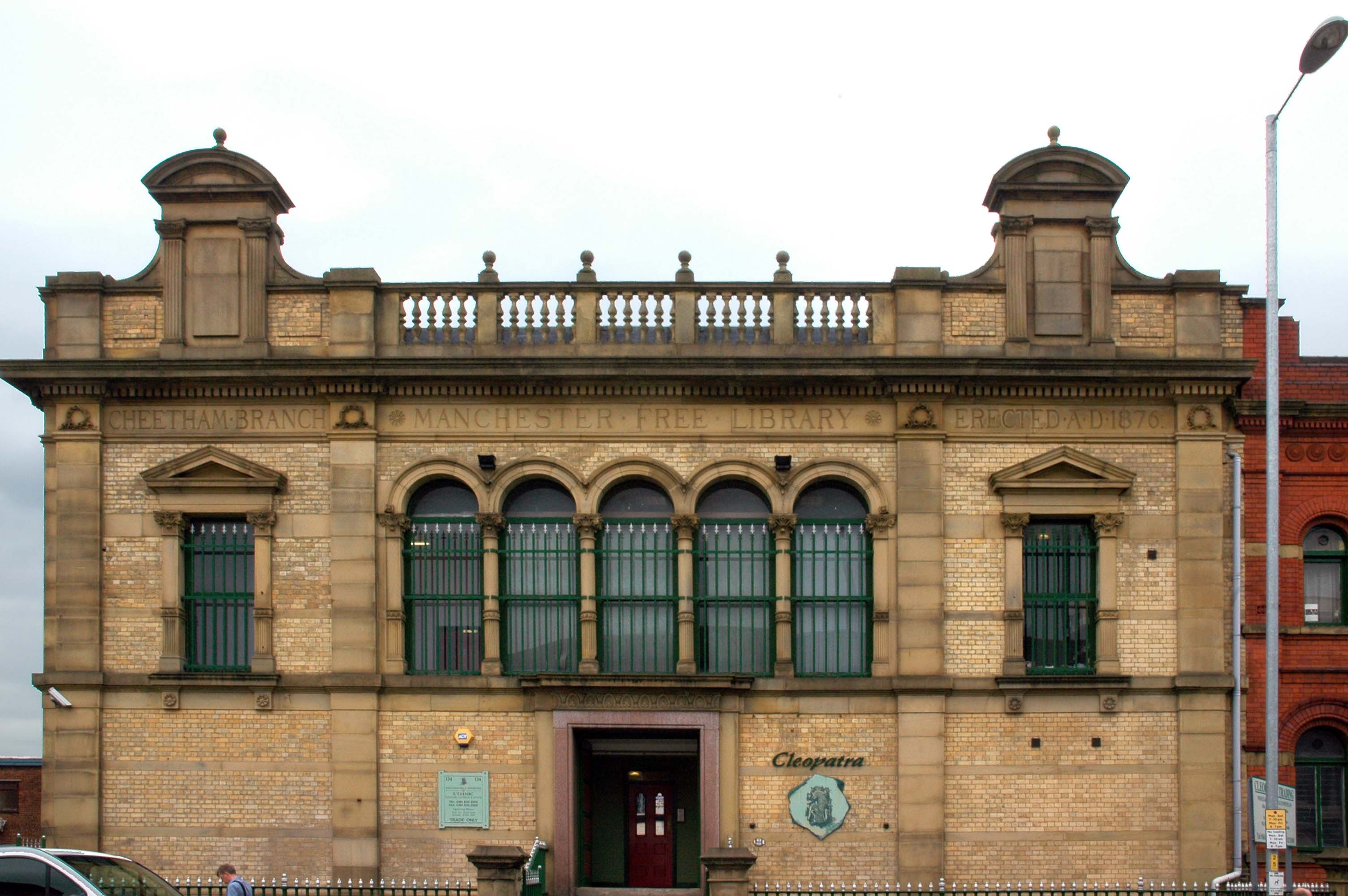
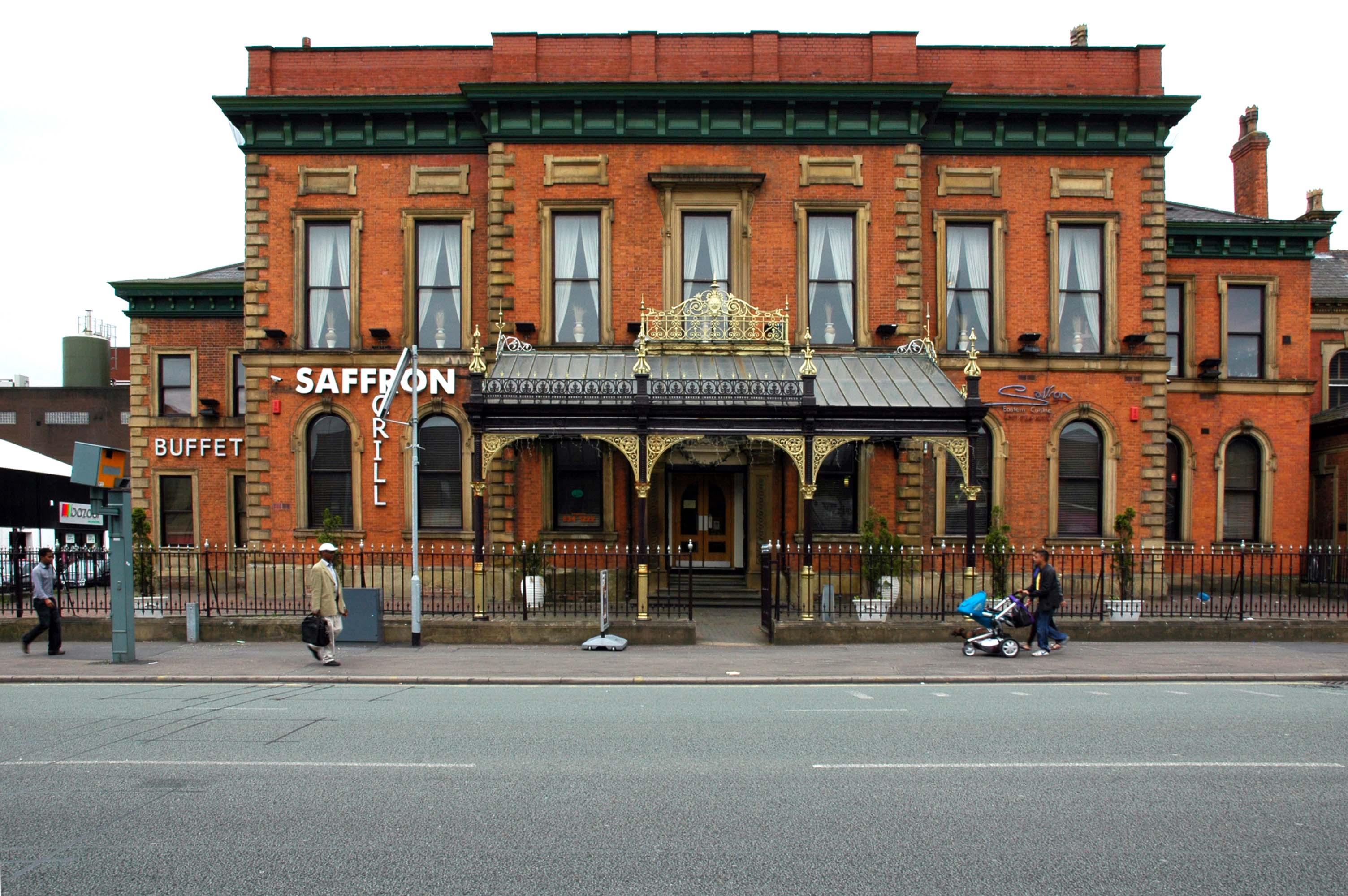
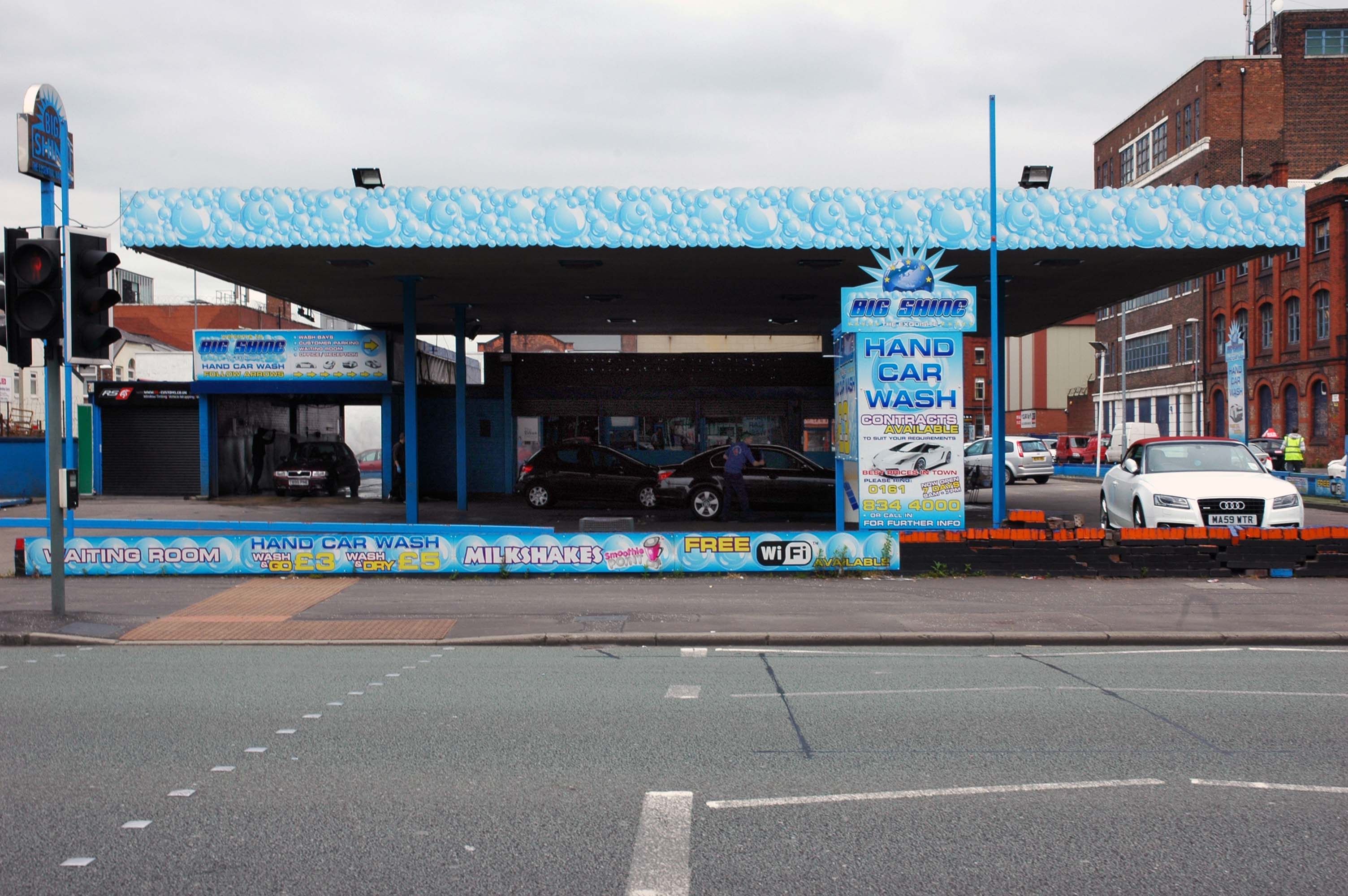
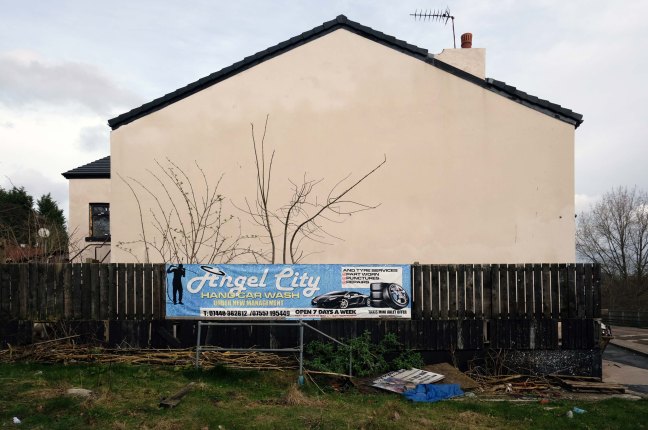
Manchester Hand Car Wash

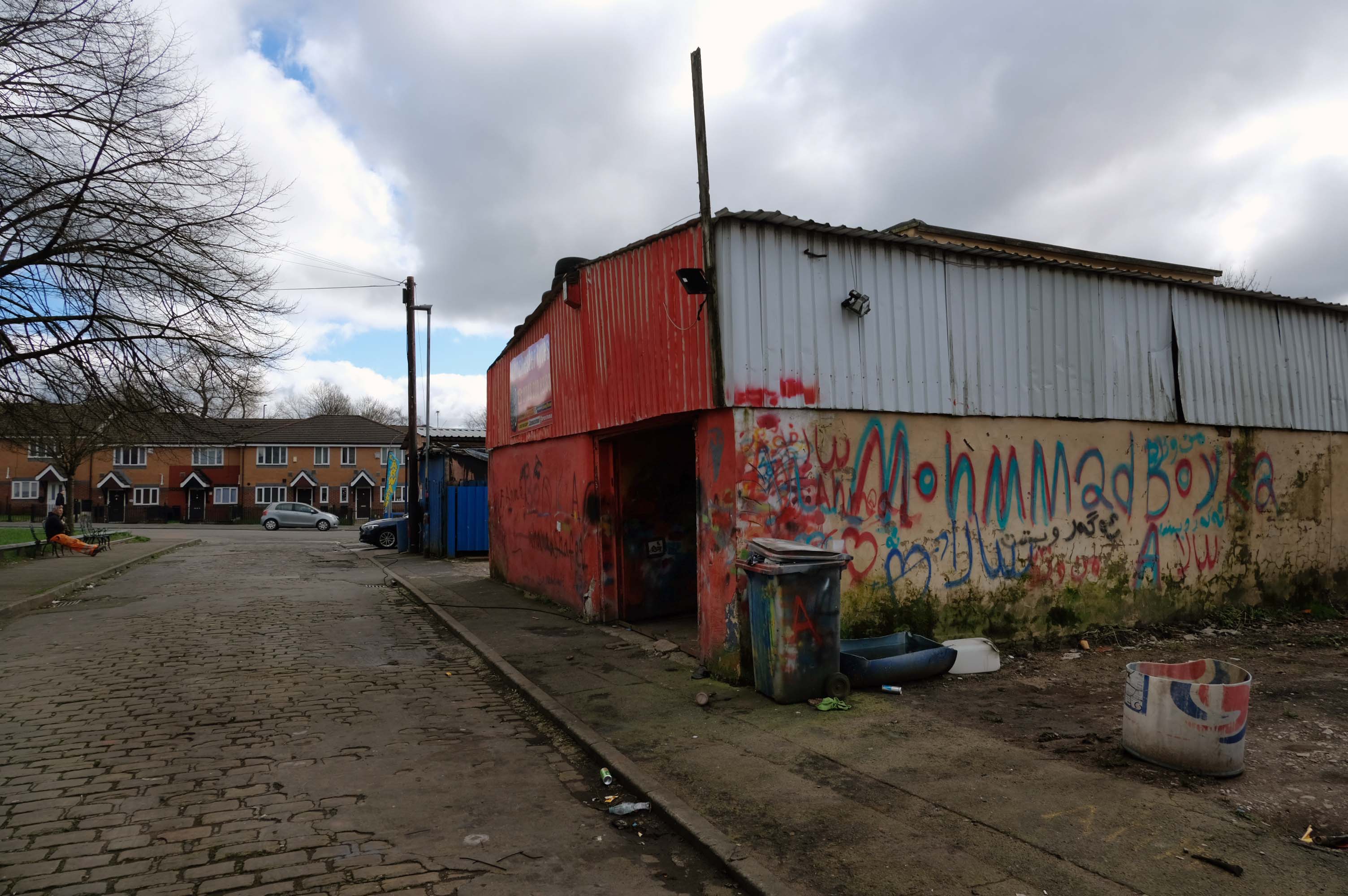
Manchester Tyres

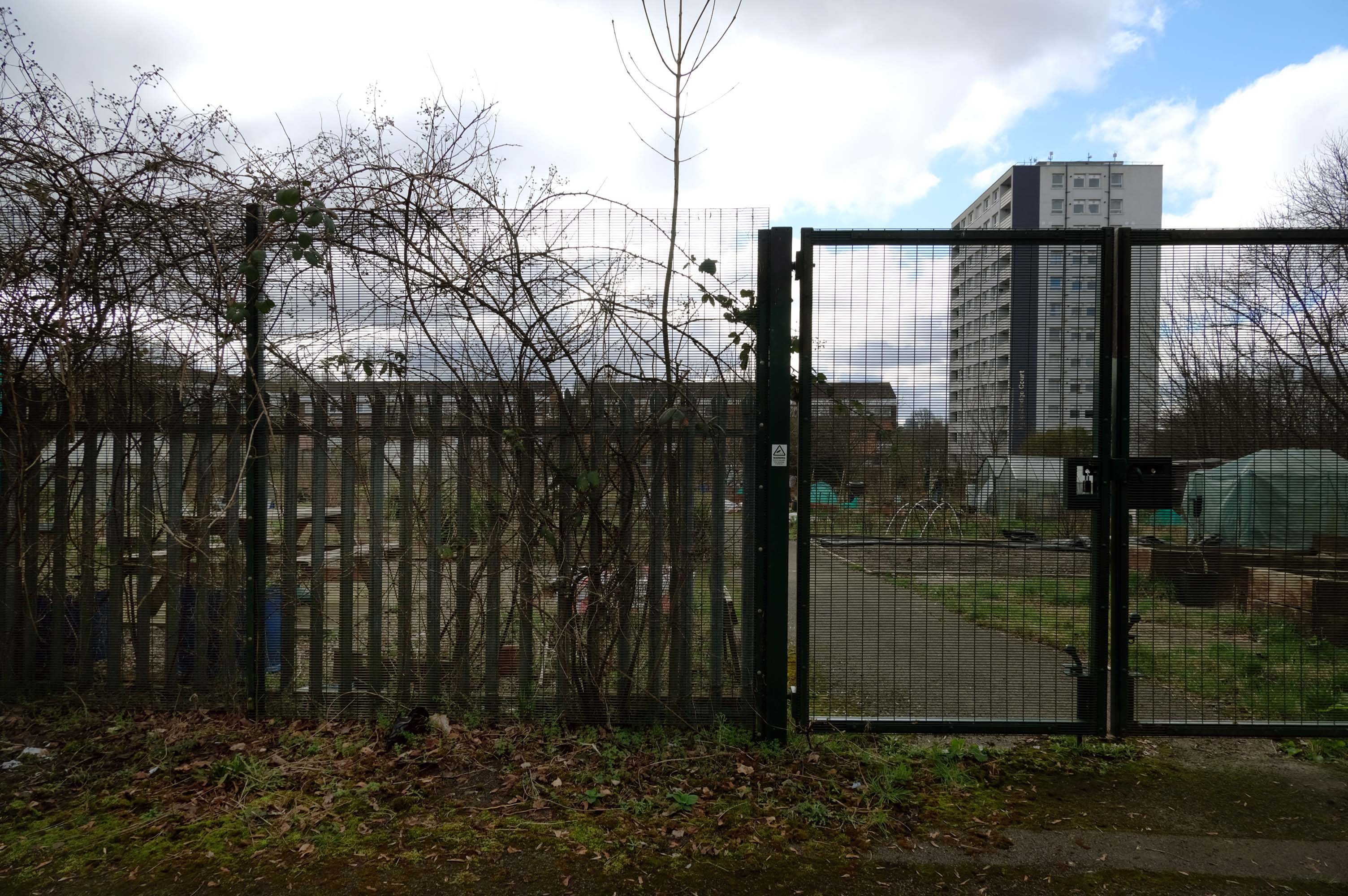
Pleasant Street Allotments

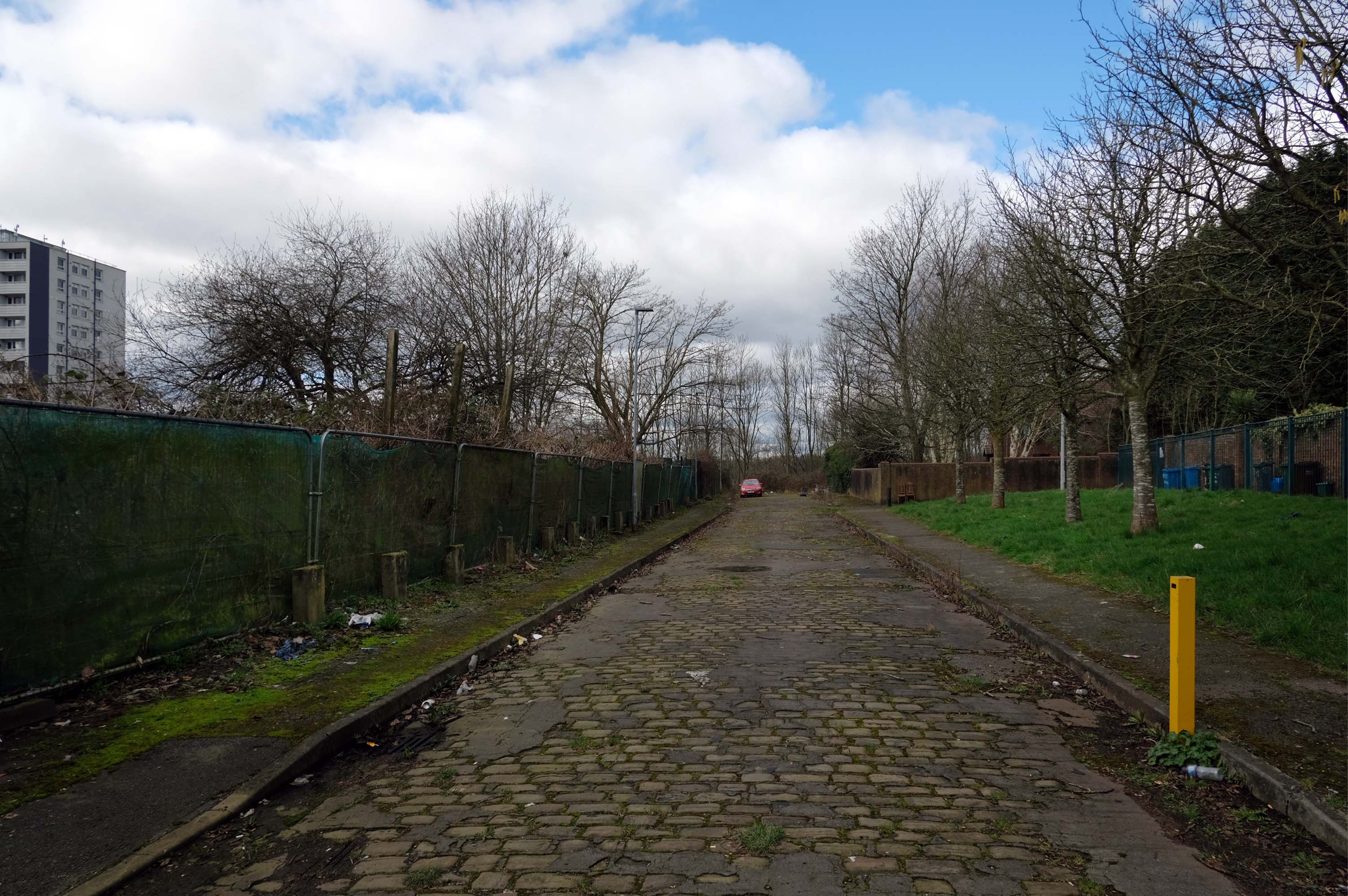
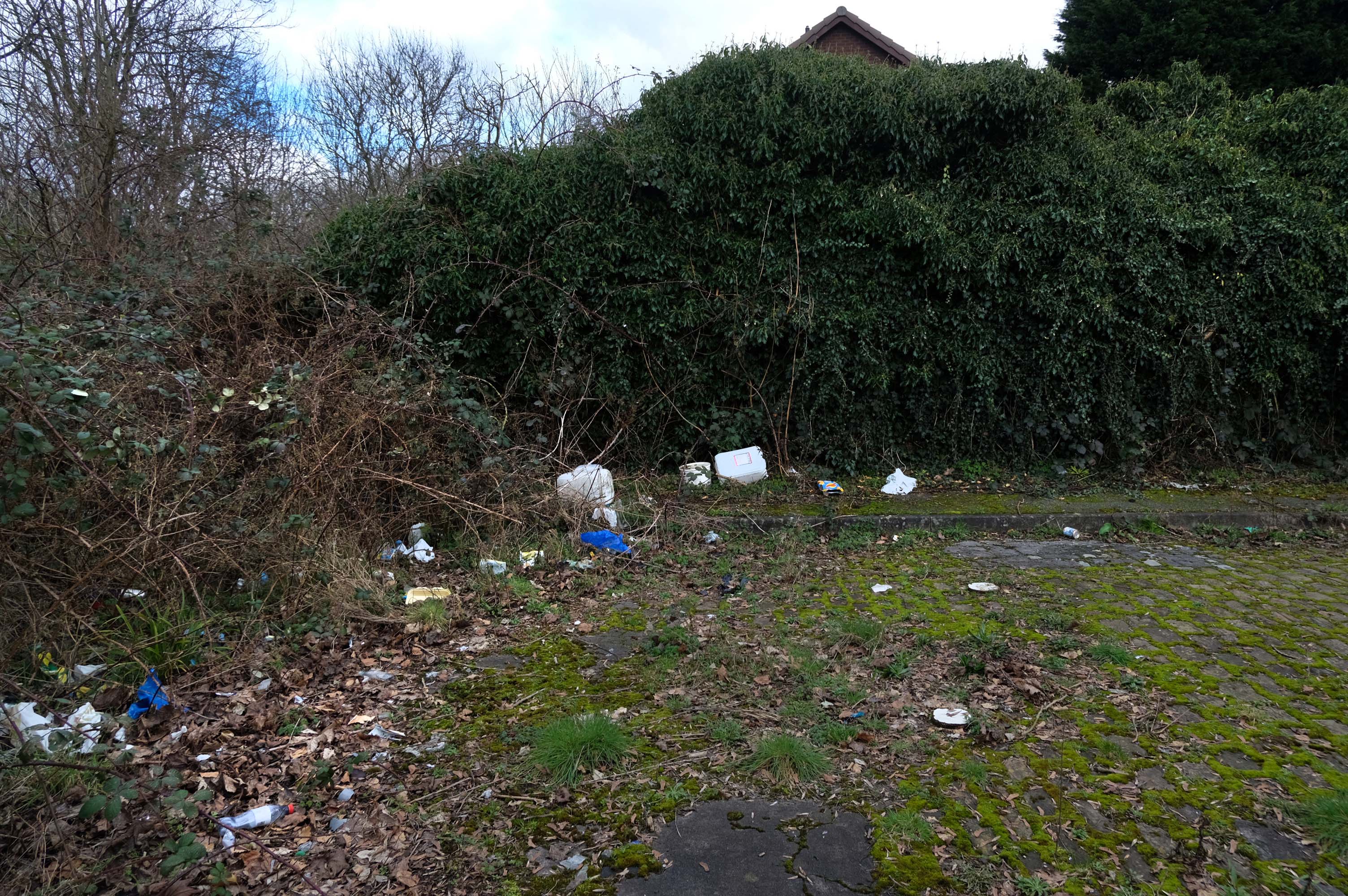
The allotments have had issues with fly tipping back in 2021.

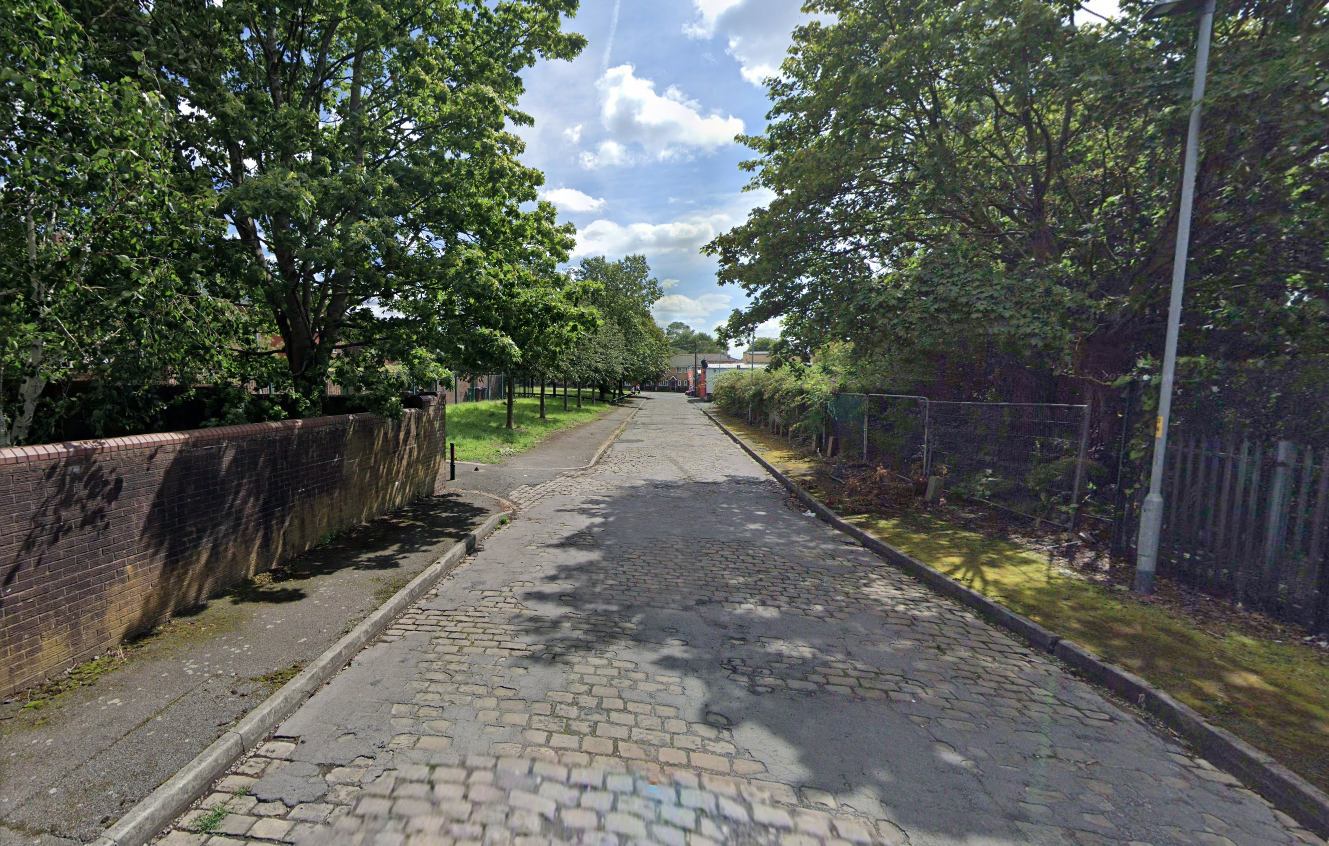
There is now a lockable barrier in place on the cobbled cul-de-sac.

Photo – Howard Bristol

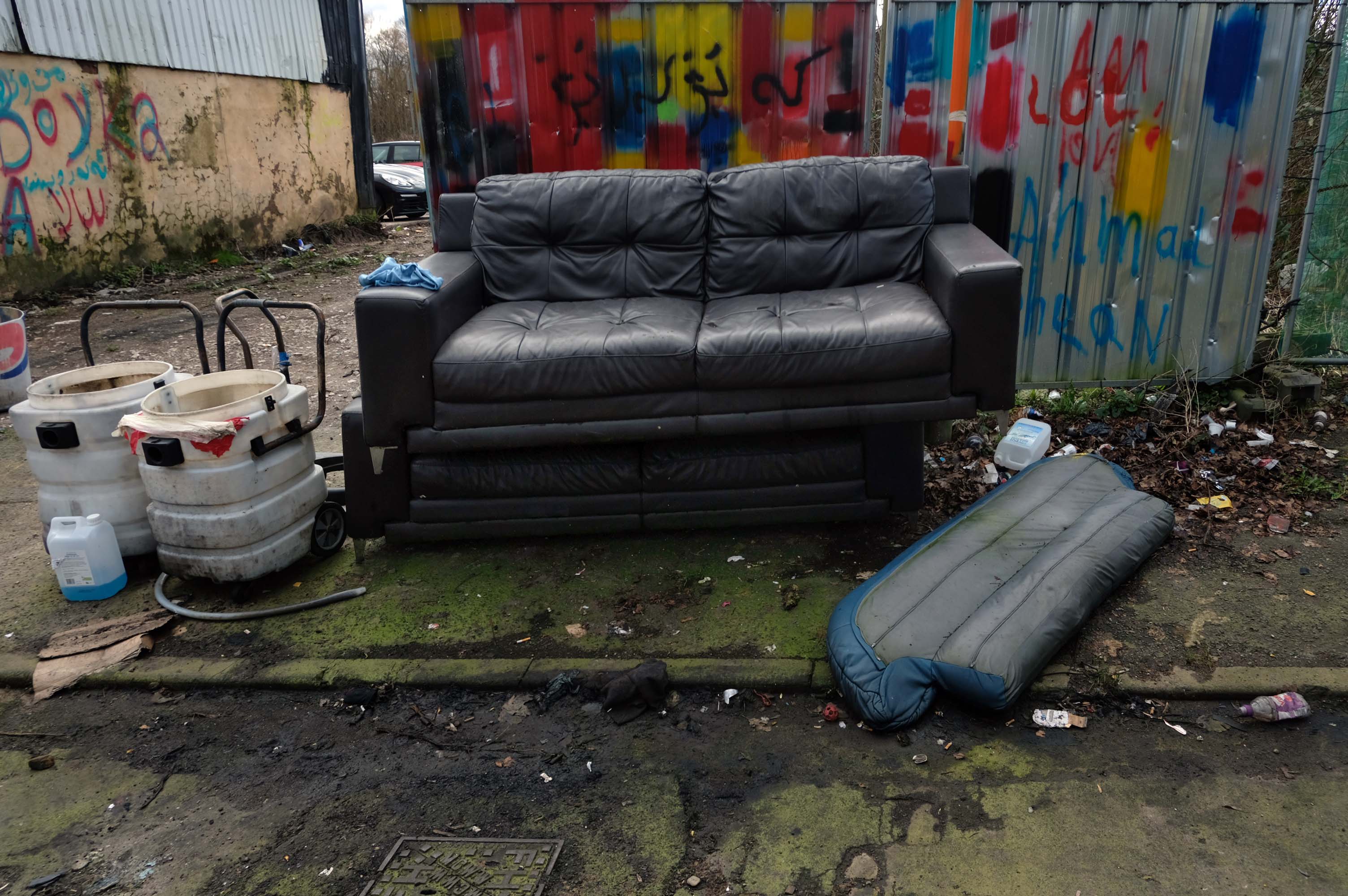
It is understood that the heaps of rubbish, including bin bags full of waste and unwanted wood and cardboard, have been growing in recent weeks.

Howard Bristol, the Secretary of the Pleasant Street allotments committee, said the situation has been ongoing for some time but has worsened since the removal of nearby CCTV cameras.

He told the Evening News that the road has been – piling high with rubbish, and that the area also had issues with the woodland behind the allotments being used for drug dealing during summer.

Pat Karney, councillor for Harpurhey tweeted about the flytipping on Sunday, calling it – unbelievable and disgraceful.

He added that those responsible should be – locked up in Strangeways for a long time, before adding that the council will – get it cleared.

Manchester Evening News

How pleasant is/was Pleasant Street?

Google says wait until there are trees are in leaf and the sun shines in the bright blue sky.

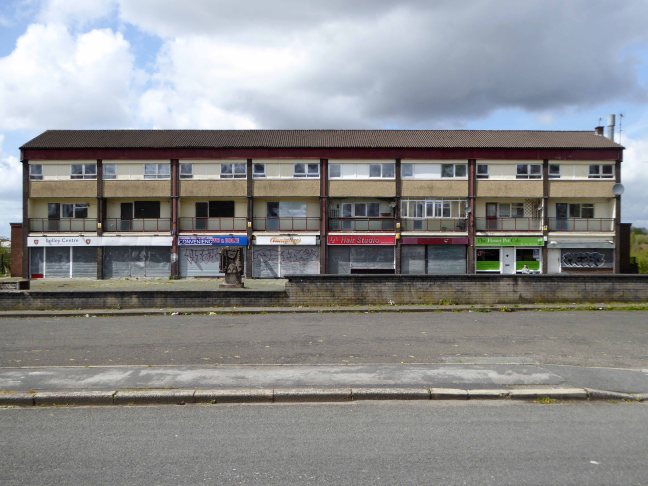
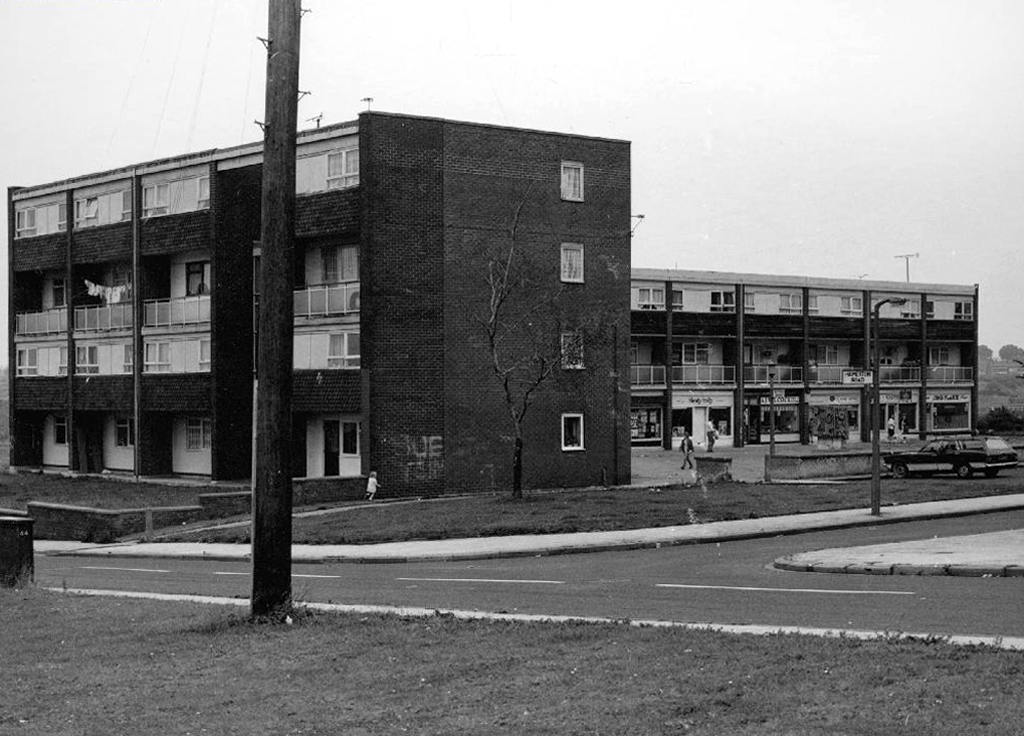
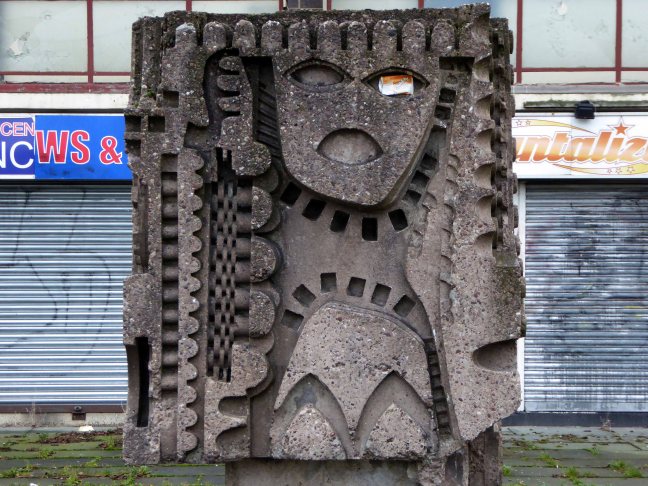
Eastford Square Collyhurst – William Mitchell

It was 2016 when I first stopped to snap and blog – the shops, homes and William Mitchell concrete sculpture.

By then the missing housing block was already missing.

Returning in 2018 the shops are now shut and the homes stand empty.

In 2019 there’s still nobody home, but the totem is in place.

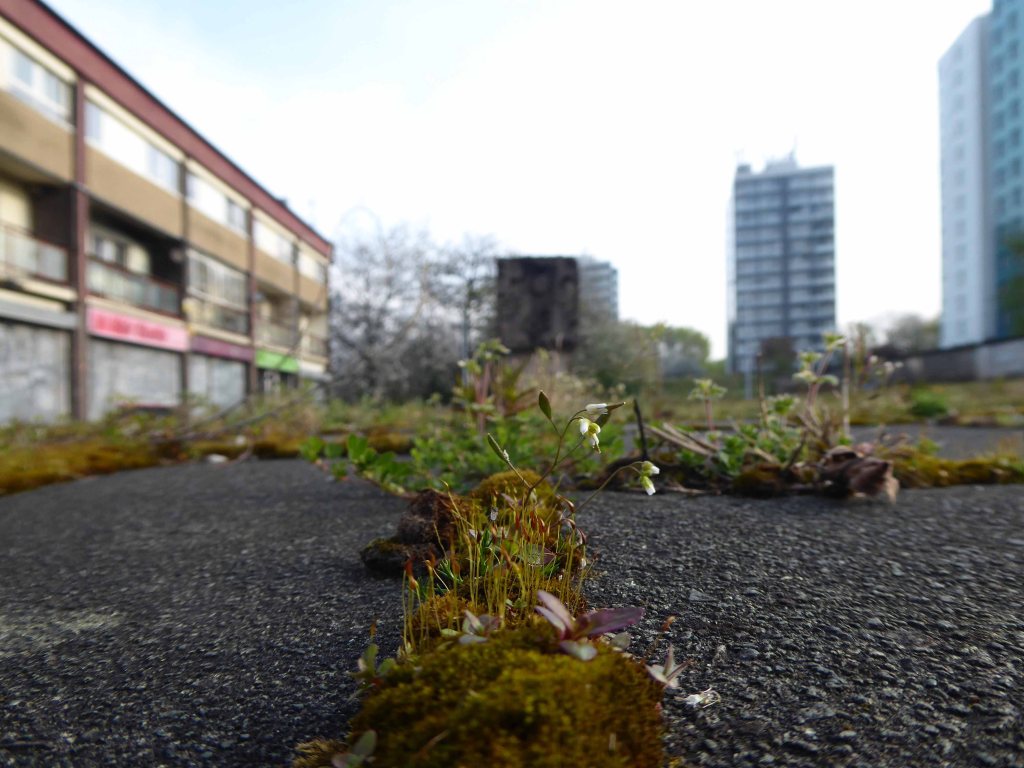
In 2020 the undergrowth has grown over the square.

It’s 2021 and stasis is the order of the day.

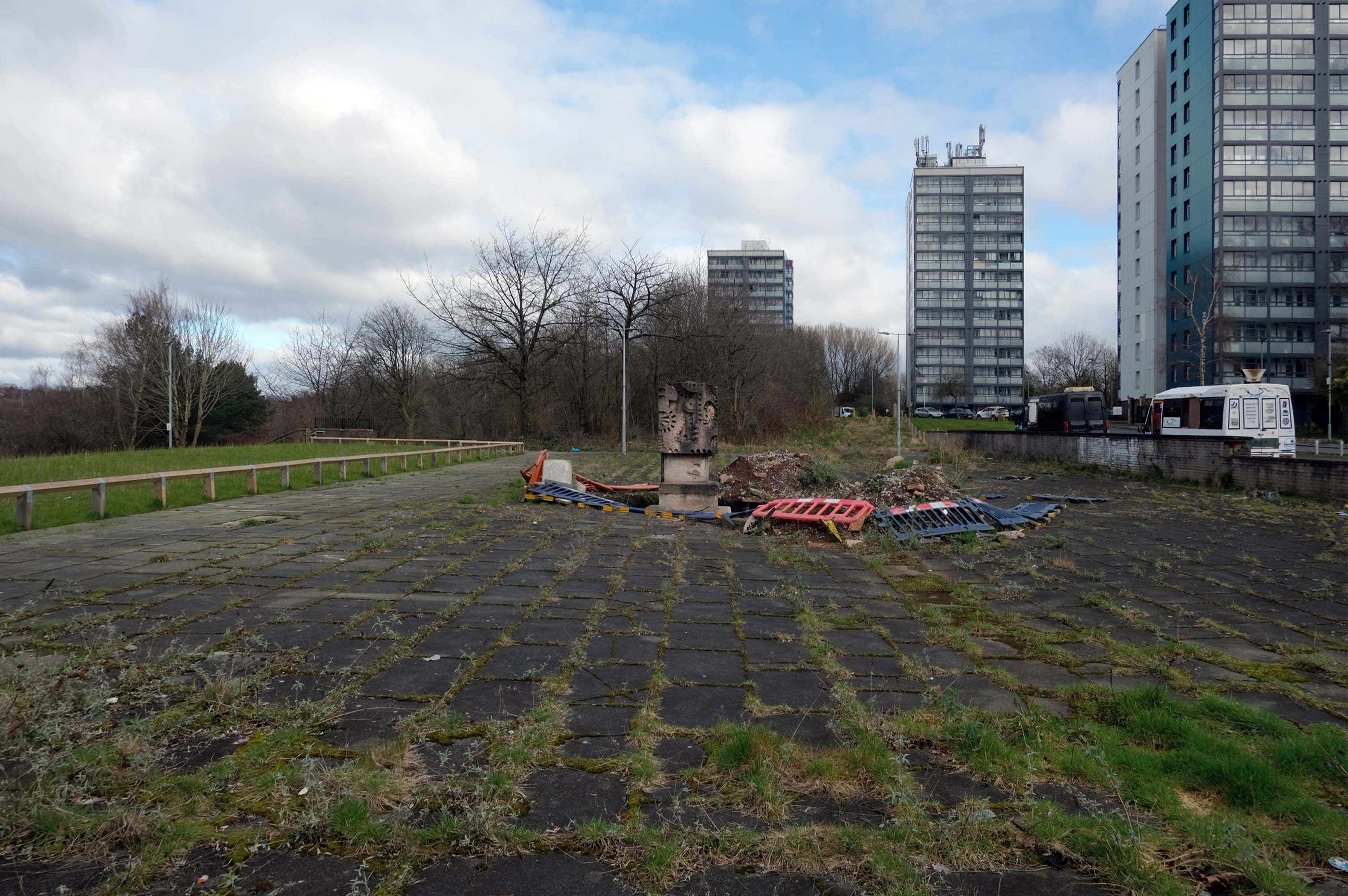
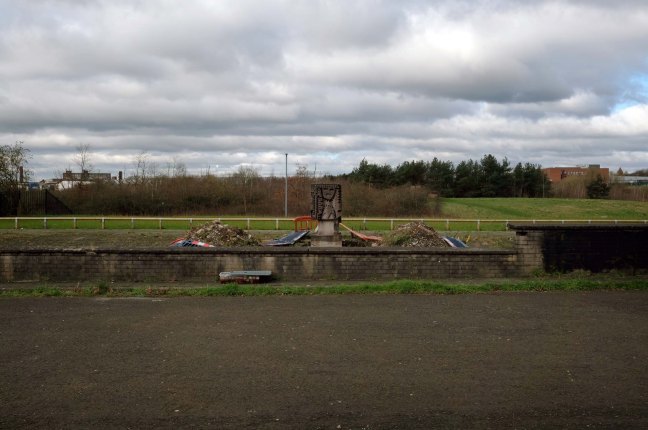
Fast forward to 2023 and the shops and homes are finally demolished – the totem still still in place.

The base has been dug out and the sculpture awaits removal to the adjacent flats.

I was told that one estimate for the job was £120,000 – given its weight and location over railway tunnels.

So as of today today 26th February 2024 – ain’t nothing shaking but the weeds twixt the flags.

Oldham Road Pubs – Manchester

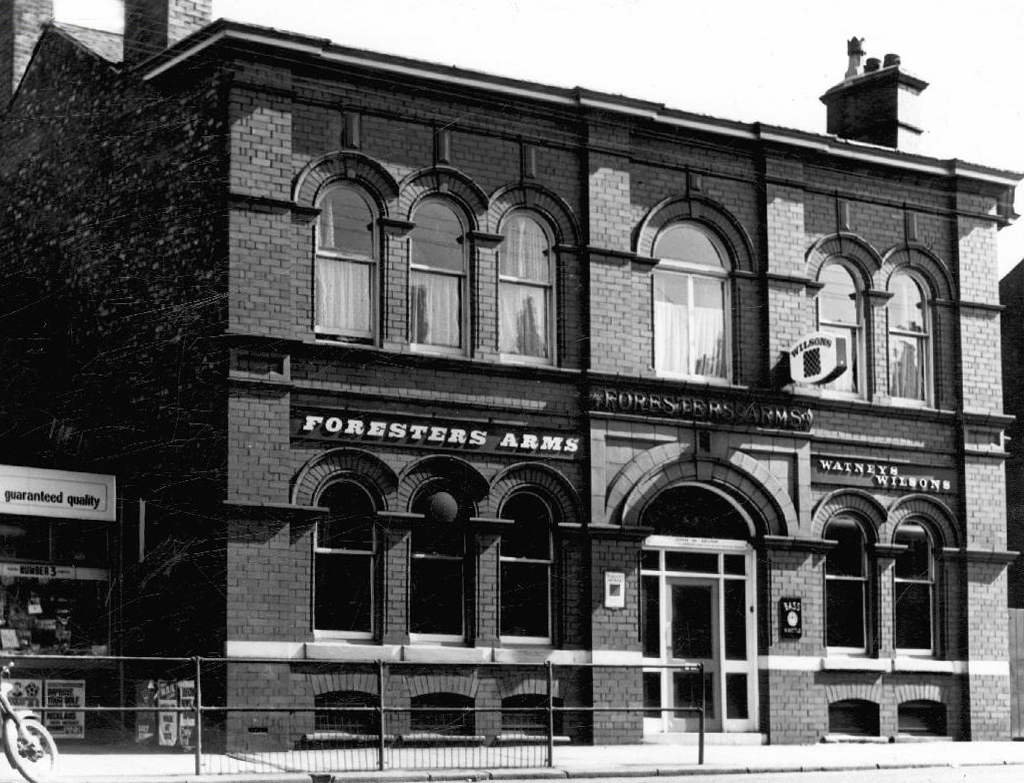
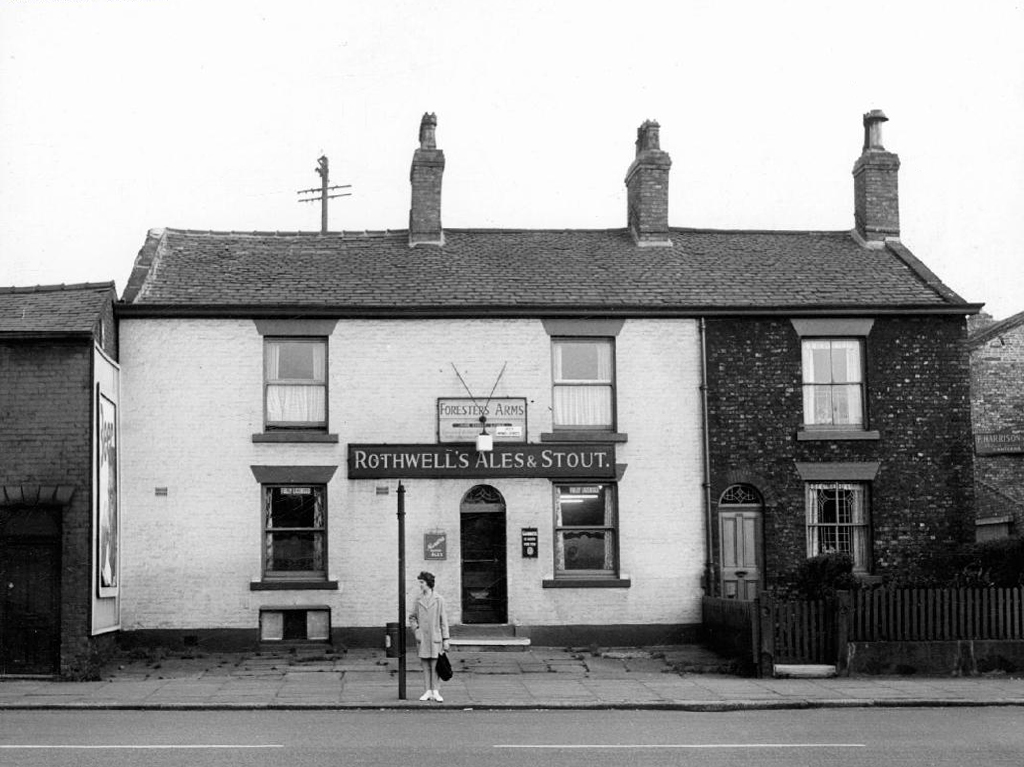
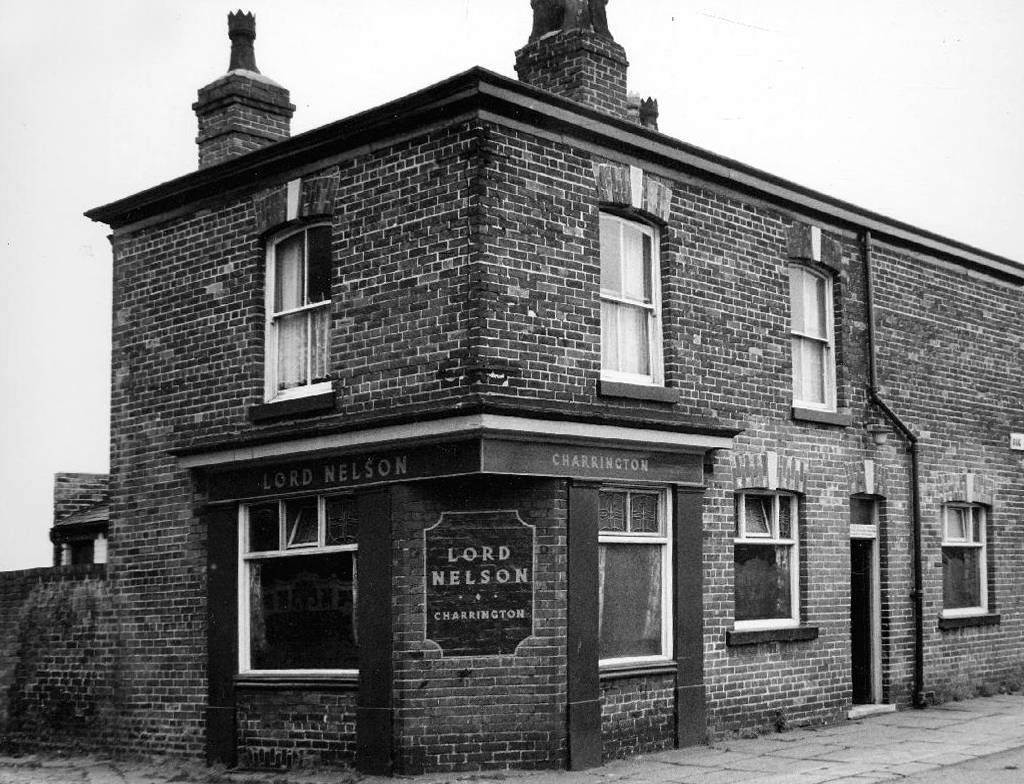
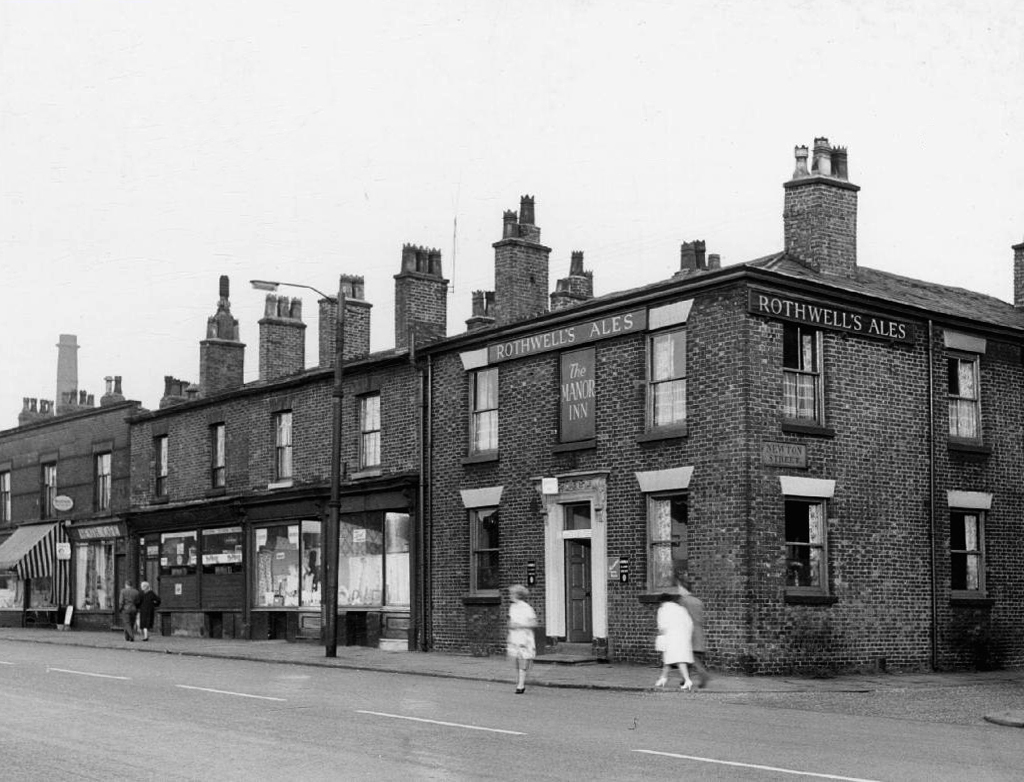
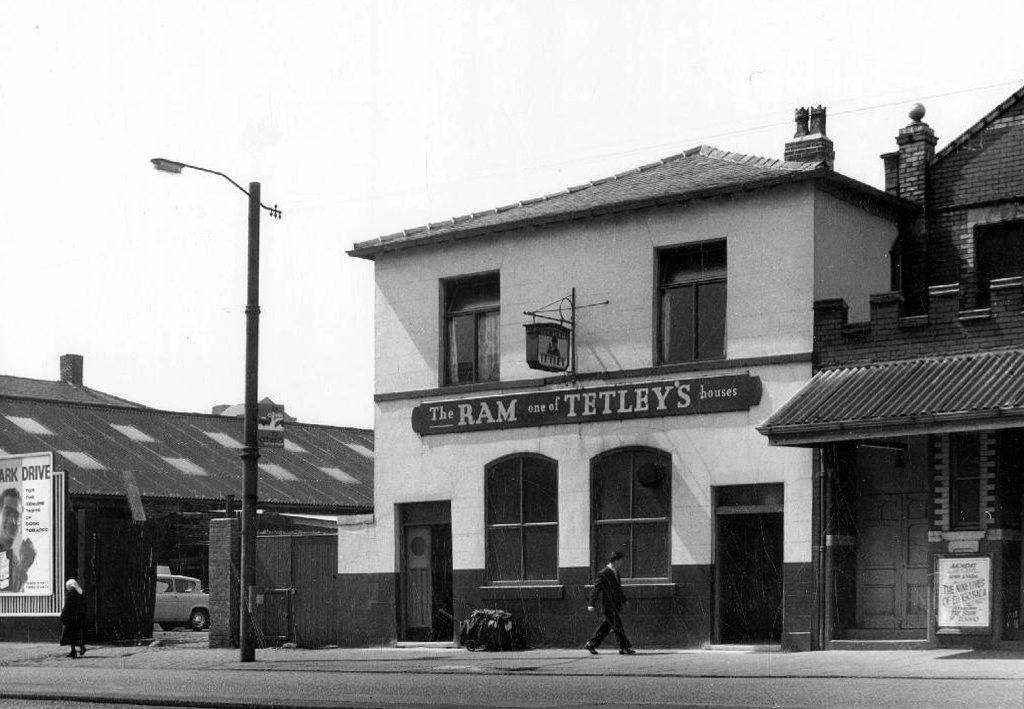
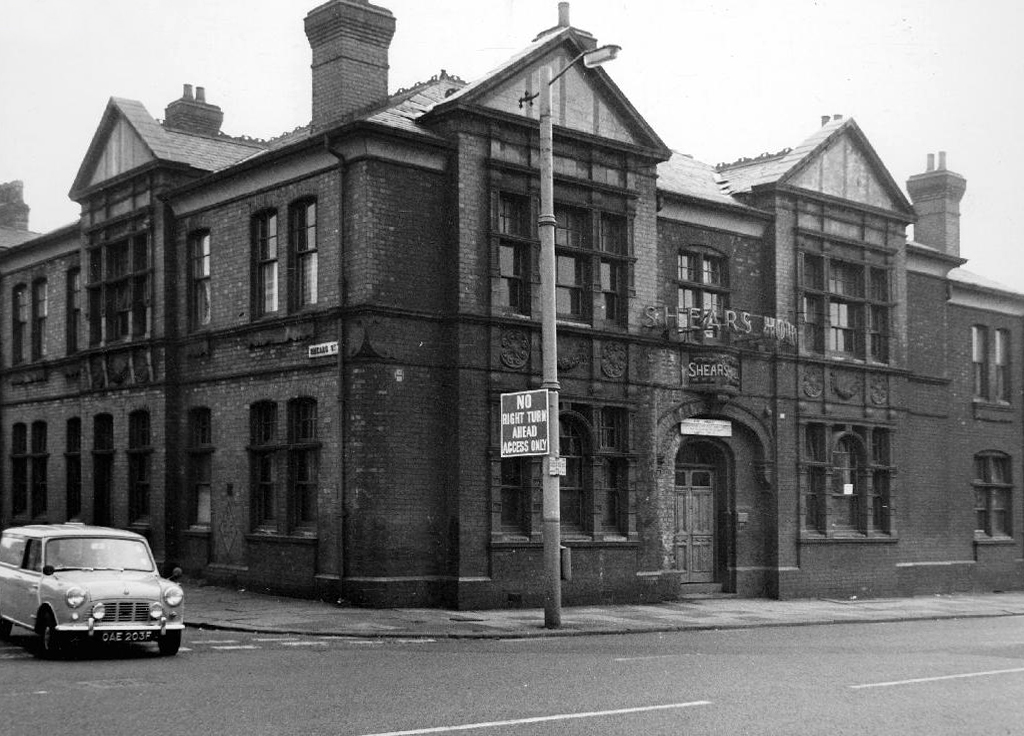
This is Oldham Road Manchester – this also Memory Lane.

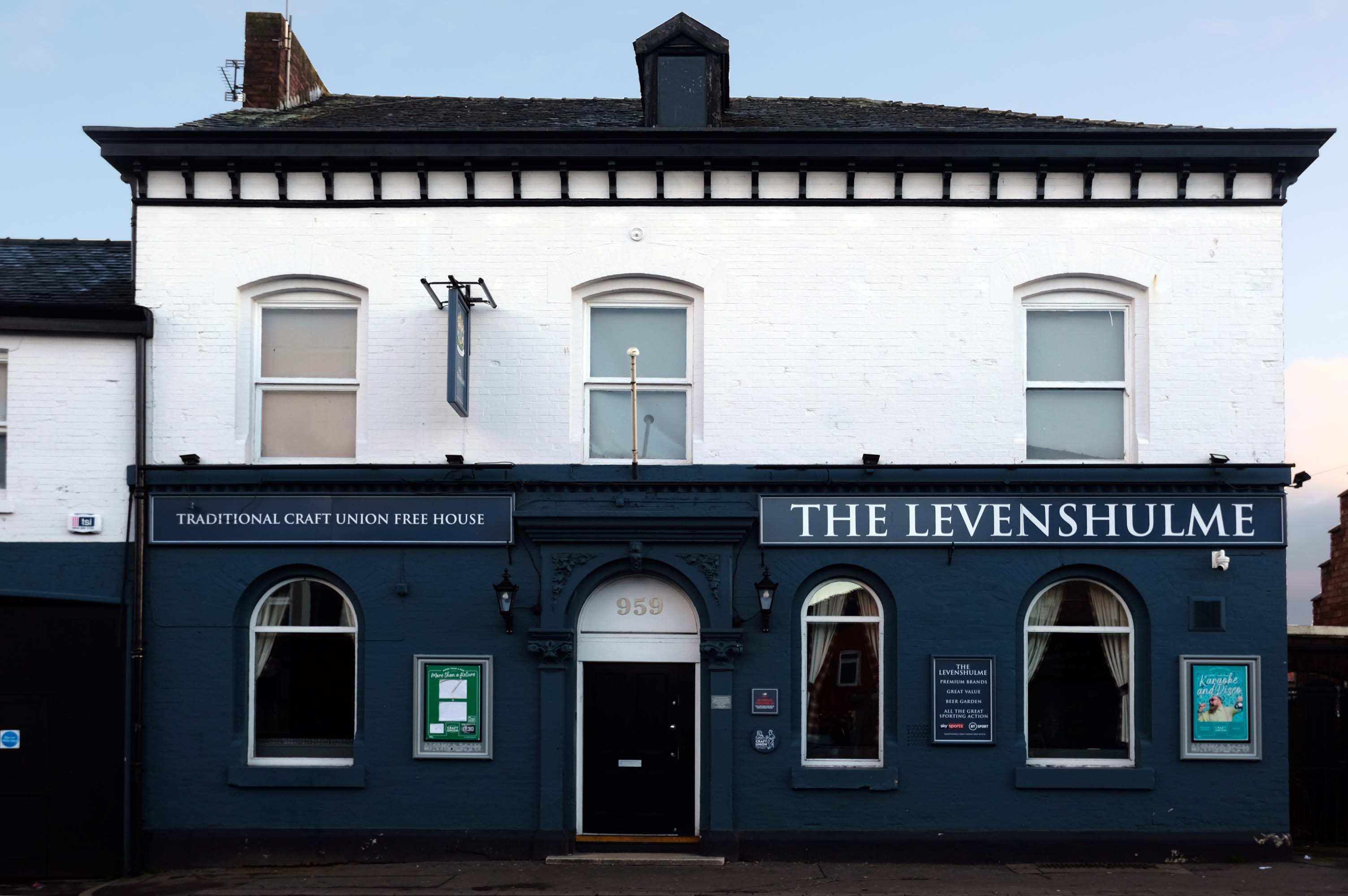
Walking from the city centre to Failsworth I noted the absence of public houses, some long since demolished, some now serving other purposes – very few open selling beer.

Many of the breweries no longer trading.

Much of this the consequence of changing economic circumstances, the decline in manufacturing and subsequent serious absence in regular drinkers.
I encountered a similar situation on Hyde Road.

Where possible I have linked back to Pubs of Manchester Blogspot and the Brewery History Society.

There may well be errors and omissions which I am happy to correct – have a look let me know.

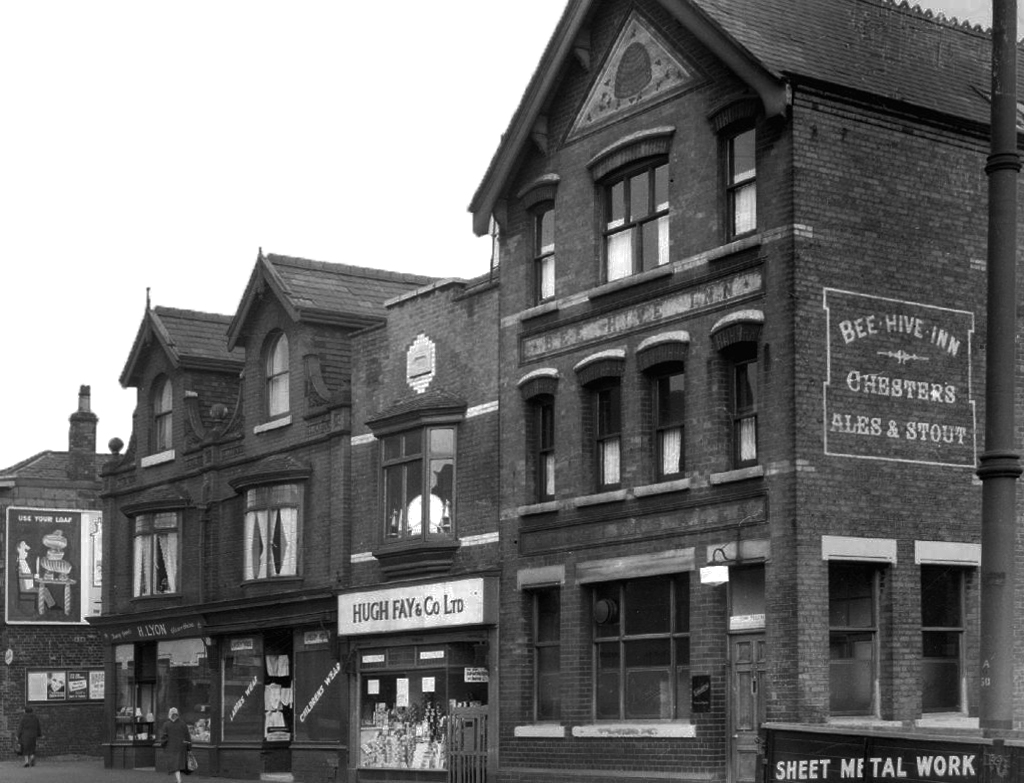
Bee Hive InnChesters Brewery

Bird In Hand – latterly Ace of Diamonds on the 2nd April 2010 the Ace of Diamonds burnt down.

Hardys’ Ales

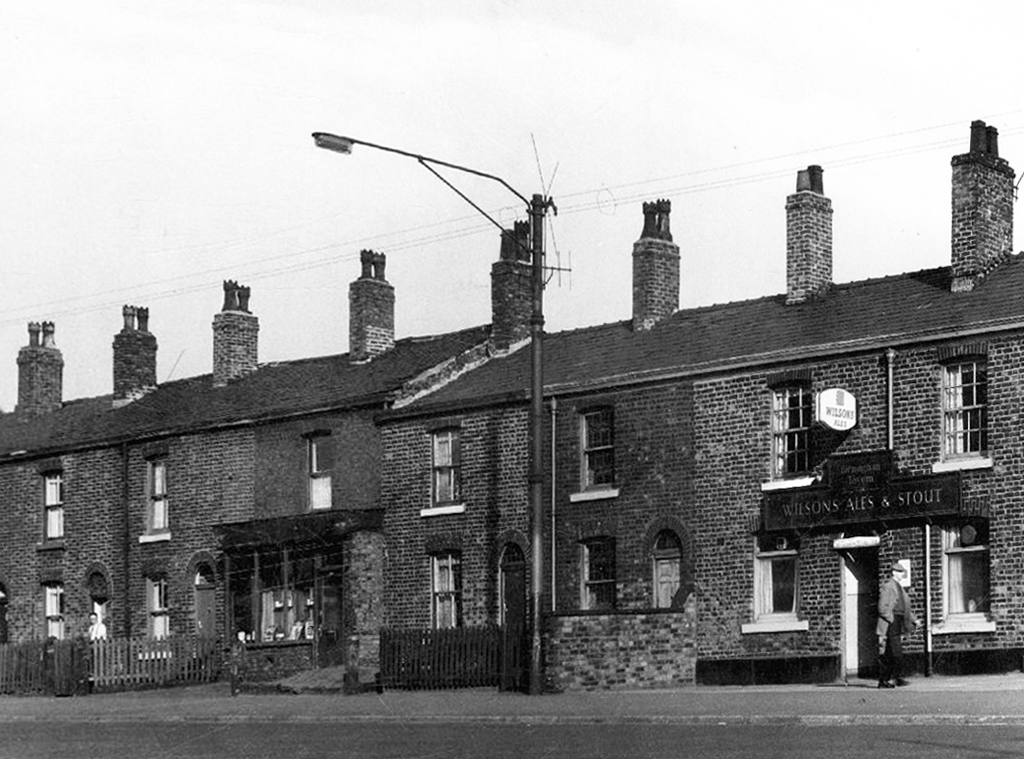
Birmingham TavernWilsons Brewery

Cheshire CheeseJohn Smiths

City ArmsGroves and Whitnalls

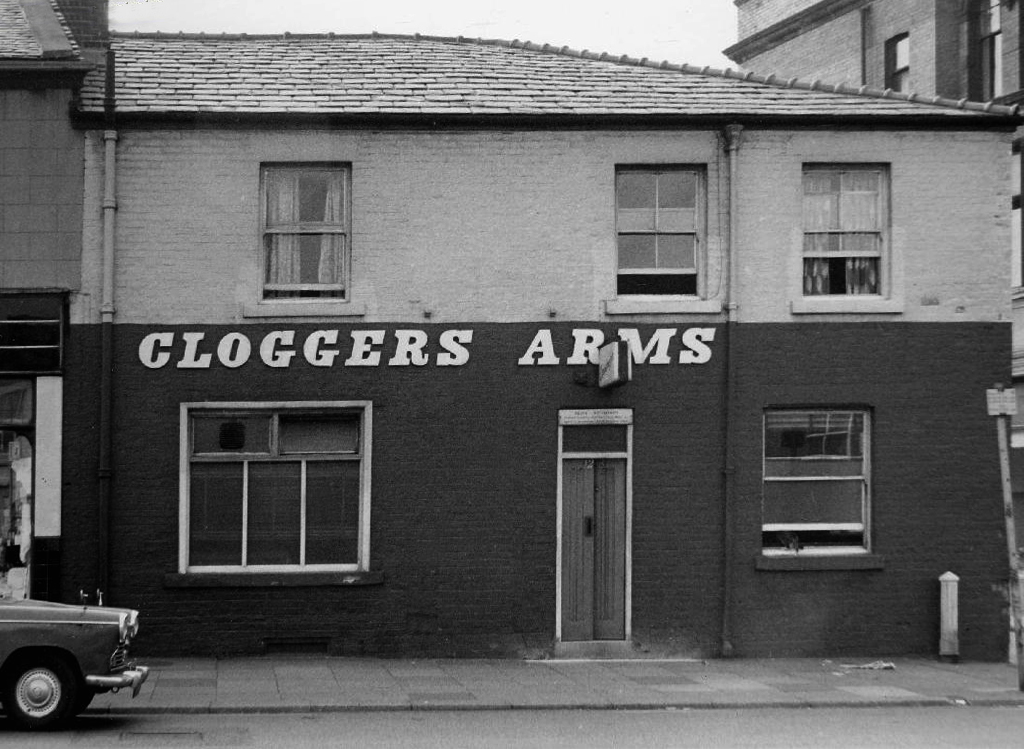
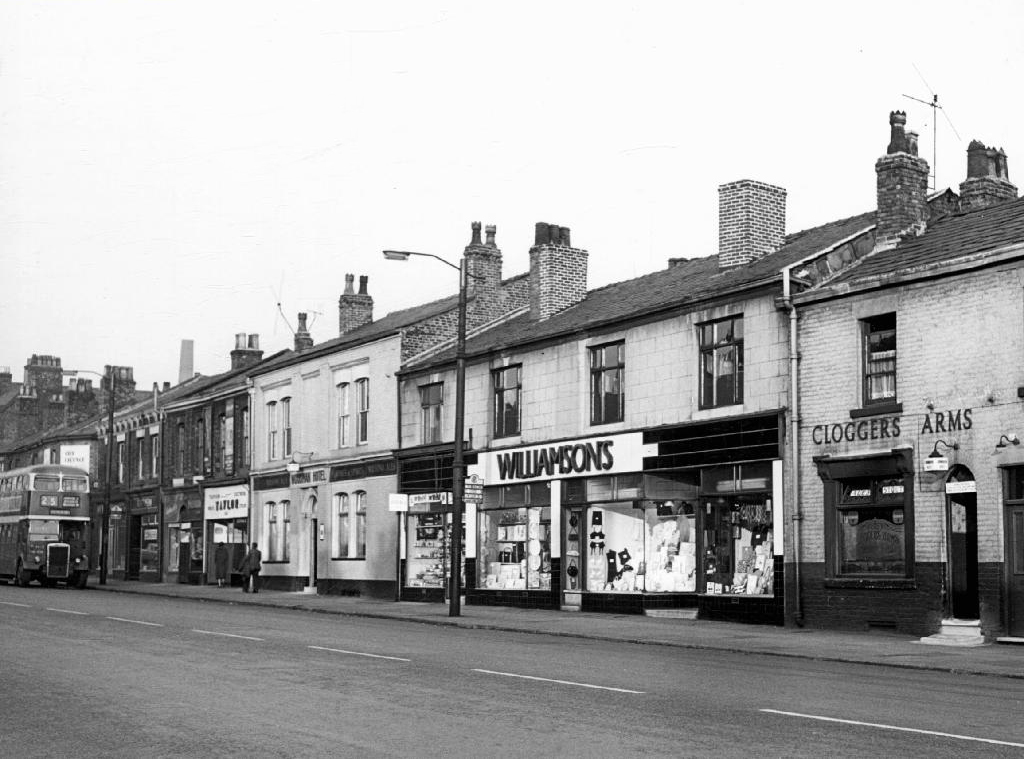
Cloggers Arms – Wilsons

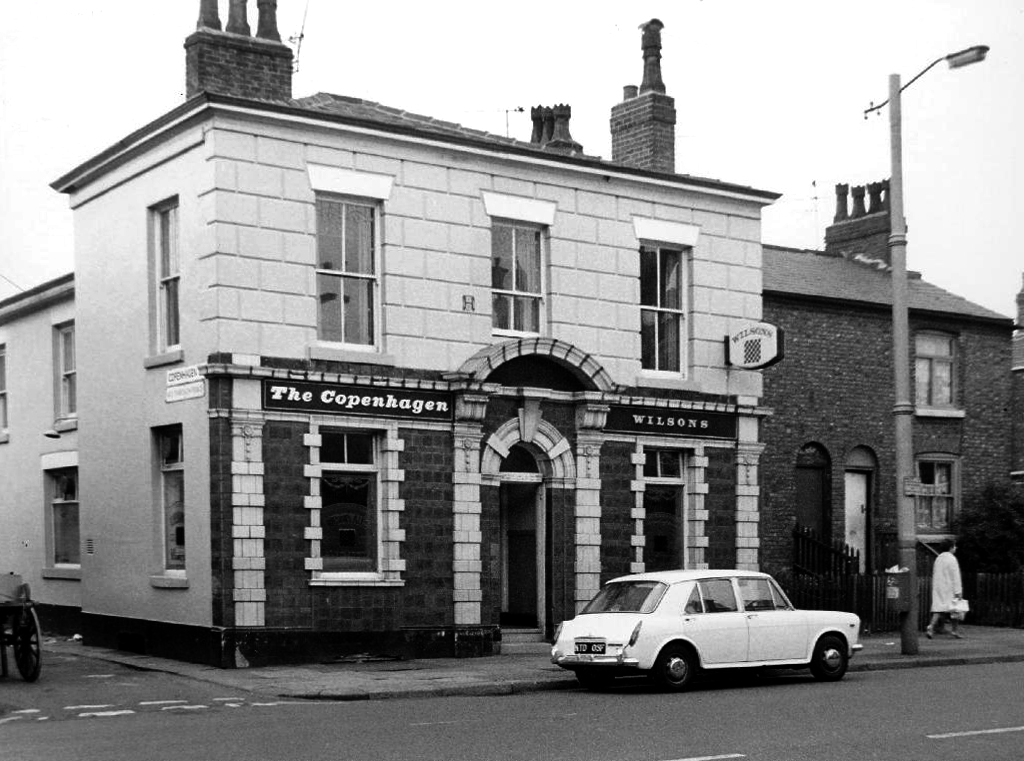
The Copenhagen – Wilsons

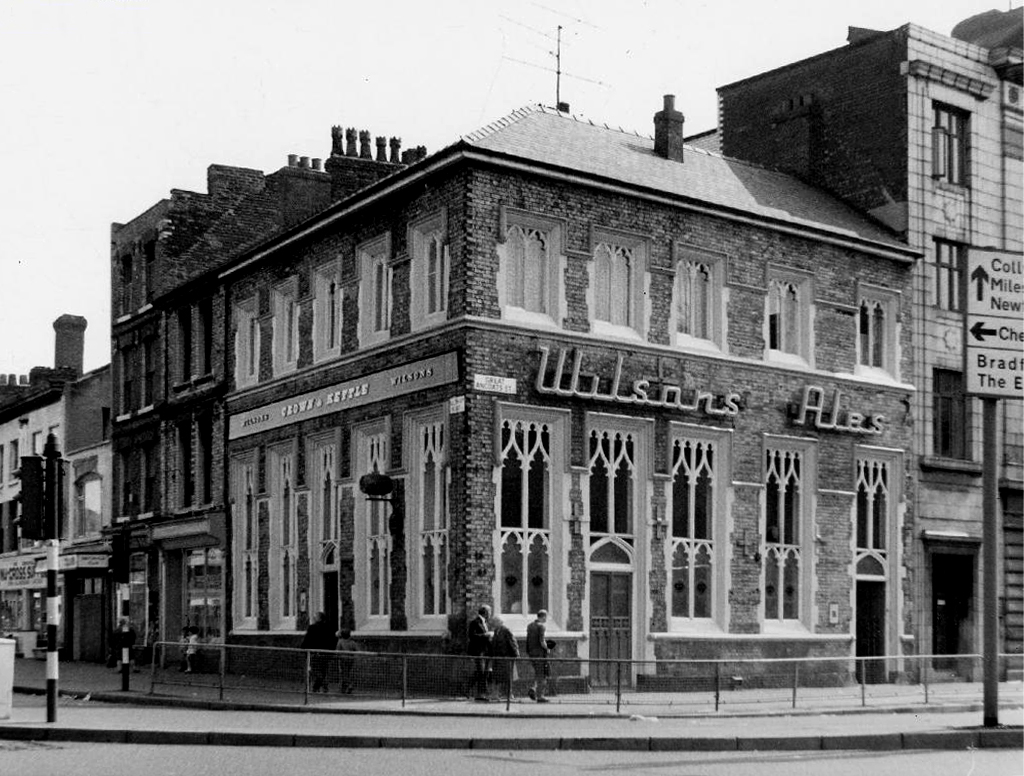
Crown & Kettle – Wilsons though now a free house.

I do remember the huge Winston Churchill relief in the Room and R100 Airship wooden panelling in the lounge. Also of note were the ornate plater work ceilings and pendulous lighting, much damaged as the pub awaited restoration.

Duke of York – Wilsons Free House

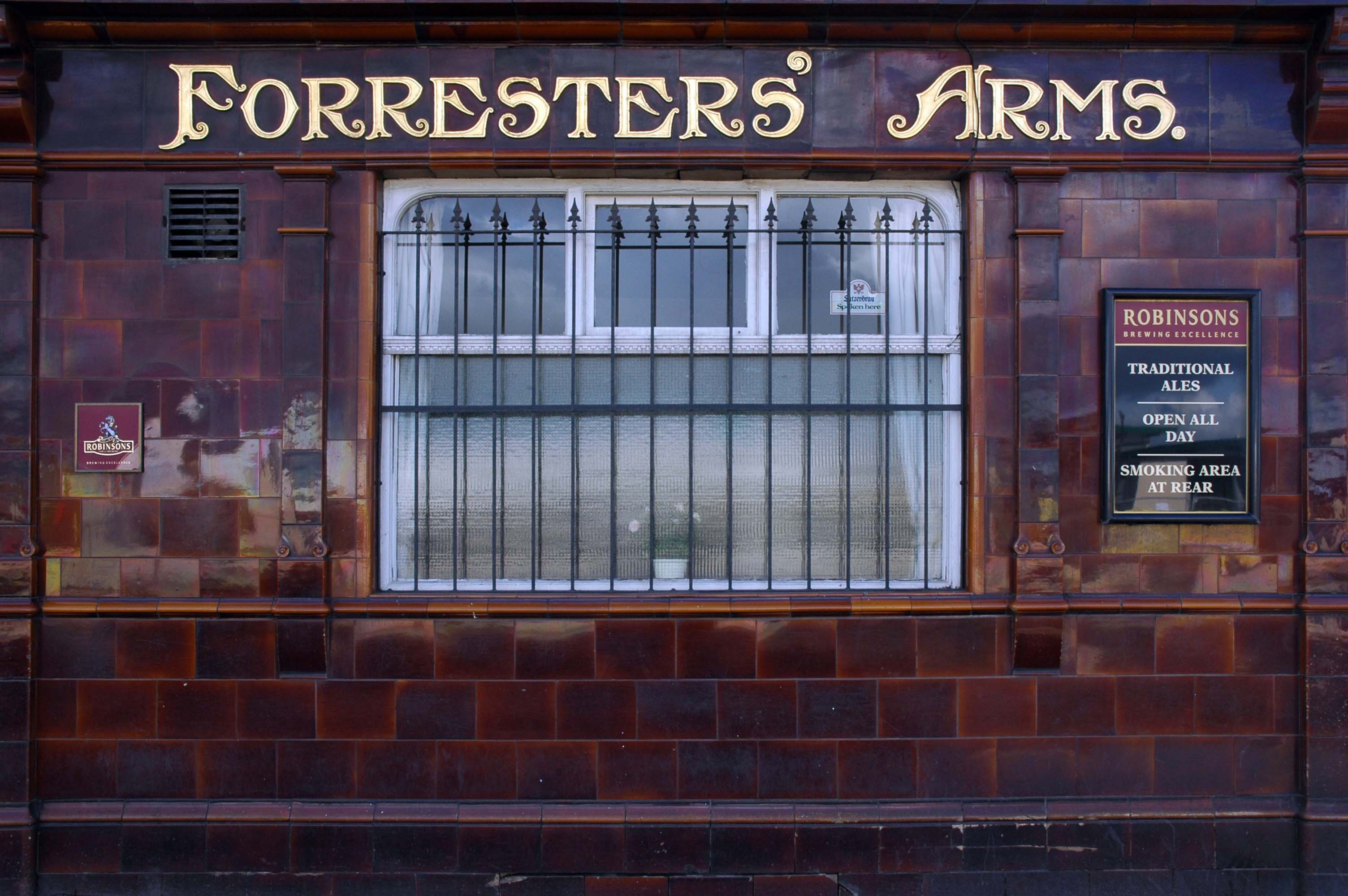
Foresters Arms – Wilsons

Lord NelsonCharrington

O’Connell ArmsWhitbread

Old Pack Horse – Wilsons

The RamTetley’s

Royal Oak Hotel – Wilsons

Shears Hotel

St Vincent Cornbrook

The Swan – Wilsons

Three Crowns – Wilsons

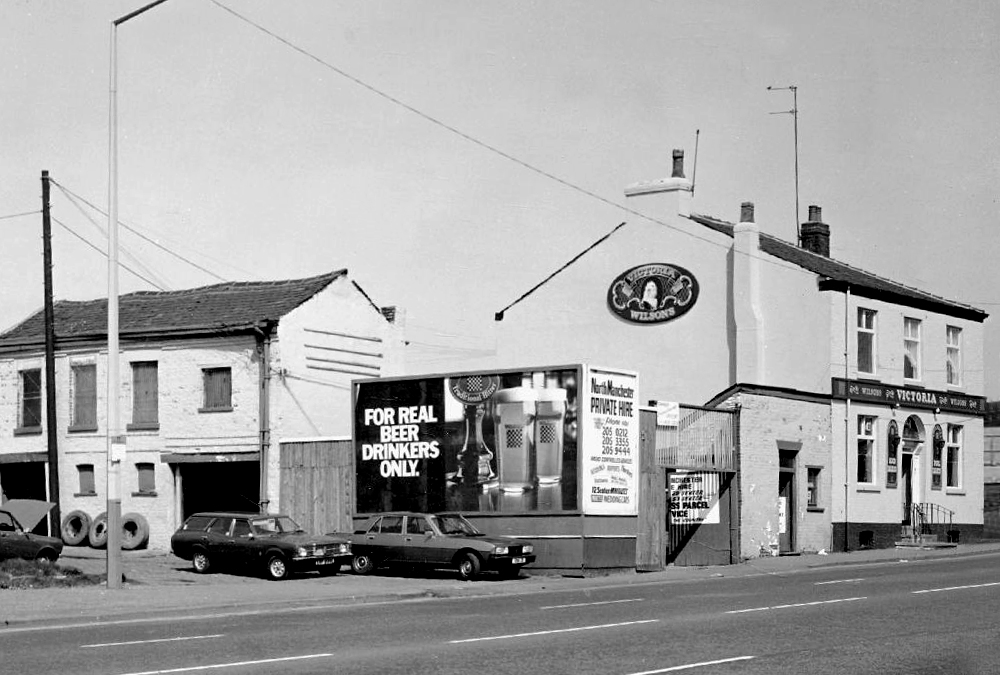
The Victoria – Wilsons

Vulcan Hotel Threlfalls

Wosons House?

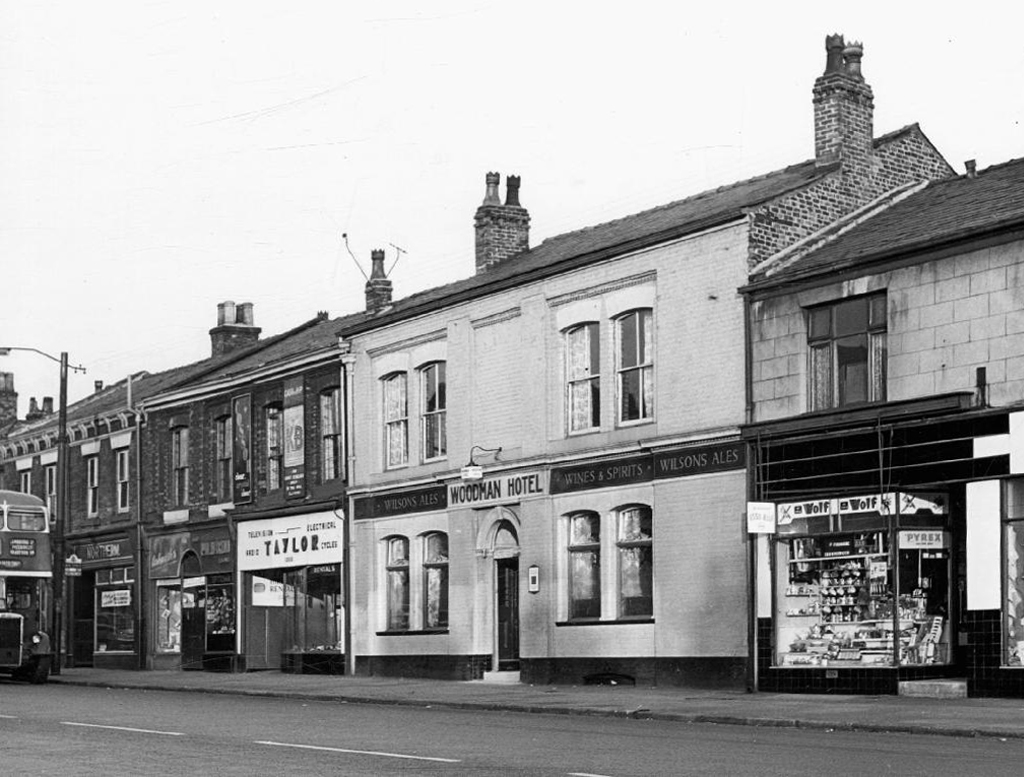
Woodman Hotel – Wilsons

All photographs from the Manchester Local Image Collection.

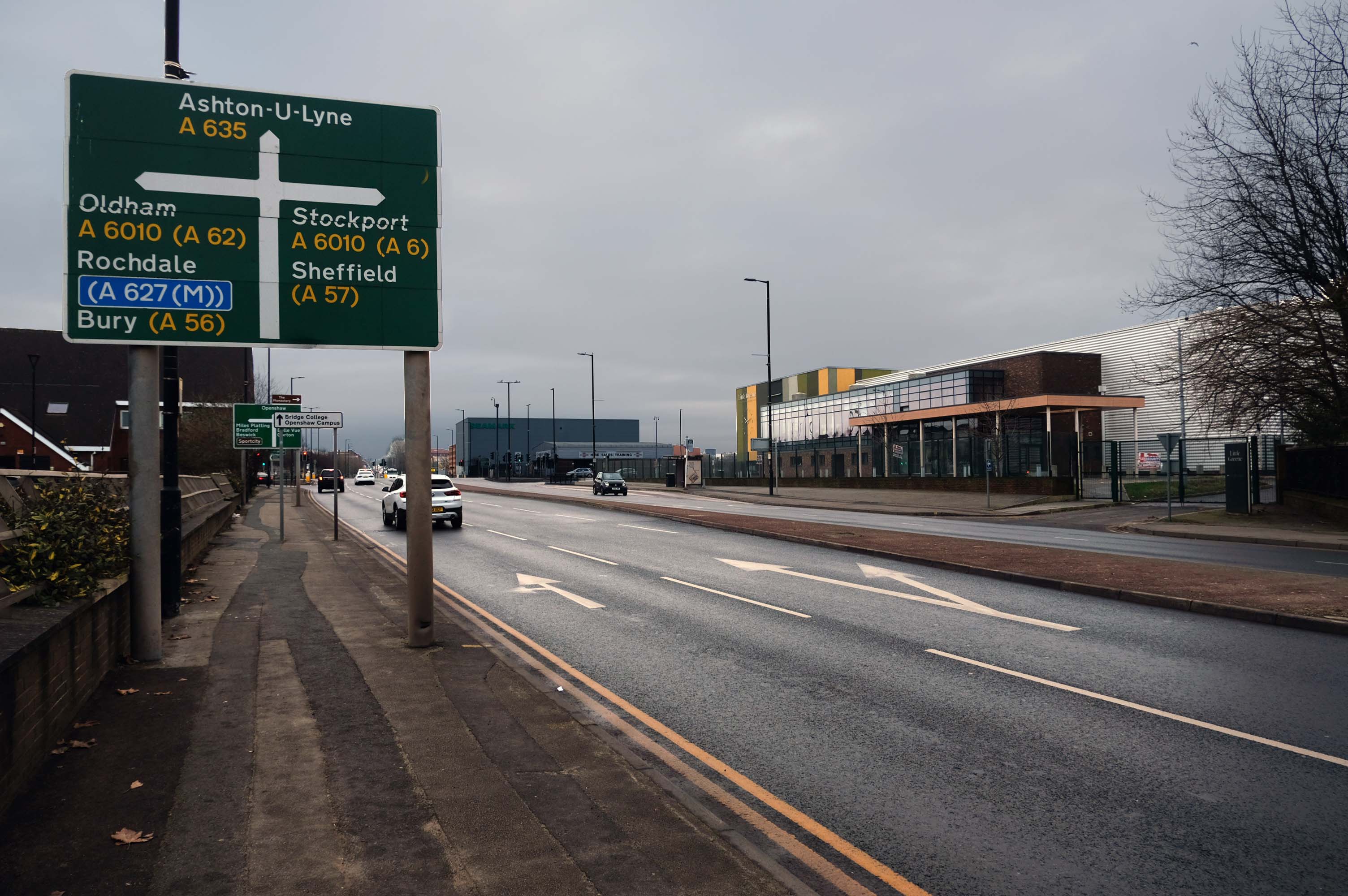
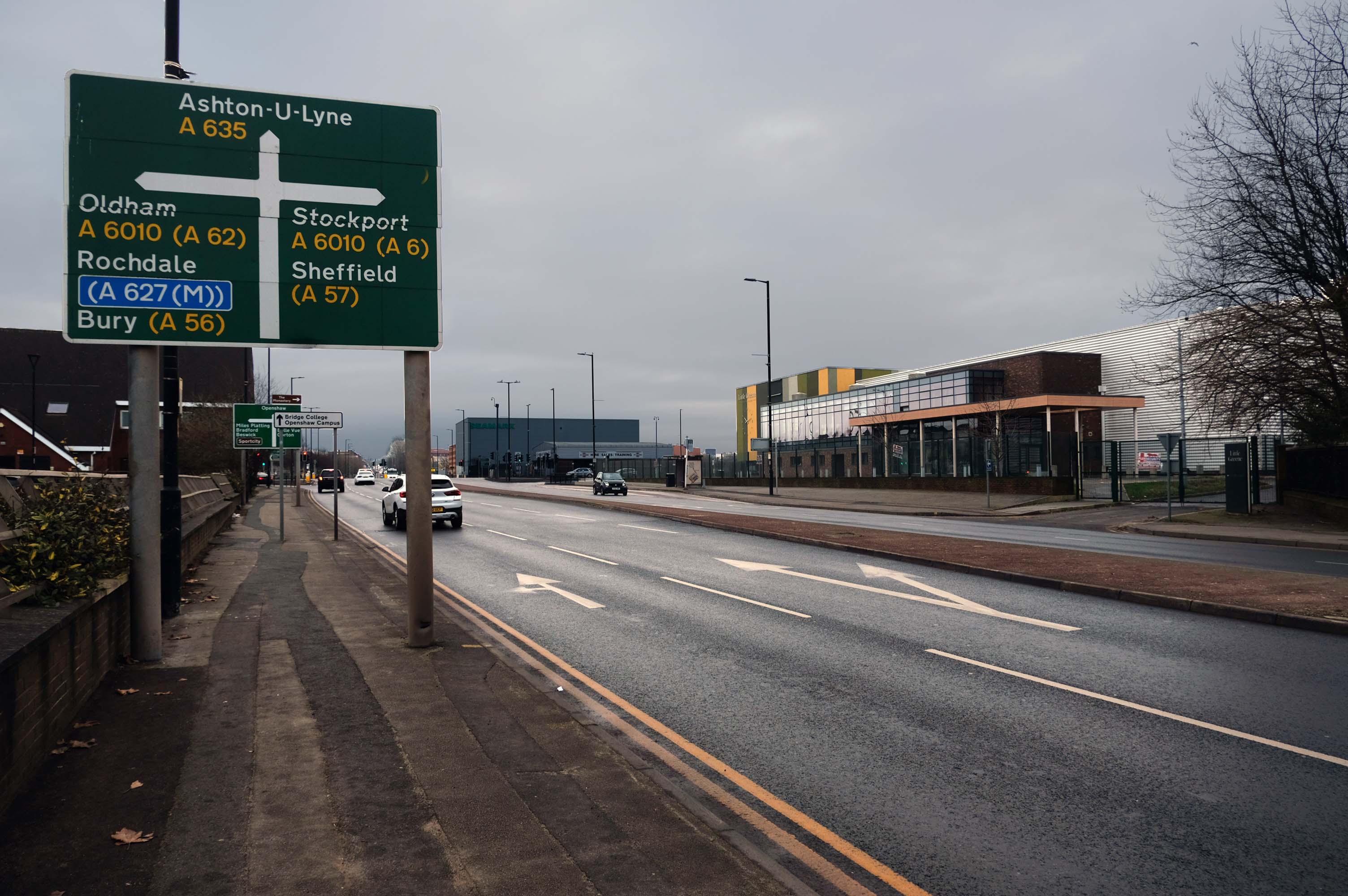
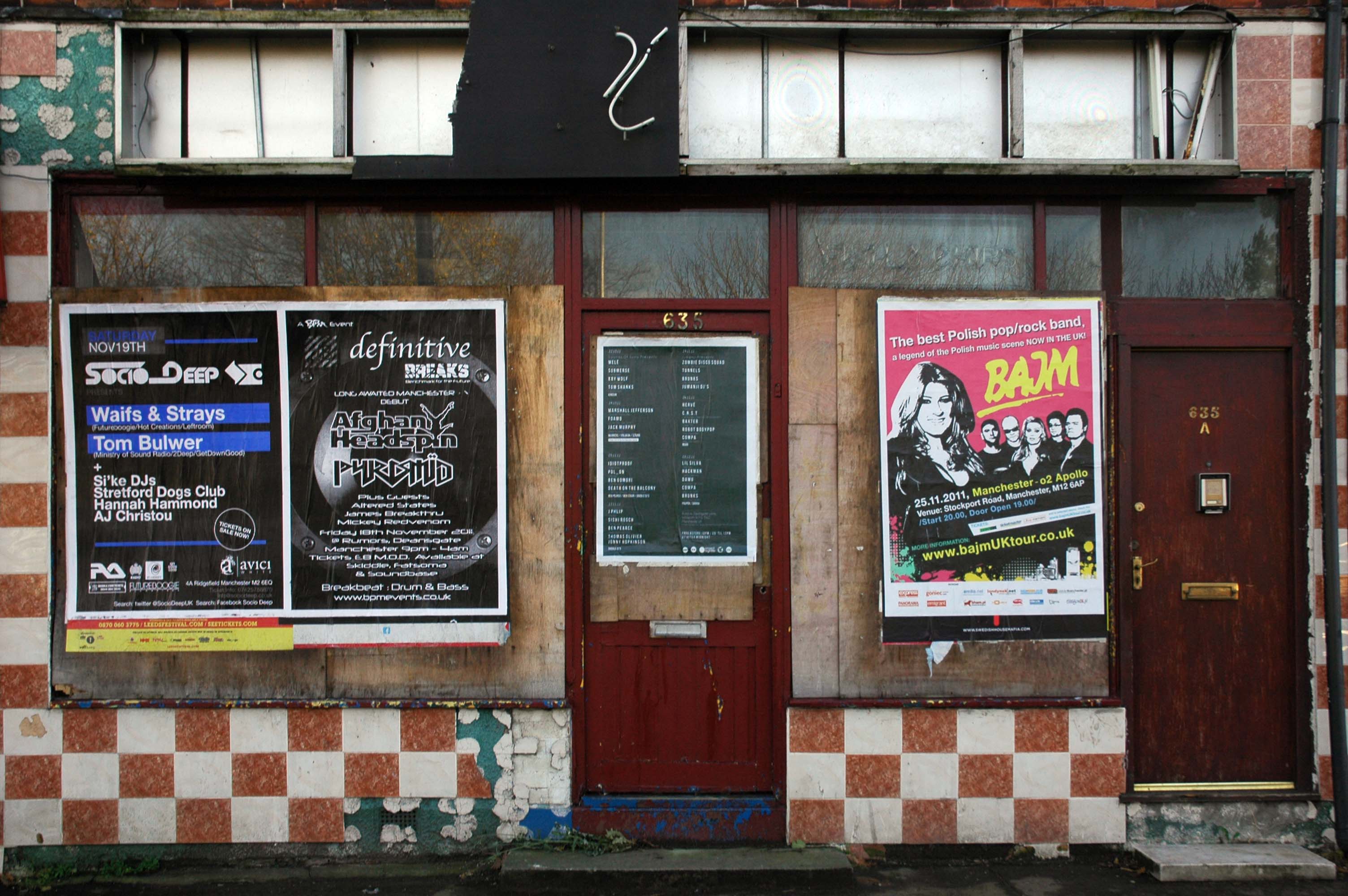
Manchester Arterial 2024 – A635

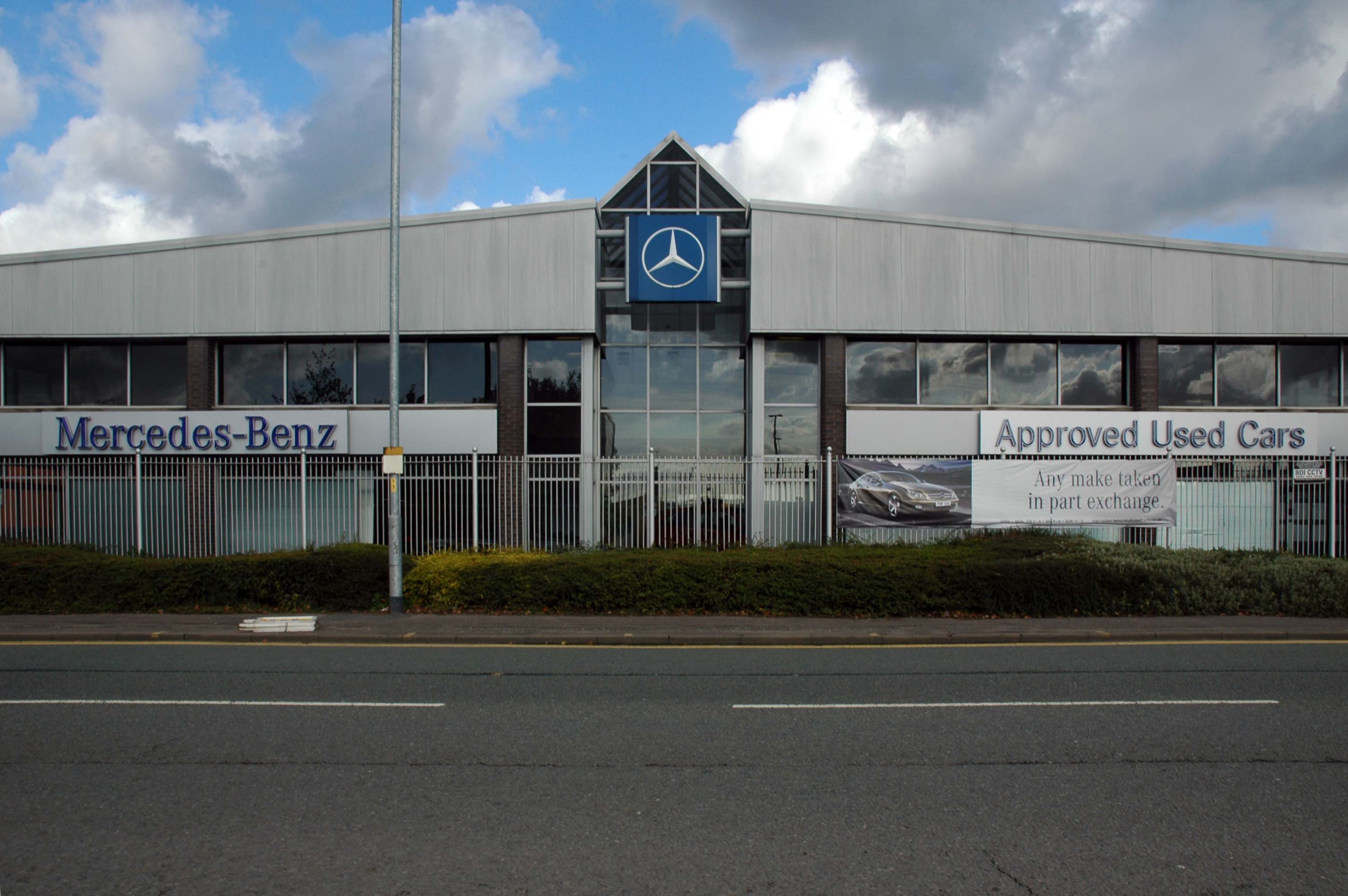
Having photographed the arterial roads of Manchester in 2014, I have resolved to return to the task in 2024.

Some things seem to have changed, some things seem to have stayed the same.

Manchester Arterial 2024 – A57

Having photographed the arterial roads of Manchester in 2014, I have resolved to return to the task in 2024.

Some things seem to have changed, some things seem to have stayed the same.

Manchester Arterial 2024 – A6

Having photographed the arterial roads of Manchester in 2014, I have resolved to return to the task in 2024.

Some things seem to have changed, some things seem to have stayed the same.

Manchester Arterial – A5103

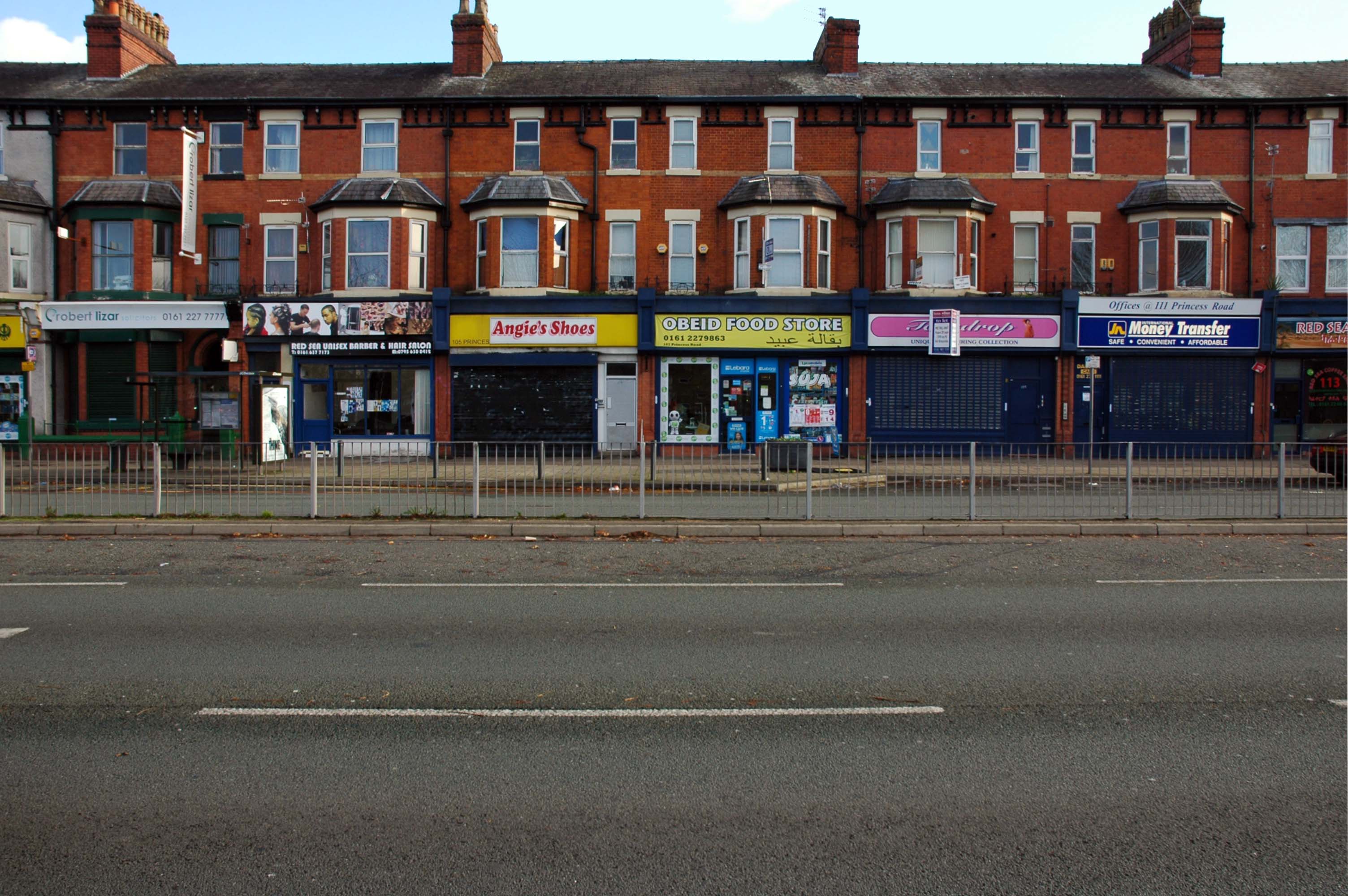
The A5103 is a major thoroughfare running south from Piccadilly Gardens in Manchester city centre to the M56 in Northenden. The road is two-lane dual carriageway with a few grade-separated junctions. It is used by many as a link to the airport and to the motorway network south.
The road starts at Piccadilly Gardens where it meets the A6. It heads along Portland Street – at one time it ran along the parallel Mosley Street, past fast-food outlets and off-licences and then meets the A34 Oxford Street. It multiplexes with that road north for 200 yards into St Peter’s Square and then turns left into Lower Mosley Street, initially alongside the tramlines and then past the former Manchester Central station, now a conference centre with the same name. The road becomes Albion Street and goes over the Bridgewater Canal and under the railway line east of Deansgate station. The road then meets the A57(M) Mancunian Way at a roundabout interchange. This is where most of the traffic joins and leaves. 

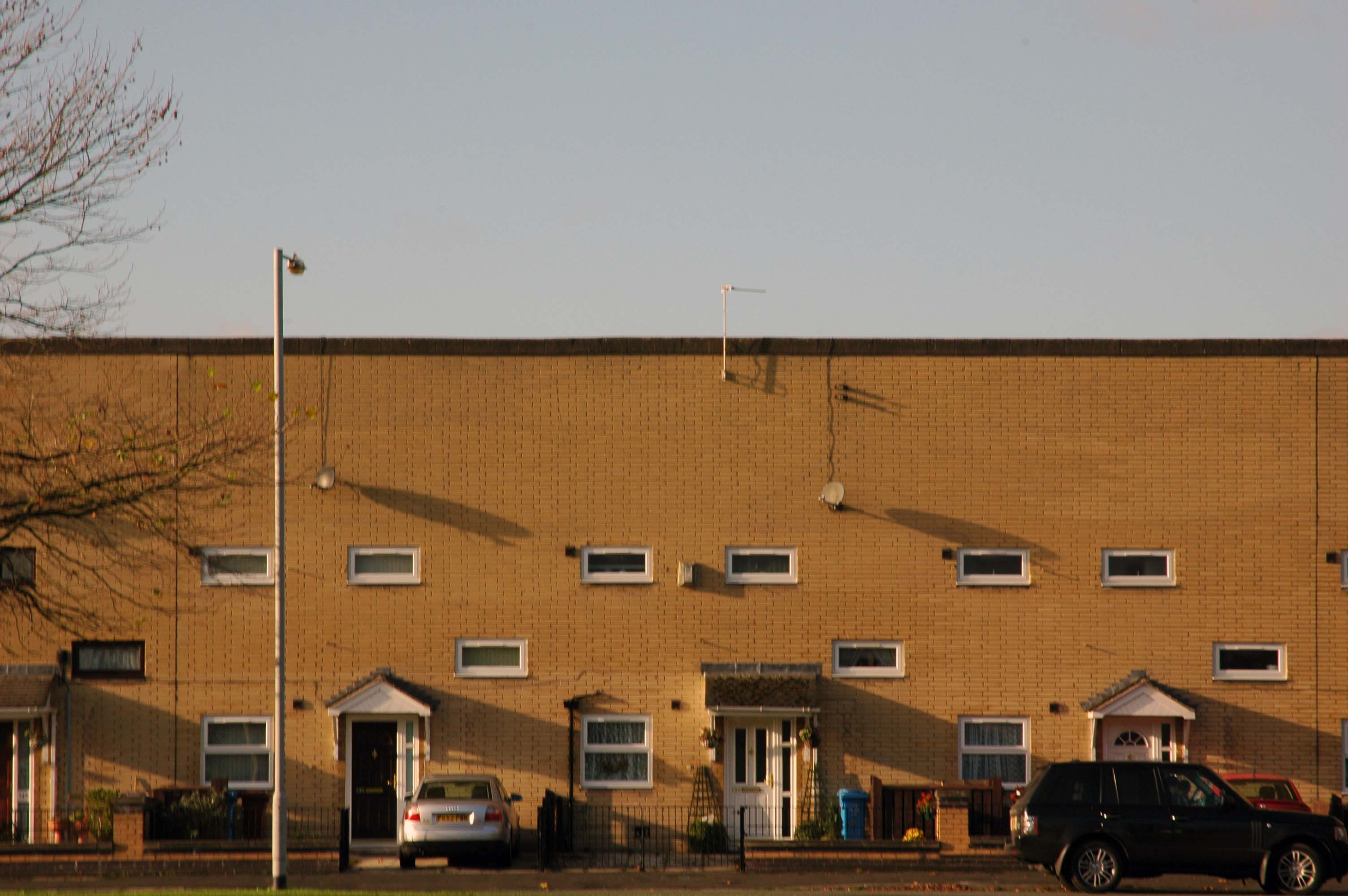
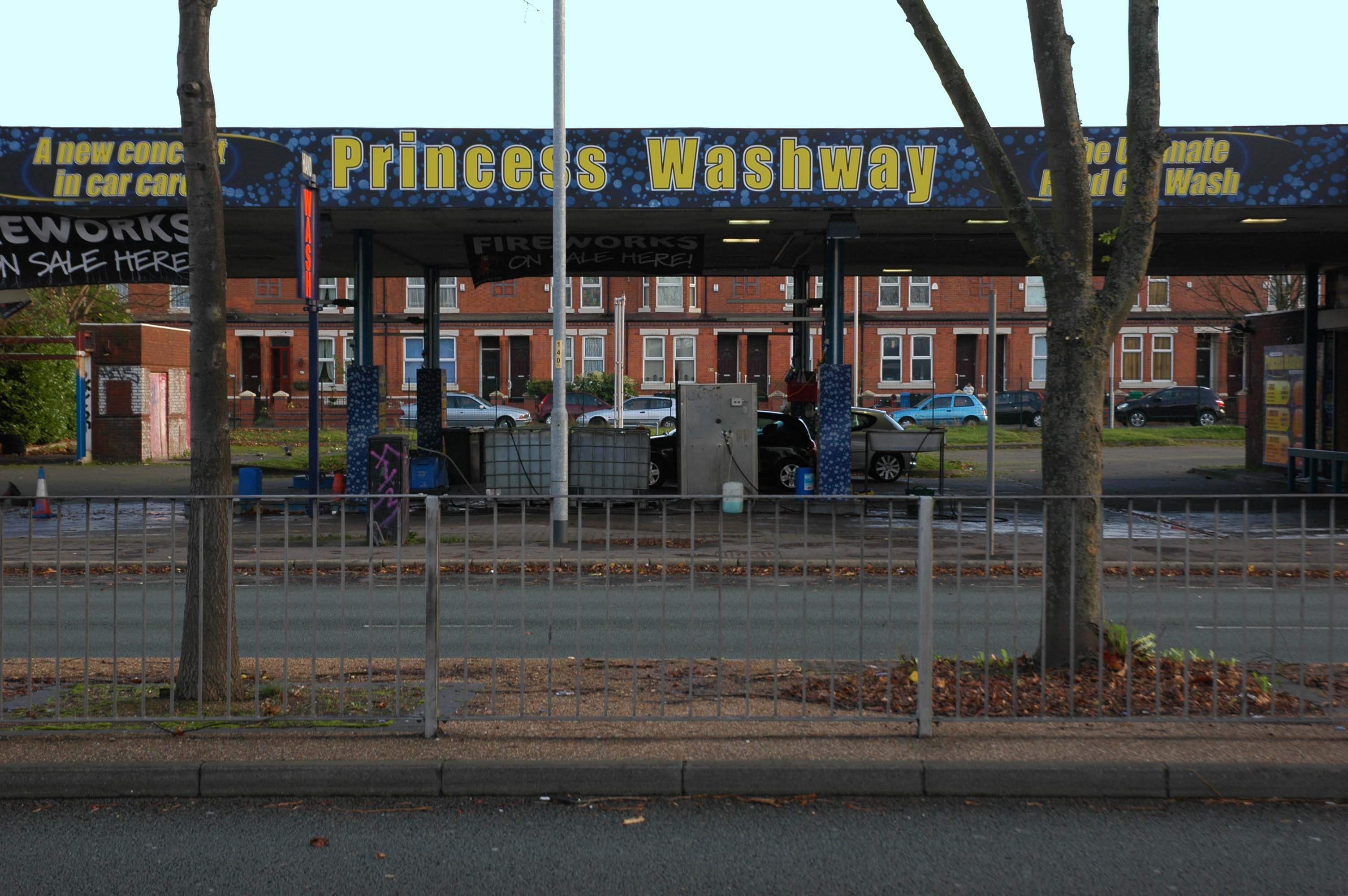
The road is now 2×2 dual carriageway with the name Princess Road. It passes under the Hulme Arch, a grade-separated junction with the A5067, with an unusually large central reservation. This is presumably because of the proposed plans from the 1960s of a motorway. However, after passing under the junction, there are innumerate sets of traffic lights, with the B5219, the A6010 and the A5145, as well as many other unsigned roads. There are also many speed cameras set at 30 mph.

The road picks up pace as we exit the sprawl of South Manchester and the road becomes Princess Parkway, with a 50 mph speed limit. We cross the River Mersey and almost immediately hit the M60 at J5.

Except for the Manchester City Centre section – which was numbered A5068, this road did not exist on classification in 1922. Princess Road was built in 1932 to serve the new southwestern suburbs; initially it ran between the B5219 and A560 and was numbered B5290, with the road later extended north into the A5068 on the southern edge of the city centre and renumbered A5103.

The northern extension through Hulme initially followed previously existing roads, so followed a zigzag route. As part of the road’s upgrade and the reconstruction of Hulme in the 1970s the road was straightened and the original route can no longer be seen. The A5068 was severed around this time with the construction of the A57(M) and the A5103 took on its city-centre section, taking it to the A6.

Sabre Roads

See also Bury New Road and Cheetham Hill Road and Rochdale Road and Oldham Road and Ashton New Road and Ashton Old Road and Hyde Road and Stockport Road and Kingsway.

Manchester Arterial – A34

The A34 is a major route from the ports on the South Coast of England to the Midlands and the North West, with the standard varying from rural dual carriageway sections in the south to urban single carriageway in the north, and everything else in between.

Slade Lane junction, Rushford Park to Parr’s Wood, East Didsbury – to connect to Manchester Road to Cheadle. It continued on to Laneside Road as a residential road. Opened on 11 April 1923 by Mary Cundiff, Lady Mayoress, and Margaret Turnbull, daughter of Alderman Turnbull, Chairman of Manchester Town Planning Committee. Width was 100 feet and it was designed for tram tracks in the central reservation. The dual road carriageways were 20 feet wide. Manchester’s tram system was closed in 1949. The carriageways were widened and central reservation grassed over. Originally opened as A5079.

Laneside Road, East Didsbury to Schools Hill/ Wilmslow Road junction, Cheadle. Opened on 12 October 1959. The official opening was on 15 October 1959. Planning for the bypass had been halted by the war. In December 1949 Manchester Corporation stated that it was not a priority since the Corporation was only responsible for the 200 yards to the proposed bridge over the River Mersey and Cheshire County Council had not asked for a joint approach to Ministry of Transport to build it. Work was finally authorised in January 1957 and started in the June. Width was 90 feet with dual 24 foot carriageways. Expected cost was £600,000 to £700,000.

Sabre Roads

In 2014, having taken early retirement from teaching photography, I embarked on a series of walks along the arterial roads of Manchester.

See also Bury New Road and Cheetham Hill Road and Rochdale Road and Oldham Road and Ashton New Road and Ashton Old Road and Hyde Road and Stockport Road.

Manchester Arterial – A6

The A6 is Britain’s fourth longest road. Its route varies greatly from the lower lands of the South East, though the Peak District, right though the heart of Manchester city centre, then onwards towards Preston. It then goes though the historic city of Lancaster before skirting the Eastern fringe of the Lake District before ending in Carlisle, bang on the start of the A7.

Sabre Roads

North from Stockport towards Manchester, the A6 was a wide, four lane road, but still 30 mph, which usually flowed pretty well. According to Mudge, it looks like it has now been massacred by bus lanes and red paint. Shame. We meet the A57 from the east, just south of the city centre, and multiplex until we reach Mancunian Way, the A57 heading off as a short urban motorway, the A6 heading into the city centre via London Road/Piccadily, where it loses its number and vanishes. It would have gone straight down Piccadily/Market Street to meet Deansgate, and then across the River Irwell into Salford, and up Chapel Street, where the number reappears. Market Street has been pedestrianised for years, so the A6 has long ceased to be a through route.

Sabre Roads

In 2014, having taken early retirement from teaching photography, I embarked on a series of walks along the arterial roads of Manchester.

See also Bury New Road and Cheetham Hill Road and Rochdale Road and Oldham Road and Ashton New Road and Ashton Old Road and Hyde Road.

Manchester Arterial – A635

The road now begins slightly further south than it used to. Instead of starting on Fairfield Street in Manchester city centre, it begins immediately as the Mancunian Way ends, which at this point is the unsigned A635(M). The motorway flows directly into our route. There’s a TOTSO right at a set of lights, and we pick up the old alignment, which now starts as the B6469.

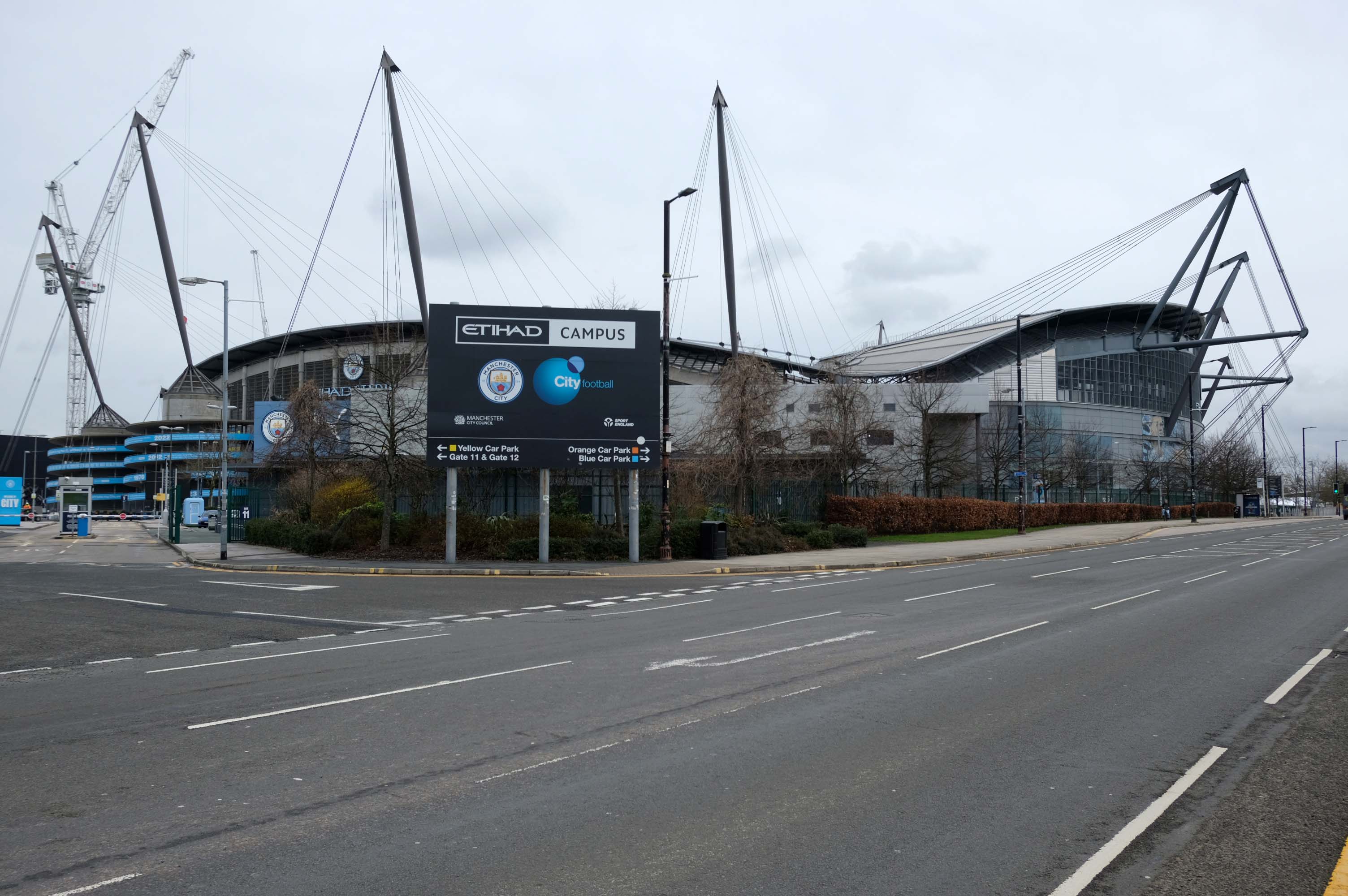
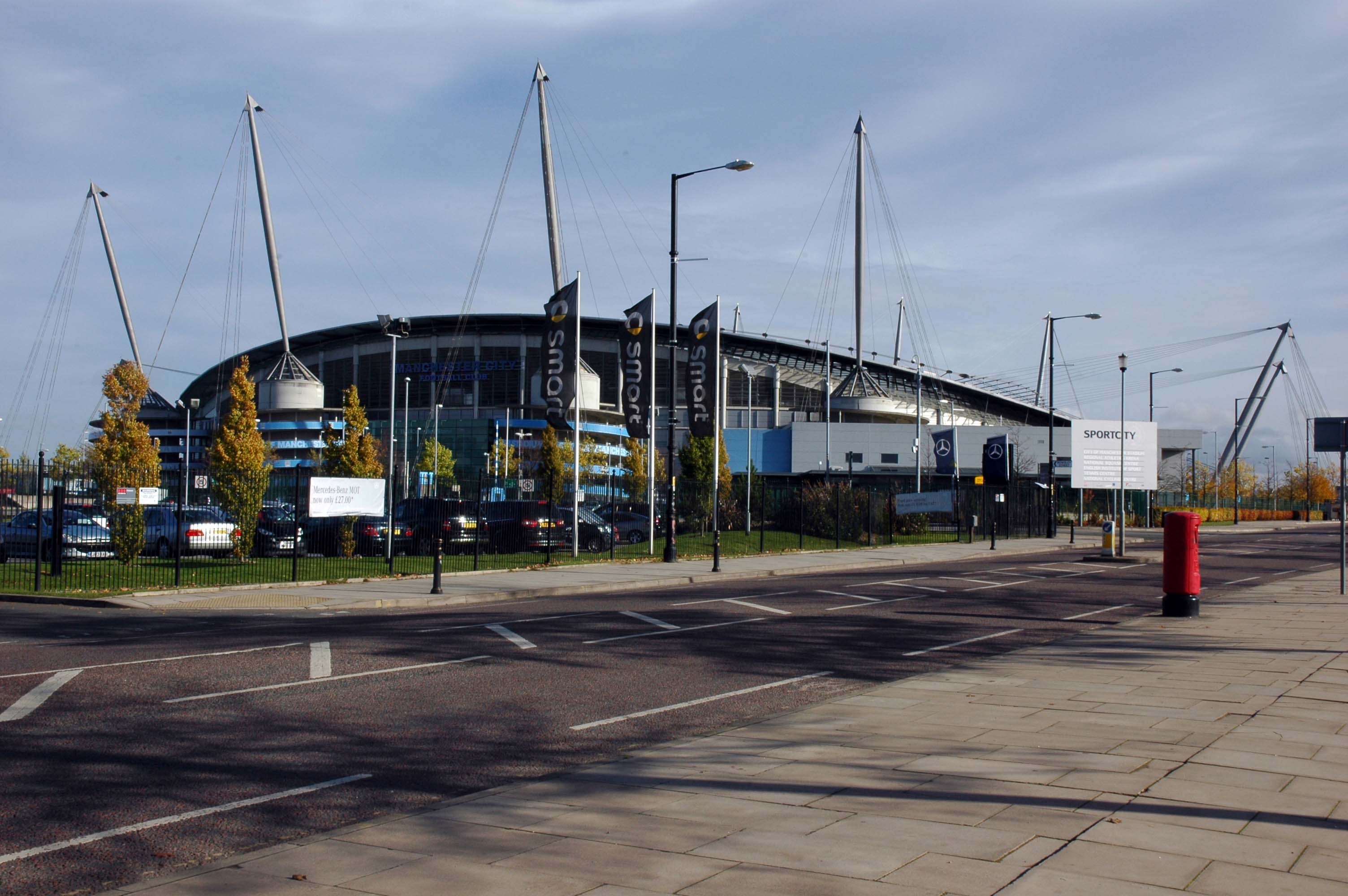
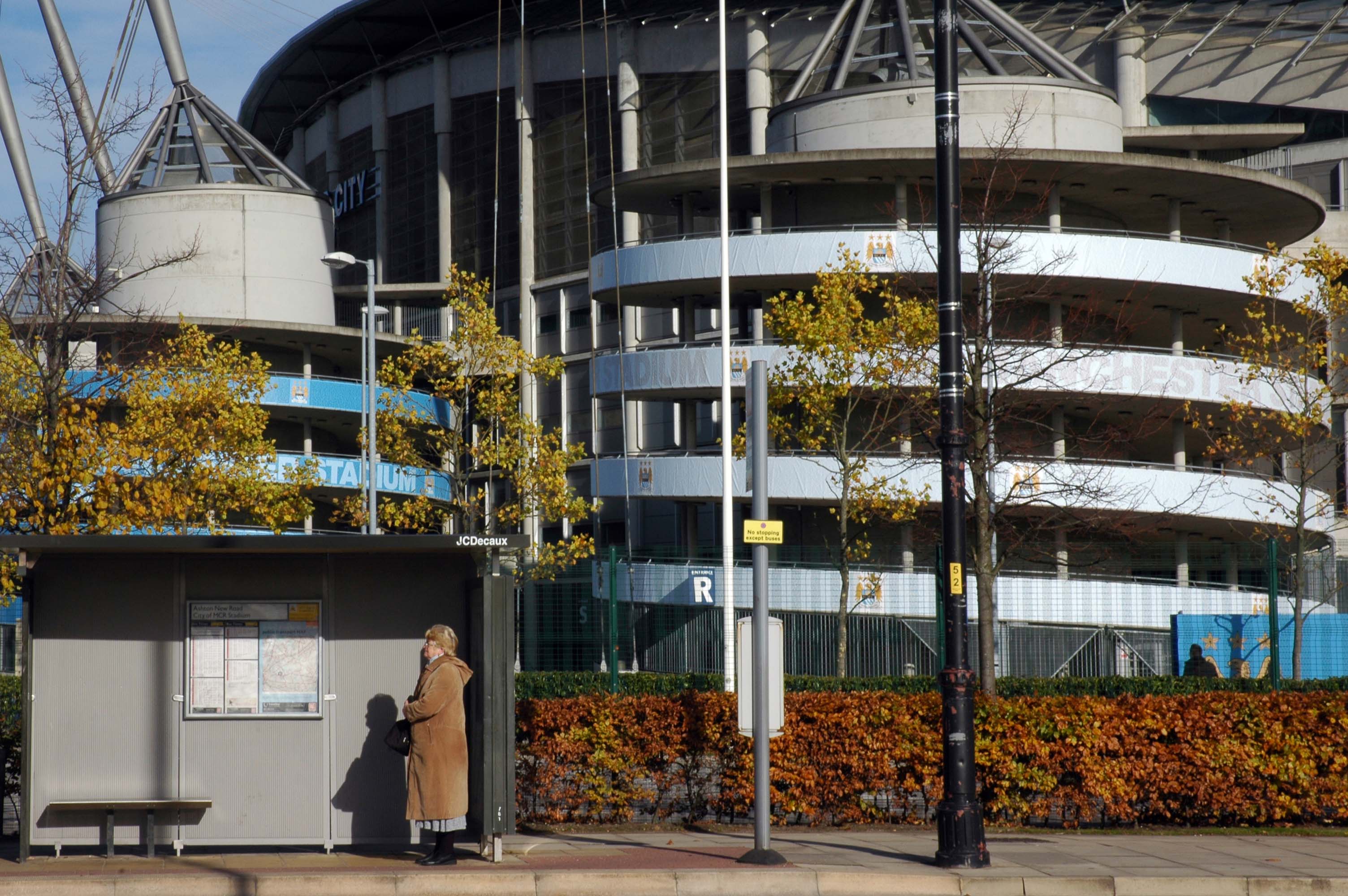
We can see the new City of Manchester Stadium on the left, site of the 2002 Commonwealth Games and now home to Manchester City FC. The road switches between S2 and S4 as it passes through the rather run-down urban areas of Ardwick and Gorton. A short one-way system at a triangular-shaped junction with the A662 leads onto a wider stretch as we near the M60 junction. This area is set to see significant industrial growth, with whole swathes of land either side of the now D3 road cleared and ready for development.

Sabre Roads

In 2014, having taken early retirement from teaching photography, I embarked on a series of walks along the arterial roads of Manchester.

See also Bury New Road and Cheetham Hill Road and Rochdale Road and Oldham Road and Ashton New Road

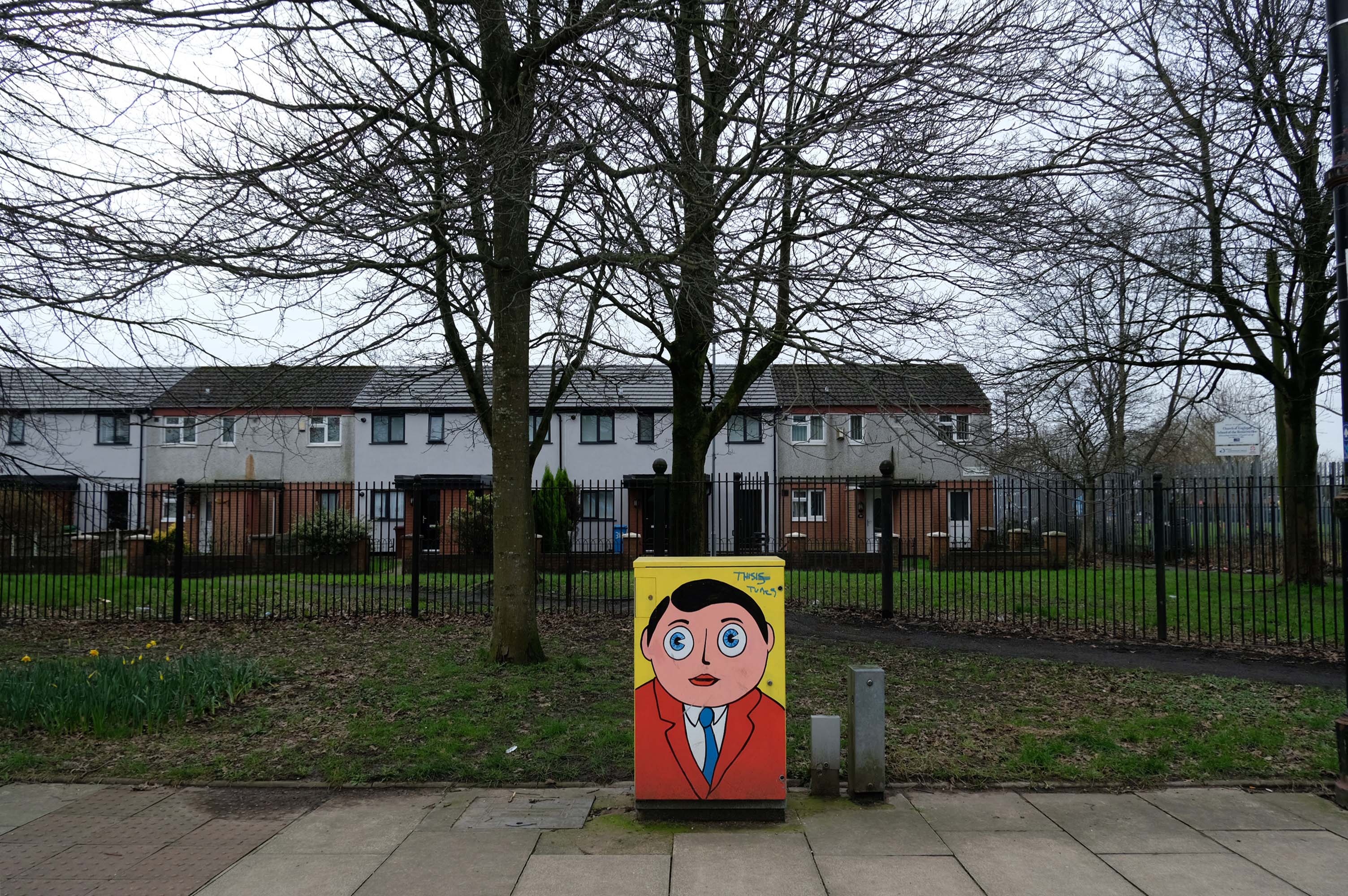
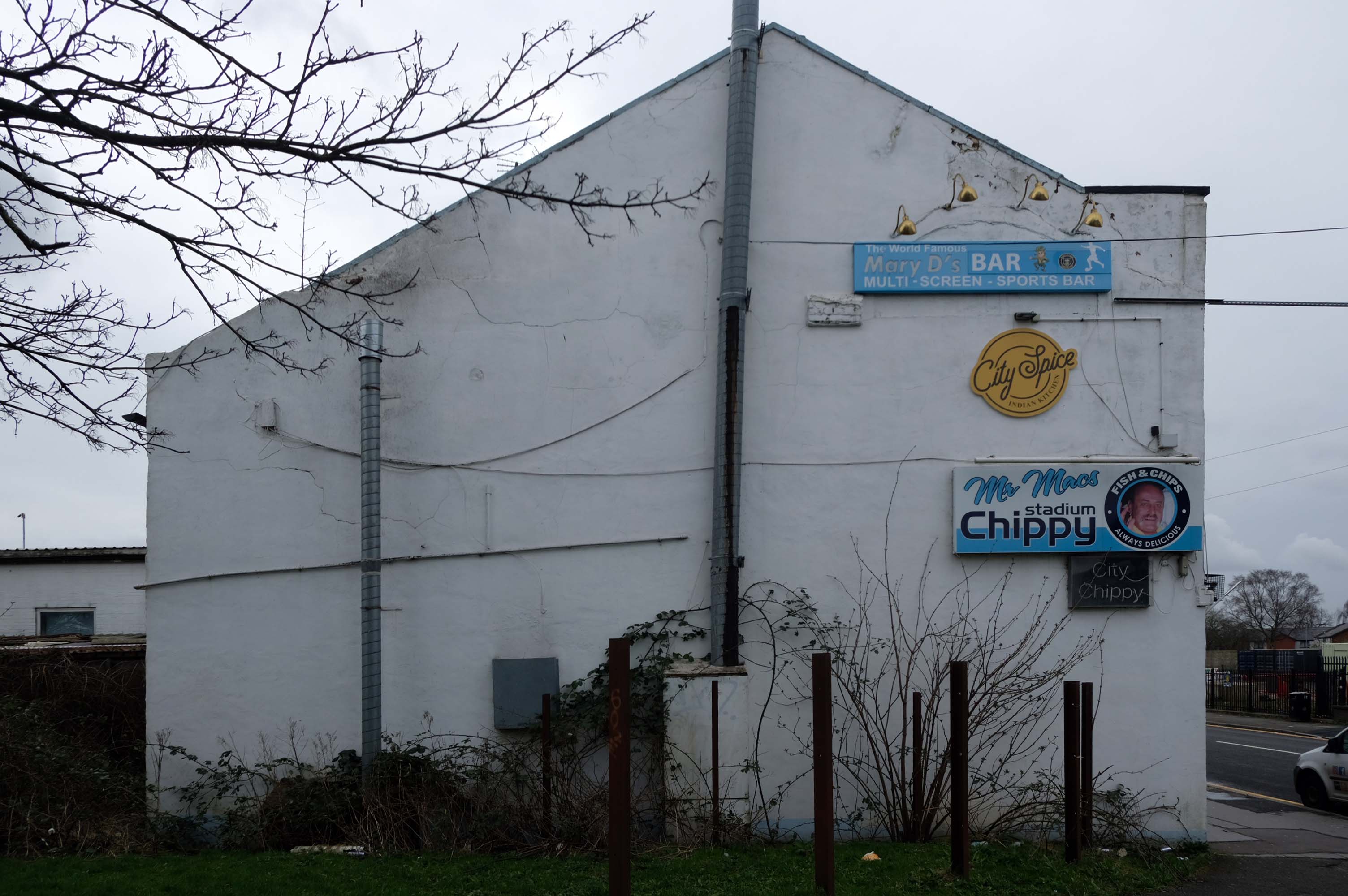
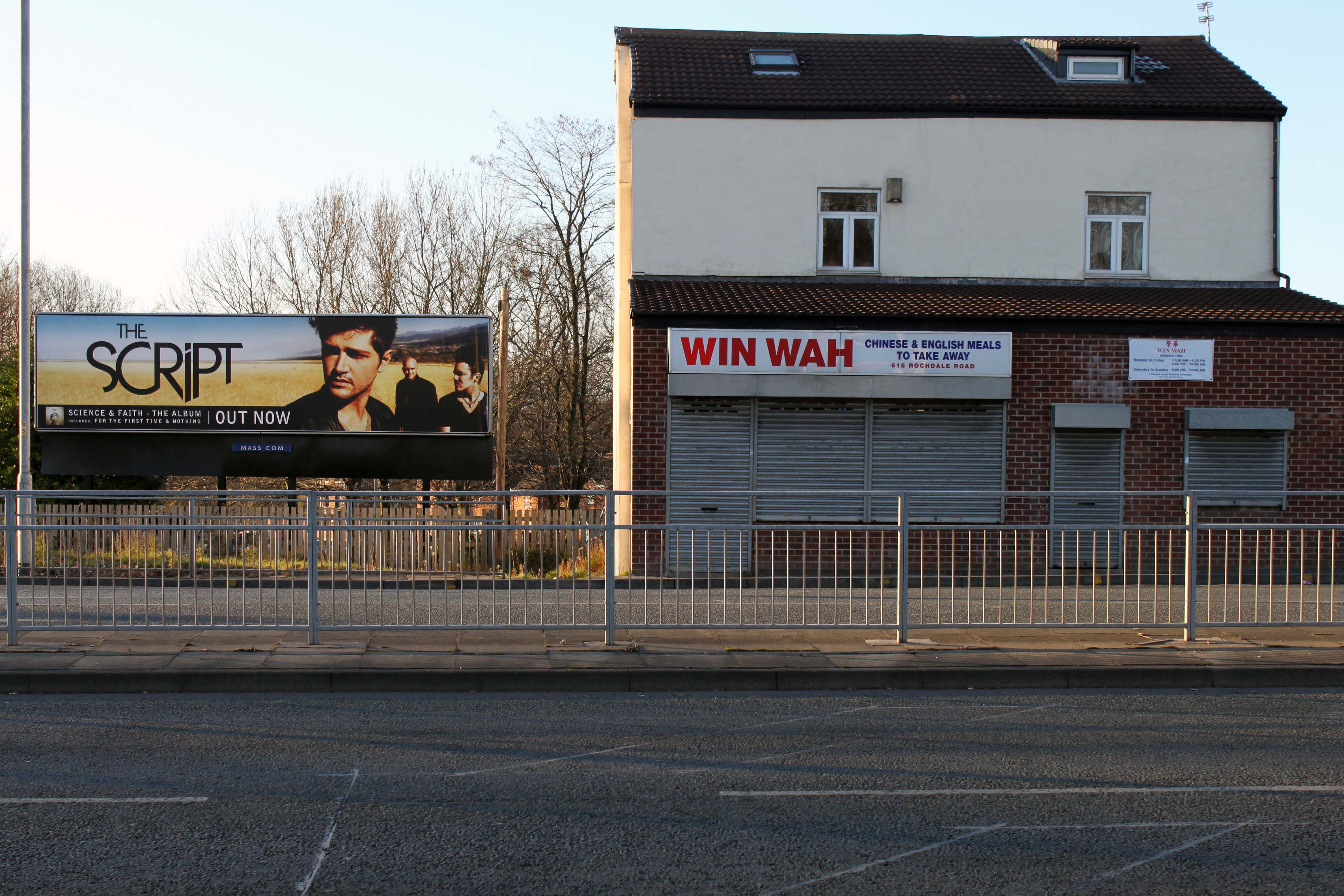
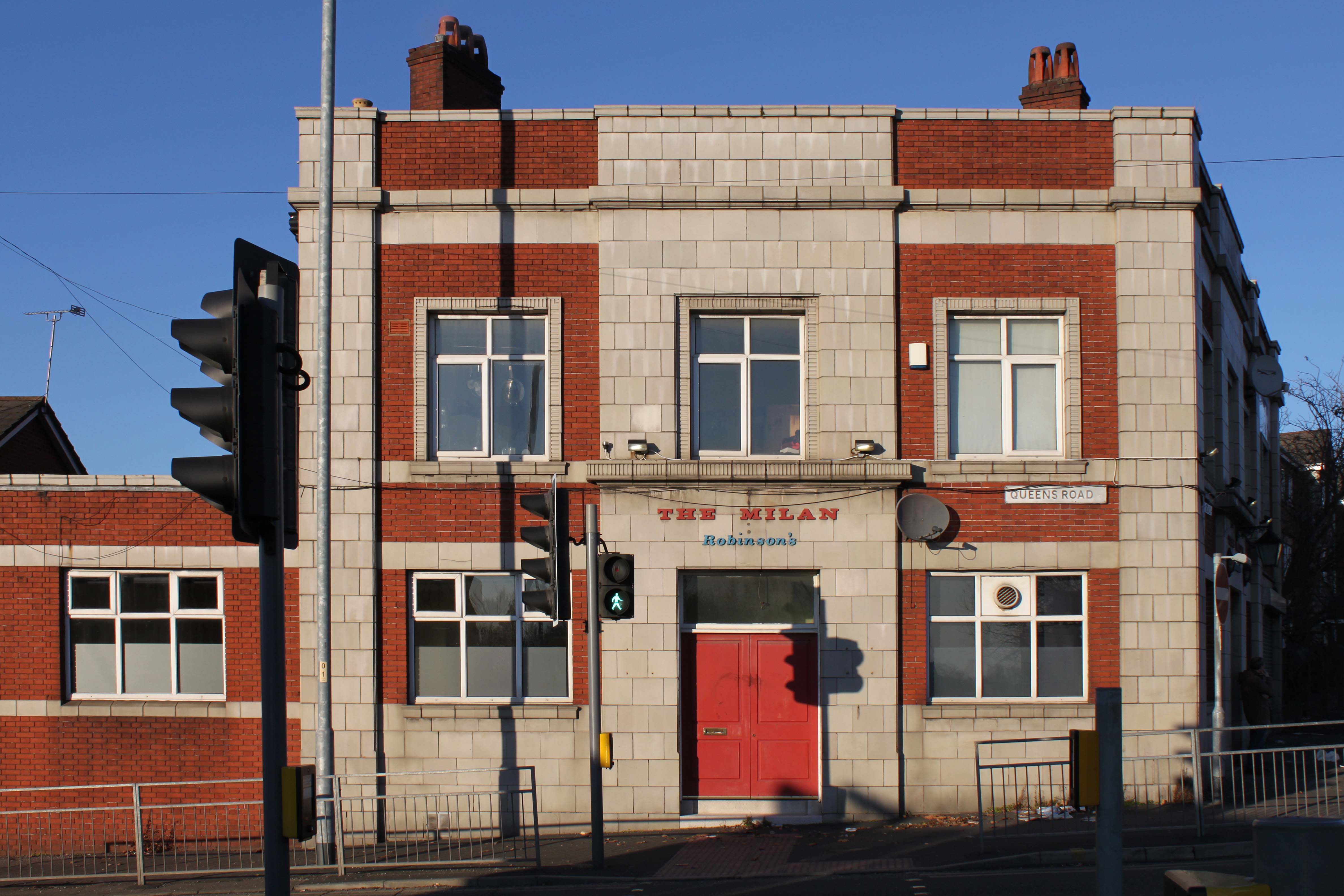
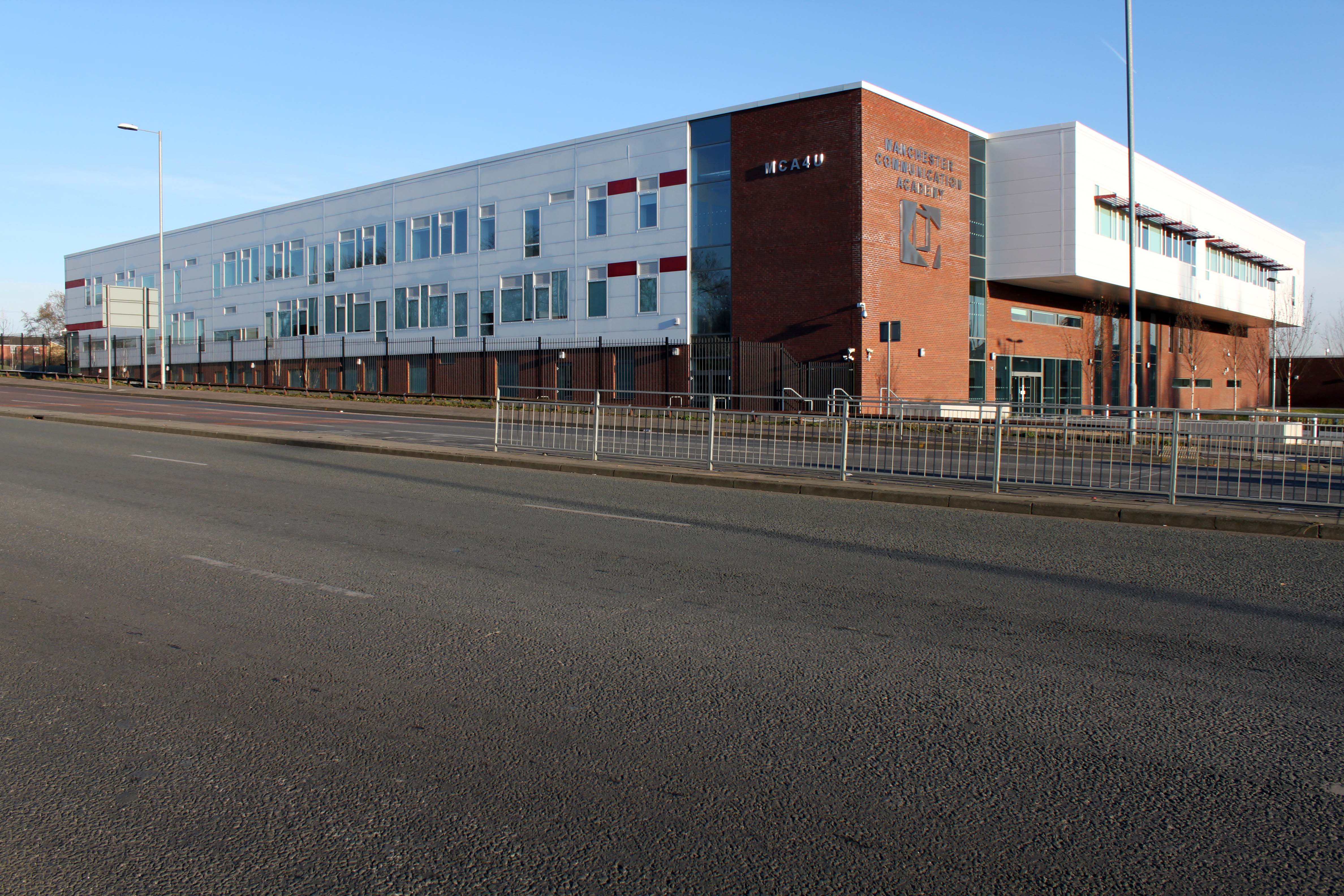
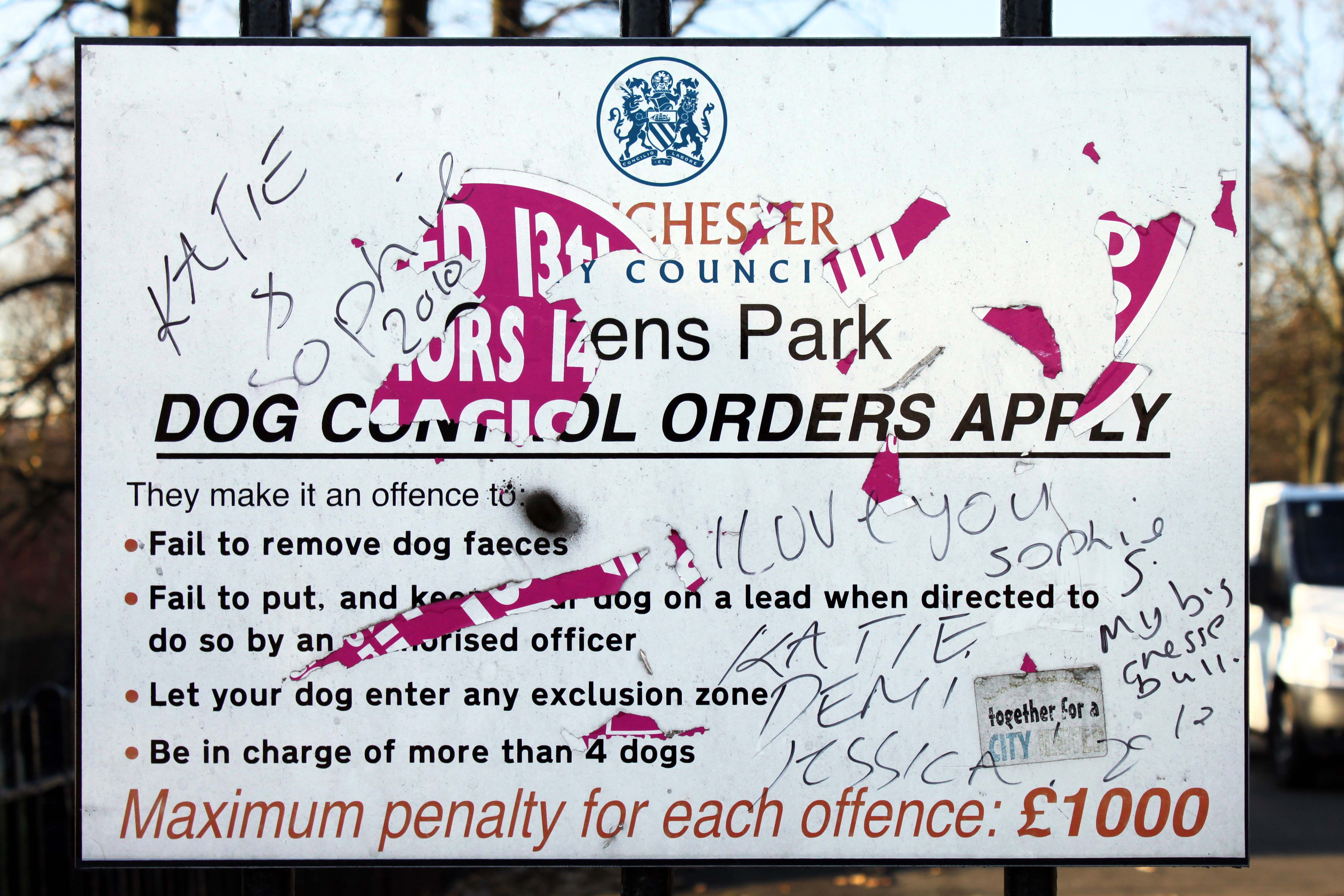
Manchester Arterial – A662

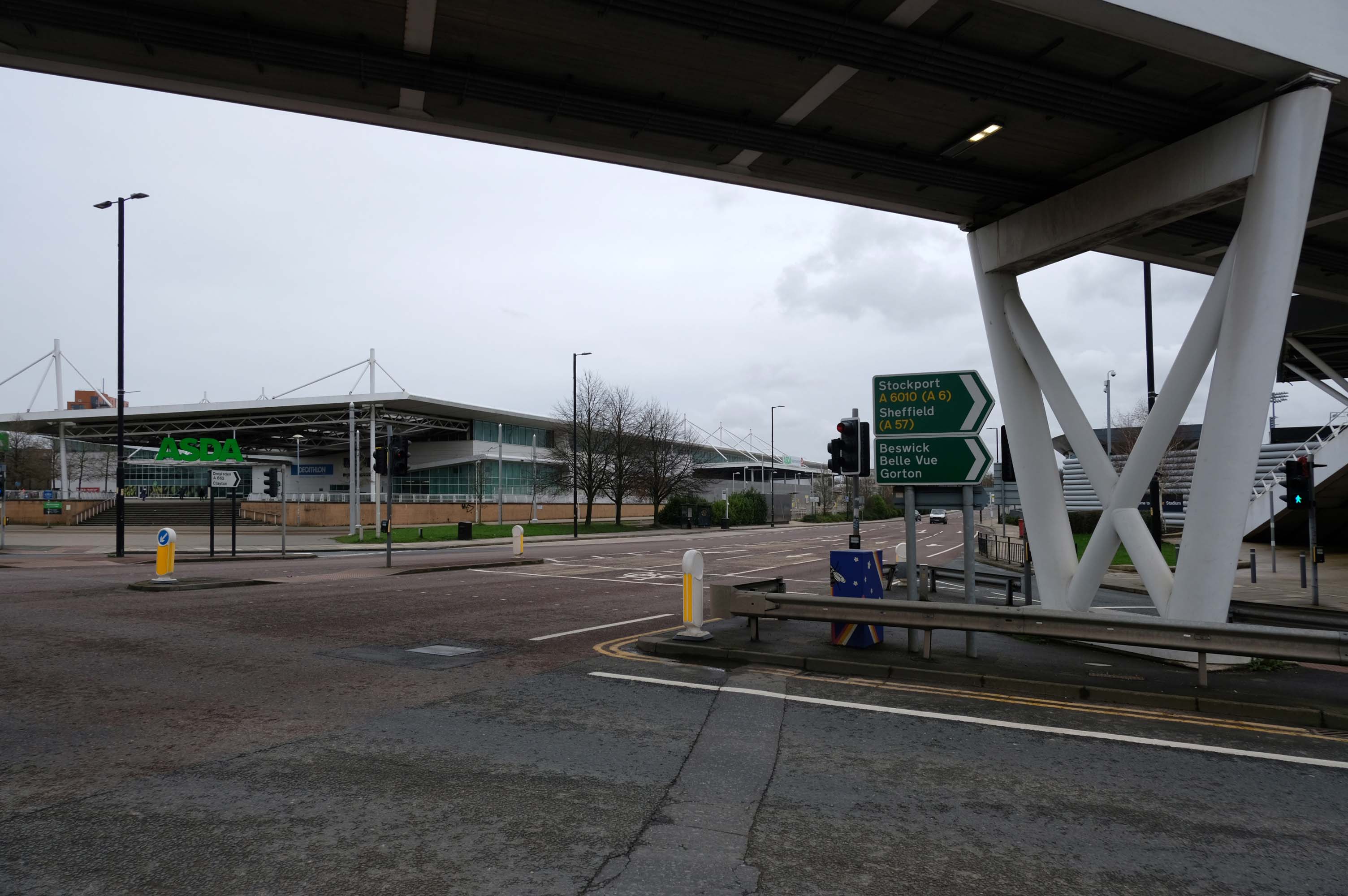
Starting at traffic lights on the A665 the road heads northeastwards, initially with the Metrolink on the left and a factory building on the right. The road then bears right at traffic lights marking the first section of on-street running for the trams, which lasts until just before a bridge over the River Medlock, after which the road passes to the south of the Sportcity complex whilst the tram line runs through the middle.

The A6010 is crossed at traffic lights, after which we see the tram lines on the left once more. We go over the Ashton Canal, then the tram lines at grade before bearing to the right to pass Clayton Park before another section of on-street running for the Metrolink begins, which continues for some distance. Just after crossing the Manchester city limit there is a set of traffic lights, after which the road becomes D2 for a short distance to allow a tram stop – Edge Lane, to be located in the central reservation. The tram leaves the road to the right for the next stop – Cemetery Road, and the stop in Droylsden town centre is once again in the central reservation. In all three cases the street running recommences after the stop.

Sabre Roads

In 2014, having taken early retirement from teaching photography, I embarked on a series of walks along the arterial roads of Manchester.

See also Bury New Road and Cheetham Hill Road and Rochdale Road and Oldham Road.

Manchester Arterial – A62

The A62, which runs from Manchester to Leeds, via Oldham and Huddersfield, was once the main route across the Pennines, connecting the largest city in Lancashire with Yorkshire’s largest city. However with the completion of the M62 towards Leeds in the early 1970s it lost much of its importance and traffic to the motorway, which runs a few miles to the north. These days, the A62 serves as a busy primary route between Manchester and Oldham, an extremely very quiet route over the Pennines, and then a fairly busy local road linking Huddersfield with Leeds.

Most maps show that the A62 starts its journey in the middle of Manchester by leaving the A6 Piccadilly and running along Lever Street – the original route was the parallel Oldham Street. However, owing to a bus gate Lever Street is not generally accessible from Piccadilly. We head out easterly on a busy street – non–primary, until we meet the Ring Road where we pick up primary status that we retain until Oldham. We turn left at this point and then immediately right to start the A62 proper.

Sabre Roads

In 2014, having taken early retirement from teaching photography, I embarked on a series of walks along the arterial roads of Manchester.

This whole undertaking was prompted in part by Charlie Meecham’s 1980’s Oldham Road project .

The work questions whether a sense of local identity can be maintained in an area of constant redevelopment and community displacement.

This area was first developed in the 19th century for cotton manufacture, coal extraction and later electrical and heavy engineering. The road was lined with shops and there was a vibrant community.

When I first started working on the project, most of the early industry had ceased operating and the mills were either abandoned or being dismantled. However, some had been refurbished either for new industrial use or later, made into apartments. Some run down areas were cleared making way for new housing. Clearance also provided opportunity to build new schools, trading estates and create green space. Most of the older community centres such as theatres and cinemas along the road were also abandoned and later cleared.

See also Bury New Road and Cheetham Hill Road and Rochdale Road and Ashton New Road and Ashton Old Road and Hyde Road and Stockport Road and Kingsway and Princess Parkway.

Manchester Arterial – A664

The obvious place for the A664 to start is on the A665 Manchester & Salford Inner Relief Route, which at this point is actually two parallel one-way streets. However, many maps show the road continuing a short distance into the city centre to end at traffic lights by the Shudehill Interchange – this is presumably for historic reasons: the road originally continued along the High Street to its terminus on the A6 Market Street.

The road heads northeastwards through the suburbs, the street name Rochdale Road, already emphasising its destination. Initially dual, the road narrows just before crossing the bridge over the railway line east of Victoria station. It continues through Collyhurst and widens again just before crossing the A6010 Intermediate Ring Road, which here is made up of two parallel one-way streets, requiring two separate sets of traffic lights to cross.

Now non-primary – but still dual for a short distance more, the road runs in a more northerly direction through Blackley, where it becomes wooded for a short distance as it passes the Boggart Hole Clough park. Slightly further on the road has been straightened, after which it bears right to widen considerably and cross the A6104 at traffic lights just before M60 J20, which only has west-facing sliproads. The road narrows again on the far side of the motorway and leaves Manchester for Rochdale at the same point.

Sabre Roads

In 2014, having taken early retirement from teaching photography, I embarked on a series of walks along the arterial roads of Manchester.

See also Bury New Road and Cheetham Hill Road.

Manchester Arterial – A 665

Cheetham Hill Road is part of the designated A665. Cheetham Hill Road starts at the junction of the A6042 Corporation Street and the A665 Miller Street. It crosses the culverted River Irk to the east of Victoria Station. At its junction with New Bridge Street, it turns north-northeast and is straight for 1 km, to the A6010 Queen’s Road . This stretch was called York Street until about 1900. Cheetham Hill Road leads from here to the community of Cheetham Hill, where at Bourget Street and Crescent Road – formerly Sandy Lane, Cheetham Hill Road becomes Bury Old Road.

Wikipedia

In 2014, having taken early retirement from teaching photography, I embarked on a series of walks along the arterial roads of Manchester.

See also Bury New Road.