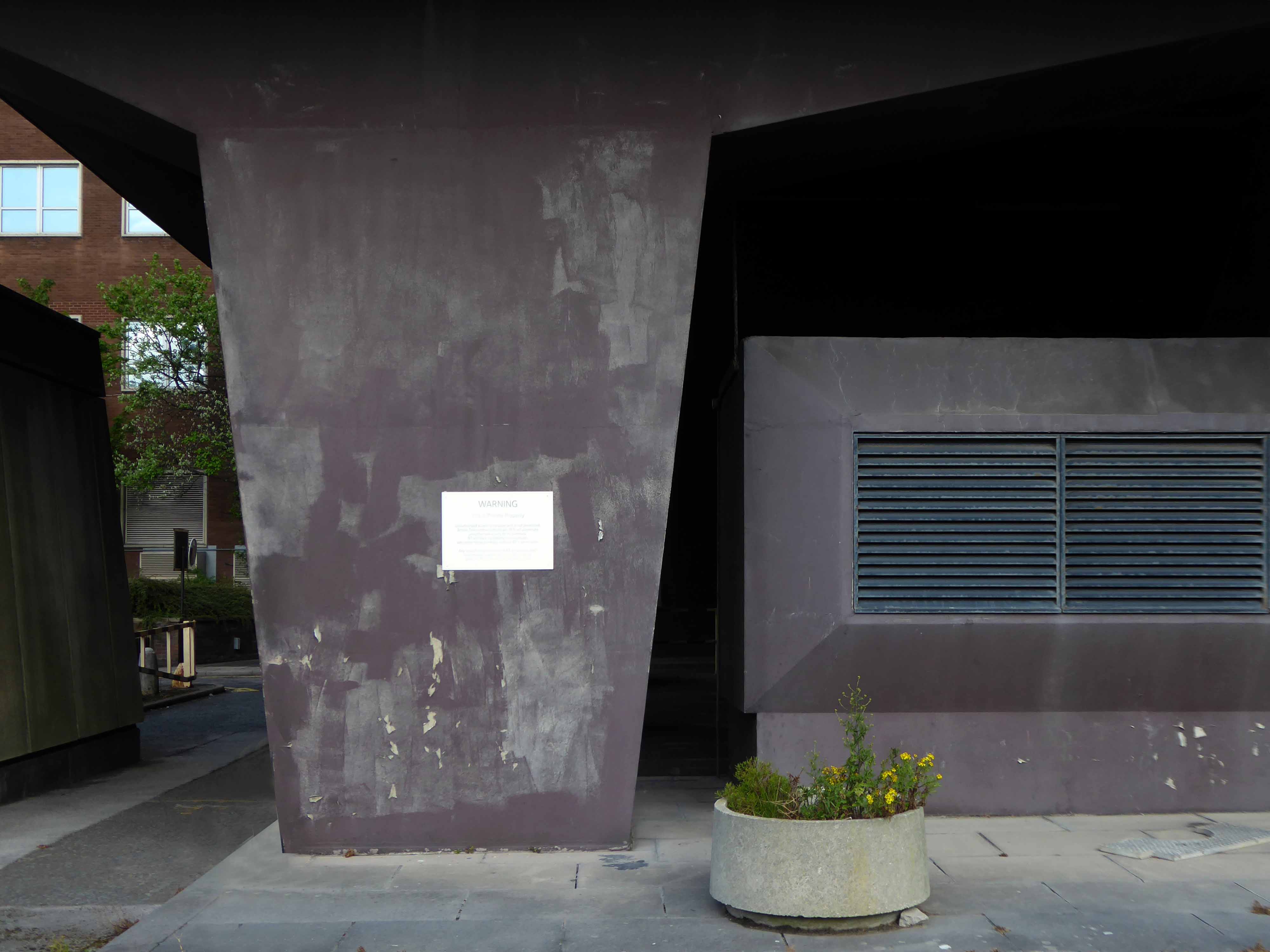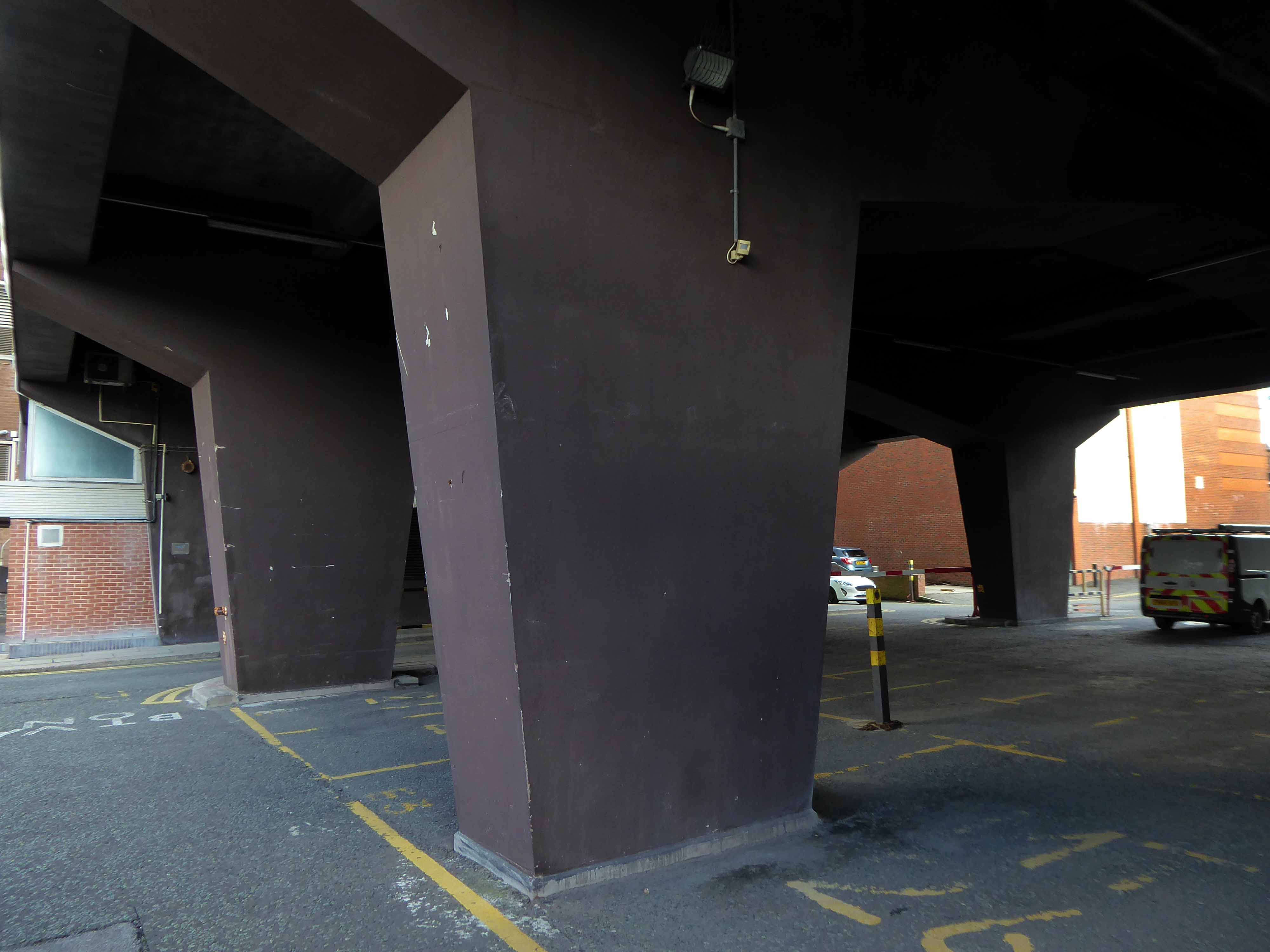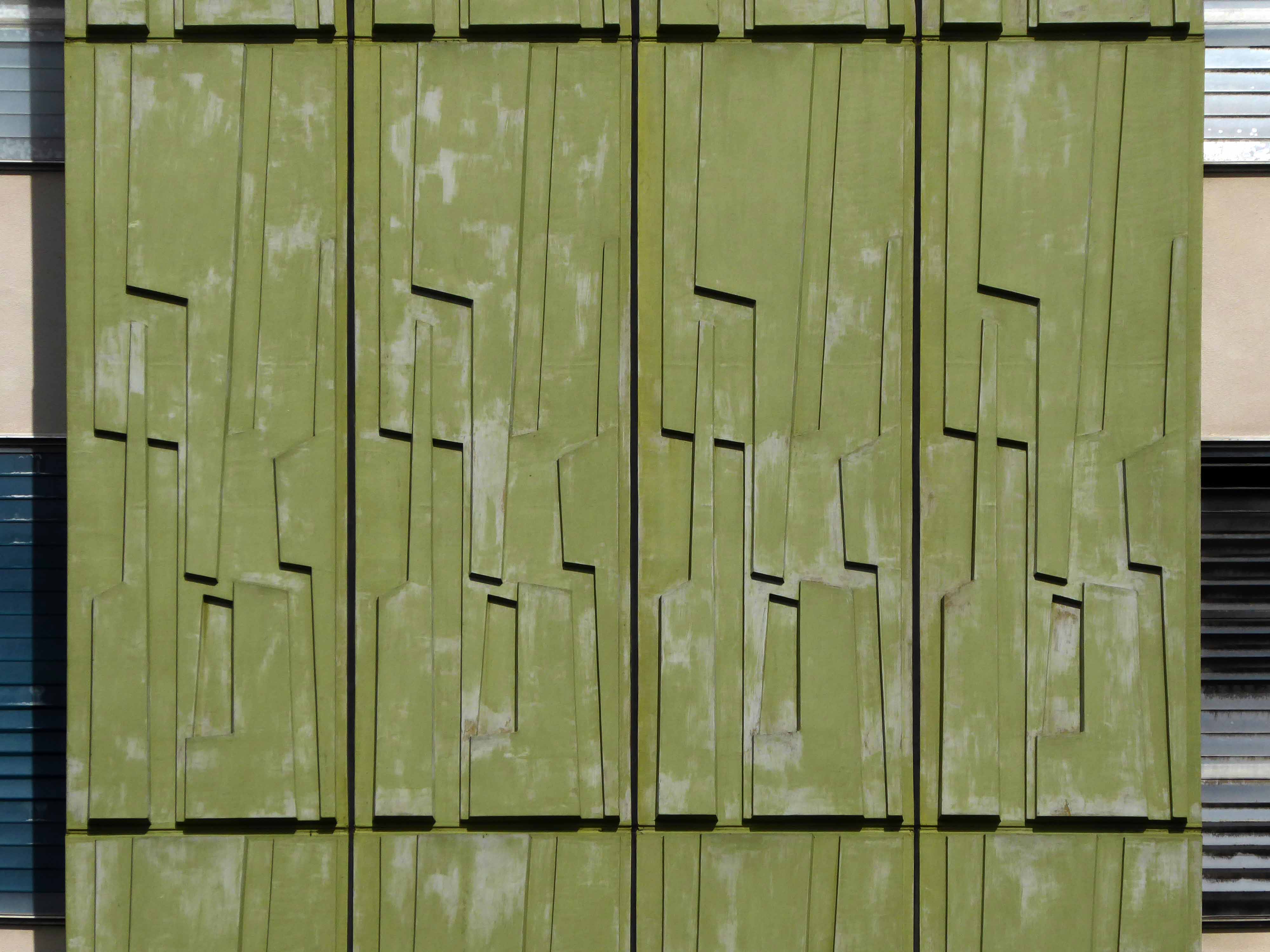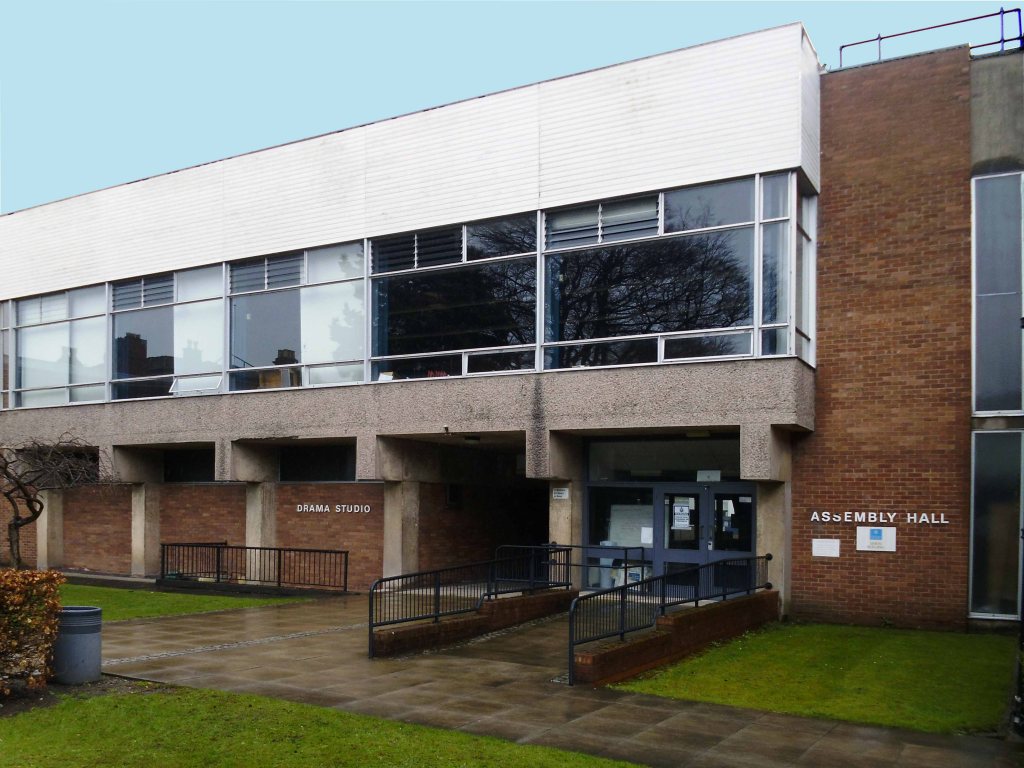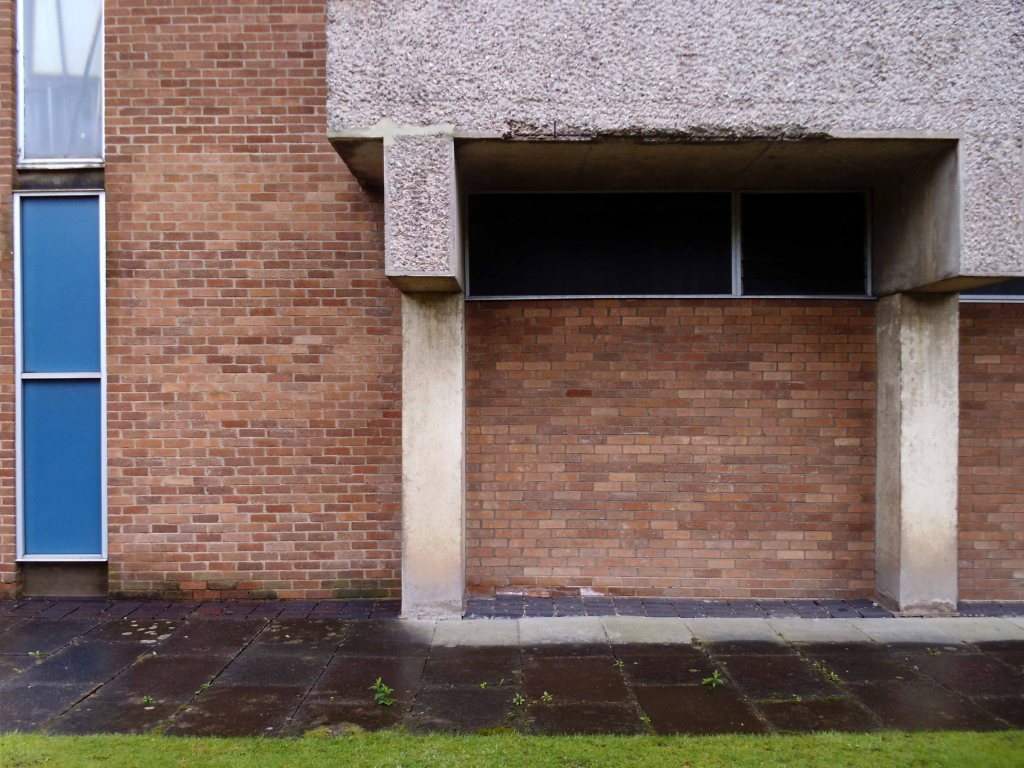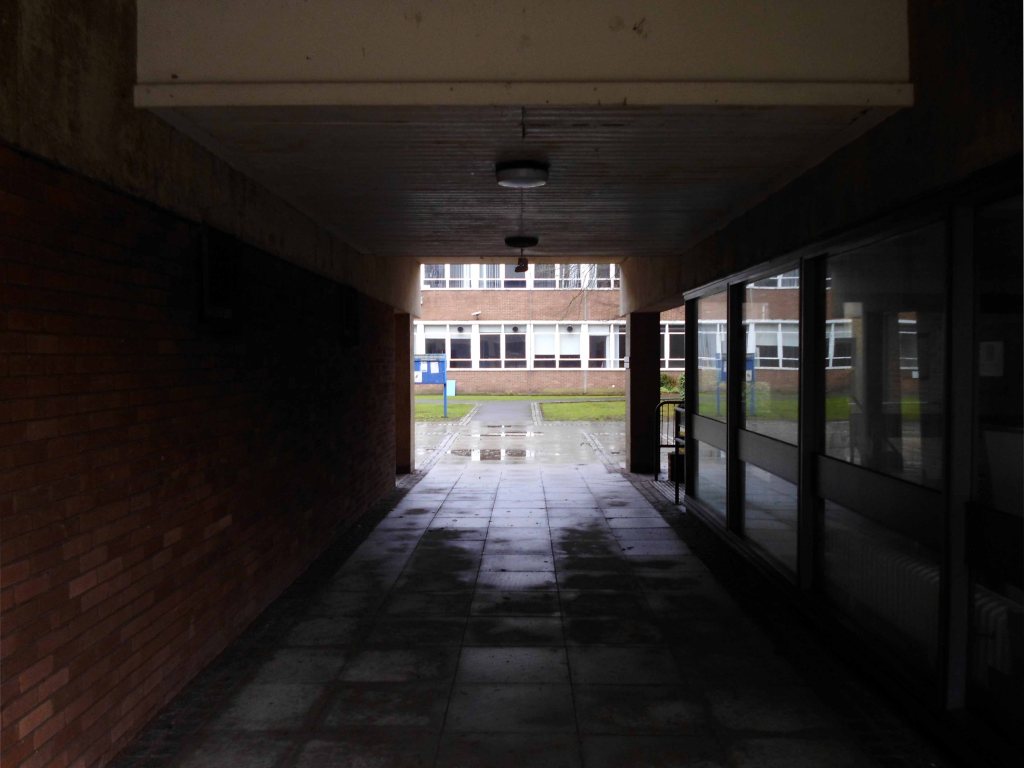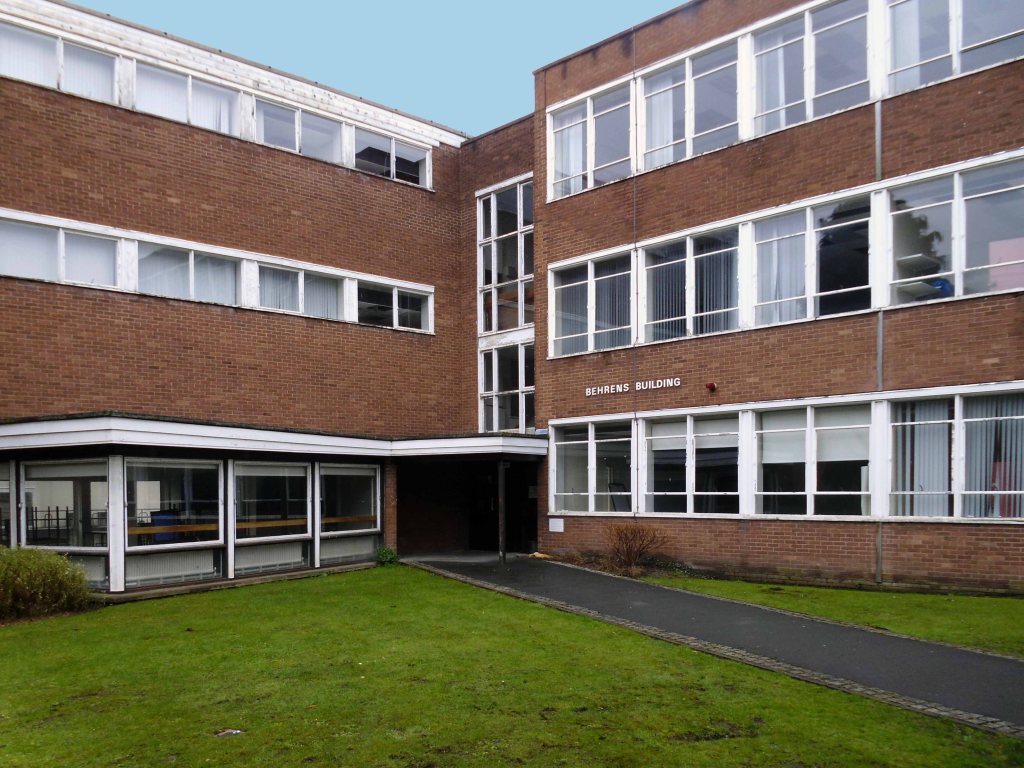
Porstmouth

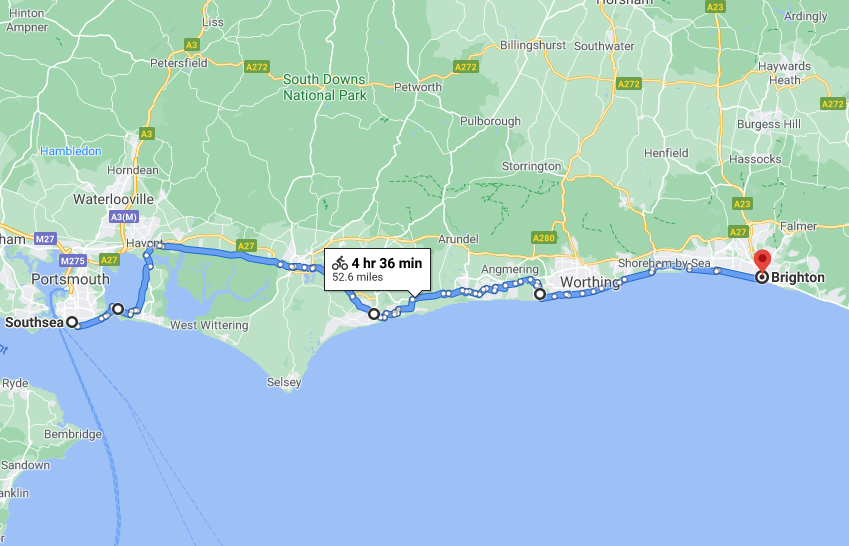
Having cycled here from Southampton, we now had time to cool our heels and look around.

Tim Rushton and I were Fine Art students here in the 1970’s, eager to take a trip down Memory Lane to Lion Terrace.

We’ll get there in a bit.

We took a look along The Hard discovering pubs that we never went in which are no longer pubs.

This pub was built in 1900, possibly on the site of an earlier pub. For most of its history it was tied to the Brickwood’s Brewery of Portsmouth. 

The pub closed in 1970 to become a restaurant, before becoming an estate agents offices.

The pub sign appeared in the 1971 film Carry On At Your Convenience.

Many Brickwoods’ pubs were ever so elegantly tiled, though the beer was largely undrinkable.

Just along the way another pub which we never really knew, though still a pub for all that.

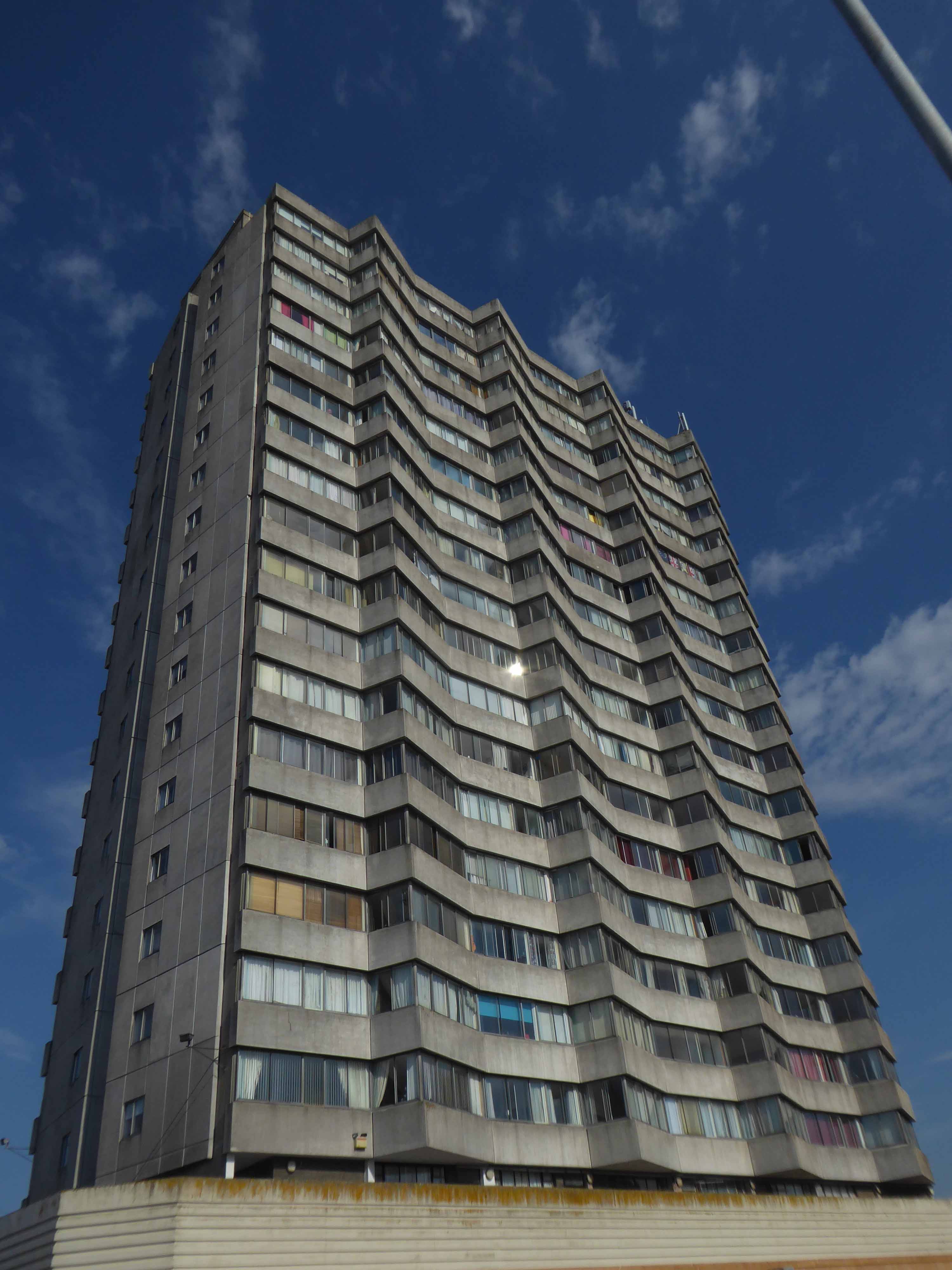
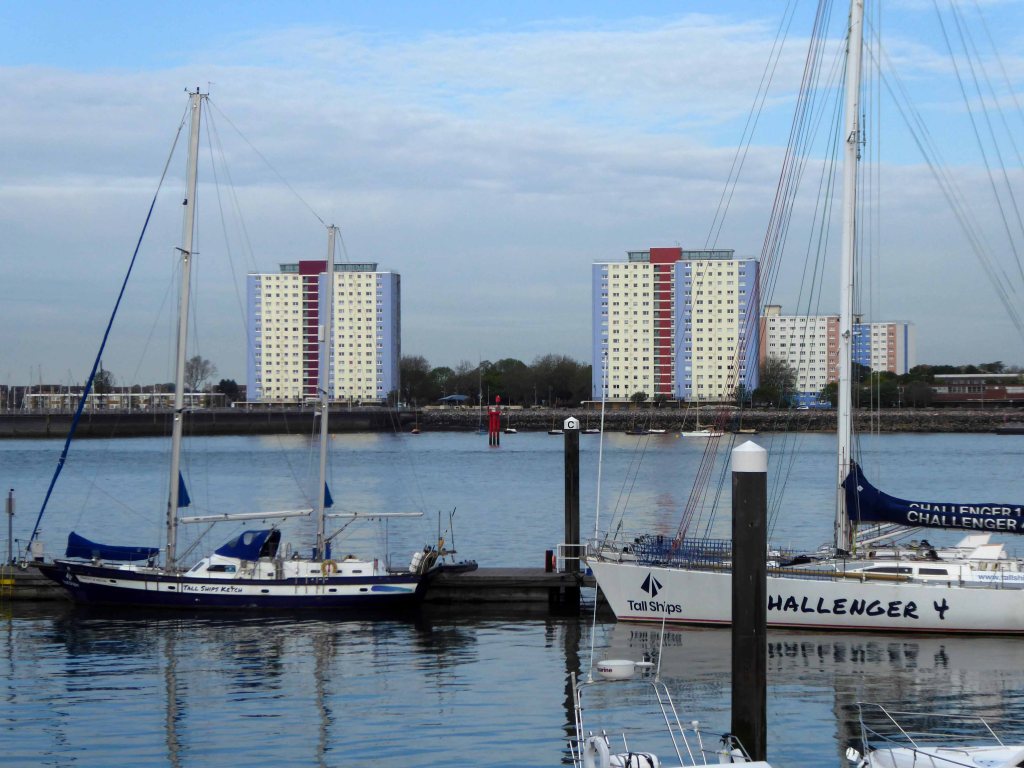
Across the water in Gosport our old pals Harbour and Seaward Towers.

Along the way some high quality hard landscaping.

Beneath our feet the smiling face of Pompey!

We resisted the charming period charms of the Clarence Pier

The pier was originally constructed and opened in 1861 by the Prince and Princess of Wales and boasted a regular ferry service to the Isle of Wight.

It was damaged by air raids during World War II and was reopened in its current form on 1 June 1961 after being rebuilt by local architects AE Cogswell & Sons and R Lewis Reynish.

Mind the Baby Mr. Bean an episode of British TV comedy series Mr. Bean was filmed on location at Clarence Pier.

Wikipedia

Tim wisely eschews the Wimpy.

Lyons obtained a licence to use the Wimpy brand in the United Kingdom from Edward Gold’s Chicago based Wimpy Grills Inc. and, in 1954, the first Wimpy Bar was established at the Lyons Corner House in Coventry Street, London. The bar began as a special fast food section within traditional Corner House restaurants, but the success soon led to the establishment of separate Wimpy restaurants serving only hamburger-based meals.

In a 1955 newspaper column, Art Buchwald, syndicated writer for the Washington Post, wrote about the recent opening of a Wimpy’s Hamburger Parlor on Coventry Street and about the influence of American culture on the British.

Buchwald wrote:

Food served at the table within ten minutes of ordering and with atomic age efficiency. No cutlery needed or given. Drinks served in a bottle with a straw. Condiments in pre-packaged single serving packets.

In addition to familiar Wimpy burgers and milkshakes, the British franchise had served ham or sardine rolls called Torpedoes and a cold frankfurter with pickled cucumber sandwiches called Freddies.

During the 1970s Wimpy refused entry to women on their own after midnight.

Moving along eye spy the Isle of Wight Ferry through the Hovertravel window.

Hovertravel is now the world’s oldest hovercraft operator, and this service is believed to be unique in western Europe. 

It is the world’s only commercial passenger hovercraft service.

The operator’s principal service operates between Southsea Common on the English mainland and Ryde Transport Interchange on the Isle of Wight: the crossing time of less than 10 minutes makes it the fastest route across The Solent from land to land. 

This service commenced operations in 1965, Hovertravel currently operates two 12000TD hovercraft on a single route between Ryde and Southsea.

Wikipedia 

We took a turn into the back streets to visit our old home 20 Shaftesbury Road, where Catherine Lusher, Tim and I lived in the basement flats.

Liz Bavister and Trish Frowd lived above

The former Debenham’s is to become flats.

Hampshire Live

Nearby Knight and Lea has been listed

The Knight & Lee building, which is located between two conservation areas on a prominent corner of Palmerston Road and Clarendon Road in Southsea, Portsmouth, was designed by Cotton, Ballard and Blow.

C20

Notable surviving original interior features include spiral staircases with terrazzo flooring in the northwestern and southwestern corner customer entrance vestibules.

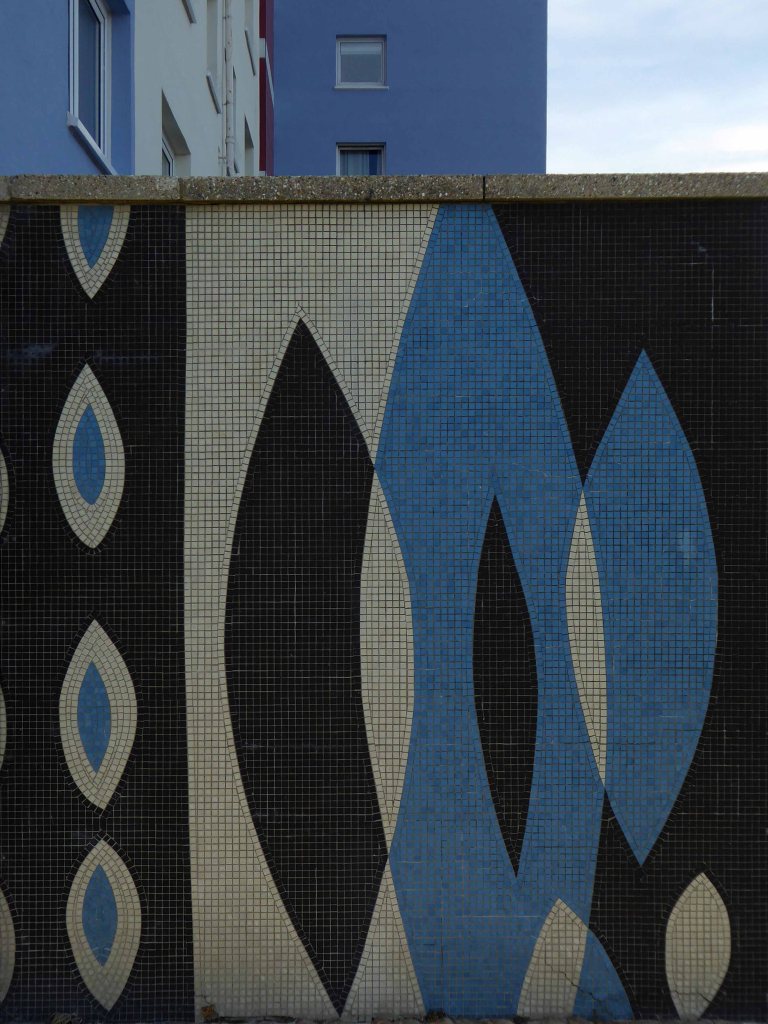
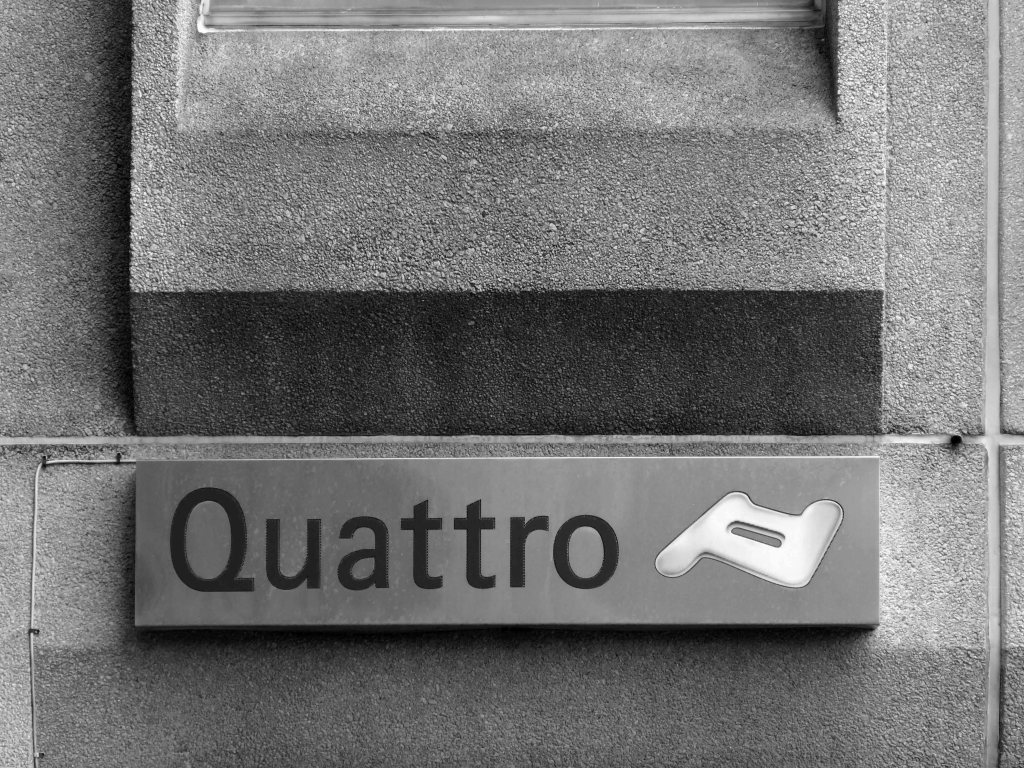
A little Stymie Bold Italic aka Profil for your delectation along with a delightful low concrete fence.

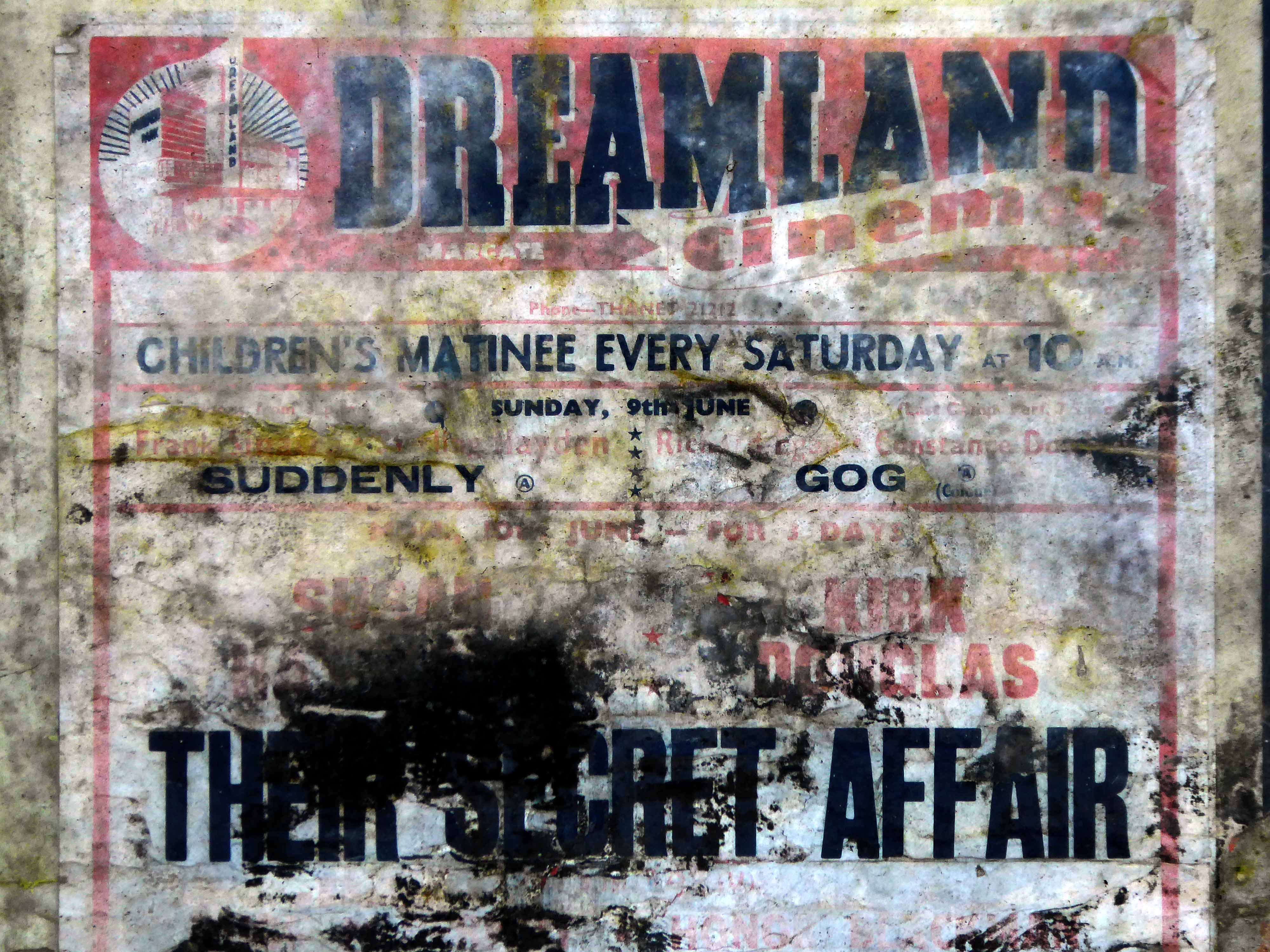
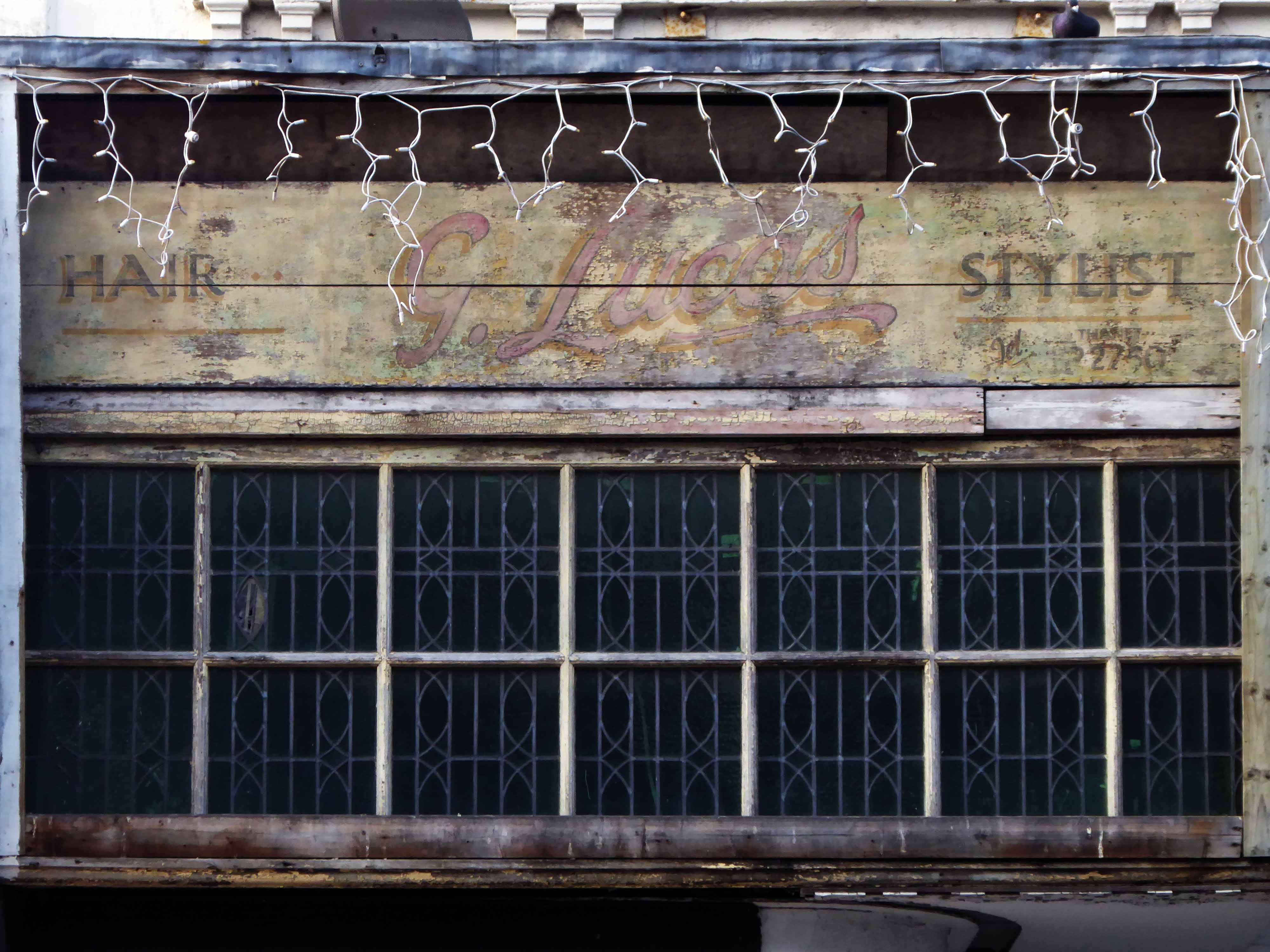
A ghostly sign.

The Wheelbarrow where we drank, currently home to Joe and his pizzas.

The former Duchess of Fife in Castle Road long gone Long’s pub

Long & Co Ltd Southsea Brewery

Founded by William Tollervey 1814 and was acquired by Samuel Long in 1839. Registered in March 1924. 

Acquired by Brickwoods Ltd 1933 when brewing ceased.

The Barley Mow my favourite local where we would take a drink later.

Later.

The evening was enlivened by the arrival of a drunken wedding party the bride all in white, veil askew.

The besuited groom three sheets to the wind, mayhem ensued, we departed.

The Grade II Listed India Arms – North part 1902 by AE Cogswell; south part formerly Fishmonger and Game shop 1900, which formed the extension to the public house c1980.

Once part of the long gone Gales Brewery estate.

Founded 1847 when Richard Gale acquired the Ship & Bell home brew house.

Registered in April 1888 with 80 public houses. 

Acquired by Fuller, Smith & Turner Ltd in 2005 with 111 houses and closed.

Now we is at the Borough Arms and other favourite – purveyors of strong rough cider.

Built in 1899 architect AE Cogswell as the Old Vic now listed but no longer a pub

Along with the adjacent Wiltshire Lamb which since the 1980s this pub has had a variety of names including, Drummond’s, Tut ‘n’ Shive, Monty’s and now Hampshire Boulevard, usually shortened to HB.

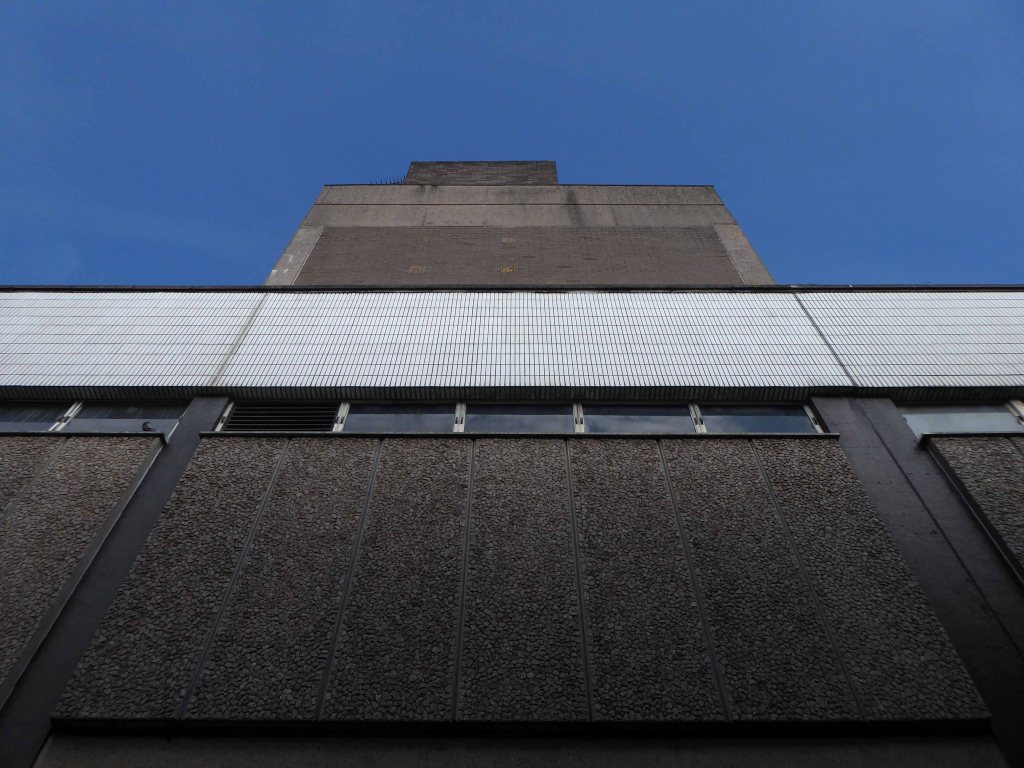
The Norrish Central Library: city architect Ken Norrish 1976 – is all that remains this Brutal part of Portsmouth.

It faces the stylish new Civic Centre: Teggin & Taylor 1976 – a piazza completed by the adjacent Guildhall.

Alas no more:

The Tricorn Centre was a shopping, nightclub and car park complex, it was designed in the Brutalist style by Owen Luder and Rodney Gordon and took its name from the site’s shape which from the air resembled a tricorn hat.

Constructed in the mid-1960s, it was demolished in 2004.

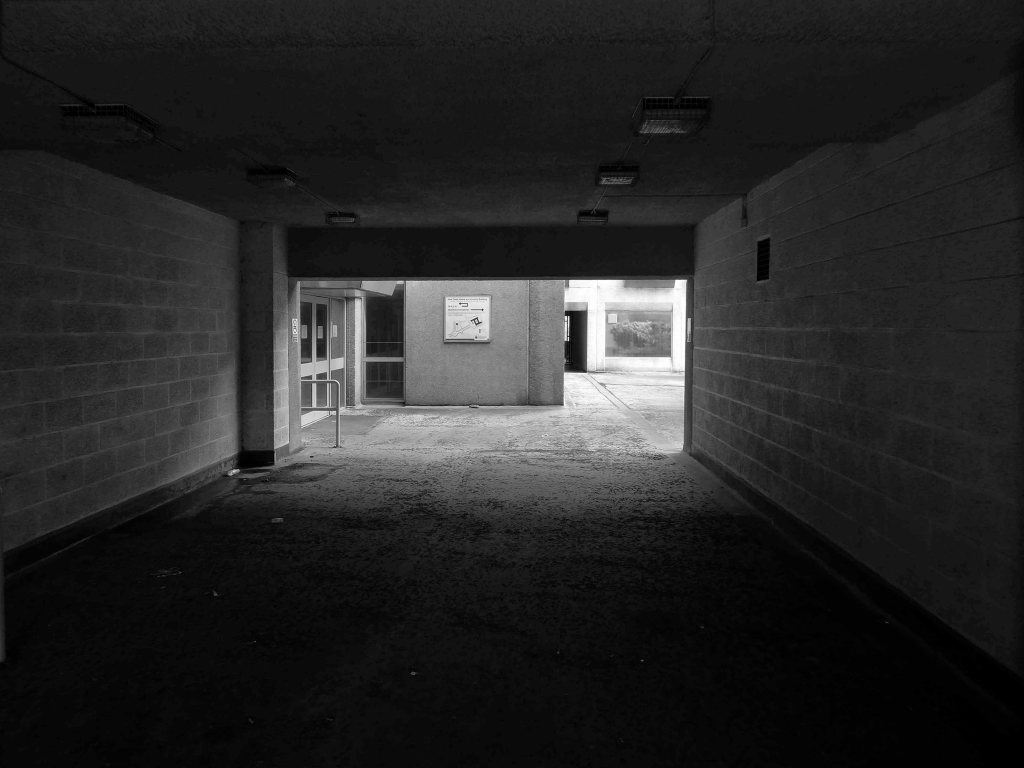
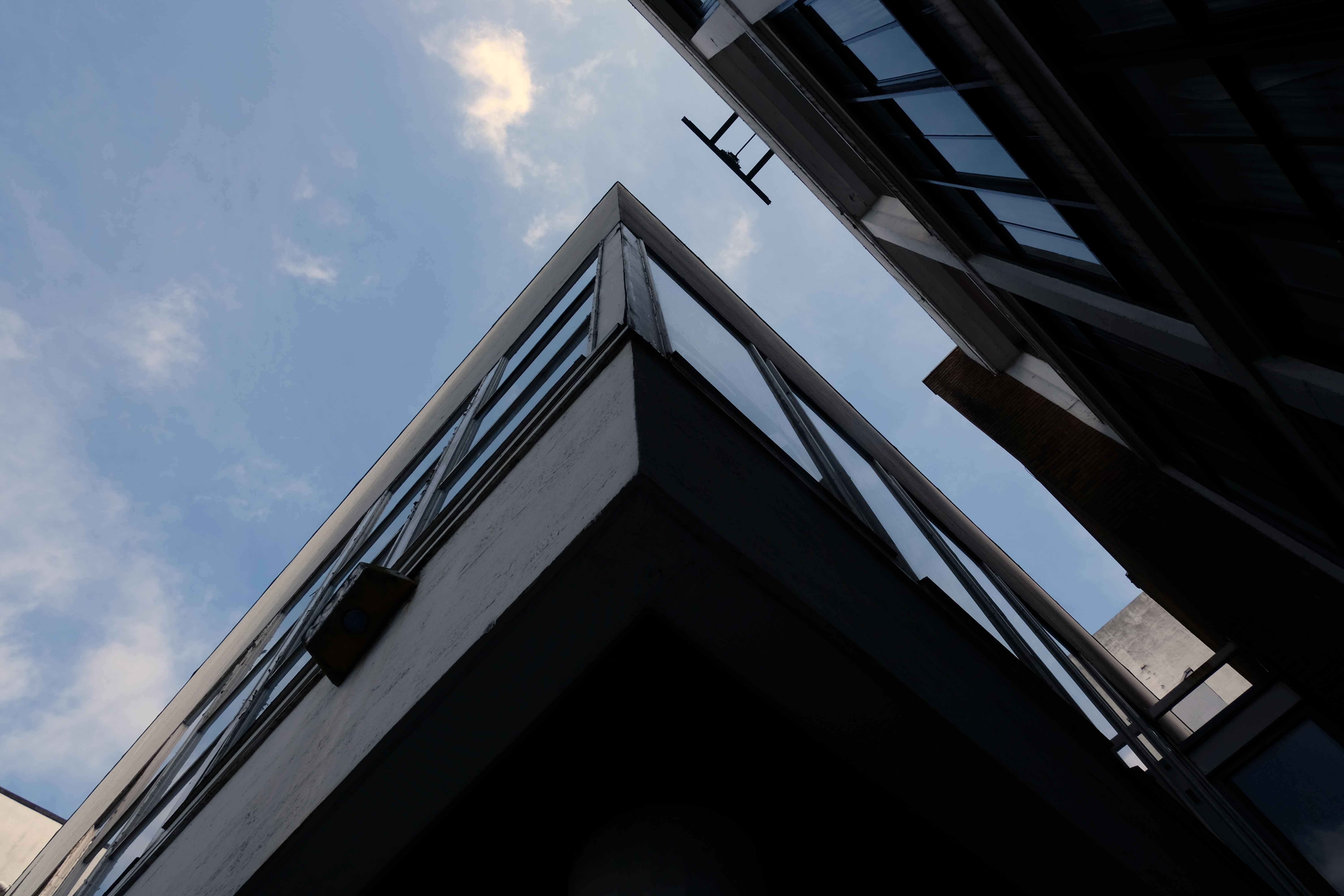
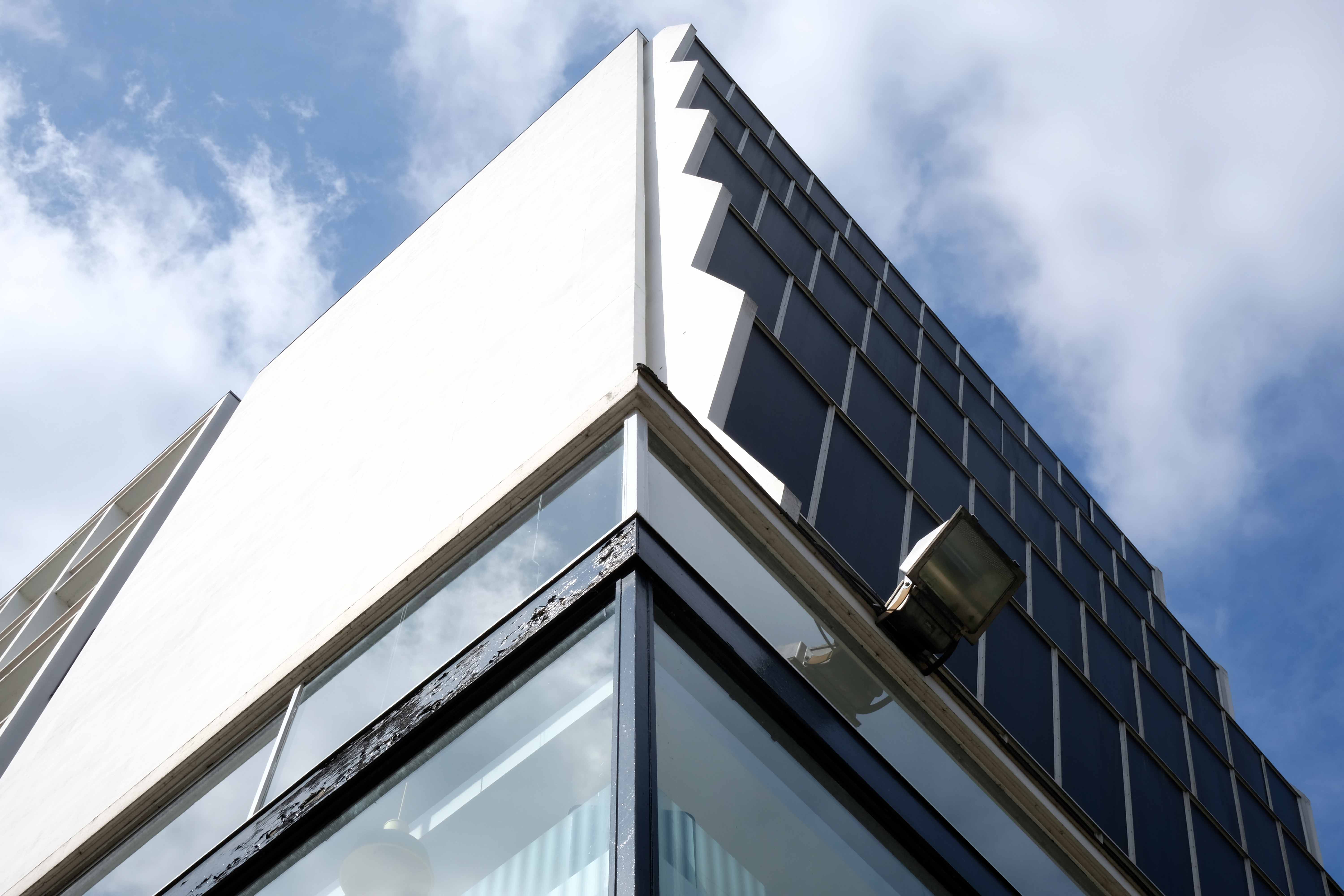
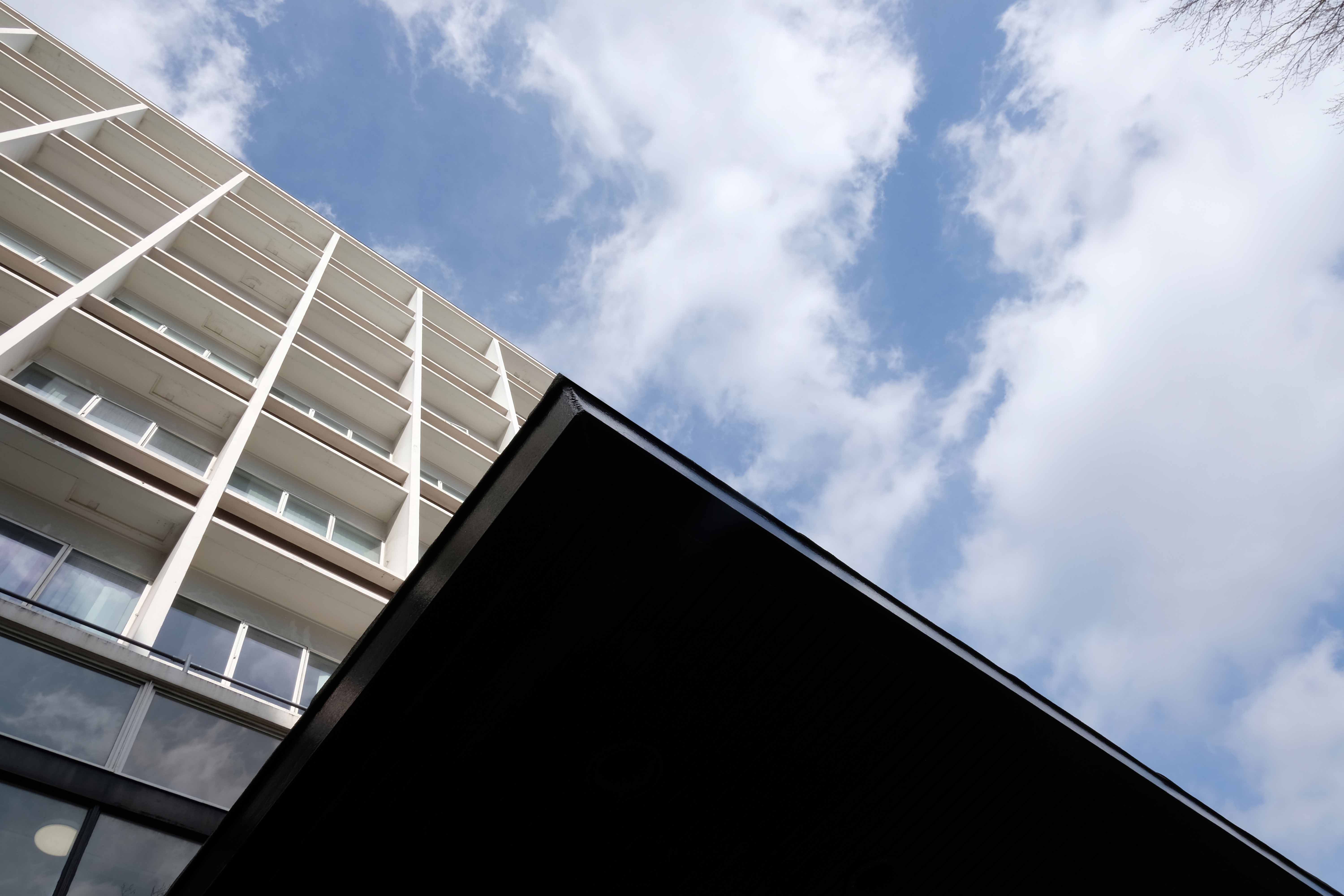
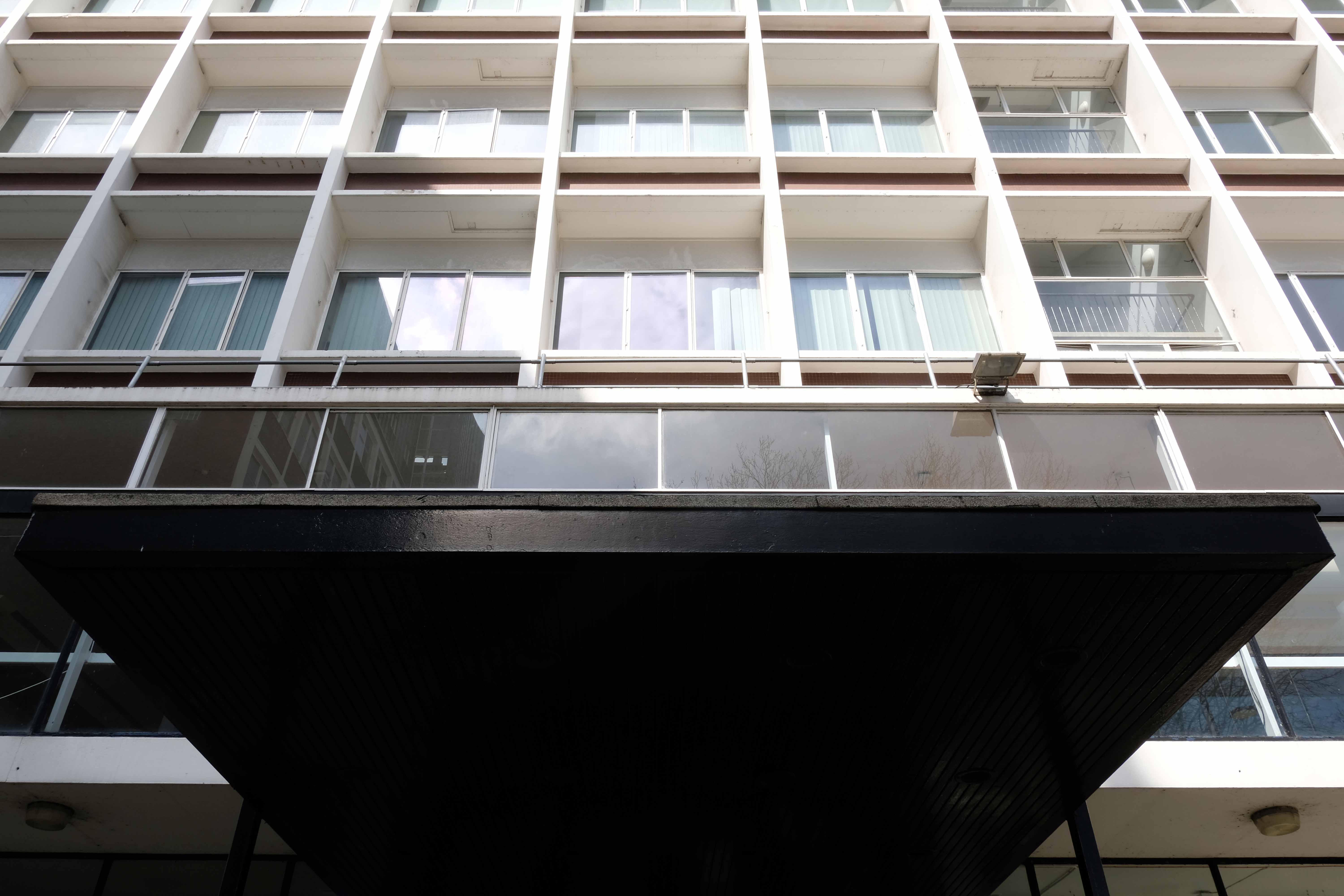
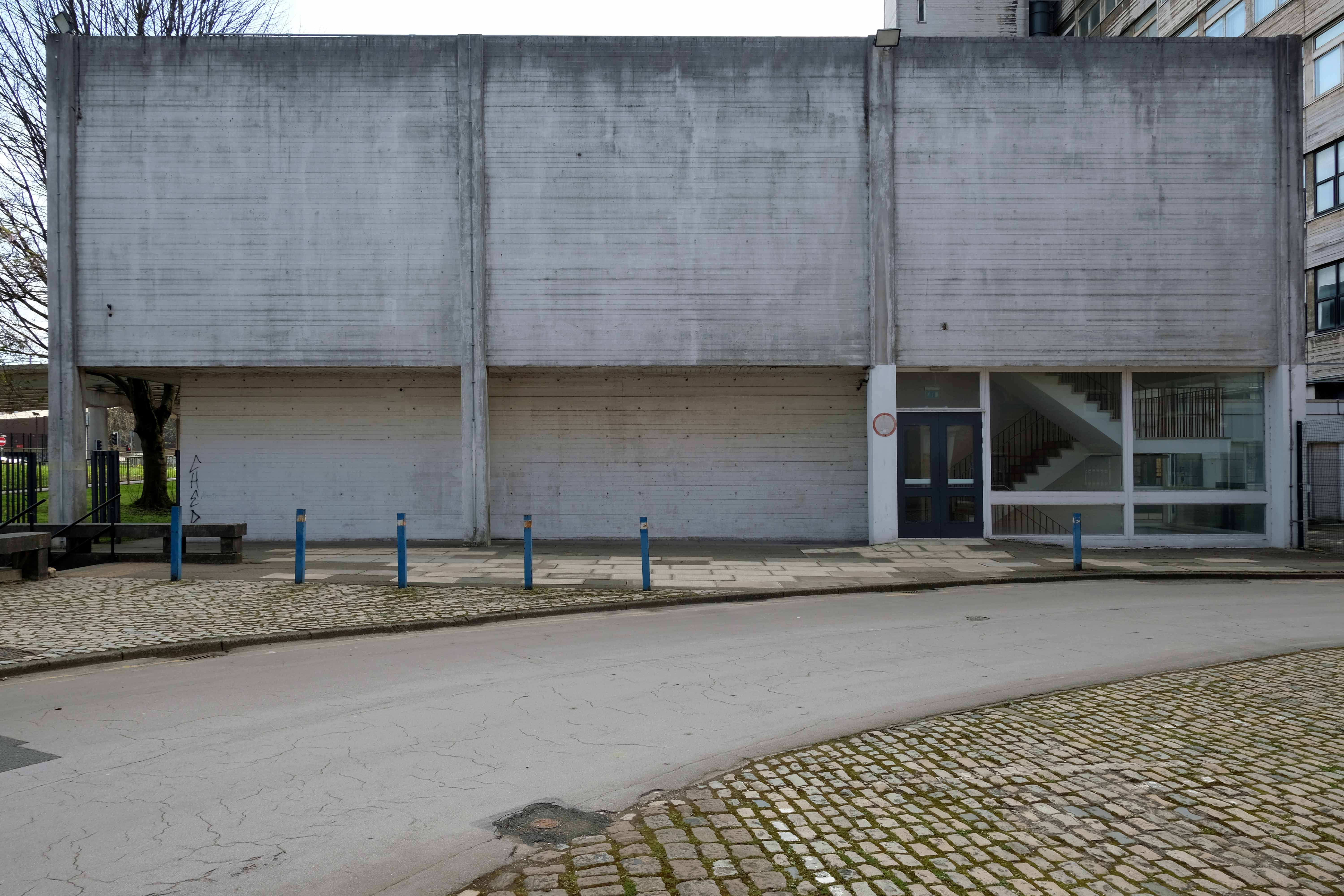
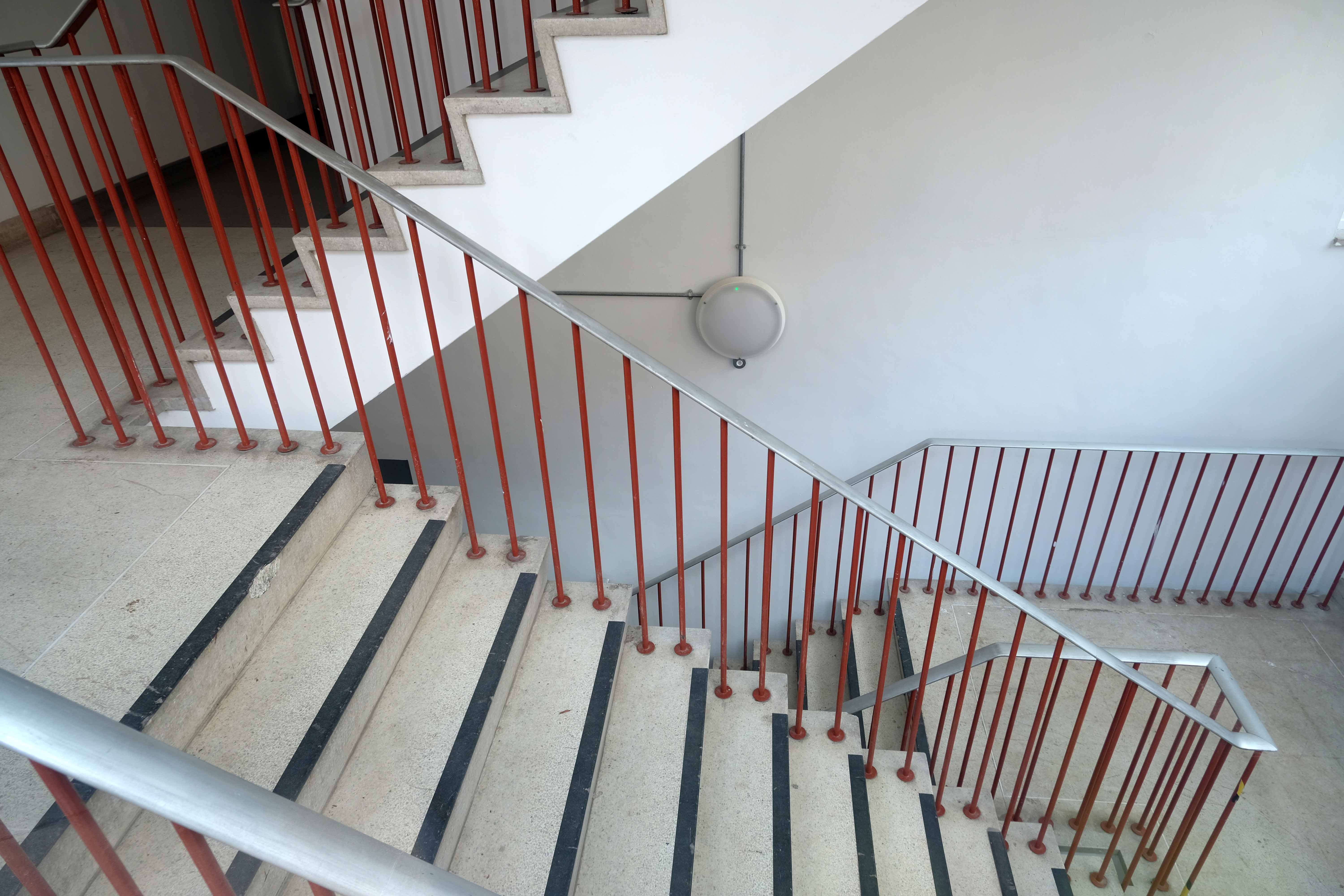
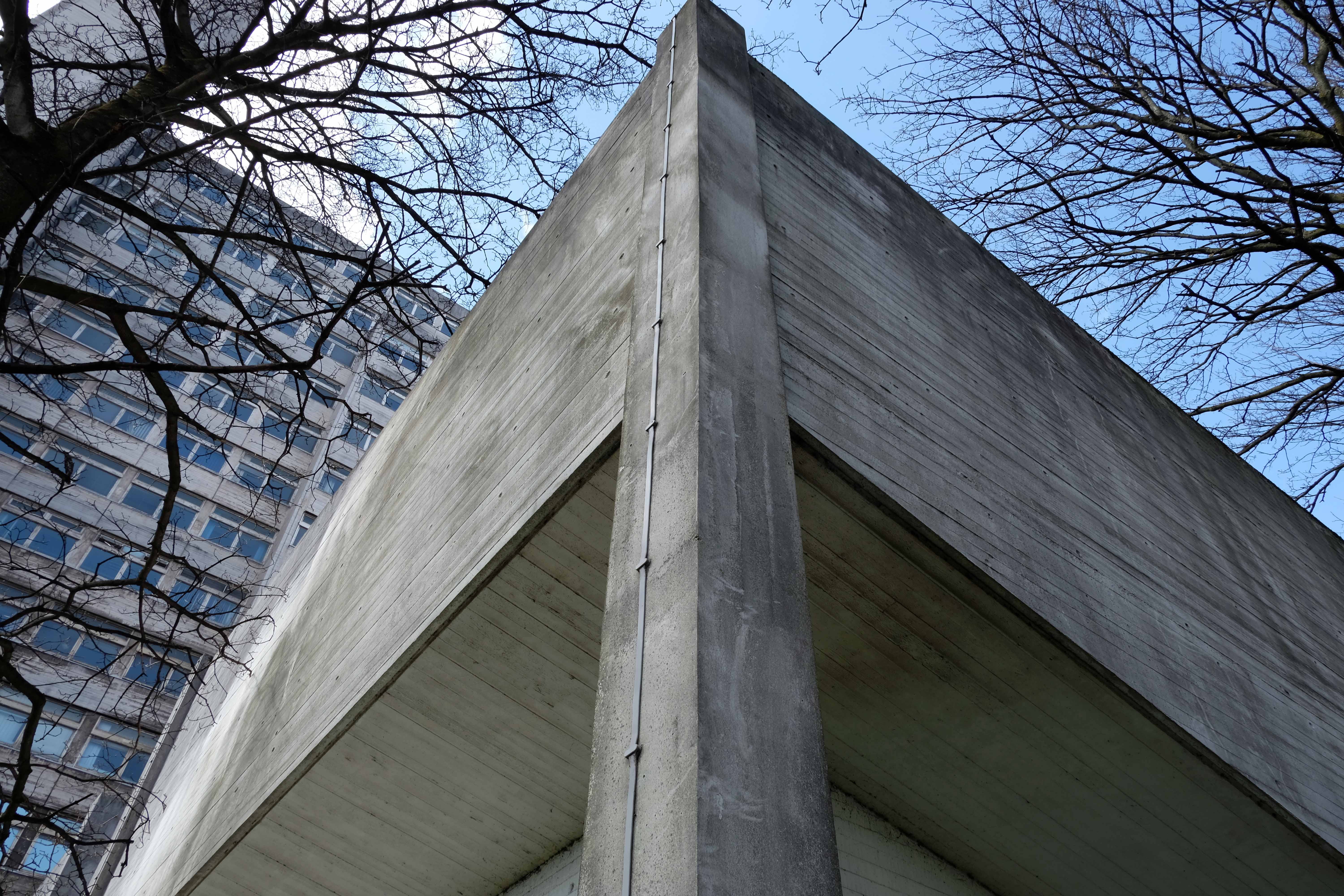
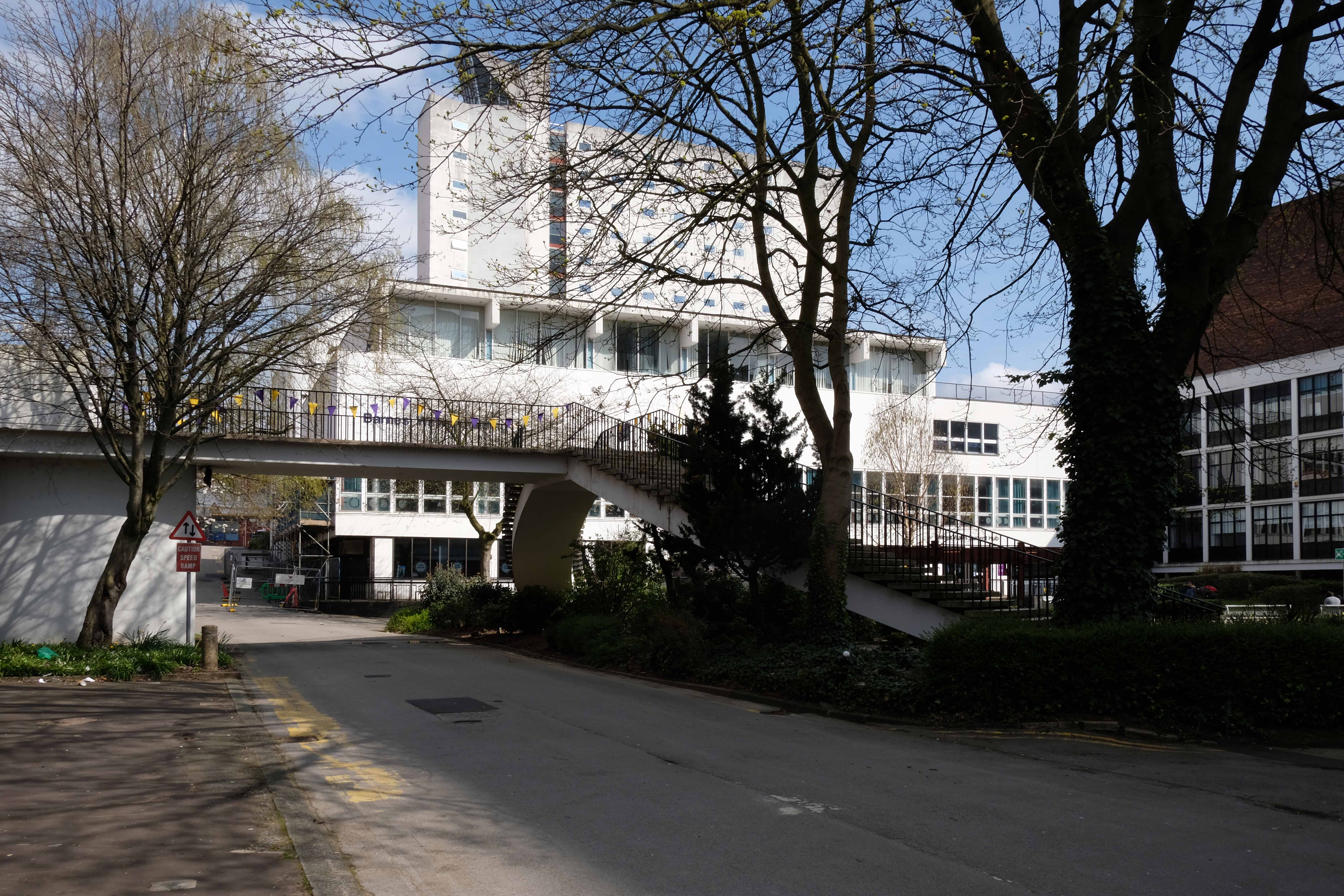
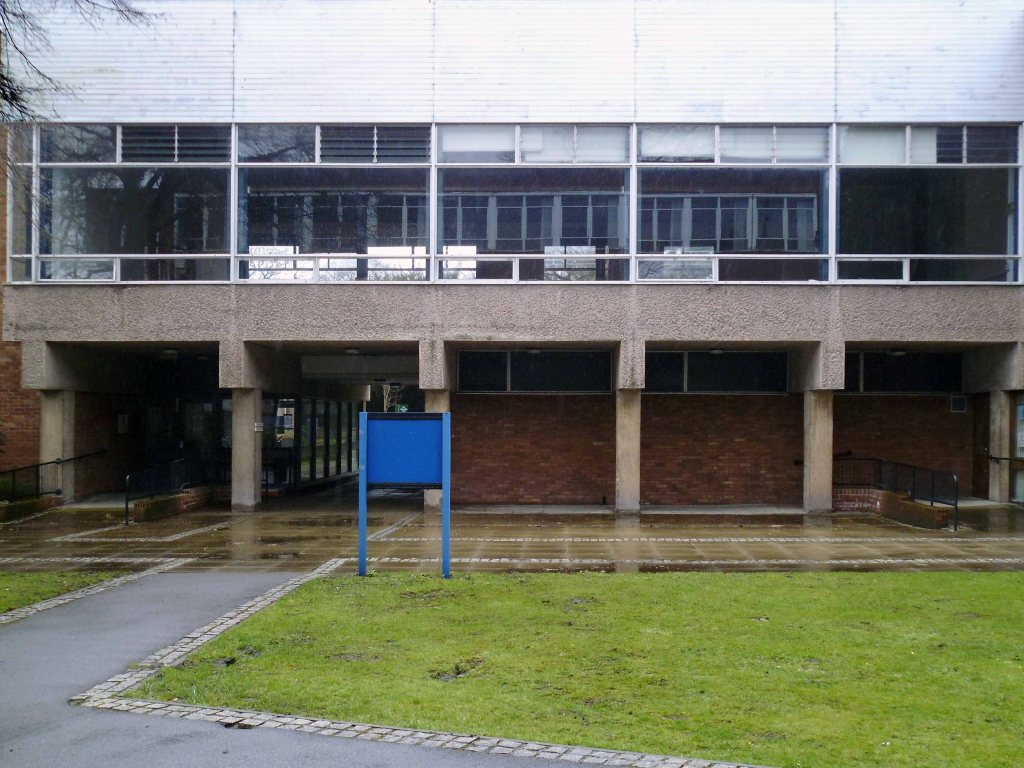
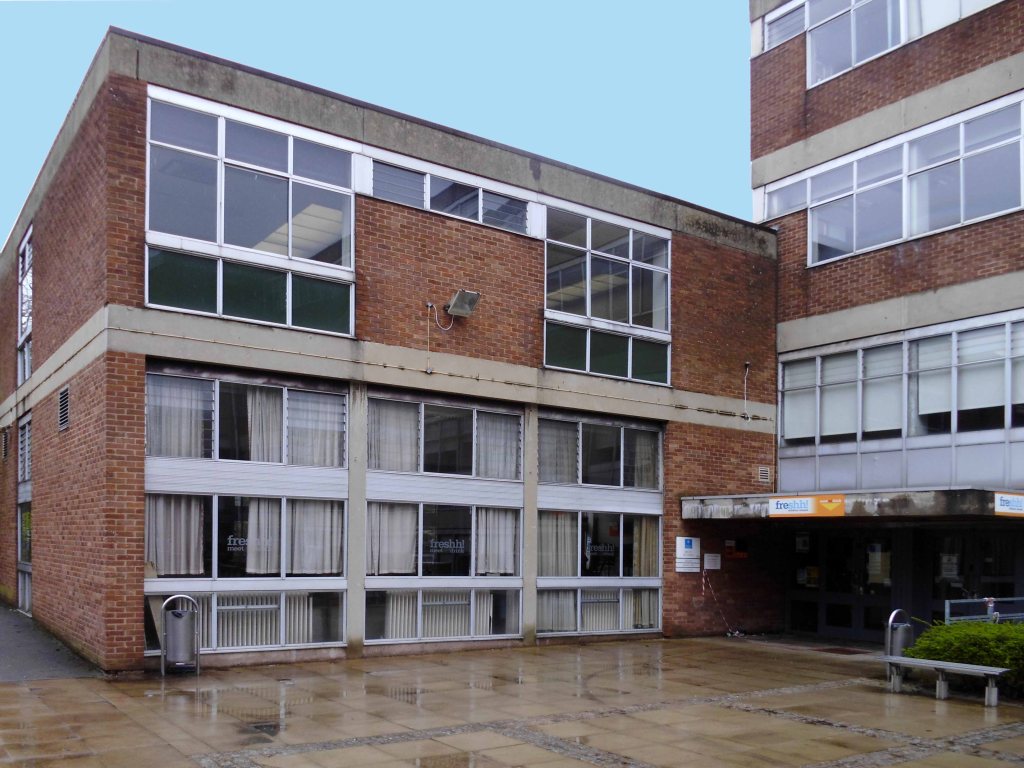
Next we are by the former Portsmouth Polytechnic Fine Art block in Lion Terrace.

The ground floor corner housed the print room where I learnt my craft under the tutelage of Ian Hunter who we hooked up with for a pint and a chat.

Thanks ever so Ian for everything.

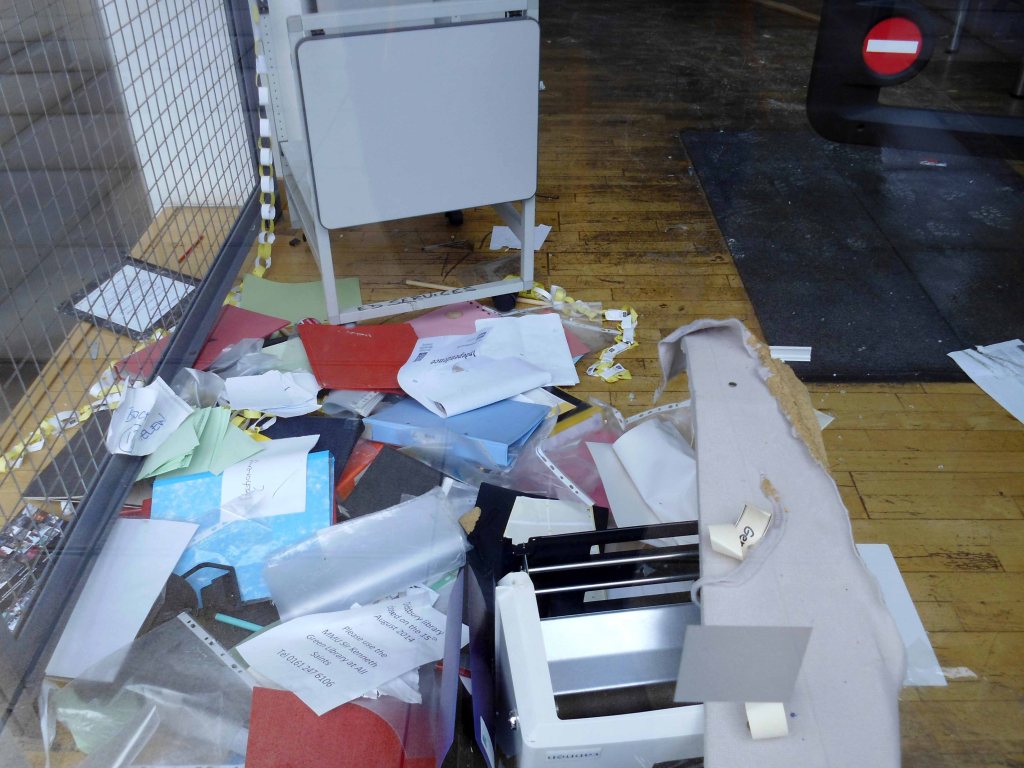
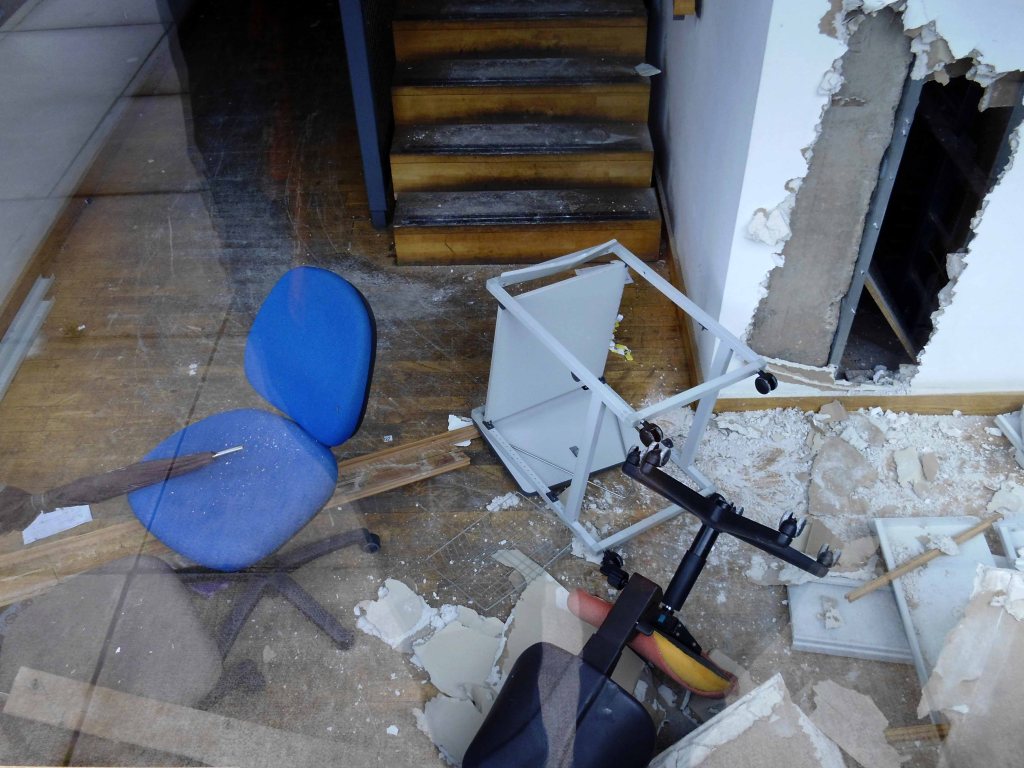
The happy days came to an end when the department was acrimoniously closed during a Hampshire shuffle.

We also cycled out to Langstone Harbour in search of the Arundel Canal lock gates, where Tim had languidly drawn away the hours, too many summers long ago.

After some circuitous searching we finally found them.

We ended a long day in the Barley Mow sharing yet another pint, one of many in our almost fifty year friendship.

Southampton to Portsmouth

We arrived safely by train from Stockport at Southampton Central.

Following lengthy consideration we headed off on our bikes.

Whilst halting to review our progress, I realised that I had lost the map, a map vital to our further progress.

Returning to the station I found it nestled against the kerb.

Further assessment of our onward journey resulted in yet another retracing of steps.

In the shadow of Southampton Station dwarfed by Norwich House.

Resolute, we confront the fact that we are unsure of the route and following close scrutiny of the map, our environs and the surrounding signage, we proceed eastward towards our destination.

Wyndham Court – architects Lyons Israel Ellis, E.D. Lyons being the partner in charge along with Frank Linden and Aubrey Hume.

Leaving the city and heading along the Weston Shore – Southampton Water.

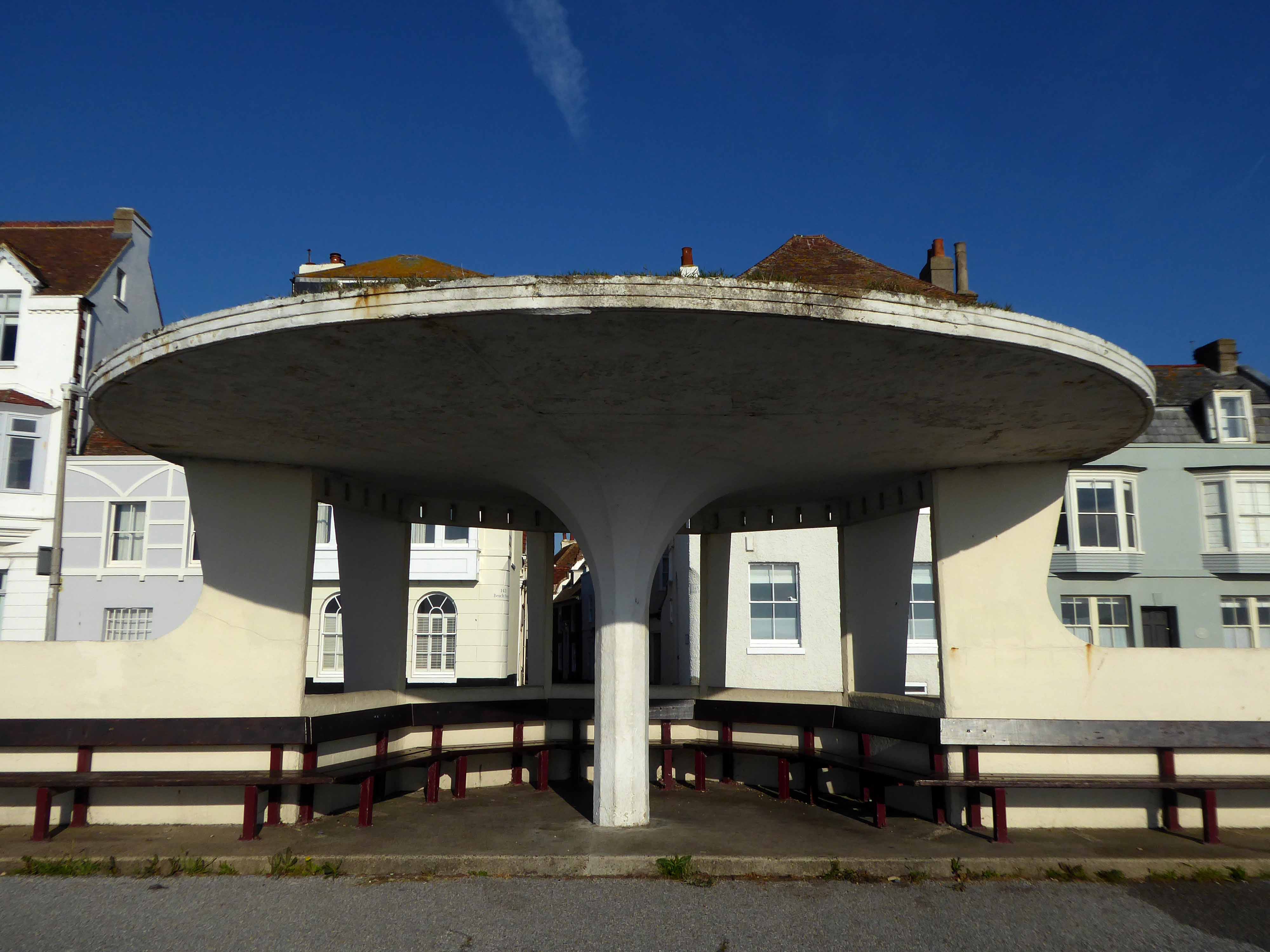
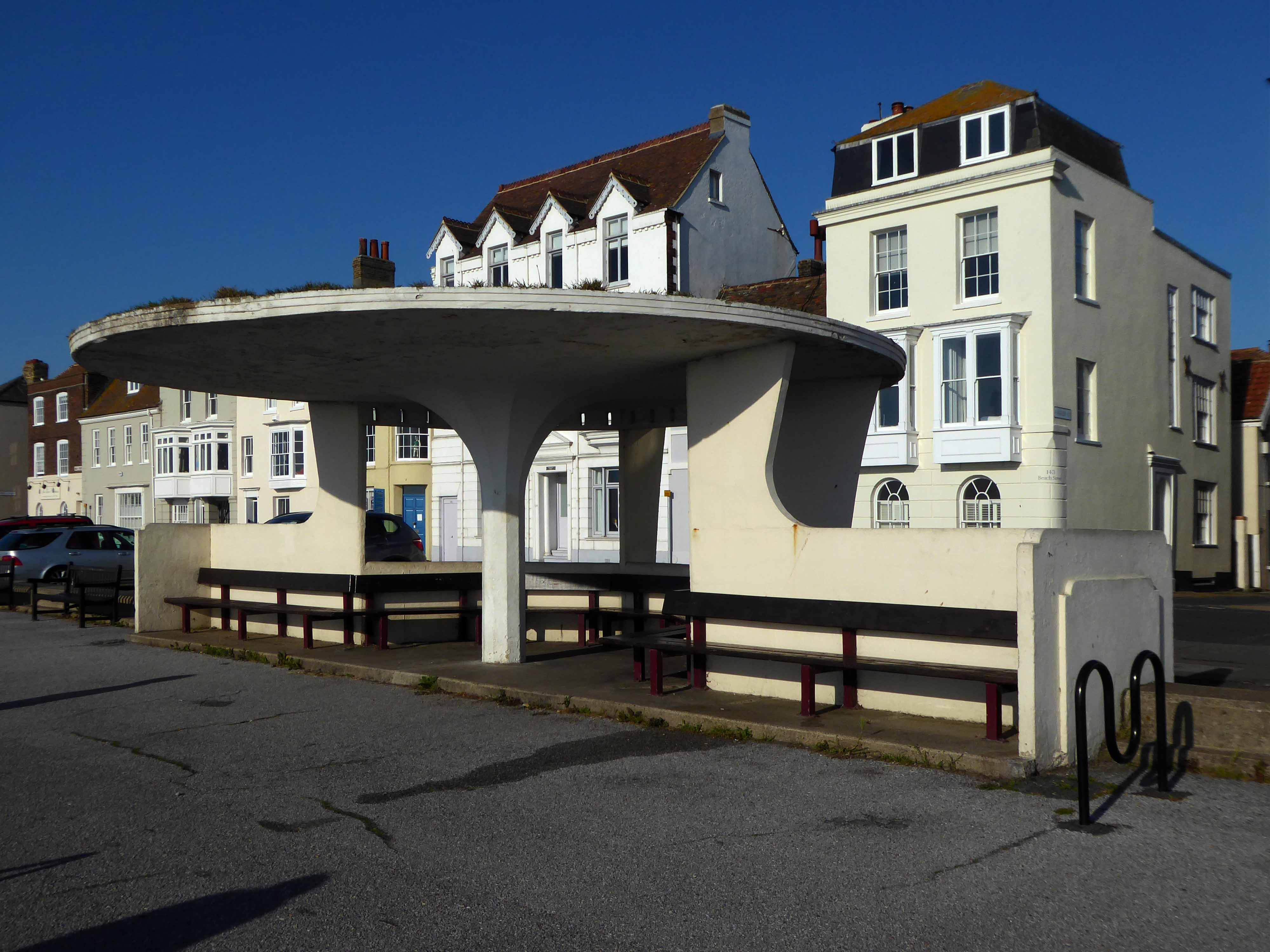
To our right several Seaside Moderne shelters

Tim feasts on a Mint Club biscuit.

To our left are the tower blocks of Weston Farm Foreshore – L. Berger City Architect 1963

Seen here in 1985 – Tower Block.

In the distance Canberra Towers Ryder and Yates 1967

Residents living on the second floor of 24-floor block Canberra Towers, on Kingsclere Avenue in Weston, were told to evacuate as flames erupted inside a kitchen.

The Daily Echo spoke to the residents of the affected flat, who said the cat knocked paper that was on top of the microwave, which then fell onto the toaster.

Tracey Long said:

I’ve got two cats, and Sponge was the one who knocked the paper.

He knocked paper off the microwave and into the toaster, it was quite scary.

I lost him in the flat but now I’ve found him again.

Daily Echo

Arriving just in time to be too late, next thing you know we’re bobbing along on the Hamble Warsash Ferry.

The obliging ferry folk having taken us across the estuary, despite our tardiness.

The village and the River featured in the 1980s BBC television series Howards’ Way.

Sadly little evidence of the successful TV show remains, however happily Henry VIII’s Dock and an Iron Age Fort have prevailed.

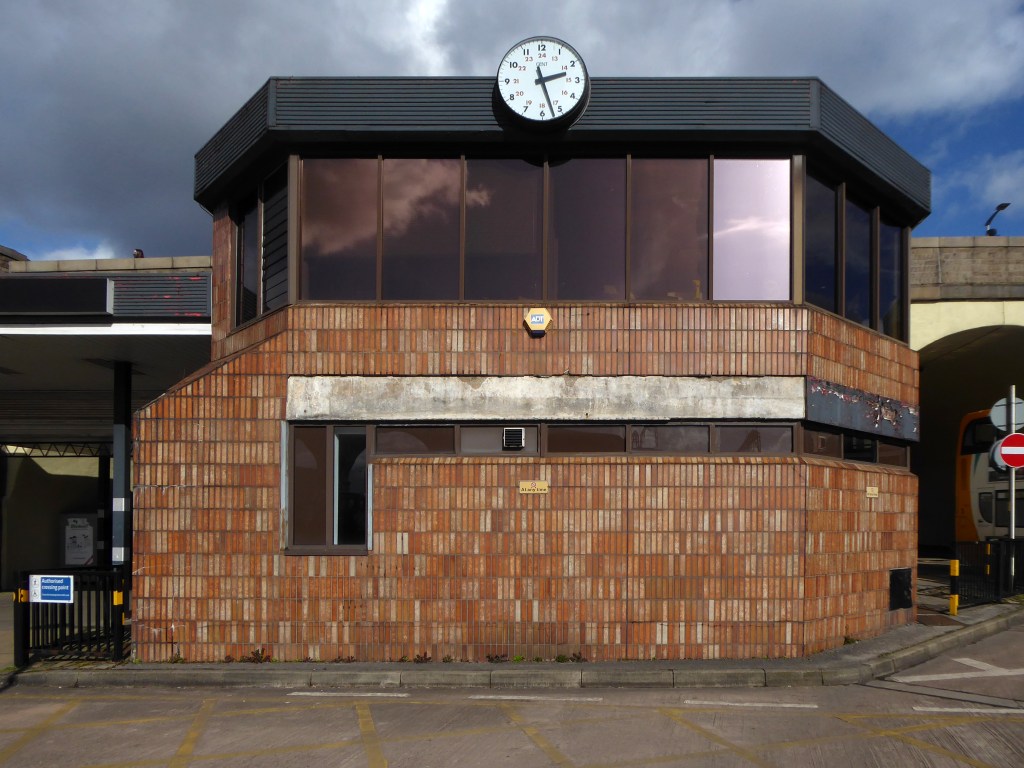
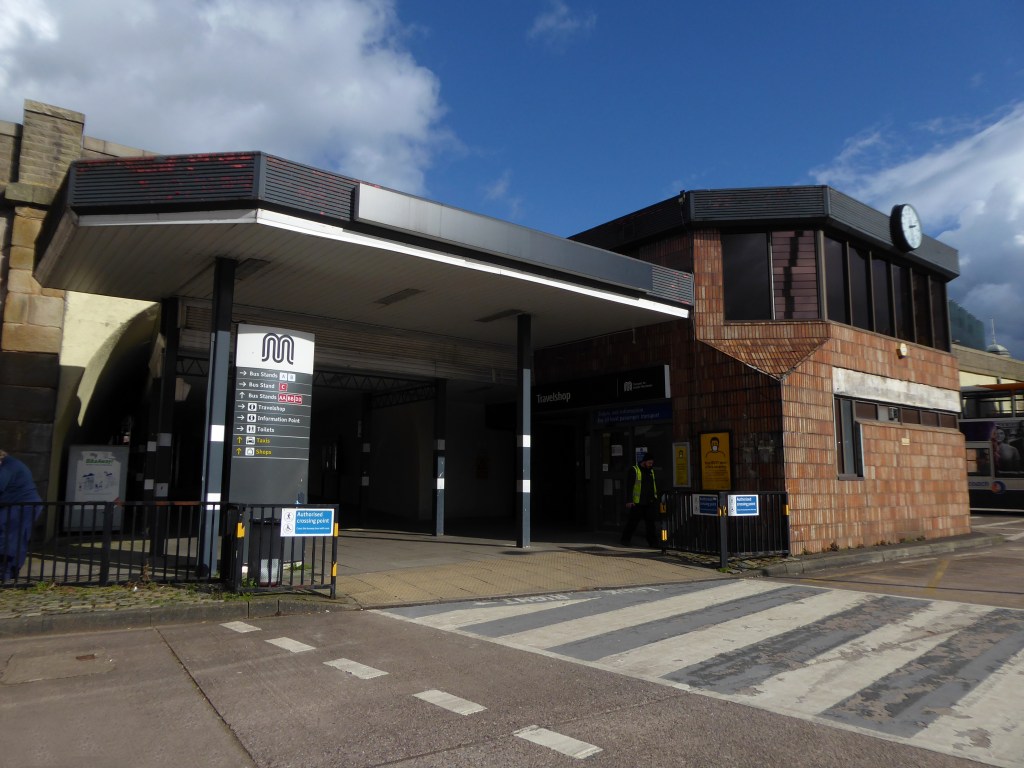
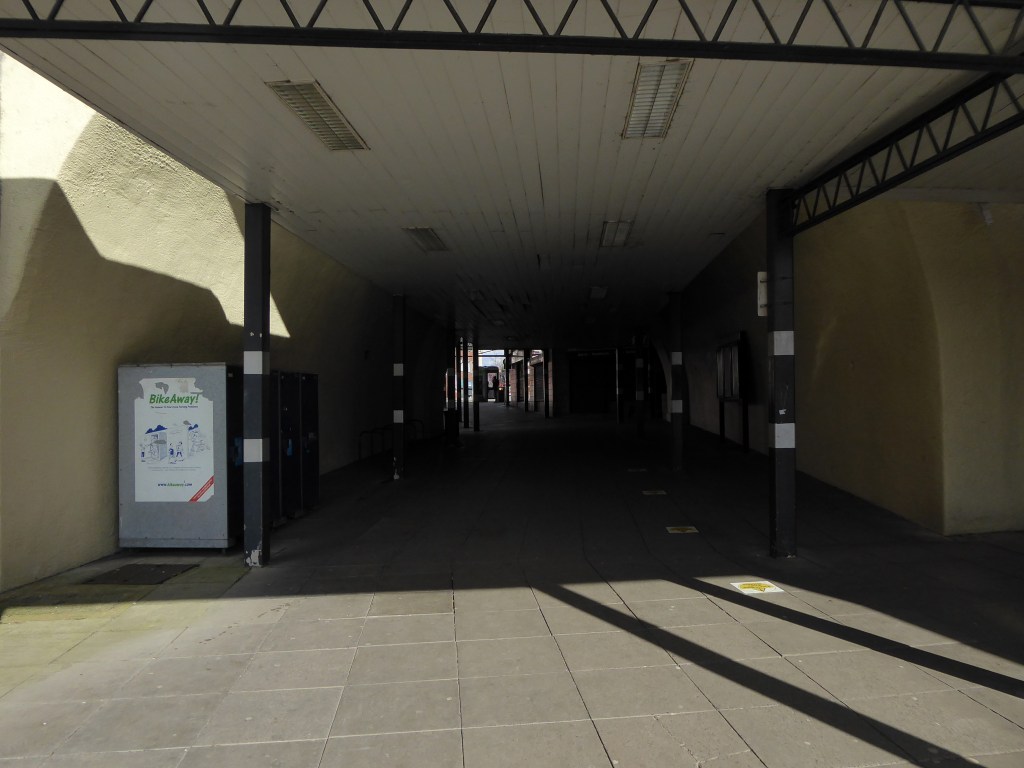
Onward to Gosport where we happen upon a diminutive yet perfectly formed Bus Station.

Originally built in the 1970s, the bus station was described in 2012 as knackered by the council chief executive at the time, Ian Lycett, and an investment plan was drawn up.

Talk of redevelopment then resurfaced in 2015, before the site was put on the market in 2016.

The News

Keith Carter, retiring owner of Keith’s Heel Bar in Gosport Precinct, has described the bus station as a missed opportunity.

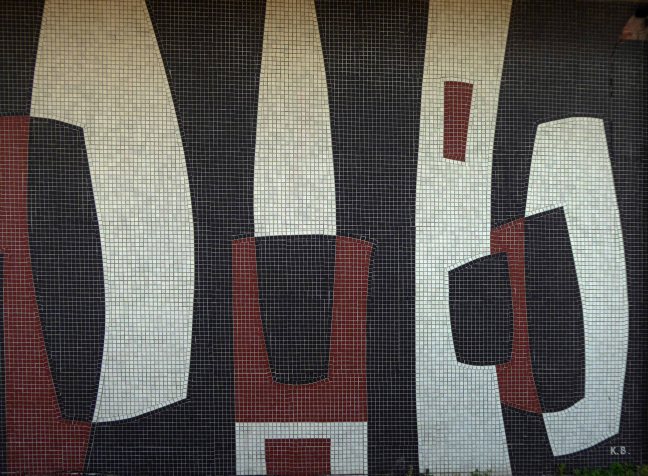
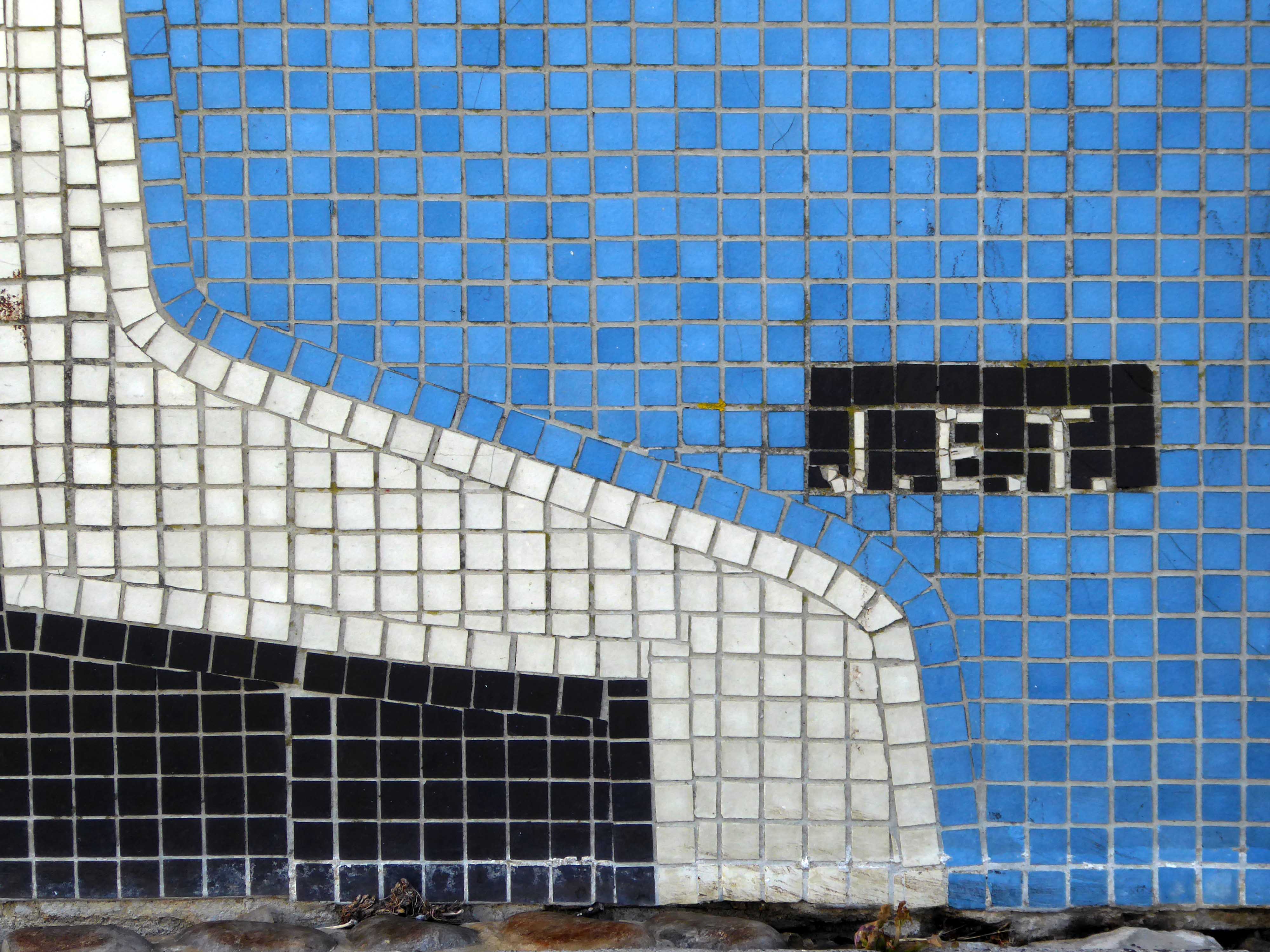
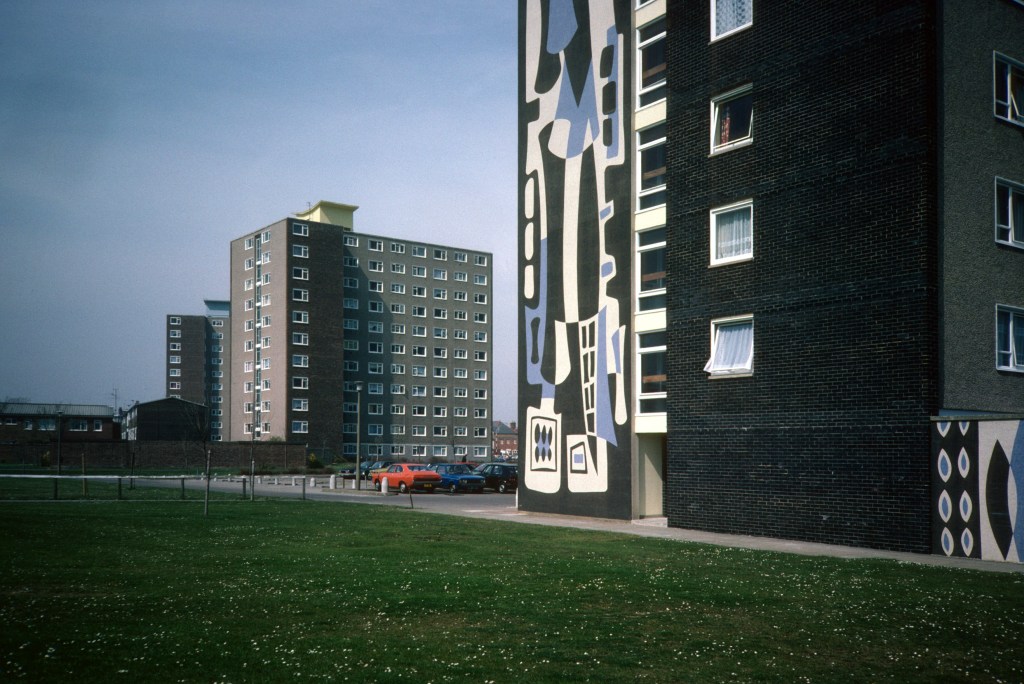
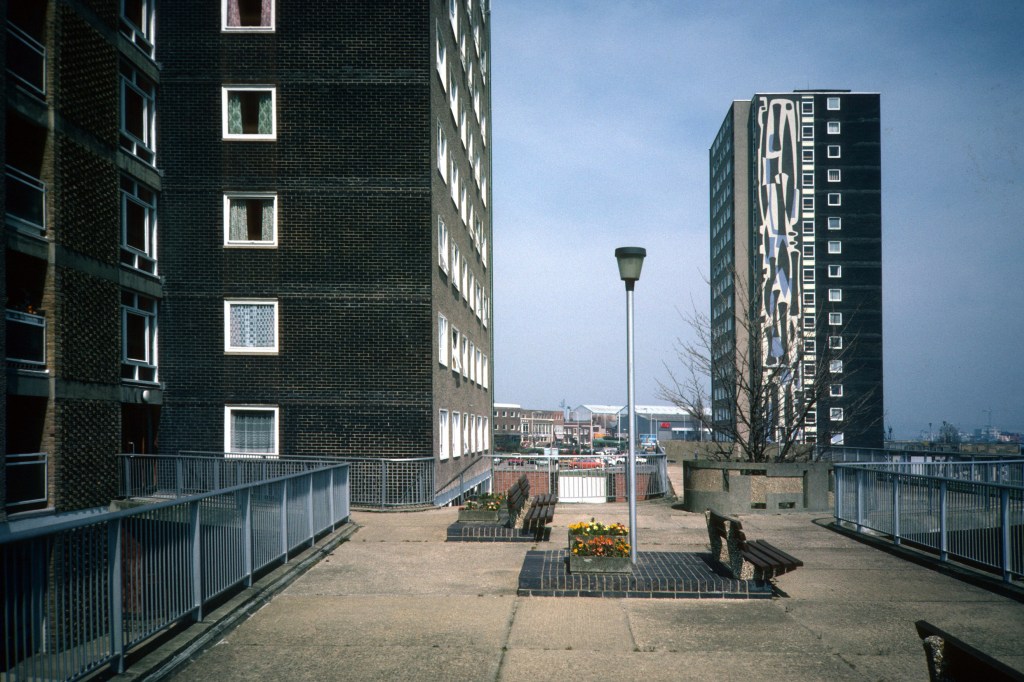
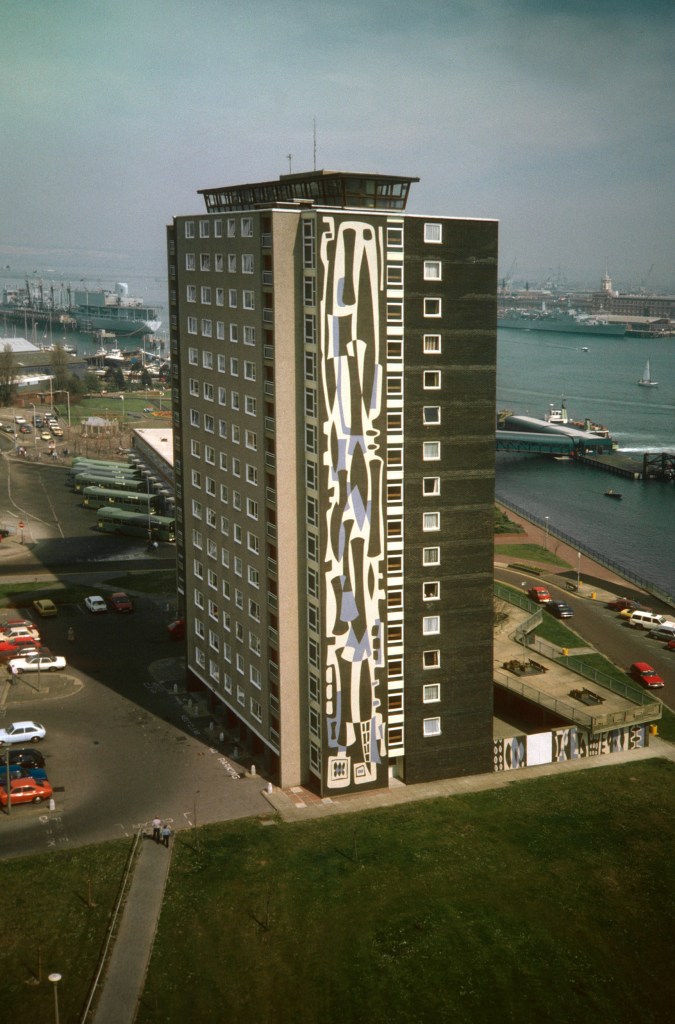
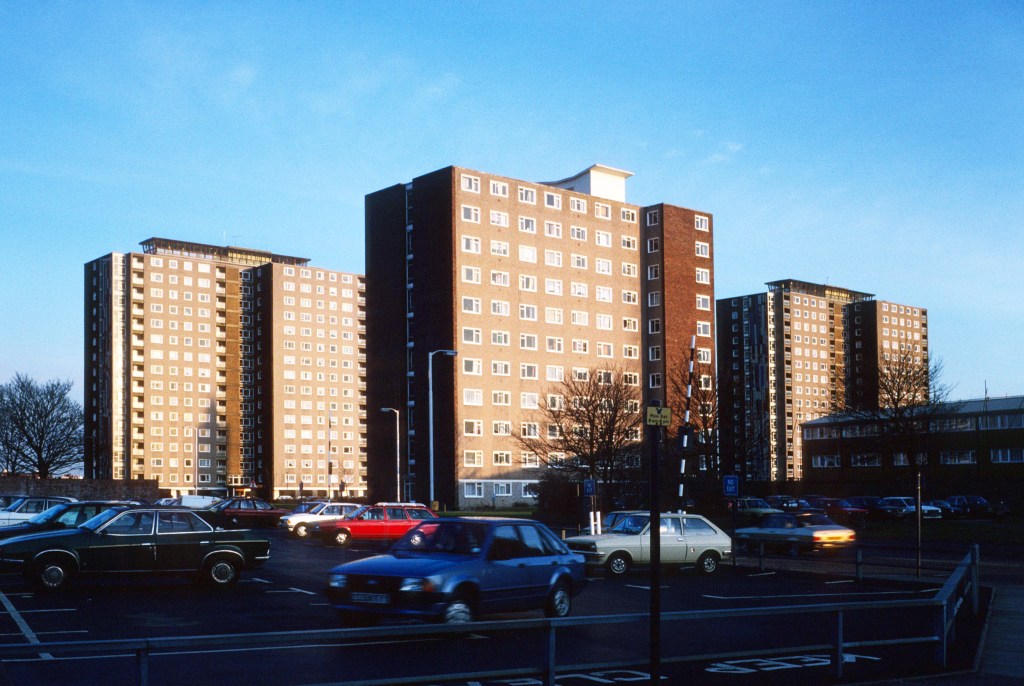
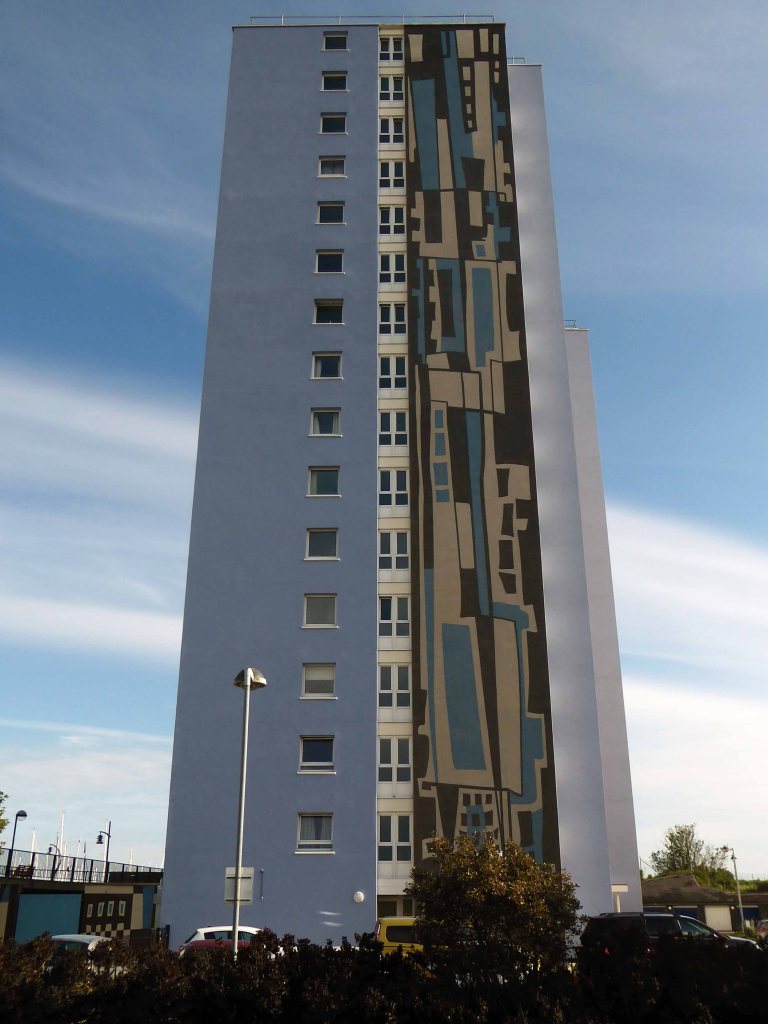
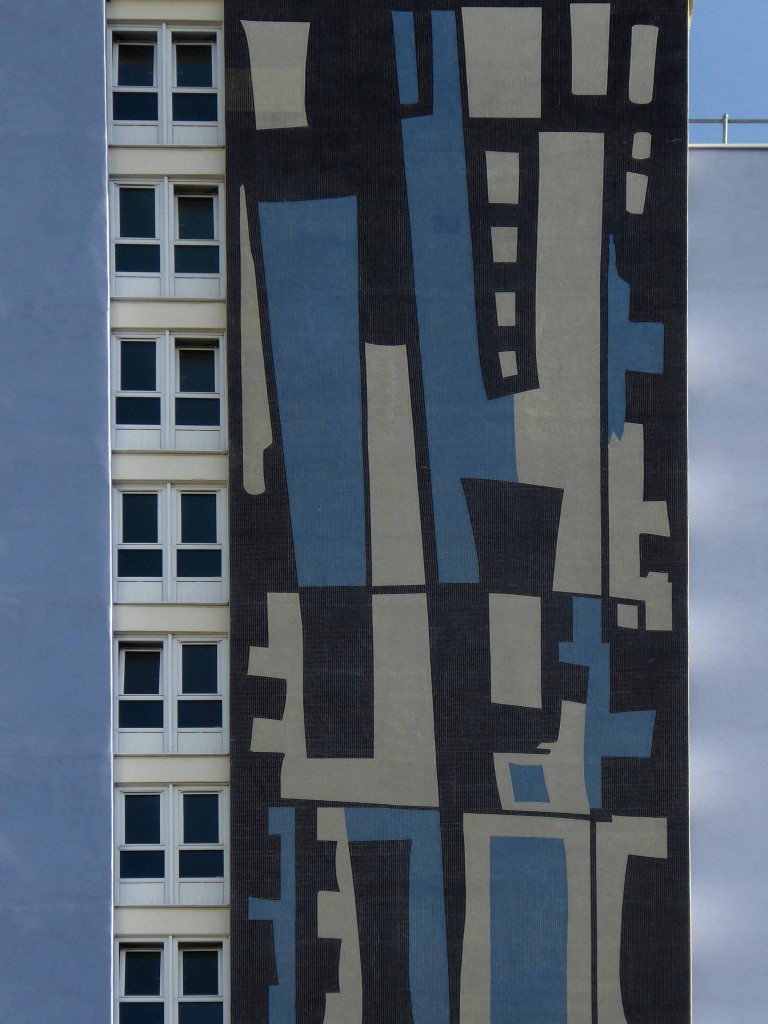
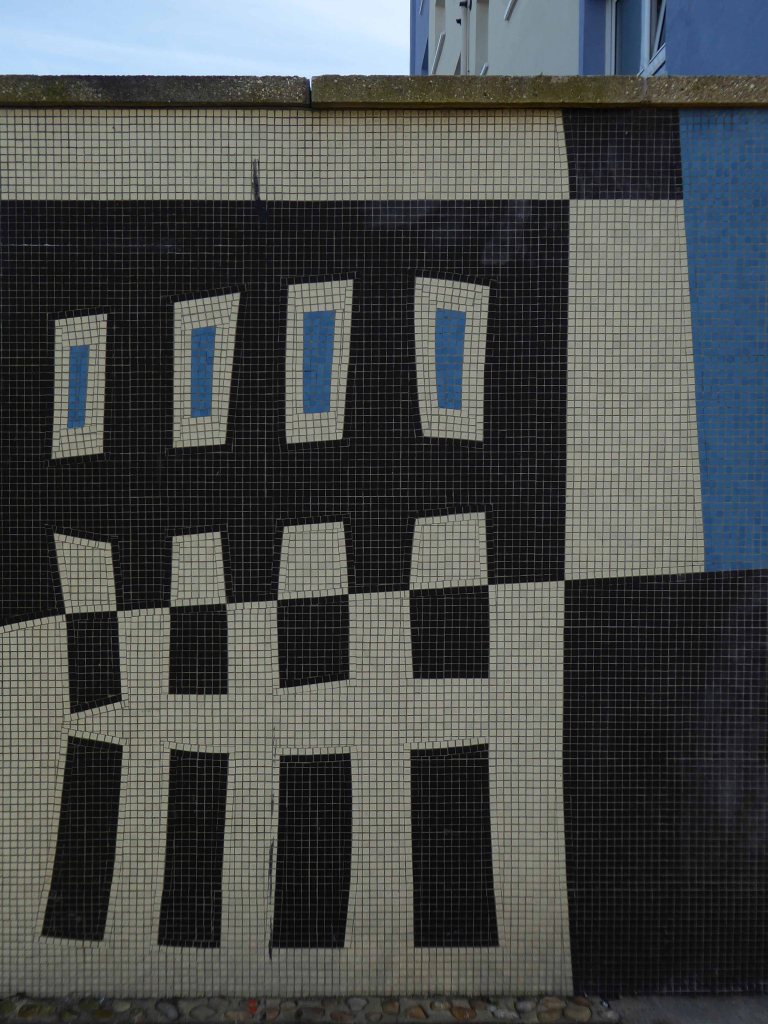
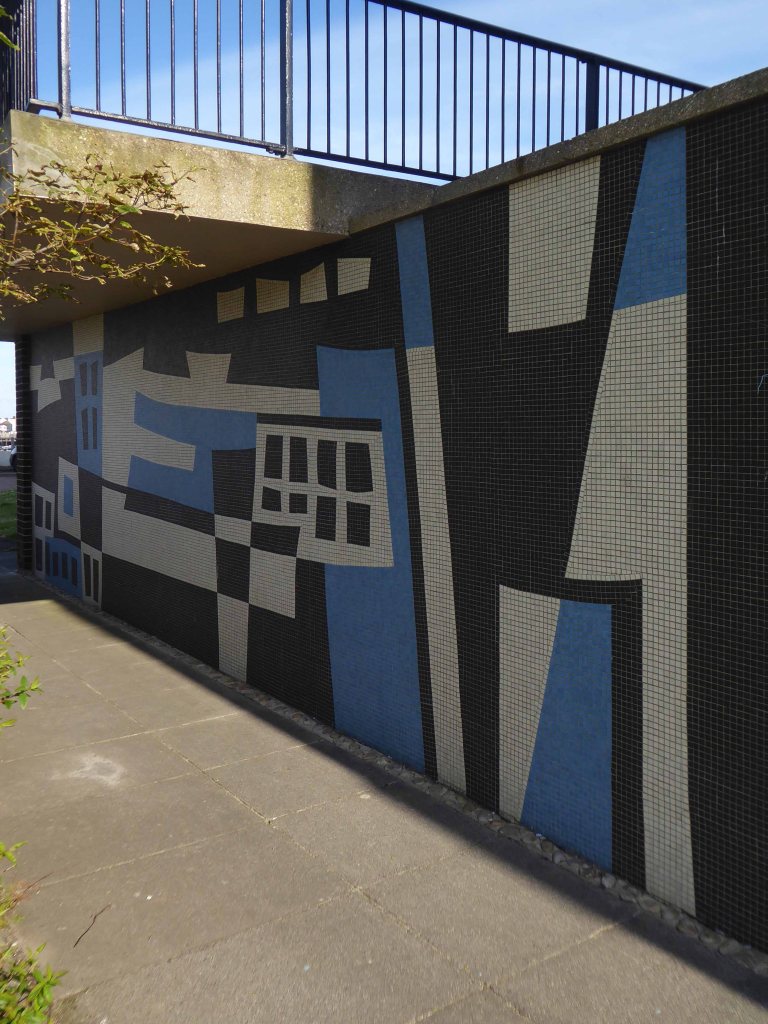
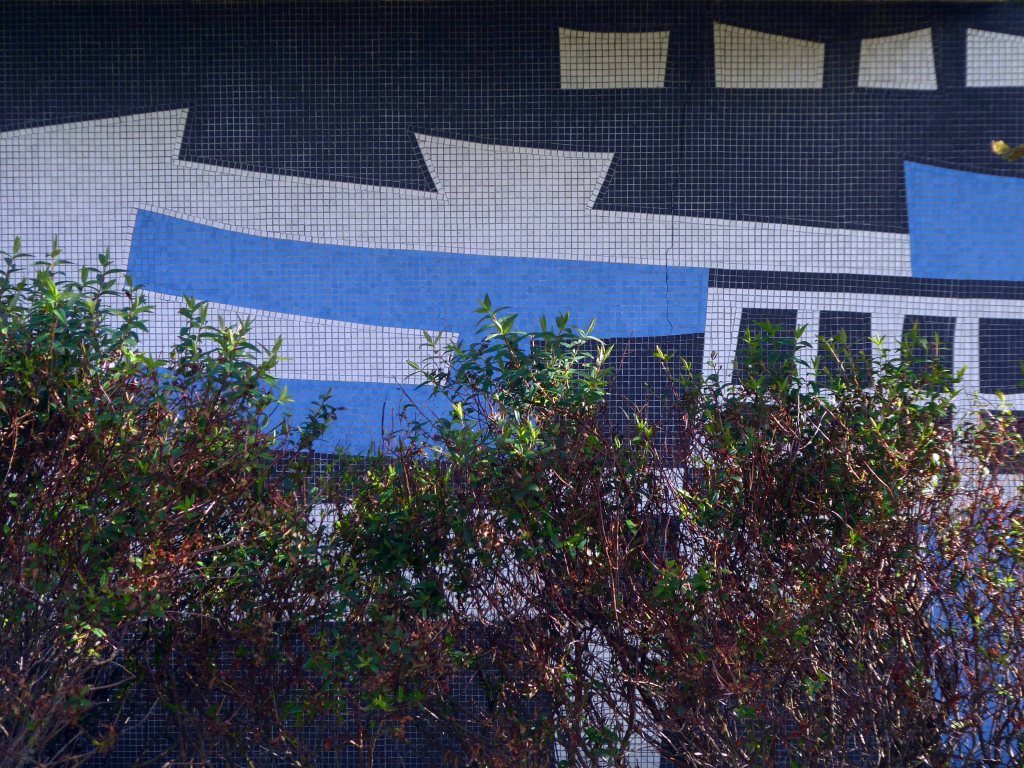
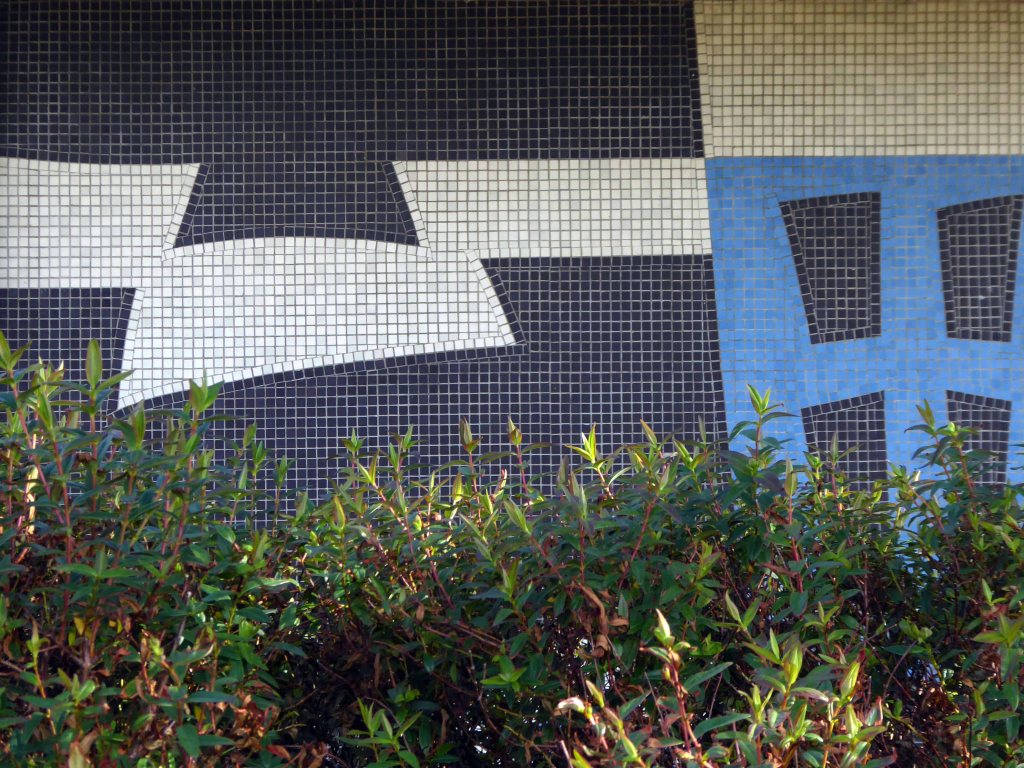
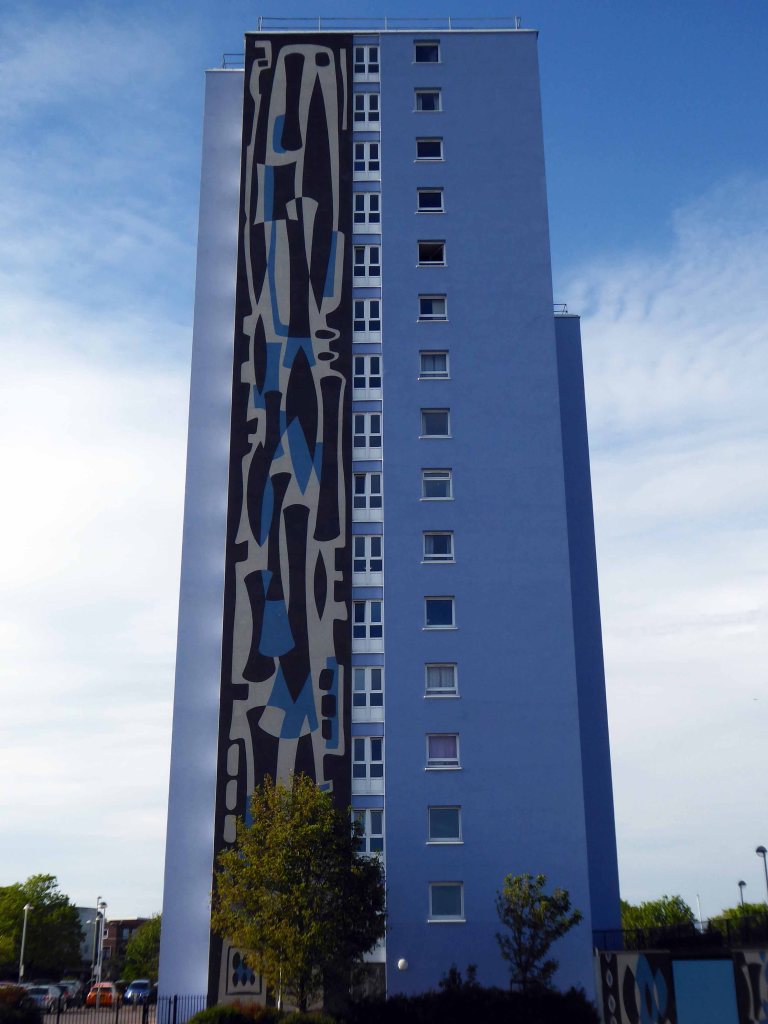
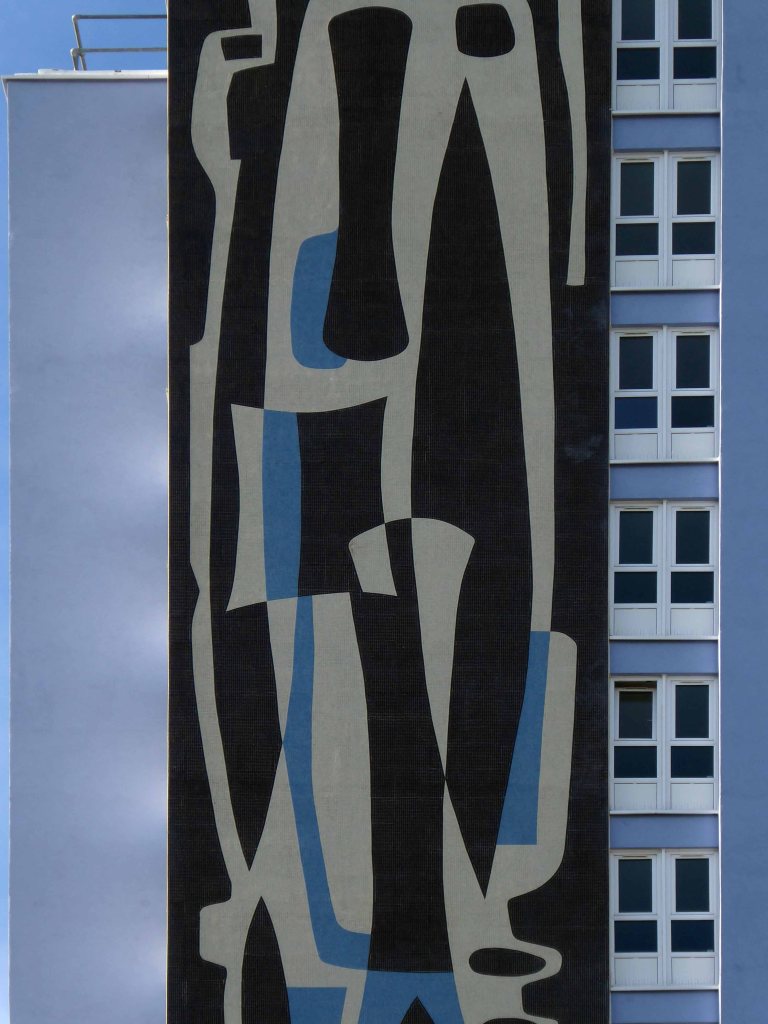
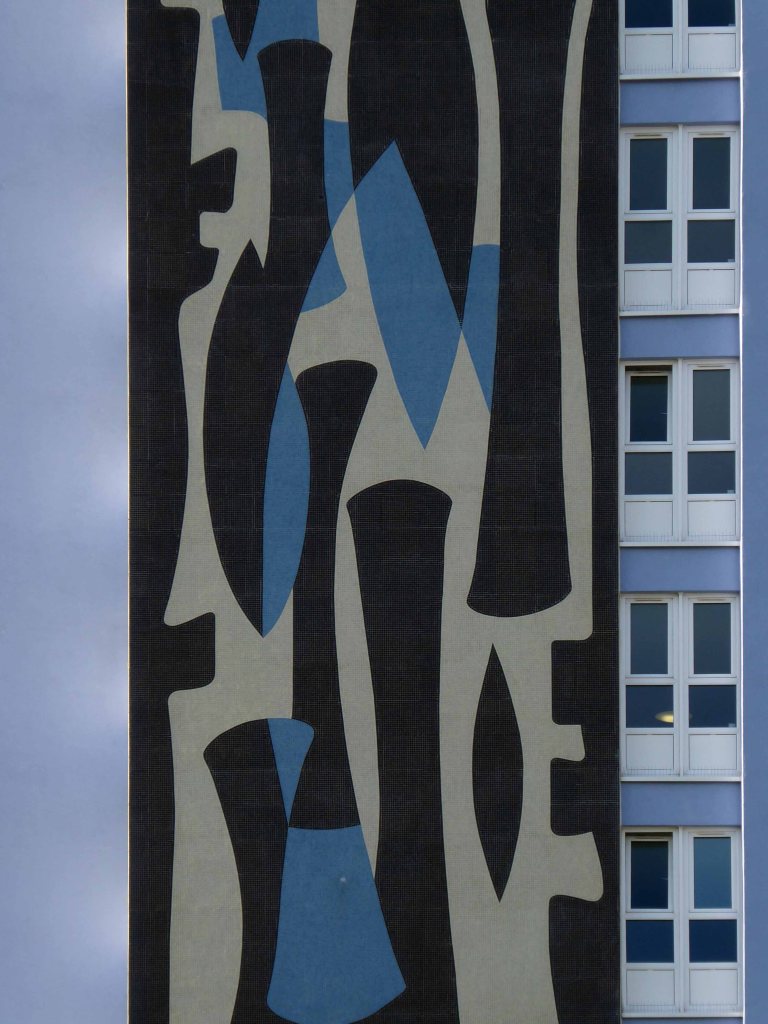
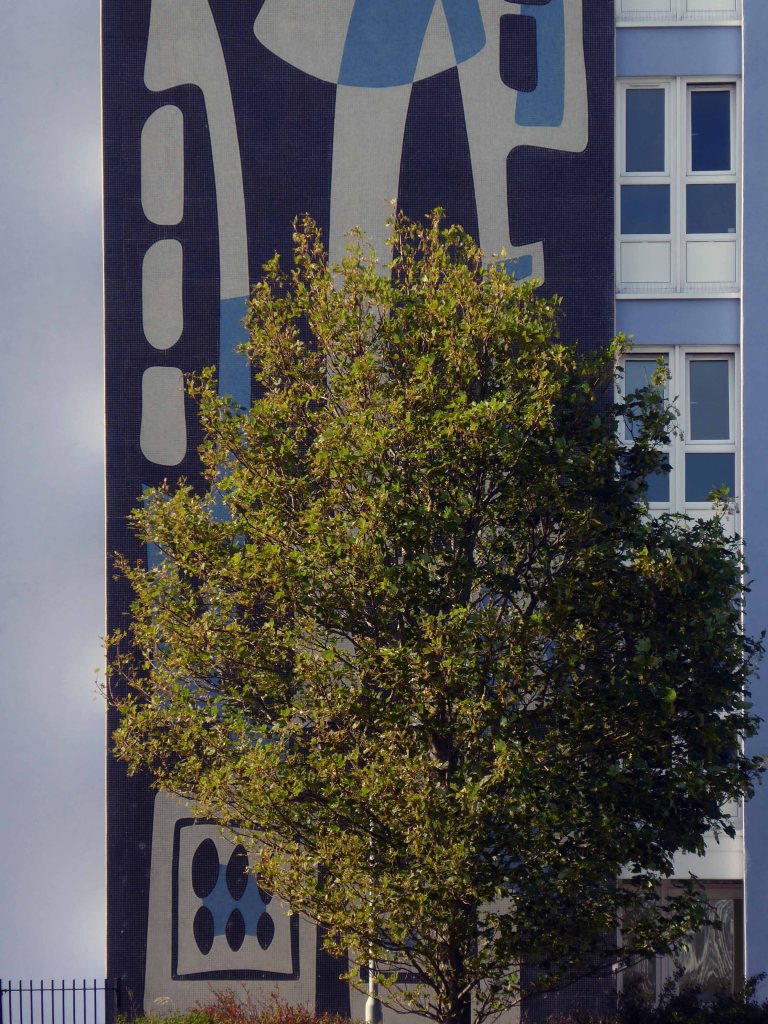
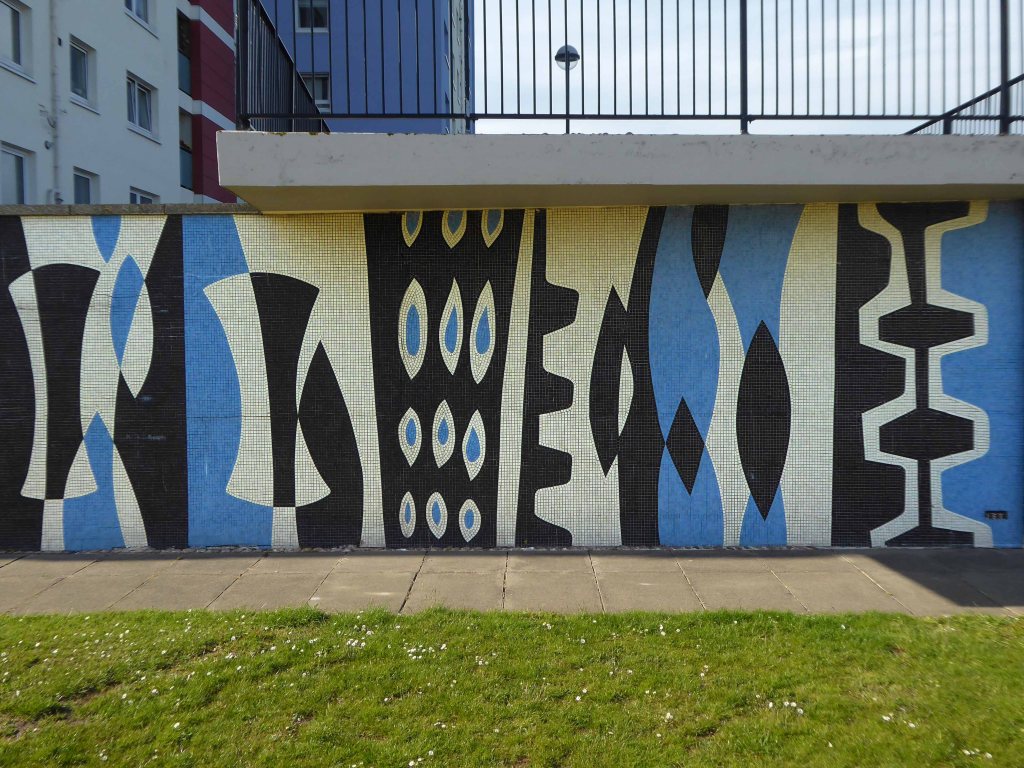
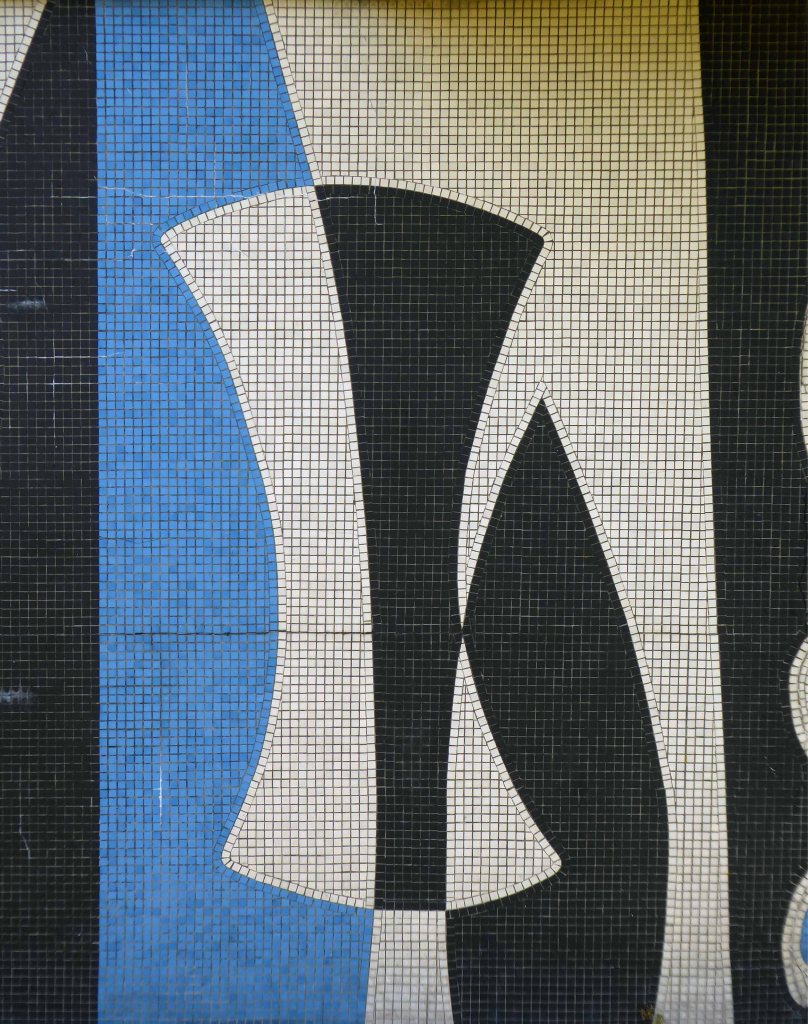
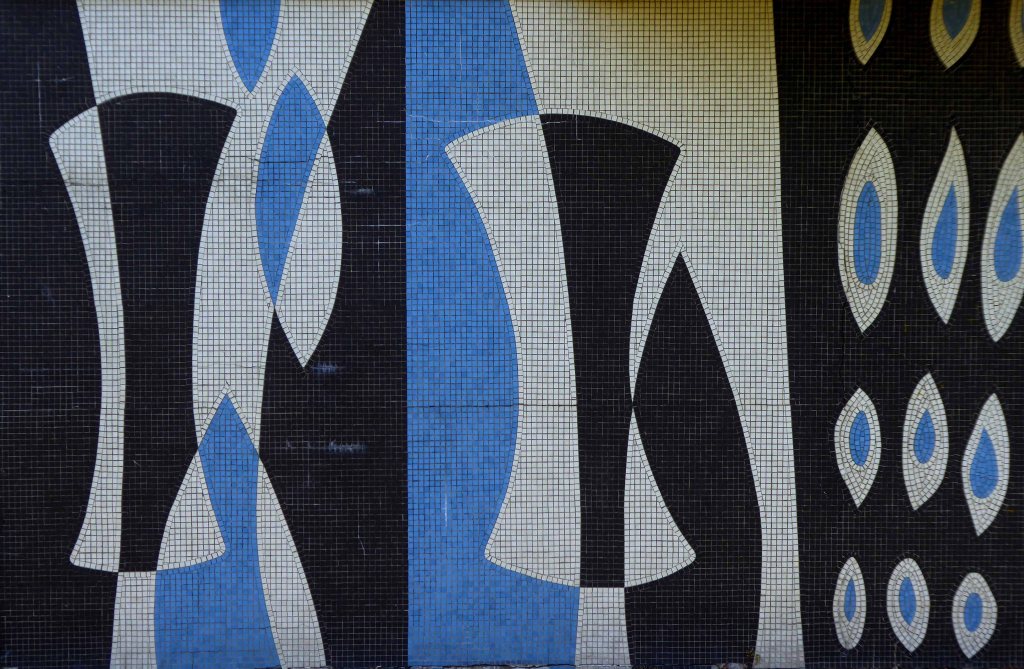
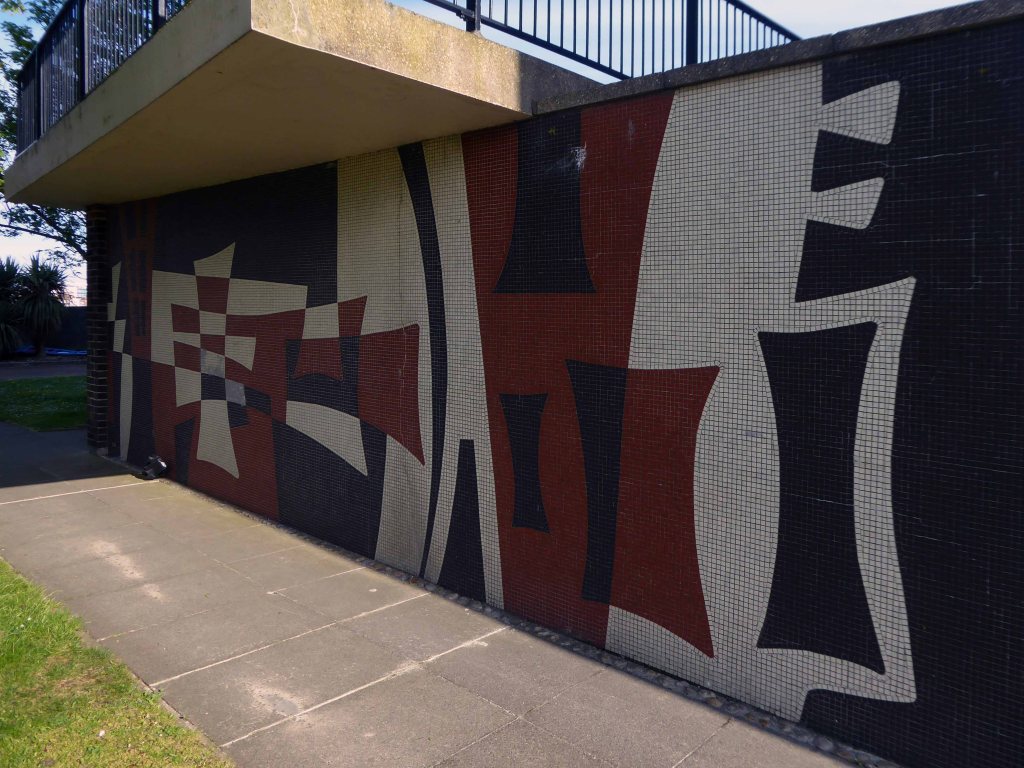
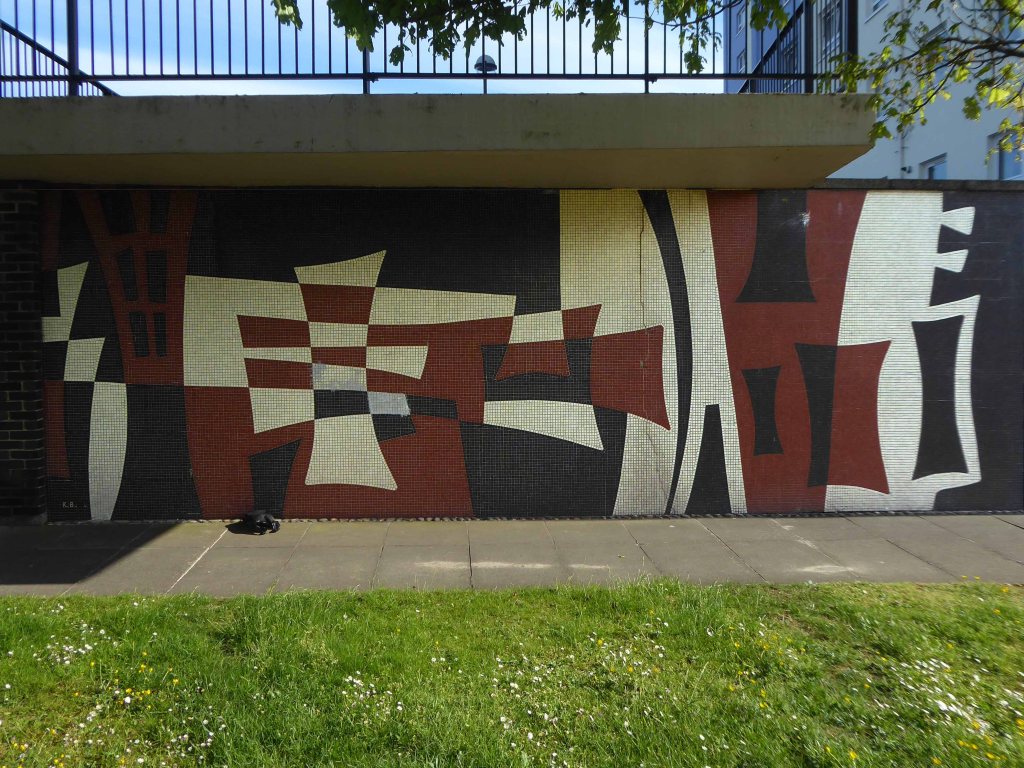
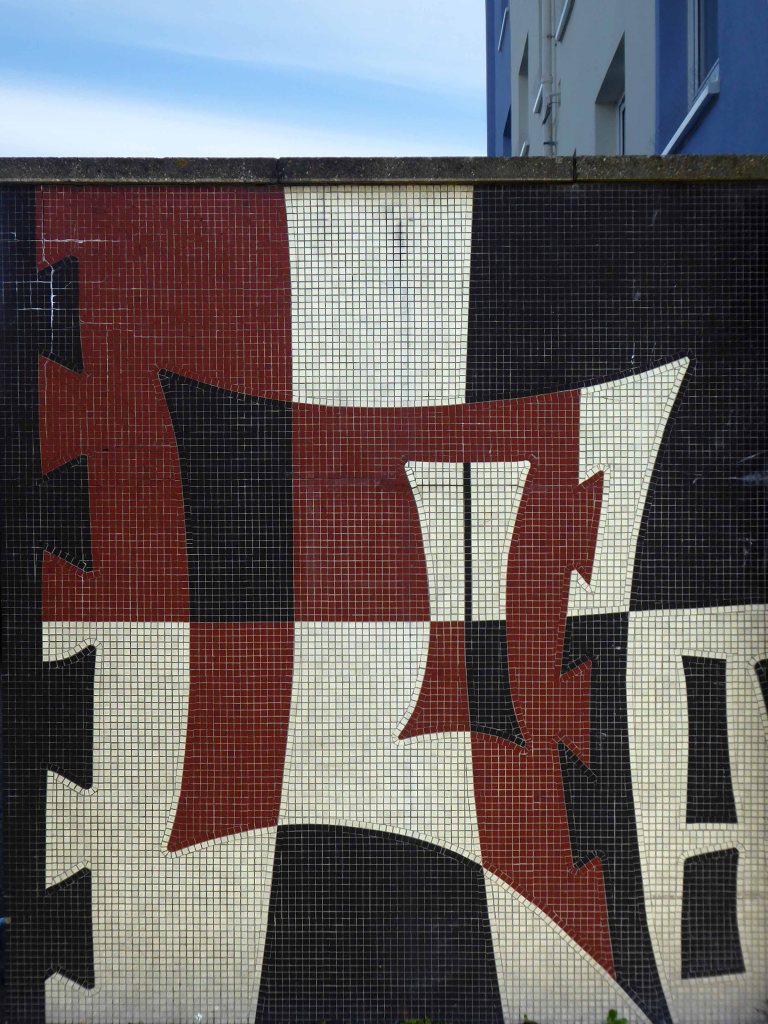
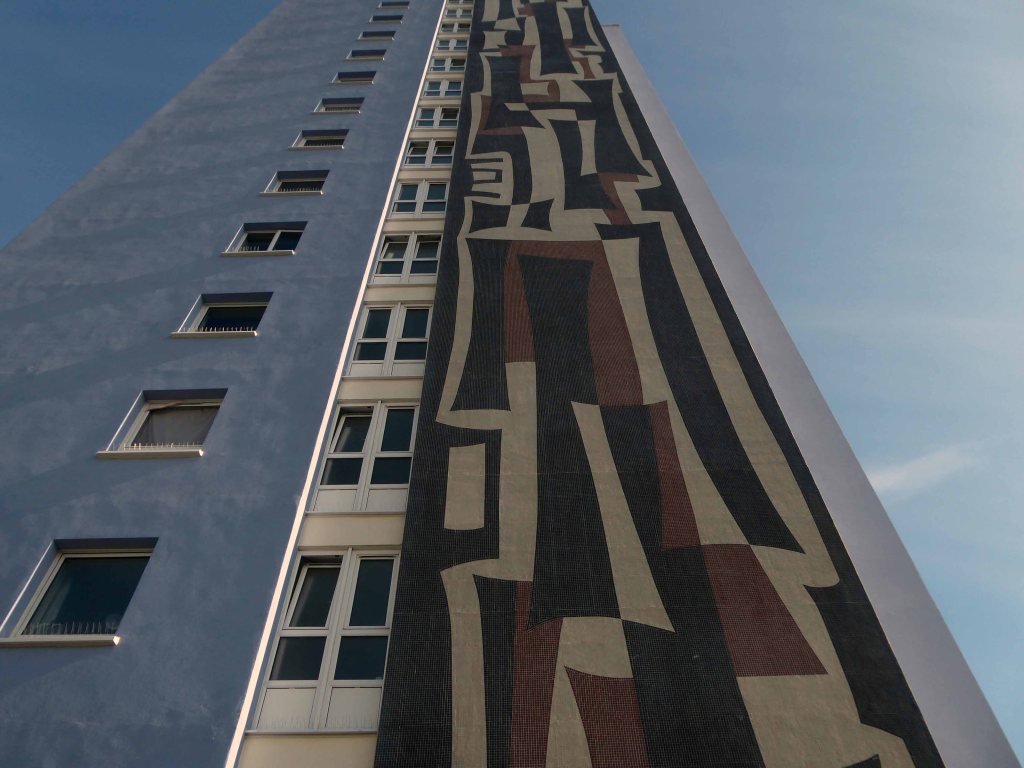
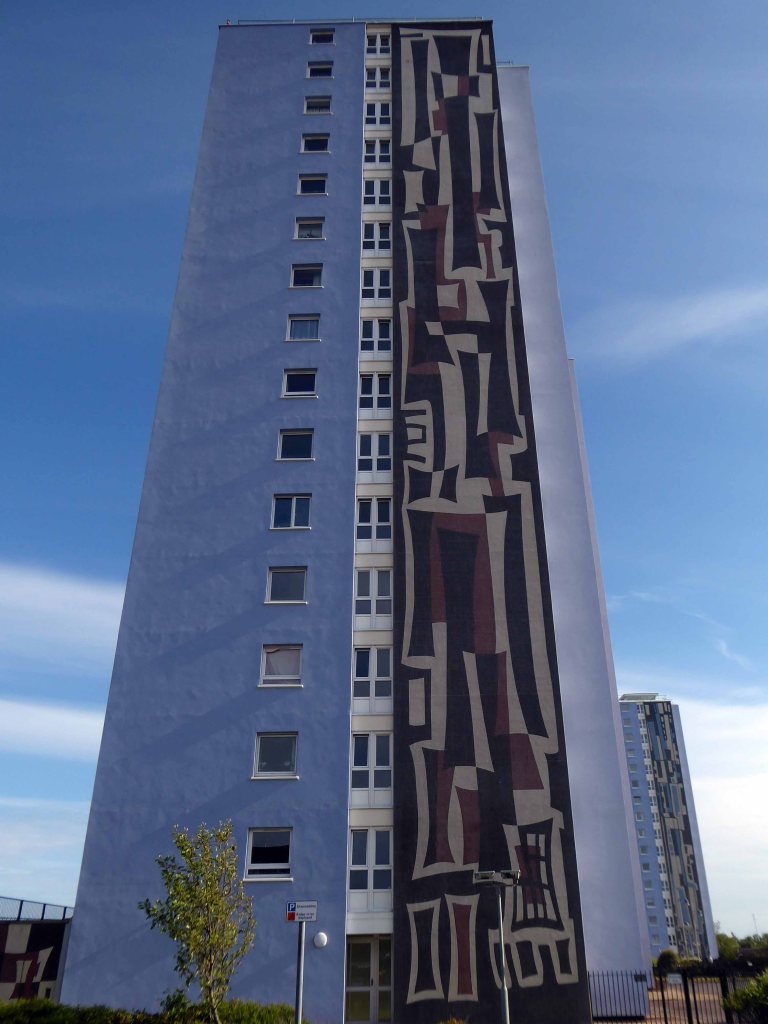
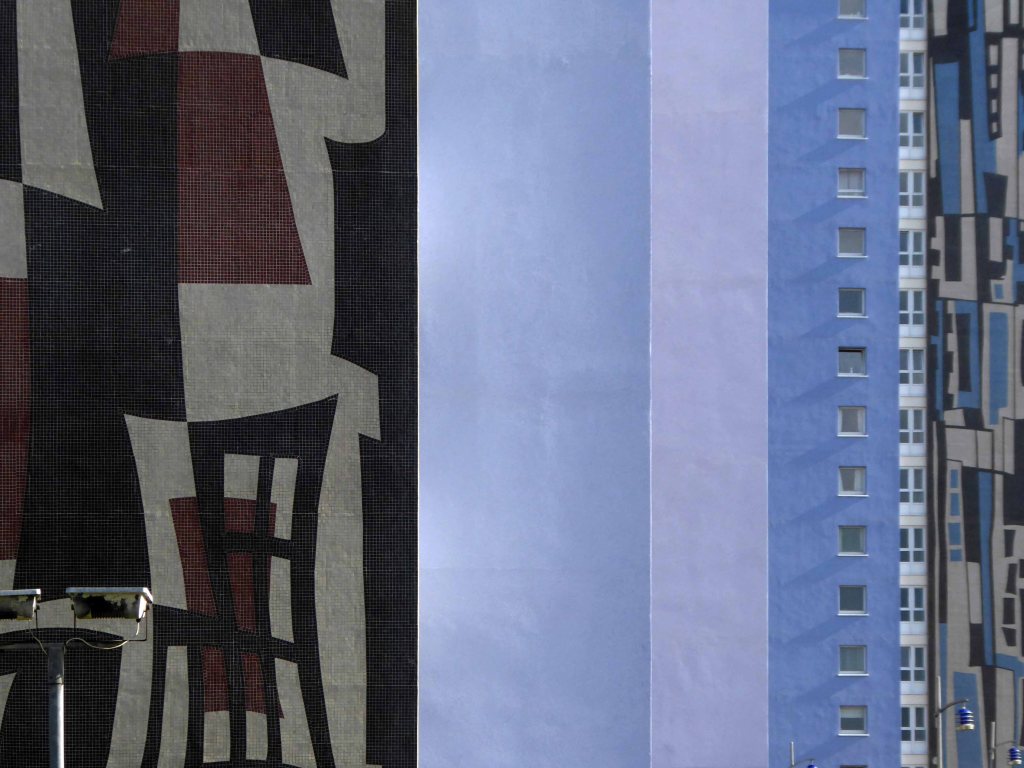
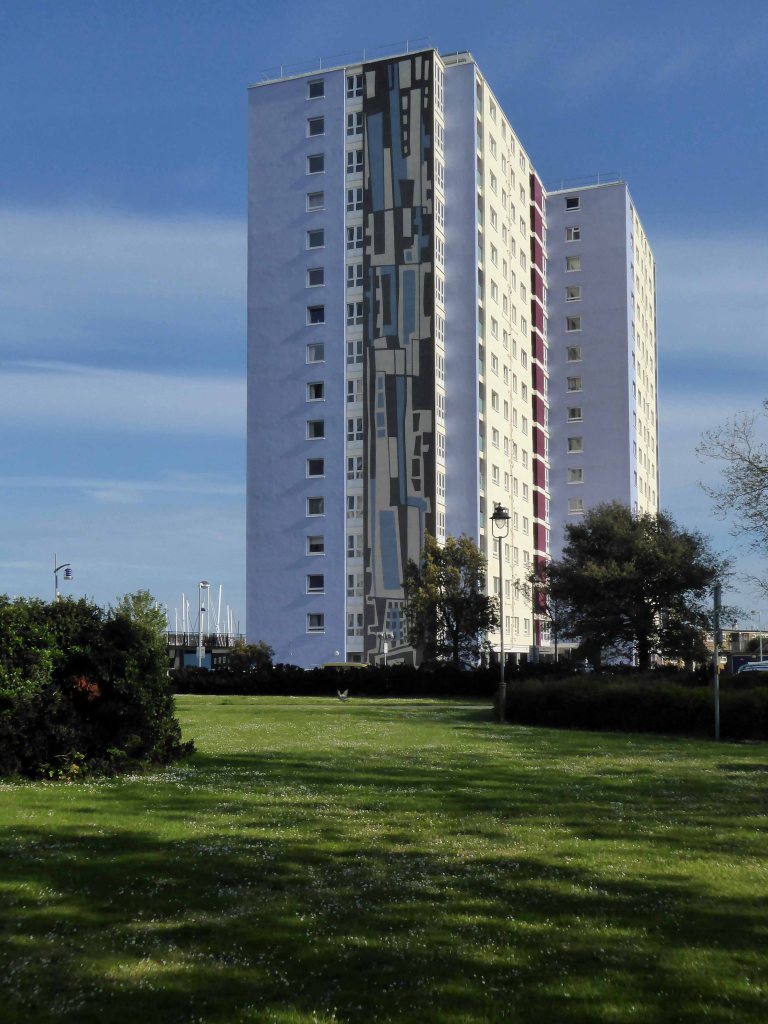
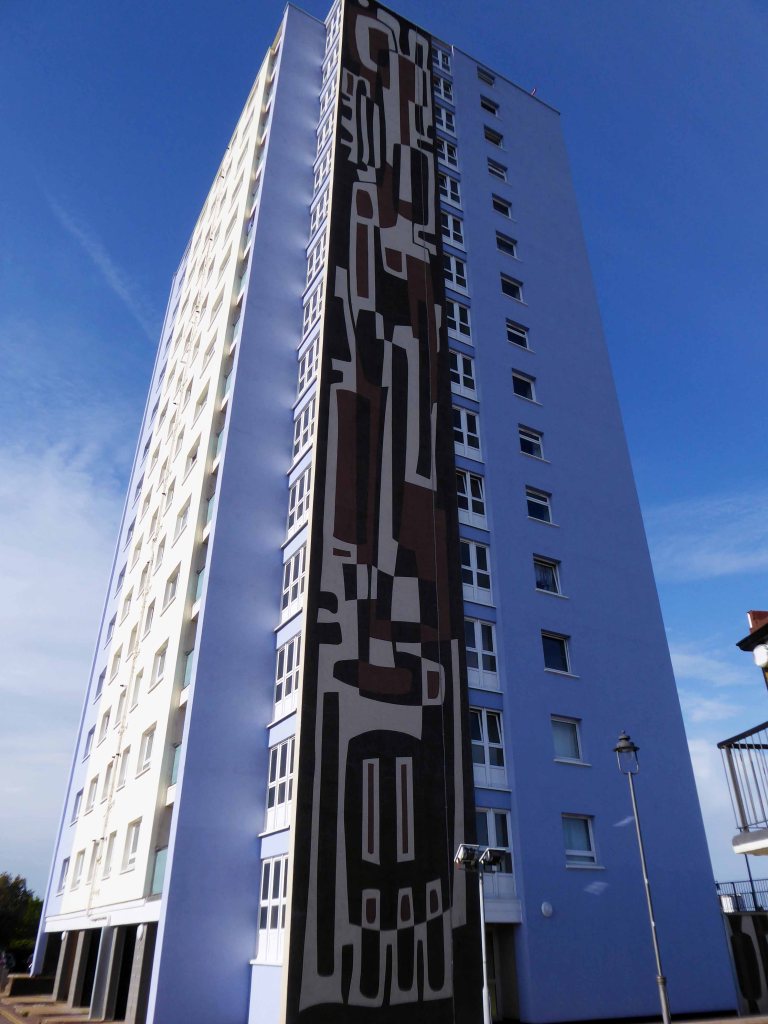
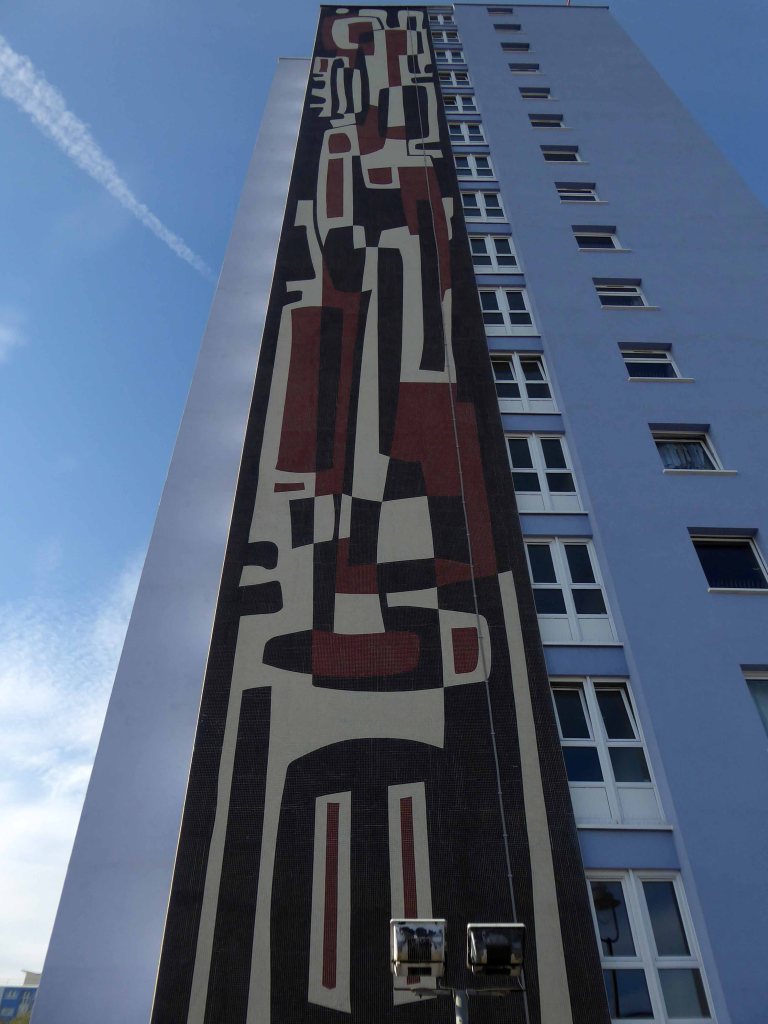
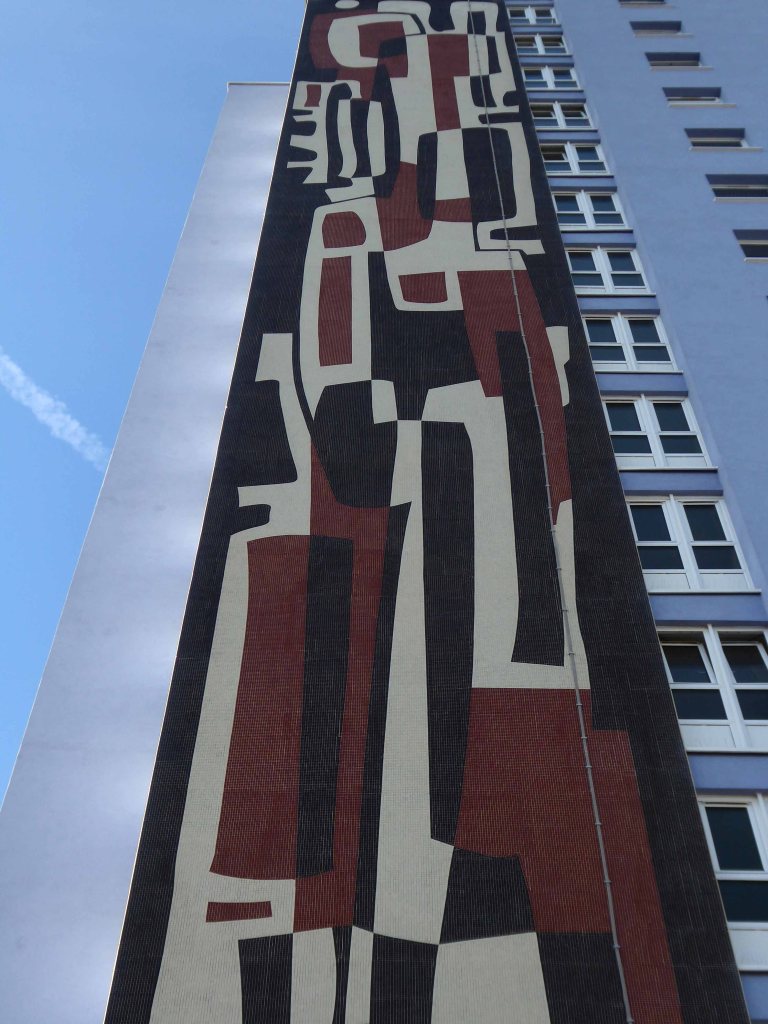
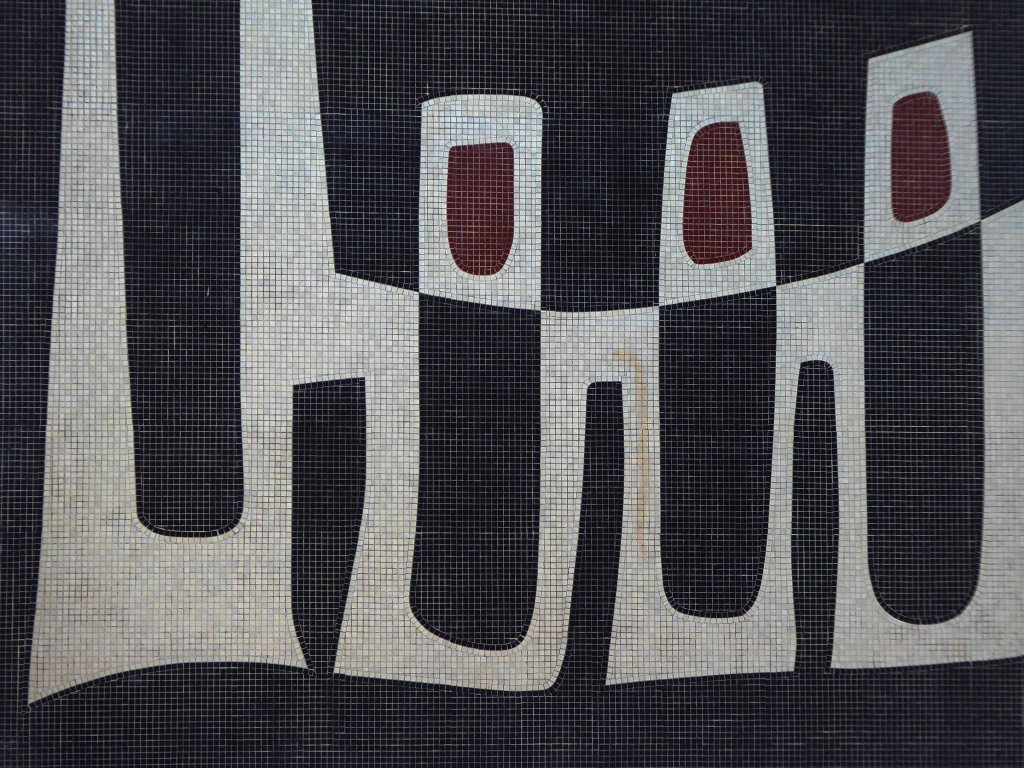
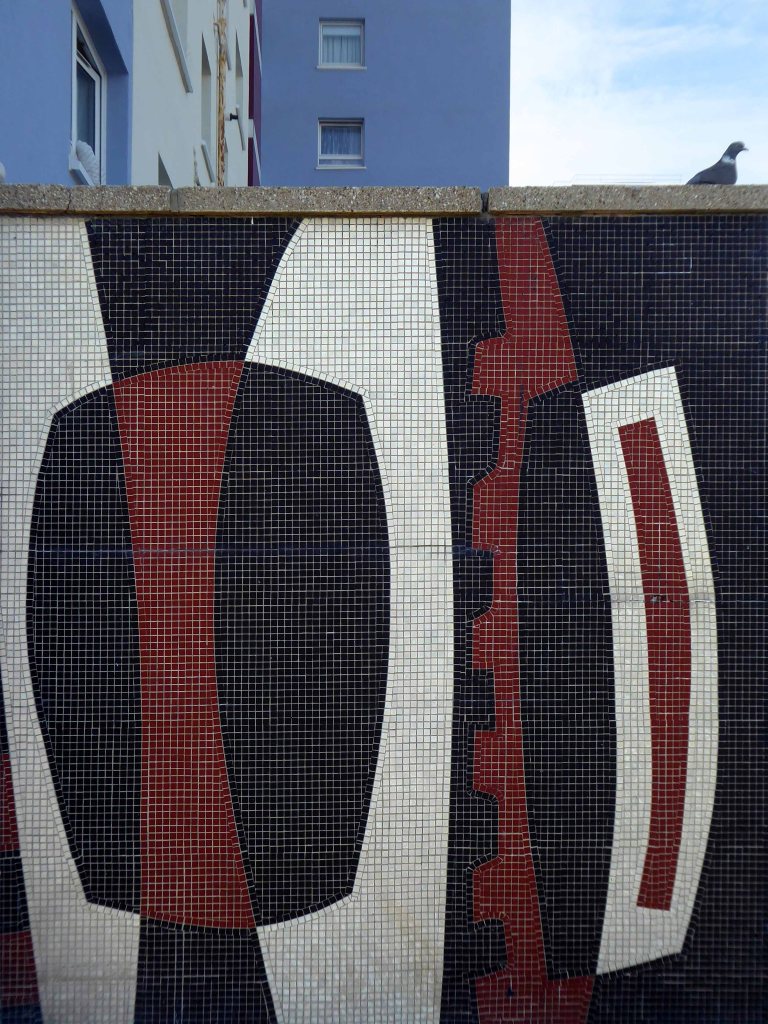
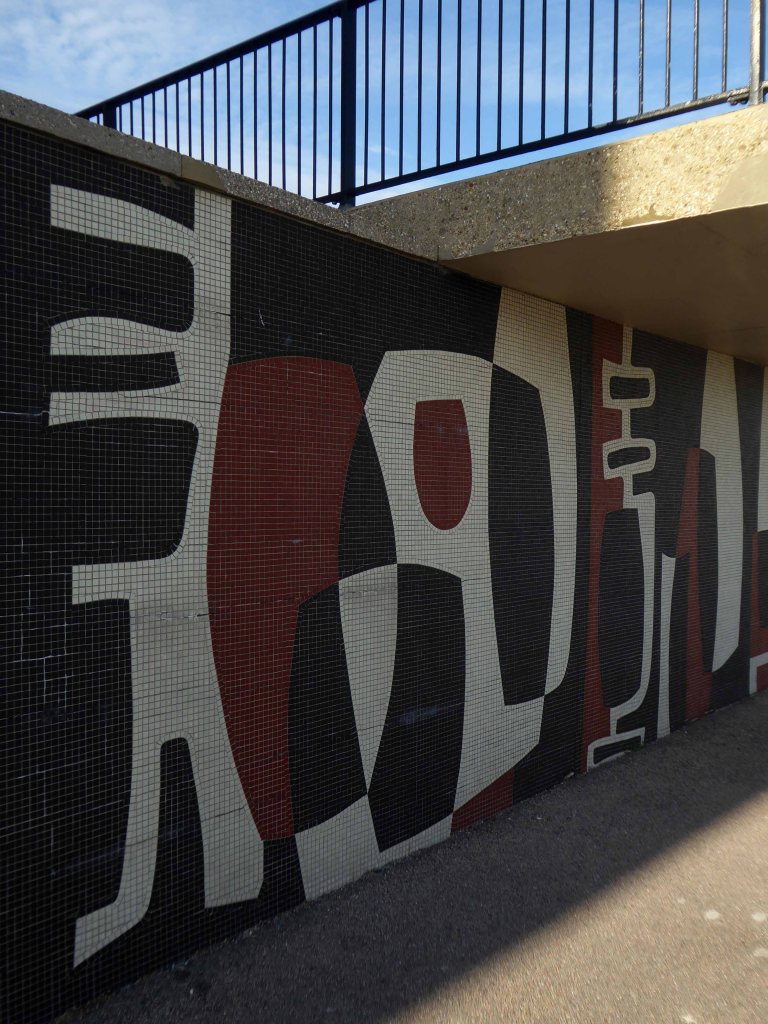
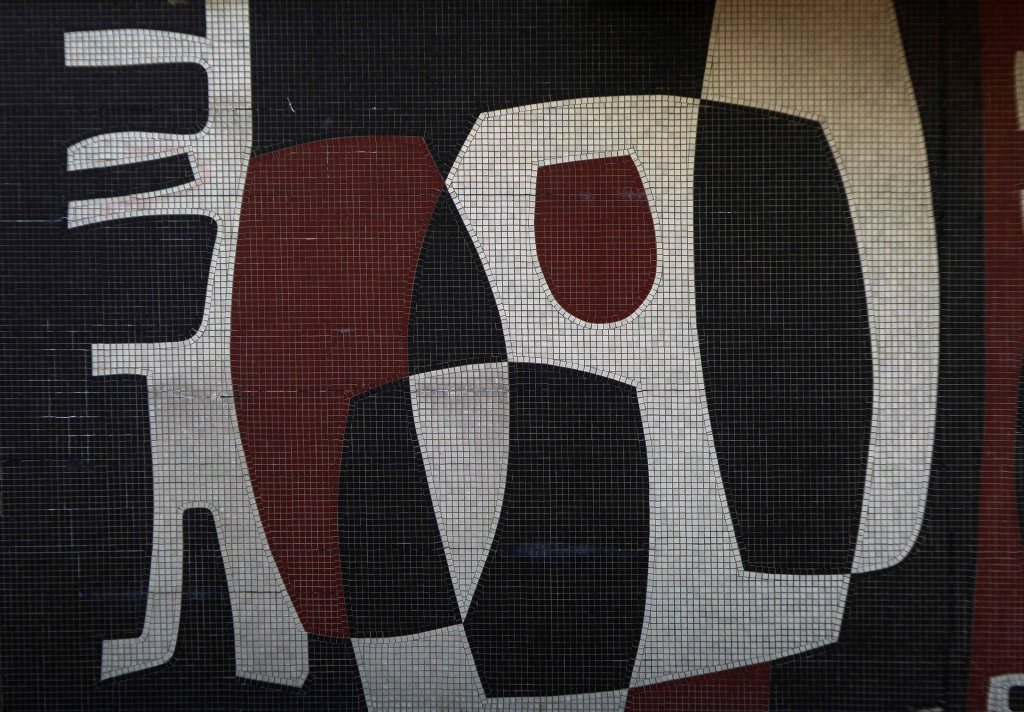
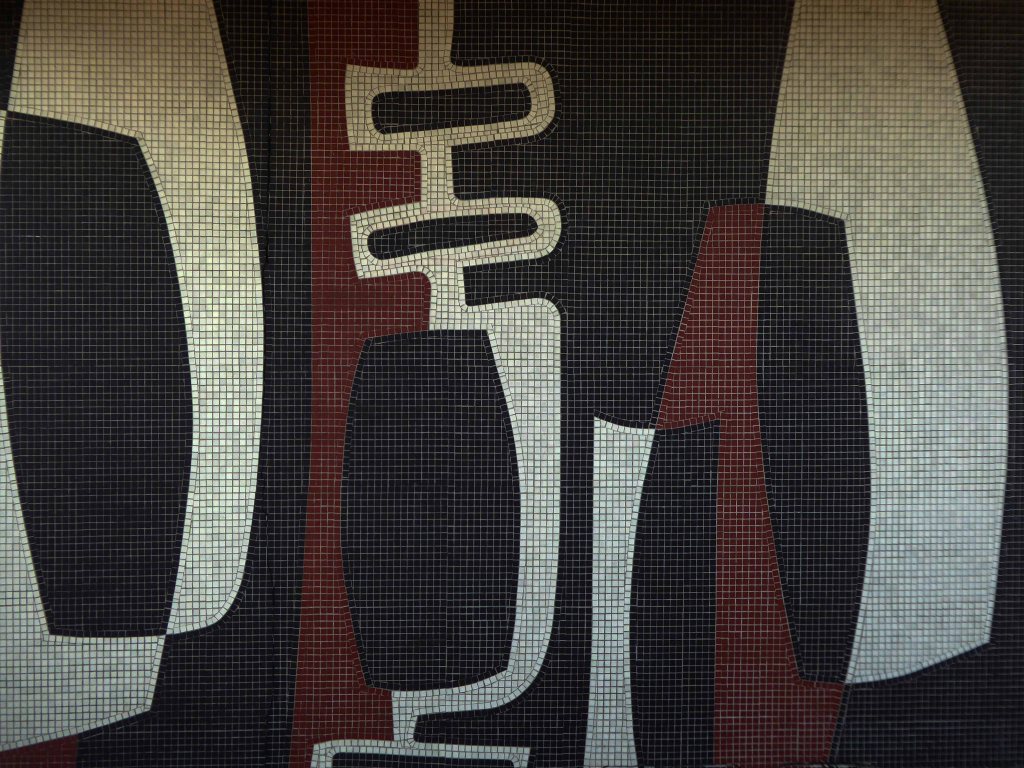
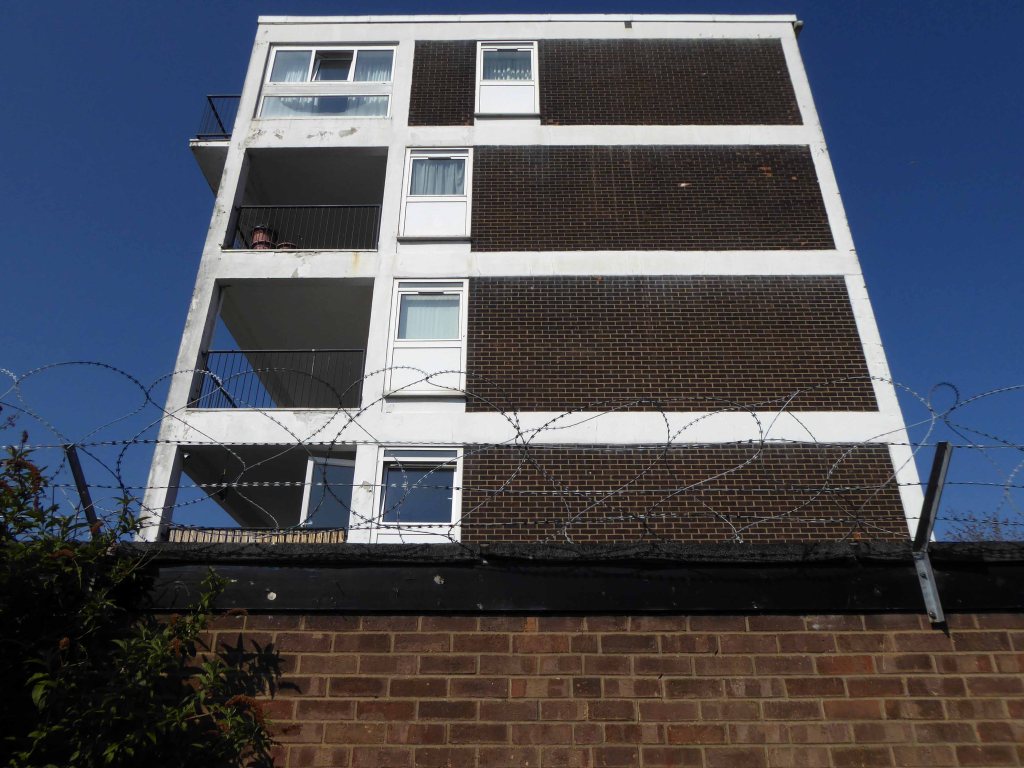
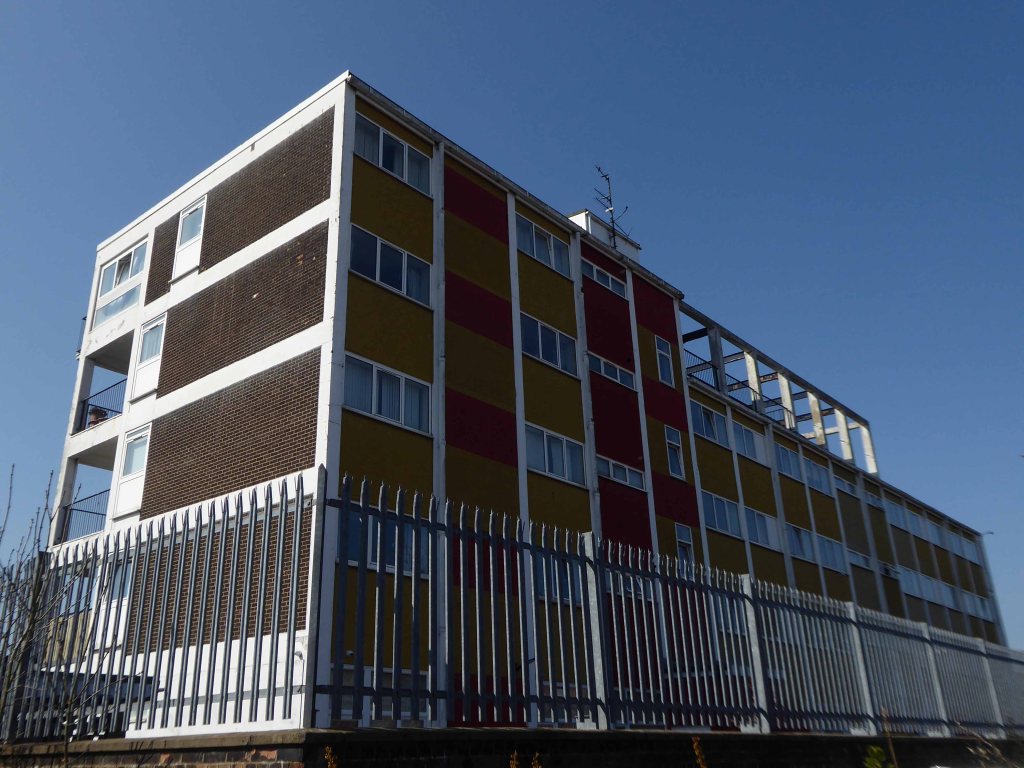
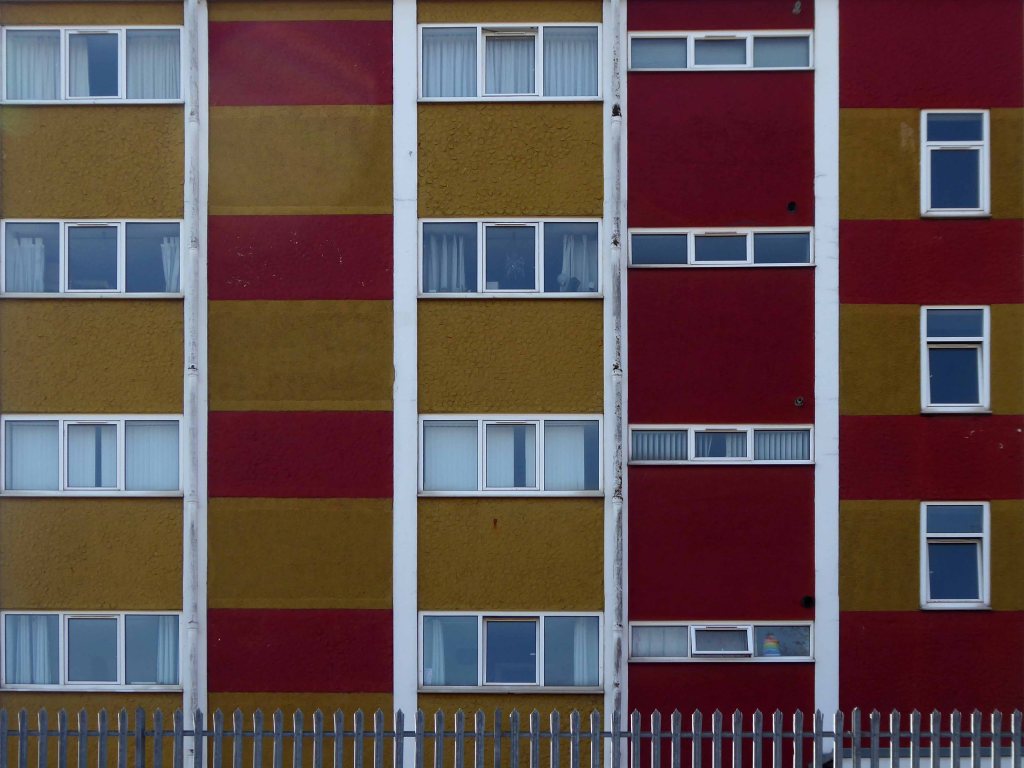
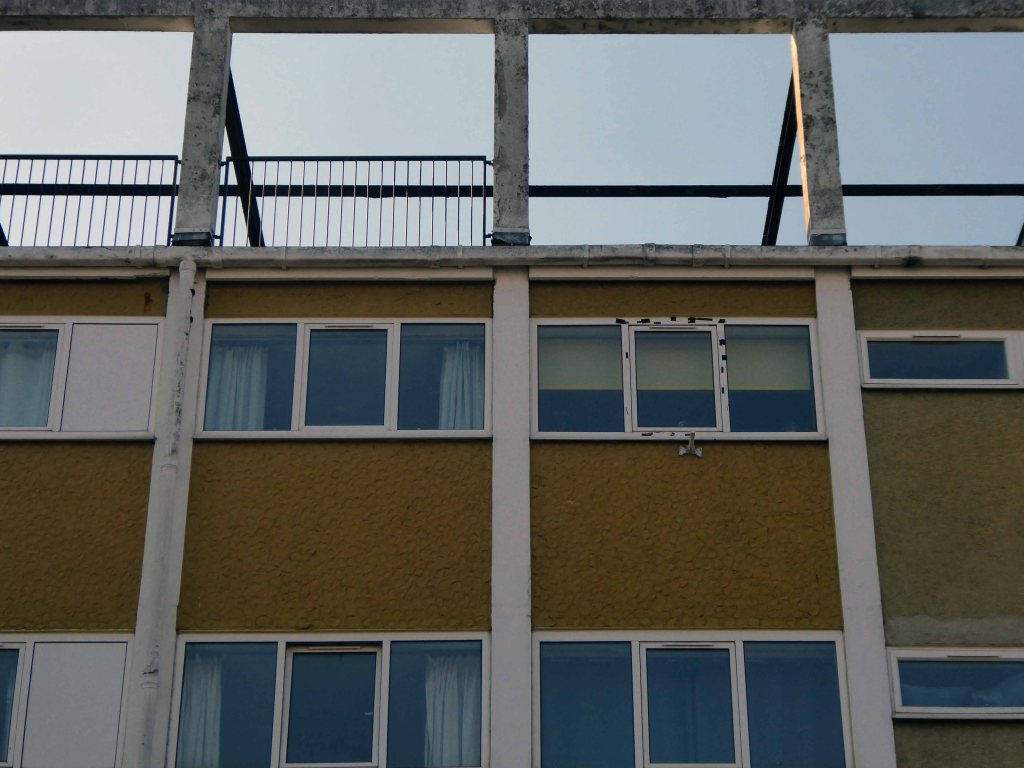
The nearby Harbour and Seaward Towers have faired a little better, newly clad and their tiled murals intact.

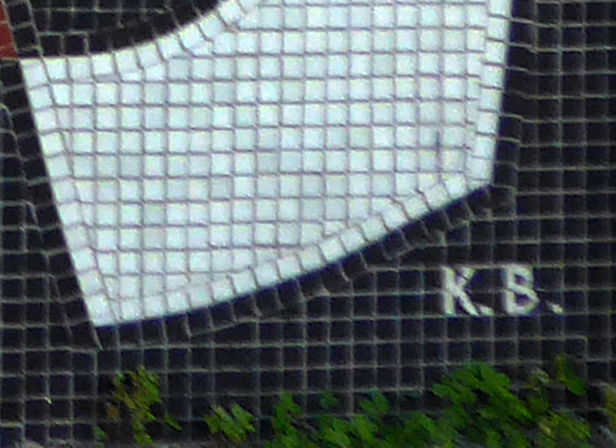
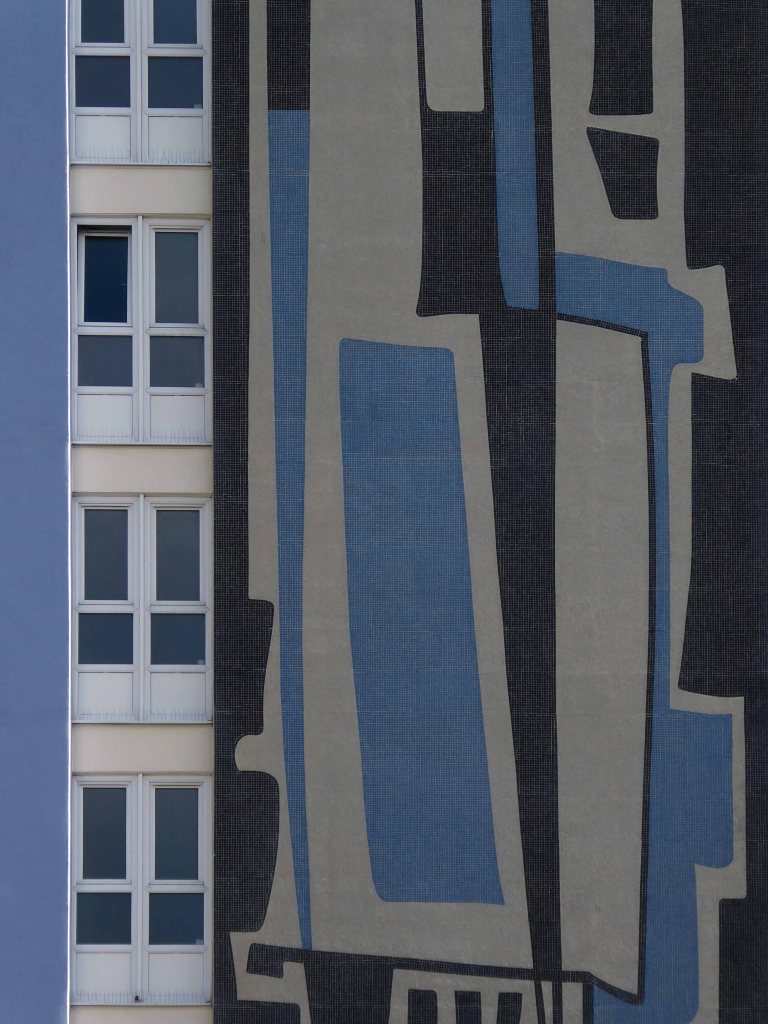
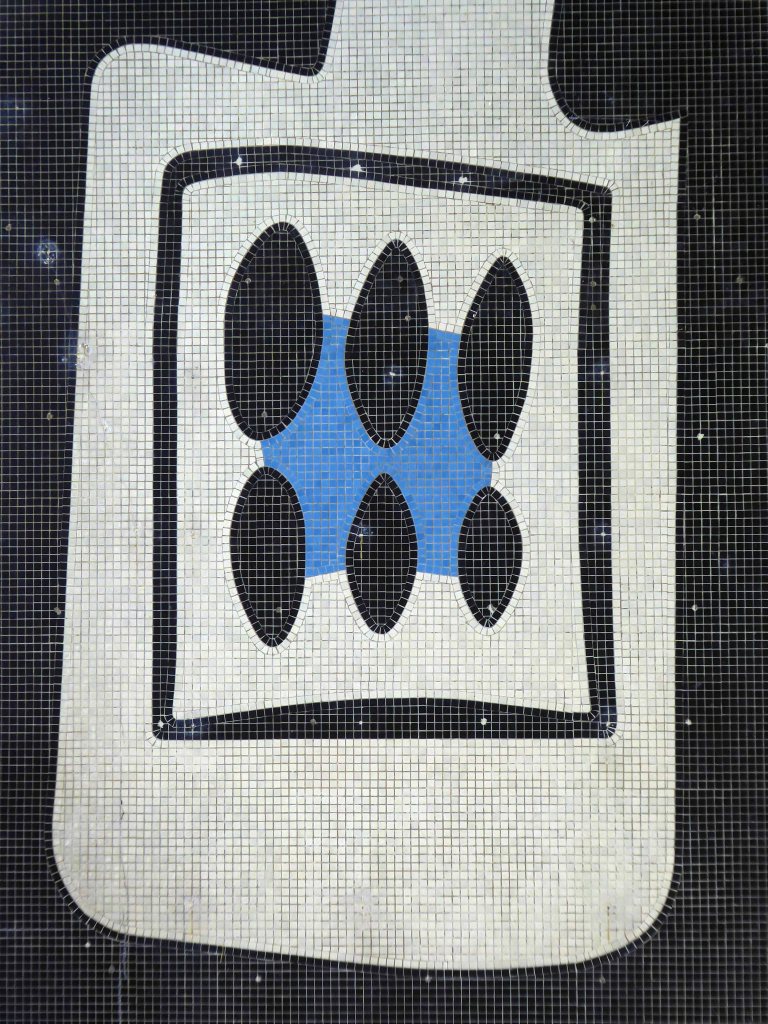
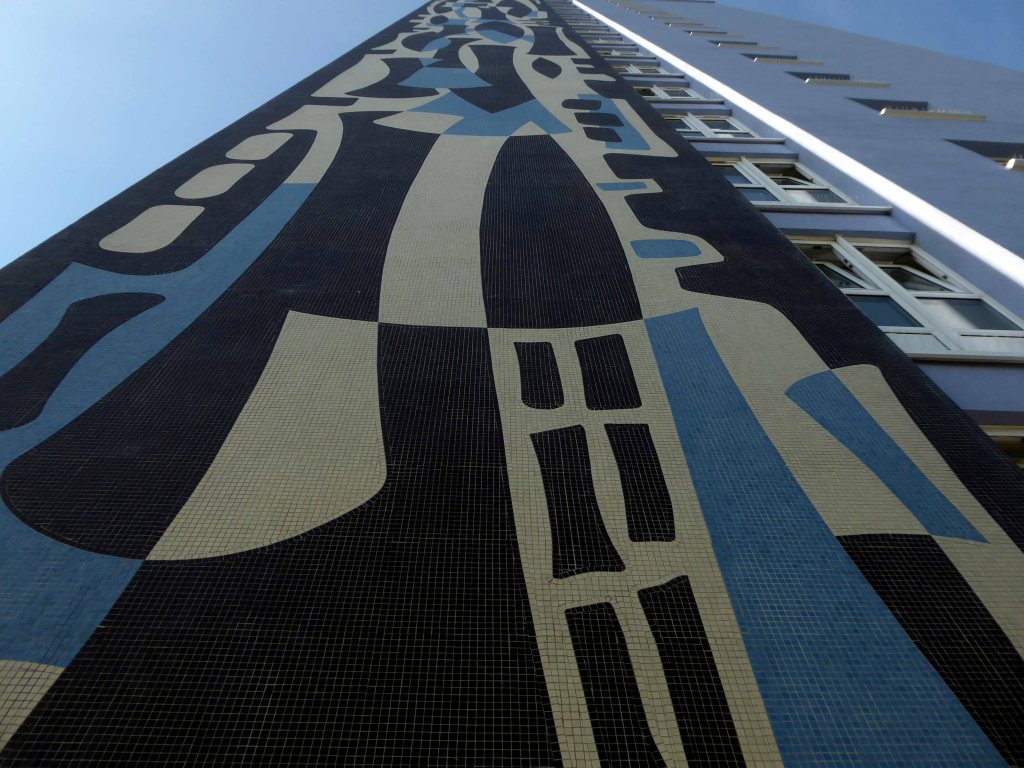
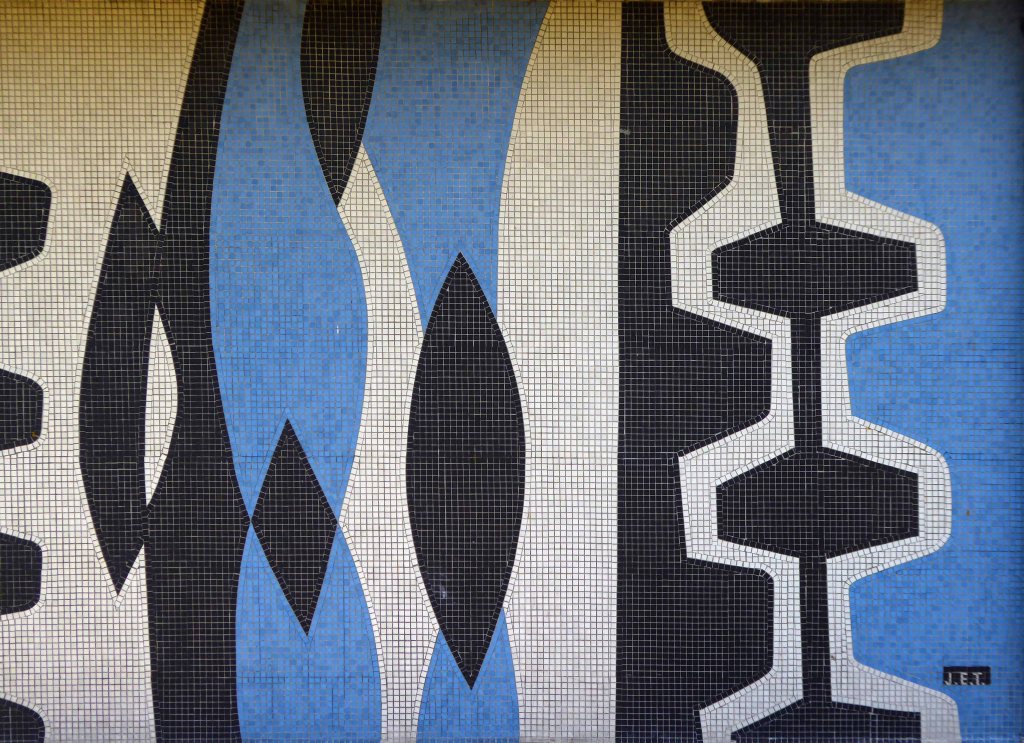
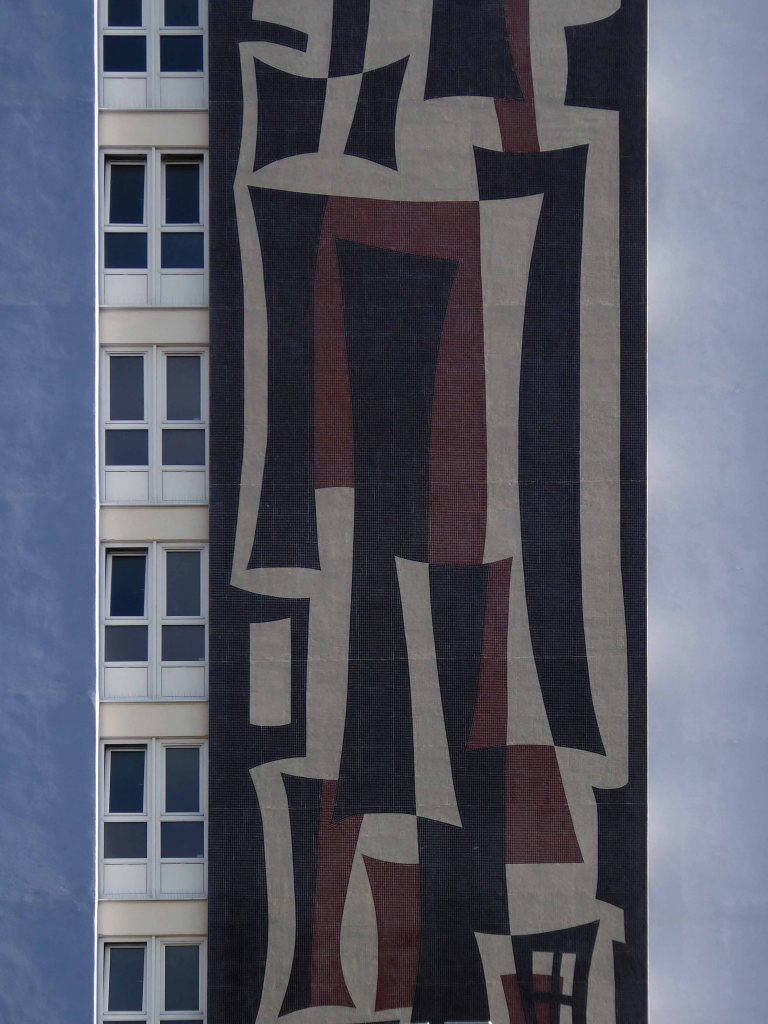
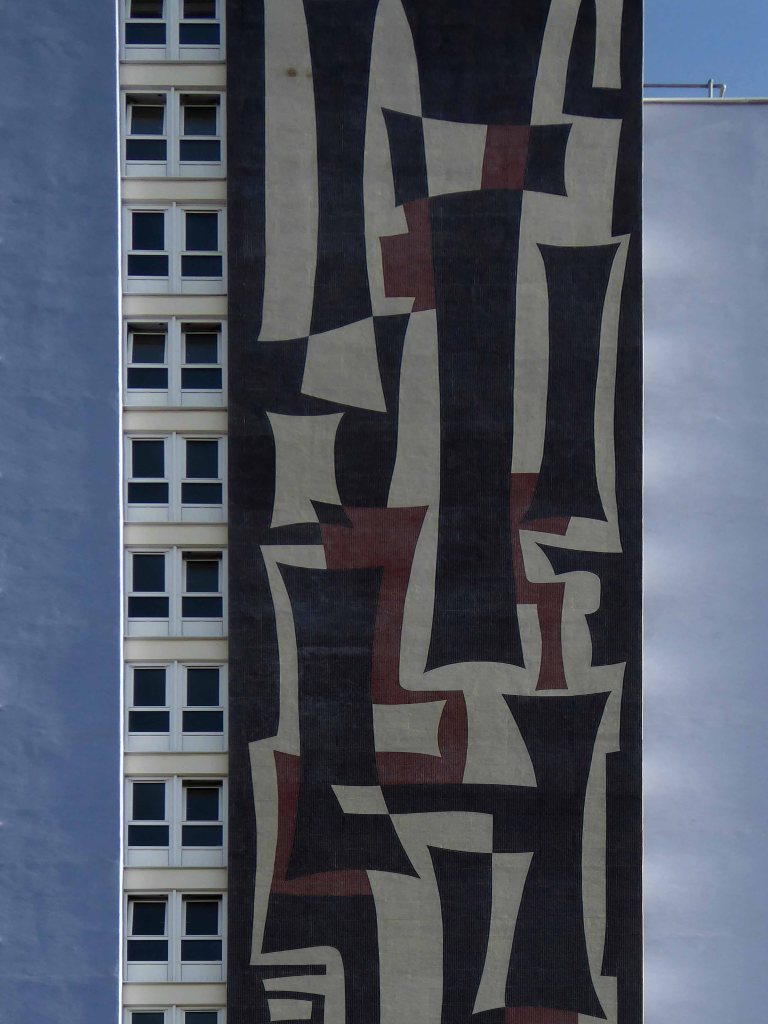
While working for George Wimpey and Co. Ltd, and together with J E Tyrrell, Chief Architectural Assistant to Gosport Borough Council, Kenneth Barden was responsible for tiled murals on Seaward Tower and Harbour Tower, two sixteen-storey tower blocks built in 1963 on the Esplanade in Gosport. 

They really are something they really are.

And so following a ride on the Gosport Ferry we arrive at Portsmouth Harbour.

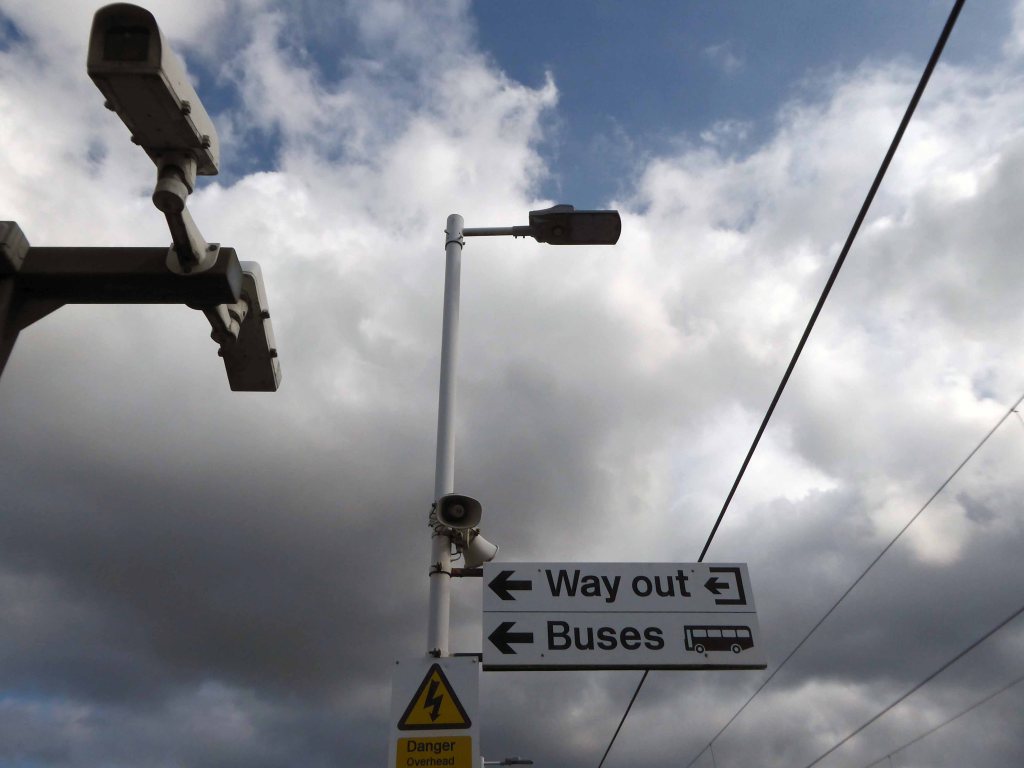
The land where British Rail signage refuses to die!

I have passed this way before on a Bournemouth to Pompey trip and both Tim and I were students at the Poly here in the 70s – more of which later.

Seaward Tower Harbour Tower – Gosport

While working for George Wimpey and Co. Ltd, and together with J E Tyrrell, Chief Architectural Assistant to Gosport Borough Council, Kenneth Barden was responsible for tiled murals on Seaward Tower and Harbour Tower, two sixteen-storey tower blocks built in 1963 on the Esplanade in Gosport.

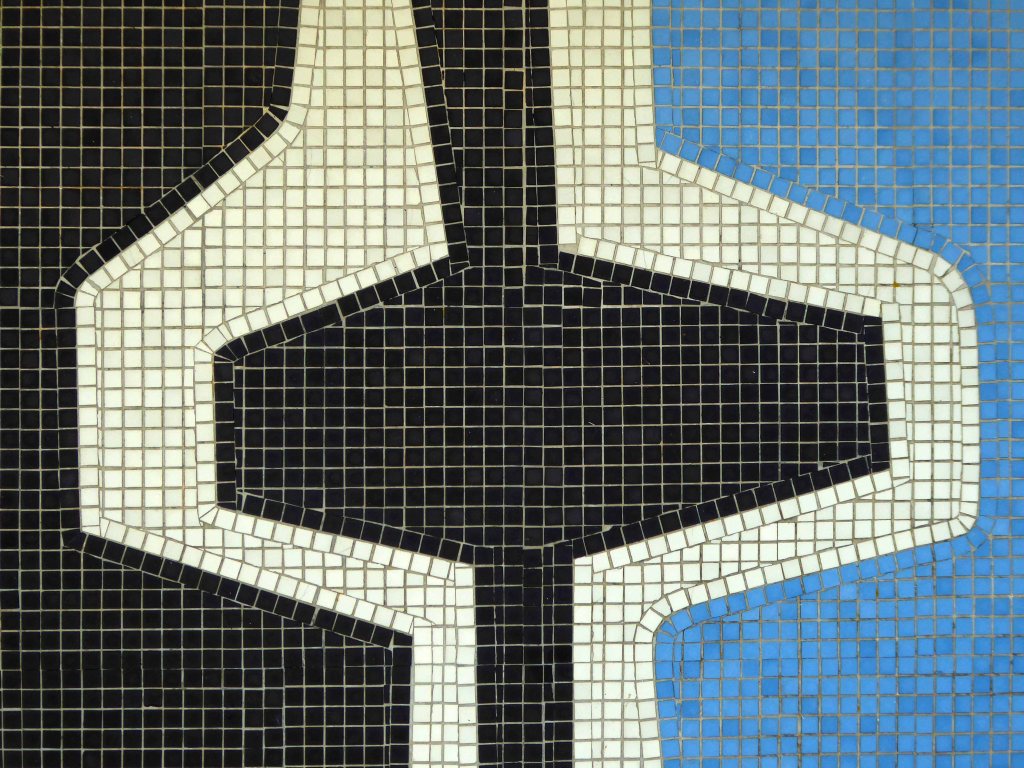
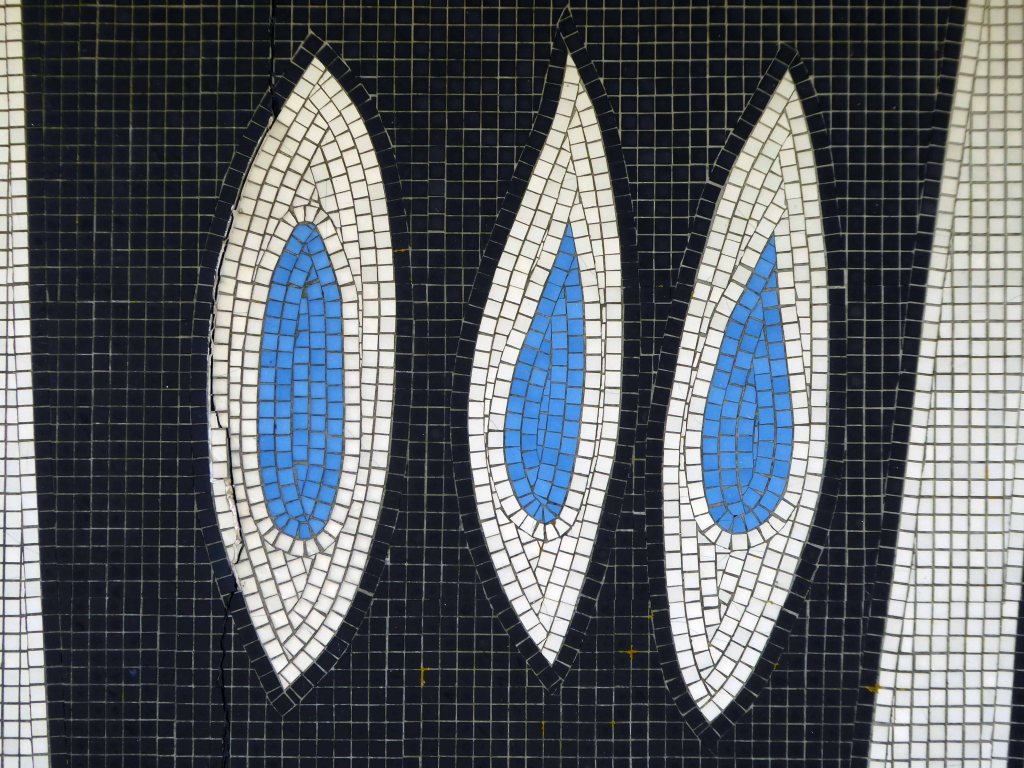
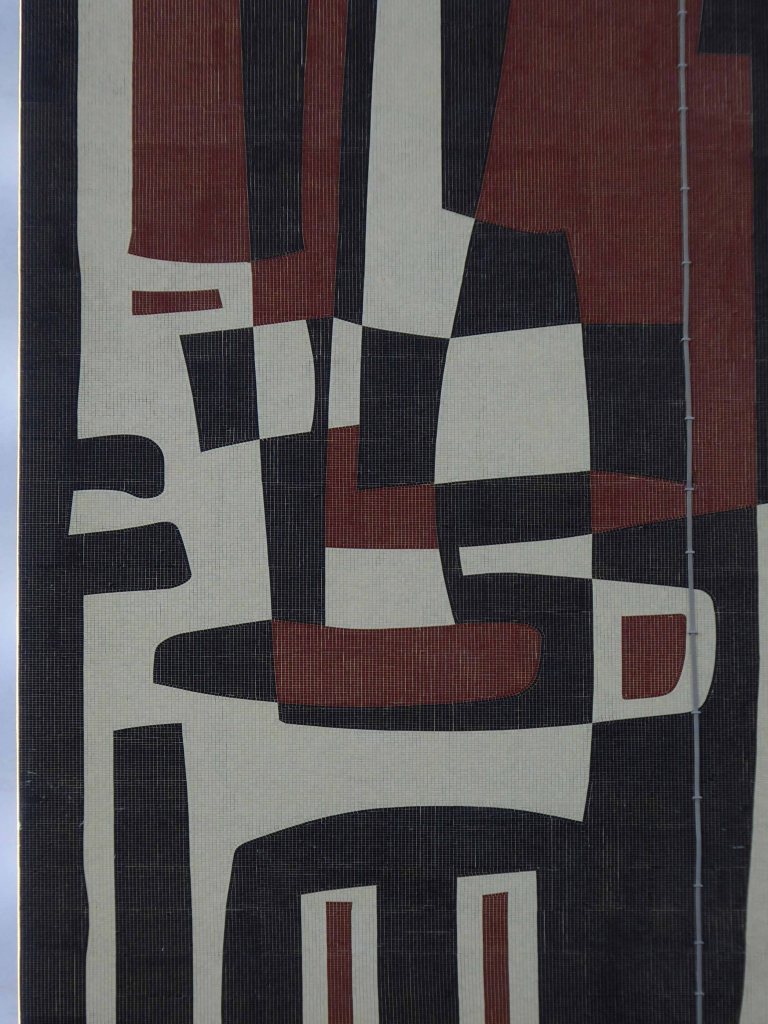
The surfaces of the tower blocks are covered in mosaic murals designed by Barden that rise the full 135 foot height of the buildings. They were controversial initially but are now a tourist attraction.

The tiles were produced by Carter and Co of Poole

Wikipedia

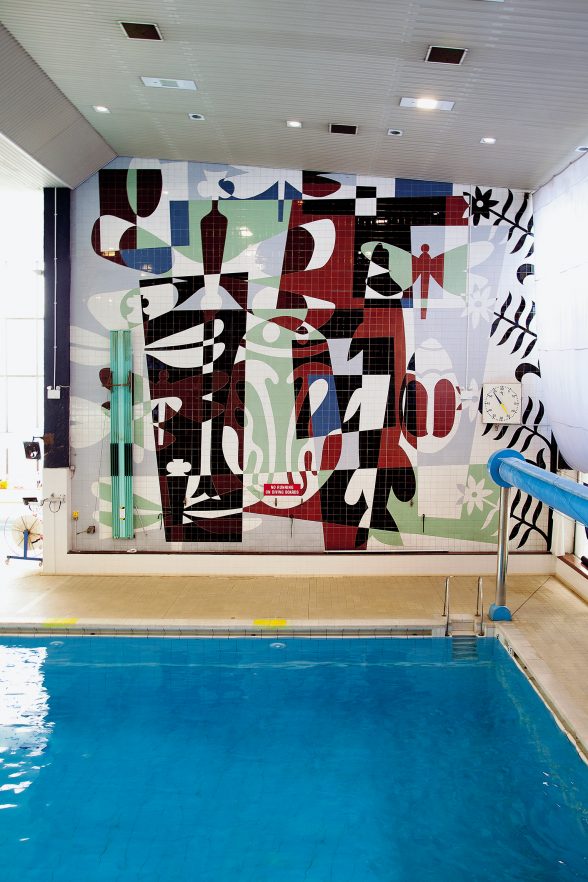
He was also responsible for the unlisted and under threat ceramic murals in Halifax Swimming Baths.

C20

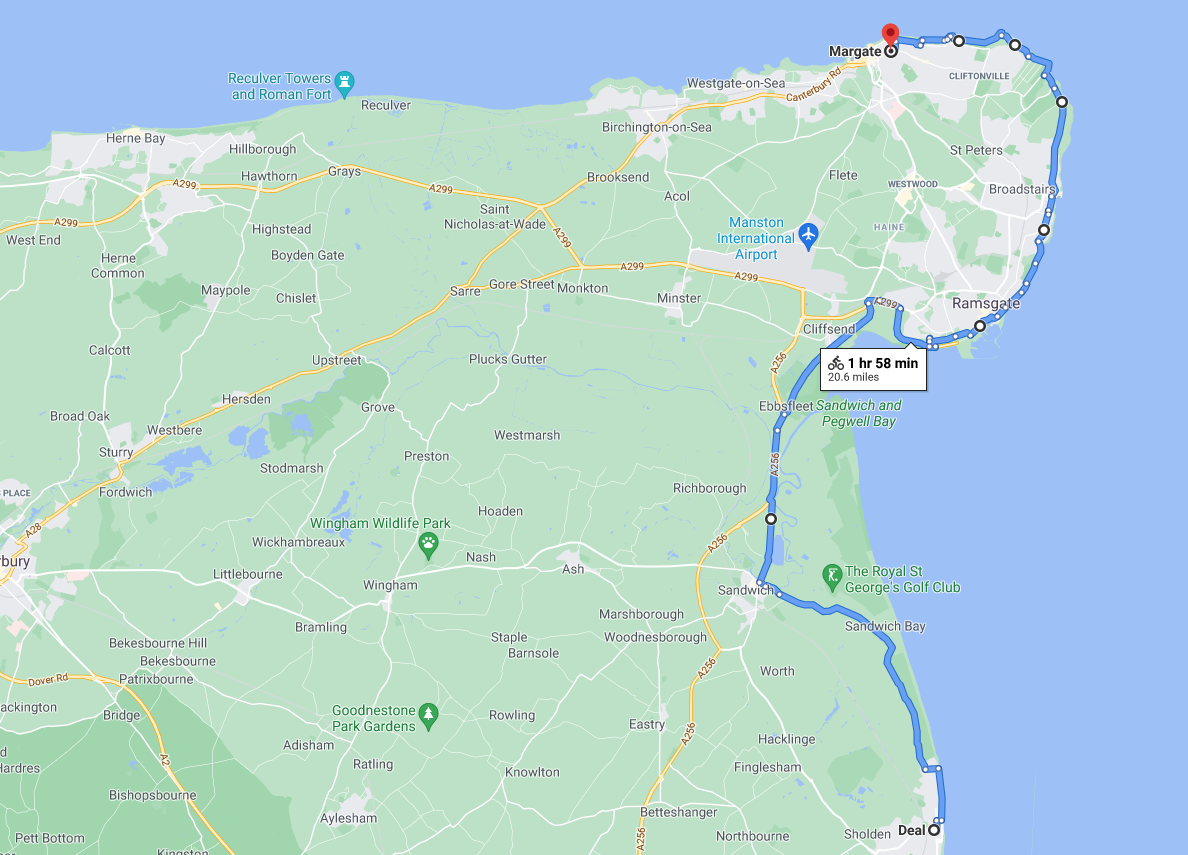
Whilst cycling form Southampton to Margate I took the opportunity to walk around and snap the blocks, one sunny day in May.

Here they are unclad in 1984

Tower Block

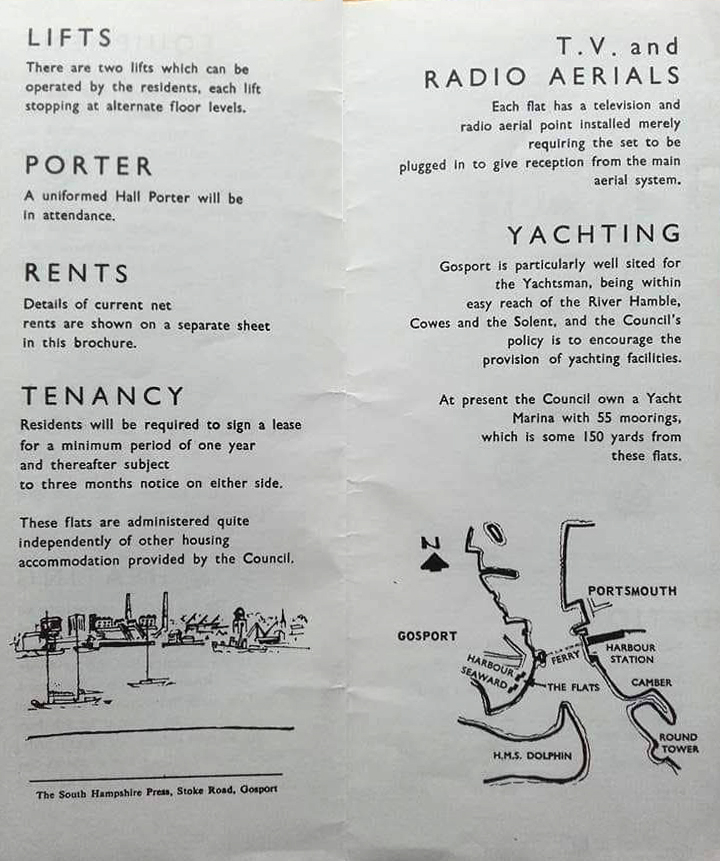
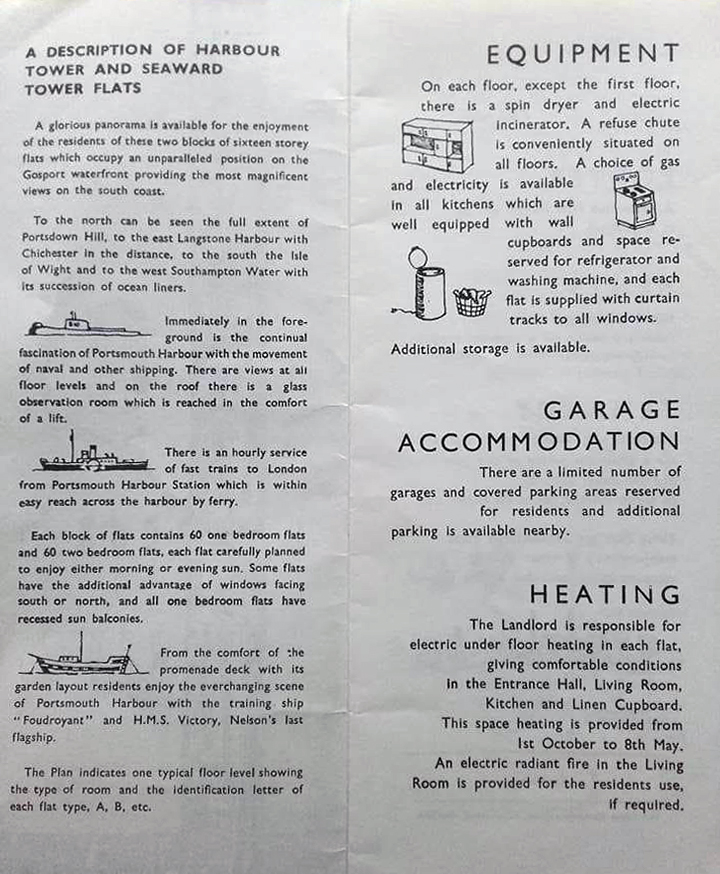
Brochure courtesy of Peter Blake

The work seems unrivalled in both scale and vision a lasting testament to good design.

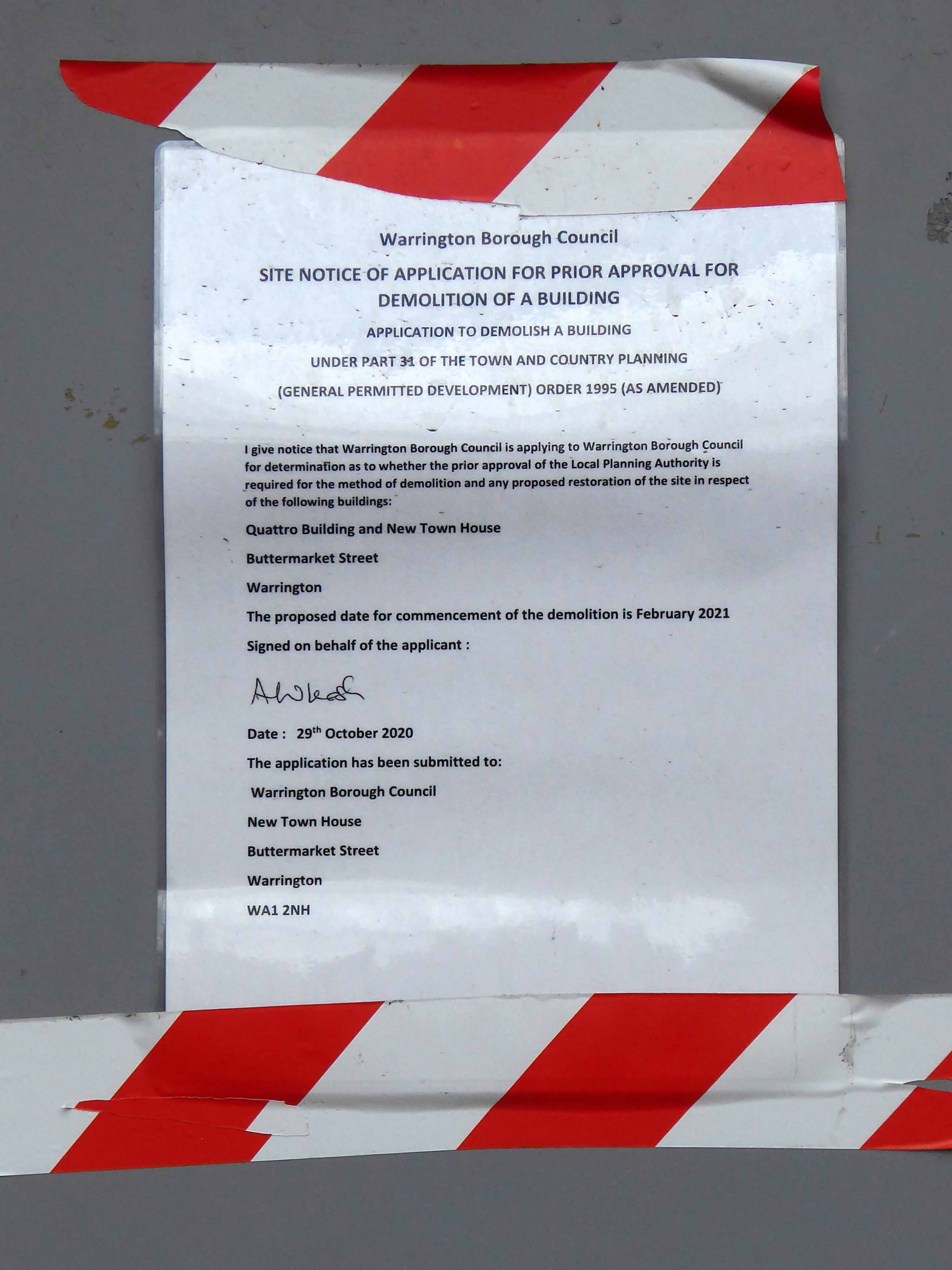
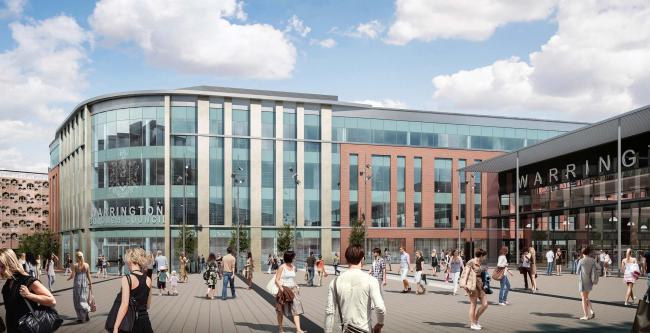
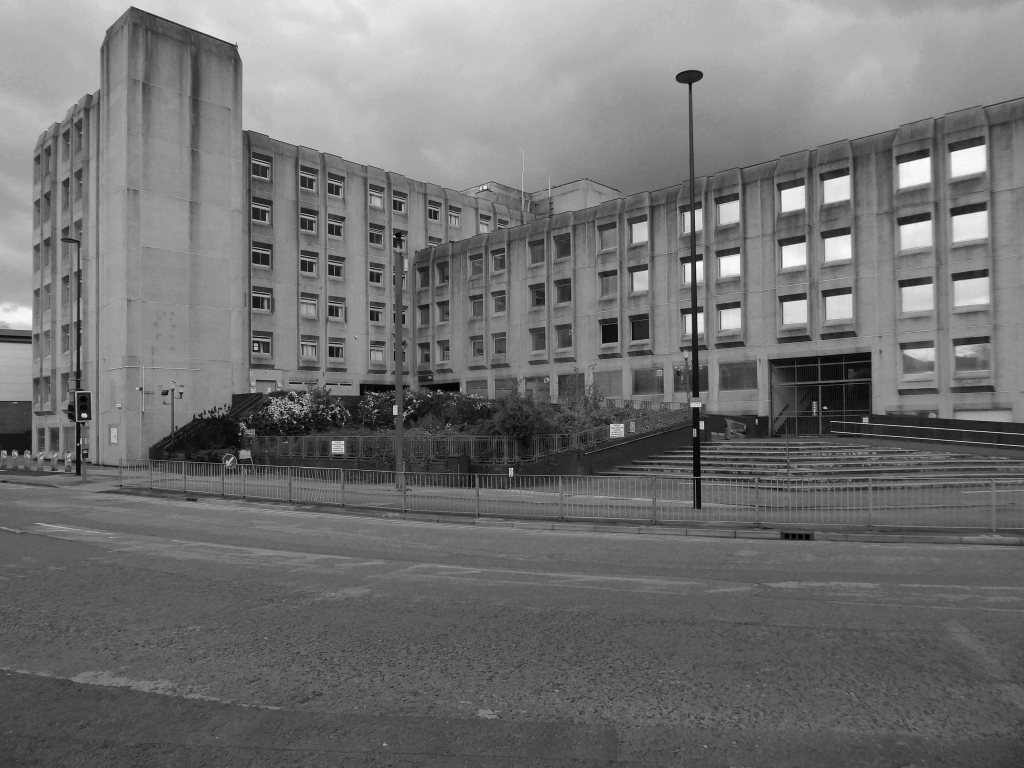
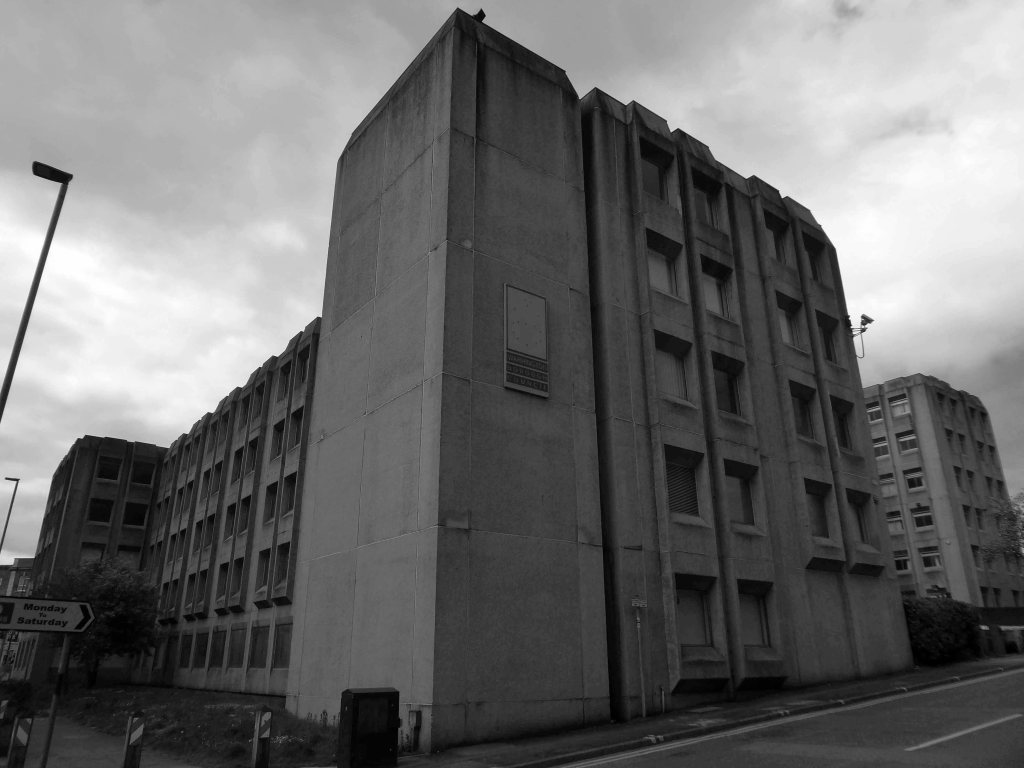
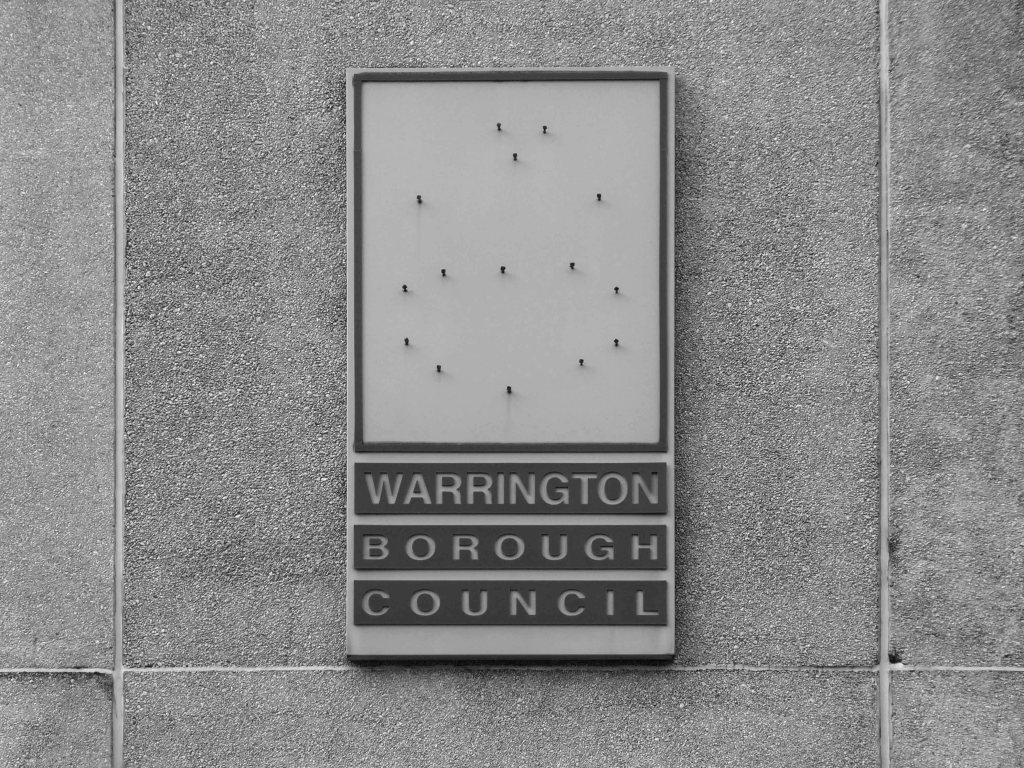
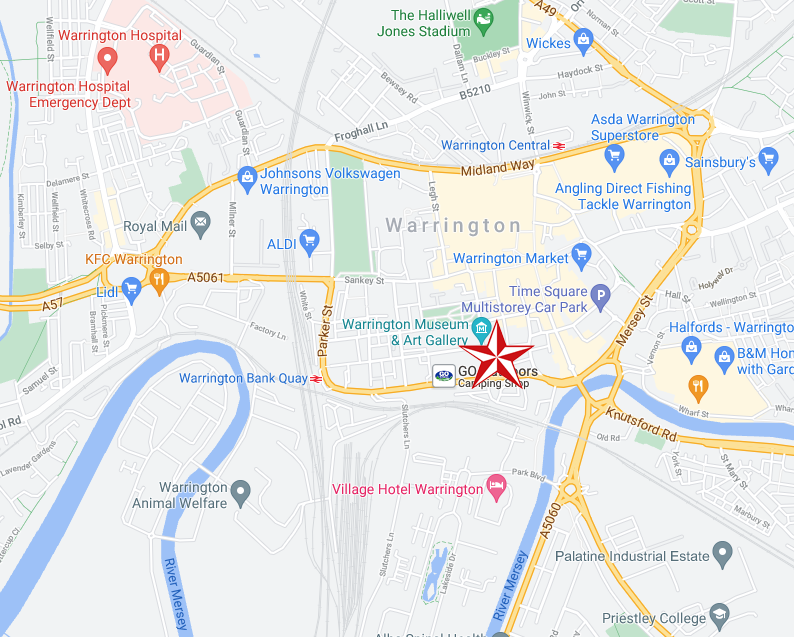
New Town House – Warrington

Warrington Borough Council  New Town House Buttermarket Street WA1 2NH

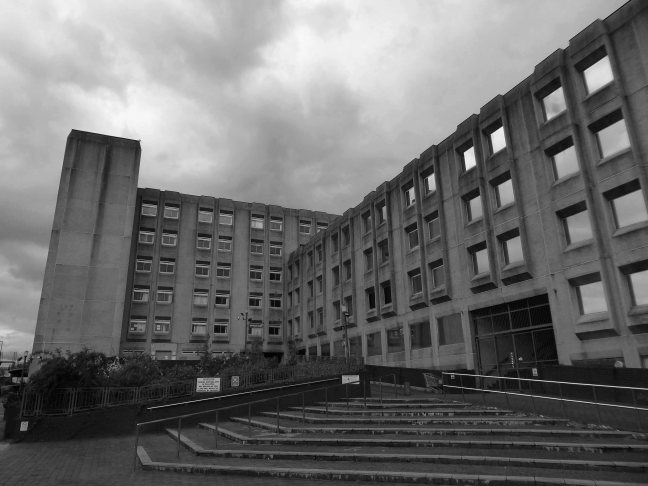
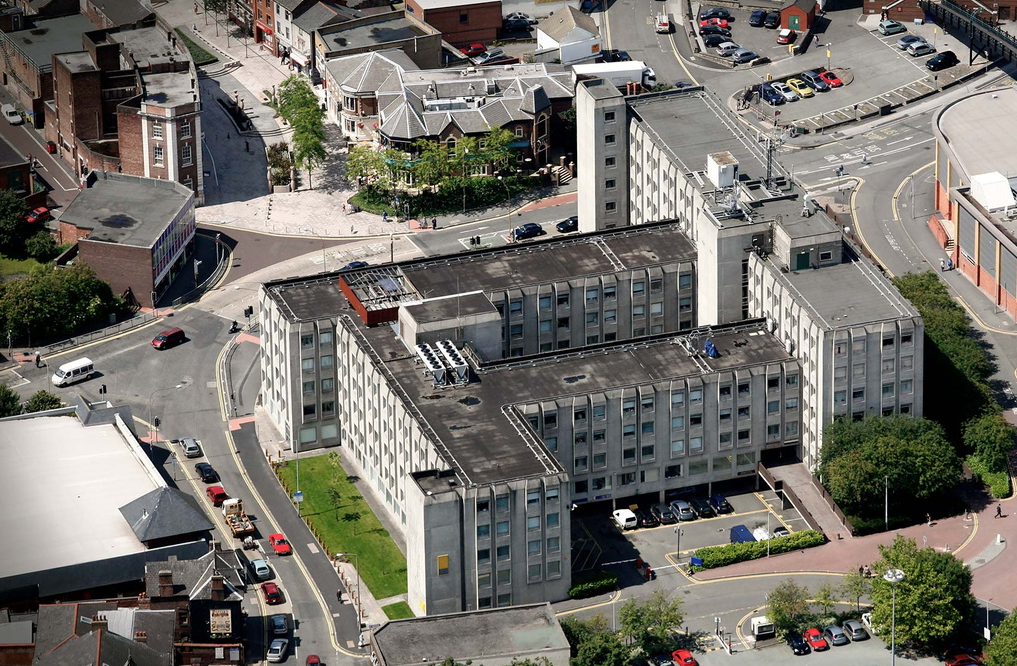
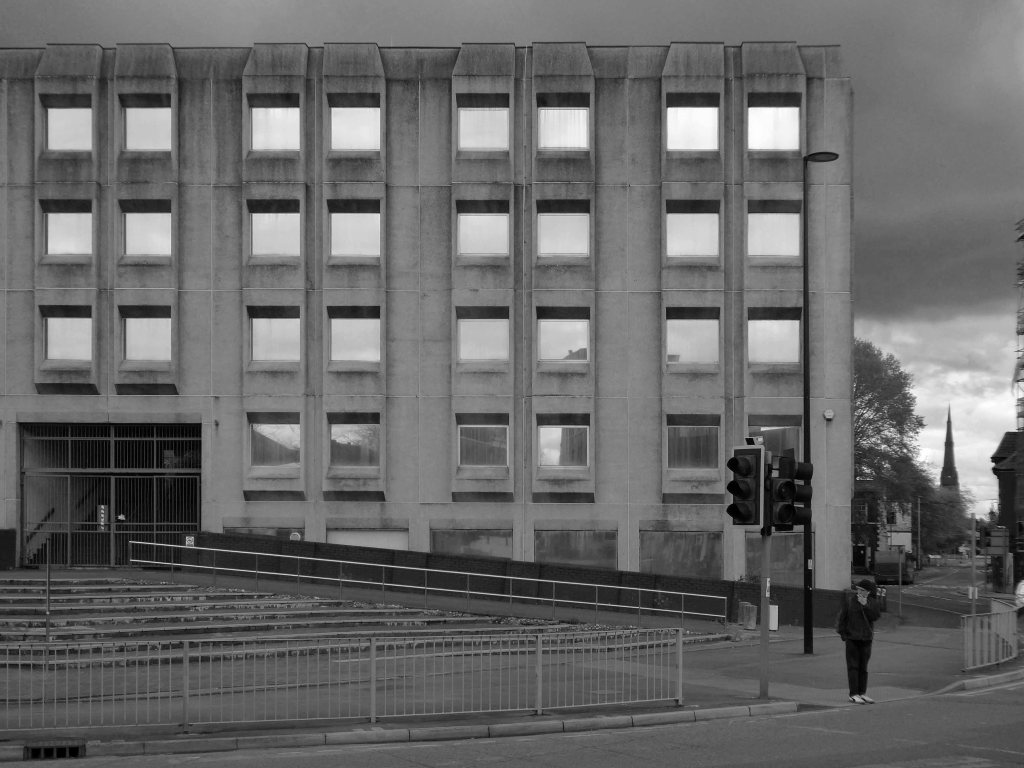
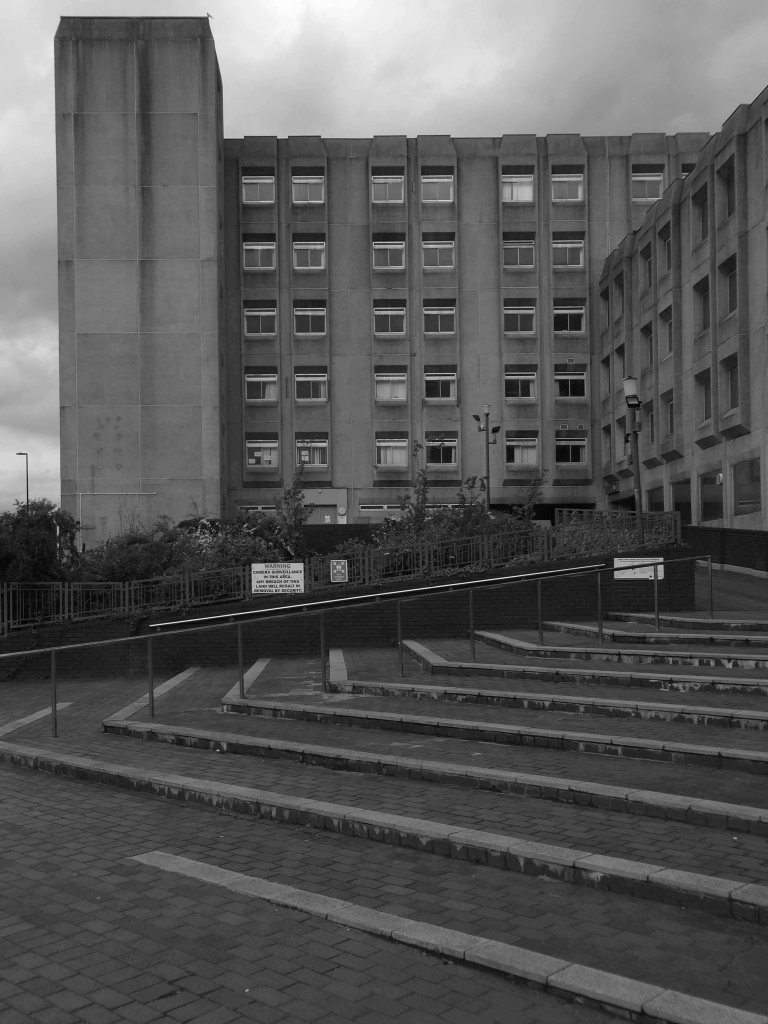
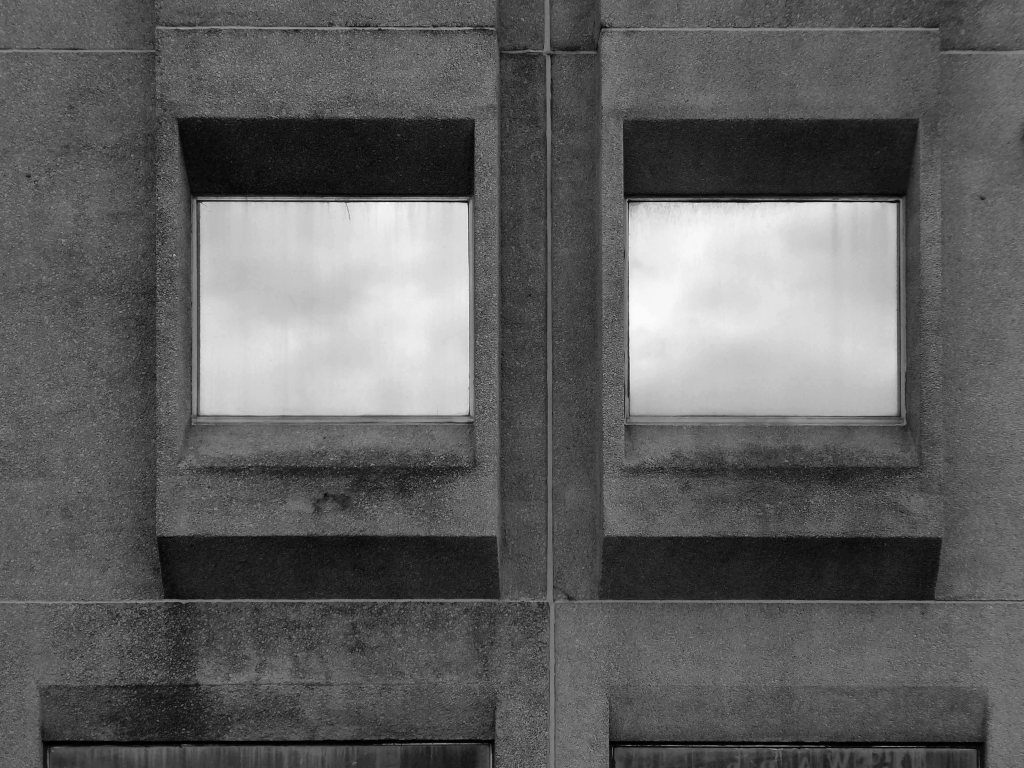
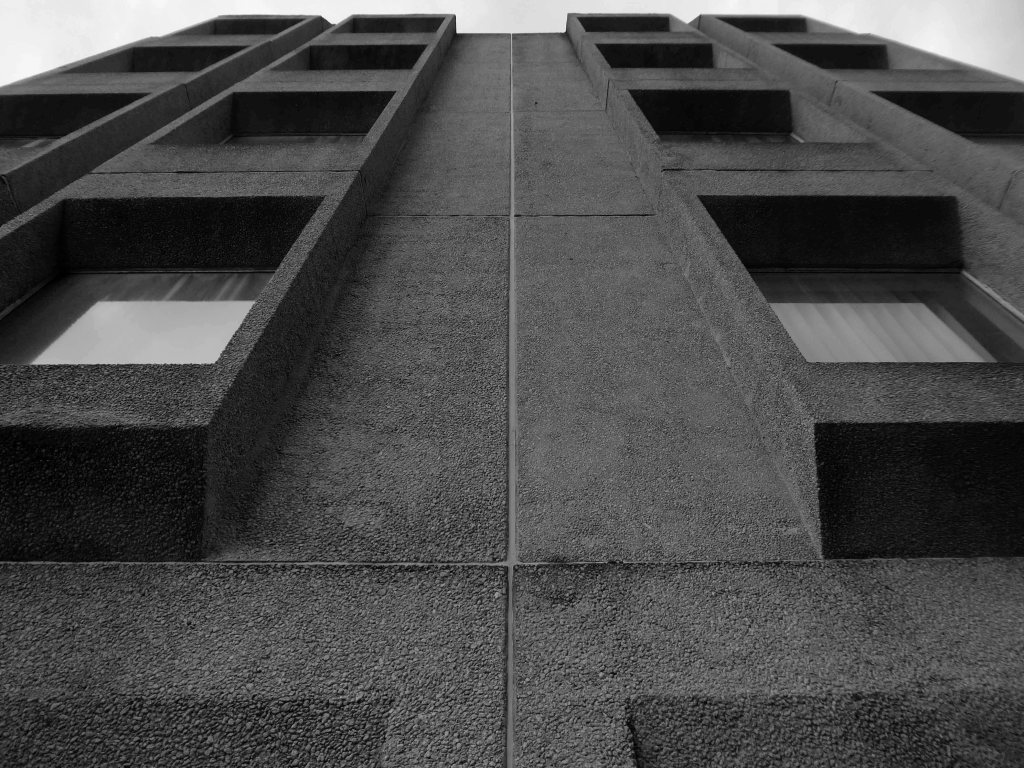
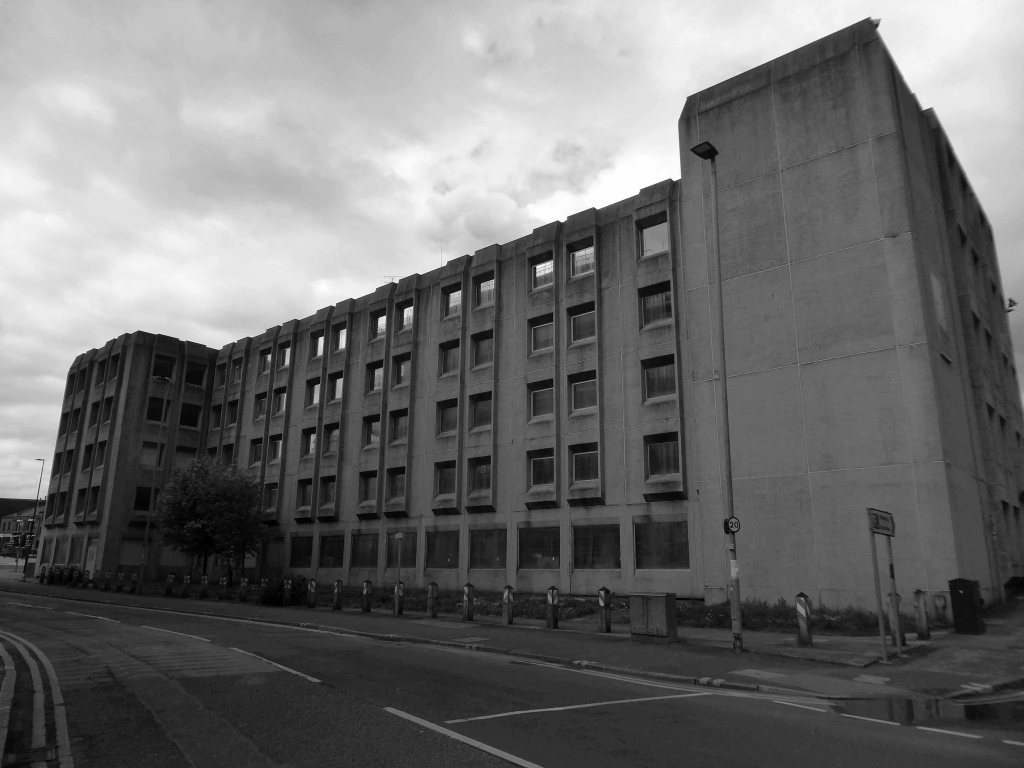
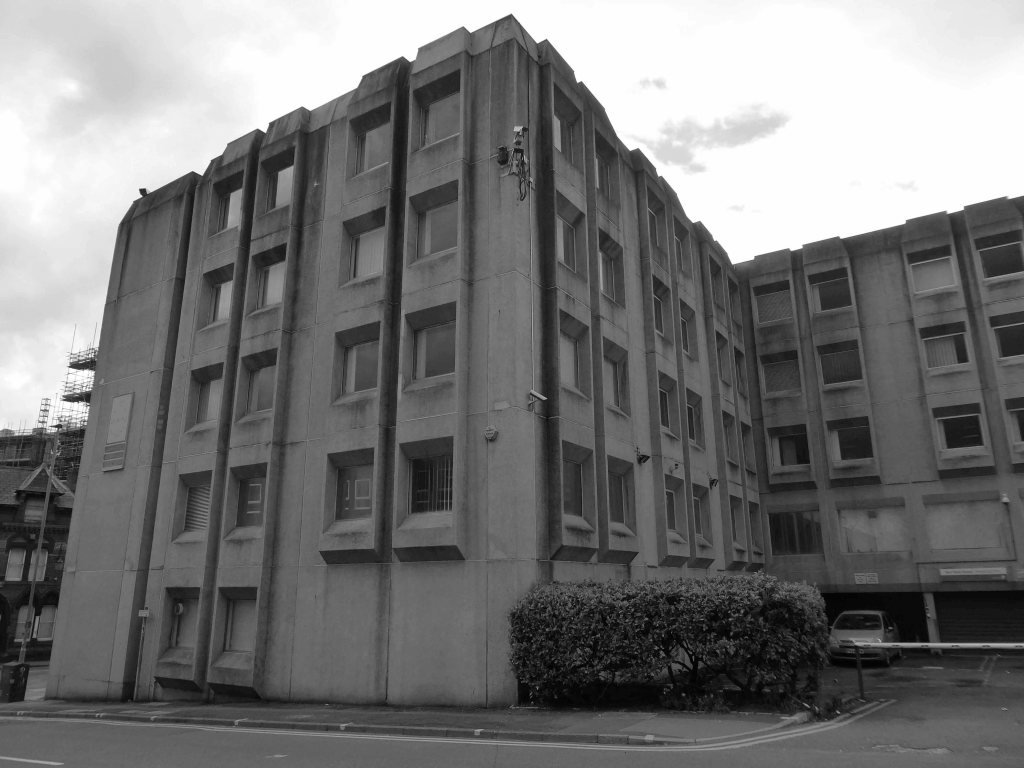
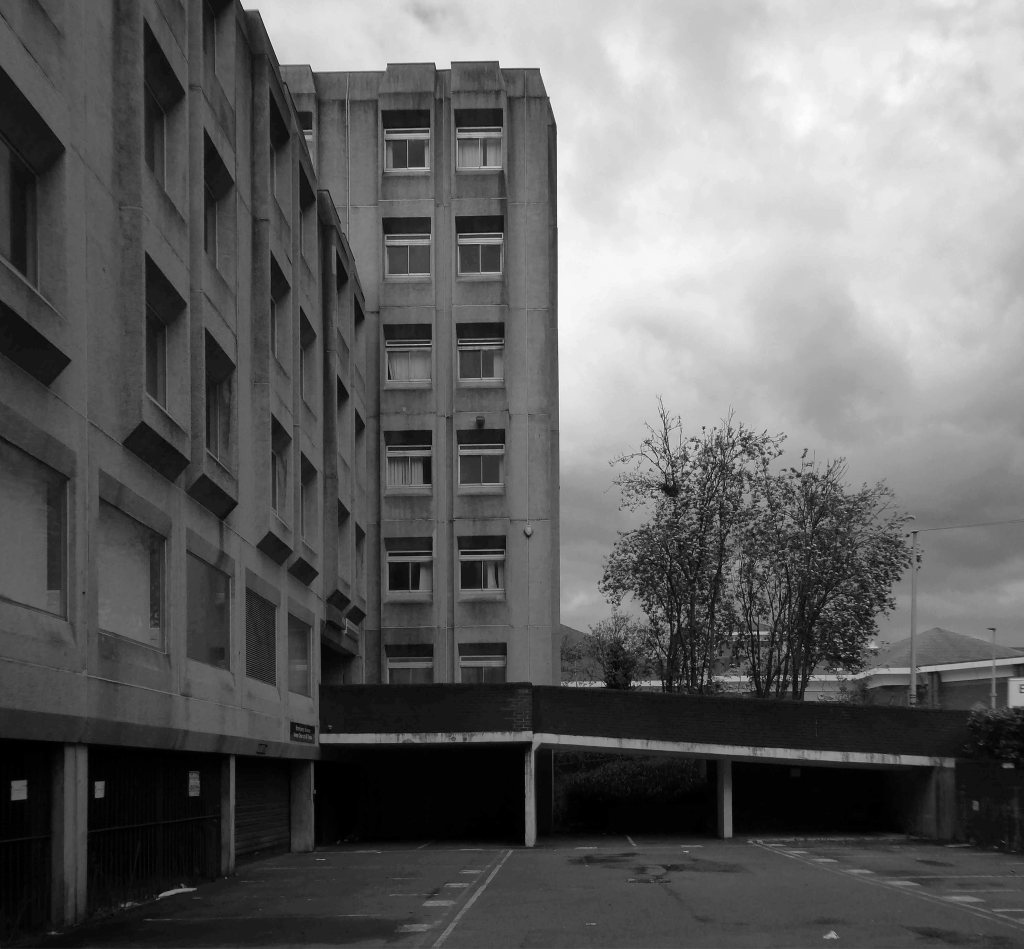
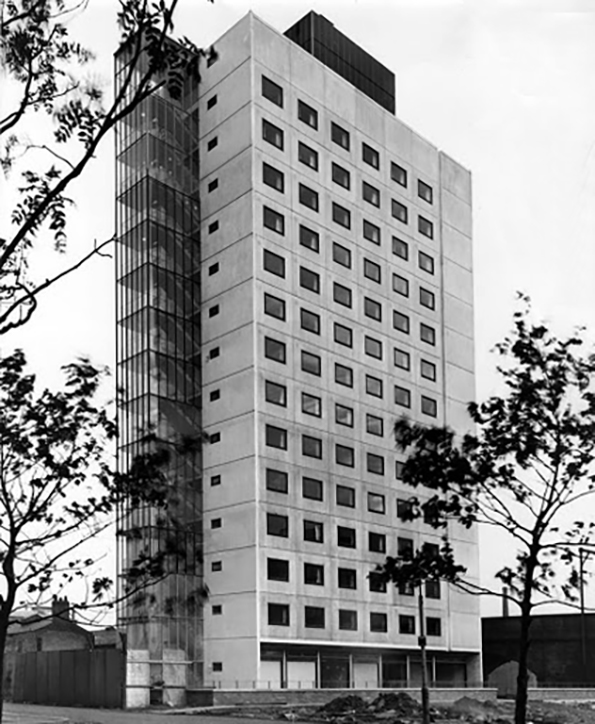
A true brute of a building, relentlessly repeated pre-cast concrete panels and partially mirrored windows, in a predictable grid.

A pale grey monolith on the wrong side of town.

Built in 1976 to house the Warrington & Runcorn Development Corporation.

2007 voted the ugliest kid in town.

Now due for demolition, by way of a suicide note addressed to itself.

It will not be missed by the majority of residents.

Good, it’s horrible and worthy of demolition.

No doubt the Brutalist-loving nutters will be out in force to protect this.

Nobody actually likes brutalist buildings.

They just pretend to like them to make themselves look cool, it’s like craft beer and food that comes in tiny portions.

One lone voice in its defence.

I have started a petition to save this place.

We can’t lose all our Brutalist Architecture to the steel and glass brigade – viva the New Town House.

Place North West

The weary workers are already rehoused in One Time Square.

So I went to take a walk around, before the wrecking ball arrives.

The council said there were:

No operational reasons to keep the building in council use or occupied beyond this point, allowing the site to be cleared for redevelopment.

Justifying the demolition, Warrington said the building has poor energy efficiency, high service costs, and is inflexible for modern office and business working

Cost estimates for refurbishment, M&E installation, and energy efficiency measures to keep the building in office use stand at £5m; even if this is actioned, the building would still have limitations for flexible modern working practices and energy efficiency.

The council had explored renting the building out but said: there was no demand for office space of this scale and quality; a sale was also considered but the council found market demand was not significant.

Residential is the most likely outcome for the site, and it will be built into a masterplan for an area including Scotland Road, Town Hill, and Cockhedge. The council said it would look to sell the site in future.

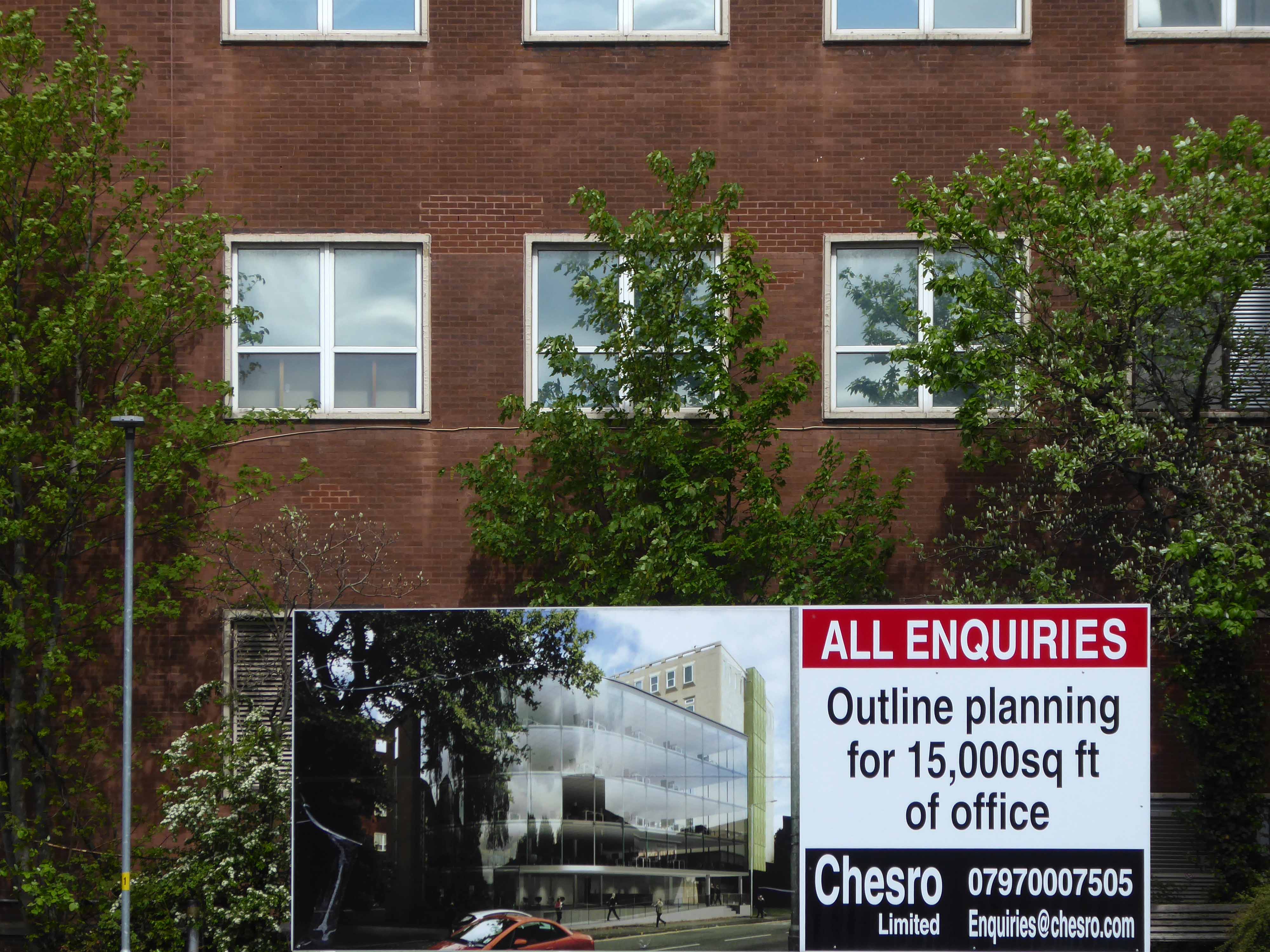
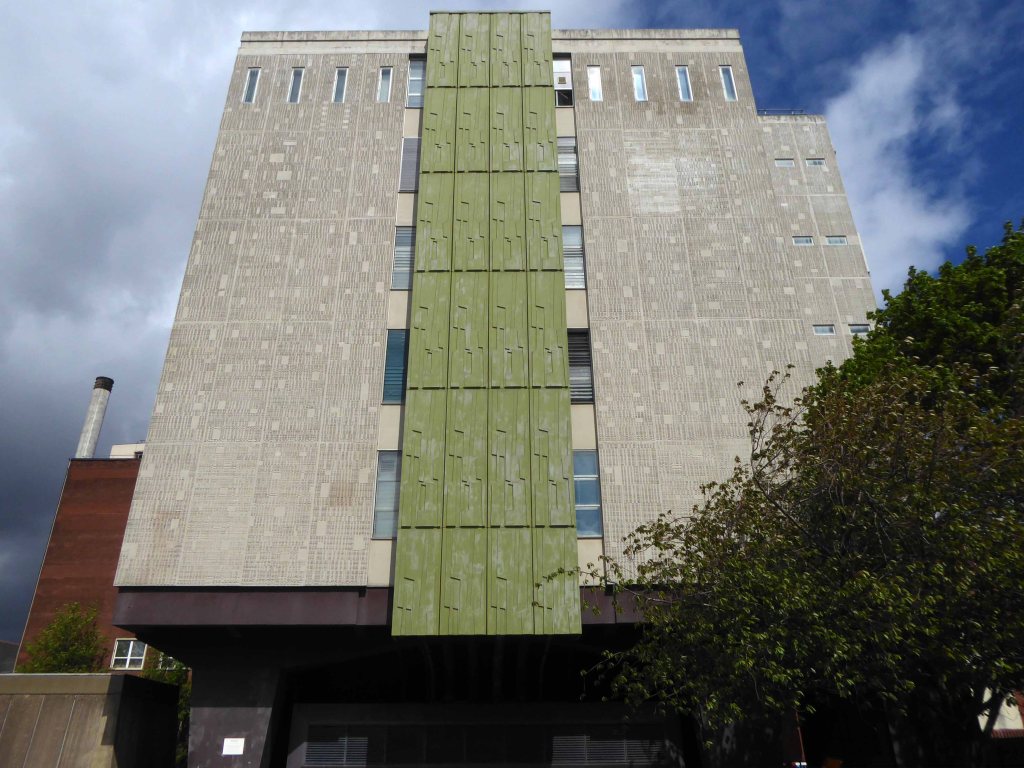
BT Building – Warrington

Wilson Patten street Warrington Cheshire WA1

A forgotten part of Warrington town centre could be turned into plush new affordable flats.

Developers are looking to put an eight-storey apartment block off Wilson Patten Street close to the former BT telephone exchange building – described in the planning application as an:

ugly concrete monolith

It would be home to a mix of forty one, two and three bed flats on the spare land which is currently used as a car park.

Warrington Guardian

Typically the architecture of Twentieth Century infrastructure is reviled and ridiculed – simply swept away by contemporary, anonymous design and construction.

At least in this instance the developers intend to retain the ugly concrete monolith.

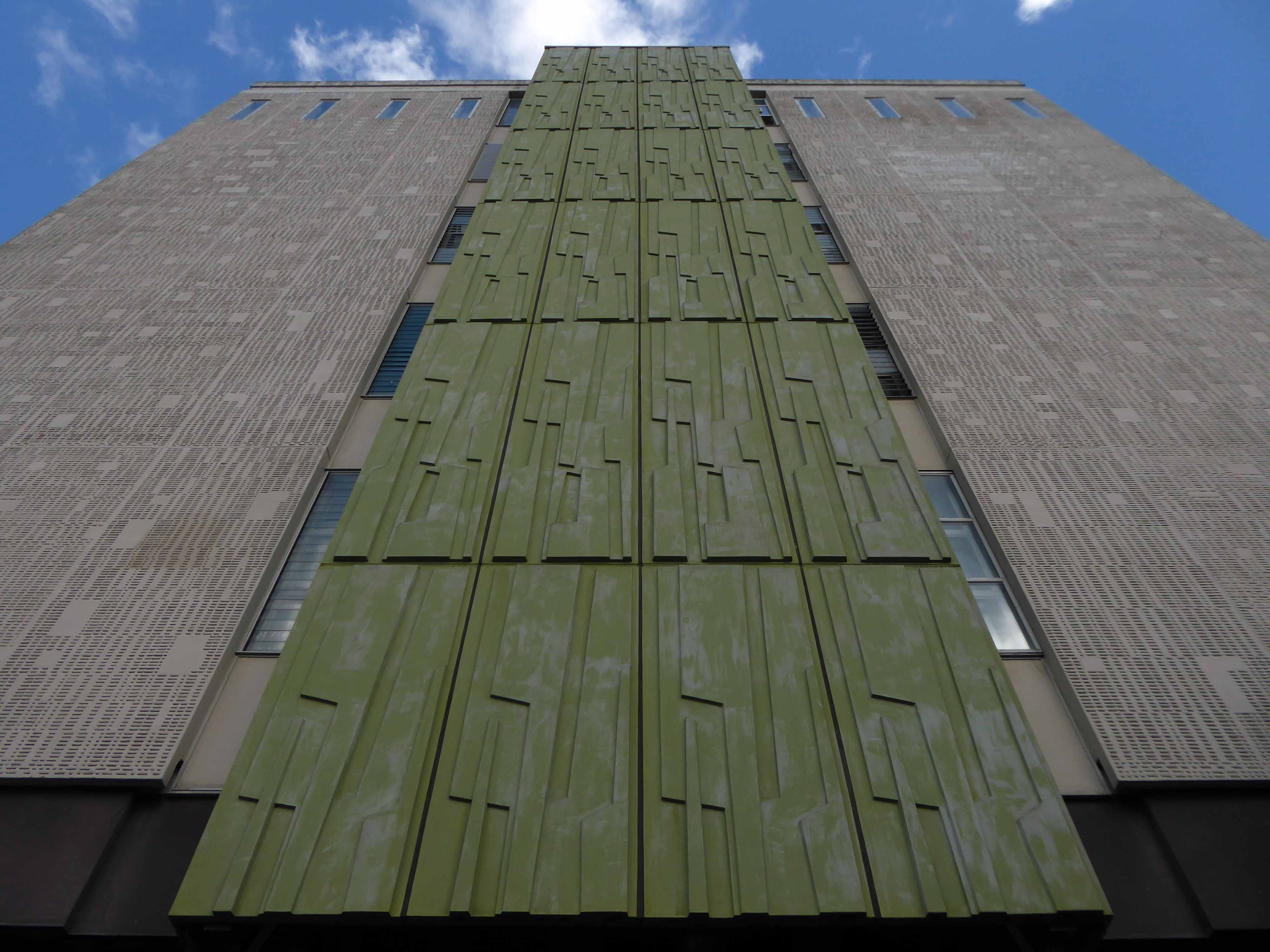
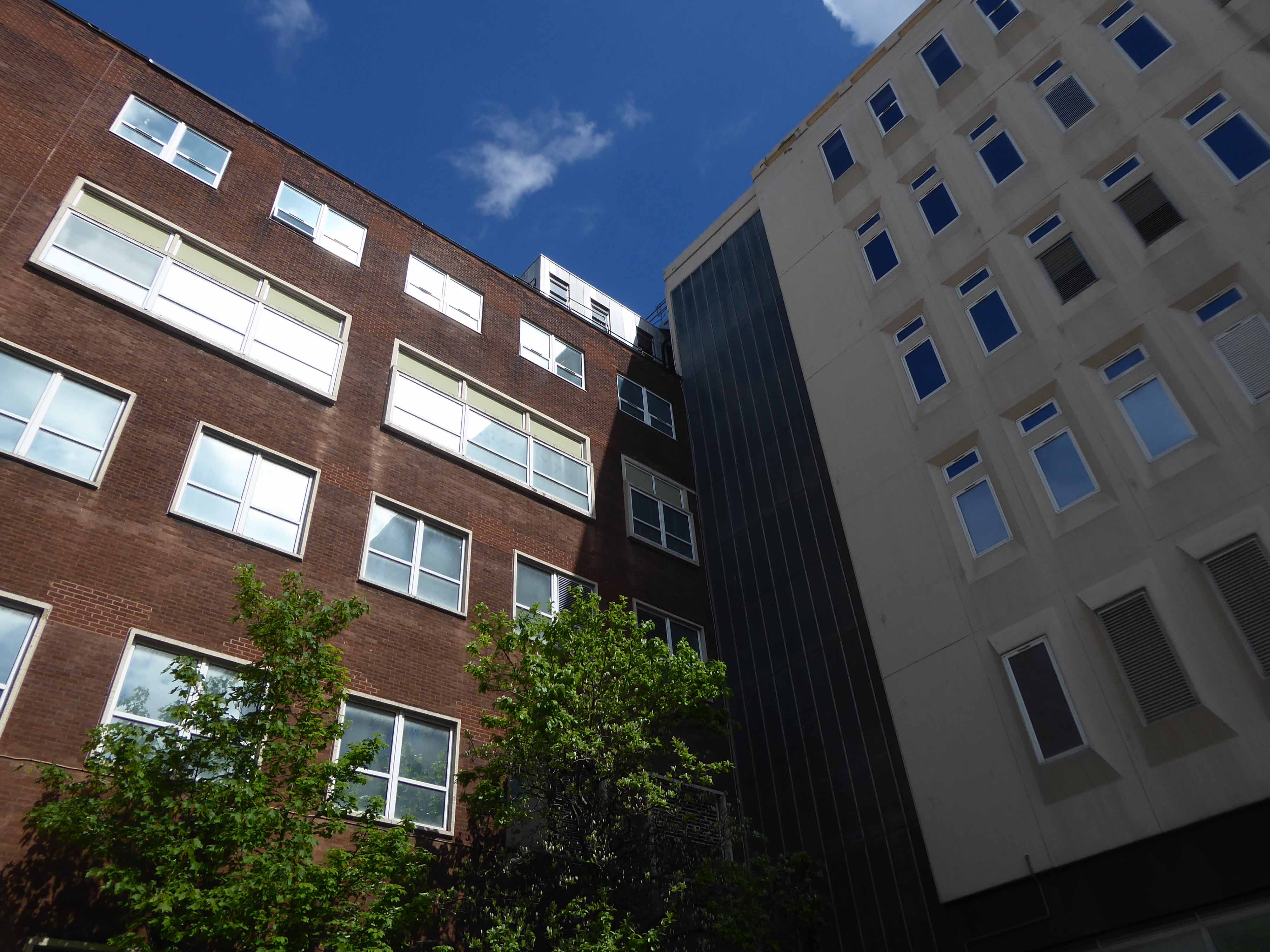
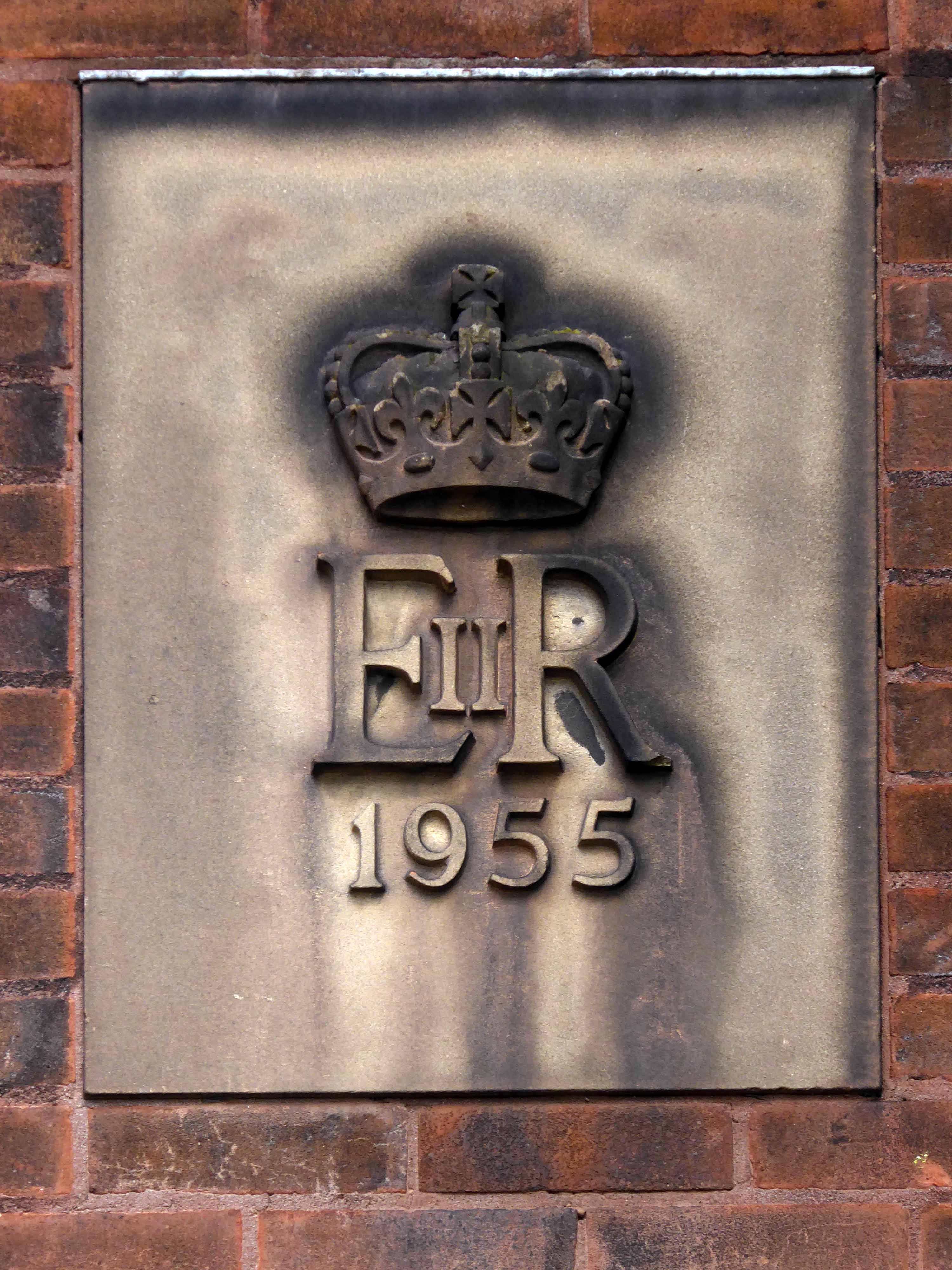
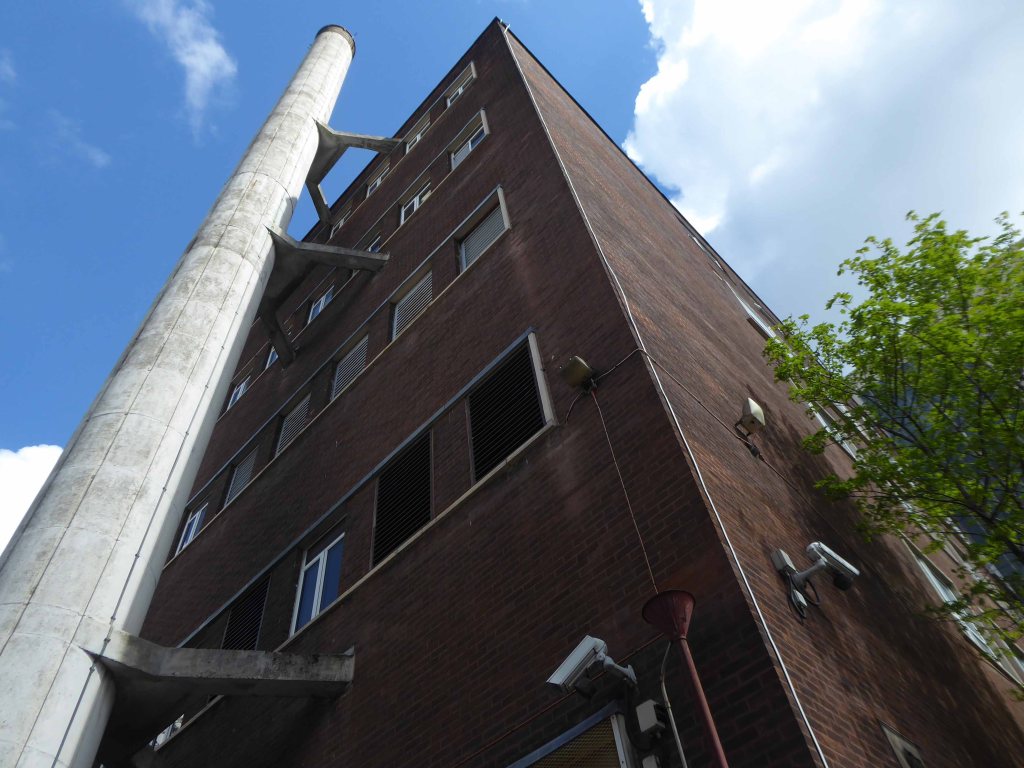
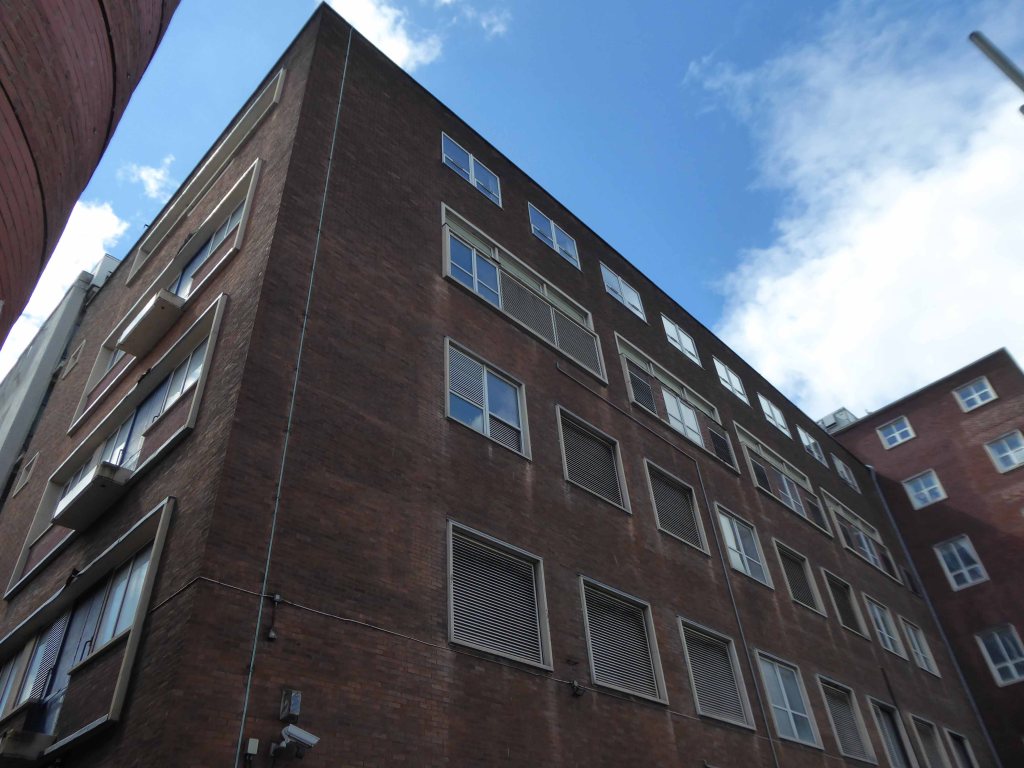
For me it is an essay in confident construction and decoration, the marriage of 1955’s brick utilitarianism, with a later concrete structure.

Poised on massive grey piloti, rising elegantly above the town.

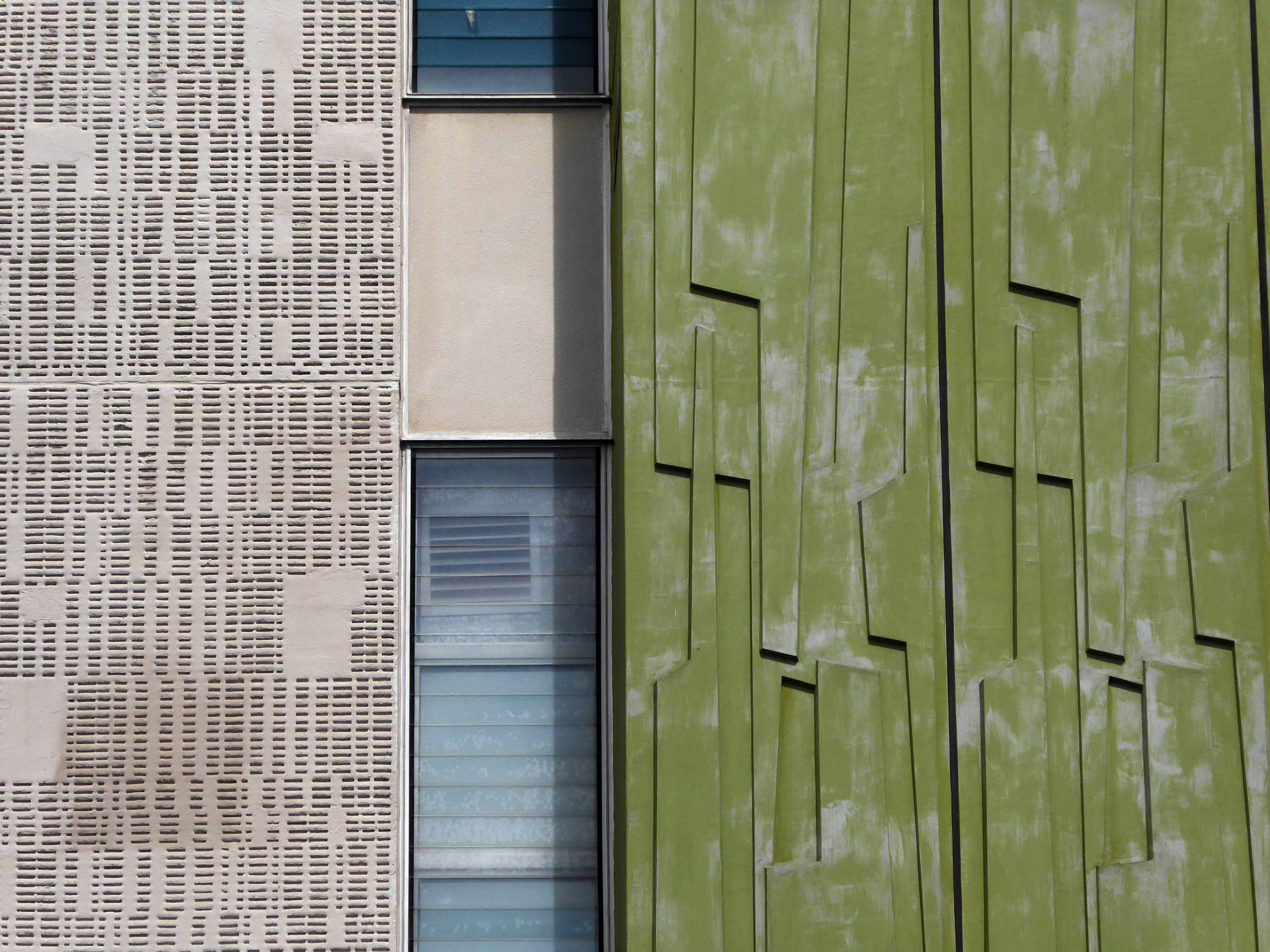
Adorned with a simple articulation of surface.

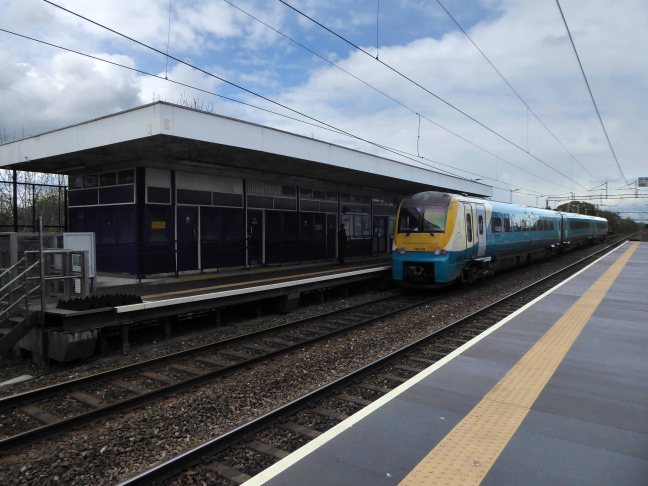
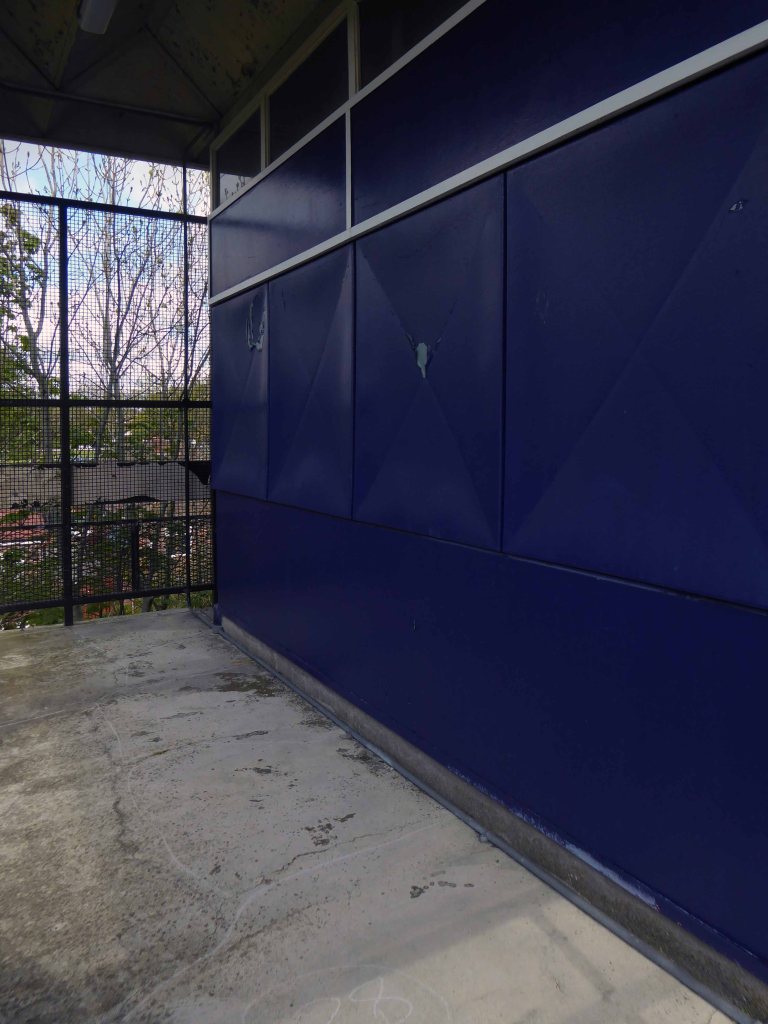
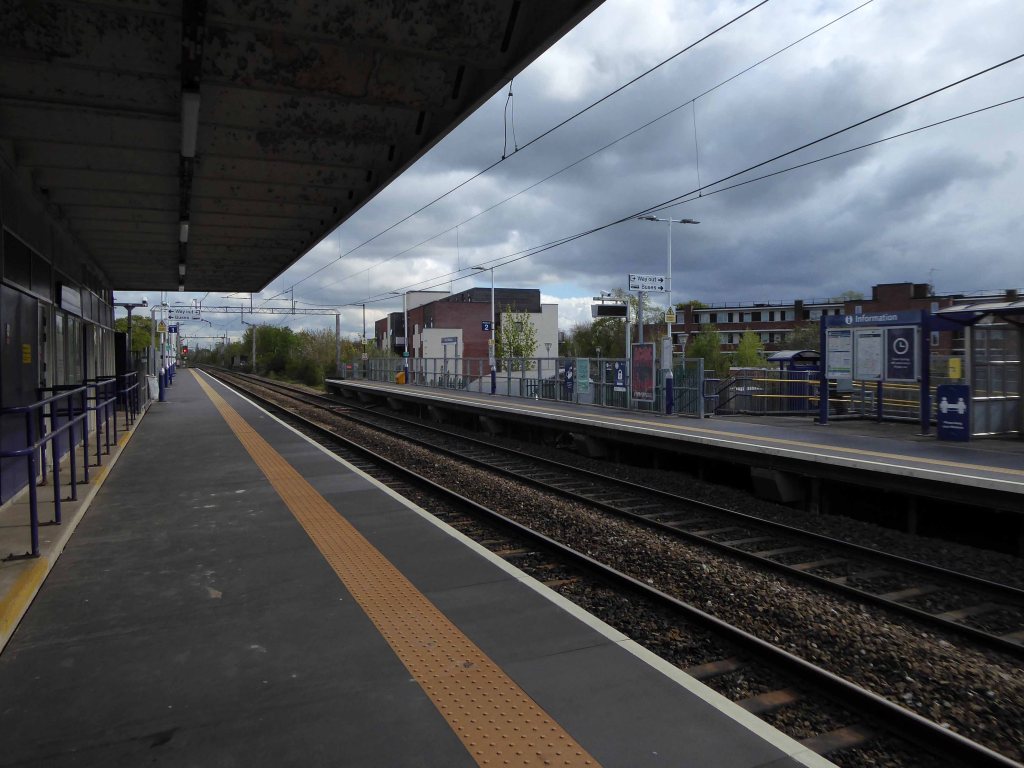
East Didsbury Station

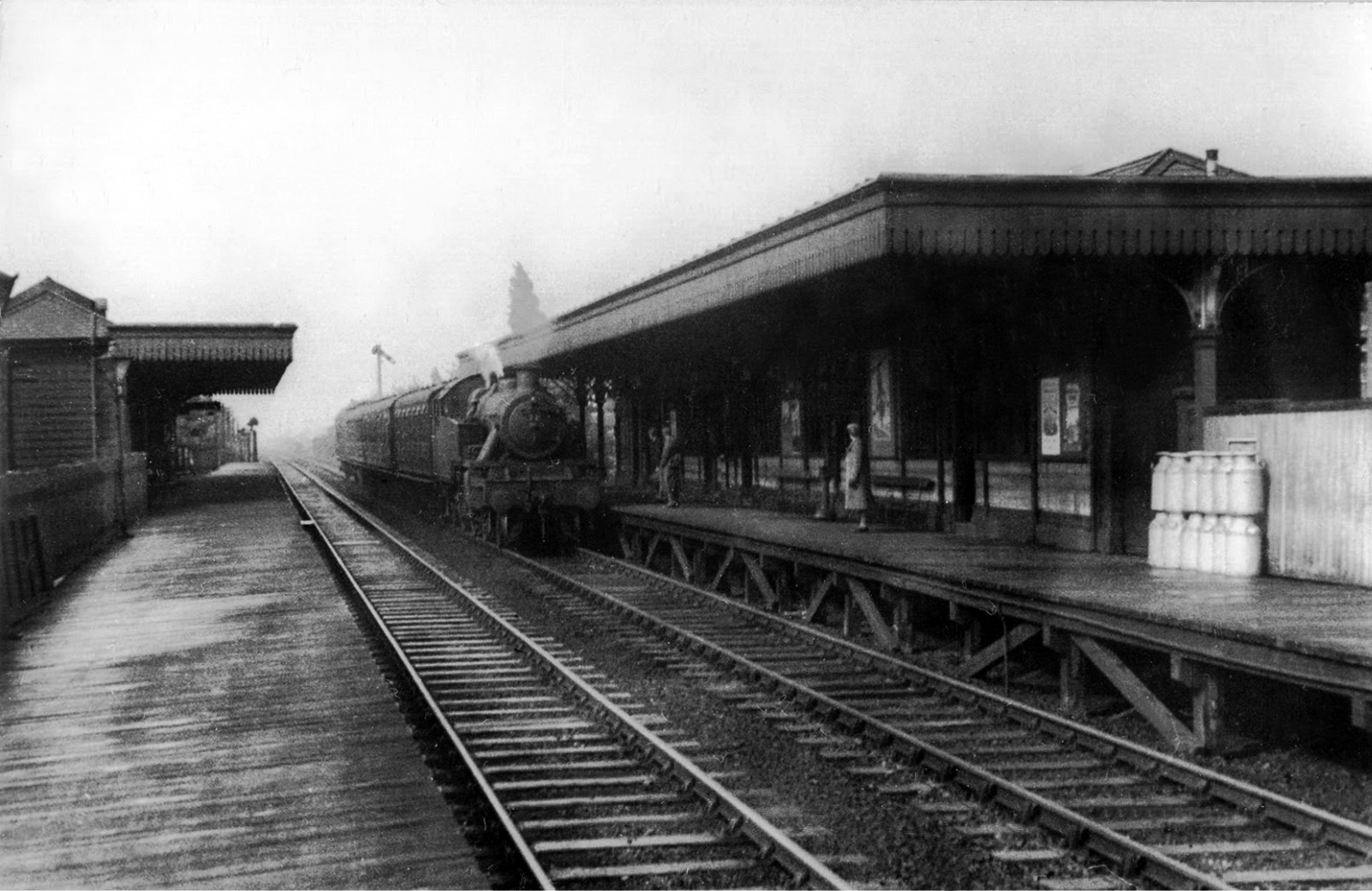
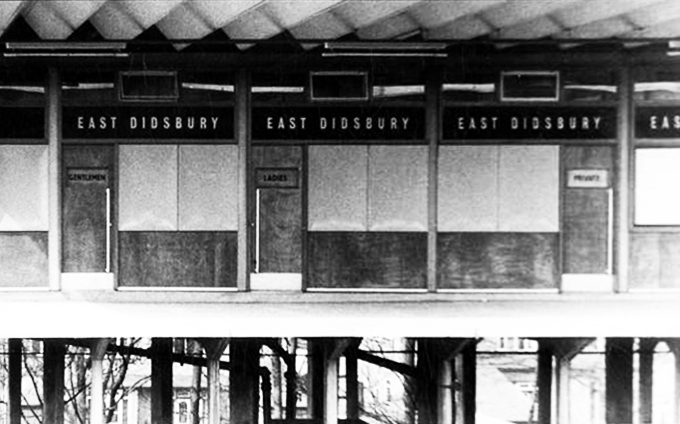
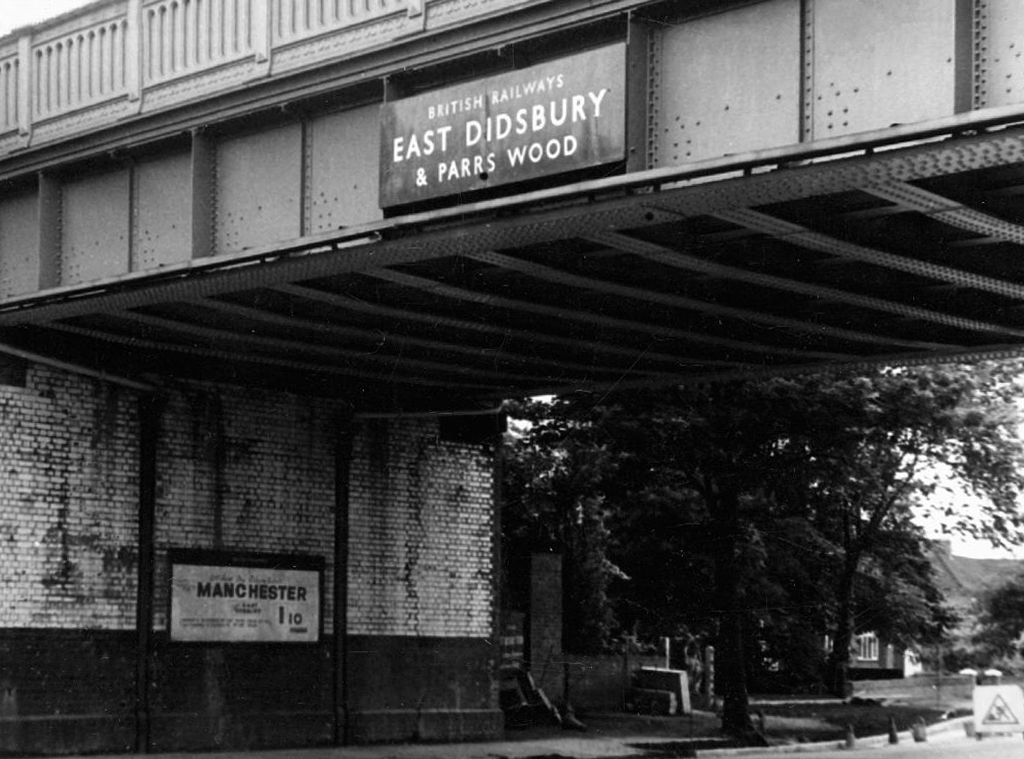
East Didsbury Station was opened in 1909 by the London and North Western Railway and, until 6 May 1974, was called  East Didsbury and Parrs Wood.

From 1923, the line was operated by the London Midland and Scottish Railway. Following the formation in 1948 of British Rail, rail services were operated by the London Midland Region of British Railways, then North-Western Regional Railways.

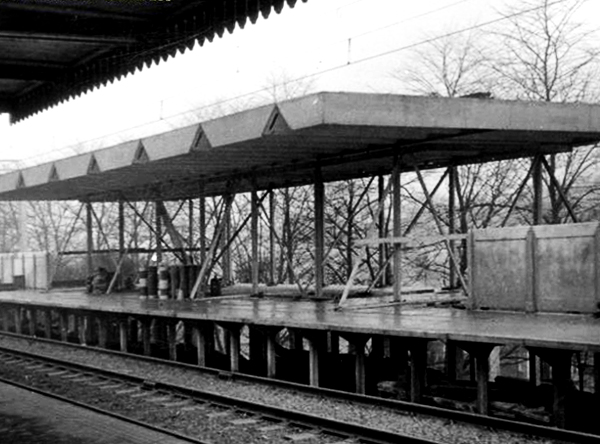
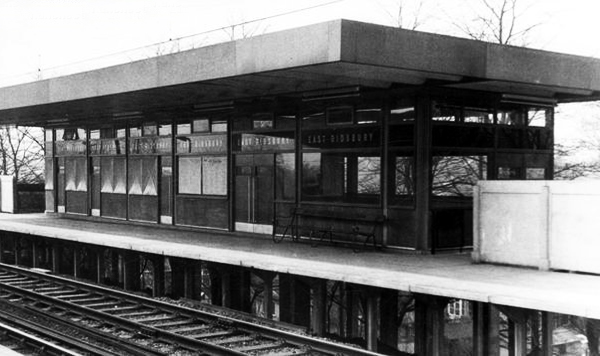
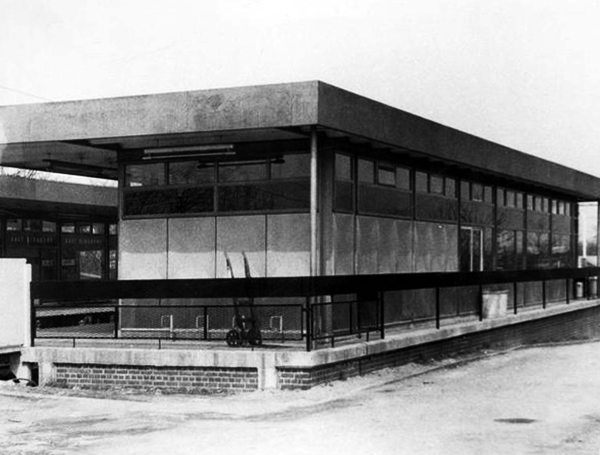
The station was rebuilt in the 1959 by the architect to the London Midland section of British Rail, William Robert Headley – who was also responsible for Coventry, Oxford Road and Piccadilly Stations.

Services to Manchester Airport began in 1993 upon the opening of the Manchester Airport spur.

With the privatisation of rail services in 1996/7, East Didsbury was served by the North Western Trains franchise.

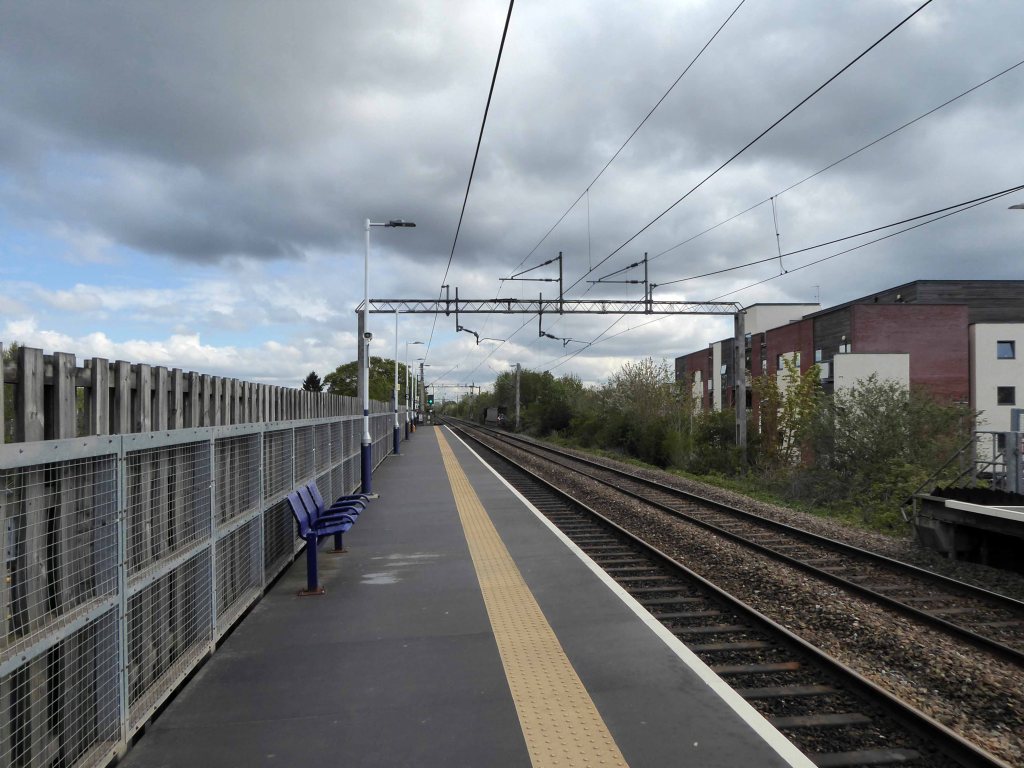
Although it’s just up the road from me, this is the first time I’ve ever travelled back to or from there.

I was off to Eccles – live and direct!

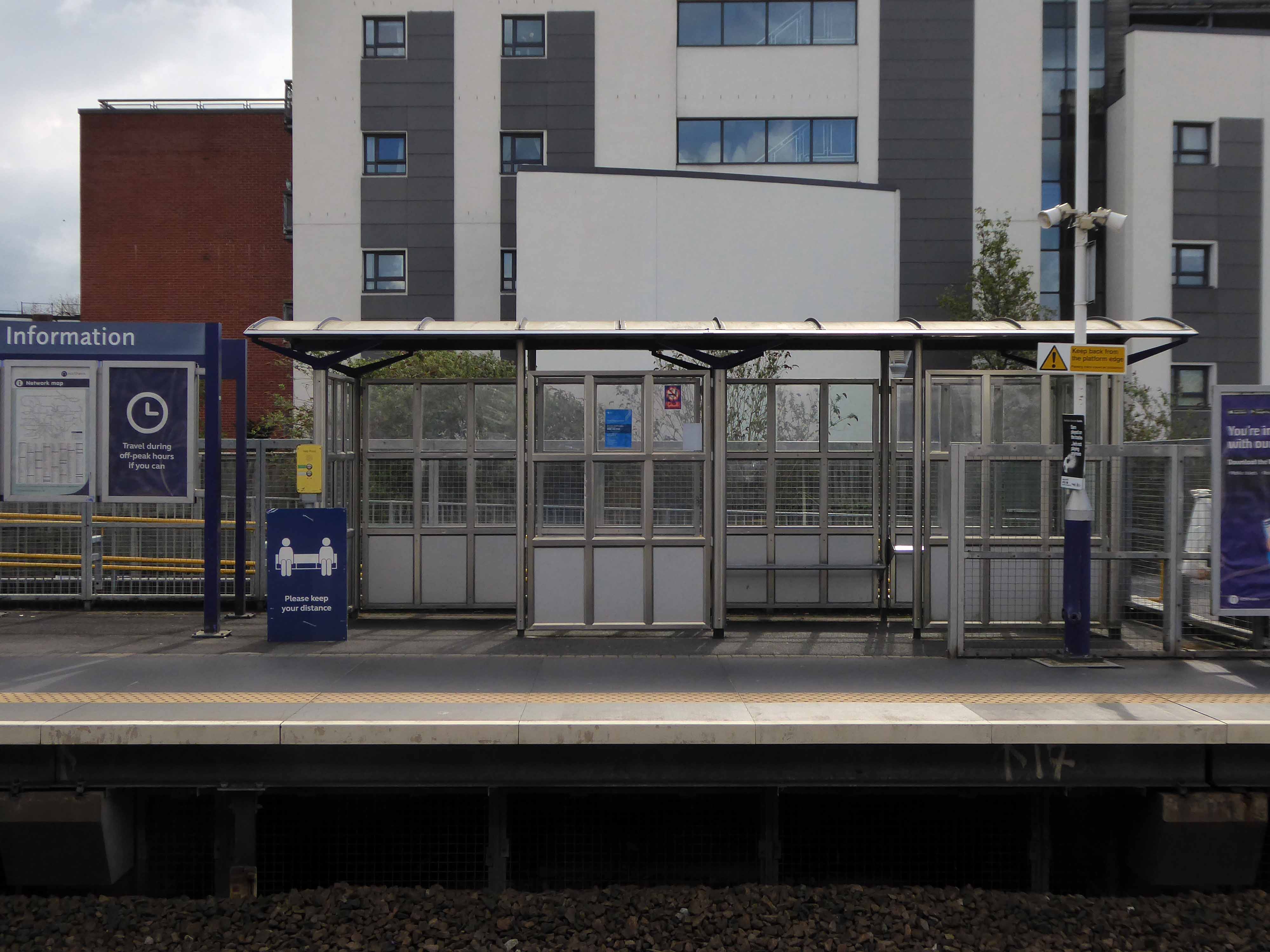
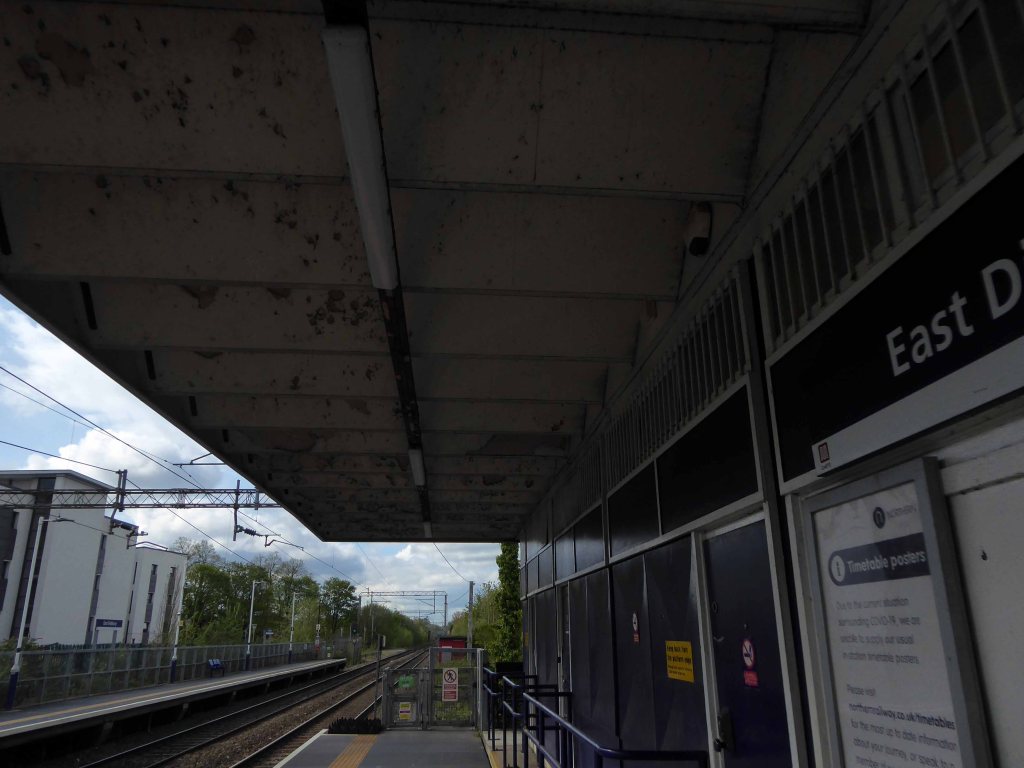
The southbound side has been tastefully replaced by nothing in particular.

In a style to match our austere privatised times – provincial bus stop chic.

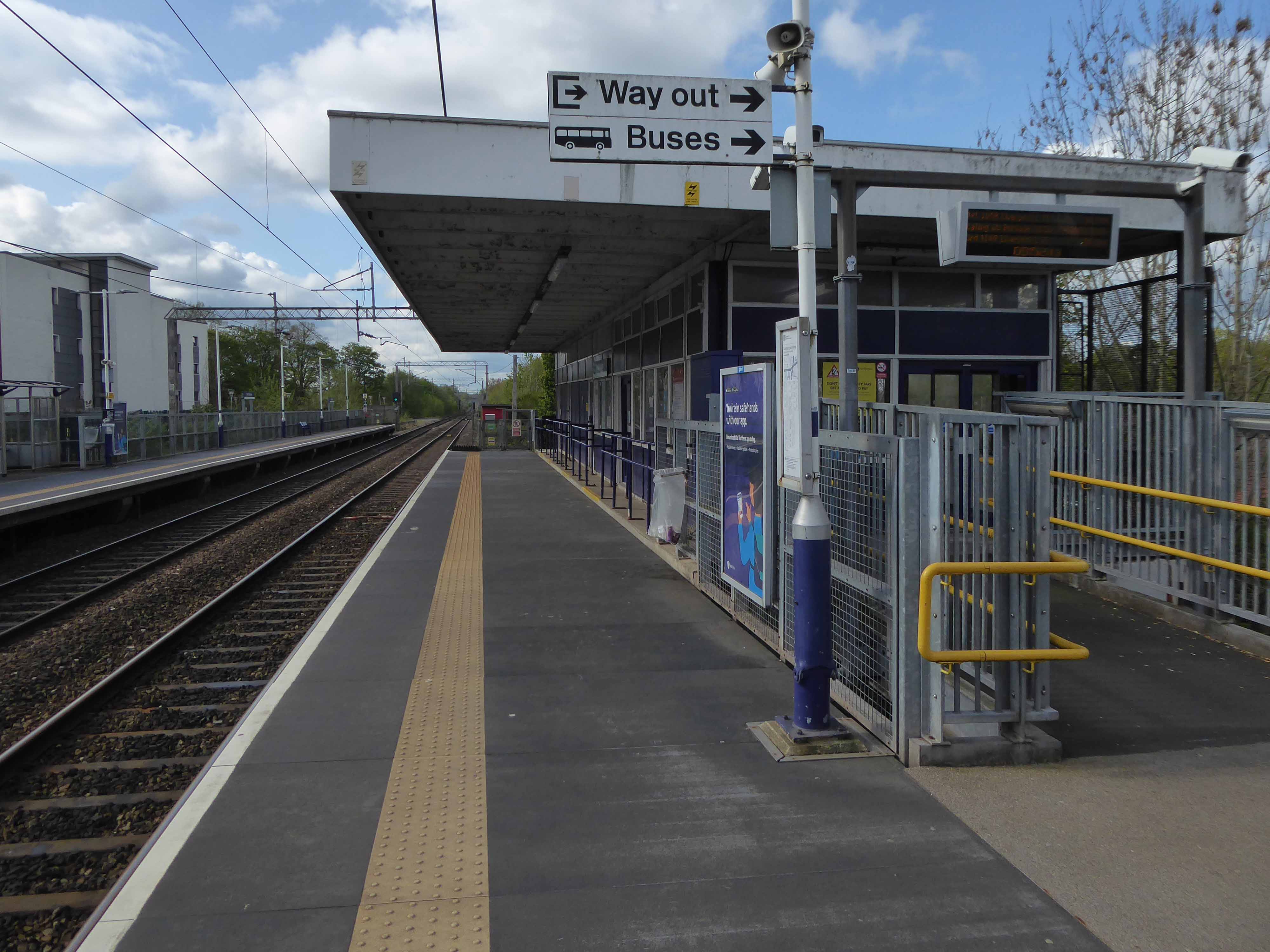
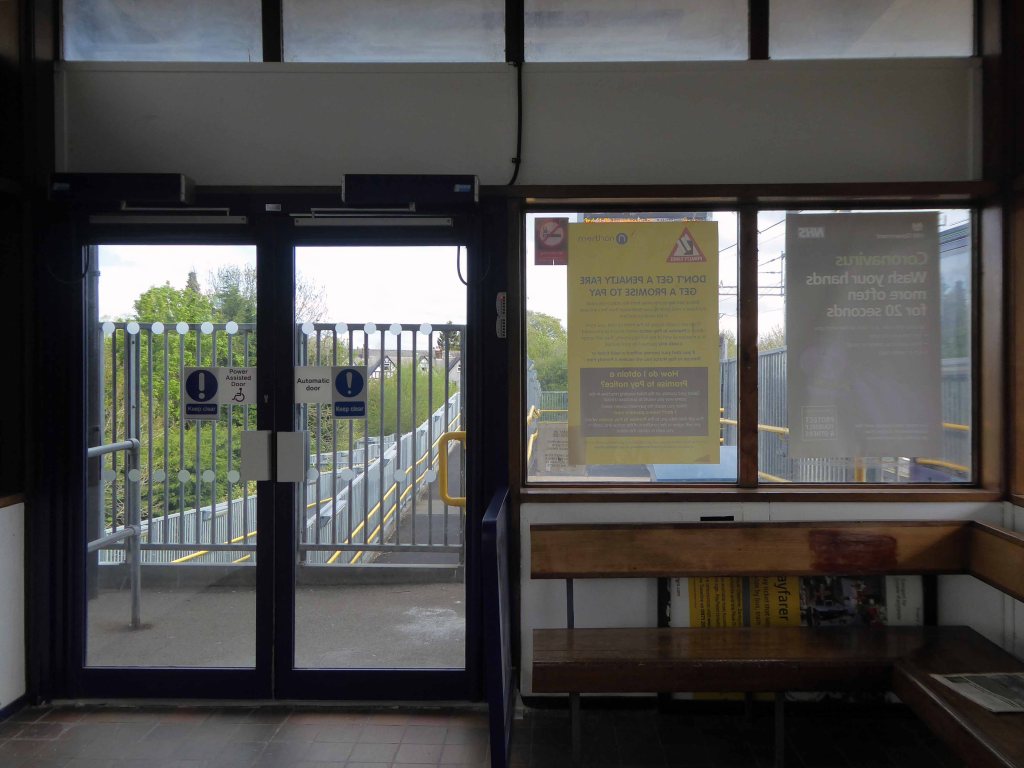
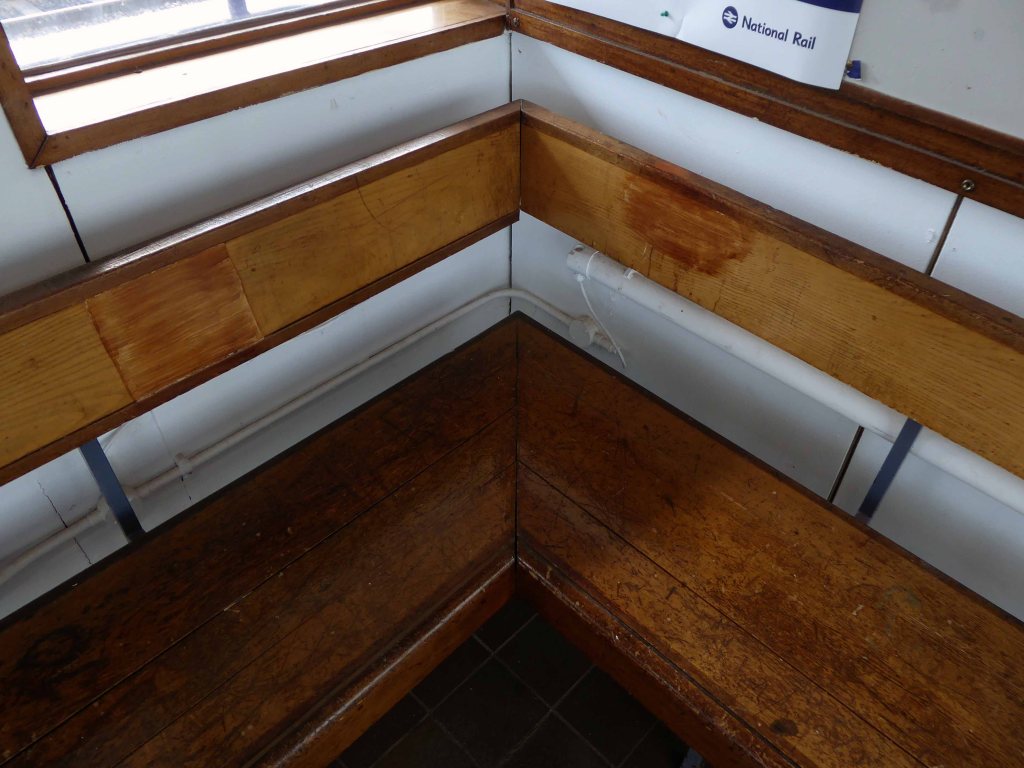
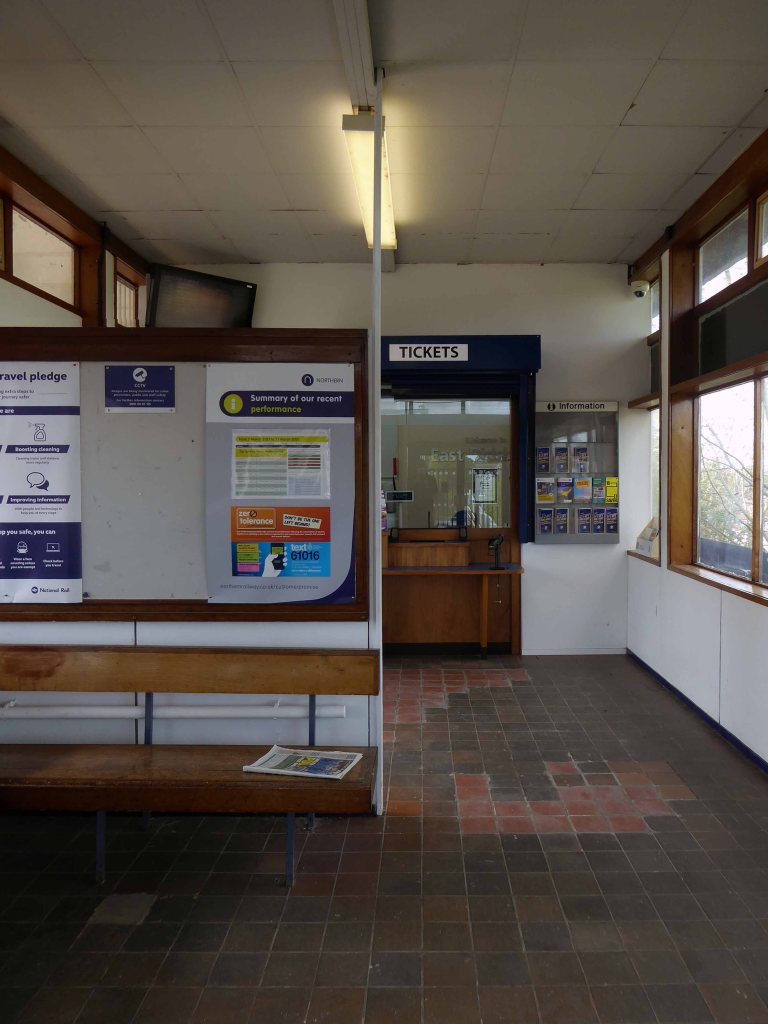
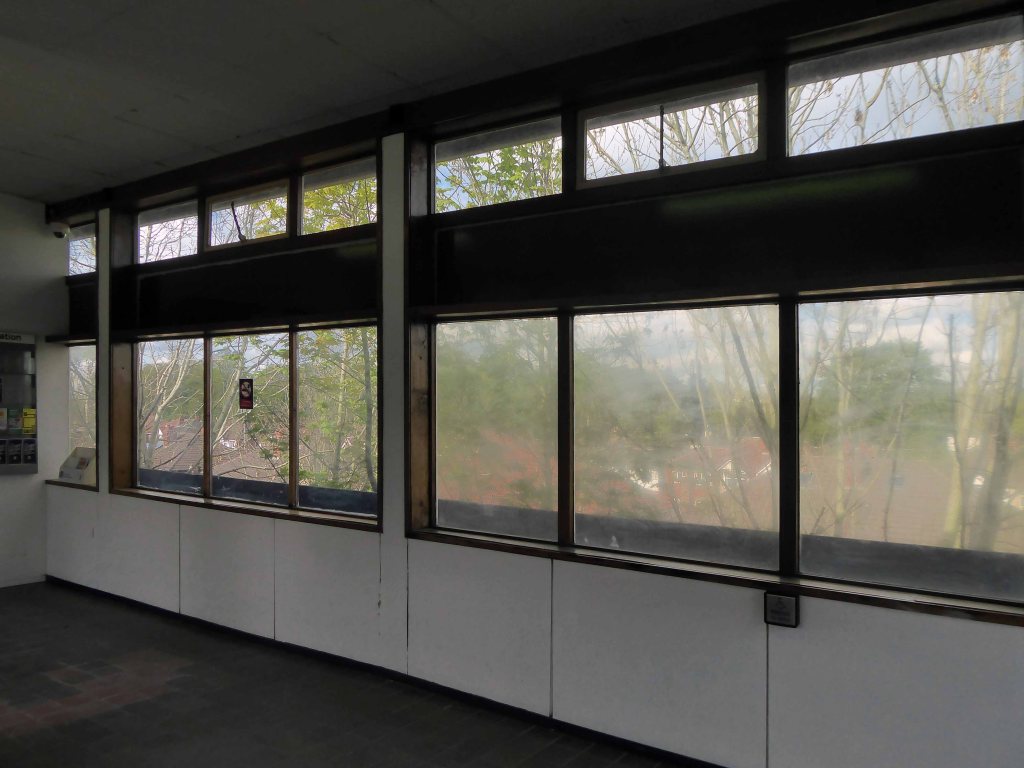
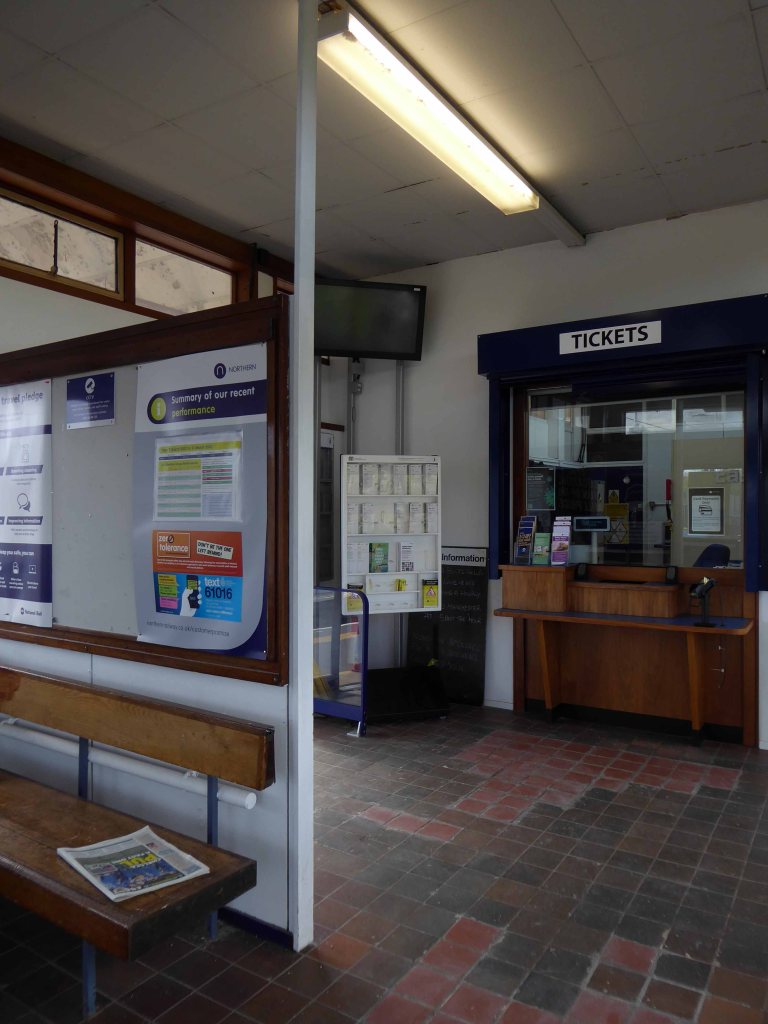
happy the northbound side’s still stood standing – on stilts.

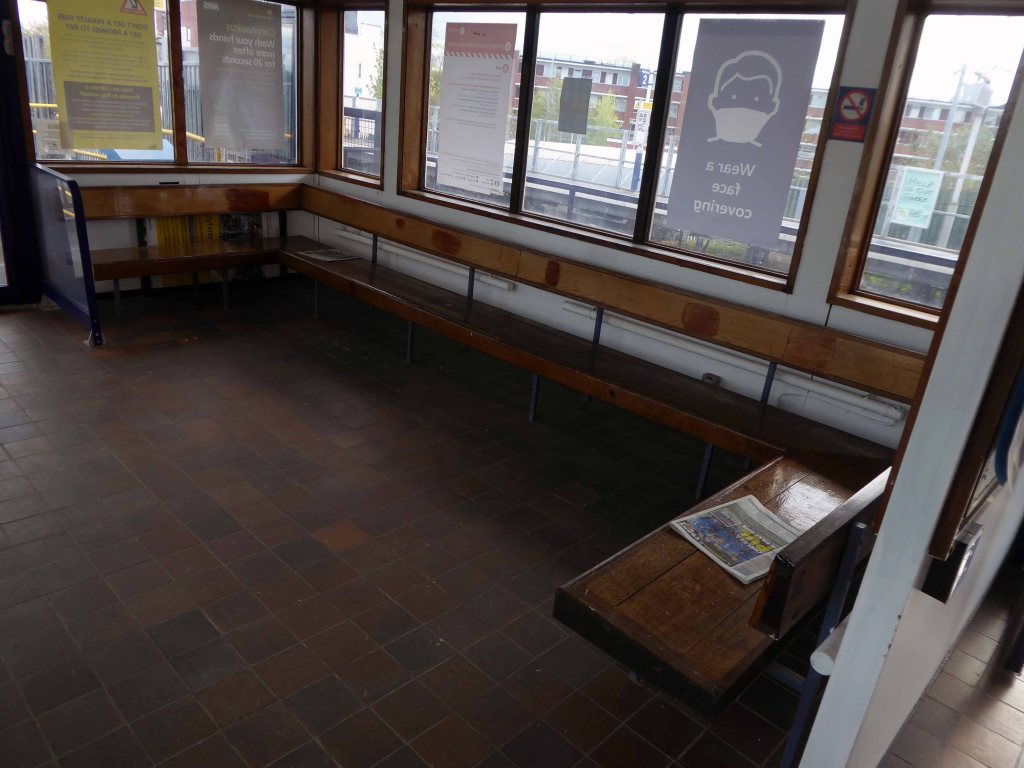
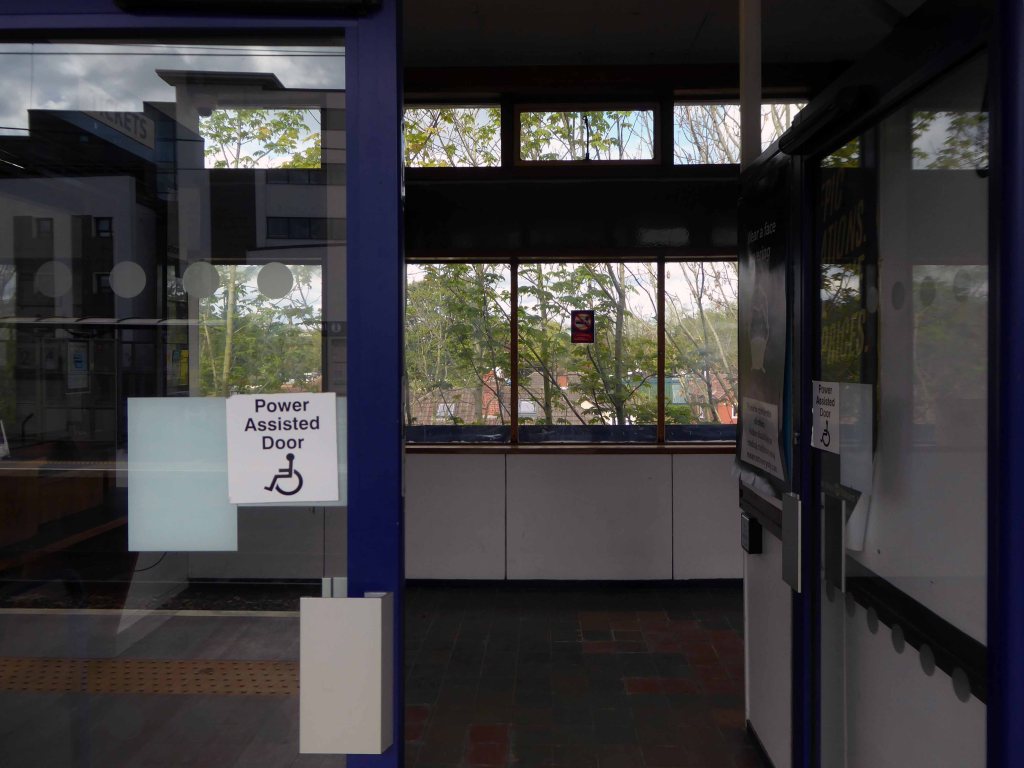
The waiting room more or less intact.

The last of the few, get it while you can – all aboard for Patricroft, right away guard!

Archive images: JF Harris 1959

Tiles – St Pauls Road Preston

Preston Vocational Centre PR1 1PX

Traversing the mighty A6, as it passes through Preston and on up along St Pauls Road.

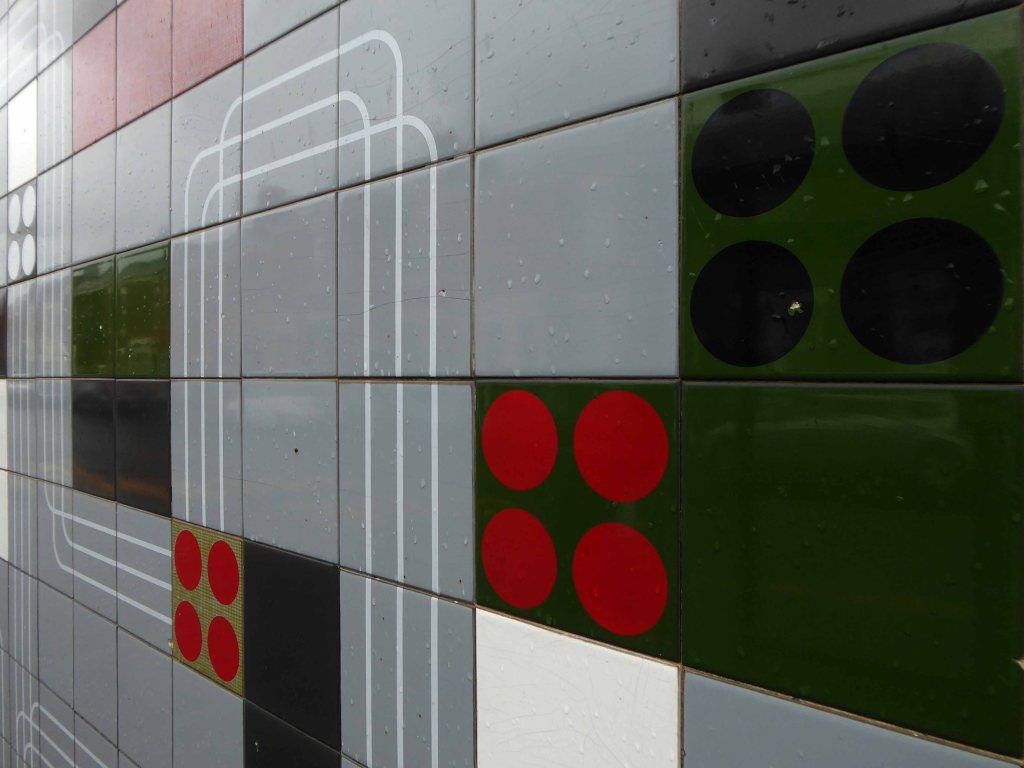
You’re in for a big surprise, for on the wall of the Vocational Centre is a splendid display of tiles.

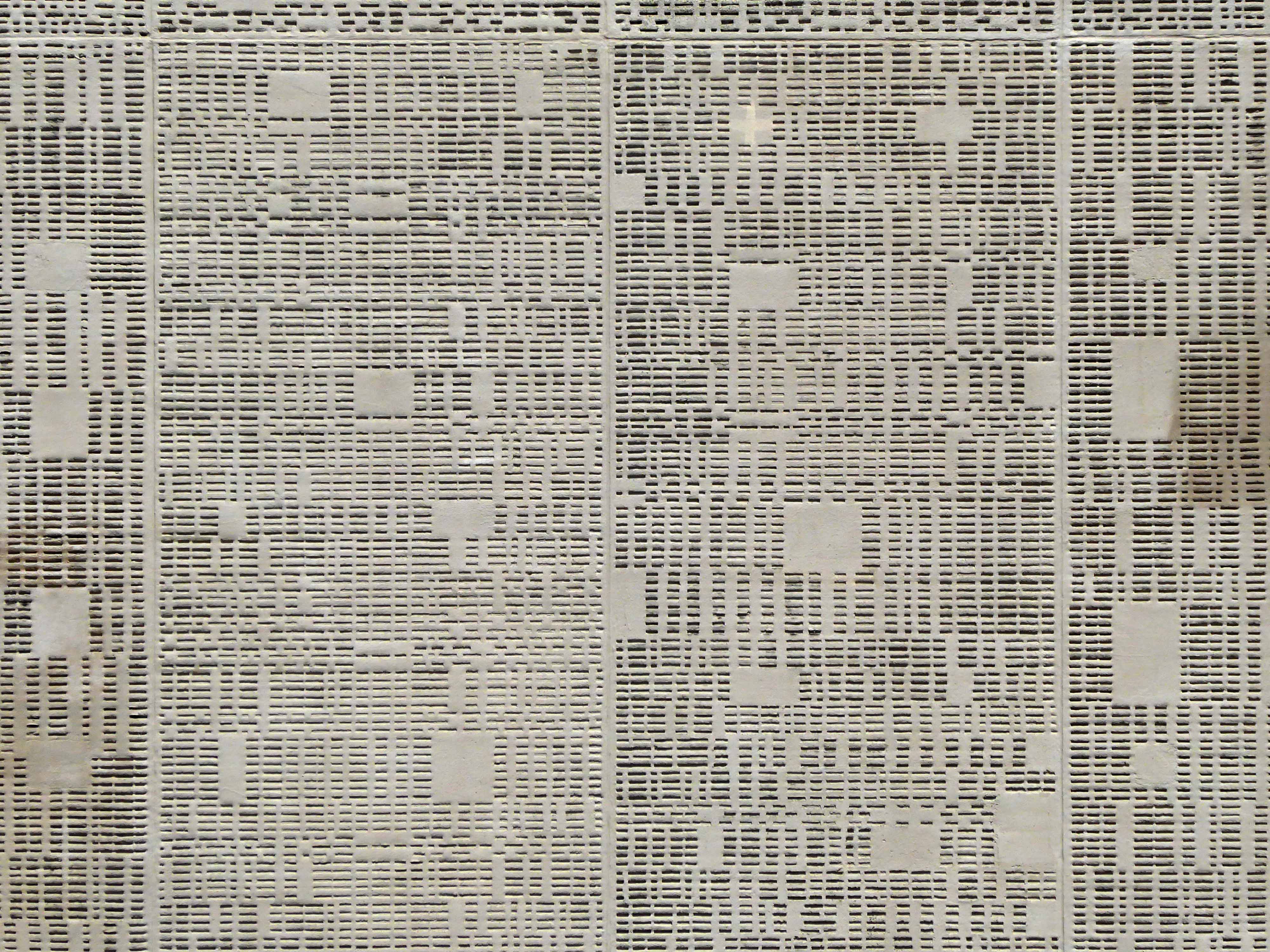
Fiercely geometric, featuring strong linking lines and dynamic dotty dots, softened by a delicate hand-drawn woven mesh.

The varied and distinctive palette set against a pale mid-grey ground.

Well worth the walk even on the rainiest of days in early May.

Reminiscent of the Carter’s Tiles adorning Castle House stairwells in Sheffield.

But actually manufactured by Pilkington’s.

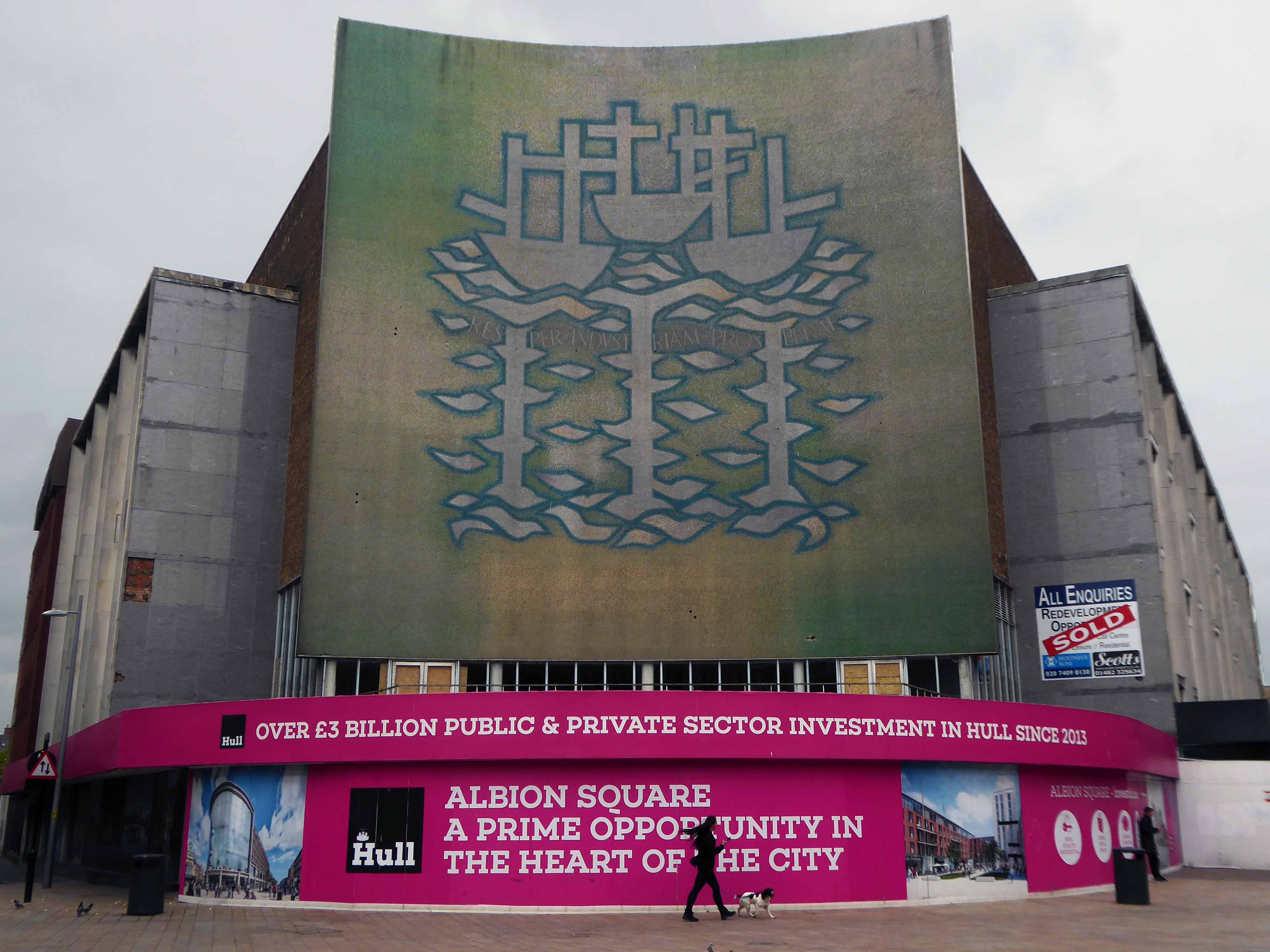
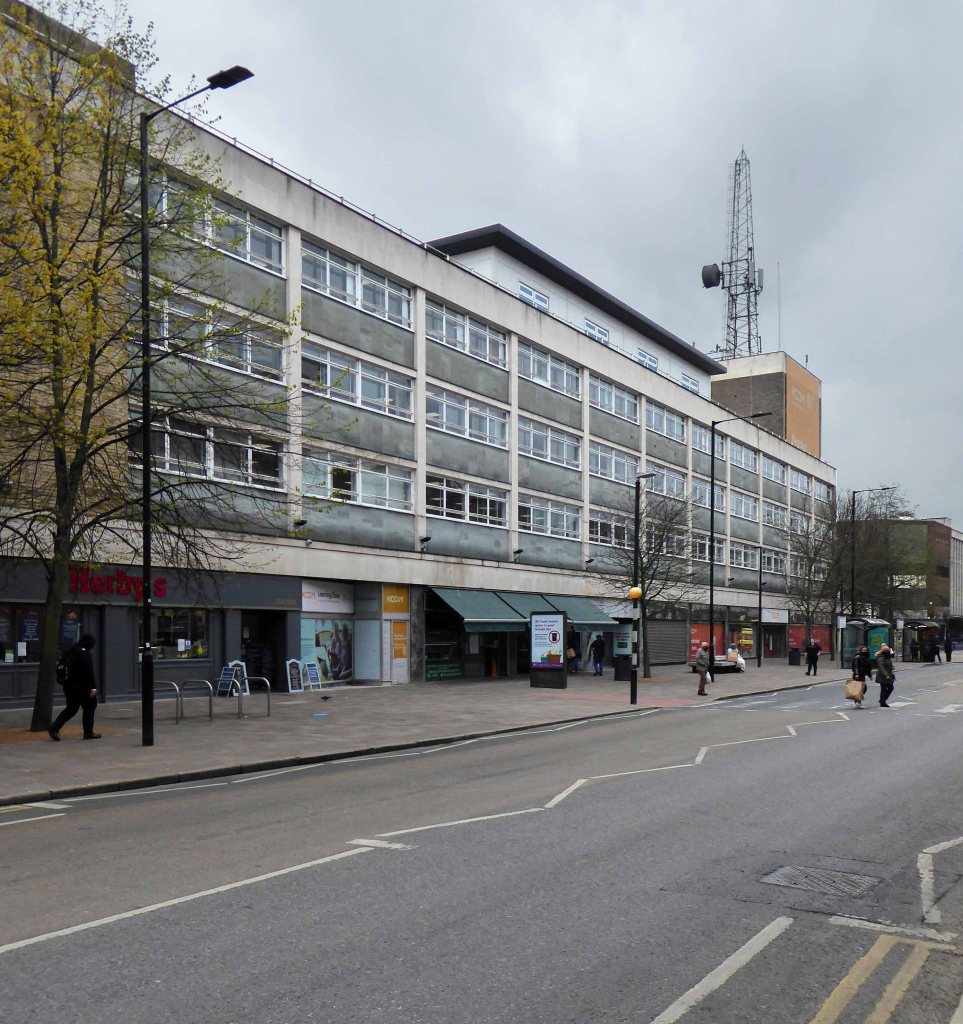
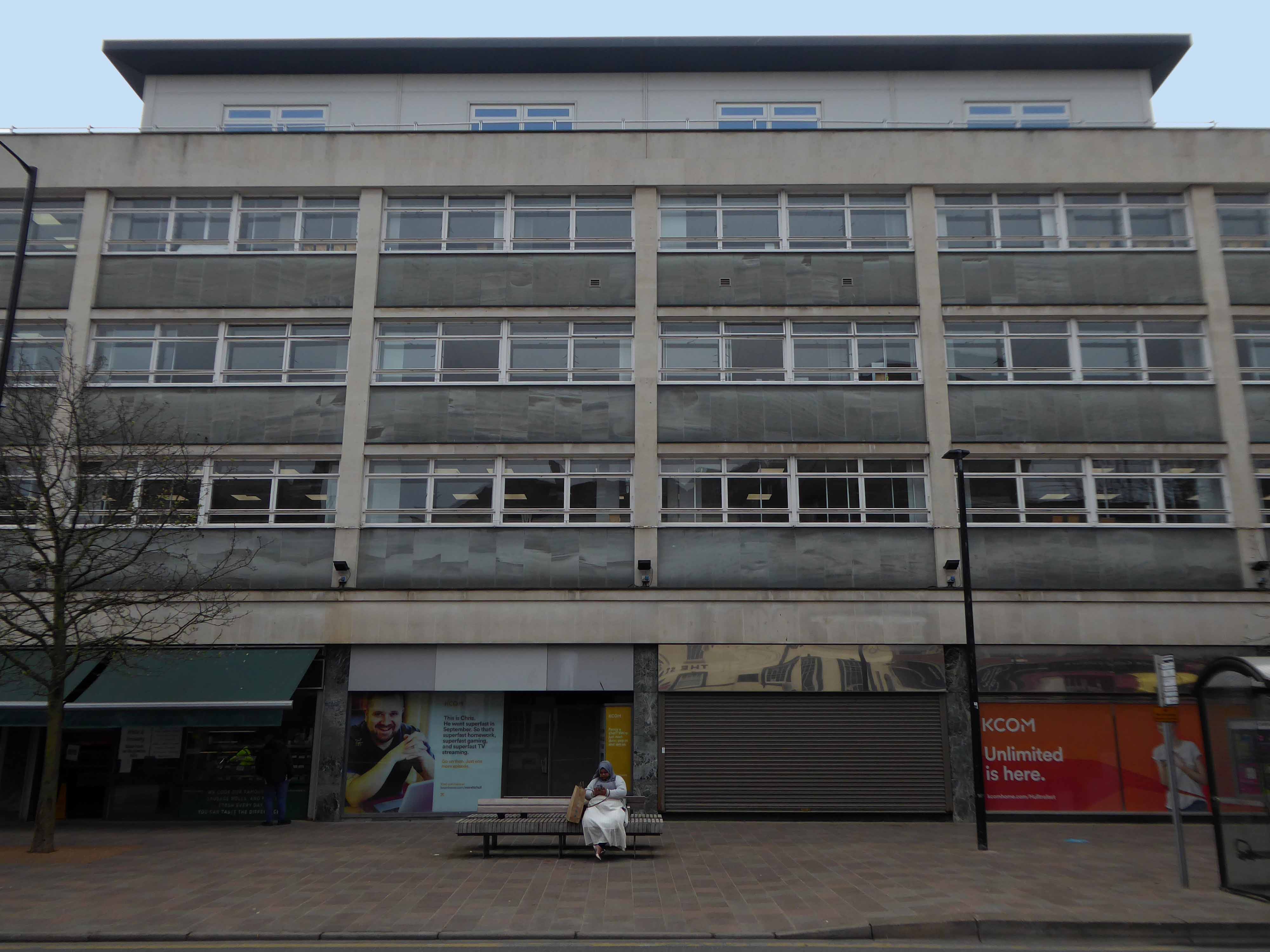
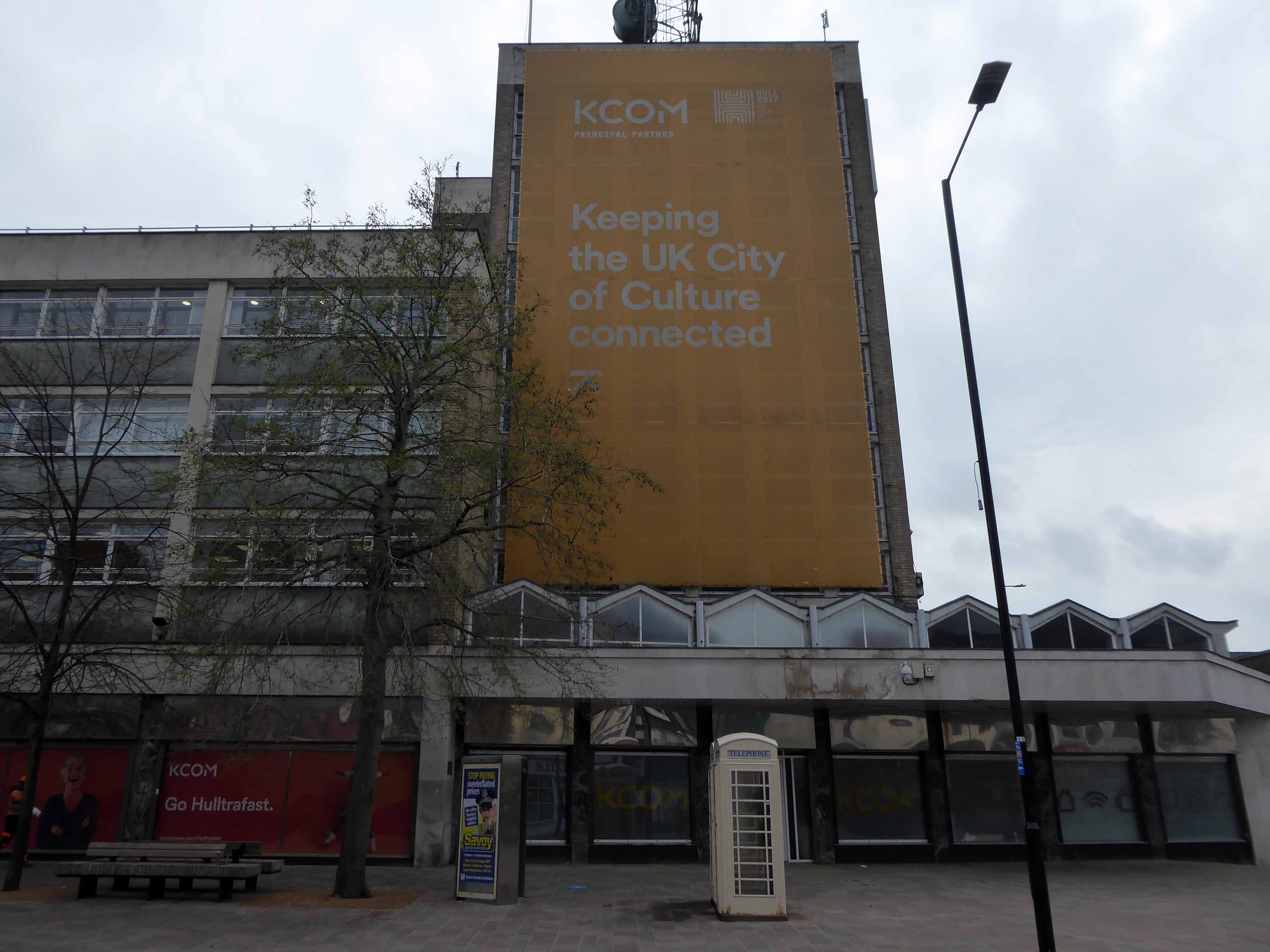
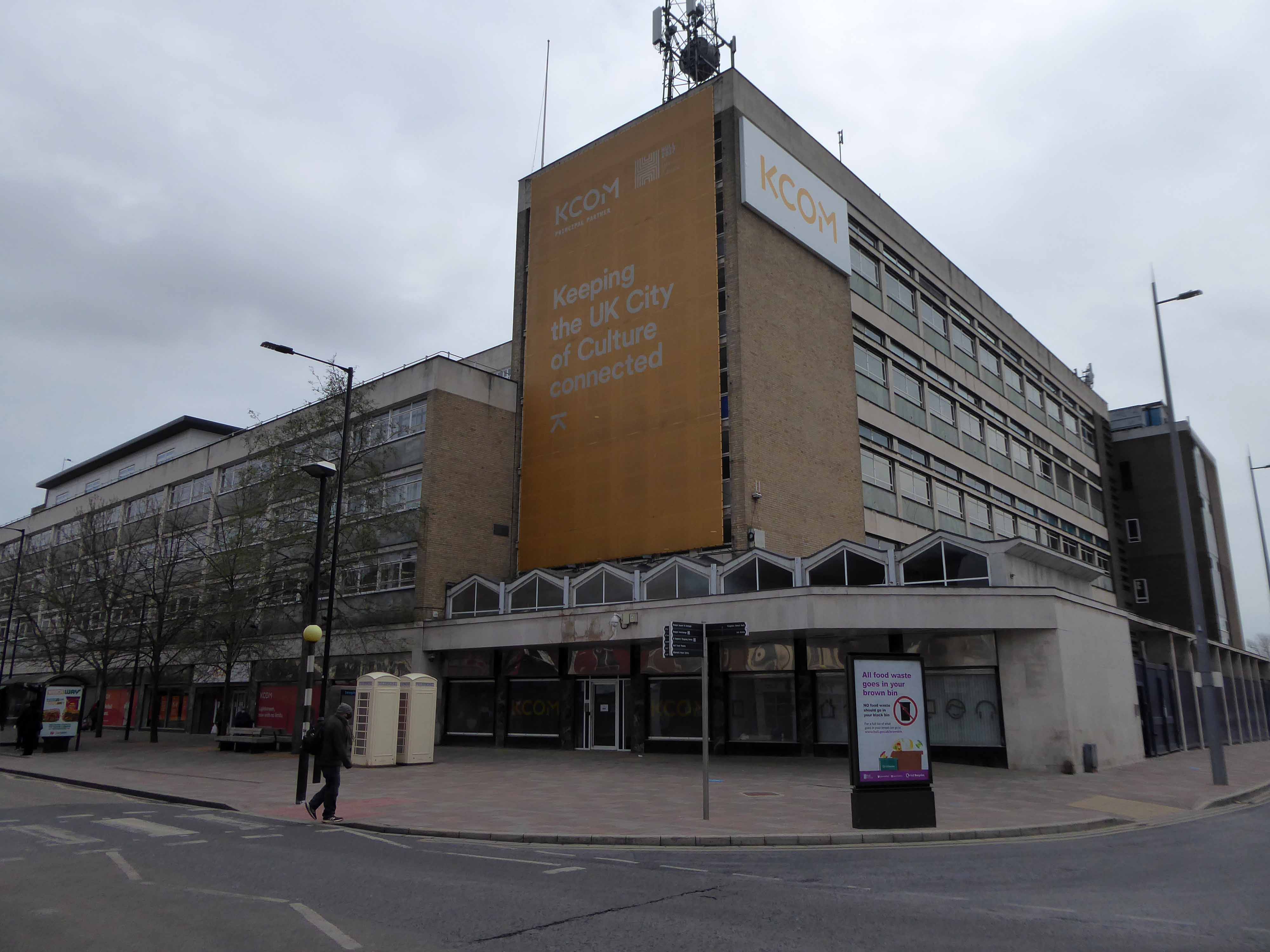
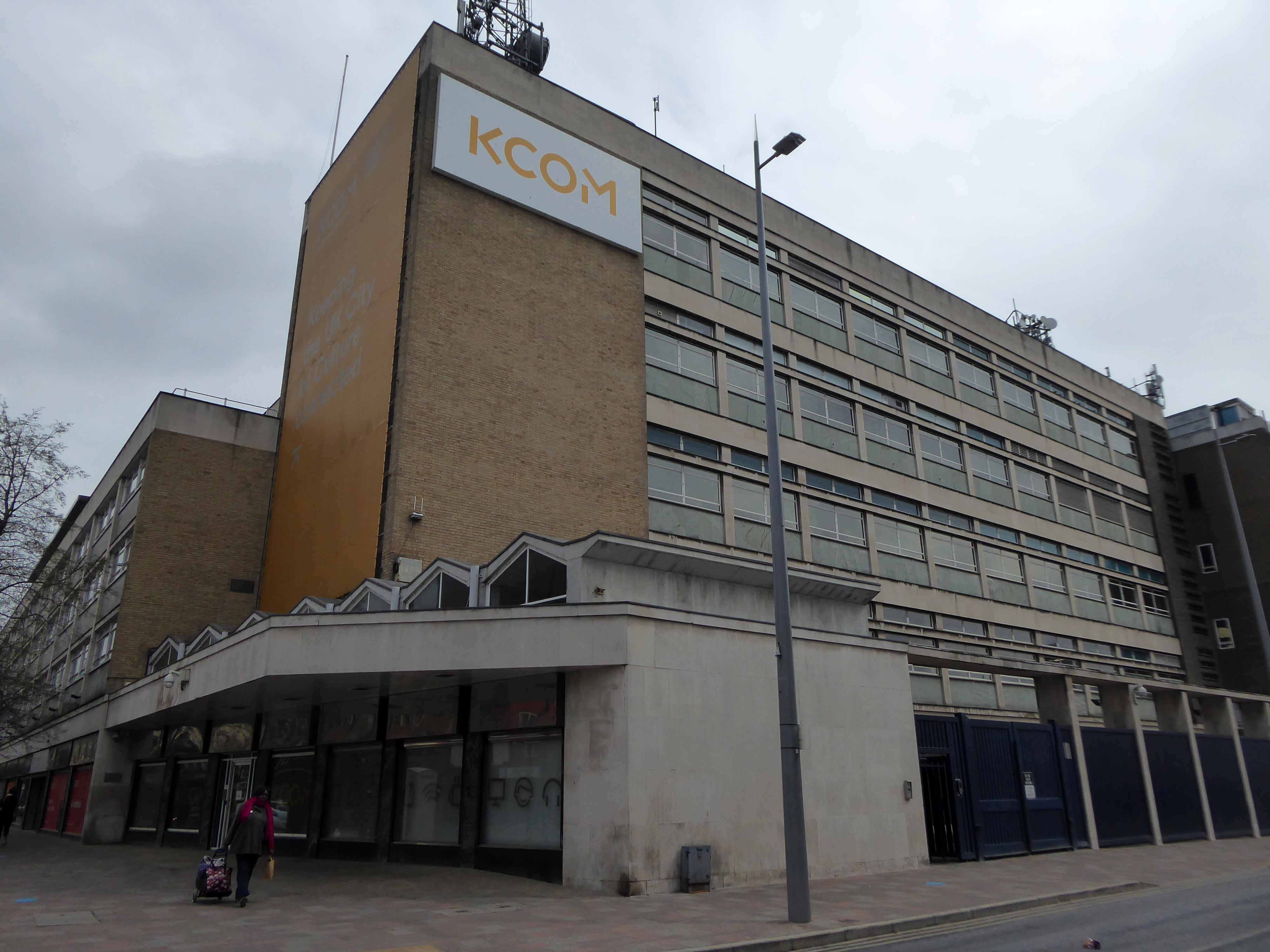
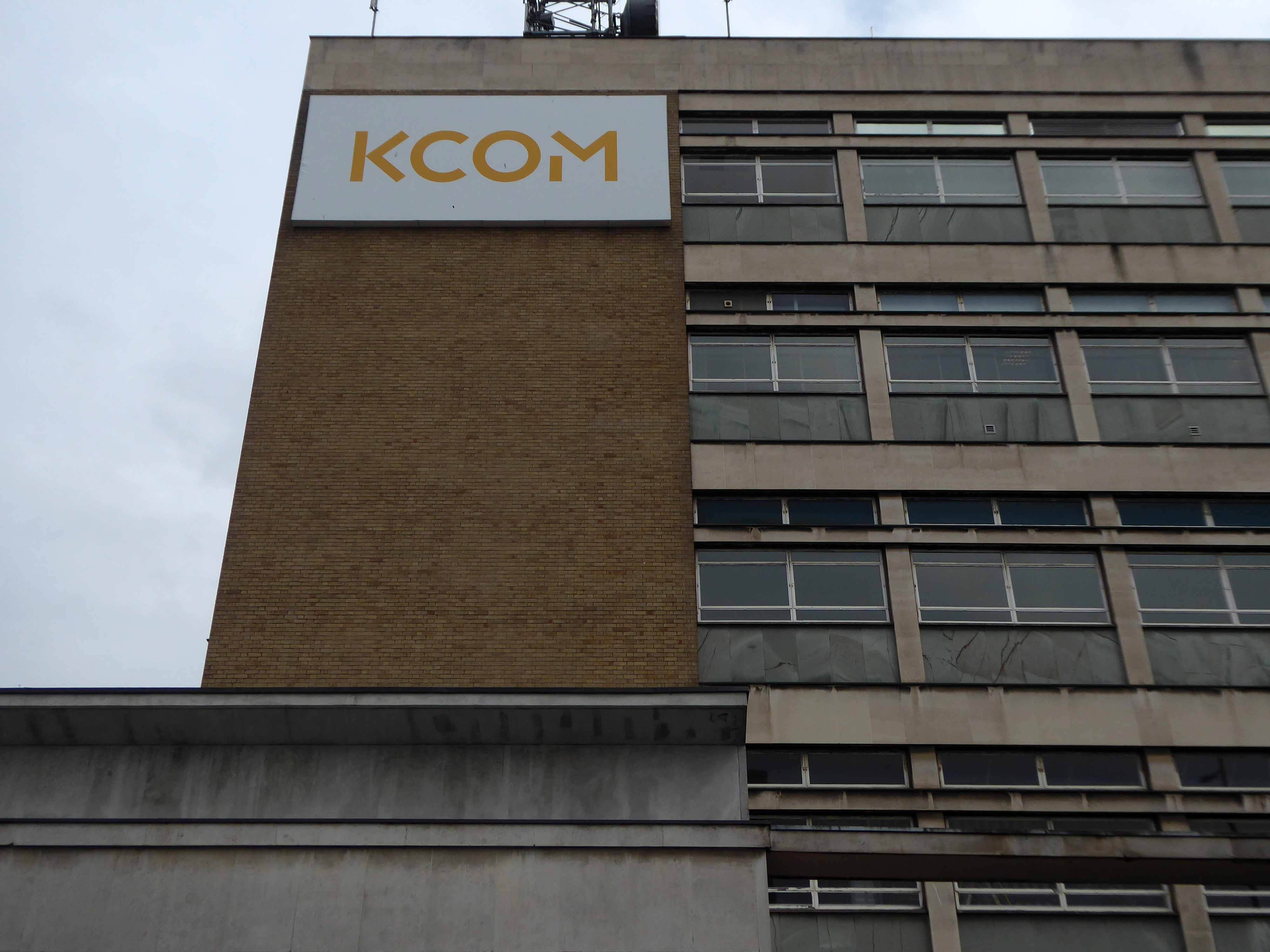
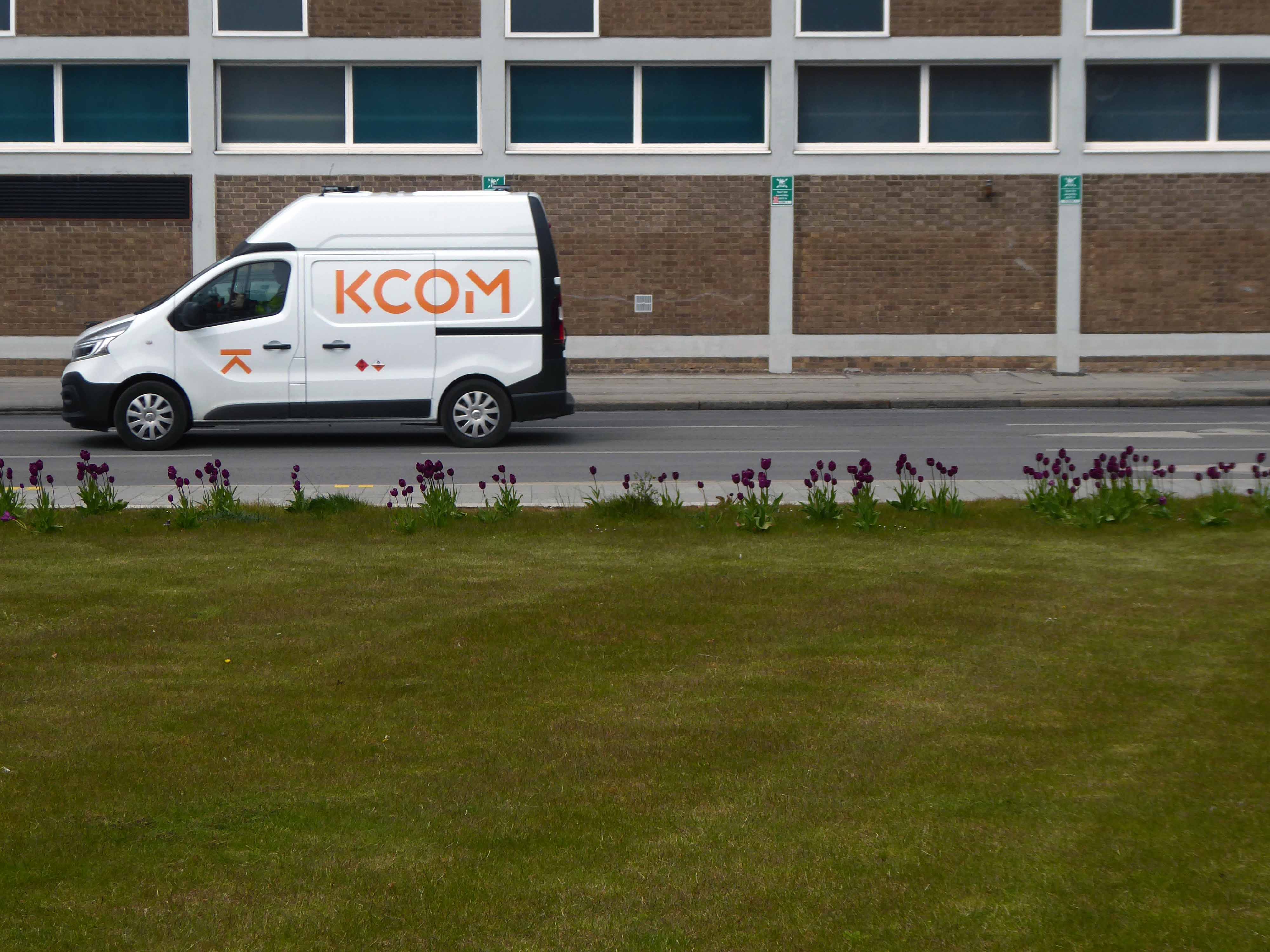
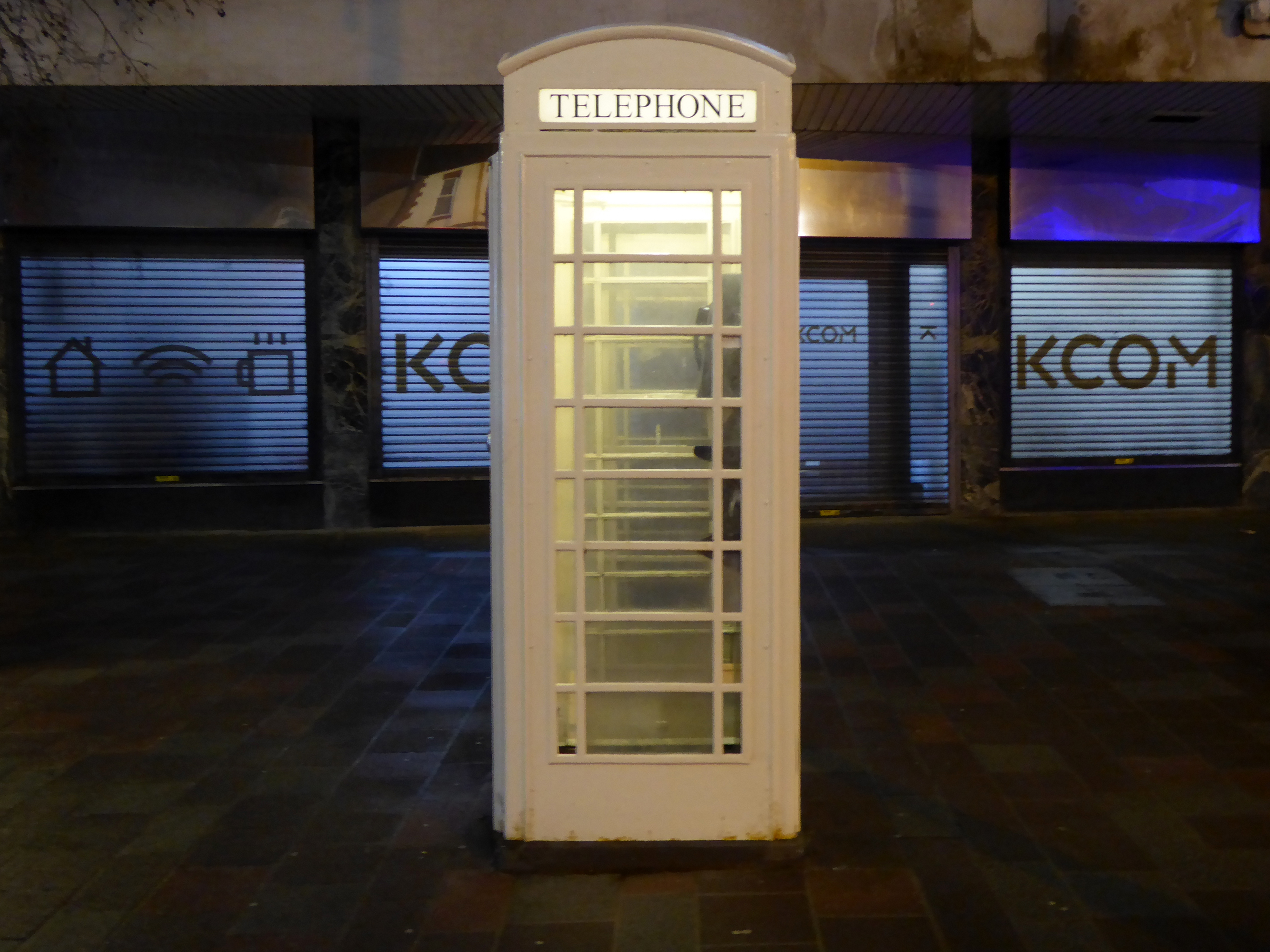
KCOM – Hull

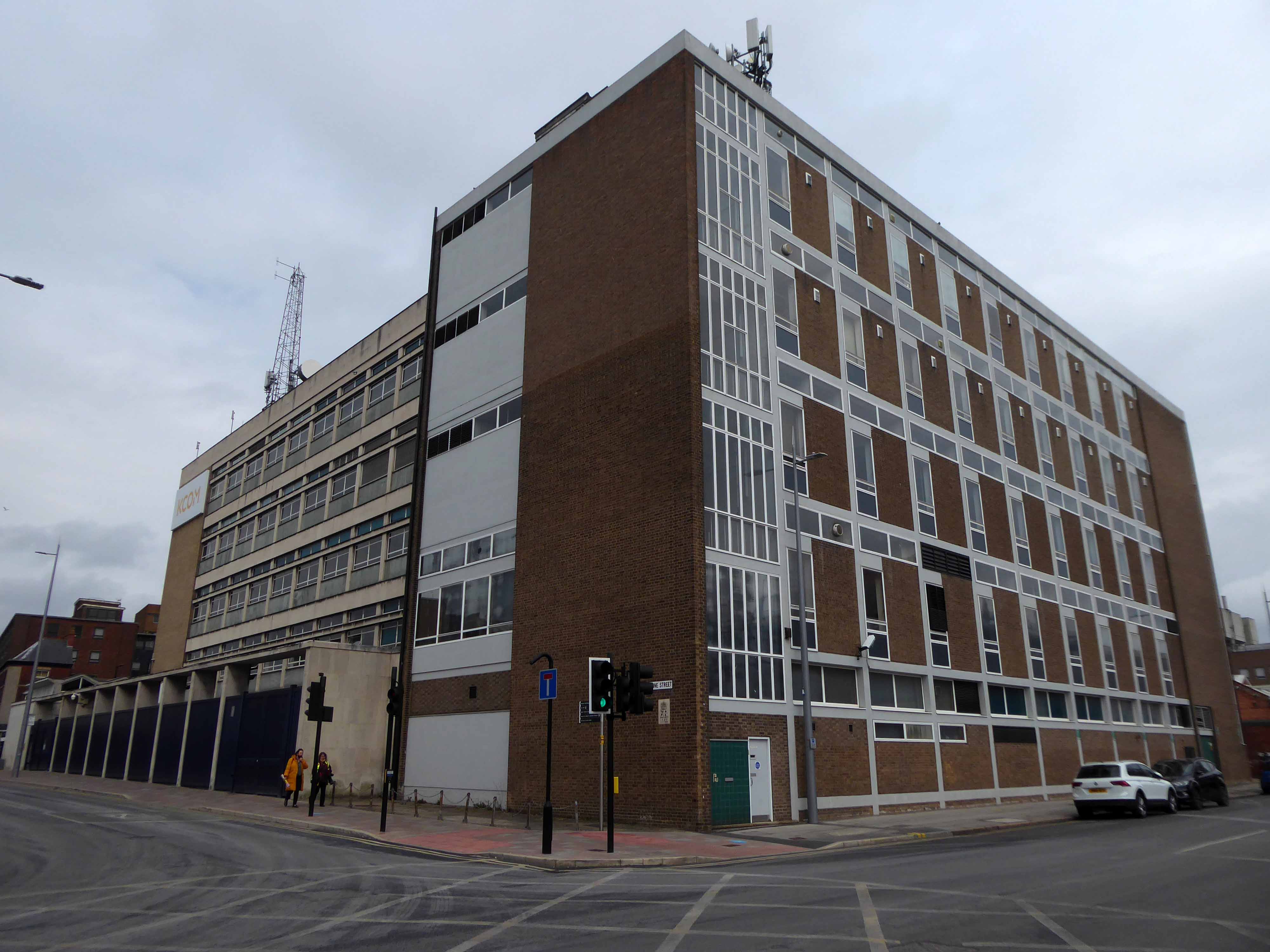
37 Carr Lane Hull HU1 3RB

When Hull City Council founded KCOM back in 1904, as Hull Telephone Department, it was one of several local authorities across the country granted a licence to run its own phone network.

Gradually, over time other authorities gave up control of their networks to the Post Office which wanted to create a single national service, but Hull City Council decided to keep its network and continue to go it alone.

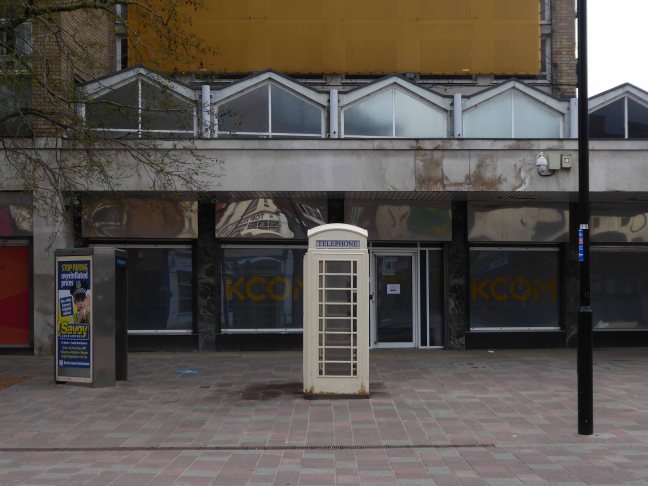
While the Post Office network eventually became BT, Hull’s network, like the city itself, remained fiercely independent. That’s why today Hull has its own distinct cream phone boxes in contrast to the red ones you’ll find elsewhere.

KCOM

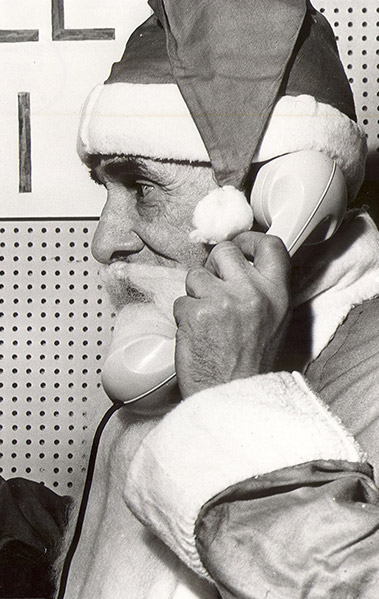
1952 Call Father Christmas service was introduced.

Having heard of a recorded message service in Scandinavia, Hull Councillor J M Stamper suggested the idea of putting Father Christmas on the telephone. The Call Father Christmas service was introduced shortly afterwards, the first of its kind in the UK. By dialling a Hull Central number children could hear recordings of a Christmas story and carol singing.

The stories were written and performed by Hull Telephone employees.

The first story attracted 20,000 callers, with 35,000 customers the following year with calls and media interest received nationally and internationally.

The success of the Father Christmas service led to the creation of other recorded information lines, such as Bedtime Stories, Teledisc and Telechef.

This recipe line was introduced in 1950s and was still going strong until the 1990’s, with 50s recipes such as meat loaf and corned beef with cabbages being replaced by dishes such as Italian Chicken Bake.
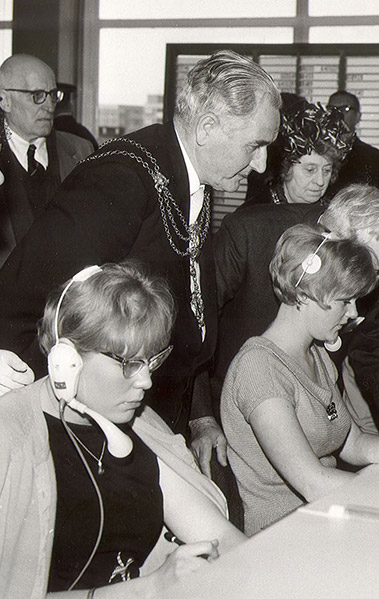
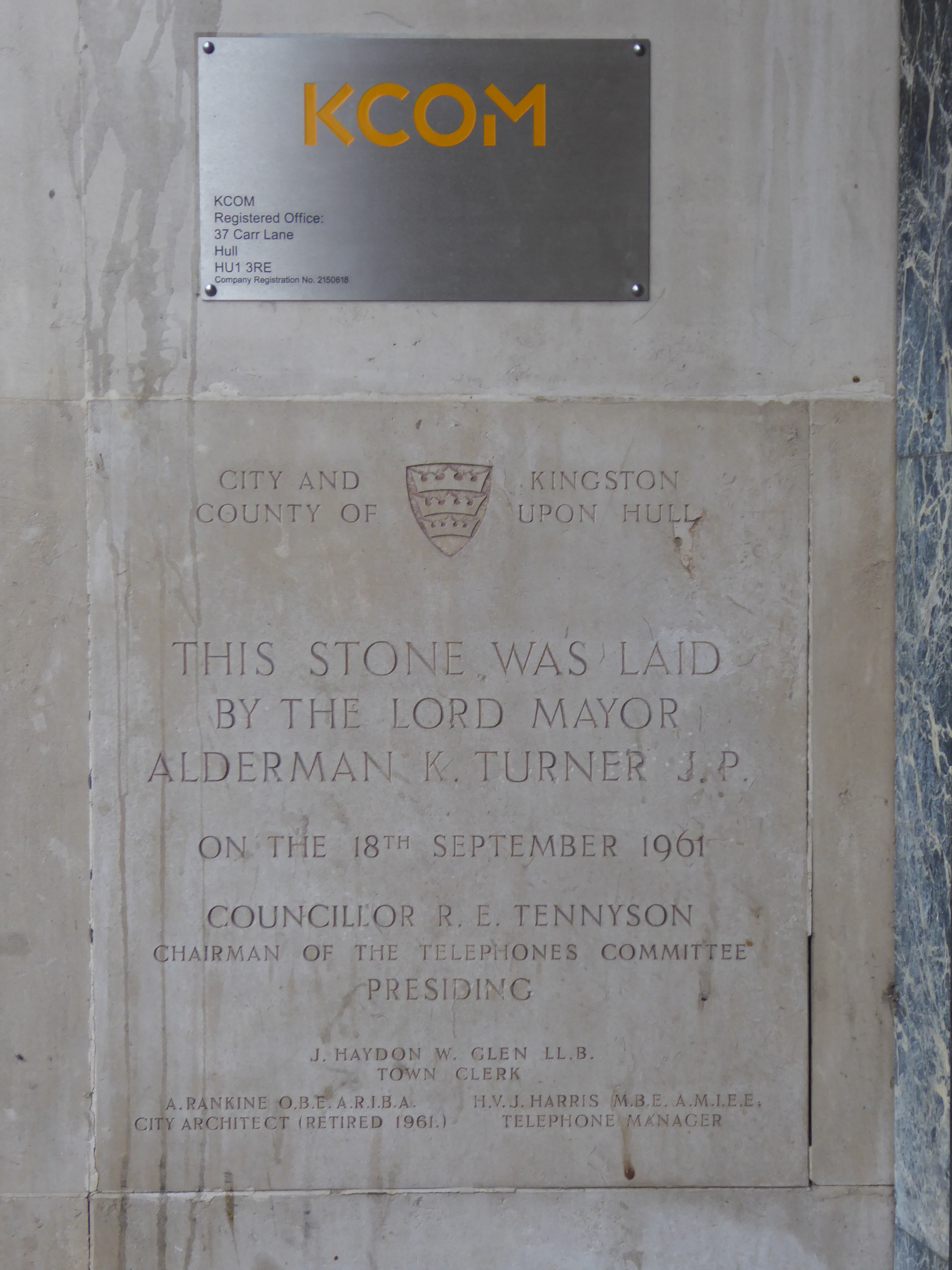
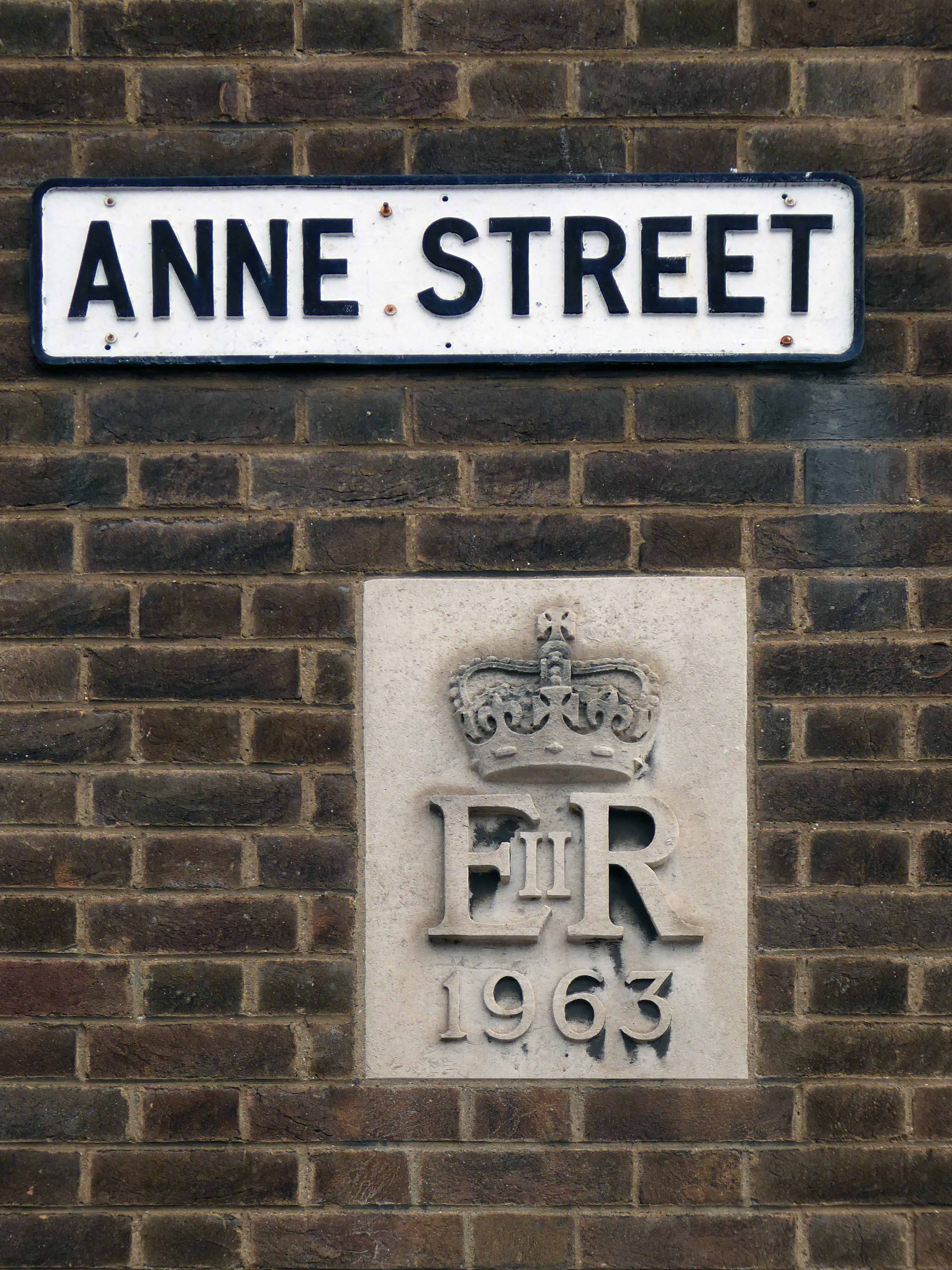
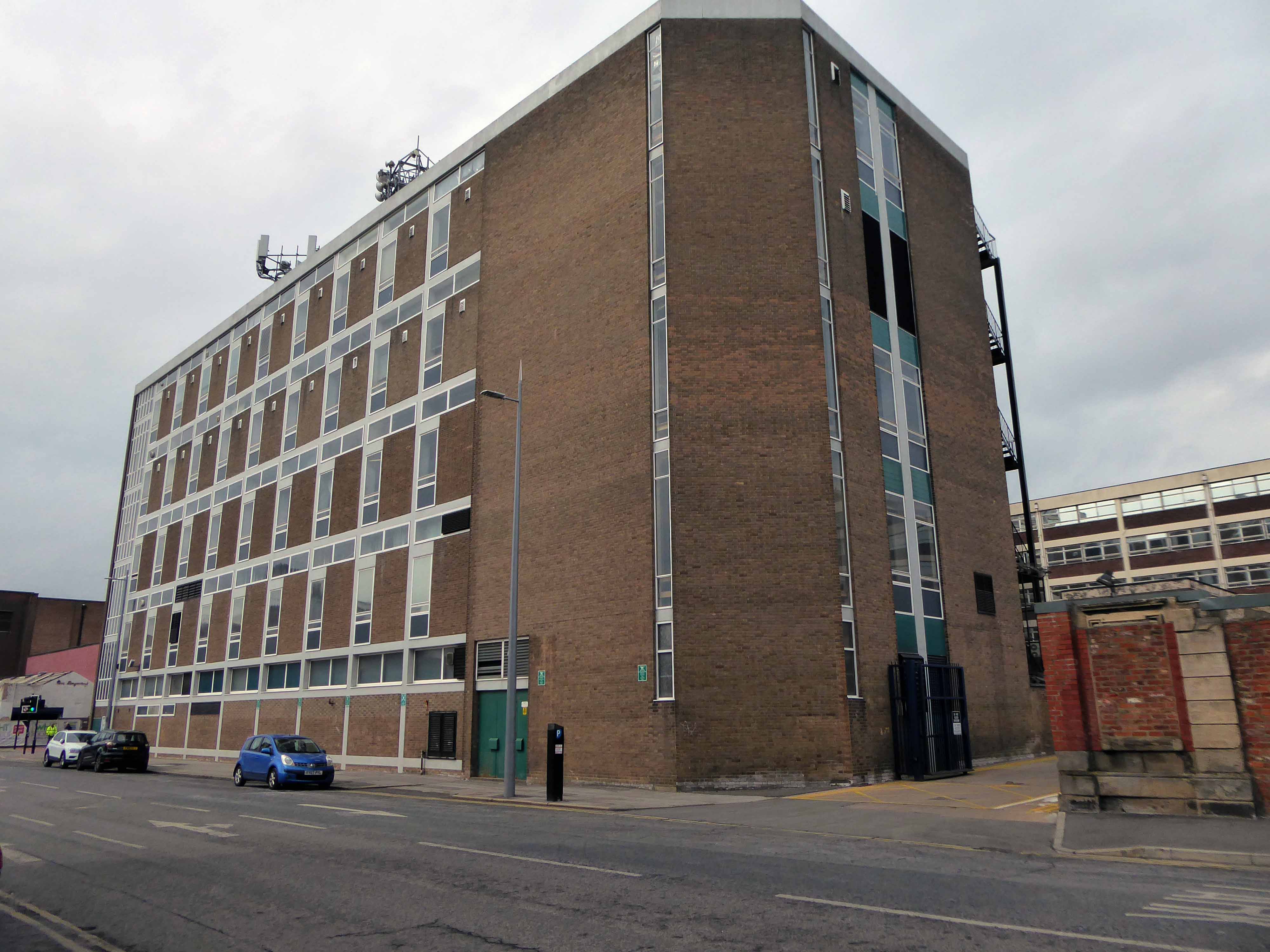
1964 Celebrating our Diamond Jubilee with the official opening of the new Central Exchange and Head Office – Telephone House in Carr Lane Hull.

KCOM History

The work of City Architect A Rankine OBE RIBA
2007 New company name as Hull City Council sell remaining stake.

The shareholders of Kingston Communications HULL PLC voted to change the company name to KCOM Group PLC to more accurately reflect the changing shape and geographic reach of the company.

Hull City Council sell remaining stake-holding in the business.

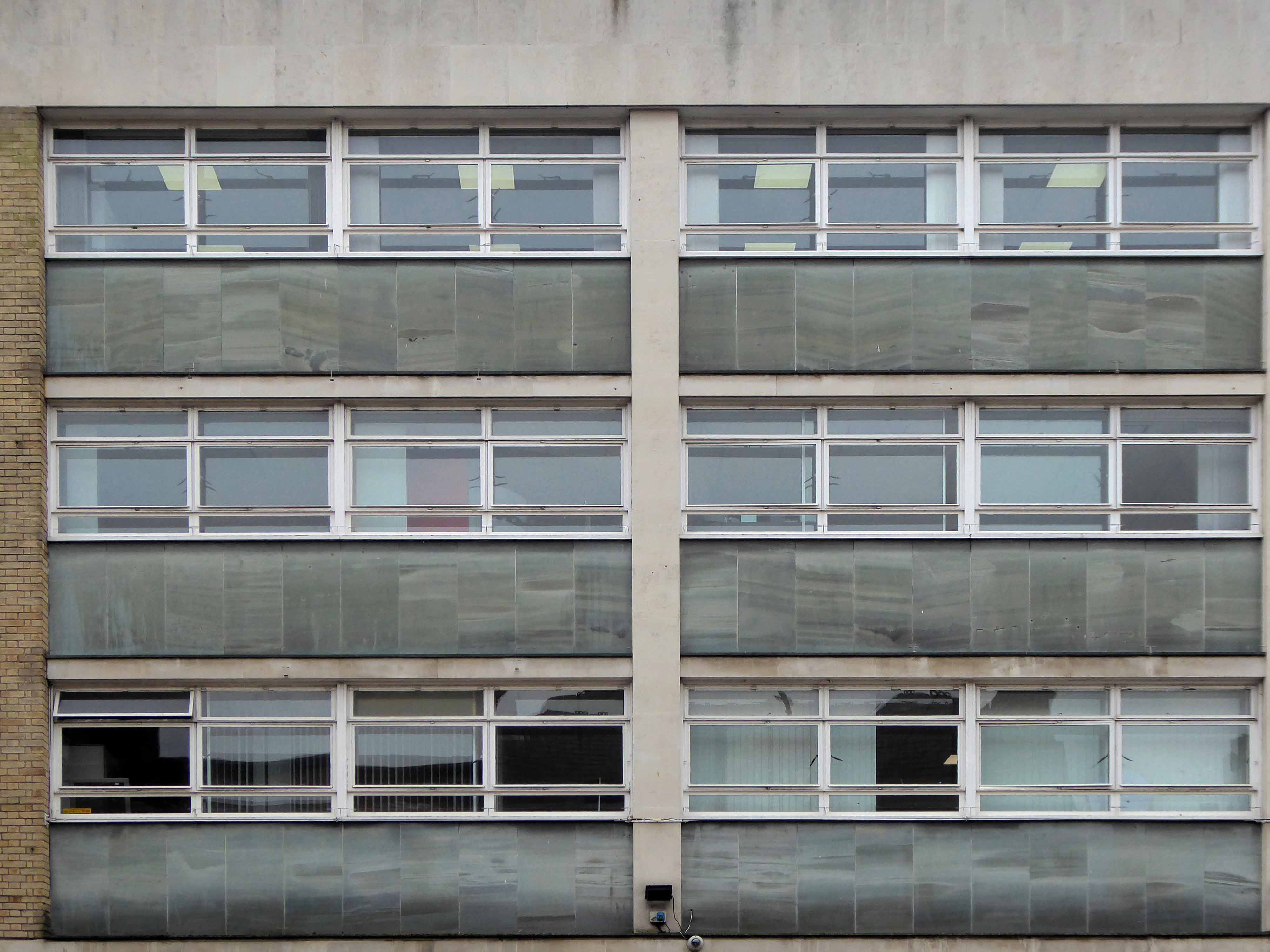
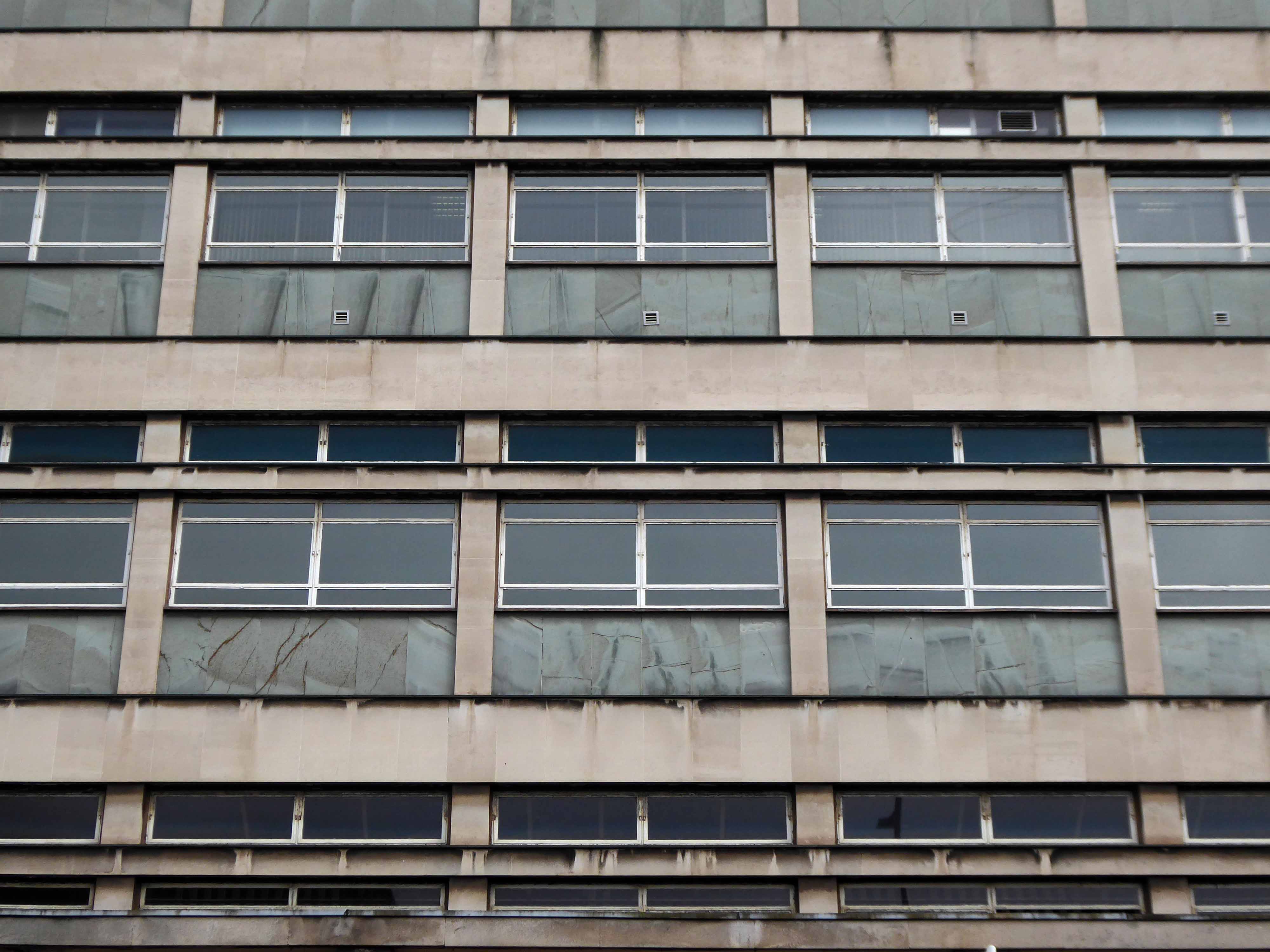
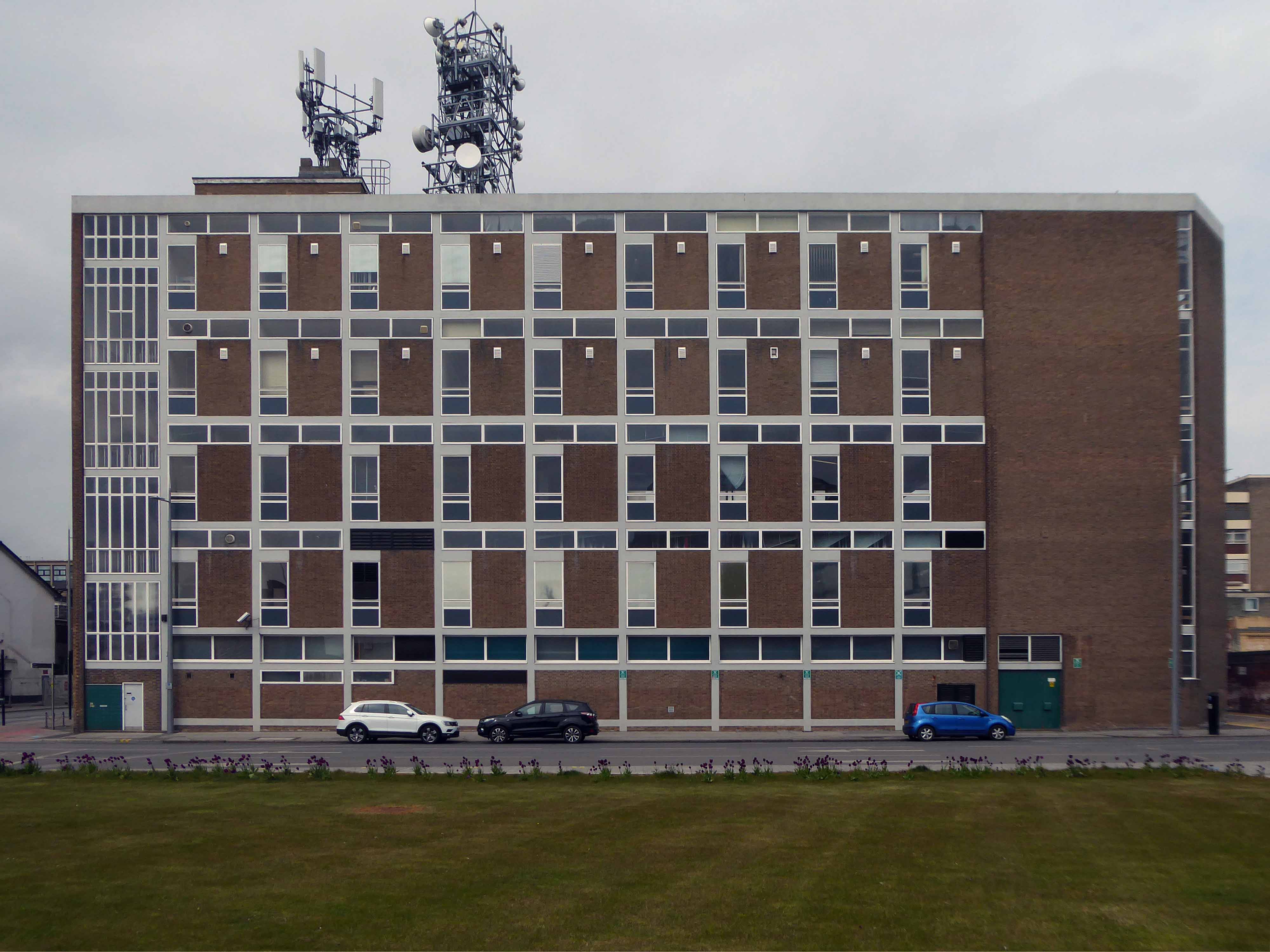
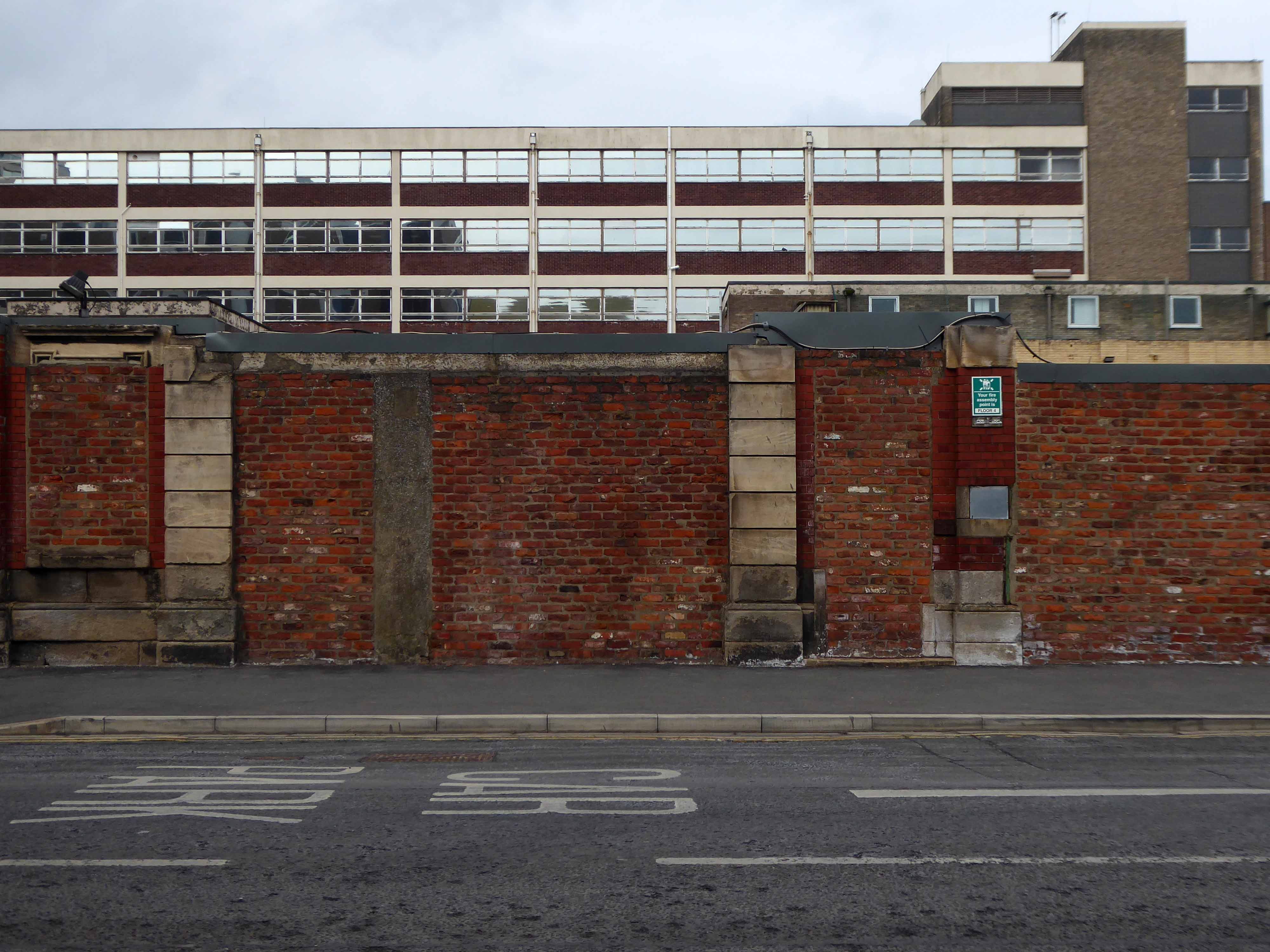
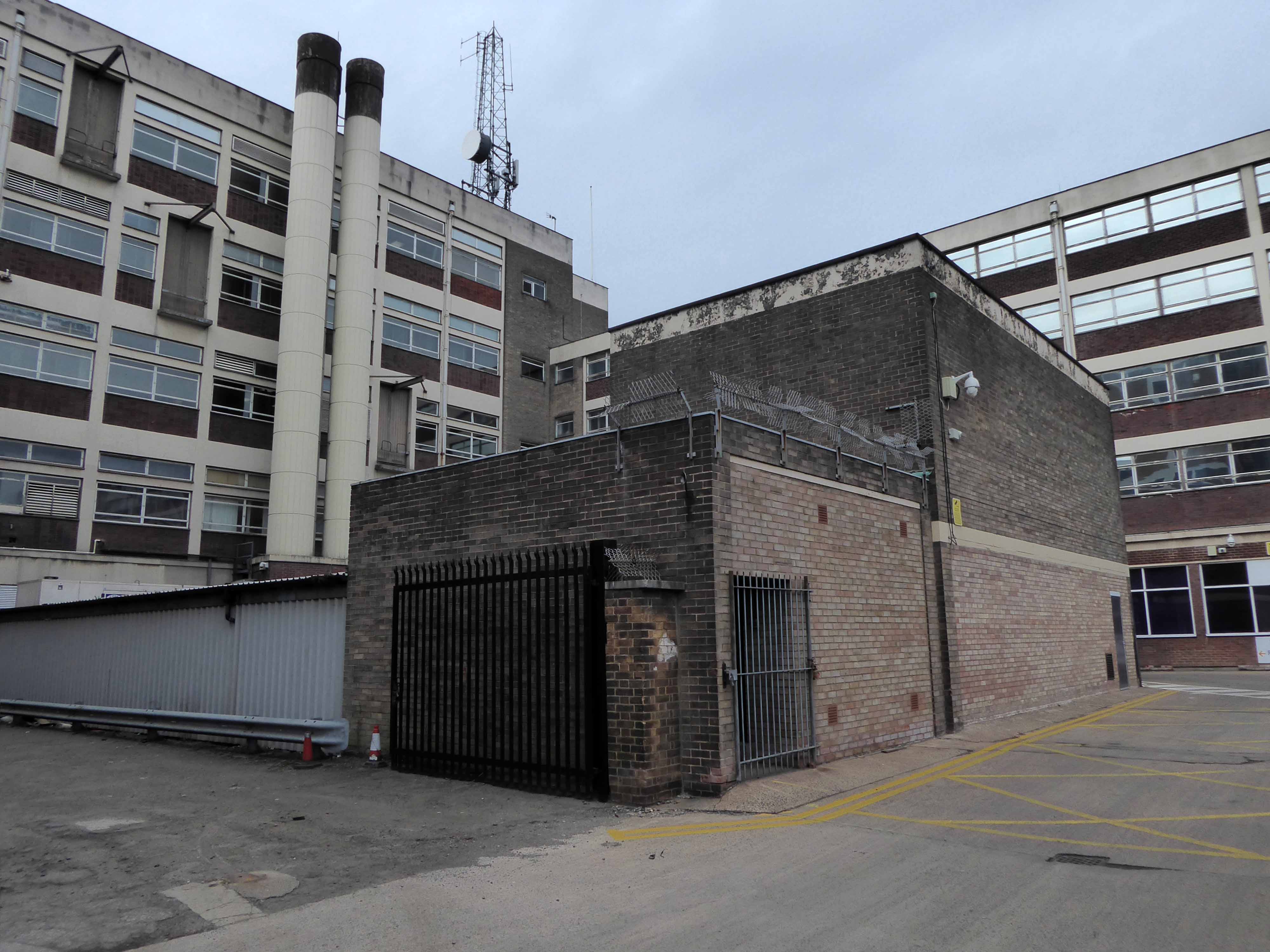
This is a fine building of brick, concrete, stone and steel, a restrained palette and commanding volumes, which asserts itself within the framework of the surrounding post-war architecture.

Well worth a walk around – let’s circumnavigate right now!

Good night all, sweet dreams and don’t forget to call Santa – hope that you all enjoyed your corned beef and cabbage.

East Park Gates Hull – Concrete Walls

Holderness Rd Hull HU8 8JU

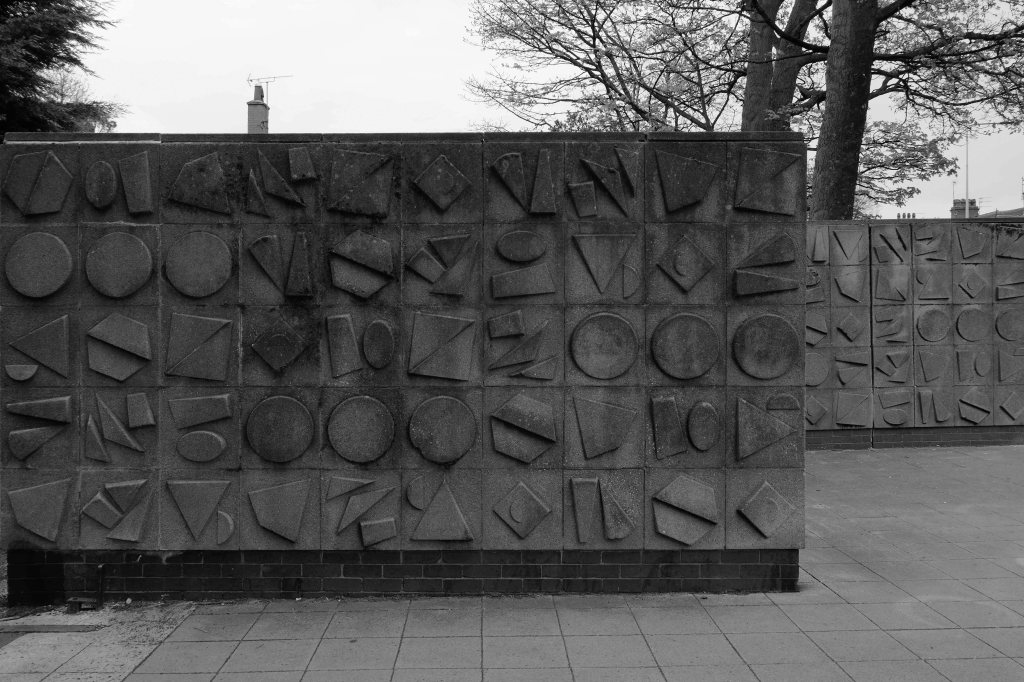
At the entrance to the park on Holderness Road are eight concrete walls.

They are covered in square, cast concrete modular panels.

Said to be the work of the City Architect in 1964.

Municipal Dreams lists the City Architect at that time to be JV Wall, having replaced David Jenkin in that same year.

My money’s on Wall – well it makes sense don’t it?

I had taken the bus from Hull Interchange on a chill April morning.

The driver obligingly giving me a shout at the appropriate stop – right outside the gates.

They are not universally loved:

A further testament to the concrete pourer’s art is to be found adorning the entrance to East Park. They are so horrible that I could find nothing on the net to indicate who designed them, shame is a powerful motive for reticence. So here they stand to welcome the visitor; after this the actual park couldn’t be any worse.

Hull and Hereabouts

I can only assume that the actual park is held in much higher regard, listed and adored by all.

To my mind they are a bold addition to the park’s entrance, very much of their time, yet at the same time, ever so very now!

The has been a gentle patination to the raw surfaces and limited external intervention from the local Tyke taggers.

Take a look make up your mind – yay or nay?

It looks like they’re here to stay.

If you like this then you’ll like this and possibly this.

From Huyton to Hull and back to UMIST – it’s concrete walls all the way.

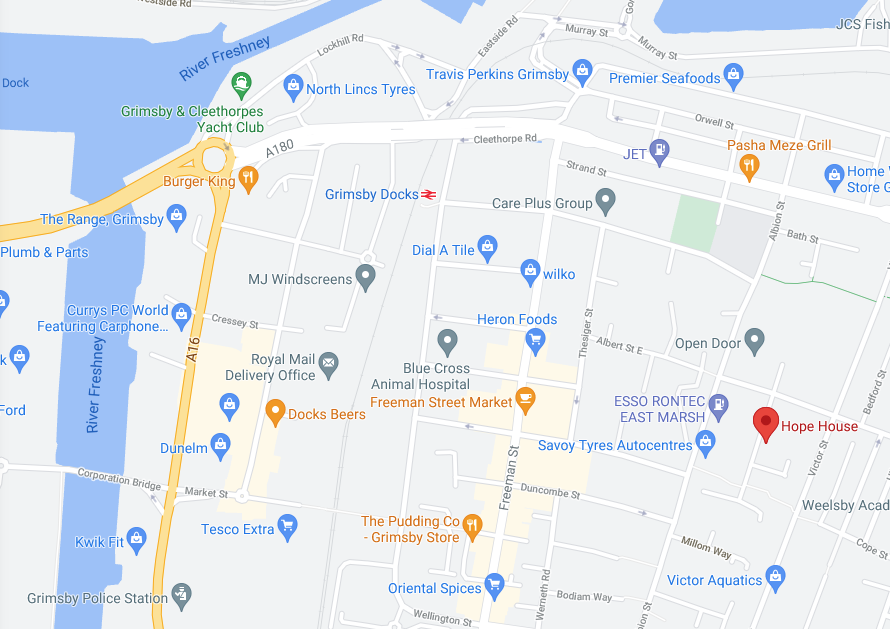
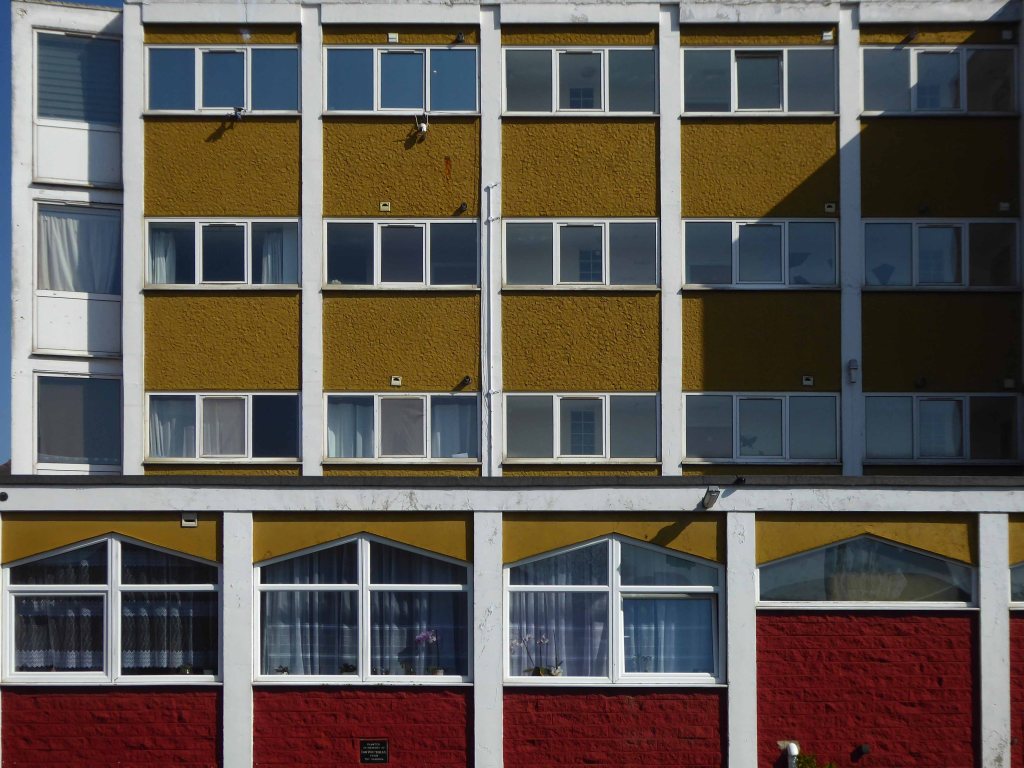
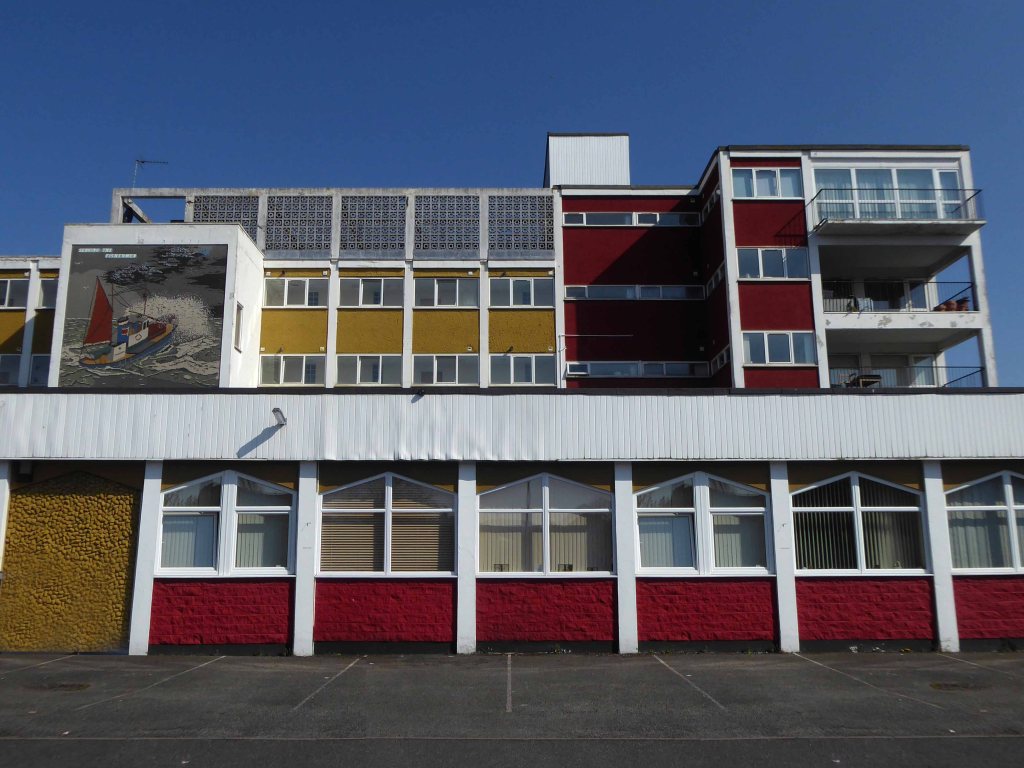
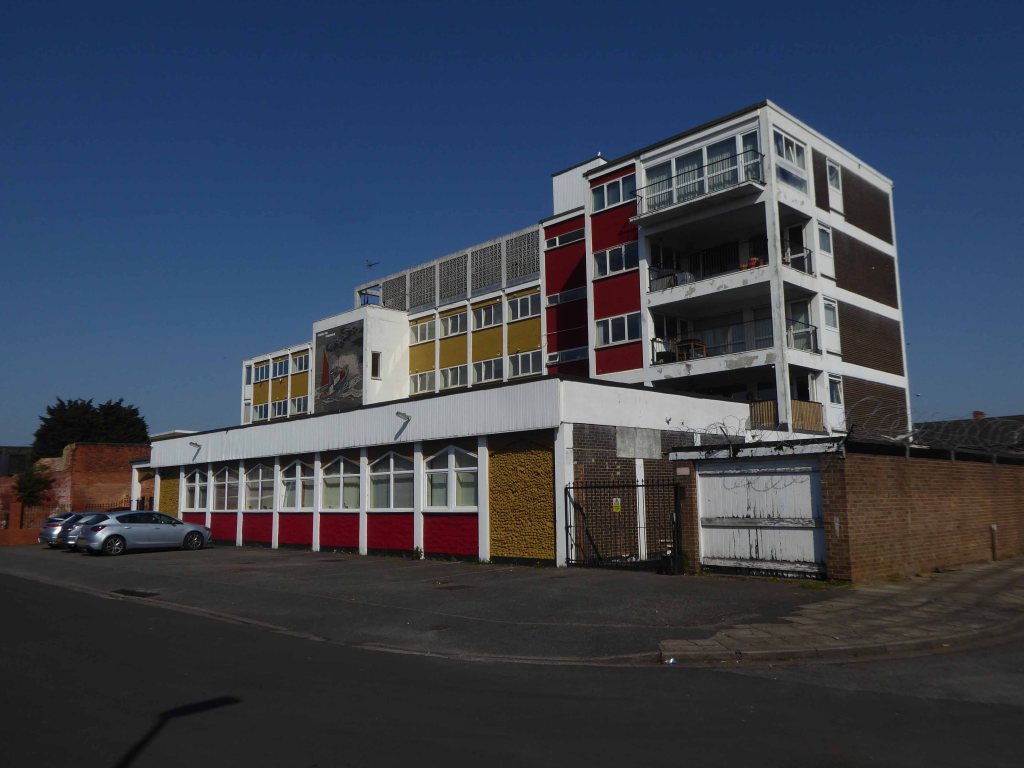
Fishermen’s Mission – Grimsby

Hope Street Grimsby DN32 7QL

If asked to name the UK’s biggest fishing port many people will answer Grimsby.

That was certainly true in the 1950’s when over 500 trawlers set out to sea, today only a handful of boats remain.

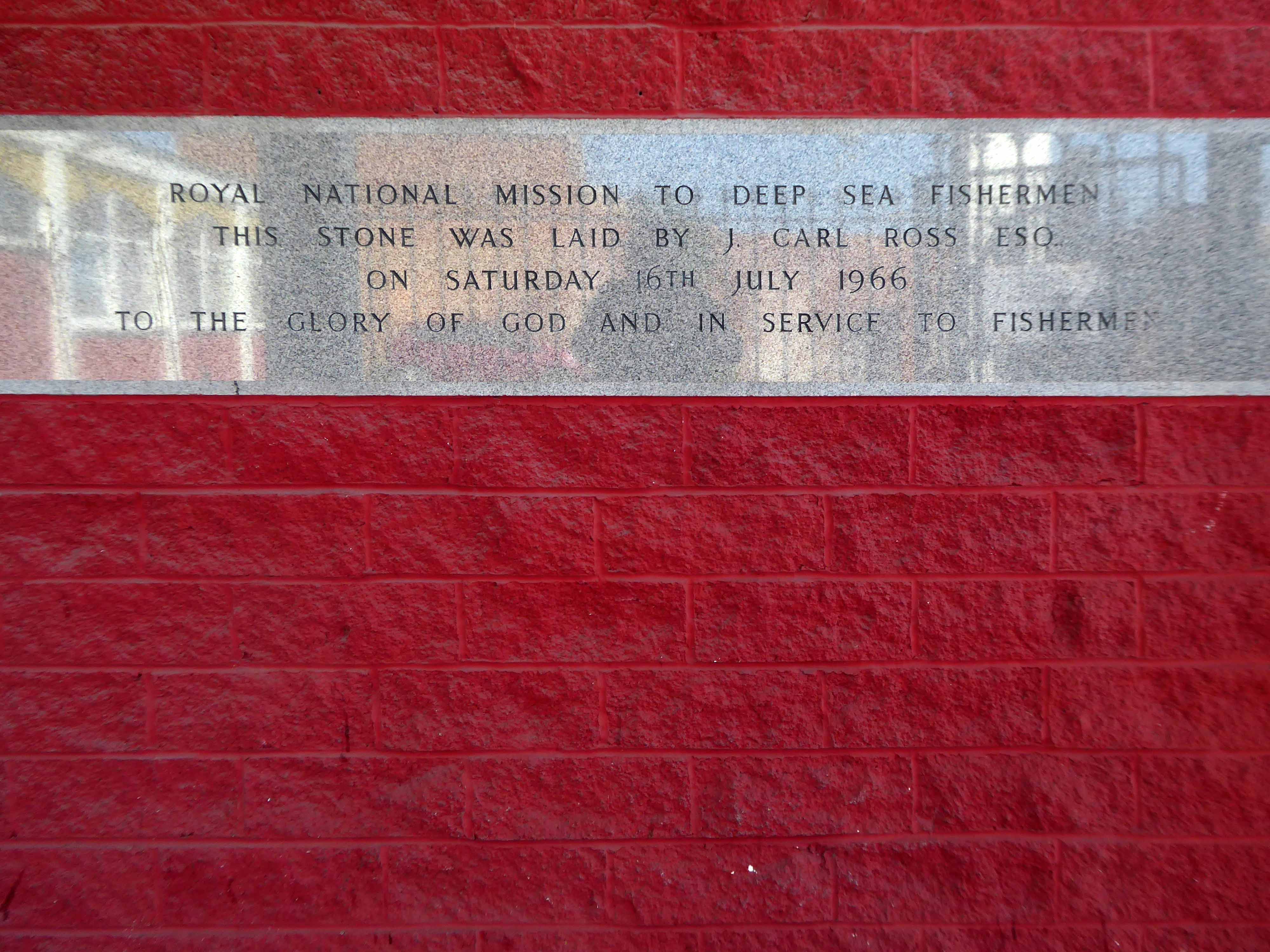
The Fishermen’s Mission

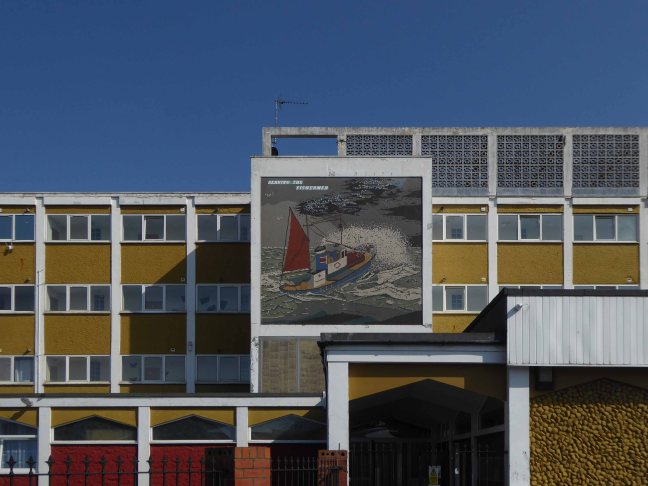
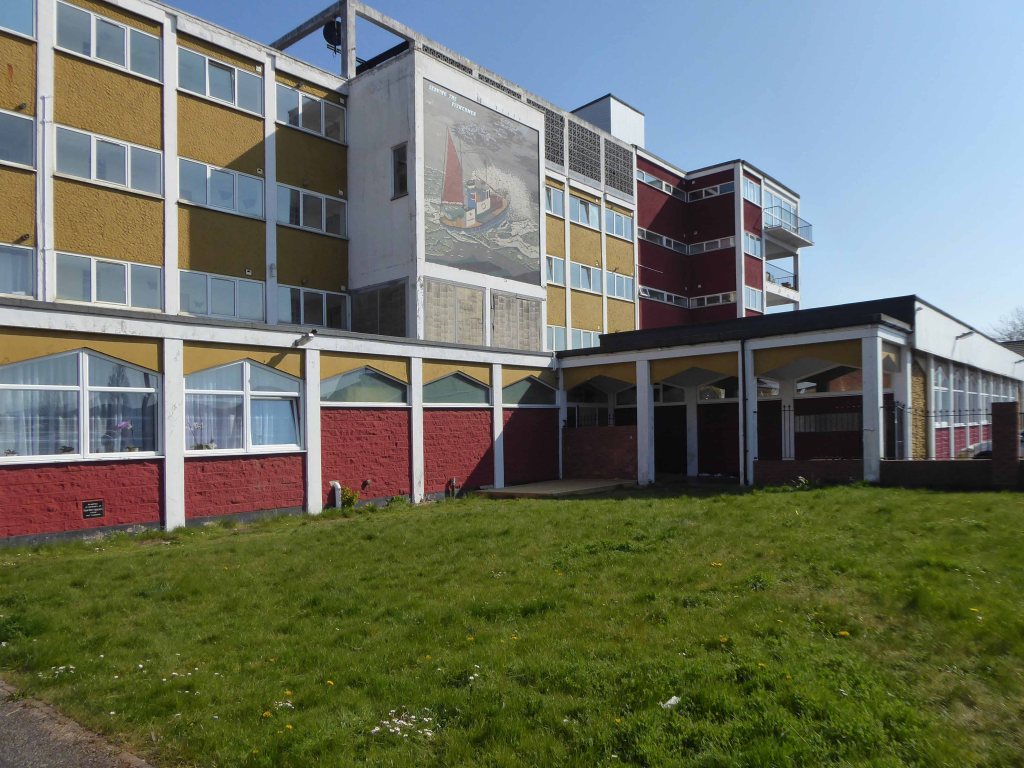
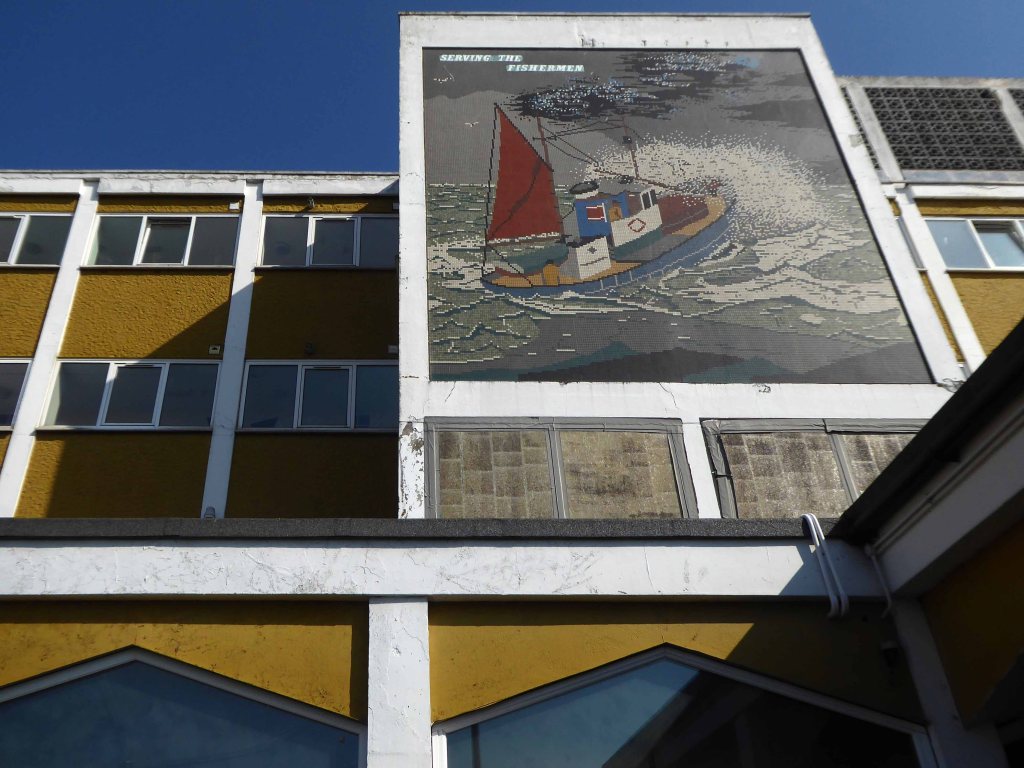
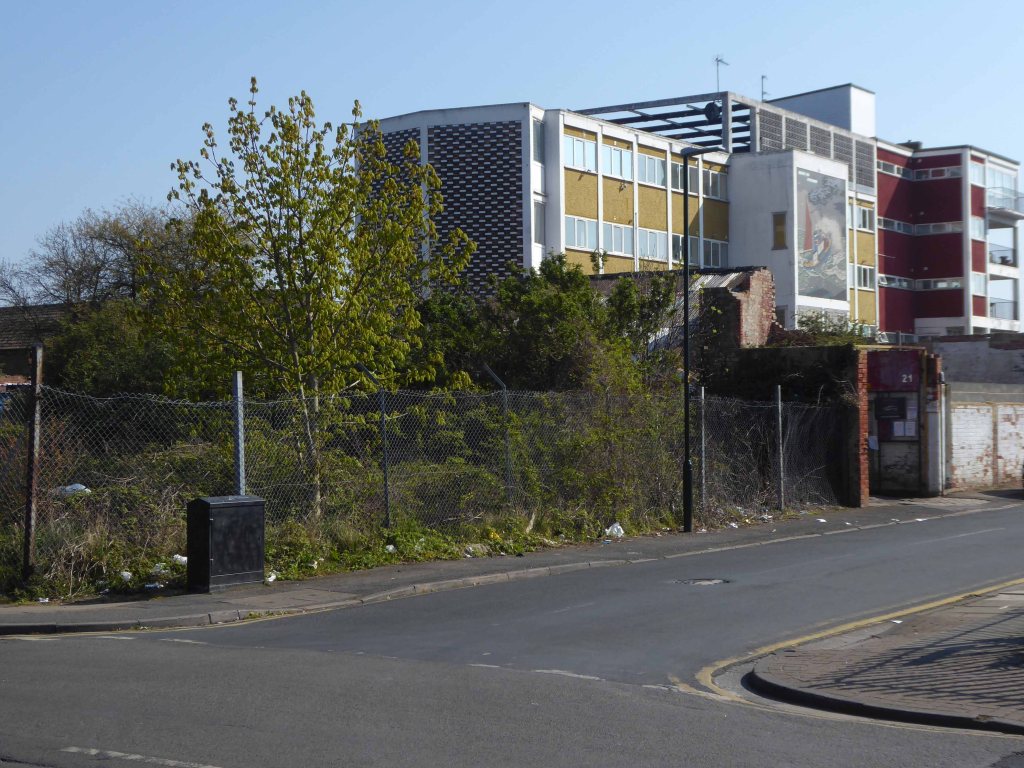
Opened in 1966 the Mission met the needs of those engaged in the most perilous of occupations.

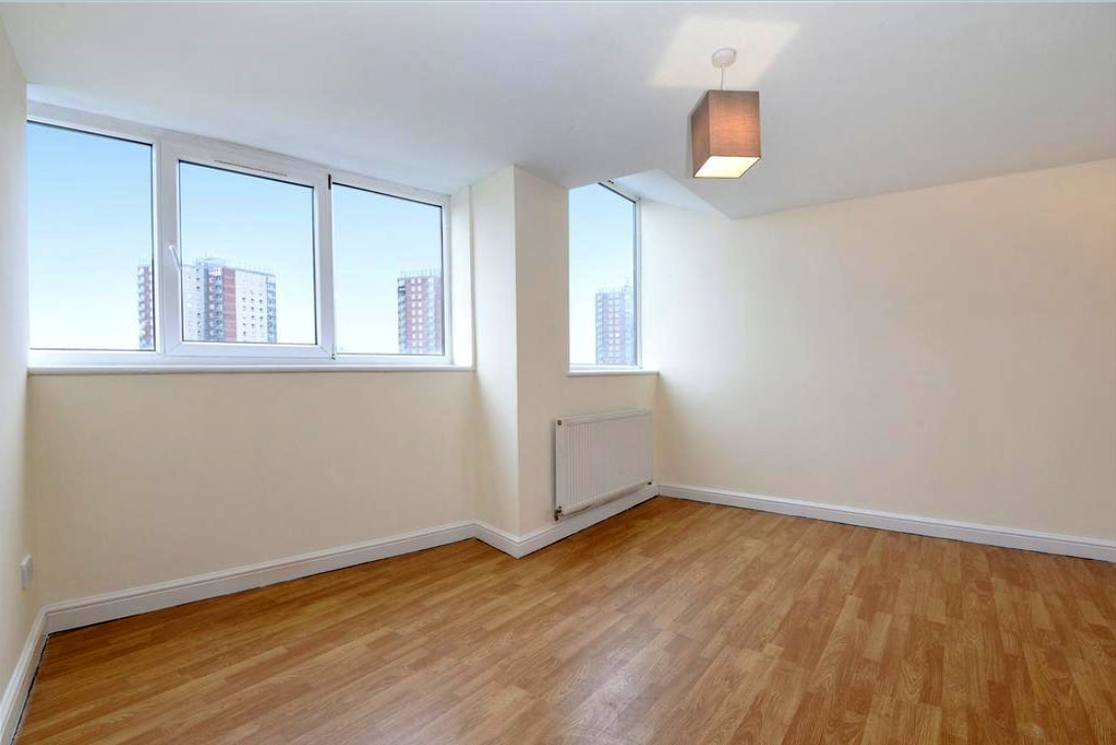
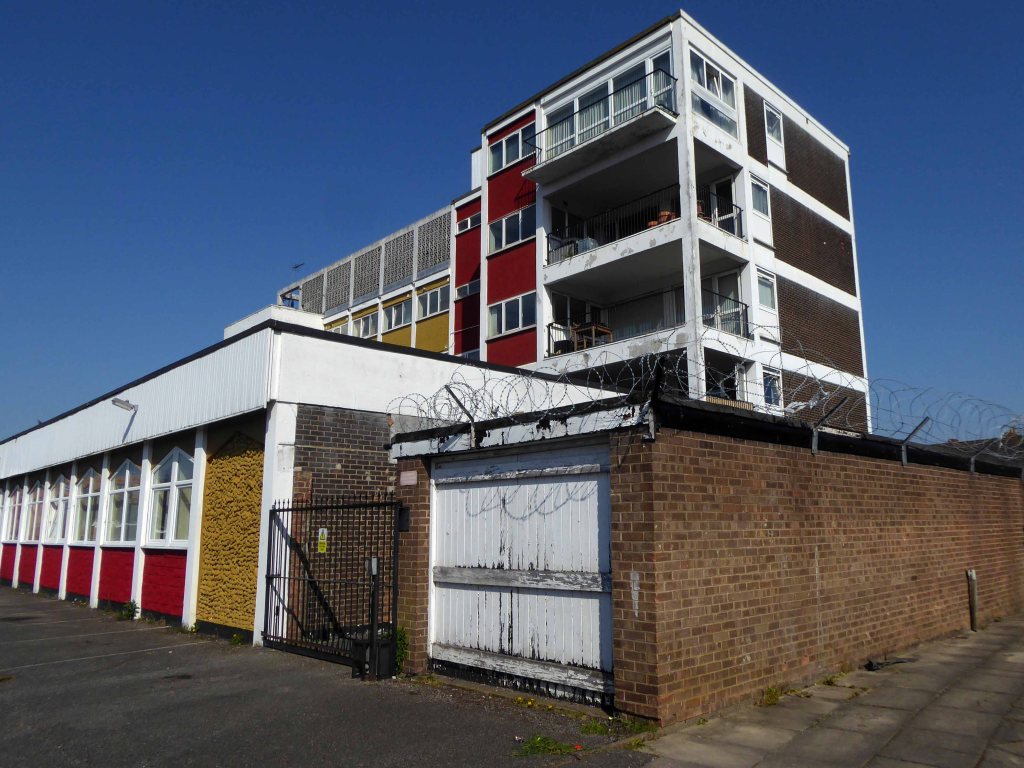
Today it is a residential housing block – with flats for sale and rent.

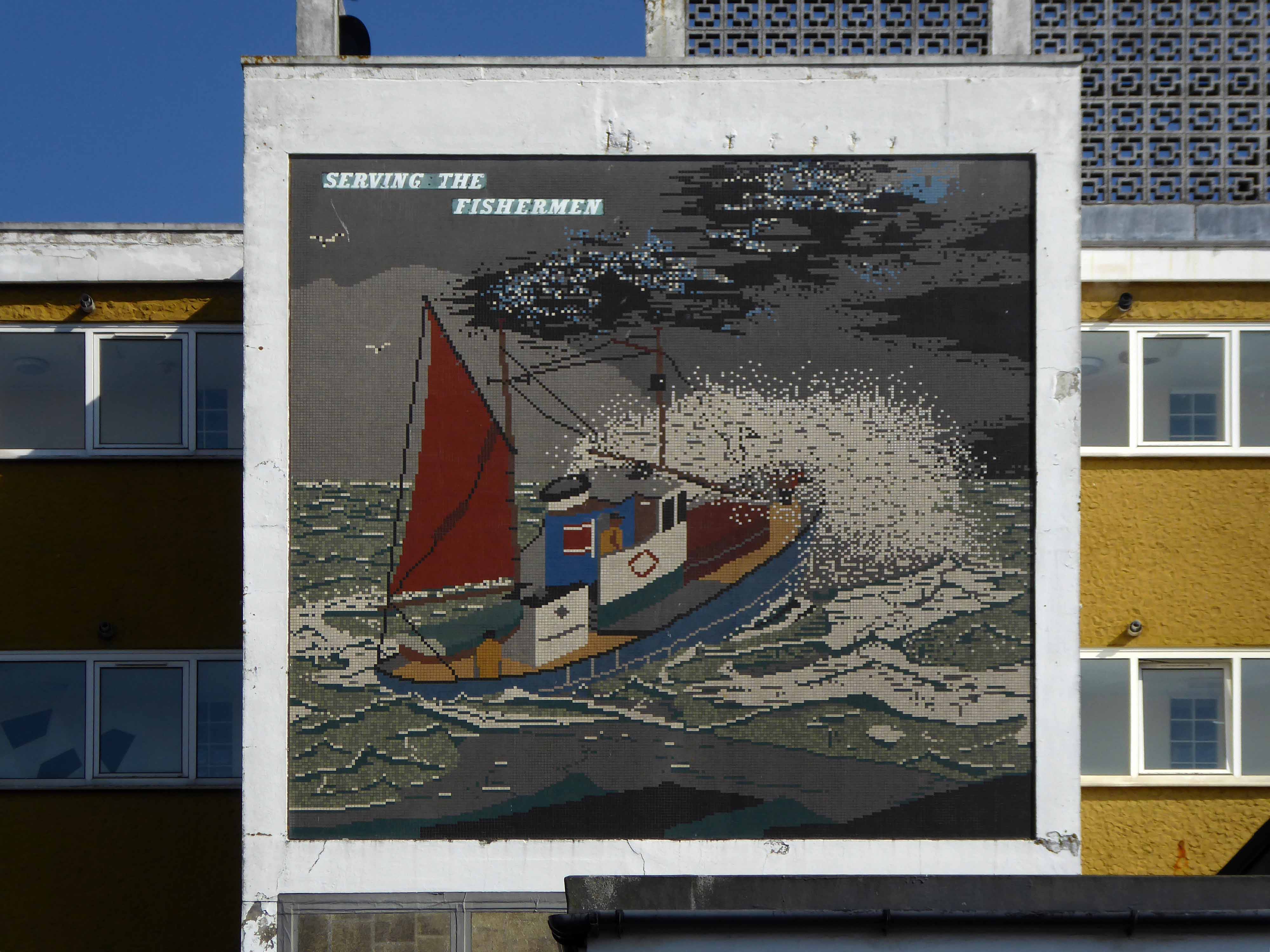
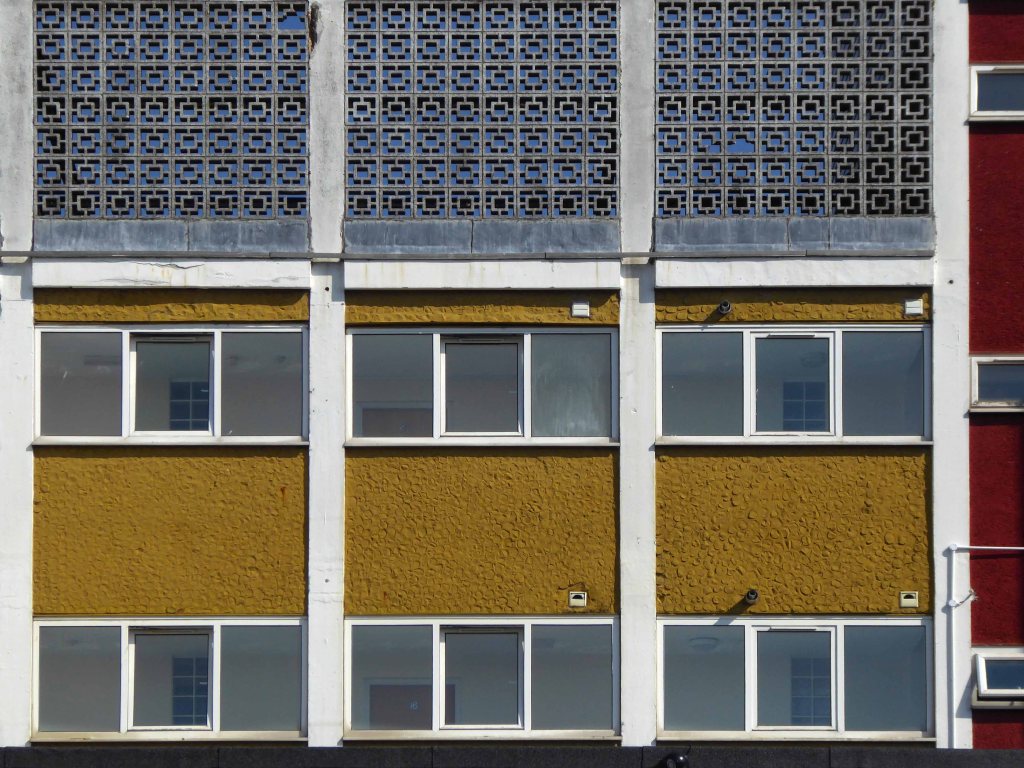
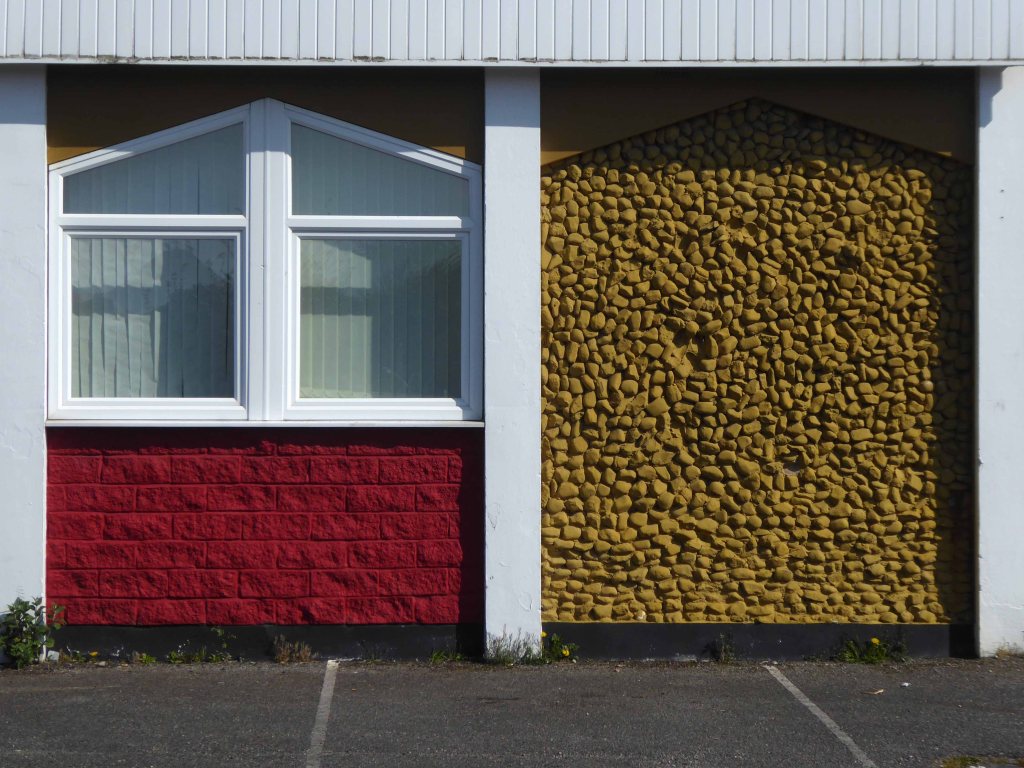
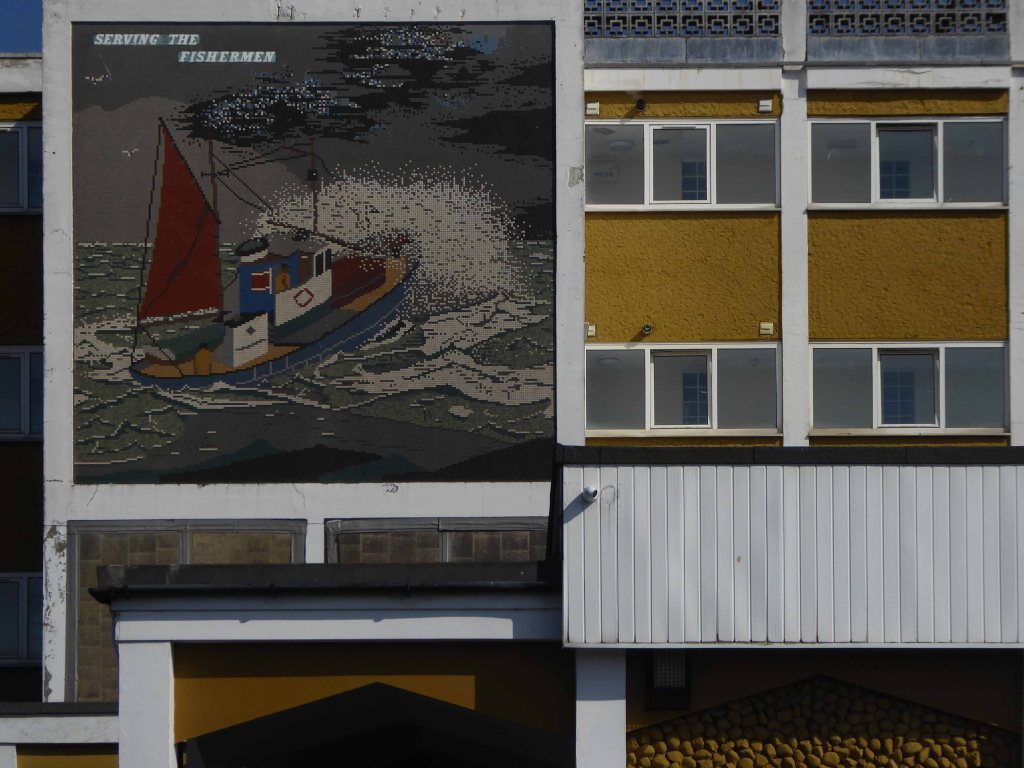
Part of the town’s history a striking building, in many modern ways – most notably its strikingly modern mosaic.

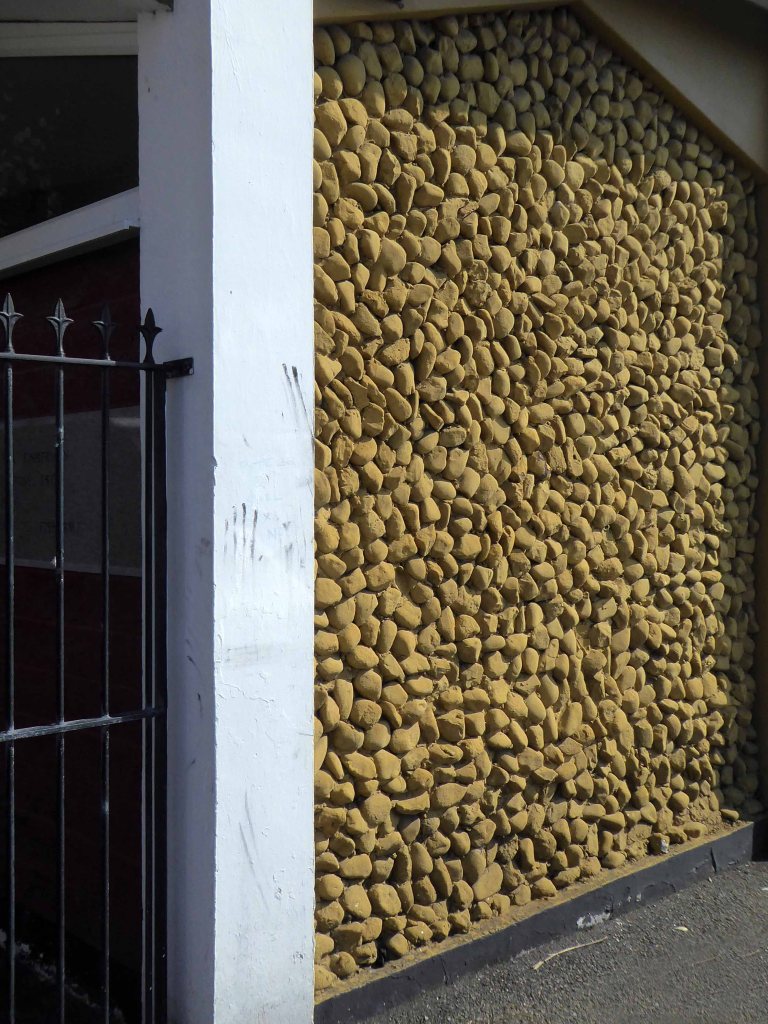
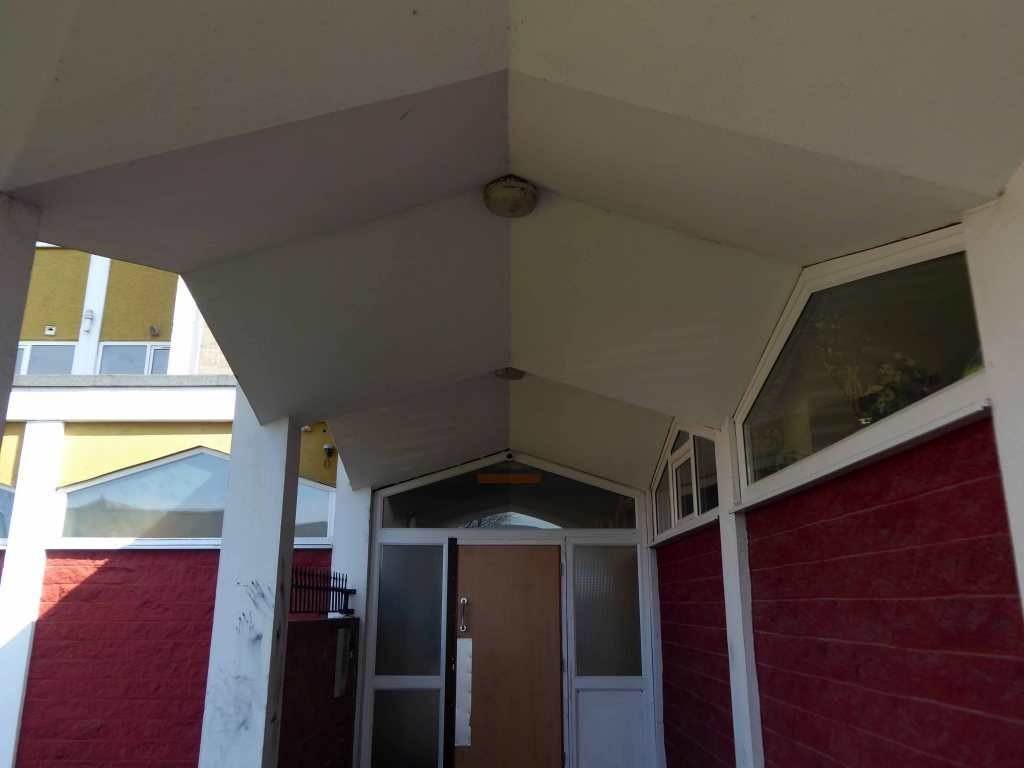
Along with its striking colour scheme interesting use of textured materials and angular geometry.

UMIST – Manchester

Every now and then, I get the yen to come back here again.

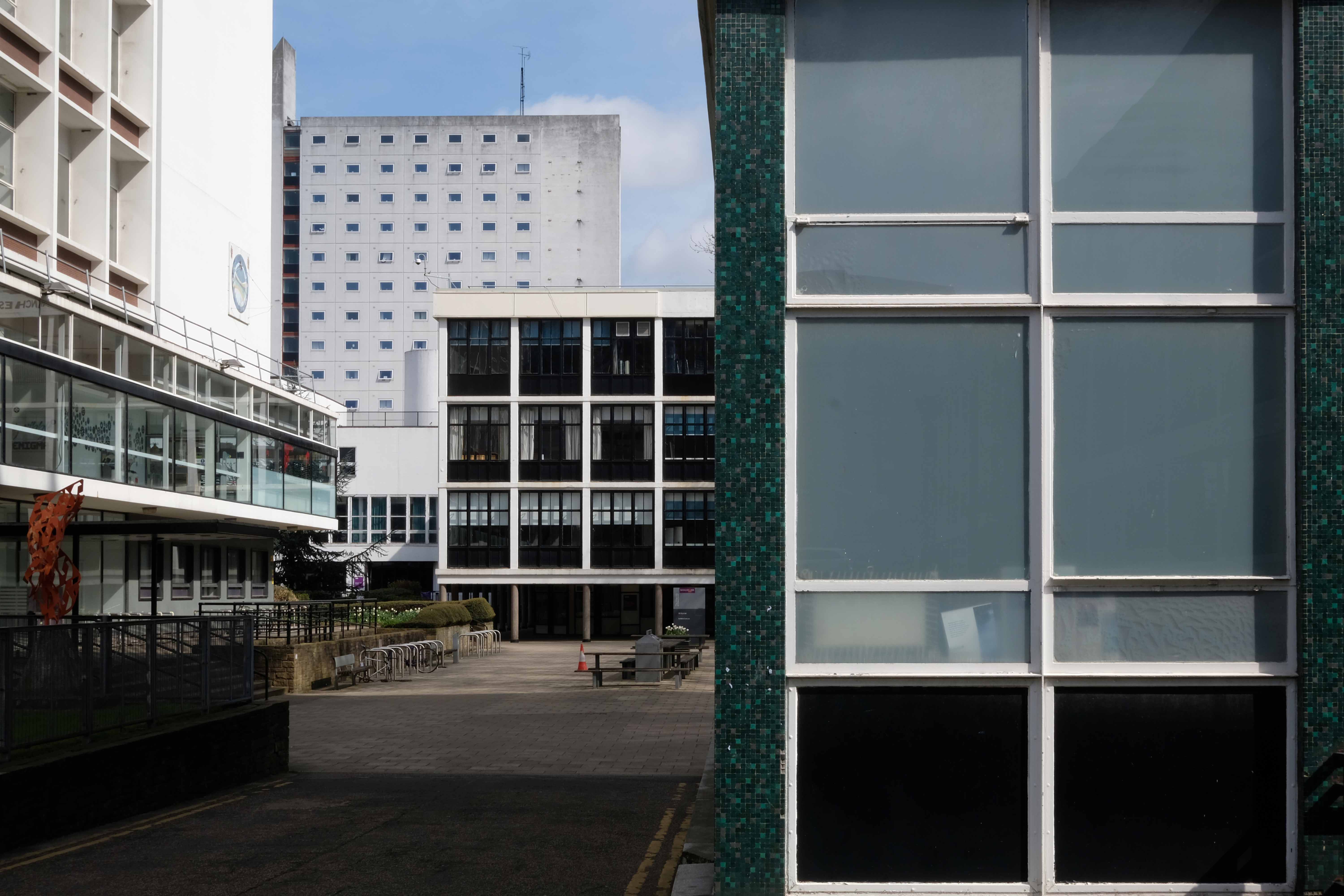
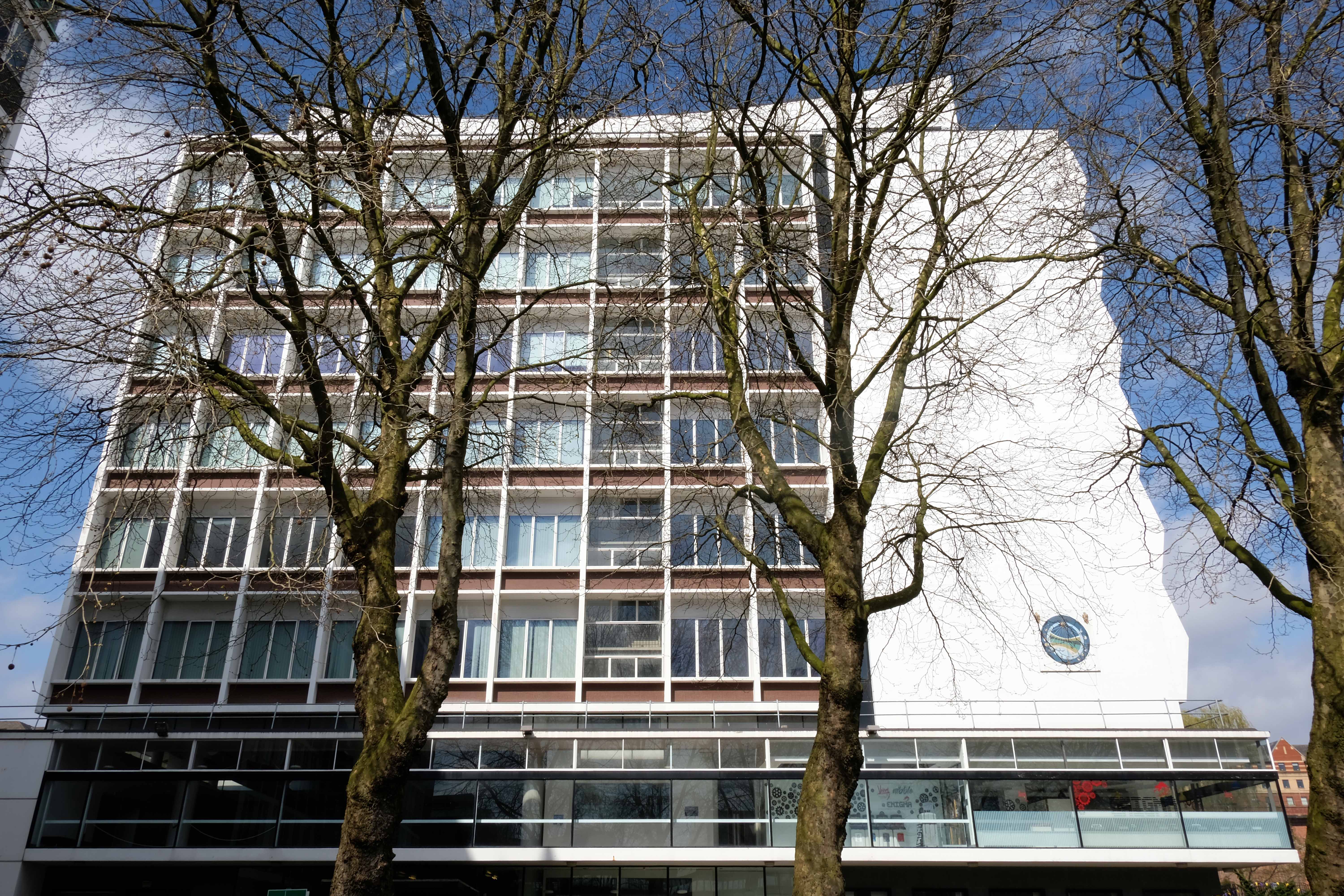
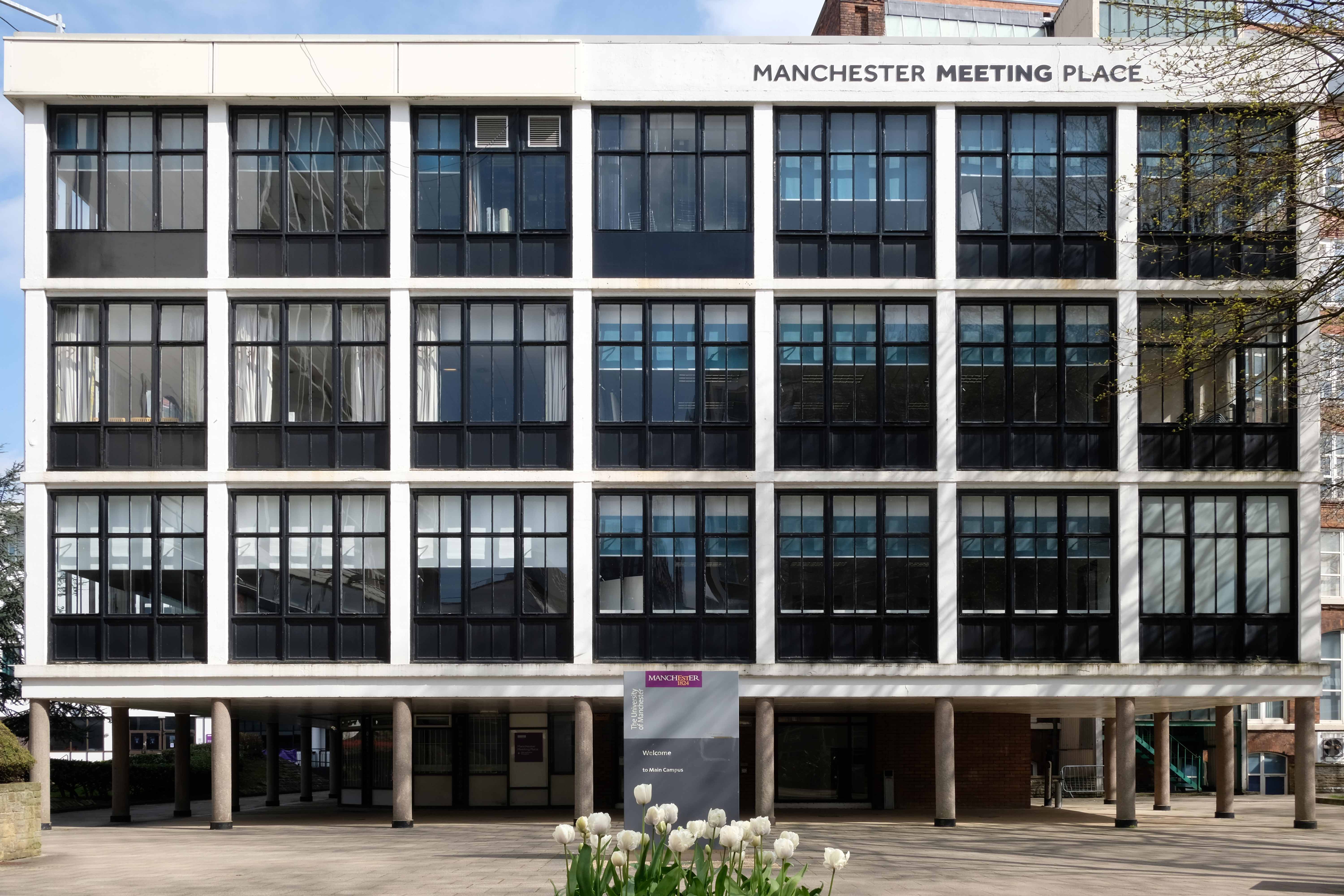
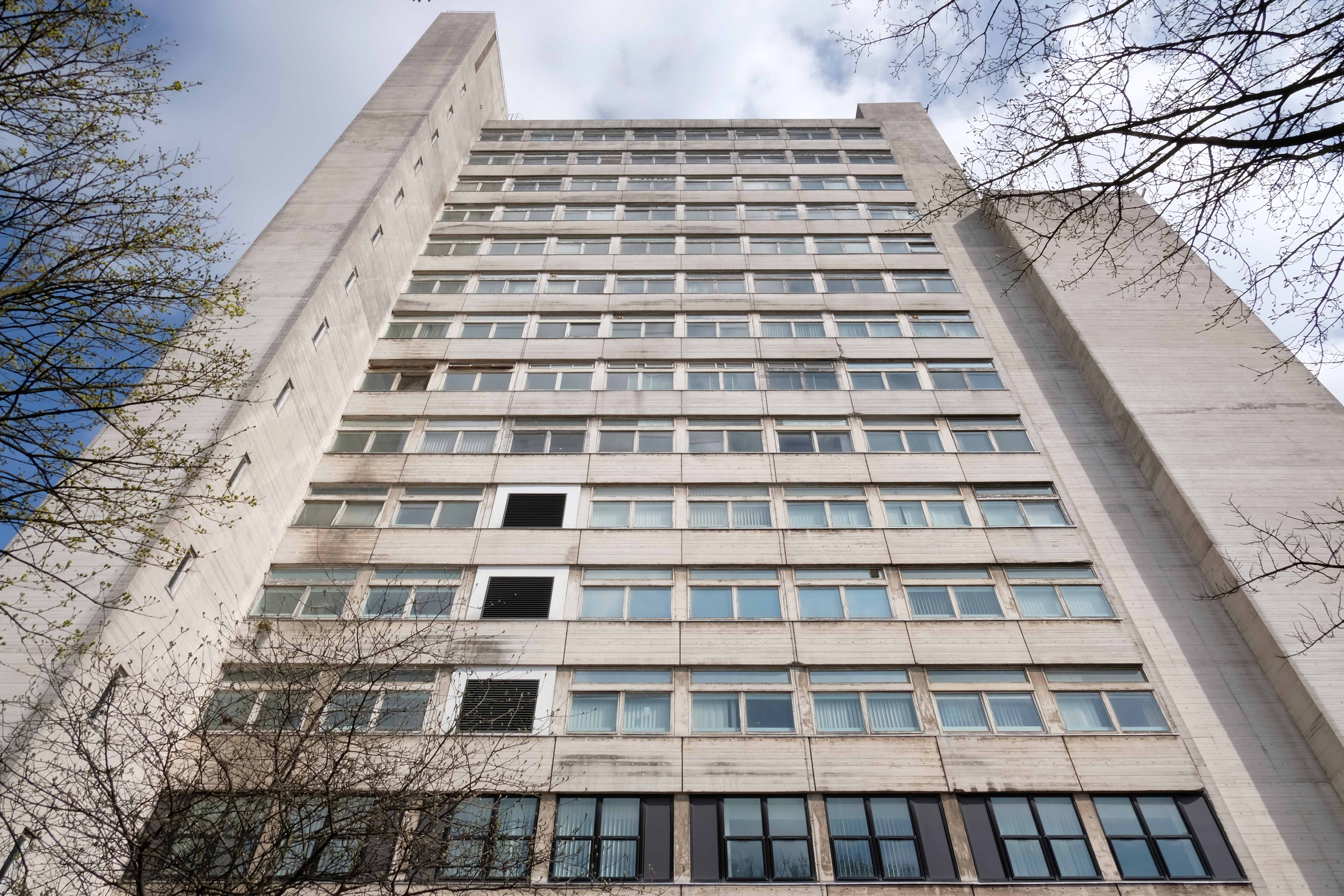
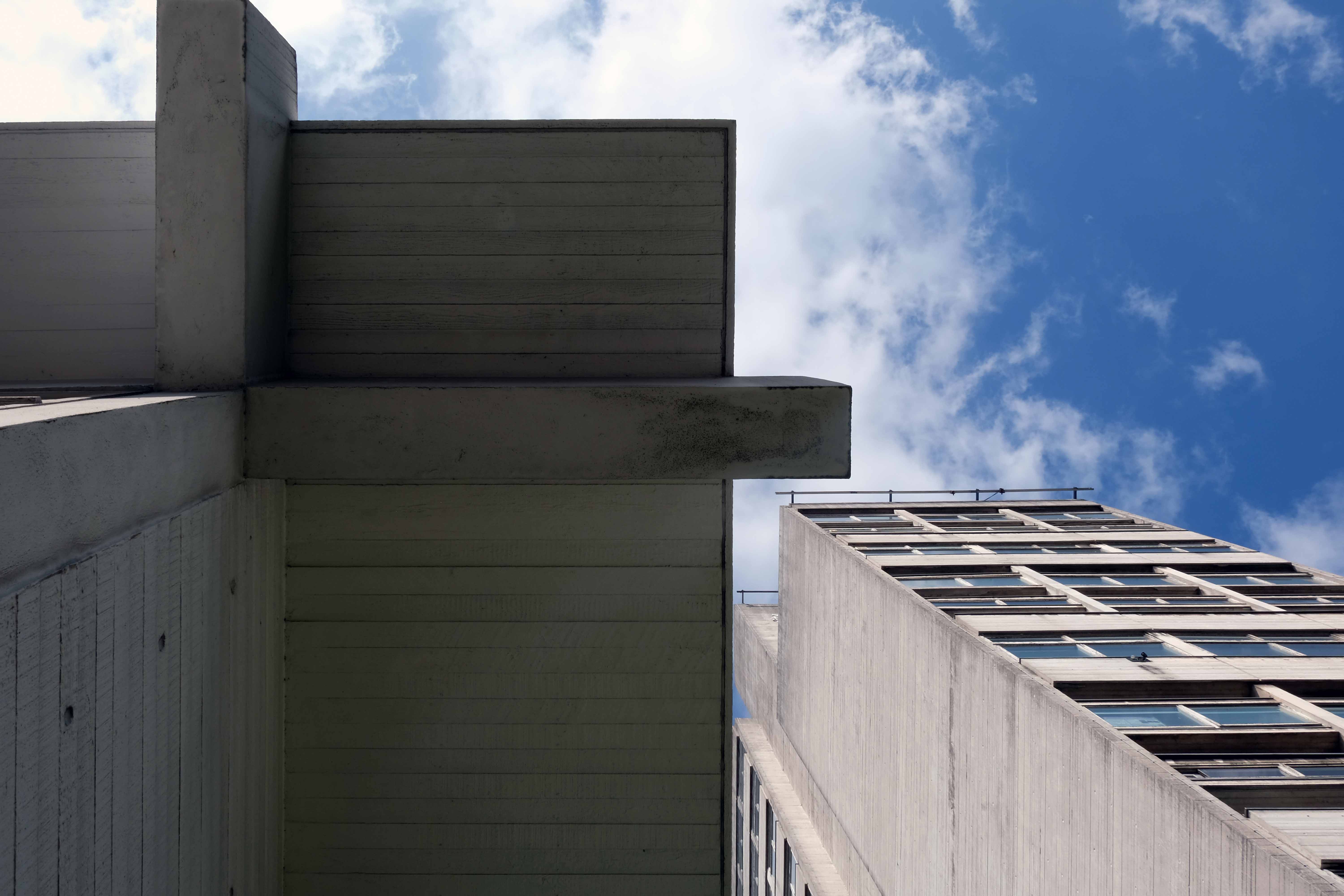
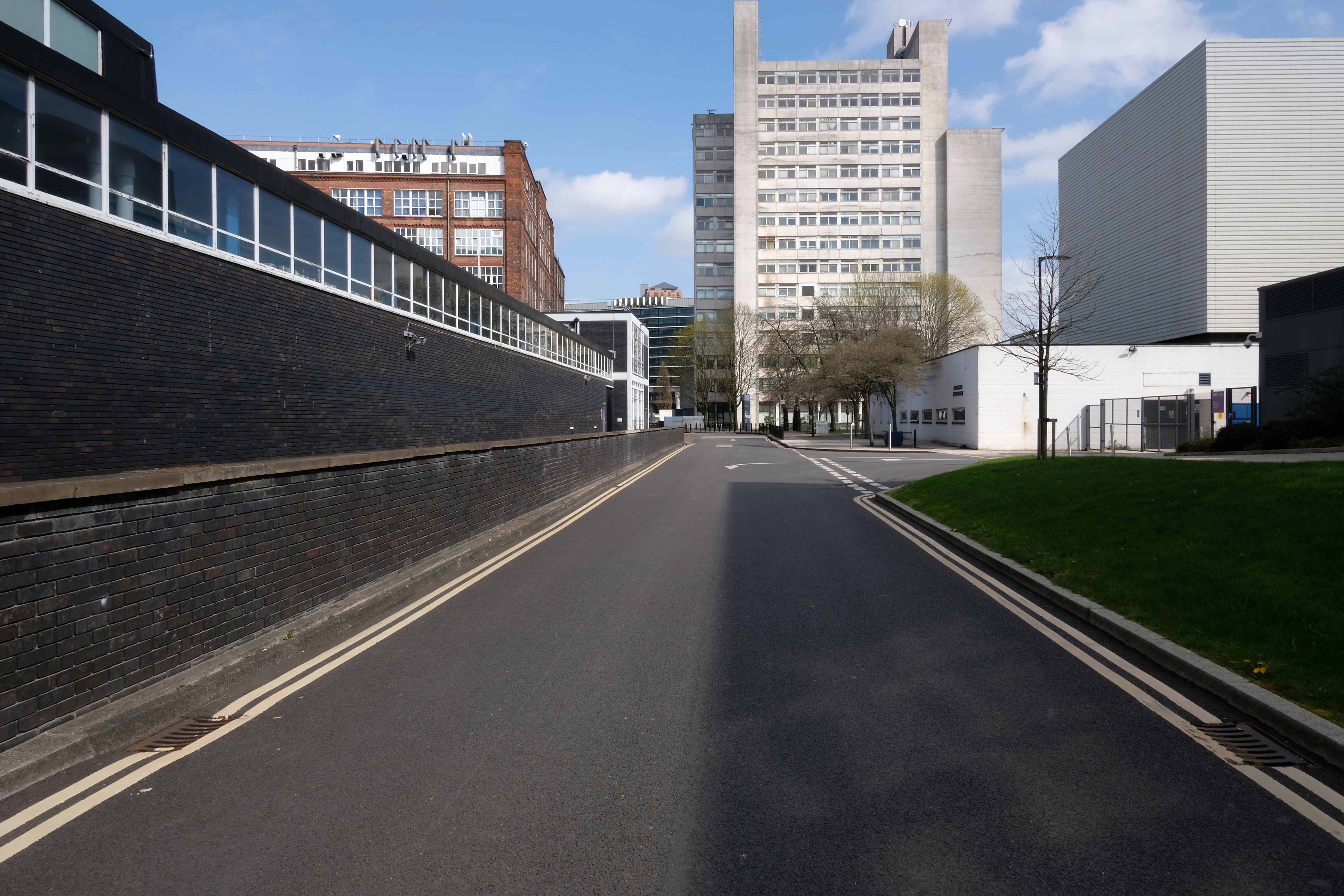
Having included the site on one of my Manchester Modernist Walks, I pop by protectively just to make sure everything’s still there.

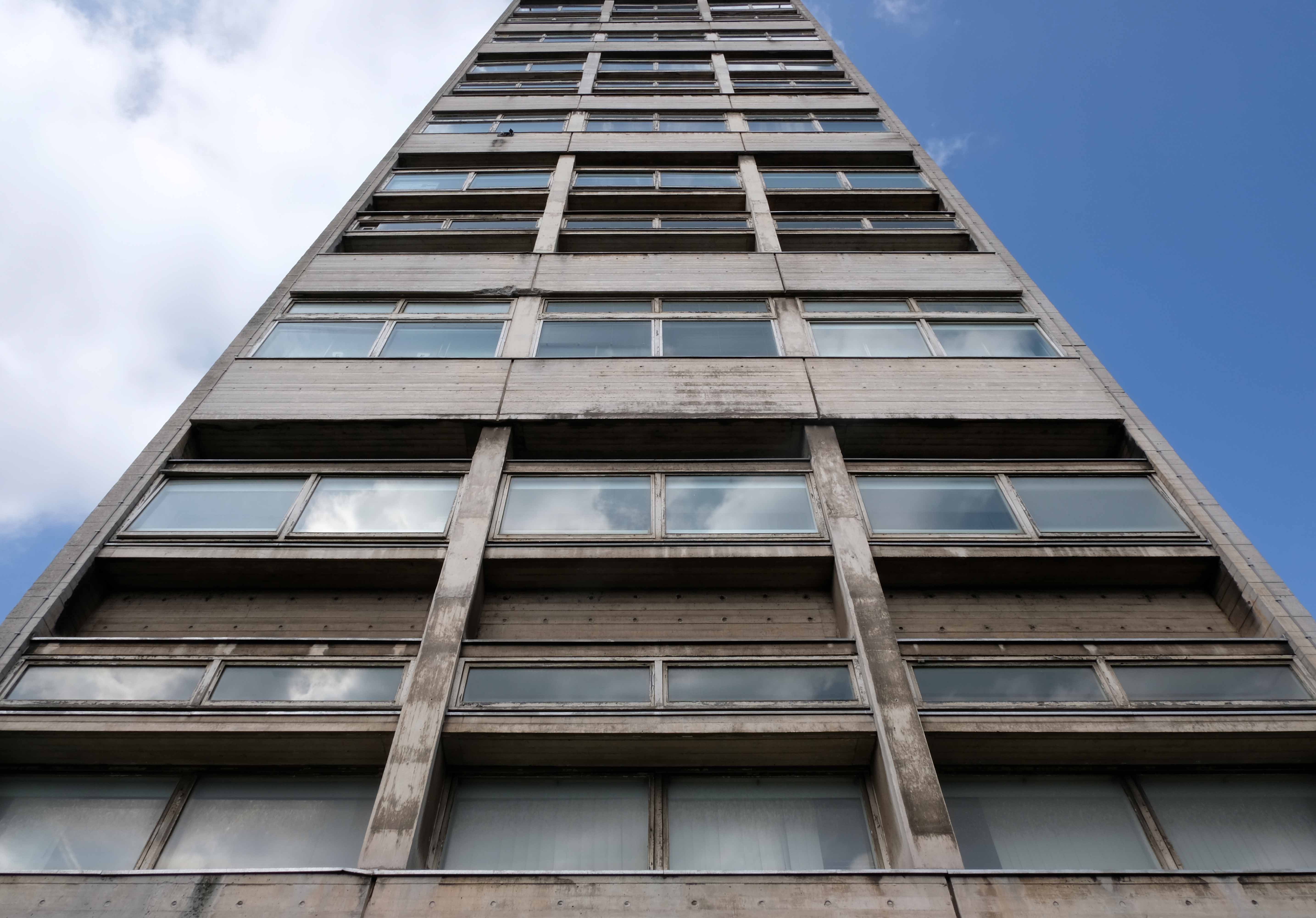
The custodians The University of Manchester may well be averse to listing and have already removed Chandos Hall.

Forever.

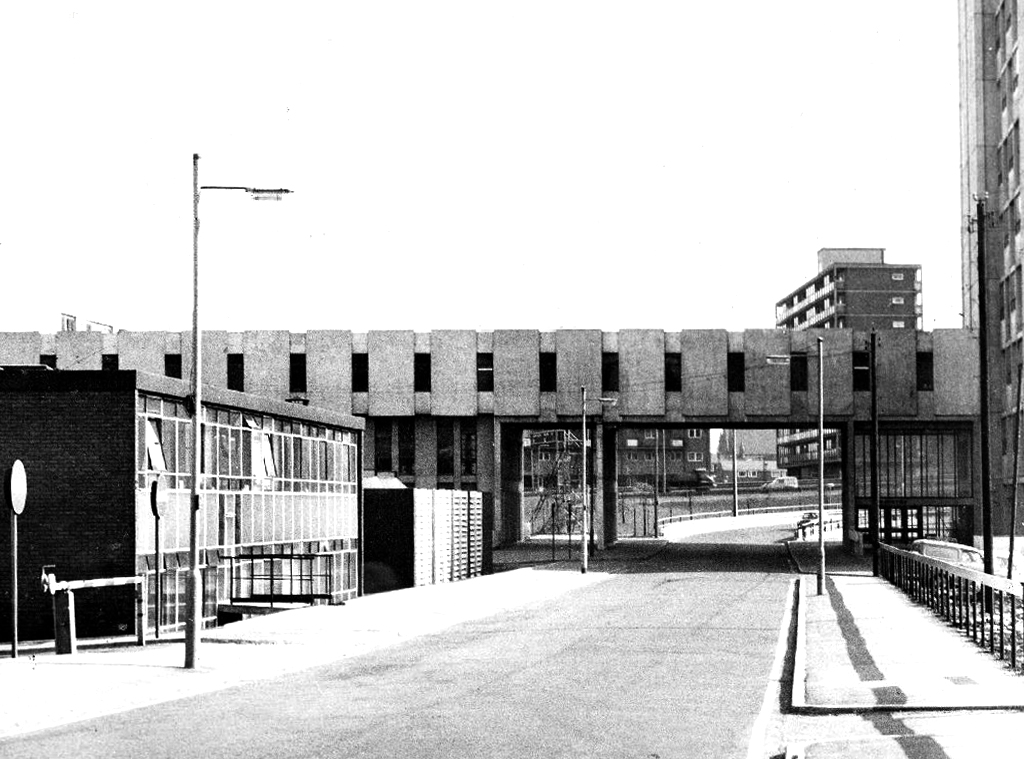
In addition, a whole block and a walkway have been subtracted.

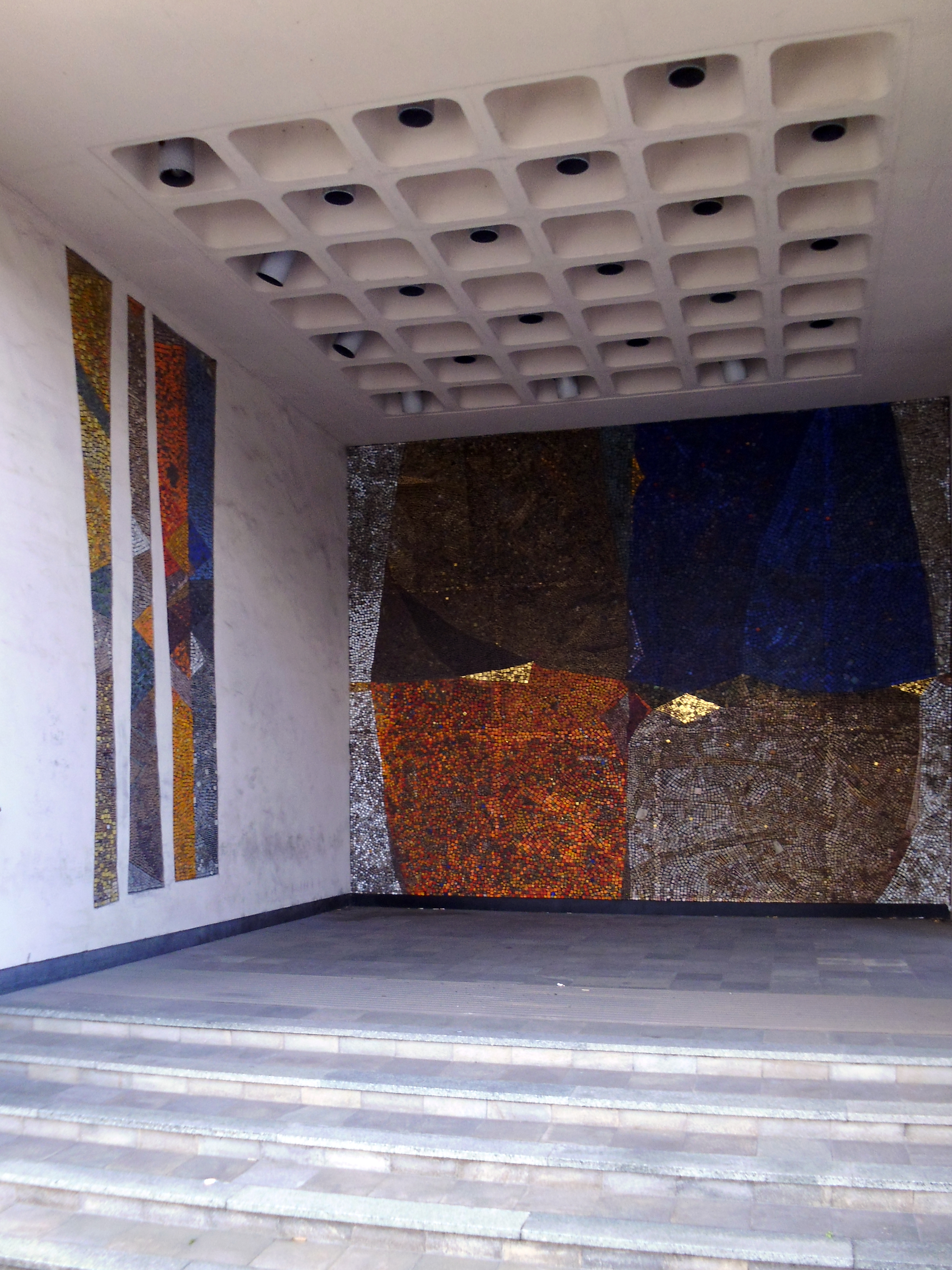
Thereby placing the Hans Tisdall mosaics: The Alchemist’s Elements in jeopardy – currently held in storage, who knows what fate awaits them?

Discussions have taken place pre-lockdown, another year on and possibly the possibility of a positive resolution.

Consequently I always approach the site with a slight sense of foreboding, it’s Easter and there’s nobody about.

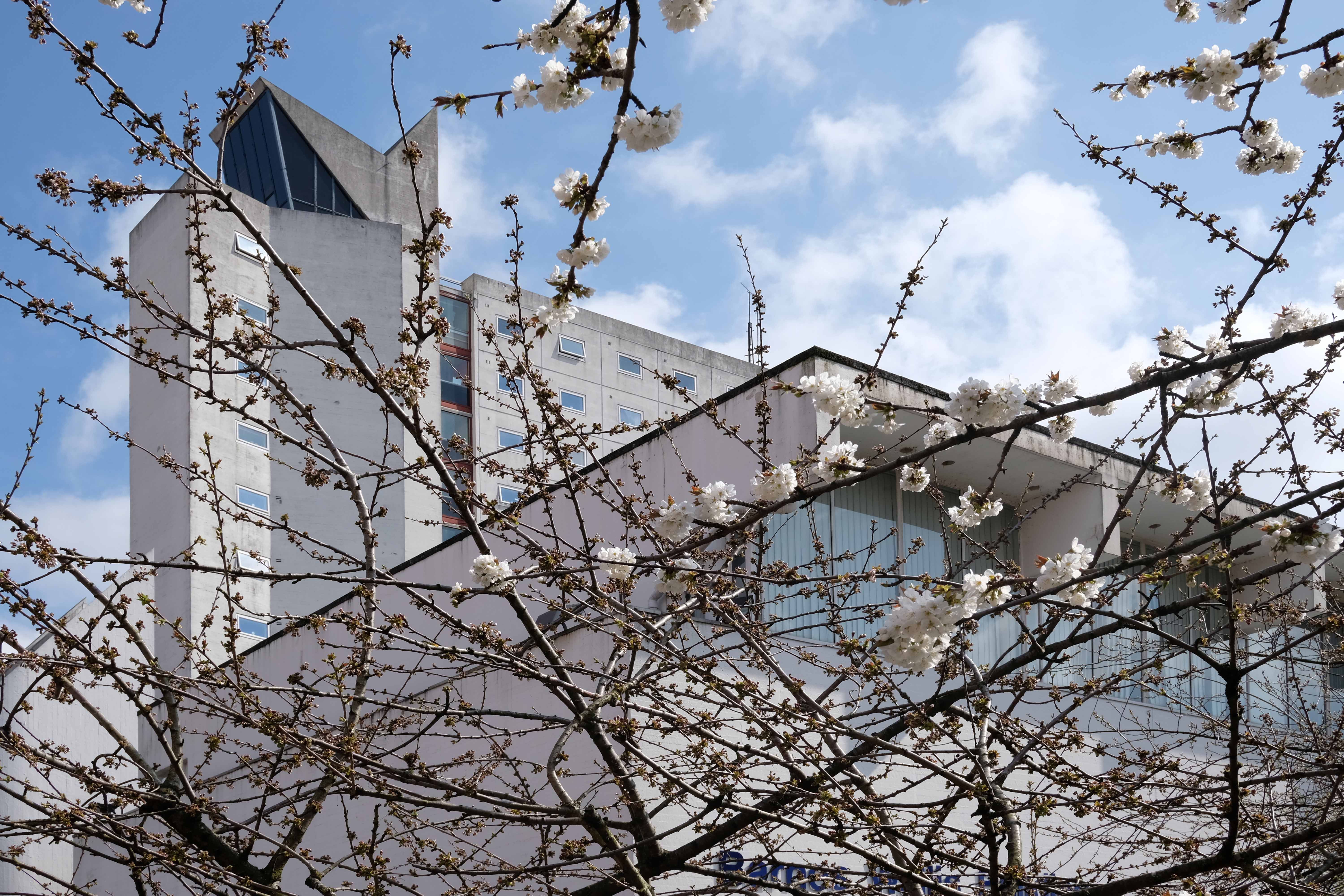
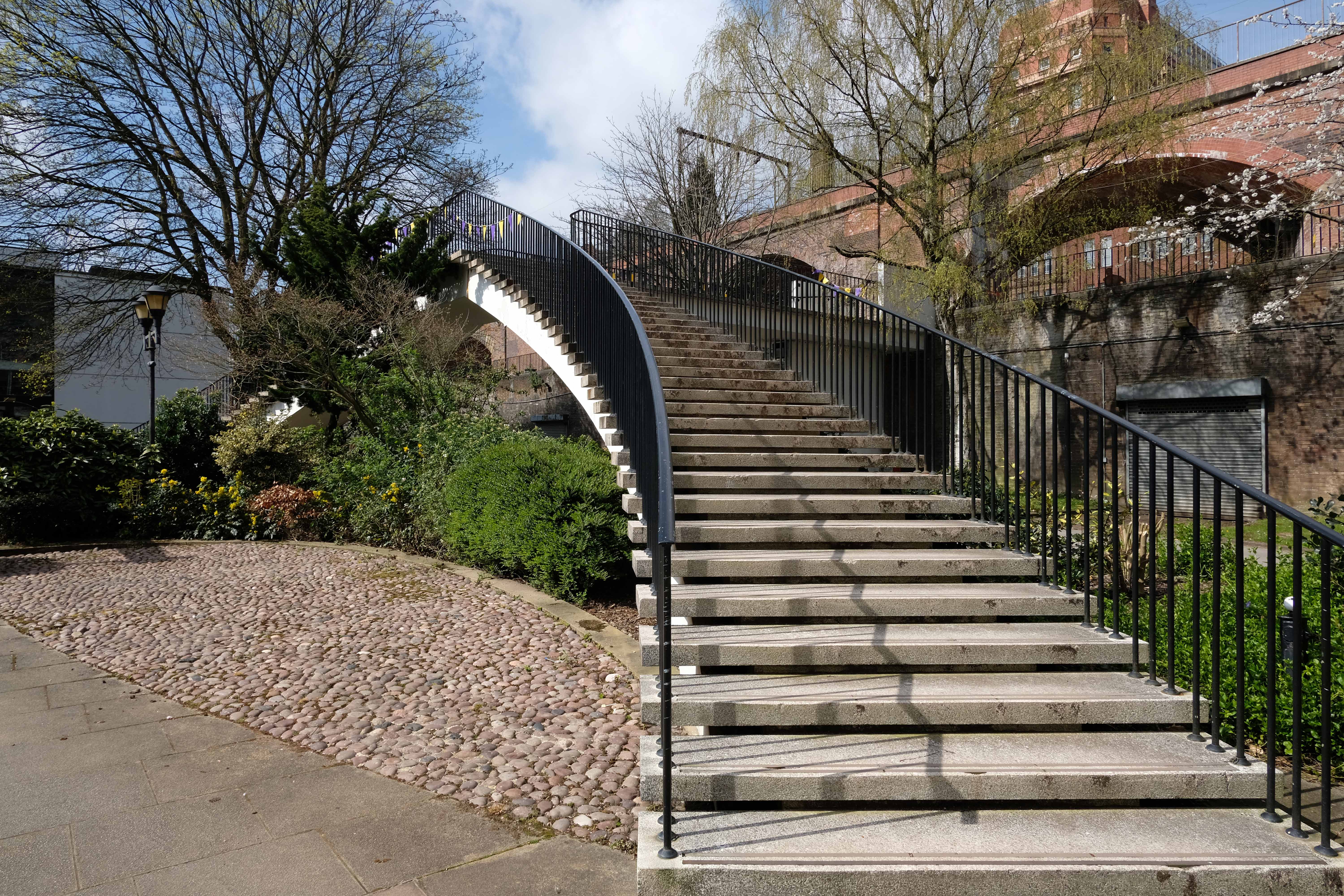
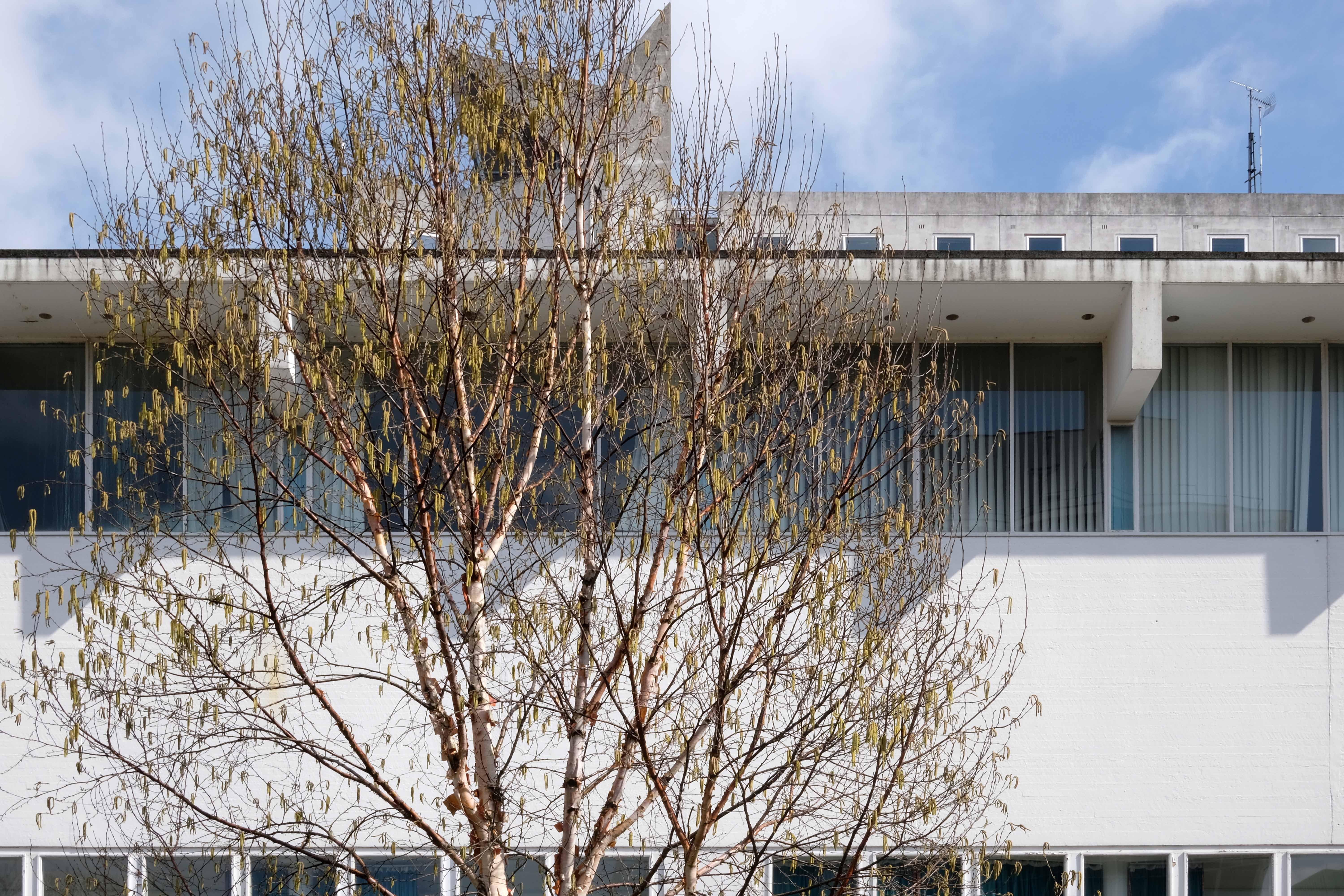
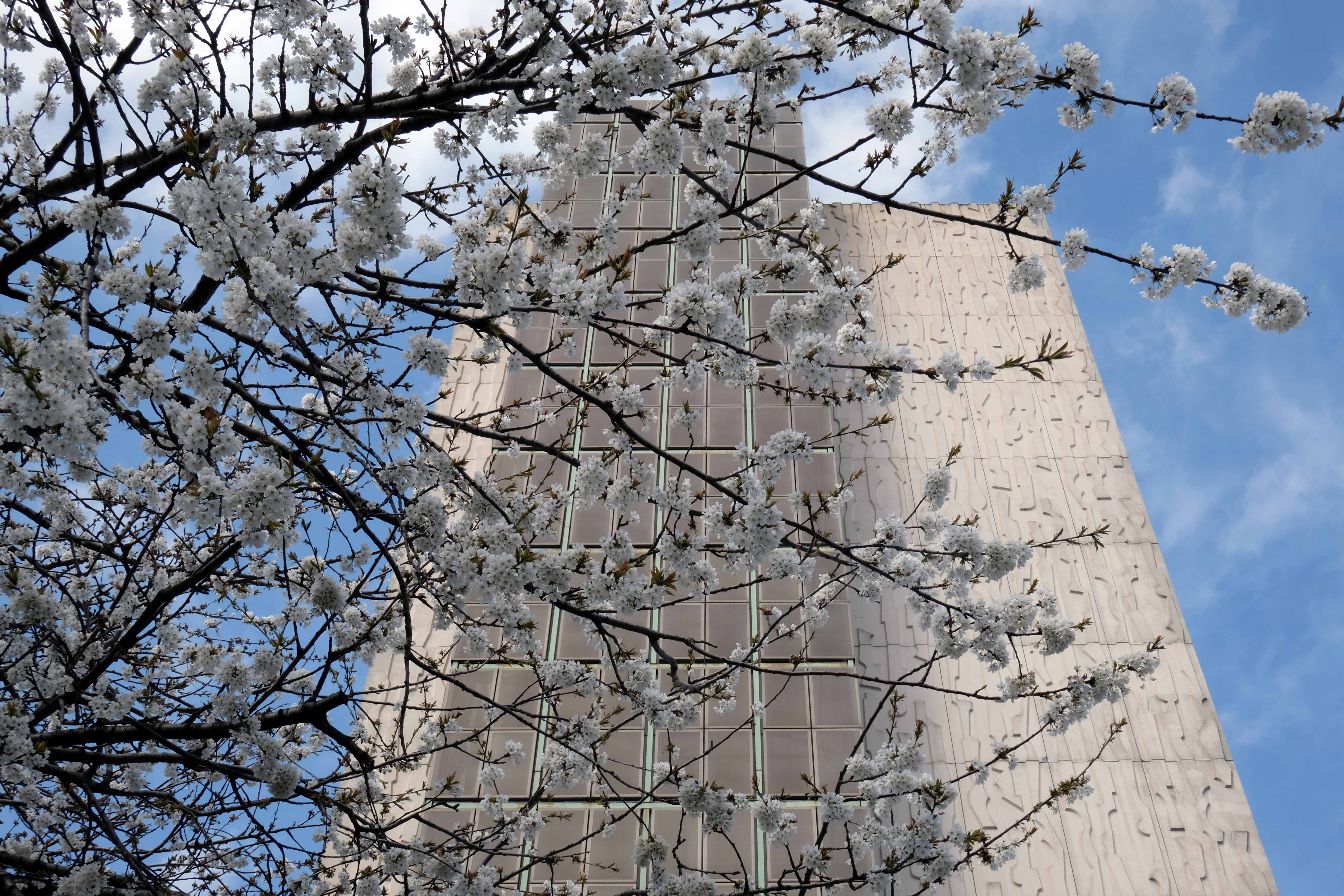
The trees are just about to burst into leaf, there are bright bursts of cherry blossom on the bough.

The sun shines down from a big blue sky, strewn with wisps of cloud.

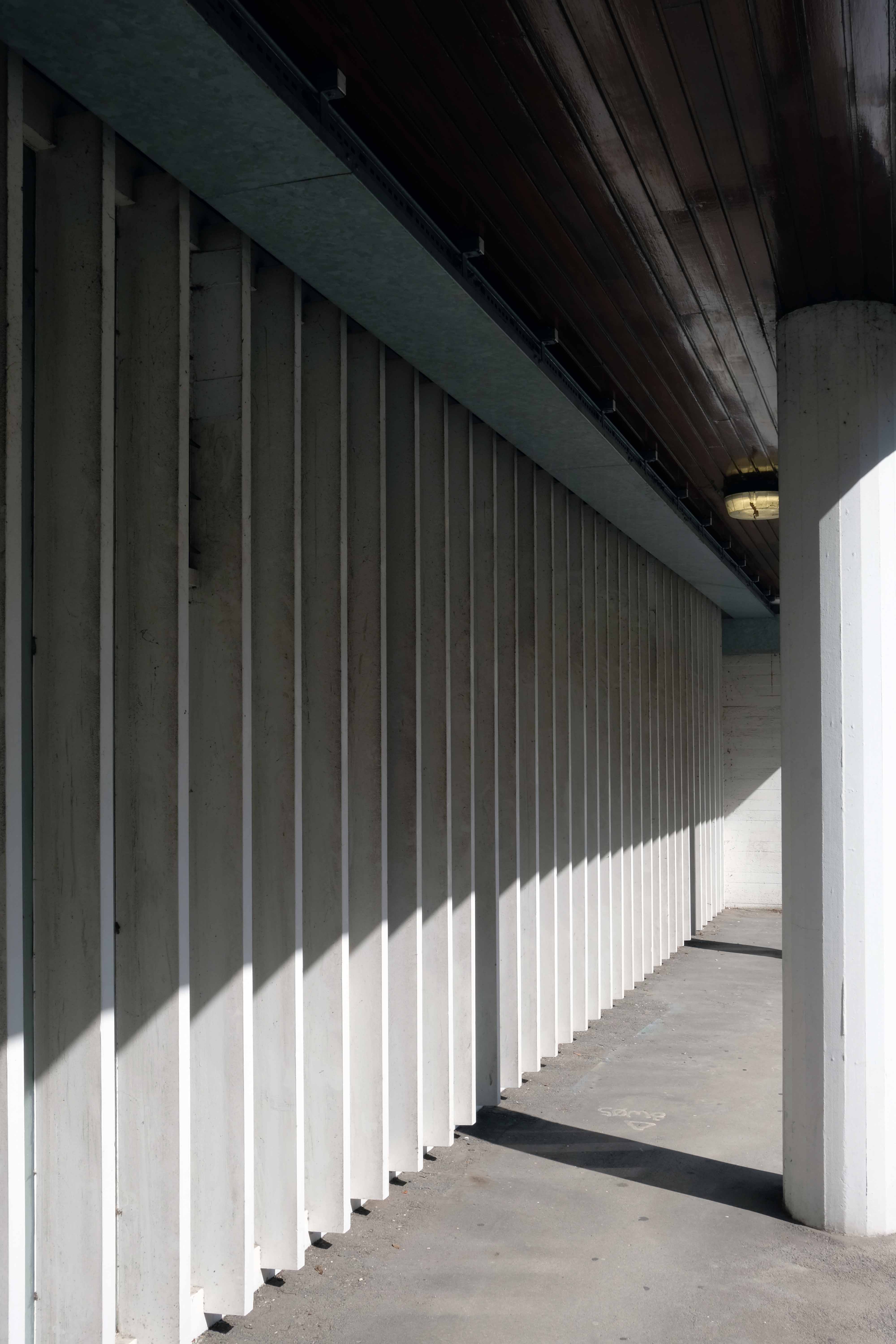
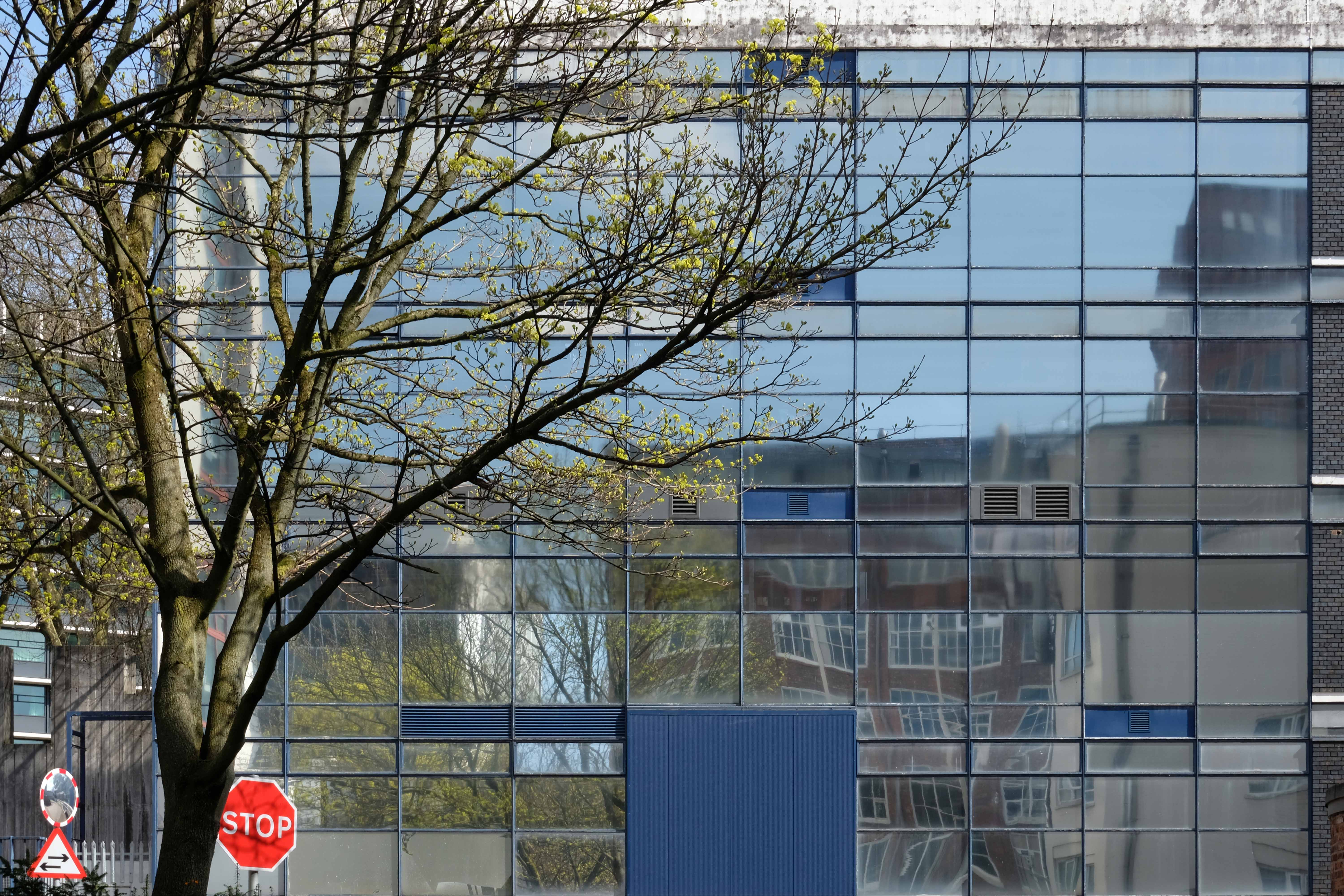
Let’s have a look around – it’s springtime for UMIST and Modernity!

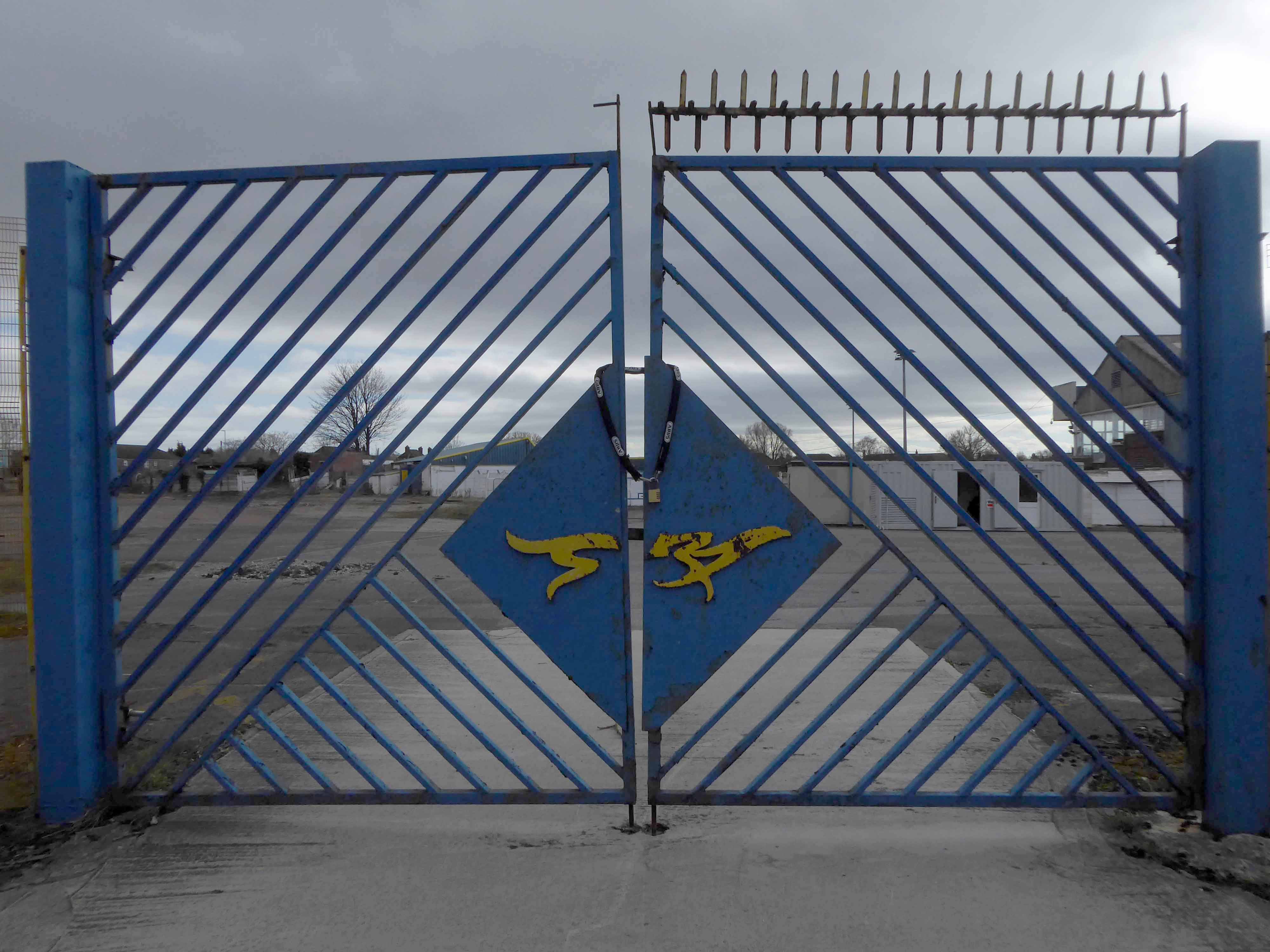
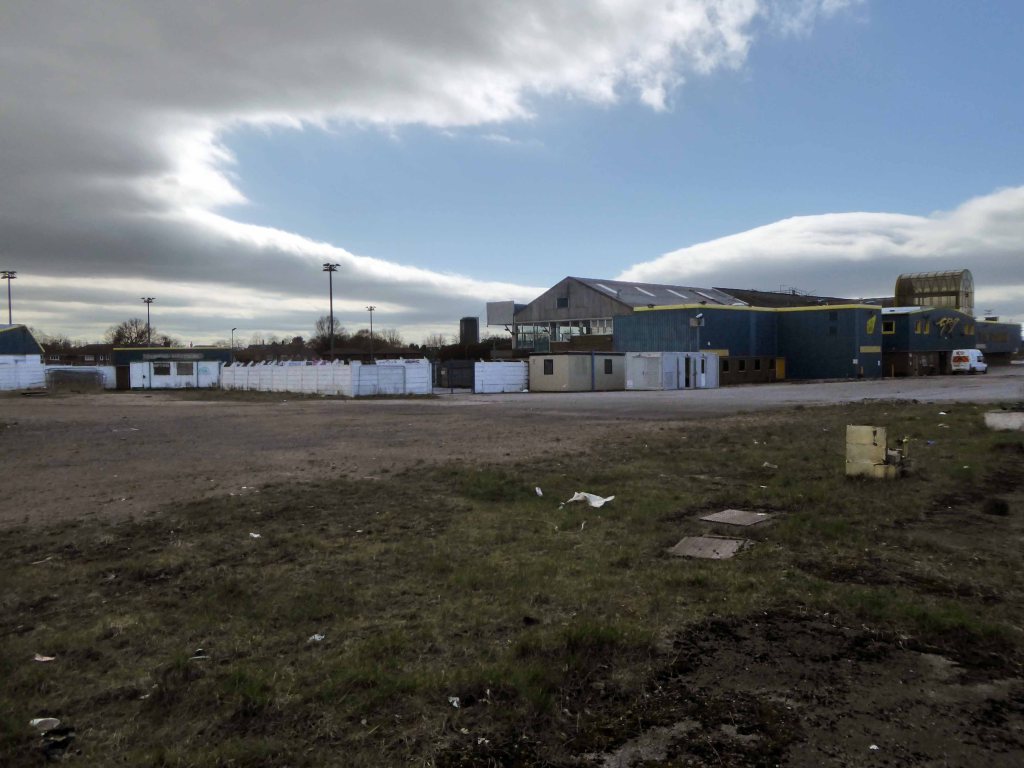
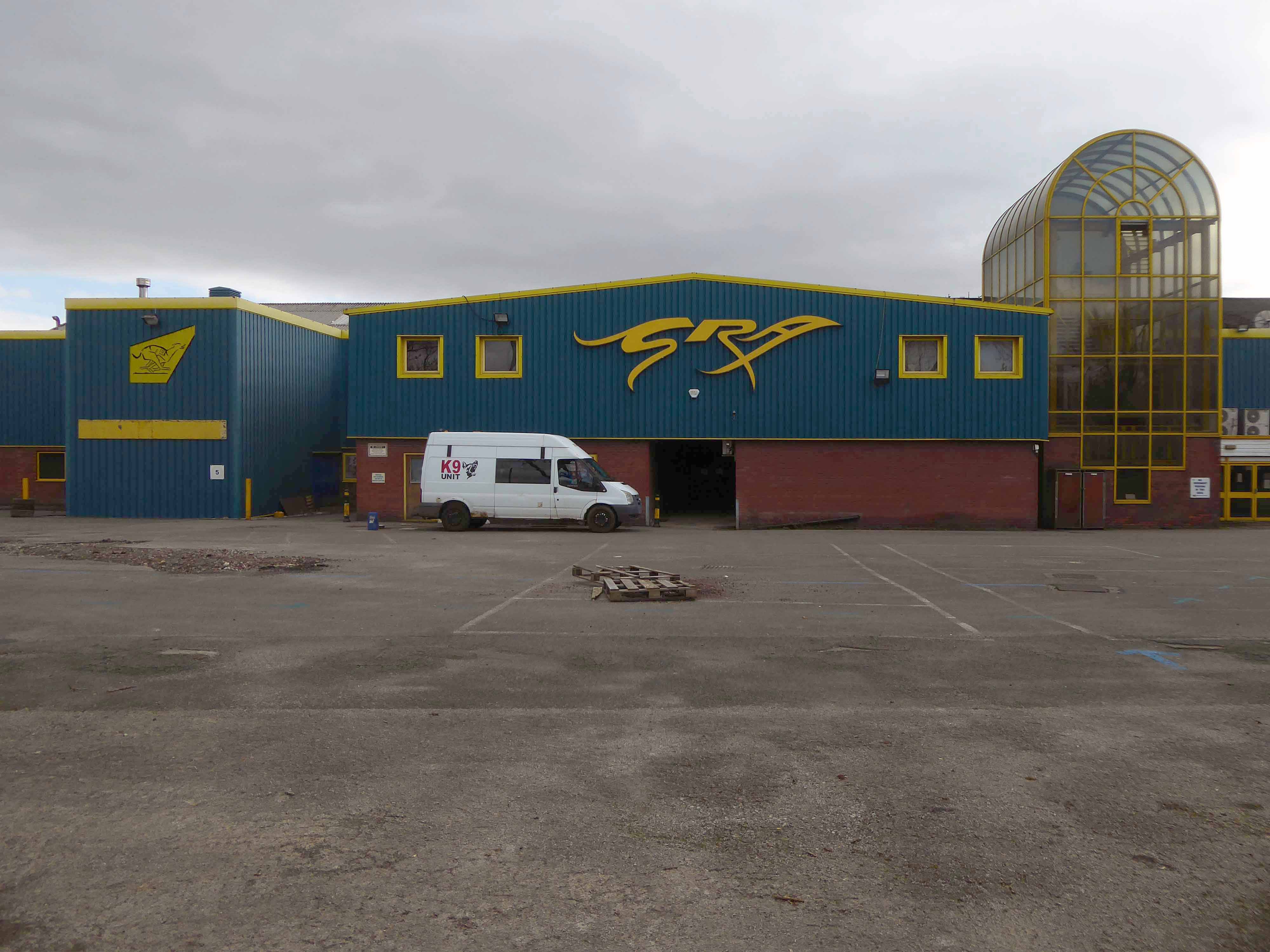
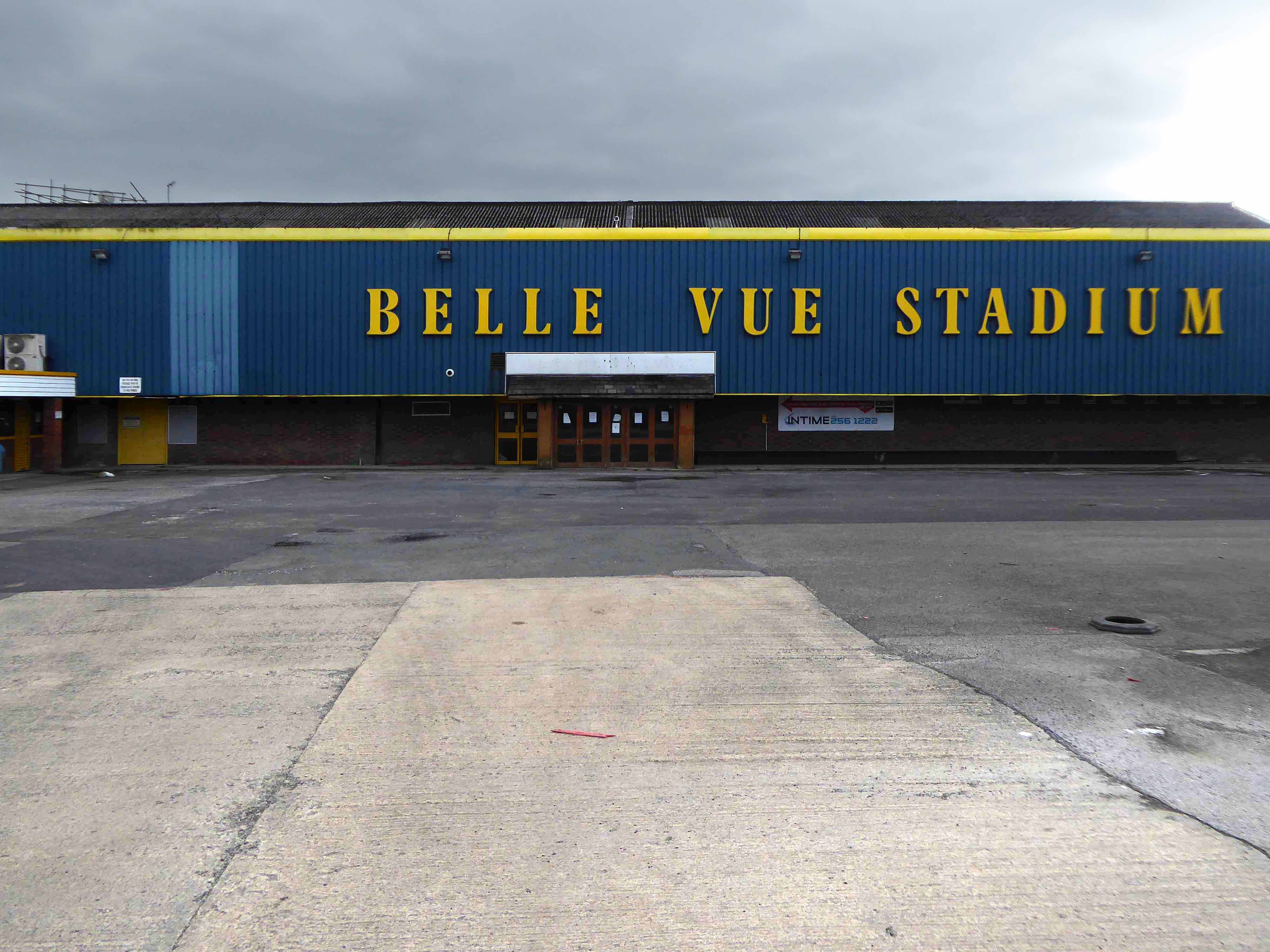
Belle Vue Dogs – Manchester

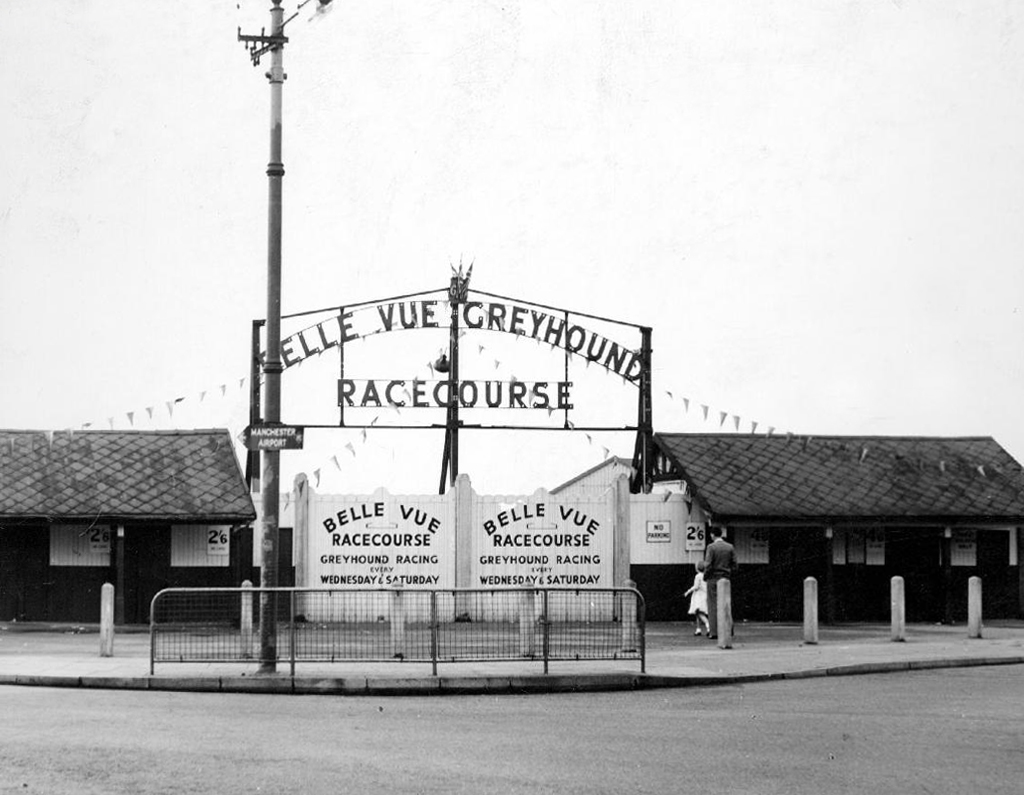
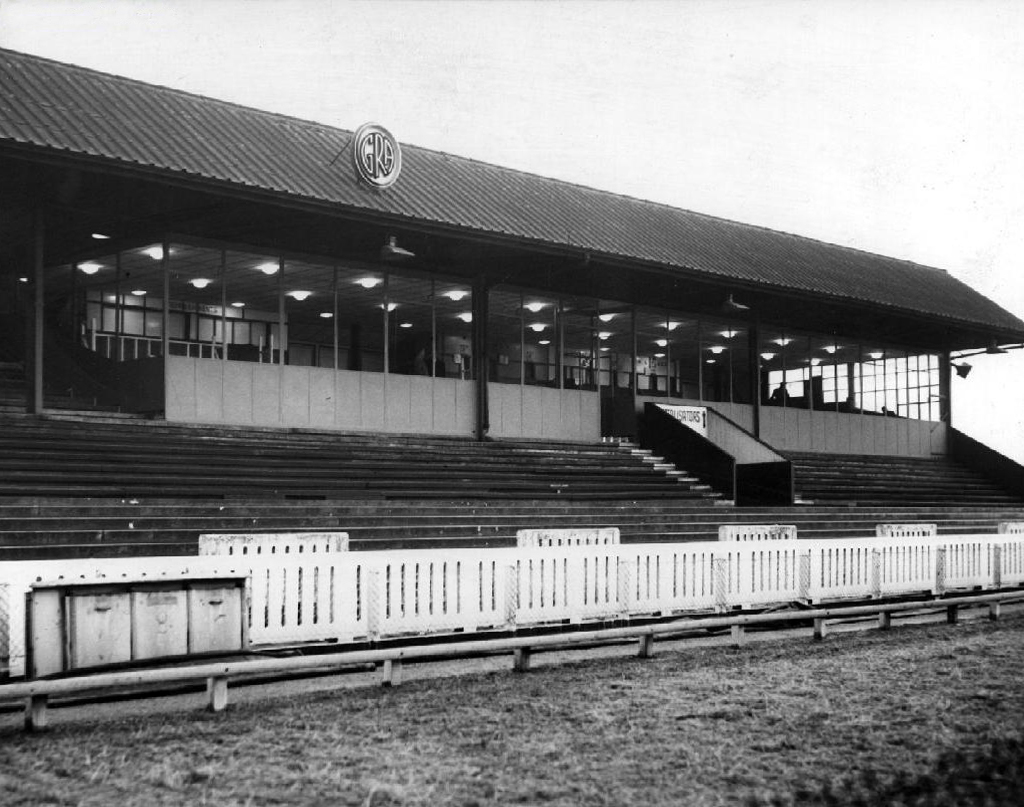
The stadium opened on July 24th 1926 – 7.30 prompt.

In 1925, Charles A. Munn, an American businessman, made a deal with Smith and Sawyer for the rights to promote the greyhound racing in Britain.

Smith and Sawyer met Brigadier-General Alfred Critchley, who in turn introduced them to Sir William Gentle JP. Between them they raised £22,000 and formed the Greyhound Racing Association Ltd. When deciding where to situate their new stadium, Manchester was considered to be the ideal place because of its sporting and gambling links. Close to the city centre, the consortium erected the first custom-built greyhound stadium and called it Belle Vue. The name of the stadium came from the nearby Belle Vue Zoological Gardens that had been built in 1836 and the land on which the stadium was to stand had been an area of farmland known as Higher Catsknowl and Lower Catsknowl.

By June 1927, the stadium was attracting almost 70,000 visitors a week.

1958

In October 2019 GRA Acquisition sold the lease to the Arena Racing Company and just two months later on 19 December housing planning permission was passed resulting in a probable closure in 2020. 

The imminent closure came following an announcement on 1 August 2020, with the last race being run on 6 June, won by Rockmount Buster – trained by Gary Griffiths.

Wikipedia

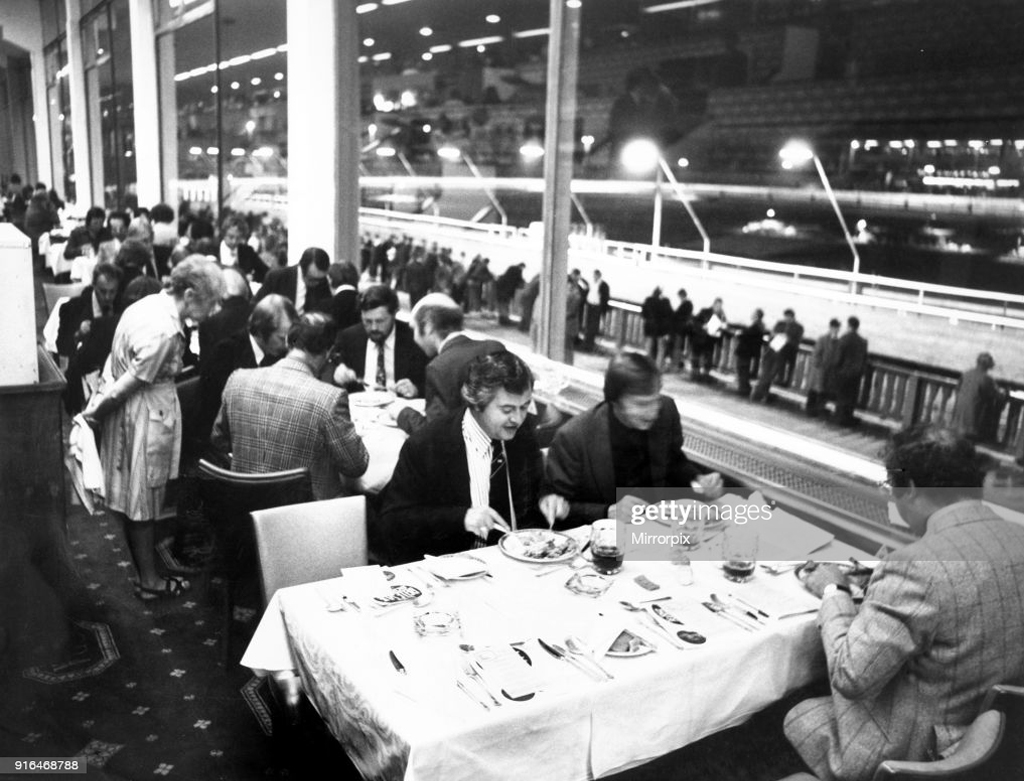
Going to the dogs was an institution for many, whole families enjoying the spectacle, possibly having a bet, bite and a pint.

Time changes everything social habits, views on animal welfare and gambling.

Diners enjoying their meal at Belle Vue Greyhound stadium while punters line trails outside waiting for the next race, 23rd September 1976.

The hare no longer courses electronically around the oval track, the traps no longer flap and the Tote has taken the last of your change, for the very last time.

Drink up and go home.

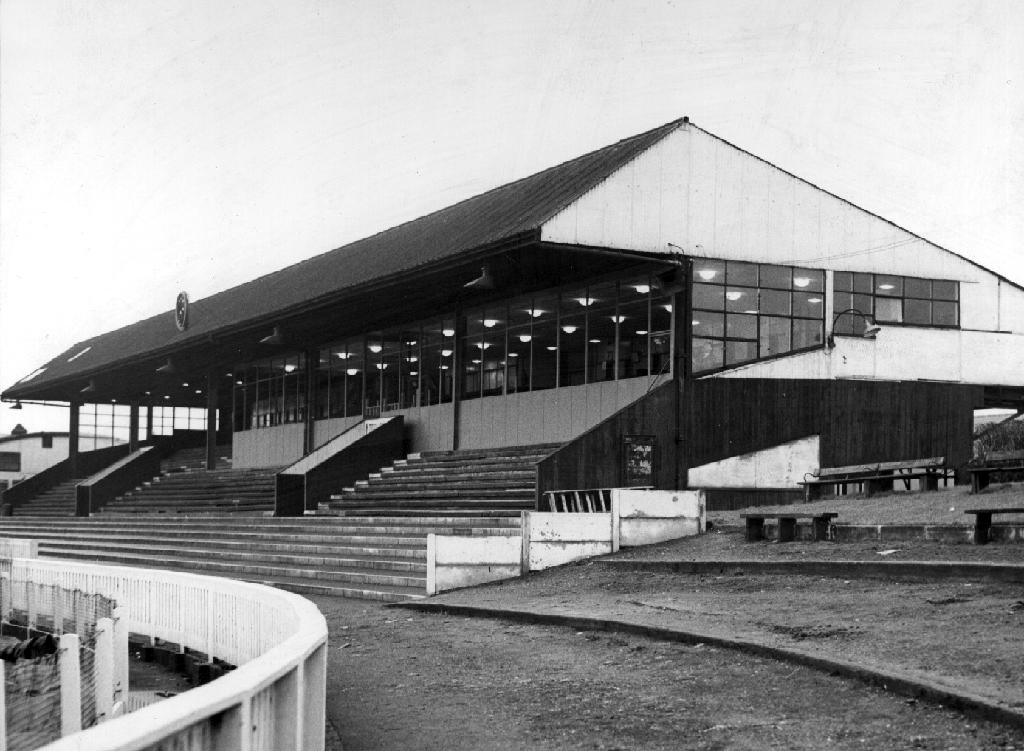
The new £30,000 stand that has just been completed 29th April 1960.
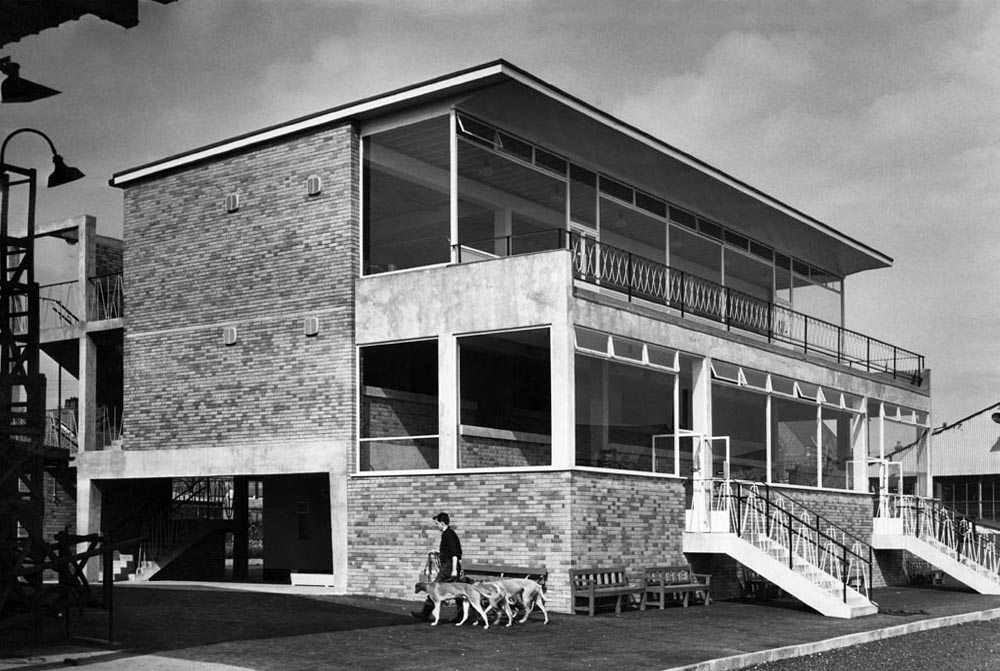
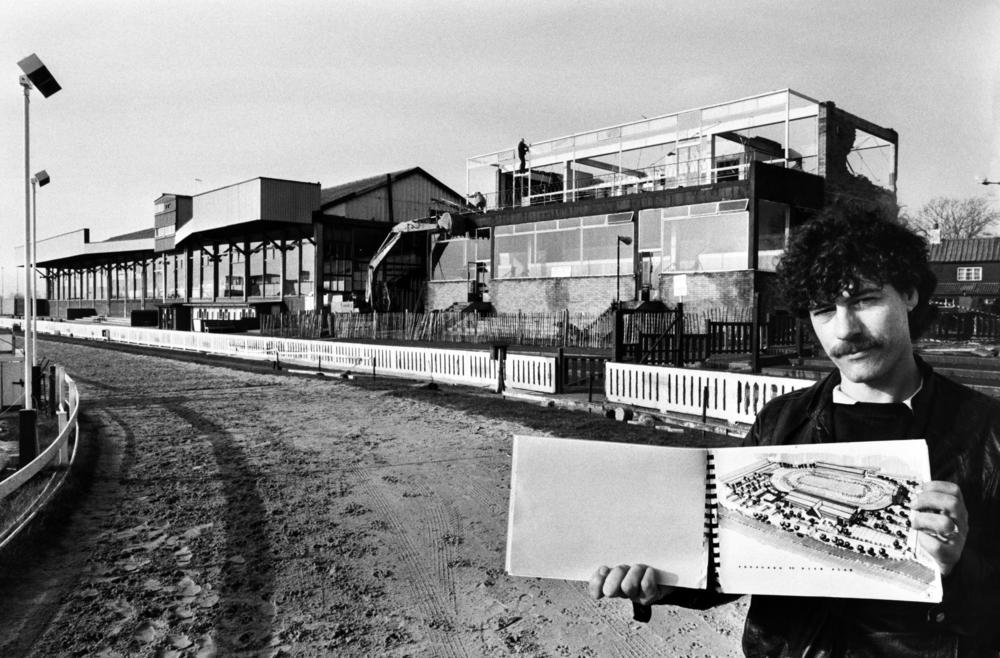
The track’s Assistant General Manager Colin Delaney with the plans for the new stadium complex. 1989.

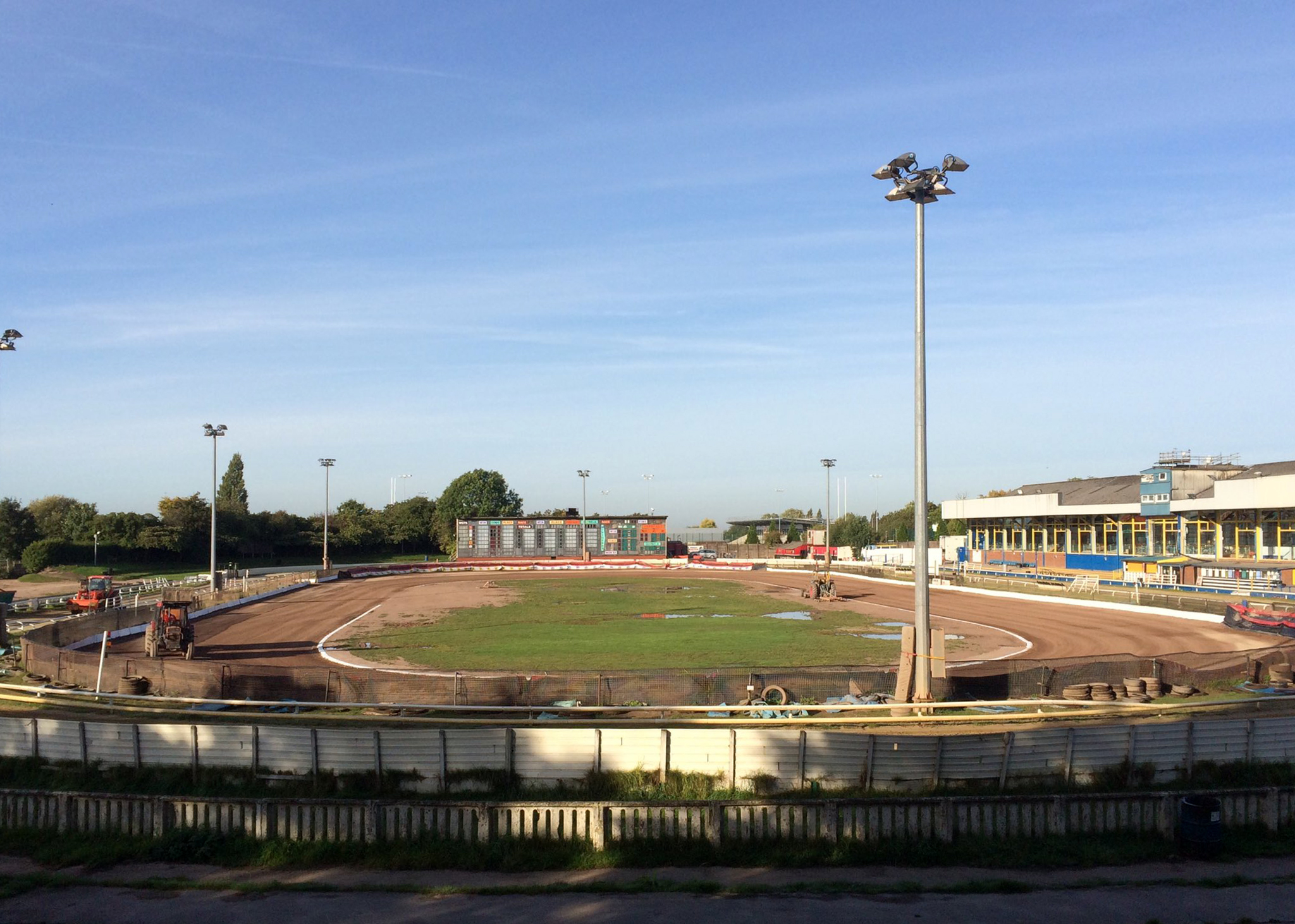
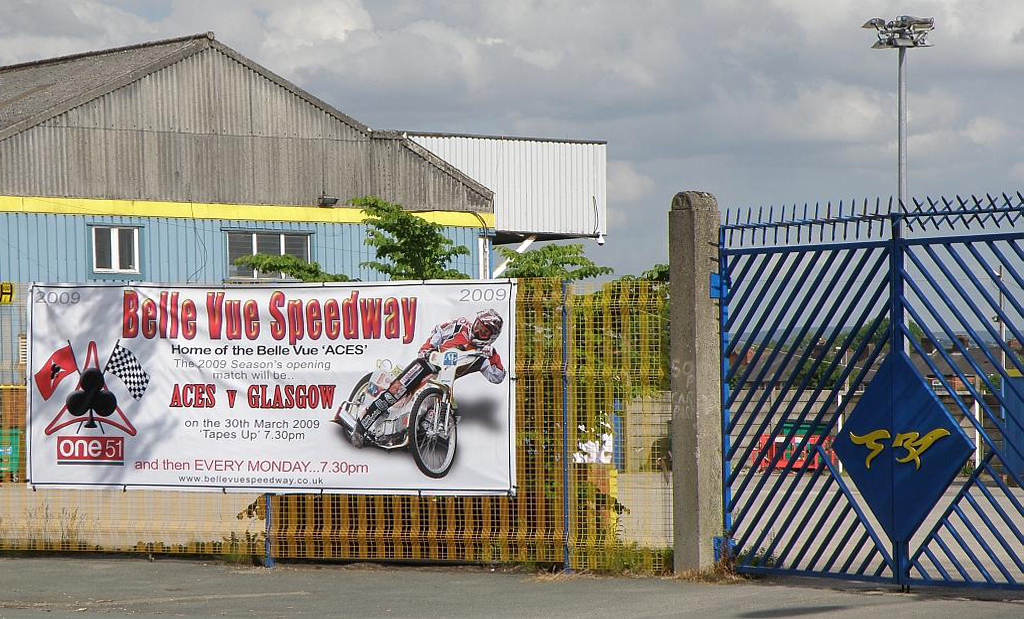
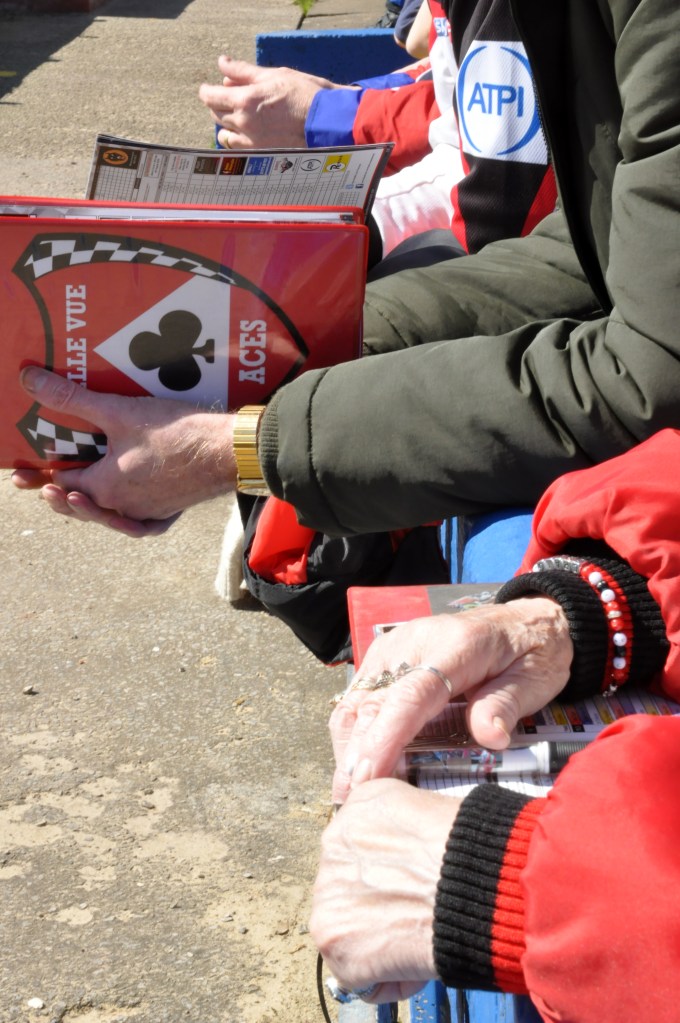
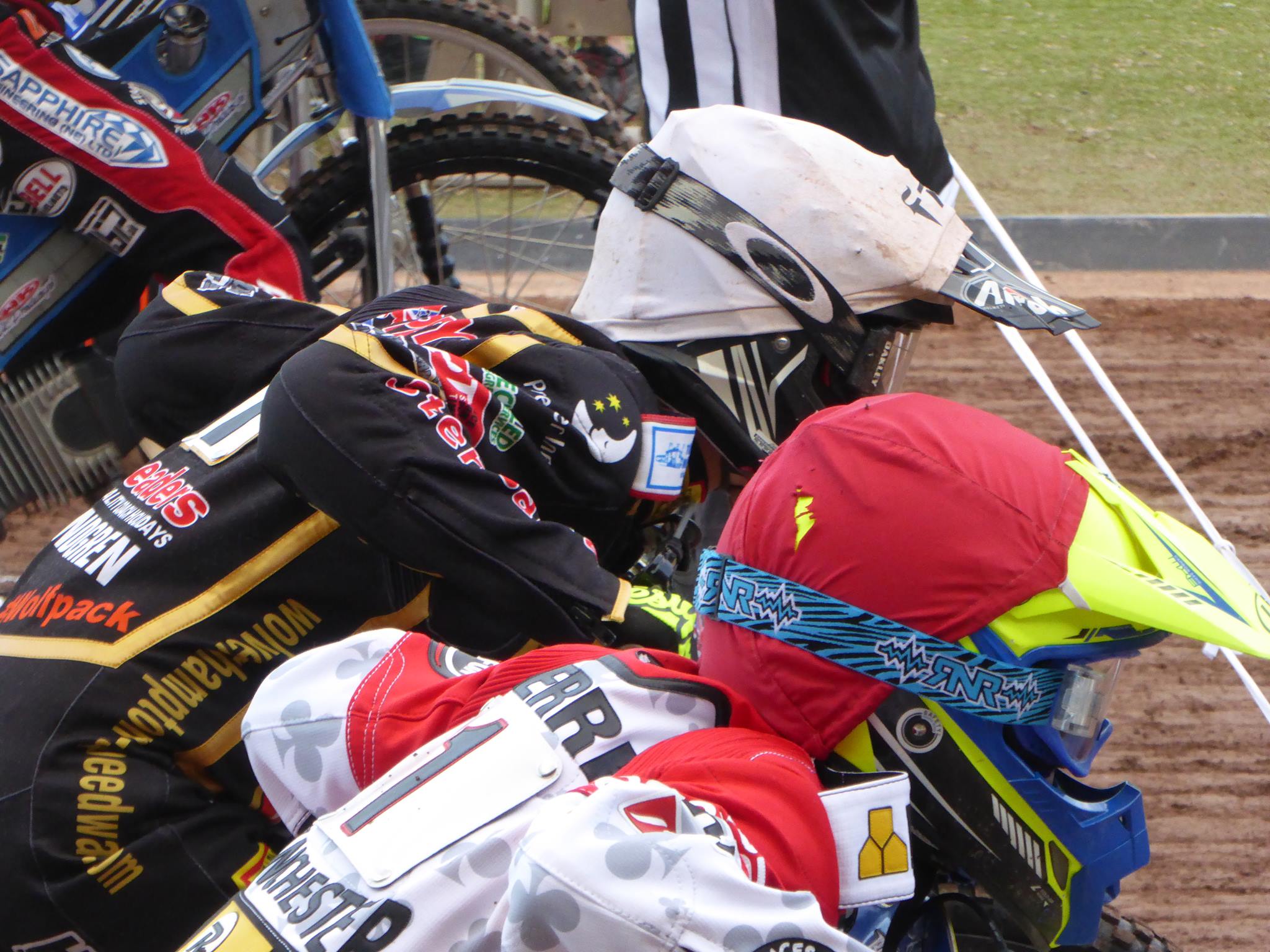
Speedway was first held at the stadium during 1928 but was not held again until 1 April 1988, when the Belle Vue Aces returned to the stadium. The team departed Kirkmanshulme Lane at the end of the 2015 season, prior to moving to the new National Speedway Stadium for the 2016 campaign.

The shale speedway track was 285 metres in length.

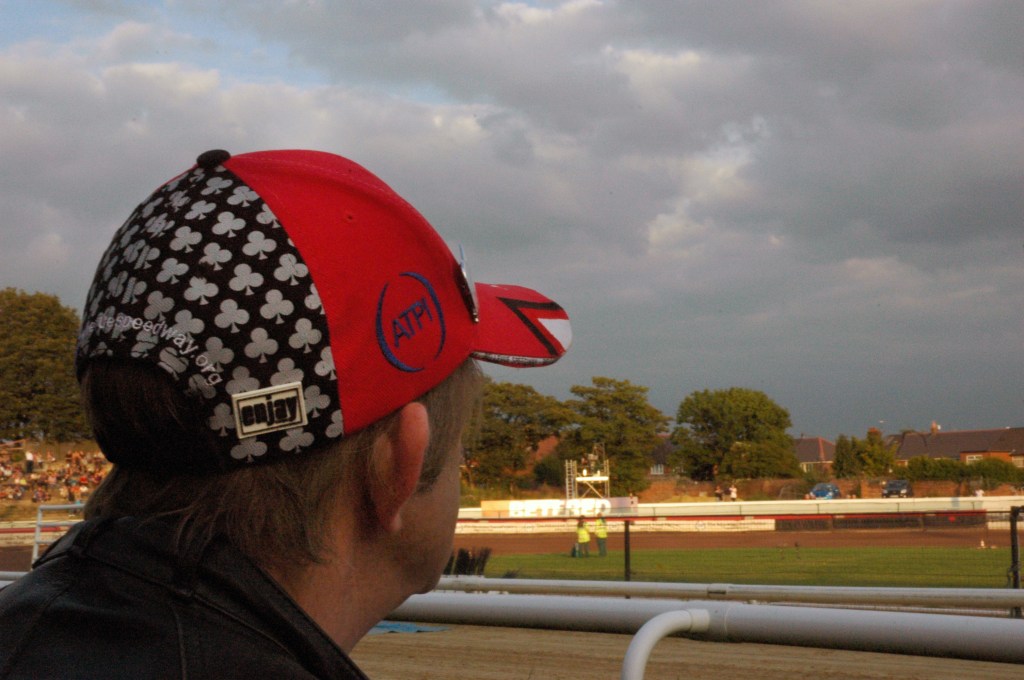
I was a regular of a Monday evening cheering on The Aces.

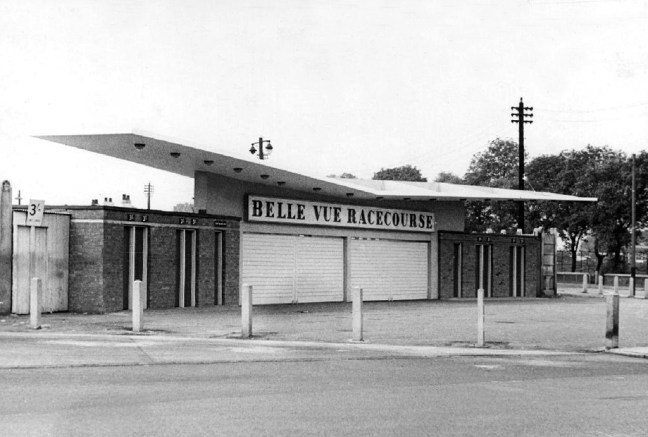
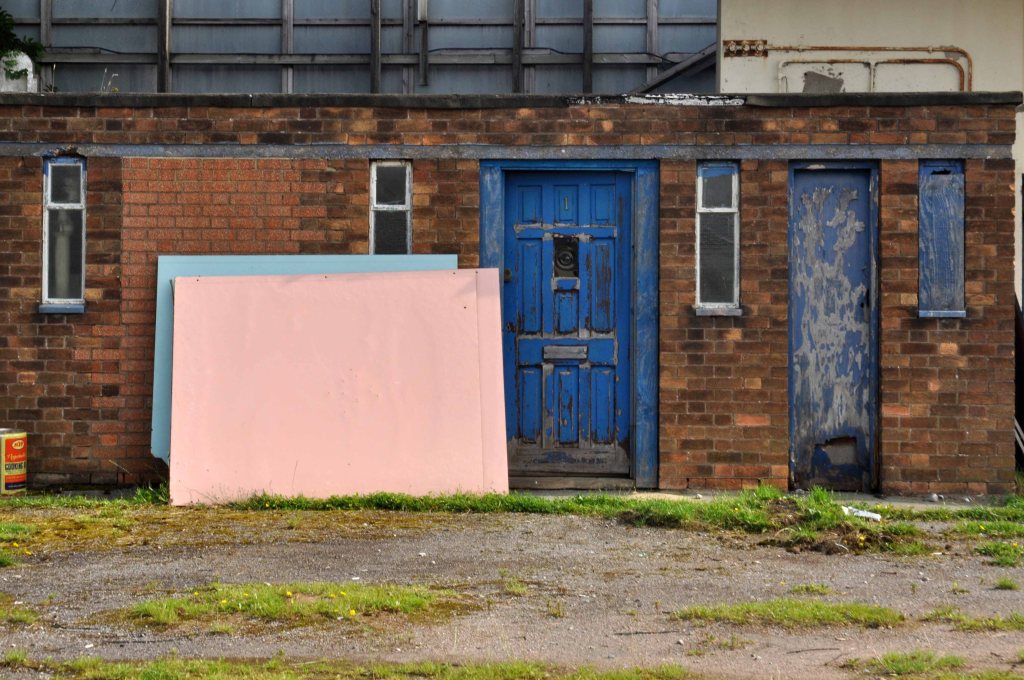
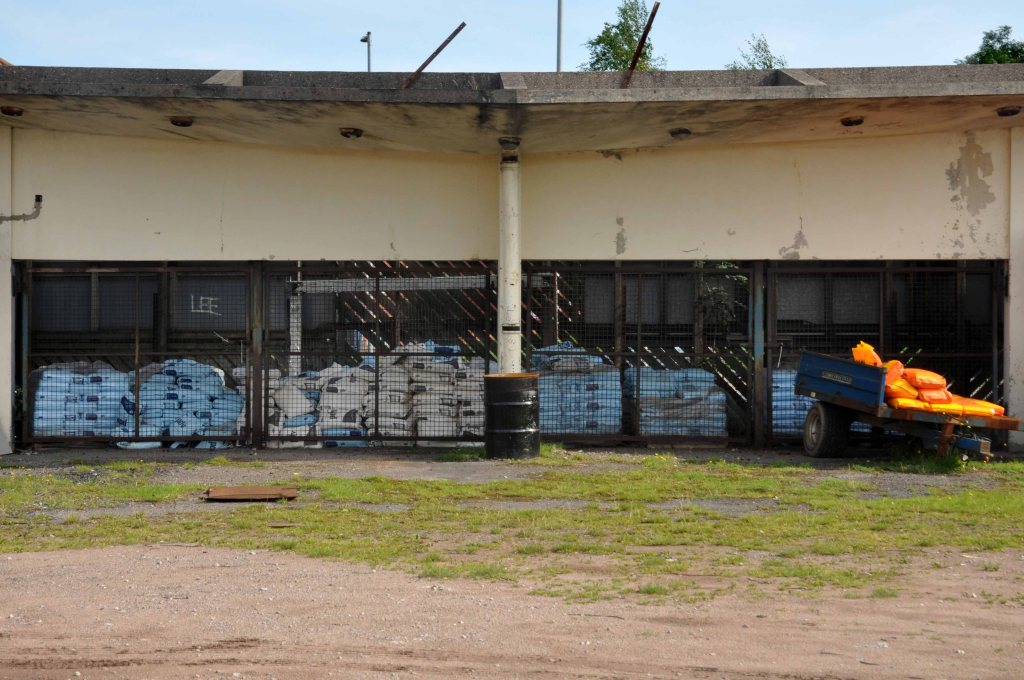
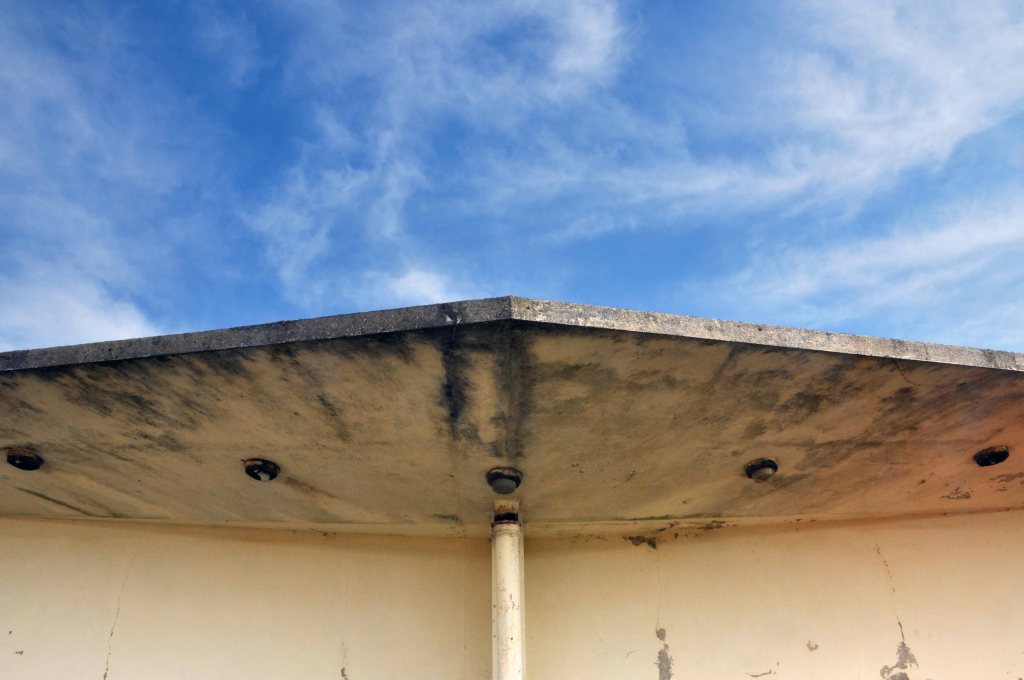
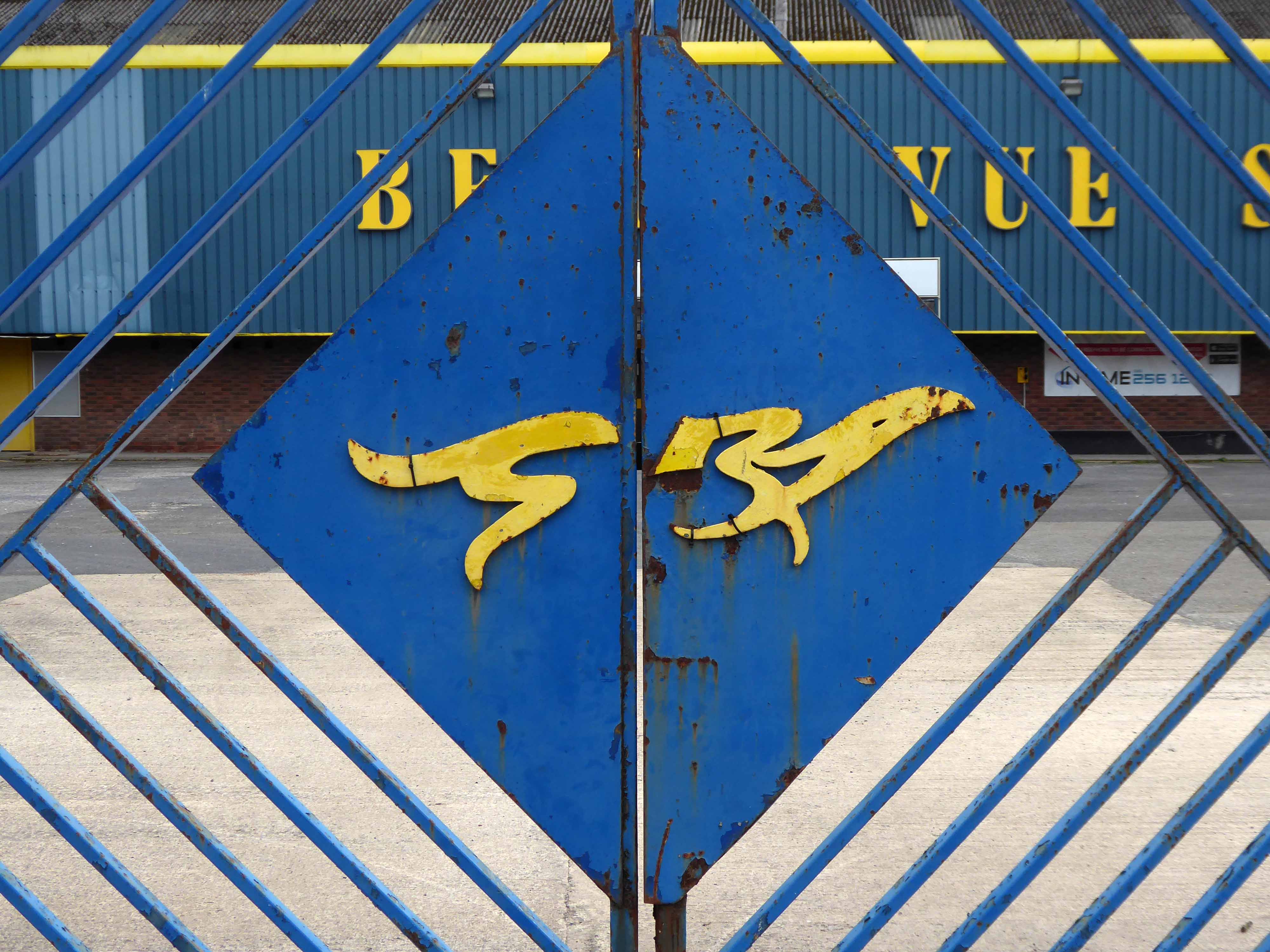
When I cycled by in 2015 the stadium was already looking tired – the dramatic concrete cantilevered gull-wing turnstiles a neglected storage area.

Last week I had to dodge behind the hoardings to take some snaps.
The site is secured and demolition imminent.
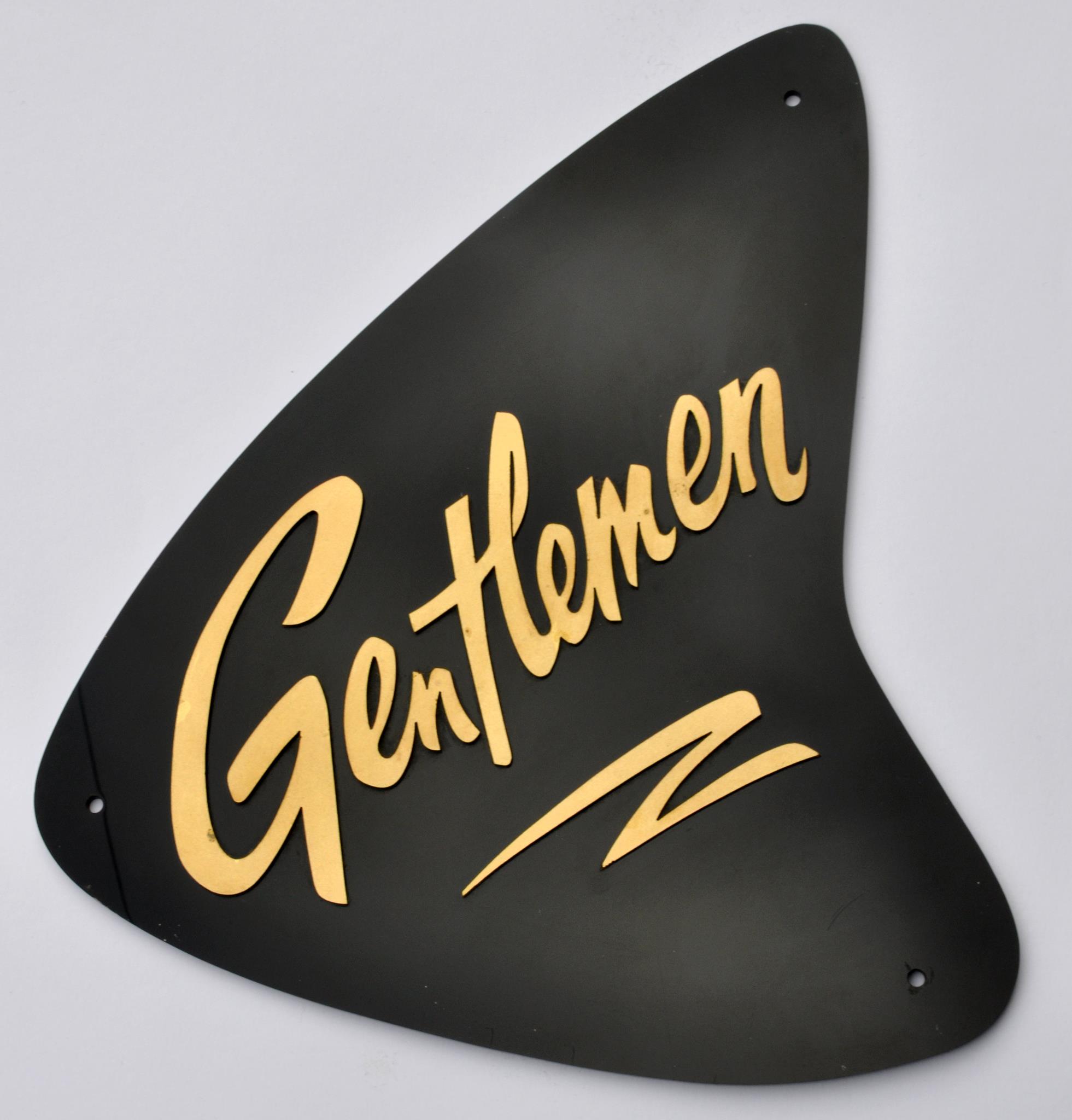
The stadium will soon be gone – as a footnote I have at home a 50s sign, appropriated on a work’s night out and later gifted to me by my dear departed pal – Dave Ballans.

I’ll always treasure the perspex shark’s fin, Dave’s memory and going to the dogs.

So what of the future?

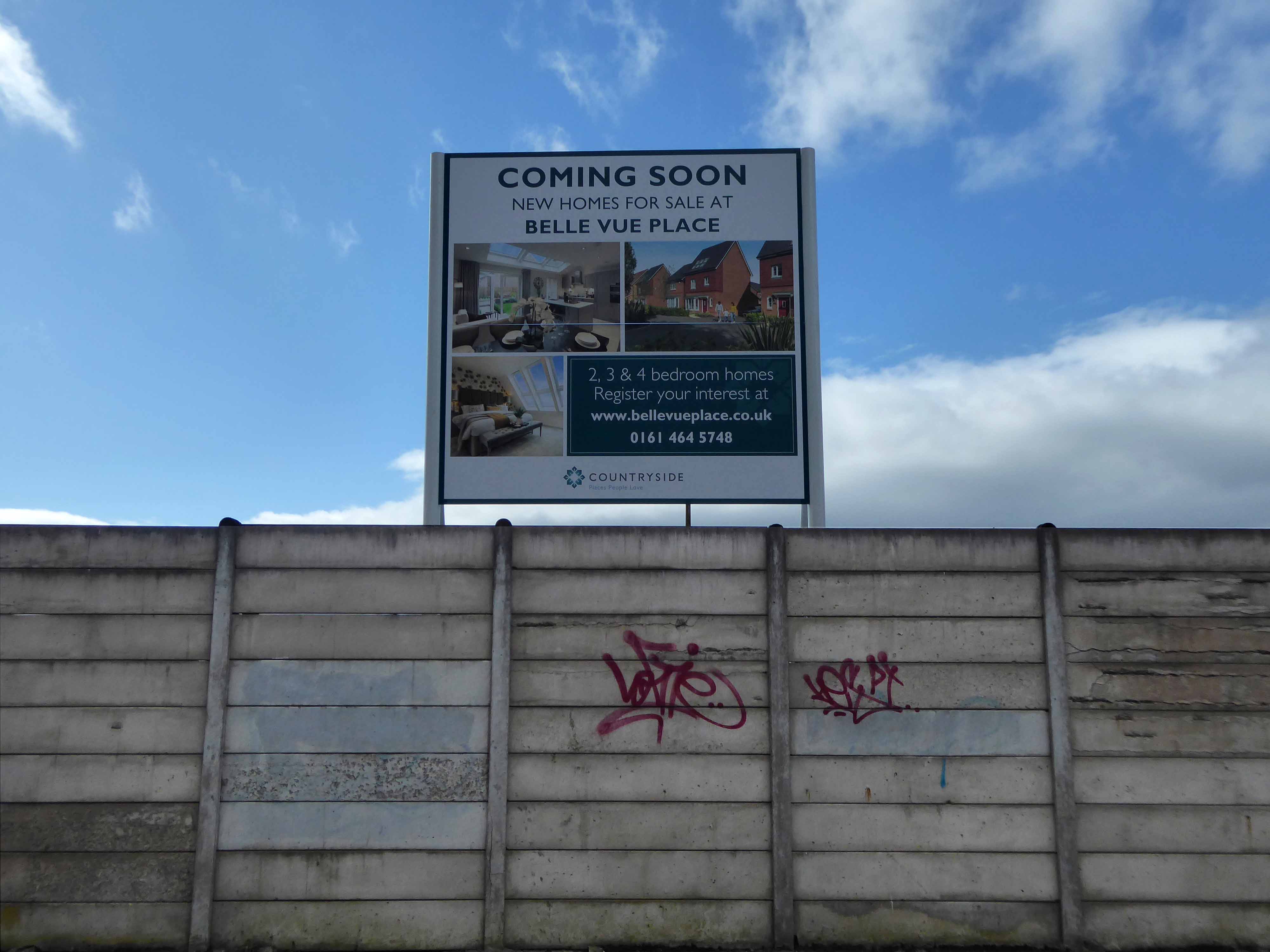
Belle Vue Place – the name lingers on long after the fun has gone.

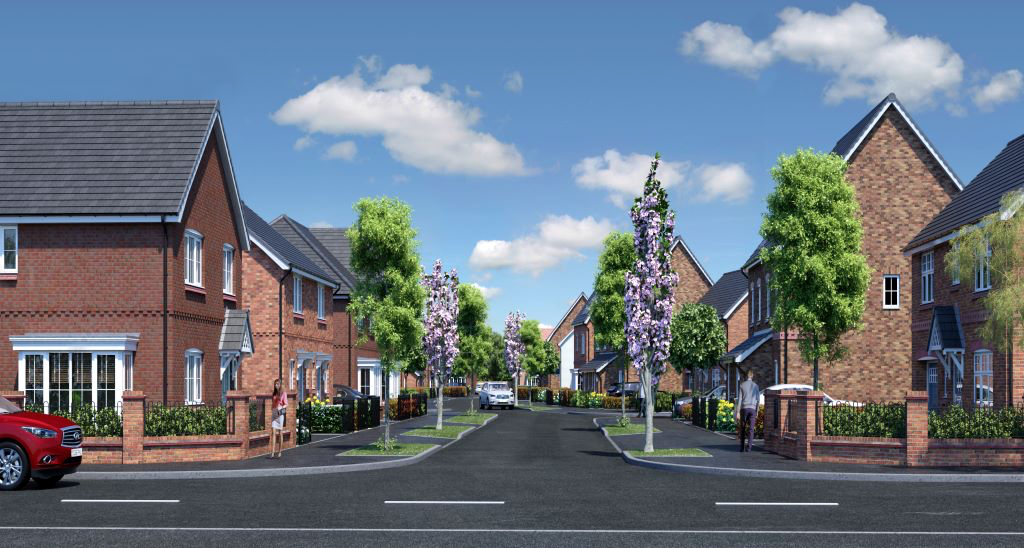
Countryside are proud to showcase our stunning collection of 114 new homes at Belle Vue Place, featuring a choice of stunning 3 & 4 bedroom homes all designed and finished to the highest standard.

And very handy for the speedway just up the road on Kirky Lane!

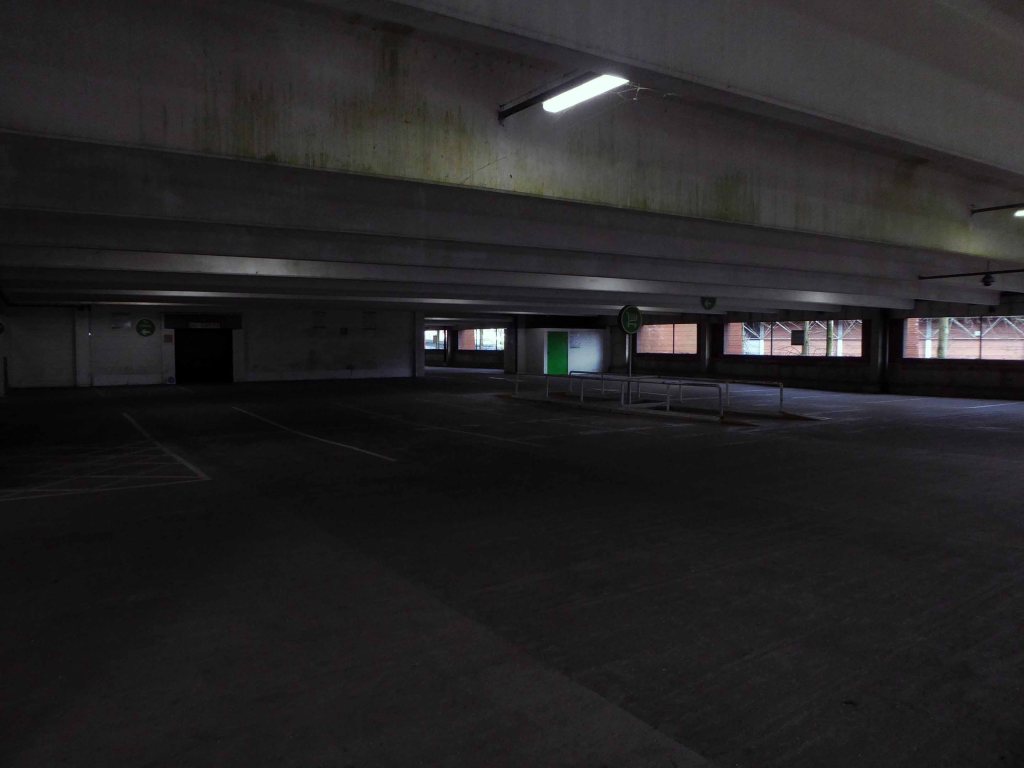
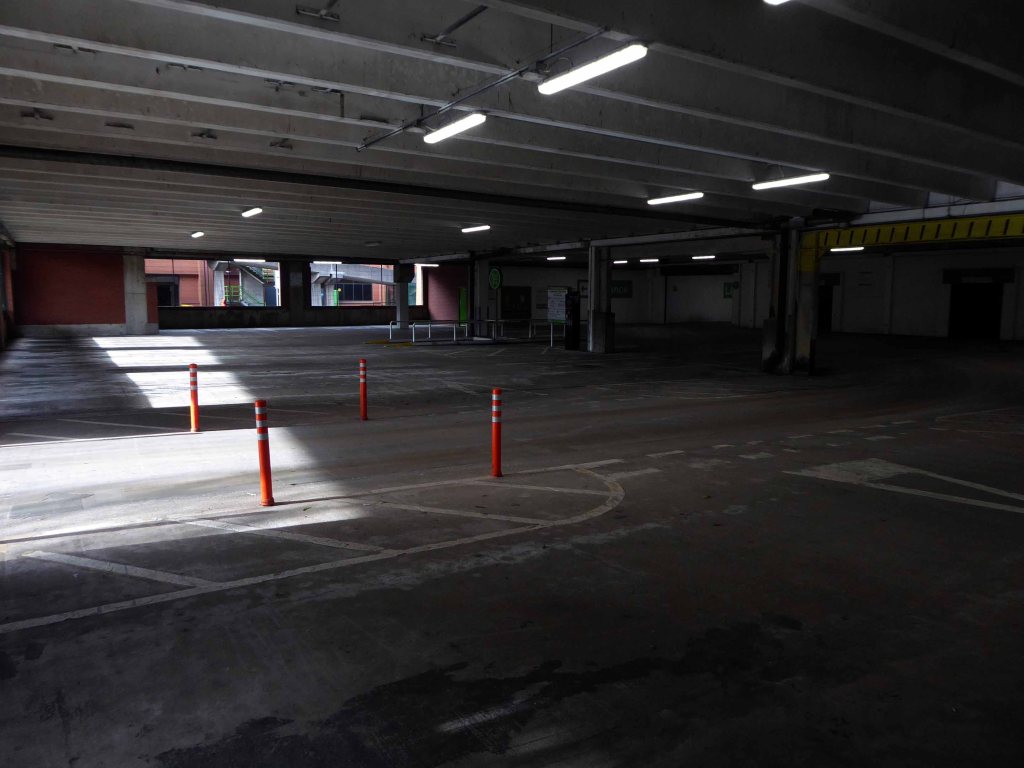
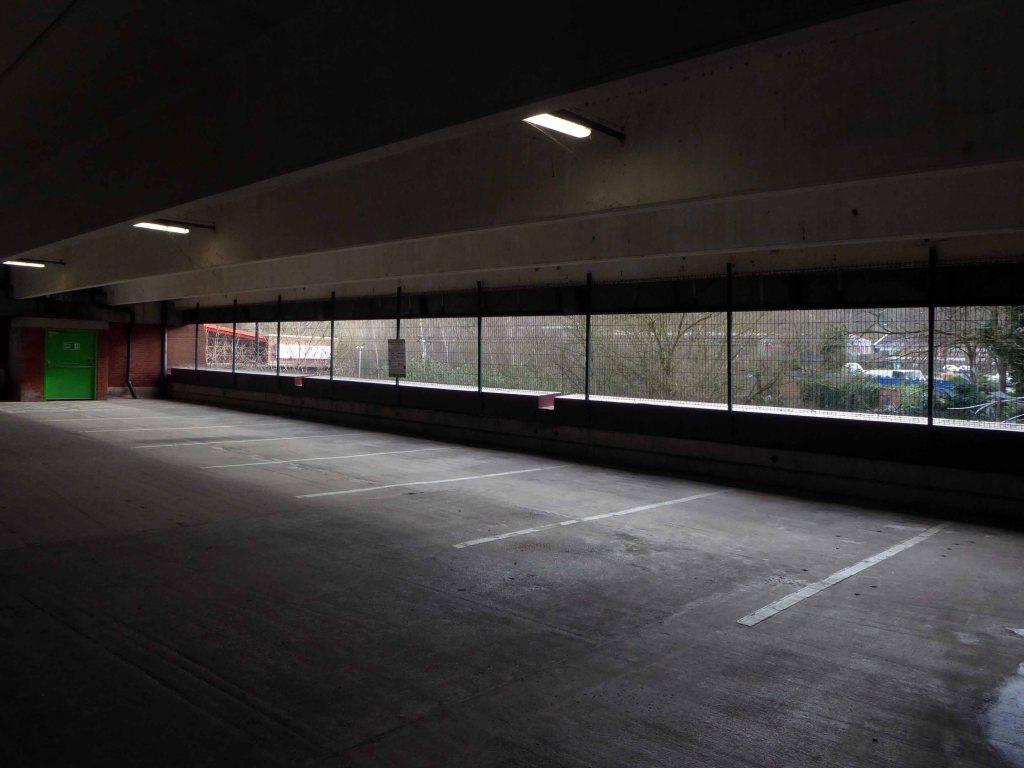
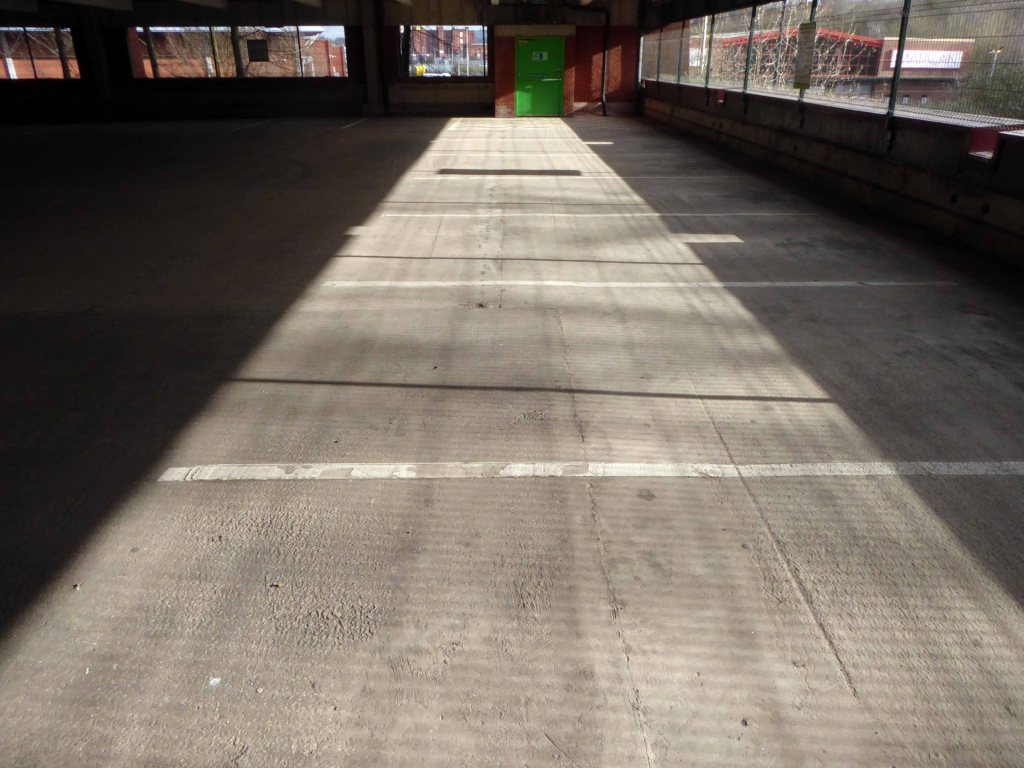
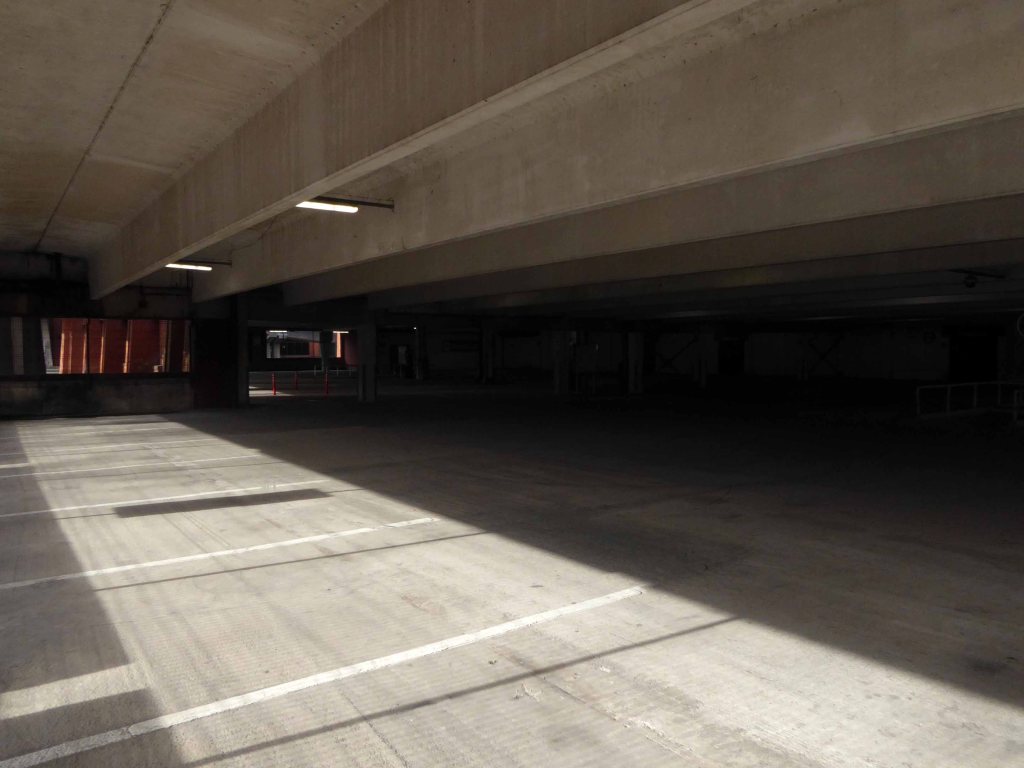
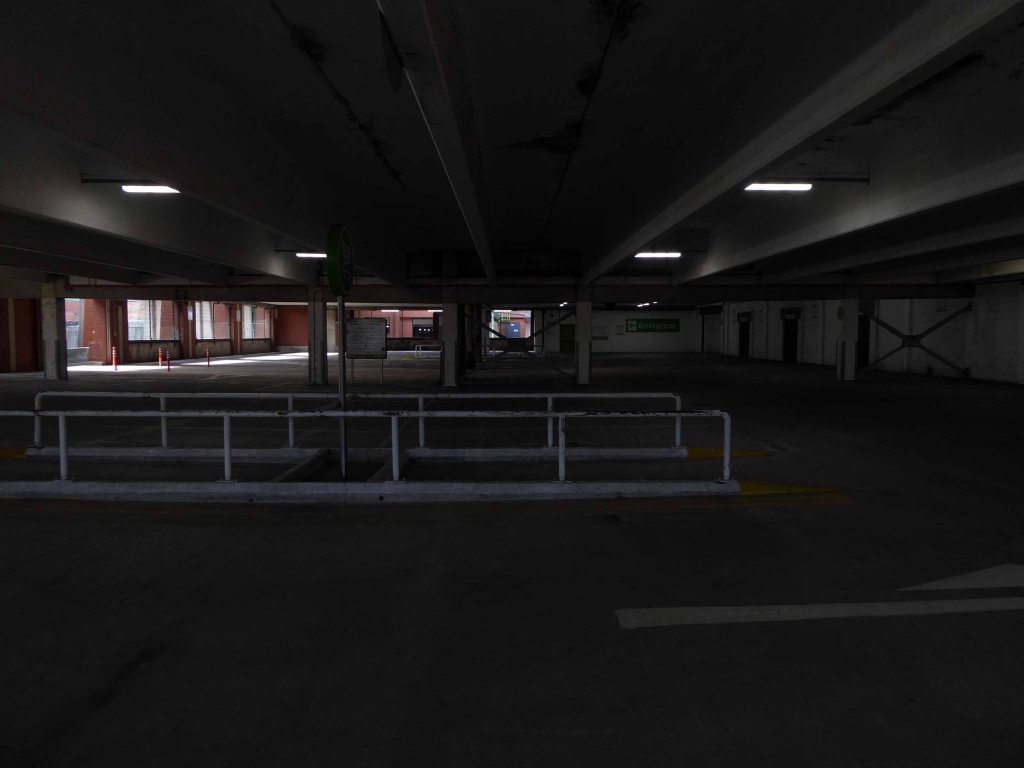
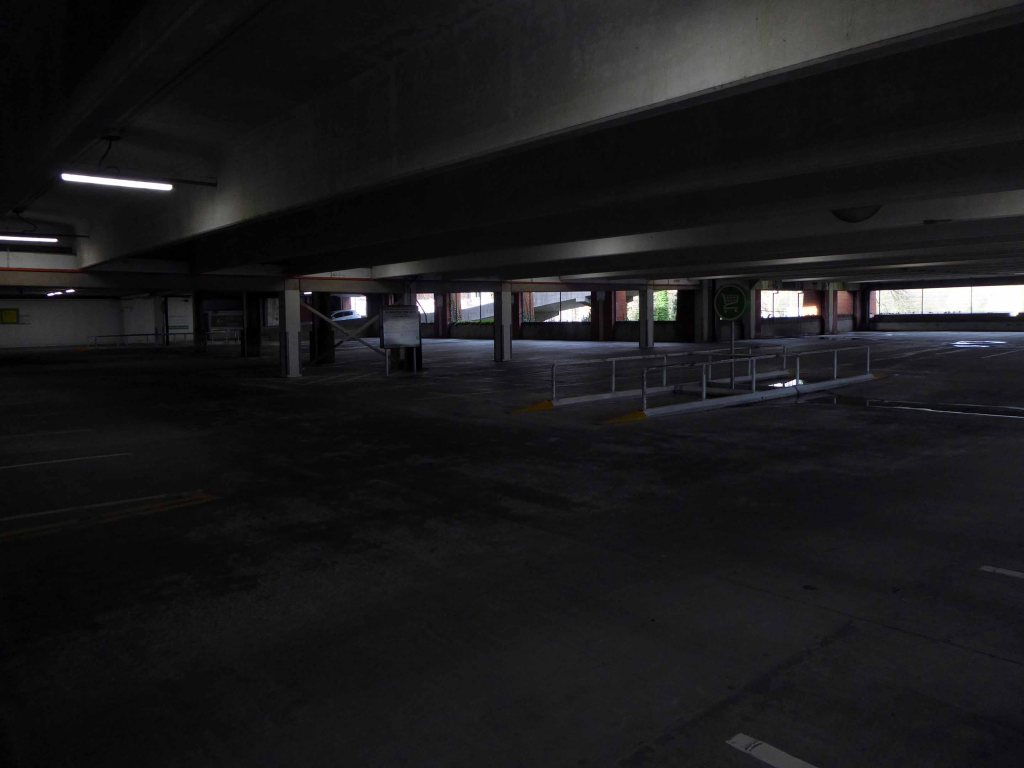
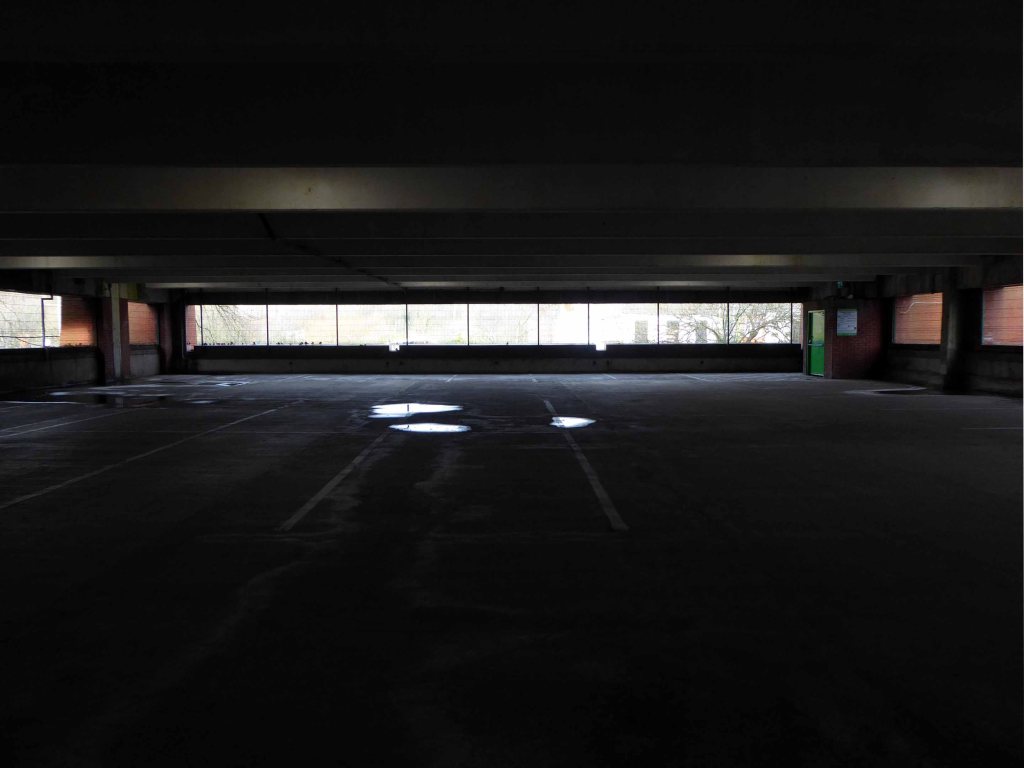
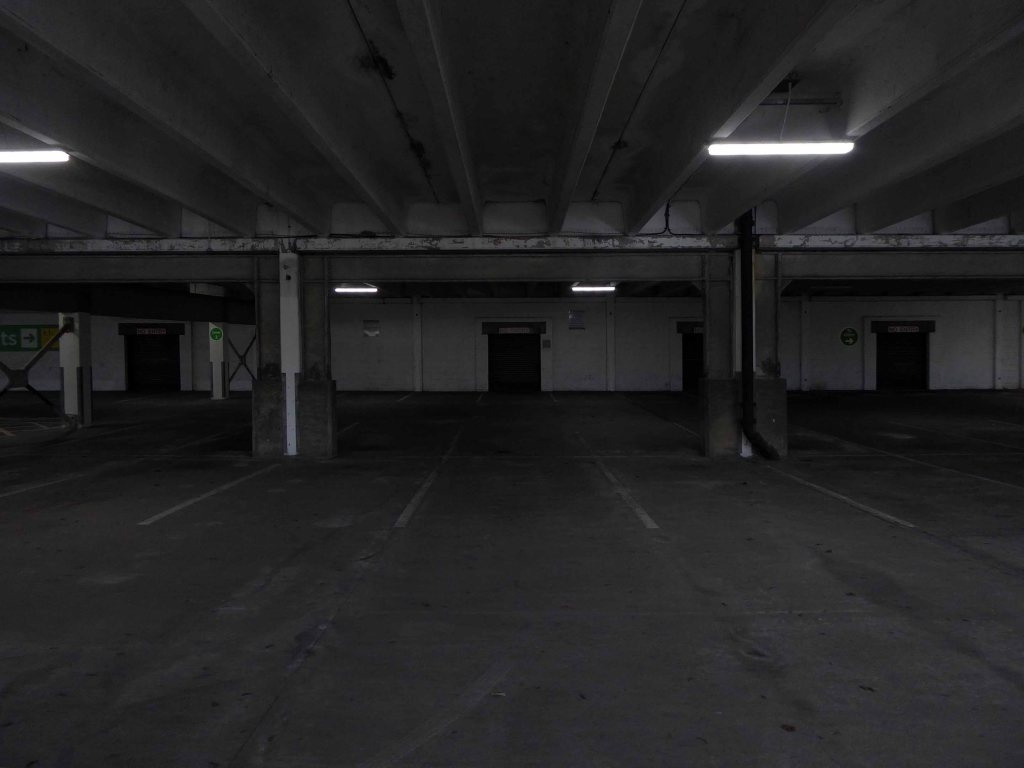
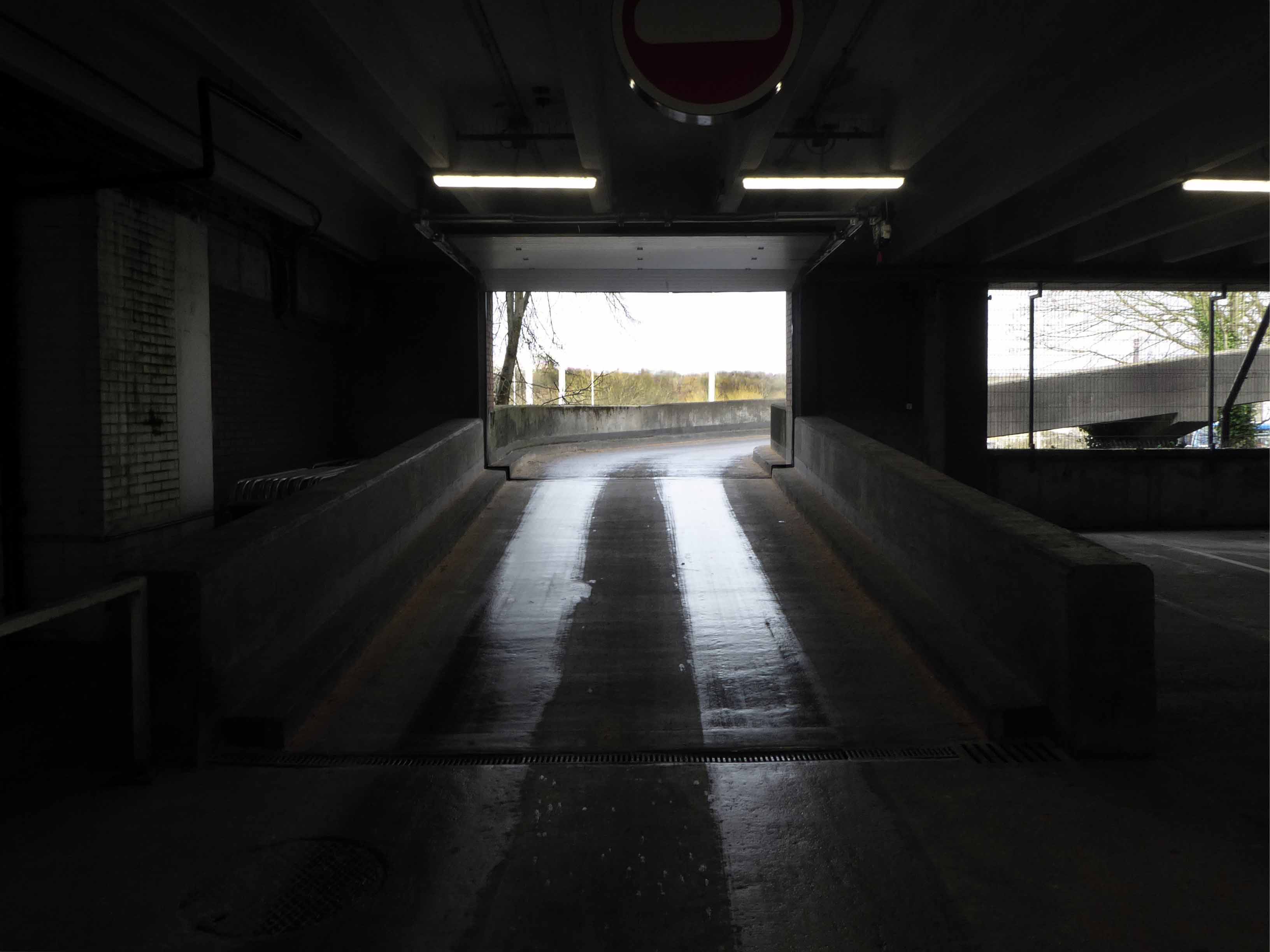
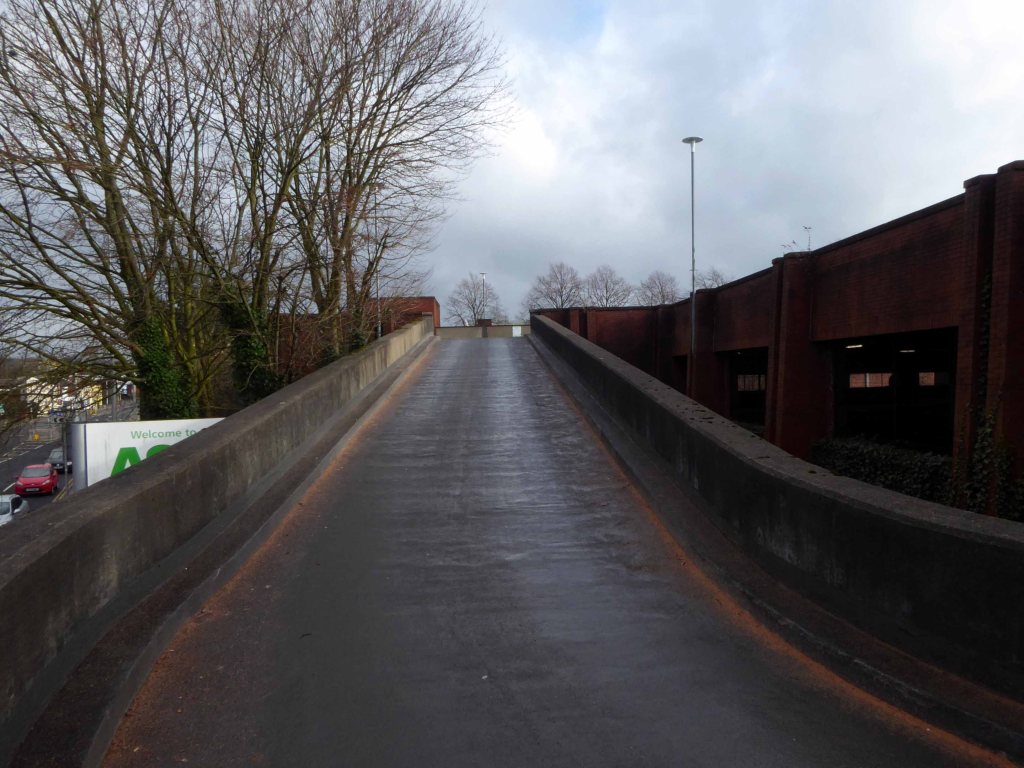
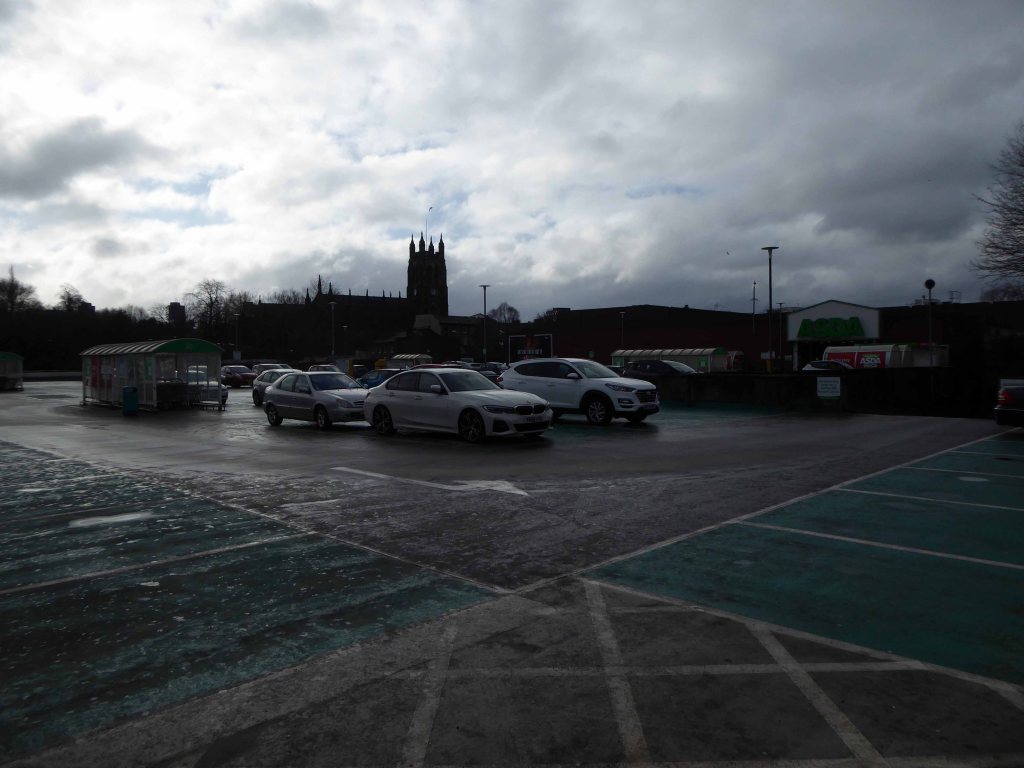
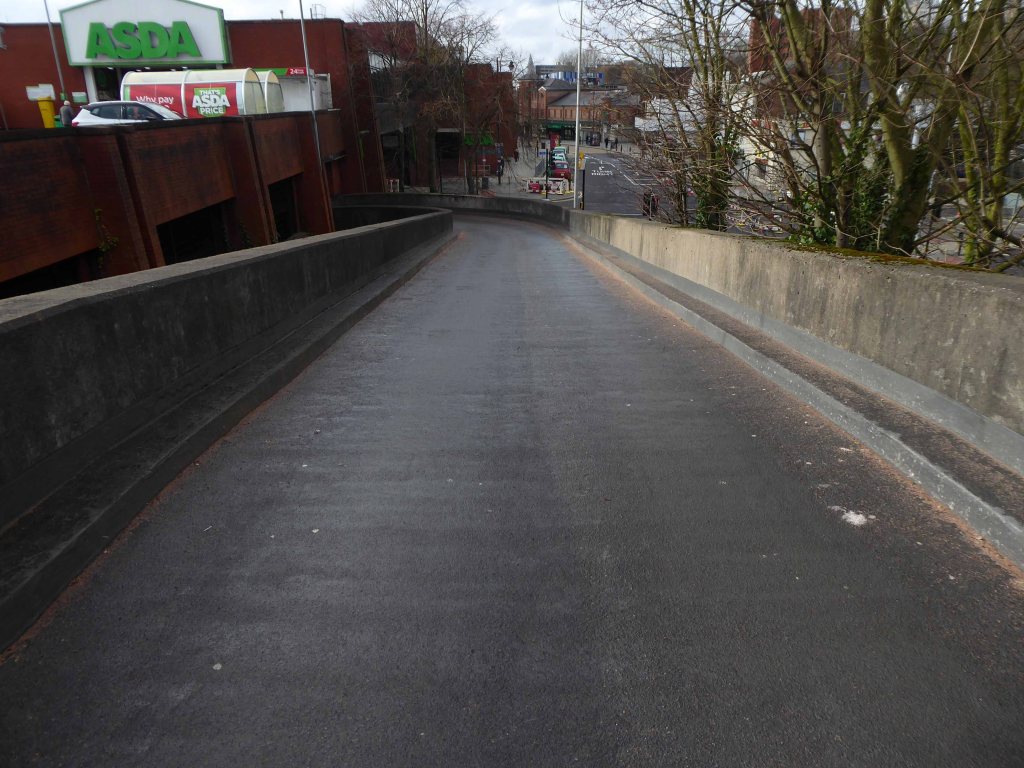
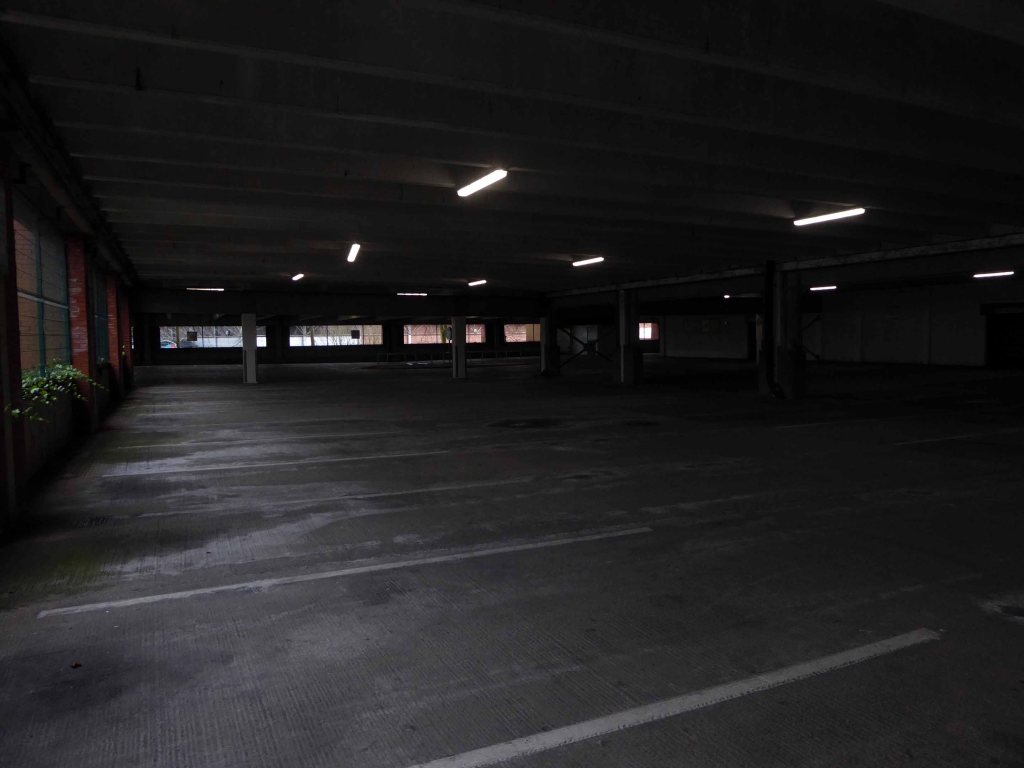
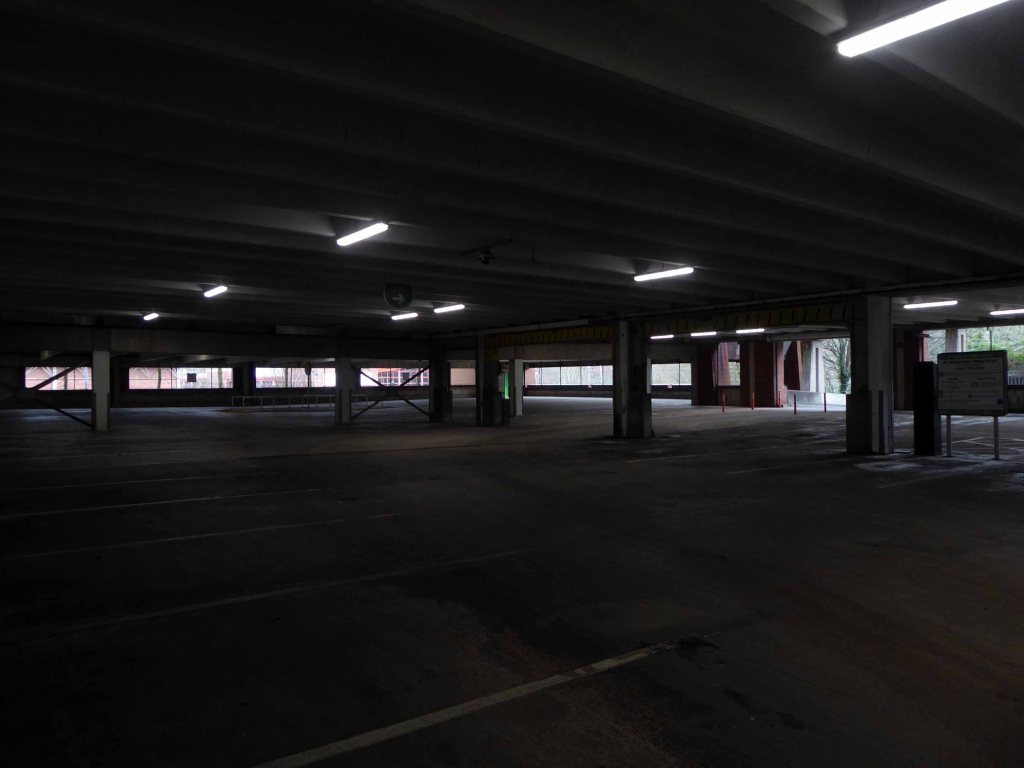
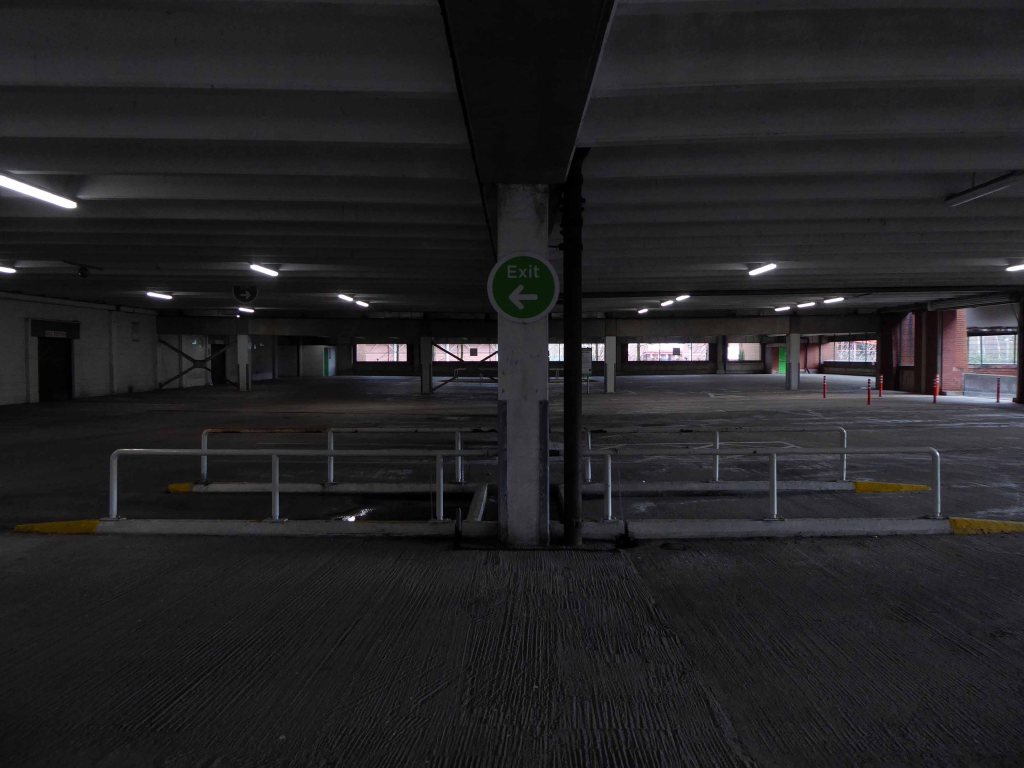
ASDA Car Park – Stockport

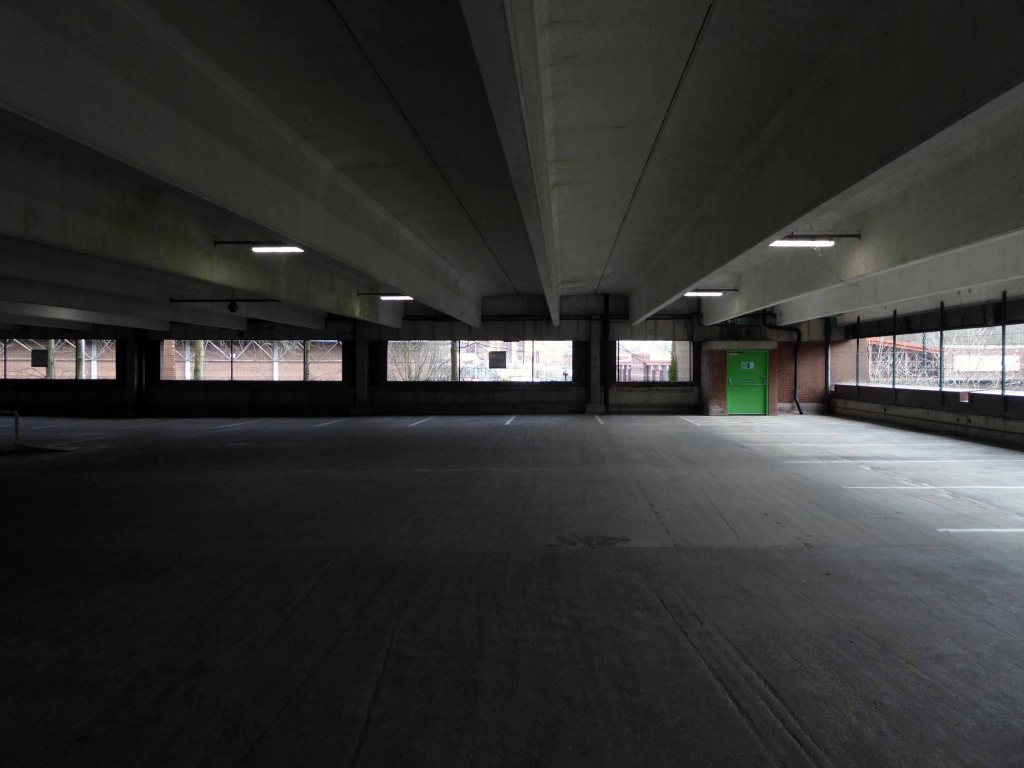
Yet another lockdown exploration of forbidden territory for the intrepid pedestrian.

Following sojourns here, here and there.

It’s addictive passing the no access signs, onwards into the abyss.

He hated all this, and somehow he couldn’t get away. 

Joseph Conrad – Heart of Darkness

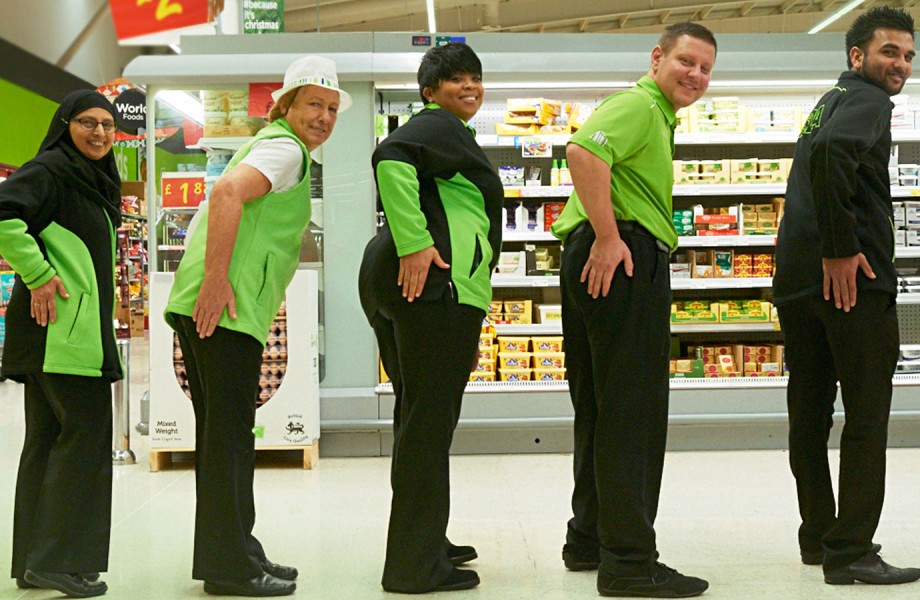
Asda Stores Ltd is a British supermarket chain. It is headquartered in Leeds. The company was founded in 1949 when the Asquith family merged their retail business with the Associated Dairies company of Yorkshire.

It was listed on the London Stock Exchange until 1999 when it was acquired by Walmart for £6.7 billion.

In February 2021, EG Group – led by the Issa brothers and TDR Capital, acquired Asda.

The company was fined £850,000 in 2006 for offering 340 staff at a Dartford depot a pay rise in return for giving up a union collective bargaining agreement. Poor relations continued as Asda management attempted to introduce new rights and working practices shortly thereafter at another centre in Washington, Tyne and Wear.

Wikipedia

Let’s hope that the new owners having been ruled against in an equal pay dispute, attempt to forge better labour relations.

In March 2021 the employees won a Supreme Court ruling upholding an earlier court ruling permitting the action, and enabling employment tribunal action to decide equal value claims.

Asda stated: This ruling relates to one stage of a complex case that is likely to take several years to reach a conclusion. 

The claim could lead to about £500 million of compensation to lower paid employees.

All that aside, let’s have a look at what the car park is like.

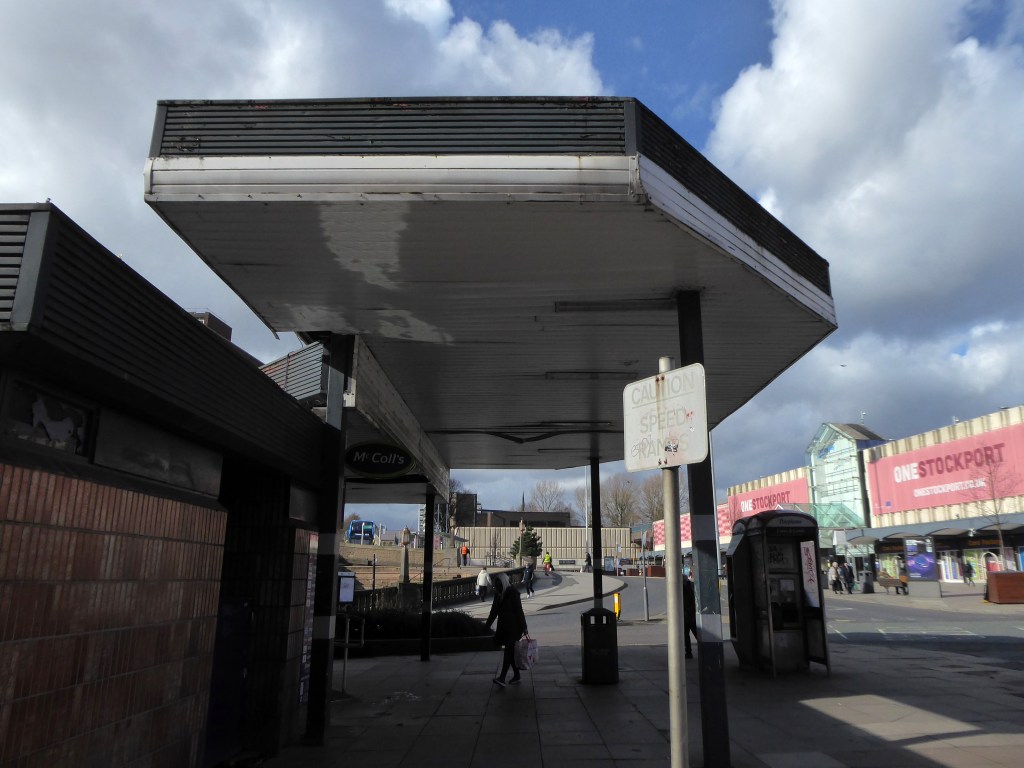
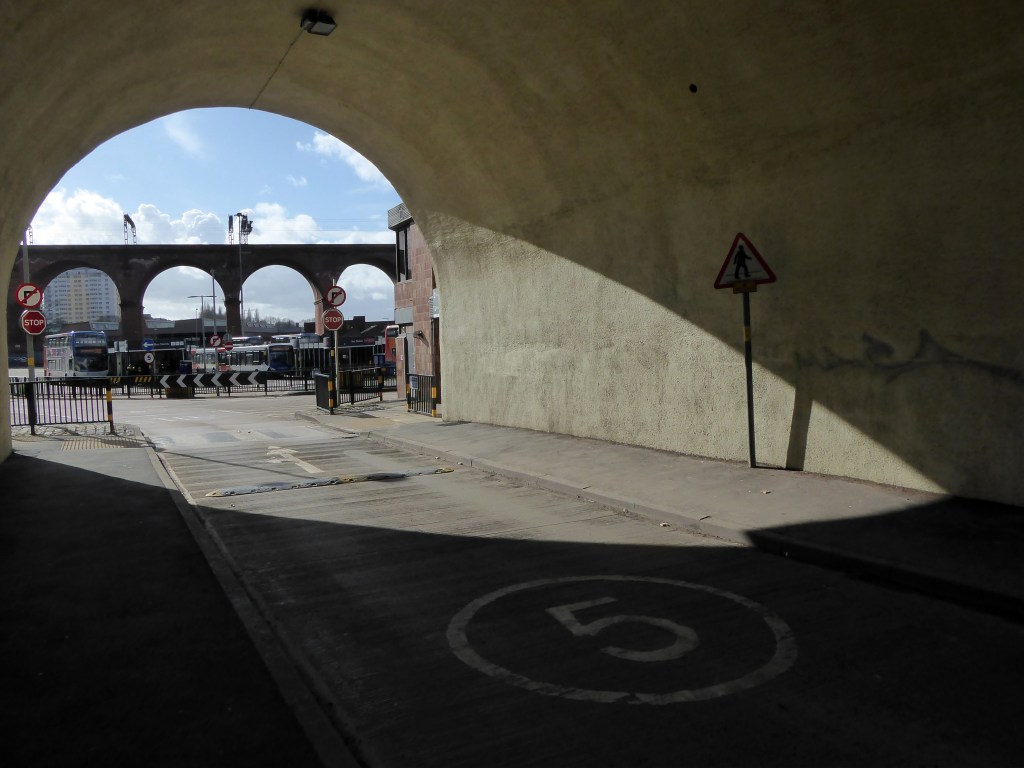
Stockport Bus Station 2021

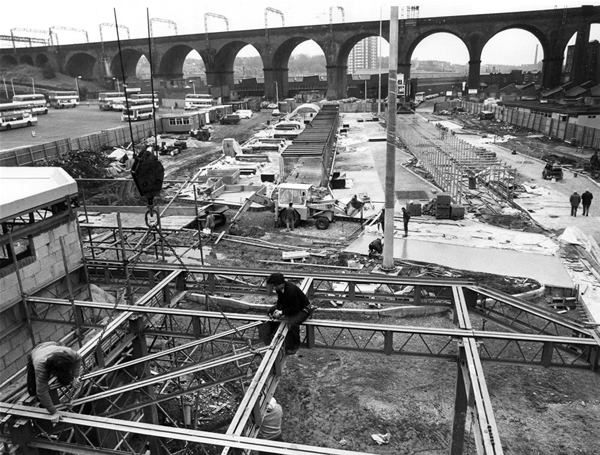
Your days are numbered, work has begun at the temporary site on Heaton Lane.

You are to be demolished, no more in, no more out.

I have tracked your history and slow decline.

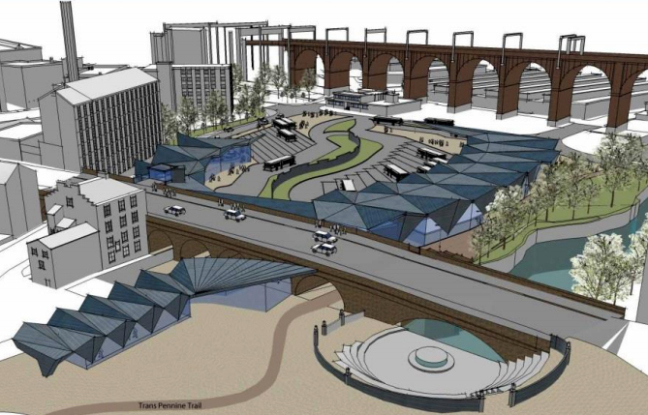
You are to become a transport interchange.

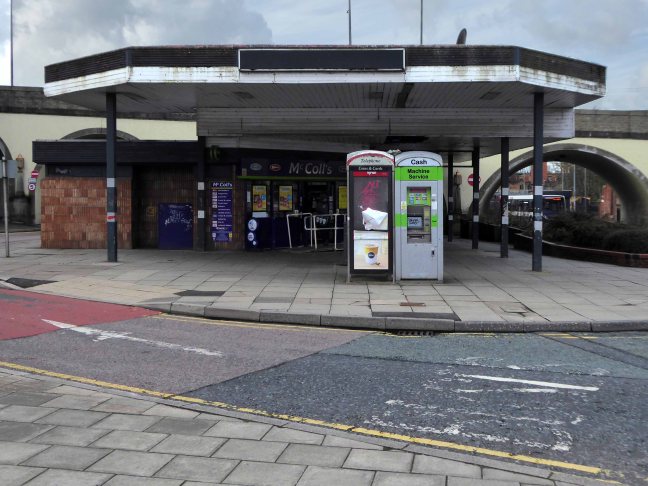
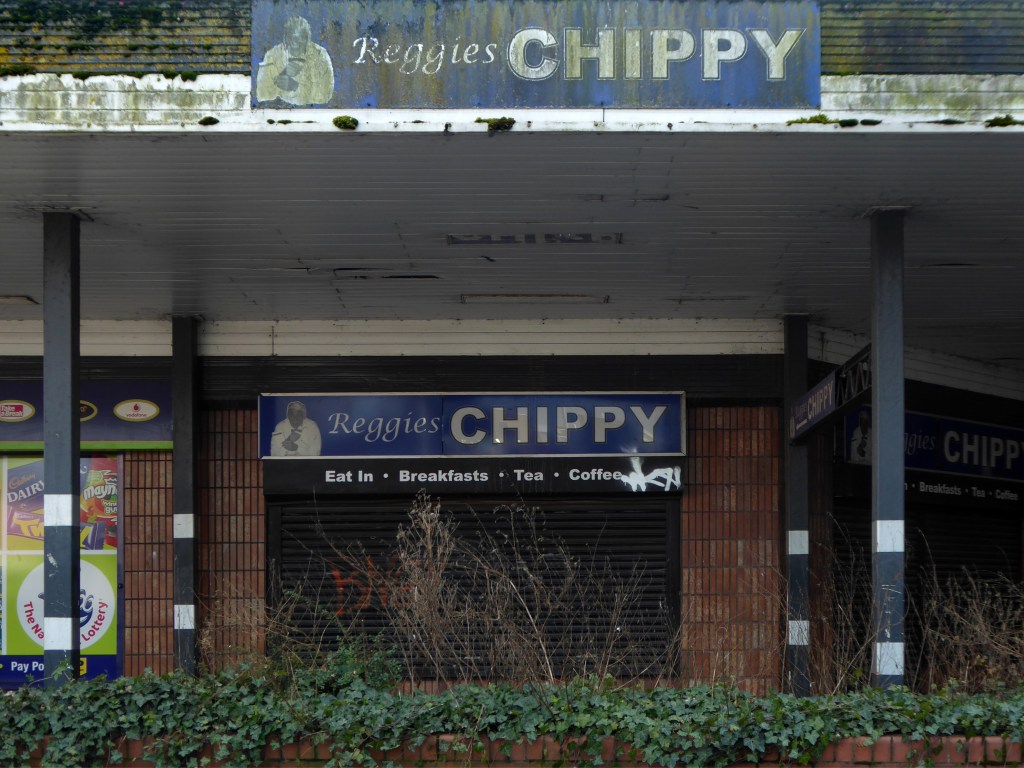
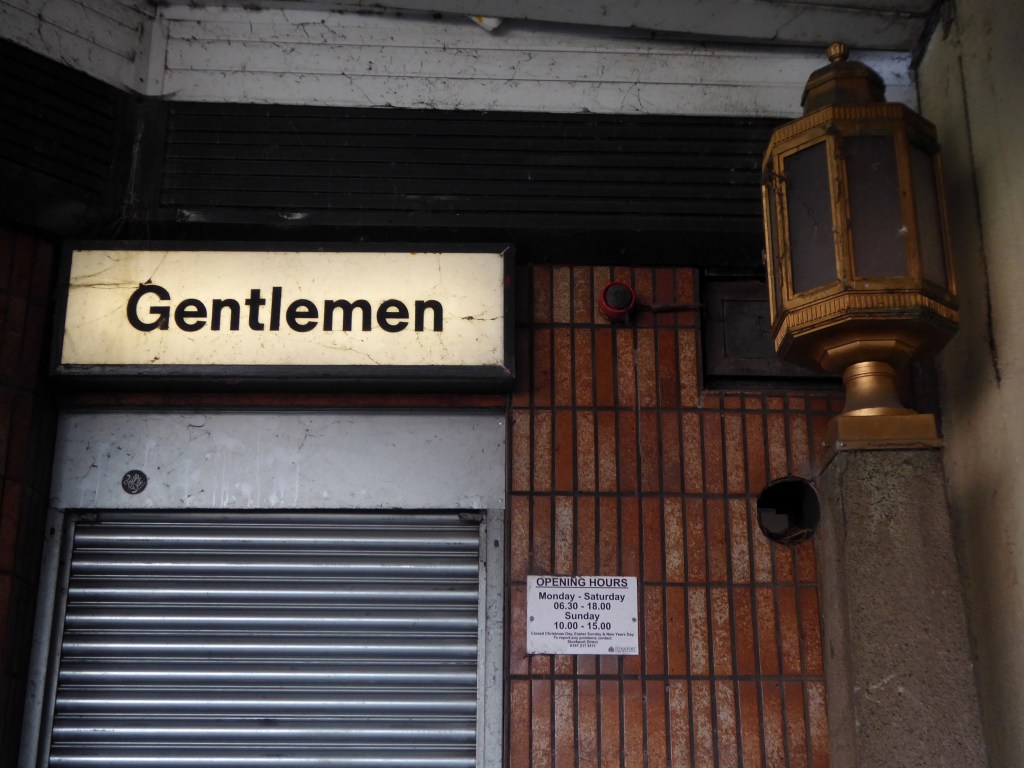
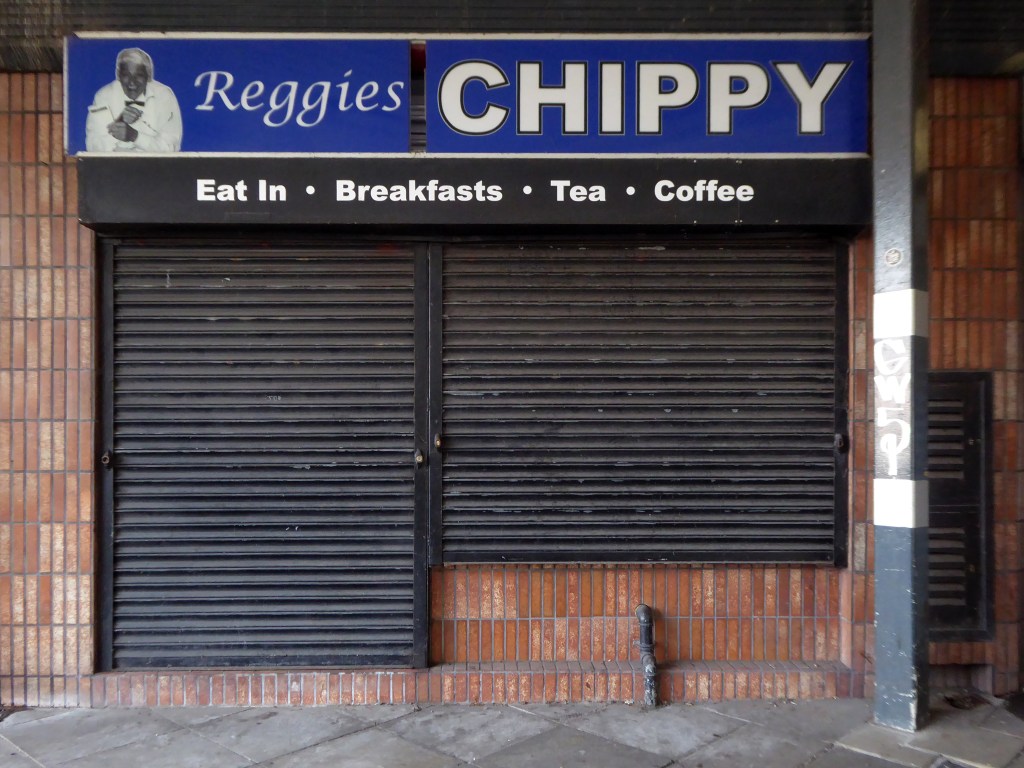
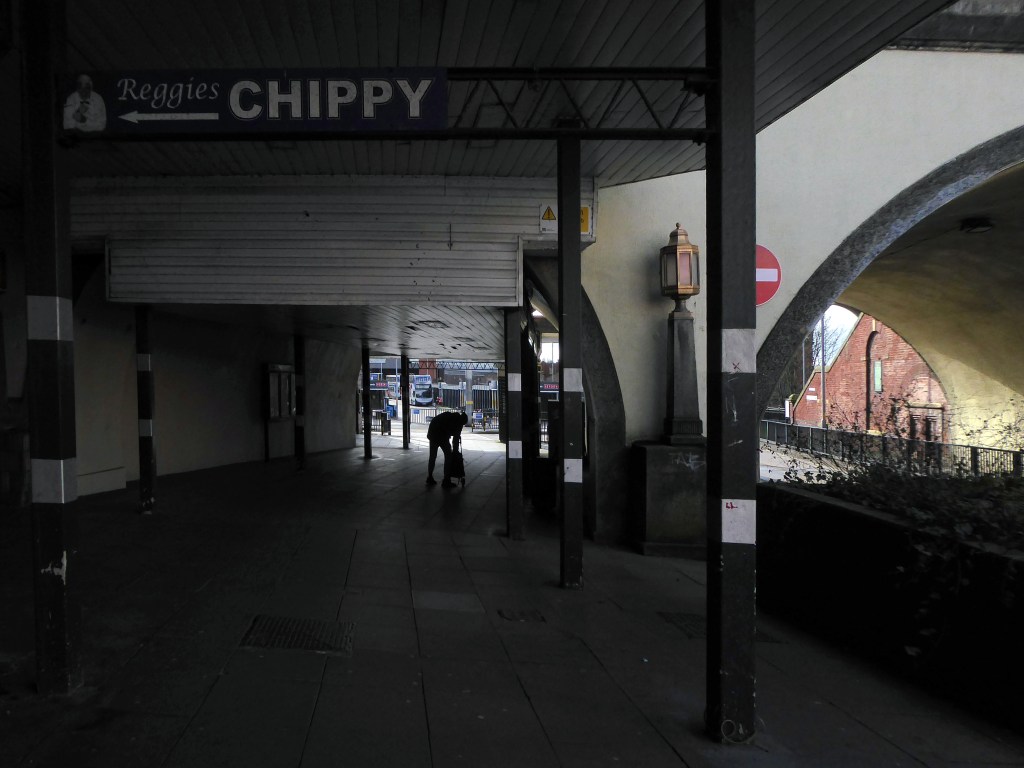
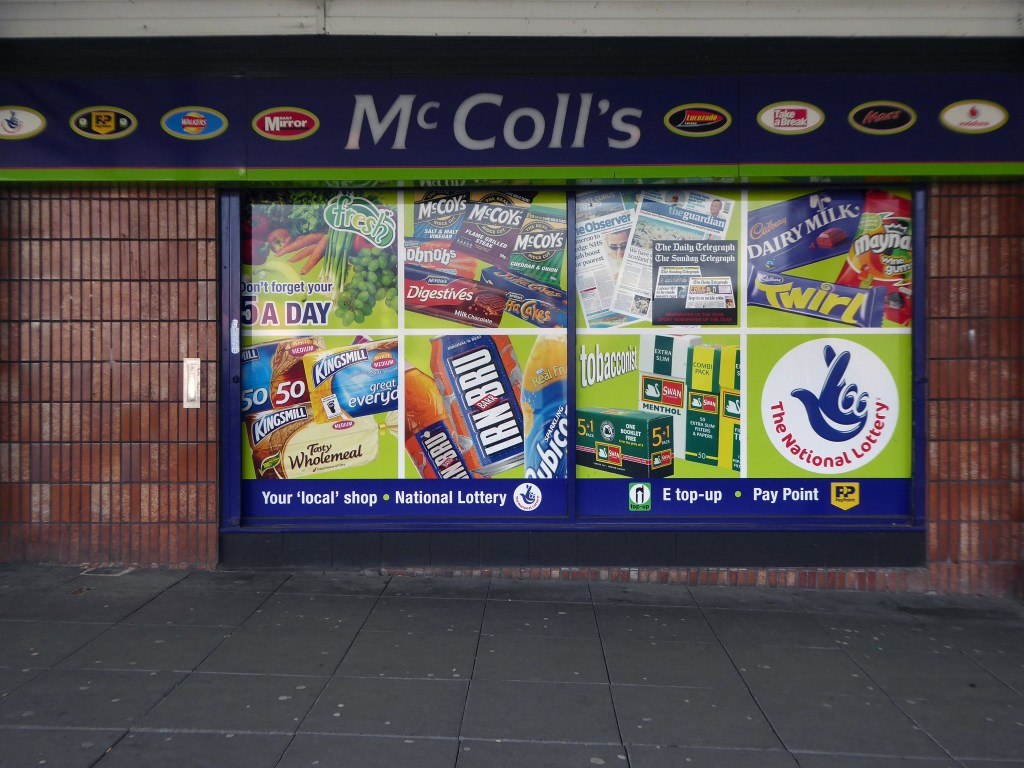
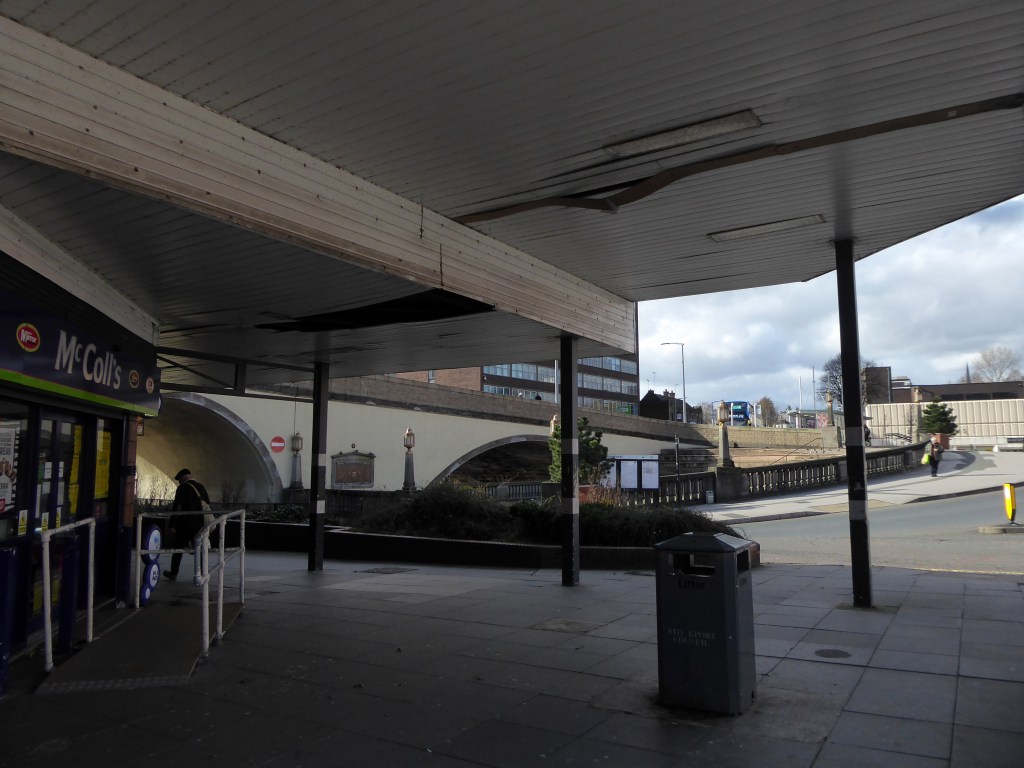
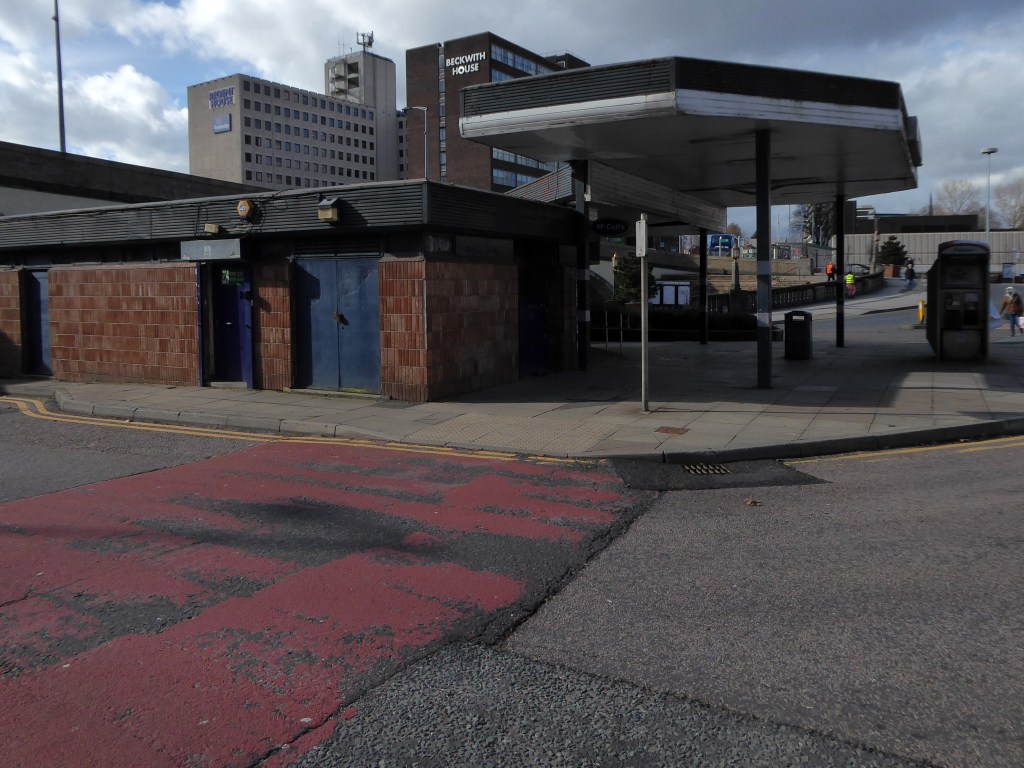
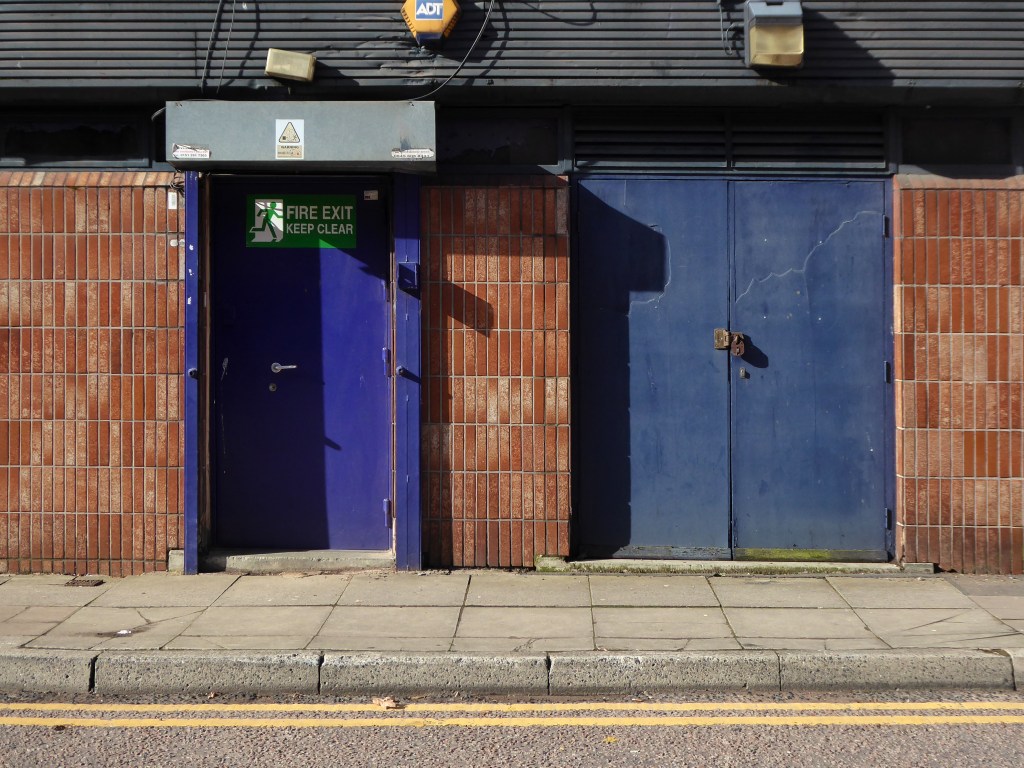
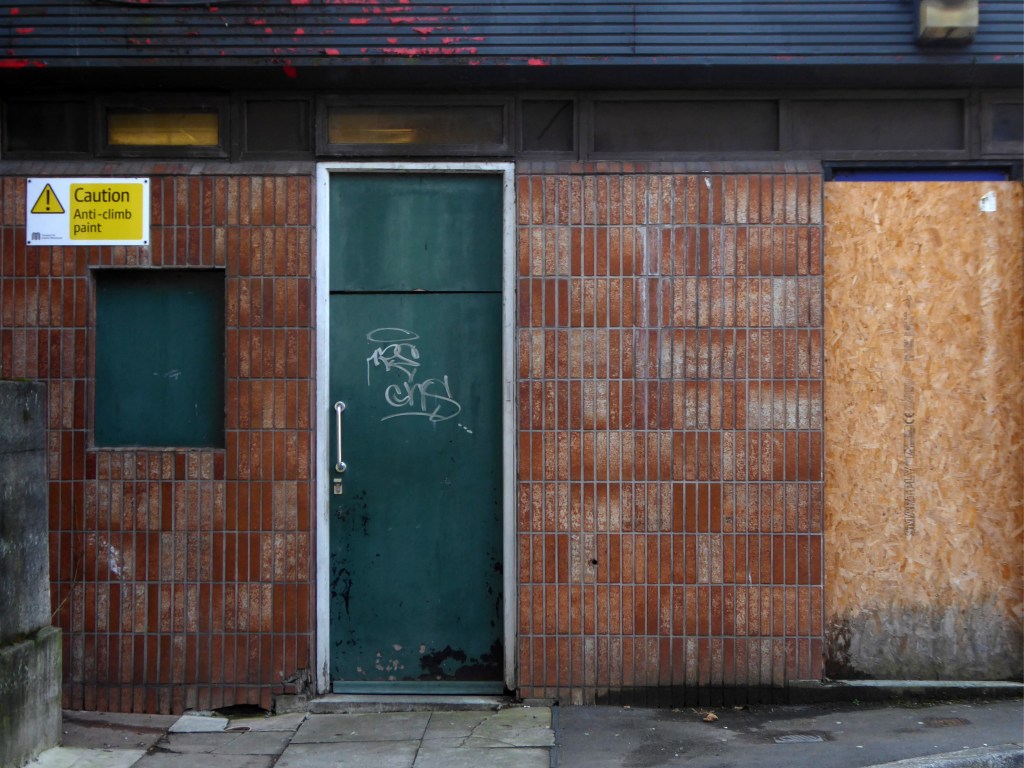
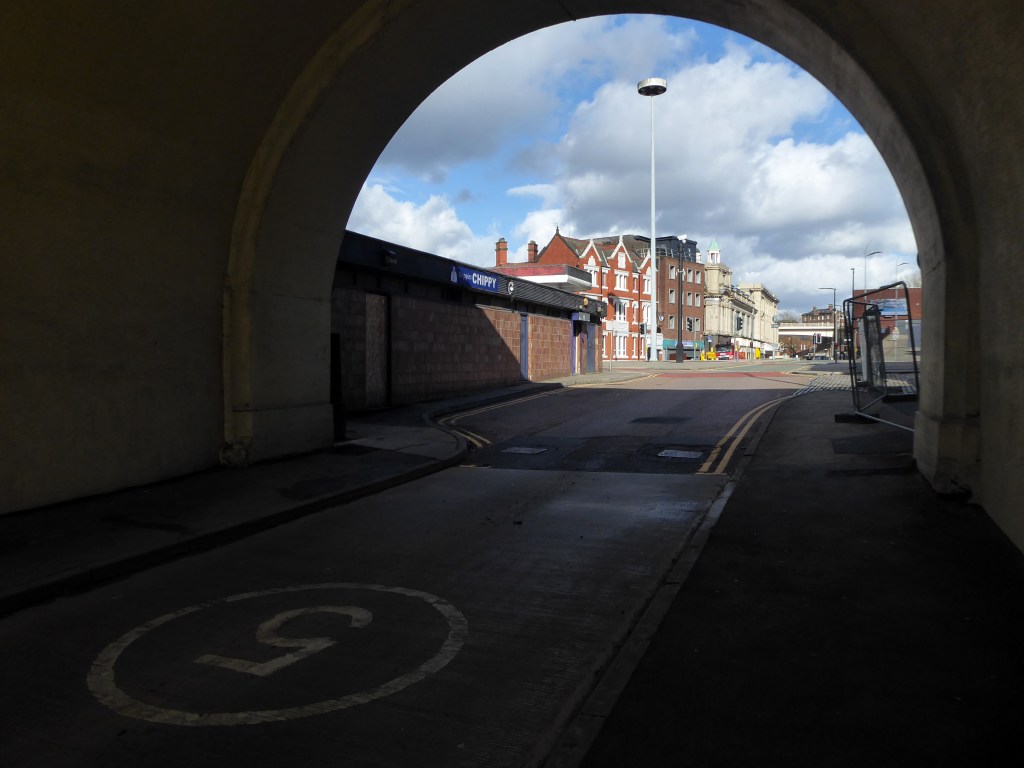
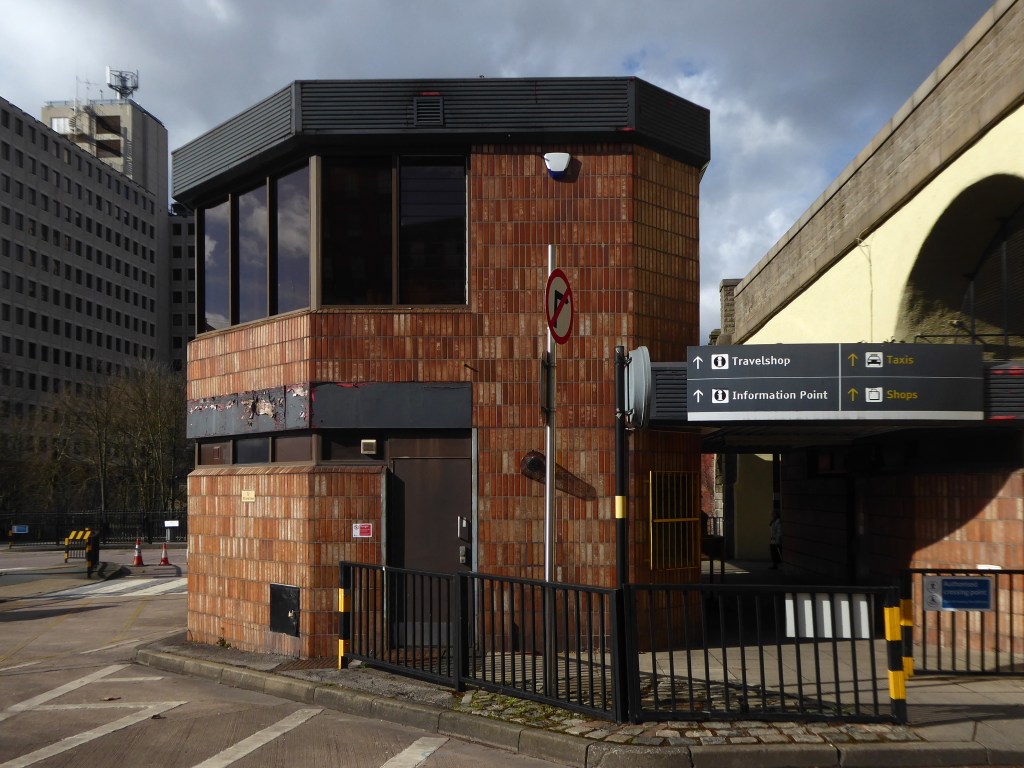
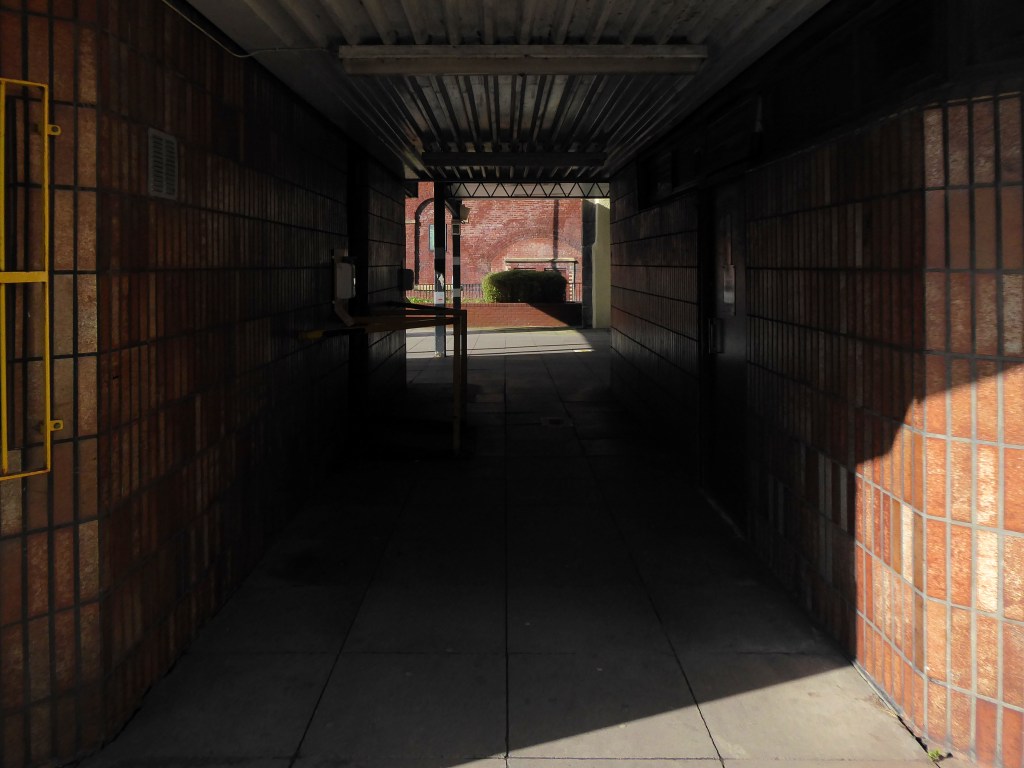
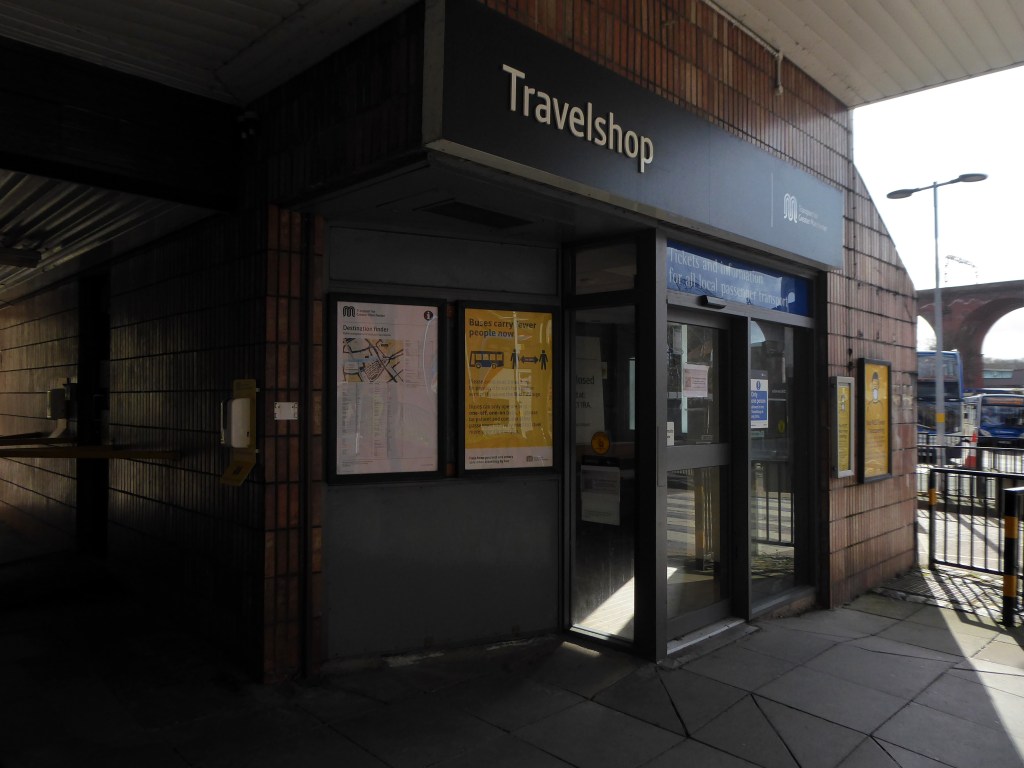
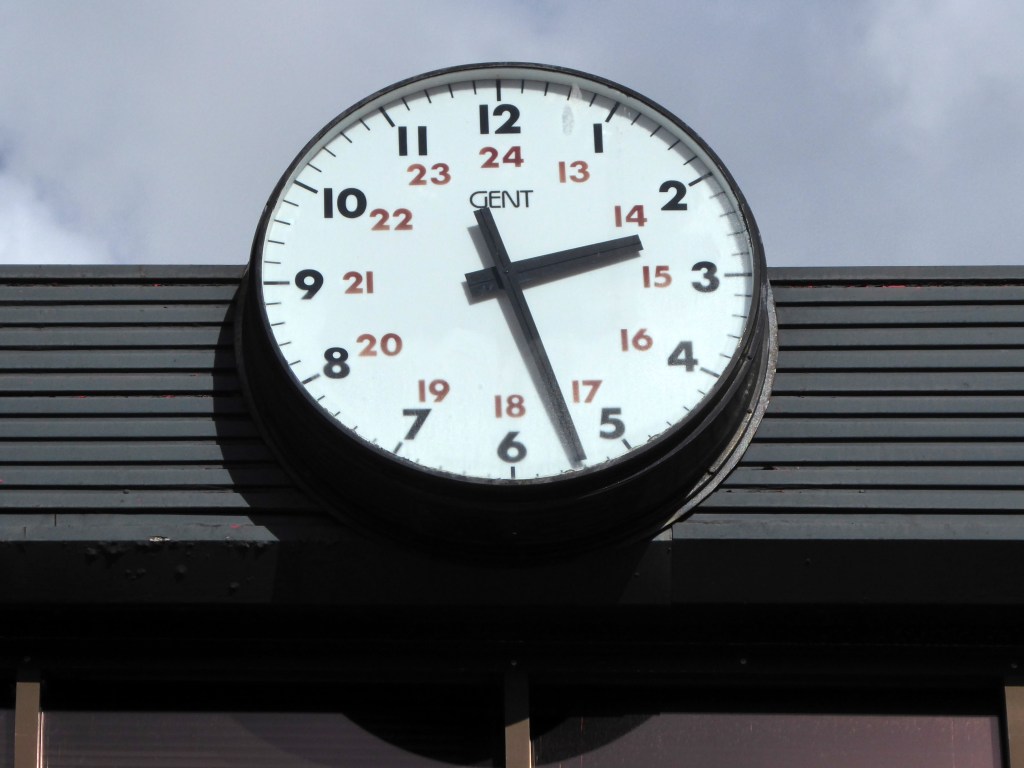
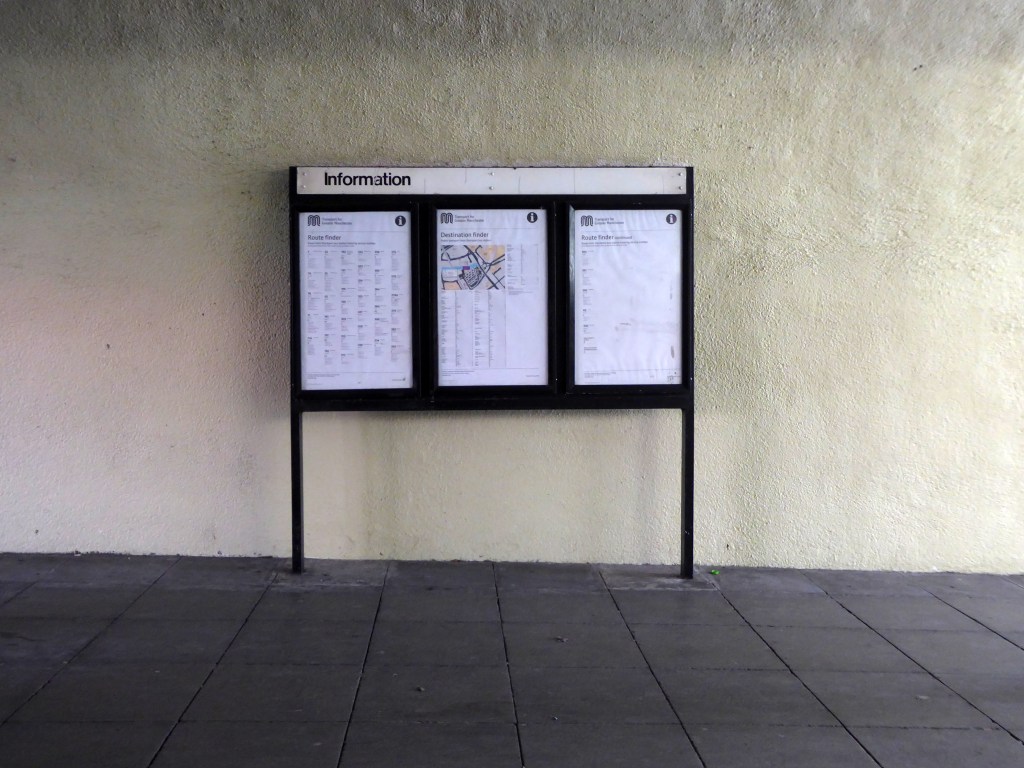
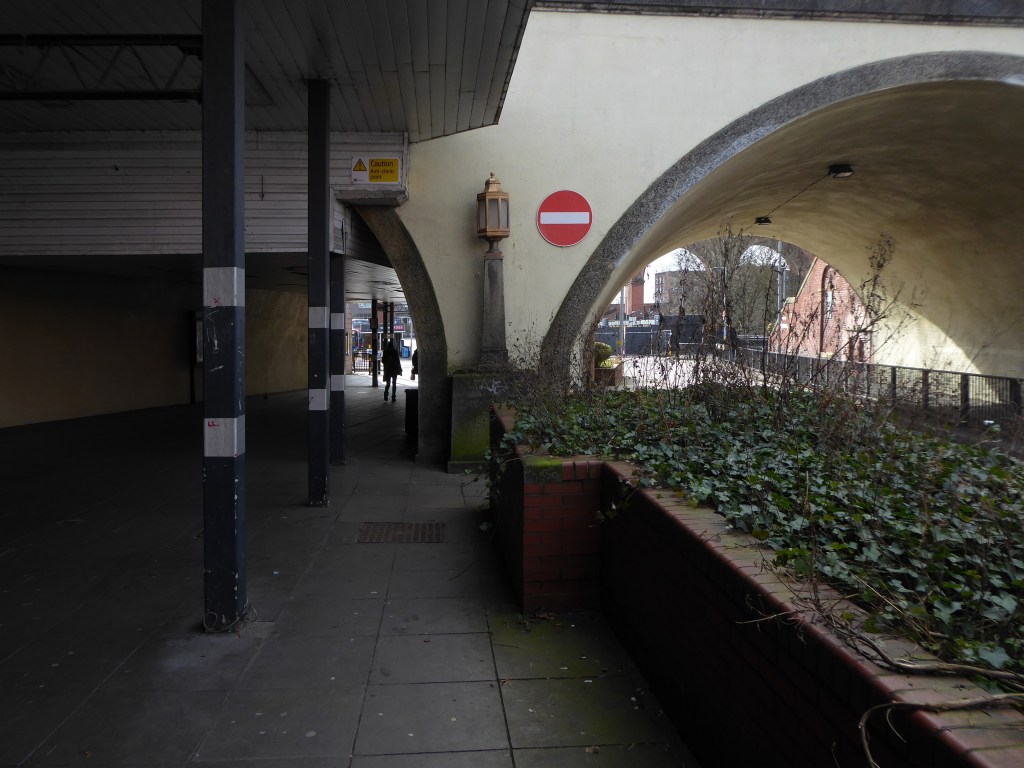
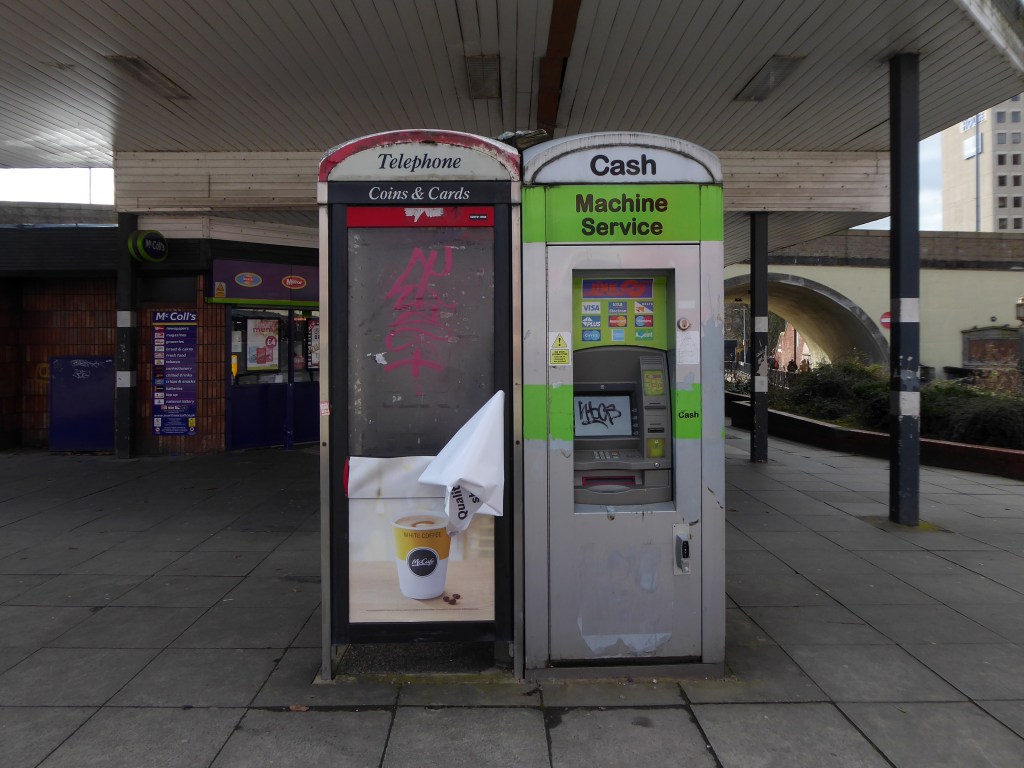
So here’s a record of your lost chippy, closed lavatories, control centre, relocated information office, slowly ticking clock, soon to tick no longer.

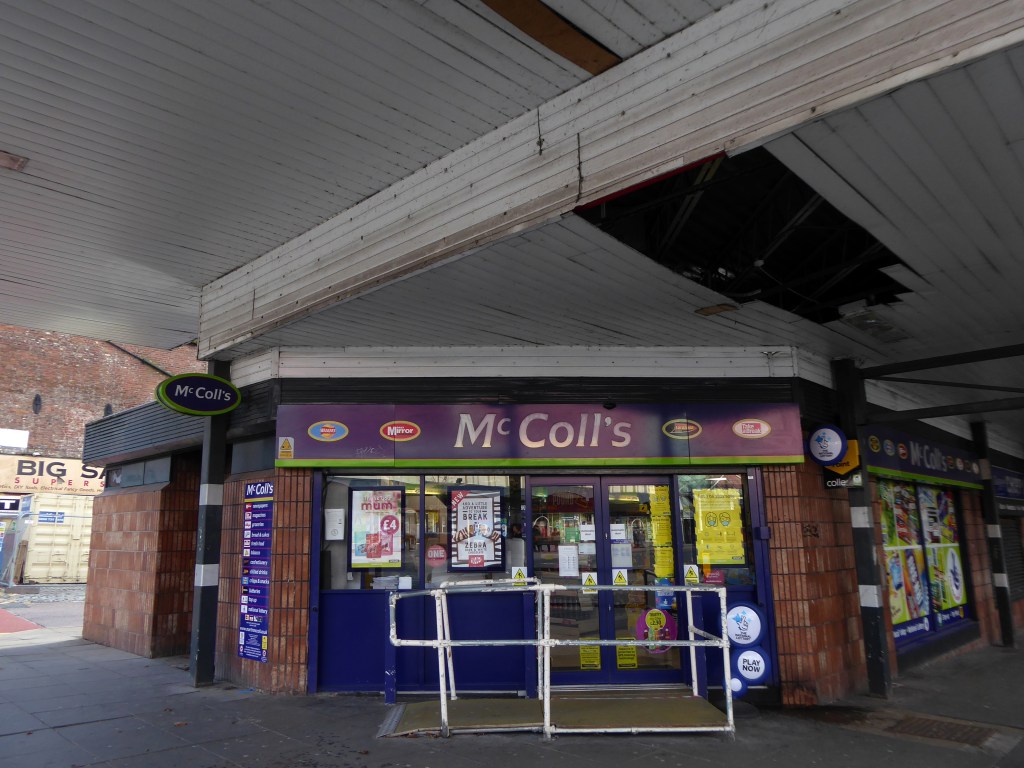
Say hello and wave goodbye to RS McColl’s kiosk.

So so long my draughty, cold, deserted old pal.

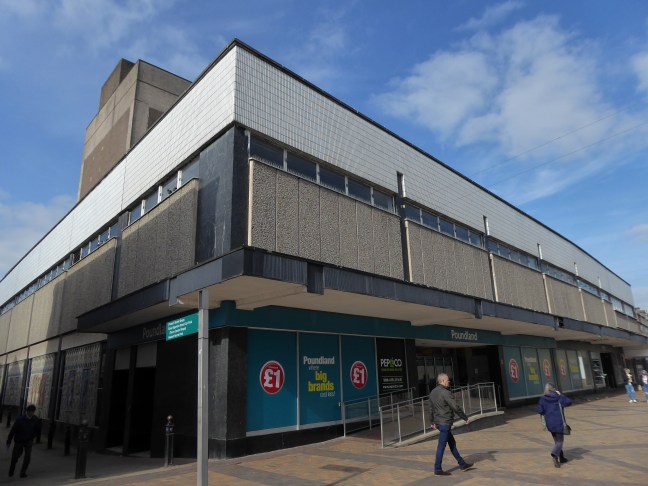
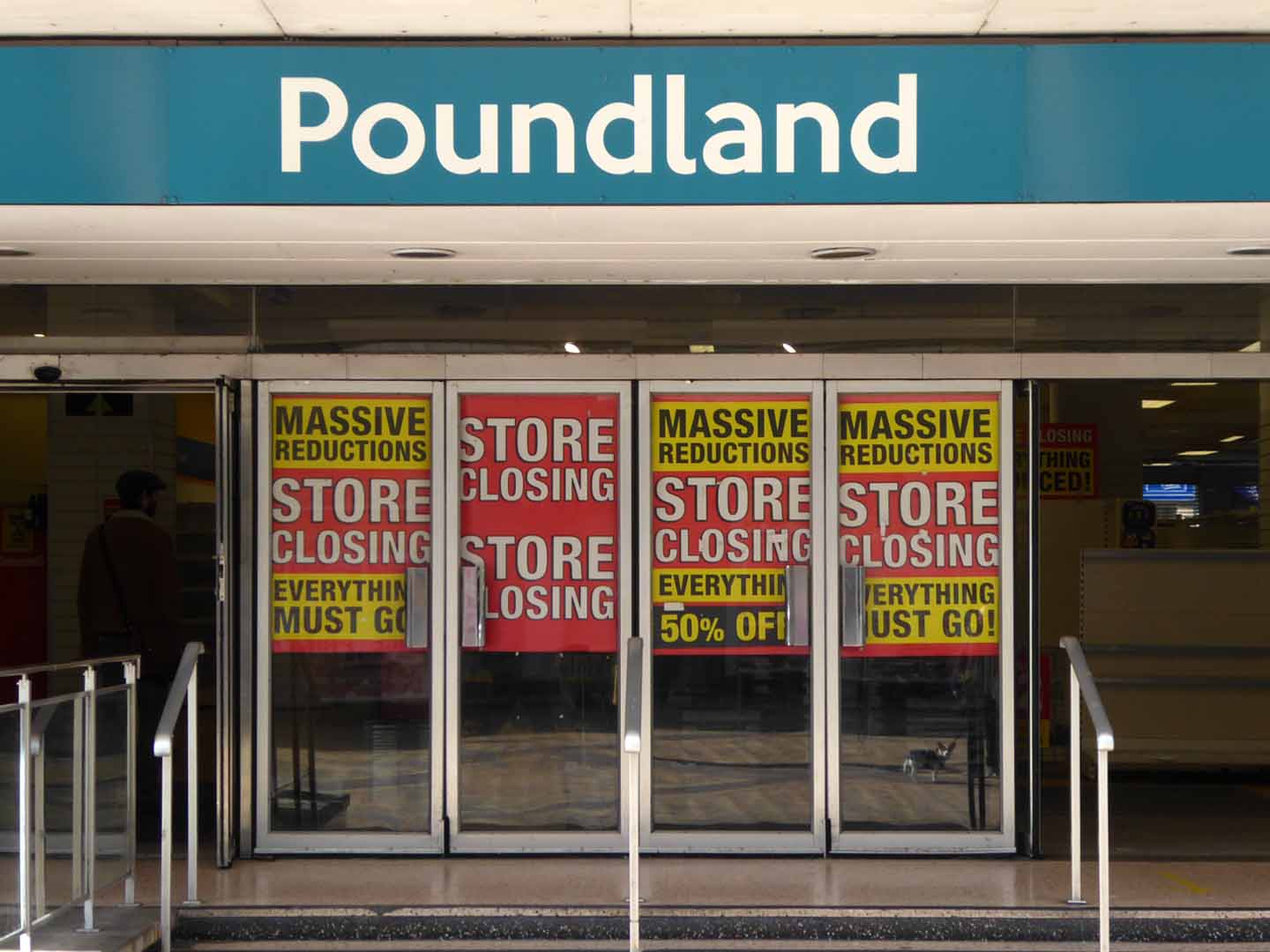
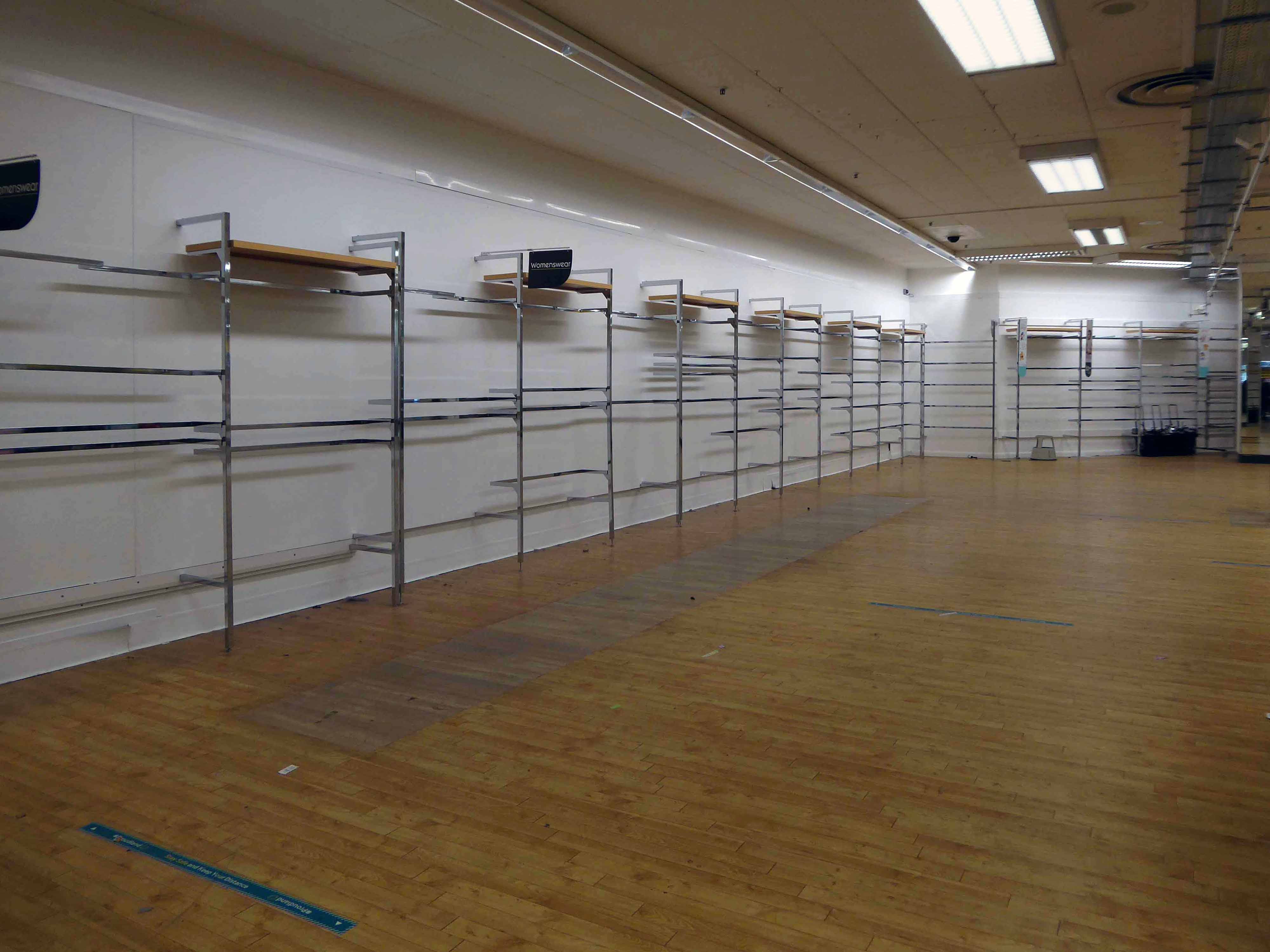
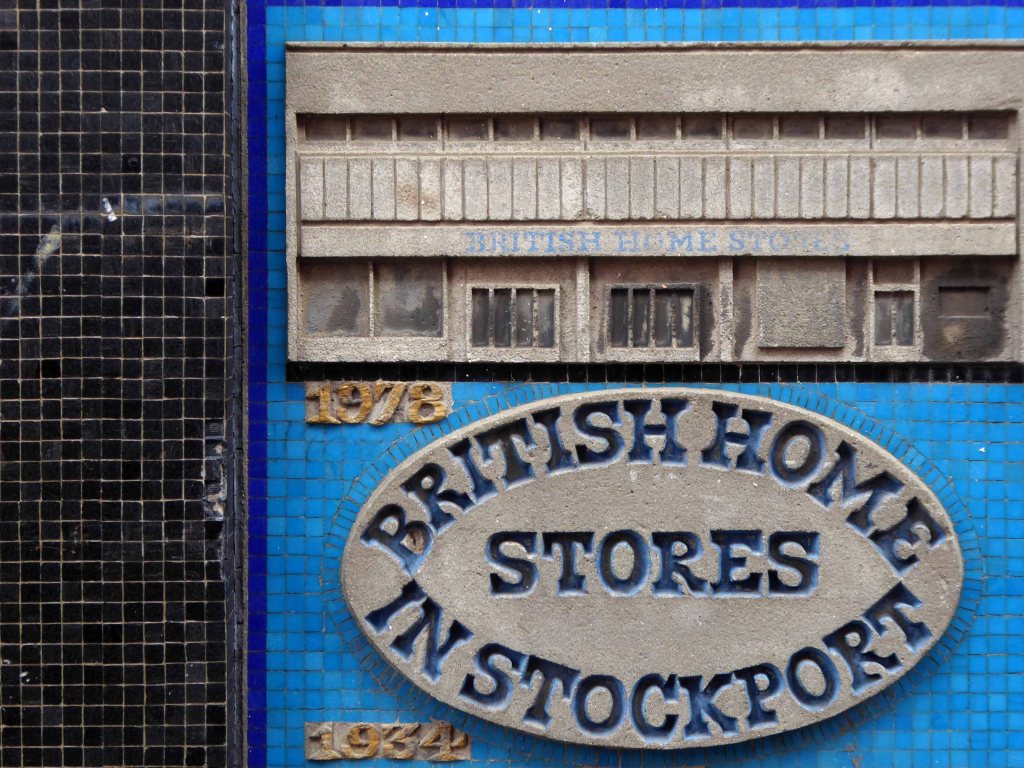
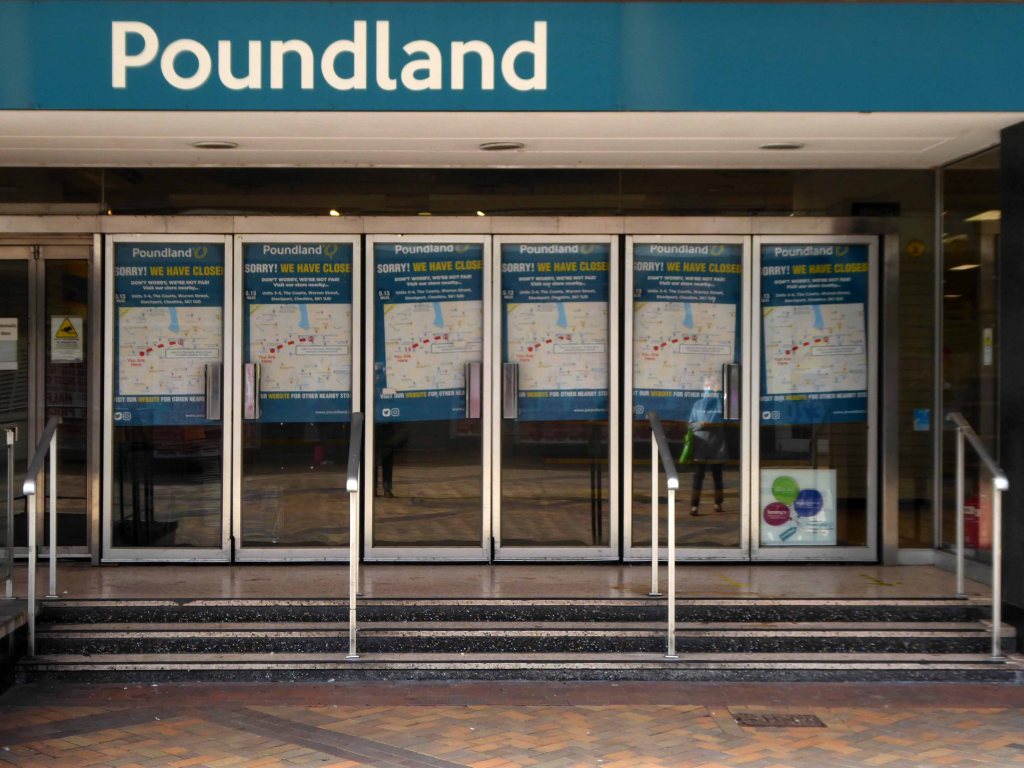
Poundland née BHS – Stockport

Stockport council bought the building in 2019 following the collapse of BHS three years earlier.

The report says the store is now in a poor condition, looks ‘dated and tired’ and ‘contributes to negative perceptions’ of Merseway.

MEN

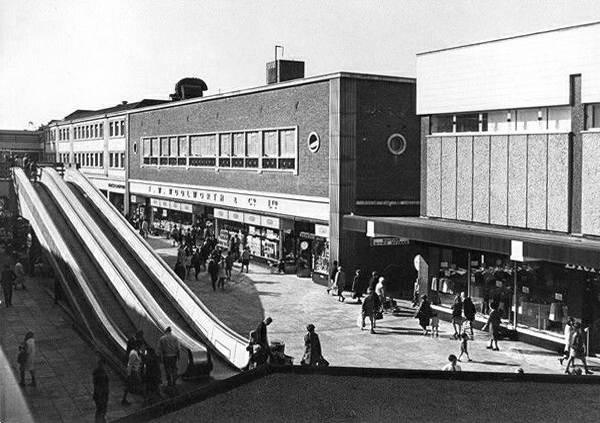
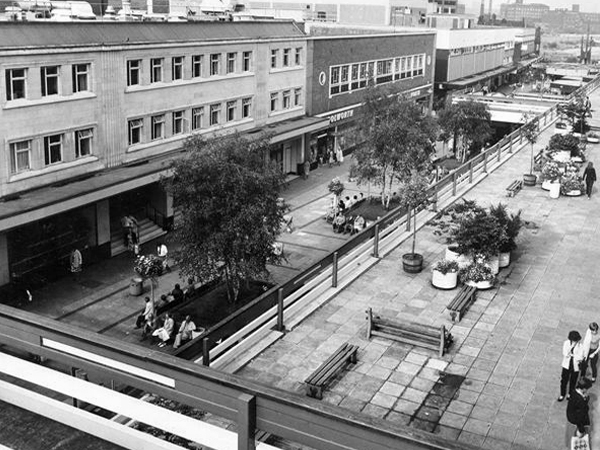
You were conceived as an integral part of the Merseyway development, which on its inception, was held in the highest regard.

Innovative architecture with confidence, integrity and a clear sense of purpose.

The failure of BHS was a national disgrace, venal management, asset stripping, avaricious, grasping rodents ruled the day.

Dominic Chappell, who had no previous retail experience, bought the high street chain from the billionaire Sir Philip Green for £1 in March 2015. The company collapsed with the loss of 11,000 jobs 13 months later, leaving a pension deficit of about £571m.

Guardian

A sad end for a company with a long history and presence on the high street.

With an architectural heritage to match:

BHS’s chief architect at this time was G. W. Clarke, who generally worked alongside W. S. Atkins & Partners, as consulting engineers. The stores – like Woolworth’s buildings – were composite structures, with steel frames and concrete floors. Clarke sometimes appointed local architects.

At first, like C&A, BHS retained the narrow vertical window bays and margin-light glazing that had characterised high street façades in the 1930s, but by the end of the 1950s Clarke had embraced a modified form of curtain-walling.

This architectural approach became firmly associated with BHS, with framed curtain wall panels – like giant TV screens – dominating the frontages of many stores.

Building Our Past

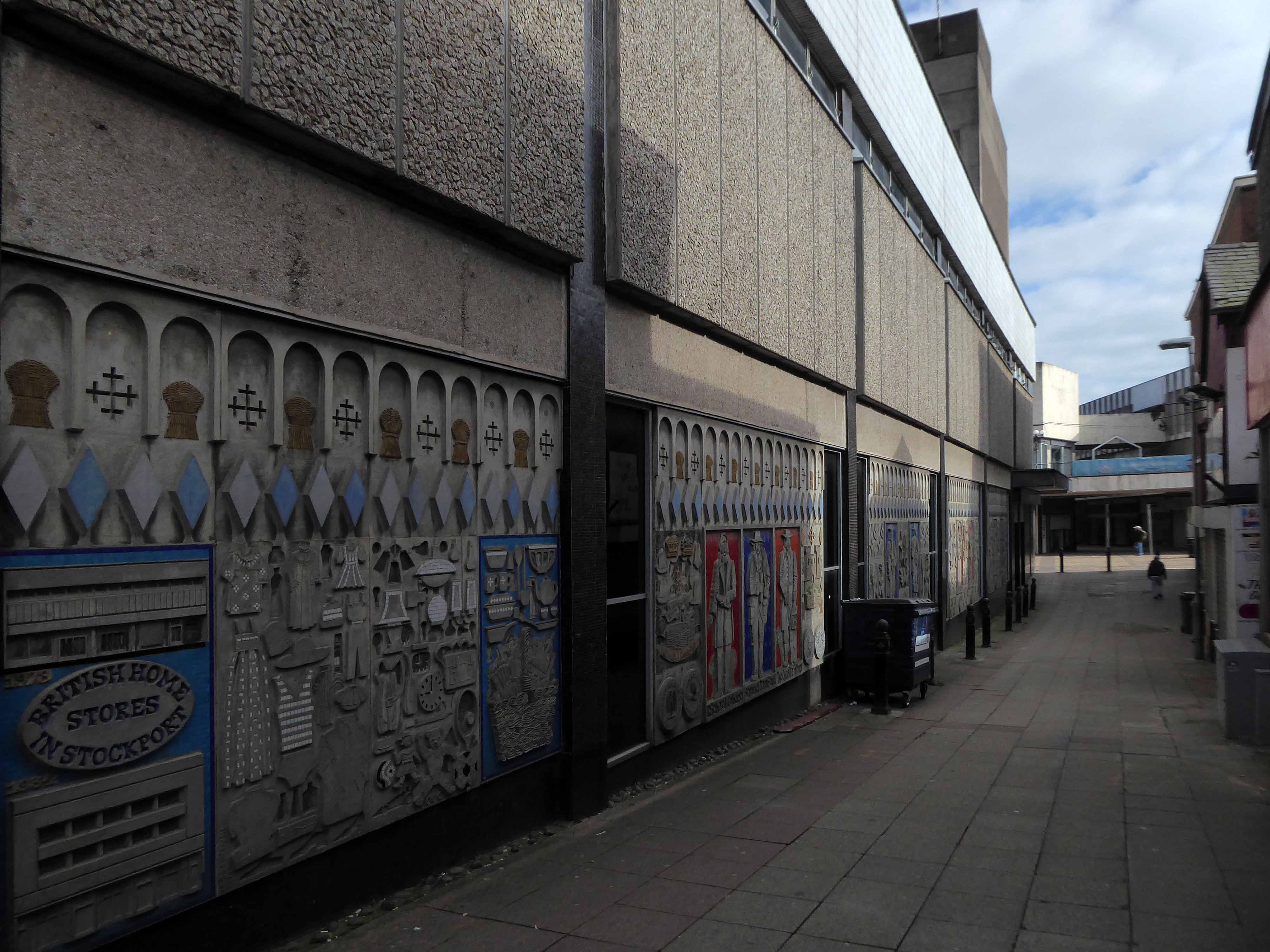
Of note are the Joyce Pallot and Henry Collins concrete panels on the Deanery Row elevation.

There have been moves to have the work listed, without success.

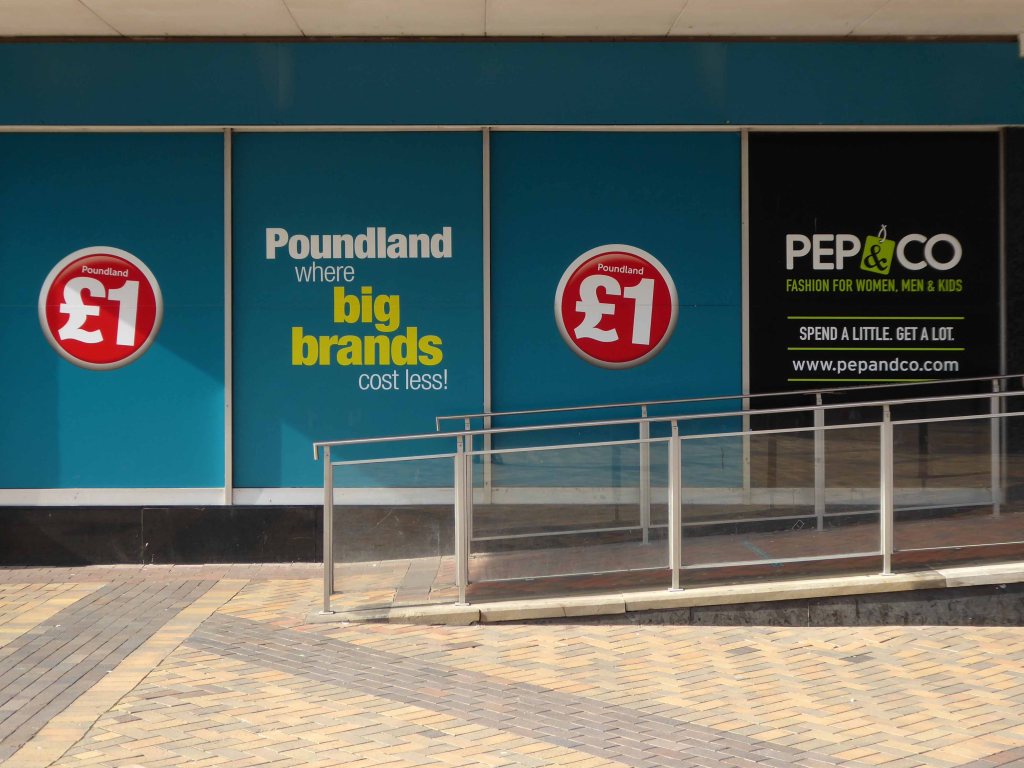
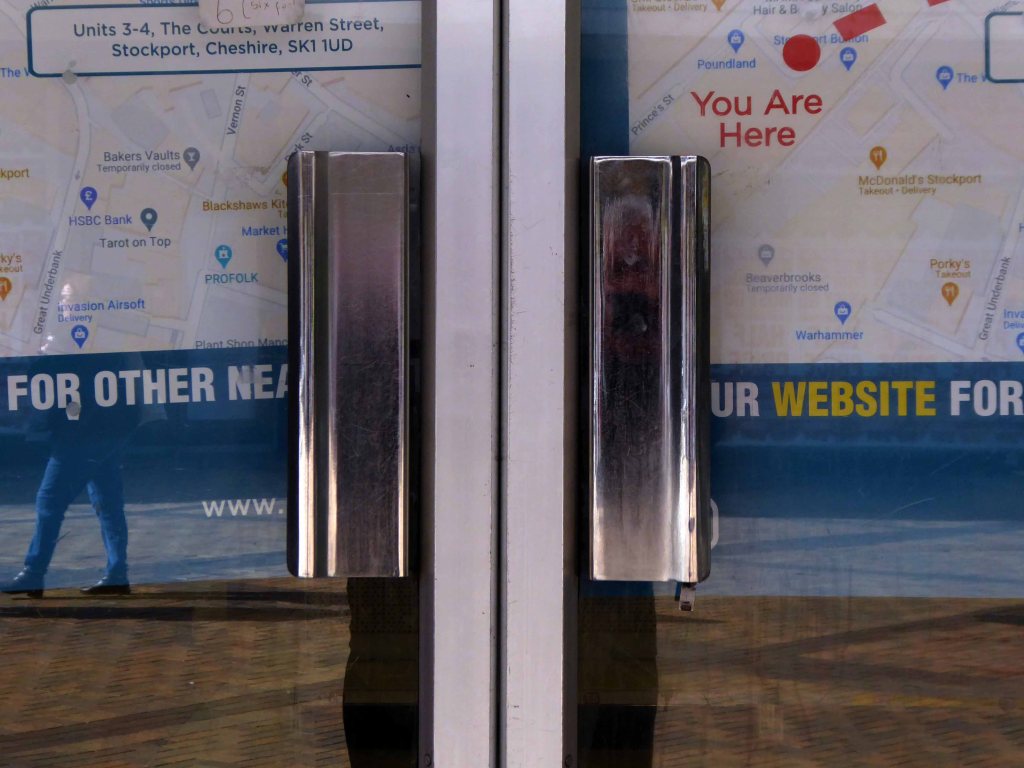
Of late the store has been home to Poundland – though time has now been called.

Poundland’s retailing concept is extremely simple: a range of more than three thousand – representing amazing value for money.

Our pilot store opened in the Octagon Centre, Burton-upon-Trent, in December of 1990, followed by new stores in High Street, Meadowhall and other quality trading locations.  Shoppers loved the concept and so did fellow retailers and landlords.  The stores proved to be a huge success. Meadowhall’s success was repeated by further stores opening by the end of the year.

The store has been a success even during COVID restrictions, let us hope that the planned return goes ahead.

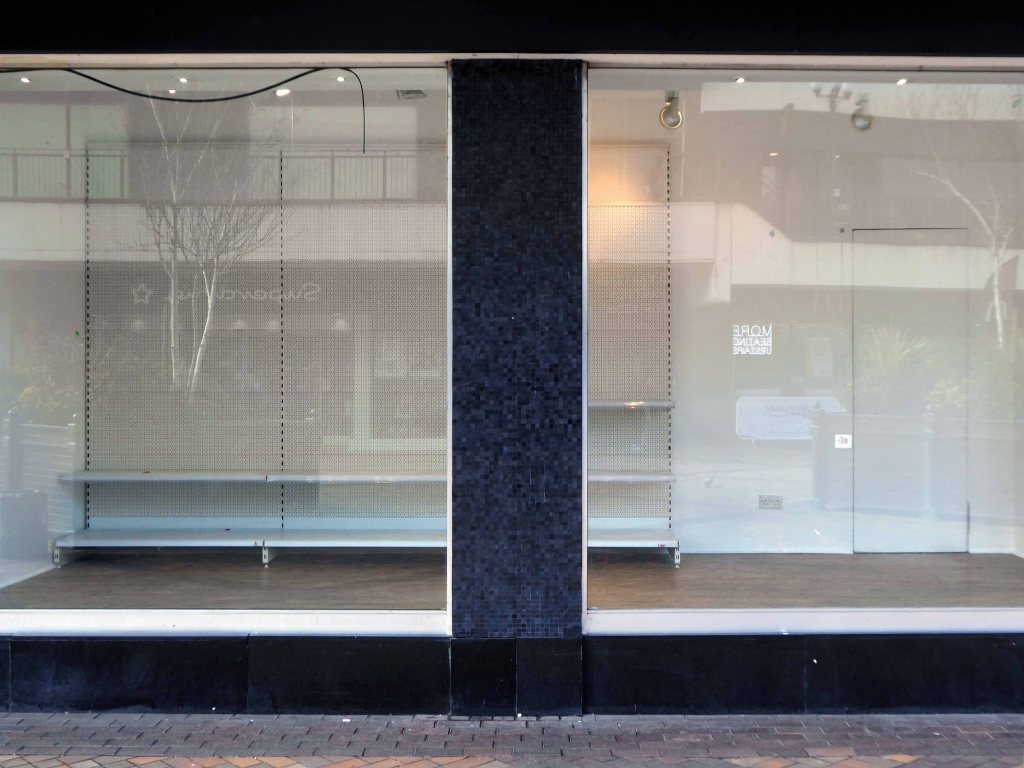
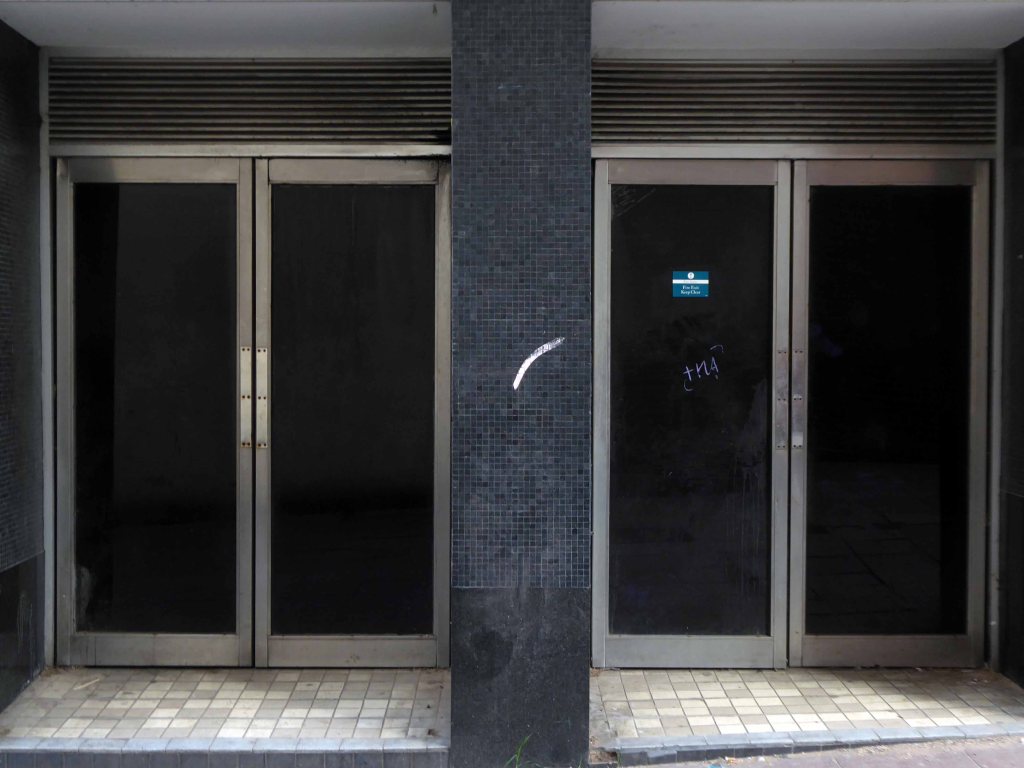
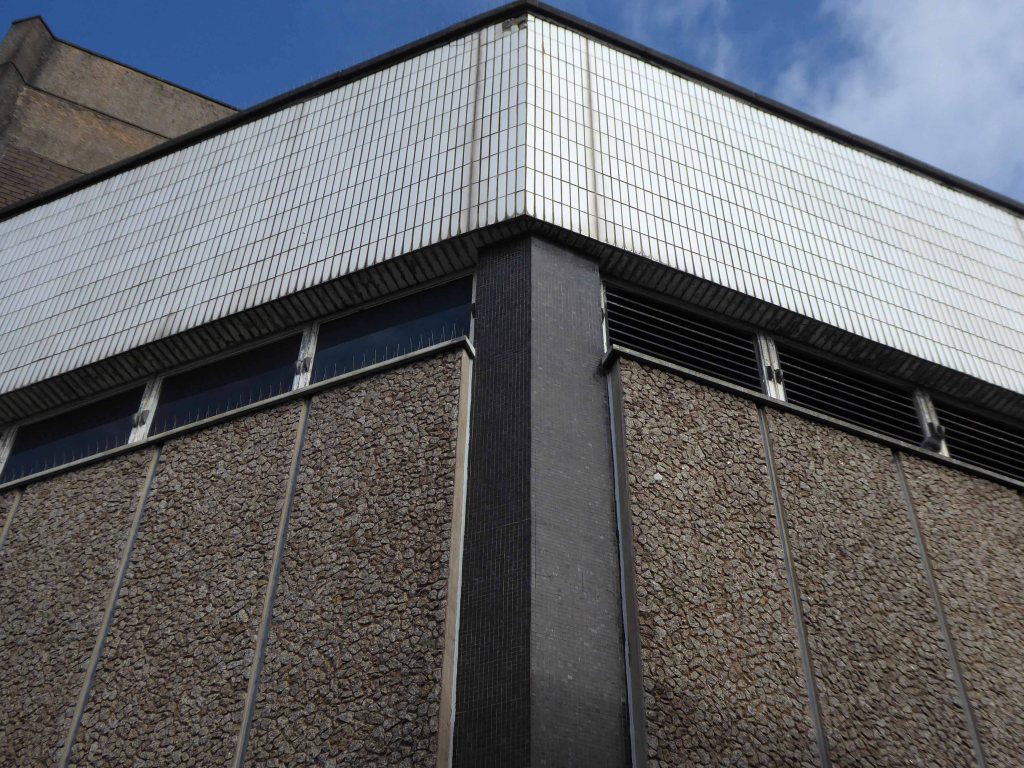
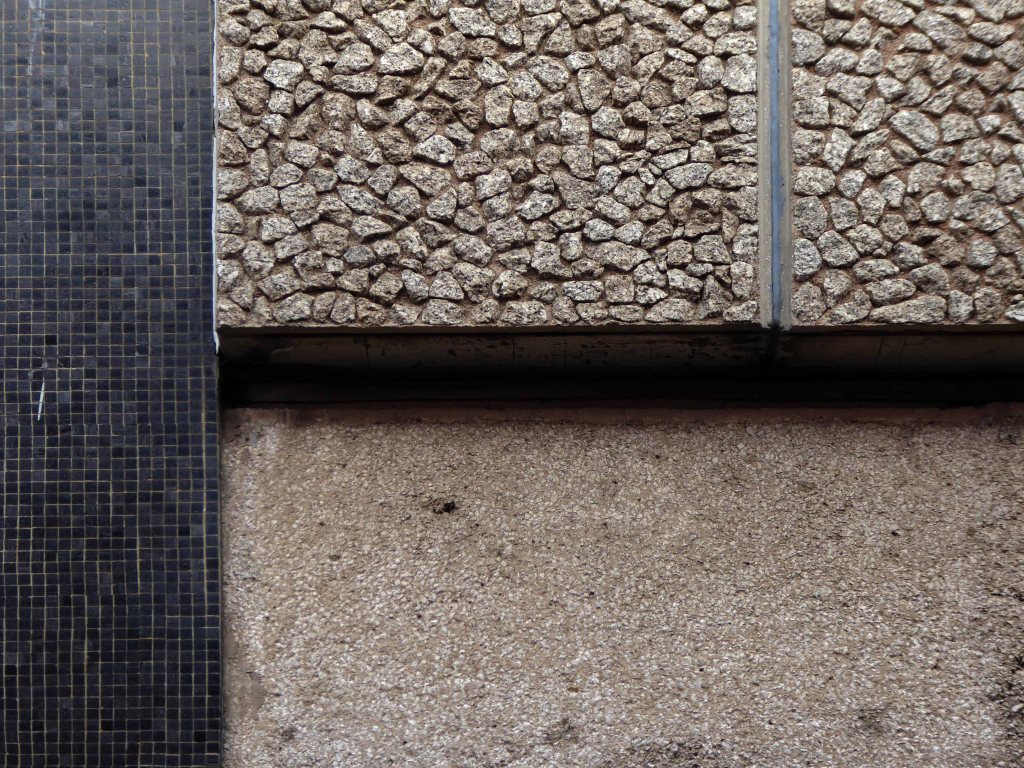
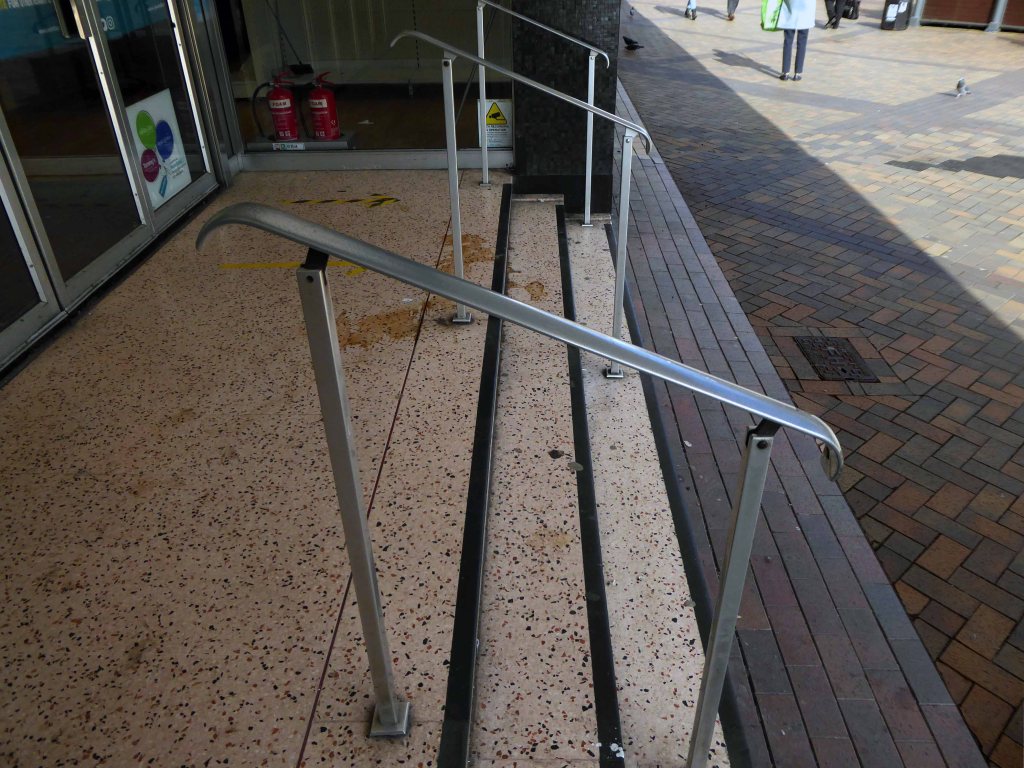
So here is my record of the building as is, a tad tired, but in its day a simple and authoritative amalgam of volumes and materials.

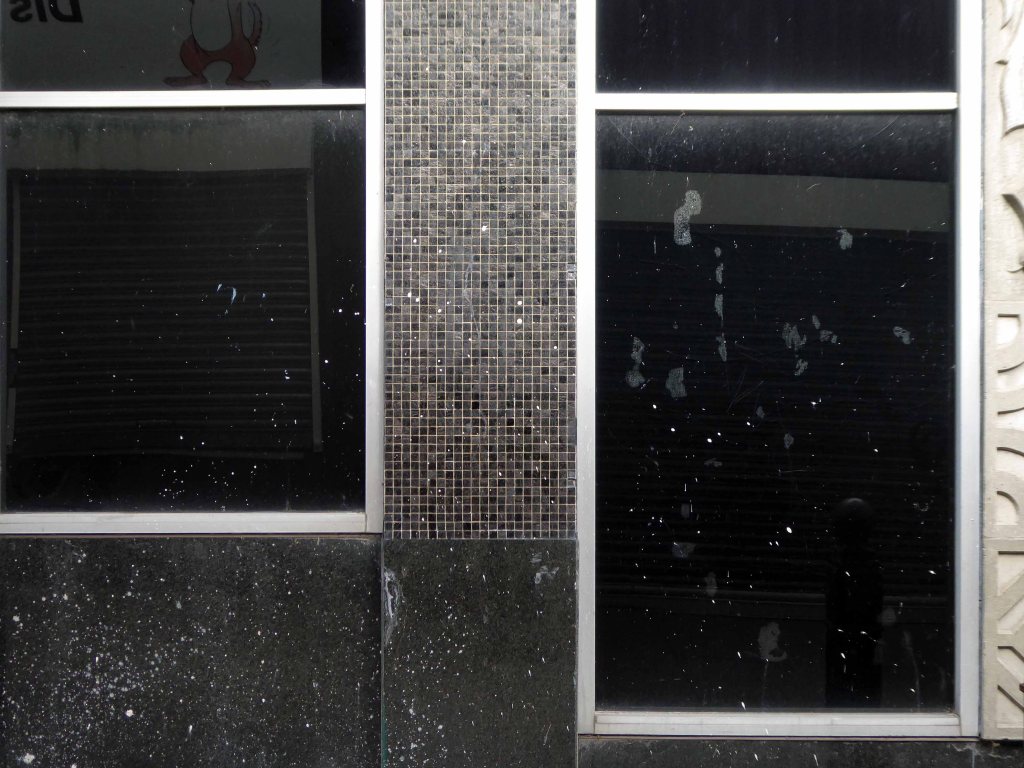
Mixing variegated grades of concrete, tiling, mosaic, brick, steel and glass.

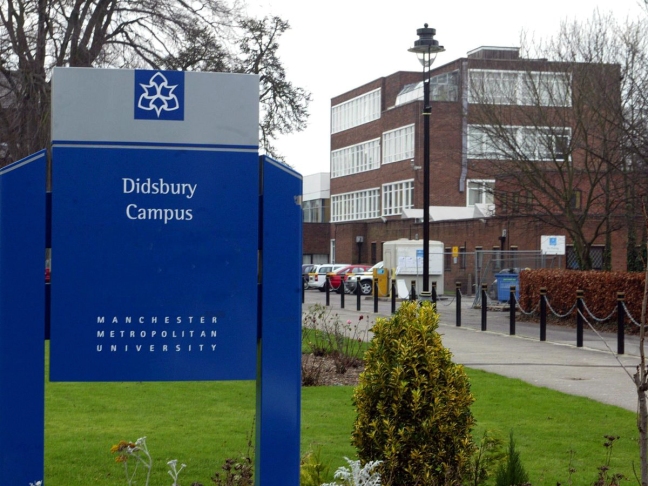
MMU Campus Didsbury

799 Wilmslow Rd Didsbury Manchester M20 2RR

I was here, once upon a time, studying to be an art teacher – which eventually I was, then I wasn’t.

Such is life, things that is eventually isn’t, such is the story of this here site.

Facts courtesy of Wikipedia

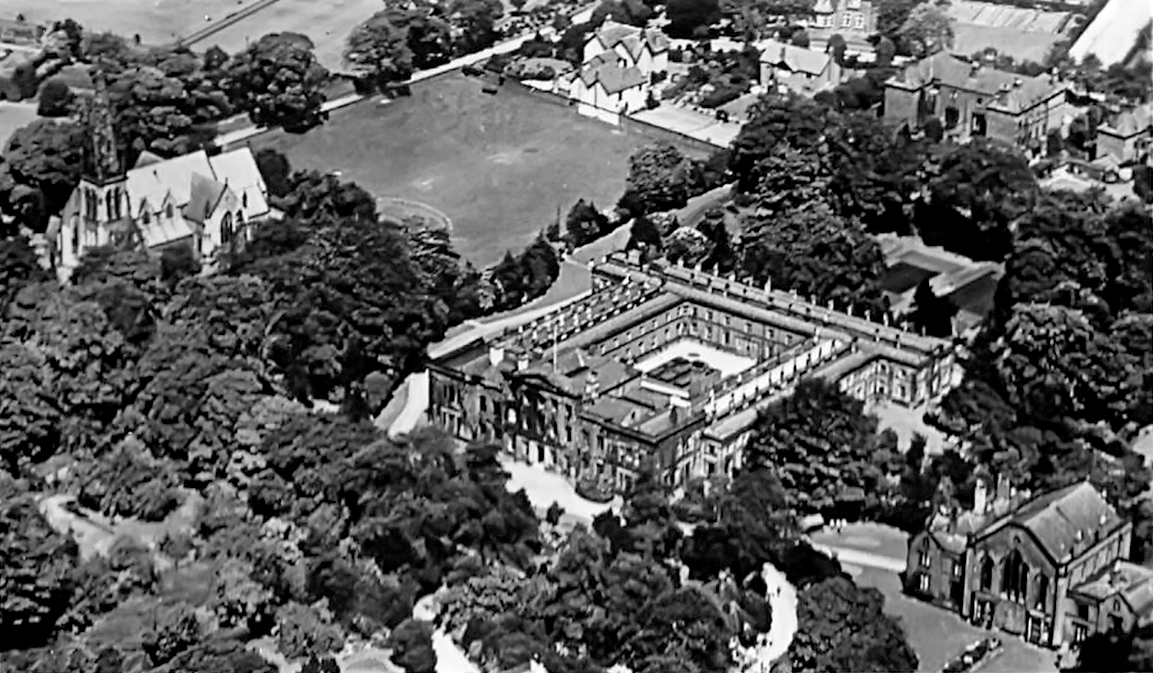
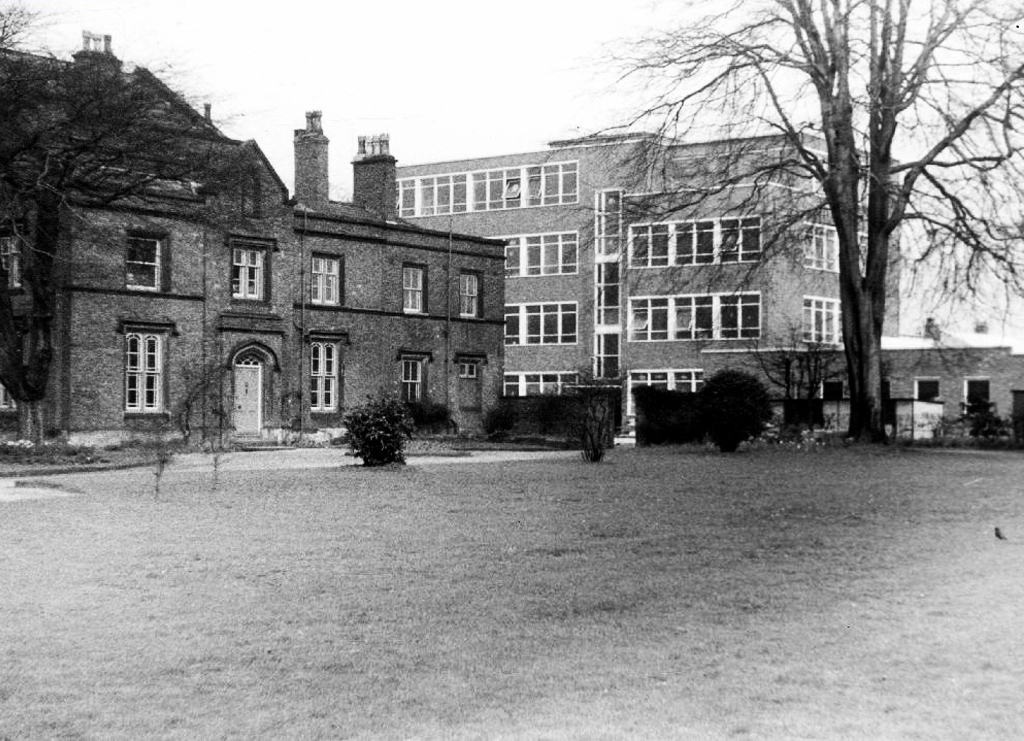
According to local historian Diana Leitch, the site has been in use since 1465; the first house was built in 1603 as part of a large estate with a deer park.

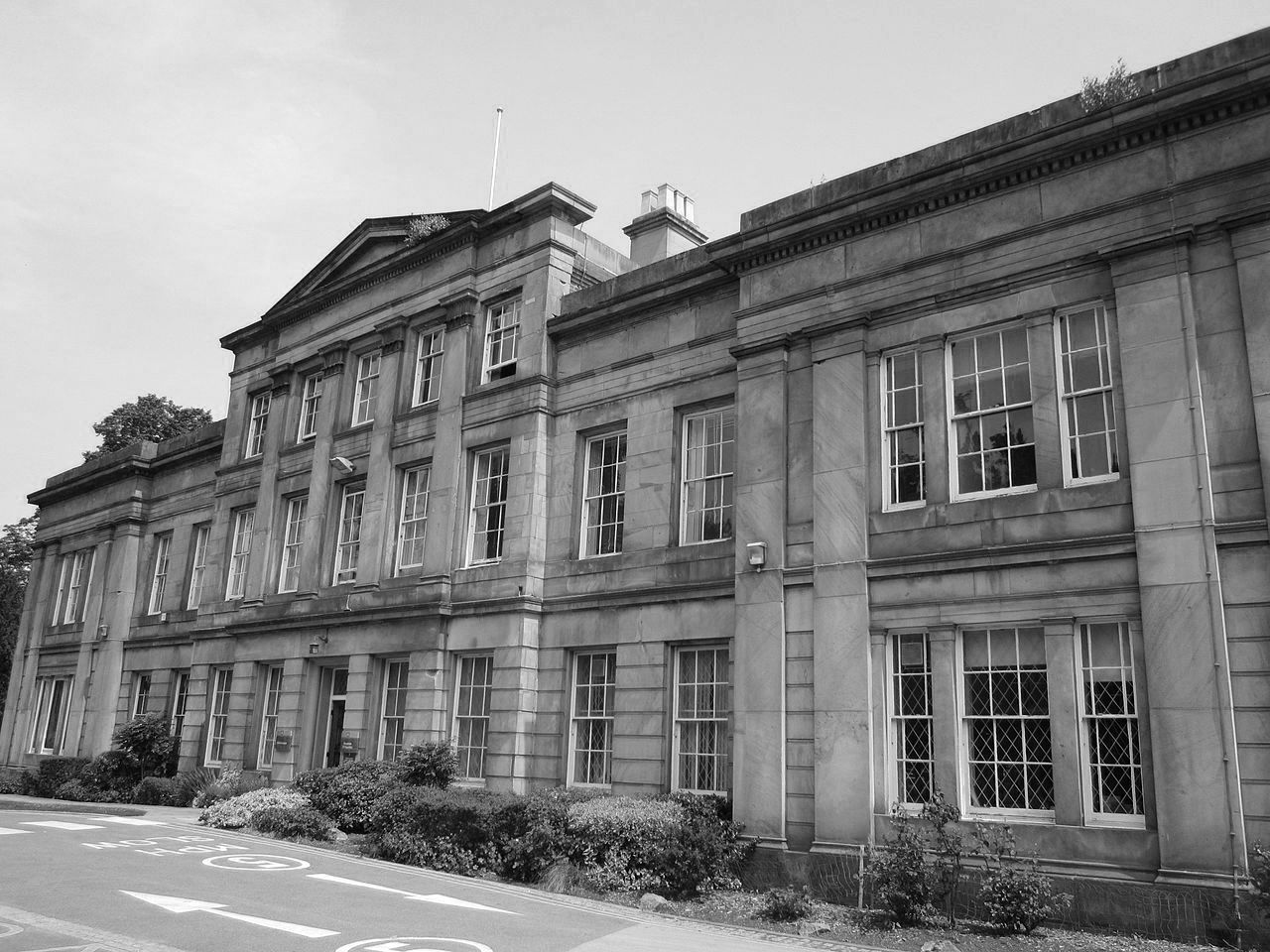
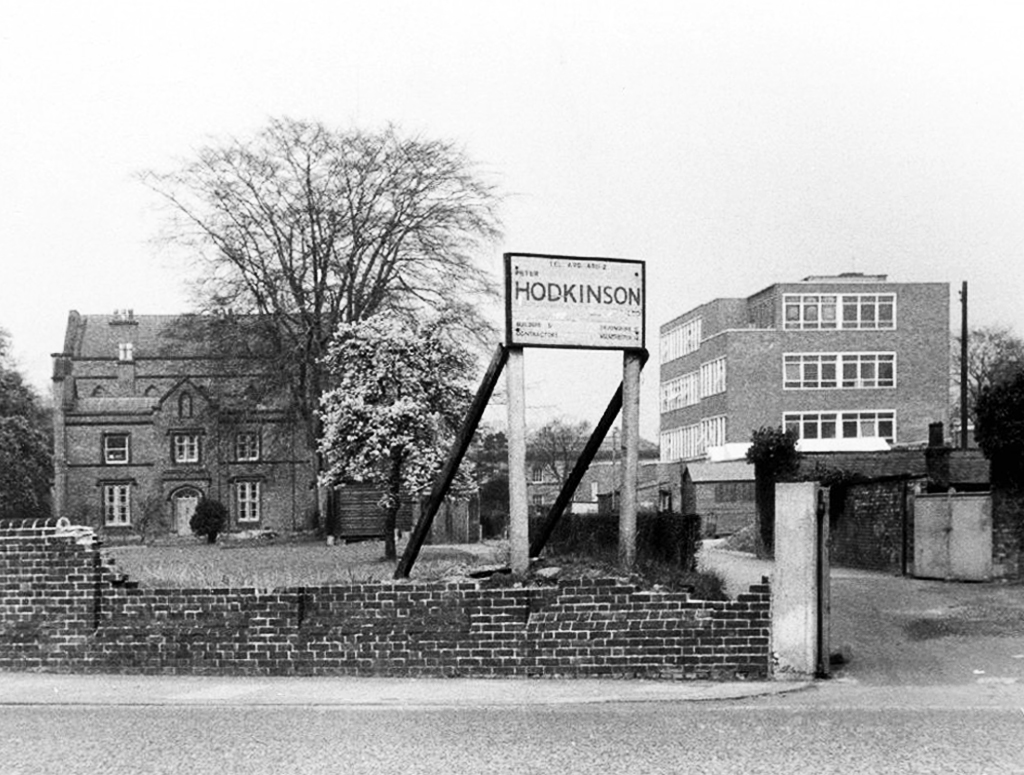
In 1740 the site was purchased by the Broome family, and a new house was constructed after 1785 by William Broome, extant today as the front part of the university’s former administration building, now known as Sandhurst House.

 By 1812 the house was occupied by a Colonel Parker, and in the 1820s and ’30s it was a girls’ school.

The site was purchased by the Wesleyan Methodist Church on 18 March 1841 for £2,000, and opened as a theological college on 22 September 1842.

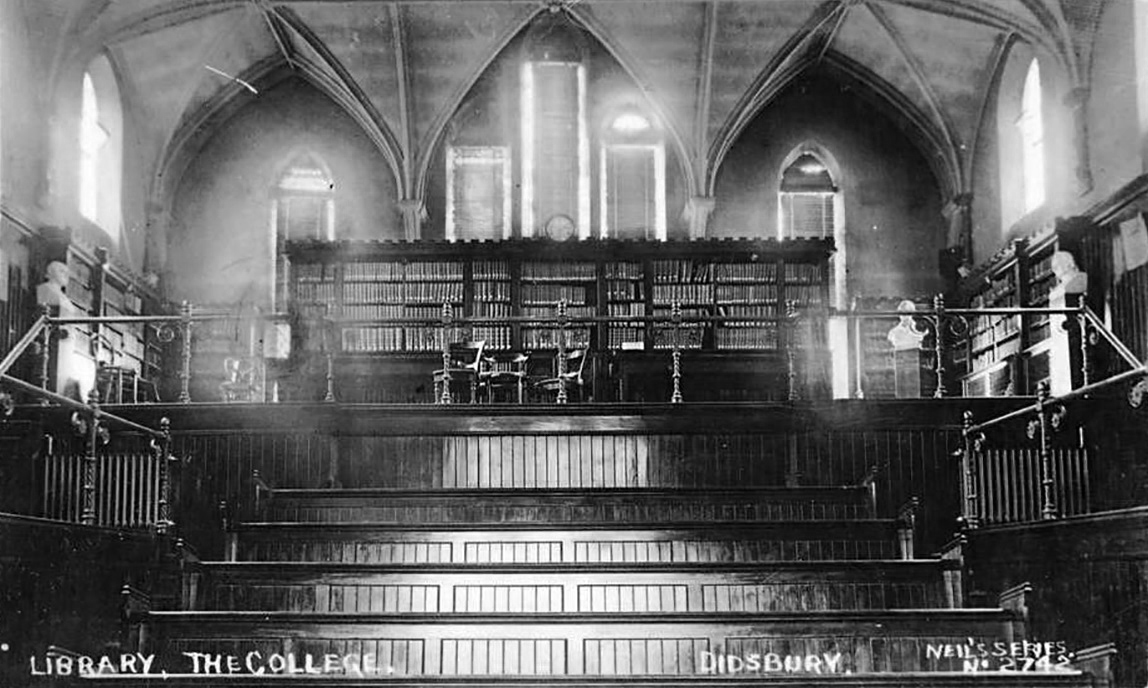
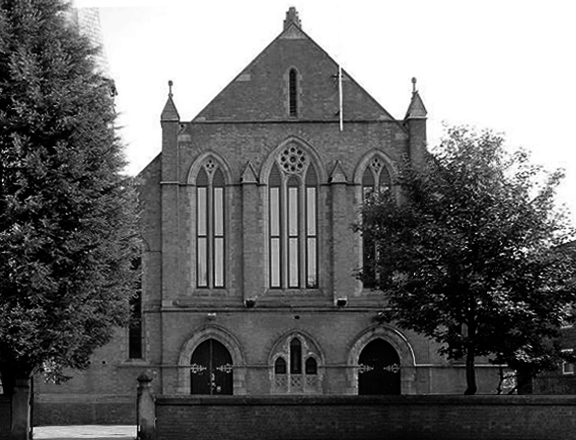
The Old Chapel building, originally the college chapel, is a two-storey building constructed in gothic style, with Flemish bond brickwork, built on a sandstone plinth in 1842. The structure consists of three wings, containing a central hall range, with two domestic wings on each side,  initially used as tutor accommodation, forming a symmetrical appearance with the gable end of the upper hall. For many years it was used as a library and lecture theatre.

The ground floor eventually became the student union, and contained a bar and café.

During both world wars the site was used as a military hospital. In 1943 the Board of Education had begun to consider the future of education, following reforms that would inevitably come after the war ended. It was estimated that with the raising of the school leaving age, following the 1944 Education Act, about 70,000 new teachers would be needed annually, almost ten times as many as before the war.

 In 1944 a report was produced by the Board of Education on the emergency recruitment and training of teachers, and it was decided that there were to be several new training colleges set up. These colleges were to be staffed by lecturers seconded from local authorities, with mature students selected from National Service conscripts. In 1945 the theological college, which was no longer required by the Wesleyans, was leased to the Manchester Education Authority. The new emergency training college was officially opened on 31 January 1946, with Alfred Body as its first principal.

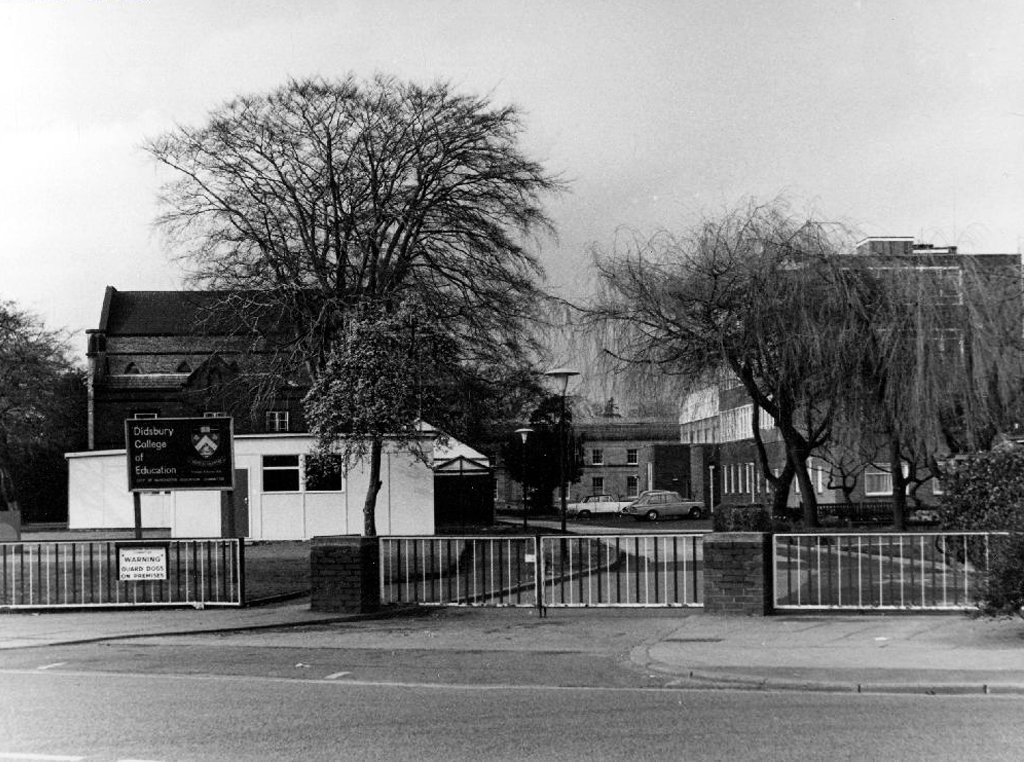
By 1950, the emergency college was purchased by the City of Manchester and made permanent as Didsbury Teacher Training College, with an initial enrolment of about 250 male and female students. As a result of becoming a permanent college, Didsbury became part of Manchester University’s School of Education.

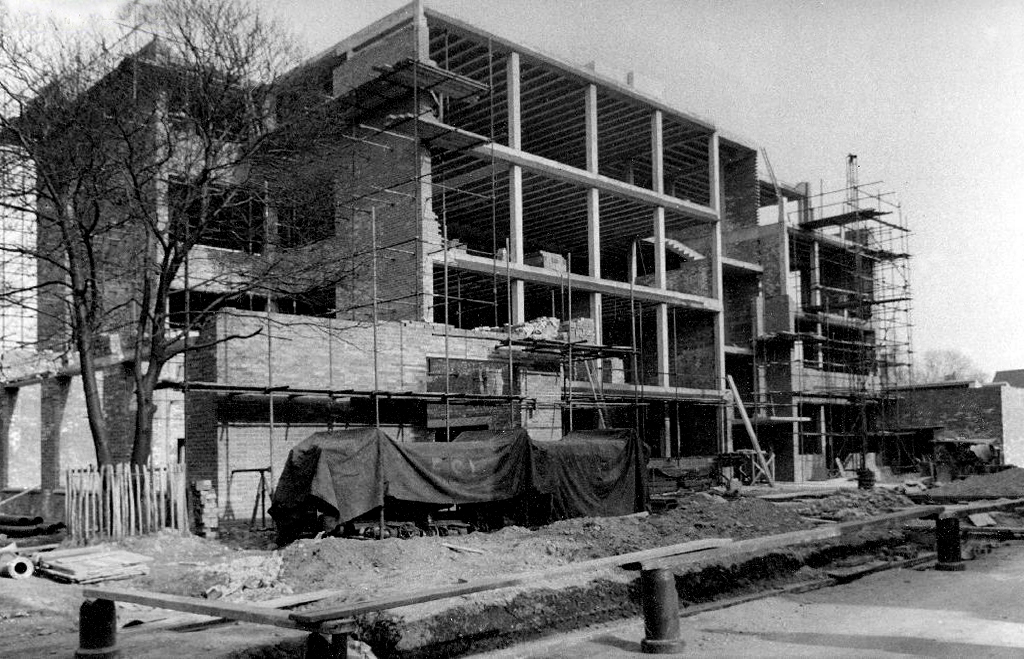
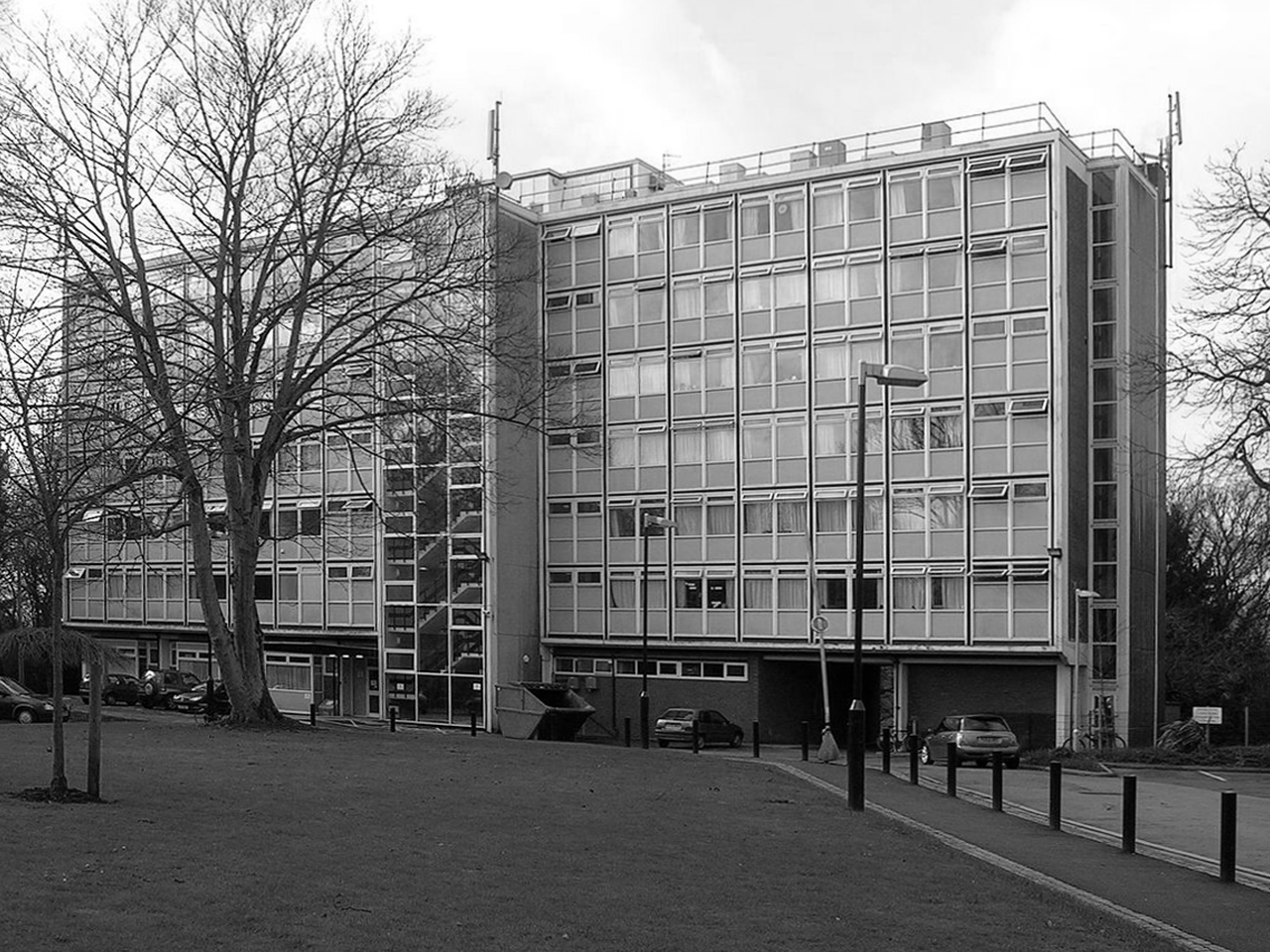
Over the next two decades, numerous buildings were constructed on the site; Behrens, Birley and Simon were all named after prominent local families with ties to the college.

Didsbury became part of Manchester Polytechnic in 1977, renamed Didsbury School of Education.

The adjacent Broomhurst halls of residence have since been demolished.

Both Sandhurst House and the Old Chapel are Grade II listed – the architect was probably Richard Lane.

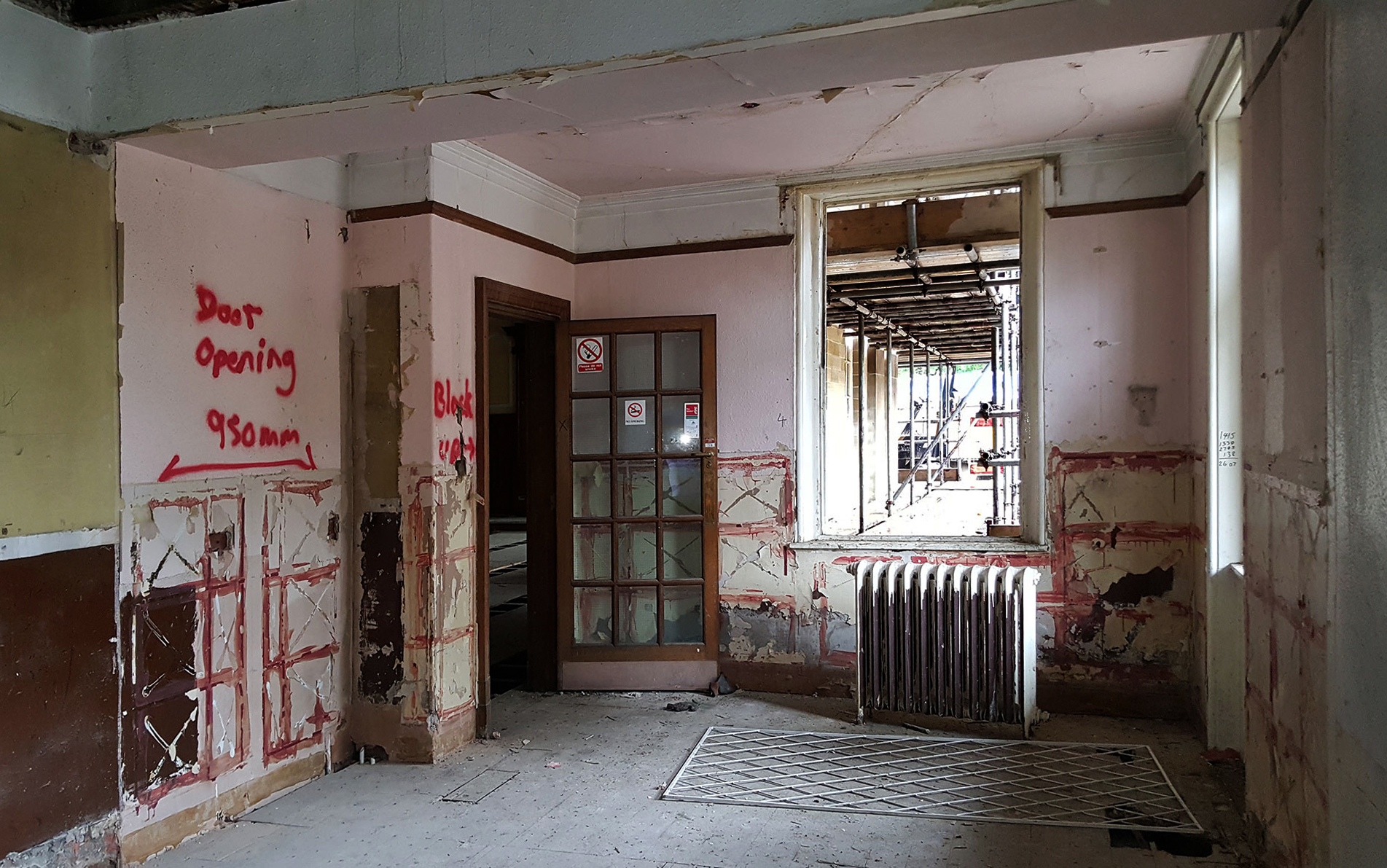
As of 2018 the site is being redeveloped by local architects PJ Livesey, as a residential area of 93 homes, with the listed buildings being retained.

Here’s a record of my visit, to the soon to be demolished site, in April 2015.

Archive photographs Local Image Collection.

St Cuthbert’s Miles Platting Manchester

Junction of Fir Road and Oldham Road

One fine day, I chanced to walk by just as the service was finishing.

I asked Assistant Curate Rev. Peter Scott if it would be possible to photograph the interior of the church, he kindly consented.

Here are the results, along with shots of the excitingly angular exterior.

The church’s exterior is home to a dramatic concrete relief.

Let’s take a look inside, complex volumes and multiple window-lighting points, along with simple decorative order.

Of particular note – the organ pipes located above the main entrance.

Once again I can’t thank Rev. Peter Scott enough for giving us access to this beautiful church, serving the parishioners of Miles Platting.

Piccadilly Plaza And Gardens

Here we are, right at the heart of Manchester.

Anything worth looking at?

Well not a great deal, it’s 1772 and the Gardens and Plaza, are as yet undreamt of – the area was occupied by water-filled clay pits called the Daub Holes, eventually the pits were replaced by a fine ornamental pond.

In 1755 the Infirmary was built here; on what was then called Lever’s Row, in 1763 the Manchester Royal Lunatic Asylum was added.

There were grander unrealised plans.

Including an aerial asylum.

The Manchester Royal Infirmary moved to its current site on Oxford Road in 1908. The hospital buildings were completely demolished by April 1910 apart from the outpatient department, which continued to deal with minor injuries and dispense medication until the 1930s.

After several years in which the Manchester Corporation tried to decide how to develop the site, it was left and made into the largest open green space in the city centre. The Manchester Public Free Library Reference Department was housed on the site for a number of years before the move to Manchester Central Library.

The sunken garden was a remnant of the hospital’s basement.

Wikipedia

During World War II the gardens were home to air raid shelters.

The Gardens became a festival of floral abundance – in folk memory twinned with the Hanging Gardens of Babylon, but with slightly less hanging.

The area has also acted as a public transport hub.

And following post war bomb damage.

A delightful car park.

But this simply can’t carry on, keep calm and demand a Plaza!

Drawings are drawn, models are modelled.

1965 Architects: Covell Matthews + Partners

Work is commenced, post haste.

Towering cranes tower over the town, deep holes are dug with both skill and alacrity.

A Plaza begins to take shape, take a look.

Nearly done.

All we need now are tenants.

Piccadilly Plaza now contains the renovated Mercure Hotel it was formerly known as the Ramada Manchester Piccadilly and Jarvis Piccadilly Hotel; the refurbishment was completed in 2008.

The retail units famously contained Brentford Nylons.

The company was eventually sold at a knock-down price and the new owner did not think the name worth having.

The noisy upstairs neighbours were Piccadilly Radio.

The first broadcast was at 5am on April 2nd 1974, it was undertaken by Roger Day, with his first words to the Manchester audience: “It gives me great pleasure for the very first time to say a good Tuesday morning to you… Hit music for the North West…we are Piccadilly Radio” before spinning Good Vibrations.

It was the first commercial radio station to broadcast in the city, and went on to launch the careers of a host of star DJs, the likes of Gary Davies, Chris Evans, Andy Peebles, Timmy Mallett, Mike Sweeney, Pete Mitchell, James Stannage, Steve Penk and James H Reeve.

Manchester Evening News

And of course my good friend Mr Phil Griffin.

Just around the corner the Portland Bars.

Waiting for a mate who worked at Piccadilly Radio we ventured down the stairs next door to get a drink and because of our clothes/leather jackets we were chucked back up the steps. We should of stood our ground like one of my mates who was told he could stay if he turned his jacket inside out, thinking he wouldnt do it, but he did and had a drink with his red quilted lining on the outside.

MDMA

Oh and not forgetting the Golden Egg.

Bata Shoes and a Wimpy Bar.

“Food served at the table within ten minutes of ordering and with atomic age efficiency. No cutlery needed or given. Drinks served in a bottle with a straw. Condiments in pre-packaged single serving packets.”

In addition to familiar Wimpy burgers and milkshakes, the British franchise had served ham or sardine rolls called torpedoes and a cold frankfurter with pickled cucumber sandwiches called Freddies.

Even on the greyest days the Plaza was a beacon of Modernity.

Though sadly we eventually lost Bernard House.

However, City Tower still prevails as a mixed use office block, adorned east and west with big bold William Mitchell panels.

Which were to be illuminated by ever changing images, produced by photo electric cells – sadly unrealised.

So goodbye Piccadilly – farewell Leicester Square? – it’s a long, long way to the future, and we’re barely half way there.

While we’re in the vicinity take a quick trip up and down the car park ramp.

Notably the entrance to the Hotel Piccadilly was on the first floor, accessed by non-existent highways in the sky – sweet dreams.

Black and white archive photographs – Local Image Collection

Pedestrian In A Car Park – Piccadilly Manchester

Here we are again – in a spin, oh what a spin that I’m in.

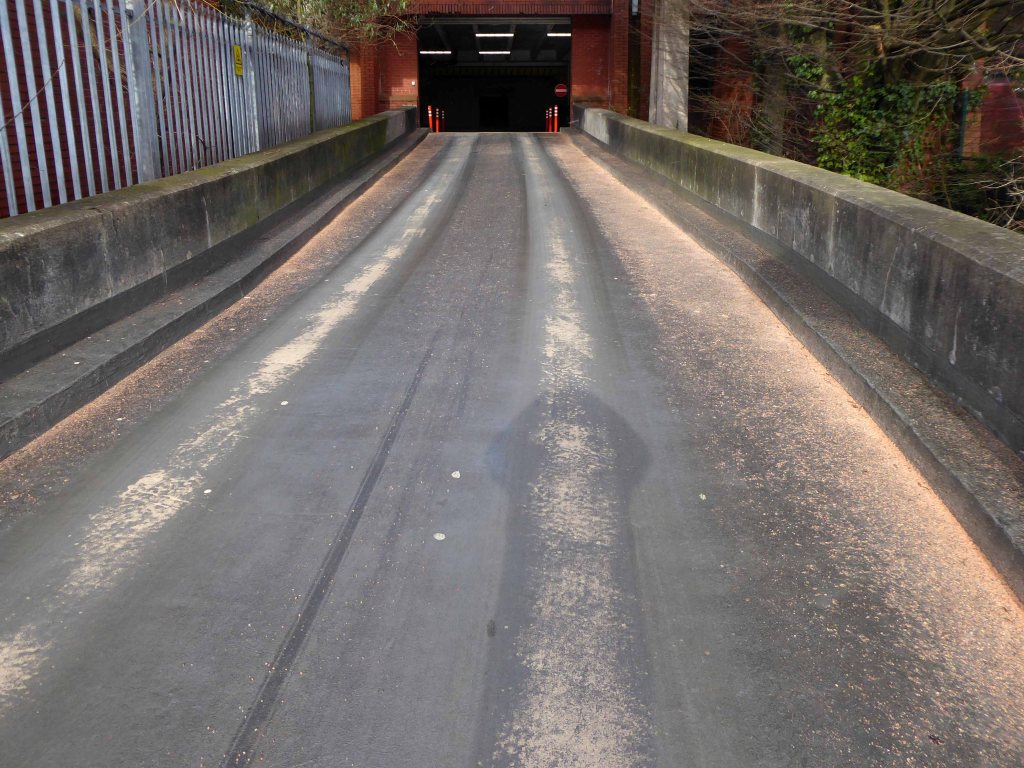
Up and down the spiral ramp, the eternal allure of the unknown and forbidden, walking the way of the motor car.

I was in town on an overcast day, prior to a Covid jab appointment, what better way to relax and reflect on our current condition, here on this whirling sphere.

A transgressive trip to a twisted world of spiral delights.

Stockport, Hull and London have all been previously explored – here we are now going up the back of the Plaza.

The work of architects Covell-Matthews Partners, further details here at Mainstream Modern.

The car park ramp serviced the Piccadilly, now Mercure Piccadilly Hotel; one of the three main elements of Piccadilly Plaza, along with City Tower and the late lamented Bernard House.

In its day, synonymous with Manchester’s emergent manifestly modern image – scene of Albert Finney’s homecoming, in the film Charlie Bubbles.

And also used, in the then fabulously glamorous Dee Time – host Simon Dee descending the ramp in his ‘E Type’ Jaguar.

Legend has it, that the ramp was the location for an unlikely encounter between architect Louis Kahn and top pop combo The Commodores.

The reception drop off was at first floor level and was accessed from street level by a helical ramp. My father’s dilapidated Renault 4 van gave up just near the top. Extremely embarrassed, my father asked Kahn to move over to the driver’s seat and steer, whilst he attempted to push the van the rest of the way. As he began to push a people carrier pulled up behind and out stepped a group of men who began to help. Soon the van was outside the reception and my father and Kahn thanked the men.

The young female receptionist was very excited: ‘Do you know who just pushed your car up the ramp? The Commodores!’

The RIBA Journal

Hang on to your hats lets take a trip up the helix.

And down again.

NB The Modern Moocher neither advocates nor encourages the pedestrians’ invasion of the motor cars’ private spaces.

Let it be known throughout the land, that it is at heart, a very, very daft and dangerous thing to do.

Woodford Garden Village

We begin at the beginning of the end – fields full of fields

Dotted with farm buildings – then, along comes an Aerodrome.

A serious problem arose in 1924 when Avro was notified that the current airfield used by the company at Alexandra Park would be closing. After a hurried search to find an alternative location, Avro settled on New Hall Farm at Woodford and completed the move later that year.

In 1999, Woodford became part of BAE Systems as a result of the merging of British Aerospace with Marconi Electronic Systems. Plans to build the Avro RJX airliner at Woodford were shelved in 2001 which left production of the Nimrod MRA4 as the only active project at the site. Woodford Aerodrome finally closed in 2011 when the Nimrod MRA4 project was cancelled, ending almost 80 years of almost continual aircraft manufacture at the site.

Avro Heritage Museum

Which in due course became a museum.

The site was subsequently acquired by Redrow.

Redrow has started construction on the first phase of 950 homes at the 500-acre former Woodford Aerodrome site near Stockport, nearly two years after planning consent was granted.

Preparatory works are underway and sales of the houses are expected to launch in June with the opening of show homes on the site.

The redevelopment of the 500-acre site, which is being brought forward by a joint venture between Harrow Estates, part of Redrow, and Avro Heritage, will also feature a primary school, employment area, pub, shops, community facilities, and areas of open and recreational space.

Place Northwest

A 21st century development was on its way.

James Fisher 1954

However, the architectural style owes more to Baron Hardup, than Flash Gordon.

The Tudor-Bethan style of Metro-Land, that oh so very, very English pantomime tradition of the village green, merry boys and girls dancing around Maypoles clutching wicker baskets, full of plastic daffodils.

For every raw obscenity
Must have its small ‘amenity,’
Its patch of shaven green,
And hoardings look a wonder
In banks of floribunda
With floodlights in between.

John Betjeman Inexpensive Progress

This is progress realised as regression, a pastiche of a pastiche, of a pastiche, of a pastiche.

Finding some small comfort in the imitation game, hurtling along radial roads, encased in the biggest, live now pay later motors, which borrowed money can buy.

Seeking succour in the certainty of an illusory past, whilst peering through the nets and blinds, at a seriously uncertain future.

You’re as pretty as a picture, a picture torn from a yellowing scrapbook, scanned and enhanced, to remove any unseemly rough edges and/or ruffians.

This was tomorrow calling, wishing you weren’t here.

Work is still underway and the surrounding landscape feels raw, windswept and wounded.

All of the plots on this phase are now reserved, but don’t miss out on the available homes on our other phases! 

Just minutes from Wilmslow, Poynton and Bramhall, and within easy reach of Manchester for both work and leisure, Woodford is perfectly placed to offer the best of both the thriving city and the glorious Cheshire countryside. This makes it the perfect location for our high-quality Heritage Collection homes, which combine the very best of classic Arts & Crafts architecture with modern, family friendly interiors of the very highest specification.

Redrow

The Oxford, Richmond, Leamington, Lincoln and Canterbury – reassuringly reassuring you, that you are in fact – nowhere.

This is it you have arrived – a gold-star, cast iron, paper thin investment for a certain aspirational section of society.

Goodbye Woodford Garden Village.

Now if the harvest is over, and the world cold, give me the bonus of laughter, as I lose hold.