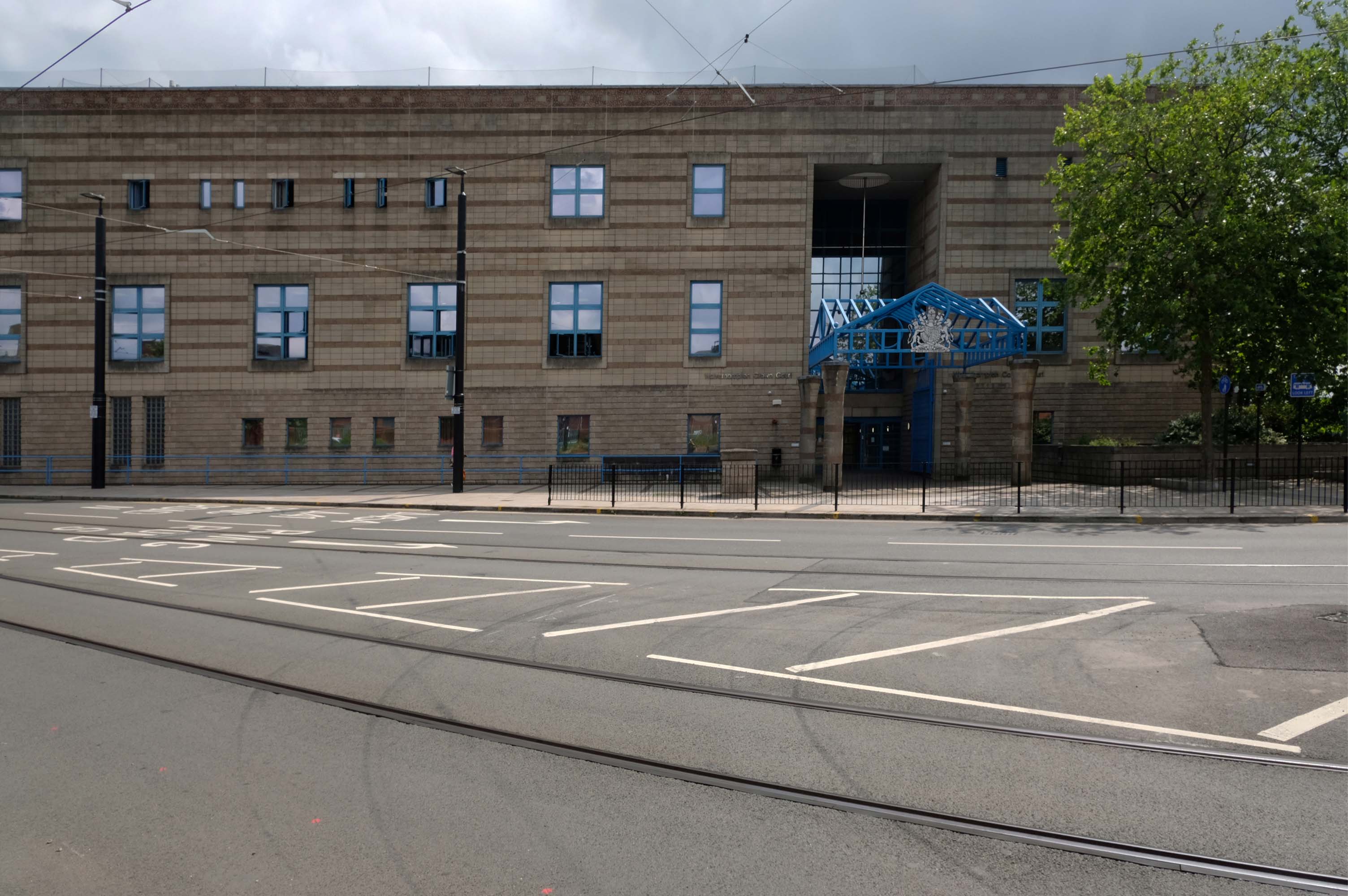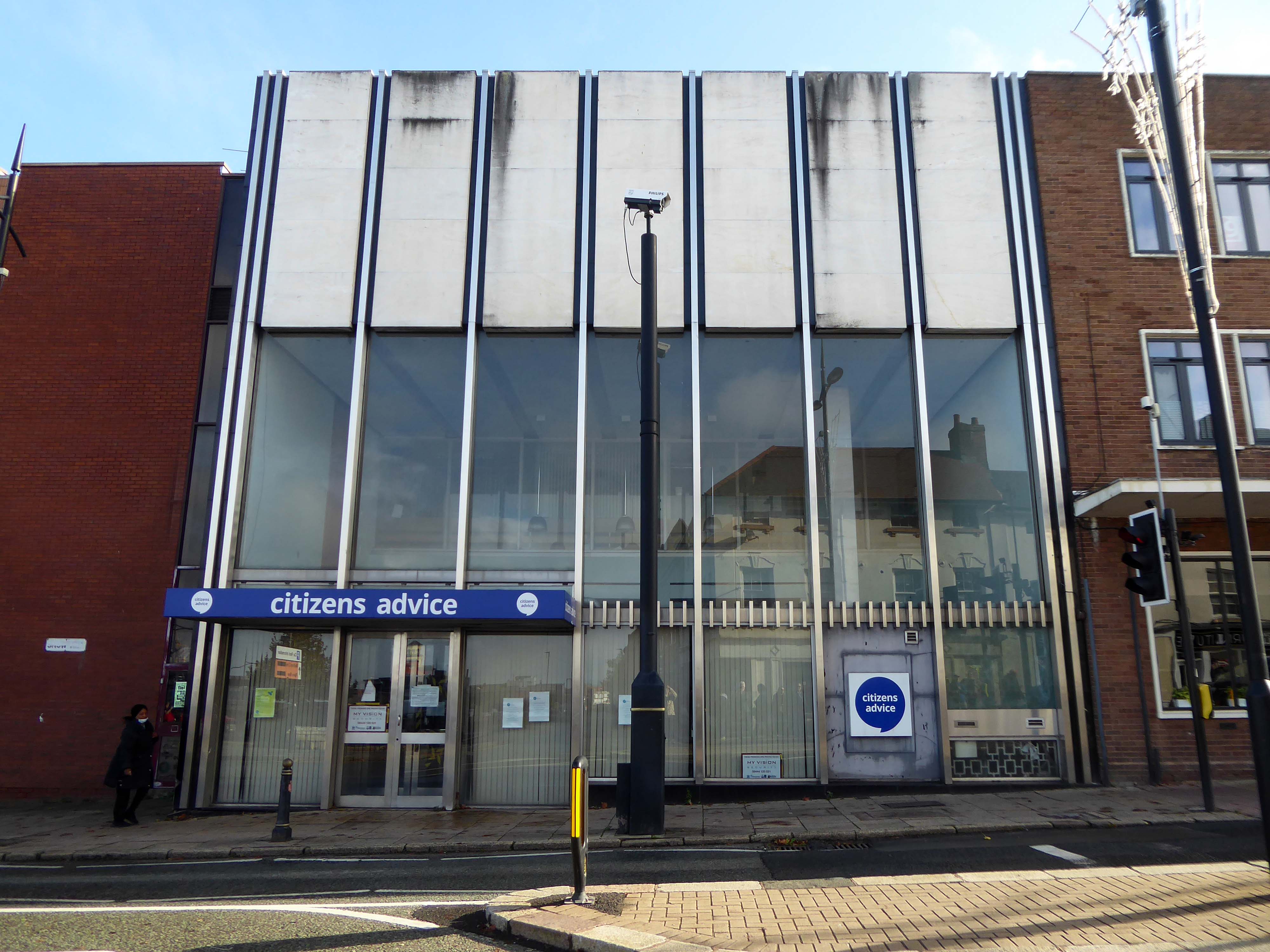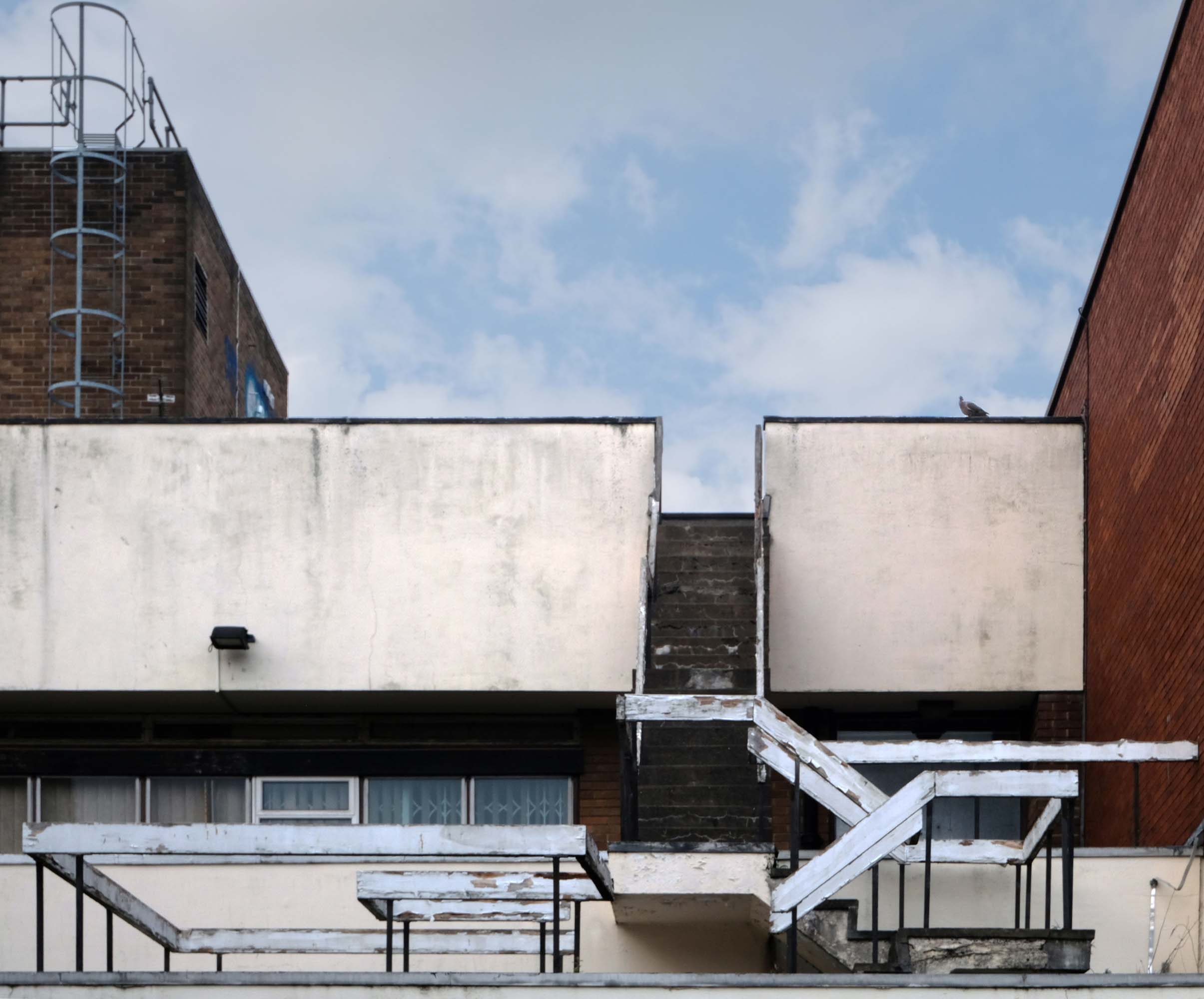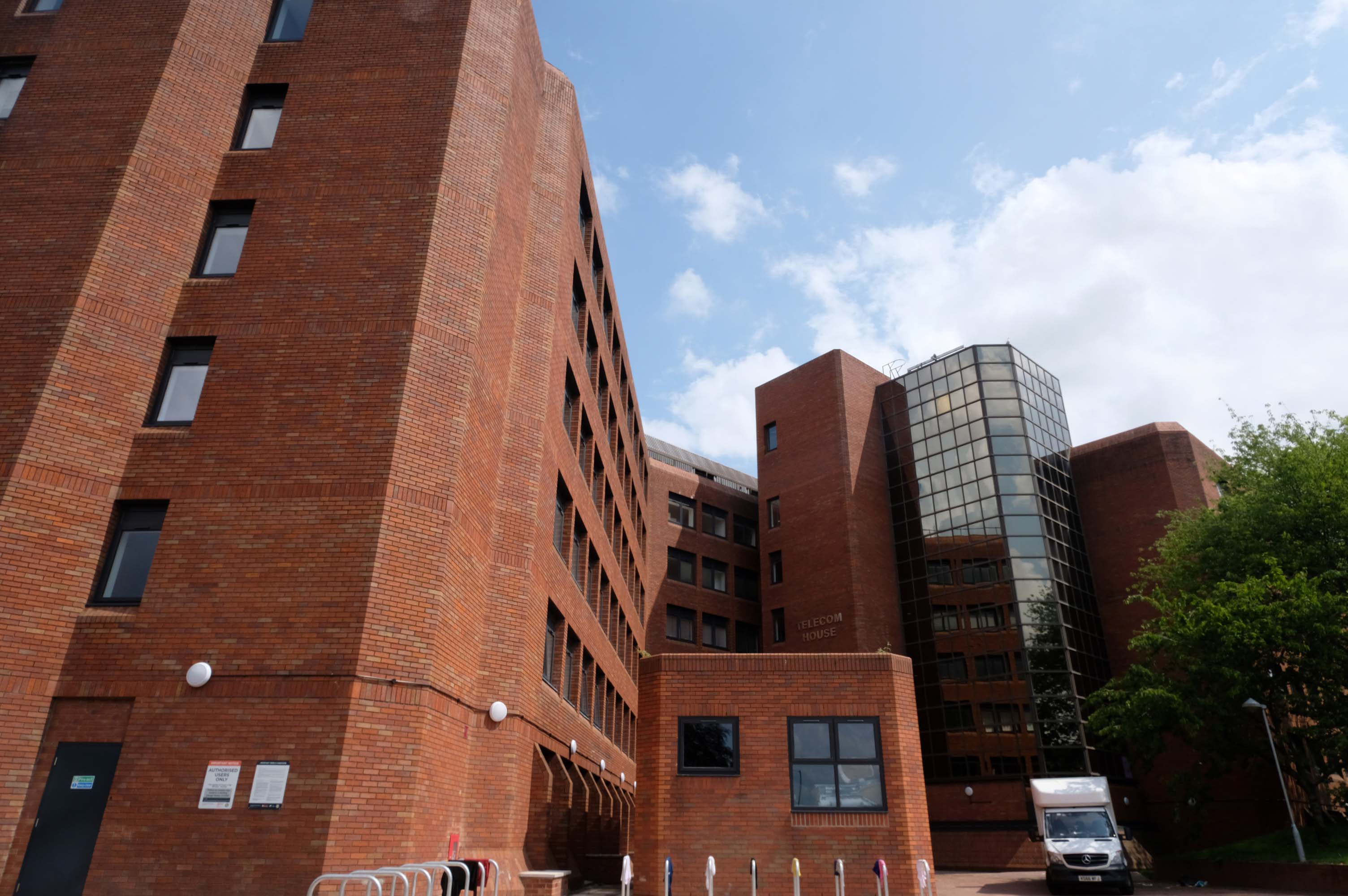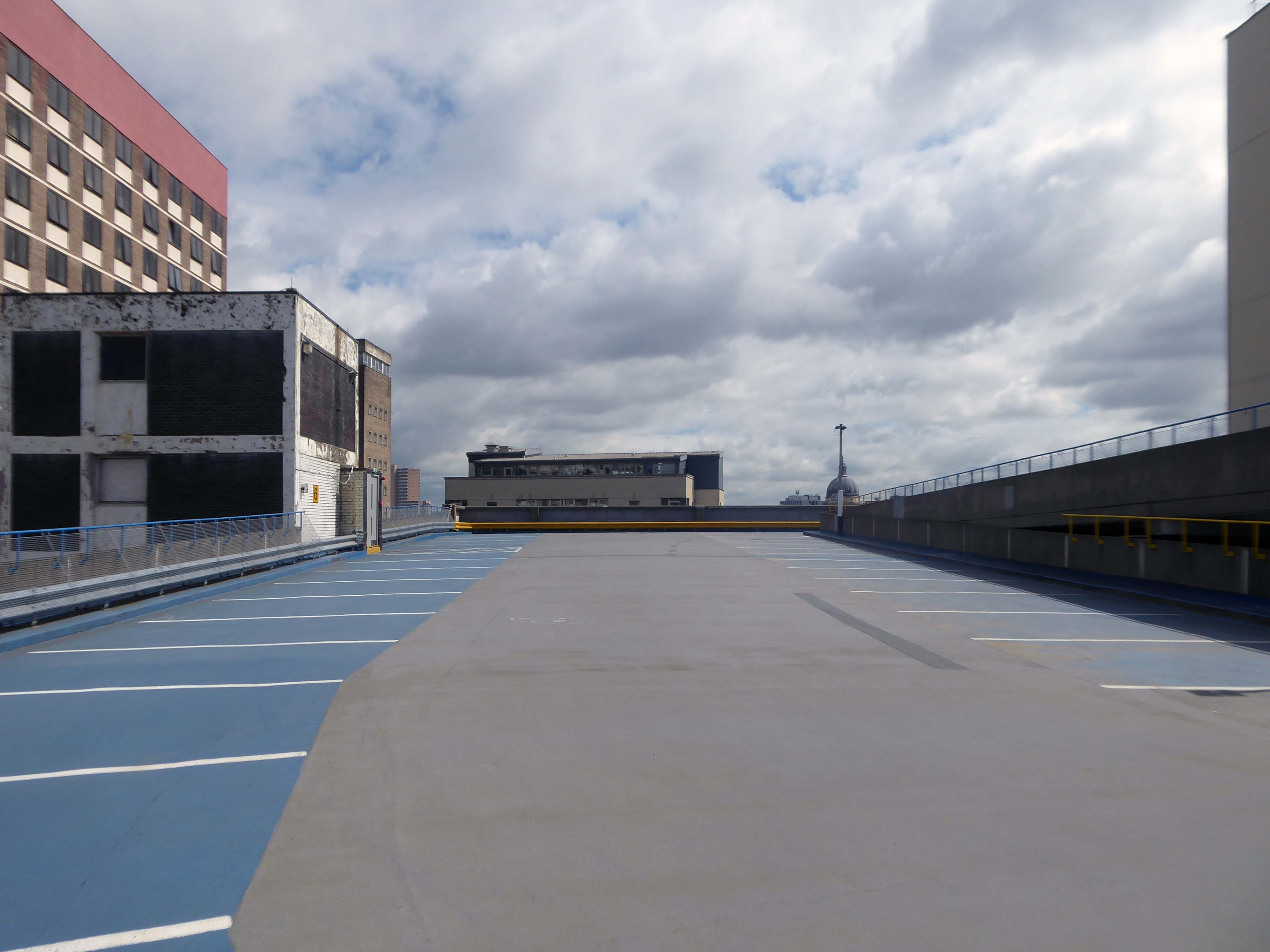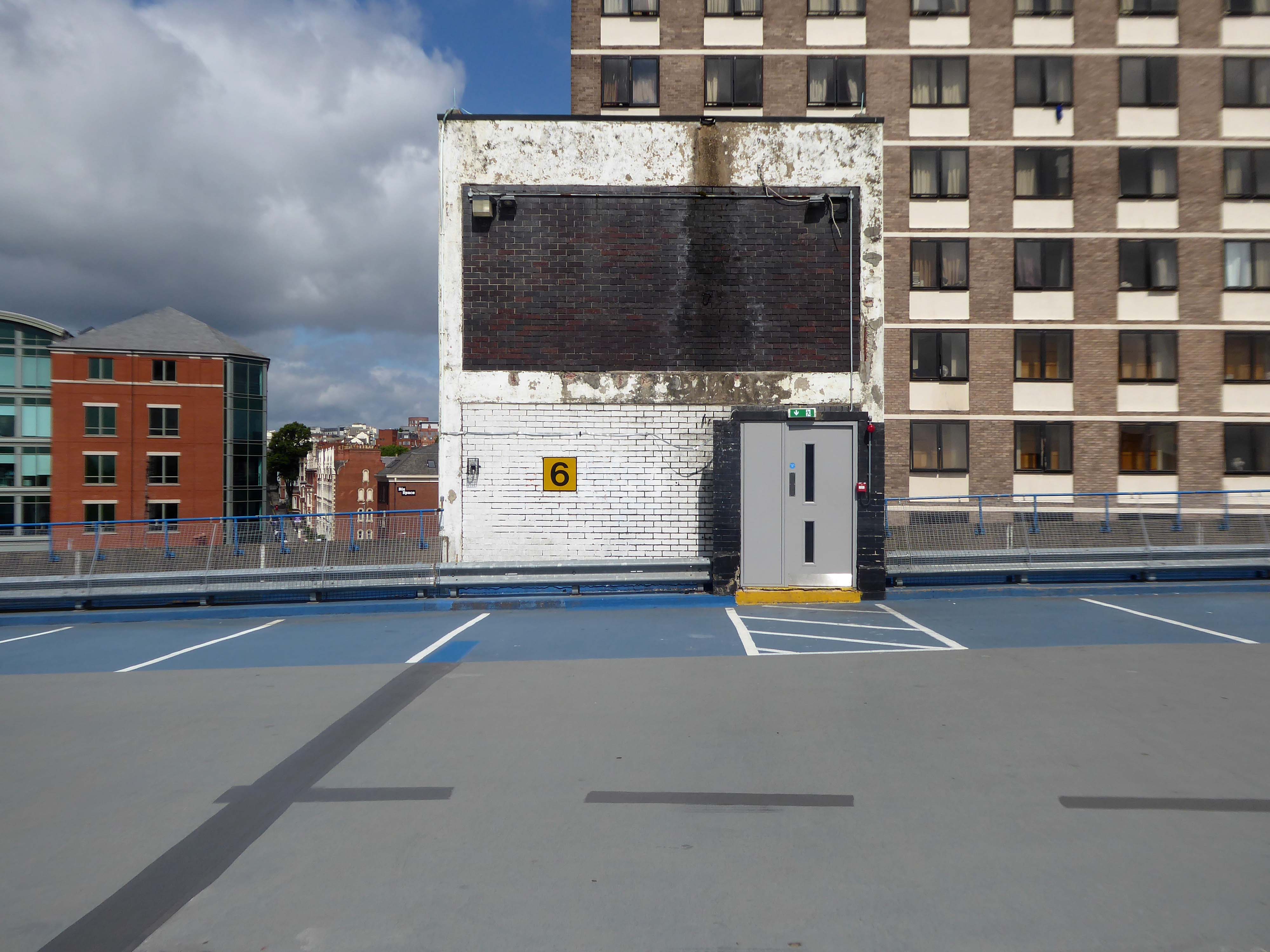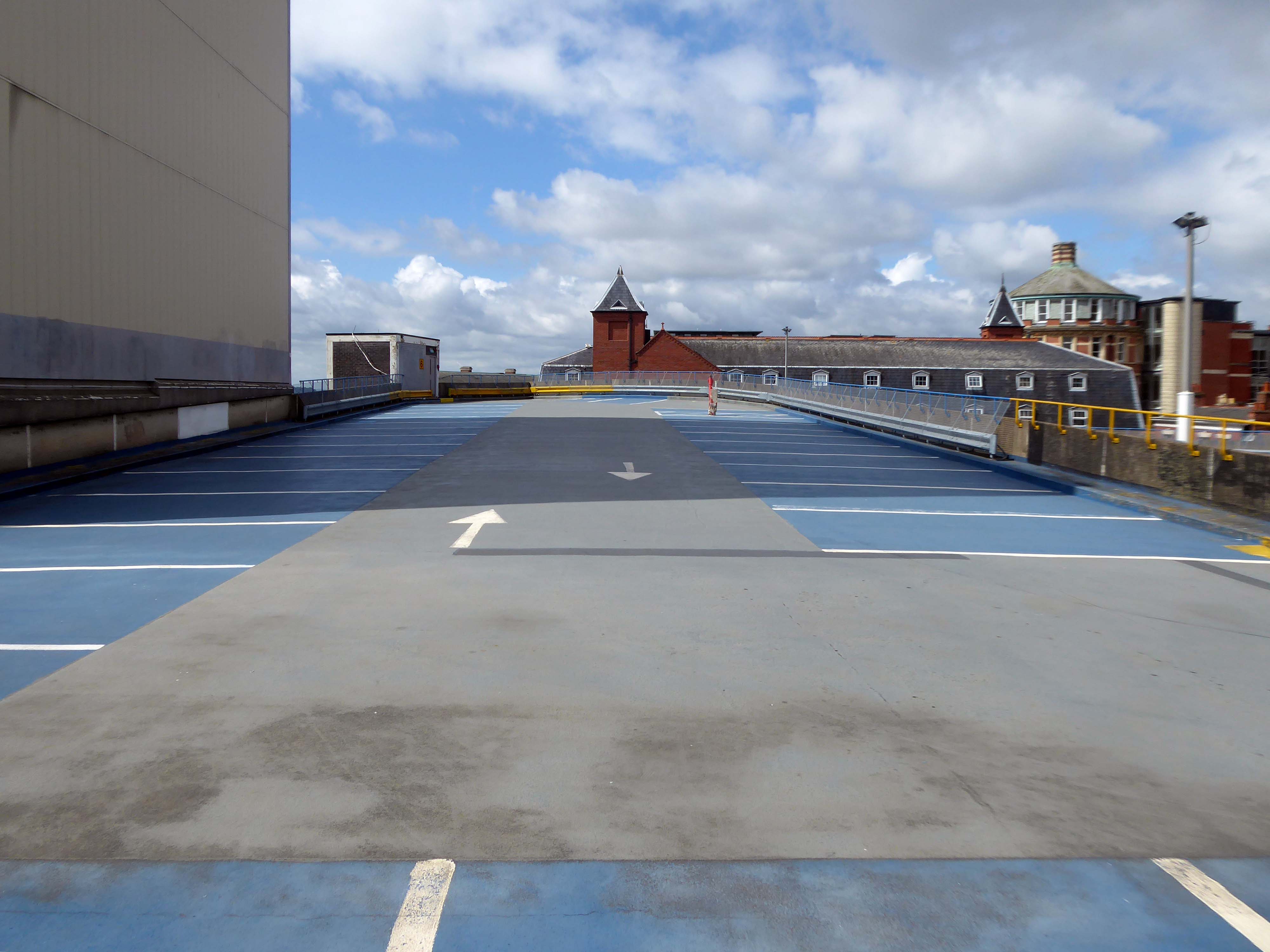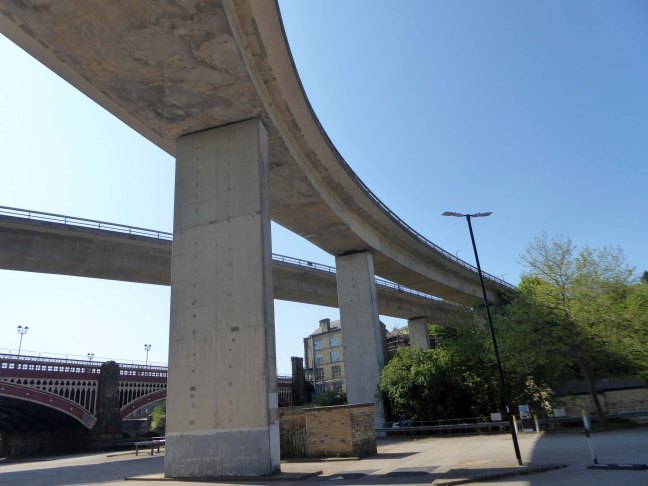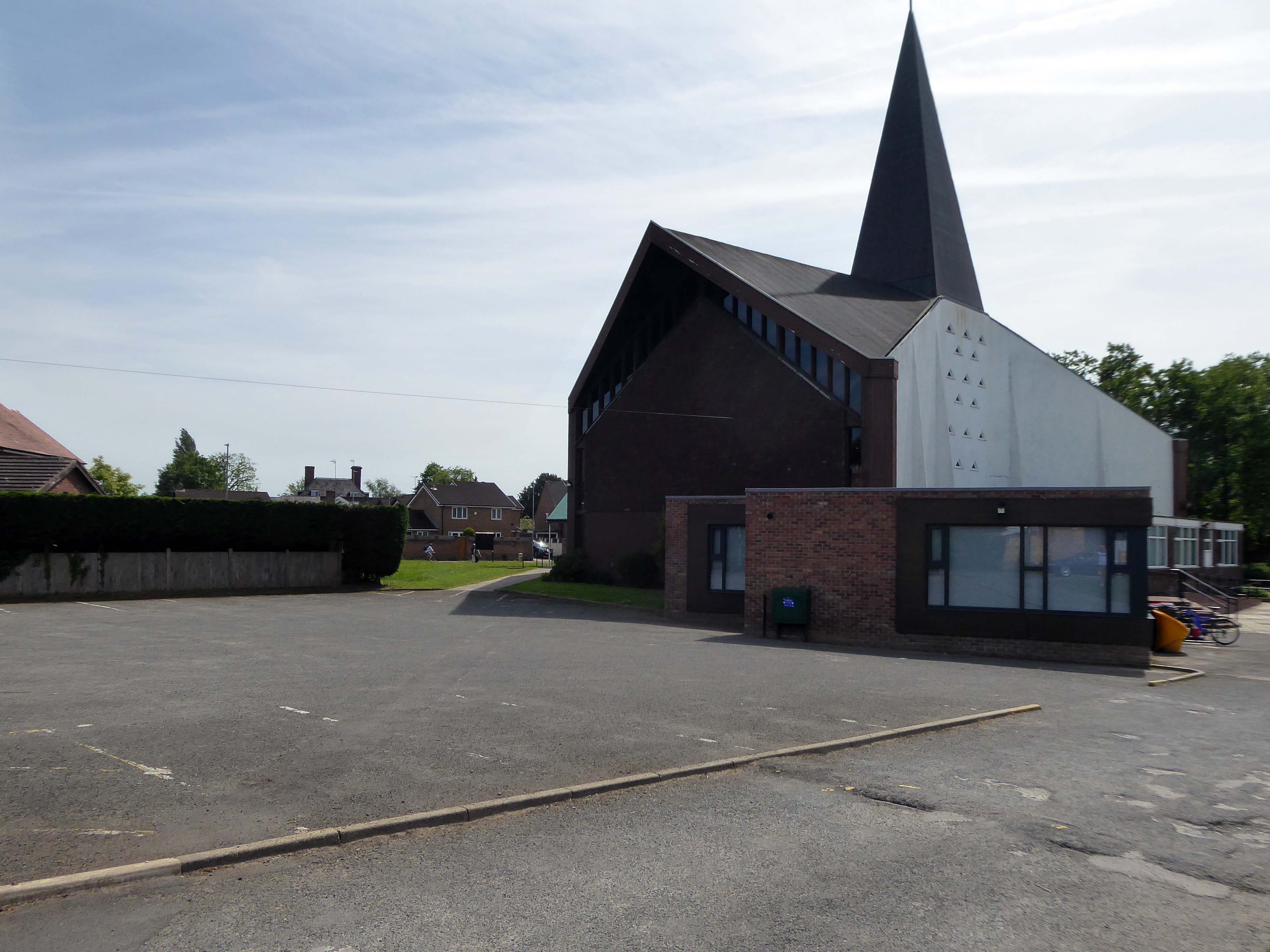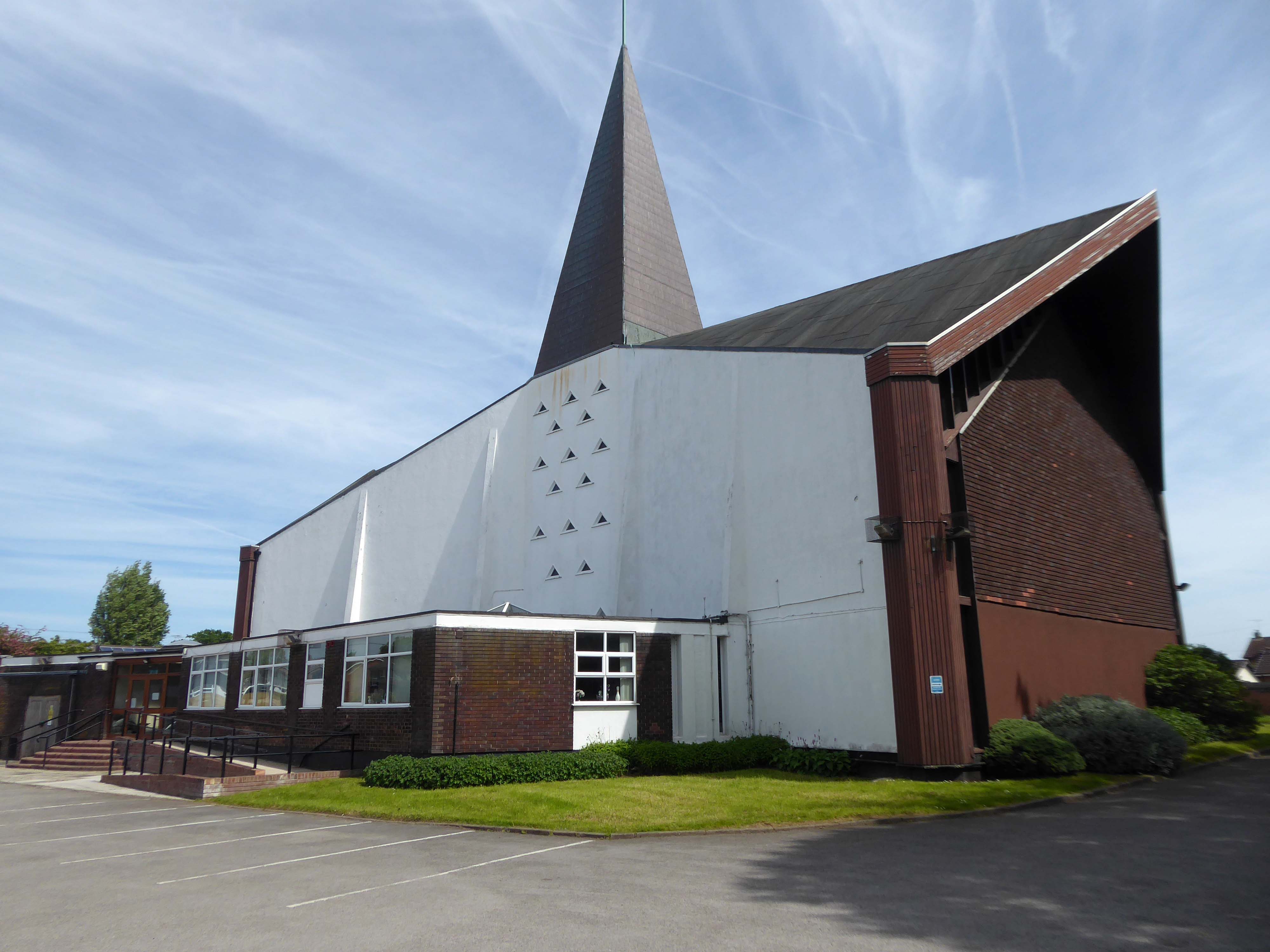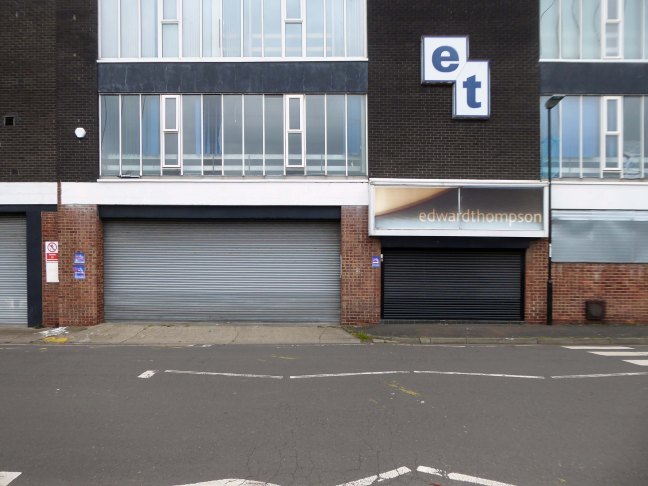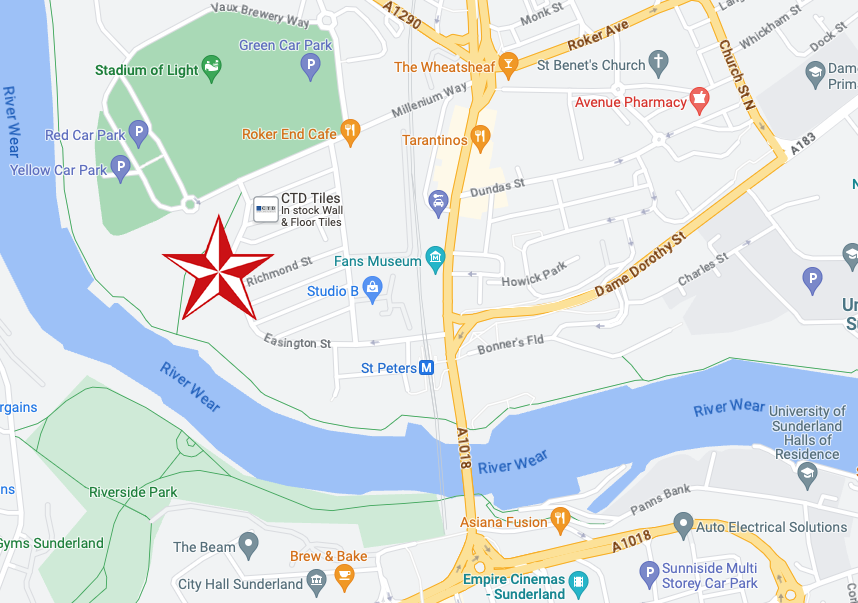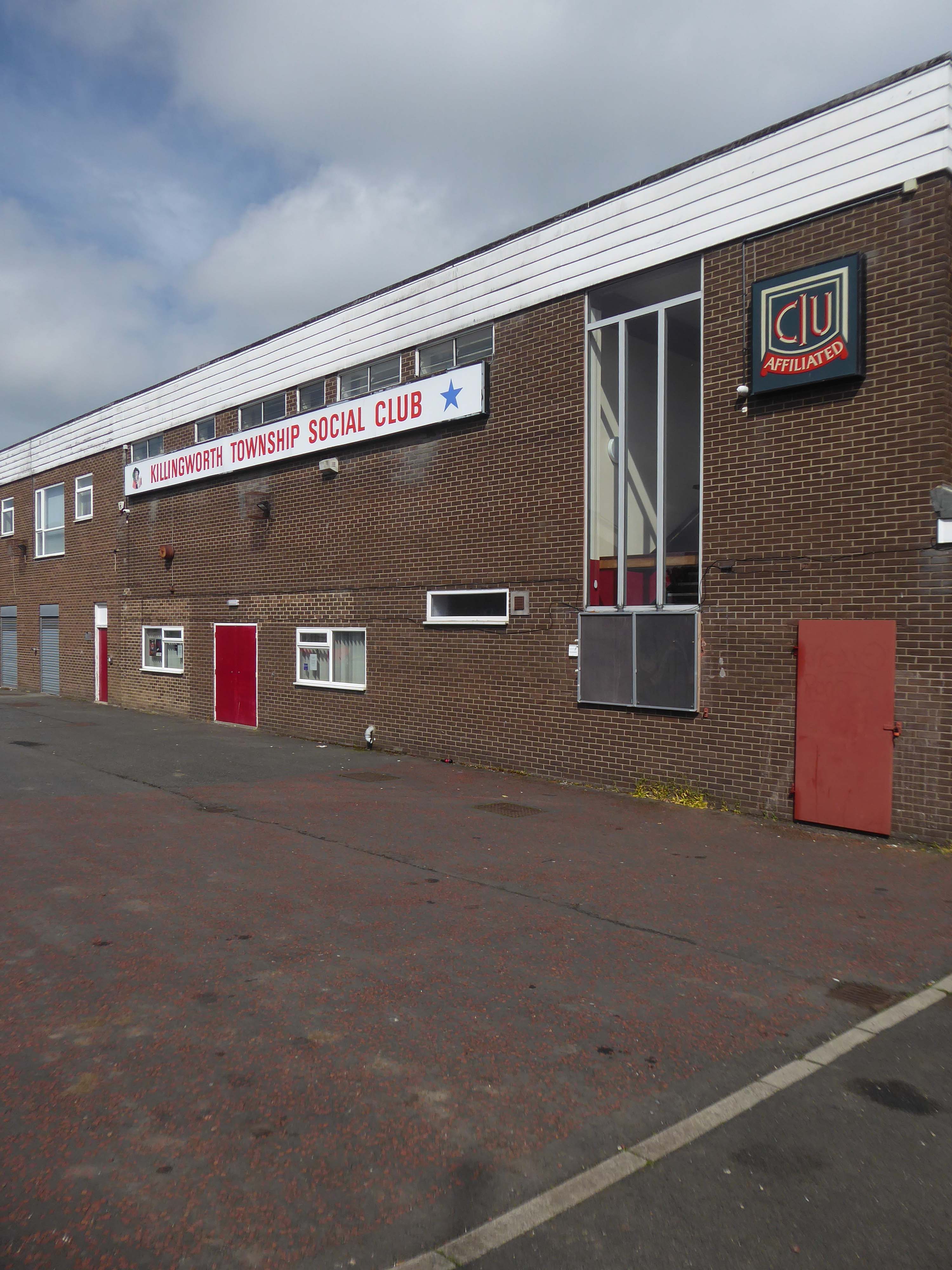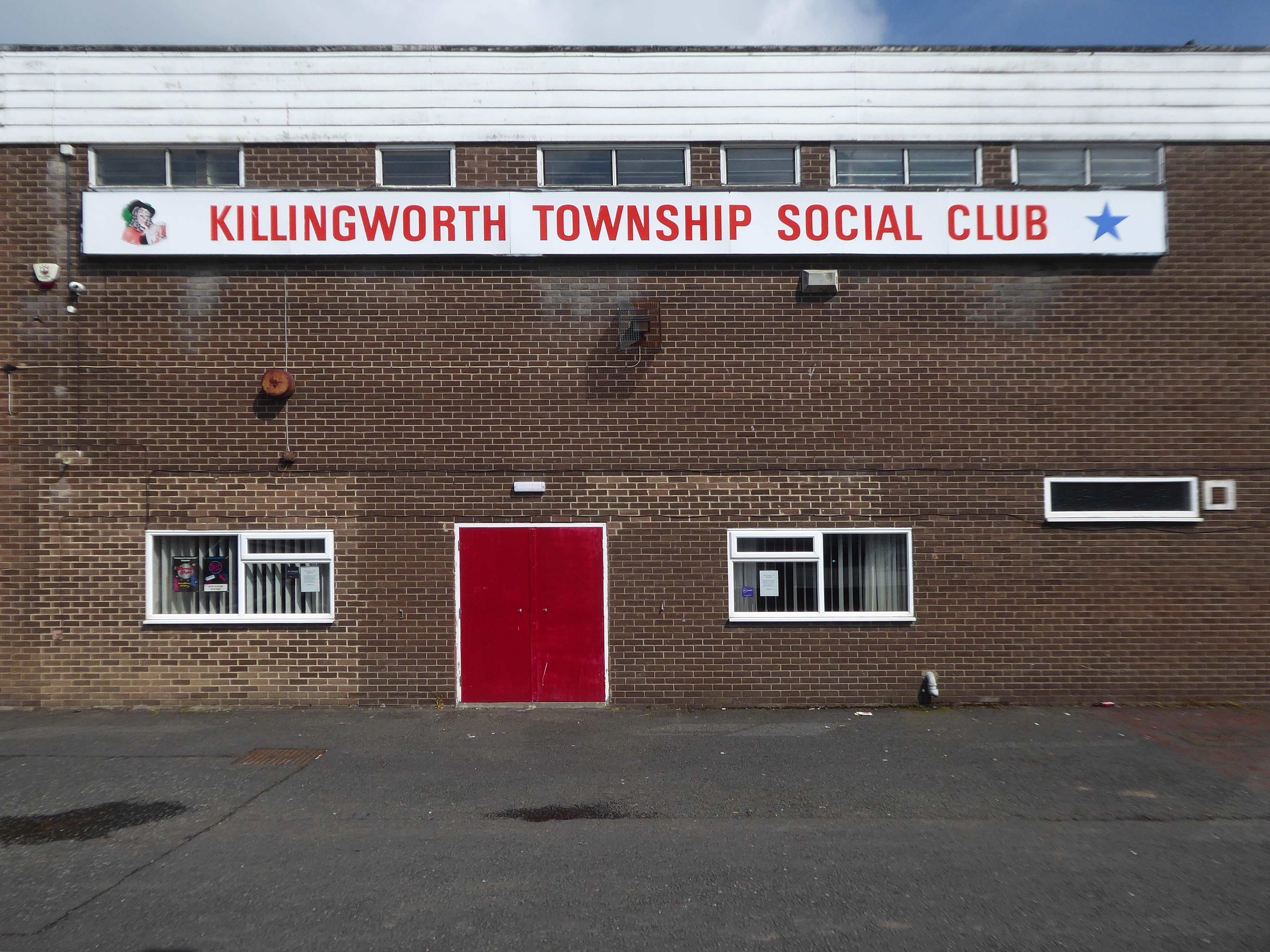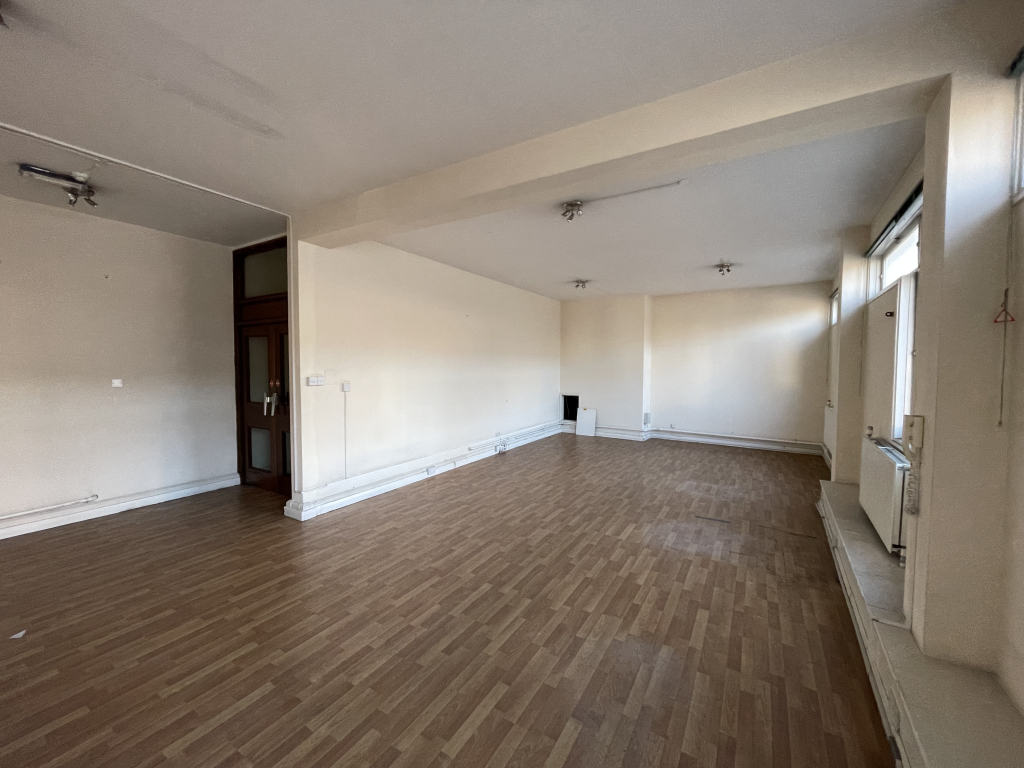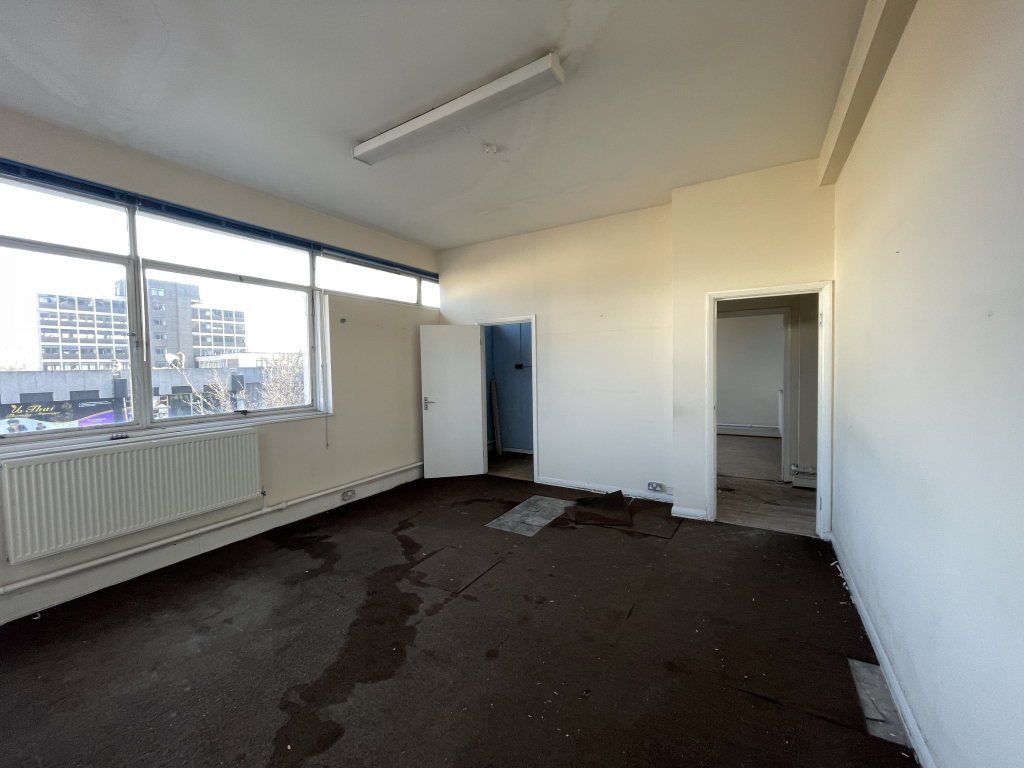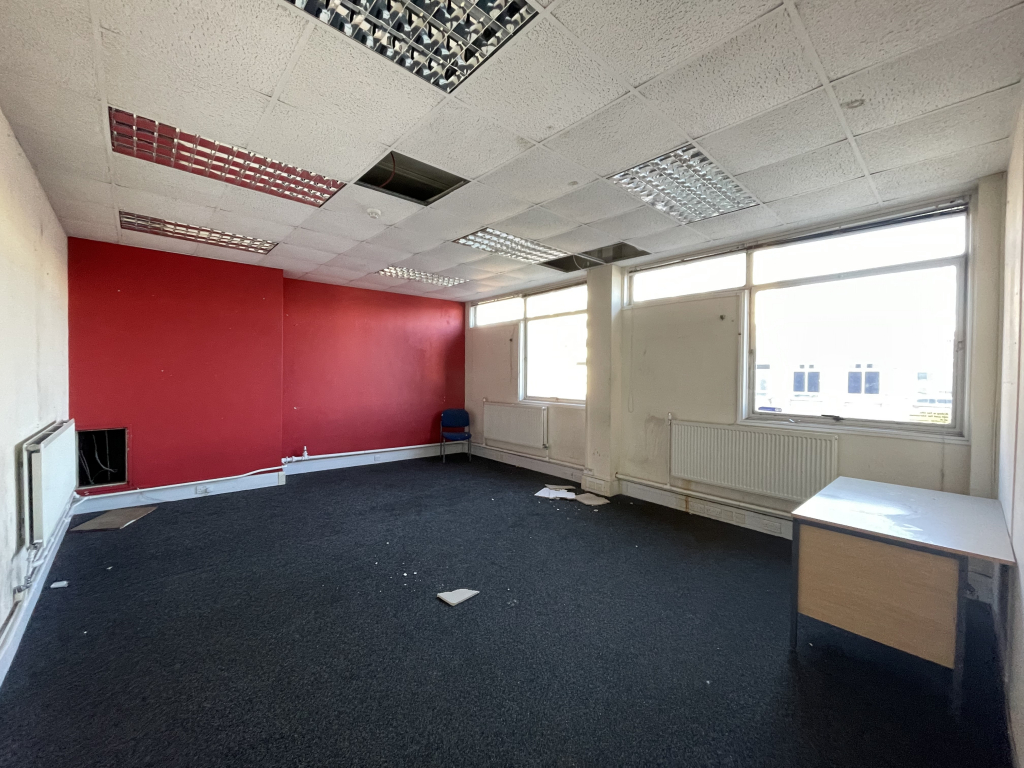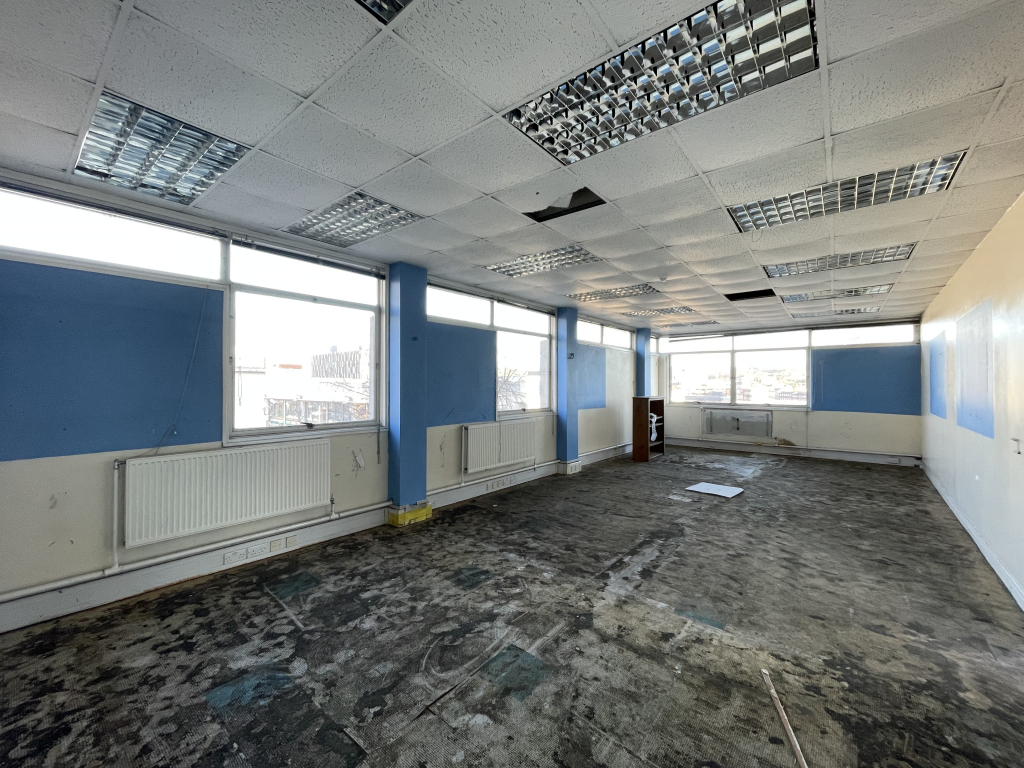
Killingworth

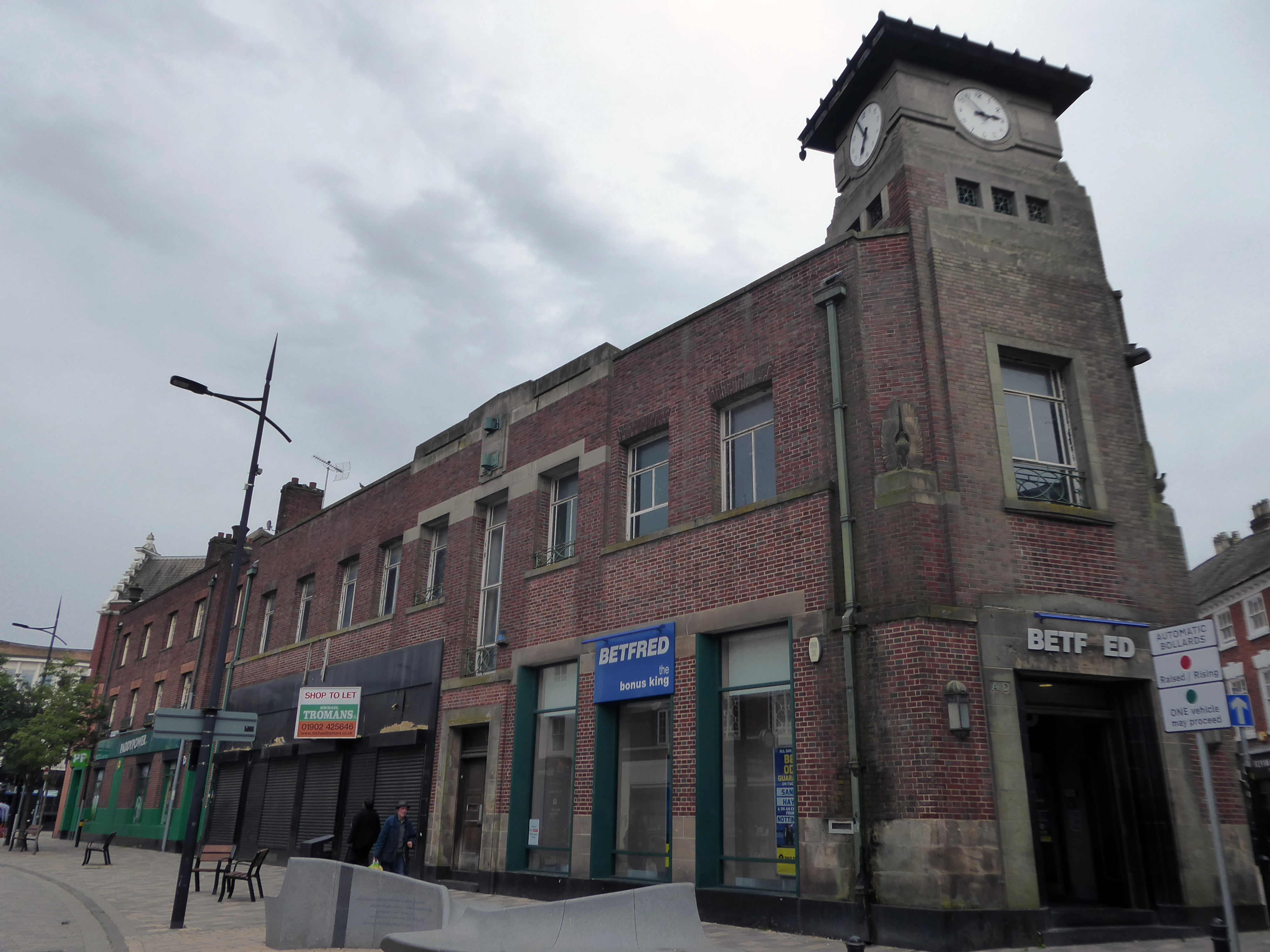
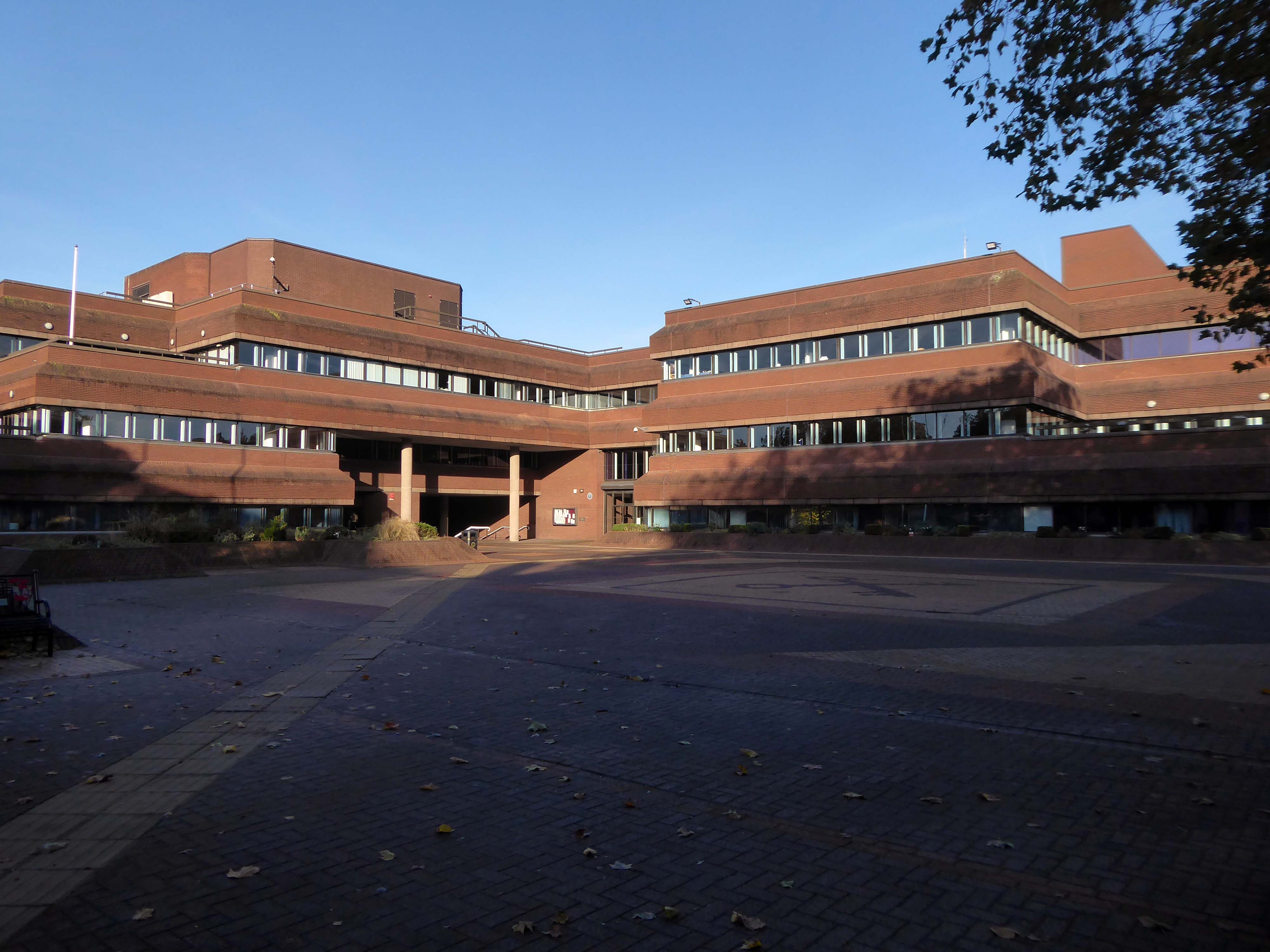
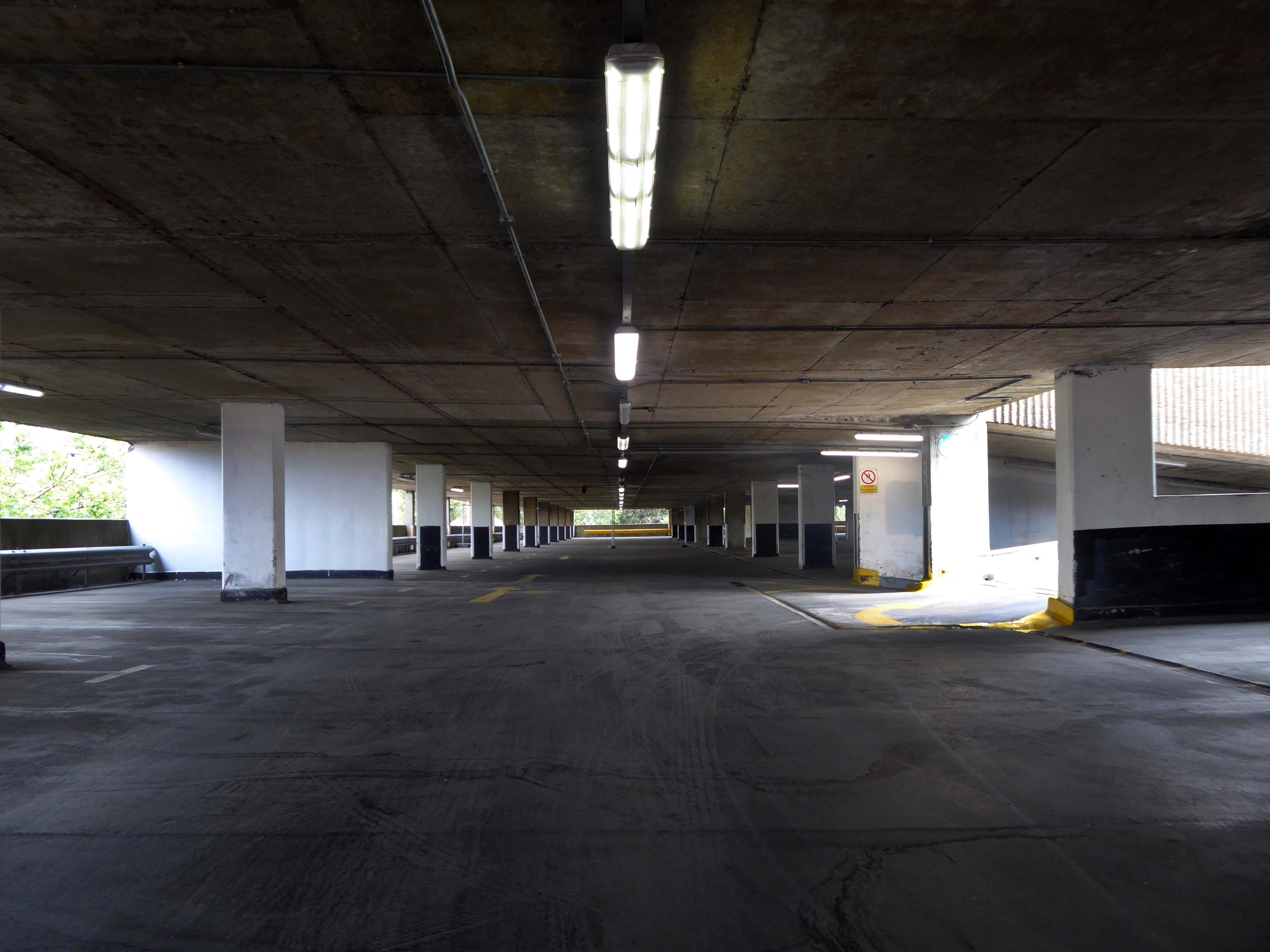
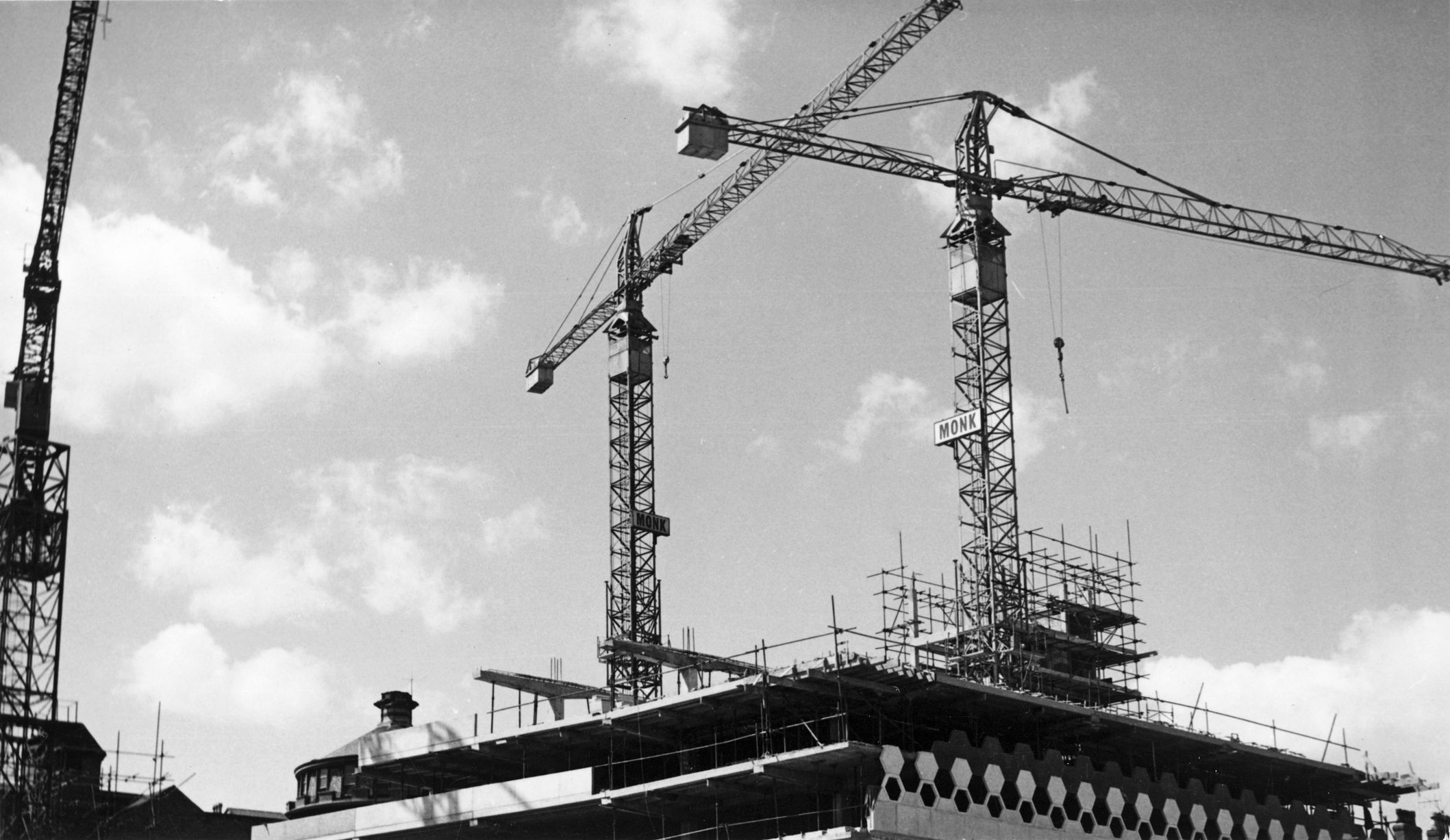
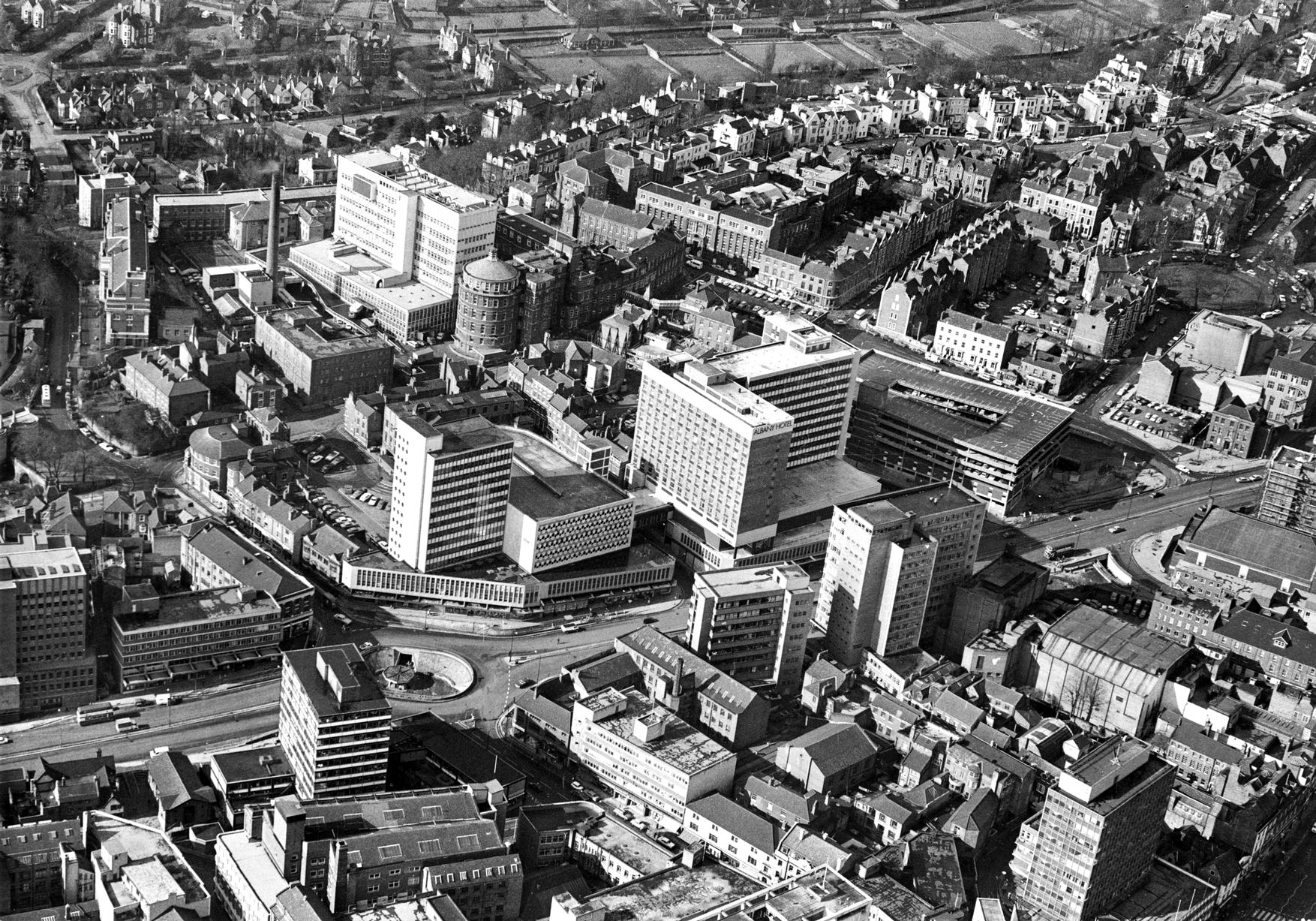
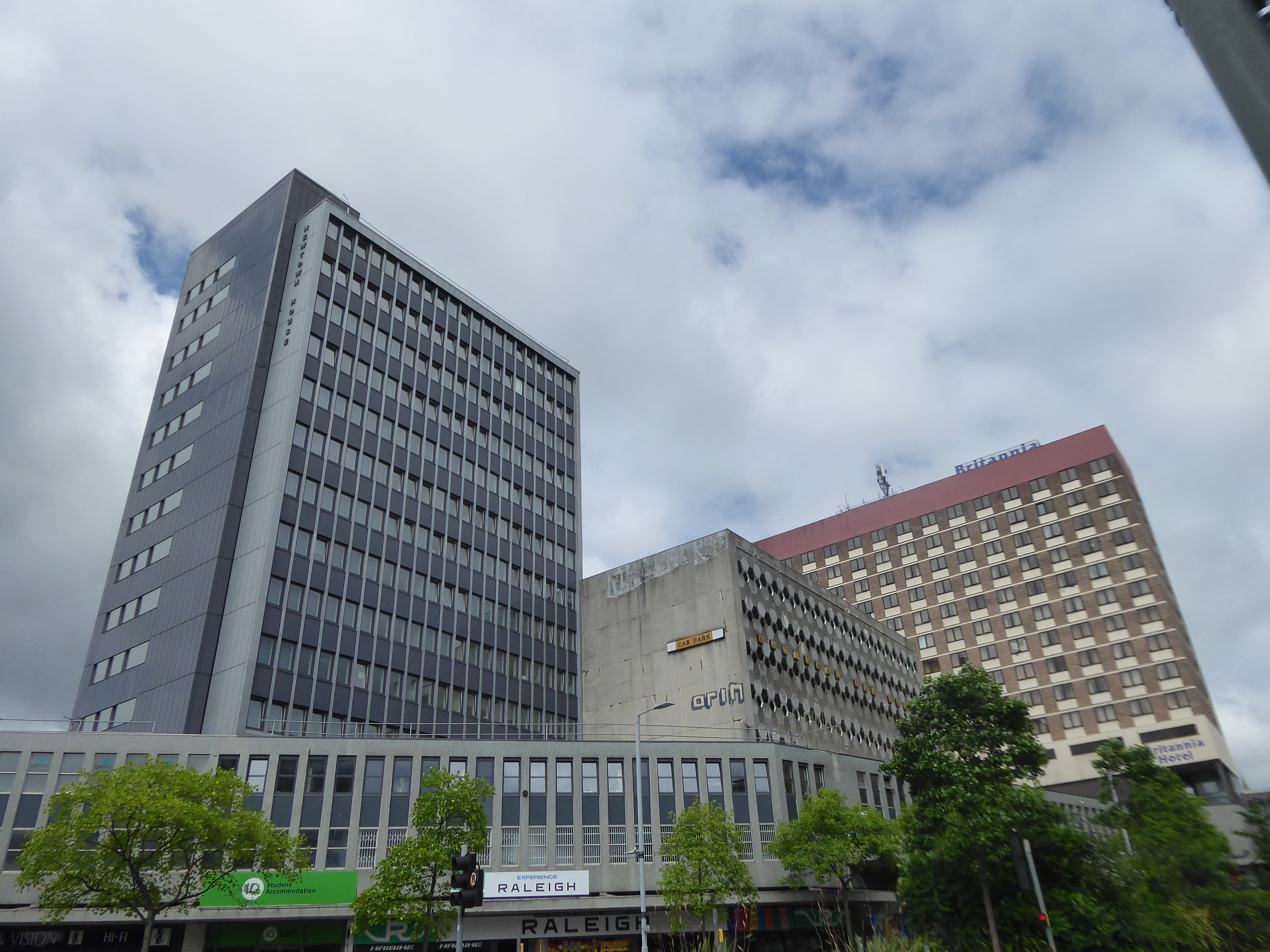
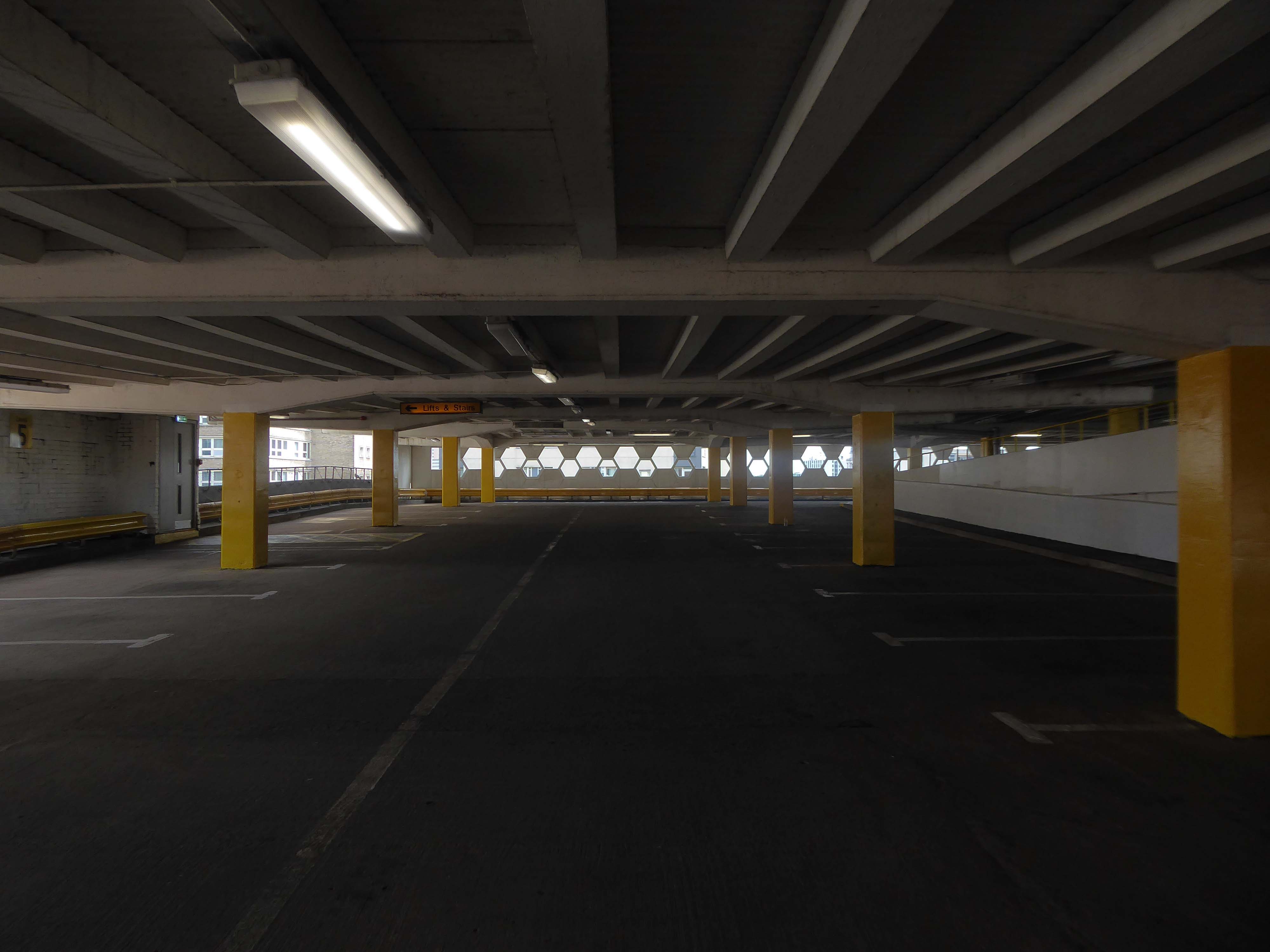
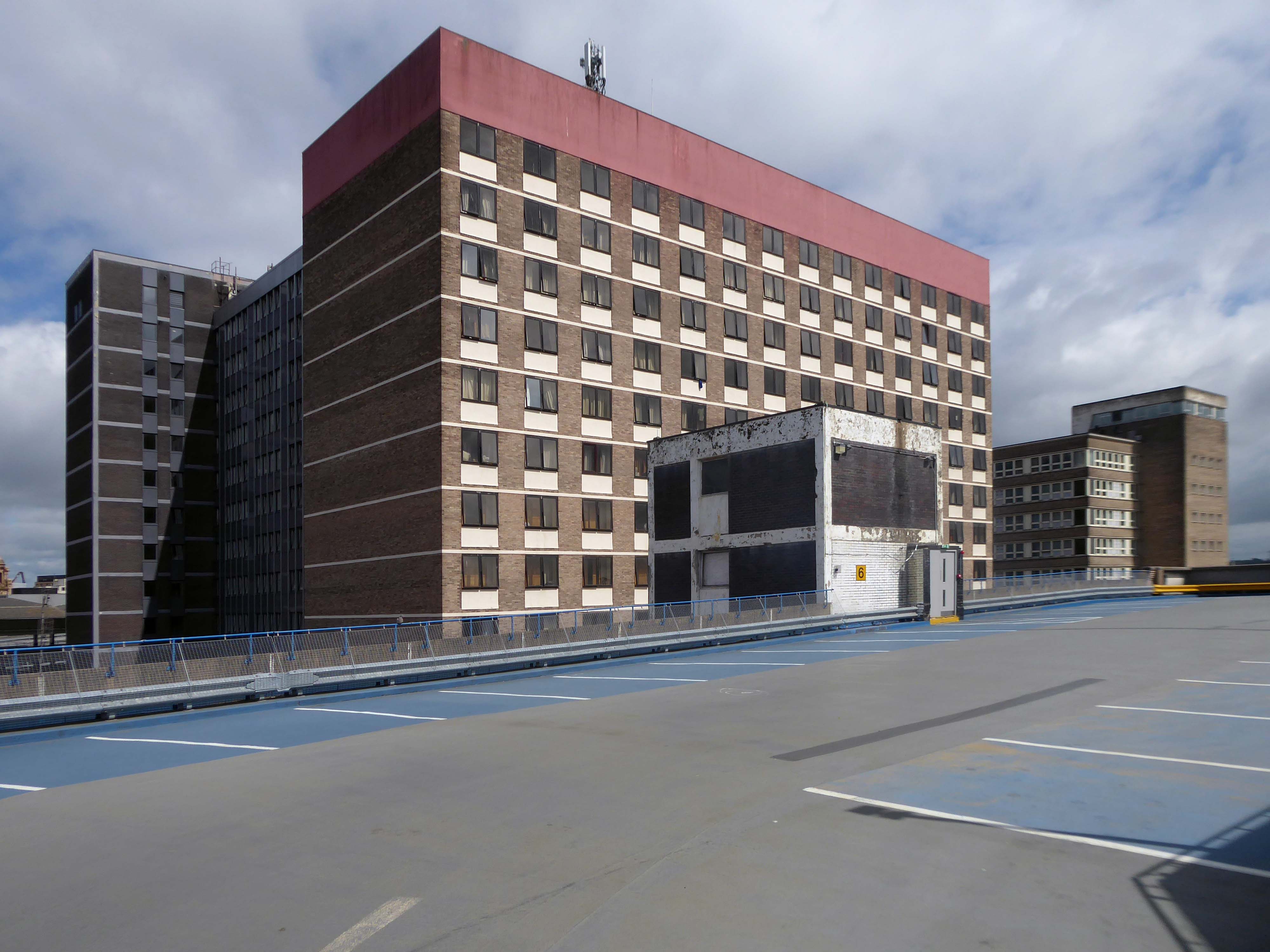
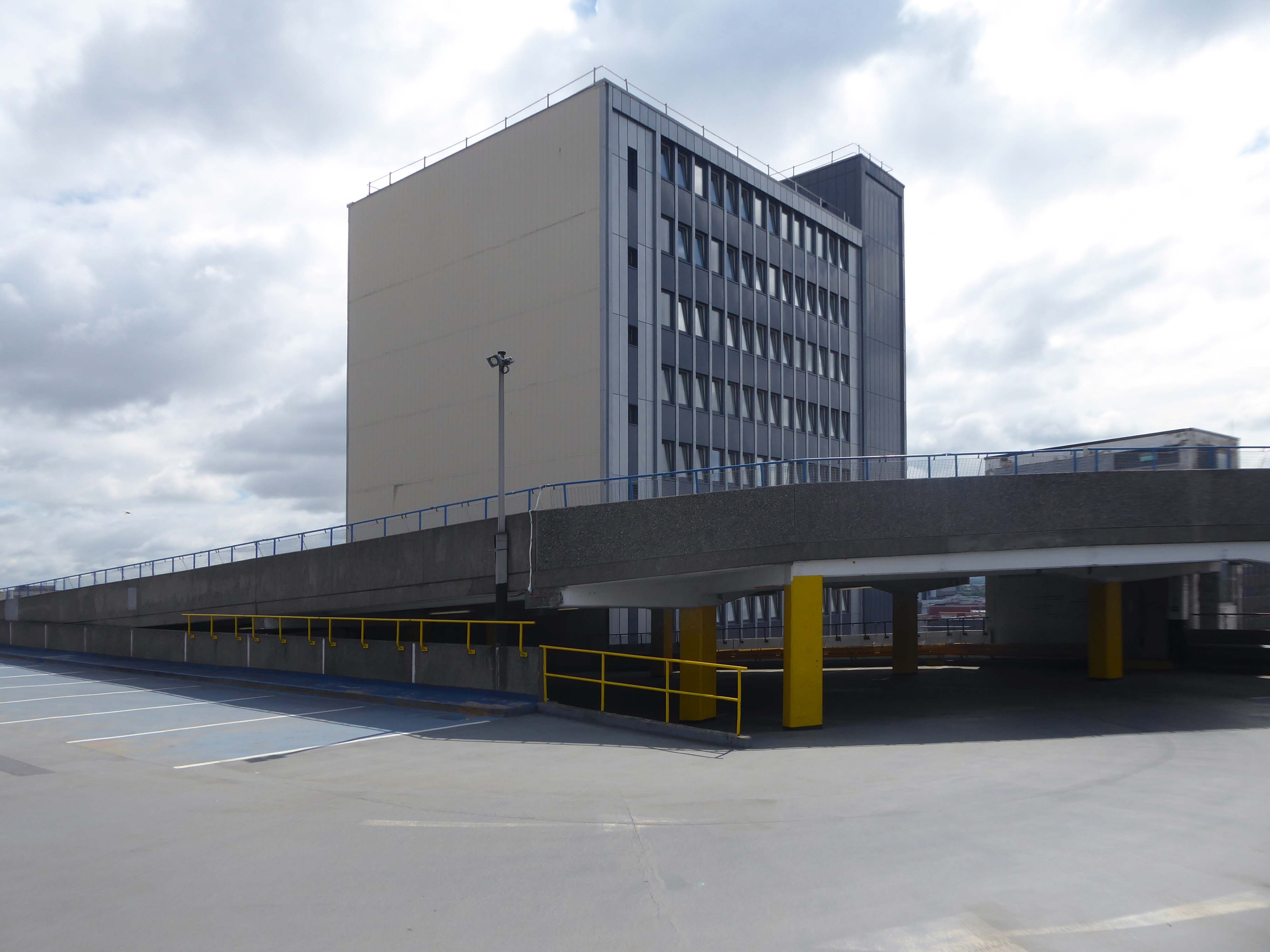
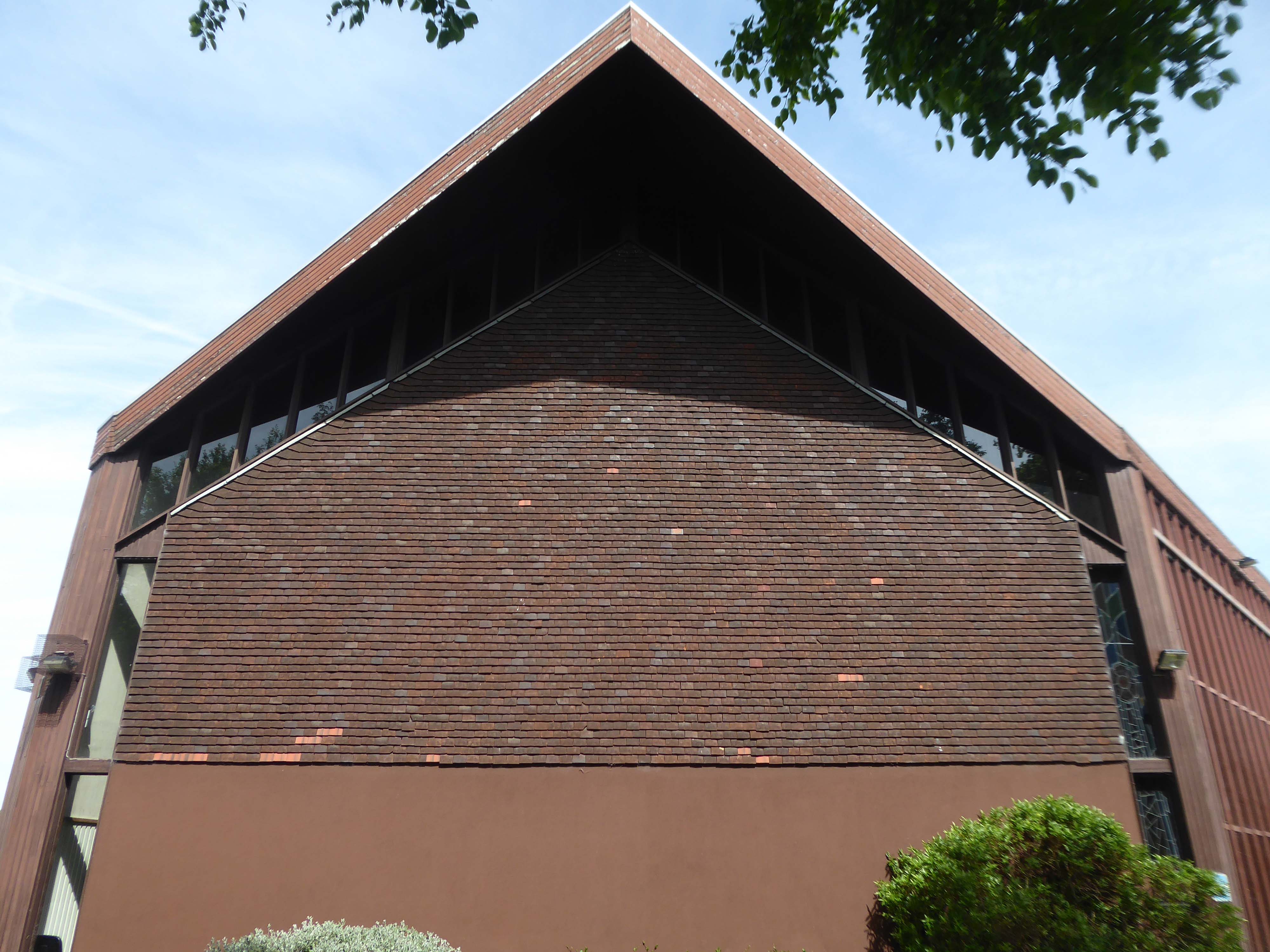
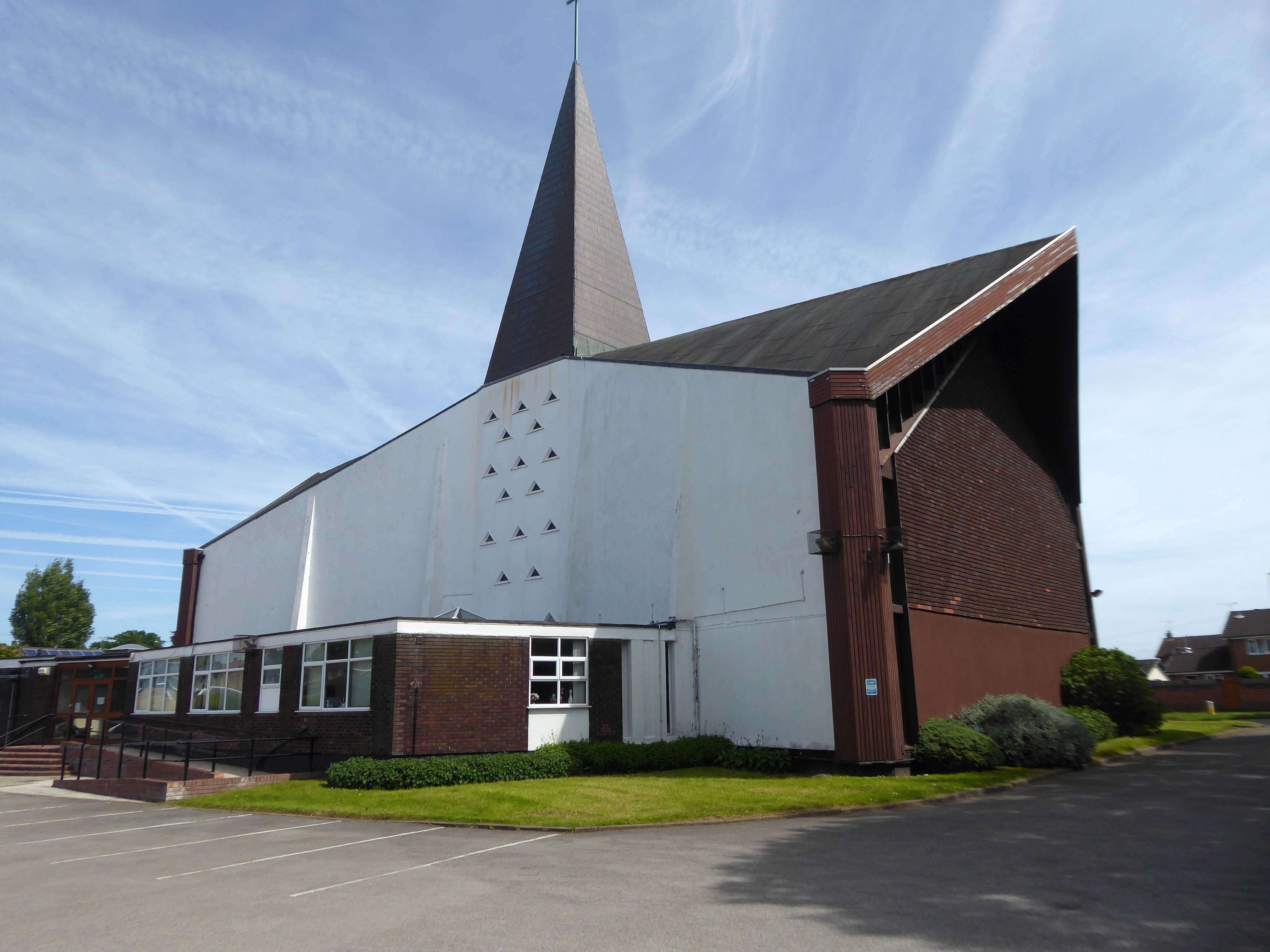
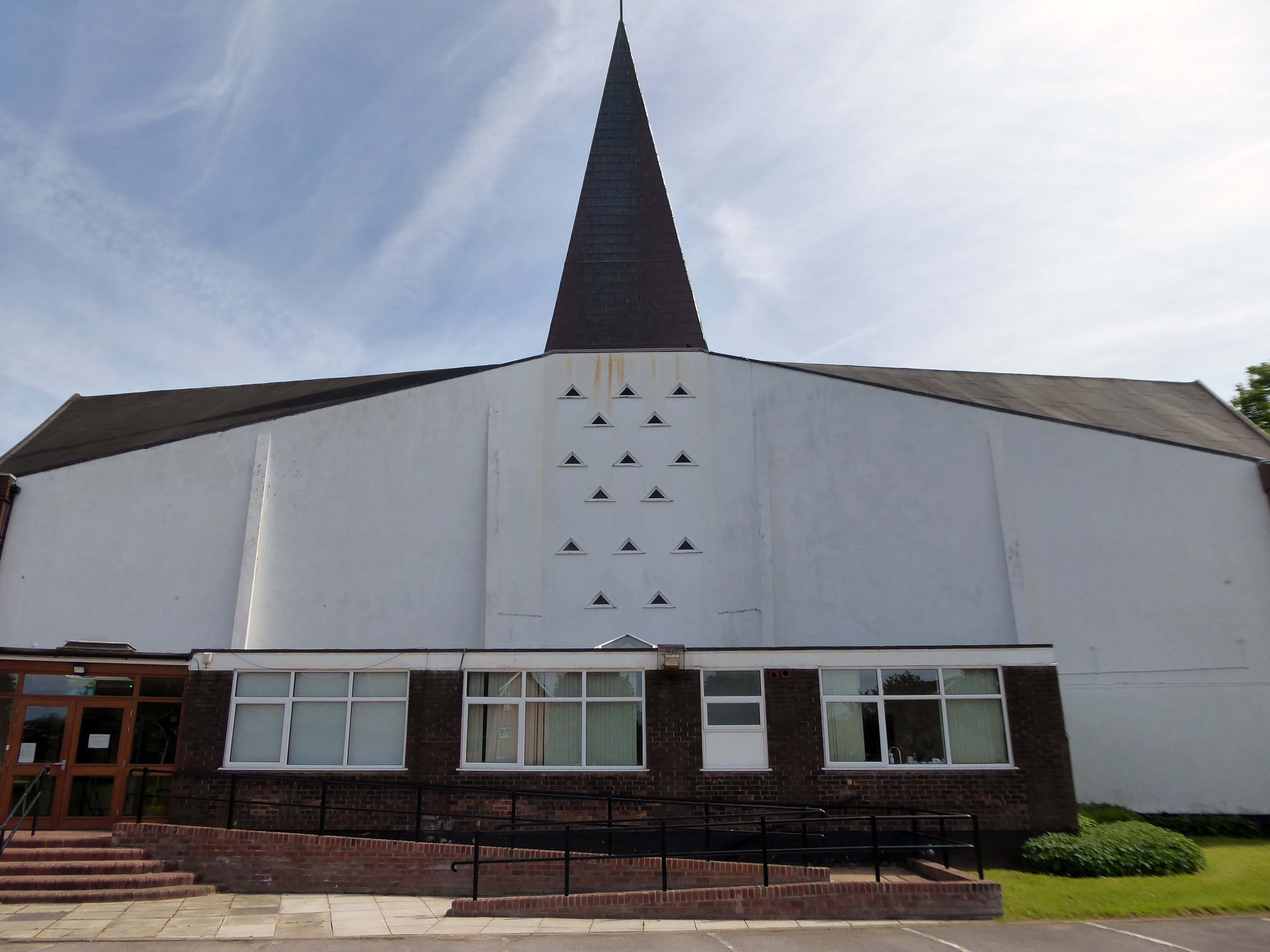
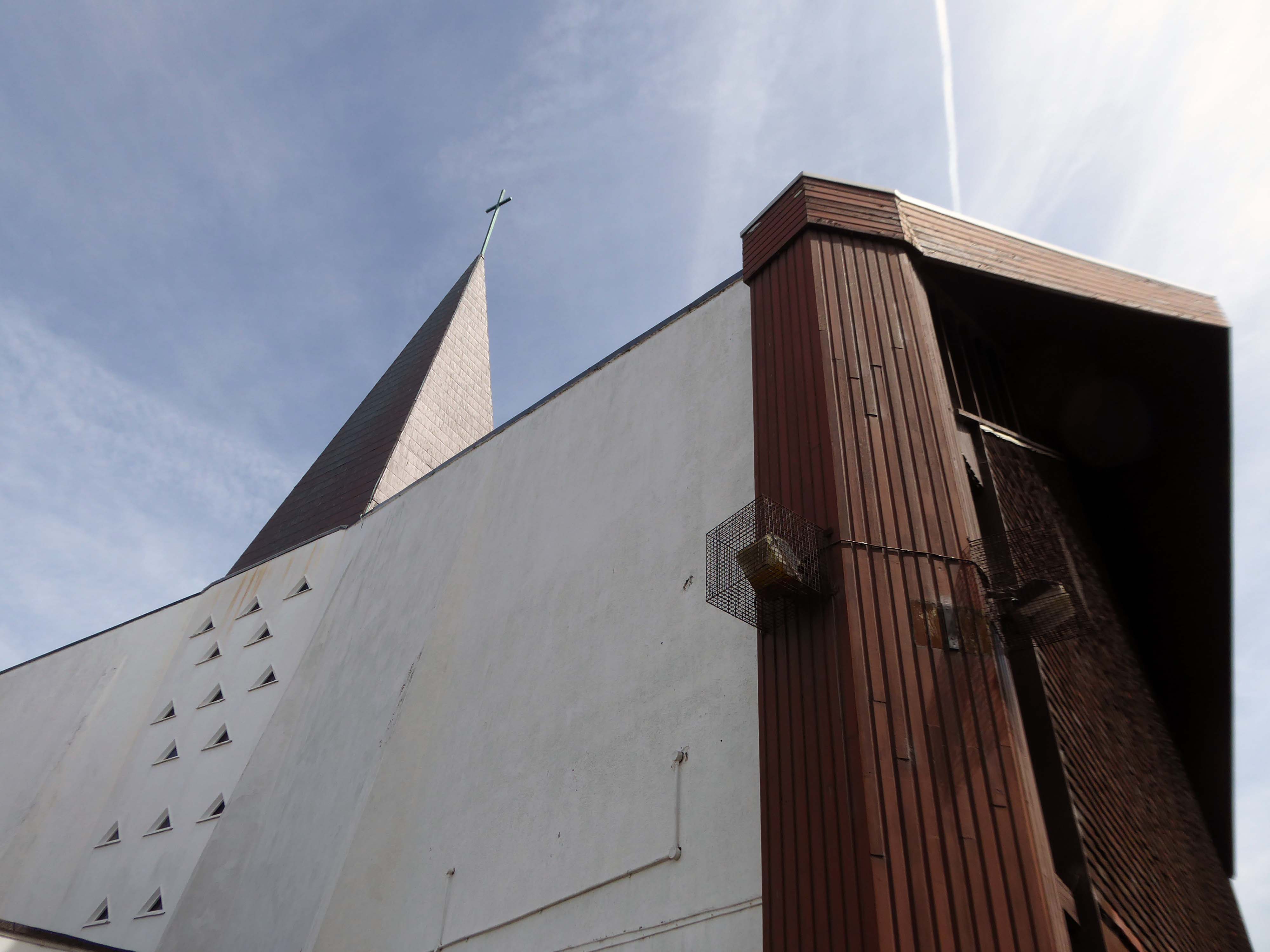
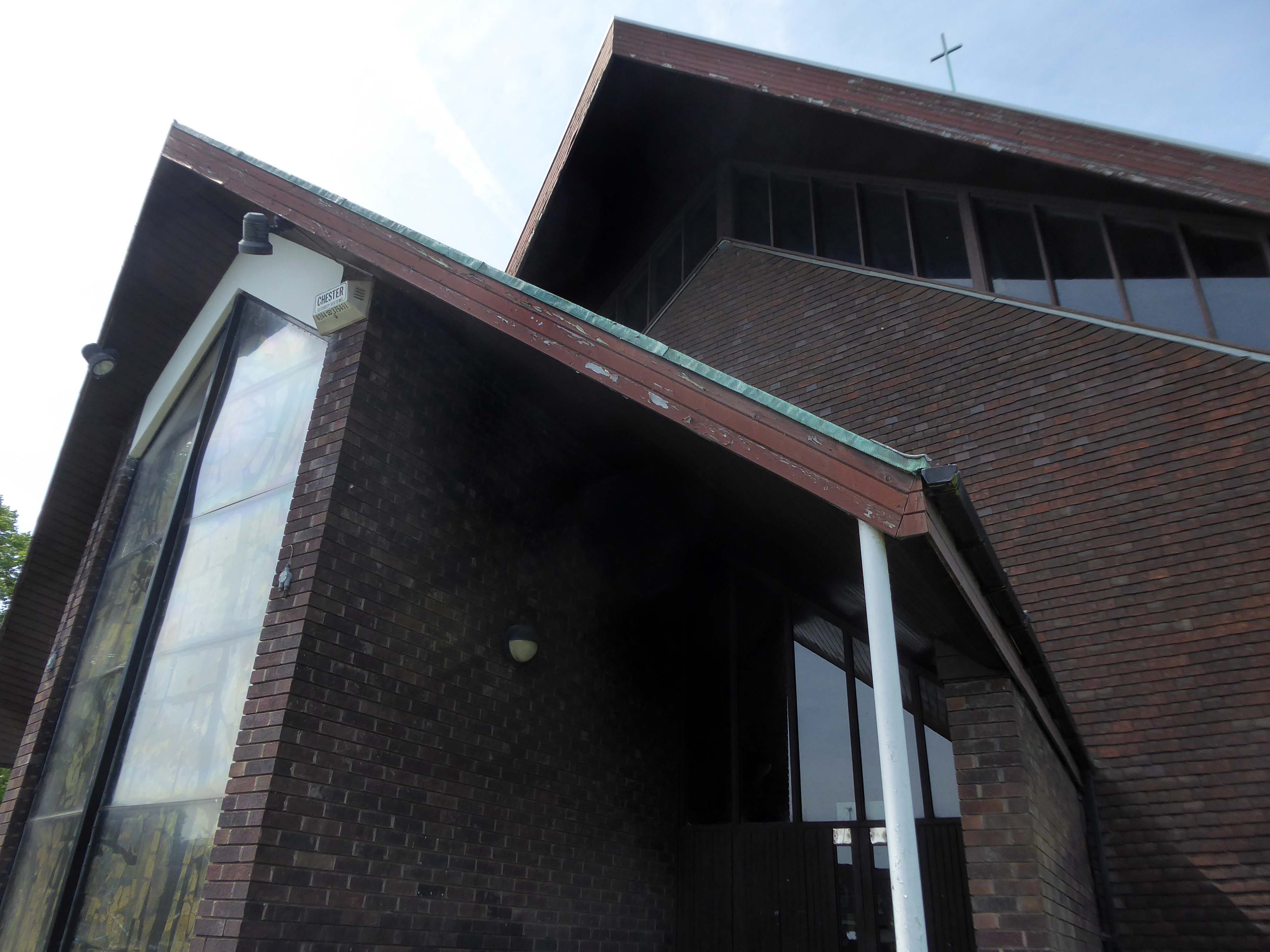
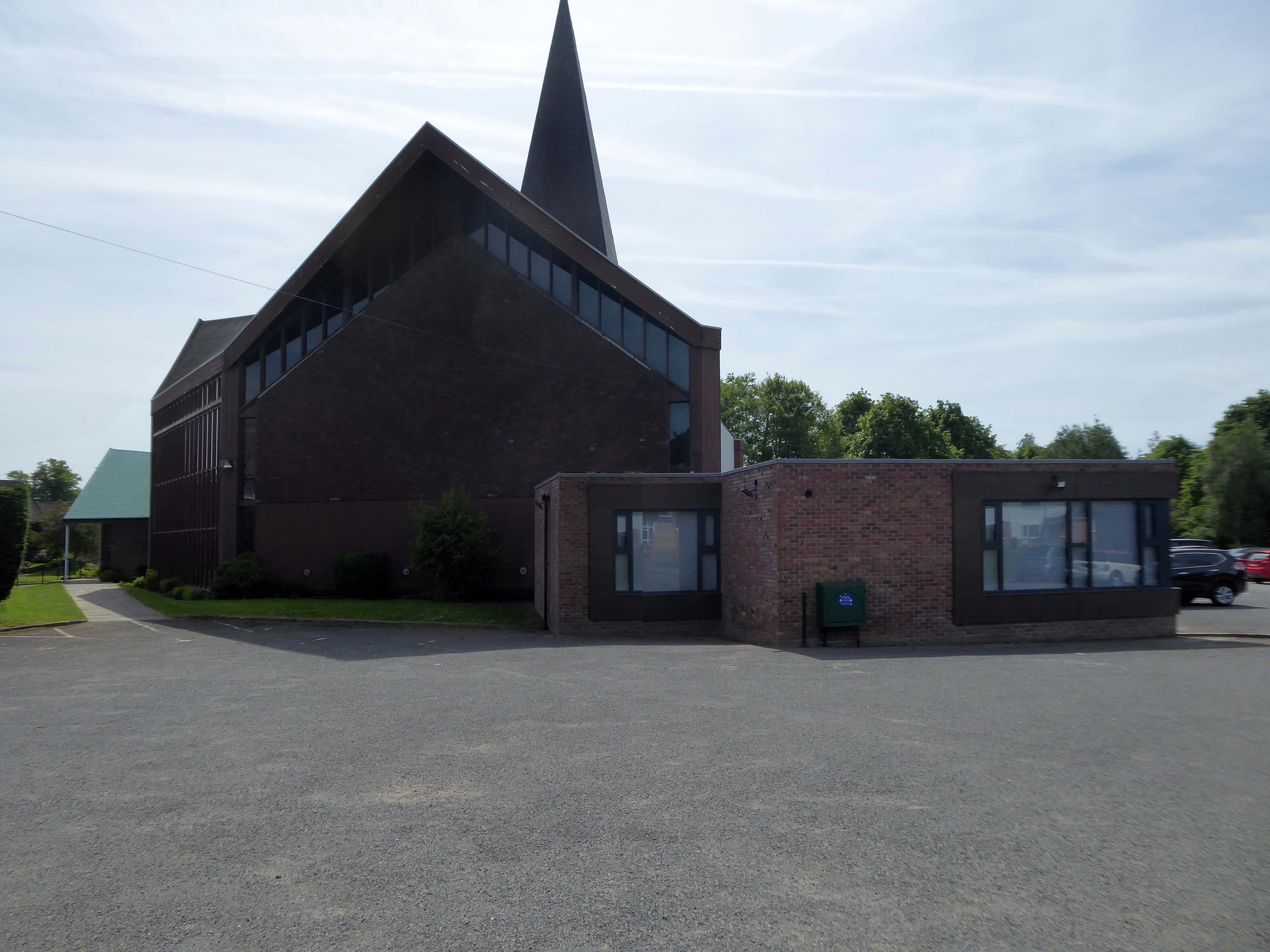
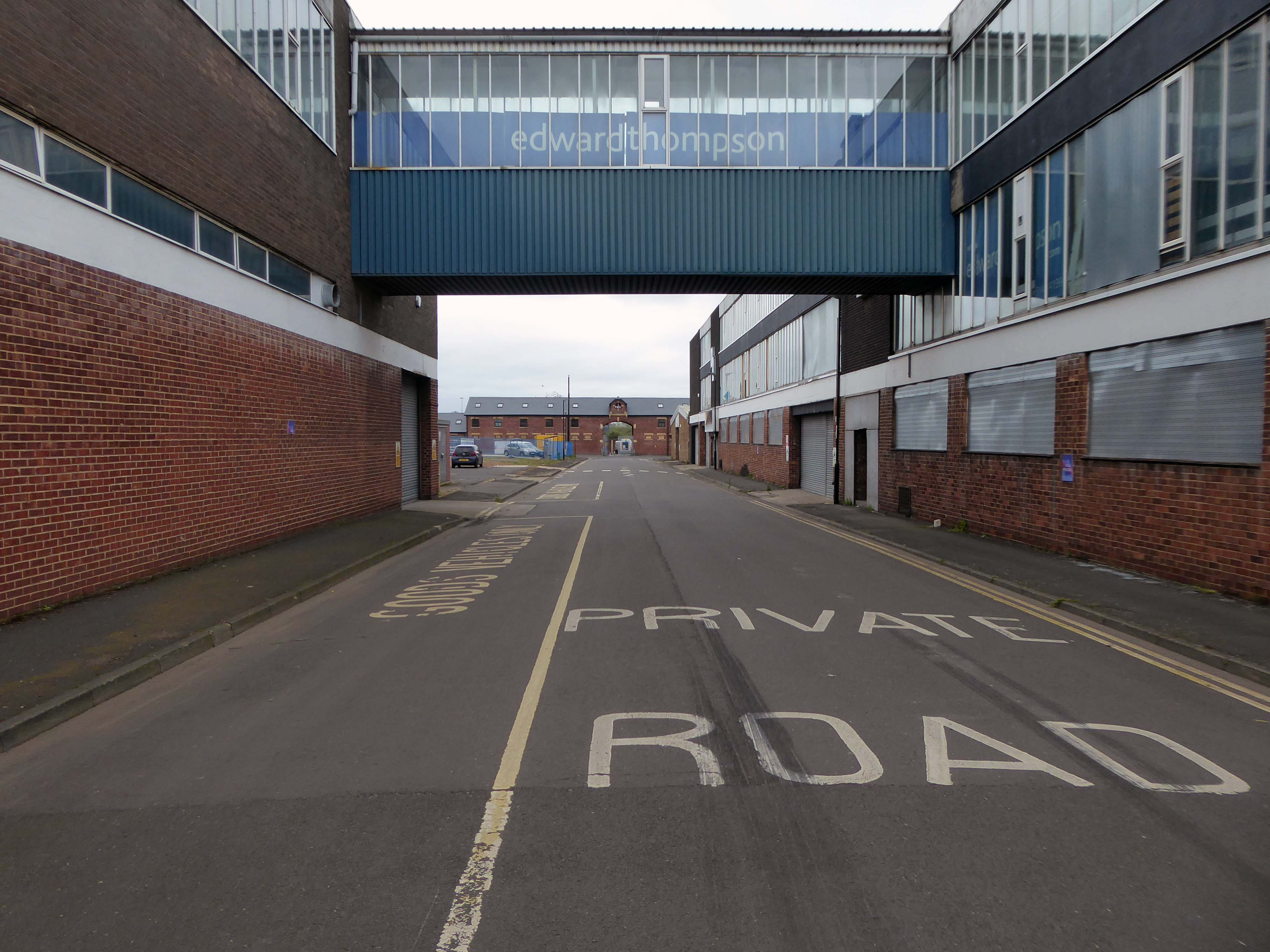
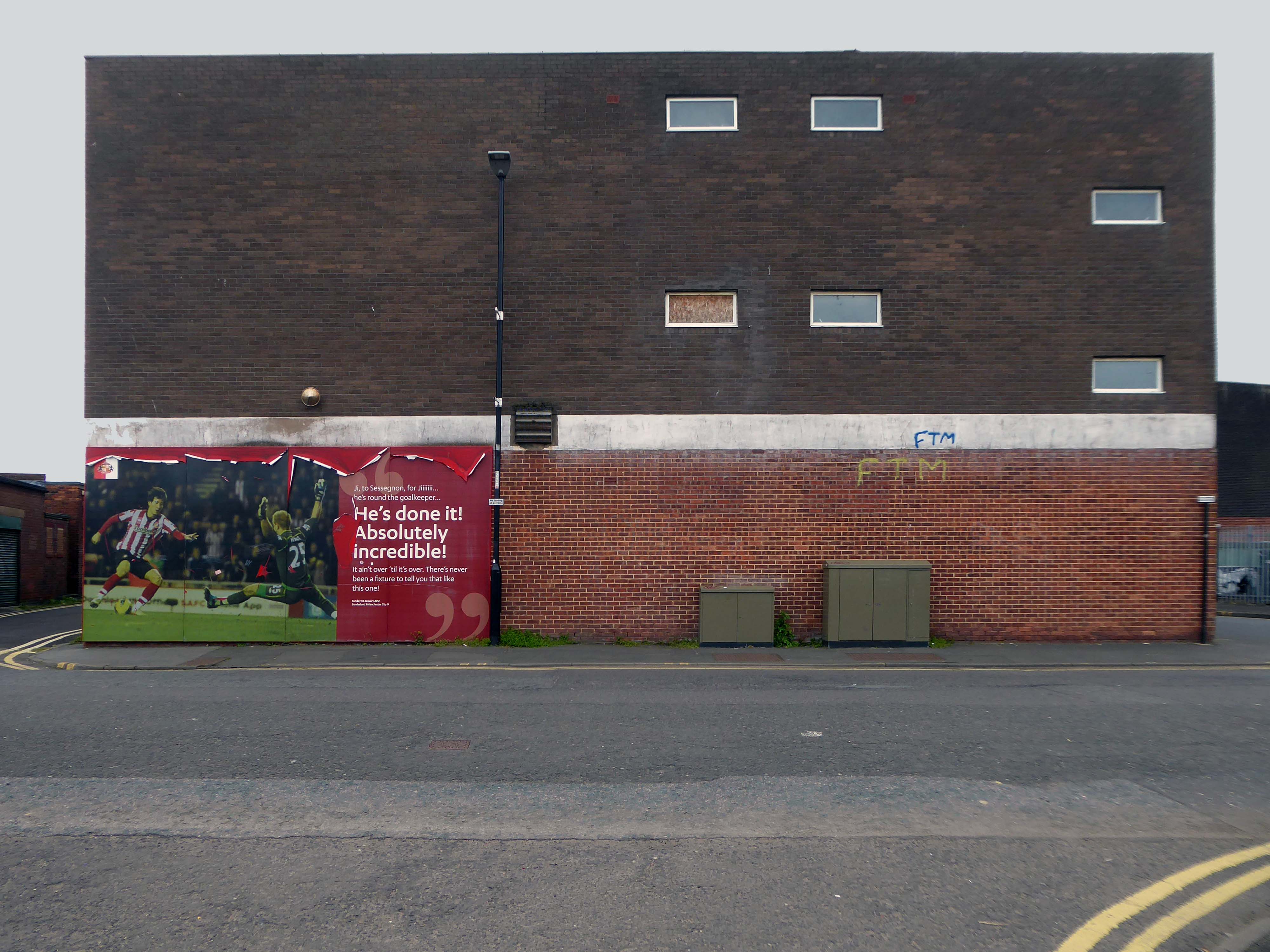
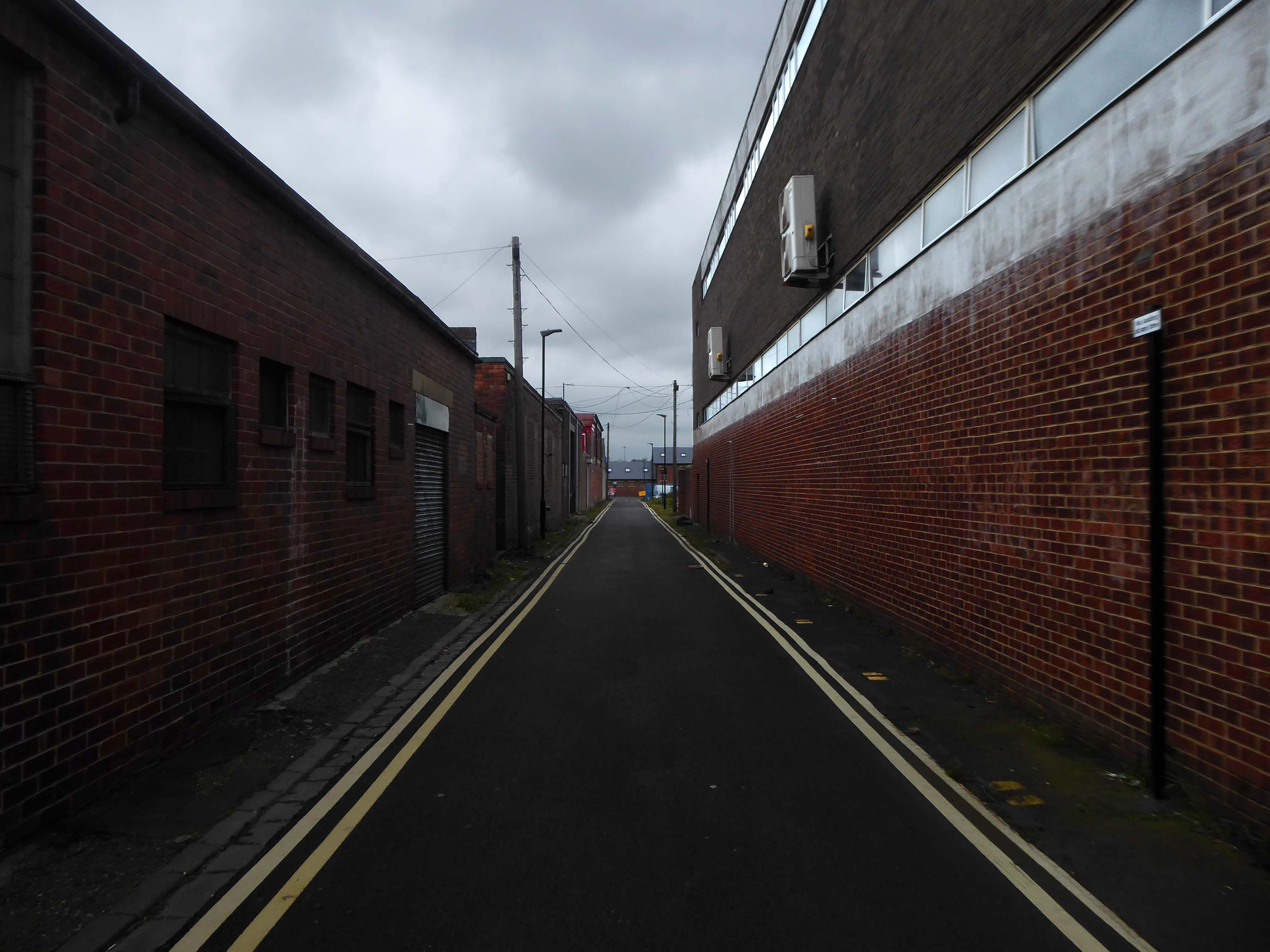
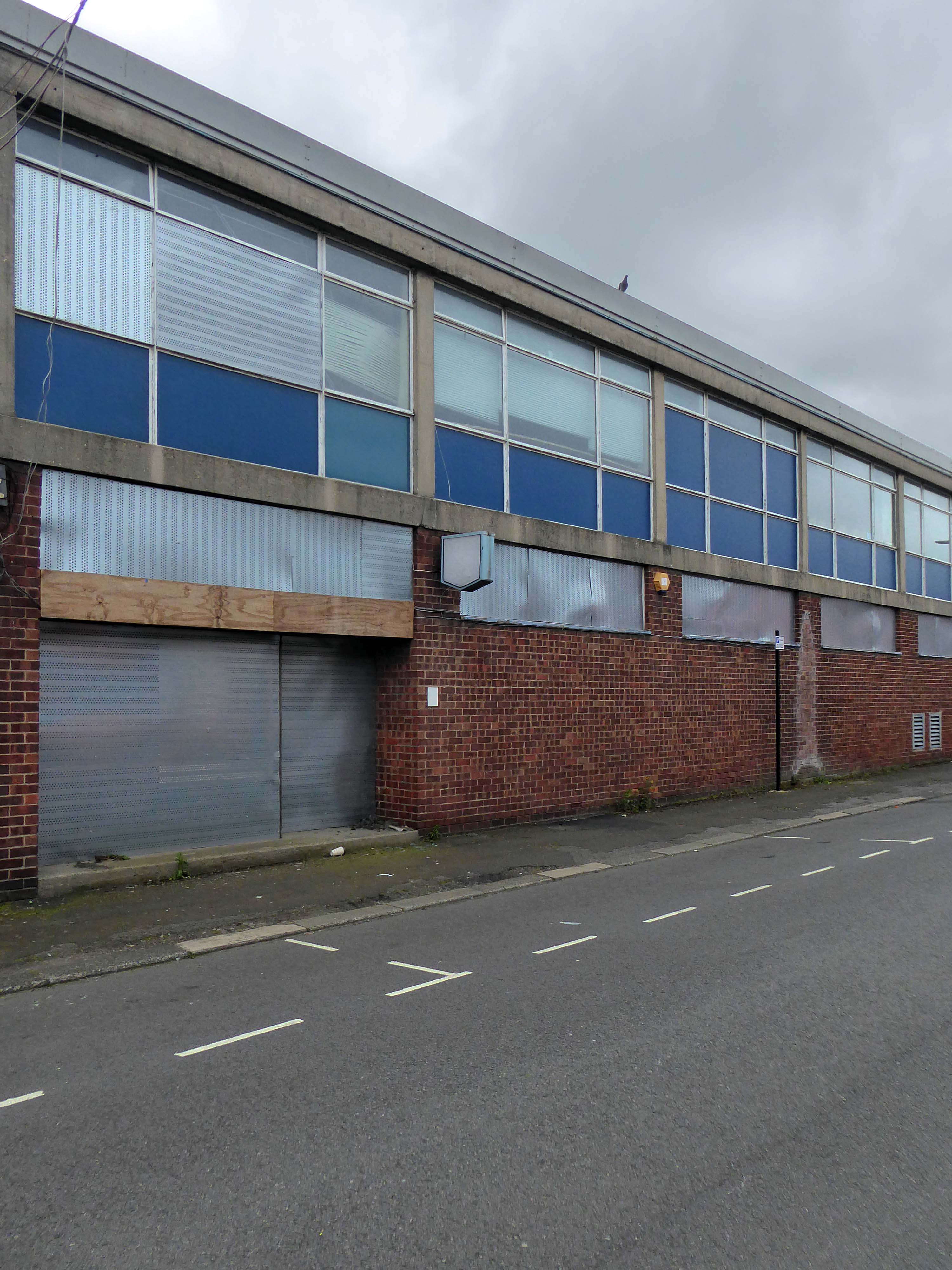
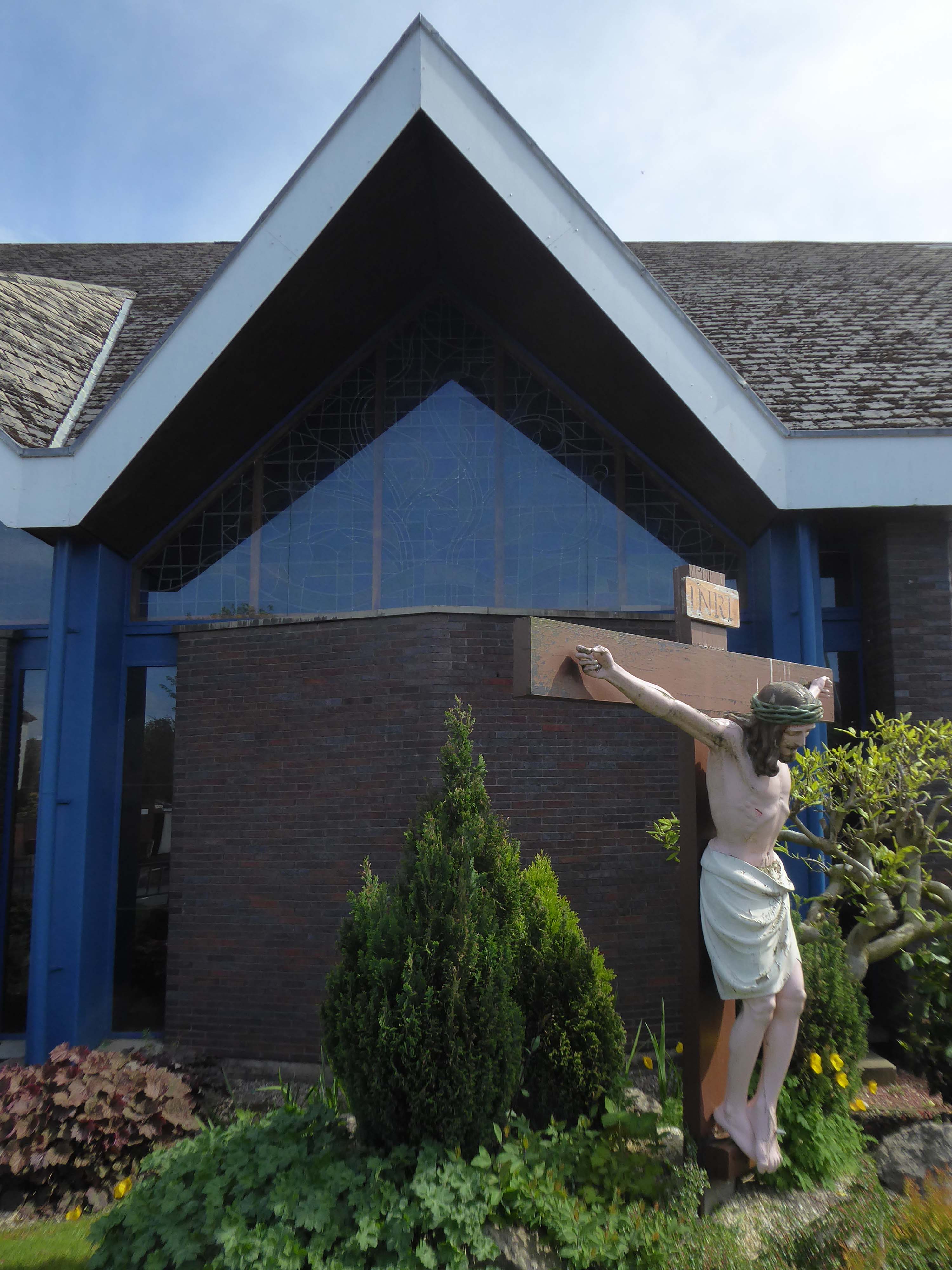
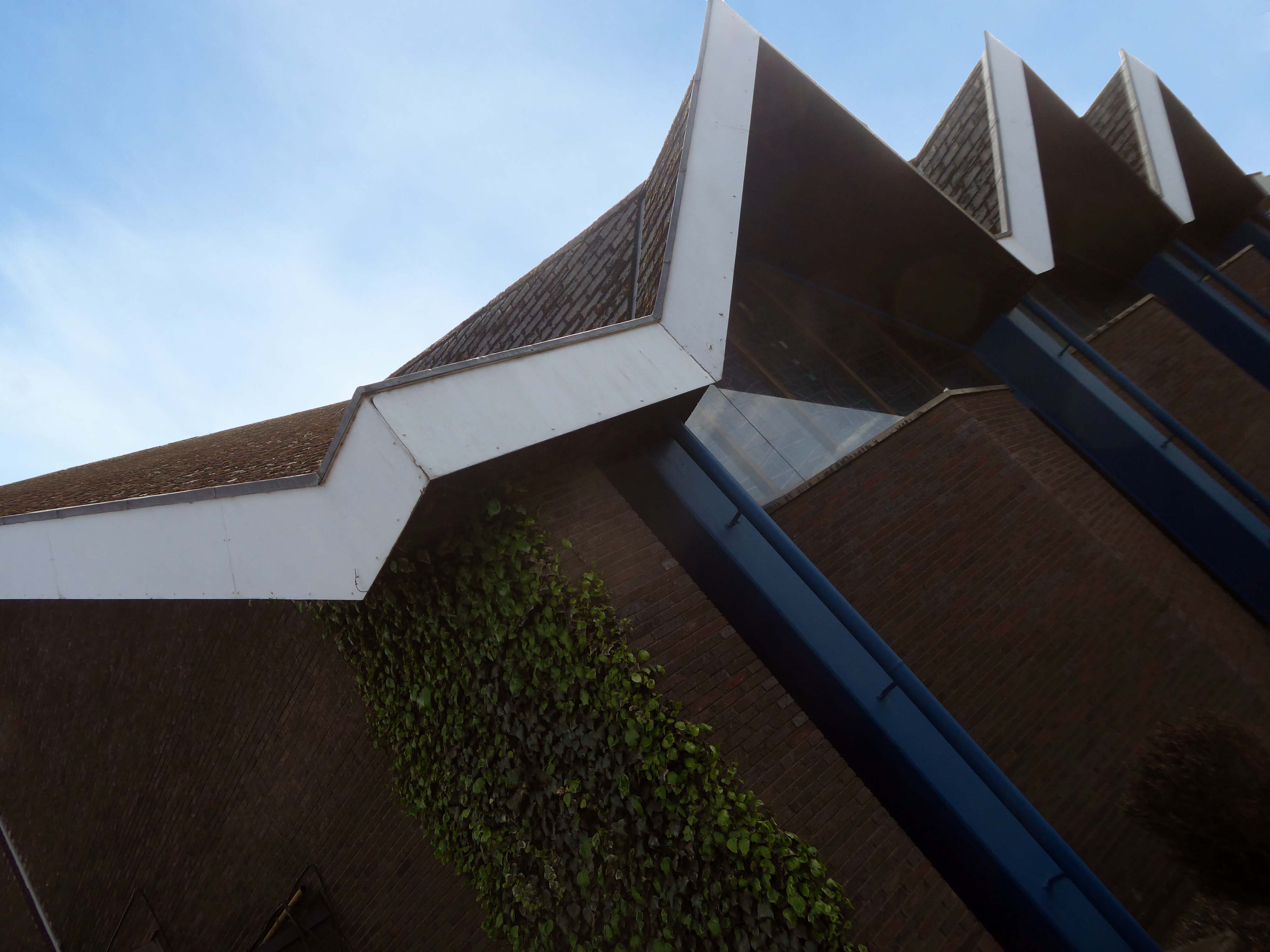
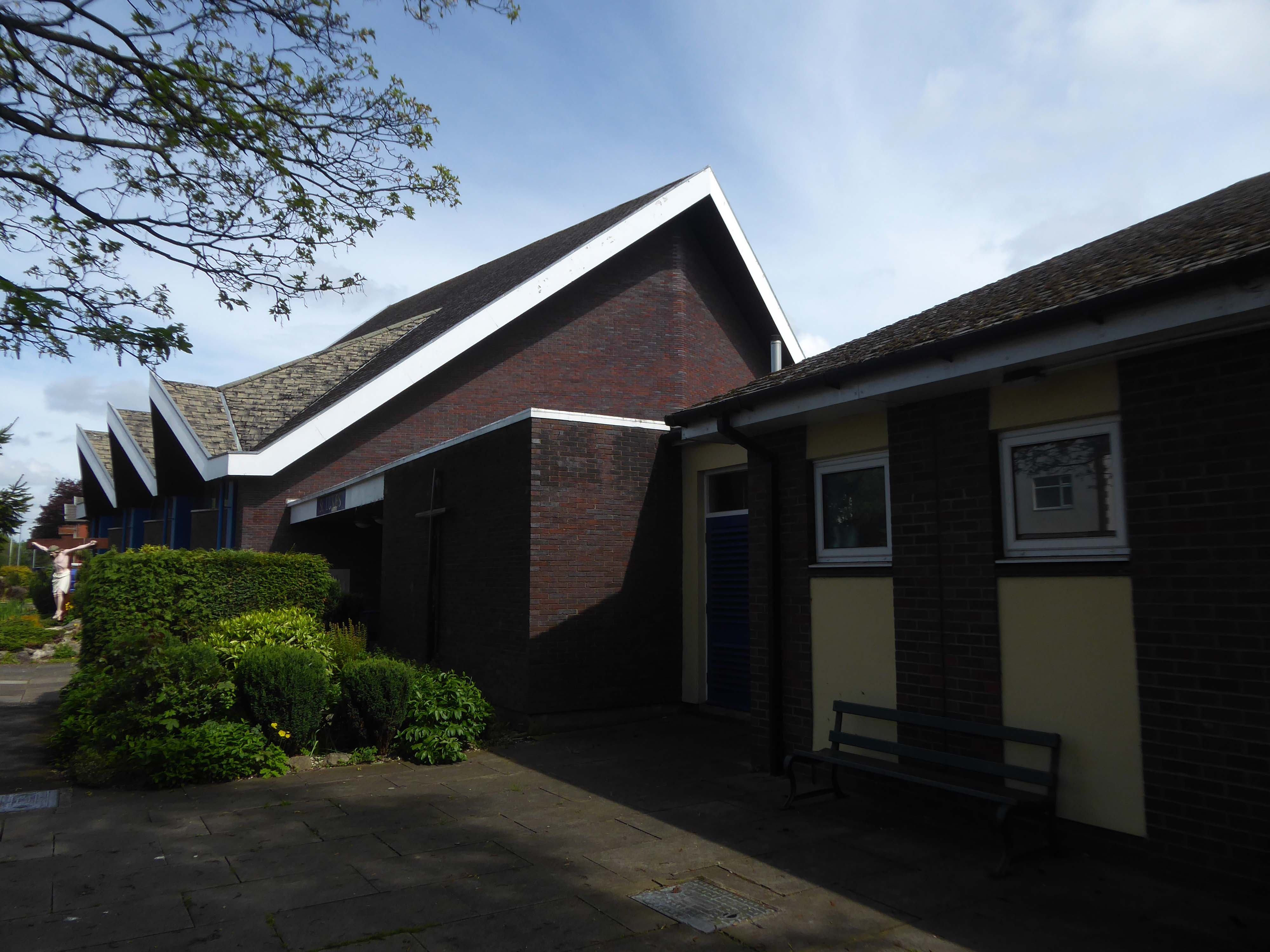
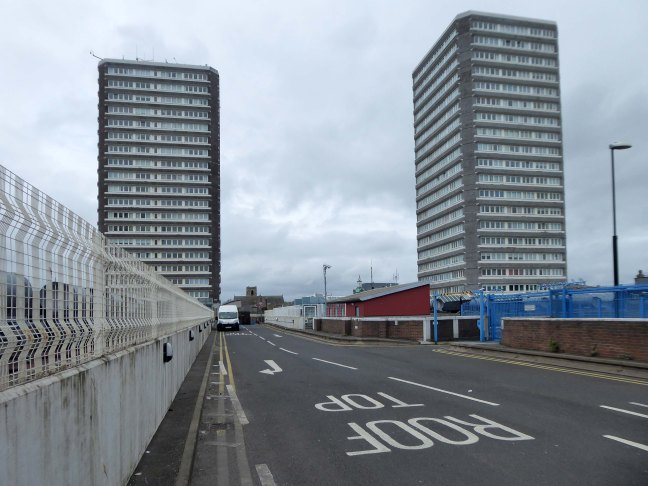
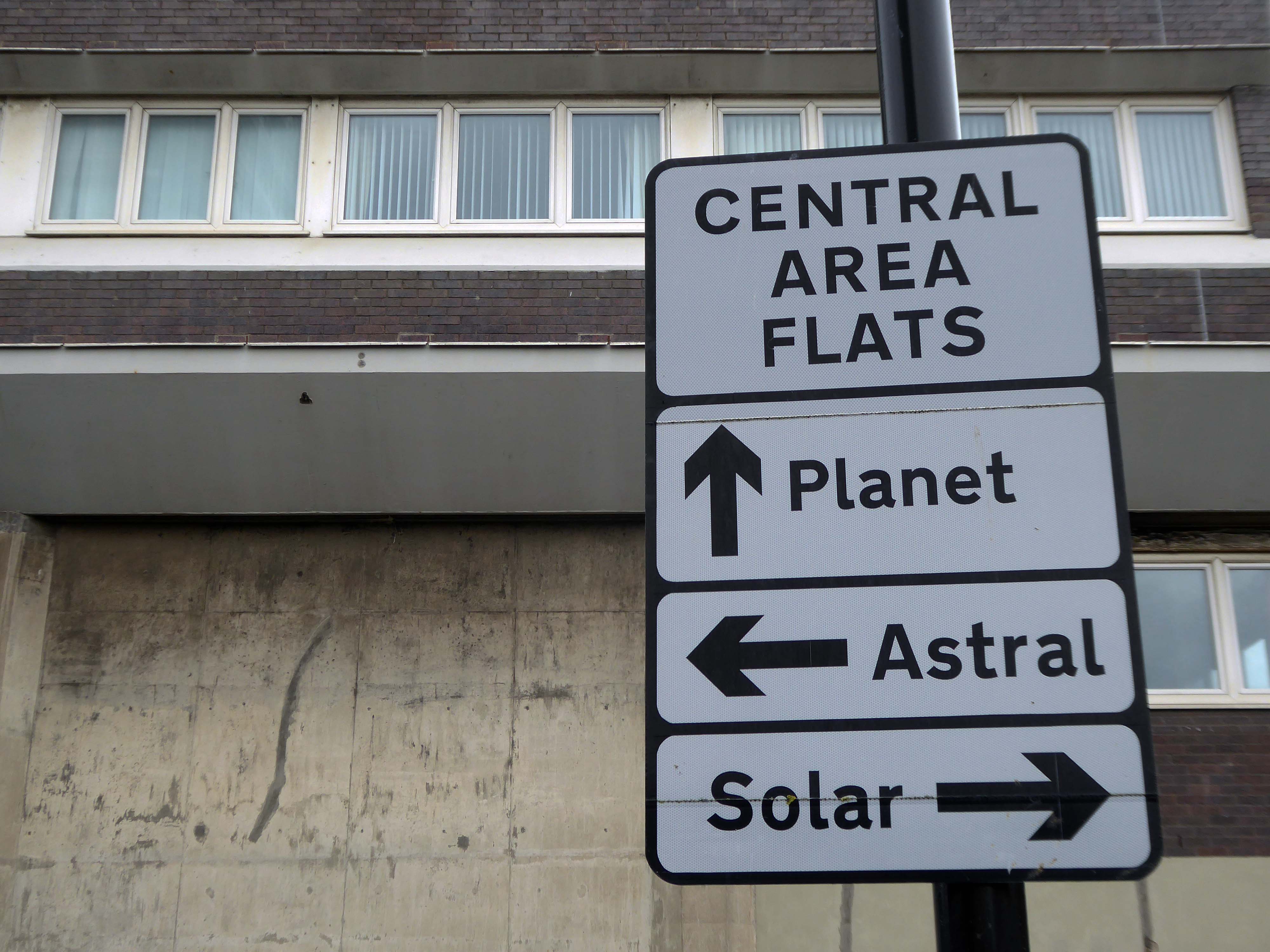
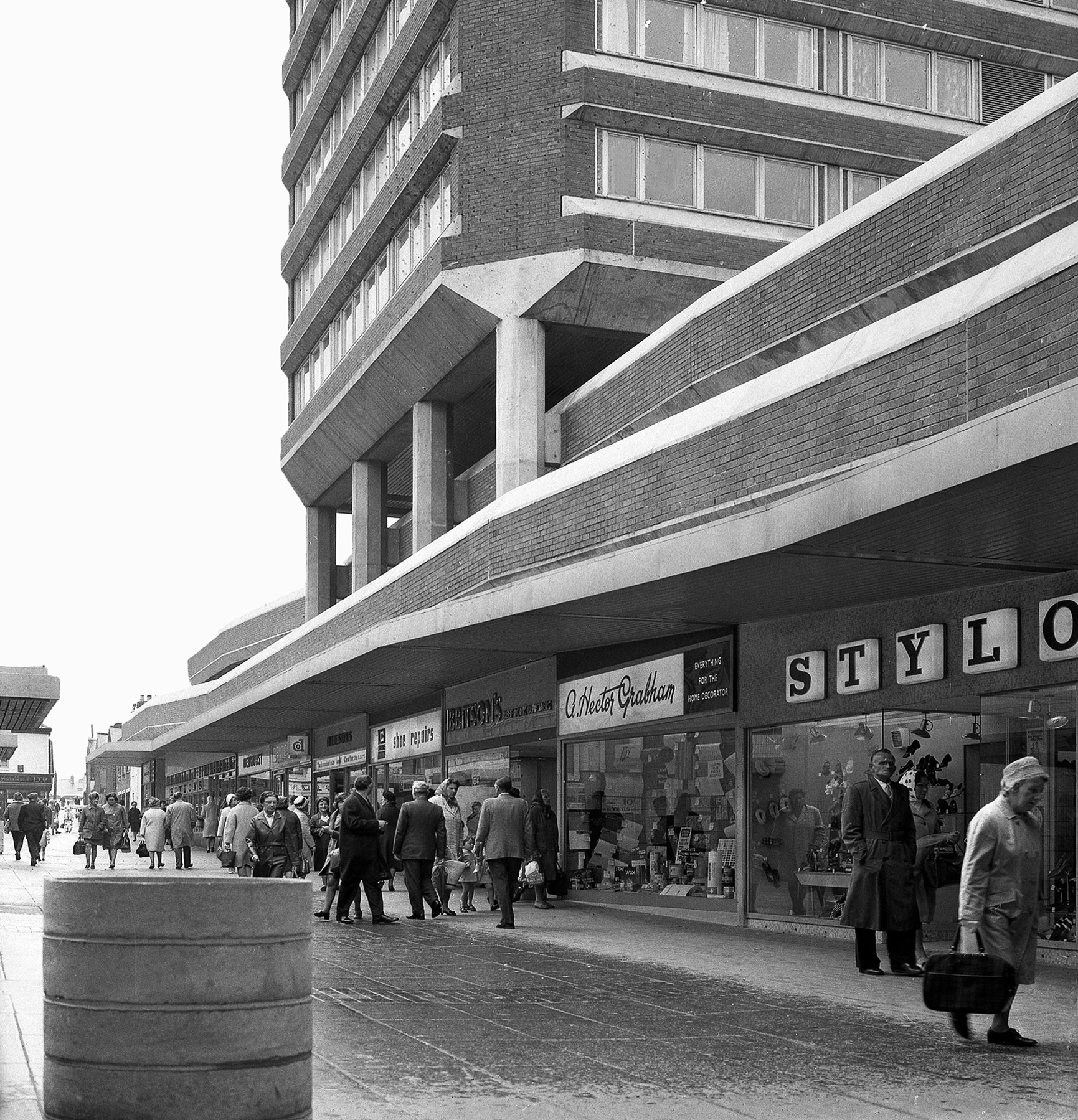
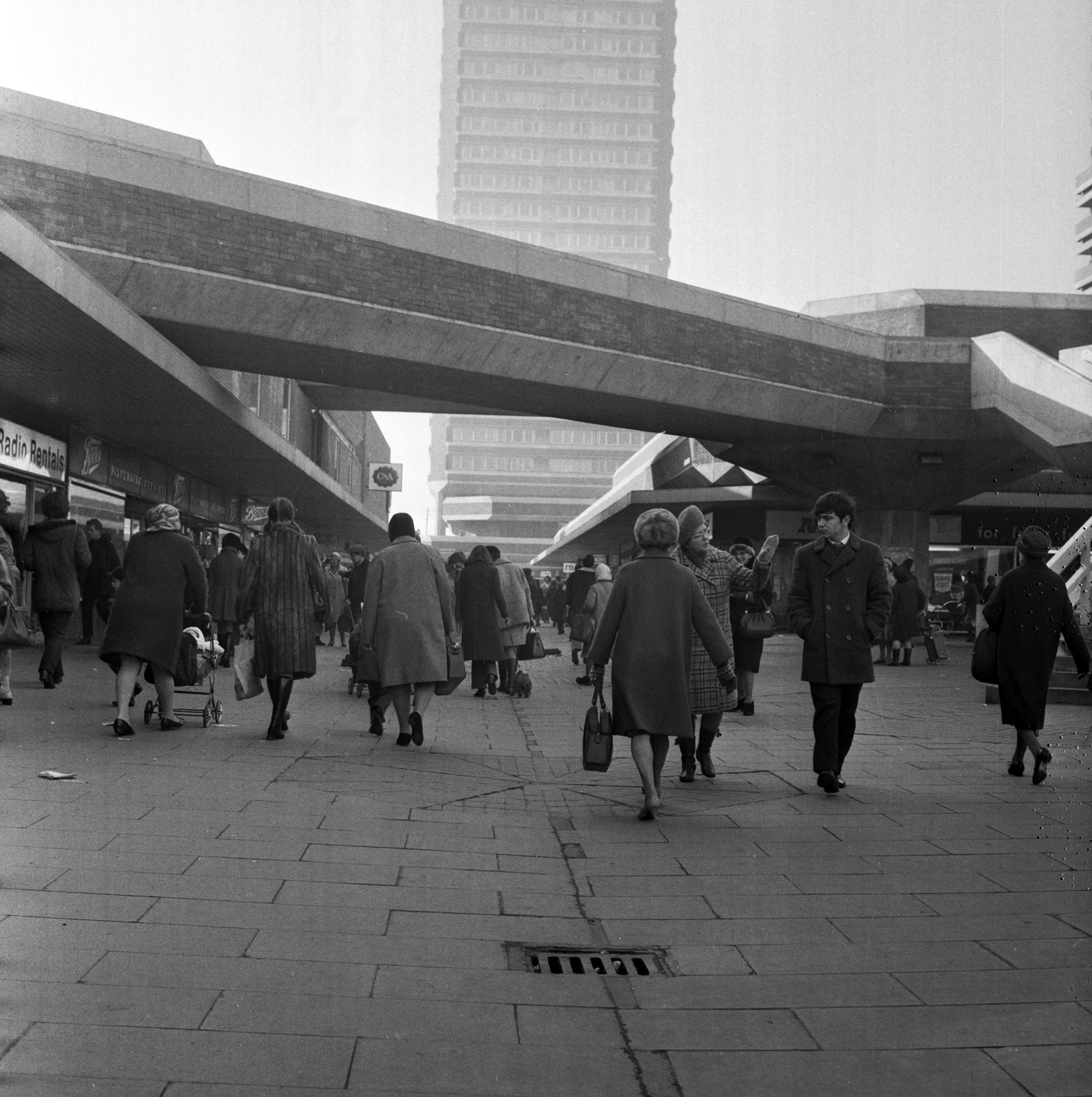
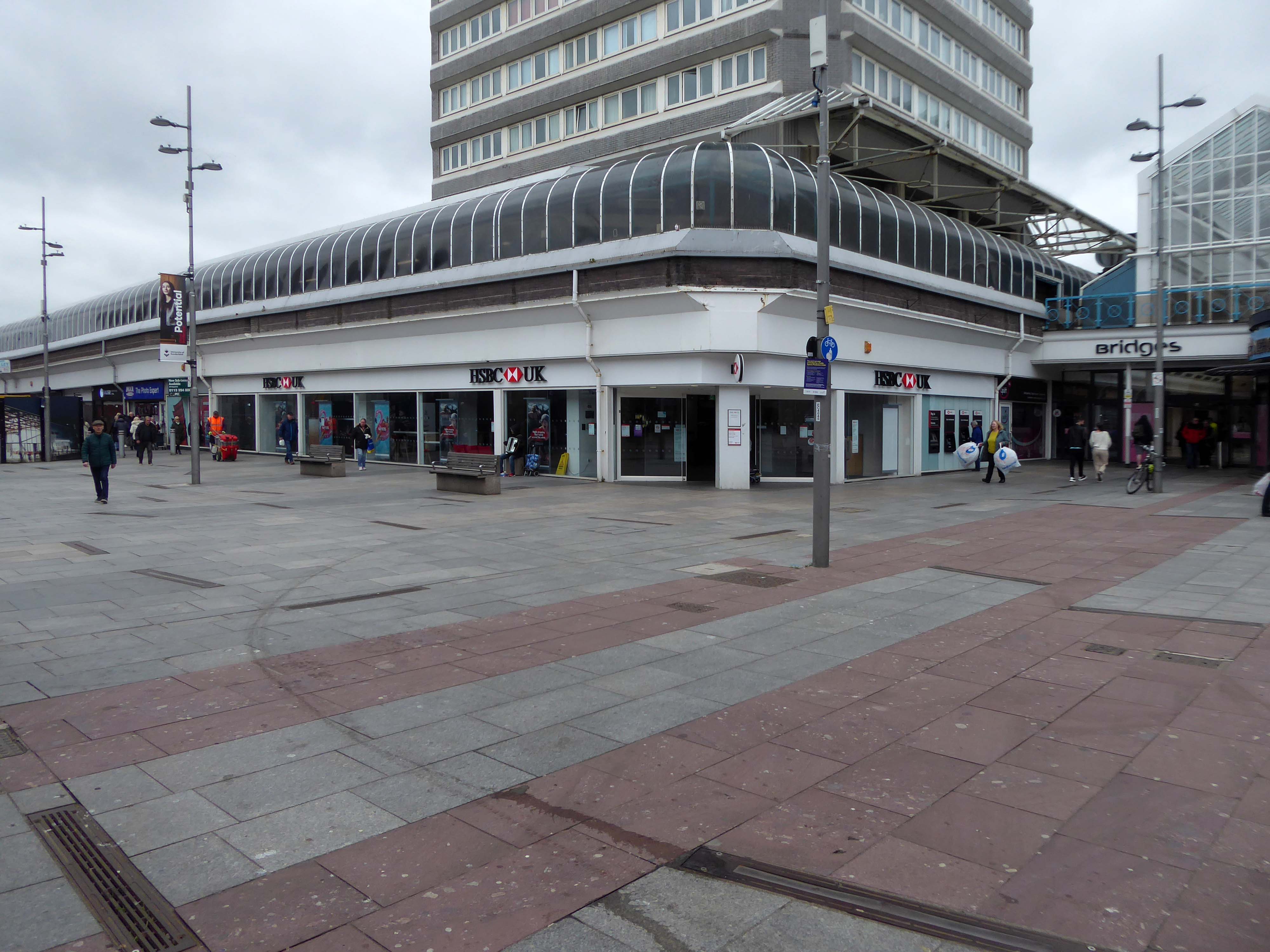
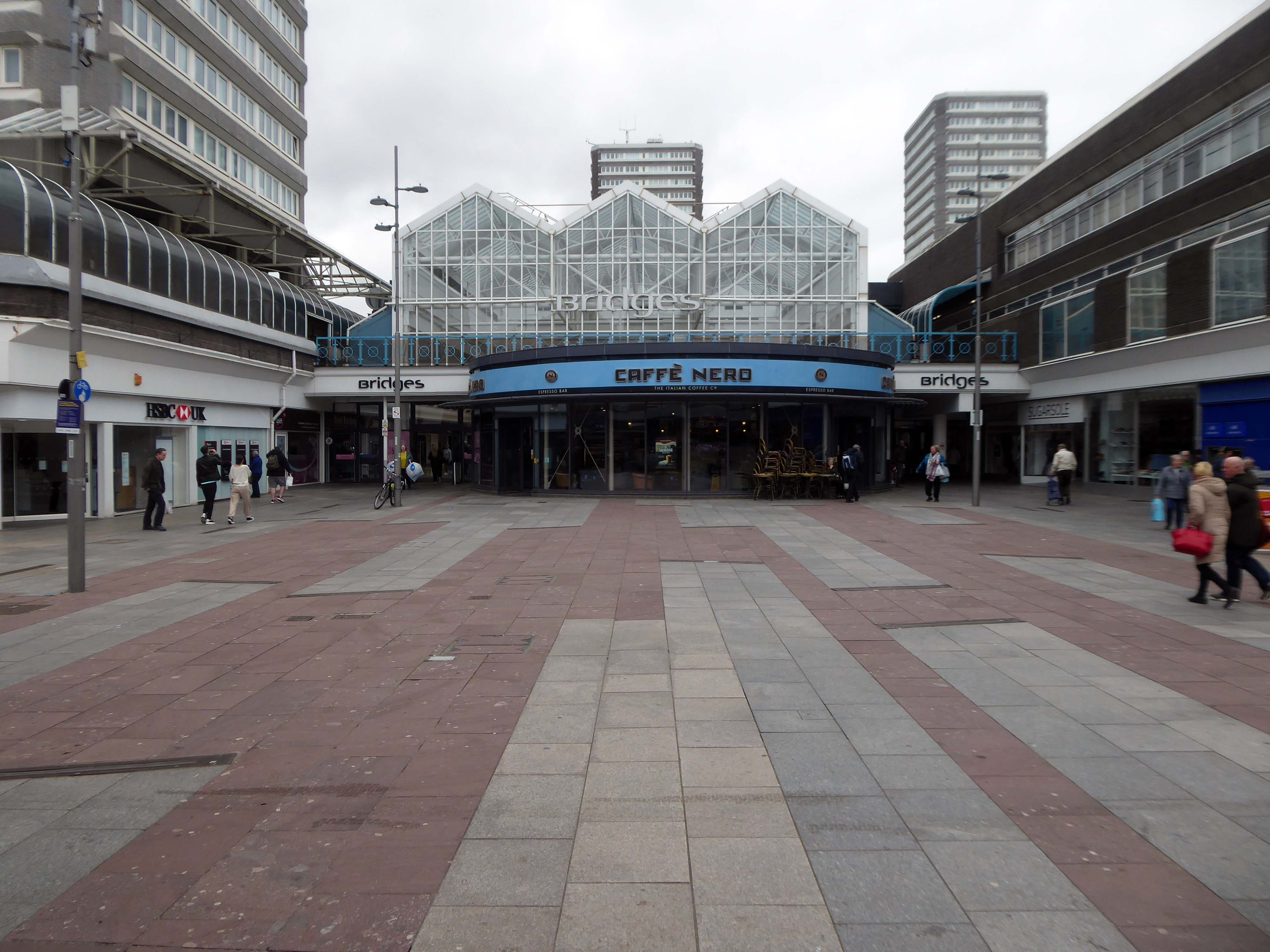
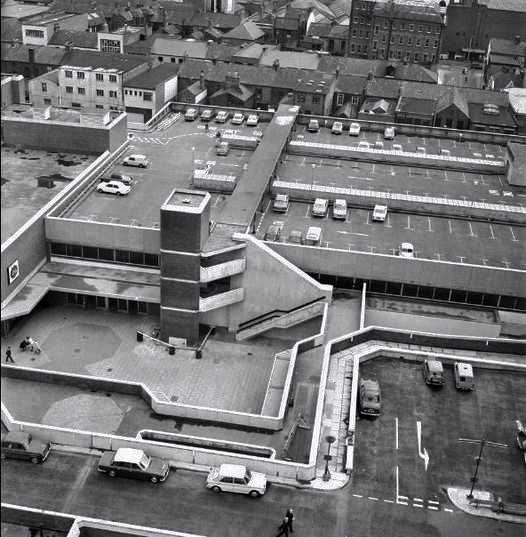
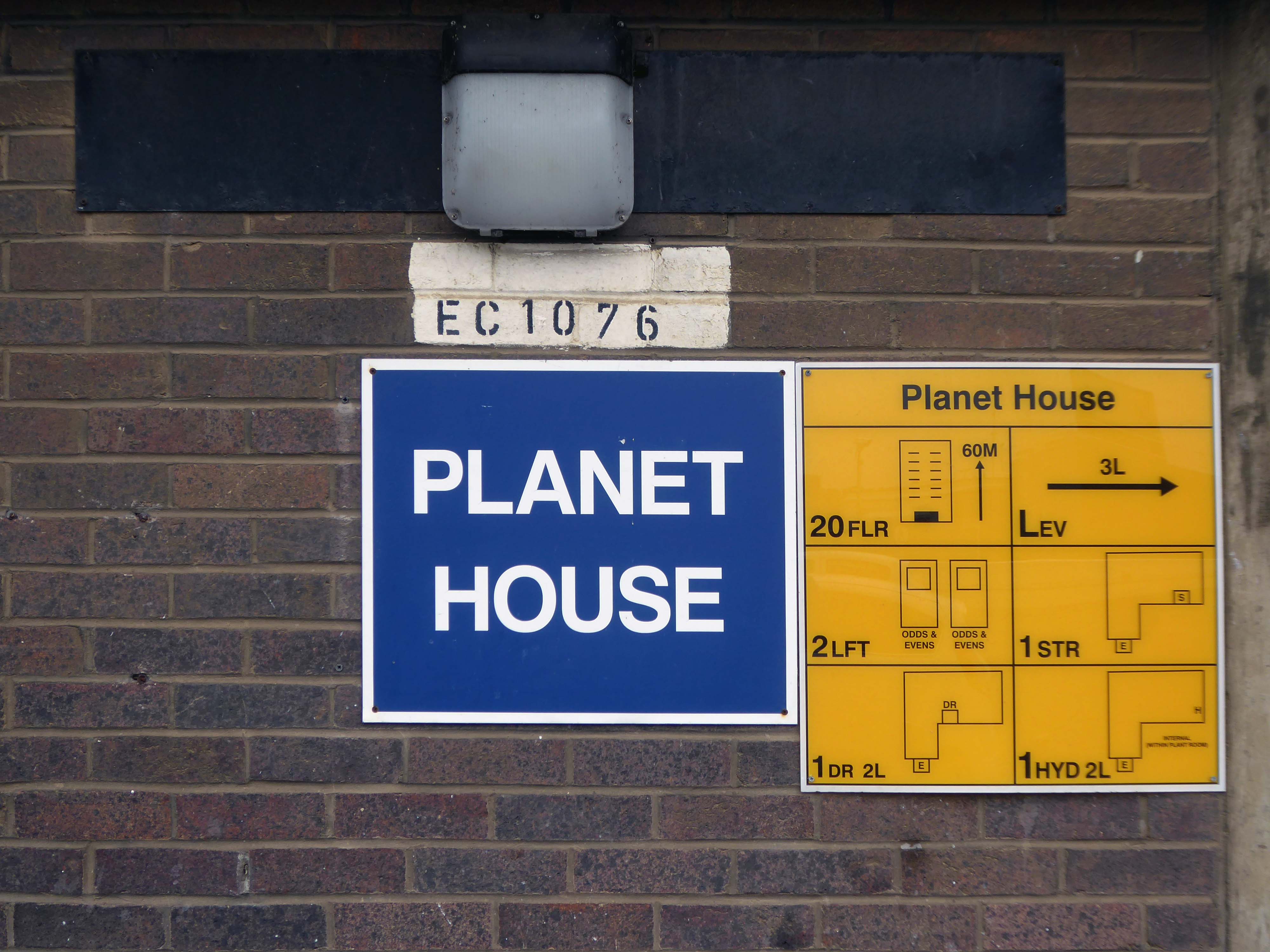
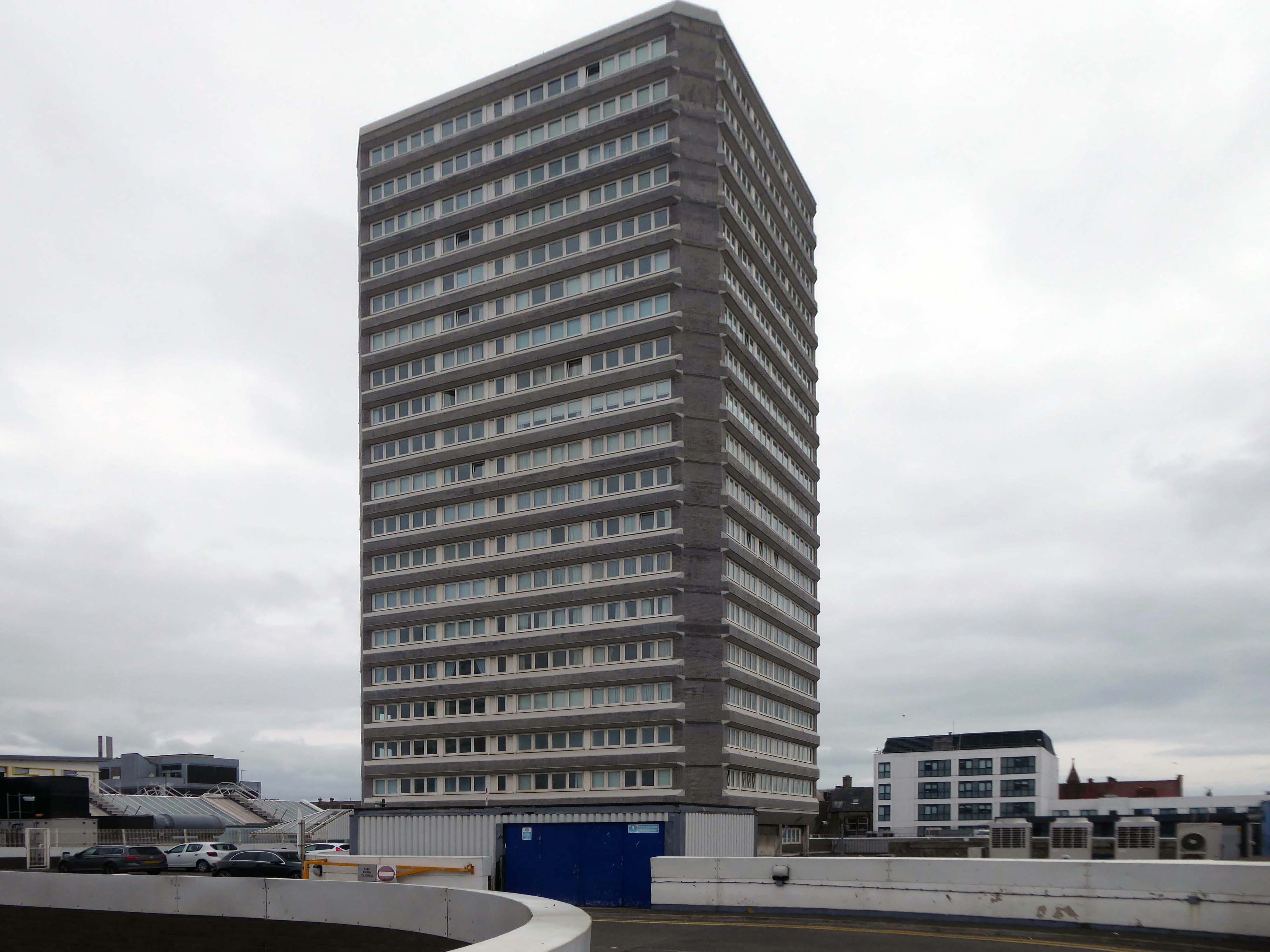
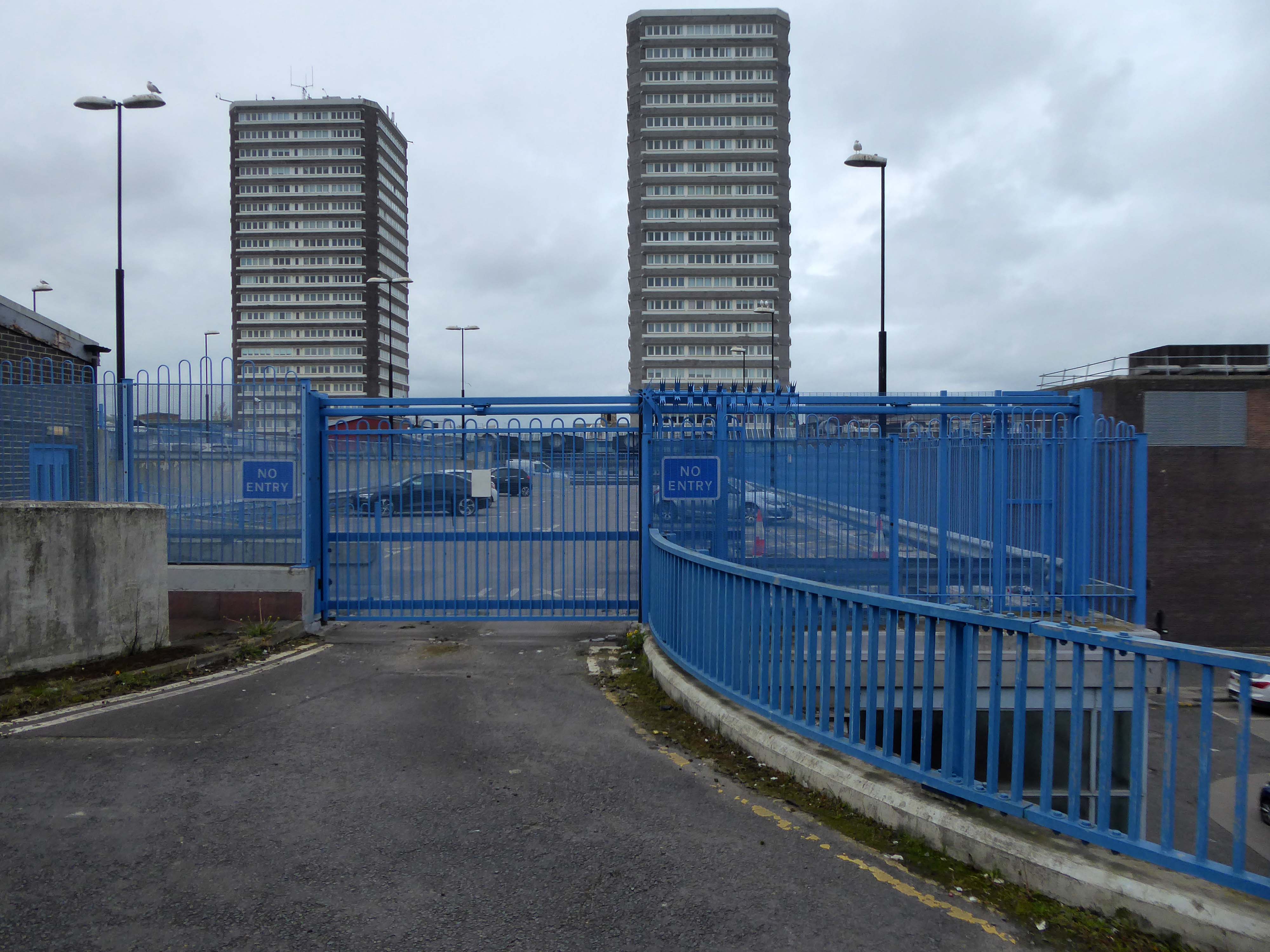
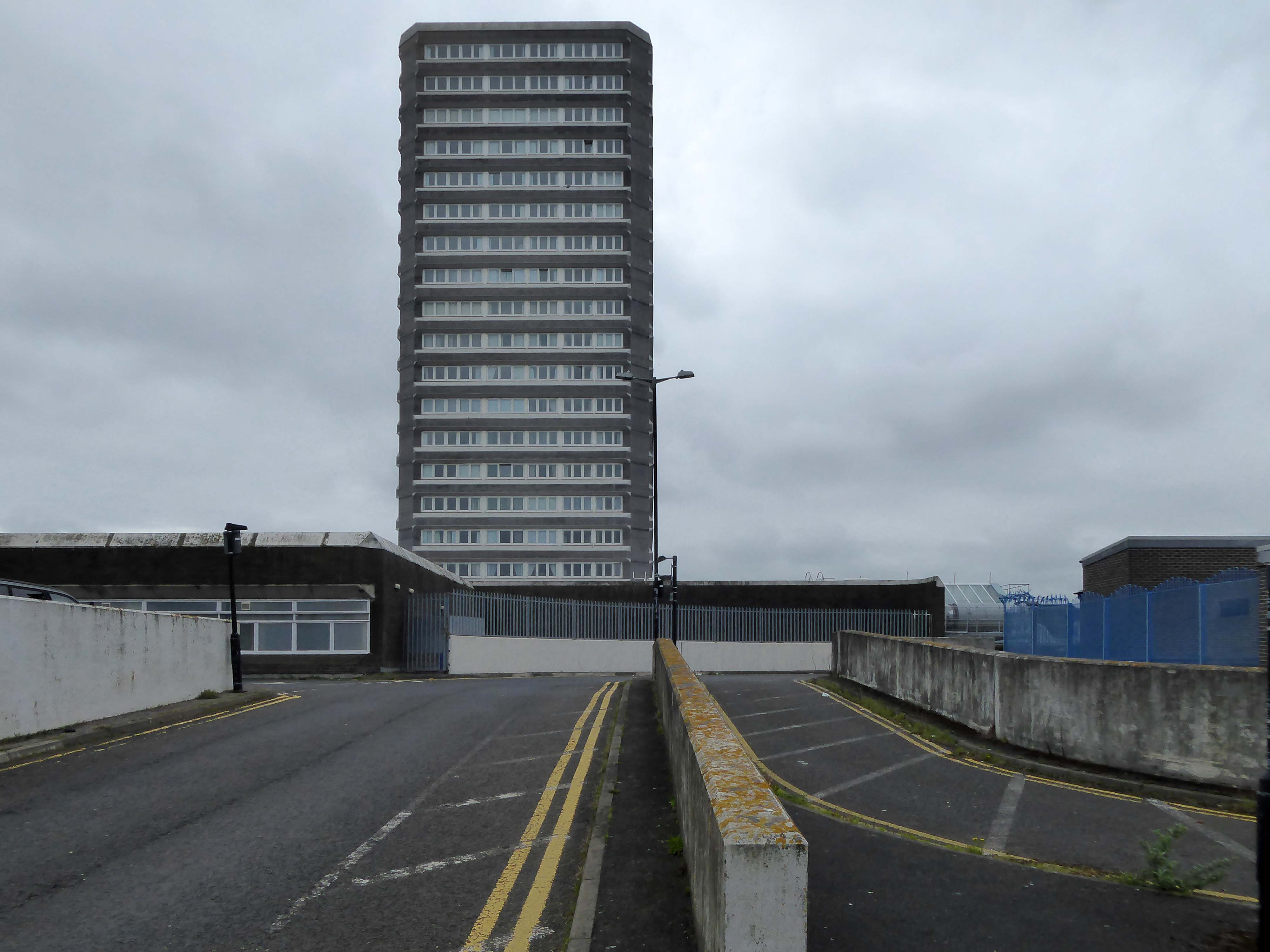
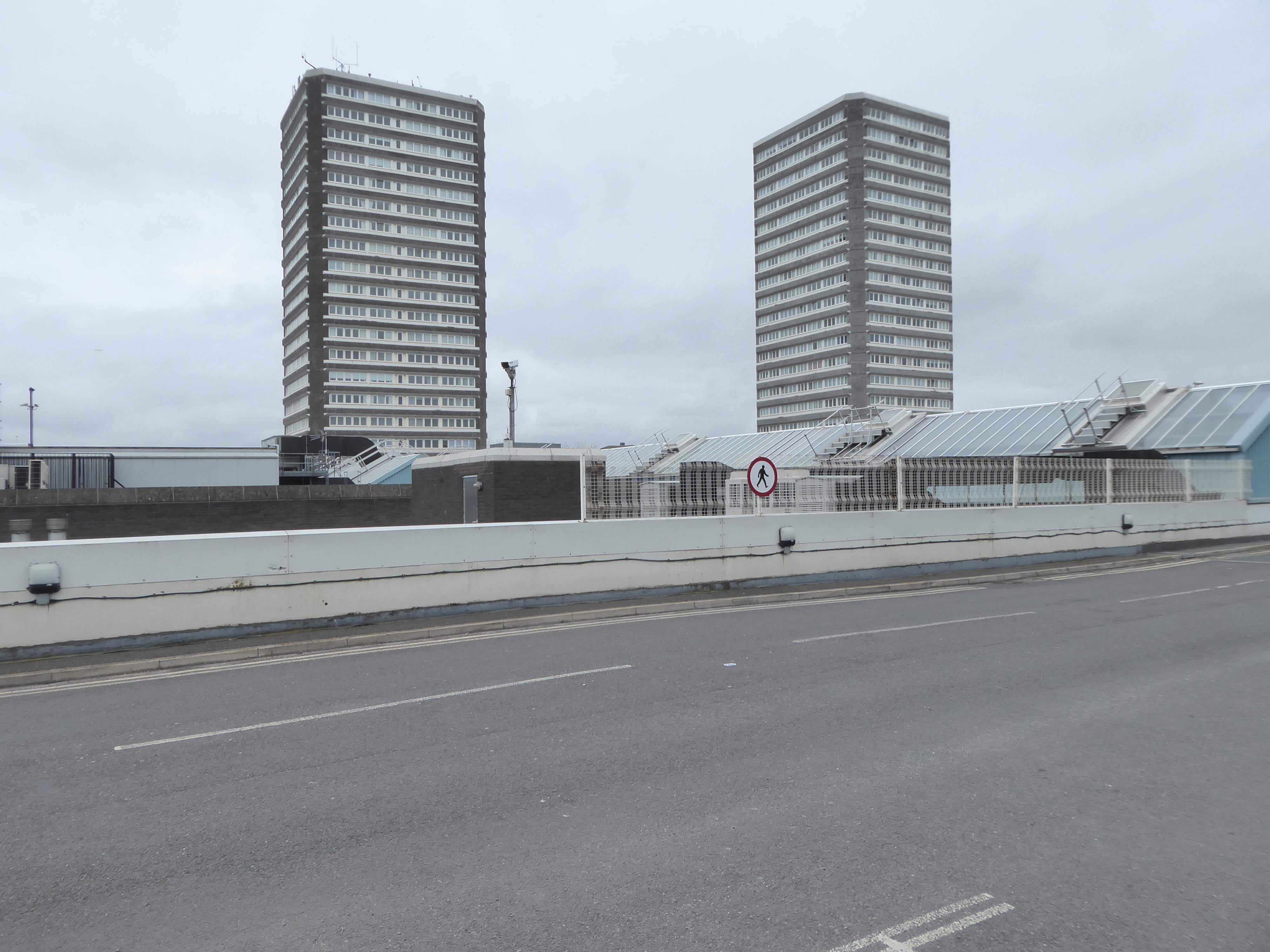
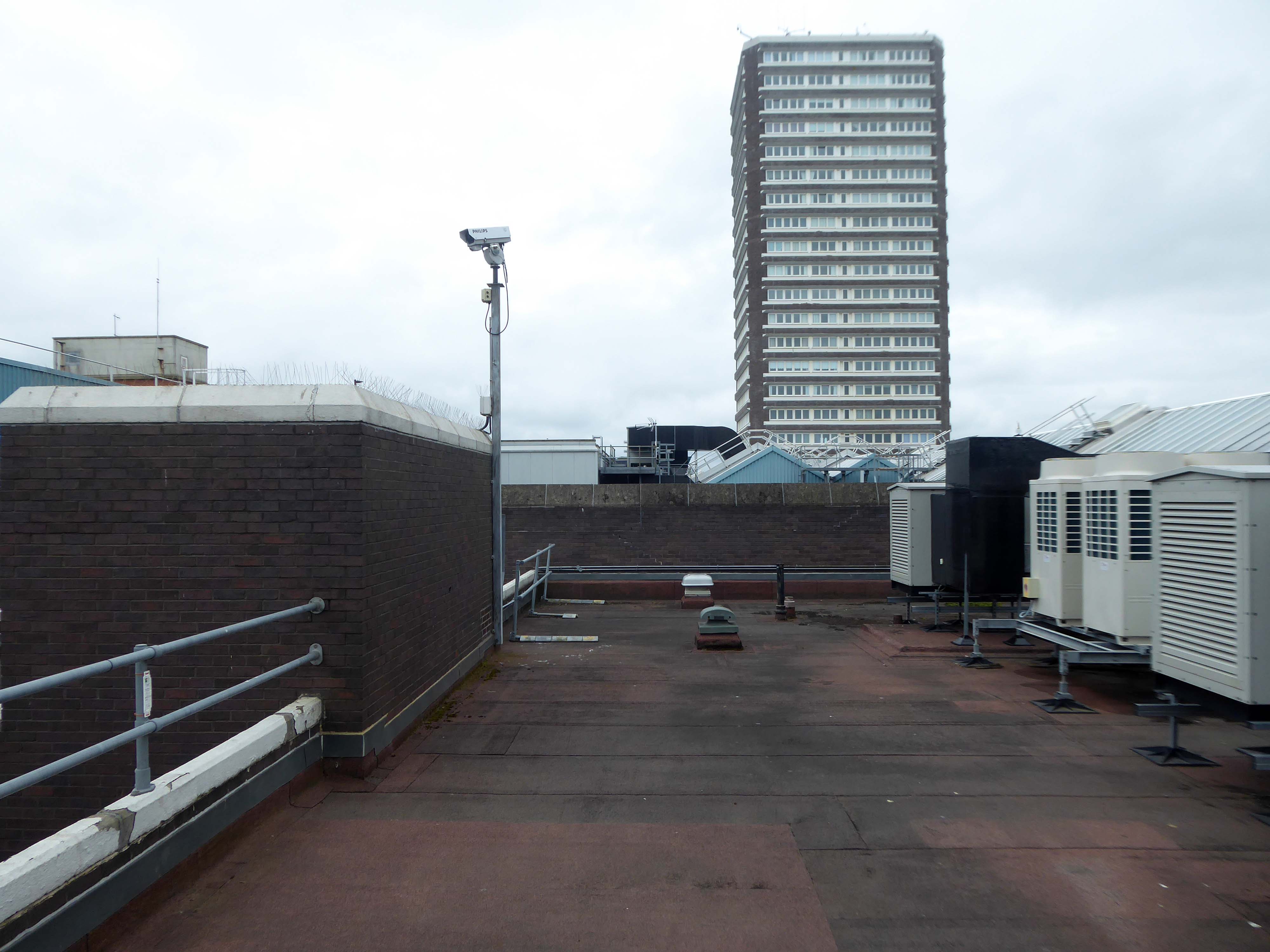
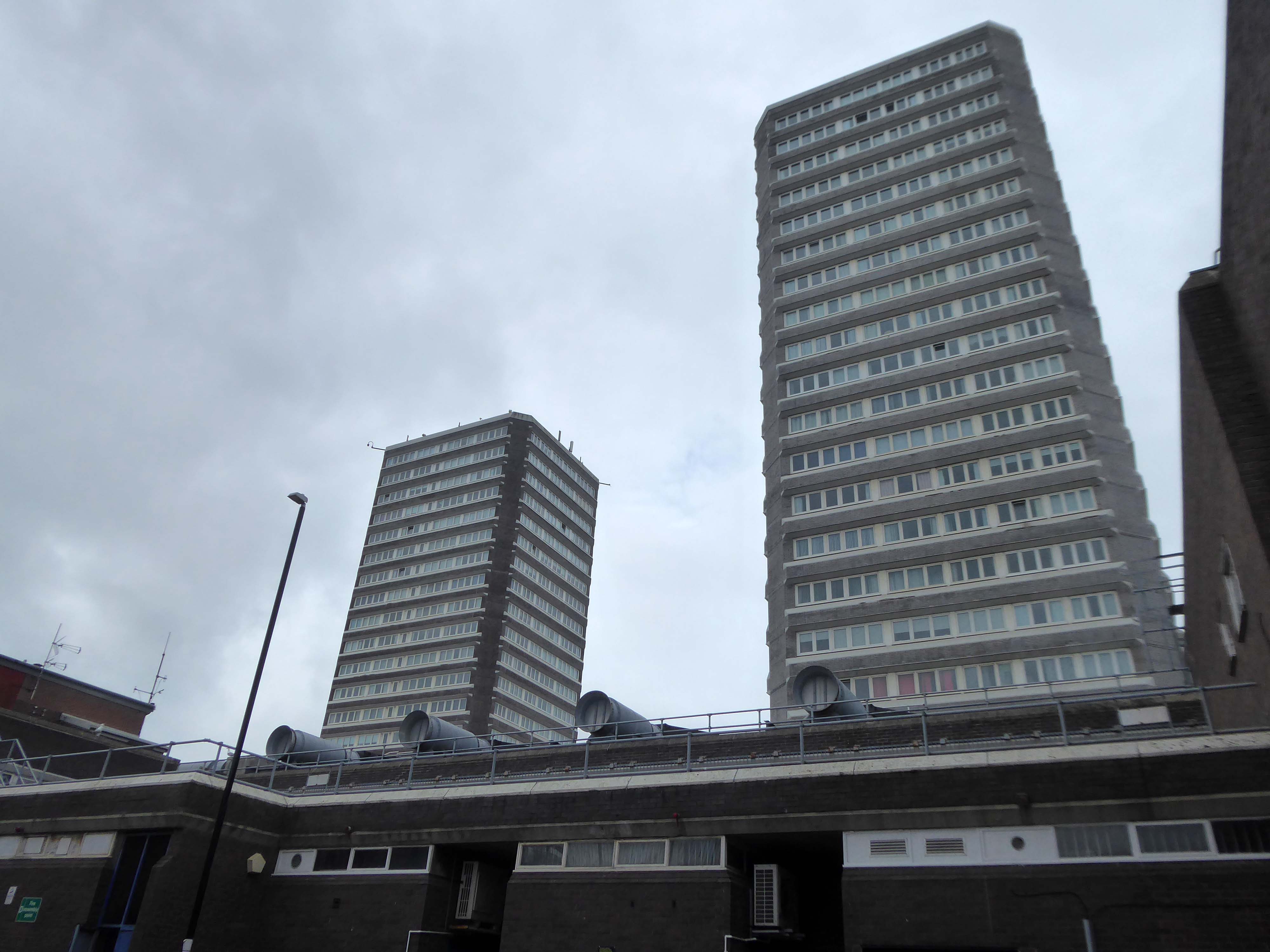
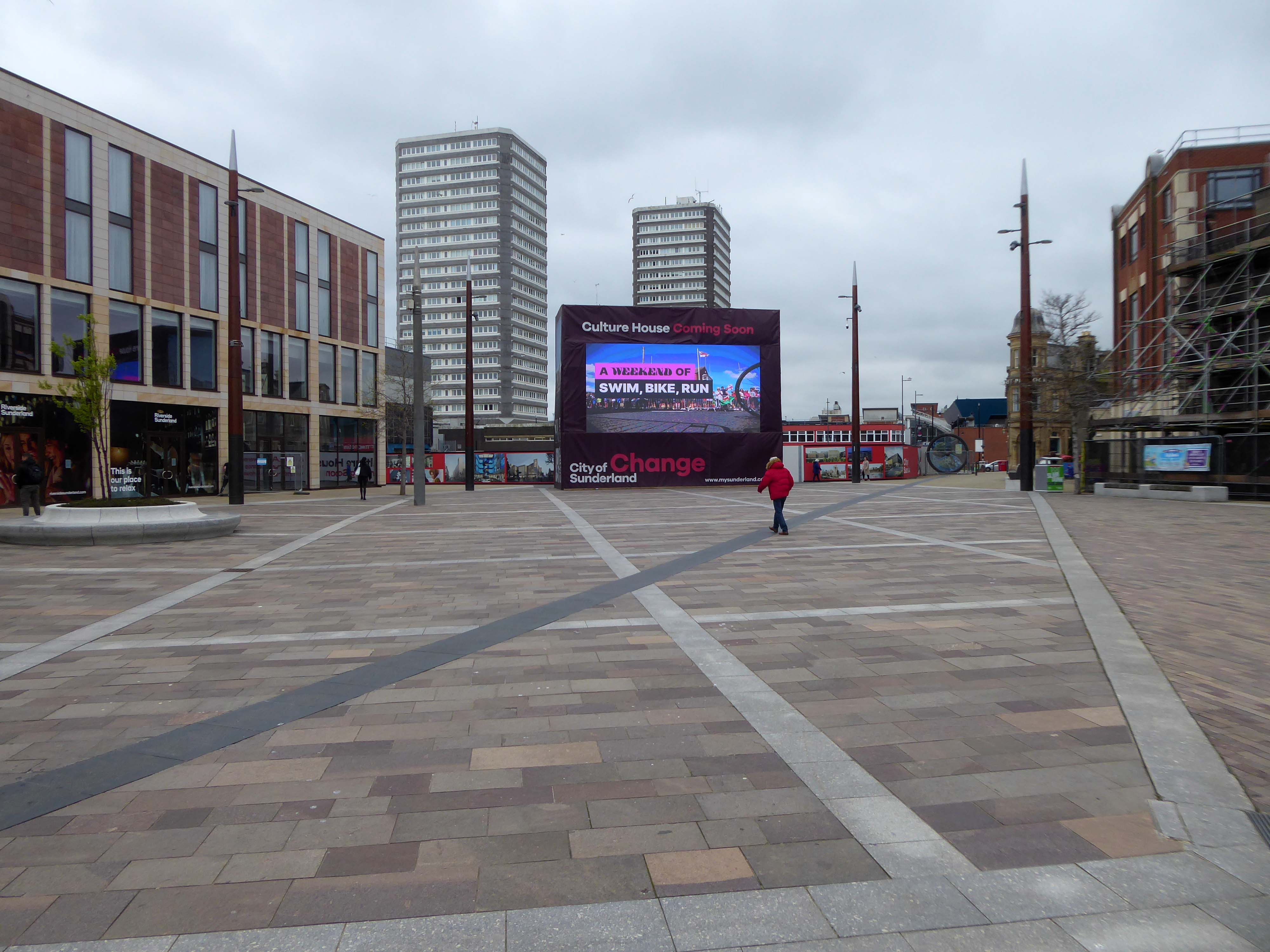
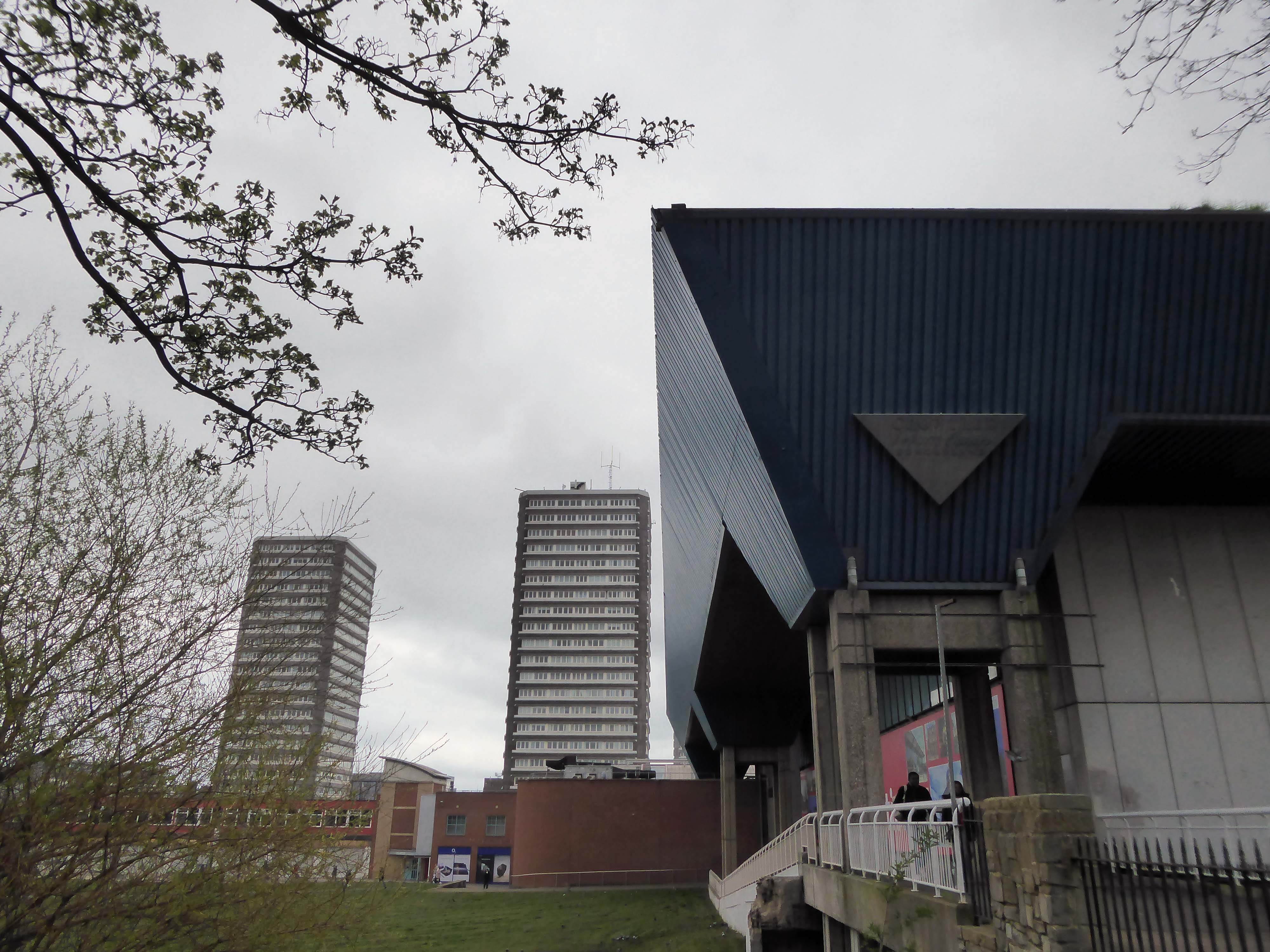
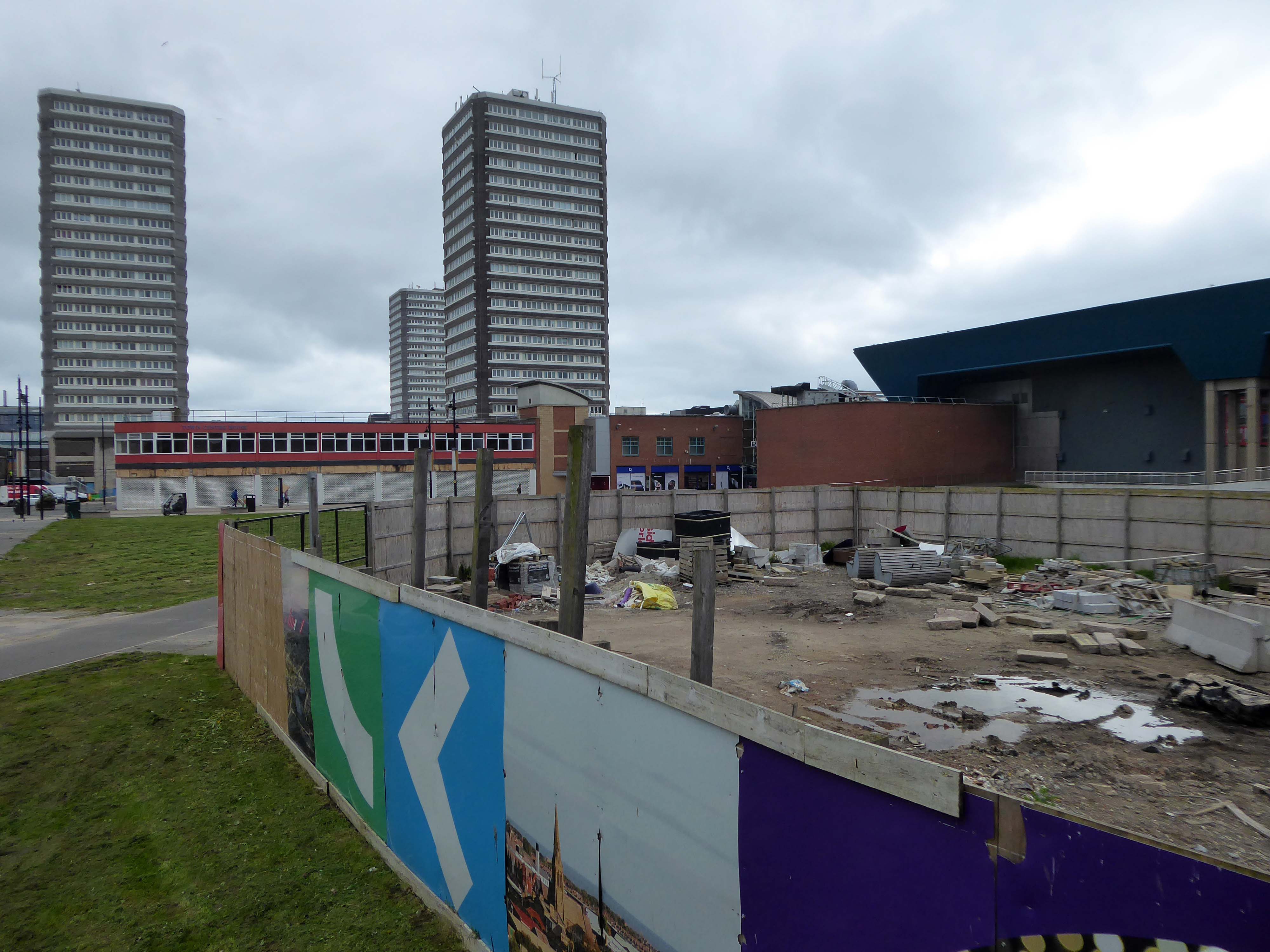
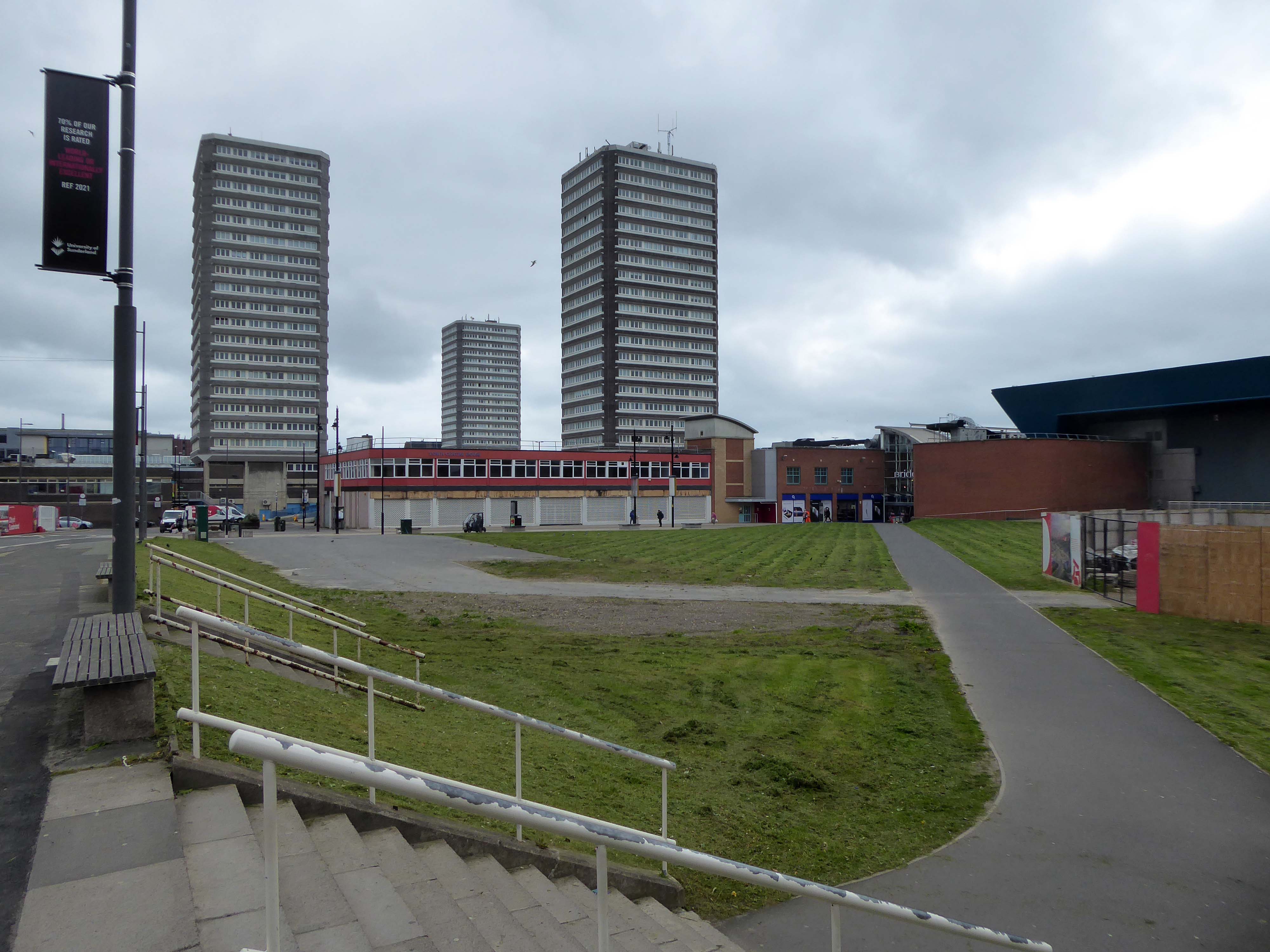
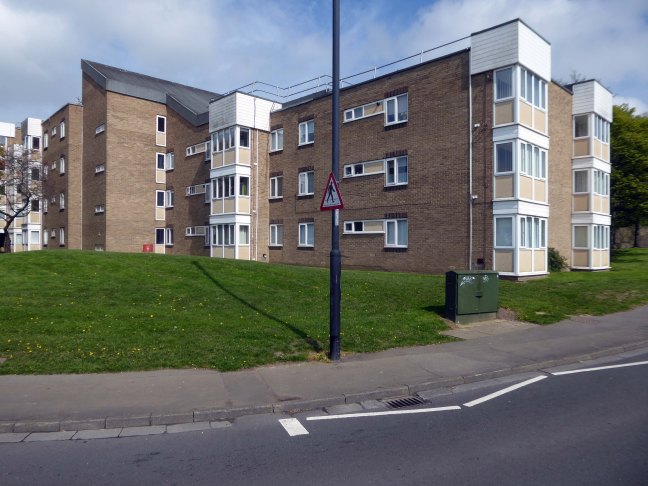
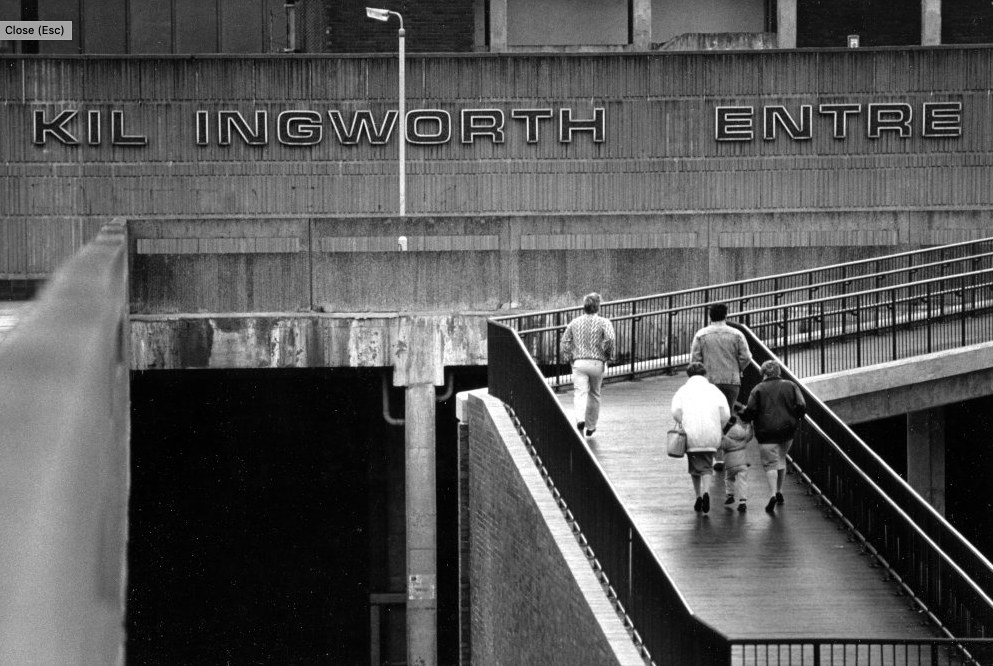
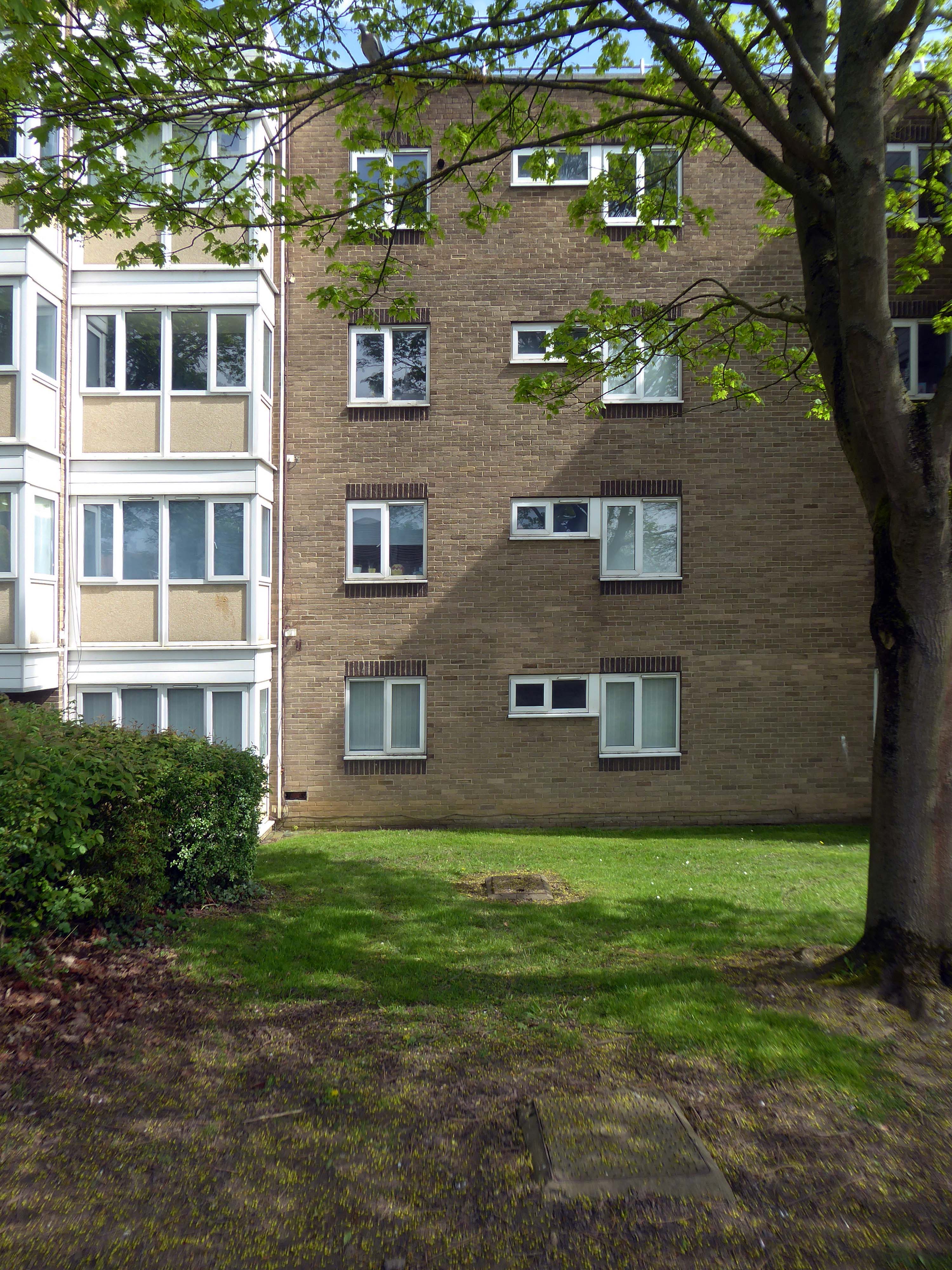
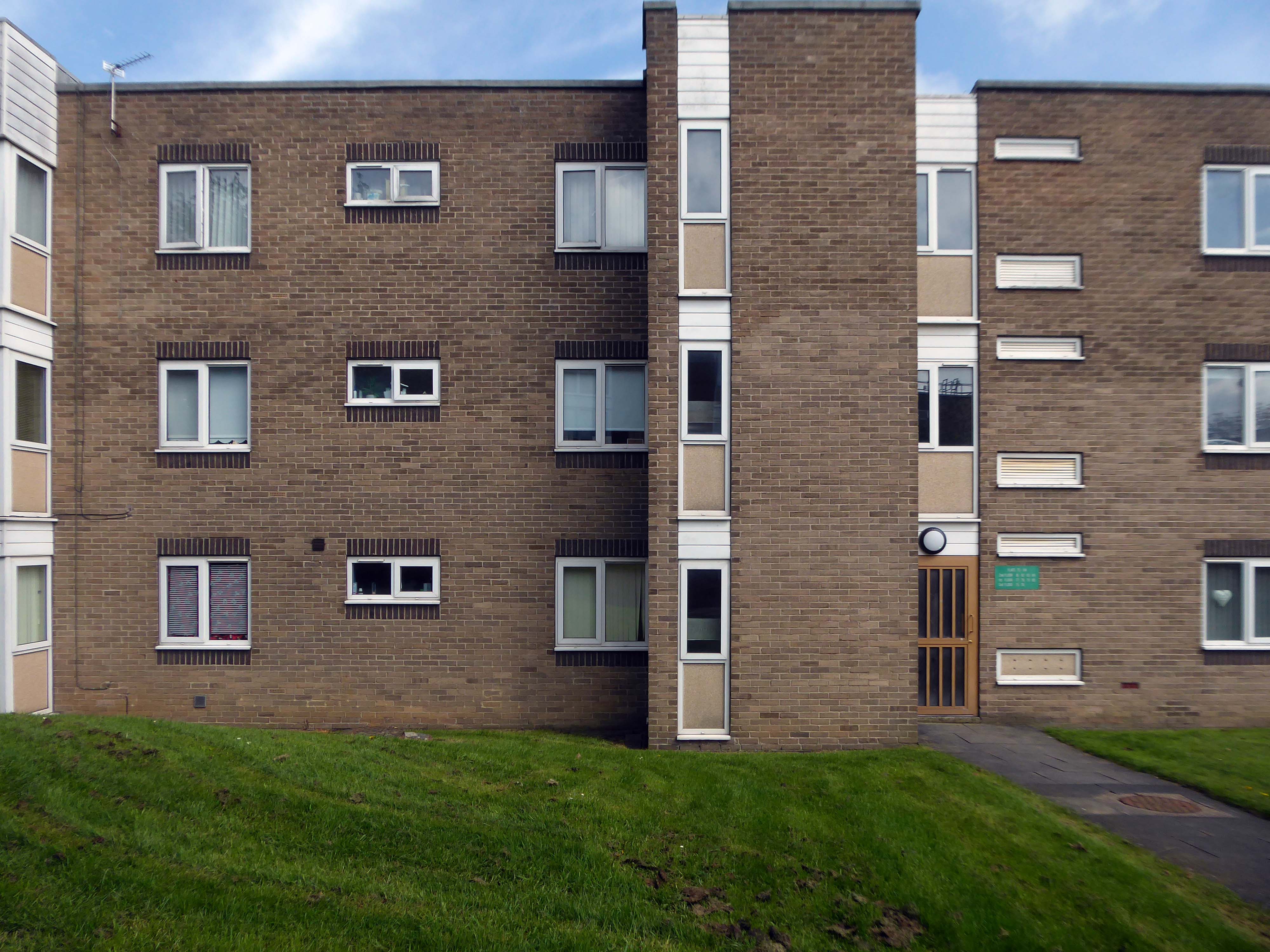
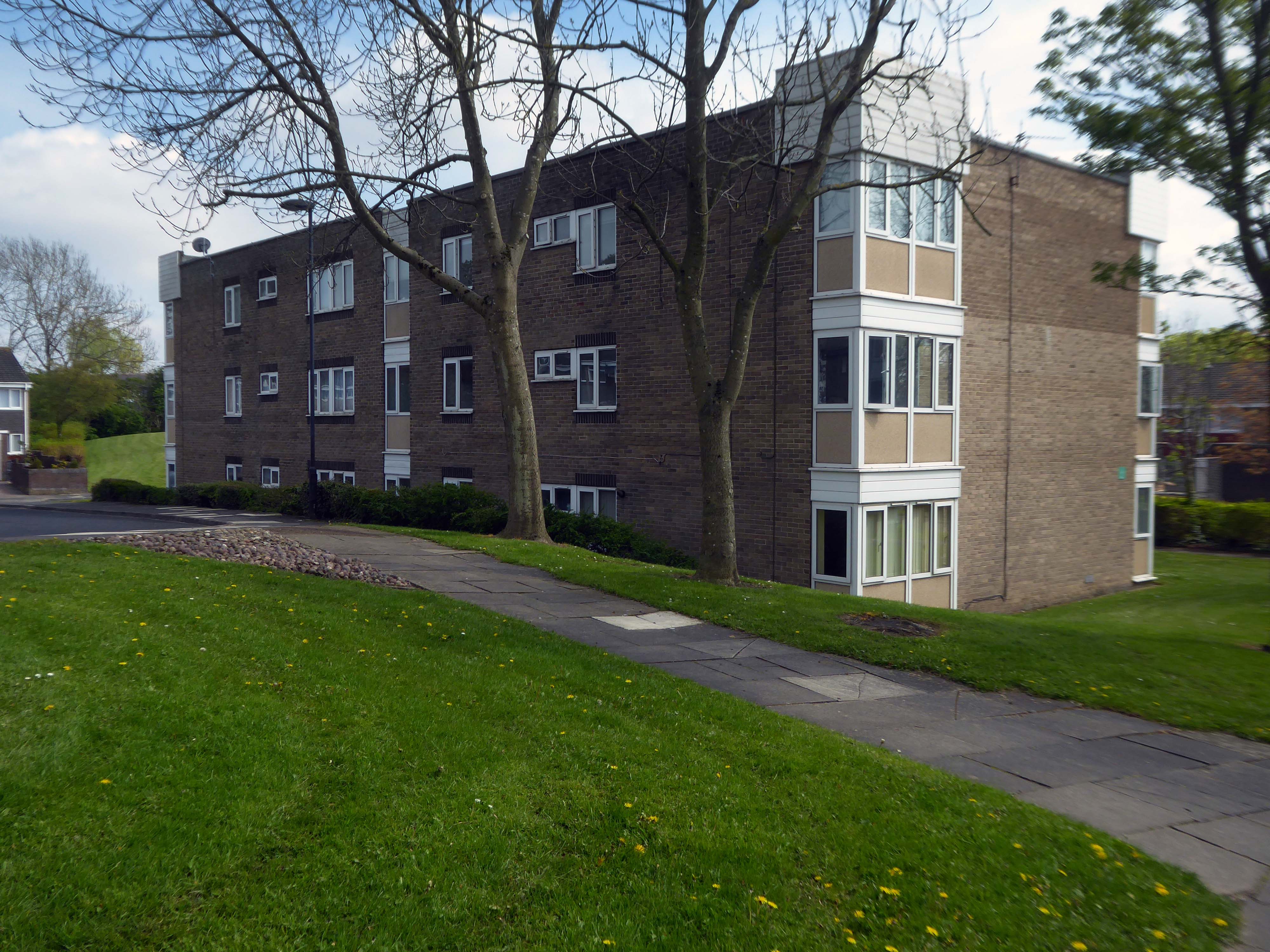
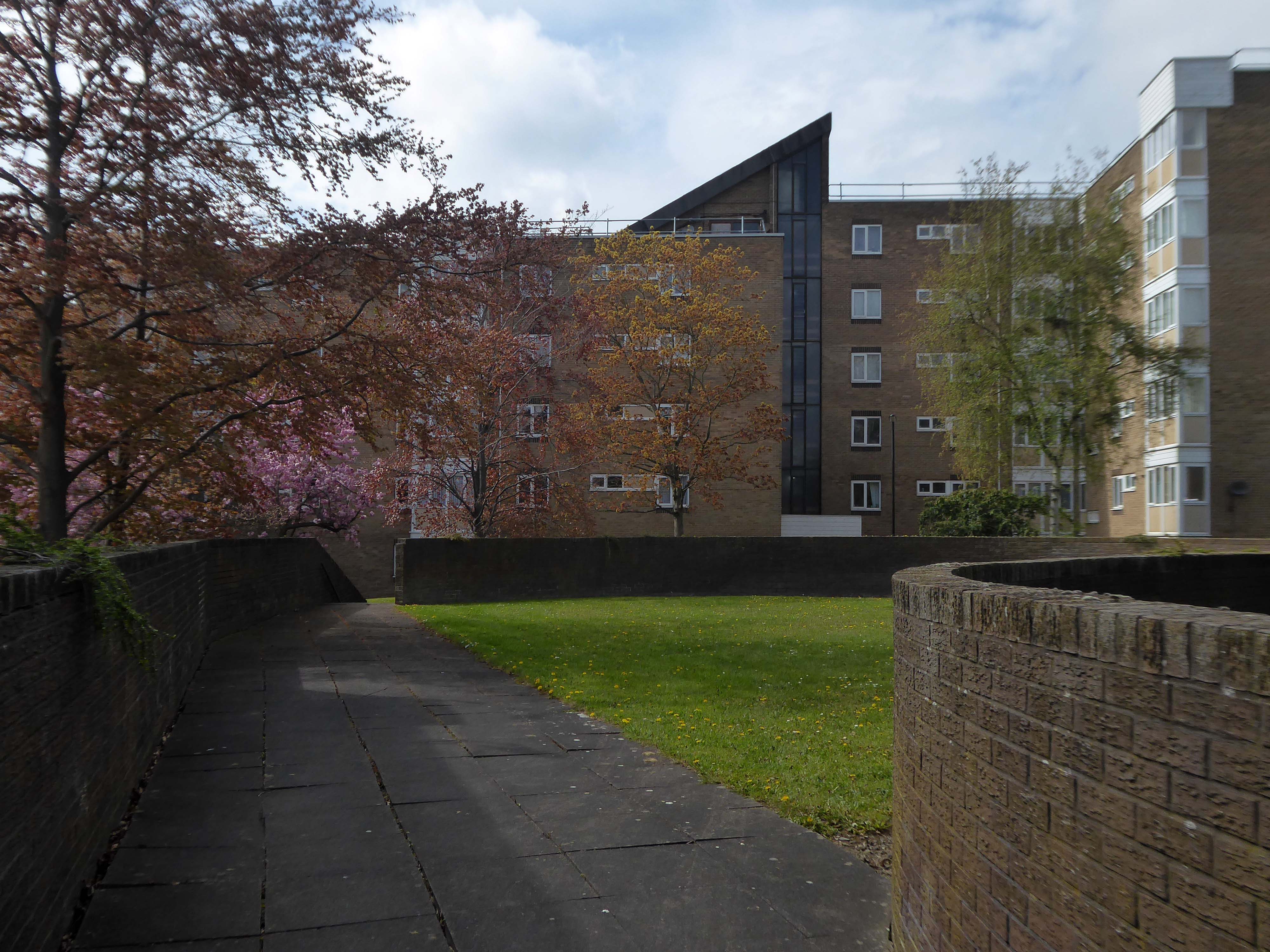
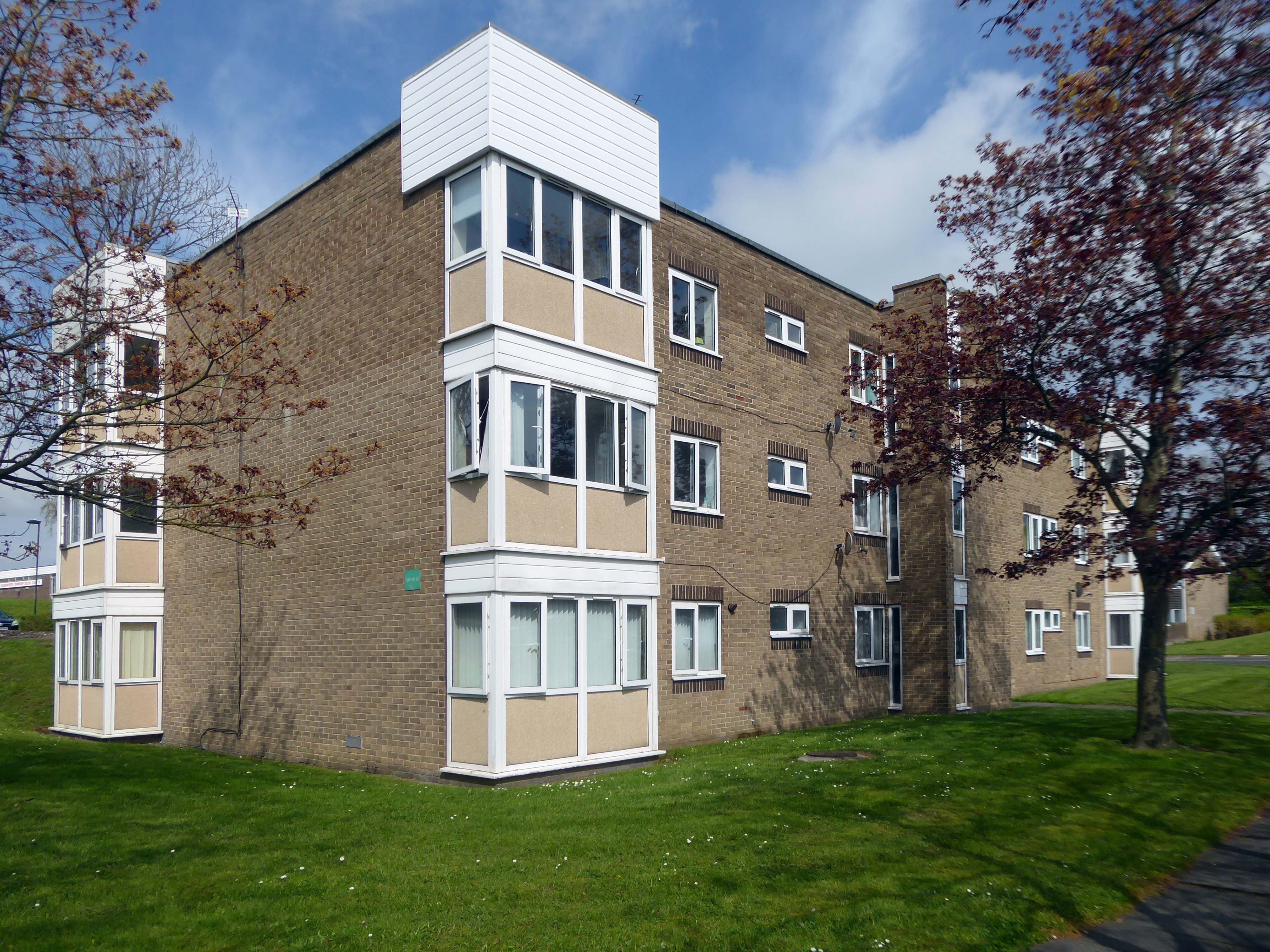
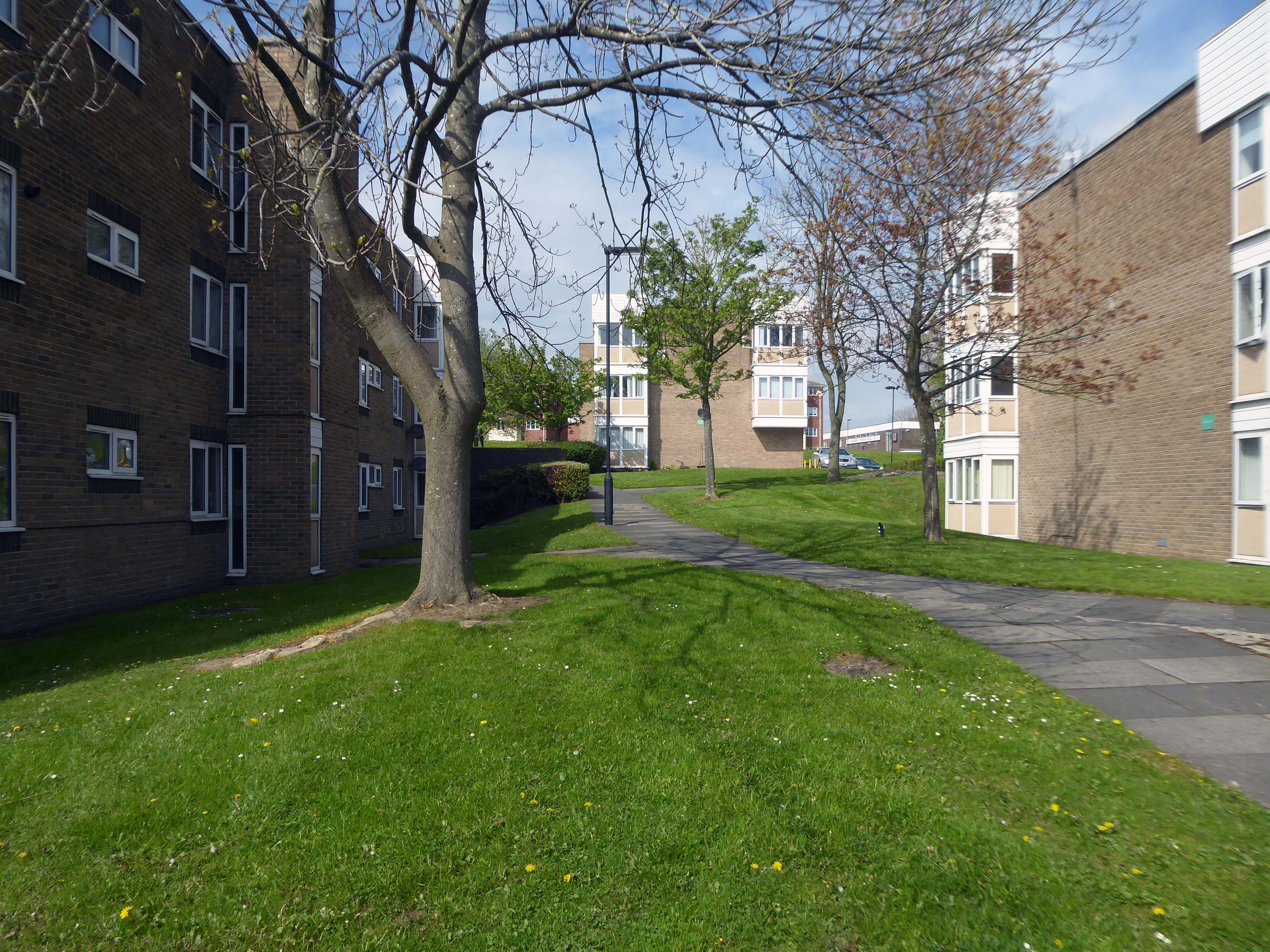
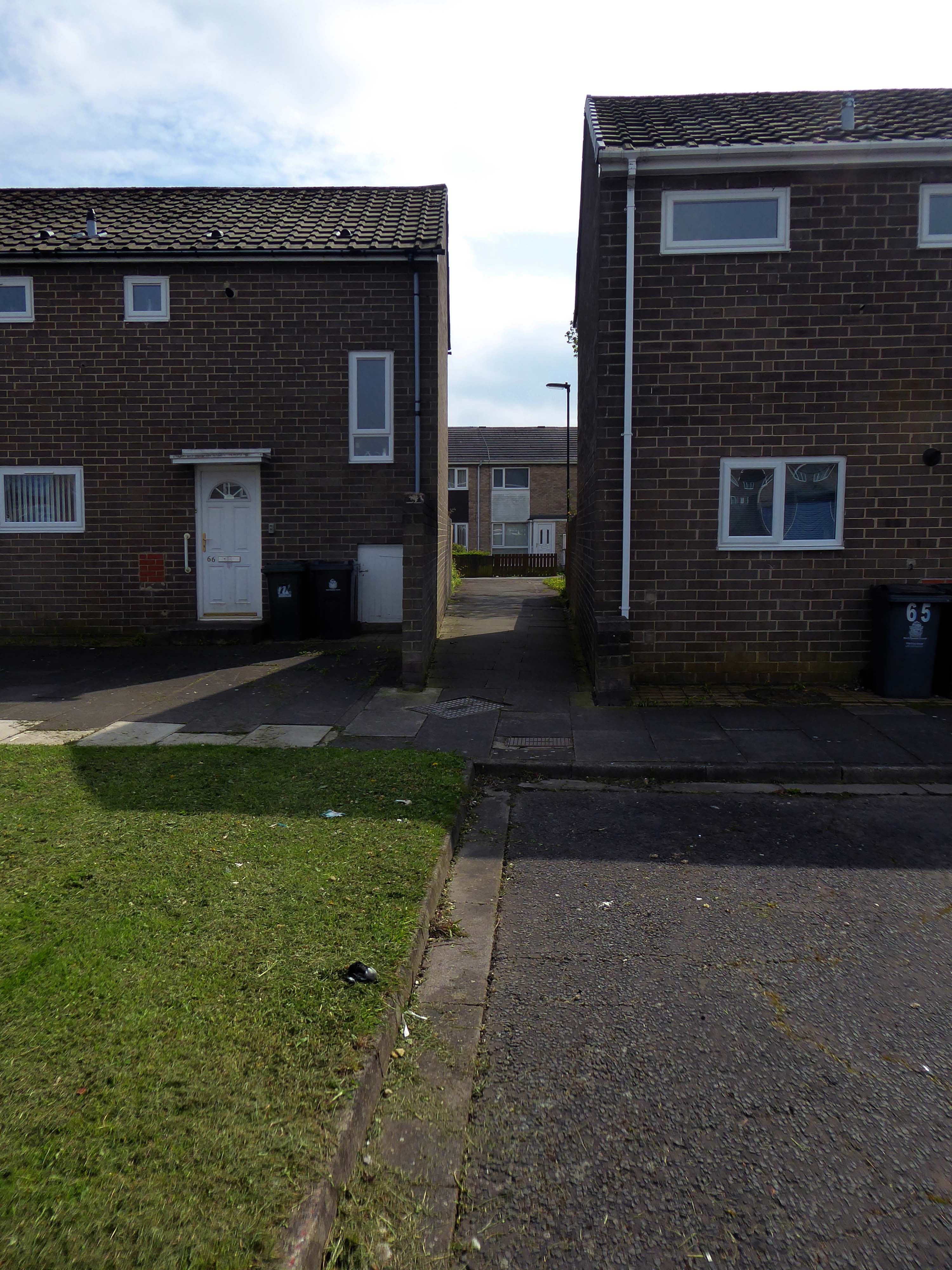
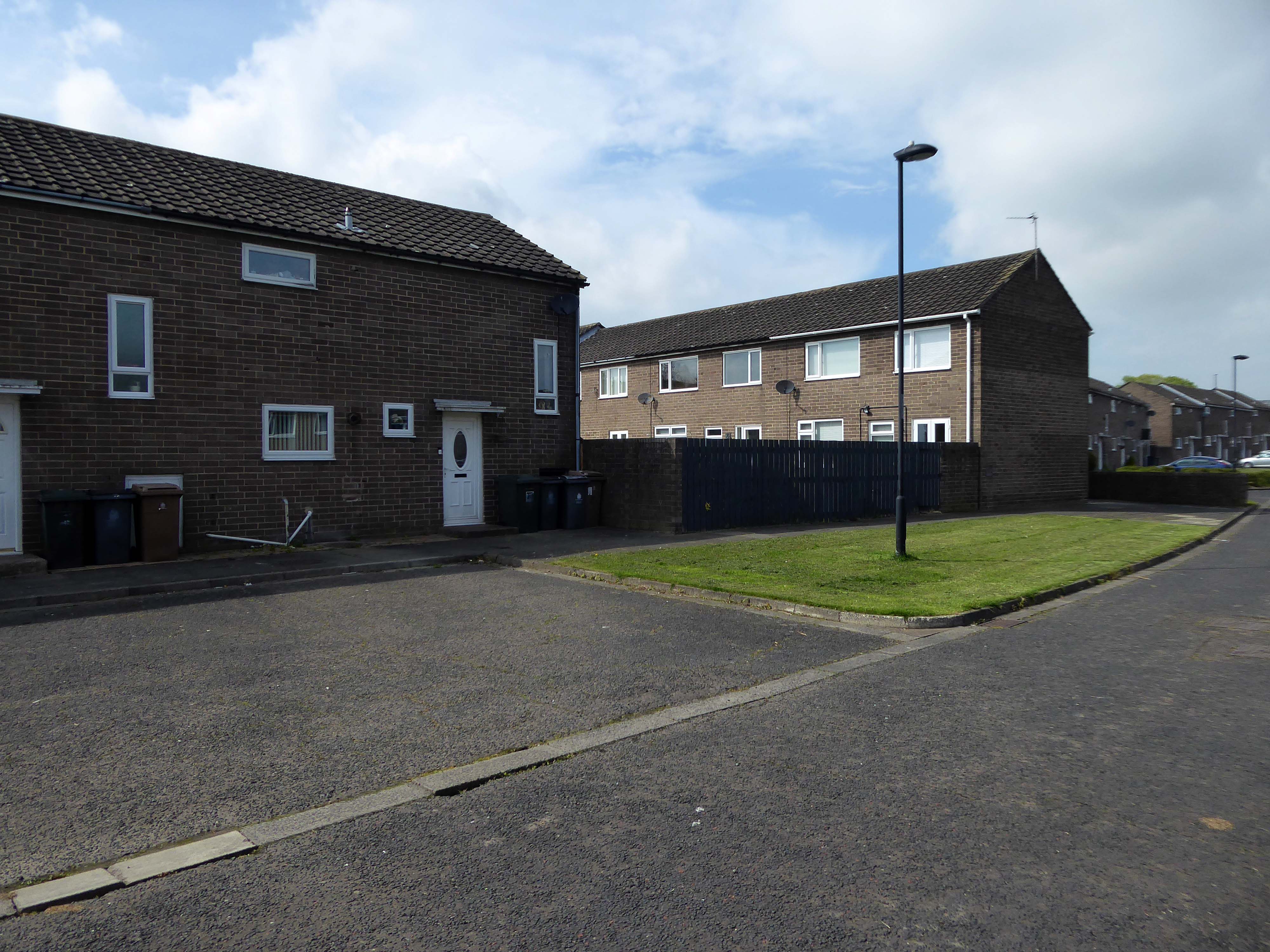
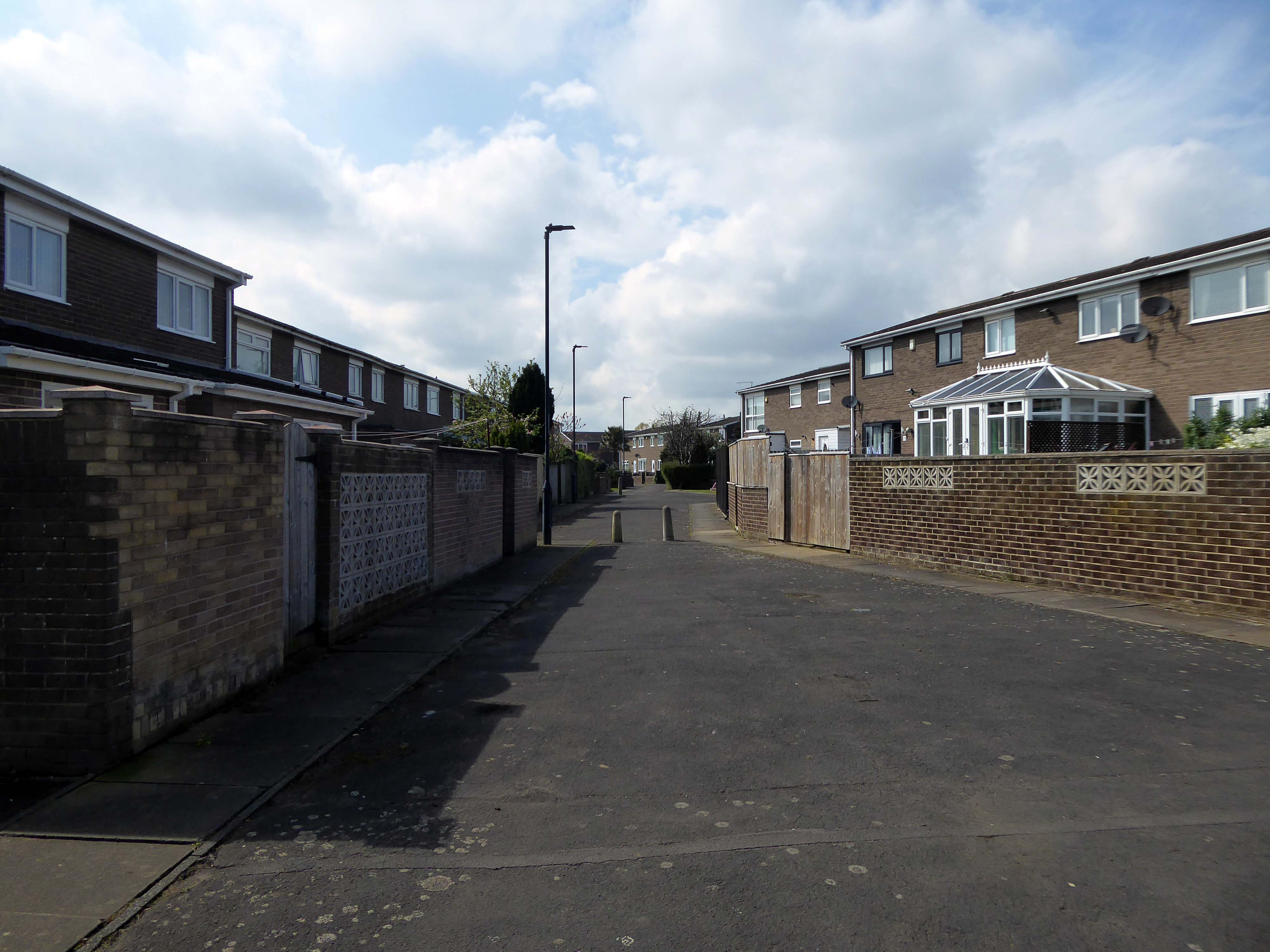
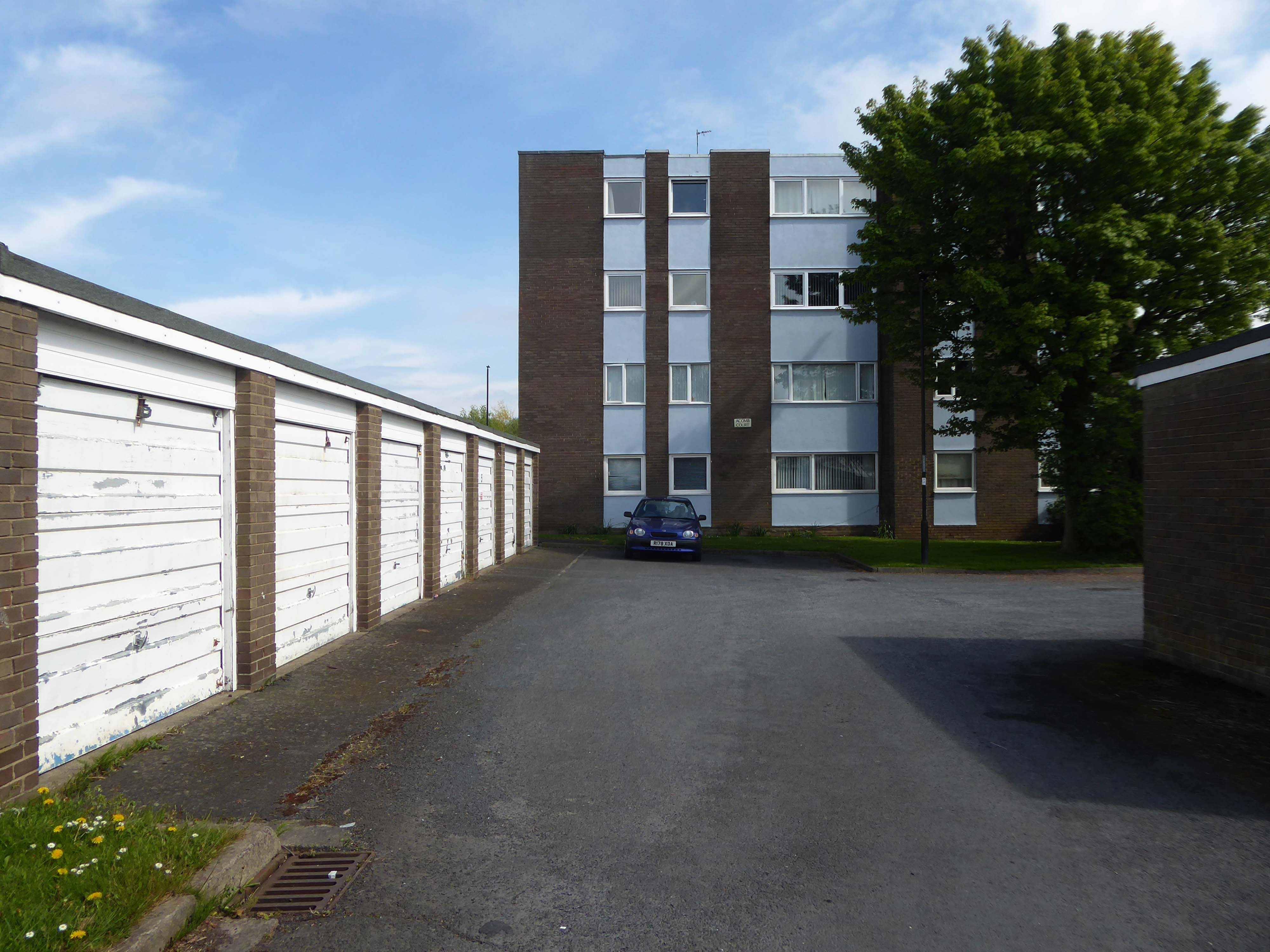
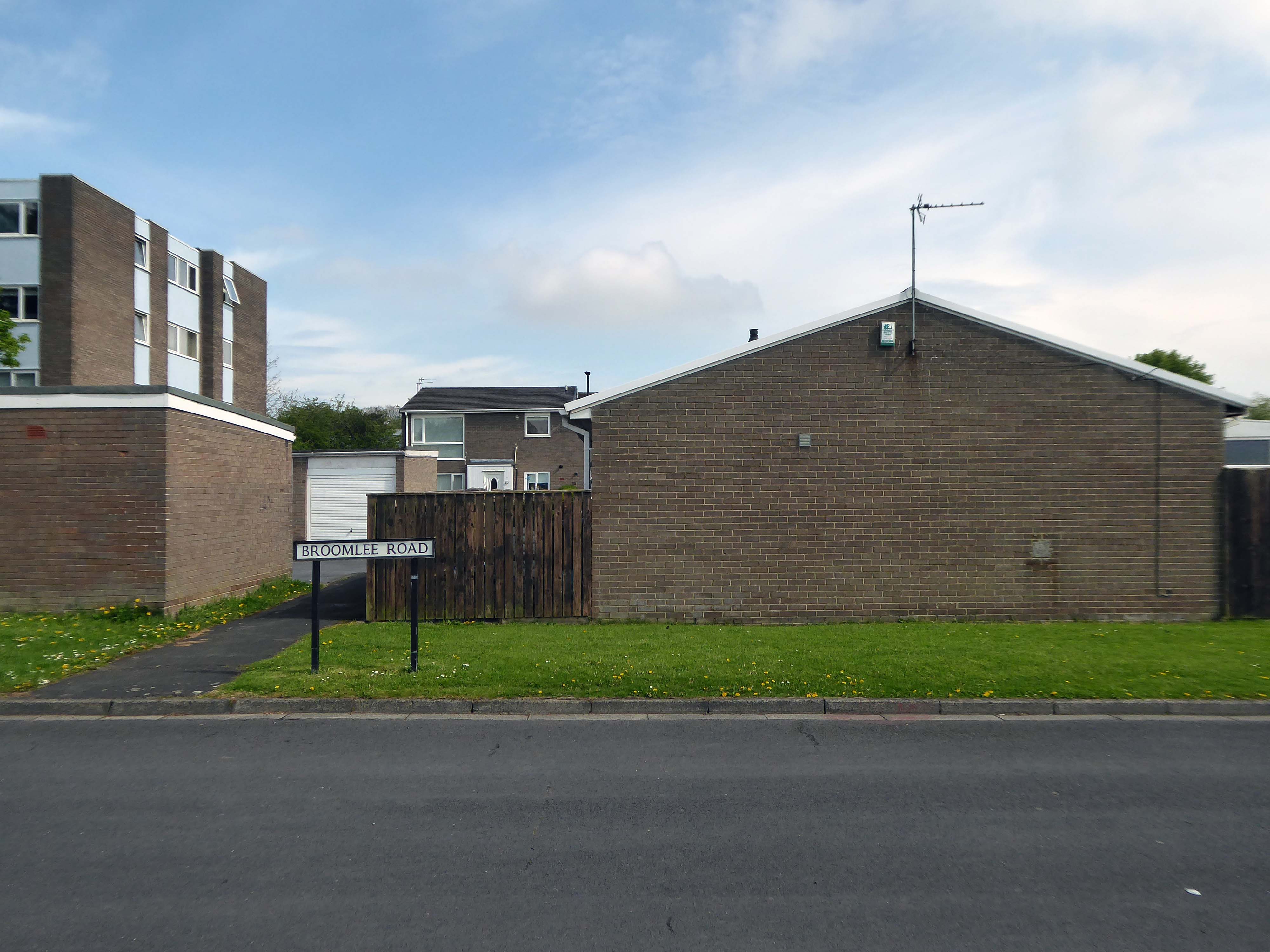
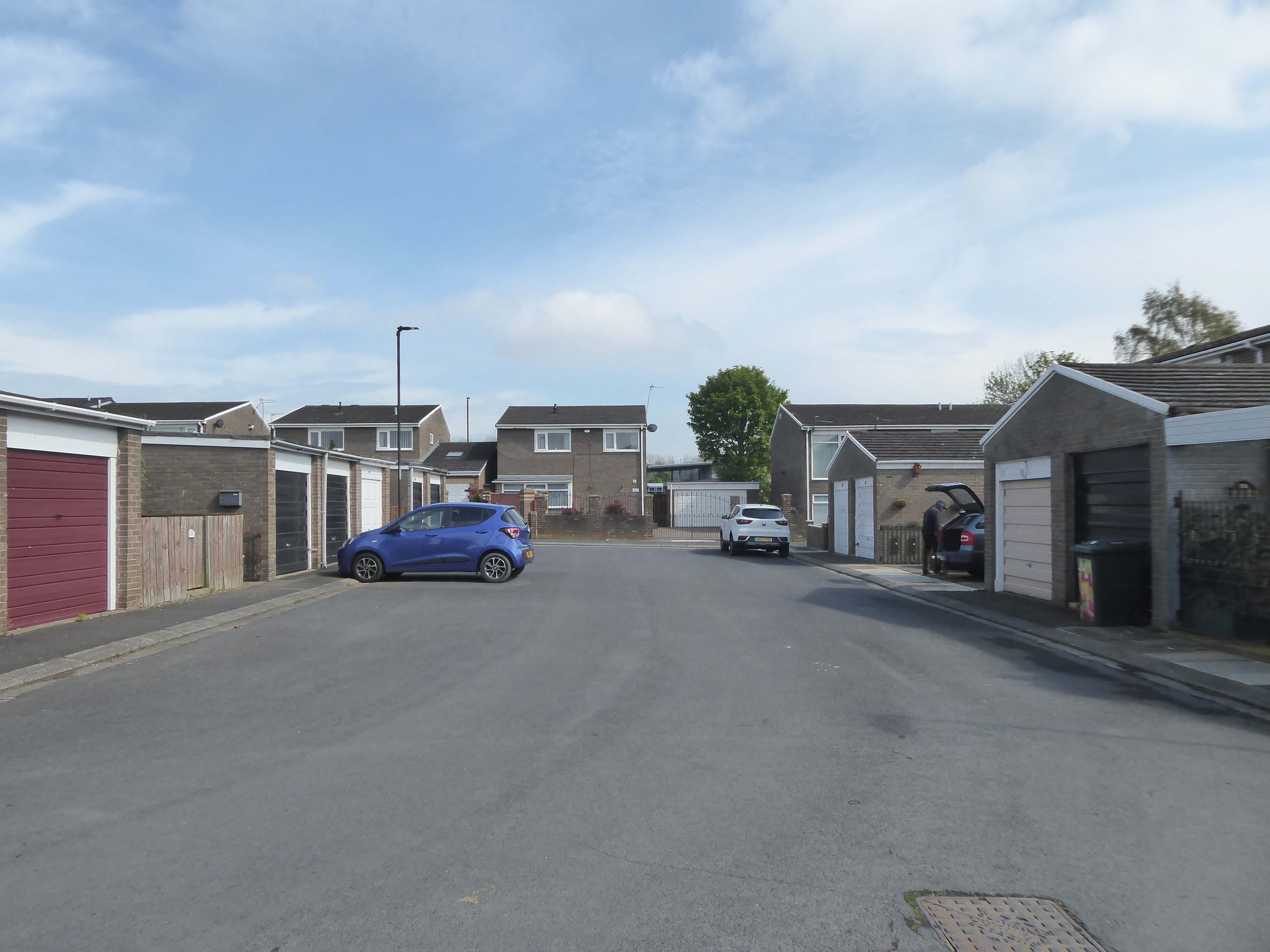
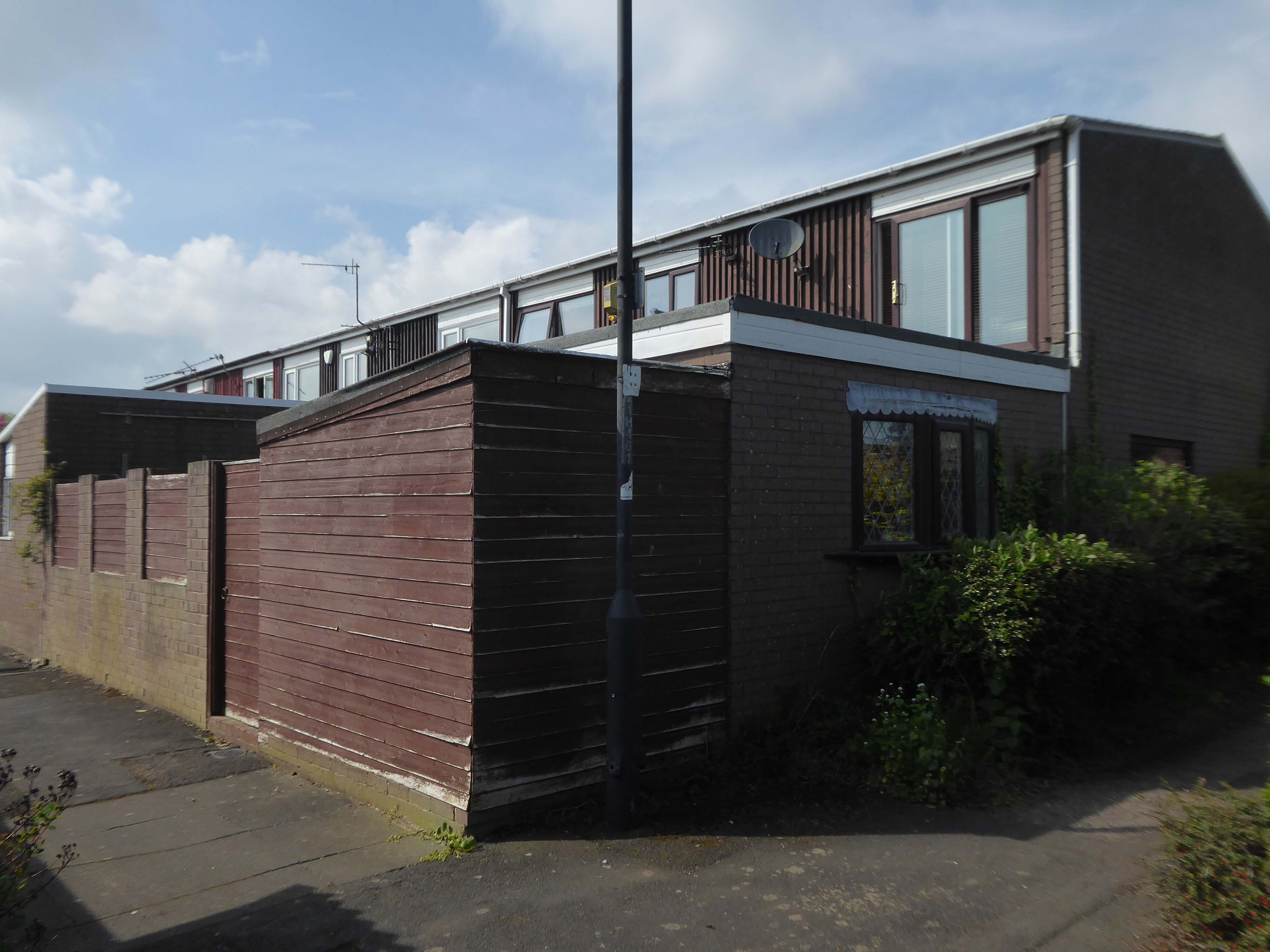
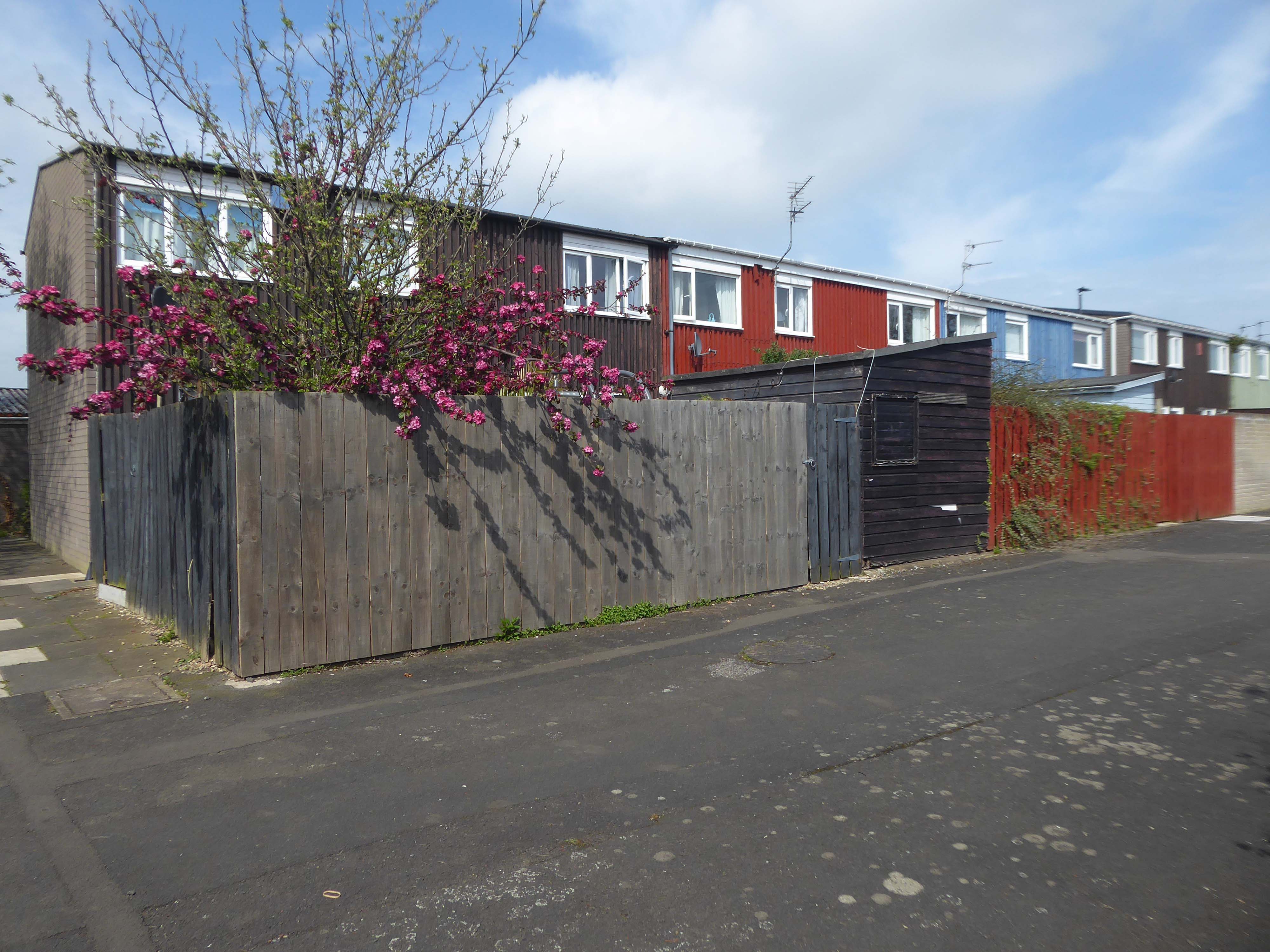
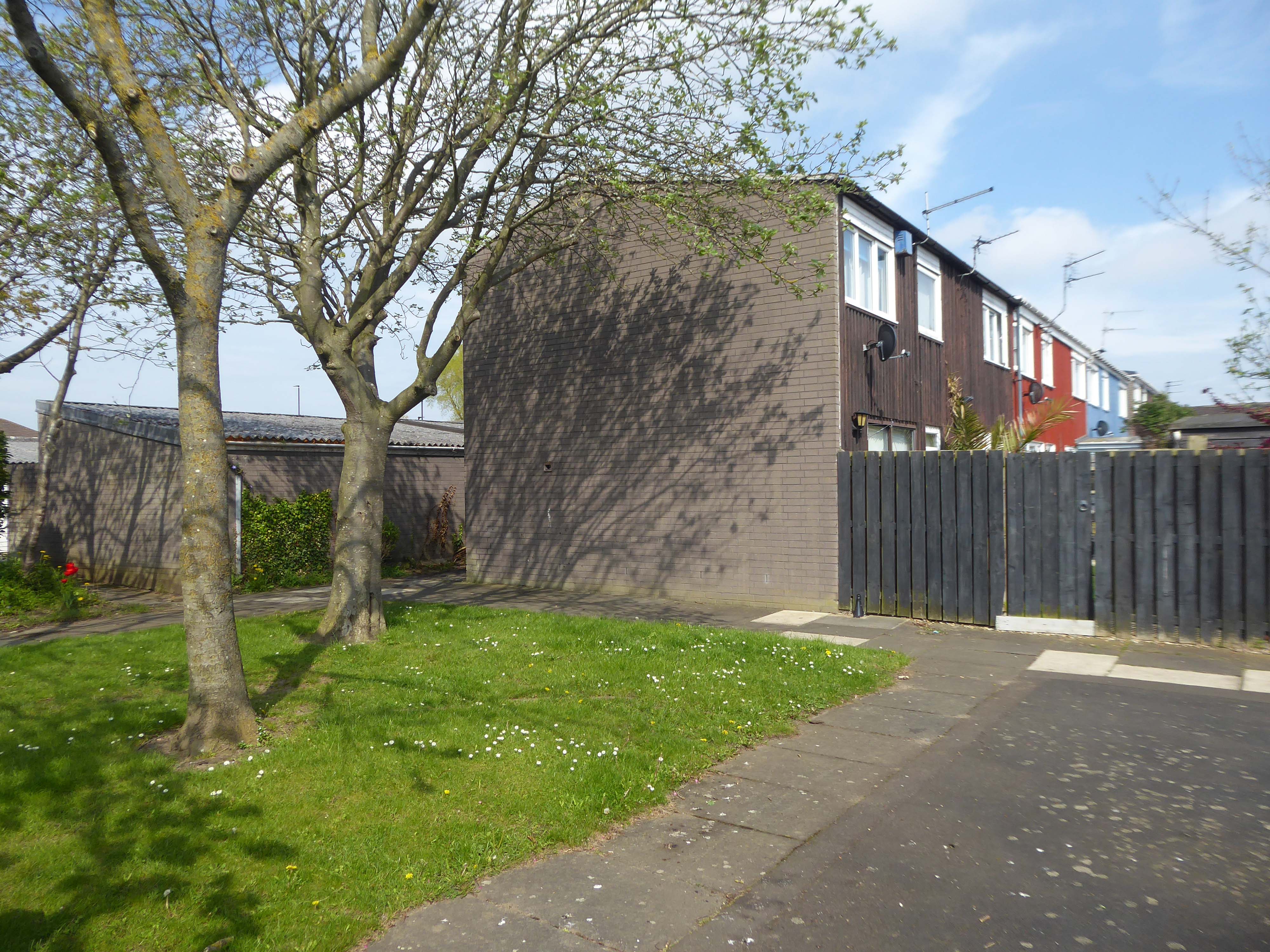
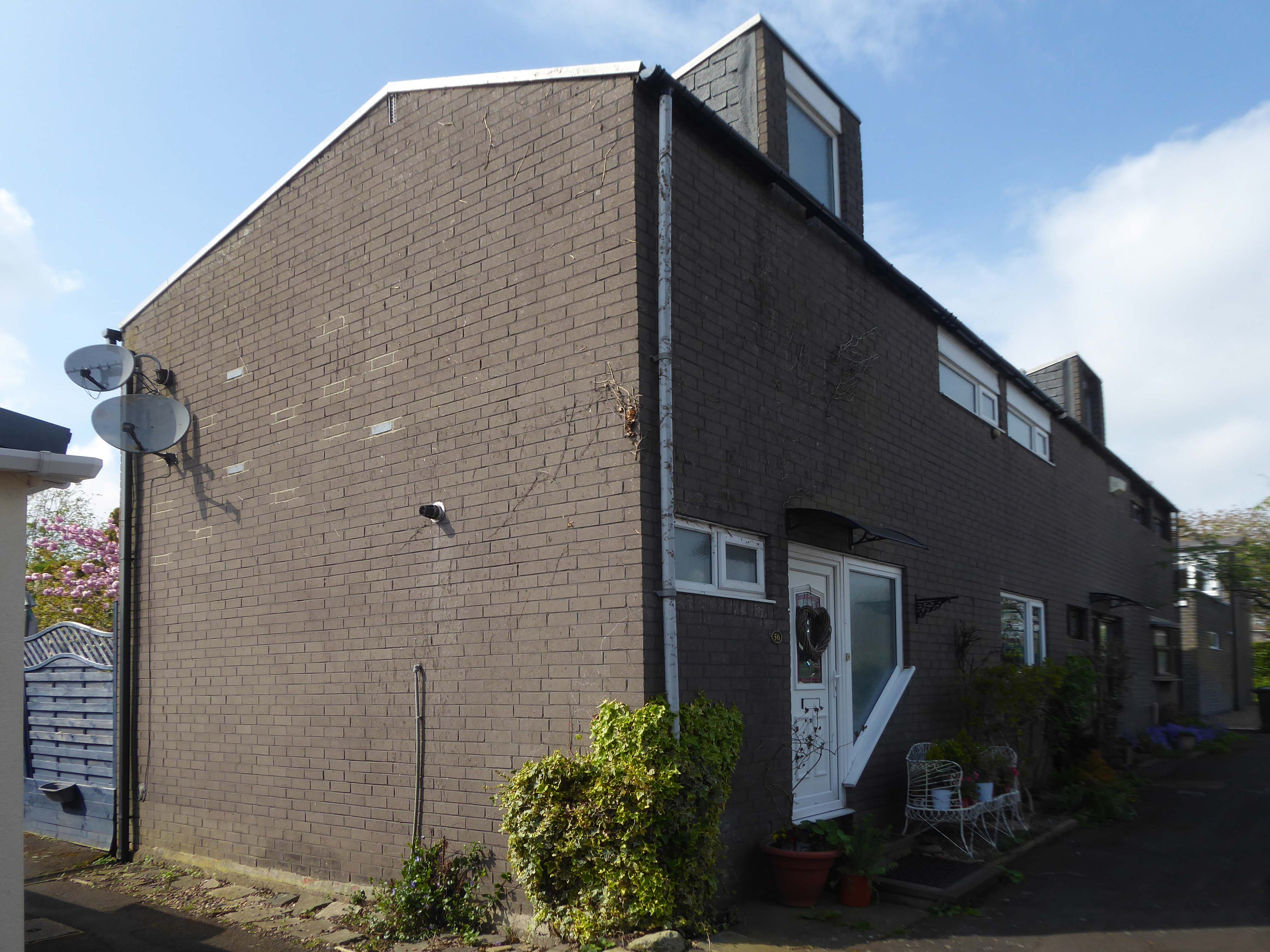
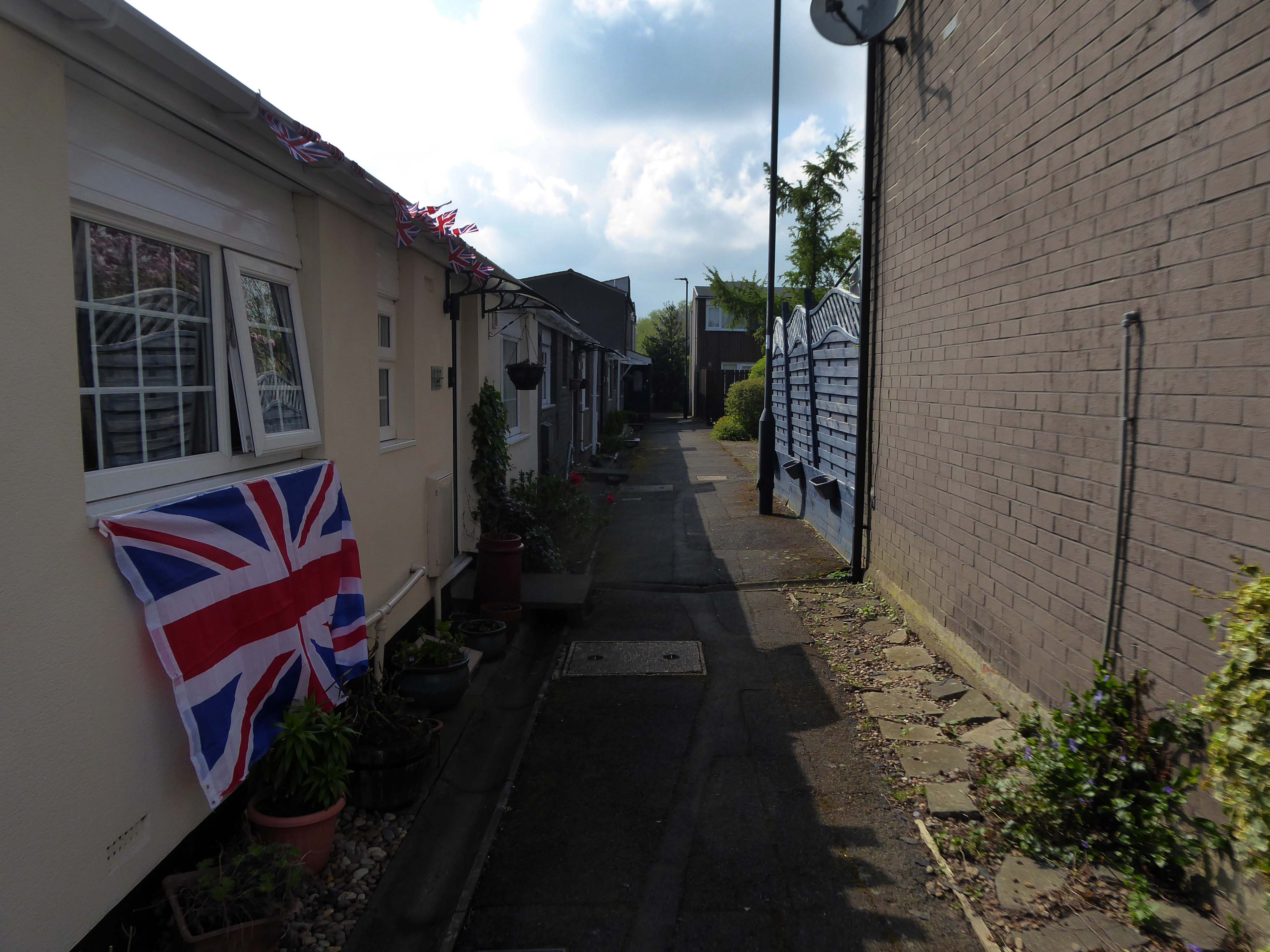
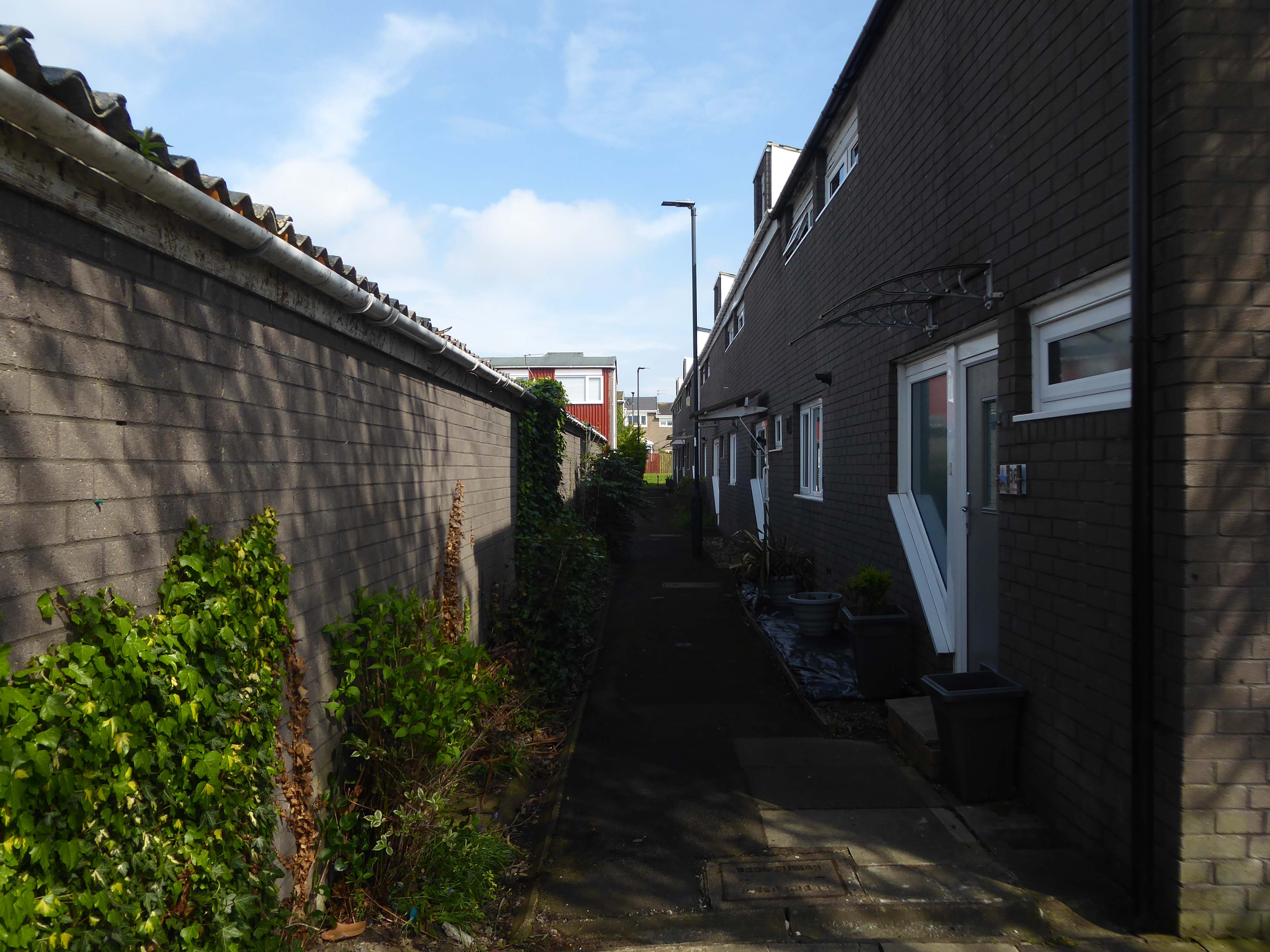
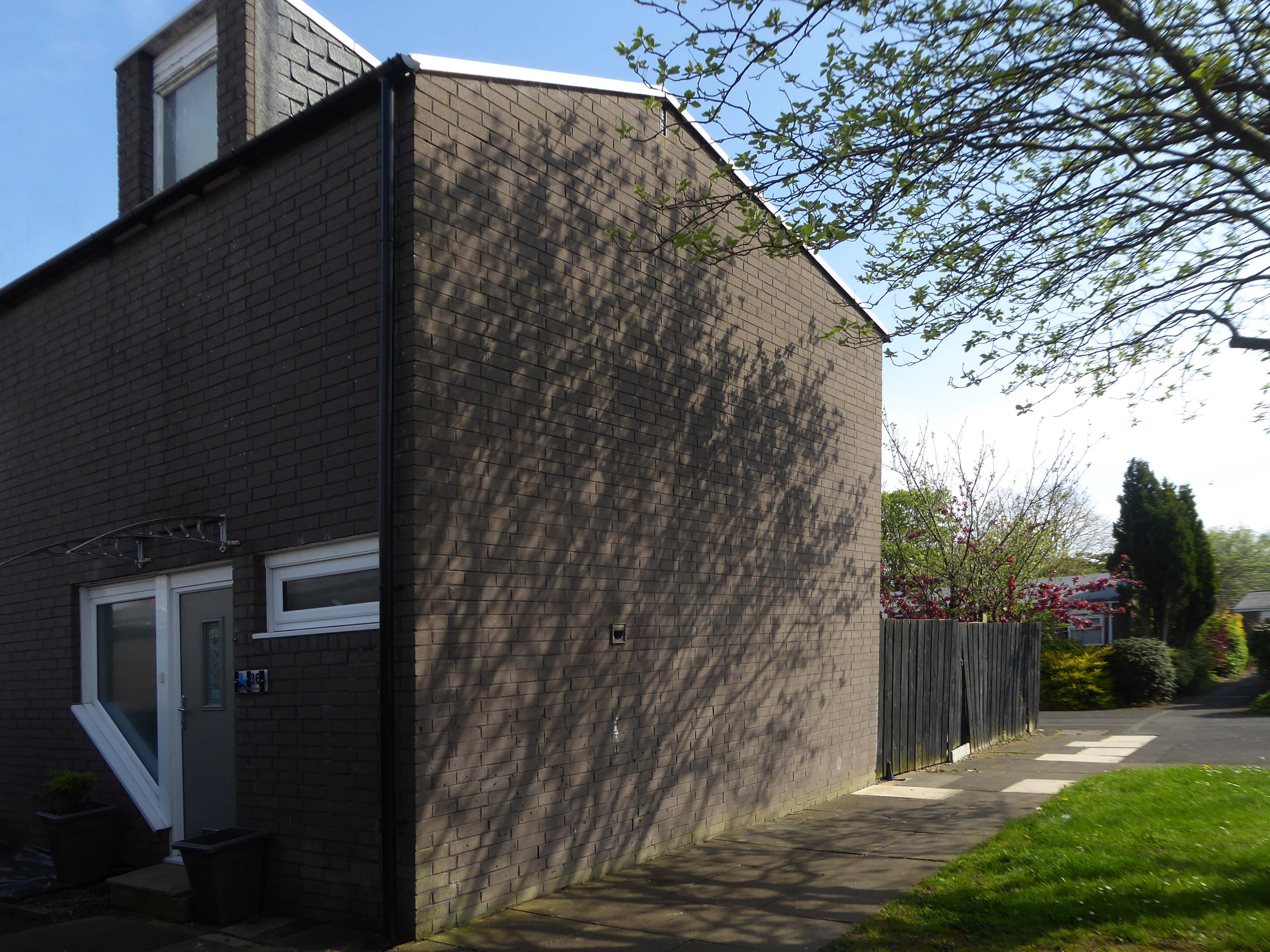
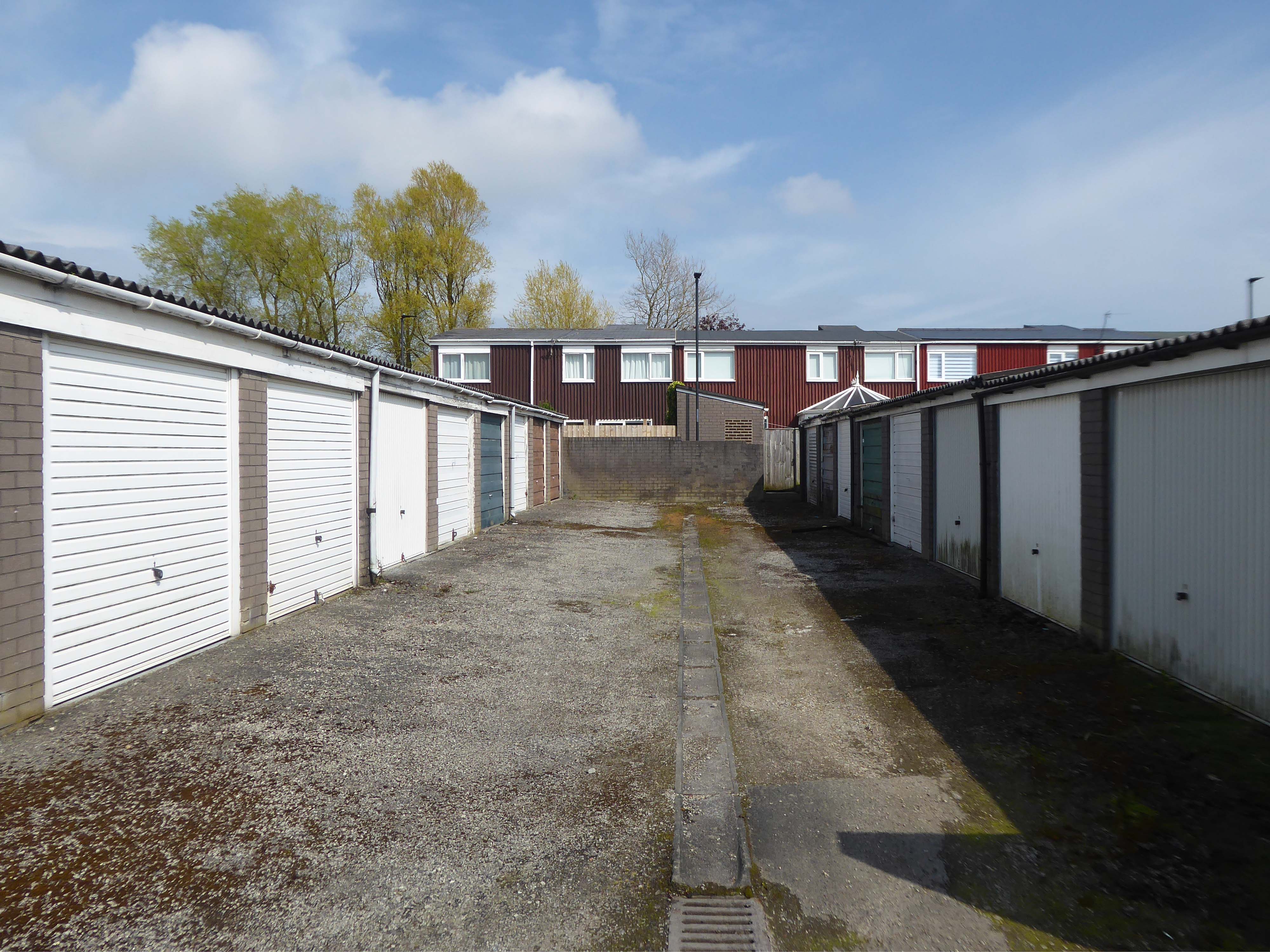
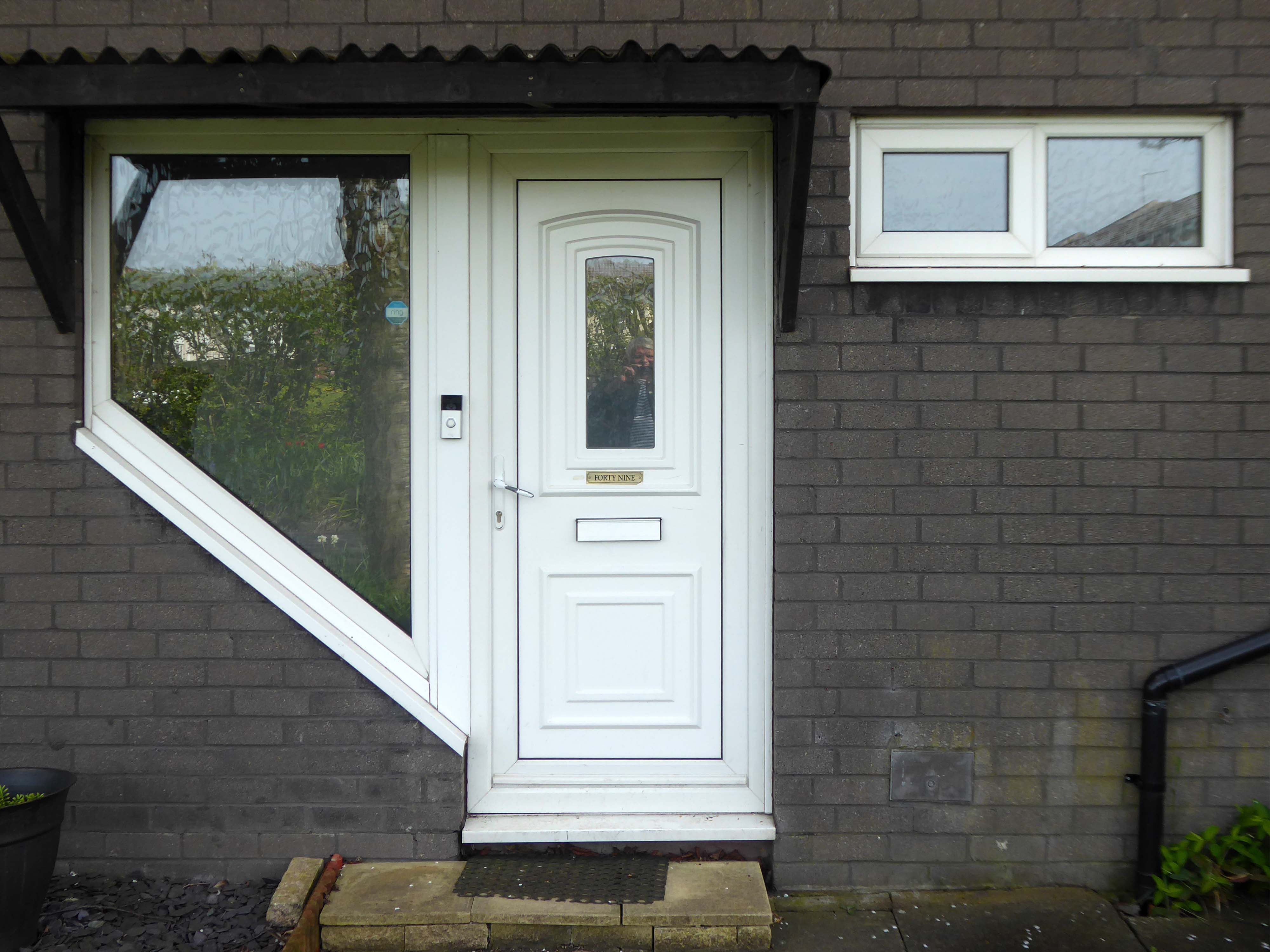
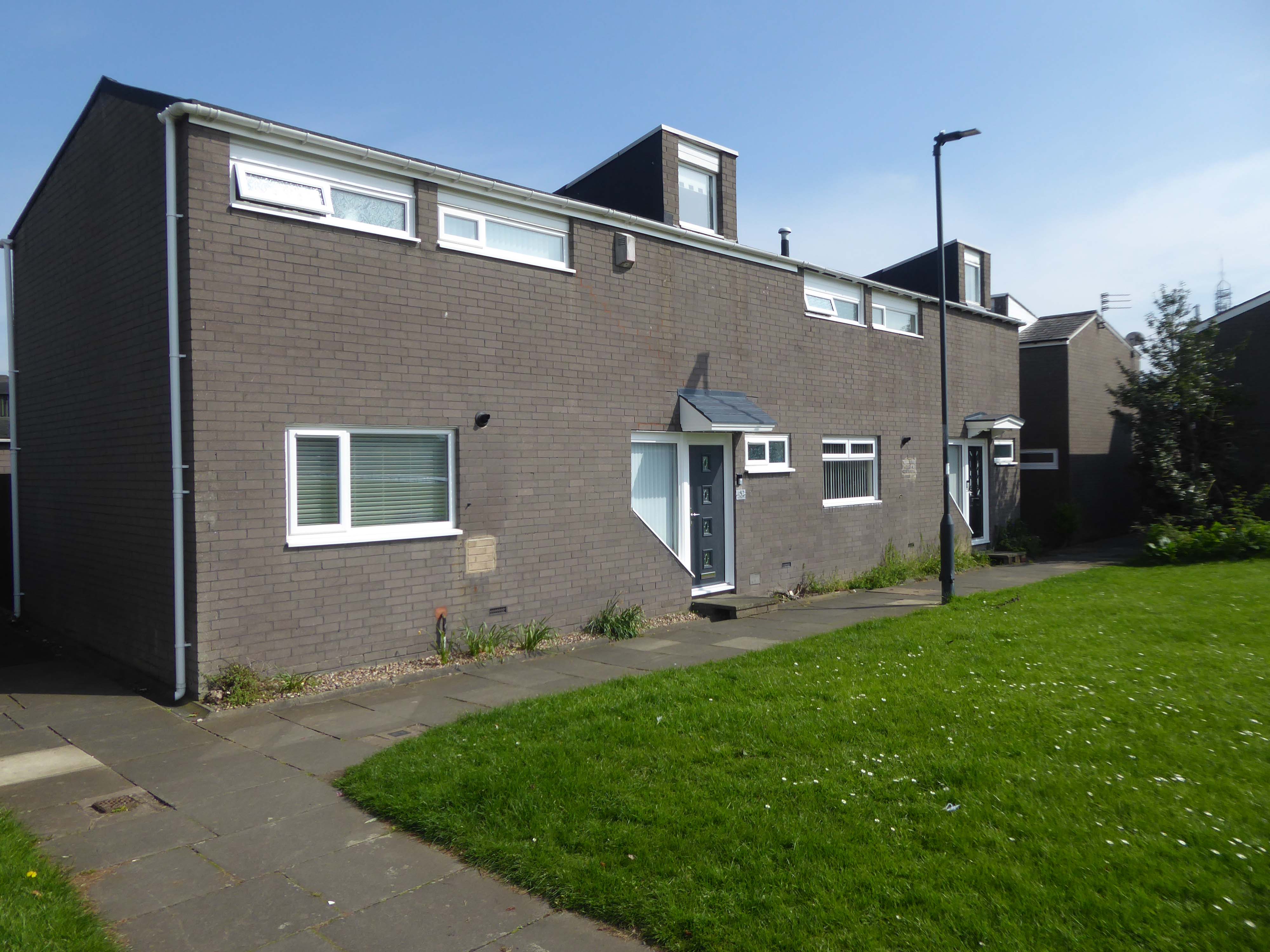
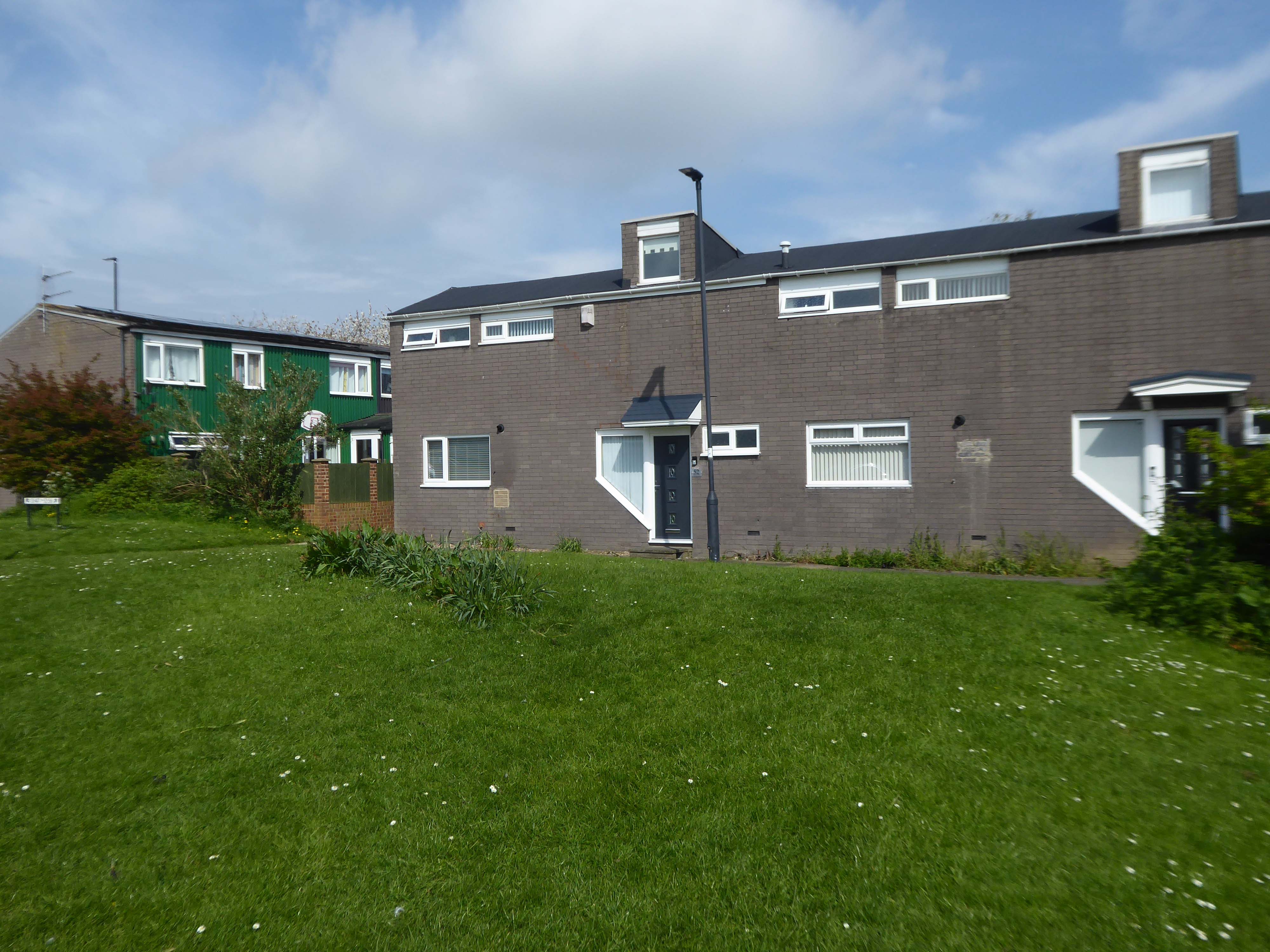
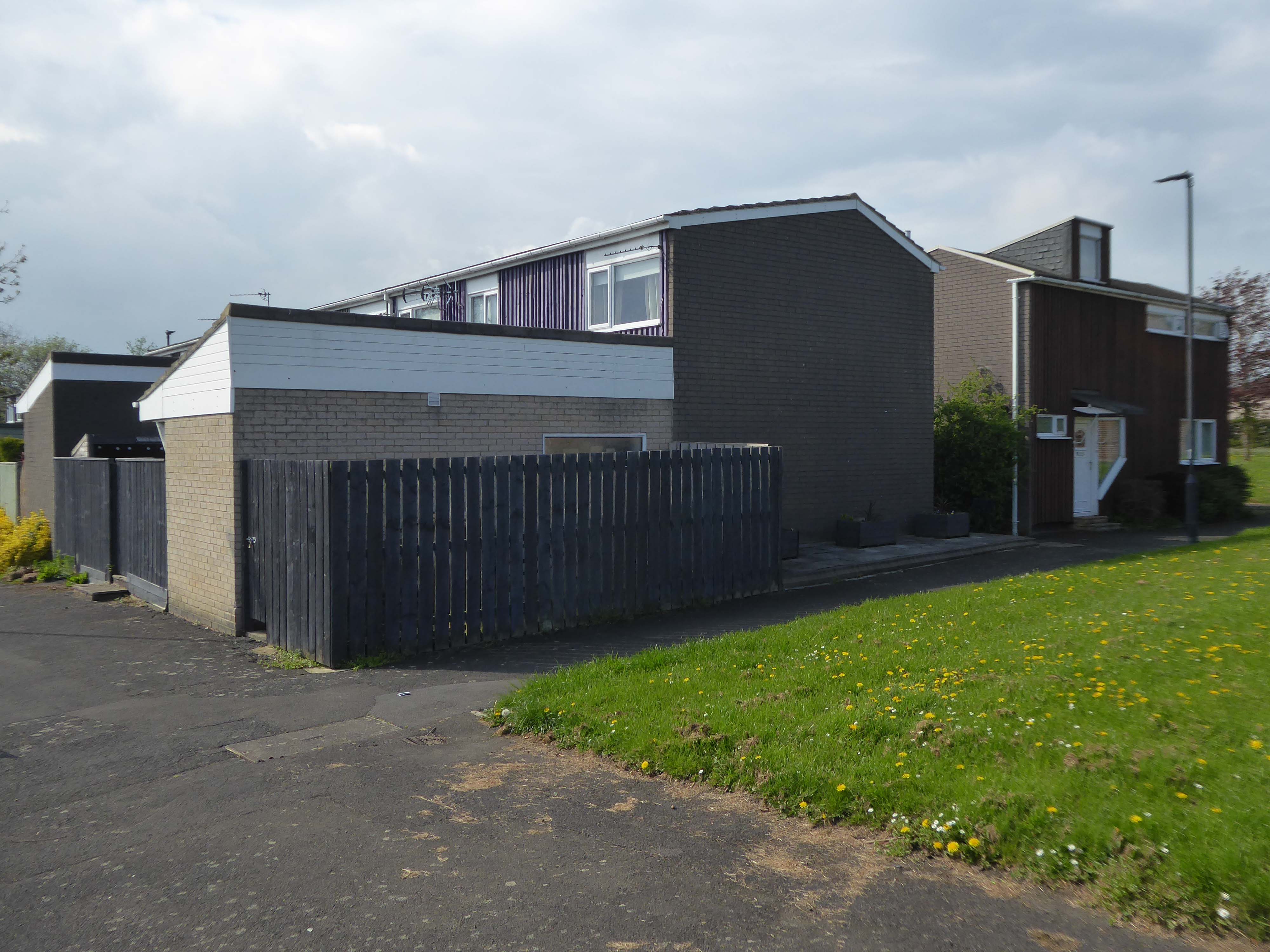
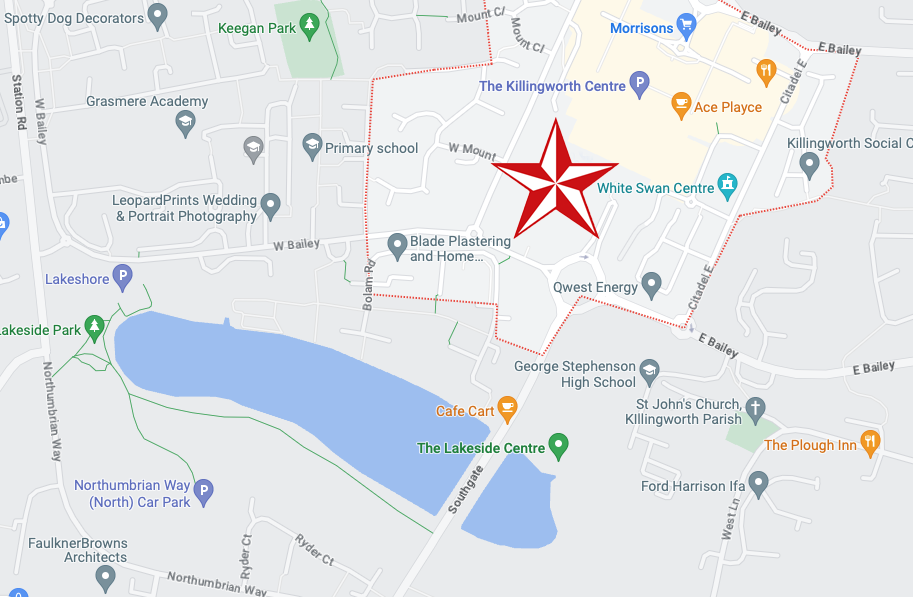
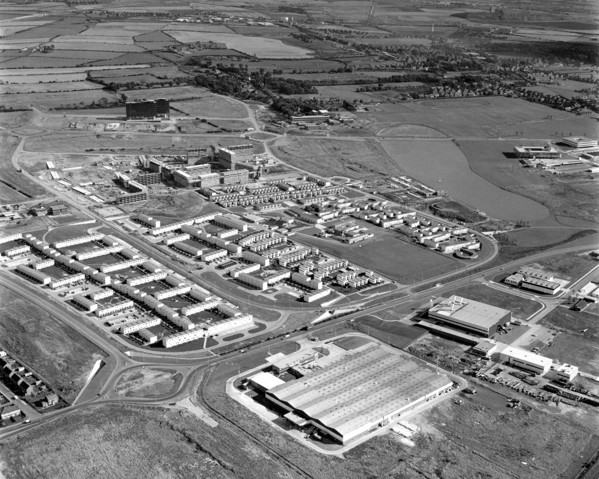
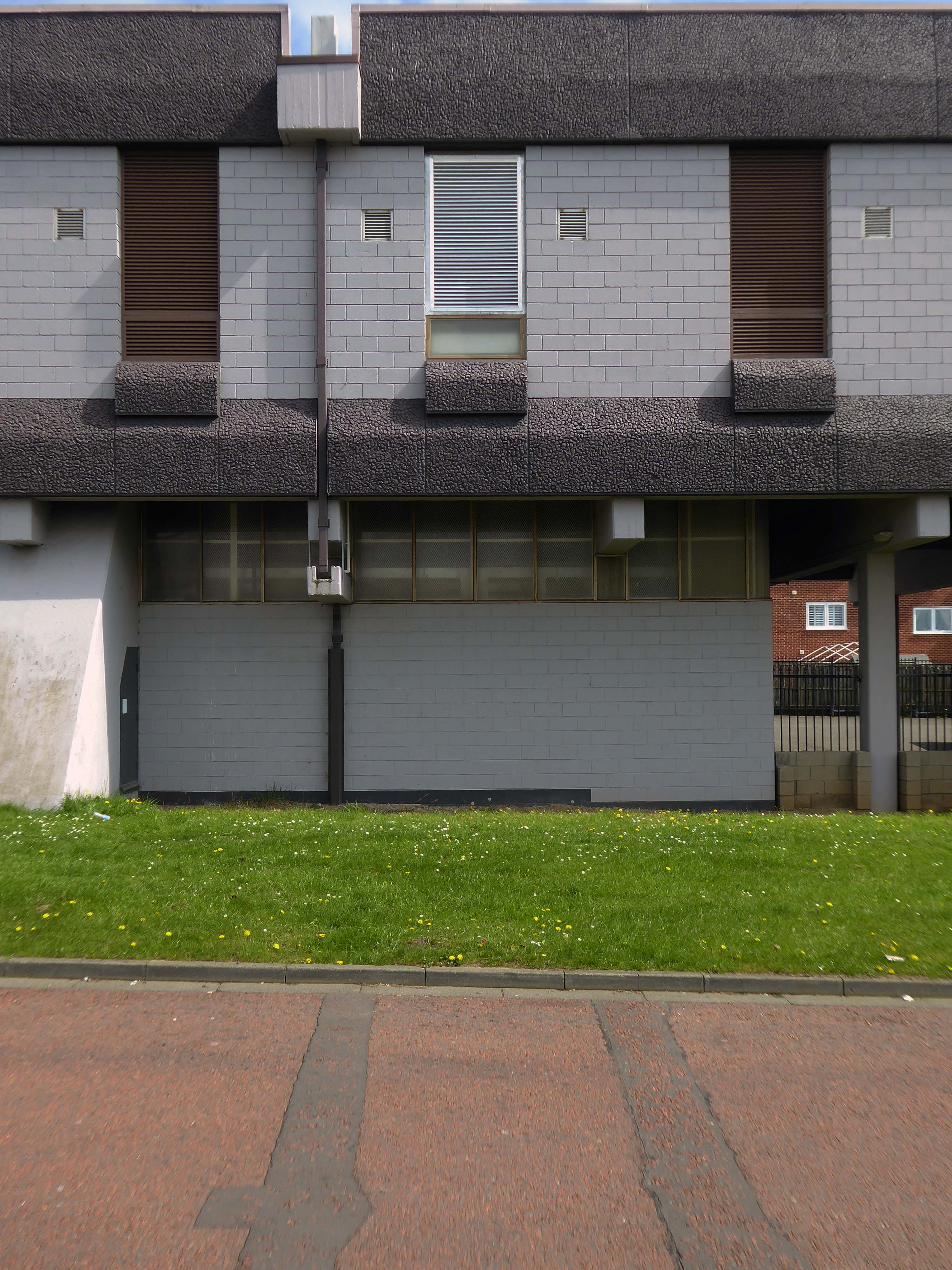
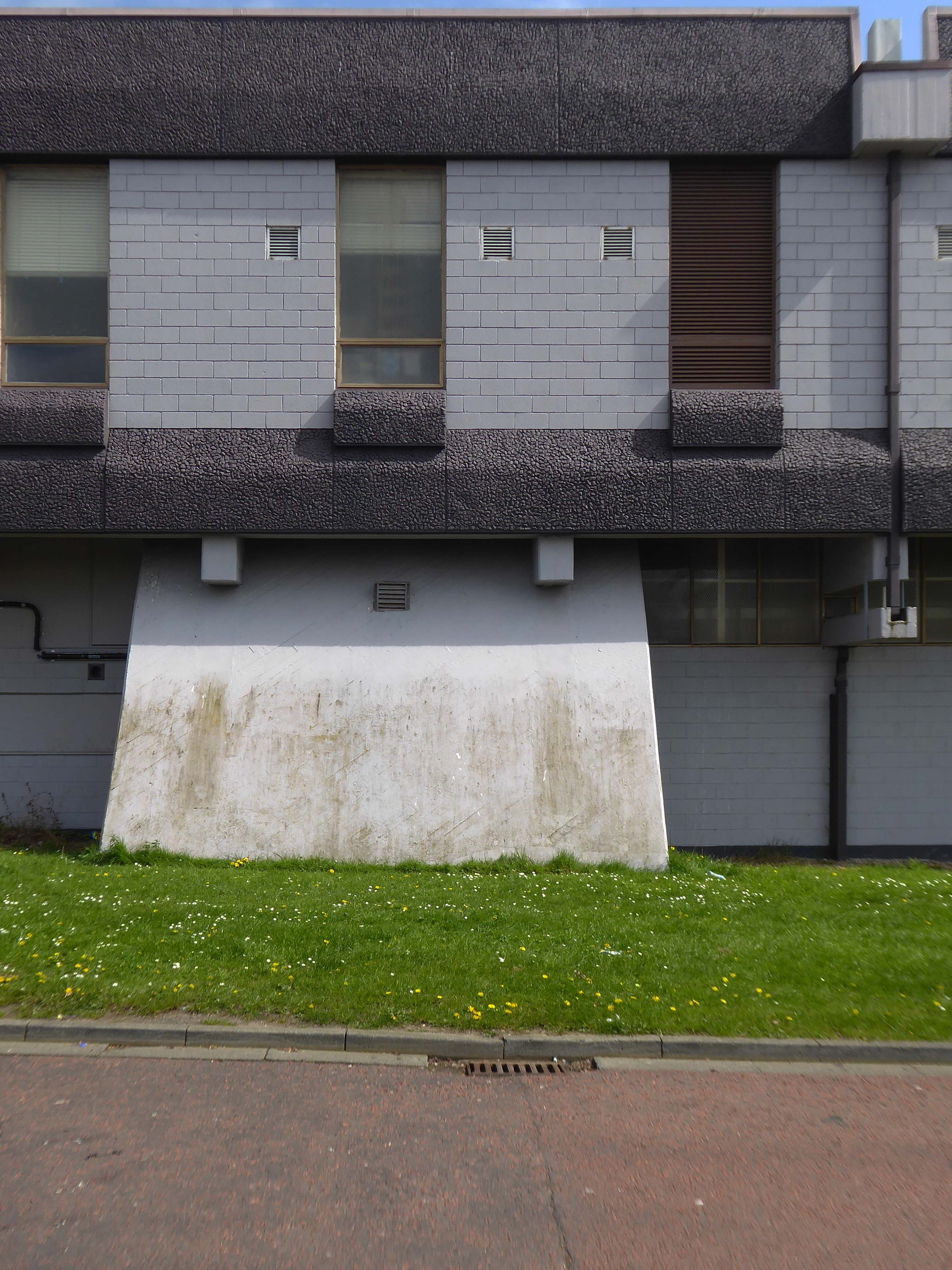
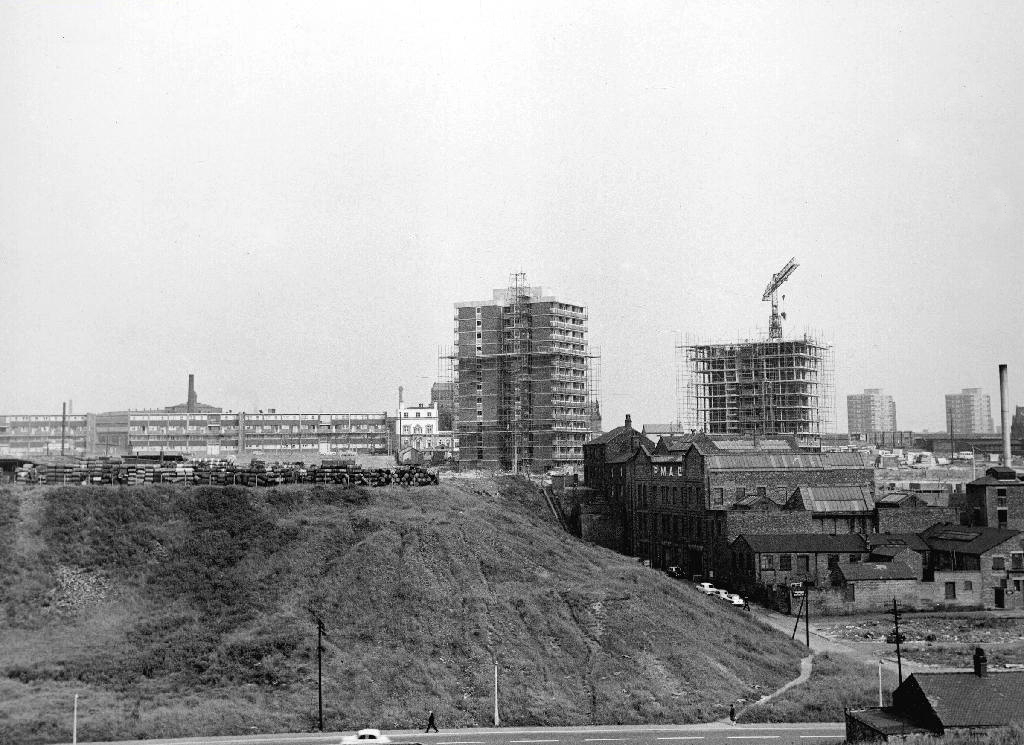
Construction of Killingworth, a new town, began in 1963. Intended for 20,000 people, it was a former mining community, formed on seven hundred and sixty acres of derelict colliery land near Killingworth Village. The building of Killingworth Township was undertaken by Northumberland County Council and was not formally a New Town sponsored by the Government. 

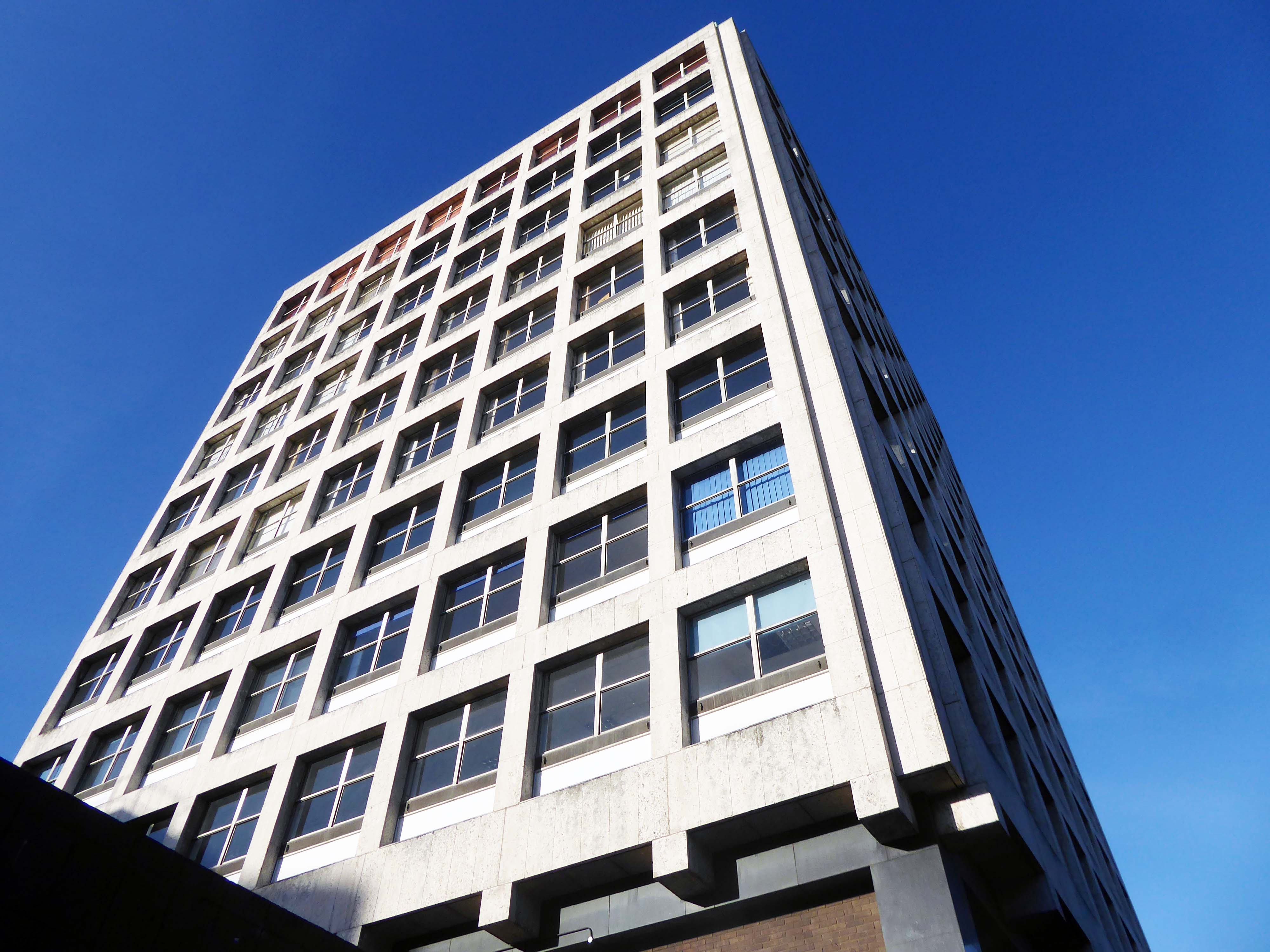
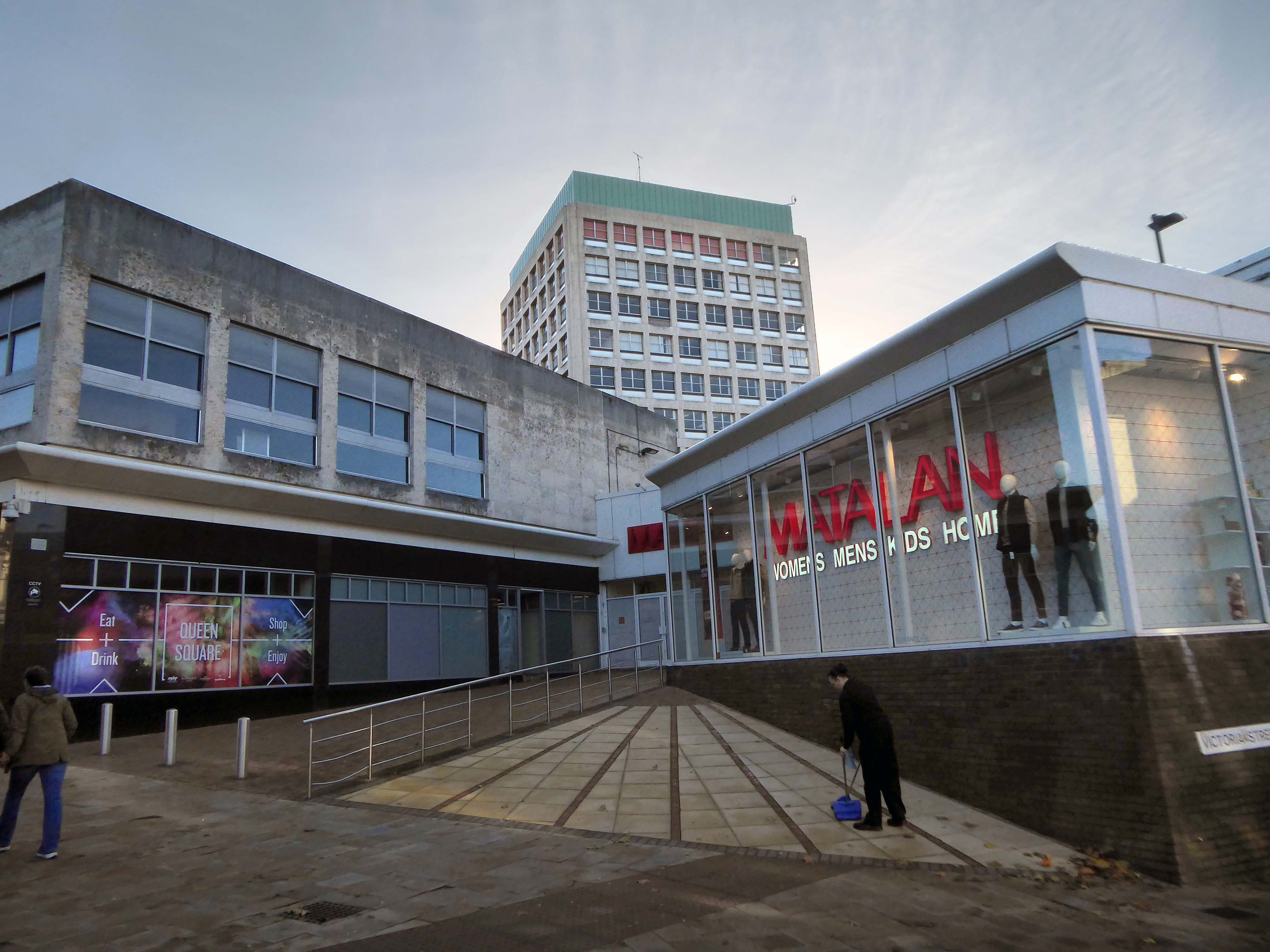
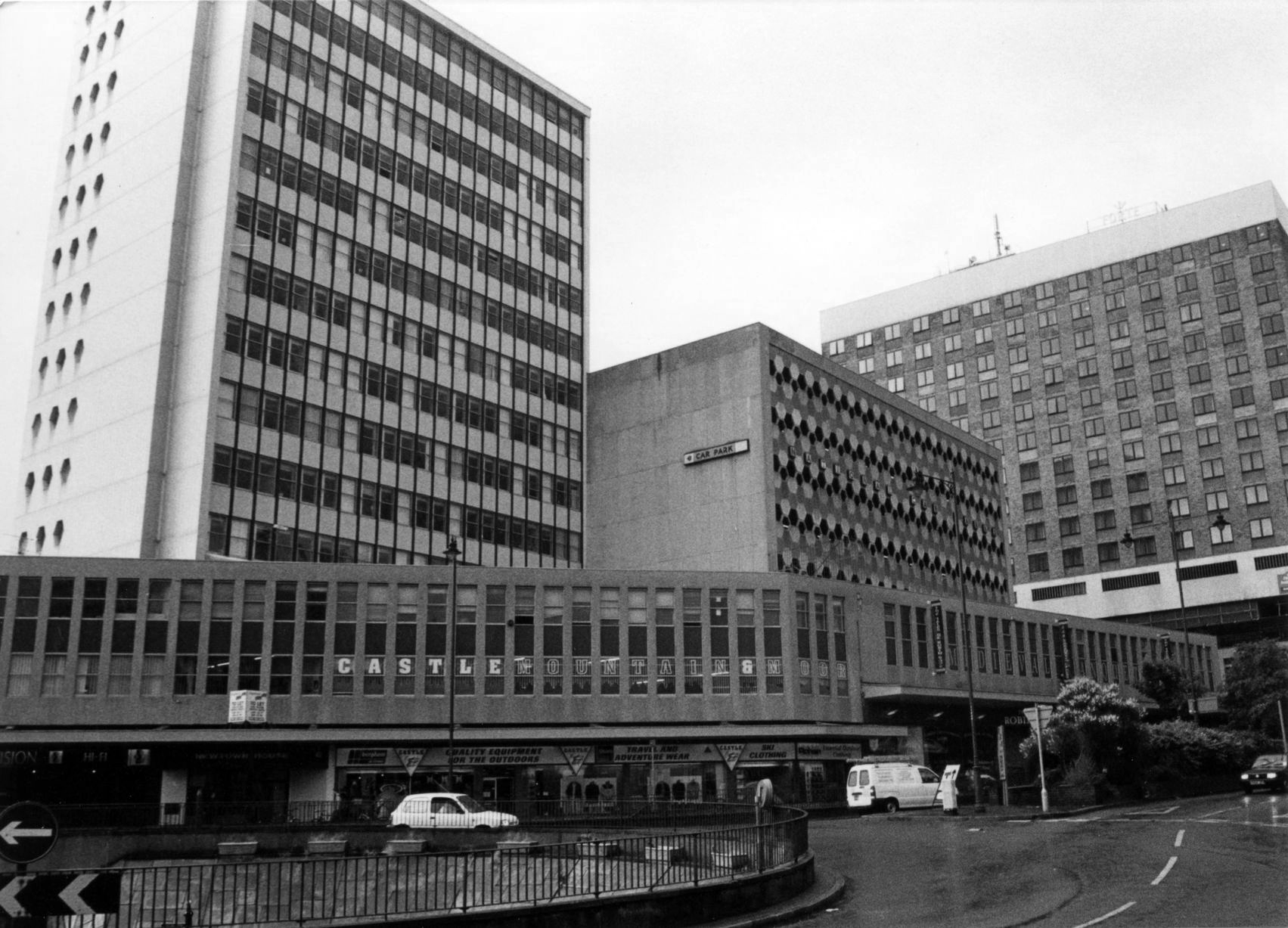
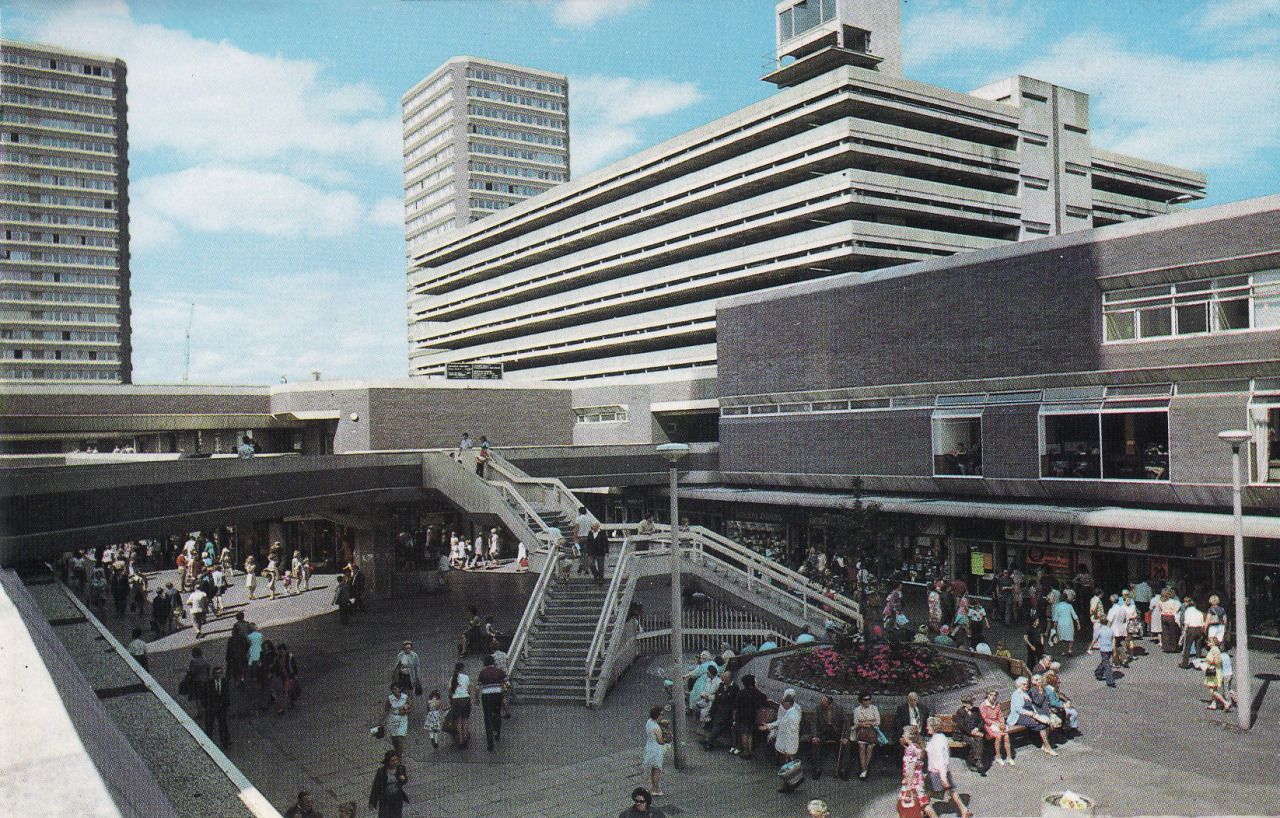
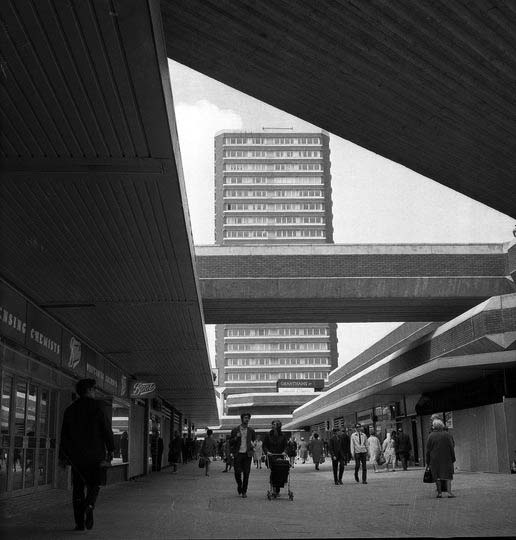
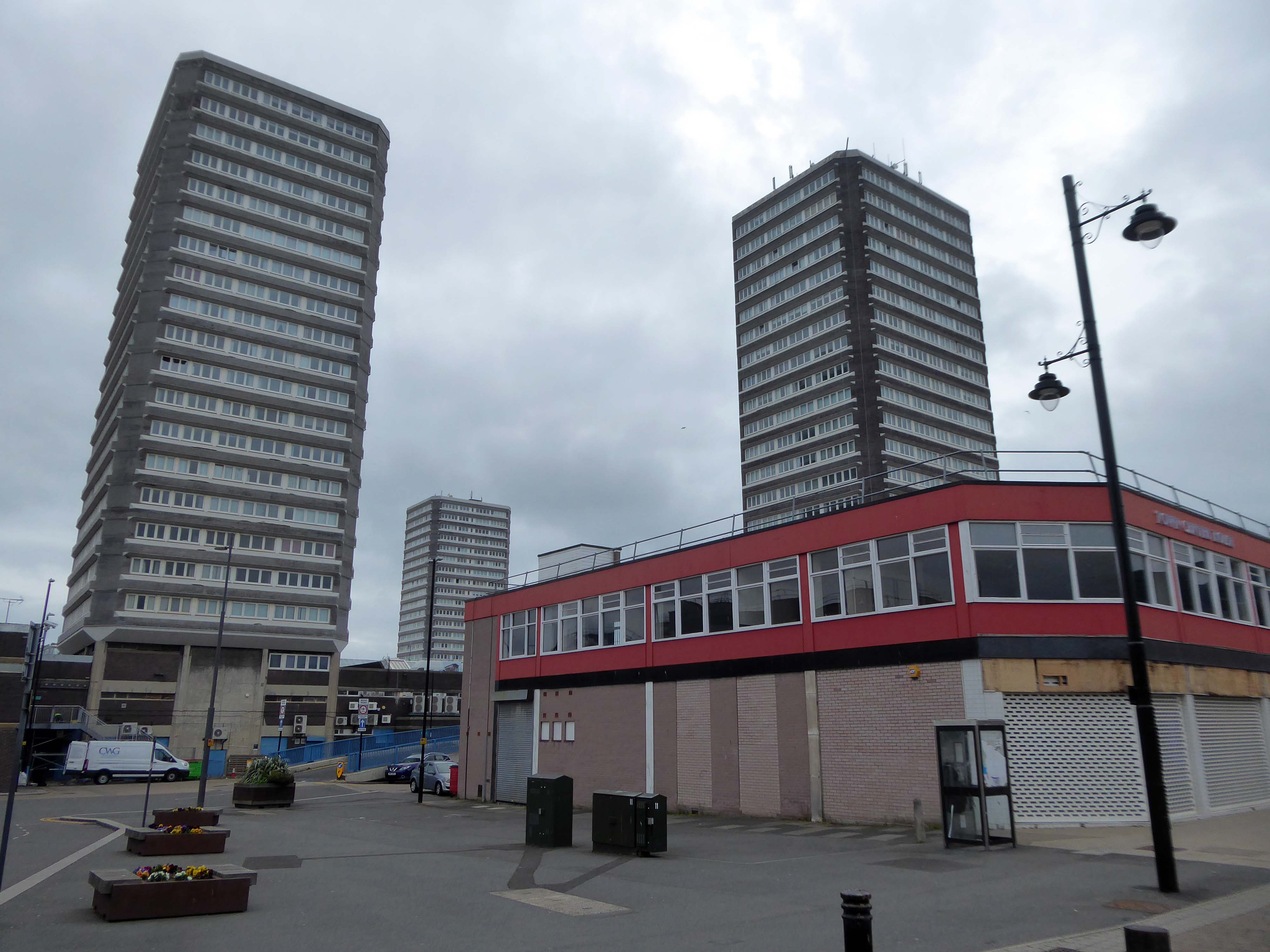
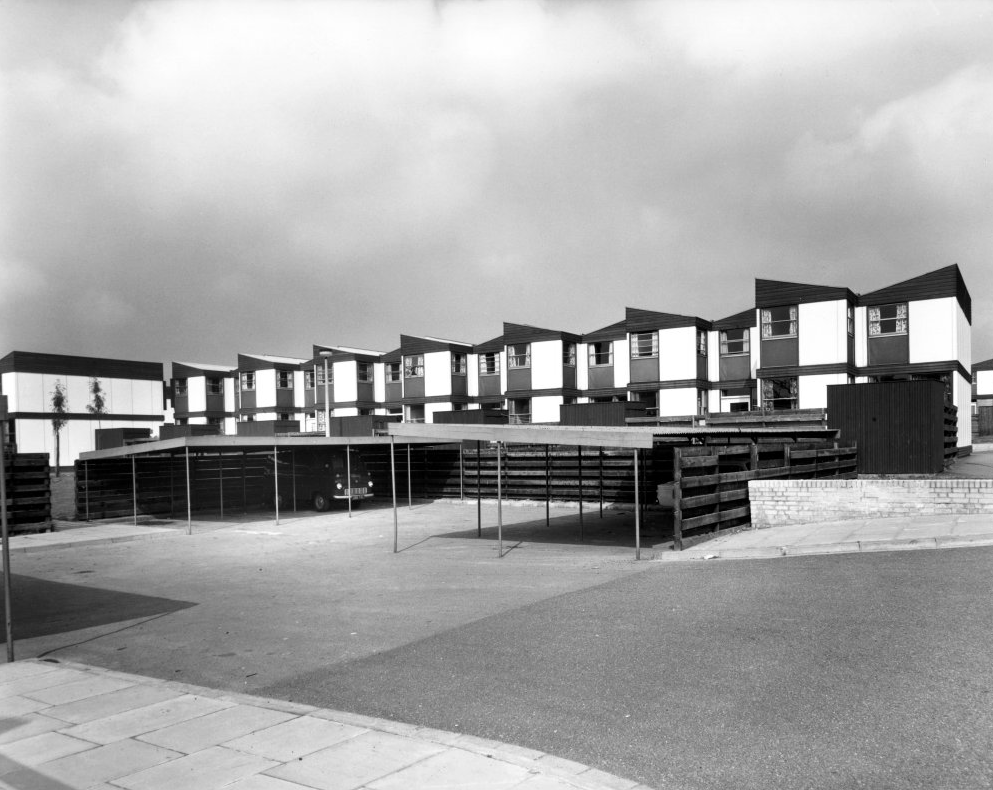
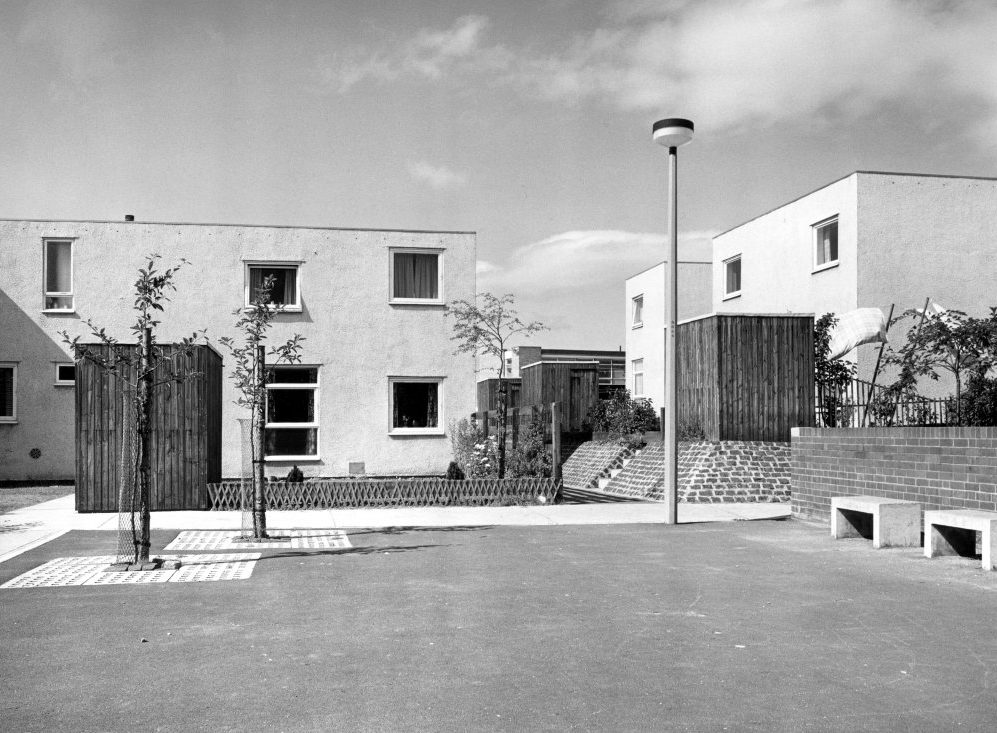
Unlike that town, Killingworth’s planners adopted a radical approach to town centre design, resulting in relatively high-rise buildings in an avant-garde and brutalist style that won awards for architecture, dynamic industry and attractive environment.

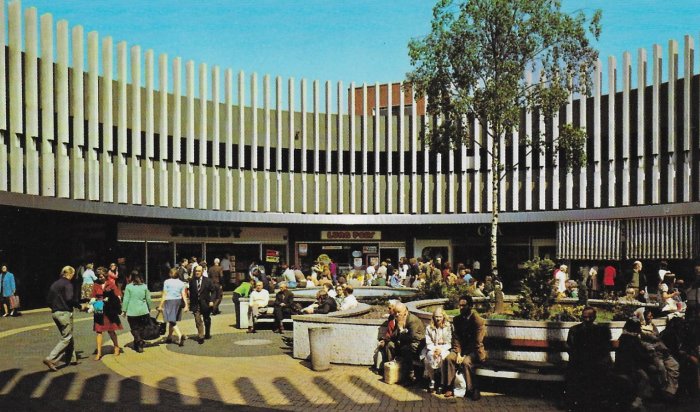
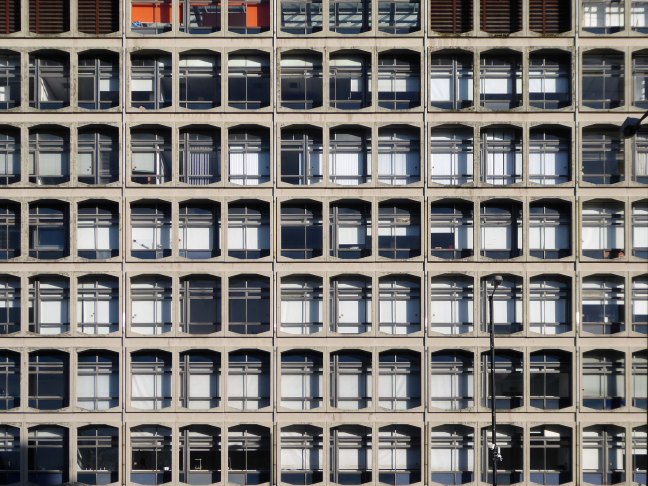
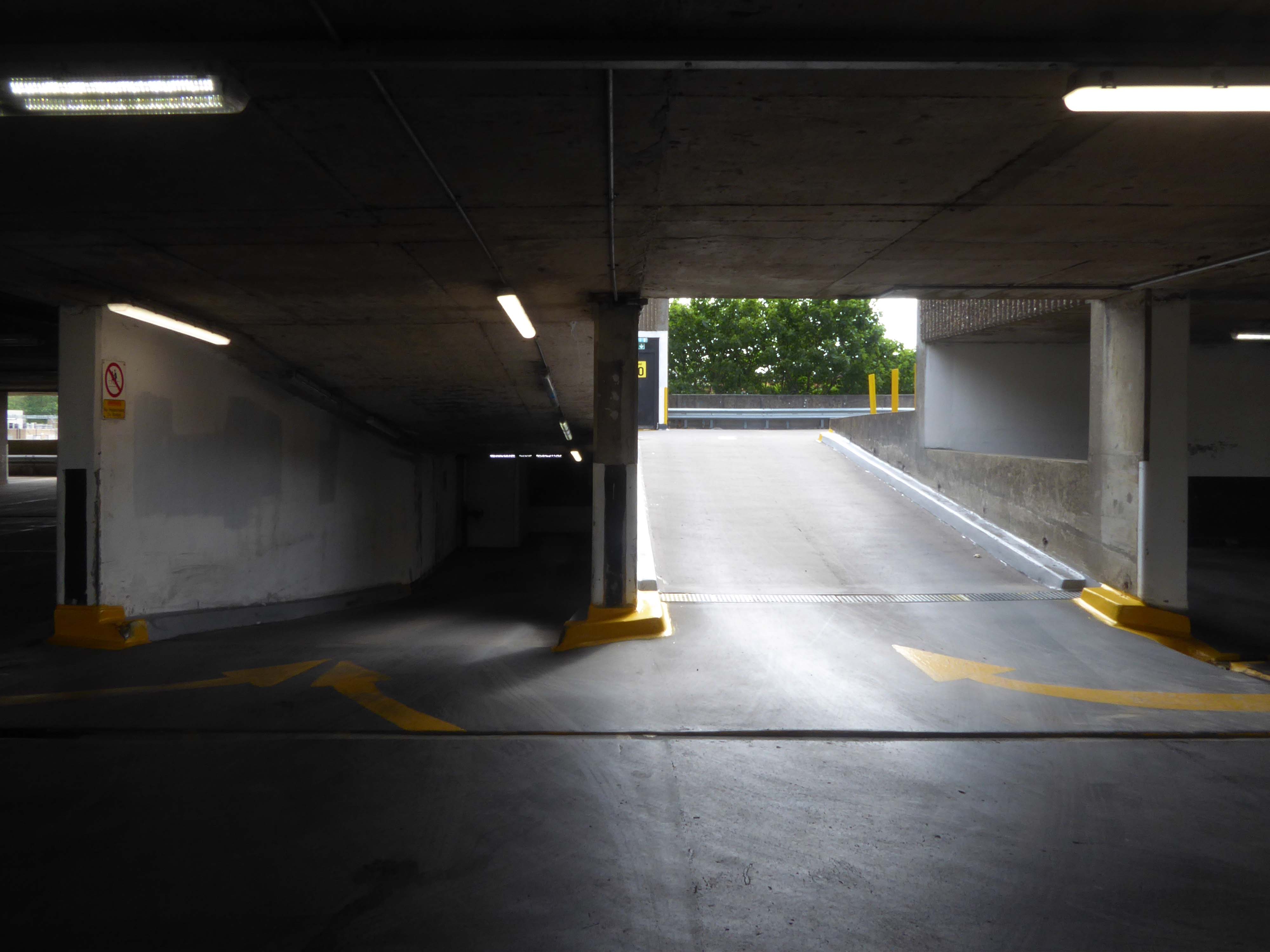
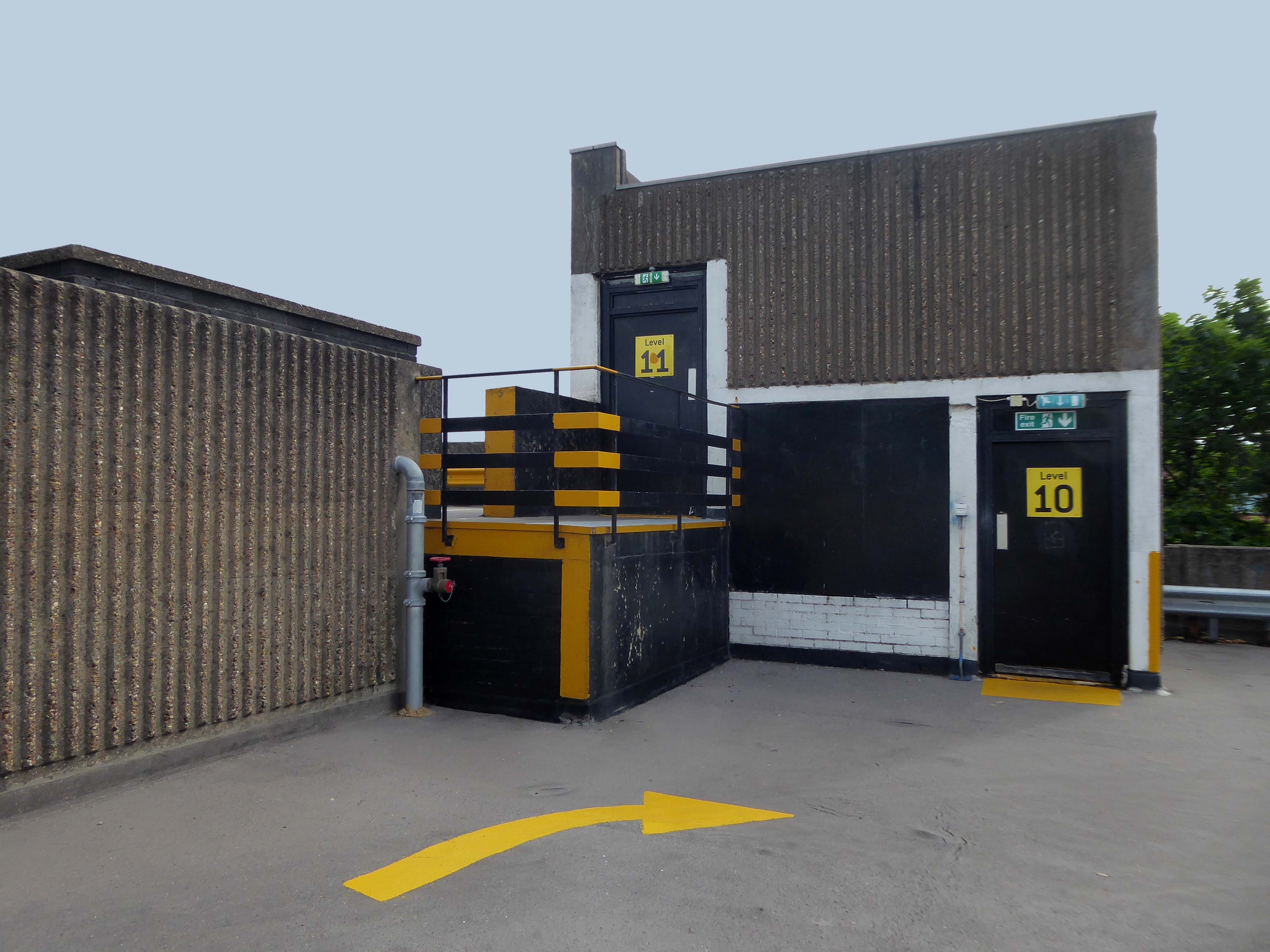
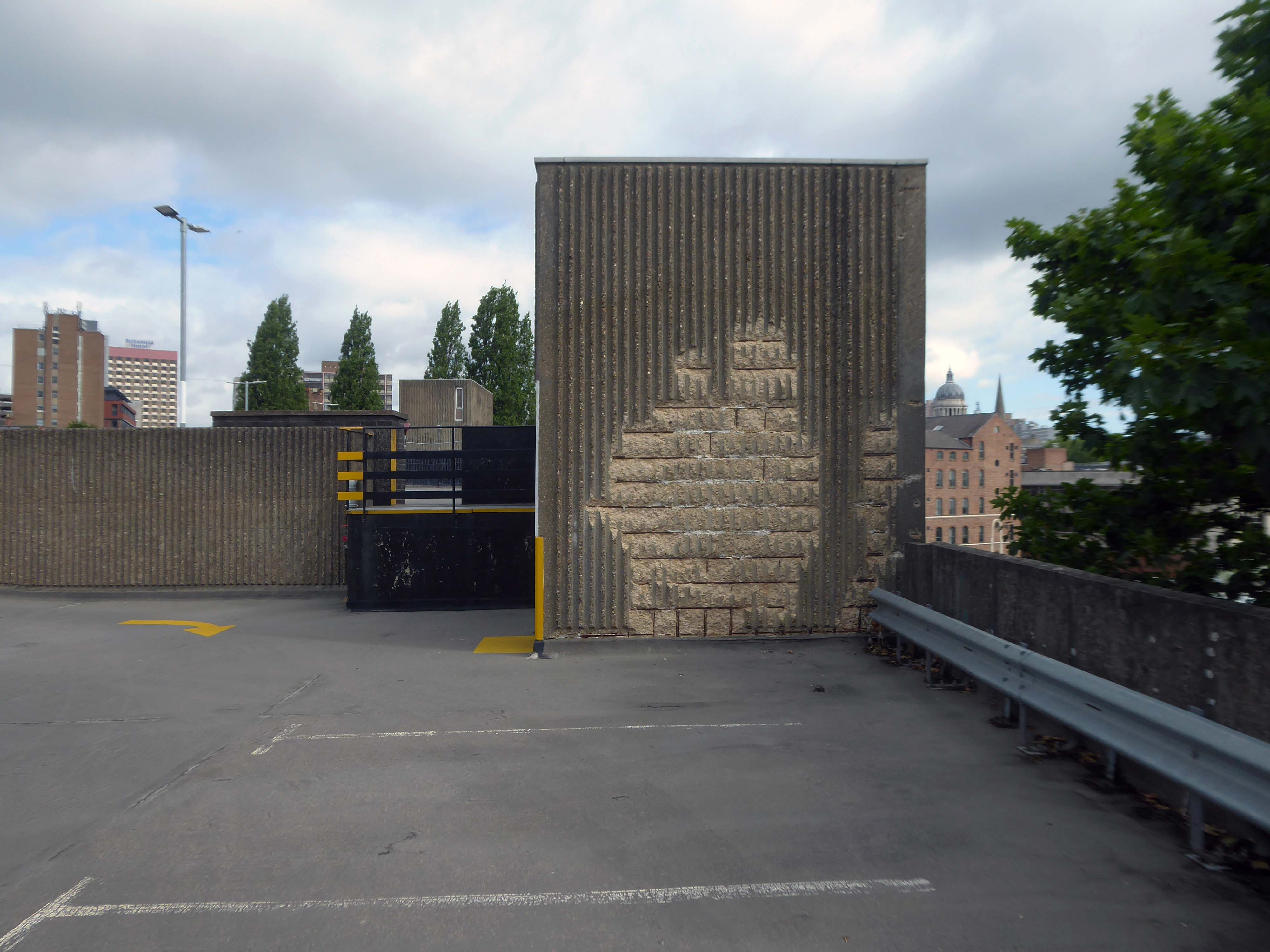
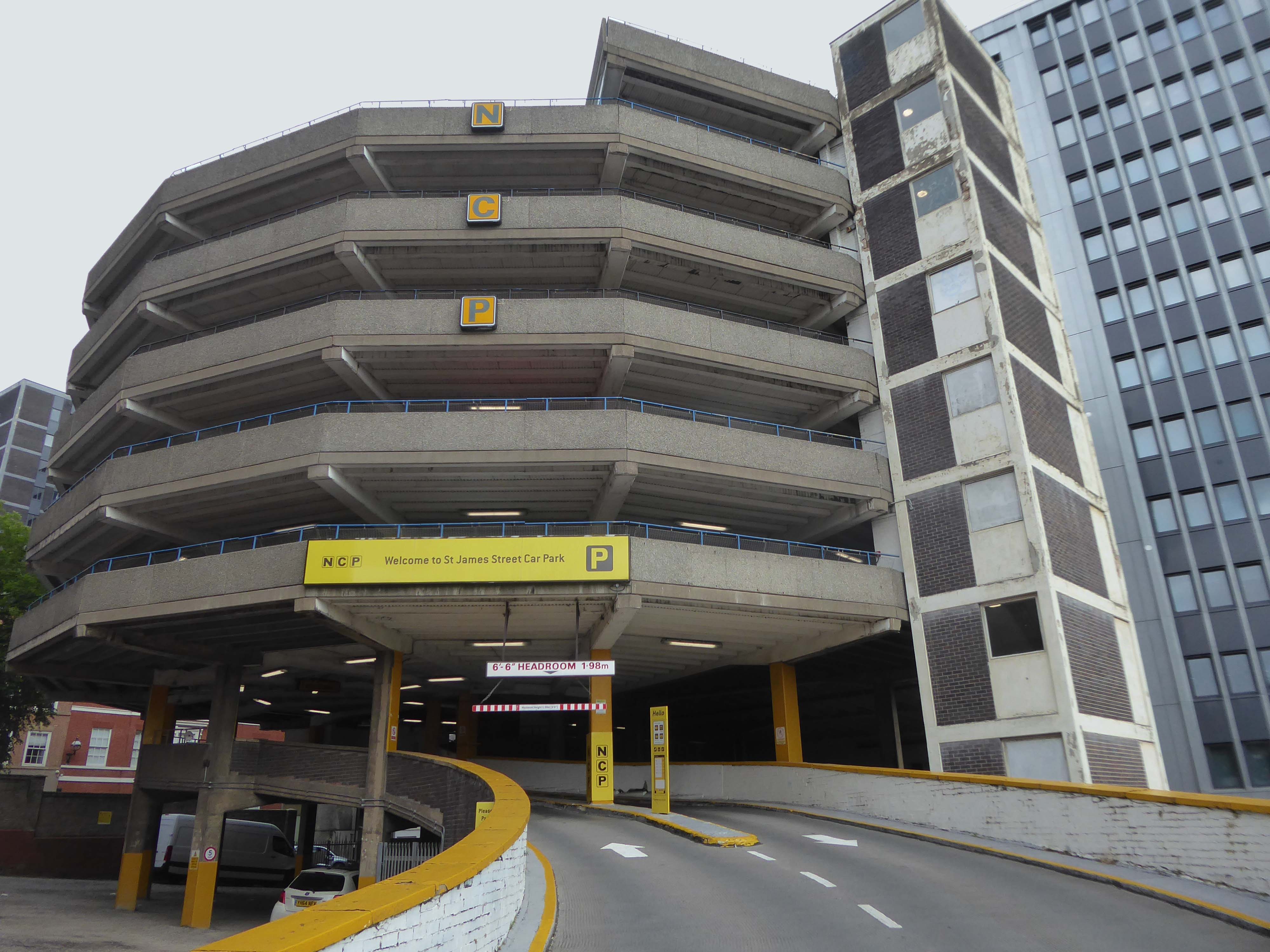
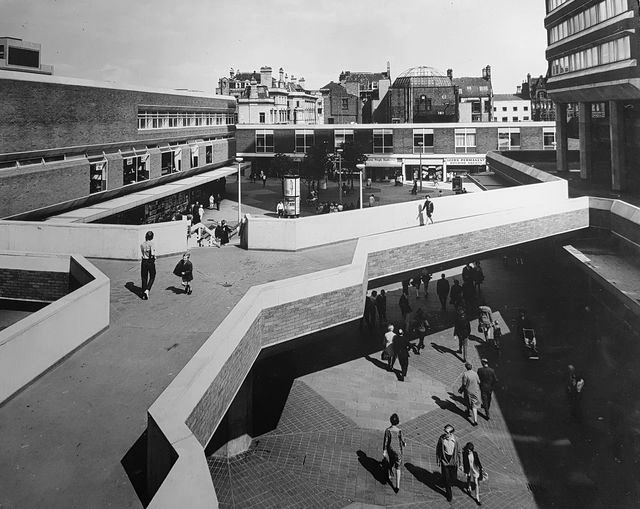
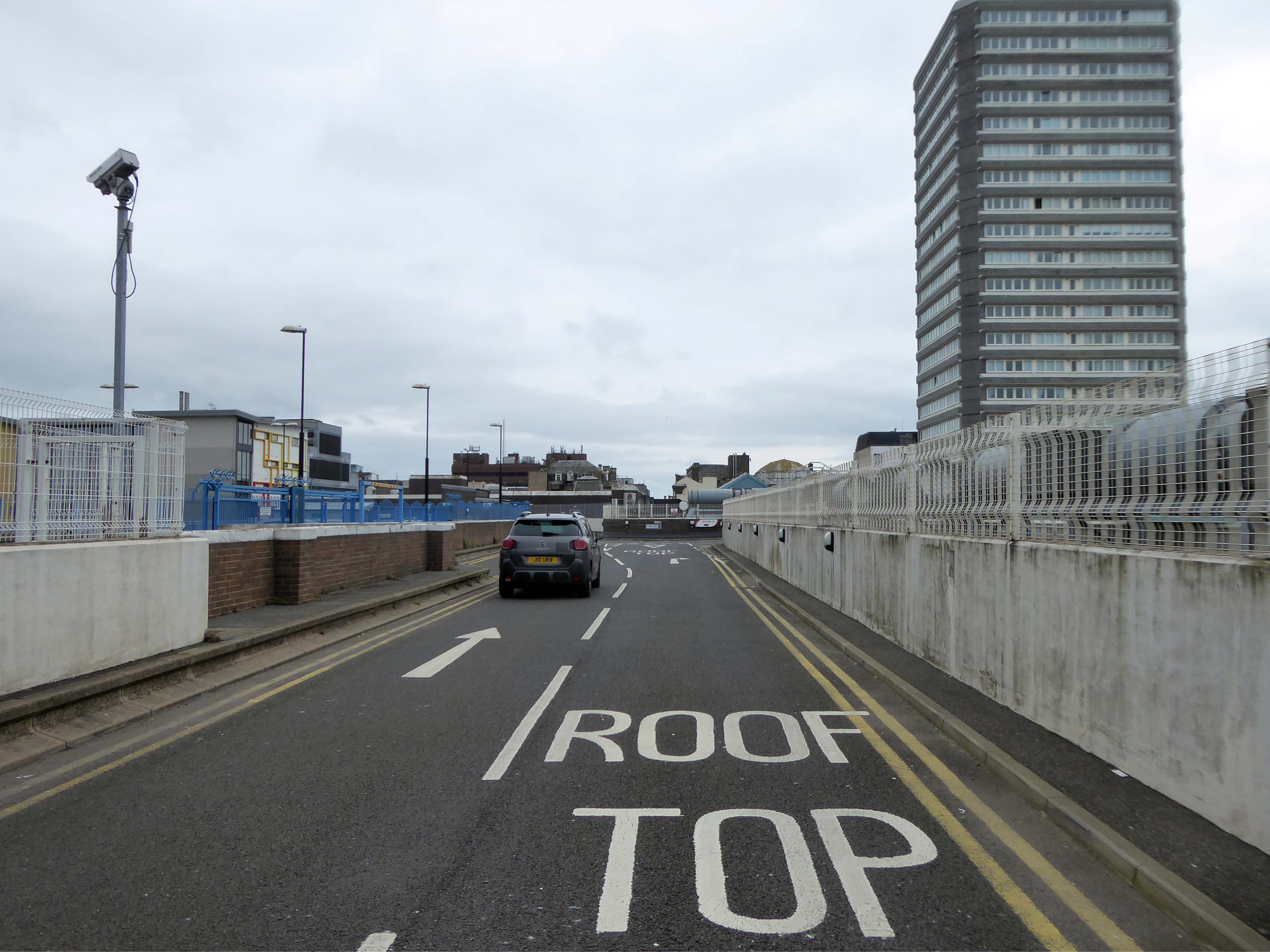
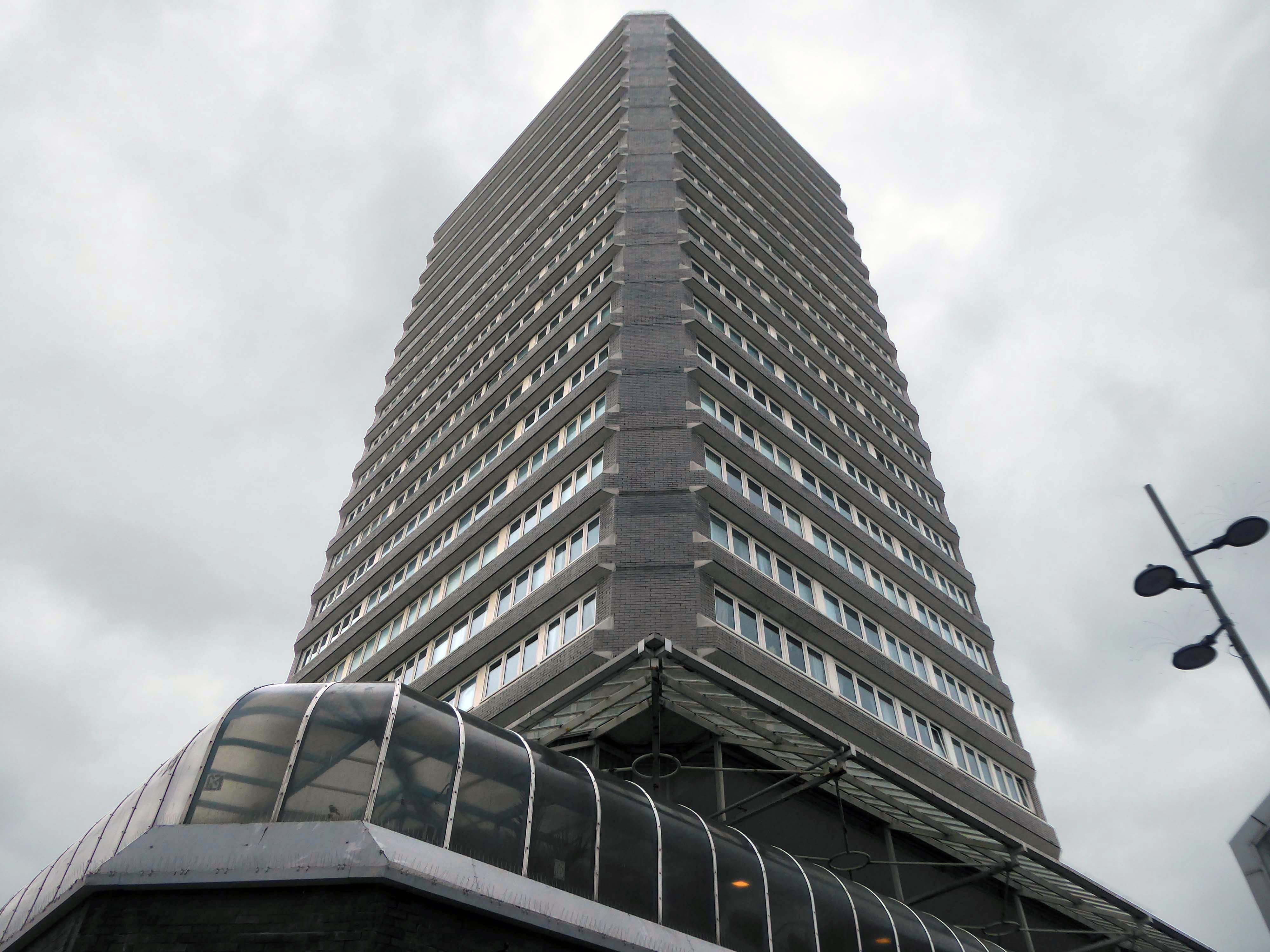
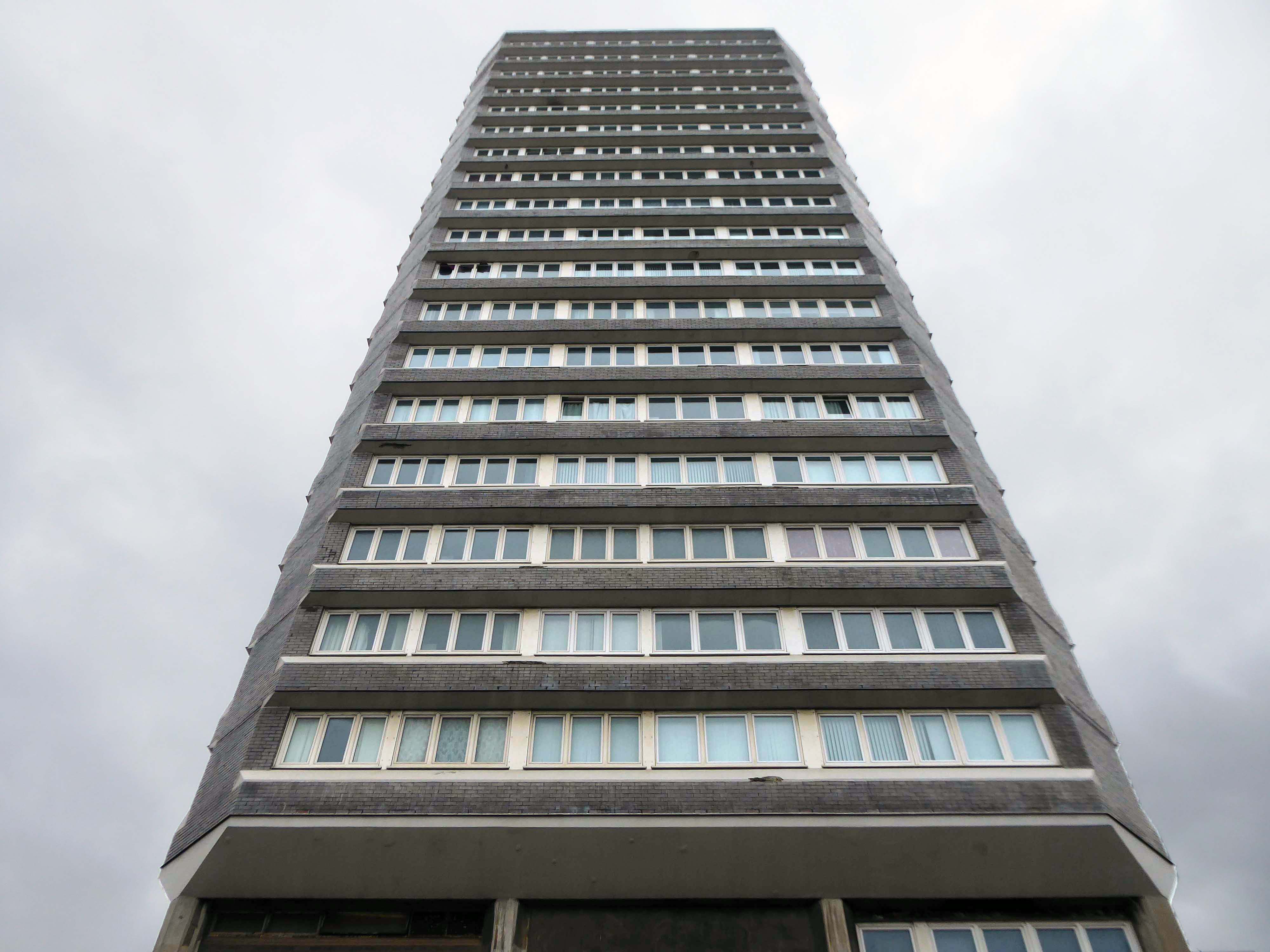
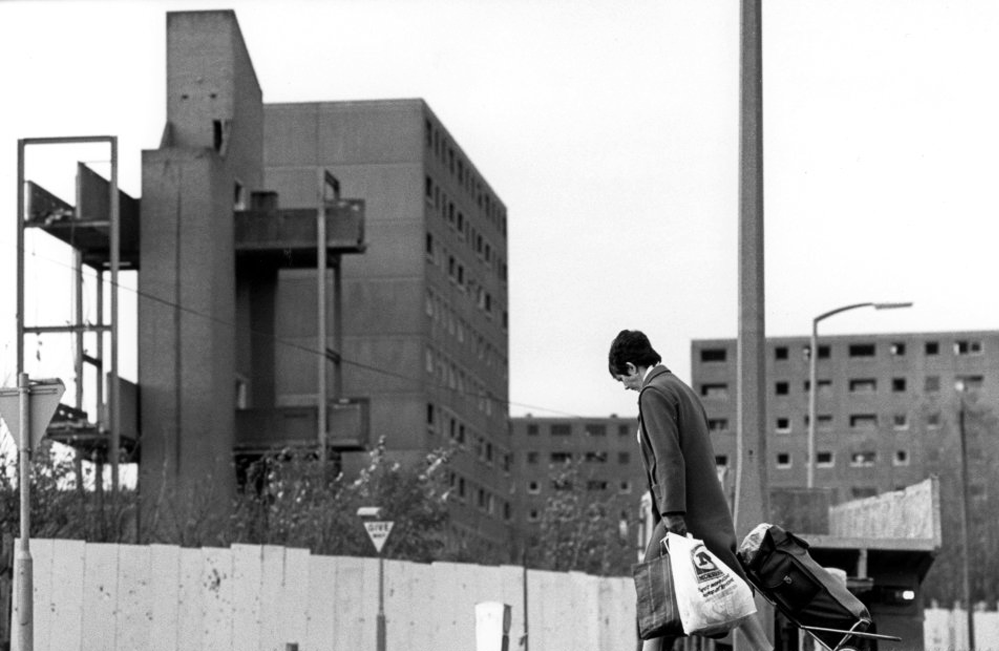
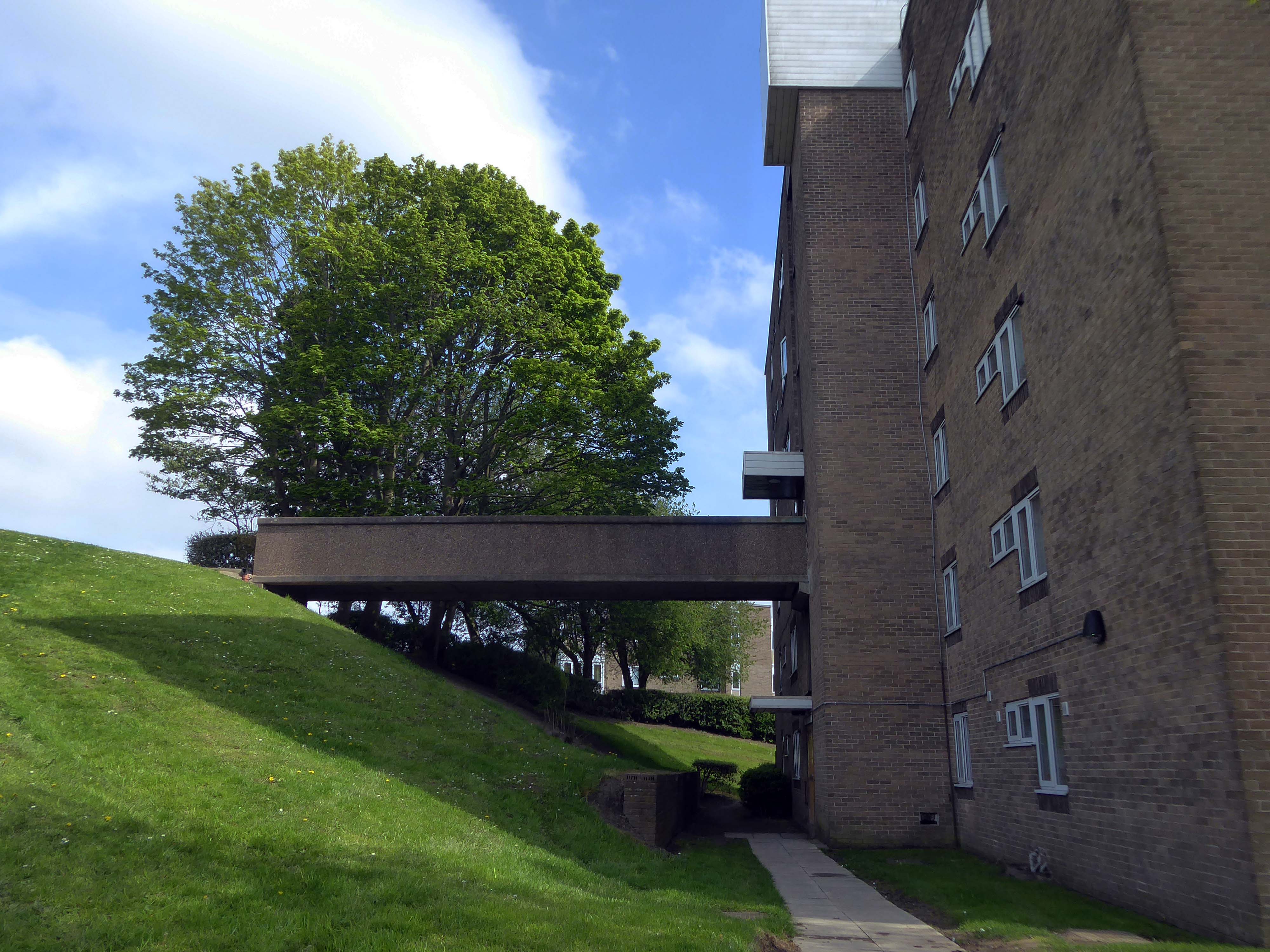
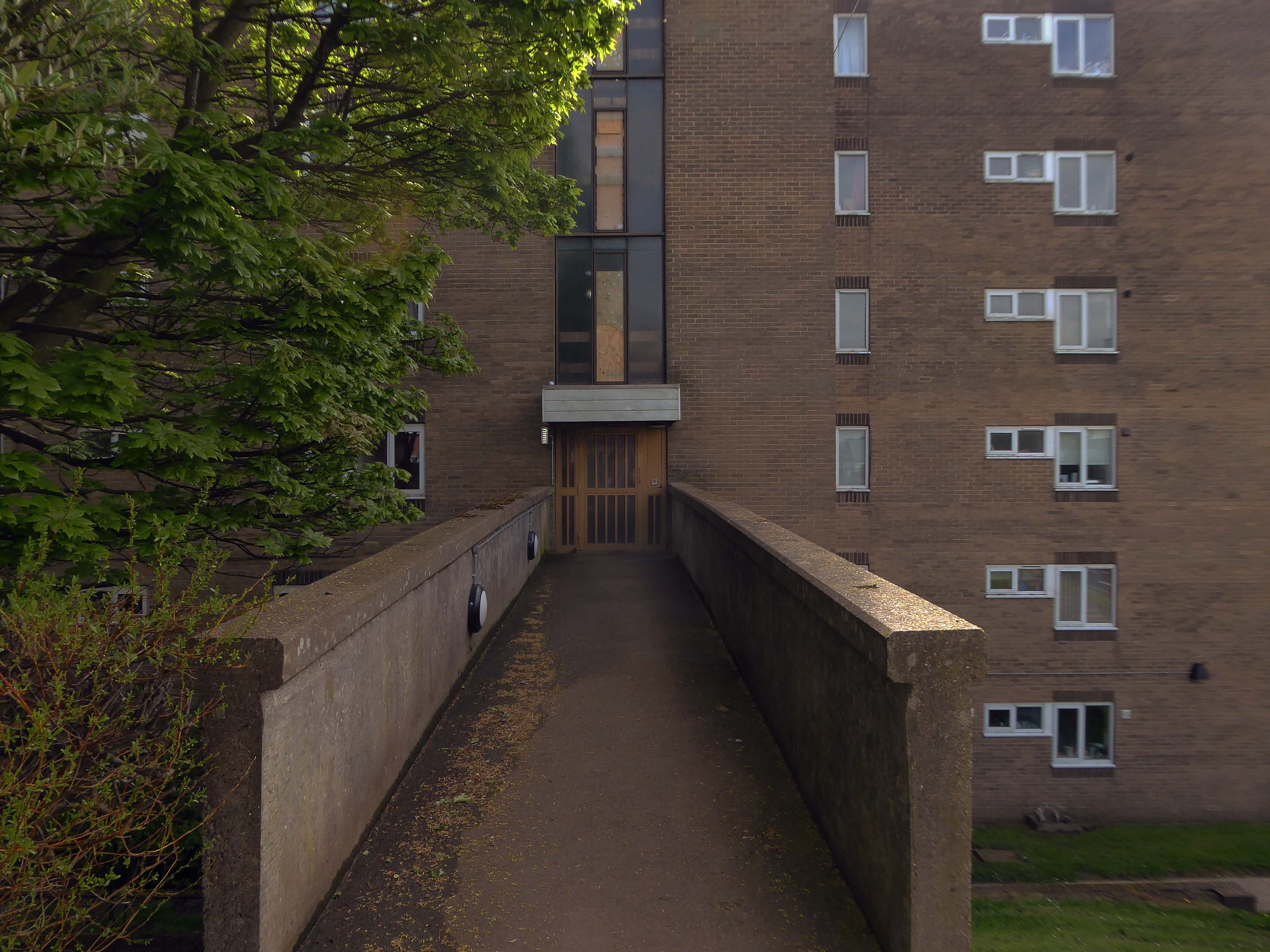
This new town centre consisted of pre-cast concrete houses, with millions of small crustacean shells unusually embedded into their external walls, five to ten storey flats, offices, industrial units and service buildings, which often consisted of artistic non-functional characteristics, shops and residential multi-storey car parks, interconnected by ramps and walkways. These made up a deck system of access to shopping and other facilities, employing the Swedish Skarne method of construction.

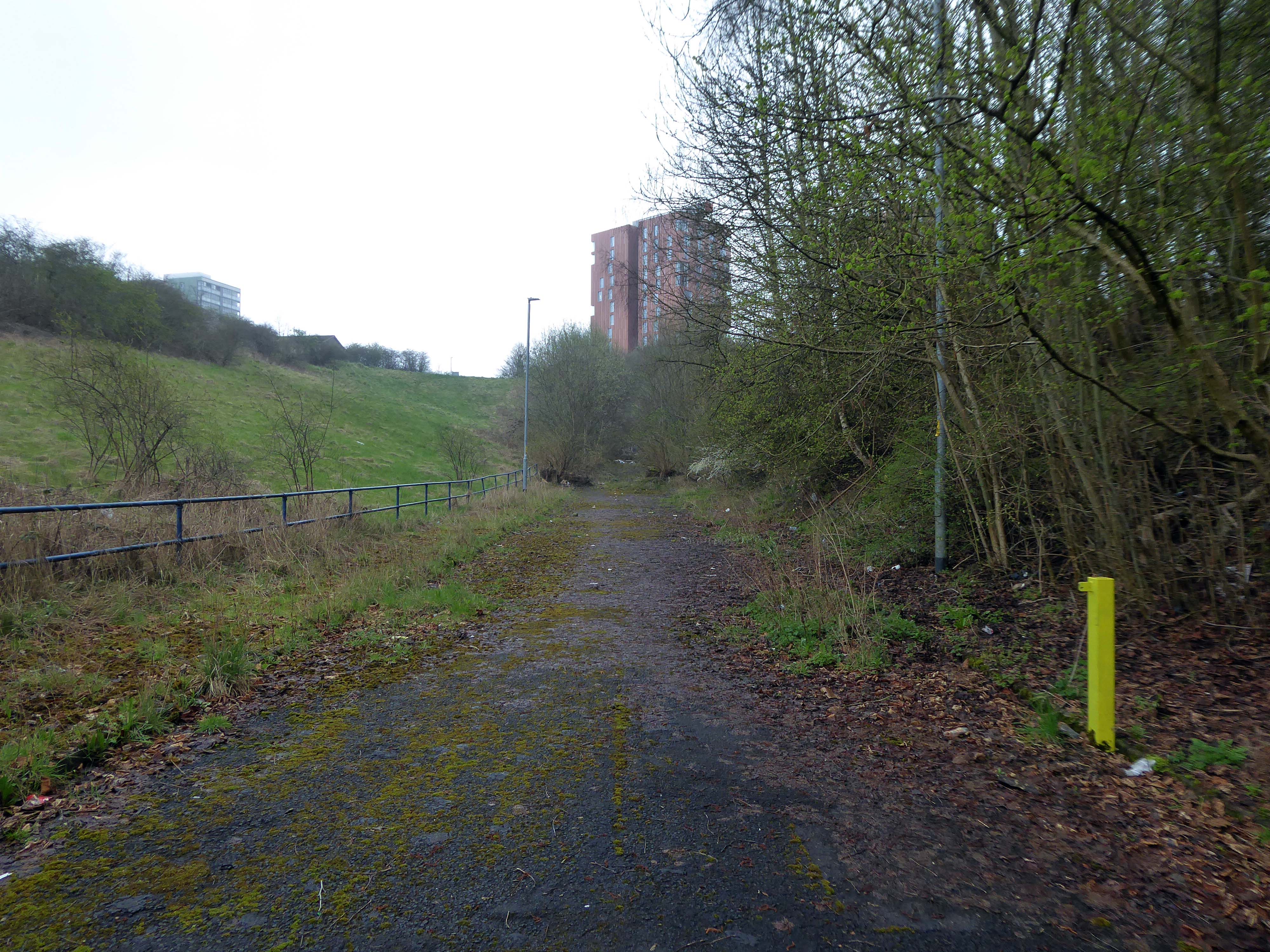
Killingworth Towers were demolished in 1987

Originally named Killingworth Township, the latter part was quickly dropped through lack of colloquial use.

Killingworth is referred to as Killy by many residents of the town and surrounding areas.

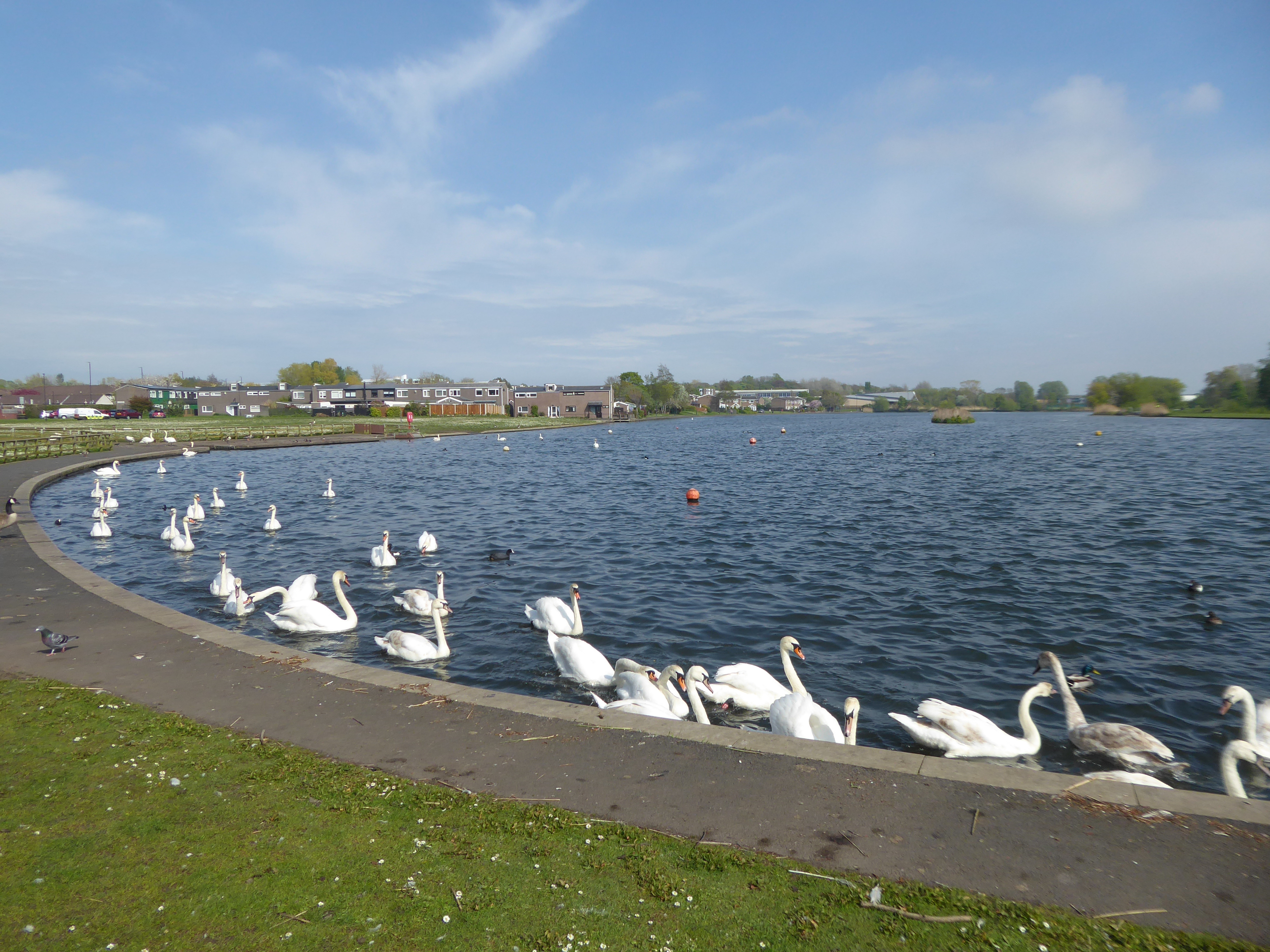
Around 1964, during the reclamation of the derelict pit sites, a fifteen acre lake south of the town centre was created; spoil heaps were levelled, seeded and planted with semi-mature trees.

Wikipedia

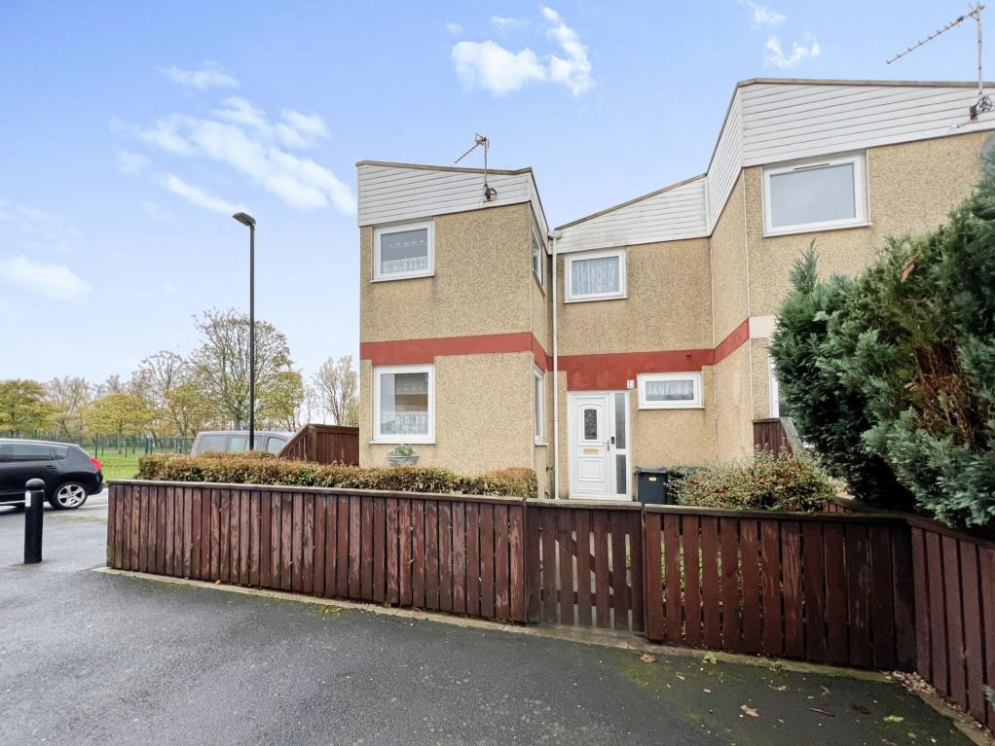
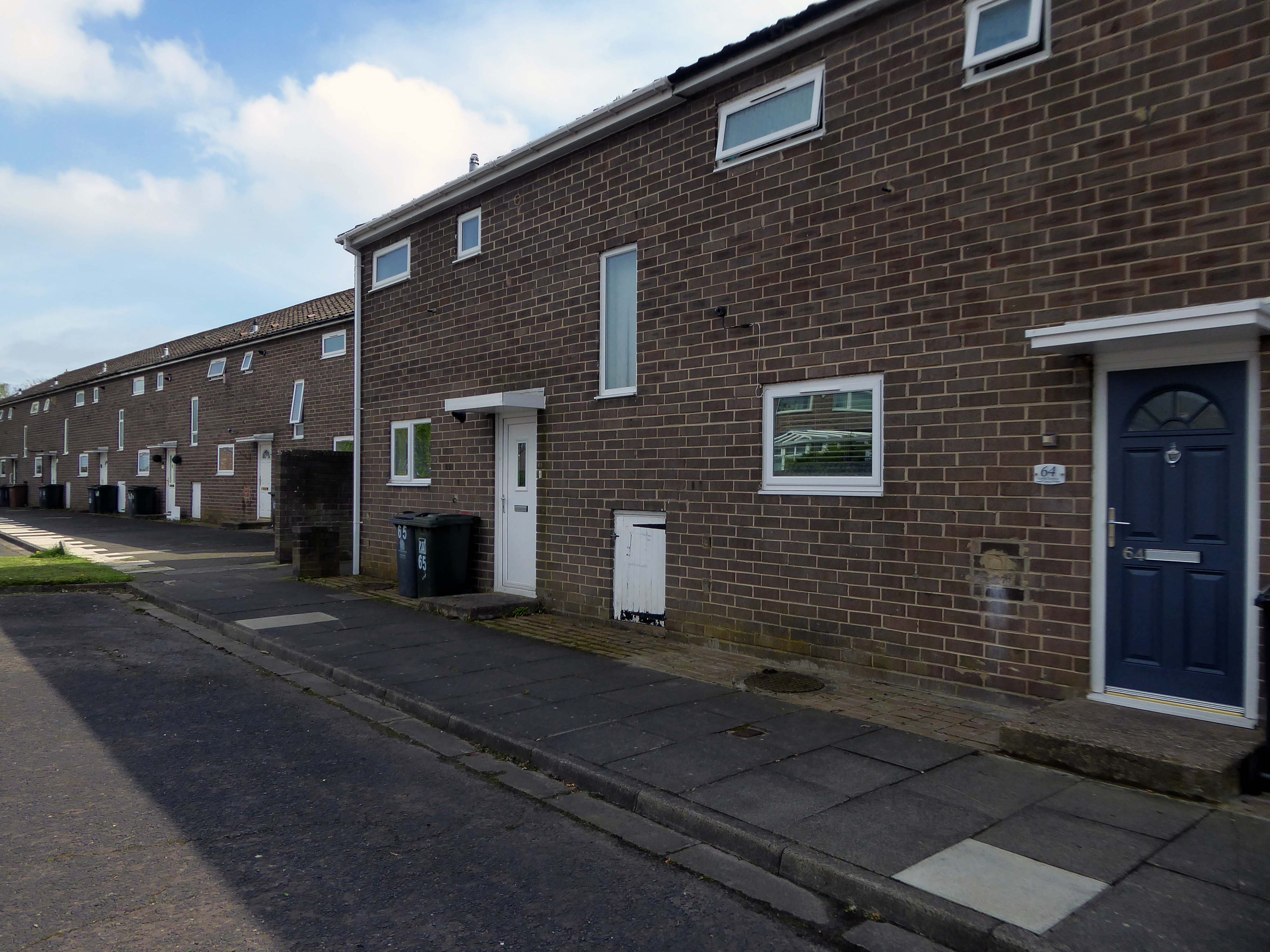
There were also groups of Calder Houses built, subsequently rendered neutral with render, their period characteristics erased.

Rightmove

All archive images RIBA pix

Once home to Thelma and Bob Ferris – whatever happened to the likely lads’ and lasses’ homes?

I had come in search of paradise on a 52 bus – too late was the cry, too late.

The winds of change had blown away the new coal dream, so I wandered lonely around the quiet streets.

The daffodils were past their best.

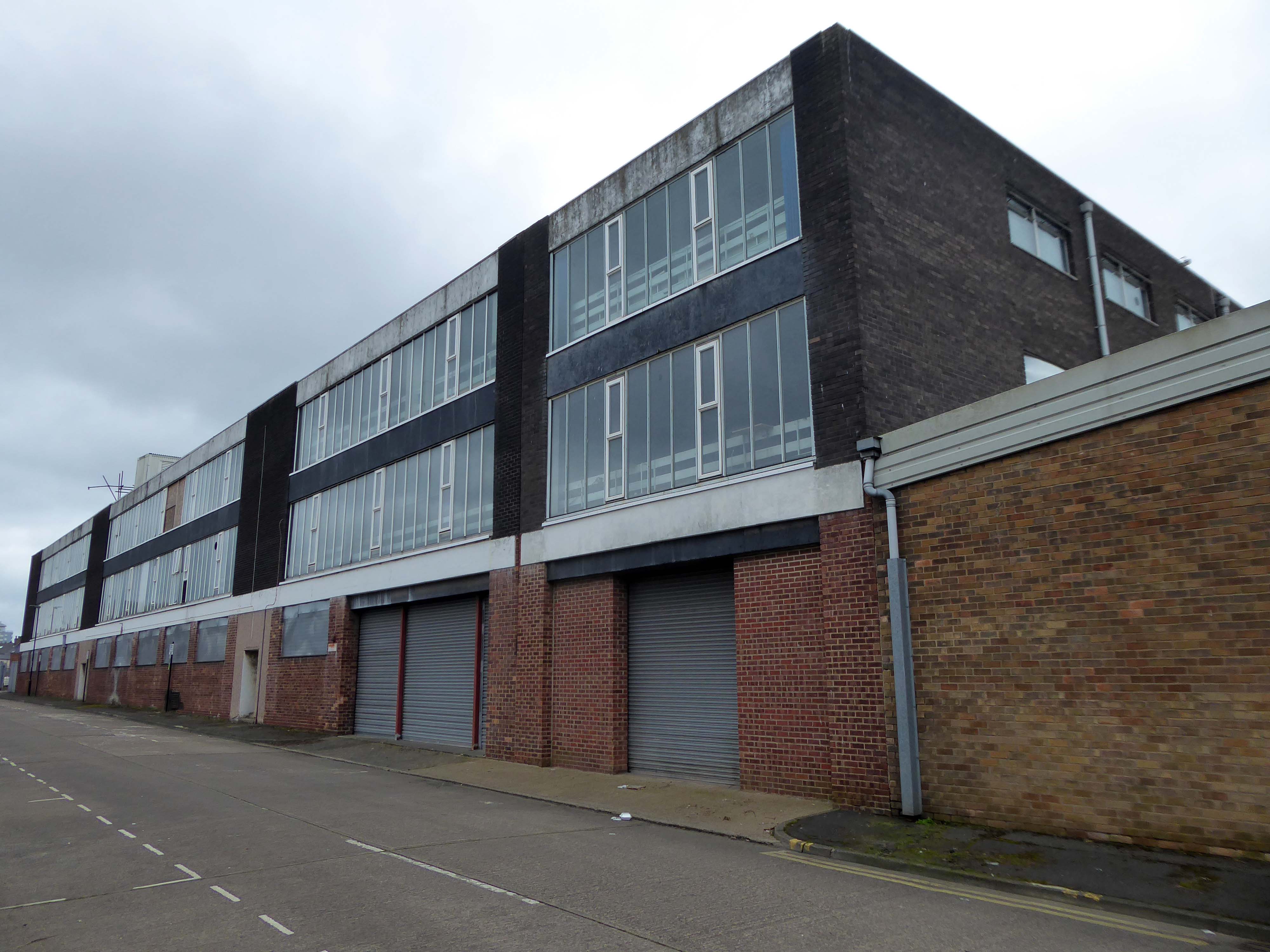
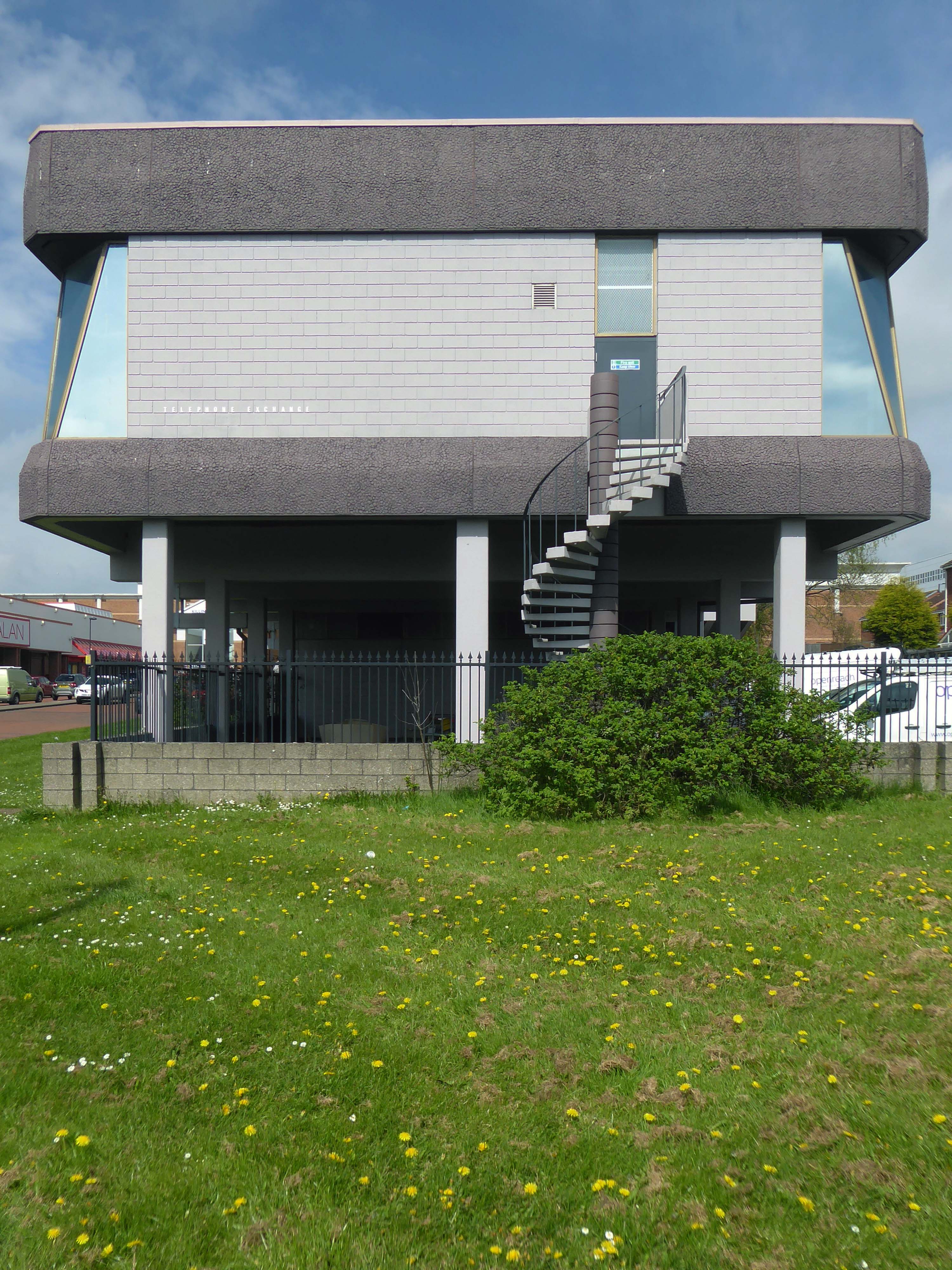
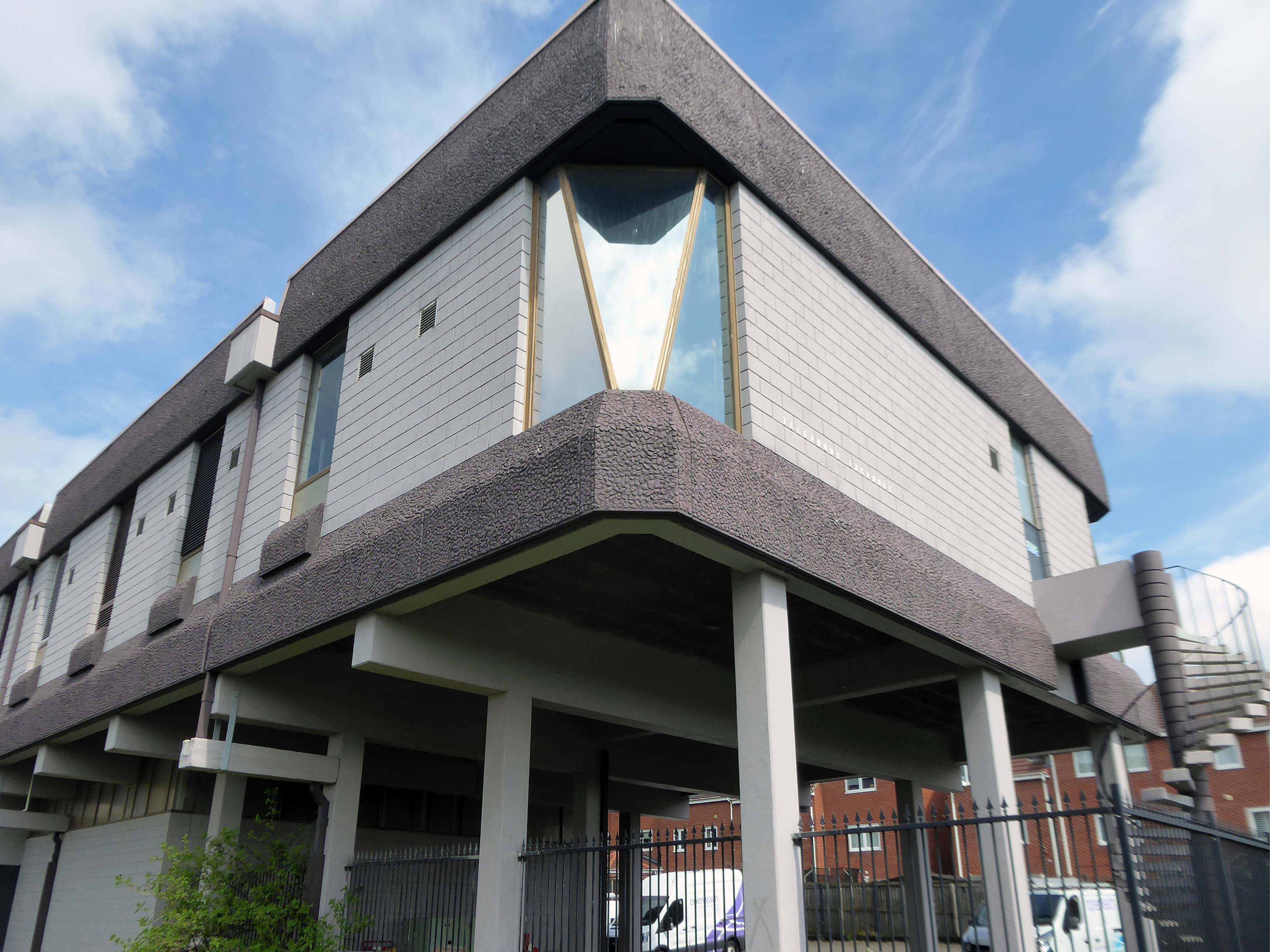
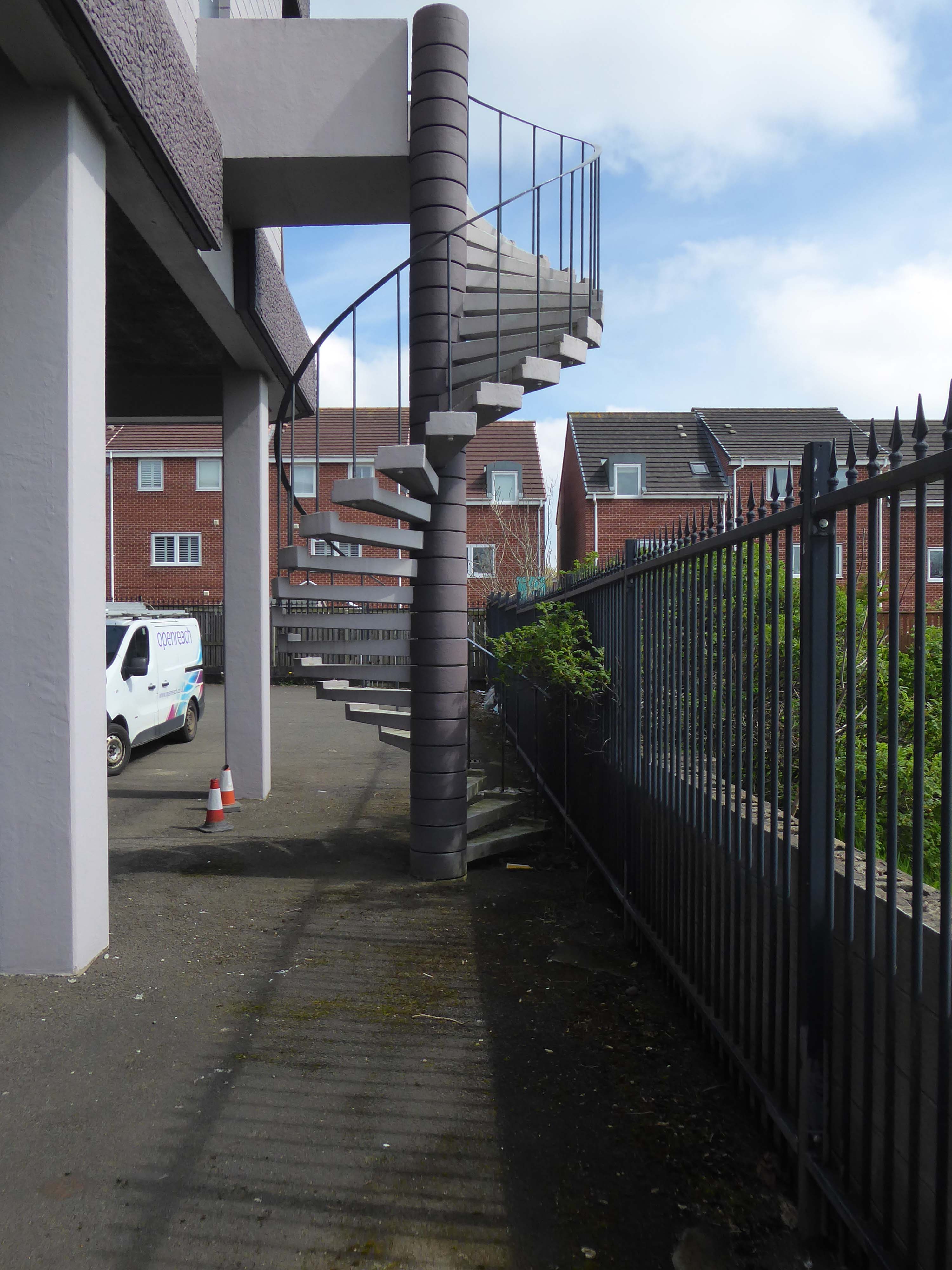
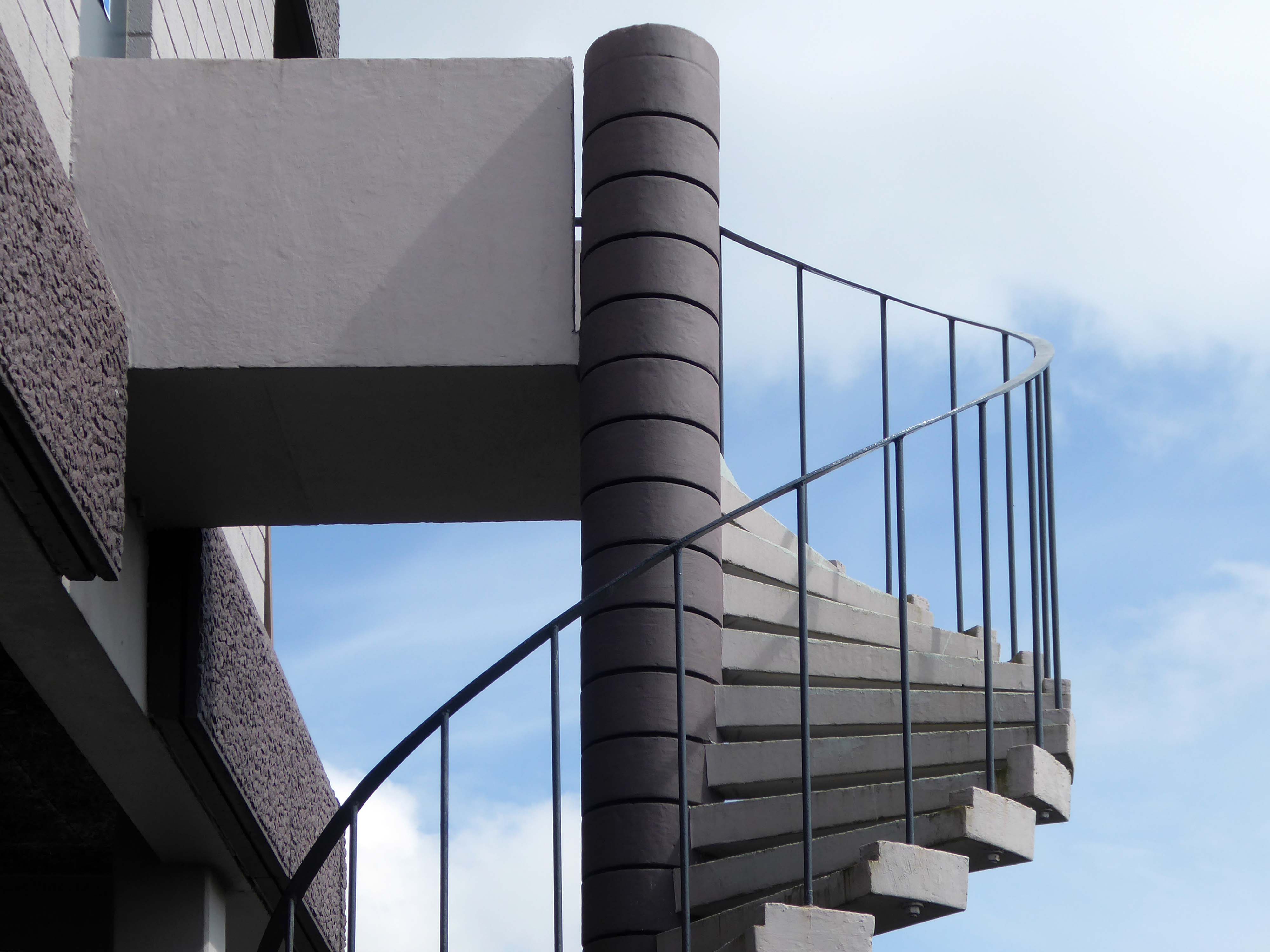
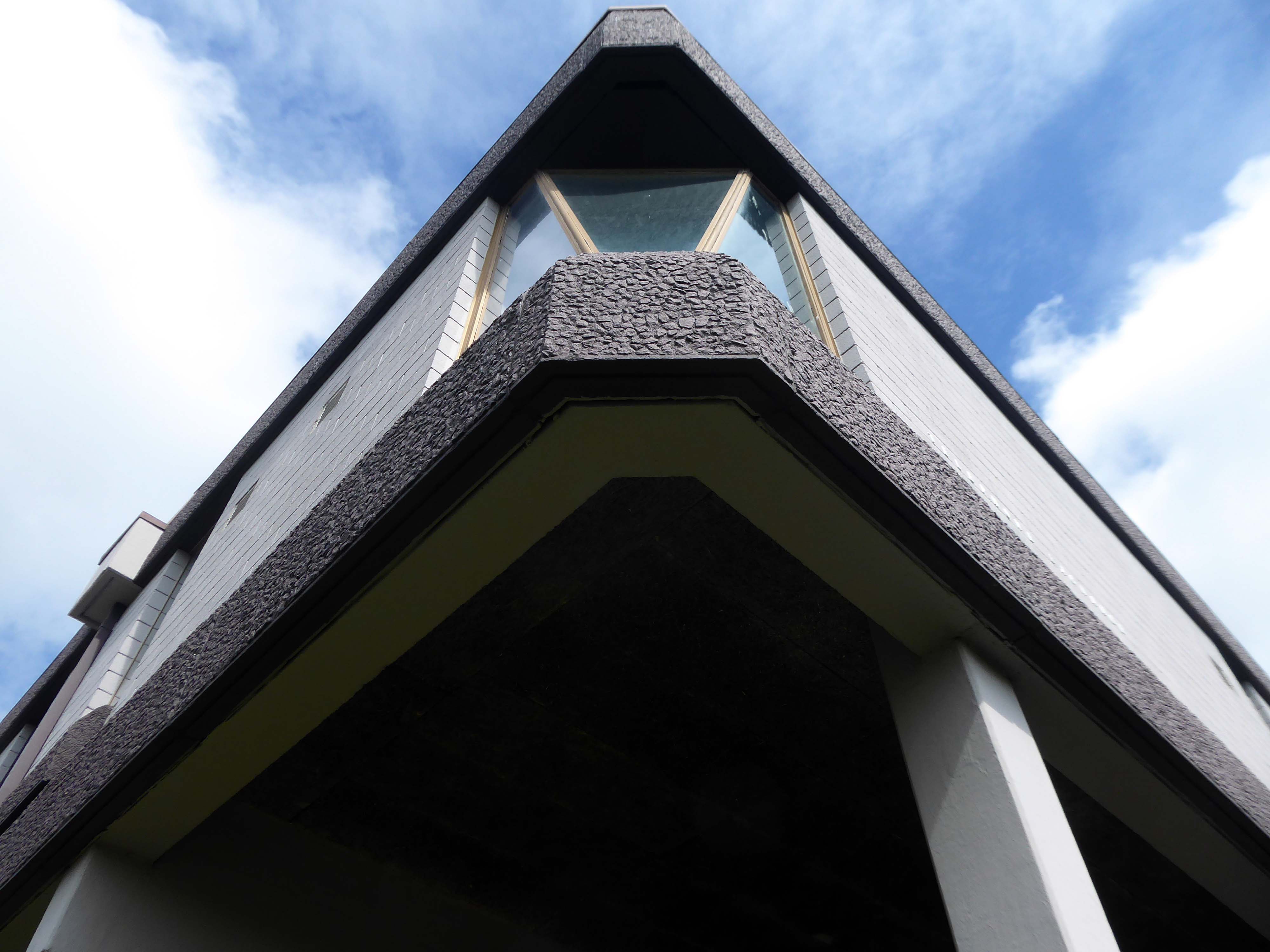
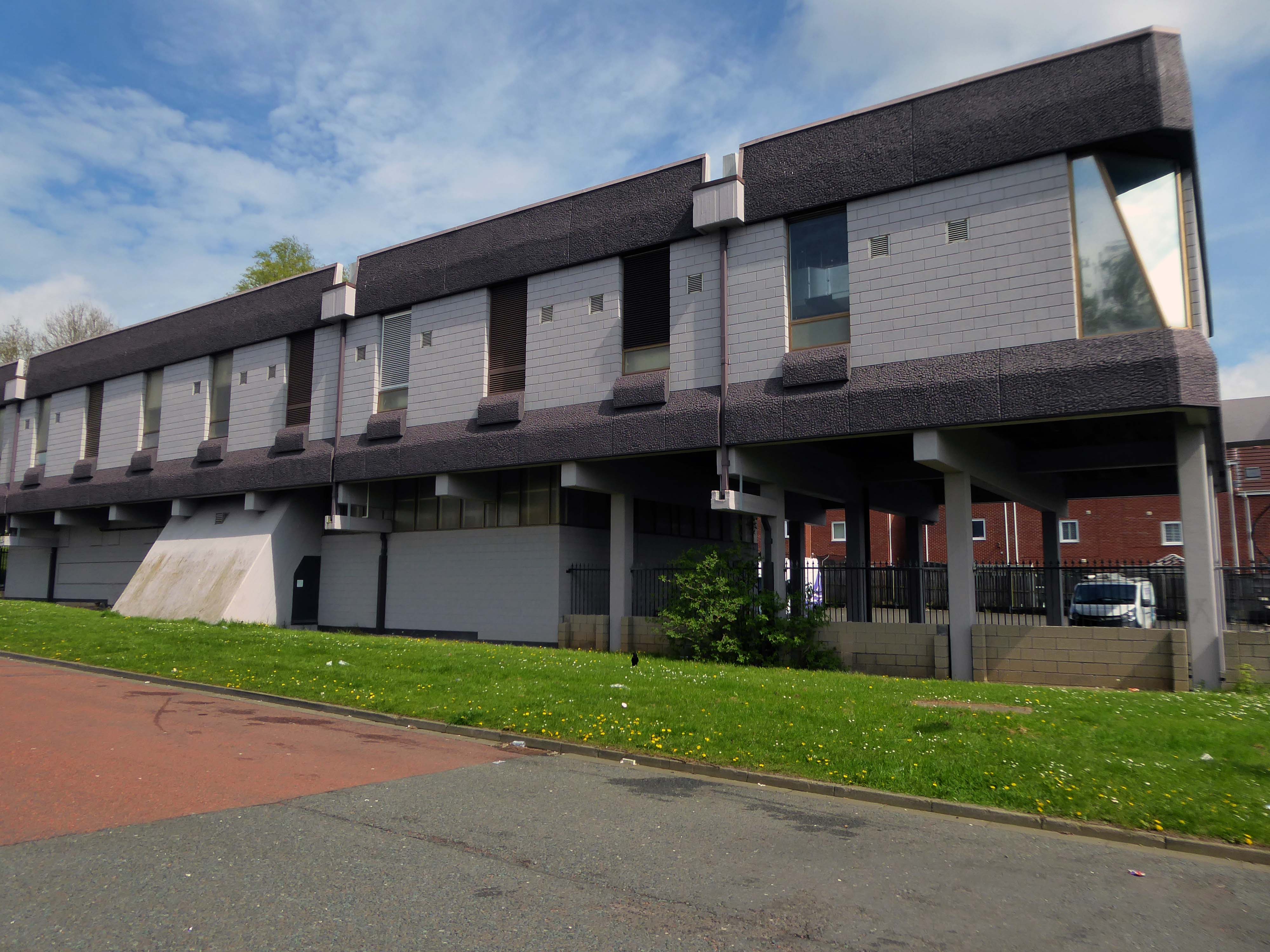
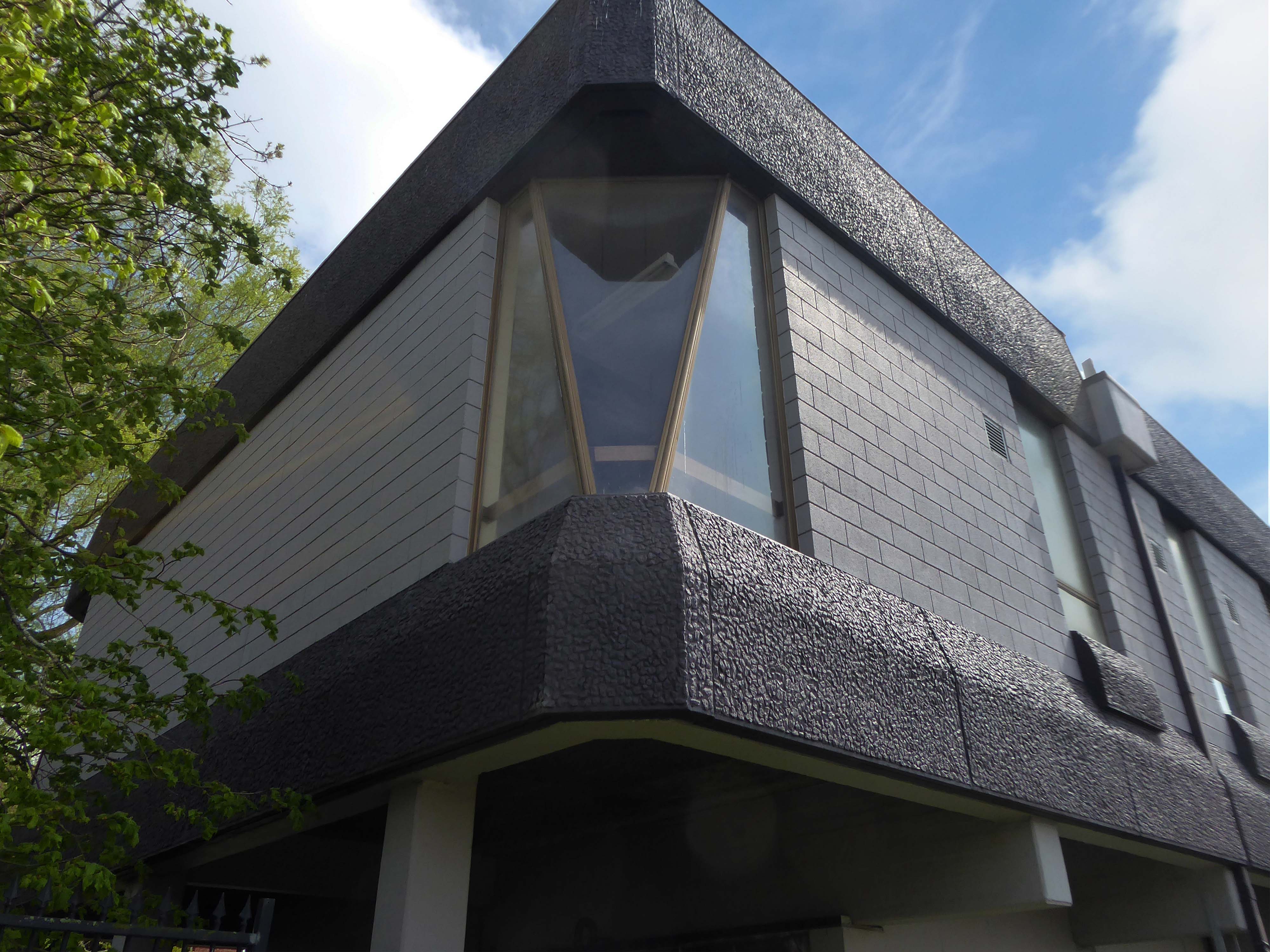
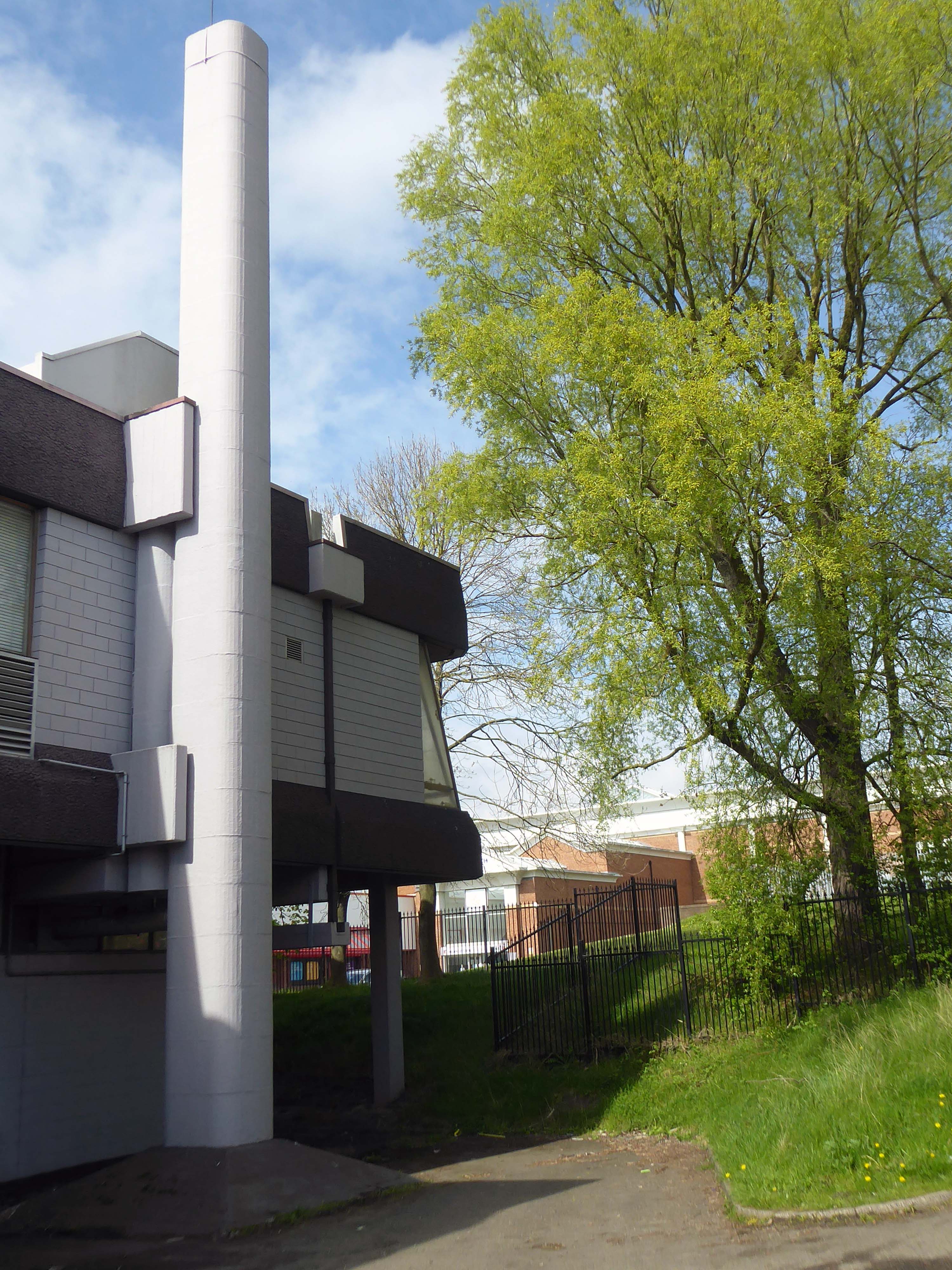
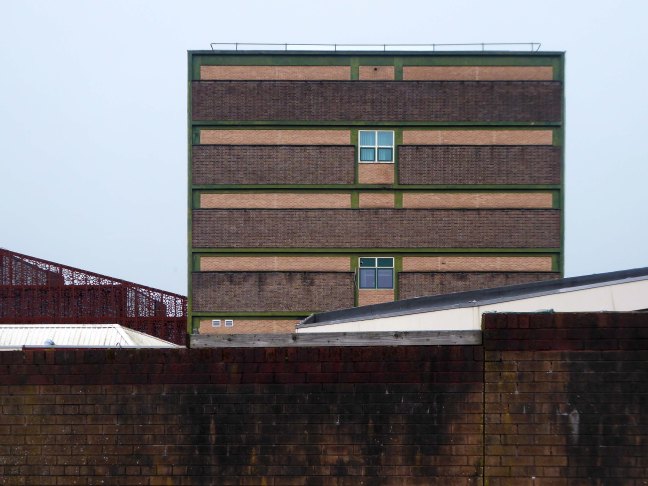
Telephone Exchange – Killingworth

Killingworth Newcastle upon Tyne NE12 6UG

The building of Killingworth Township began in 1963, was undertaken by Northumberland County Council and was not sponsored by the Government.

RIBA pix

In 1987 the demolition of this three-tier housing estate of the township was undertaken by the Architects’ Department of the Metropolitan Borough of North Tyneside.

Photo: Philip Wolmuth

Once the wrecking ball arrives new town can begin to look like any old town.

Following Euan Lynn’s suggestion – I went to take a look around.

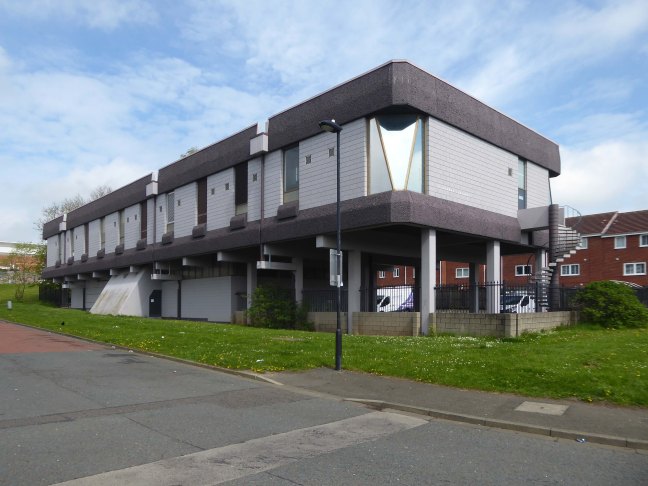
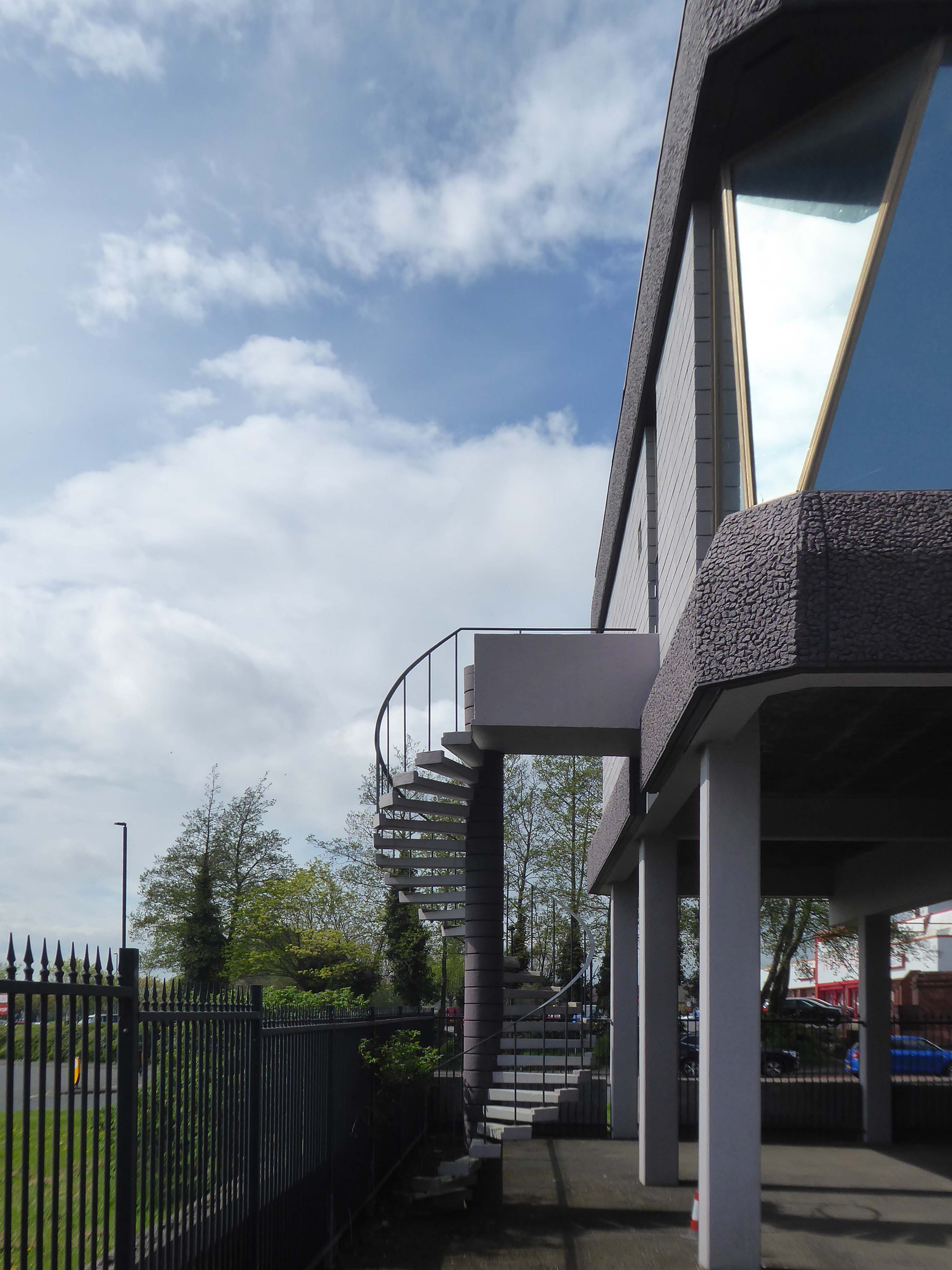
From the window of the 52 bus, I saw an enchanting Telephone Exchange.

A not too distant cousin of the Hadrian Exchange in Newcastle and their pal over the Tyne in Gateshead.

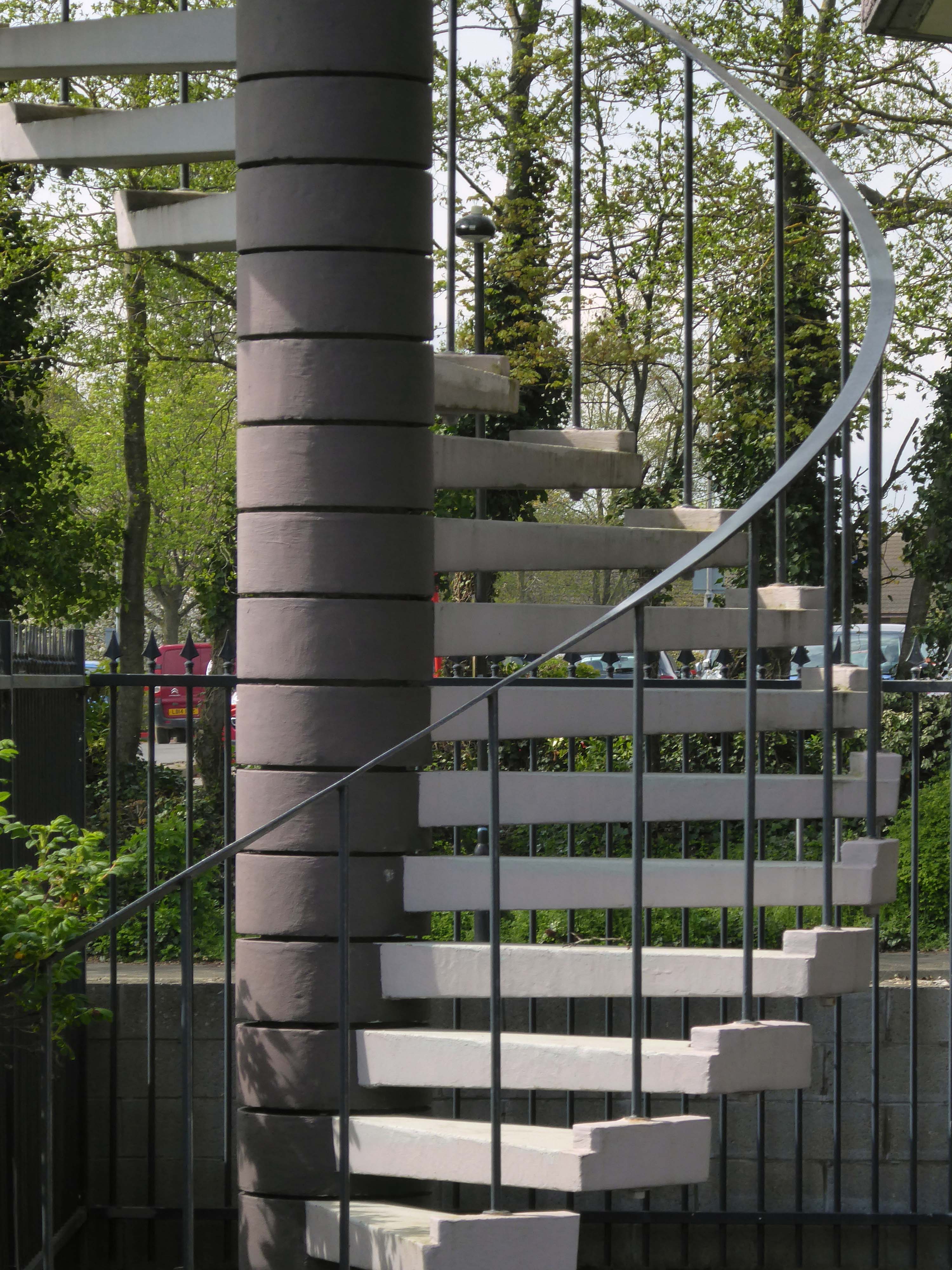
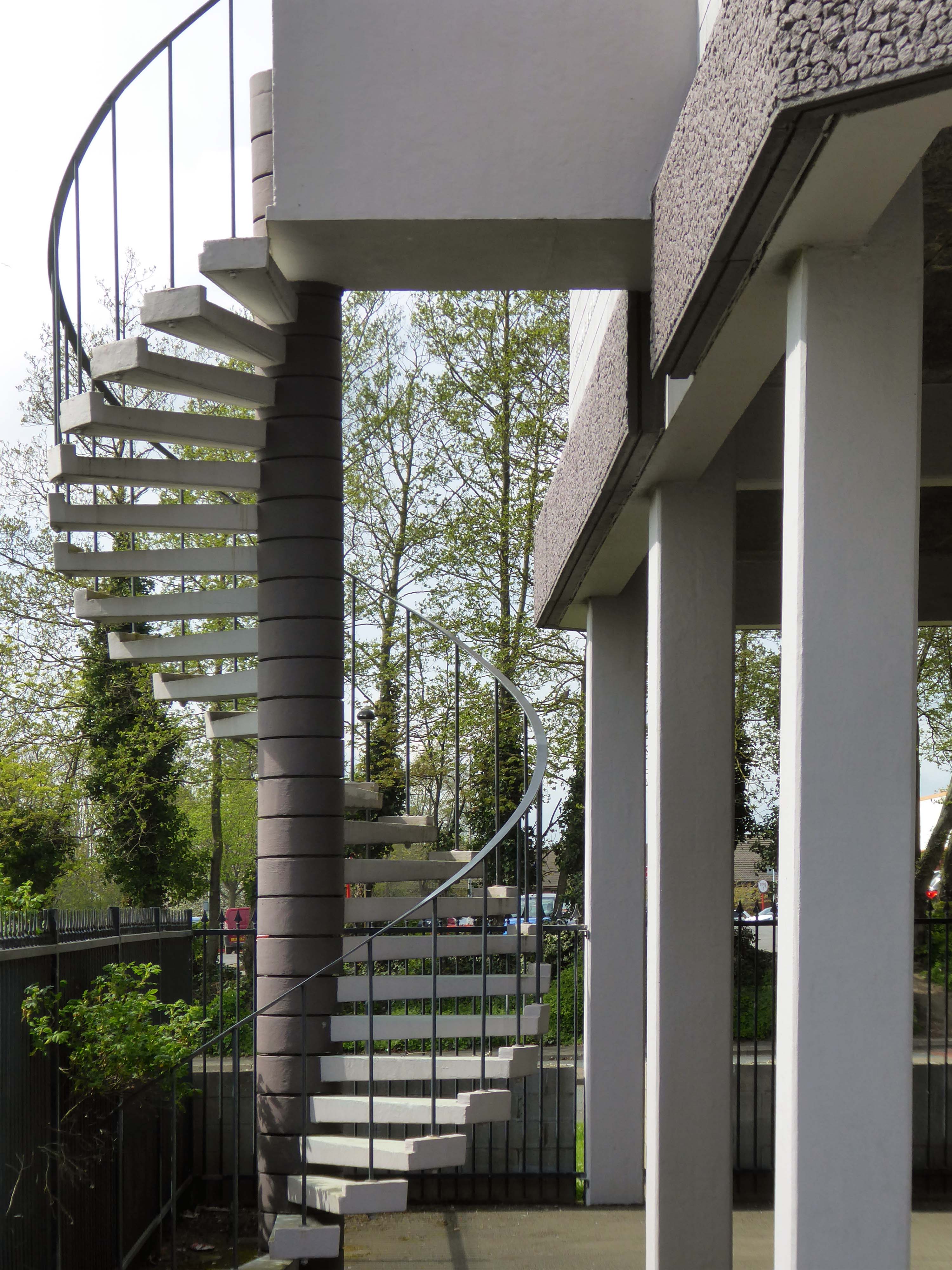
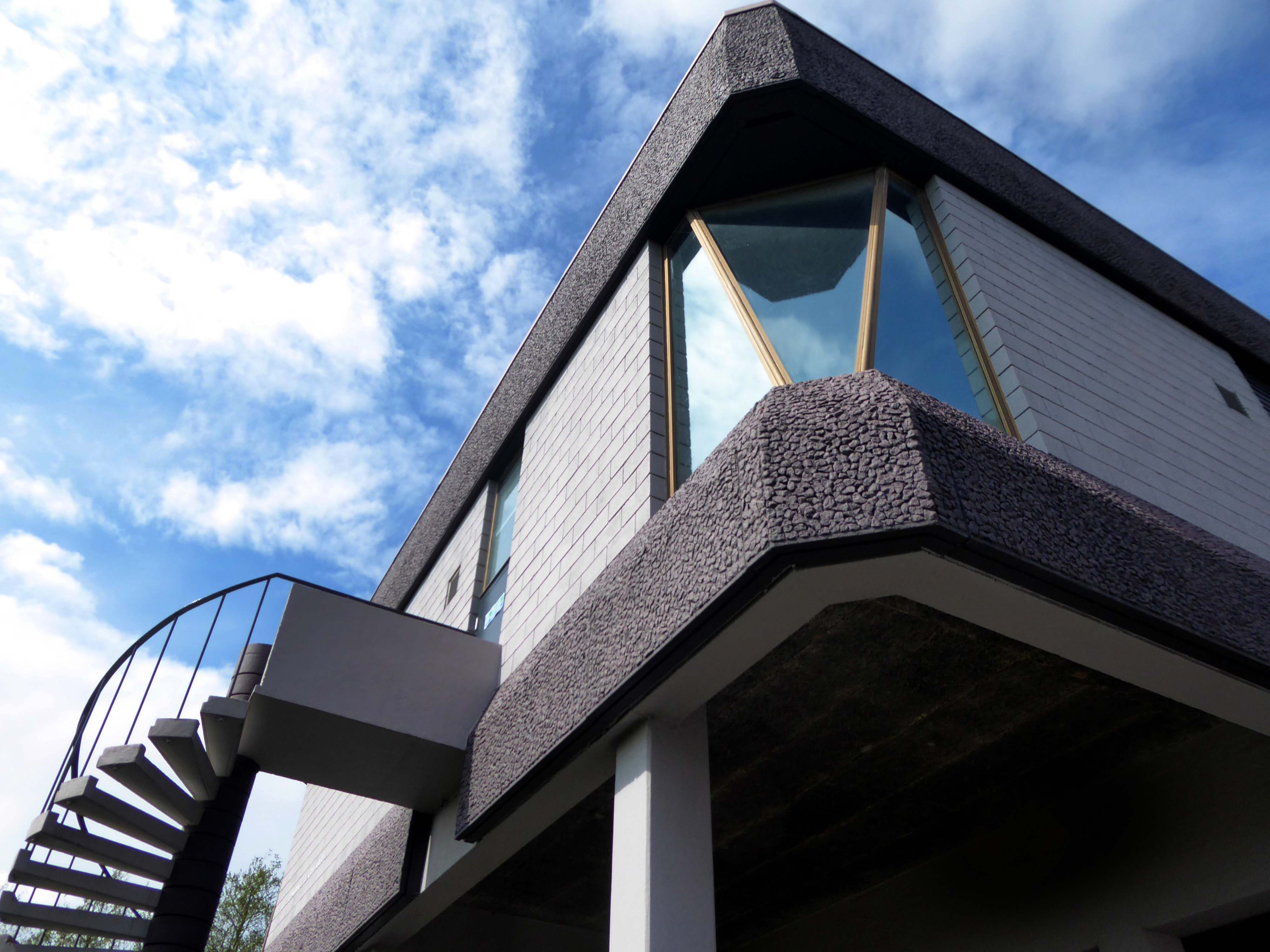
It is a real delight – an exceptional spiral staircase and futuristic chamfered windows angled at each of the four corners.

Architect: DOE Leeds

Detail design by Newcastle practice Douglass Wise & Partners.

Structural engineers: Cooper Higgins & Partners.

Main contractor: Brims & Co Ltd.

Let’s take a loving look around.

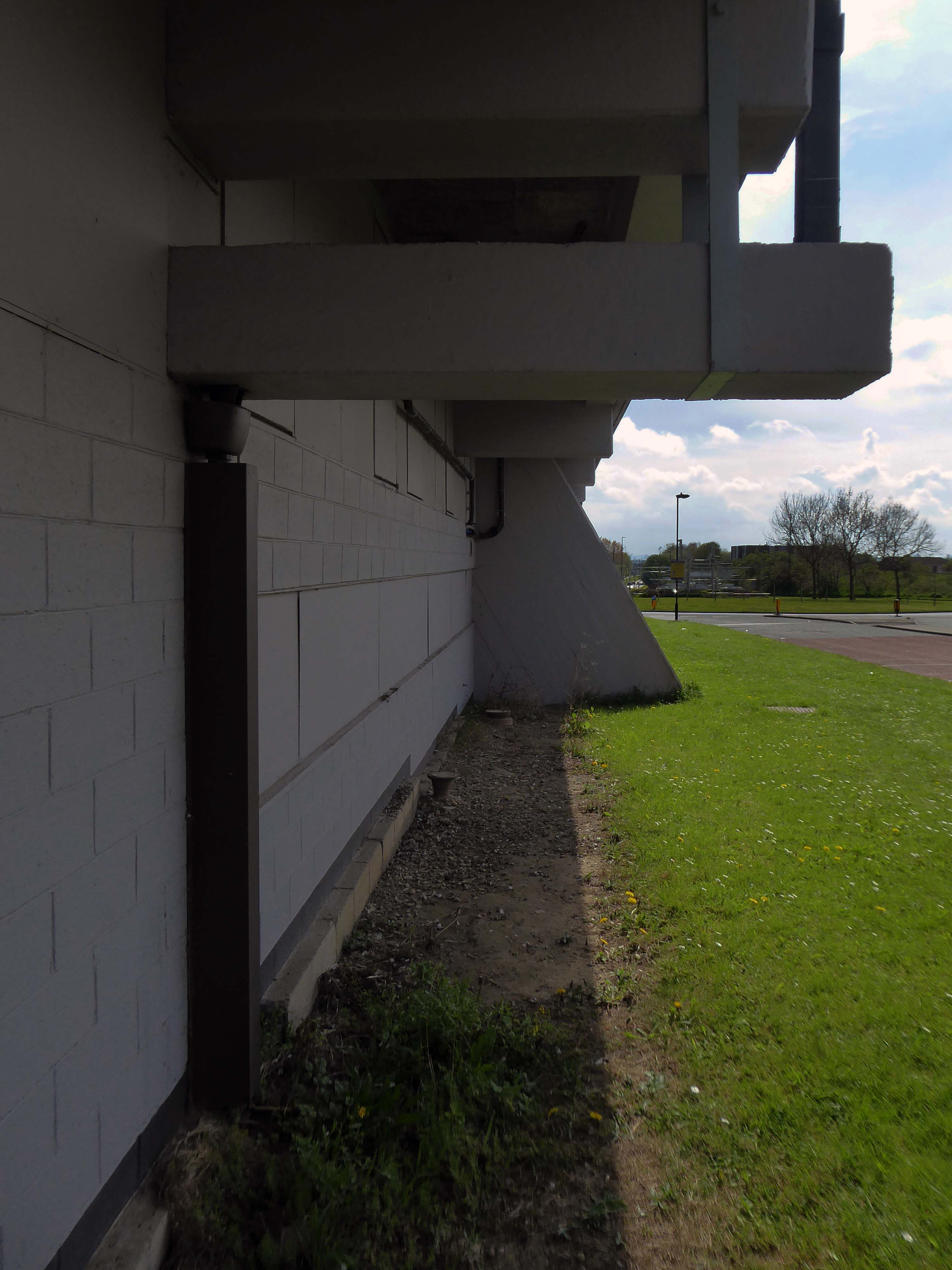
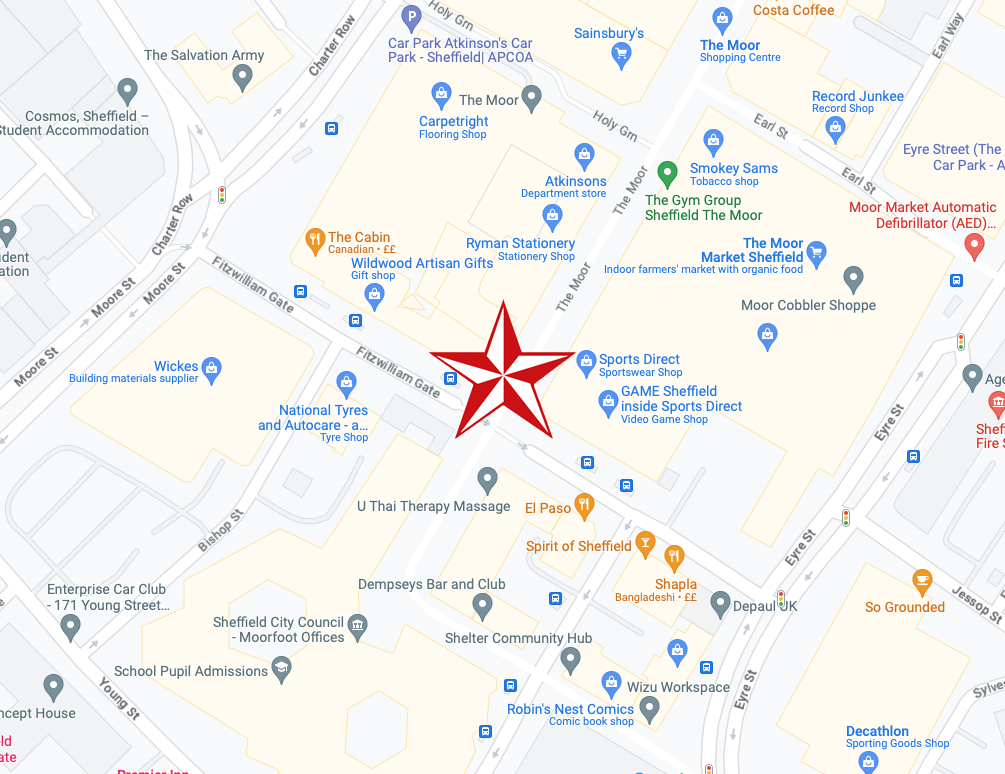
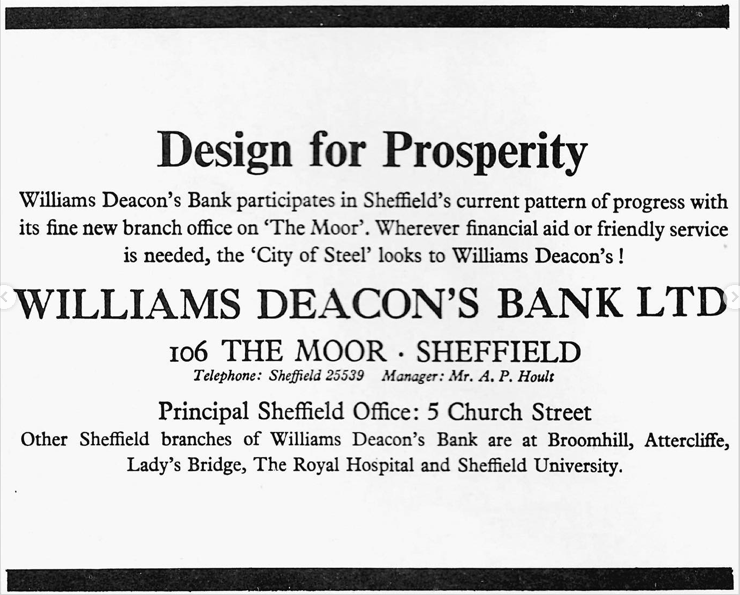
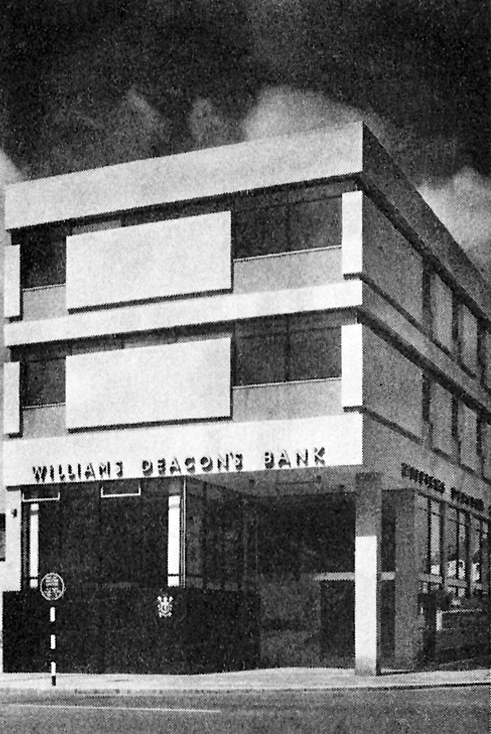
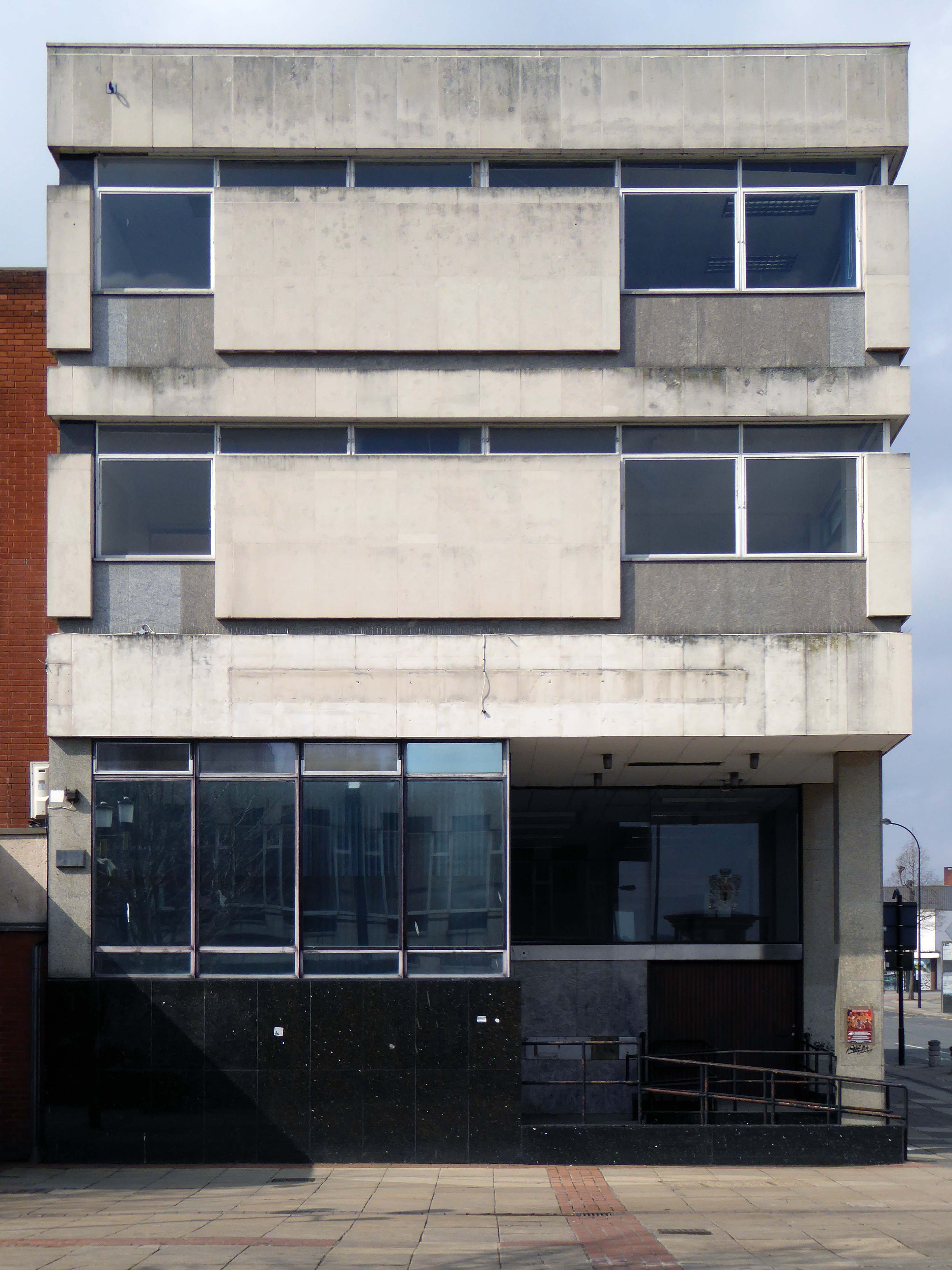
Williams Deacon’s Bank – Sheffield

106 The Moor Sheffield S1 4PD

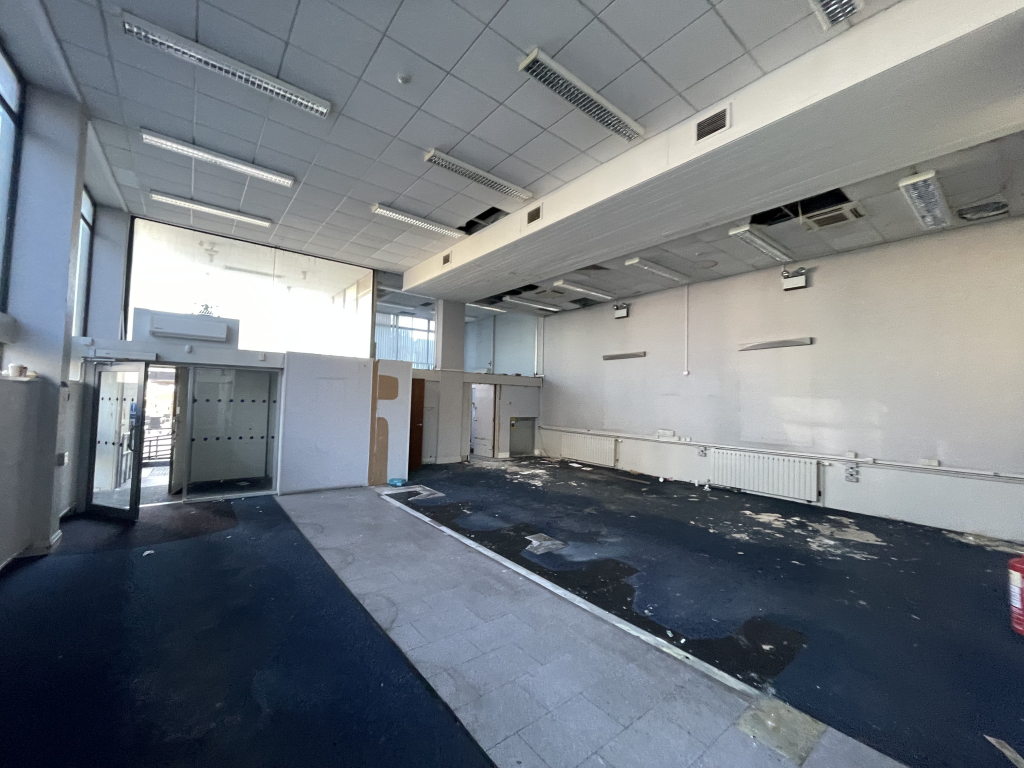
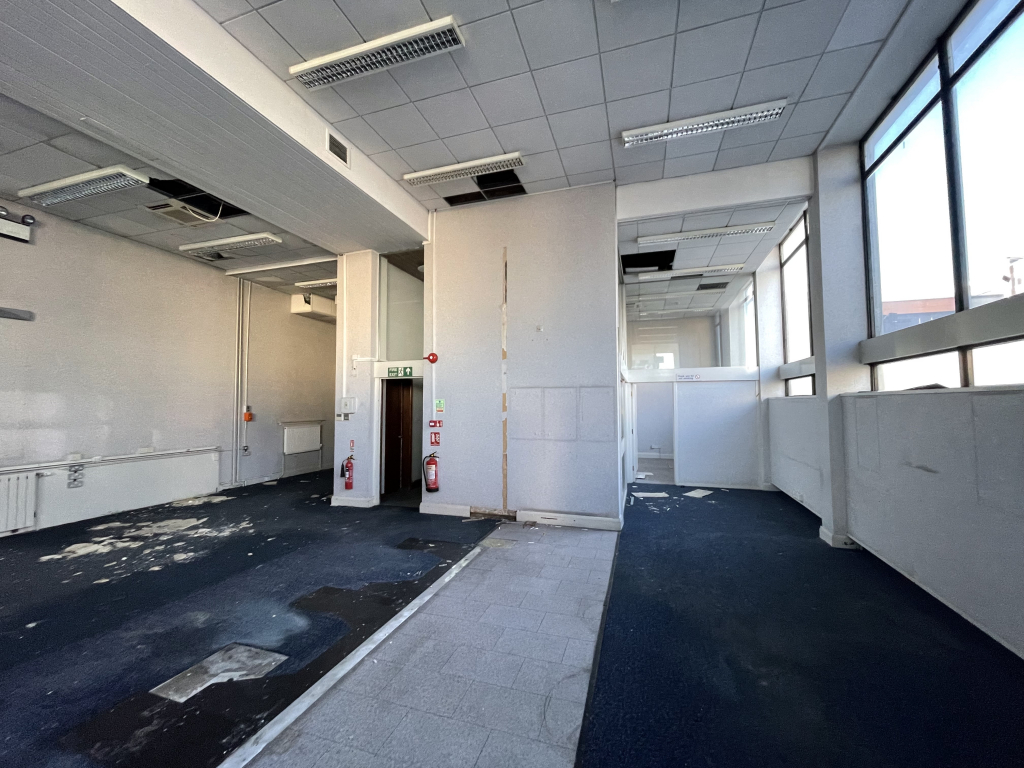
Currently to let

  • 2510 􏰀 5775 Square Feet
  • Self Contained Ground Floor Retail Unit
  • Seperate Offices Over First & Second Floor
  • WIthin Close Proximity to ongoing major redevelopment at The Moor

And looking for love.

I have often wandered by and wondered, well what were you?

The answer arrived last week on Instagram via Sheffield Modernist

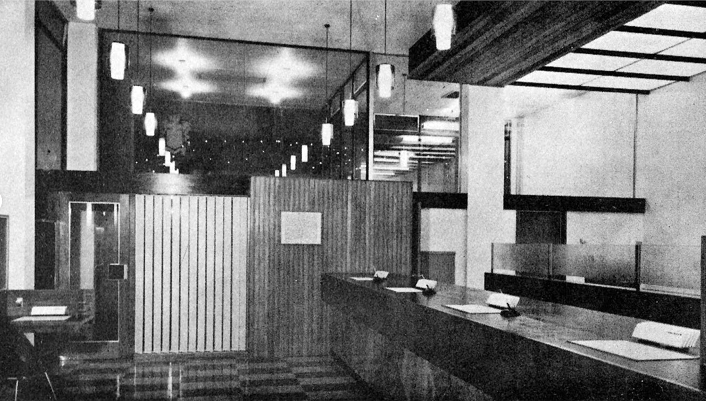
Architects: WT Gunson & Son.

Images: Design In Sheffield 2 1964/5

@sheffieldmodernist

Williams Deacon’s Bank

This joint-stock bank was established in Manchester in 1836 as Manchester & Salford Bank by a group of promoters keen to take advantage of recent legislation allowing the formation of joint-stock banks outside London. The bank had up to 15 directors and the issued capital was £1m, of which £252,100 was paid up by December 1836.

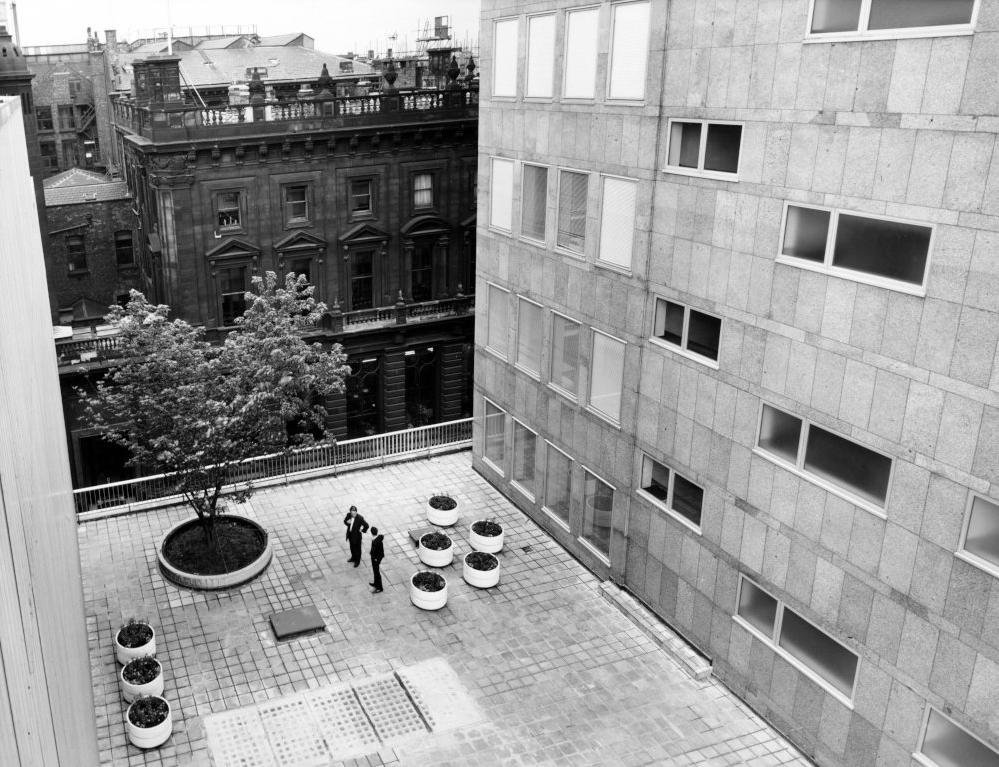
RIBA Pix: Headquarters building for William Deacon’s Bank Limited – Mosley Street Manchester: the garden at podium level.

Harry S Fairhurst & Son 1965

The first shareholders’ meeting, in May 1836, took place in temporary premises, but in August 1836 a banking house was rented in King Street. Land off Mosley Street was later acquired and a new banking house completed in 1838.

In 1969 The Royal Bank of Scotland was restructured and Williams Deacon’s became a direct subsidiary of a new holding company, National & Commercial Banking Group. The following year the holding company’s subsidiaries in England and Wales – Williams Deacon’s Bank, Glyn, Mills & Co and the English and Welsh branches of The National Bank – merged to form Williams & Glyn’s Bank.

In 1972 Williams & Glyn’s Bank joined with five other European banks to form the Inter Alpha Banks Group to exploit opportunities in the European Economic Community. In 1985 The Royal Bank of Scotland Group’s two major subsidiary holdings, Williams & Glyn’s Bank and The Royal Bank of Scotland, were fully merged as The Royal Bank of Scotland plc.

The very merry monopolies and mergers merry dance – consequently this perfectly formed Modernist bank stands alone and forlorn.

Love, for sale or to let.

Further Education

The first school of design in the UK, the Government School of Design, was established in 1837 and went on to become the Royal College of Art. It marked the beginnings of the development of technical education in the UK, which expanded in the remaining decades of the 19th century, and was largely instigated by the Science and Art Department of the Board of Trade, formed in 1853.  In 1856 the Science and Art Department transferred from the Board of Trade to the Education Department and administered grant-aid to art schools from 1856 and to schools of design and technical schools from 1868.

The Technical Instruction Act 1889 permitted local authorities to levy rates to aid technical or manual instruction. County and borough councils began to provide technical instruction by day and evening classes.

The Local Taxation Customs and Excise Act 1890 diverted ‘whisky money’ from publicans to local authorities for assisting technical education or relieving rates, boosting investment in technical instruction.

By the end of the 19th century continuing education was provided by a variety of bodies in a number of forms:

  • day continuation schools 
  • evening schools and classes
  • mechanics institutes
  • schools of art
  • polytechnics
  • university extension lectures
  • tutorial classes
  • working men’s colleges and courses

Under the 1902 Education Act, changes to conditions attached to government grants encouraged the expansion of technical education. Local Education Authorities took over most of the evening continuation schools.

Major changes occurred after the Second World War. Junior technical schools , commercial schools and schools of art were fully integrated into the revised system of secondary education.

National Archives

The development of technical and art education were inextricably linked to the industrialisation of the north of England.

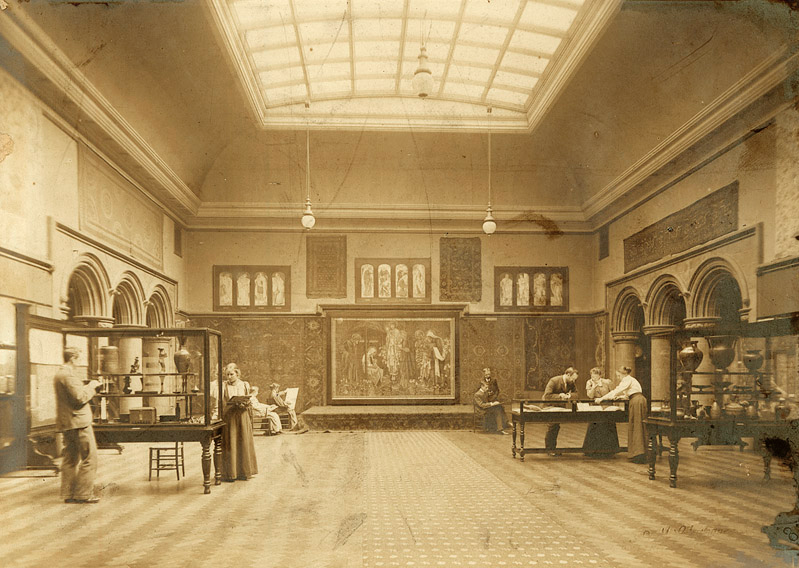
The Textile Court or main gallery space of the Arts and Crafts Museum of the Manchester Municipal School of Art, photographed in 1898-1901.

Flickr

Manchester School of Art was established in 1838 as the Manchester School of Design. It is the second oldest art school in the United Kingdom after the Royal College of Art which was founded the year before.

The school opened in the basement of the Manchester Royal Institution on Mosley Street in 1838. It became the School of Art in 1853 and moved to Cavendish Street in 1880. It was subsequently named the Municipal School of Art. In 1880, the school admitted female students, at the time the only higher education available to women, although men and women were segregated. The school was extended in 1897.

Wikipedia

The mill towns which encircled the city of Manchester each had their own independent colleges of Art and Design.

Textiles in particular required practitioners in surface pattern and garment design and construction, innovative and skilled students were in demand for print, engineering, architecture and general manufacturing – who also required the services of typographers, illustrators, commercial and graphic designers.

Having left school aged sixteen in 1971, all I ever wanted to do was go to Art School.

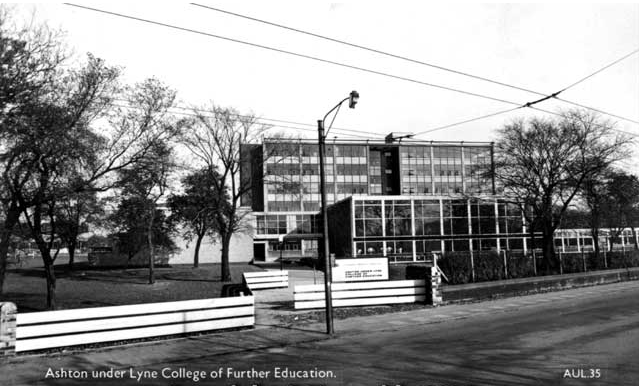
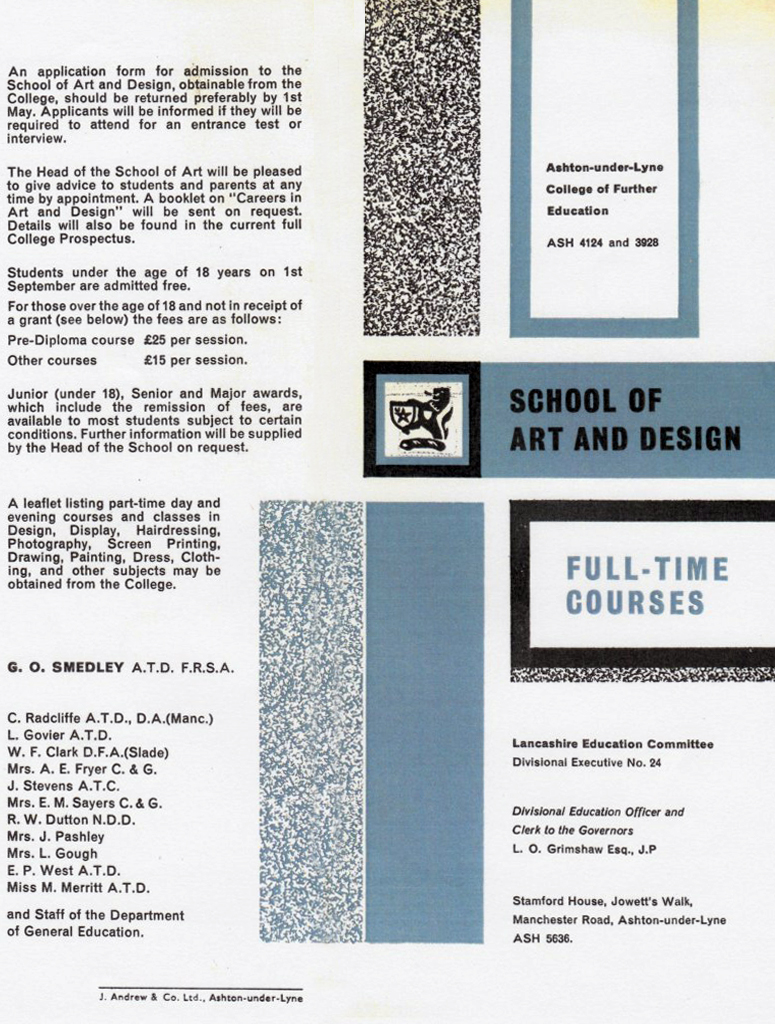
My local college was the then Ashton under Lyne College of Further Education – the full-time mode of study was then a two year Pre-Diploma Course.

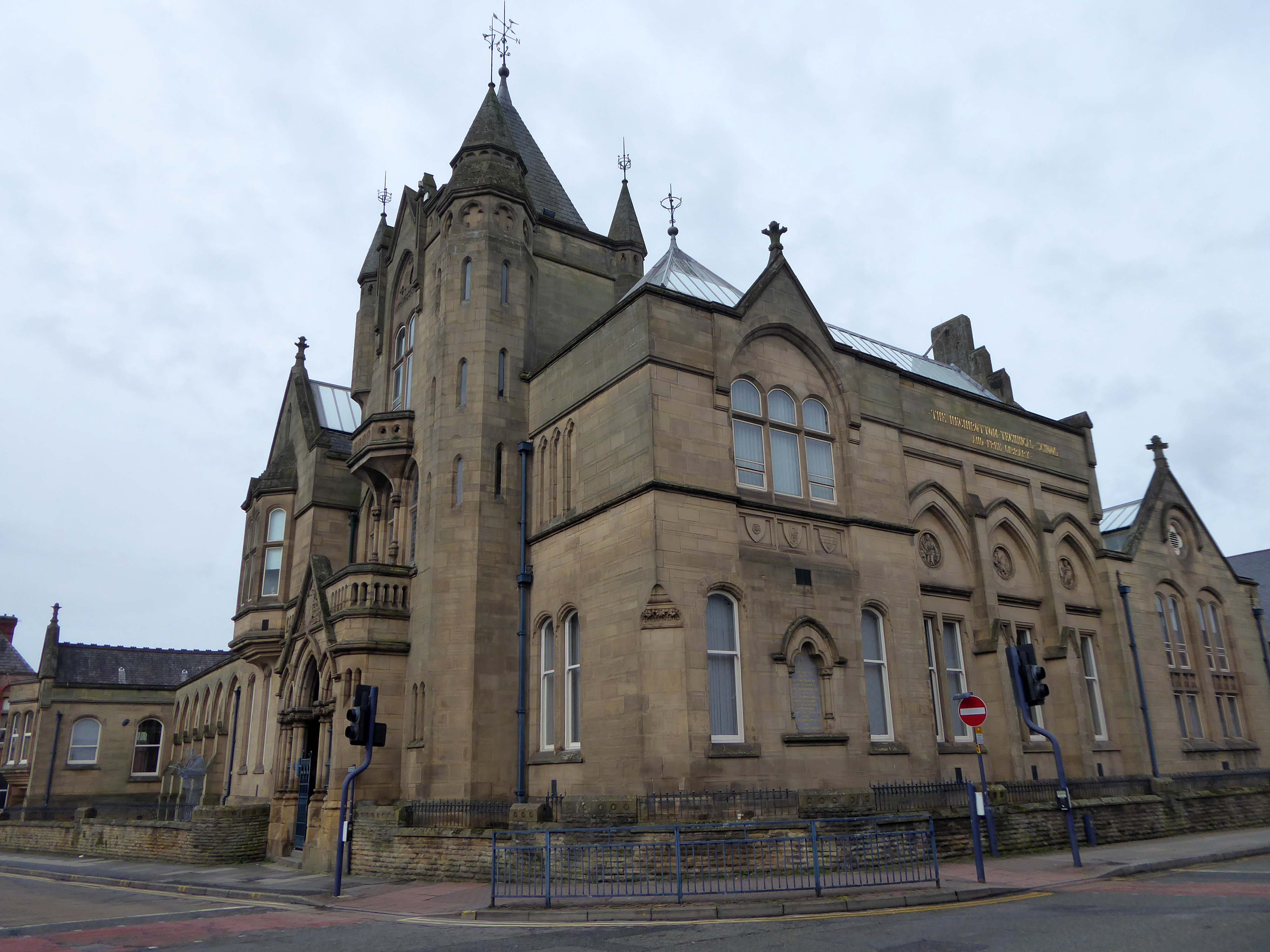
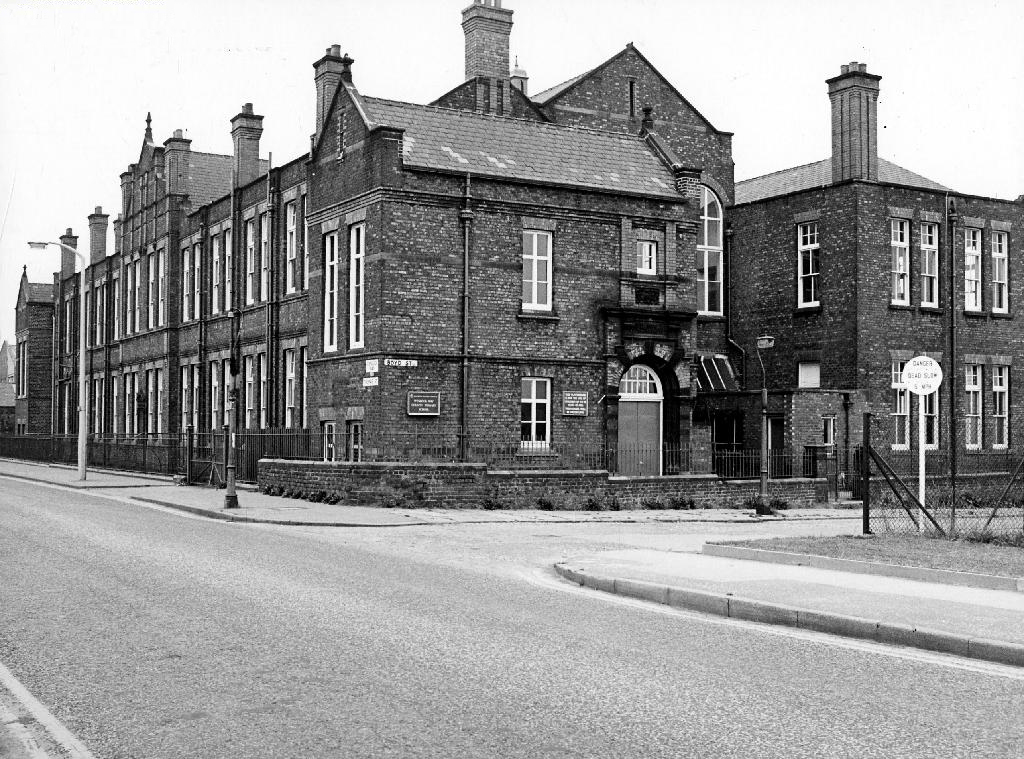
It had begun life as the Heginbottom School of Art based at – Heginbottom Technical Schools School of Art and Free Library Old Street Ashton-under-Lyne.

The new Technical Schools and Free Library, which has just been completed were opened for students without any formal ceremony. The building has been erected from designs prepared by Messrs John Eaton and Sons, architects, Ashton, at a cost, including fittings of £16,000. 

The building is now Grade II listed and the library and college long gone.

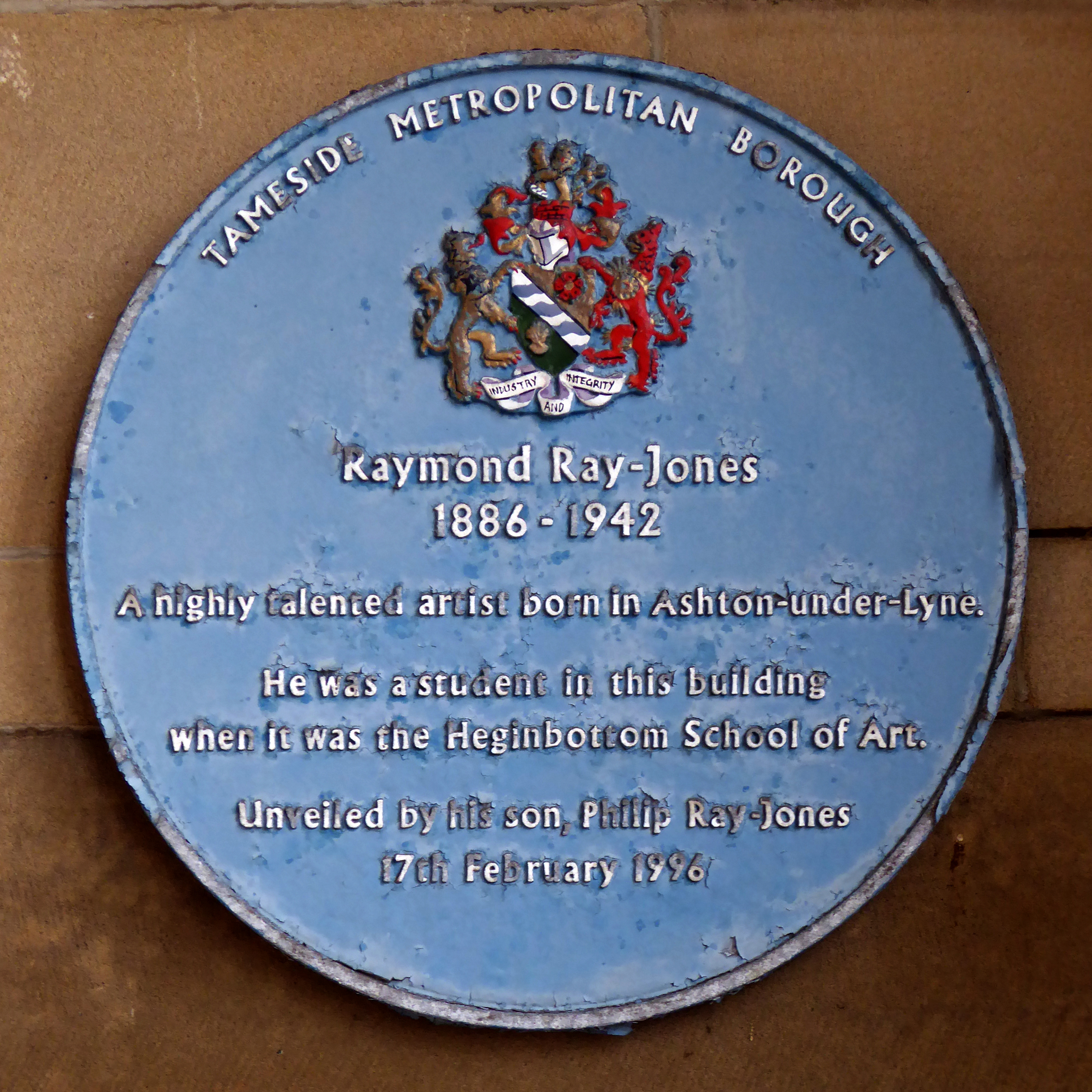
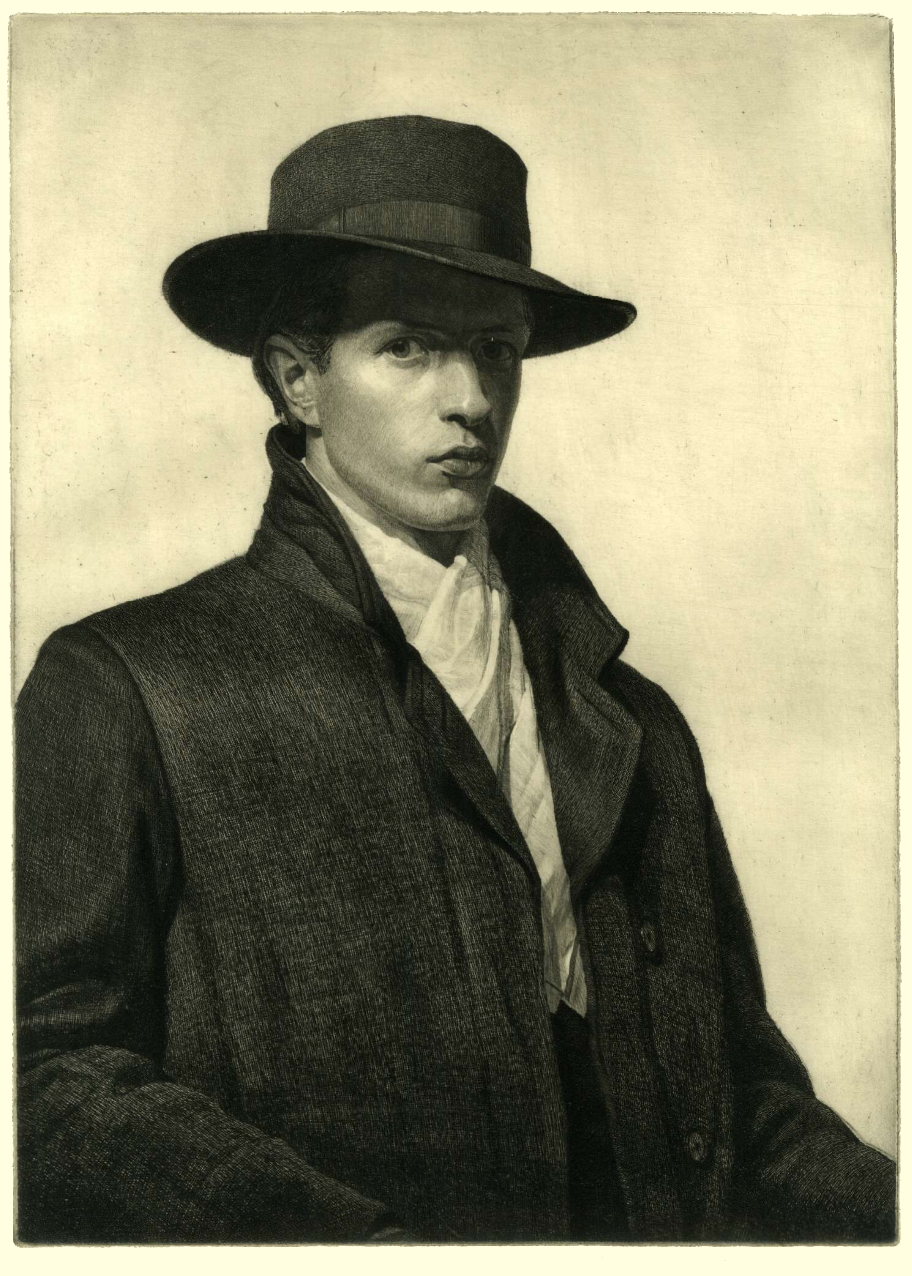
A blue plaque in the main entrance celebrates the former student Raymond Ray-Jones.

Father of photographer Tony Ray-Jones.

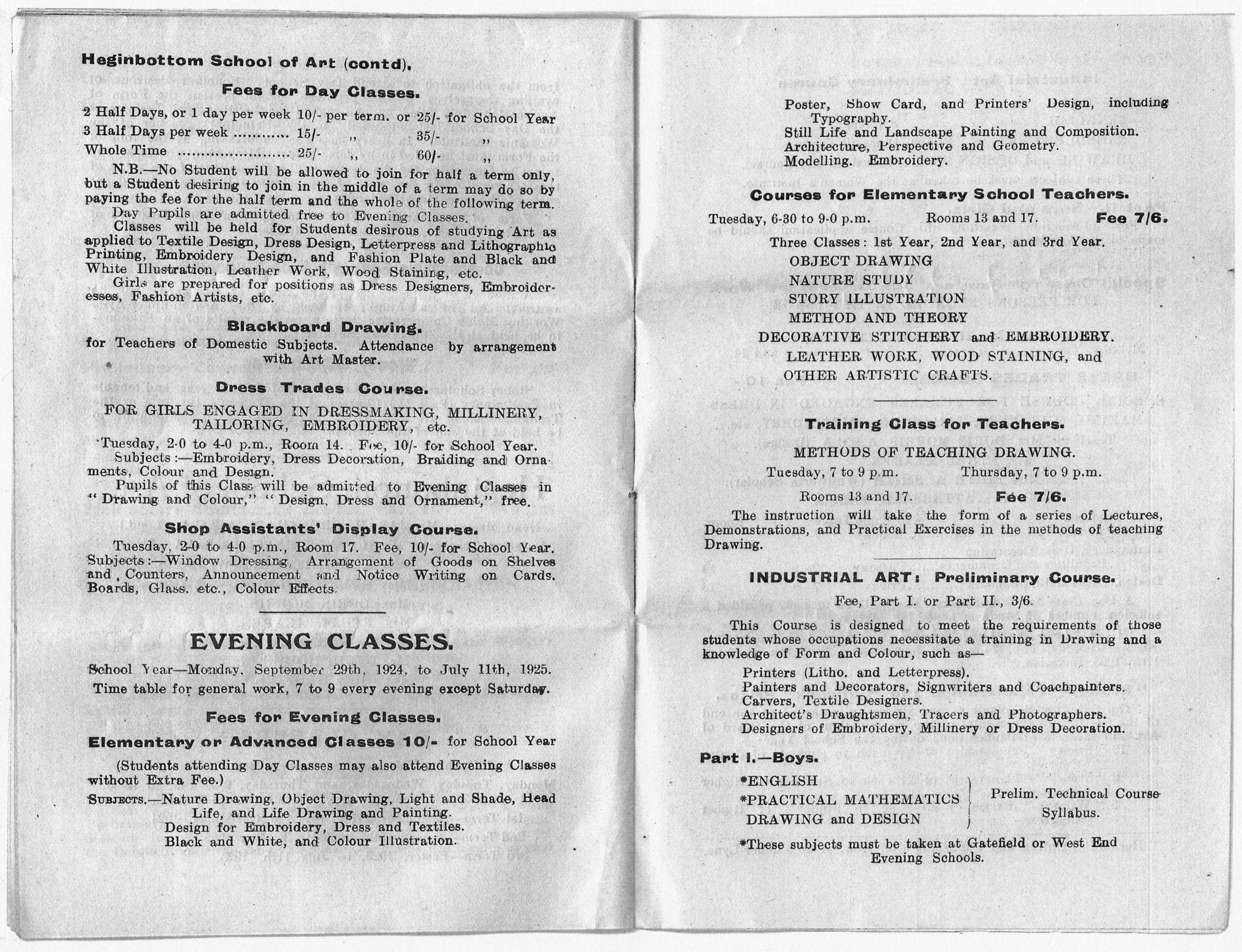
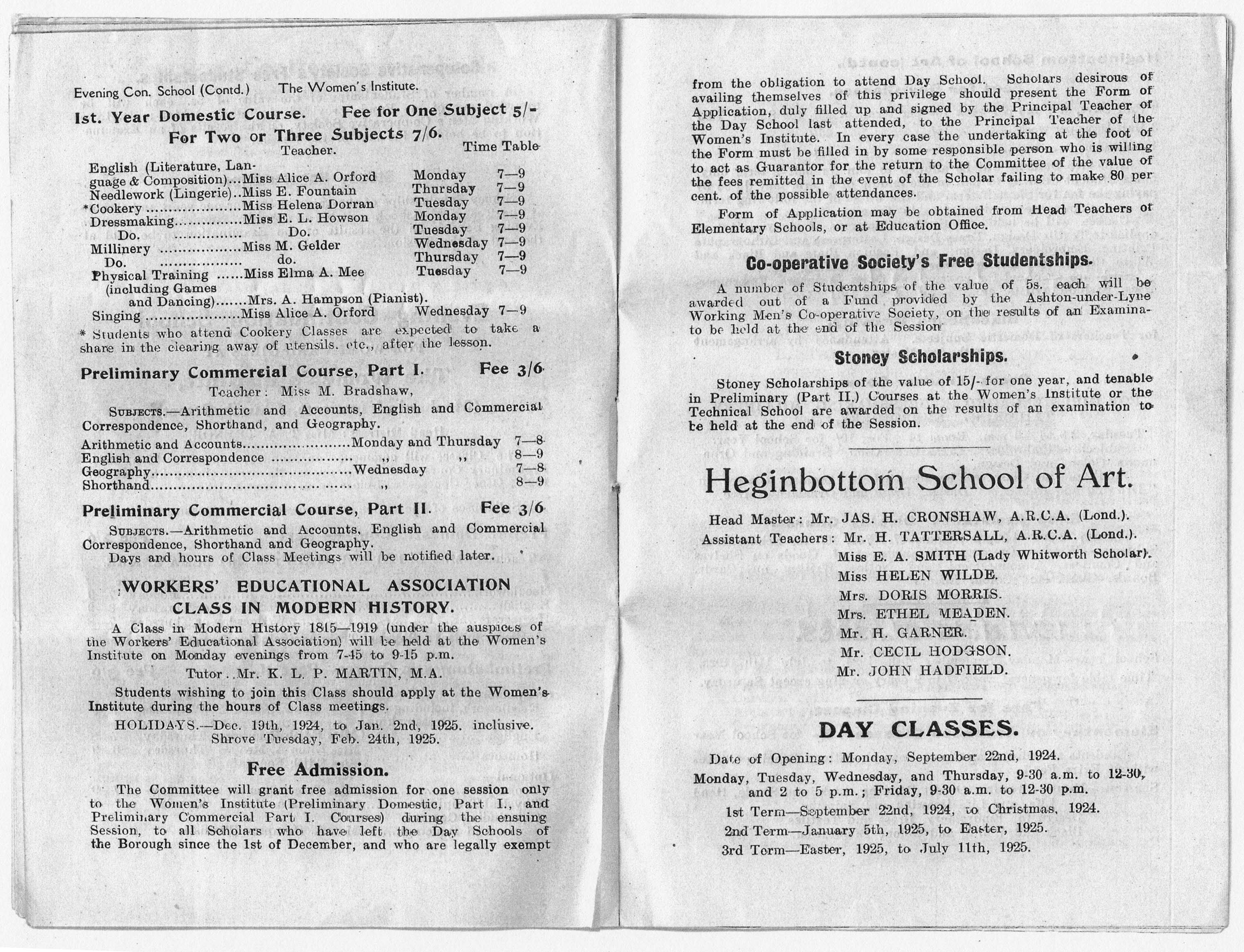
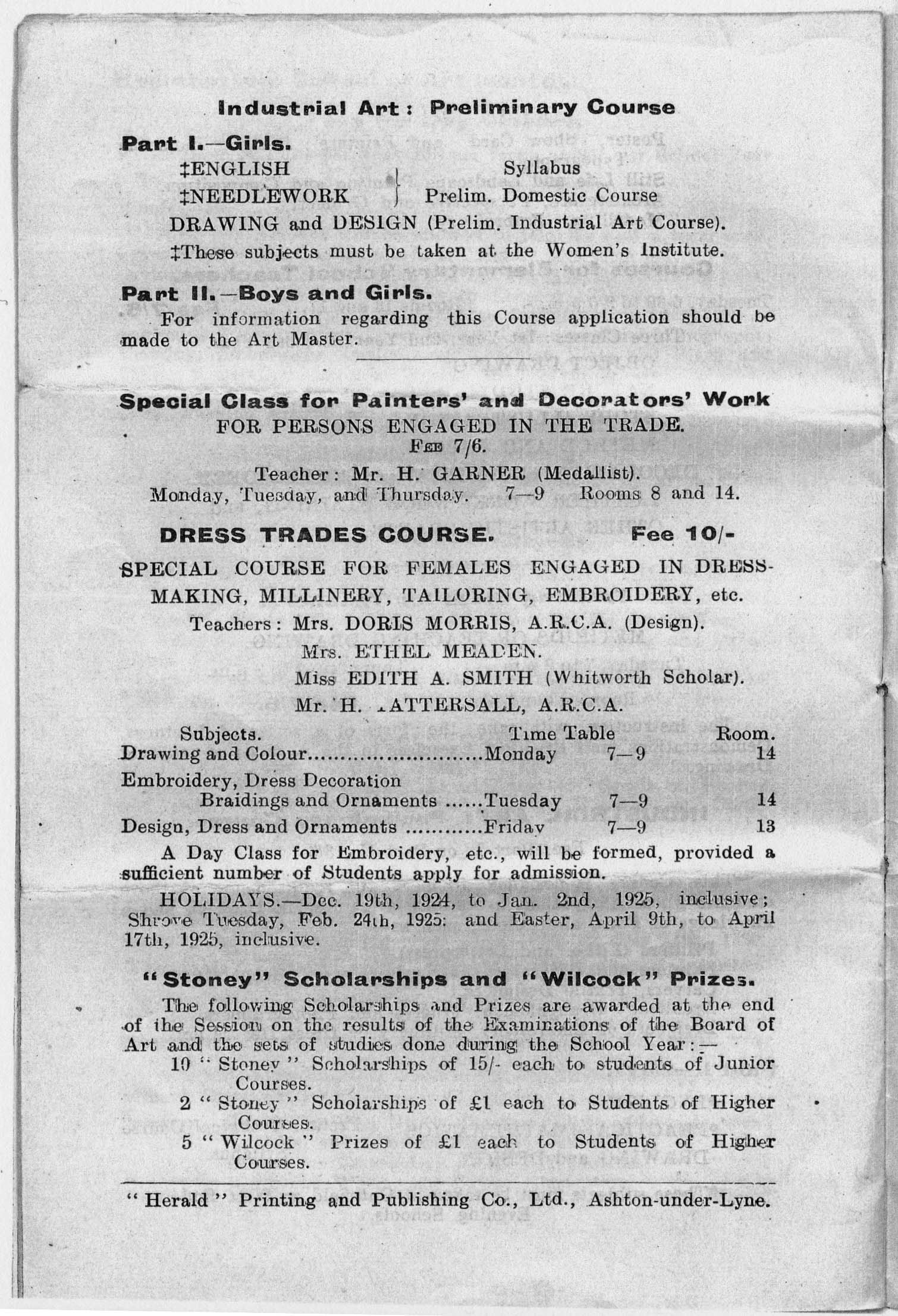
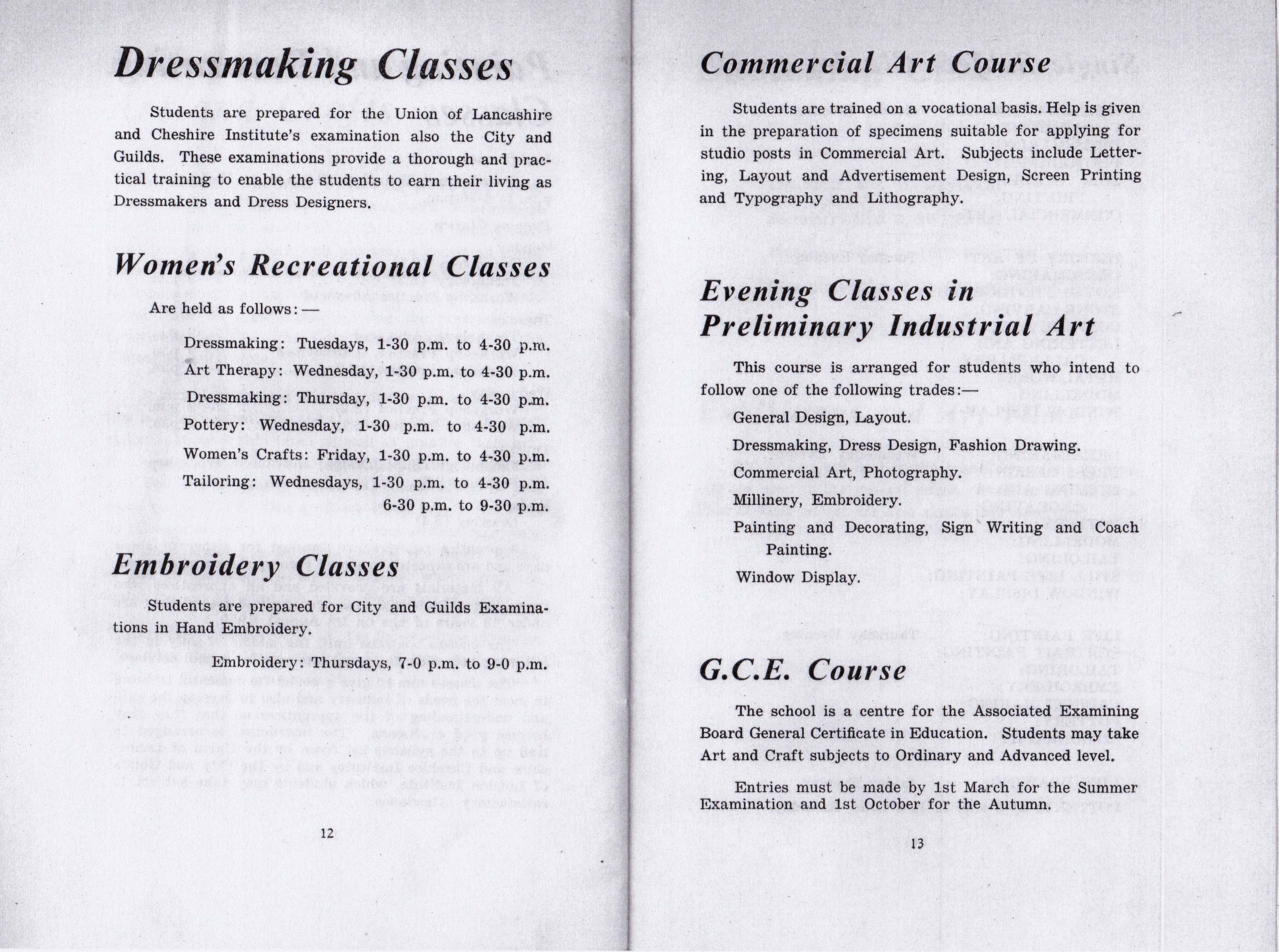
This is the syllabus of 1924-25 – courses take place in evening as students would have been working during the day.

Many of the classes were clearly defined by gender.

Drawing was a seen as a skill which underpinned he majority of disciplines.

Some of the provision was non-vocational.

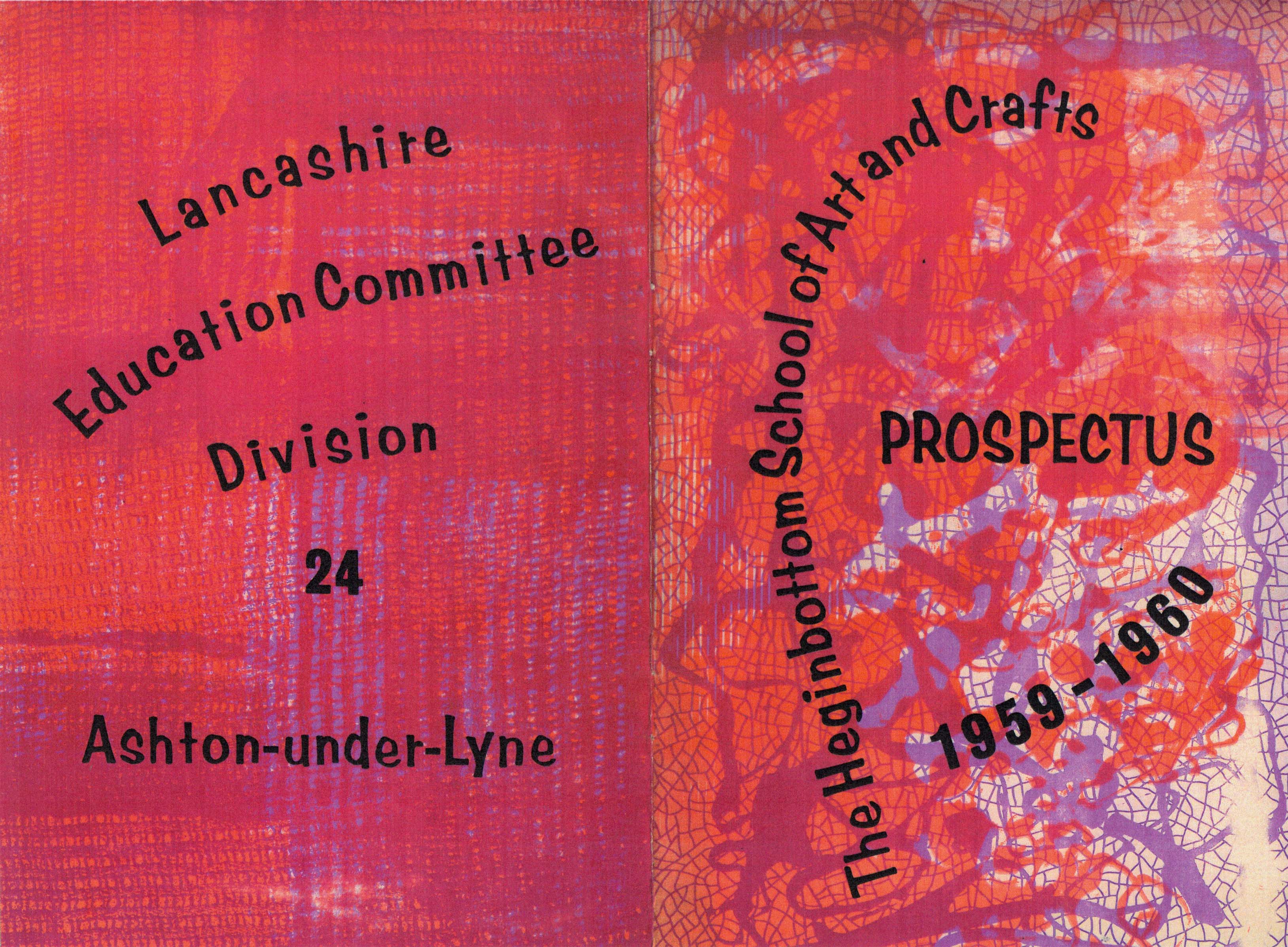
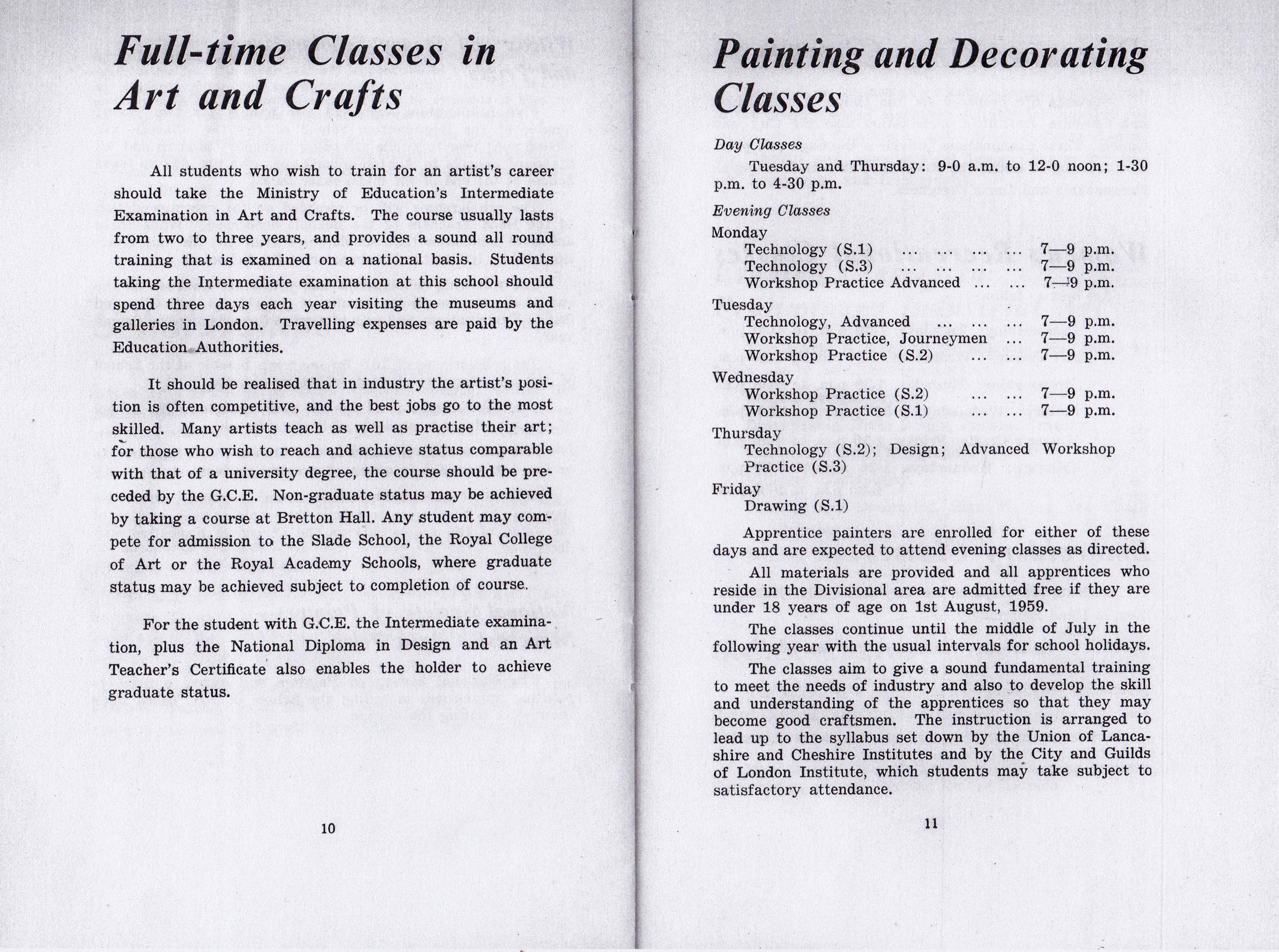
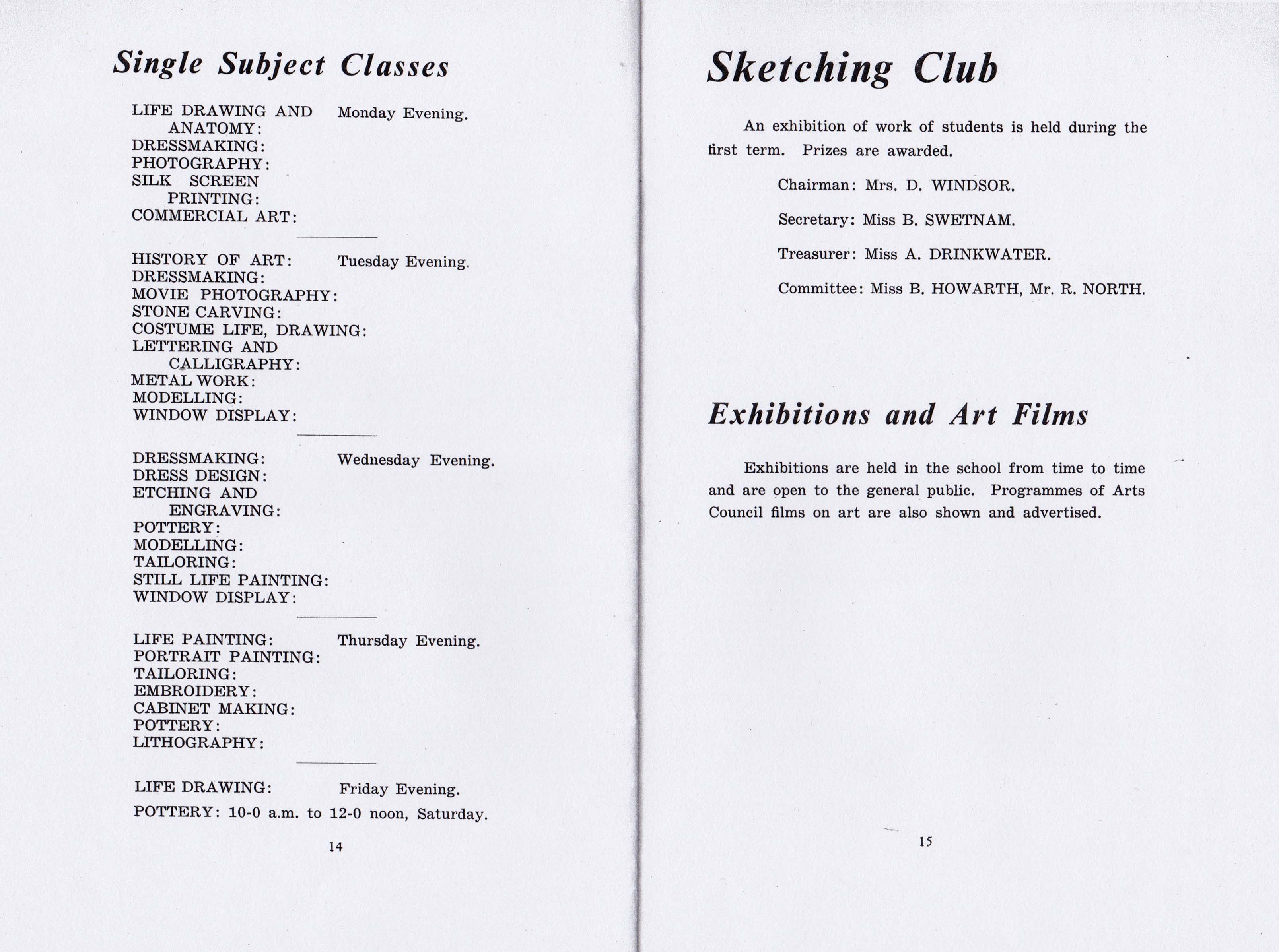
Forward now to 1959-60.

There are now full-time courses in Art and Design – though there were no degree courses until 1974, students would find employment, places on a teacher training course or possibly progress to one of the London colleges, which did have graduate status.

There were still clear distinctions in what were considered women’s skills, which also reflected the patterns of employment.

There was also an increasing distinction between specialisms, Fine and Applied Arts taking diverging paths.

An astounding range of skills were available on a part time evening basis, opening up vocational or non-vocational options.

These were always affordable and well attended.

Art and design education had undergone a major transformation in the early 1960s. The Coldstream report -1960/ 1962 had restructured art education: the existing National Diploma in Design had been replaced with a three year Diploma in Art and Design in 1963. The Dip.AD was conceived as providing ‘a liberal education in art’ and had four areas of specialisation: textiles/fashion, three dimensional design, graphic design, and fine art. Other subjects, such as electronic media, photography and film, were incorporated into fine art or graphic design courses.

The Dip.AD was intended to be the equivalent of a university degree. To achieve this academic entry requirements, at least five O’ levels, were introduced; although exceptions could be granted for “students with outstanding artistic promise”, very few were: only 36 were made in 1967 . The Dip. AD itself contained a compulsory academic element and enhanced art history component: taken together these accounted for 15 per cent of course time and 20 per cent of the final pass mark. One year Pre-diploma (latterly Foundation) courses termed Basic Design, were also introduced, these a product of the Bauhaus approach to art education, pioneered in the UK by and Richard Hamilton, Tom Hudson, Harr Thubron, Maurice de Sausmarez, and Victor Pasmore. Basic Design was a form of creative education involving basic analytic experiment and a clearing of the slate.

Centre for Global Higher Education

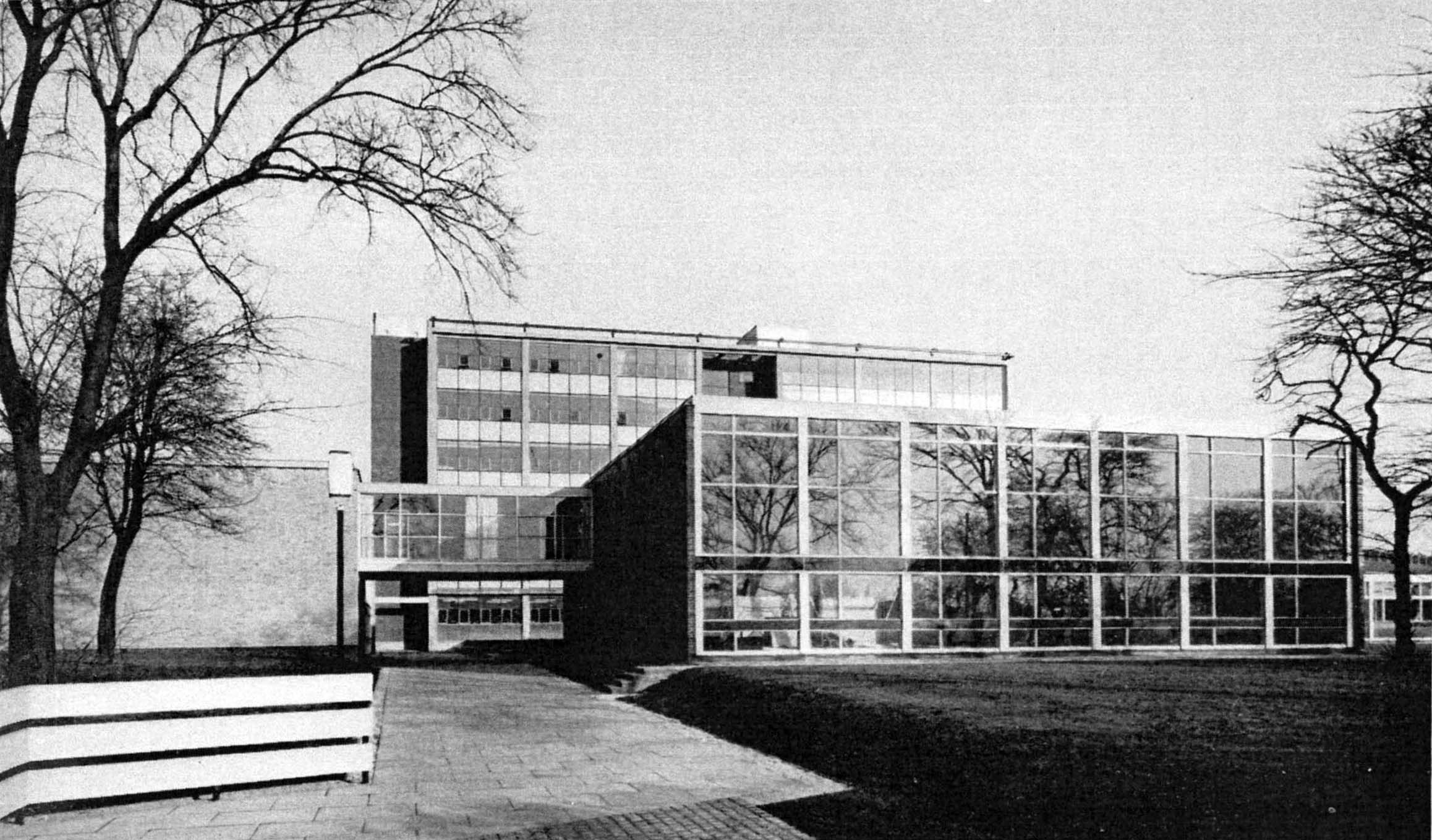
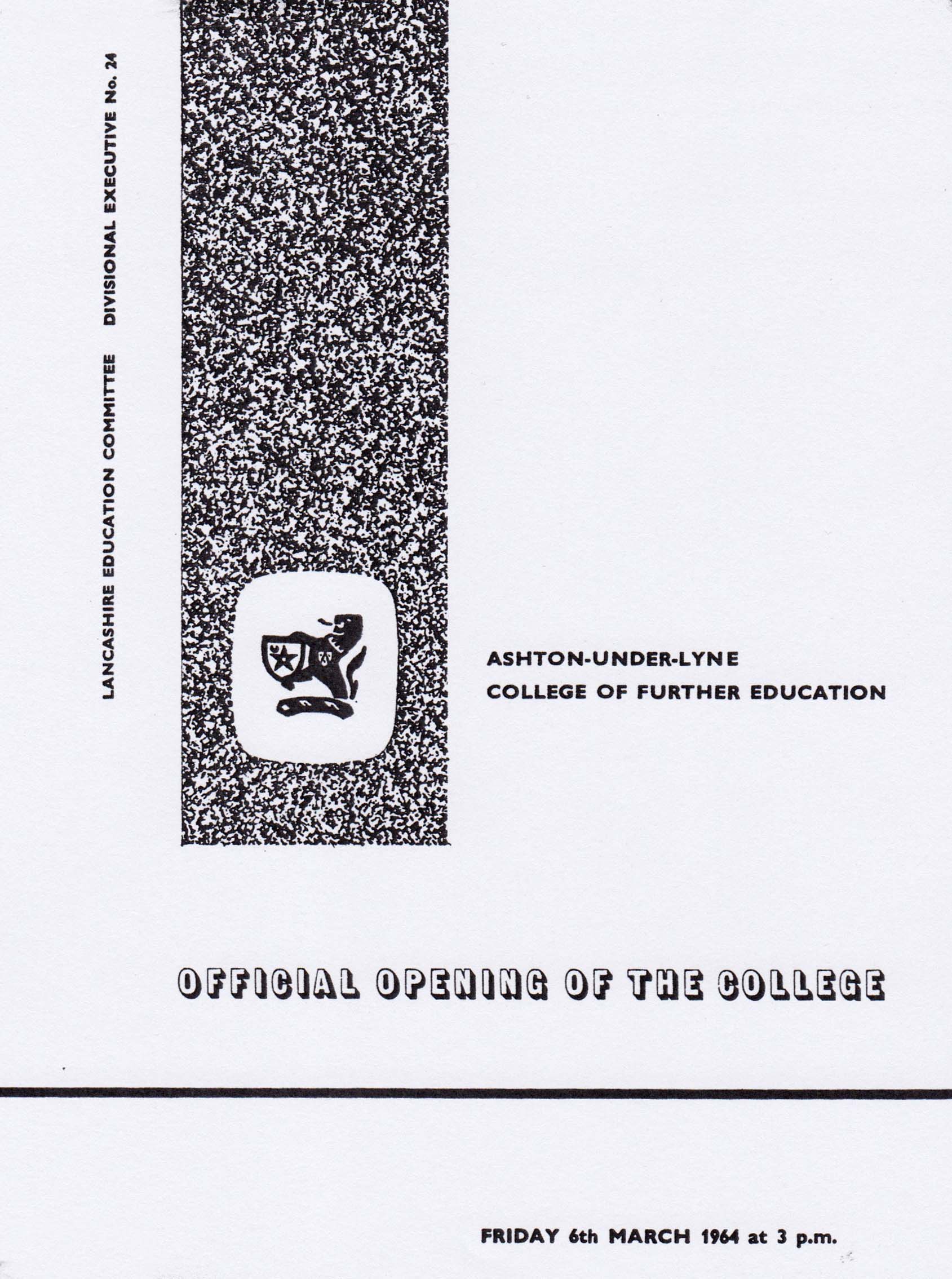
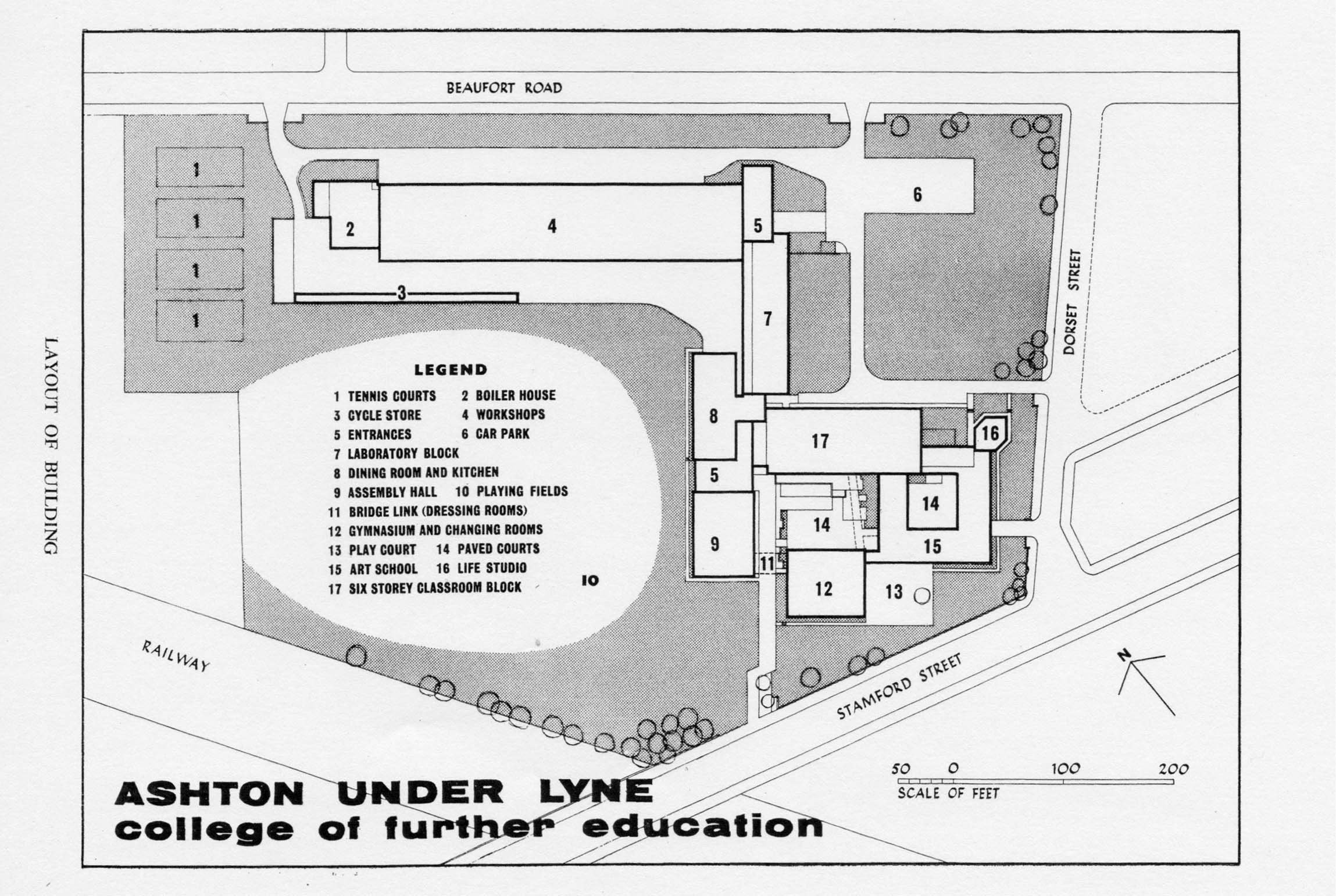
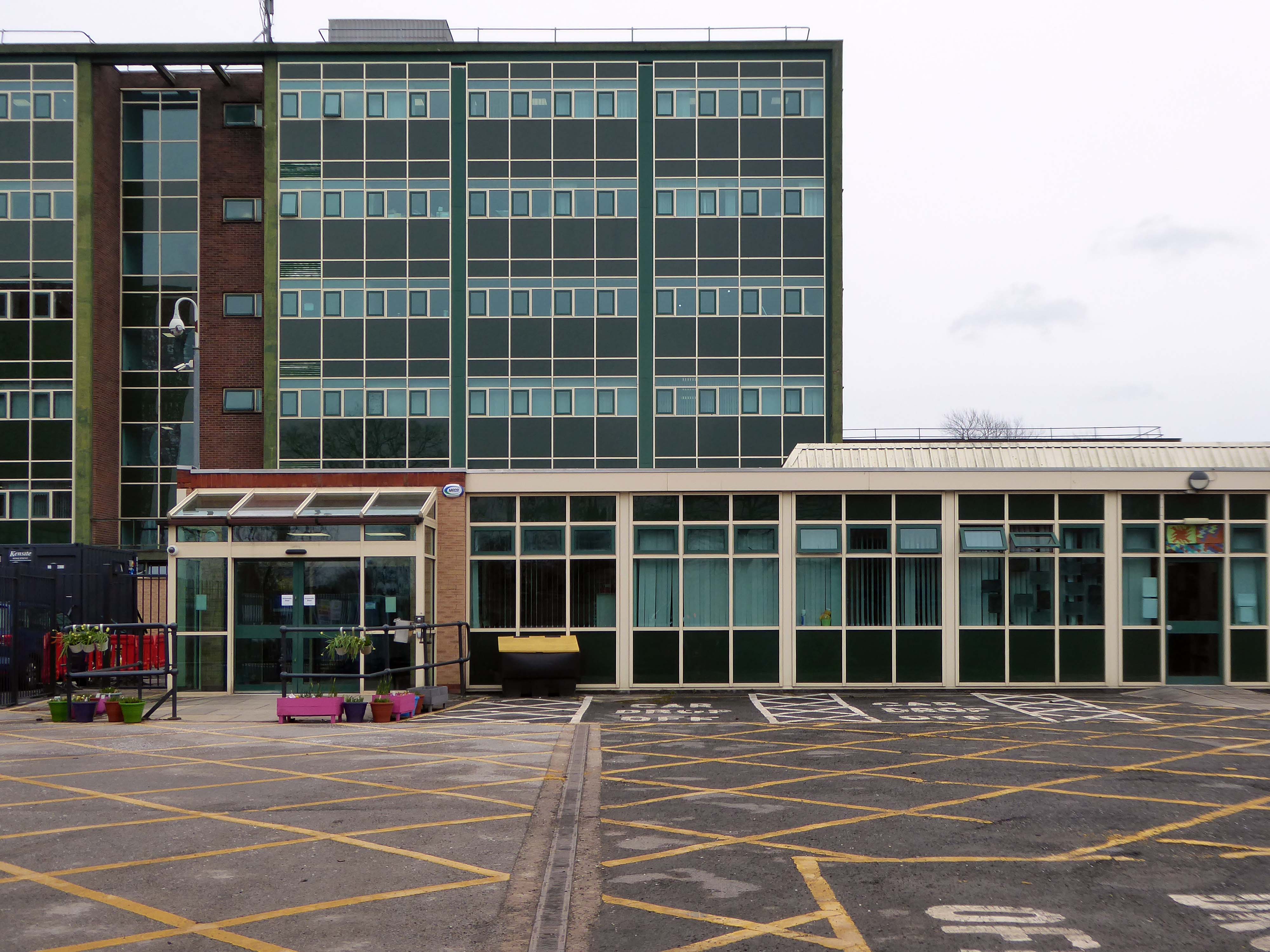
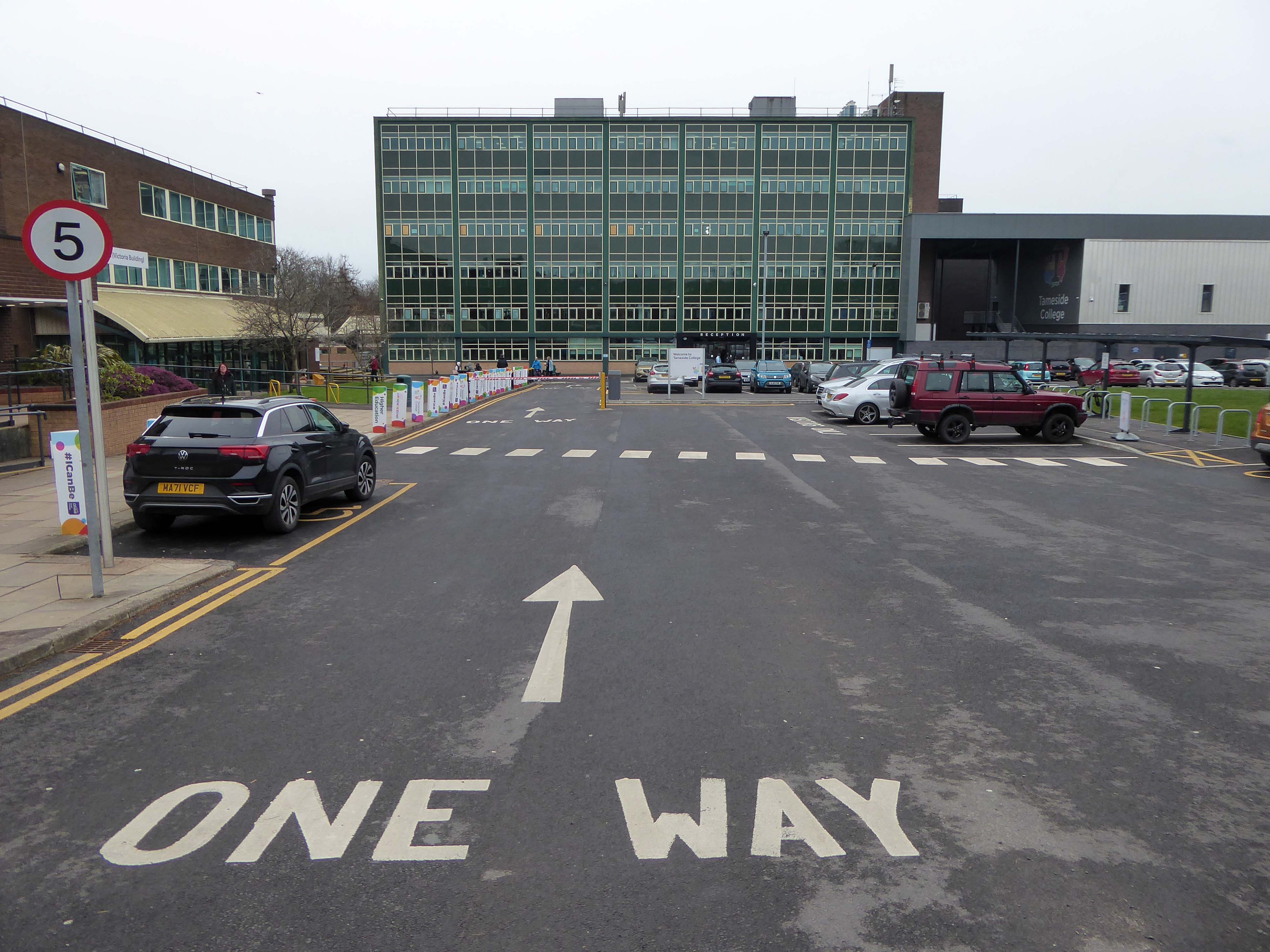
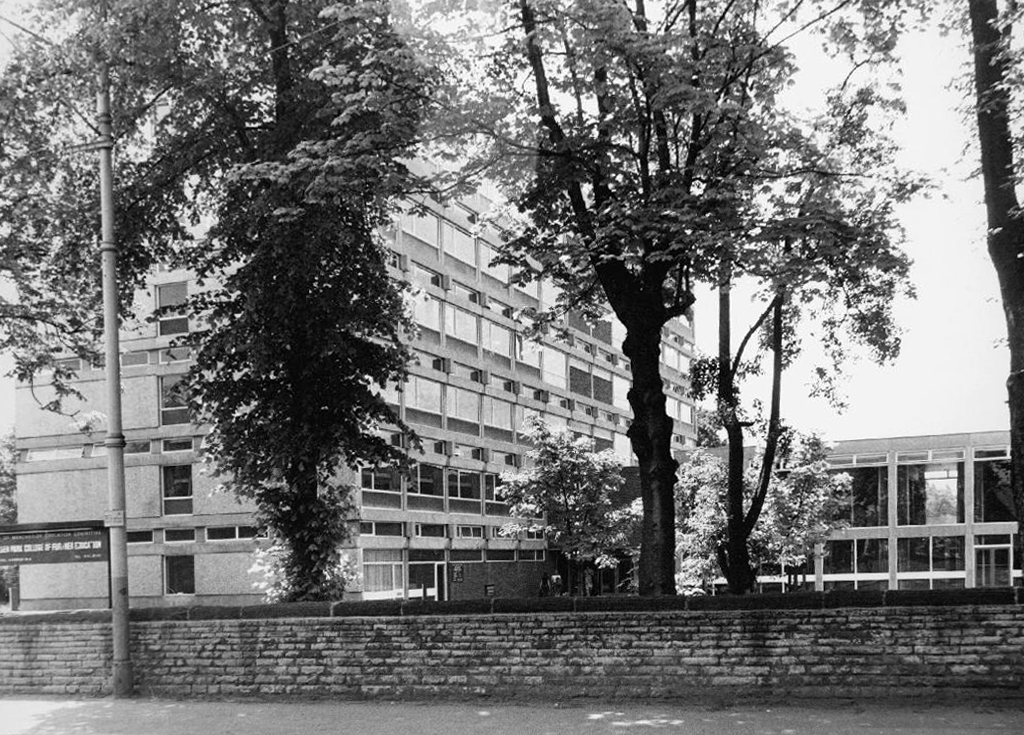
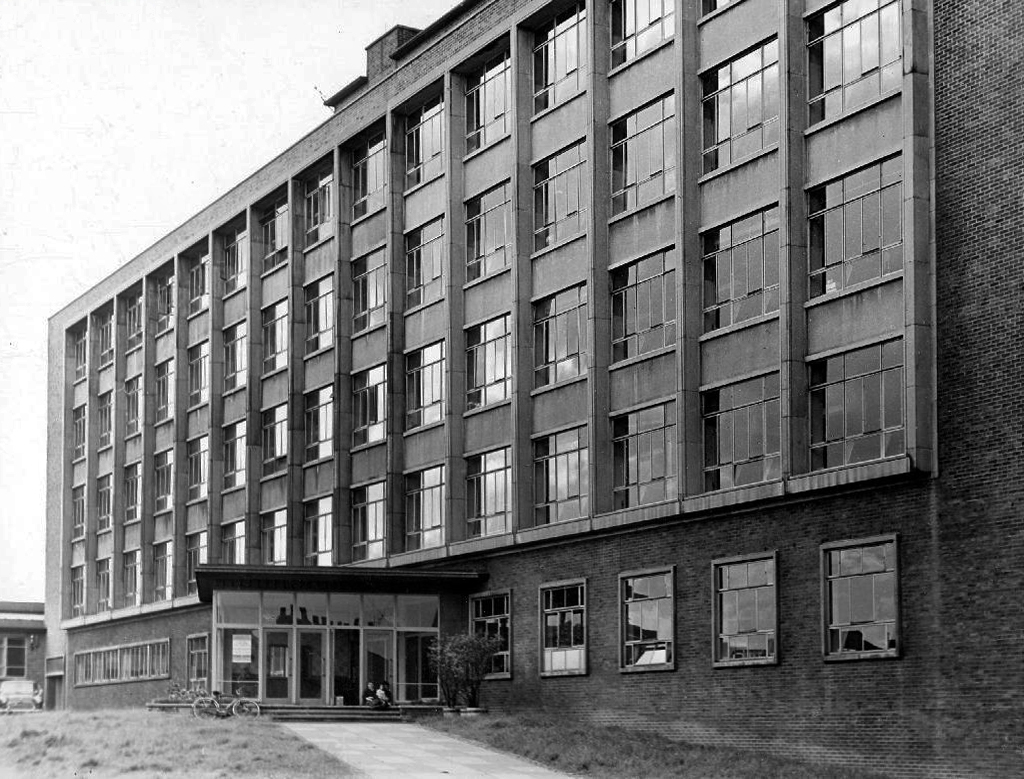
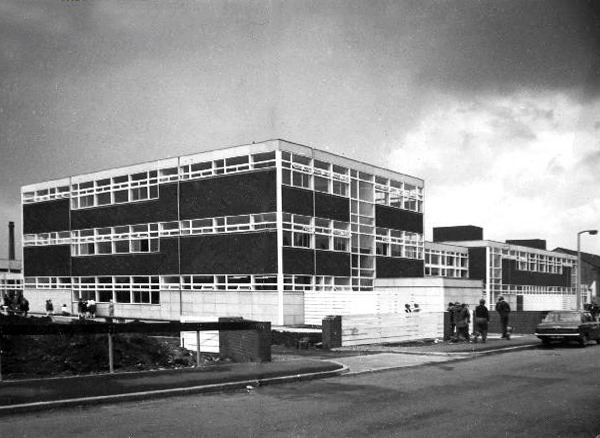
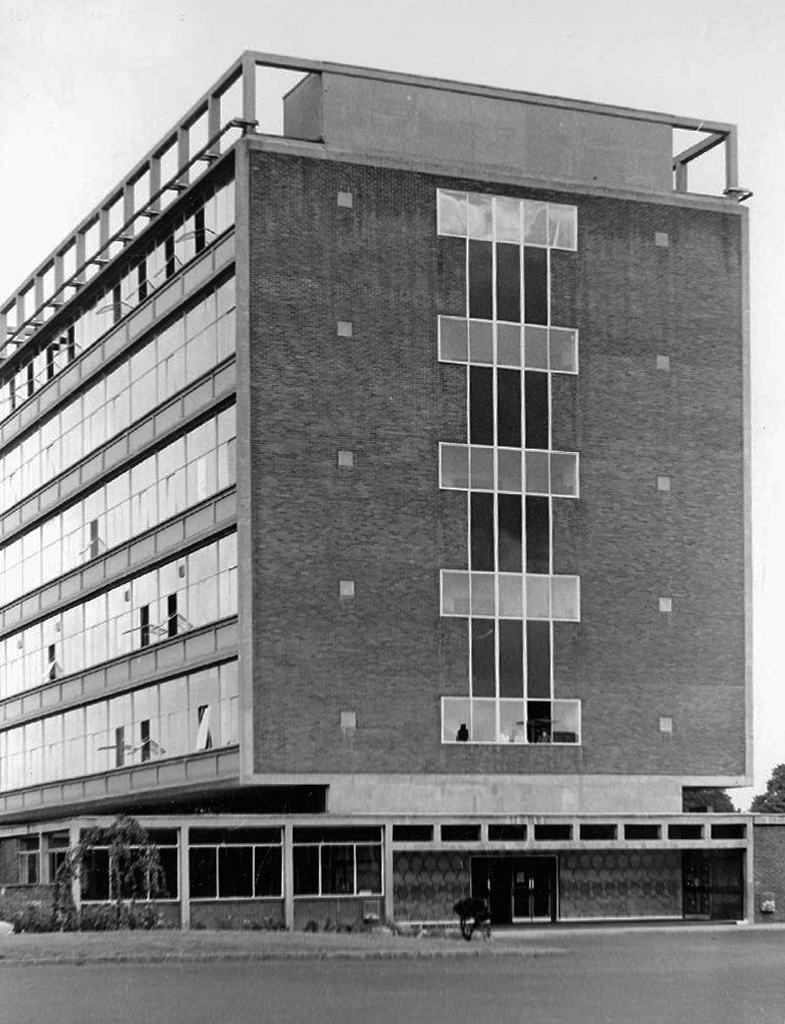
The college which I attended was opened on March 3rd 1964.

Gone were the autocratic Victorian stylings of the Heginbottom School – The College of Further Education represented a more open democratic age.

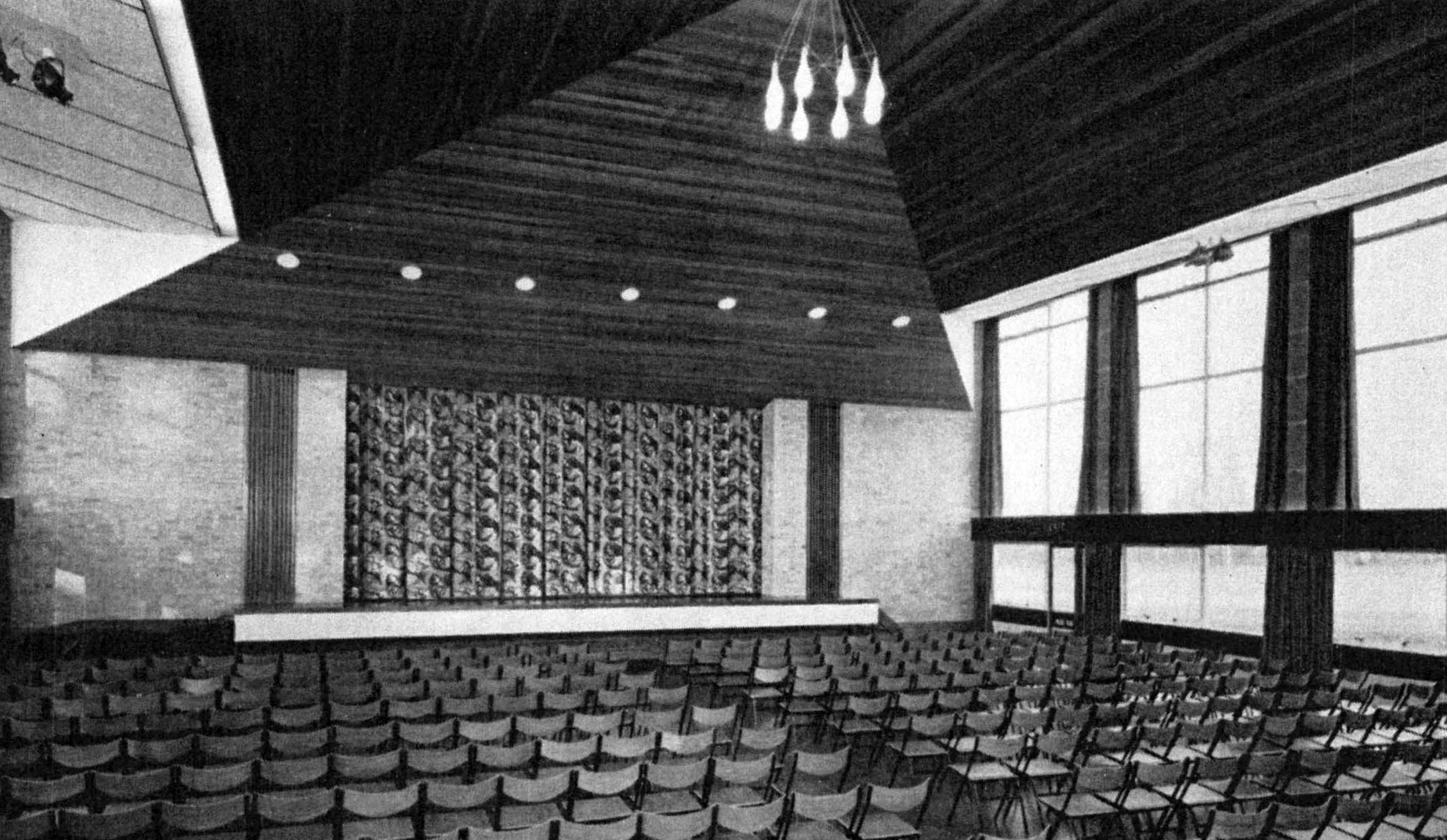
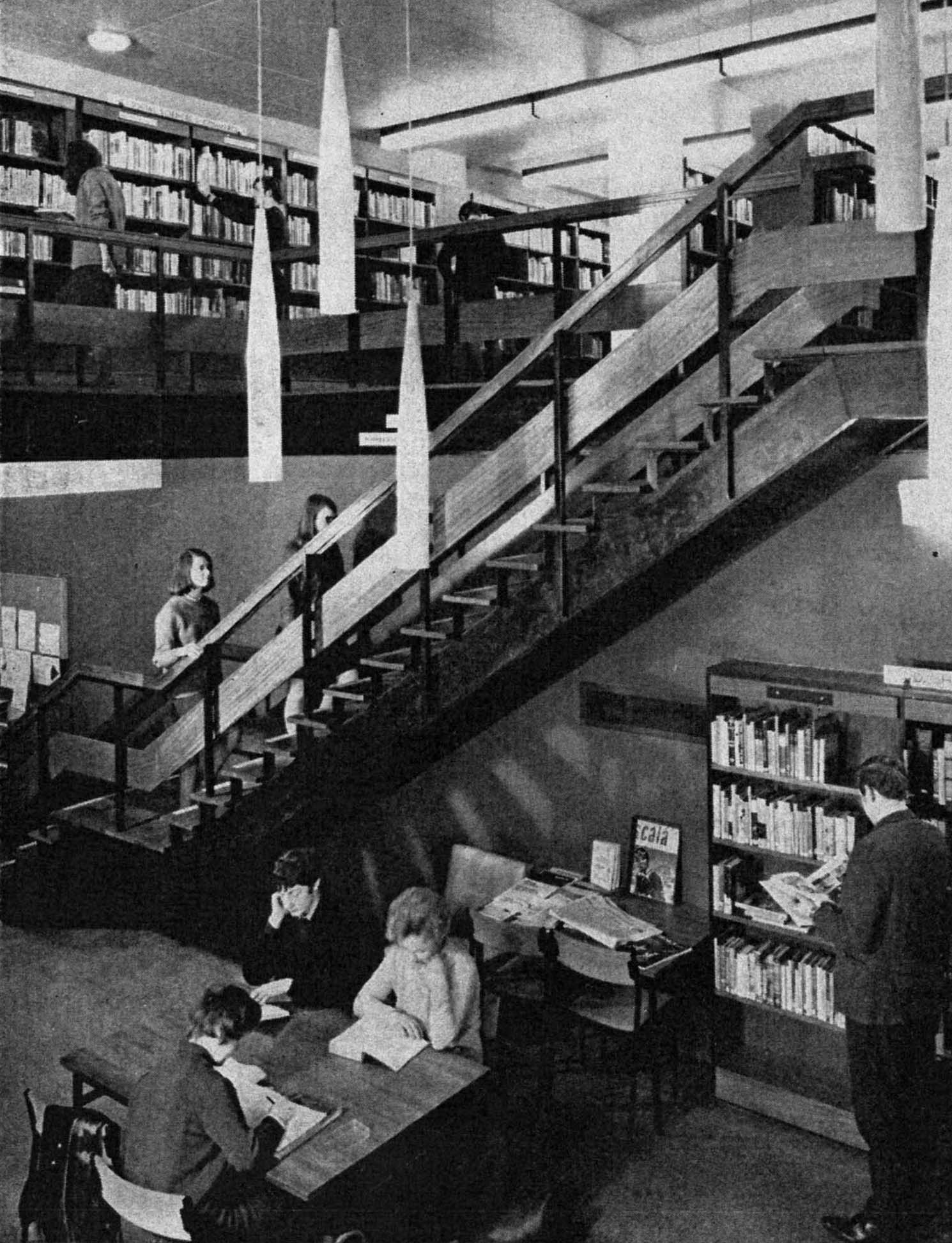
The communal areas were light and airy, with full-length windows, wooden floors, contemporary furniture and fittings.

The teaching rooms and workshops well equipped and staffed, with ample support from technicians and lecturers.

This was a no expense spared build – we were made to feel valued, in an institution purpose built for our education and future lives.

The full-time course was five full days a week, with one late evening for photography and art history.

I attended ever single day for two years, we were eager to learn and following an introductory merry go round of design disciplines, students were able to choose their own route.

I was privileged to have been taught by Bill Clarke as a student of Fine Art – of whom fellow Ashton student Chris Ofili said:

After six months on the foundation course I chose to specialise in painting and drawing. The teacher there, Bill Clarke, introduced me to painting in a way that didn’t make me feel restricted or limited. Not only was it something completely new, but it was something that allowed me to investigate further into who I am. He taught us that it wasn’t so much about painting a scene and making sure you got the shading right, but trying to get to a point where the thing that works is absolutely critical and essential to you as a living, breathing person. I was obviously aware of famous artists, but I suppose I never really thought that was what you could do with your life. He opened the door enough to make me think that it was worth going into the room.

Tate

Photo: Andy Duncan 2023

A huge emphasis was placed on observational drawing in the life-room, in addition to more exploratory work in a variety of media.

I also spent a great deal of time in the Print Room working in both etching and lithography with lecturer Colin Radcliffe.

Returning to the college four years ago, I found that the life room was now in use by the Animal Management course.

The site had been undergoing refurbishment and new development.

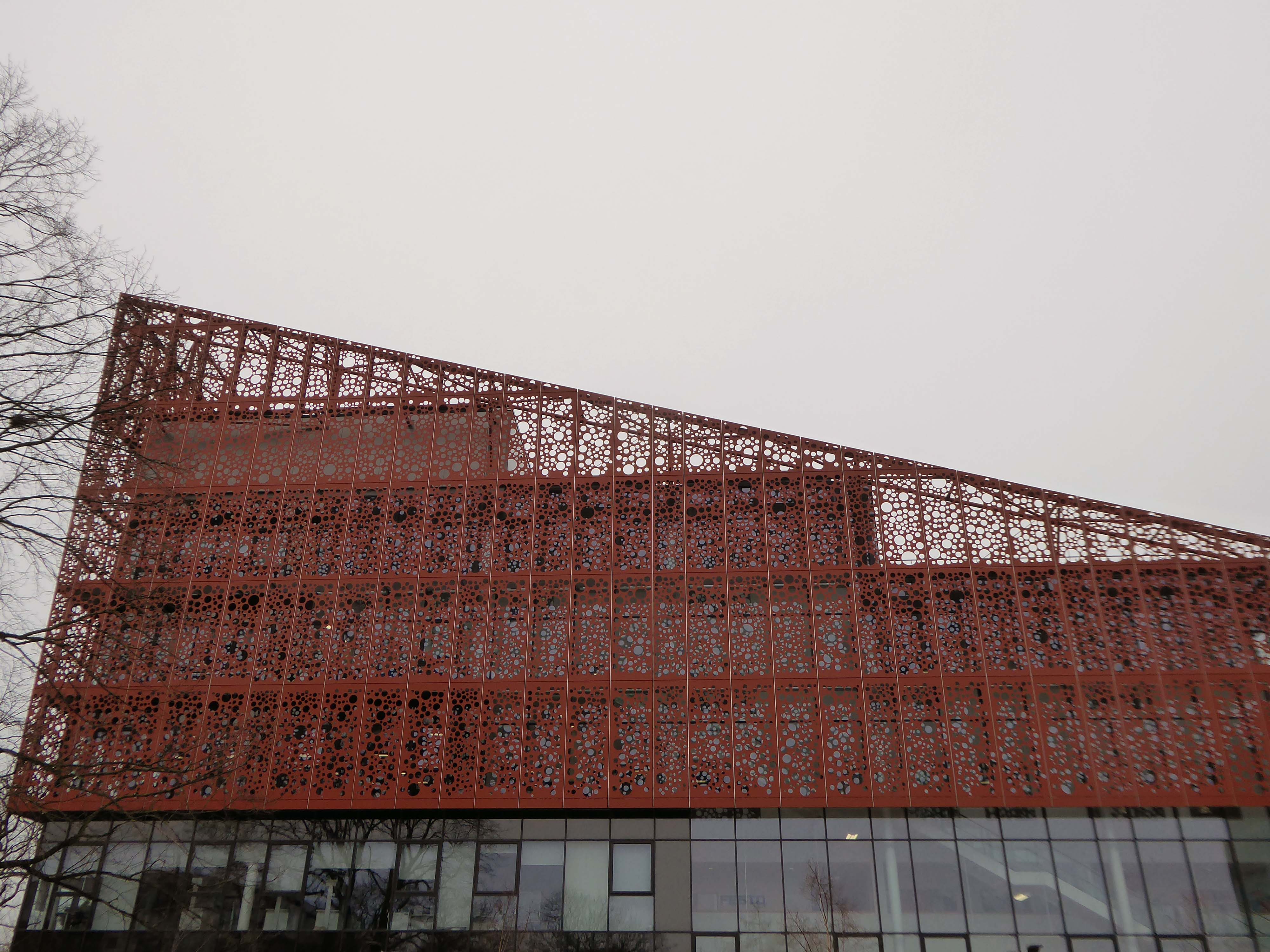
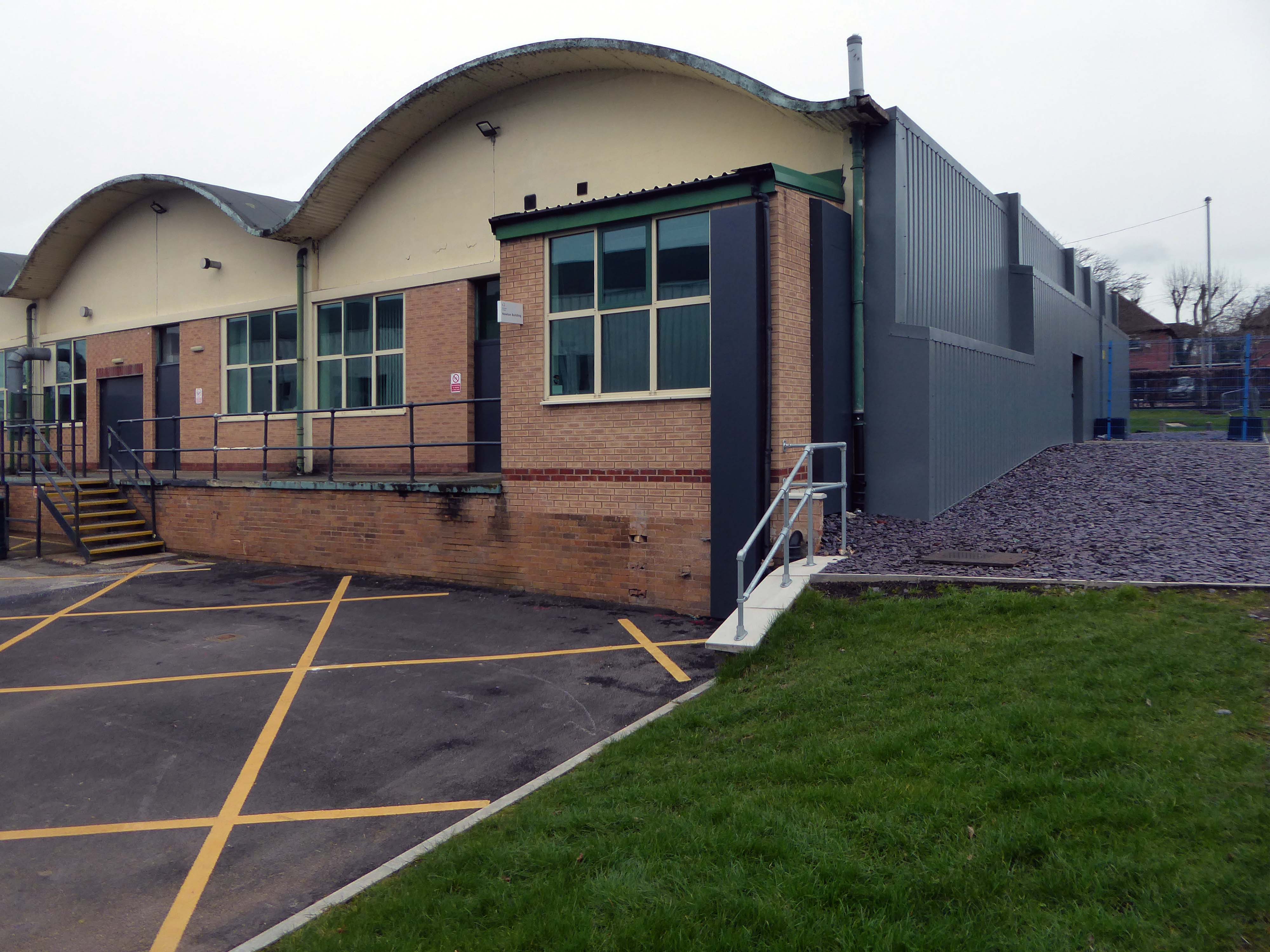
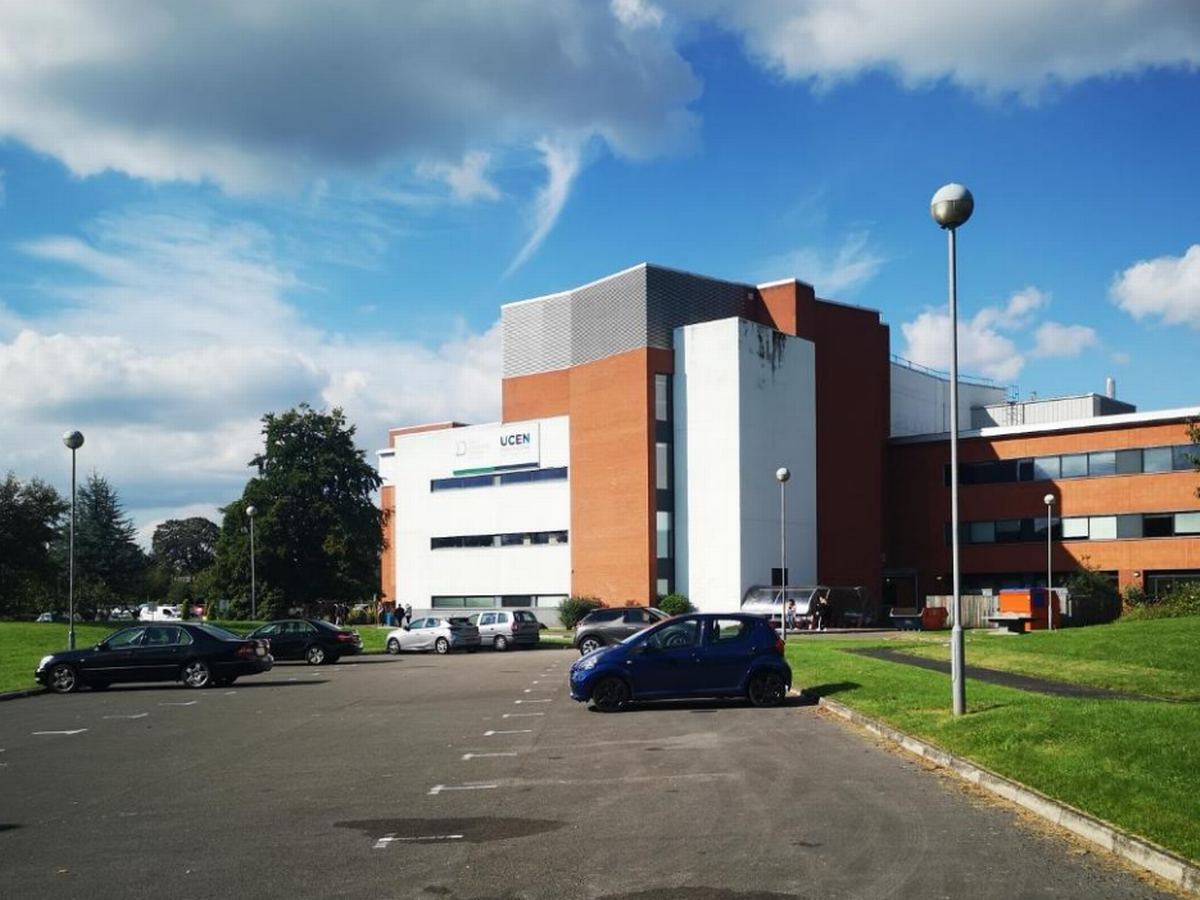
Built by Kier and designed by IBI Taylor and Young the Advanced Technologies Centre has been constructed following a £10.5 million investment.

Levolux designed, supplied and installed a customised architectural facade solution as part of the £10.5 million development of the Advanced Technologies Centre.

ITP supplied our VCL 250 vapour control layer as a protective solution underneath a stunning façade design. With a mono-filament reinforcement scrim for tensile strength, its polyethylene-based membrane ensures that the building envelope is properly sealed to control ventilation, prevent heat loss and protect insulates from interstitial condensation.

The single storey building was previously home to the Ceramics and Textiles rooms.

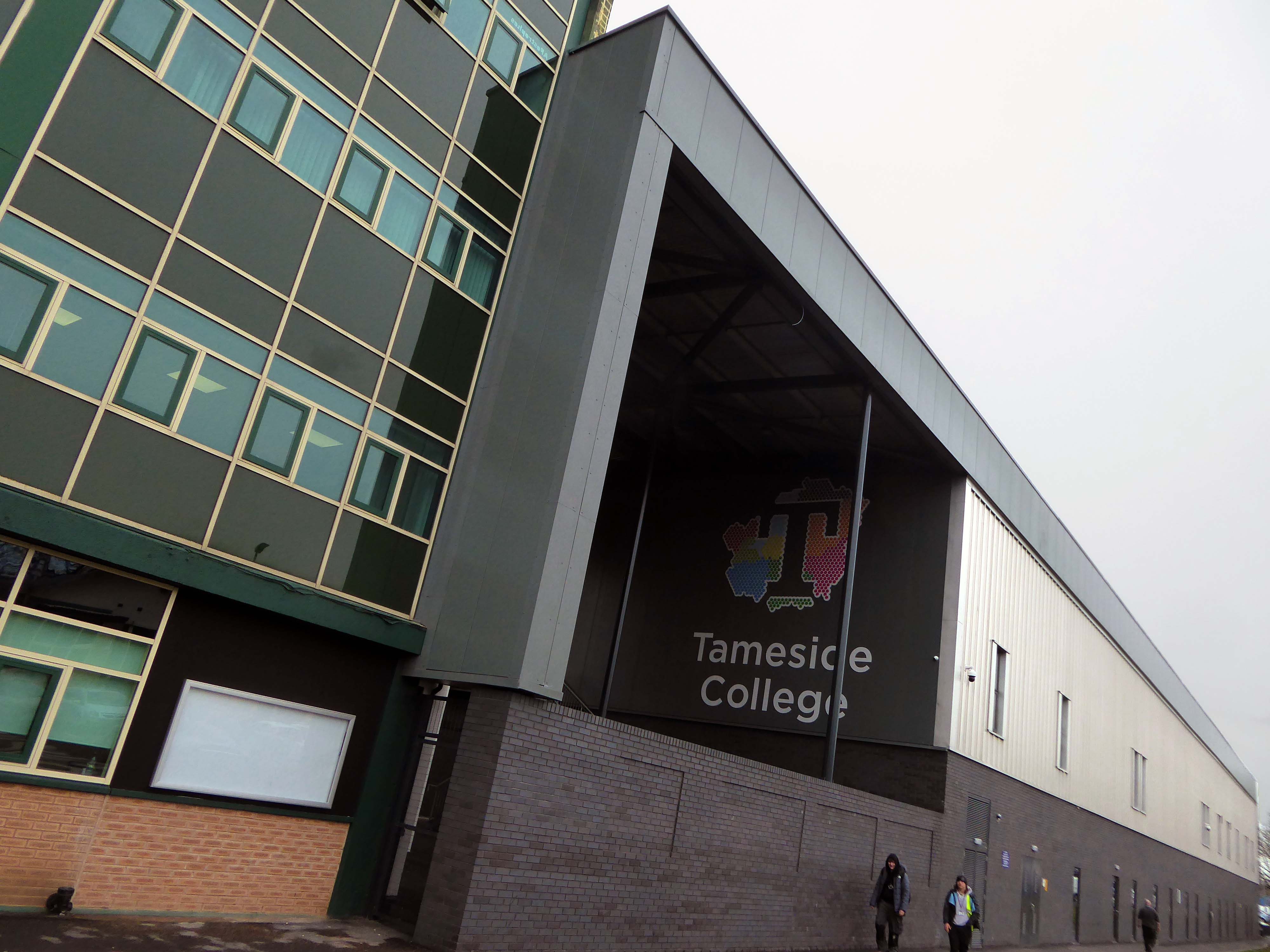
The Construction Skills Centre has been designed by Manchester-based architects 10 Architect.

Heckford Signs work with Willmott Dixon approached on a new coloured acrylic sign for the new Construction Skills Building at Tameside College.  The aim for this new sign was to create a showcase of the college logo at an eye-catching size, to include 3D elements which would be housed on the East elevation of the impressive new building on campus.

The rolling curves of the original workshops have been retained and updated.

Since leaving the college in 1973, I graduated from Portsmouth Polytechnic with a BA(Hons) Printmaking, subsequently spending thirty years of my working life teaching in a variety of Further Educational sites across Manchester.

Fielden Park College seen here in 1973 – where I taught design to the printing apprentices.

Originally designed by the City Architect SG Besant Roberts in 1965, refurbished by Walker Simpson Architects.

Closed.

Wenlock Way – an annex of Openshaw Technical College, a former primary school which housed courses in Sign Writing, Jewellery, Horology and Retail Display.

Demolished.

Openshaw College – since demolished and rebuilt, becoming Central Manchester College in the 90s.

We were relocated to Taylor Street in the former Bishop Greer School – renamed the East Manchester Centre.

Since demolished to make way for an old people’s home.

Following the reorganisation of Manchester’s FE provision we were moved again to the former Yew Tree High School, Arden Sixth Form College – renamed City College Manchester.

This block was eventually demolished to make way for the new Northenden Centre – which closed last year, which has in its turn been demolished.

Everyone was relocated to the brand new building on the former Boddington’s Brewery site.

Everyone but me, as I left in 2014 to become a modern moocher.

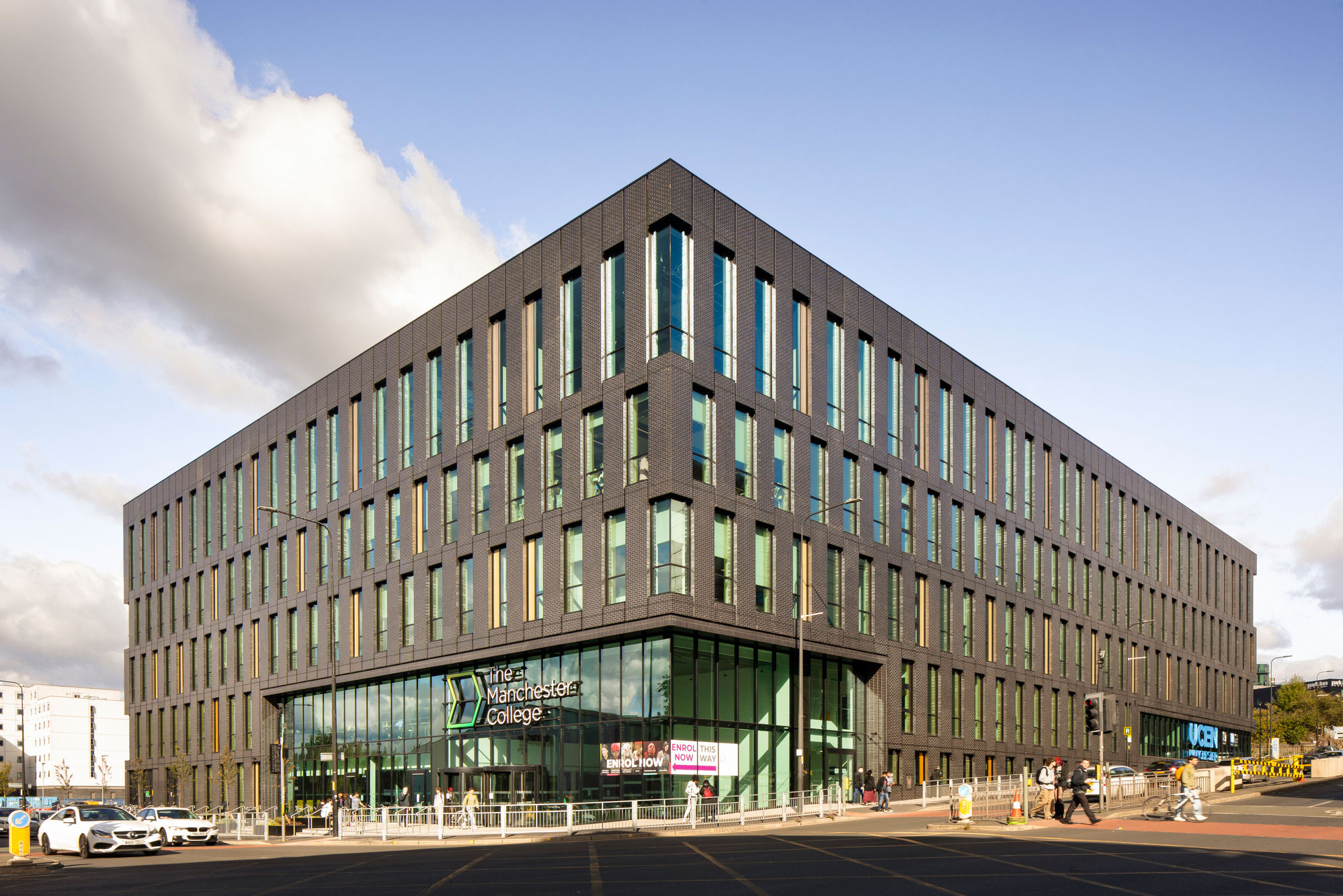
Manchester College City Campus

Following build completion in July, the long awaited 27,000 square metre, four-storey campus, designed by Bond Bryan and Simpson Haugh, offers a range of facilities, creating an exceptional student experience. It becomes the home of the College’s Industry Excellence Academies for Hospitality and Catering, Creative and Digital Media, Music, Computing and Digital as well as its Centres of Excellence for Visual Arts and Performing Arts.

It accommodates a range of Higher Education courses such as the UCEN Manchester’s School of Computing and Cyber-Security, The Manchester Film School and The Arden School of Theatre and the School of Art, Media and Make-up. 

BDP

Things may come and things may go but the Art School Dance goes on forever.

My thanks to the Tameside Local Studies Centre for assisting me in accessing their archive material.

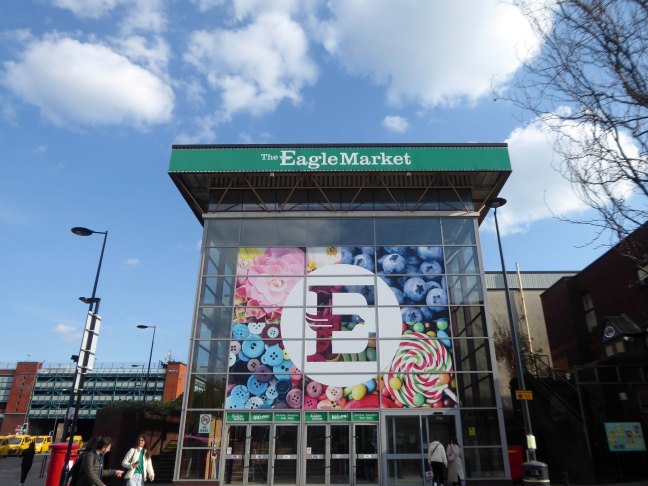
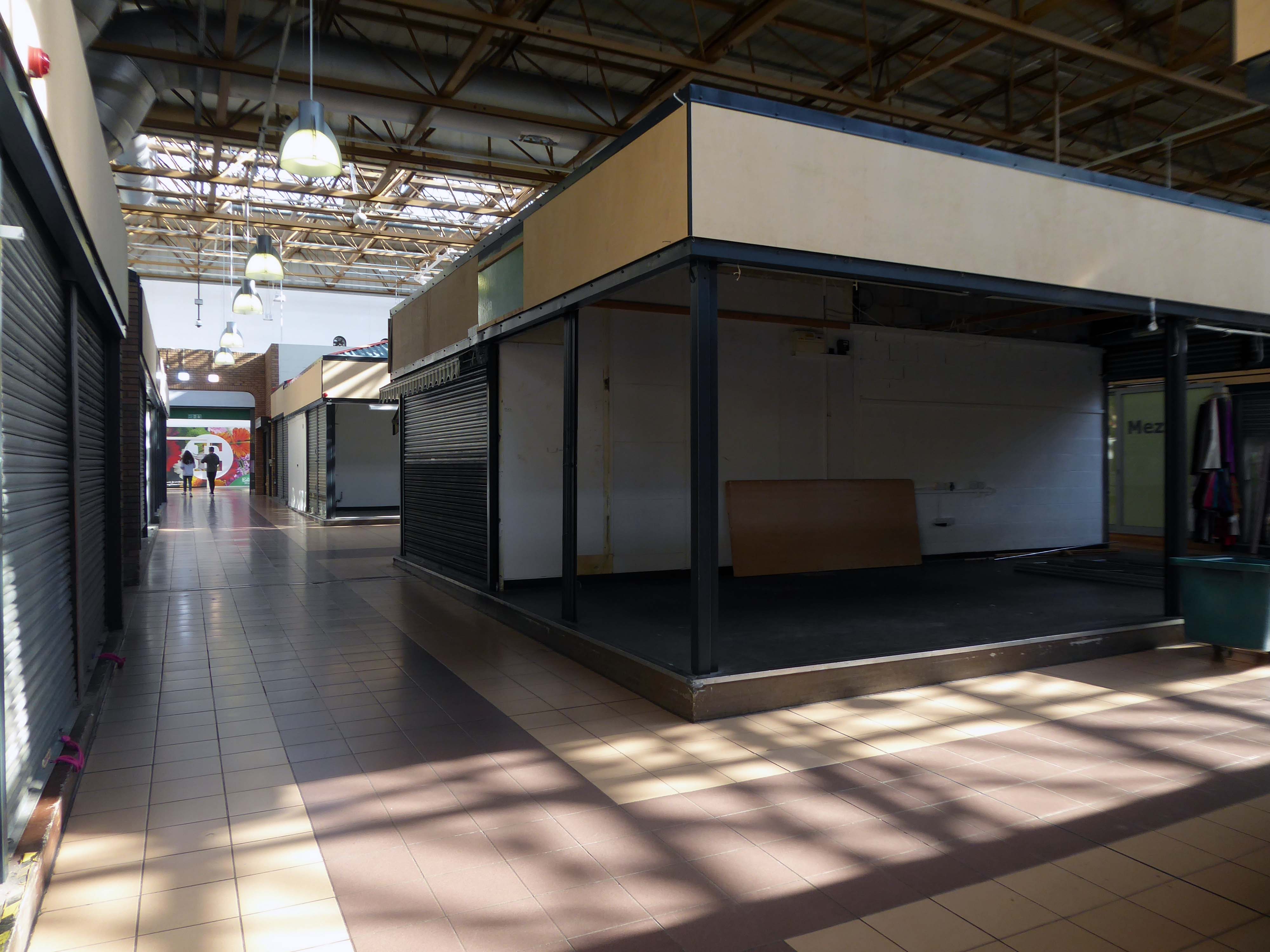
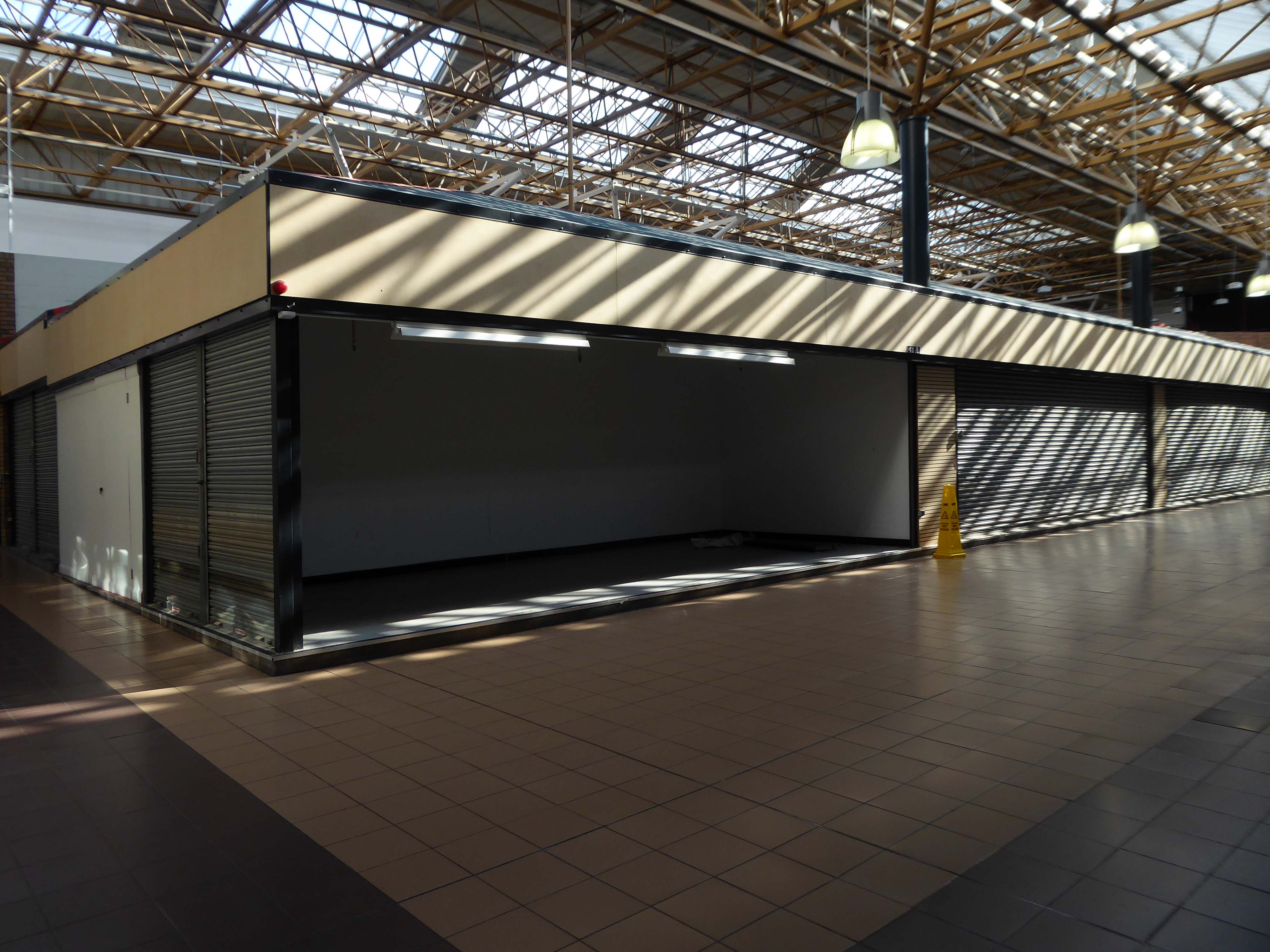
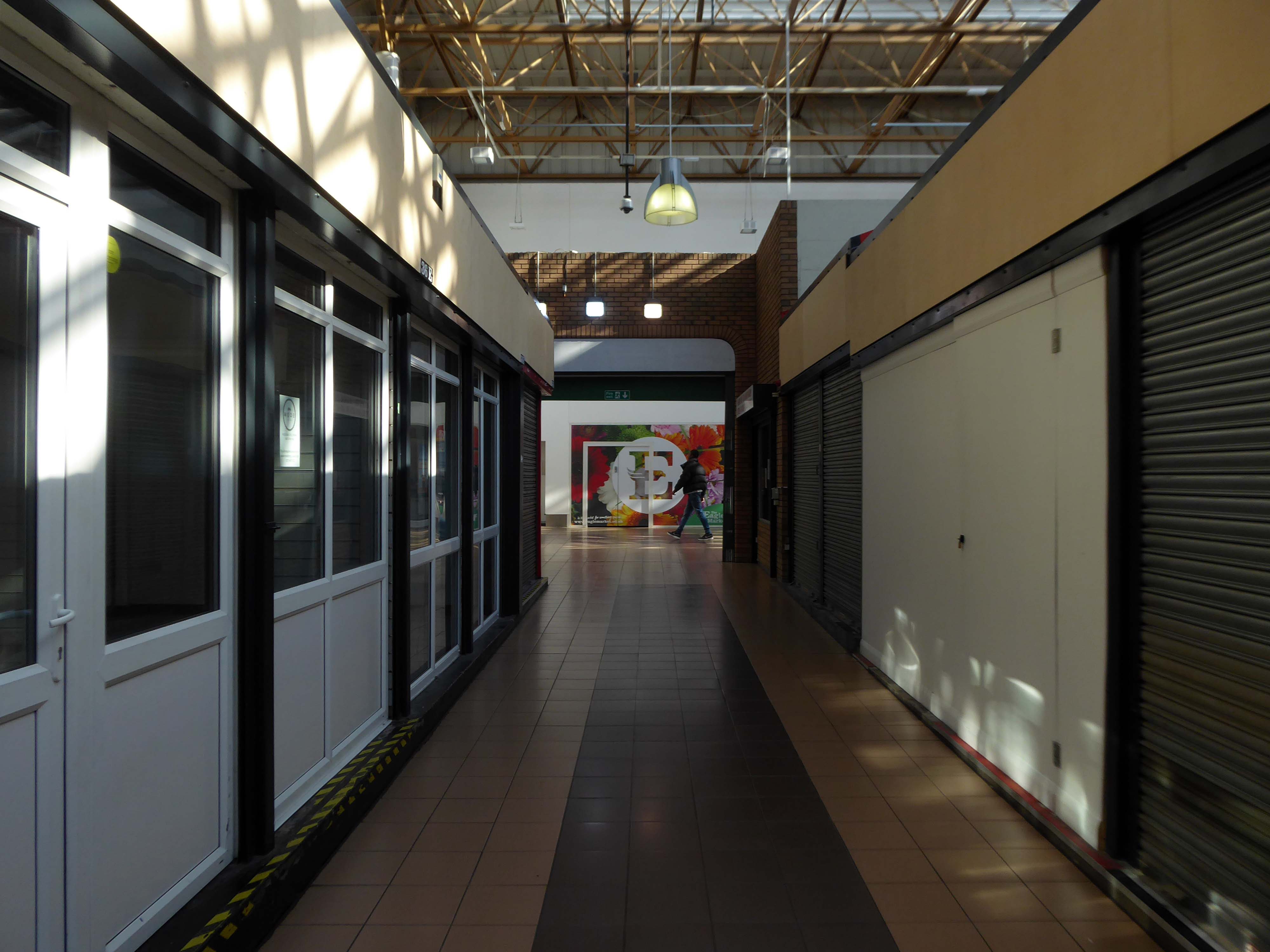
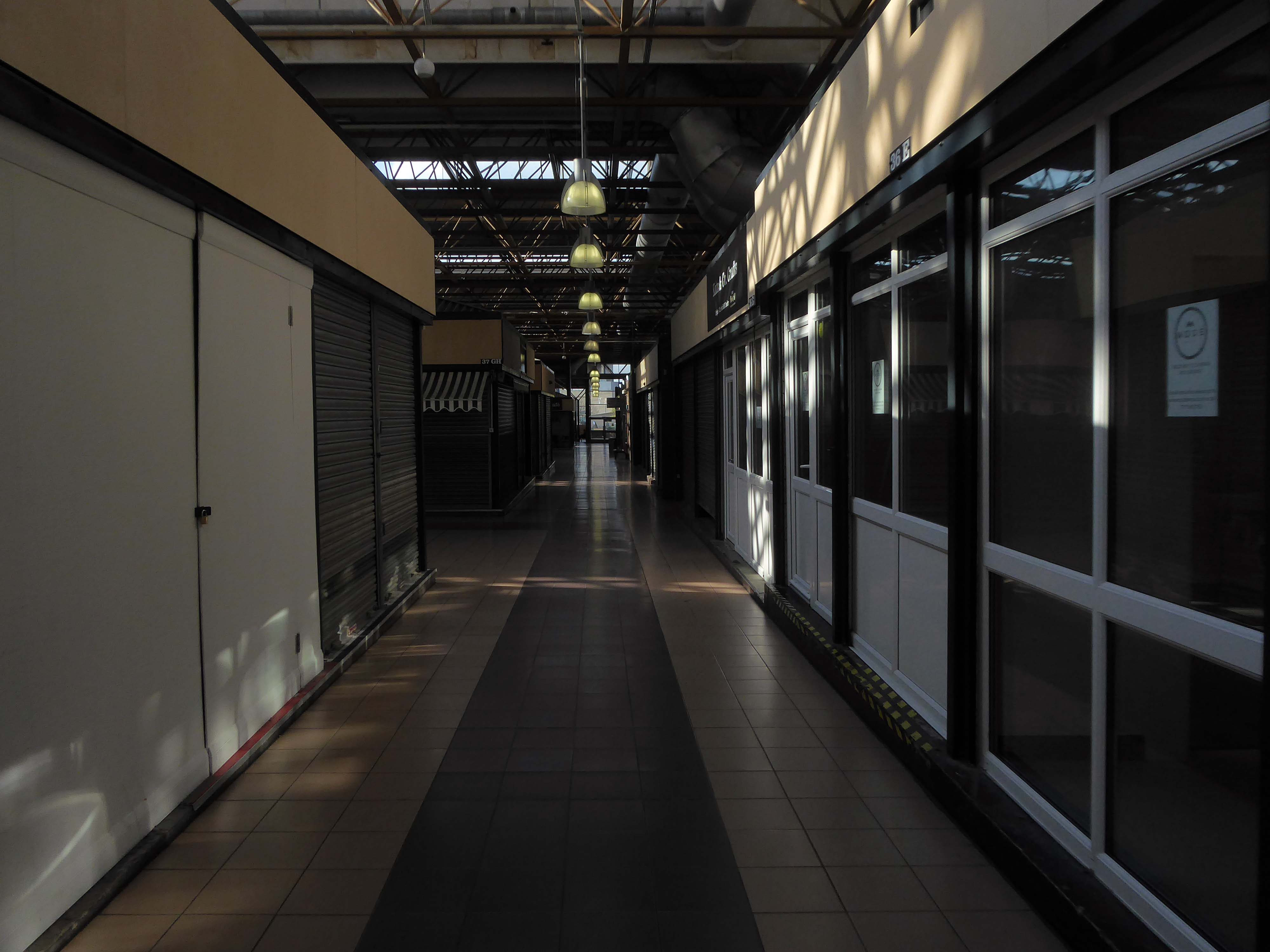
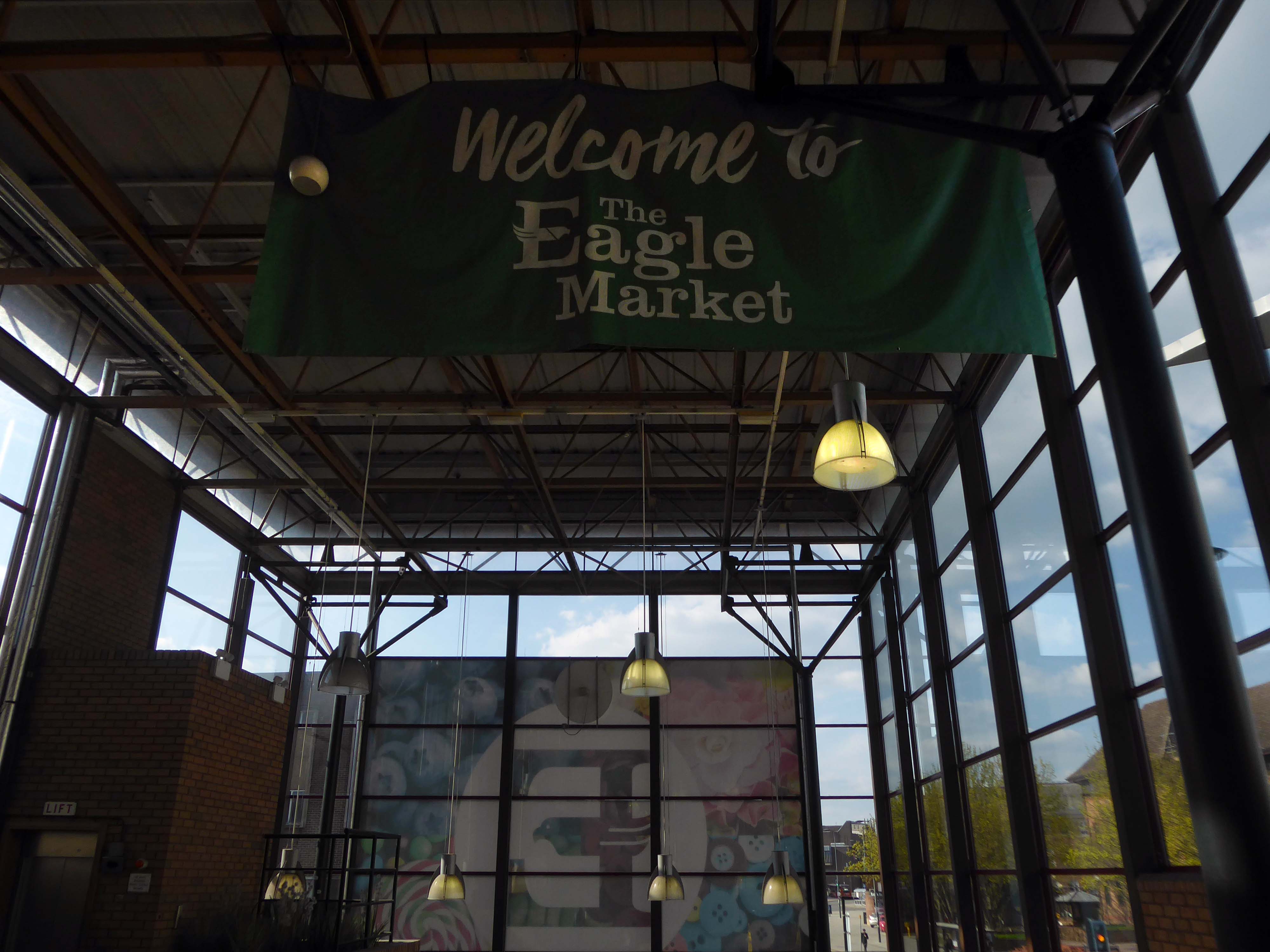
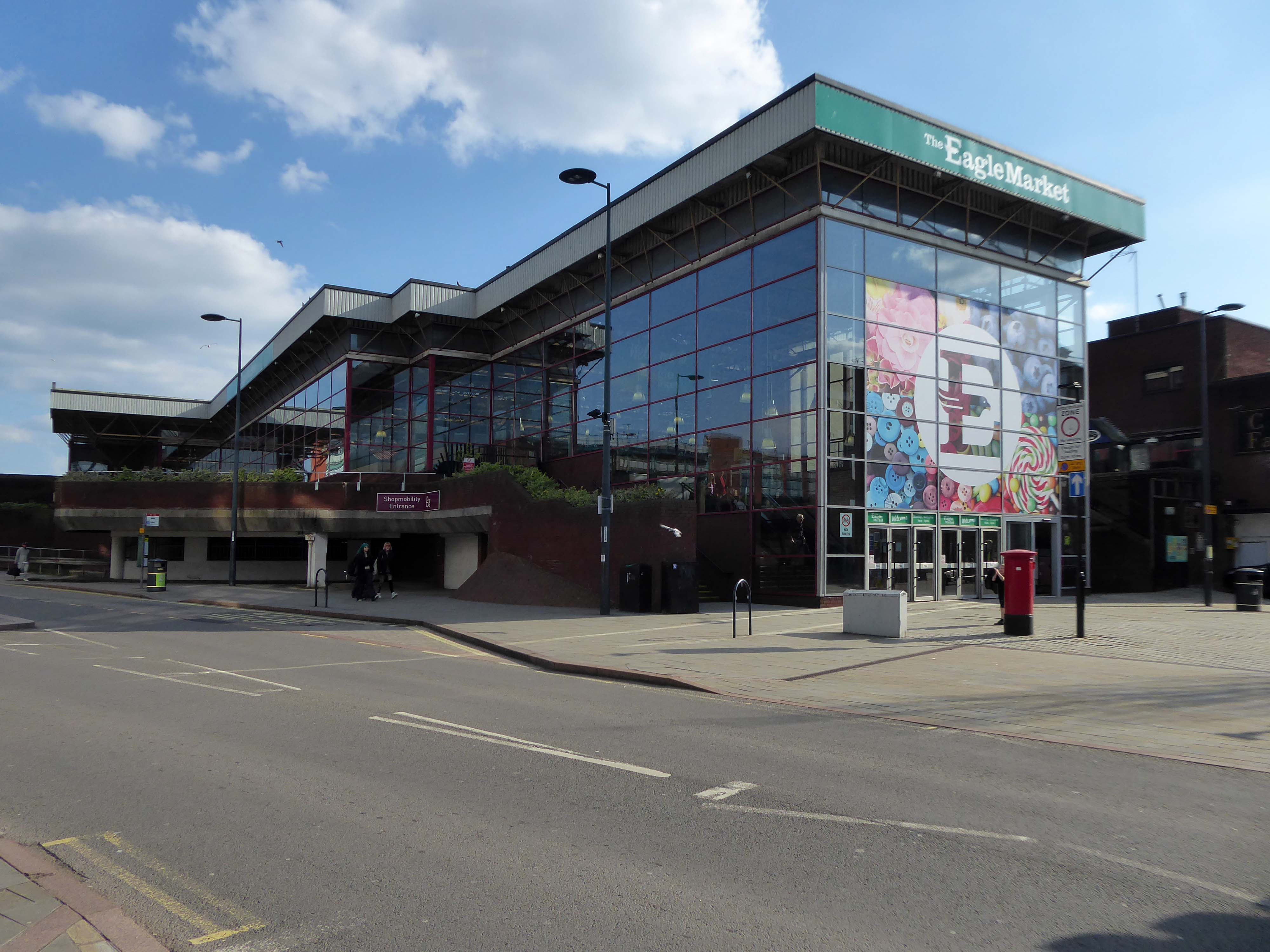
Eagle Market – Derby

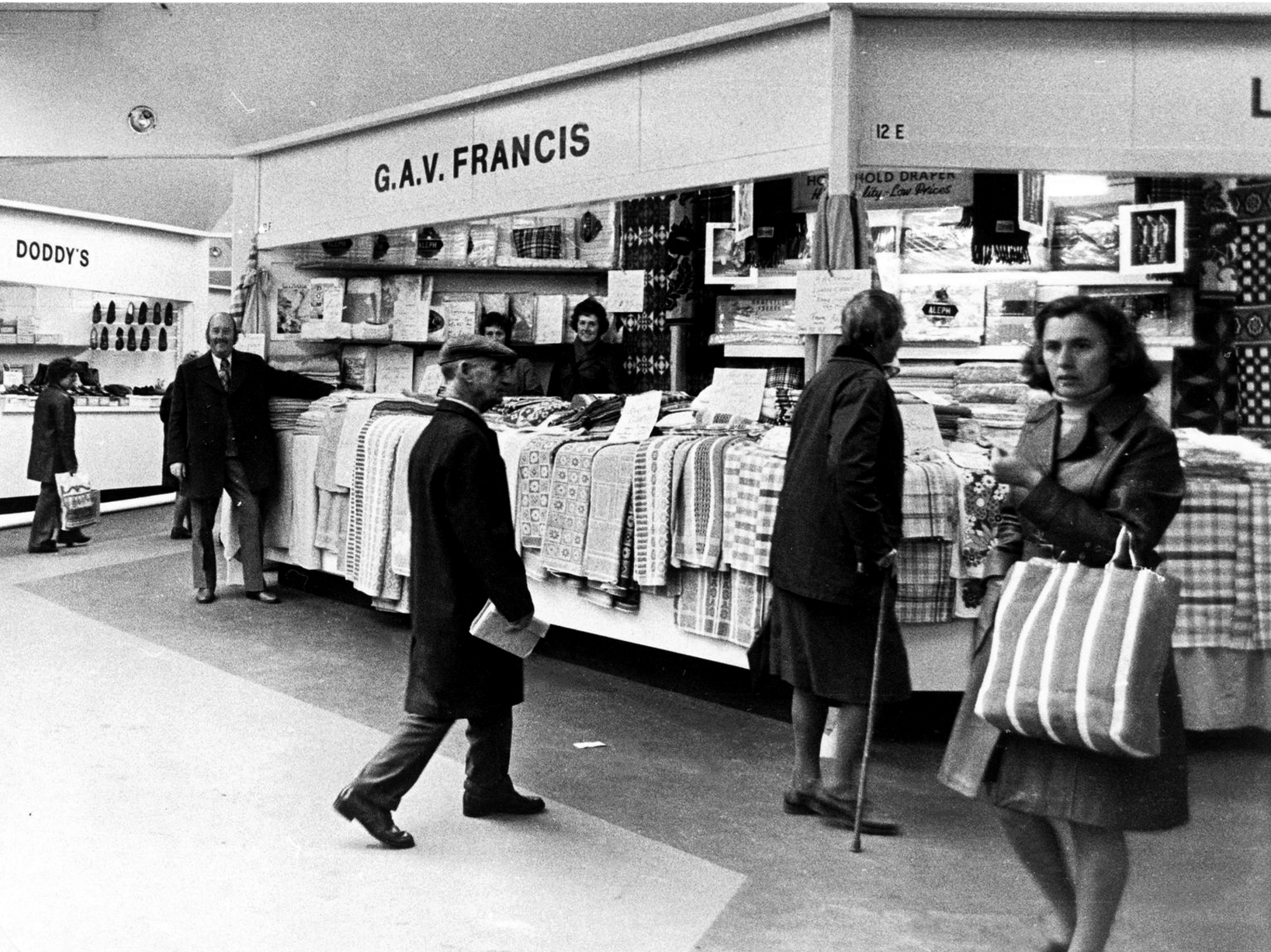
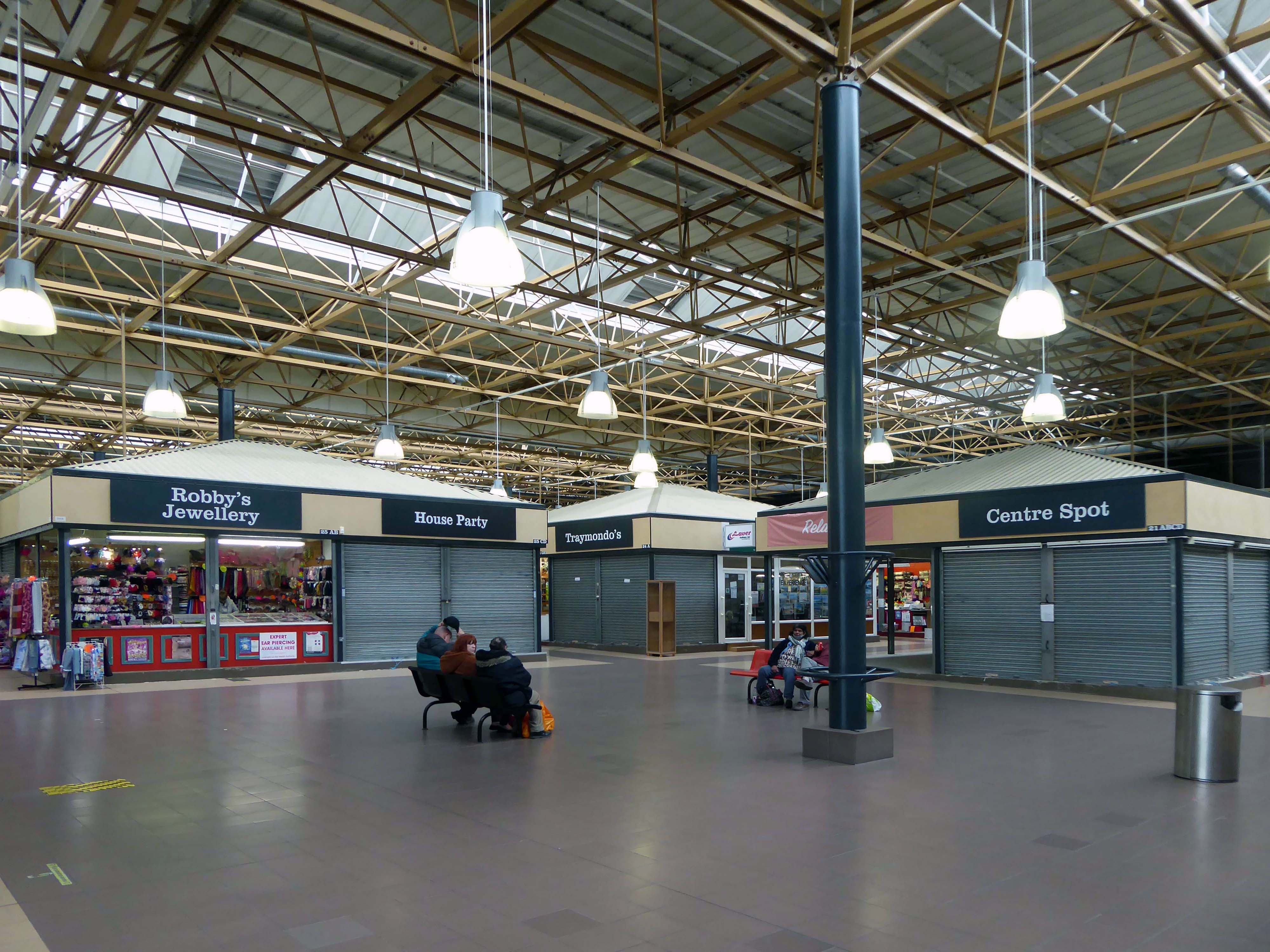
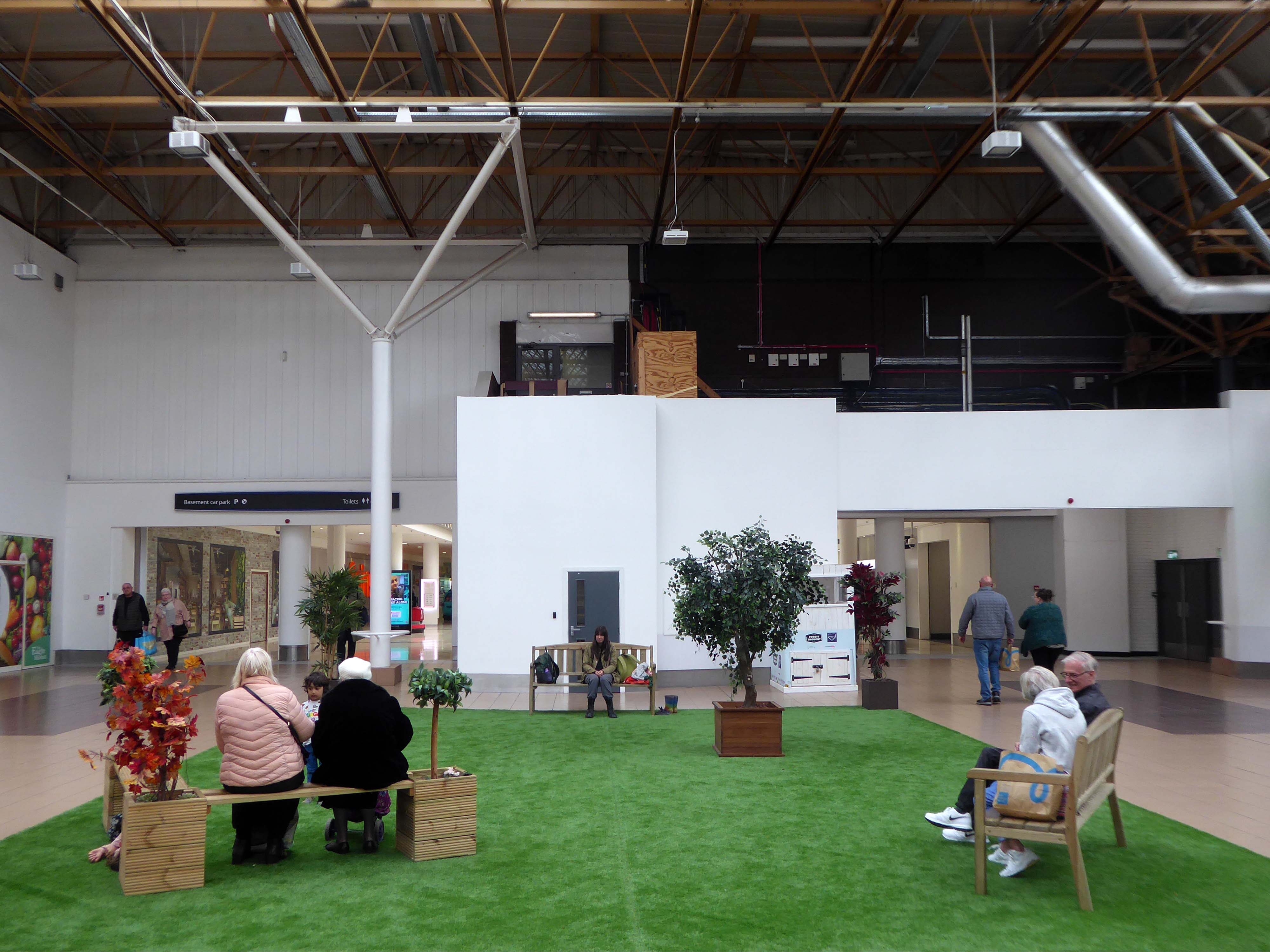
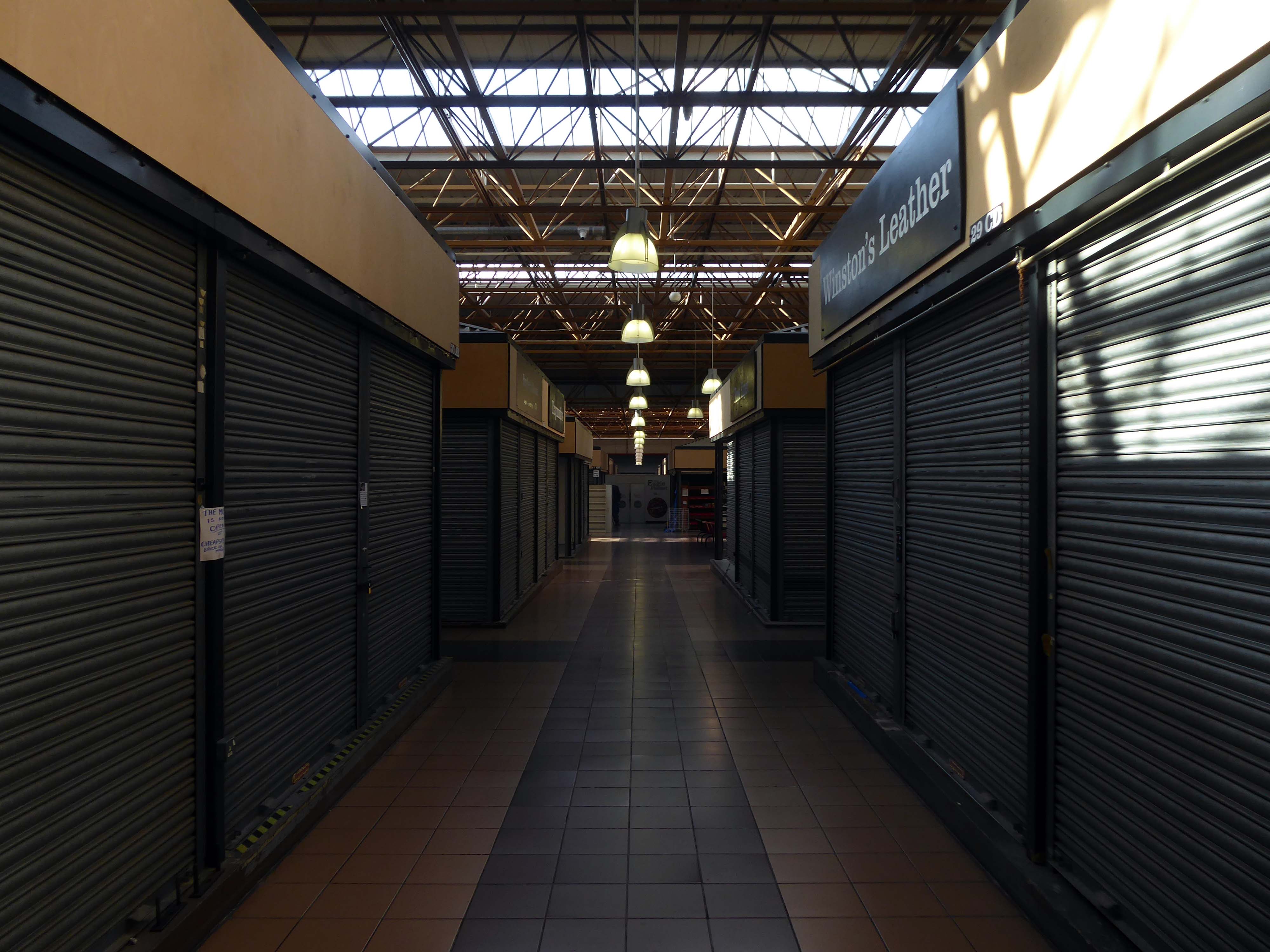
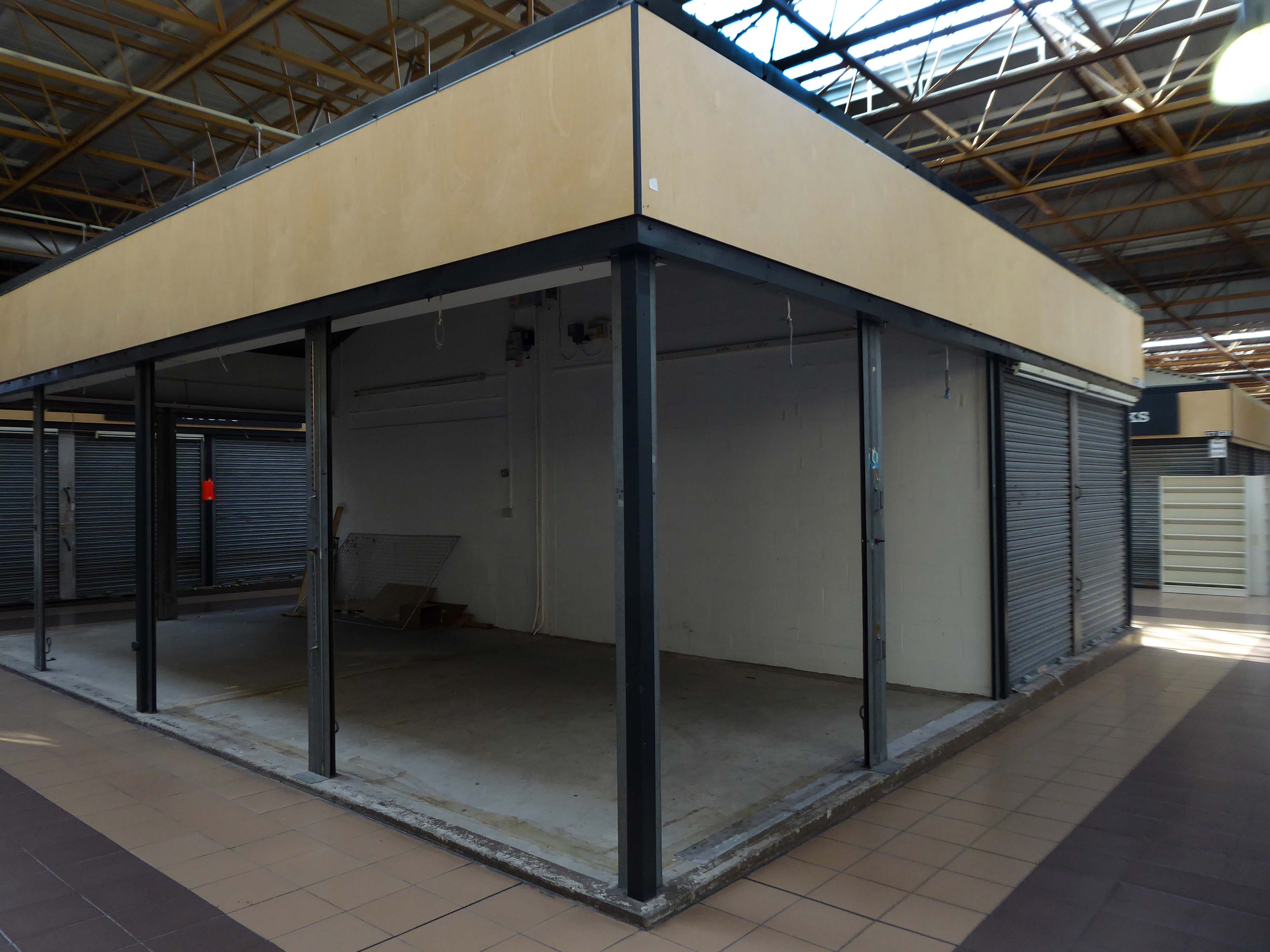
Derby’s Eagle Market, which has been open for nearly 50 years, is set to close for good in around six months from now. The indoor market is expected to shut down in March, traders were told in a memo late last month.

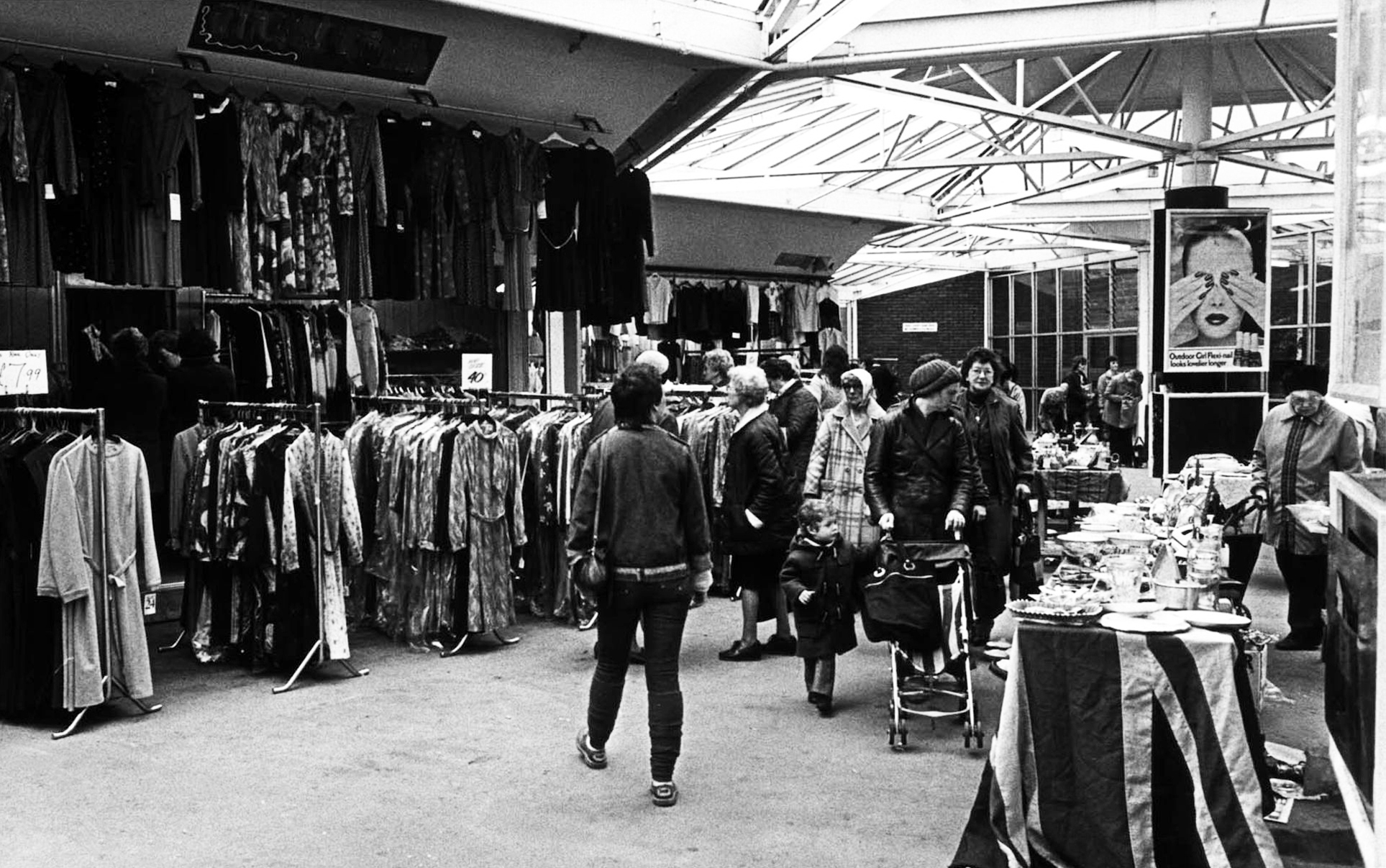
The long-standing city centre market has undergone major changes since opening in 1975. Over the past 46 years, dozens of traders have come and gone, from fruit and veg sellers to fine clothes retailers, pottery makers.

The nut stall that is greatly missed by nut fans.

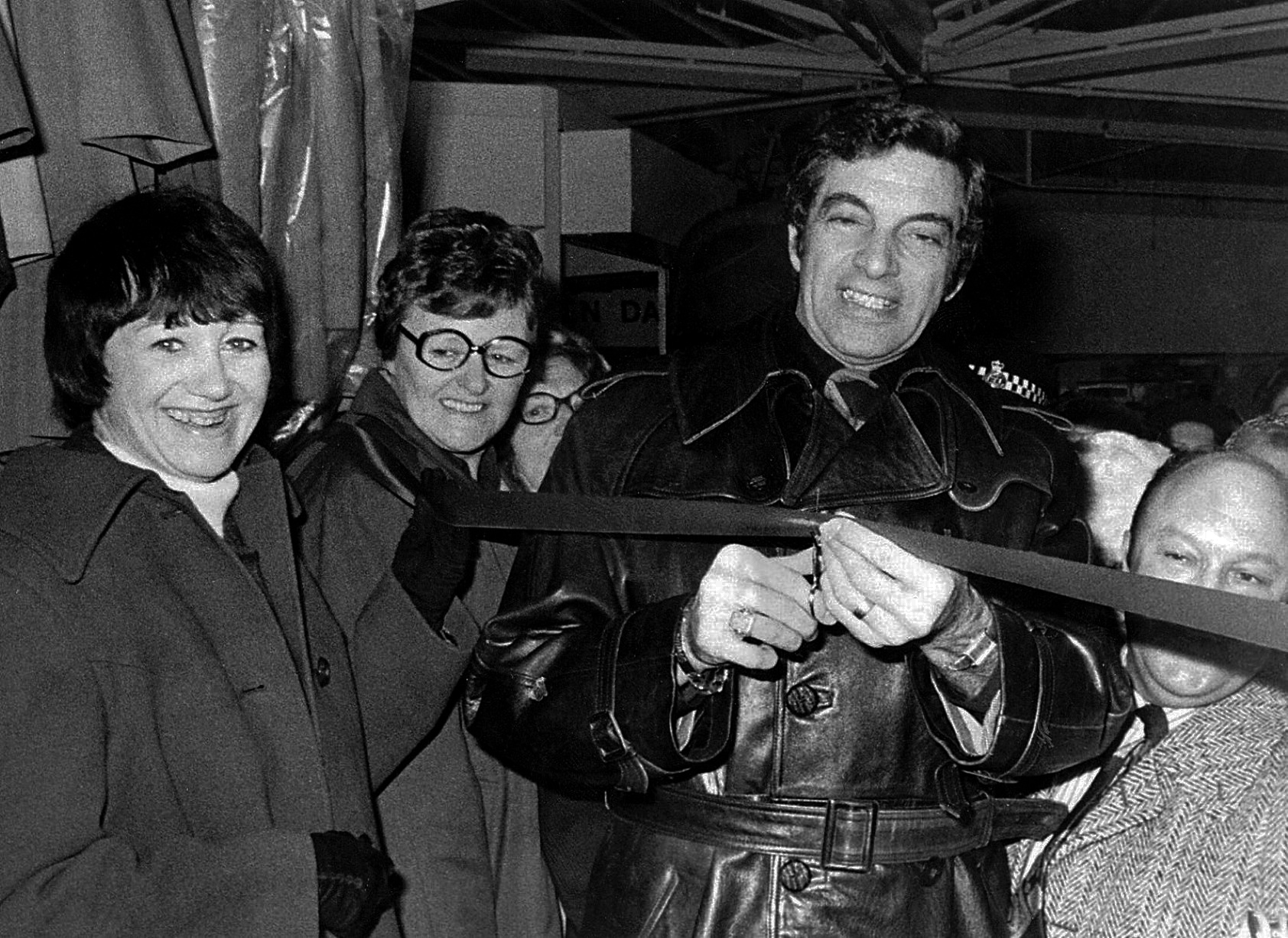
Singer Frankie Vaughan opens Jack’s Rainwear at the market in 1976.

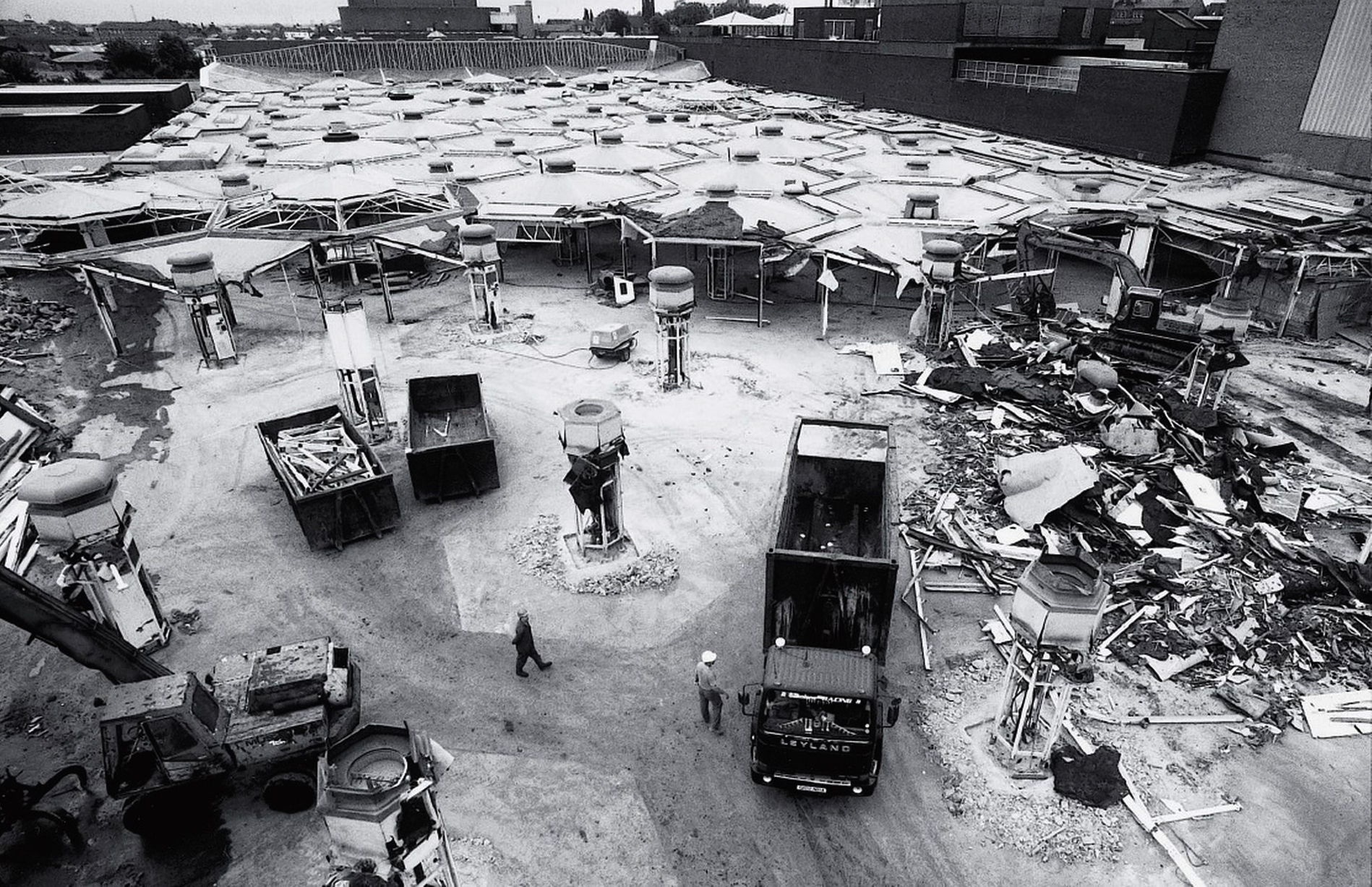
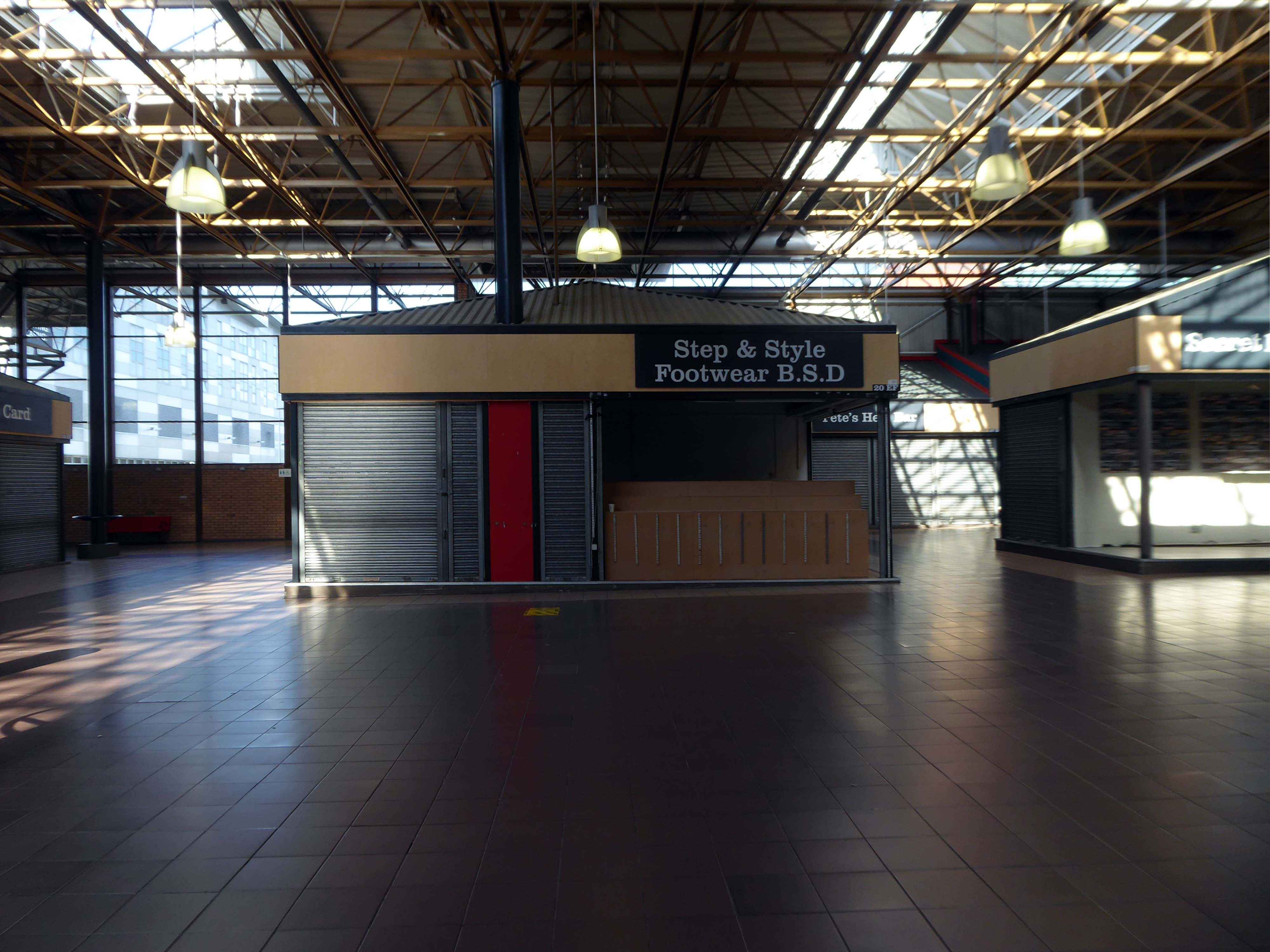
When it first opened, the venue was a maze of hexagonal stallswhich gave it a futuristic look, but it was a confusing layout and it was difficult to navigate and find the stall you wanted. The hexagons came down in 1990 in favour of a more traditional, open layout which made the market easier to escape in the event of a fire.

The Modernist modular structure replaced by a higher High-Tech roofing solution.

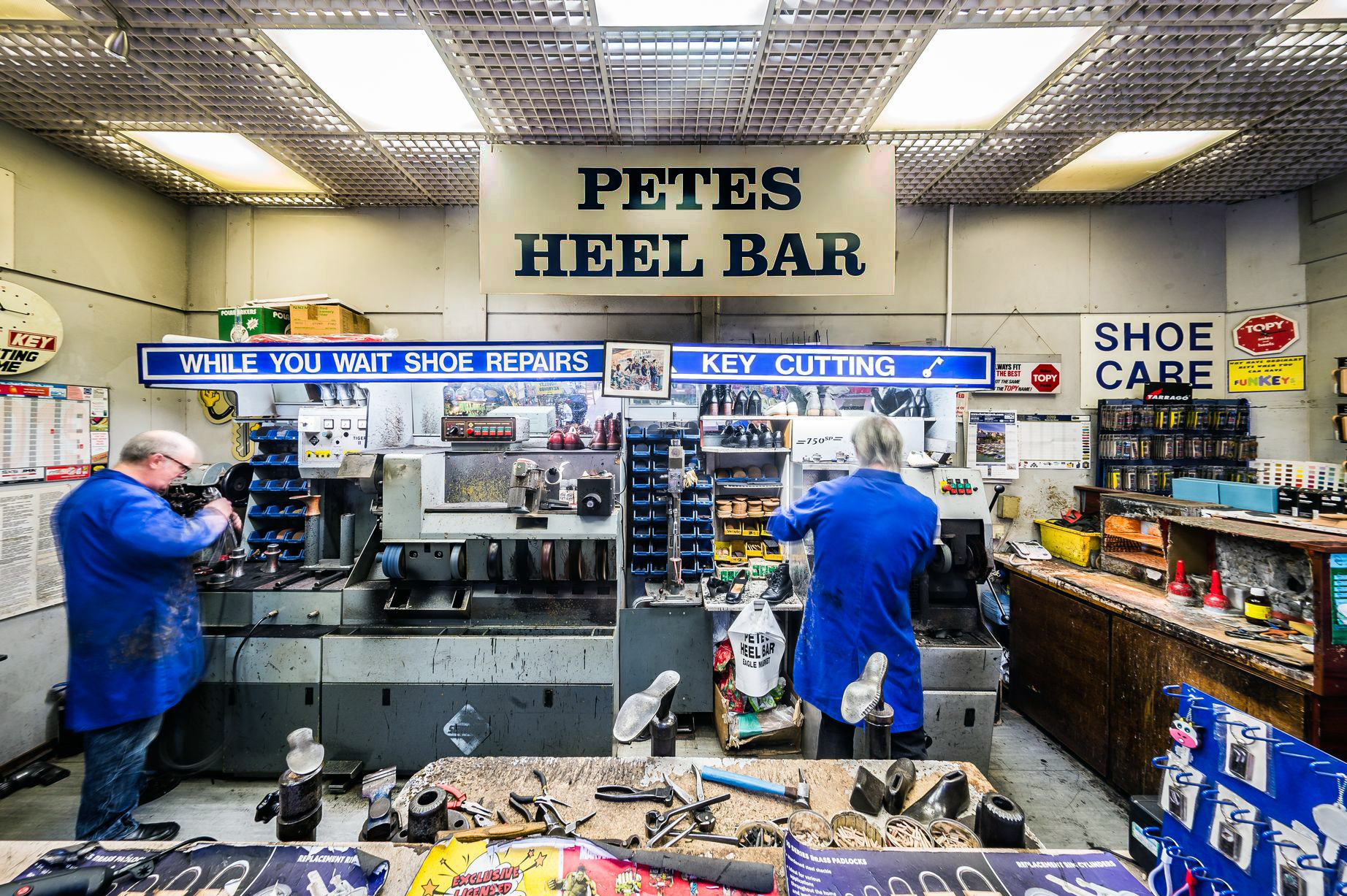
Petes Heel bar will be missed, along with his missing apostrophe.

Text and Photographs – Derby Telegraph

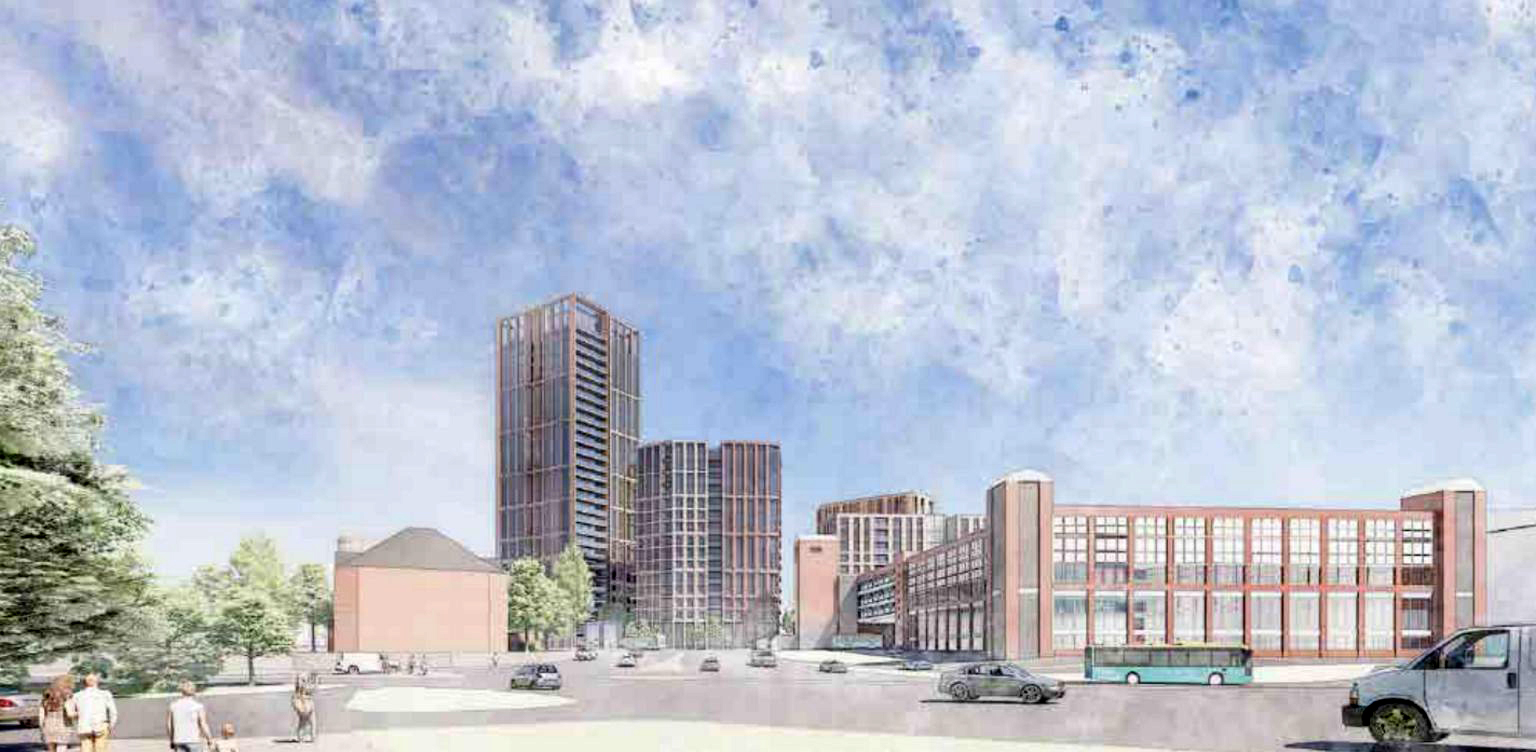
The redevelopment masterplan includes new homes and commercial uses with new public spaces and walkable streets that will integrate the site with the rest of the City Centre and improve new connections to the river. There is scope to introduce some tall buildings to make better use of the site with new food and beverage, leisure and other activity at ground floor level. The proposals will contribute towards the Council’s vision in a way that responds positively to the site context including surrounding character areas.

Derby Cathedral Quarter

I first came here four years ago – as the market was a venue for the Format International Photo Festival.

Saturday GirlCasey Orr

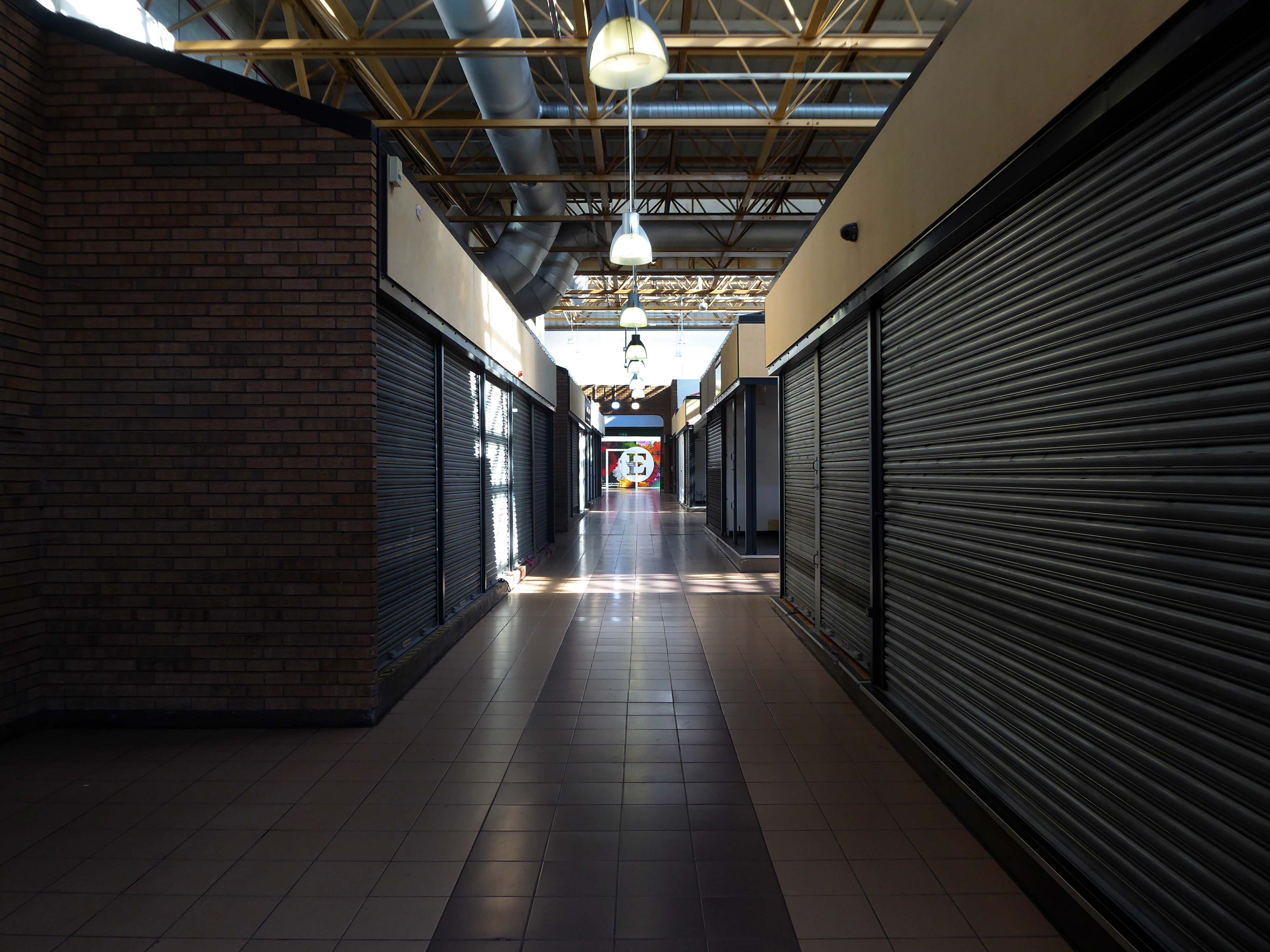
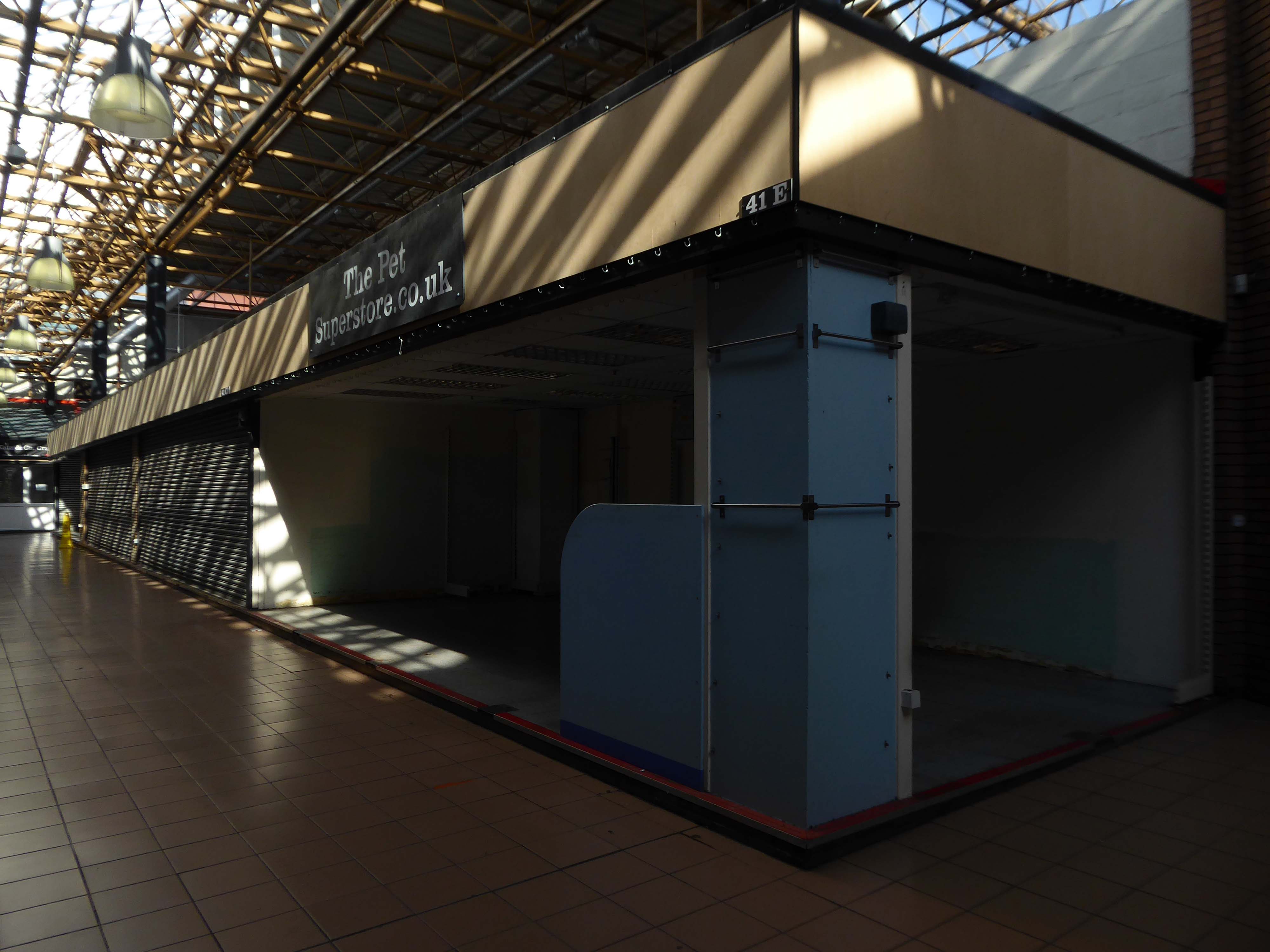
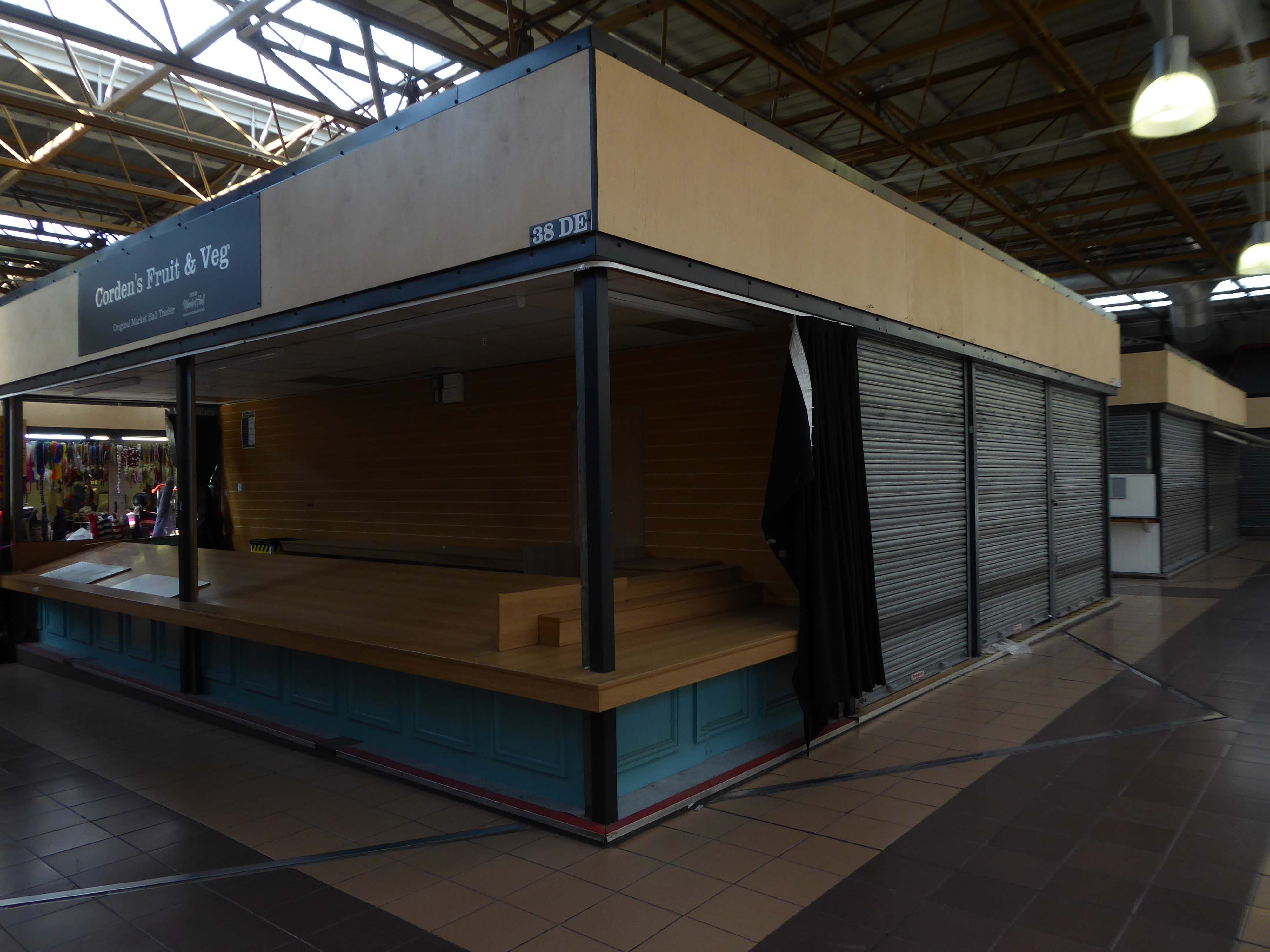
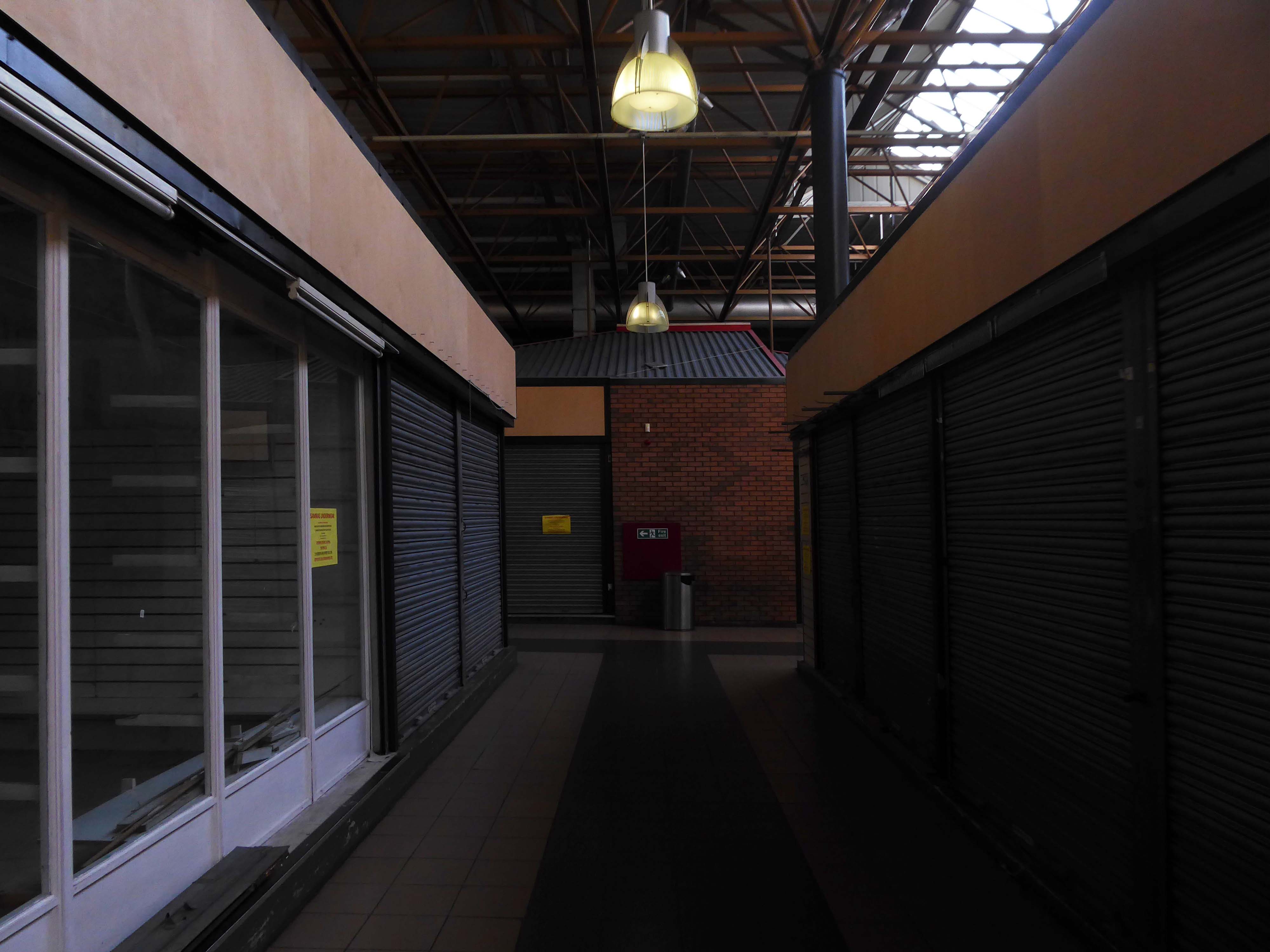
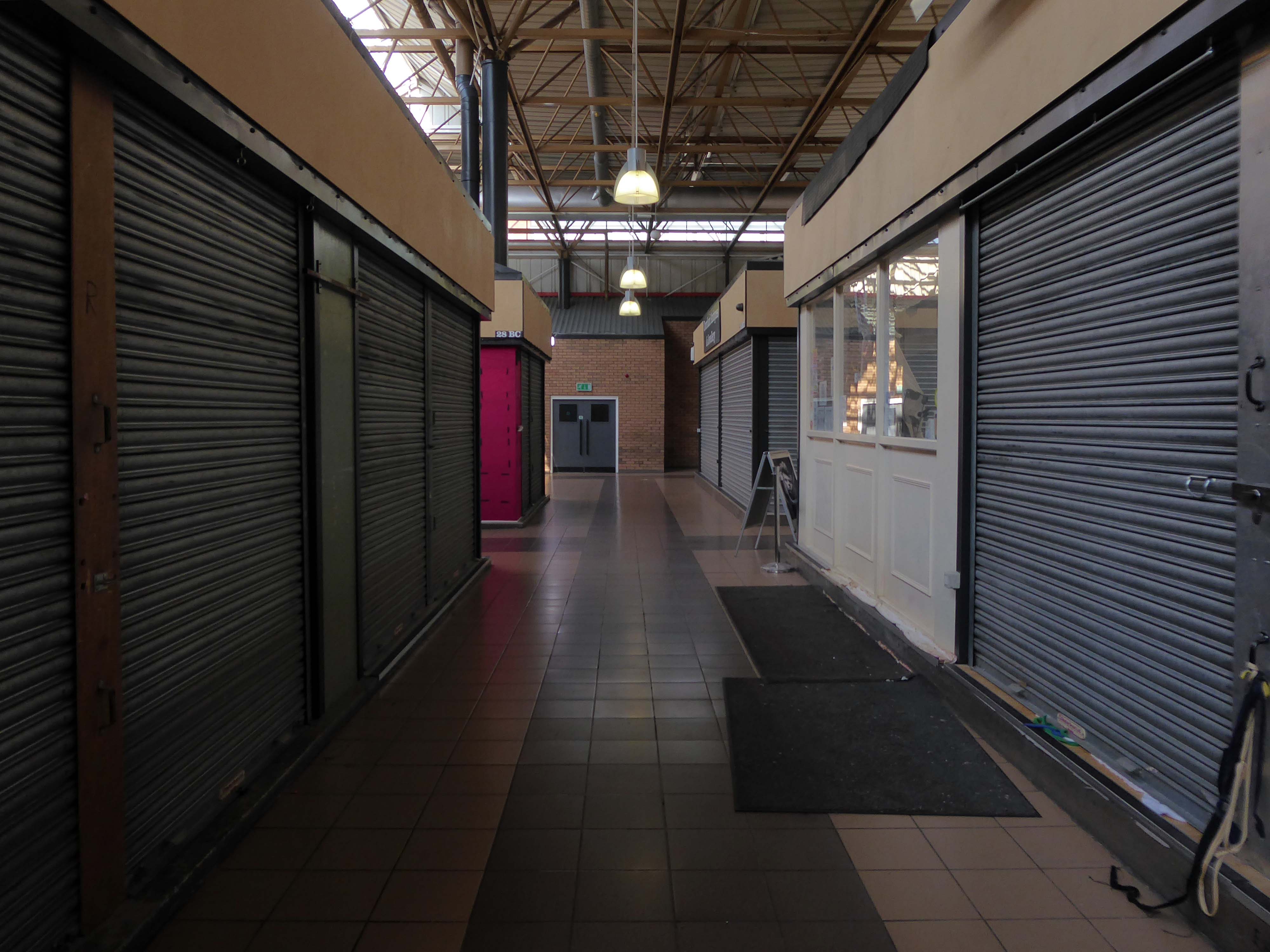
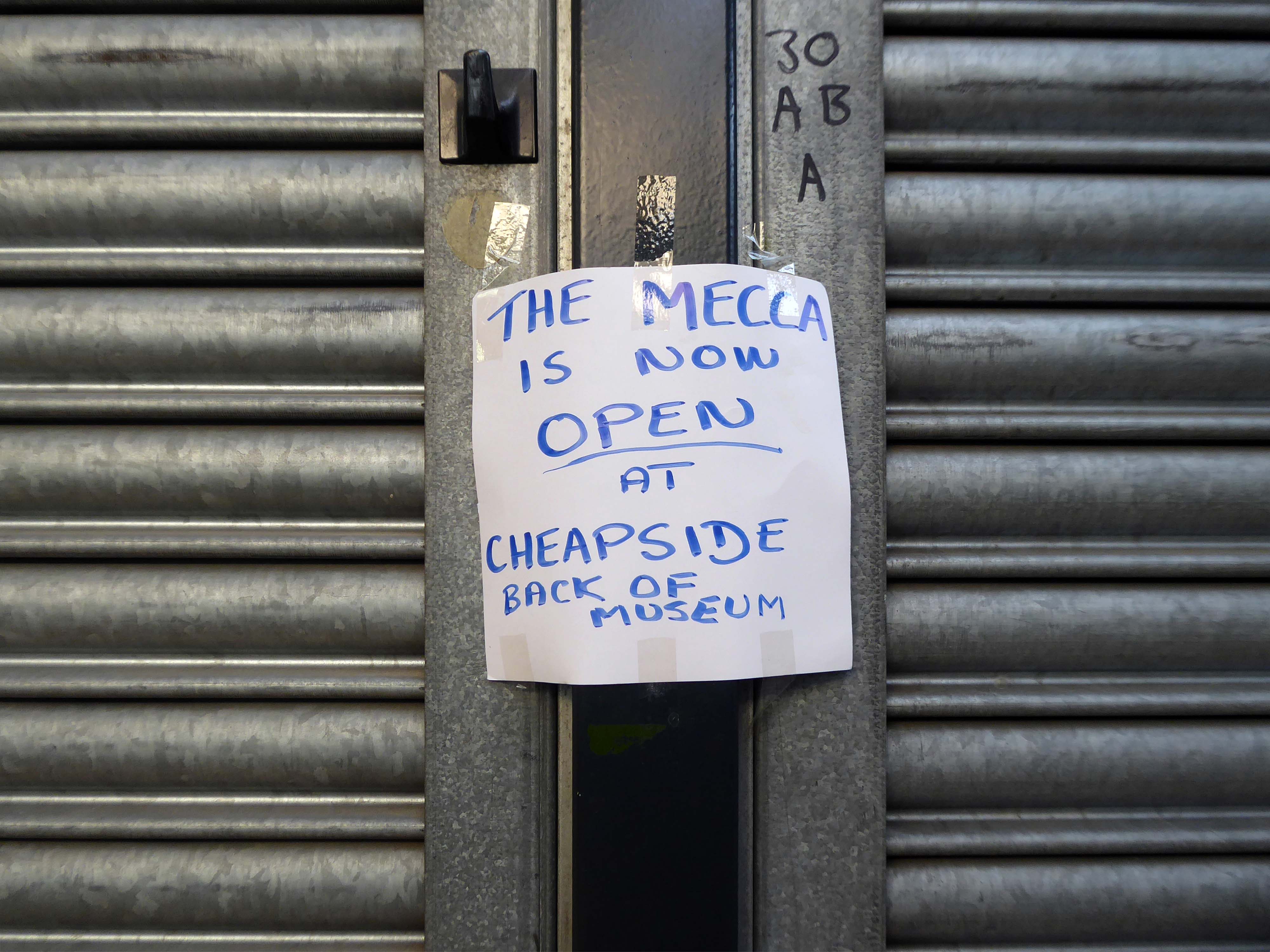
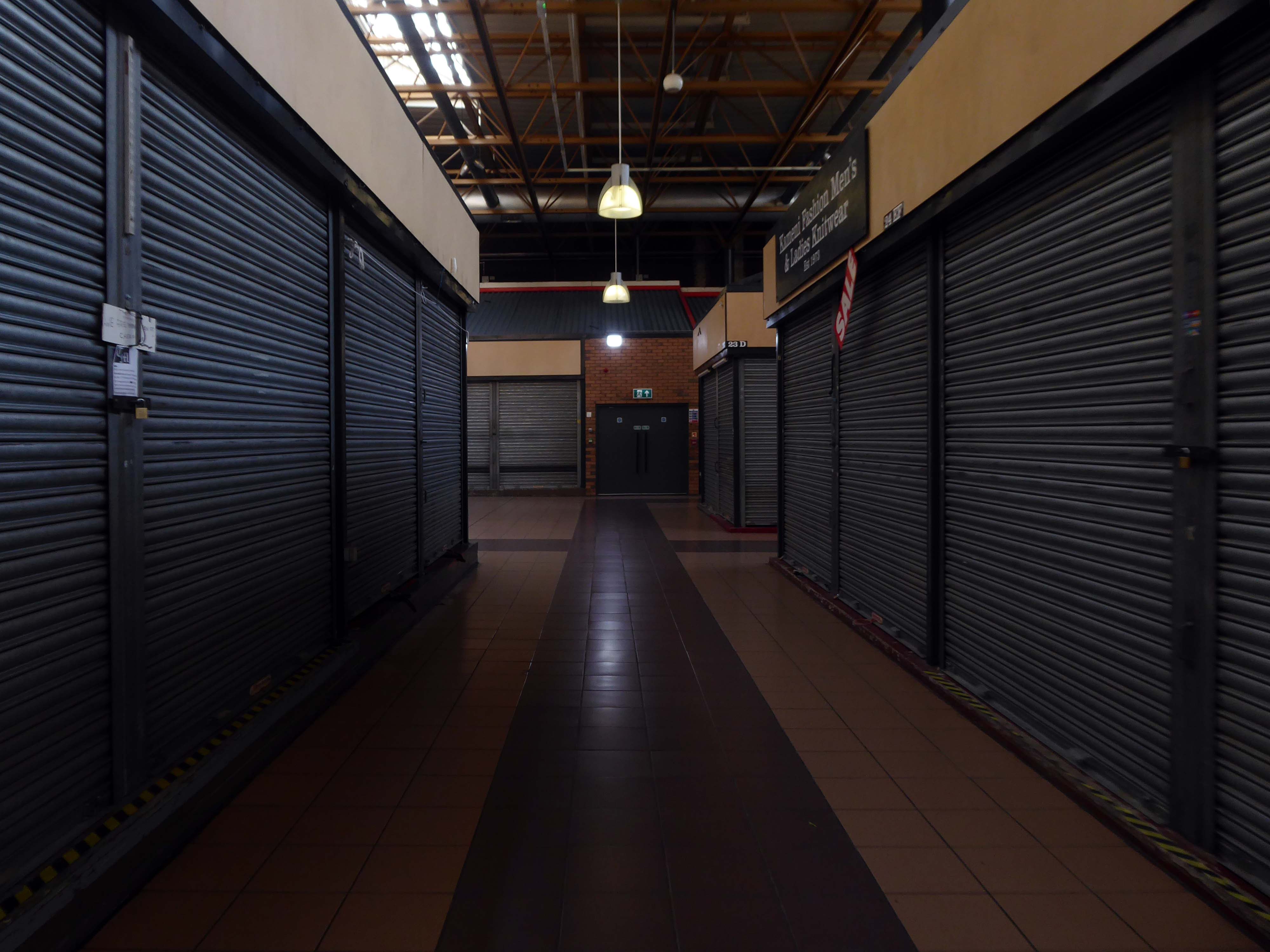
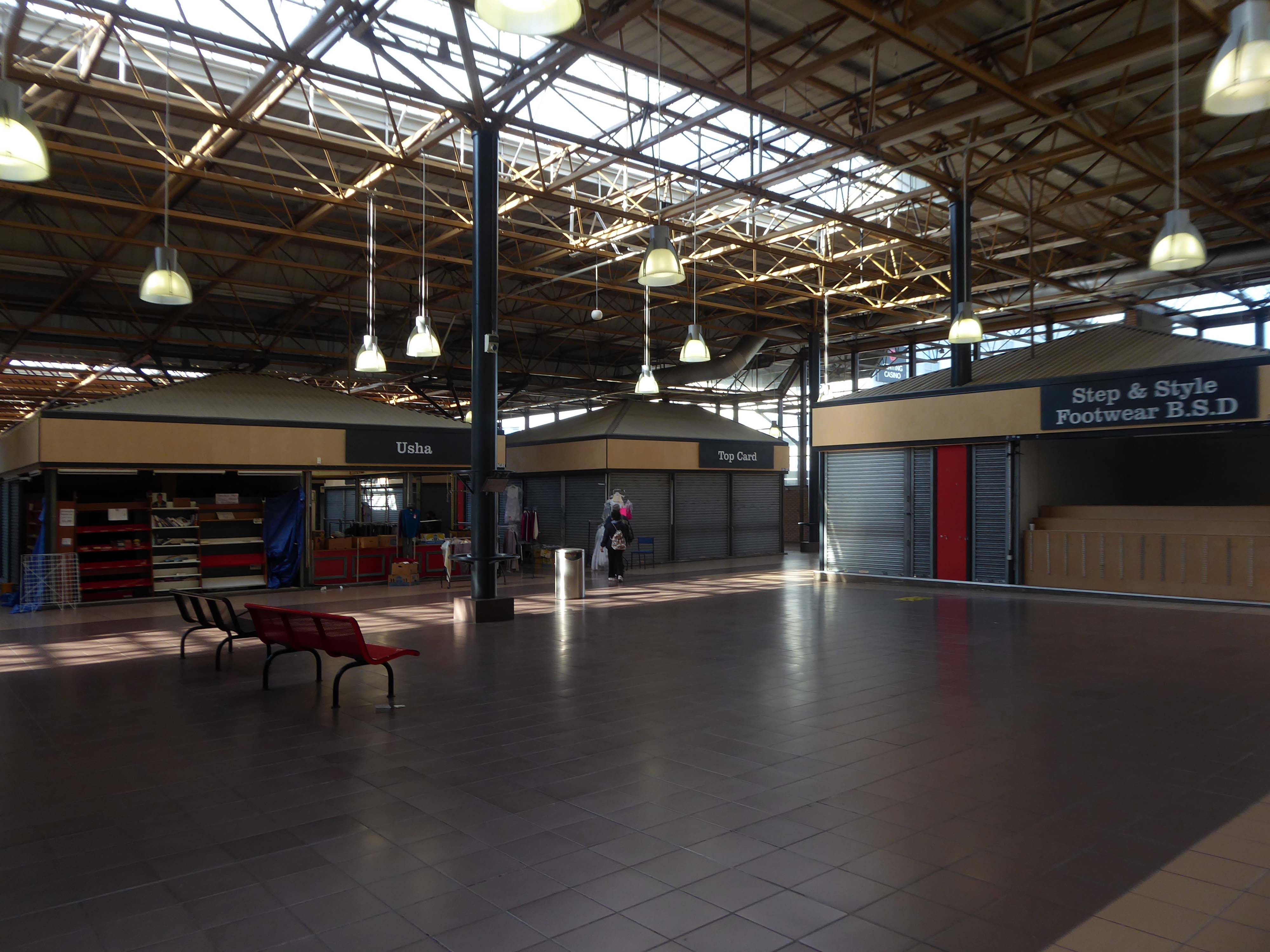
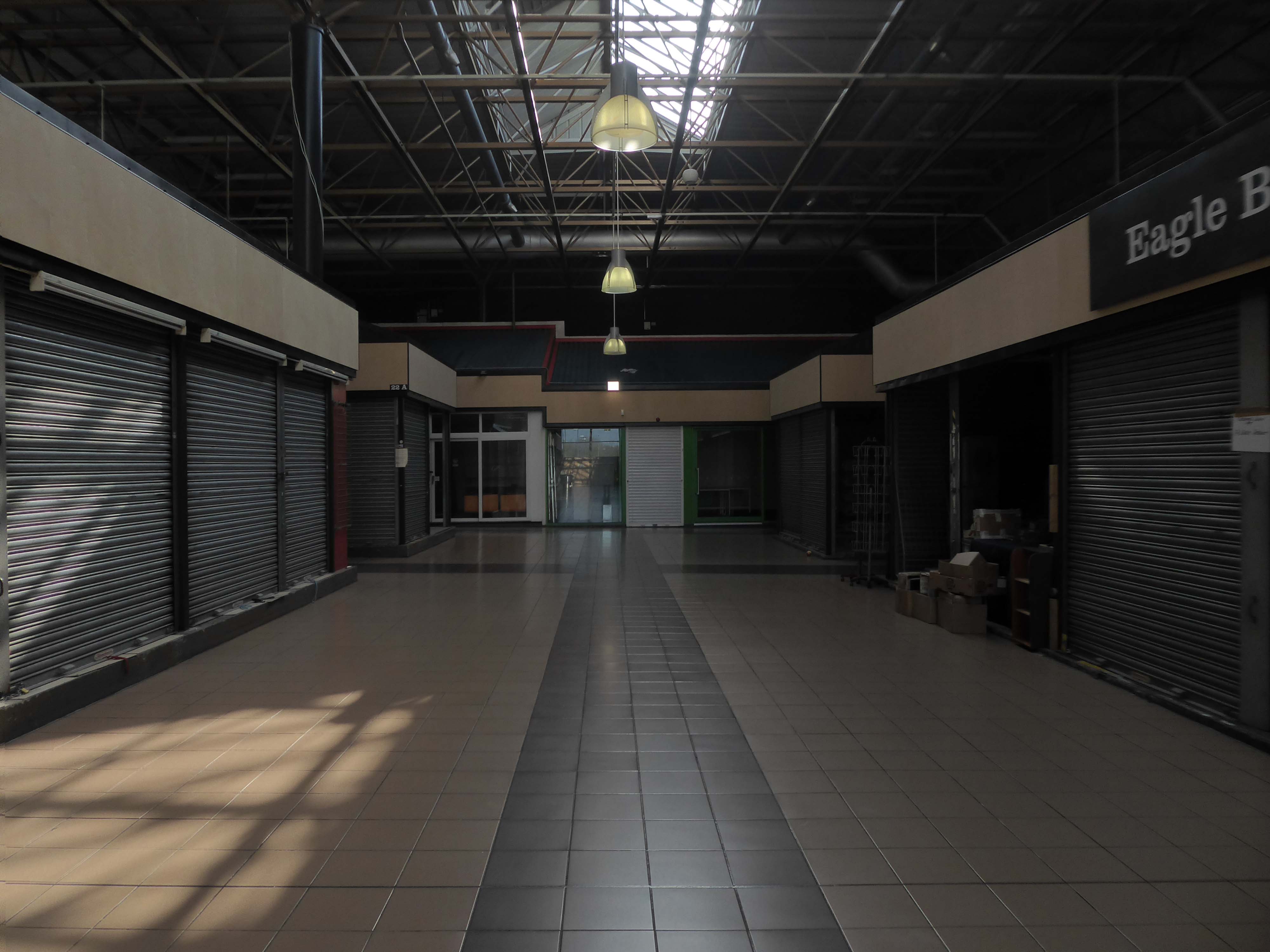
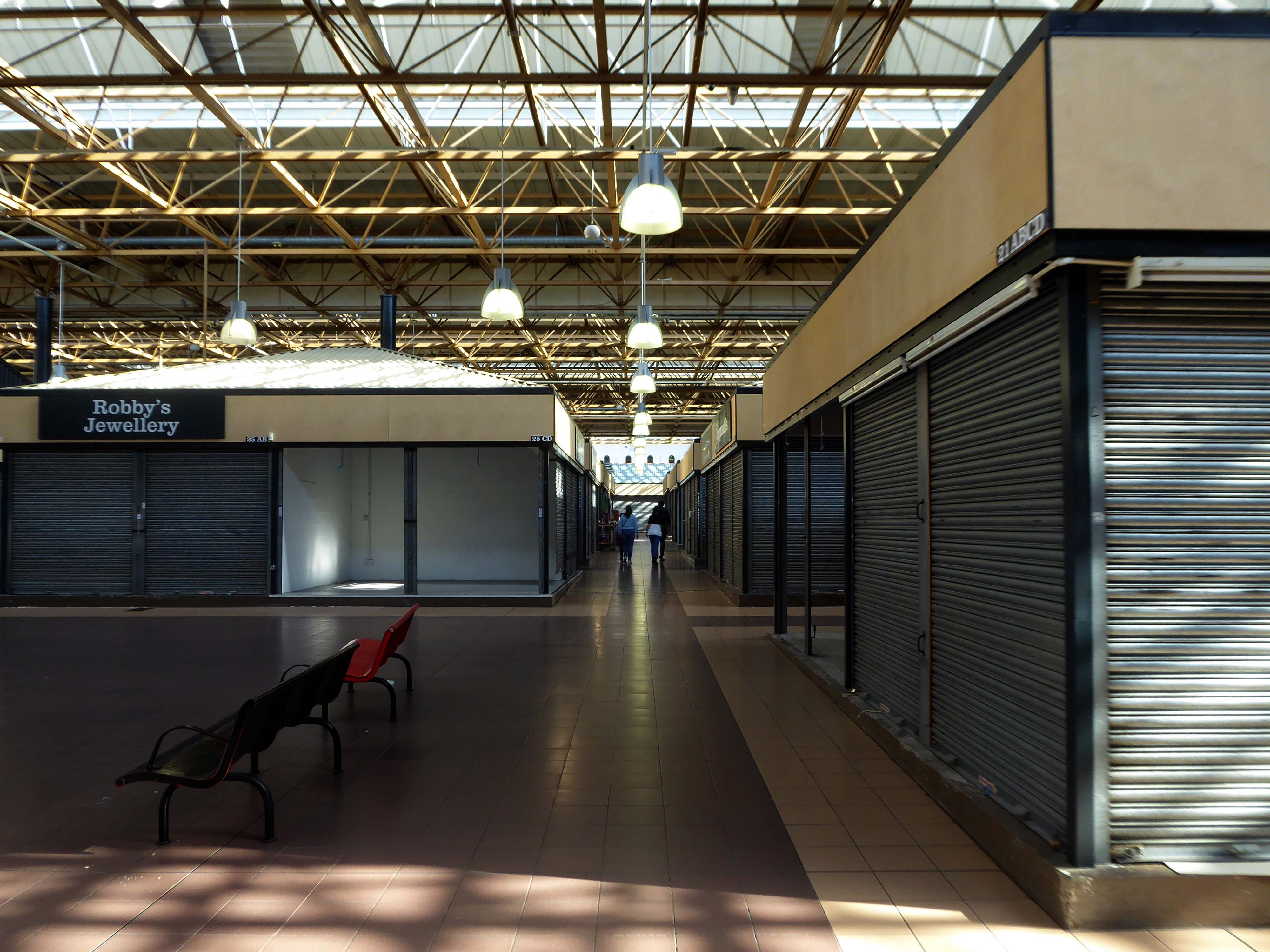
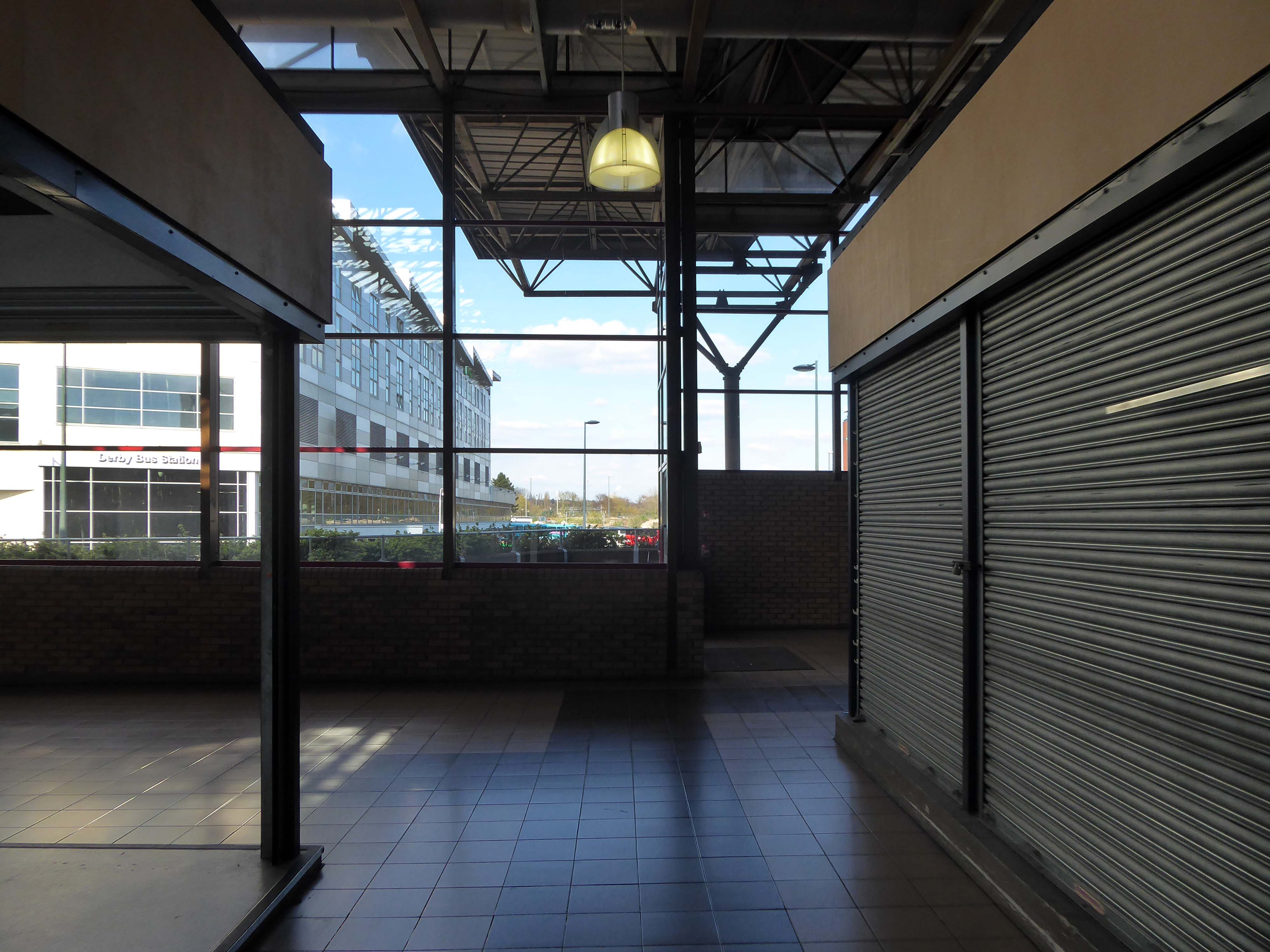
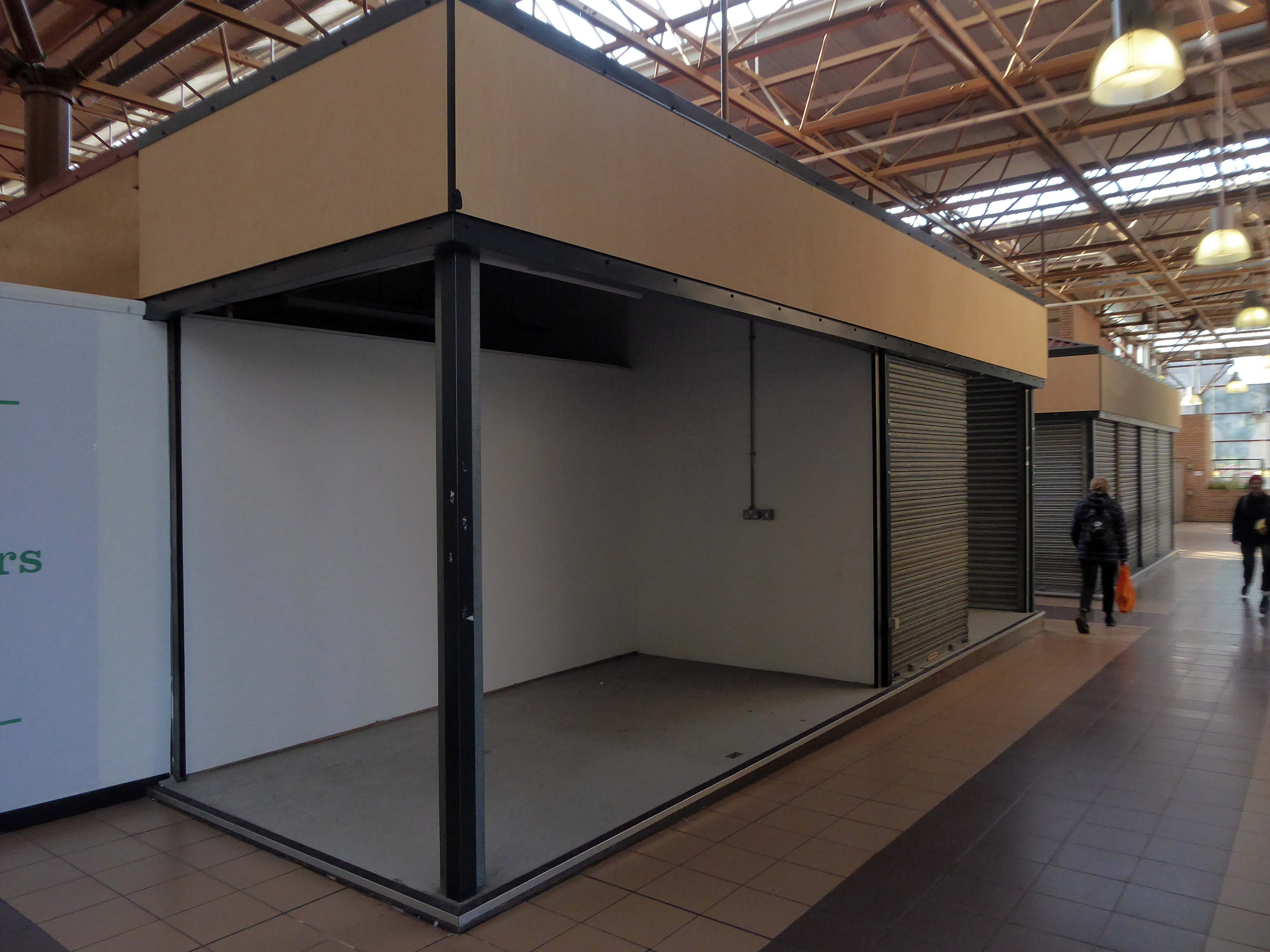
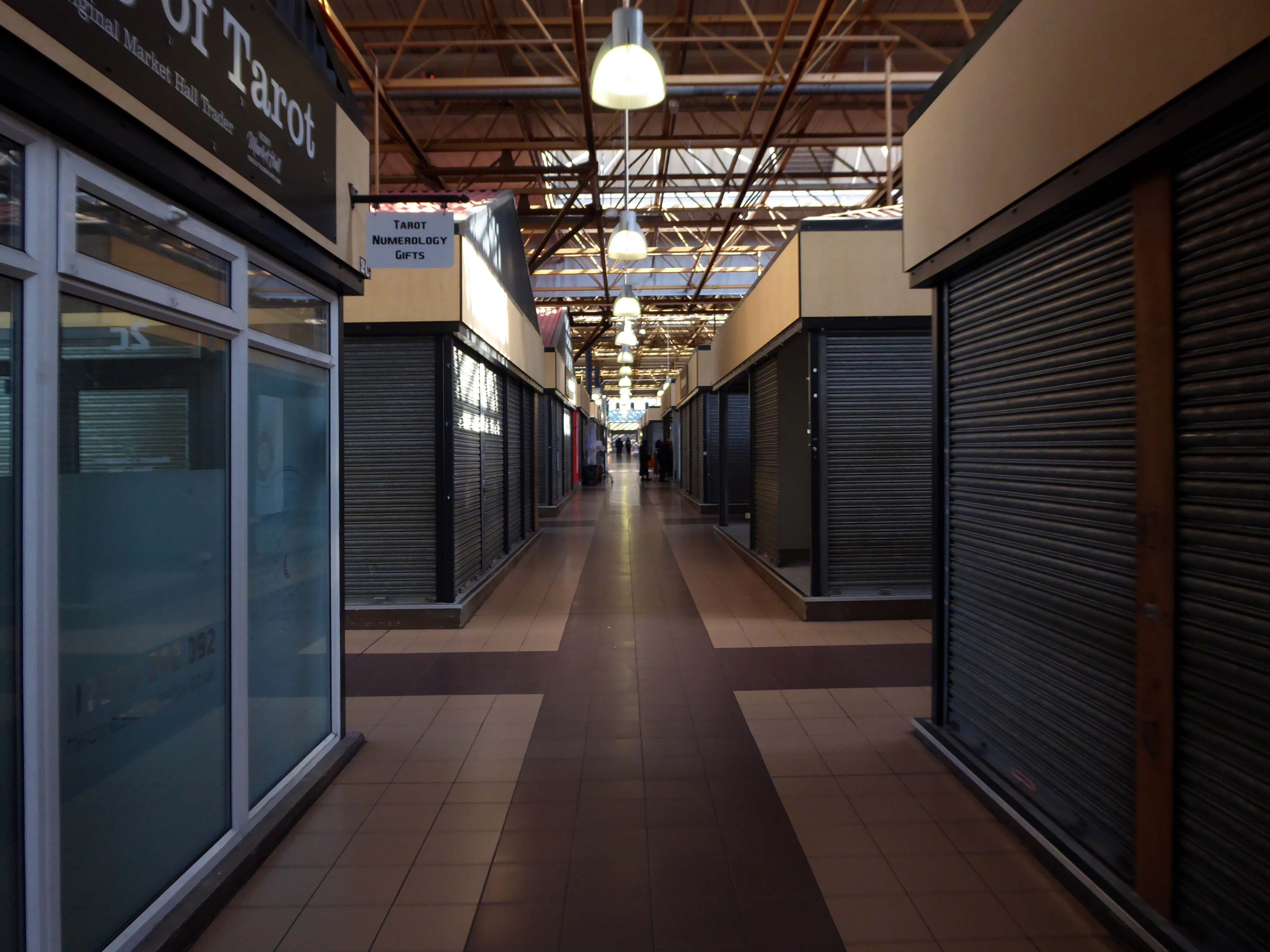
The market was already showing signs of decline, empty units and shutters shut down.

April 2023 the lights are on and there’s almost nobody home.

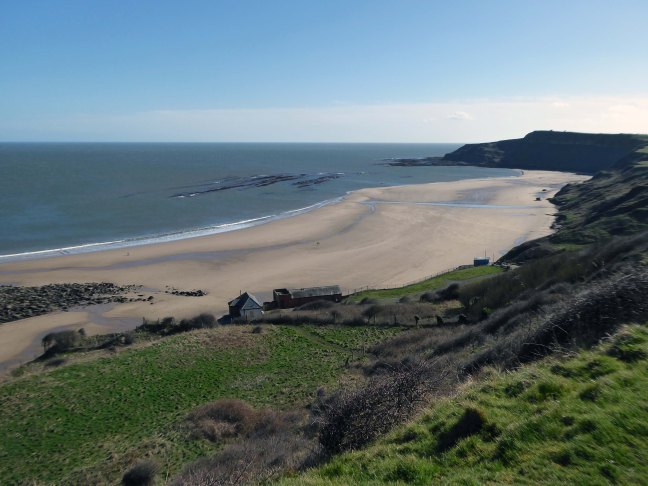
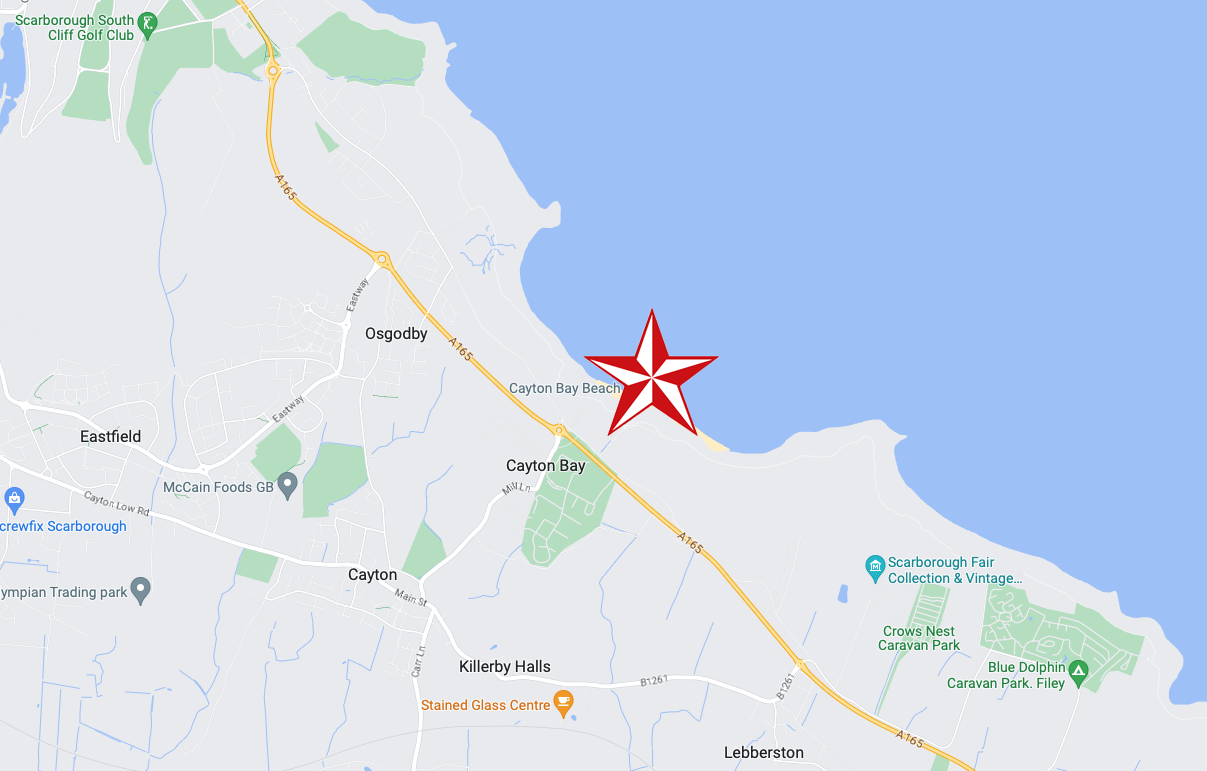
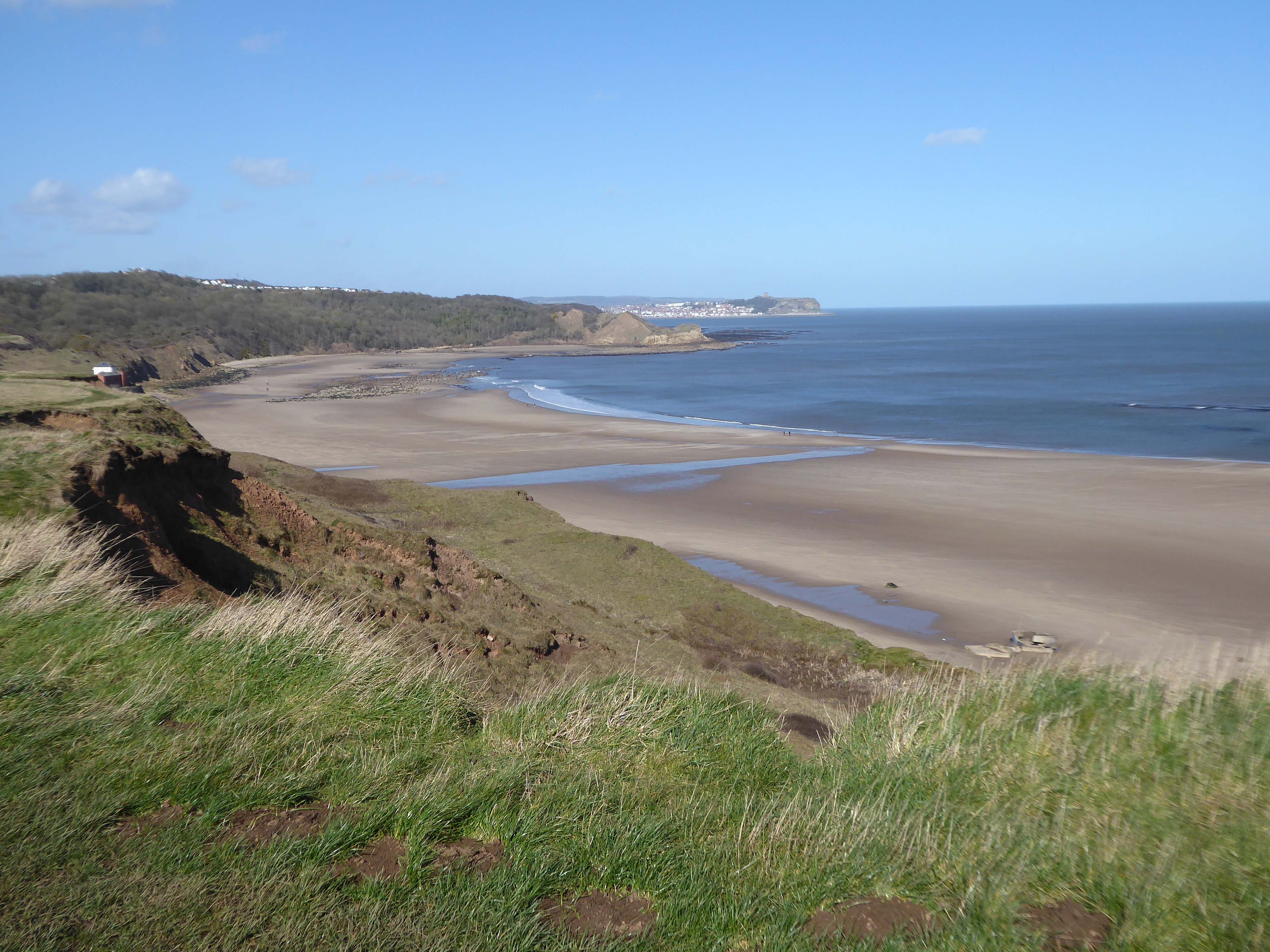
Cayton Bay – Concrete

Things come and go on the coast.

As Mr Marx noted:

All that is solid melts into air.

The soft clays of the cliffs are subject to constant erosion.

In 2008 fresh landslips have occurred around Cayton Bay. The bungalows built on the old holiday camp at Osgodby Point have started to suffer serious erosion. The cliffs around the Cornelian and Cayton areas are just made of soil. So erosion is to be expected. It may taken time. But there is not much which can be done to prevent the seas moving in.

Scarborough Maritime History

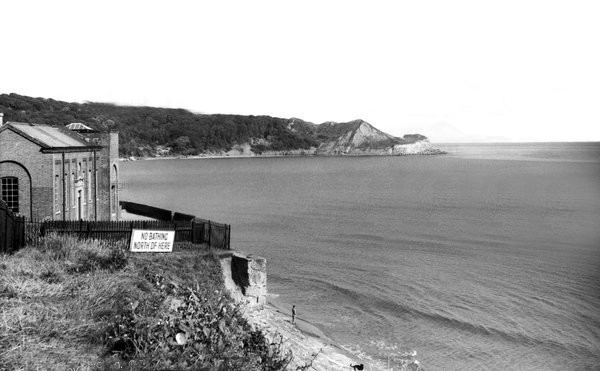
The Pumping Station was partially demolished in 1956.

Several well worn layers of geological time have been hanging around for a while now.

Whilst the long-gone critters are but fossilised versions of their former selves.

The rocks found at Cayton Bay are Jurassic aged from the Callovian stage. At the north end of Cayton Bay, the Cornbrash Formation can be seen, comprised of red-brown, sandy, nodular, bioturbated limestone with oysters and other bivalves.The Cornbrash lies beneath the start of the Cayton Clay Formation. Walking south towards Tenant’s Cliffs, Lower Calcareous Grit is brought to beach level, followed by a calcareous limestone. At the waterworks, low tides reveals a section in the Middle and Upper Jurassic rocks.

On scouring tides, argillaceous limestone and calcareous sandstone can be seen layered along the Upper Leaf of the Hambleton Oolite, which is seen excellently in the low cliff on the southern side of the Brigg. The tough, impure limestone contains well-preserved bivalves and ammonites. The sequence is shown in the diagram but faulting has caused unconformities.

During scouring, Oxford Clay can be seen along the foreshore south of the argillaceous limestone. Walking further south, Red Cliff is reached, where rocks of the Osgodby Formation slope above the Oxford Clay.

UKFAH

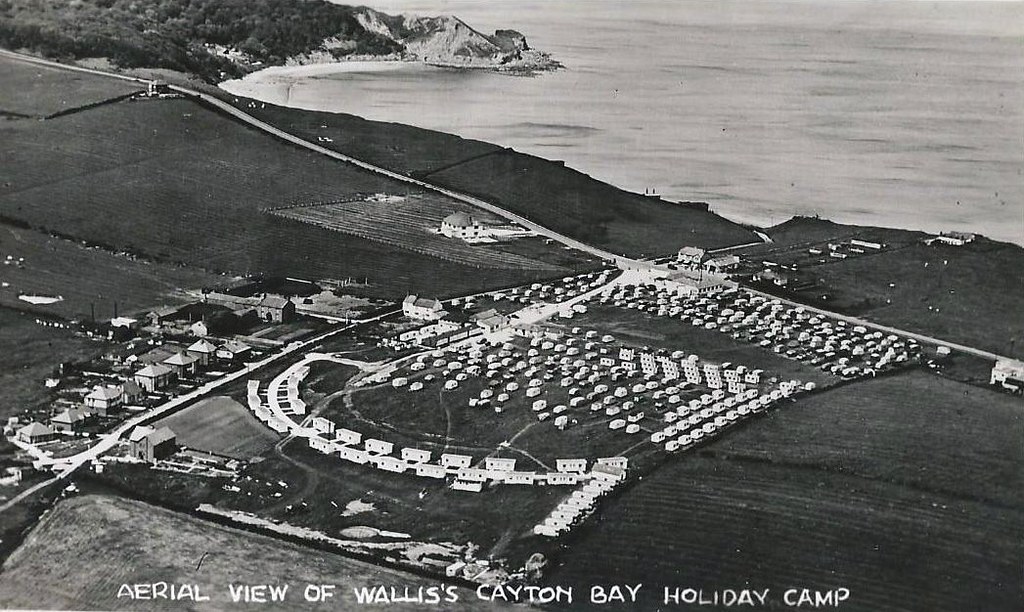
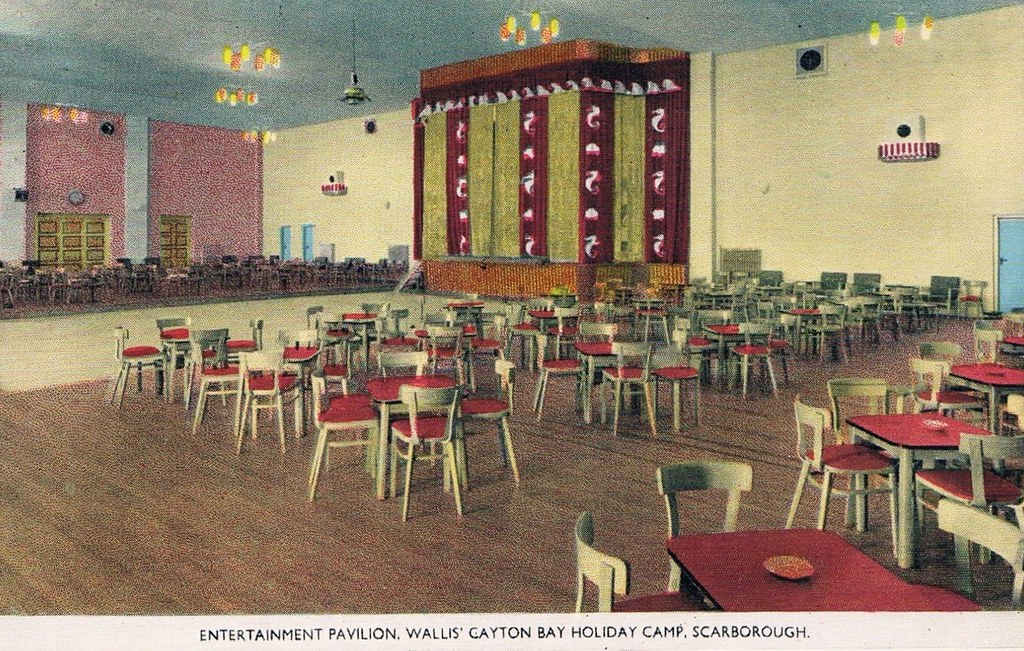
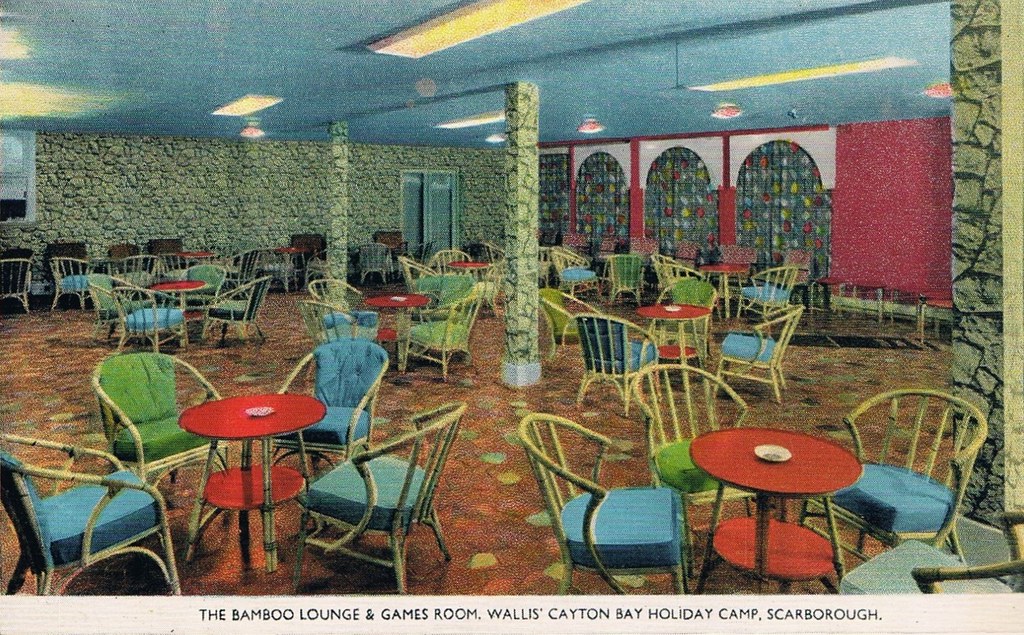
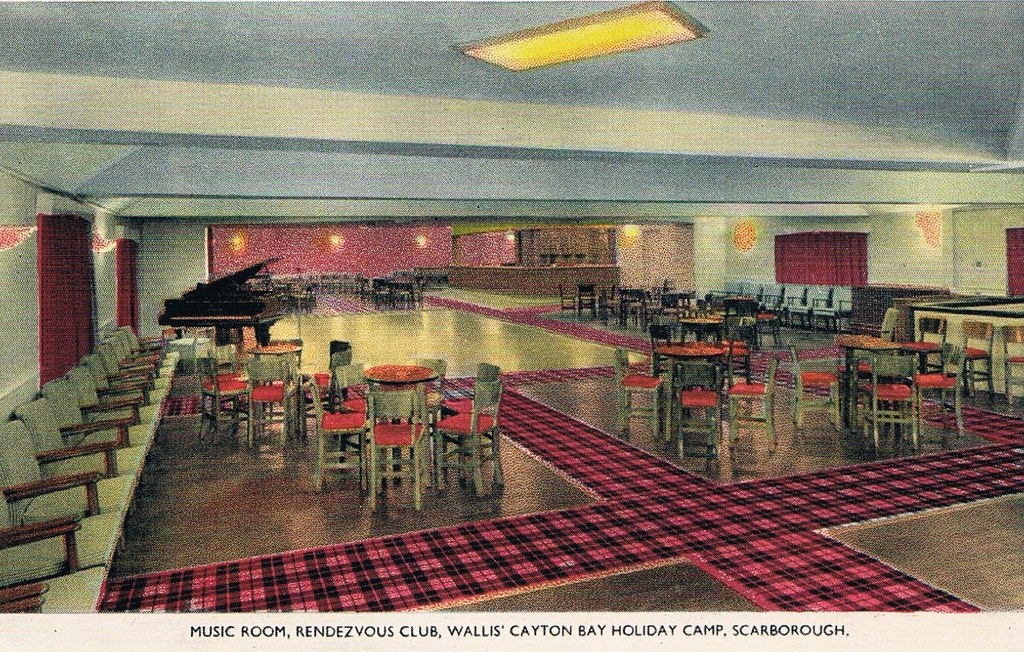
The Wallis’s Holiday Camp of 1936 – eventually overwritten by a more a la mode commercial enterprise.

Photos: Glen Fairweather

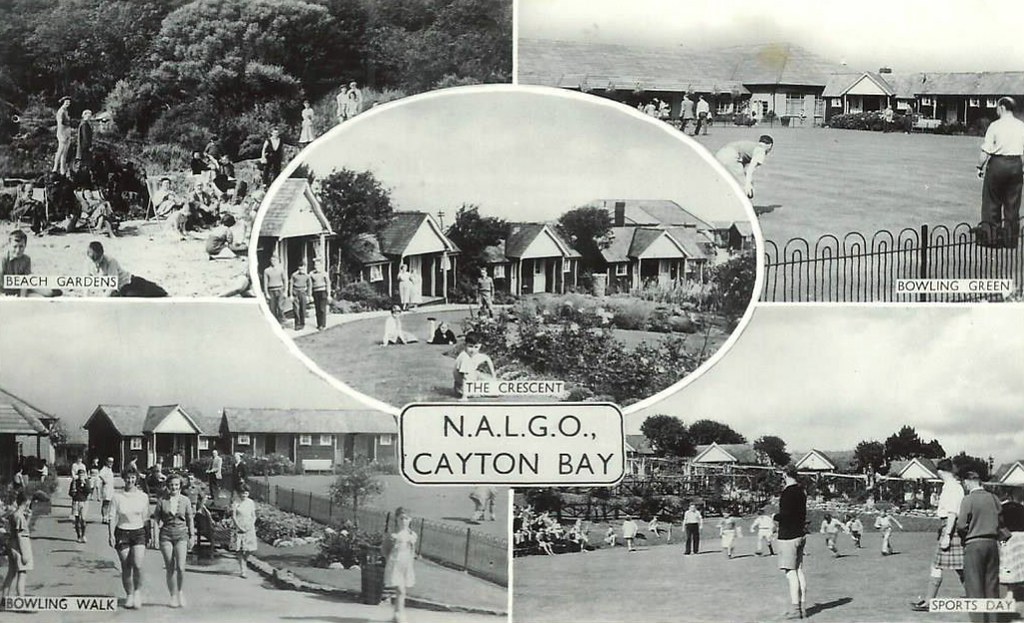
Also missing in action the NALGO Holiday Camp – we are no longer a land of the Closed Shop, rather a land of the closed trade union holiday camp.

There was a similar setup at Croyde Bay.

Originally the first Trade Union holiday camp in the North of England, owned by NALGO it opened its doors in 1933. It had 124 wooden bungalows, accommodating 252 visitors. A dining hall with waiter service, a rest room along with recreation rooms for playing cards, billiards, a theatre for indoor shows and dancing was also provided. The new centre also provided Tennis courts, Bowling greens along with a children’s play area. The visitors could walk to the beach where there was a sun terrace and beach house which also had a small shop.

Click here to see photos of the NALGO camp from the 1930s.

One of the earliest visitors were the family of poet Philip Larkin and during the Second World War it became a home for evacuated children from Middlesbrough.  

The NALGO camp closed in 1974 and was later sold.

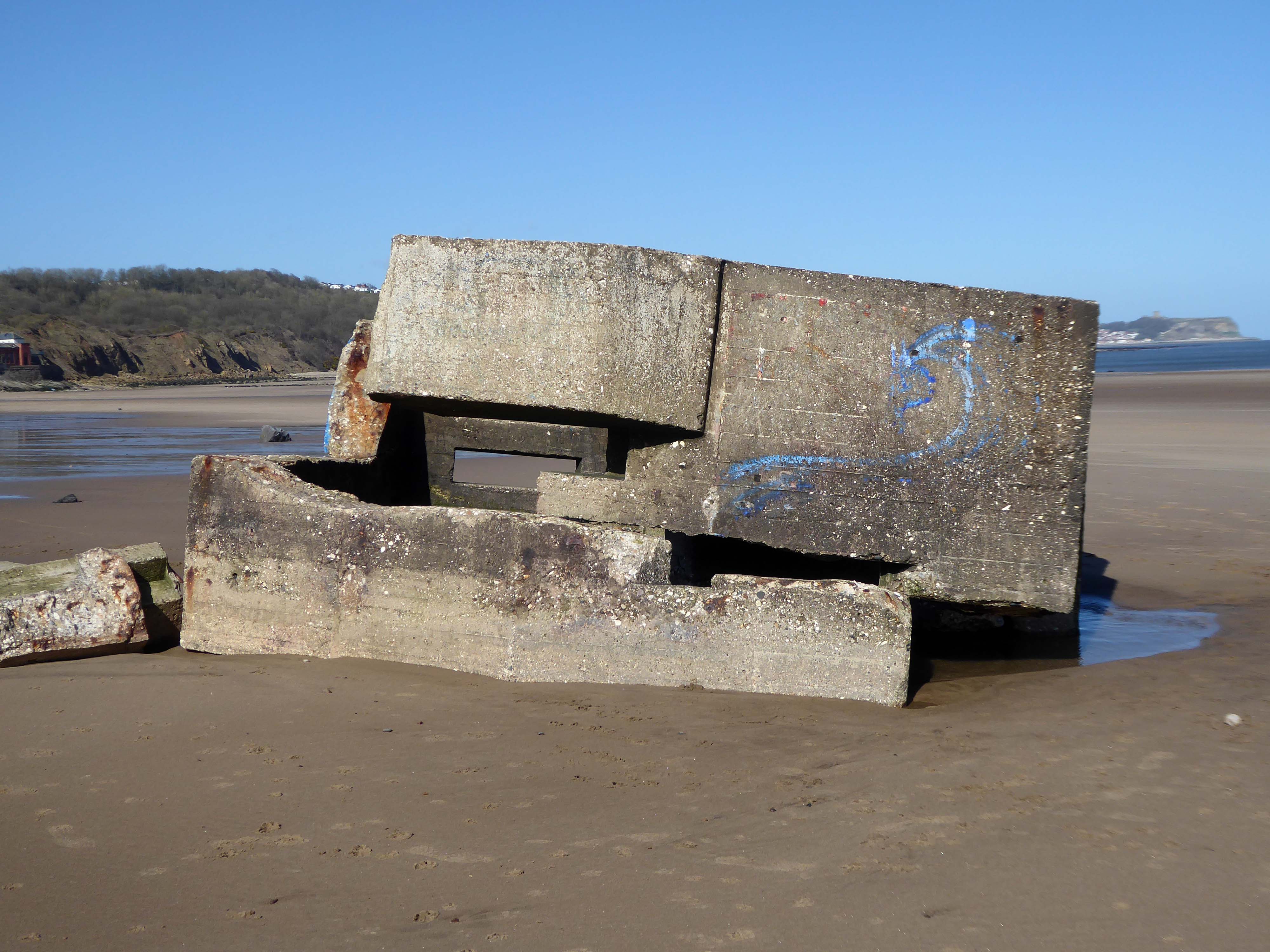
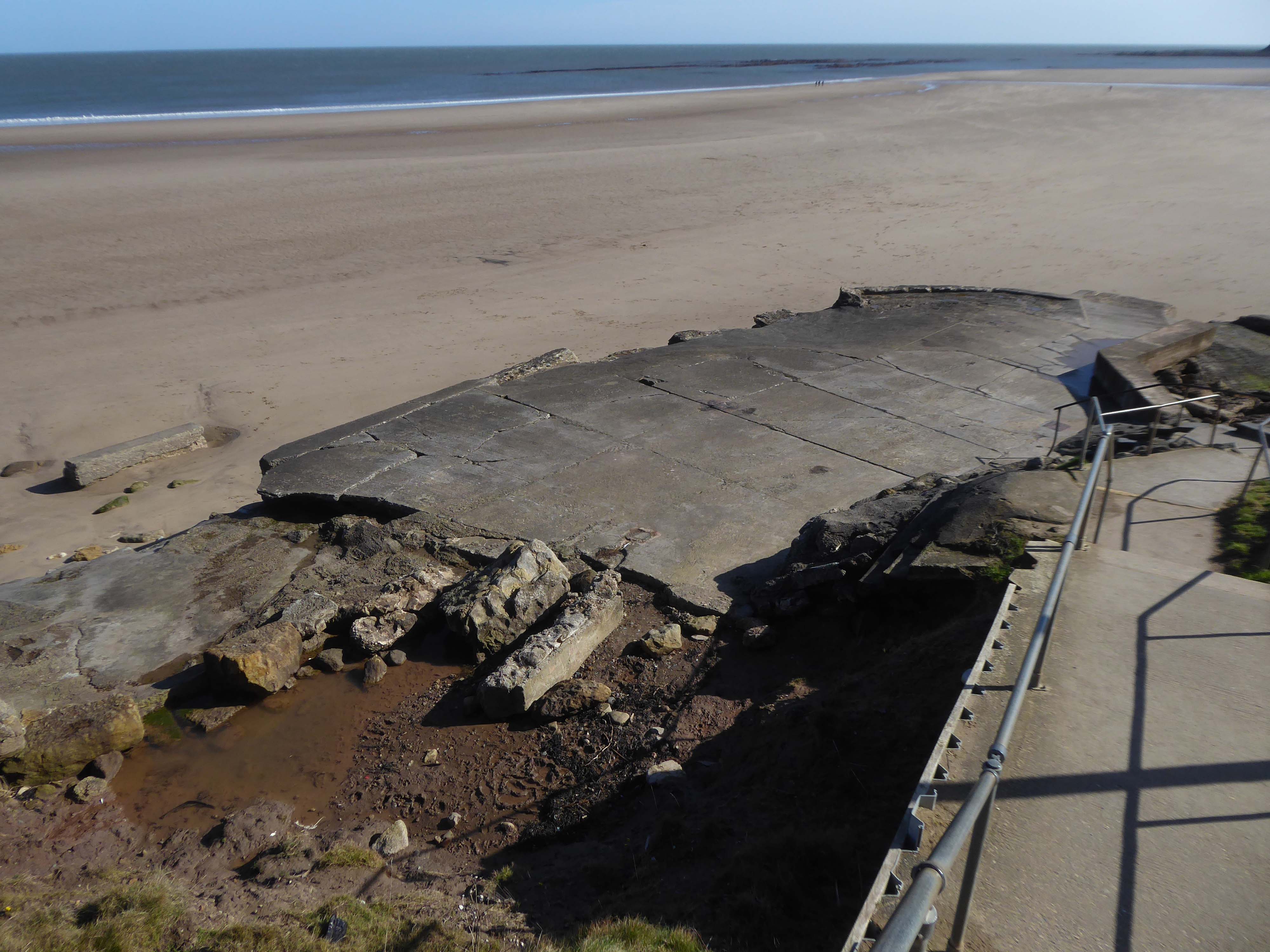
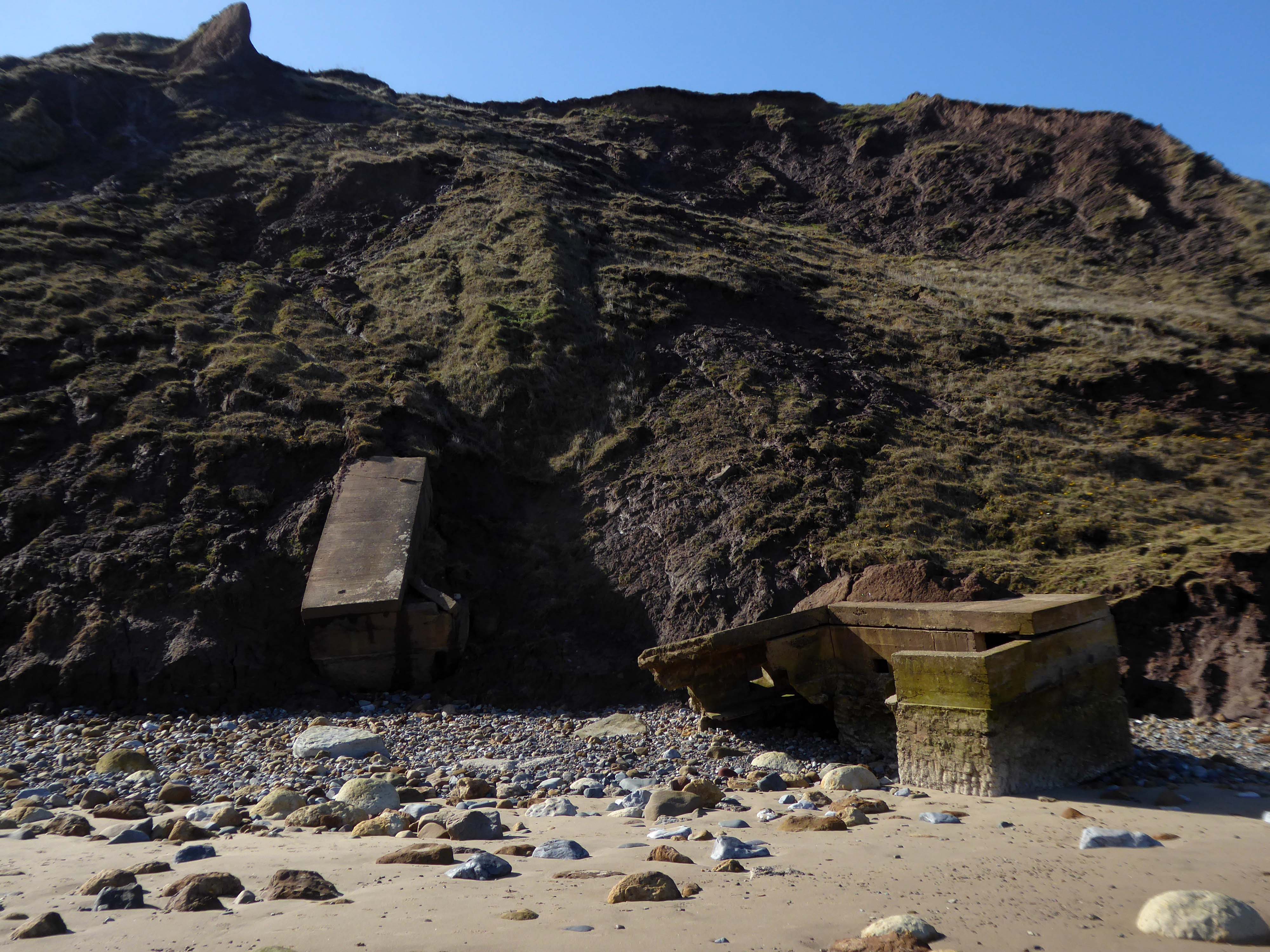
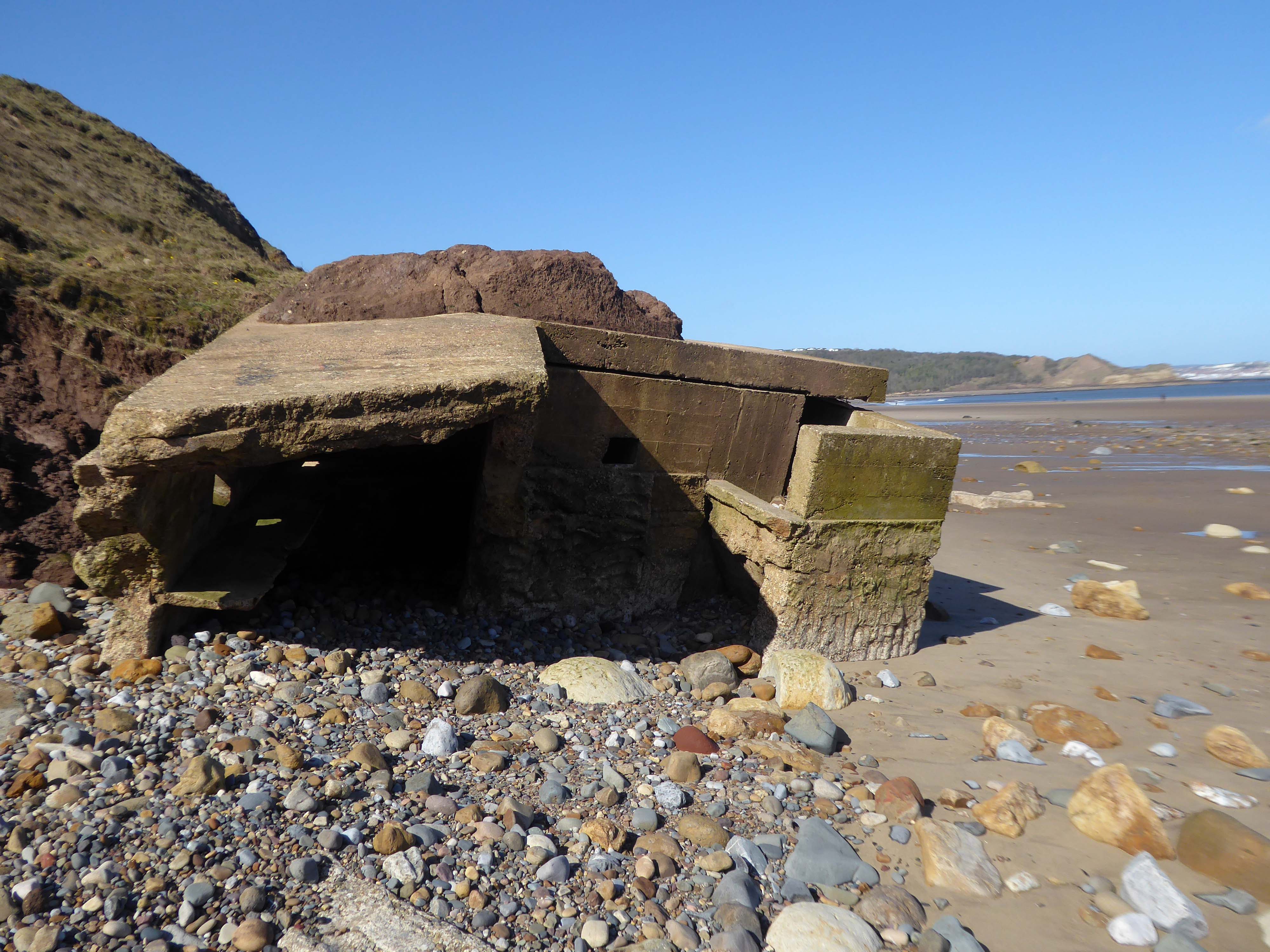
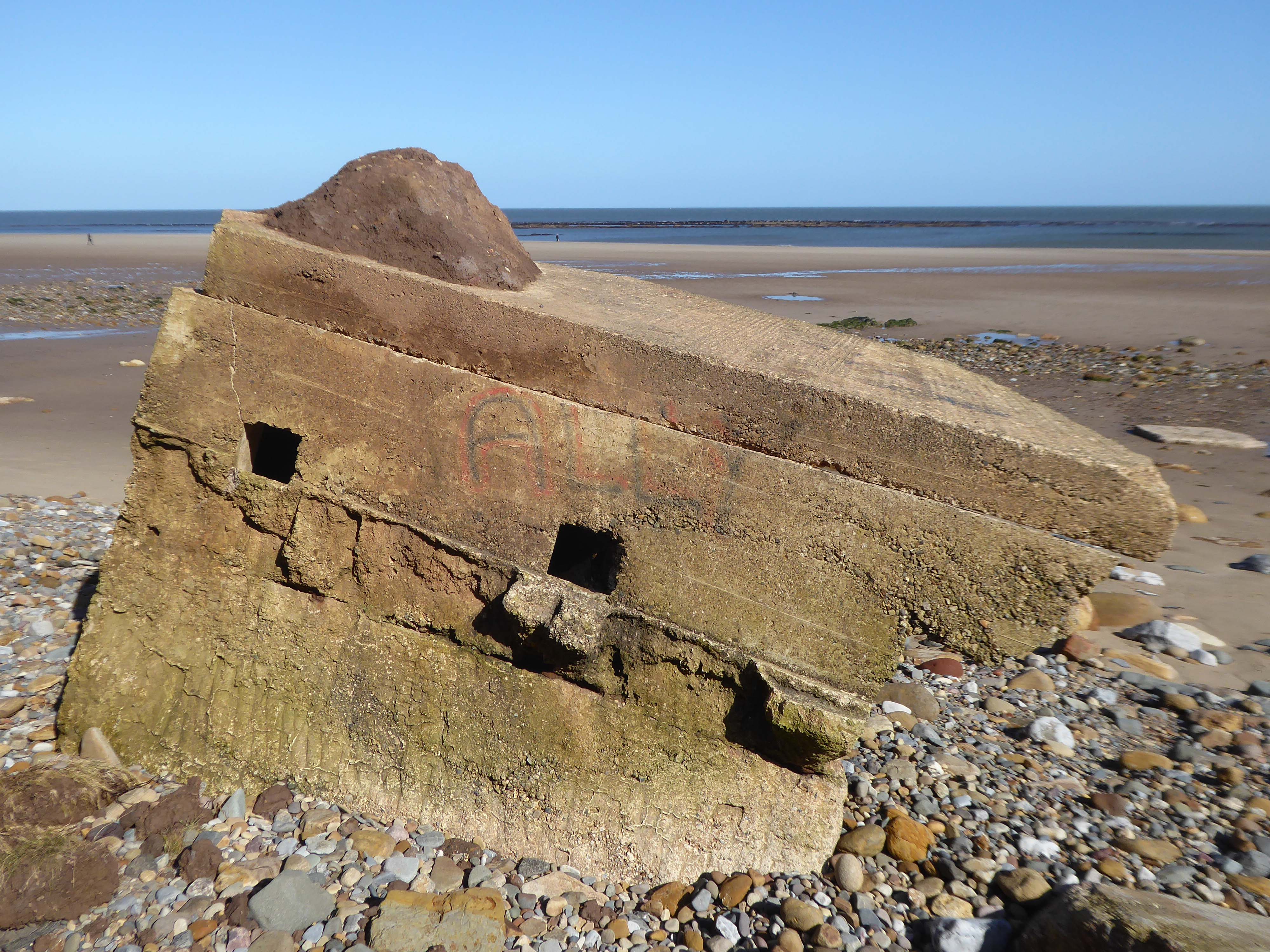
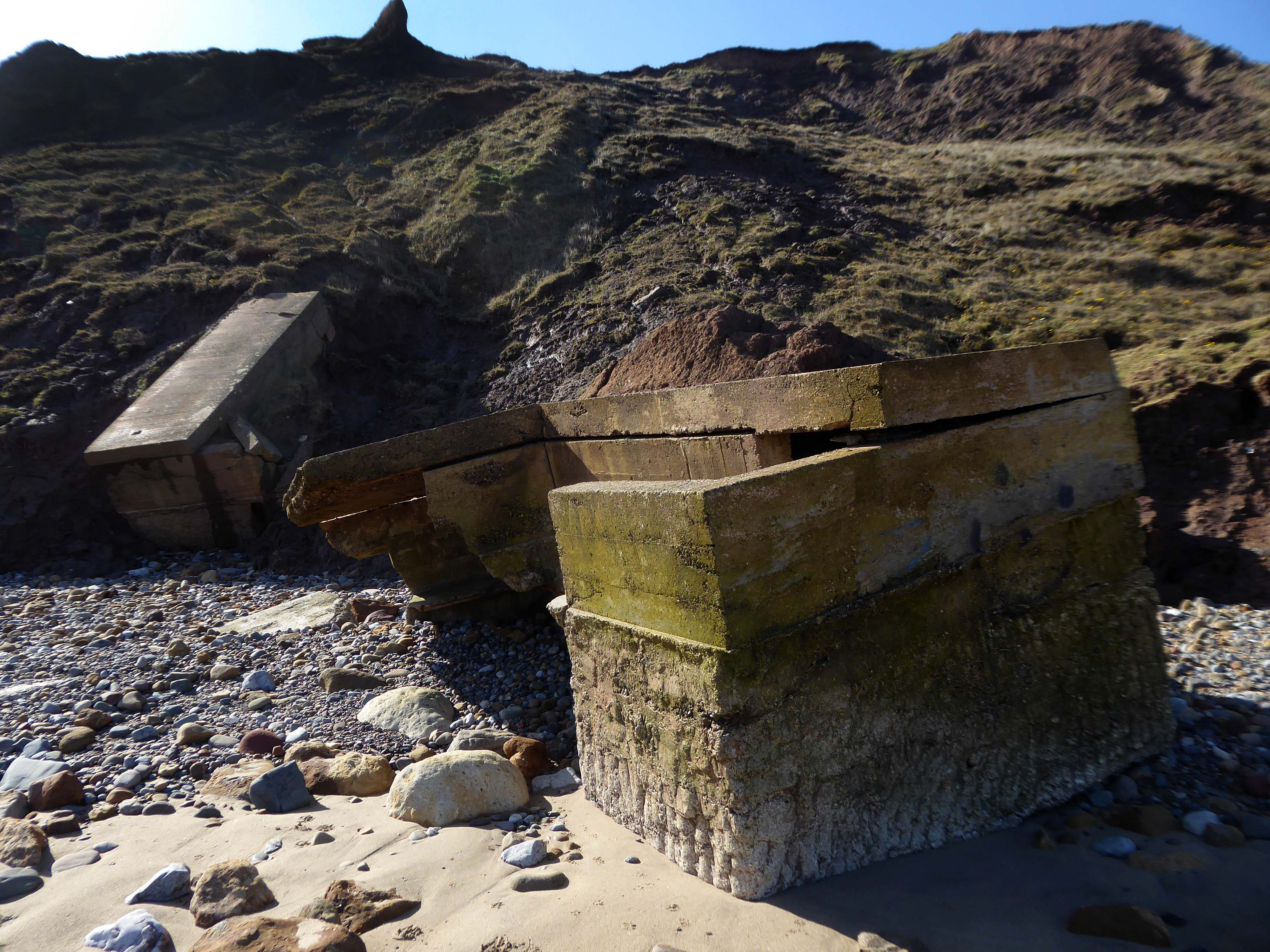
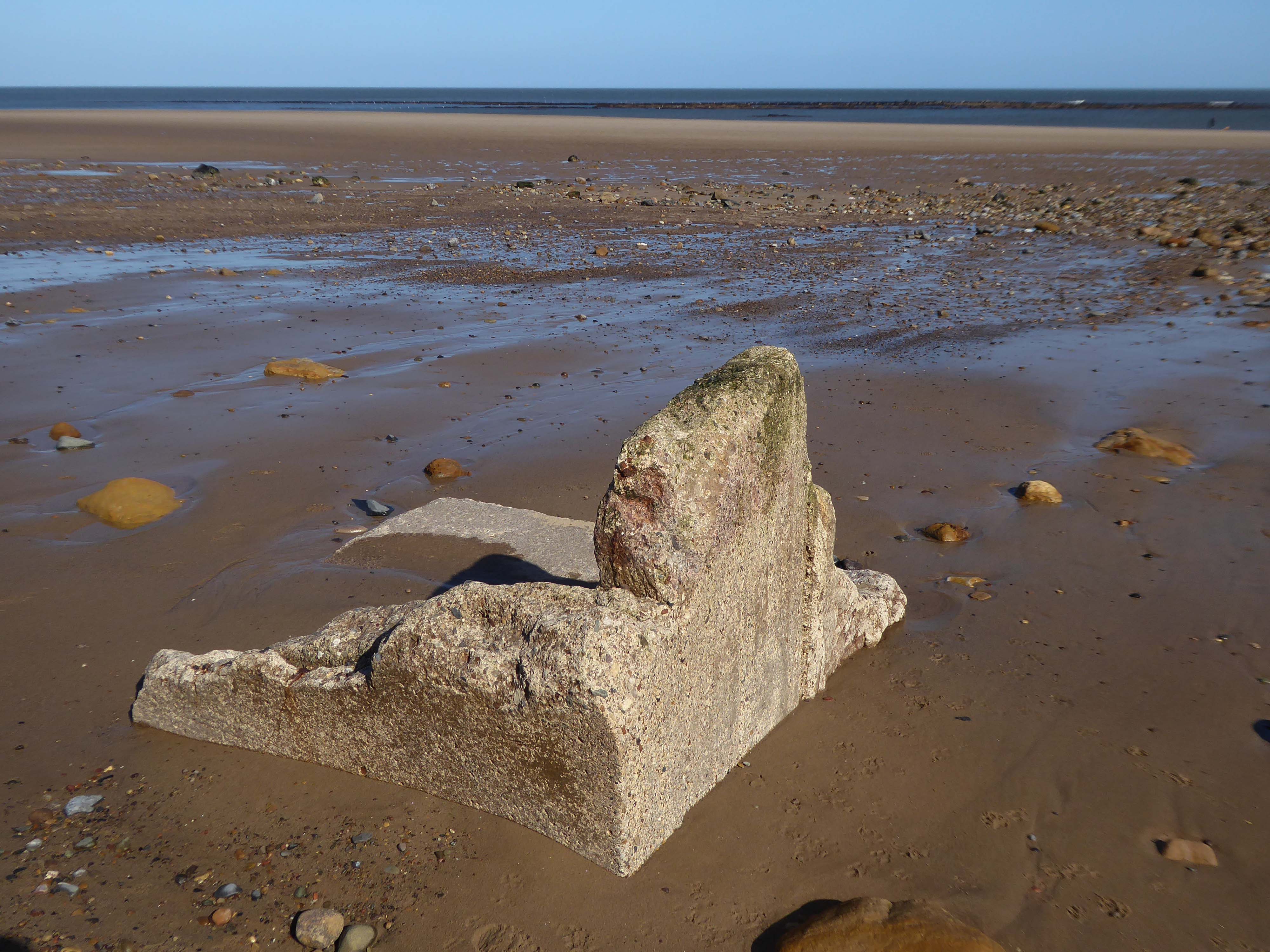
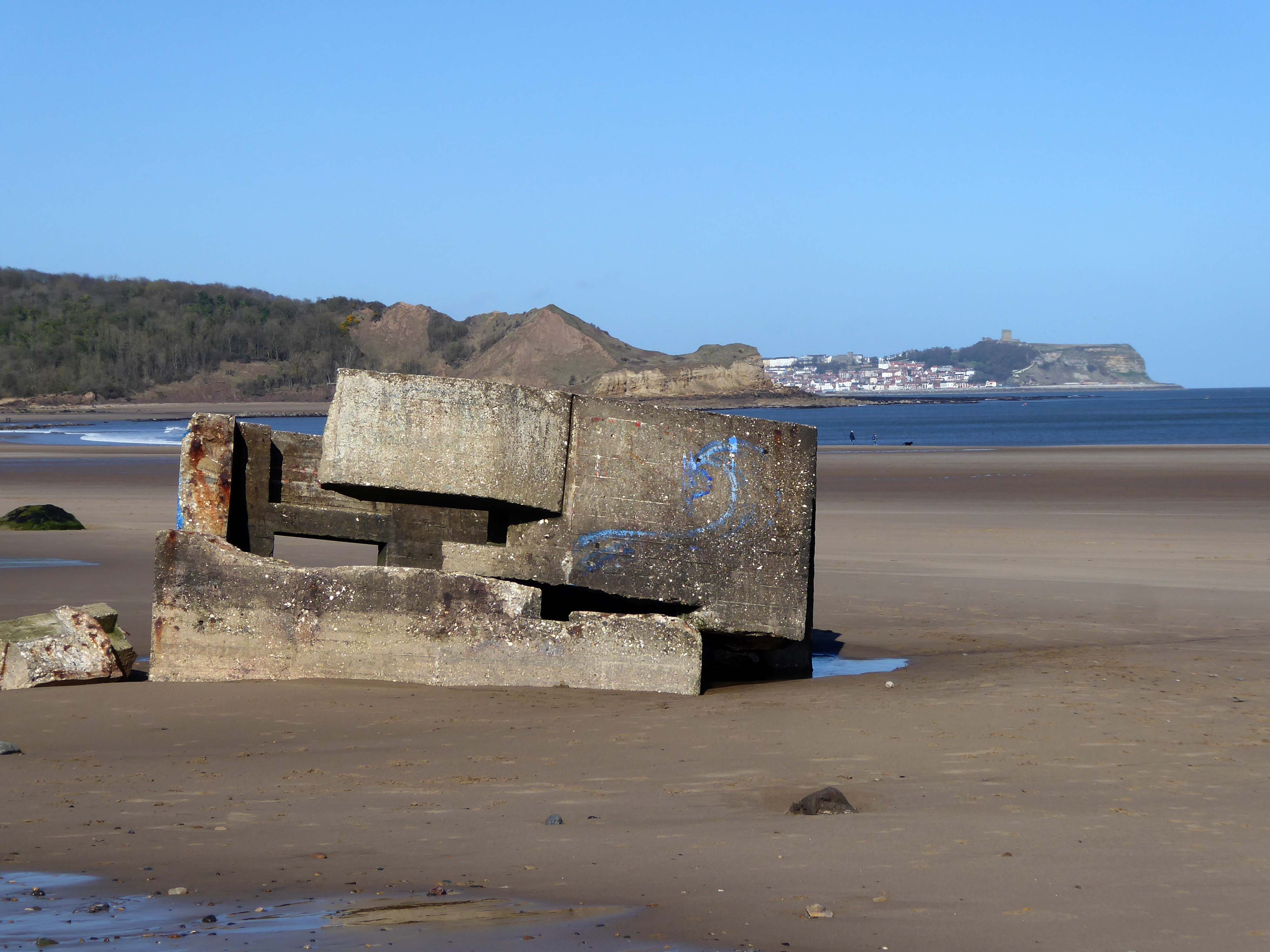
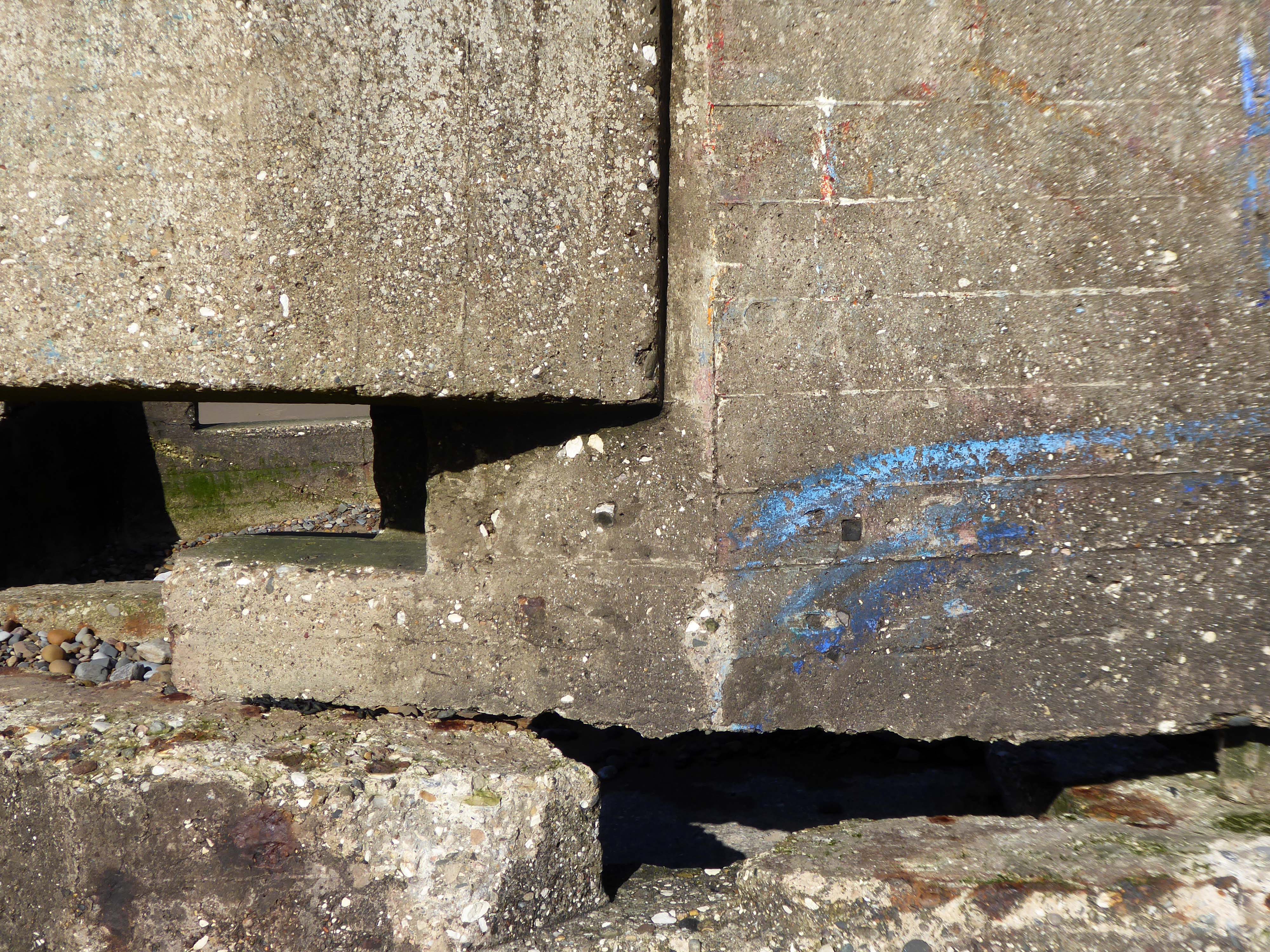
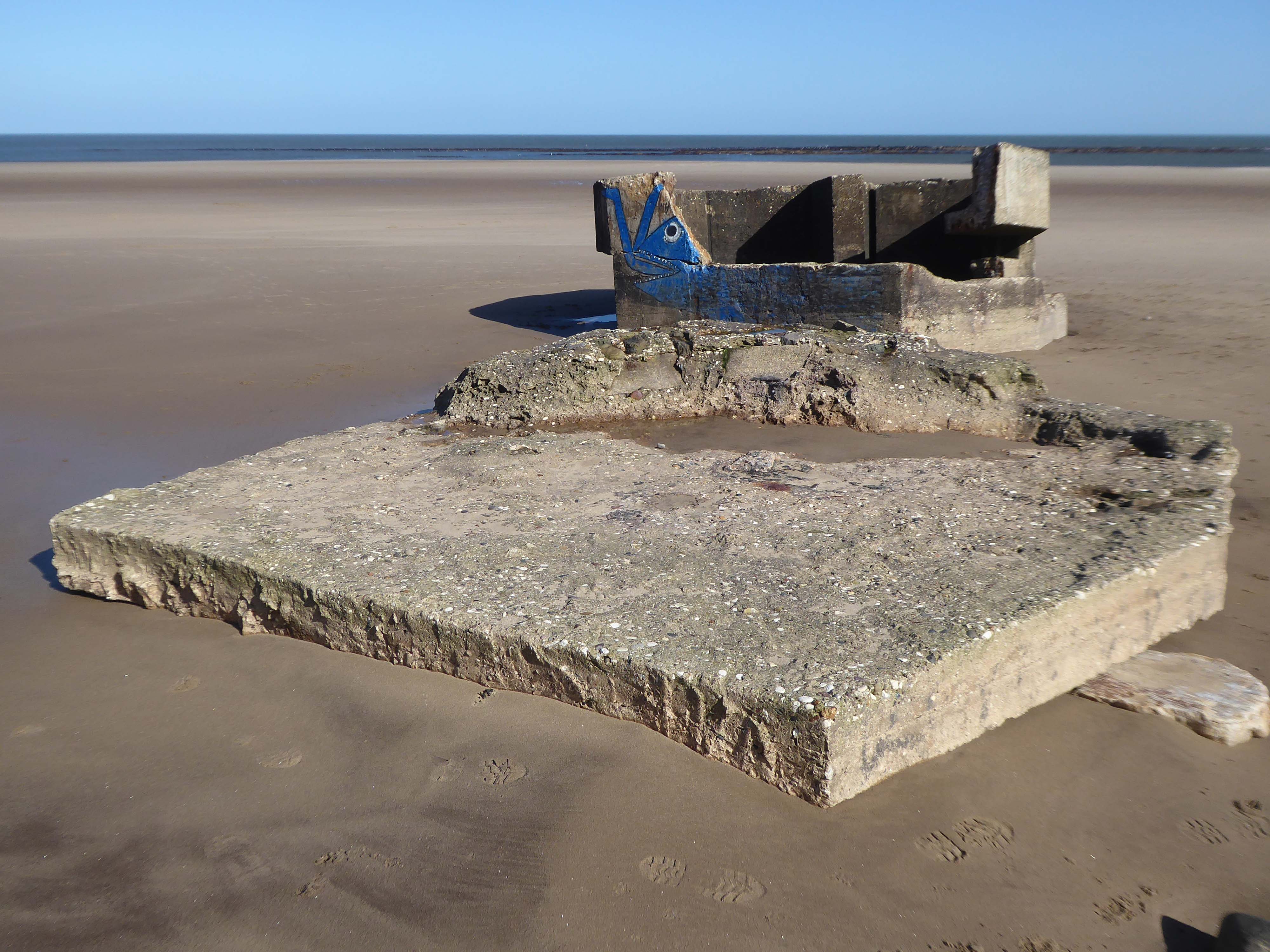
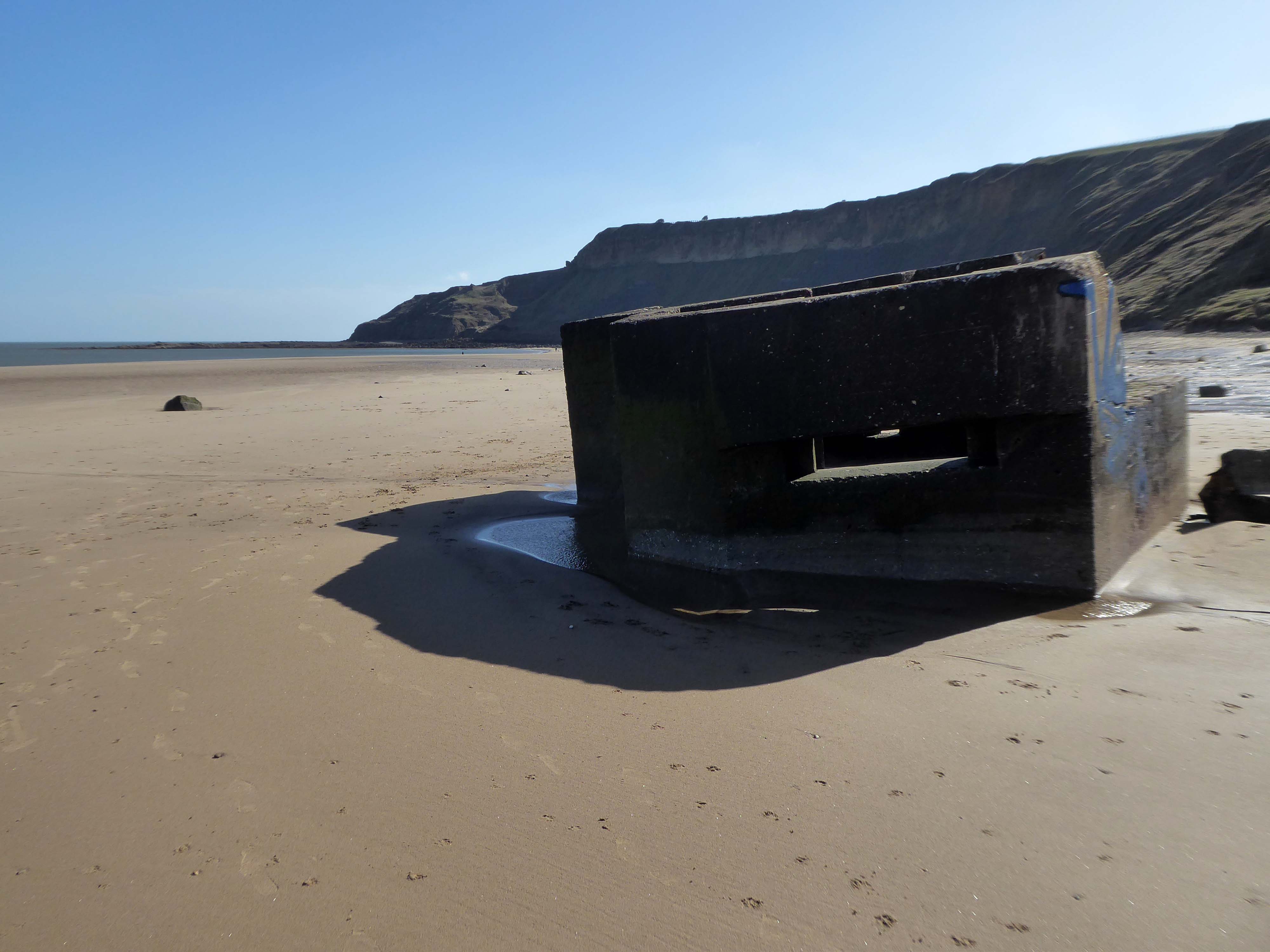
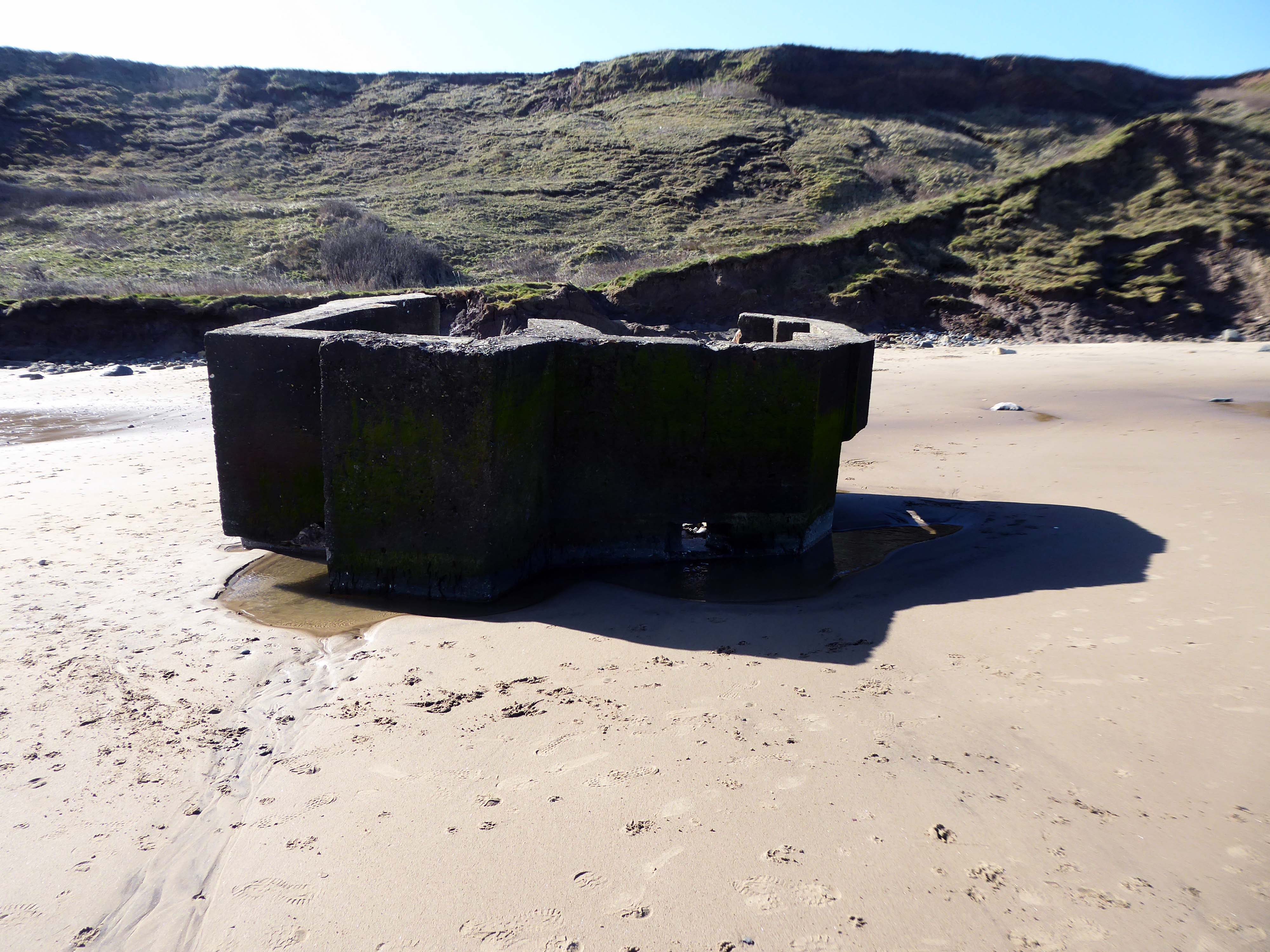
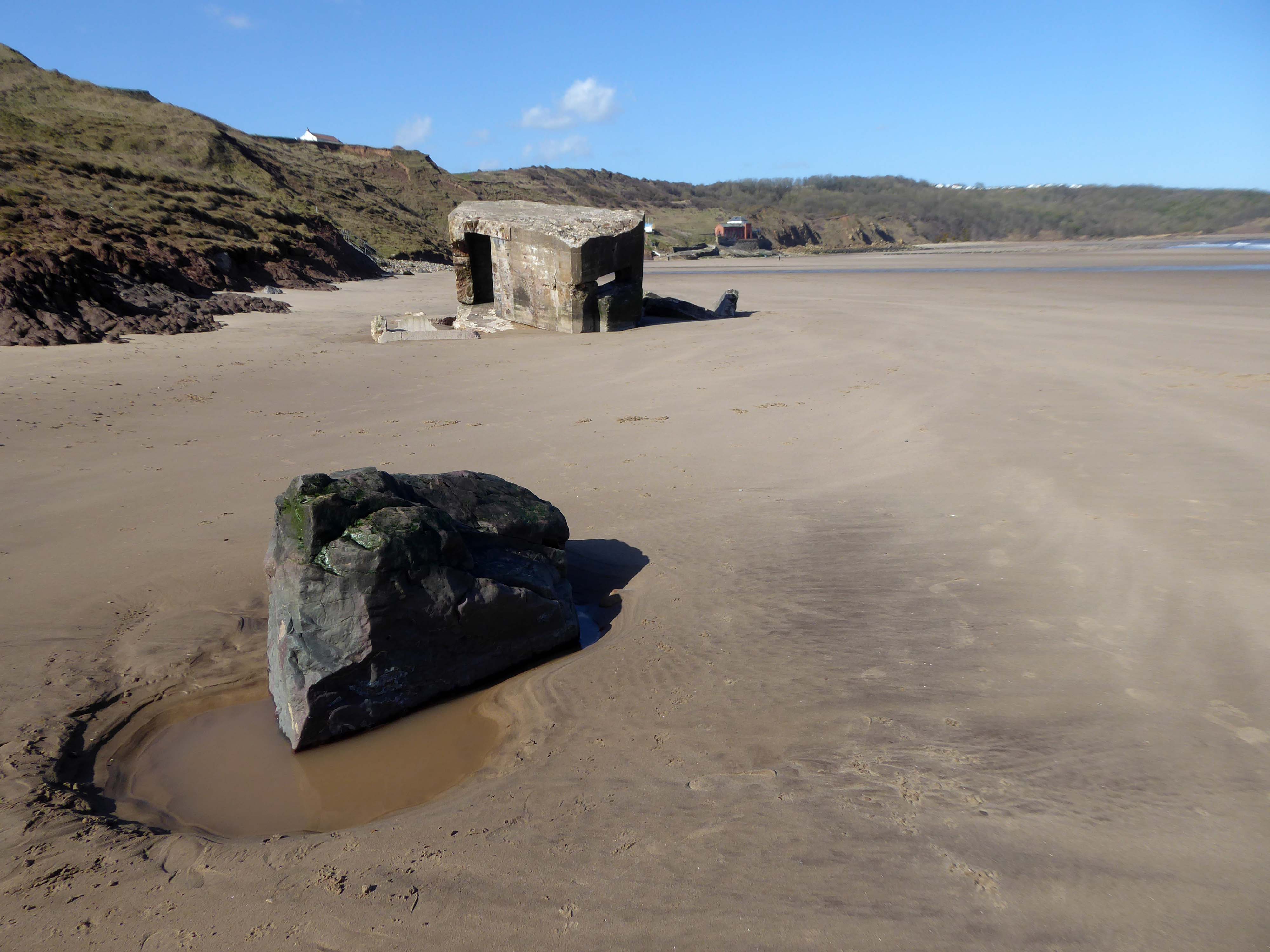
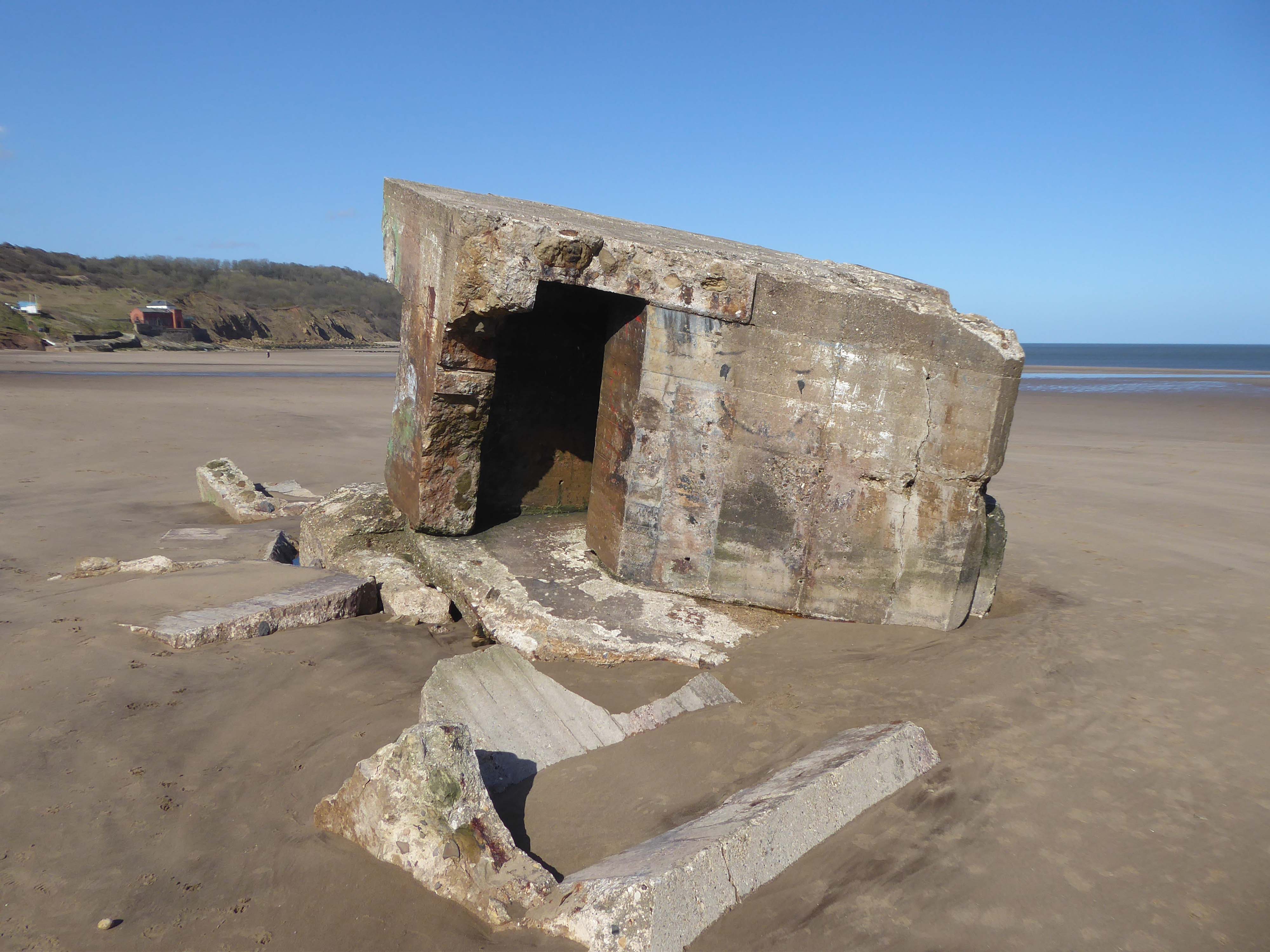
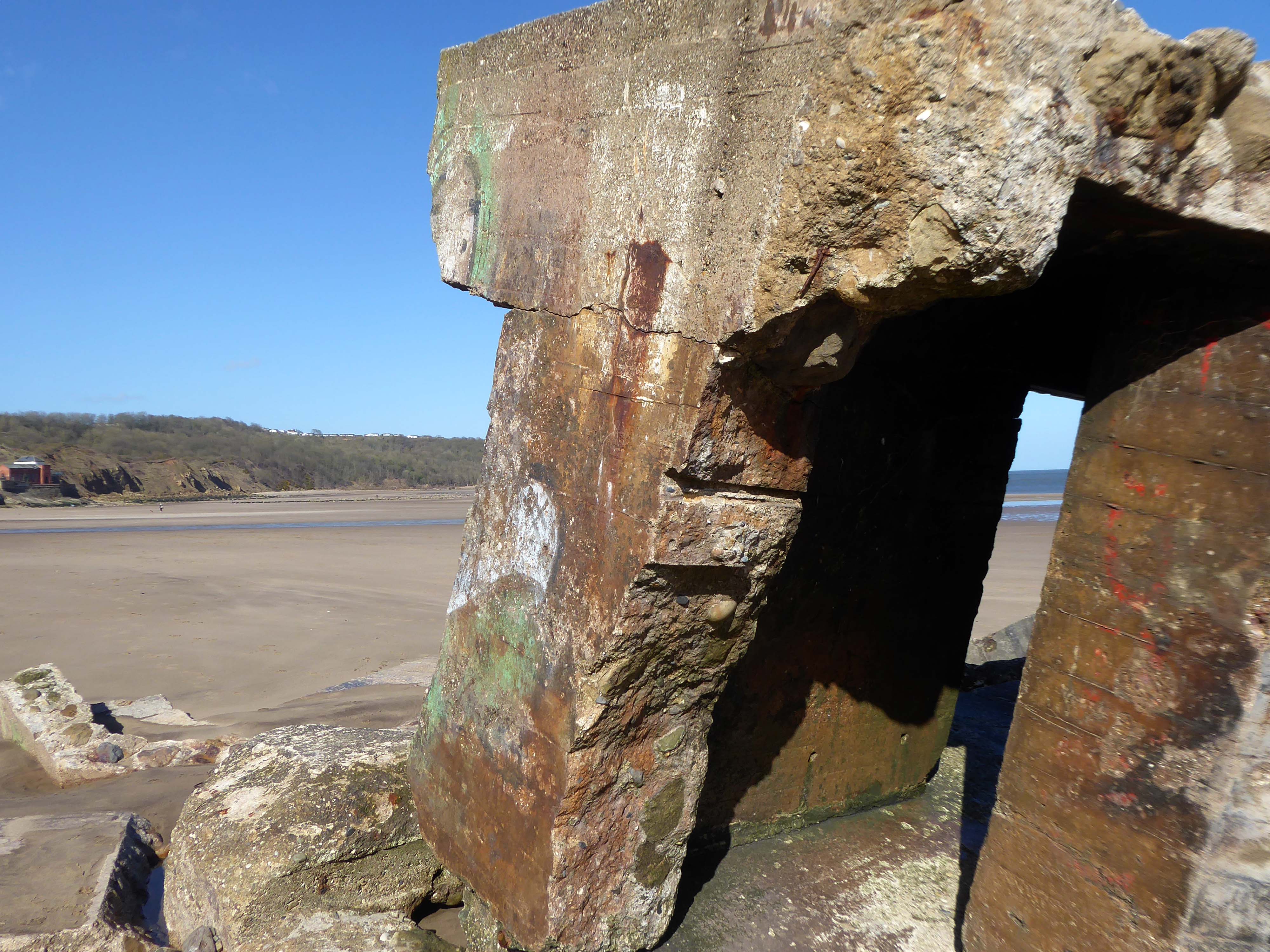
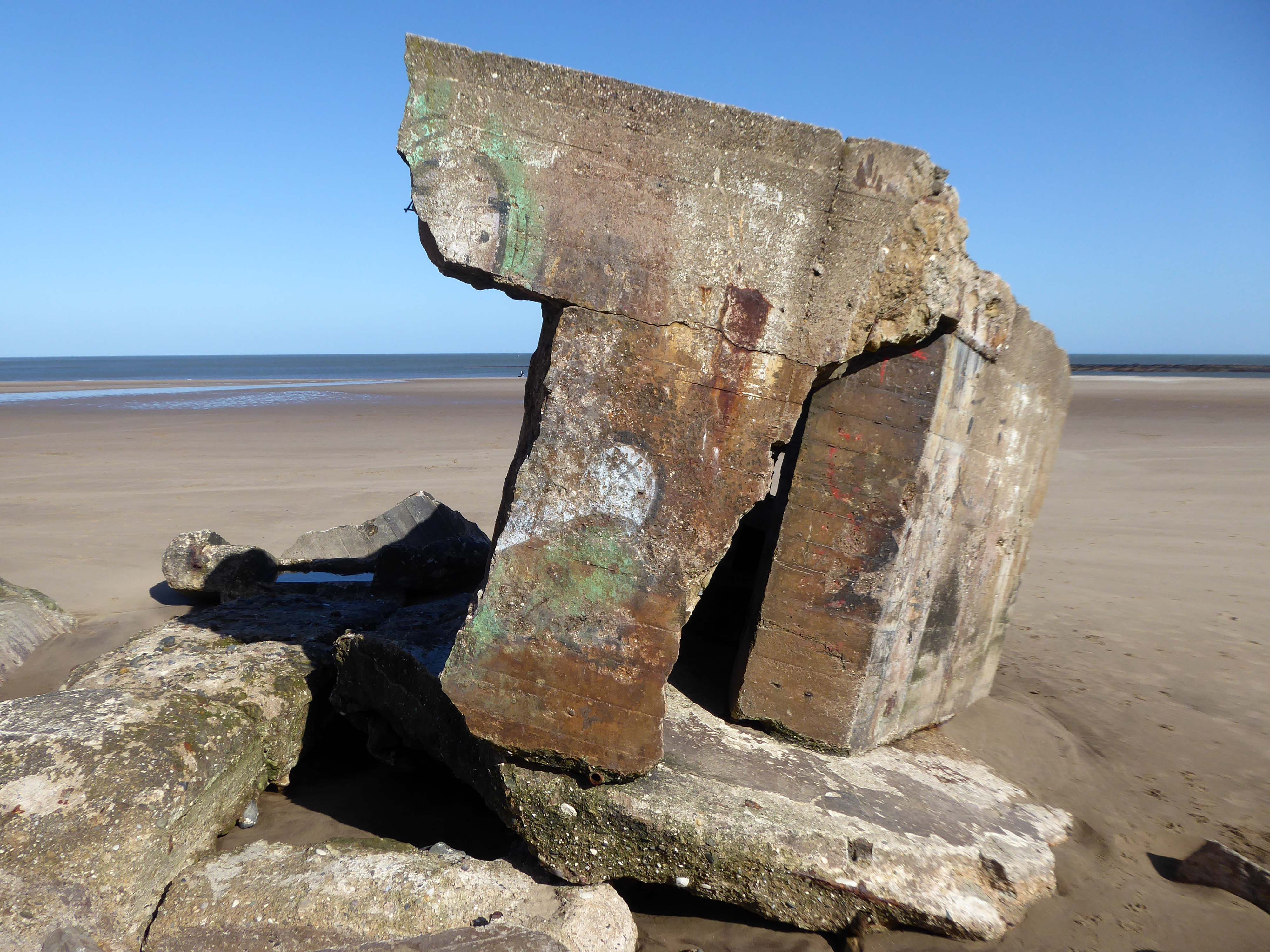
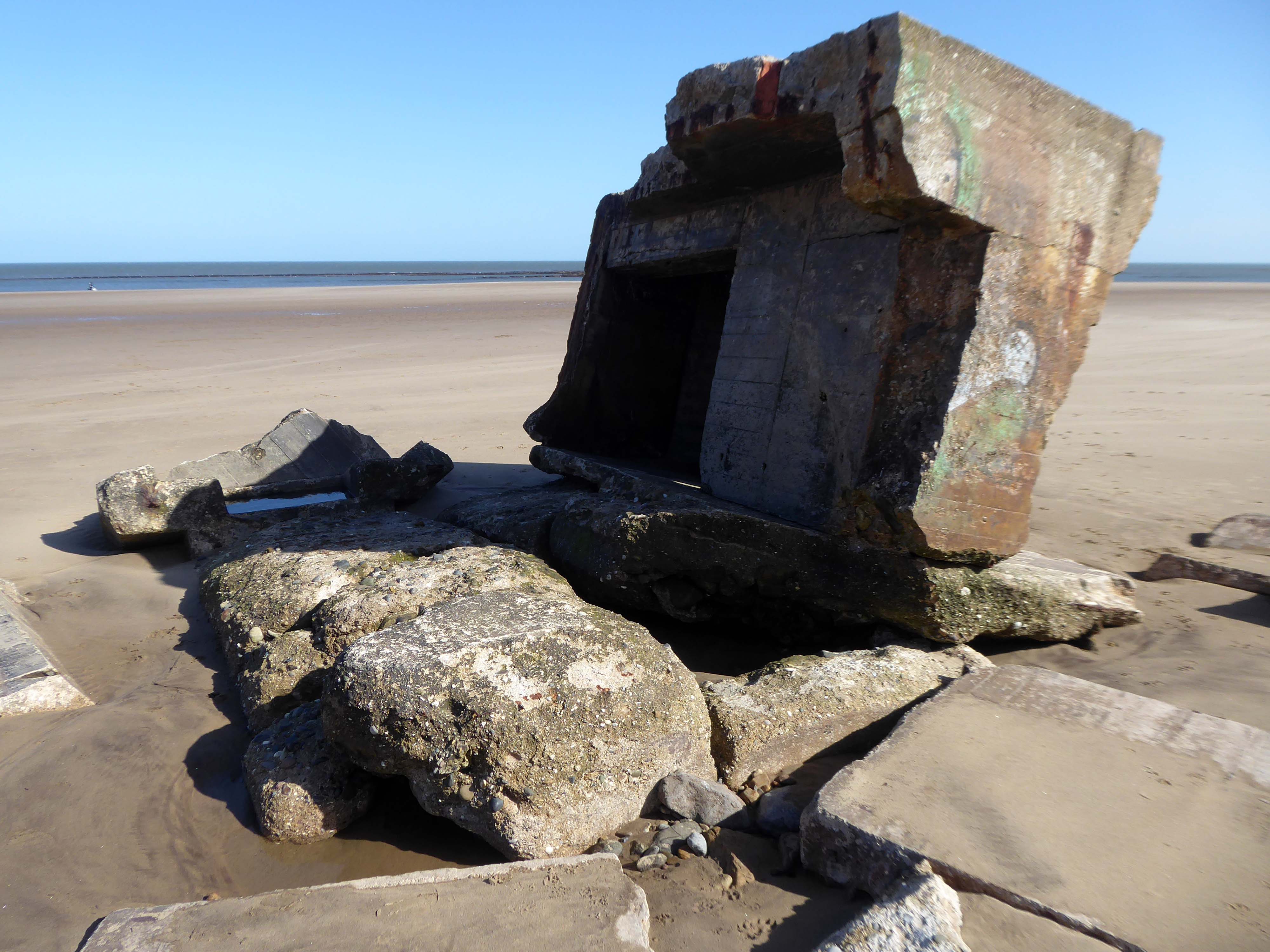
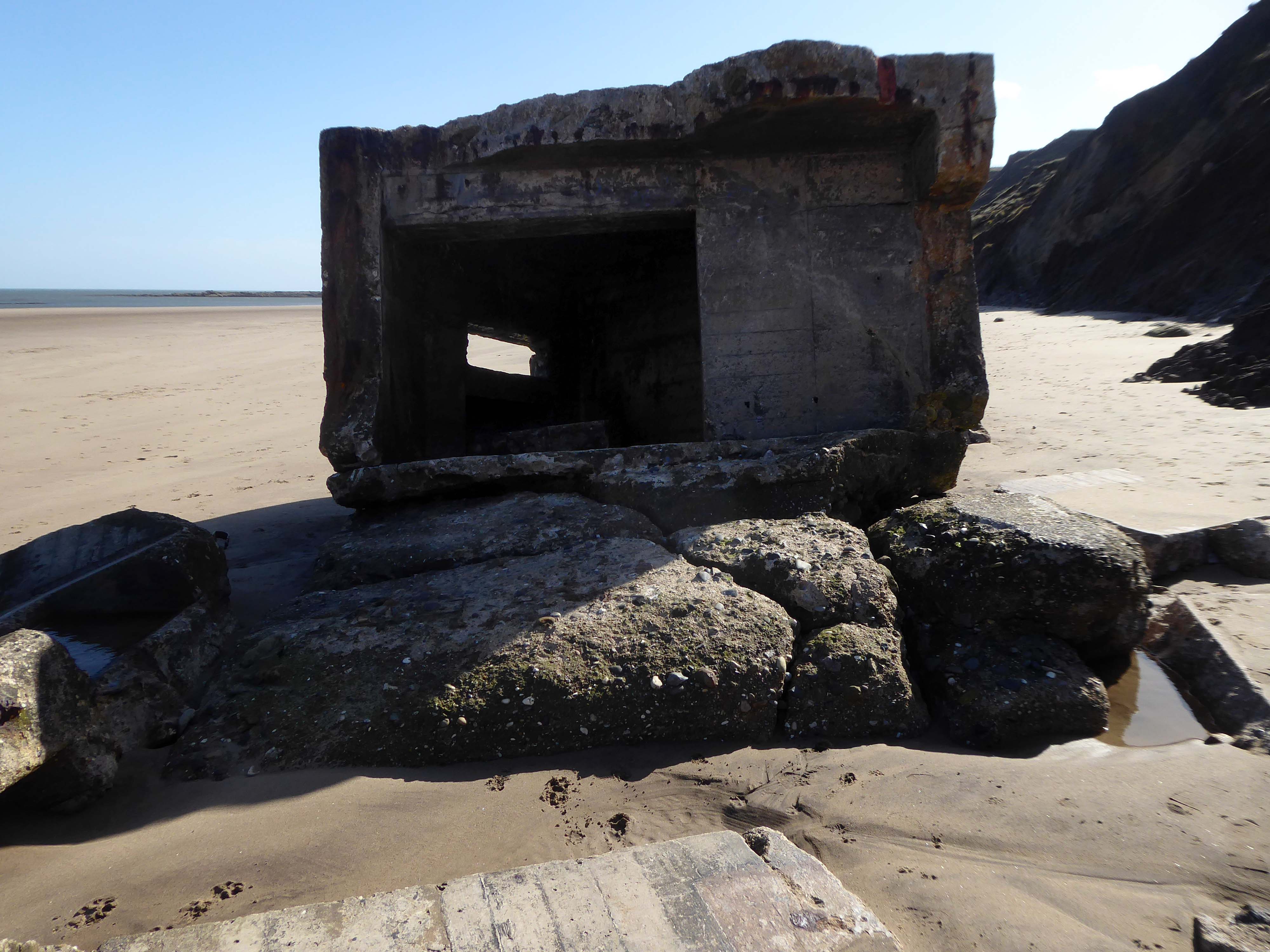
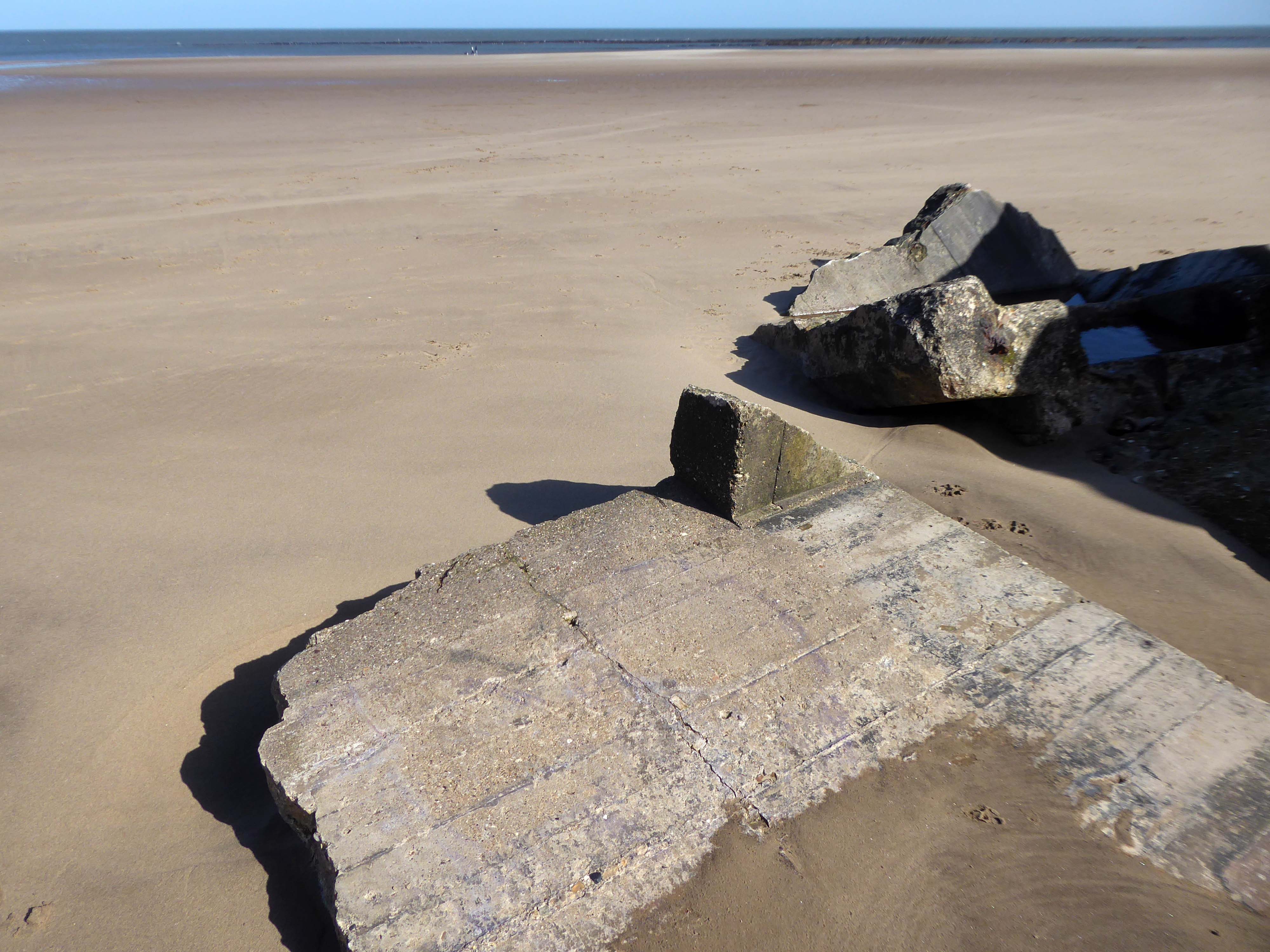
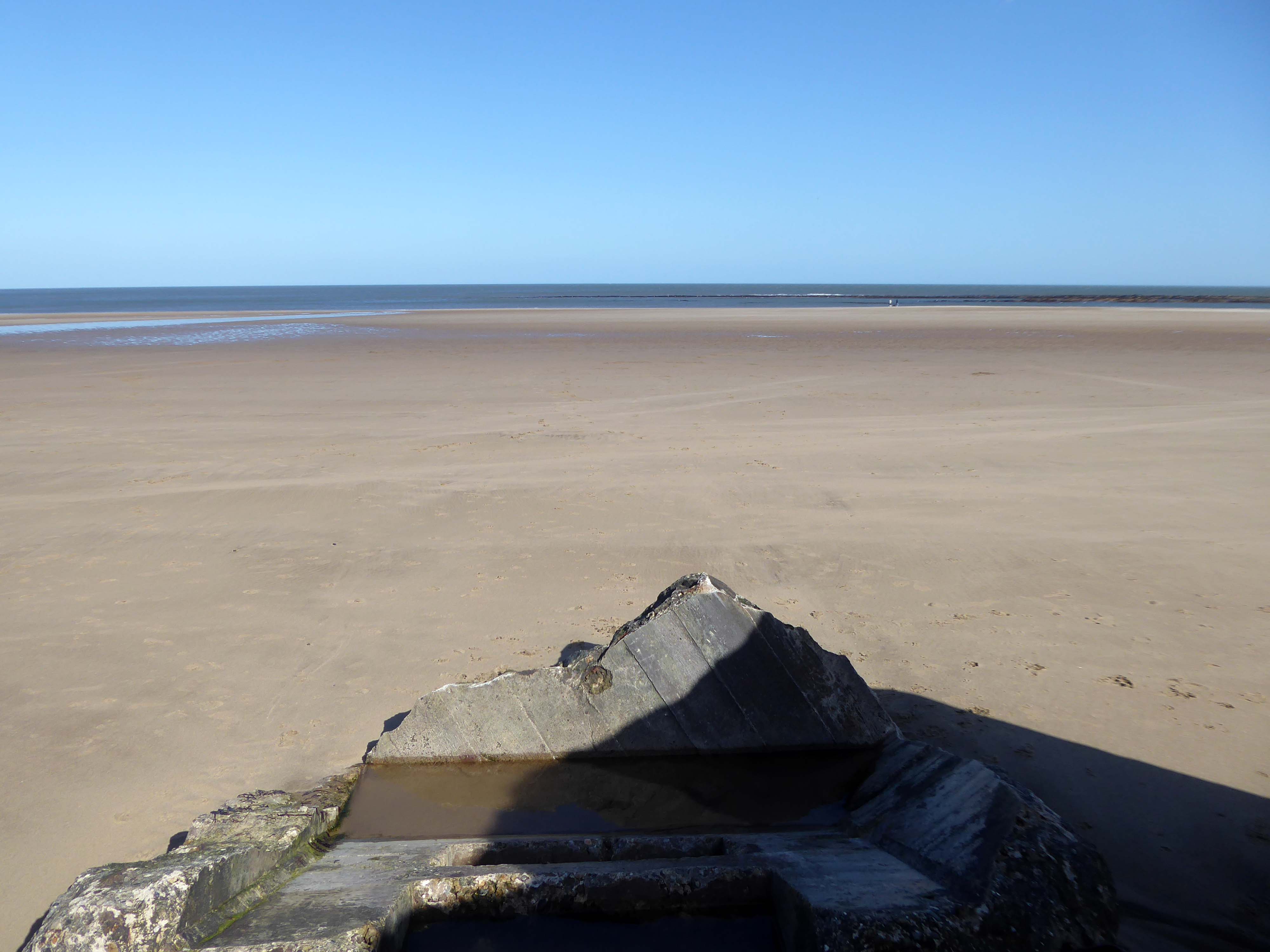
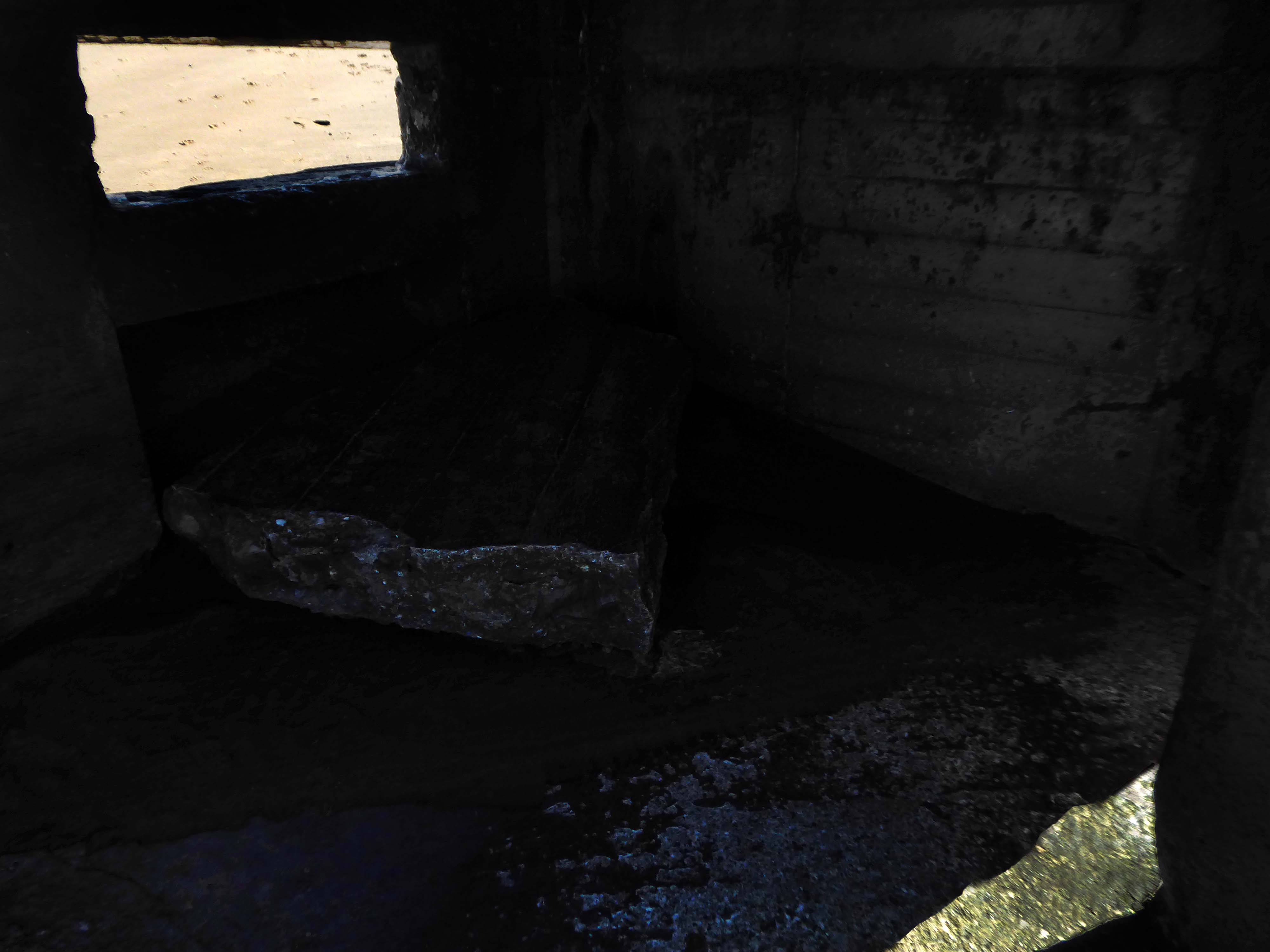
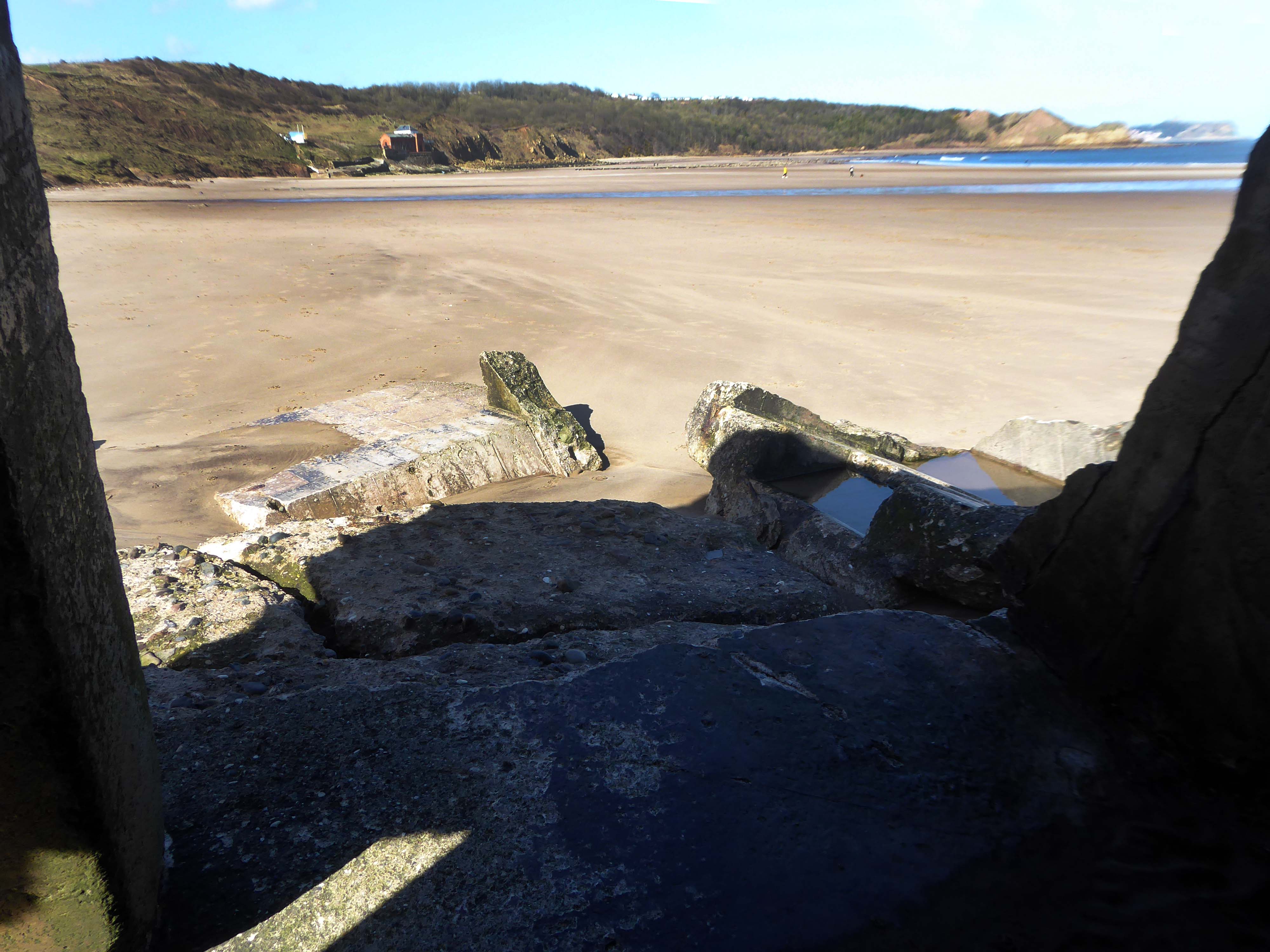
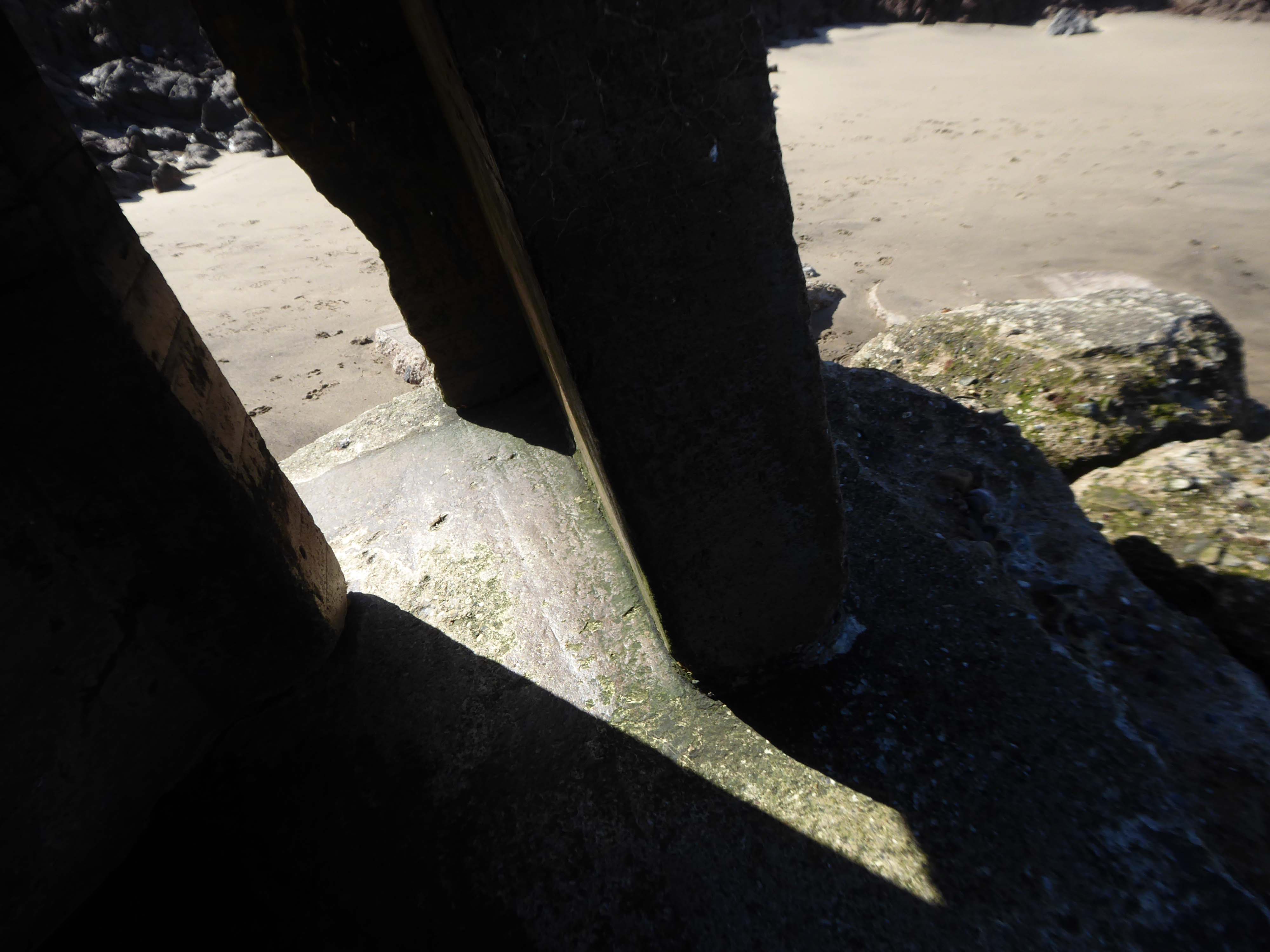
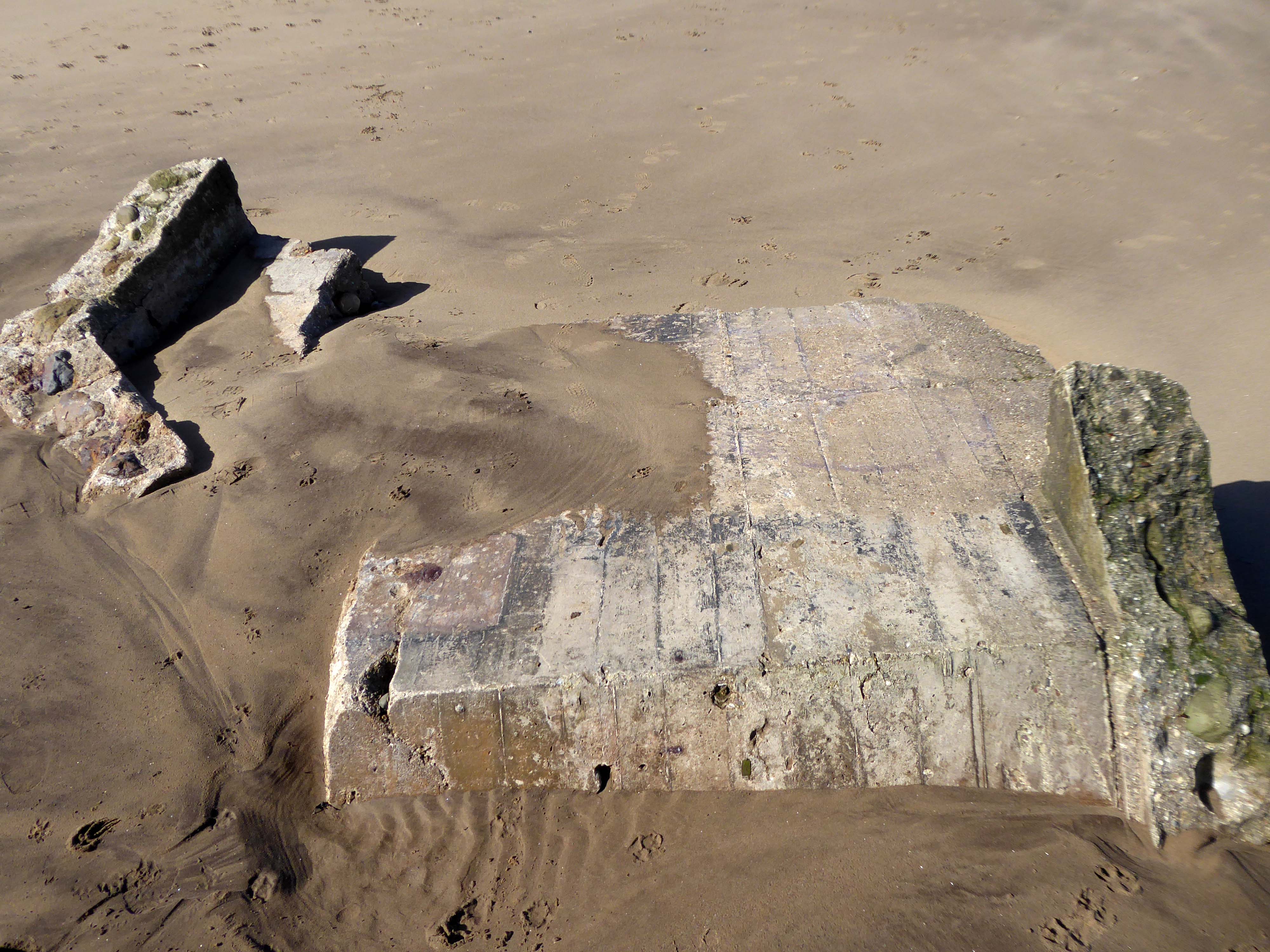
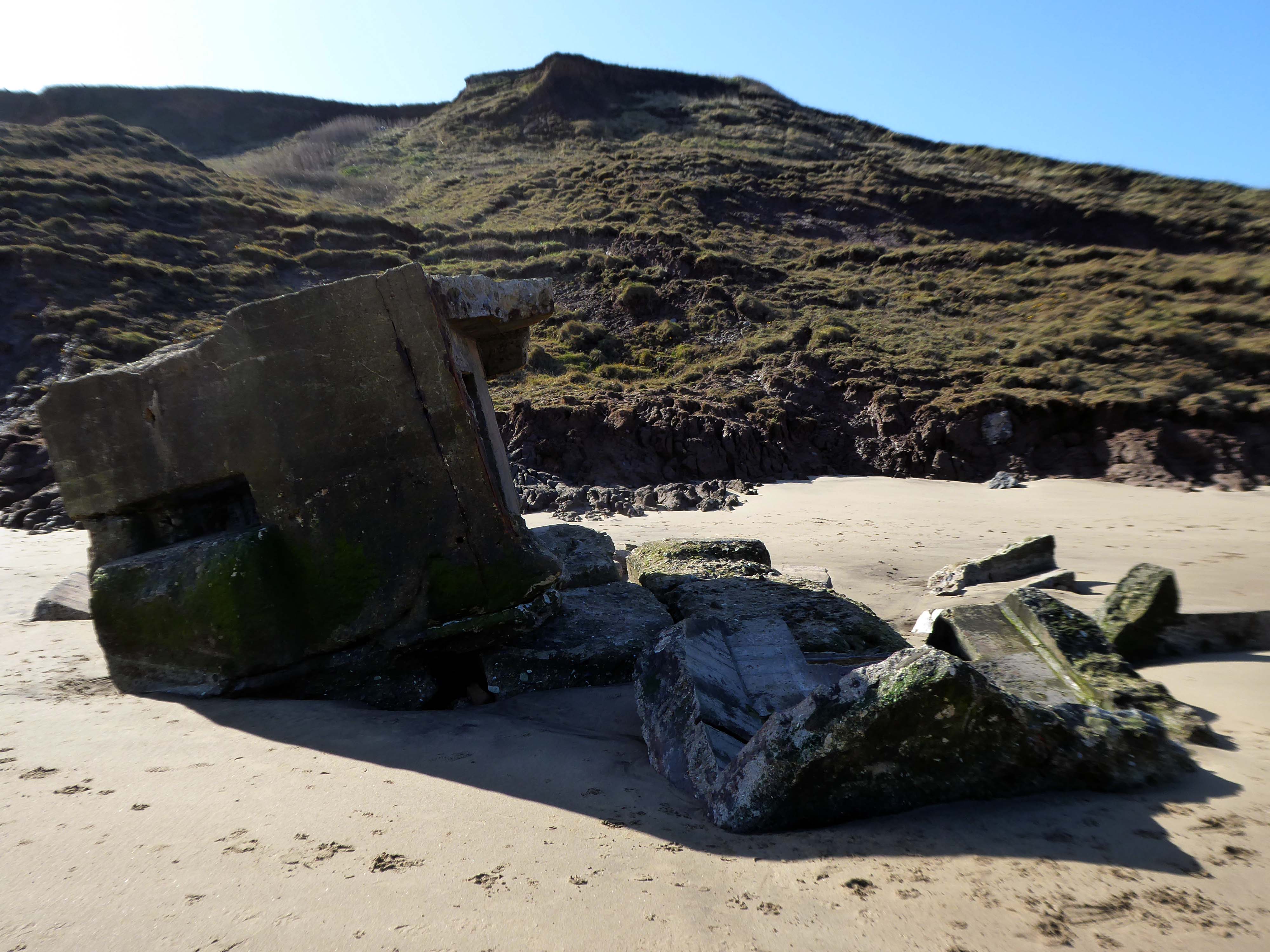
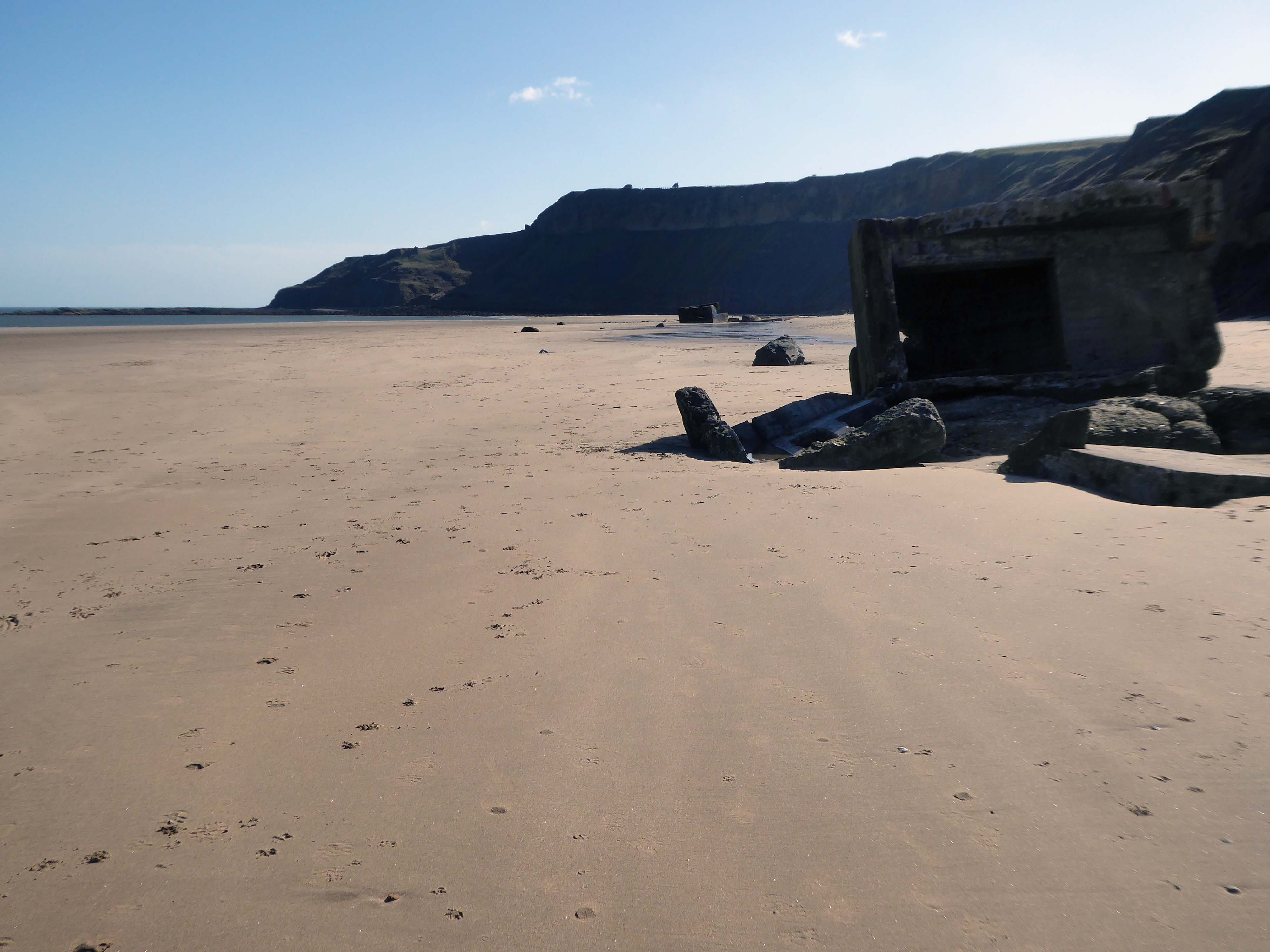
The wide sandy bay was an ideal location for WW2 pillboxes and gun emplacements – anticipating a possible North Sea invasion.

They too are built quite literally on shifting sands.

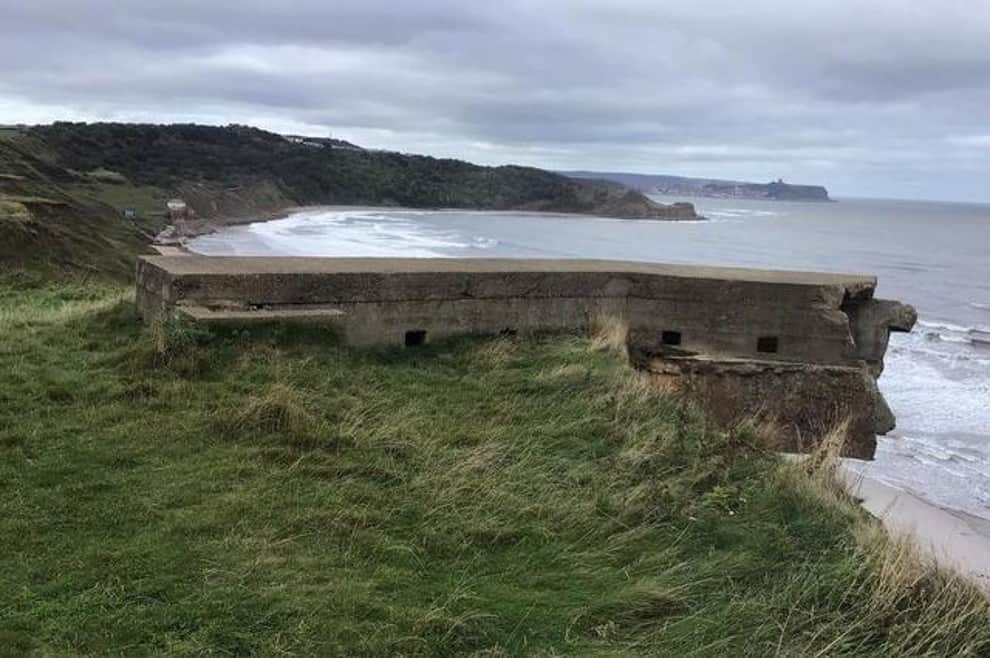
The pillbox – one of many built along the coast to defend against an invasion during World War II – had started to break down, leaving one large piece of stone in a precarious position.

Rob Shaw, of Ganton, noticed the large slab was propped up dangerously against another piece of stone last September.

He said he reported his concerns to Scarborough Borough Council then, but that nothing was done until last month.

The dad-of-two said before the work:

I used to work in construction and I would have been fired if I had left a lump of concrete like that, it could weigh four or five tonnes.

It just needs lying flat on the sand so it can’t fall on anyone.

A spokesperson for Scarborough Borough Council said the council had assessed the pillbox and arrangements had been made for the problem section to be removed.

The Scarborough News

This unstable cliff-top structure was allegedly hastened bay-wards by the Council.

Claims that we pushed the pillbox off the cliff are untrue – our colleagues have many amazing talents but pushing huge concrete structures is not one of them. The structure people can see at the base of the cliff is the other section of the pillbox that has been on the beach for many years.

Yorkshire Post

So let’s take a look at the state of play as of March 2023 – walking amongst these crumbling concrete remnants.

Scarborough Art Gallery

The history of the building which today houses Scarborough Art Gallery began in 1828, when local solicitor and Town Clerk, John Uppleby, in partnership with local builders John Barry and his brother William, bought the land on which The Crescent would be built from the wealthy local banker and shipowner, John Tindall. In 1830, the York architect Richard Hey Sharp and his brother Samuel were commissioned to draw up plans for the site.

Crescent Villa was the last of the villas to be built, erected in 1845 as a home for John Uppleby and his family. After John’s death in 1856, his wife and family continued to live in the house until her death in 1881, at which time it was bought by Edward Chivers Bower, father of the sculptor Lady Ethel Alice Chivers Harris and the great grandfather of Katharine, Duchess of Kent.

Bower renamed the house ‘Broxholme’ after his family seat near Doncaster.

Photo: Doc Brown

Following Henry Donner’s death, the house was purchased by Scarborough Corporation in 1942 for £3000 and for five years was used as a welfare clinic and children’s nursery. The clinic moved out in February 1947 and the Corporation decided to turn the building into a public art gallery.

The Scarborough Art Gallery opened to the public on 17 November 1947.

The permanent collection includes paintings donated by famous hotelier Tom Laughton, the brother of the film star and actor Charles Laughton.

Detail from a 1931 map of Scarborough by Edward Bawden – Scarborough Museums Trust collection

Both Eric Ravilious and Edward Bawden, who were close friends, became acquainted with Tom Laughton, who acted as a patron, particularly to Bawden and commissioned pieces from him to adorn his hotels.

Wikipedia

I visit Scarborough at least once a year – travelling by train from my home in Stockport and one occasion cycling from Hull.

Whilst visiting, a visit to the gallery is almost de rigueur.

This year I had a particular interest in the gallery’s photographic exhibition Squaring The Circles

The works on show demonstrate radical and experimental investigations into the process of making photographs. From cyanotypes and daguerreotypes to pinhole and cameraless imagery, the exhibition blurs the boundaries between art and photography, resulting in an expressive, otherworldly, and inspiring display.

Exhibiting photographers include Takashi Arai, Angela Chalmers, David Chalmers, Susan Derges Hon FRPS, David George, Joy Gregory Hon FRPS, Tom Hunter Hon FRPS, Ian Phillips McLaren, Céline Bodin and Spencer Rowell.

Curated by Zelda Cheatle Hon FRPS.

I turned up paid my three pounds for an annual pass and looked around.

This is what I saw inside and out.

Angela Chalmers

Tom Hunter

Tom Hunter

Susan Derges

Céline Bodin

Tom Hunter

The show’s full title was Squaring the Circles of Confusion – here’s some information to dispel the confusion

Photopedagogy

Not top be confused with the Ball of Confusion.

Go see the show.

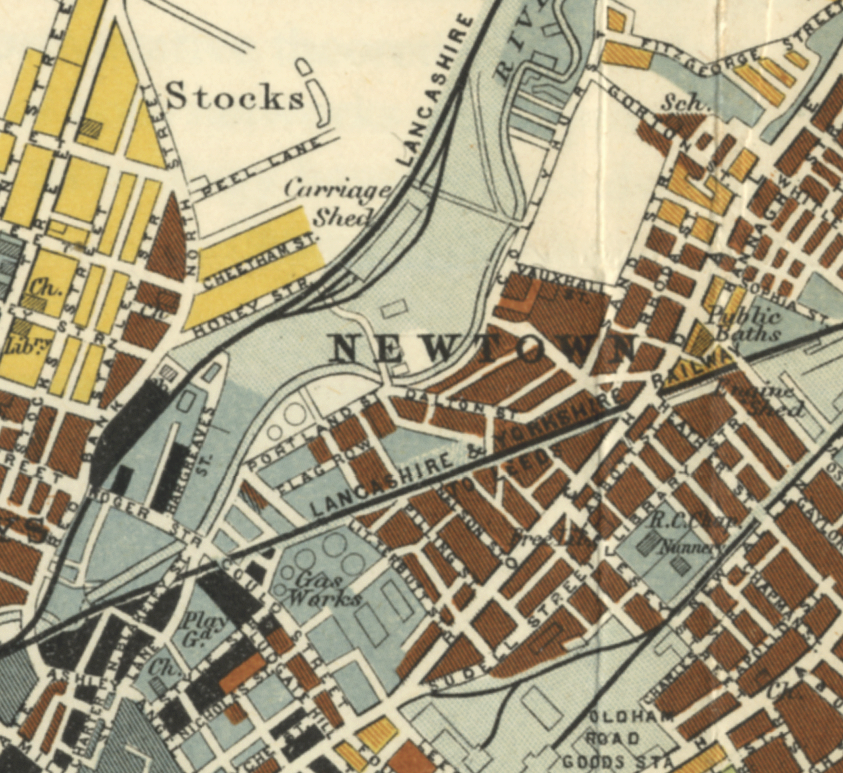
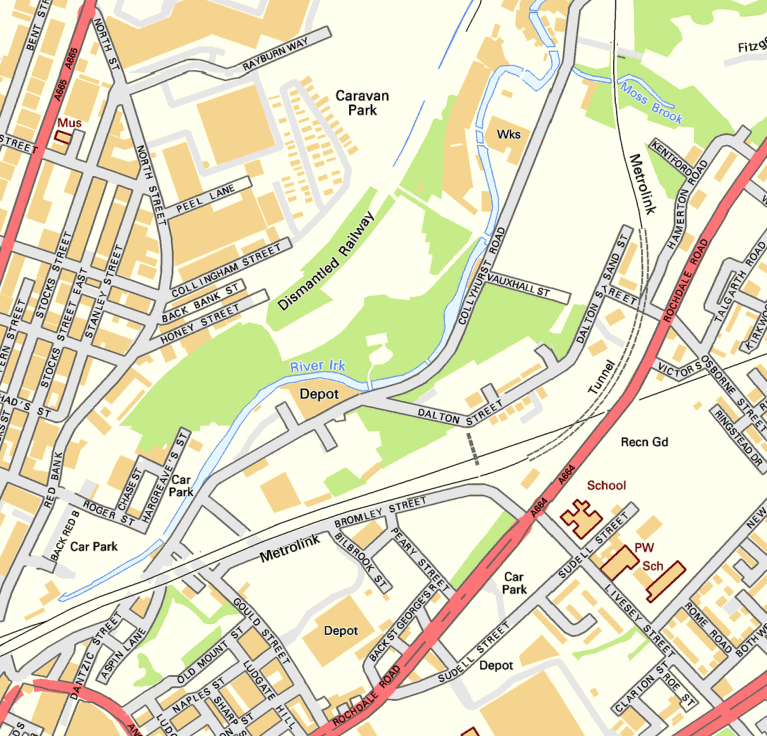
Collyhurst Cheetham Circular

It’s Friday, the rain has almost stopped and I have a job to do.

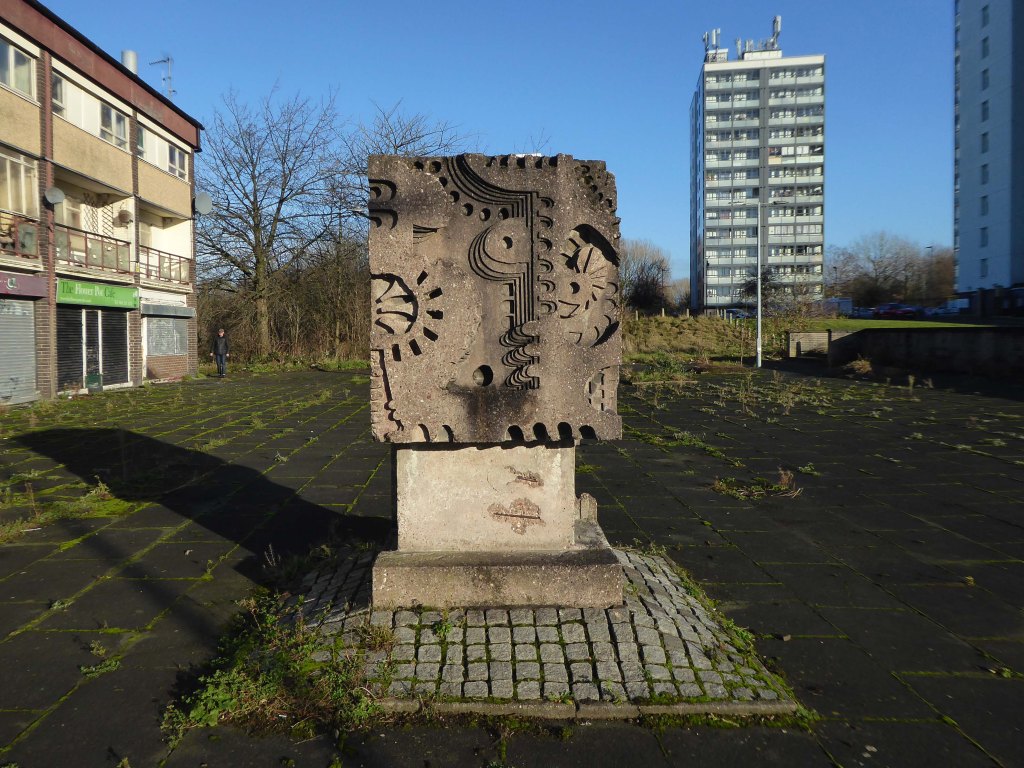
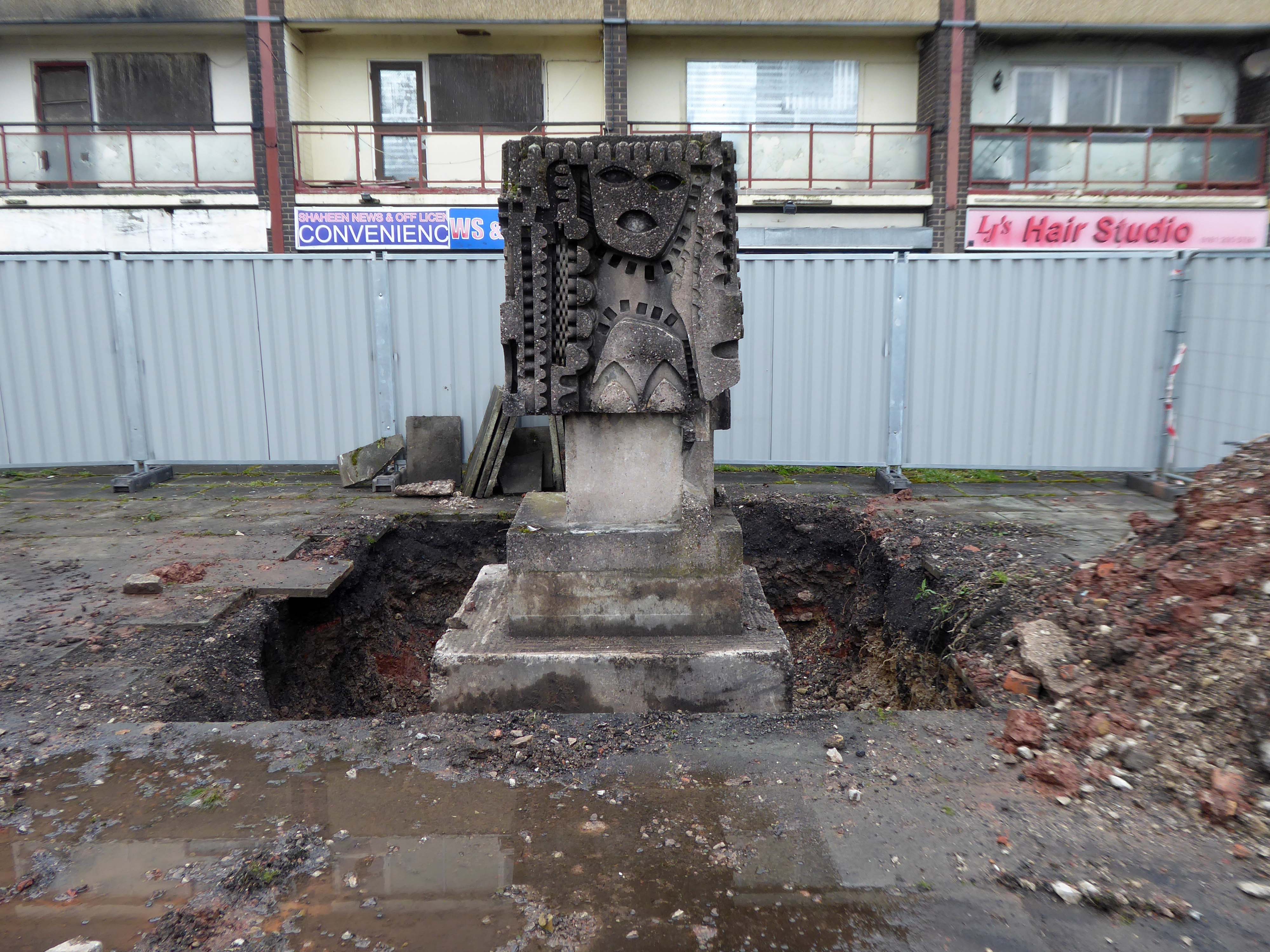
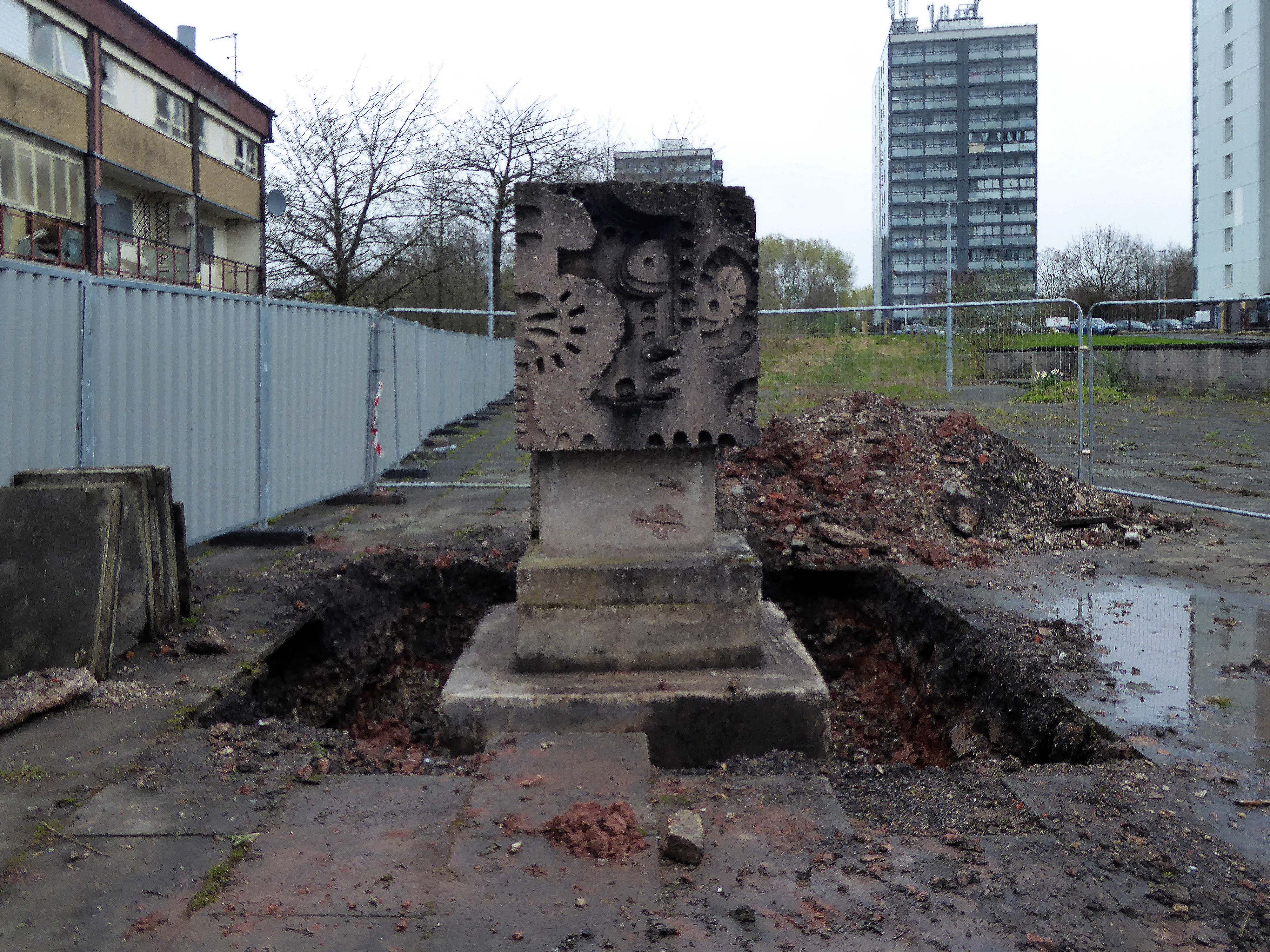
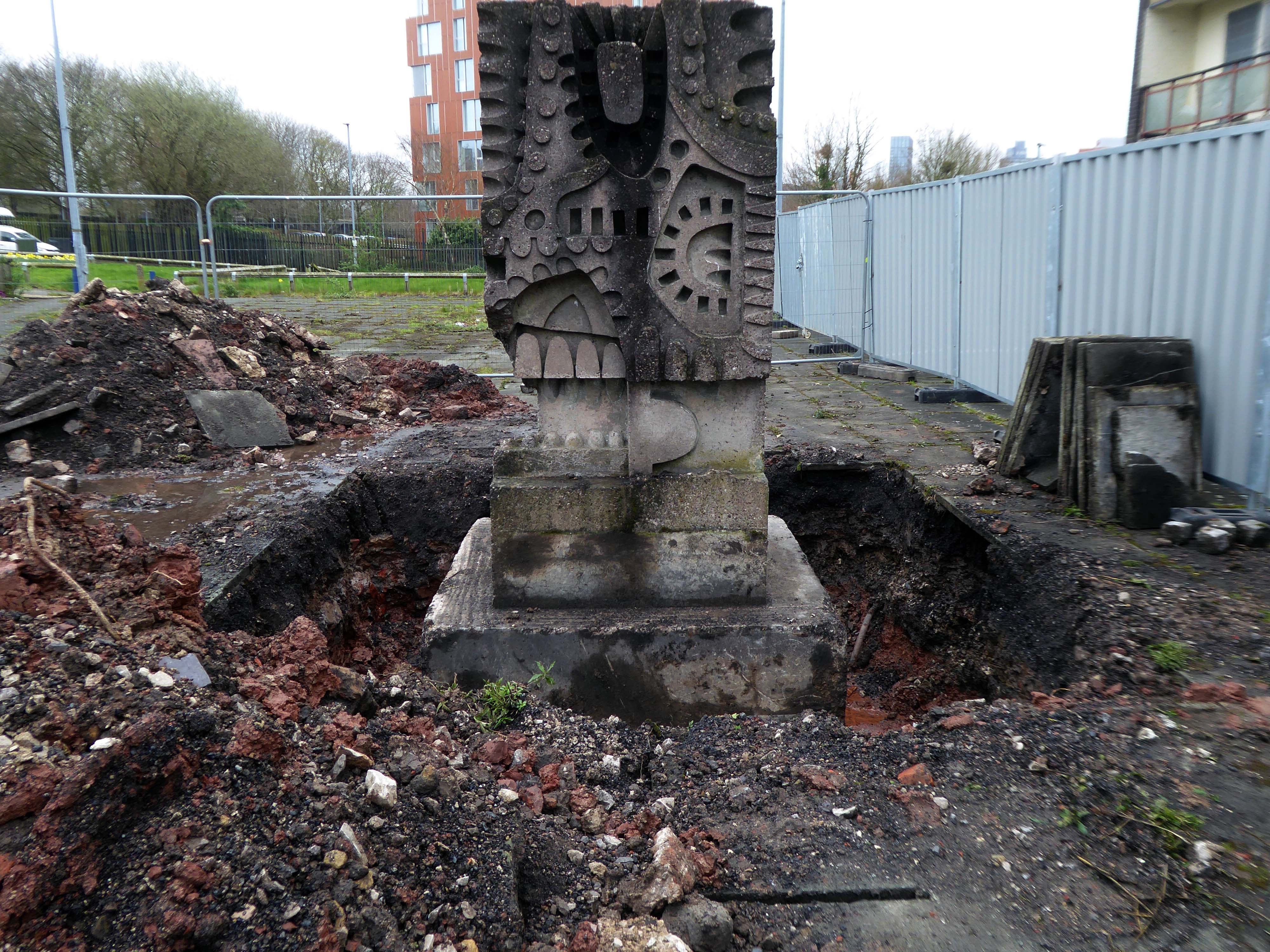
The putative William Mitchell totem in Eastford Square is being moved.

Having taken a particular interest in this particular piece of public art for some time – I need to go and take a little look.

But what will we see along the way, as we hasten along Rochdale Road?

Which once looked like this, way back when in 1904.

Though some things inevitably come and go, as some things are prone to do.

The city is undergoing yet another reinvention as Manchester becomes – an attractive place to invest and do business.

See, I am doing a new thing!

Now it springs up; do you not perceive it?

I am making a way in the wilderness and streams in the wasteland.

Isaiah 43:19

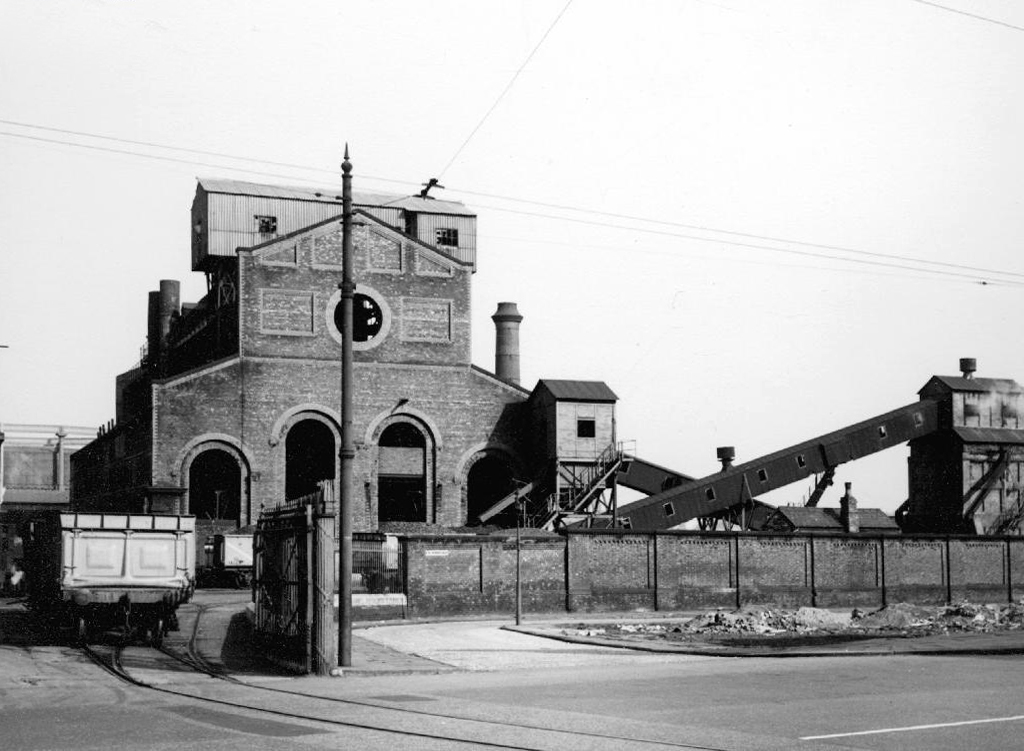
Once there was a gas works here – adjoining Gould Street, seen here in 1958.

The Gould Street Gas Works was a gas manufacturing plant located in Manchester, England. Originally built in 1824, the plant was operated by the Manchester Corporation Gas Department and was in operation from 1833 to 1969. It was named after the street on which it was located, which was named after John Gould, who was a prominent Manchester businessman in the 19th century.

Derelict Manchester

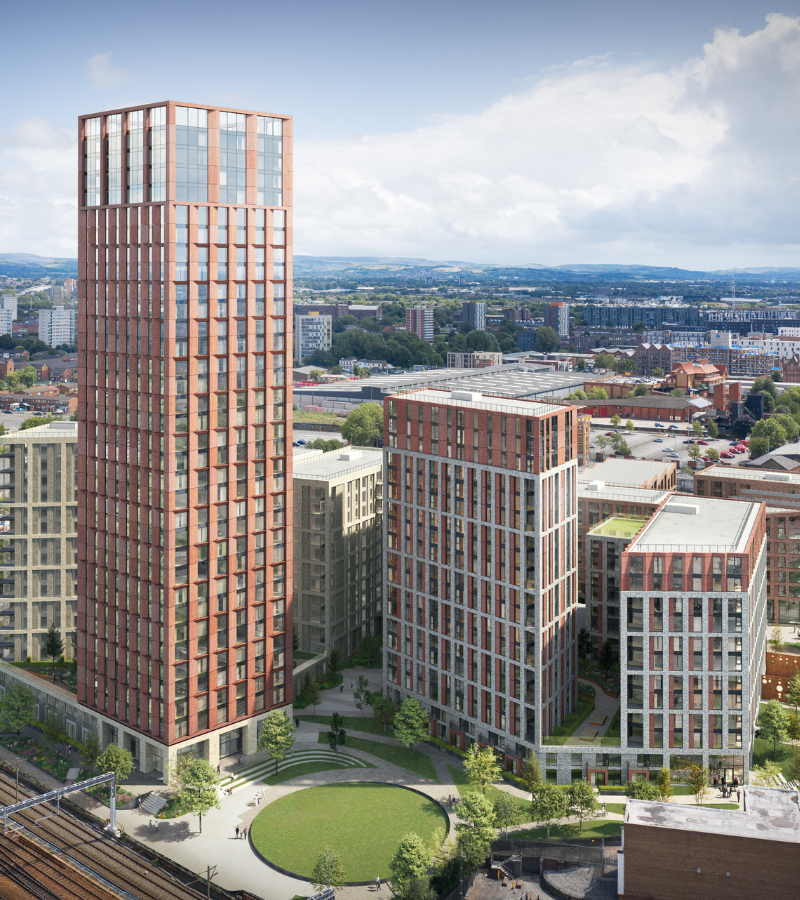
The Gasworks New Town neighbourhood is one of seven envisioned by the £4bn Victoria North masterplan. It will feature nine buildings ranging from 8 to 34 storeys. The 6.6-acre site has most recently been home to a car park but the green development will overwhelmingly prioritise walking and cycling over driving. It will result in tens of millions of pounds being pumped into the city’s economy over the lifetime of the development.

Plans for a trailblazing city centre regeneration scheme that will create more than 1200 homes has been approved by Manchester City Council.

MCR Property

A total of 85 of the 1200, will be affordable homes available through Shared Ownership. 

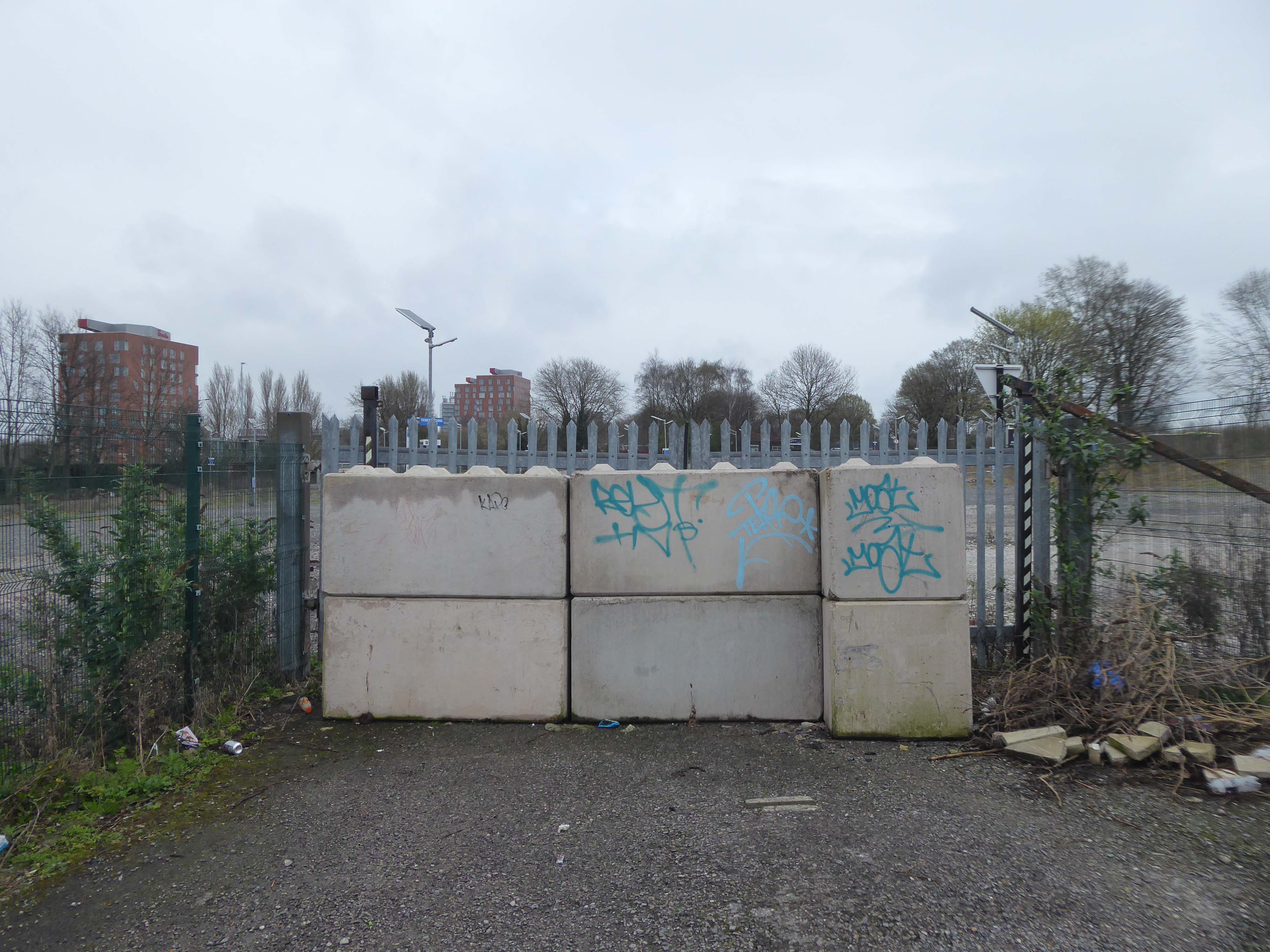
Though as of March 31st 2023 ground is yet to be broken, no signs of the:

New centre of gravity for central Manchester that will create thousands of jobs and inject tens of millions of pounds into the city’s economy.

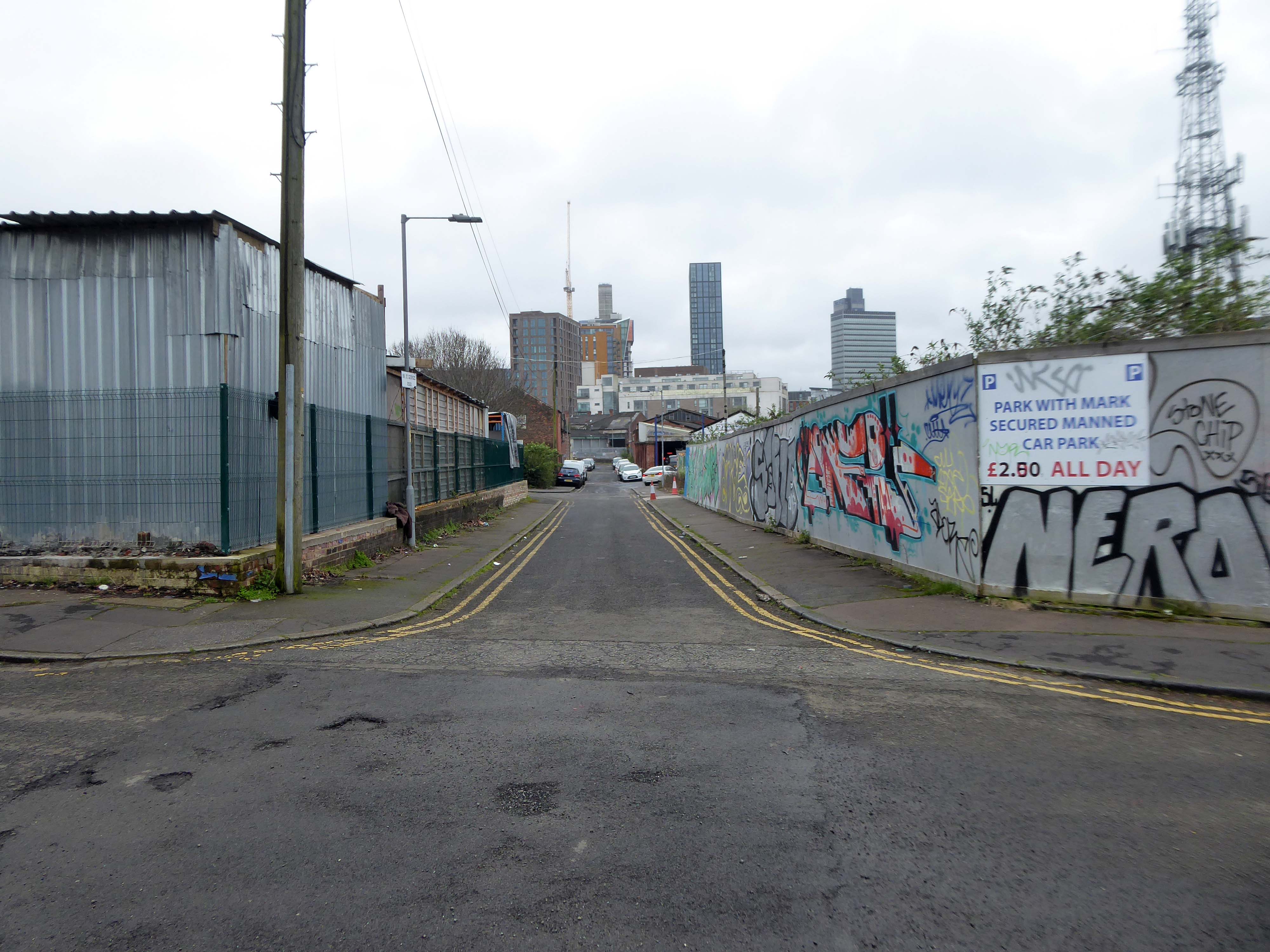
So you zig-zag wanderers, make the most of these wide open expanses of affordable car parking, while you can.

The future may yet be here today – or the next.

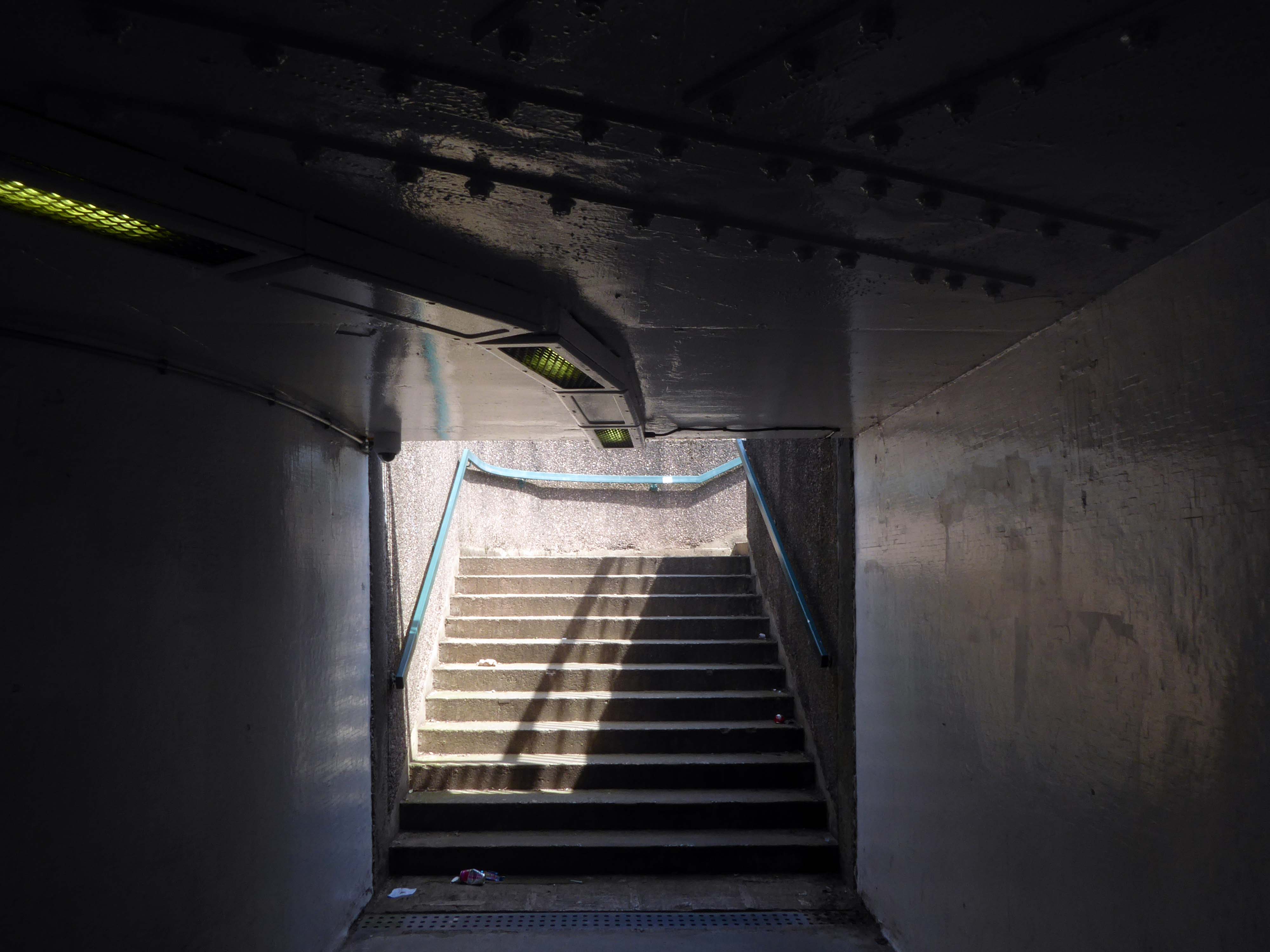
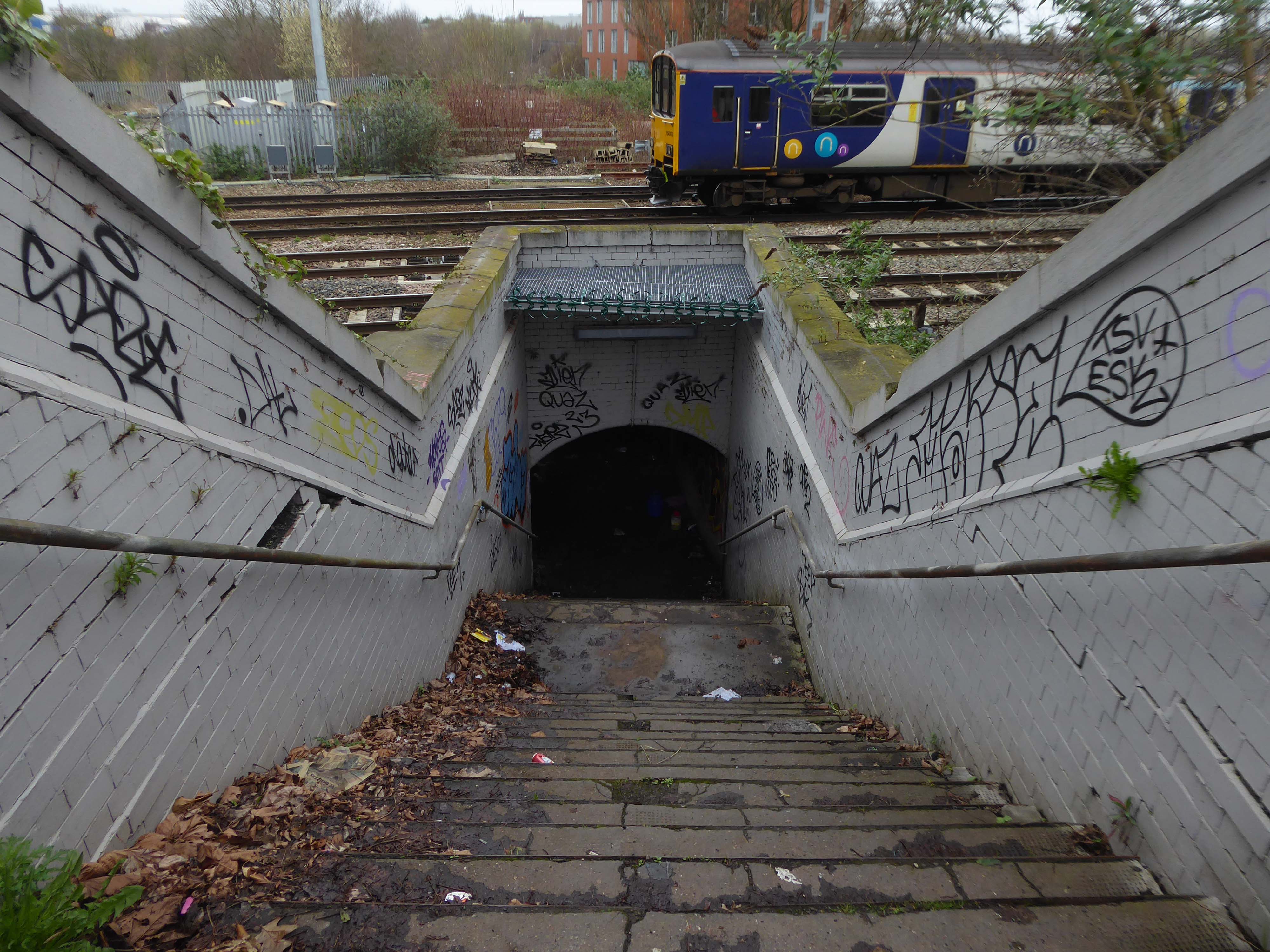
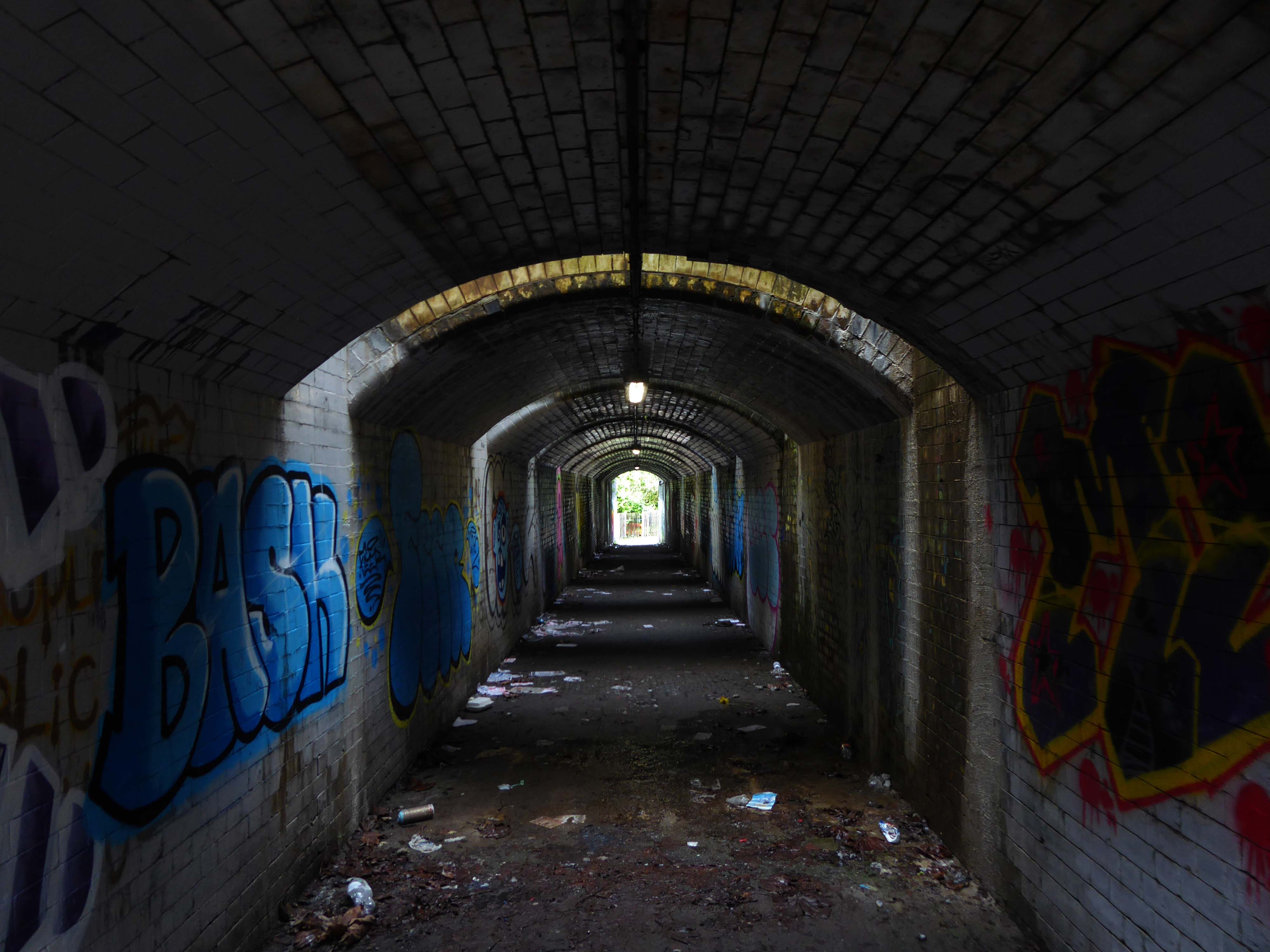
Let’s duck under the railway, through this sad damp pedestrian tunnel – the domain of the cash strapped daytime drinker, transient tagger and disaffected leaflet distributor.

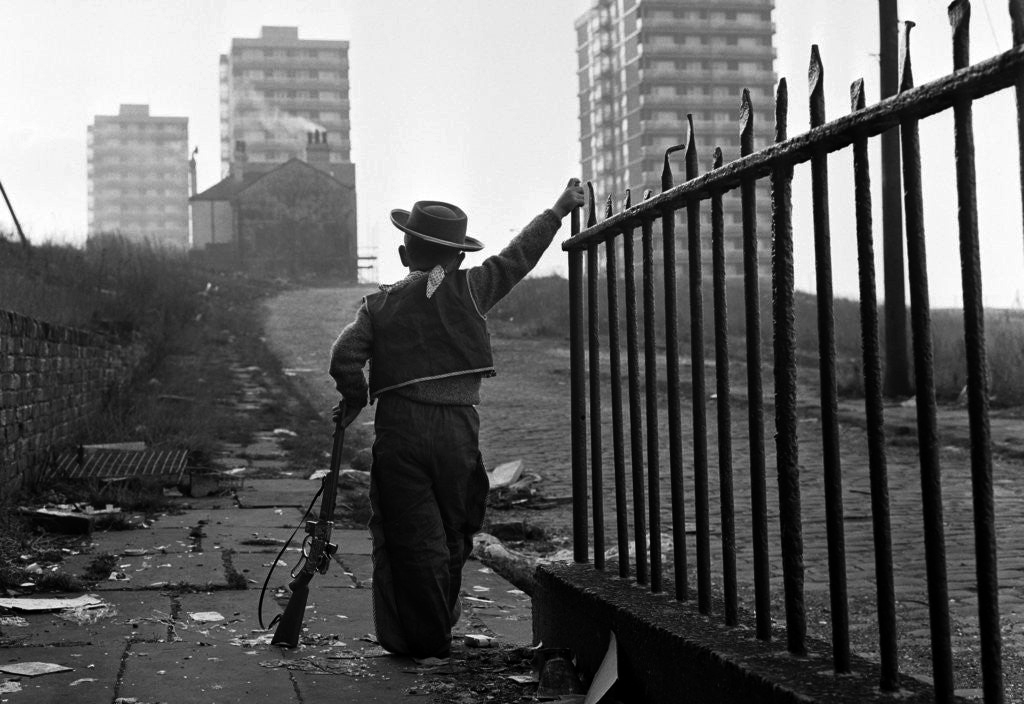
Next thing you know you have emerged into the daylight on Dalton Street – we have been here before seeking the Collyhurst Cowboy.

Photograph: Dennis Hussey

Onwards to Eastford Square.

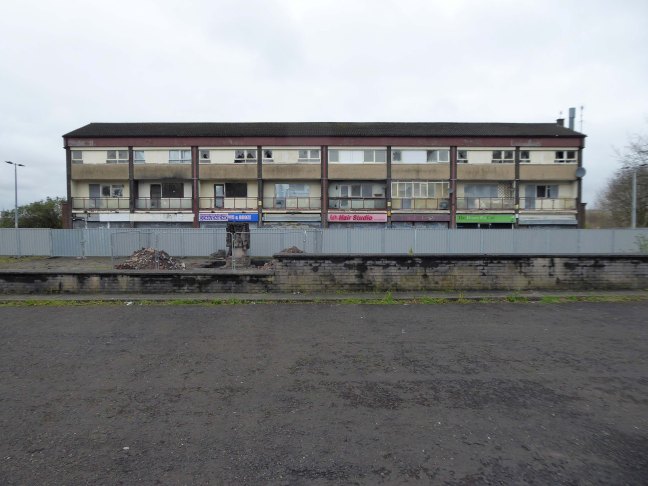
The shops and maisonettes are due to be demolished any day now – no longer to gaze open-eyed upon the former quarry of Sandhills.

Around the front the diggers have been a digging – digging up around the base of the totem.

The work is to be re-sited by the nearby tower blocks.

The end is nigh.

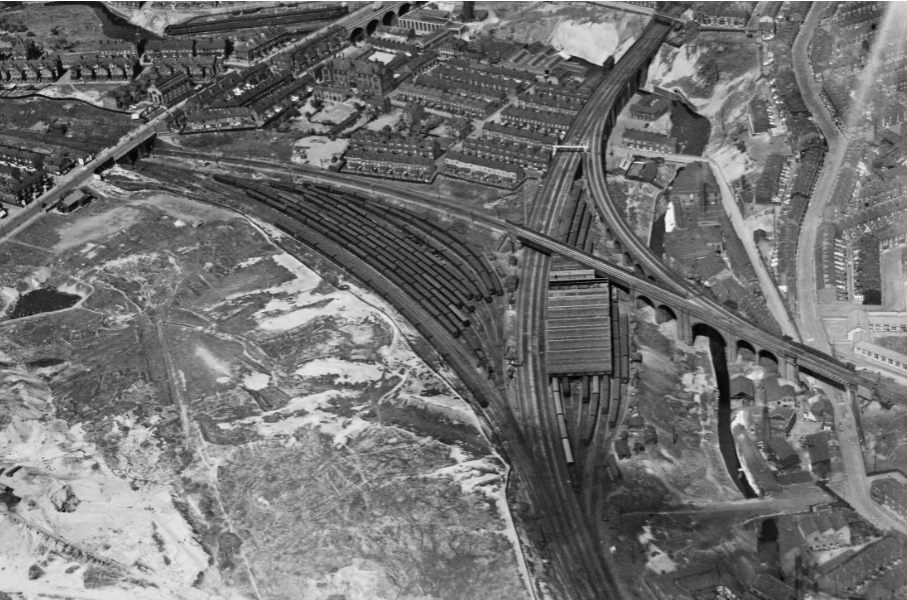
Heading now for Collyhurst Road and the Irk Valley – seen here in 1960.

Looking back on the Square and the Dalton Street flats – Humphries, Dalton, Roach, Vauxhall and Moss Brook Courts under construction.

Vauxhall Street now but a shadow of its former self – the last traces of industry long gone.

Reclaimed over time by trees and dense underbrush.

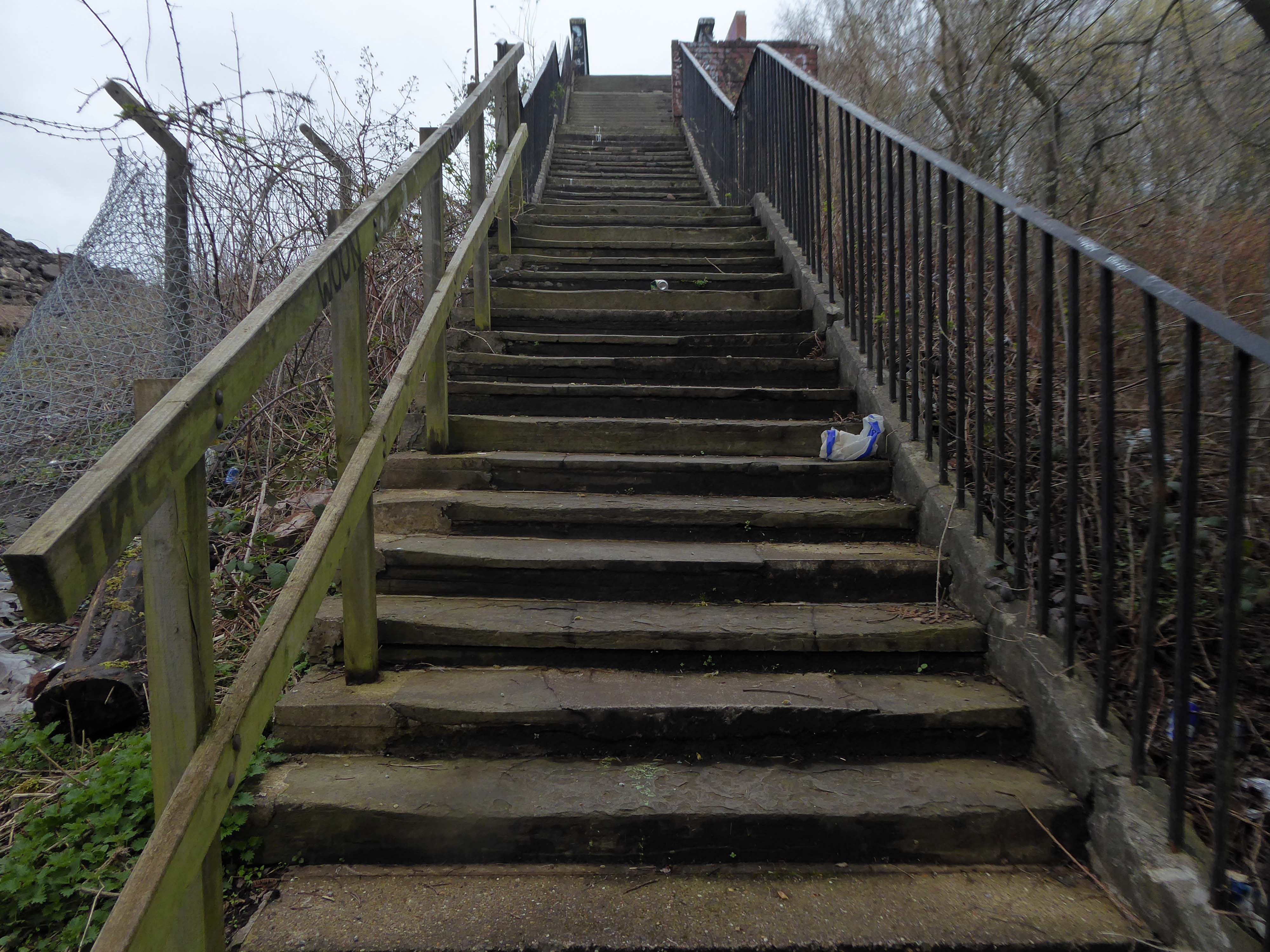
Crossing Collyhurst Road and up and over the railway via Barney’s Steps also known as the Lowry Steps.

LS Lowry

By the late 1950’s the whole of this area which we called Barney’s Tip became a refuse tip for Manchester City Council.

Britain from Above

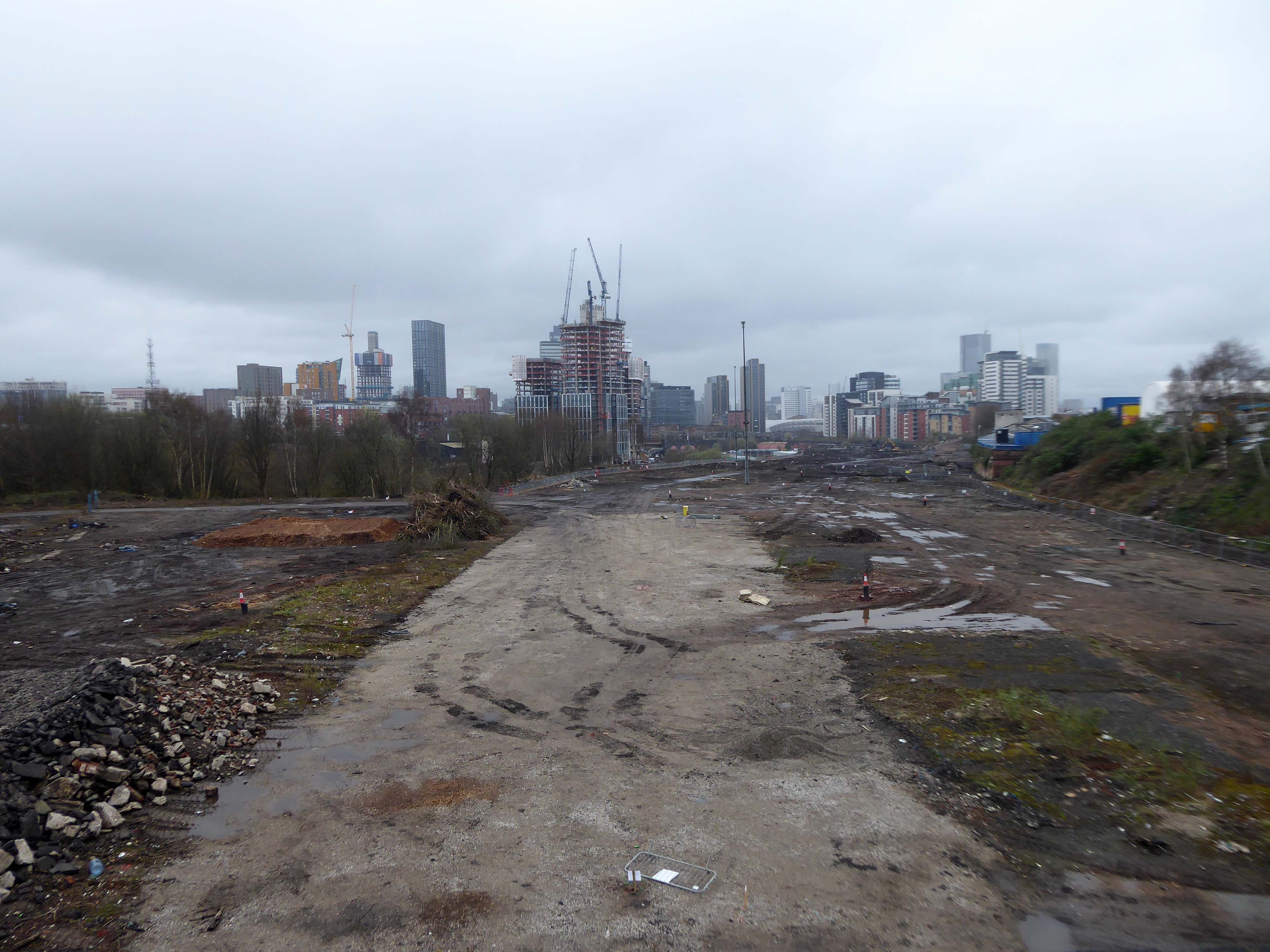
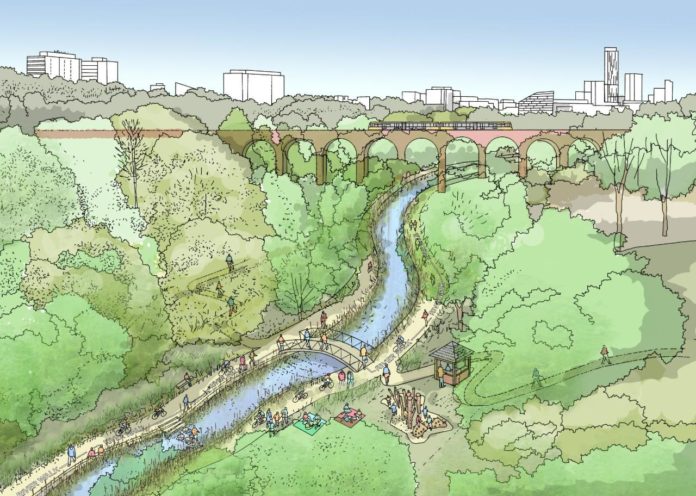
The area is in the process of being reconfigured as a delightful country park.

The investment will also help develop an initial phase of the planned City River Park incorporating St Catherine’s Wood as part of a network of public open space, including improvements along the River Irk and works to improve flood resilience, unlocking the potential of the Irk Valley that will characterise the wider Northern Gateway project.

About Manchester

The first phase of the City River Park will begin work to transform former railway architecture to develop the new Viaduct Linear Park north of Victoria Train Station, new stepped public realm space – Red Bank Terraces, along with new green space by the River Irk and the key improvements to St Catherine’s Wood.  

Manchester Gov UK

The Victoria North Express is coming your way!

Pressing on we pass the Showman’s quarters.

Collingham Street is lined with trucks, trailers, stalls and mobile homes.

But there’s nothing temporary about this Cheetham Hill neighbourhood; most residents have lived here for years and many plan to spend the rest of their lives here.

Founded more than forty years ago, it was created by the Showman’s Guild of Great Britain – and it’s reserved exclusively for fairground workers both retired and current.

Built on Queens Road tip, a former rubbish dump, and rented out by Manchester Council, many of the 52 homes belong to older retired showmen or families for whom an itinerant lifestyle has become more challenging.

It’s a close-knit community with a unique shared history.

MEN.

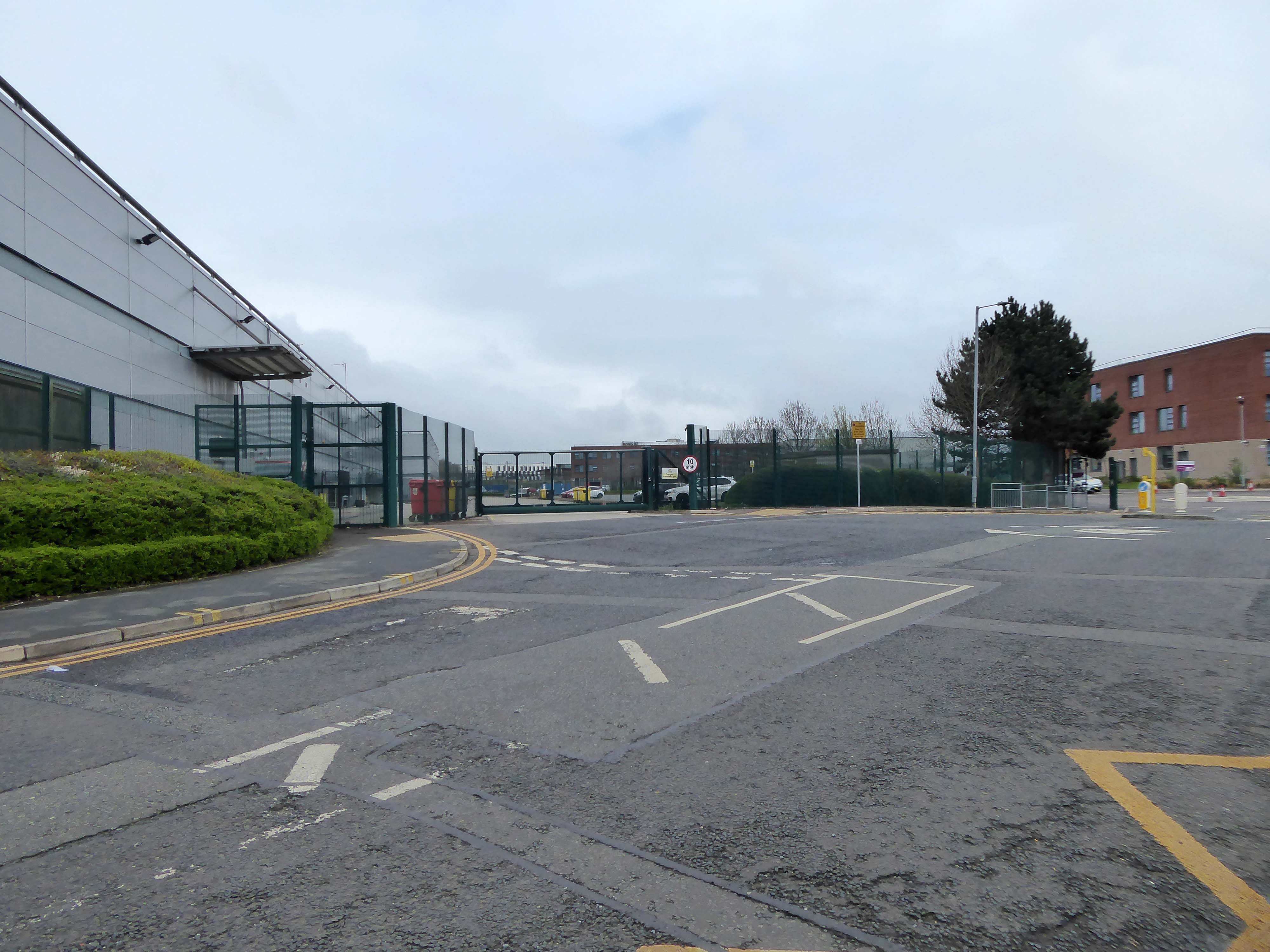
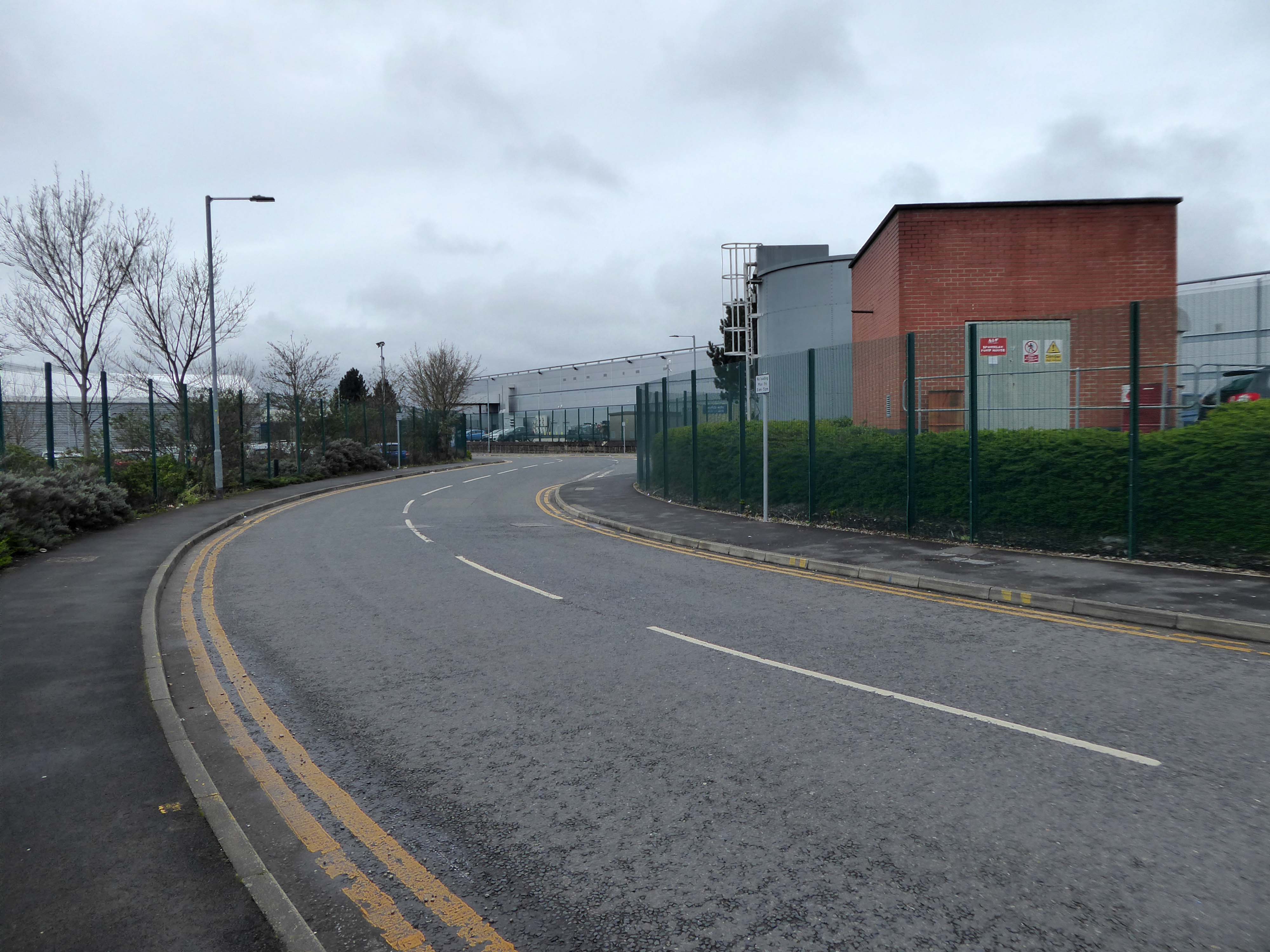
Emerging eventually onto Rayburn Way.

Home to the Eden Girls Leadership Academy and Eden Boys Leadership Academy.

And a whole host of delightful light industrial units.

Let’s all go west – along North Street.

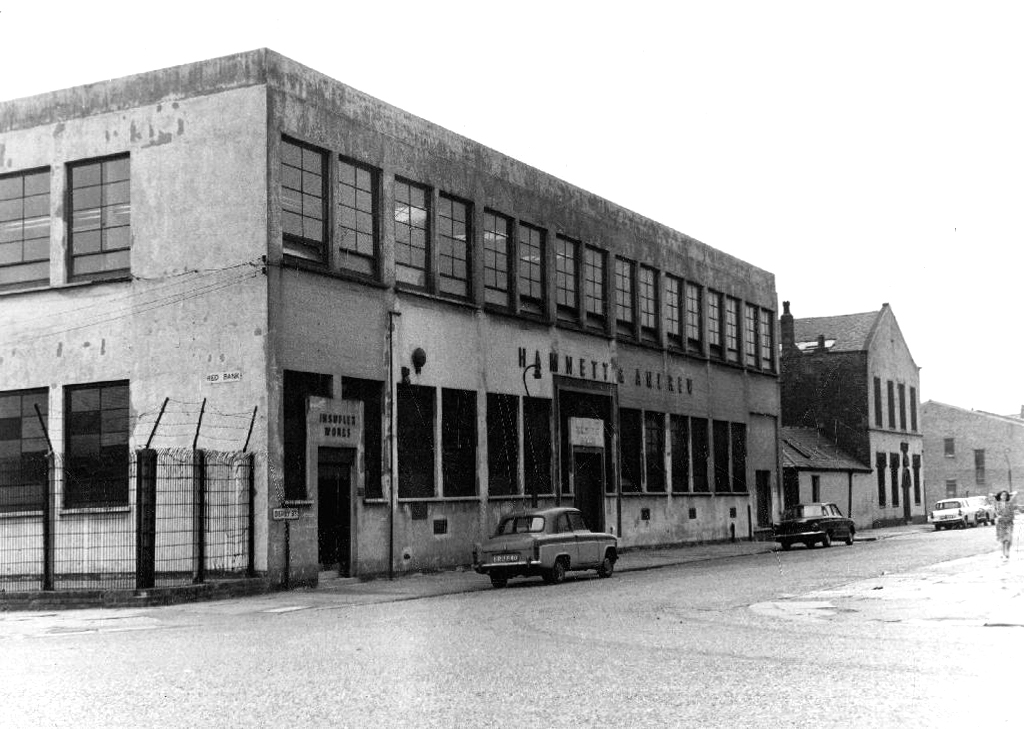
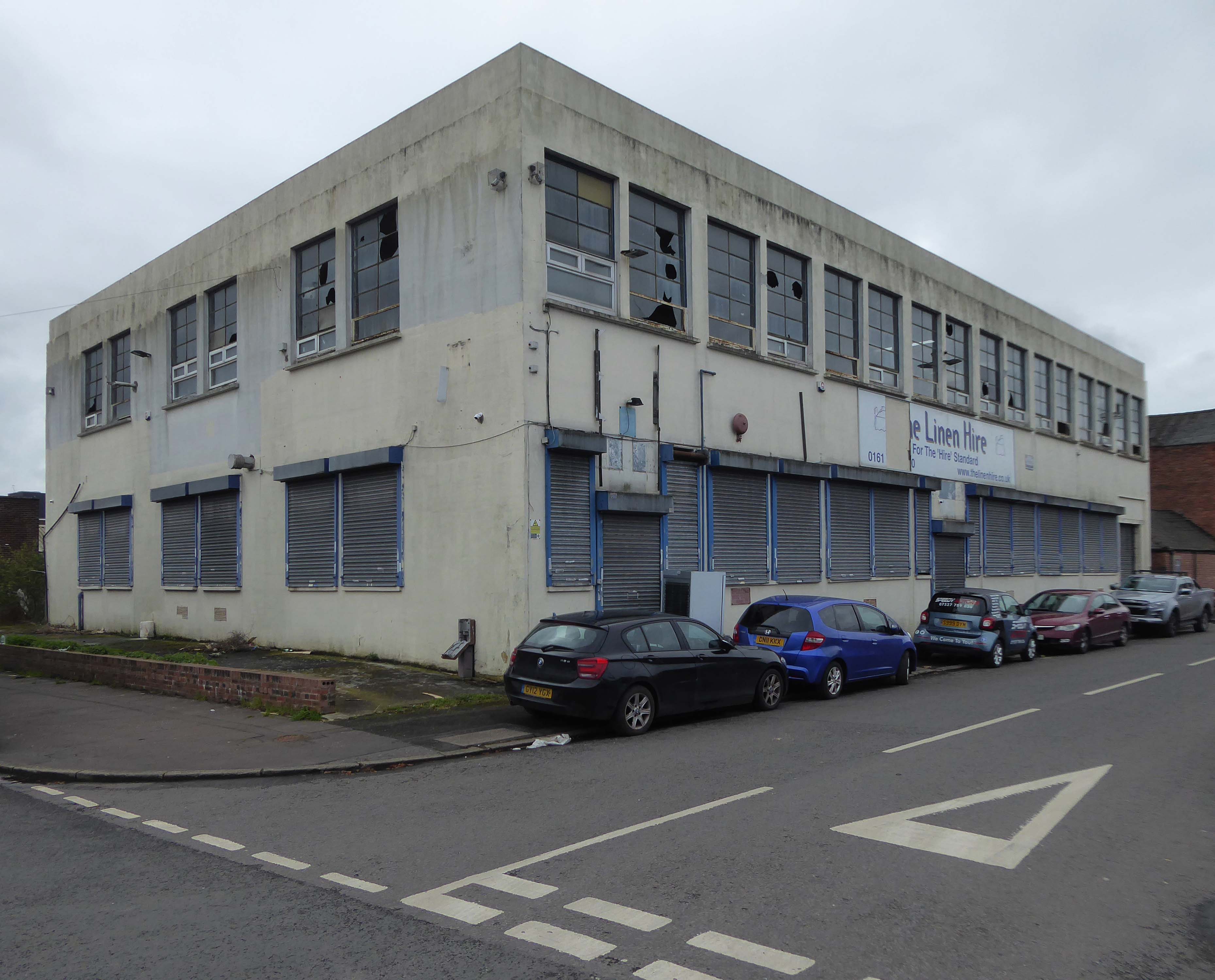
On the corner of Derby Street and Honey Street we find Hamnett & AndrewInsuflex Works

Later transformed into Linen Hire, though I fear that further linen hire may well be in abeyance, on a permanent basis.

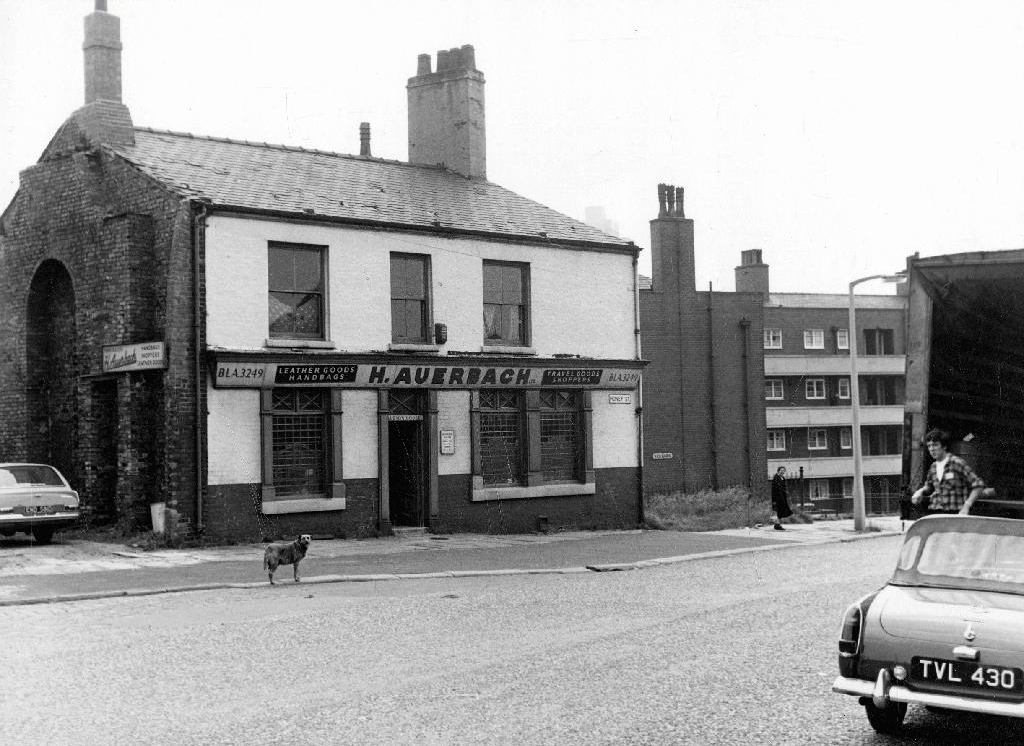
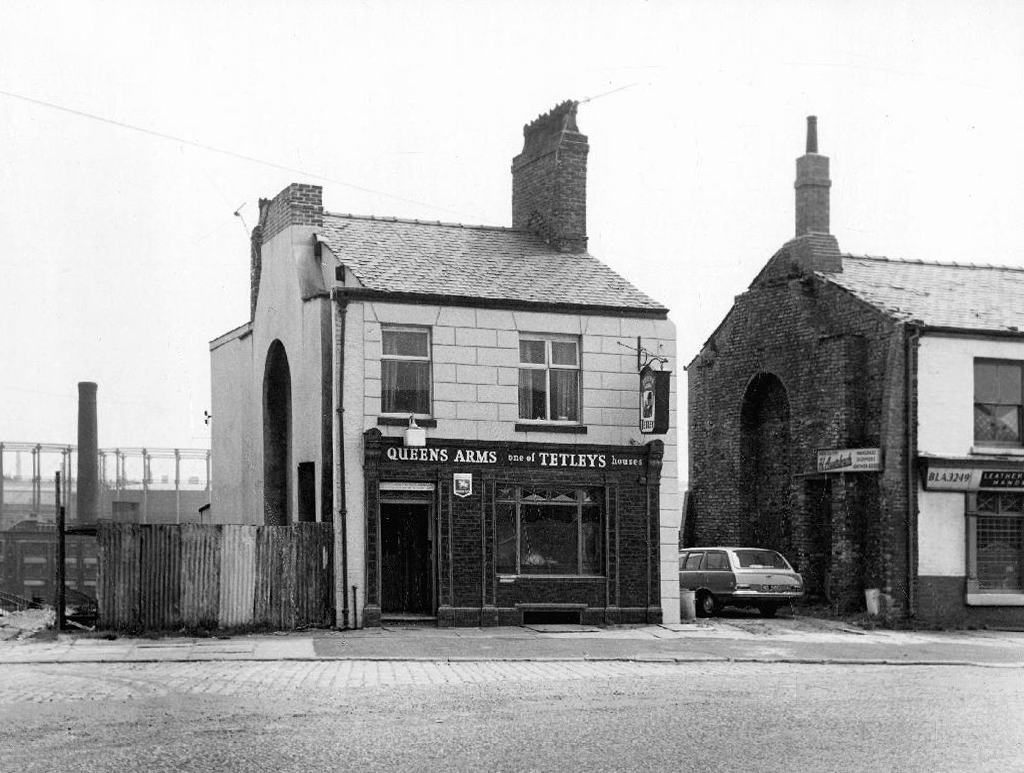
What was happening at the Queens Arms back in 1966?

These were the older premises.

Then next door, the newer premises.

Photo: Alison G

The Queens Arms was held in high regard amongst the real ale crowd and had been a regular fixture in the Good Beer Guide.  

As recently as 2007 it was named the City Life Pub of the Year, 

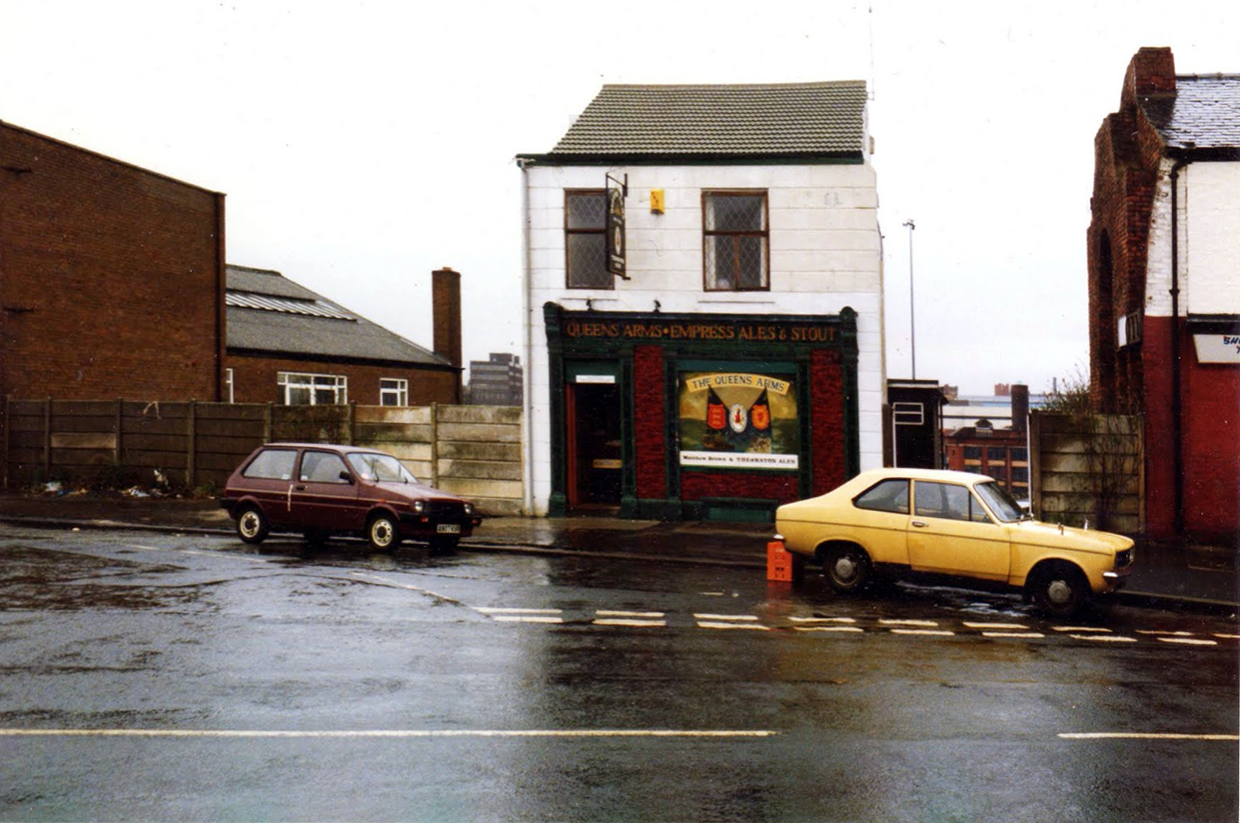
Empress Brewery Co Ltd – 383 Chester Road, Old Trafford.

Registered as above May 1896 – 236 public houses. 

Acquired by Walker Cain Ltd. 1929 and brewing ceased.

Brewery History

The pub was extended in 1987.

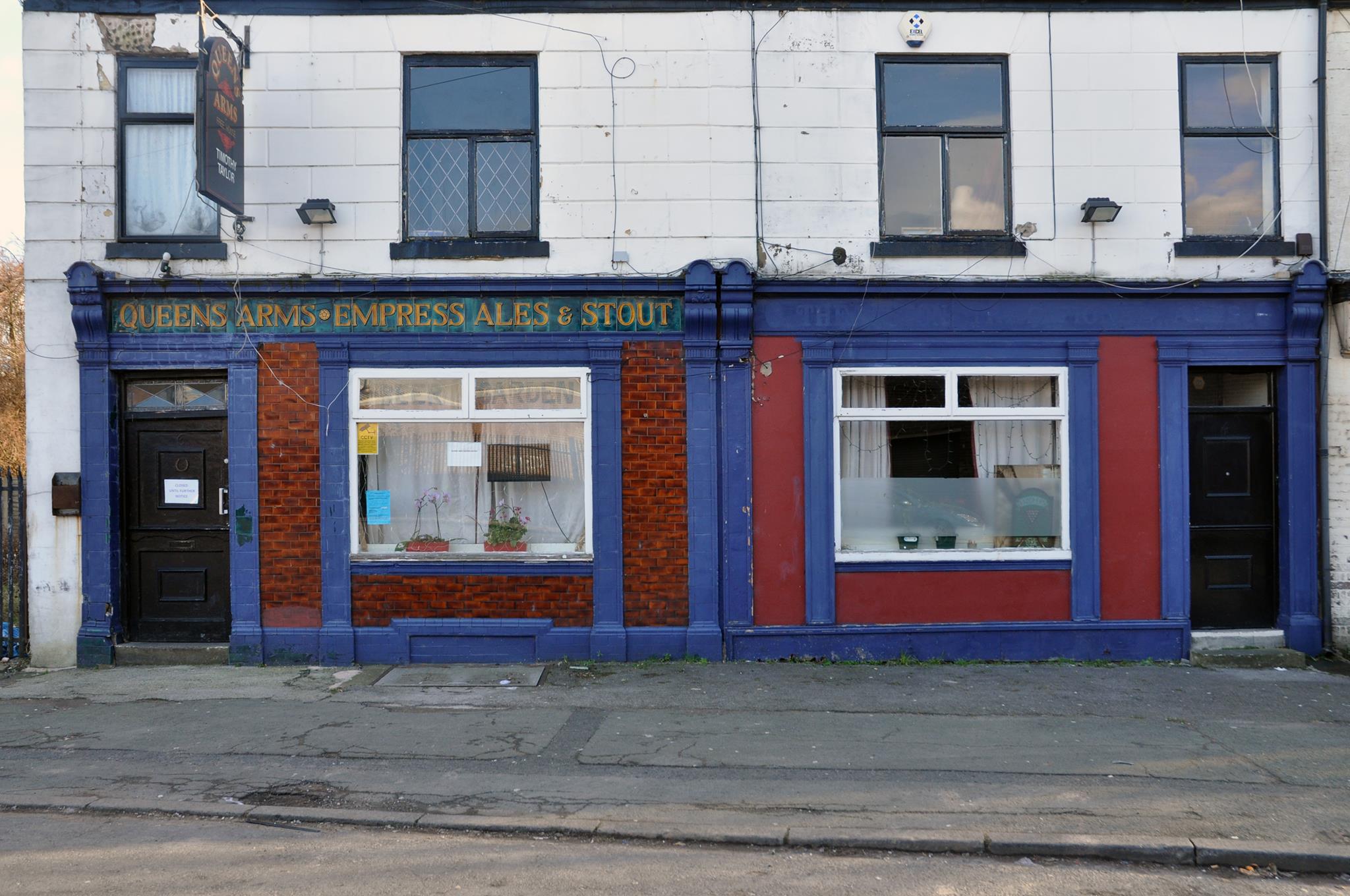
Seen here in 2015 closed for the foreseeable.

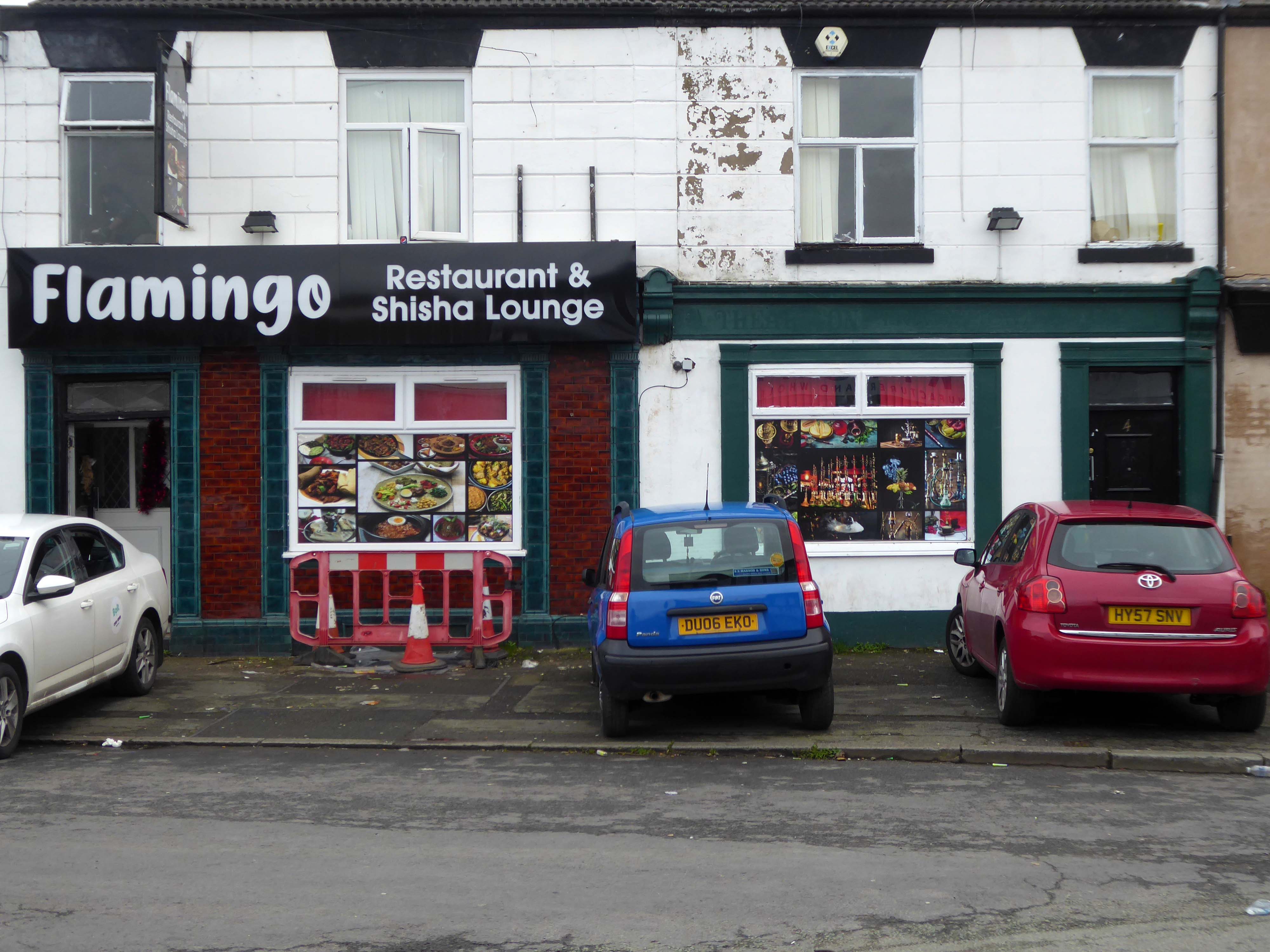
Recently becoming Flamingo – well strike me pink!

Though not without its own particular issues it would seem, according to the MEN.

The licensing out of hours team has received noise complaints relating to the premises which was found to be open beyond permitted hours when visited. Officers also identified breaches of the Health Act during inspections in which people were seen smoking shisha pipes in an enclosed extension at the back.

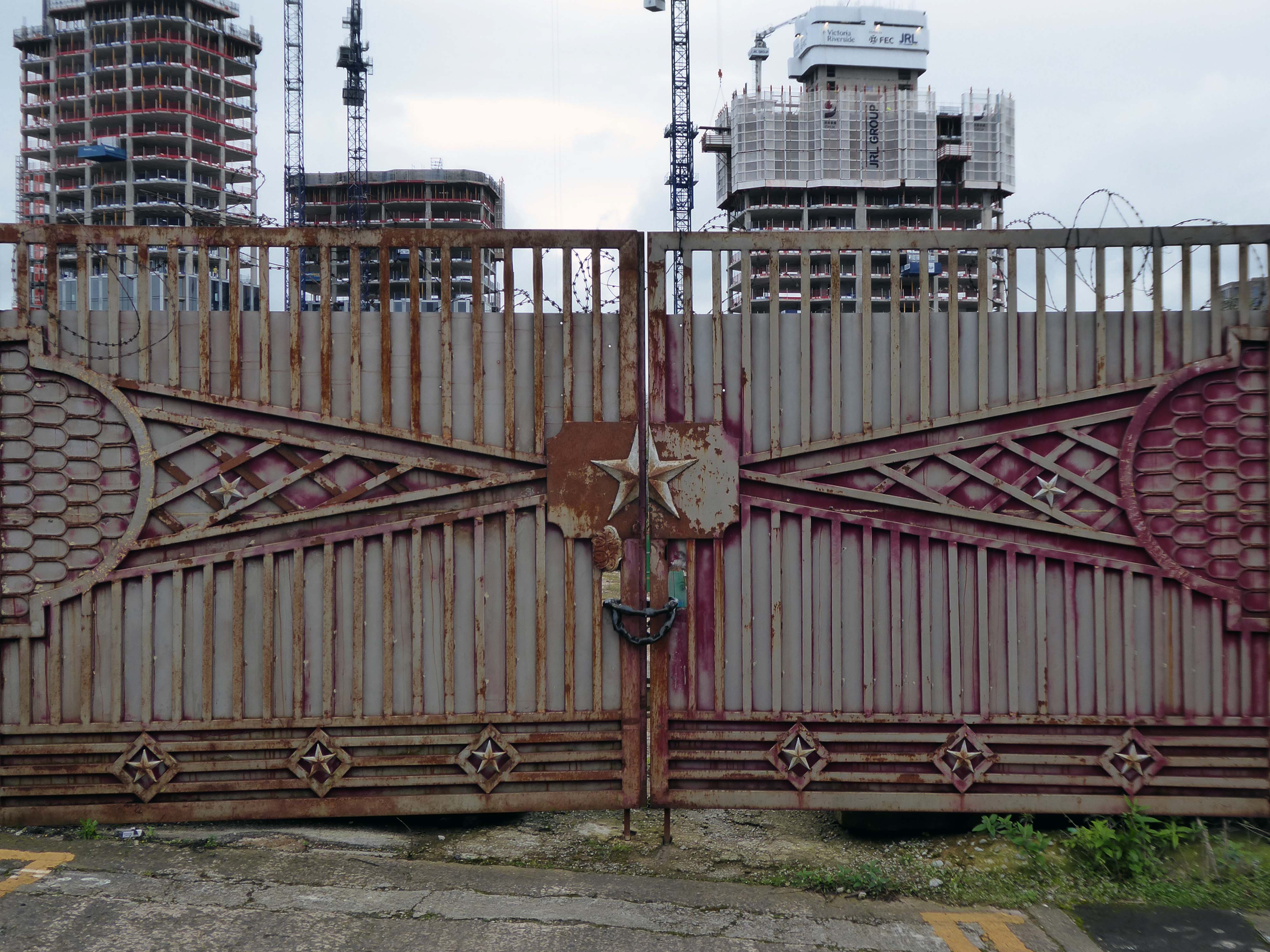
We will leave the Flamingo be and head back into town – but not without giving a nod to this confusing collision between this self-made scrapyard-man chic gate and the ever changing skyline of overheated urban regeneration.

The new creation has come: The old has gone, the new is here!

Corinthians 5:17

Archival photographs – Manchester Local Image Collection

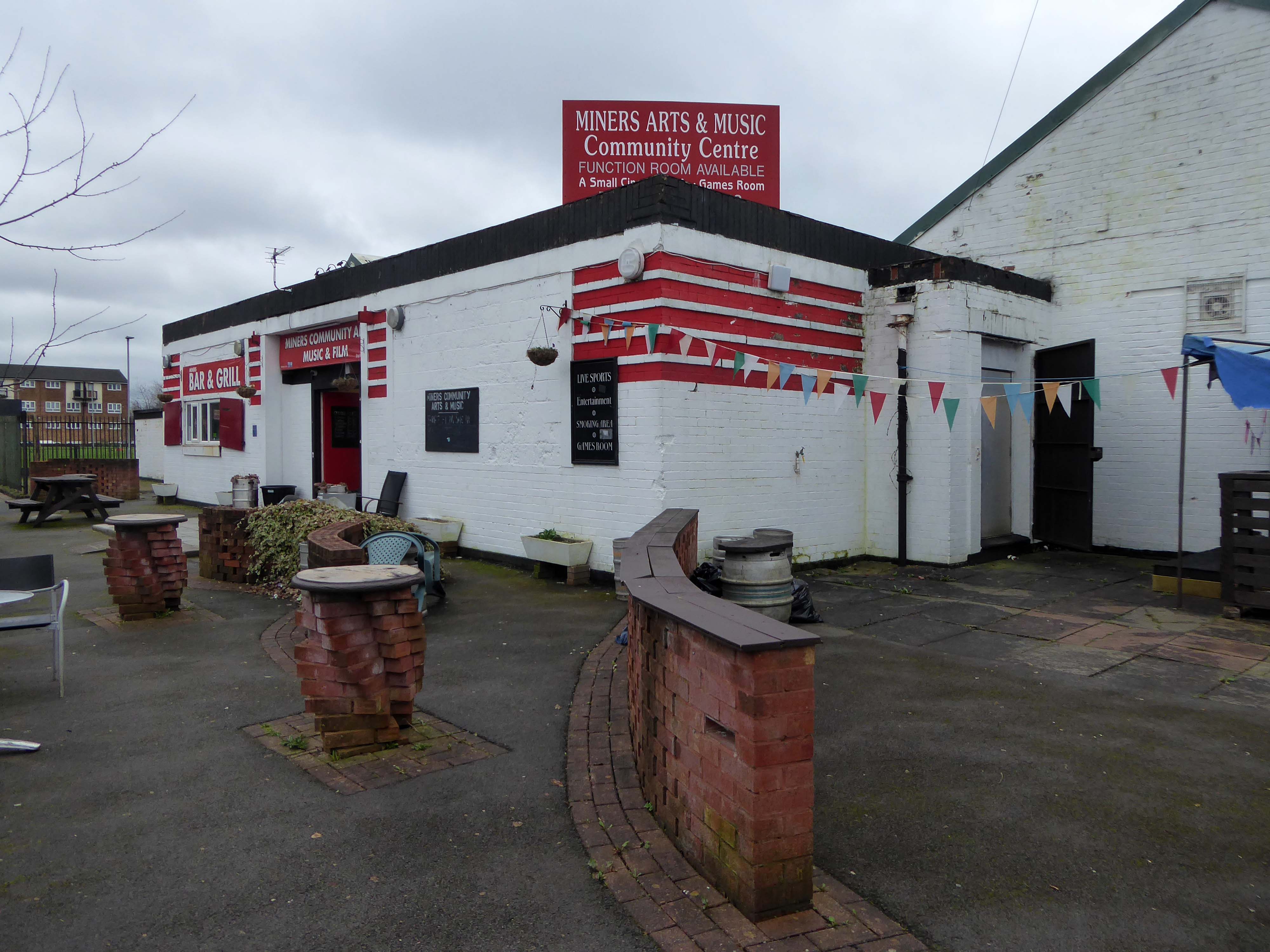
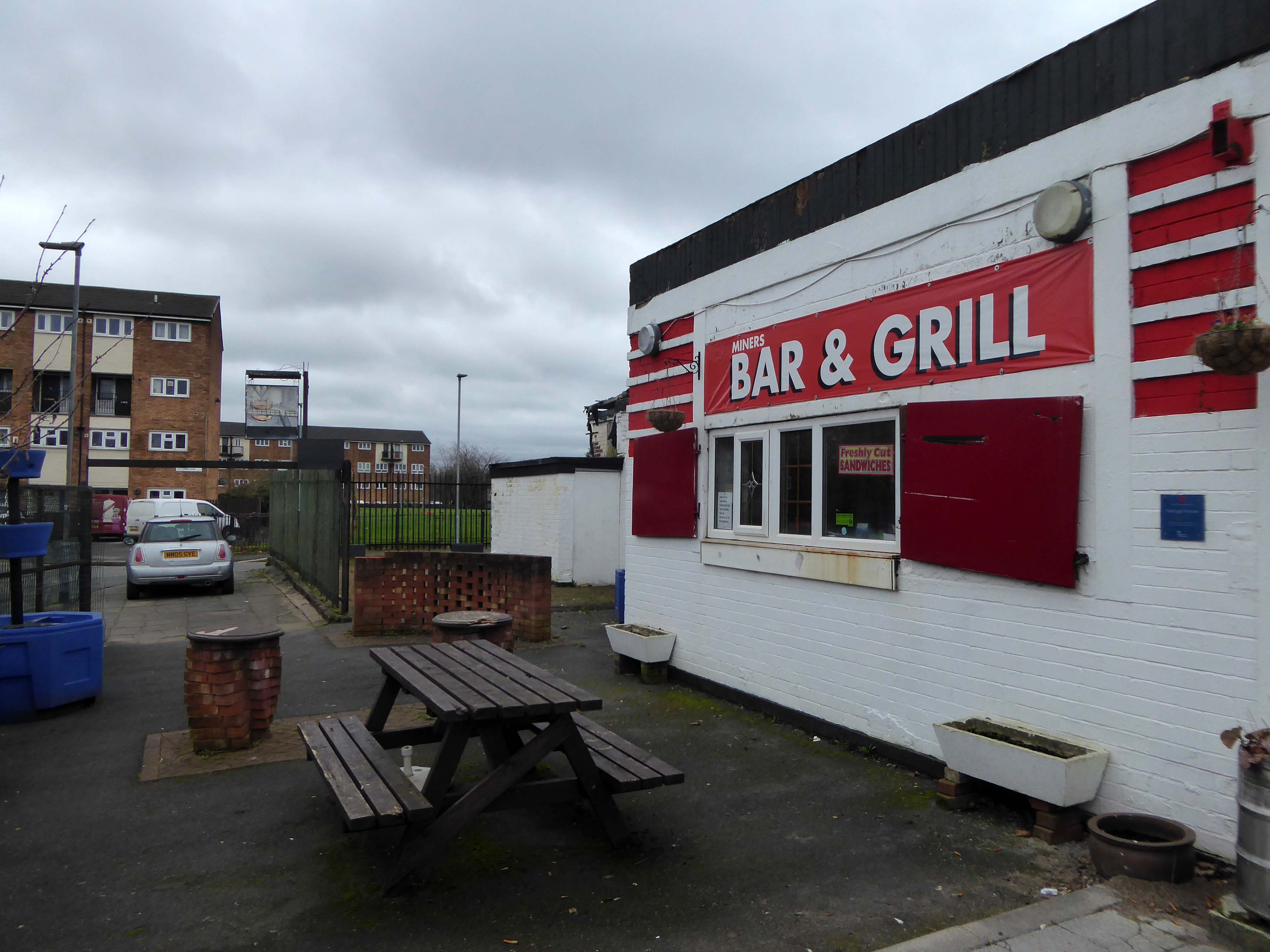
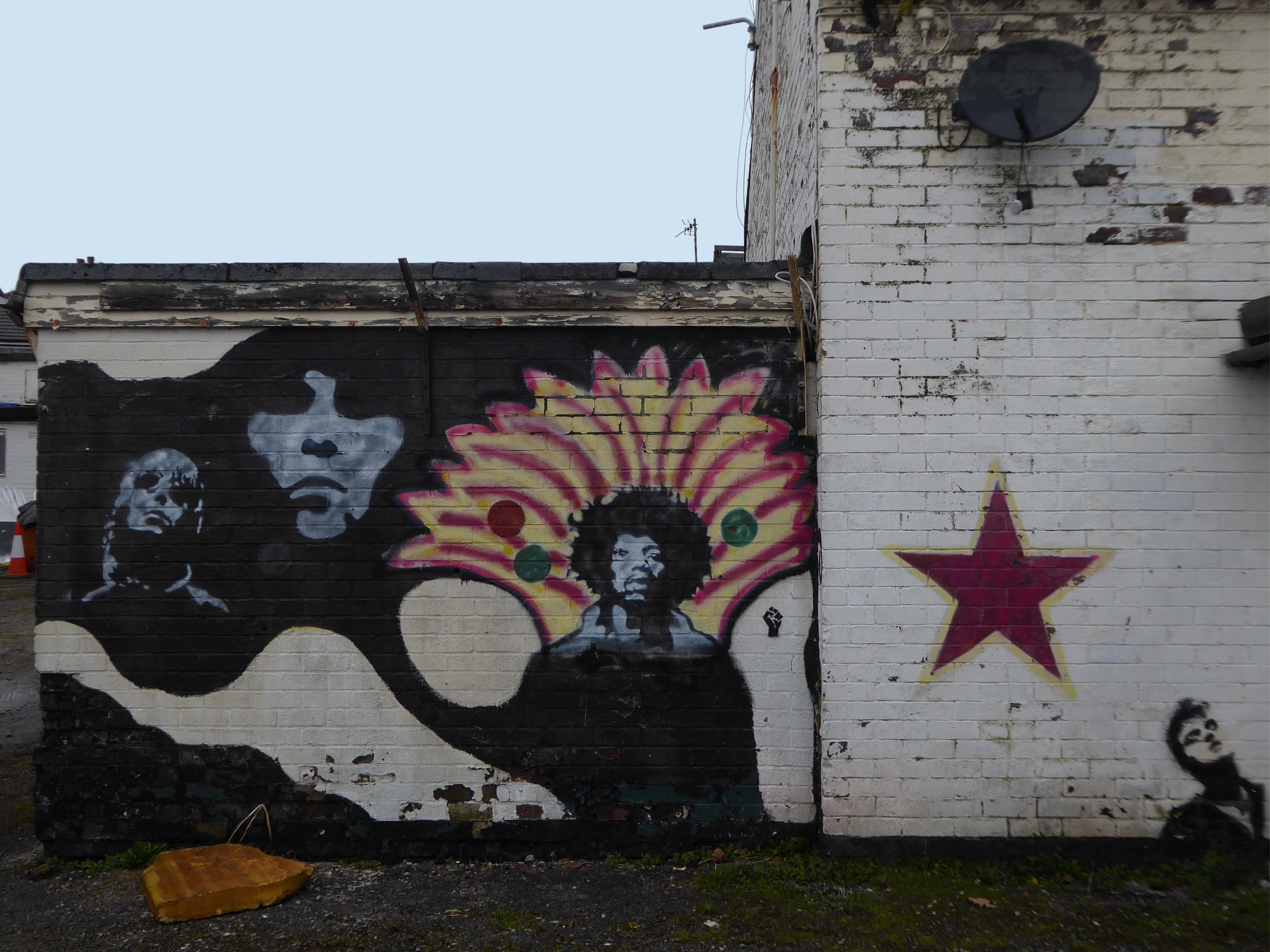
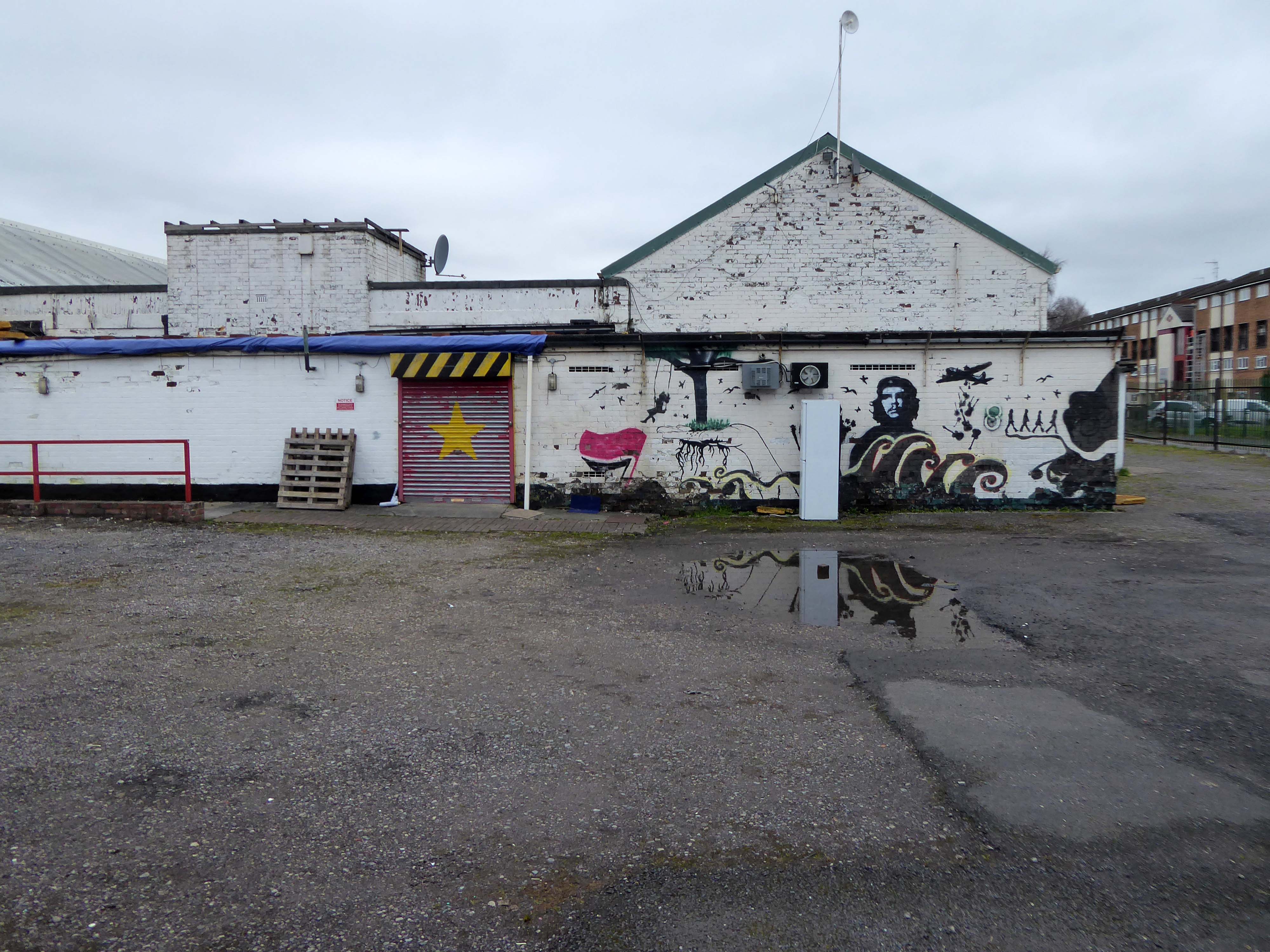
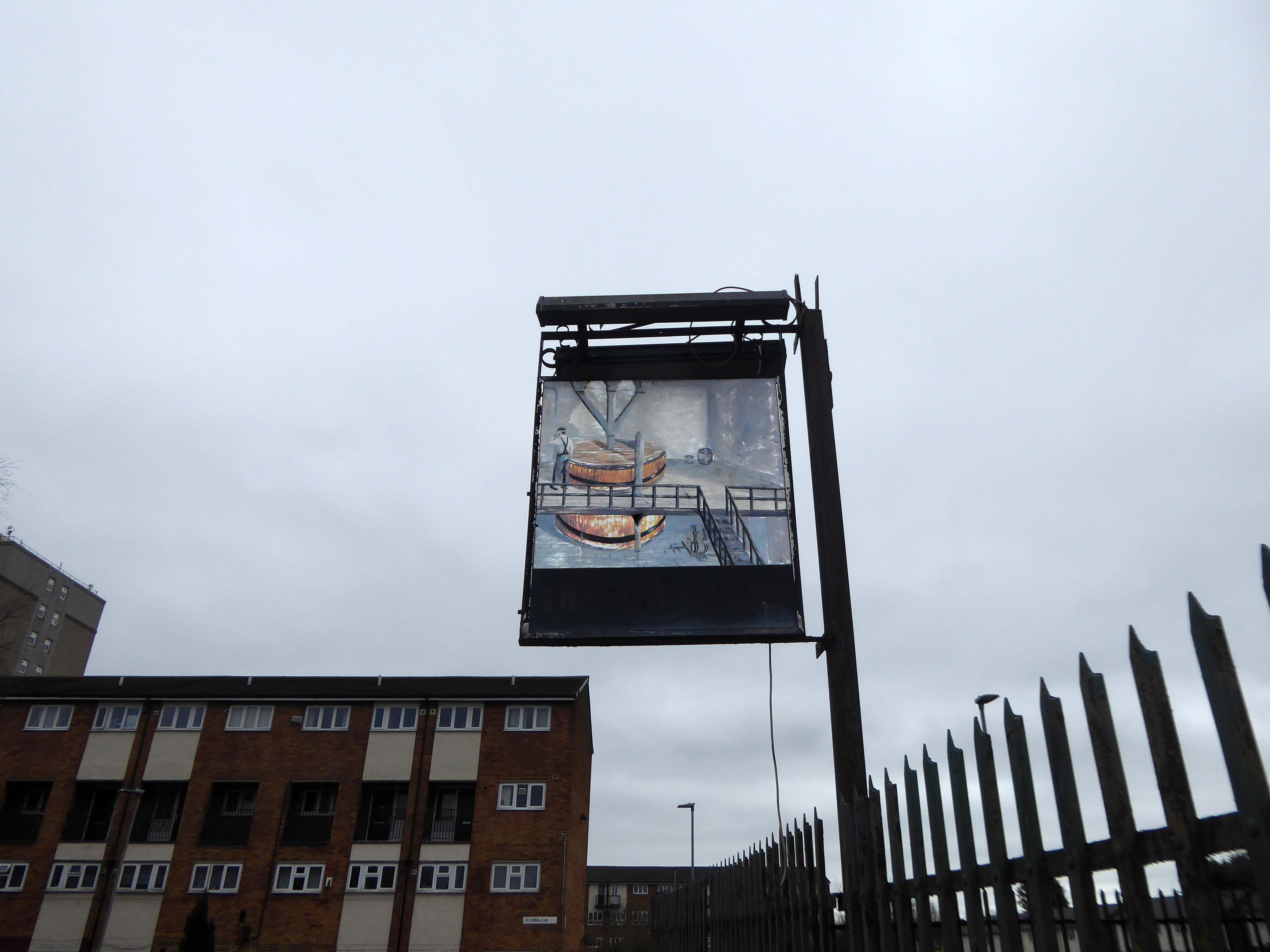
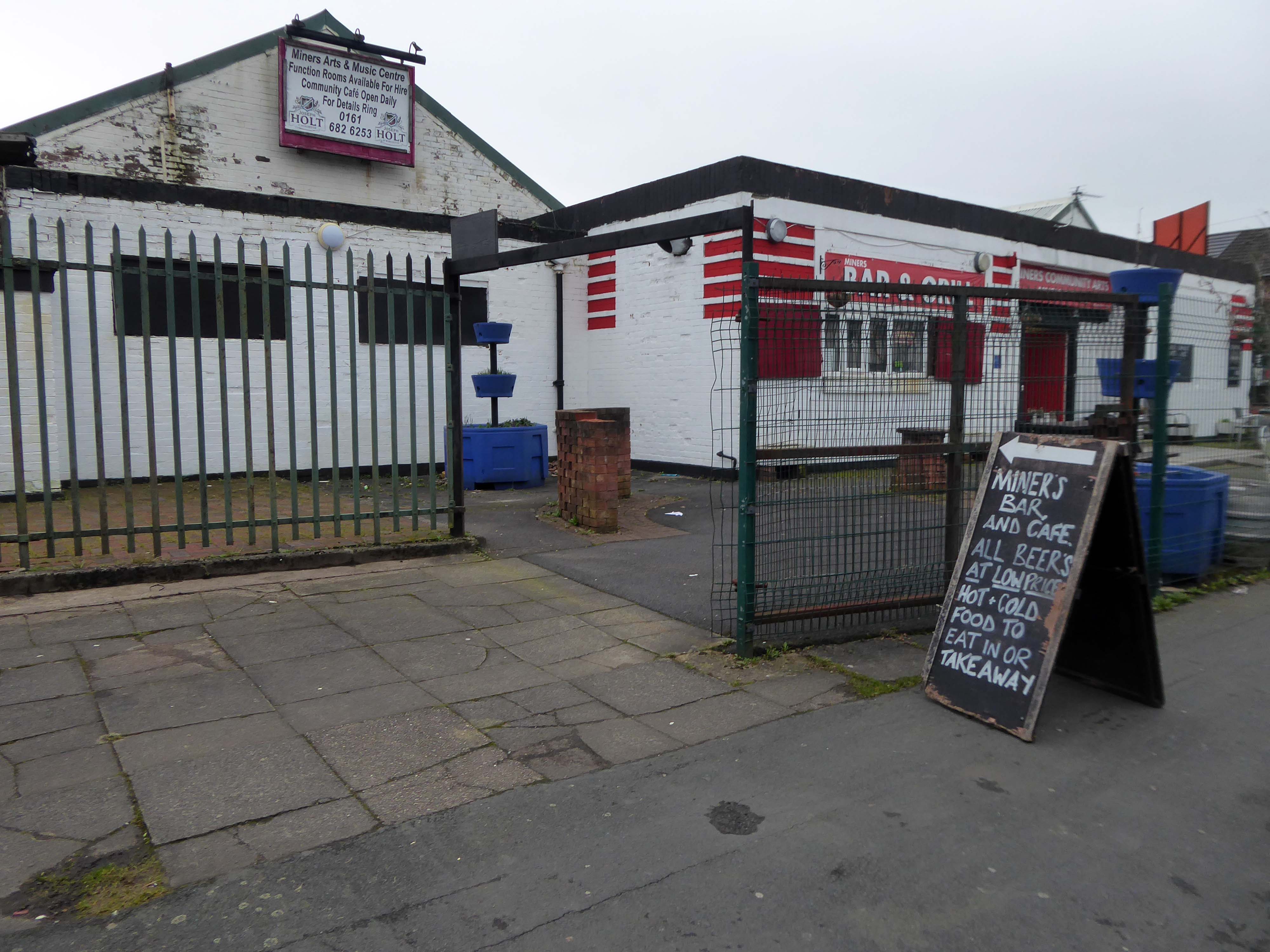
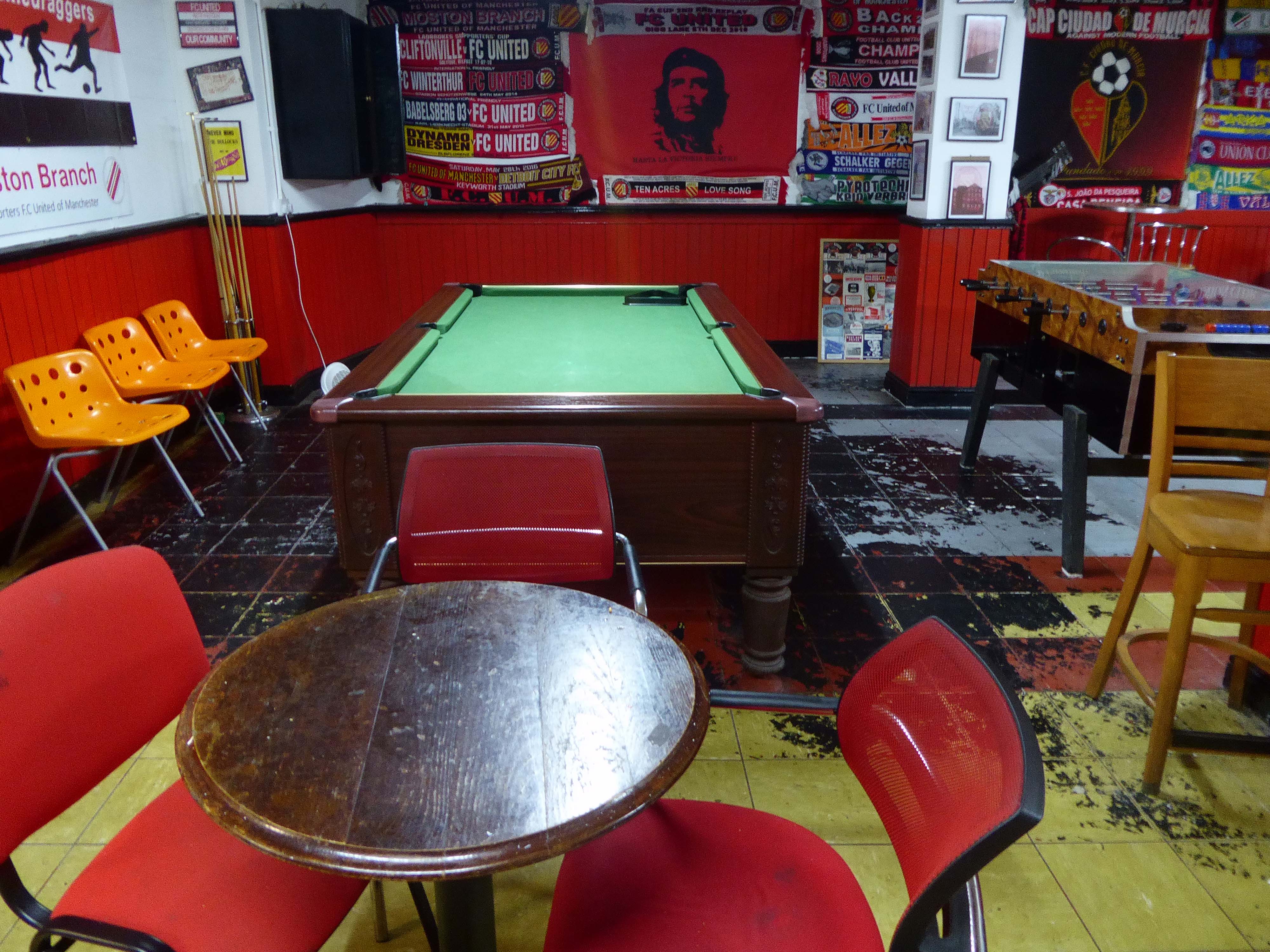
Moston Miners Community Arts and Music Centre

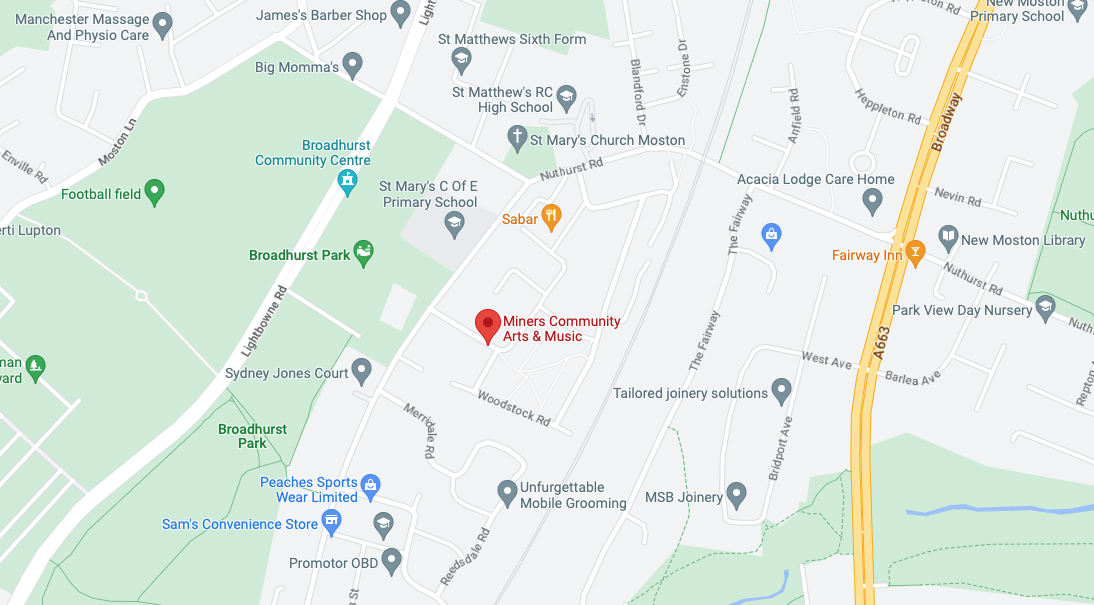
63 Teddington Rd Moston Manchester M40 0DJ

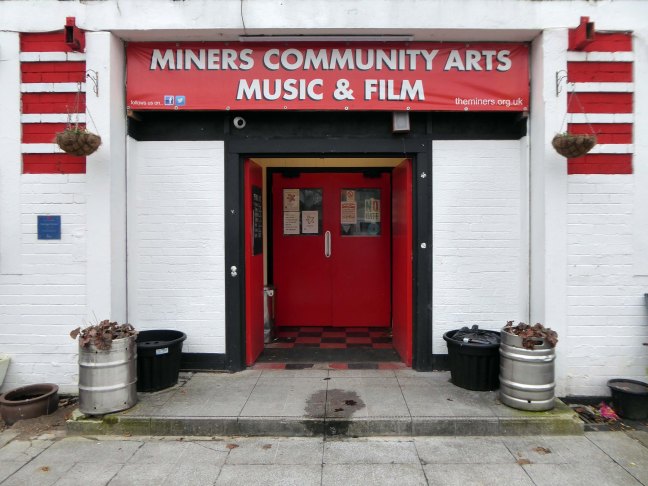
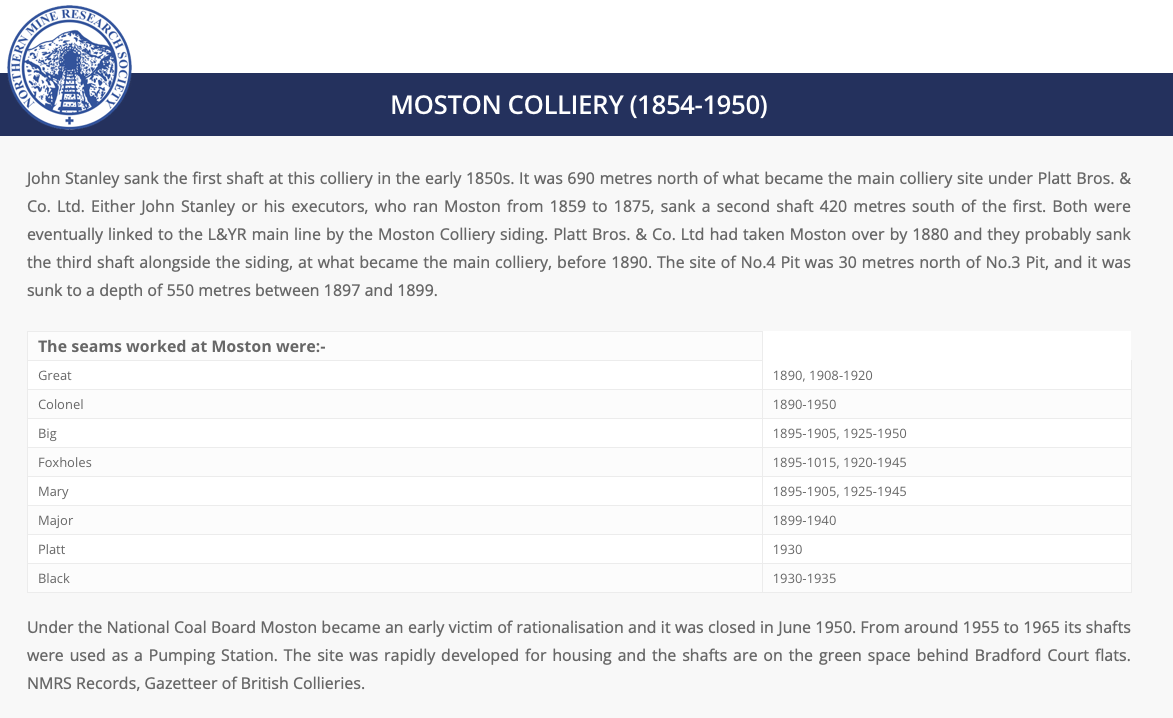
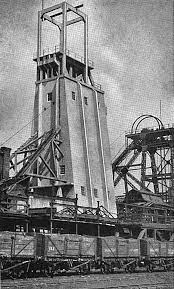
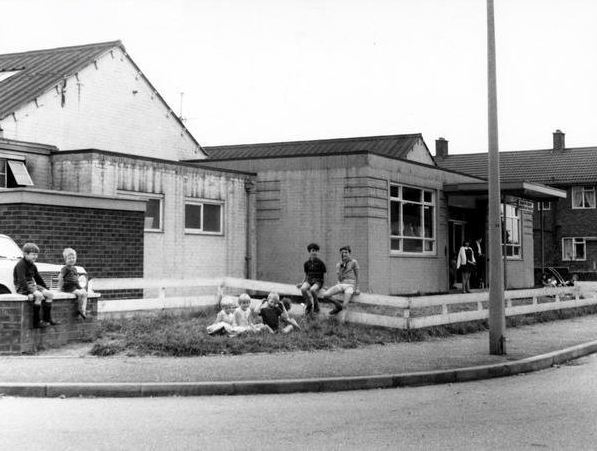
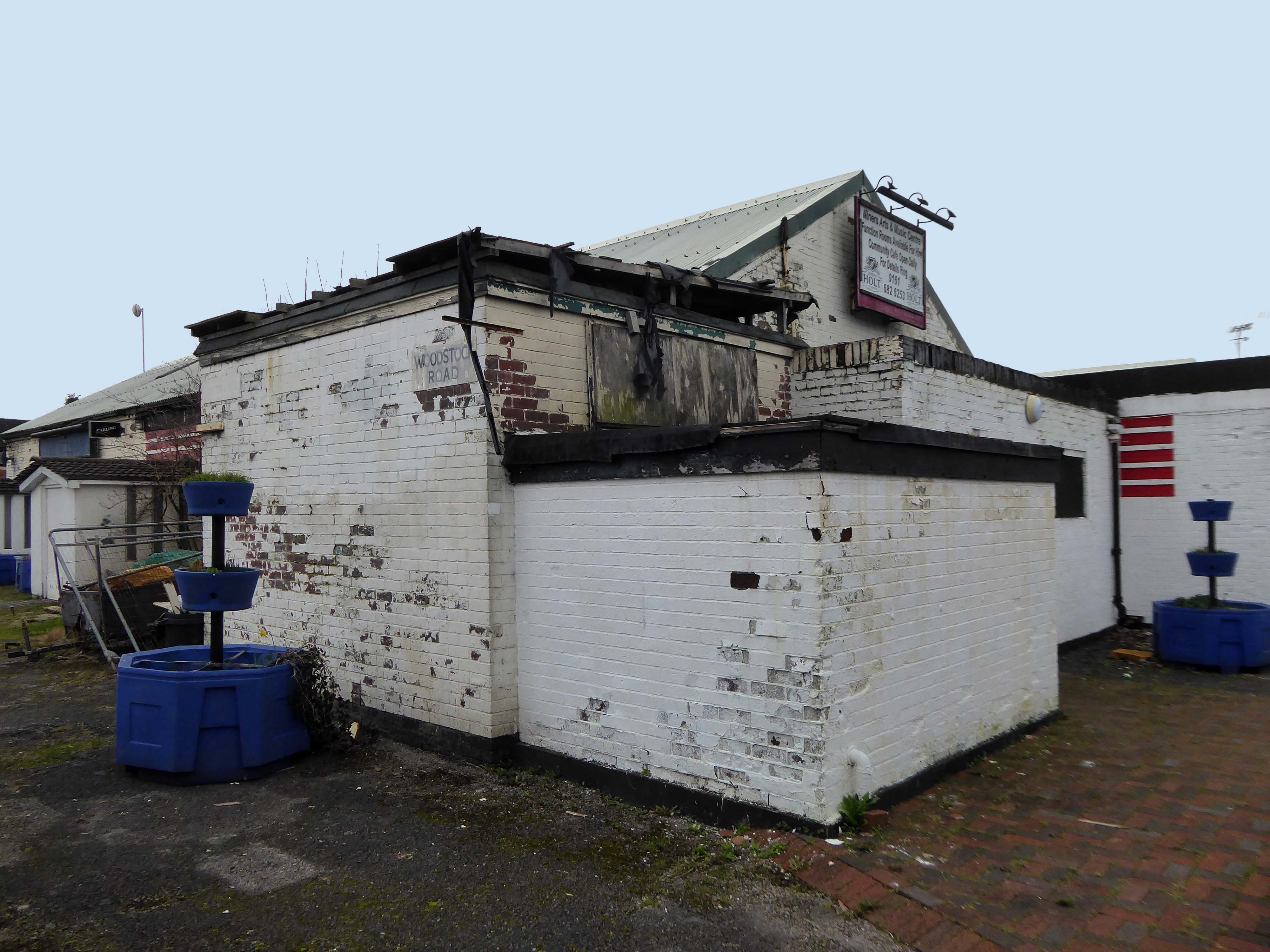
The building began life as a pit-head bath for Moston Colliery.

Several years ago I visited the listed baths at Lynemouth

NMRS

It later became a working mans’ club.

More recently it has had a renaissance under the stewardship of local lad Louis Beckett.

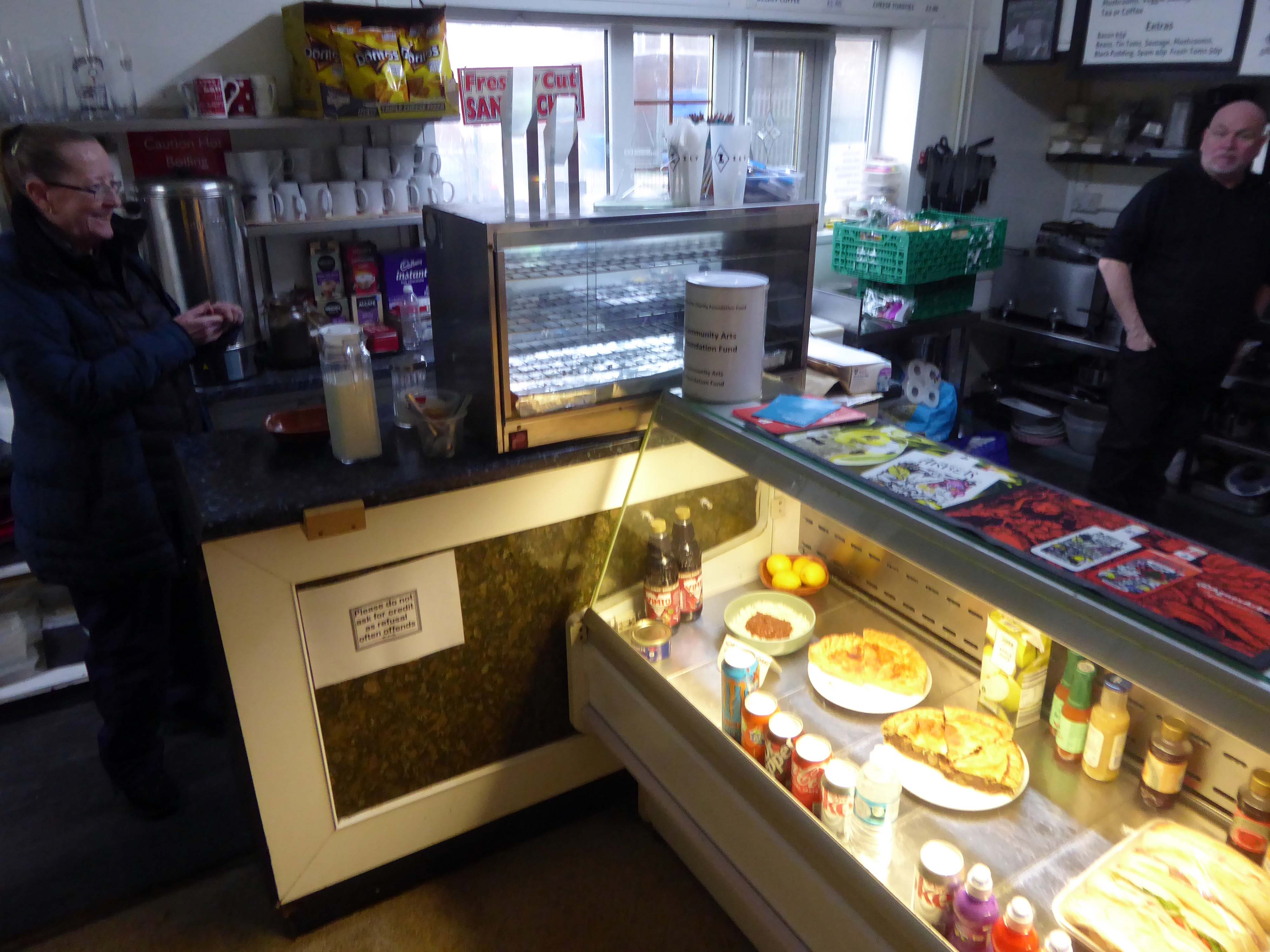
The community centre now provides space for local bands to rehearse, local artists to exhibit their work, a community cafe and larger function rooms that are available for events. 

A wide range of events takes place here through the year including live gigs, pantomines, Halloween parties, cabaret nights and art exhibitions, and since 2012 it’s been home to the Moston Small Cinema which screens a range of films and sporting events.

The Skinny

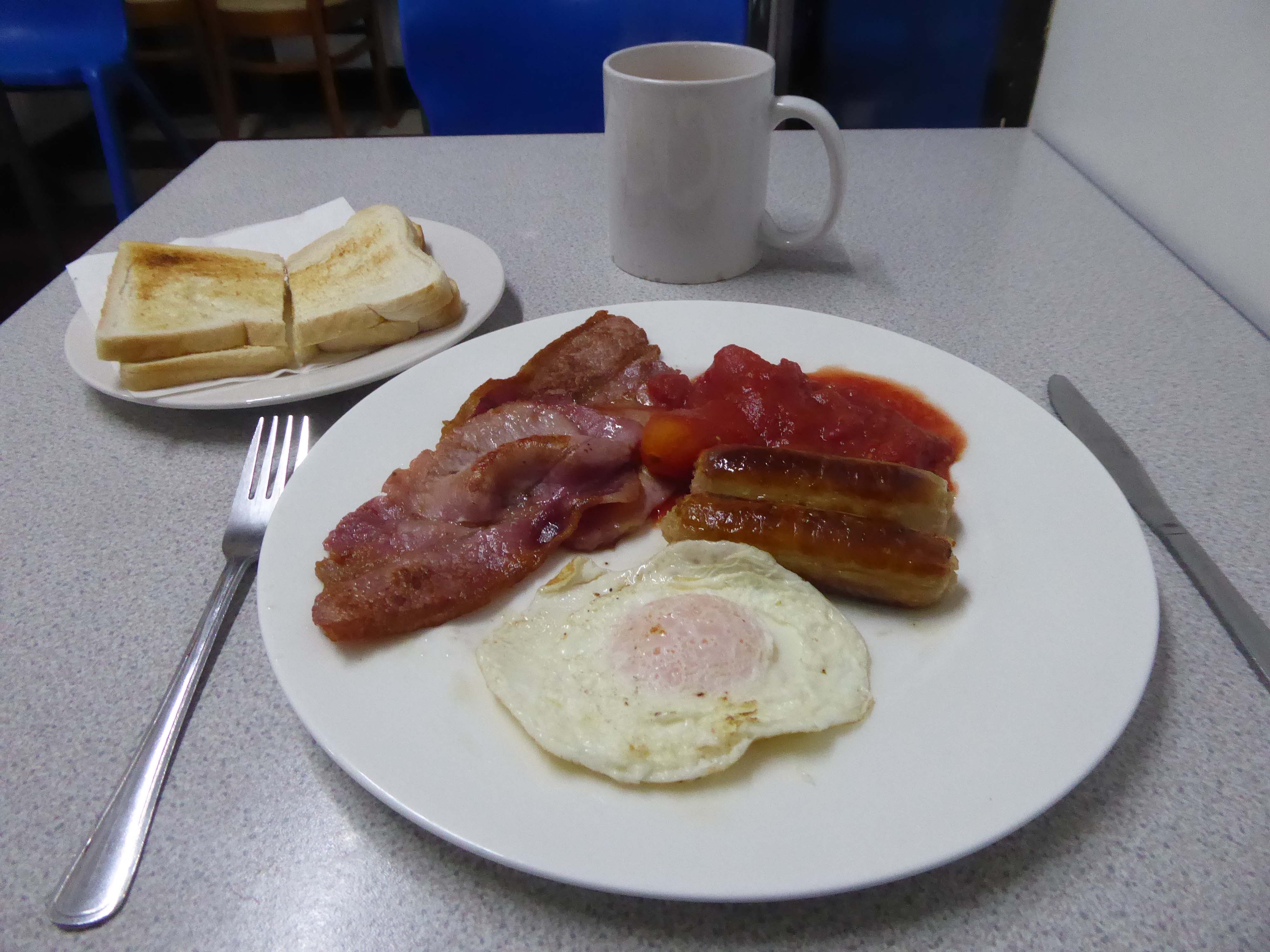
I popped by a couple of weeks ago and was given a terrific tour by Paula and Lou, along with a competitively priced tasty brew and breakfast.

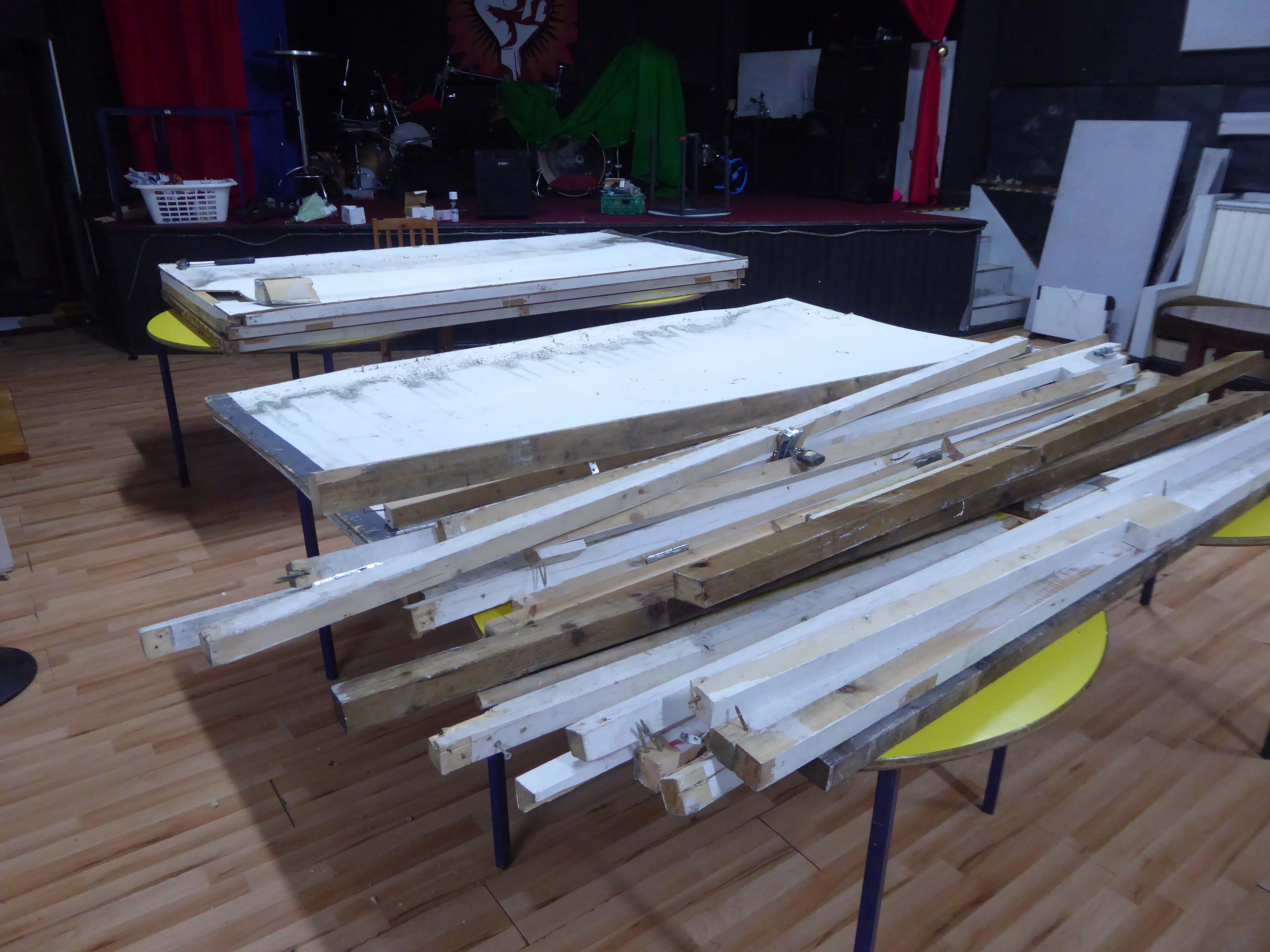
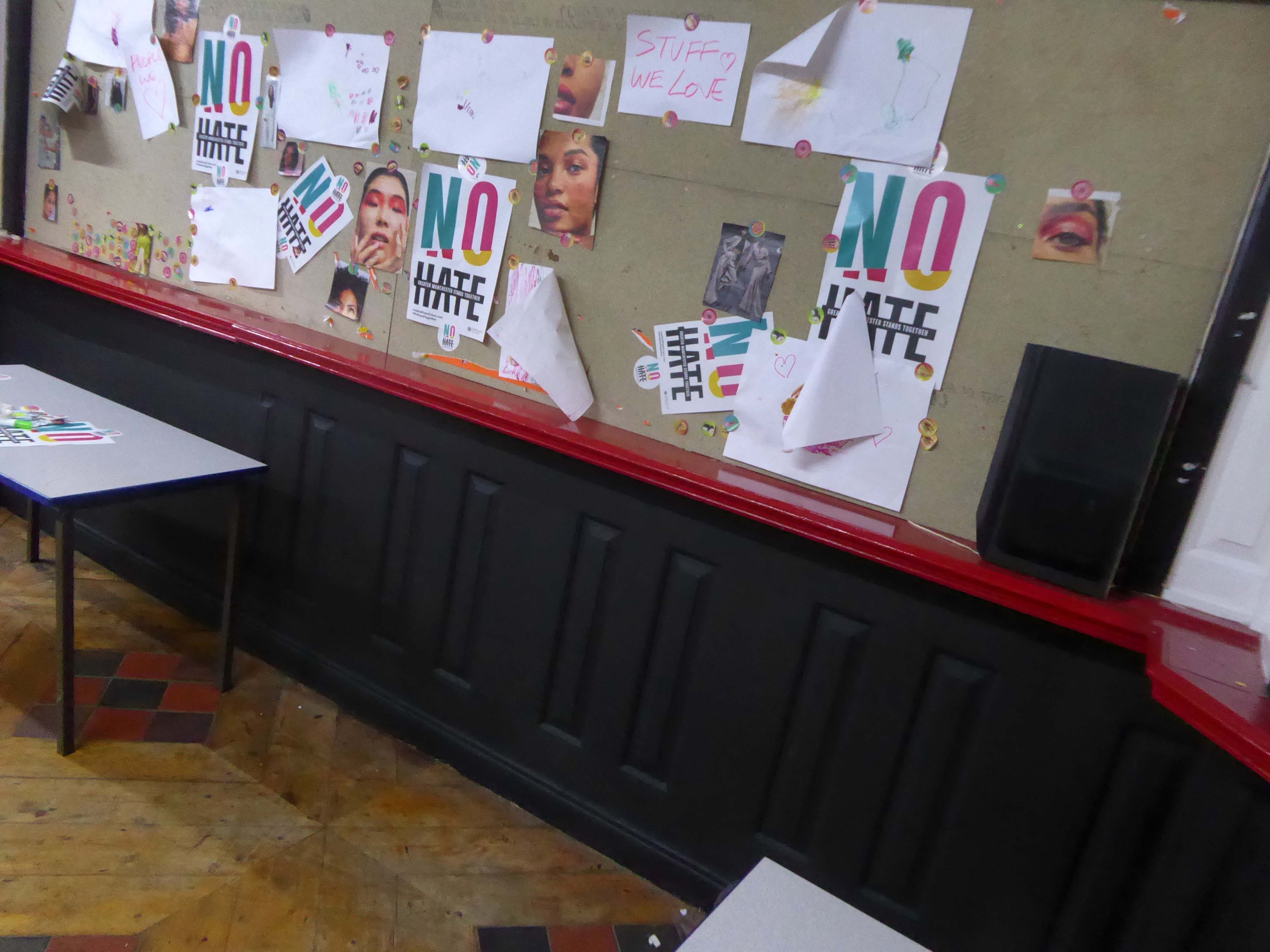
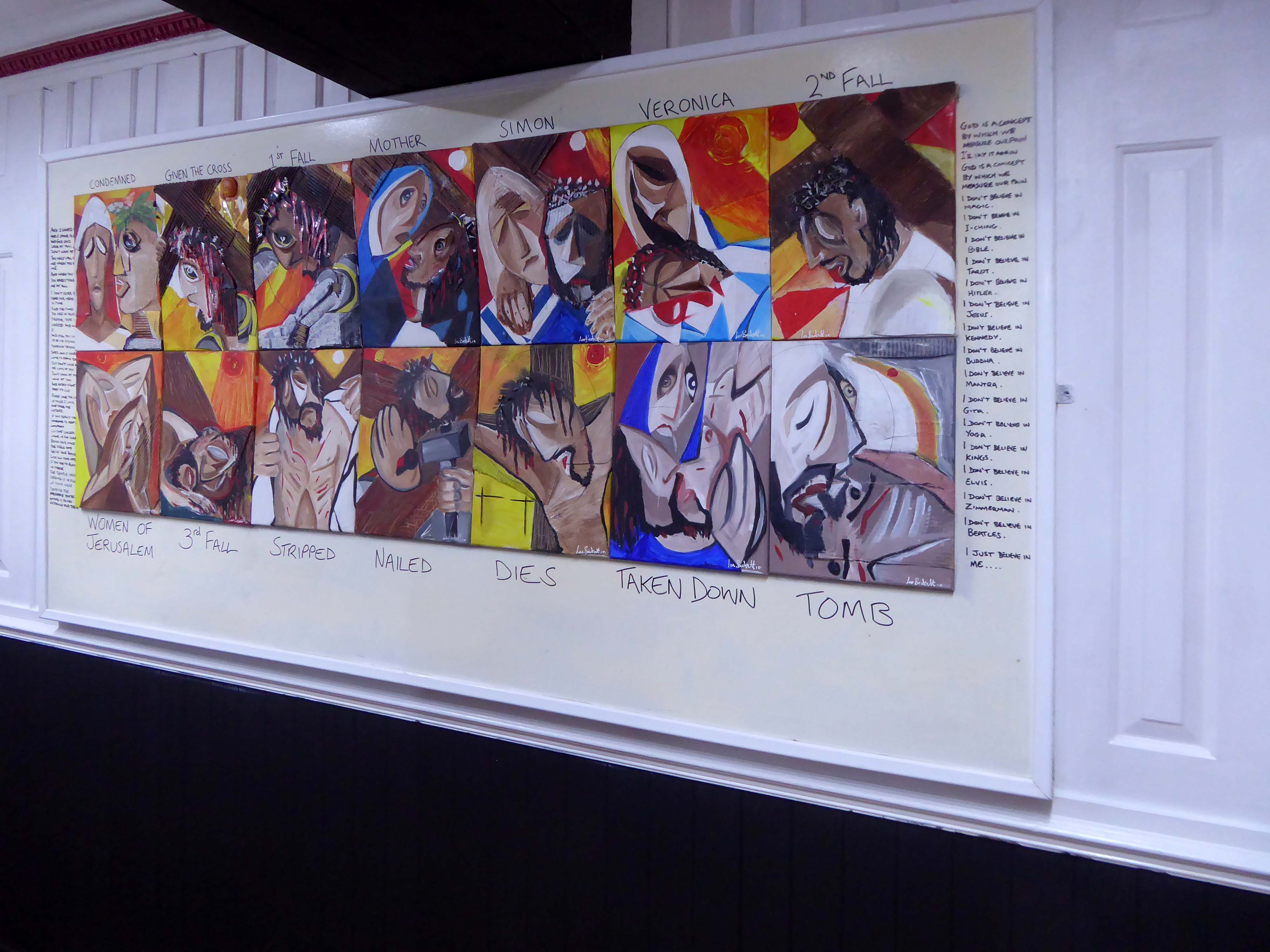
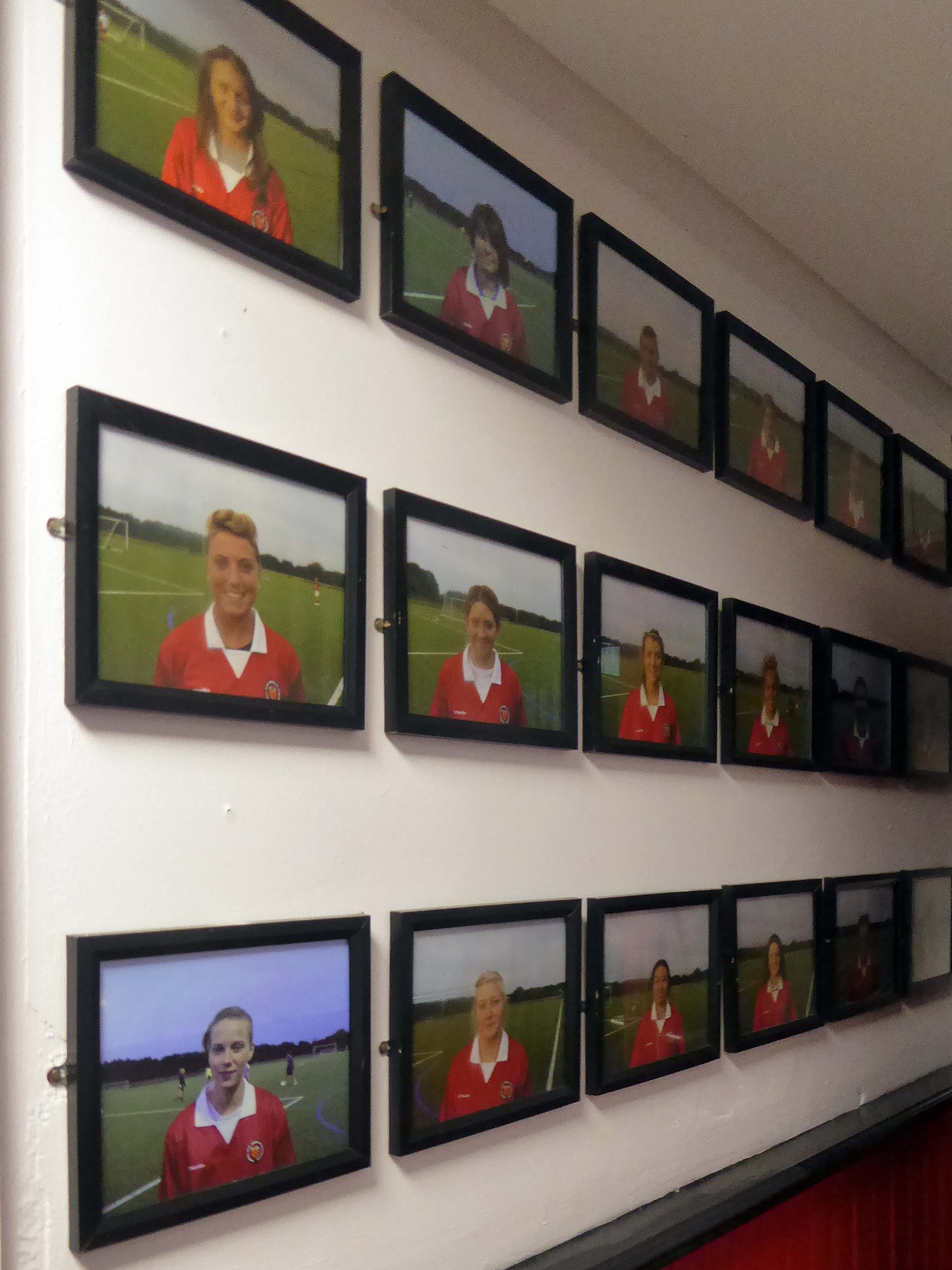
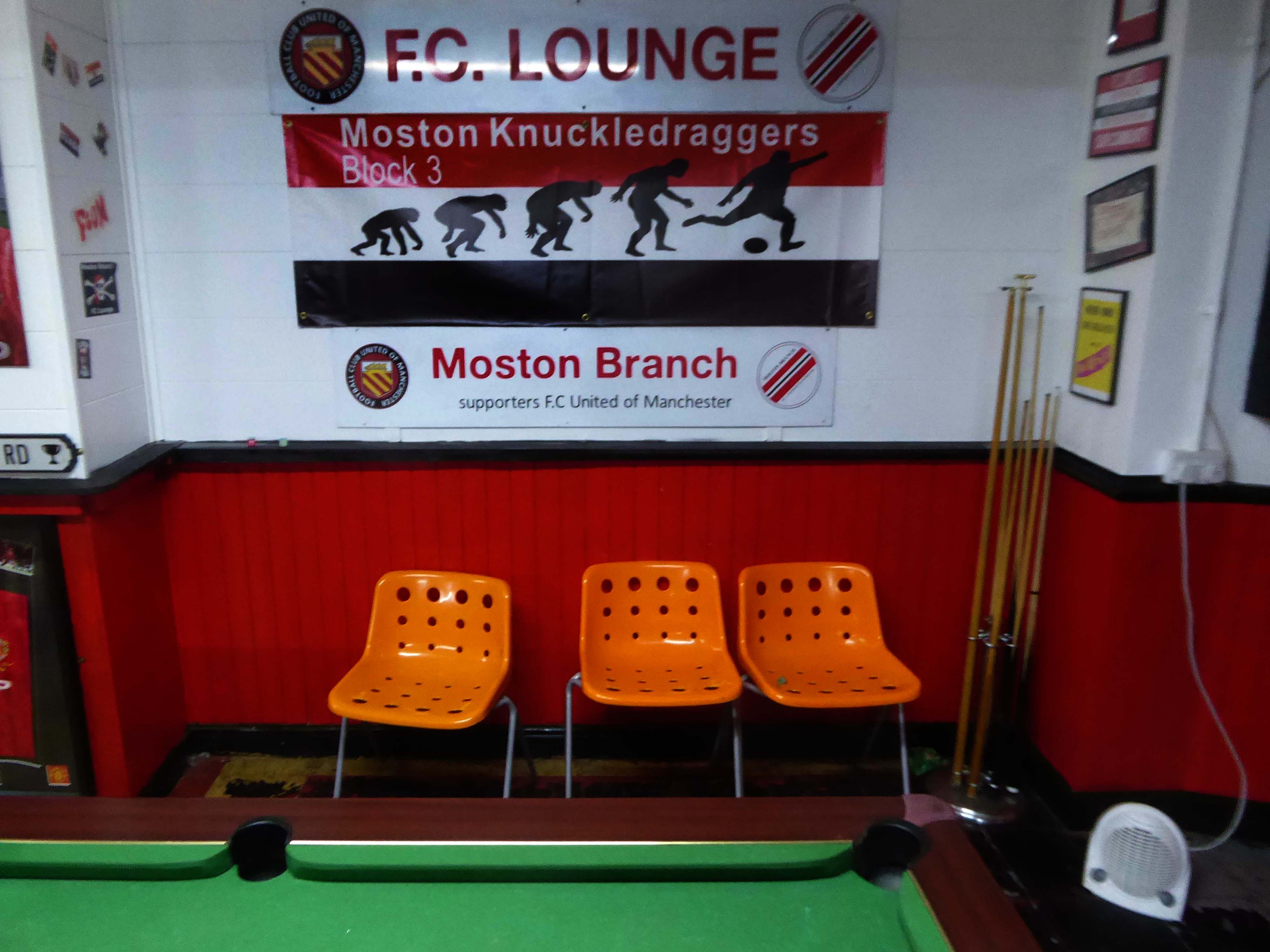
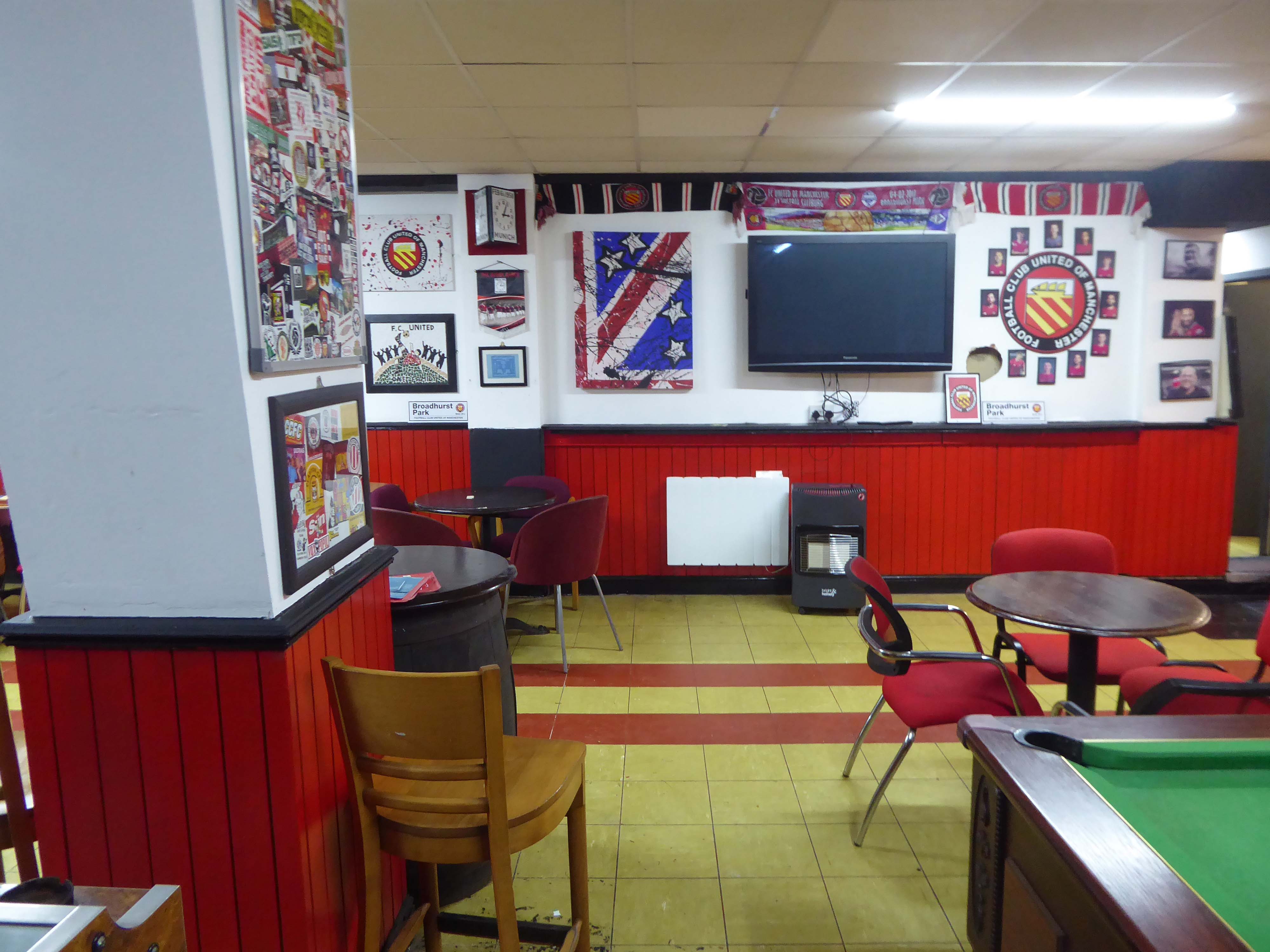
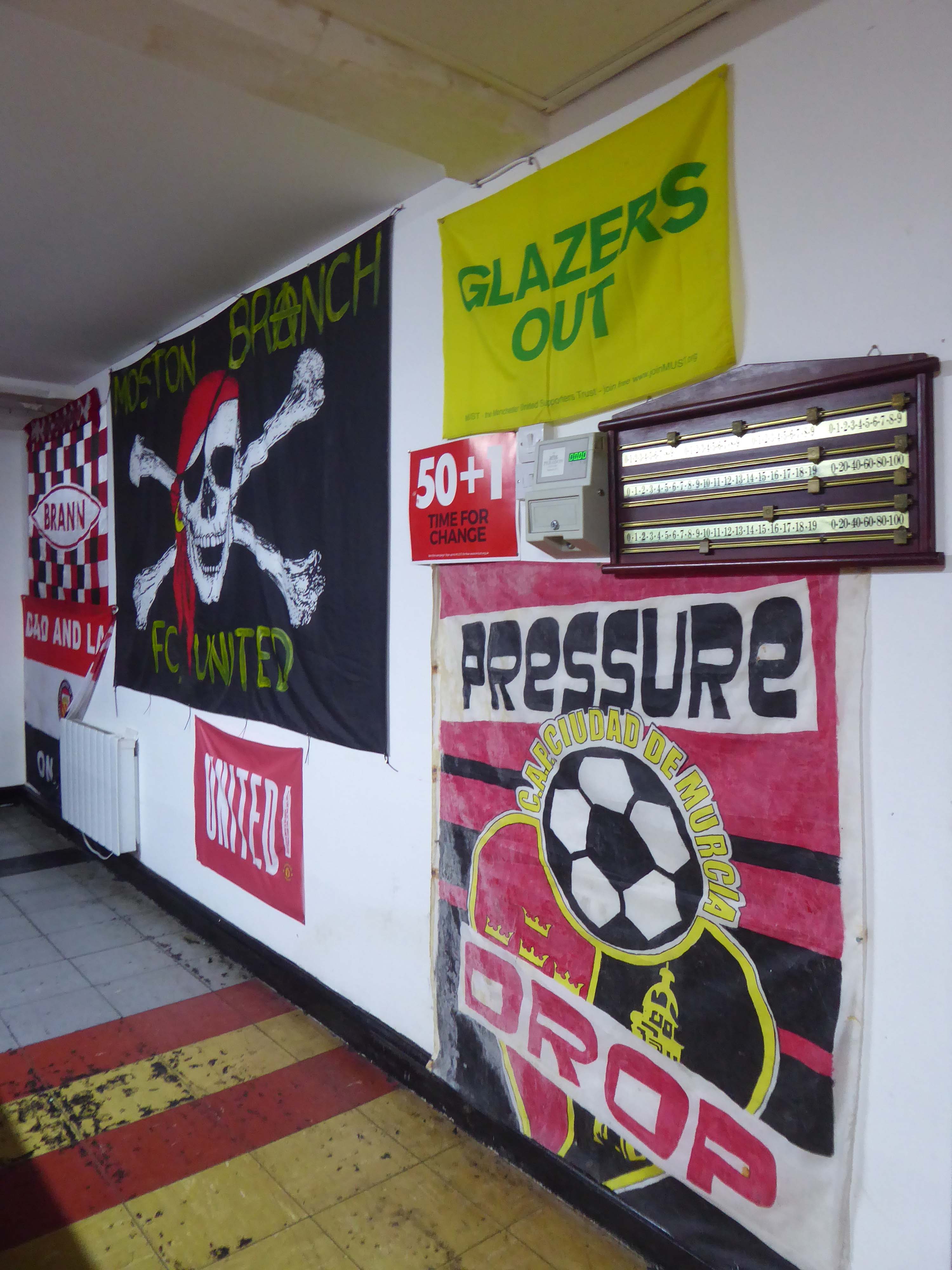
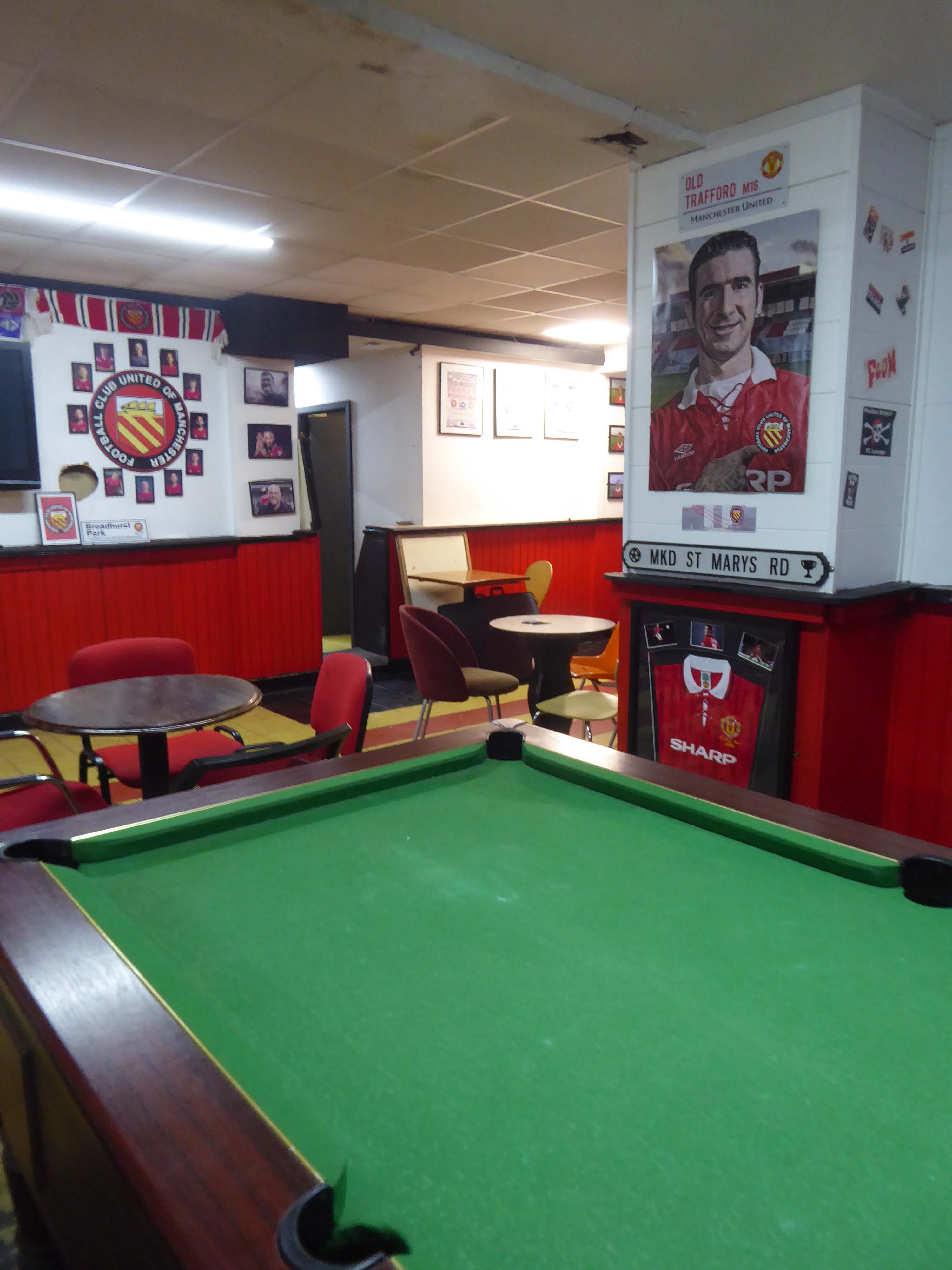
Work was underway for the current Art Show and evidence of the club’s affable affiliation with FC United of Manchester, along with the results of the previous week’s art activities for the local youngsters.

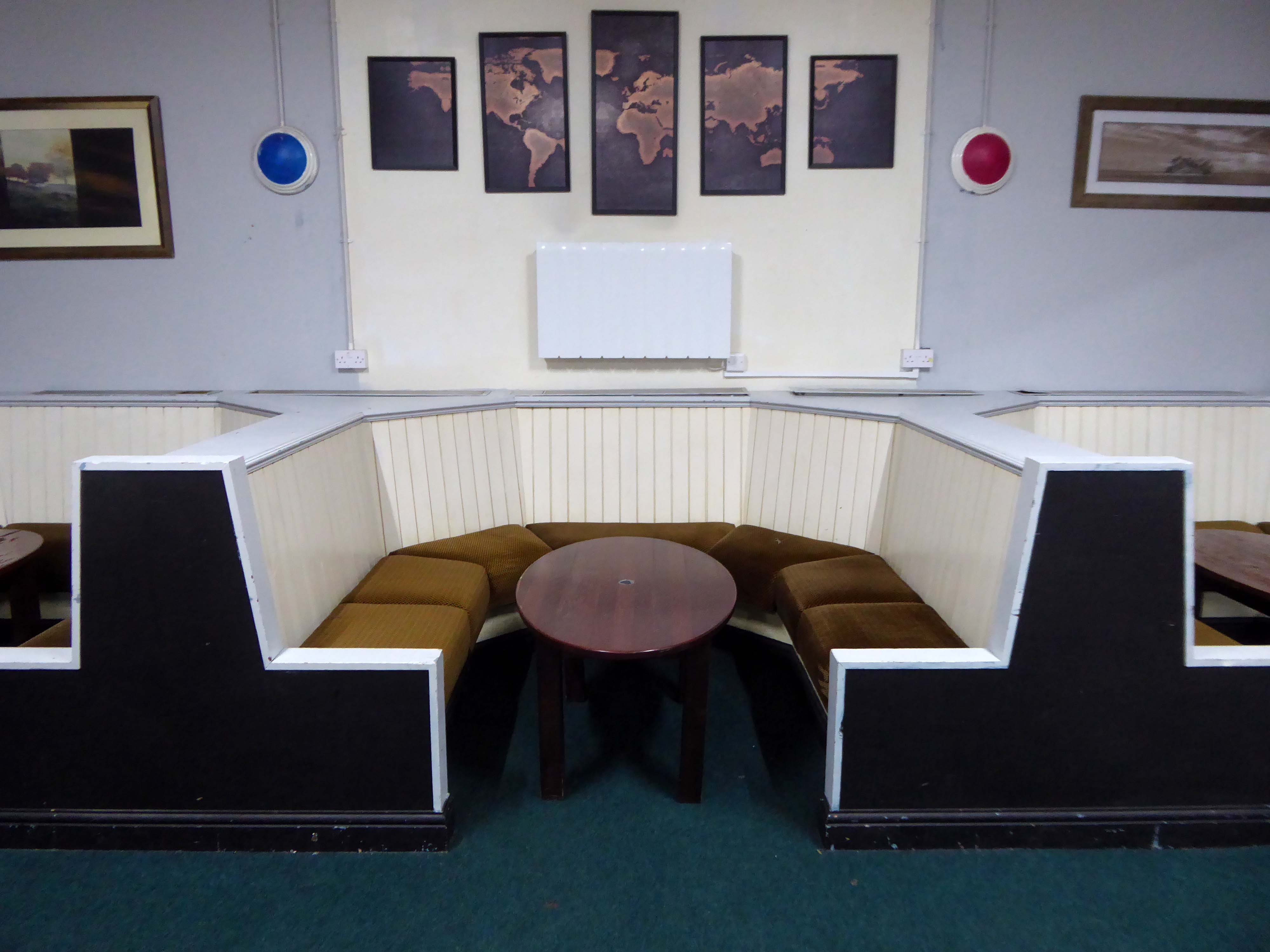
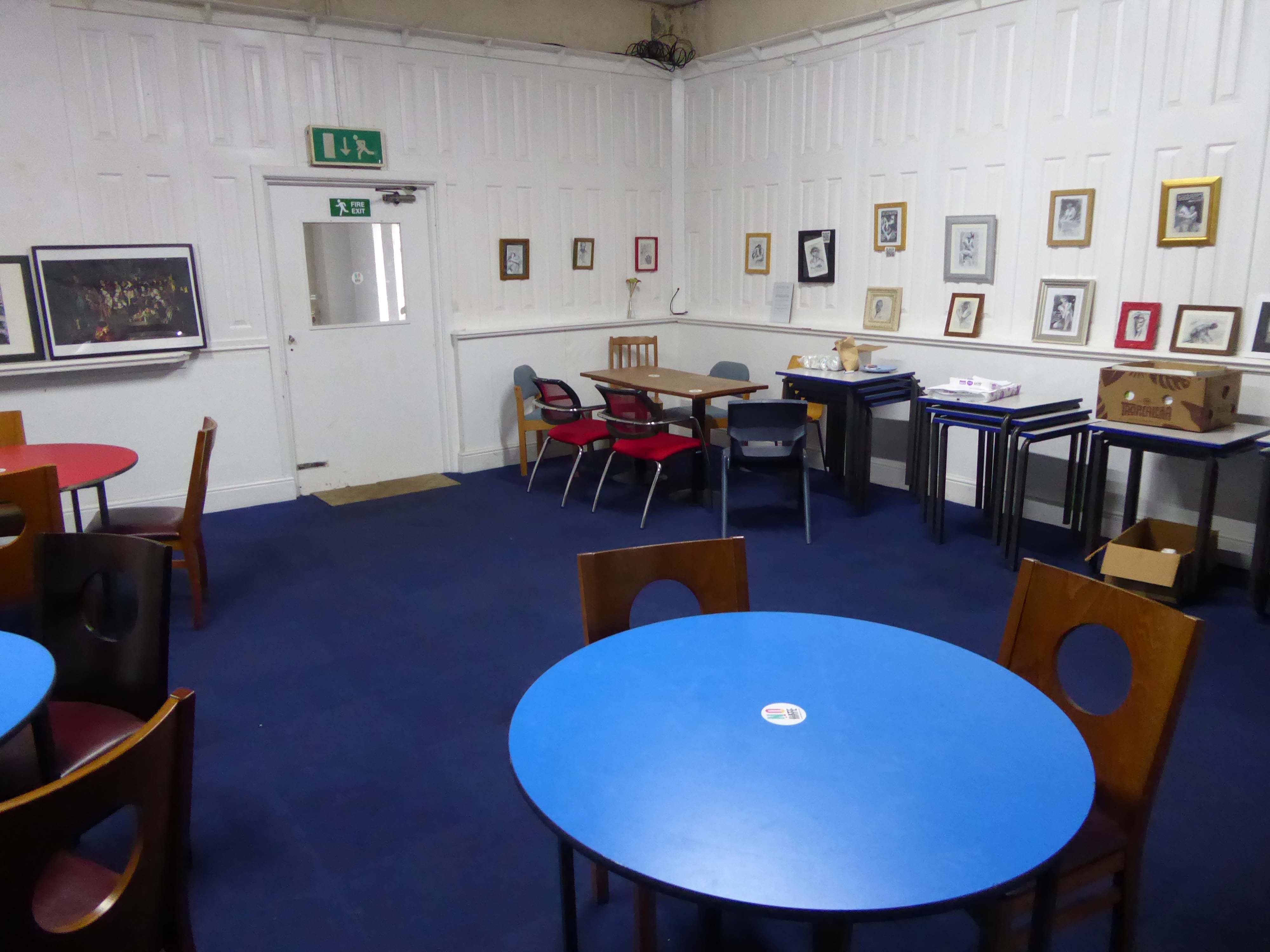
Let’s take a look around outside and in.

Keep an eye and ear out for forthcoming events – get y’self up there soon!

Charlestown Towers

We have previously taken a look at Deepdale Court.

I returned last week to look at the remaining blocks.

Cartmel, Rusland and Somerton are all social housing.

Kentmere and Whitebeck have been adapted for senior citizens managed by Northwards Housing.

Freshfields formerly Grisedale is owned by private developers LPC Living and converted into a block of one, two and three bedroom homes.

Now, they boast floor-to-ceiling windows in the living spaces, modern fitted kitchens, and light wood-effect floors. Some also come with balconies.

A penthouse apartment, sold for £135,000 in 2008, even has a wrap-around outdoor terrace.

Manchester Evening News

The circular tiles within Grisedale’s entrance have been covered or removed.

Tower Block – 1987

Tunstall Court and Skelton Court have been demolished.

Let’s take a look back at the building of Victoria Avenue East – seen here in 1922.

The demands of an expanding industrial base and population created the need for new roads and housing.

There was subsequent development of inter-war semi-detached homes.

The urgent post-war need for temporary accommodation – was met by prefabricated structures.

Manchester City Council agreed to use the Phoenix model for their prefab estates.

A total of 43,206 Phoenix prefabs were built across the country, each one designed by the John Laing Group.

The Phoenix, designed by Laing and built by themselves as well as partners McAlpine and Henry Boot, looked much like an AIROH with a central front door. It was a two-bedroom in-situ preform design with steel frame, asbestos clad walls and an innovative roof of tubular steel poles with steel panels attached. Like all designs, it came pre-painted in magnolia, with green highlights on frames and skirting.

Phoenix prefabs cost £1,200 each constructed onsite, while the specially insulated version designed for use on the Isle of Lewis in the Hebrides cost £2,000.

Wikipedia

The prefabs were eventually demolished and along came the tower blocks – Architect J Austen Bent, whose work we have seen on the Wythenshawe Walk

In the distance Chadderton Power Station – demolished in 1986.

Photographs – Local Image Collection

Here are the blocks prior to and during the current renovation programme.

Kentmere

Cartmel

Somerton

Rusland

Here are the group as of February 2023.

I was thrilled to find that each of the blocks had variants within the typology of handmade tiles.

Kentmere

Somerton

Cartmel

Rusland

There seems to be no record of attribution for these tiles – happily they are still extant.

Go and take a look.

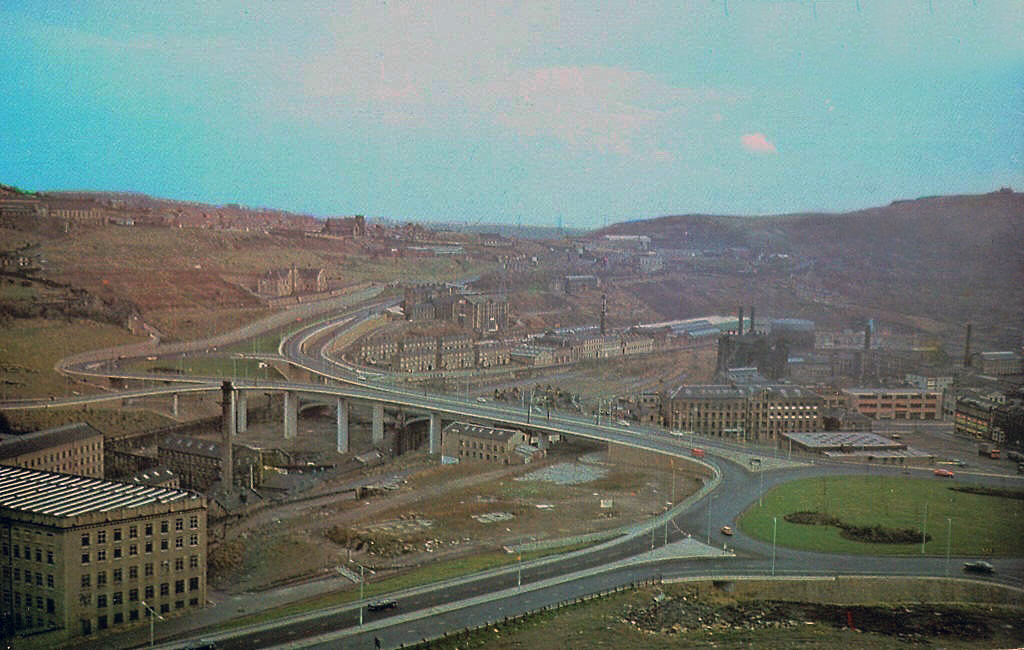
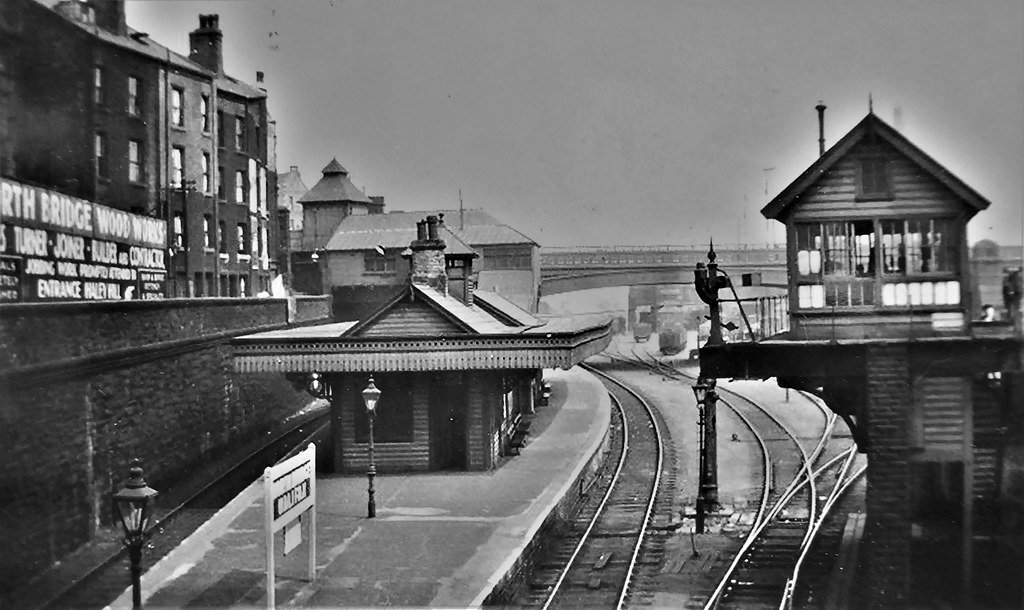
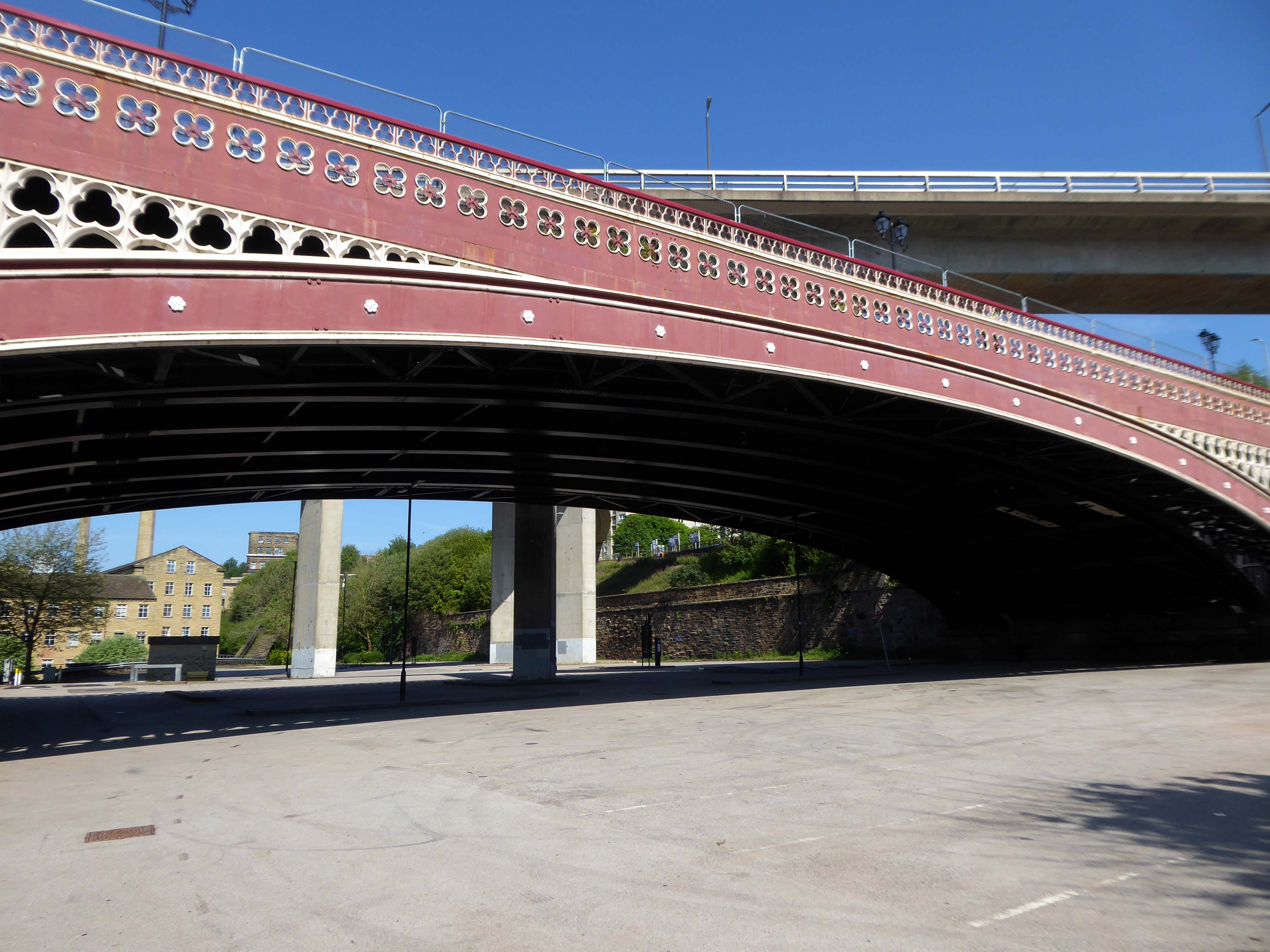
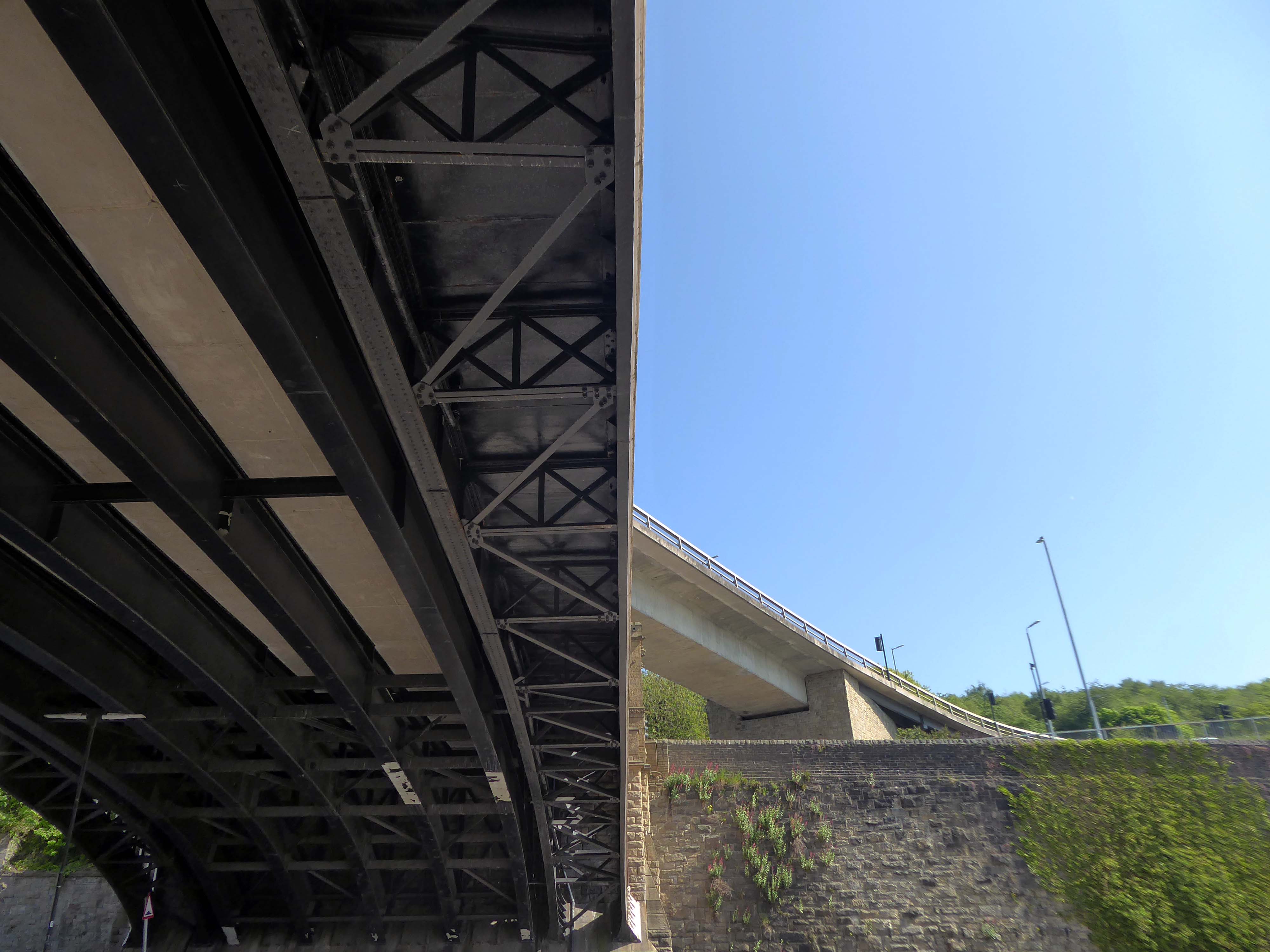
Huddersfield Re-walked

I have walked this way before.

More than once, though that’s no reason not to do so again – so I did.

Saying hello to Harold.

Harold saying hello to us:

Nostalgia won’t pay the bills; the world doesn’t owe us a living; and we must harness the scientific revolution to win in the years to come. This scientific revolution is making it physically possible, for the first time in human history, to conquer poverty and disease, to move towards universal literacy, and to achieve for the whole people better living standards than those enjoyed by tiny privileged classes in previous epochs.

He warned change would have to reach every corner of the country; The Britain that is going to be formed in the white heat of this revolution will be no place for the restrictive practices or for outdated methods on either side of industry.

Fabian Society

Standing sentinel over one of Nikolaus Pevsner and John Betjeman’s favourite railway station front elevations.

Through a passage darkly.

Emerging into the light of day and the demolition of the Kirklees College 1969-72 by Borough Architect Charles Edmund Aspinall.

My thanks to the Metropolitan team who invited me in beyond the barriers.

We provide safe and efficient demolition services across a broad range of projects, from the small domestic dwelling to  large scale industrial units – we offer the complete solution. With excellent communication and impeccable health and safety standards, we can project manage the decommissioning a structure on time and on budget.

Edward VII is under wraps.

Everything else is up for smash and grab – including the later concrete block immortalised by Mandy Payne.

LIDL is coming – and some homes

The final details have now been signed off by the council and work on the six-acre site – which includes the Grade II-listed original Huddersfield Royal Infirmary – can now begin.

The vandal-hit and fire-damaged late 1960s and early 1970s college buildings are to be demolished and Lidl will build a new supermarket with a 127-space car park. The store will eventually replace the store on Castlegate.

The former hospital will be retained and the site will see 229 apartments and an office complex. The apartments are expected to be for older or retired people.

Huddersfield Hub

The inter-war infirmary is also destined for an imminent demise.

Next we take a turn around the bus station.

Changes are afoot for the buses.

Huddersfield’s £20M game-changing bus station is set to be completed by the end of 2025 with a living grass roof, sixty bike cycle hub, upgraded shops and new facilities

The project between West Yorkshire Combined Authority and Kirklees Council aims to transform one of West Yorkshire’s busiest bus stations, and uplift the area that surrounds it.

Over the way this diminutive commercial building – with a distinctive rectangular stopped clock and boldly incised gold leaf heraldic device.

Architects: Ronald Ward & Partners.

The same crew were also responsible for Millbank Tower

Crossing the road to the Civic Centre and the perennially empty piazza which along with the Magistrates Courts and Police Station was the work of the Borough Architects team – led by Charles Edmund Aspinall.

Walking excitedly toward the Exsilite panels set in the stone faced columns – a brand name for a synthetic, moulded, artificial marble.

Magistrates Courts

Police Station

Dick Taverne served under Harold Wilson’s premiership in the 1960s, he served as a Home Office Minister from 1966 to 1968, Minister of State at the Treasury from 1968 to 1969 and then as Financial Secretary to the Treasury from 1969 to 1970.

In 1970, he helped to launch the Institute for Fiscal Studies, now an influential independent think tank and was the first Director, later chairman.

Wikipedia

A view up the road to Buxton House – Contractor J Gerrard.

J Gerrard & Sons Ltd’s tender for the contract was £146,210. 

The Queensgate Market and Piazza Centre is at the heart of redevelopment plans.

The vision is to create an inclusive space where families, residents and visitors can enjoy a vibrant mix of music, arts, food and more in one central area, overlooking a stunning new urban park.

Kirklees Together

The Market is currently closed.

The Piazza repurposed – currently housing the regeneration exhibition.

The council plans to demolish the Piazza Centre and create a new events/live music venue, a food hall, a museum and art gallery, a new library and a new multi-storey car park, all centred around a new Town Park.

Huddersfield Hub

I do hope that the decorative panels and door handles survive.

Wandered around the University Campus as the light faded.

Barbara Hepworth Building Architects: AHR

Named after one of the Twentieth Century’s finest artists, the space nurtures a new and inspired generation of designers. Through visual and physical connection, the environment encourages students to work together, stimulating communication and ingenuity, the ingredients of successful collaboration.

Take that to the bank/s

Keep savin’, keep buildin’
That interest for our love
Take that to the bank
Keep savin’, keep buildin’
That interest for our love
Take that to the bank

Shalamar

HSBC was designed by Peter Womersley, who also designed the thoroughly modern private house, Farnley Hey, near Castle Hill, which won the RIBA Bronze Medal in 1958.

Halifax Building Society

Having walked around town for more hours than enough I sought respite in The Sportsman and a glass of Squawk multi-berry fruited sour

Deepdale Court – Blackley

Deepdale Court Northwold Drive Manchester M9 7HX

On the way betwixt somewhere and there I took time to come here.

A tower block on high ground on the edge of Blackley.

One of nine seventeen-storey blocks containing eight hundred and forty six dwellings.

Committee approval date: 1967

Building contractor: Direct Municipal Labour

The two blocks that were demolished were Tunstall Court and Skelton Court.


Freshfields as listed is the new name for Grisedale Court as was sold by council and now private flats.

There are 16 floors in each block, 15 on one side and 16 on the other side

This area is known as the Charlestown Towers.

Tower Block

1987 – Grisedale Court with circular tiles in the entrance.
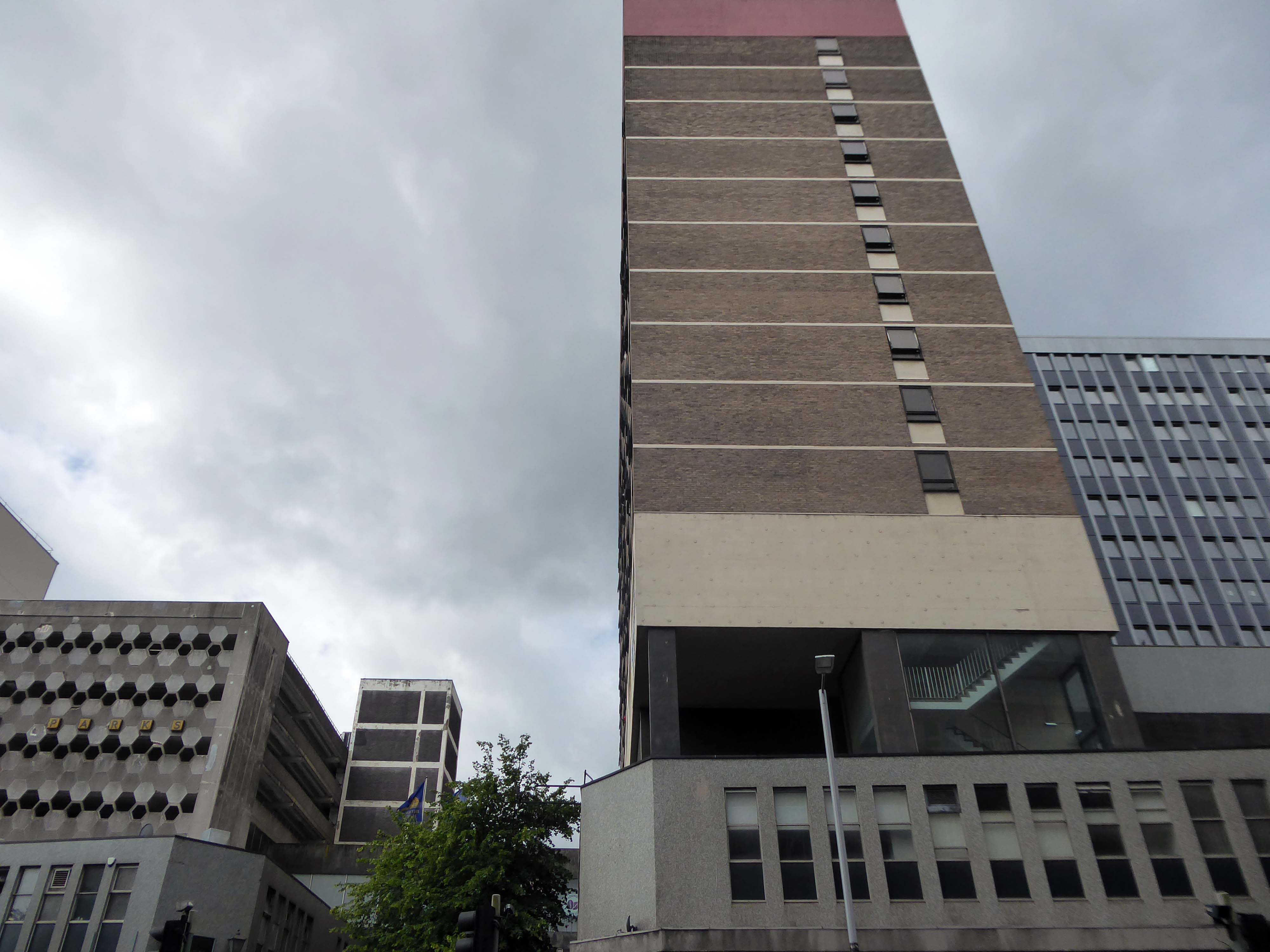
Over time the balconies have been boxed in and more recently the glazing replaced.

I was particularly interested in the hand made tiles inside the entrance – very much in the style of William Mitchell.

The Ark Royal – Harpurhey

Lathbury Road Harpurhey M9 5SY

Looks to me as though the pub was launched in the 1960’s along with the surrounding houses and shops.

In 1910 Lathbury Road looked like this.

In 1968 the area was part of the Manchester slum clearance programme.

Photo: Tommy Brooks

The real Ark Royal was built by Cammel Laird at Birkenhead, completed in November 1938.

Torpedoed and subsequently sunk on 10th November 1941.

The pub closed in 2007 – here it is in 1992.

Photo: Alan Winfield

Another great looking estate pub that was on the same estate as the Hipp which it was also fairly close to.


There was the usual two rooms inside, I had a drink in the bar room which was quite busy on my Friday afternoon visit, there was also a more comfortable lounge.


The pub was a Robinsons tied house, there were two real ales on, I had a drink of Robinsons Bitter which was a nice drink, there was also Robinsons Mild on.


Another pub that was was well pleased to do.

Never Ending Pub Crawl

Here its is in 2007.

Photo: Mikey

The pub currently trades as the Pathfinder Church.

We are committed to the growth and development of individual, our local and international communities. In the interim may I use this medium to invite you to be part of the move of God in our church, the Pathfinder.

The Lord bless your richly as you navigate through in Jesus name.

Sainsbury’s Stockport

Warren Street Stockport, north of Lancashire Bridge beside the Mersey – seen here in the 1920s a mix of retail, dwellings and industry as was most of the town centre.

The river was culverted and covered as it passed through in 1936

The Merseyway Shopping Centre was completed and opened in 1965 – architects Bernard Engle and Partners

A later extension followed along Warren Street.

The Sainsbury’s building can be seen beside the river – opened 29th October 1985

The branch closed in January 2021 – the Asda is still open.

Store Images – Sainsbury’s Archive

Plans to build hundreds of new homes – including a 15-storey tower block – on a vacant Sainsbury’s site in Stockport town centre are set to get the go-ahead.

Proposals that would bring more than 500 flats and 34 townhouses to the three-acre plot, in Warren Street, are set to go before the council’s planning committee next Thursday night. The 573 homes would be spread across a trio of buildings – rising in height  from five to 15 storeys. Two of these would  also have space for a range of potential uses, ranging from shops and cafes to gyms and creches.

Manchester World

Martin Halsey, operations director at Amstone Ventures, added:

We can see that Stockport has untapped demand for quality homes within its town centre, offering a vibrant lifestyle and everything Stockport town centre has to offer, all on the doorstep.”

Took a look around the site before it’s no longer possible to look around the site.

Peter House – Manchester

Currently trading as Spaces.

Take in all the best that Manchester’s creative scene has to offer and let your imagination go wild.

In 1807 you really had to use your imagination to discover the creative scene.

The site was home to the Prince’s Theatre:

Constructed by Metcalf and Waterson at a cost of £20,000, and designed by the architect Edward Salomons. The Theatre, which had seating for 1,590, opened with a production of Shakespeare’s ‘The Tempest’ on Saturday, October the 15th 1864, under the management of Charles Calvert.

Arthur Lloyd

Sadly the Prince’s Theatre was closed in April 1940 when it was sold to ABC Cinemas who planned to build a new Cinema complex on the site, the Theatre was subsequently demolished but because of the war – the new Cinema was never built

It was replaced by Rediffusion House – later Peter House architects Ansell & Bailey.

Topped out in 1957 with a pint of Chester’s Mild.

Peter House gracefully hugs the curve of Oxford Street as it leads into St. Peter’s Square. This was one of the earliest commercial buildings to be completed post-war, which demonstrates the slow economic recovery of the region. Built on a site that had been bombed, the Portland stone seemed to marry with the material narrative established by JW Beaumont and LC Howitt in their buildings of the 1950’s and following earlier interwar commercial buildings. This scheme has more panache than the rather serious facades of the Student Union building or the Law Courts though.

The stepped massing and the articulation of the wings of the building preclude the accepted commercial norm of developing to the edge of the site and instead promote a satisfying formal interplay between the six and eleven storey elements. The building has been sensitively modified despite a lack of any listed status and remains commercially viable as offices and as retail. The continued success may be attributed to the air of quality afforded by the stone, certainly it has ensured the longevity, particularly when one considers the fate that befell the easement hugging concrete of Elizabeth House – Cruickshank & Seward, 1971 across the road; it was demolished in 2012.

Mainstream Modern

Rediffusion was the first independent commercial TV franchisee, in 1956 Associated-Rediffusion struck a very lucrative deal with Granada Television, the franchise holder for weekday broadcasts in the North of England.

The company offered a low-bandwidth cable TV and radio distribution system, provided in most United Kingdom towns. Selection of TV or radio station was by means of a rotary switch, usually mounted on a wall or window frame close to the point of entry of the cable into the home.

The Rediffusion retail chain, renting and servicing TVs, radios, VCRs and hi-fi systems, was common on high streets until it was bought by Granada Rentals in 1984.

The days of the monolithic mono-culture of the sole occupant are in decline – we live in the age of the co-working space and homes of multi-use creative scene.

Peter House prevails a pale white Portland Stone embodiment of different days and different ways.

Let’s take a walk around.

As a footnote – once in the shadow of Peter House, Tommy Ducks was demolished overnight.

Apparently, its supporters managed to arrange a preservation order for the building but, according to the excellent Pubs of Manchester website, that order expired at midnight on February 12, 1993, and the pub was literally reduced to rubble before anyone could seek a renewal on February 13th.

Portwood – 2023

Where are we?

We once were lost, but are we saved?

A remnant from a discarded photographic album locates us in Cornwall.

The Ordnance Survey places us at the heart of the Industrial Revolution.

Now we are in the shadow of Tesco Extra and a recently opened Porsche dealership.

As of 2022, the supermarket chain had a brand value of roughly 9.91 billion US dollars.

Porsche Automobile Holding SE net worth as of January 2023 is 16.51 US dollars.

By the side of the River Tame and the M60 Motorway

The 19th-century industrial concentrations in the above-named urban areas resulted in the Tame being a much polluted waterway. As well as industrial pollution from the dyes and bleaches used in textile mills, effluent from specialised paper-making cigarette papers, engineering effluents, including base metal washings from battery manufacture, phenols from the huge coal-gas plant in Denton, rain-wash from roads and abandoned coal spoil heaps there was also the sewage effluent from the surrounding population. Up to two-thirds of the river’s flow at its confluence with the Goyt had passed through a sewage works. The anti-pollution efforts of the last thirty years of the 20th century have resulted in positive fauna distributions.

Wikipedia

There is a plot of land to the left of Porsche which remains undeveloped, I often walk around this area, what would have once been for myself and others the place of childhood high jinx.

Now it is the domain of the fly-tipper, the home of the homeless, a war zone for a species which has declared war upon itself.

A desert of detritus, interpolated with tangles of brambles, seas of teasels and the ubiquitous buddleia.

This is the unofficial showroom for the unofficial Anthropocene Epoch – always crashing in a different car, during increasingly unseasonal weather, the superabundance of abundance.
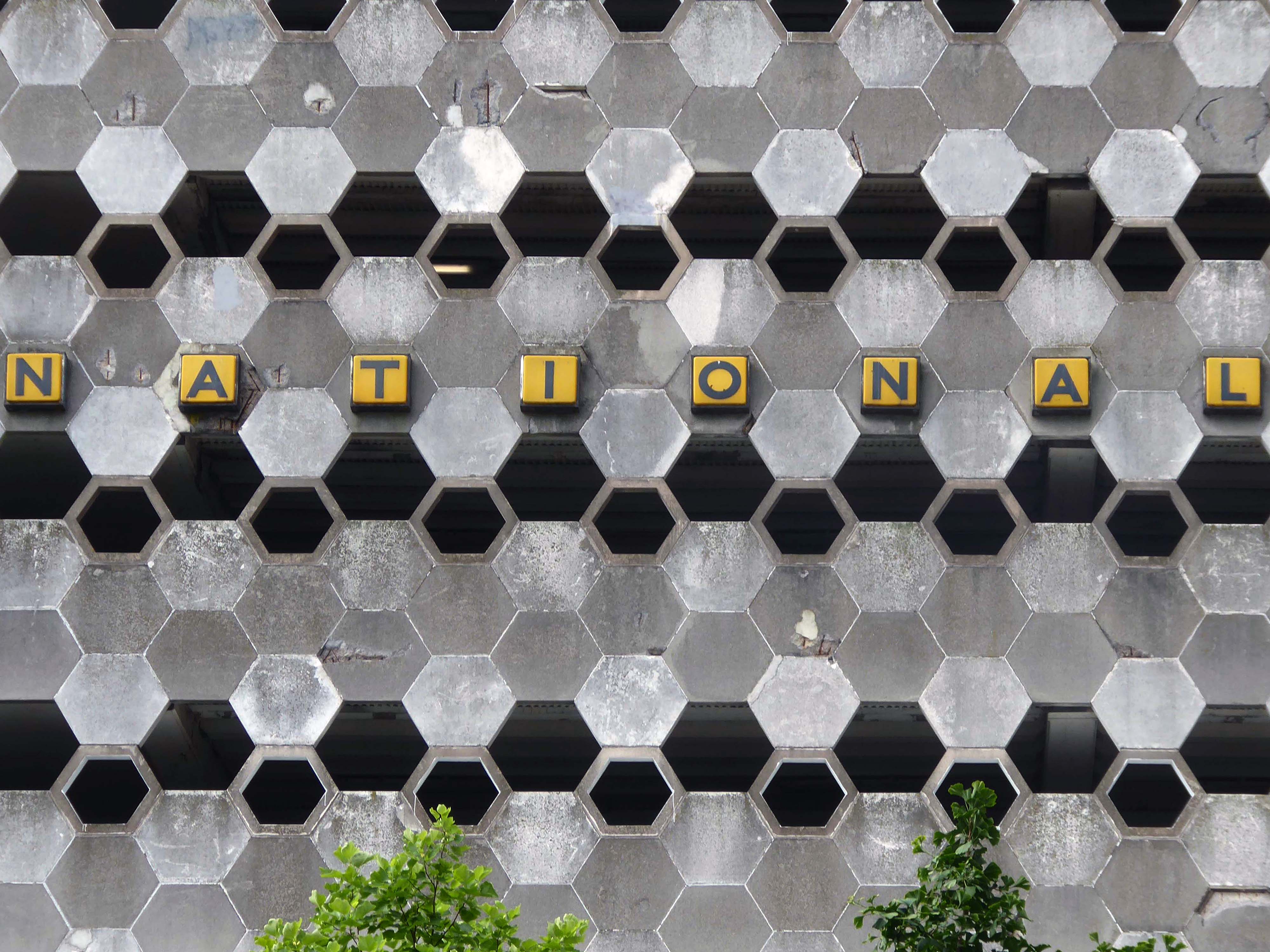
It seems that the sun may set on us, before the sun finally sets.

Let’s take a peep at Portwood.

Game over.

Vehicle use affects our whole quality of local life. Traffic can be dangerous and intimidating, dividing communities and making street life unpleasant, whilst air pollution and traffic noise can make urban living uncomfortable.
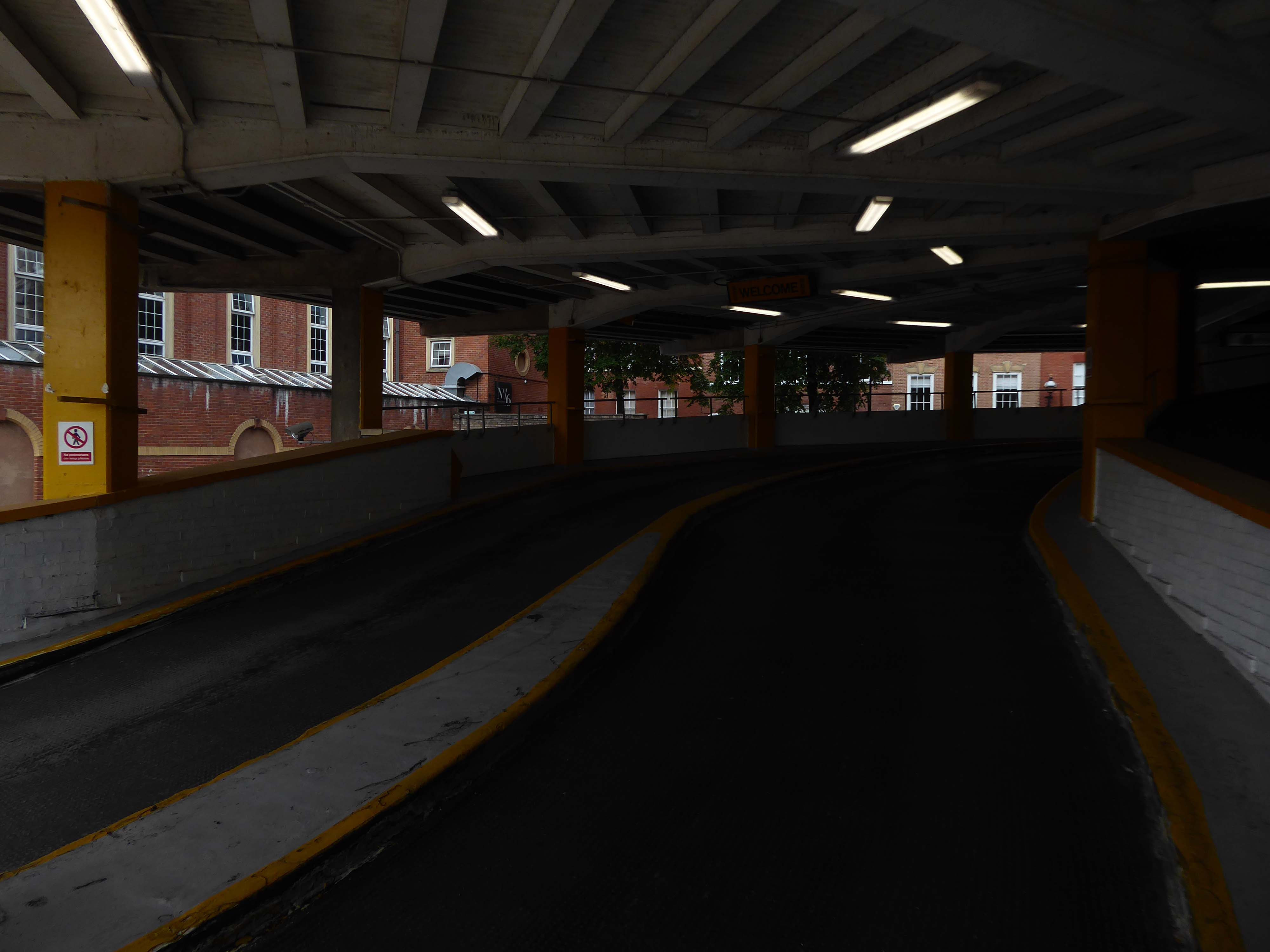
Environmental Protection UK

The impacts of mass consumption are: Misuse of land and resources, exporting pollution and waste from rich countries to poor countries, obesity due to excessive consumption, a cycle of waste, disparities and poverty.

Global Issues

Swinton Square – Shopping Centre

Opened in 1966 along with the slightly later Lancastrian Hall and Library, the Swinton Square shopping precinct provided an integrated modern setting for shopping, living, learning and entertainment.

The late 60s and early 70s was a time of general prosperity – and the hard landscaping offered a soft option for the local folk.

This was the age of the Precinct, celebrated nationally with postcard after postcard.

My local haunt in Ashton under Lyne.

Local traders and national chains rubbed shoulders.

There was even a Job Centre opening- there was even a wide range of vacancies.

Following a challenging year, the letting reinforces Swinton Square as a pillar in the local community. Whilst retail has been heavily affected throughout the Covid-19 pandemic, footfall at the scheme has remained buoyant, with shoppers staying local, favouring the convenience and independent retailers of Swinton Square. Renovations began on the site of the new, temporary job centre at the beginning of the year and is due to be completed in May. The centre is expected to boost footfall and support for local, independent businesses.

Avison Young

Despite Swinton’s many strengths, it faces similar challenges to other towns. The shopping centre and other buildings in the town centre are dated and in need of investment. Demand for local housing has grown by 23% in the last five years, but there is a lack of high-quality family and affordable housing in the right locations in the area.

The vision is just the first step of the journey, the next is to appoint a developer partner who can take this vision and help shape it, through ongoing consultation and engagement with the community, into a framework and plan for Swinton that will guide future investment.  

Salford Gov UK

The road to Swinton is paved with good intentions – rather than gold.

Sadly I was too late for August’s Dino Crazy Golf.

Bonny Street Police Station – Blackpool 2022

I have been outside several times in 2016 again in 2020 – never inside.

Let’s take a look:

Photos – Blackpool Gazette

So whilst in town for a stroll I strolled by once again, the main block now tagged and tinned up.

Whilst the Courts are still in use, until they make their move in 2025, stasis seems to be the order of the day.

There are no signs as yet of the proposed redevelopment of the site.

Some day maybe

Councillors have approved a compulsory purchase order to complete the land assembly for the £300m Blackpool Central project but still hope to negotiate terms with property owners.

Blackpool Council’s executive unanimously agreed the recommendation towards enabling the Central Car Park to be transformed into a leisure destination boasting a flying theatre, virtual reality rides, a thrill and gaming zone, multi-media exhibition space and themed dining areas.

Lancs Live

Let’s veer off the promenade and assess the situation.

Lancastrian Hall & Central Library – Swinton

Completed in 1969 to designs by Leach Rhodes and Walker in collaboration with the Borough Engineer John Whittaker

Constructed at the tail end of the Sixties – the last gasp of Municipal Modernism in the Borough, providing education, edification and entertainment for the local population.

The fountain is gone, the building is closed – the party’s over.

The Fast Cars are history – well they were history, until I was told that they are still speeding along!

A council has spent £348,000 on a masterplan for a town centre that the public has never seen.

Consultants have been used to come up with ideas to regenerate Swinton in Salford.

The town centre is dominated by the imposing Lancastrian Hall, opened in 1969, with an adjoining shopping mall.

The hall housed a council library and was used for civic and community meetings, wedding receptions and election counts.

But it has been closed since 2015 after the library moved to the new Gateway Building on the other side of Chorley Road.

Manchester Evening News

So this magical structure of stairways, undercrofts, elevated walks and majestic concrete clad volumes is under threat.

Swinton and the Lancastrian Hall deserve much better.

Over 550 people took part in the recent visioning work, and we are grateful for their time and valuable contributions.

An overwhelming majority of those who shared their views saw Swinton as a good place to live and bring up a family – somewhere friendly, with a strong sense of community.

People valued their local green spaces, but strongly felt that there needed to be more investment in the town centre, and a plan to tackle empty buildings and shops.

Overall, people felt that Swinton needed to be a more vibrant place, with more going on – and more reasons for people to visit and spend their leisure time there.

The Swinton Vision

This is an opportunity to create tomorrow’s local centre, but that does rely on removing the Lancastrian Hall, rethinking the shopping centre, and repurposing the Civic Centre and the spaces around it. 

Another Brick In The Wall – Leeds

Here we are at the Stan and Audrey Burton Gallery – an exhibition with a Pink Floyd-ish hue.

Curiously brick-ish, for work largely concerning concrete.

Did they not know the Madcap Syd wrote See Emily Play down the road at the now demolished Leeds College of Technology?

A fact I discovered whilst researching my Leeds Walk.

Myself I would have gone with – Borrow Somebody’s Dreams ’til Tomorrow.

For here we have an exposition of the architecture of three Universities, exploring the possibilities of a new age.

An age typified by the expansion of minds and opportunities in higher education, rendered corporeal in glass, steel and concrete – with some concession to the use of brick.

Basil Spence at the University of Sussex

Denys Lasdun at the University of East Anglia.

And Chamberlin, Powell and Bon at University of Leeds.

I was minded of the political context to these campuses, radicalised by the events of the late Sixties and early Seventies.

Myself a student at Portsmouth Polytechnic during these heady days, where several Maoist, Marxist-Leninist, Stalinist and Trotskyite factions played out ideological debate and display, against these Modernist backdrops.

Epitomised by the Hornsey School of Art sit-in.

On the day of my visit to the Leeds campus, I saw three students stood behind a hardboard paste table, selling the Socialist Worker.

Along with staff building support for the following day’s UCU strike.

So to the exhibition – Another Brick In The Wall at the Stan and Audrey Burton Gallery until Saturday 25th March.

Photographer Simon Phipps shines a contemporary light on the innovative designs of this period. He has produced new work of a variety of campuses, including the University of Leeds, exclusively for the exhibition. 

Alongside these contemporary photographs, the exhibition displays archival material from the Universities of Leeds, Sussex and East Anglia.

Rarely seen material from the Arup archive is also exhibited.

Let’s take a look at a topic from a bygone age that seems to come of age – there’s never been a better time to be Brutal!

Go and take a look, we really do need education – and exhibitions.