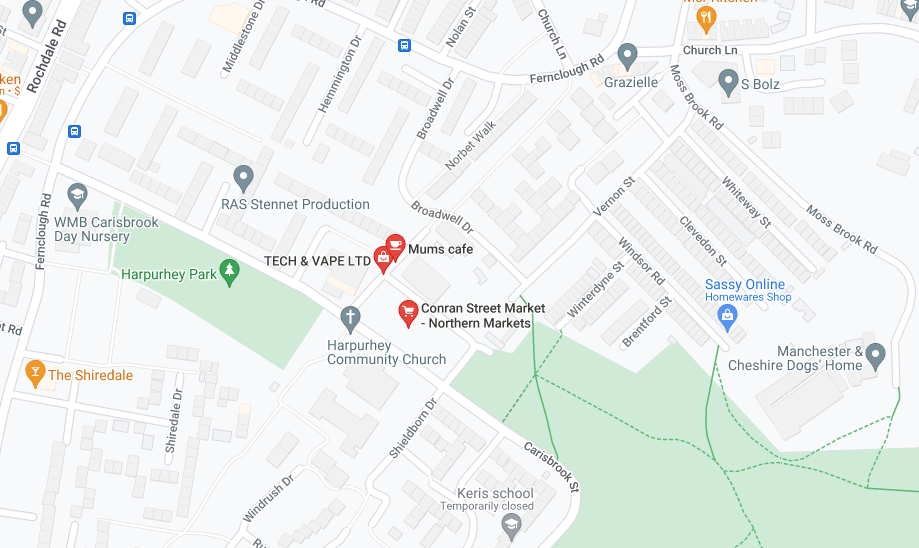
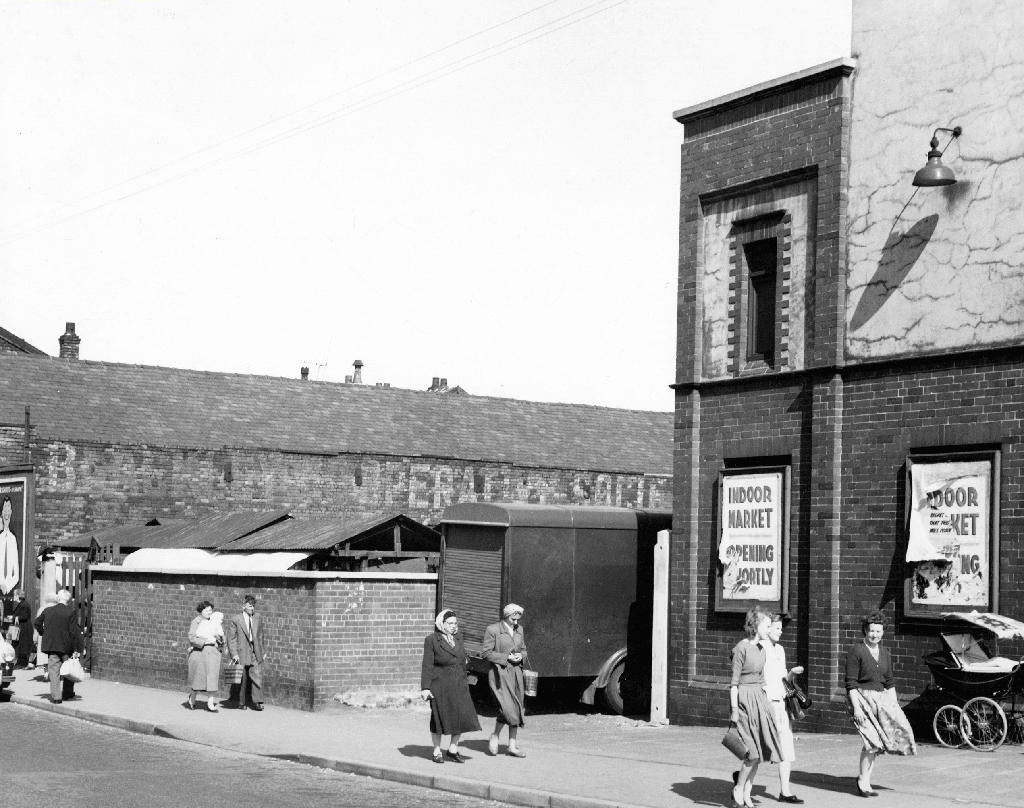
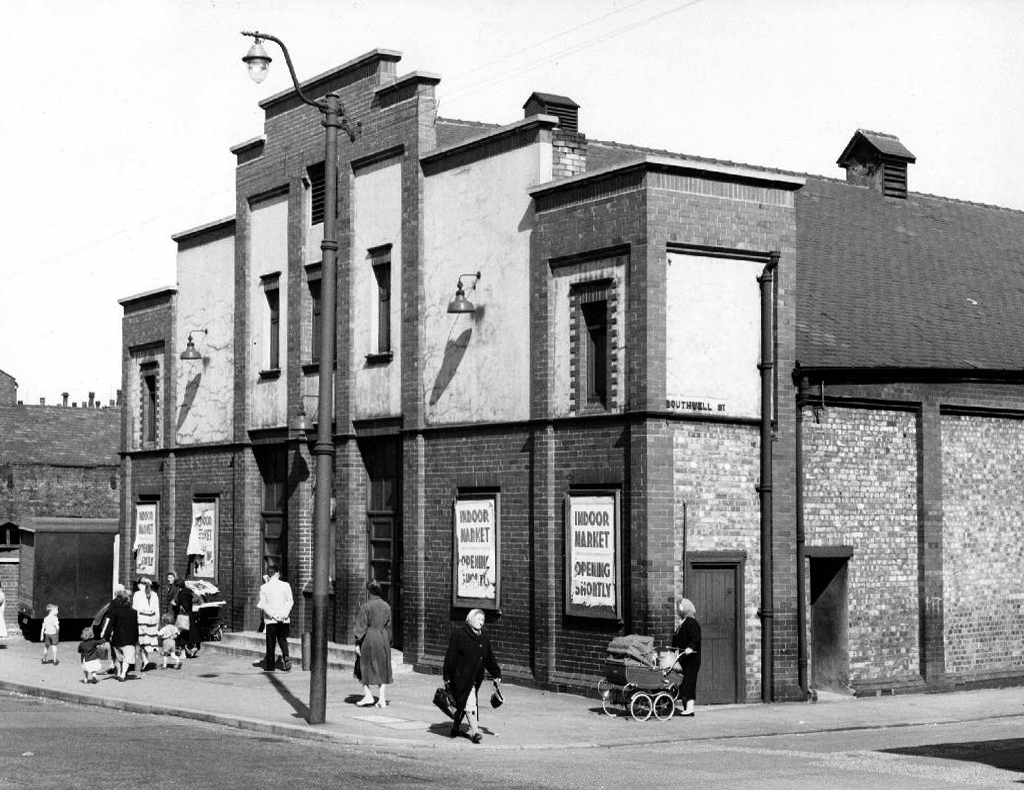
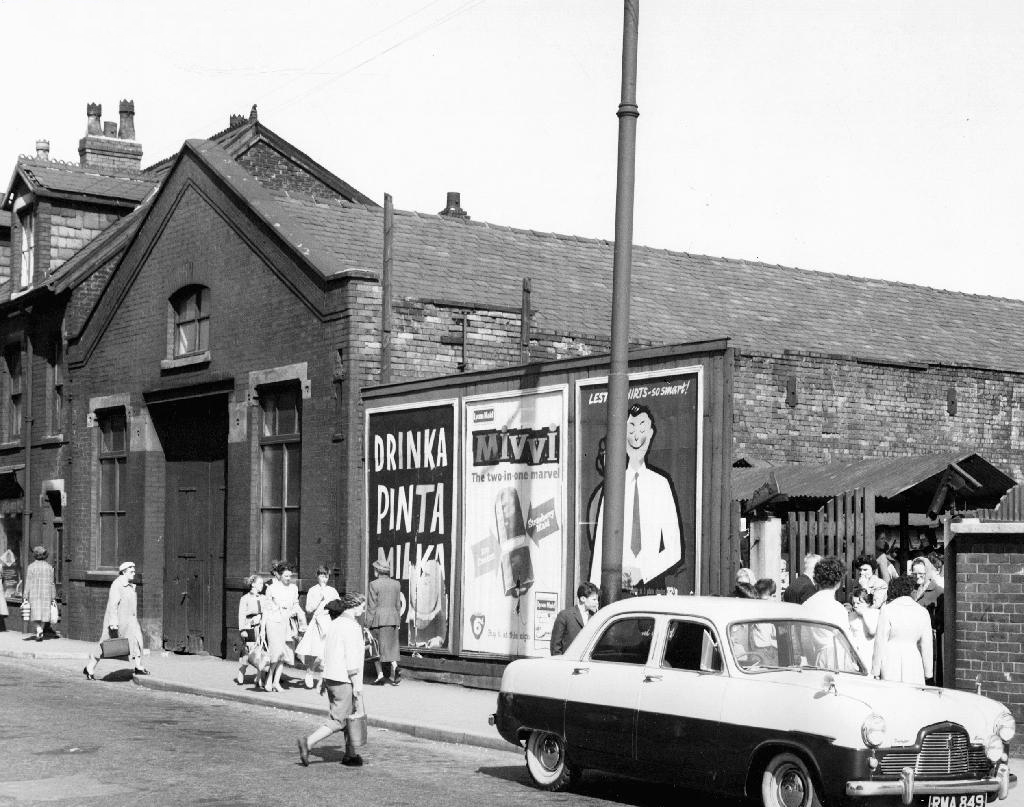
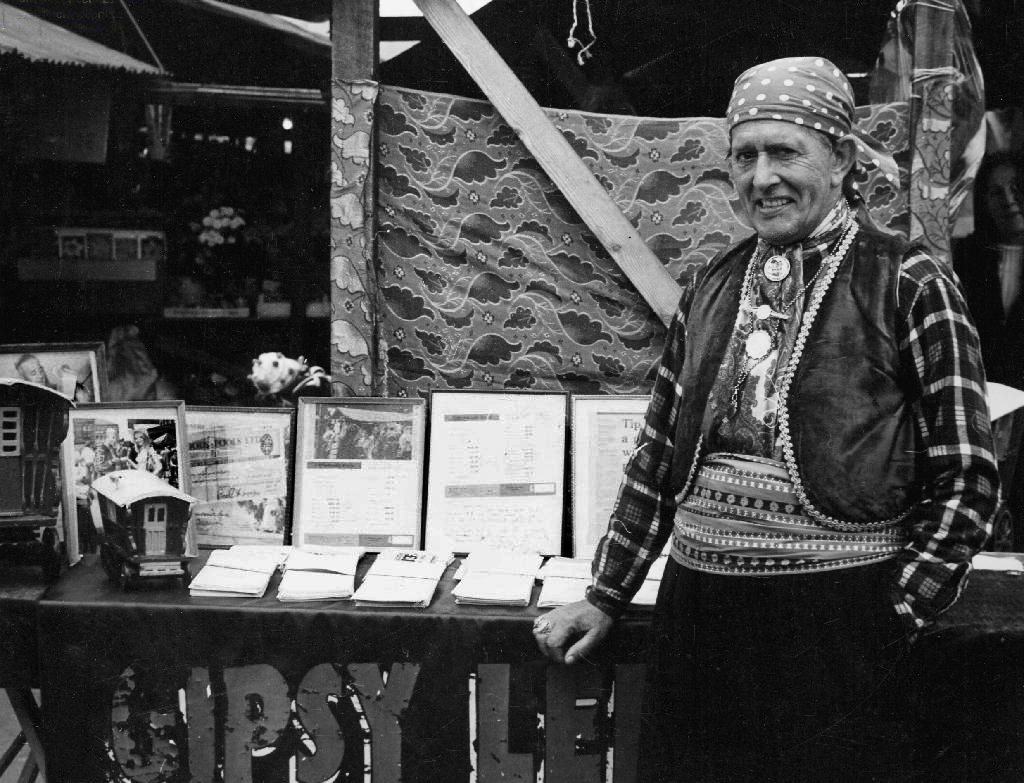
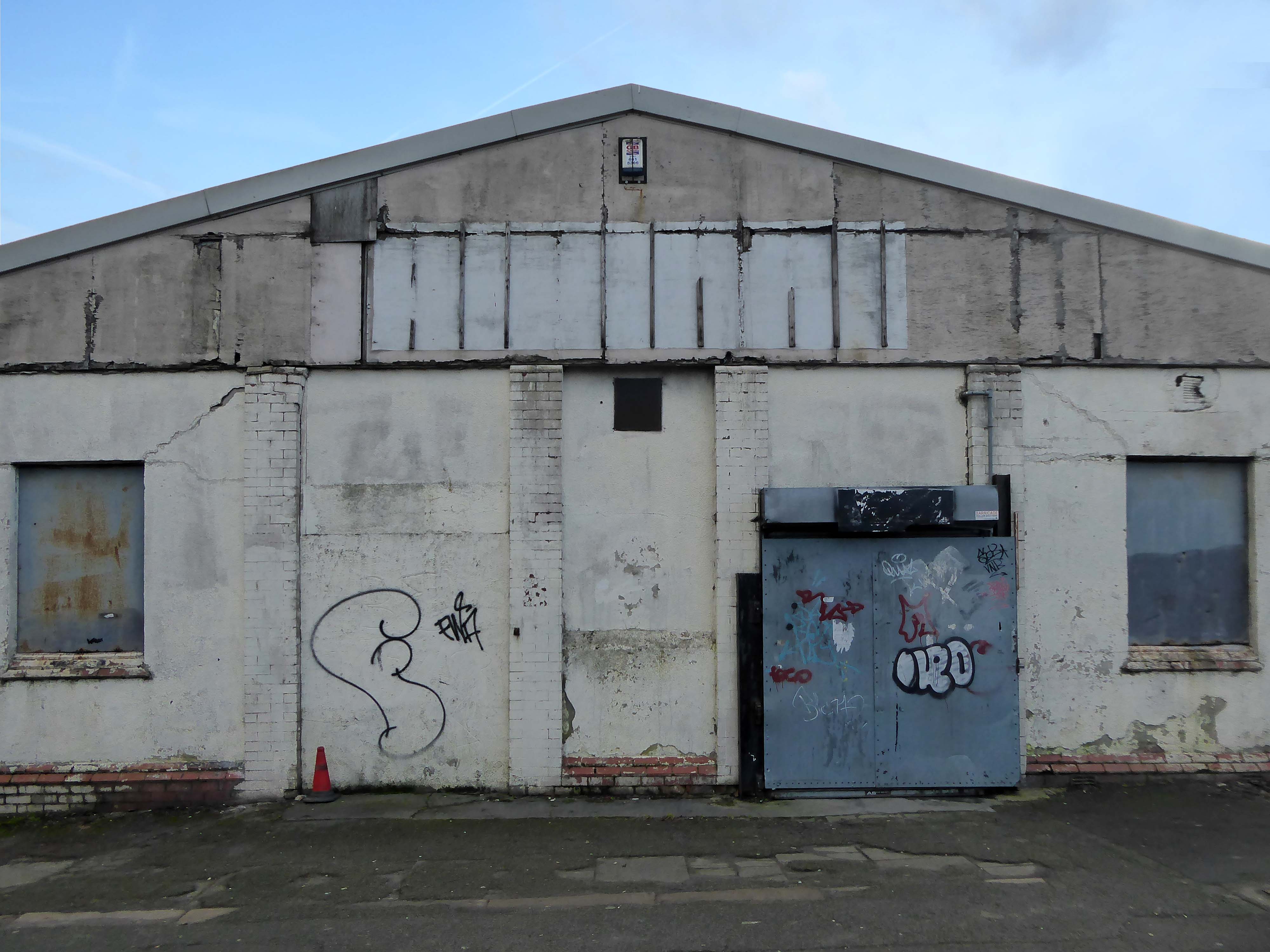
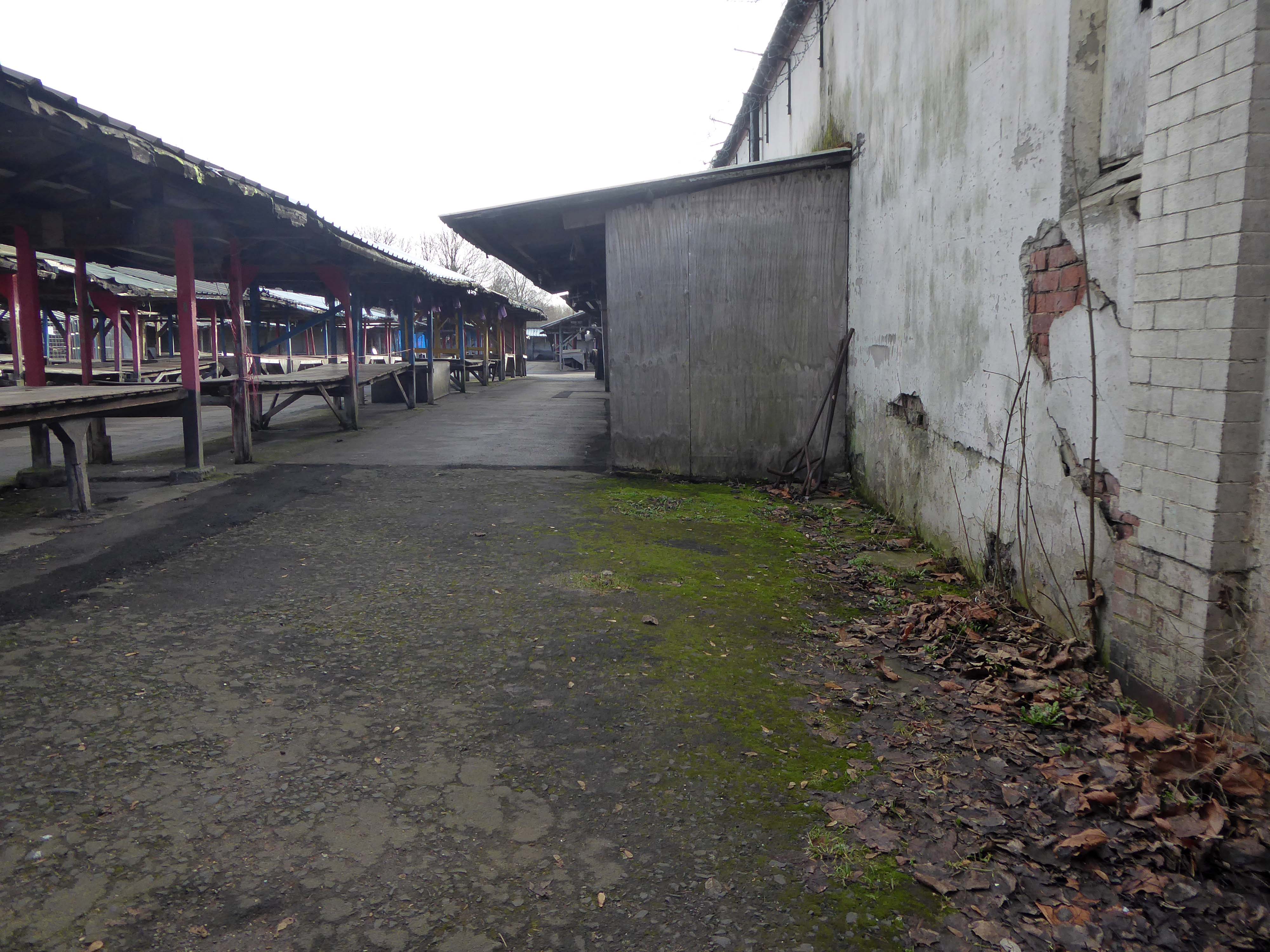
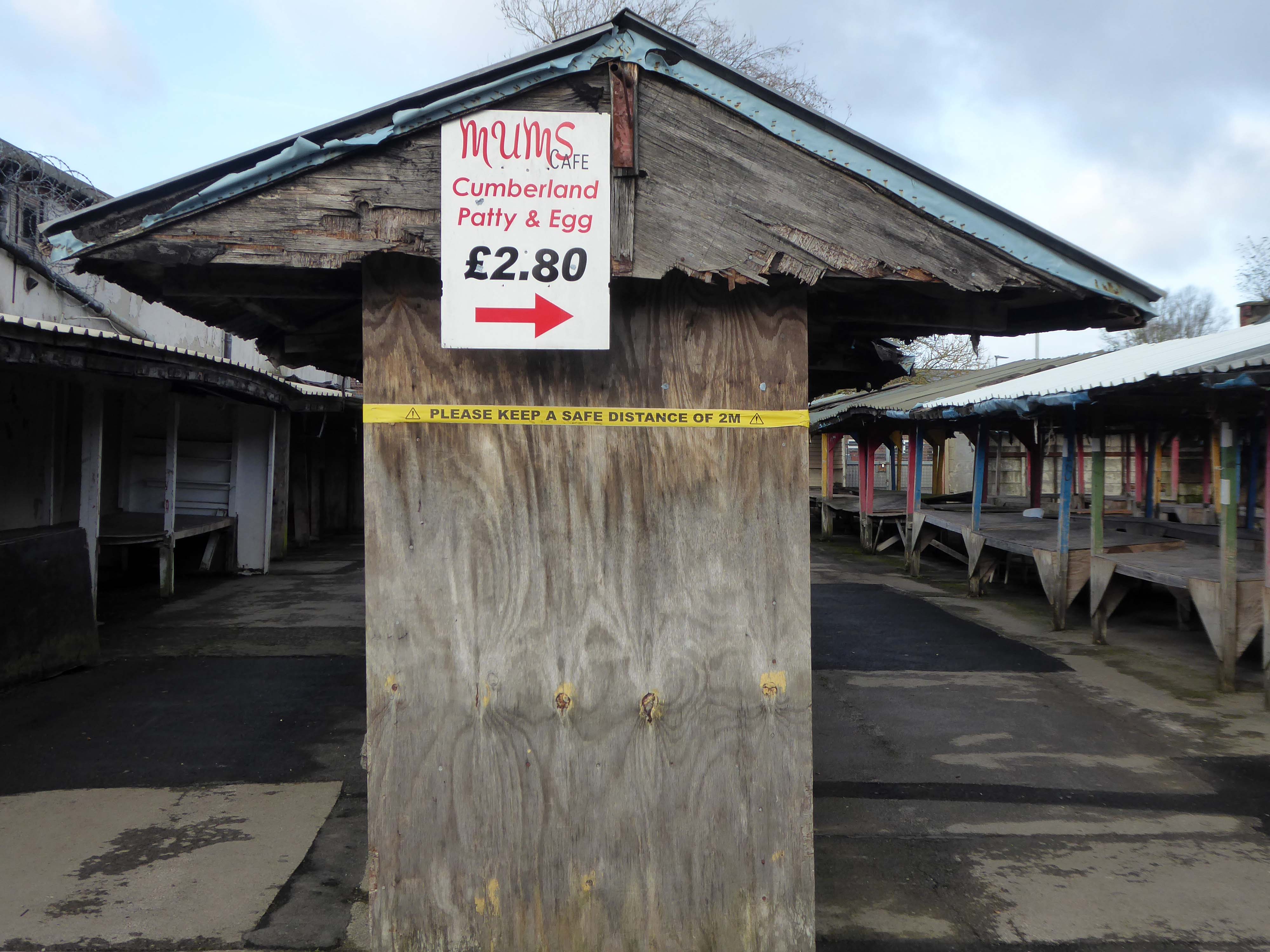
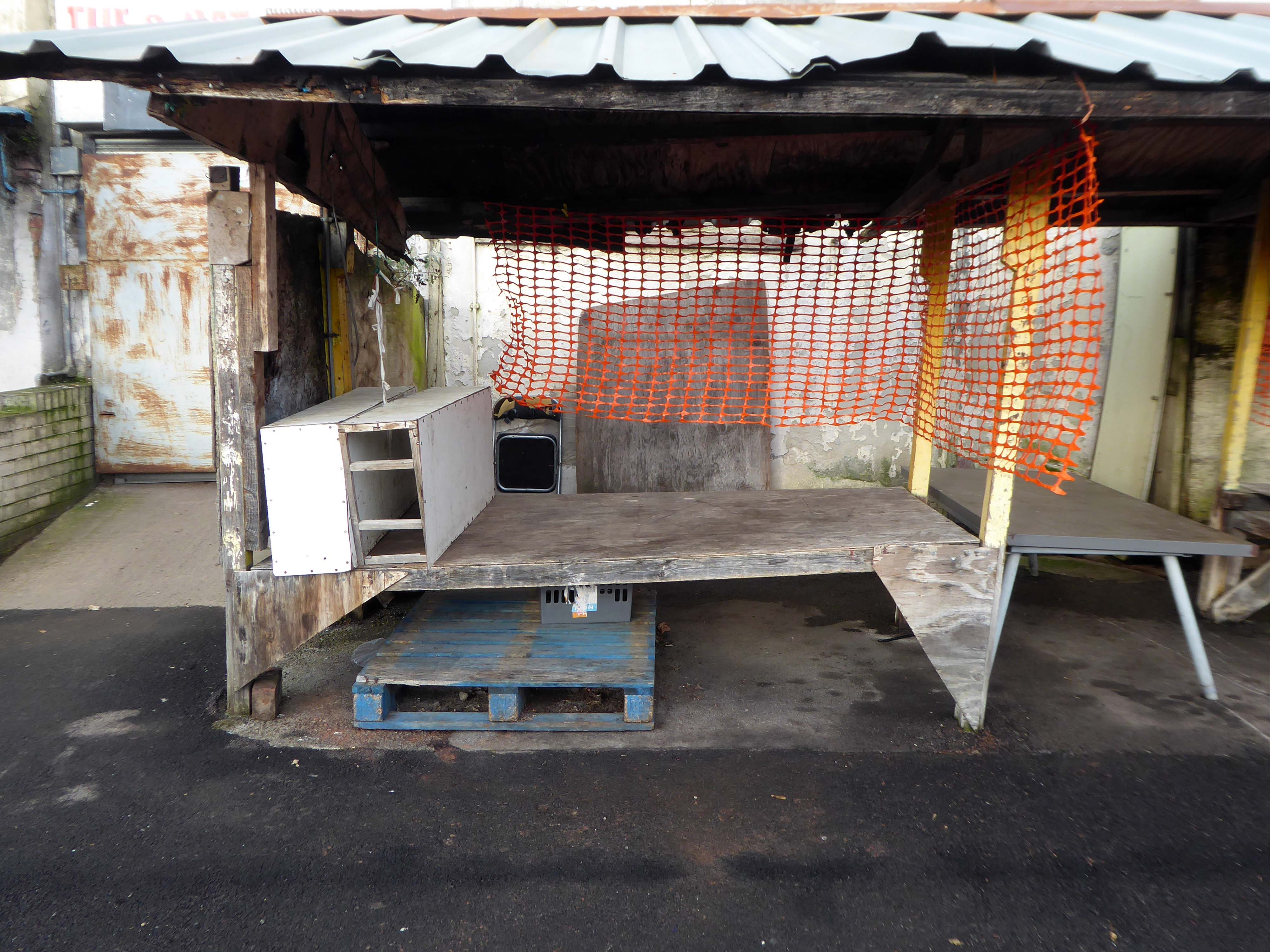
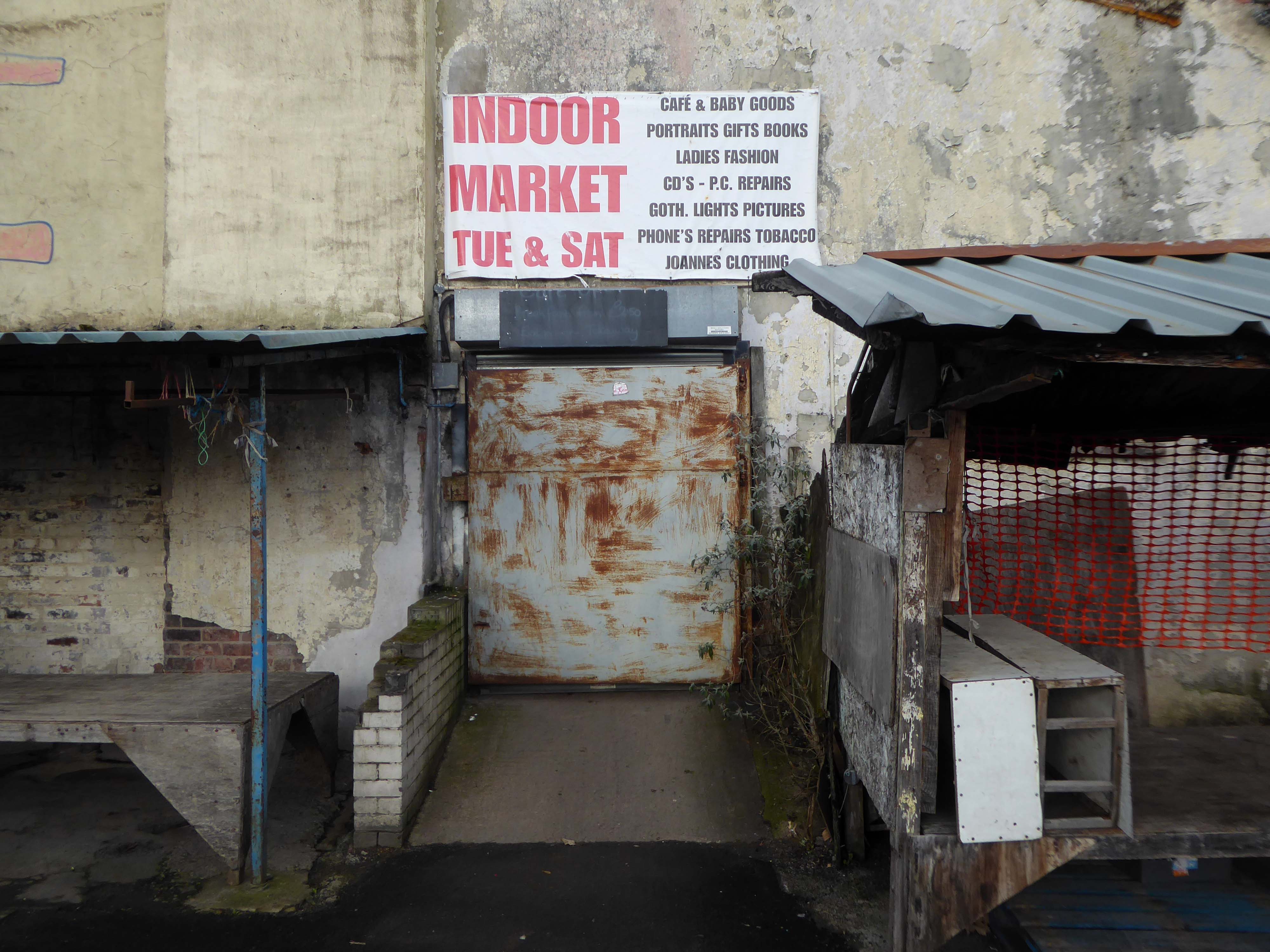
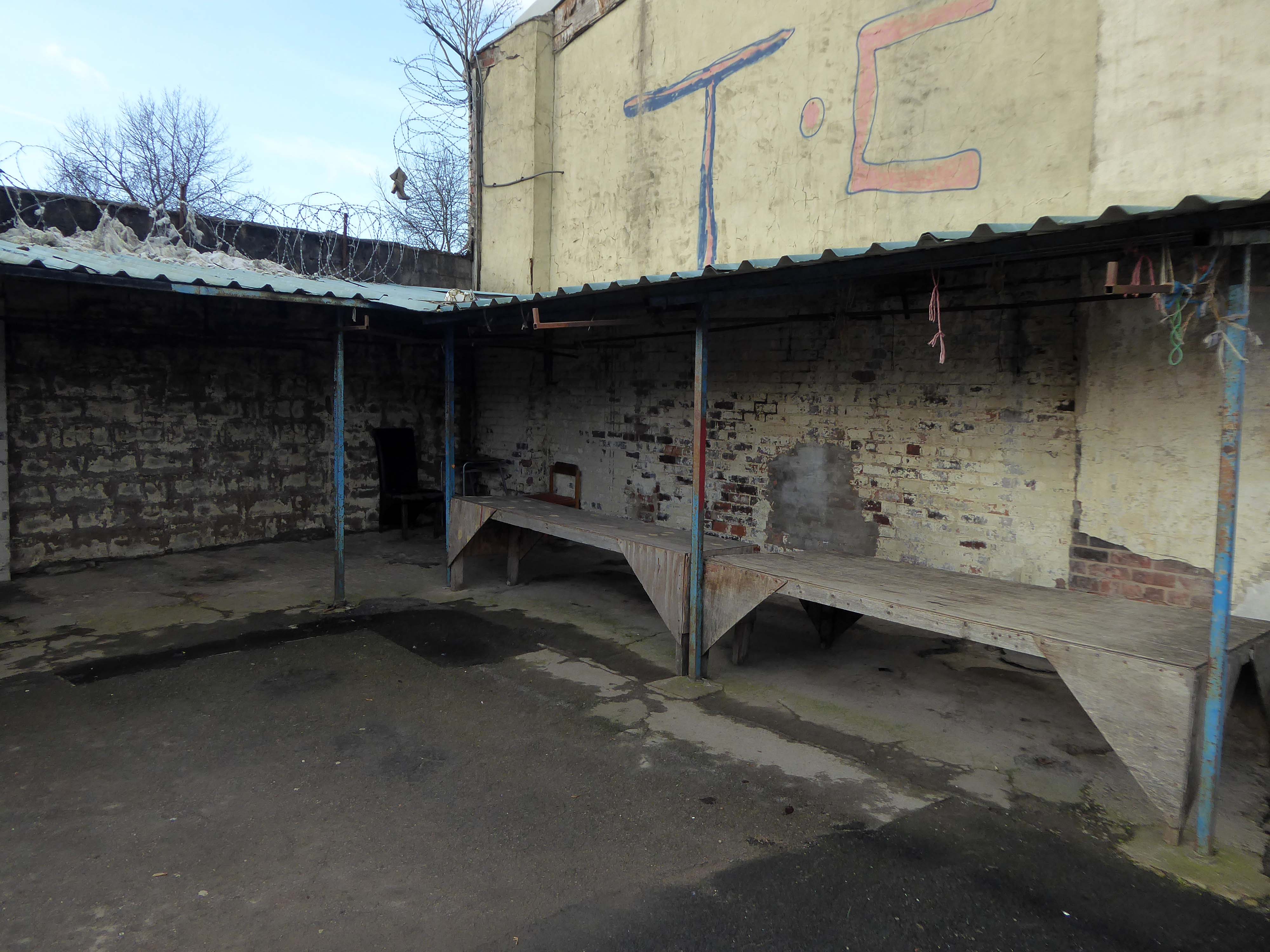
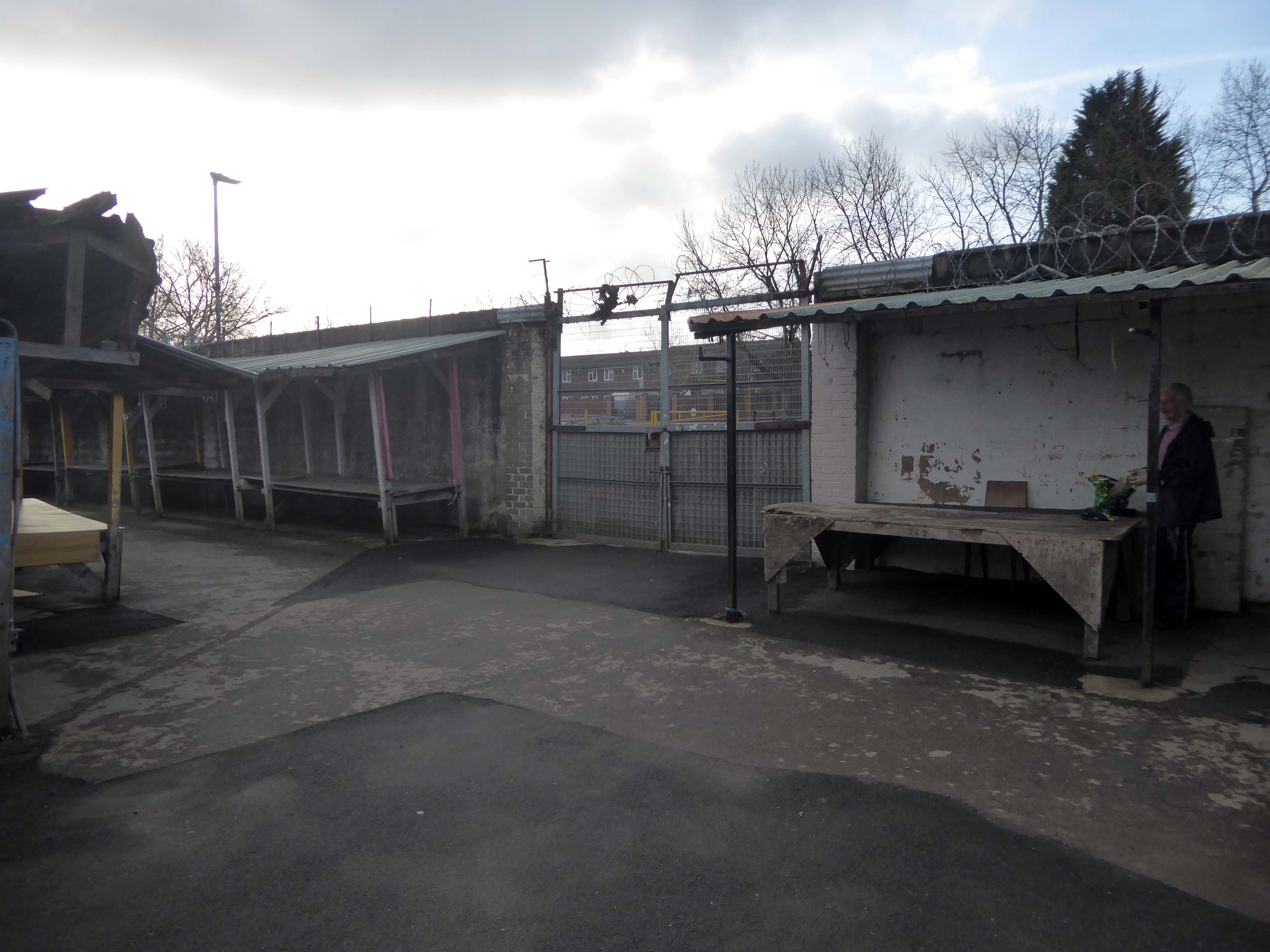
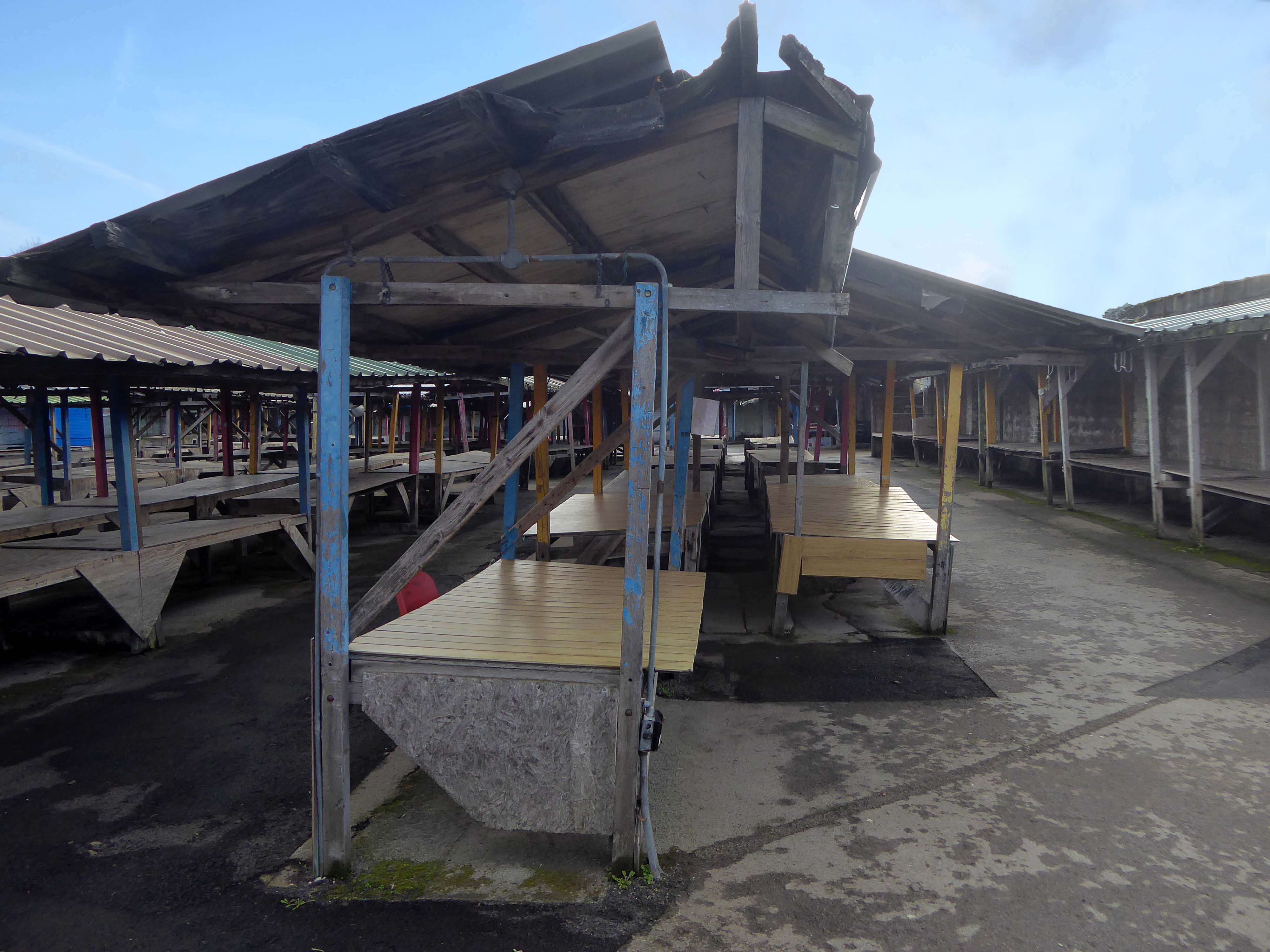
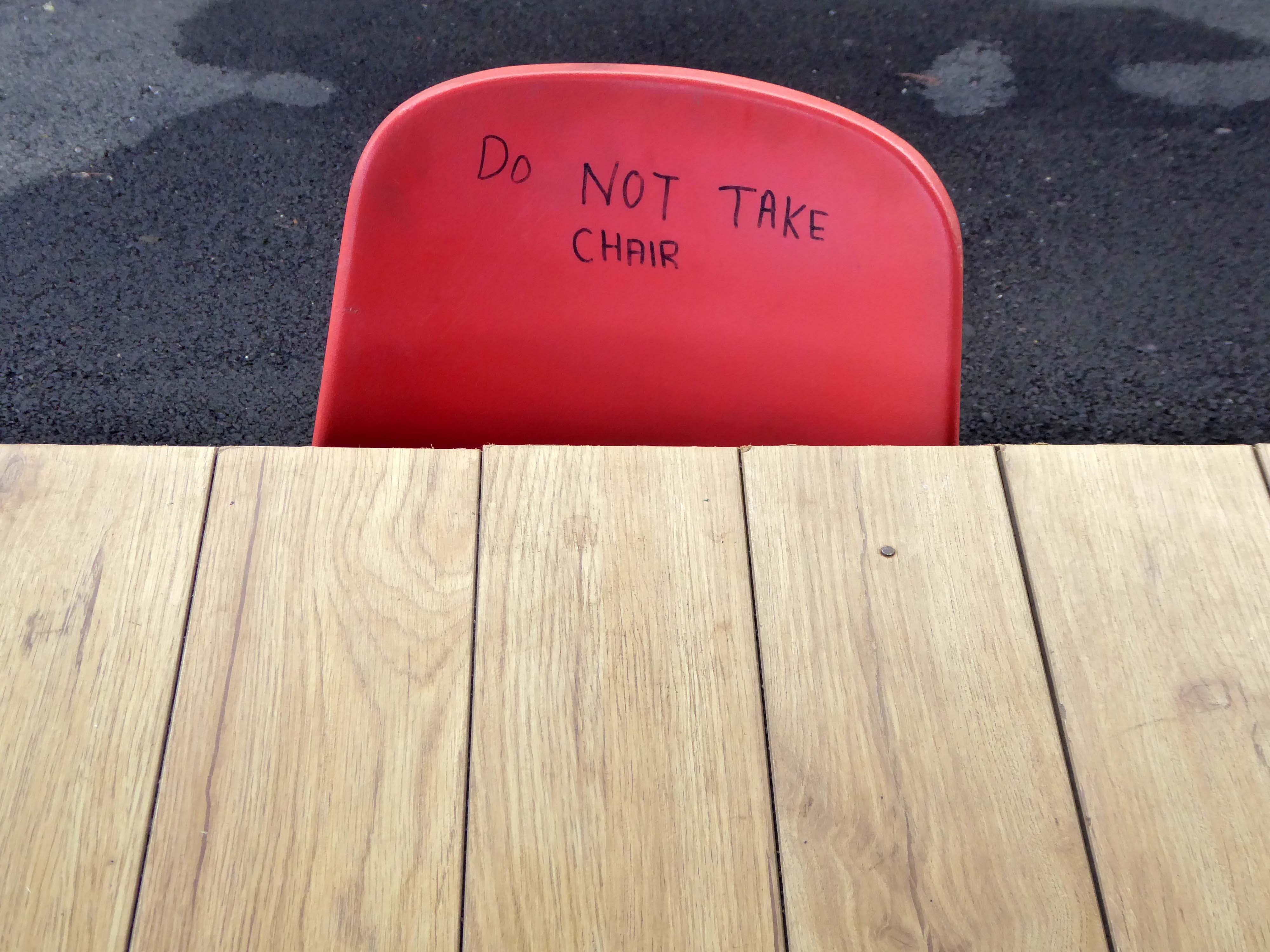
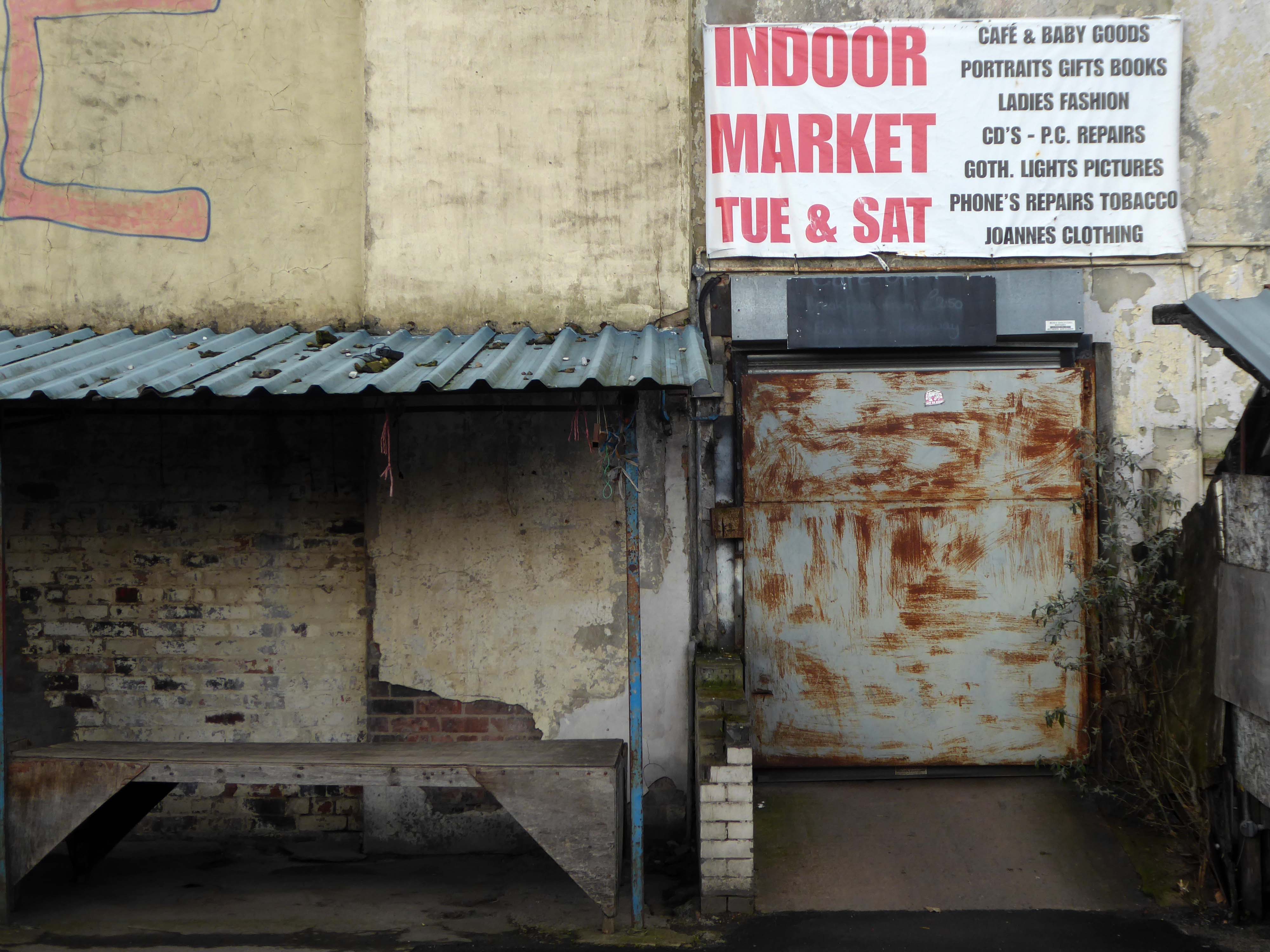
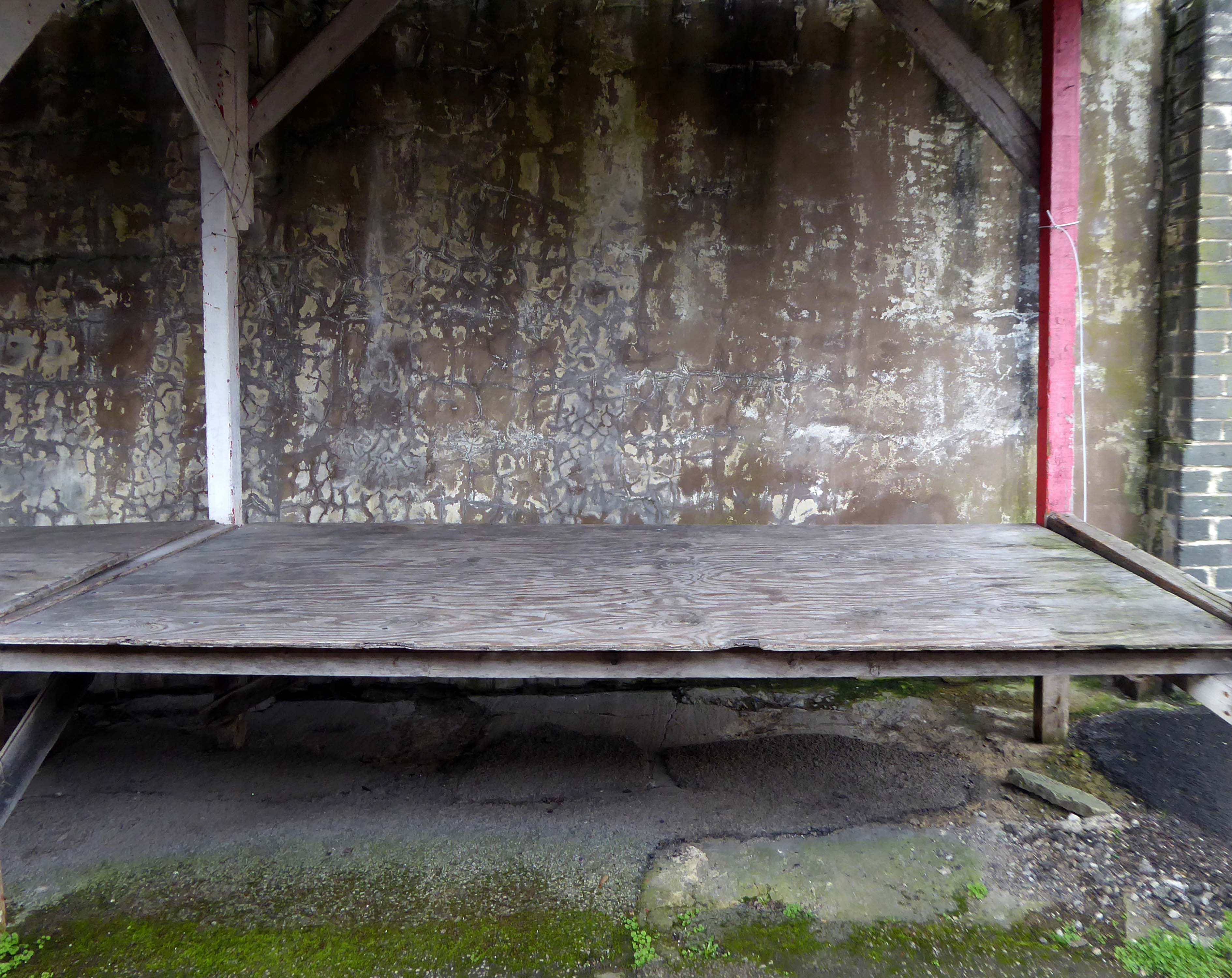
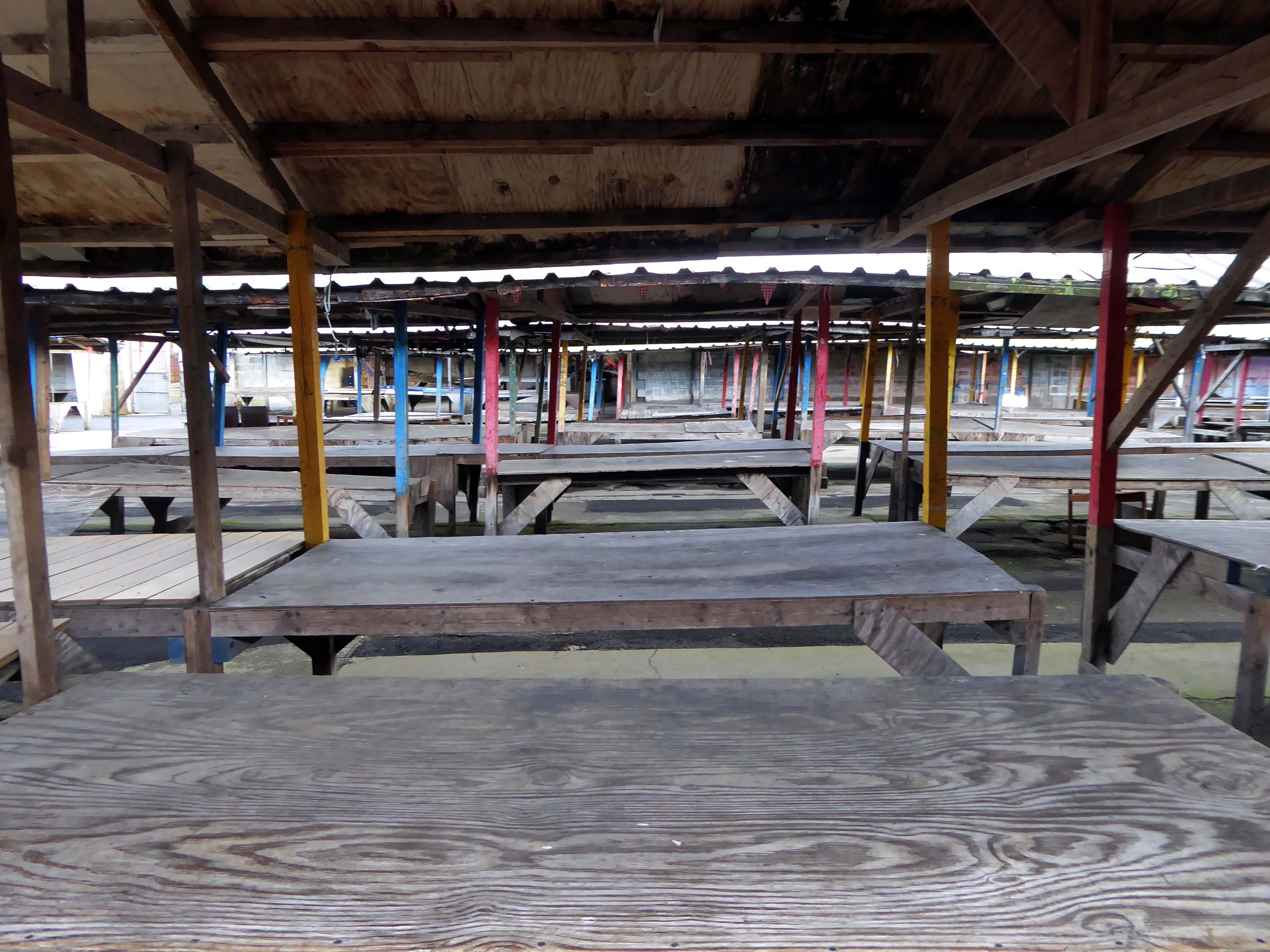
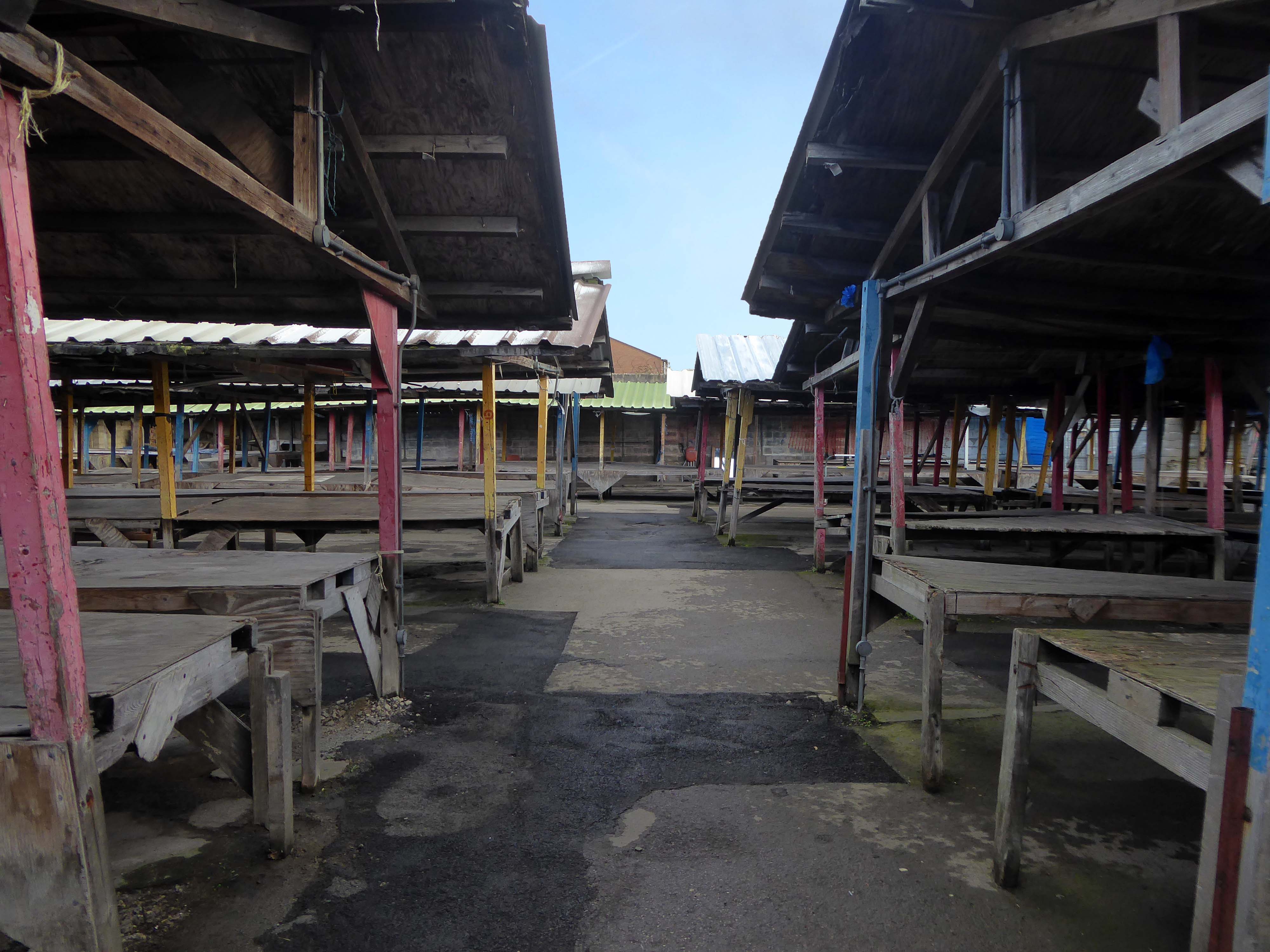
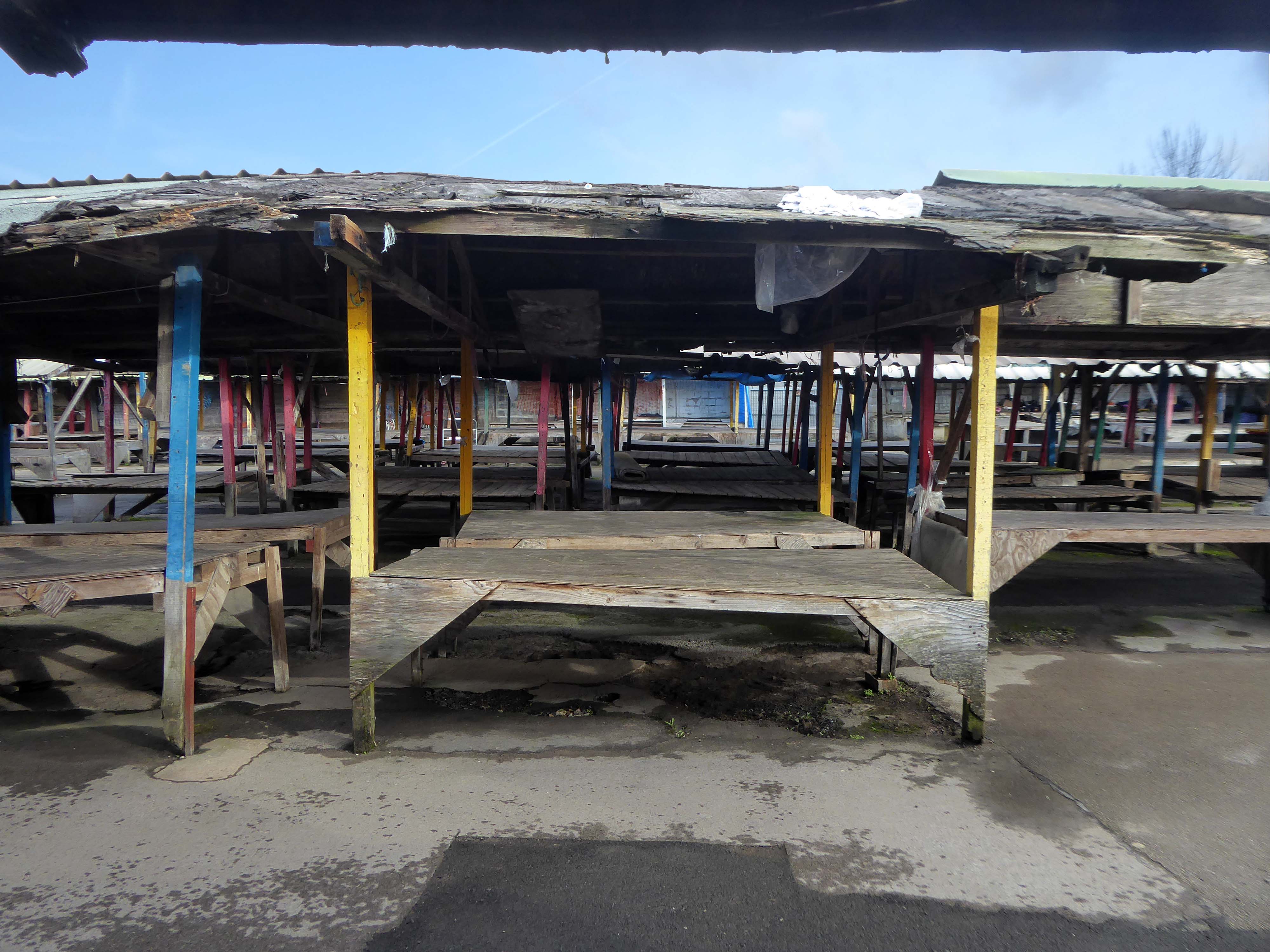
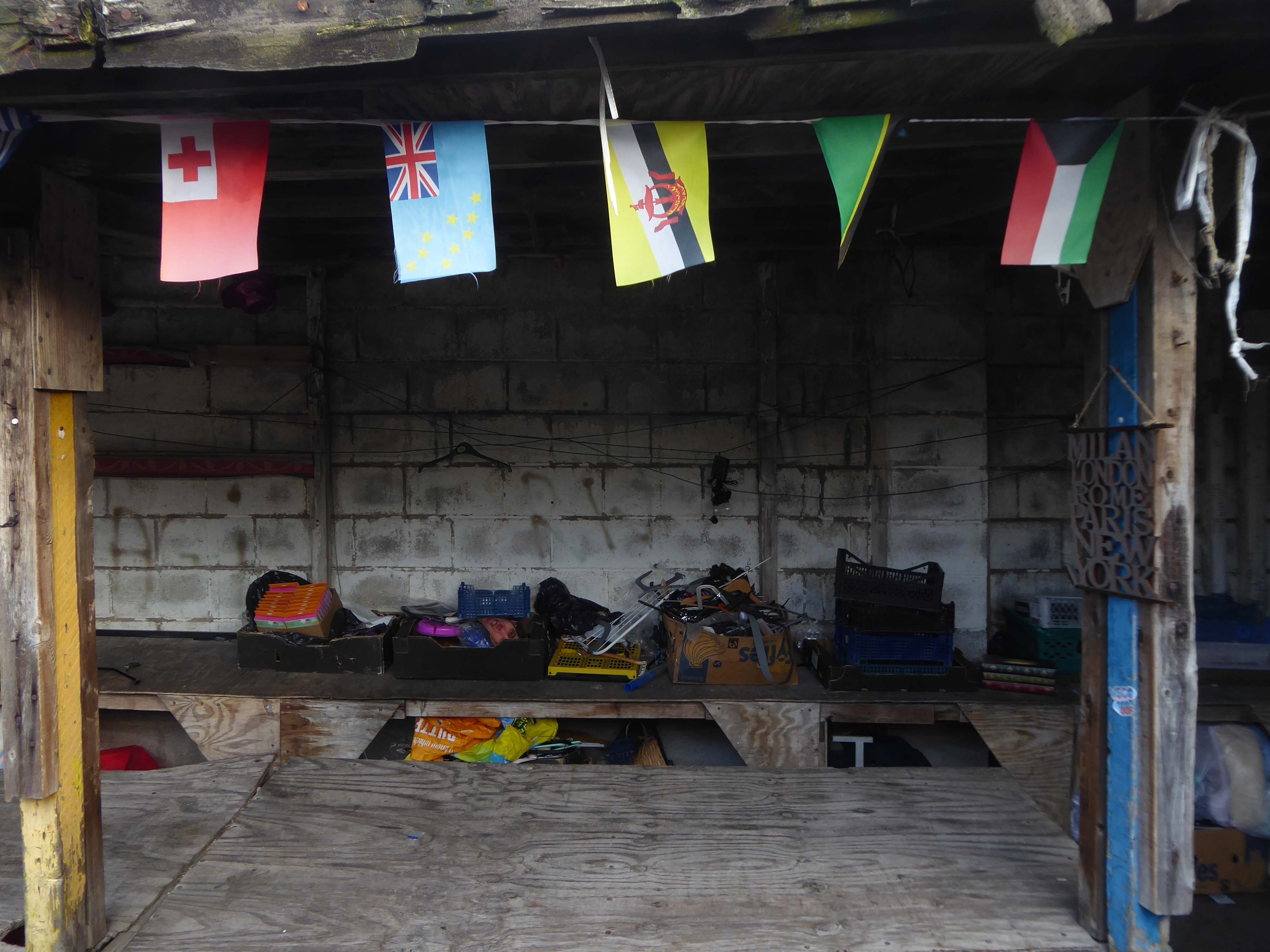
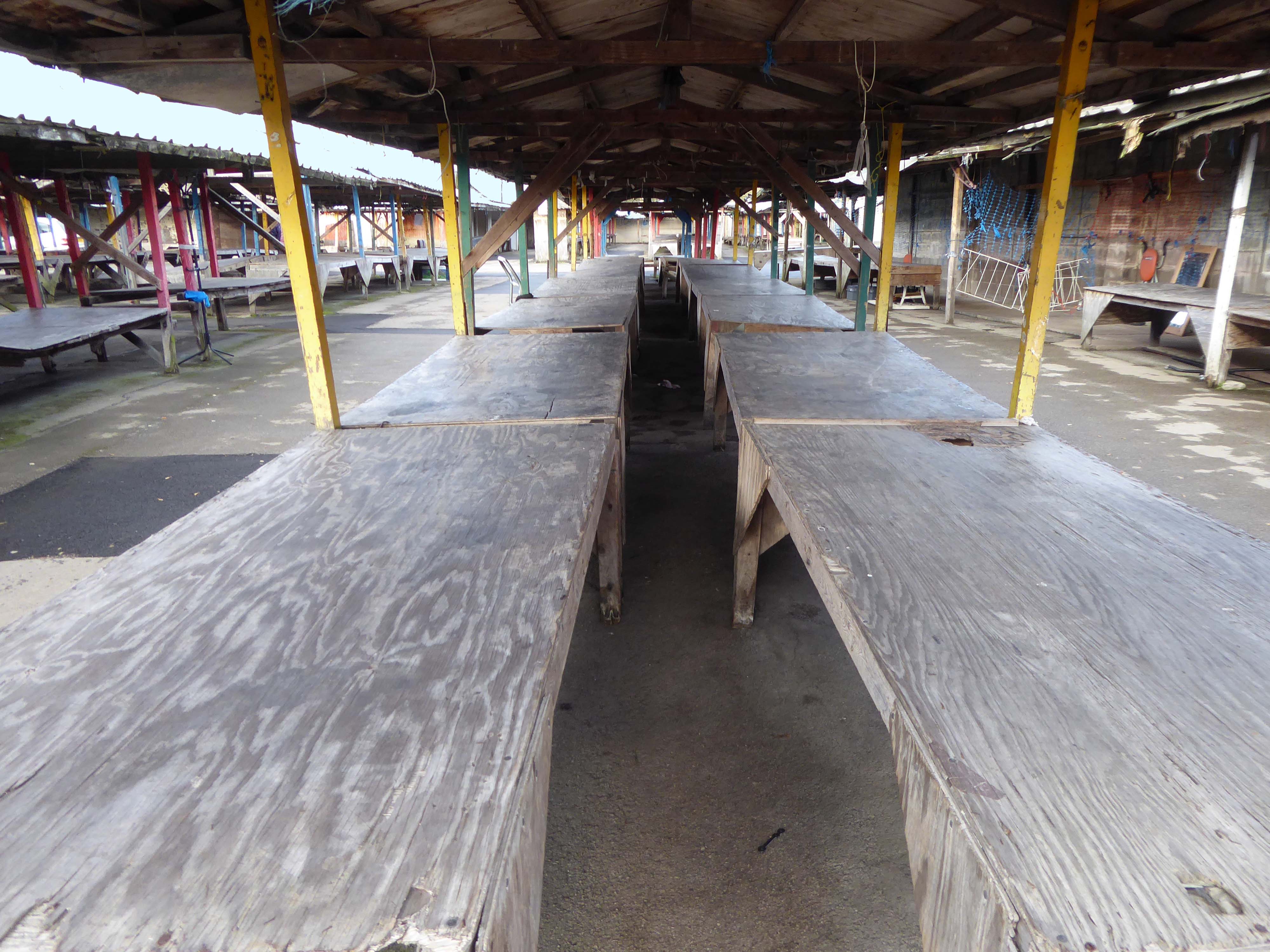
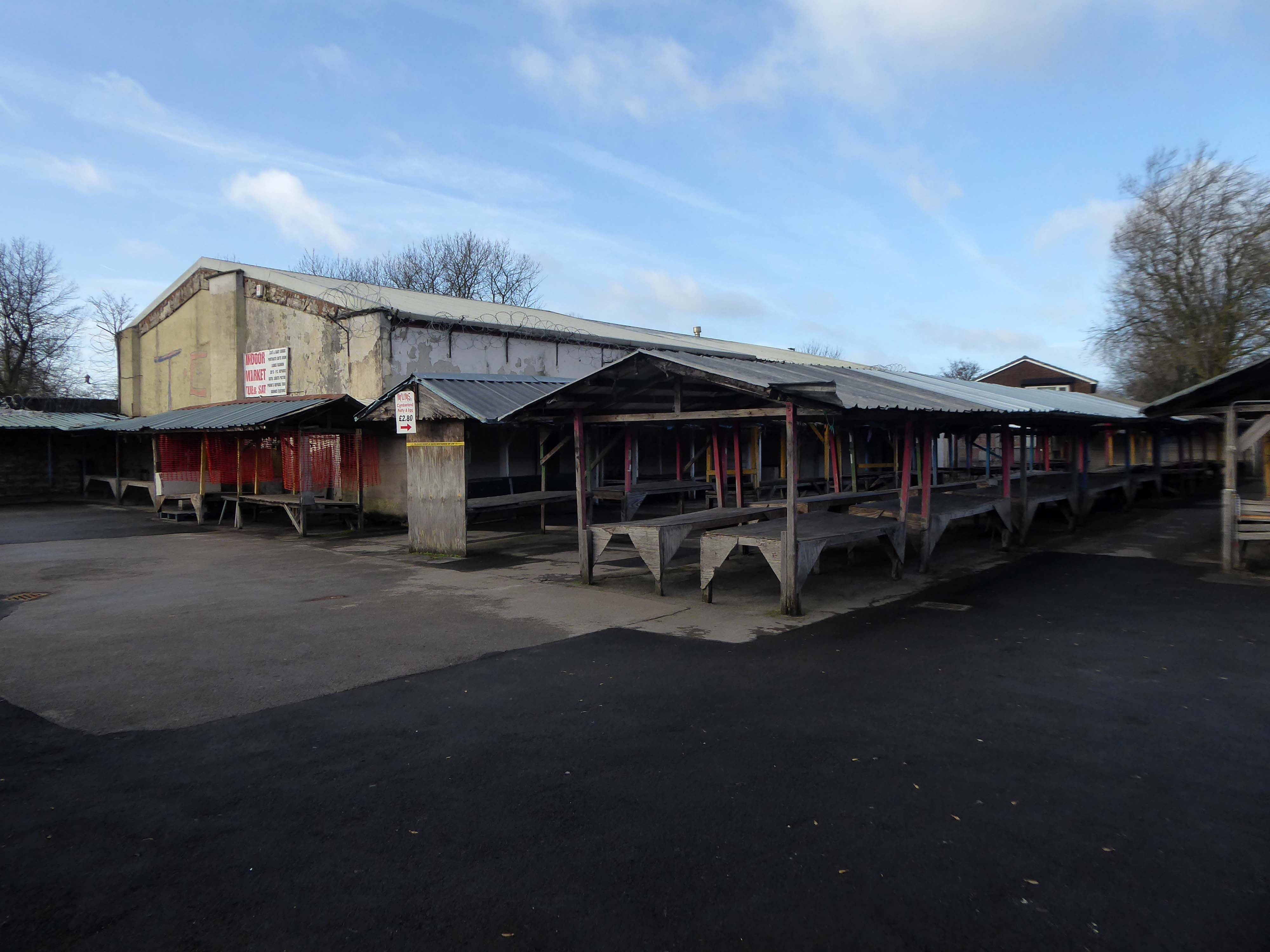
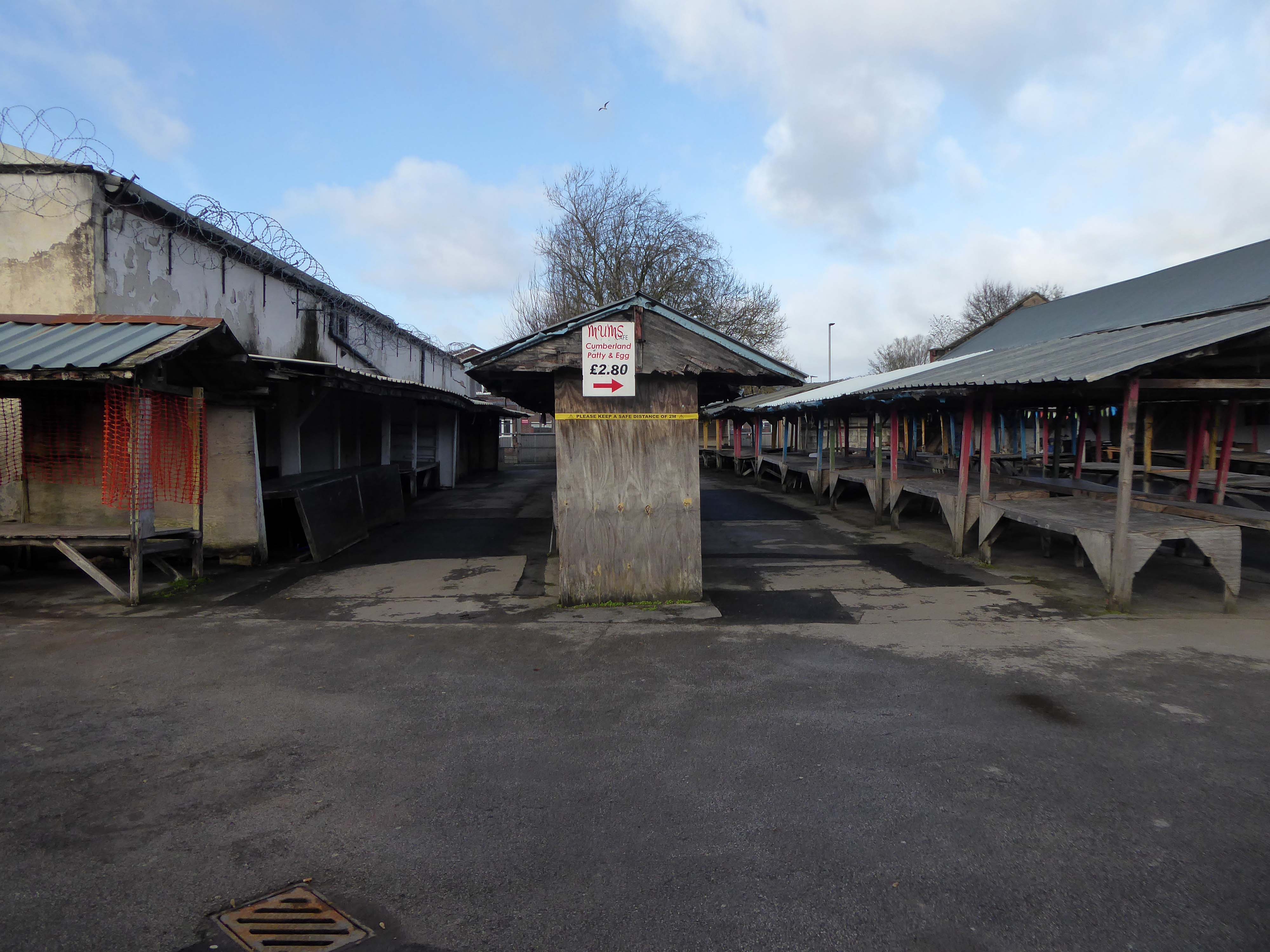
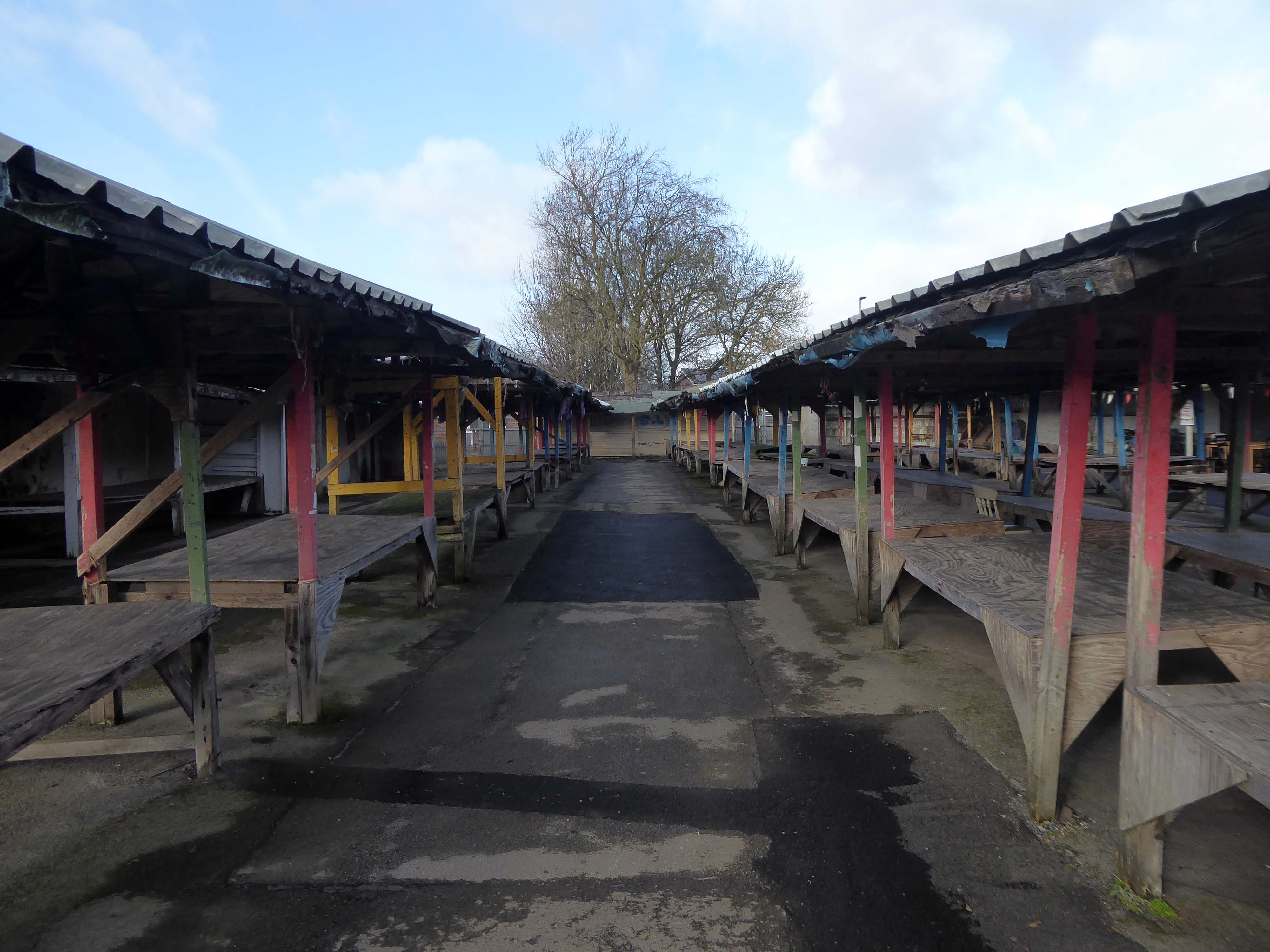
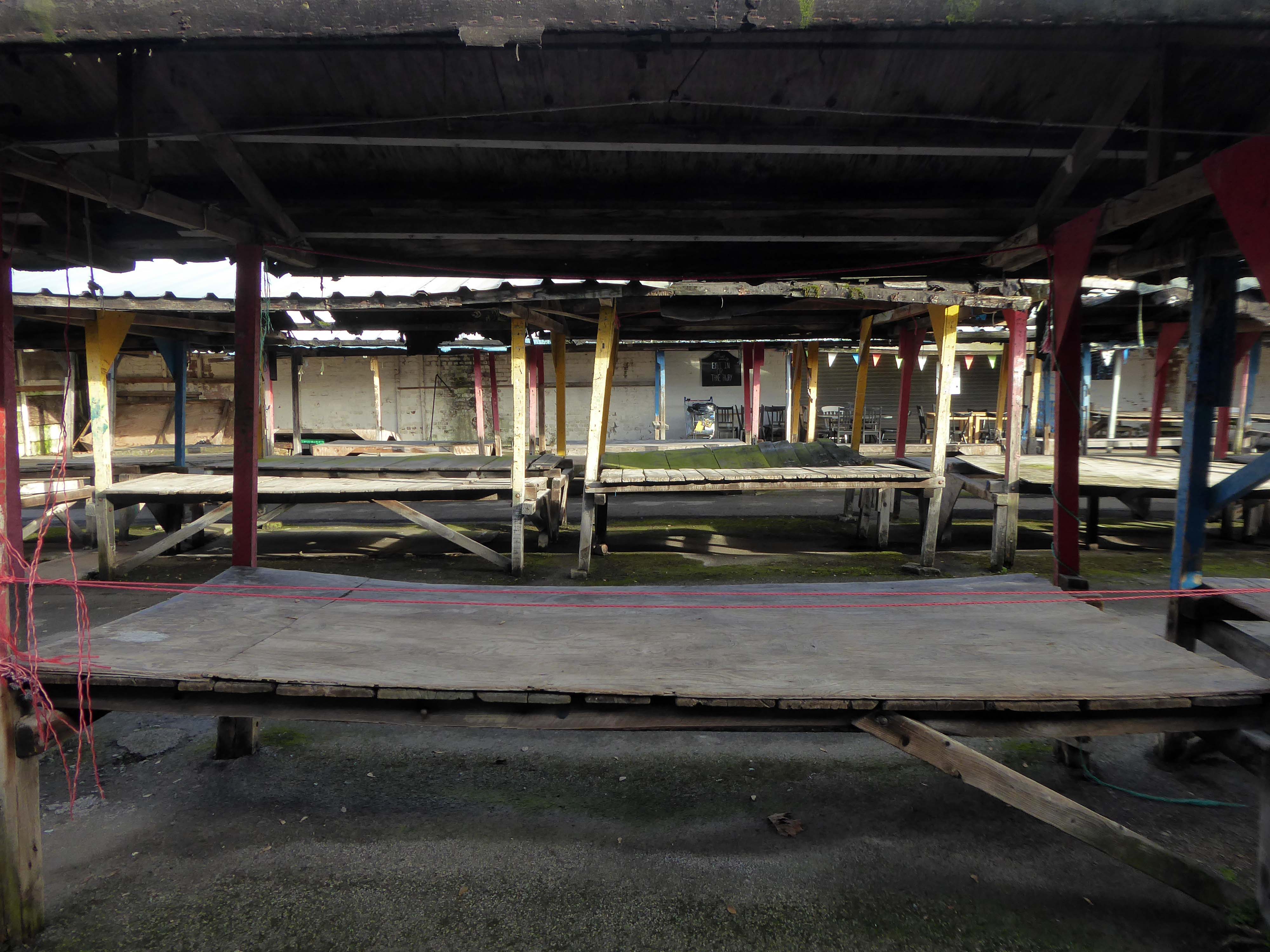
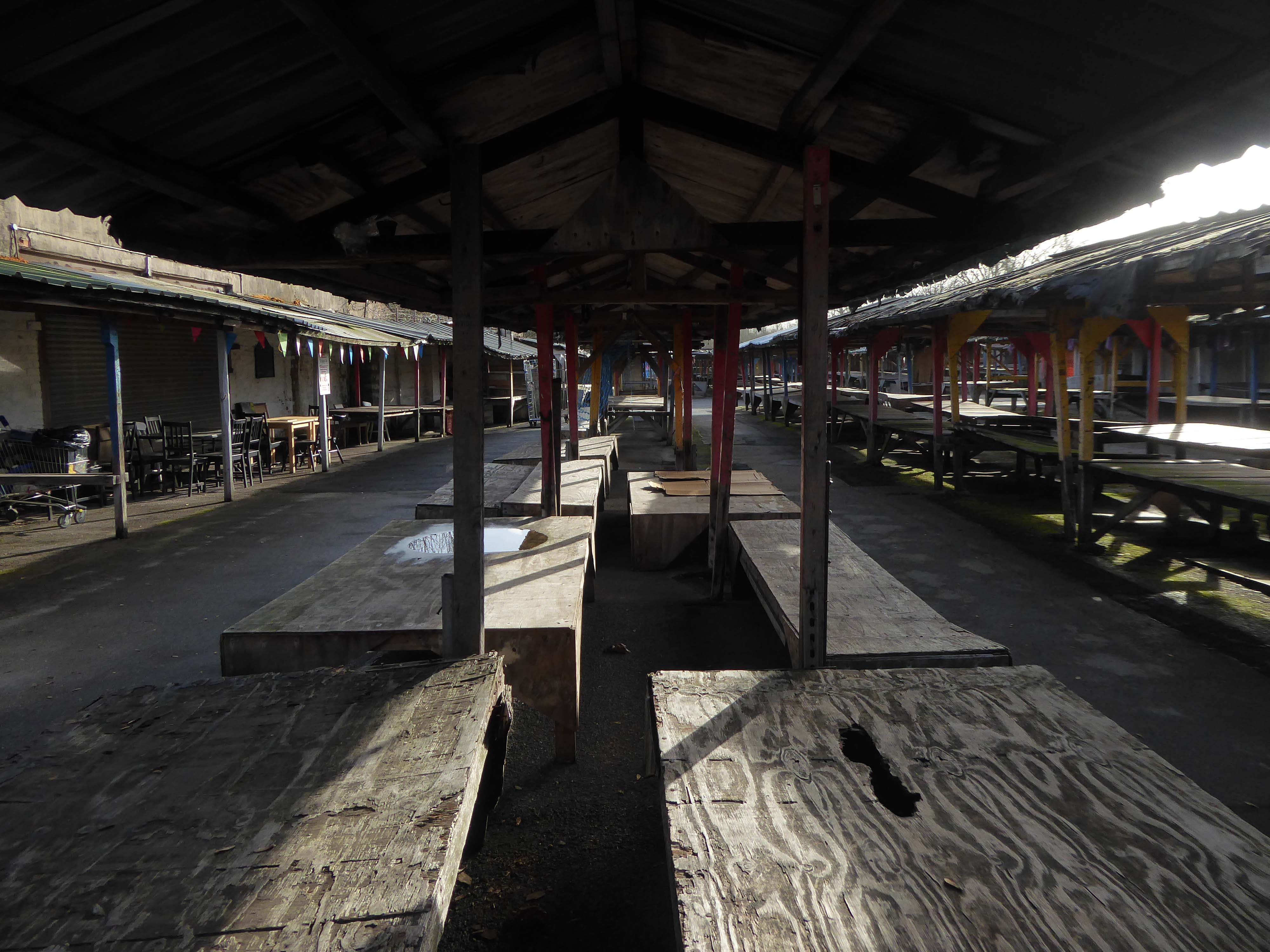
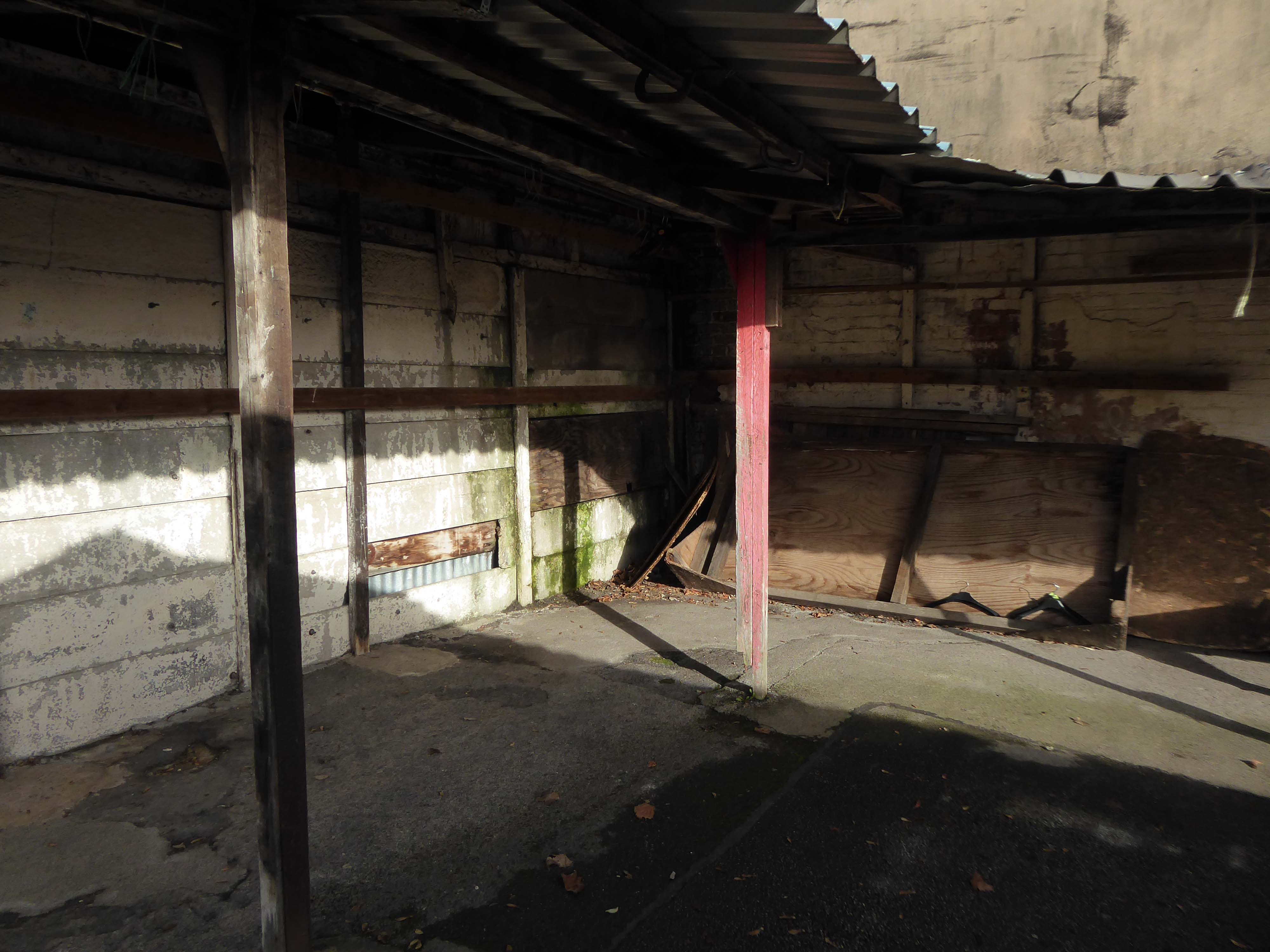
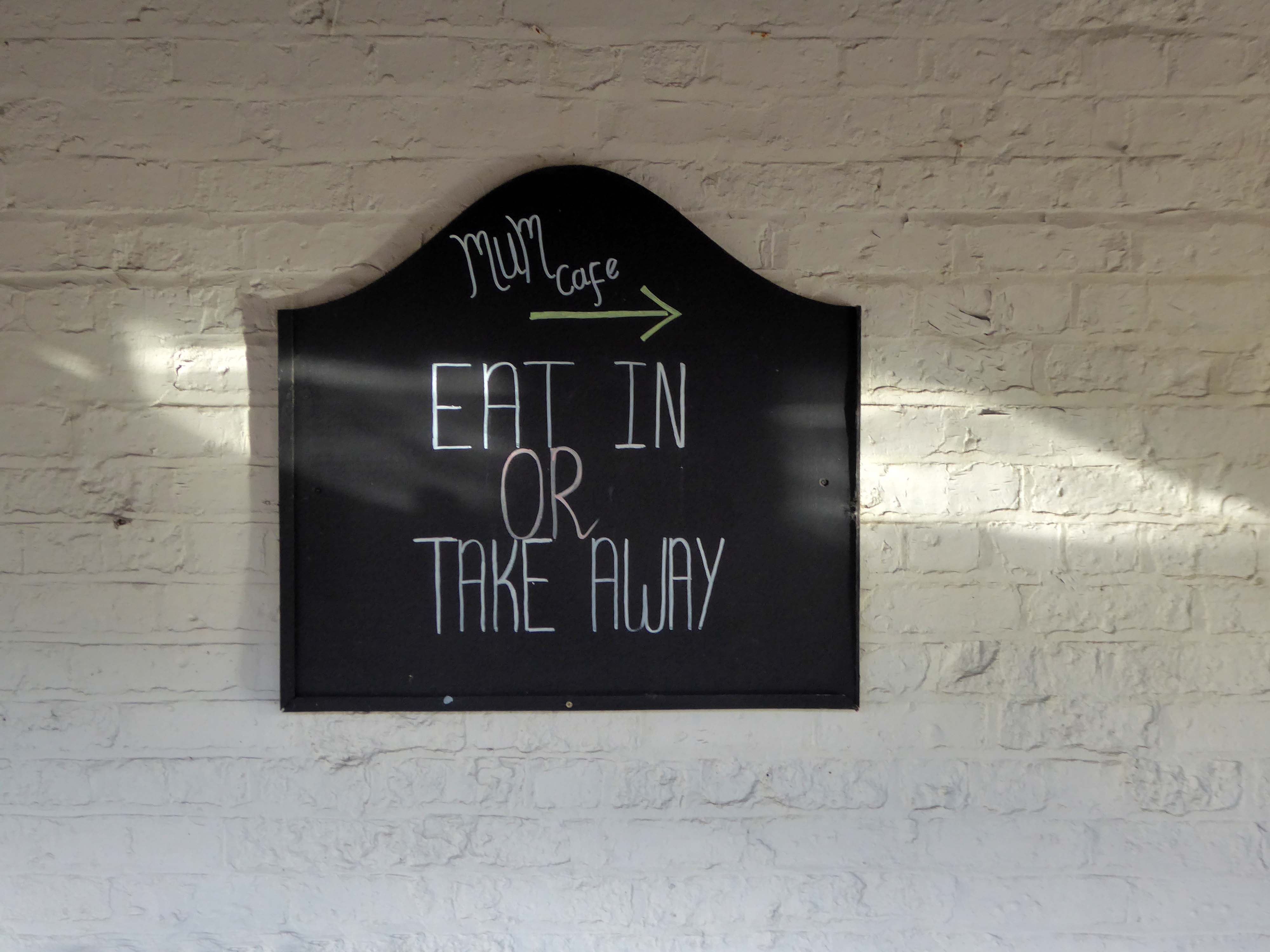
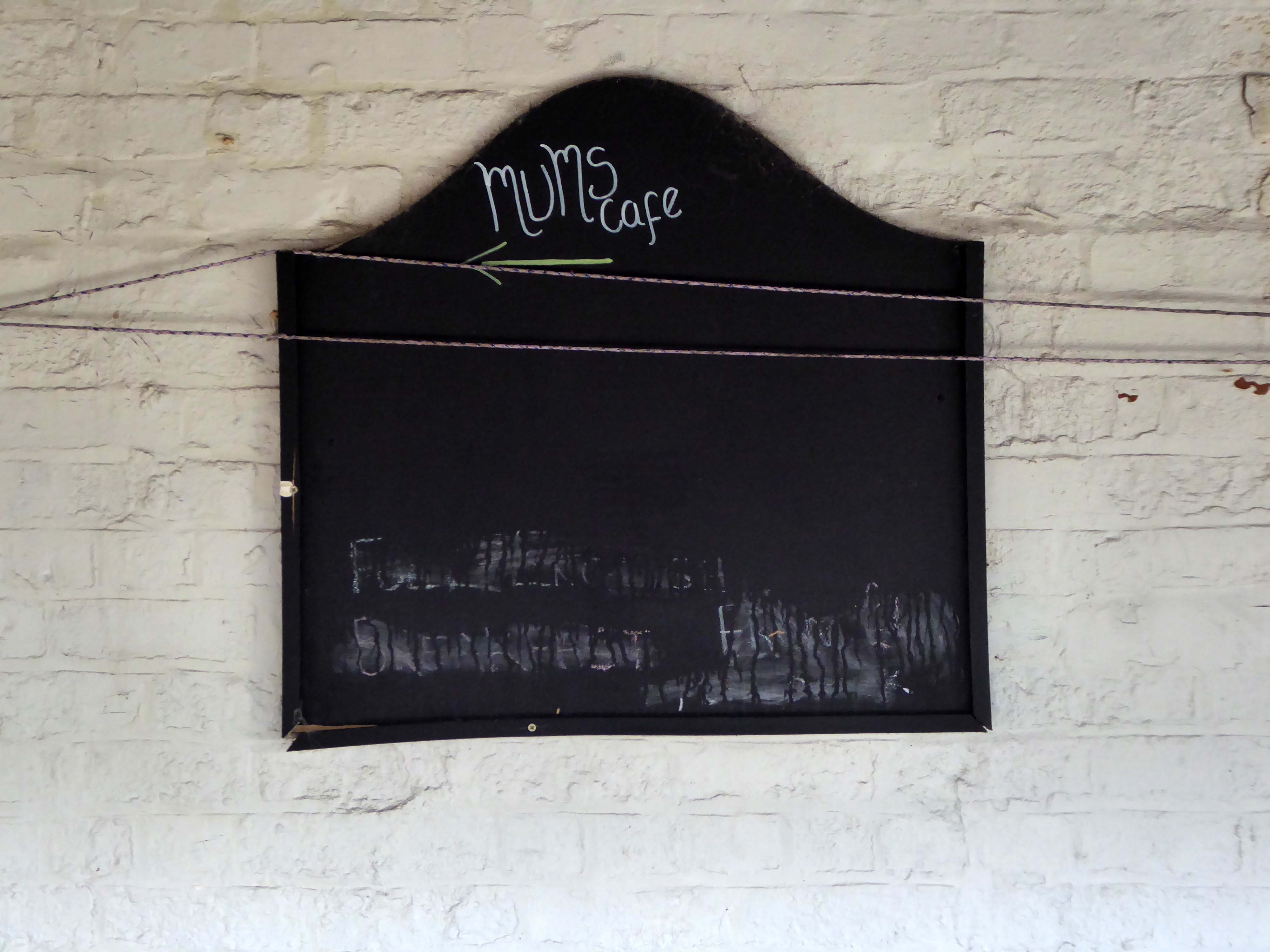
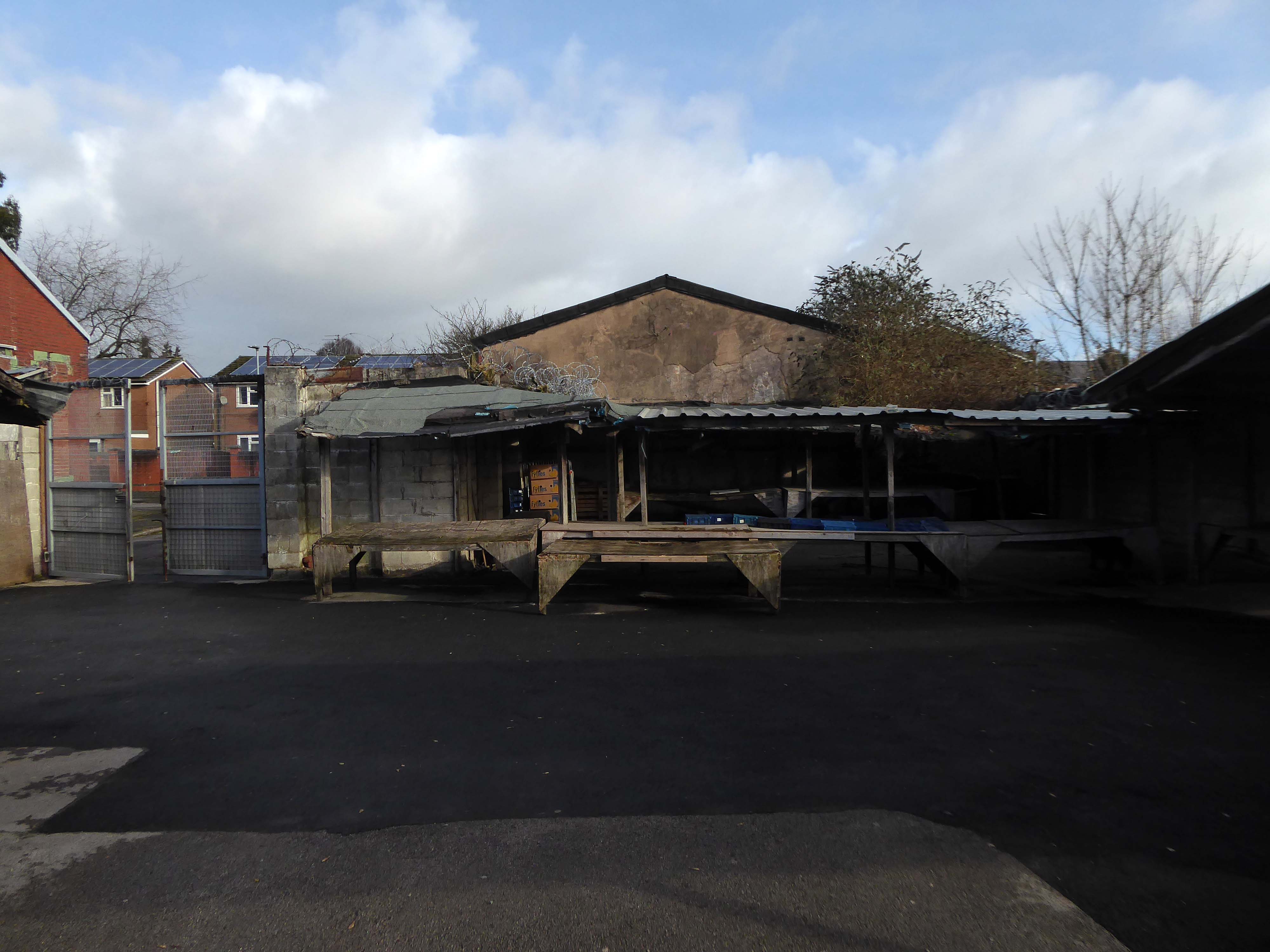
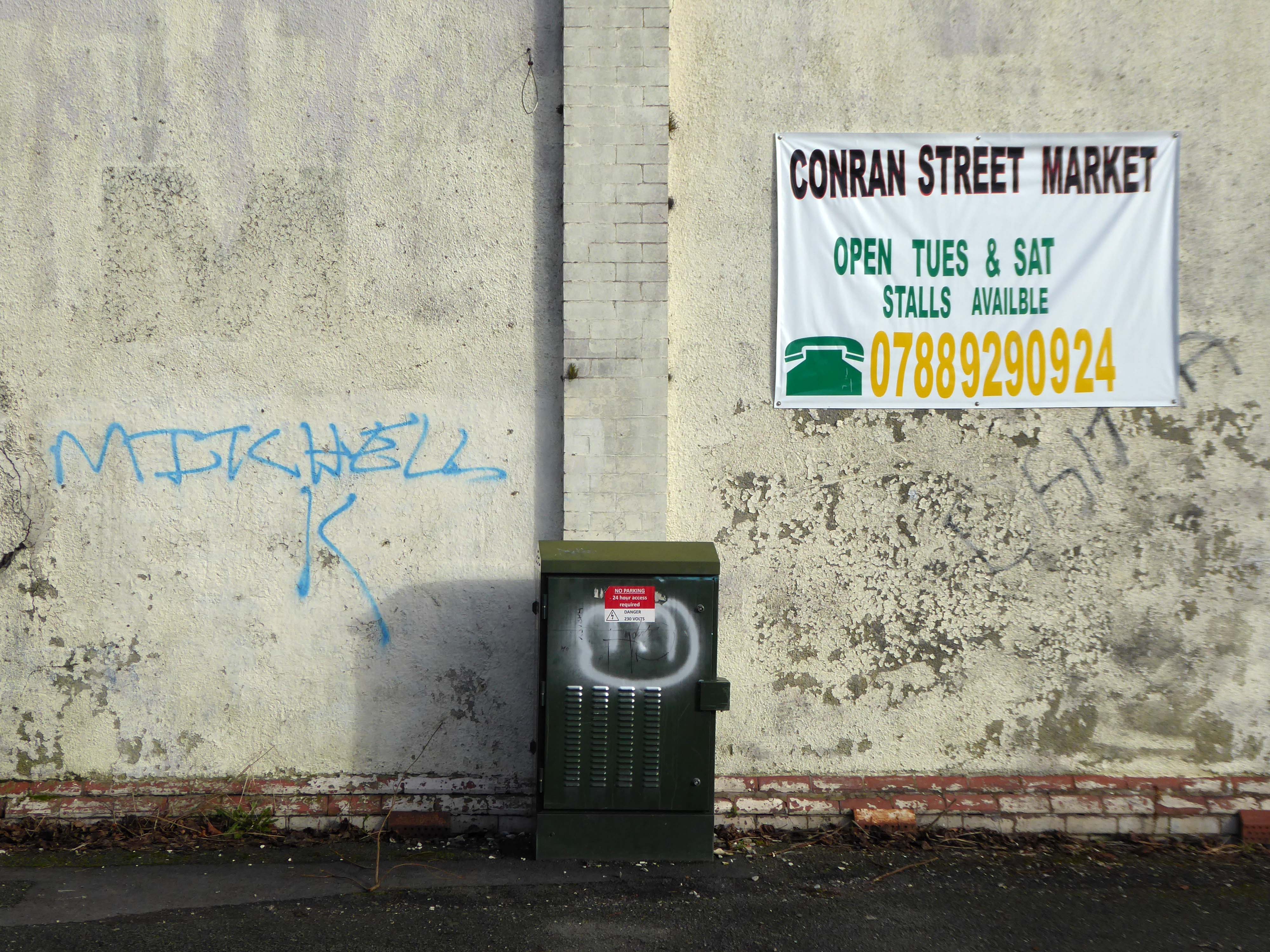
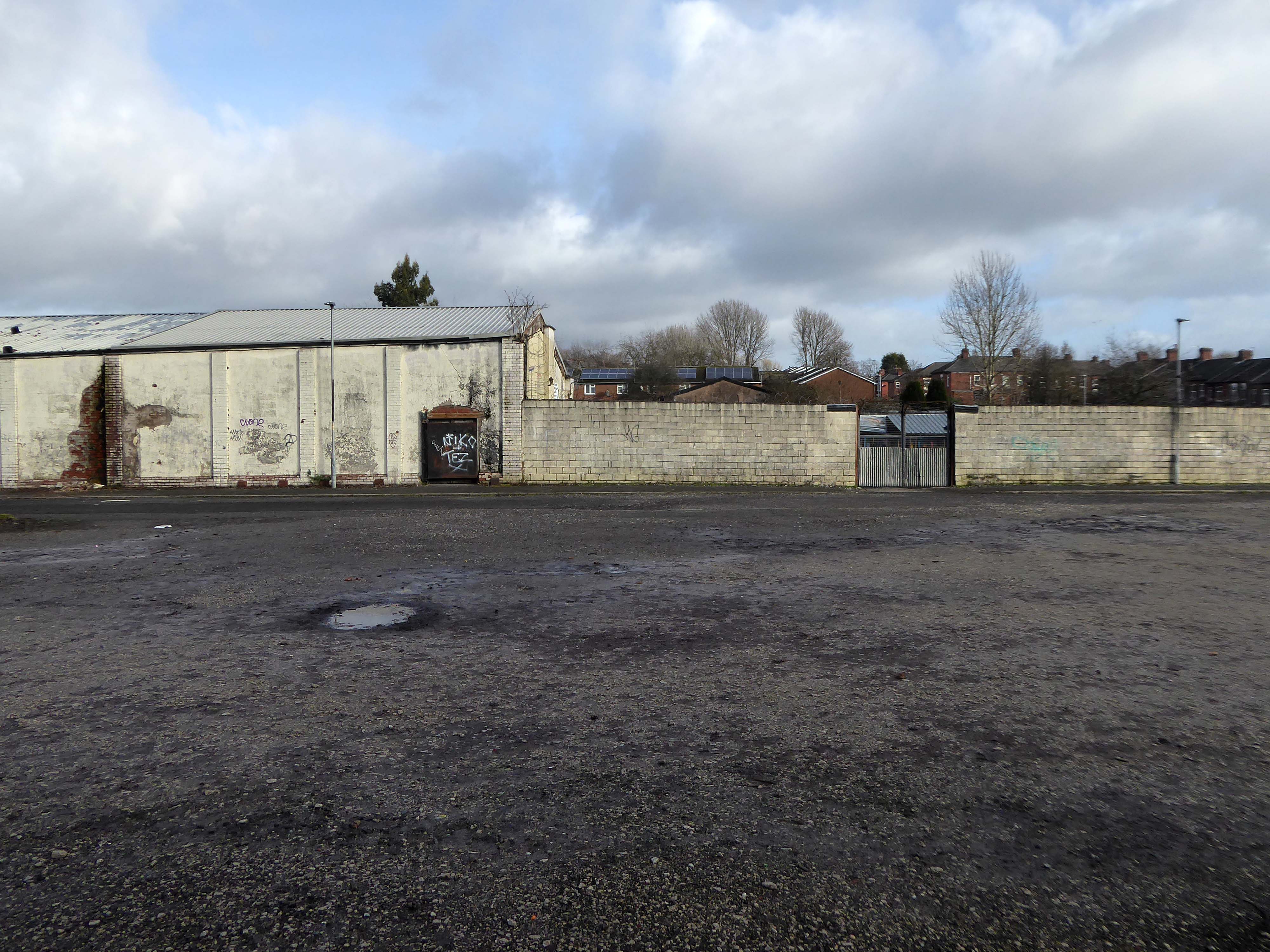
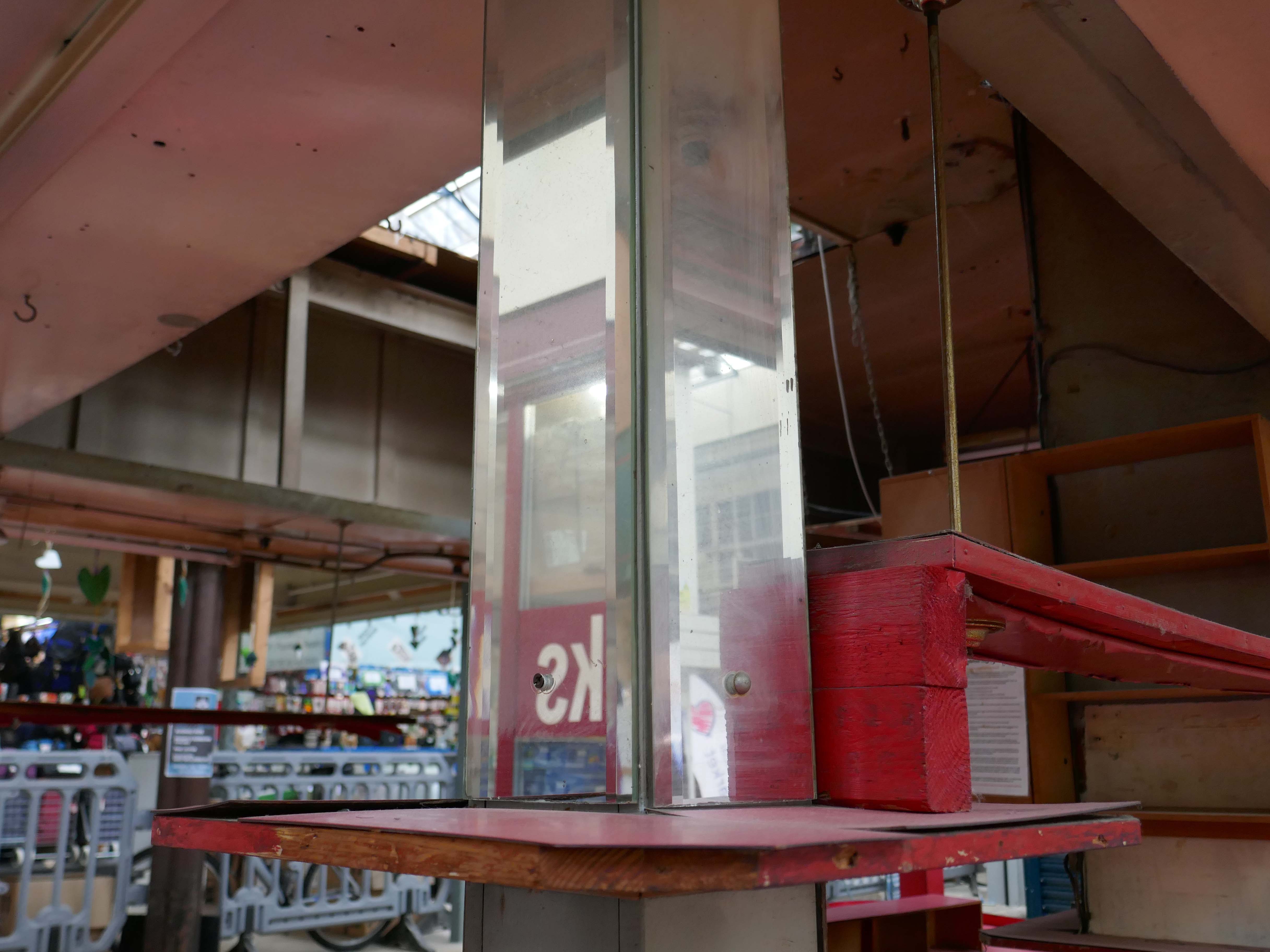
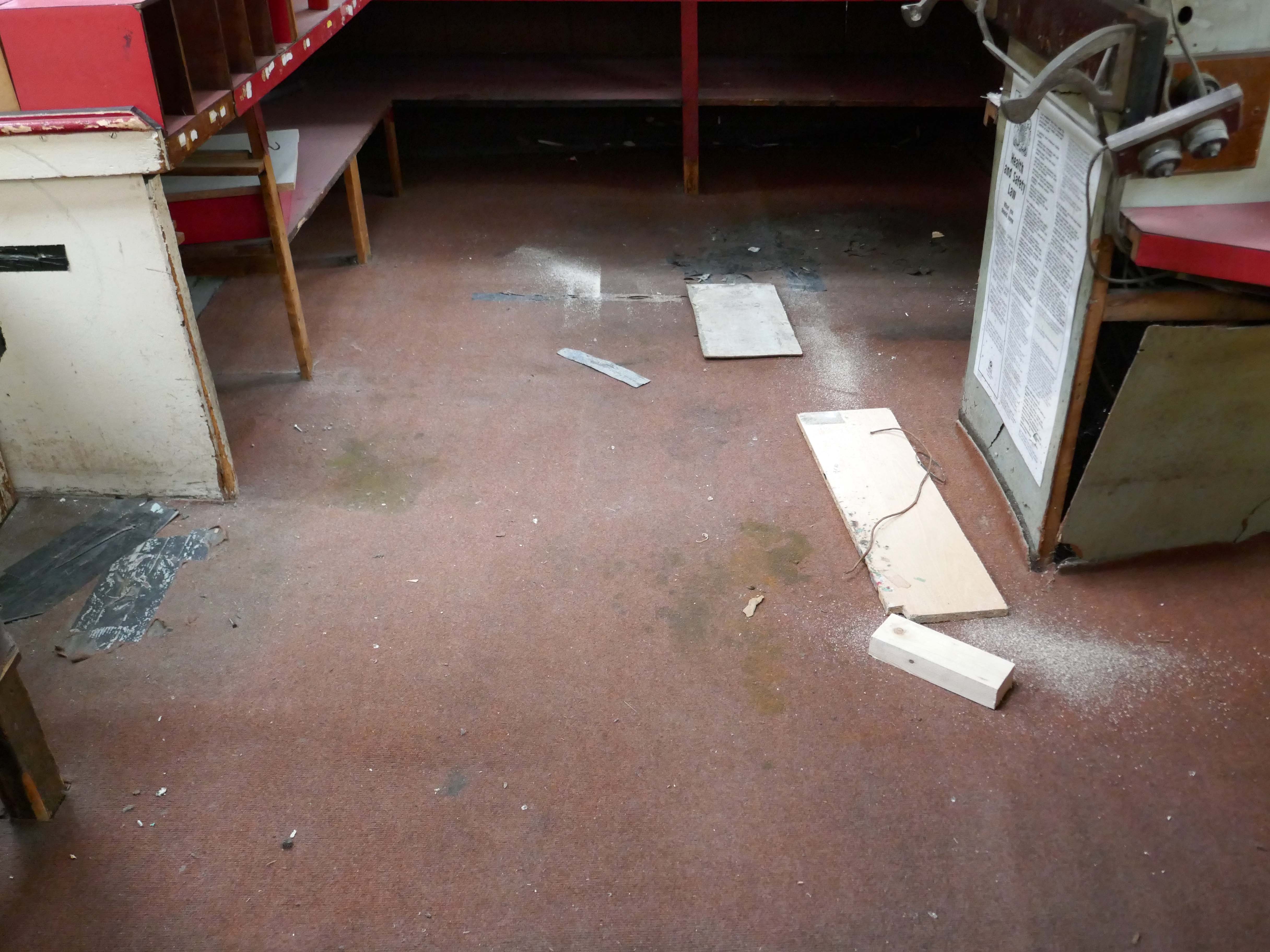
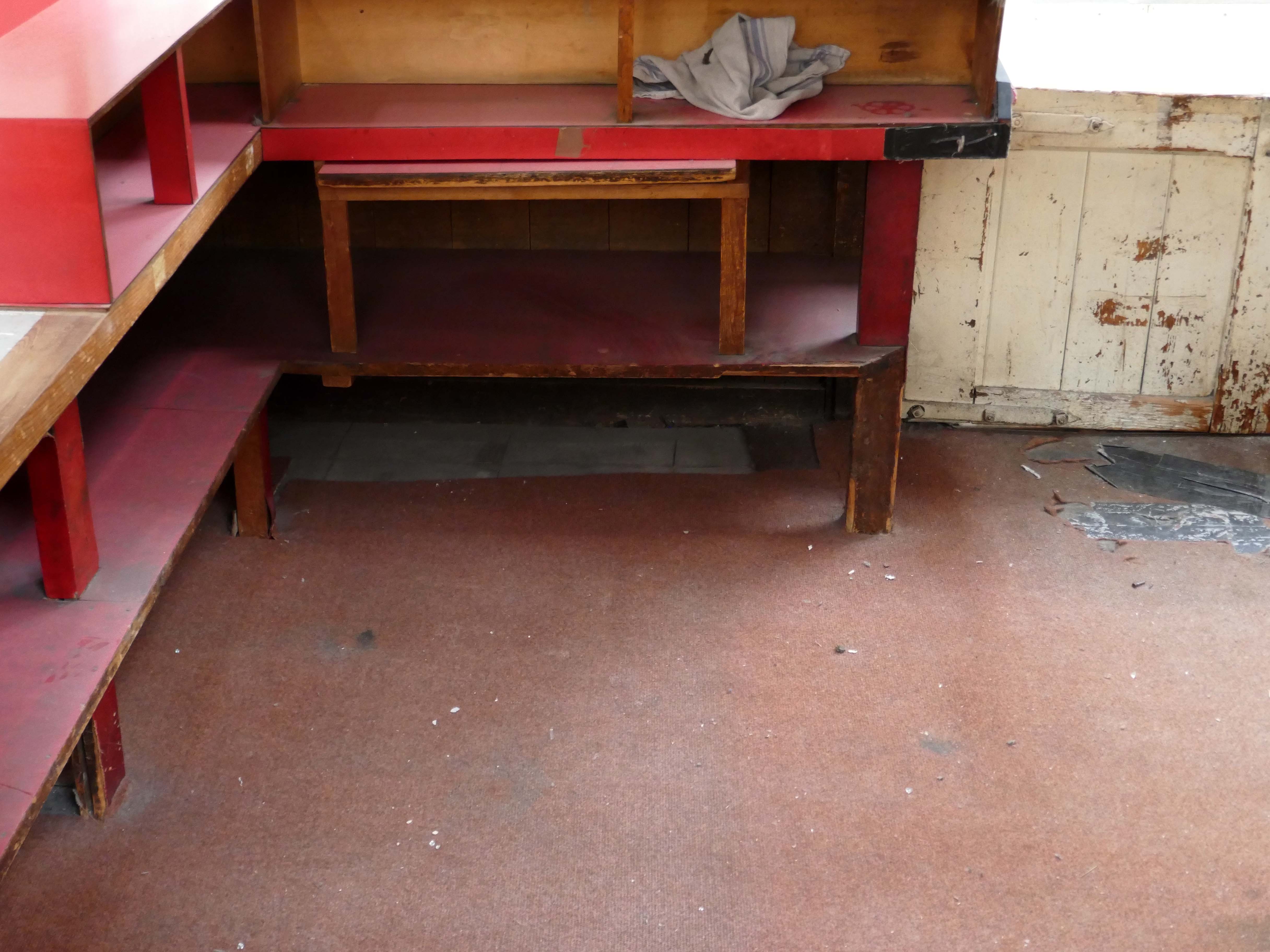
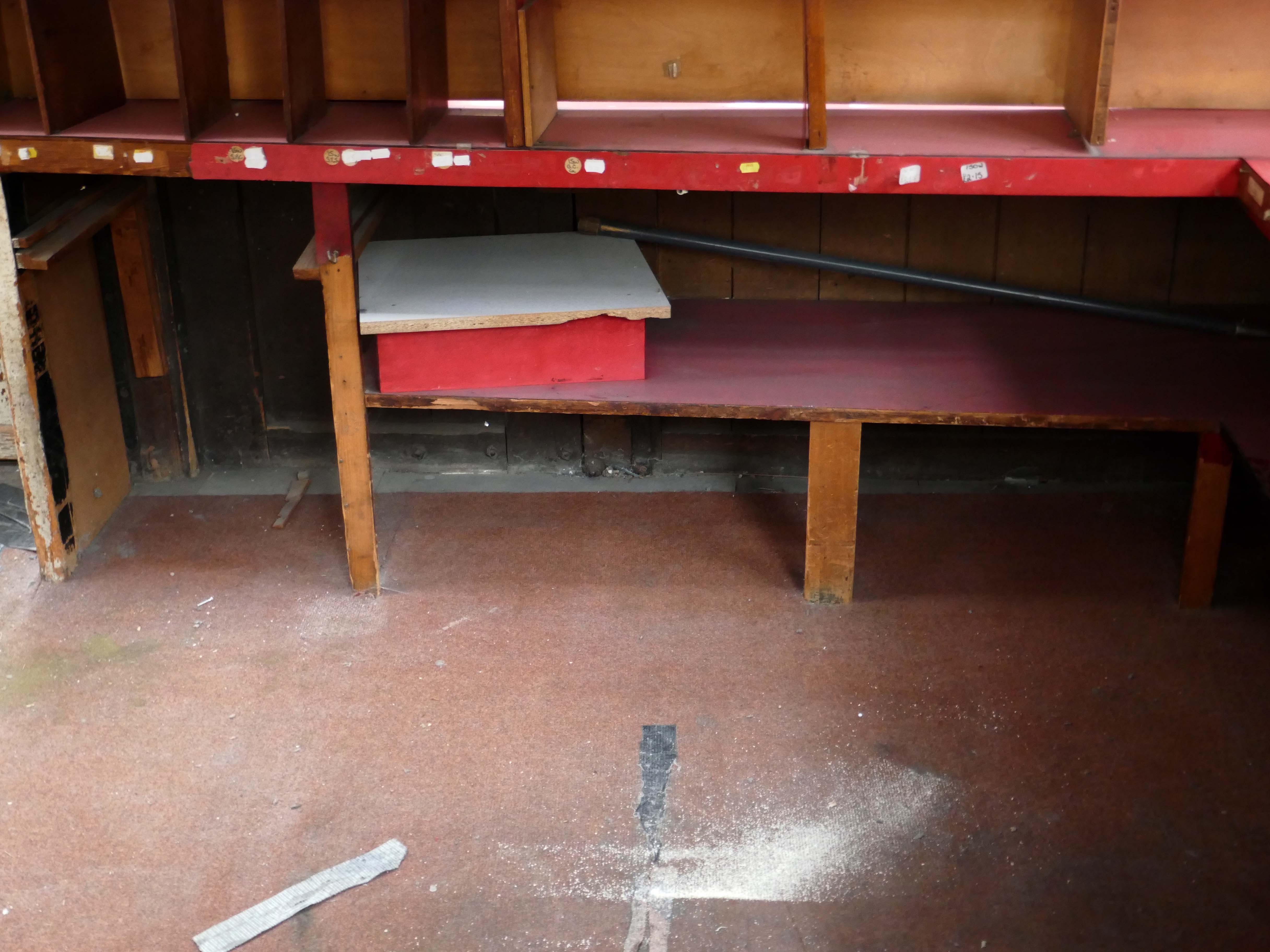
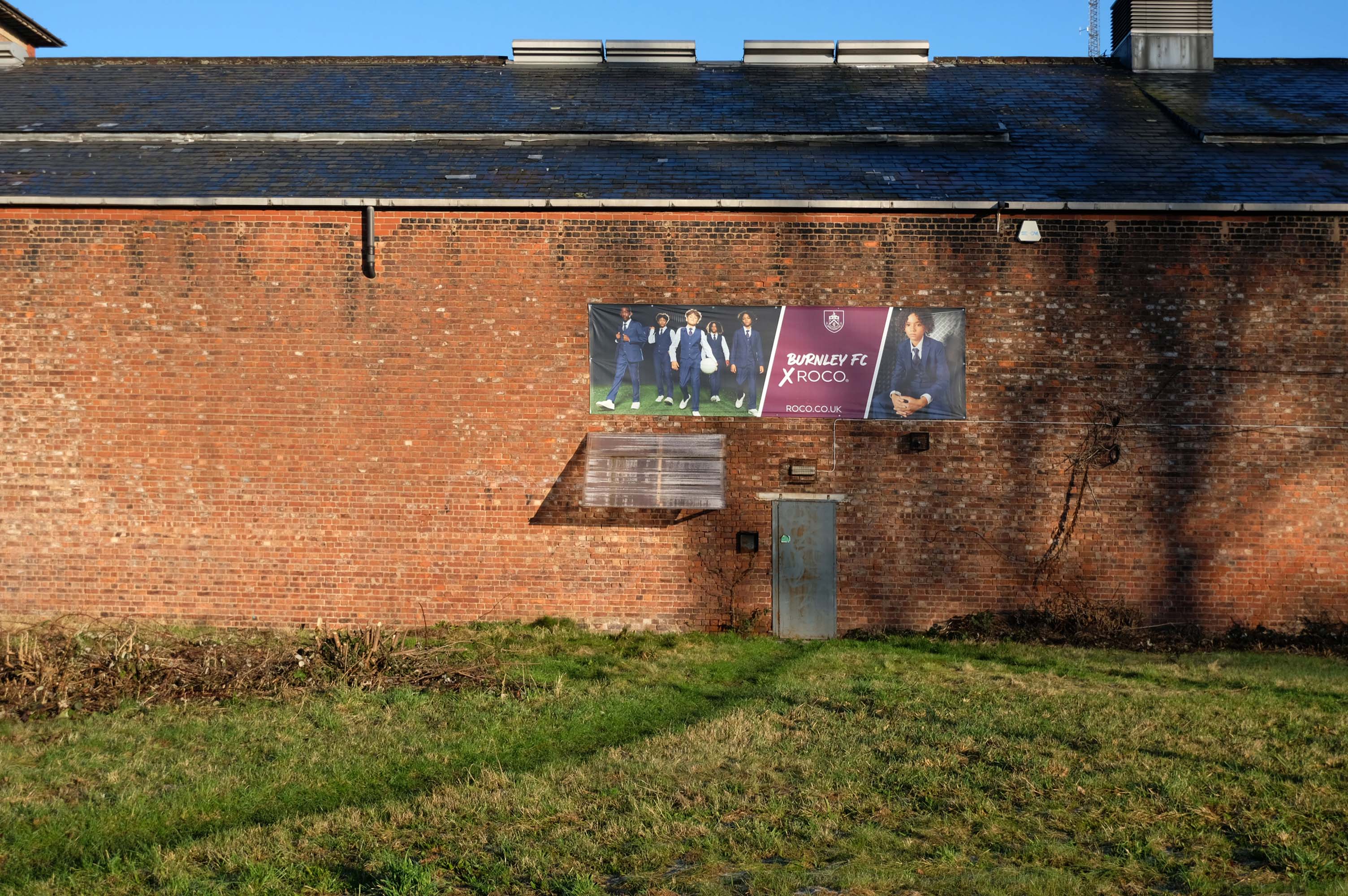
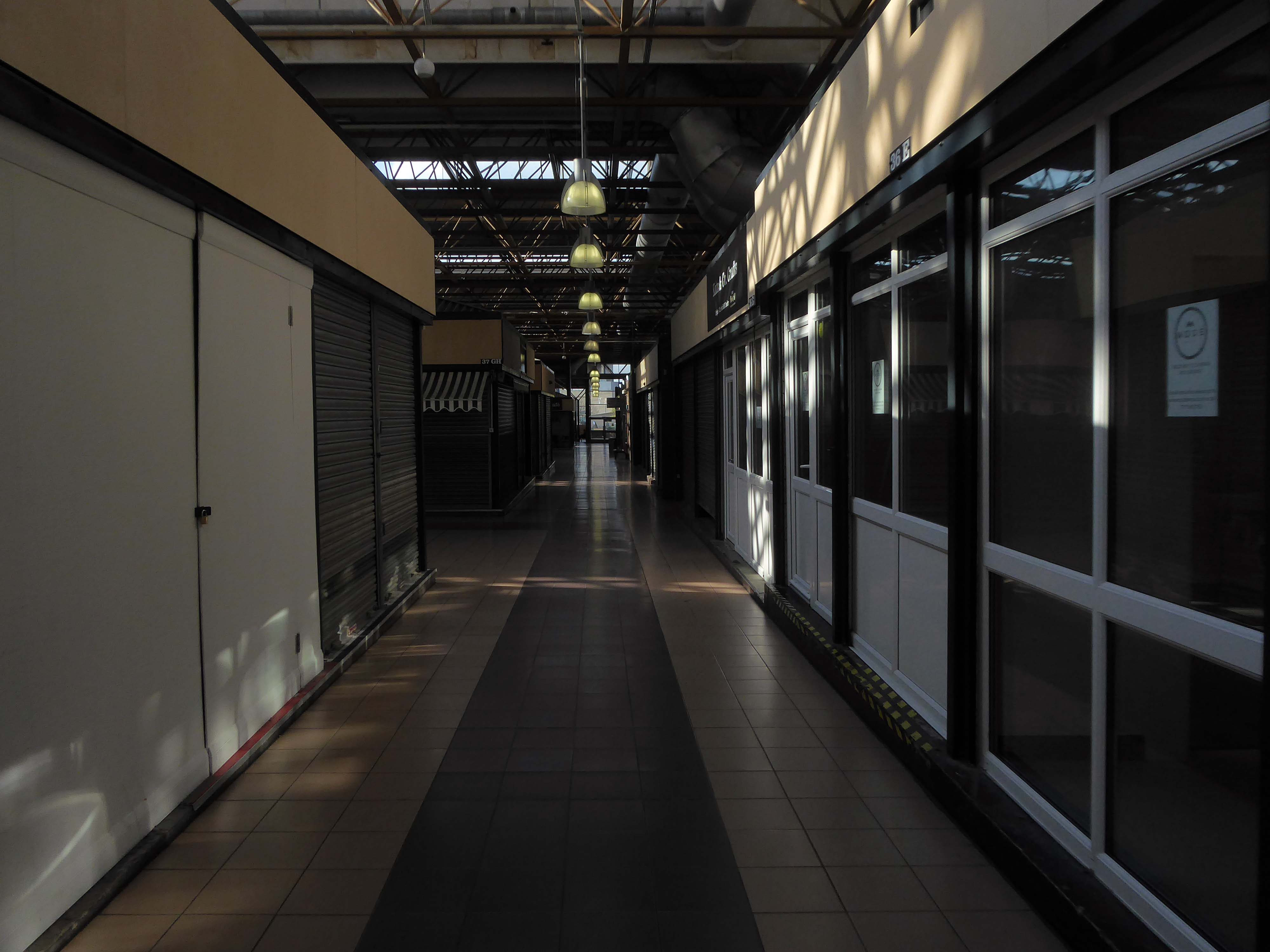
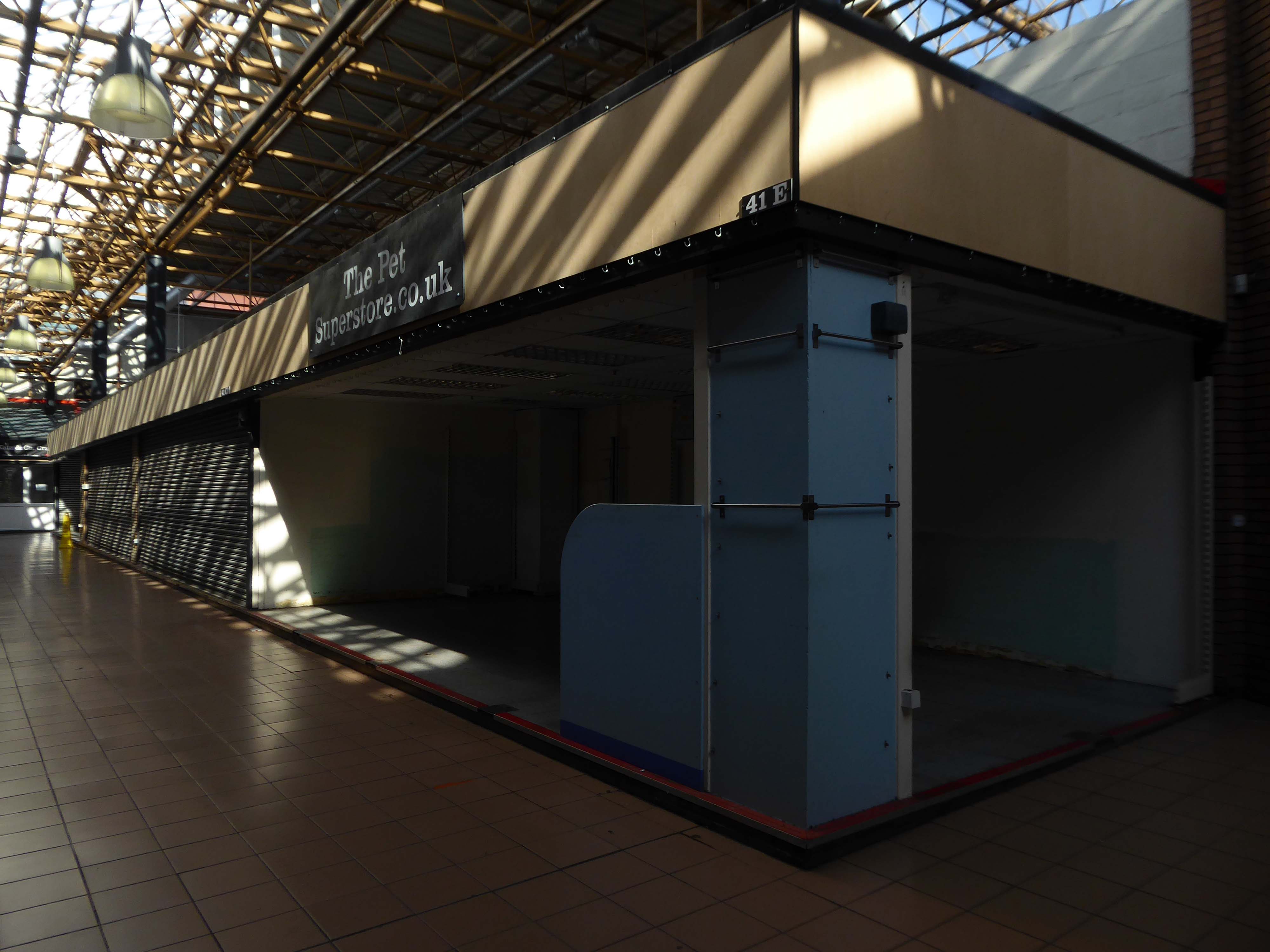
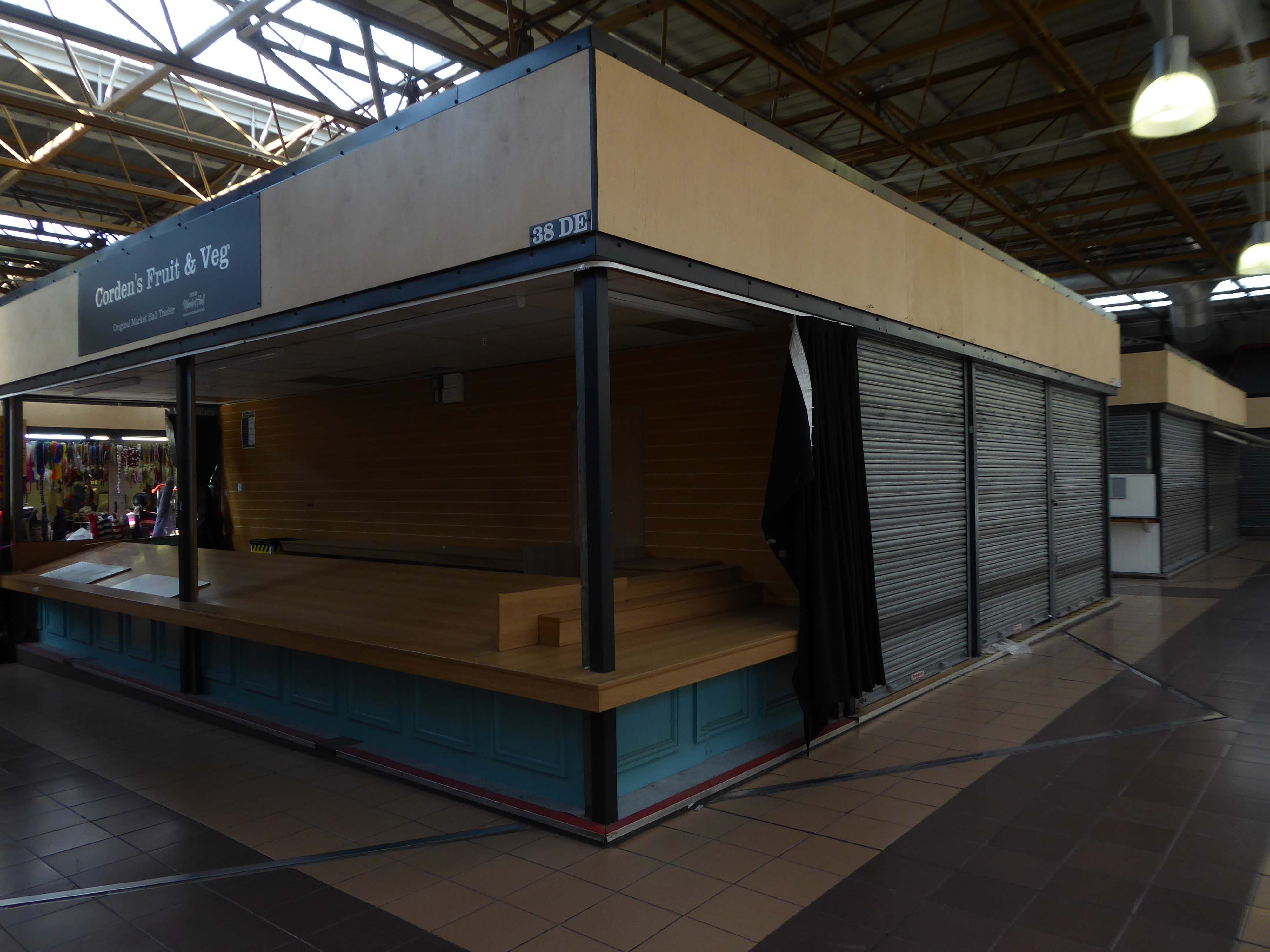
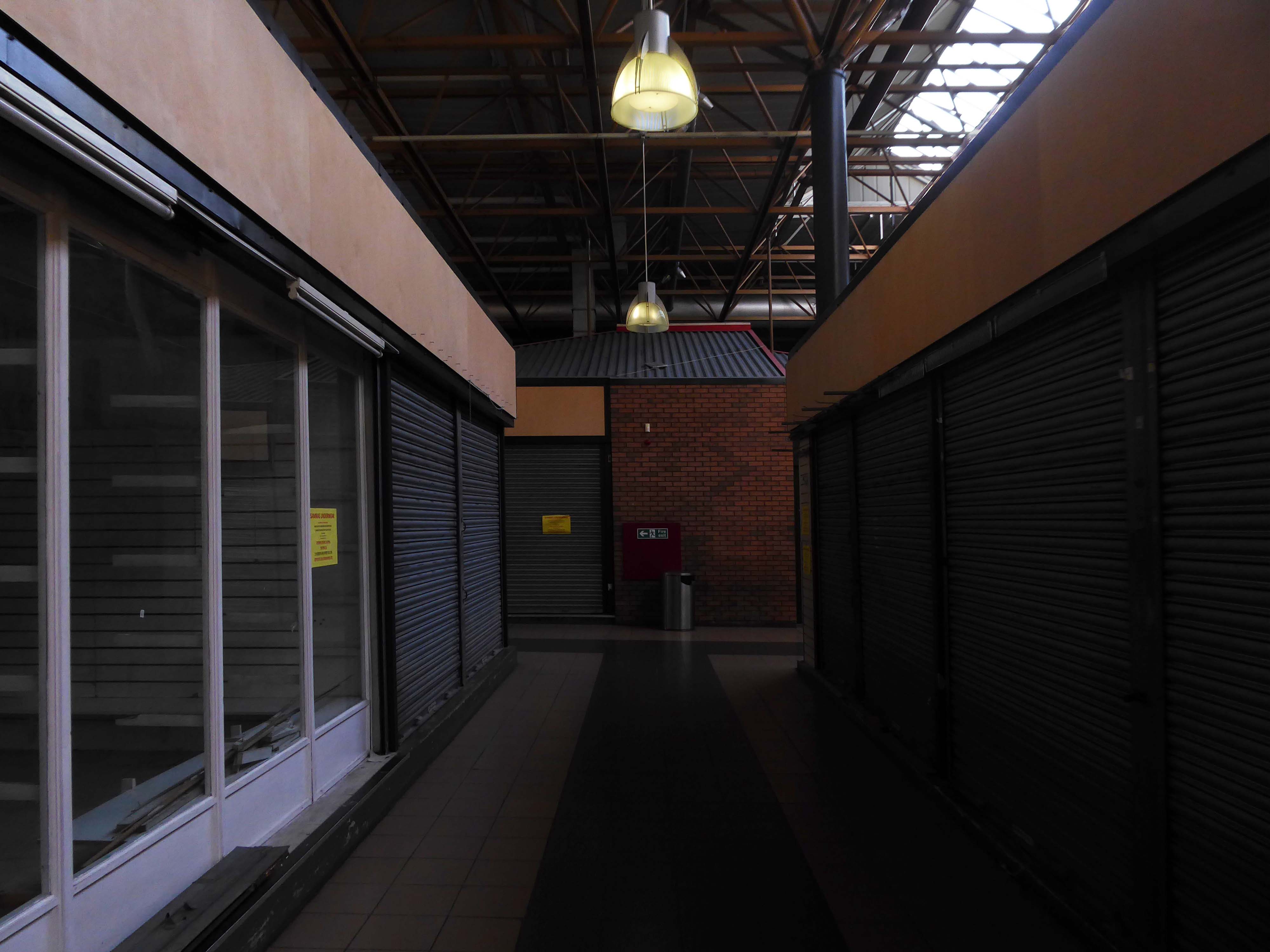
One of the last privately owned markets in the city, is to close on July 19th 2025, after serving the area for over a century.
The family which owns the Harpurhey site has decided to put the acre of land and its existing redbrick buildings up for sale. It will be auctioned off with a guide price of £450,000.
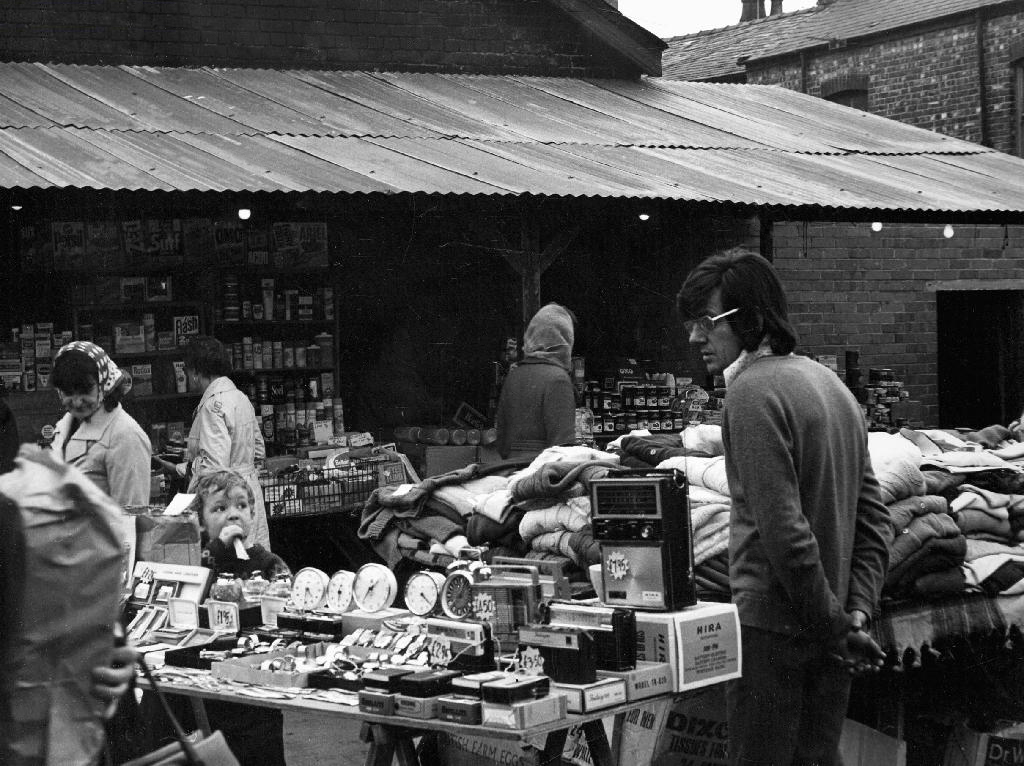
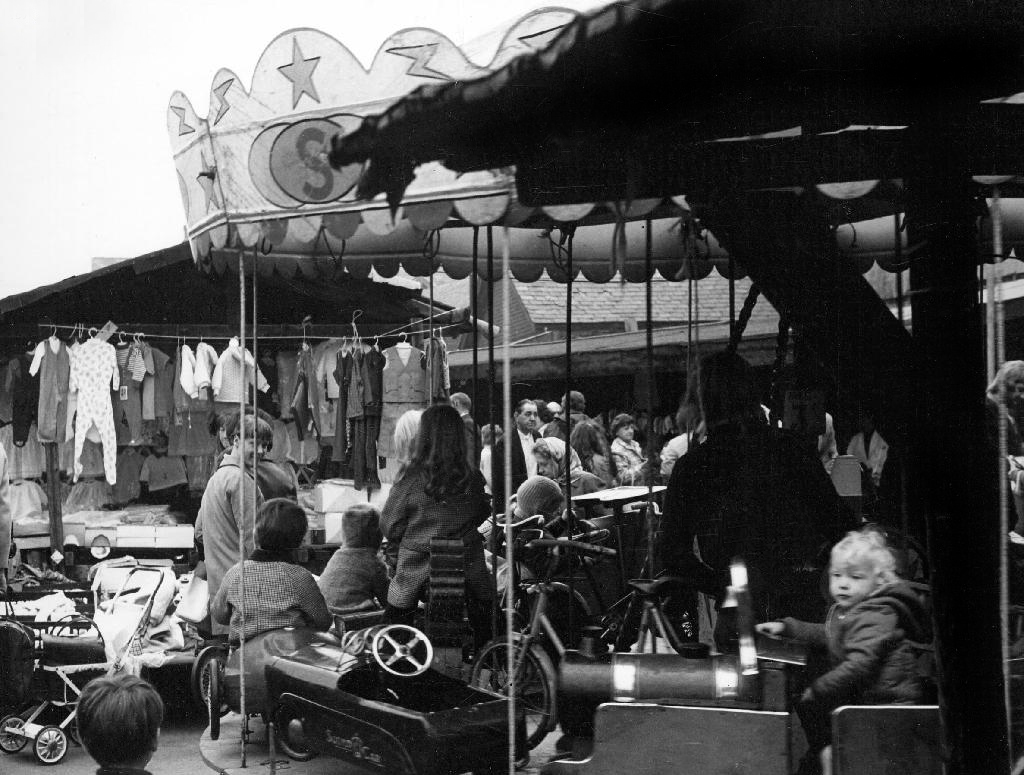
It’s so sad the stall holders, and the community that surrounds the market, have lost their place to go on weekly basis, meeting friends for brew and bacon butty, chats and last minute buys, rummaging around in boxes finding treasures. The previous owner Mike, would have fought tooth and nail to keep this beloved market open, he would be turning in his grave.
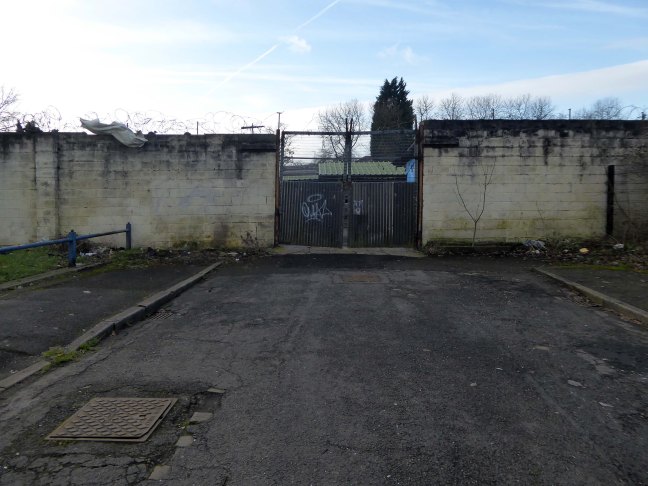
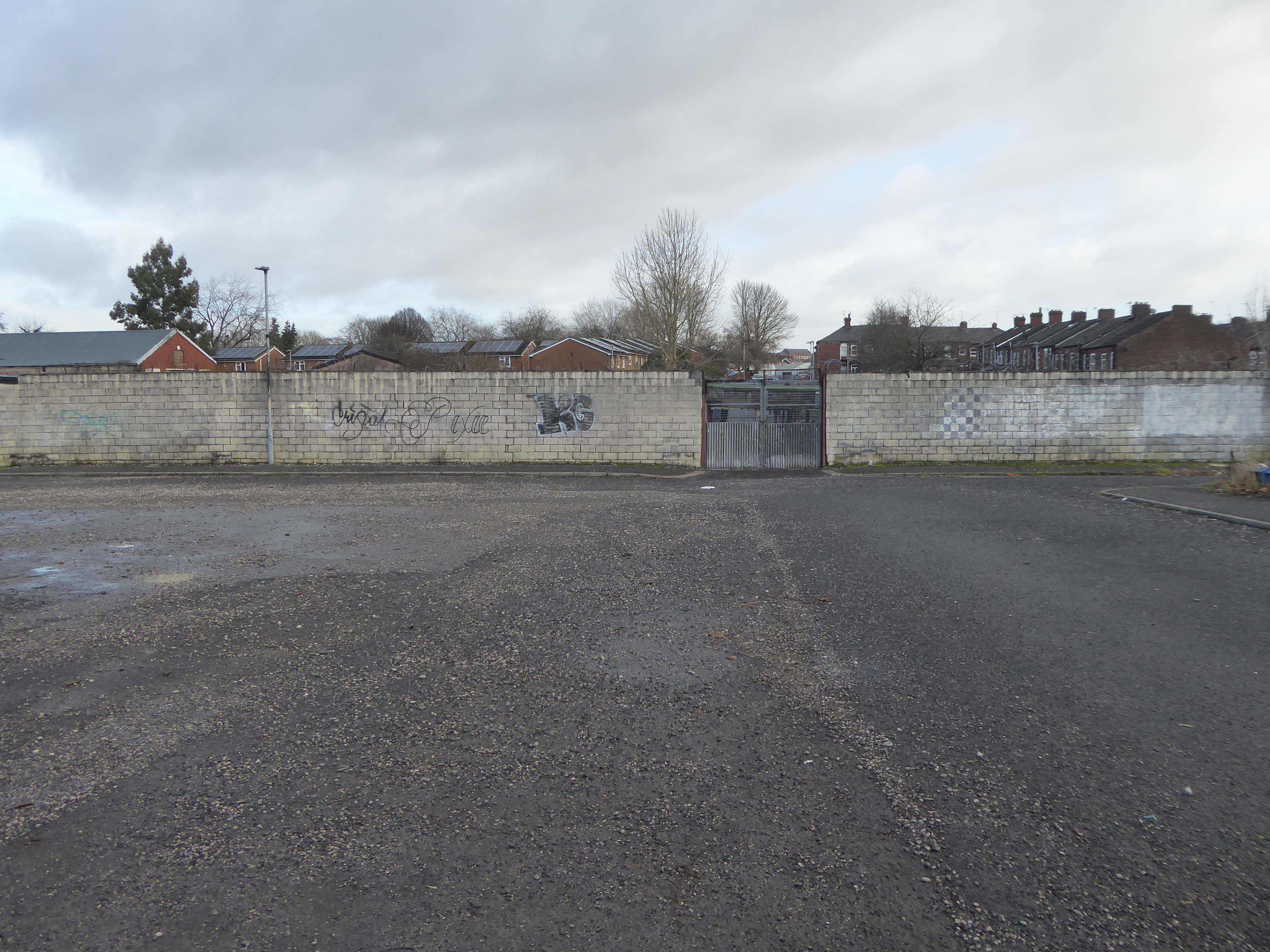
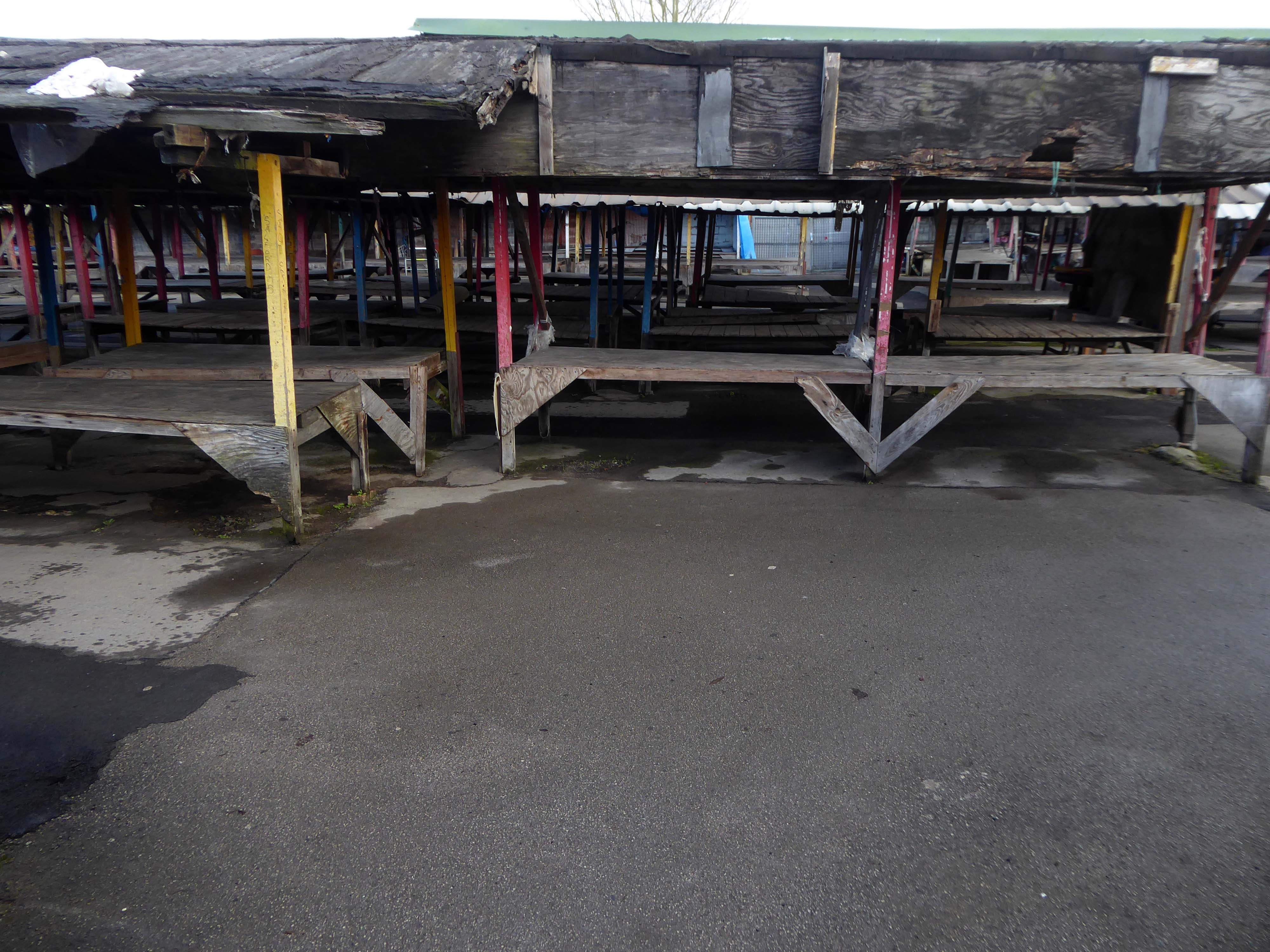
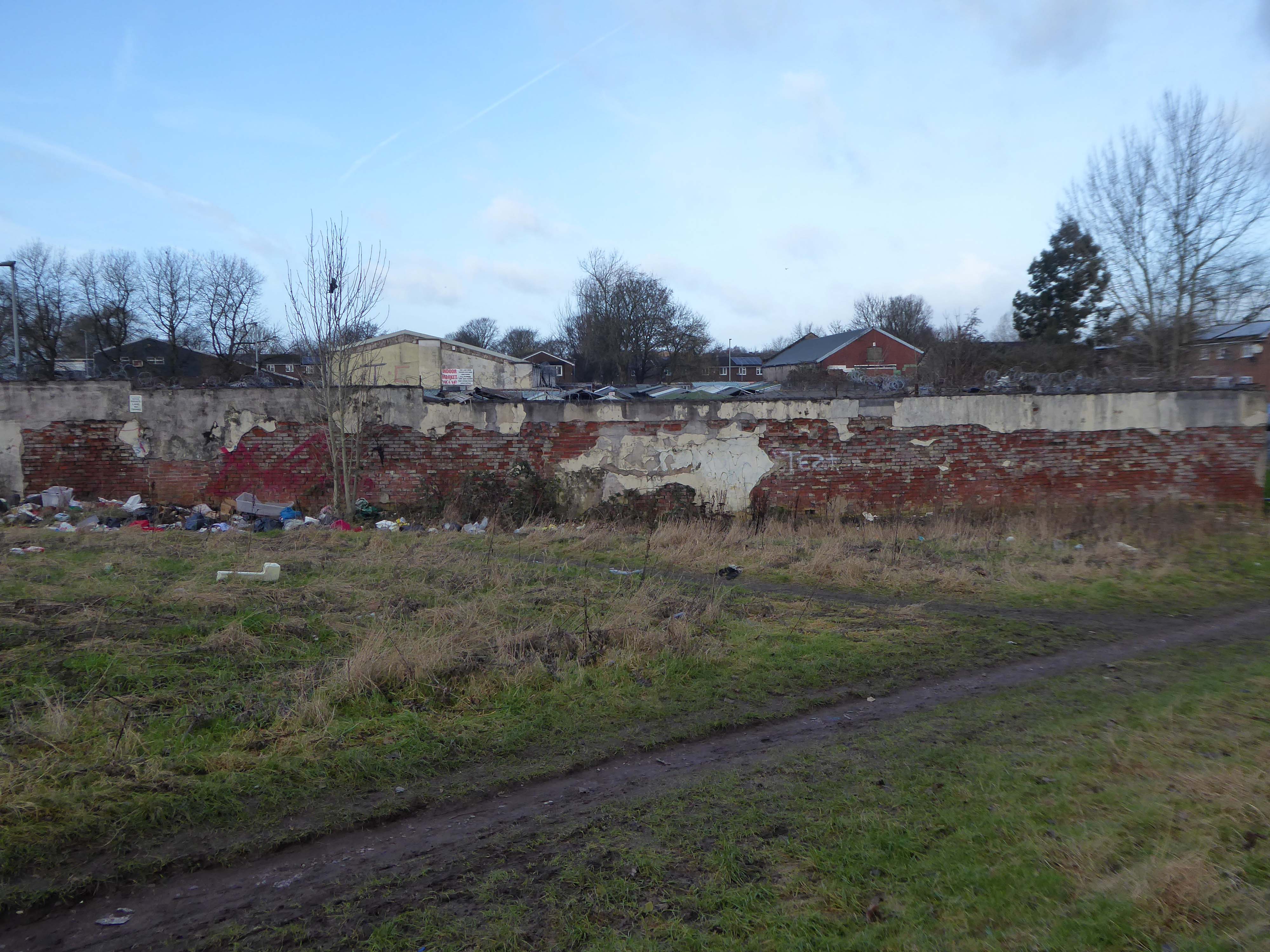
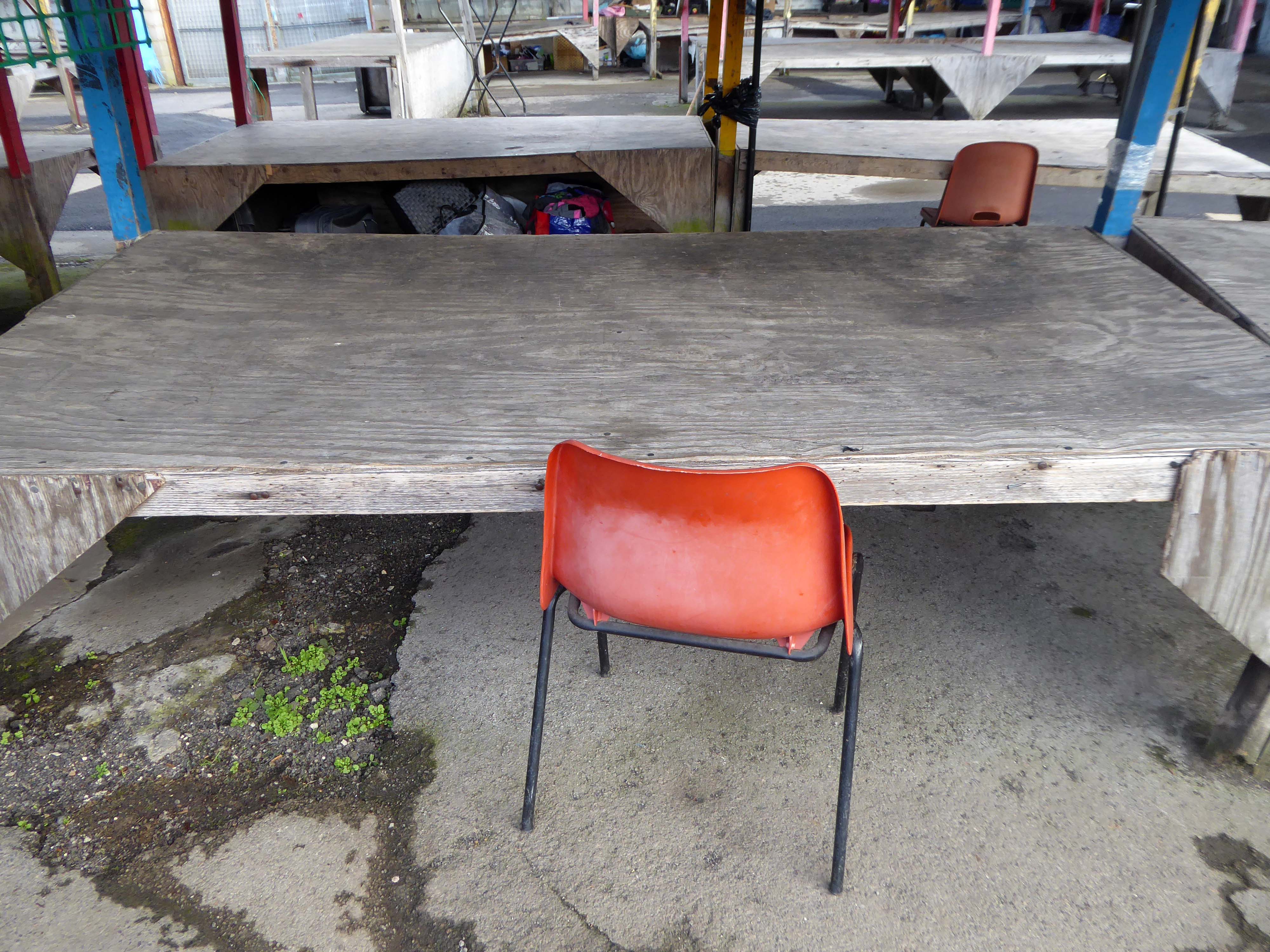
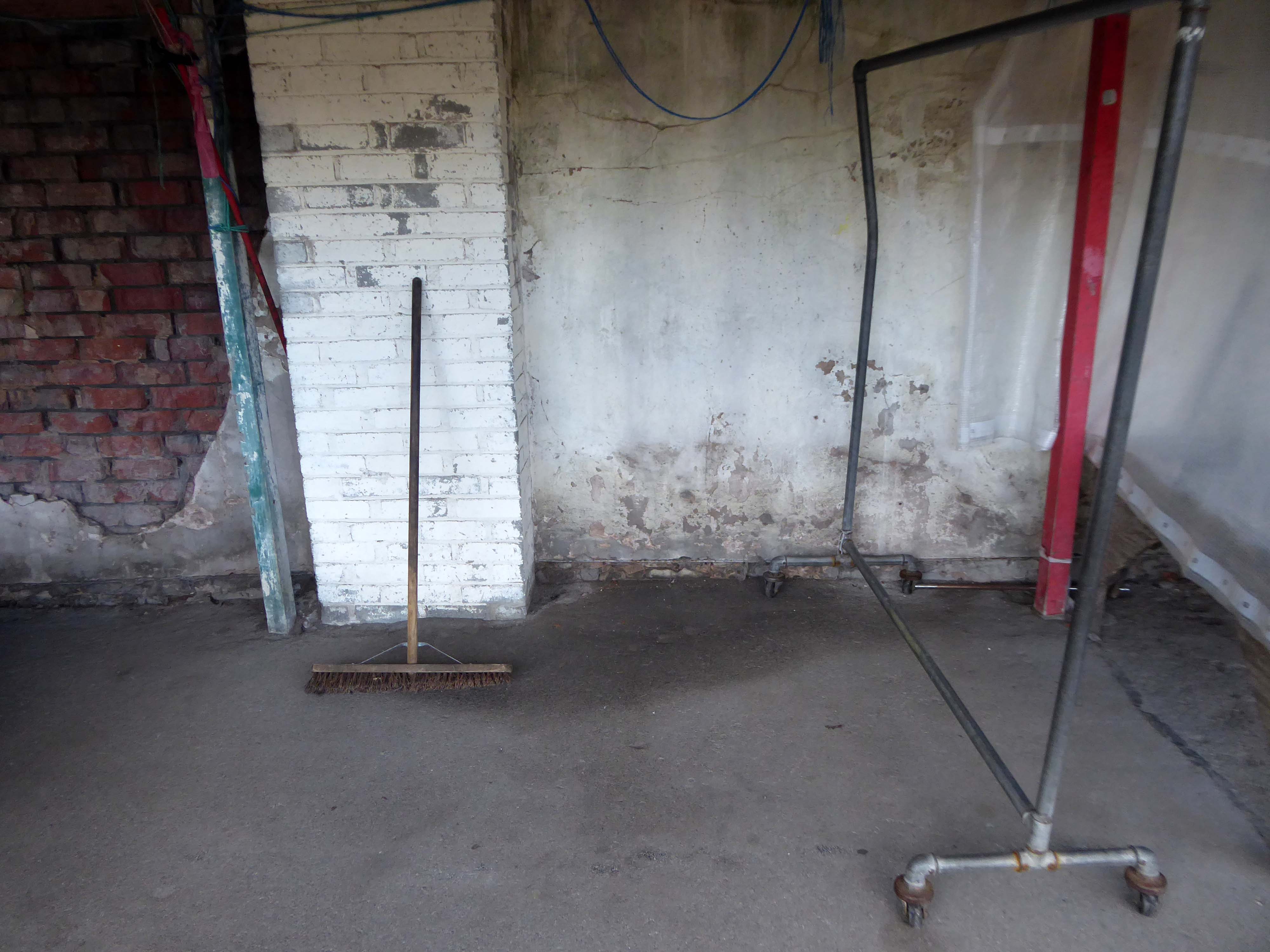
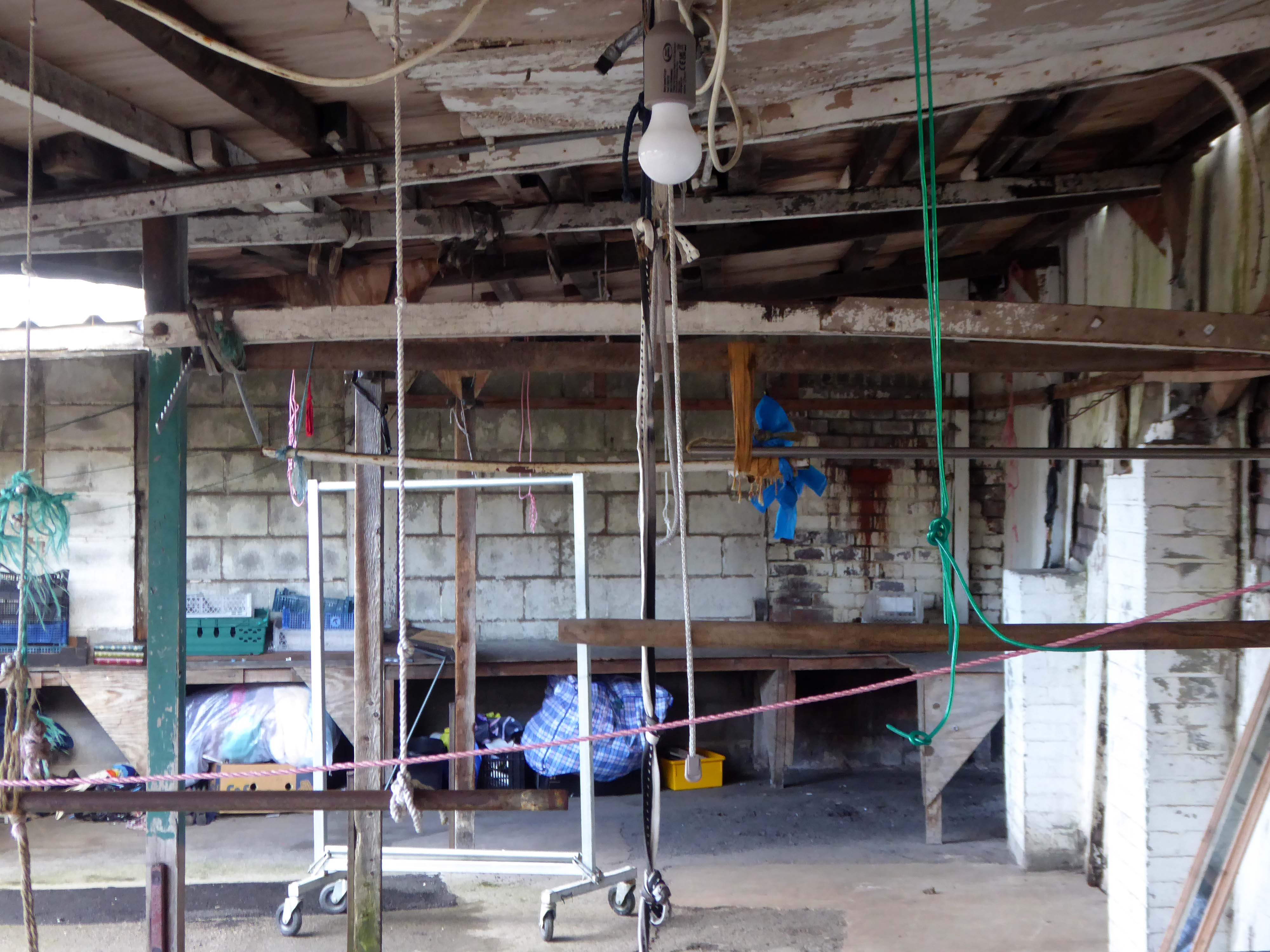
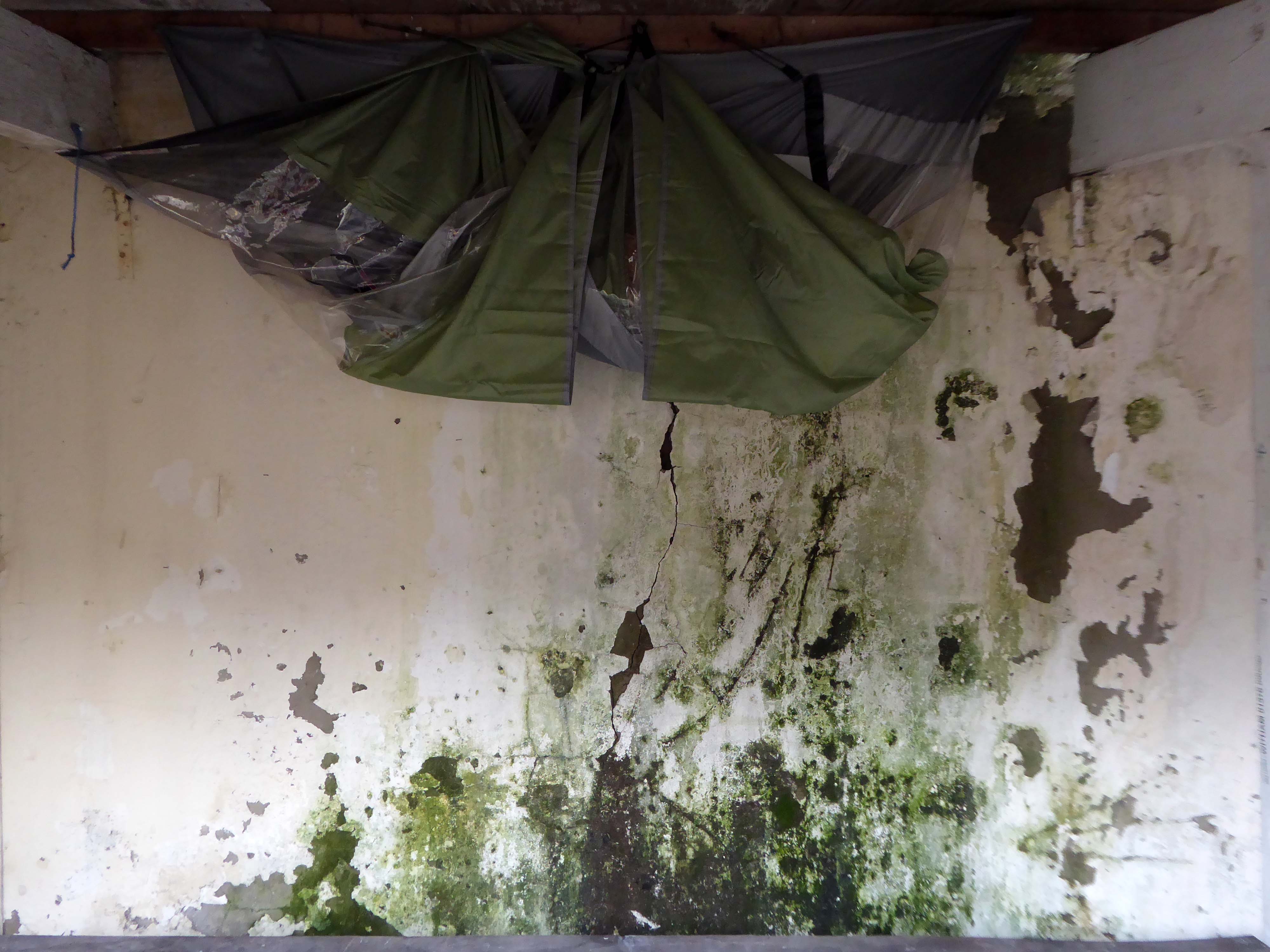
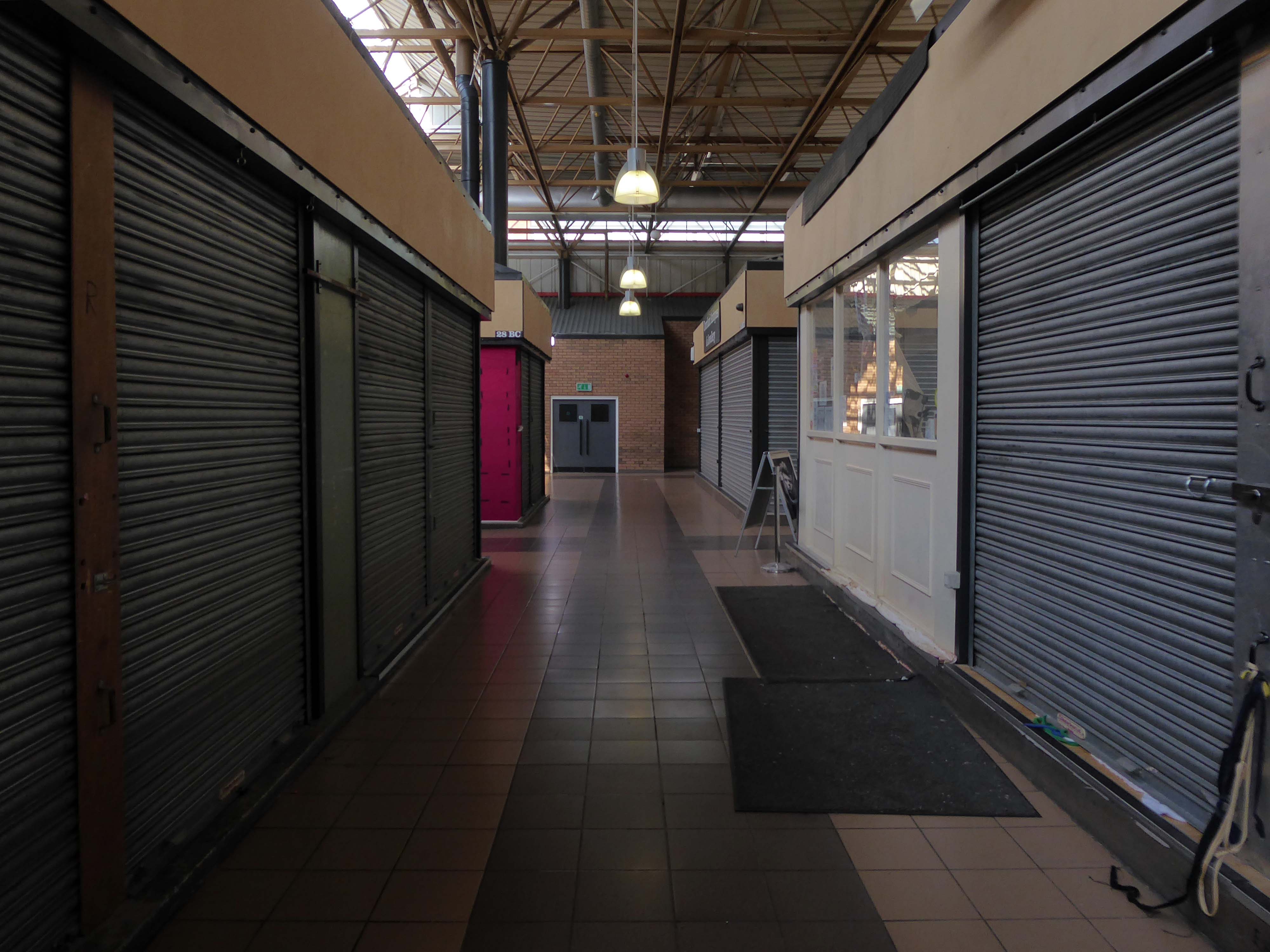
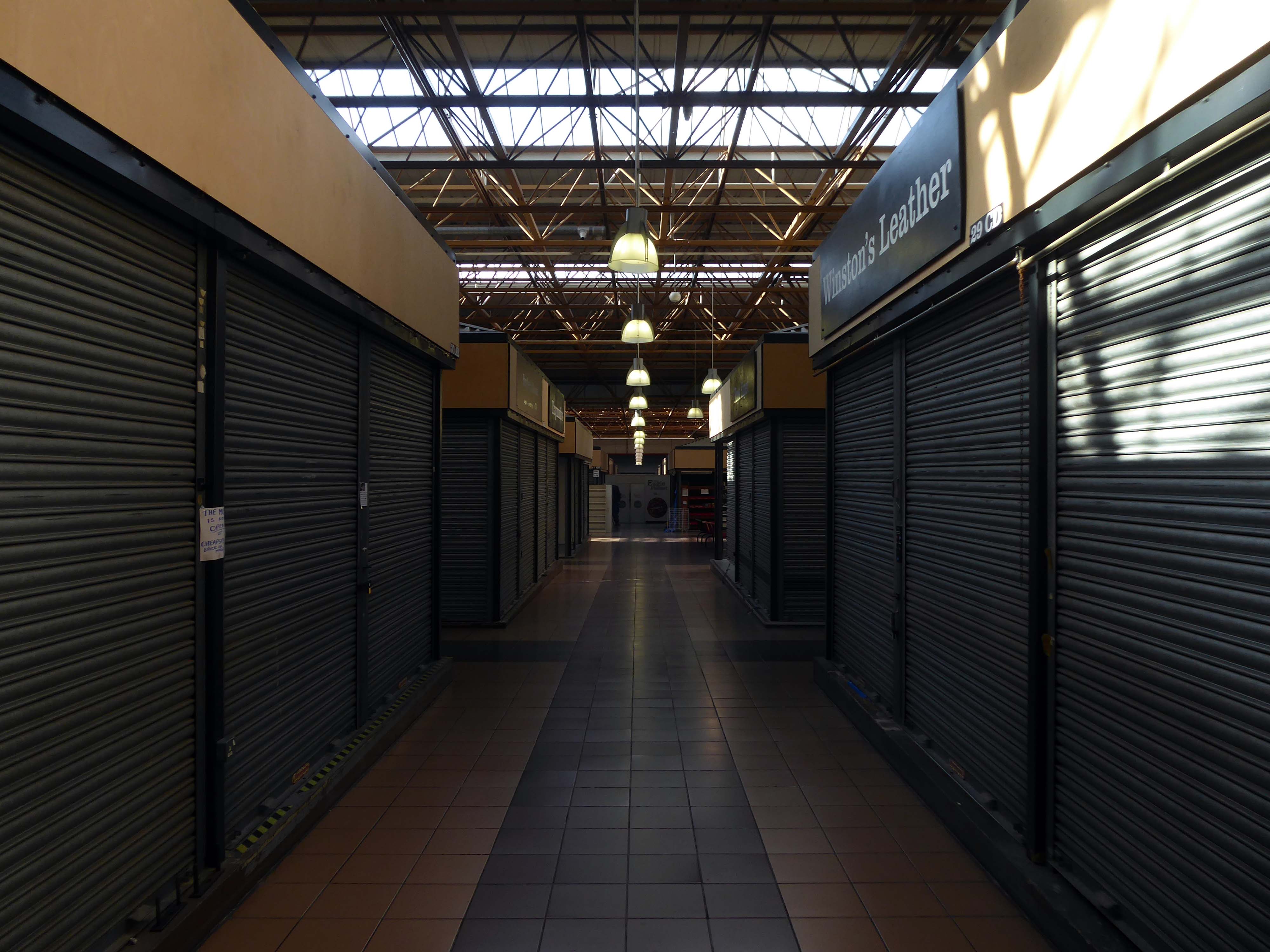
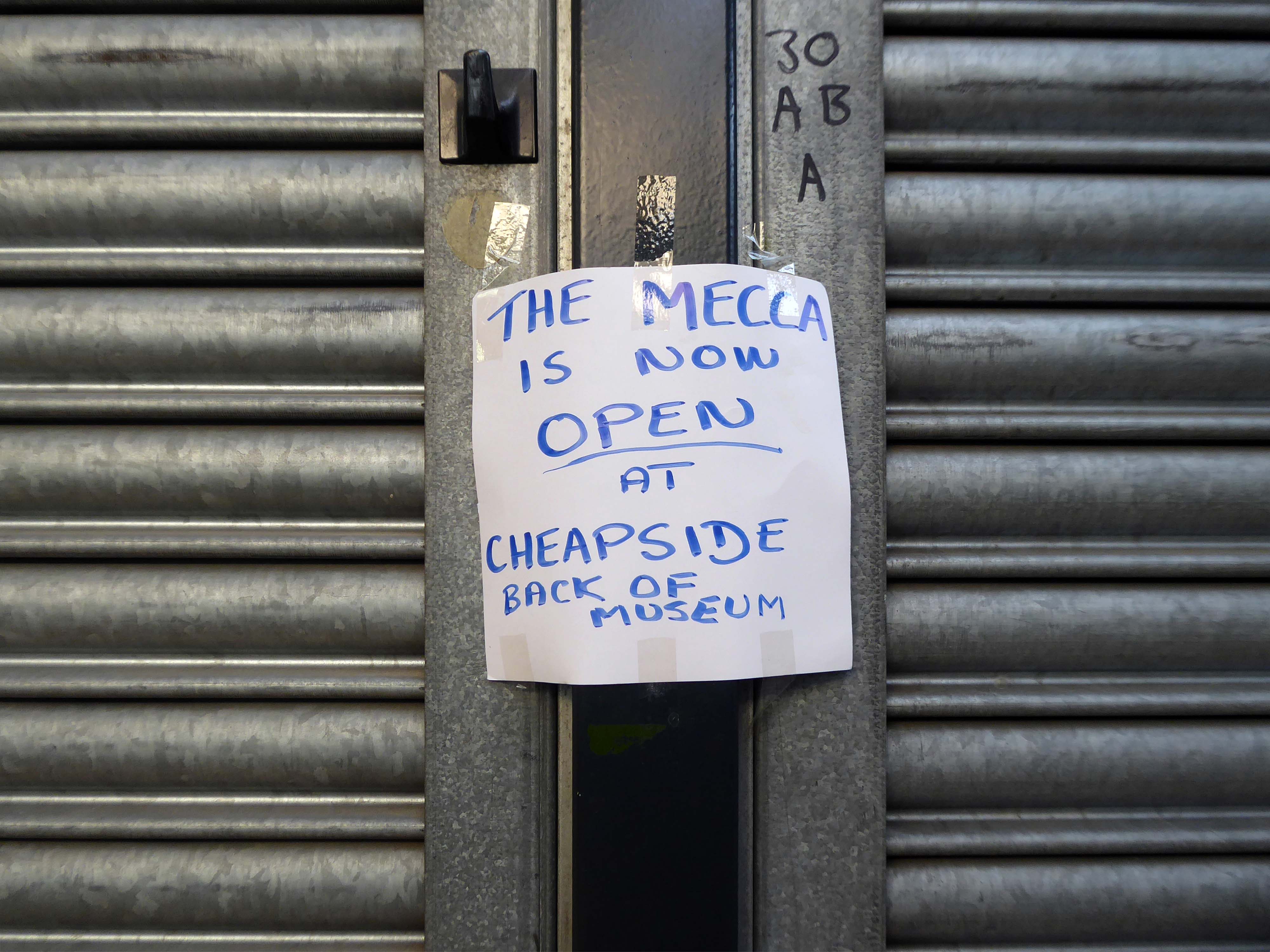
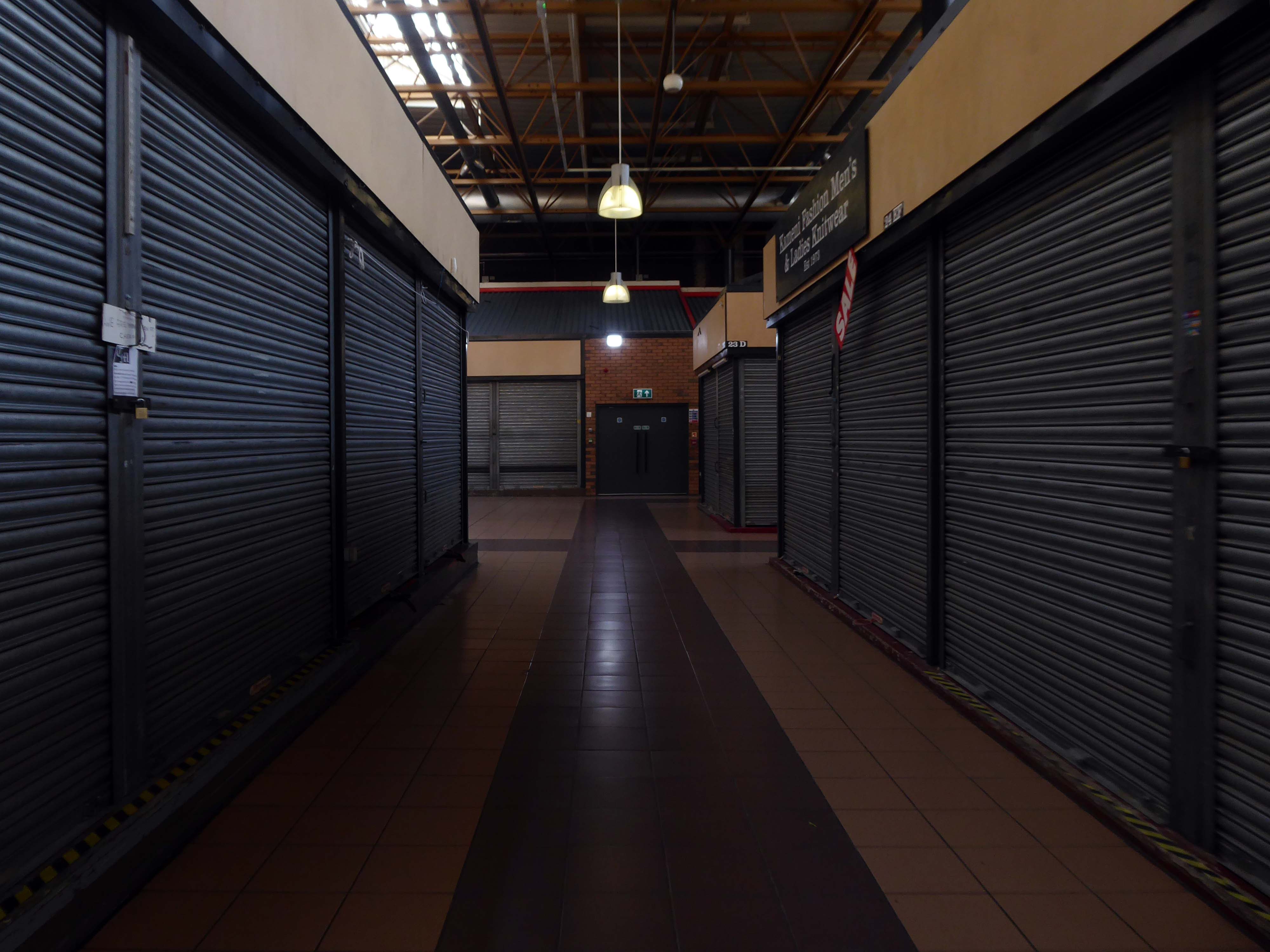
I visited on 30th January 2023 – the gate was open there was nobody home, except the cleaner and me.
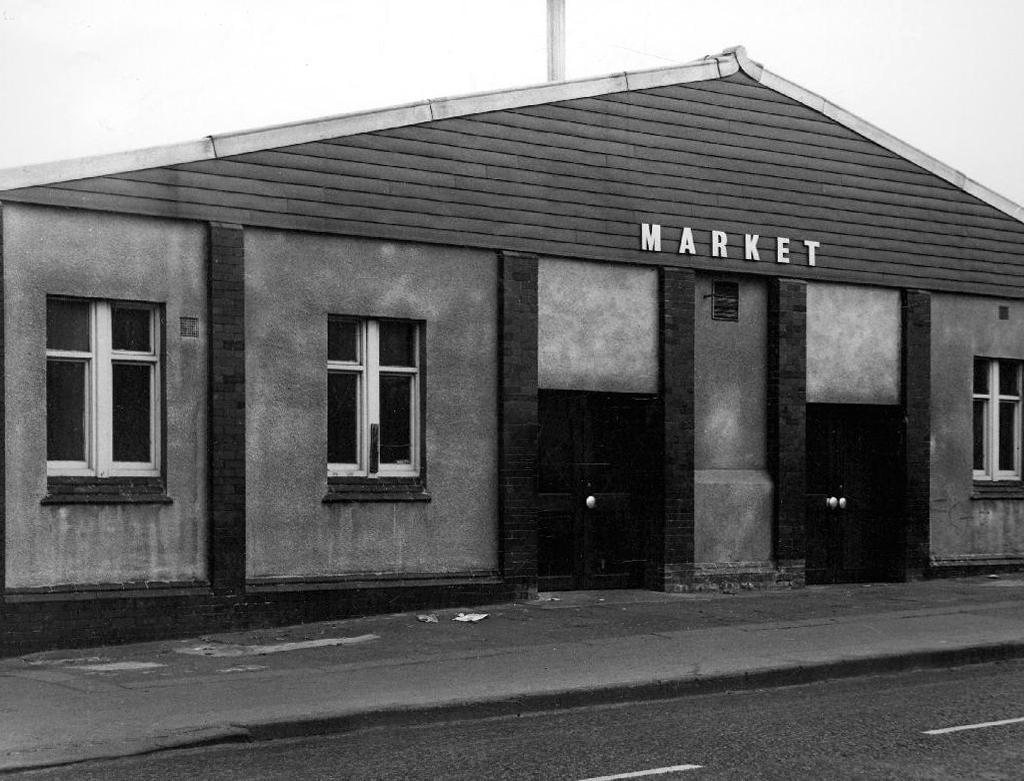
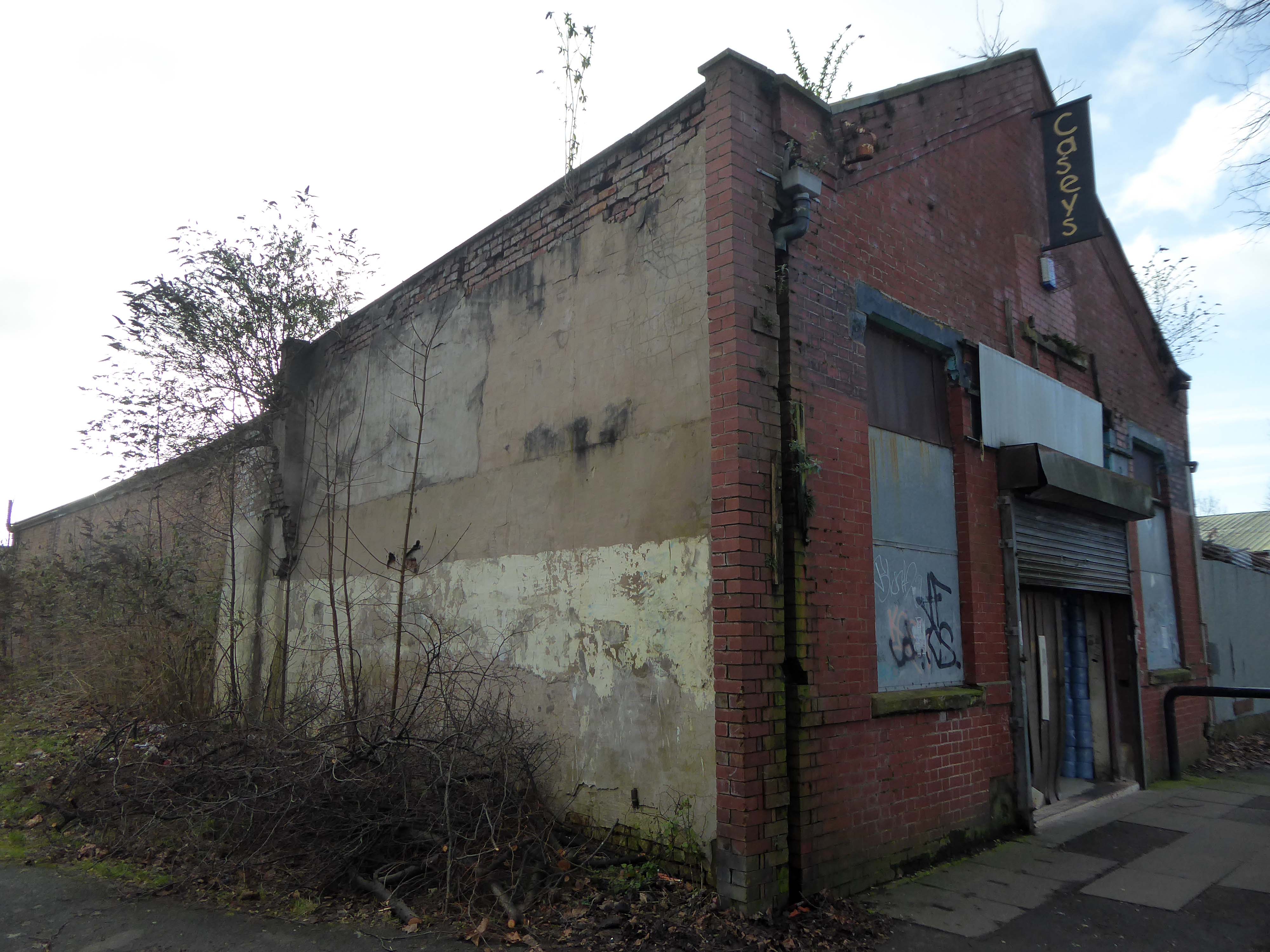
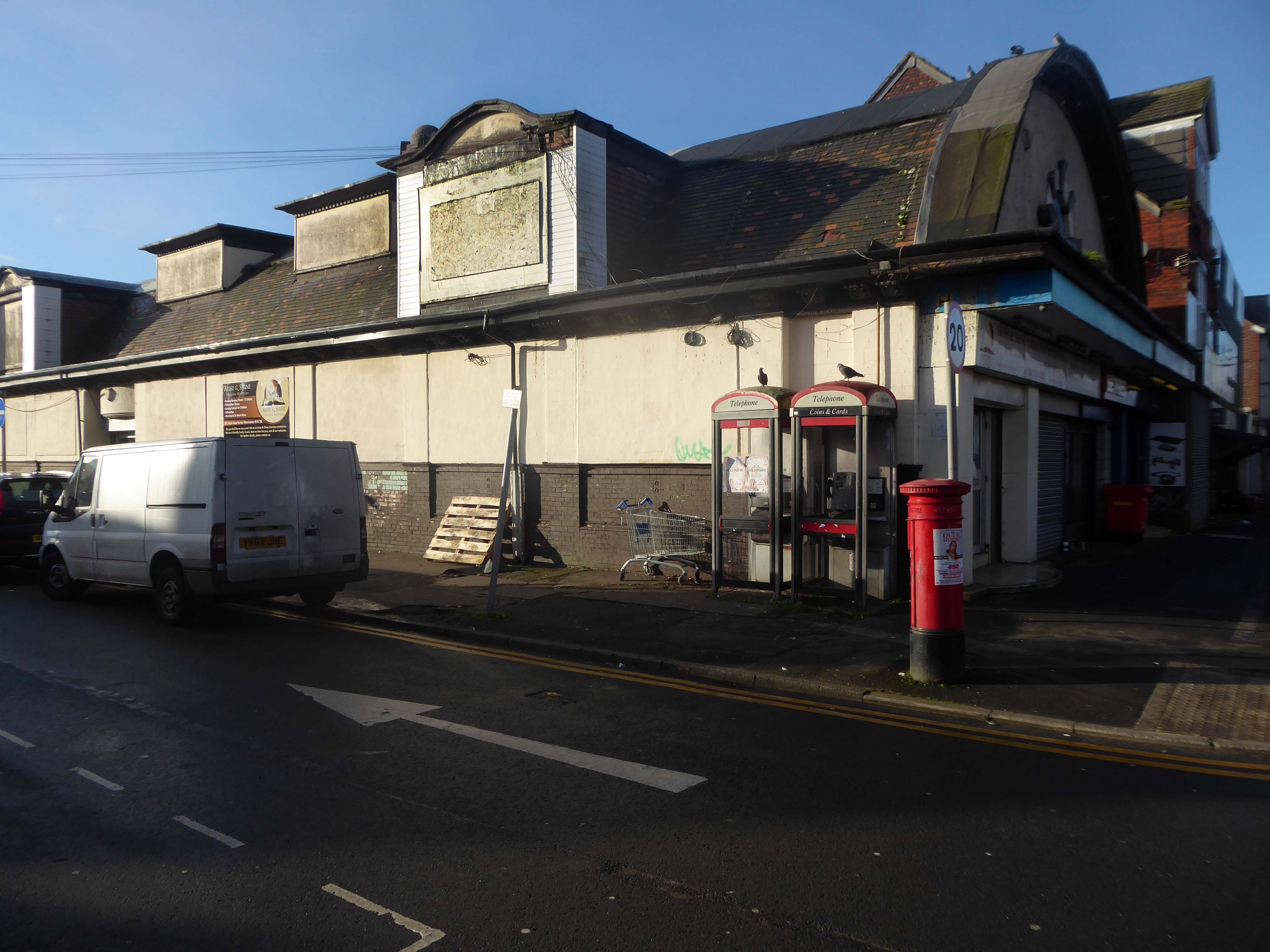
Princess Cinema It is listed in Kinematograph Year Books from 1927 to 1954, but had gone from listings by 1962. It had a Western Electricsound system. The upper part was later removed after a serious fire and the remainder became an indoor market.
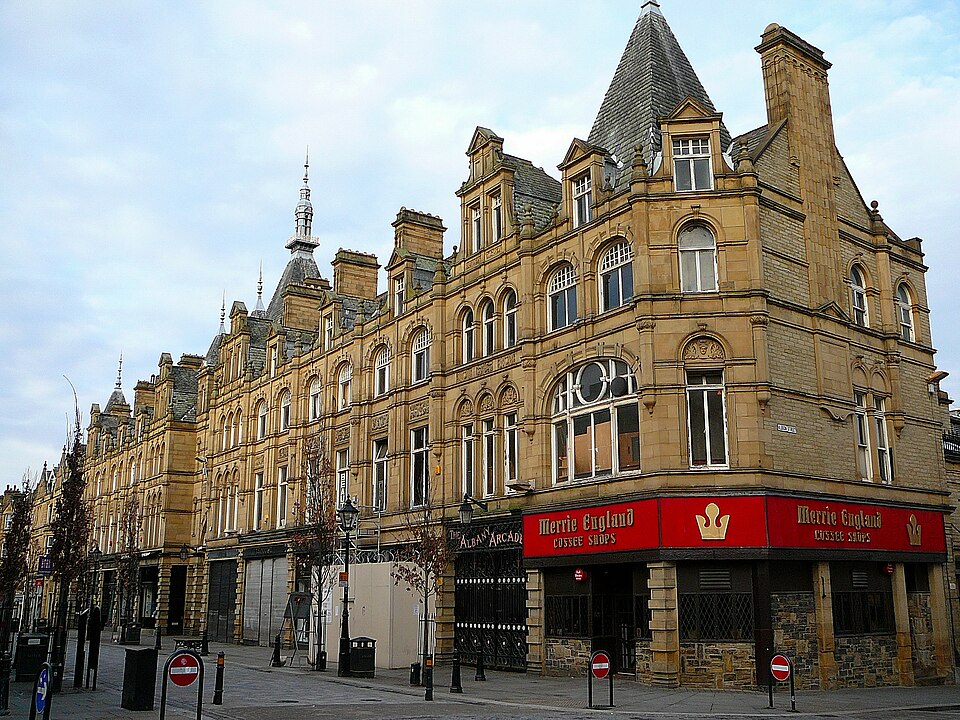
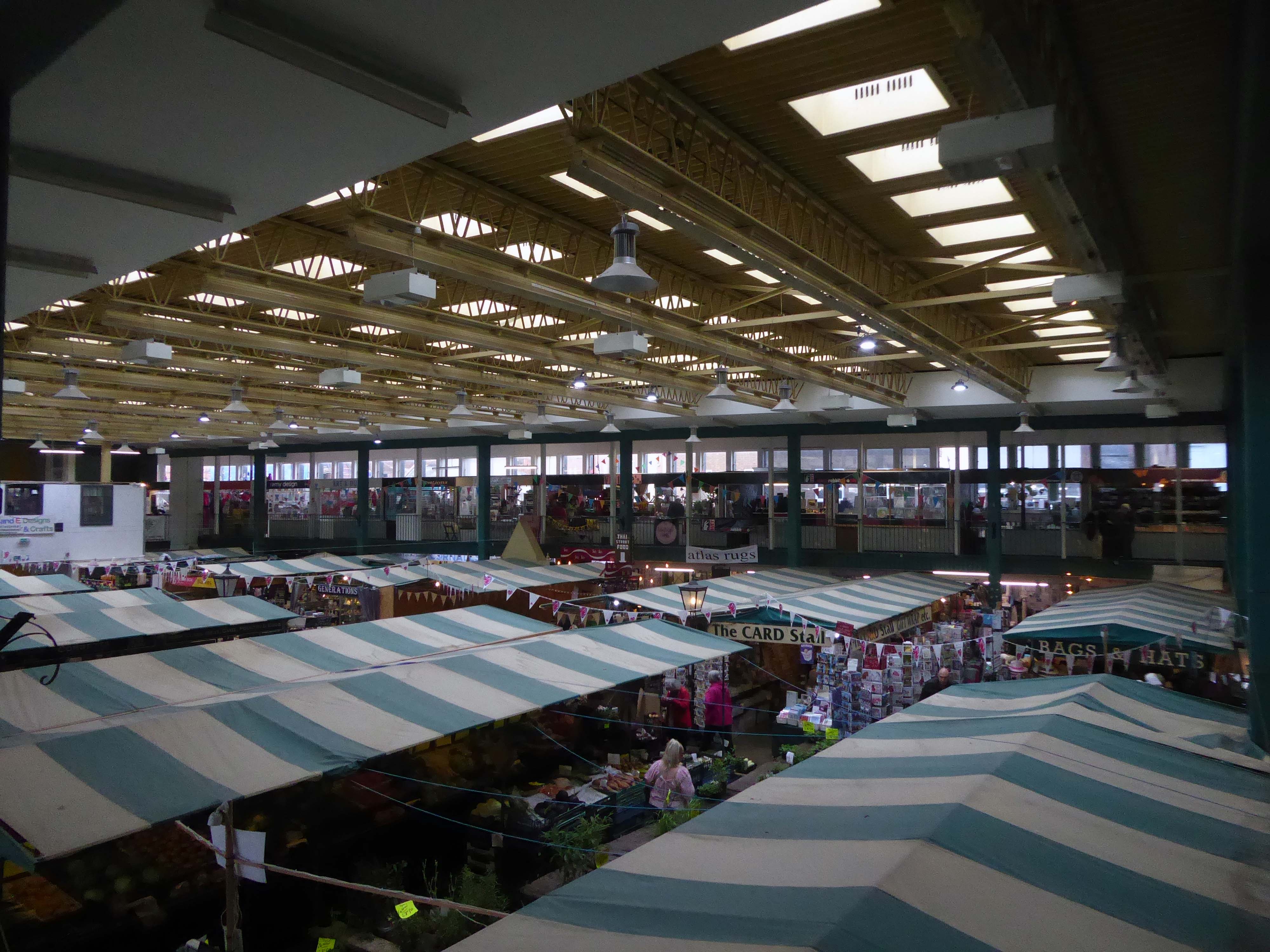
Visiting Halifax Borough Market for the first time feels a bit like taking a step back in time. This award-winning market was first opened in 1896 and has been the beating heart of the town ever since. Its Victorian splendour can be seen throughout – on the ornate clock-tower, in the glass roof and on the intricate carvings. Décor and atmosphere combine to create a shopping experience that just cannot be matched.
Calderdale Gov
The Markets and Fairs Committee decided in 1890 to replace the overflowing market place with a new structure. Local architects Joseph and John Leeming were engaged to draw up plans. A £50,000 loan was obtained by the Corporation the following year, with the final cost rising to £130,000, which was £20,000 over budget. Work began in October 1892 and progressed slowly, until the market was officially opened on 25 July 1896 by the Duke and Duchess of York, who later became King George V and Queen Mary.
The life of the market along with the high street faces an uncertain future, the local authority are doing their best to ensure that both have a future.
Through UK Government funding, we’re updating this iconic Victorian market. We’re creating a warmer and more welcoming place for people to shop, eat, drink and spend time.
I have very fond memories of shopping with my mam on Ashton Market, and use my local market here in Stockport. I love the conviviality and the stimulating visual displays, the overcrowded abundance, a florid cornucopia of goods and services.
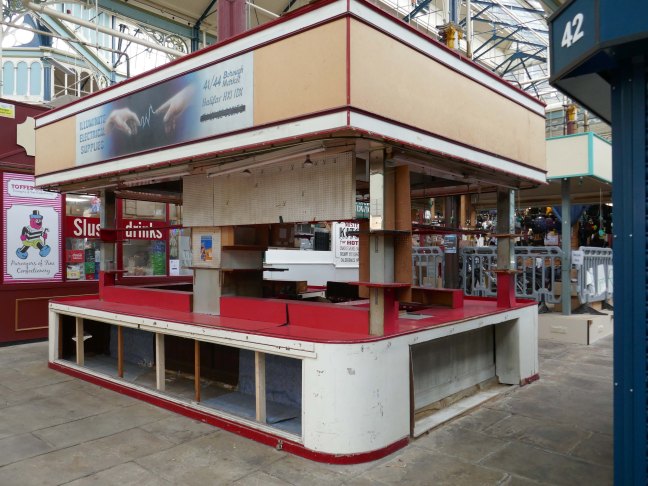
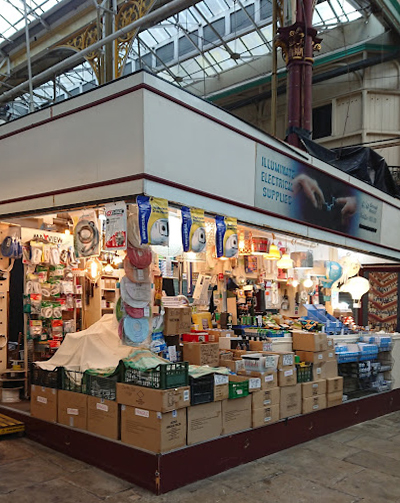
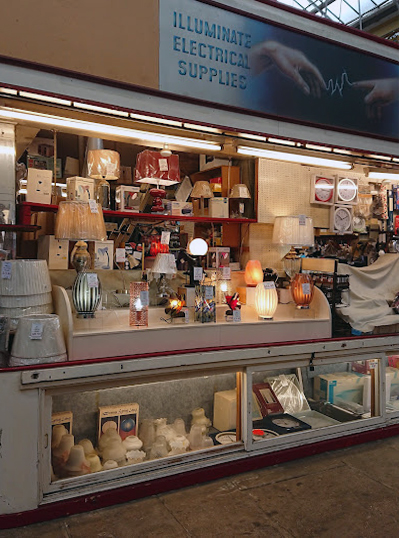
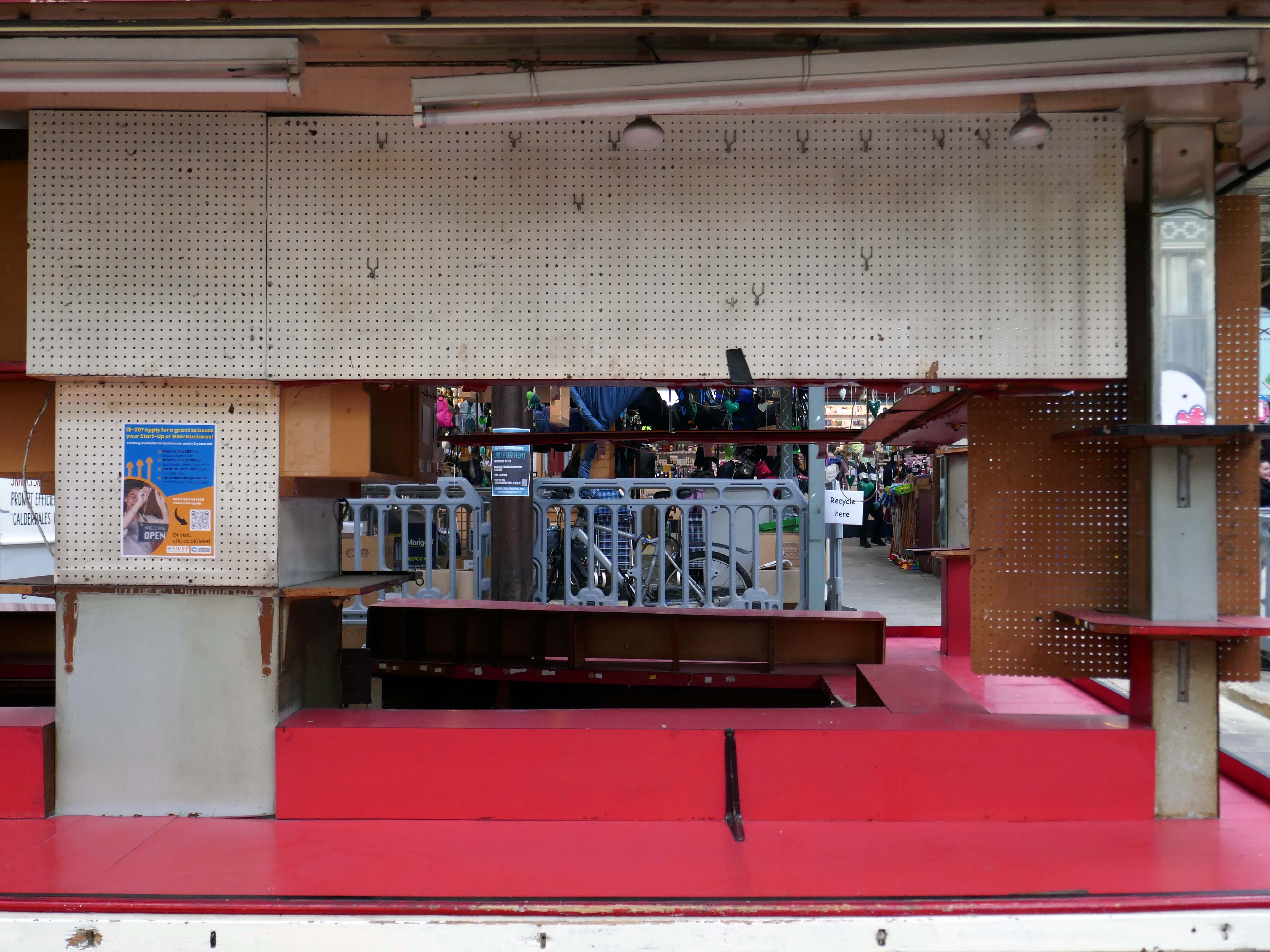
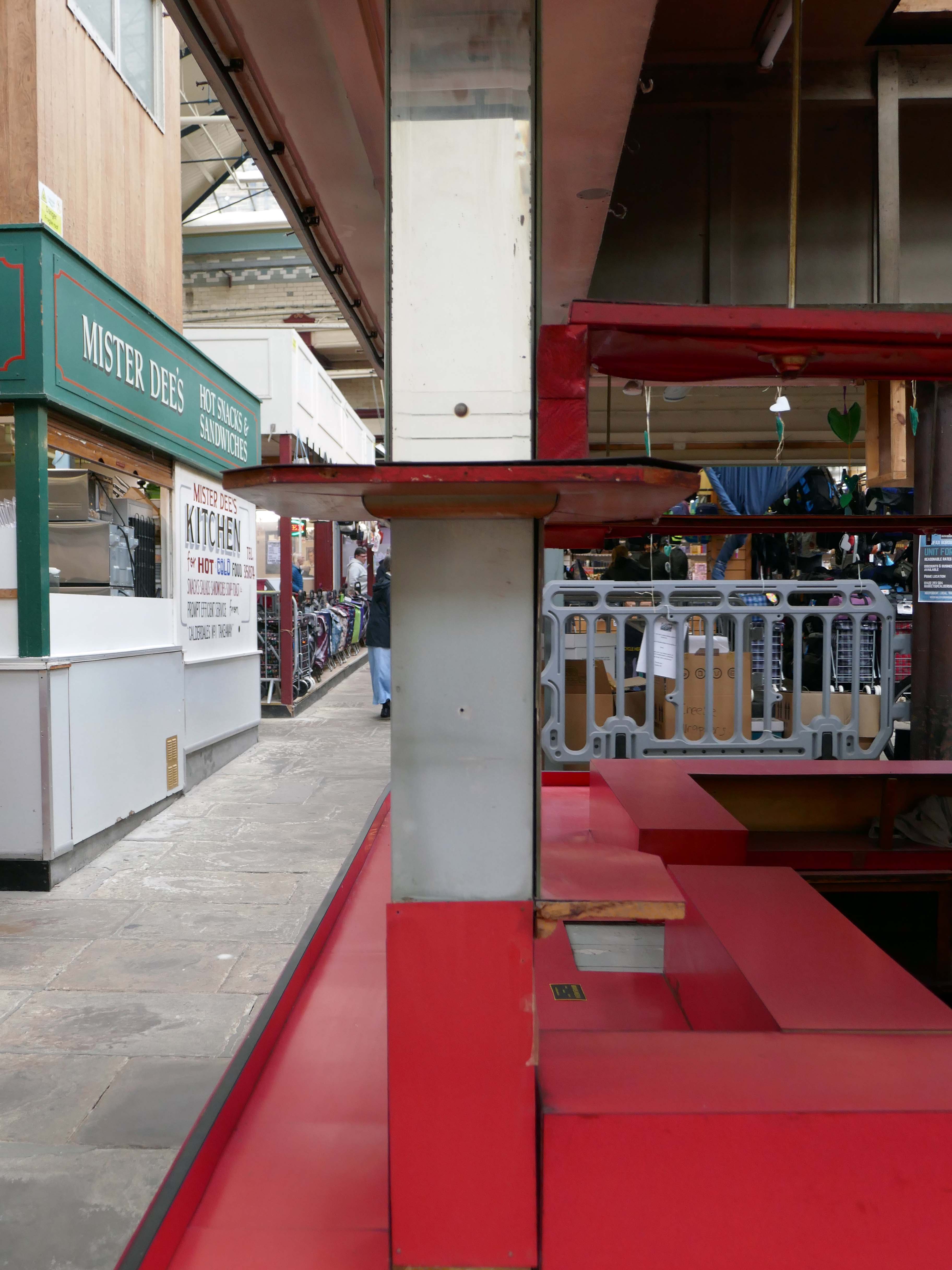
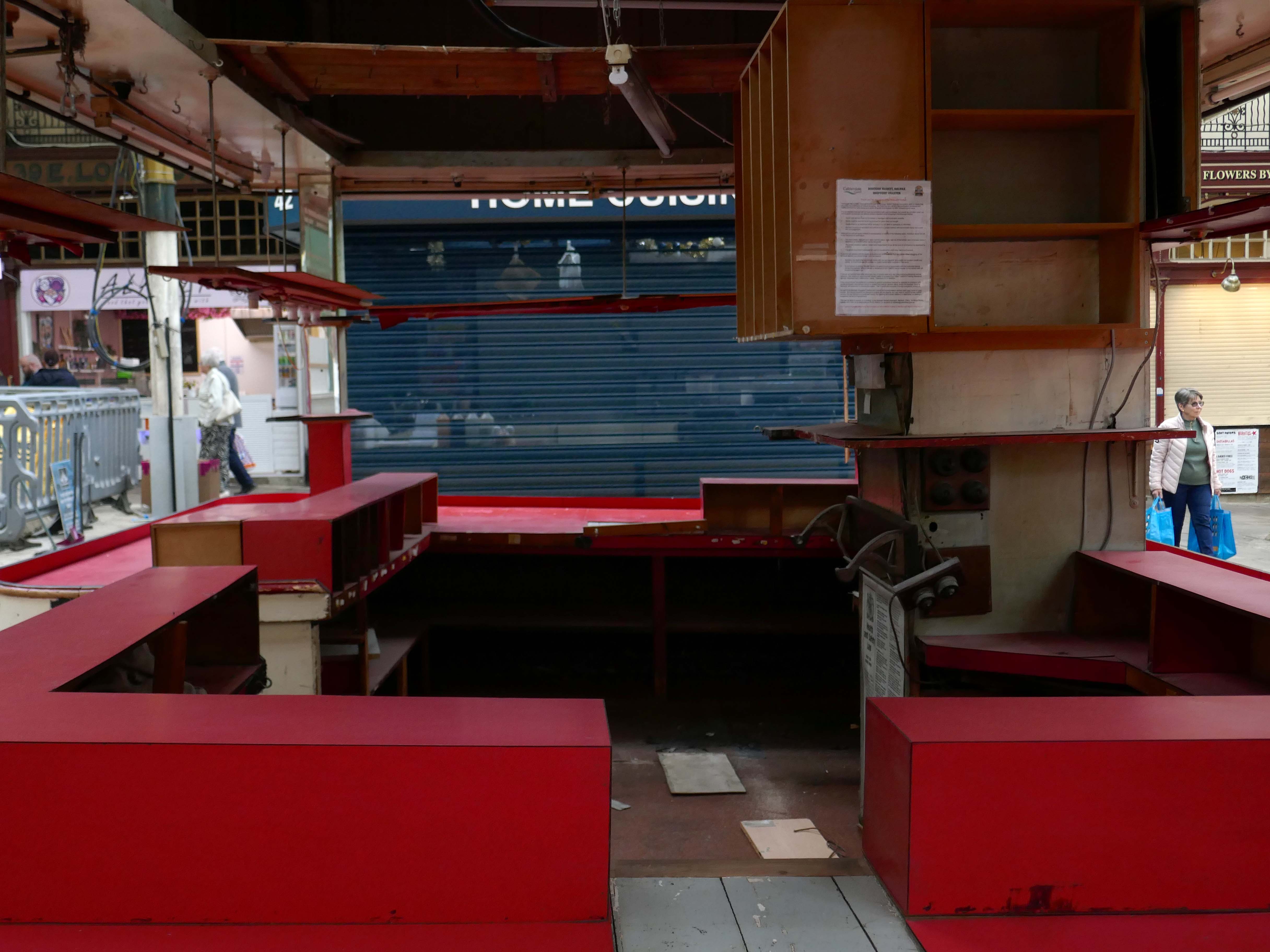
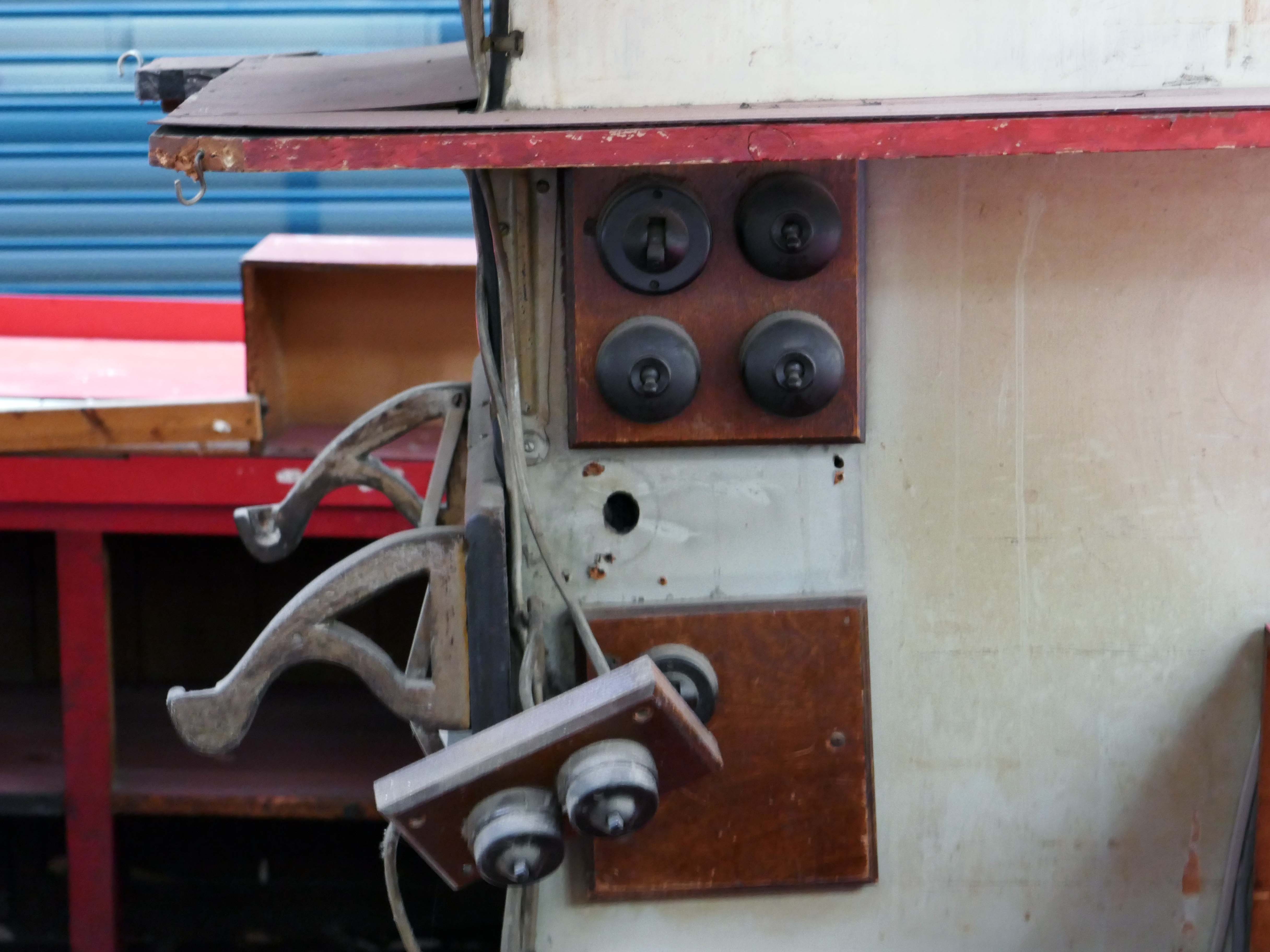
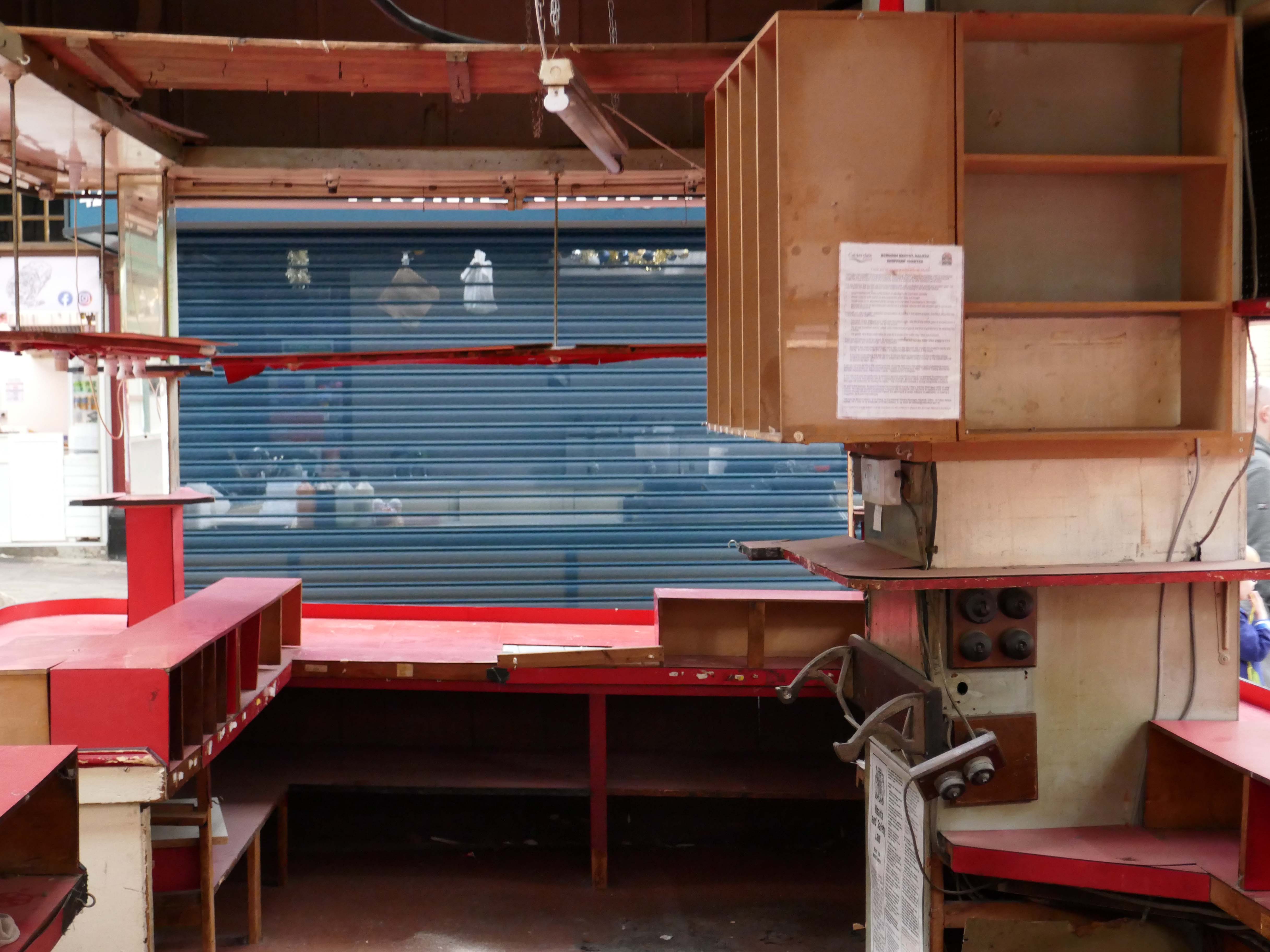
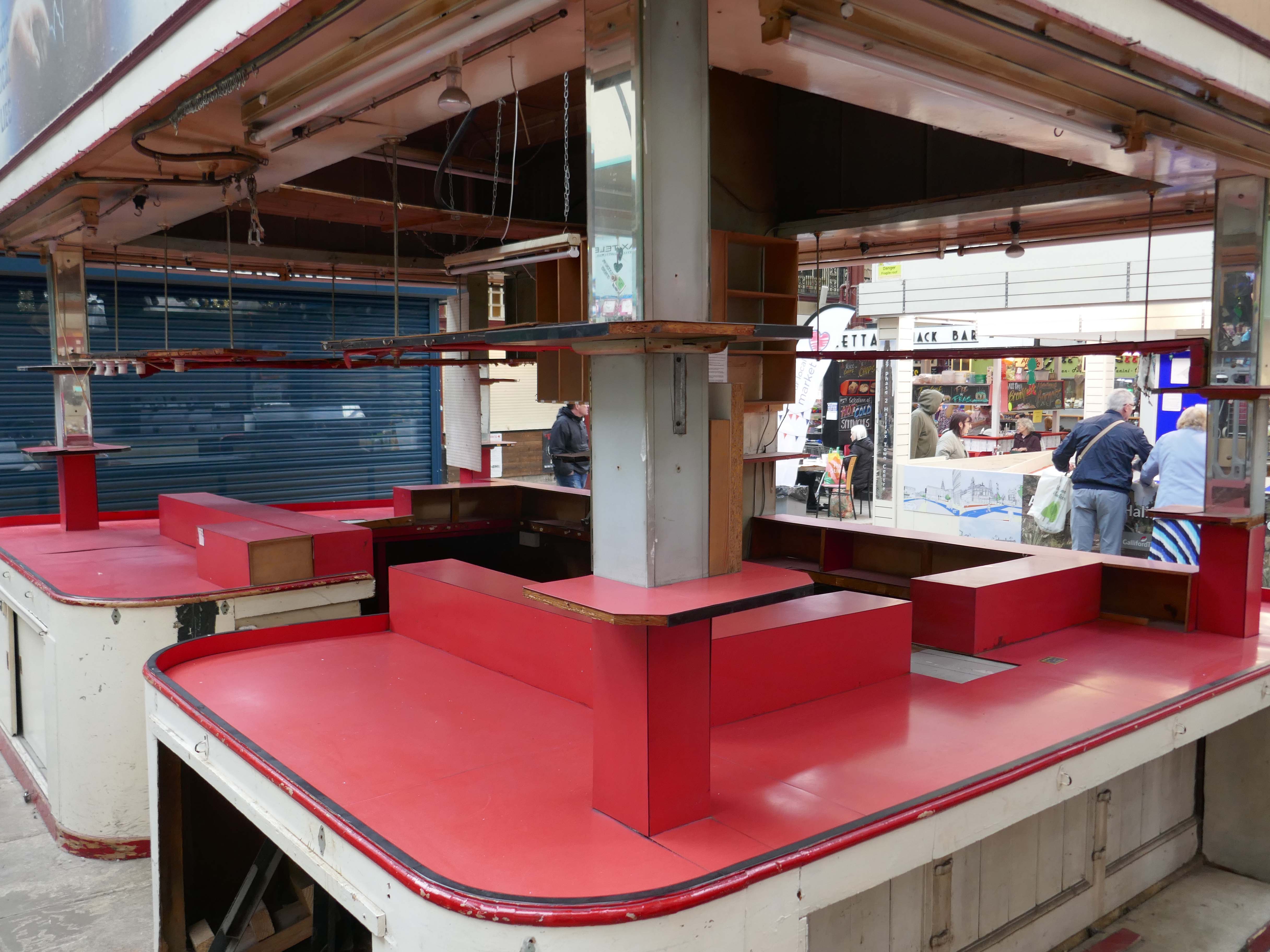
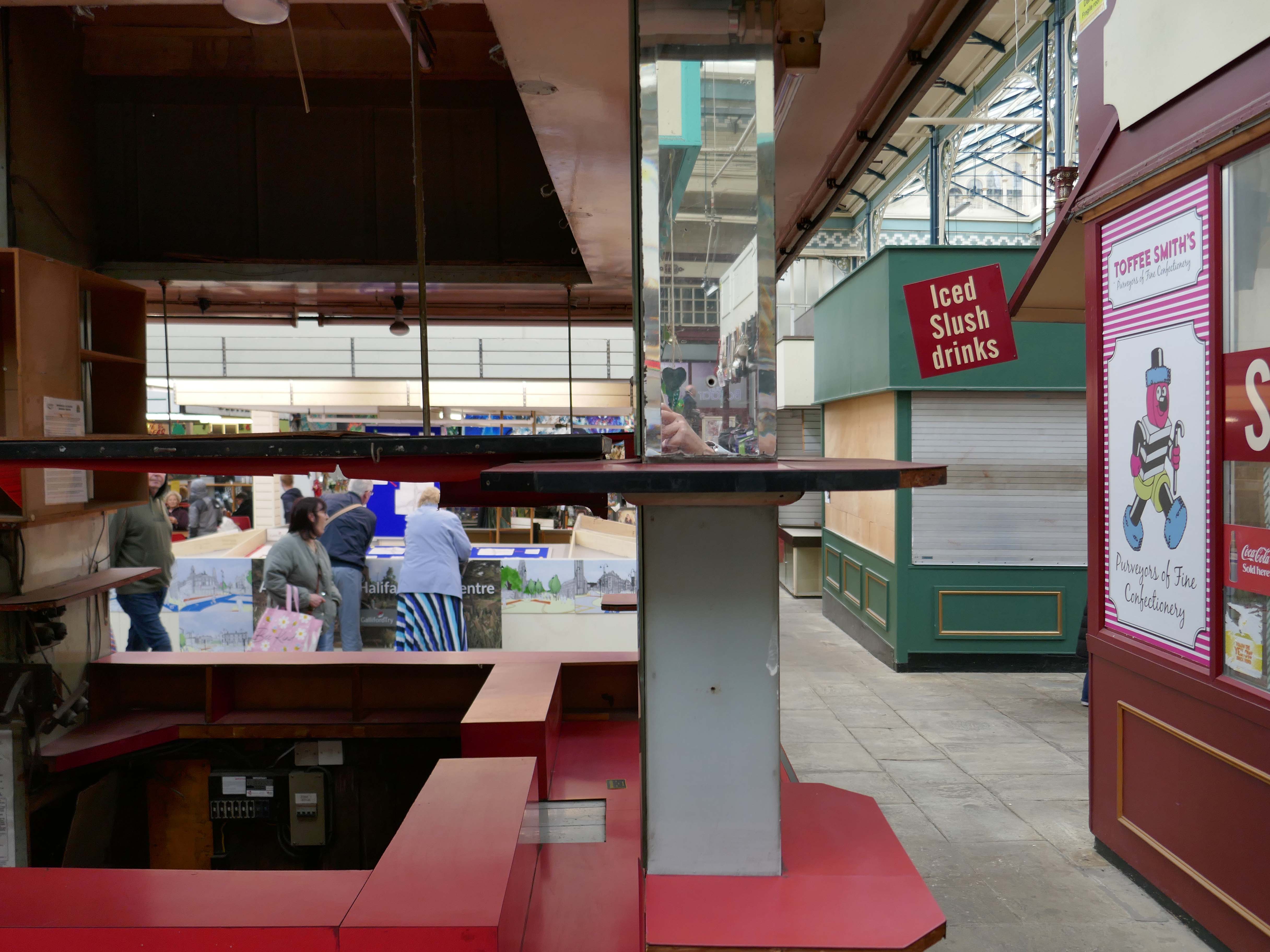
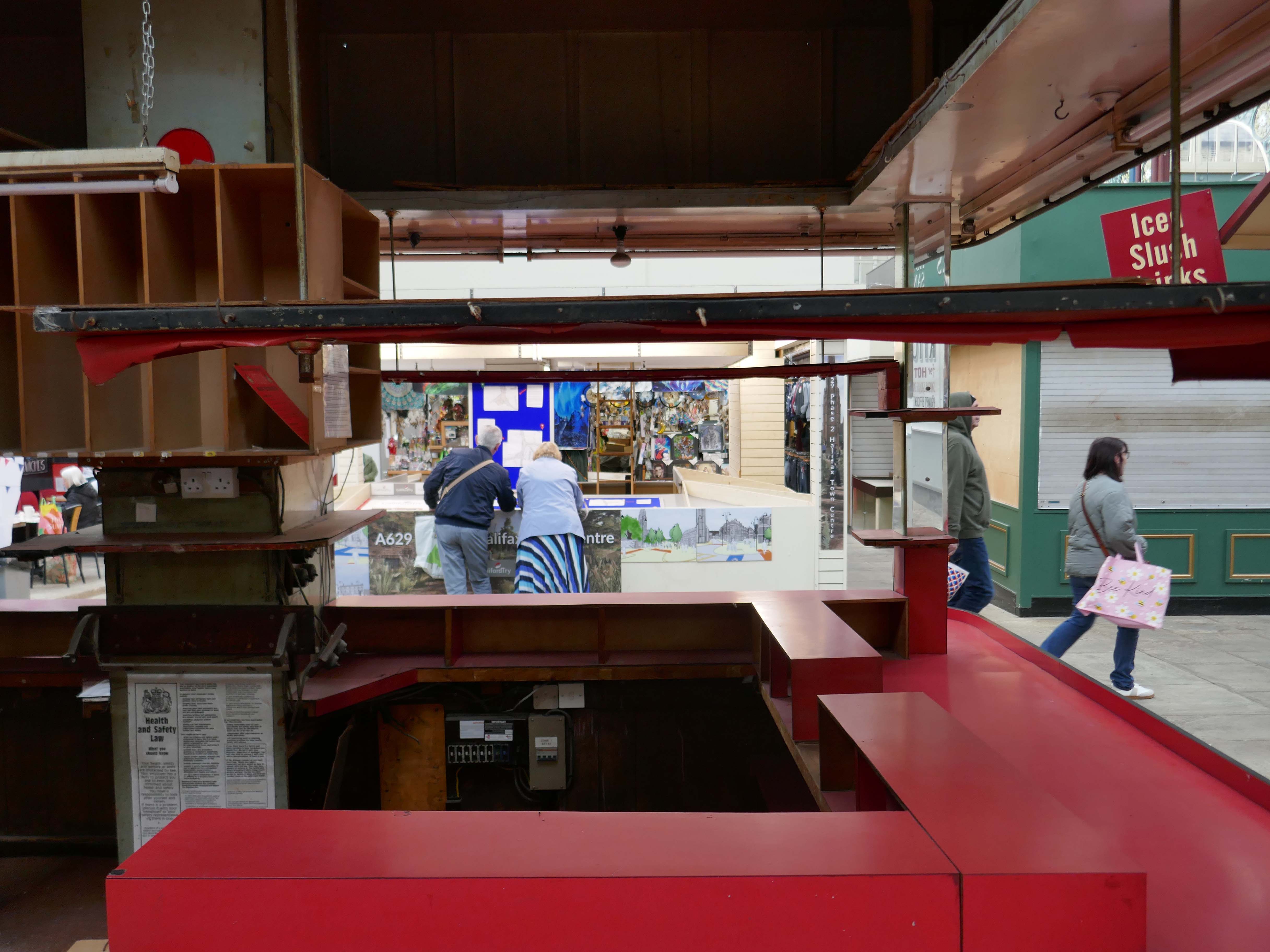
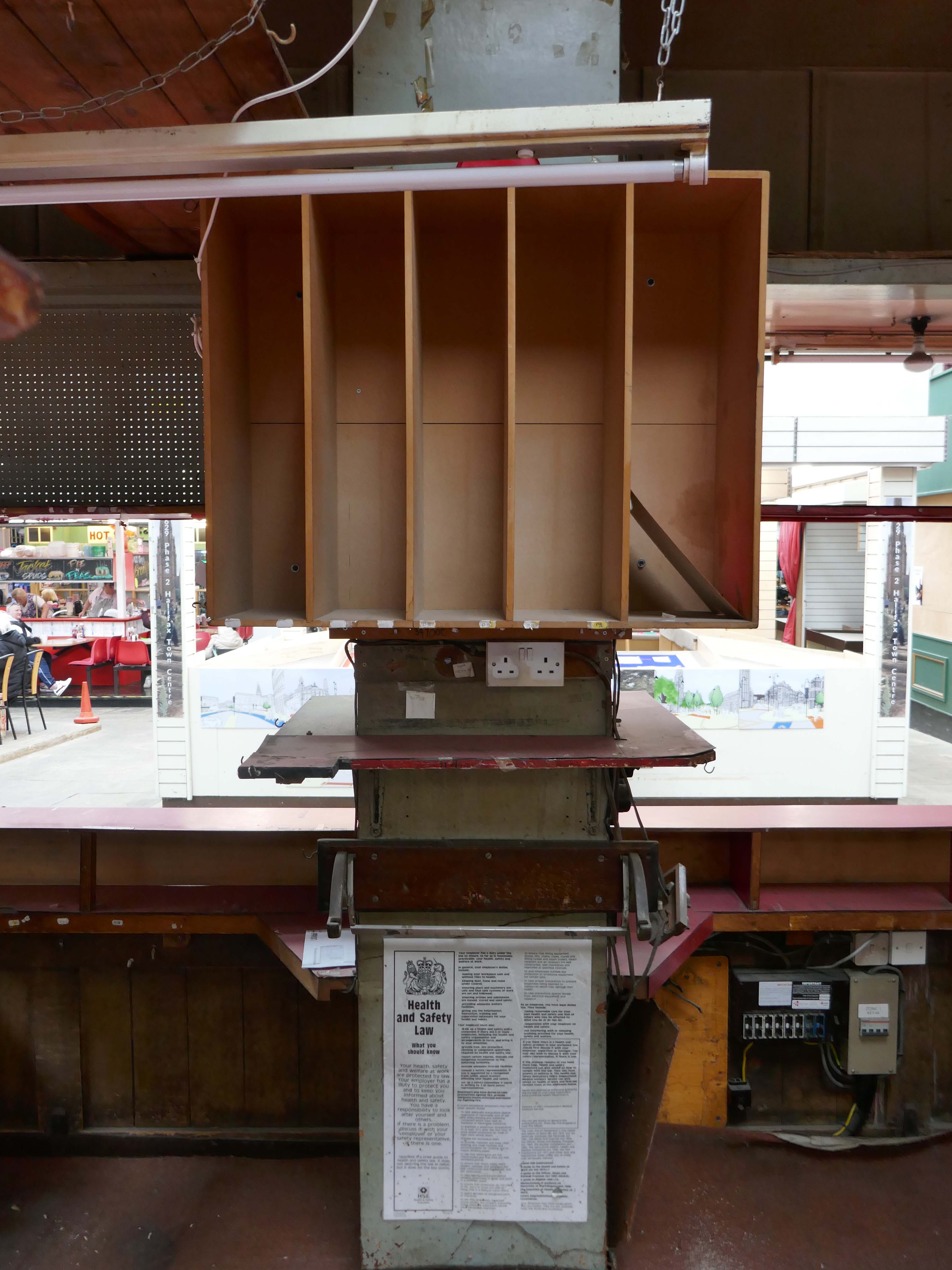
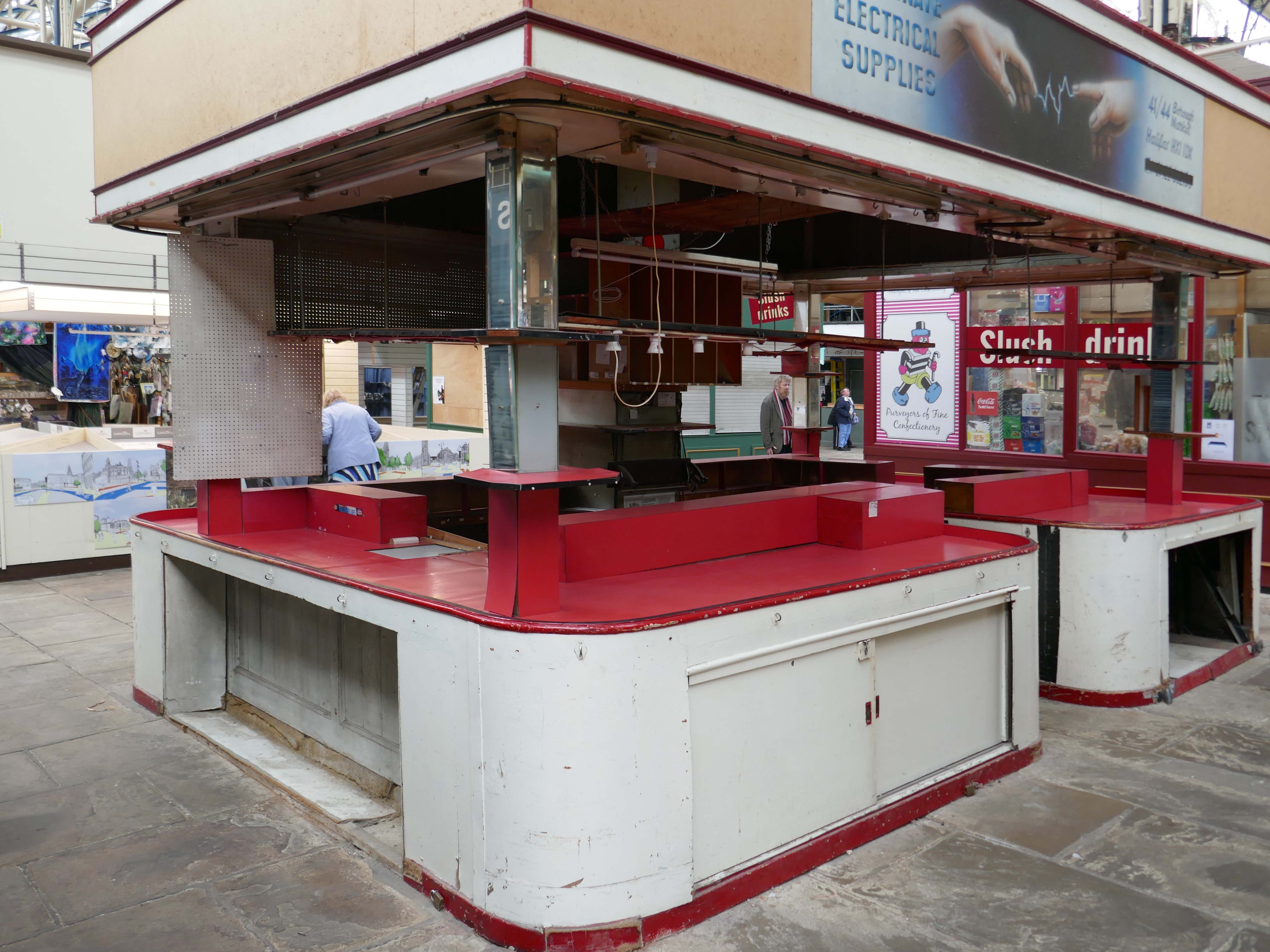
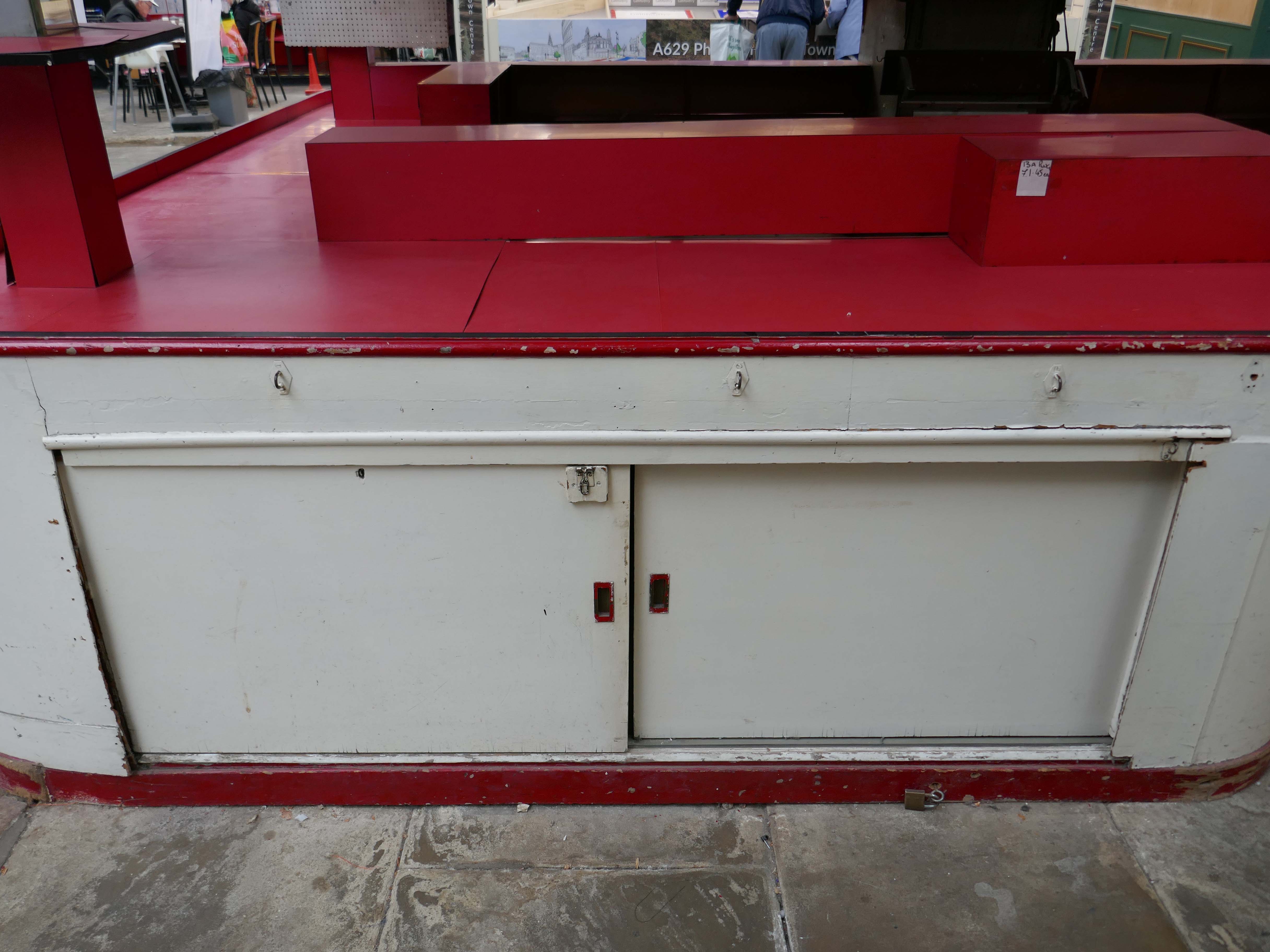
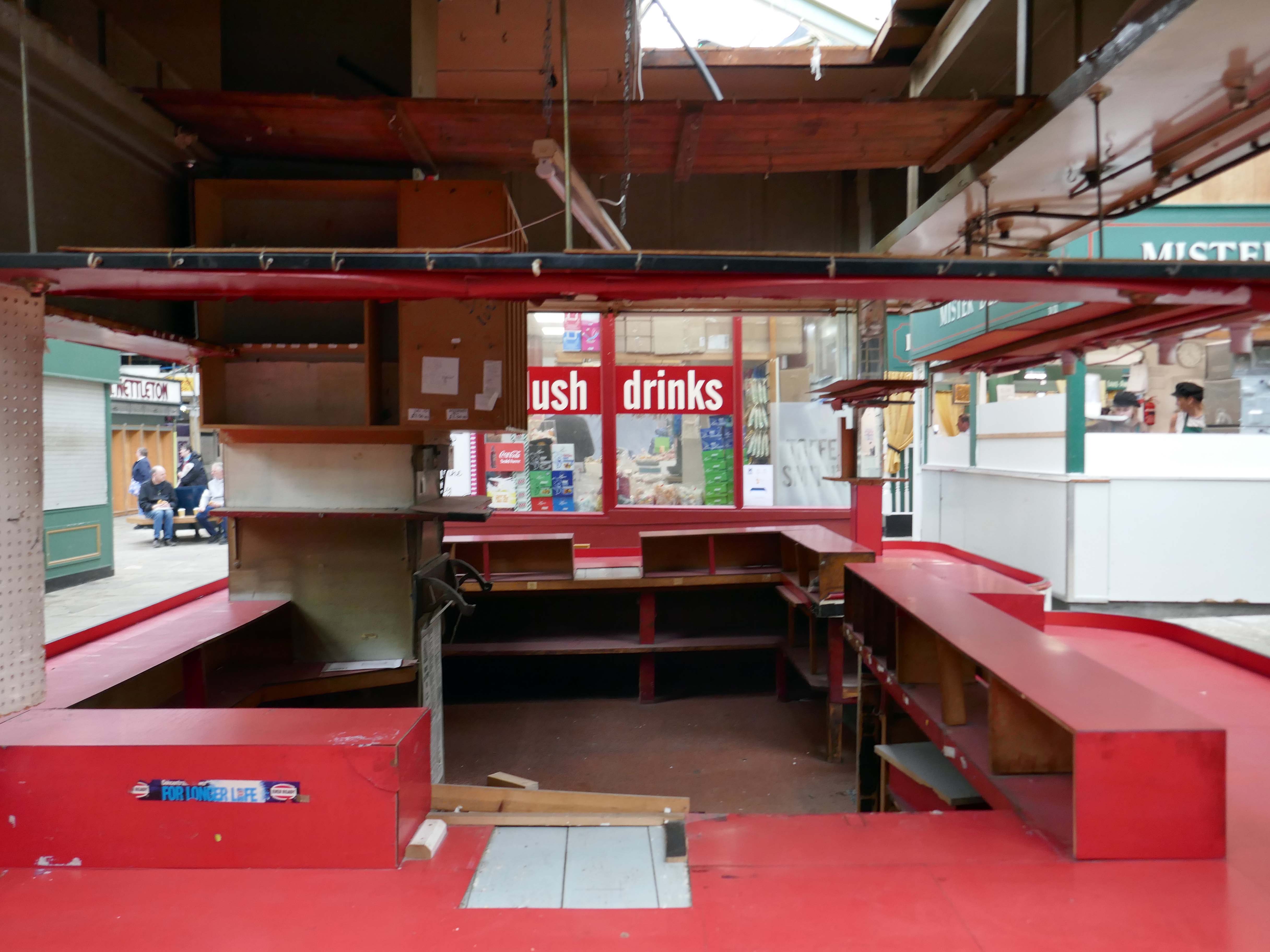
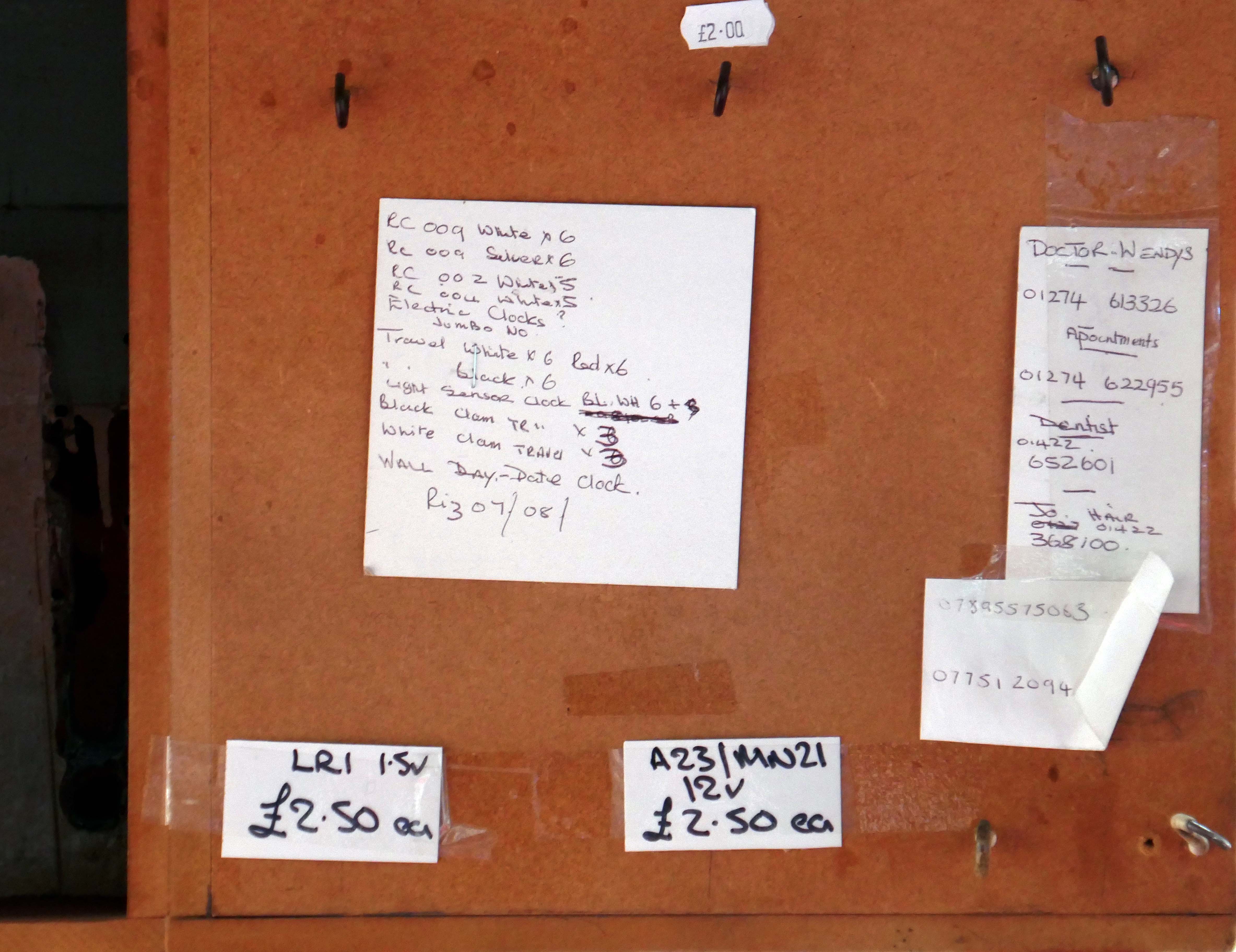
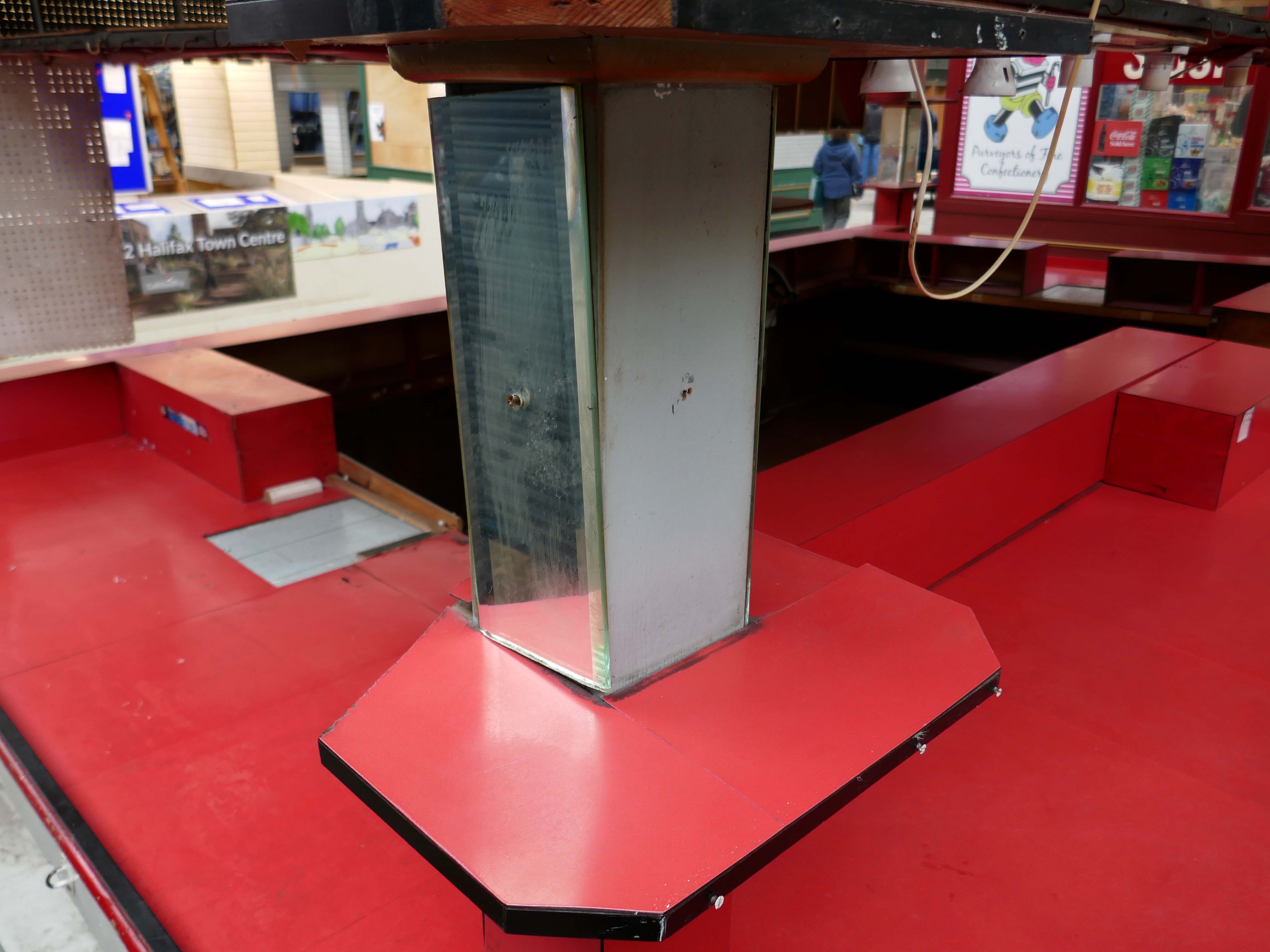
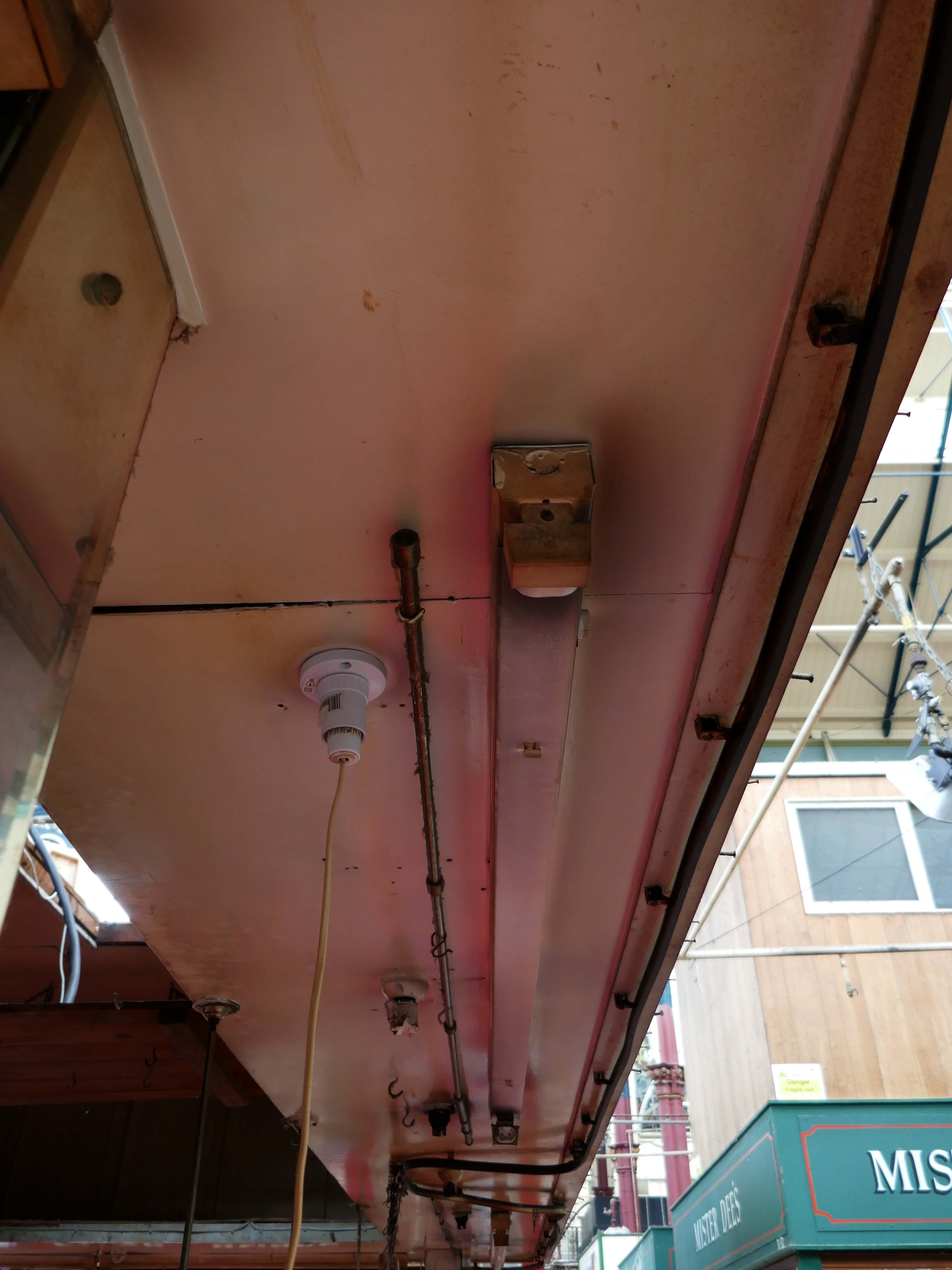
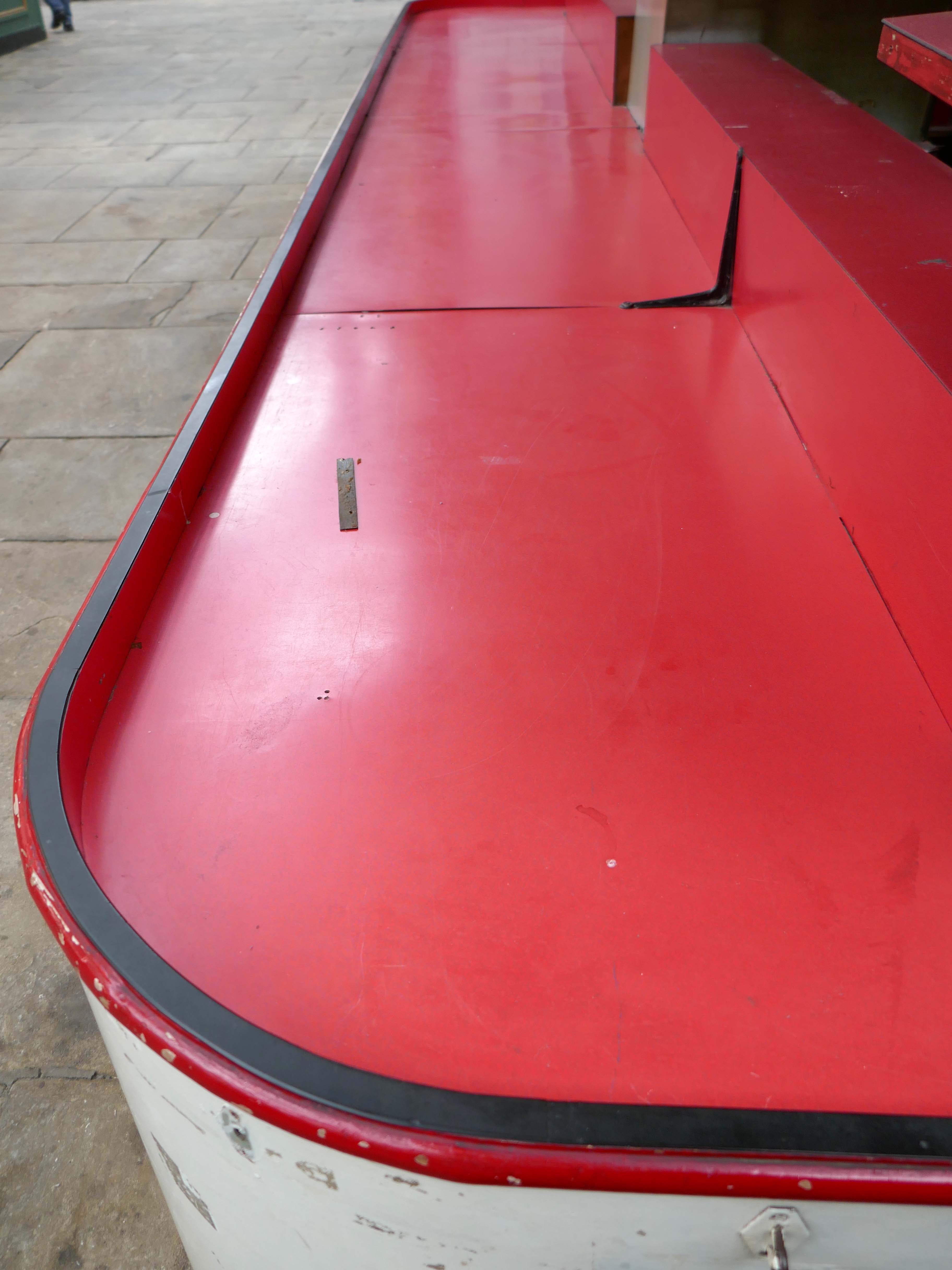
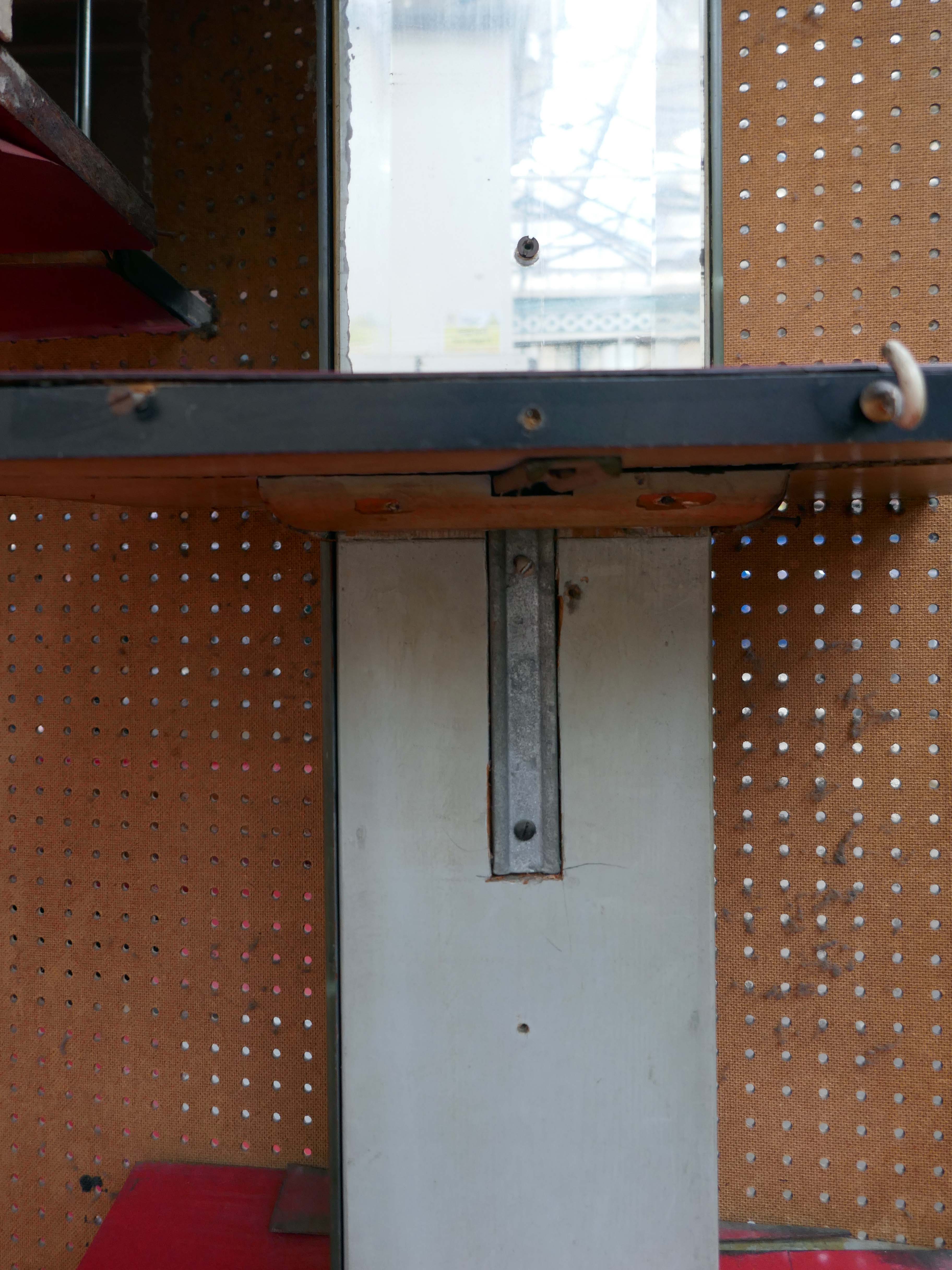
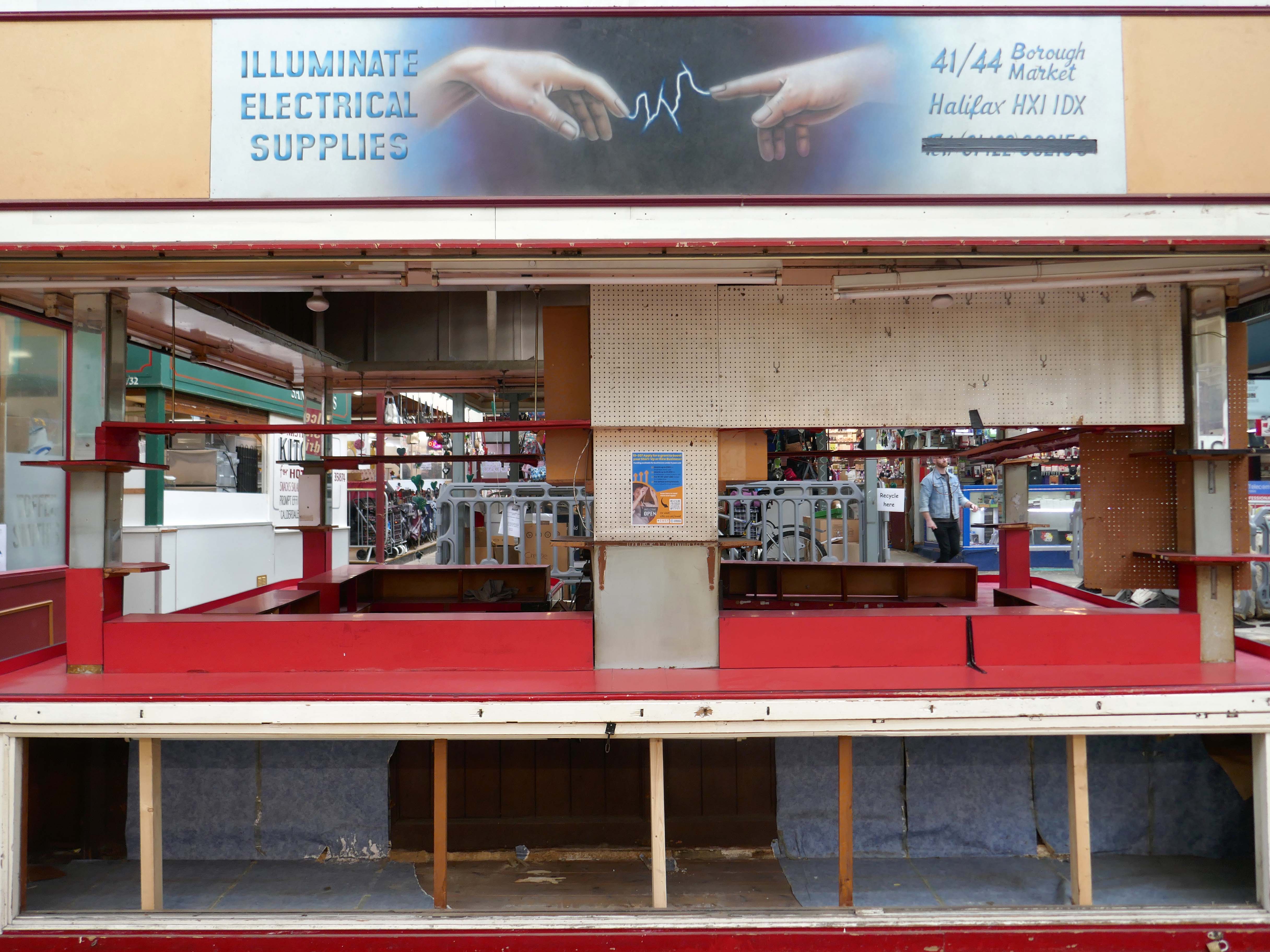
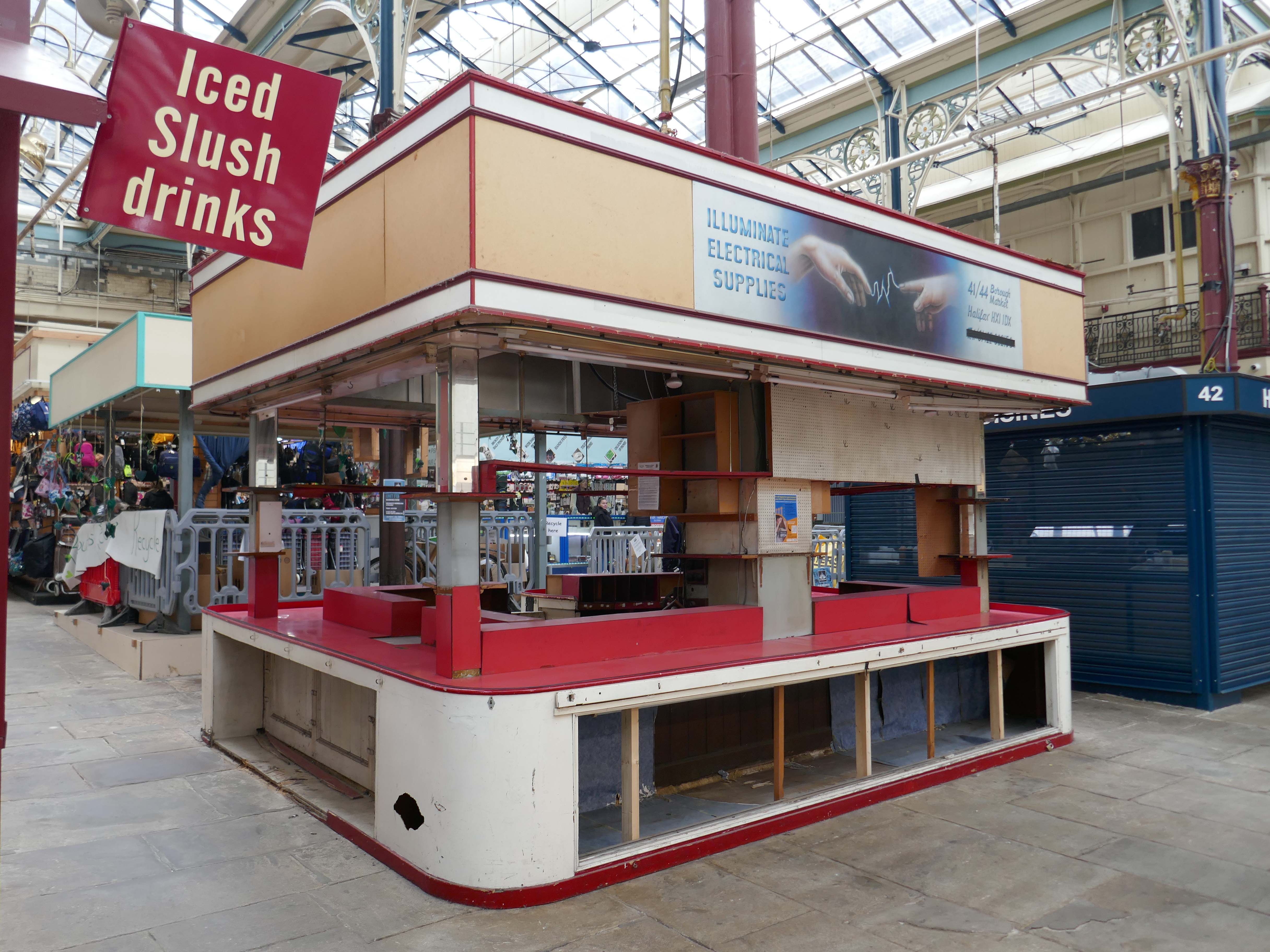
However, in this instance I was beguiled by an empty stall, the former home of Illuminate Electrical Supplies.
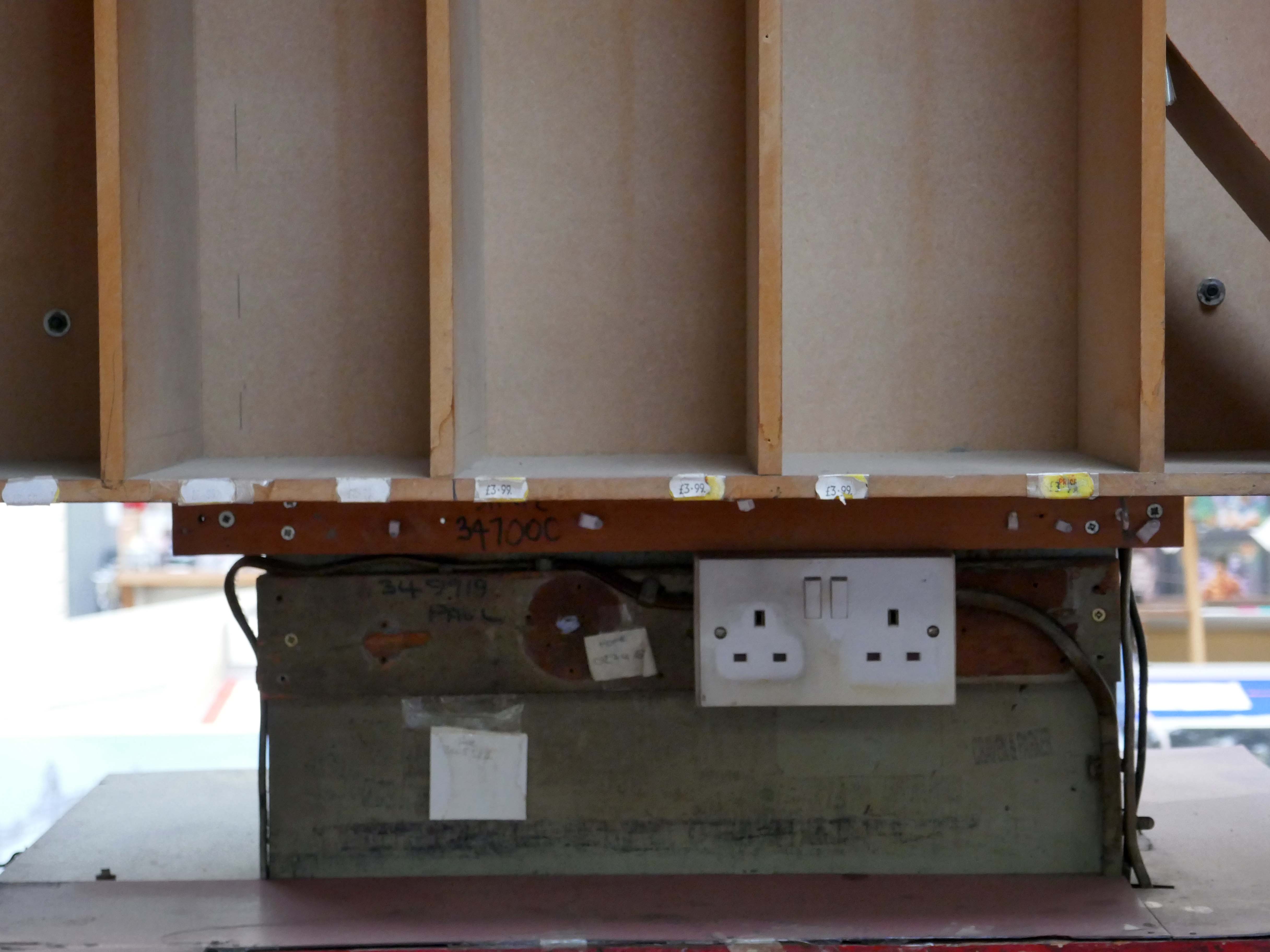
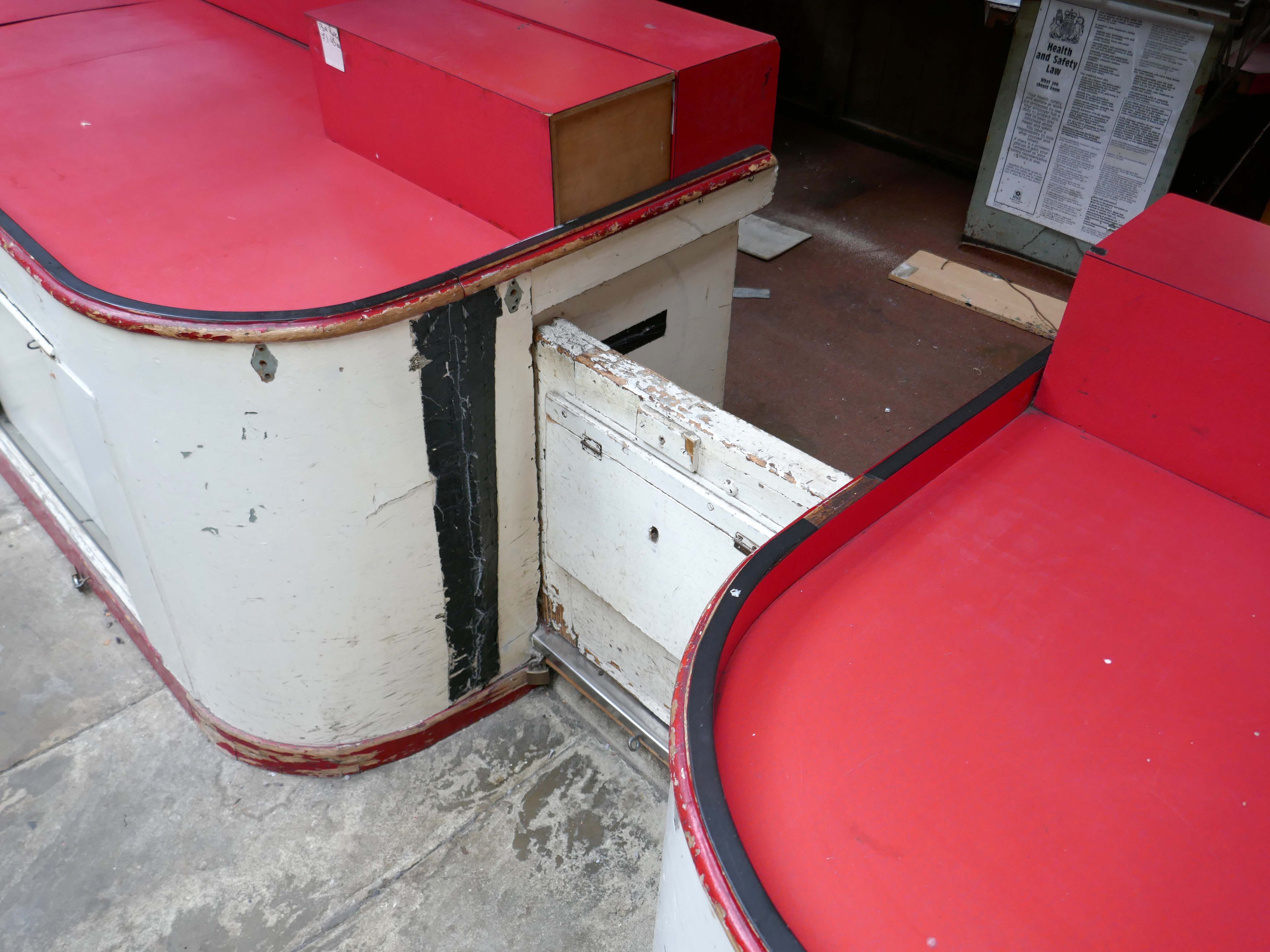
Gone now are the rich variety of shades, plugs, flexes, batteries and lamps, what remains are the bare bones of making do.
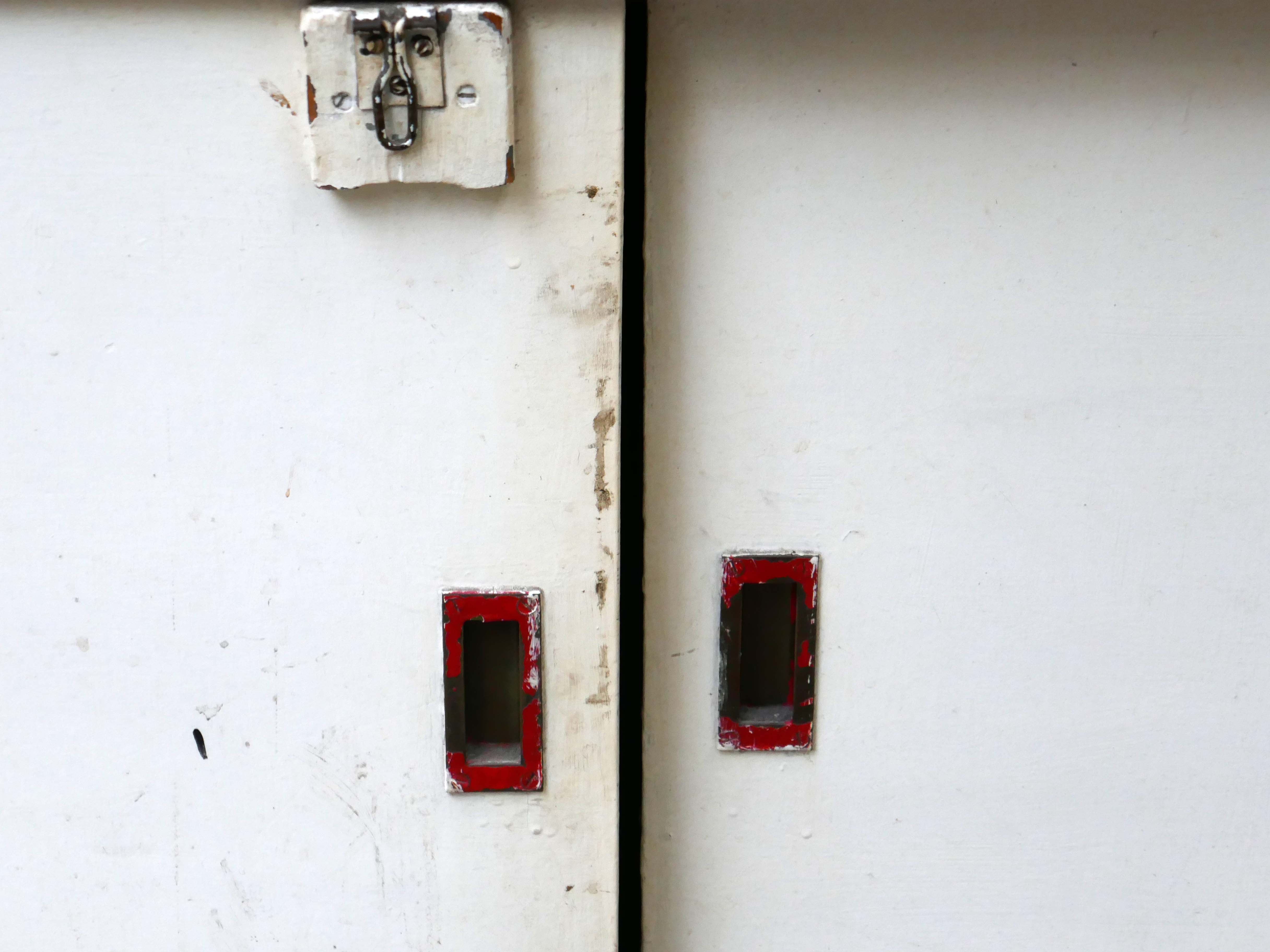
Odds and ends, fixtures and fittings, fitted in as and when.
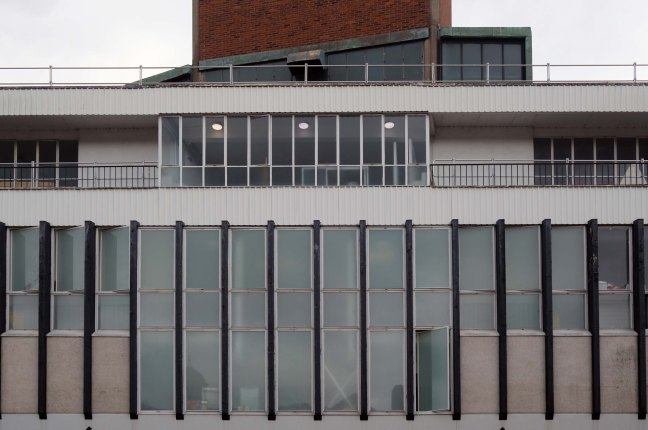
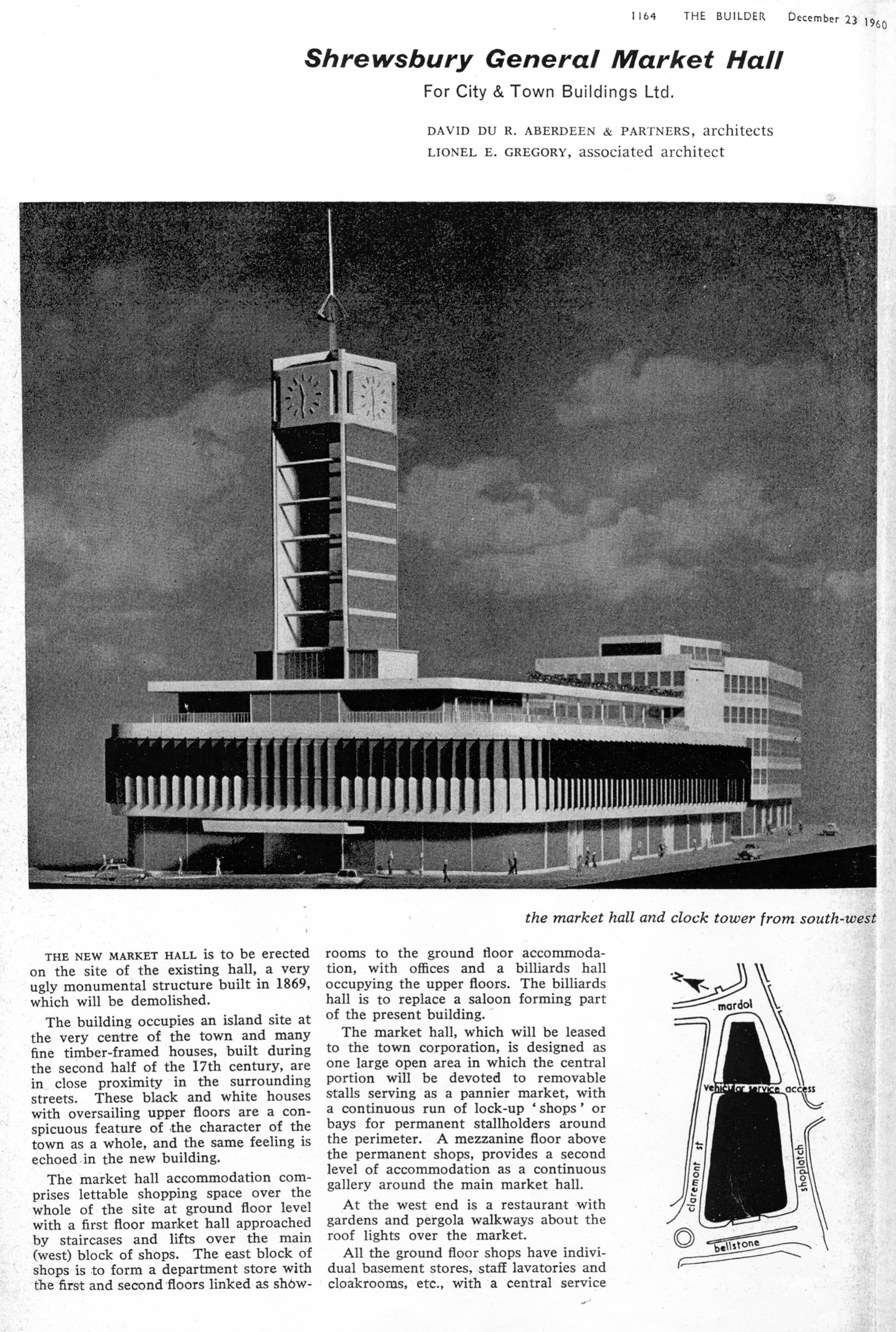
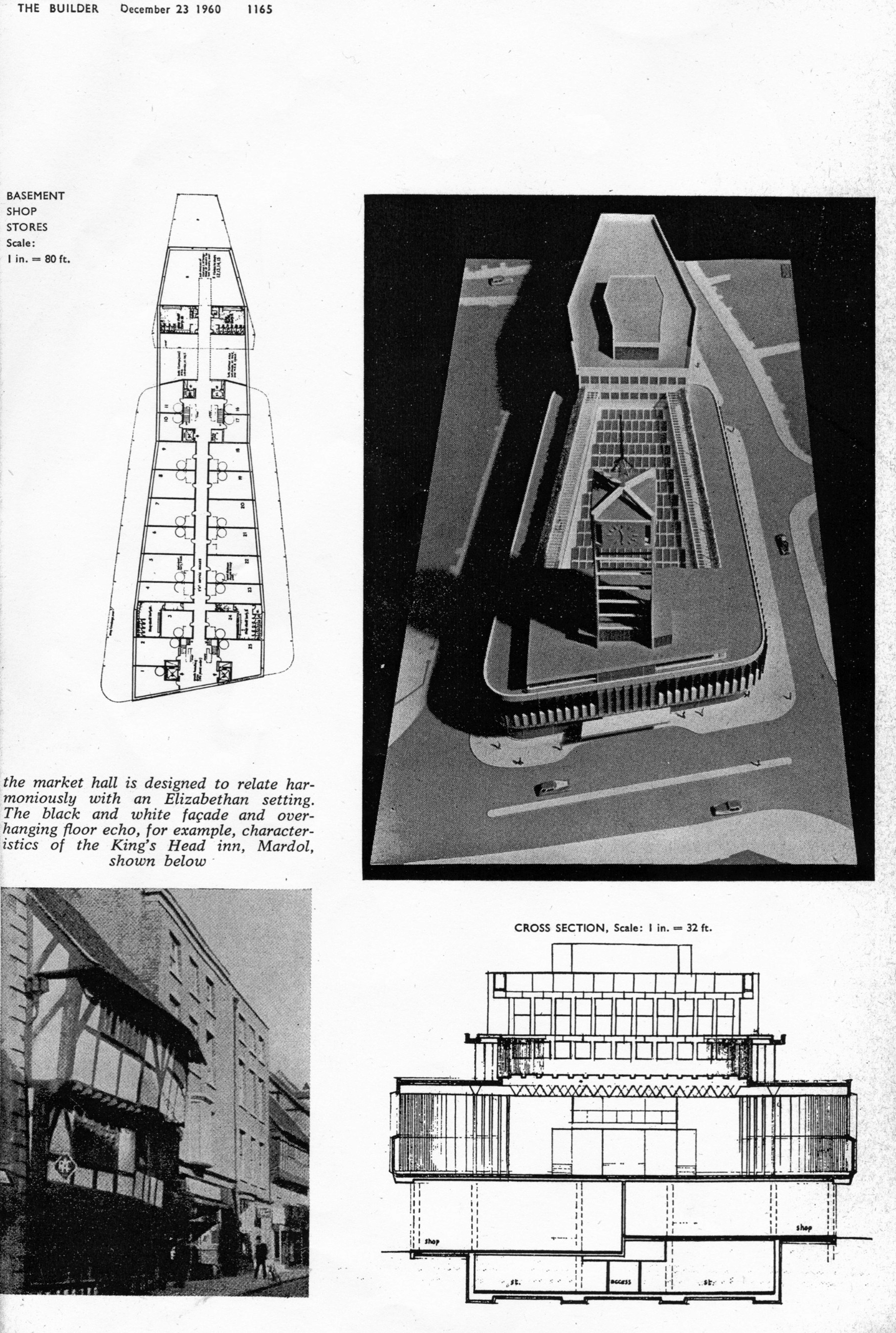
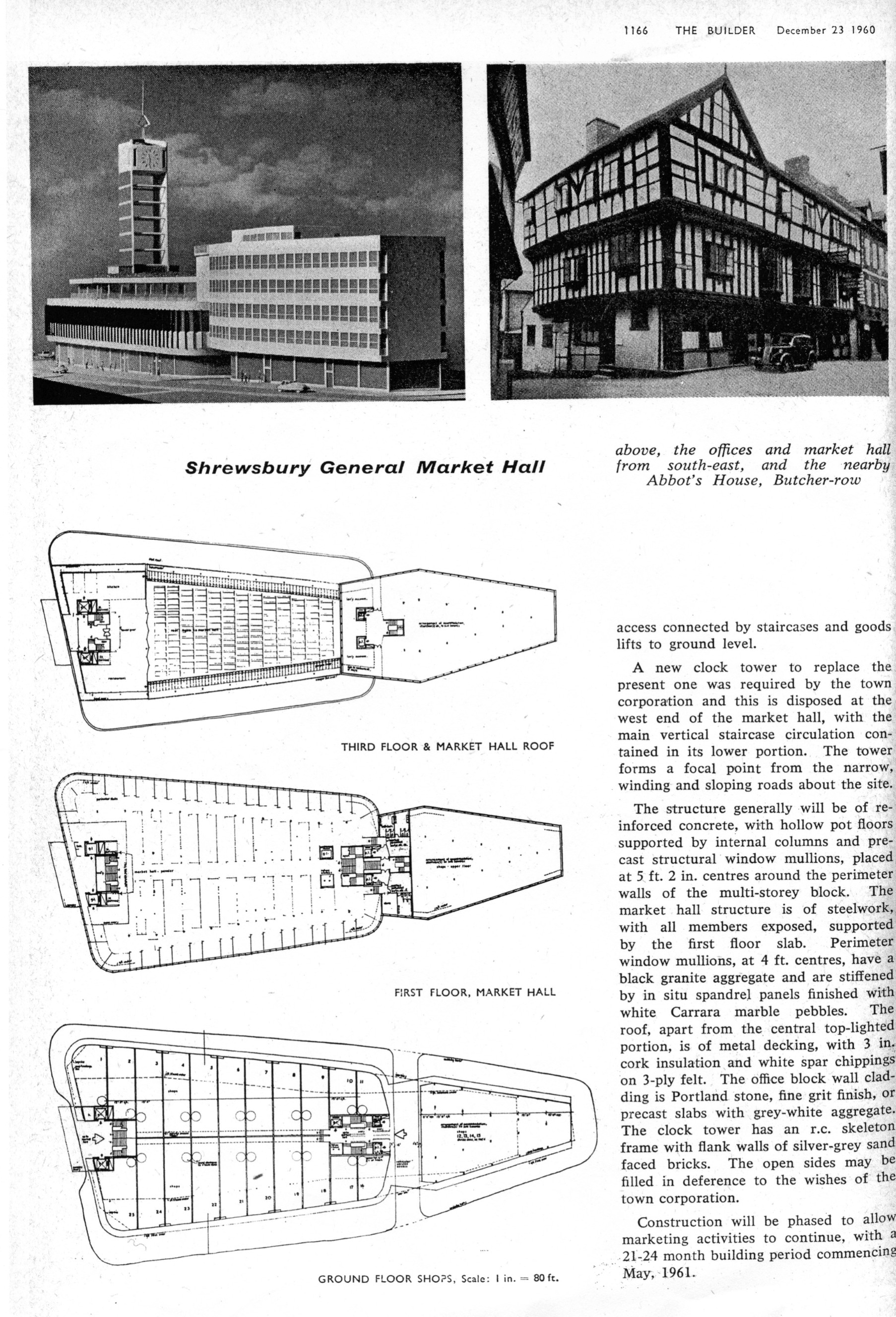
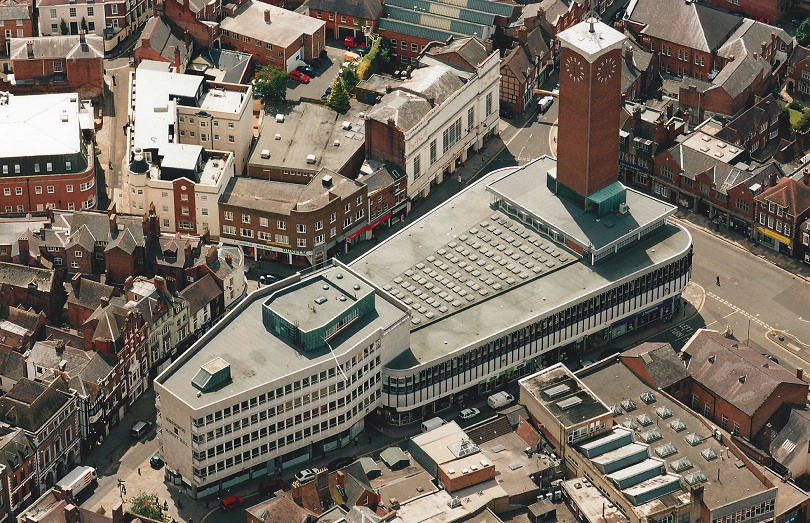
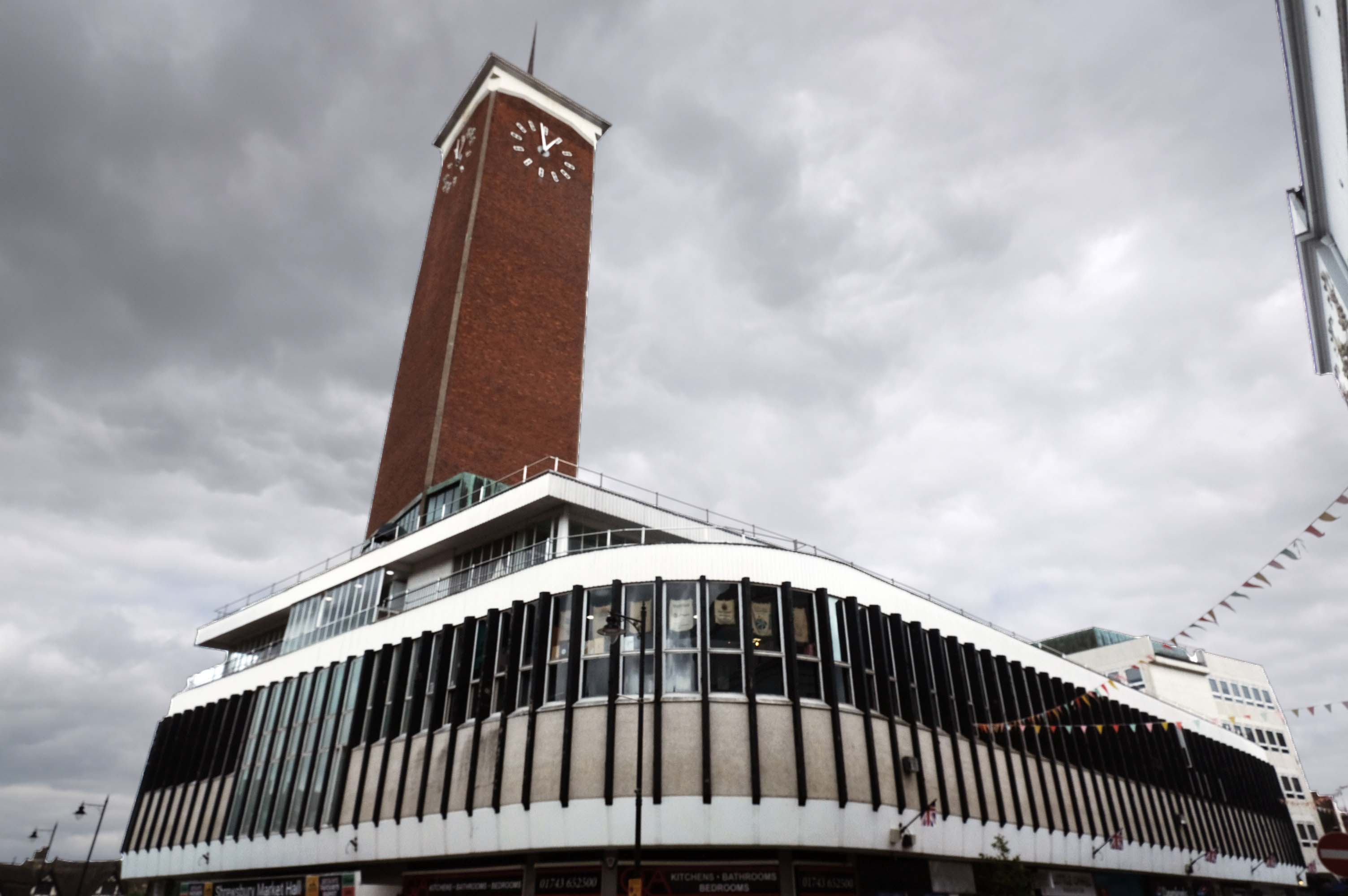
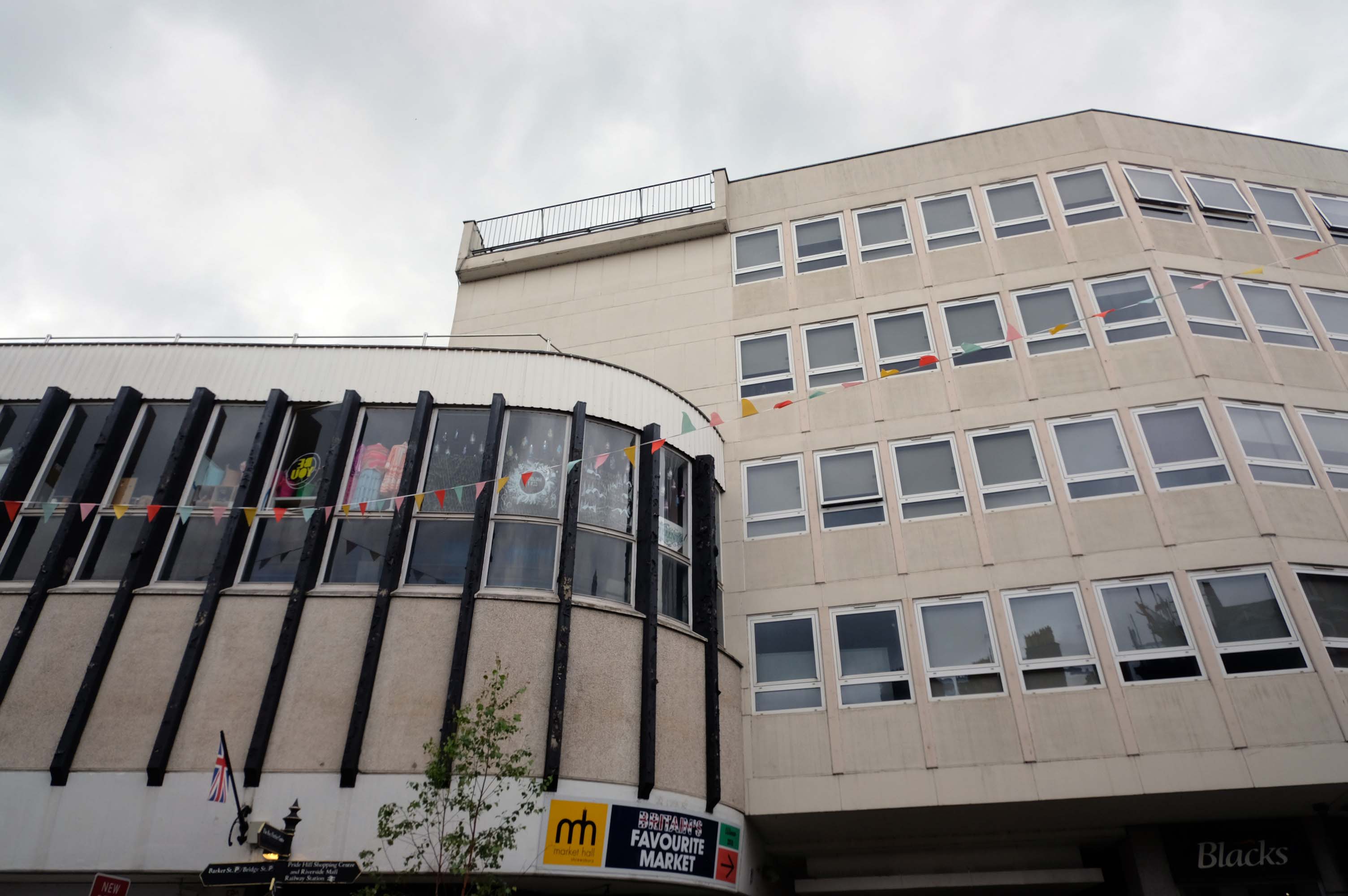
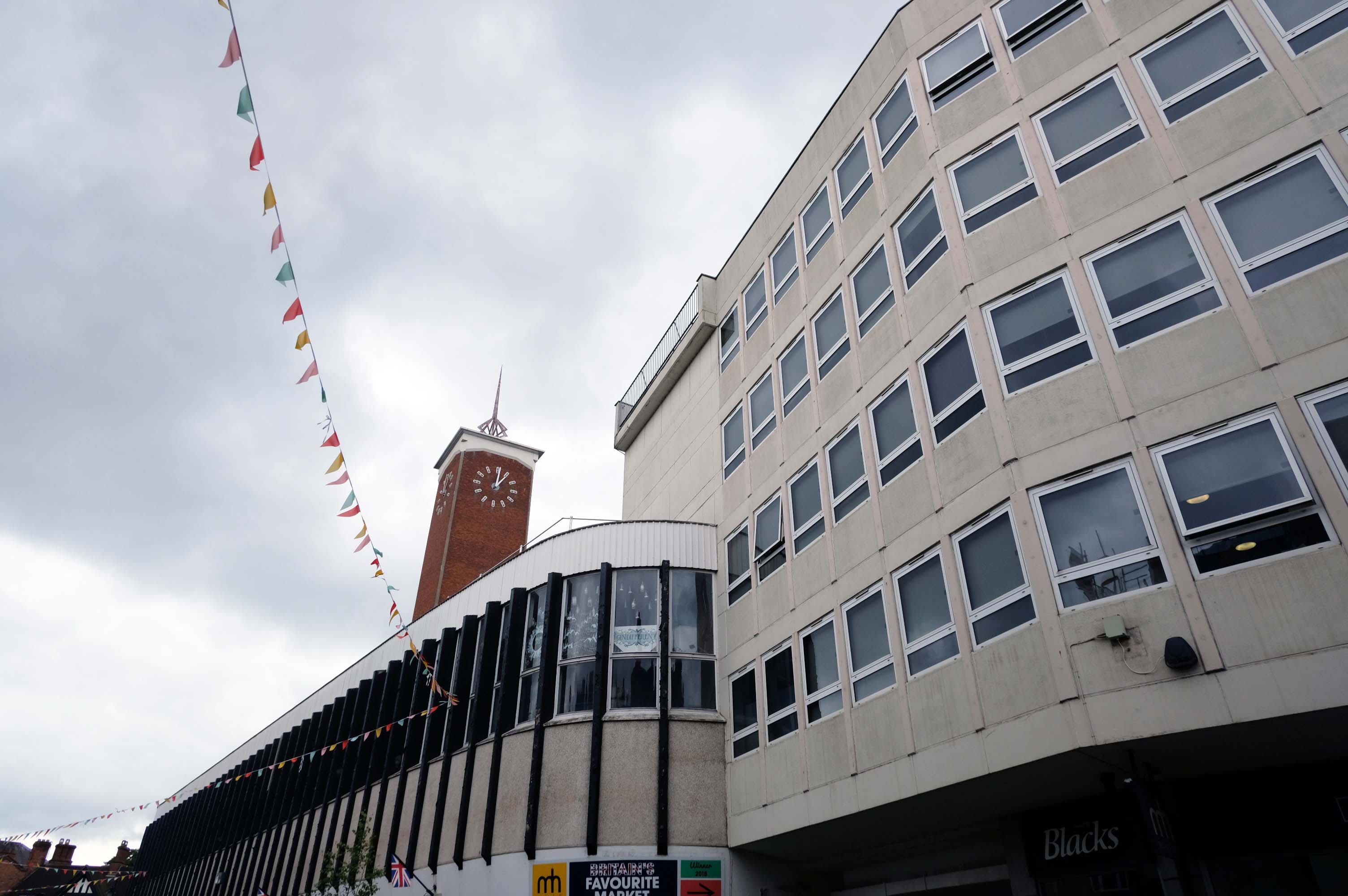
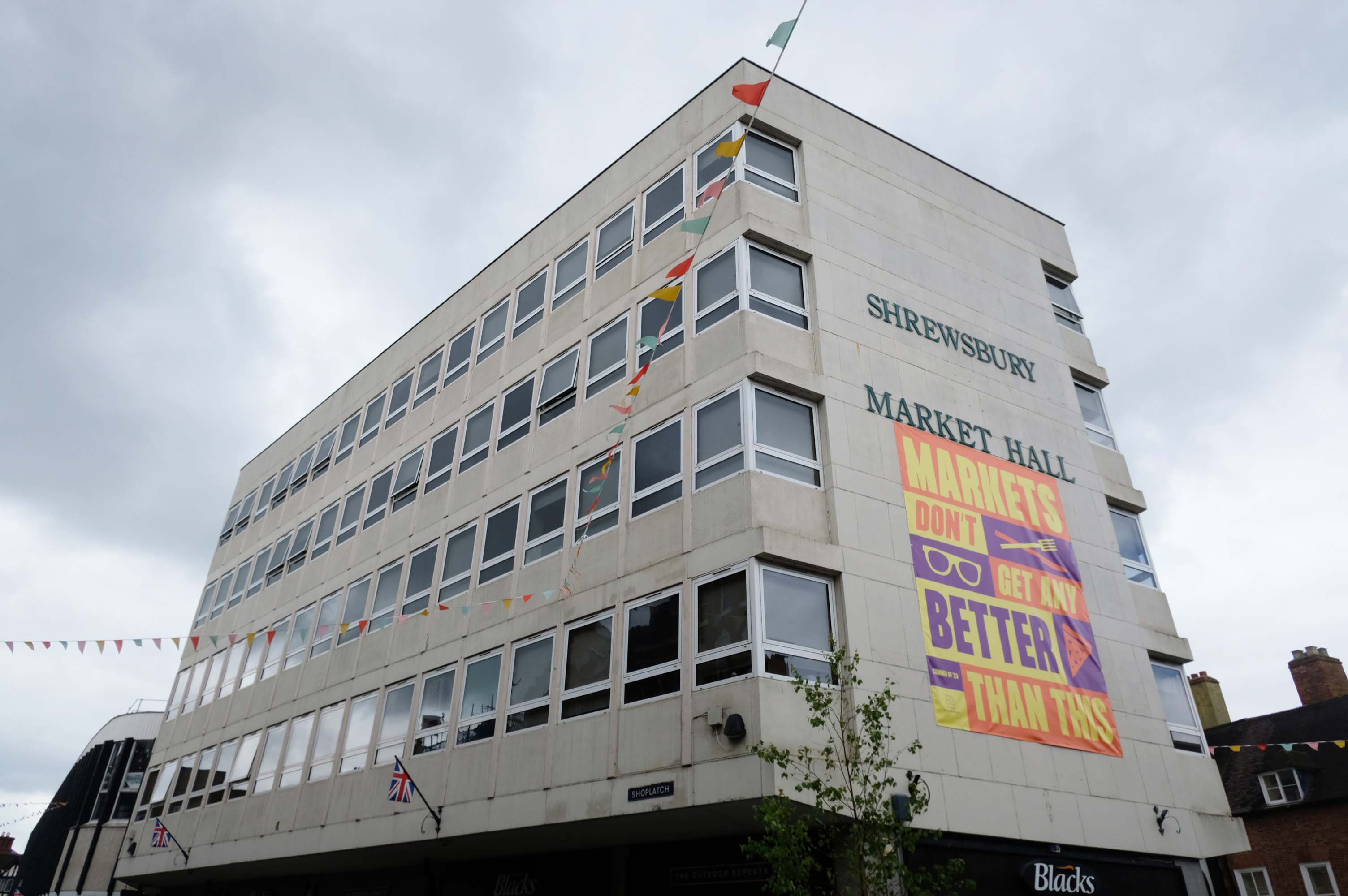
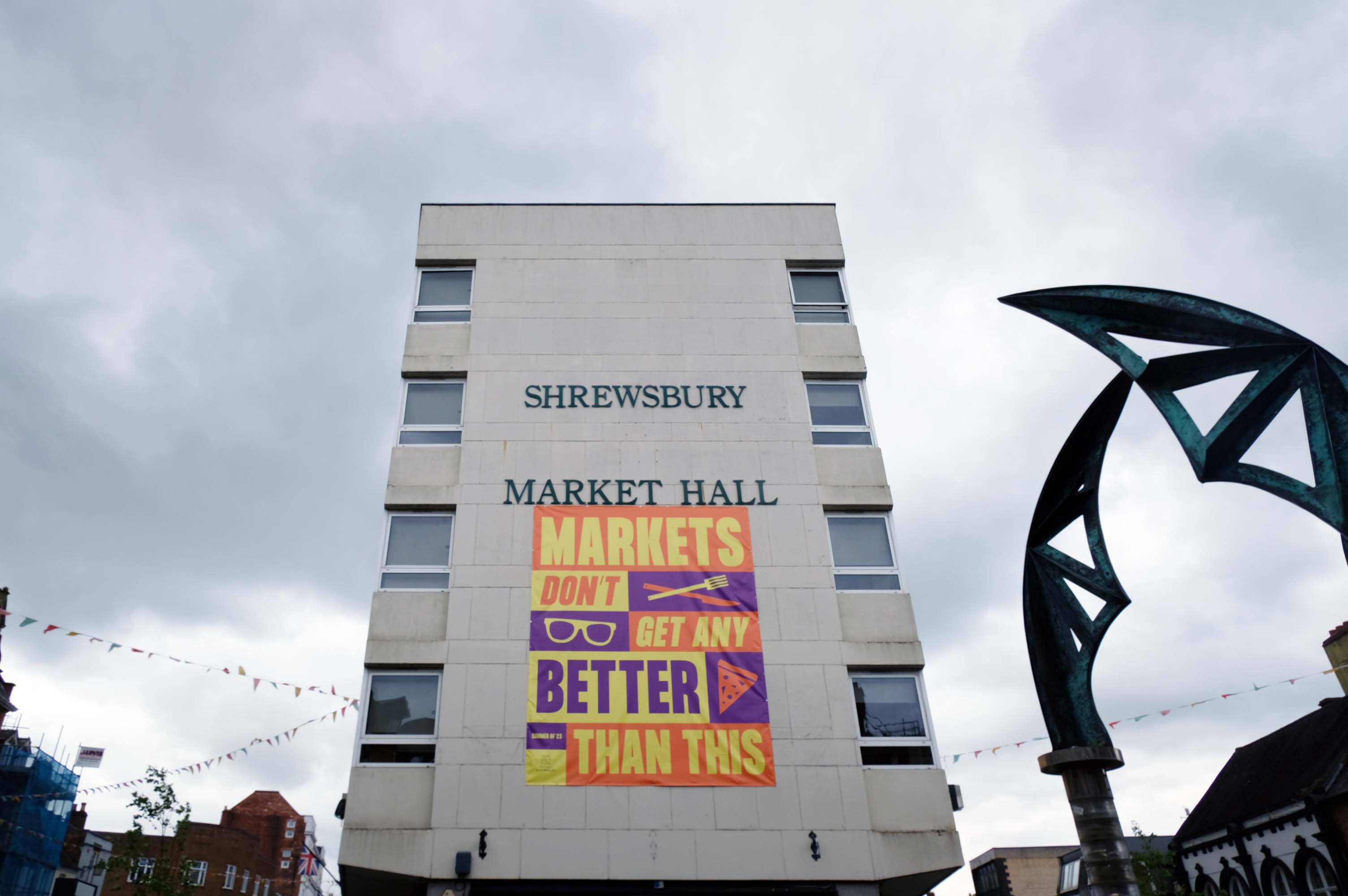
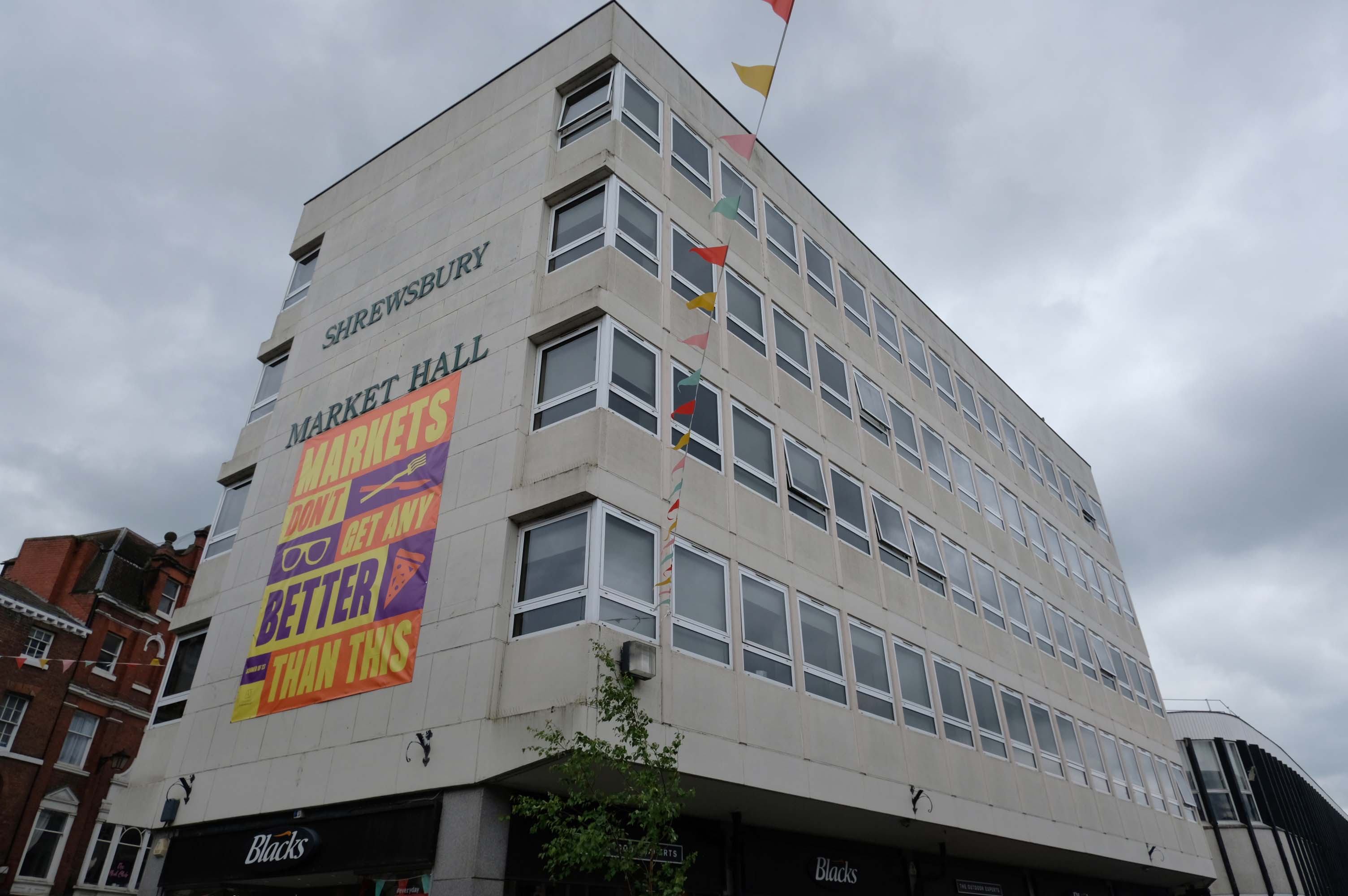
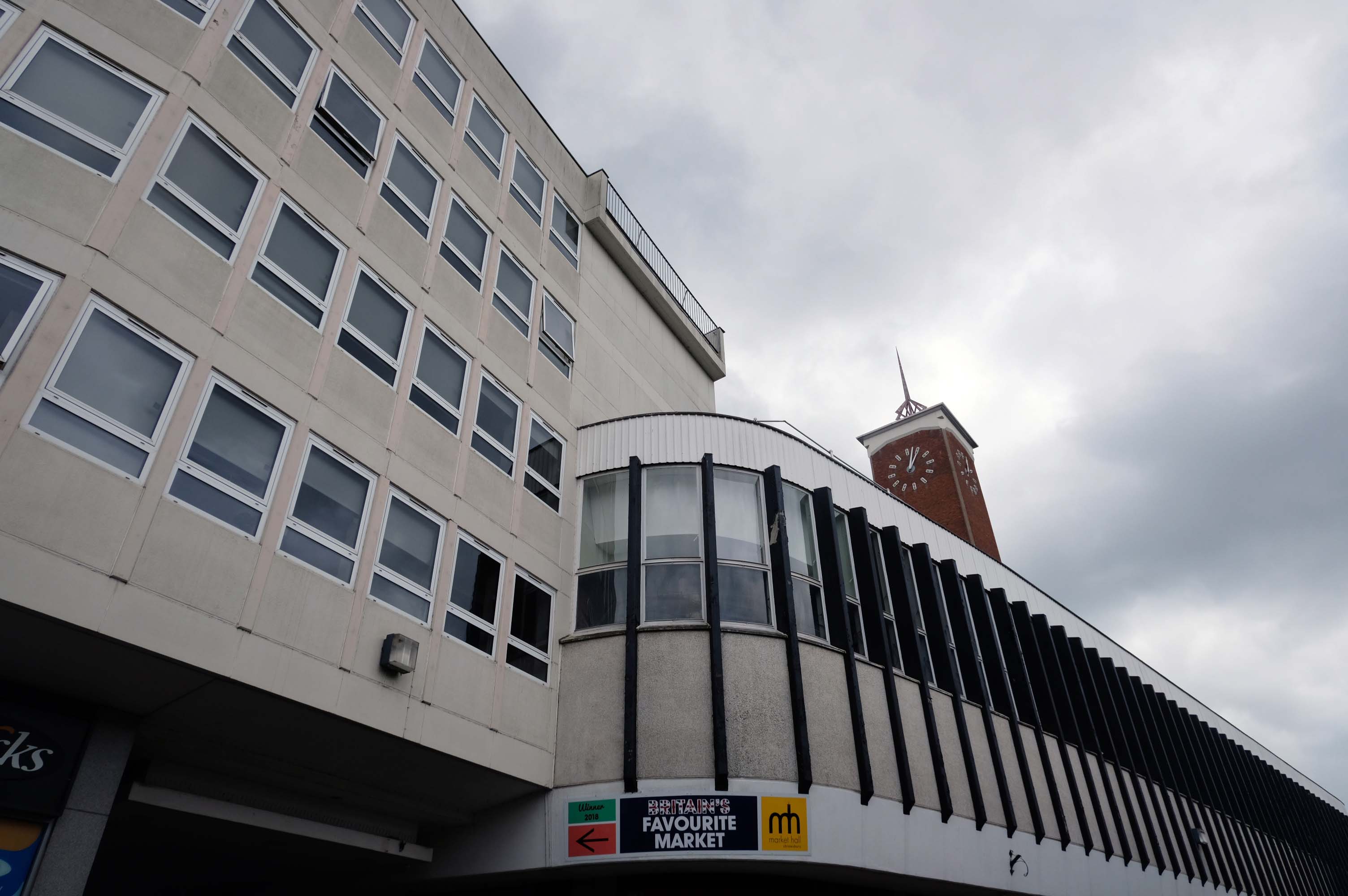
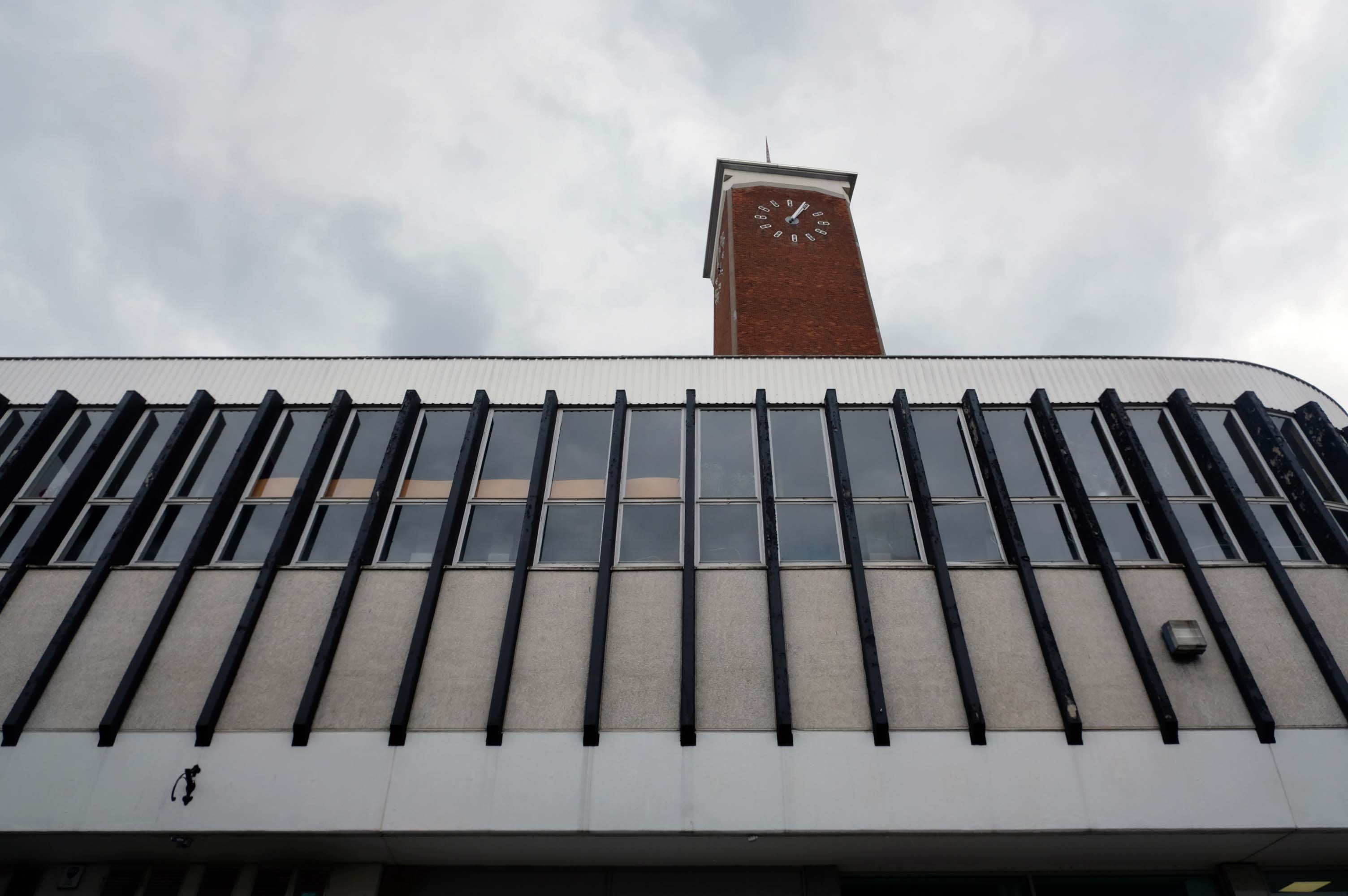
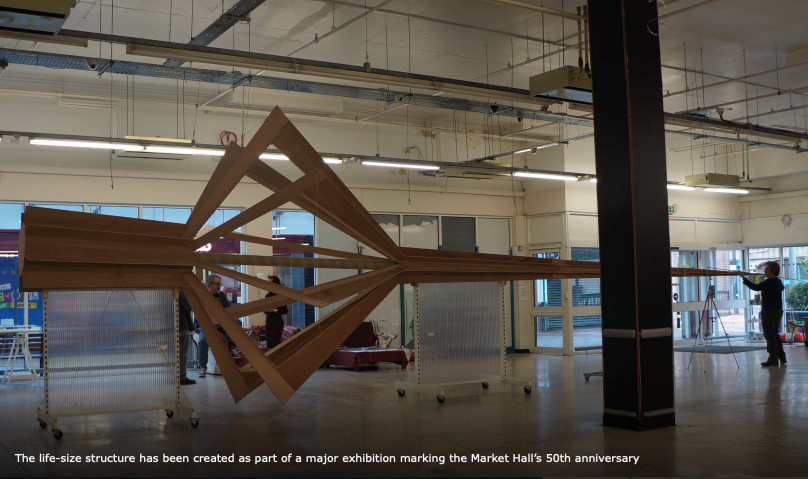
The Market Hall was considered to be a prime example of cutting edge modern architecture when it was officially opened amid a blaze of publicity and civic pageantry on September 16 1965.
It replaced a large Victorian market hall of similar proportions that was in a poor state of repair and was condemned as unhygienic, dingy and “no longer fit for purpose”.
Developed by the Second Covent Garden Property Company, the new Market Hall cost £1 million to build and was designed by a respected architect of his day, David du Rieu Aberdeen. Aberdeen designed major buildings in London and made his name when he won a national competition to design Congress House for the TUC in Bloomsbury. Today Congress House is described as a “modernist masterpiece”.
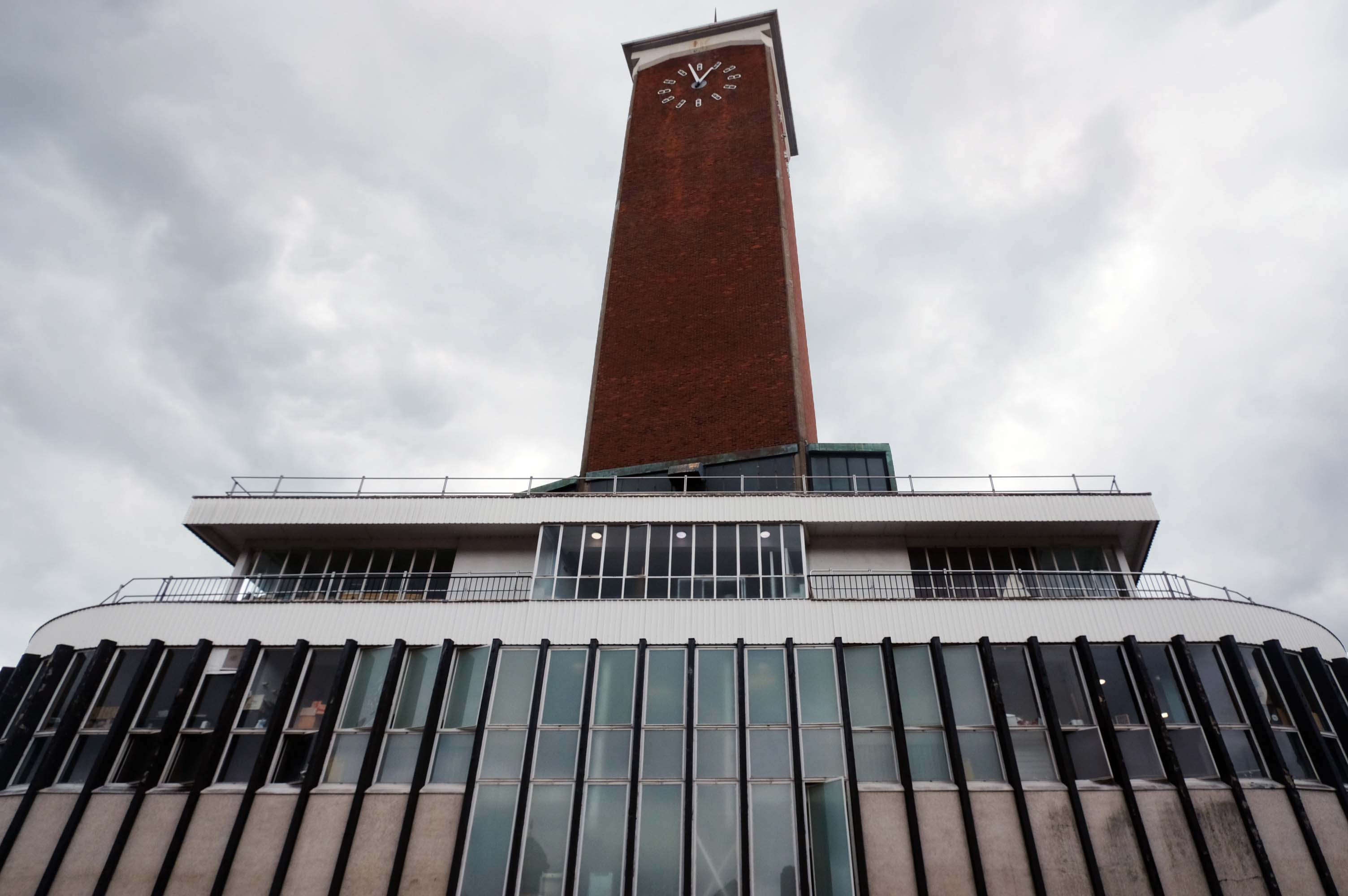
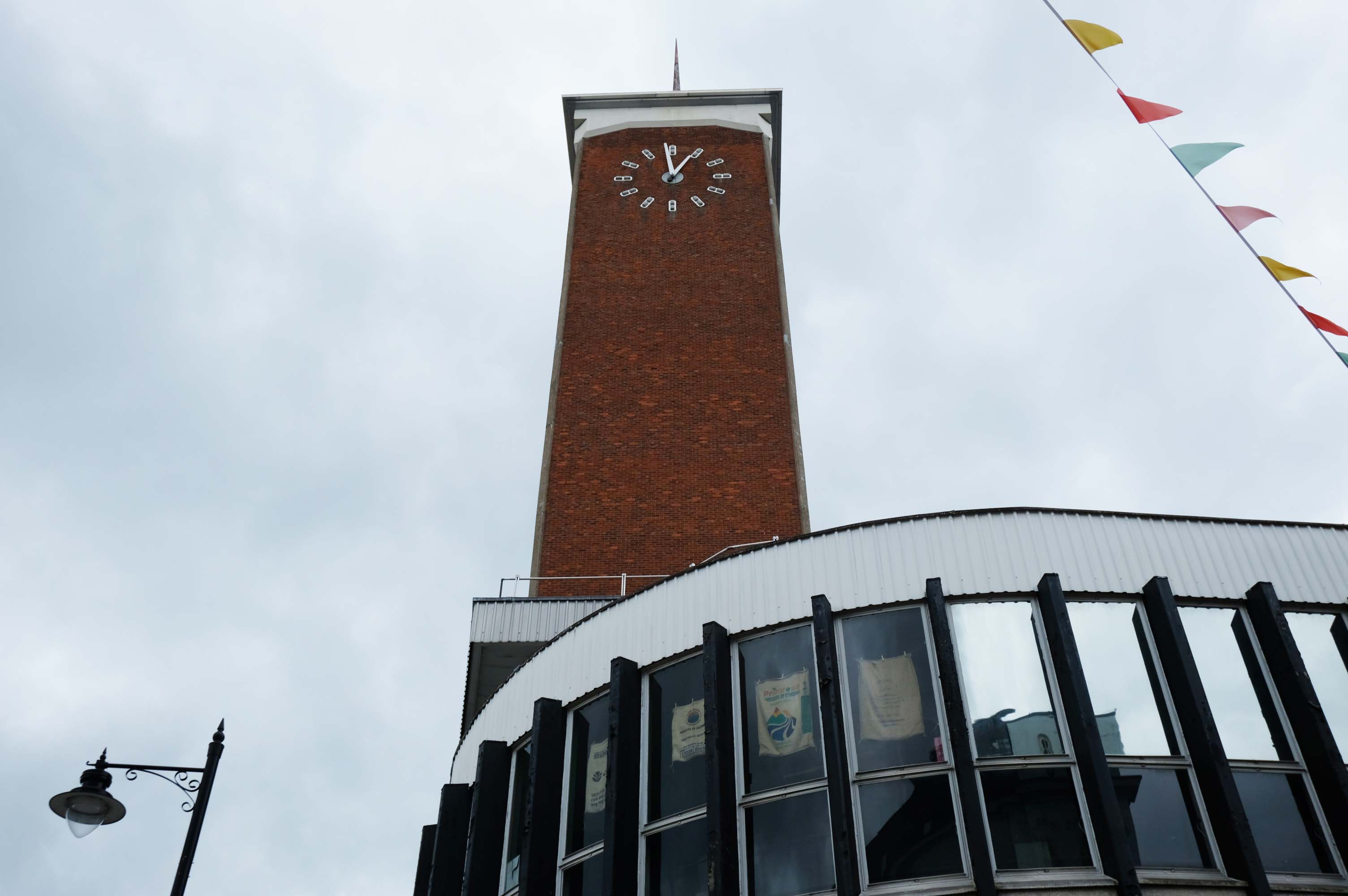
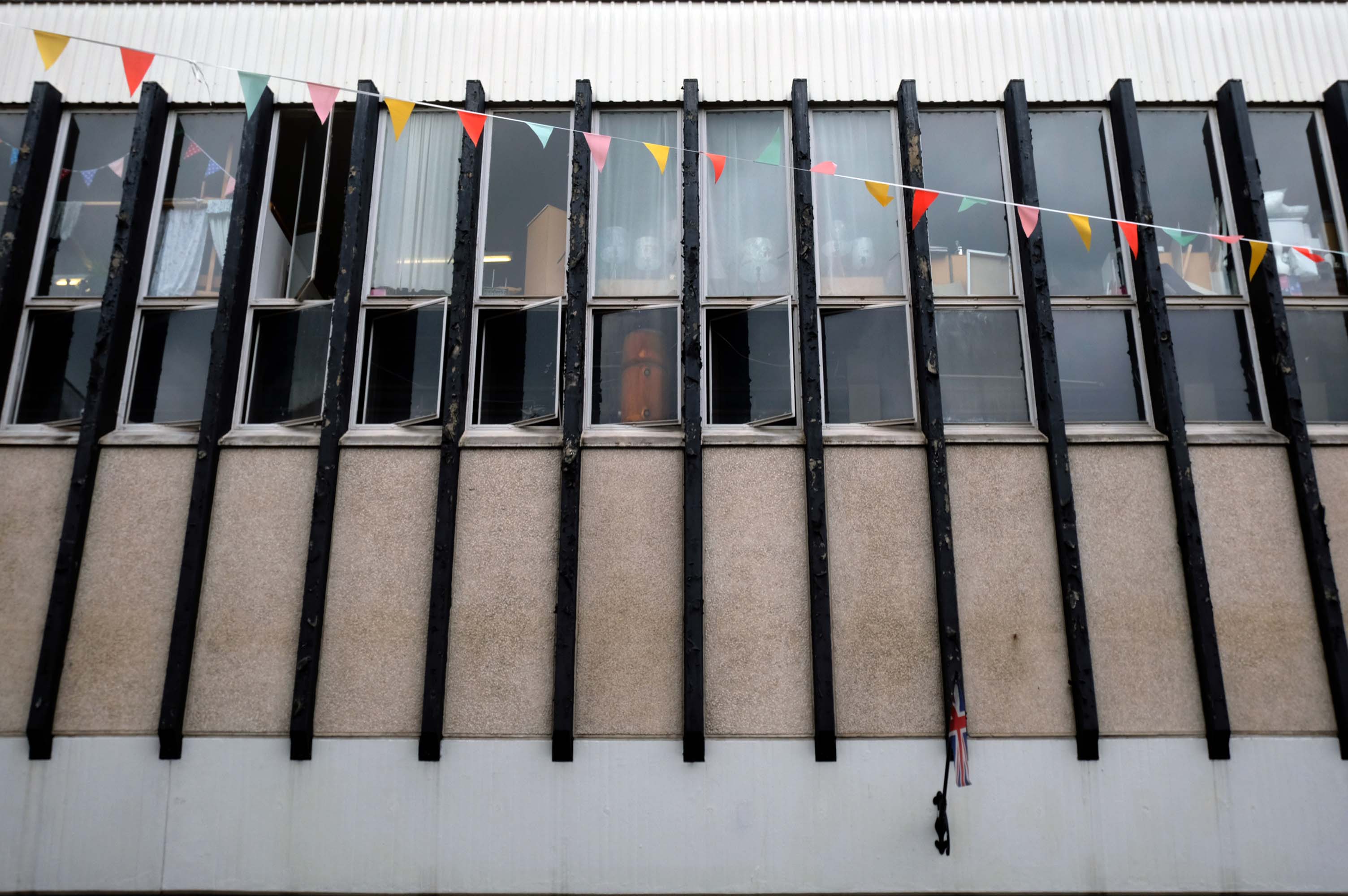
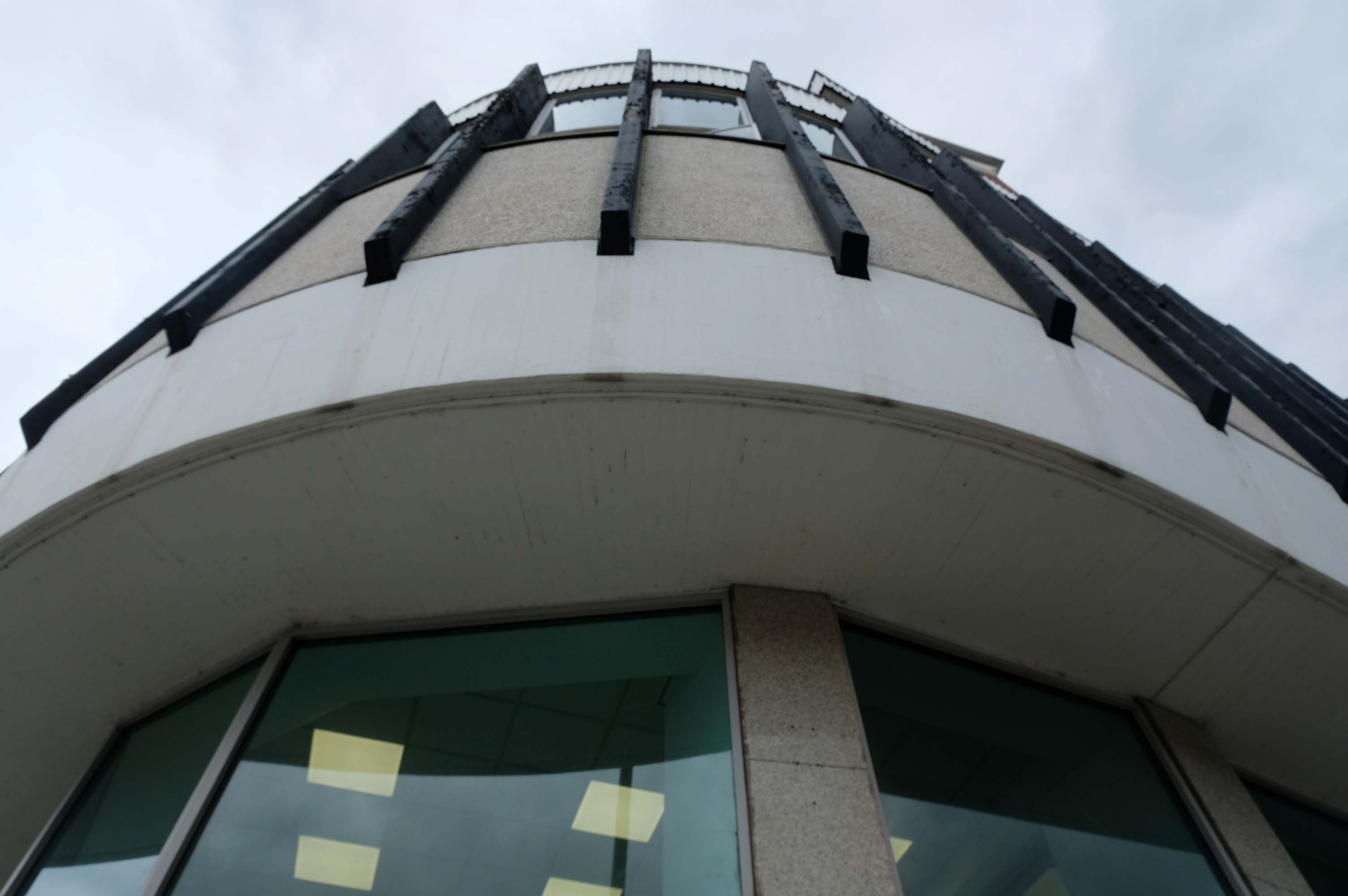
The Pevsner Architectural Guide pronounced the new Market Hall “a good example of modern architecture”, with “its clean lines and simple forms. But the town’s timber-framed tradition is also evoked. The upper storey is jettied out on a reinforced concrete structure and faced with vertical fins in an echo of close studding,” it stated. “The tall slender red brick clock tower mingles effectively in distant views with the town’s medieval steeples.”
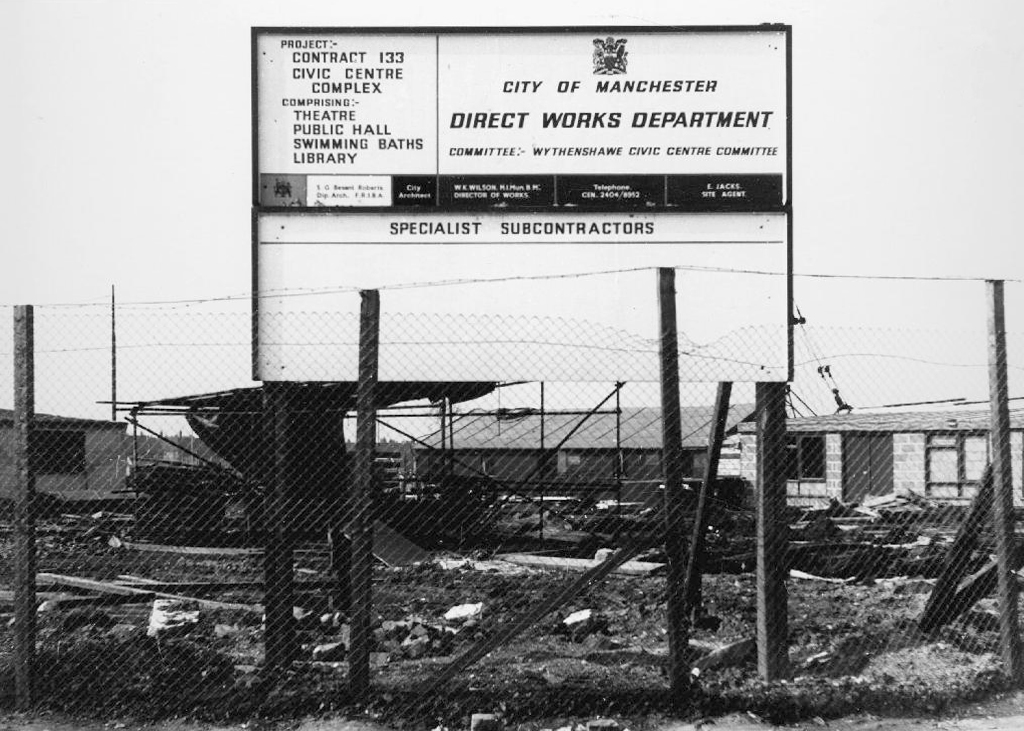
Work began in the interwar years, and continued following the hiatus of 1939-45. The shopping centre named the Civic Centre was open in 1963, the actual Civic Centre containing a swimming pool, theatre, public hall and library in 1971.
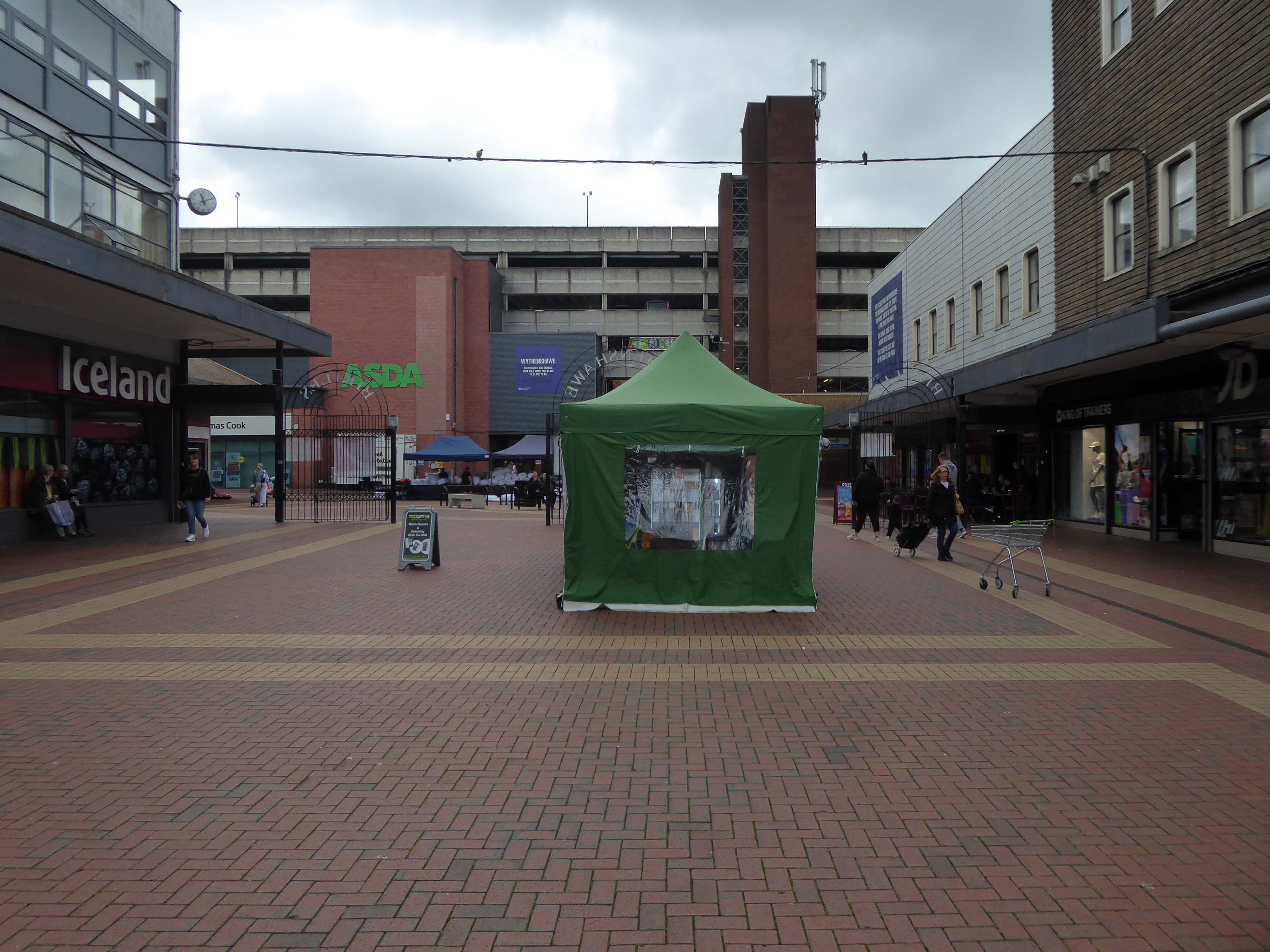
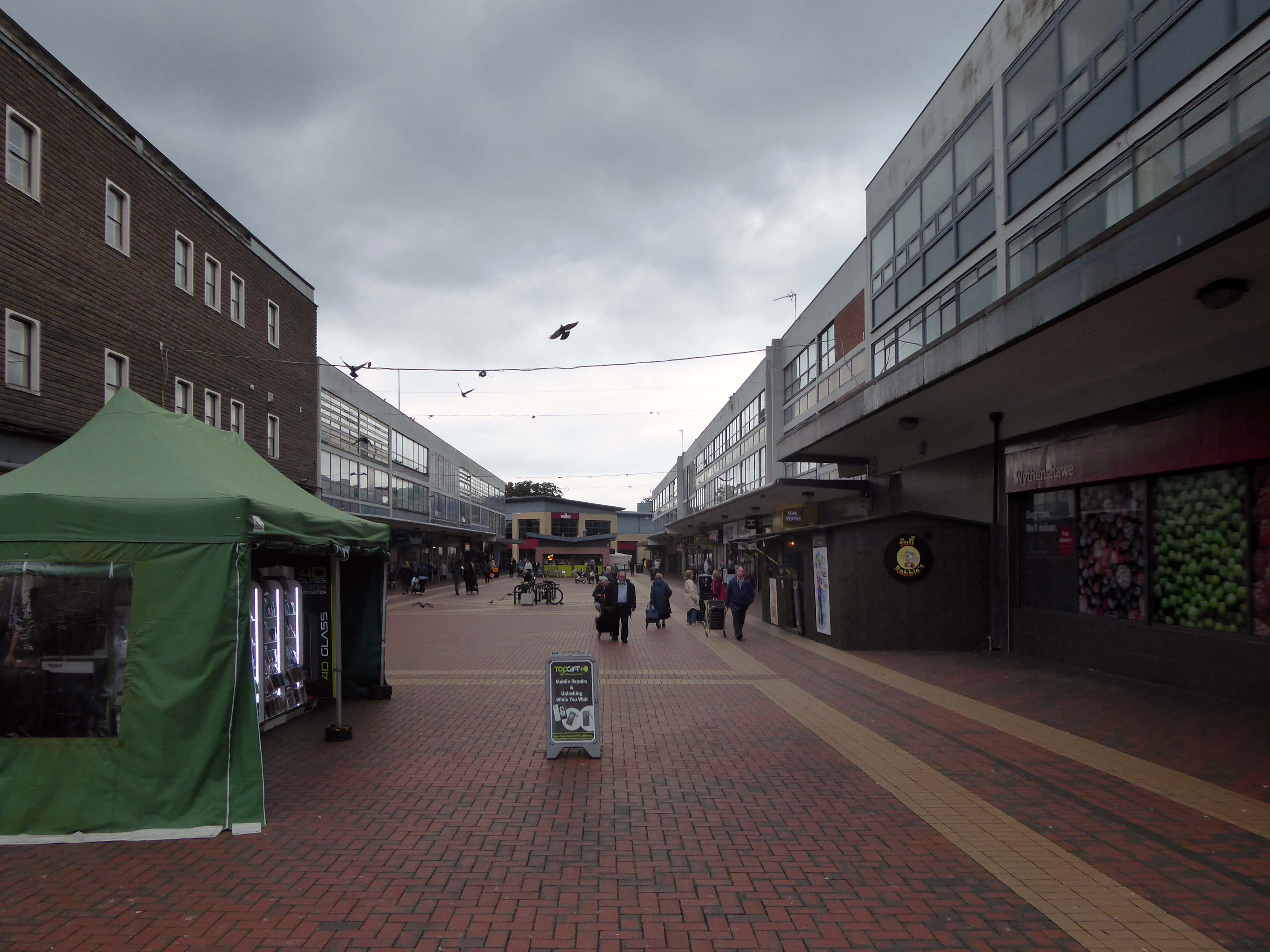
Here I am again four years later, taking a look at how it looks today.
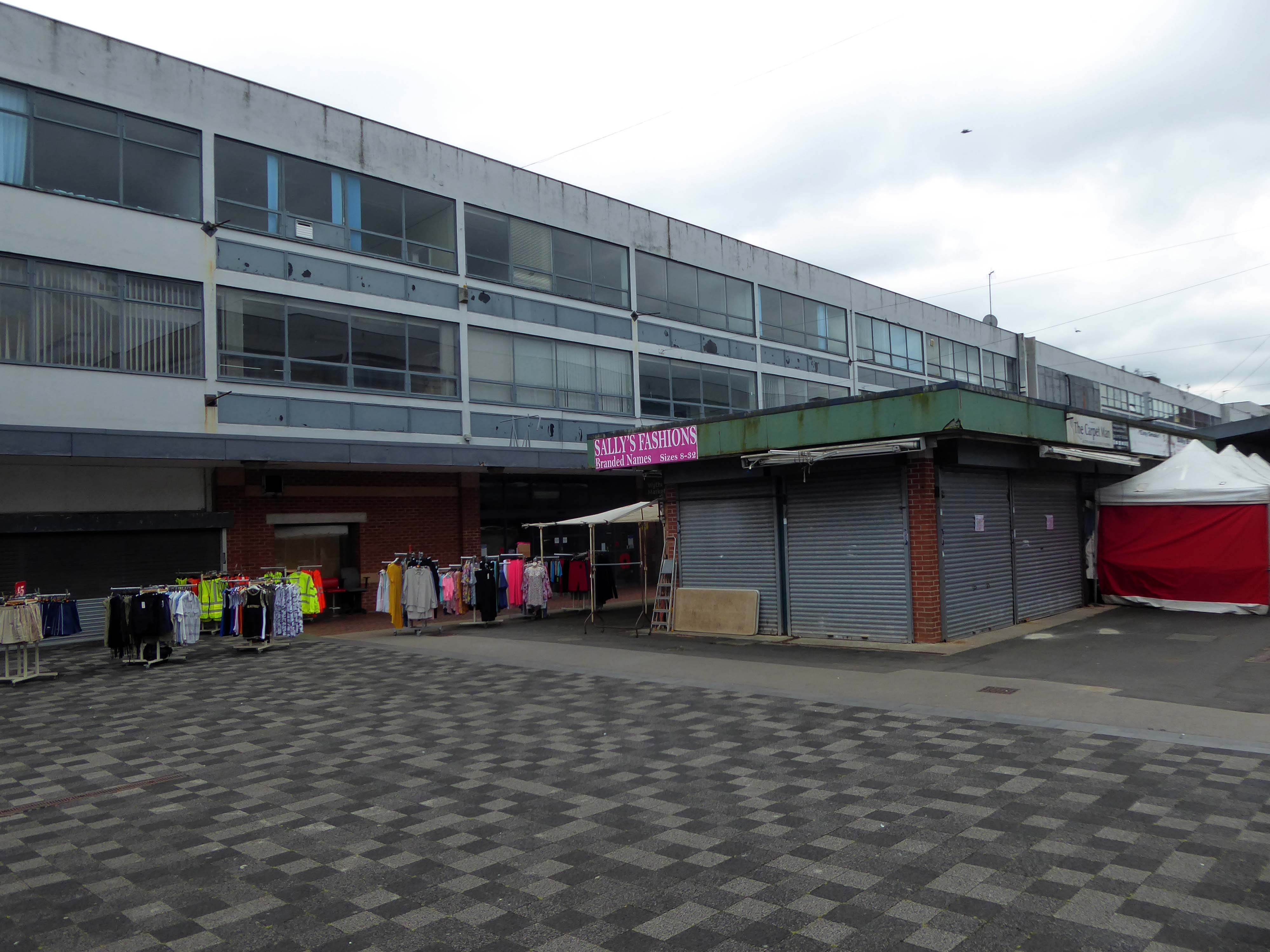
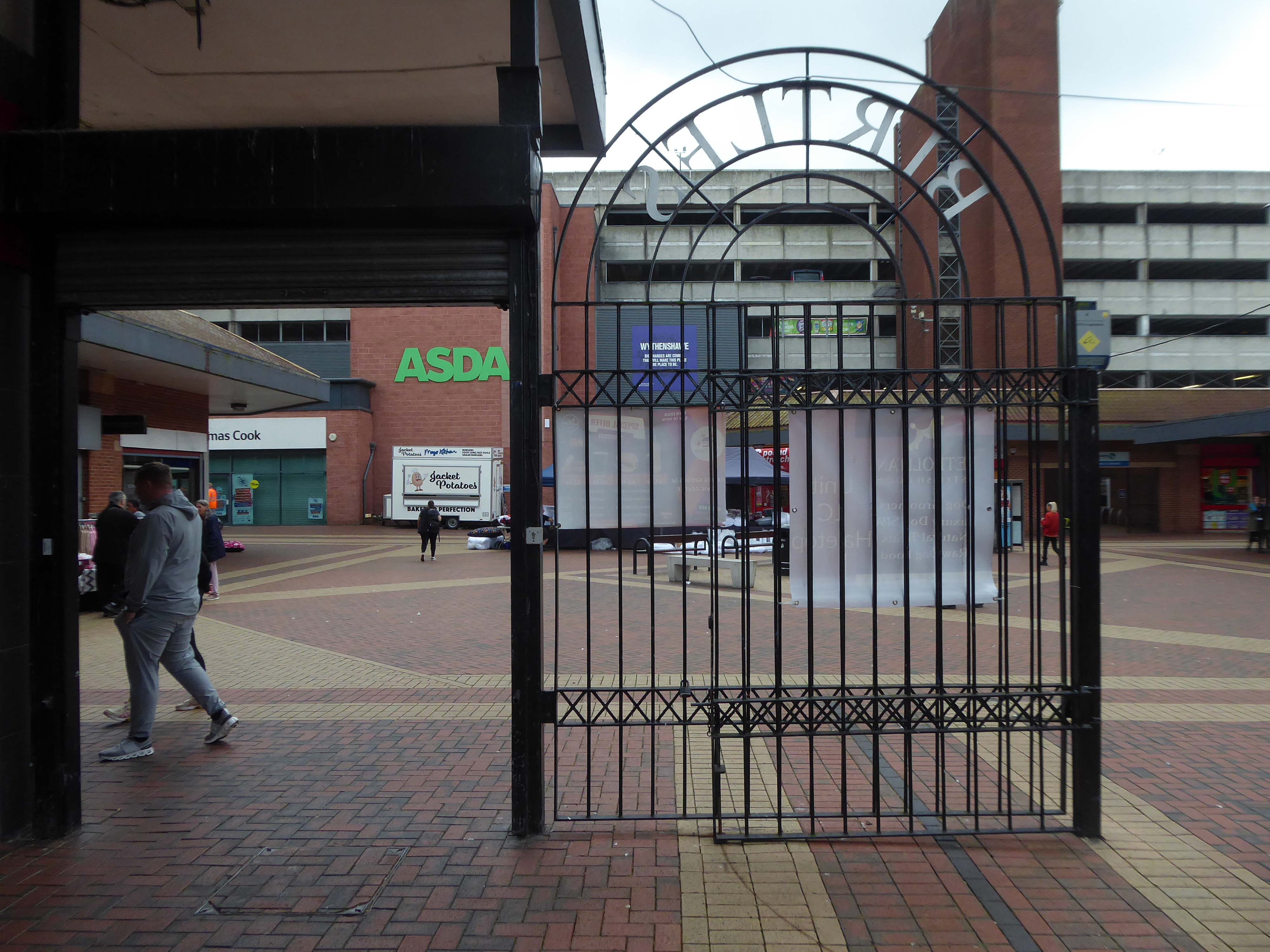
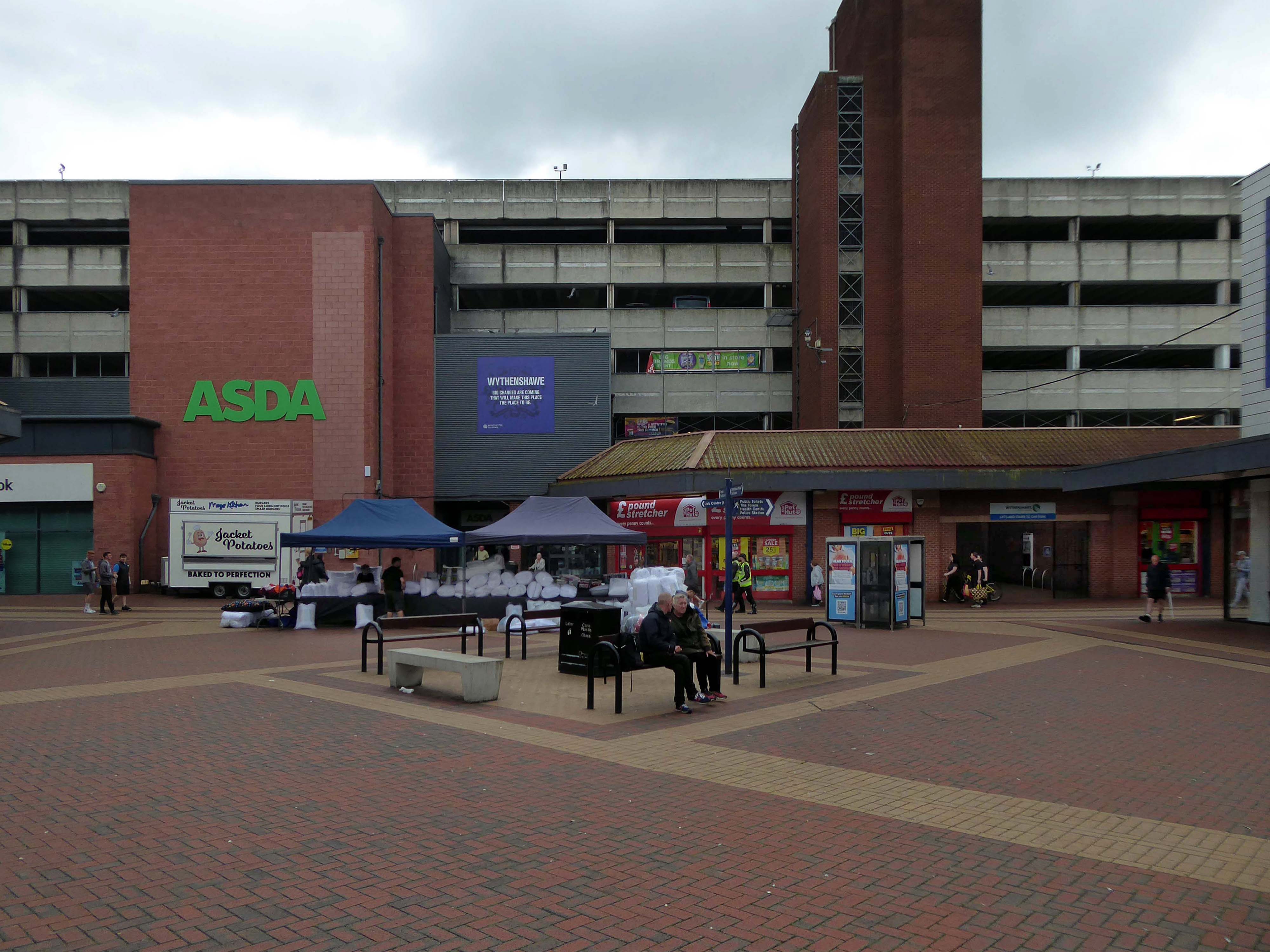
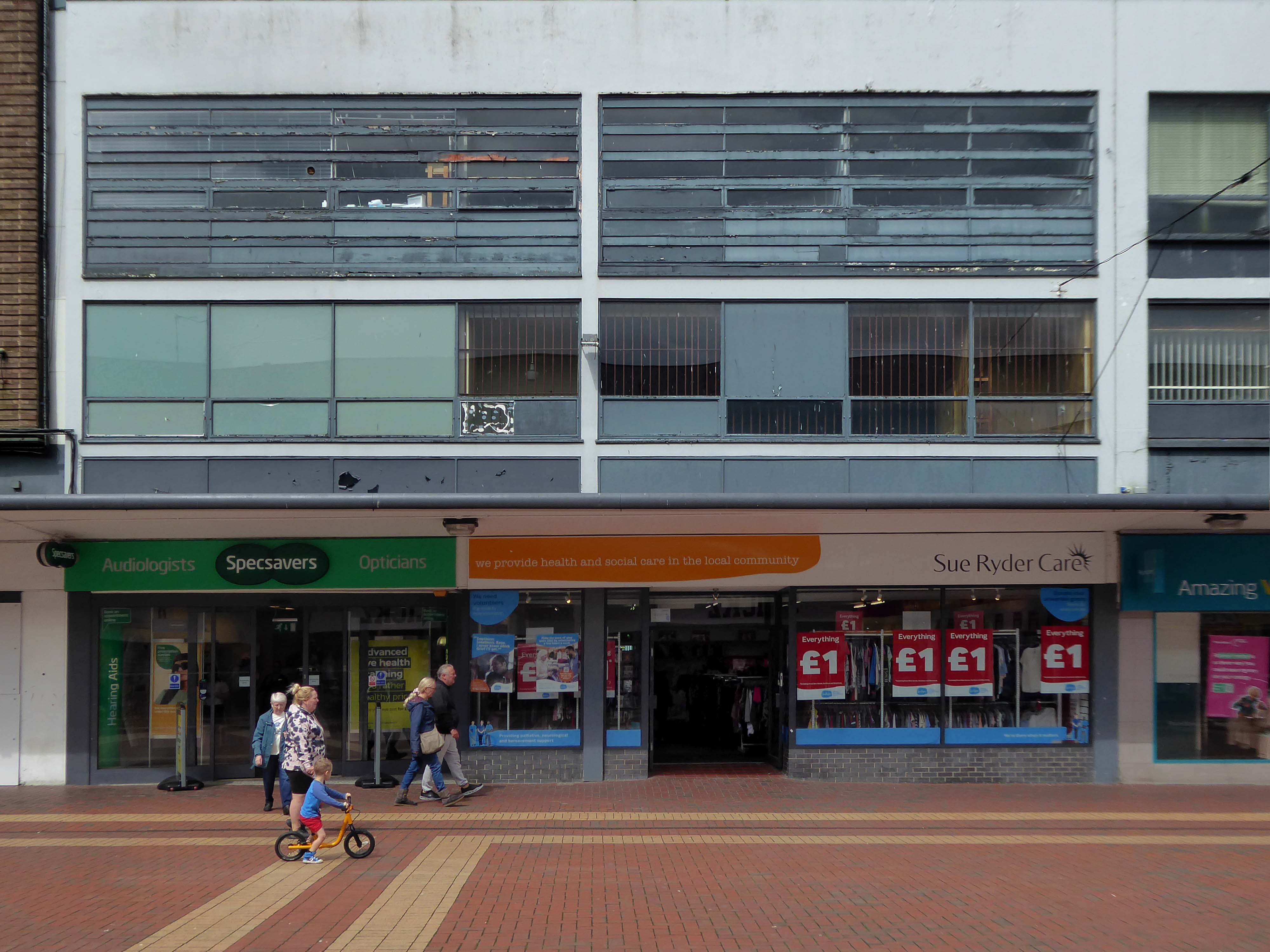
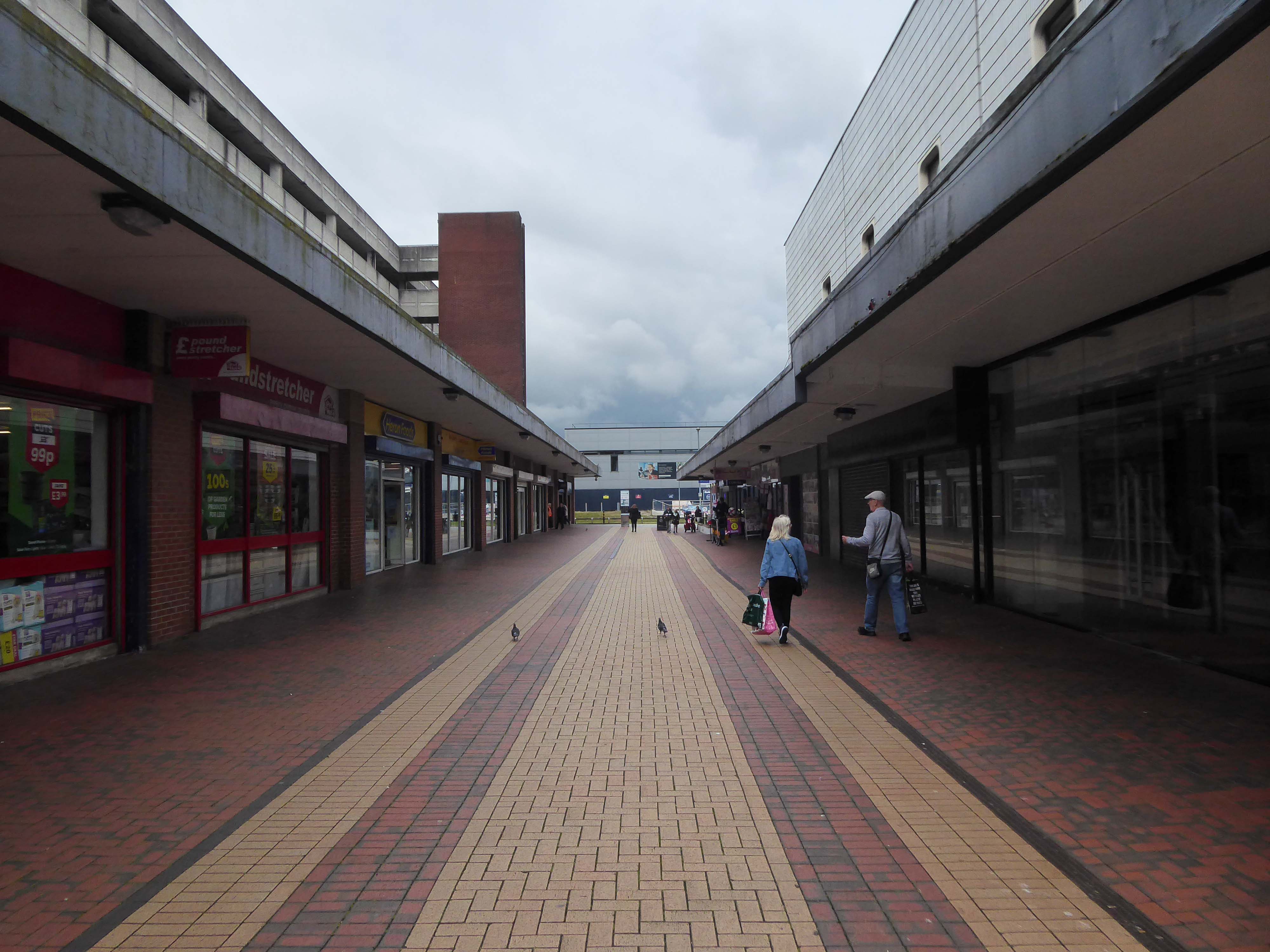
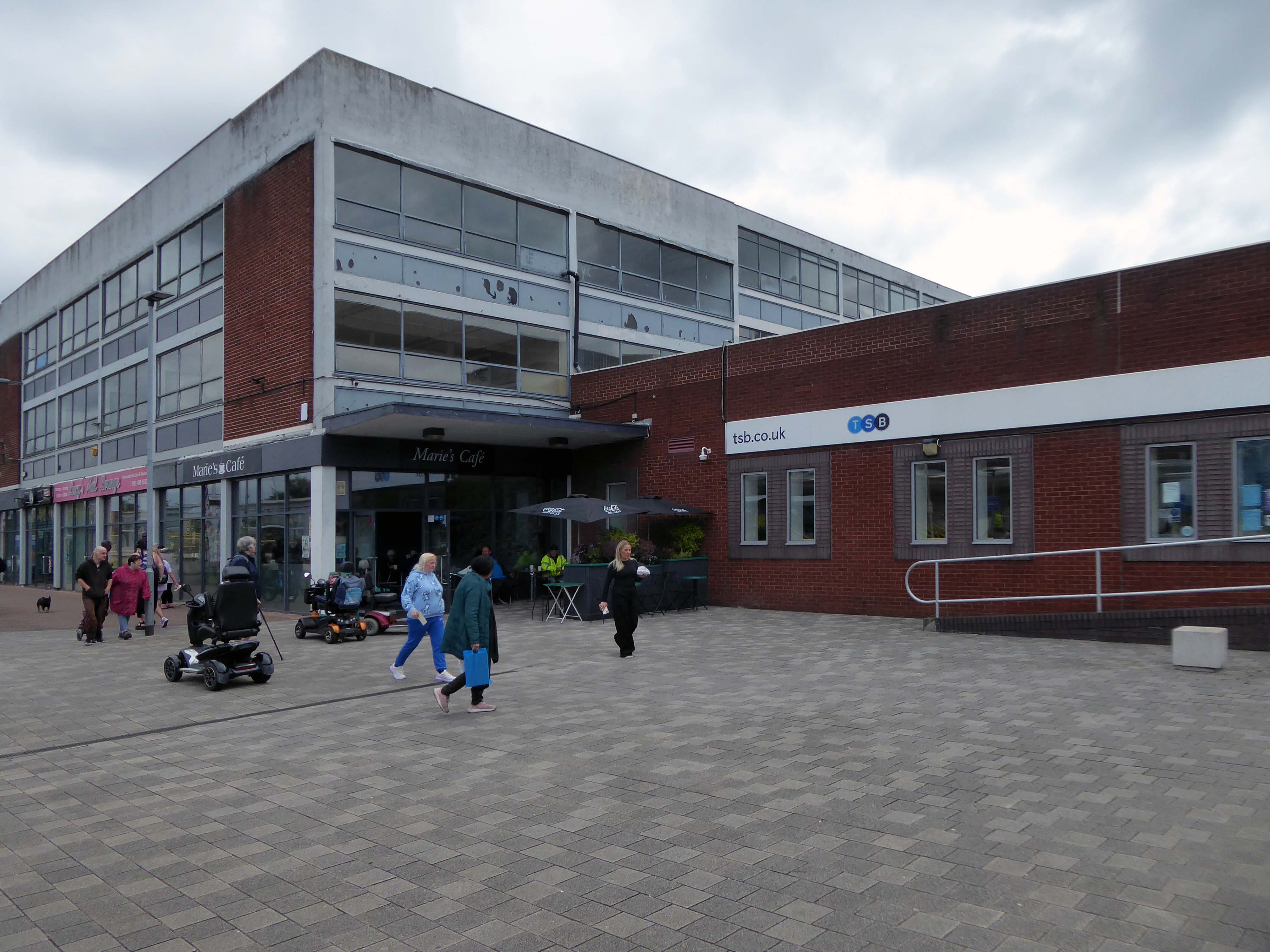
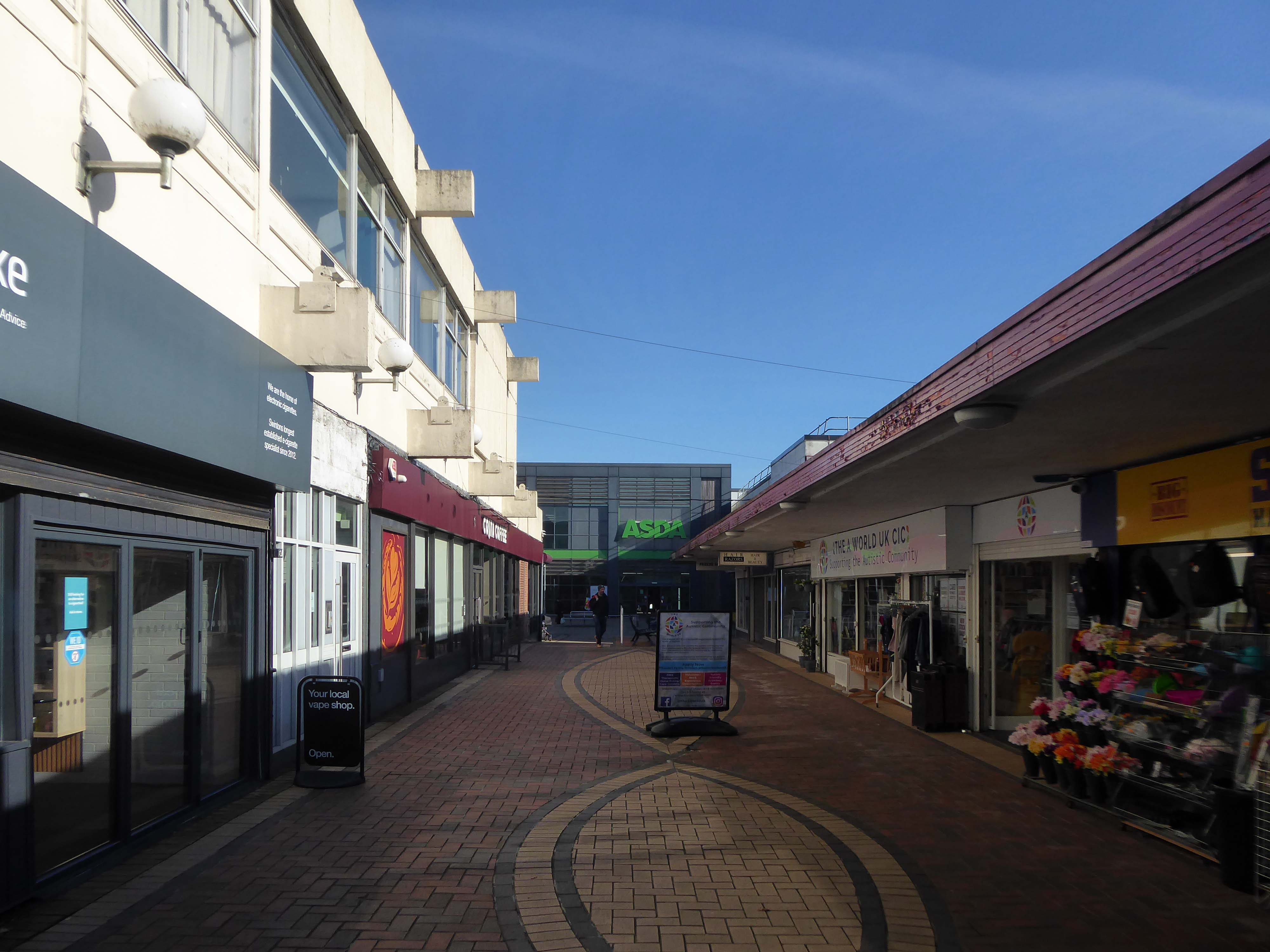
ASDA remains the anchor store, Wilko having left a Wilko sized hole in the precinct. On an overcast Friday morning there was sufficient footfall to sustain the wide variety of smaller shops and larger retail chains. As with many other towns within the central Manchester orbit, the easy proximity fills those busy trams and buses, which are leaving the area.
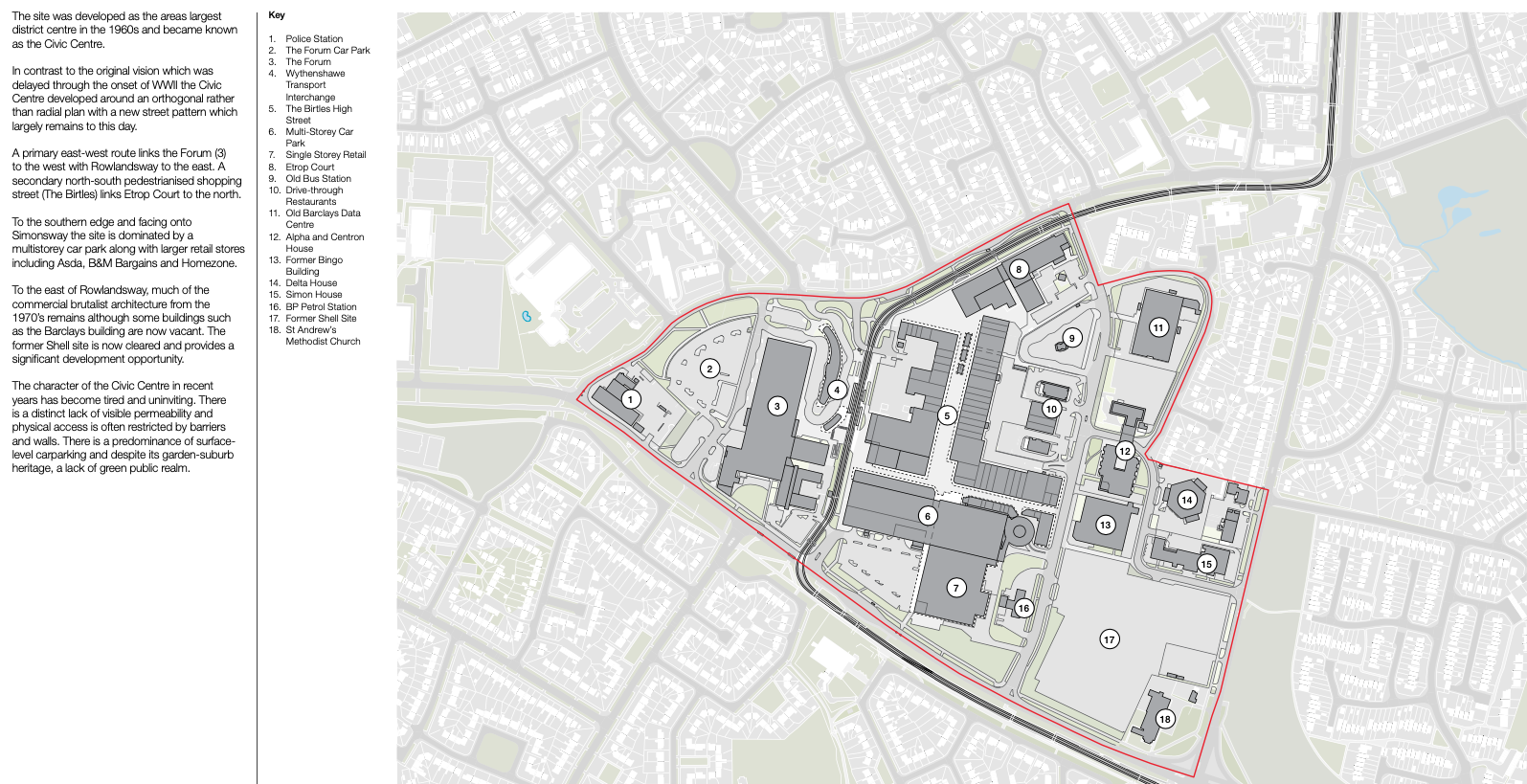
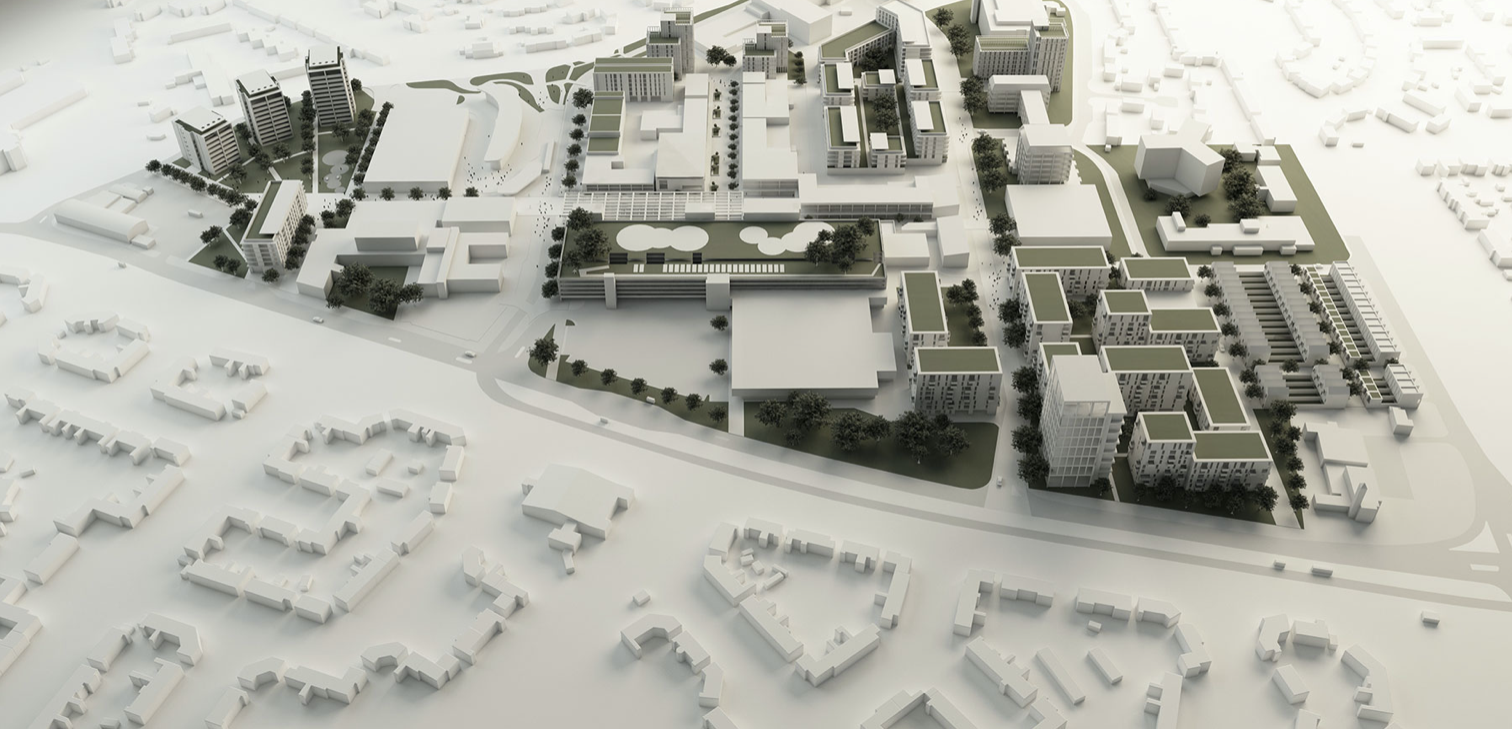
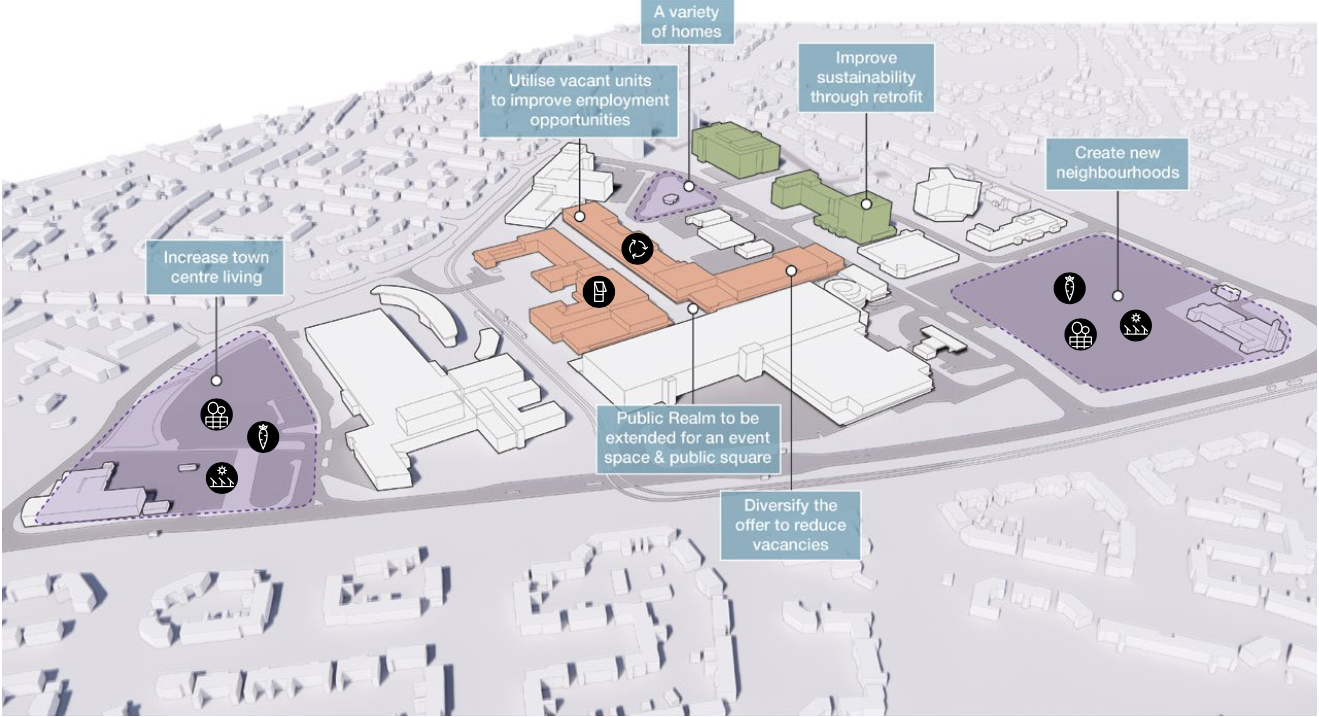
There are plans in place to regenerate the area, in the form of a Masterplan – which can be downloaded here.
Between 1991-2002 there have been some architectural changes, including new stores and office developments. Some of the interventions included significant adaptions which further increased retail into the existing buildings high street.
The interventions included significant adjustments to the multi-storey car park with the aim of reducing parking numbers whilst providing additional lettable space. Further Transport Hub Arrival commercial development was created to the north of the site with the construction of Etrop Court, despite there being significant commercial vacancy across other parts of the estate.
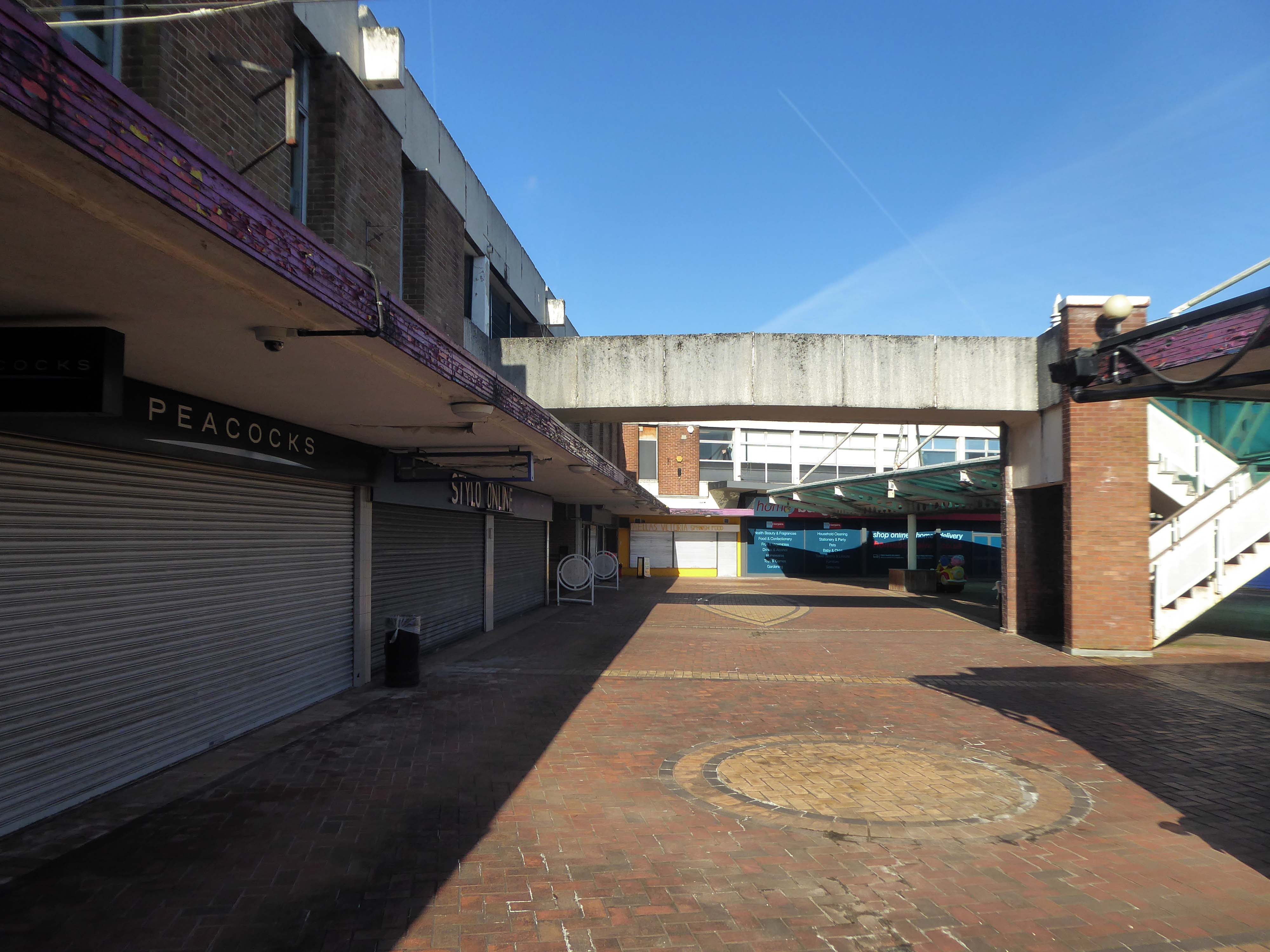
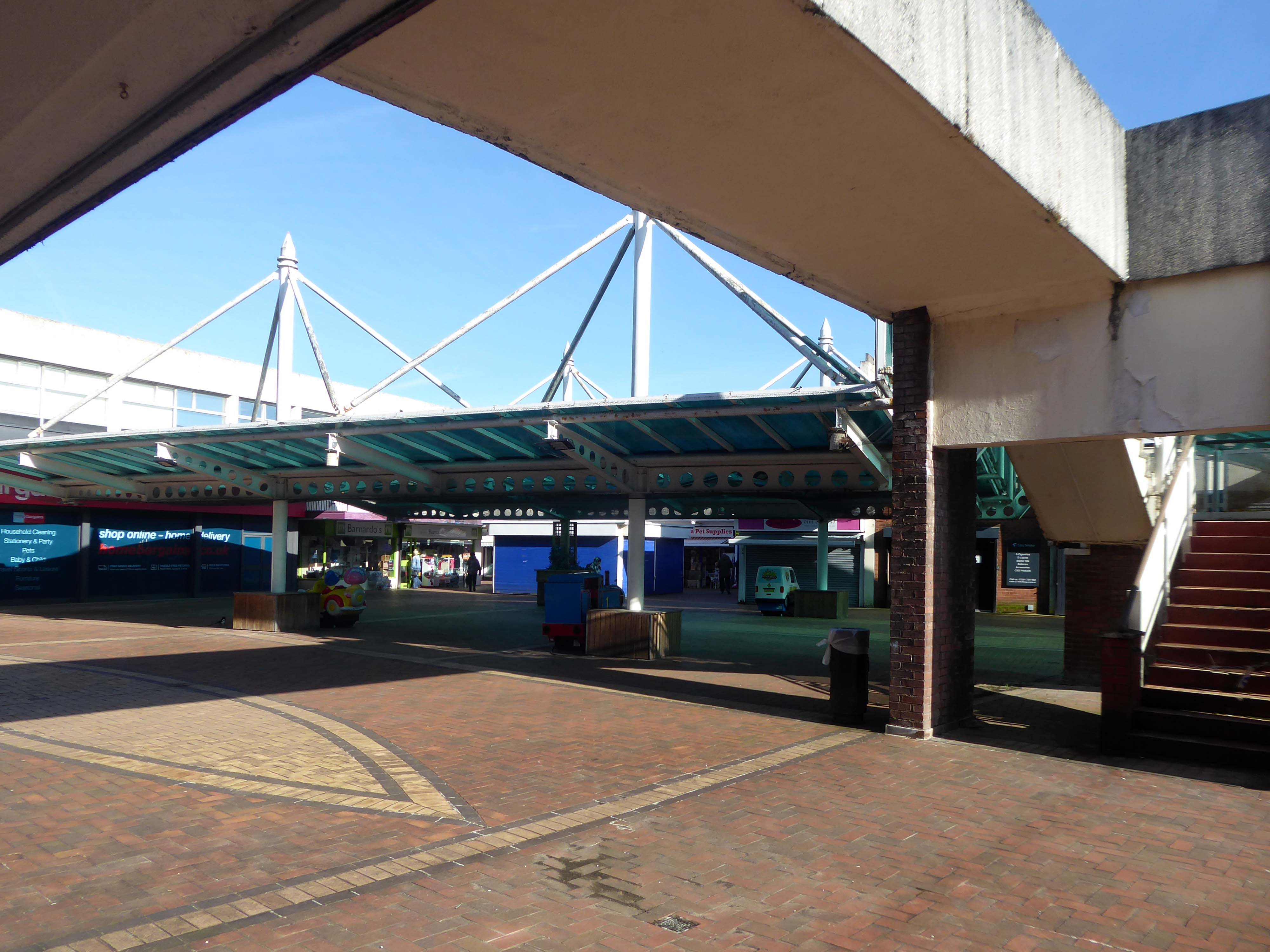
Whilst there has been significant incremental intervention, the character of the area has not fundamentally changed from its founding concept. However the cumulative impact of the various changes have had a negative impact on the functionality and suitability of place, so much so that the centre is in many ways no longer fit- for purpose.
The site today is surrounded by surface car parks, with a total of around 2,500 car parking spaces, 1,700 of which are contained within the multi-storey car park. Many of the retail units, the upper floor office spaces along the Birtles and Hale Top, and buildings to the east are vacant.
Typically, the levels of vacancy are consistent with the changing demands of the high street, where typically modern and successful retail centres are now more diversified and focussed on creating a visitor or destination-based experience. In this sense, we anticipate a need to diversify the high street and to promote a smaller more concentrated retail core, whilst supplementing the offer with more meanwhile and permanent uses and activities based on culture, food and creative workplace.
The gateway to the Civic Centre on arrival from the Transport Interchange is very poor. Access to the high street isn’t obvious and the route through to the high street isn’t clear. Much of the site is surrounded by fencing, barrier and gates and whilst they are open during the day, they are locked at night to prevent vandalism. This barricaded aesthetic does nothing to promote an easily accessible and family friendly environment as well as preventing any opportunity to promote a much needed night- time economy.
Currently, the Civic Centre appears to only cater for those with a need to visit for a particular purpose, rather than capitalising on an opportunity to create a place to visit and dwell.
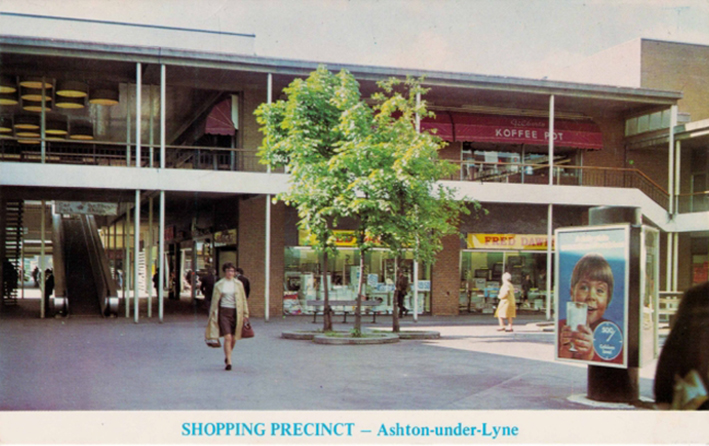
It all began way back when I was a raw youth living in Ashton under Lyne – the precinct was our playground, cycling and running, often against the grain, up and down the travelator.
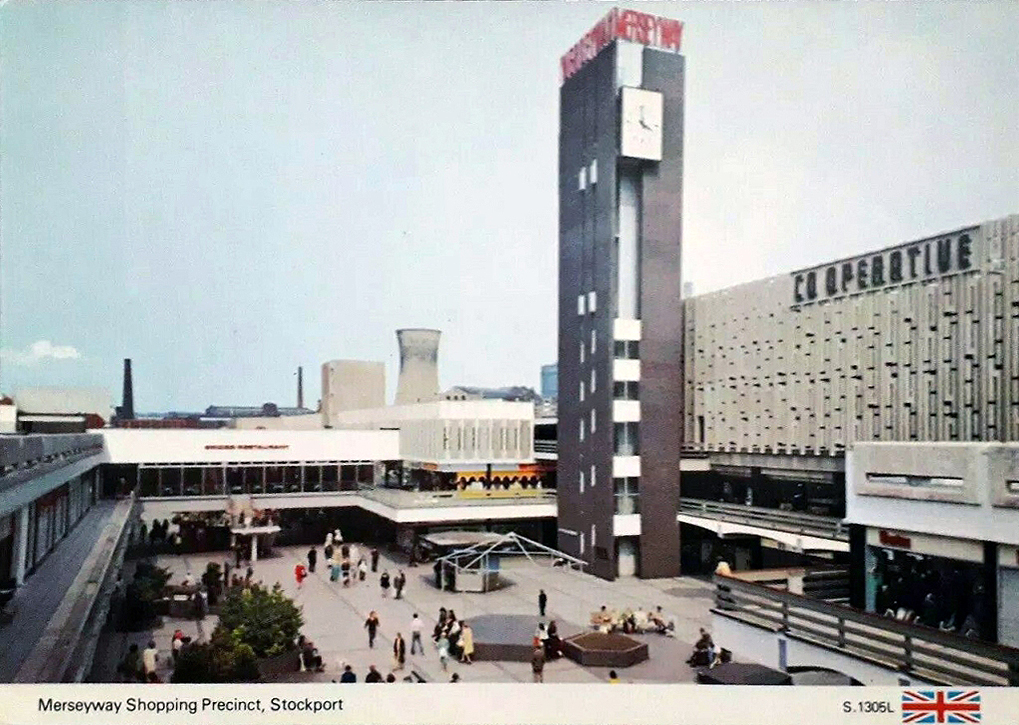
Some sixty years later I am still enthralled by the nation’s shopping precincts – including the very local Merseyway.
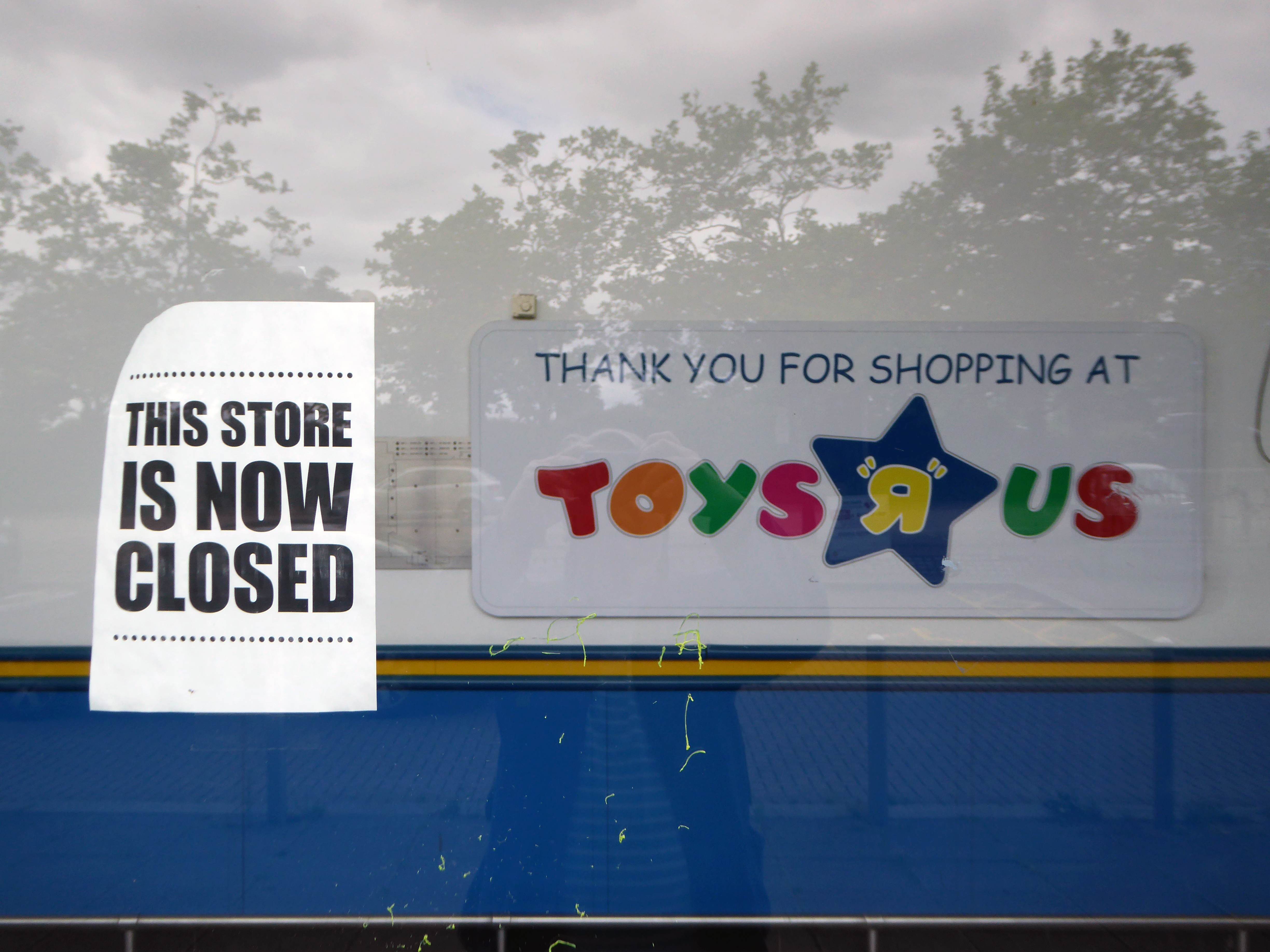
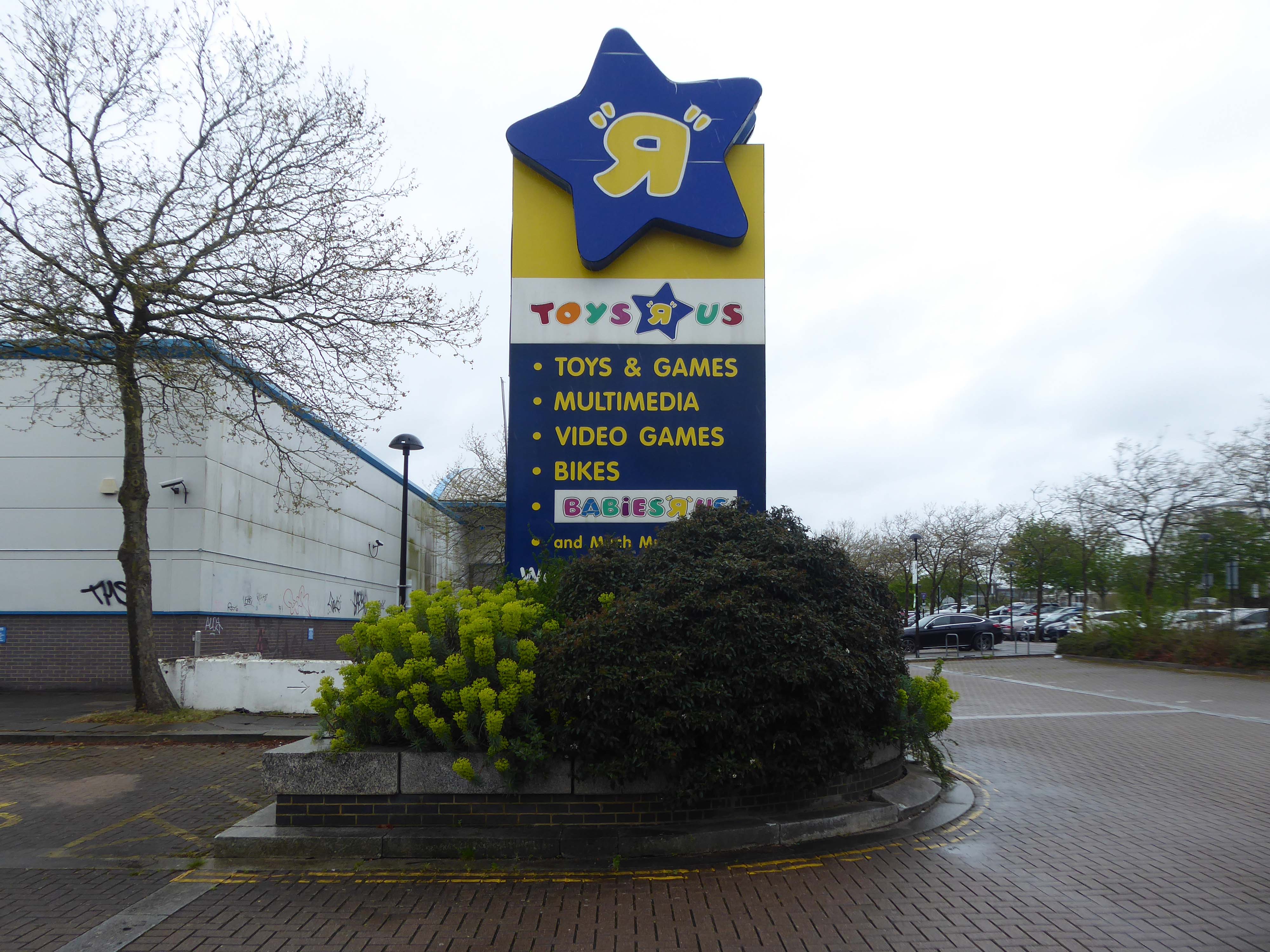
While originally considered a category killer, the rise of mass merchants and online retailers cost Toys “R” Us its share of the toy market. The company was further hampered by a significant debt load, the result of a leveraged buyout organized by private equity firms.
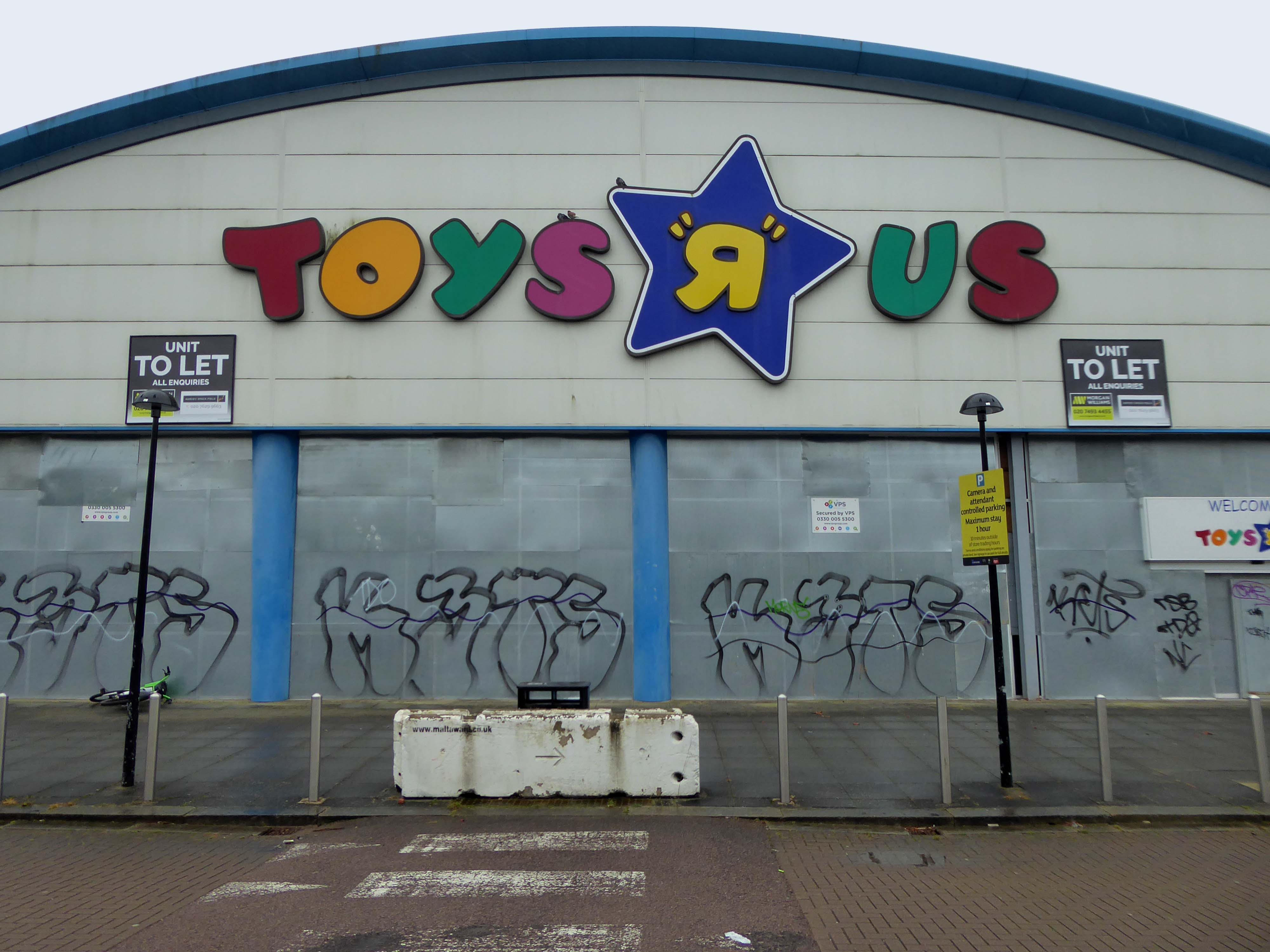
The toy retailer filed for bankruptcy in 2017 and in March 2018 announced it would be closing all its UK stores.
There were more than 100 Toys ‘R’ Us stores in the UK at the time.
A nipper, named only as Andrew penned a heartfelt 3-point letter to the judge handling the company’s bankruptcy case, and pleaded with him not to allow his fave shop to close down.
Andrew’s hand-written note to Judge Keith Phillips – which was put in the official court file – laid out exactly why he didn’t want the shops to shut.
In April 1948, Charles P Lazarus founded a baby-furniture retailer, Children’s Bargain Town in Washington DC, during the postwar baby boom. It was acquired in 1966 by Interstate Department Stores Inc.
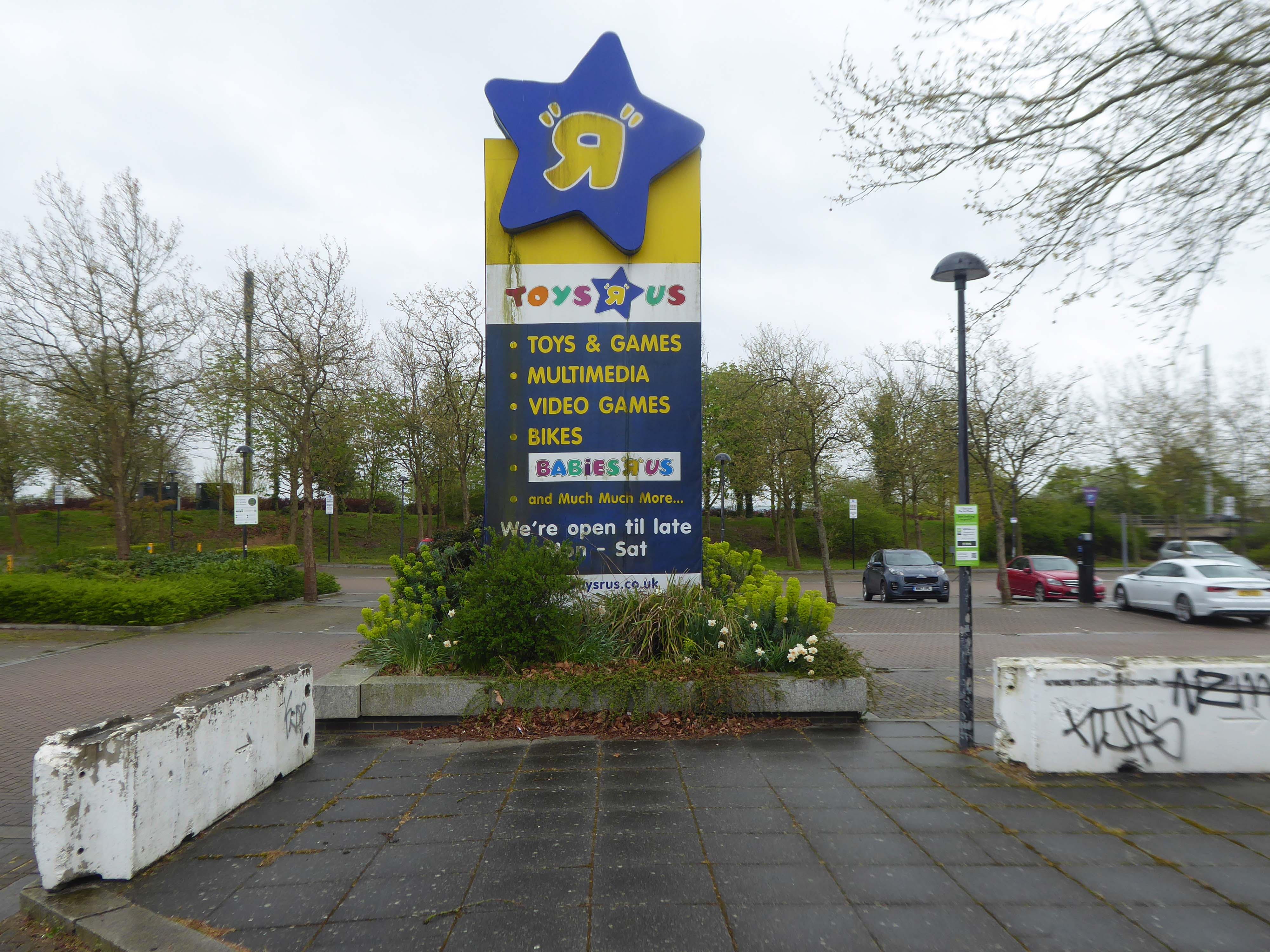
The focus of the store changed in June 1957, and the first Toys “R” Us, dedicated exclusively to toys rather than furniture, was opened by Lazarus in Rockville Maryland. Lazarus also designed and stylized the Toys “R” Us logo, which featured a backwards “R” to give the impression that a child wrote it.
Having grown up in the days of the diminutive local toy shop – noses pressed against the widow admiring those treasures never ever owned, I find the present day retailers to be soulless industrial hangars – designed to extract every ounce of fun and currency from the hapless child and guardians.
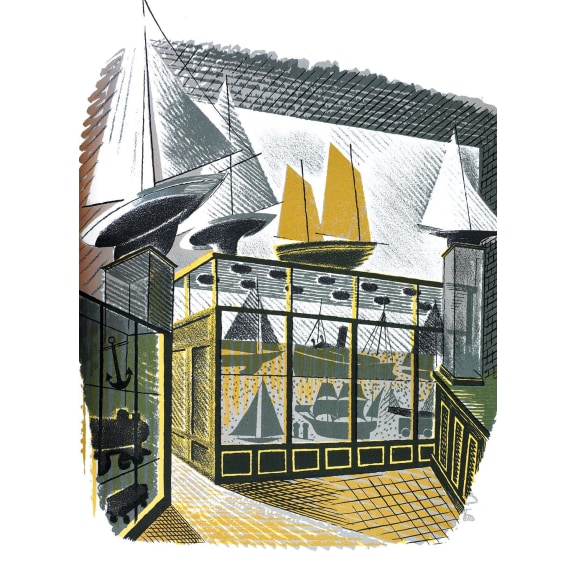
Eric Ravilious – inside the model shop.
I returned in 2024.
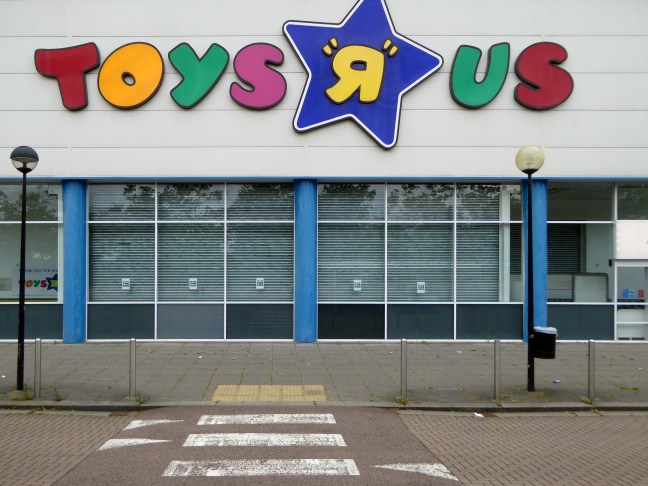
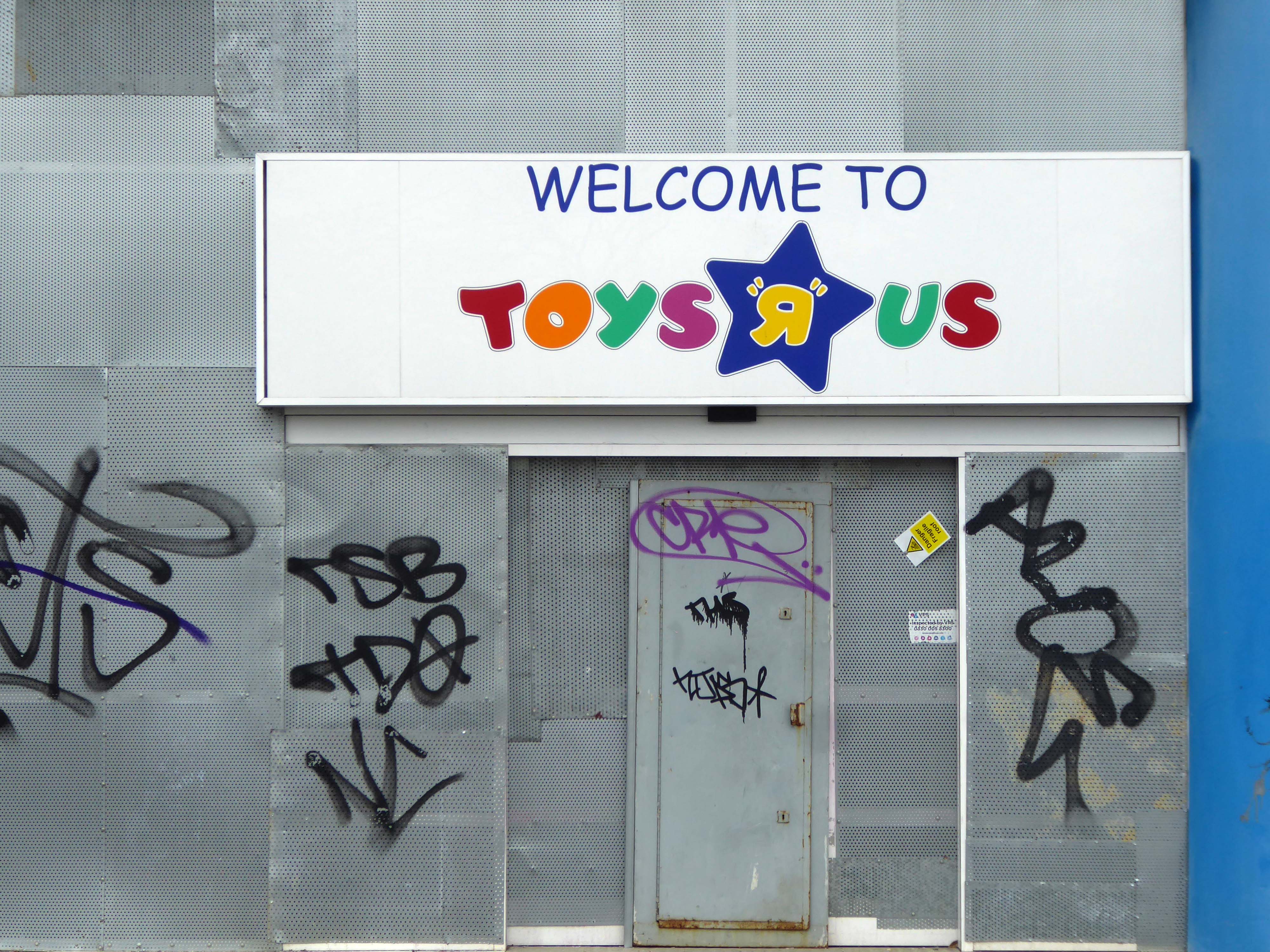
A large To Let sign is now visible above the store, with any interested parties invited to inquire about the large unit. The 47,500sq foot unit is available to lease – in whole or in part, and is described as being immediately available.
The news comes despite previous announcements that WHP Global, the owner of Toys R Us, had plans to re-open some UK stores during 2022. In February, the company said UK Toys R Us stores could open within months, although none have yet done so.
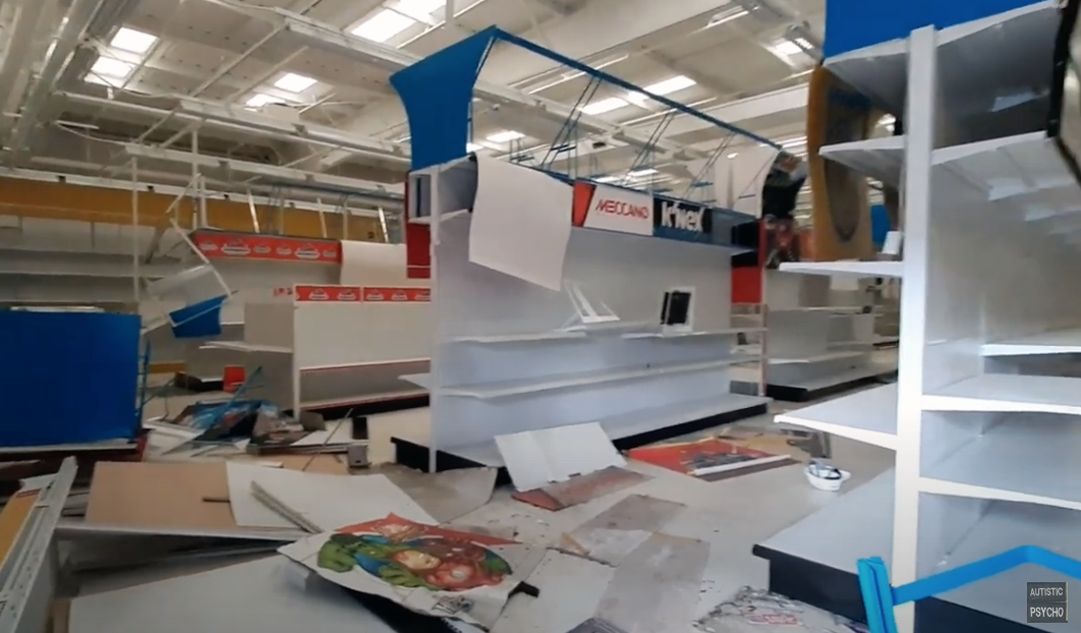
Here is Autistic Psycho’s tour around the deserted store,
So on a light bright sunny day, I took another look around.
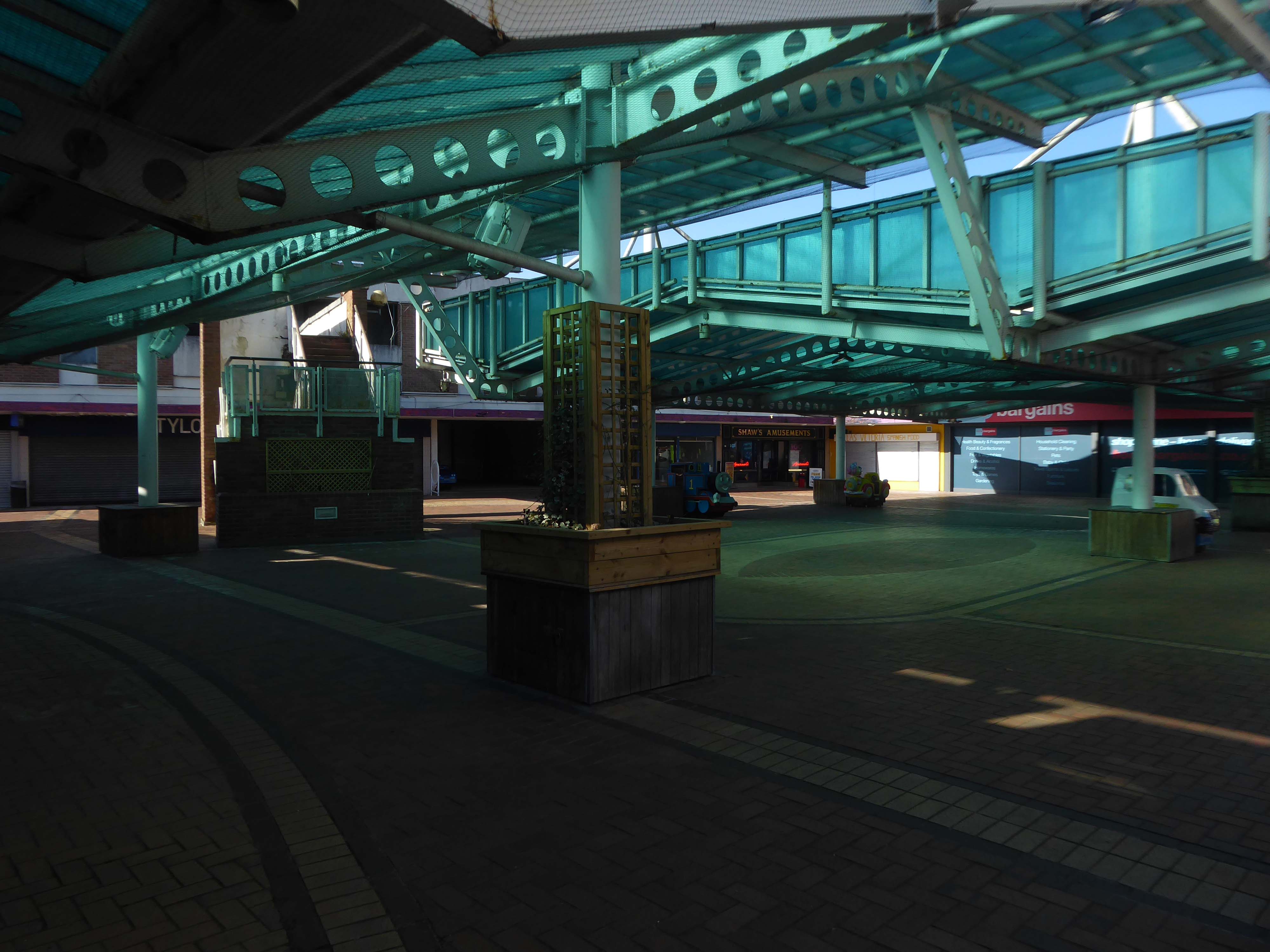
Salford’s town centres are important to the city’s future. They provide employment for local people, retail and leisure opportunities, homes, a sense of community, and a place for local people to interact. However, it is well known that town centres are changing and that they need to adapt and reposition themselves so that they can thrive and meet the needs of the local communities.
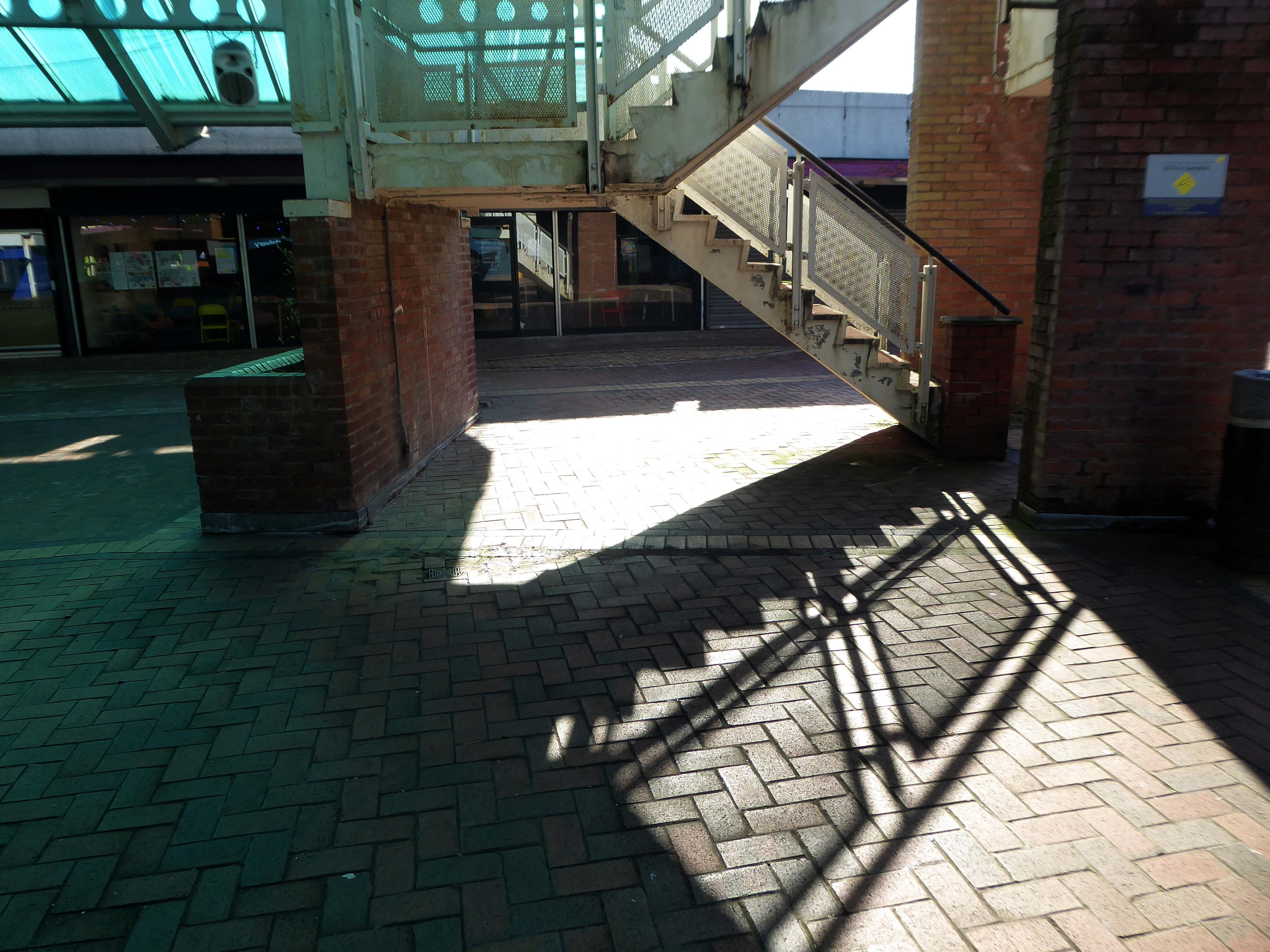
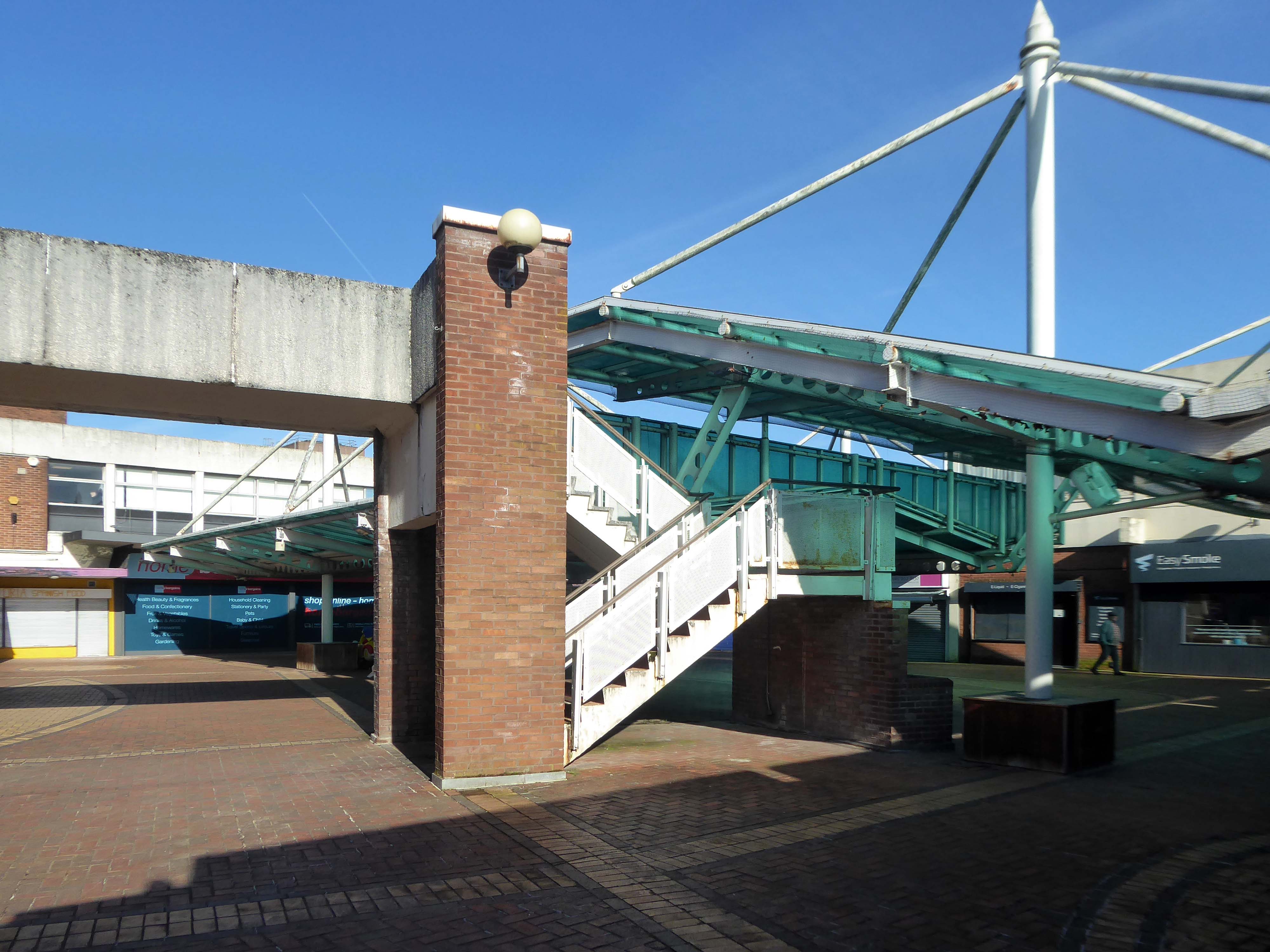
Despite Swinton’s many strengths, it faces similar challenges to other towns. The shopping centre and other buildings in the town centre are dated and in need of investment. Demand for local housing has grown by 23% in the last five years, but there is a lack of high-quality family and affordable housing in the right locations in the area.
The city council has identified Swinton town centre – along with Eccles, as a priority area for regeneration. On that basis, the council has engaged with the community and local stakeholders to establish a clear vision for the town that will help to guide change and future investment, whilst protecting what local people consider important for Swinton.
Swinton Square is in private ownership and therefore not something that the council has any direct control over. It is also important to acknowledge that the issues facing Swinton precinct are not unique to Swinton and those challenges are varied but linked to changing shopping habits, decline in the retail offer, competition from out-of-town centres as well as changes in the wider economy.
We do have an open dialogue with the owners of Swinton Square, the West Bromwich Building Society, who are aware of the vision and aspiration for Swinton.
One of the aims of the council’s events and animation programme is to encourage additional footfall and dwell time within the town centre.
The A34 is a major route from the ports on the South Coast of England to the Midlands and the North West, with the standard varying from rural dual carriageway sections in the south to urban single carriageway in the north, and everything else in between.
Slade Lane junction, Rushford Park to Parr’s Wood, East Didsbury – to connect to Manchester Road to Cheadle. It continued on to Laneside Road as a residential road. Opened on 11 April 1923 by Mary Cundiff, Lady Mayoress, and Margaret Turnbull, daughter of Alderman Turnbull, Chairman of Manchester Town Planning Committee. Width was 100 feet and it was designed for tram tracks in the central reservation. The dual road carriageways were 20 feet wide. Manchester’s tram system was closed in 1949. The carriageways were widened and central reservation grassed over. Originally opened as A5079.
Laneside Road, East Didsbury to Schools Hill/ Wilmslow Road junction, Cheadle. Opened on 12 October 1959. The official opening was on 15 October 1959. Planning for the bypass had been halted by the war. In December 1949 Manchester Corporation stated that it was not a priority since the Corporation was only responsible for the 200 yards to the proposed bridge over the River Mersey and Cheshire County Council had not asked for a joint approach to Ministry of Transport to build it. Work was finally authorised in January 1957 and started in the June. Width was 90 feet with dual 24 foot carriageways. Expected cost was £600,000 to £700,000.
The A6 is Britain’s fourth longest road. Its route varies greatly from the lower lands of the South East, though the Peak District, right though the heart of Manchester city centre, then onwards towards Preston. It then goes though the historic city of Lancaster before skirting the Eastern fringe of the Lake District before ending in Carlisle, bang on the start of the A7.
North from Stockport towards Manchester, the A6 was a wide, four lane road, but still 30 mph, which usually flowed pretty well. According to Mudge, it looks like it has now been massacred by bus lanes and red paint. Shame. We meet the A57 from the east, just south of the city centre, and multiplex until we reach Mancunian Way, the A57 heading off as a short urban motorway, the A6 heading into the city centre via London Road/Piccadily, where it loses its number and vanishes. It would have gone straight down Piccadily/Market Street to meet Deansgate, and then across the River Irwell into Salford, and up Chapel Street, where the number reappears. Market Street has been pedestrianised for years, so the A6 has long ceased to be a through route.
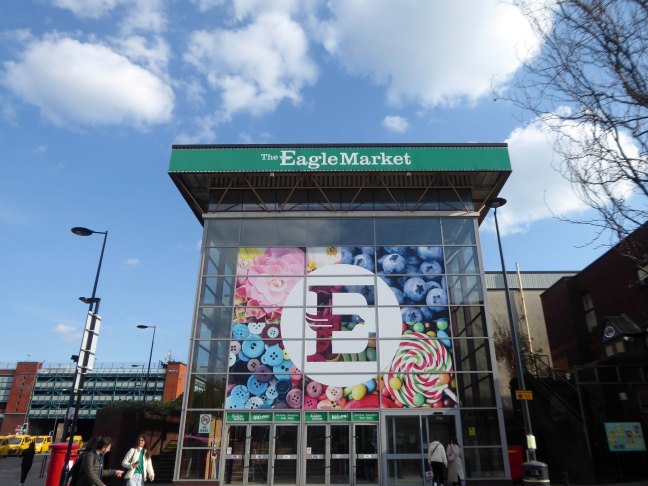
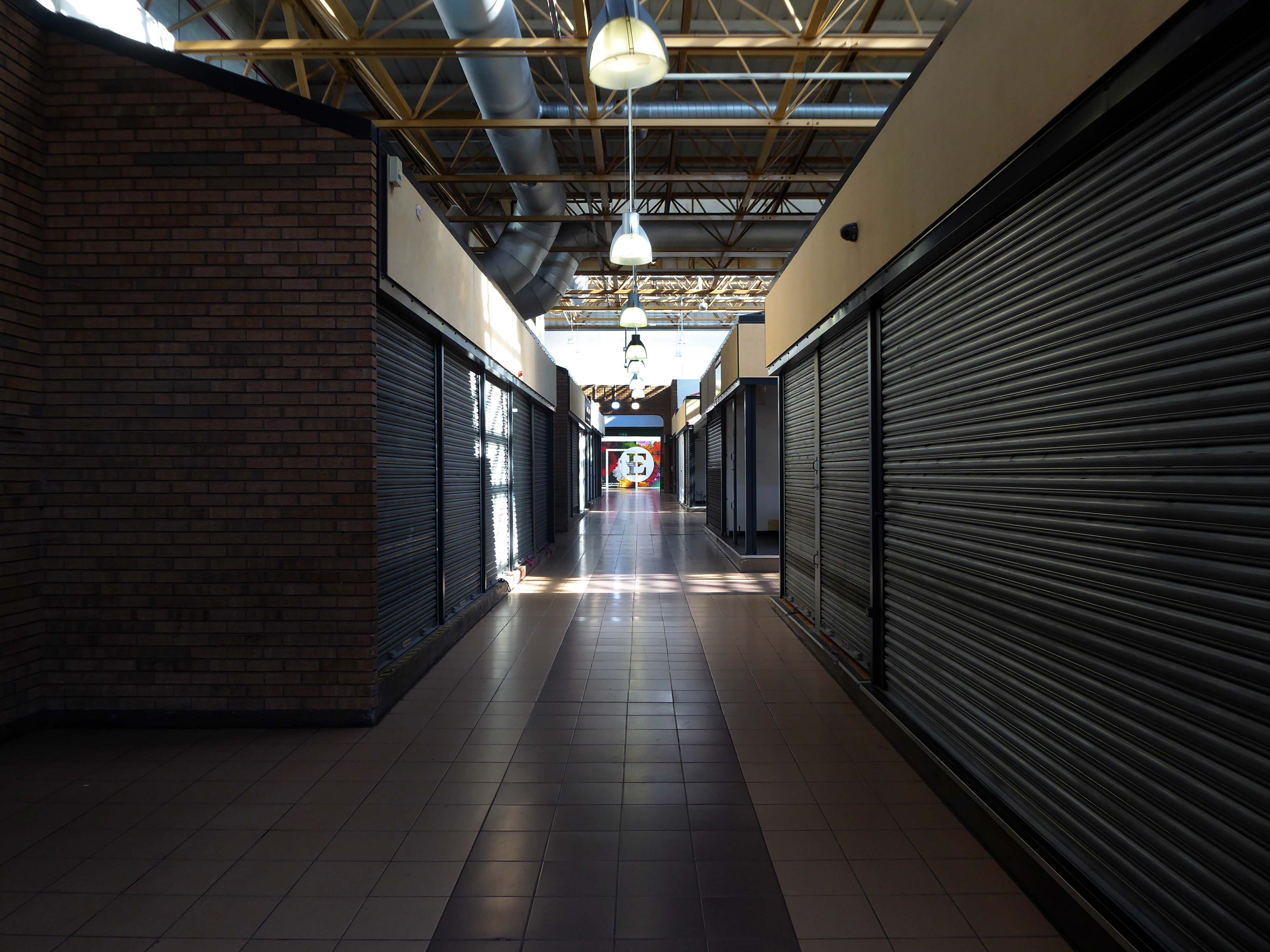
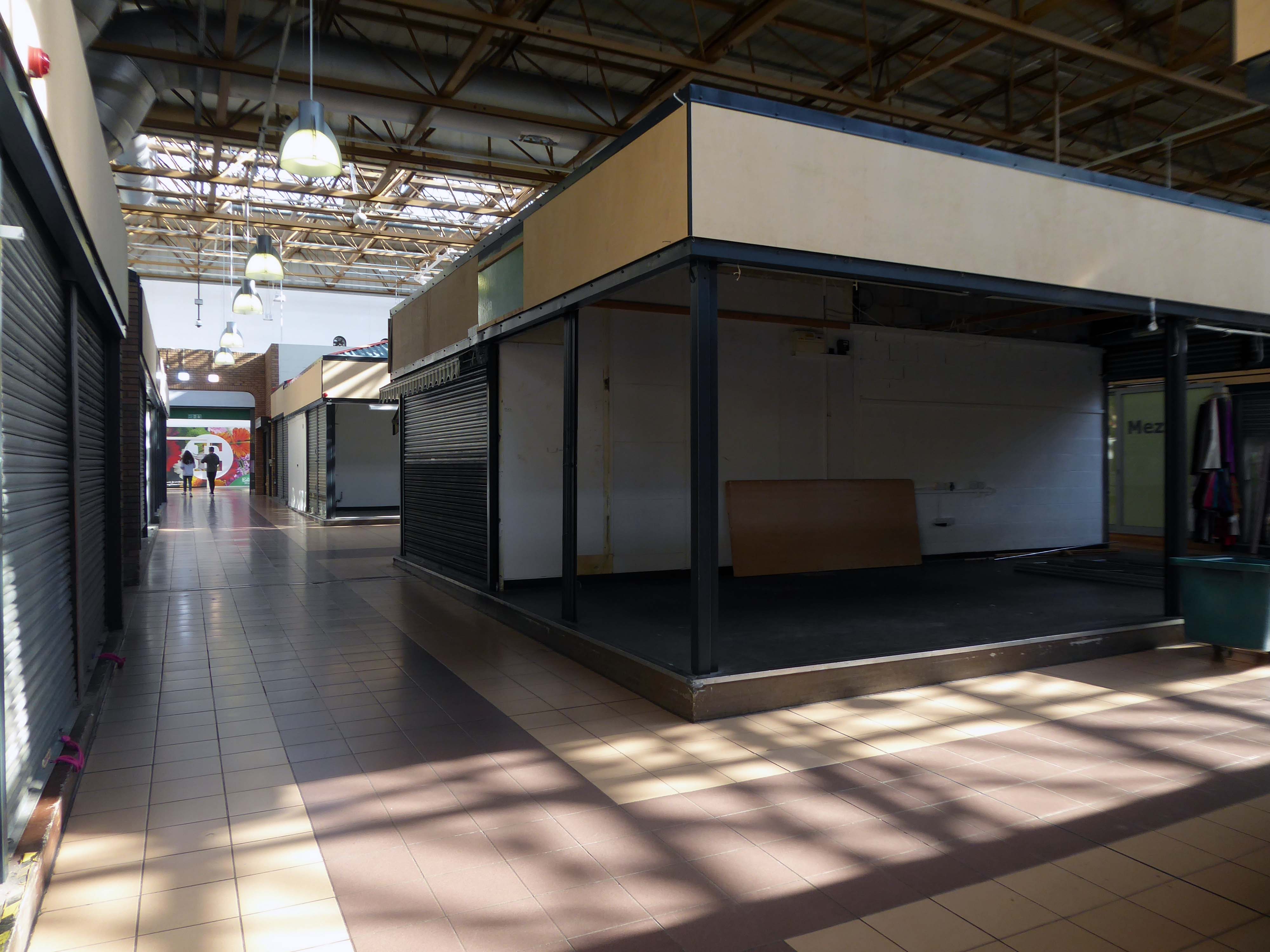
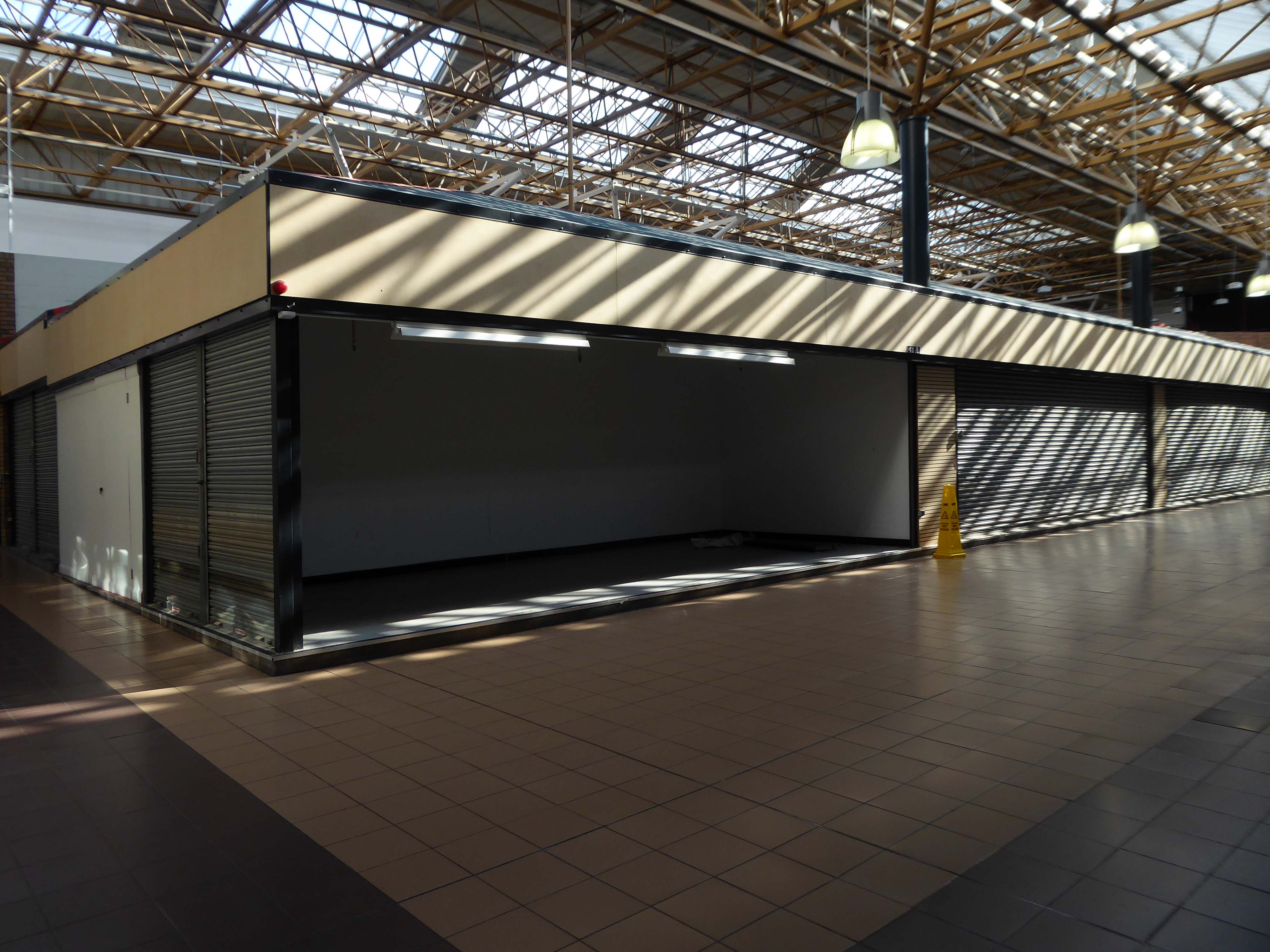
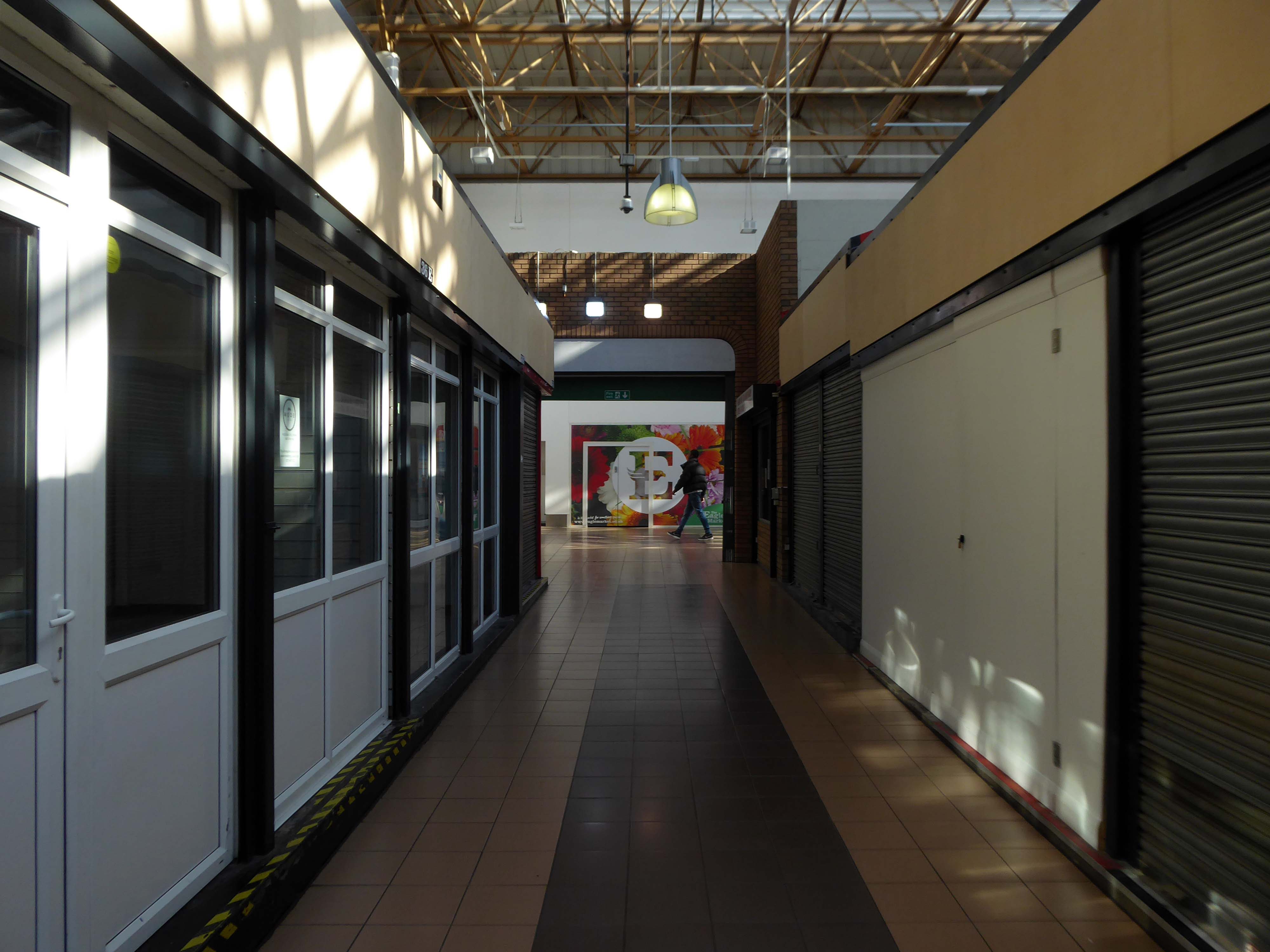
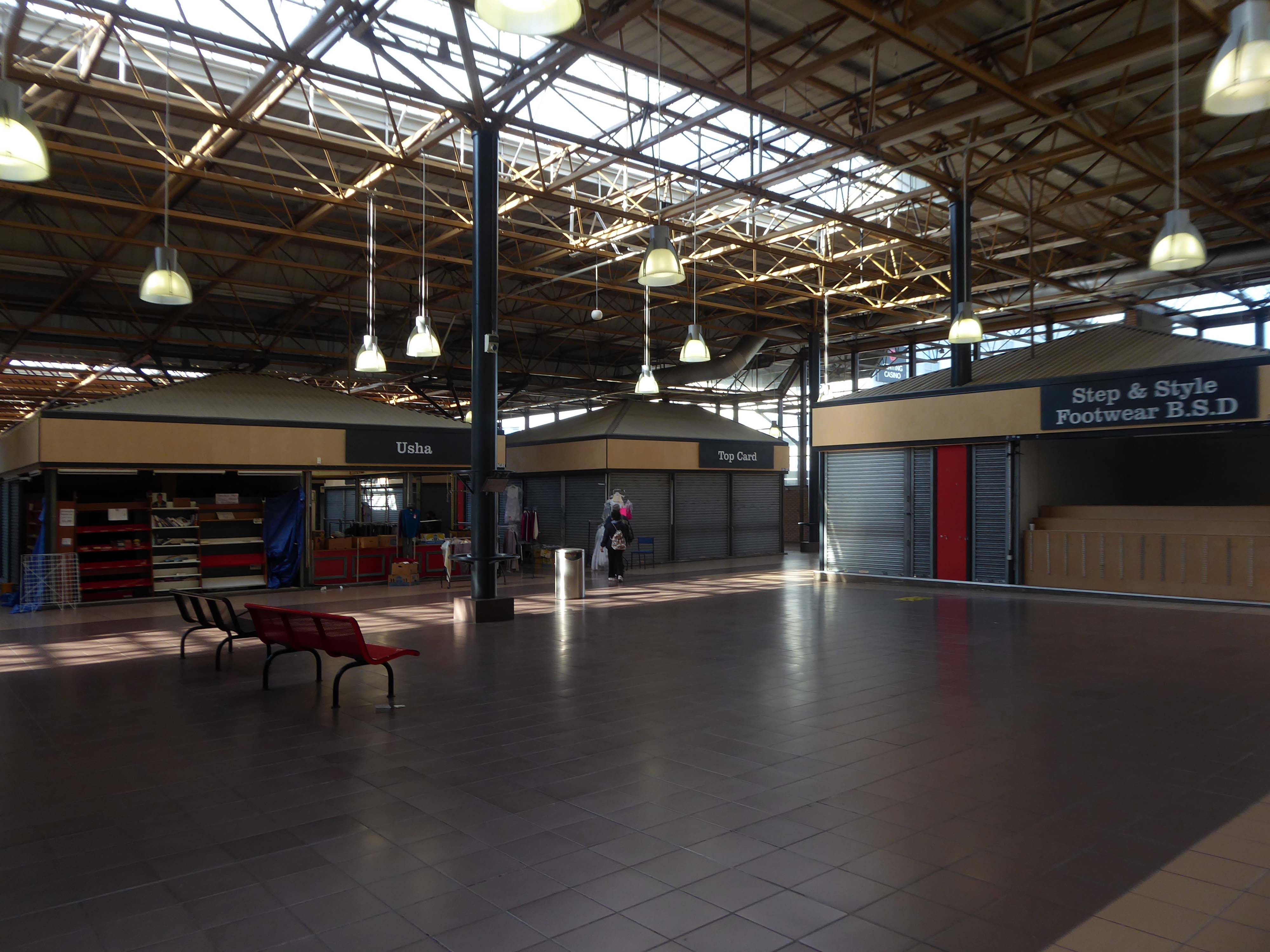
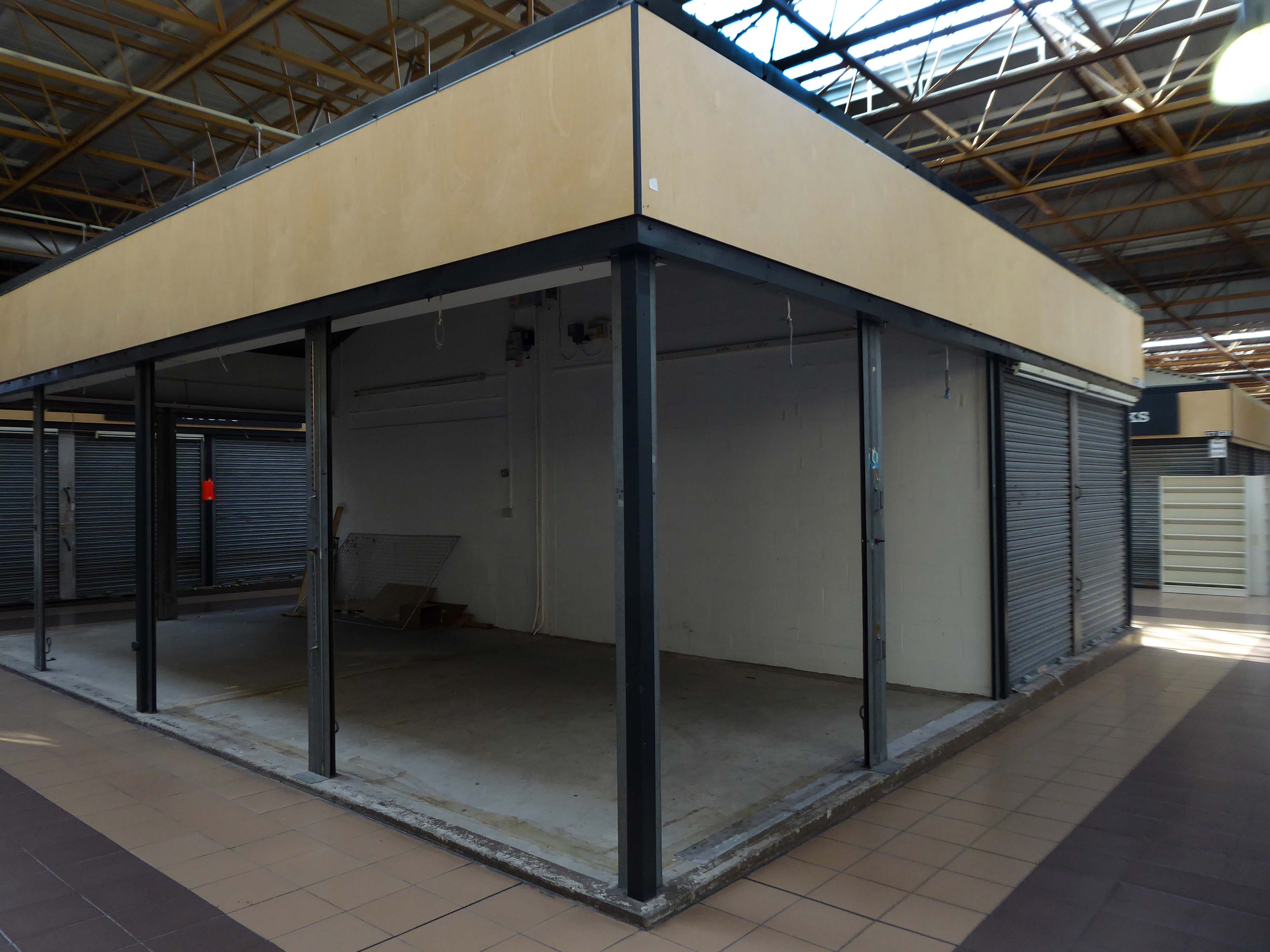
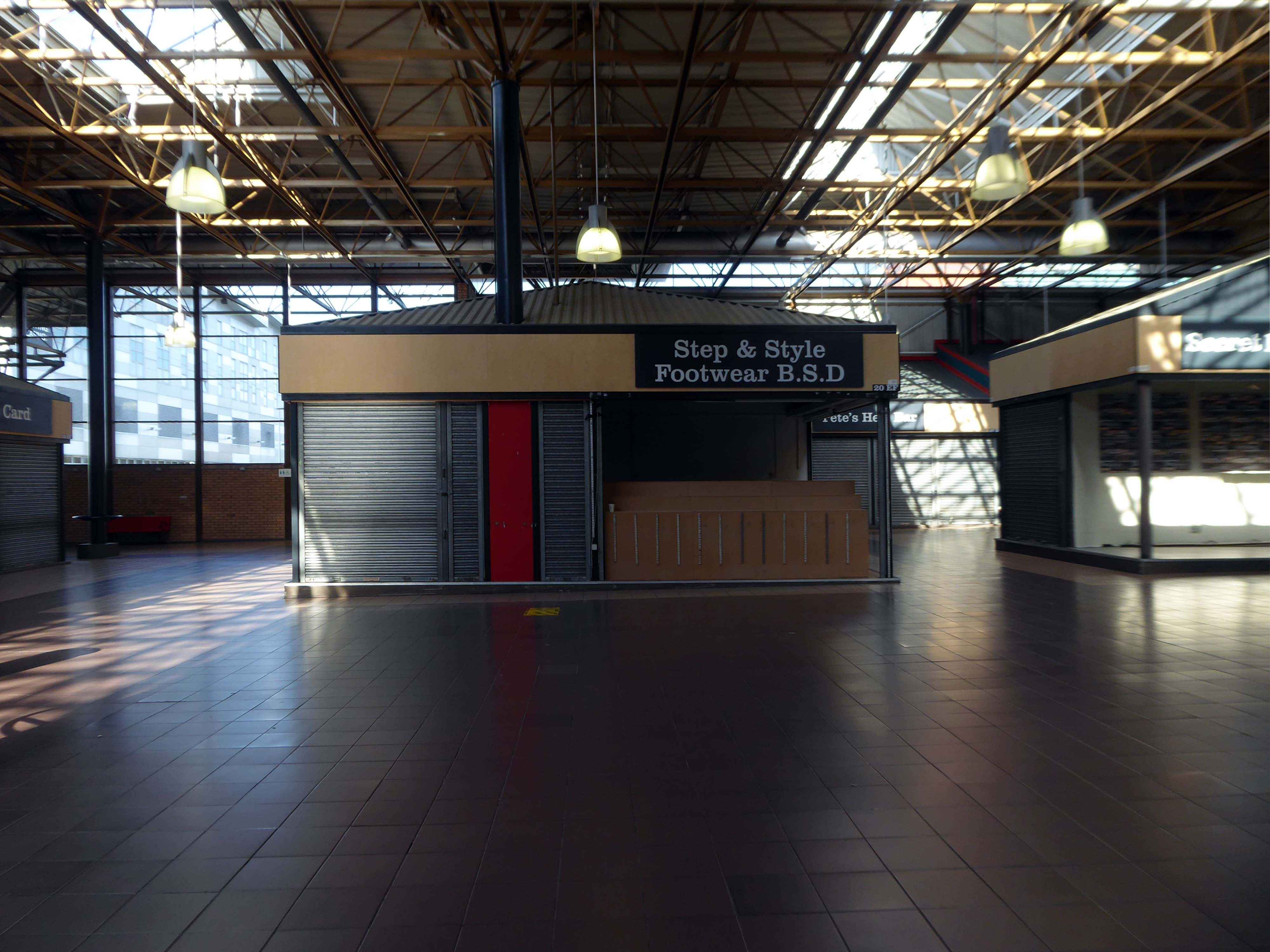
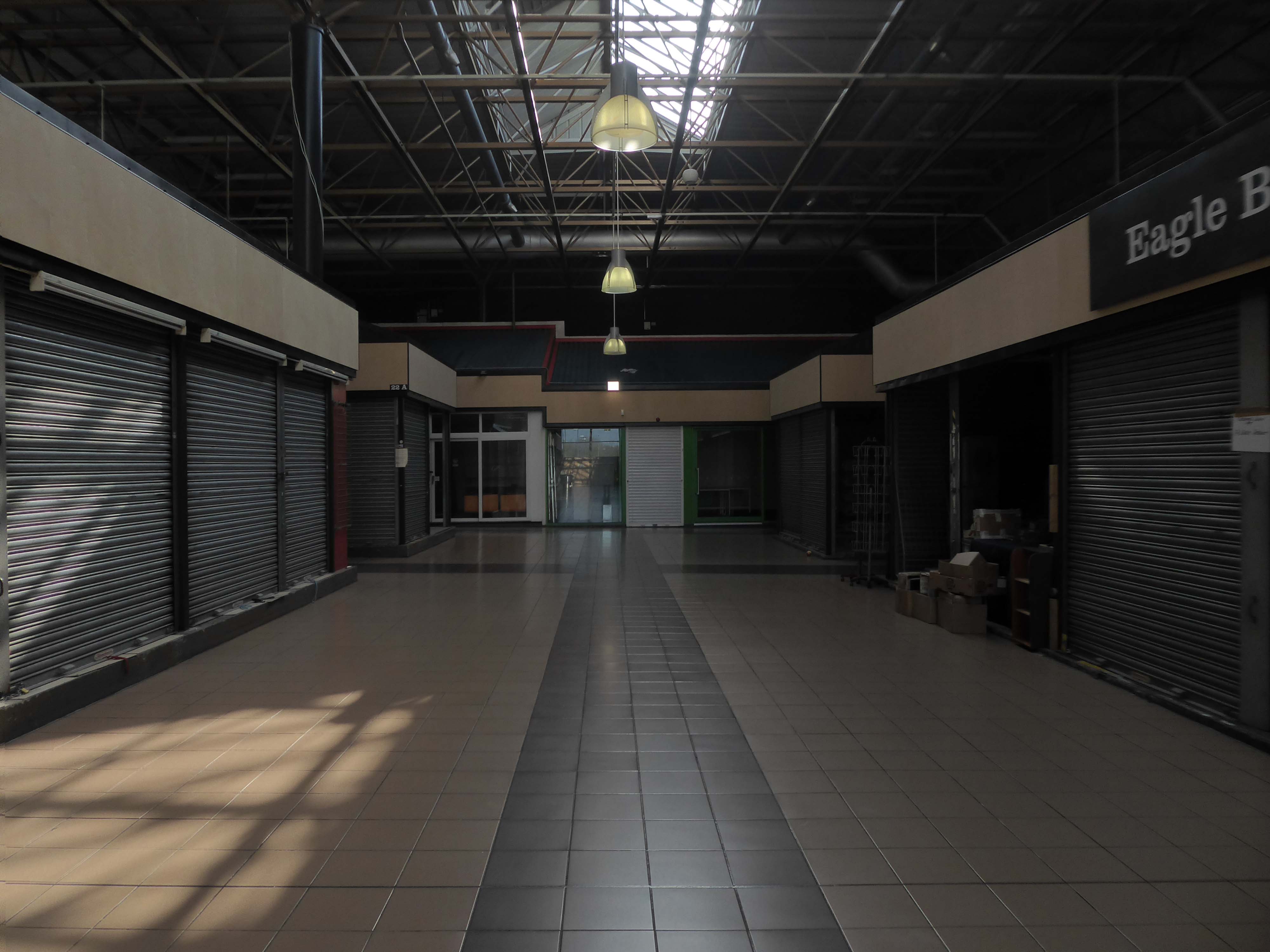
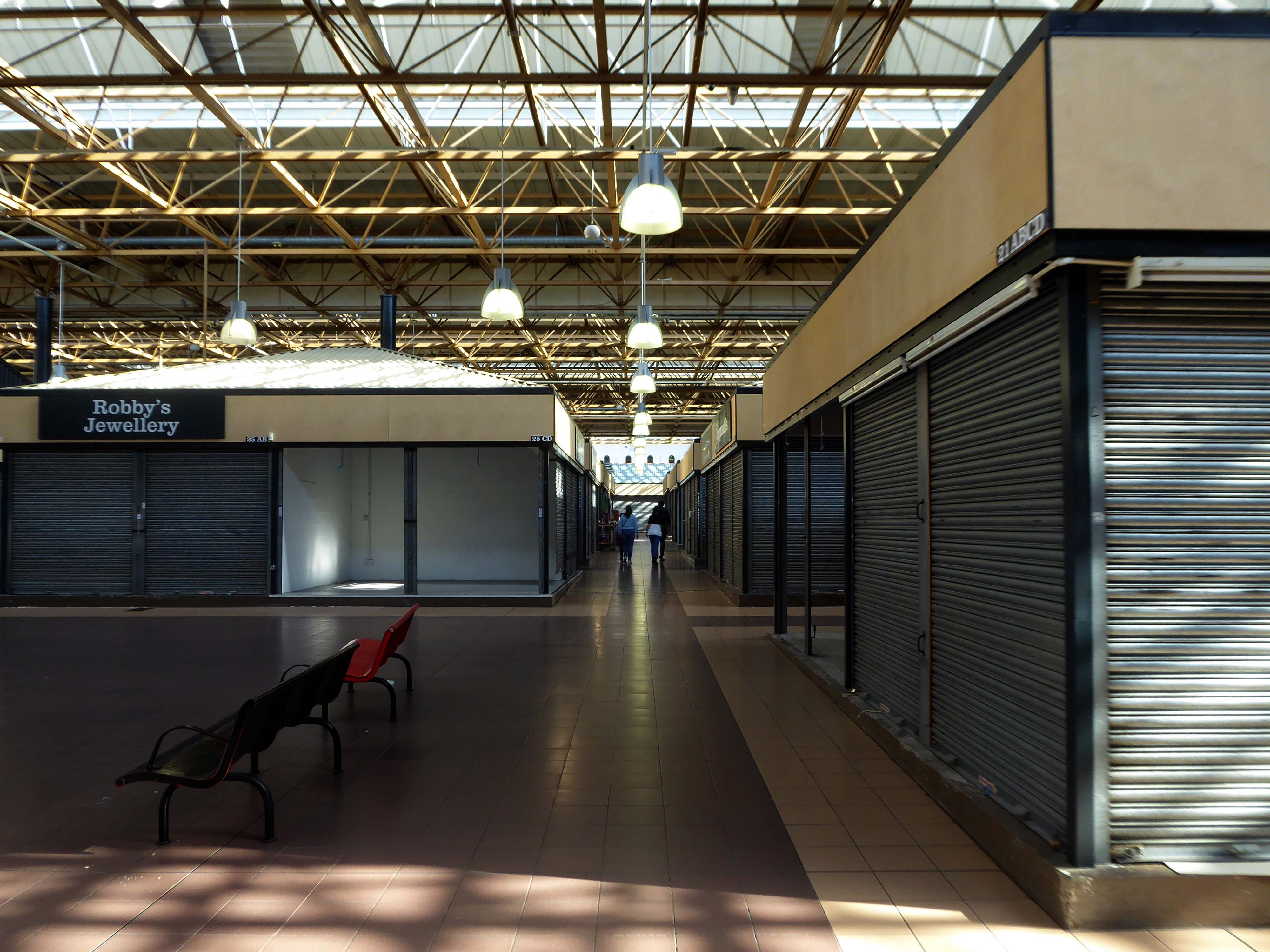
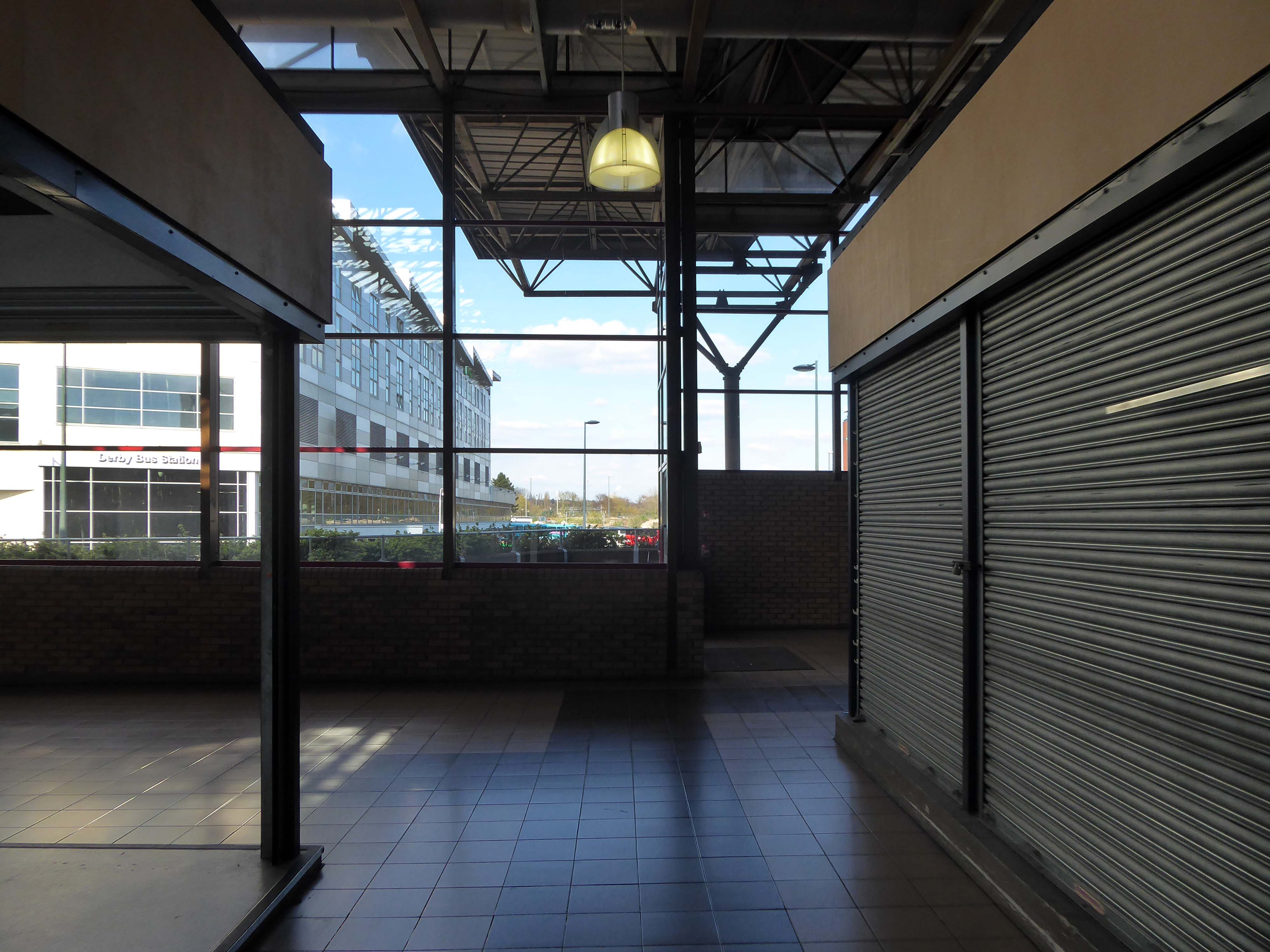
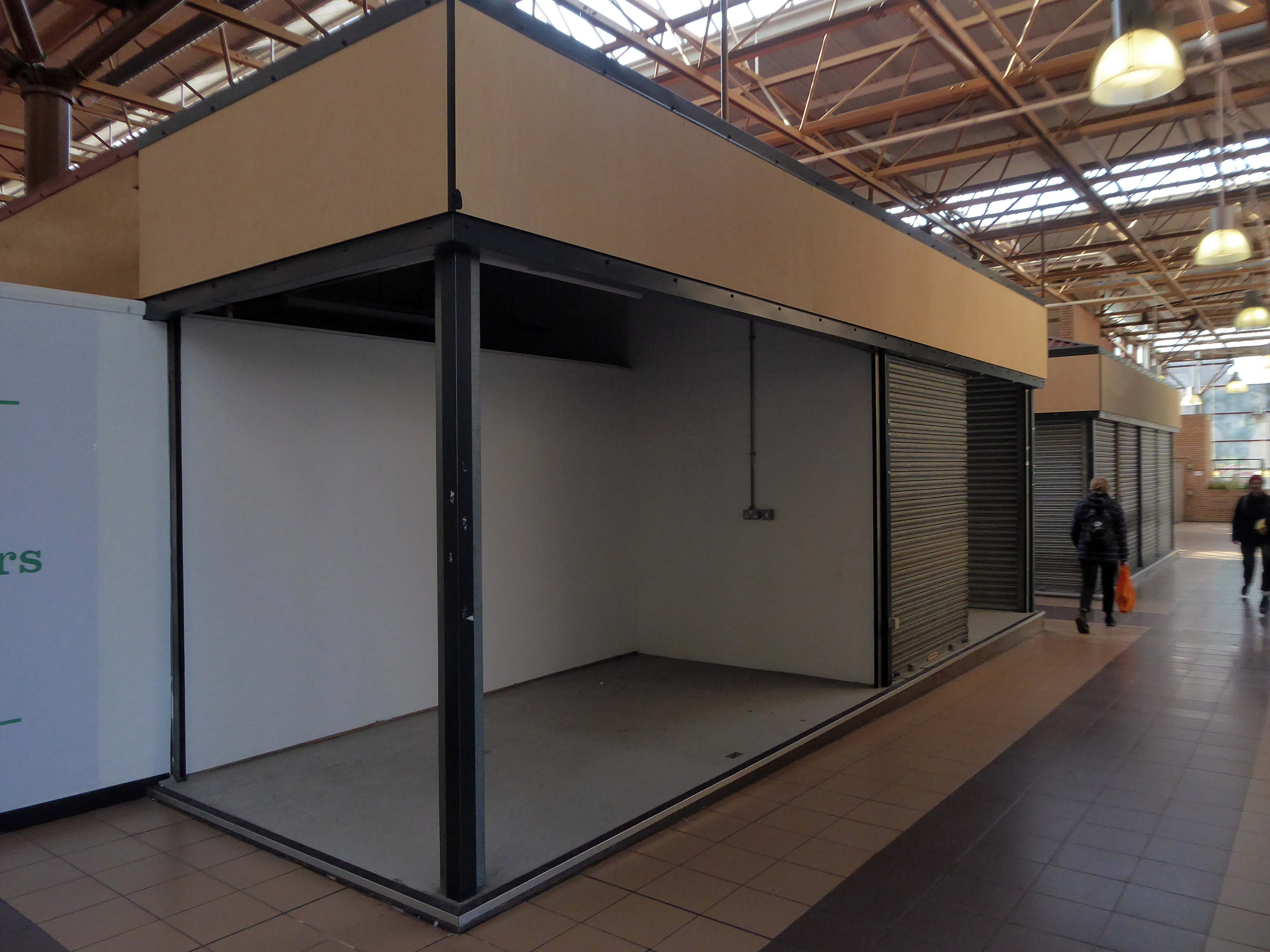
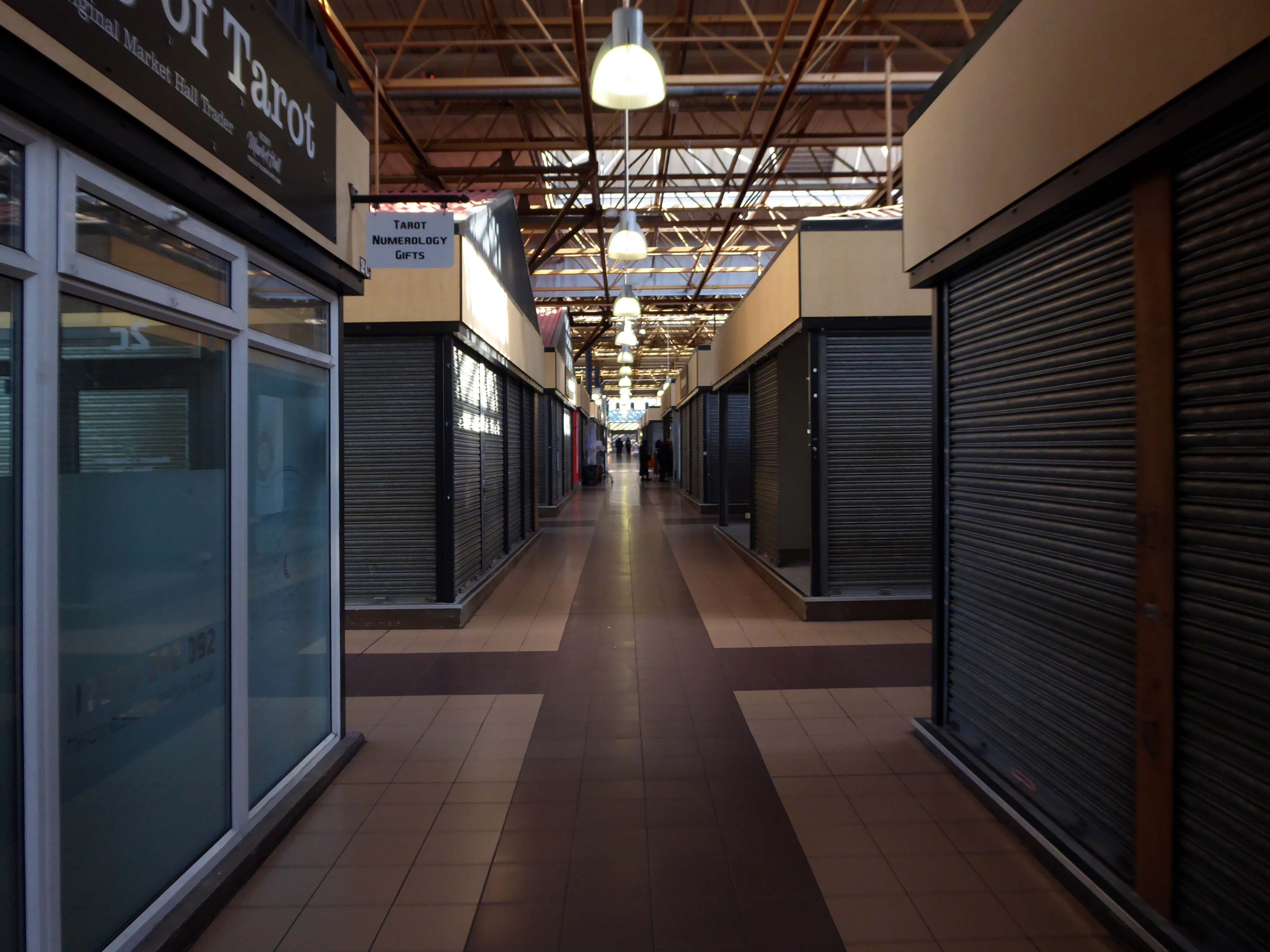
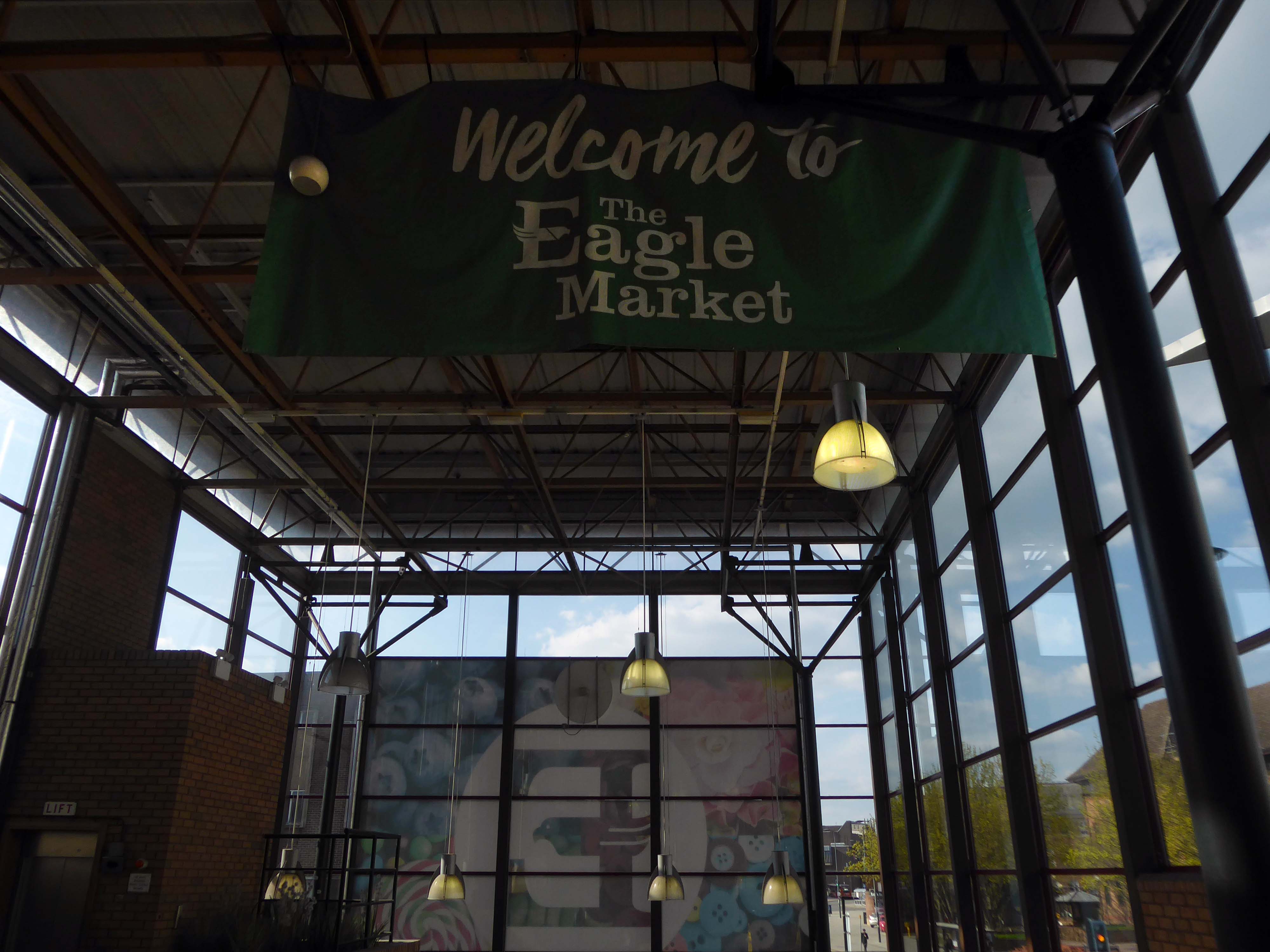
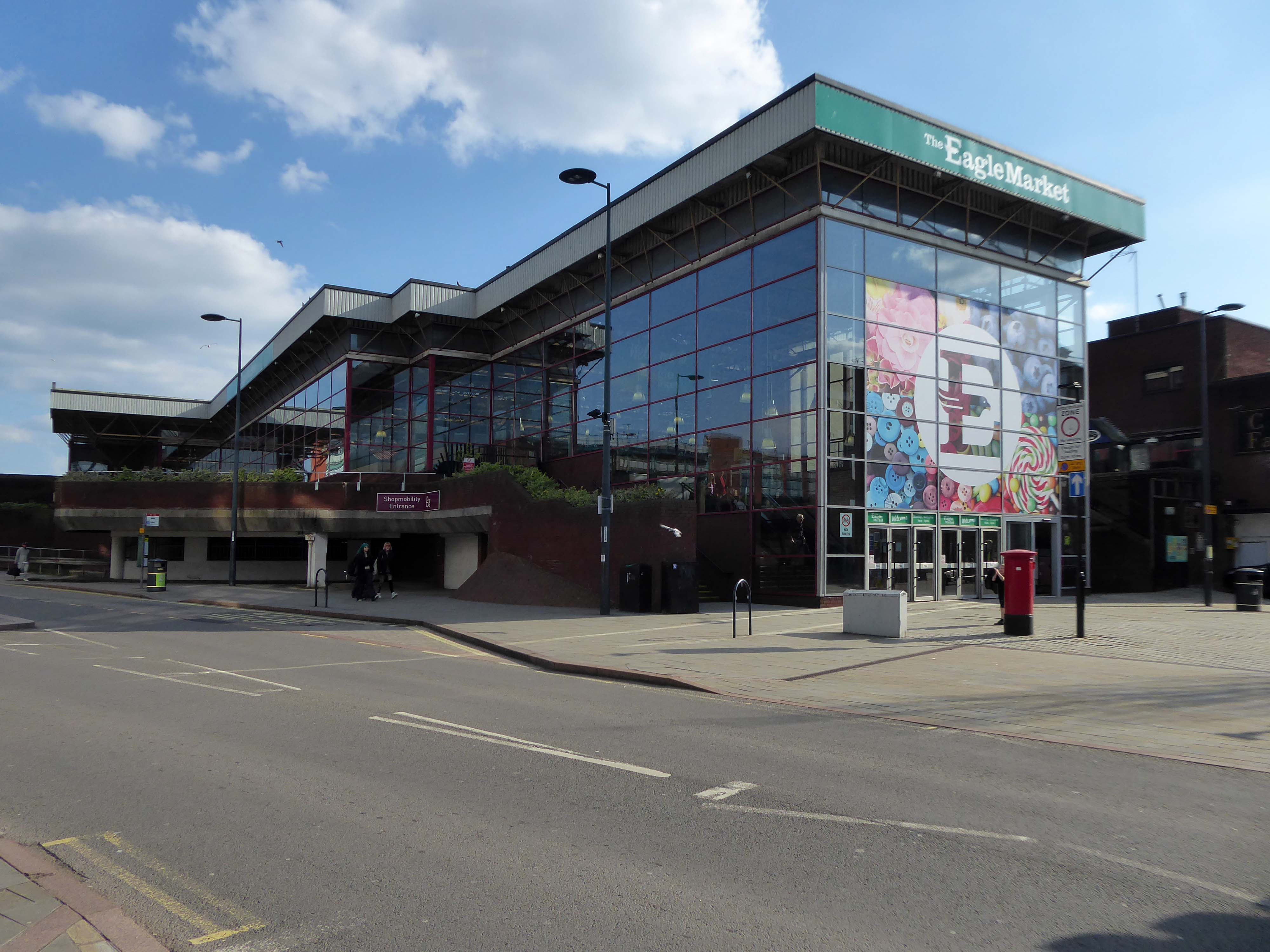
Derby’s Eagle Market, which has been open for nearly 50 years, is set to close for good in around six months from now. The indoor market is expected to shut down in March, traders were told in a memo late last month.
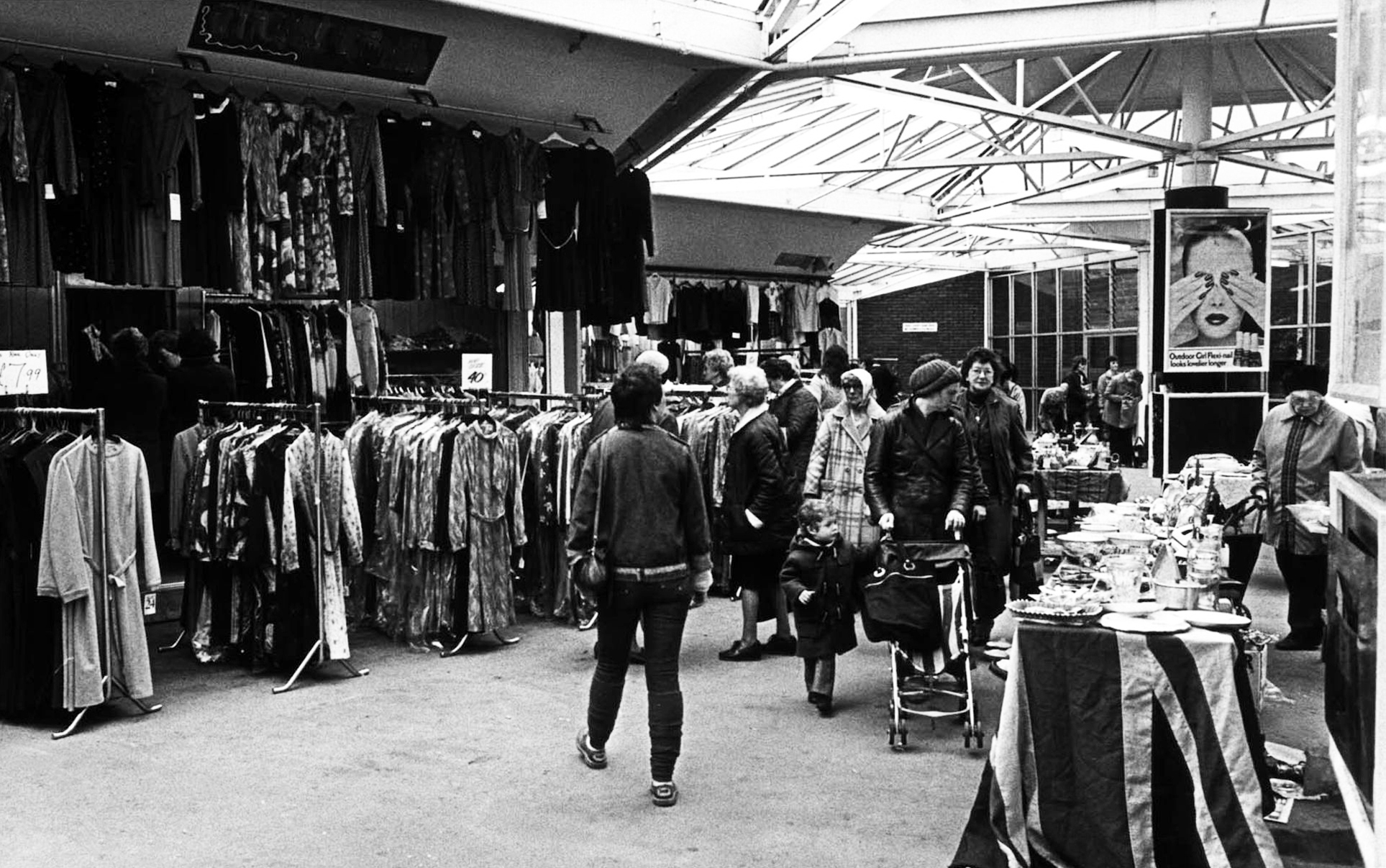
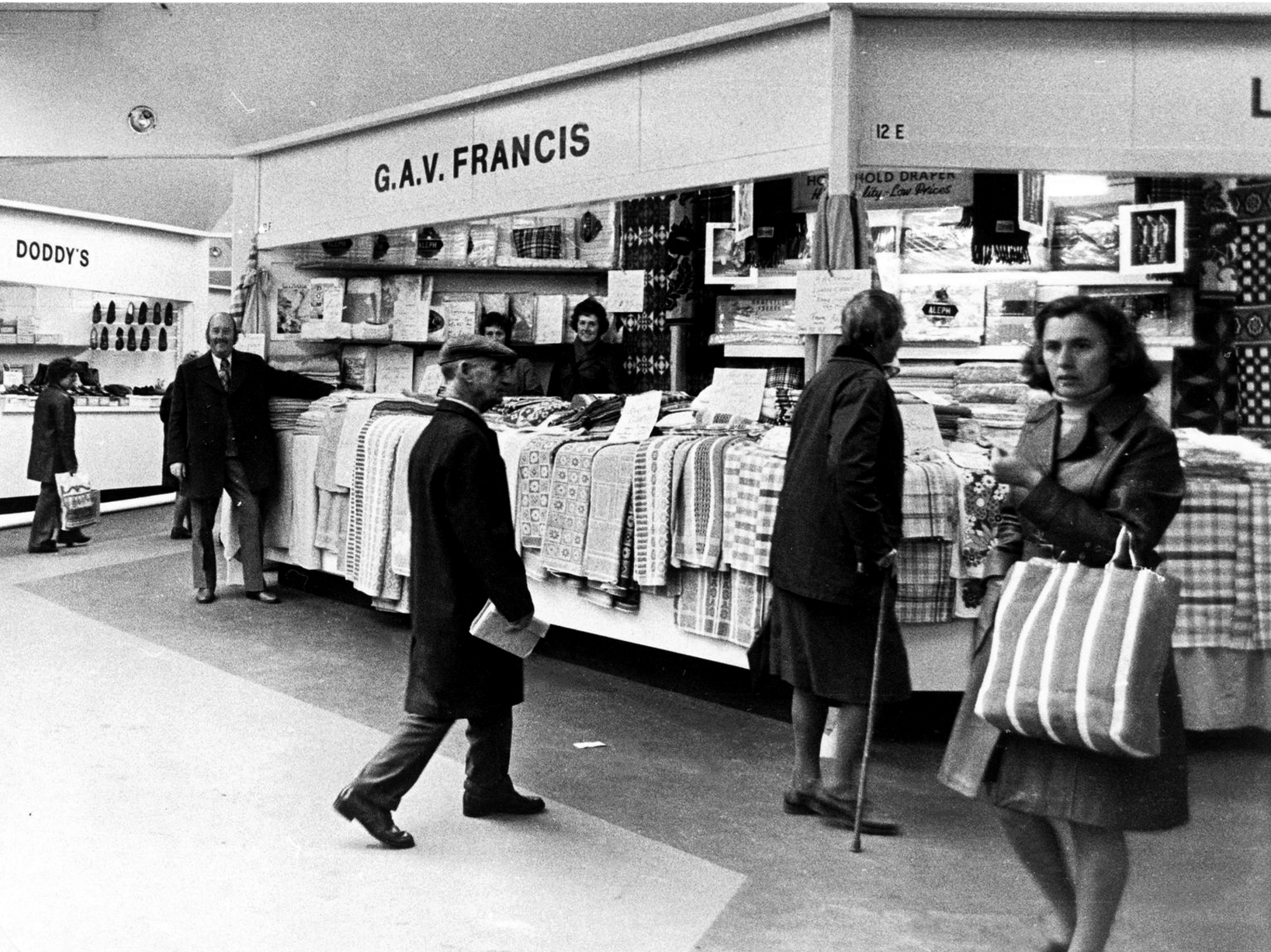
The long-standing city centre market has undergone major changes since opening in 1975. Over the past 46 years, dozens of traders have come and gone, from fruit and veg sellers to fine clothes retailers, pottery makers.
The nut stall that is greatly missed by nut fans.
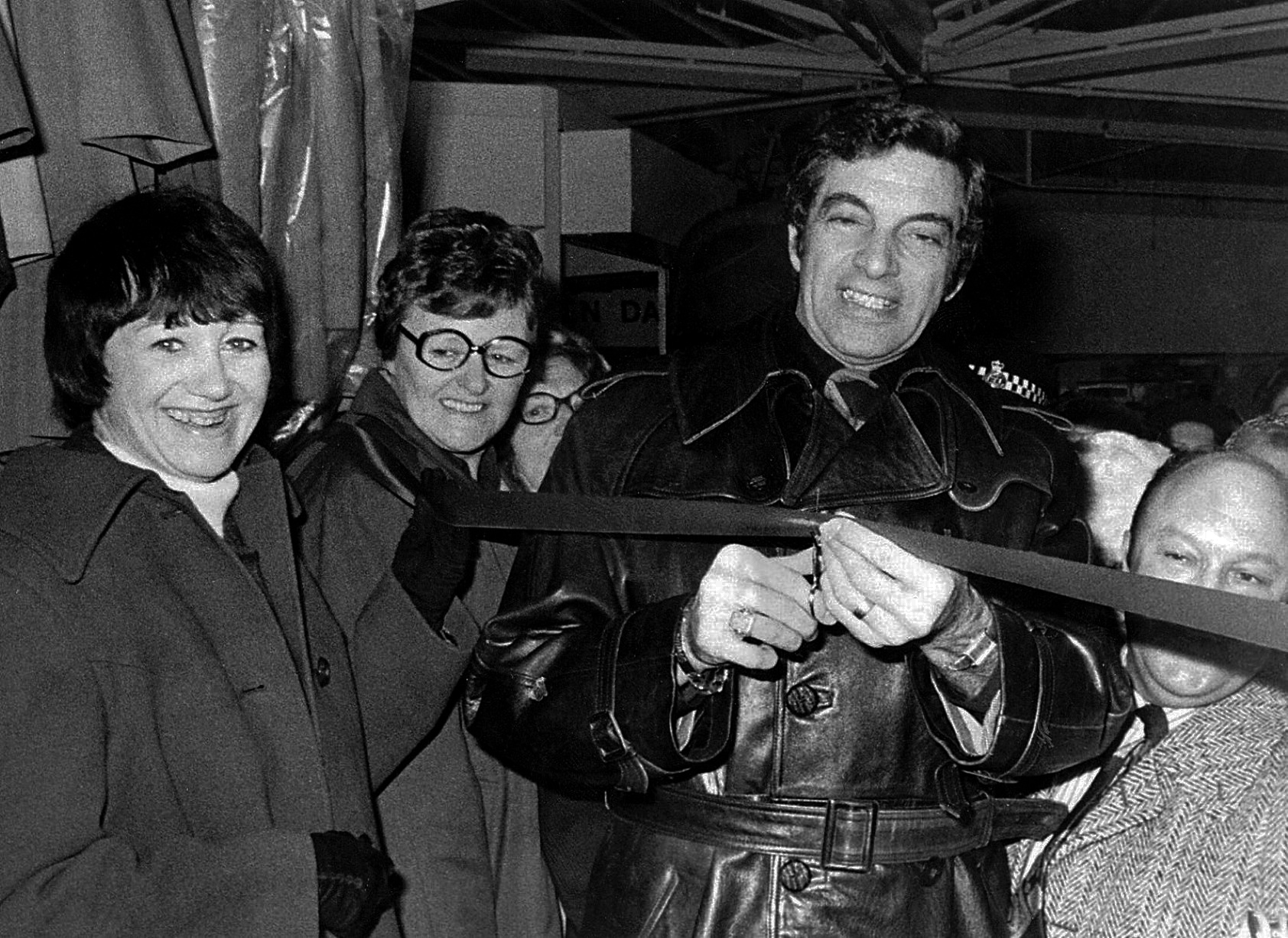
Singer Frankie Vaughan opens Jack’s Rainwear at the market in 1976.
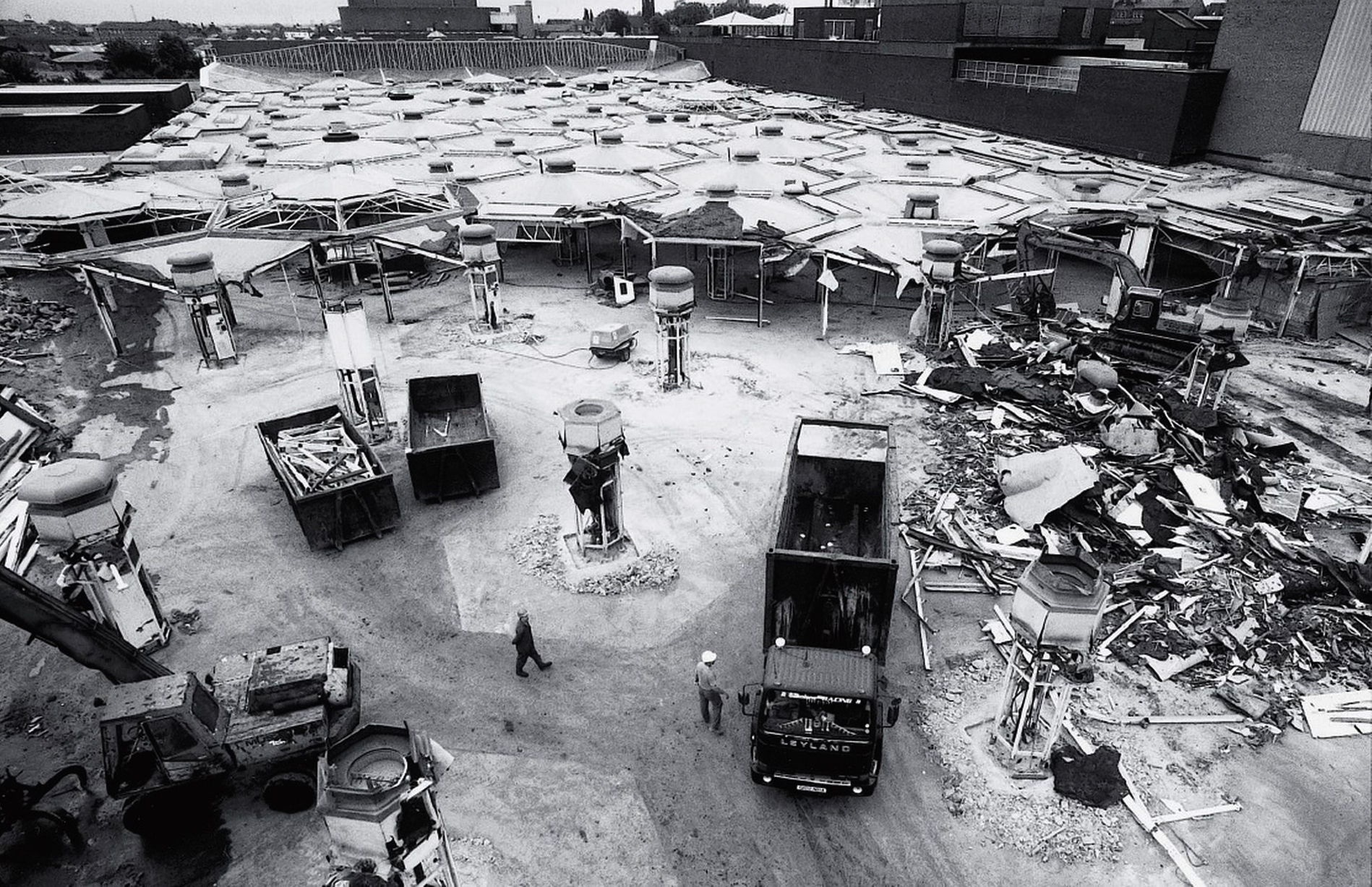
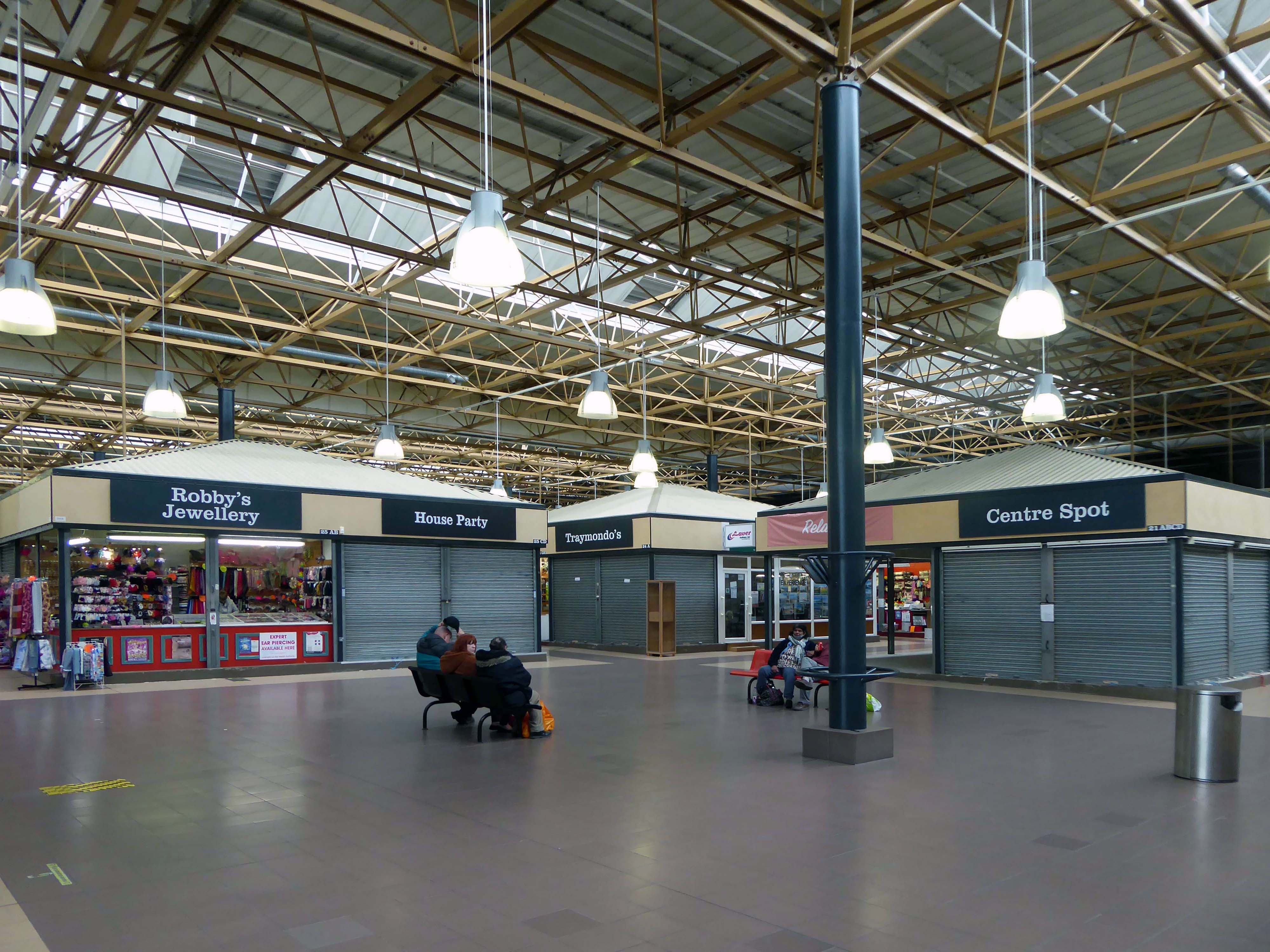
When it first opened, the venue was a maze of hexagonal stalls, which gave it a futuristic look, but it was a confusing layout and it was difficult to navigate and find the stall you wanted. The hexagons came down in 1990 in favour of a more traditional, open layout which made the market easier to escape in the event of a fire.
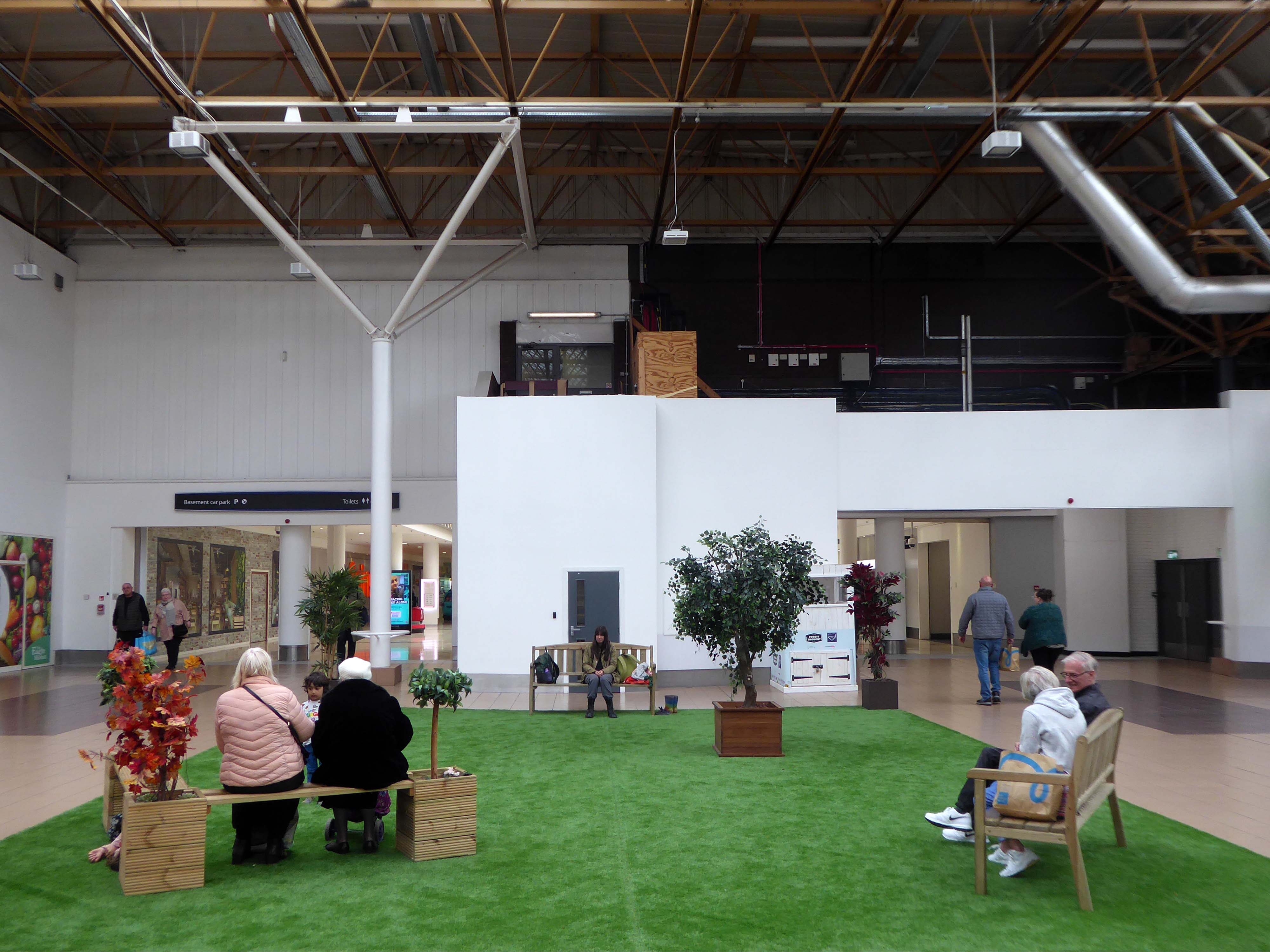
The Modernist modular structure replaced by a higher High-Tech roofing solution.
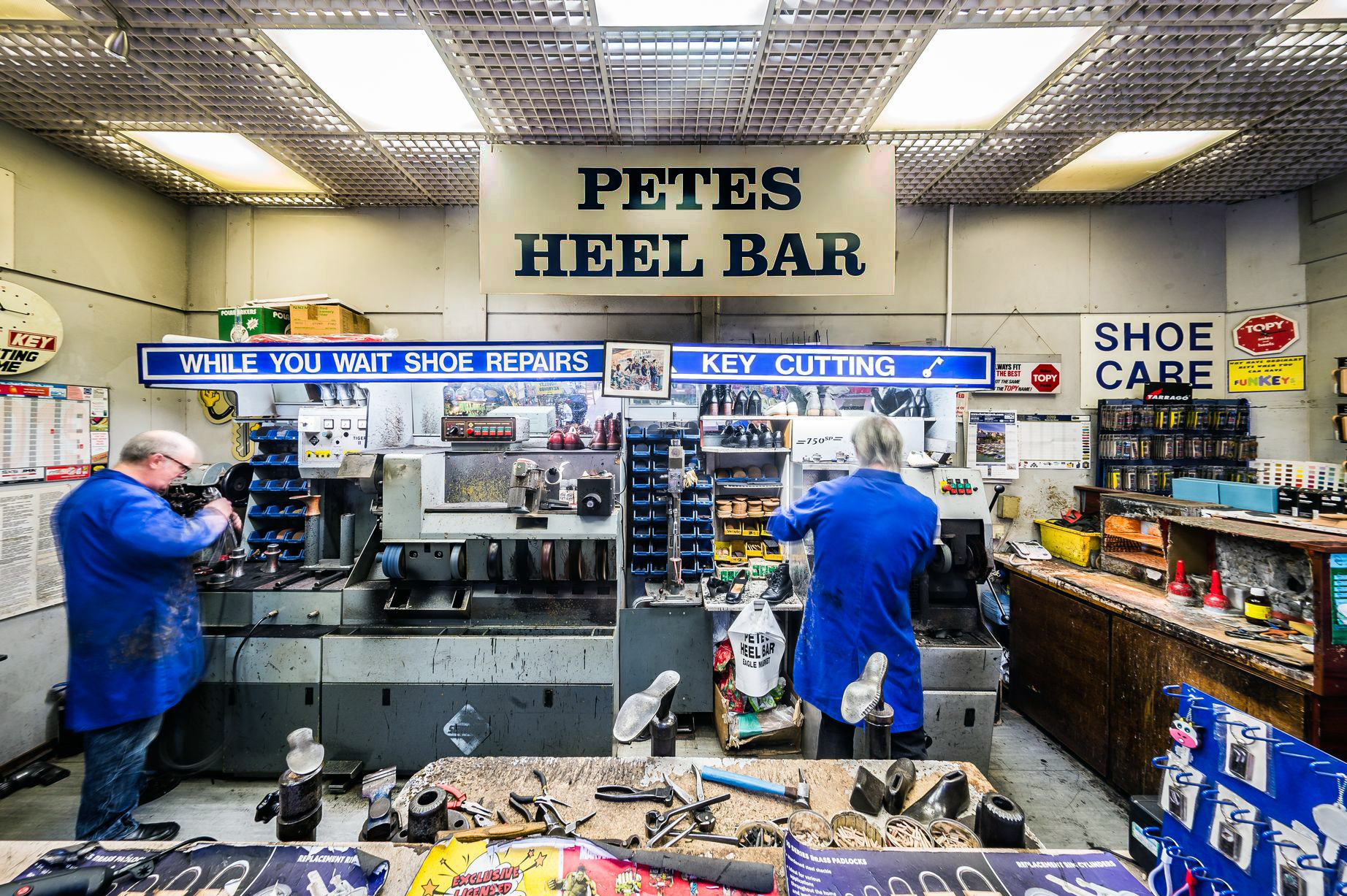
Petes Heel bar will be missed, along with his missing apostrophe.
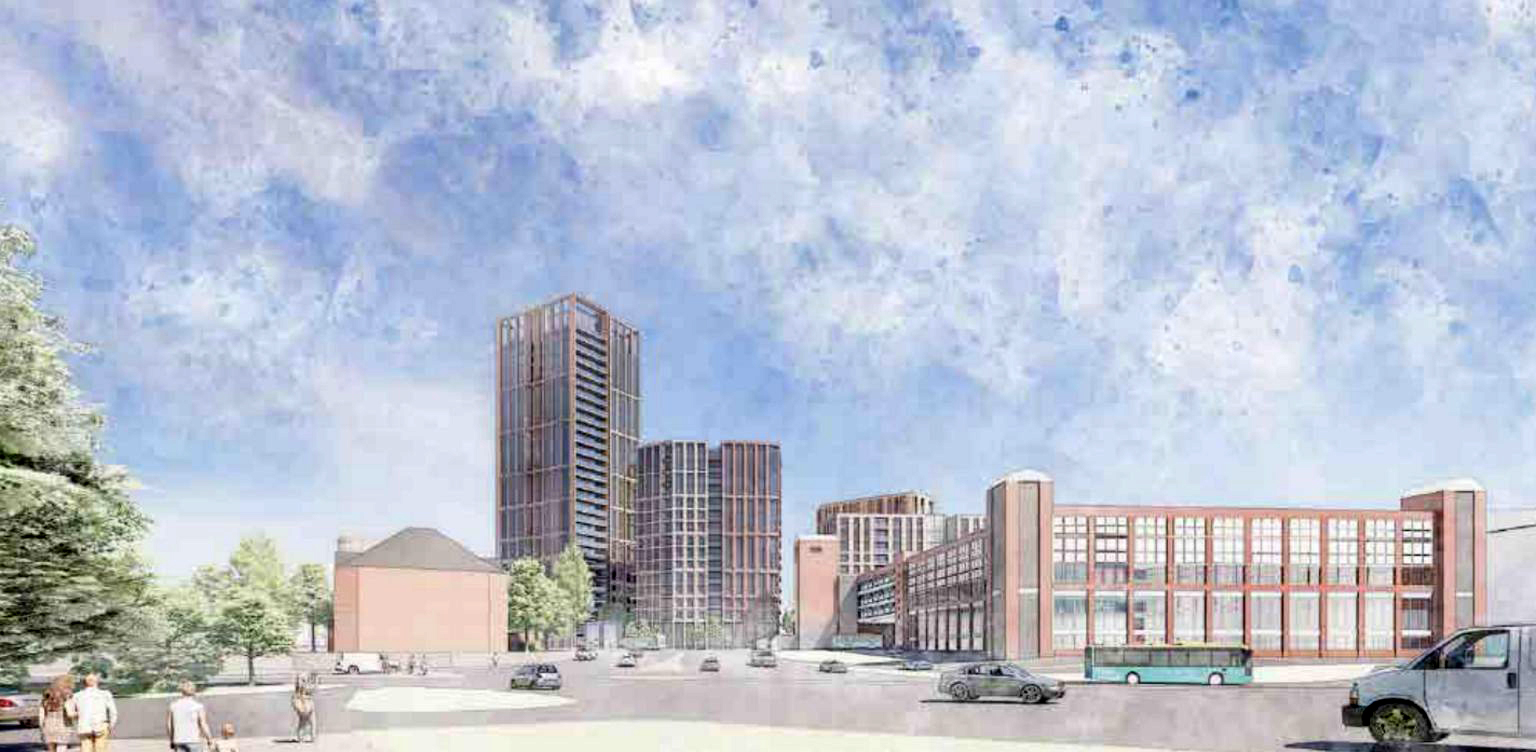
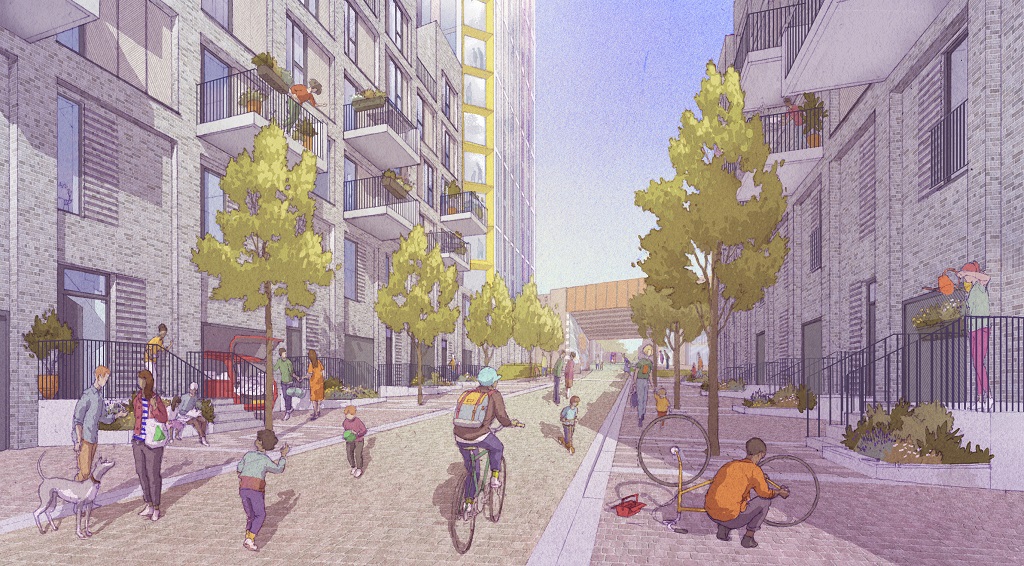
The redevelopment masterplan includes new homes and commercial uses with new public spaces and walkable streets that will integrate the site with the rest of the City Centre and improve new connections to the river. There is scope to introduce some tall buildings to make better use of the site with new food and beverage, leisure and other activity at ground floor level. The proposals will contribute towards the Council’s vision in a way that responds positively to the site context including surrounding character areas.
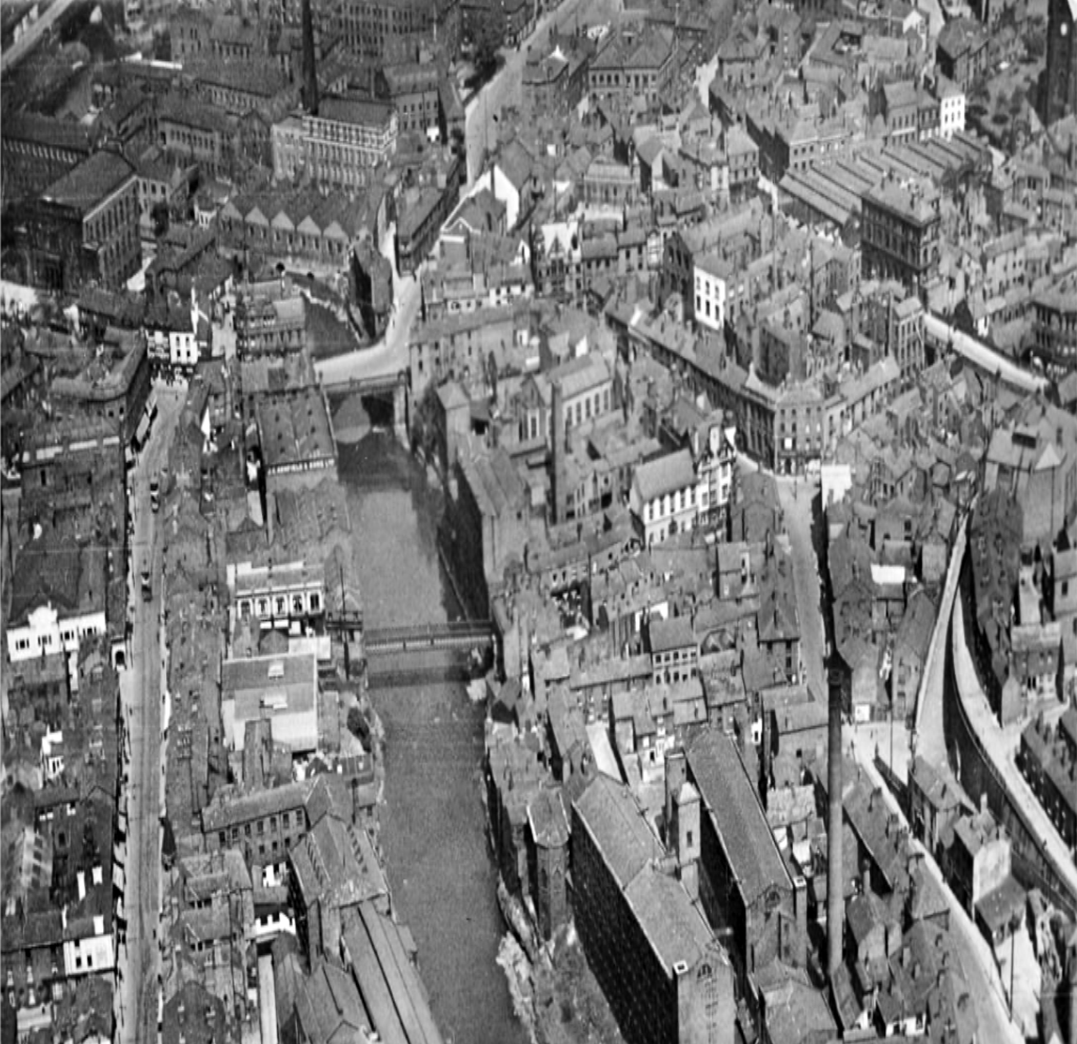
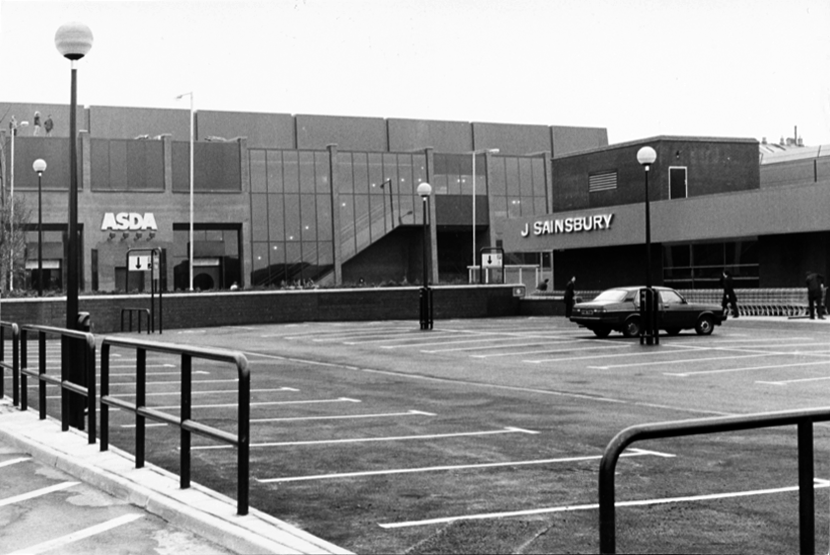
Warren Street Stockport, north of Lancashire Bridge beside the Mersey – seen here in the 1920s a mix of retail, dwellings and industry as was most of the town centre.
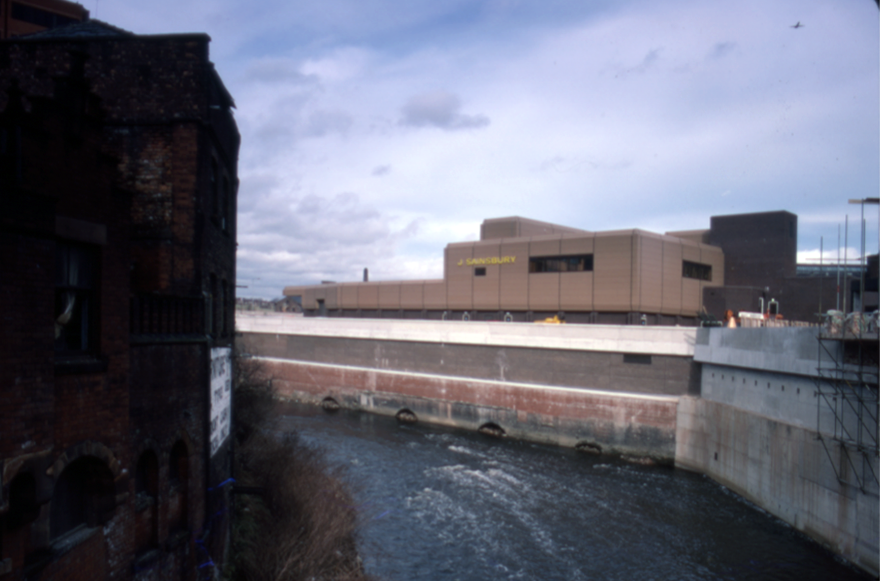
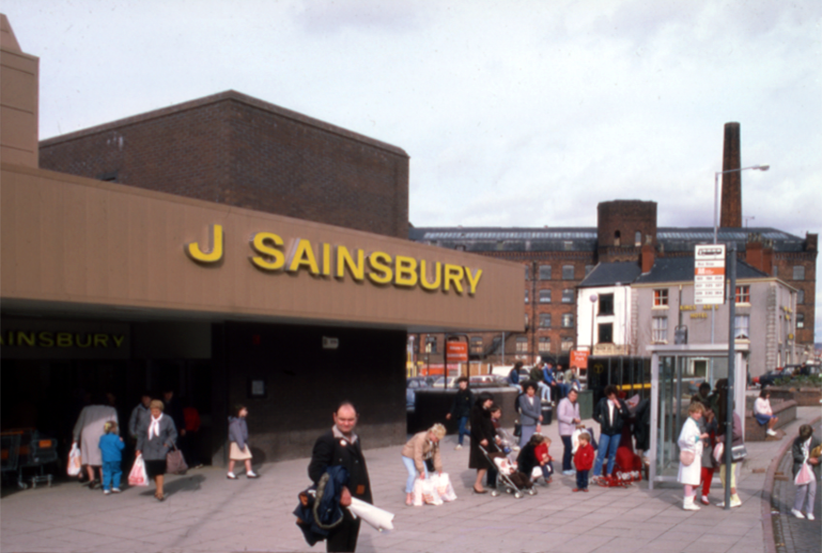
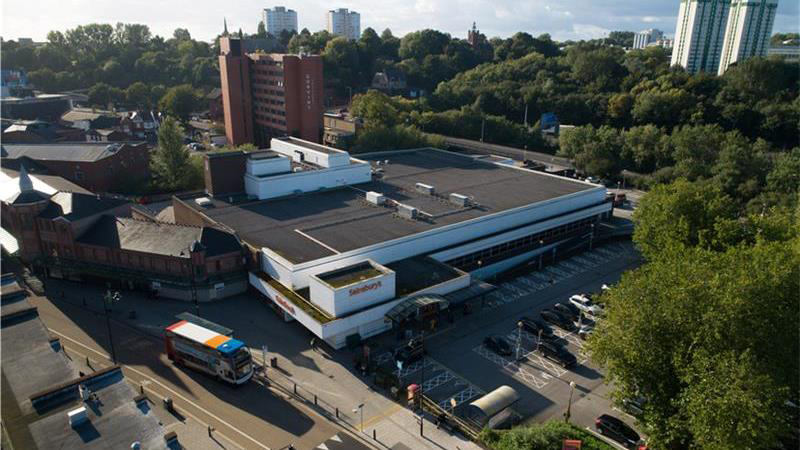
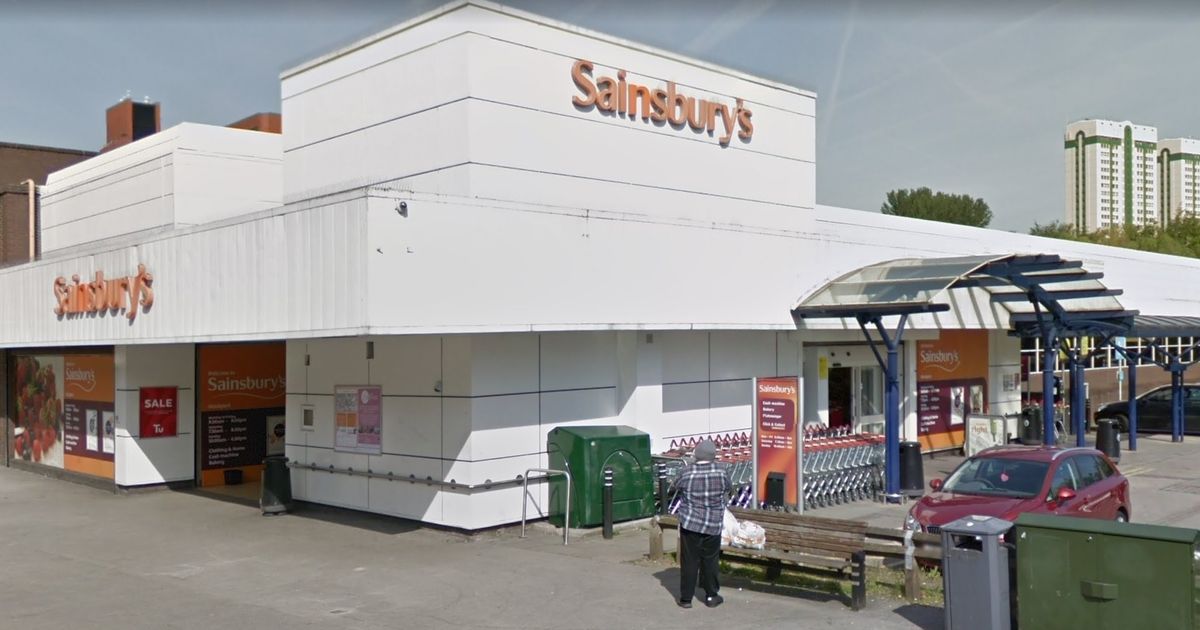
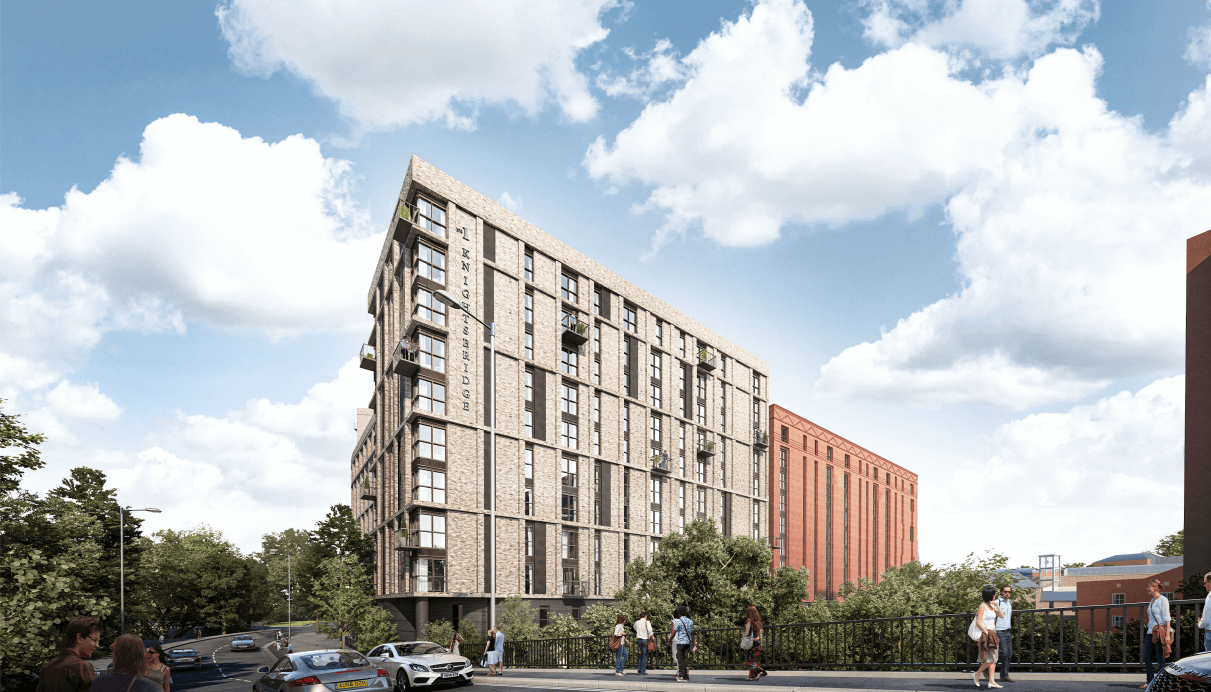
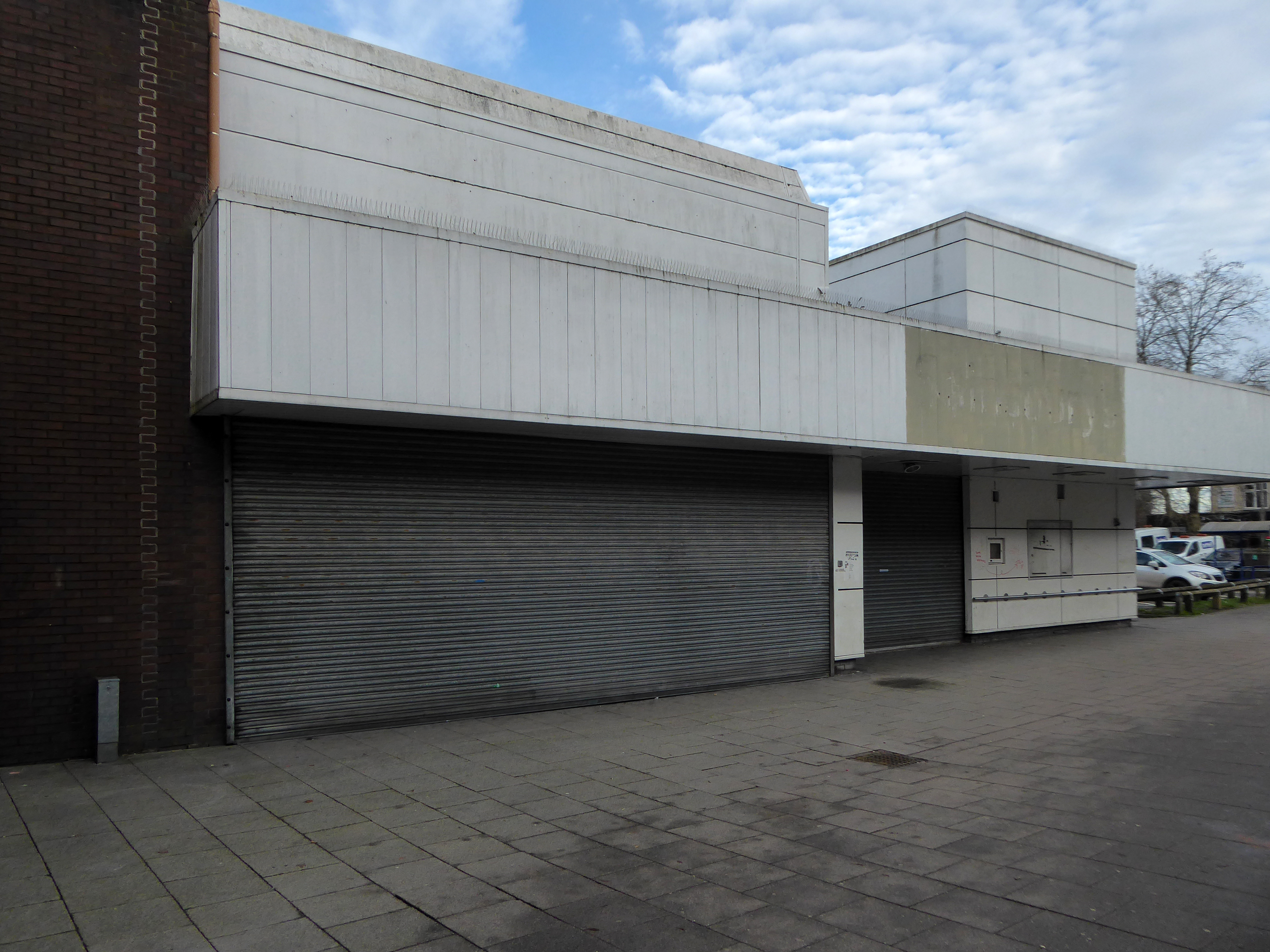
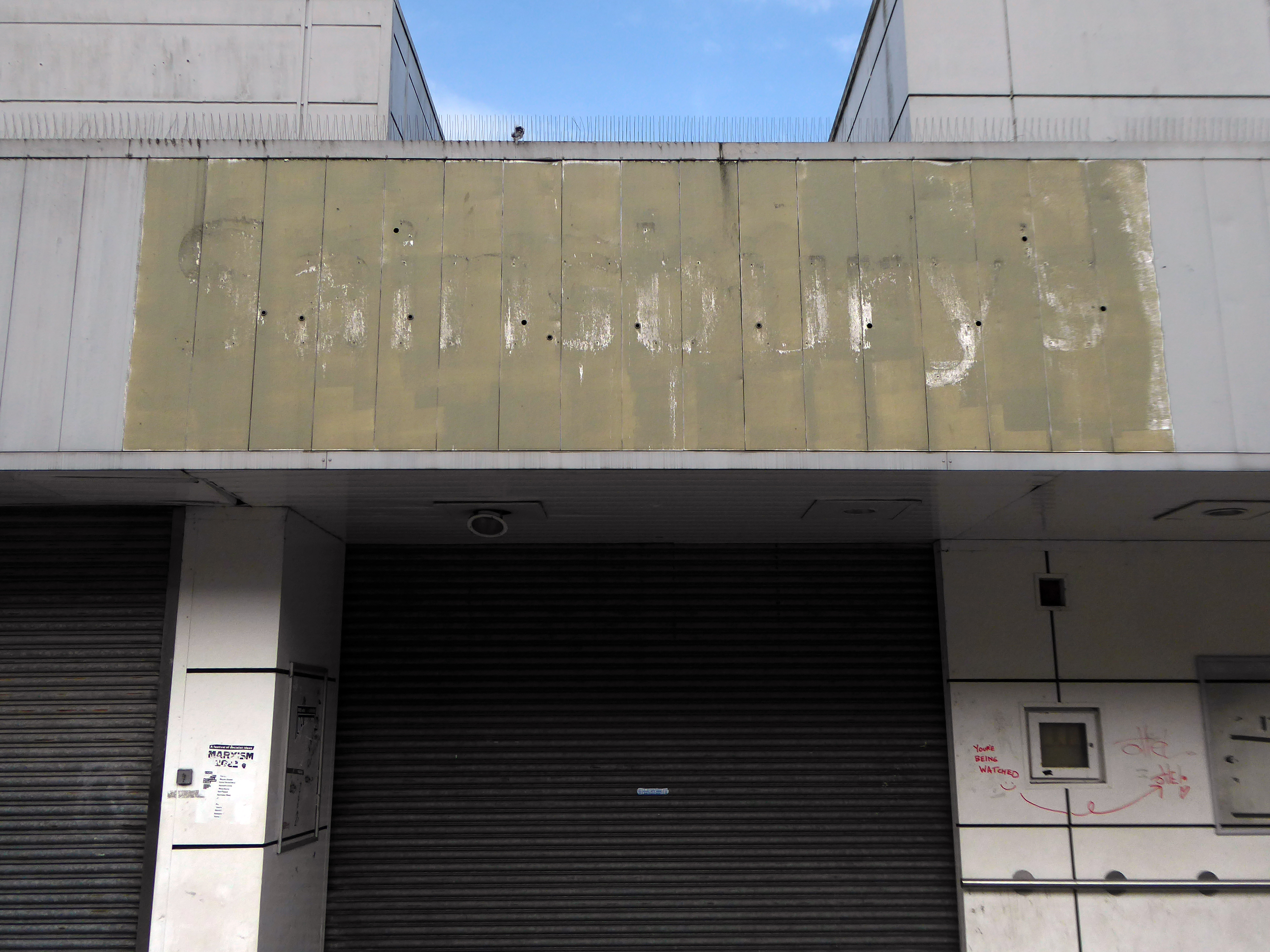
Plans to build hundreds of new homes – including a 15-storey tower block – on a vacant Sainsbury’s site in Stockport town centre are set to get the go-ahead.
Proposals that would bring more than 500 flats and 34 townhouses to the three-acre plot, in Warren Street, are set to go before the council’s planning committee next Thursday night. The 573 homes would be spread across a trio of buildings – rising in height from five to 15 storeys. Two of these would also have space for a range of potential uses, ranging from shops and cafes to gyms and creches.
Martin Halsey, operations director at Amstone Ventures, added:
We can see that Stockport has untapped demand for quality homes within its town centre, offering a vibrant lifestyle and everything Stockport town centre has to offer, all on the doorstep.”
Took a look around the site before it’s no longer possible to look around the site.
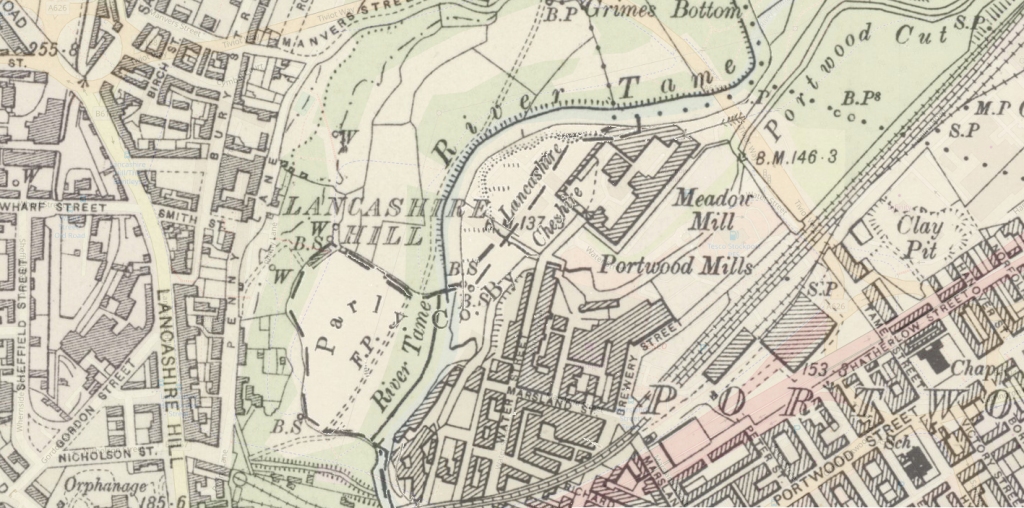
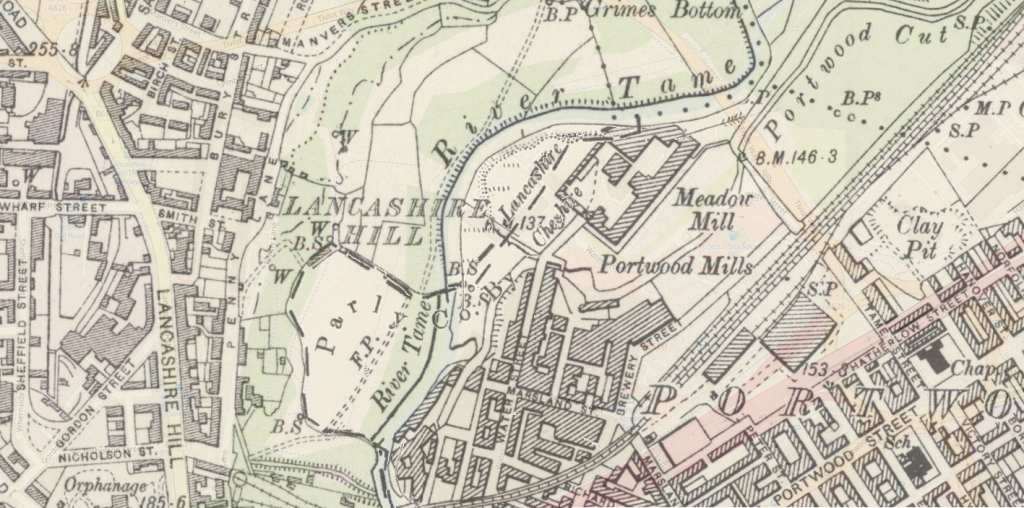
The 19th-century industrial concentrations in the above-named urban areas resulted in the Tame being a much polluted waterway. As well as industrial pollution from the dyes and bleaches used in textile mills, effluent from specialised paper-making cigarette papers, engineering effluents, including base metal washings from battery manufacture, phenols from the huge coal-gas plant in Denton, rain-wash from roads and abandoned coal spoil heaps there was also the sewage effluent from the surrounding population. Up to two-thirds of the river’s flow at its confluence with the Goyt had passed through a sewage works. The anti-pollution efforts of the last thirty years of the 20th century have resulted in positive fauna distributions.
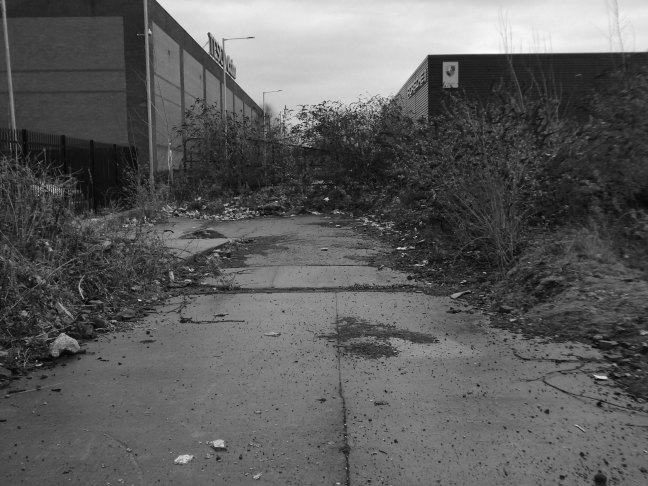
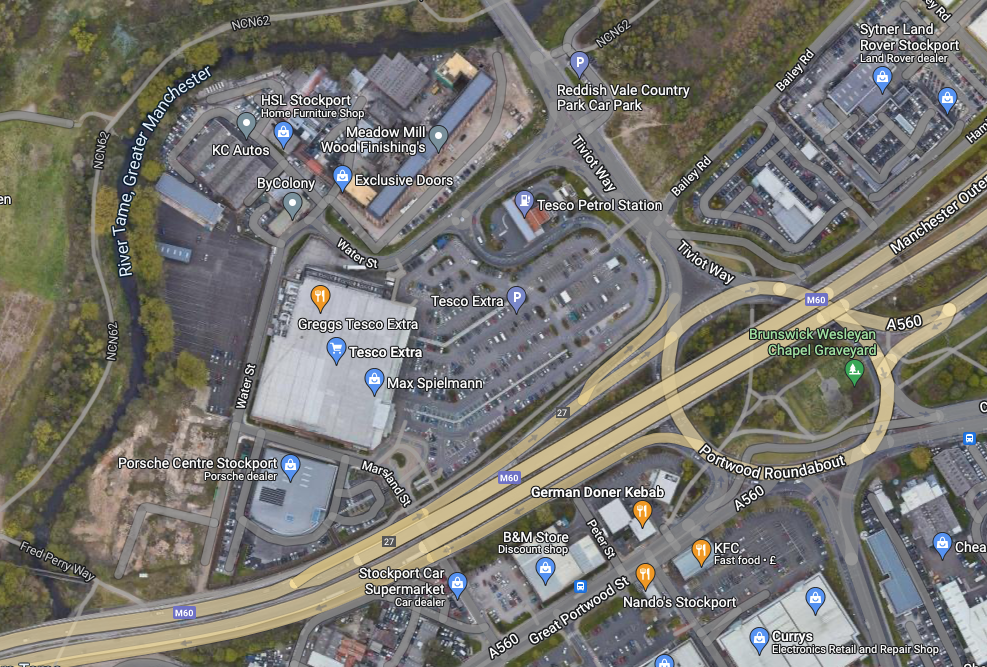
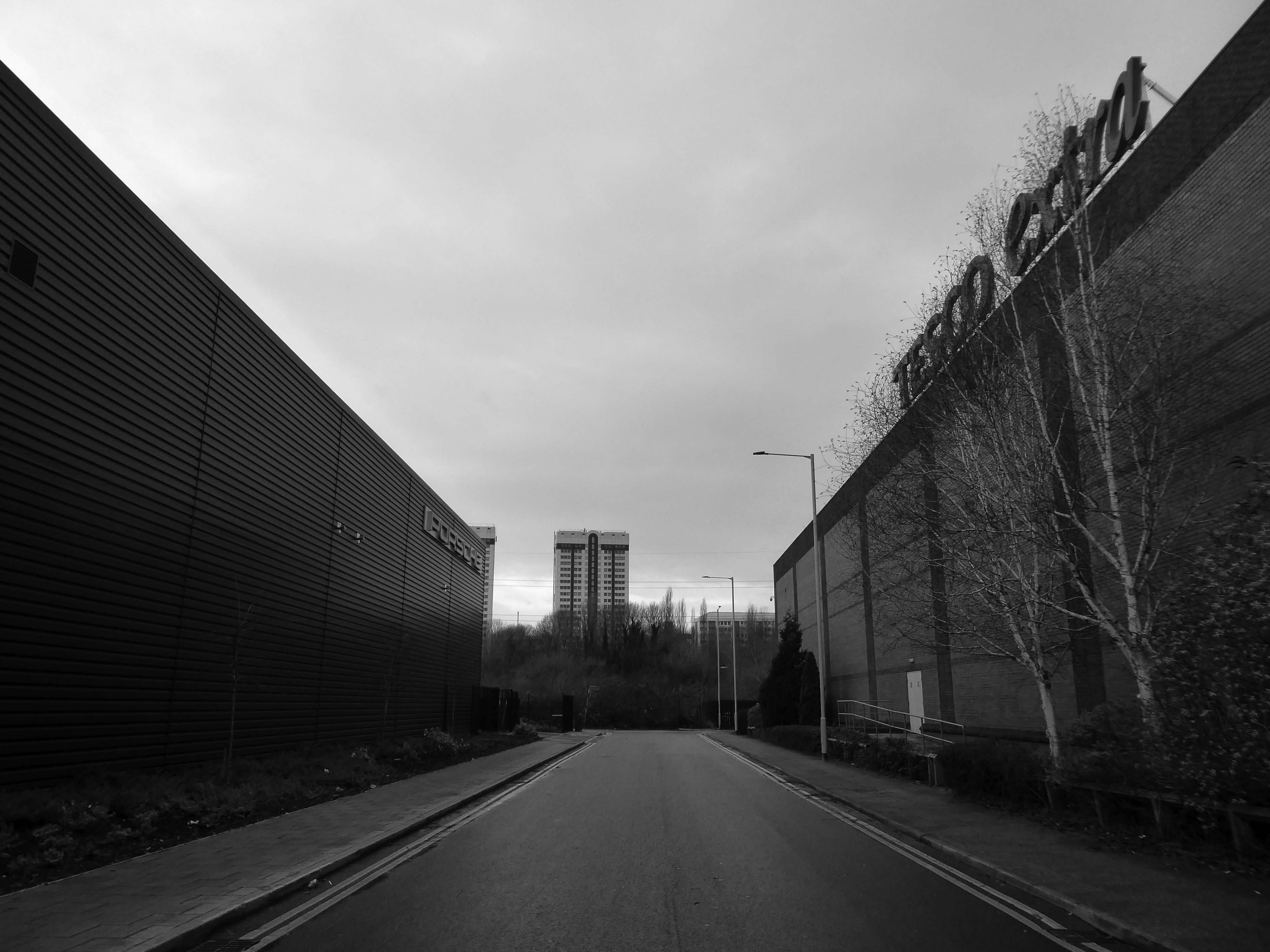
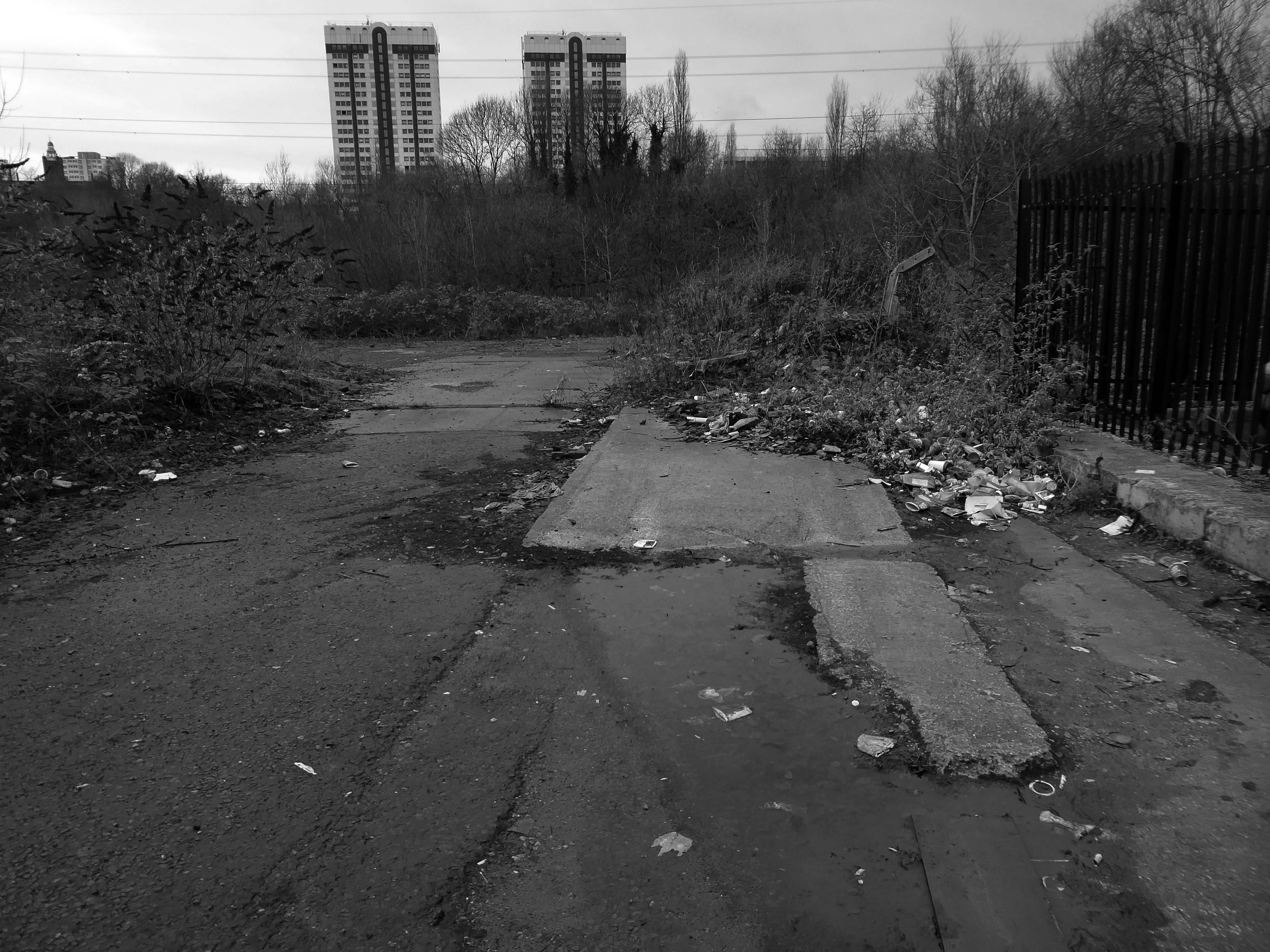
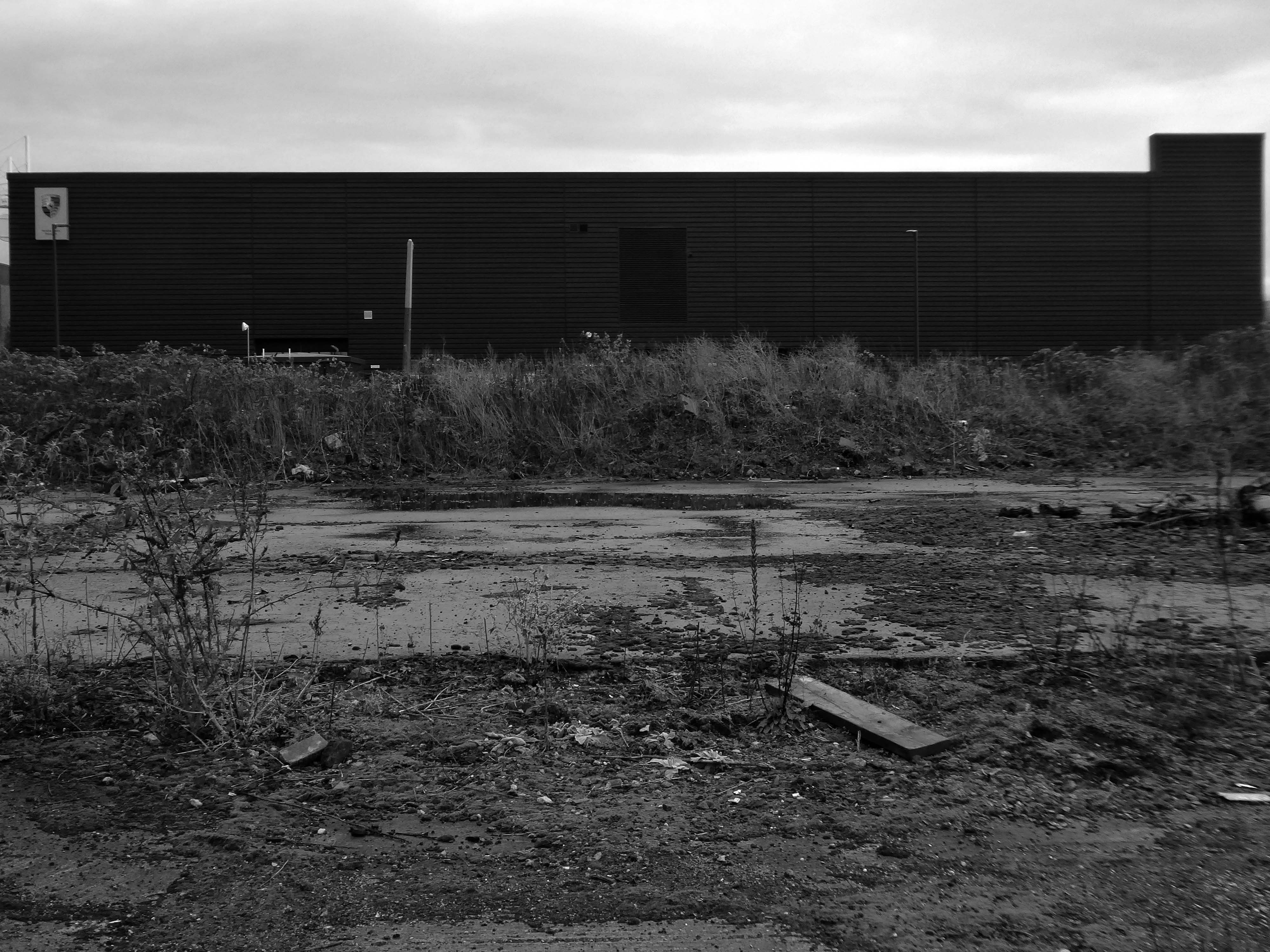
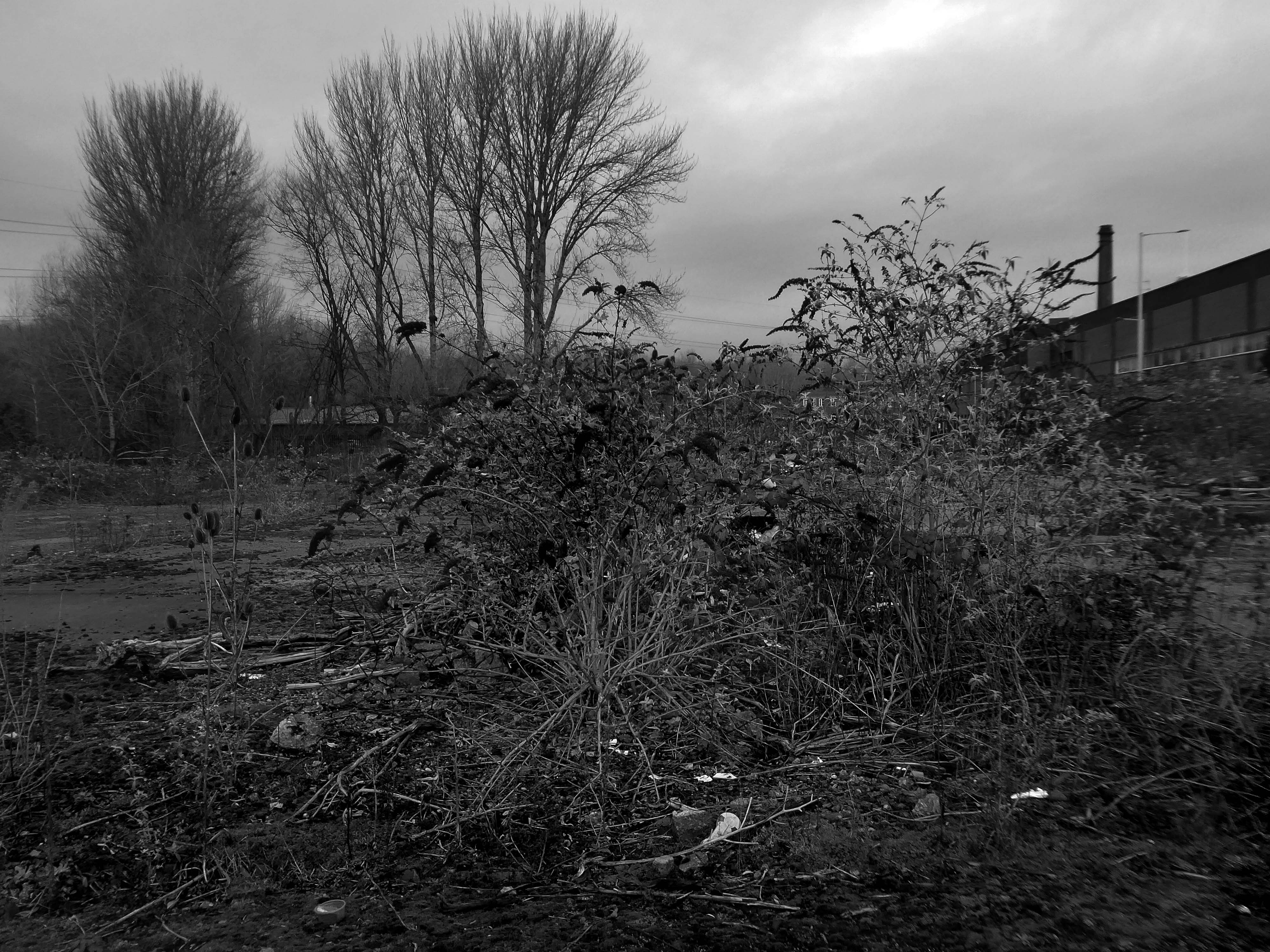
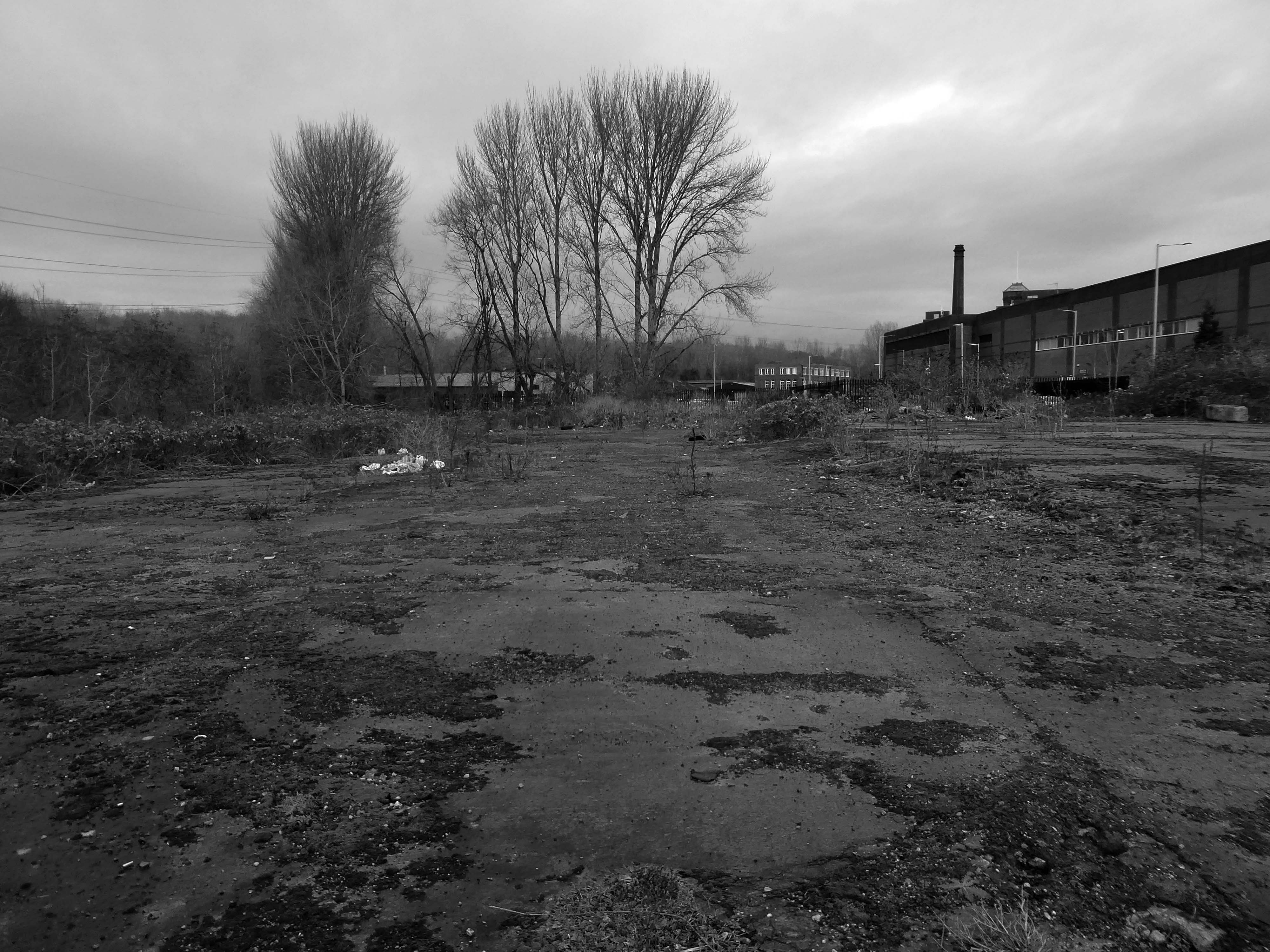
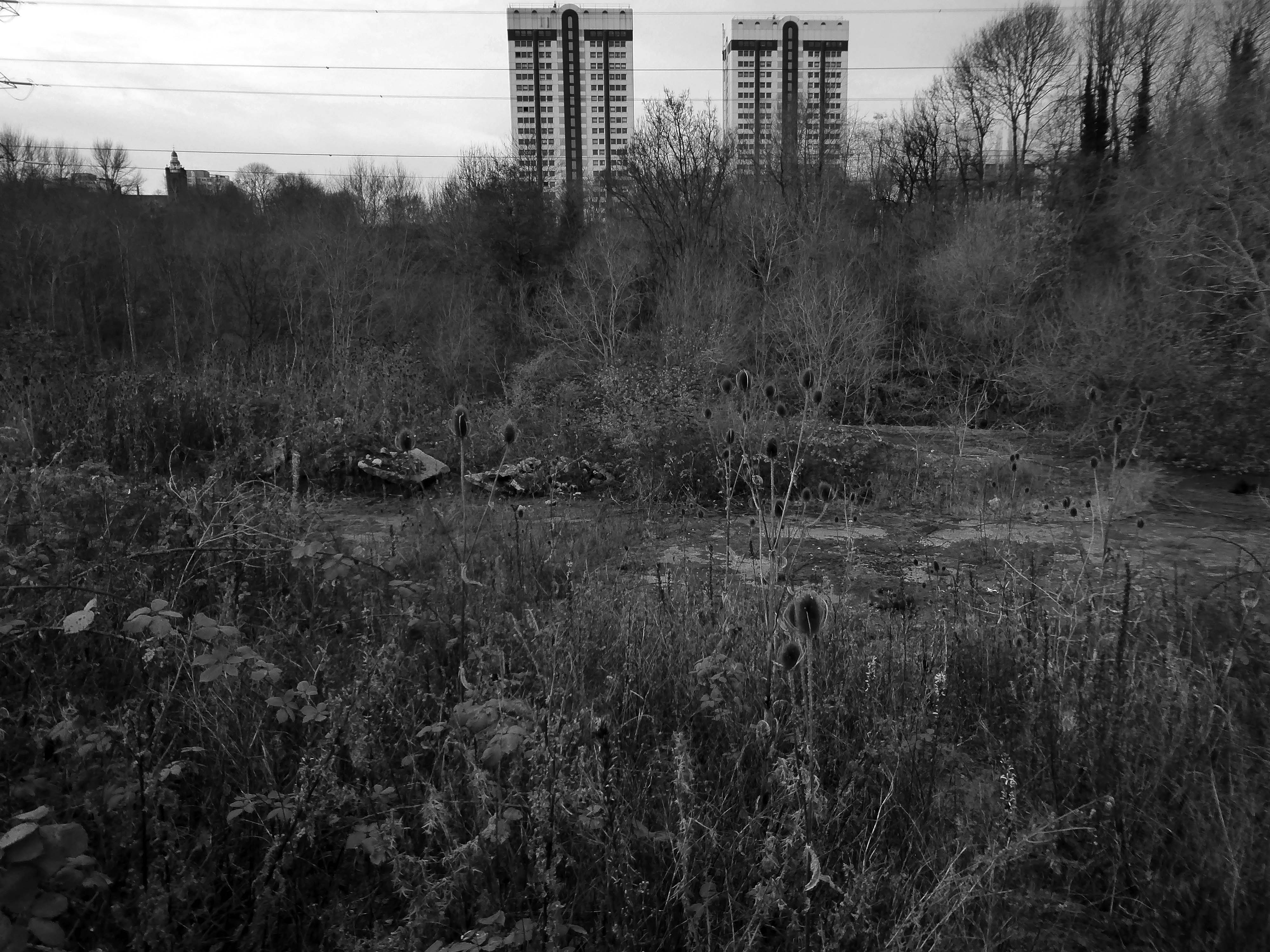
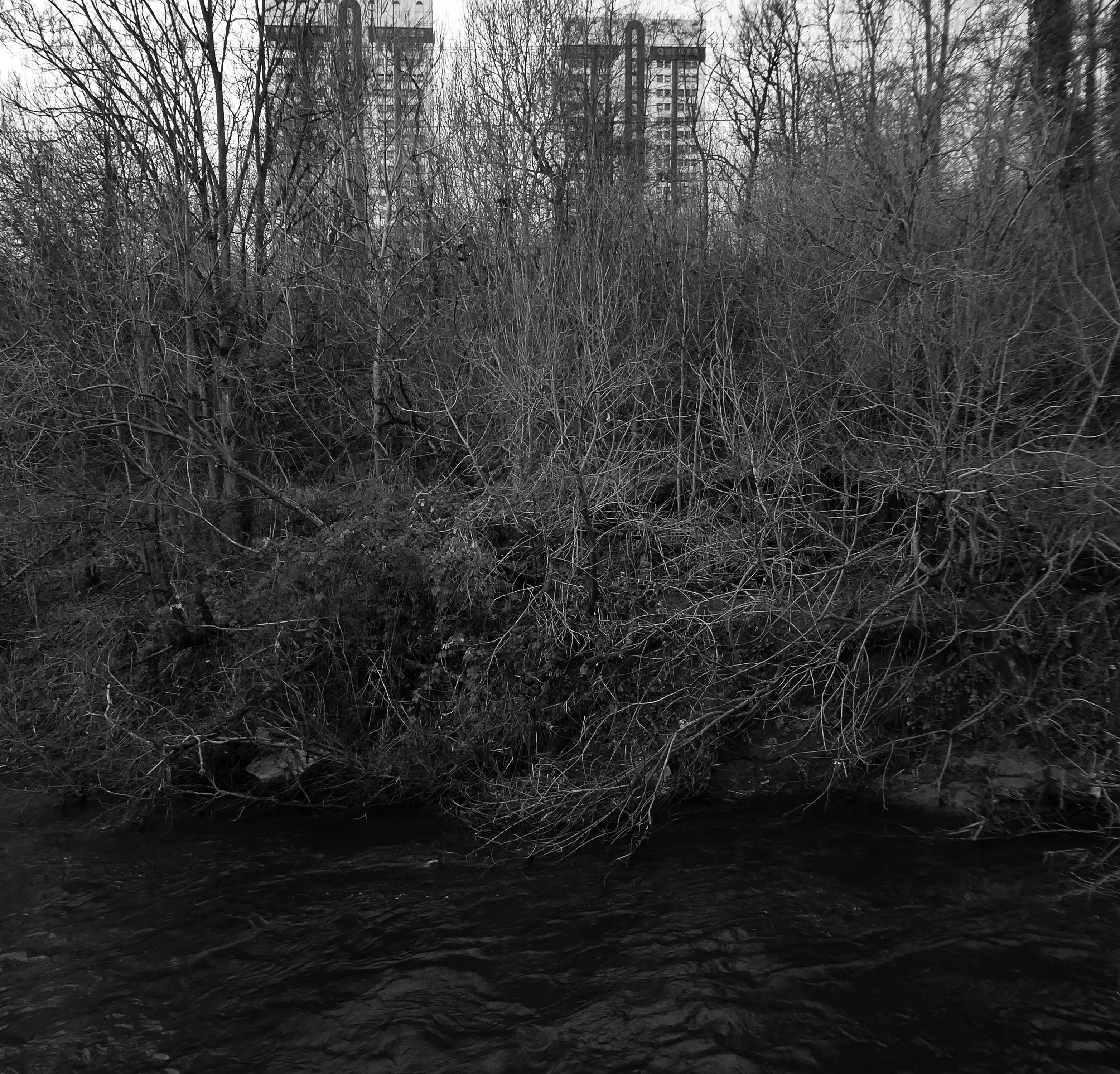
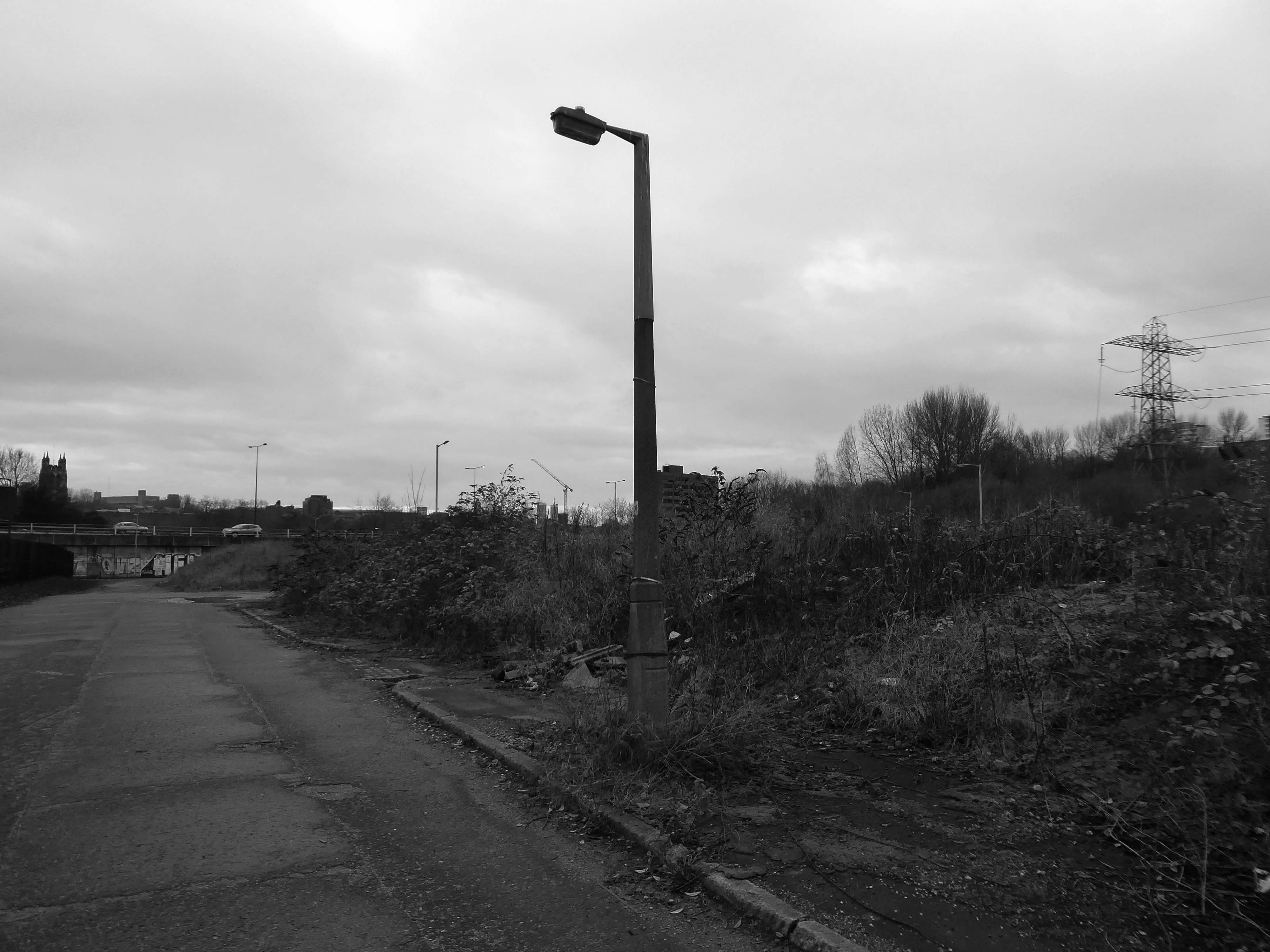
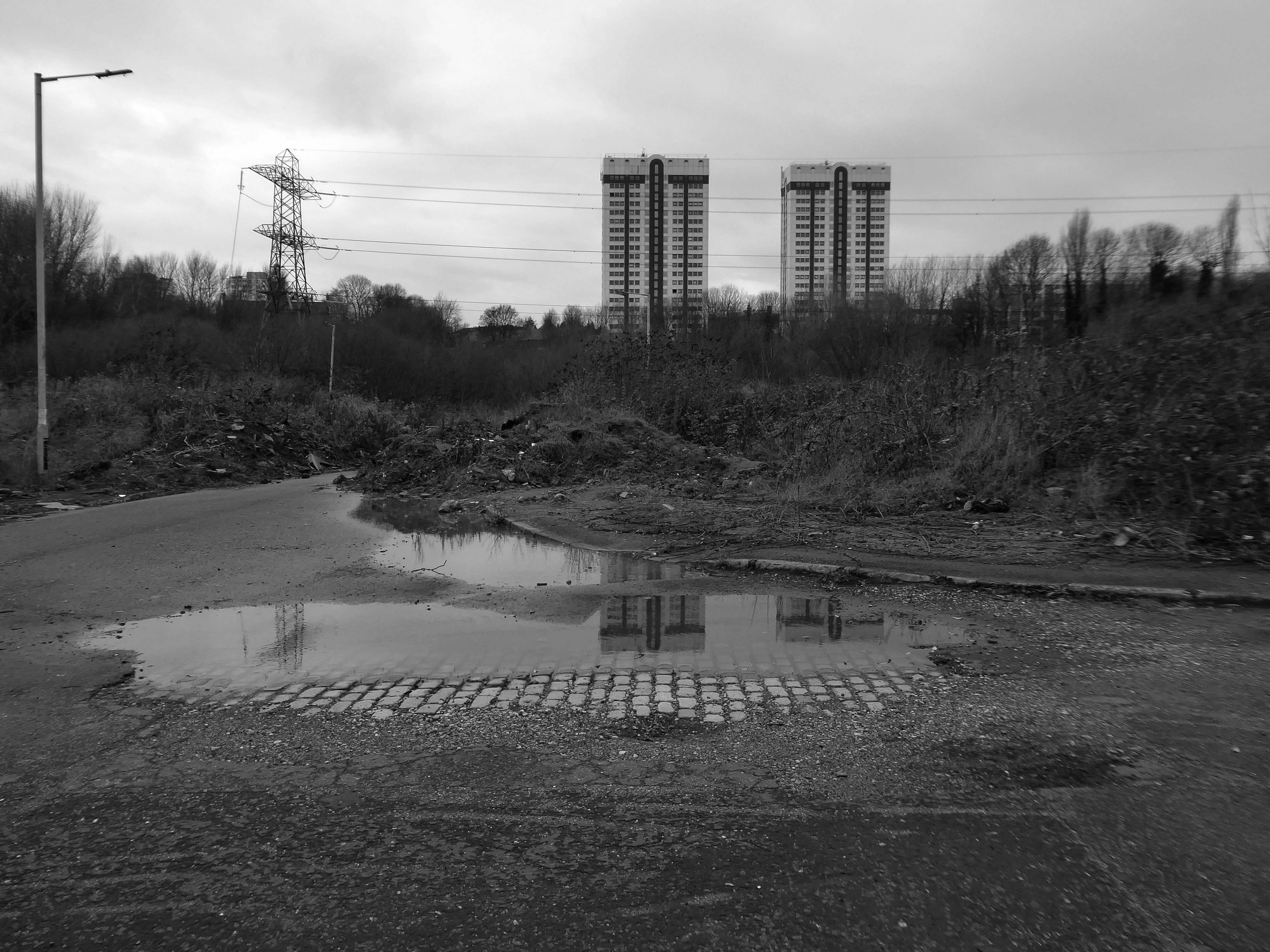
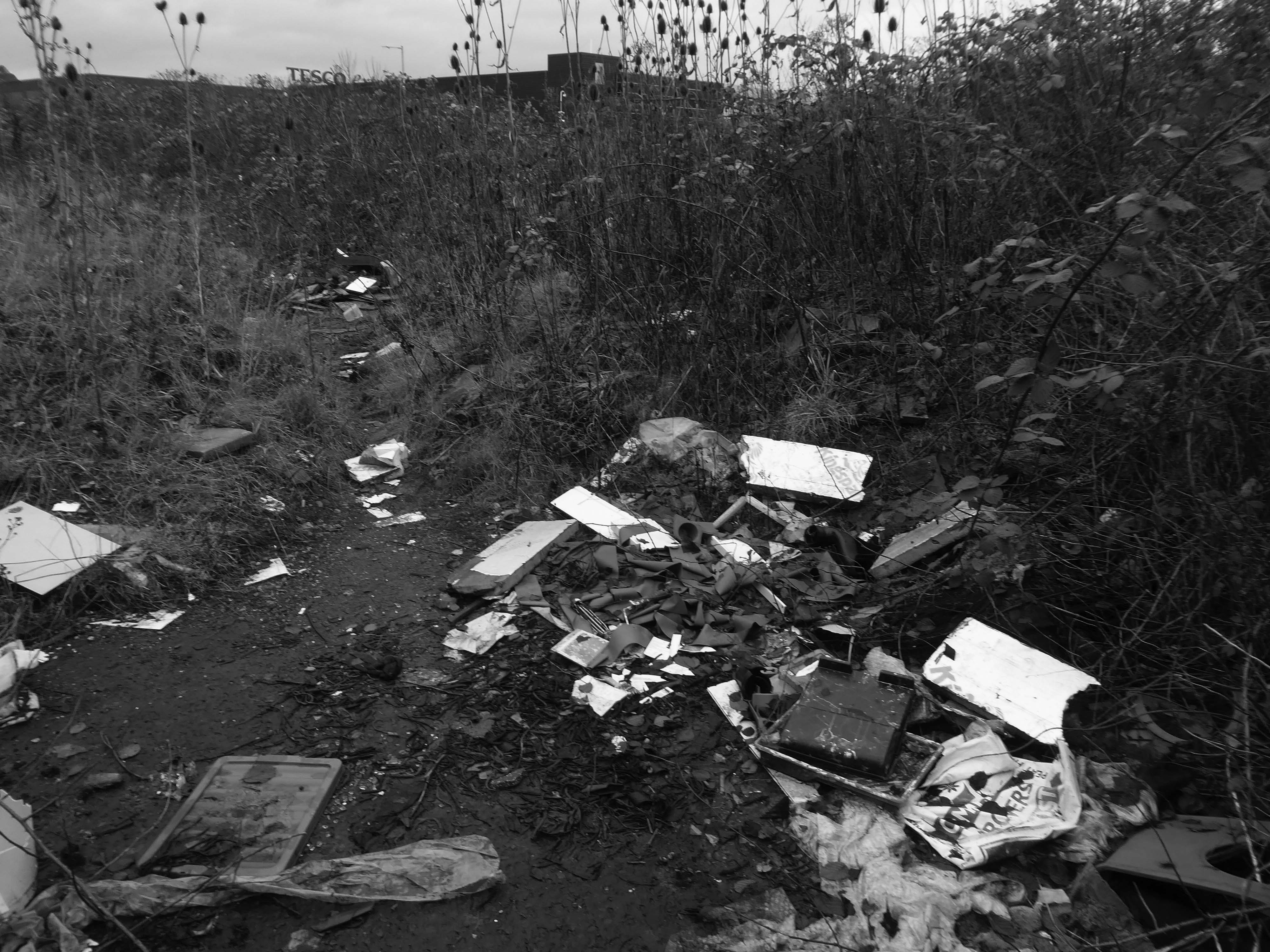
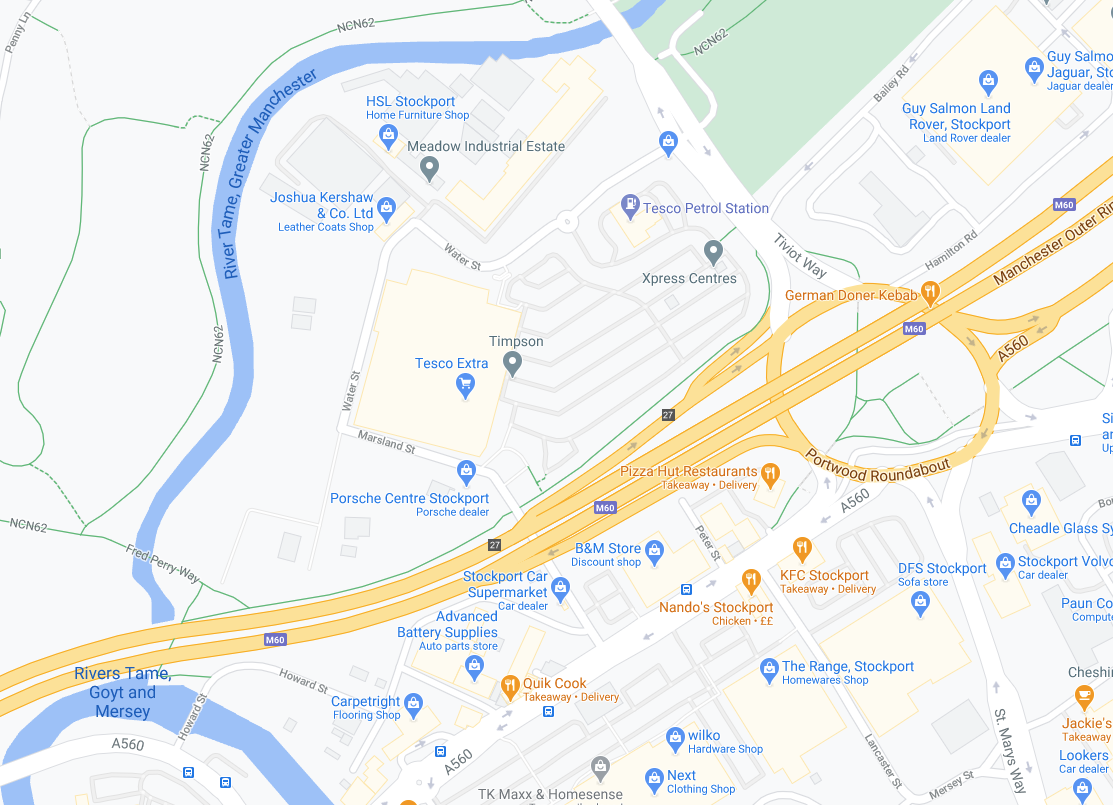
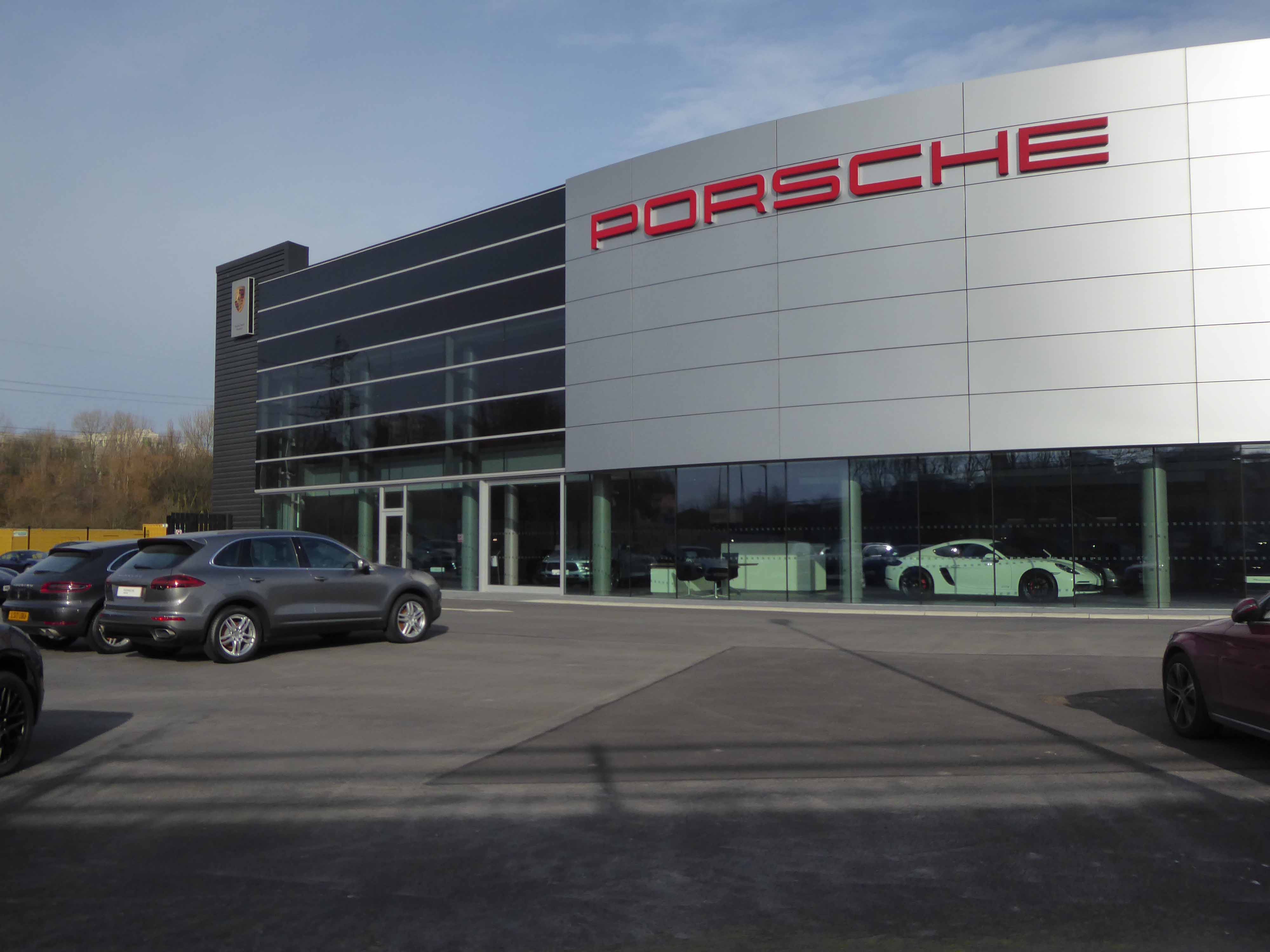
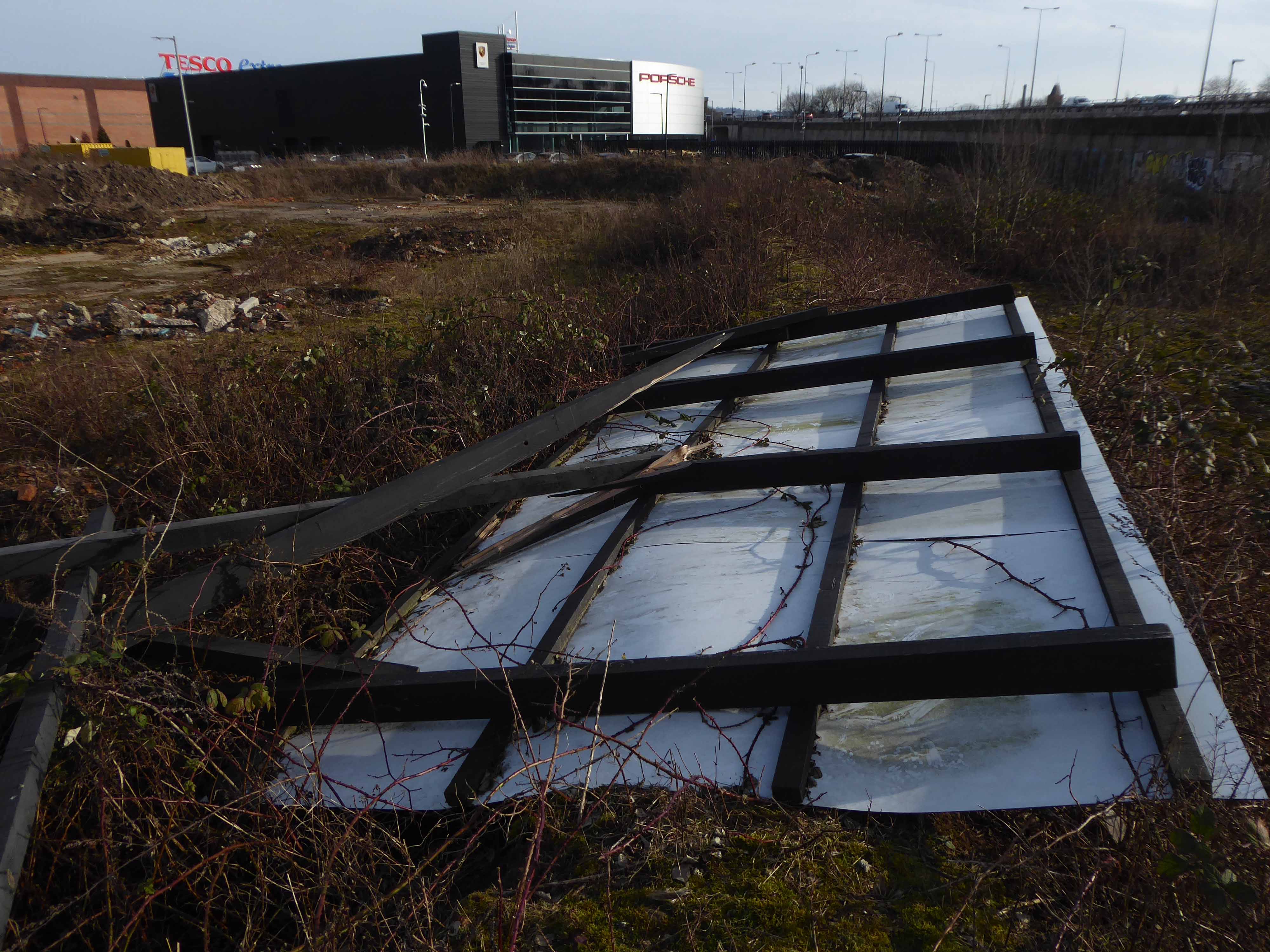
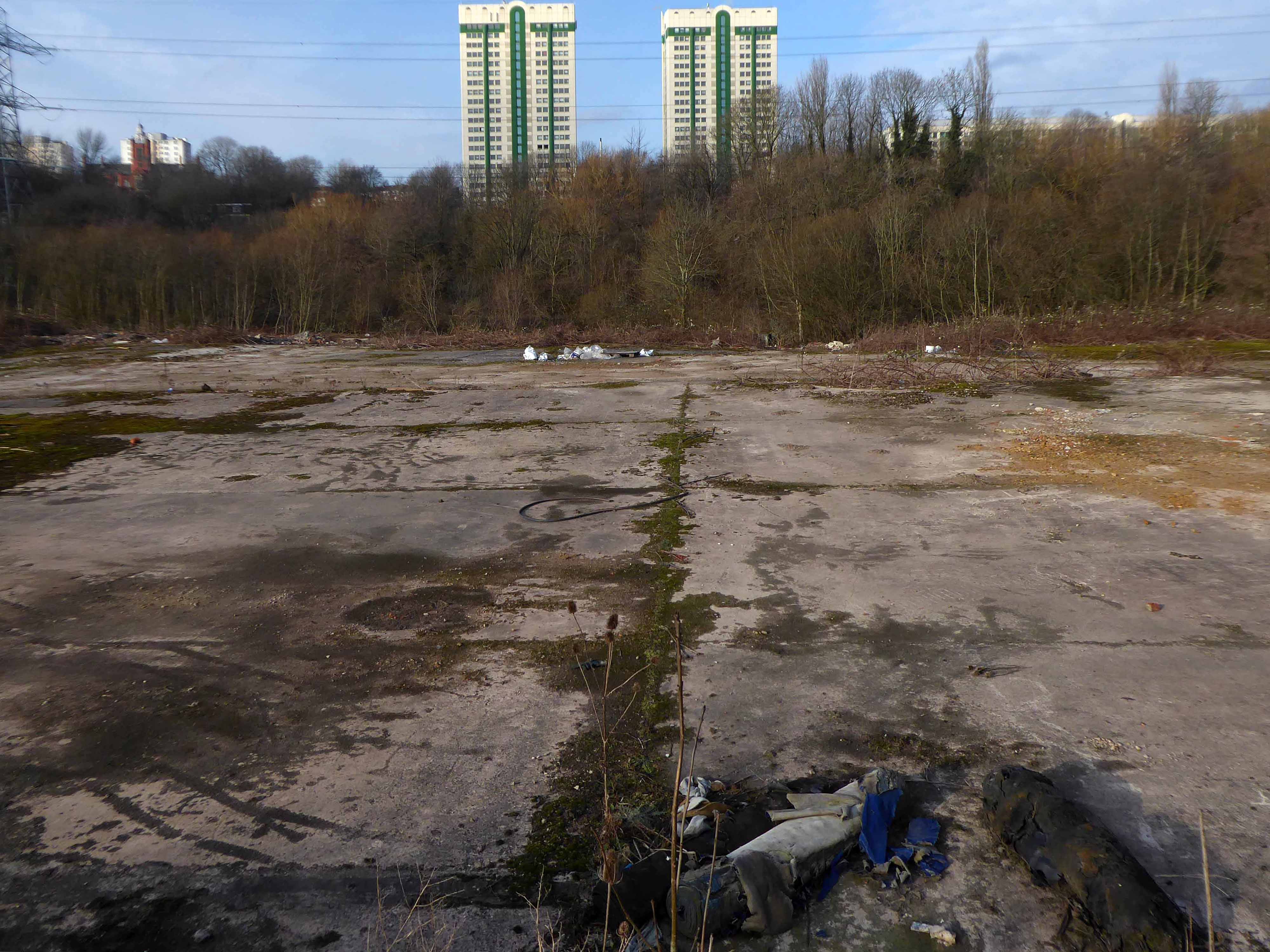
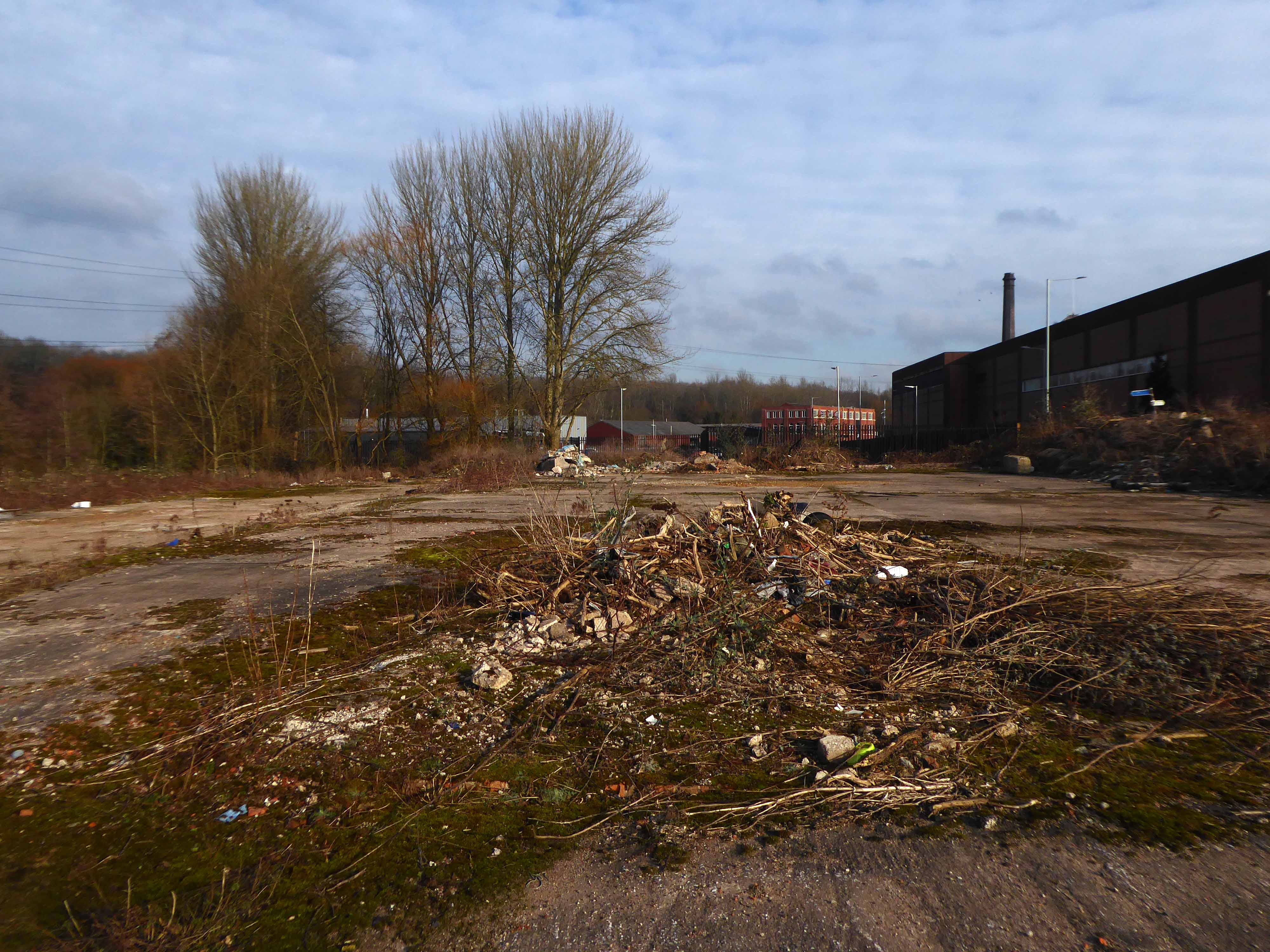
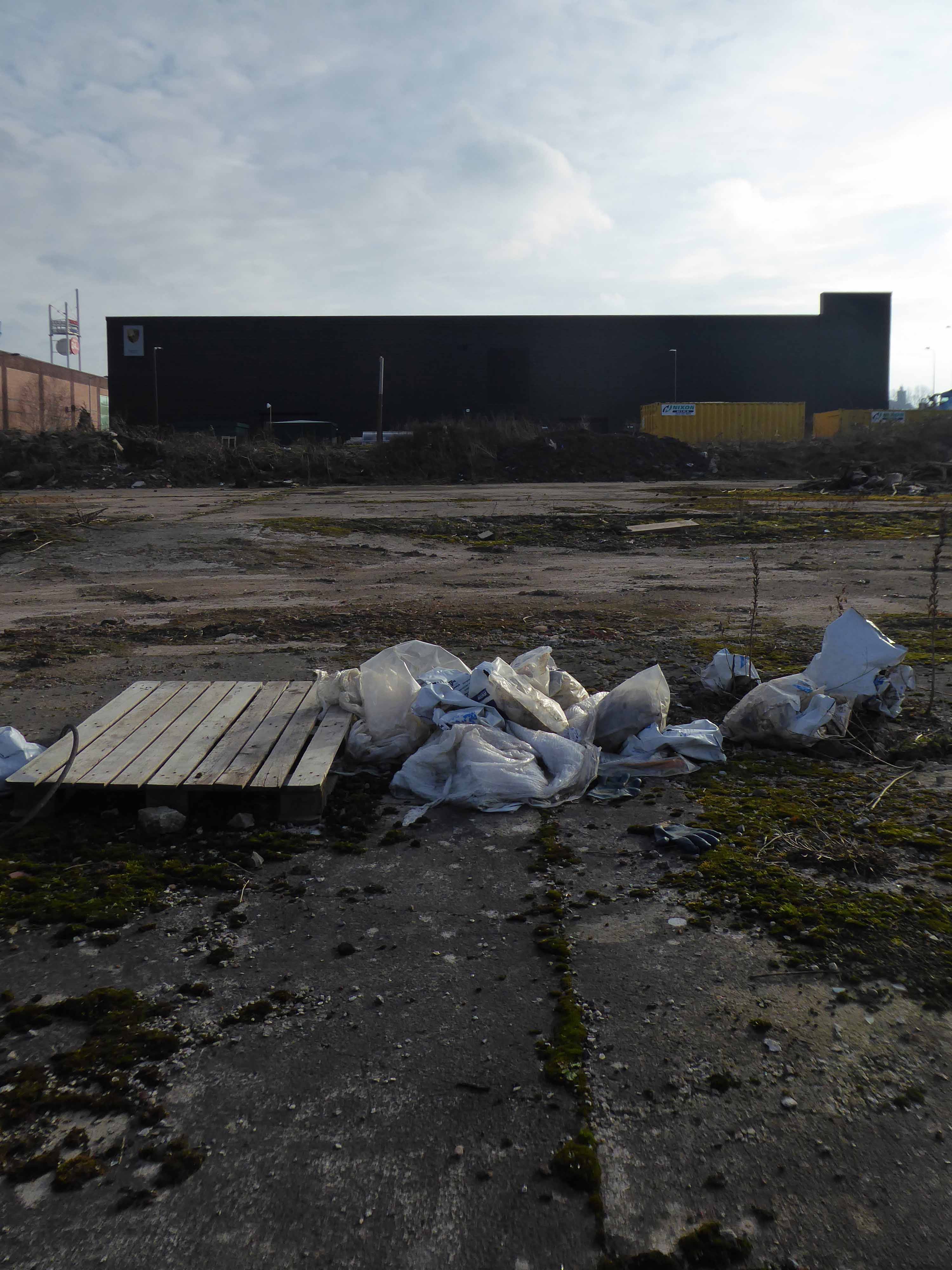
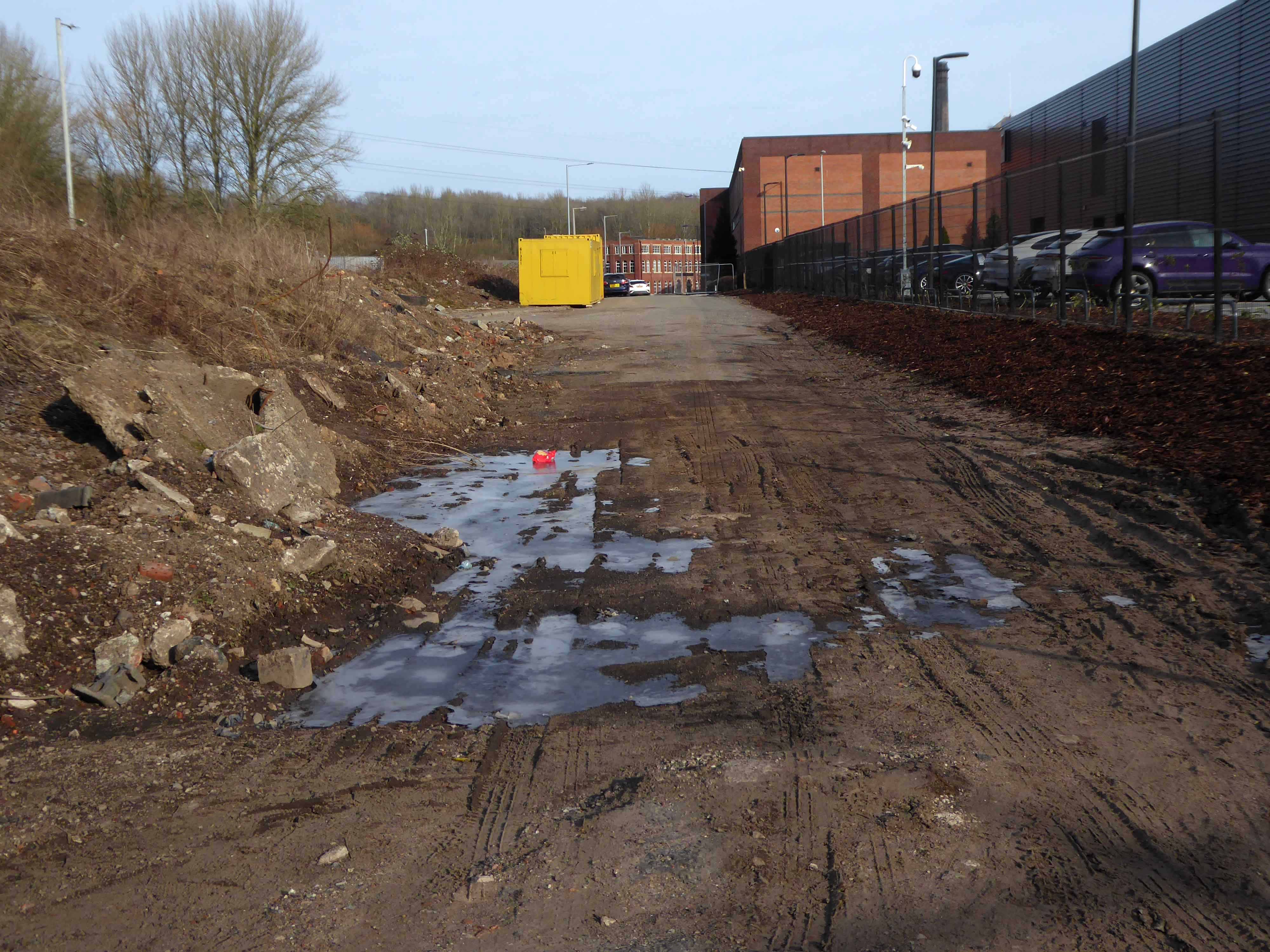
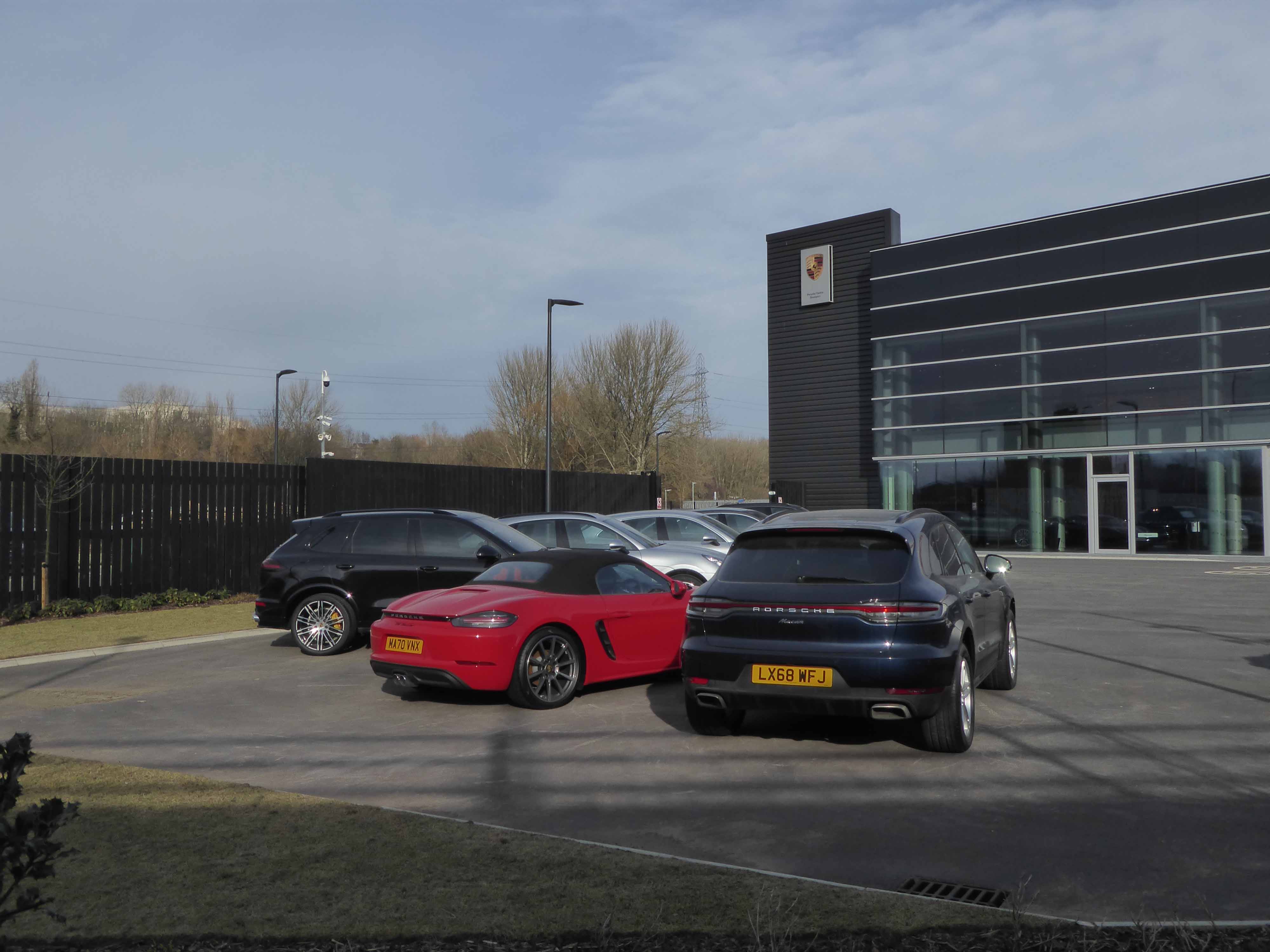
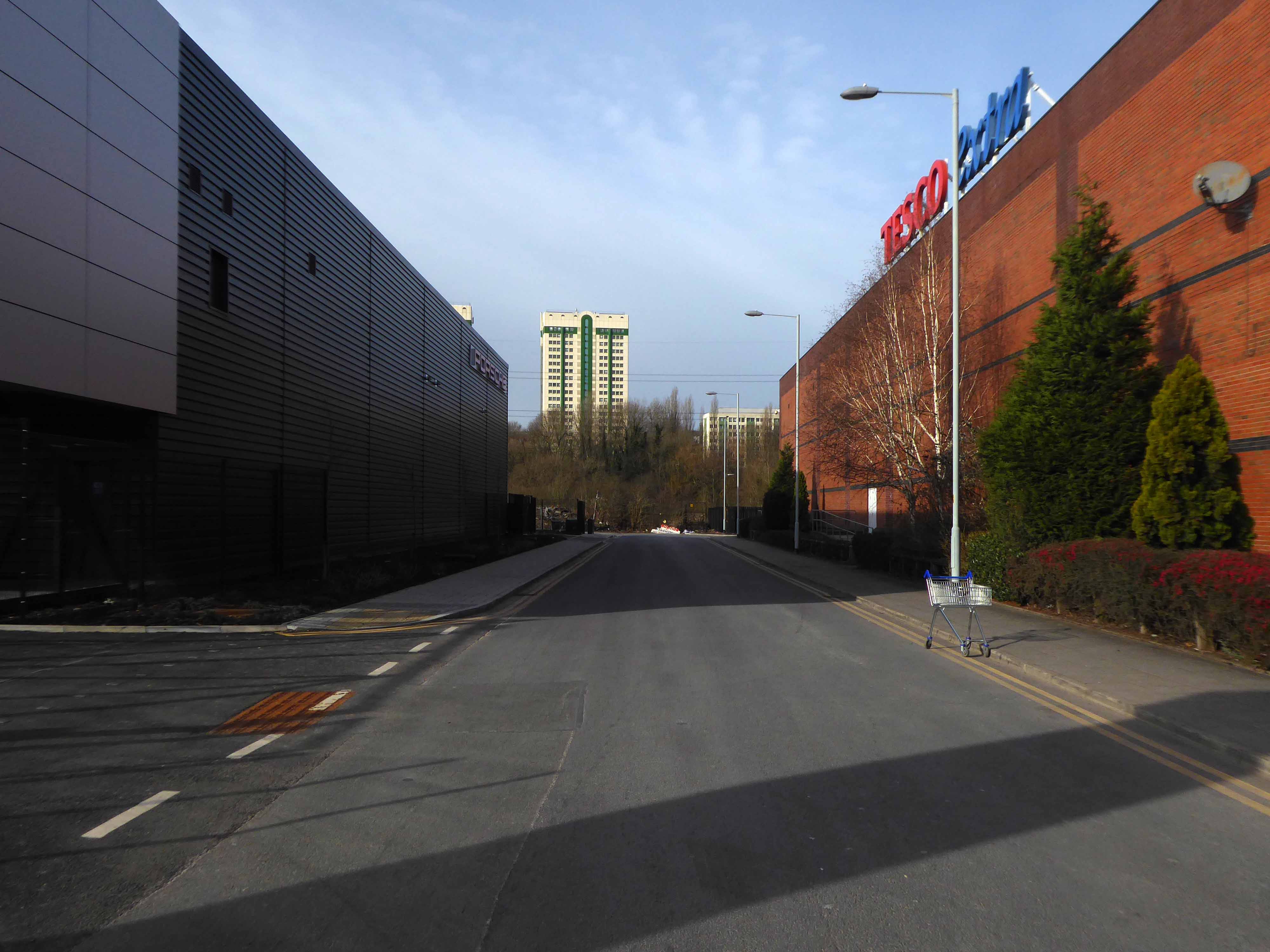
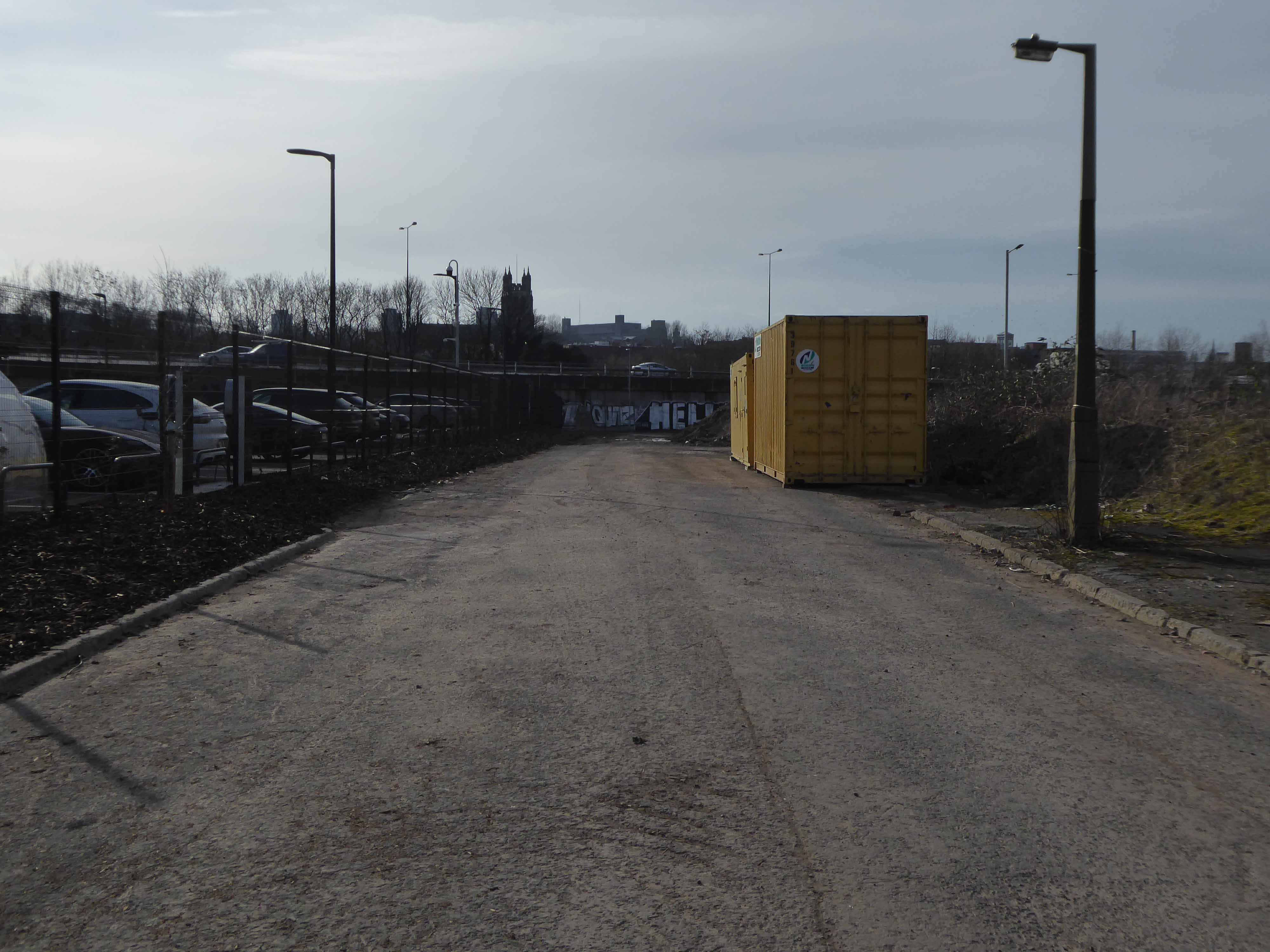
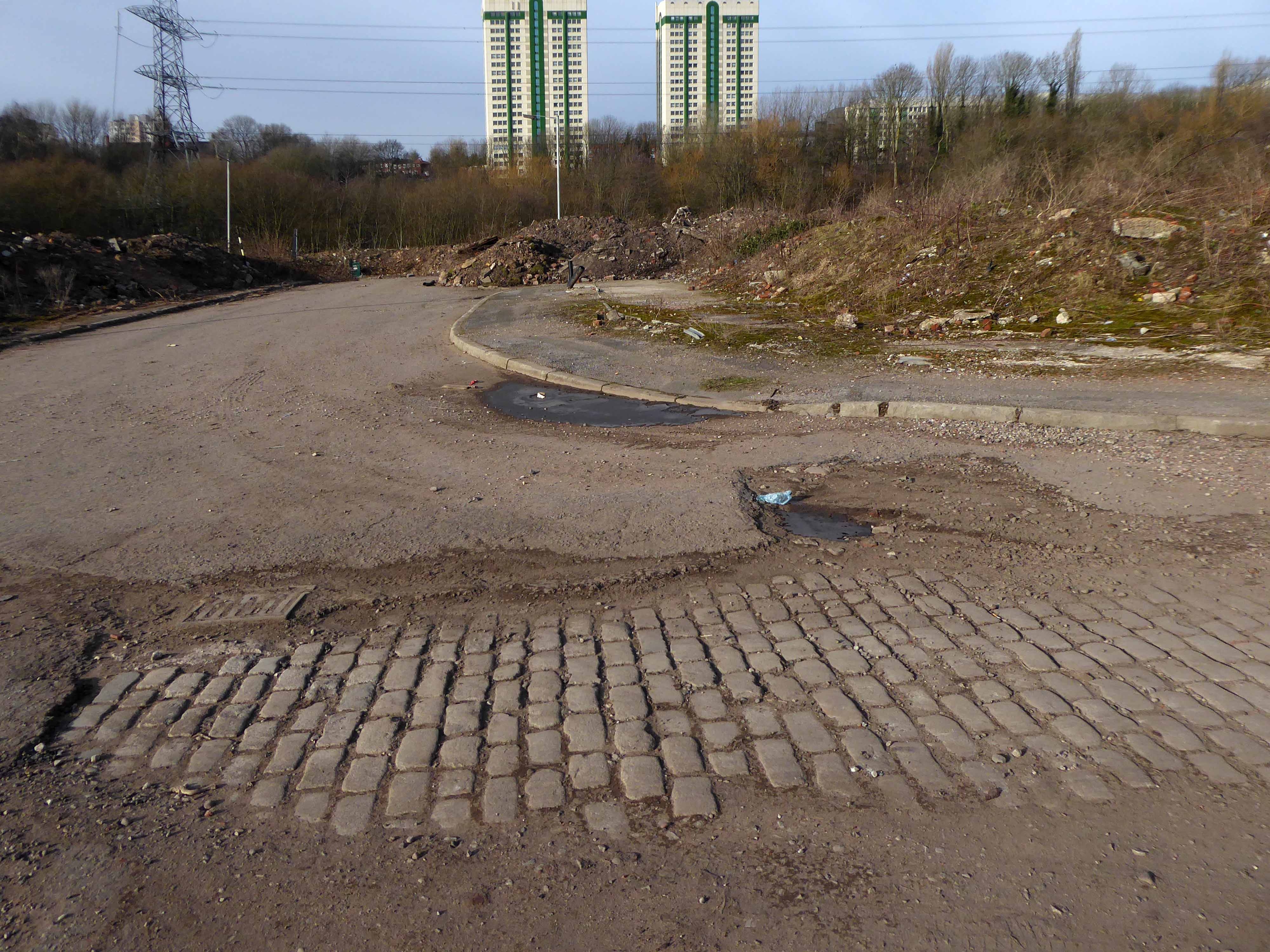
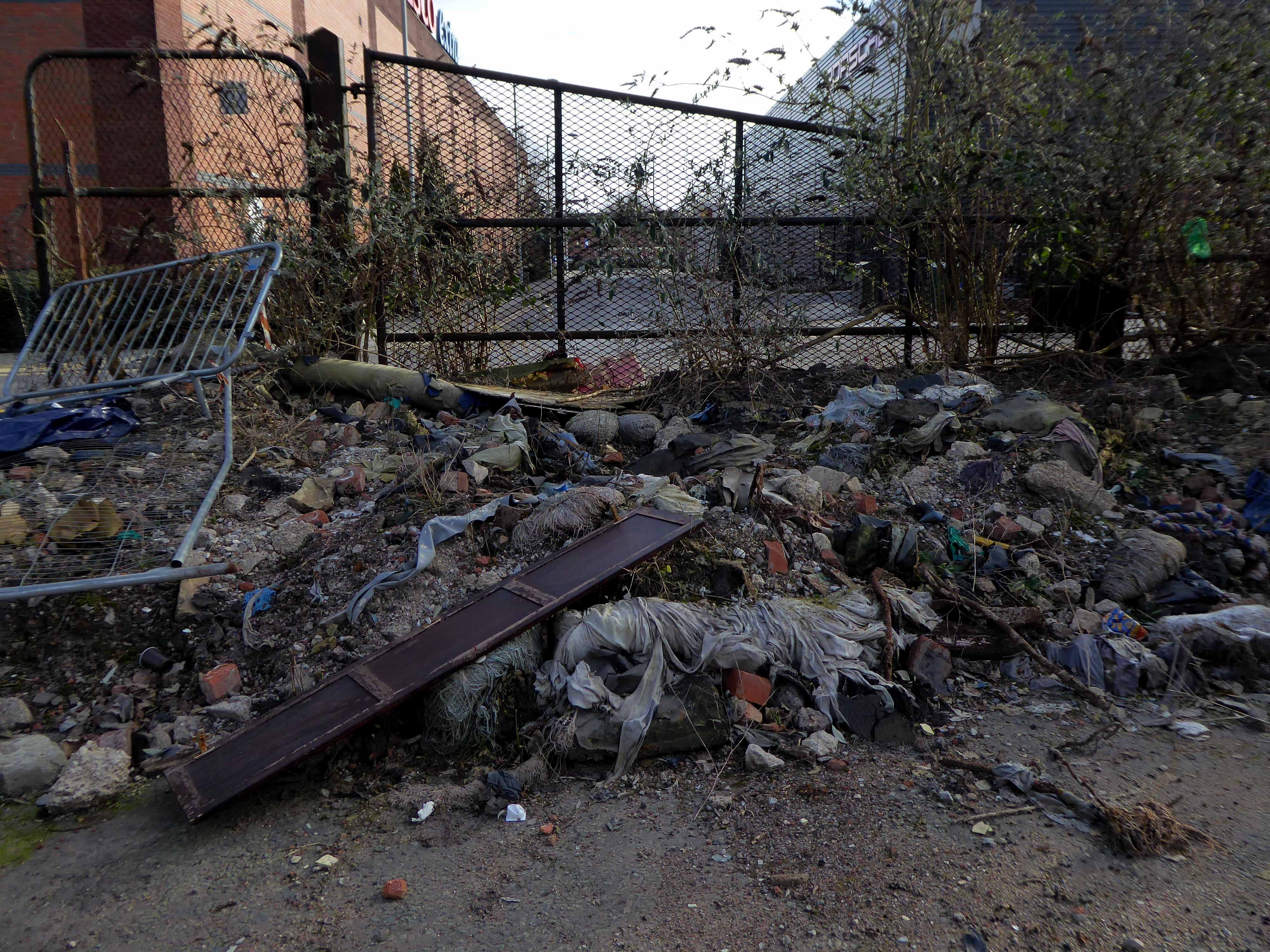
There is a plot of land to the left of Porsche which remains undeveloped, I often walk around this area, what would have once been for myself and others the place of childhood high jinx.
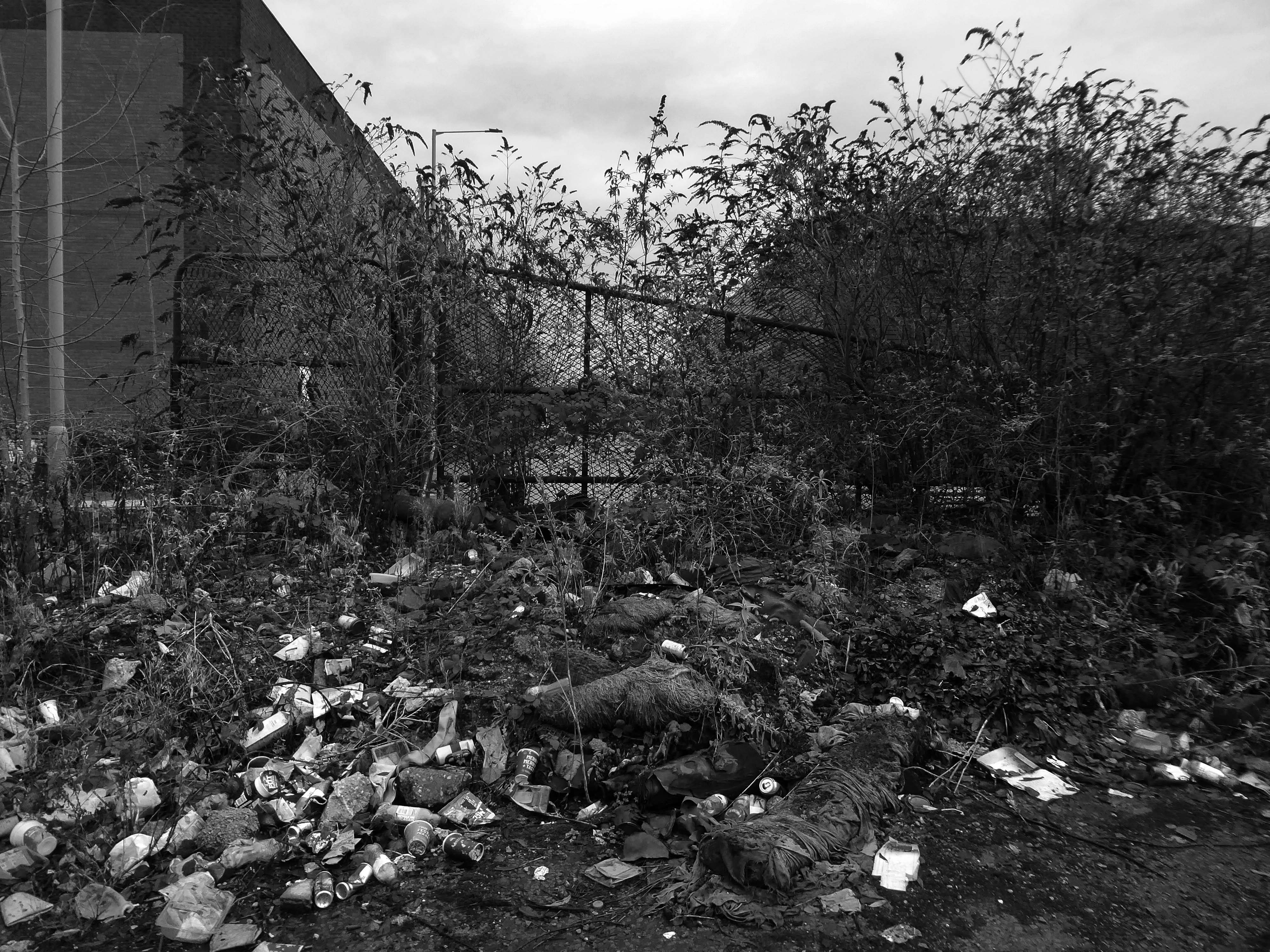
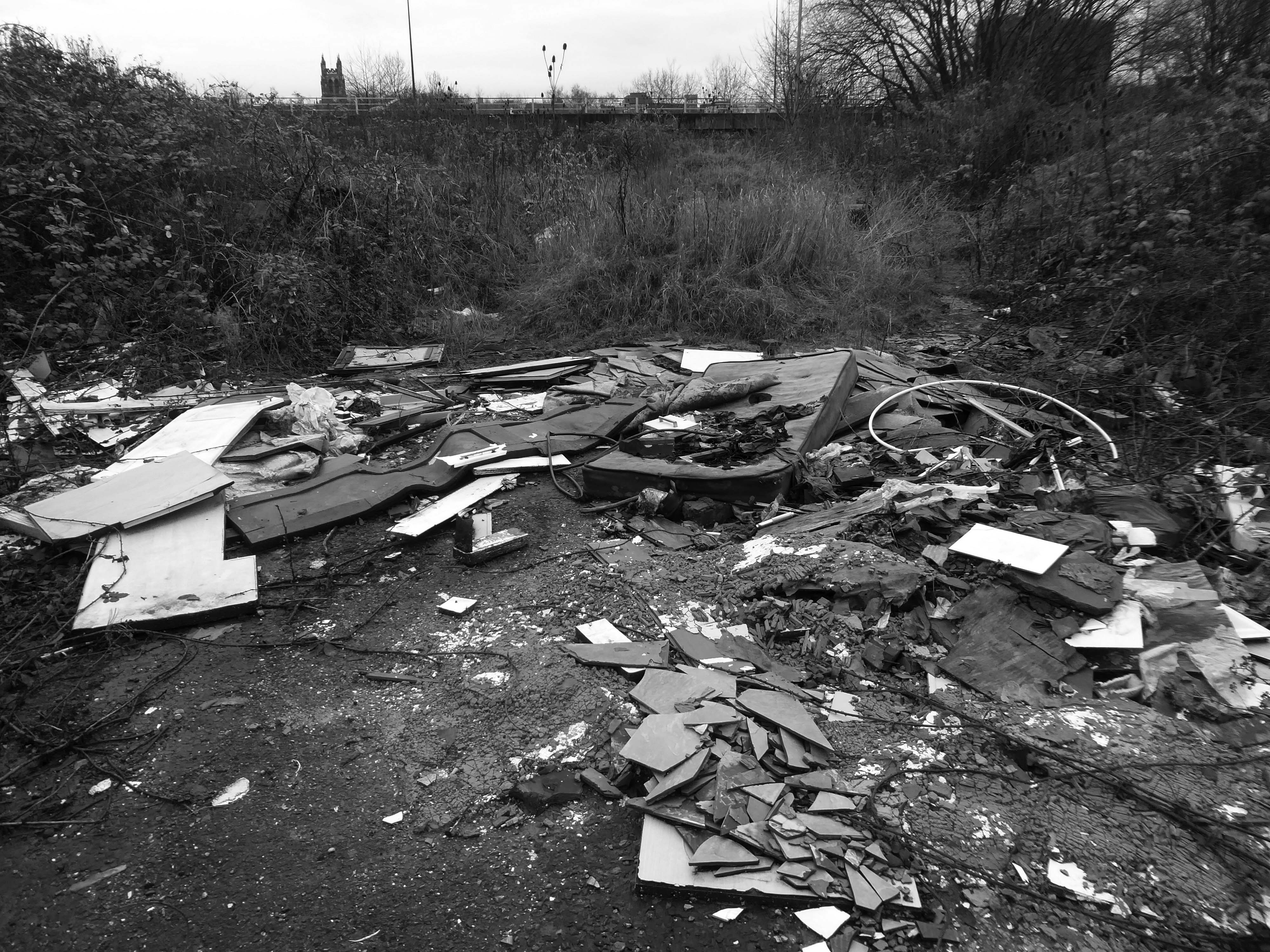
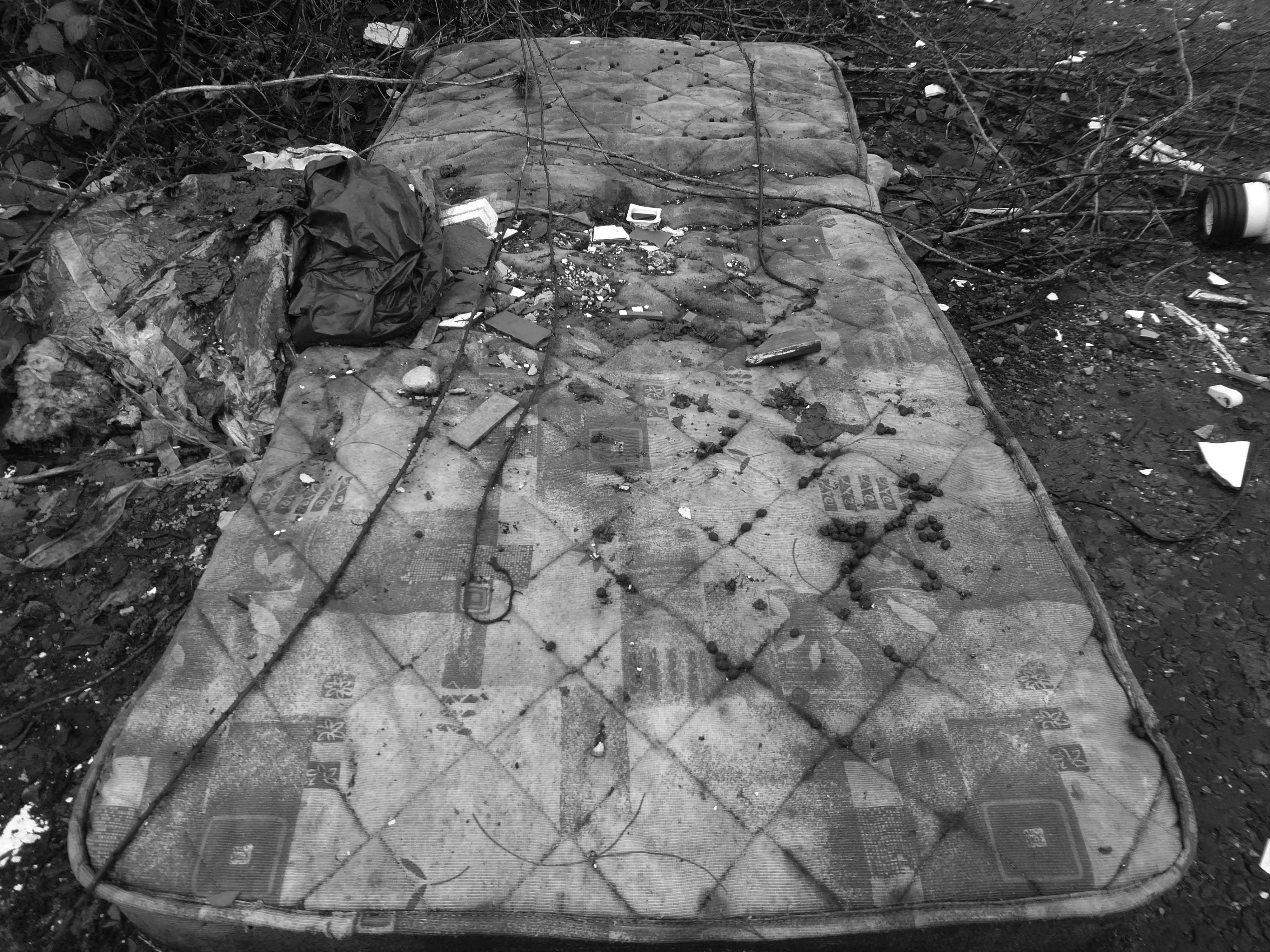
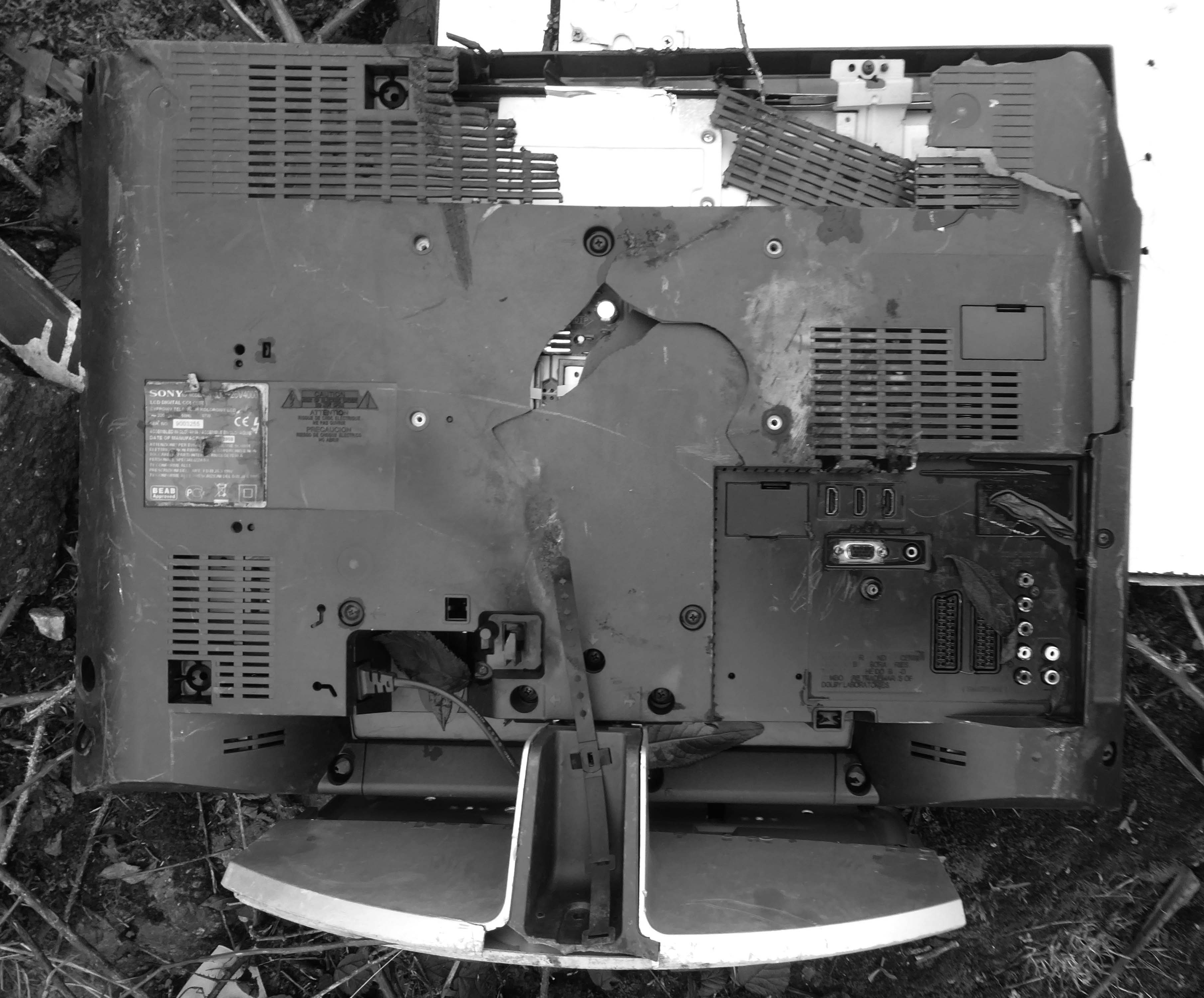
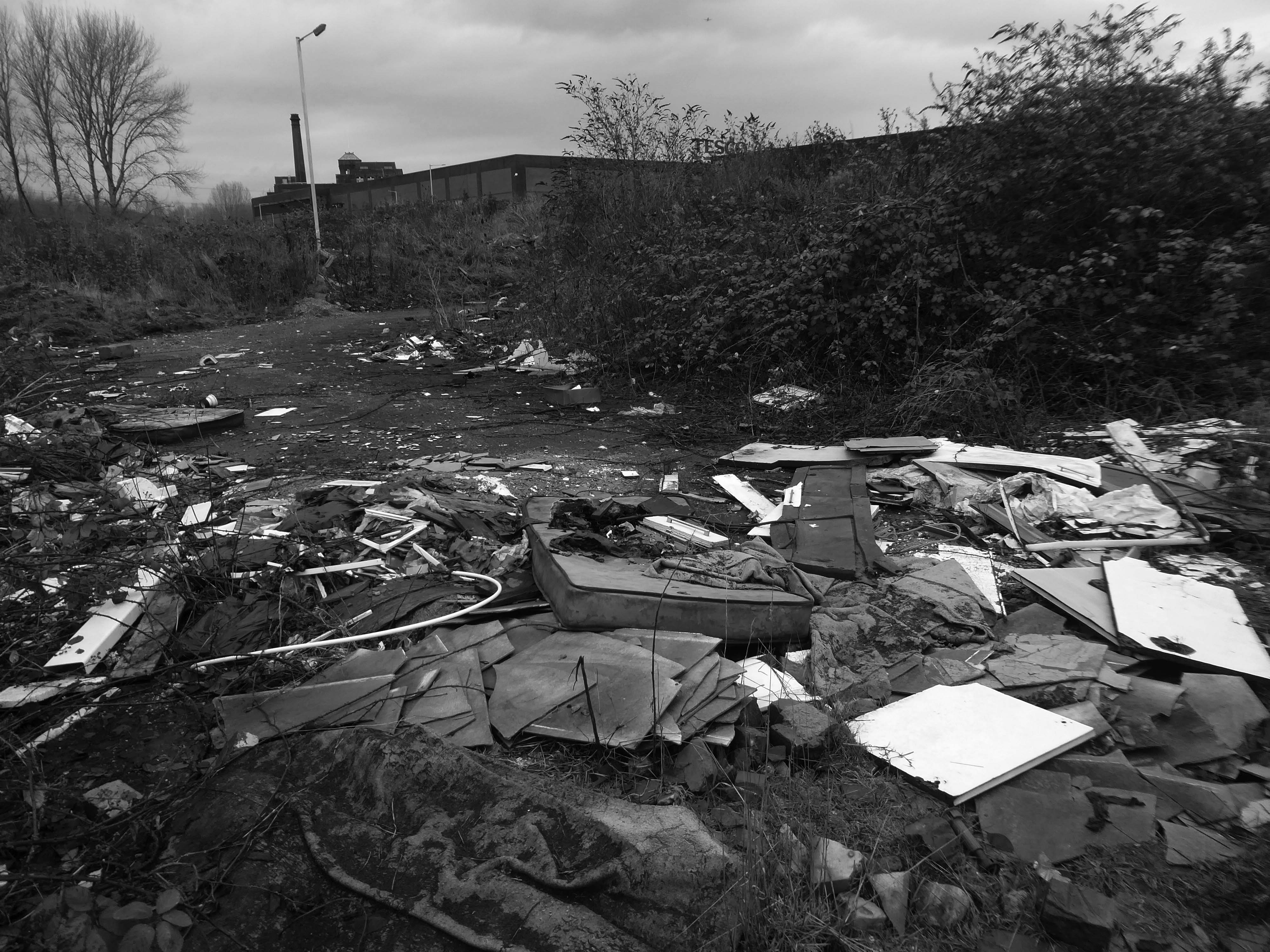
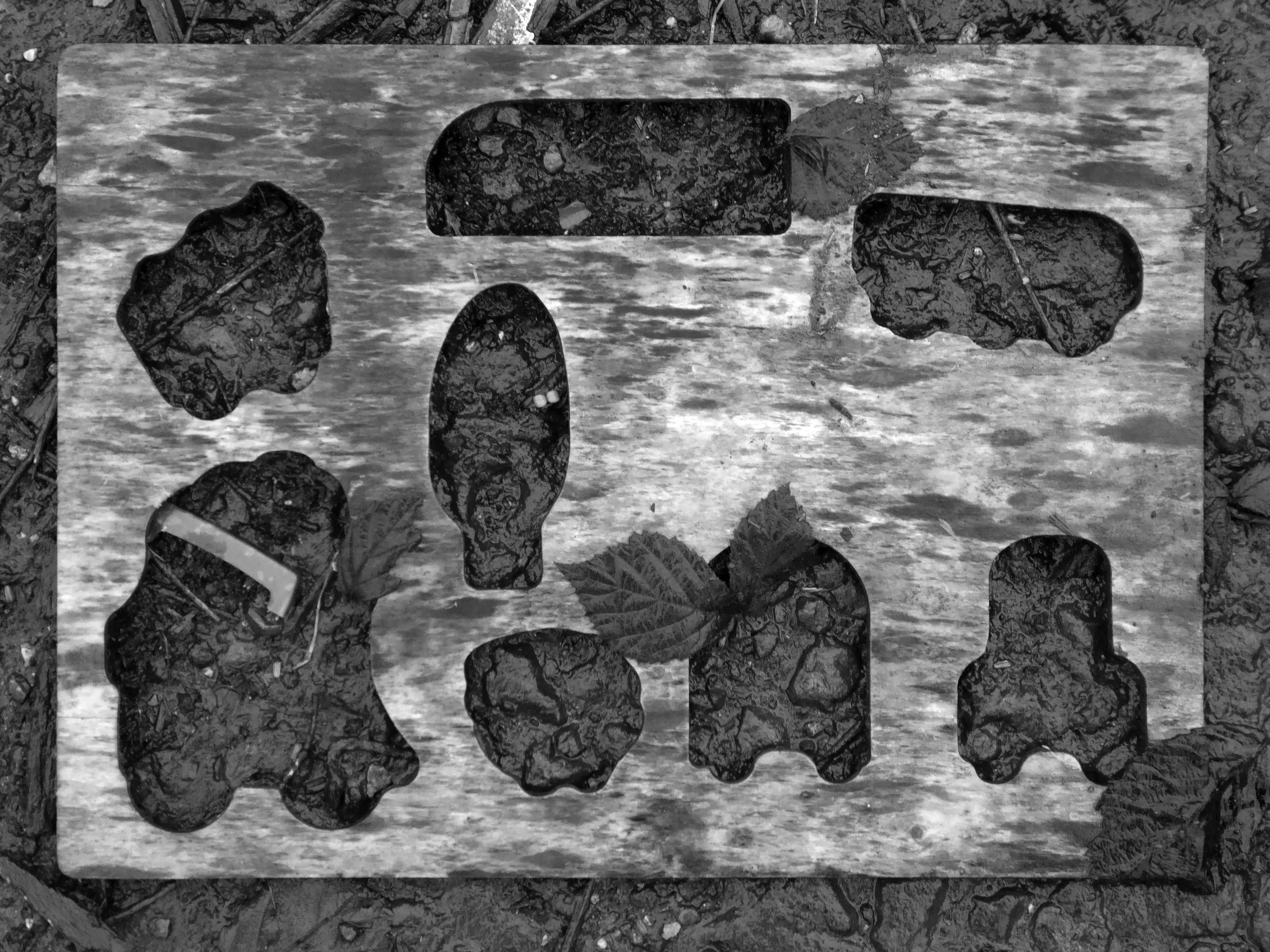
Now it is the domain of the fly-tipper, the home of the homeless, a war zone for a species which has declared war upon itself.
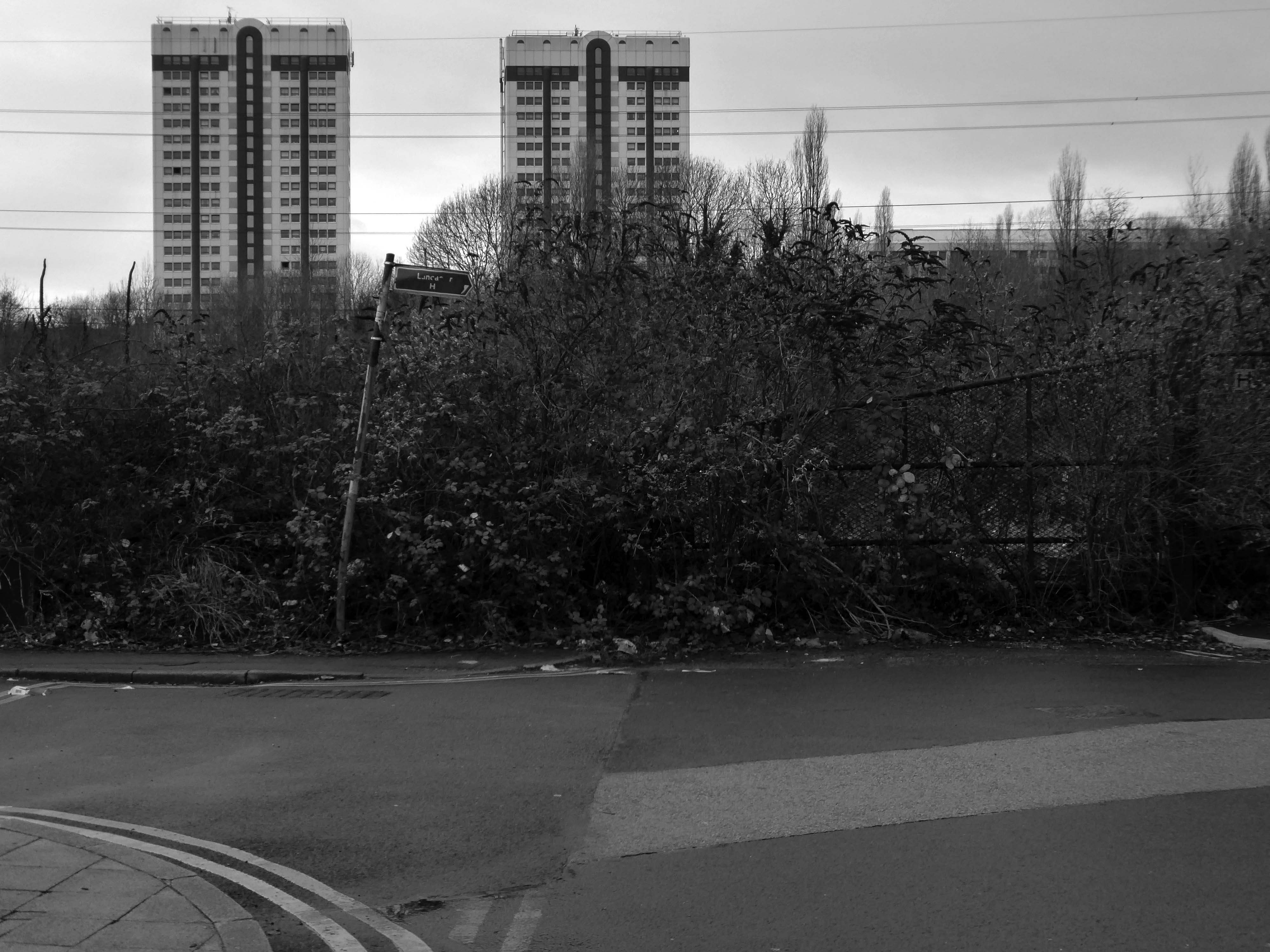
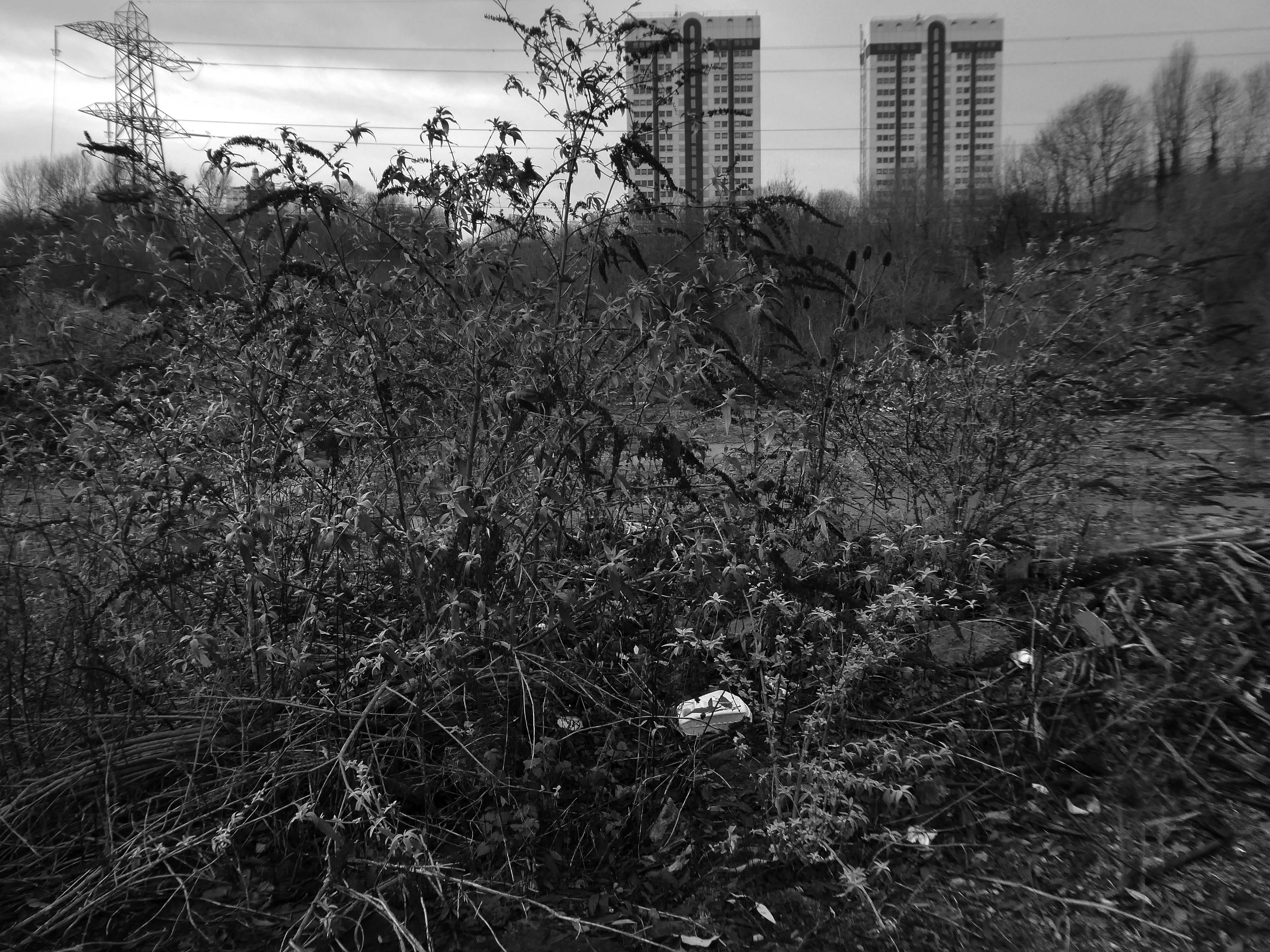
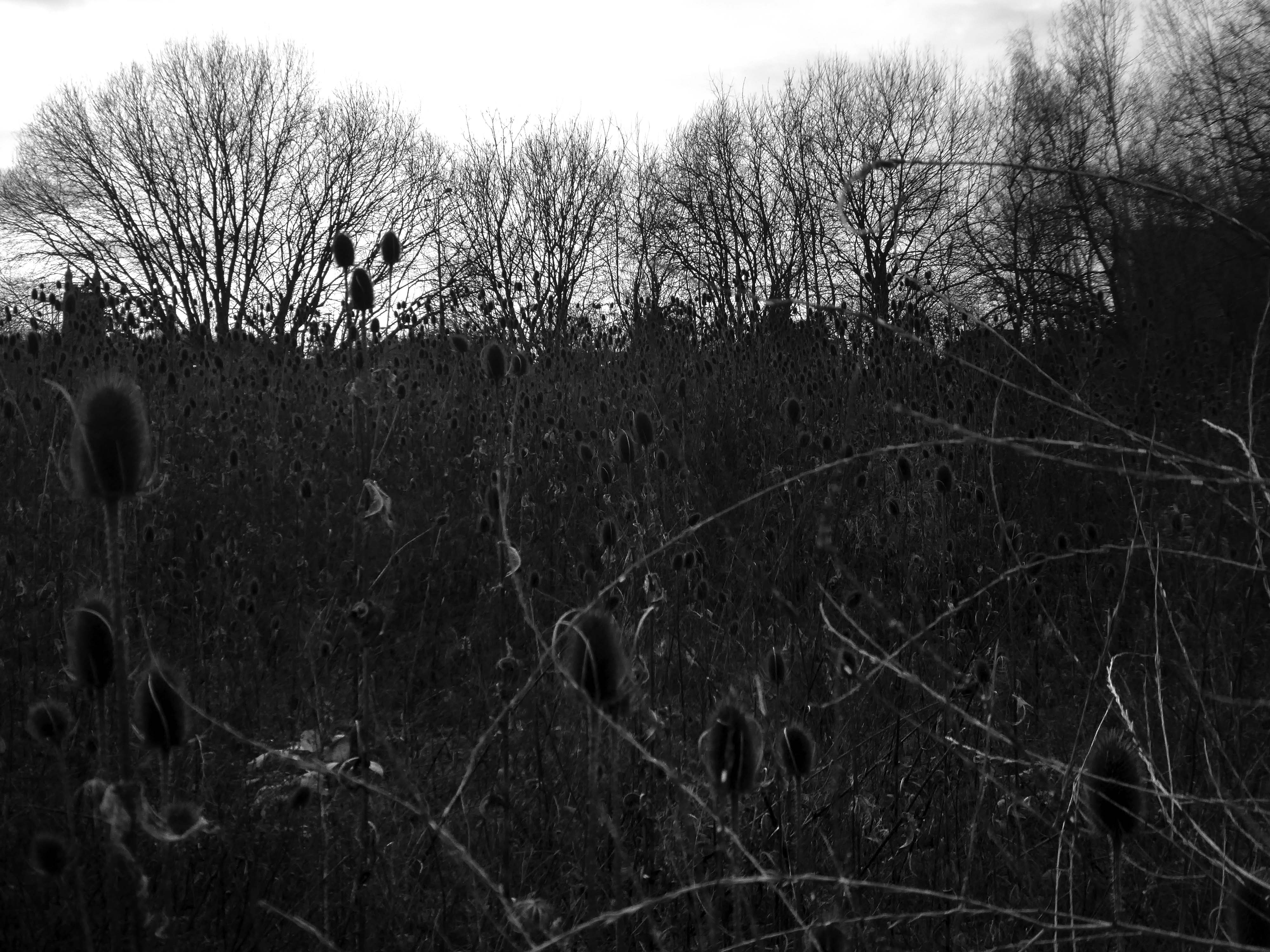
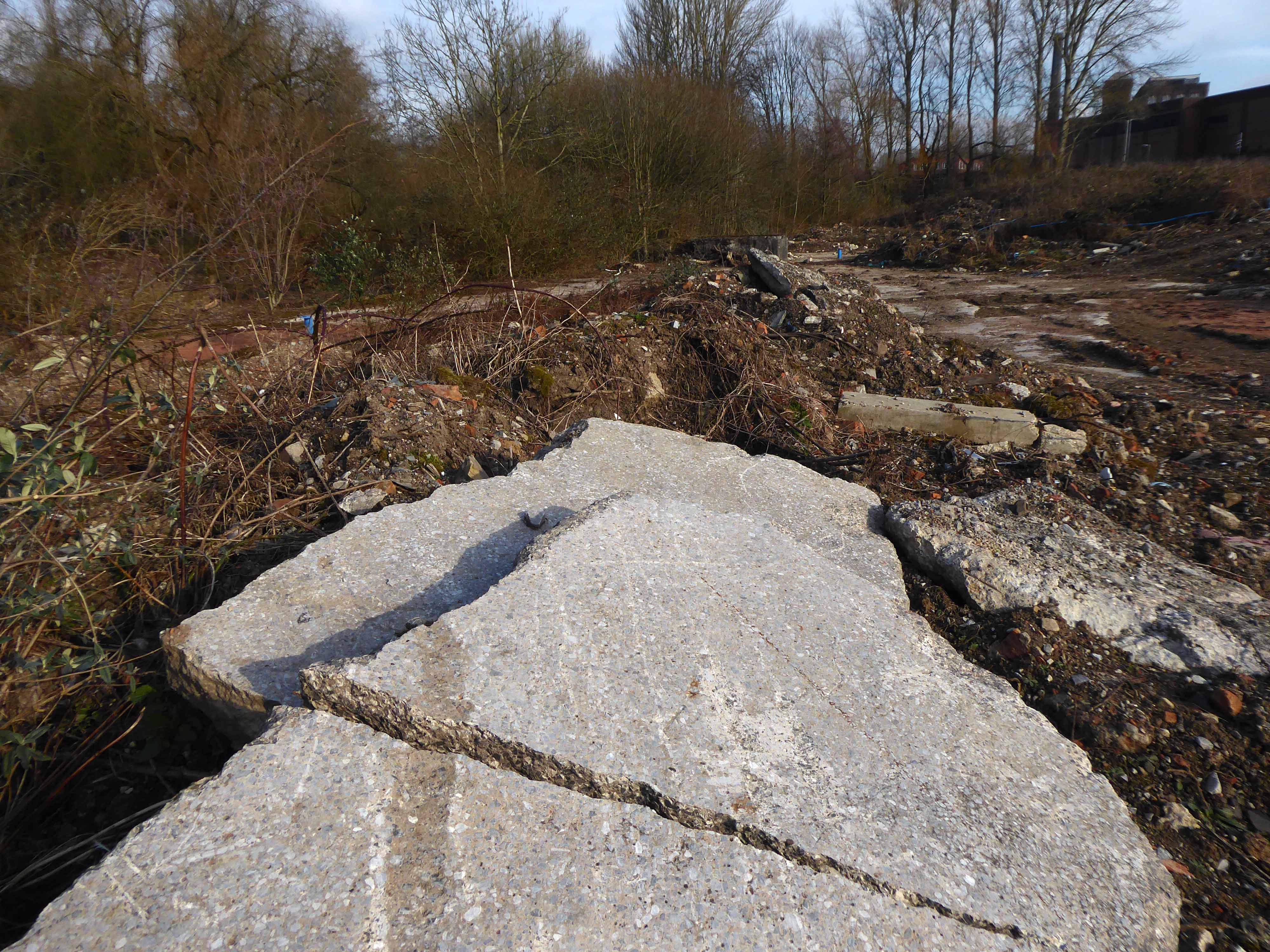
A desert of detritus, interpolated with tangles of brambles, seas of teasels and the ubiquitous buddleia.
This is the unofficial showroom for the unofficial Anthropocene Epoch – always crashing in a different car, during increasingly unseasonal weather, the superabundance of abundance.
It seems that the sun may set on us, before the sun finally sets.
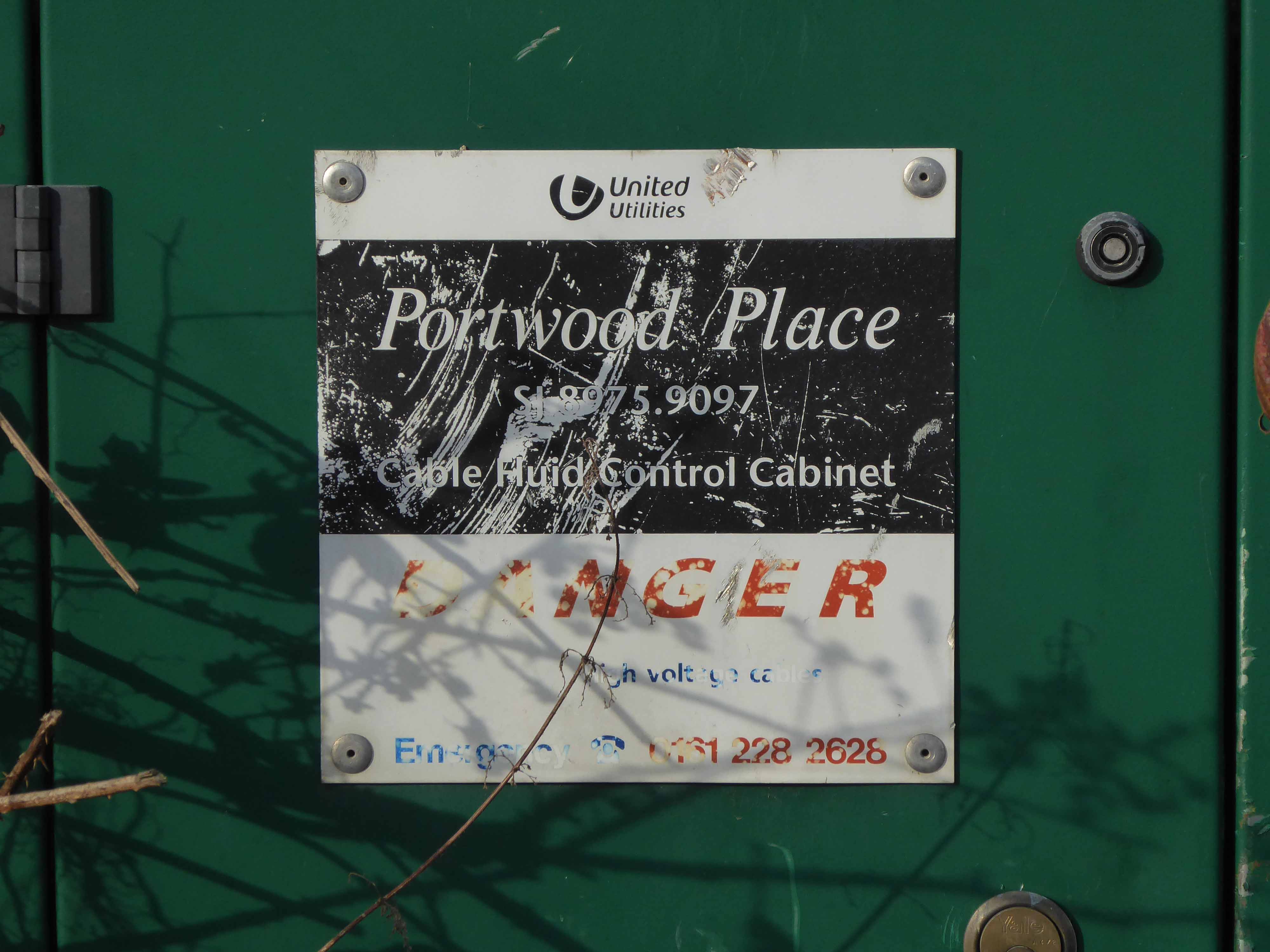
Let’s take a peep at Portwood.
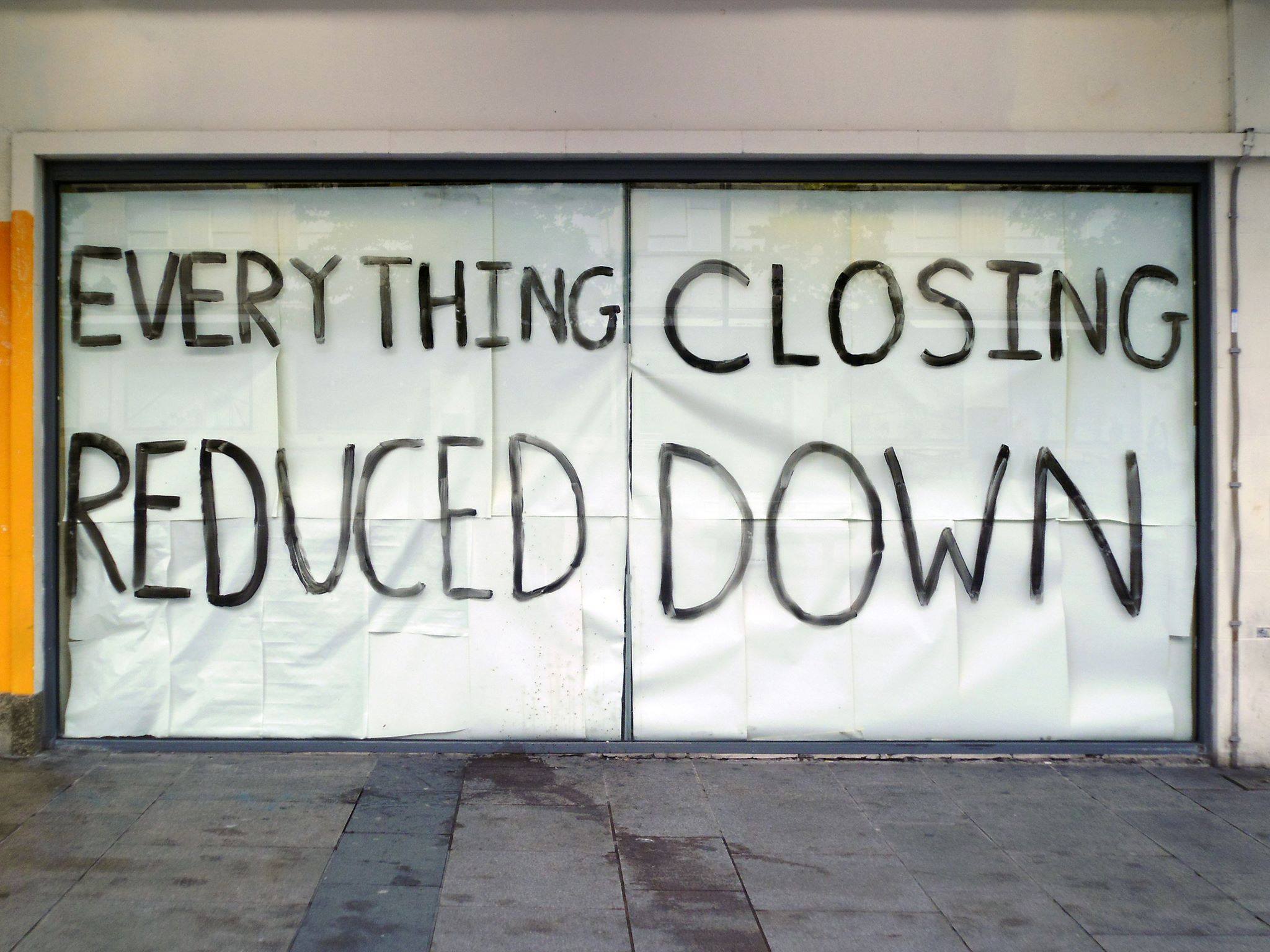
Game over.
Vehicle use affects our whole quality of local life. Traffic can be dangerous and intimidating, dividing communities and making street life unpleasant, whilst air pollution and traffic noise can make urban living uncomfortable.
The impacts of mass consumption are: Misuse of land and resources, exporting pollution and waste from rich countries to poor countries, obesity due to excessive consumption, a cycle of waste, disparities and poverty.
The report argues that the Northern Gateway should offer mixed, affordable and age appropriate housing and amenities. An equitable development plan should be developed, through community-led engagement, to ensure that the benefits of regeneration are shared amongst new and existing residents.
As of 2021 there is inaction and stasis
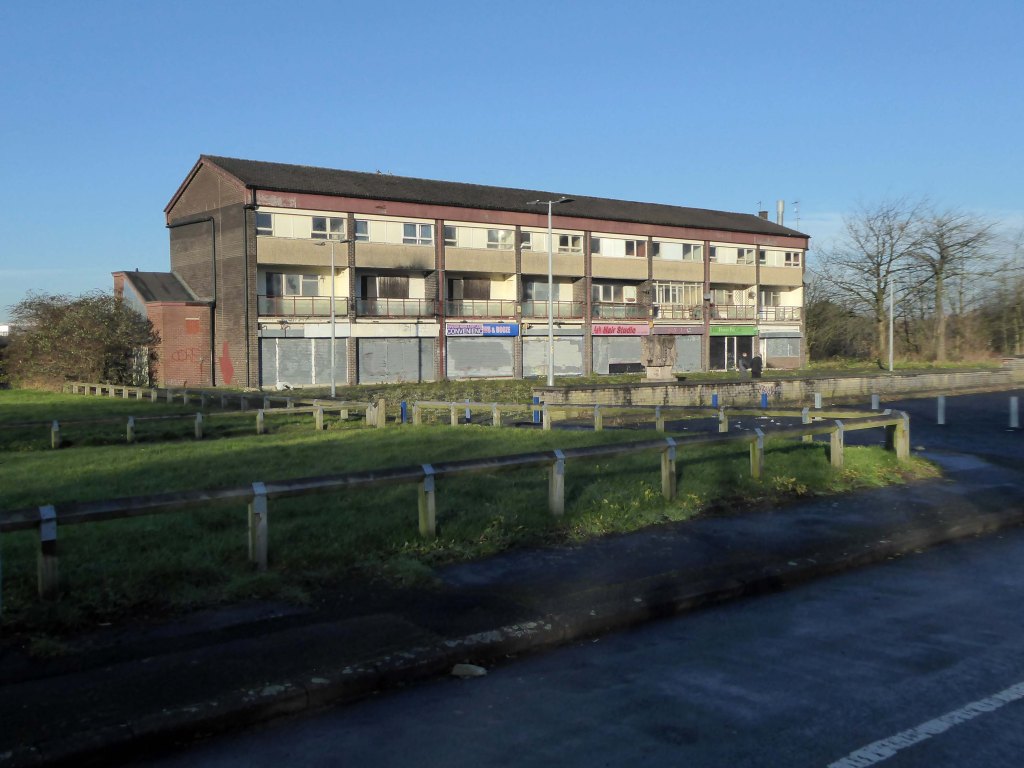
Collyhurst was described as a ‘forgotten place’ by some residents who felt that there had been insufficient investment in local housing and amenities.
The Northern Gateway remains a hidden portal to who knows where.
Detailed proposals for a second scheme to be delivered within neighbouring South Collyhurst, one of the seven neighbourhoods to be developed as part of the overall Framework, are expected later this year.
Far East Consortium and Manchester City Council’s 390-acre masterplan will now be known as Victoria North, a move that aims to “create a sense of place”, according to Gavin Taylor, regional general manager at FEC in Manchester.
The Northern Gateway has served us well as a name as we shaped plans for the area’s regeneration. But as we begin to bring forward development this year, it’s the right time to start creating a sense of place for what will be a significant new district in Manchester, as well as an identity that people can engage with.
Sir Richard Leese, leader of Manchester City Council, said:
We are at the beginning of an incredibly exciting phase of history for this part of Manchester and with some eagerness to see how this potential unfolds.
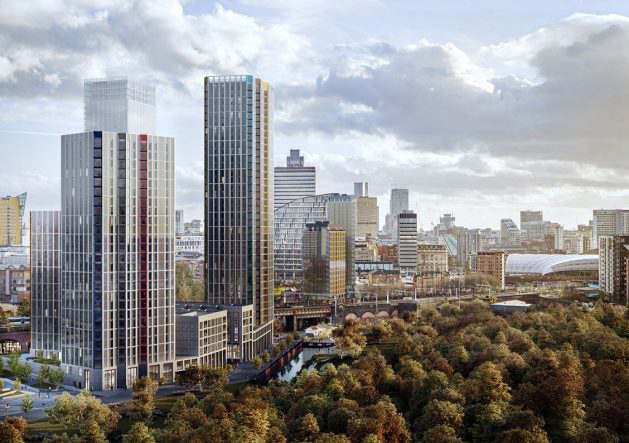
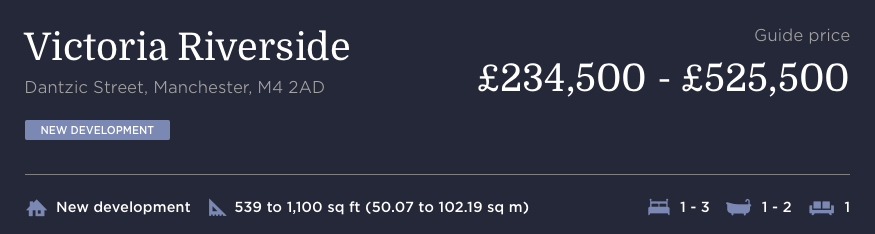
Victoria Riverside, a 634- home development marks the first stage of the regeneration project with the first apartments hitting the market.
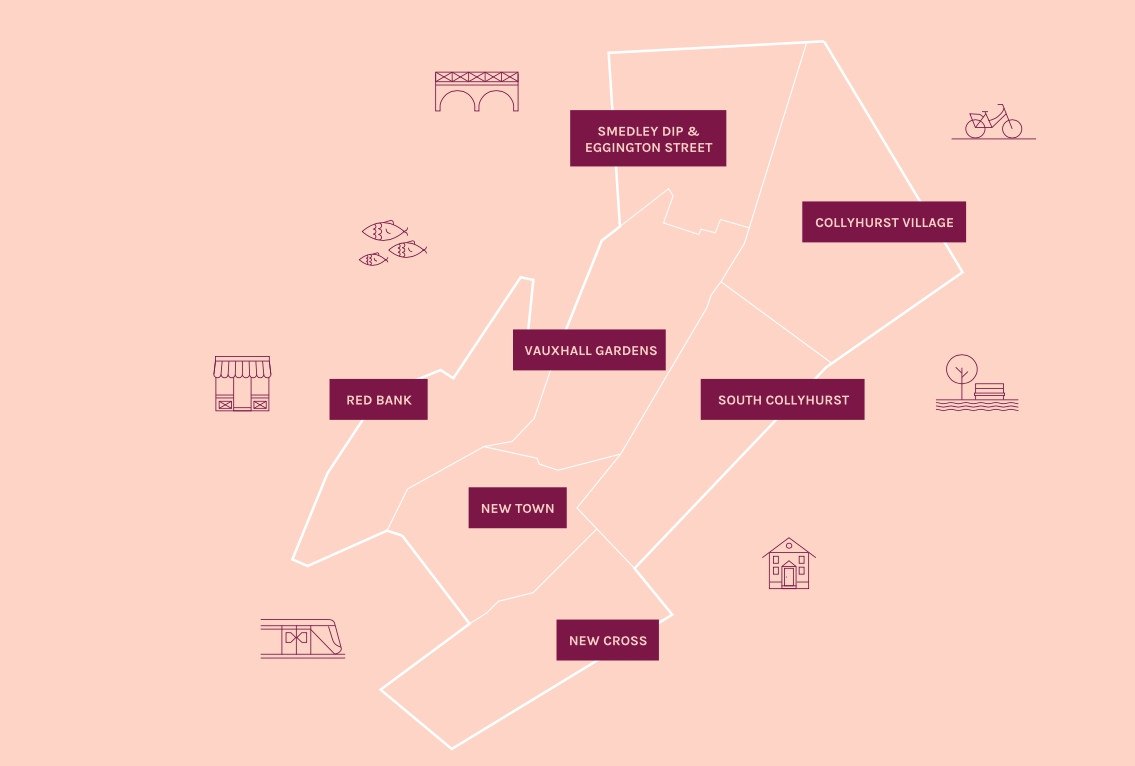
The three towers – Park View, City View and Crown View, are based within the Red Bank neighbourhood.
Red Bank has been described as:
A unique landscape and river setting making the neighbourhood perfect for a residential-led, high-density development – all set in a green valley.
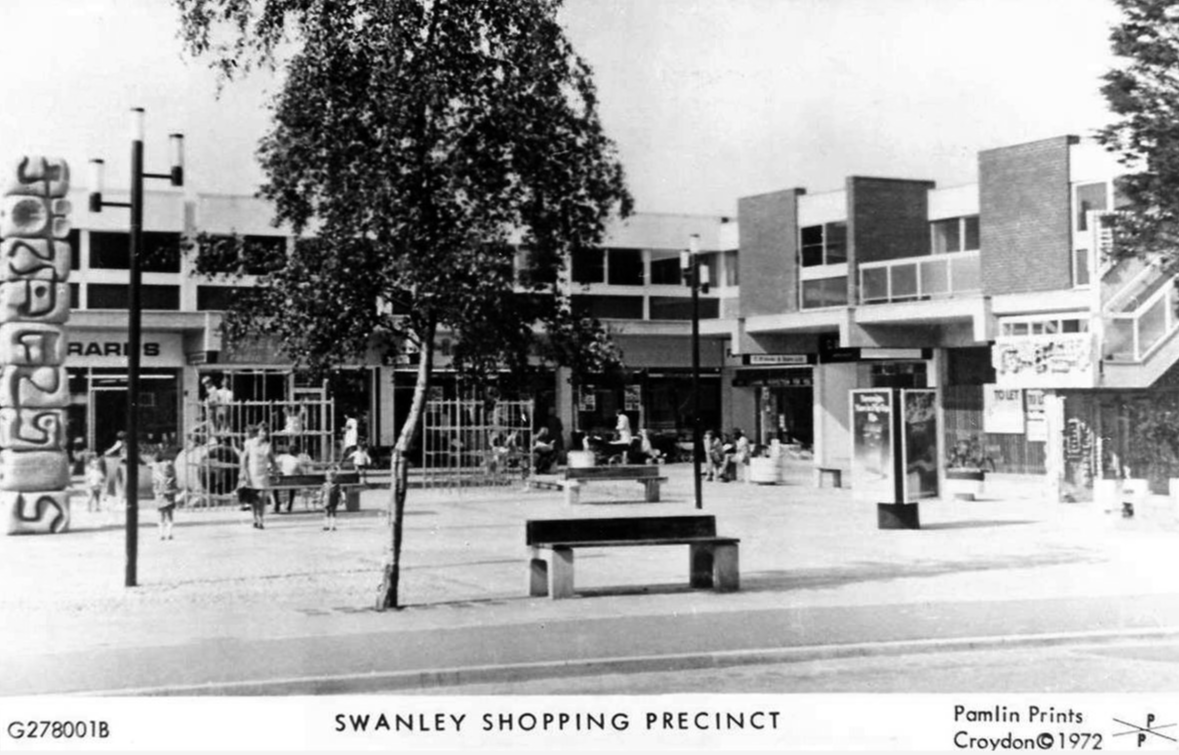
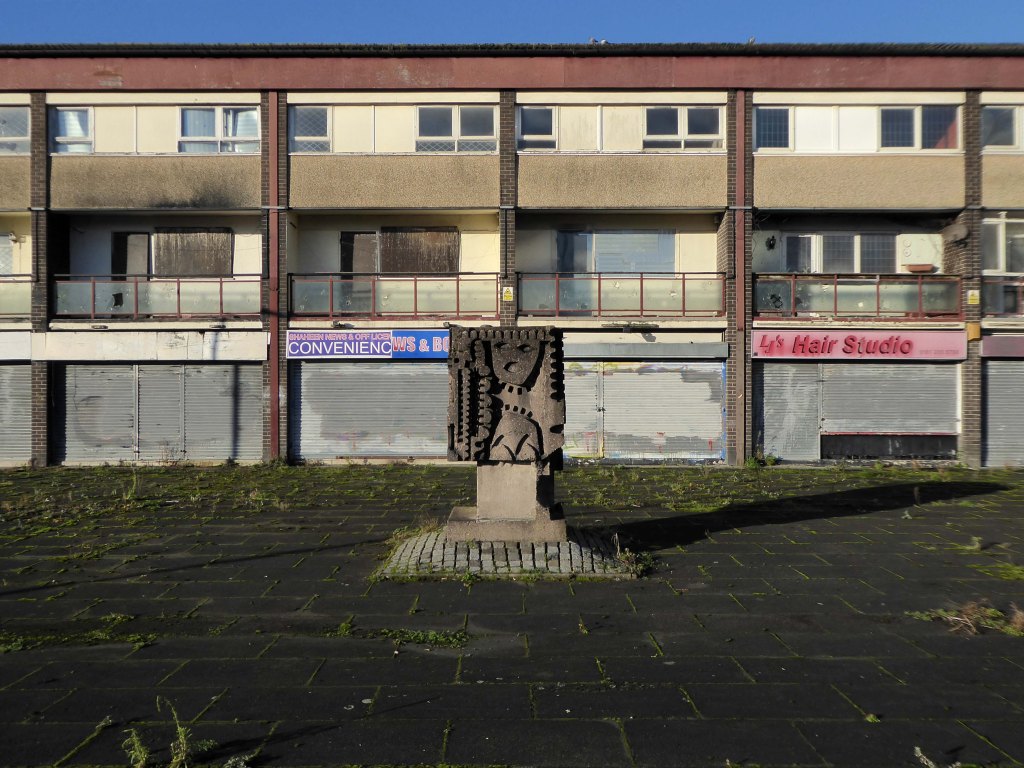
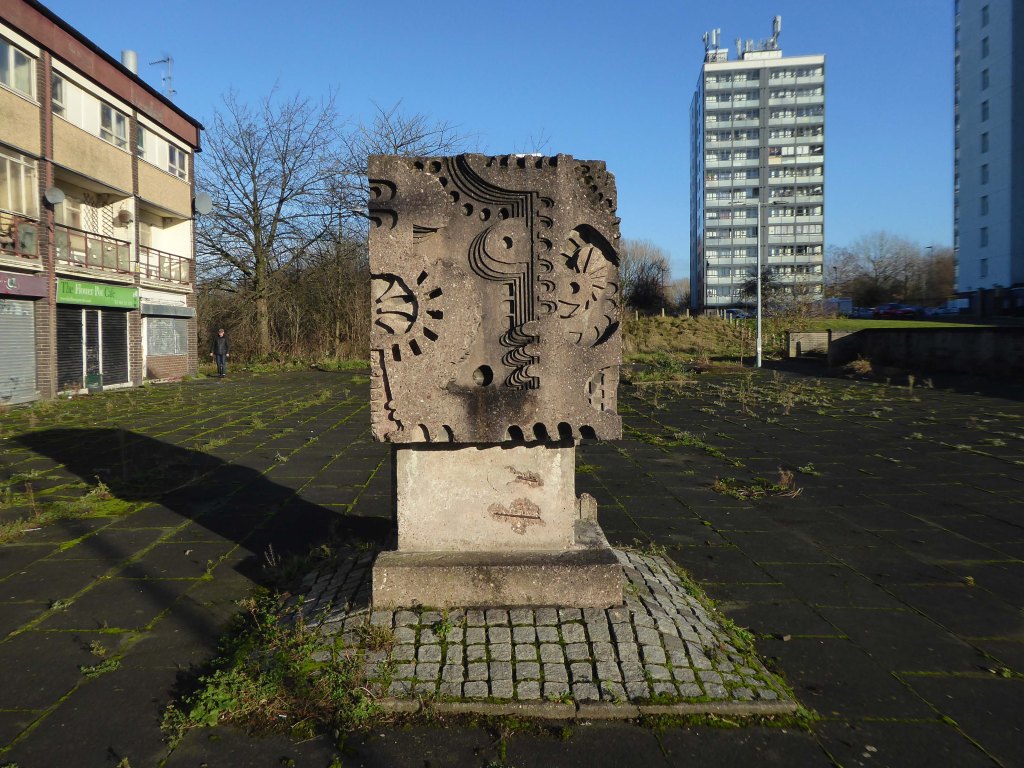
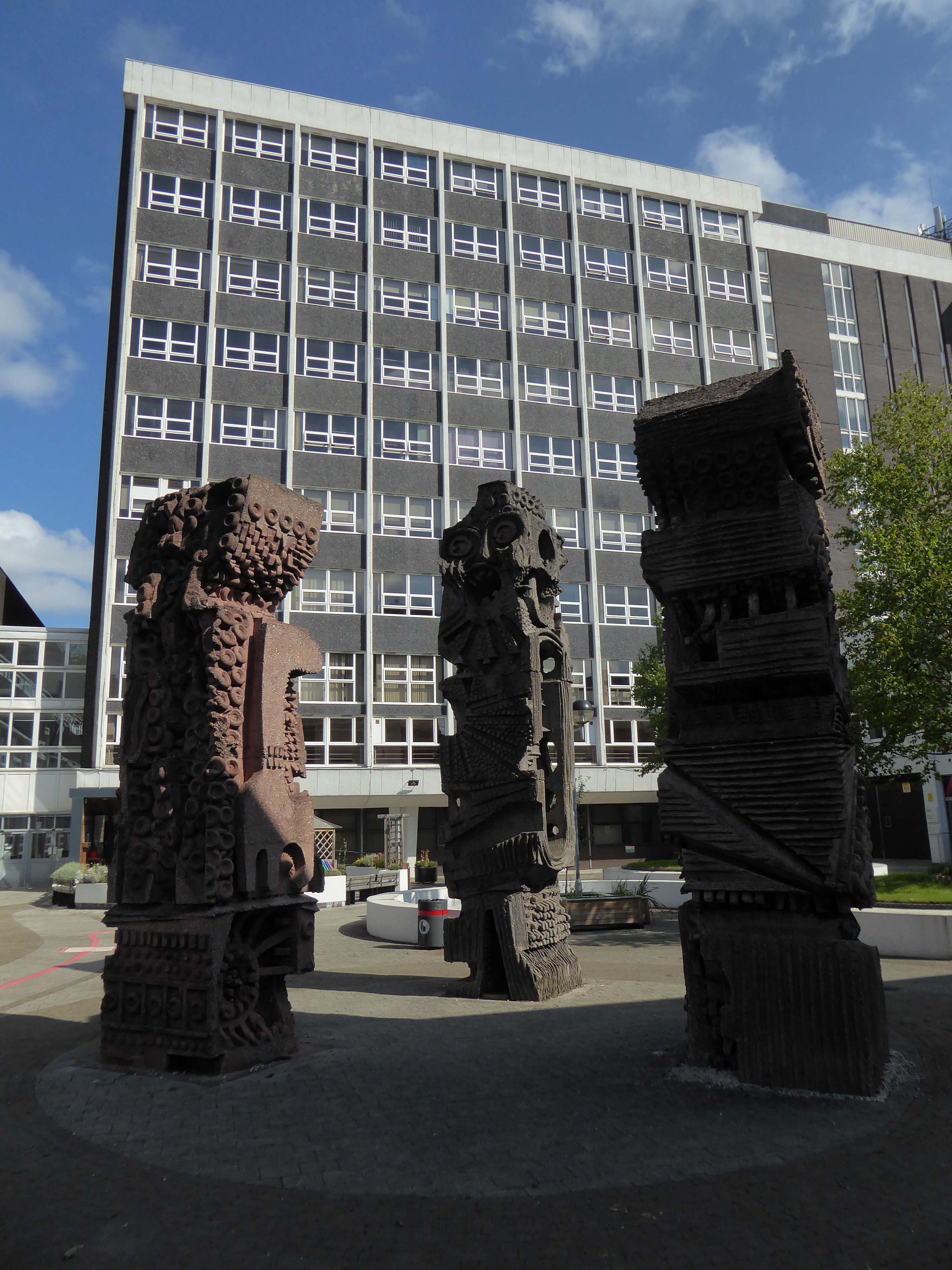
The putative William Mitchell totem continues to keep silent watch over the Square.
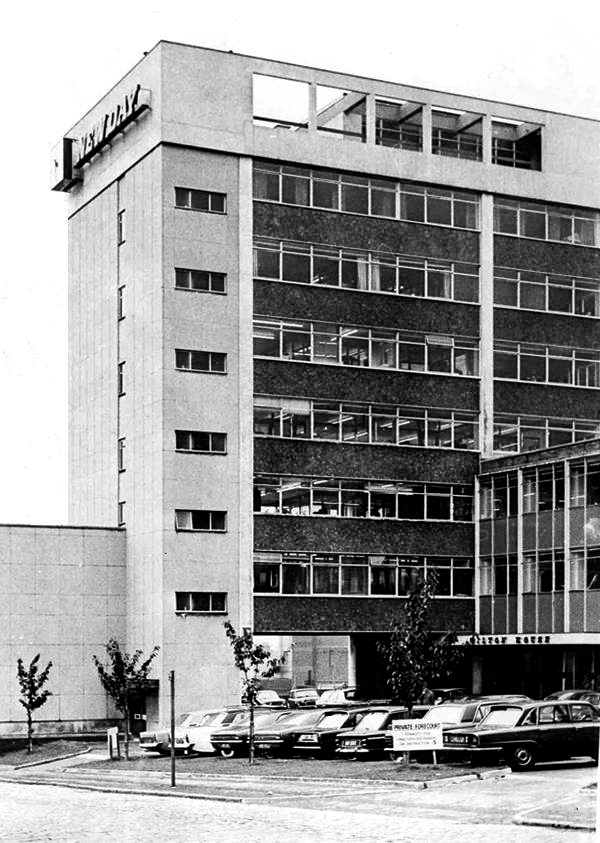
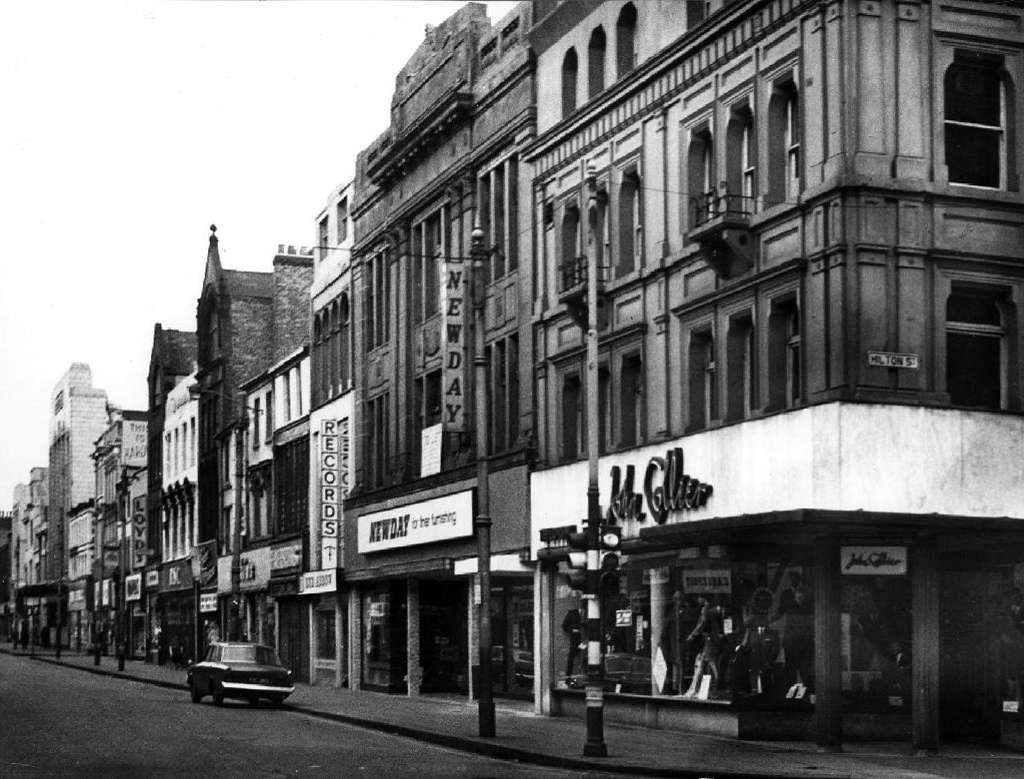
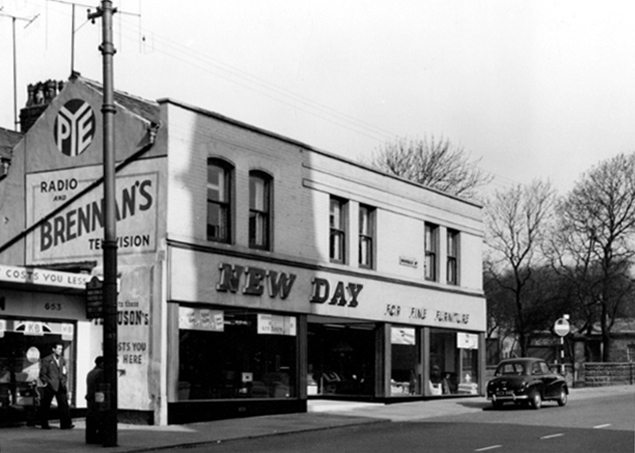
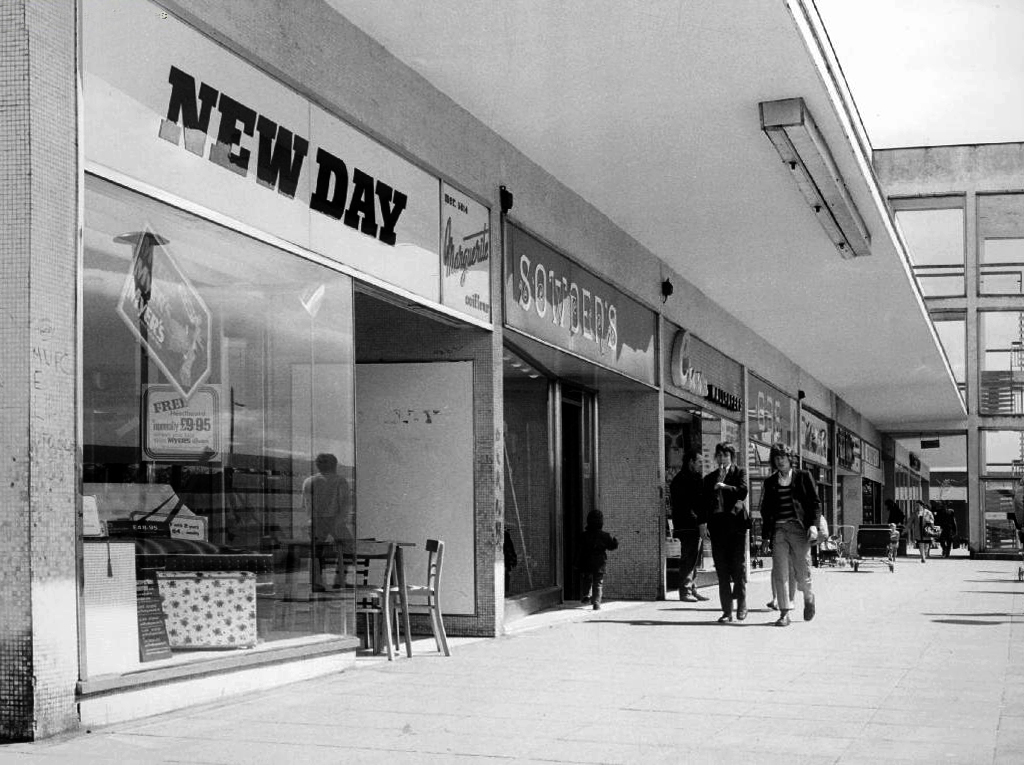
A local company which designed, manufactured and retailed furnishings around the North West.
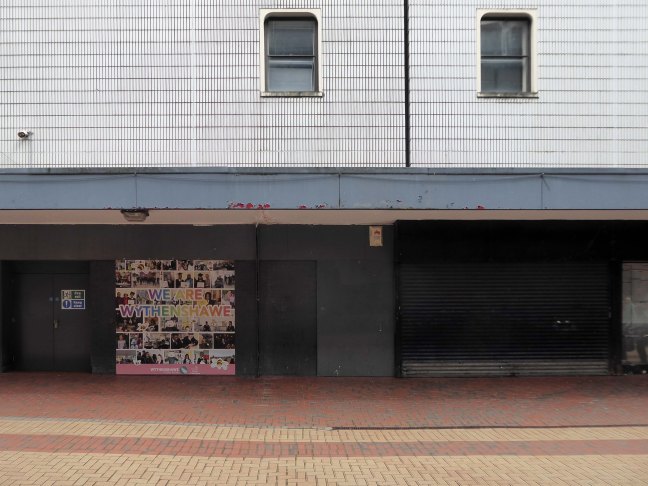
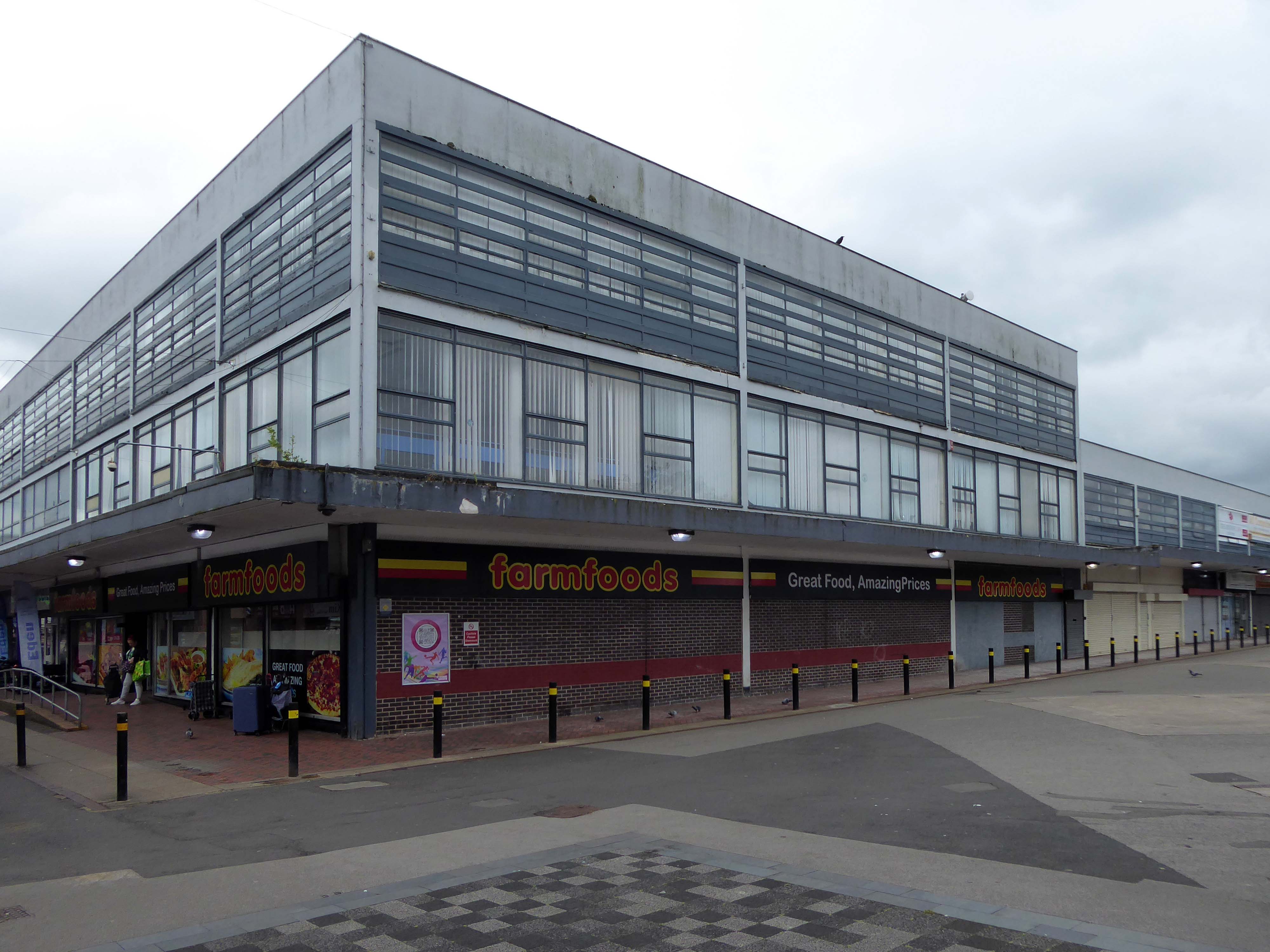
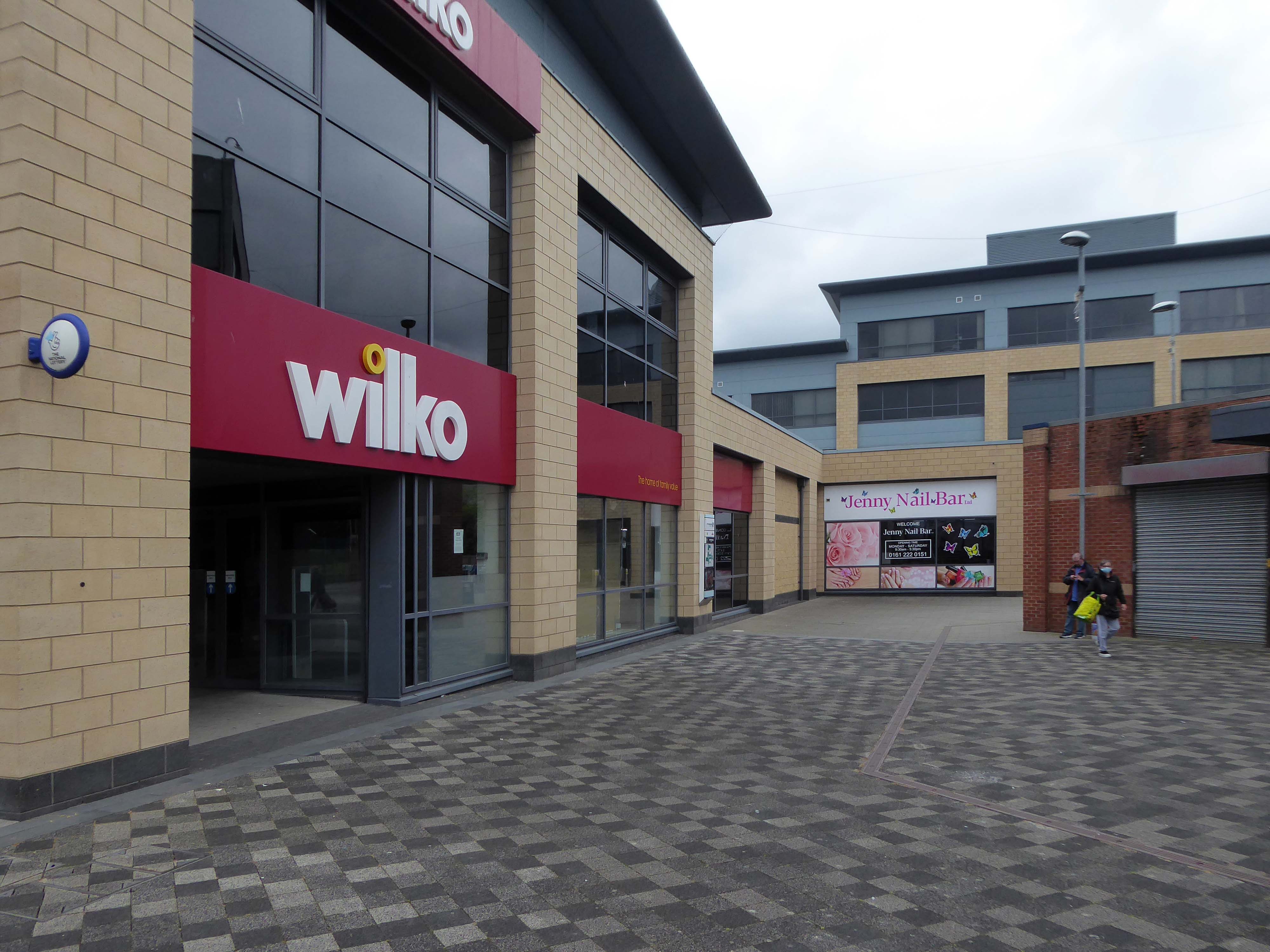
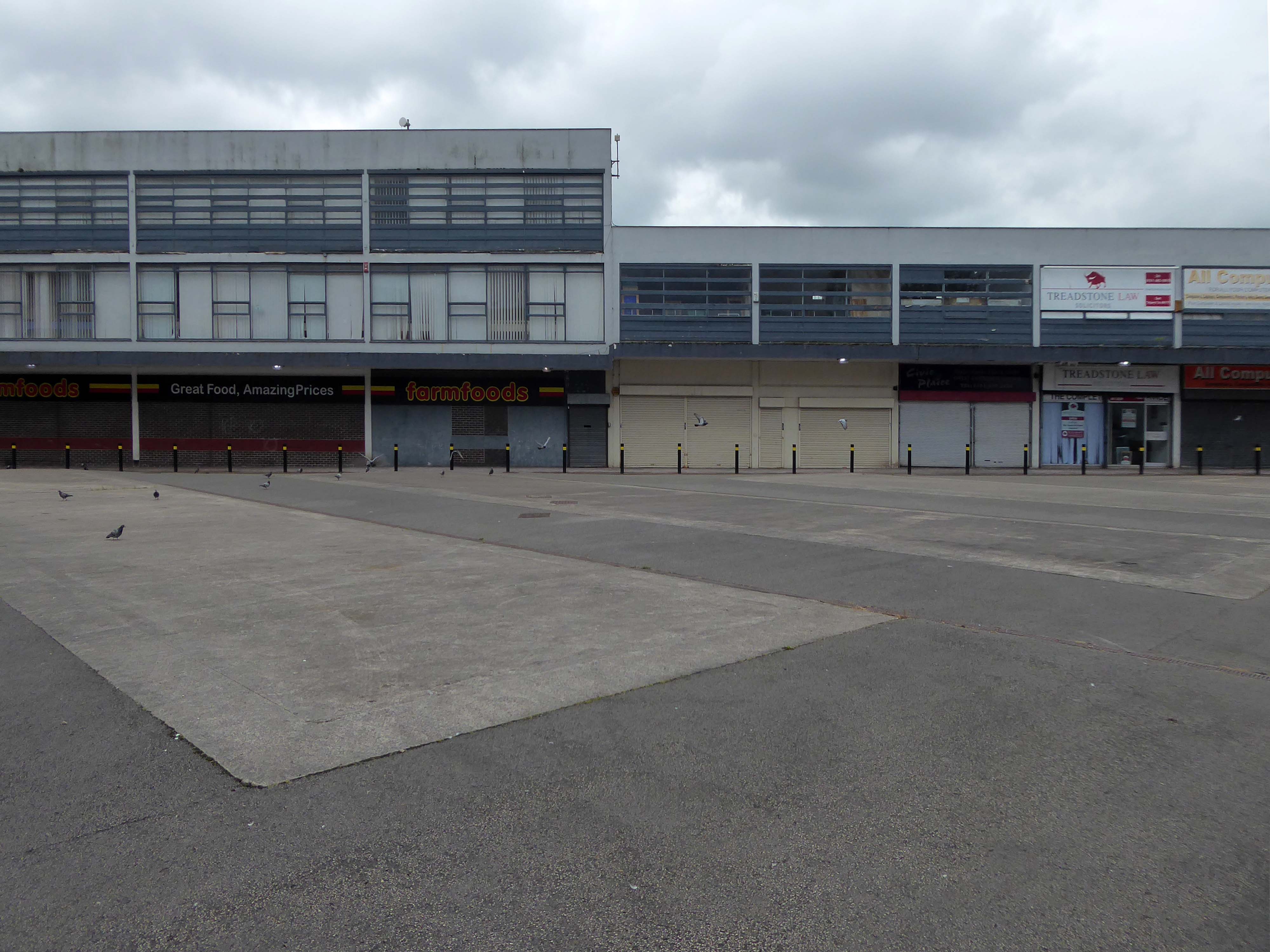
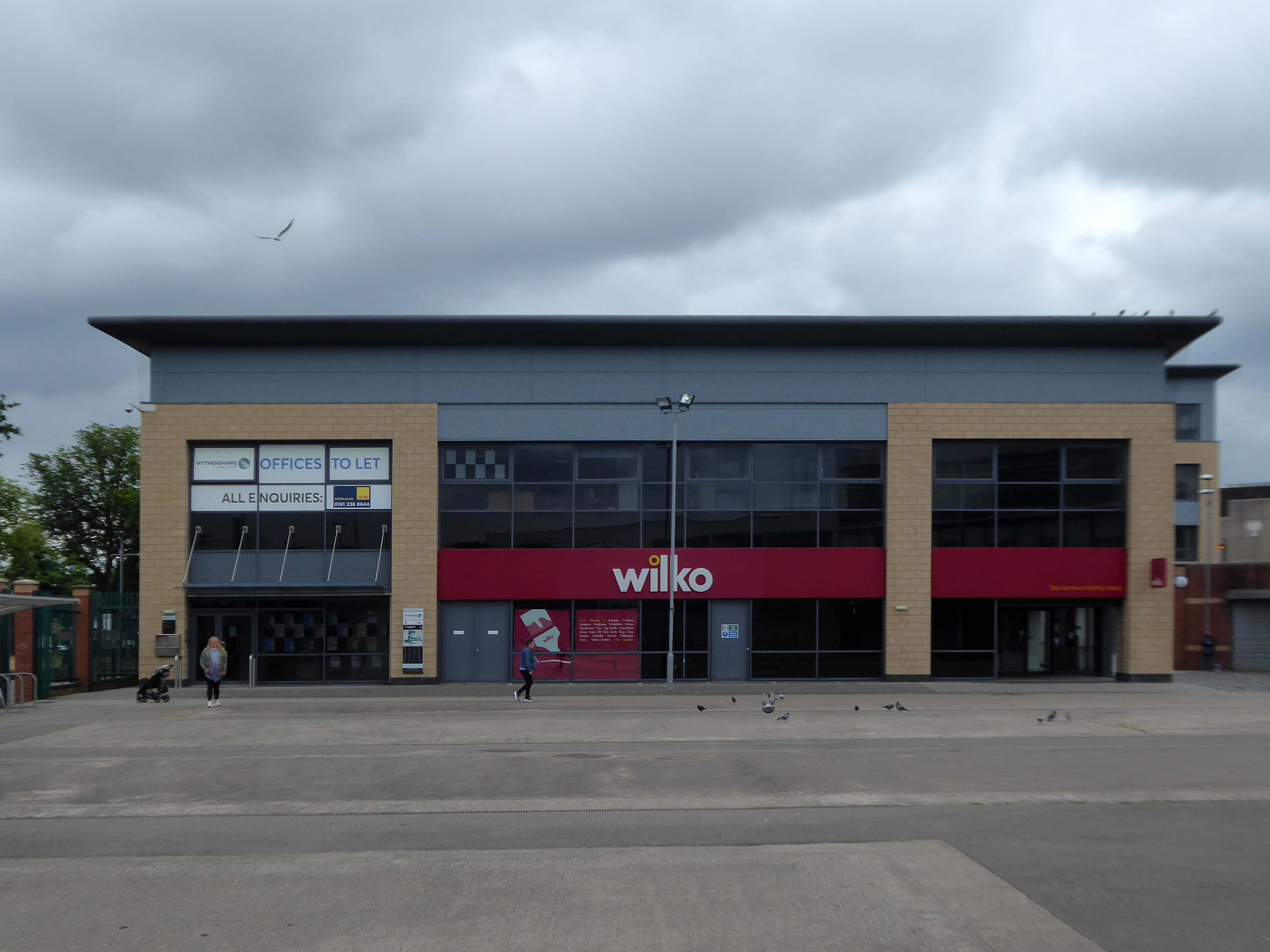
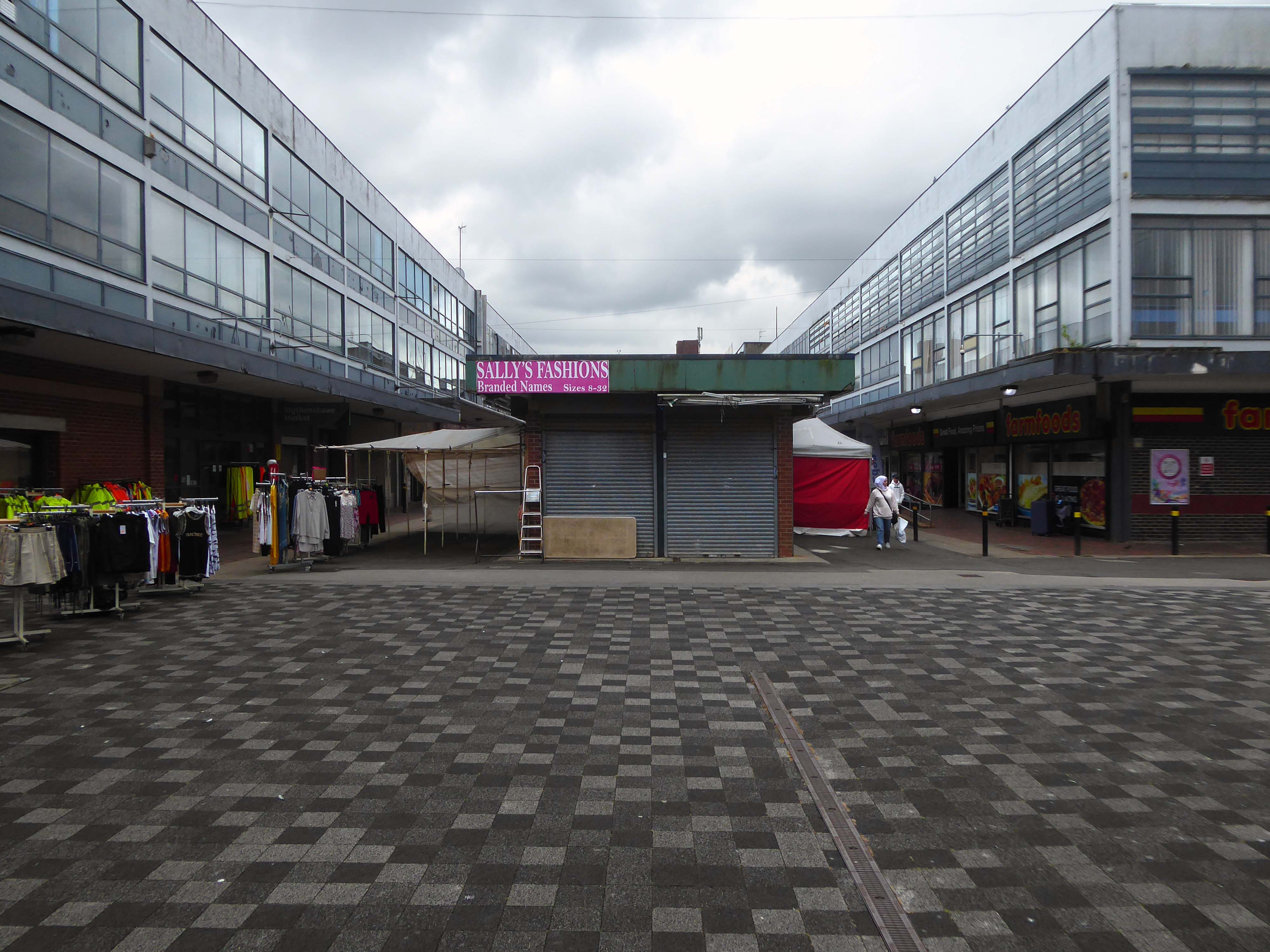
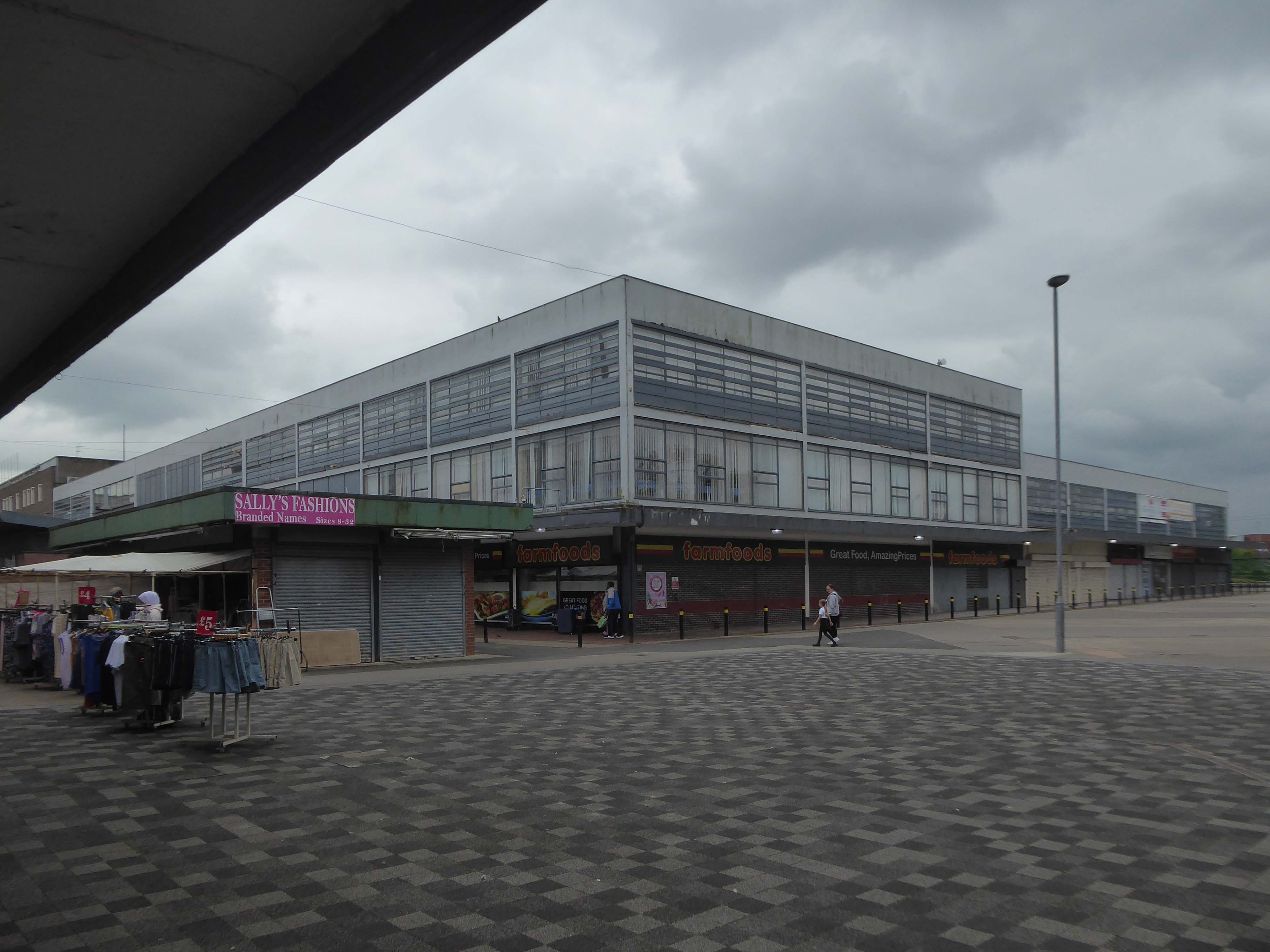
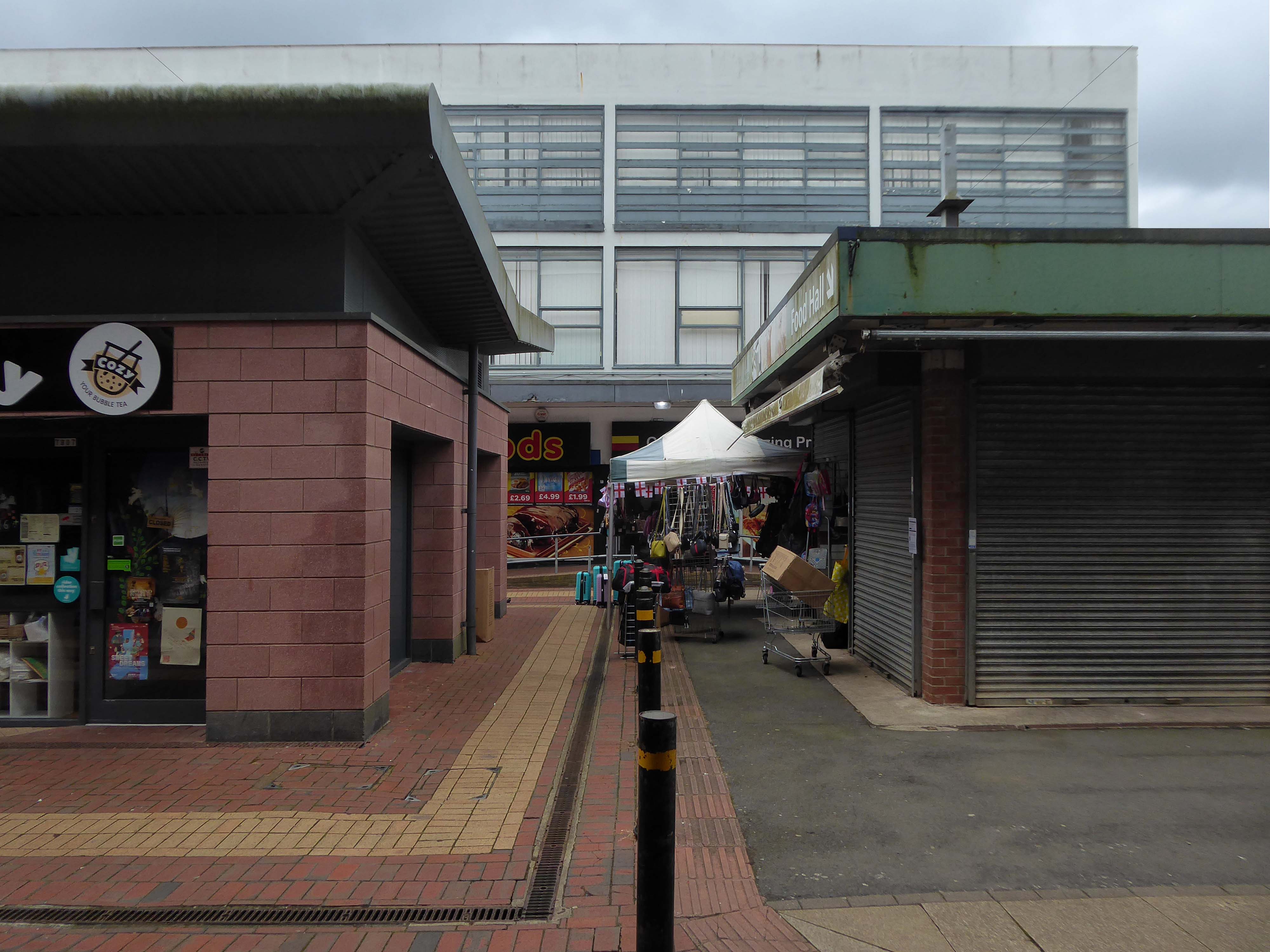
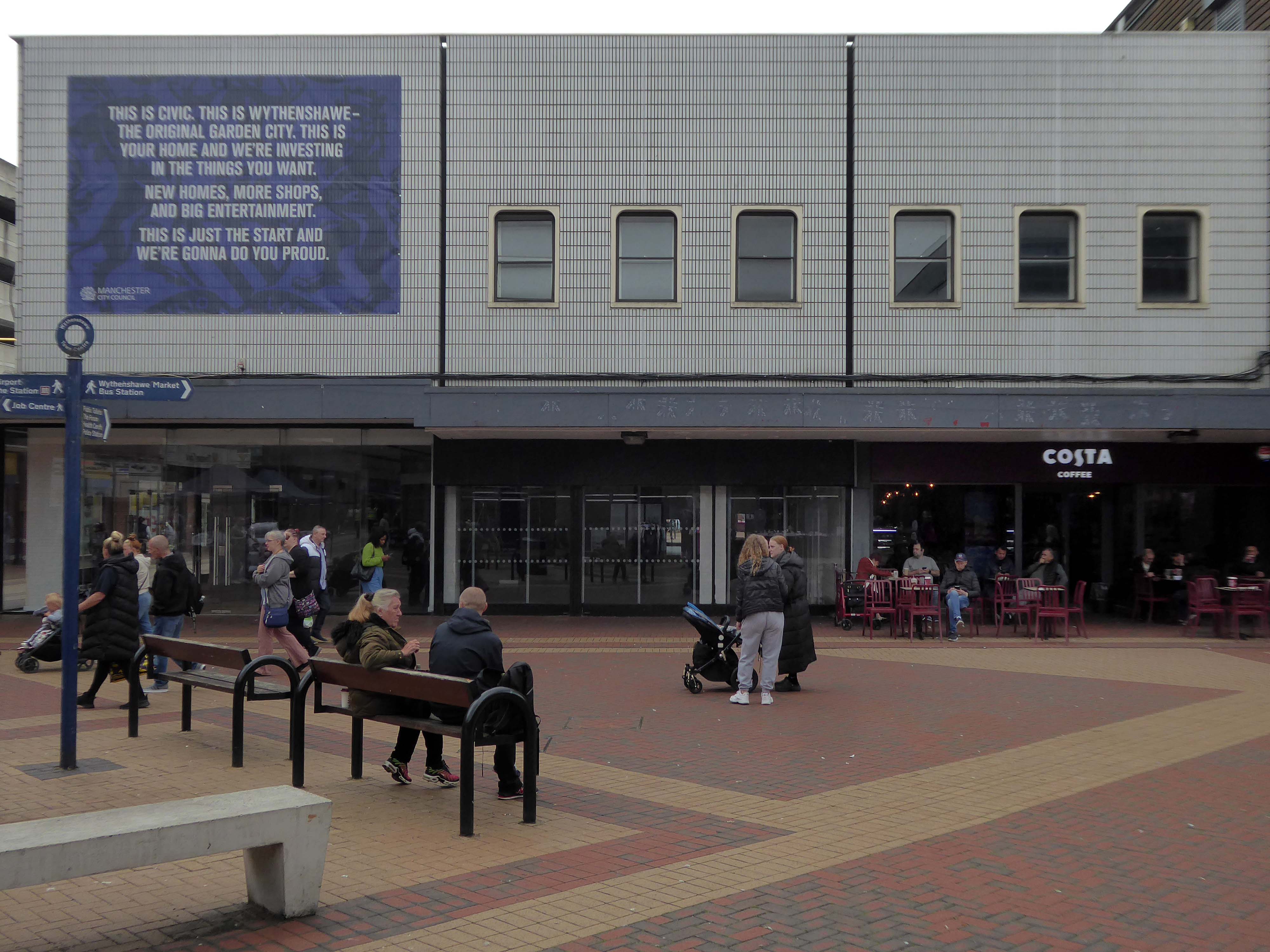
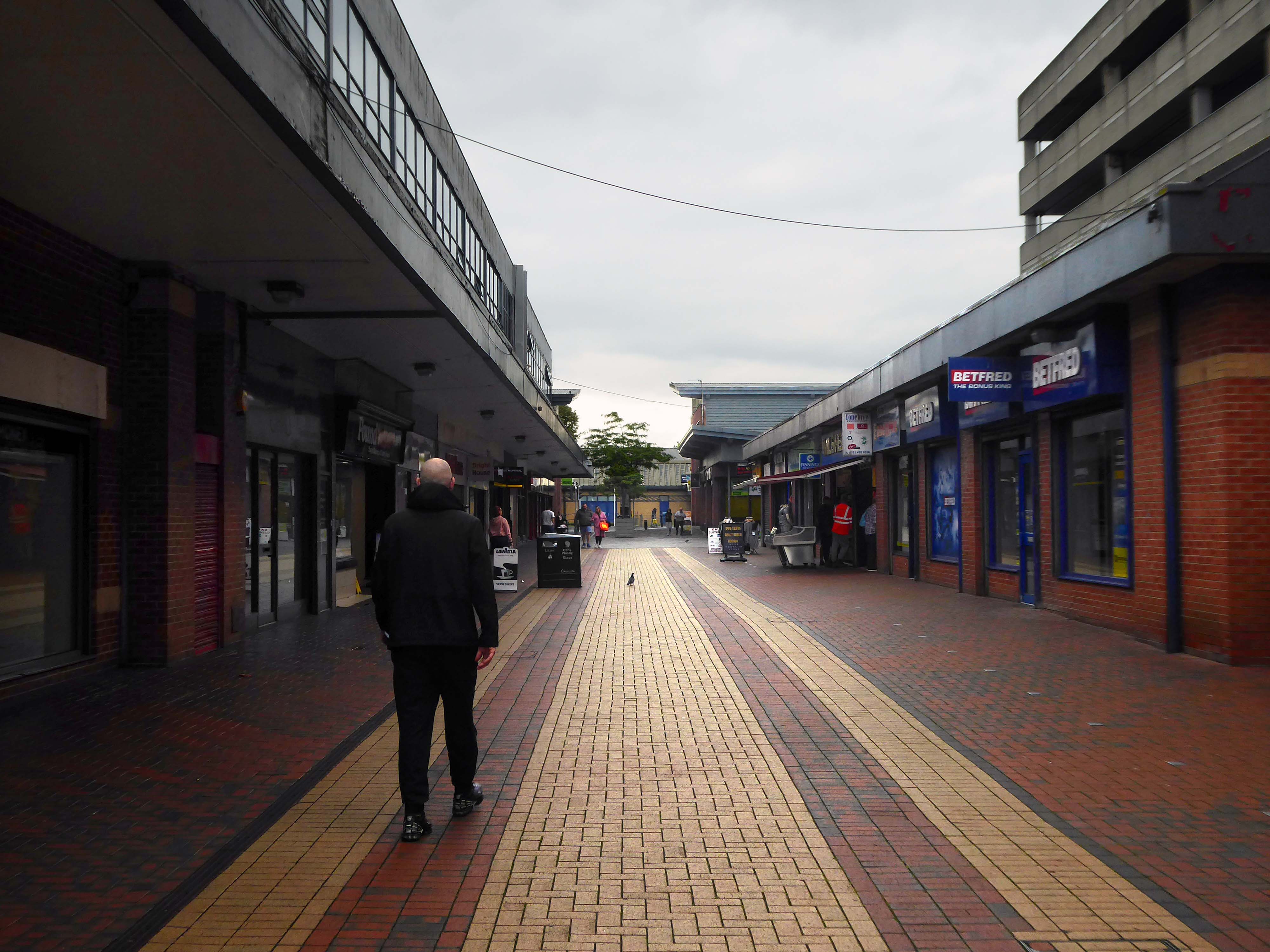
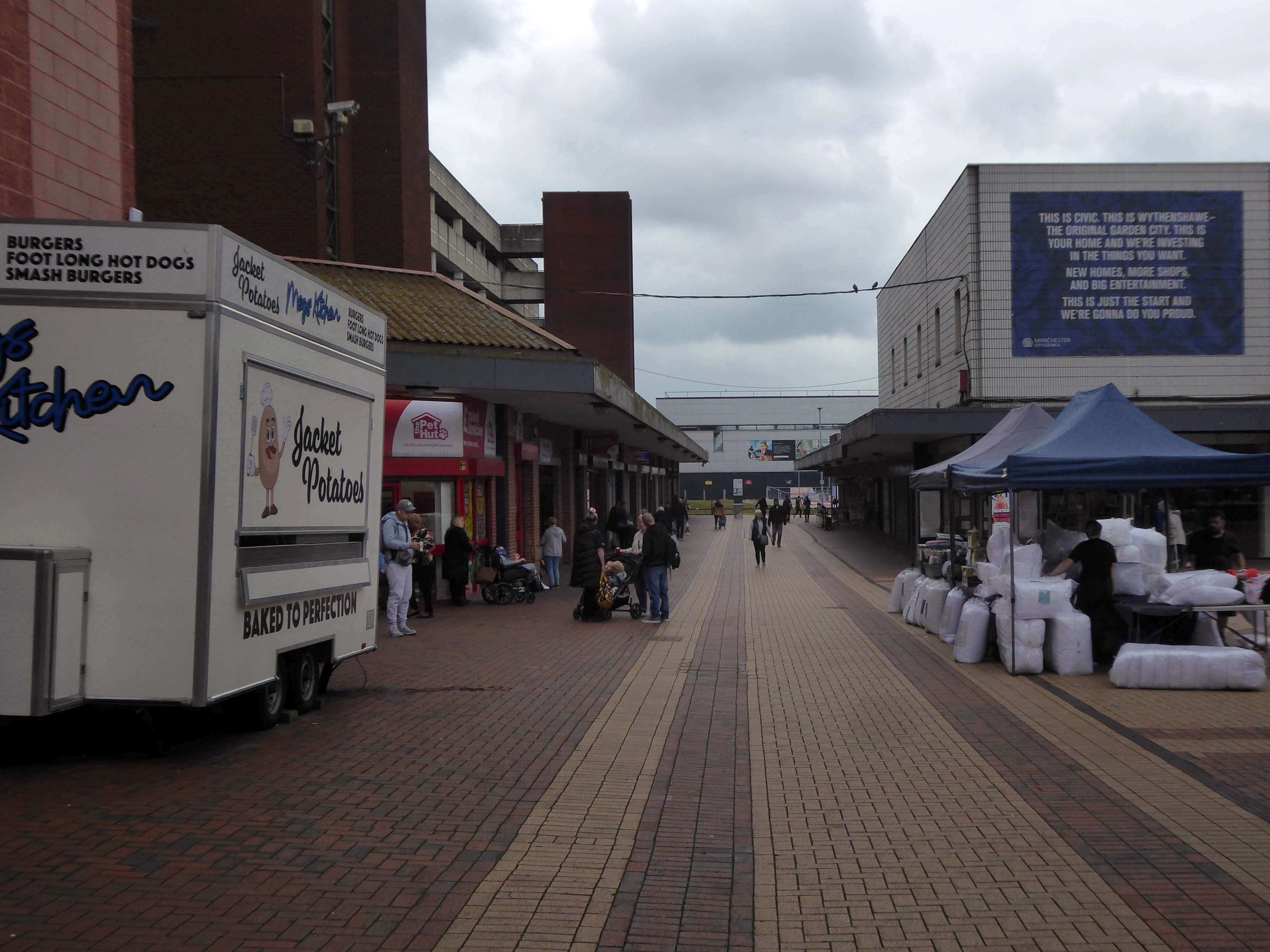
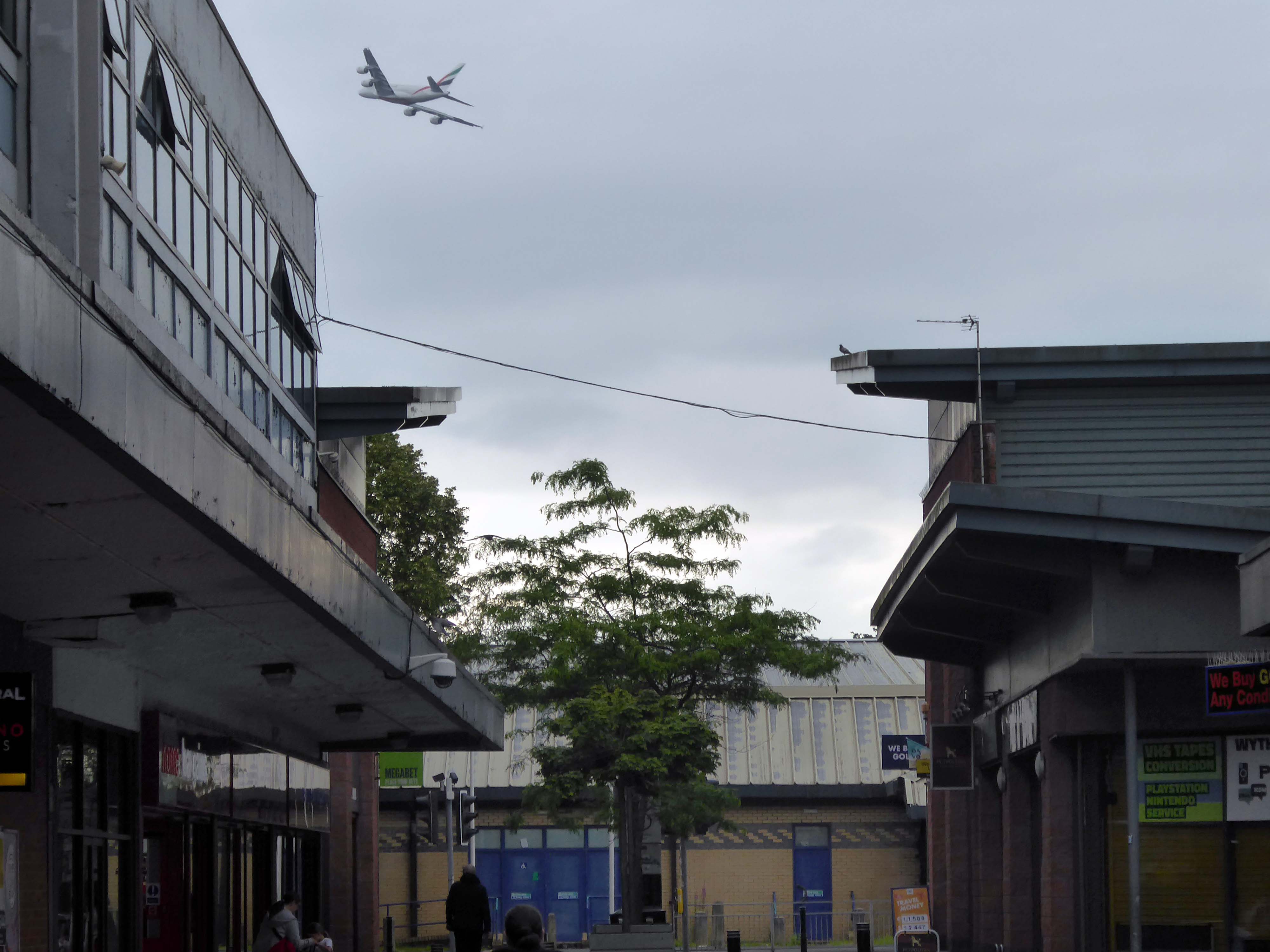
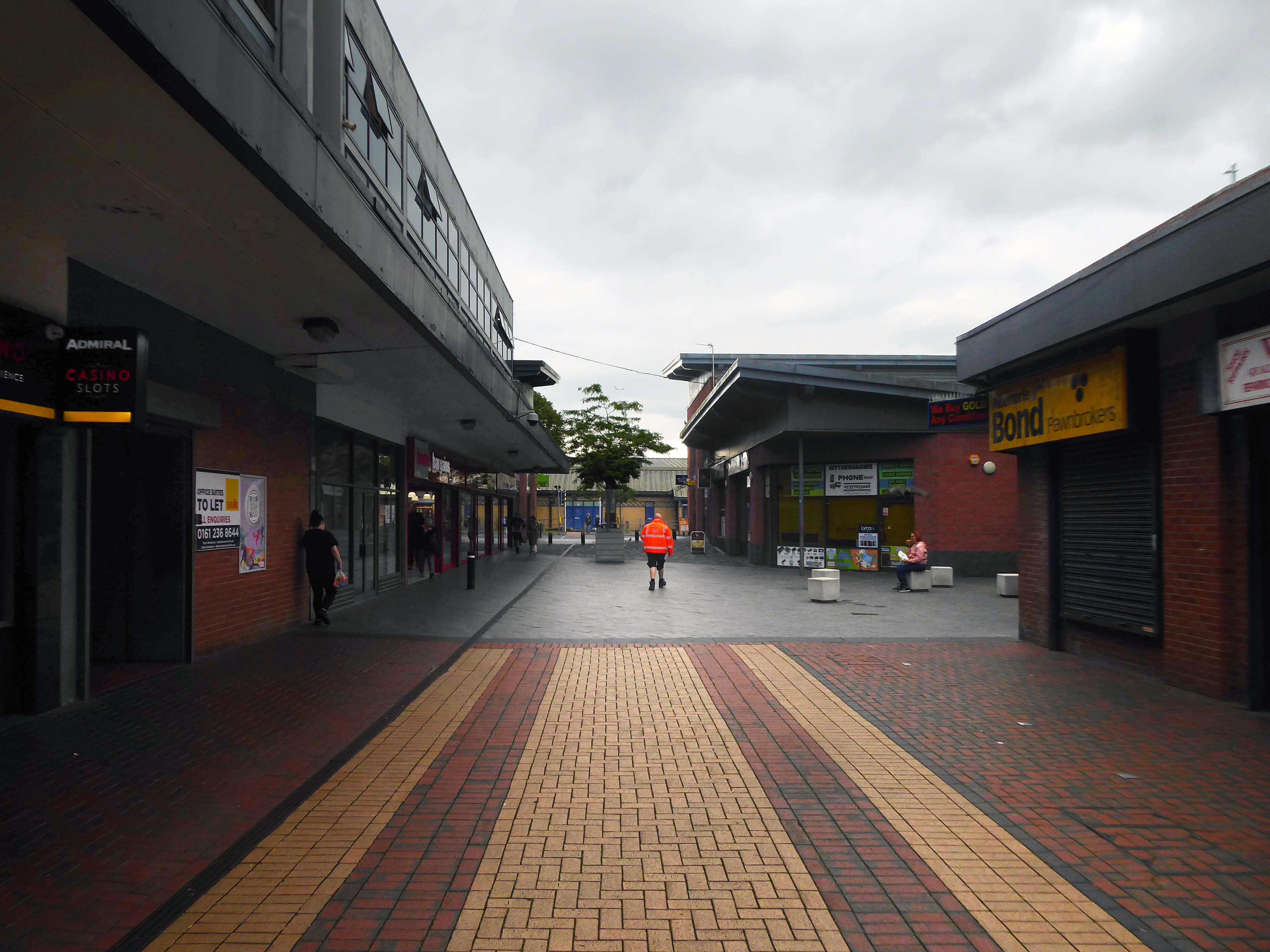
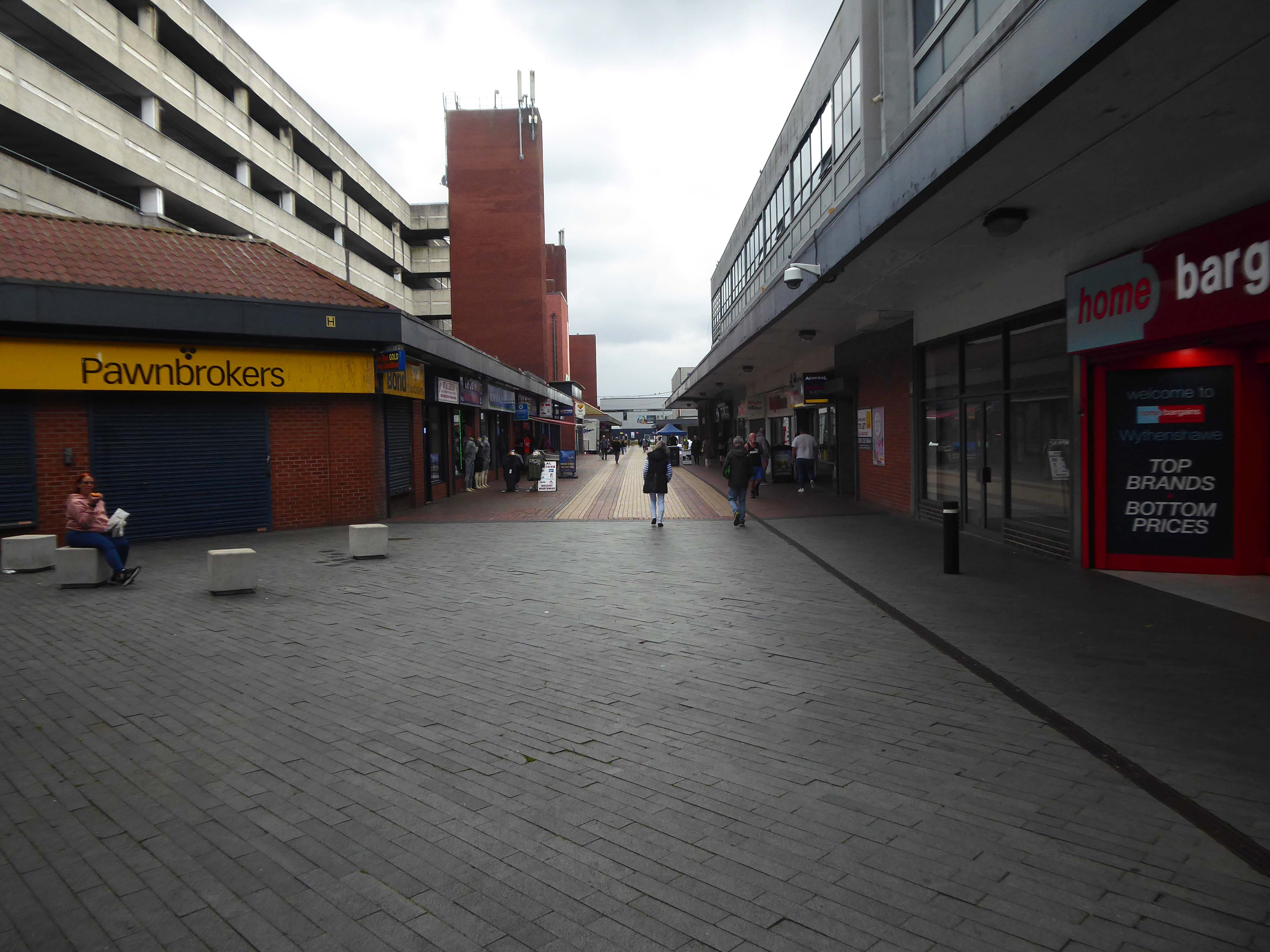
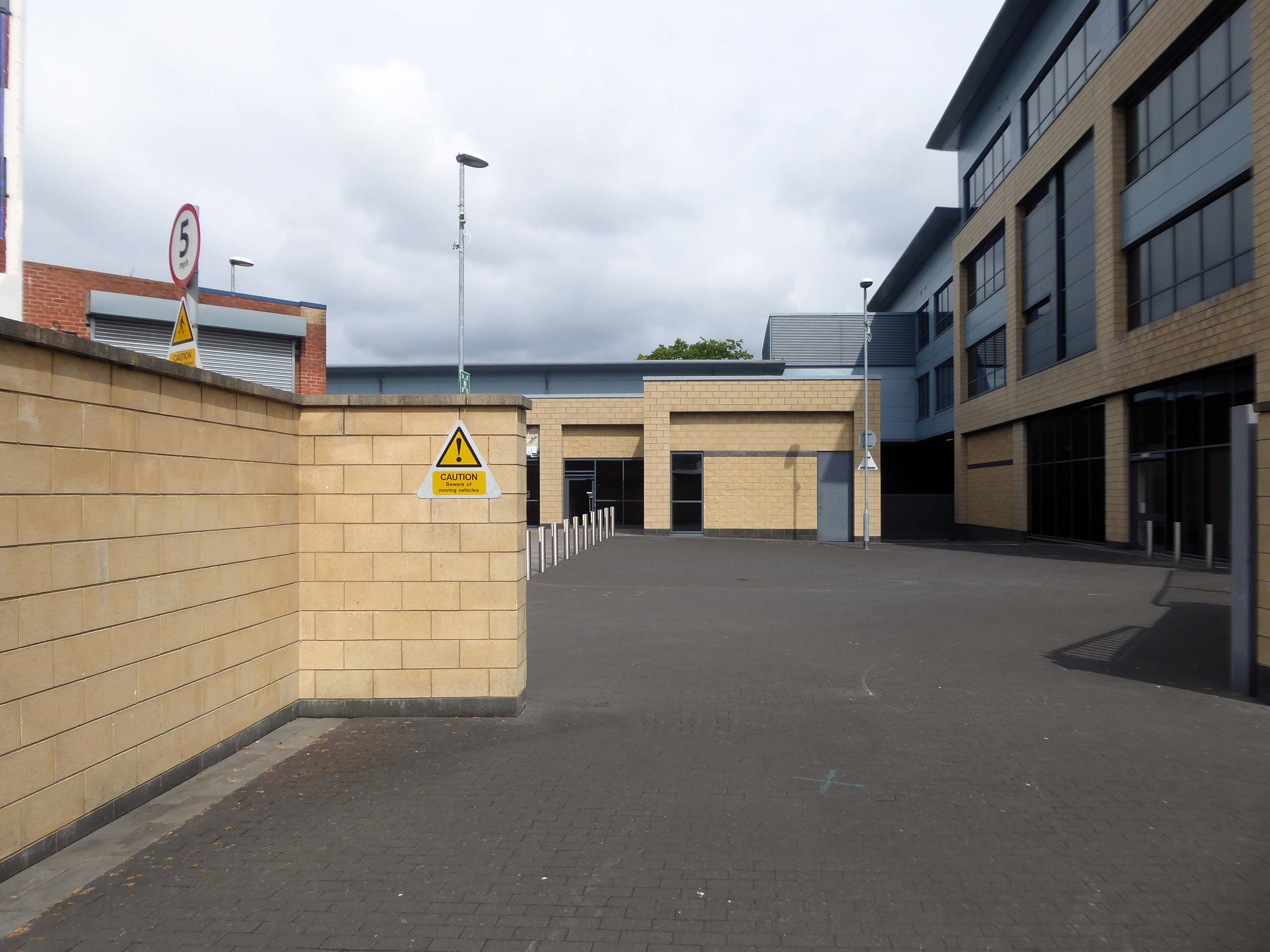
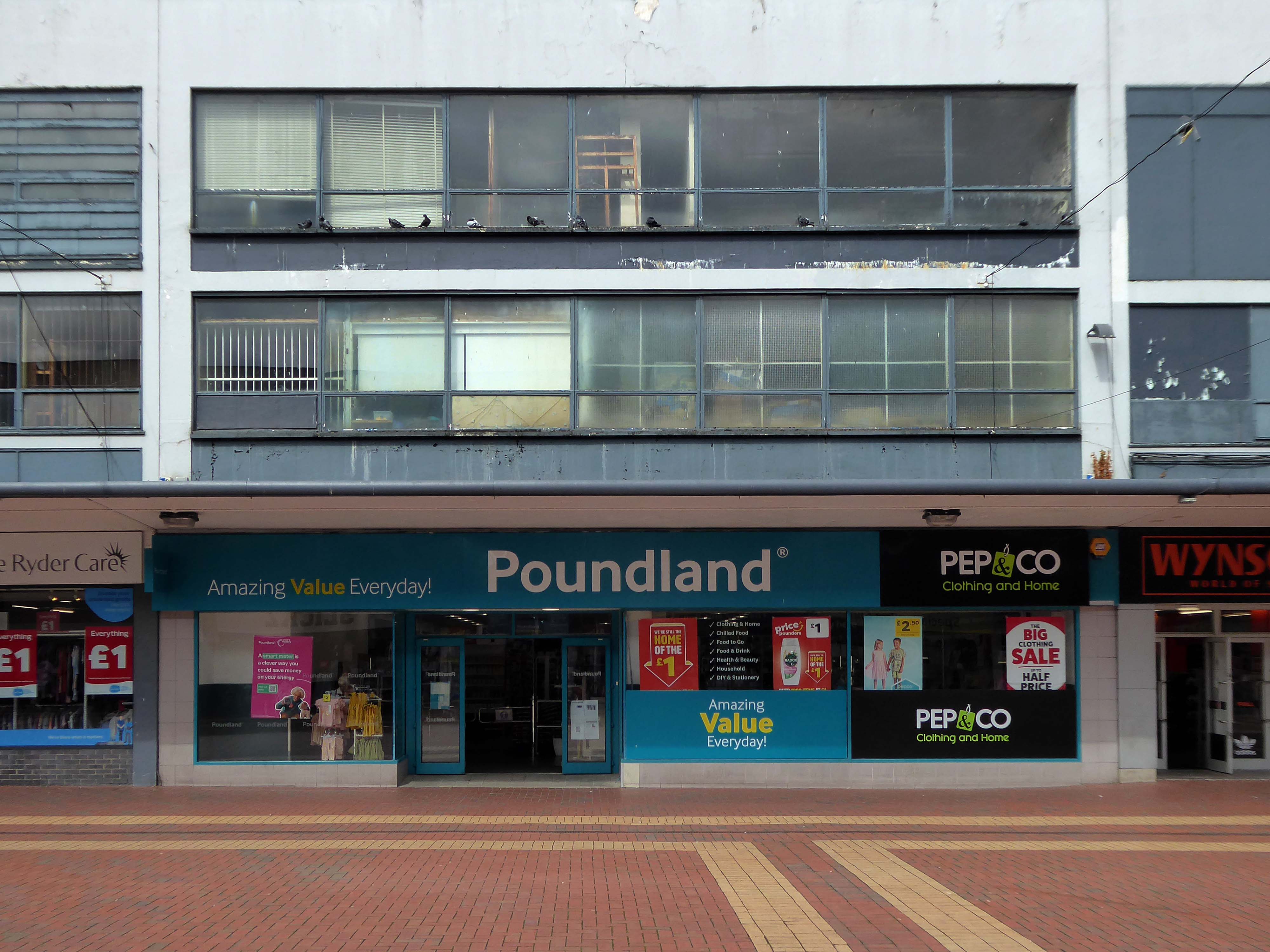
Oldham Street ManchesterRochdale Road HarpurheyWythenshawe
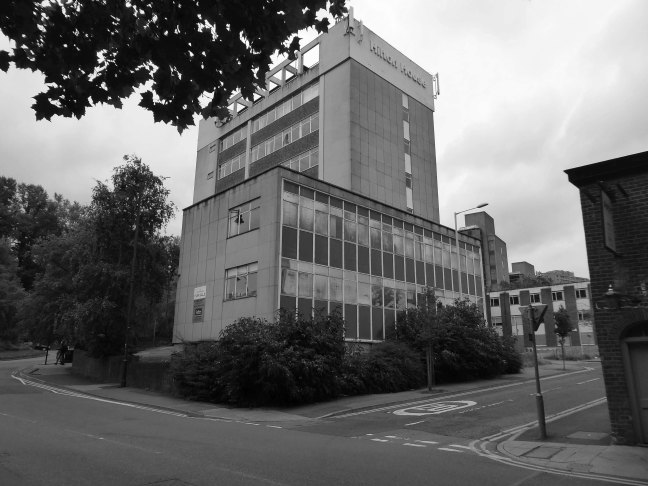
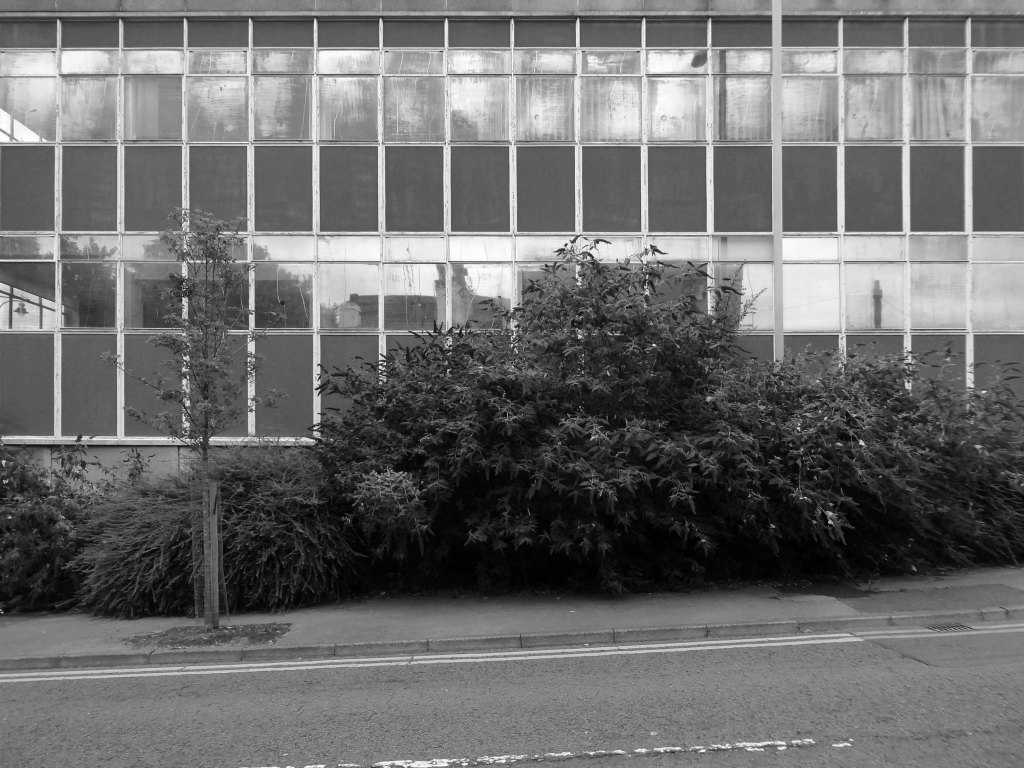
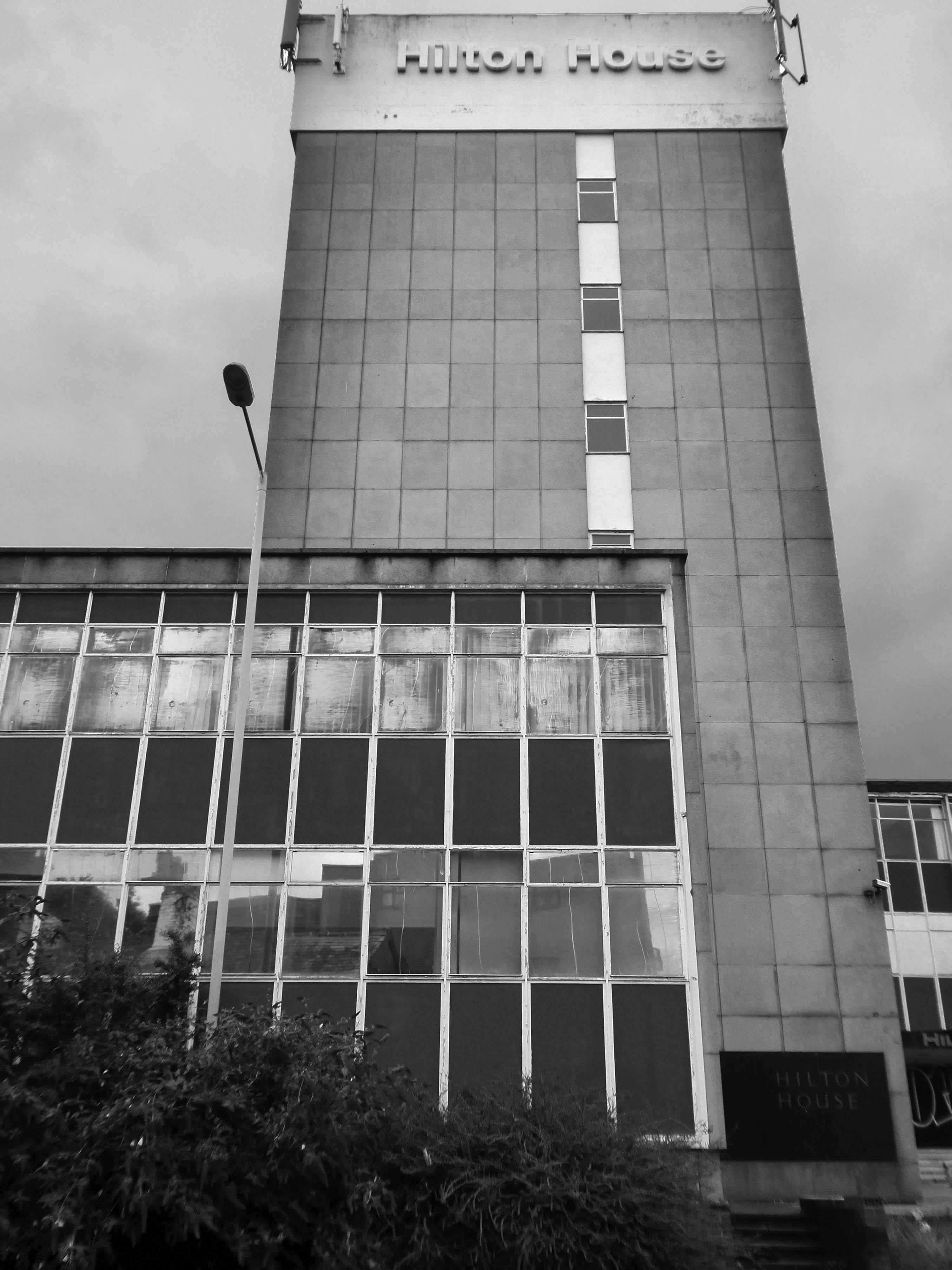
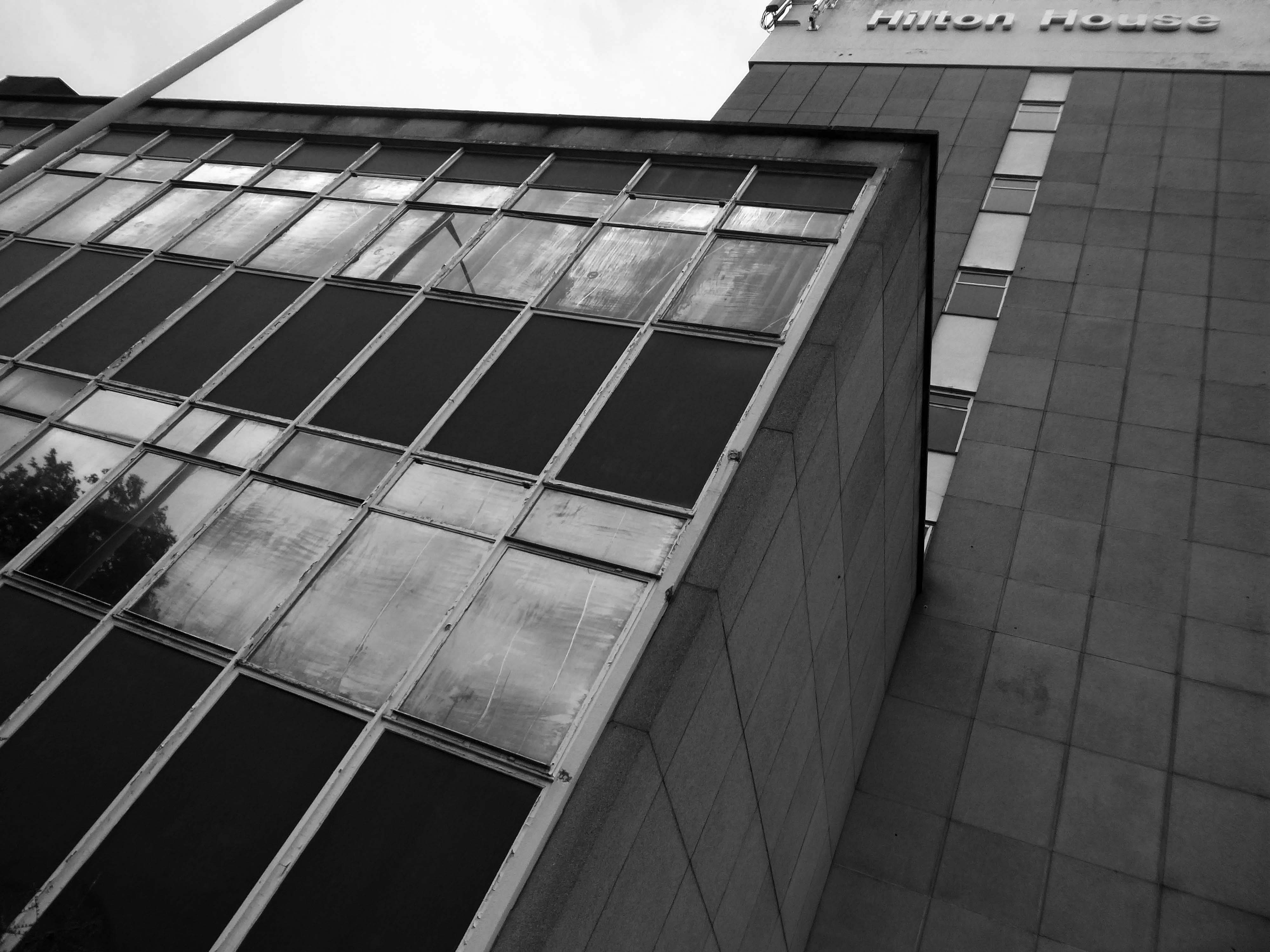
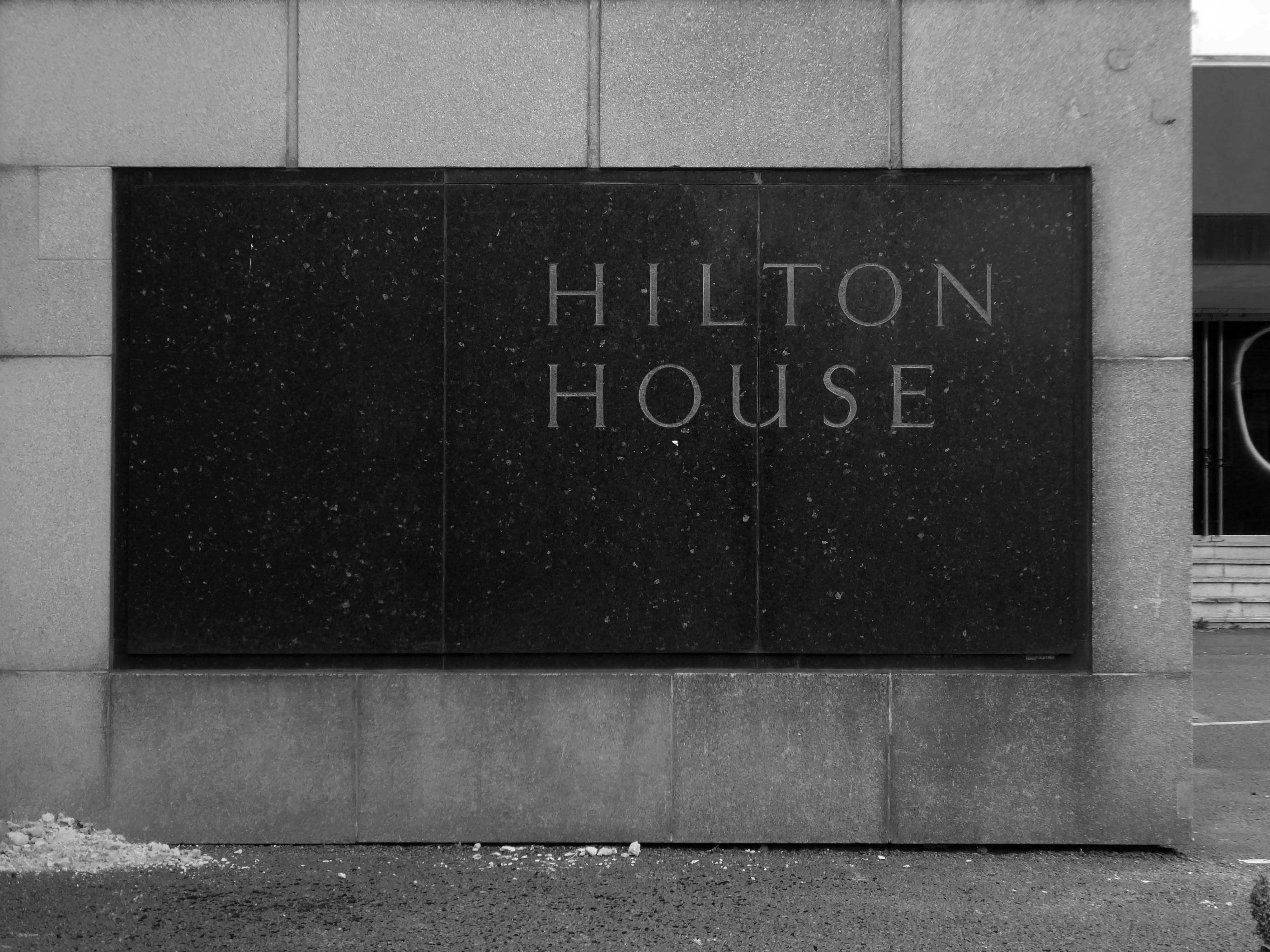
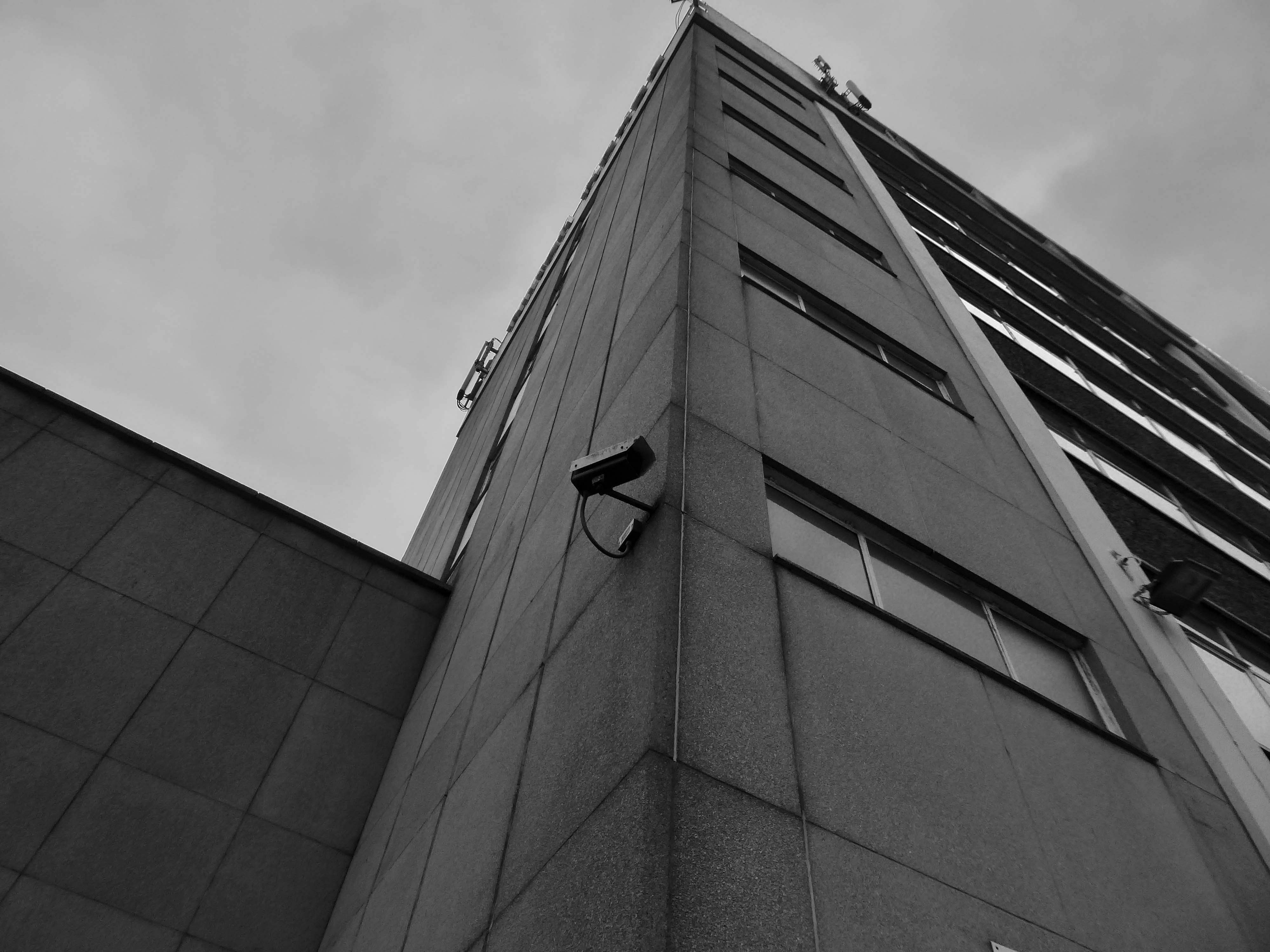
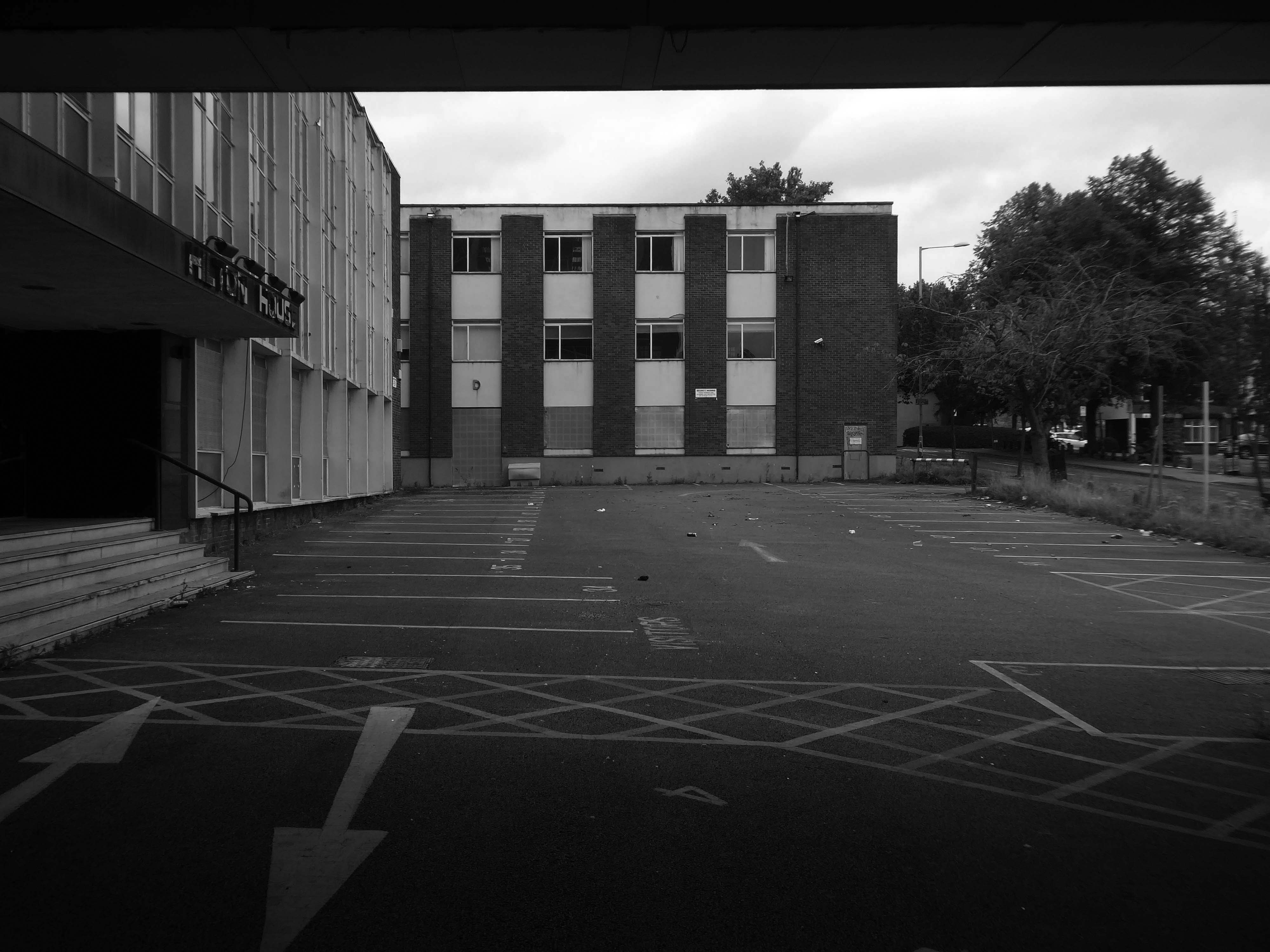
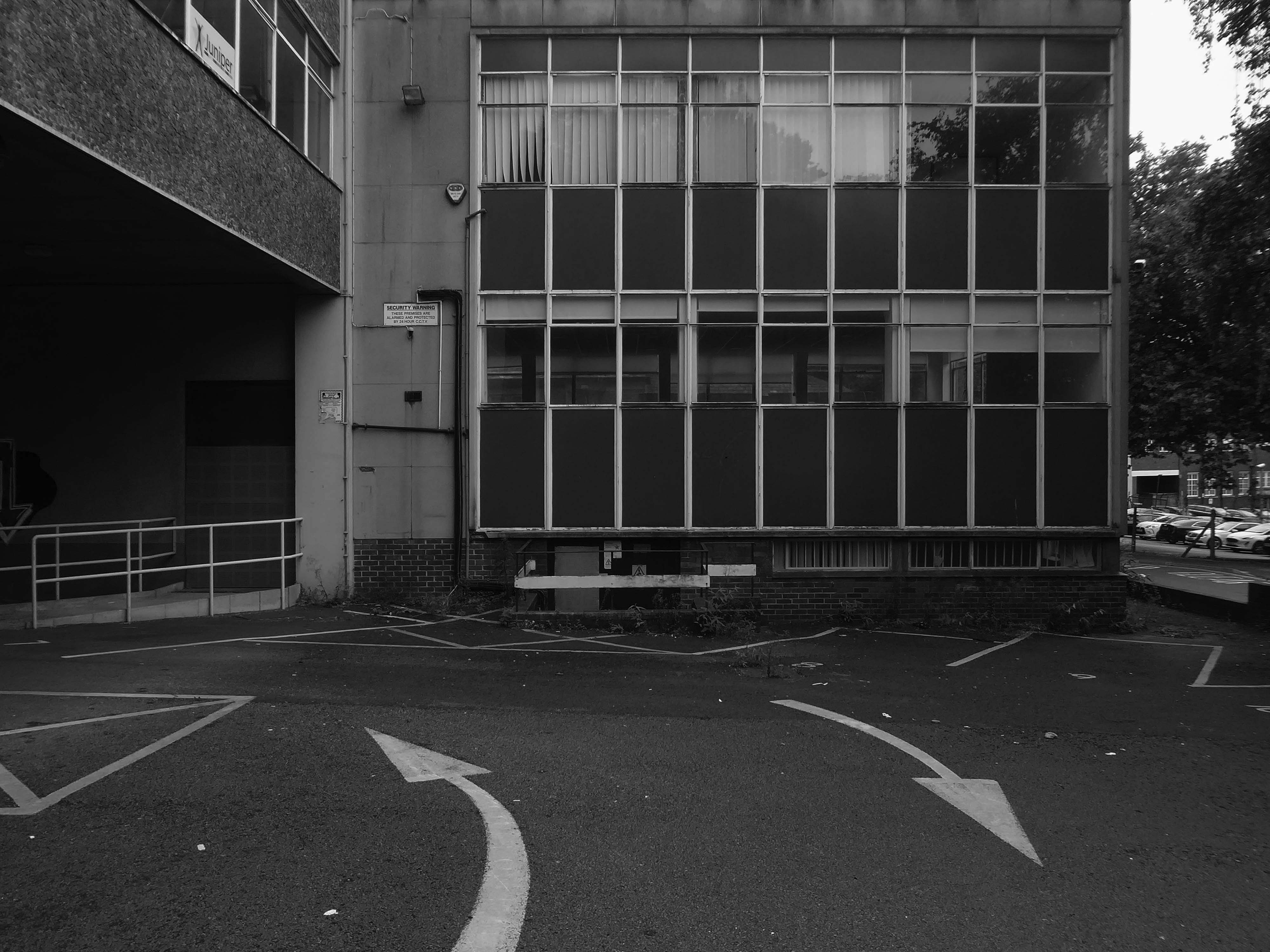
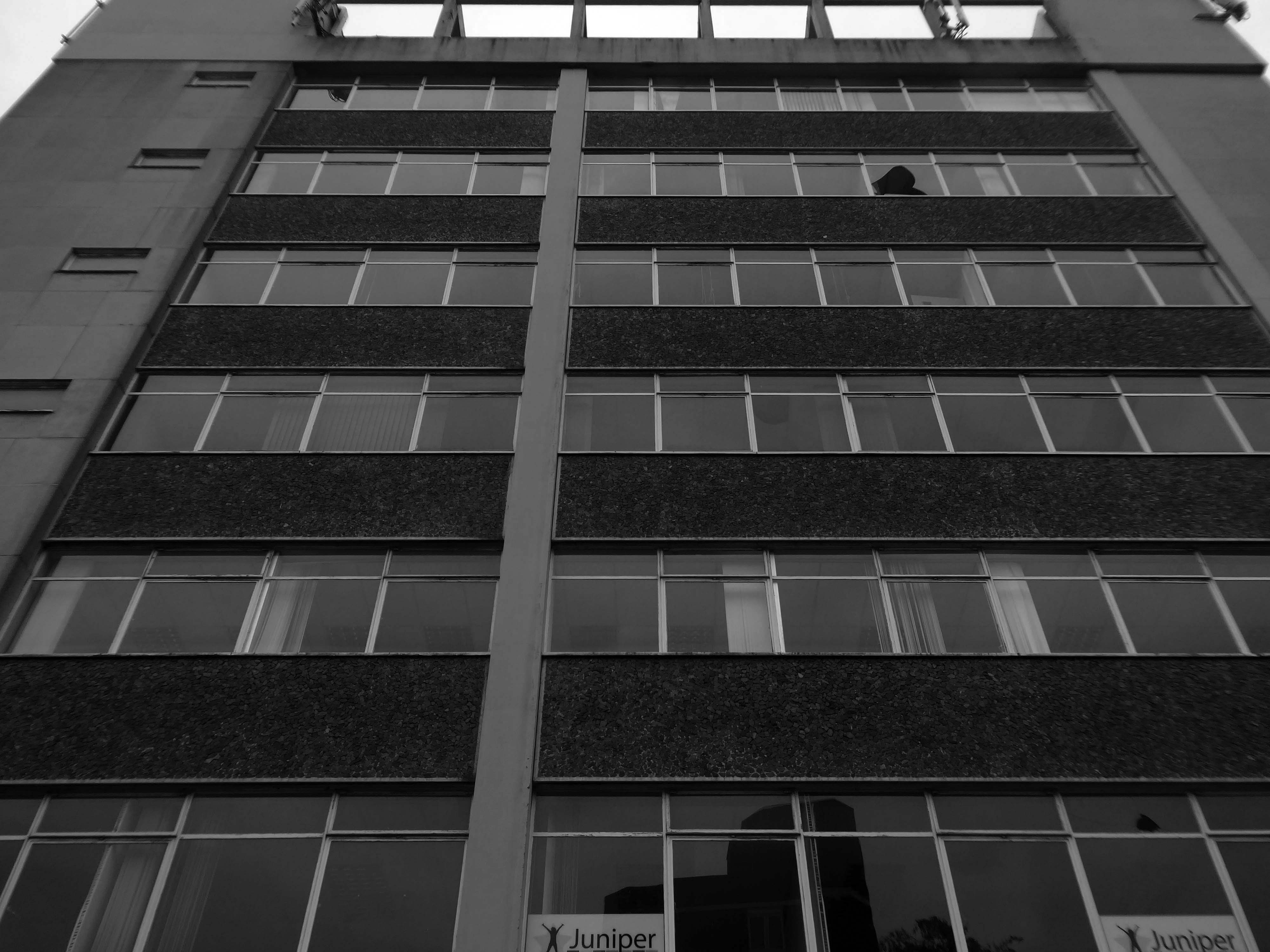
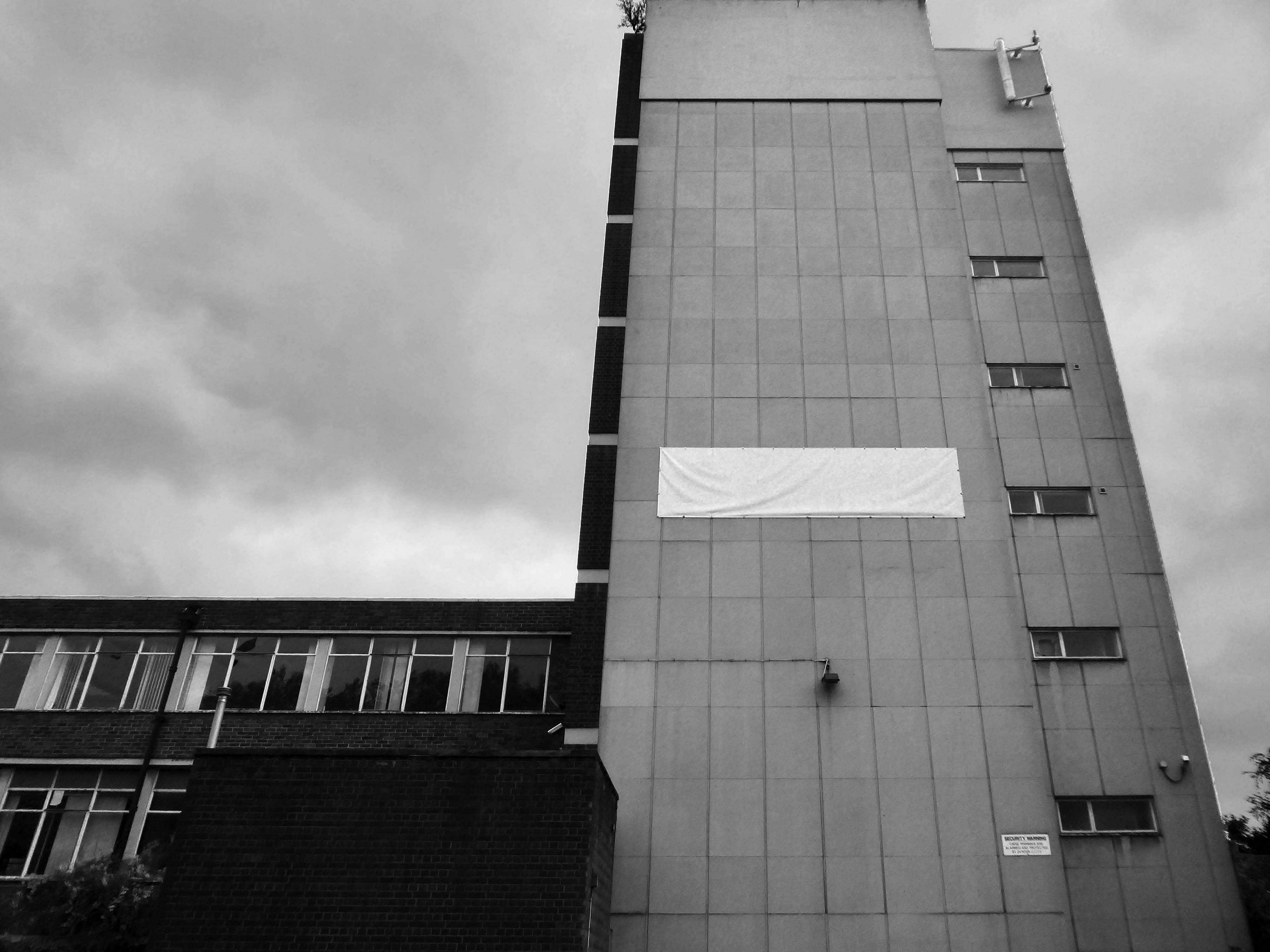
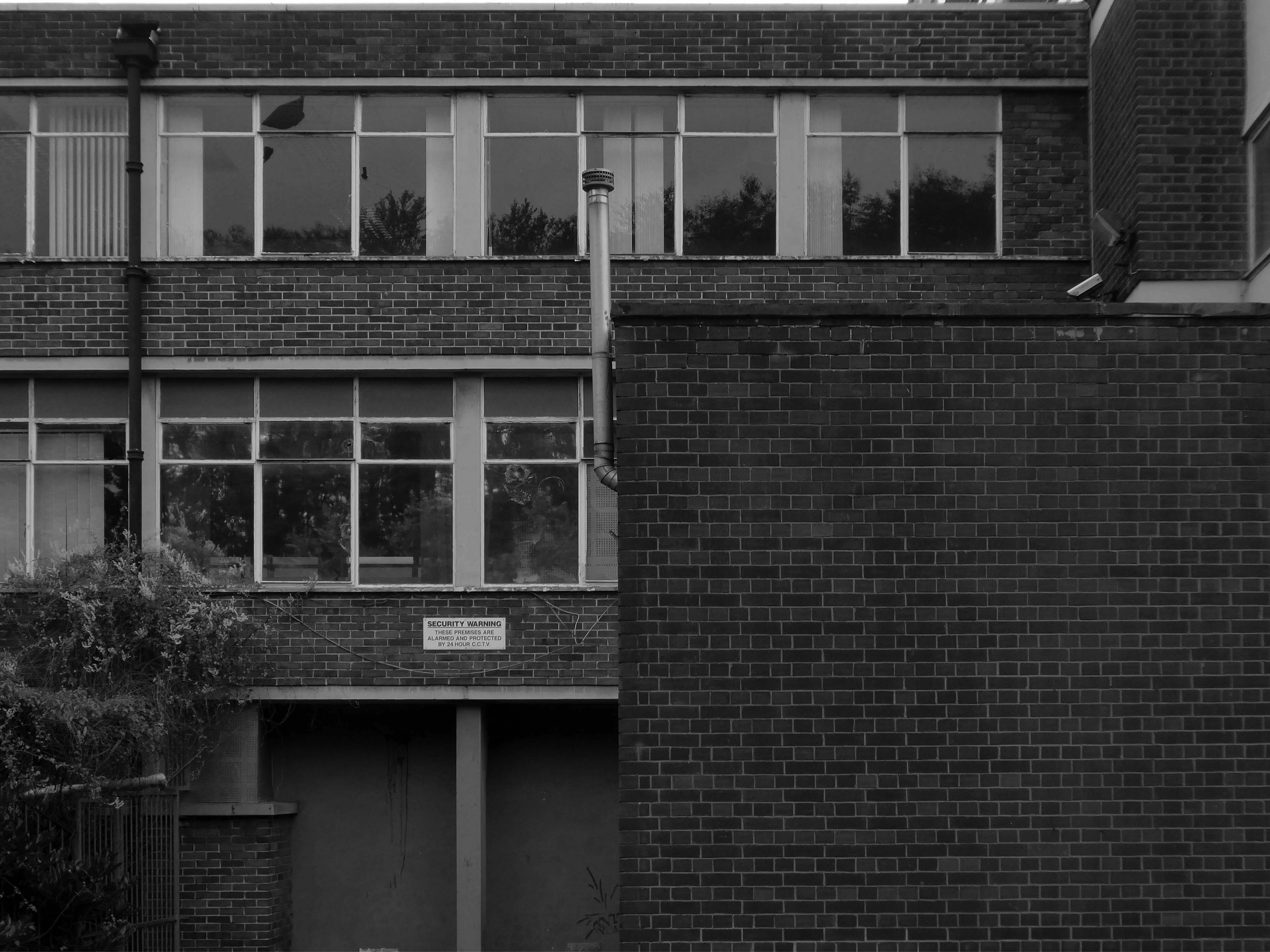
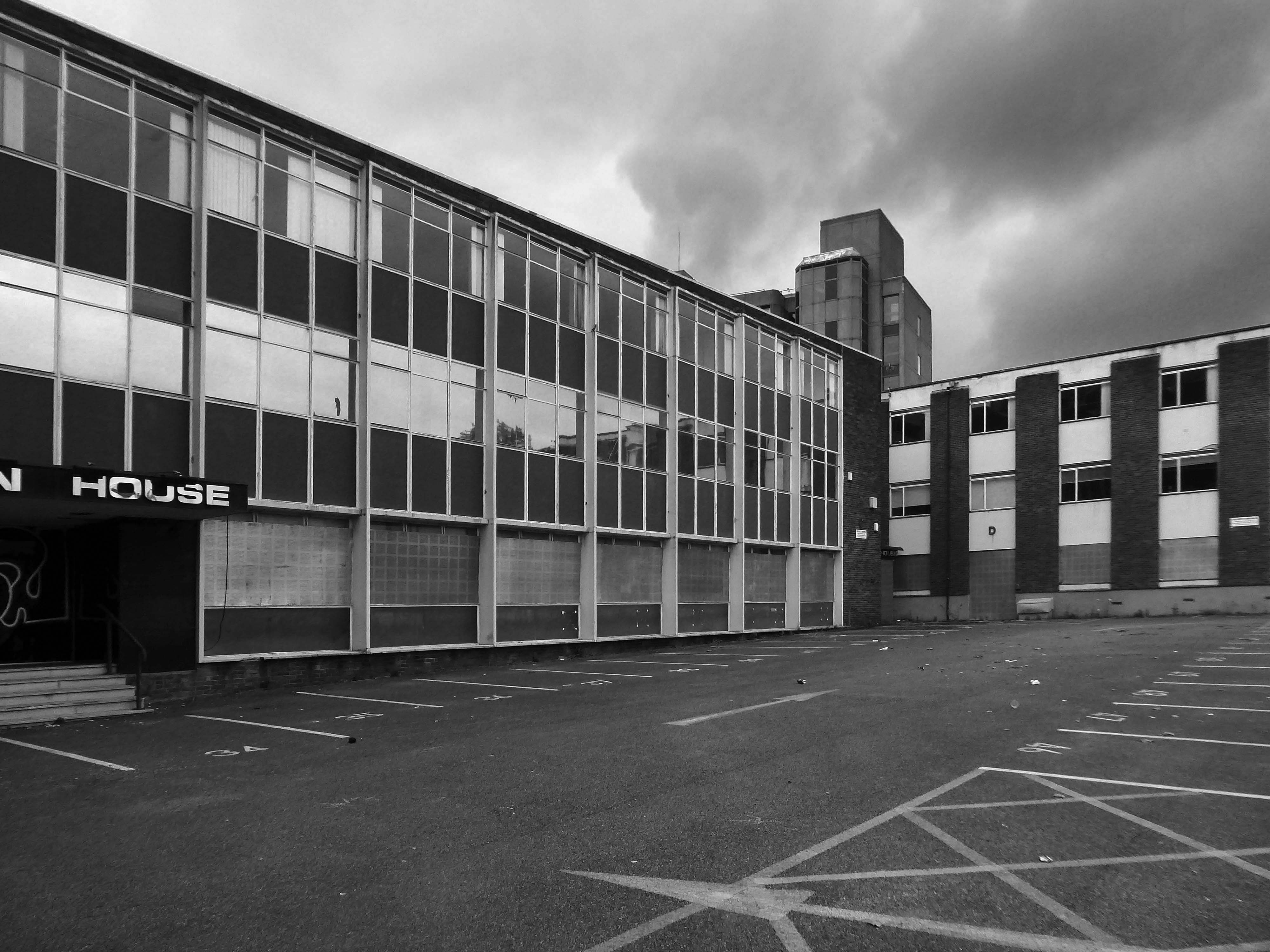
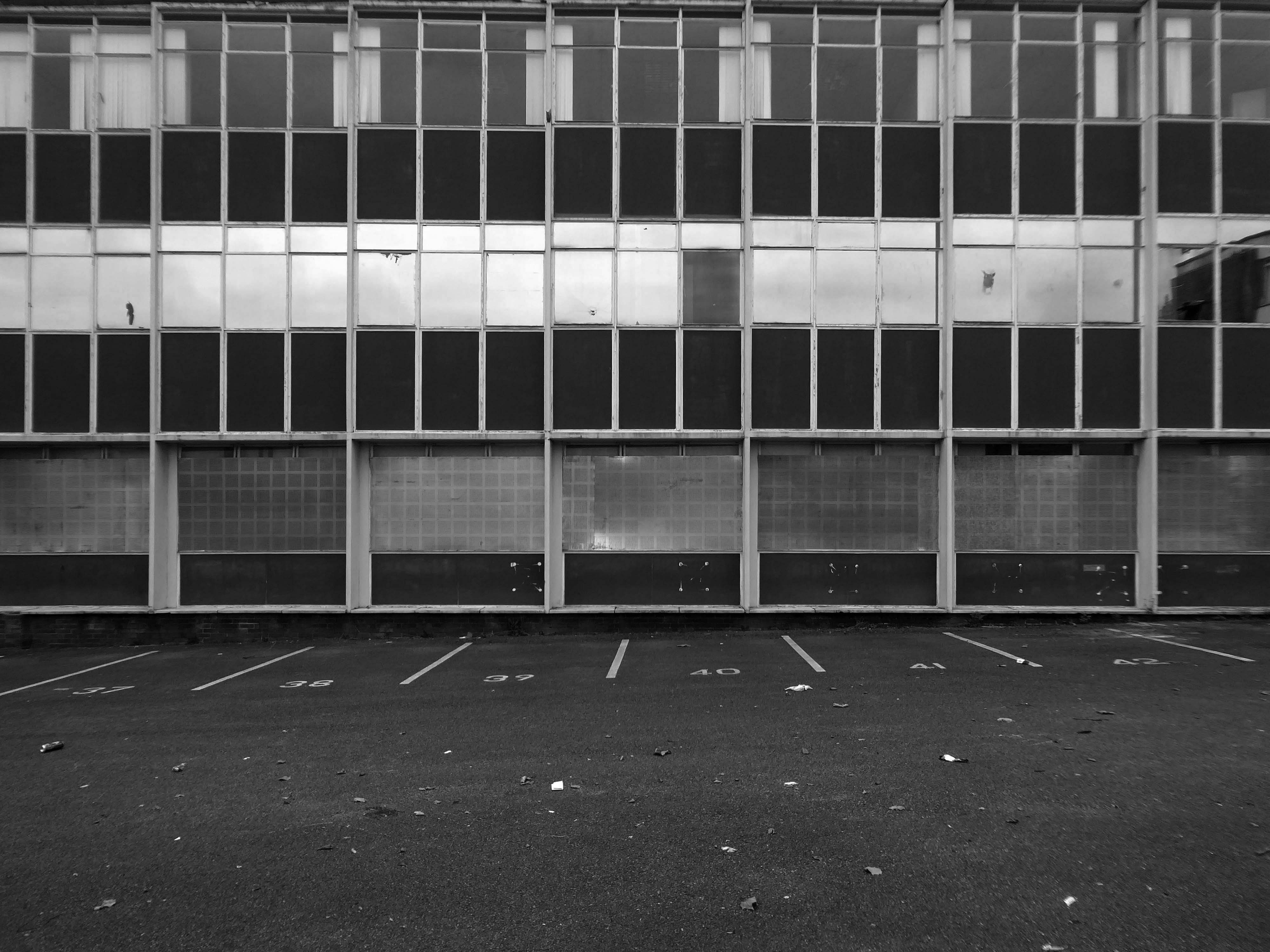
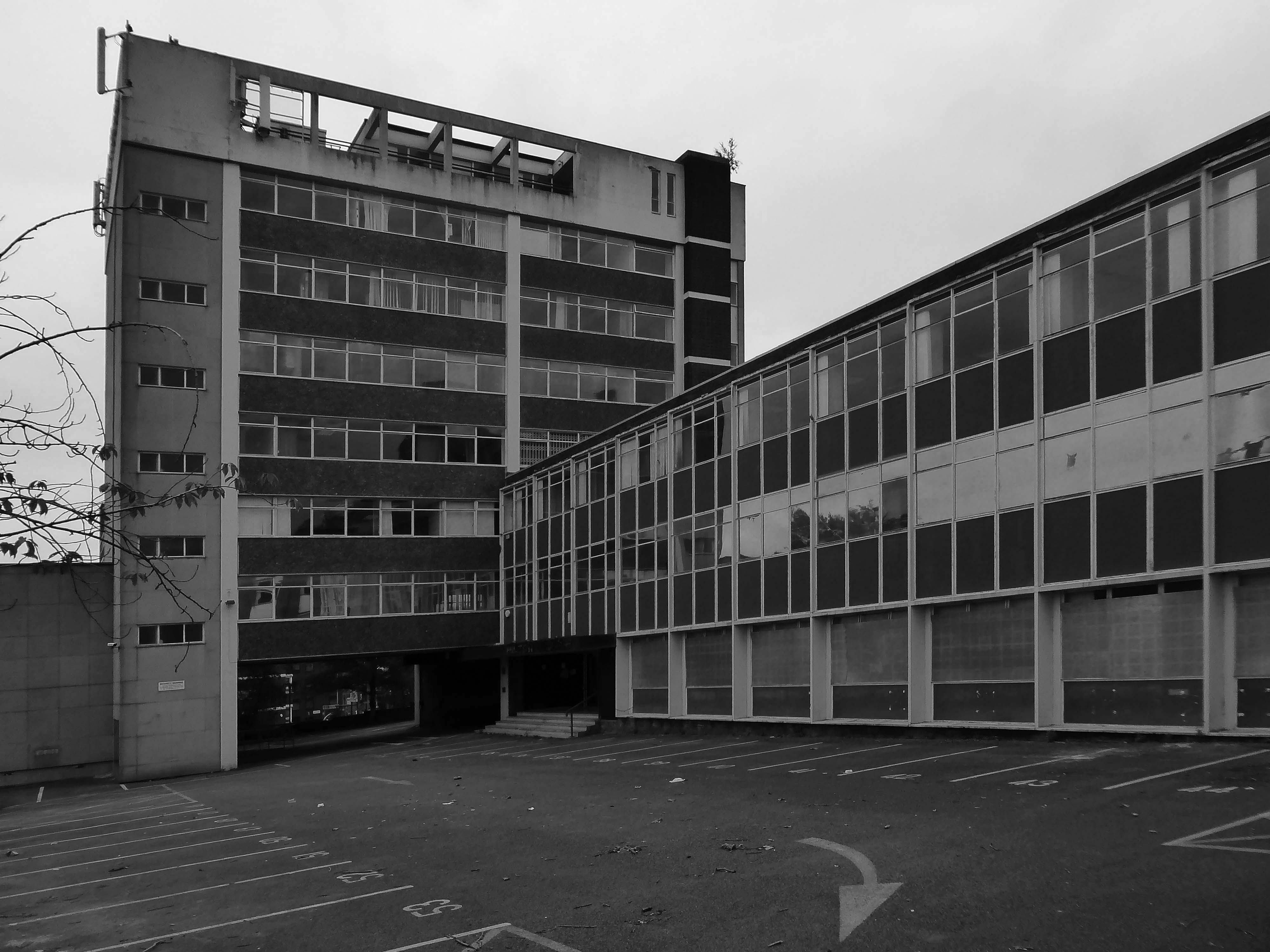
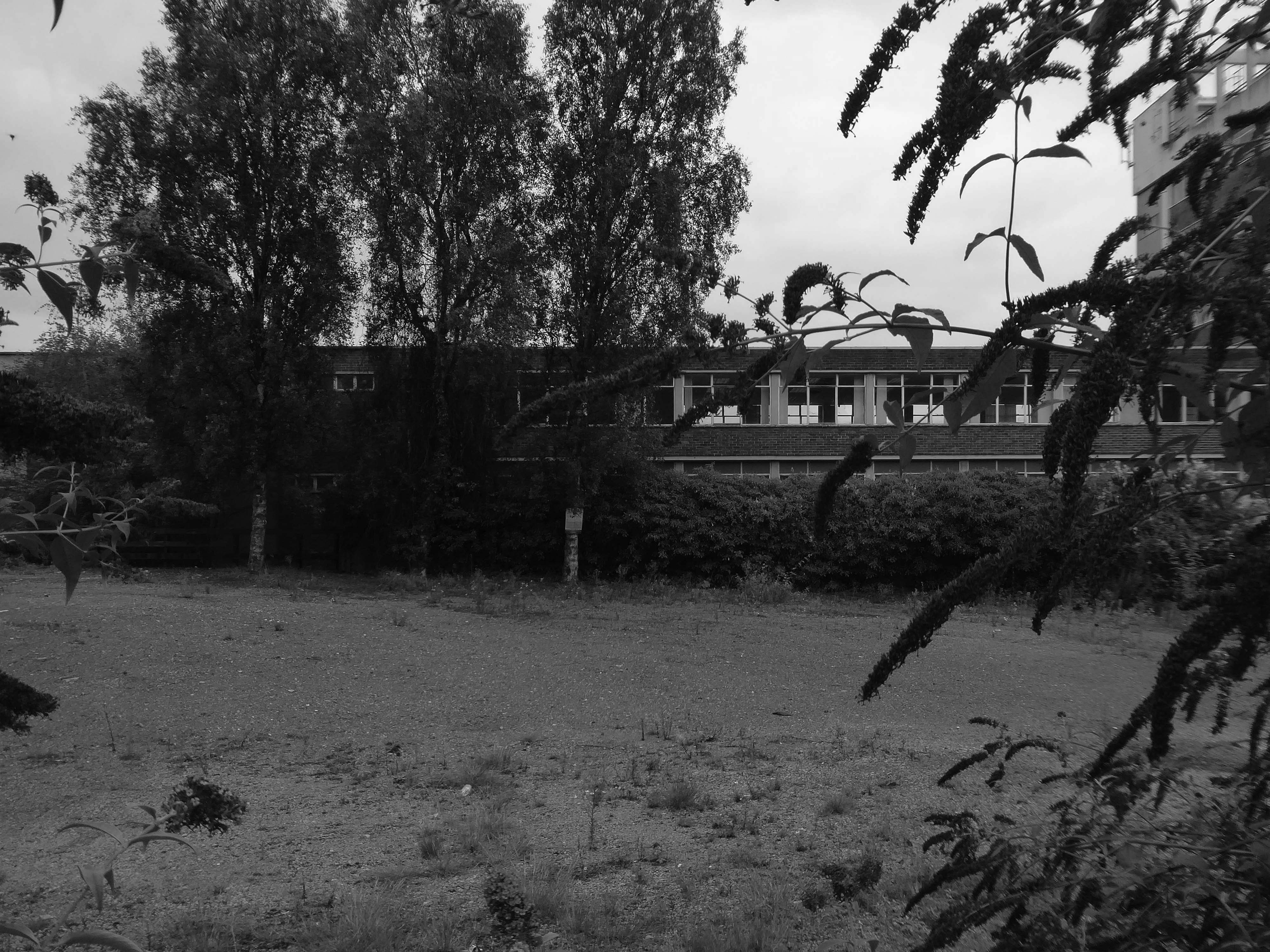
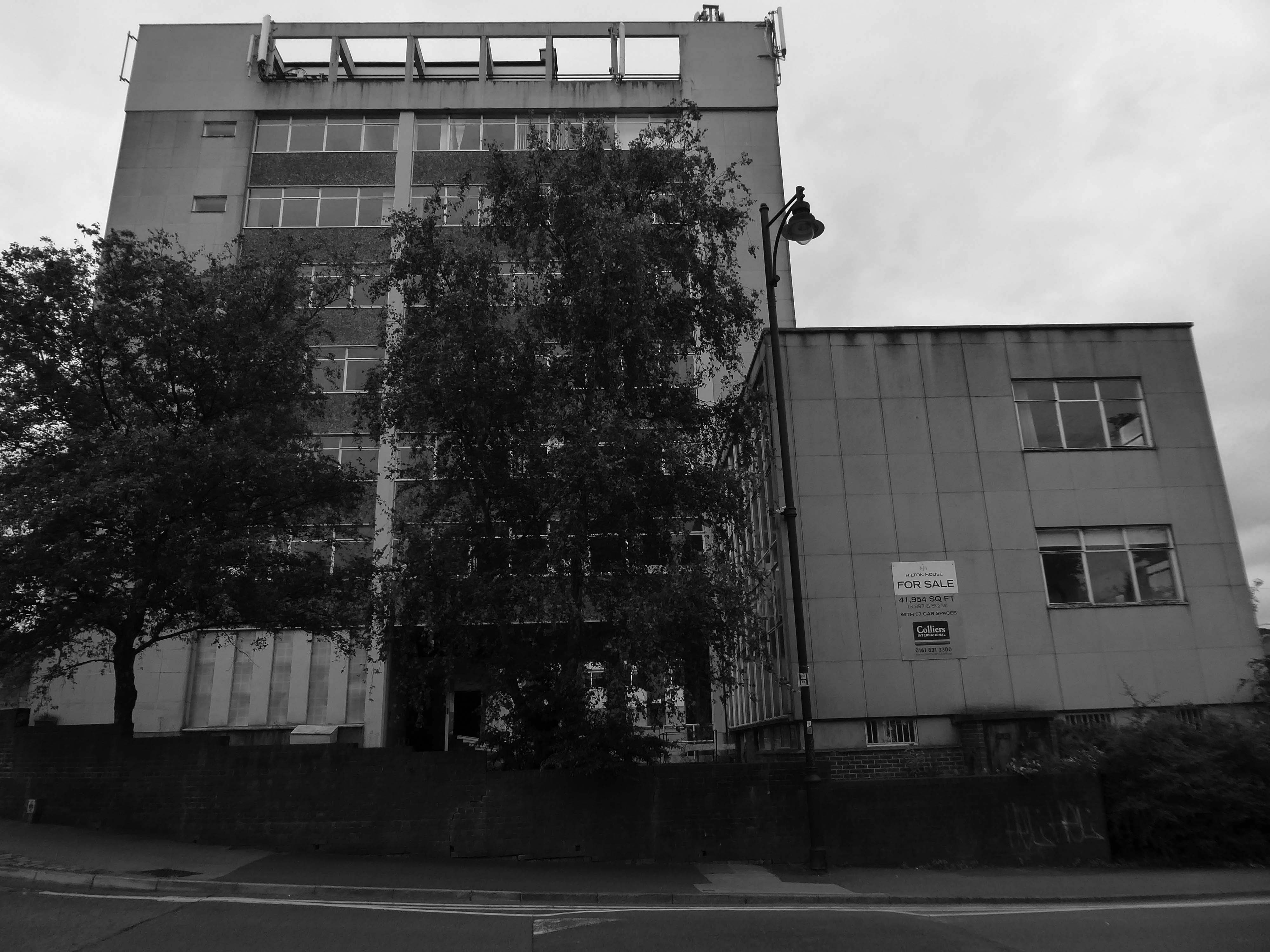
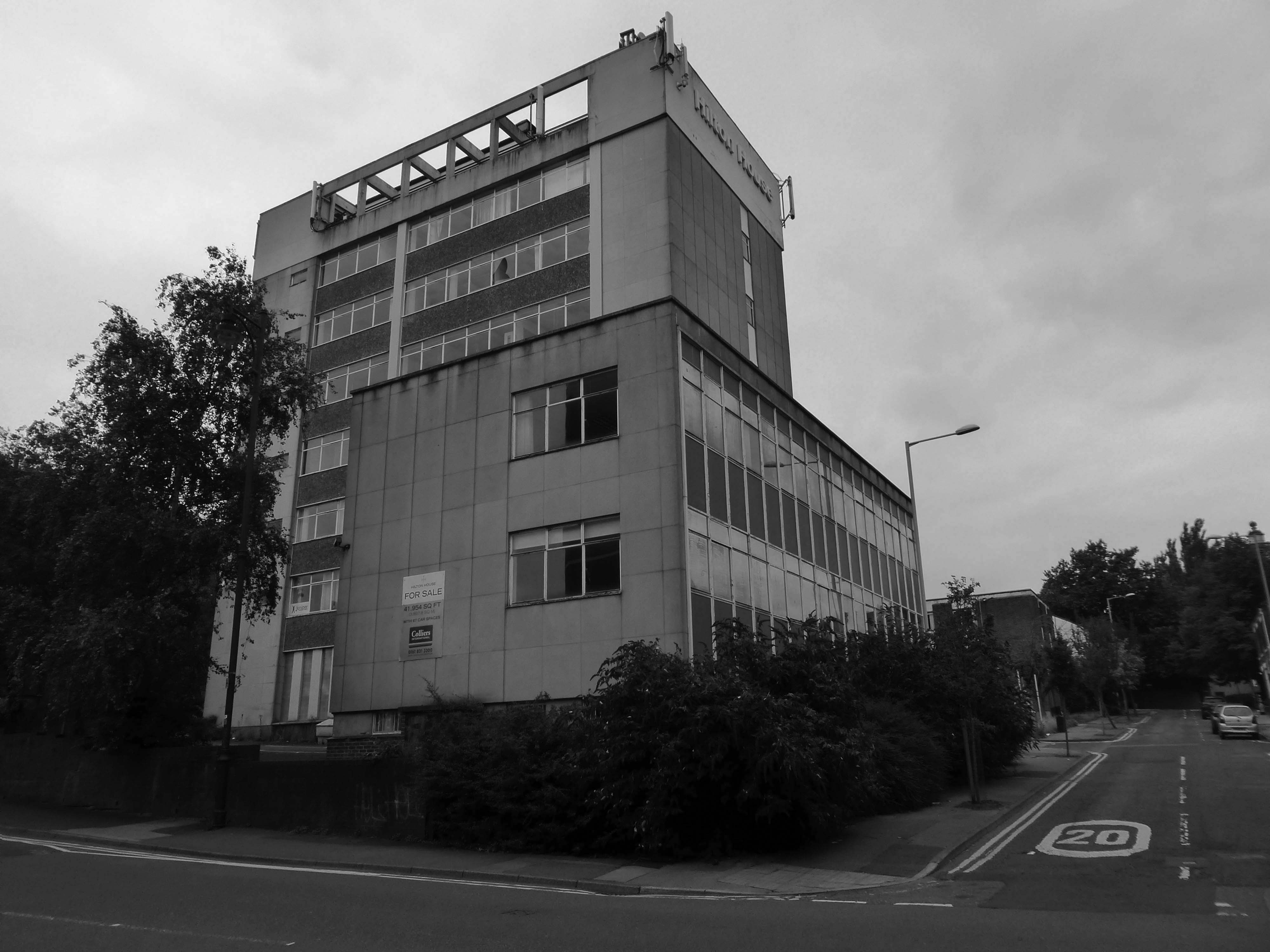
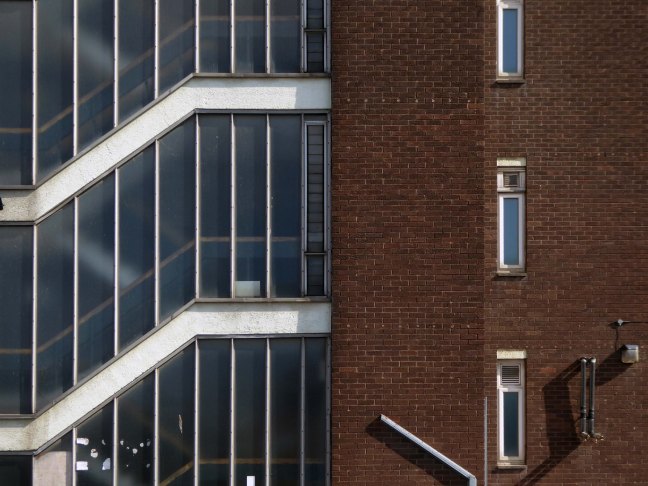
The office building is a highlight of my Stockport Walks – it has a lightness of touch incorporating a partial podium, slab block and lower rise extensions.
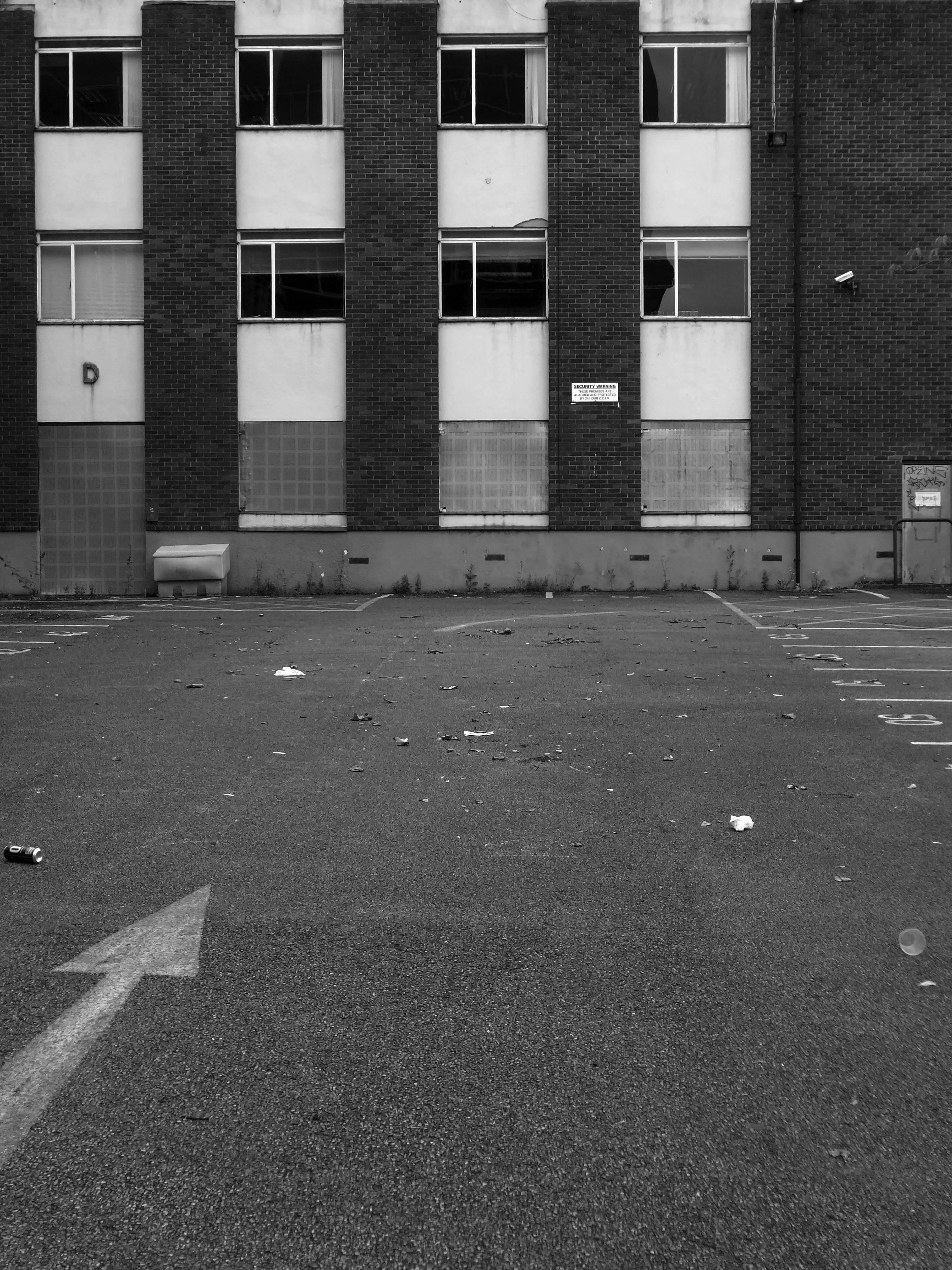
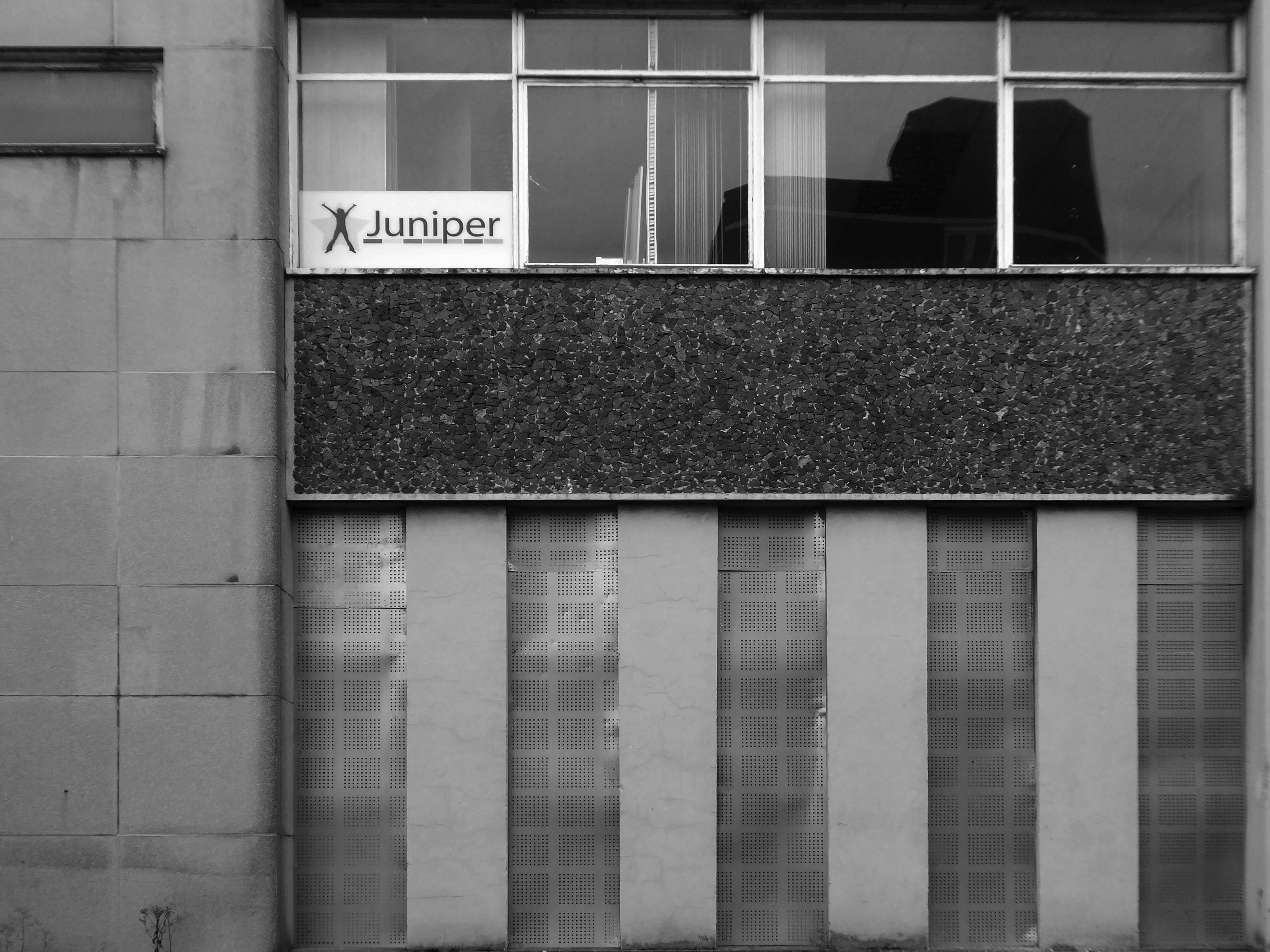
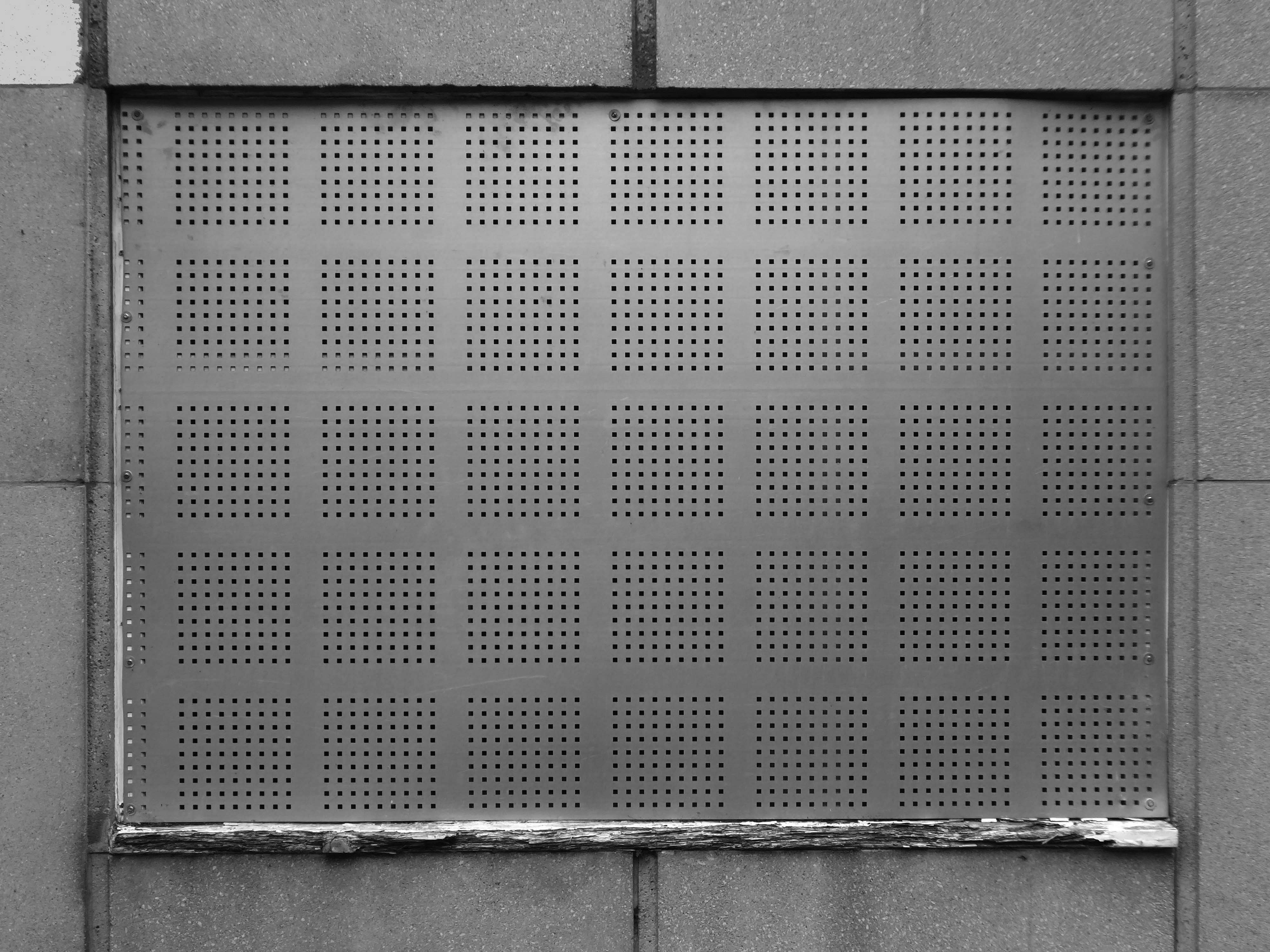
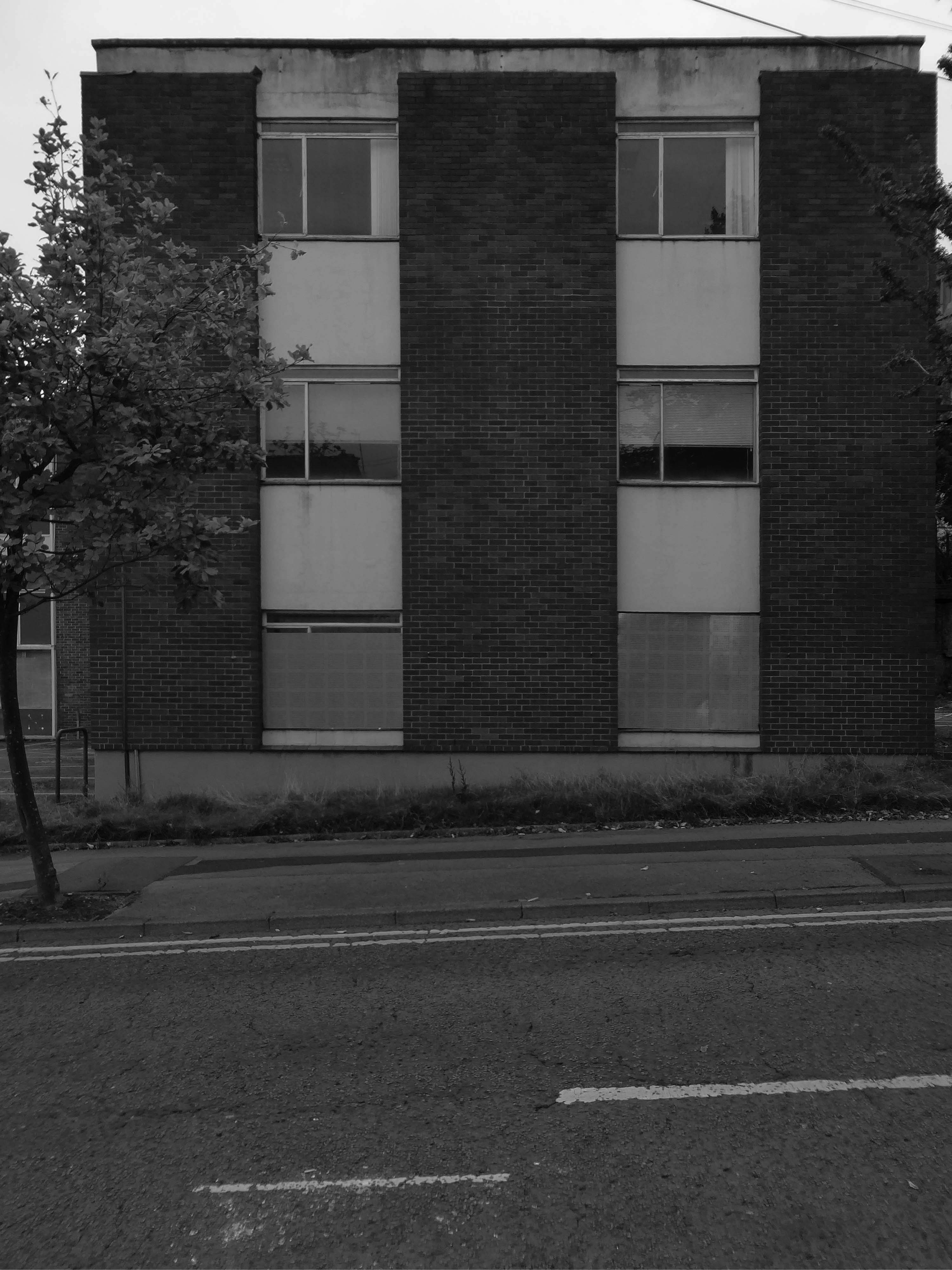
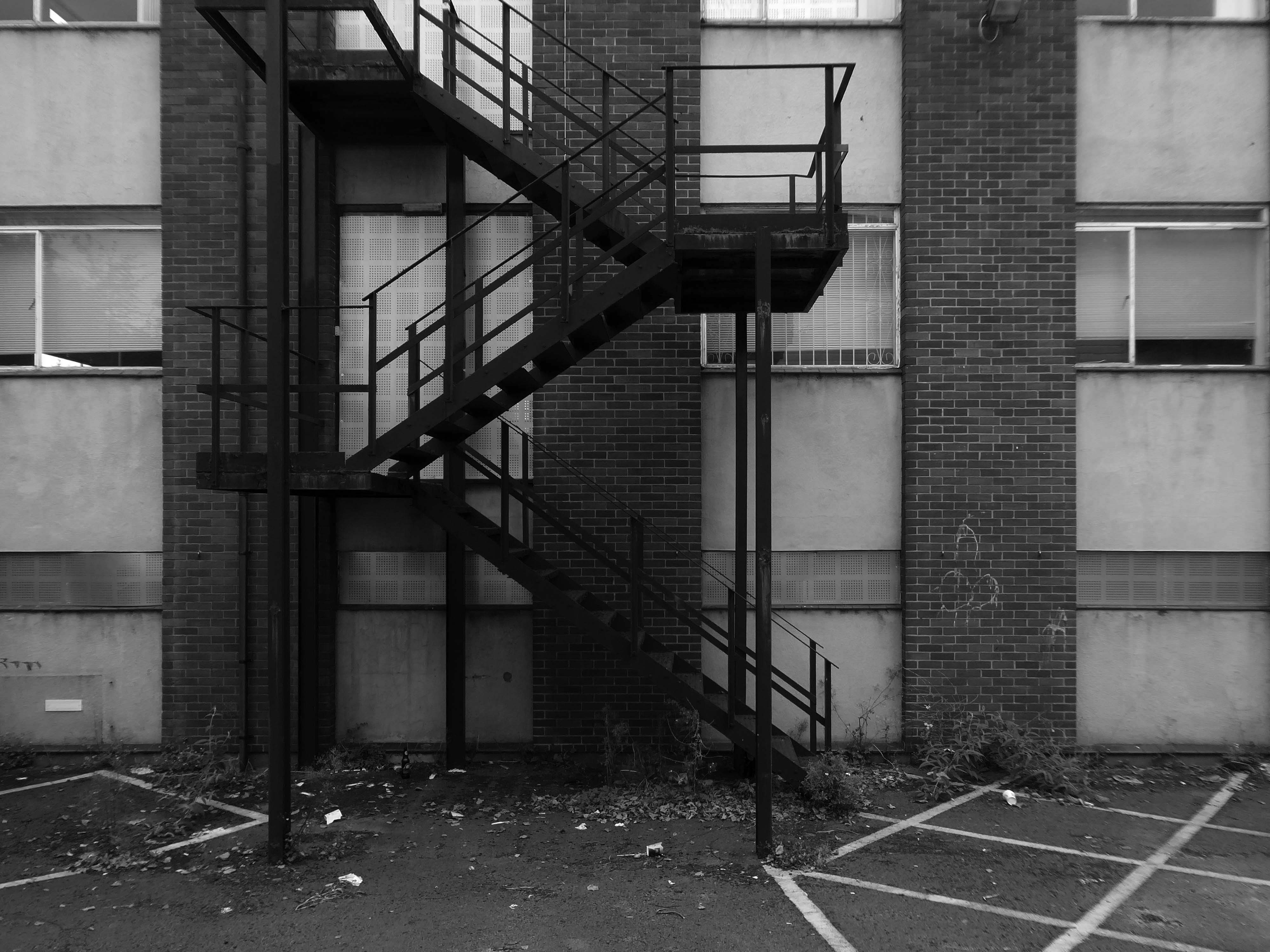
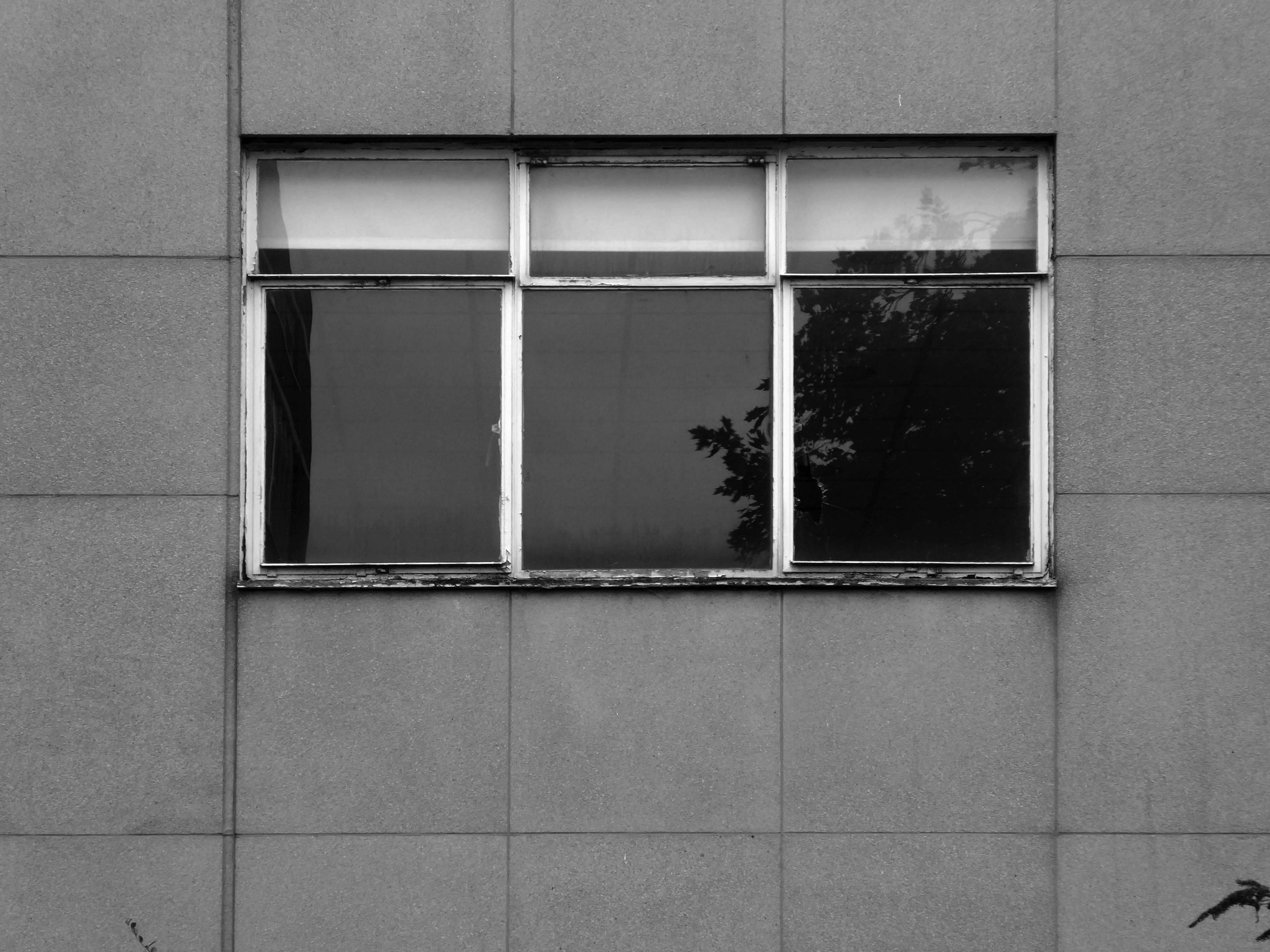
There is a sensitive mix of glass, stone, concrete and brick across a variety of scales and volumes.
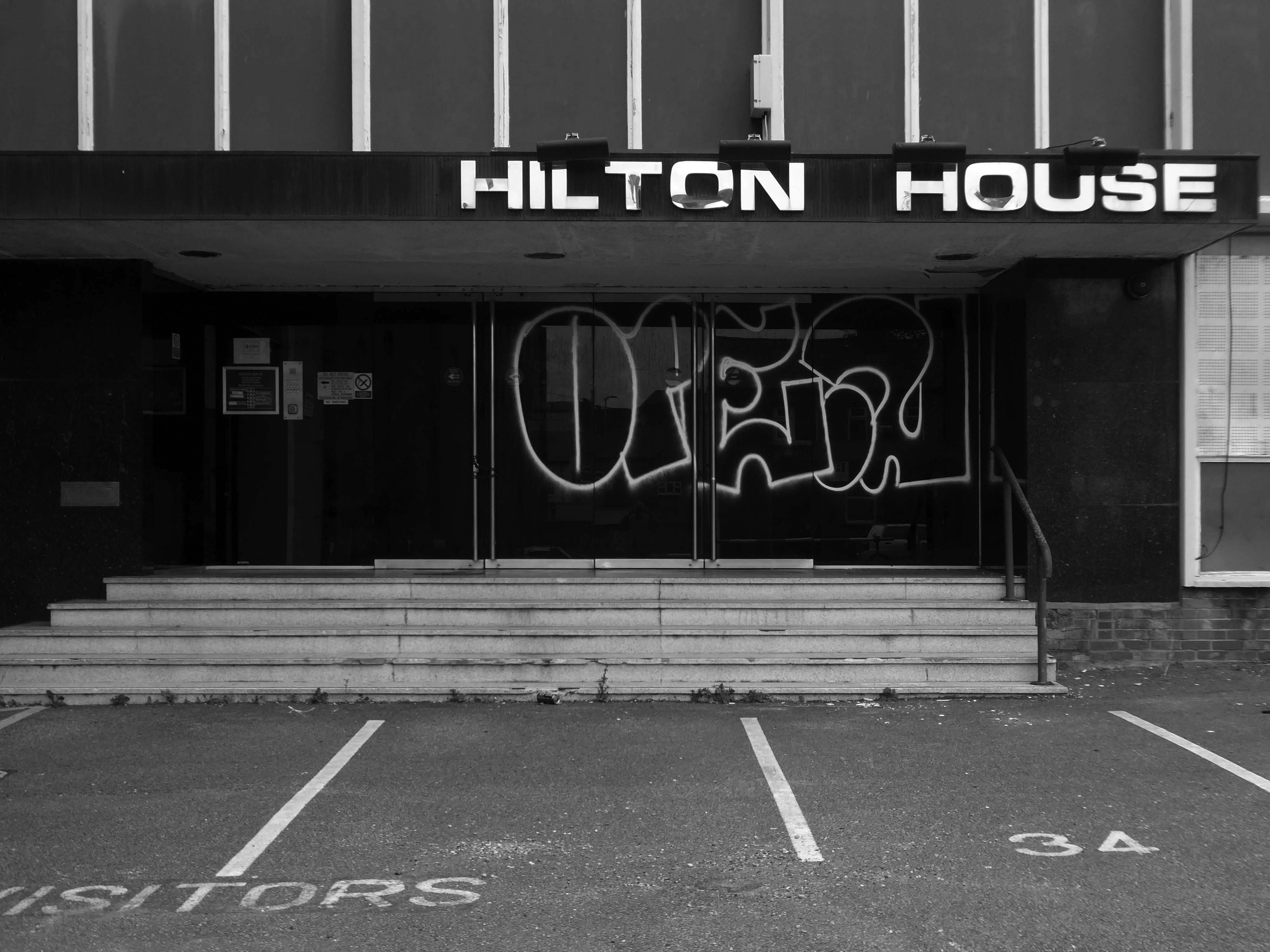
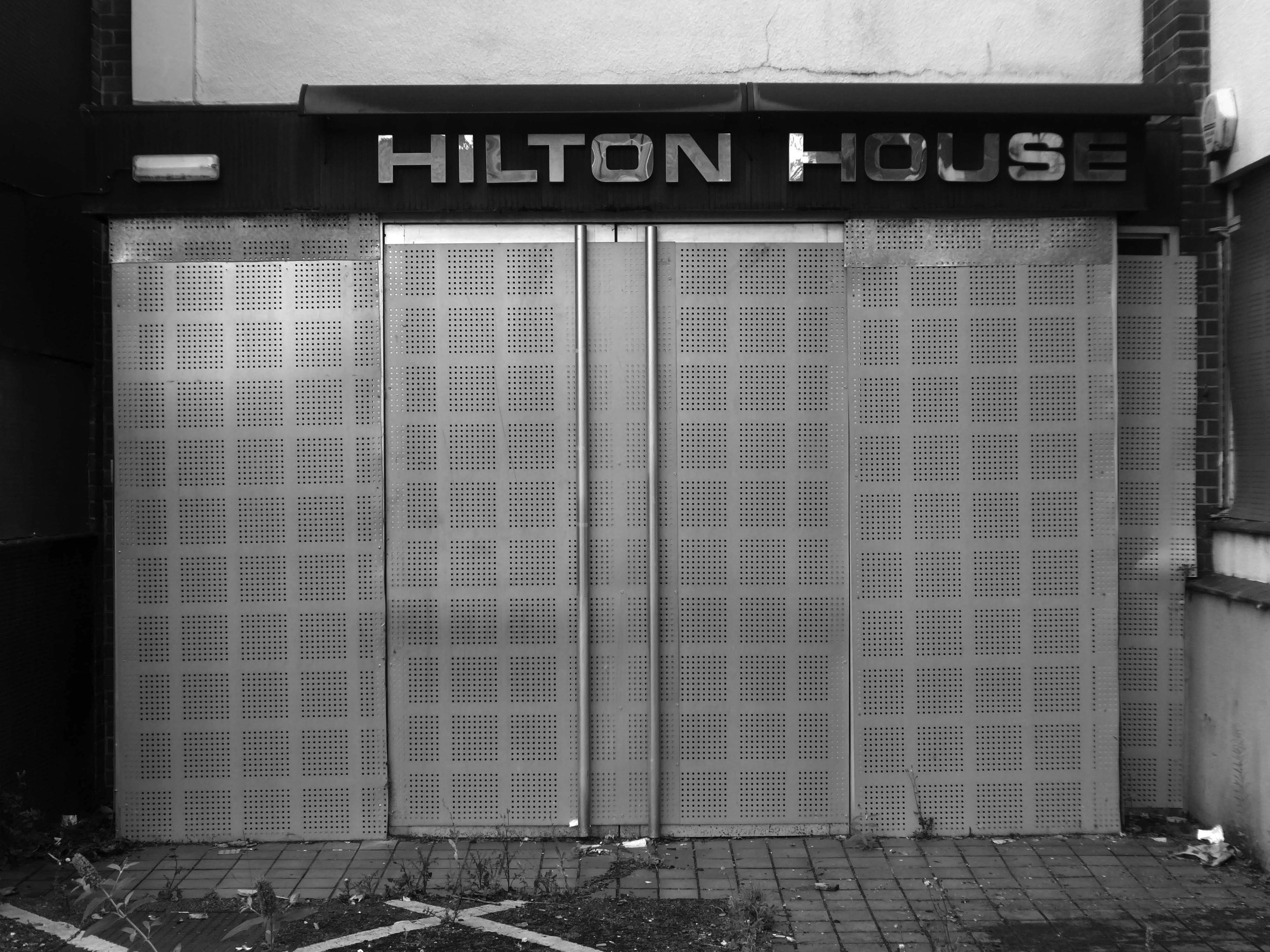
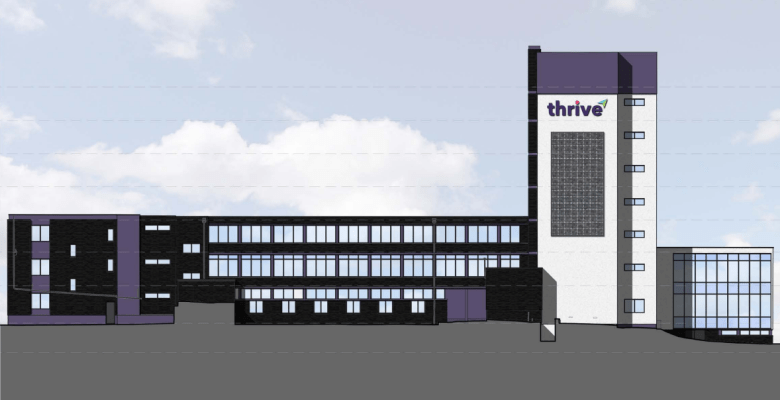
May 2020 – plans are submitted to remodel the exterior of Hilton House
The remodelling of the building include reparations and repainting brickwork, render and cladding as part of wider plans to rejuvenate Hilton House to rebrand as a more attractive and contemporary office location in Stockport town centre.
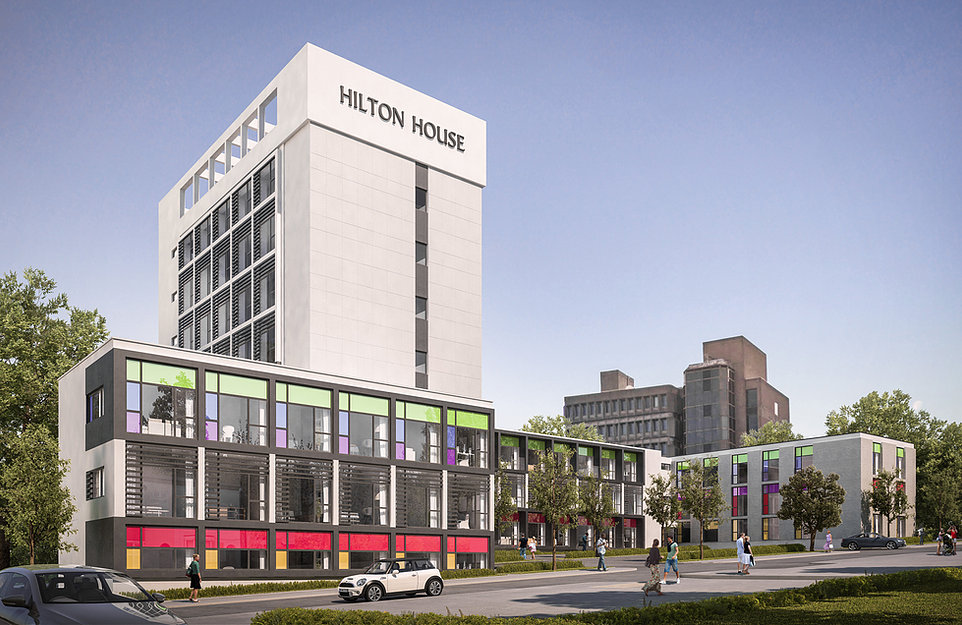
Studio KMA have proposed conversion to apartments.
Conversion of existing 1970s office building to apartments.
A combination of one-bed, two-bed and three-bed units ensure a new sustainable use in Stockport town centre.
The proposal incorporates the use of coloured glass panels to create a modern, fresh aesthetic.
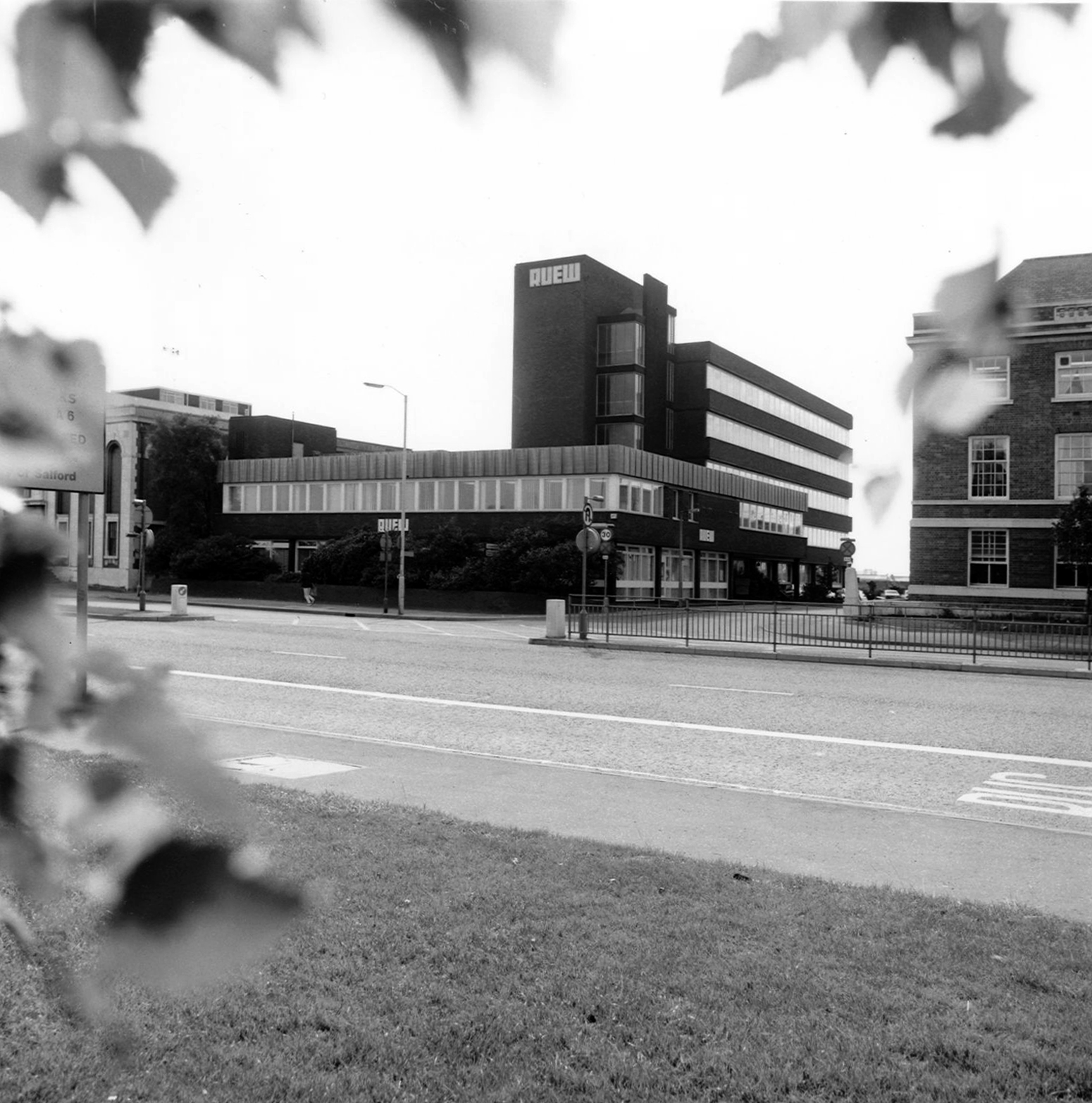
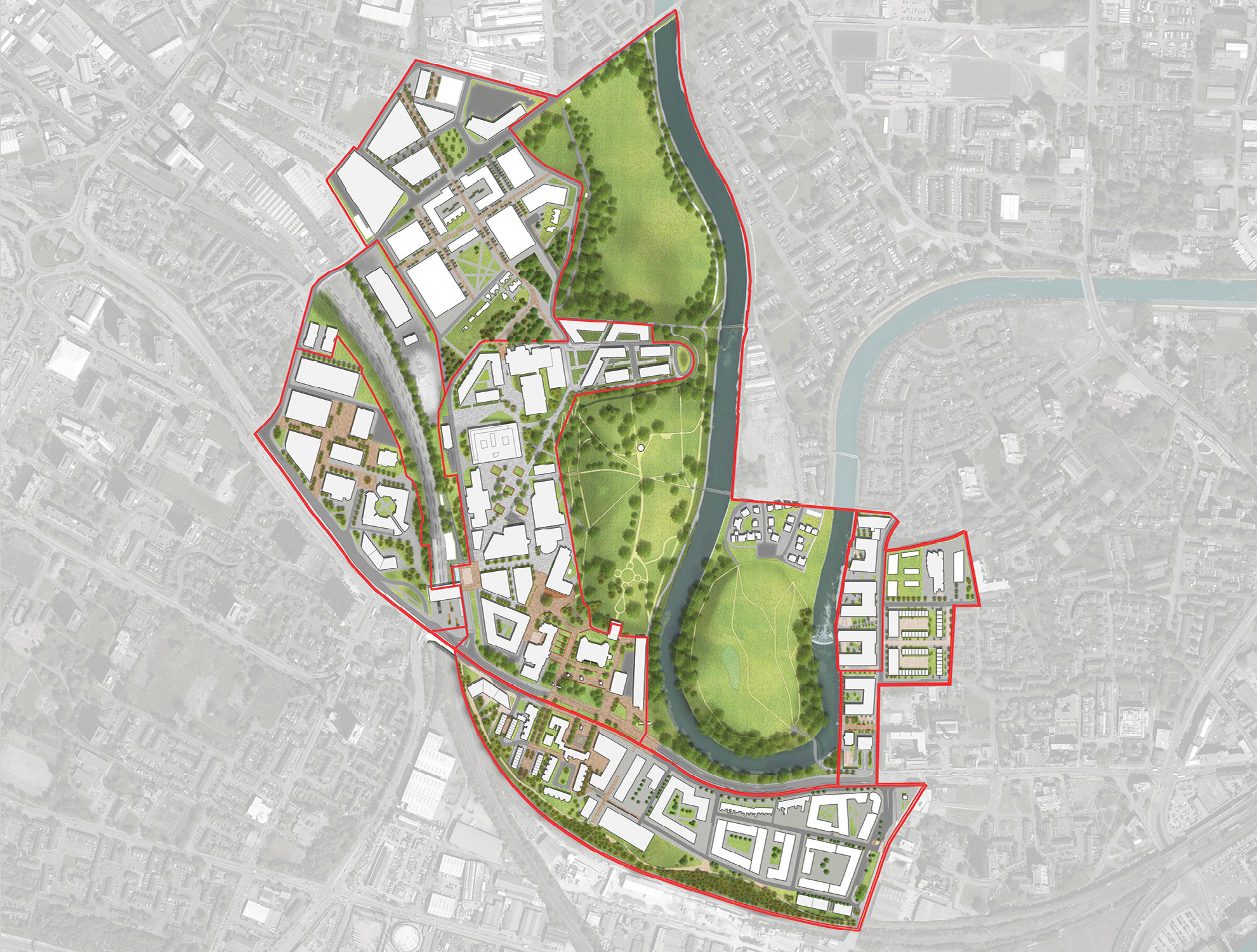
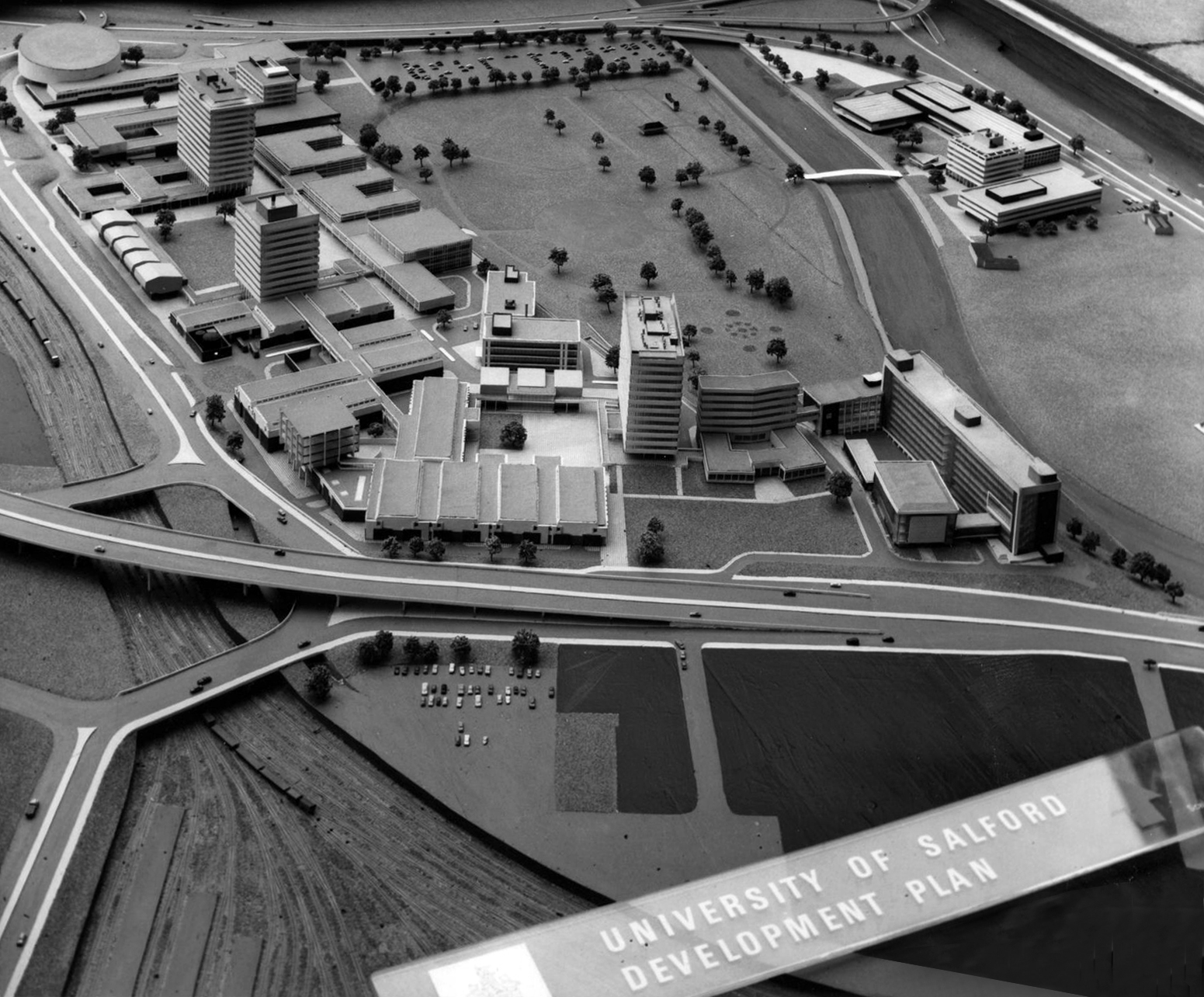
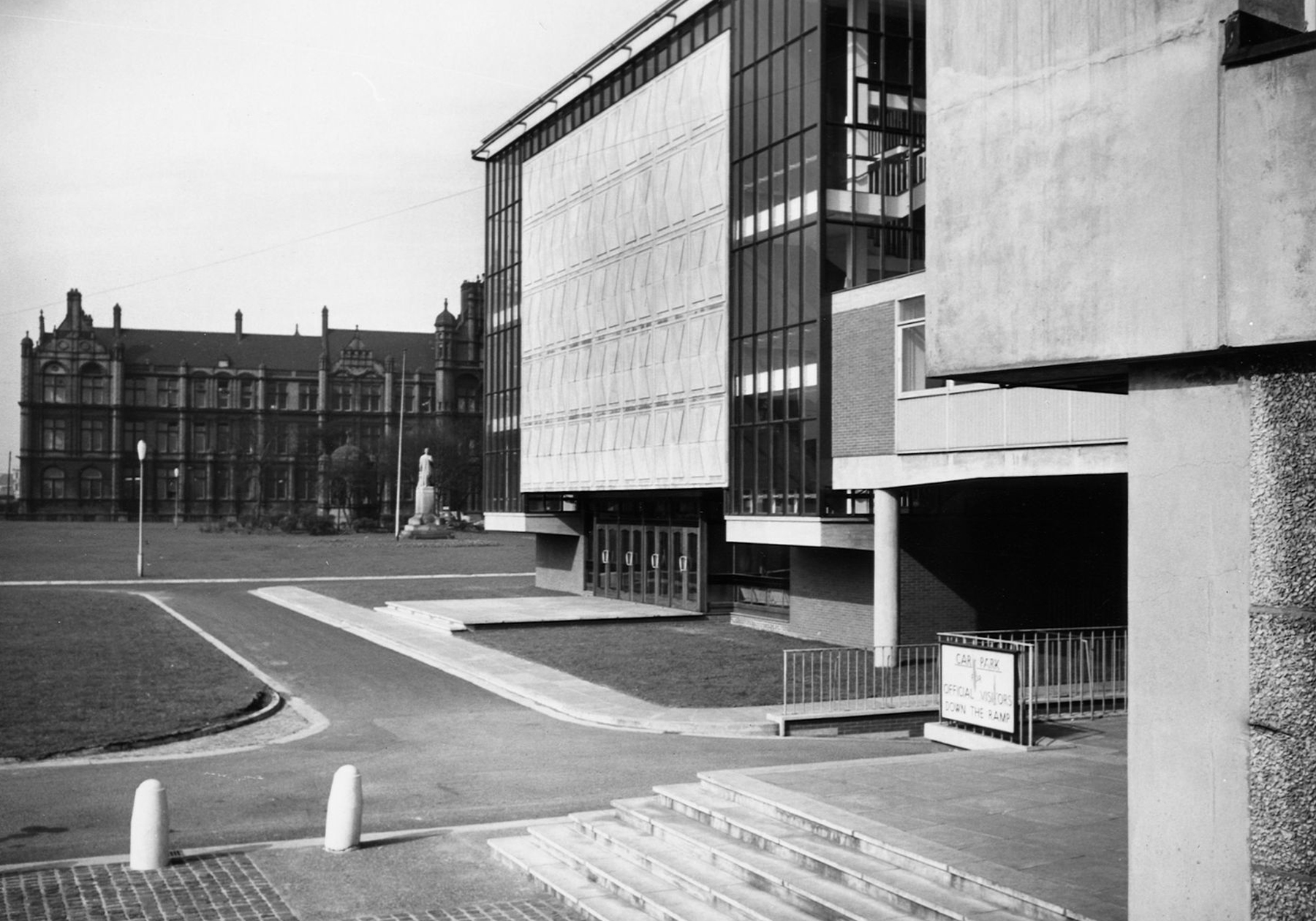
The original master plan would have swept away the Victorian Technical Institute and Salford Art Gallery.
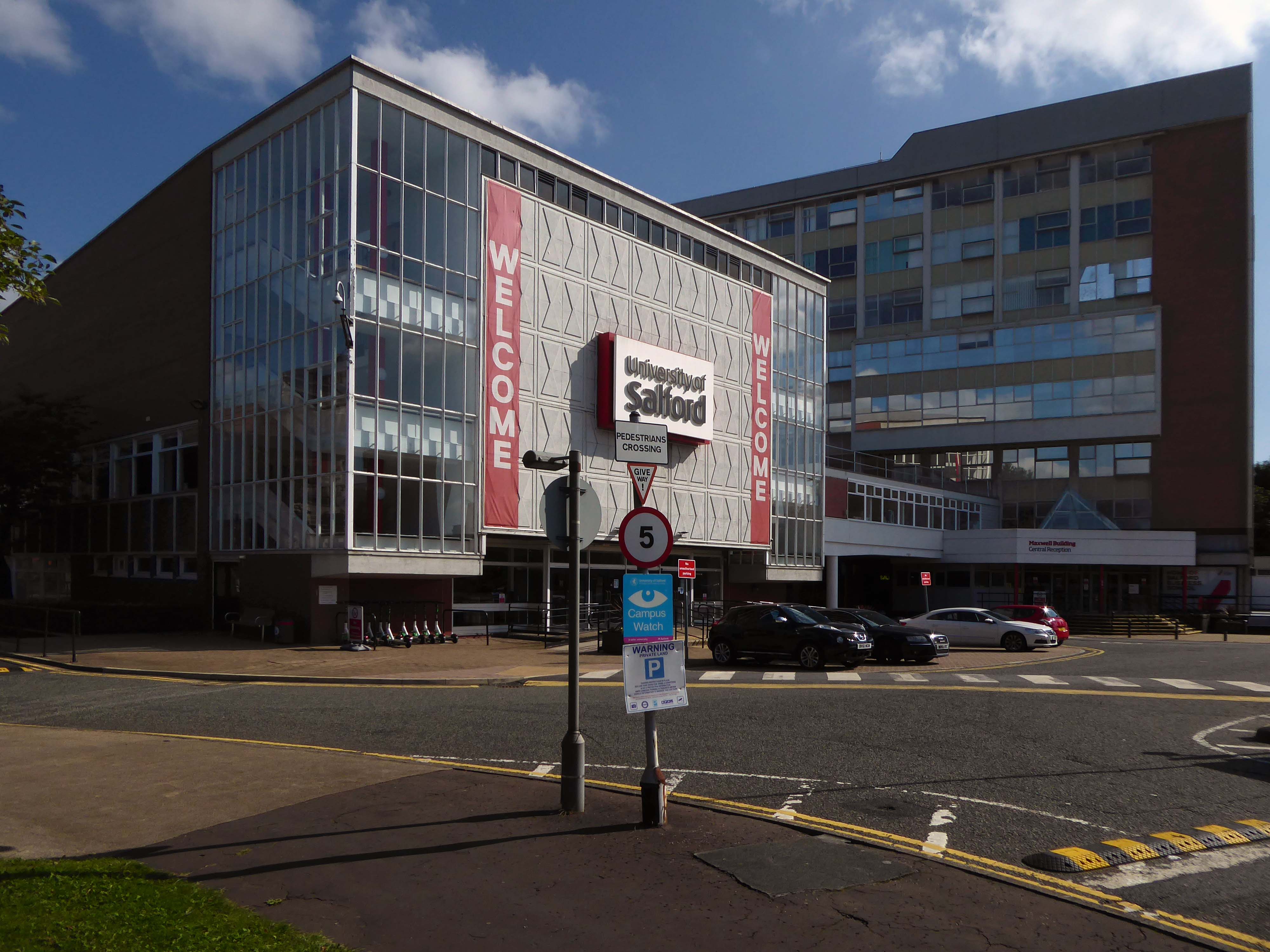
Across the road are the Maxwell Buildings.
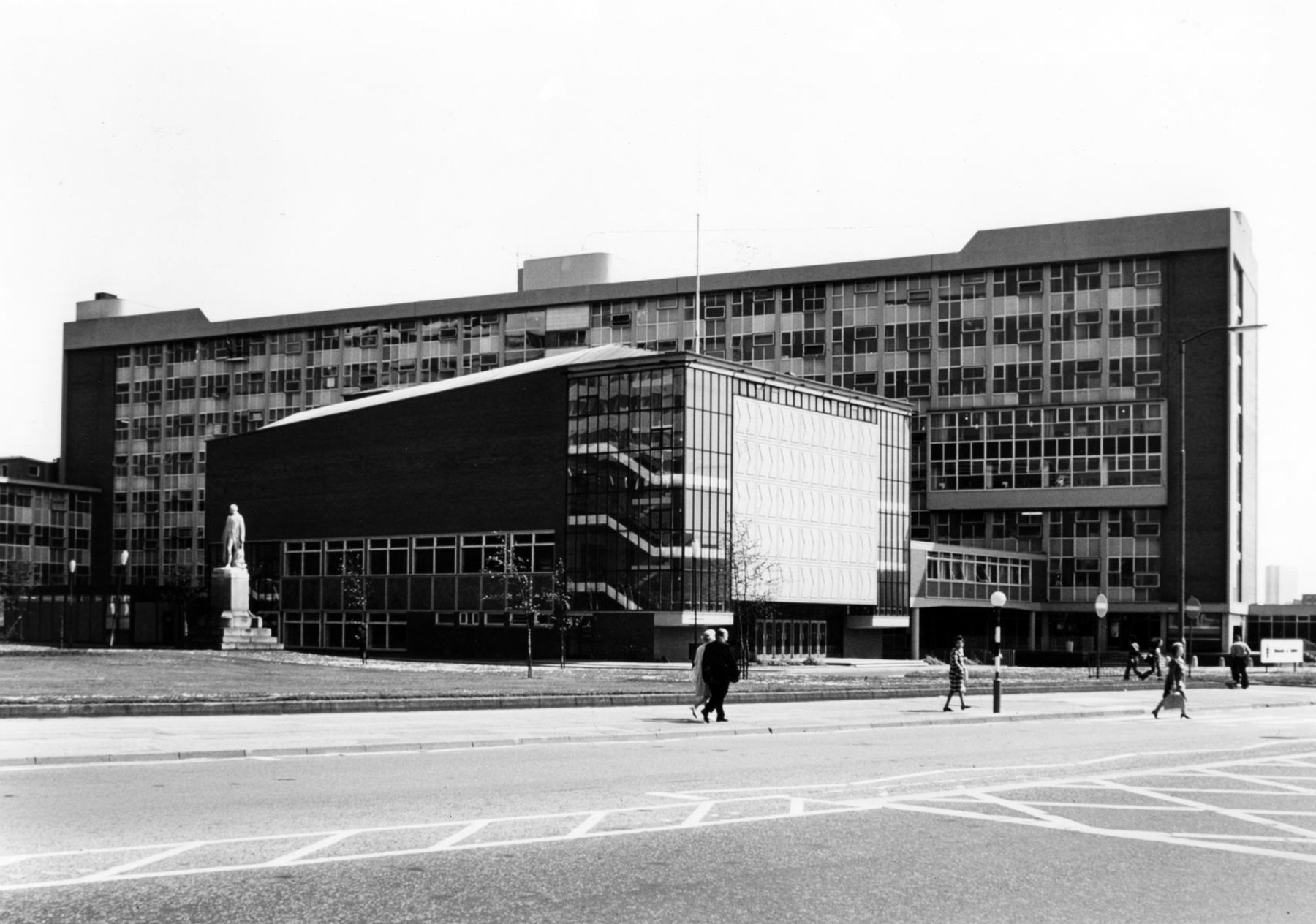
They were built between 1959 and 1960 to a design by the architect C H Simmons of the Lancashire County Architects Department.
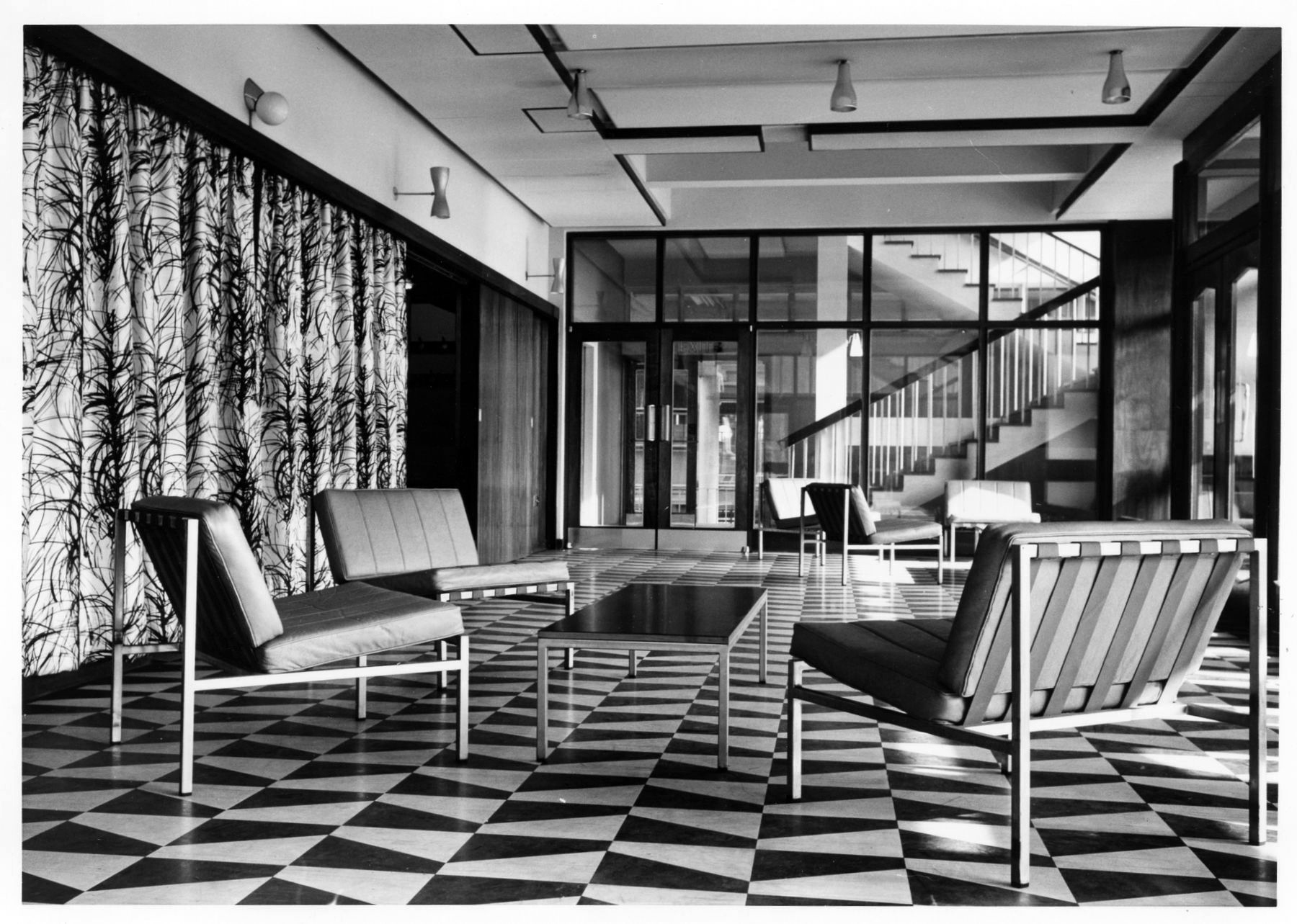
The interior decorative order of Sixties’ institutions was integral to the architectural design, sadly this is no longer so.
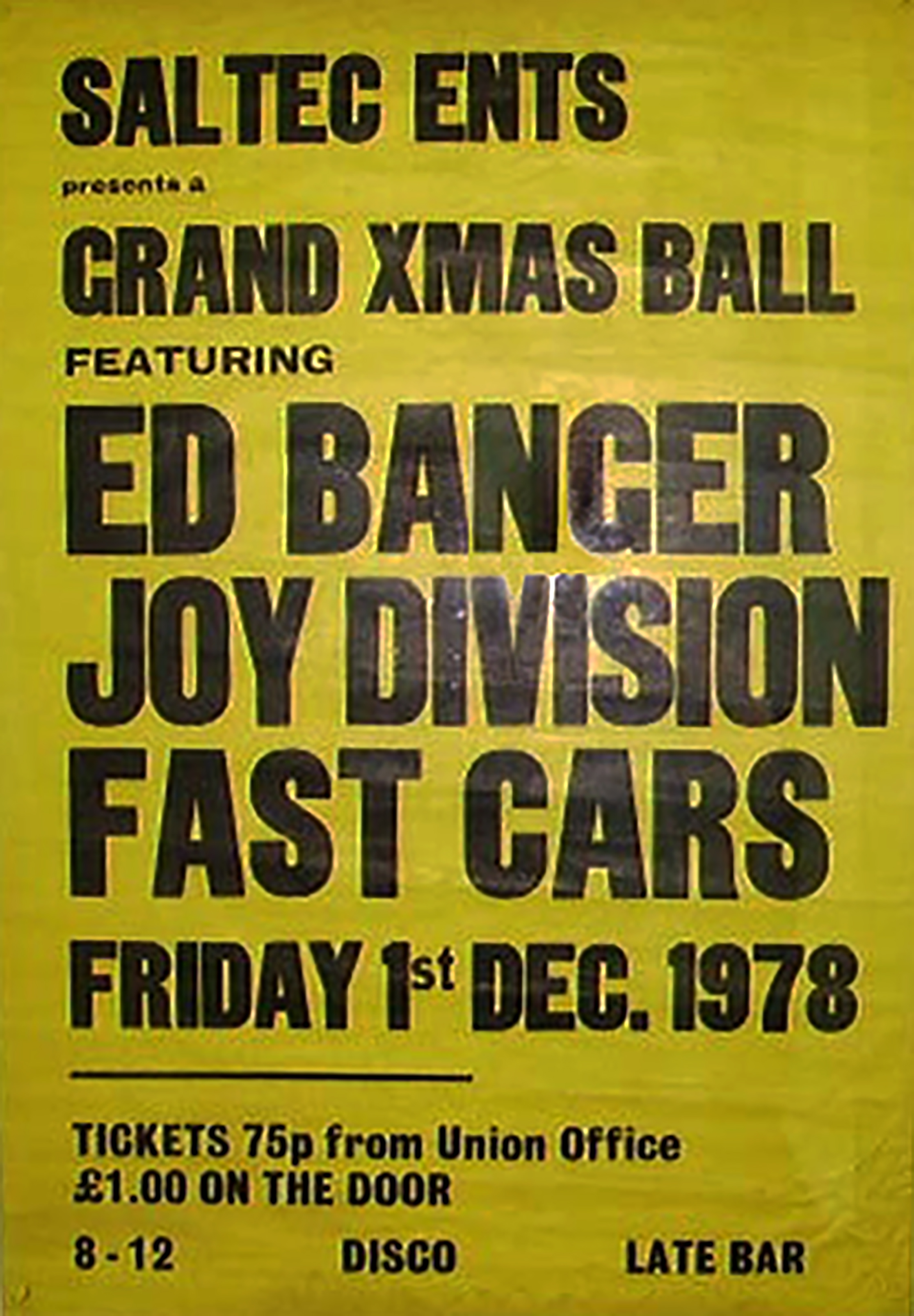
The hall has a great musical heritage.
Featuring the Fast Cars who we have previously encountered in Swinton at the Lancastrian Hall.
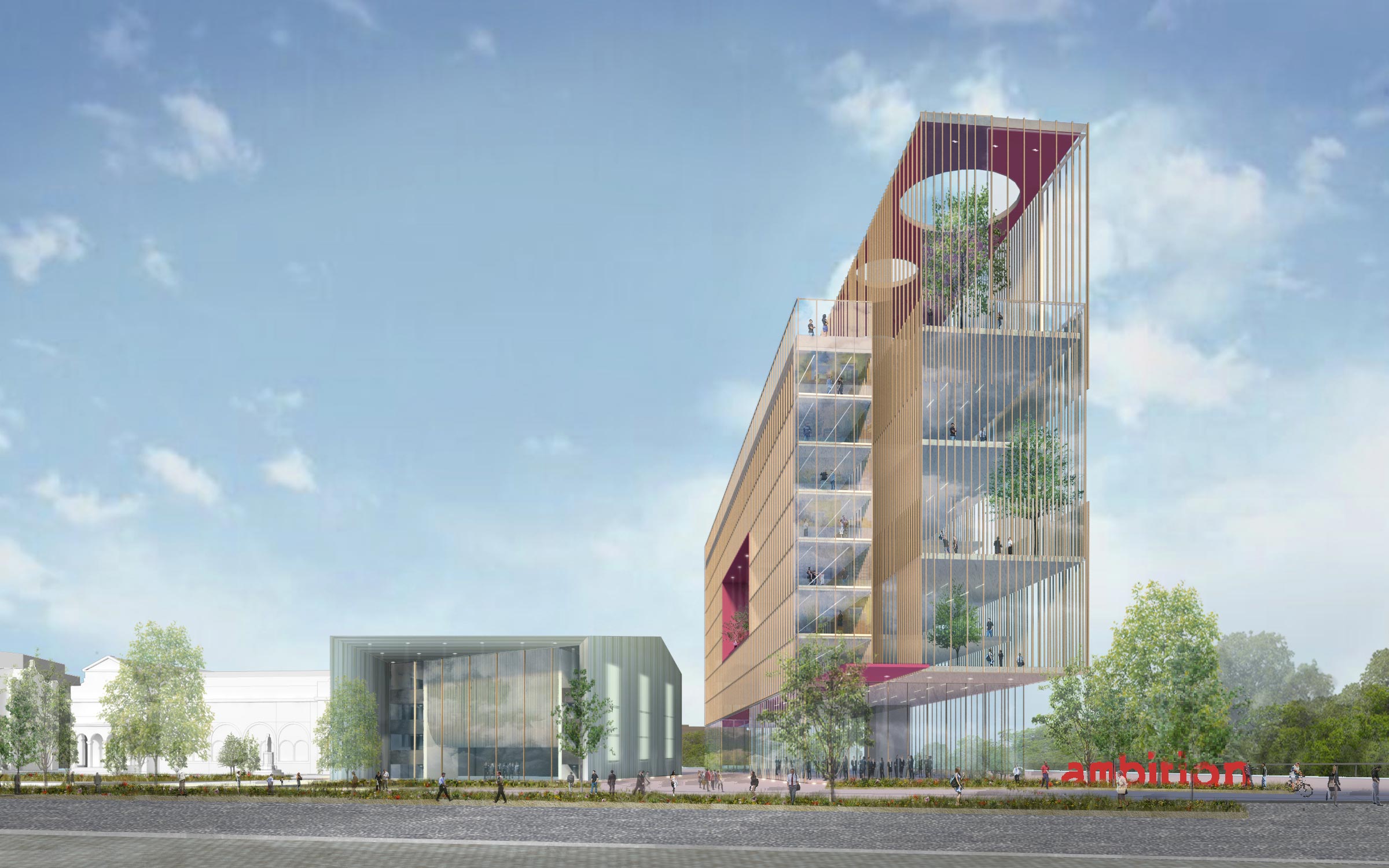
Which may be the subject of ambitious redevelopment.
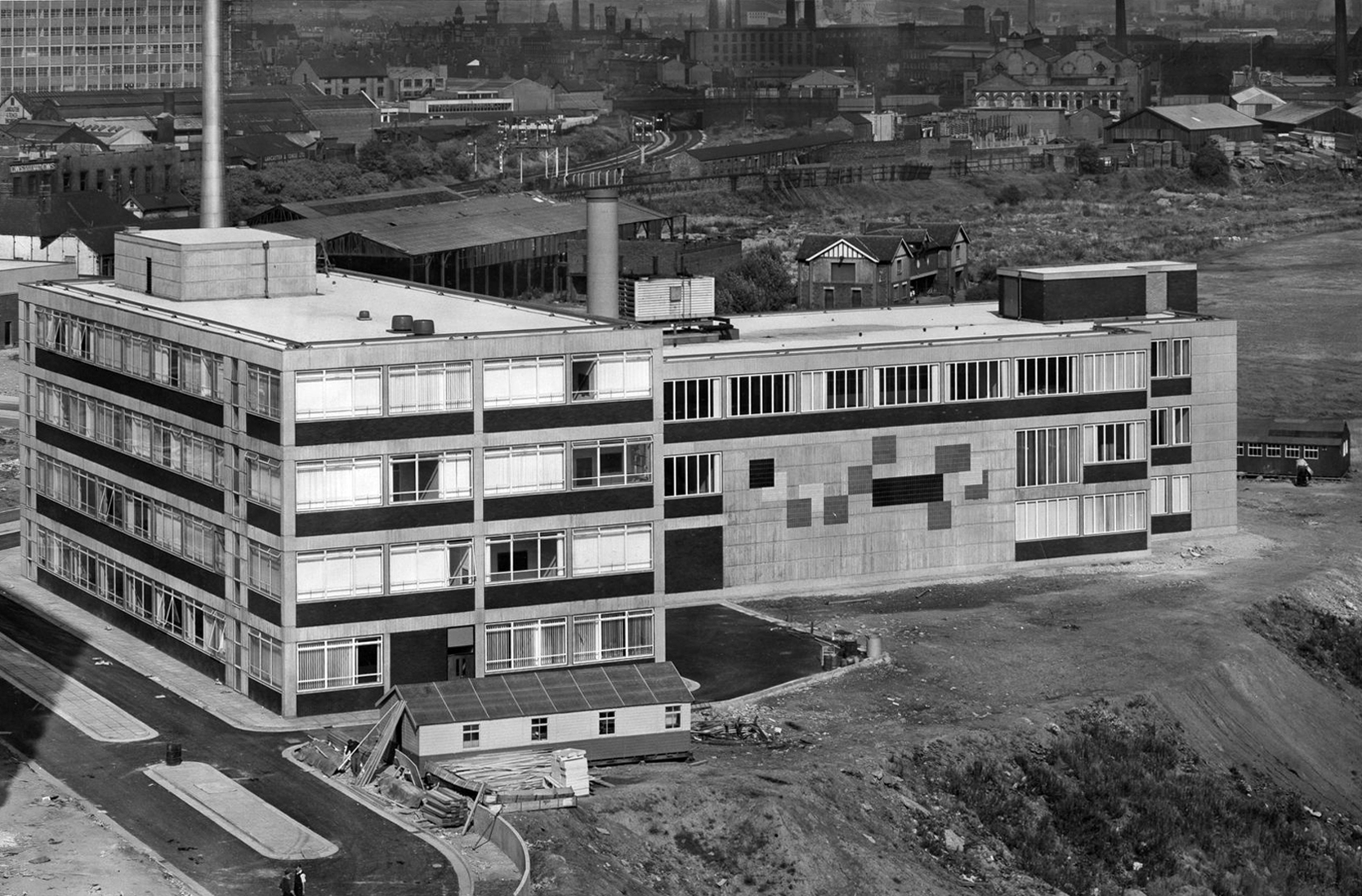
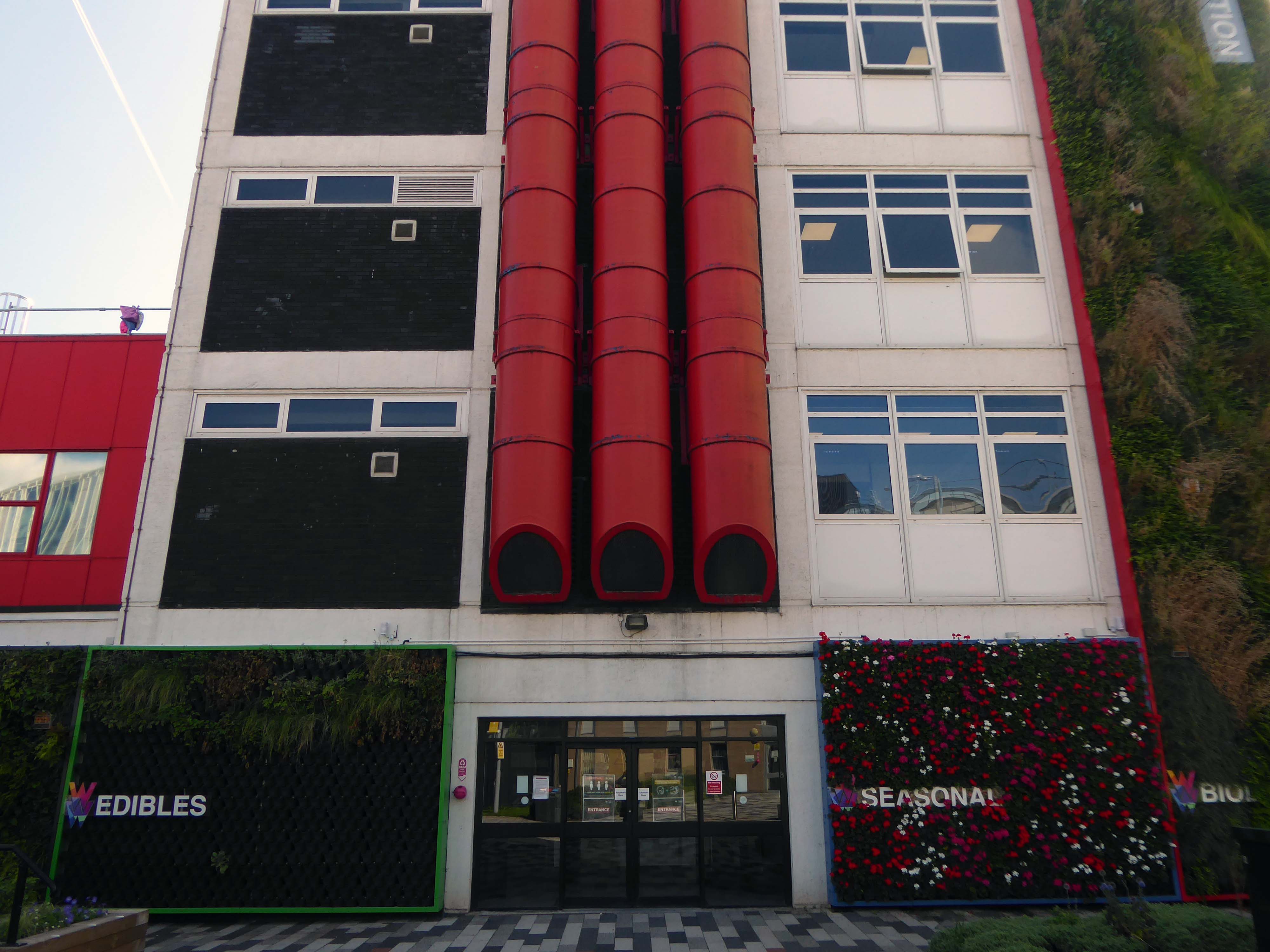
Take a turn around the corner to the Cockcroft Building.
The east facing mural painted out and obscured by retrofitted infrastructure.
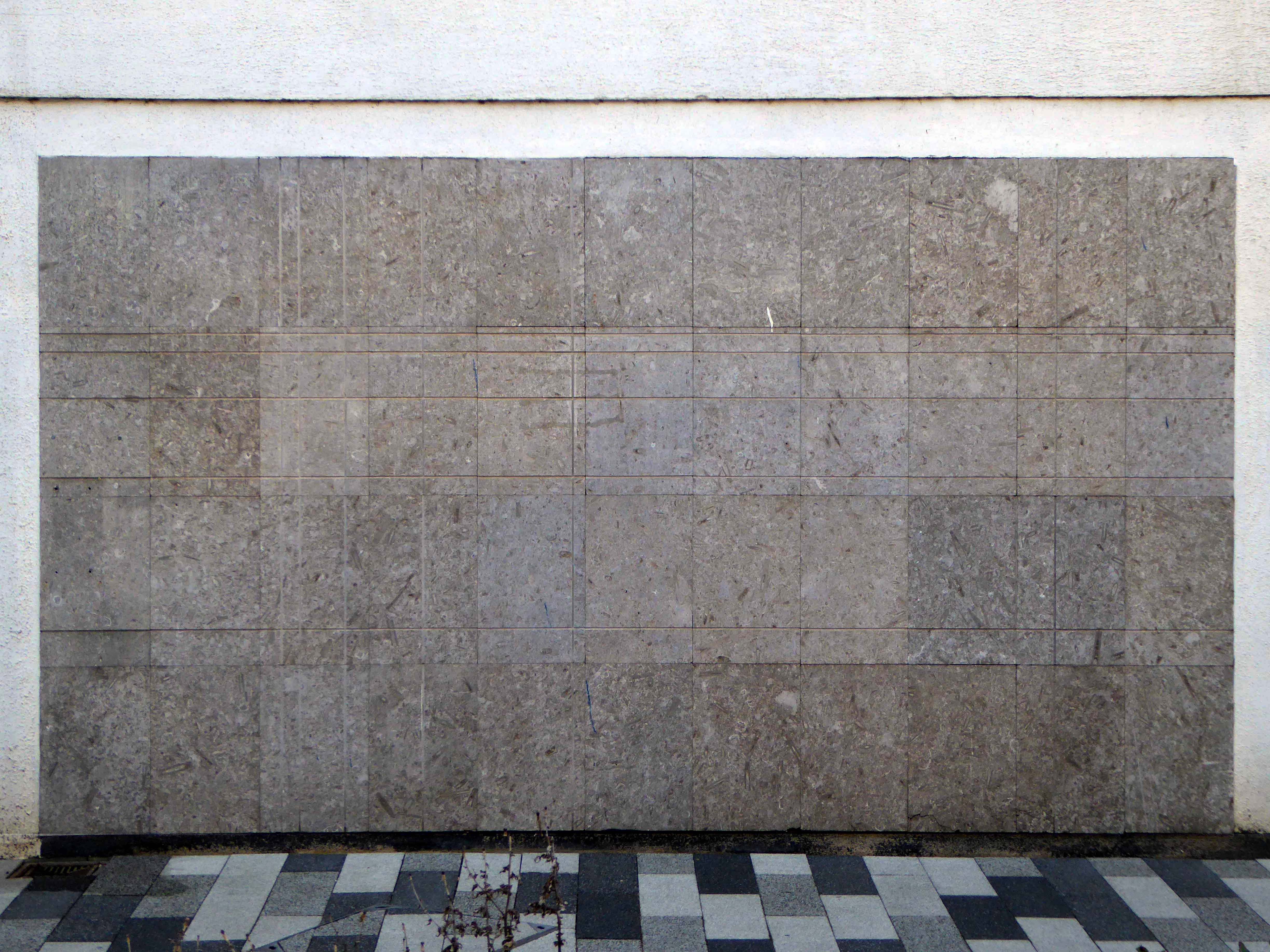
These incised stone panels obscured by plants.
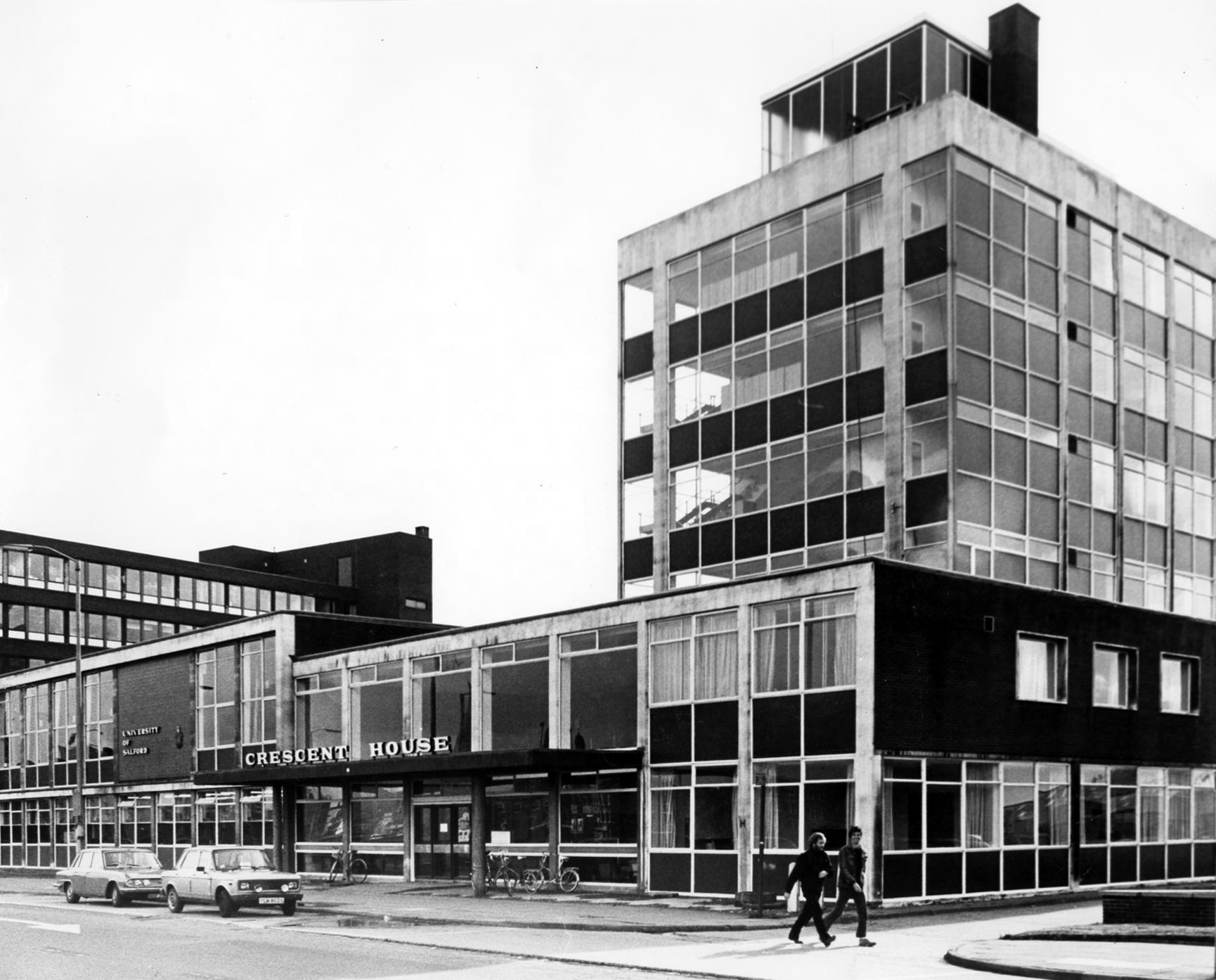
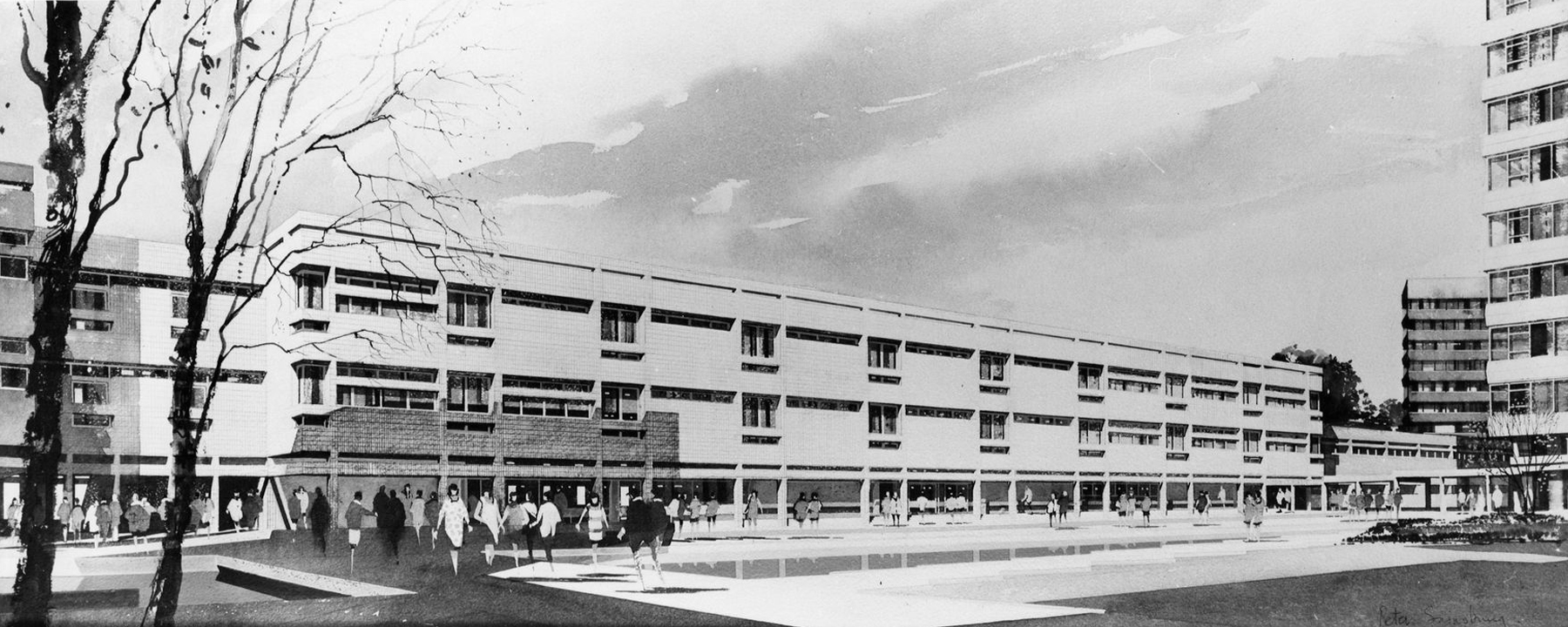
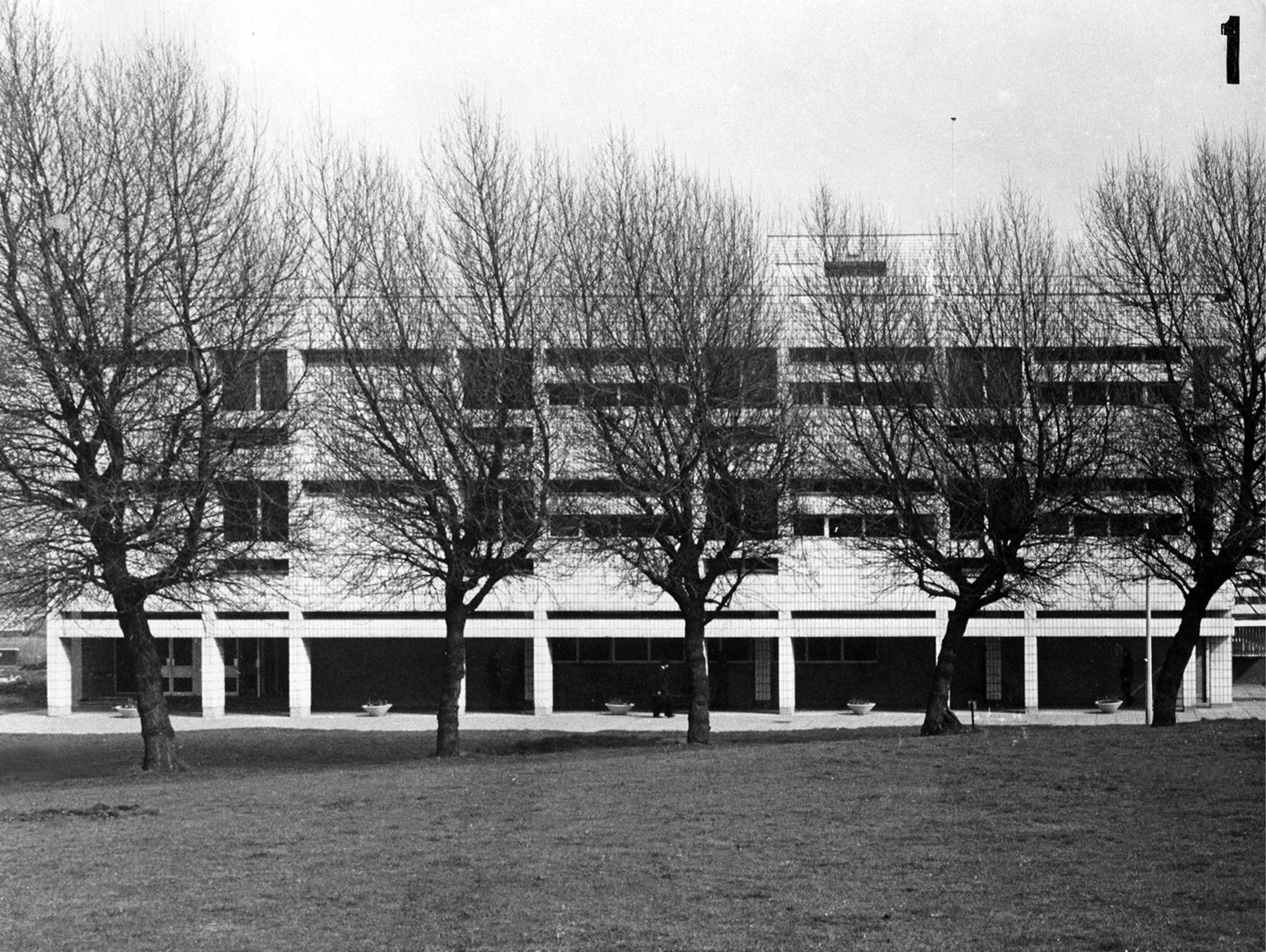
To the left is the Clifford Whitworth Library – this is the original architectural impression – signed Peter Sainsbury.
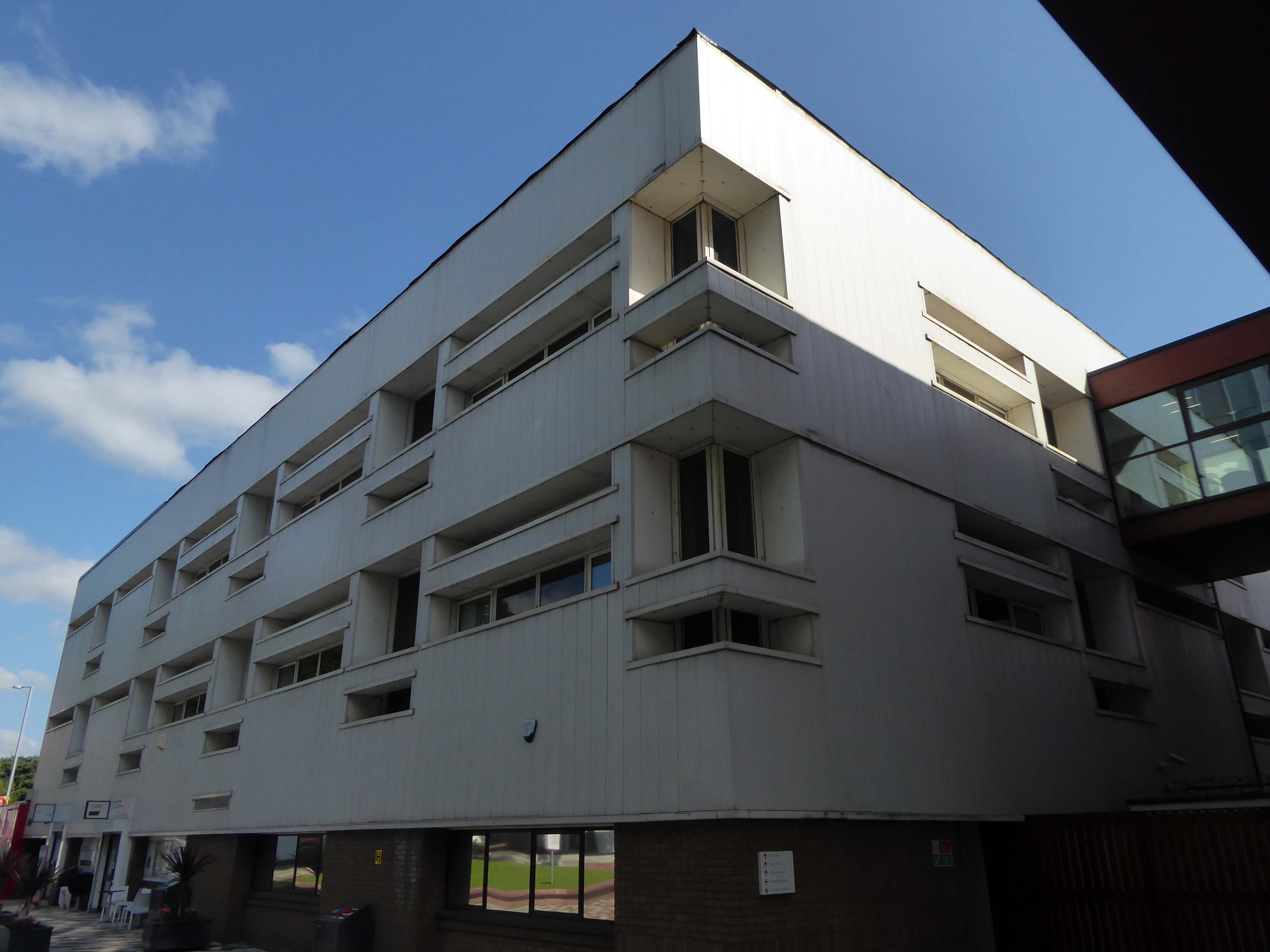
The original fascia was tile clad.
Subsequently replaced by uPVC boards.
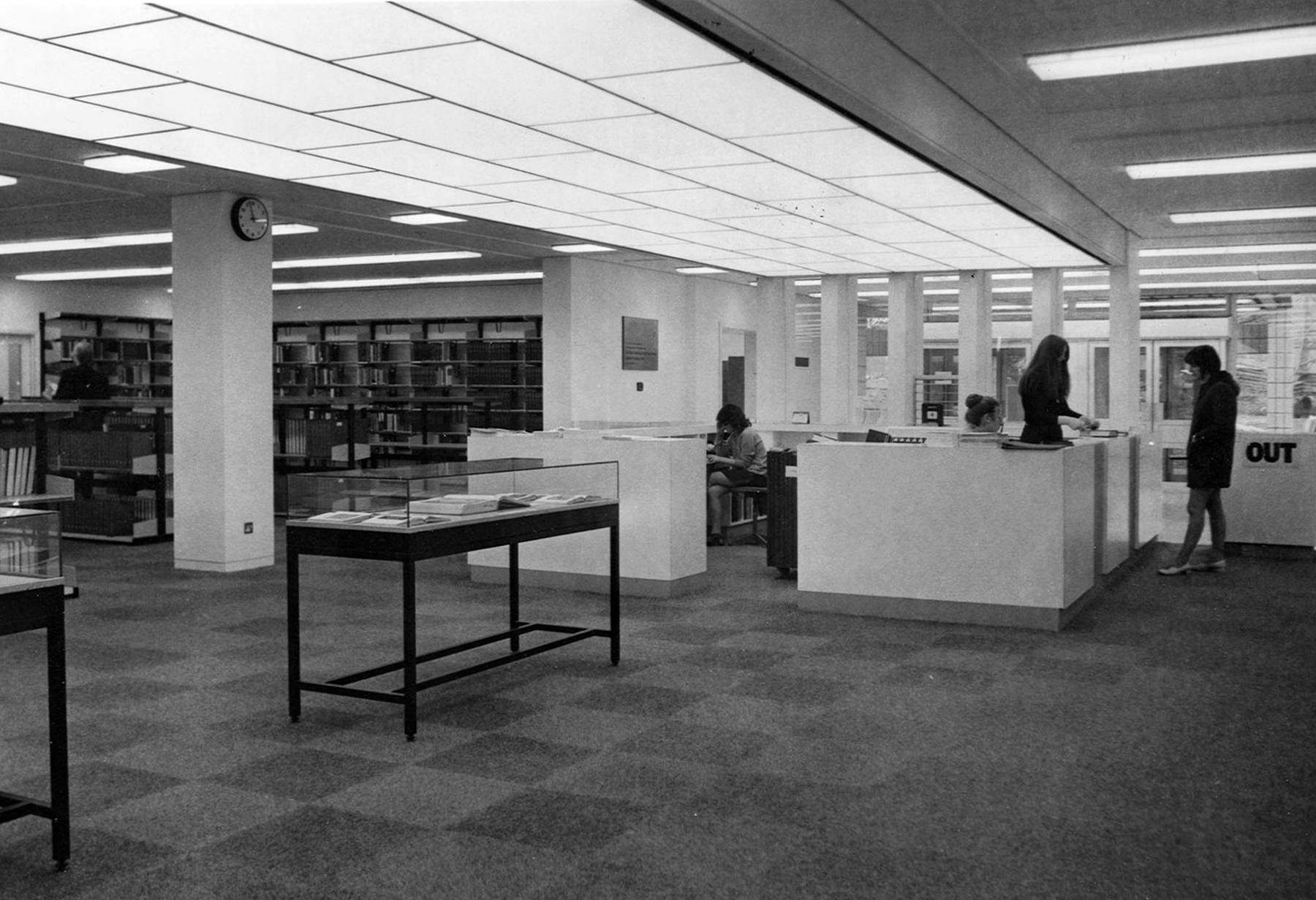
Yet again the original interior was integral too the architectural scheme and period.
Across the way the Chapman Building.
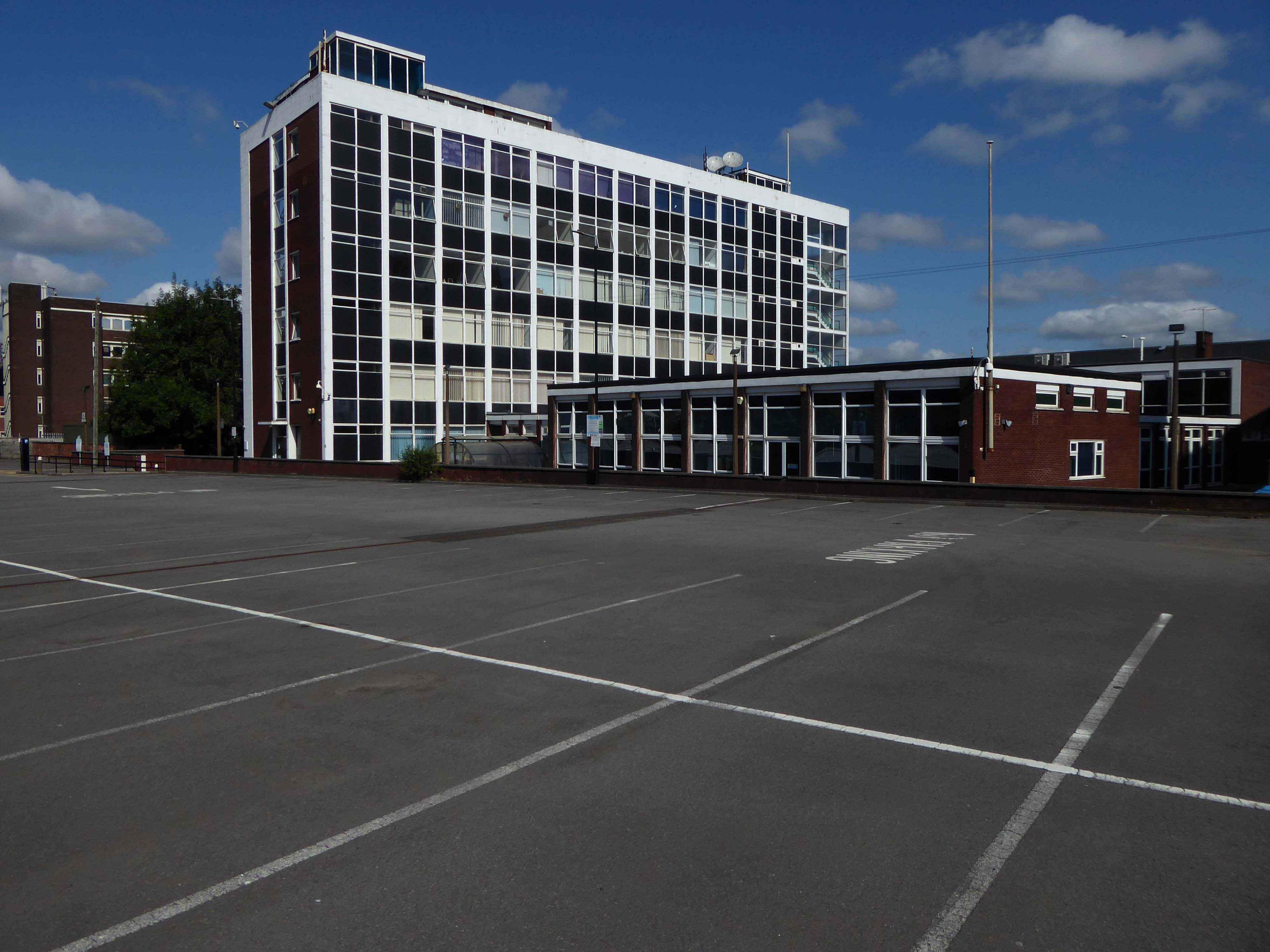
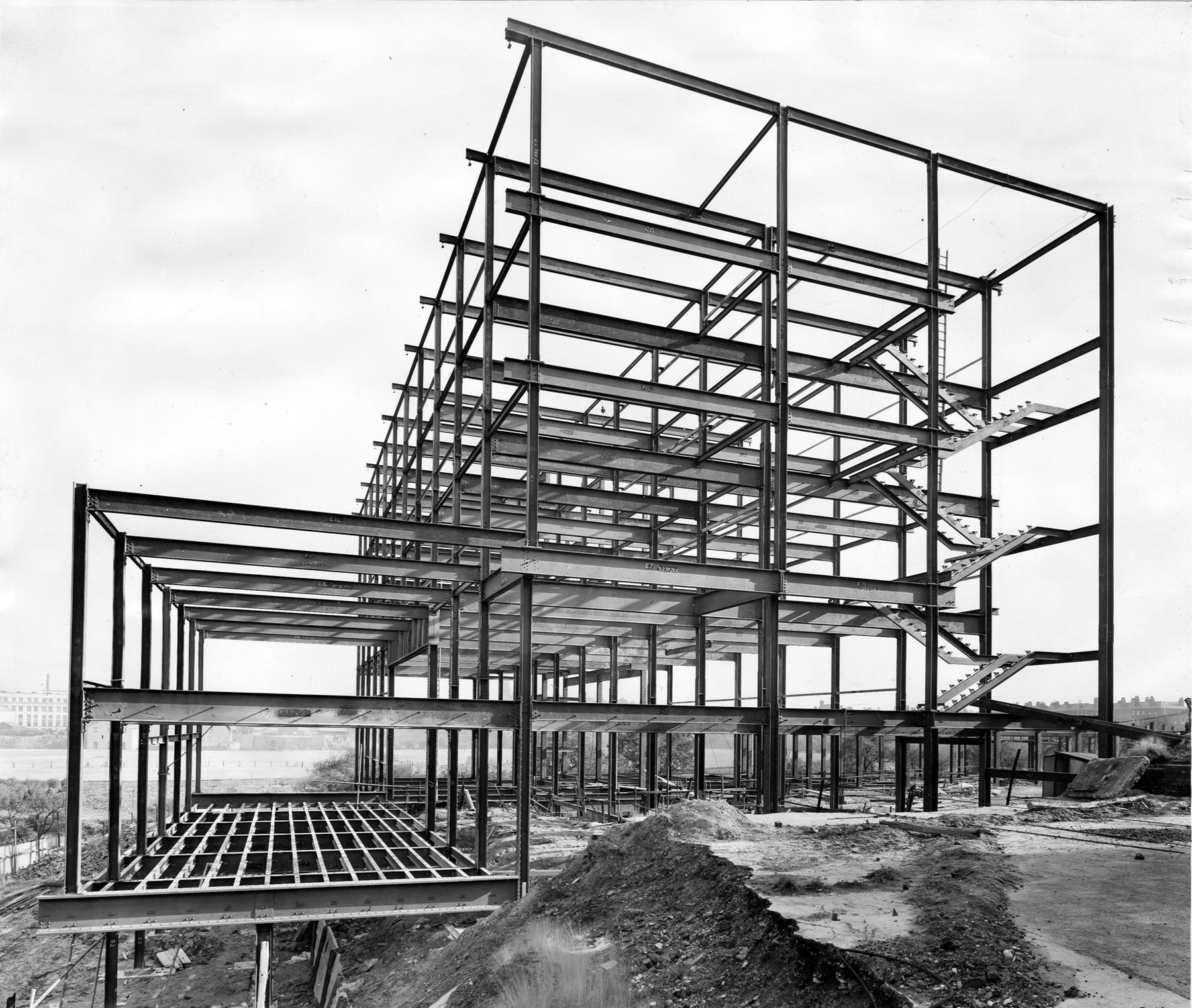
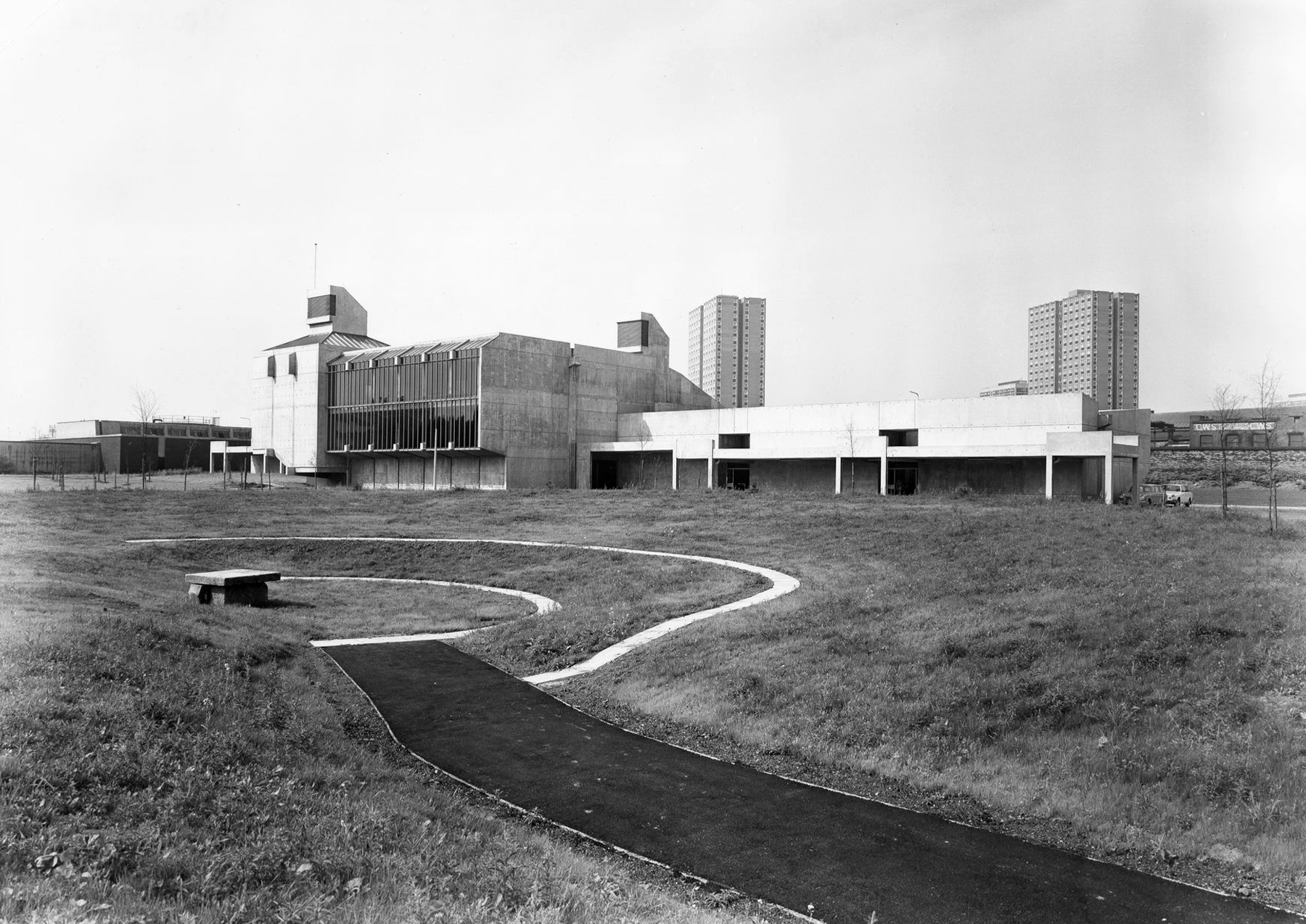
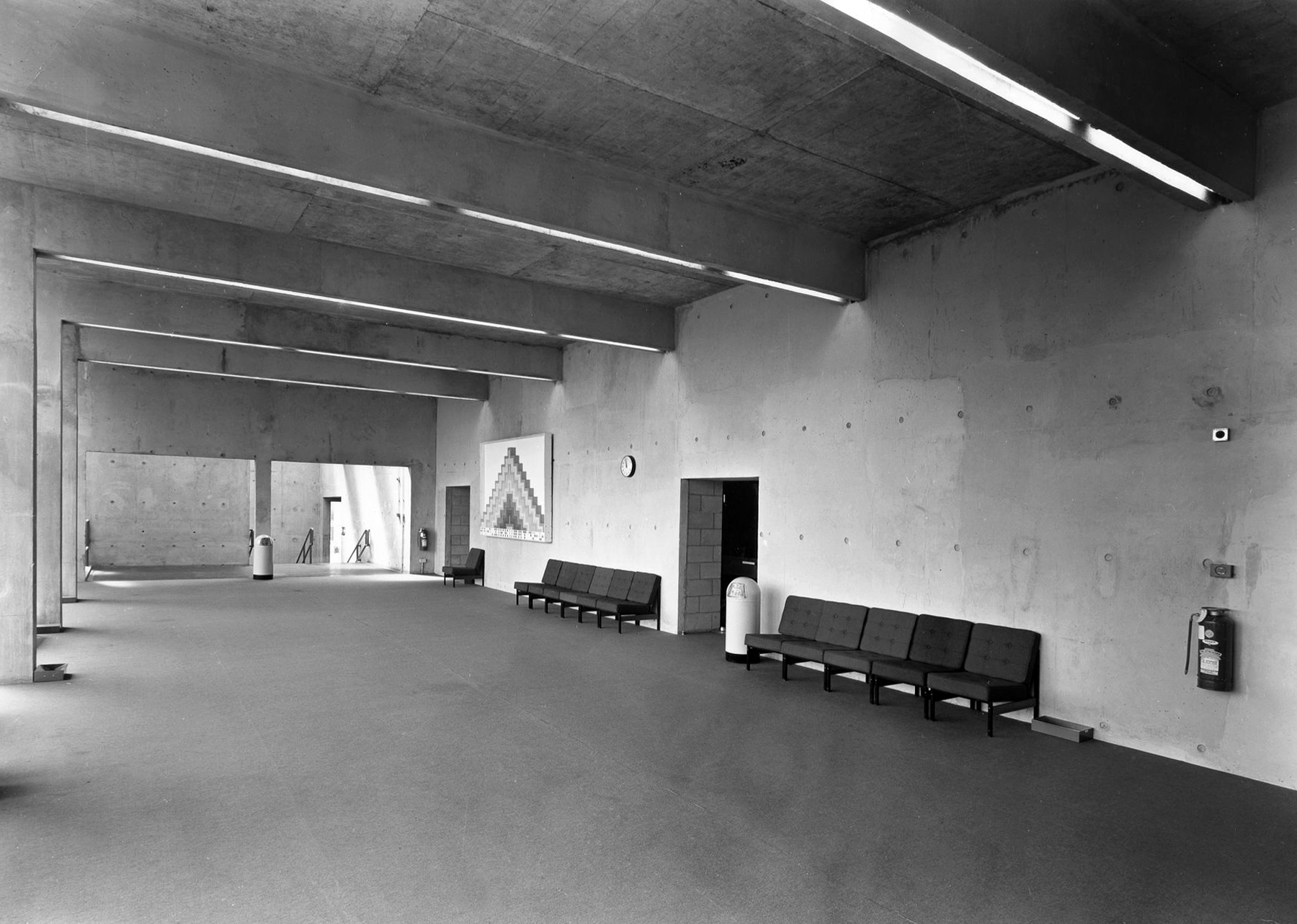
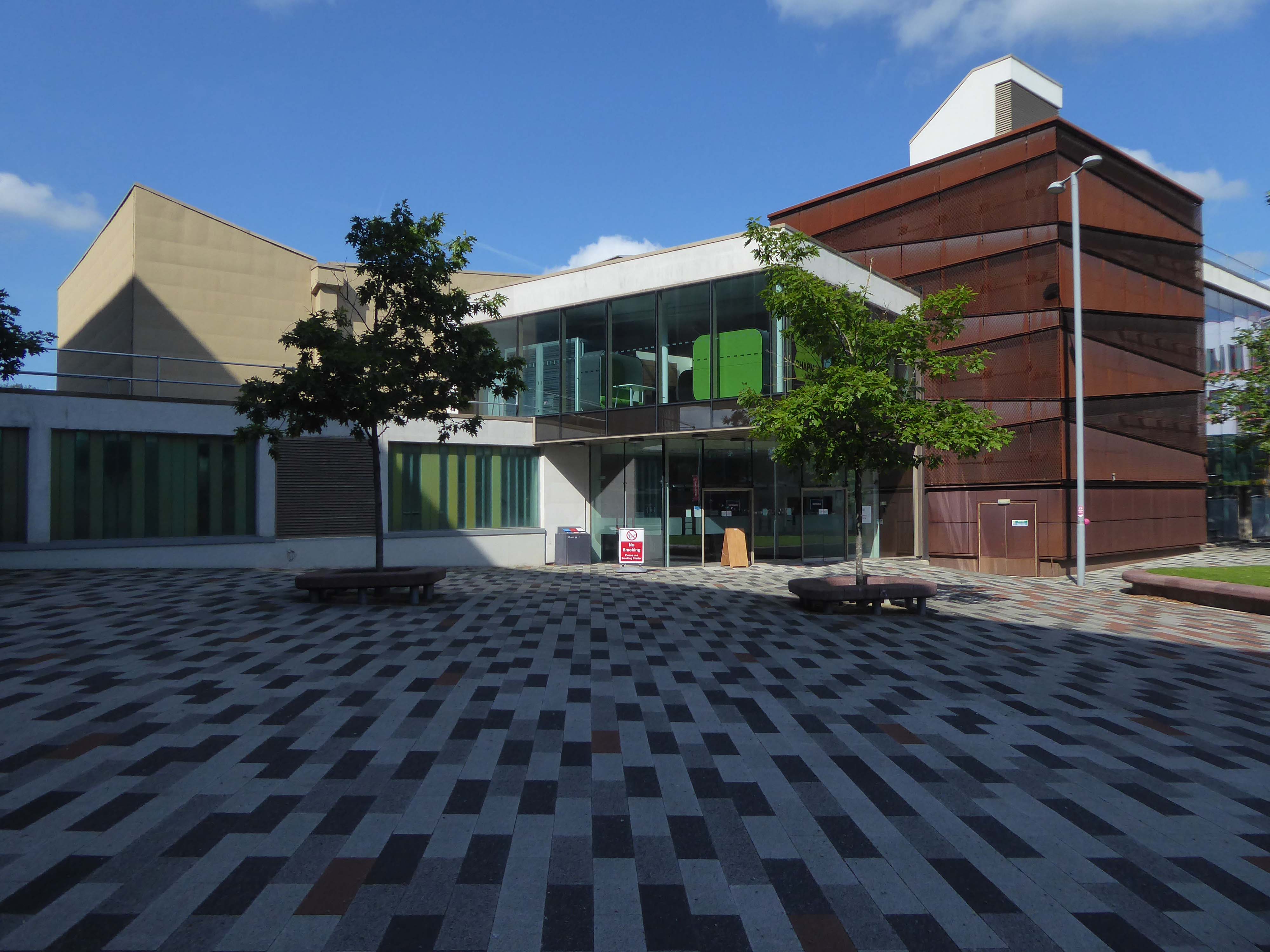
It was designed by WF Johnson and Partners of Leamington Spa, as a lecture theatre block and gallery. It sits with its long axis running parallel to the railway behind. The series of grey volumes, occasionally punctuated by colourful floods of red and green trailing ivy, hang together in a less than convincing composition. The orientation and access to the building seem confused and detached from any cohesive relationship to the rest of the campus, but there is something perversely attractive about the right essay in the wrong language. The reinforced concrete building contained five lecture theatres, communal spaces, an art gallery, AV support areas and basement plant rooms. Following a major refurbishment in 2012, several additions were made to the exterior and its total concrete presence somewhat diminished. It still houses lecture theatres and a number of other learning and social spaces.
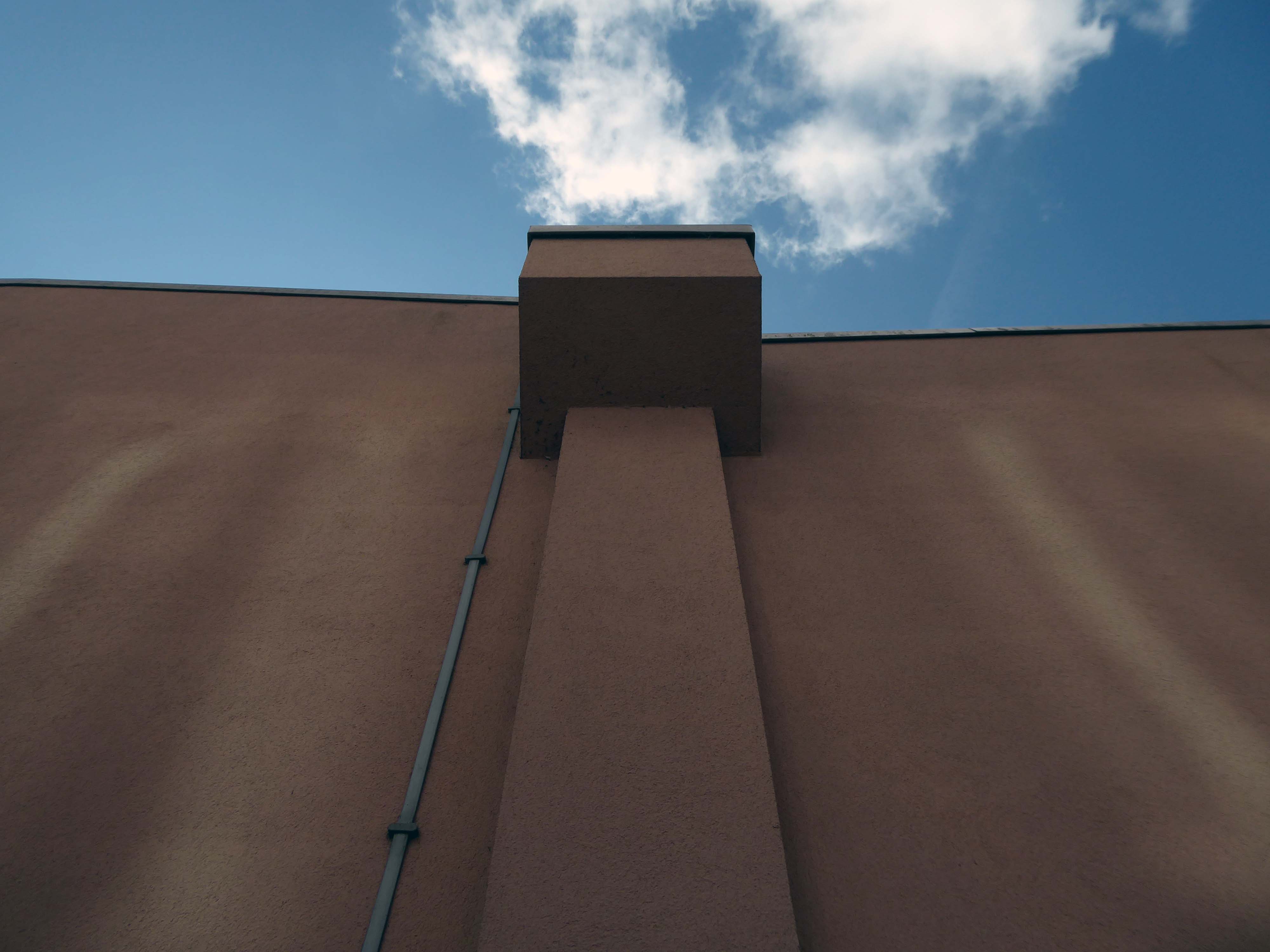
To the rear of the building there are some of the original details, now painted a series of funny colours.
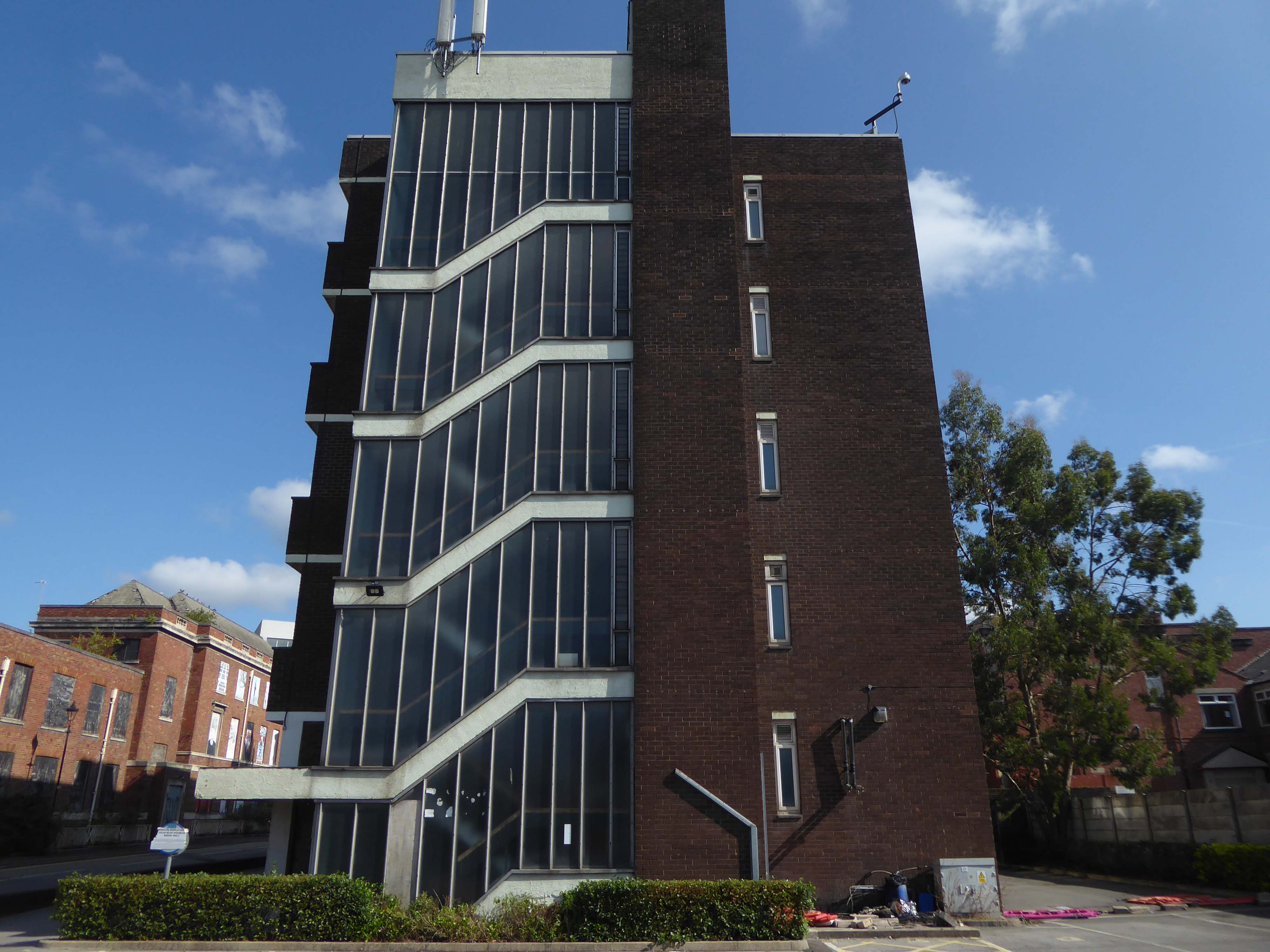
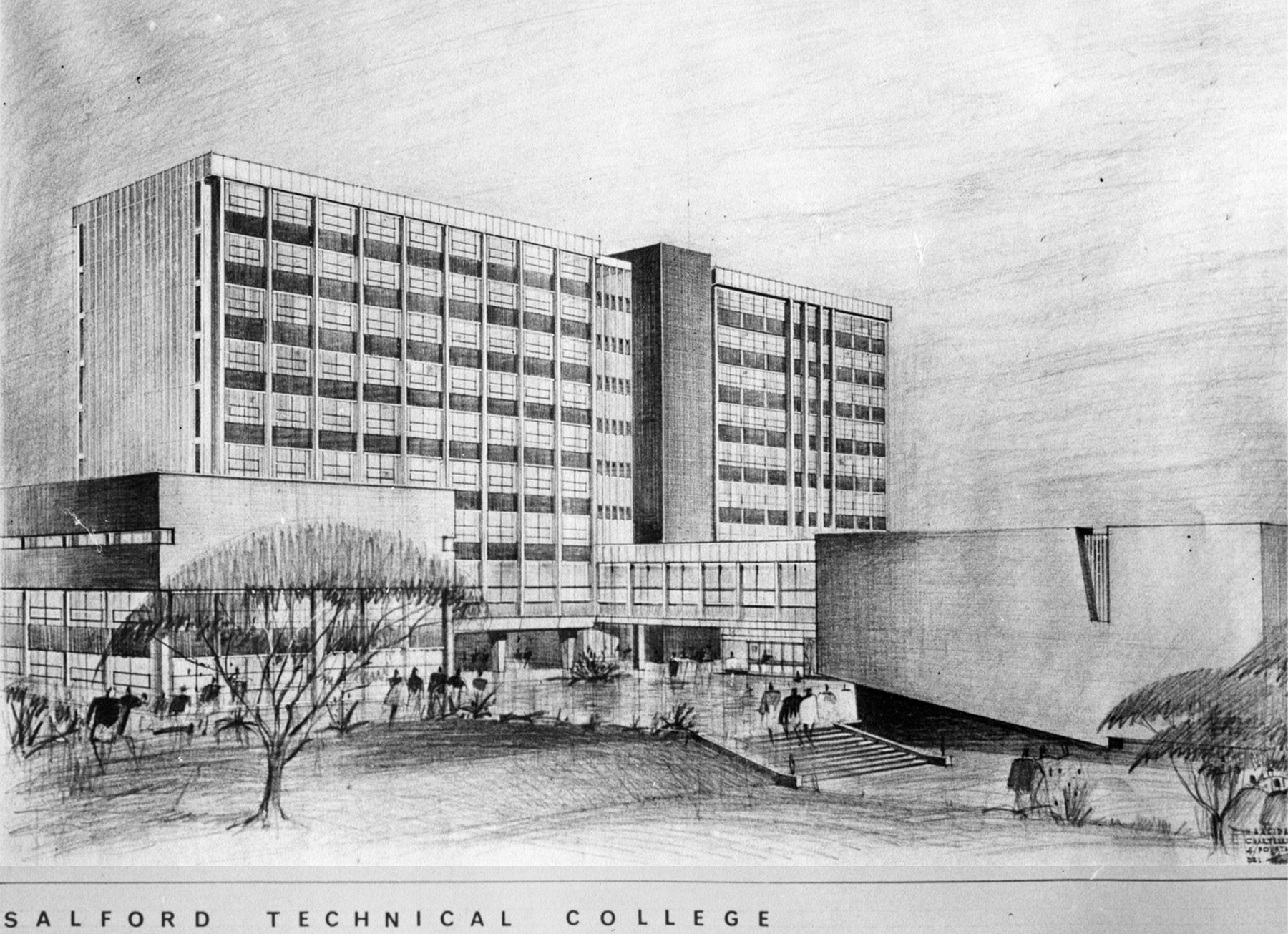
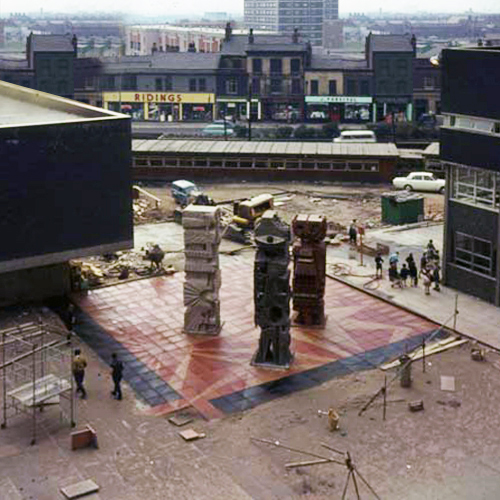
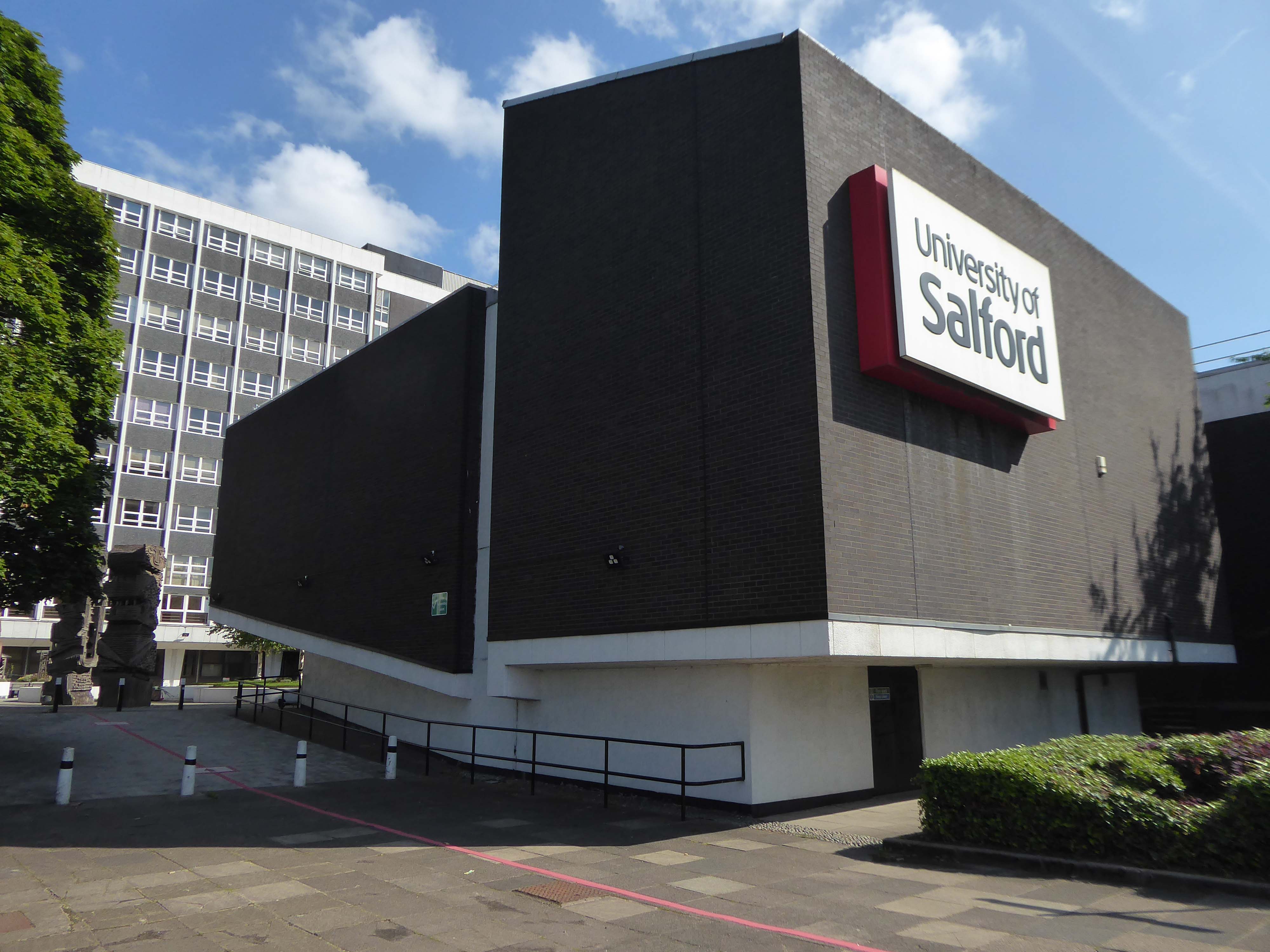
A ways down the road the former Salford Technical College.
Now the part of the University of Salford, this grouping is probably the most significant work by Halliday Meecham during this period. The blocks wrap to almost enclose a courtyard and they step up in height towards the rear of the site. To the front is a lecture theatre block in dark brick. The multi-storey elements are straightforward in their construction and appearance and have had their glazing replaced. Perhaps the richest elements here are the three totemic structures by artist William Mitchell, which were listed at Grade II in 2011. Mitchell was actively engaged with the experiments of the Cement and Concrete Associations during the 1960s and produced a wide variety of works for public and private clients; other works regionally include the majority of the external art and friezes at Liverpool Metropolitan Cathedral and the Humanities Building at Manchester University. These textured concrete monoliths appear to have an abstract representation of Mayan patterns and carry applied mosaic. They were made on site using polyurethane moulds. There is another Mitchell work hidden behind plasterboard in the inside of the building.
April 1965 saw the Salford City Reporter proudly boast in an article that
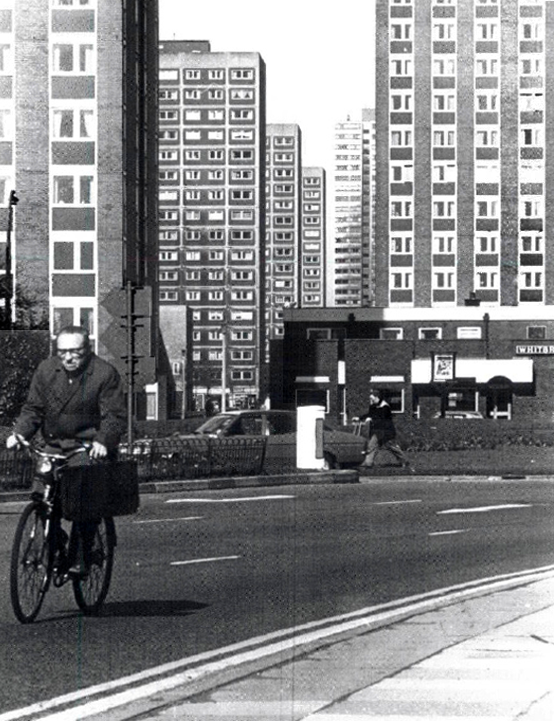
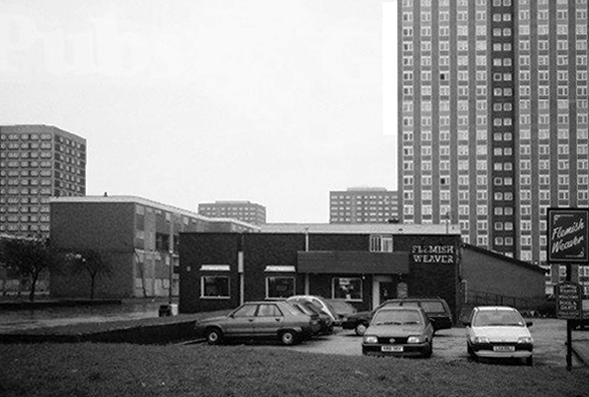
The Ellor Street dream begins to come true – complete with interviews with residents of the newly constructed Walter Greenwood, Eddie Colman and John Lester Courts all which towered some 120 feet above the Hanky Park skyline.
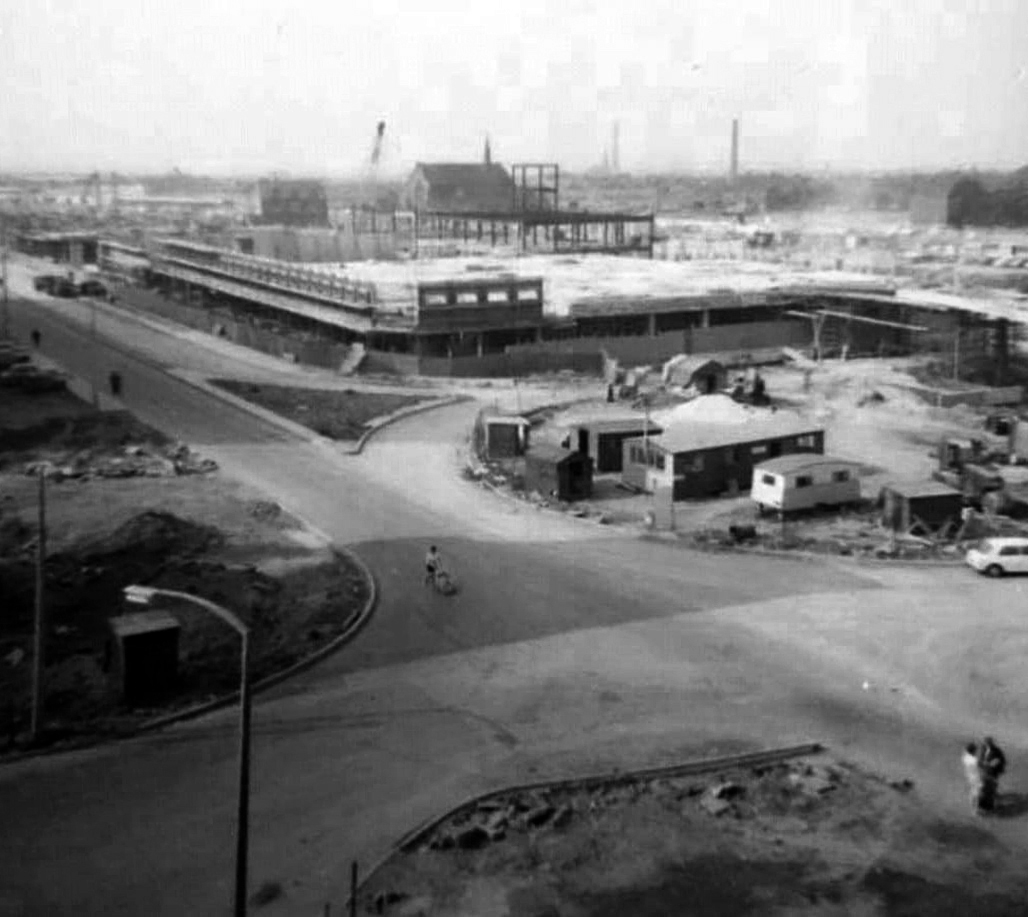
These particular blocks of flats were of special significance because their completion was the end of the first stage of the Ellor Street redevelopment scheme which was to provide 3,000 new homes, the £10 million pound Salford Shopping Precinct and a new civic centre – which never got built – making this A Salford of the Space Age.
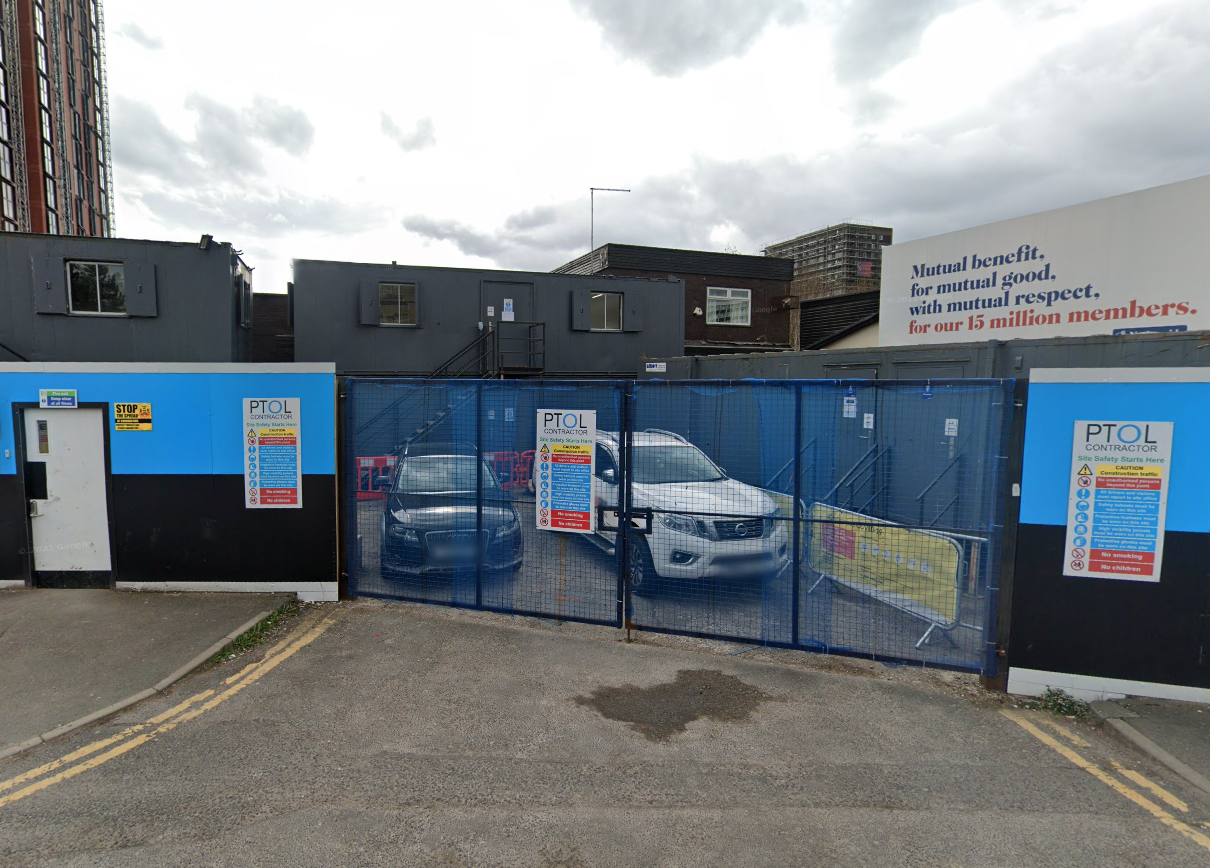
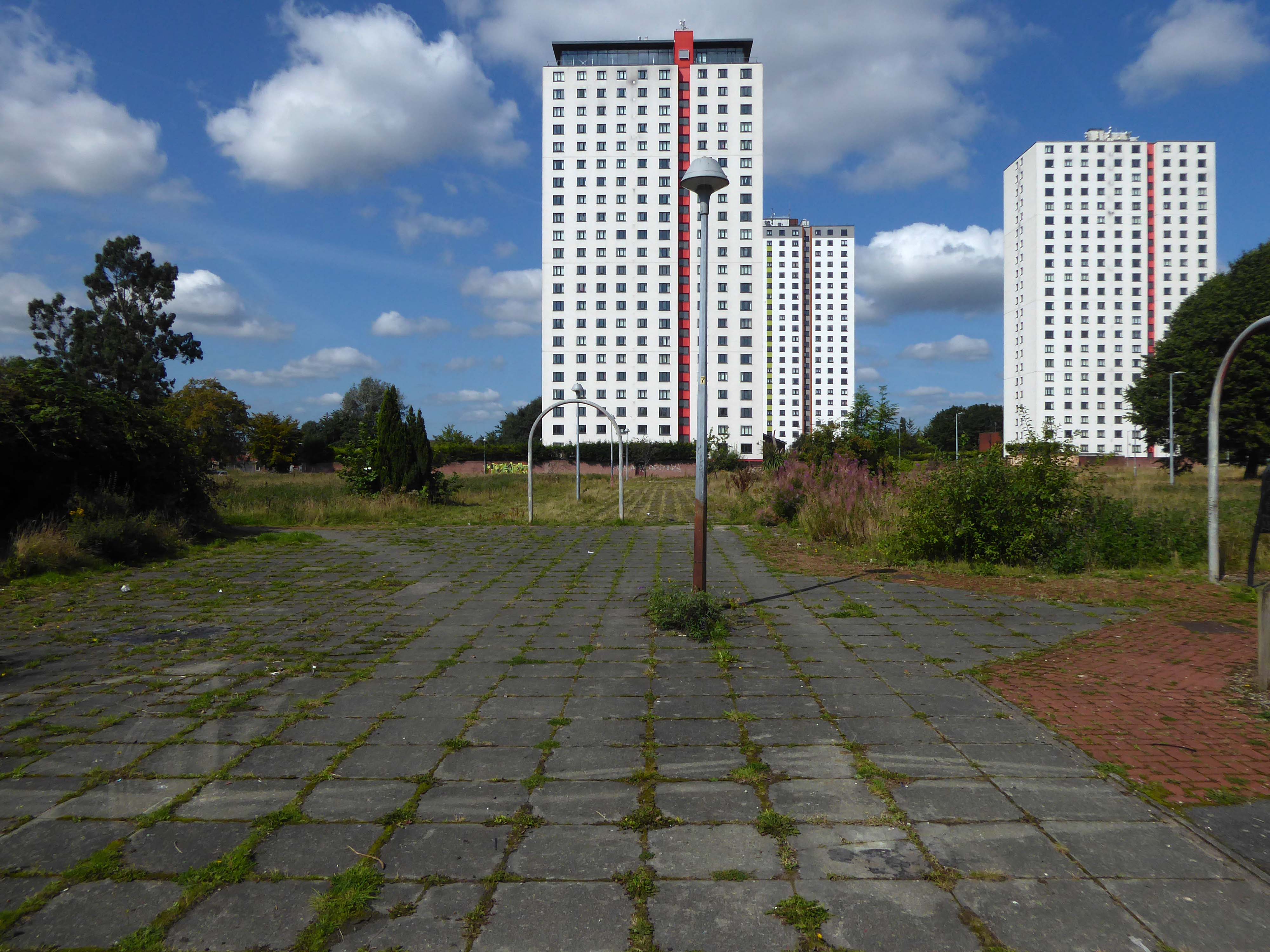
The tower blocks are now clad and the site a construction base for cladders.
Full details of Salford’s complex and extensive redevelopment can be found here at Tower Block.
Walter Greenwood Court was demolished in 2000/2001, whilst Eddie Colman and John Lester Court are now student accomodation for the nearby Salford University.
The construction of the shopping centre and surrounding areas continued and on 21 May 1970 the new Salford Market officially opened. From 1971 onwards new shops inside the precinct itself began to open.
However, due to a lack of funds and a political scandal which saw chairman Albert Jones jailed for eight months construction of Salford Precinct was halted. The site had only 95 shop units compared to the proposed 260, the hotel and two storey car park were never built.
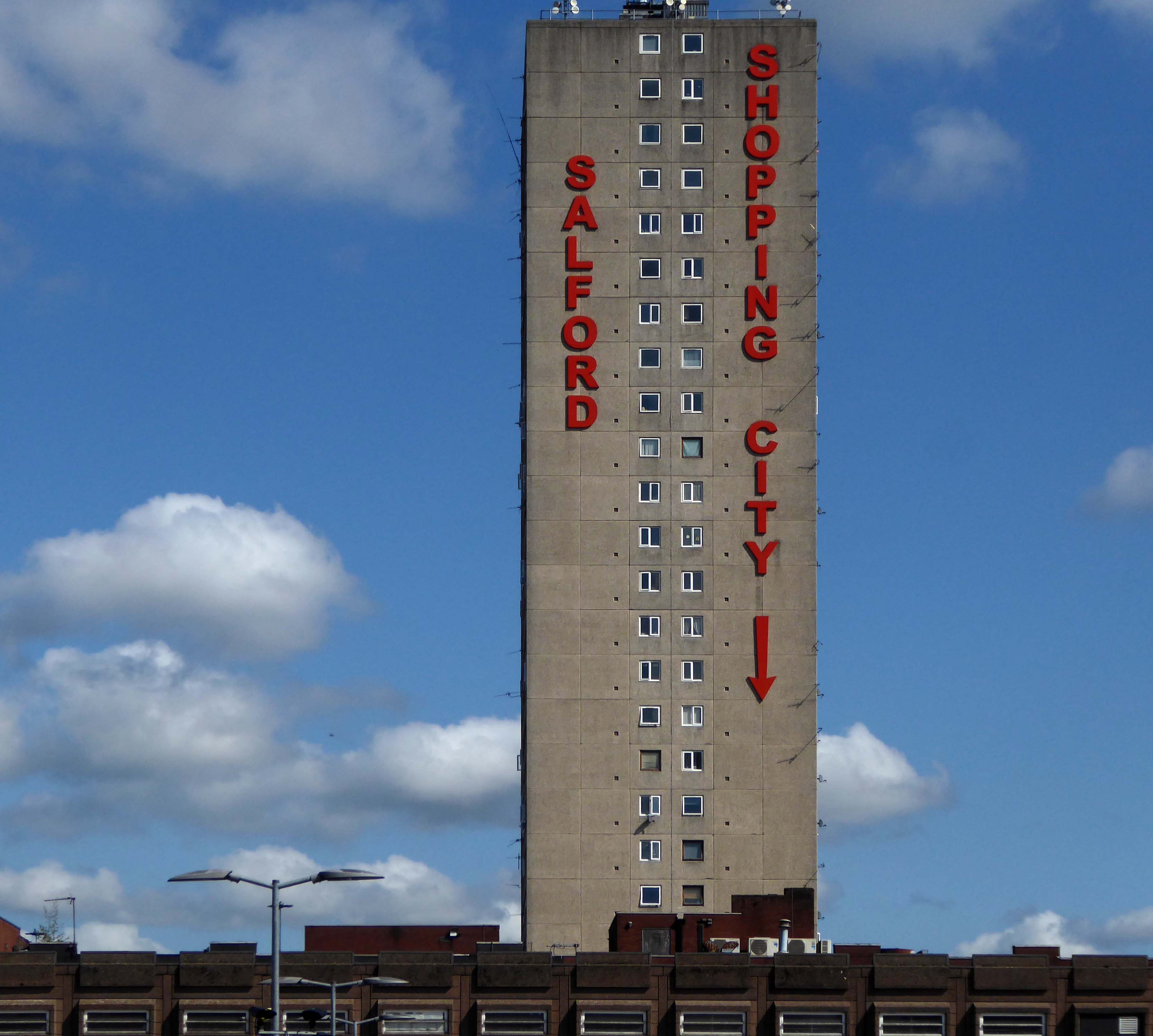
The architectural core of the site has been retained, including the 23 storey Briar Court residential tower.
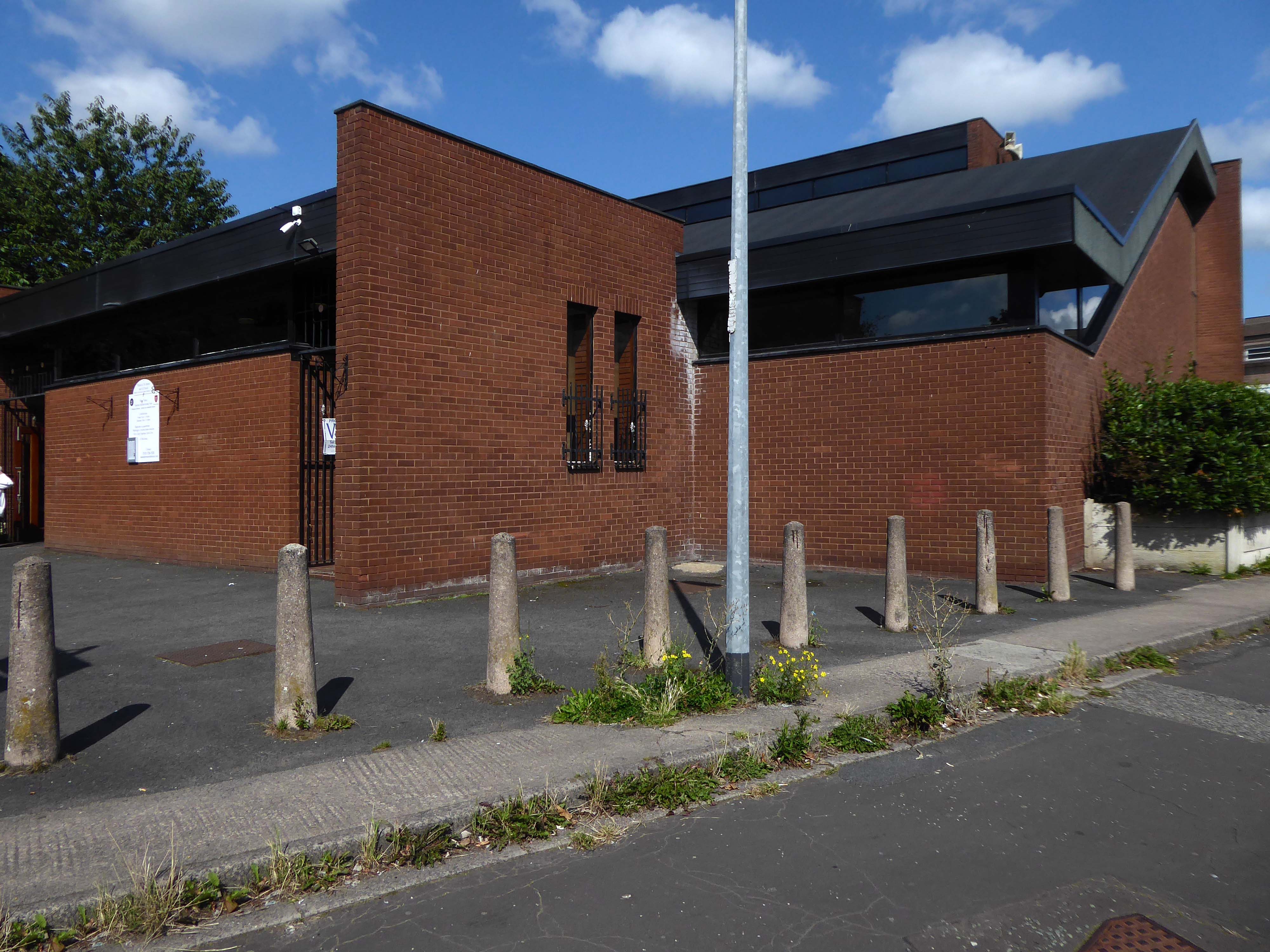
Tucked in behind is Mother of God and St James RC Church.
Clearances took place from the middle of the twentieth century and new high-rise housing blocks were built, as well as a shopping centre.
There was a Catholic presence in the area from 1854, when schools were built. What was described in The Tablet as a beautiful church, an Early English Gothic design by M. Tijou – presumably Herbert Tijou, architect of the chapel to Loreto College, Manchester, was opened by Cardinal Manning, Archbishop of Westminster in 1875.
One hundred years later this church was demolished and replaced by the present building.
The architects were Desmond Williams & Associates, the design bearing some similarity to their St Sebastian, Salford. In 2010 the church of All Souls, Weaste, was closed, and the marble sanctuary furnishings brought to the church.
Description
All orientations given are liturgical. The church is steel framed with brick walls and a monopitch roof (originally covered with copper, now with felt). Bold brick forms create a presence, and the design is somewhat defensive, with few windows. The building is entered from a lower porch which forms a narthex. The slope of the roof and the stepped clerestory lighting create a striking impression inside, and full-height windows towards the east end incorporate stained glass figures said to have originated in the previous church. Marble sanctuary furnishings are presumably those from the church in Weaste and appear to be of later twentieth century date, while the font is of traditional type with a clustered stem and may have come from the earlier church.
Returning to The Crescent the High Street Estateis all but demolished, save for one resident and their row.
This is an area which has seen a succession of clearances, redevelopment and shifts in demographics during a relatively short and intense period of change.
That process of change continues to hastily unfold.
It’s addictive passing the no access signs, onwards into the abyss.
He hated all this, and somehow he couldn’t get away.
Joseph Conrad – Heart of Darkness
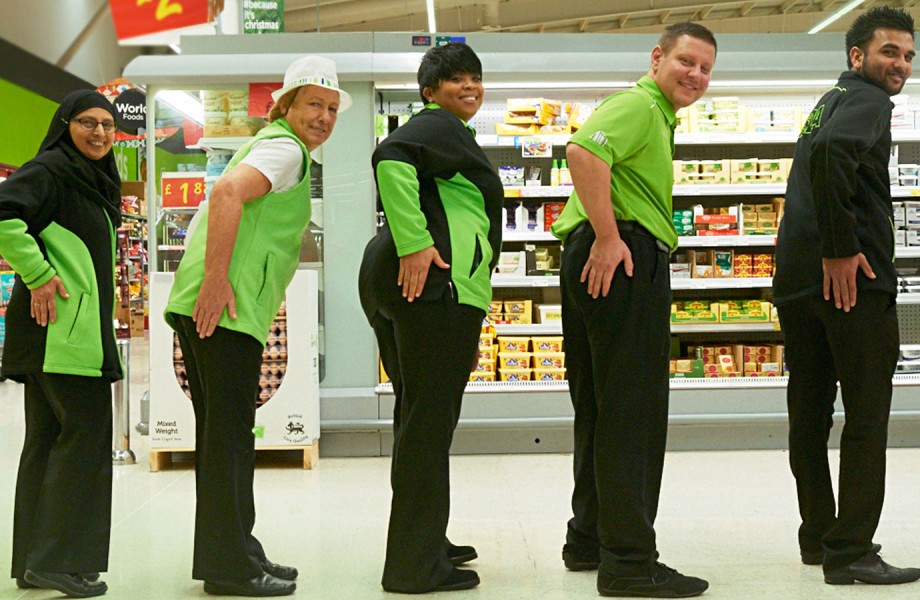
Asda Stores Ltd is a British supermarket chain. It is headquartered in Leeds. The company was founded in 1949 when the Asquith family merged their retail business with the Associated Dairies company of Yorkshire.
It was listed on the London Stock Exchange until 1999 when it was acquired by Walmart for £6.7 billion.
In February 2021, EG Group – led by the Issa brothers and TDR Capital, acquired Asda.
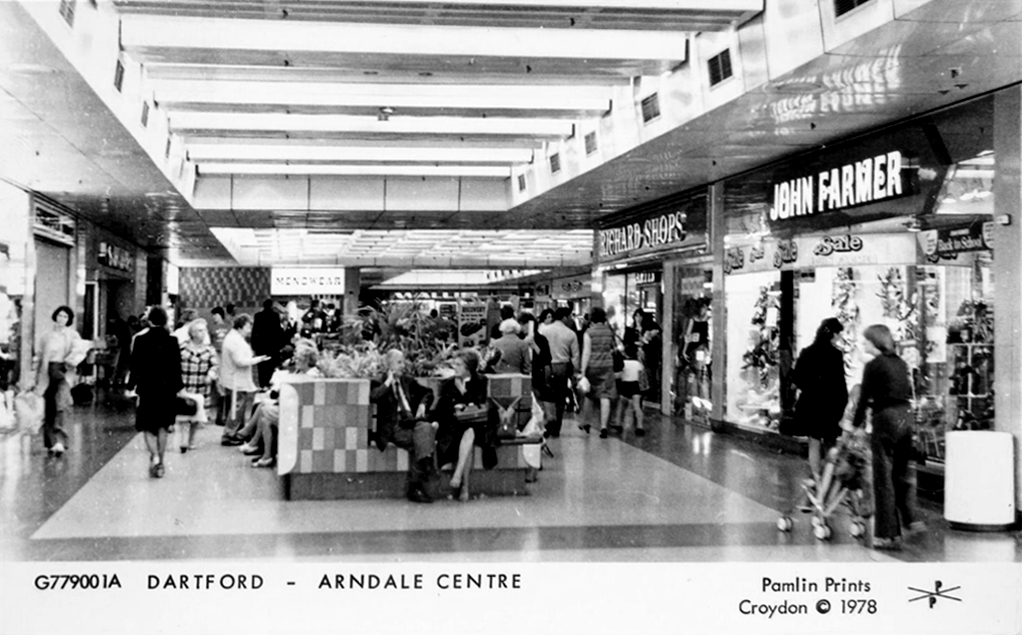
The company was fined £850,000 in 2006 for offering 340 staff at a Dartford depot a pay rise in return for giving up a union collective bargaining agreement. Poor relations continued as Asda management attempted to introduce new rights and working practices shortly thereafter at another centre in Washington, Tyne and Wear.
Let’s hope that the new owners having been ruled against in an equal pay dispute, attempt to forge better labour relations.
In March 2021 the employees won a Supreme Court ruling upholding an earlier court ruling permitting the action, and enabling employment tribunal action to decide equal value claims.
Asda stated: This ruling relates to one stage of a complex case that is likely to take several years to reach a conclusion.
The claim could lead to about £500 million of compensation to lower paid employees.
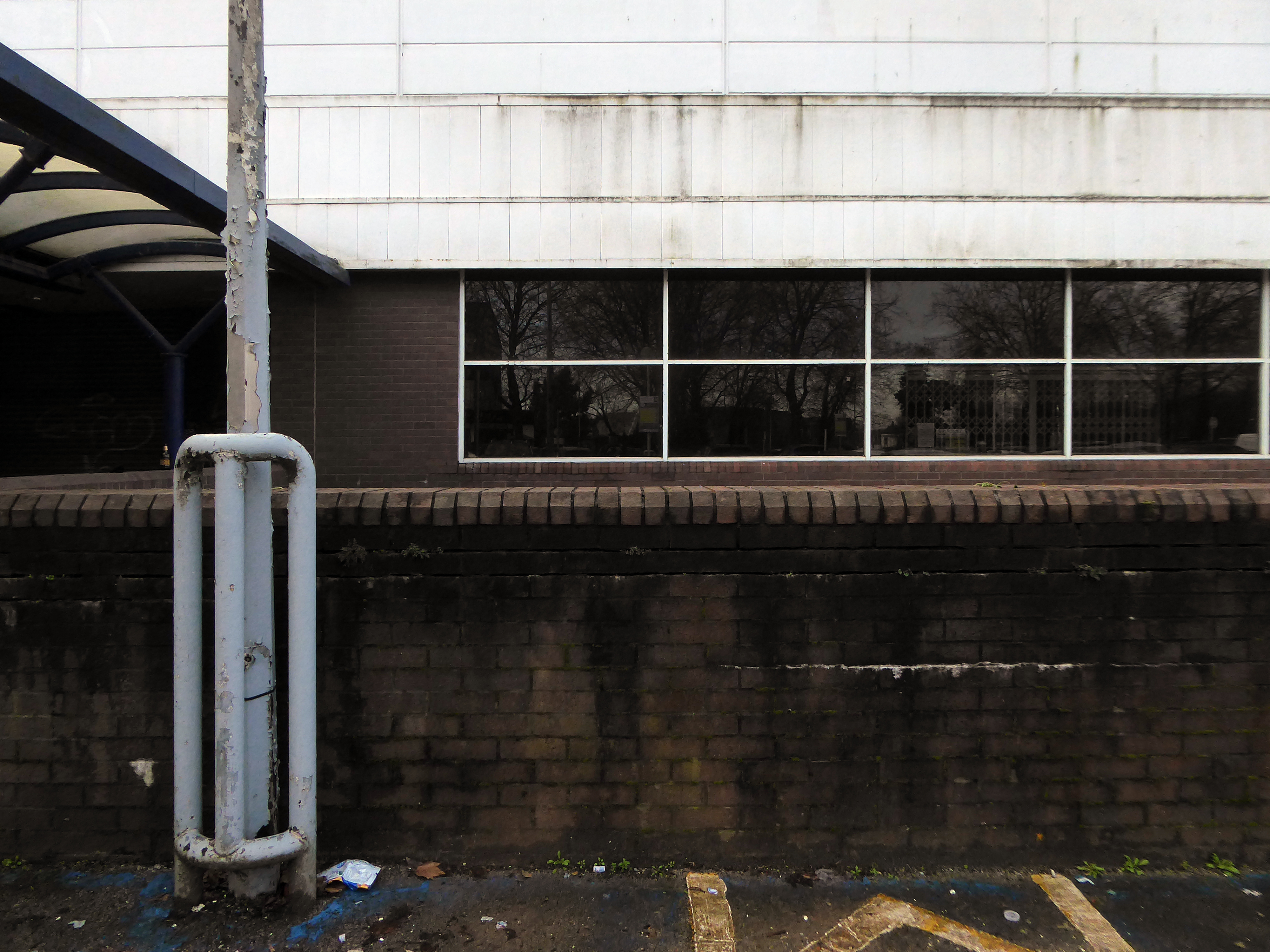
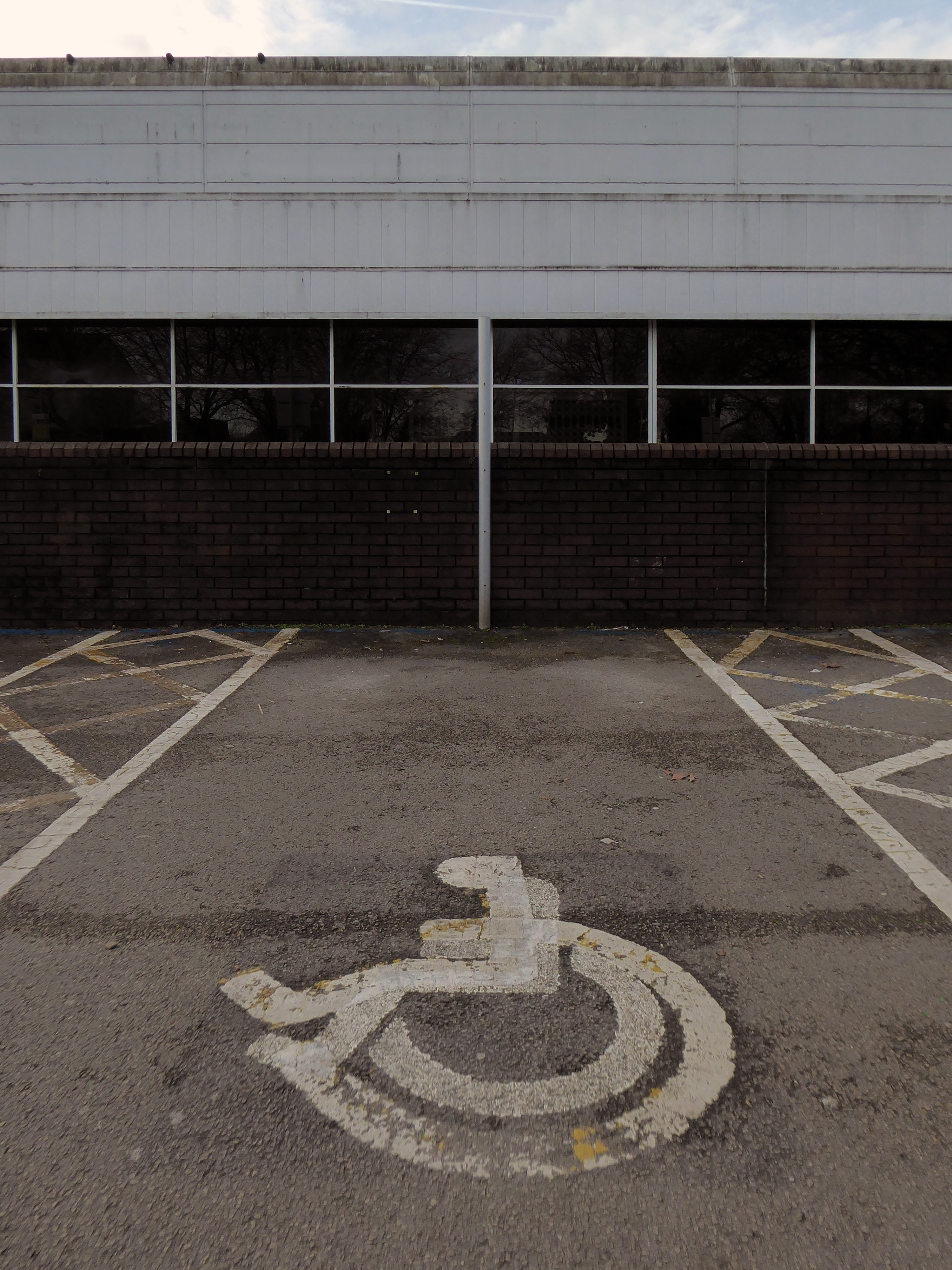
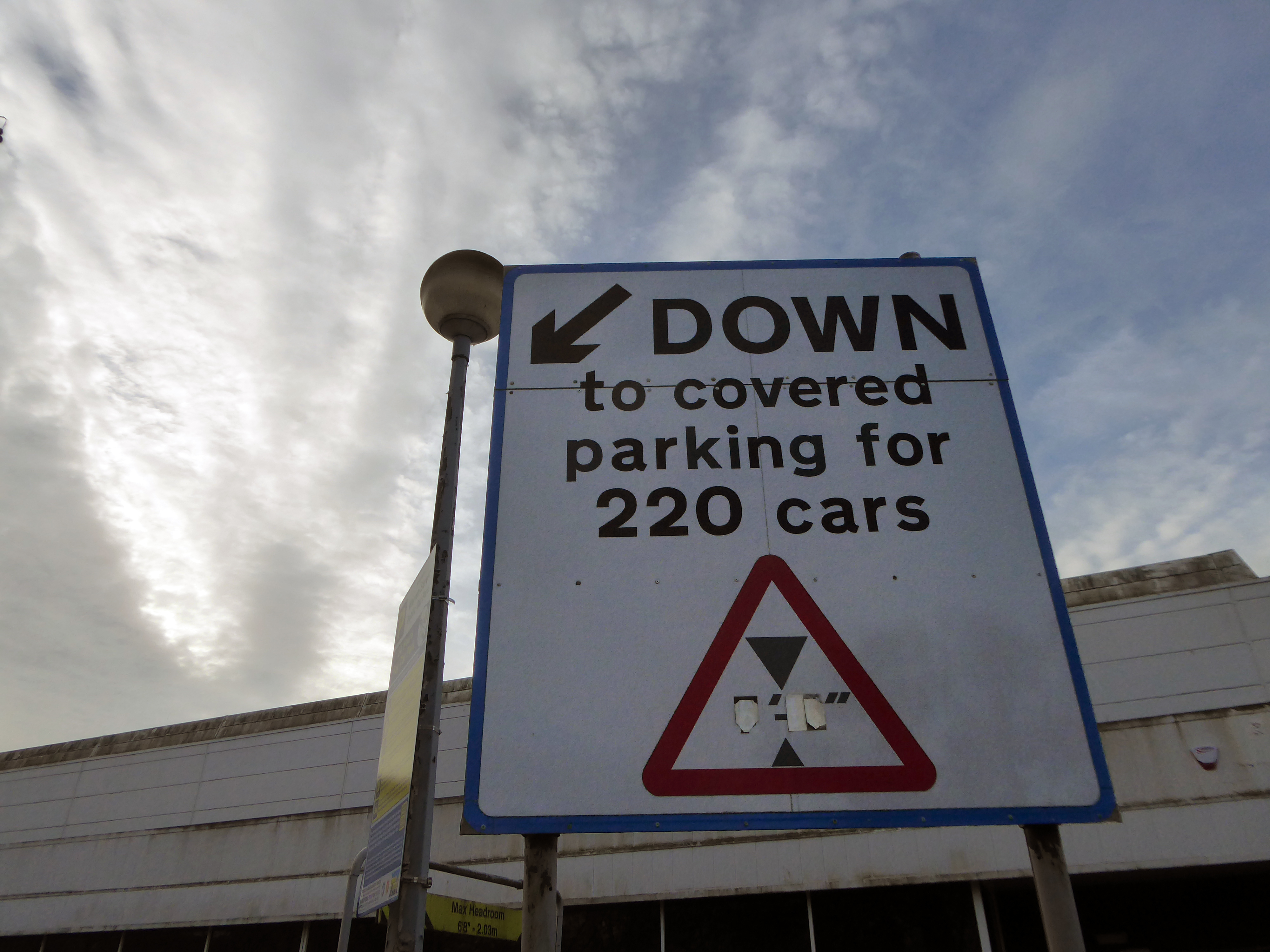
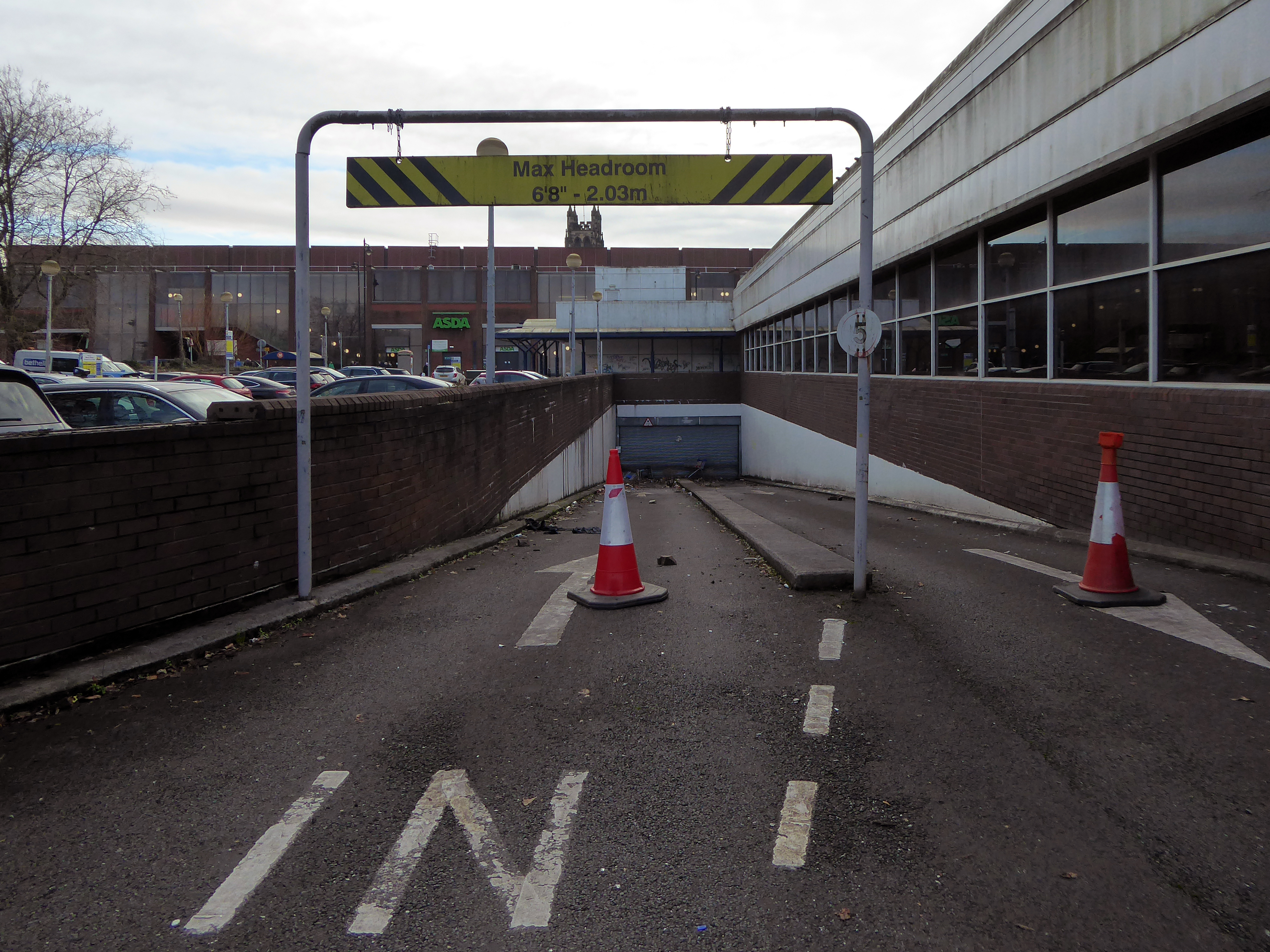
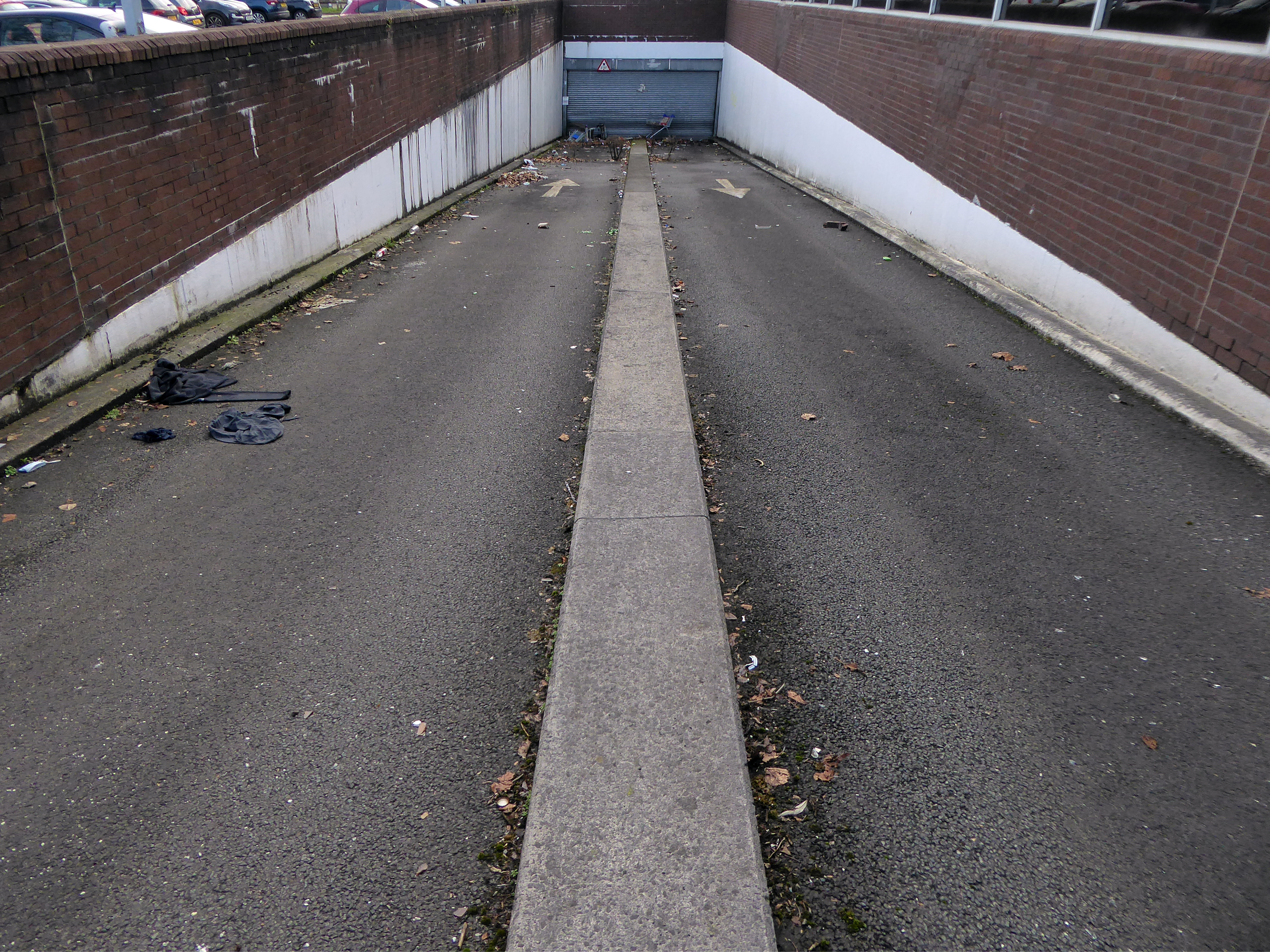
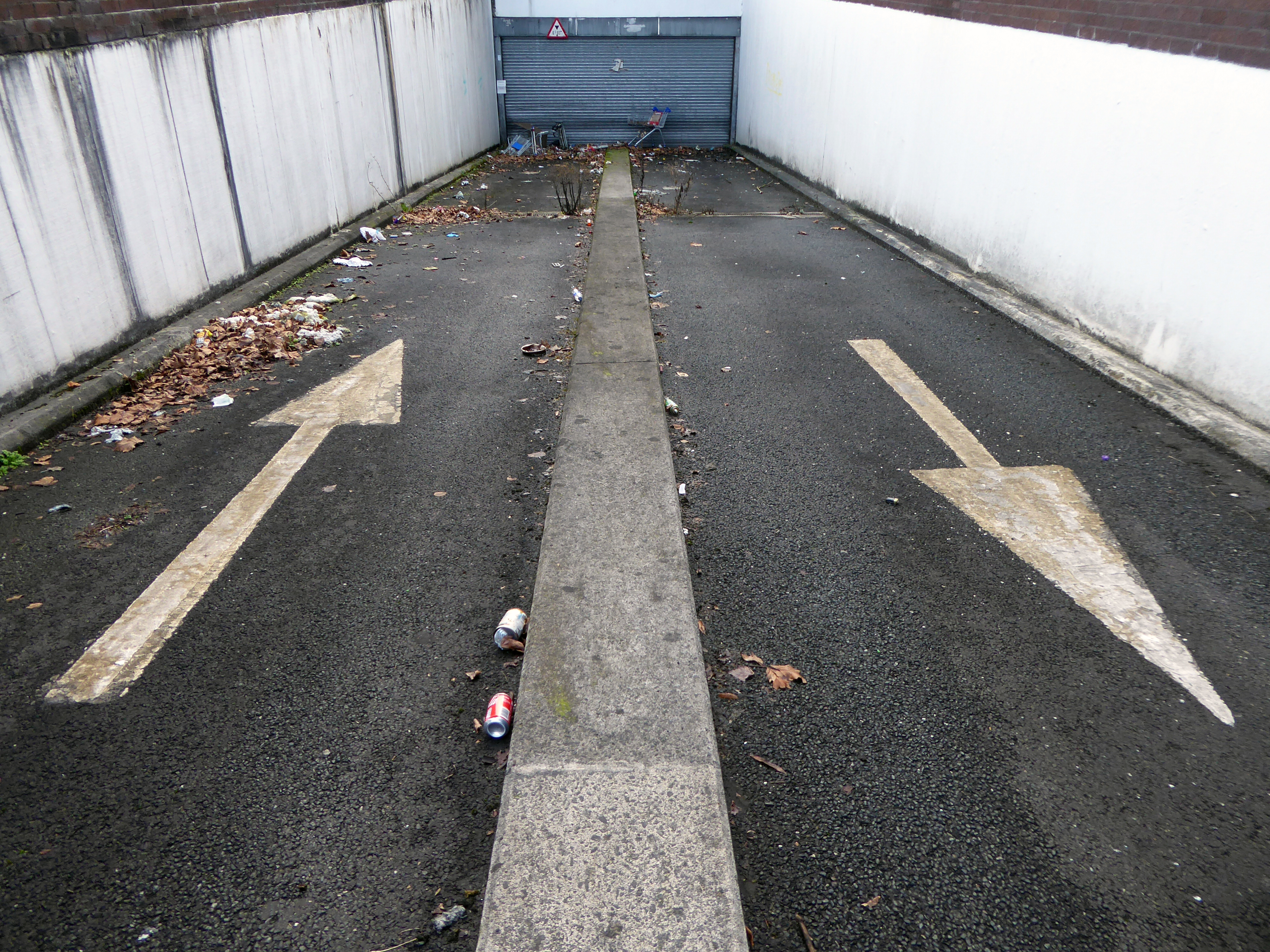
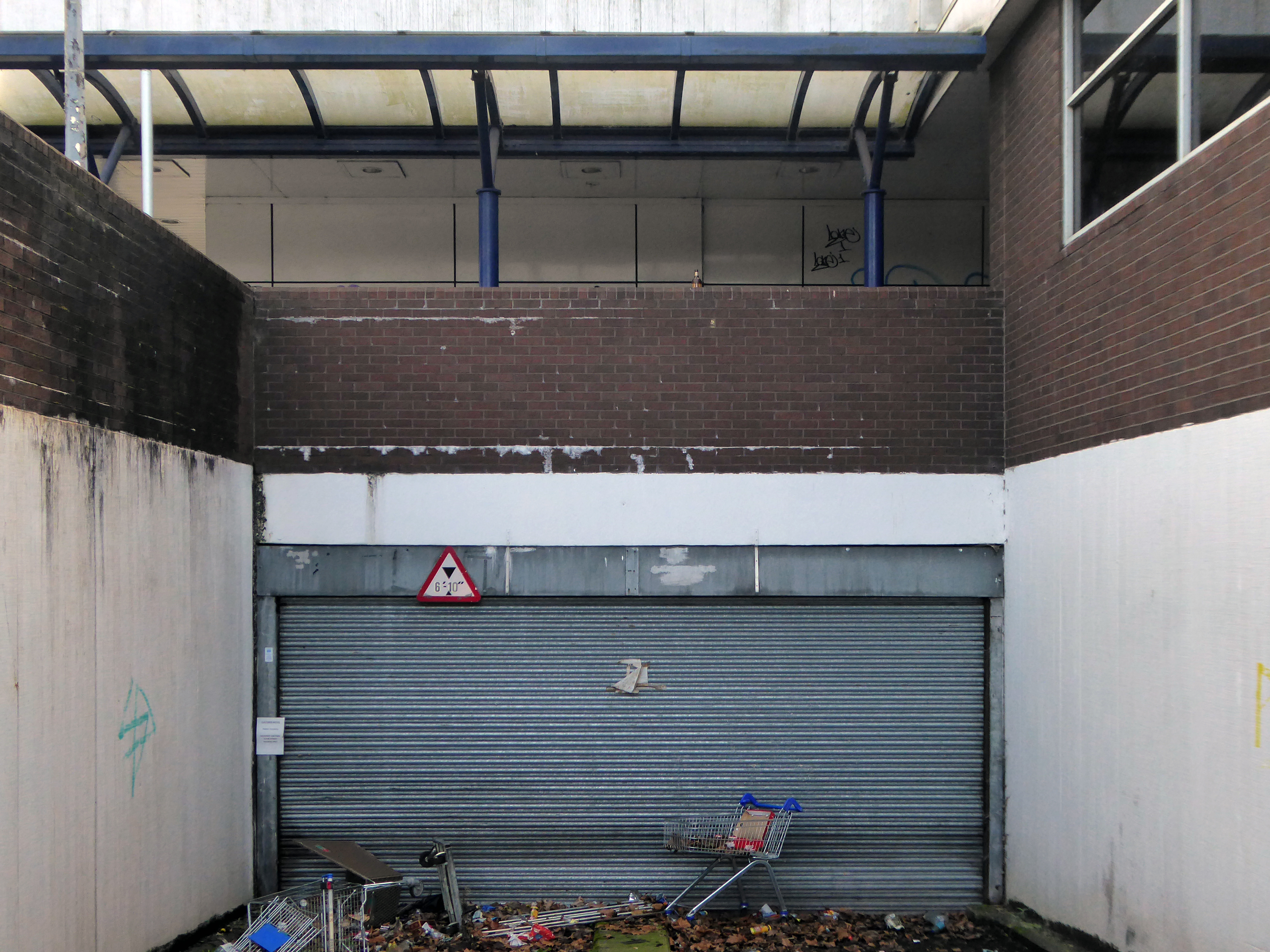
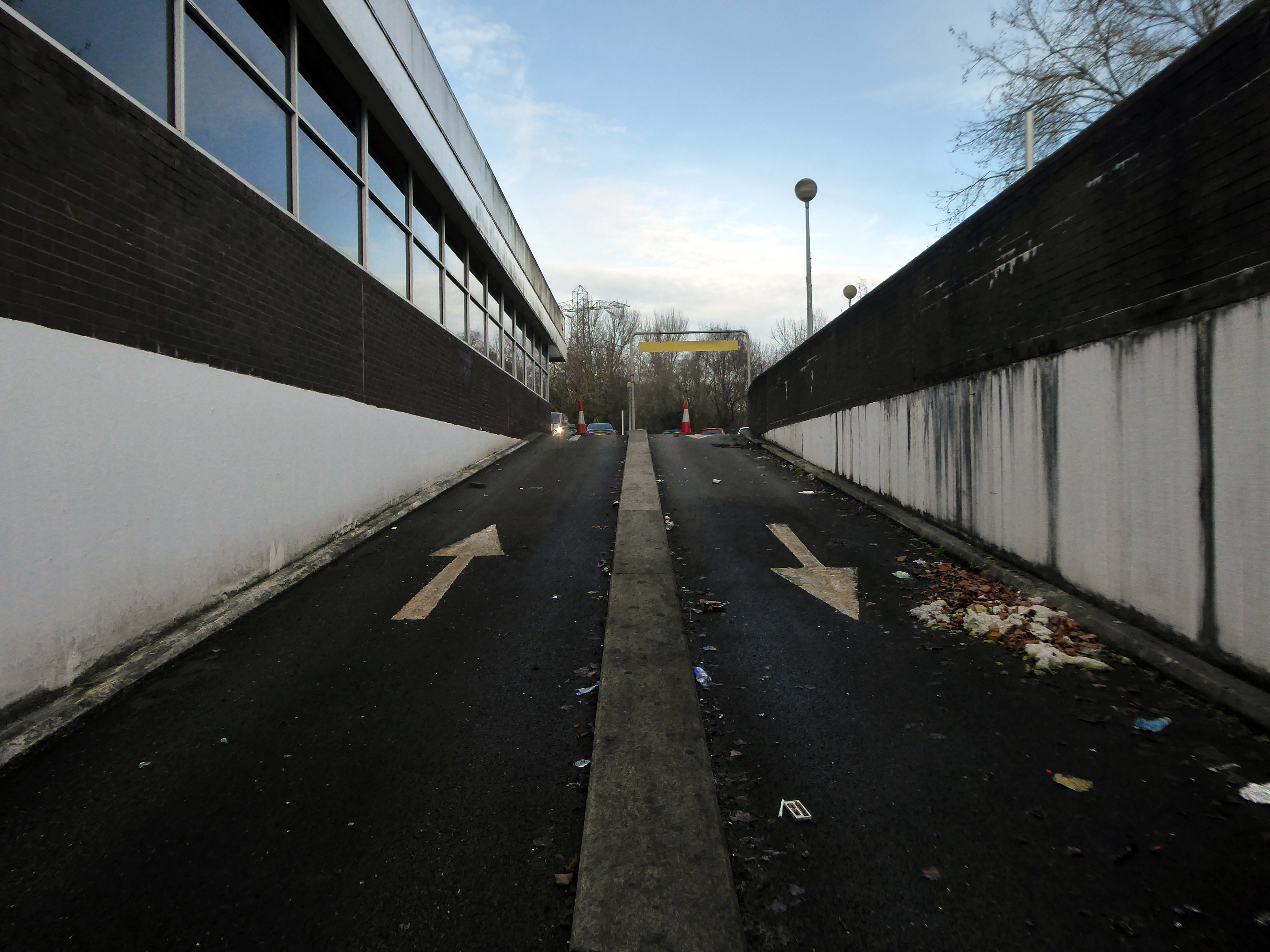
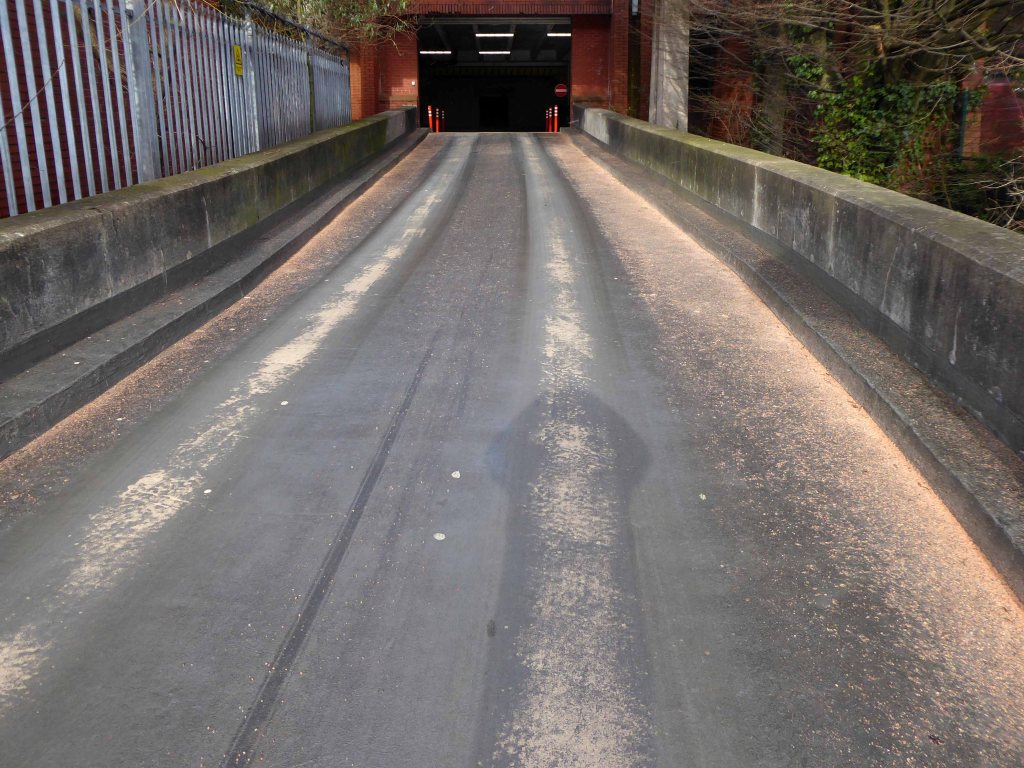
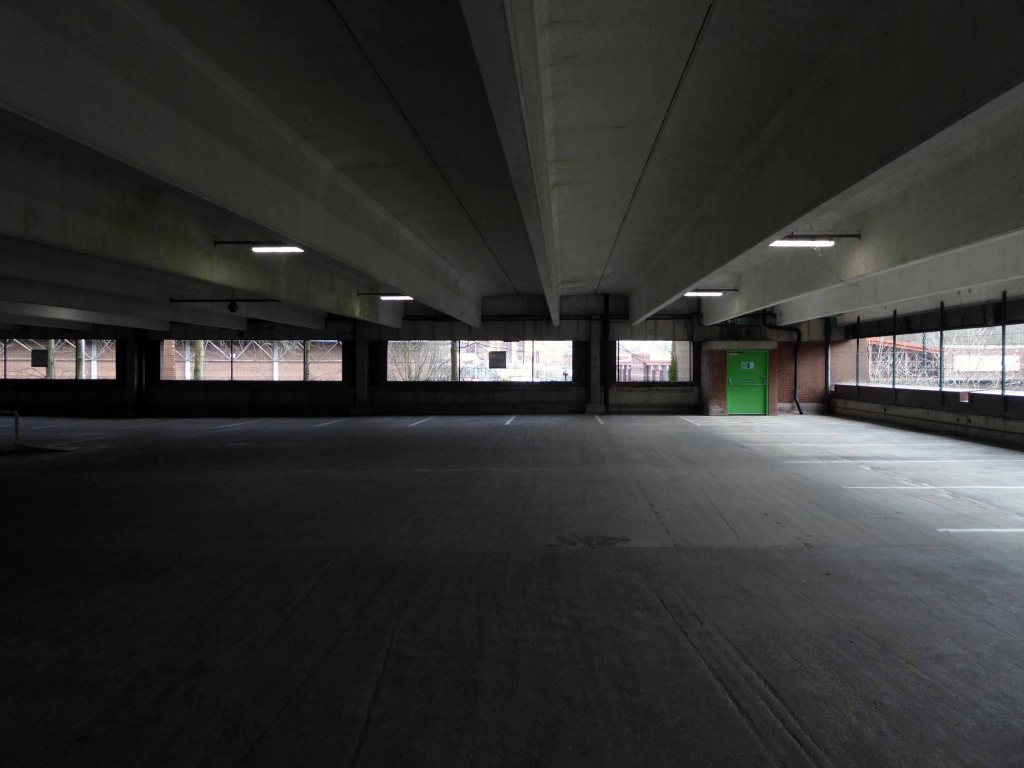
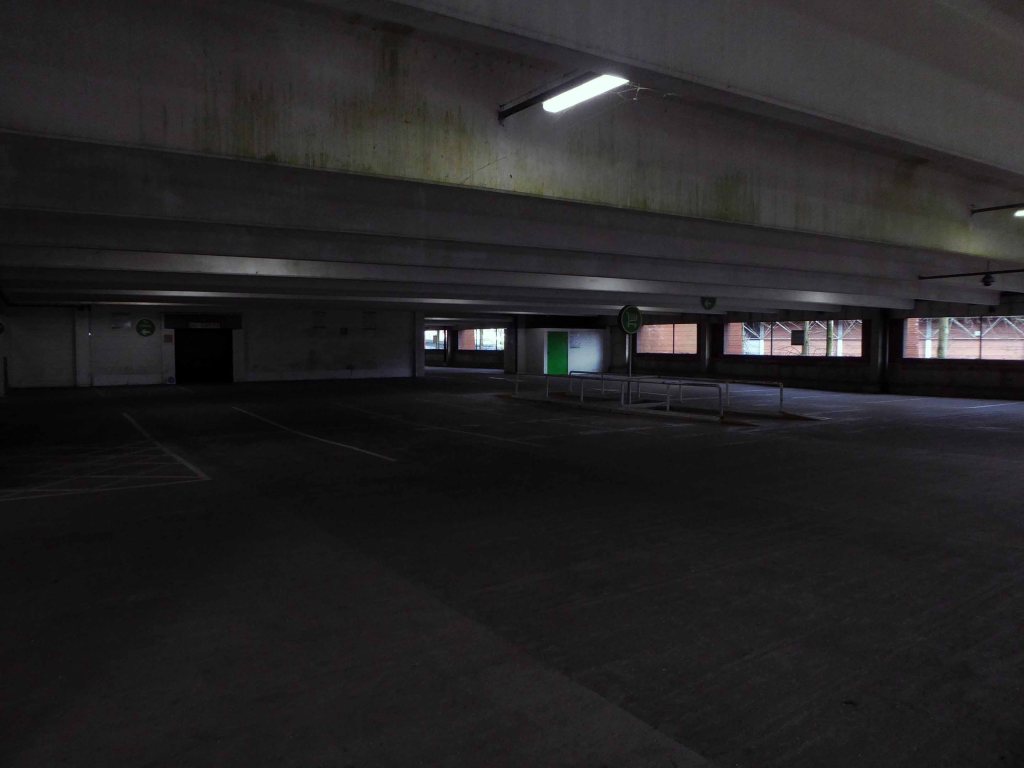
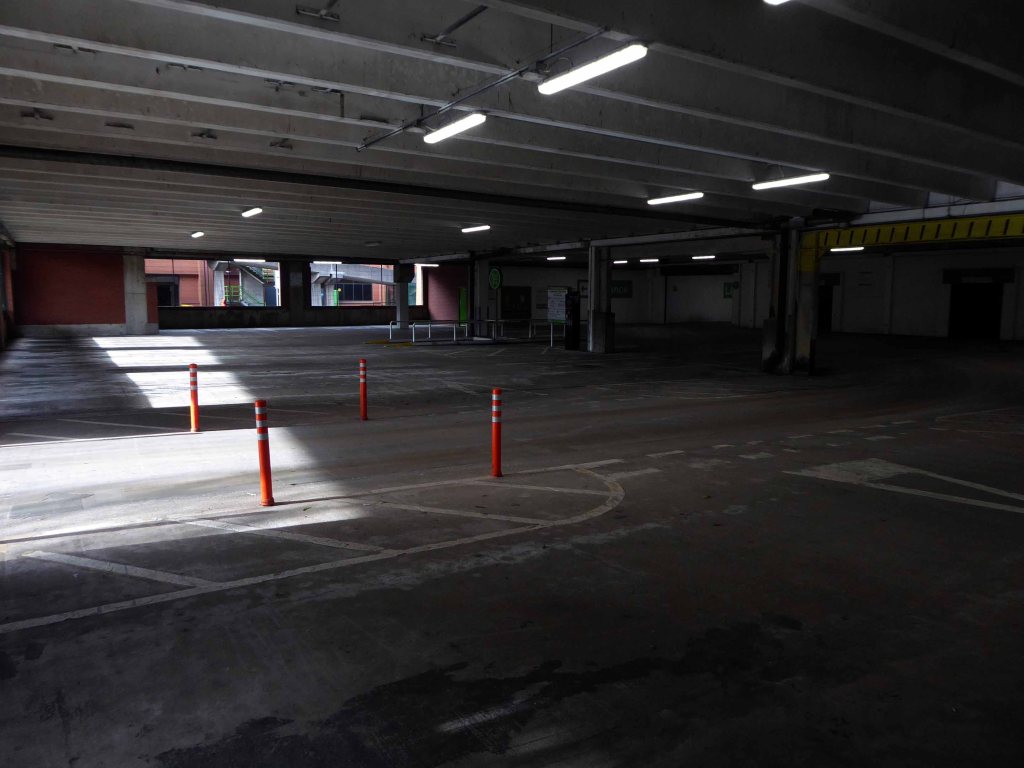
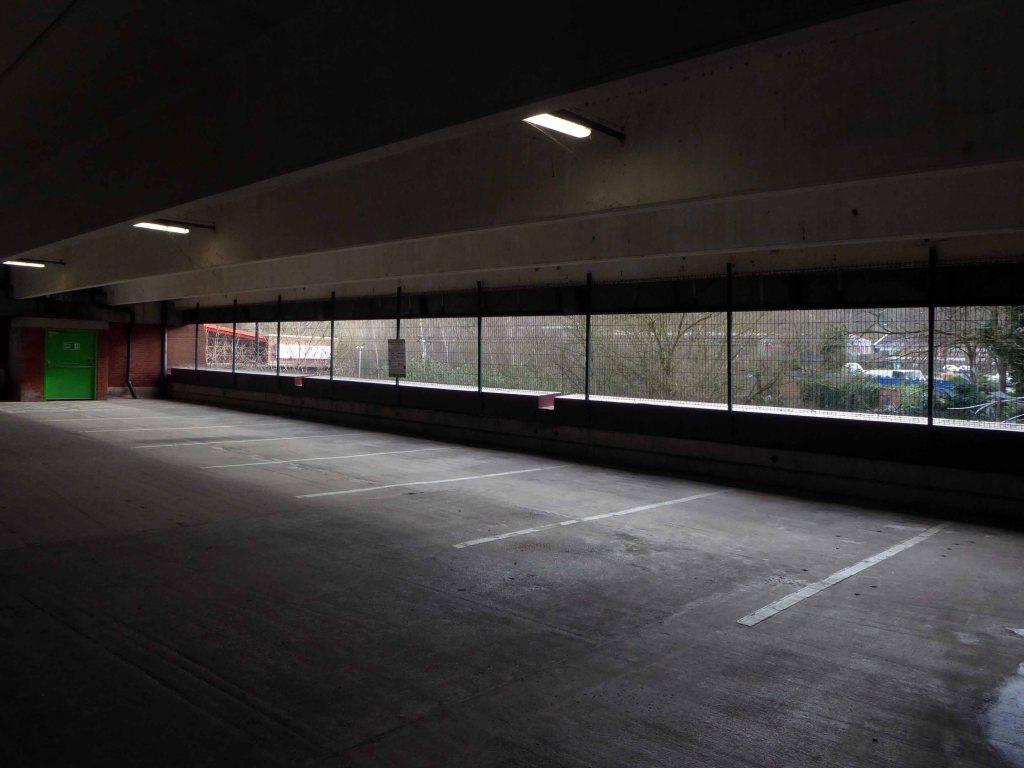
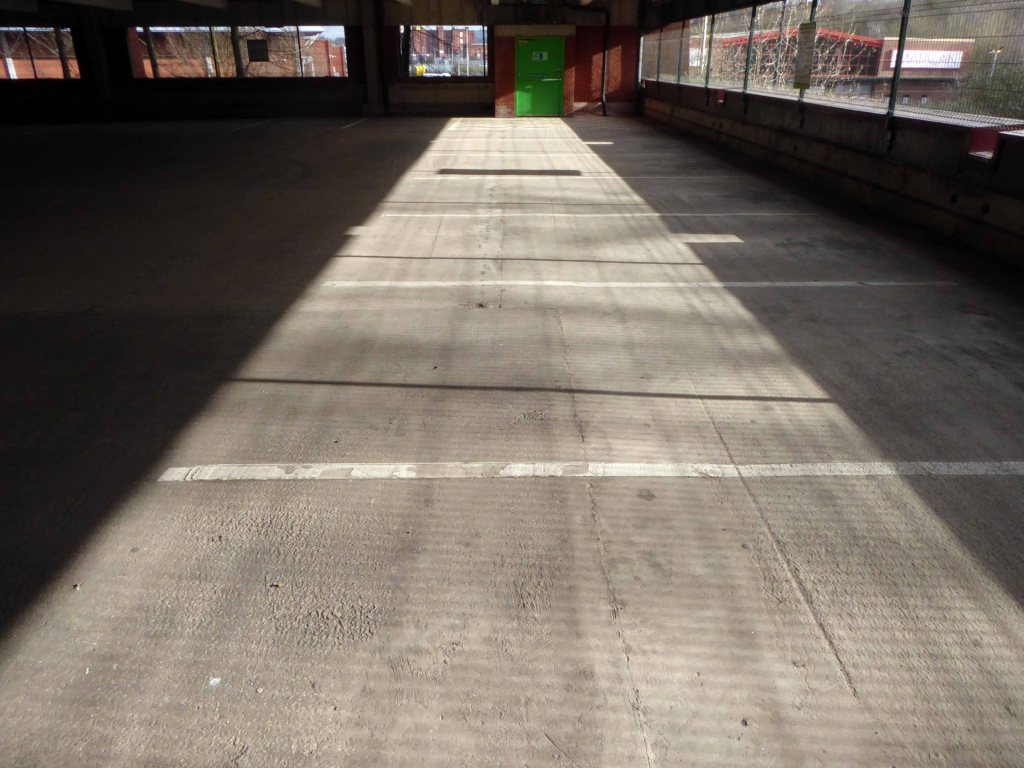
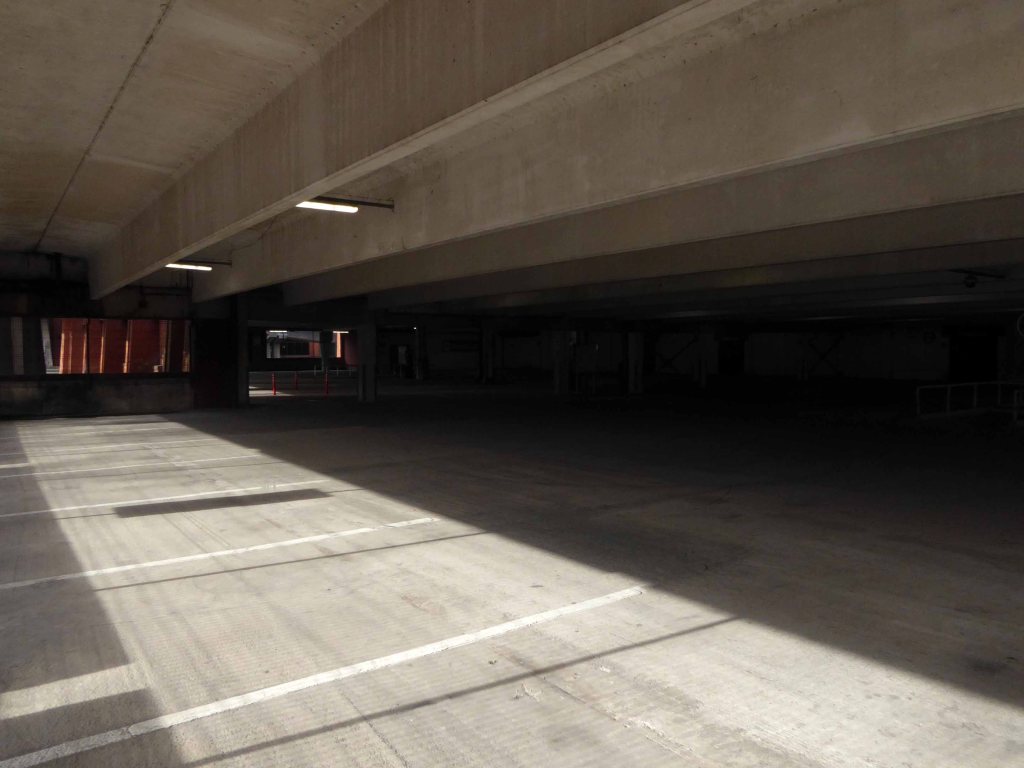
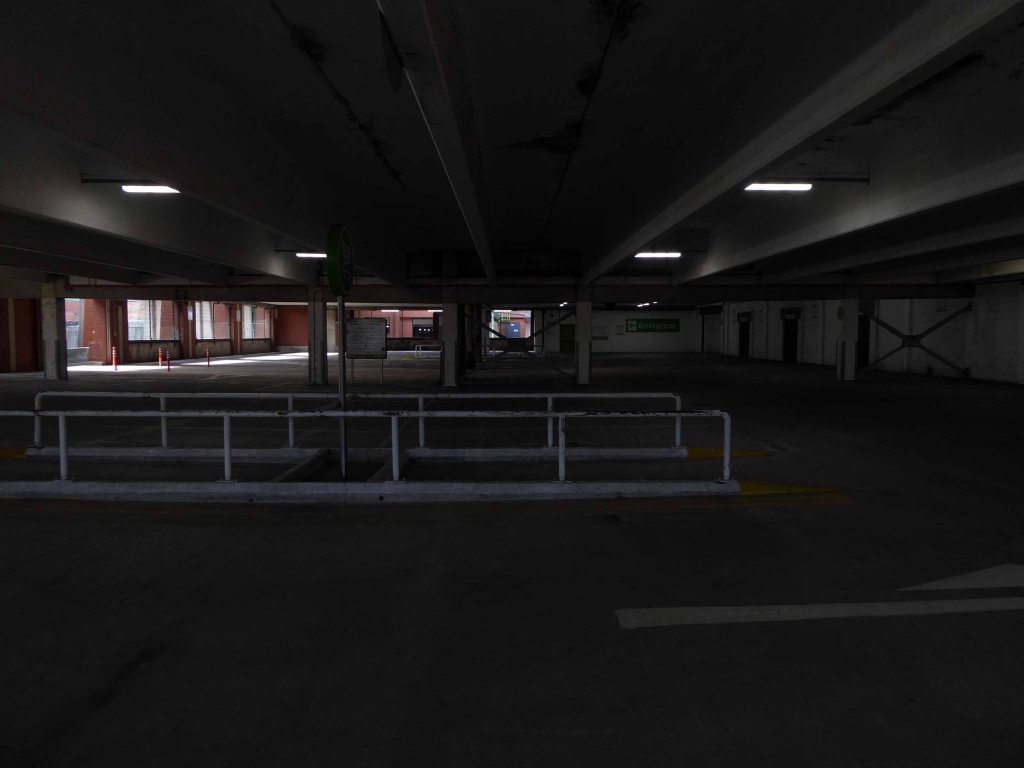
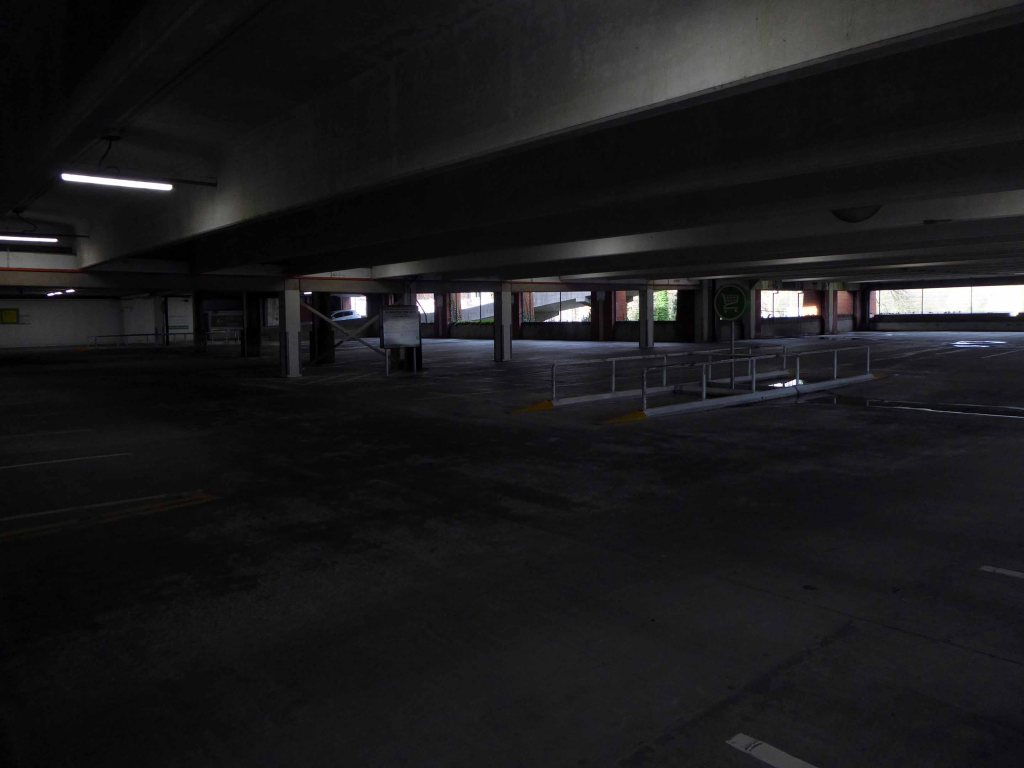
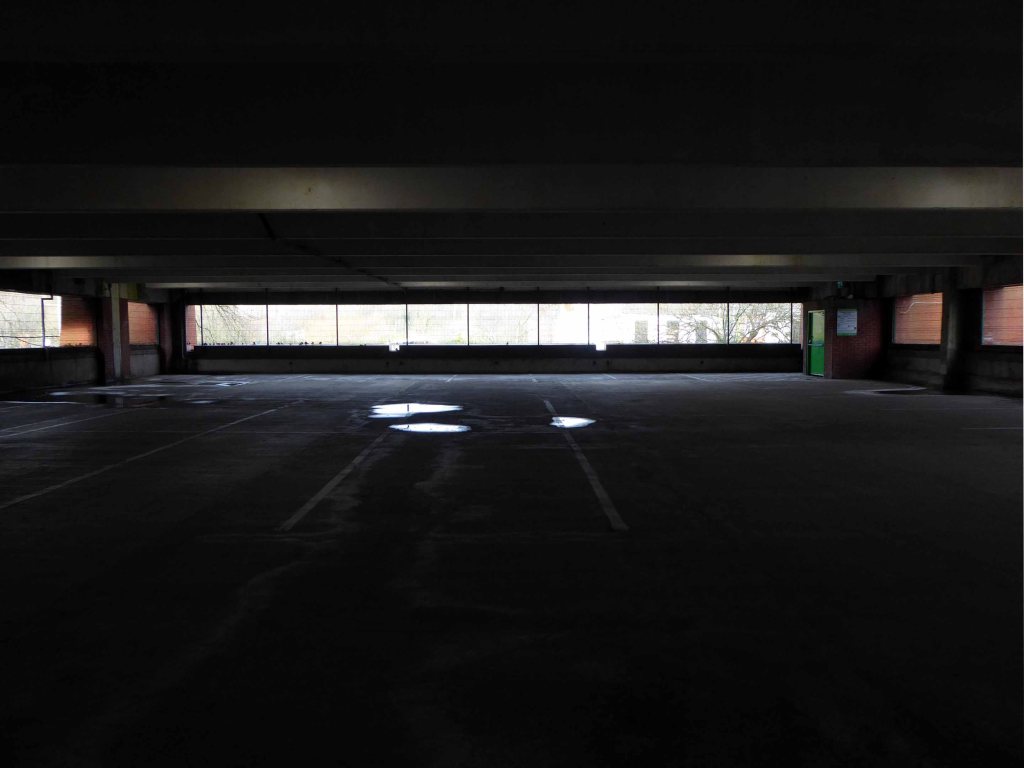
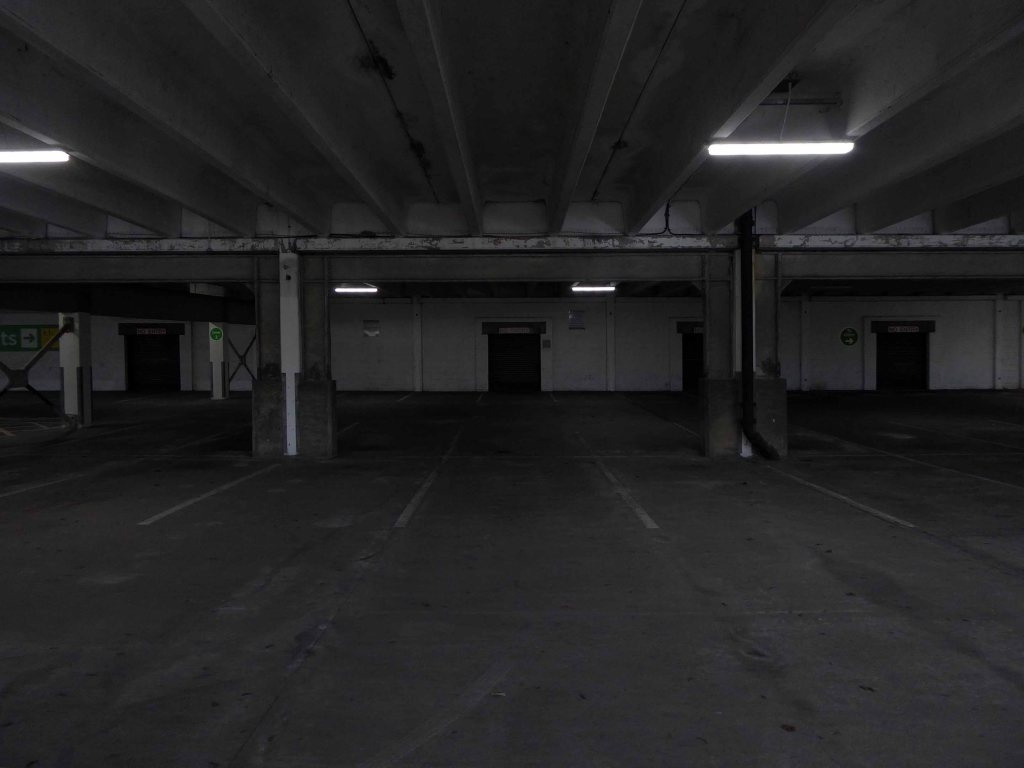
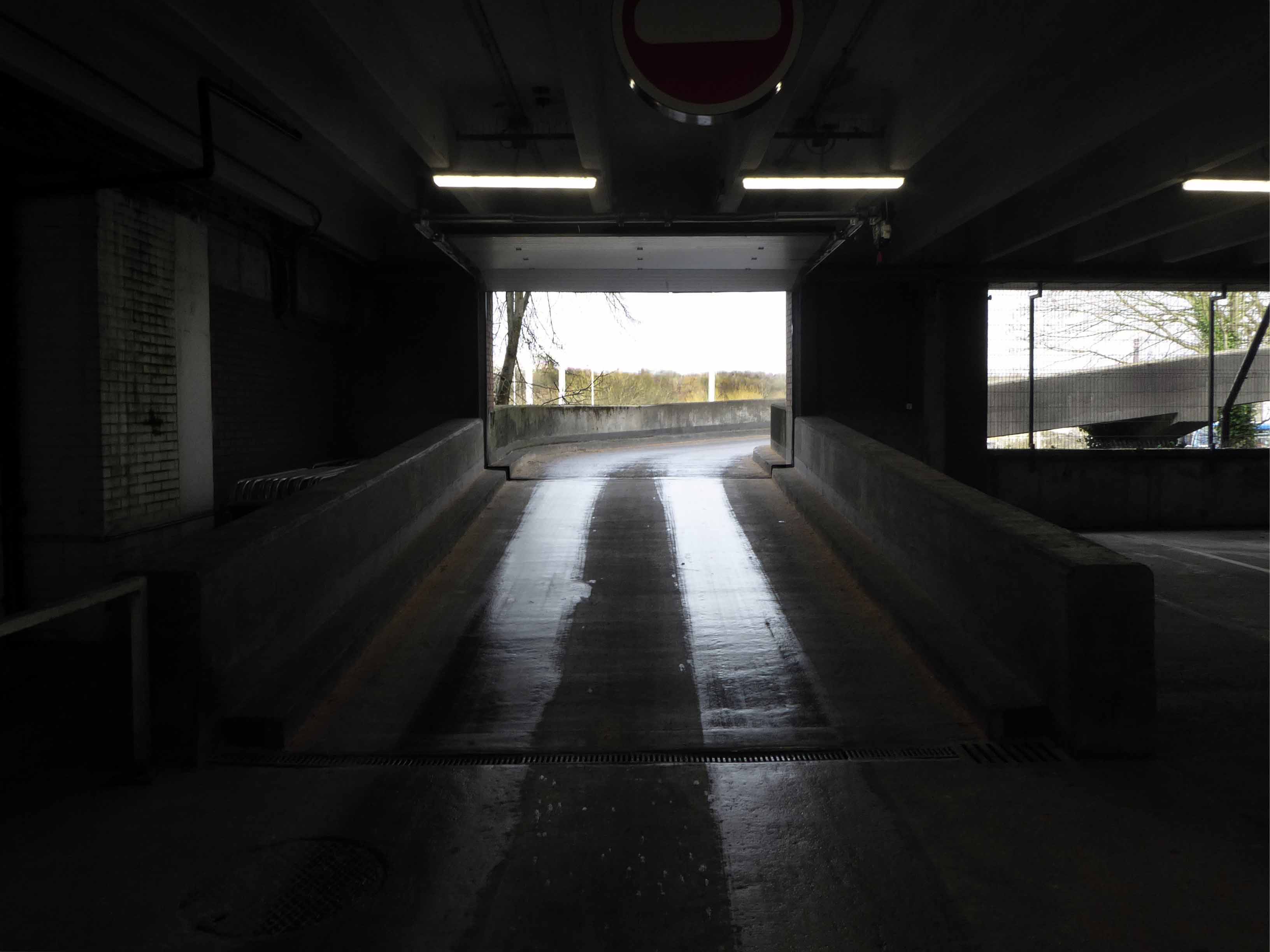
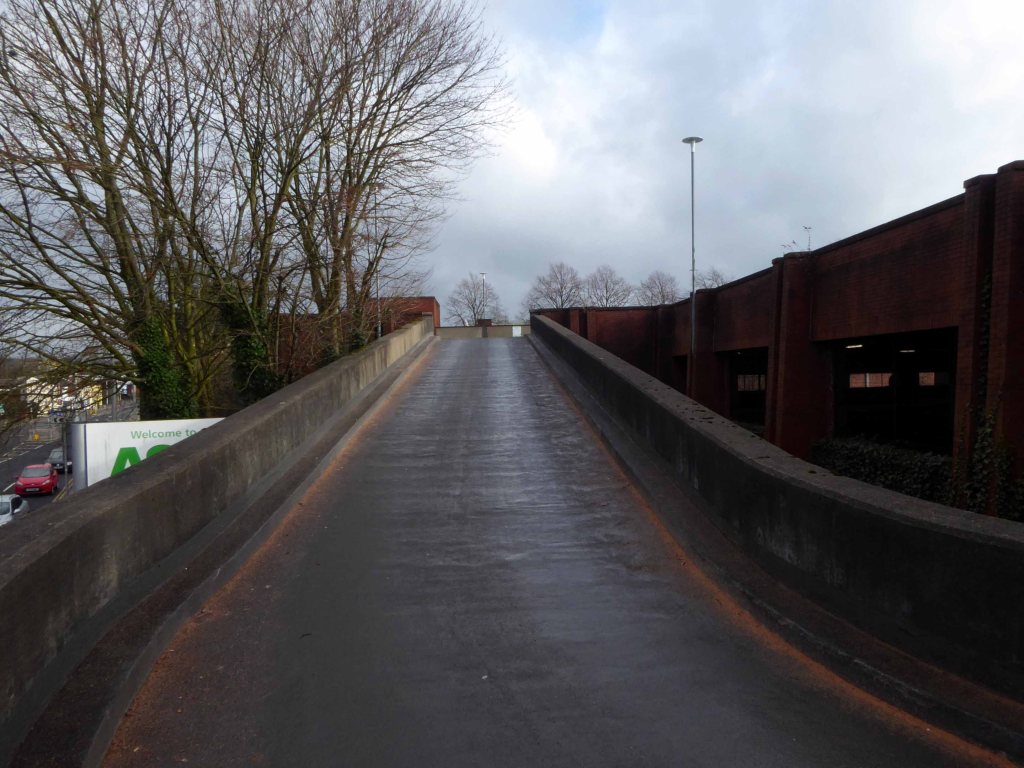
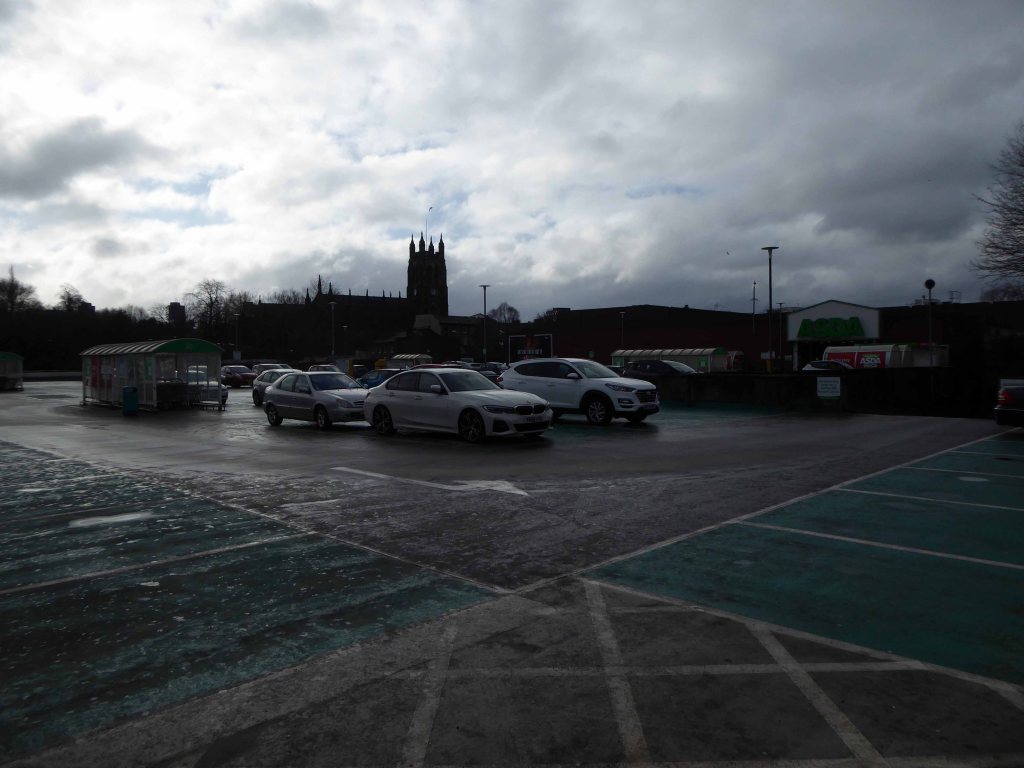
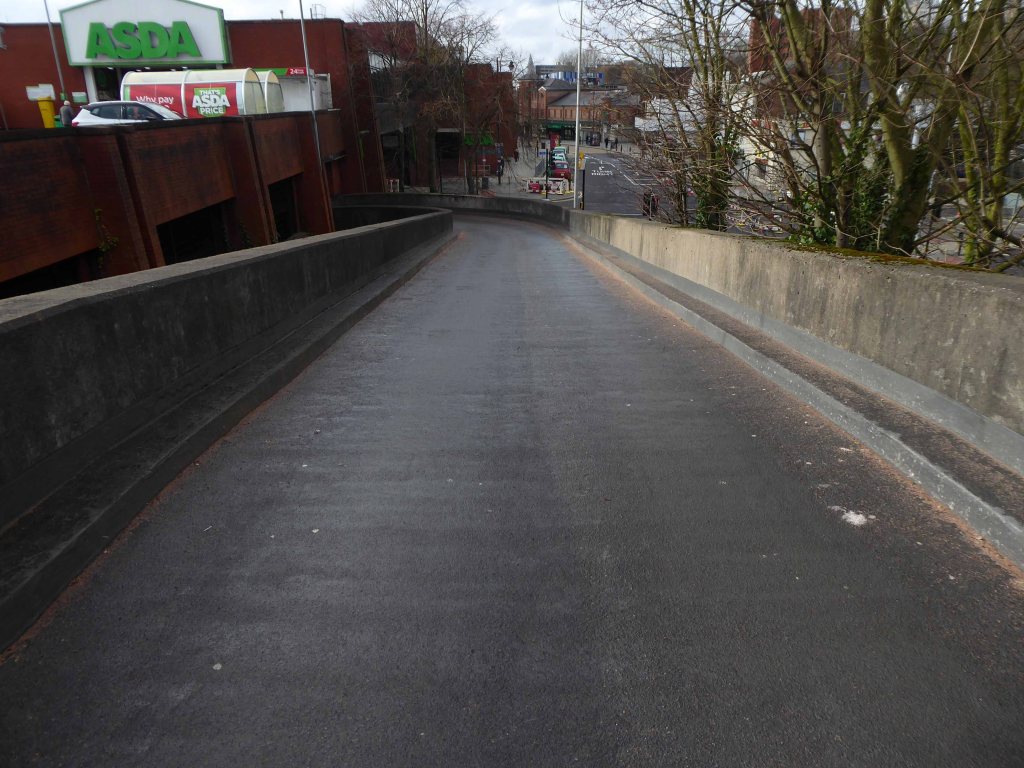
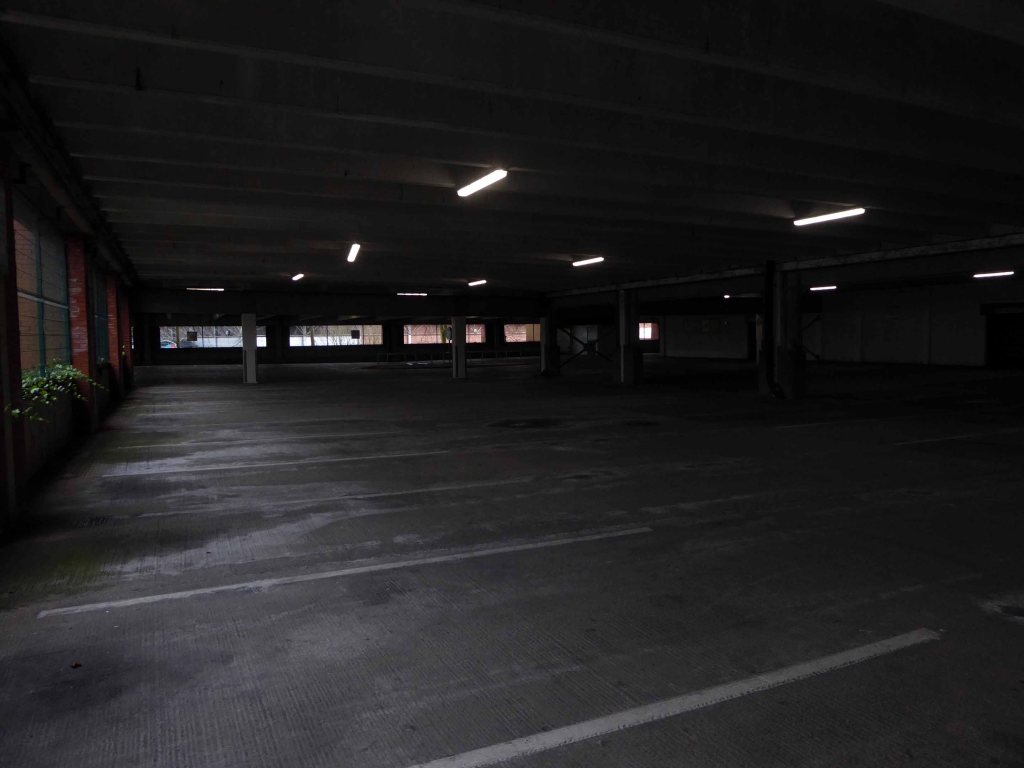
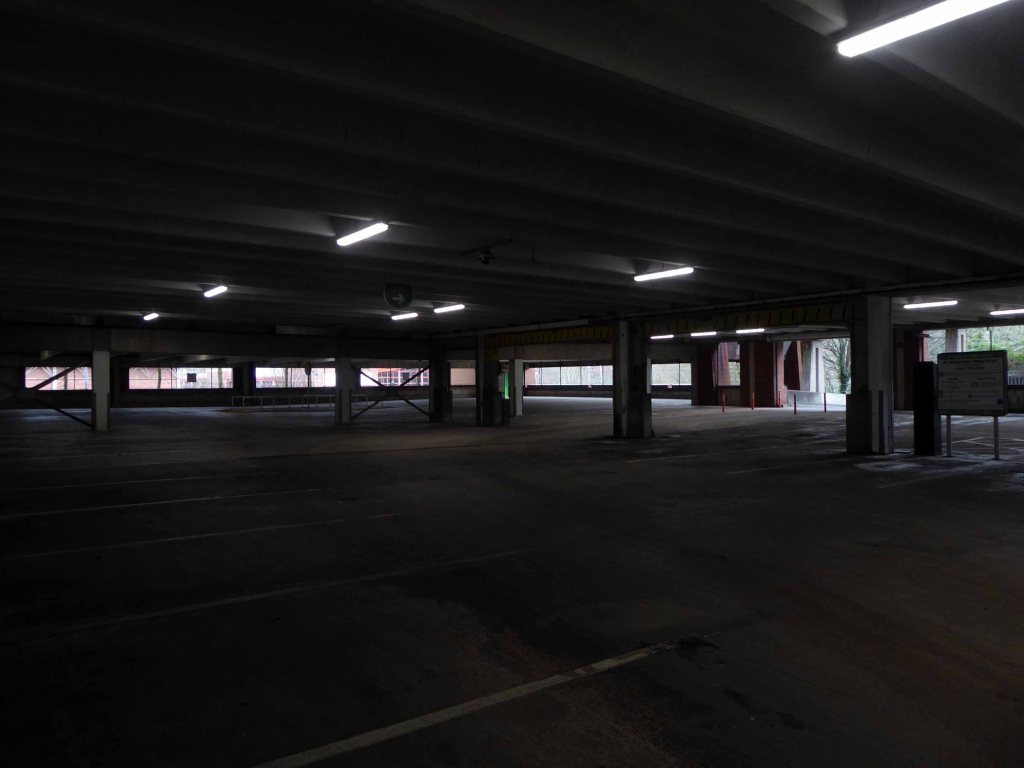
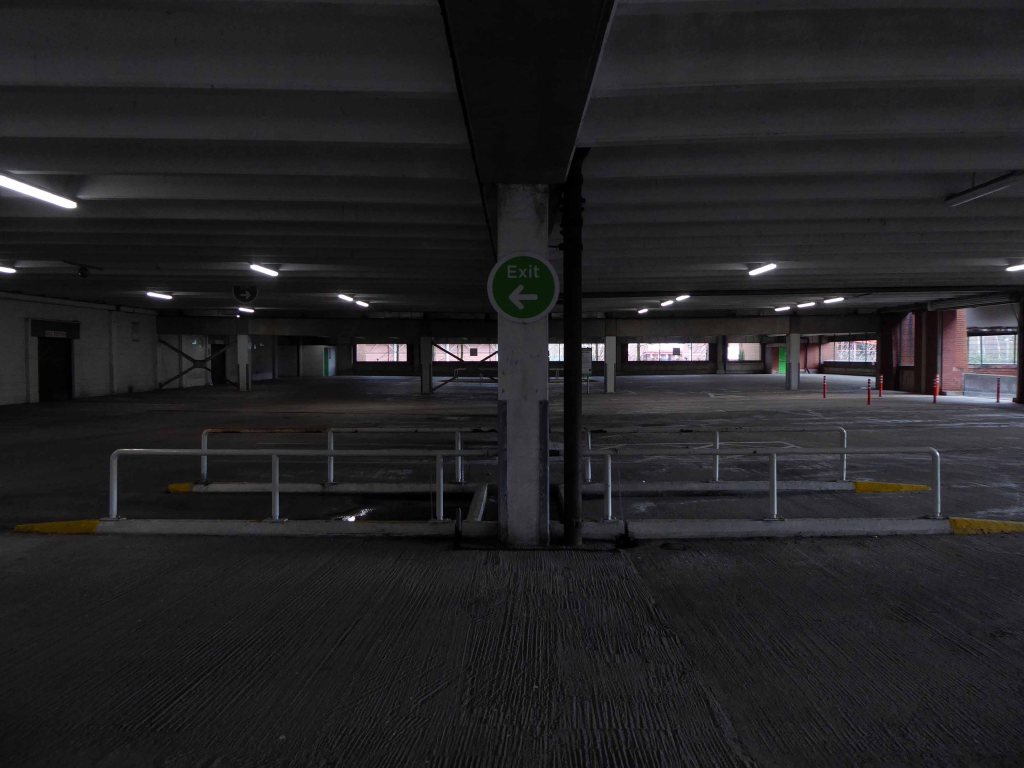
All that aside, let’s have a look at what the car park is like.
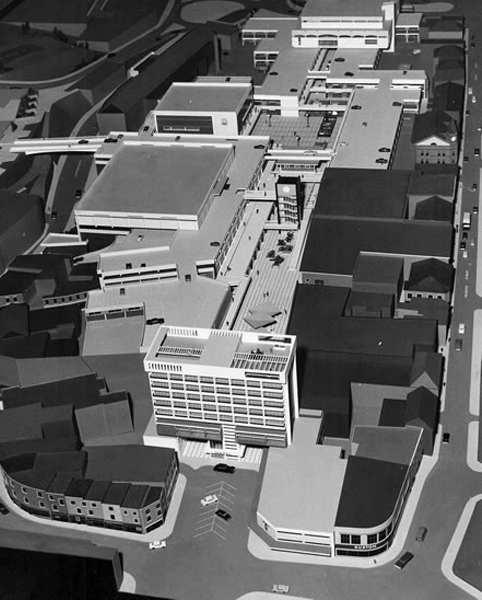
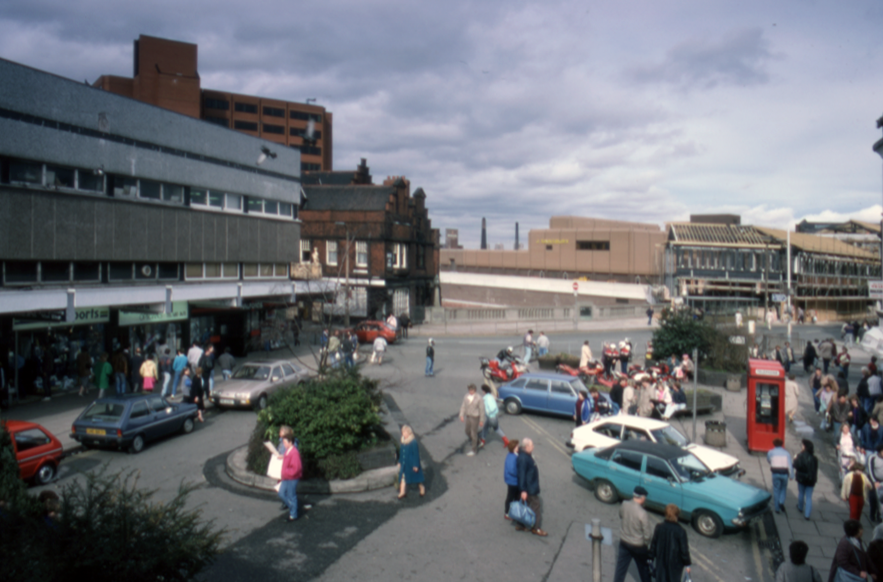
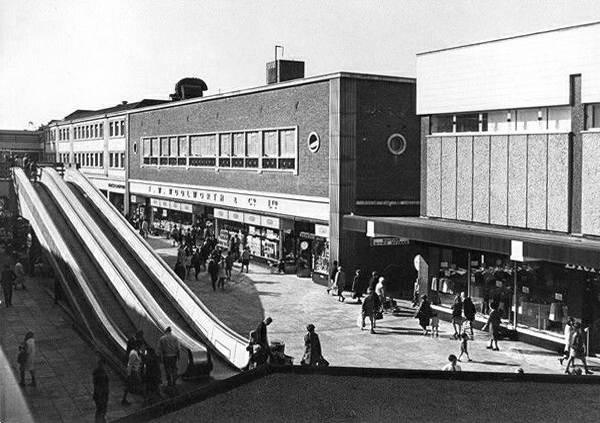
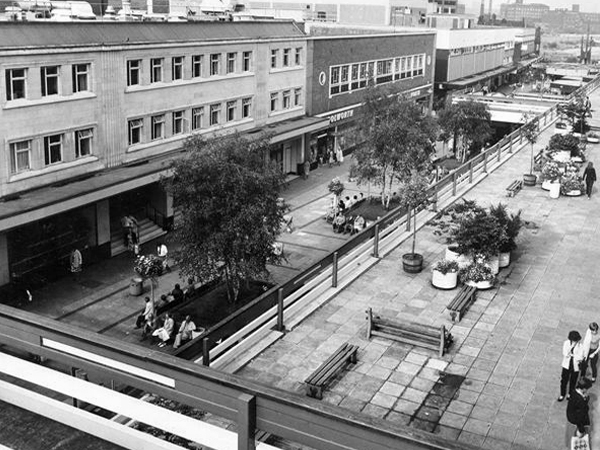
You were conceived as an integral part of the Merseyway development, which on its inception, was held in the highest regard.
Innovative architecture with confidence, integrity and a clear sense of purpose.
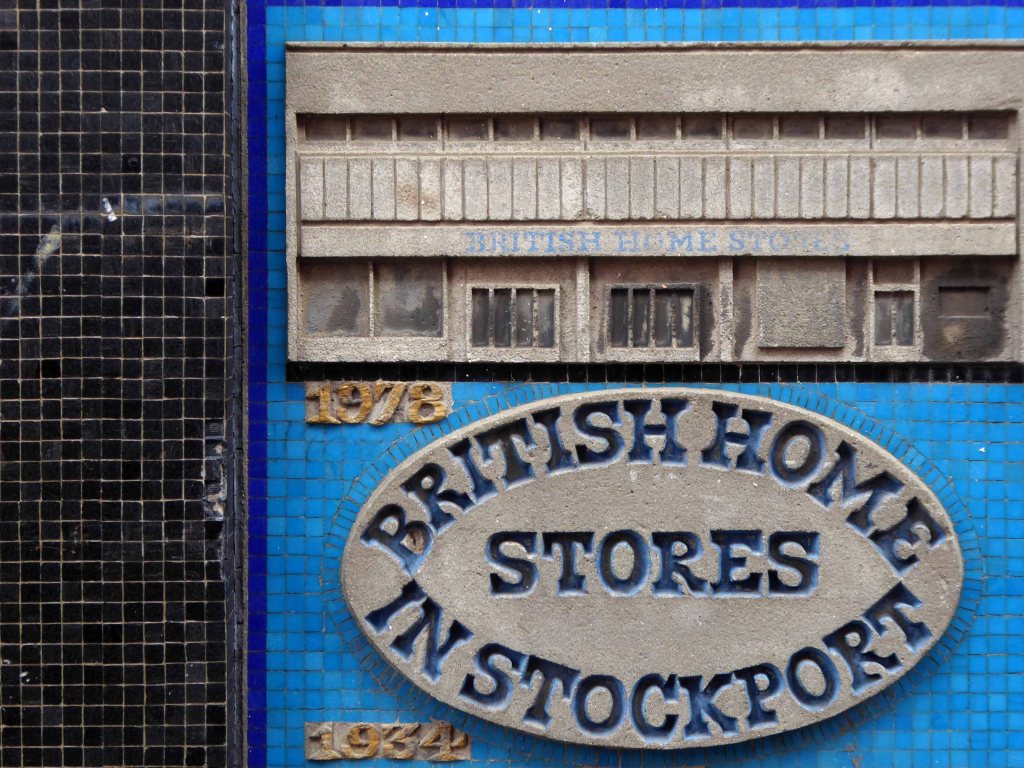
The failure of BHS was a national disgrace, venal management, asset stripping, avaricious, grasping rodents ruled the day.
Dominic Chappell, who had no previous retail experience, bought the high street chain from the billionaire Sir Philip Green for £1 in March 2015. The company collapsed with the loss of 11,000 jobs 13 months later, leaving a pension deficit of about £571m.
A sad end for a company with a long history and presence on the high street.
With an architectural heritage to match:
BHS’s chief architect at this time was G. W. Clarke, who generally worked alongside W. S. Atkins & Partners, as consulting engineers. The stores – like Woolworth’s buildings – were composite structures, with steel frames and concrete floors. Clarke sometimes appointed local architects.
At first, like C&A, BHS retained the narrow vertical window bays and margin-light glazing that had characterised high street façades in the 1930s, but by the end of the 1950s Clarke had embraced a modified form of curtain-walling.
This architectural approach became firmly associated with BHS, with framed curtain wall panels – like giant TV screens – dominating the frontages of many stores.
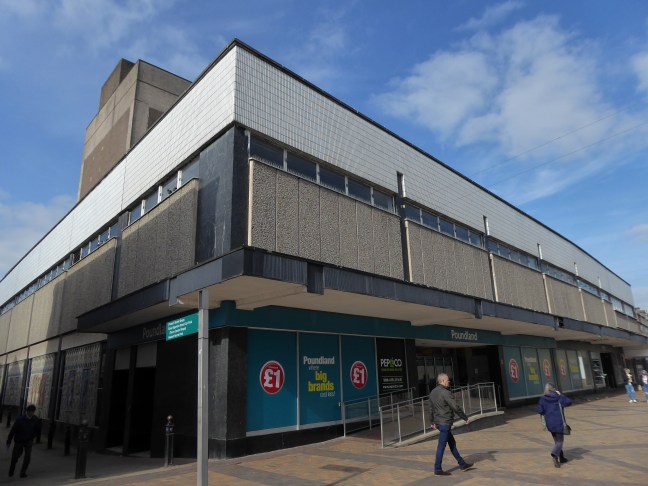
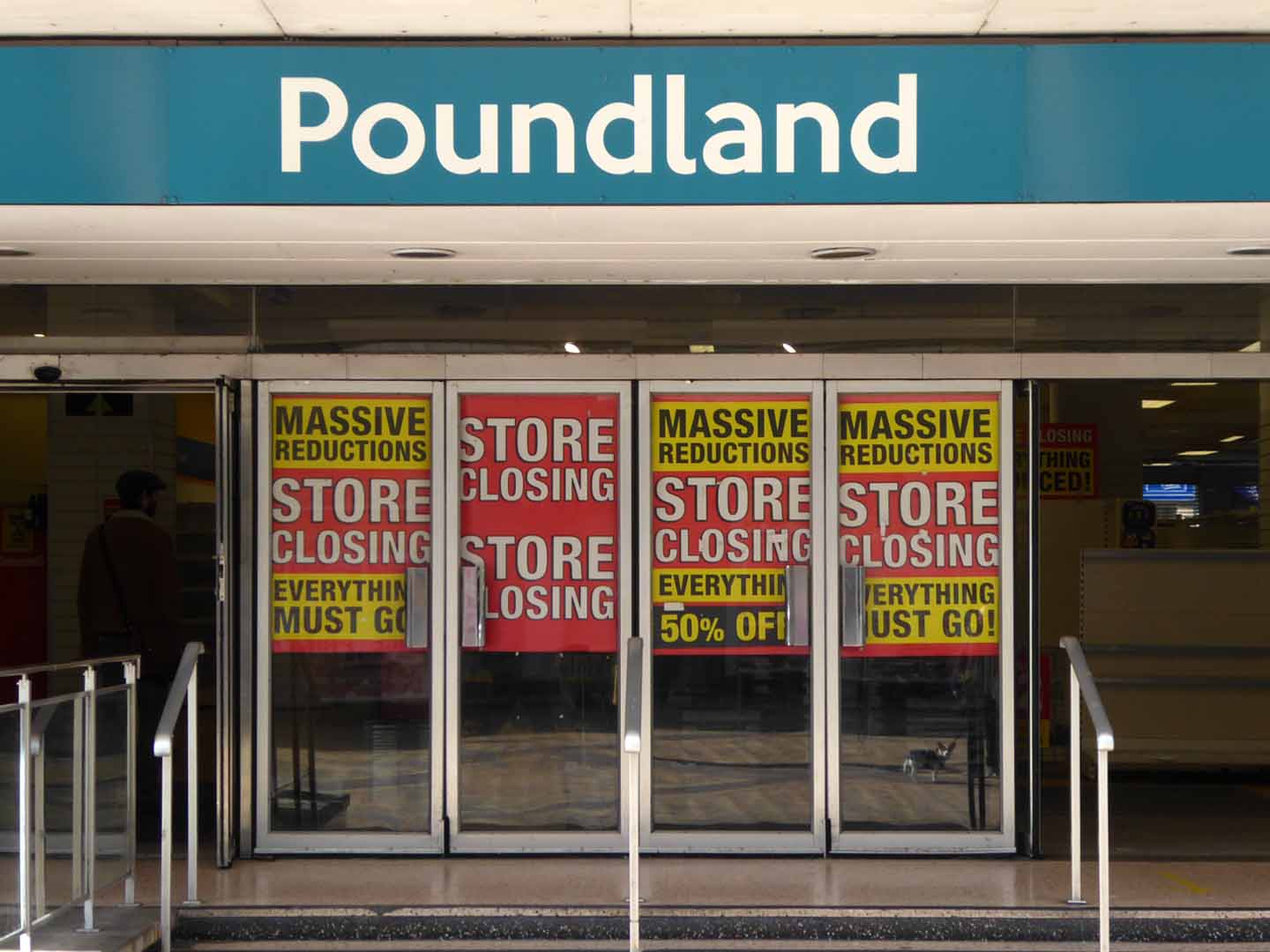
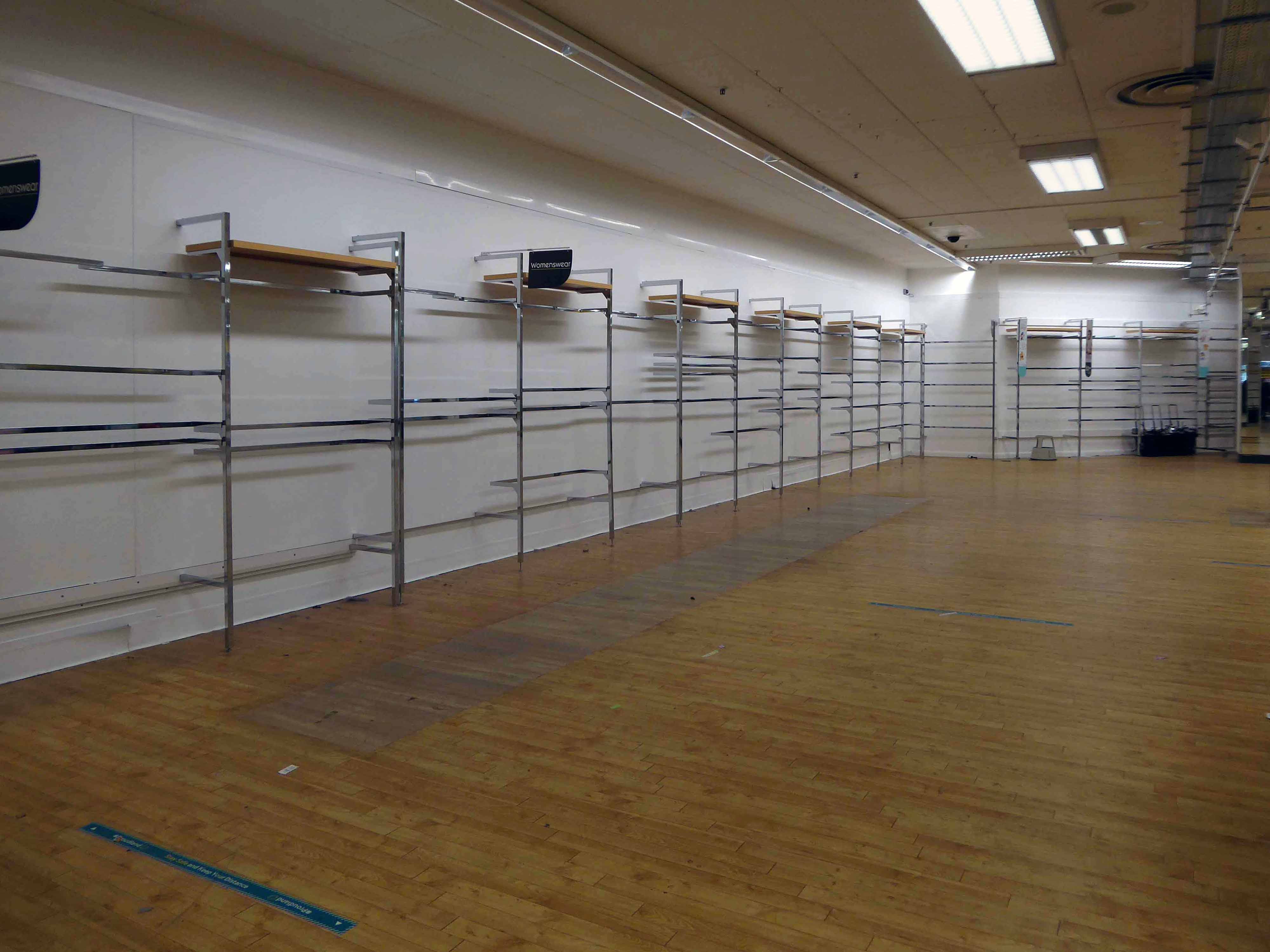
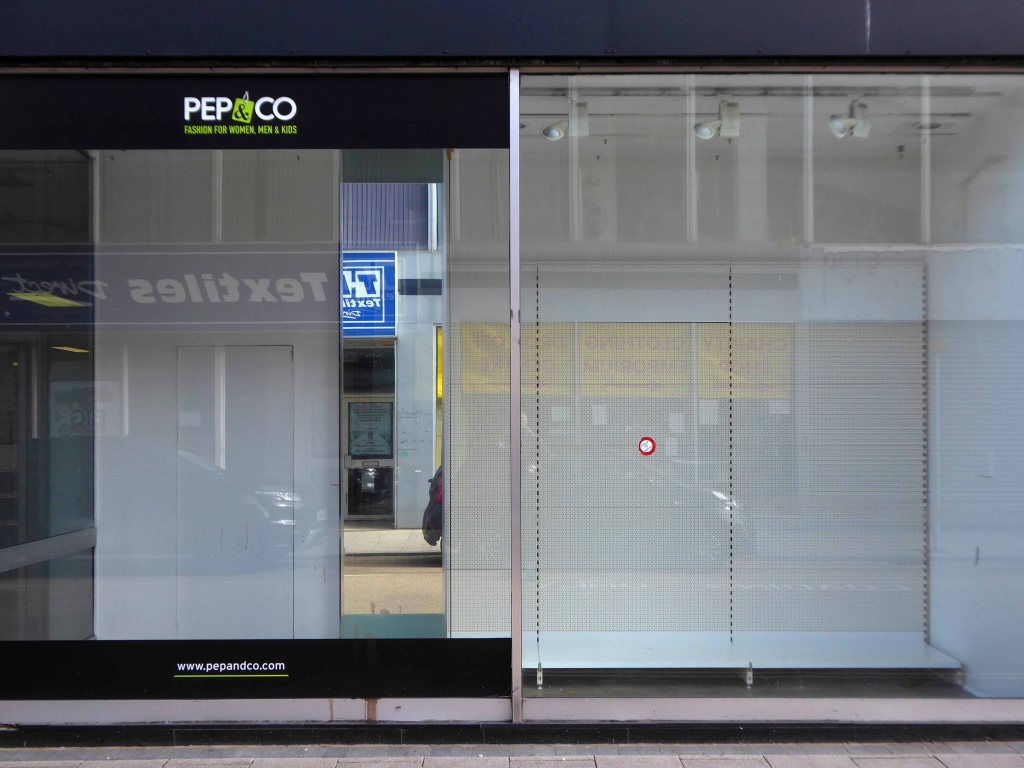
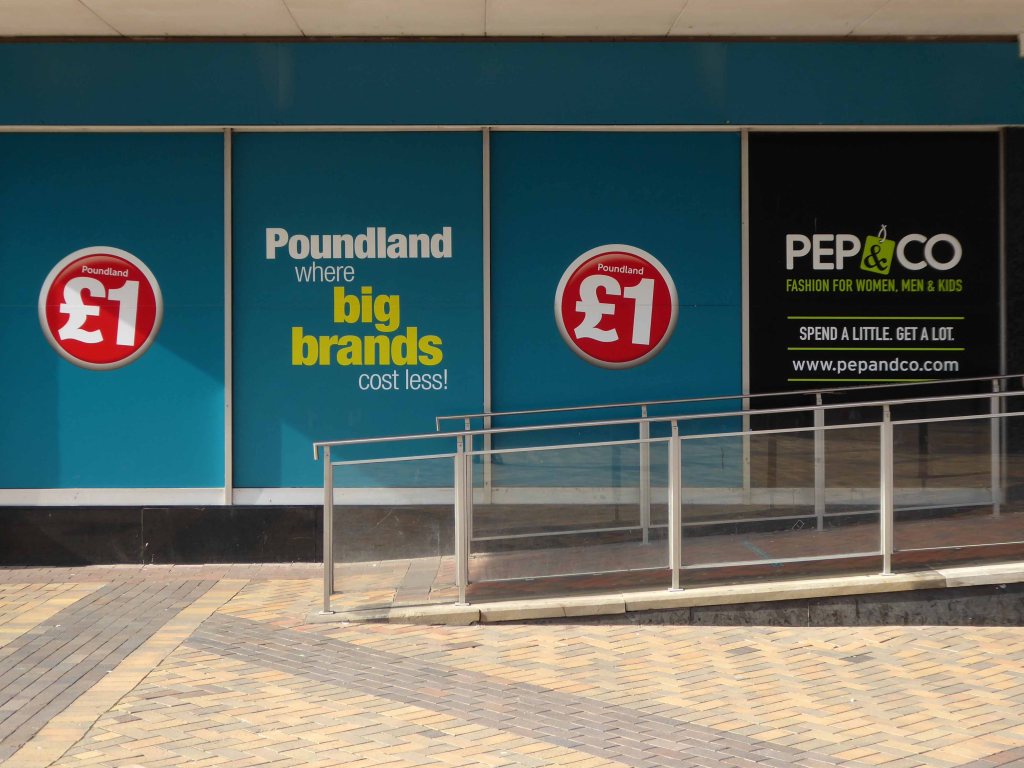
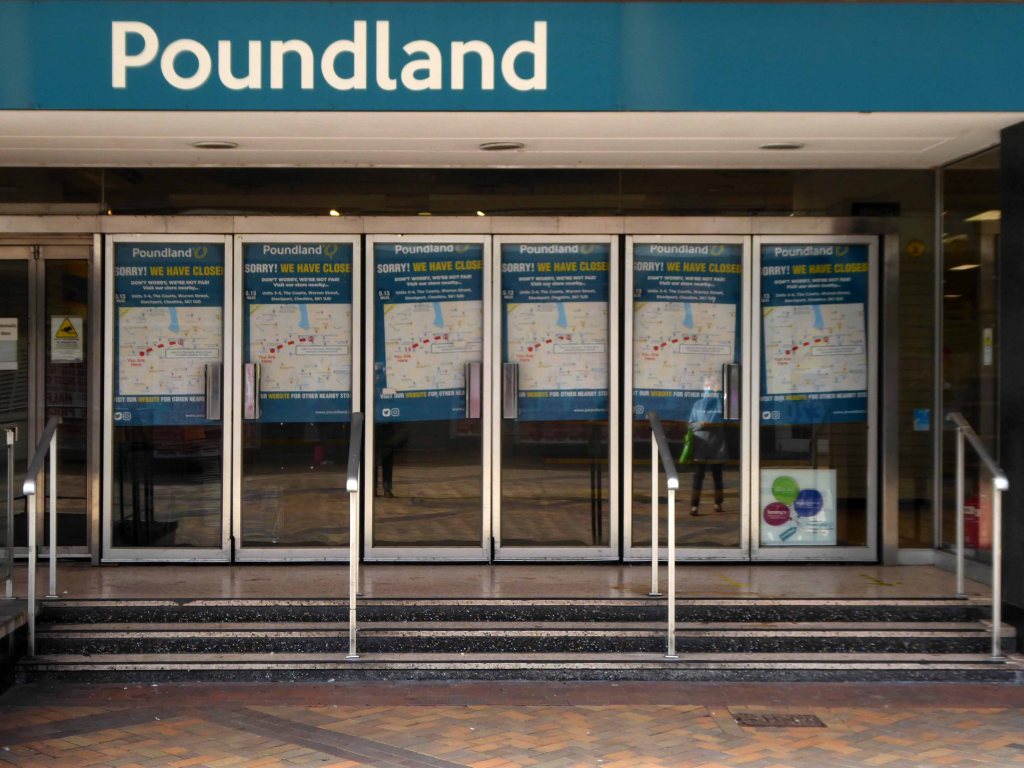
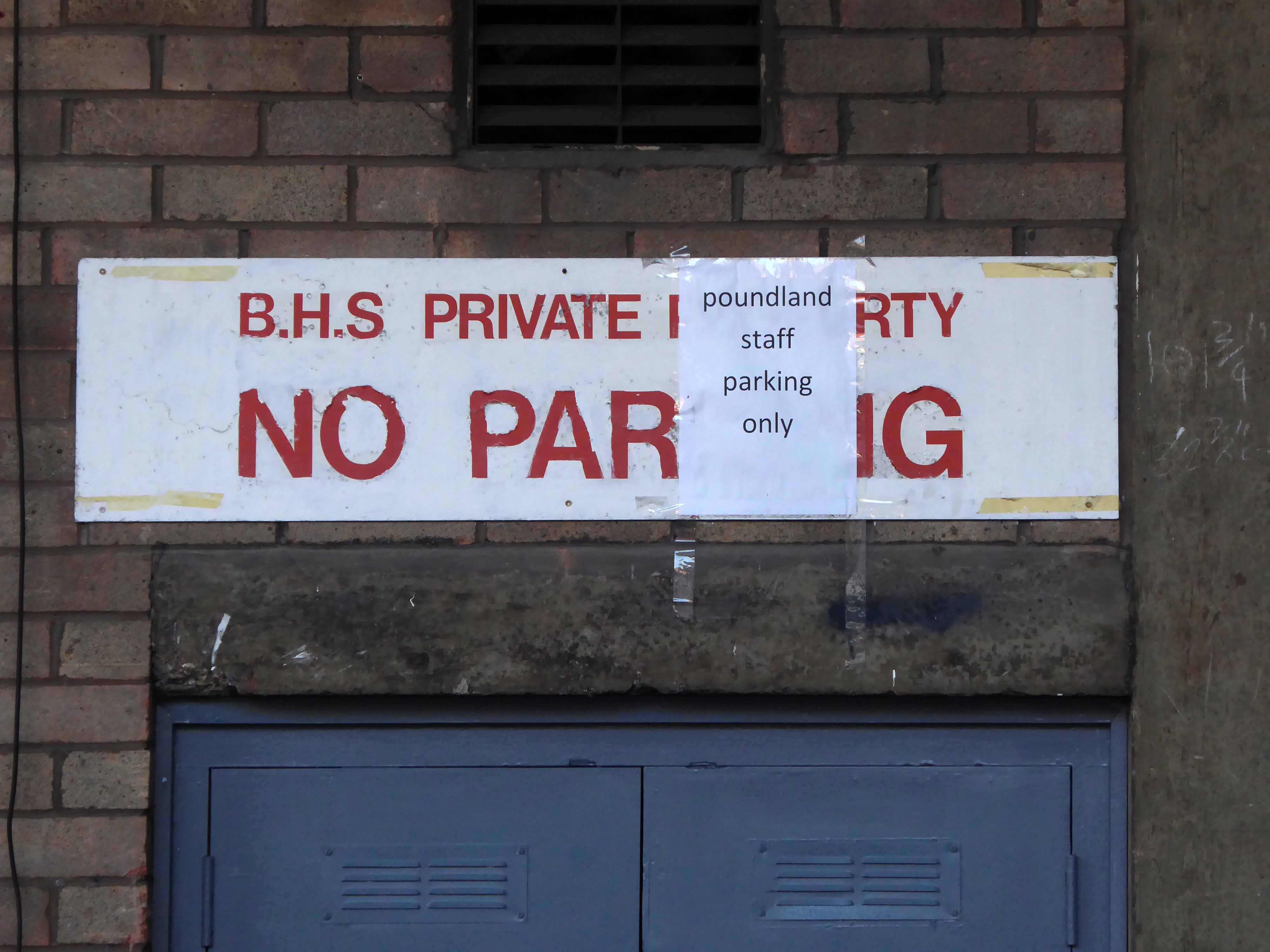
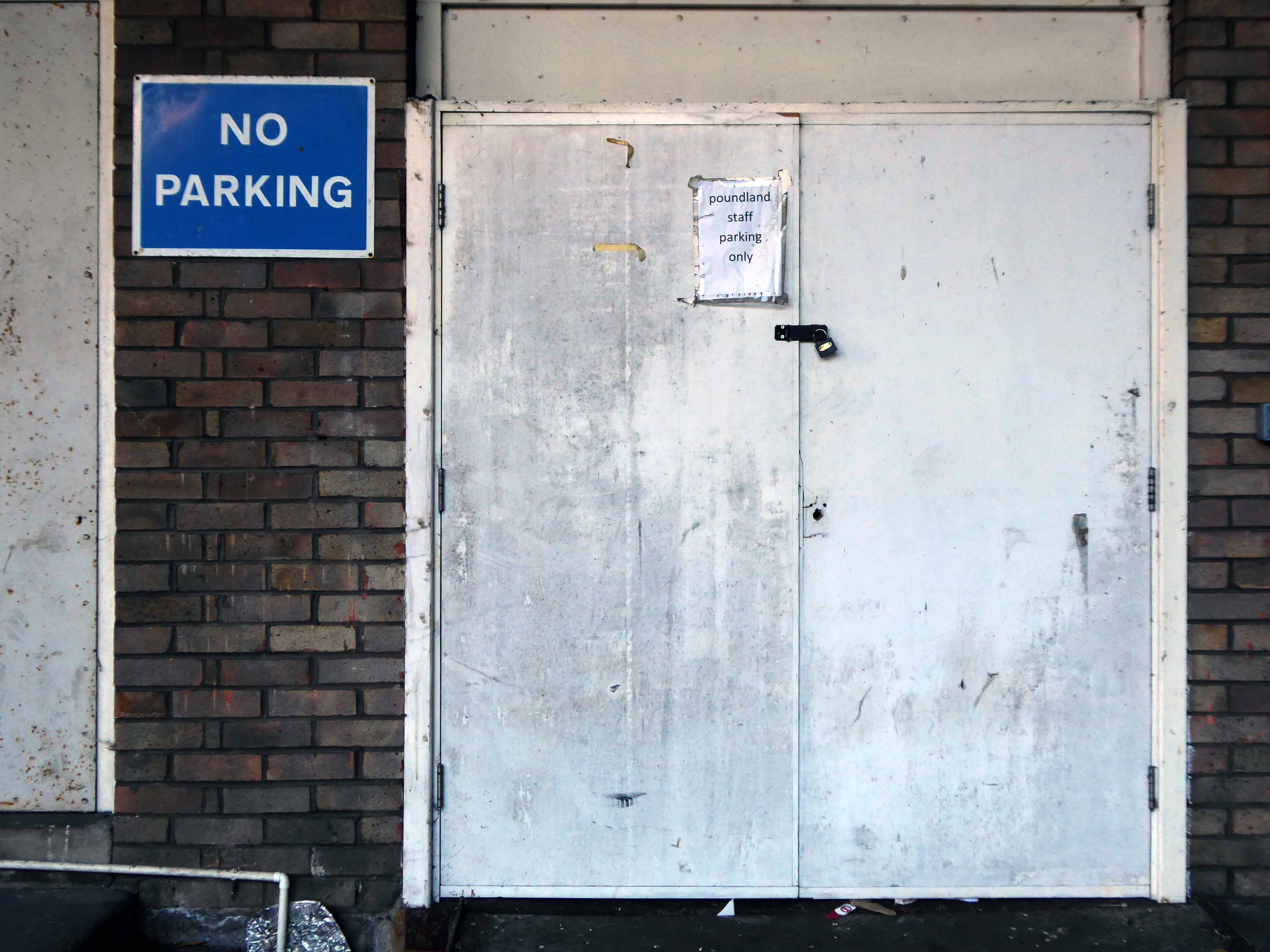
Of late the store has been home to Poundland – though time has now been called.
Poundland’s retailing concept is extremely simple: a range of more than three thousand – representing amazing value for money.
Our pilot store opened in the Octagon Centre, Burton-upon-Trent, in December of 1990, followed by new stores in High Street, Meadowhall and other quality trading locations. Shoppers loved the concept and so did fellow retailers and landlords. The stores proved to be a huge success. Meadowhall’s success was repeated by further stores opening by the end of the year.
The store has been a success even during COVID restrictions, let us hope that the planned return goes ahead.
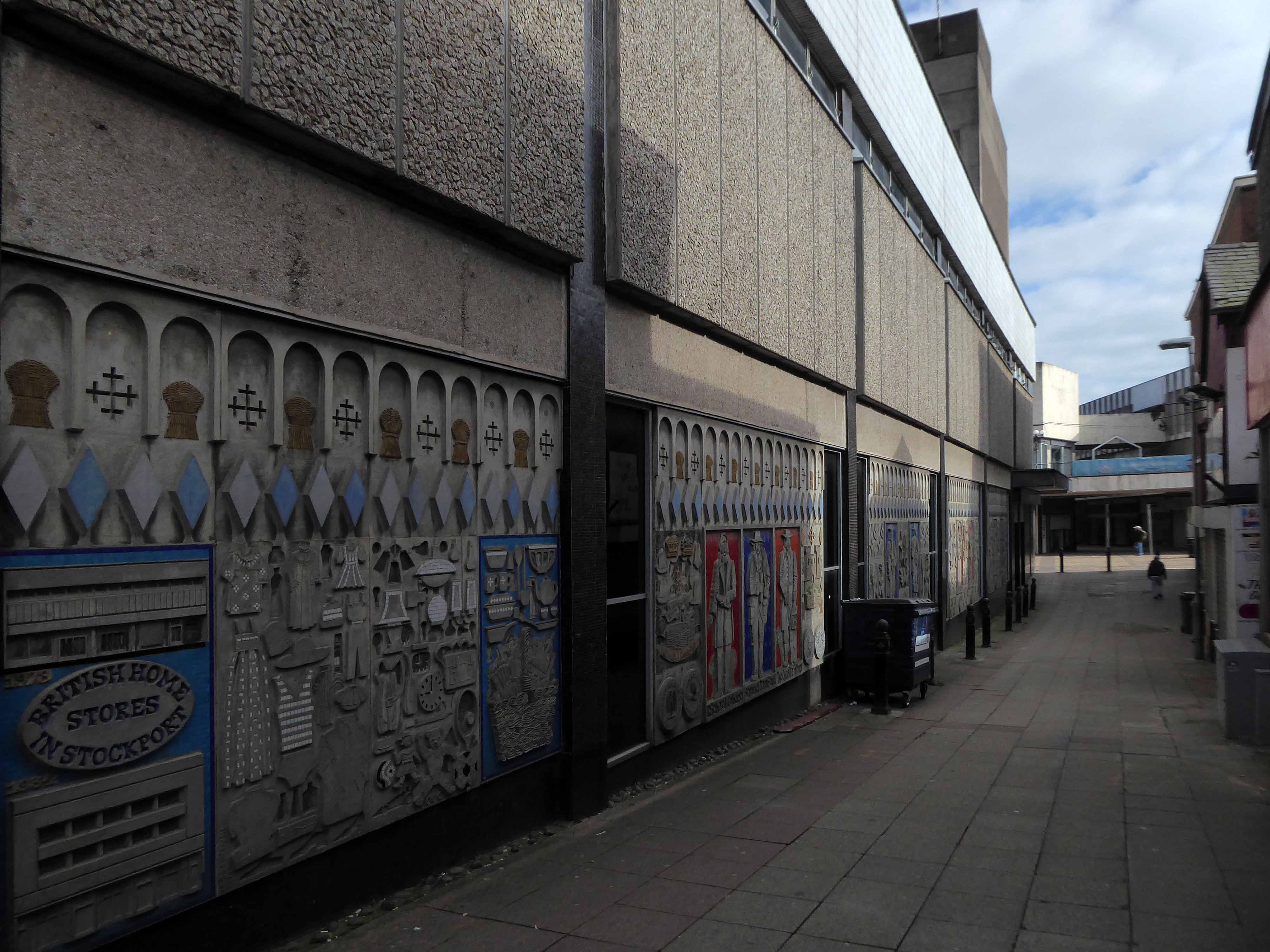
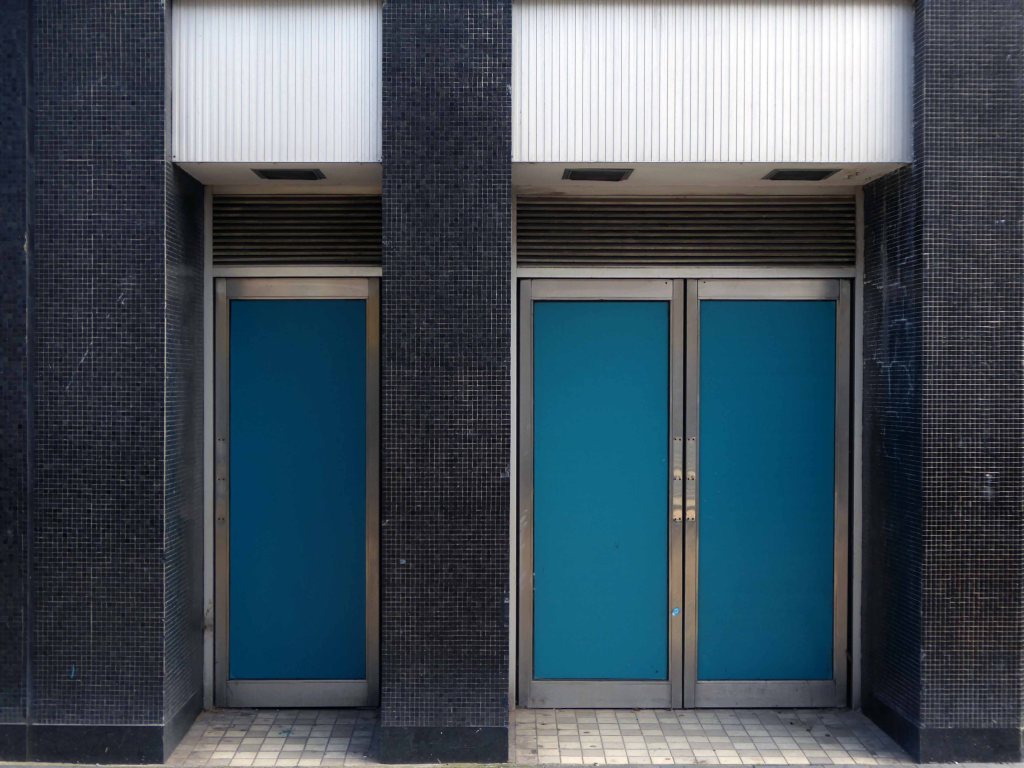
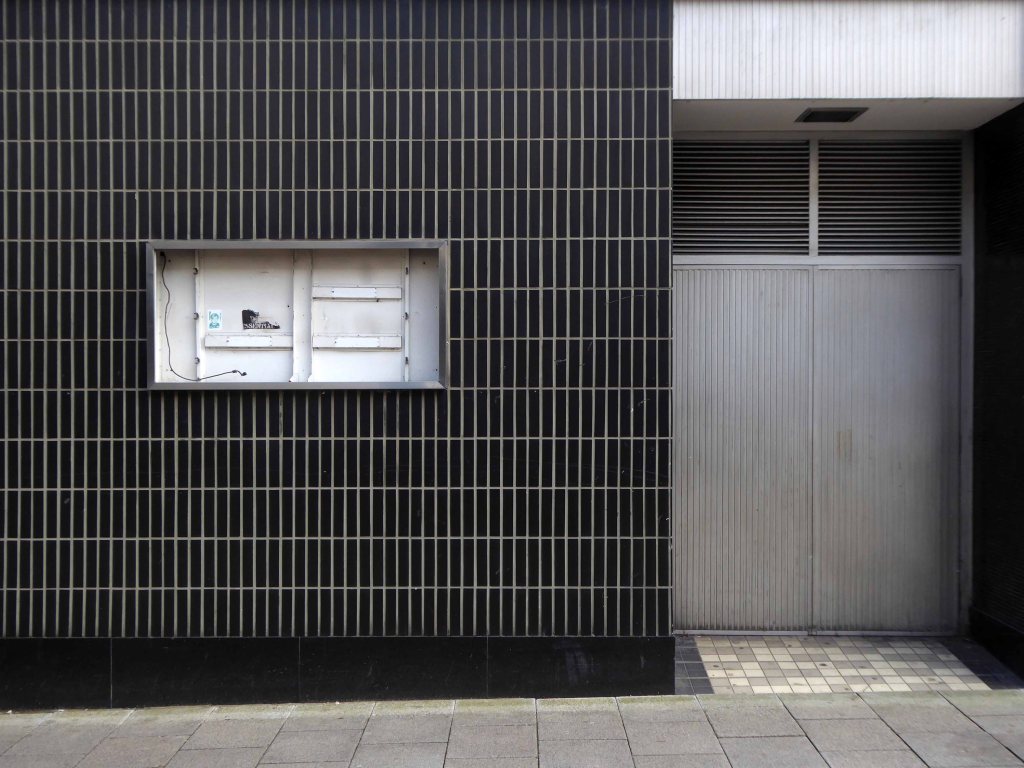
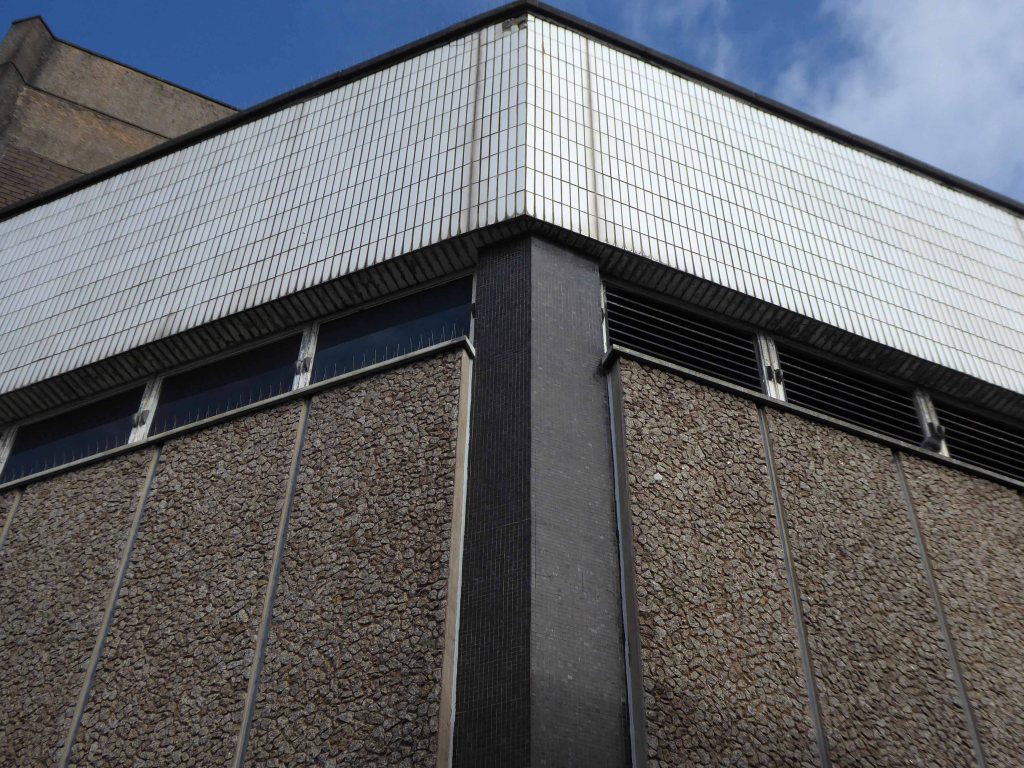
So here is my record of the building as is, a tad tired, but in its day a simple and authoritative amalgam of volumes and materials.
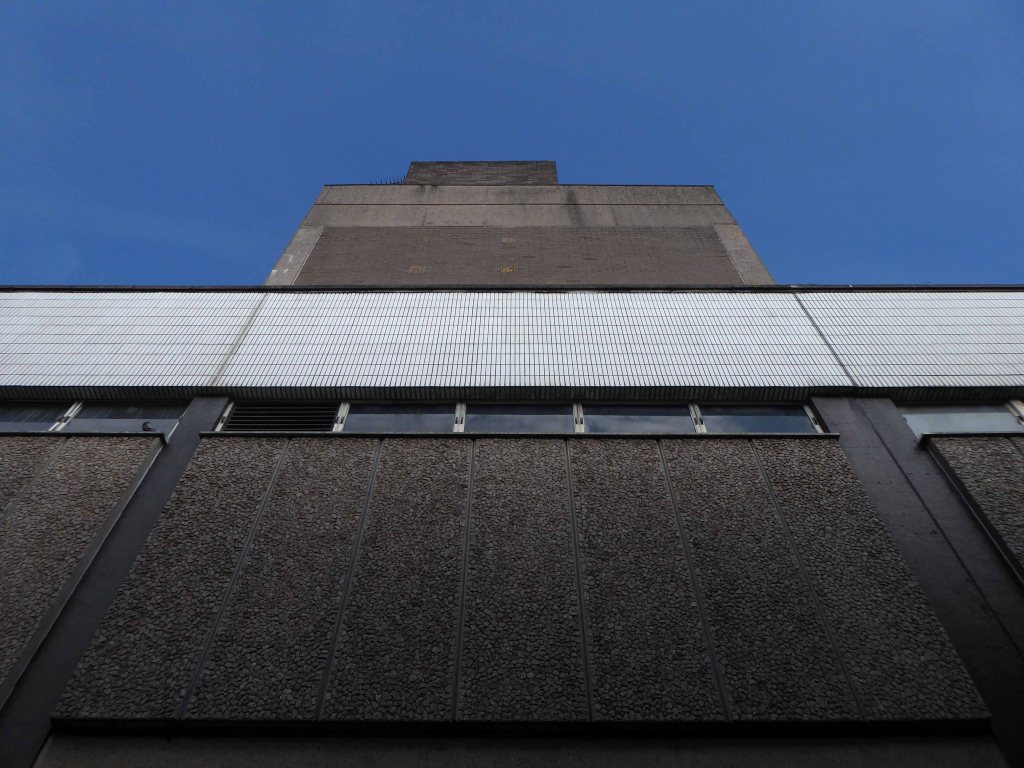
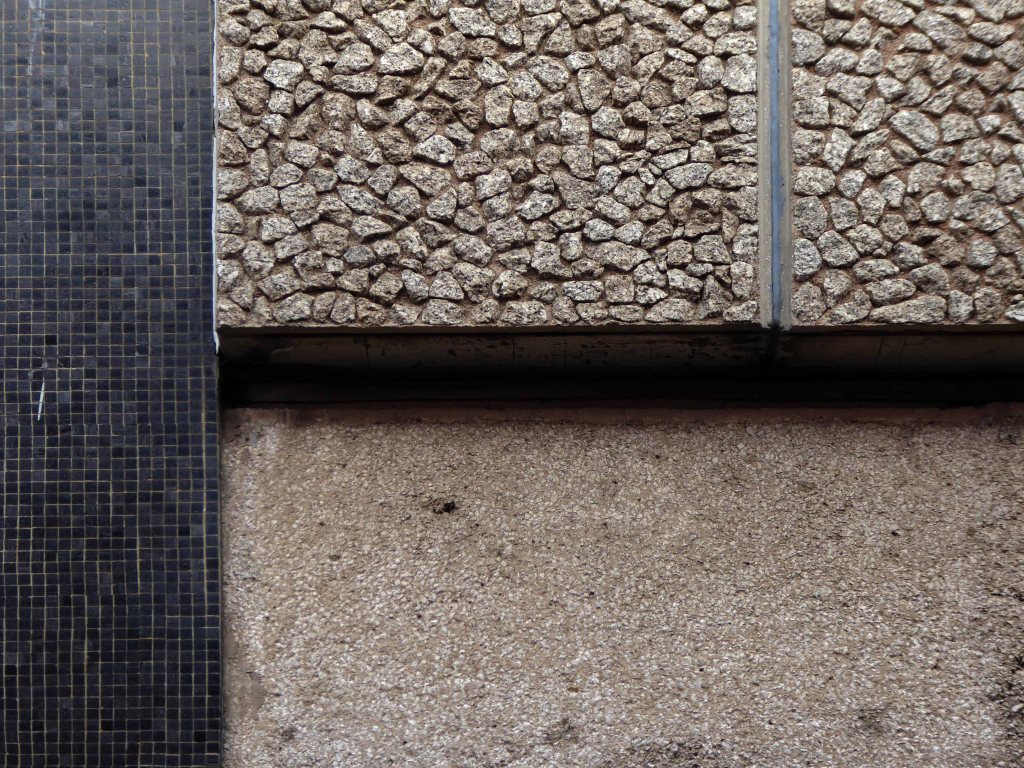
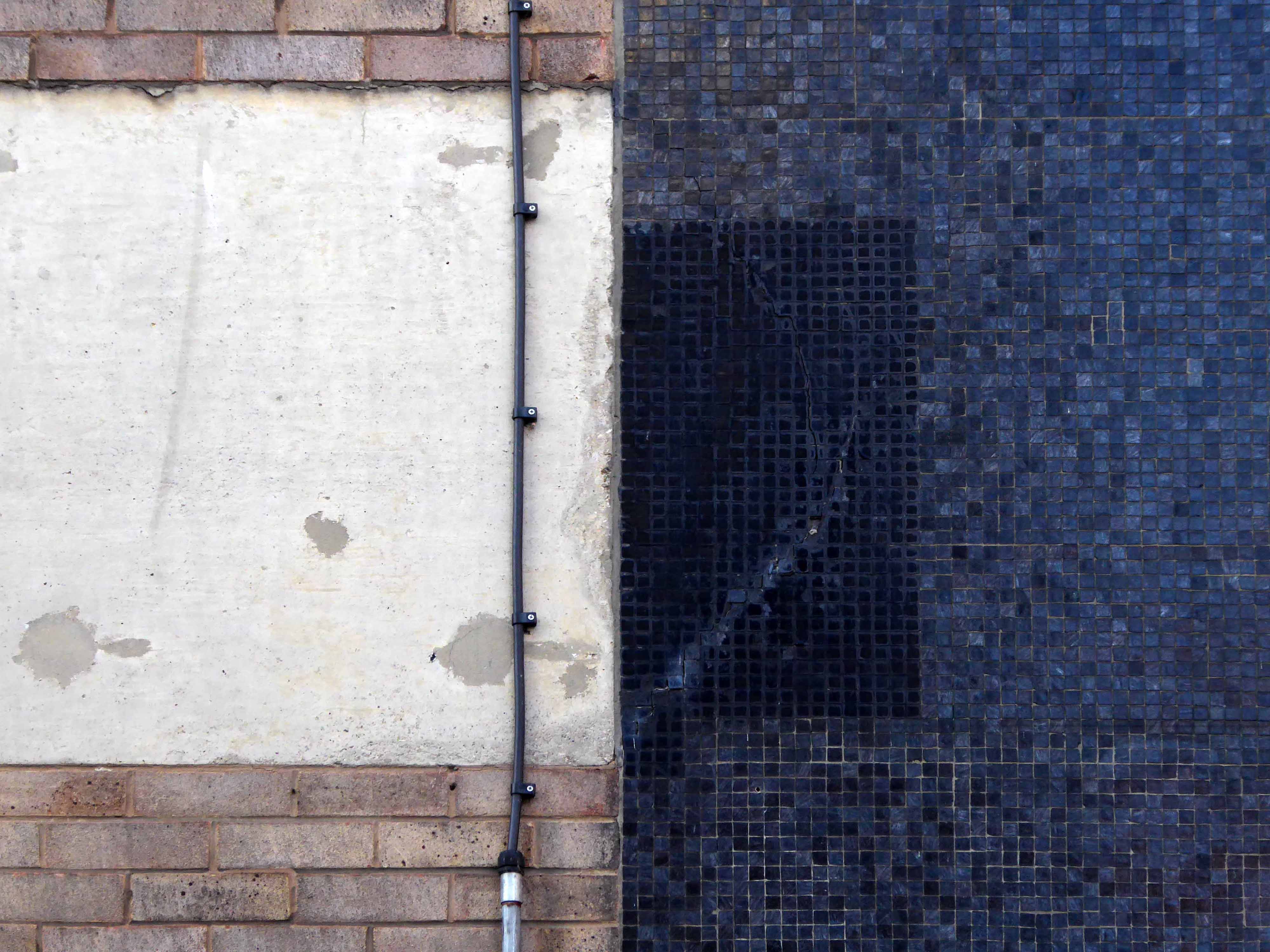
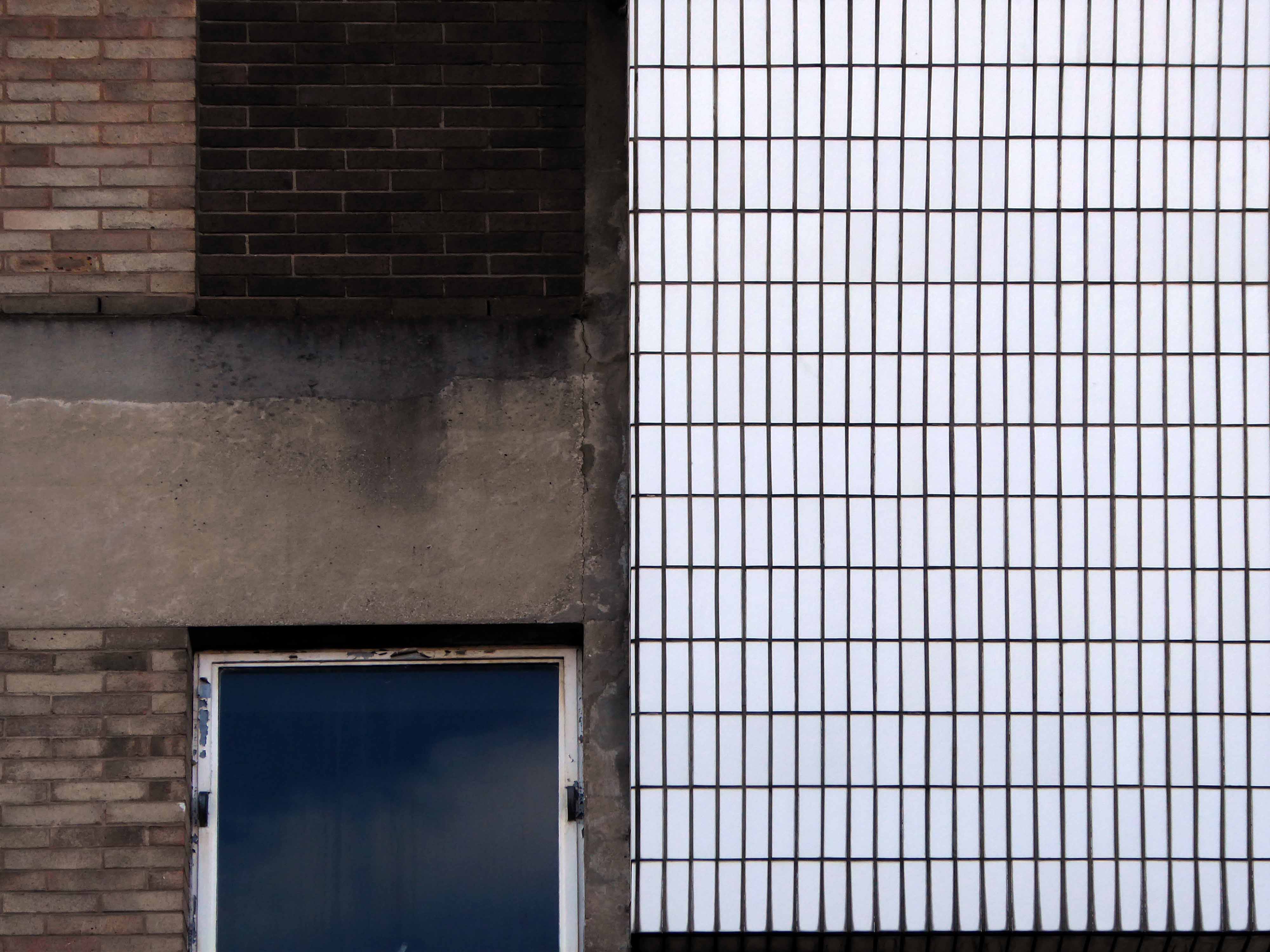
Mixing variegated grades of concrete, tiling, mosaic, brick, steel and glass.
There comes a time in very life when you finally go where you have never been before – even though you have walked by that very same place almost every day.
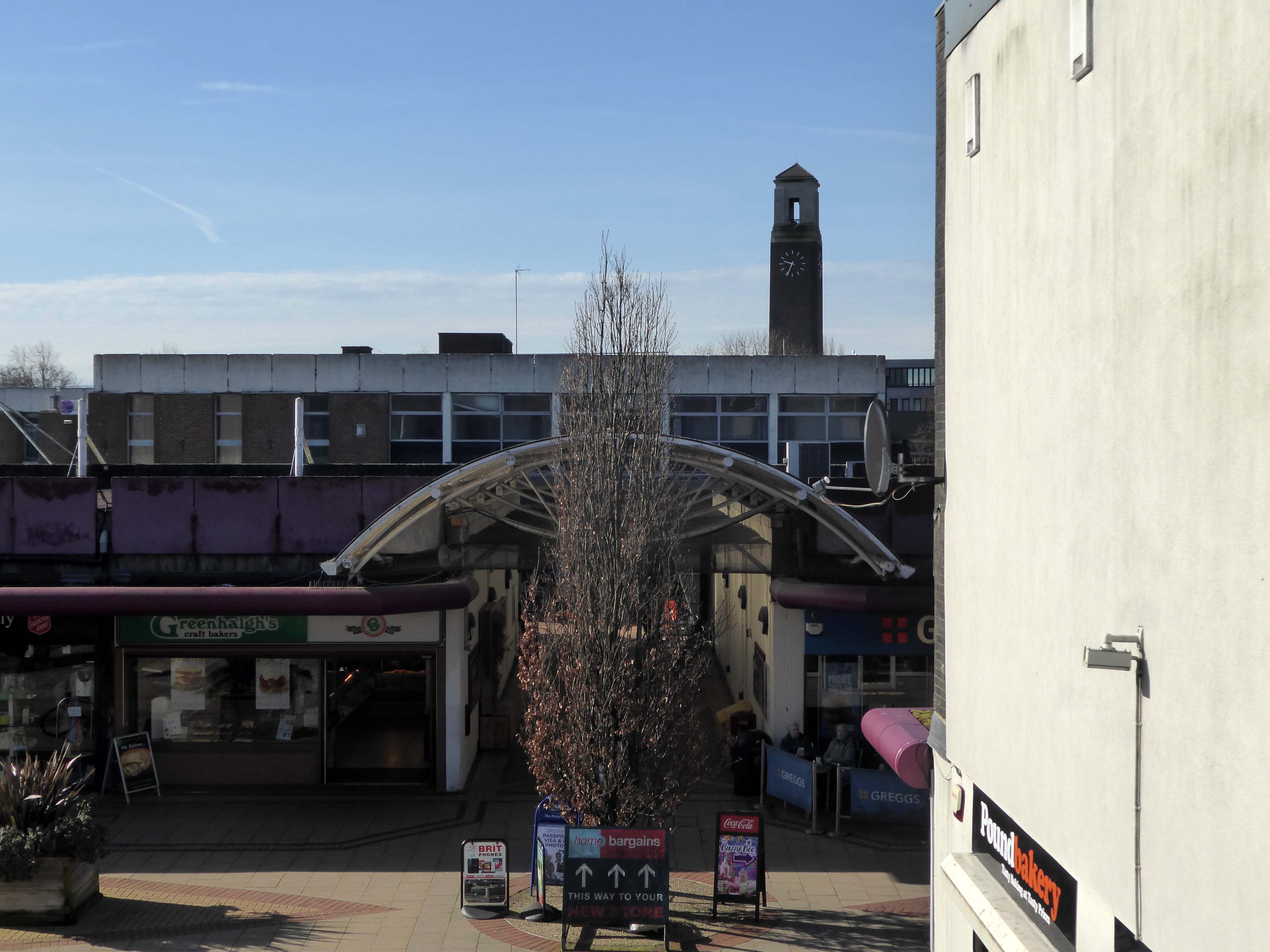
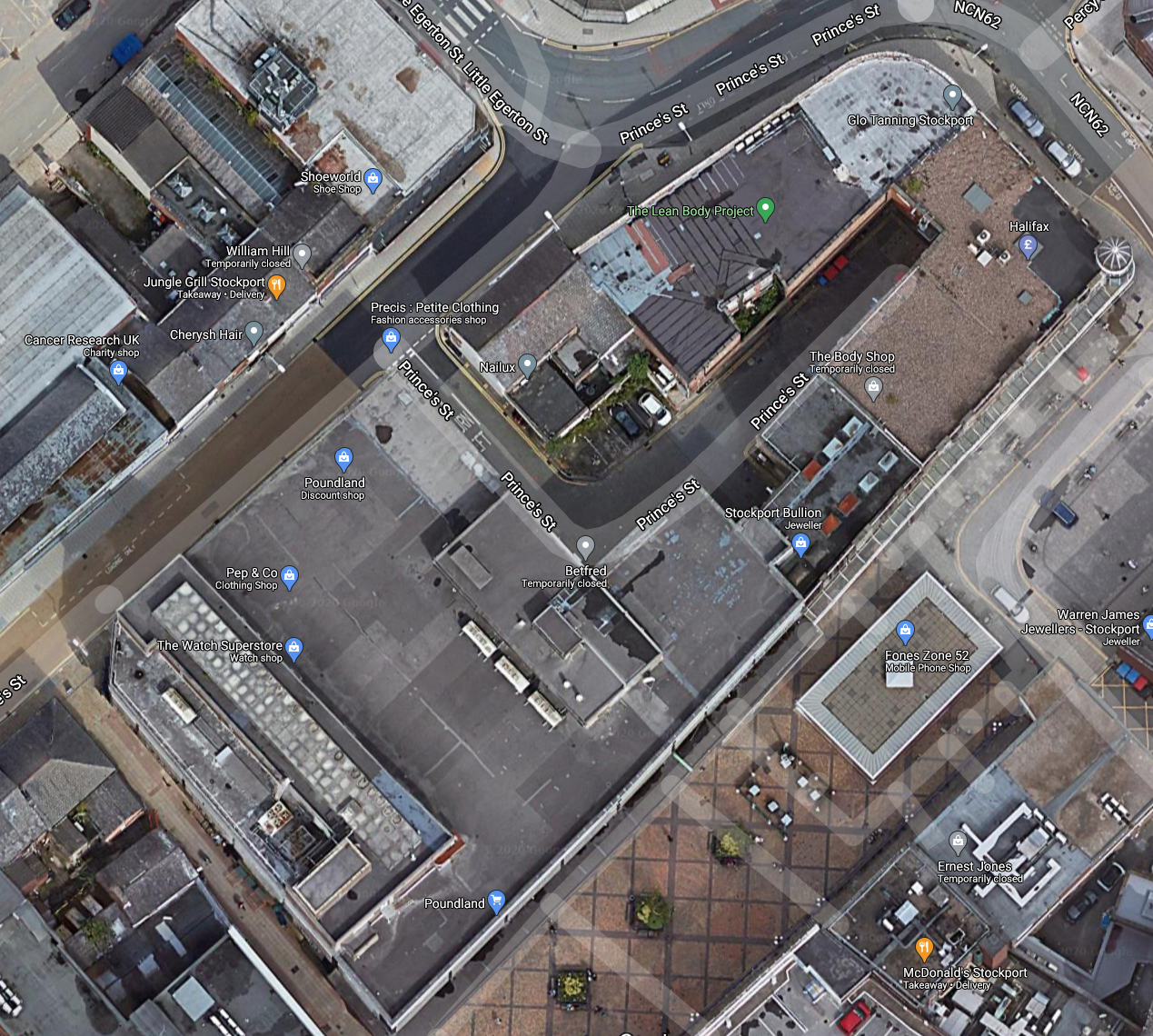
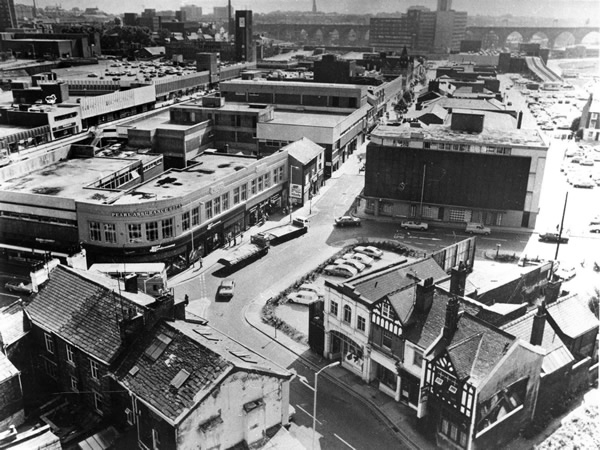
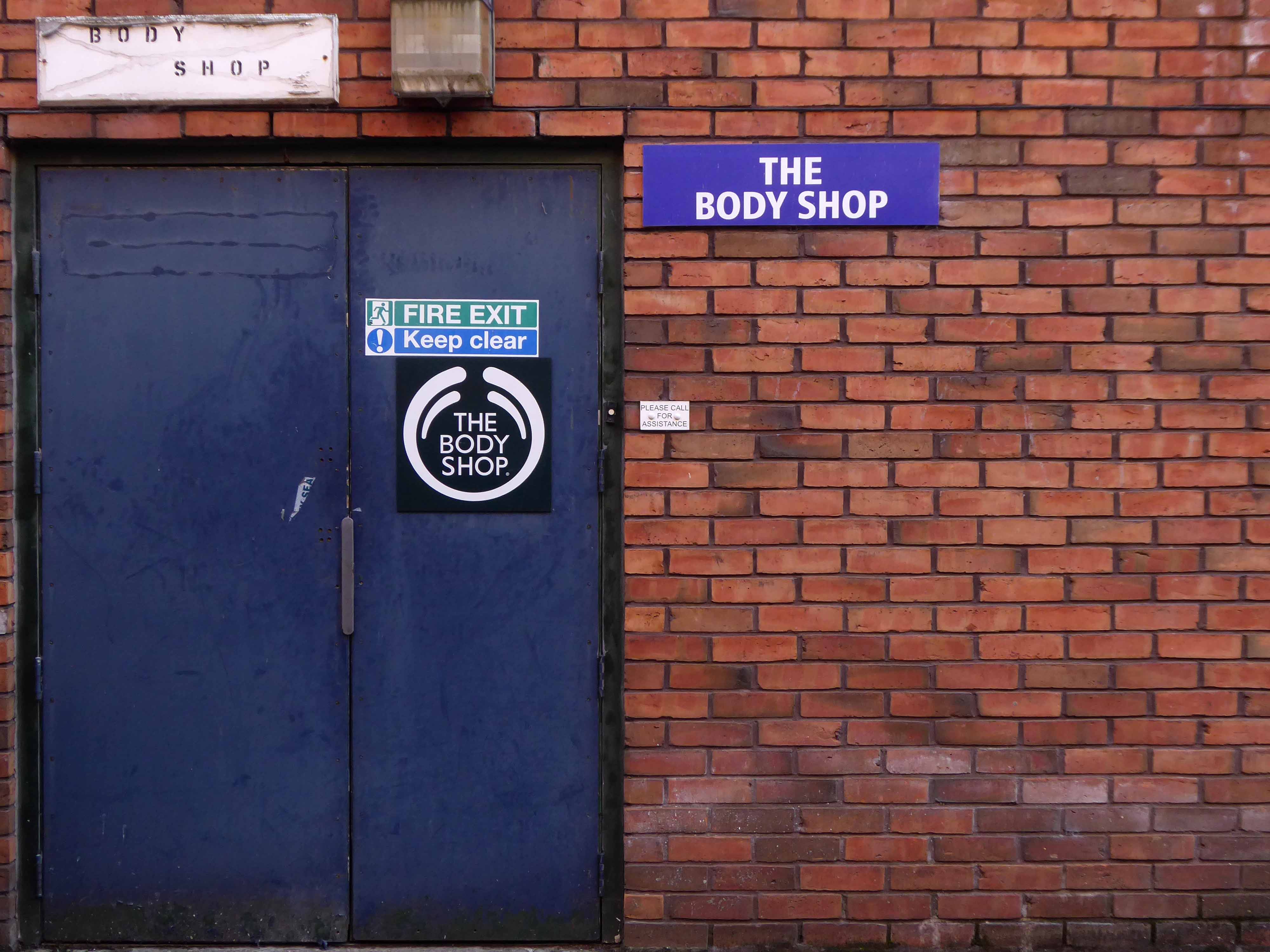
It is bounded by the former Burton’s store, the long gone BHS now home to Poundland, a later extension to the precinct and a Nineteenth century building. Illustrating the mongrel nature of many English towns, the result of world wars, speculative development and town planning.
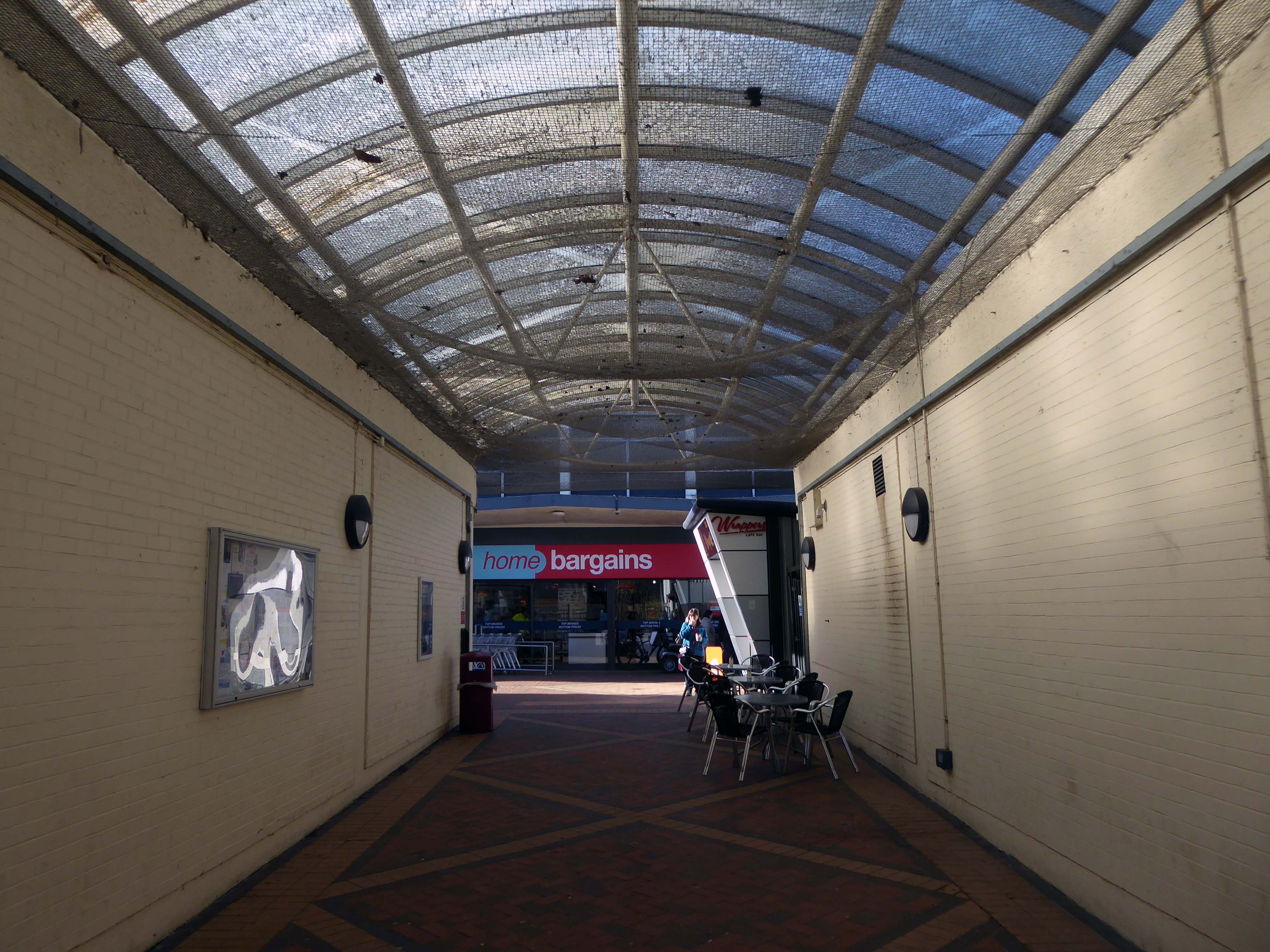
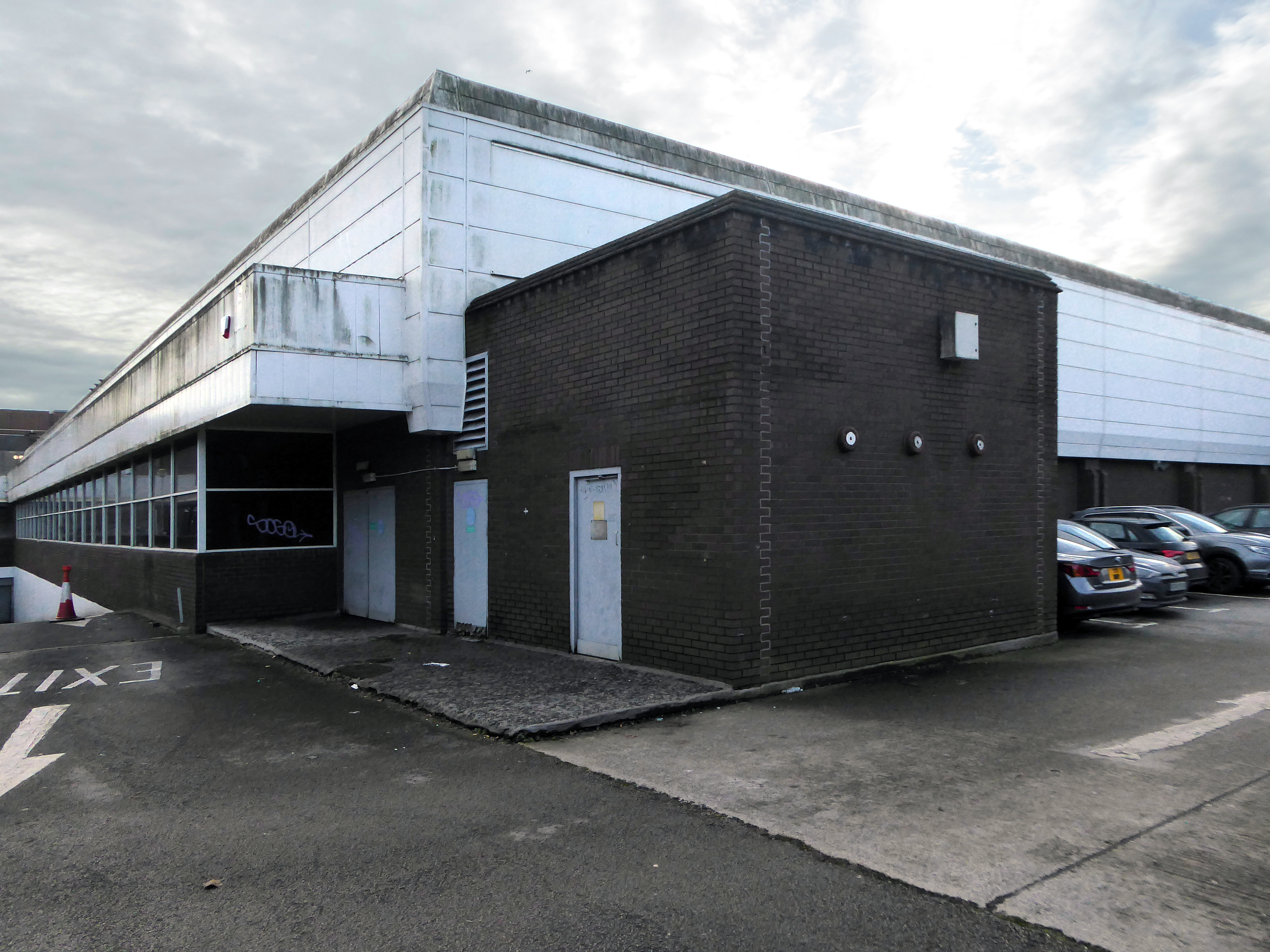
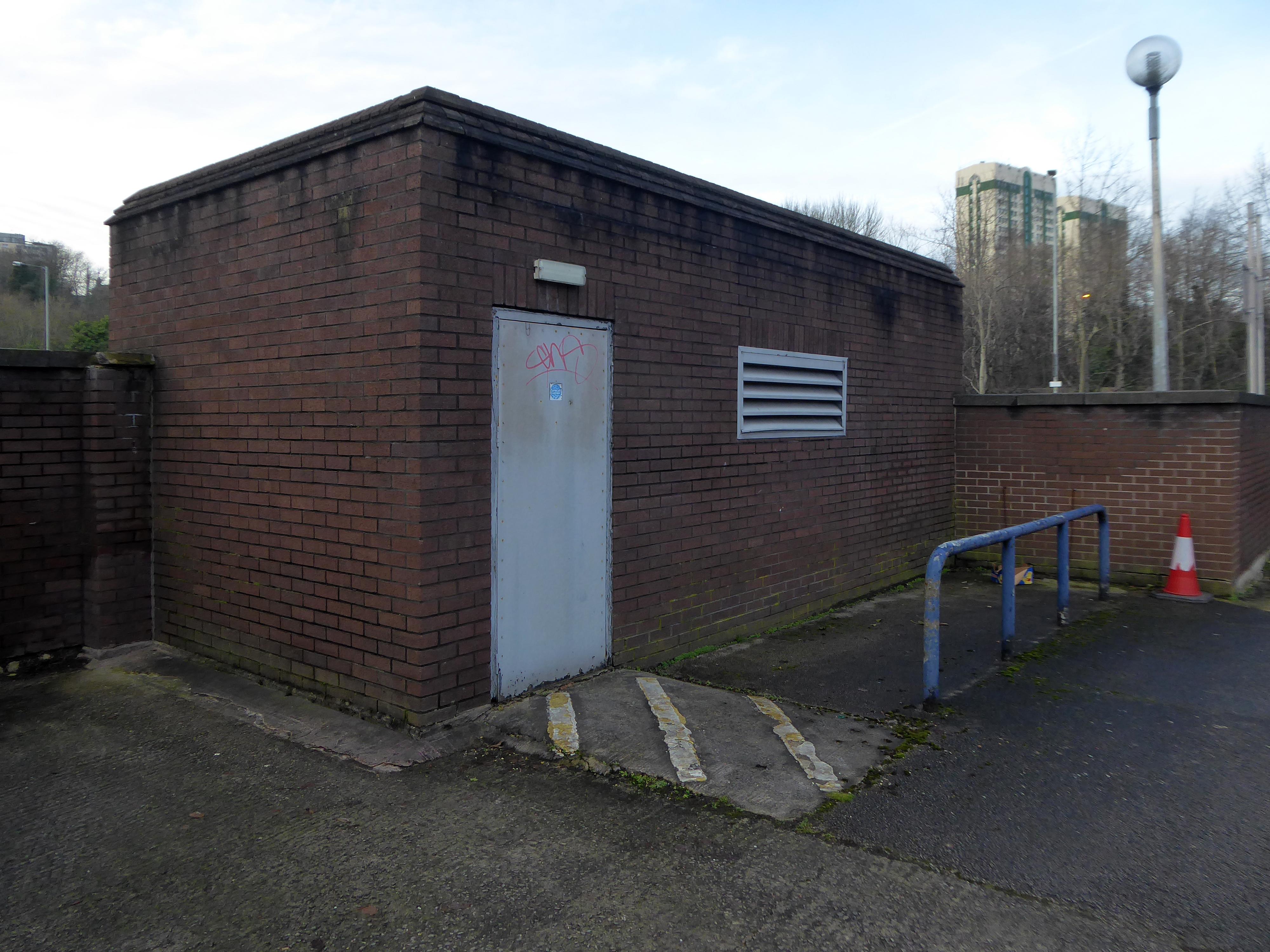
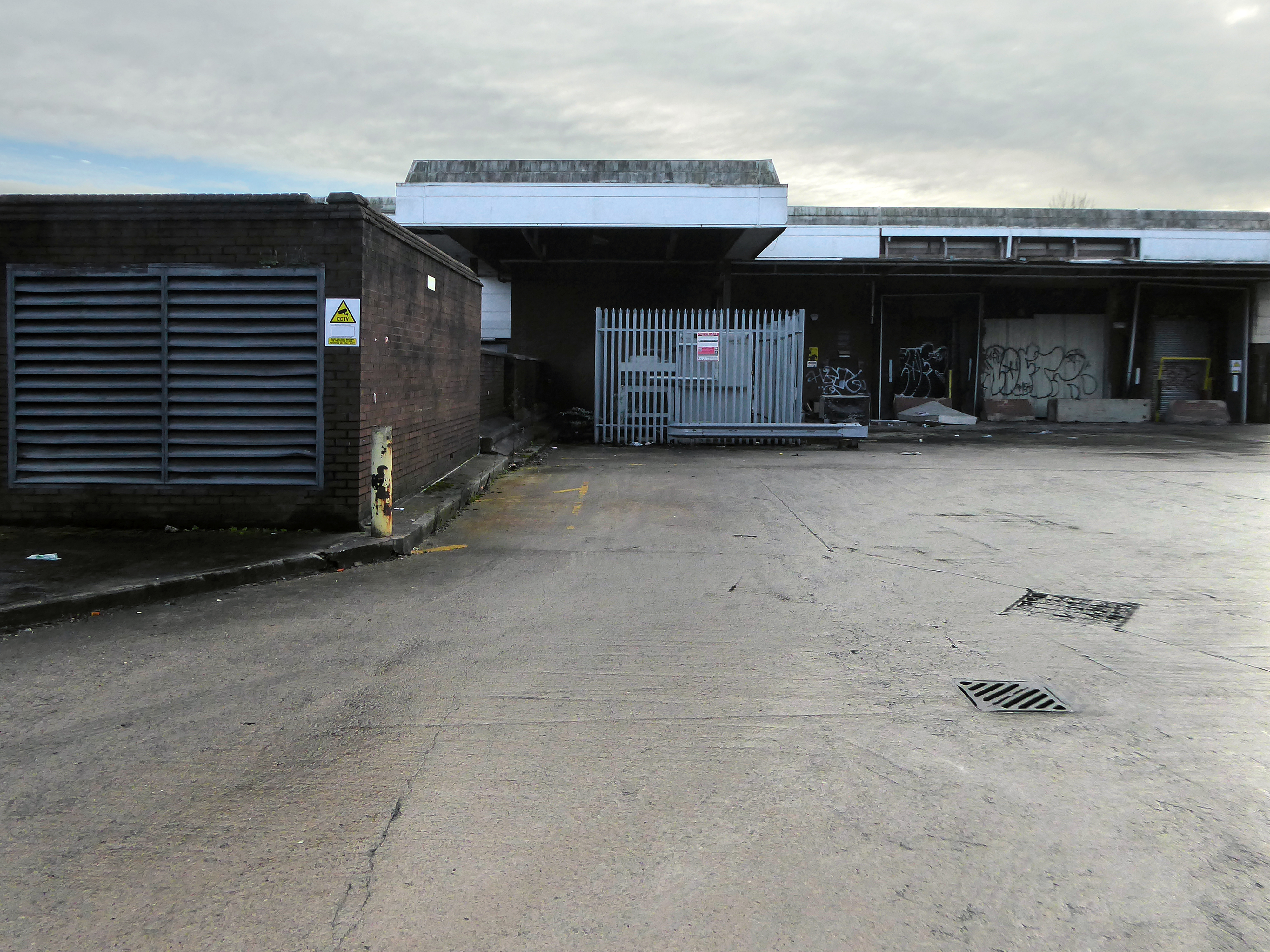
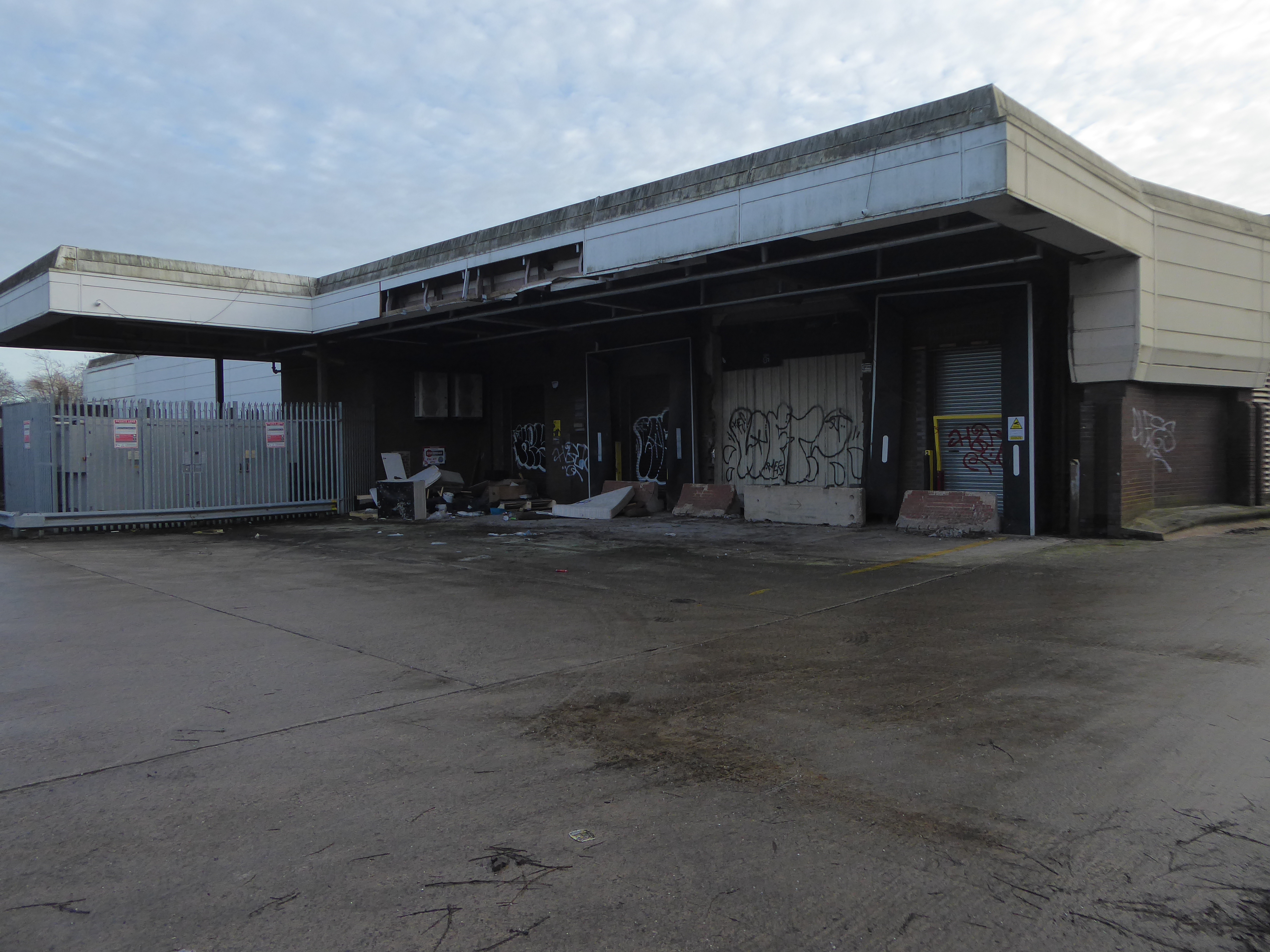
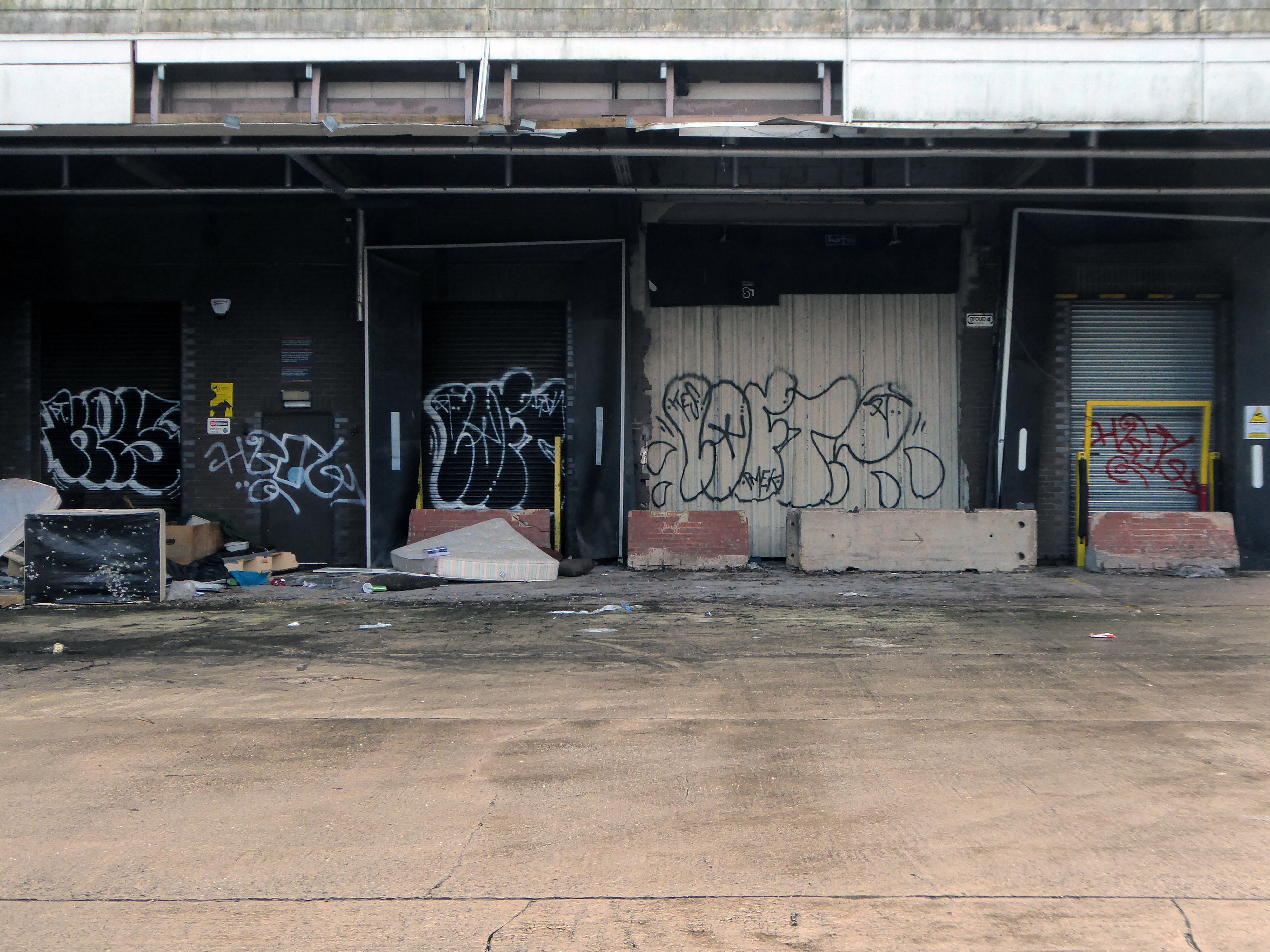
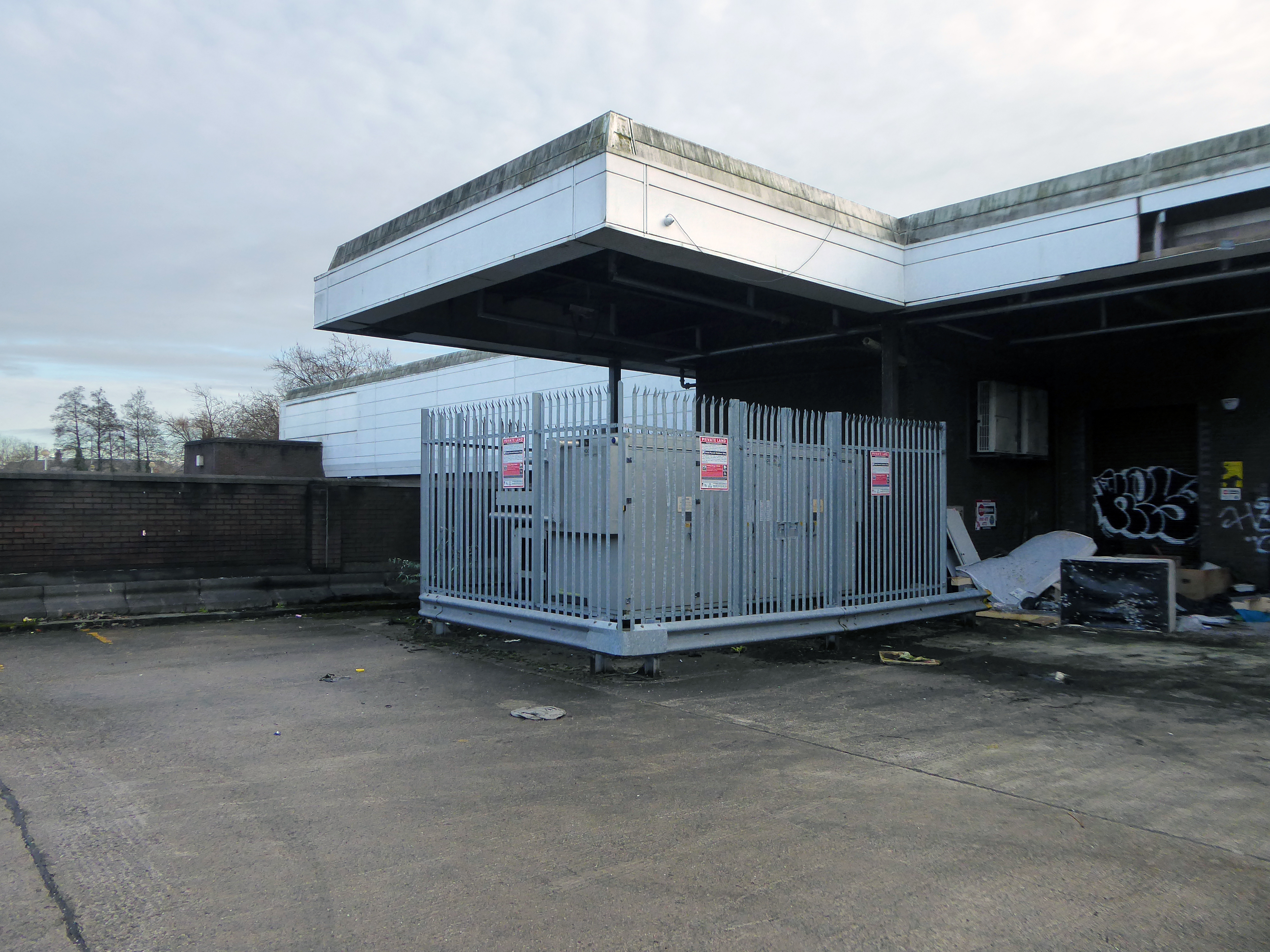
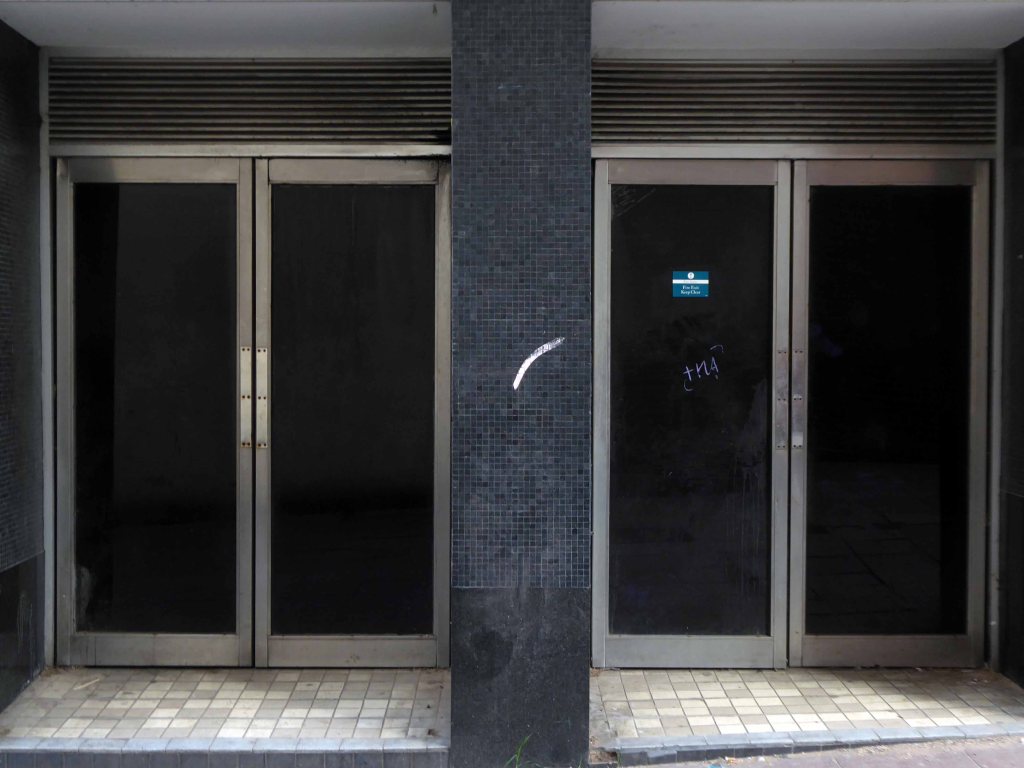
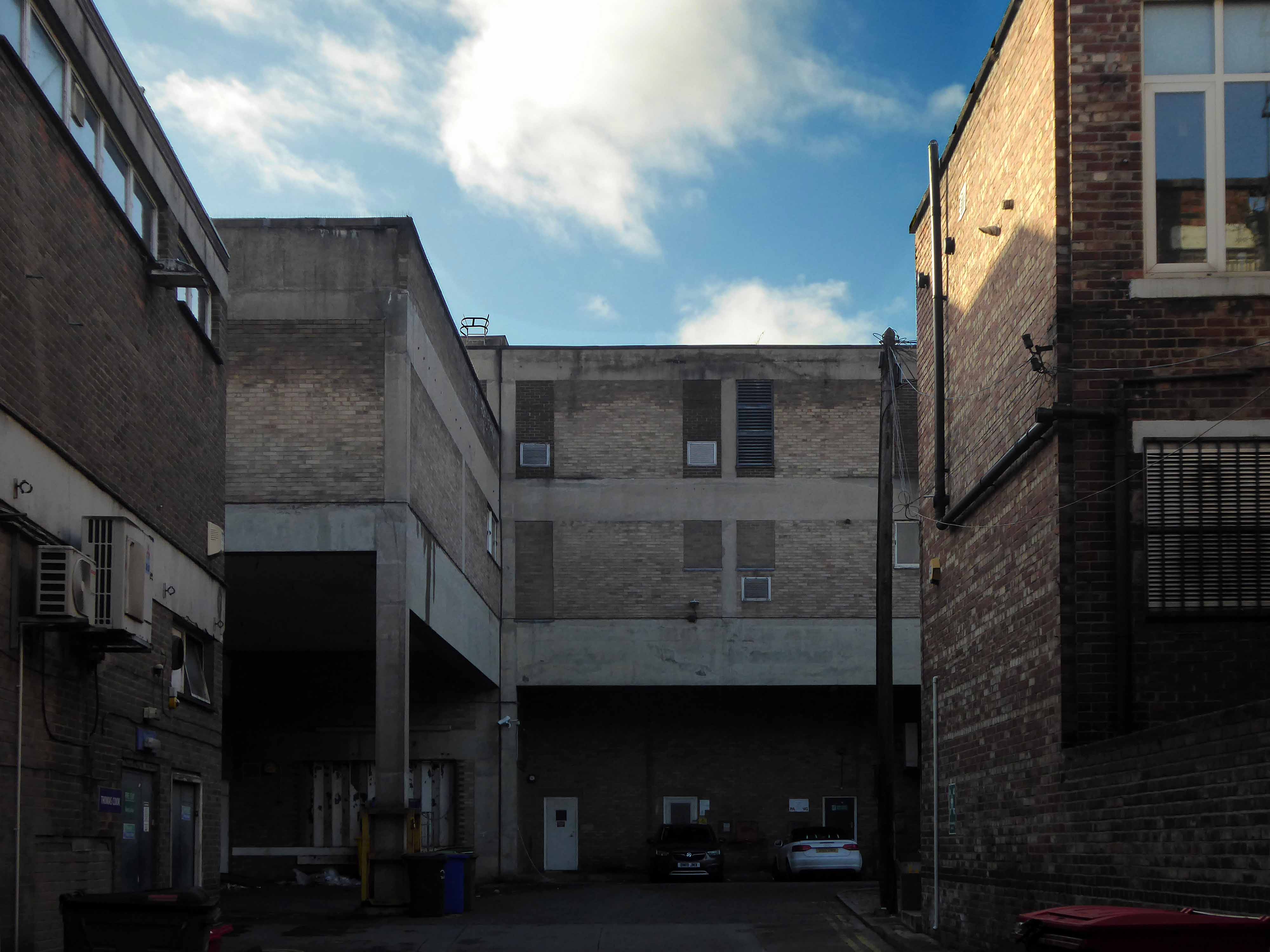
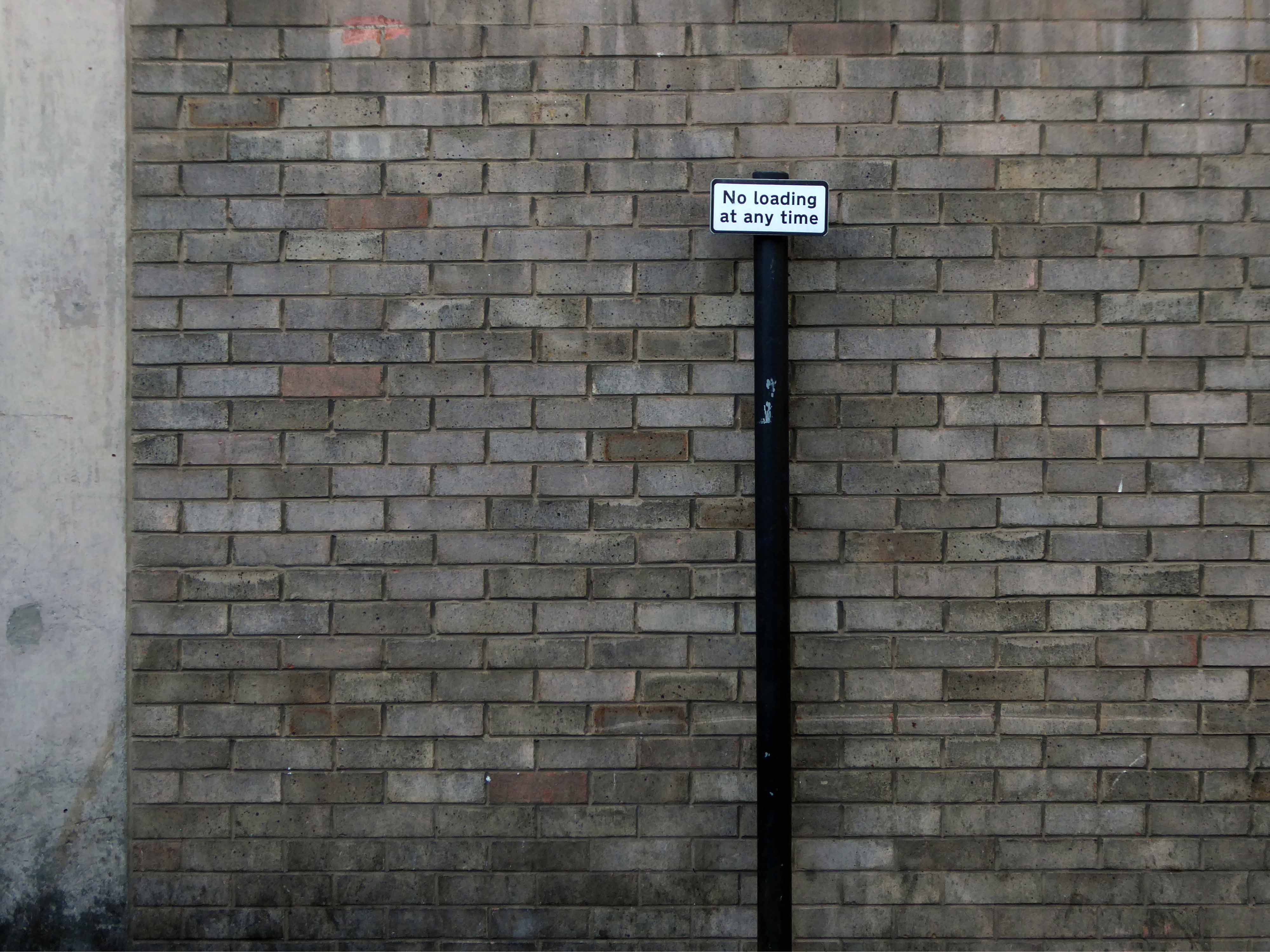
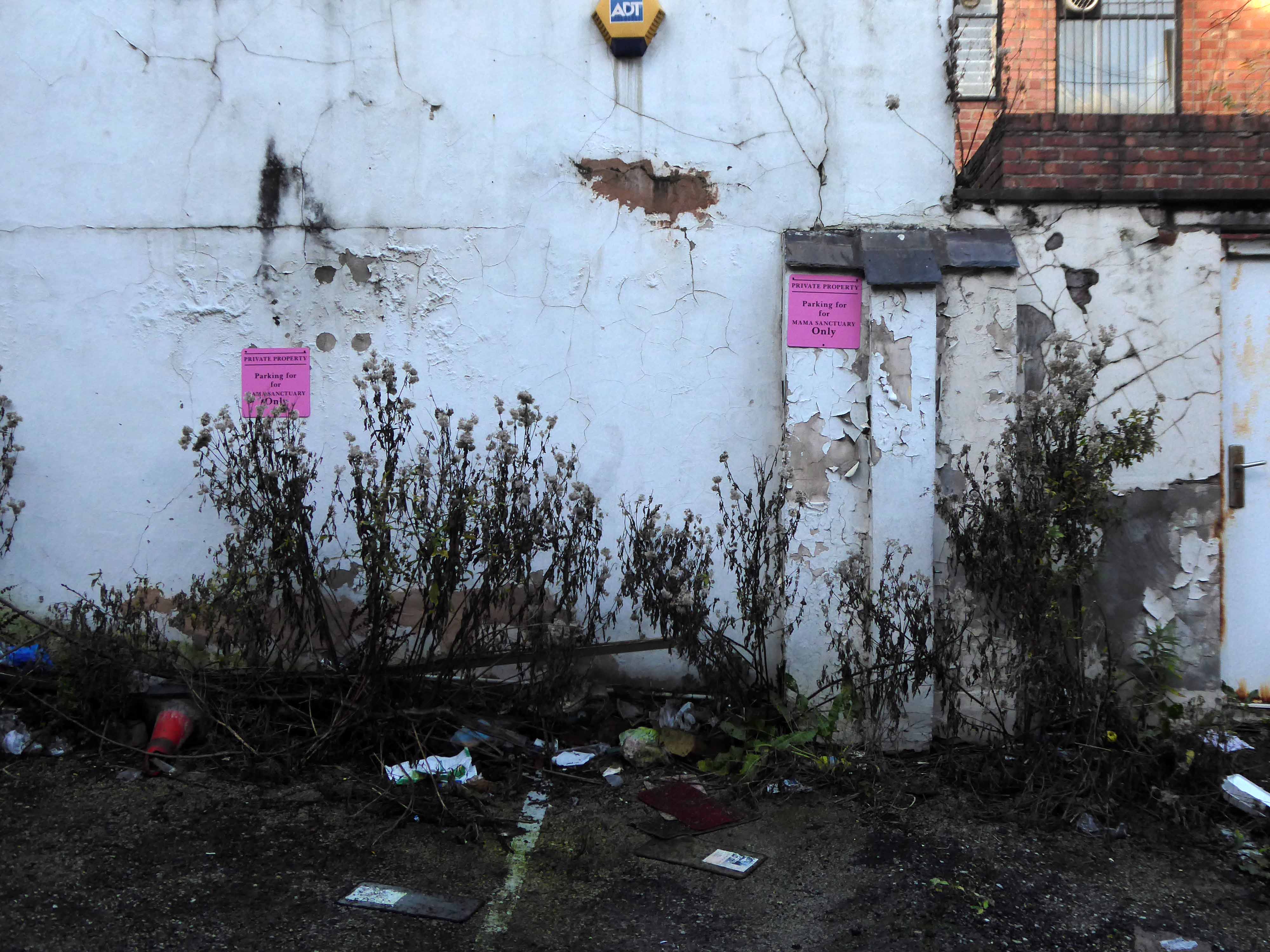
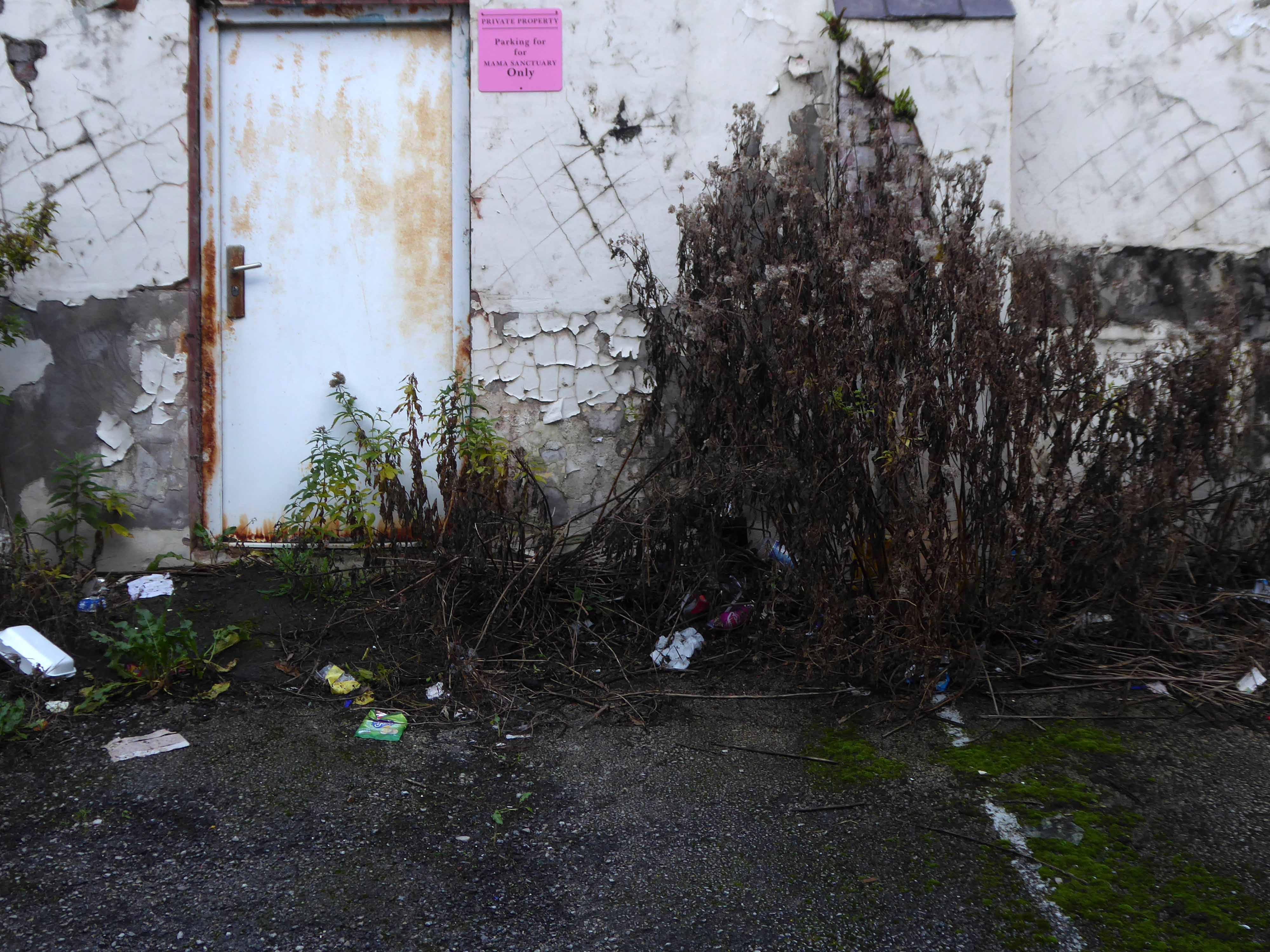
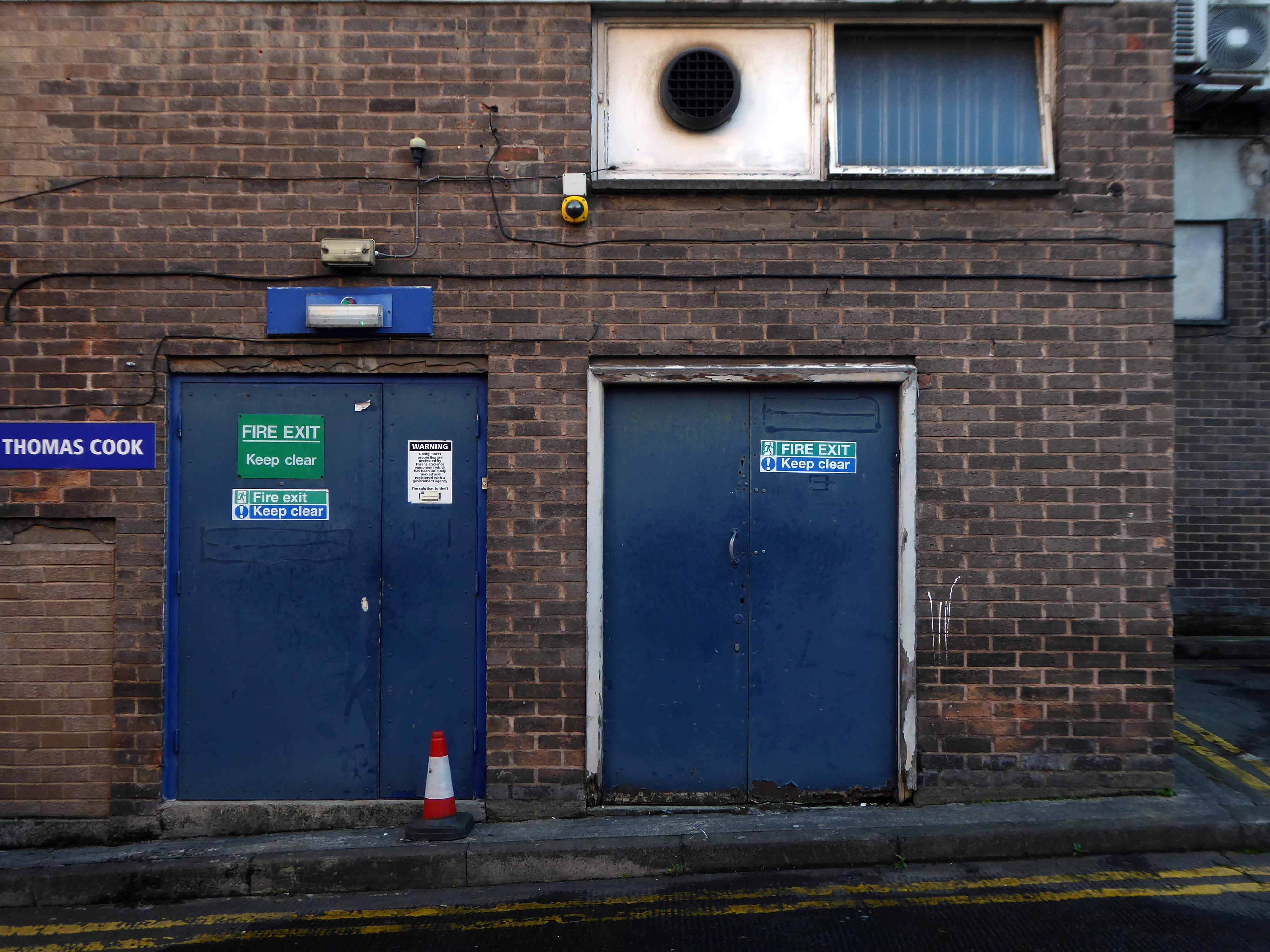
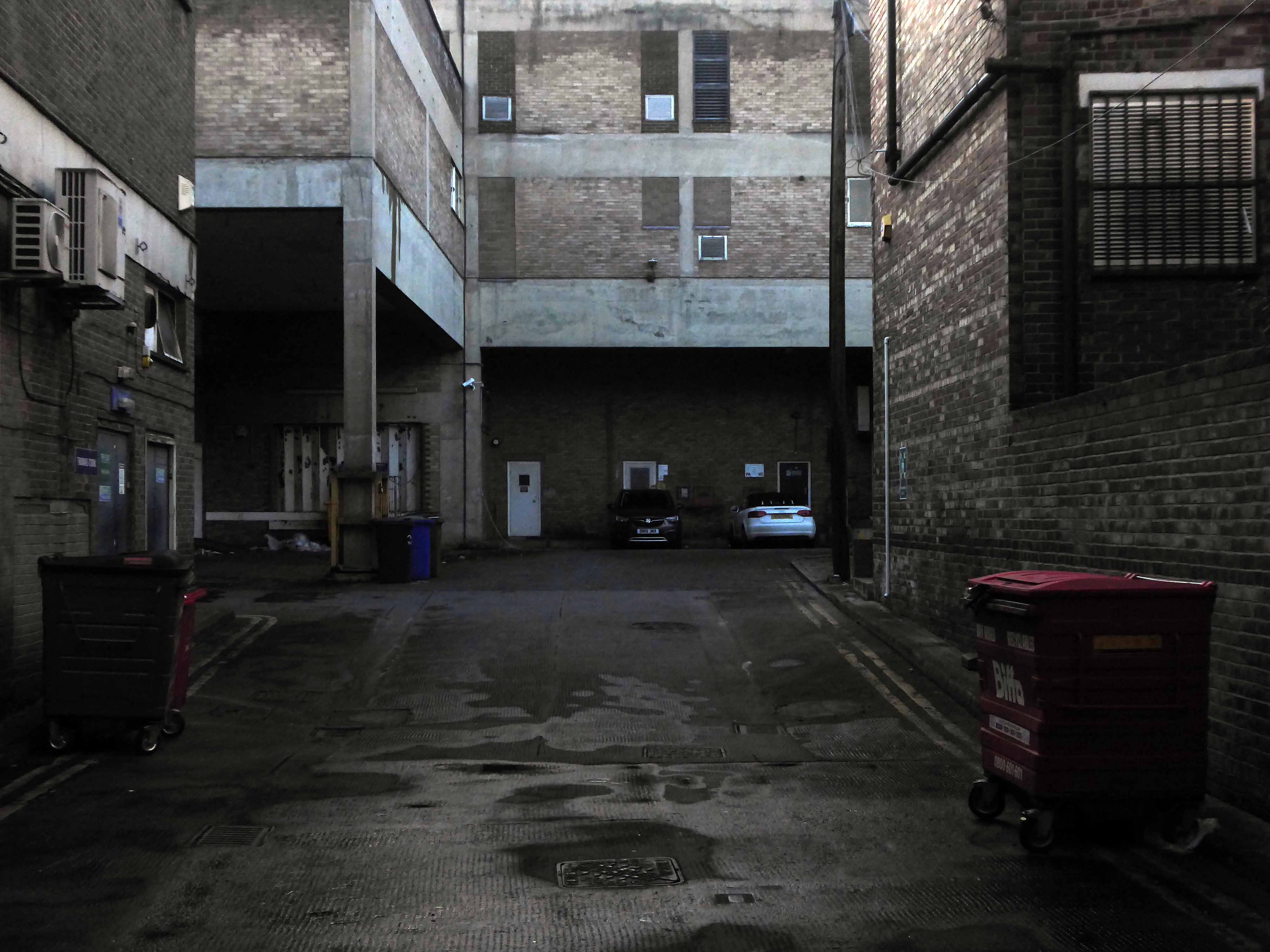
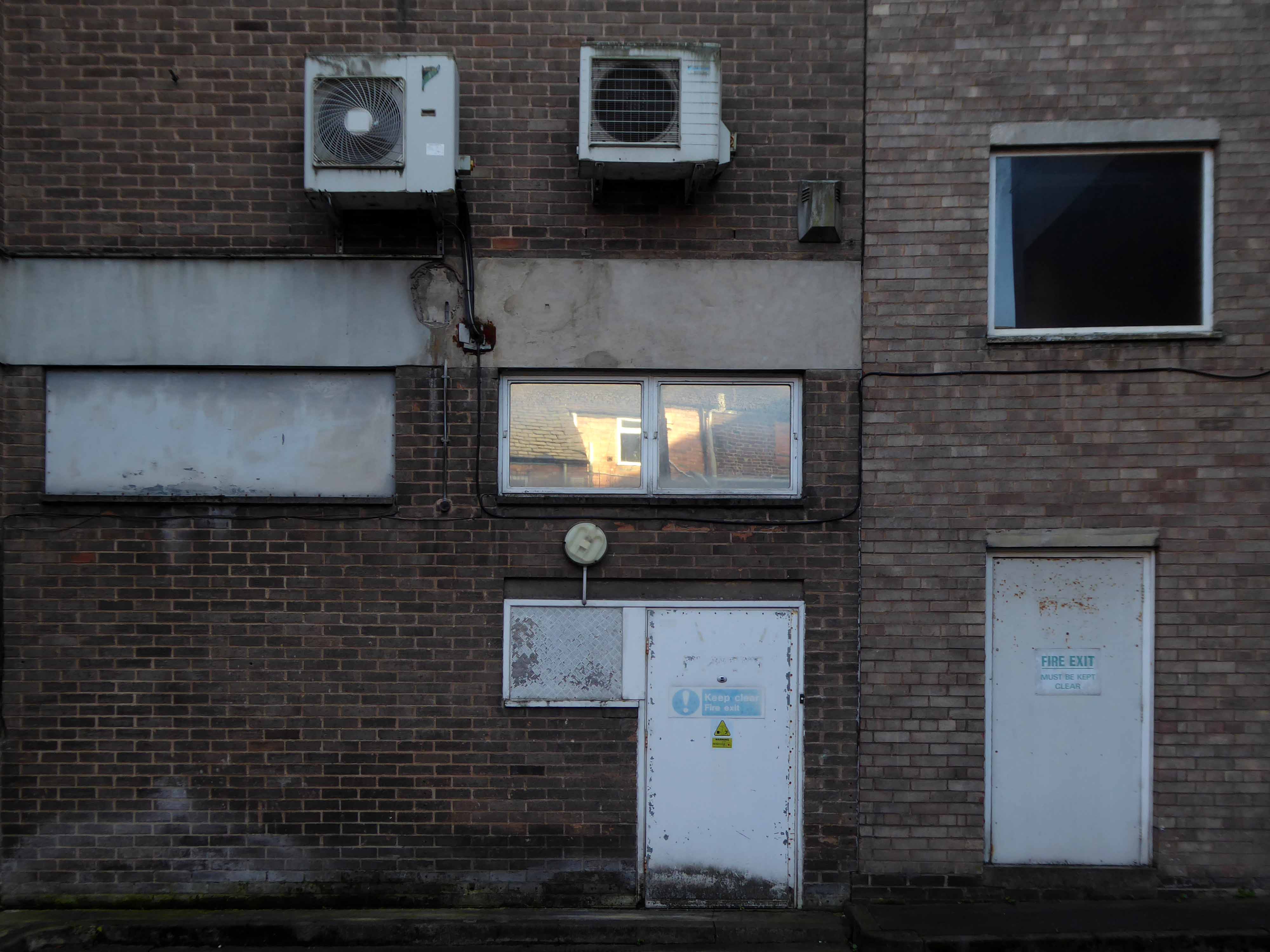
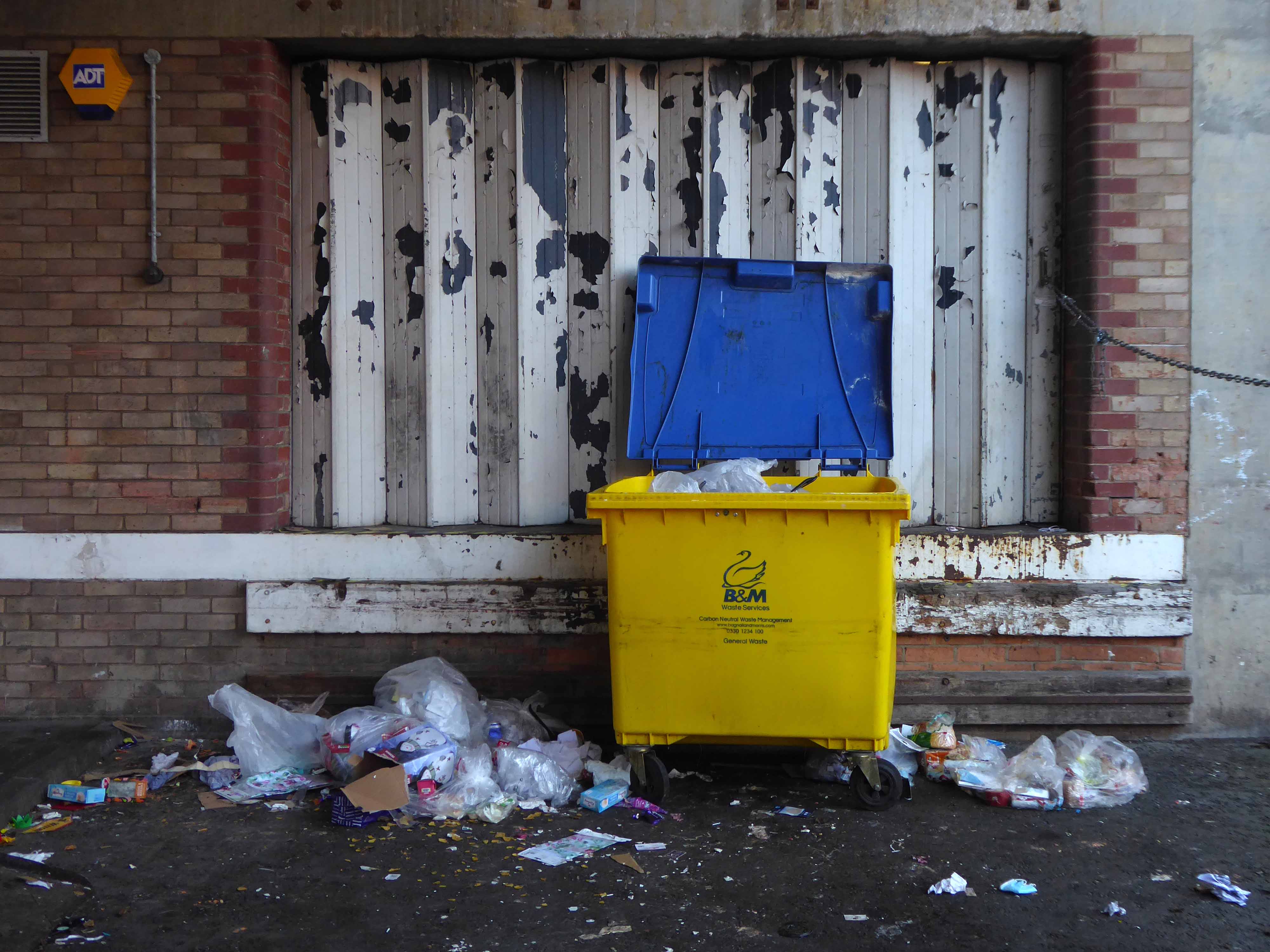
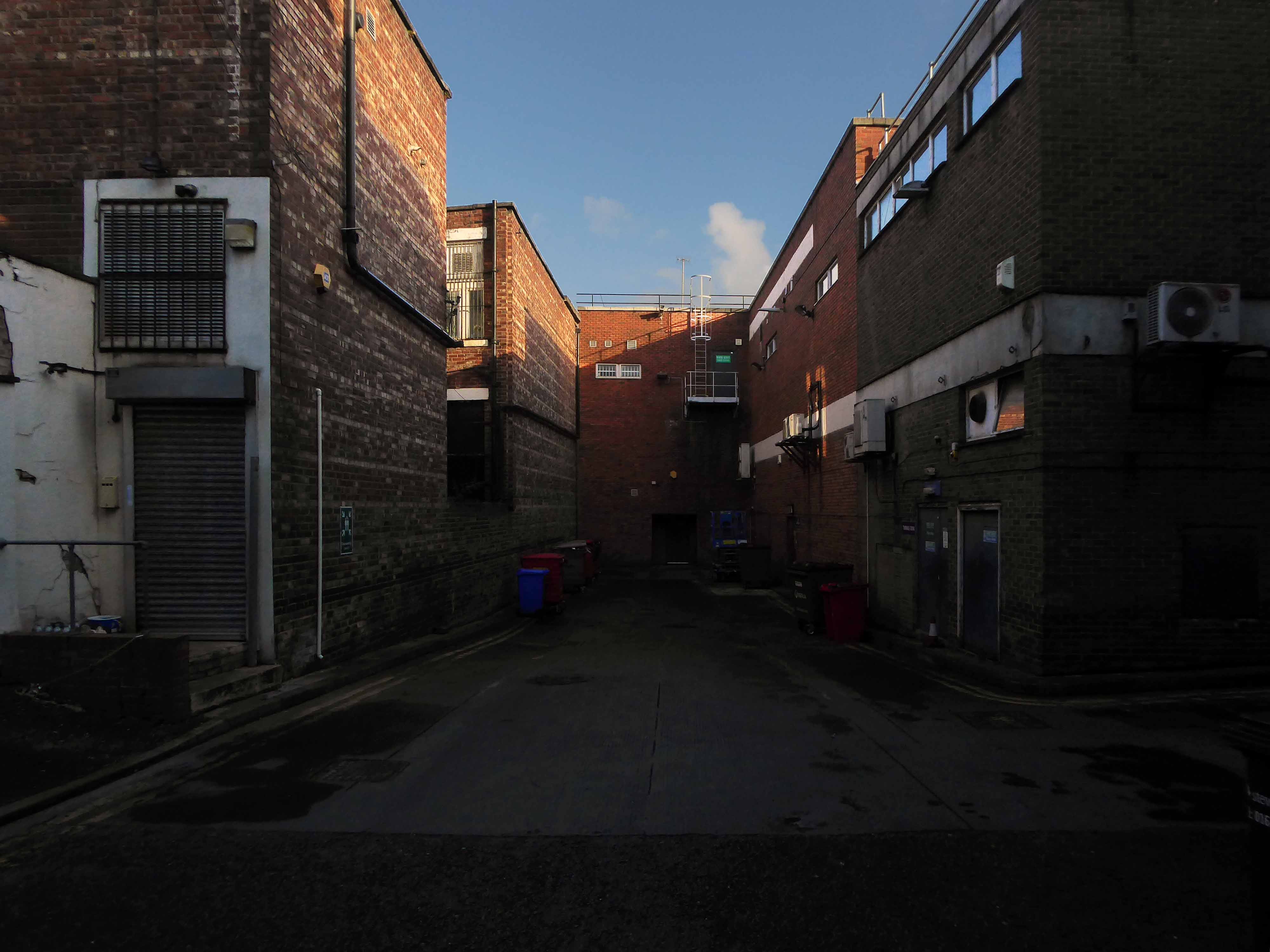
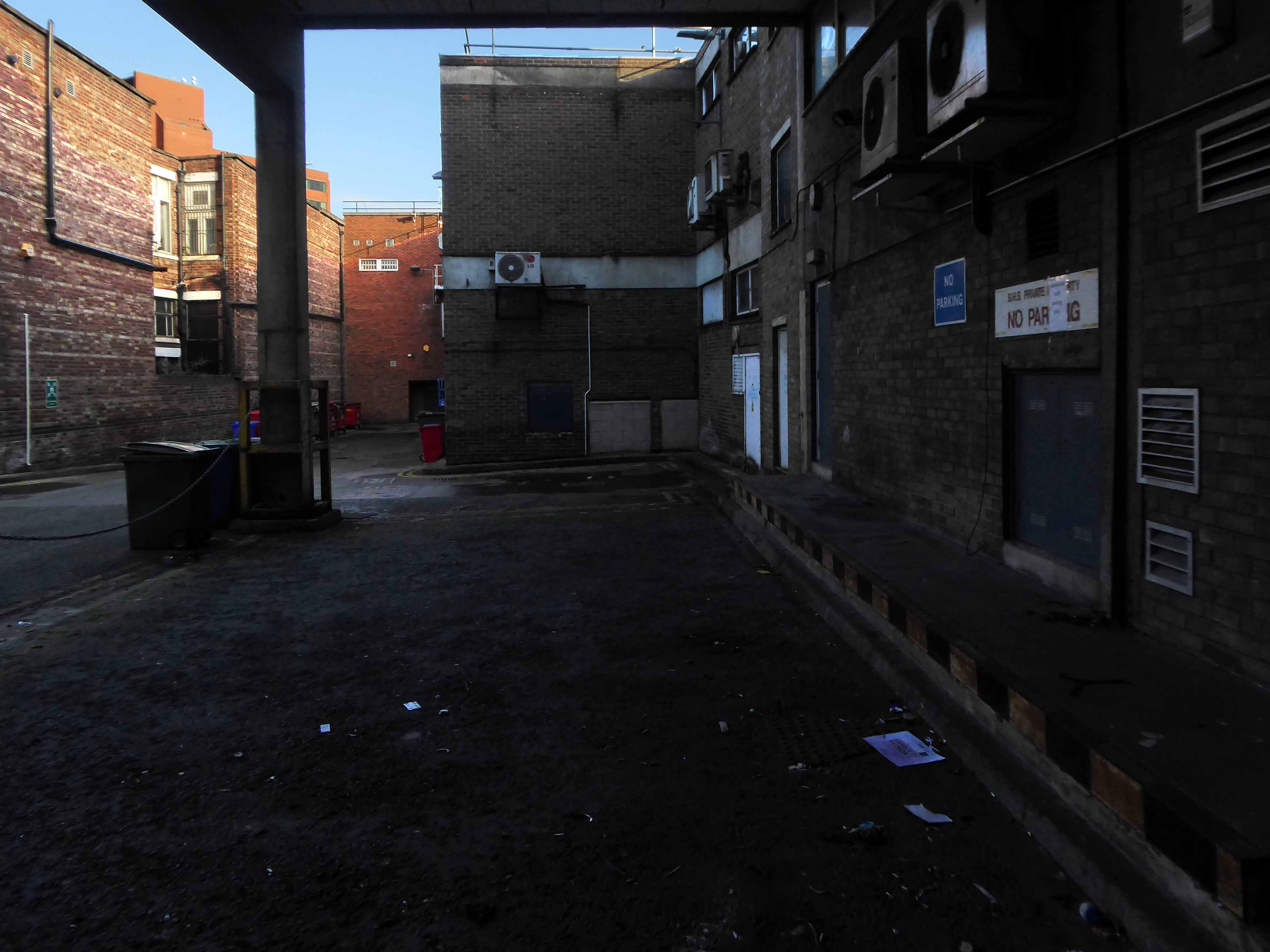
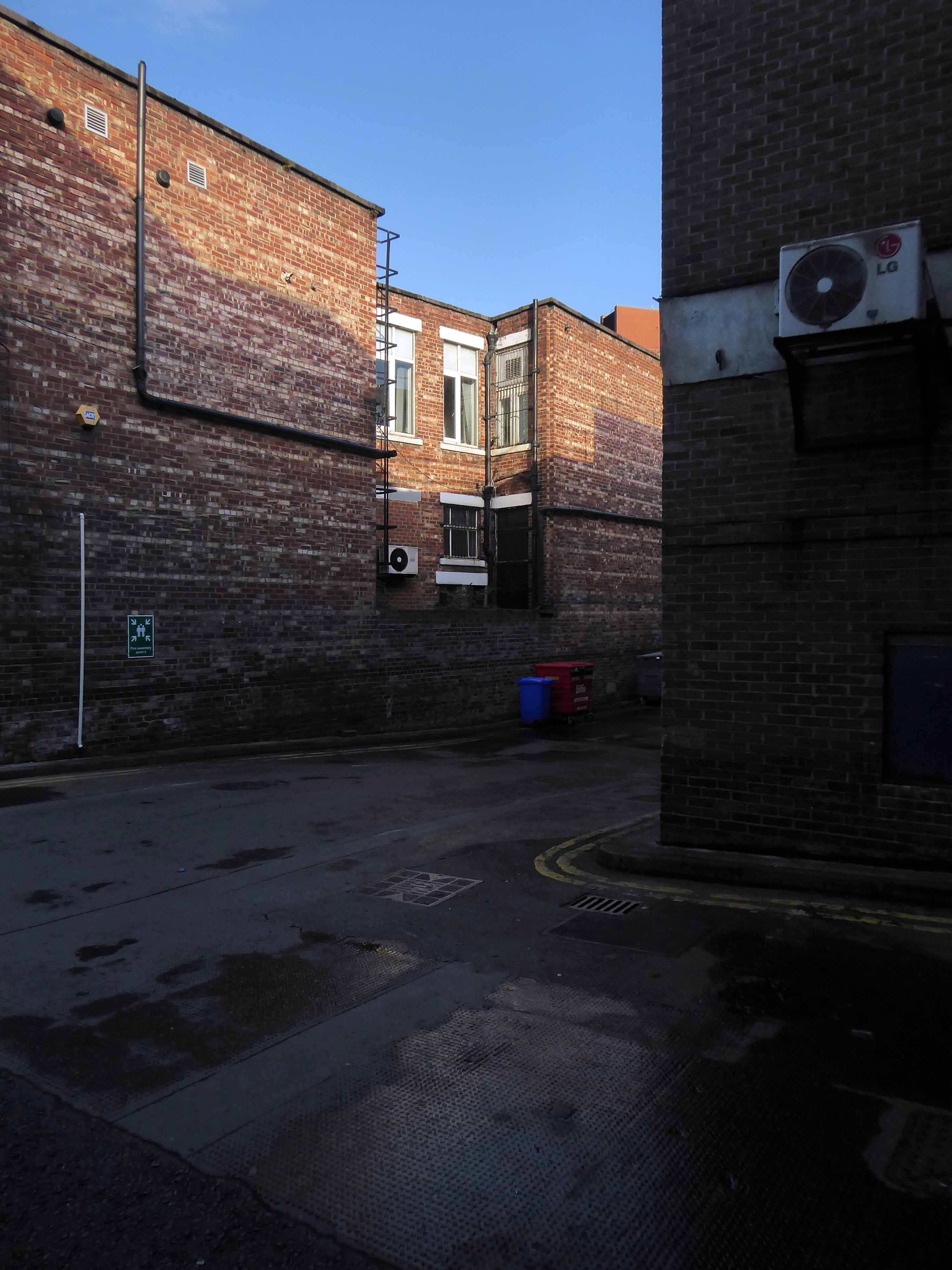
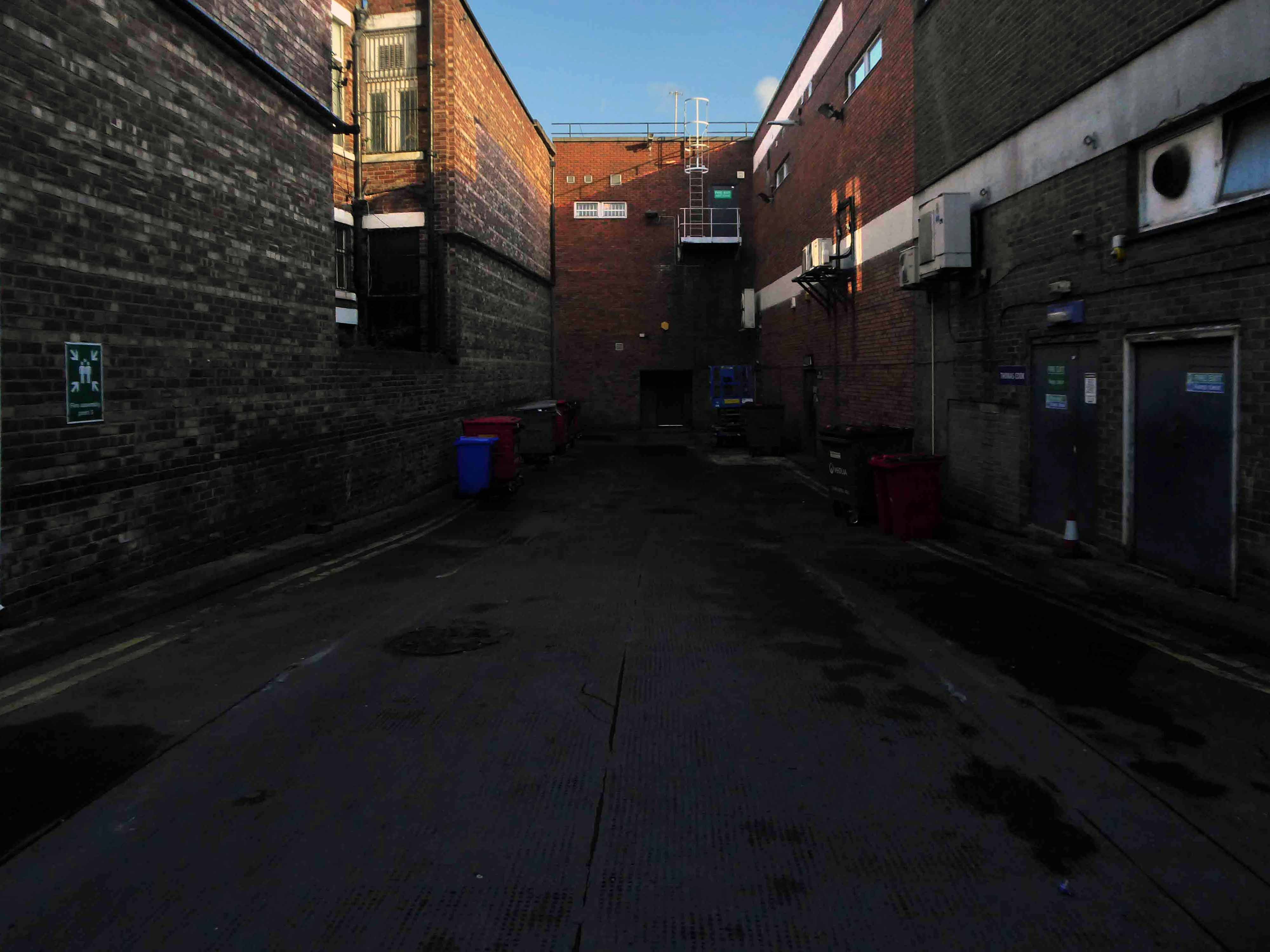
It’s a self contained world of loading, unloading unloved and overused.
Home to the pirate parker, carelessly avoiding the imposition of the municipal surcharges.
Shops and goods come and go part of the merry retail gavotte.
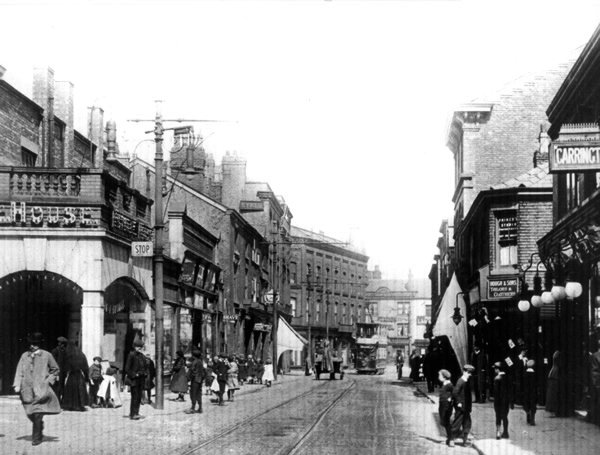
The trams once clang, clang, clanged along and the Picture House opened 2nd June 1913, later The Palladium, finally closing in 1956 – now occupied by a huge Charity Shop – Highway Hope.
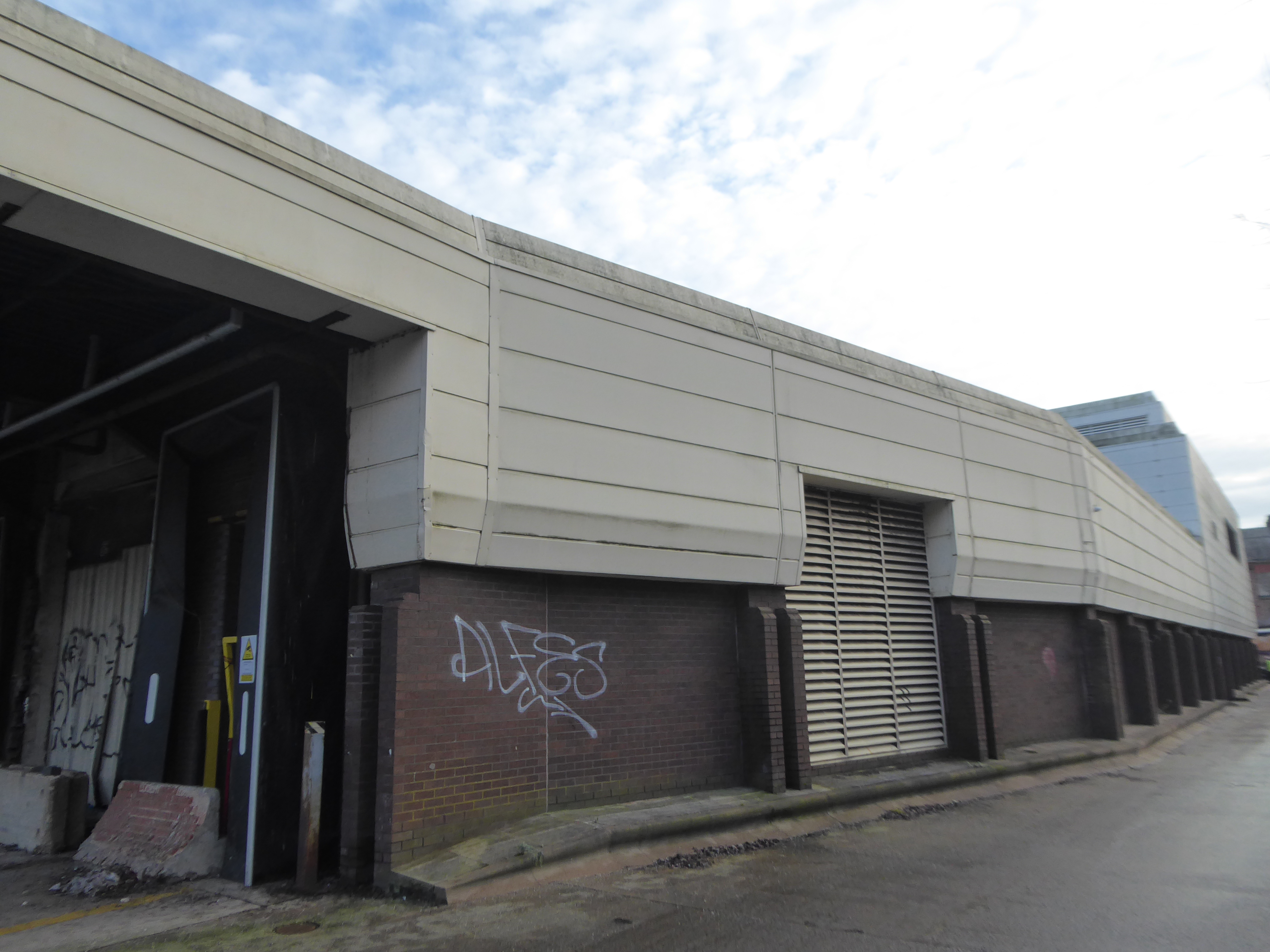
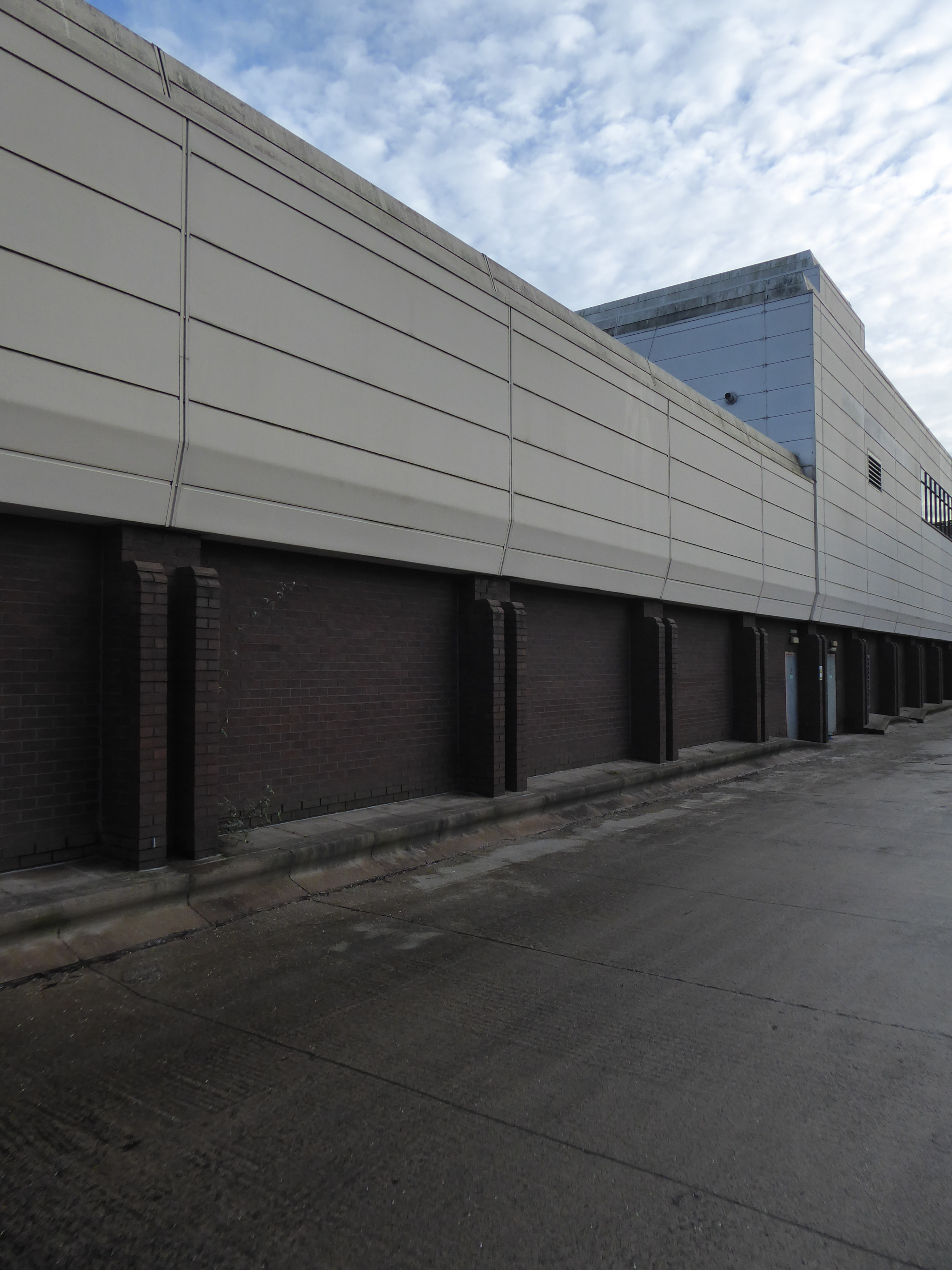
The Merseyway construction is a modern amalgam of mosaic, brick and cast concrete.
The older brick building now almost rendered and coated in off white exterior emulsion.
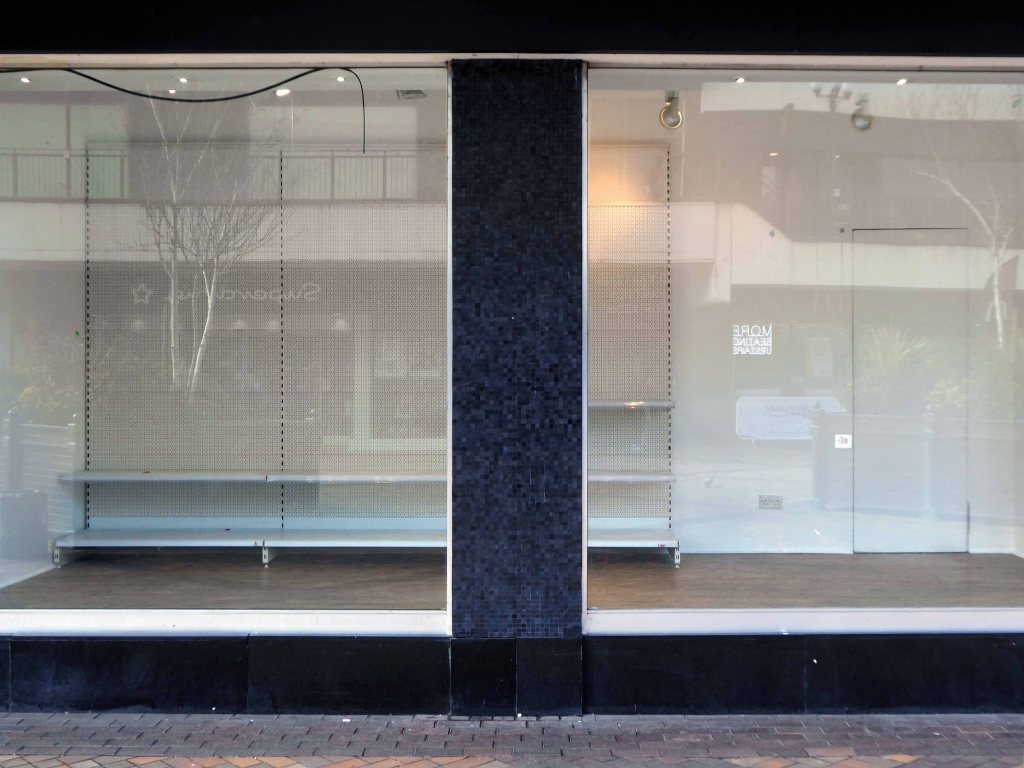
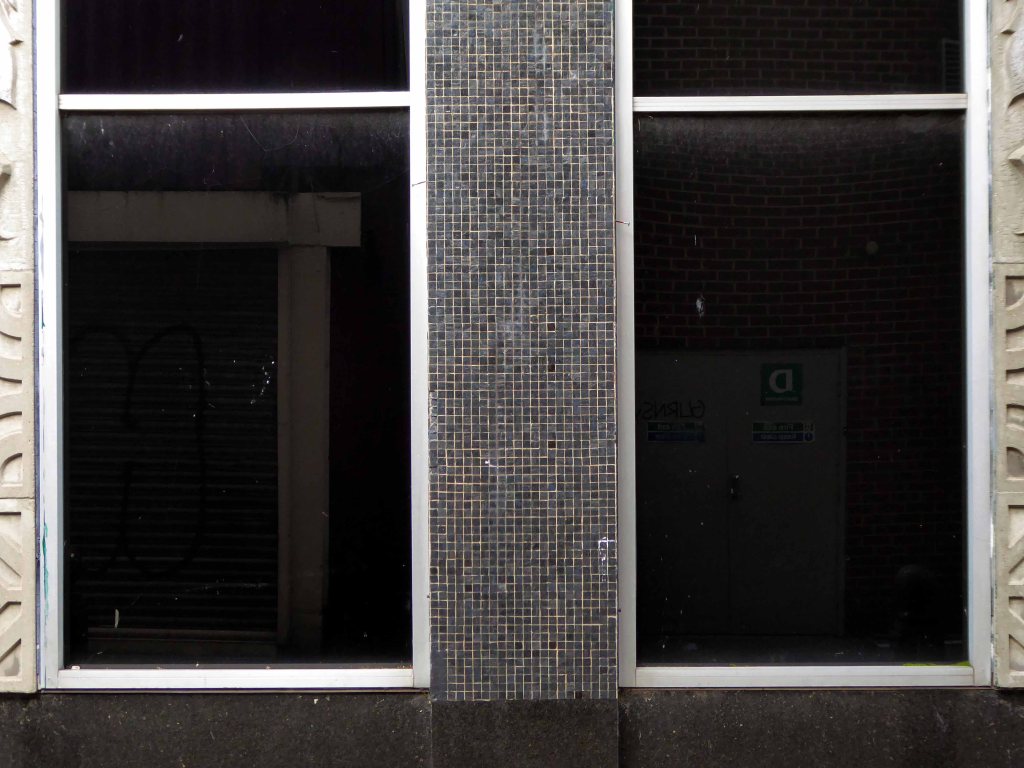
There are signs of life and former lives.
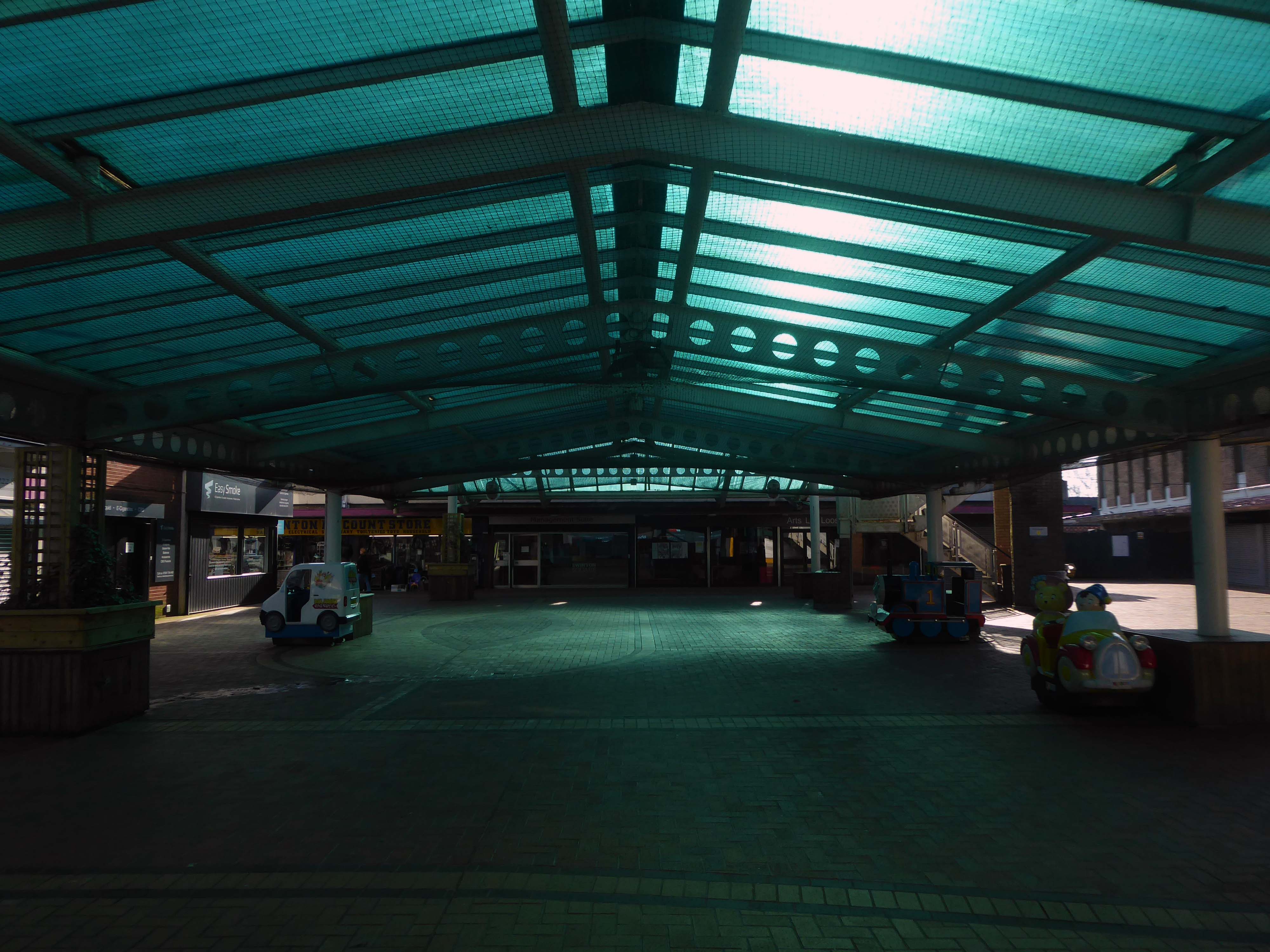
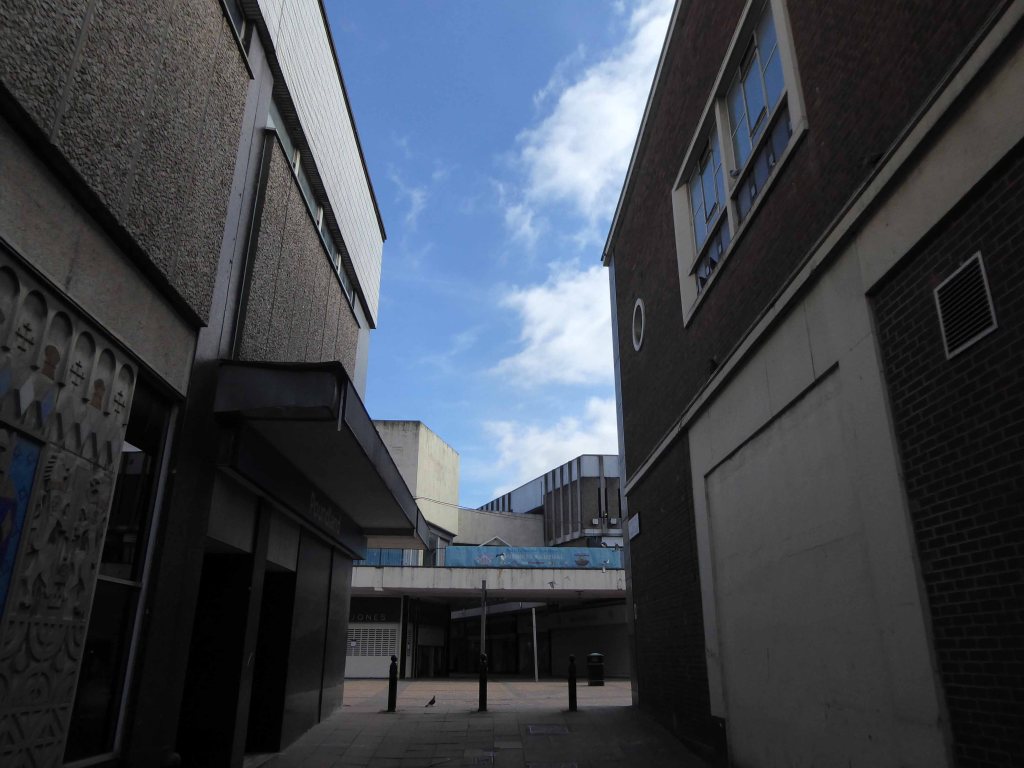
This is a nether world that never really was a world at all.
The place where the sun almost doesn’t shine.
And the blue sky seems like an unwelcome intrusion.
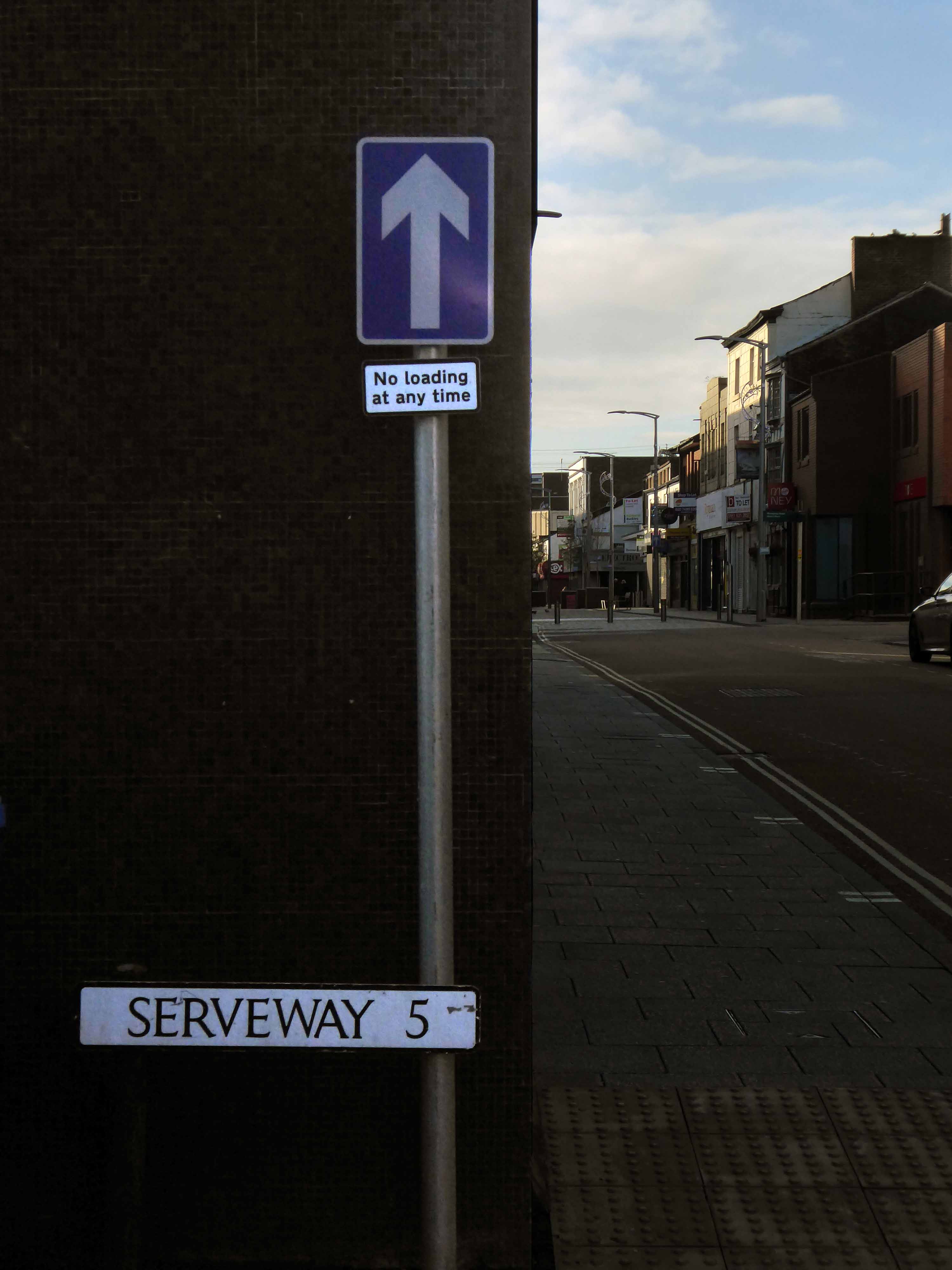
So as the retail sector contracts and the virus remains viral – wither Serveway Five?
The Council purchased the development at no cost to taxpayers via the current income stream. The rationale for purchase was to create a sustainable future for the centre via a series of targeted redevelopments. Key aspirations for the centre will be to fully integrate it into the town centre. We also want it to complement our exciting ownerships such as Debenhams, Redrock and Market Place and Underbanks.
The investment will seek to change perceptions of not only the retail offer but also Stockport as a whole. It will ultimately create a town centre that will benefit the local business community and Stockport residents.



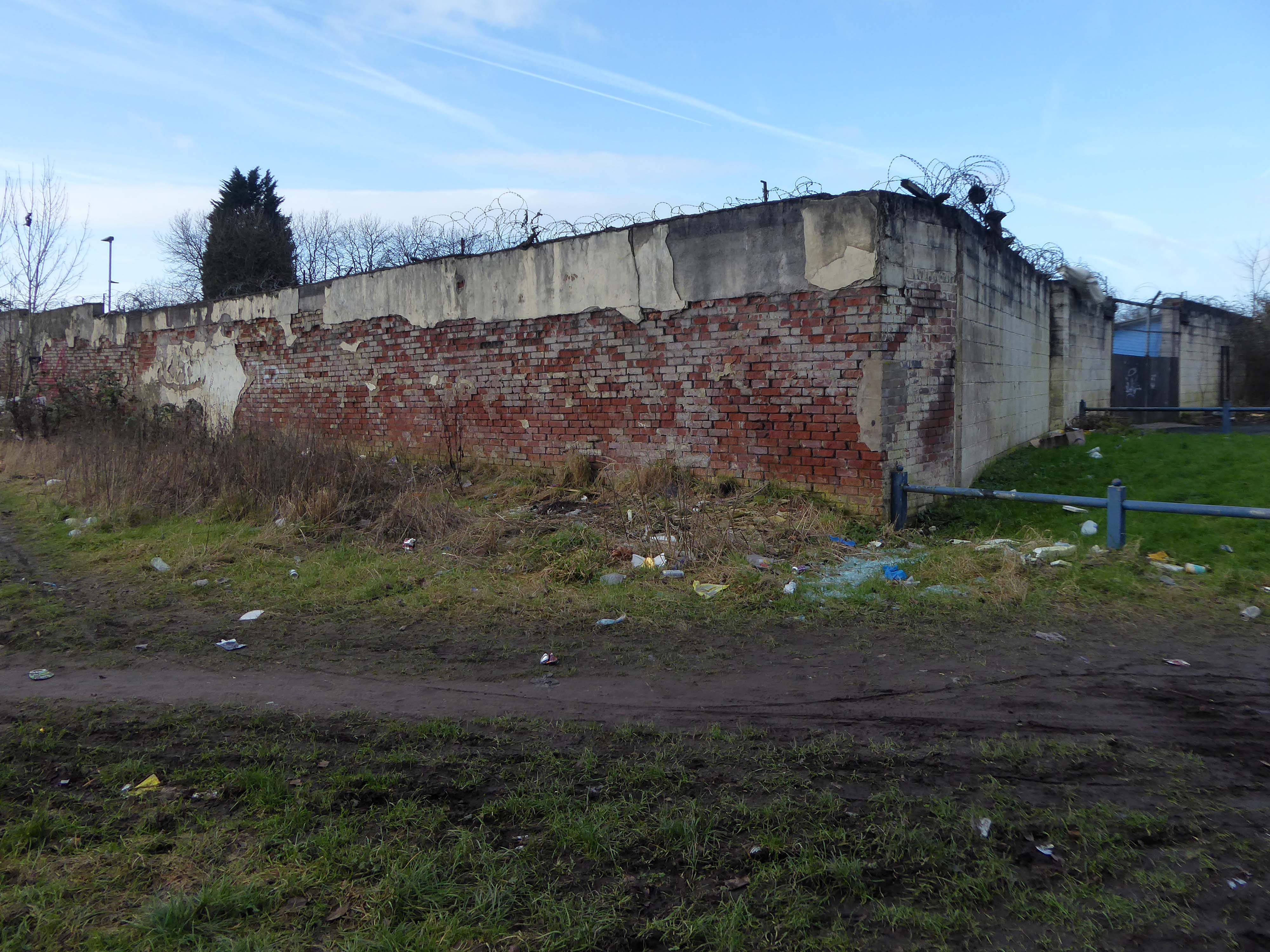

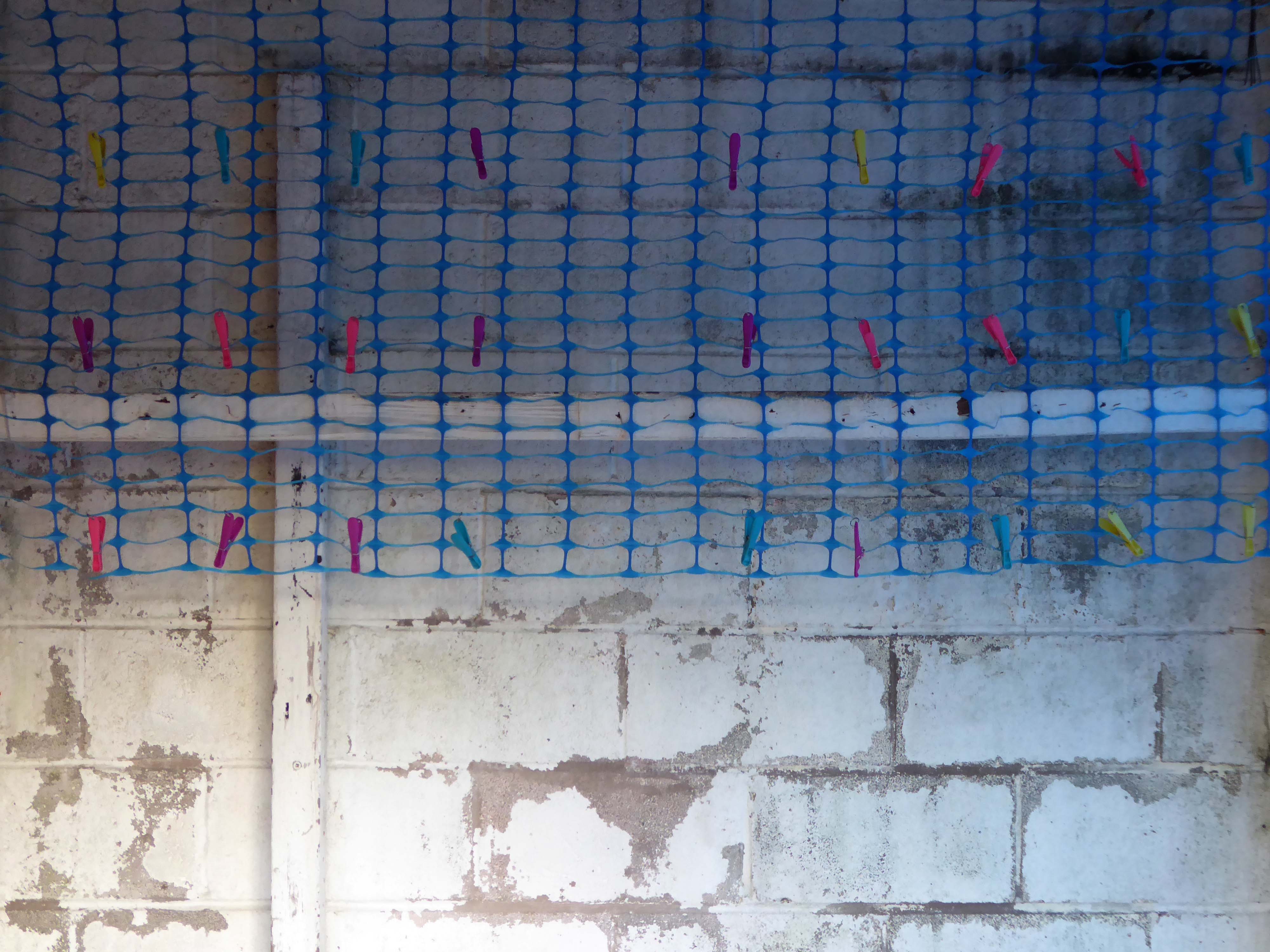
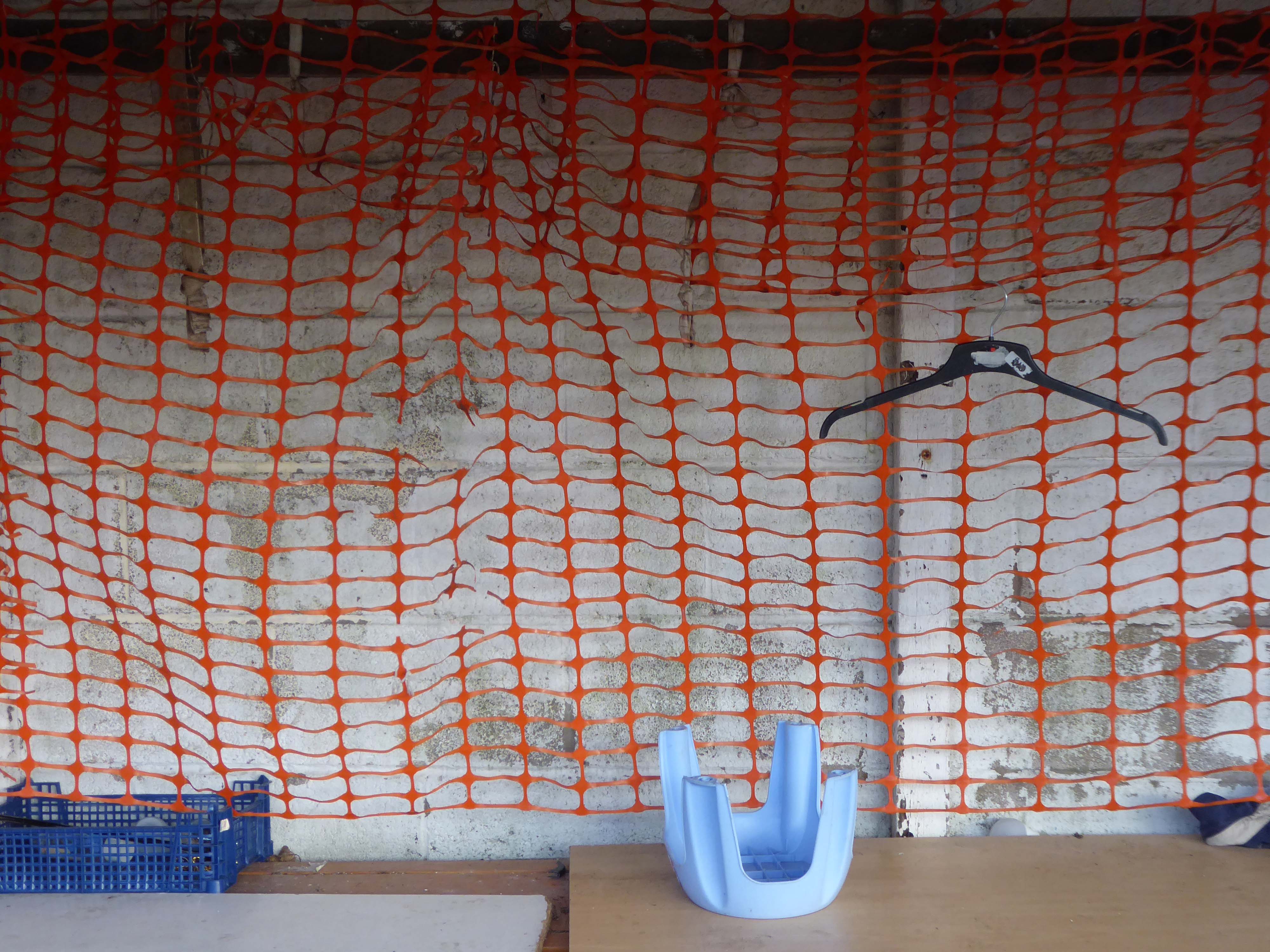
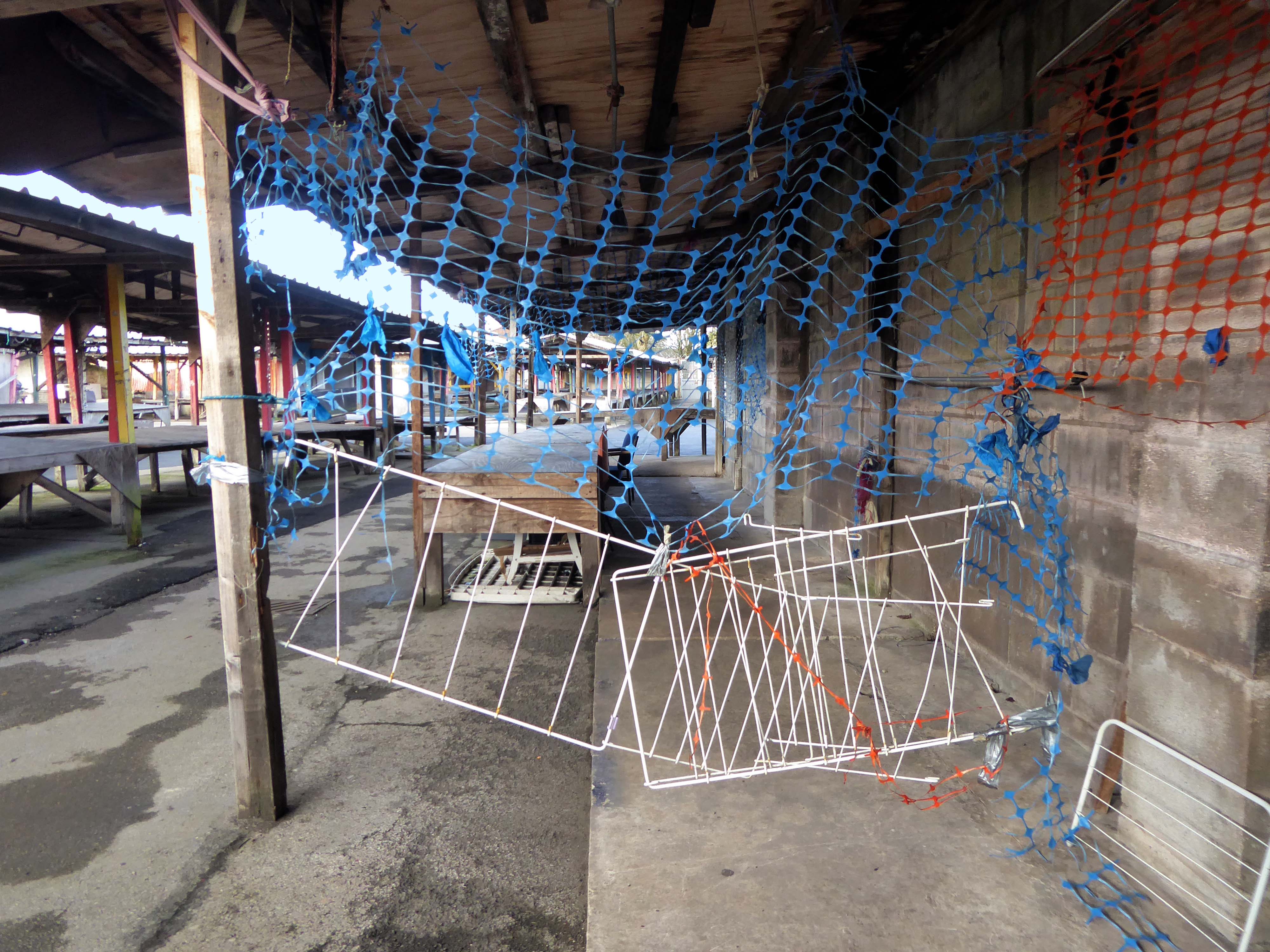
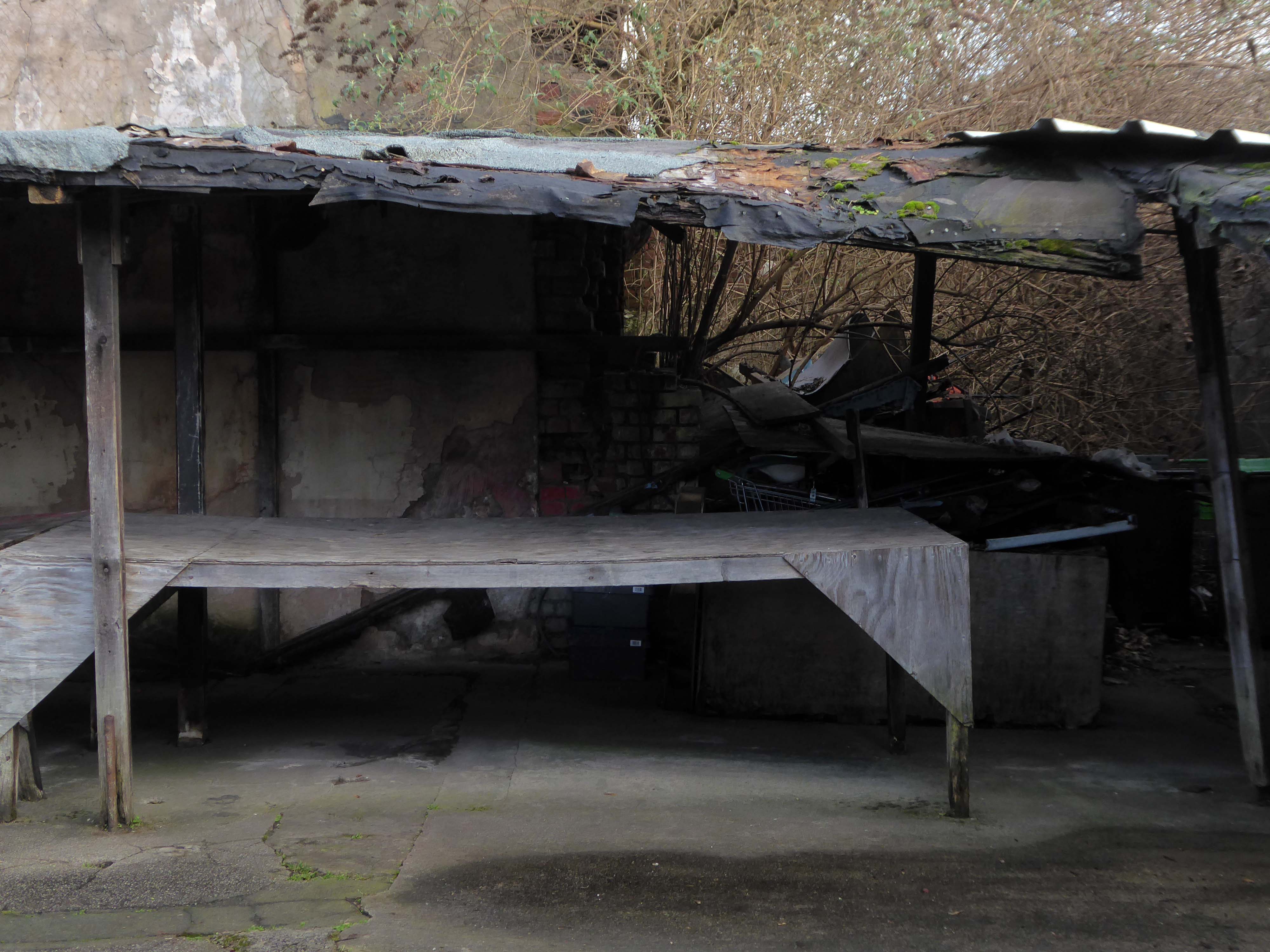




































































 Modern Mooch