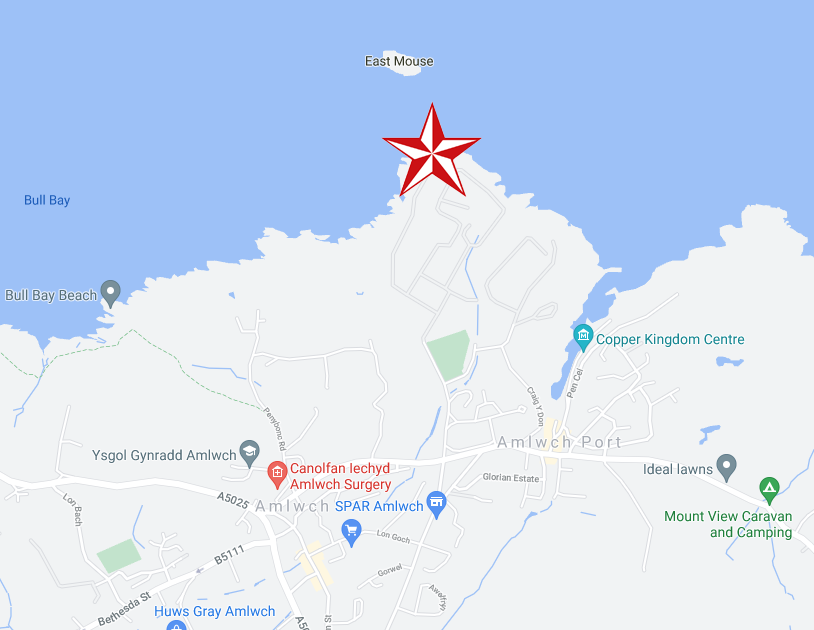
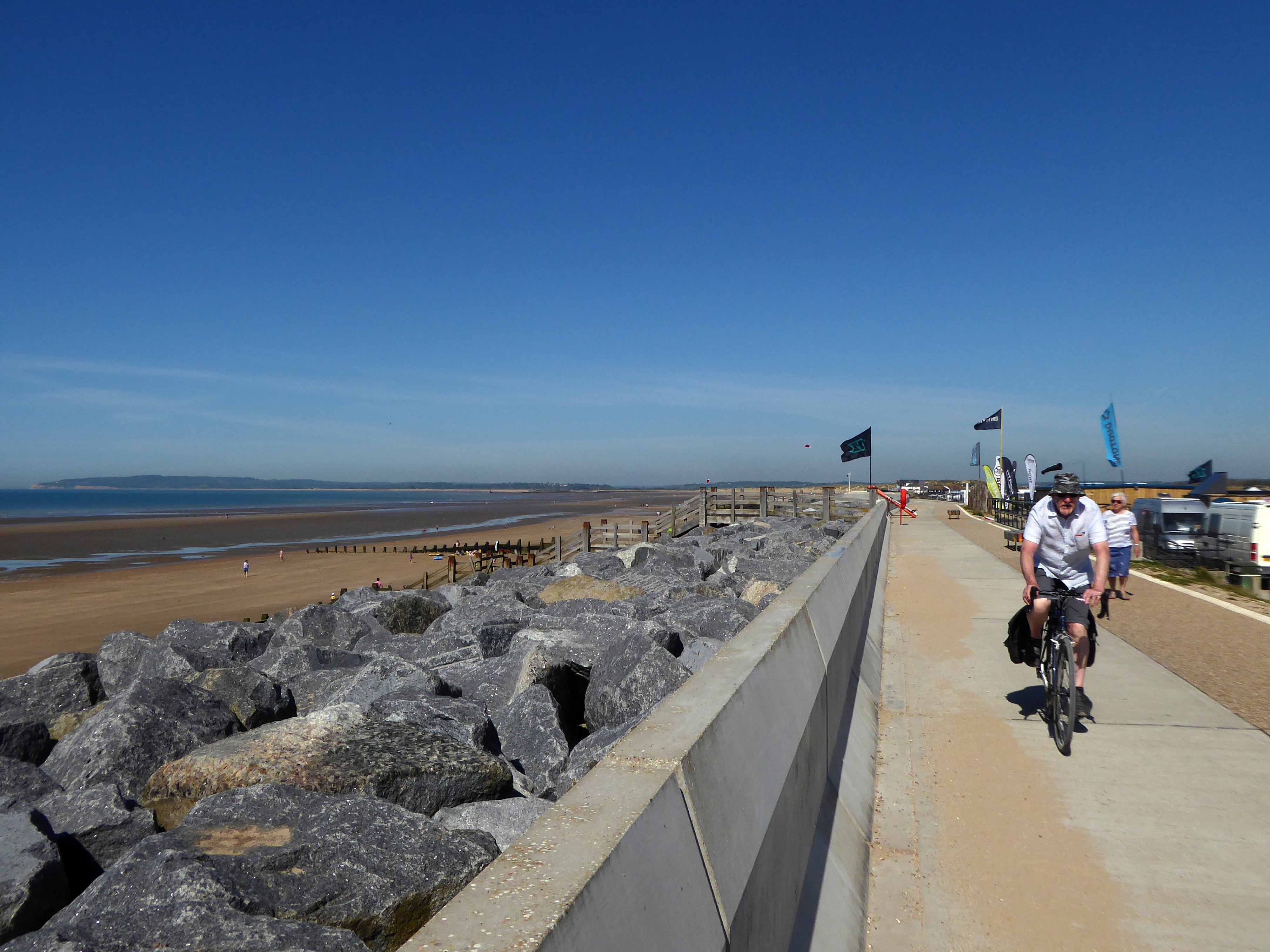
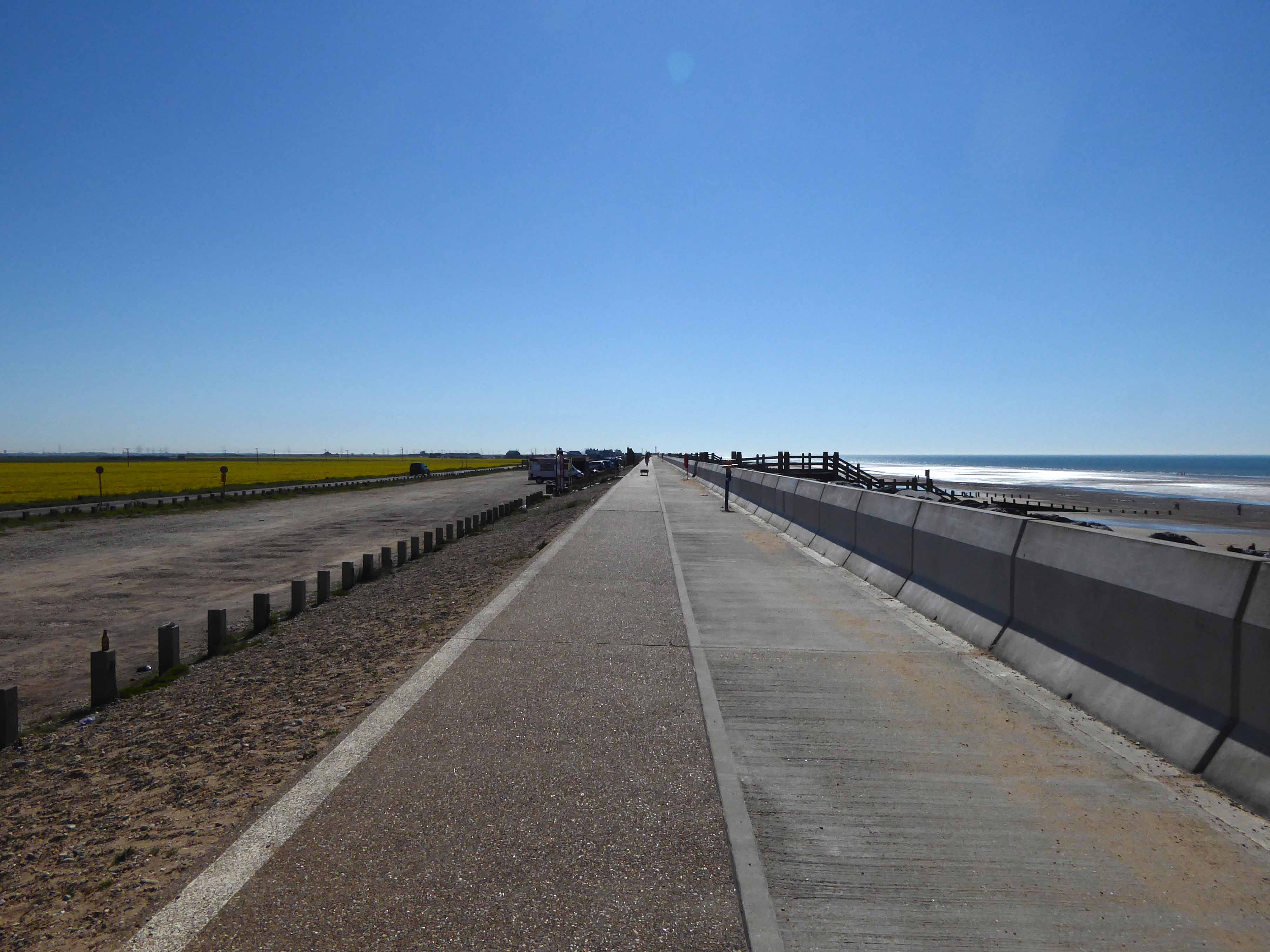
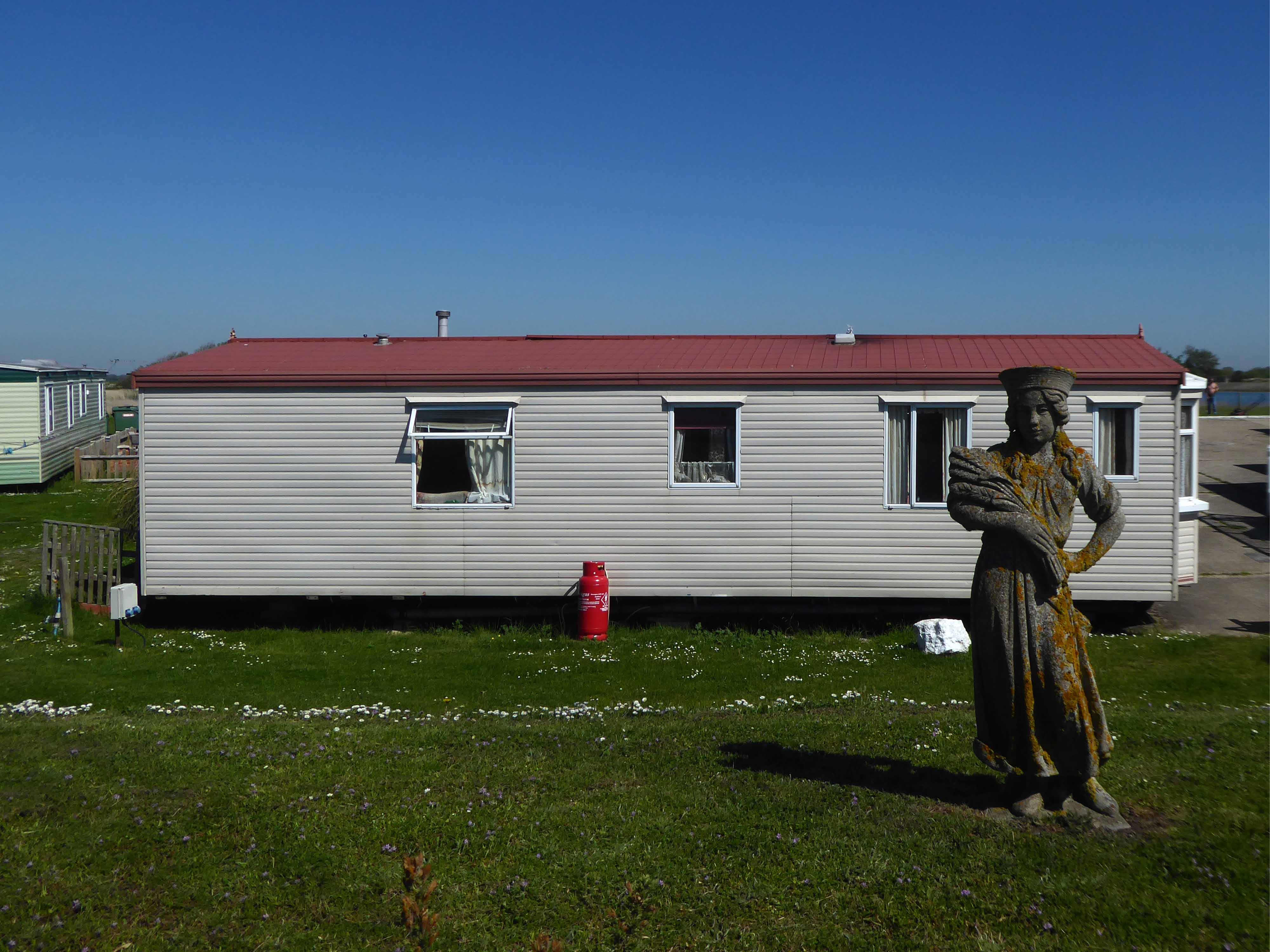
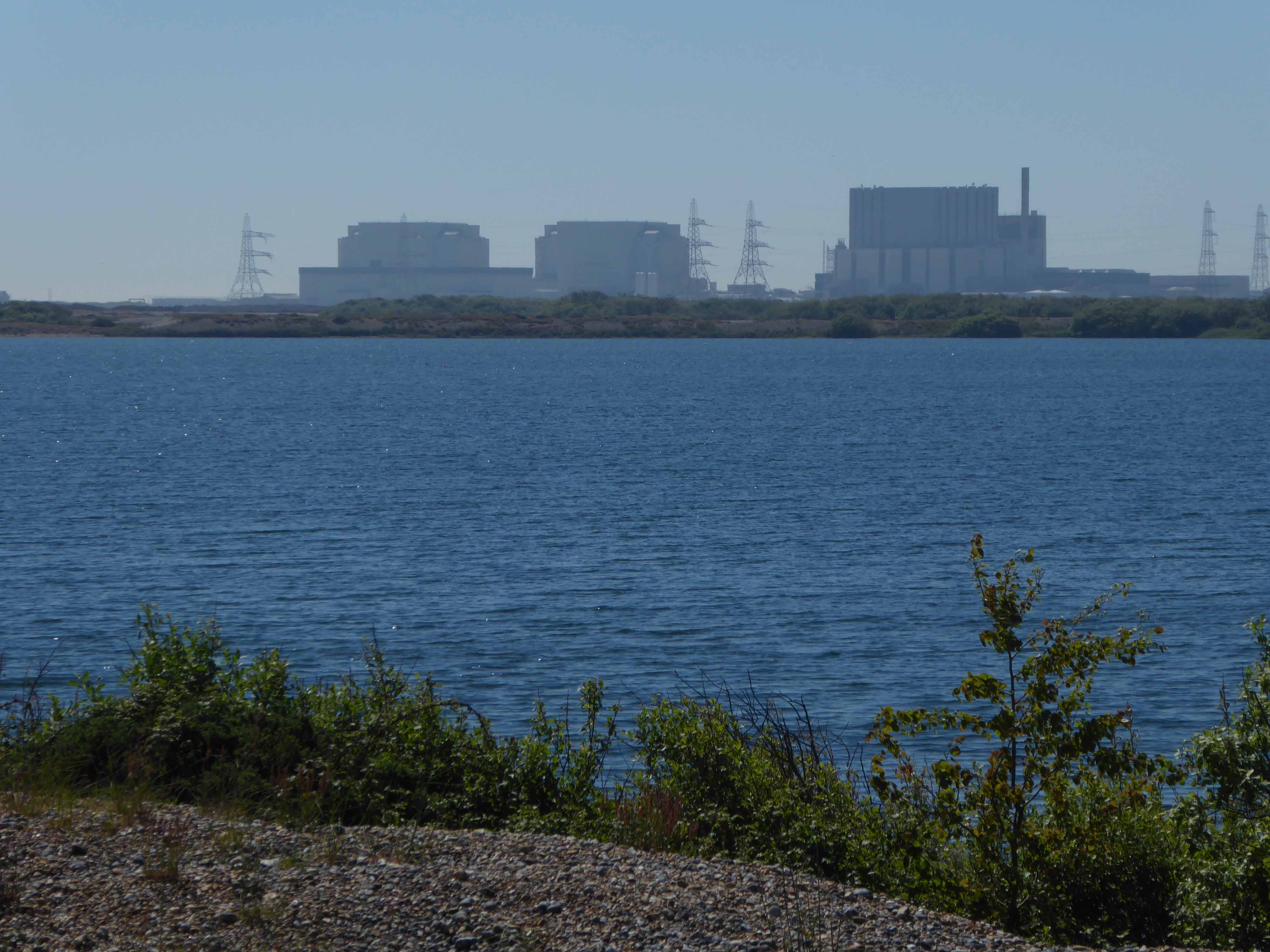
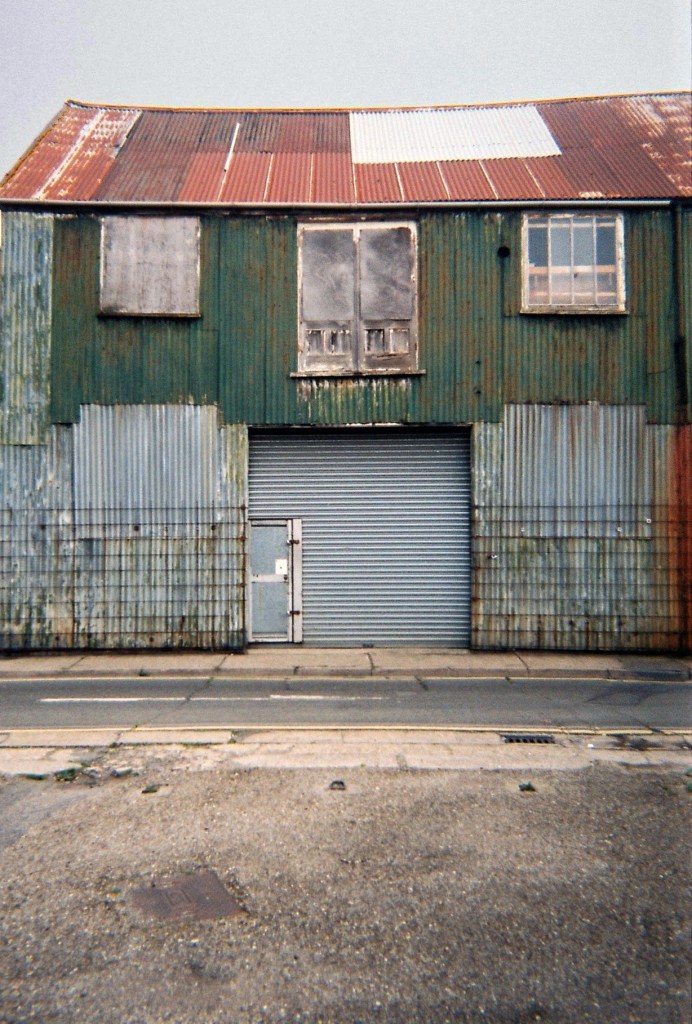
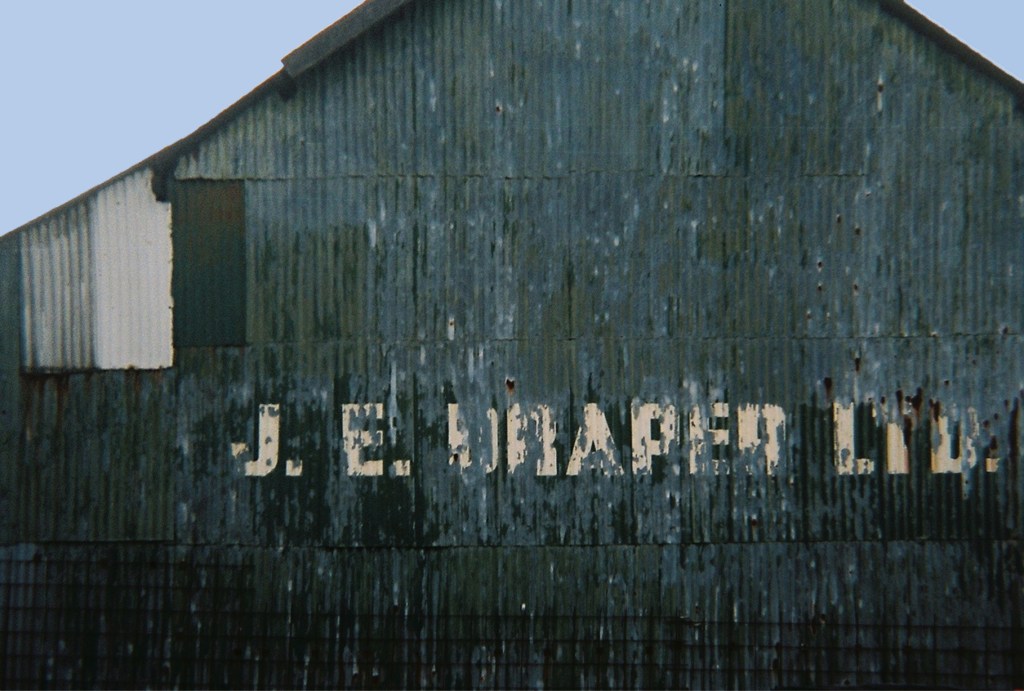
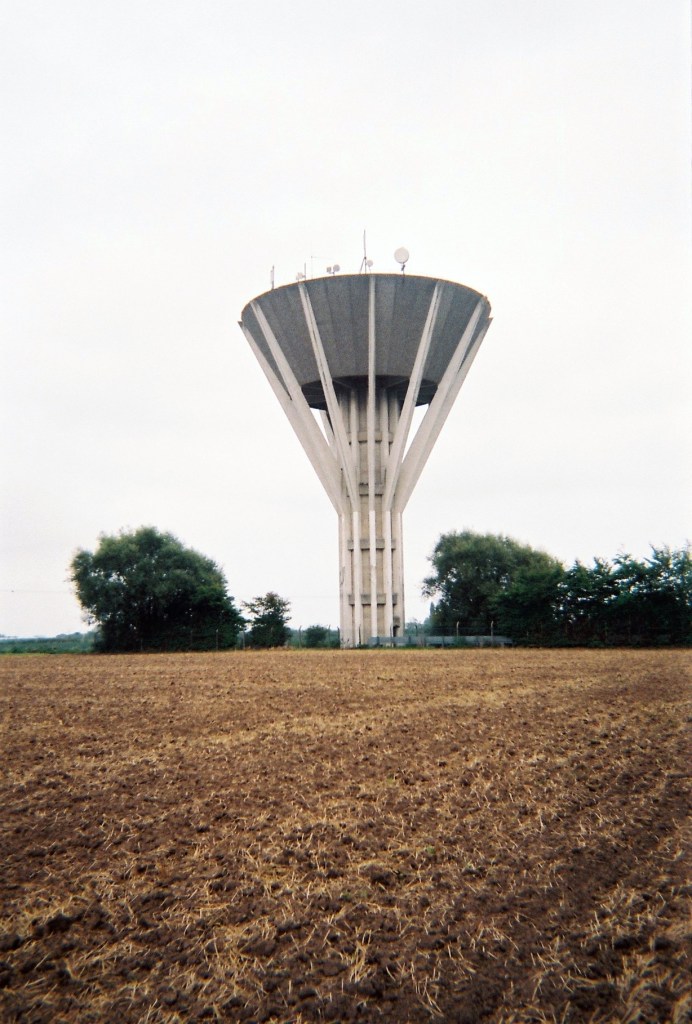
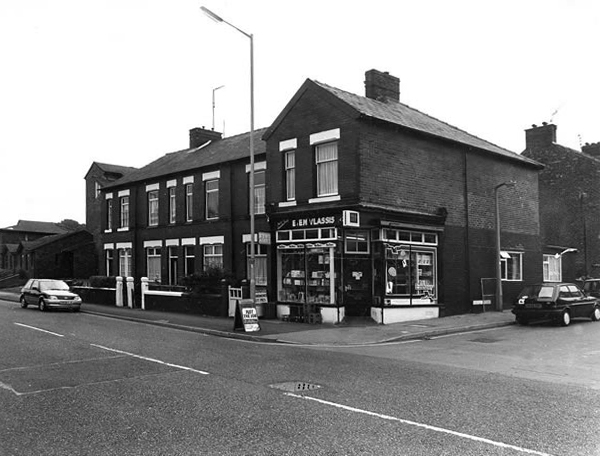
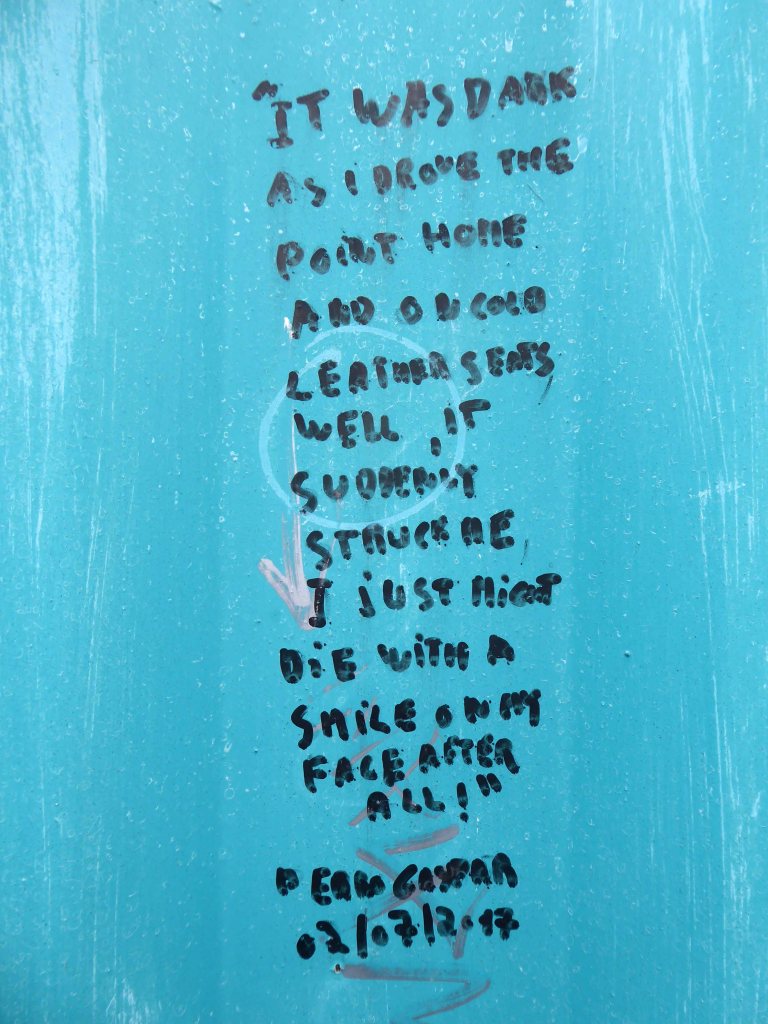
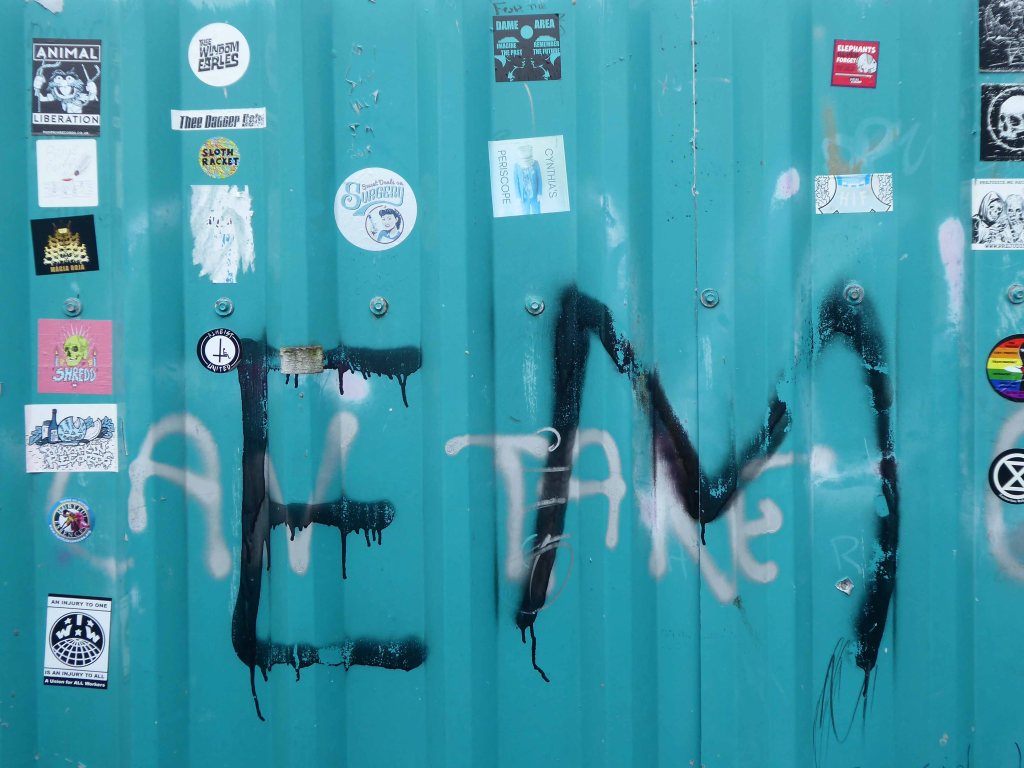
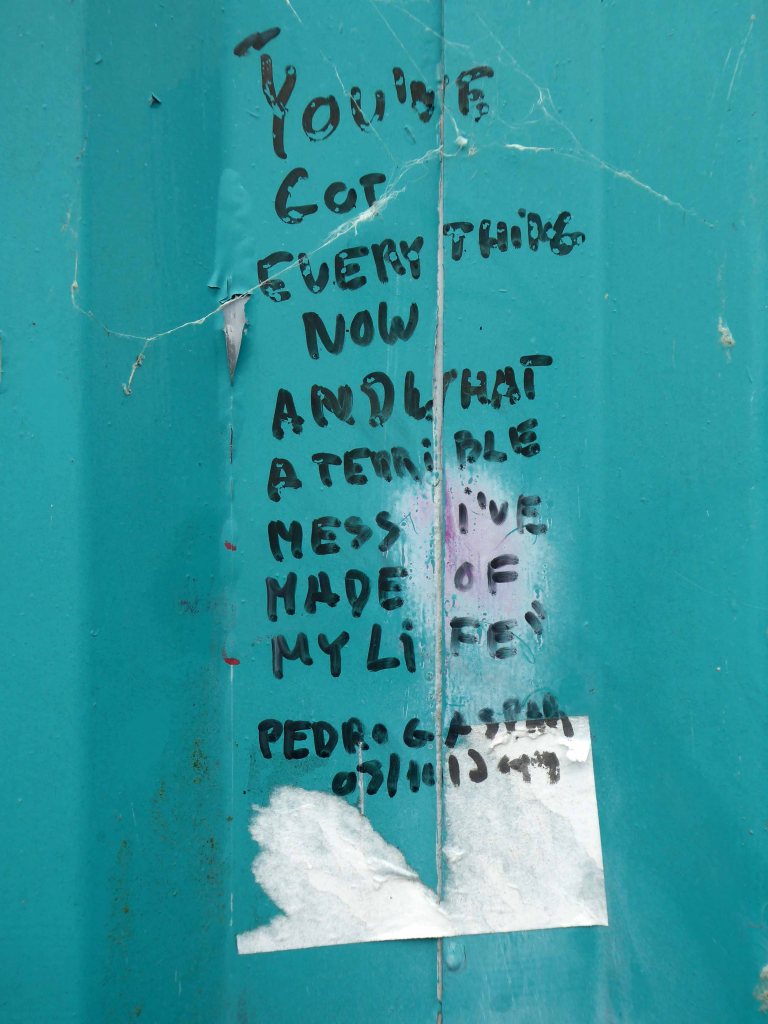
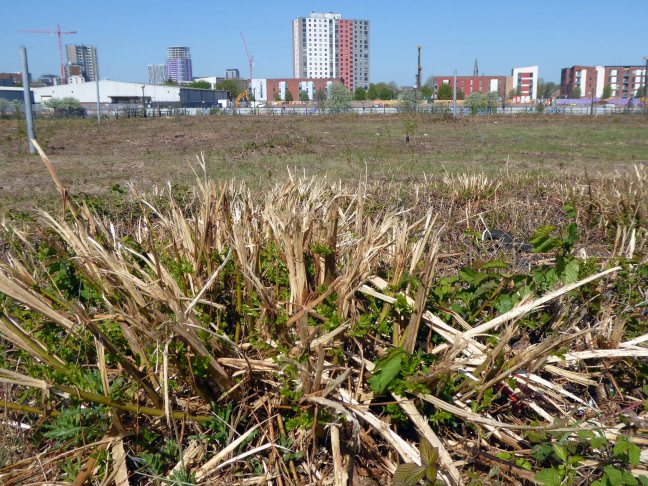
Amlwch has been the centre of the world’s copper industry, a coastal town on Anglesey with a long history of trade, the coming and going of goods.
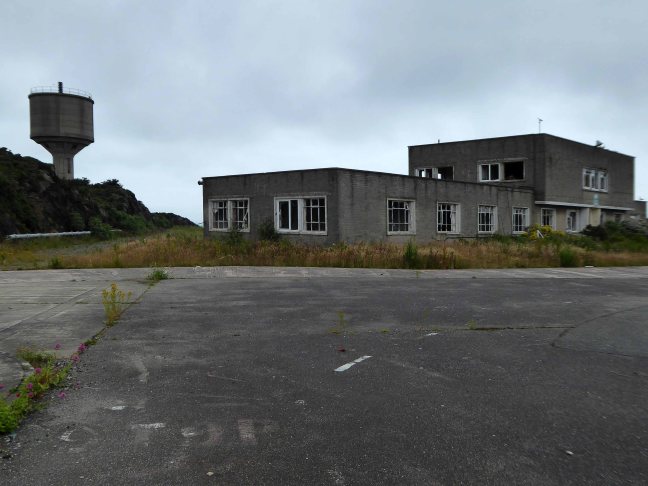
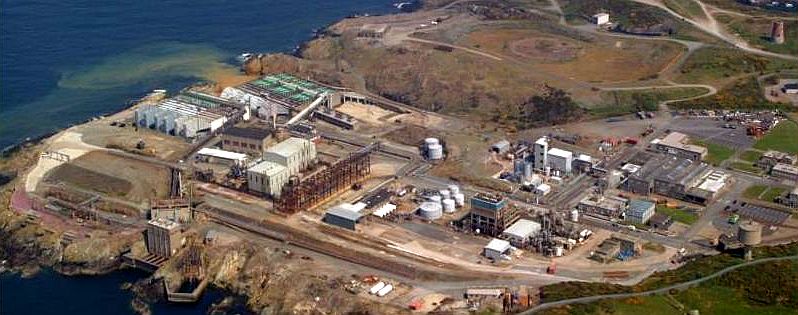
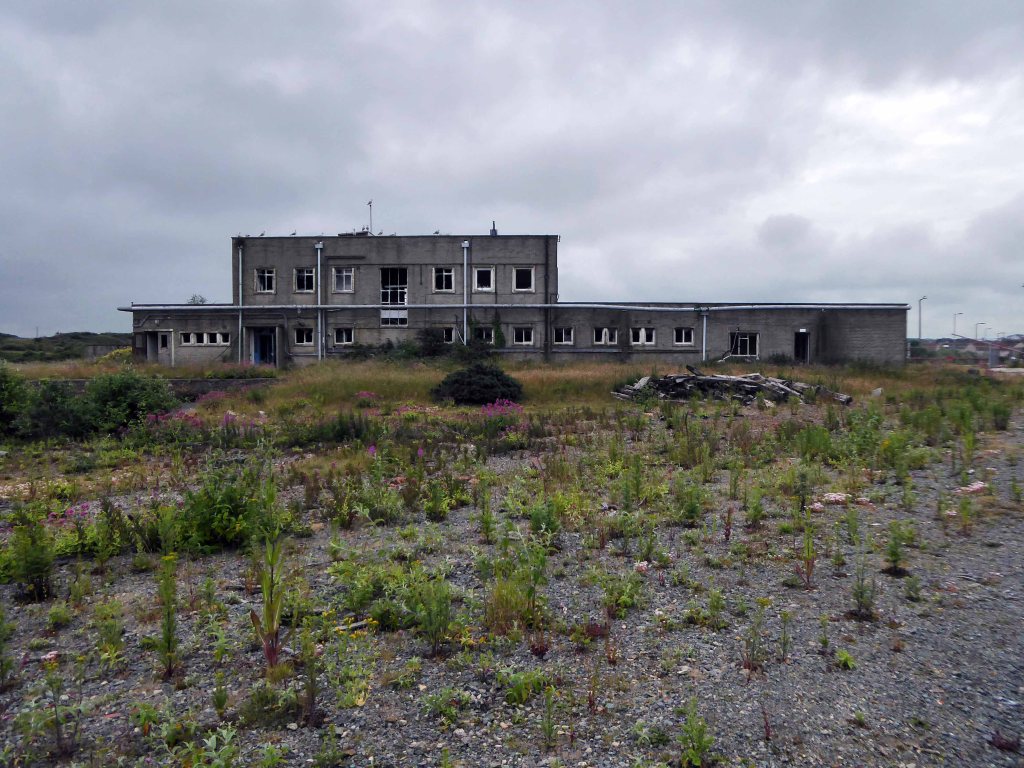
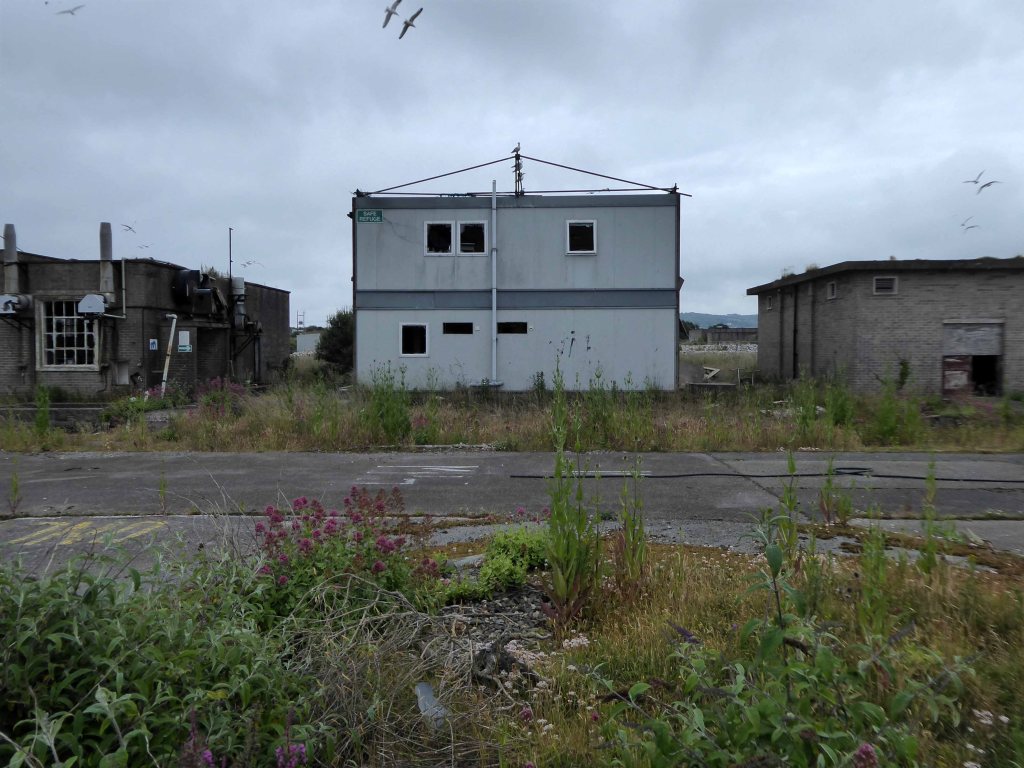
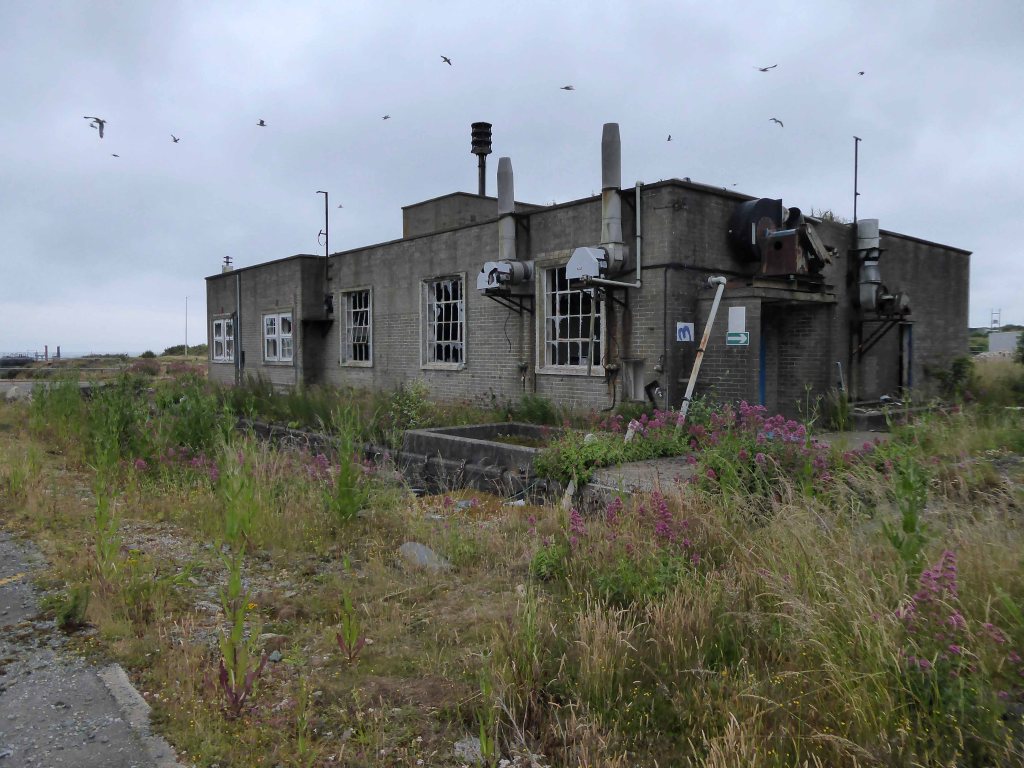
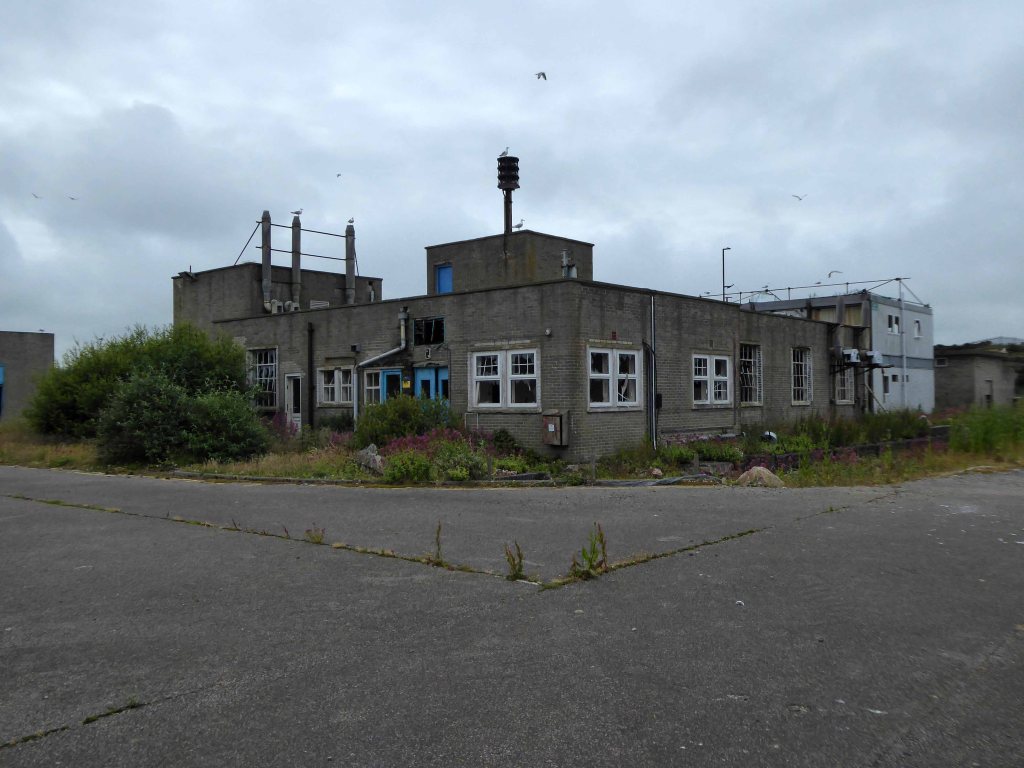
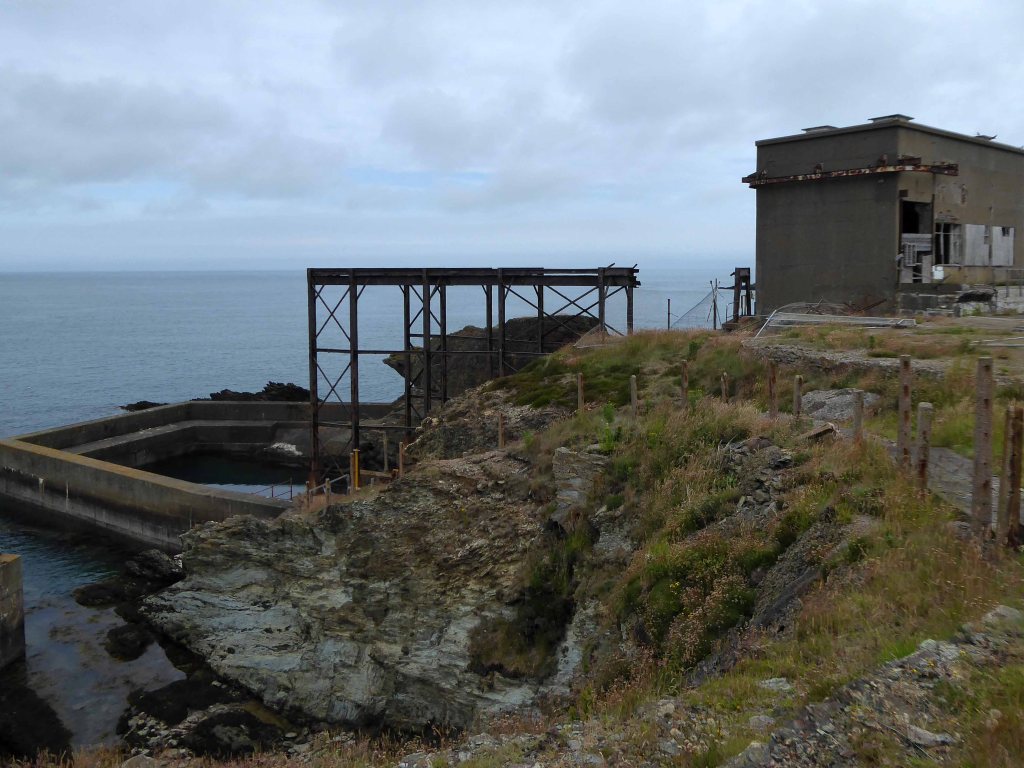
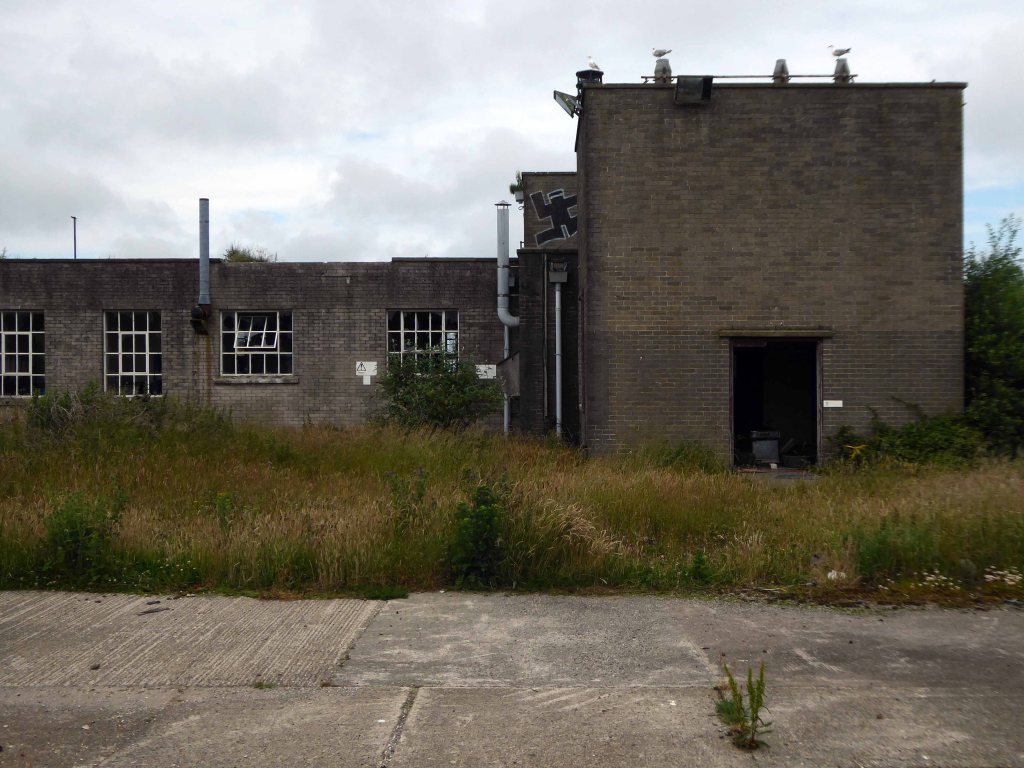
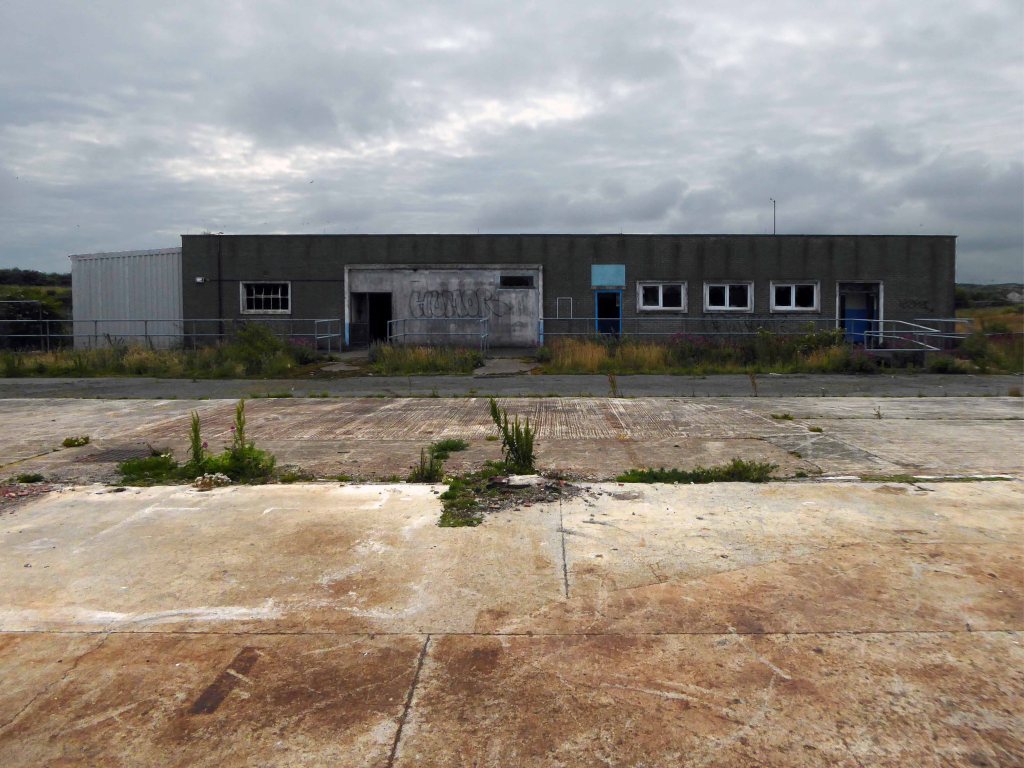
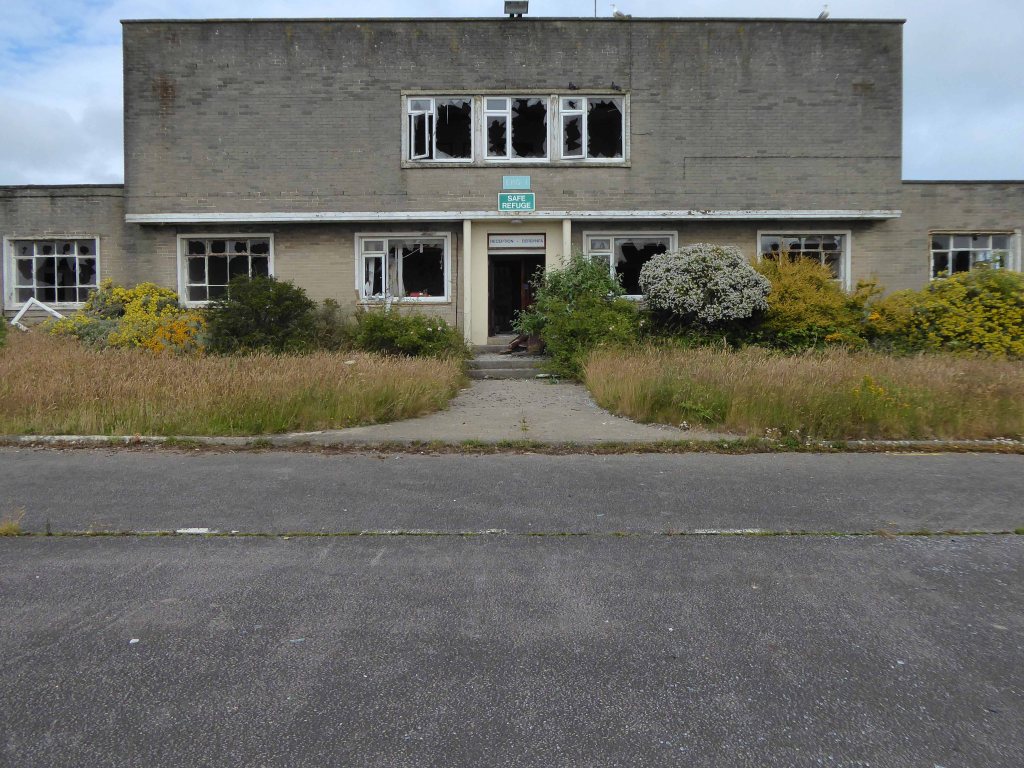
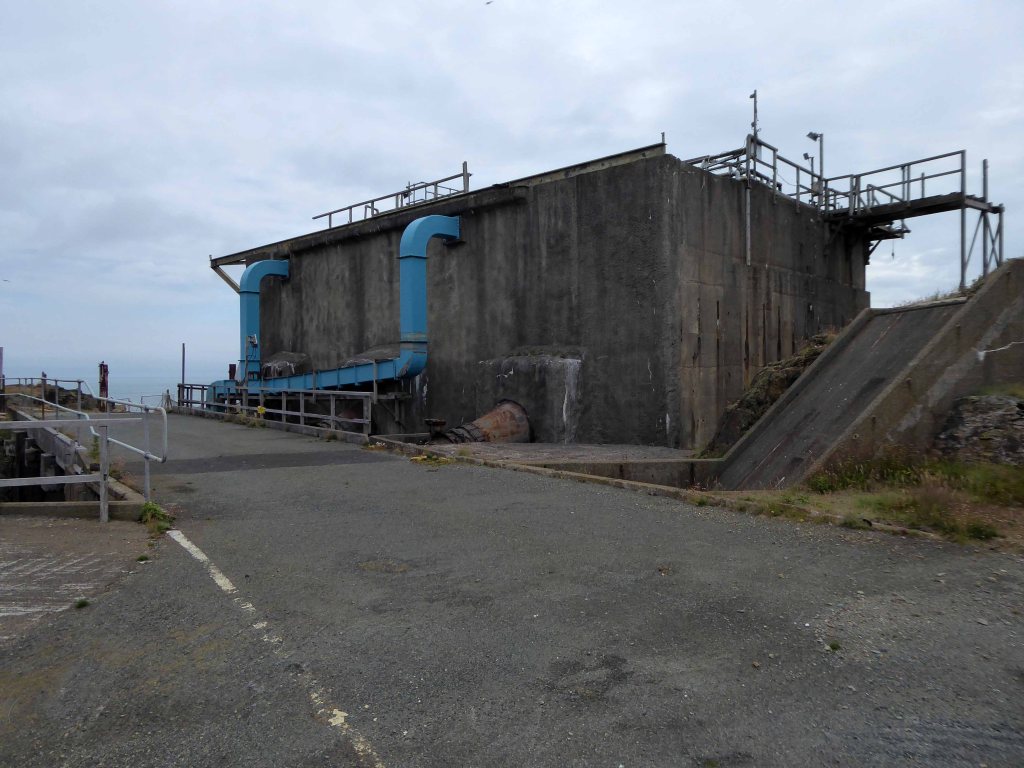
Once the site of a processing plant extracting bromine from sea water.
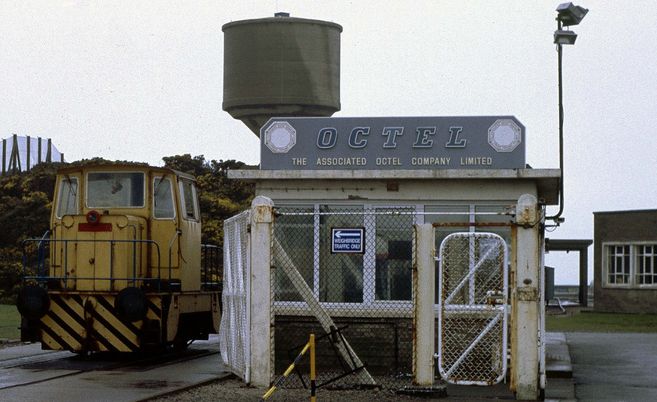
The Associated Octel factory was built to extract bromine from seawater and turn it into an additive for petrol engines. At the time, petrol used in road vehicles contained lead. Engine knocking was a common problem, when the mixture of air and fuel didn’t burn efficiently with each detonation. This could damage engine cylinders over time. The additive produced here reduced knocking and improved engine efficiency.
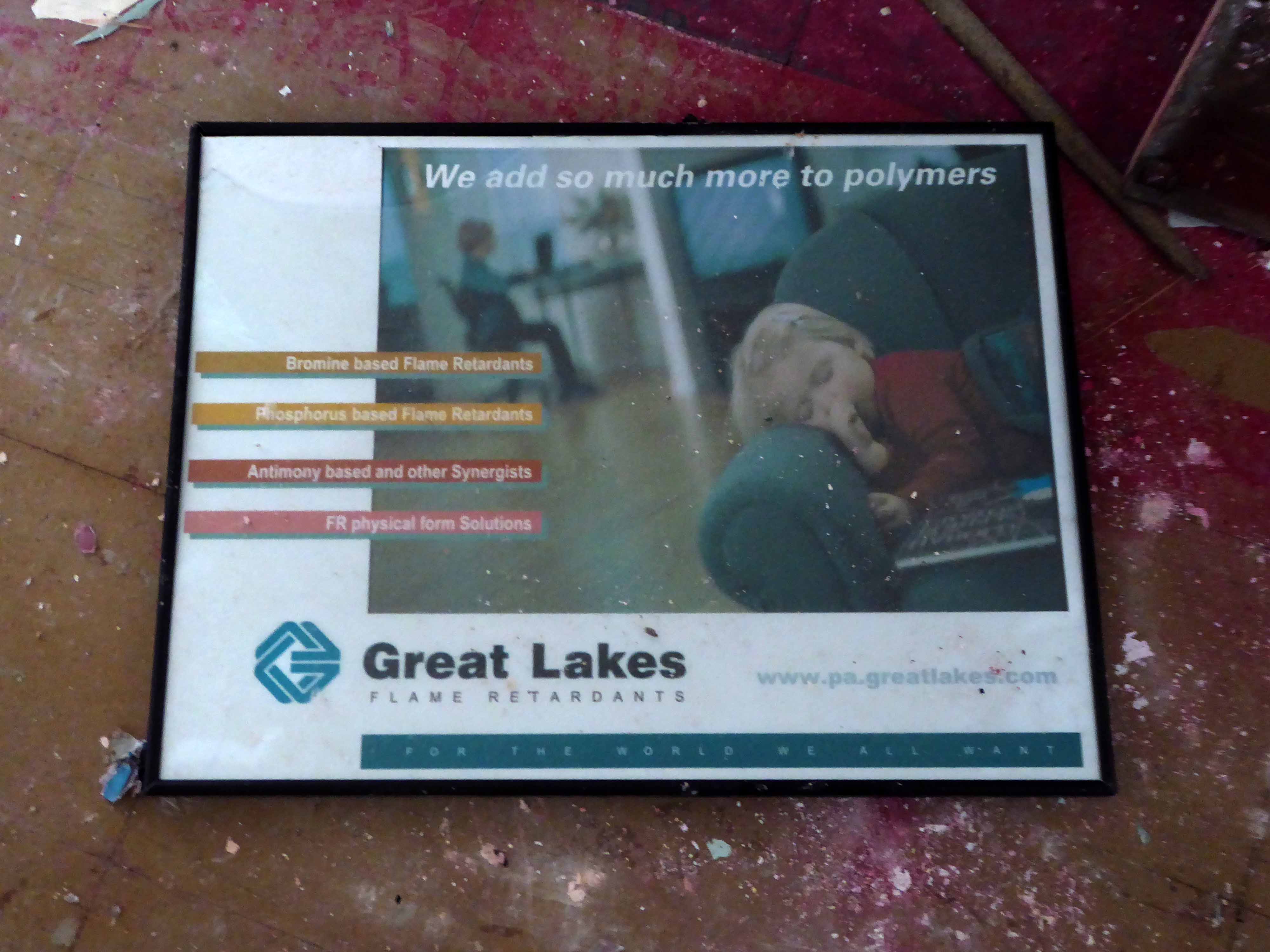
As the health effects of lead in vehicle exhaust gases became better understood, unleaded petrol was developed. It was introduced to UK filling stations in the 1980s, and leaded petrol was later phased out. As demand for anti-knock additive reduced, the Octel factory diversified into other bromine products and was taken over by Great Lakes Chemical Corporation. In 2003, the corporation decided to close the works with the loss of more than 100 jobs.
A detailed history of the site can be found here at Octel Amlwch.
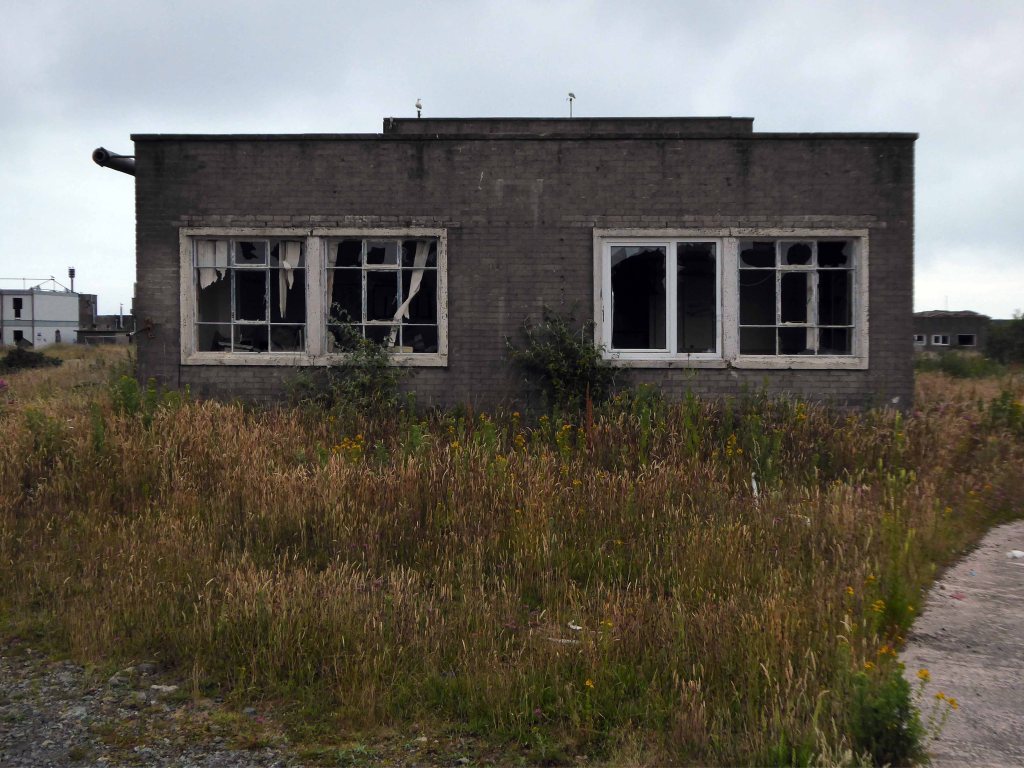
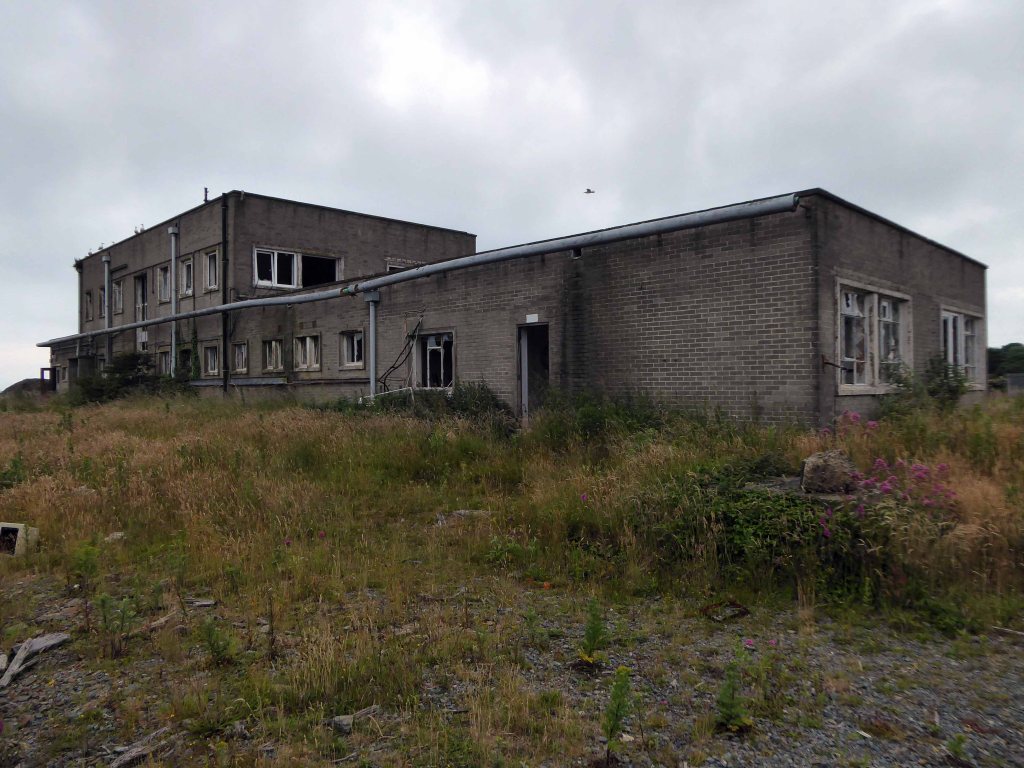
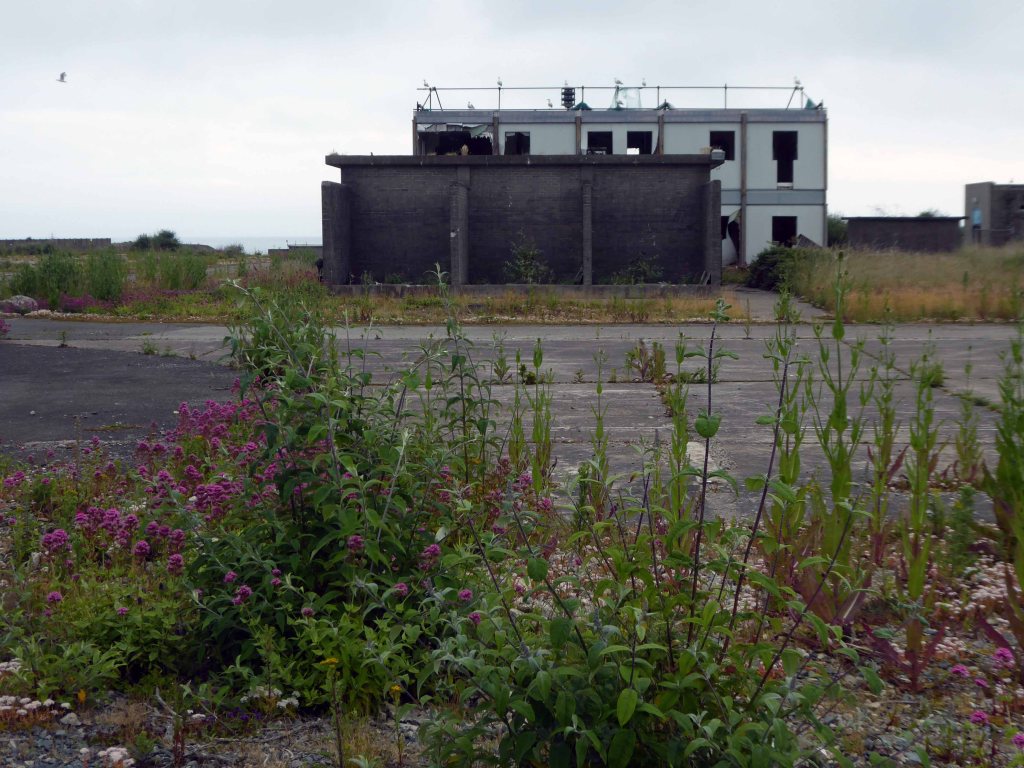
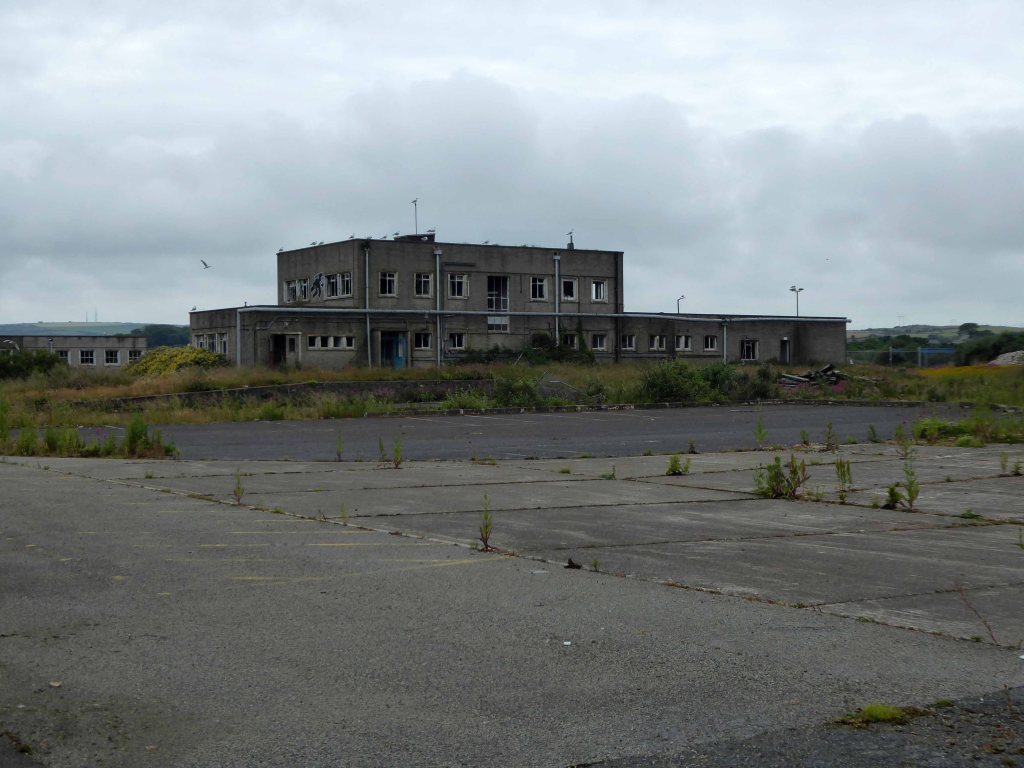
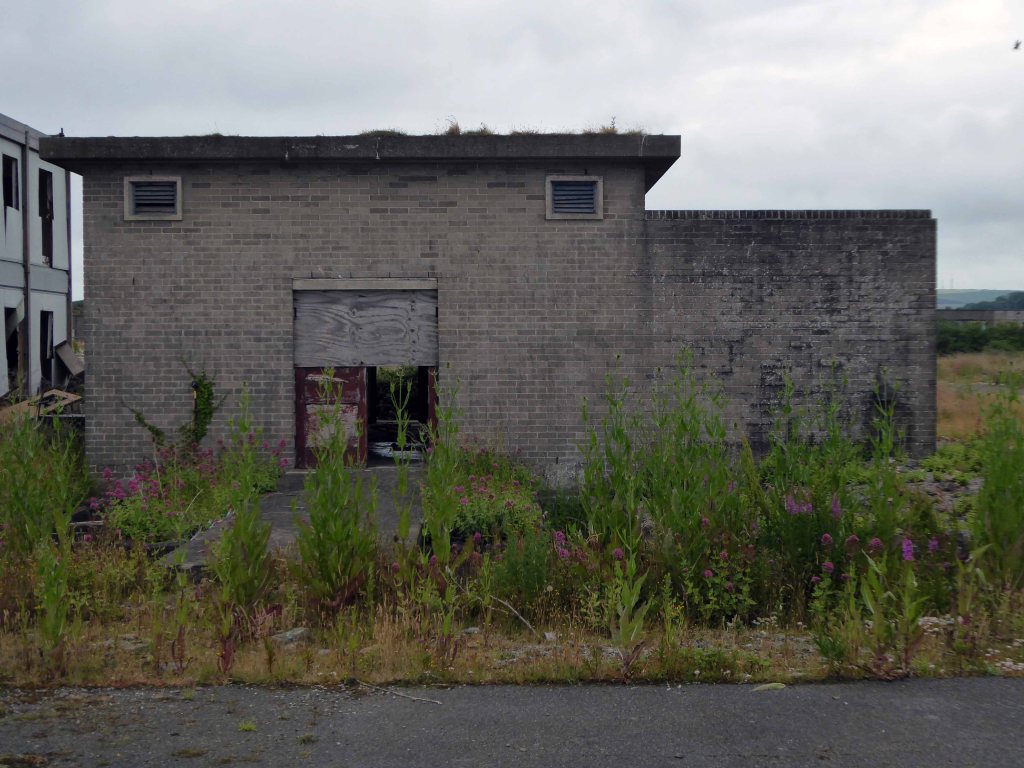
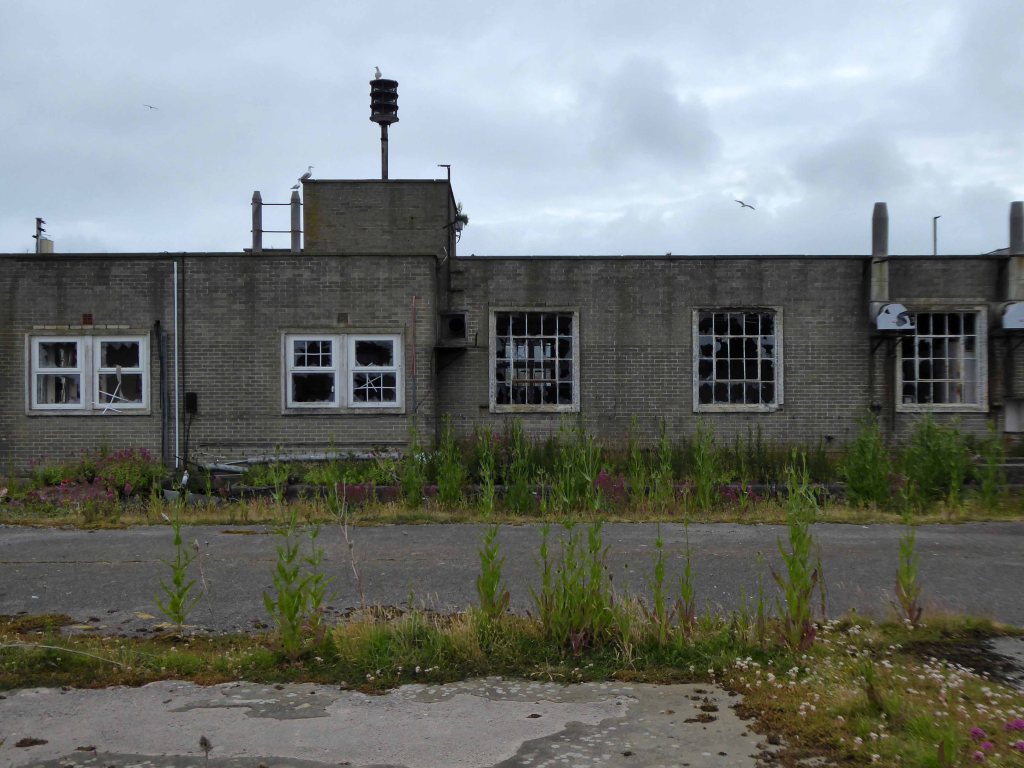
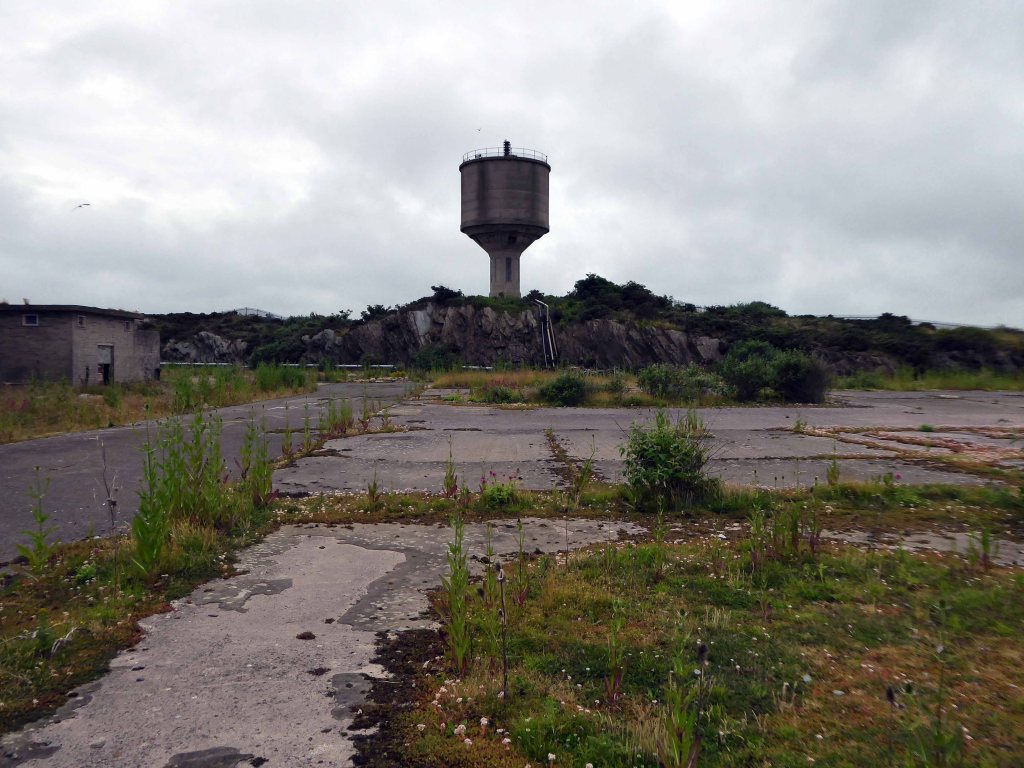
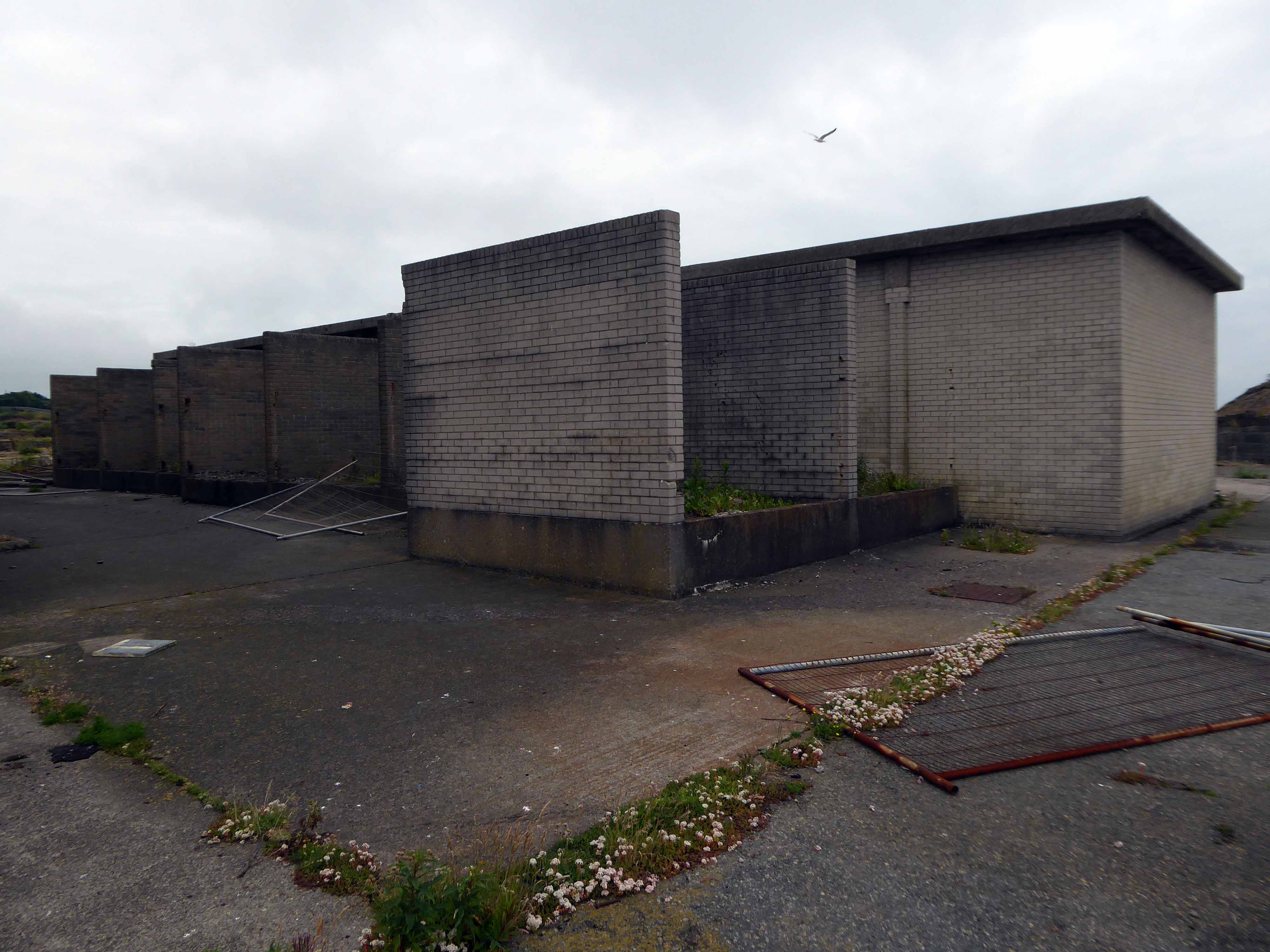
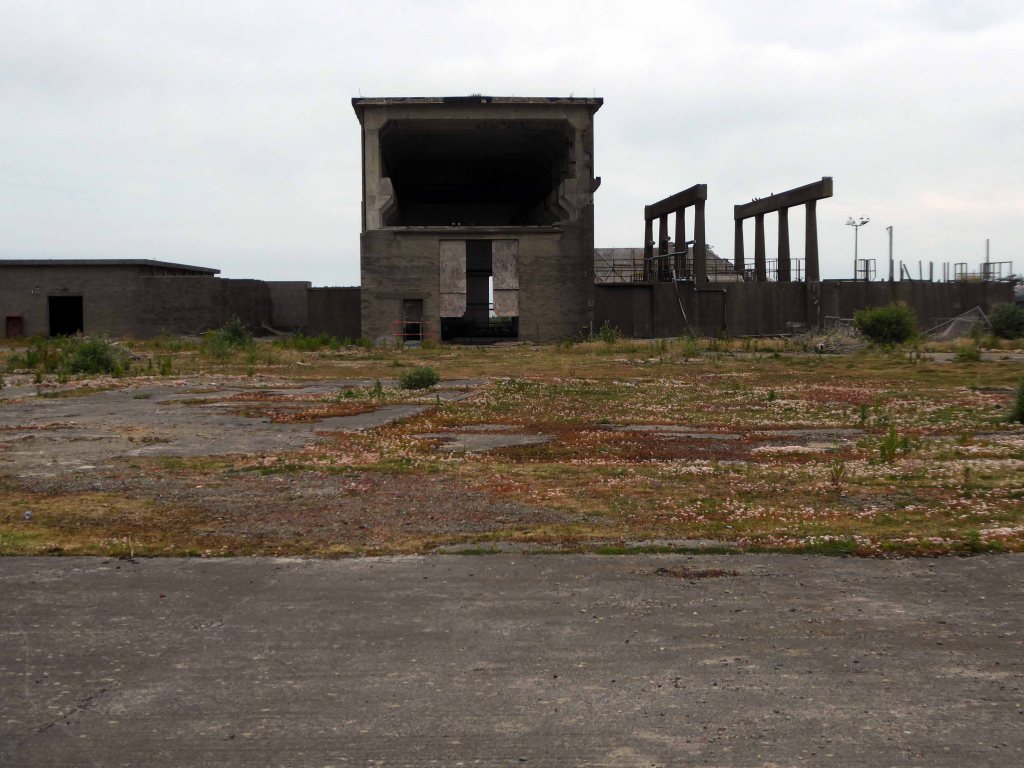
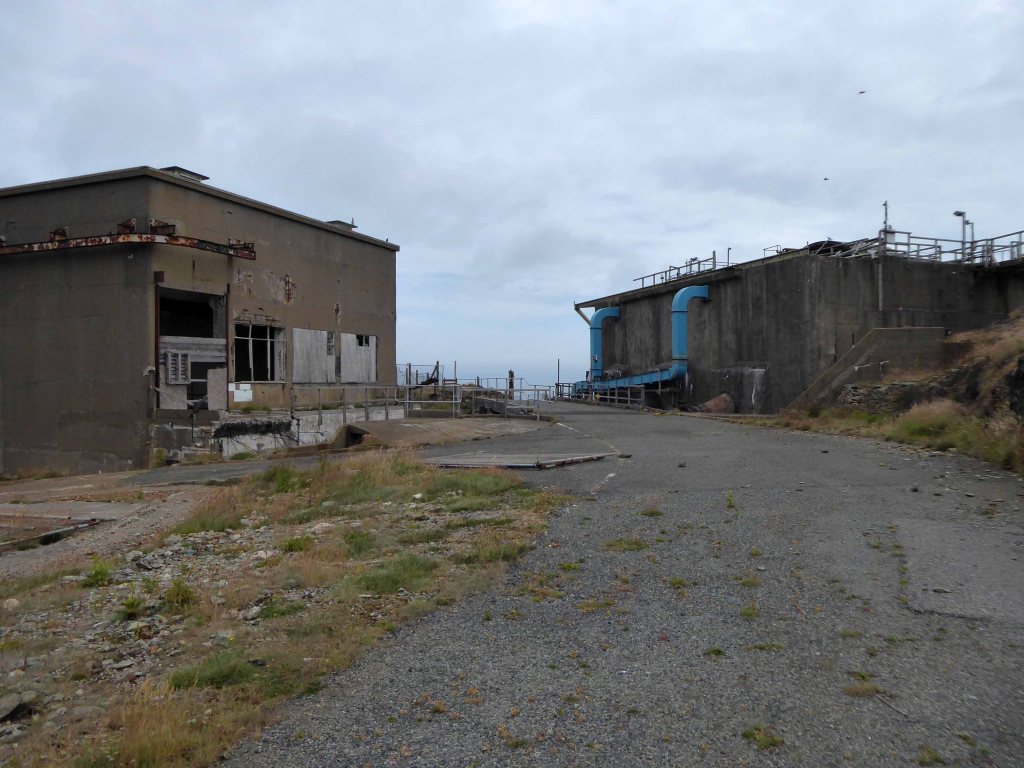
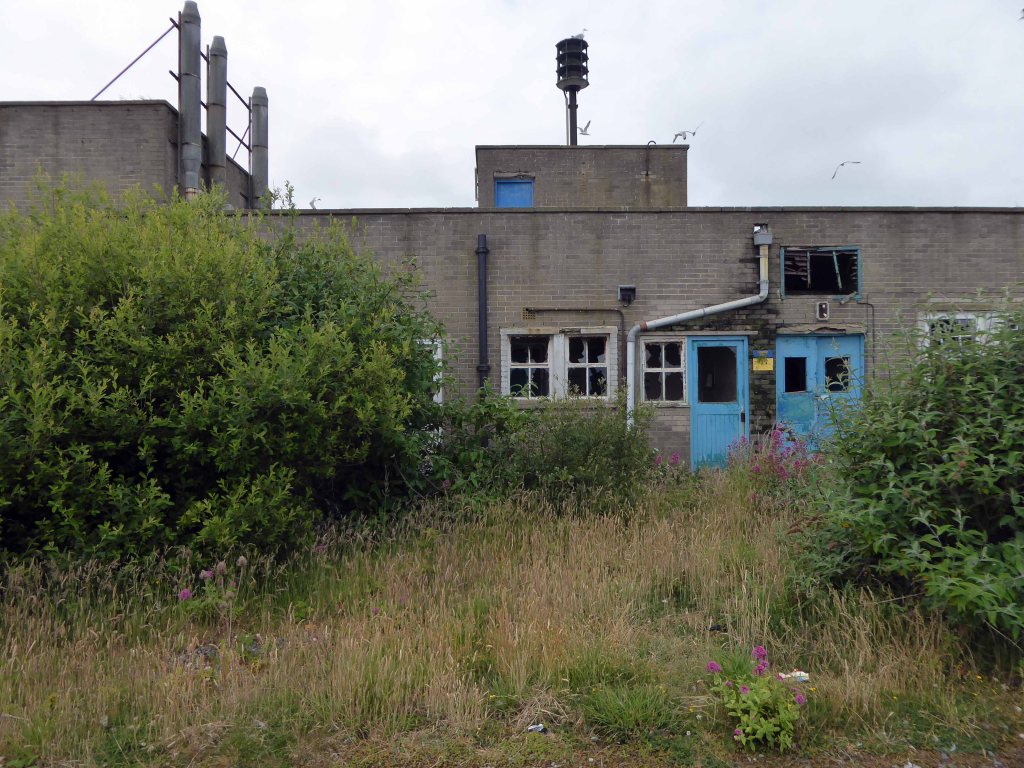
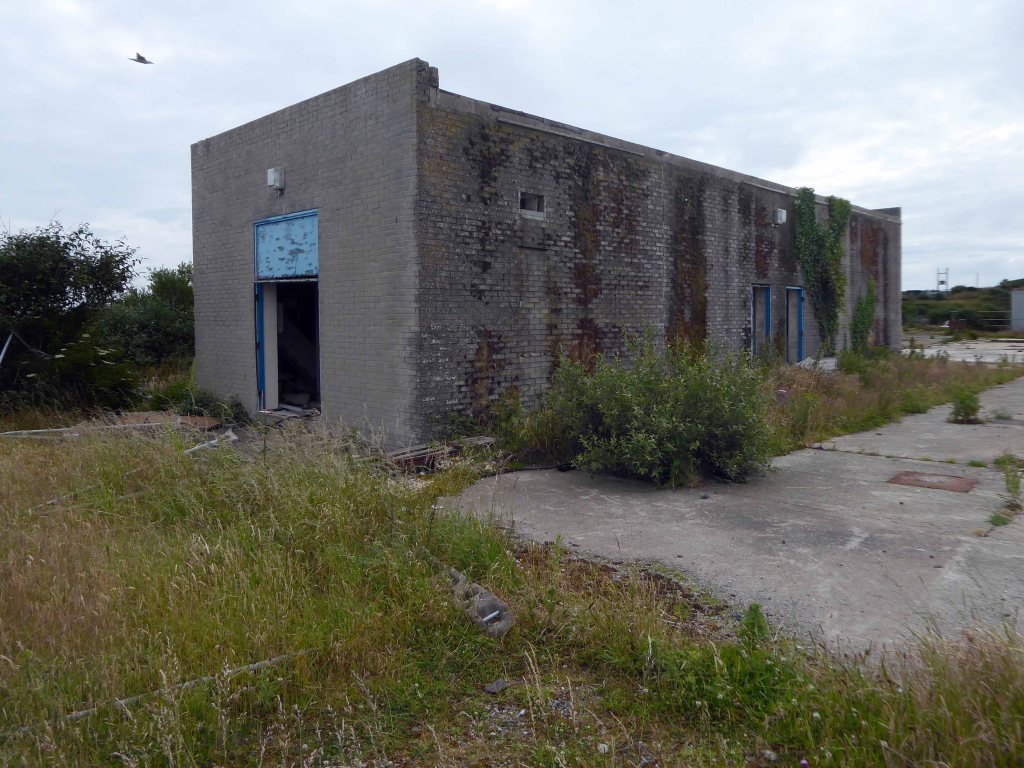
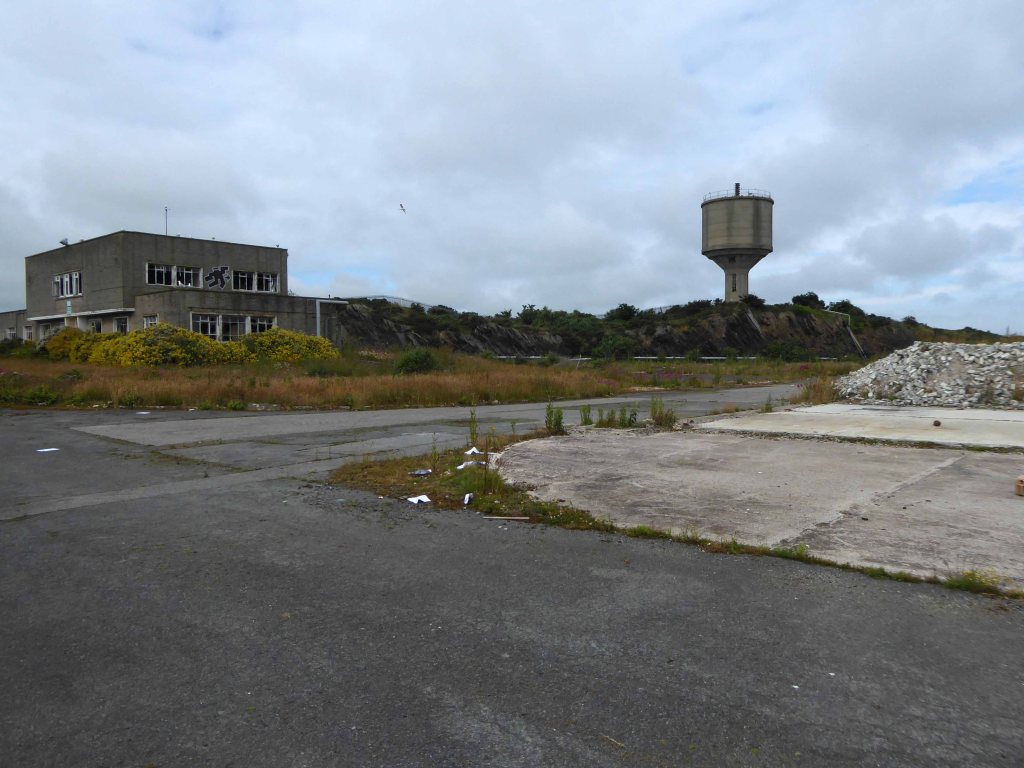
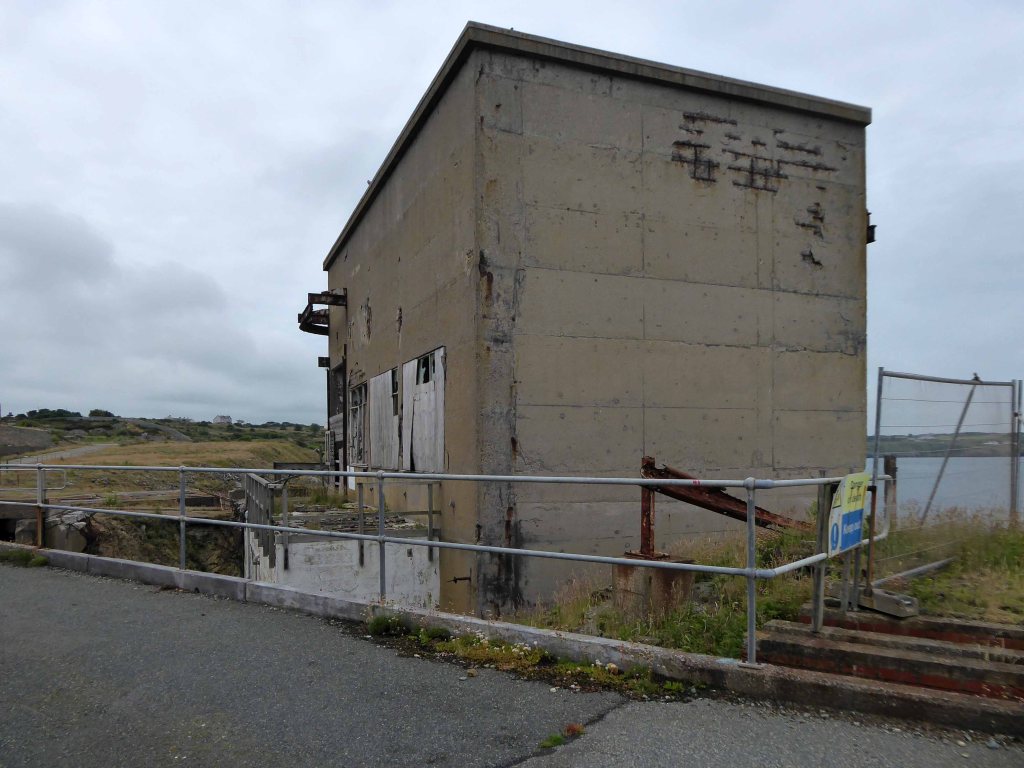
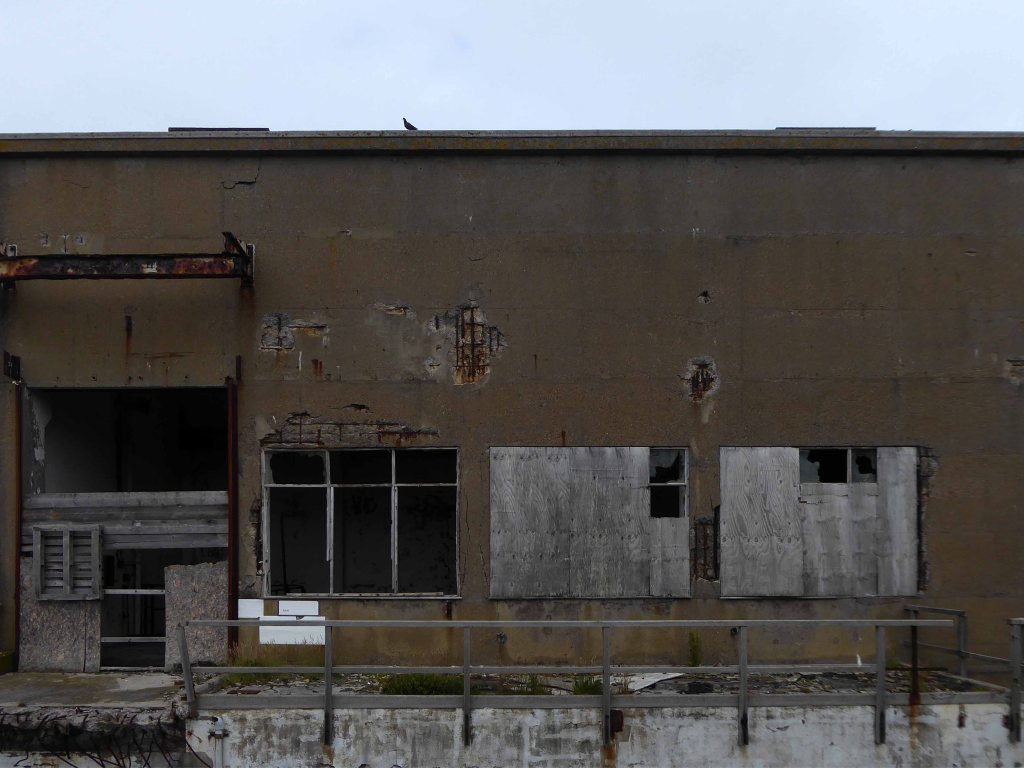
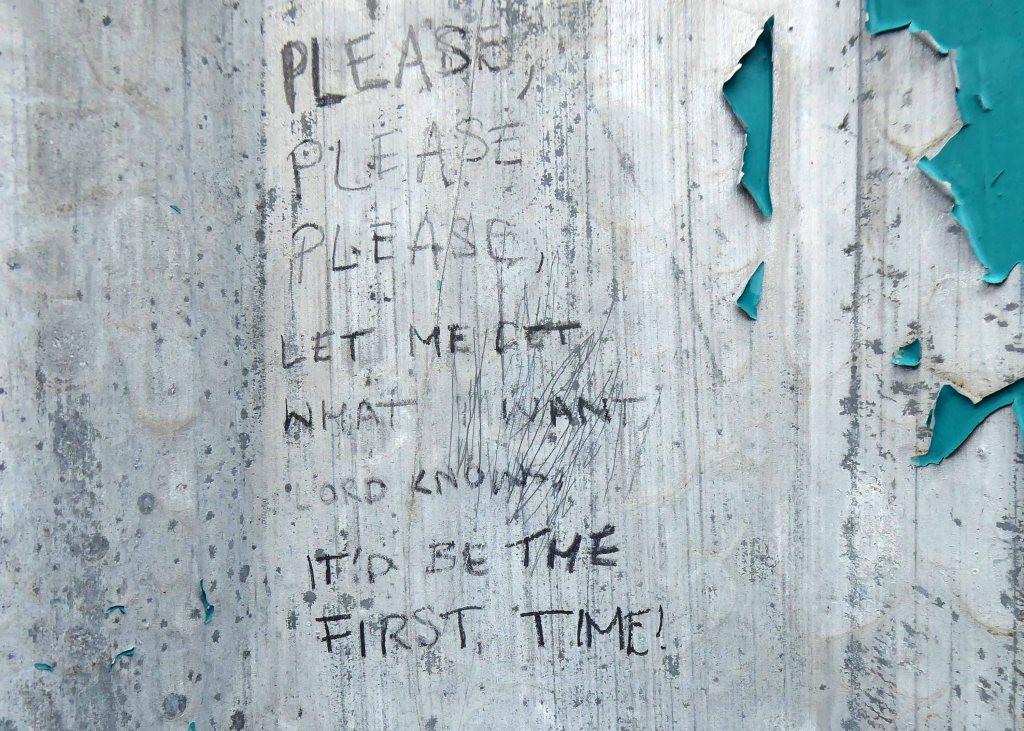
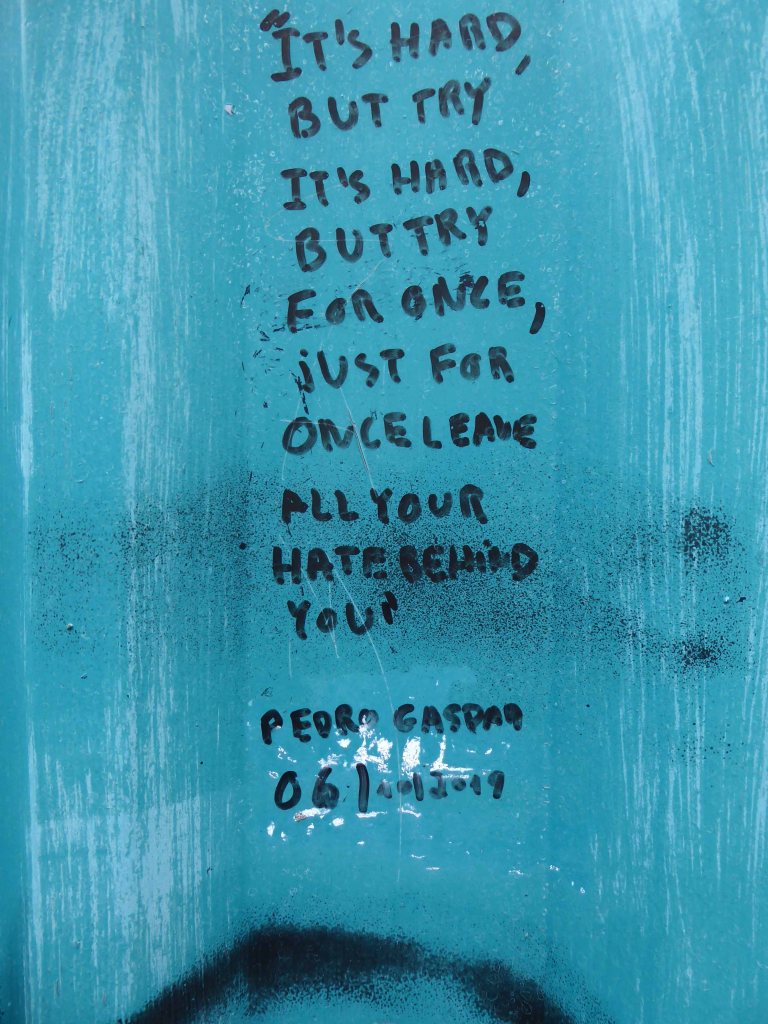
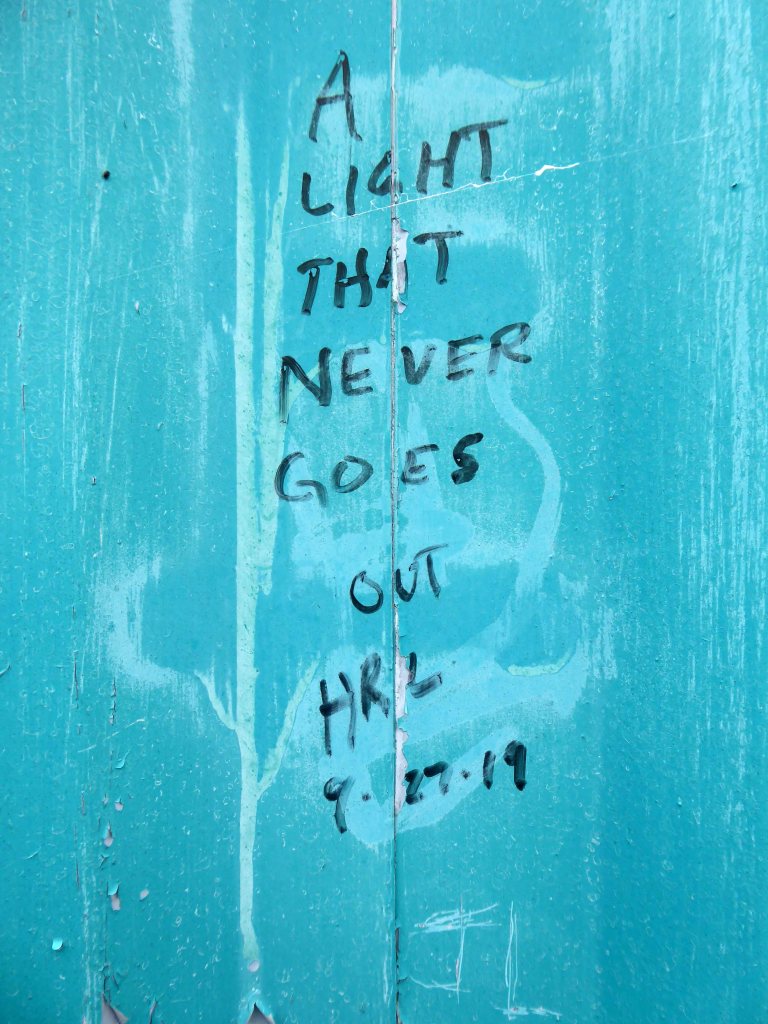
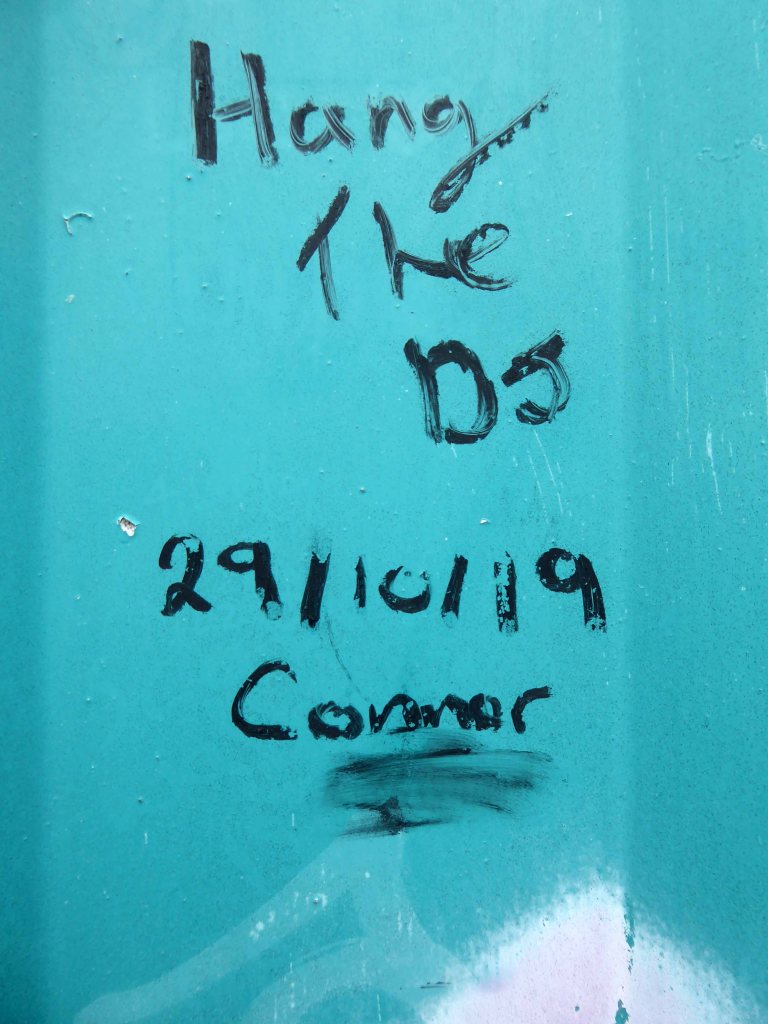
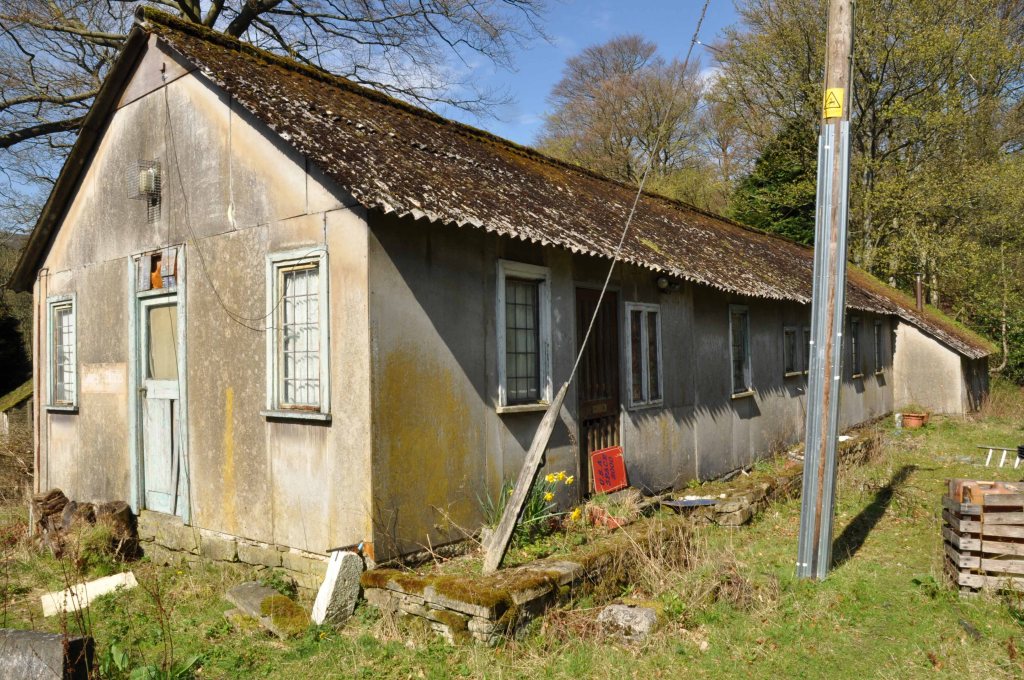
The site has been subject to arson attacks and partial demolition, the extant buildings tagged, tattered and torn.
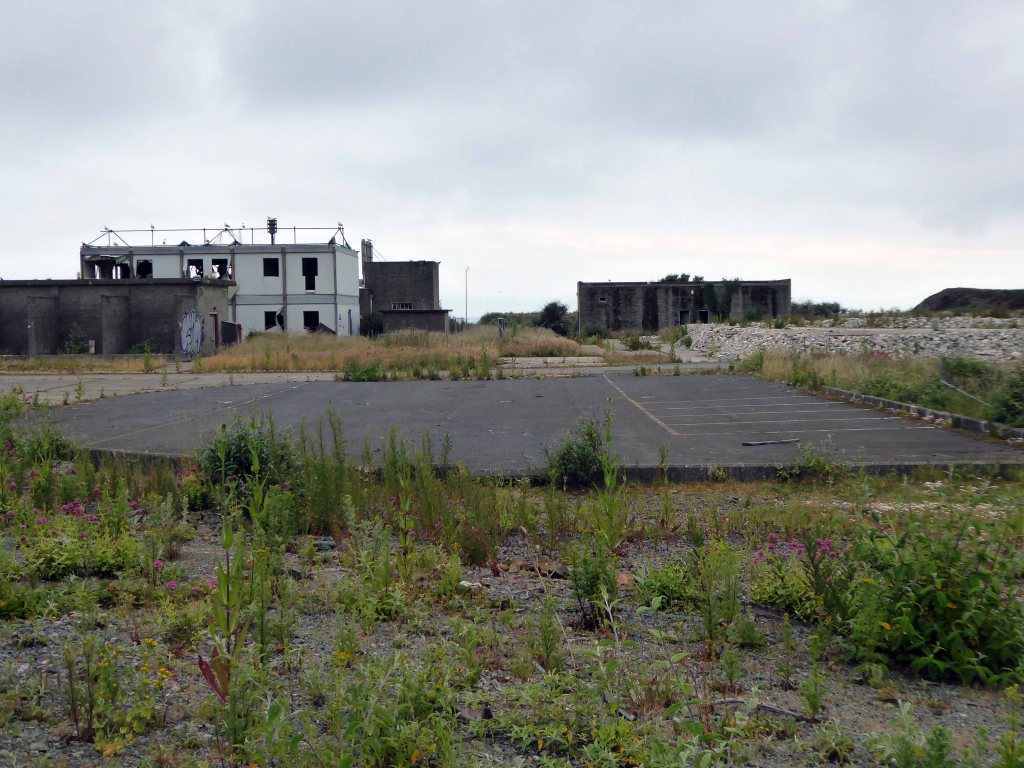
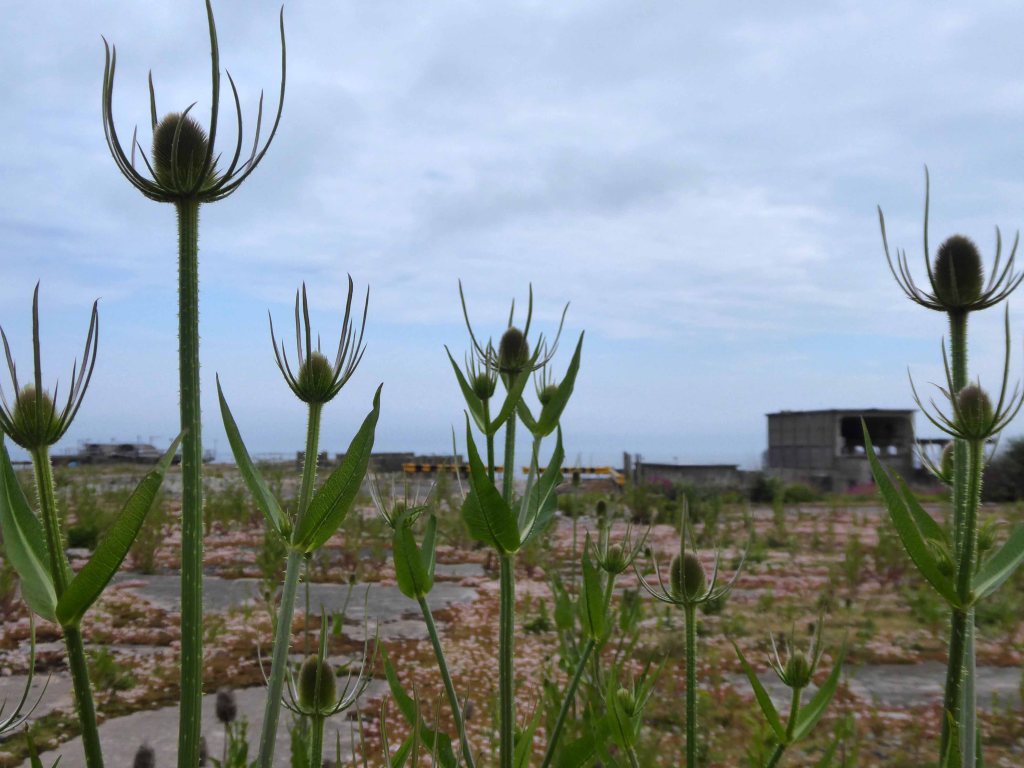
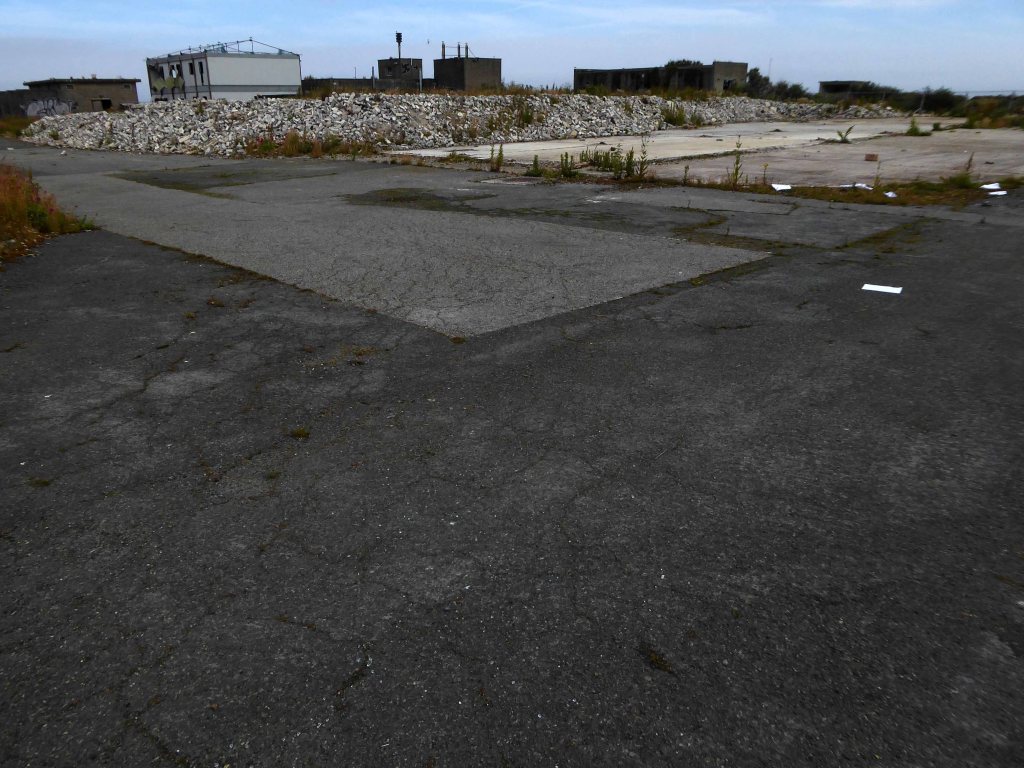
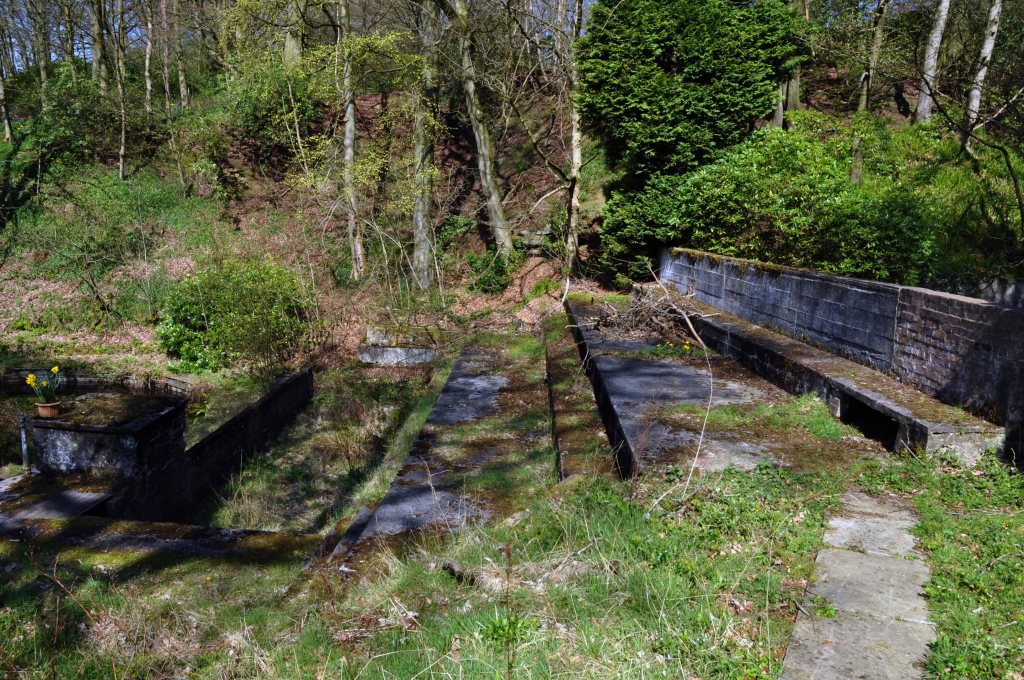
Slowly but surely nature breaks through the tarmac and concrete.
The gate is open, the lights are out, there’s nobody home.
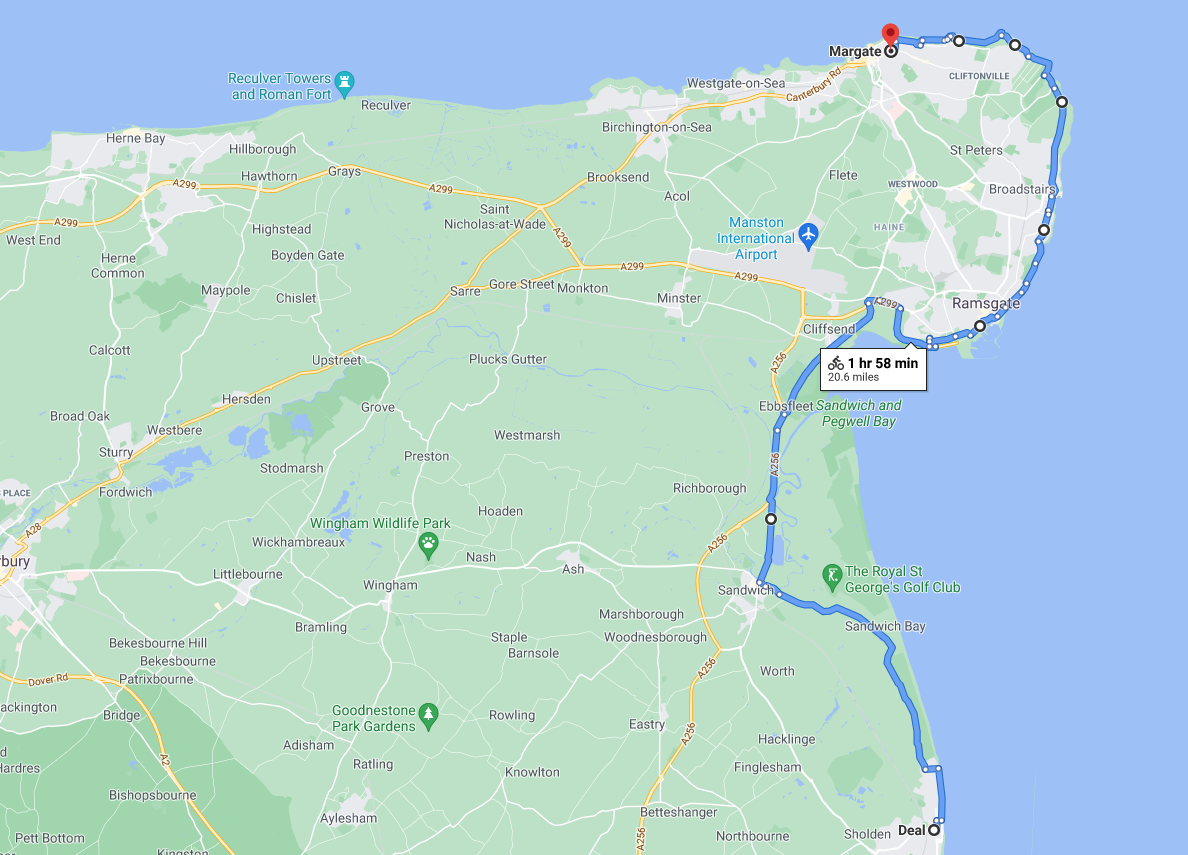
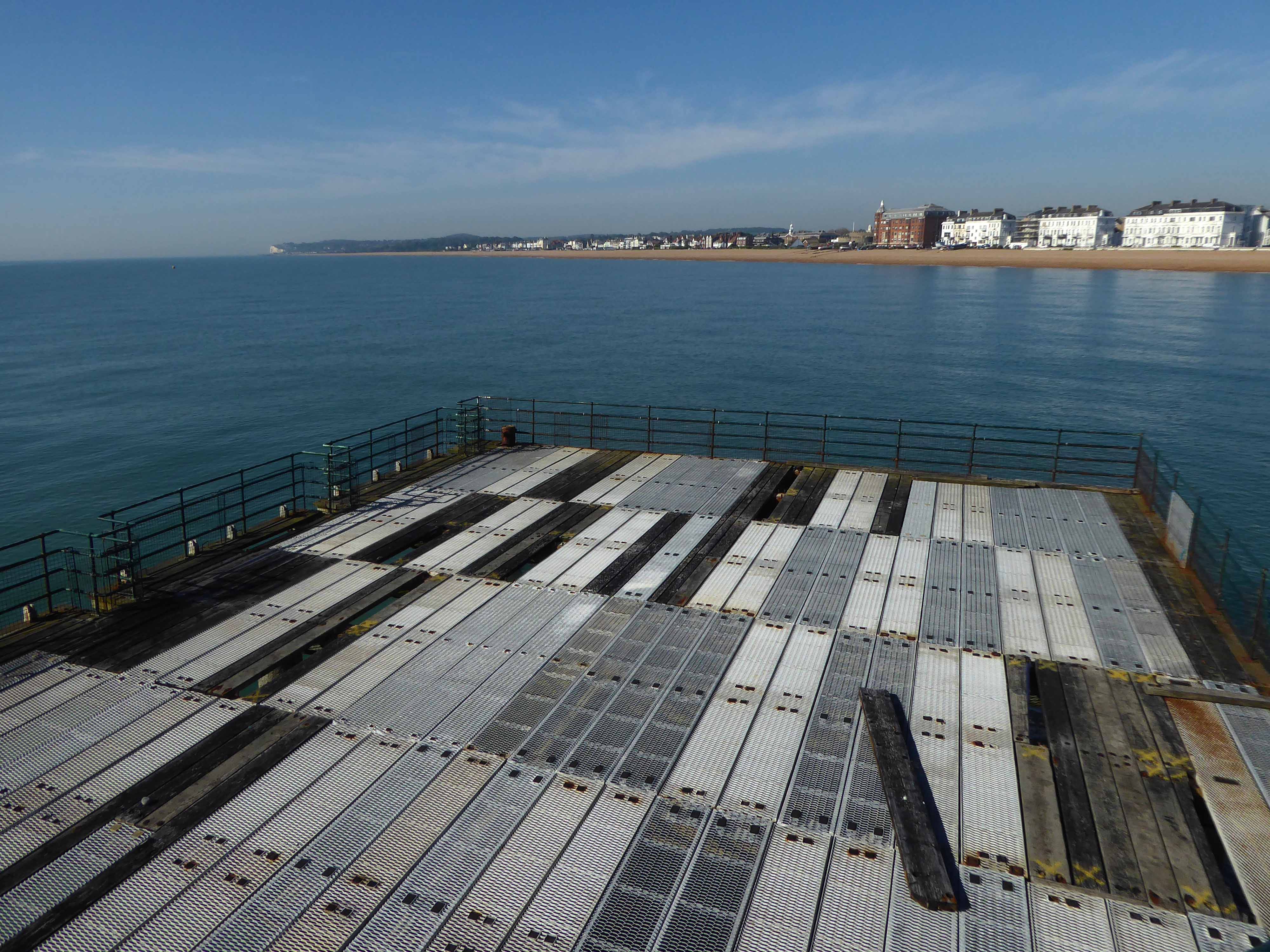
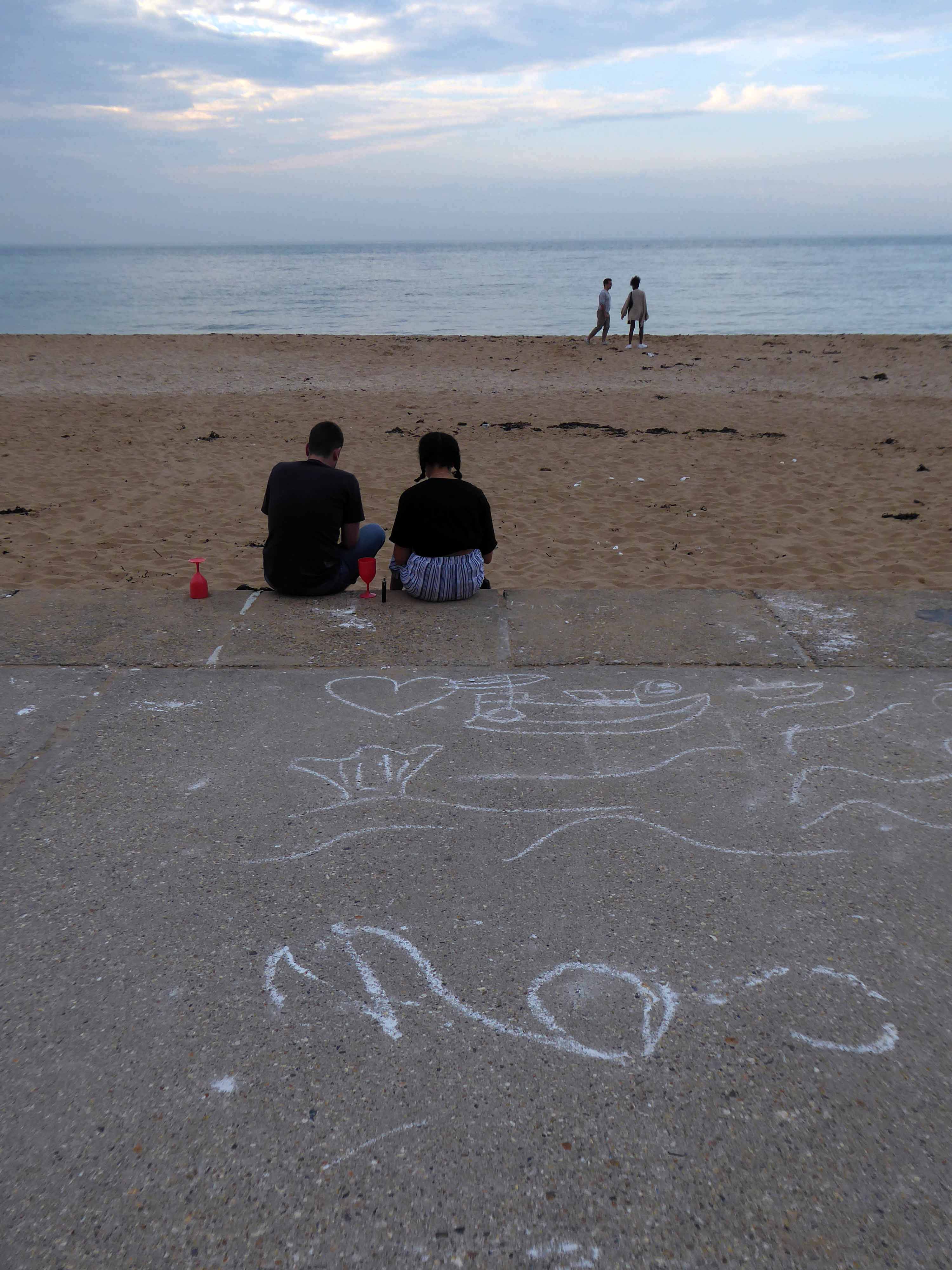
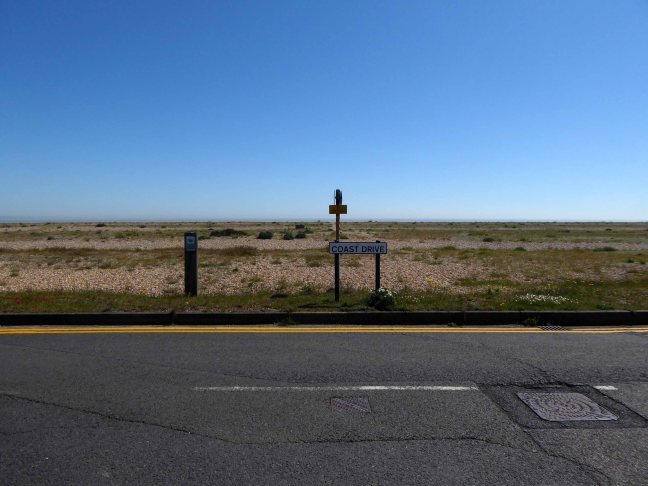
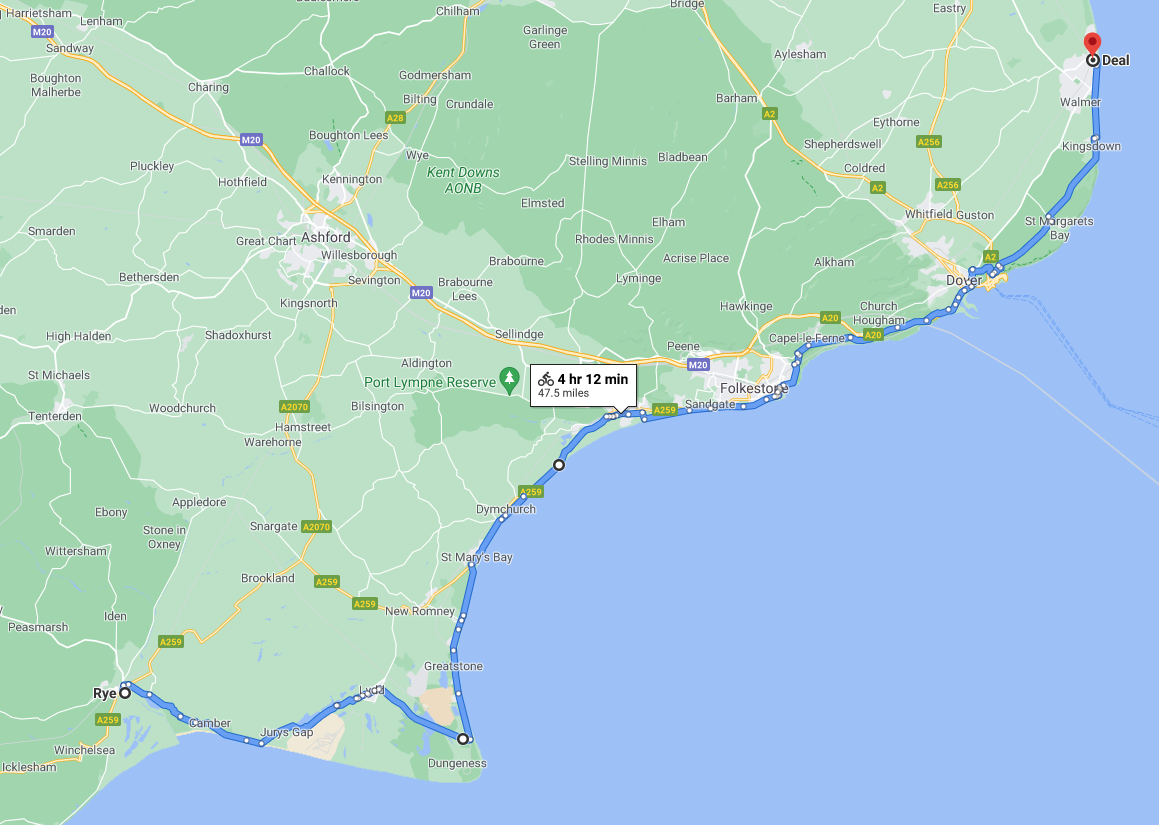
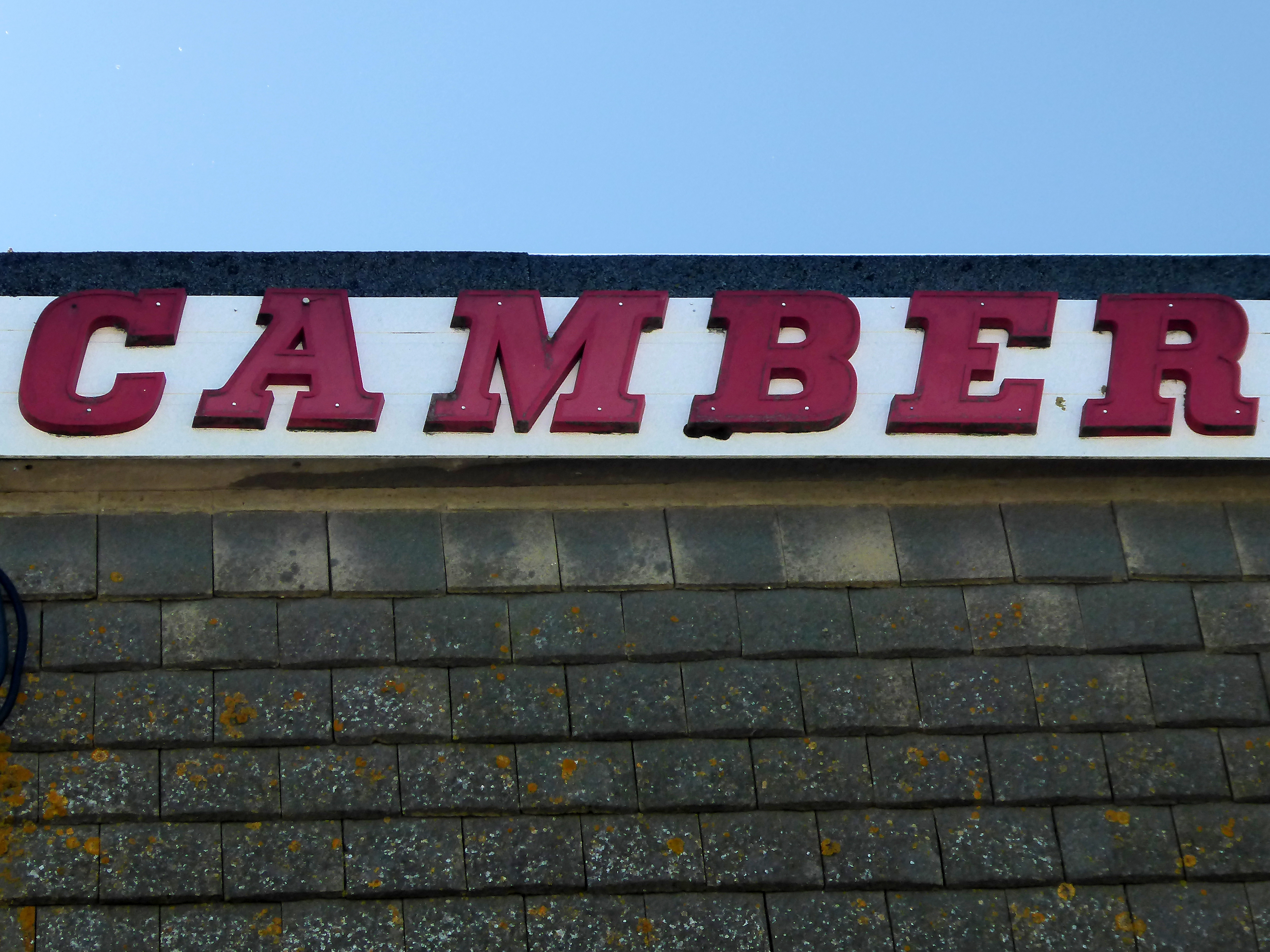
We awoke, we dawdled around Deal, prior to our delightful breakfast.
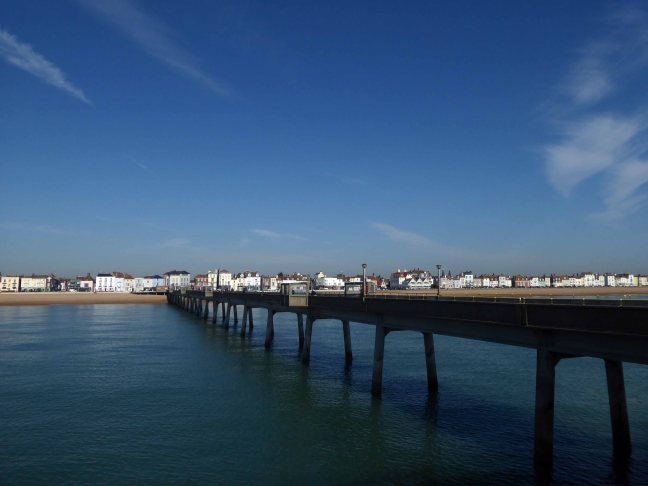
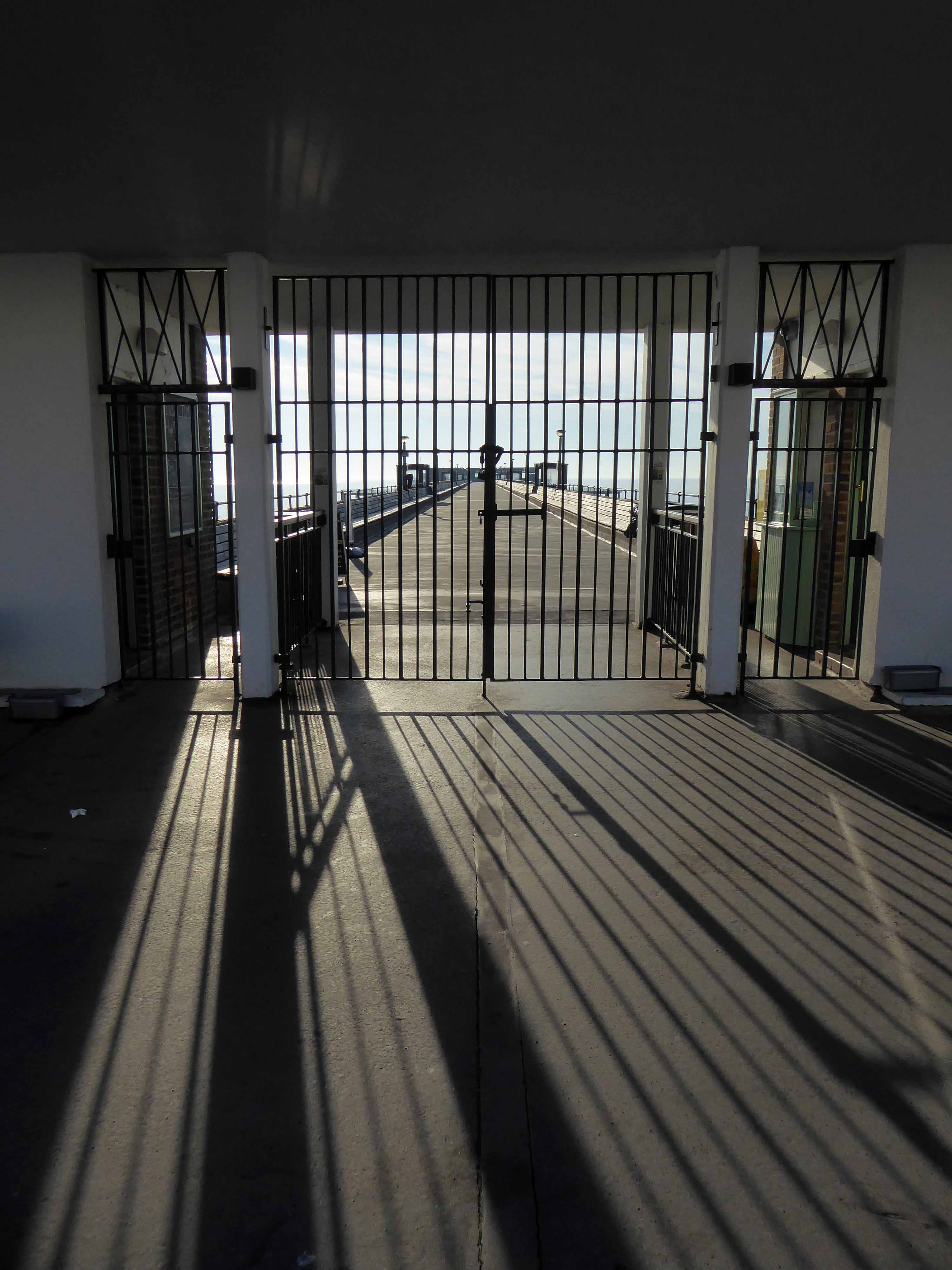
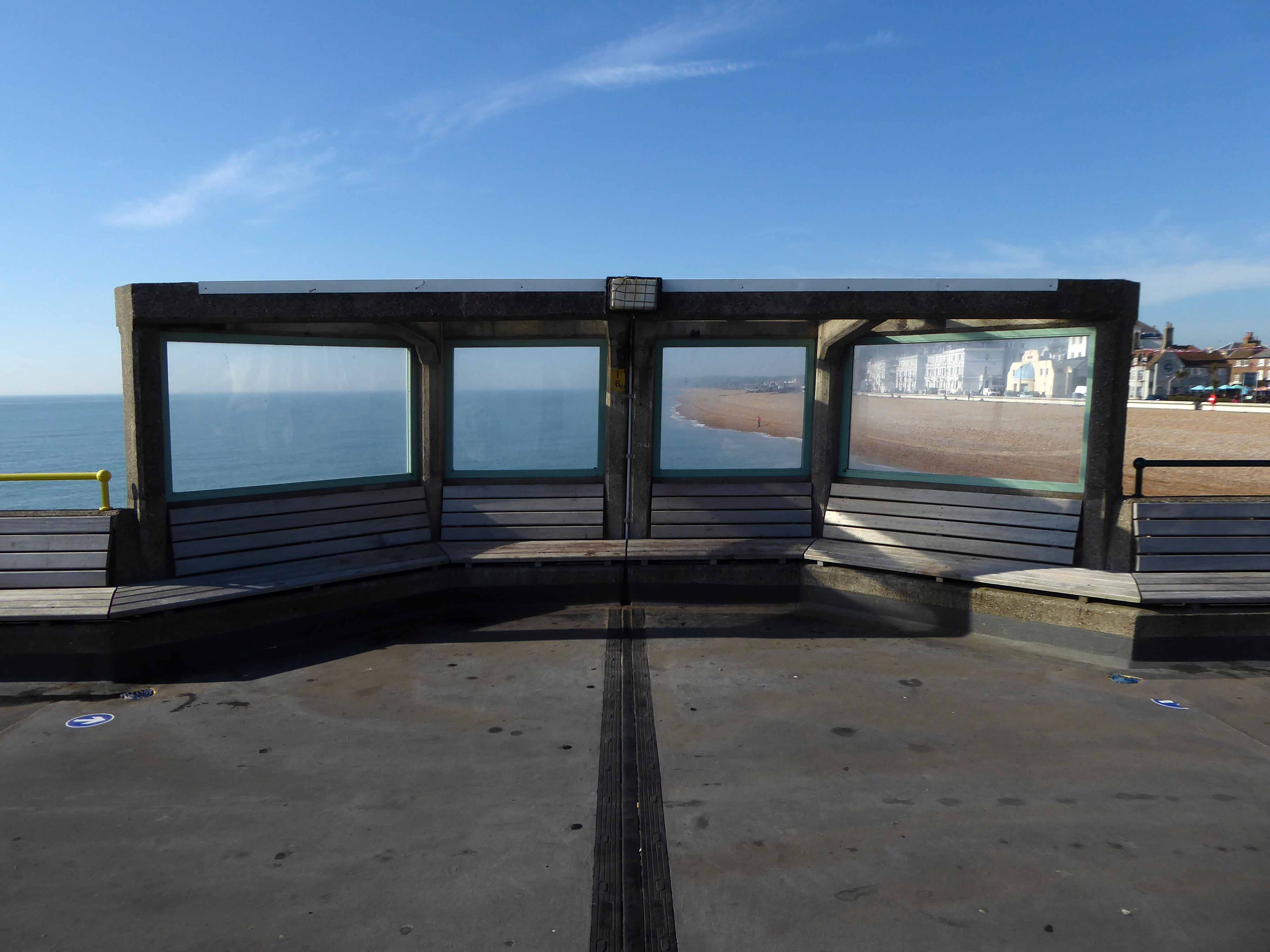
Though the pier appeared to be closed.
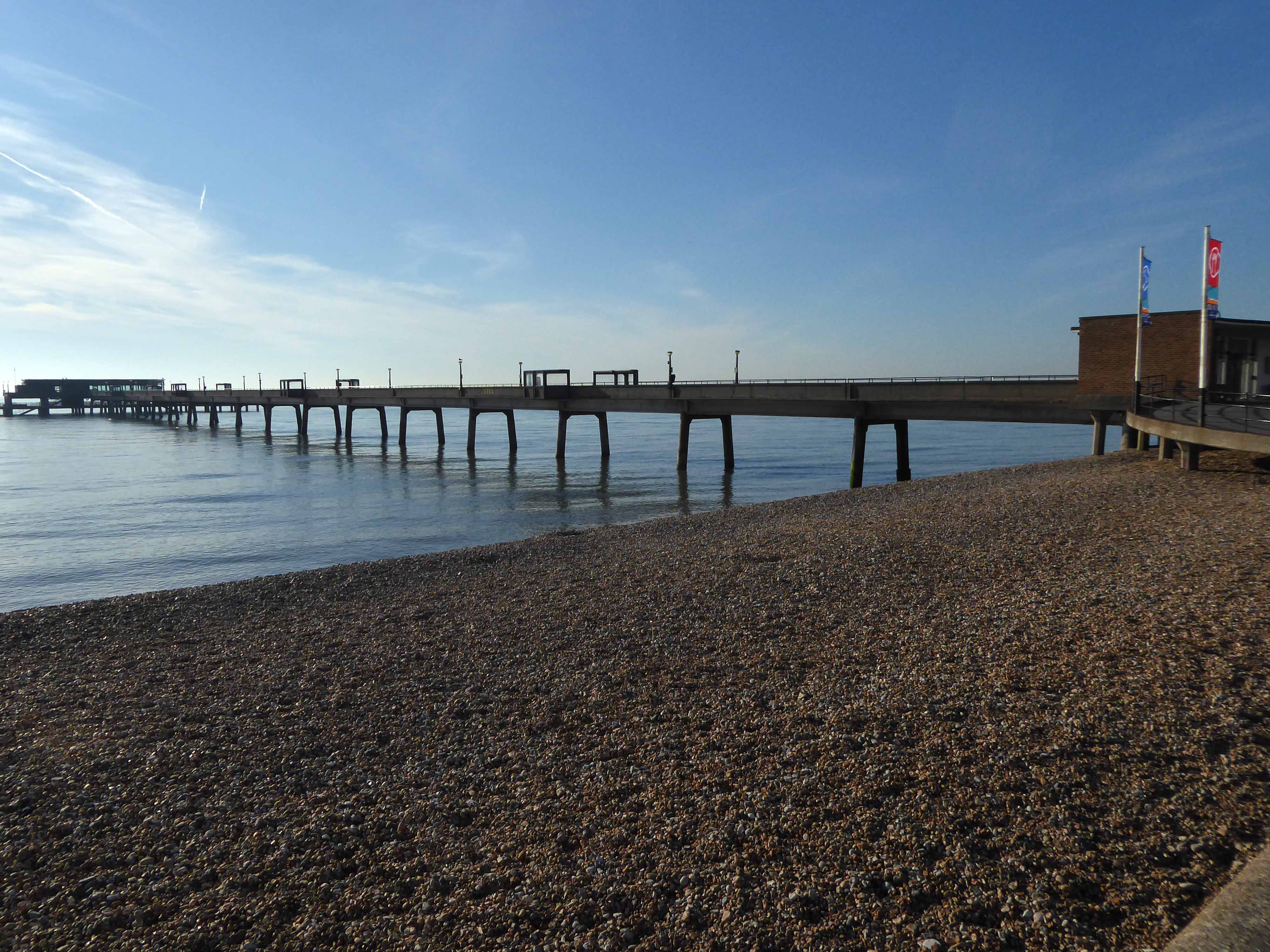
Extending elegantly over a still, still sea.
The present pier, designed by Sir W. Halcrow & Partners, was opened on 19 November 1957 by the Duke of Edinburgh. Constructed predominantly from concrete-clad steel, it is 1,026 ft in length – a notice announces that it is the same length as the RMS Titanic, but that ship was just 882 feet, and ends in a three-tiered pier-head, featuring a cafe, bar, lounge, and fishing decks.
The lowest of the three tiers is underwater at all but the lowest part of the tidal range, and has become disused.
Pausing in Ramsgate to admire Edward Welby Pugin’s Grade II Listed – Granville Hotel.
The Granville development, so named after George Leverson Gower, second Earl Granville (1815-1891), was a venture undertaken by Edward Welby Pugin, together with investors Robert Sankey, George Burgess and John Barnet Hodgson on land acquired from the Mount Albion Estate in 1867. The scheme was to be an important new building in the eastward expansion of the town and the emergence of a fashionable new suburb. At the outset, the intention was to build a relatively restrained speculative terrace of large townhouses with some additional facilities. However, as the scheme progressed and it became apparent that buyers could not be secured, revised plans for an enlarged hotel complex were adopted in 1868 and brought to completion in 1869. These plans, which added a series of grand rooms including a banqueting hall, receptions rooms and an entrance hall in addition to a tunnel to connect to the railway line on the seafront, gardens, a complex of Turkish baths and a vast landmark tower (originally 170ft high, although truncated at a relatively early date), were remarkably ambitious. Ultimately, as it would transpire, the scheme was rather too ambitious on Pugin’s part; with his increasing reliance on loans eventually culminating in bankruptcy in October 1872, an event which precipitated his demise as an architect, tragically followed by his death just three years later.
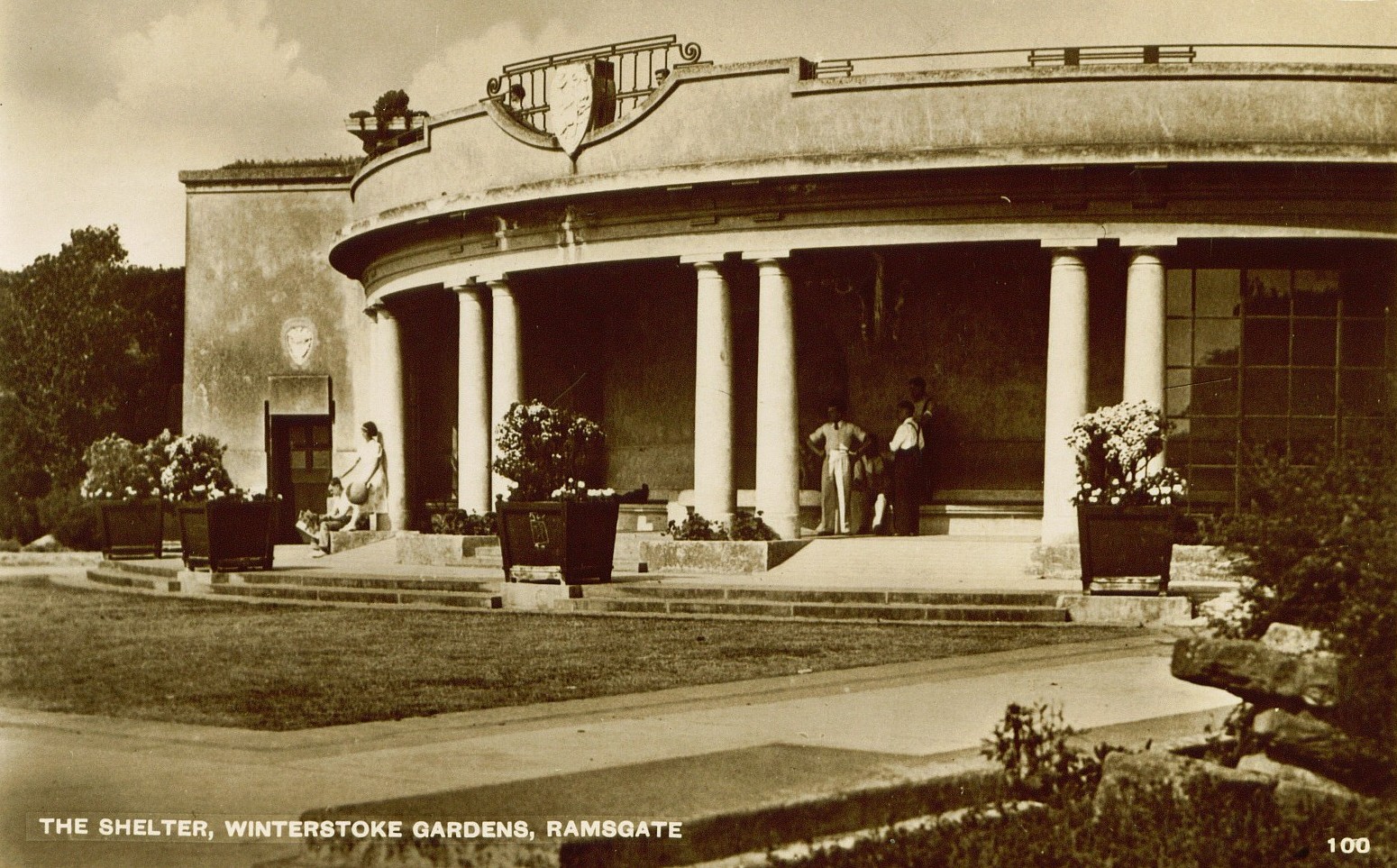
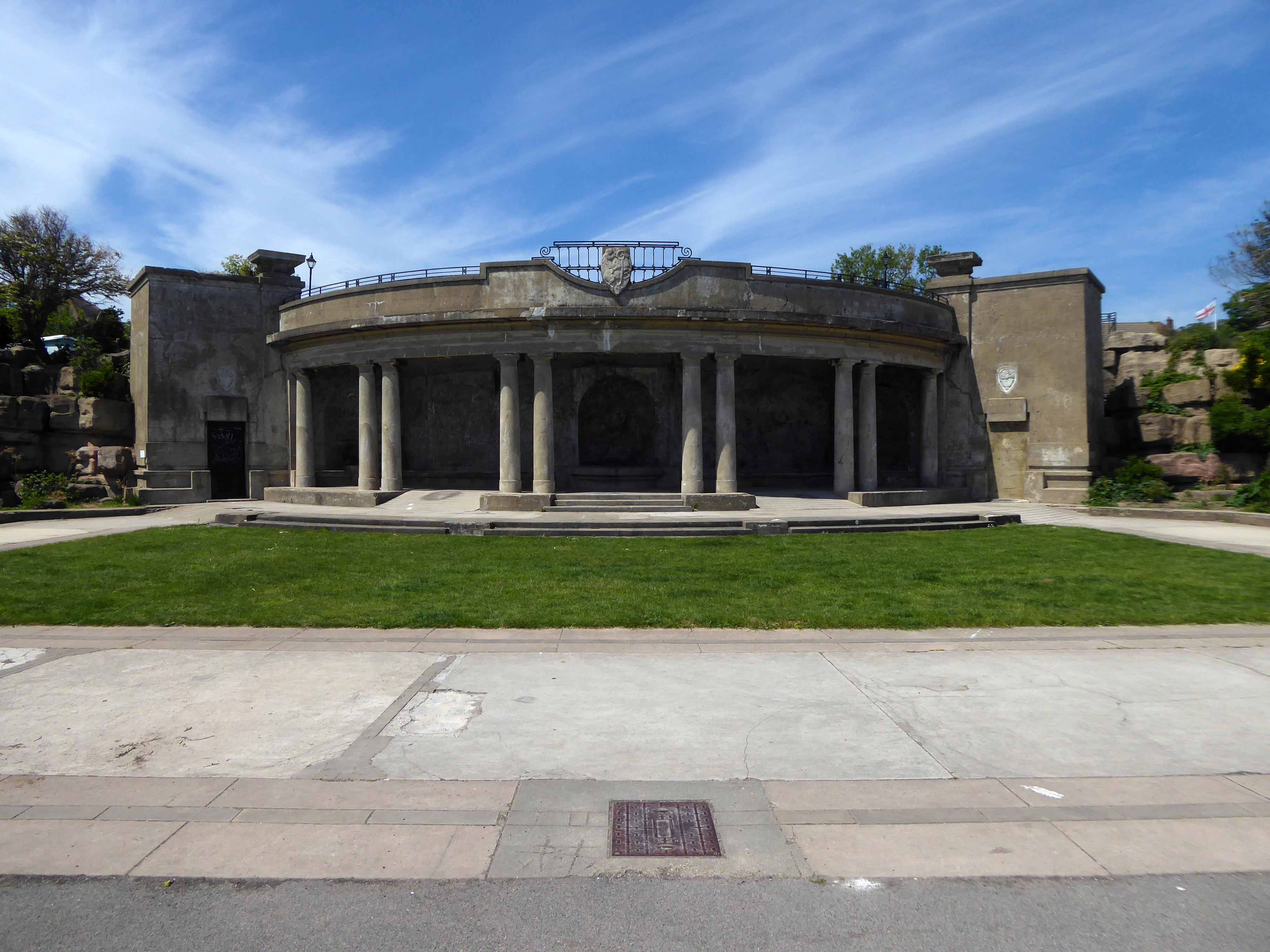
Overlooking the sea, the ornamental gardens were laid out and presented to the Borough of Ramsgate by Dame Janet Stancomb-Wills in 1920 and opened to the public in June 1923 by the Mayor of Ramsgate Alderman A. W. Larkin. They are maintained by Thanet District Council and were Grade II listed on 4 February 1988.
The gardens were designed by the architects Sir John Burnet & Partners, and constructed by Pulham and Son. The main feature of the gardens, is a semi-circular shaped colonnade carved into the pulhamite recess.
On the upper terrace, approached by broad flights of steps, the gardens proper are reached. In the centre, and immediately over the shelter, is a circular pool enclosed on the north side by a semi-circular Roman seat.
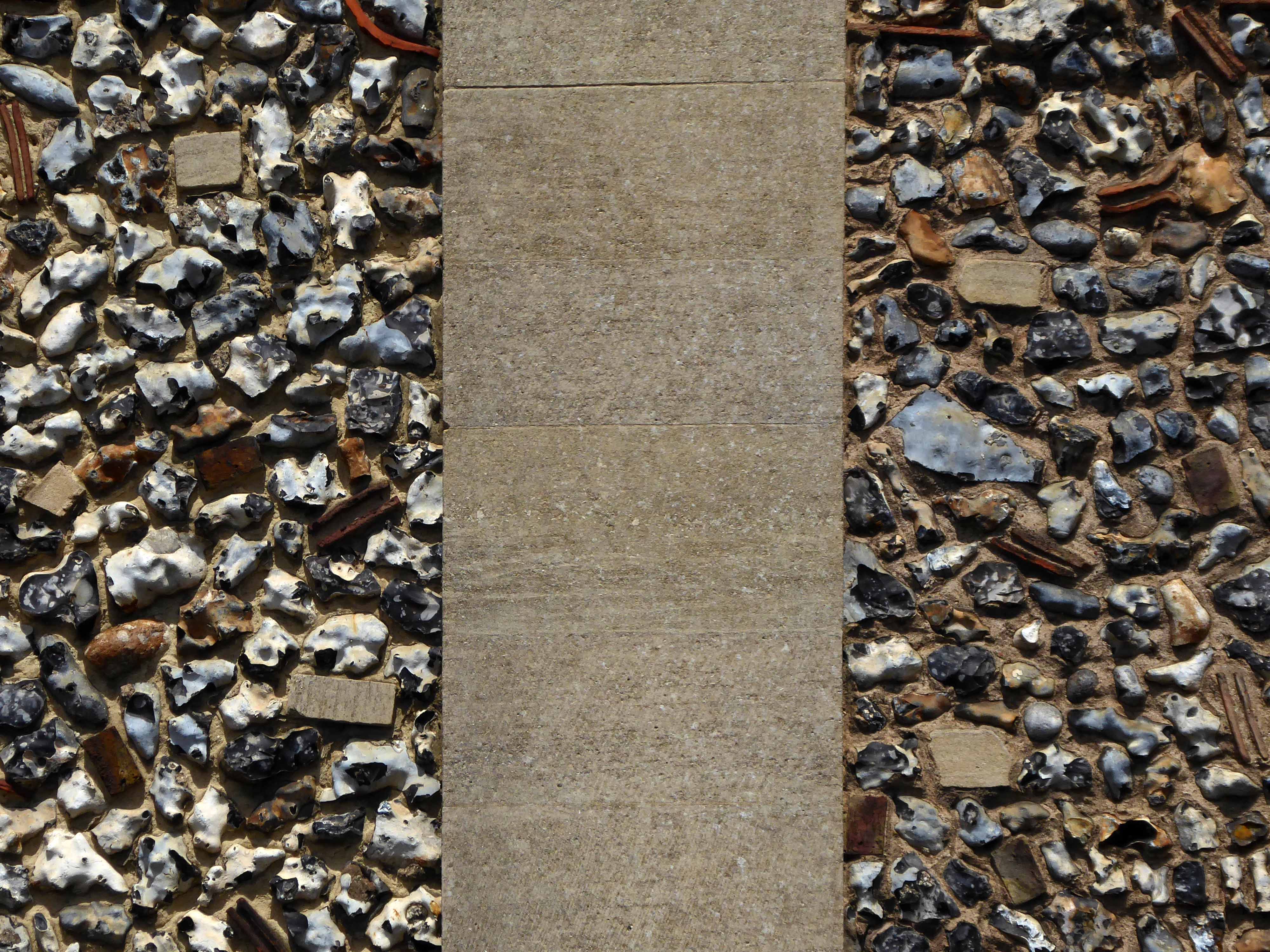
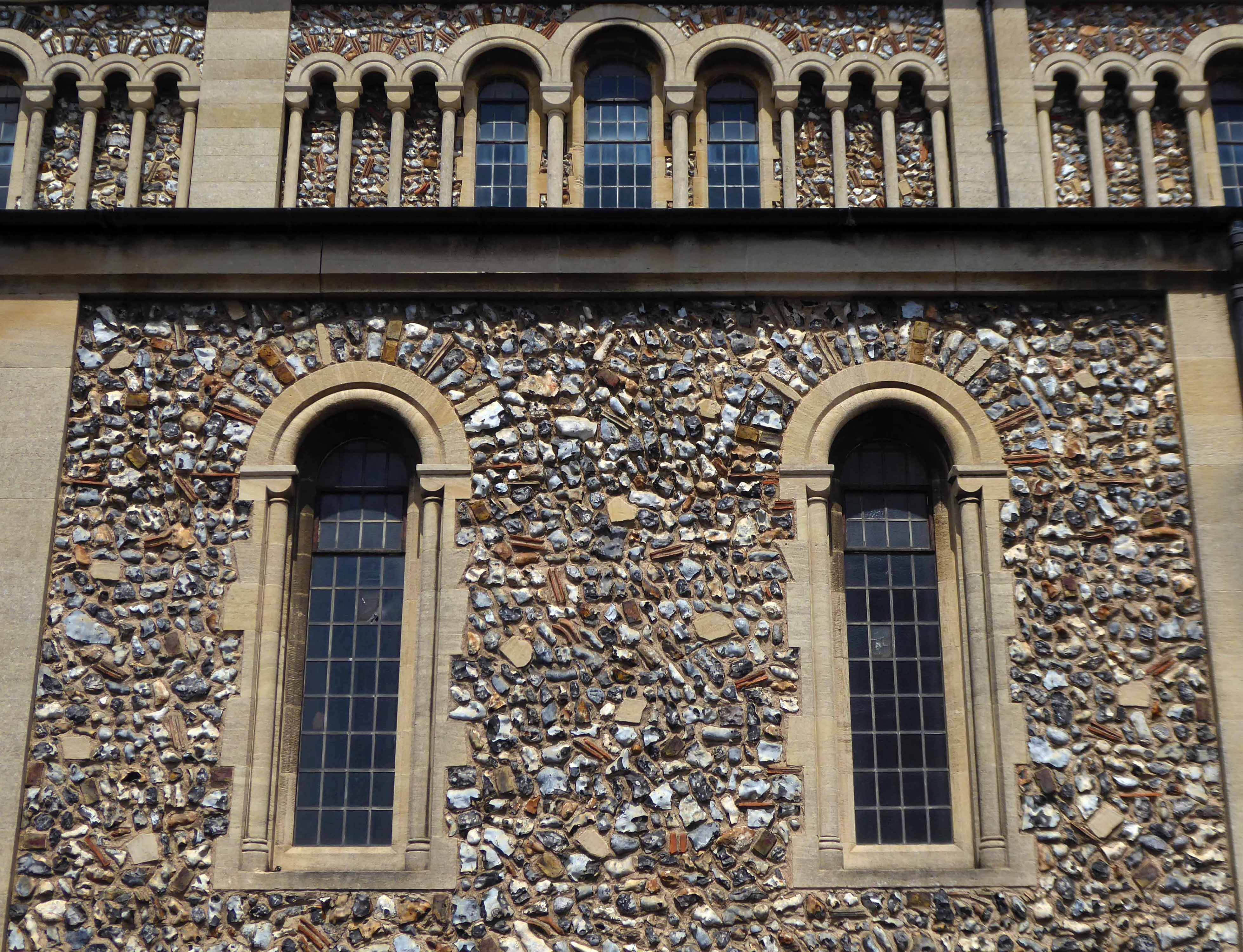
On leaving the town we encounter this engaging flint church – Holy Trinity
Erected 1829-1830. David Barnes Architect, extended 1925.
Built of flint and rubble.
One of the first visitors to this church was Charles Dickens who offered a very unflattering description in his work, Our English Watering Place:
We have a church, by the bye, of course – a hideous temple of flint, like a petrified haystack. Our chief clerical dignitary, who, to his honour, has done much for education, and has established excellent schools, is a sound, healthy gentleman, who has got into little local difficulties with the neighbouring farms, but has the pestilent trick of being right.
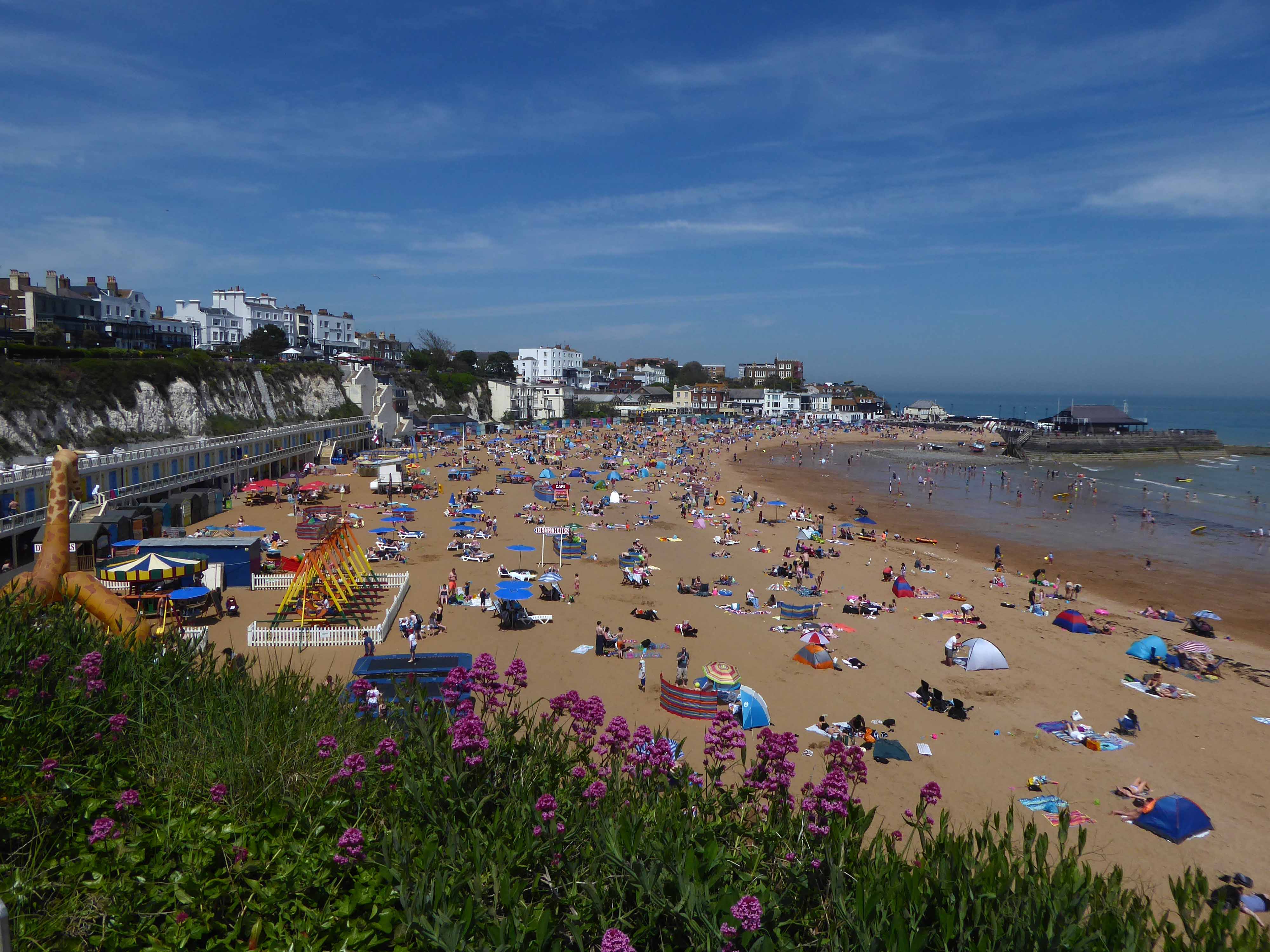
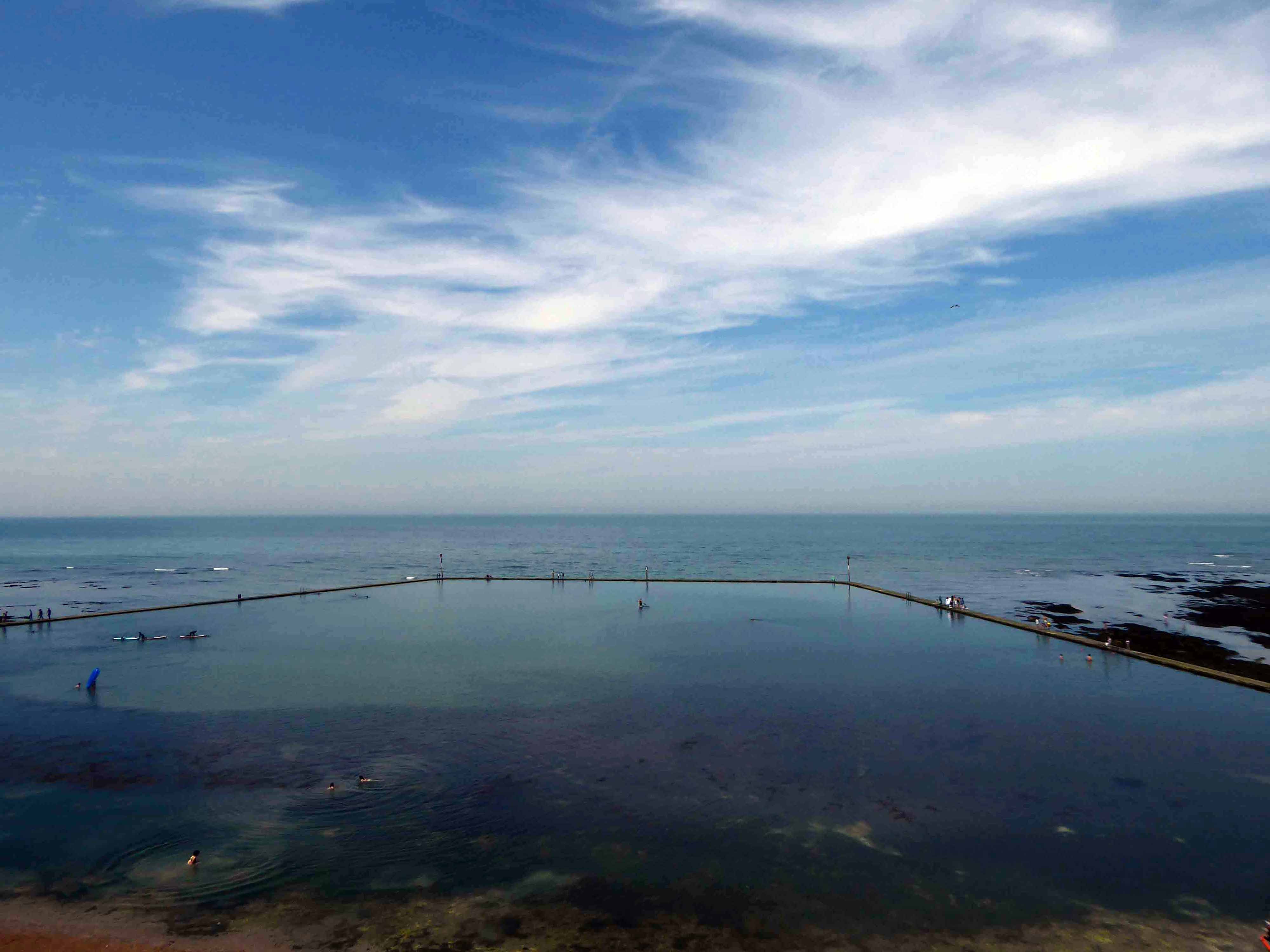
In Margate the tidal pools are full of waveless sea water and kiddy fun.
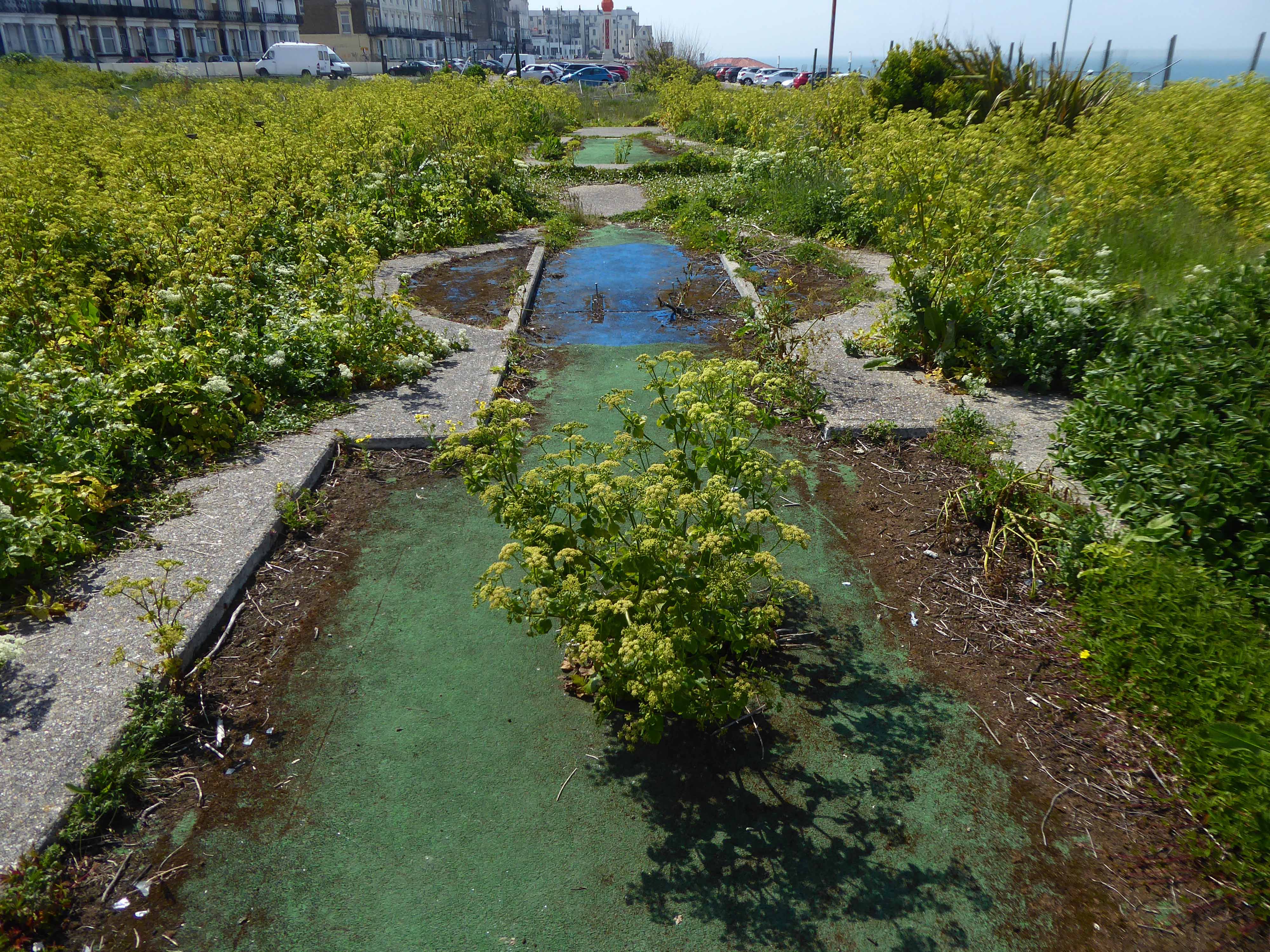
The former crazy golf course is undergoing an ongoing programme of involuntary rewilding.
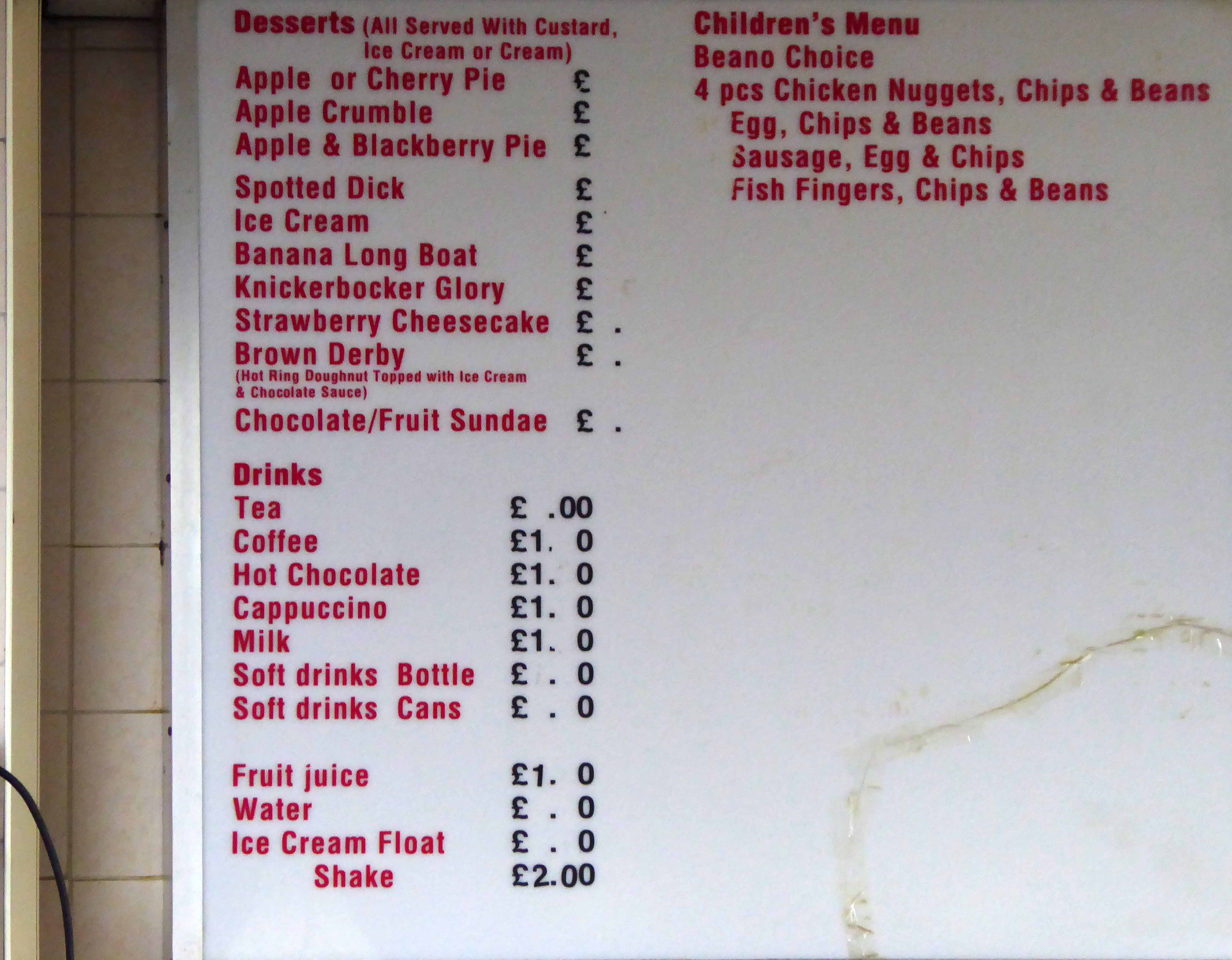
Time now for tea and a welcome plate of chish and fips at the Beano Cafe.
I miss my haddock and chips from Beano in Margate, brought to you with a smile and he remembers everyone.
Great customer service and friendly staff, see you soon.
The food is awful and the customer service is even worse: when we complained about the food the staff argued with us and wouldn’t do anything to change the food or refund, avoid at all costs!
Dungeness nuclear power station comprises a pair of non operational nuclear power stations, located on the Dungeness headland in the south of Kent. Dungeness A is a legacy Magnox power station that was connected to the National Grid in 1965 and has reached the end of its life. Dungeness B is an advanced gas-cooled reactor (AGR) power station consisting of two 1,496 MWt reactors, which began operation in 1983 and 1985 respectively, and have been non-operational since 2018 due to ongoing safety concerns.
There were many problems during construction of the second power station, which was the first full-scale AGR. It was supposed to be completed in 1970, but the project collapsed in 1969. The CEGB took over project management and appointed British Nuclear Design and Construction (BNDC) as main contractor. There were more problems and by 1975 the CEGB was reporting that the power station would not be completed until 1977 and the cost had risen to £280 million. By completion the cost had risen to £685 million, four times the initial estimate in inflation-adjusted terms.
In March 2009, serious problems were found when Unit B21 was shut down for maintenance, and the reactor remained out of action for almost 18 months. In 2015, the plant was given a second ten-year life extension, taking the proposed closure date to 2028. In September 2018, both units were shut down and were expected to restart in December 2020. On 7 June 2021, EDF announced that Dungeness B would move into the defuelling phase with immediate effect.
Wikipedia
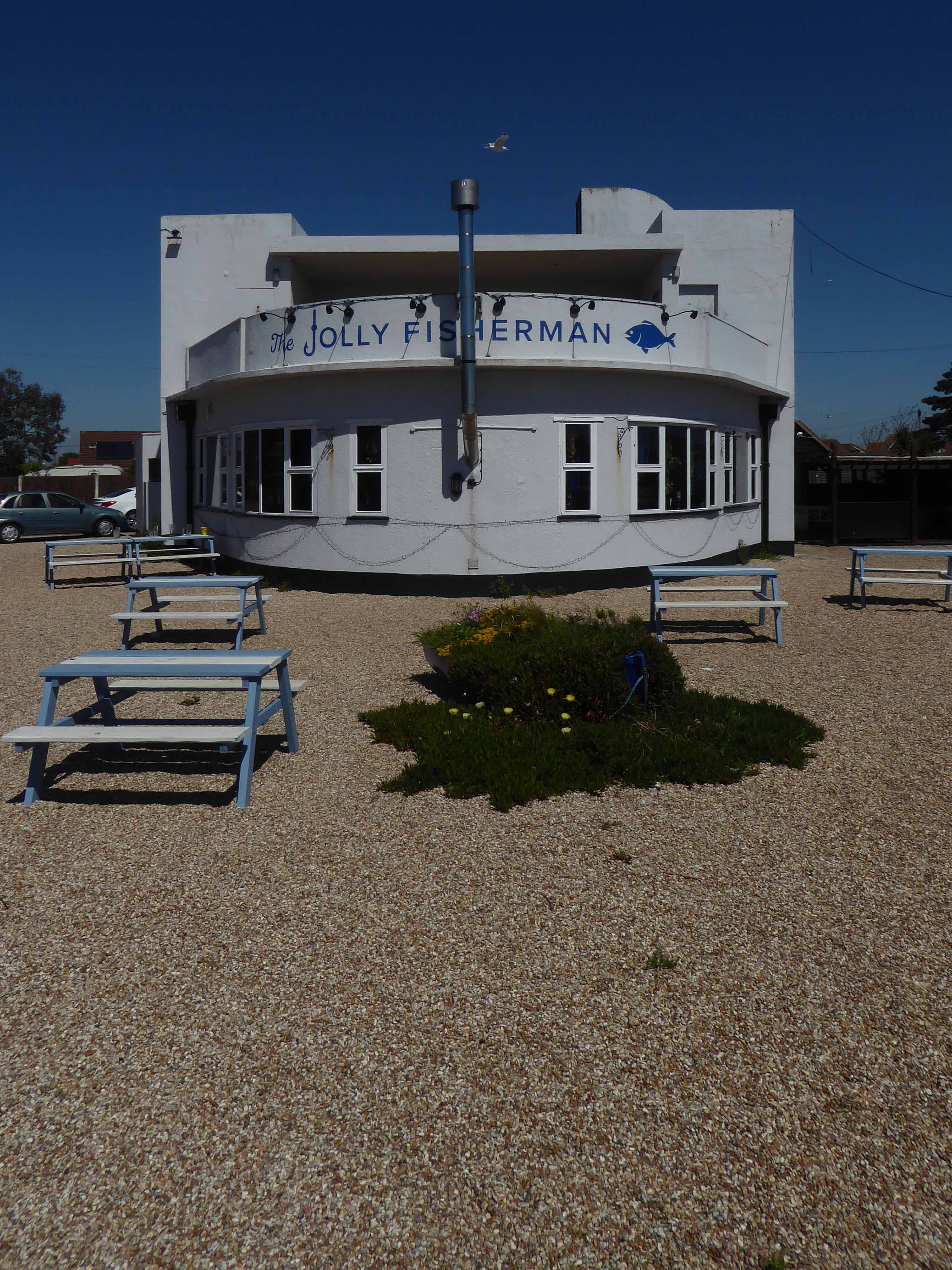
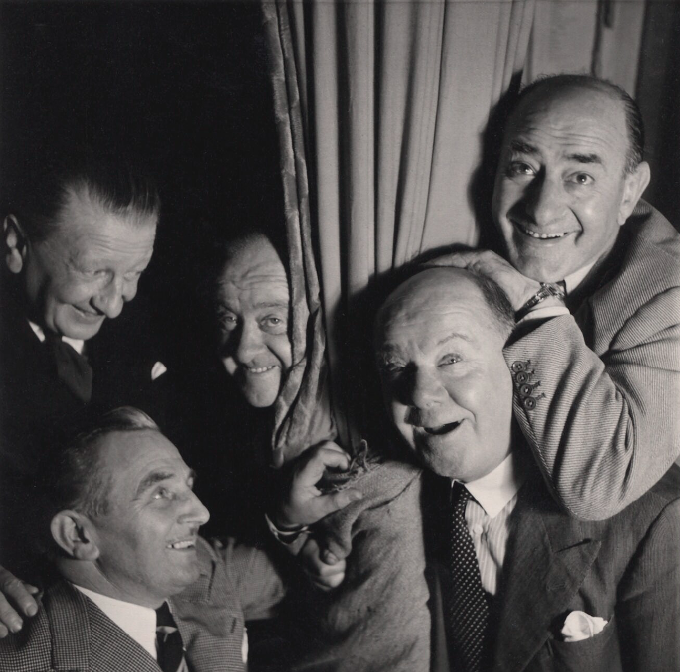
Pausing for a moment to take a drink, sadly not a drink in the Jolly Fisherman – unlike another comical pair.
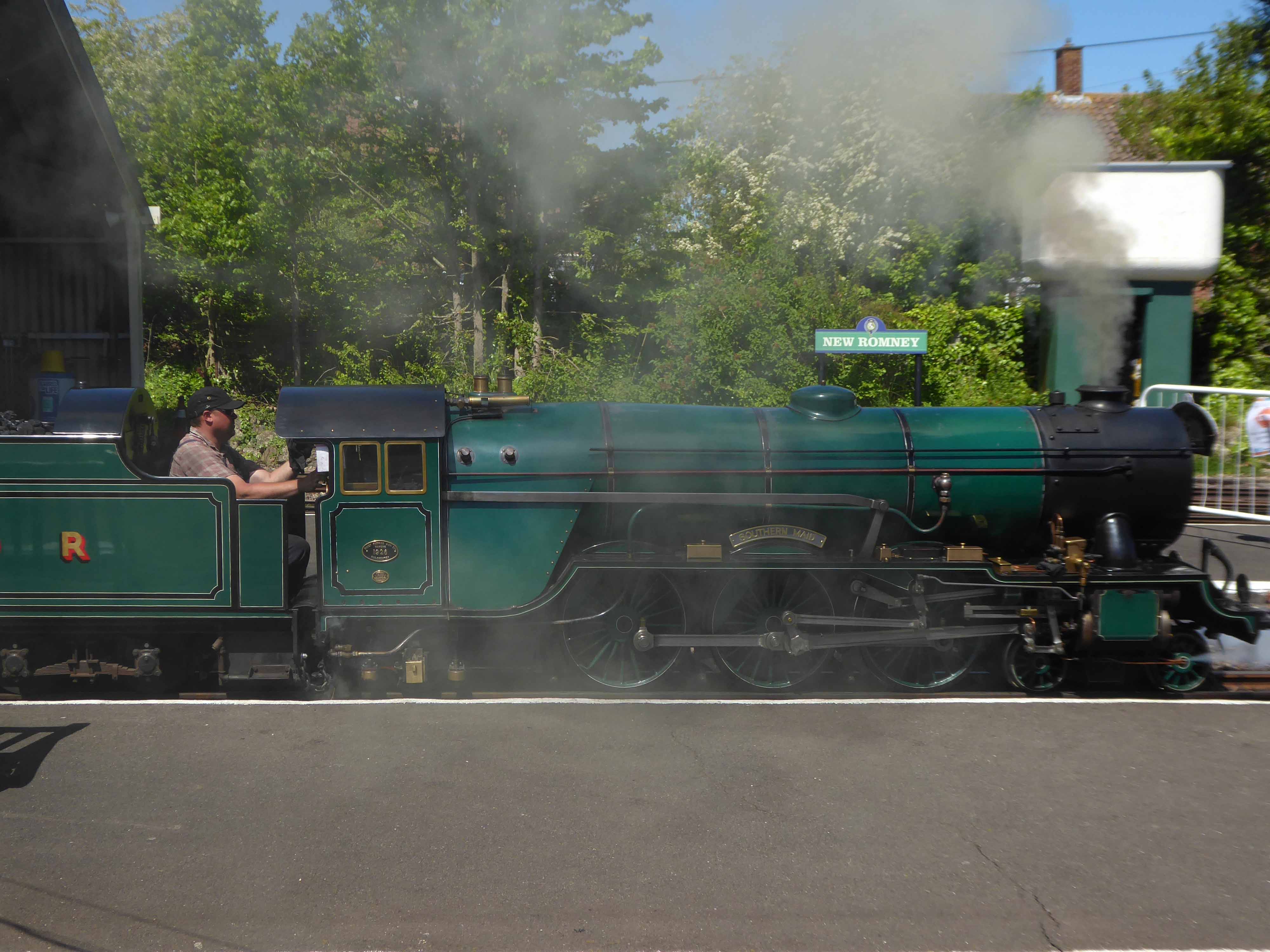
During their 1947 UK tour, Stan Laurel and Oliver Hardy were invited to re-open the Romney, Hythe and Dymchurch Light Railway.
After travelling down by regular train, the pair performed a couple of skits to entertain the crowds – and the gathered news crews – before riding the light railway.
The duo then lunched with dignitaries at the Jolly Fisherman, before returning for tea at the railway’s restaurant at Hythe.
On Monday and inquest was held on the body of Mr. John Adams, landlord of the “Jolly Fisherman,” who was found drowned in a well near his house.
From the evidence it appeared that the deceased left home on Saturday morning for the purpose, according to his usual custom, of walking to New Romney, to see if there were any letters for Dungeness. Not returning at the usual time, his wife became alarmed, and a messenger was dispatched to Romney to see if he had been to the Post-office. It was ascertained he had not, and the search was forthwith made.
About 2 o’clock one of the coastguardsmen, Edward Hooker, bethought him to look into the well, which is about 250 yards from the deceased’s house. In doing so he was horrified to find the poor fellow head downwards, partly immersed in water. Assistance was at once procured, and he was removed to his house, quite dead. There was about 4 feet of water in the well.
In the absence of any testimony to establish the inference of suicide, and open verdict of Found Drowned was returned. The deceased was about 50 years of age.
It has been stated that the deceased had of late, been rather abstracted, but no evidence was adduced to establish the truth of this assertion.
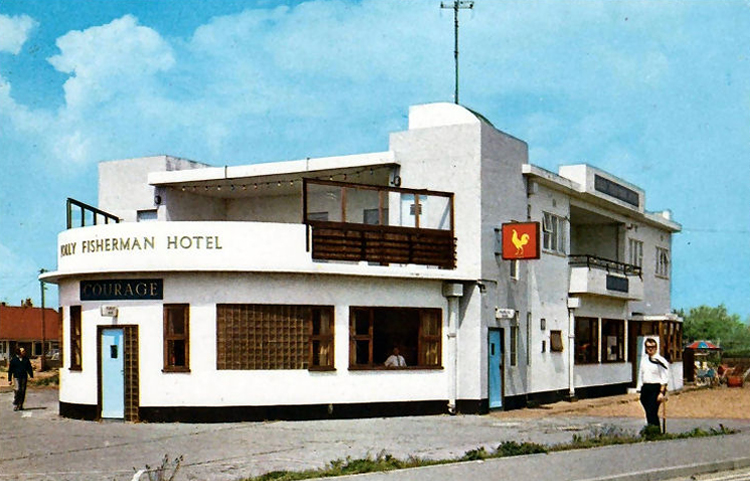
The present Jolly Fisherman pub is located in the centre of Greatstone at the junction of Dunes Road and The Parade.
This was built by the brewers Style and Winch Ltd, who owned the old Jolly Fisherman, in about 1935 as a pub and hotel.
The RH&DR was the culmination of the dreams of Captain J. E. P. Howey — a racing driver, millionaire land owner, former Army Officer and miniature railway aficionado and Count Louis Zborowski — eminently well-known racing driver of his day – famous for owning and racing the Chitty Bang Bang Mercedes.
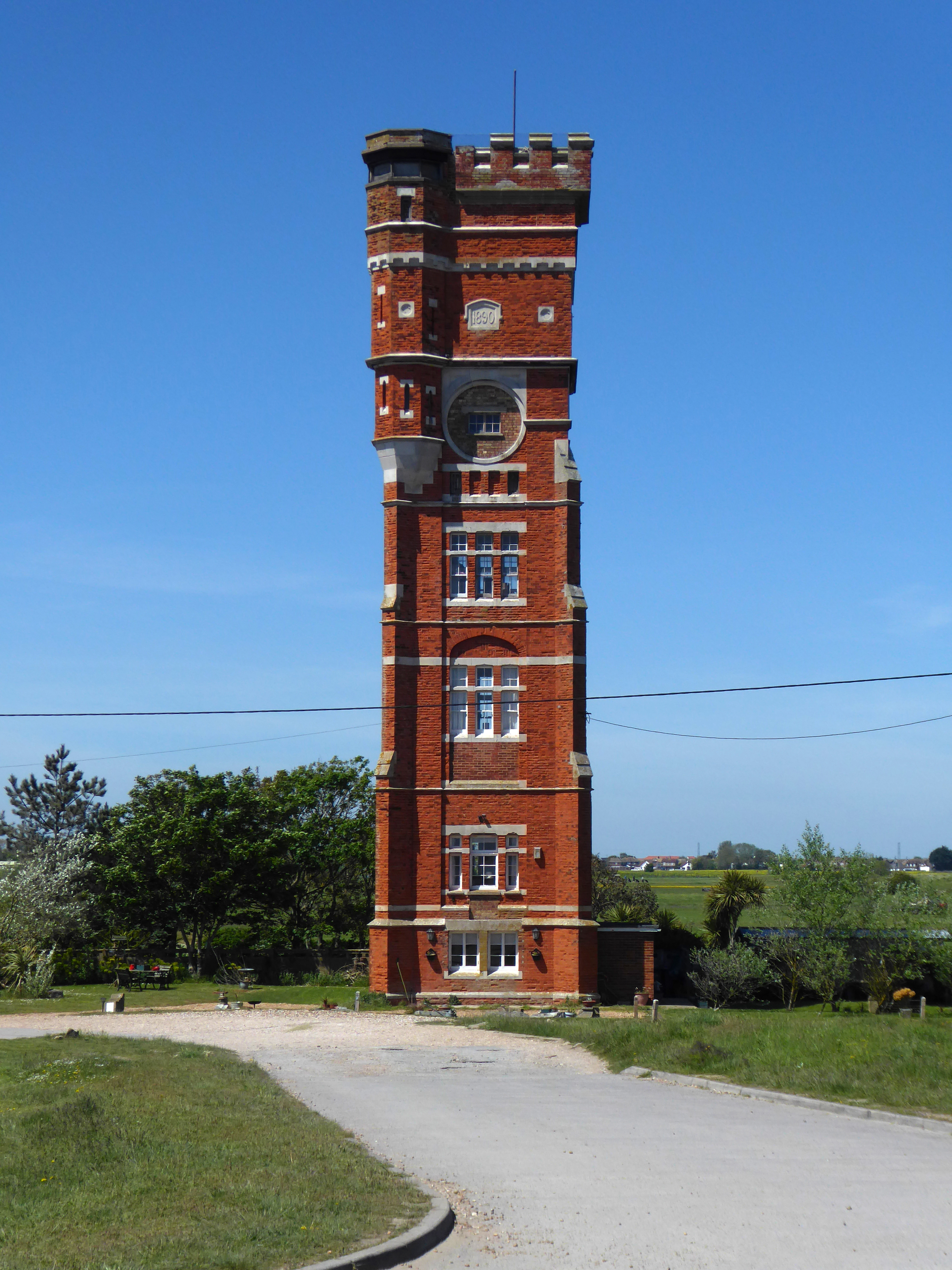
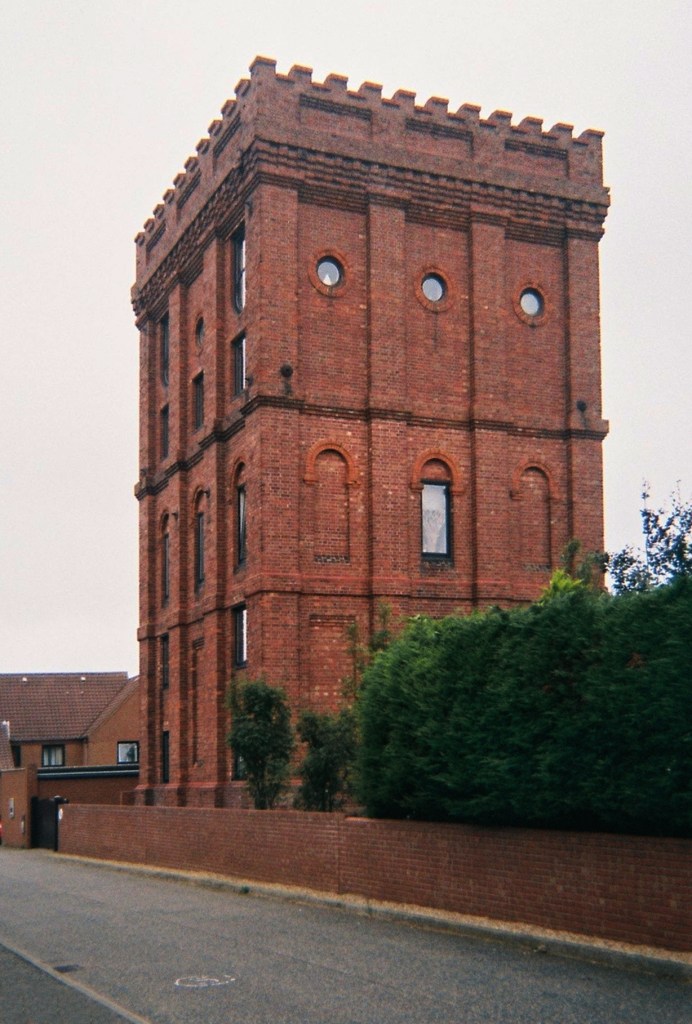
The 120ft Grade II Listed water tower at Littlestone was built in 1890 by Henry Tubbs to supply water to his properties in Littlestone, including Littlestone Golf Club and his proposed housing development.
Henry Tubbs wanted to turn Littlestone into a major resort, and embarked on an ambitious building programme, including the Marine Parade and Grand Hotel. His plans for a pier were not realised, however, and it was eventually built at Eastbourne instead.
The tower is constructed in red brick which shows the external features of the tower very well. It narrows at about the third story and its appearance changes depending on your viewpoint. At the top there is a sort of turret, giving the building a slightly military look.
The military used the Tower during World War Two as a lookout post and they made some changes to the structure, partly the reason for its slightly wobbly look. The Army also added a substantial concrete stairway inside.
Unfortunately the water tower didn’t function properly and the water was found to contain too much salt to be of any use. In 1902 the Littlestone and District Water Company built a tower at Dungeness to supply all of New Romney, Littlestone, Greatstone and Lydd. The tower at Littlestone fell into disuse, but now serves as a residence.
The failed resort of Littlestone continues to fail.
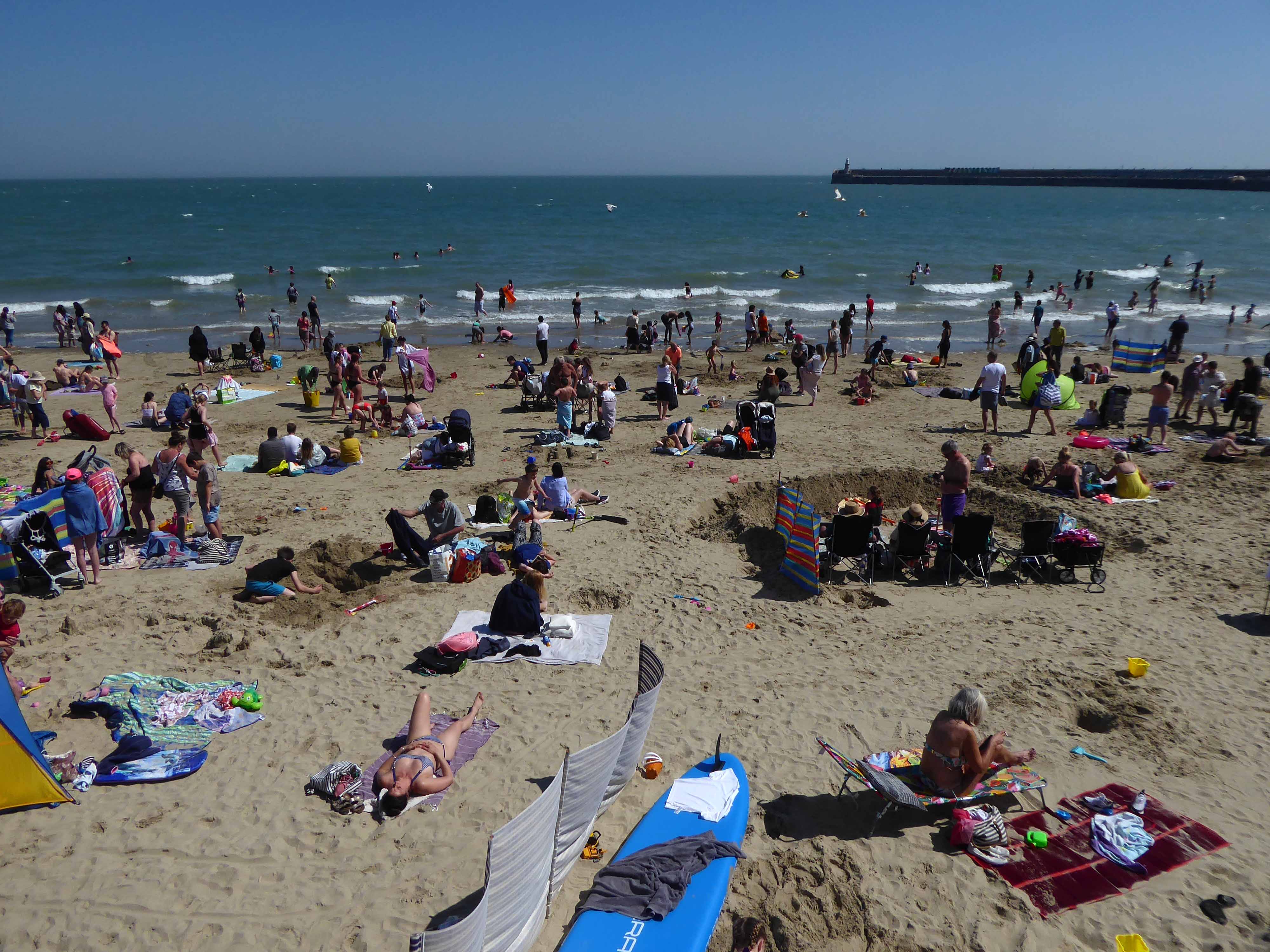
Whilst Folkestone thrives.
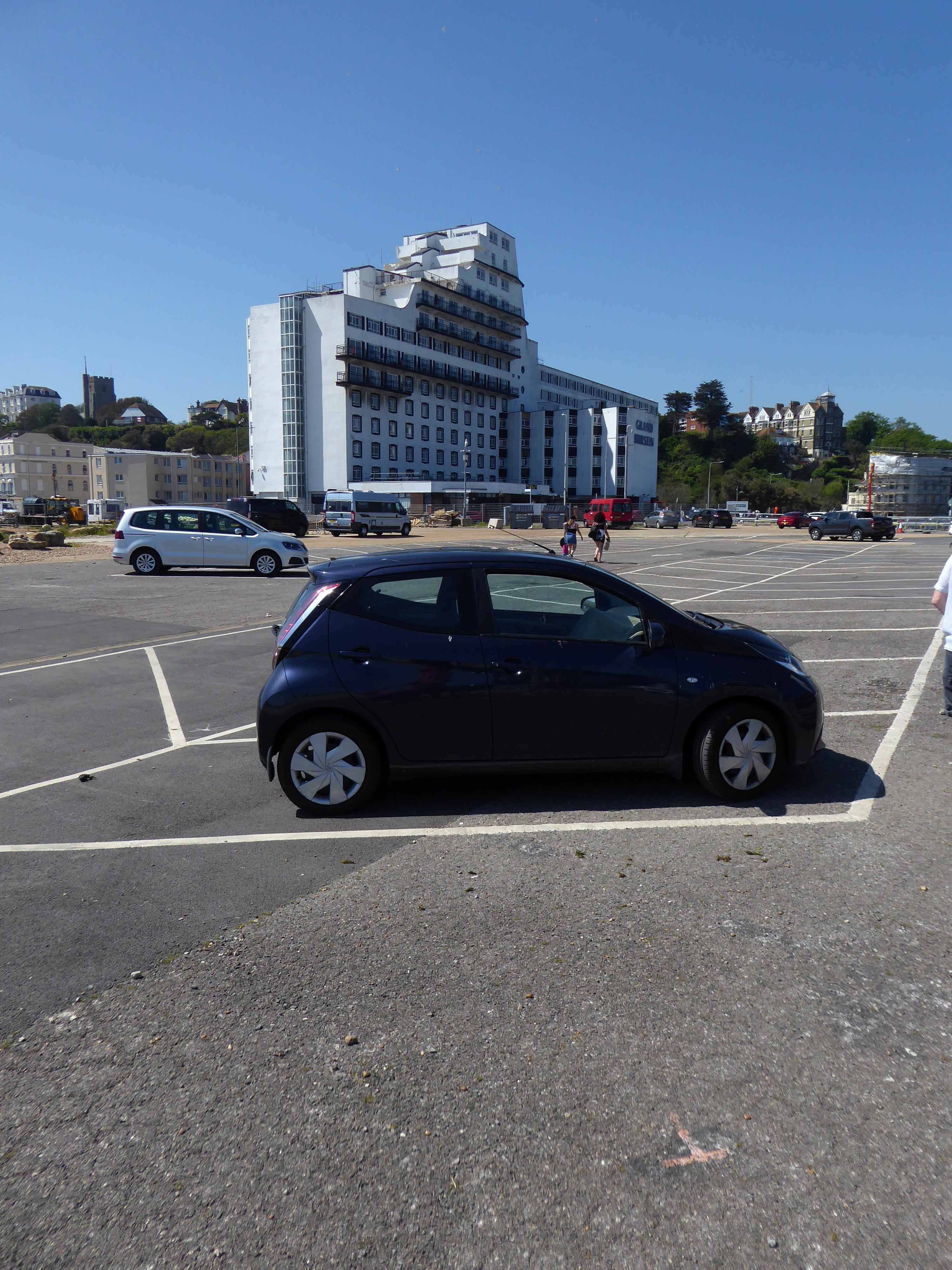
Even the Grand Burstin has been improved.
23 November 2009
This place has got to be up for Worst Hotel in the UK.
We made the mistake of staying there for our first anniversary, and we sorely regretted it. First, after the initial shock that awaits anyone entering the lobby, we were given probably the filthiest room in hotel history.
It reeked of smoke and urine.
The management’s disorganisation landed us free meals, even if they paid us £10 per person to eat that stuff it wouldn’t be worth it:
Canned fruits, red meat galore with no other option, greasy bacon, value bread, omelet made with the least real eggs possible, all served with the same urine smell in the restaurant and by the most apathetic staff ever.
We left as soon as possible.
Seeing that place in the rear-view mirror was the highlight of our visit.
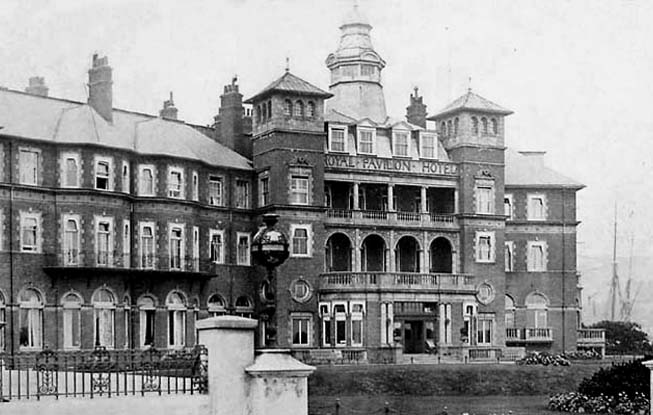
The current hotel was built in 1984 from the foundations of the Royal Pavilion Hotel, originally built in 1843, parts of which form the new Burstin Hotel, such as the Victorian restaurant.
It’s along climb out of Folkestone, there are no snaps – simply memories of a weary ascent.
Eventually we top out and roll along over the white cliffs of Dover.
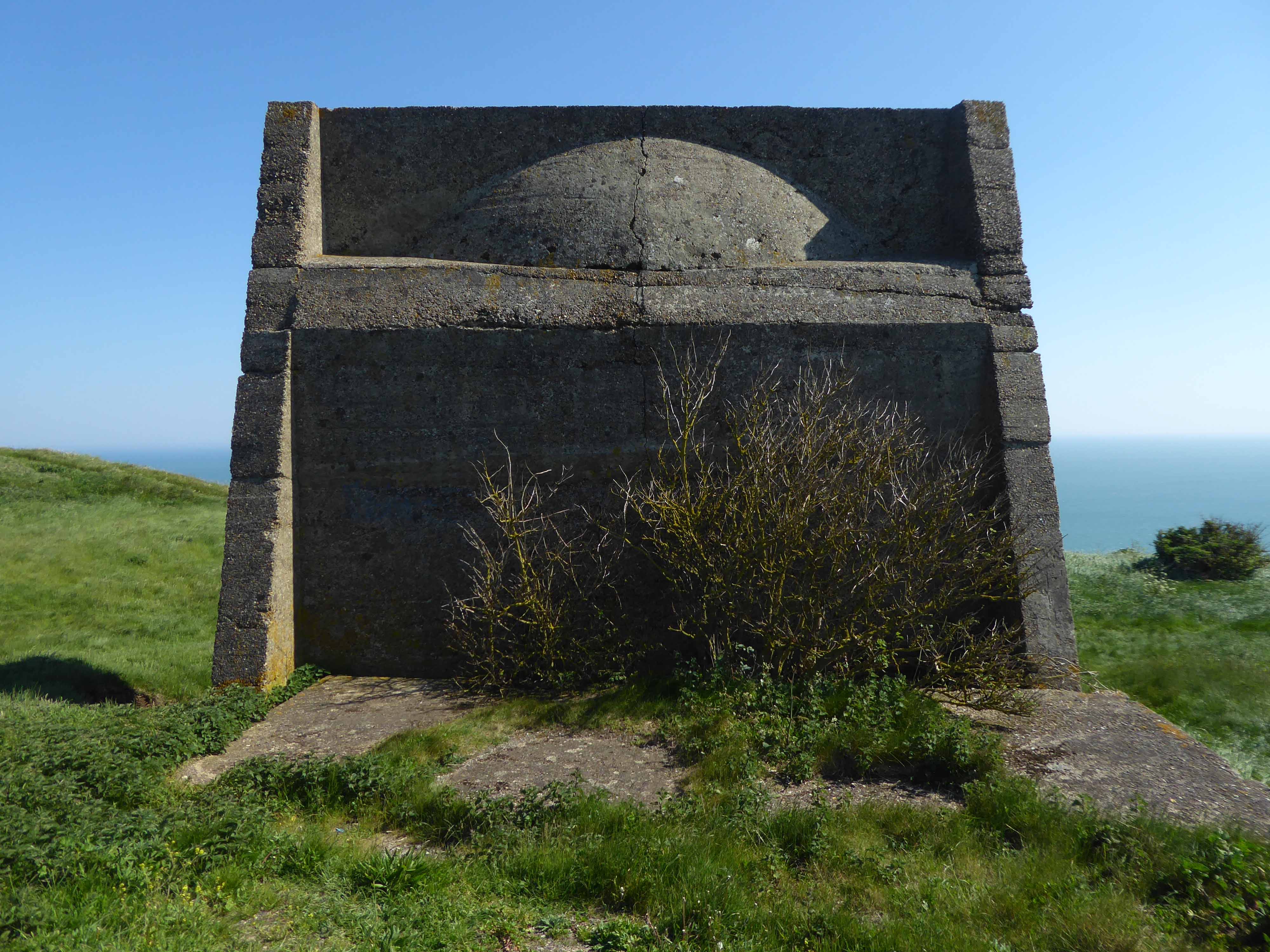
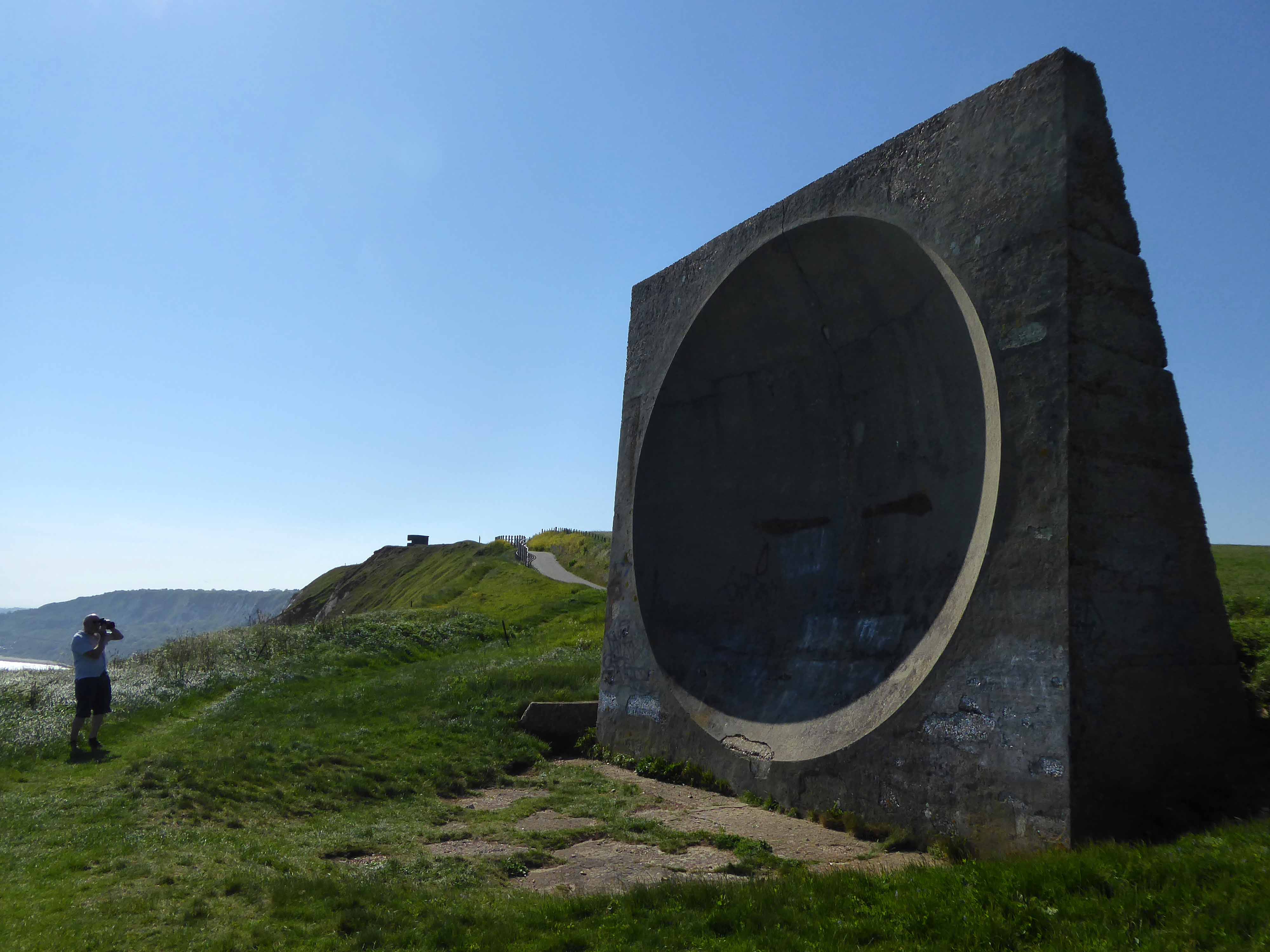
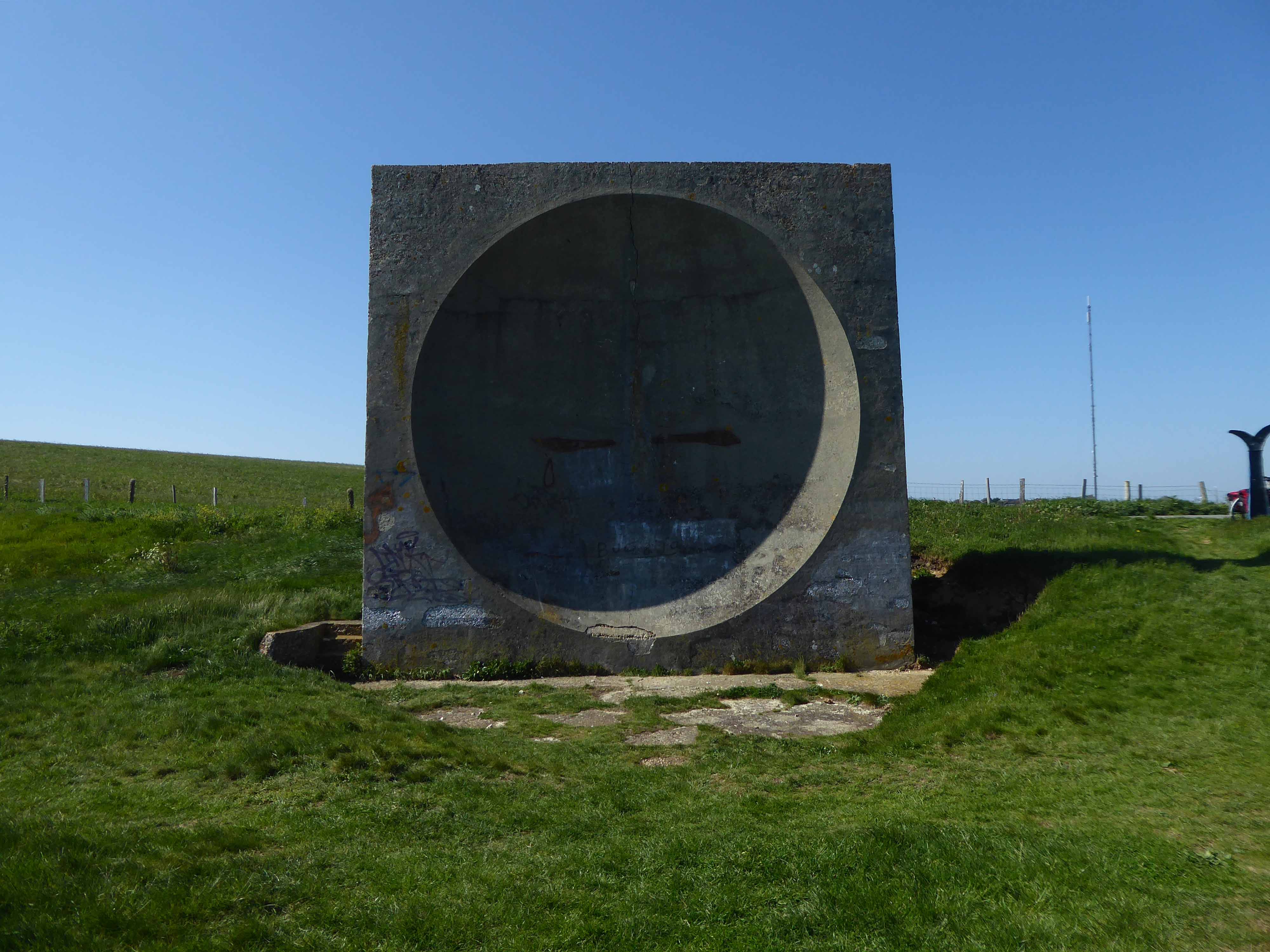
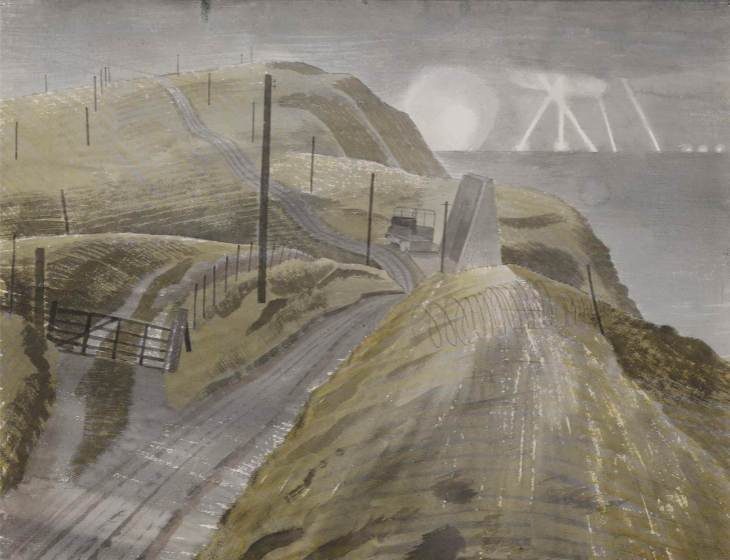
Where we discover this delightful concrete listening post.
Abbot’s Cliff Acoustic Mirrors
Before the advent of radar, there was an experimental programme during the 1920s and 30s in which a number of concrete sound reflectors, in a variety of shapes, were built at coastal locations in order to provide early warning of approaching enemy aircraft. A microphone, placed at a focal point, was used to detect the sound waves arriving at and concentrated by the acoustic mirror. These concrete structures were in fixed positions and were spherical, rather than paraboloidal, reflectors. This meant that direction finding could be achieved by altering the position of the microphone rather than moving the mirror.
Descending into Dover, ascending again, hot and weary.
Appreciating the slow traffic free drag down to St Margarets Bay – sadly no photos, suffice to say one of the most elegant lanes of the trip, once home to Sir Noël Pierce Coward.
In Coward’s seven years in the Bay he entertained a large array of famous friends from the arts, film and stage. Katherine Hepburn stayed here with Spencer Tracey and swam daily from the shore. Daphne Du Maurier, Ian Fleming, Gertrude Lawrence and John Mills all came to relax, play Canasta and Scrabble or join Coward in his painting studio where he produced oils of the Bay.
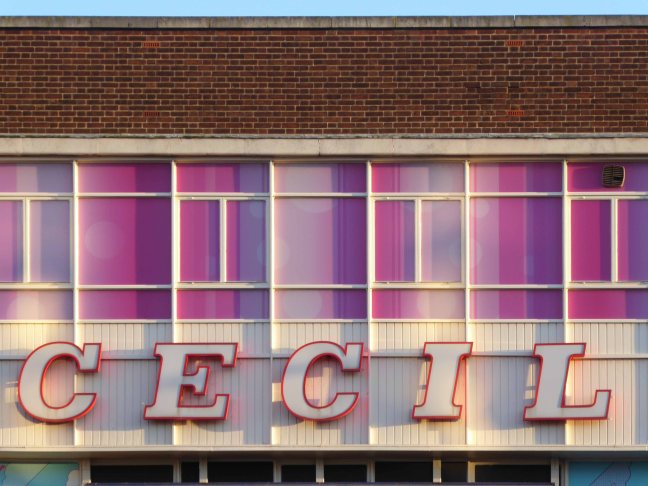
Turn right out of the station toward the Cecil Cinema.
The Theatre De-Luxe was built in 1911 at the corner of Anlaby Road and Ferensway with its entrance in Anlaby Road and its auditorium along the side of the pavement in Ferensway. Kinematograph Year Book of 1914 lists 600 seats and the owners as National Electric Picture Theatres Ltd.
In 1925, the theatre was rebuilt to a radically altered ground-plan and renamed the Cecil Theatre.
The Cecil Theatre’s demise came during bombing on the night of 7/8 May 1941 when German incendiary bombs reduced the building to a shell; and it remained like that until demolition in 1953.
Work on the new Cecil Theatre was begun in April 1955 and it was opened on 28th November 1955 with 1,374 seats in the stalls and 678 in the balcony.
Architects: Gelder and Kitchca
At the time of opening it had the largest CinemaScope screen in the country measuring 57 feet wide, and the first film shown was Marilyn Monroe The Seven Year Itch.
In the 1980’s it was taken over by the Cannon Cinemas chain. The cinema operation was closed on 23rd March 1992 and the cinemas were ‘For Sale and/or Lease. It was taken over by Take Two Cinemas and renamed Take Two Cinema. It was closed on 27th February 1997 and the two screens in the former circle were stripped out and converted into a snooker club.
Whilst bingo continues in the former stalls area of this post war cinema, the former mini cinemas in the circle still contain the snooker tables, but the space is unused. The screen in the former restaurant/cafe area remains basically intact, but is unused.
Whilst circumnavigating the Cecil one can’t help but notice the KCOM HQ – and its distinctive white telephone kiosks.
The work of City Architect A Rankine OBE RIBA
When Hull City Council founded KCOM back in 1904, as Hull Telephone Department, it was one of several local authorities across the country granted a licence to run its own phone network.
1952 Call Father Christmas service was introduced.
Having heard of a recorded message service in Scandinavia, Hull Councillor J M Stamper suggested the idea of putting Father Christmas on the telephone. The Call Father Christmas service was introduced shortly afterwards, the first of its kind in the UK. By dialling a Hull Central number children could hear recordings of a Christmas story and carol singing.
The success of the Father Christmas service led to the creation of other recorded information lines, such as Bedtime Stories, Teledisc and Telechef.
This recipe line was introduced in 1950s and was still going strong until the 1990’s, with 50s recipes such as meat loaf and corned beef with cabbages being replaced by dishes such as Italian Chicken Bake.
Sea trade created a large Danish community which Hull’s very own Amy Johnson was descended from. Her grandfather was Anders Jorgensen, who anglicised his name to the more pronounceable Andrew Johnson. A Danish pastor was appointed and an old chapel in Osborne Street was purchased in 1841.
It was on May 9, 1954, that the present church, with its now familiar separate bell tower, was consecrated by the Bishop of Copenhagen.
Hull was the most severely damaged British city or town during the Second World War, with 95 percent of houses damaged. It was under air raid alert for one thousand hours. Hull was the target of the first daylight raid of the war and the last piloted air raid on Britain.
Of a population of approximately three hundred and twenty thousand at the beginning of the war, approximately one hundred and fifty two thousand were made homeless as a result of bomb destruction or damage.
Overall almost one thousand two hundred people were killed and three thousand injured by air raids.
Despite the damage the port continued to function throughout the war.
The earliest housing was built just after World War II, starting with what is known locally as Australia Houses.
A circular five storey housing block off Porter and Adelaide Streets, with a communal garden in the middle. These flats consist of deck access flats and some traditional style Art Deco tenements. Some are three bedroom, and have been refurbished over the years.
Porter Street – three six-storey blocks containing seventy dwellings of 1954
Contractor J Mather
New Michael Street and Melville Street aka Upper Union Street one hundred and eight dwellings in three nine-storey blocks of 1958
Contractor Truscon
The designer behind Hull’s tower blocks was Andrew Rankine RIBA, who from 1939 remained City Architect until his retirement in 1961.
Just around the corner:
Over the last three years both companies have worked on undertaking the complex development of an off-site constructed, low carbon, Code 5 housing product. Working with Hodson Architects on the design the project will provide 3-bed family houses on the Thornton Estate in Hull. The scheme will increase provision of suitably sized accommodation in the area for families.
The project will see Premier Interlink manufacture the steel framed modules at the factory in Brandesburton East Yorkshire starting this March. The five houses are to be prefabricated off-site, with each house comprising of four separate units which are then assembled on site. This offers the benefit of reducing construction time, improving efficiency, reducing material wastage and offering an improved thermal envelope.
The Goodwin Trust, a brilliant and pioneering community group, decided the new version of pre-fab, or ‘modular’ housing, was exactly what was needed to provide affordable housing for the people it also cares for in so many other different ways.
Back toward the station and Hammonds of Hull/House of Fraser – soon to be a food court, artisan everything outlet.
Built in 1952 on Paragon Square to designs by T. P. Bennett, with extensions added in 1954 and 1957. Within a couple of years the business had grown again by opening its own hairdressing salon, and in 1960 added a new warehouse to accommodate their furniture workshops and stock rooms. This itself was extended within four years, while a fourth floor was added to the main store.
On the right a civic building Festival House of 1951.
Apprenticed to Lutyens‘ assistant Oswald Milne and later working with Charles Cowles-Voysey
With his good friend, John Betjeman, he helped found the Victorian Society in 1958.
On 1st May 1951, the foundation stone of Festival House was laid, to commemorate the first permanent building to be built in the city centre since the 1941 Blitz. Placed under the stone was a time capsule containing coins, stamps, a Festival of Britain programme, a copy of that day’s Hull Daily Mail, and a booklet about the city. Festival House was owned by Hull Corporation on behalf of the people of Hull.
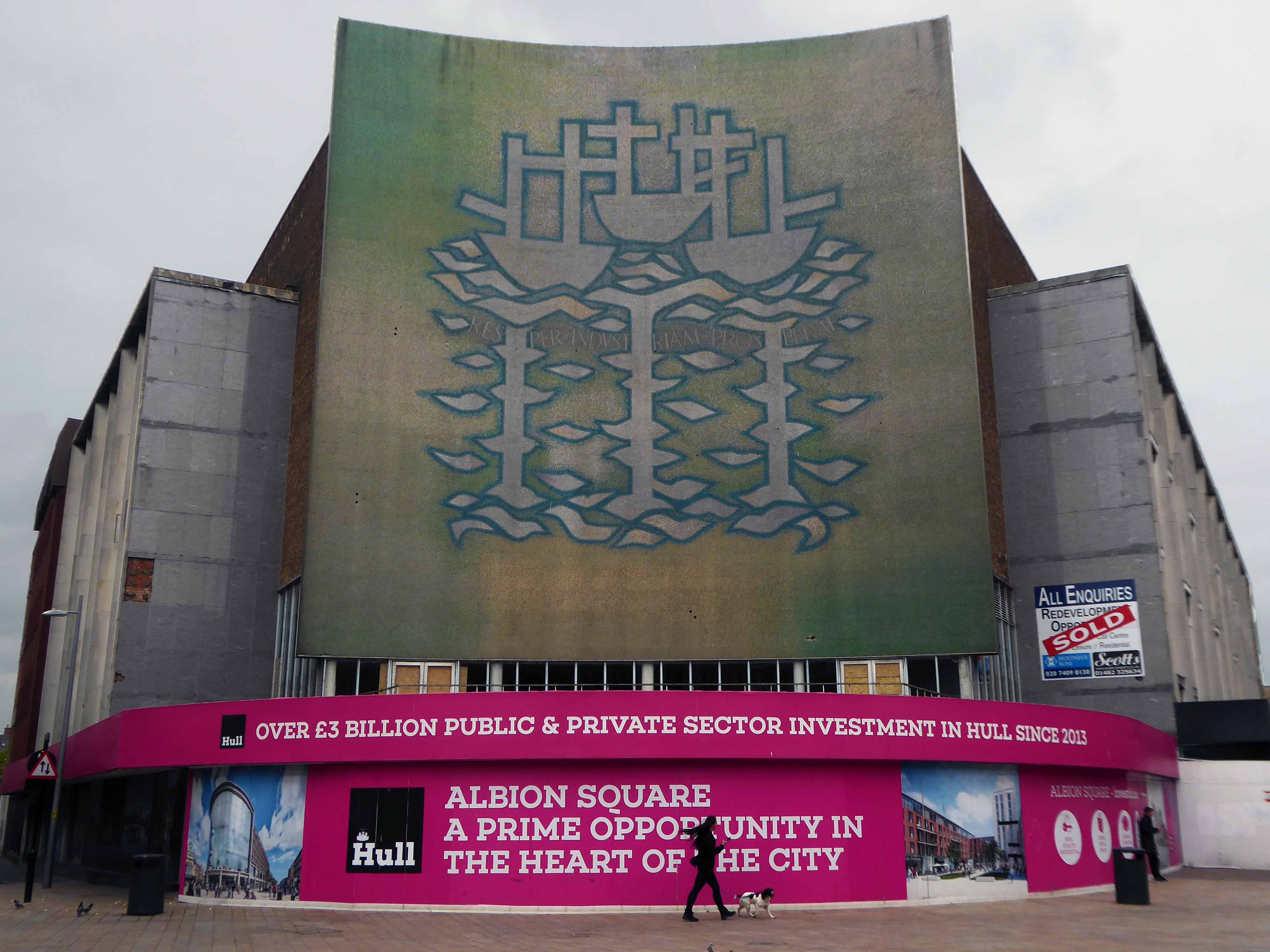
Before us Alan Boyson’s Three Ships – now listed and set for preservation.
The fate of the attached former CO-OP/BHS is less secure.
Architect: Philip Andrew
Onward to the Queens Gardens the almost filled in former Queens Dock – forever fourteen feet below sea level.
We encounter Tonkin Liu’s Solar Gate – a sundial that uses solar alignment to mark significant times and dates in Hull. The super-light innovative two-shell structure is place-specific, responding to pivotal historic events and to the cultural context of its location in Hull’s Queens Gardens adjacent to the ancient site of Beverley Gate.
Carved stone panels Kenneth Carter1960 – Ken’s art career began as an inspiring teacher, first at his alma mater, Hull College of Art, and later as principal lecturer at Exeter College of Art.
A number of decorative fountains featured in the ponds; those at the eastern end designed as part of the sculptured panels of 1960, byRobert Adams, described by Herbert Read as belonging to:
The iconography of despair. Here are images of flight, of ragged claws, scuttling across floors of silent seas, of excoriated flesh, frustrated sex, the geometry of fear.
And behind we glimpse Frederick Gibberd’s fine Technical College.
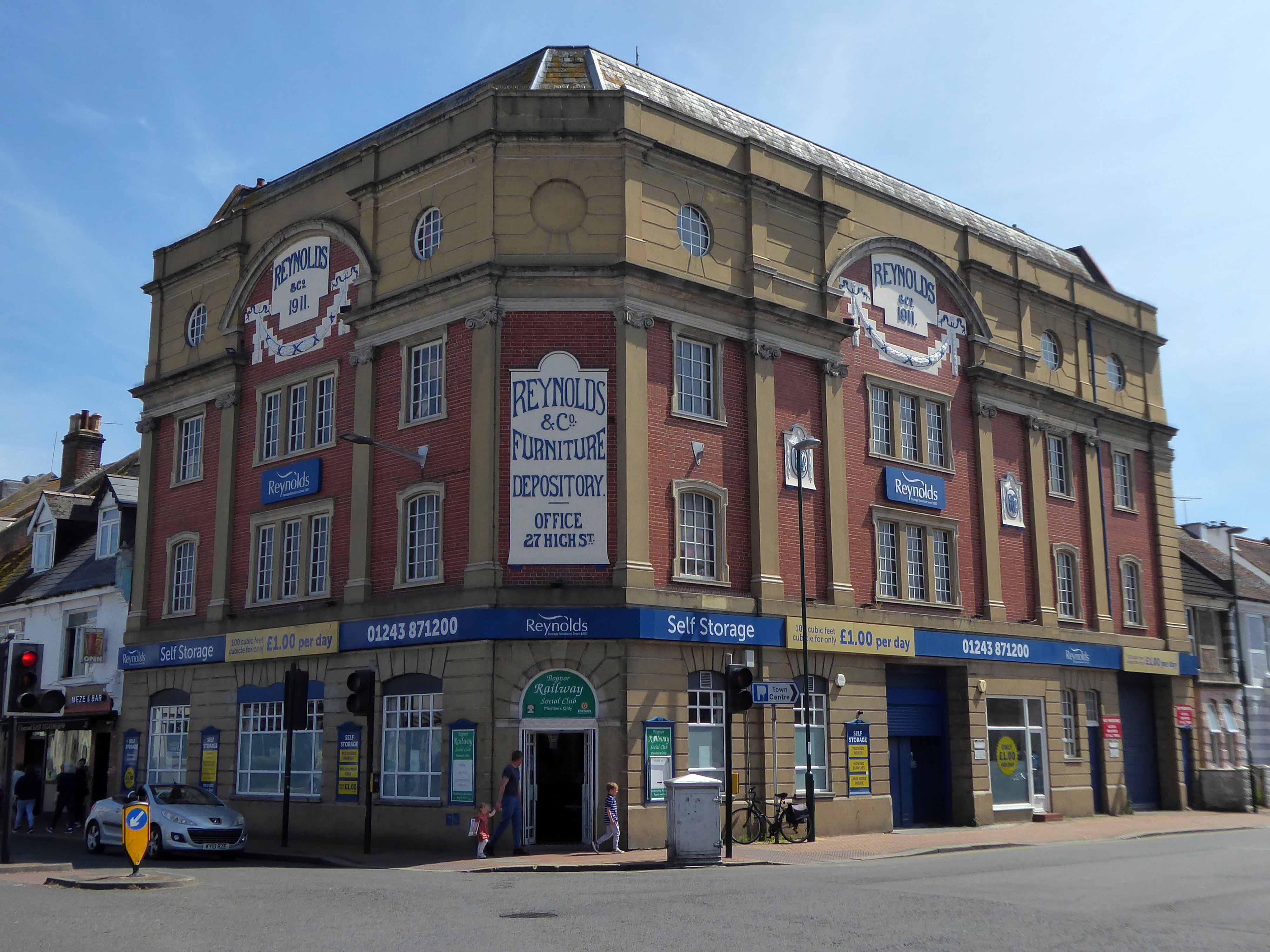
Since 1867 Reynolds has grown from a small shop to the largest furniture store in Sussex, with over 30,000 sq ft on four floors.
The Funeral Service now has three offices in Bognor Regis, Chichester and Littlehampton and the purpose built storage facility in Canada Grove continues to thrive.
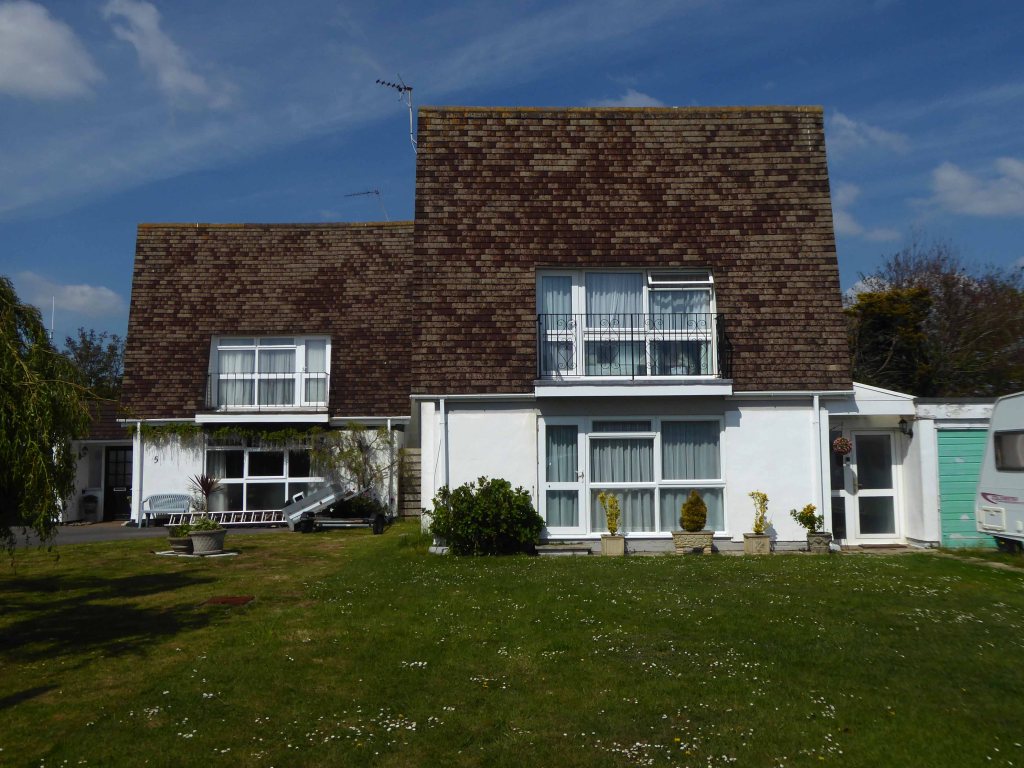
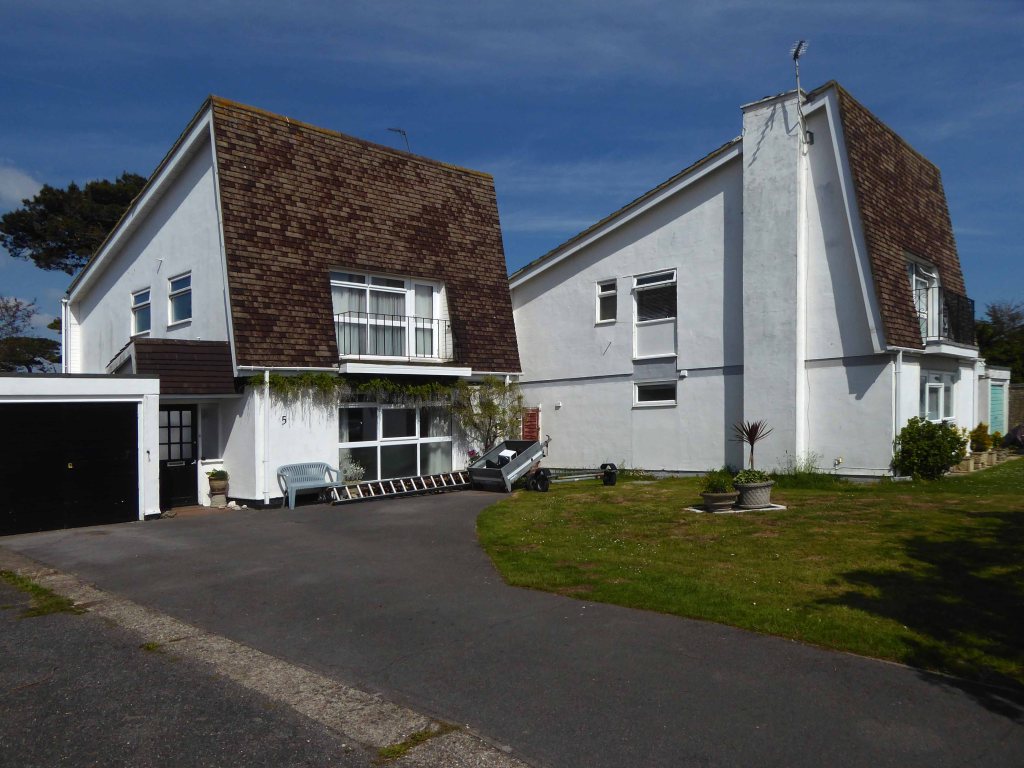
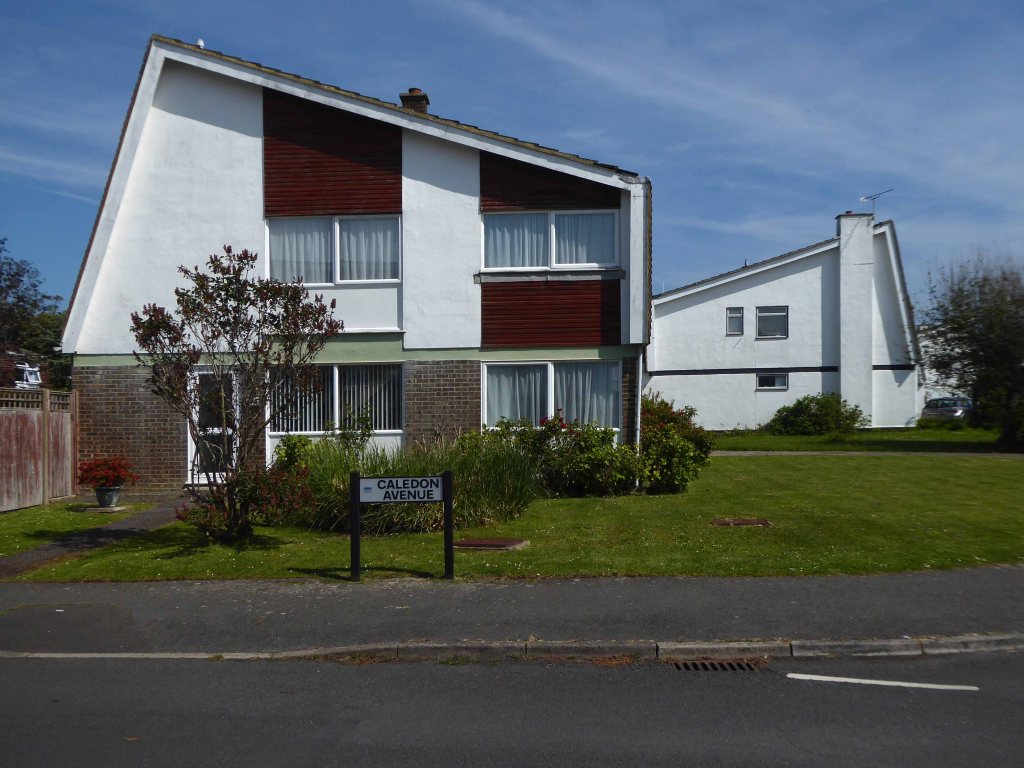
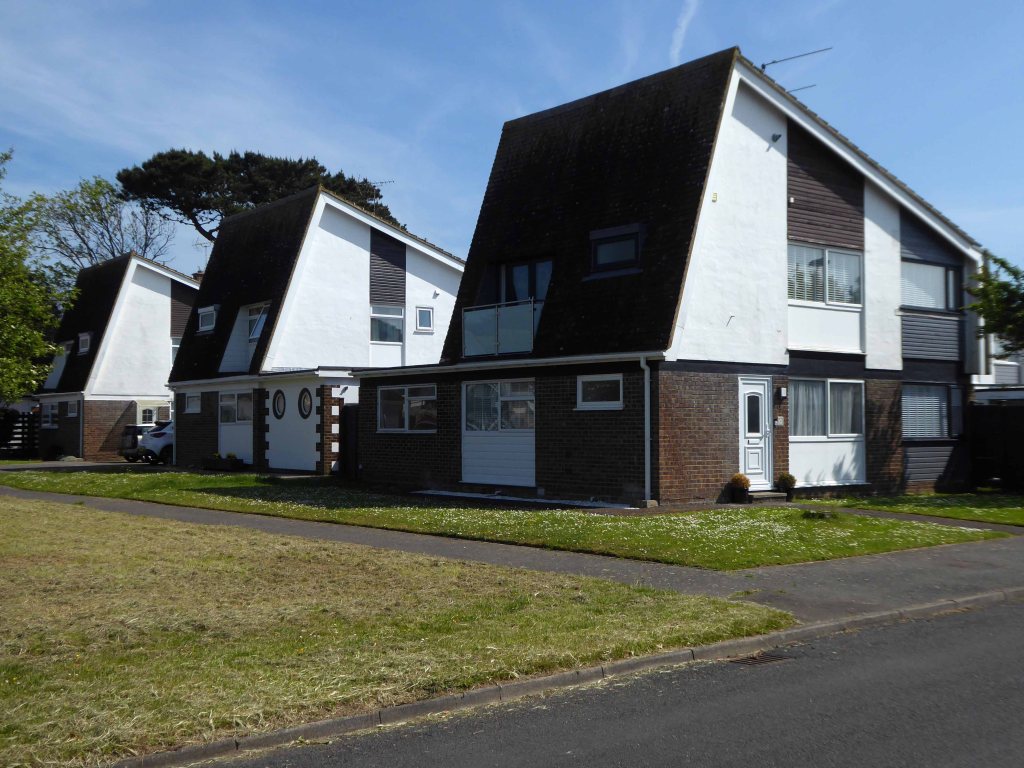
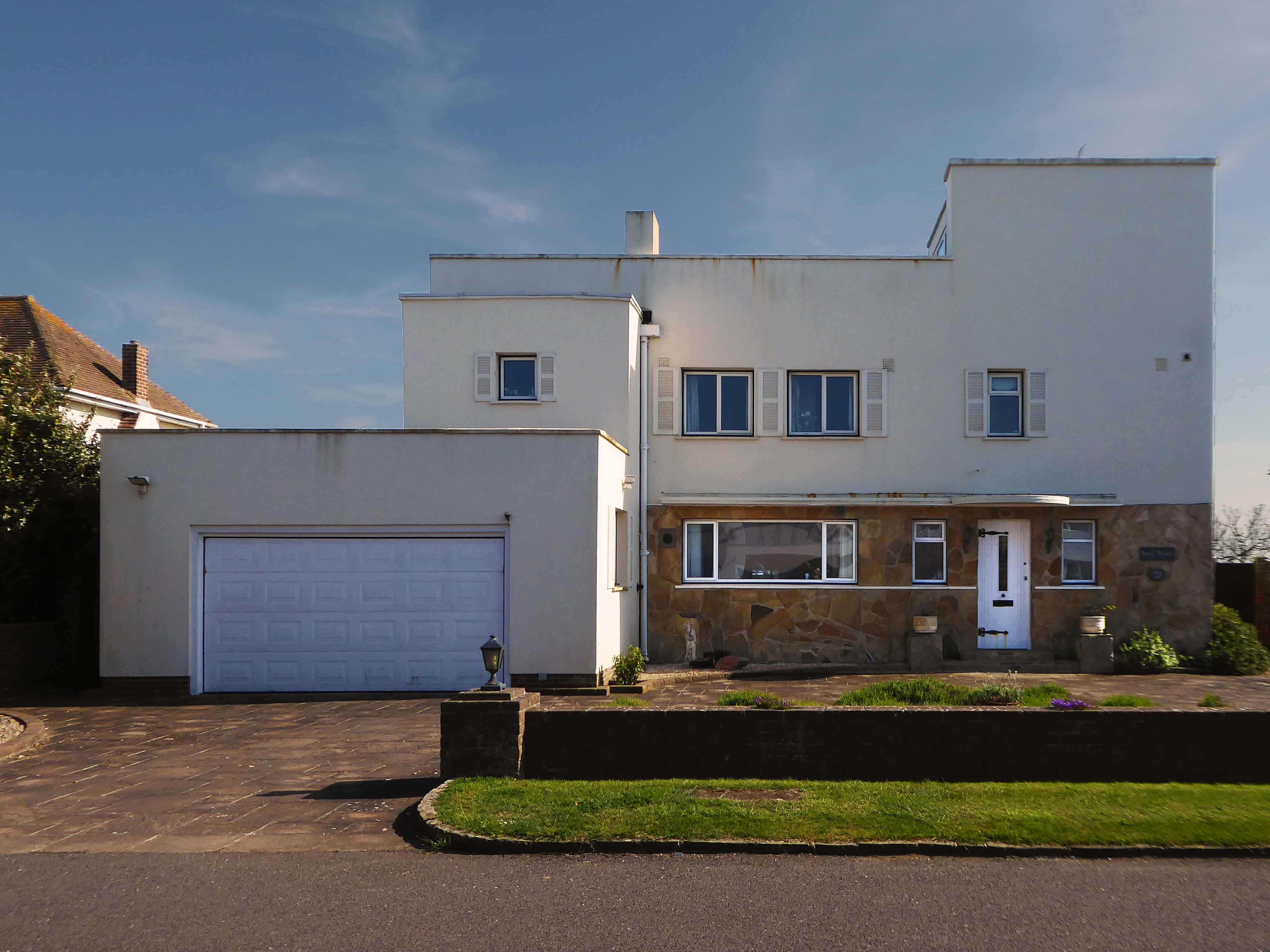
We soon found ourselves in Felpham, amongst yet more interesting housing.
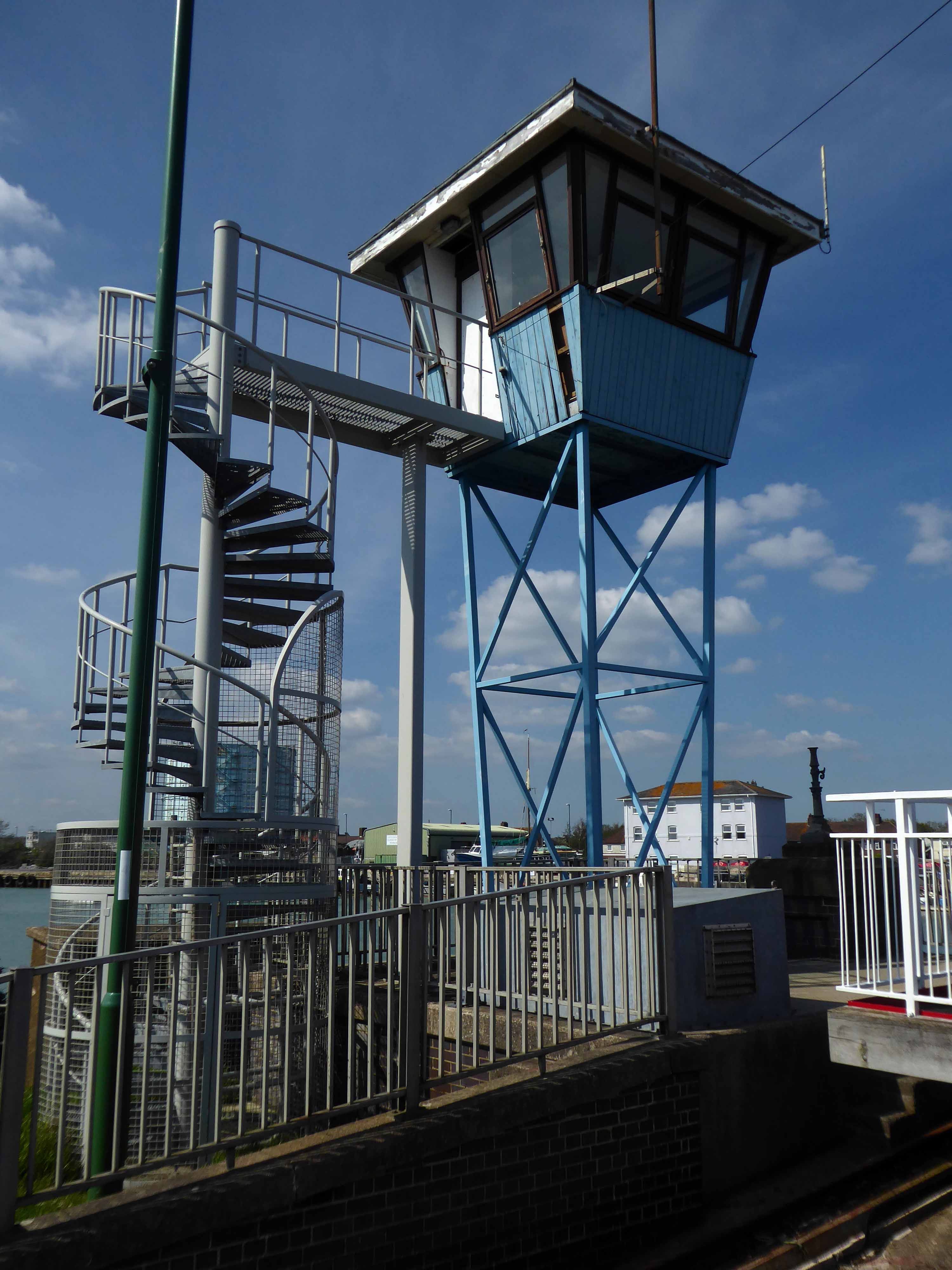
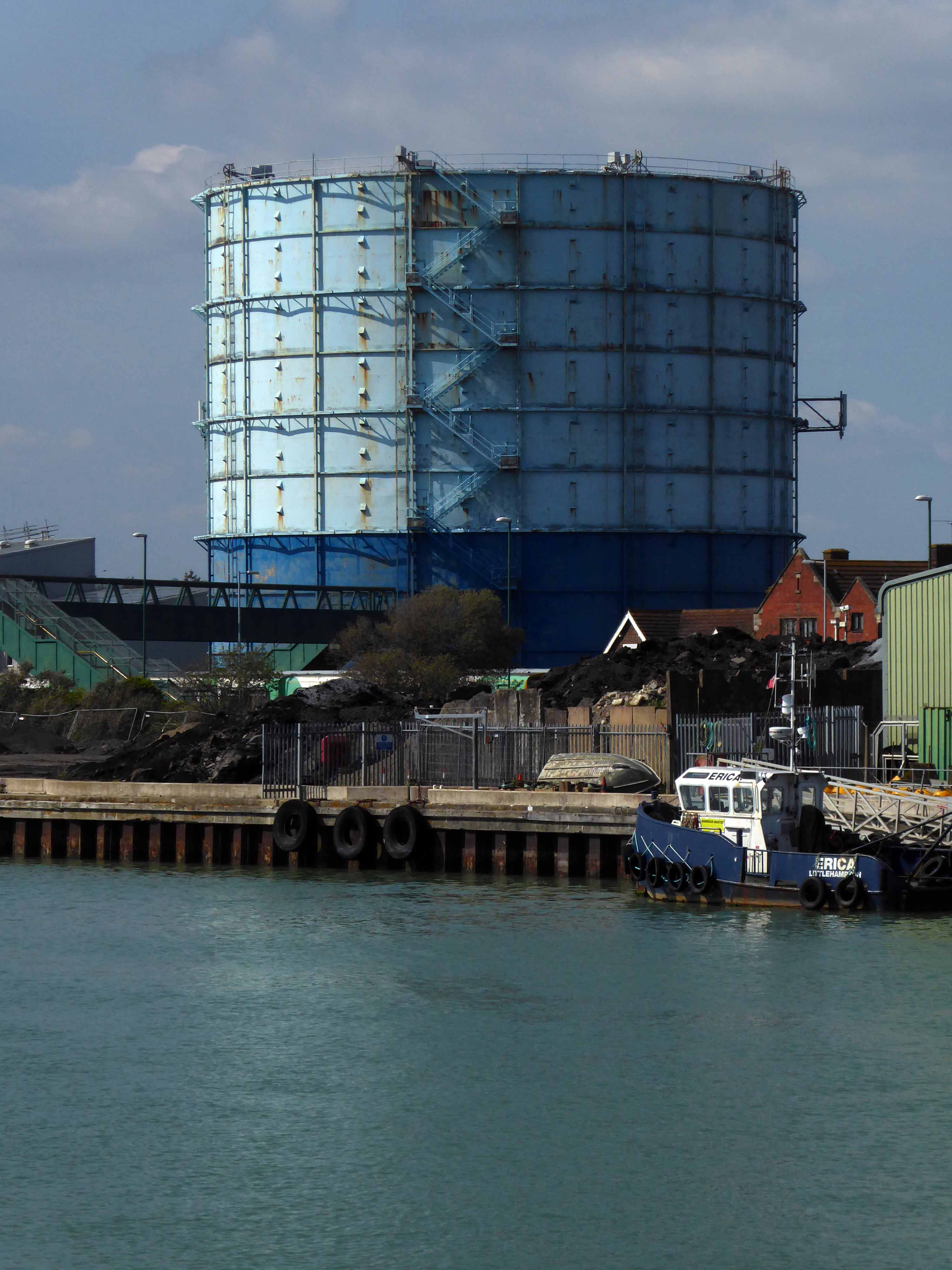
We traversed the River Arun at Littlehampton.
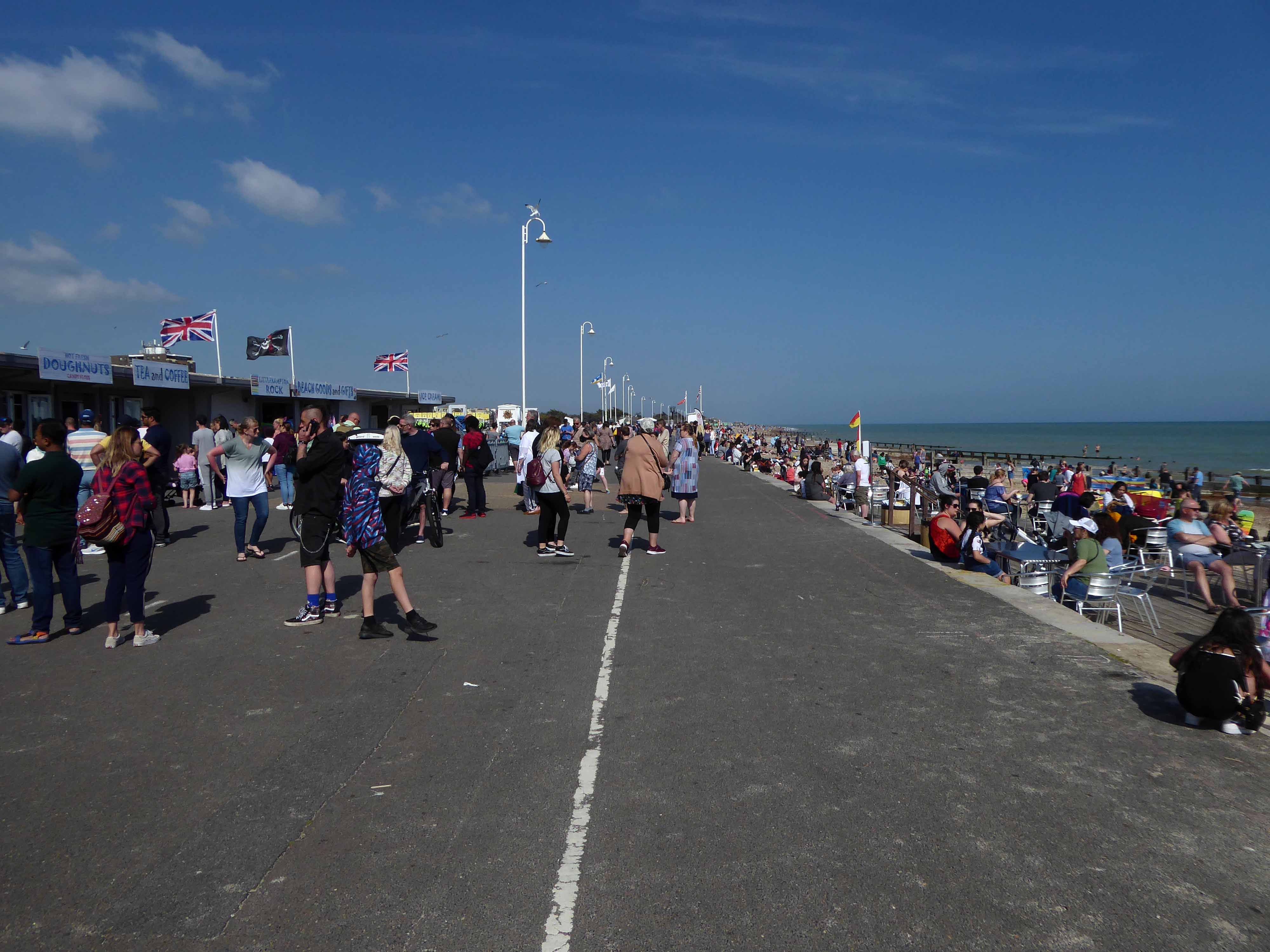
Then meshed with the milieu on the prom.
The day grew much hotter and we grew ever so slightly loster.
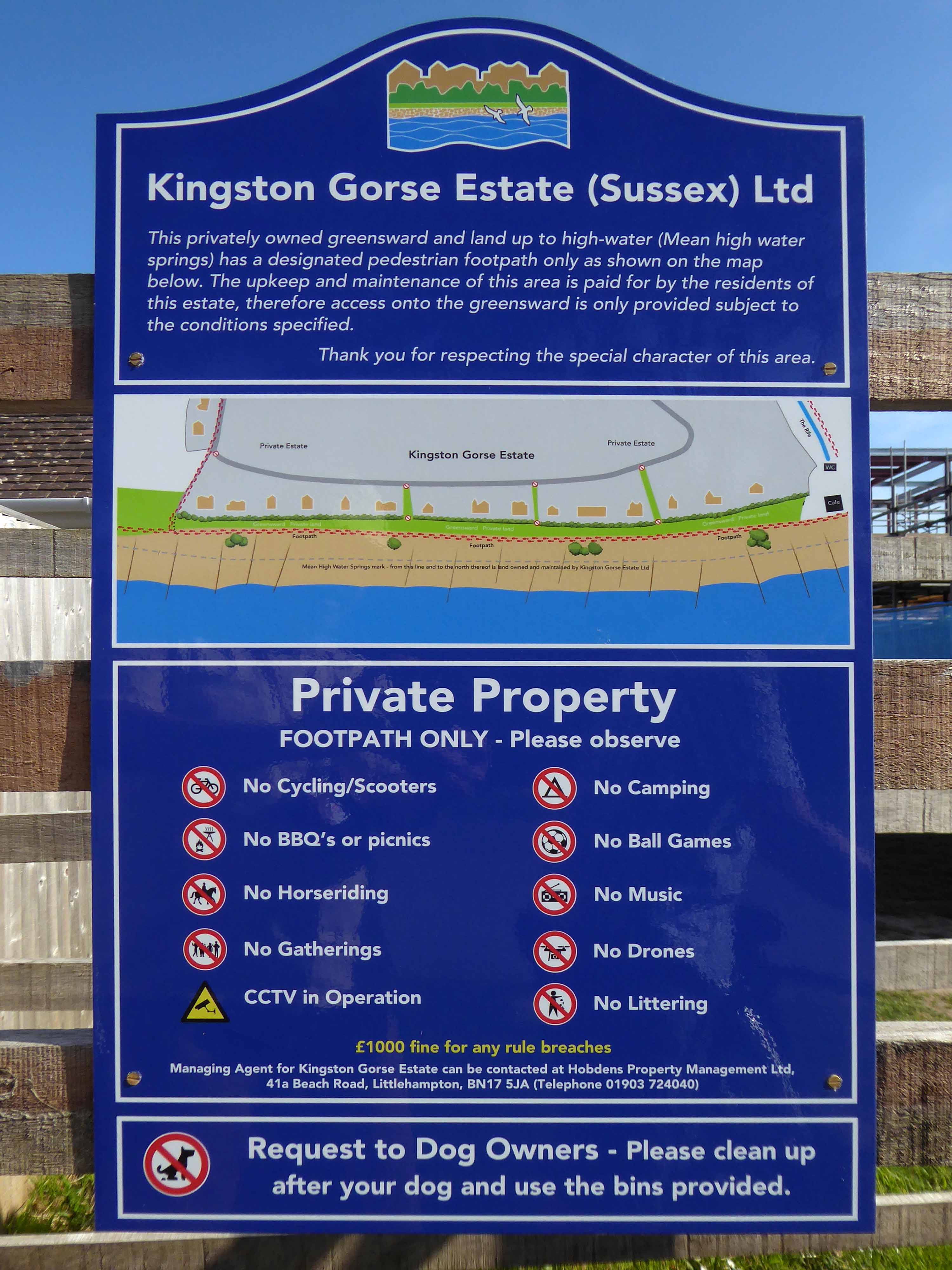
Finding our way back to the coast through the Kingston Gorse Estate – where almost everything is comprehensively prohibited.
Kingston Gorse is a beautiful seaside location close to Goring-by-Sea in West Sussex. In Kingston Gorse, there is a gorgeous housing development with a number of three, four and five bedroom homes.
In 1918 JA Candy, who owned East Kingston Farm, sold the land on which Kingston Gorse now stands to the local builder G Pesket.
In the 1920s he constructed the infrastructure and developed approx. 30 plots including Imray, which he occupied.
We arrived safely by train from Stockport at Southampton Central.
Following lengthy consideration we headed off on our bikes.
Whilst halting to review our progress, I realised that I had lost the map, a map vital to our further progress.
Returning to the station I found it nestled against the kerb.
Further assessment of our onward journey resulted in yet another retracing of steps.
In the shadow of Southampton Station dwarfed by Norwich House.
Resolute, we confront the fact that we are unsure of the route and following close scrutiny of the map, our environs and the surrounding signage, we proceed eastward towards our destination.
Wyndham Court – architects Lyons Israel Ellis, E.D. Lyons being the partner in charge along with Frank Linden and Aubrey Hume.
Leaving the city and heading along the Weston Shore – Southampton Water.
To our right several Seaside Moderne shelters
Tim feasts on a Mint Club biscuit.
To our left are the tower blocks of Weston Farm Foreshore – L. Berger City Architect 1963
In the distance Canberra Towers Ryder and Yates 1967
Residents living on the second floor of 24-floor block Canberra Towers, on Kingsclere Avenue in Weston, were told to evacuate as flames erupted inside a kitchen.
The Daily Echo spoke to the residents of the affected flat, who said the cat knocked paper that was on top of the microwave, which then fell onto the toaster.
Tracey Long said:
I’ve got two cats, and Sponge was the one who knocked the paper.
He knocked paper off the microwave and into the toaster, it was quite scary.
I lost him in the flat but now I’ve found him again.
Arriving just in time to be too late, next thing you know we’re bobbing along on the Hamble Warsash Ferry.
The obliging ferry folk having taken us across the estuary, despite our tardiness.
The village and the River featured in the 1980s BBC television series Howards’ Way.
Sadly little evidence of the successful TV show remains, however happily Henry VIII’s Dock and an Iron Age Fort have prevailed.
Onward to Gosport where we happen upon a diminutive yet perfectly formed Bus Station.
Originally built in the 1970s, the bus station was described in 2012 as knackered by the council chief executive at the time, Ian Lycett, and an investment plan was drawn up.
Talk of redevelopment then resurfaced in 2015, before the site was put on the market in 2016.
Keith Carter, retiring owner of Keith’s Heel Bar in Gosport Precinct, has described the bus station as a missed opportunity.
The nearby Harbour and Seaward Towers have faired a little better, newly clad and their tiled murals intact.
While working for George Wimpey and Co. Ltd, and together with J E Tyrrell, Chief Architectural Assistant to Gosport Borough Council, Kenneth Barden was responsible for tiled murals on Seaward Tower and Harbour Tower, two sixteen-storey tower blocks built in 1963 on the Esplanade in Gosport.
They really are something they really are.
And so following a ride on the Gosport Ferry we arrive at Portsmouth Harbour.
The land where British Rail signage refuses to die!
I have passed this way before on a Bournemouth to Pompey trip and both Tim and I were students at the Poly here in the 70s – more of which later.
The rising cost of repairs, combined with ‘a desire to progress’ with the regeneration of Droylsden town centre and the inaccessibility of the library’s T shape, three-floor configuration means that a ‘solution for the future of the library’ is now needed, according to the town hall.
The BT Hunters – They came in search of paradise and found BT.
Many thanks to my partner in victimless crime – Mr Ryan Lloyd.
This is an atypical single storey building, with a raised central hall and butterfly roof, quite something.
Lots of utilitarian detail, mixing brick, glass and concrete, with pragmatic infrastructure grills and grids.
The upper glazed area an extended asymmetric, external delight.
To set the pulse racing a series of gorgeous Rose Carmine panels.
The angular porch displayed the BT Logo of 1991:
On 2 April 1991, the company unveiled a new trading name: BT accompanied by a new corporate identity designed by Wolff Olins and organisational structure focused on specific market sectors, reflecting the needs of different customers – the individual, the small business or the multinational corporation. The reorganisation was named ‘Project Sovereign’ to reflect the company’s commitment to meetings customers’ needs – ‘The Customer Is King’. Together with a succession of strategic alliances with telecommunications companies worldwide, these changes gave BT the ability to expand overseas.
Which prompted a brief yet uninformed discussion concerning the history of Telecom’s Corporate Identity.
So here’s a brief rundown logo lovers:
Previously the GPO was the umbrella grouping for both telephone and mail.
Sketch for the redesign of the GPO logo by MacDonald Gill in 1934 . The first approved version had two concentric circles but this was soon reduced to one. The annotations also mentions the typeface used as “Gill Sans” which had been created by MacDonald Gills’ brother Eric.
Ernest Whiteley opened the shop on Easter Sunday 1901
His first week’s taking were £7 14s 1d.
He thought that he had done very well – says granddaughter Ann Clough.
Grandad lost his sight in 1940, I became his eyes. When he lost his sight and he handed over the till keys to mother, they had a little weep.He handed over to my mother because father had died three months before.
Ann has run the shop for the last sixty years, along with Sue, a full-timer for some thirty years.
The rep isn’t coming any more, ordering is online, that’s no good to us.
This is a cash only low-tech, high stock operation.
If they don’t have it – it probably doesn’t exist.
Along with Walton’s of Ashton under Lyne and the Wool Shop of Exmouth, this is one of a kind. A family business lovingly preserved and well run, trading traditional goods, in a kind and caring manner, to happy shoppers.
From the outside little has changed sine the 1930s, wide glass, well arranged windows, displaying a wide array of wondrous haberdashery.
All contained within an arcade with Art Deco detailing.
There are many, many mannequins from another age.
One man from Scotland stayed for hours, he had a fetish for the mannequins, we couldn’t get rid of him.
The side of the shop is largely given over to net curtains of every size, shape and design, labelled Monica, Daisy, Andrea, Vicky or Sarah.
The names were chosen by Sue, it’s a lot easier for people to say, I want Vicky, 36 deep, than the one with the squiggly flowers, or to remember the manufacturer’s number.
Inside is a haven of domesticity, dusters abound, along with all the other attendant cloths and towels to ensure household cleanliness.
Not forgetting the correct clothing for those domestic chores.
The original display units are a delight.
Almost every surface is awash with lady’s unmentionables – winter draws on, wrap up.
There are covers and doilies of every description.
And the finest display of sensibly priced handkerchiefs, fancy and plain.
Every sign and tag hand written with pride.
It was, as ever a privilege and a joy to spend a short time in another world, thanks ever so to Ann and Sue for their time and patience.
If your passing pop in spend a pound or two – I bought three dish cloths.
One customer told me he was going to a party dressed in a white mini-dress, purple wig, thigh boots and black tights, he came to look at nighties and tried one on in the changing cubicle. You’ve got to be broad-minded. It can be very disconcerting when you hear a man zipping up a corset.
I’ll do anything twice or more – so here we are again, this time on foot.
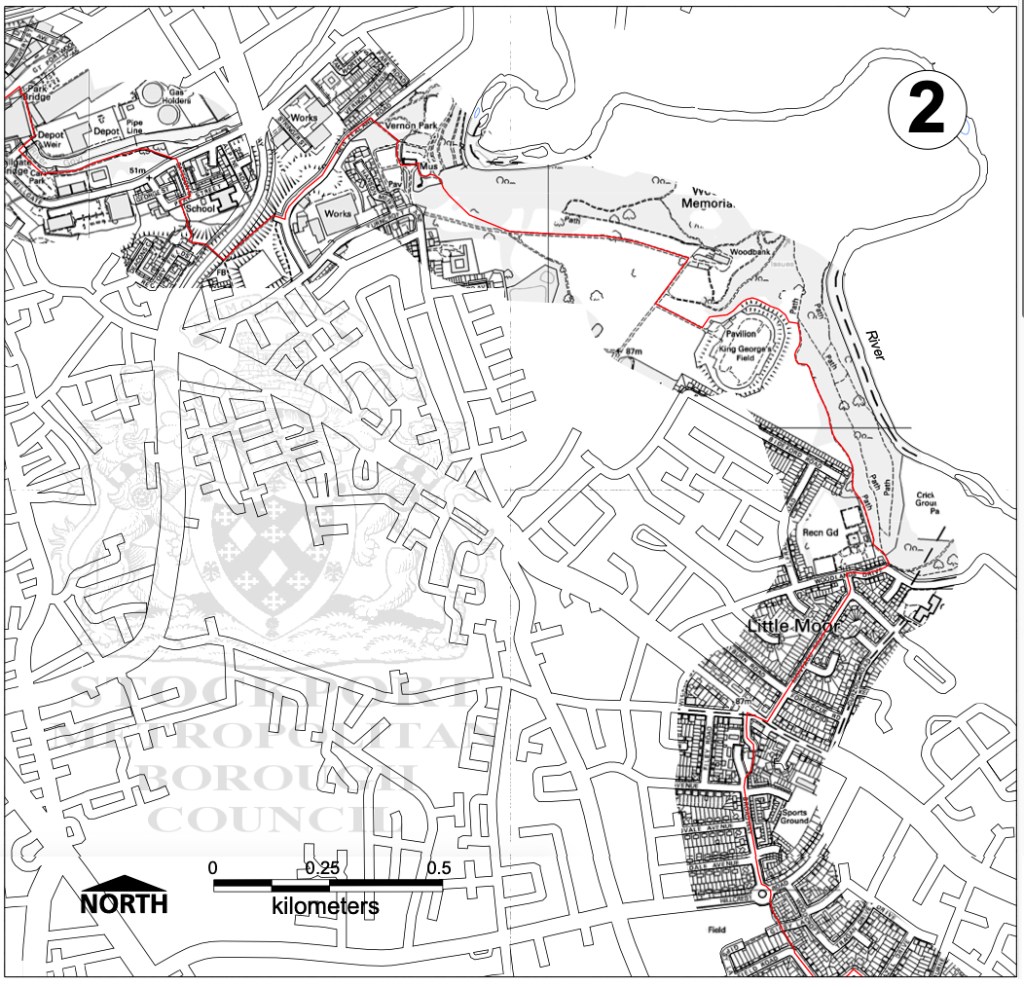
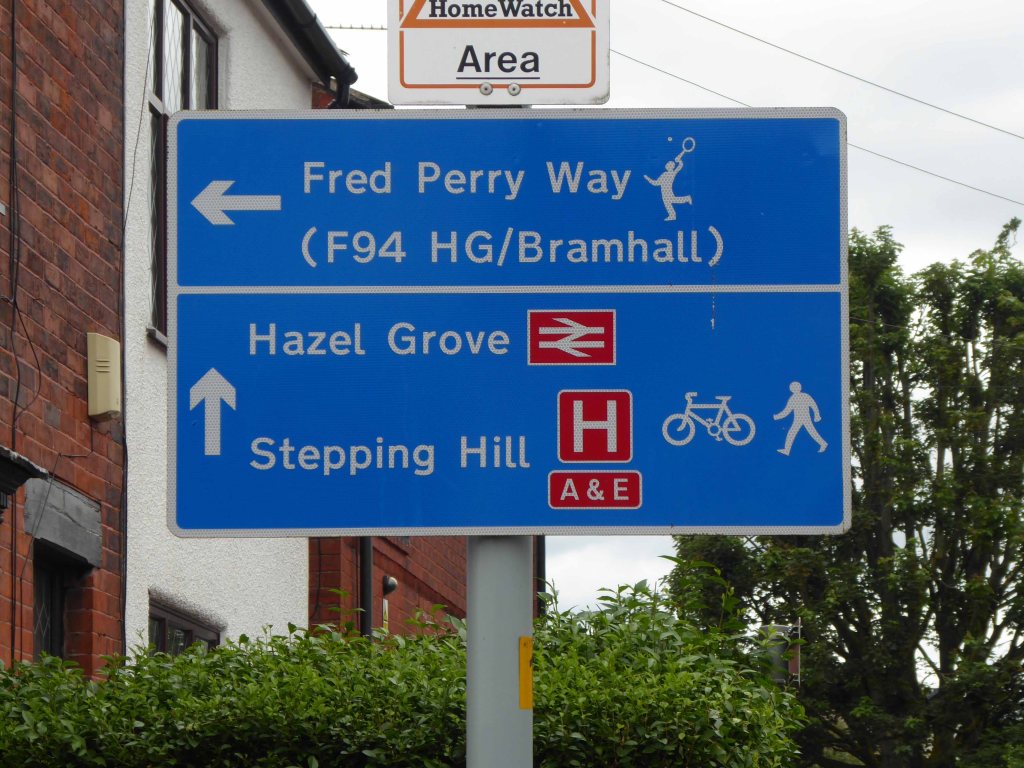
Let’s start at the very beginning, a very good place to start – in the middle, the section from the town centre to Hazel Grove.
Maps are available here for free – we declined the offer, deciding to follow signs instead, many of which were missing or rotated, the better to misinform and redirect – such is life.
We are mostly lost most of the time, whether we like it or know it or not.
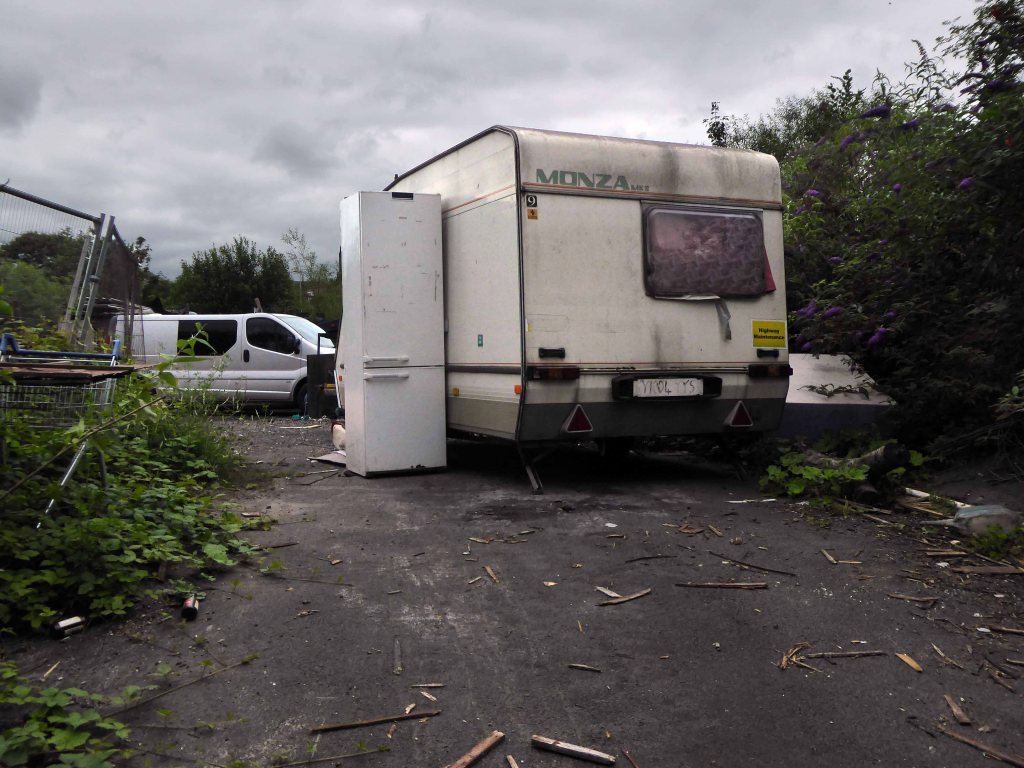
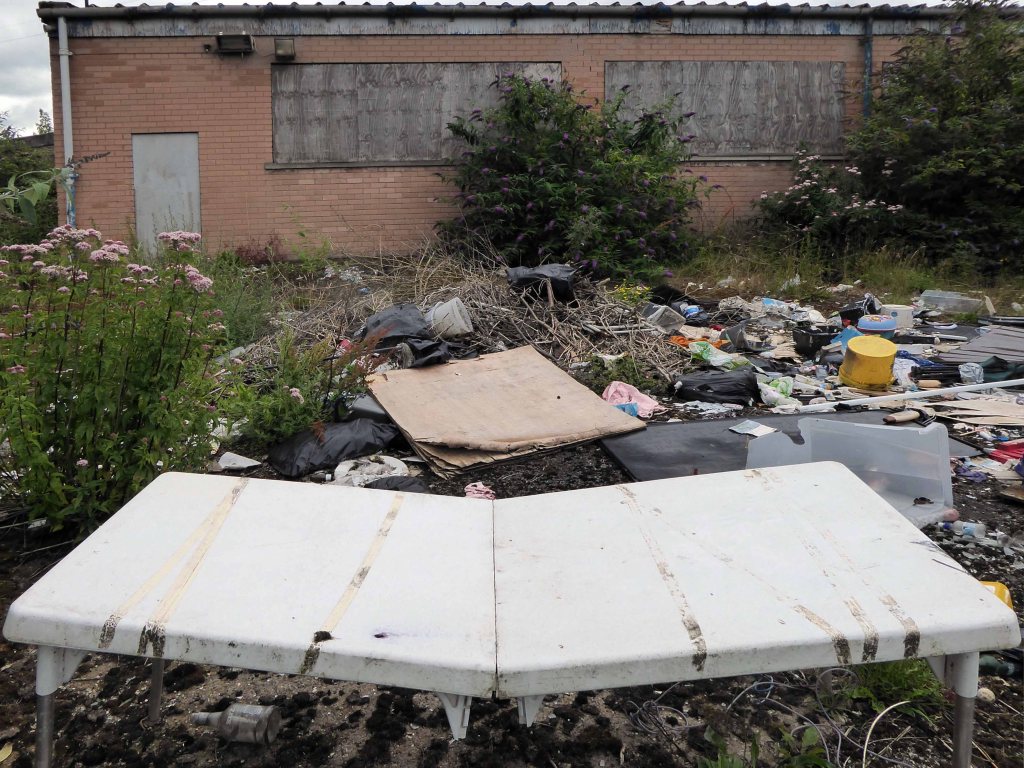
We begin at the confluence of the rivers Mersey and Goyt – which no longer seems to be a Way way, the signs having been removed, and proceed down Howard Street, which seems to have become a tip.
The first and last refuge for refuse.
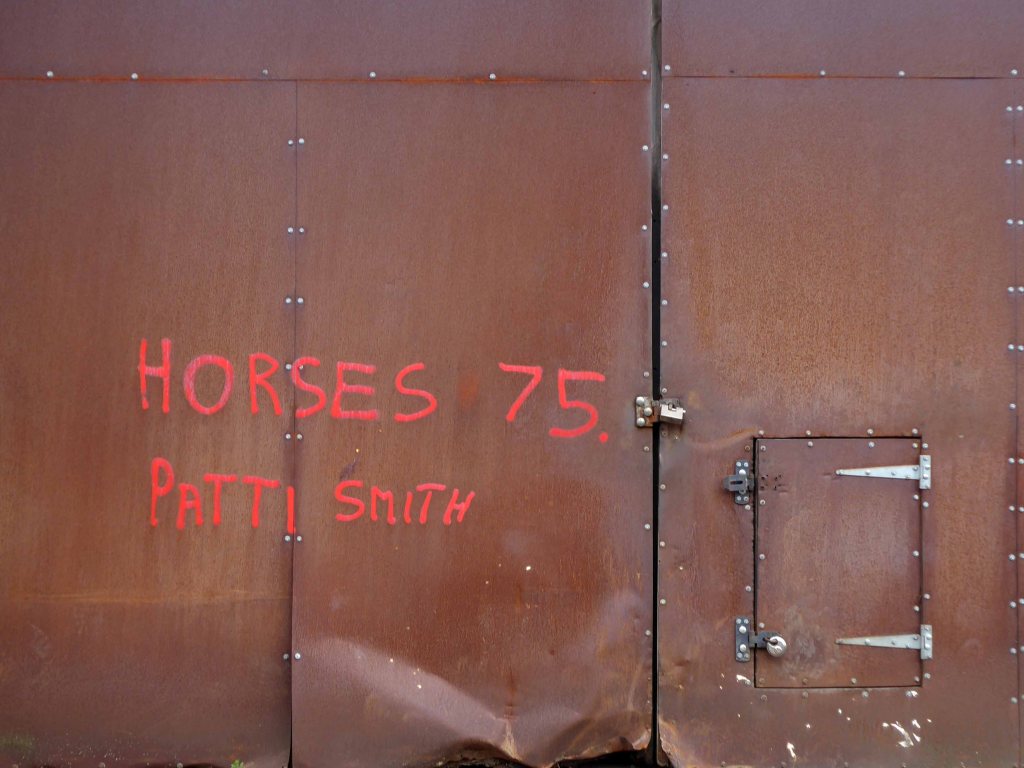
Passing by the kingdom of rust – Patti Smith style.
Passing under the town’s complex internal motorway system by underpass.
Almost opposite the entrance to the museum, now set in shrubbery, are the foundations, laid in September 1860, of what was to be a forty metre high Observatory Tower. Despite a series of attempts, funds for the tower could not be raised and the ‘Amalgamated Friendly Societies of Stockport’ eventually had to abandon the idea.
Historic England
Out east and passing alongside the running track.
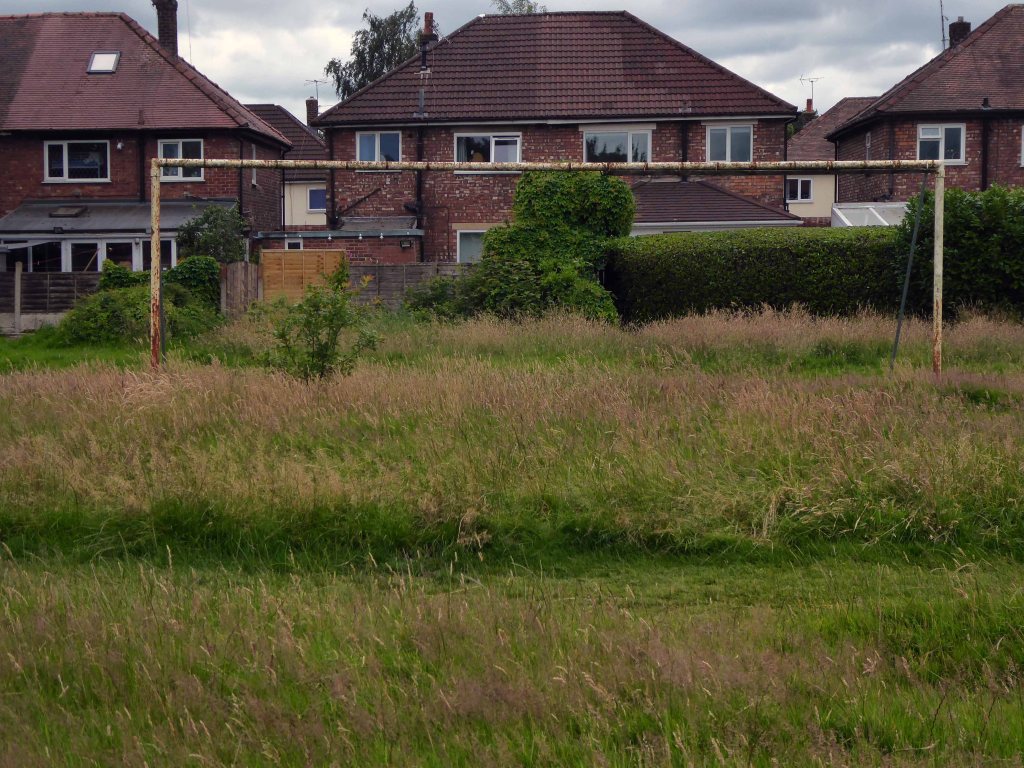
Lush meadows now occupy the former football field, twixt inter-war semis and the woodland beyond.
Out into the savage streets of Offerton where we find a Buick Skylark, incongruously ensconced in a front garden.
The only too human imperative to laugh in the face of naturalism.
We have crossed over Marple Road and are deep in the suburban jungle of mutually exclusive modified bungalows.
Off now into the wide open spaces of the Offerton Estate – the right to buy refuge of the socially mobile, former social housing owning public.
People living on Offerton Estate have been filmed for a programme entitled ‘Mean Streets’ which aims to highlight anti-social behaviour in local communities.
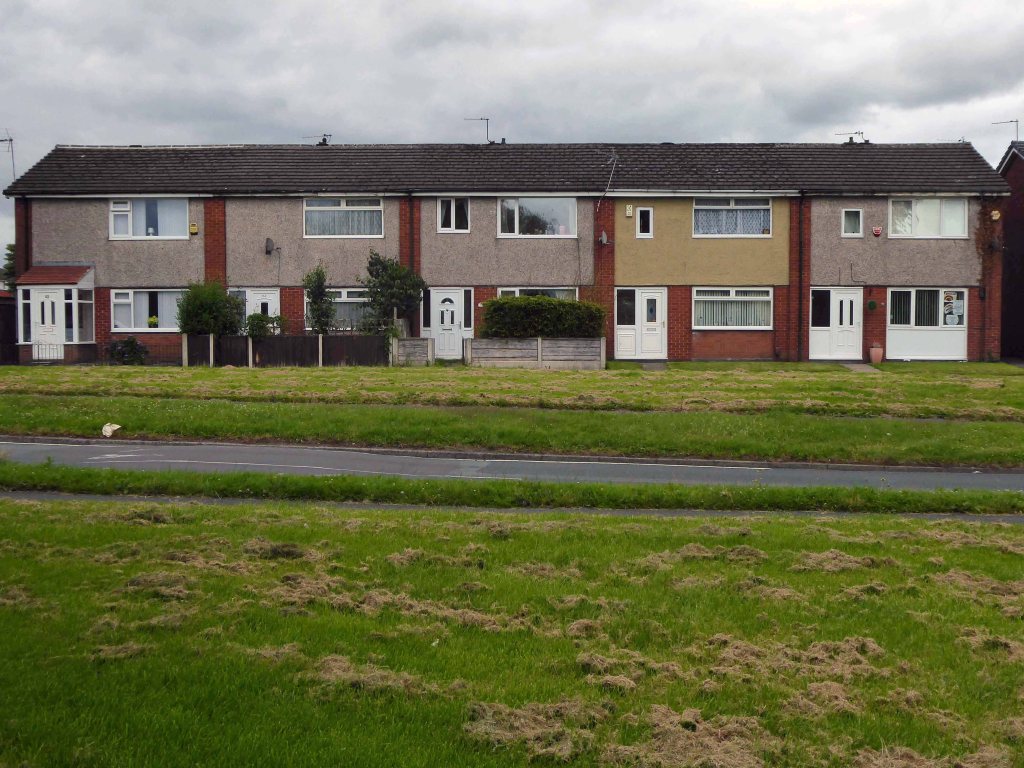
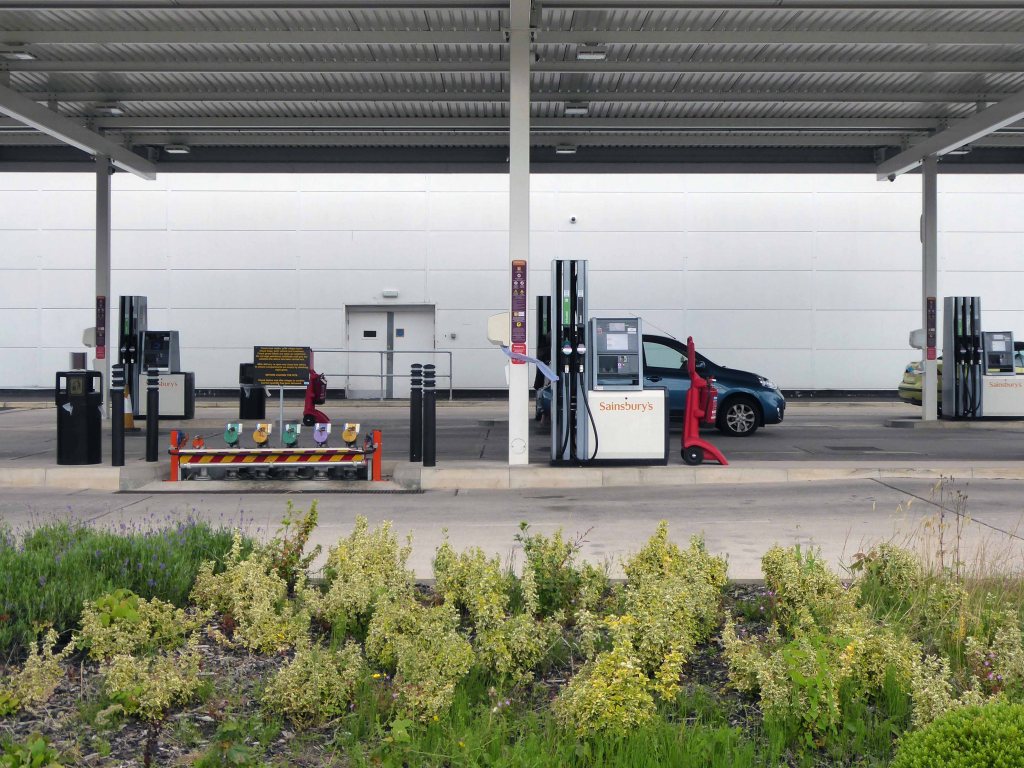
The next thing we know we’re in a field, a mixed up melange of the urban, suburban and rural, on the fringes of a Sainsbury’s supermarket filling station.
We cross the A6 in Hazel Grove and here for today our journey ends
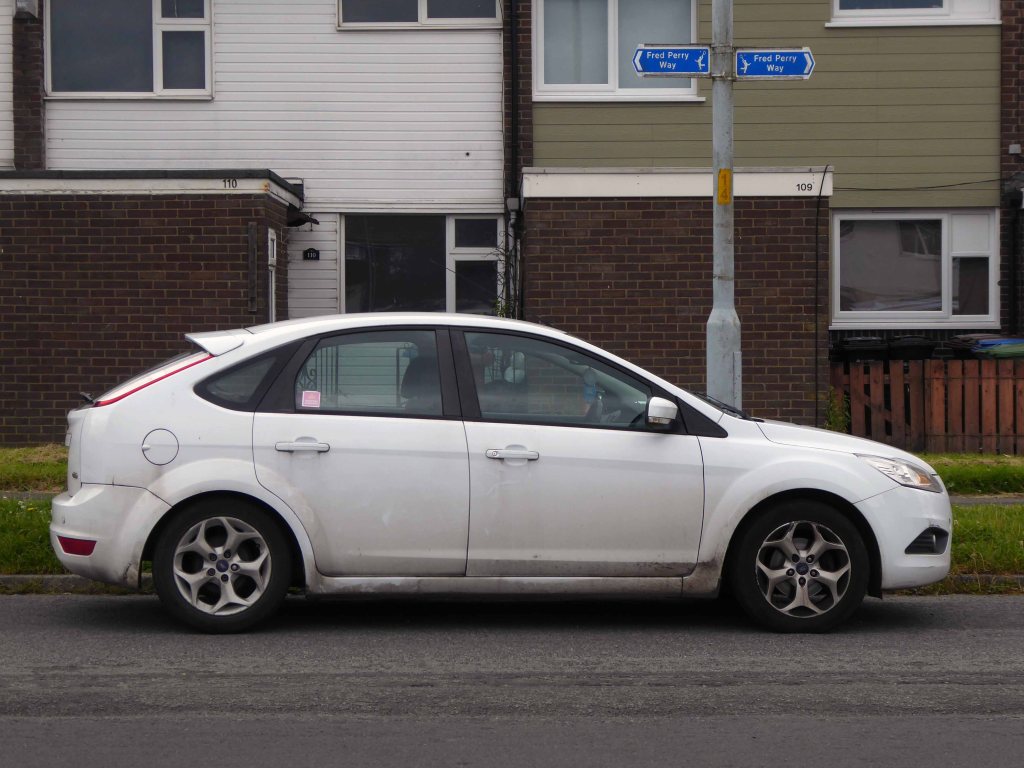
Ignoring the sign we went in the opposite direction.
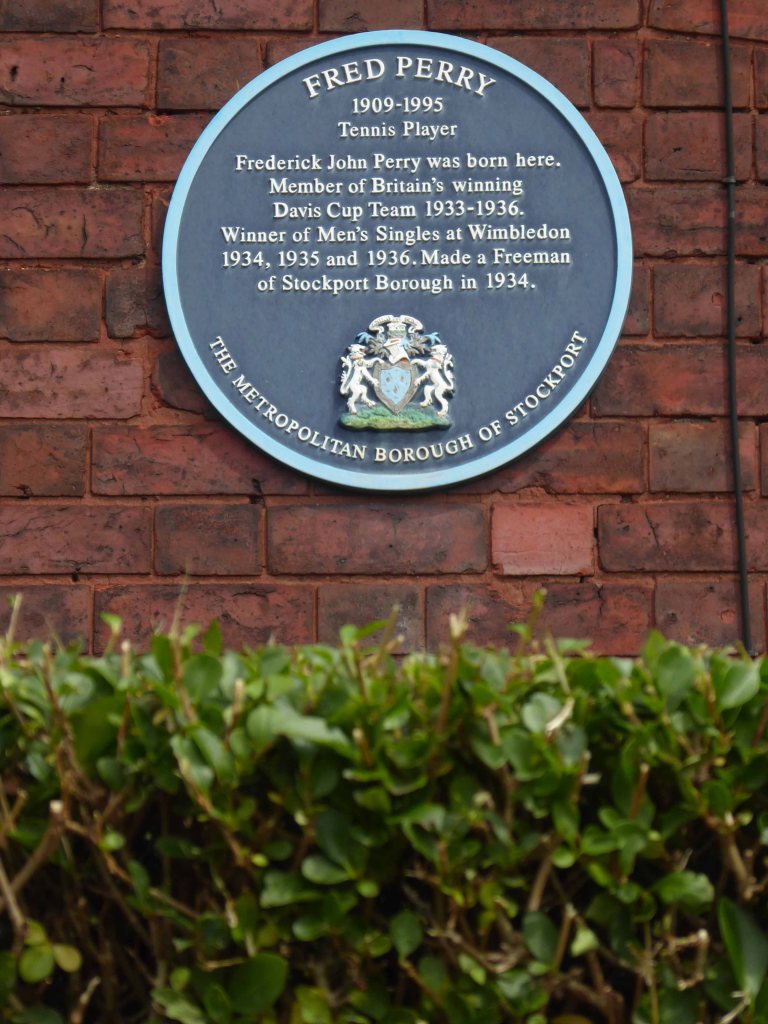
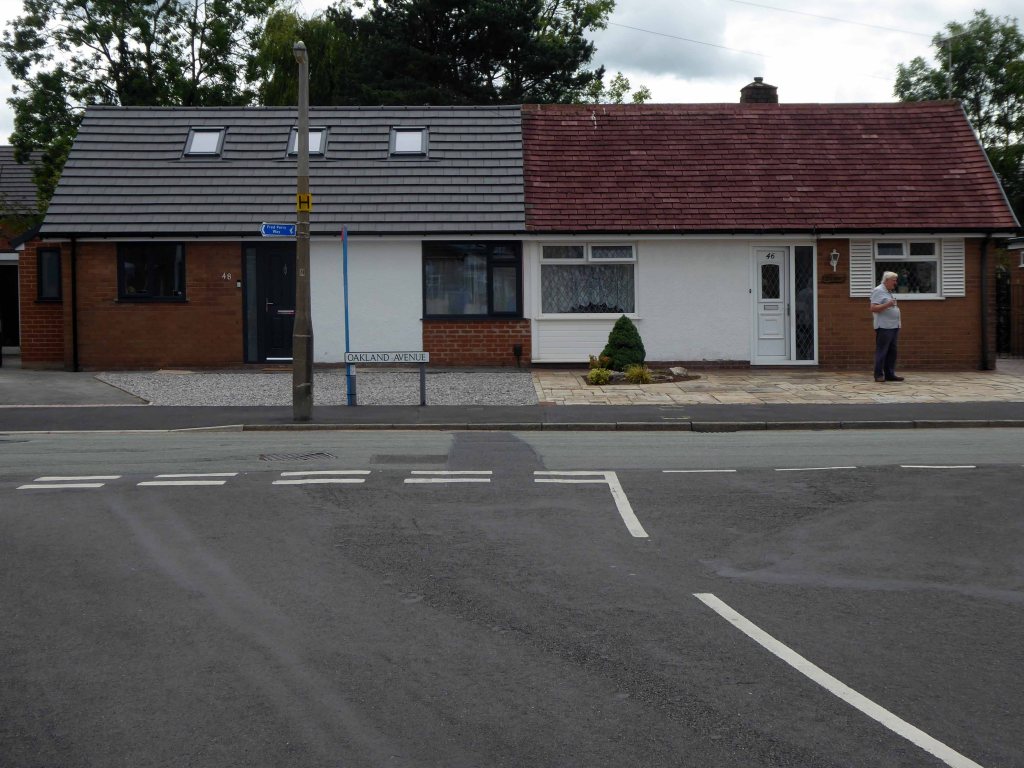
As we reach the edge of Mirrlees Fields – the site of the only Fred Perry laurel leaf logo emblazoned way marker.
The Fields are currently designated as a green space and are not available for residential development. But MAN would like to overturn this designation for over one third of the Fields.
MAN Energy Solutions UK is the original equipment manufacturer of Mirrlees Blackstone diesel engines.
Before the Blackstone MAN came in 1842 – the fields were all fields.
Leaving the compact anonymity of my B&B for the open road!
Having been unable to sample the joys of the Quality Hotel.
The Quality Hotel closed in 2014 and was demolished two years later after the site was bought by the city council following vandalism and fires.
The ten-storey concrete block was built in 1970 in the 350th anniversary year of The Mayflower ship setting sail from Plymouth for North America.
Gilpin Demolition
Plymouth Hoe’s fifty million pound hotel and apartments project appears to have ground to a halt with no building work happening more than a year after developers vowed it would start in 2018.
Henley Real Estate, the firm behind the plans for an 11-story hotel and a 15-floor block of flats on the demolished former Quality Hotel site, has gone silent on plans and not responded to emails and phone calls from Plymouth Live.
When we visited the site the only sign of life was some weeds growing out of the ground.
I’ll leave them to it, I’m off in search of the South West Passage
The South West Coast Path itself is 630 miles long and is the longest established National Trail in the country. Starting at Minehead in Somerset it runs along the coastline of Exmoor, continuing along the coast of North Devon into Cornwall. It follows the entire coastline of Cornwall, goes across the mouth of the River Tamar and continues into Devon. After running along the south coast of Devon it then follows the Dorset coastline before finally ending at Poole Harbour.
However if you follow the Coastal Path you’ll miss this delightful concrete fire station training tower in Plympton.
Along with the longest corrugated iron structure in the West Country.
You’ll miss getting slightly lost and a cup of tea at the Dream Bites roadside café in Modbury.
Dream Bites café, we’re all is welcome, from cars to Biker’s to Ride outs to Puplic and to work companies even you the cyclists!
GREAT FOOD GREAT PRICE.
You’ll miss the deep hedged lanes of Devon.
Where the four x fours force you into the roadside brambles with consummate ease and regularity – even on a designated cycle route.
Respite from such trials and tribulations can be found upon siting a water tower or a deserted butchers – down at Slapton Ley.
Slapton Ley is the largest natural lake in south-west England. Although it is only separated from the sea by a narrow shingle bar, it is entirely freshwater.
Much beloved of my old pal Harry H Potts and family.
Then it’s up a hill down a hill to Dartmouth.
I made enquiries at several sea front hotels – who upon assessing my mode of dress and transport, despatched me to a back street pub B&B, suit y’self suits me, and my pocket.
The Seale Arms was just the job.
Quick change for the artist – let’s have a look around.
It’s full of historical architectural detail.
And slightly more hysterical architectural detail.
Time for a pint – chatting in the pub to yachting types, for it is here that the sense of tradition, the sea, power and wealth traditionally resides.
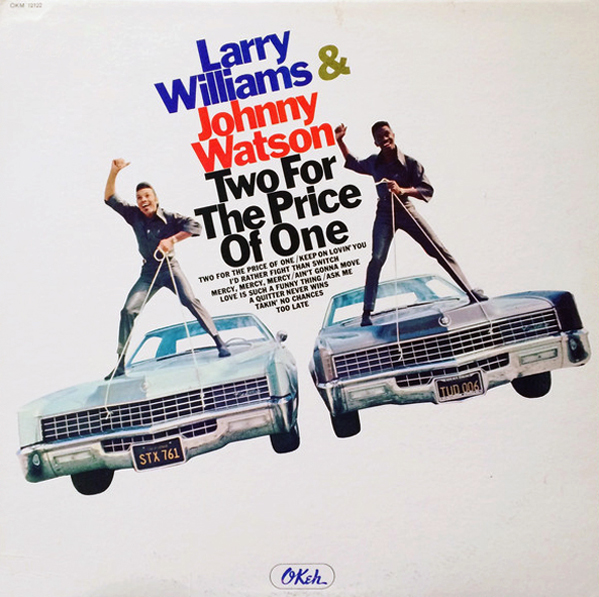
You’re getting three for the price of one – Larry and Johnny only offered two between them.
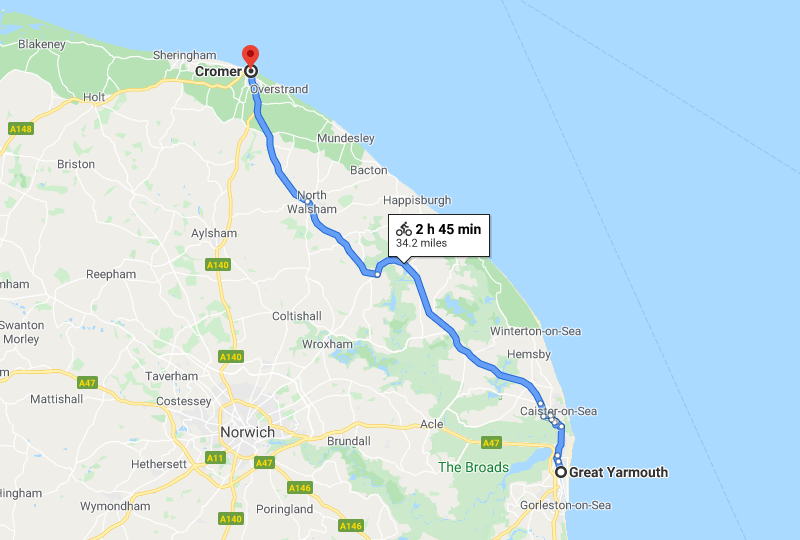
Friday 5th September Great Yarmouth to Cromer.
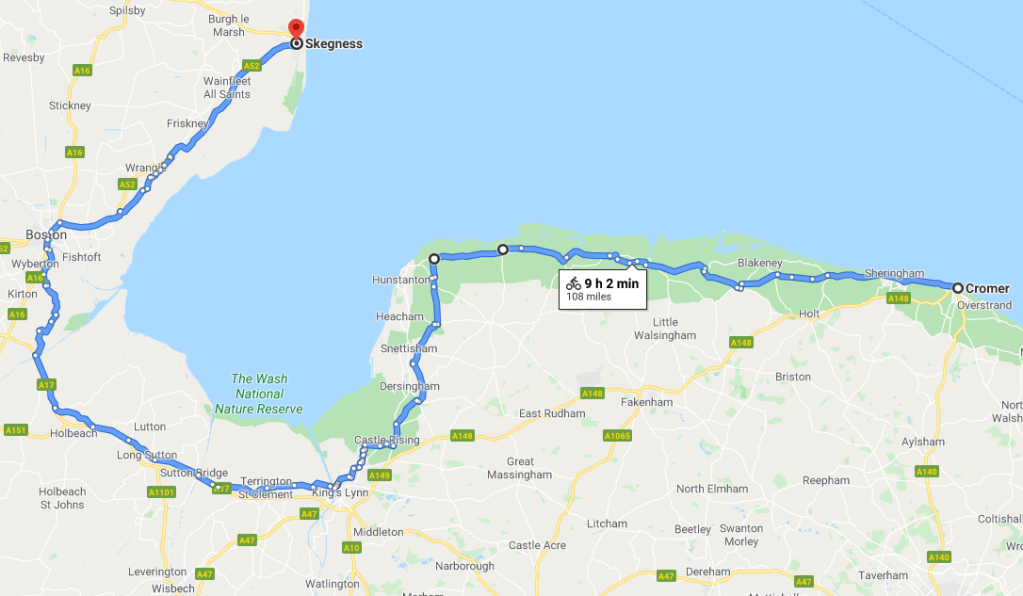
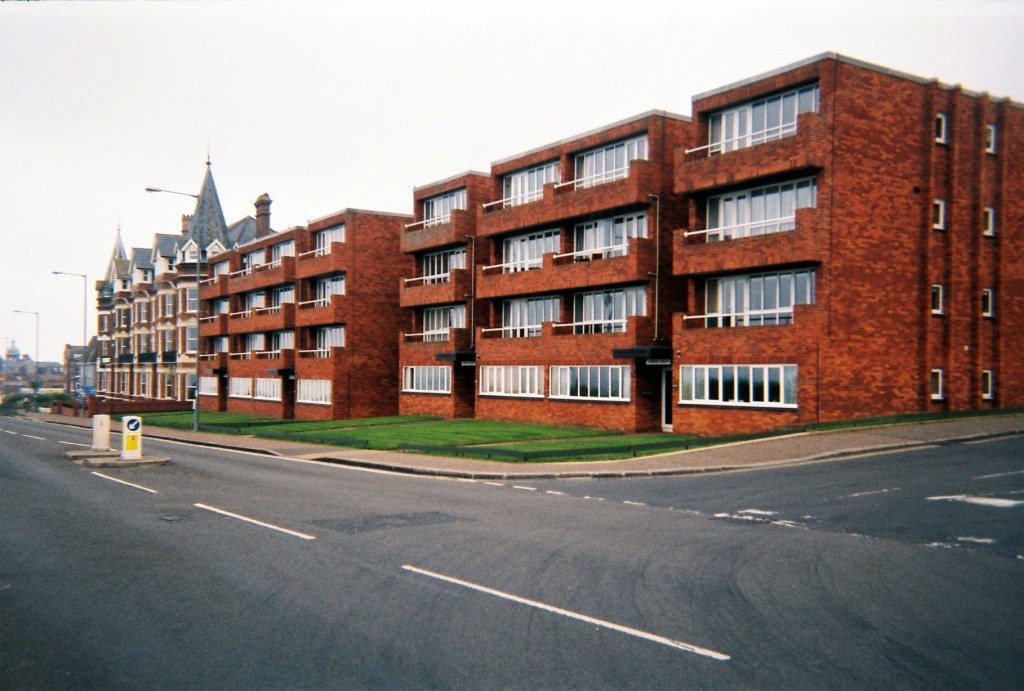
Saturday 6th September Cromer to Skegness.
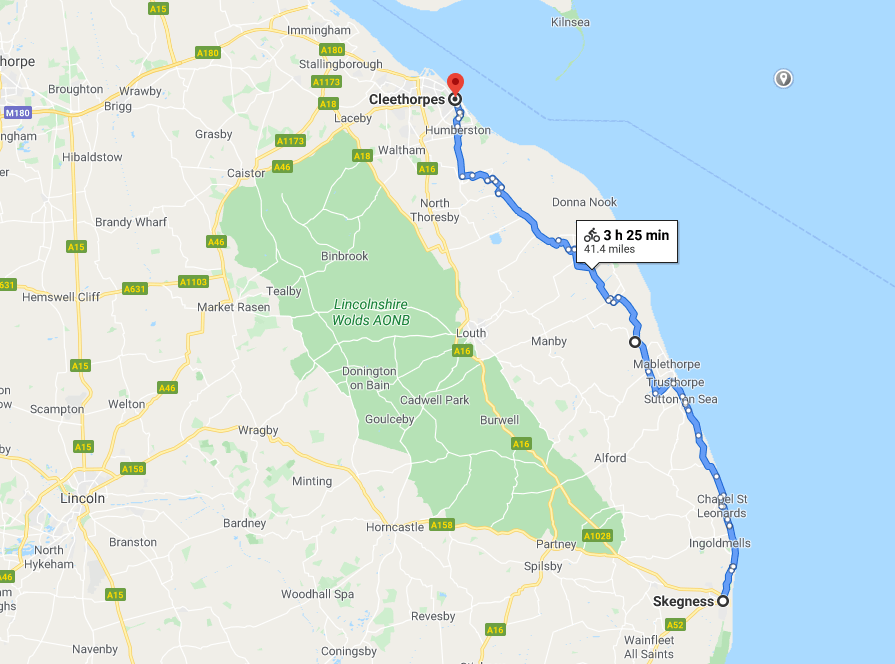
Sunday 7th September Skegness to Cleethorpes.
The royal we however are unable to display the fine array of snaps to which you have become accustomed – normal service will not be resumed as soon as possible.
How so you ask – I’ll tell you how so, you may recall the seafront snaps taken on Great Yarmouth prom under the cover of darkness.
Well you see, I inadvisedly rested my camera upon sandy surfaces in order to steady the shot. I subsequently discovered that sand and photographic technology are a poor pairing.
I killed my camera.
To see a world in a grain of sand, and a heaven in a wild flower, hold Infinity in the palm of your hand, and eternity in an hour.
I think not.
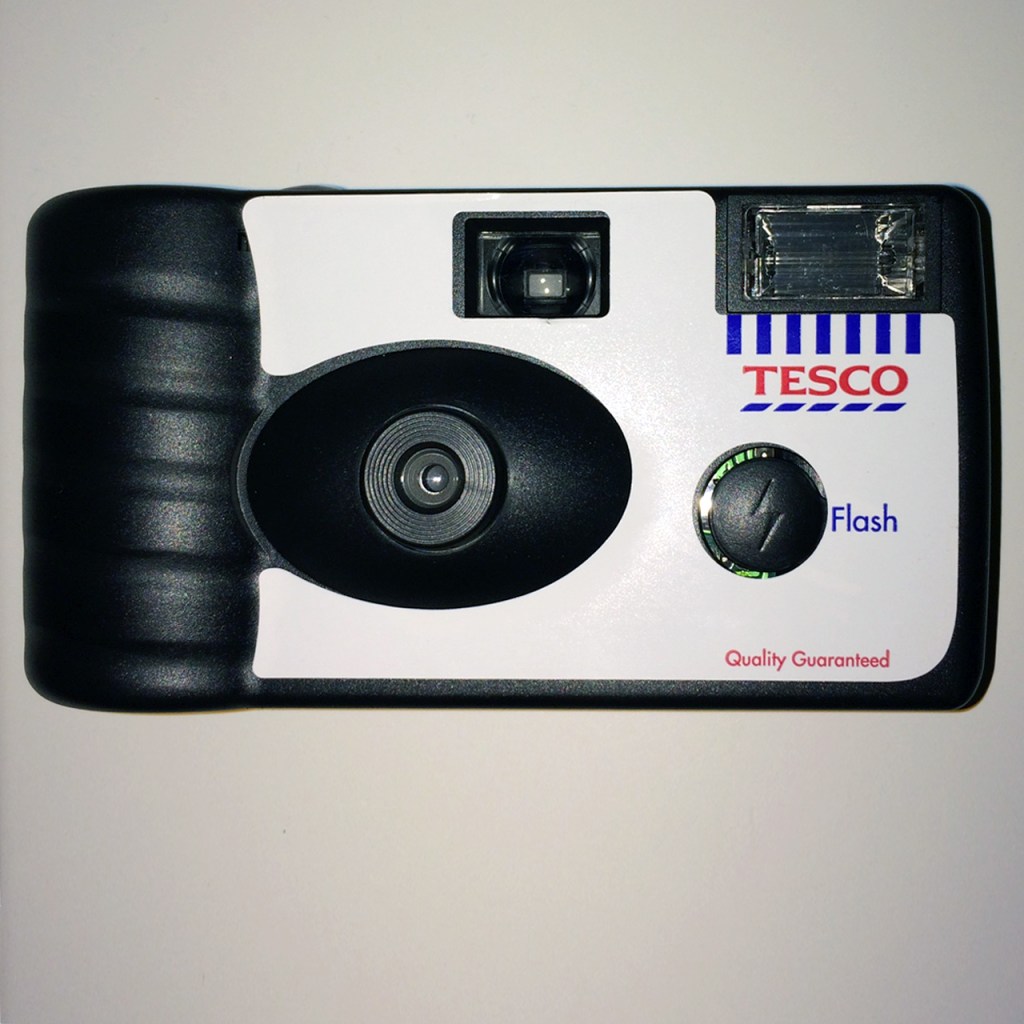
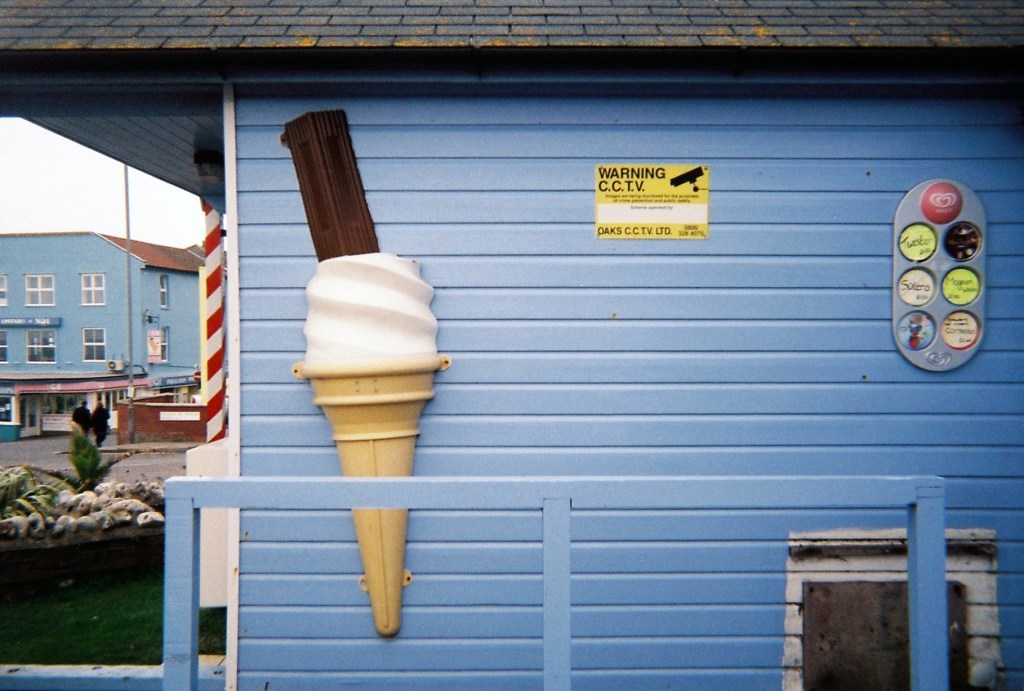
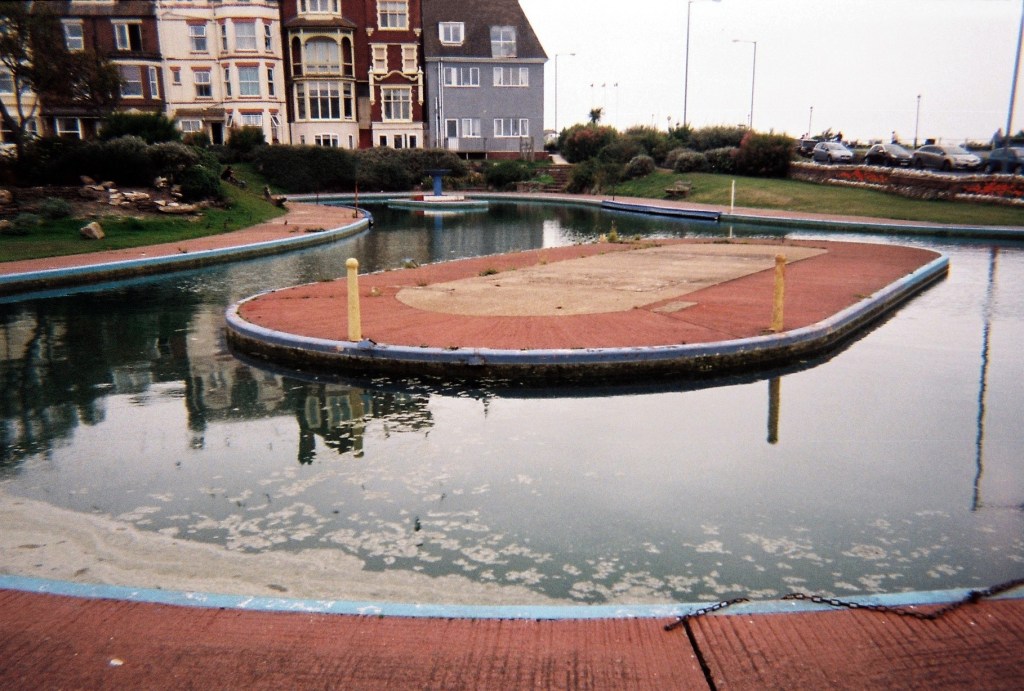
There’s only one thing for it – two Tesco Value disposable cameras!
With diminished means the royal we hurried on, with diminished returns in view, it is with heavy heart and sand filled socks that I present such thin gruel.
No pearls from this grit filled oyster, all chaff and no wheat – that’s me.
It was hard work editing these images – resembling archival material discovered at the bottom of a 16th century tar barrel.
They’re not even in the right order.
And I’m unsure of many of the locations.
Please accept my profound apologies, I’ll never do it again – I promise.
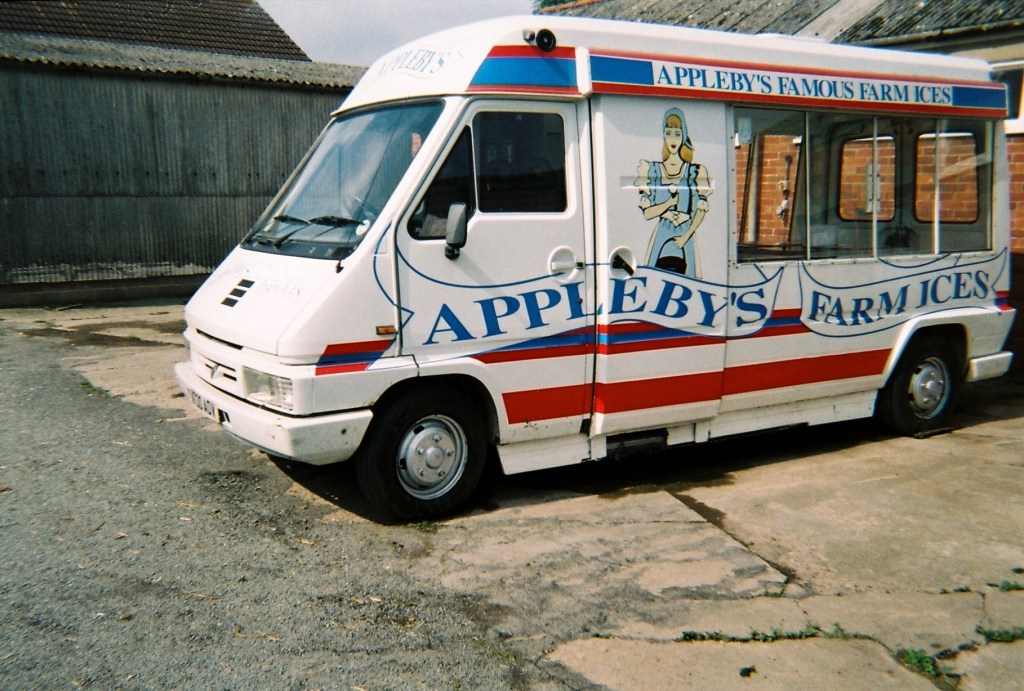
Appleby’s Famous Farm Ices – Main Rd Conisholme Louth LN11 7LS
This is all the information we have available, if you pop in, please ask them to get in touch with Big Barn to add more.
Stymie Bold Italic aka Profil double whammy coming right up!
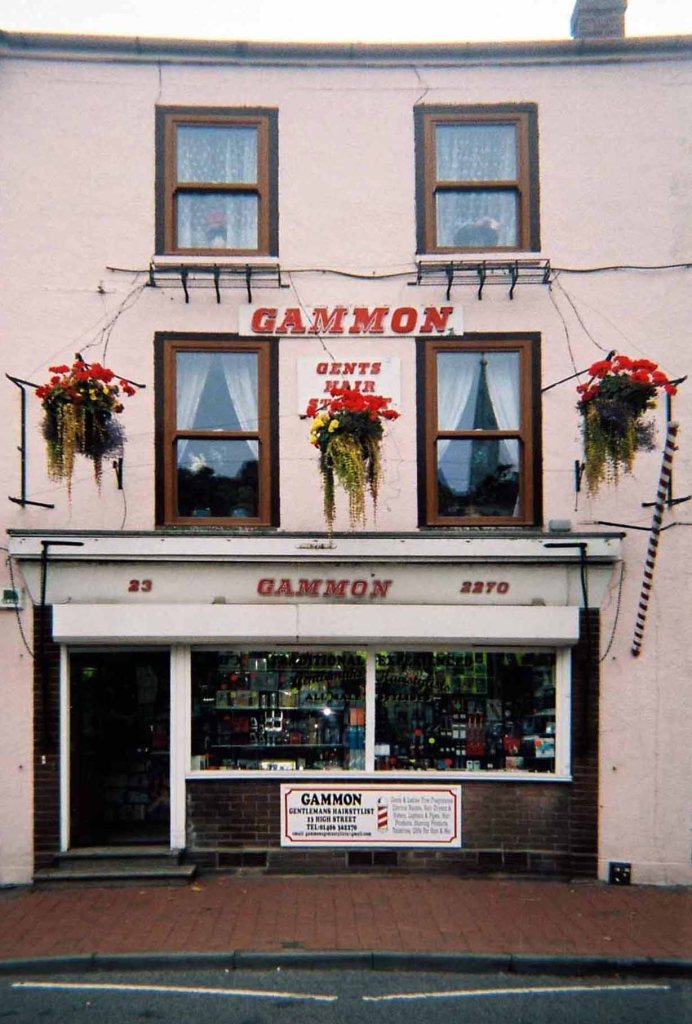
Gammon is a traditional gentlemen’s hairdressers in Long Sutton, call into Gammon’s and experience the atmosphere of Long Sutton’s only male hairdressers.
We are exclusively a traditional men only salon, catering for all ages. Running a drop-in system, and with two chairs available waiting times are kept to a minimum.
At Gammon Traditional Gentleman’s Hairdressers you can also purchase a range of Electric Razors and Toiletries along with a large variety of Gifts.
Gammon Traditional Gents Hairdressers also stock fragrances for him and her that include:- Chanel, Safari, Polo, Ghost, Opium, Quorum, Tabac, Lacoste, Calvin Klein, Dolce and Gabanna, Poison, Davidoff, Iceberg Twice, Jazz, Aramis, Sergio Tacchini, Azzaro, Farenheit, Giorgio, and many more.
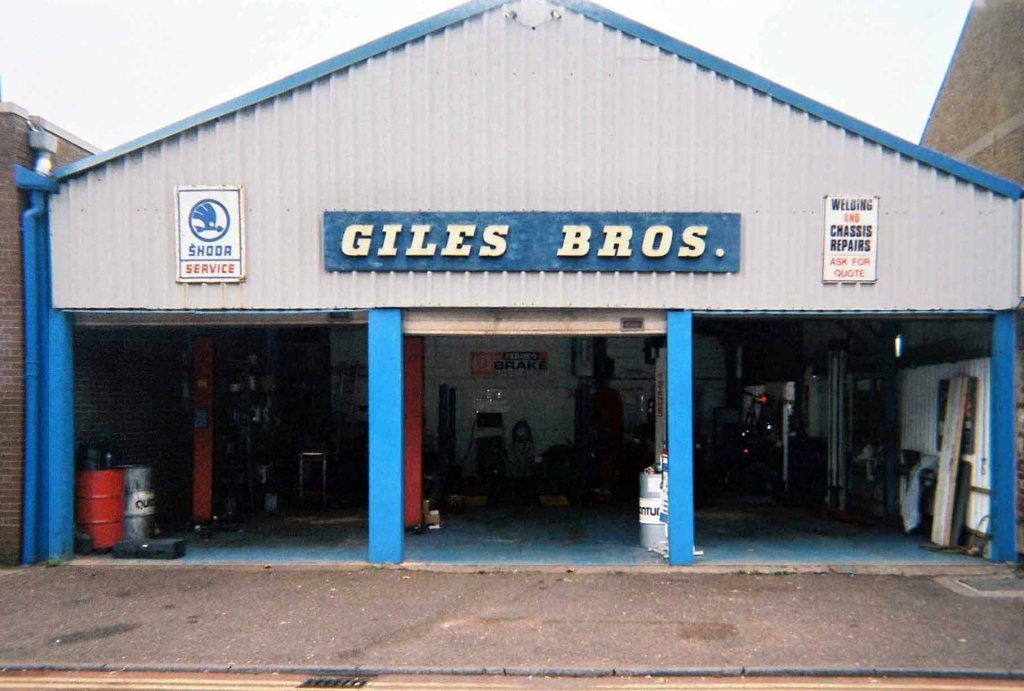
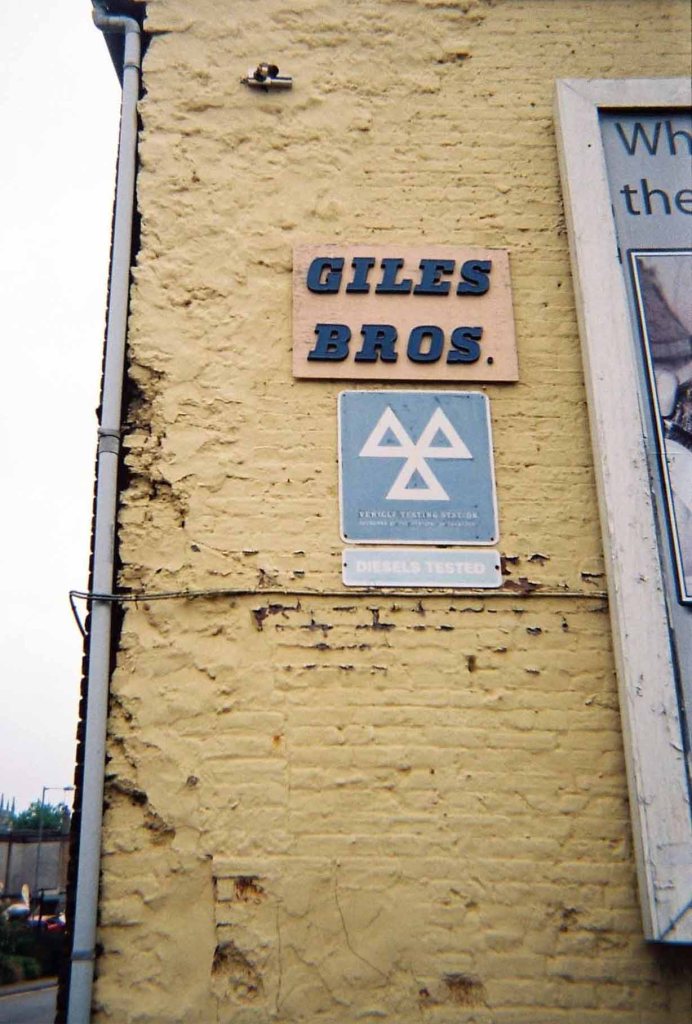
Welcome to Giles Bros located in Kings Lynn town centre. Established in 1921 and still trading from the same premises offering MOT’s on all makes of vehicle in the centre of King’s Lynn. If your looking for a reliable and friendly service you have come to the right place. Please feel free to look around our website and see just what we offer.
Although modern motor vehicles have changed so much since the early days our customer commitment hasn’t.
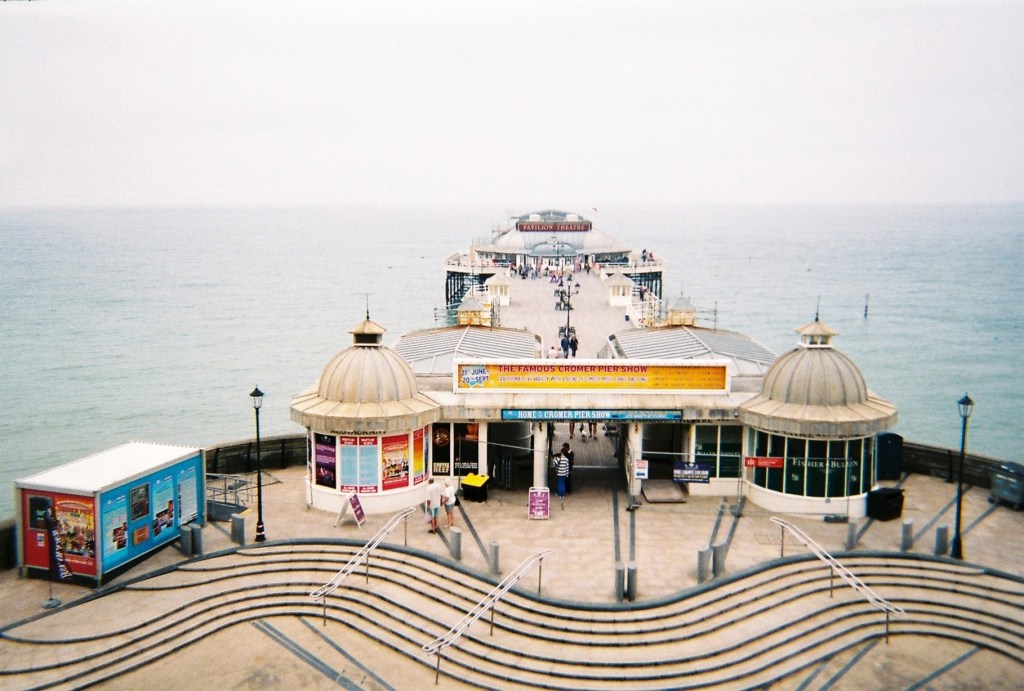
There has been a pier in Cromer since 1391, but history really relates from 1822 onwards. In this year, a 210 foot wooden jetty was built, but unfortunately it was washed away in 1843. It was then replaced with another slightly longer one, 240 foot, which lasted until 1890. This one was also destroyed by the stormy seas and the remains were consequently sold at auction for £40.
Following this, very sensibly, an iron jetty was built that was 500 foot long, together with a bandstand which was eventually extended into a pavilion.
During the war Cromer Pier was sectioned for defence purposes.
The poor Pier also had its fair share of being damaged too, which I suppose is understandable, being stuck out in the sea!
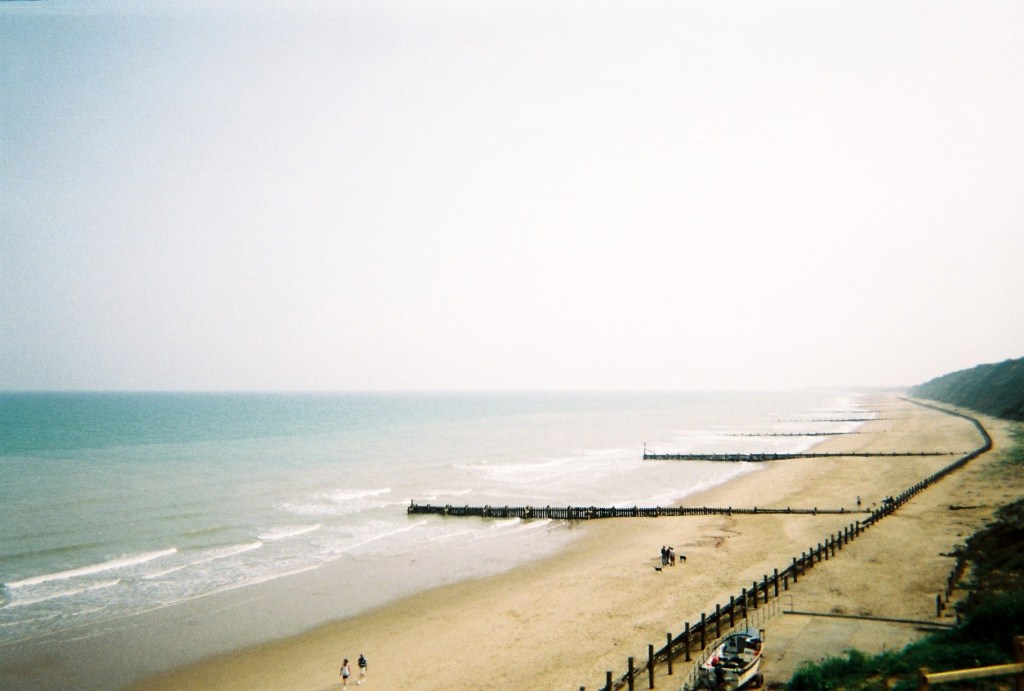
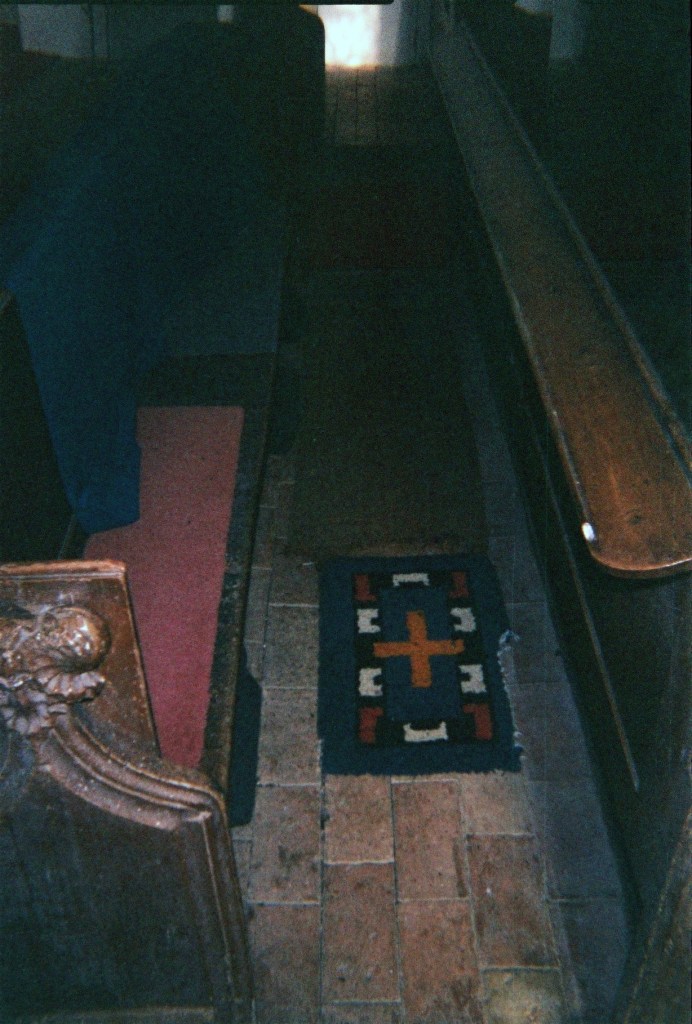
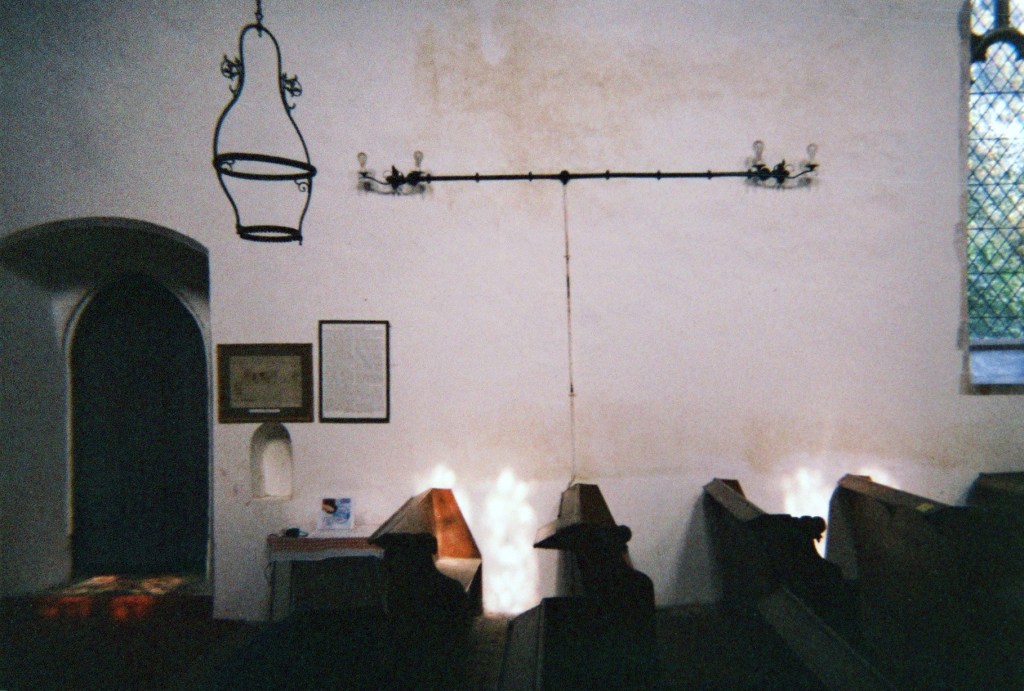
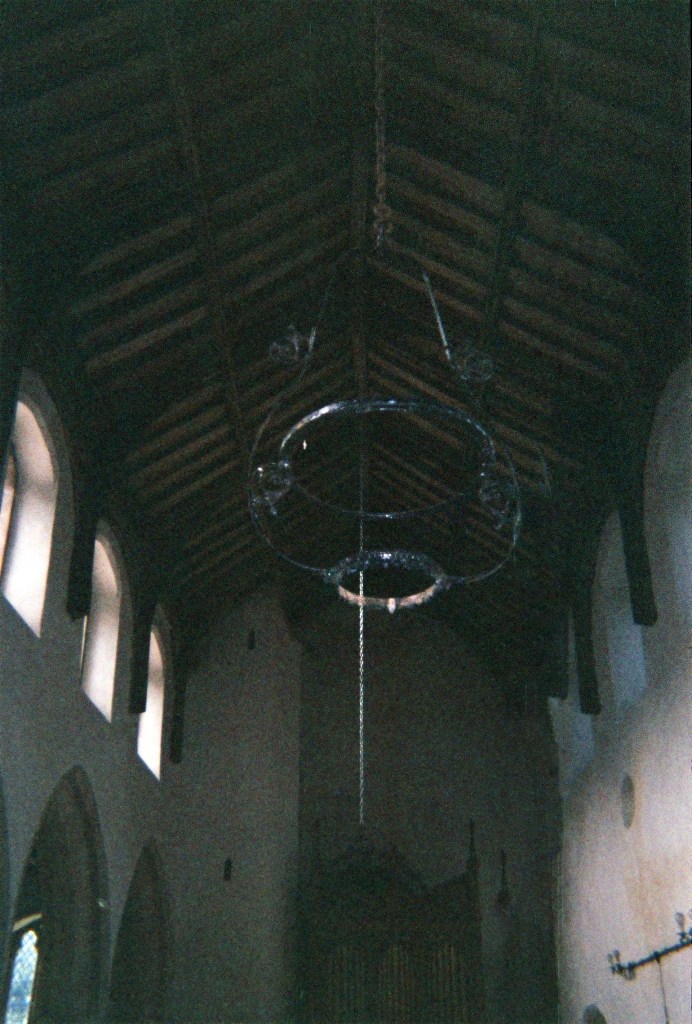
St Magaret Witton-by-Walsham one of the enchanting Norfolk churches I passed by and the only one I entered. It had provision for an unattended brew and home made cake, just the job.
The church is an elegant, well-kept, peaceful building, but it is also rather quirky. There are two splayed round windows in the lower north side of the nave it seems reasonable to think that they are genuine Saxon windows, and this is a genuine Saxon piece of wall. As is the lower part of the south wall, for both sides have long and short work ironstone blocks forming the corners with the west wall.
In the early 14th Century they began to expand the church, but rather than rebuild it they heightened the existing walls, which is why the tower and the church still make an awkward juxtaposition even today. There is a clerestory on both sides of the church, but an aisle only to the south, contemporary with the clerestory, rather than with the 15th century crowning of the tower with a bell stage and battlements.
When the Tudors extended the tower, they needed a way for people to get up to the bell stage. Rather than build a stairway inside the tower in the conventional manner, they built a stair turret inside the church, against the west wall of the nave, which is at once awkward and intriguing. Tucked in beside the stair turret is a large converted barrel organ. I remembered the late Tom Muckley observing that small villages like this usually owned just one barrel organ, which was used in the church on Sunday and then moved to the pub for the rest of the week.
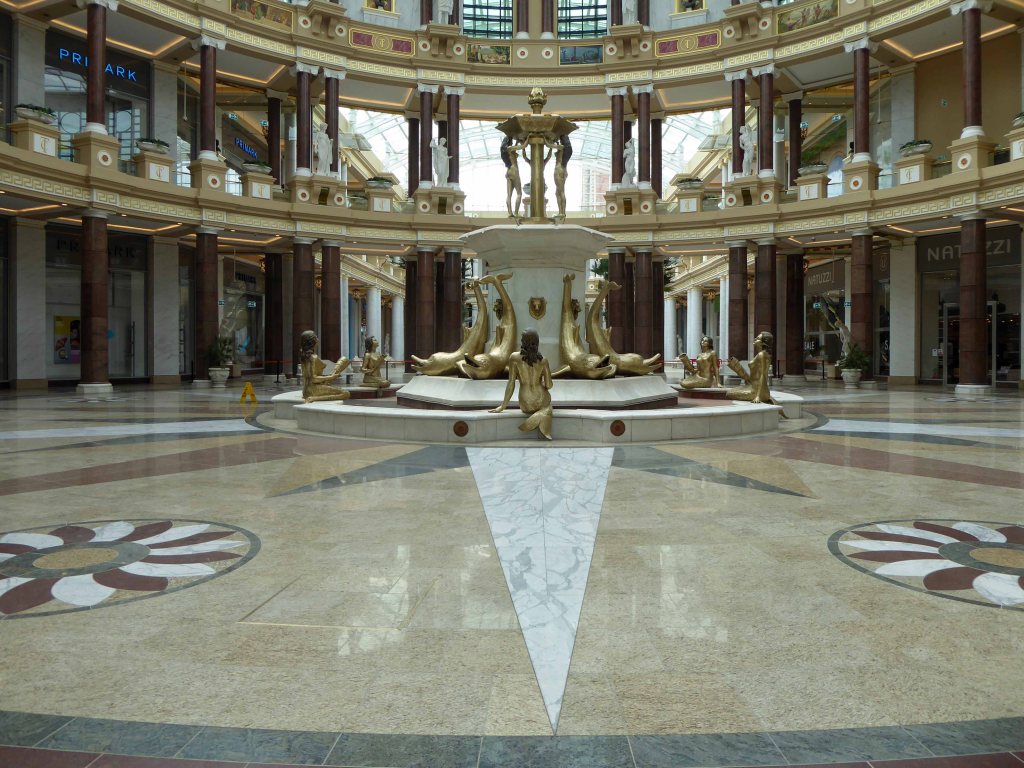
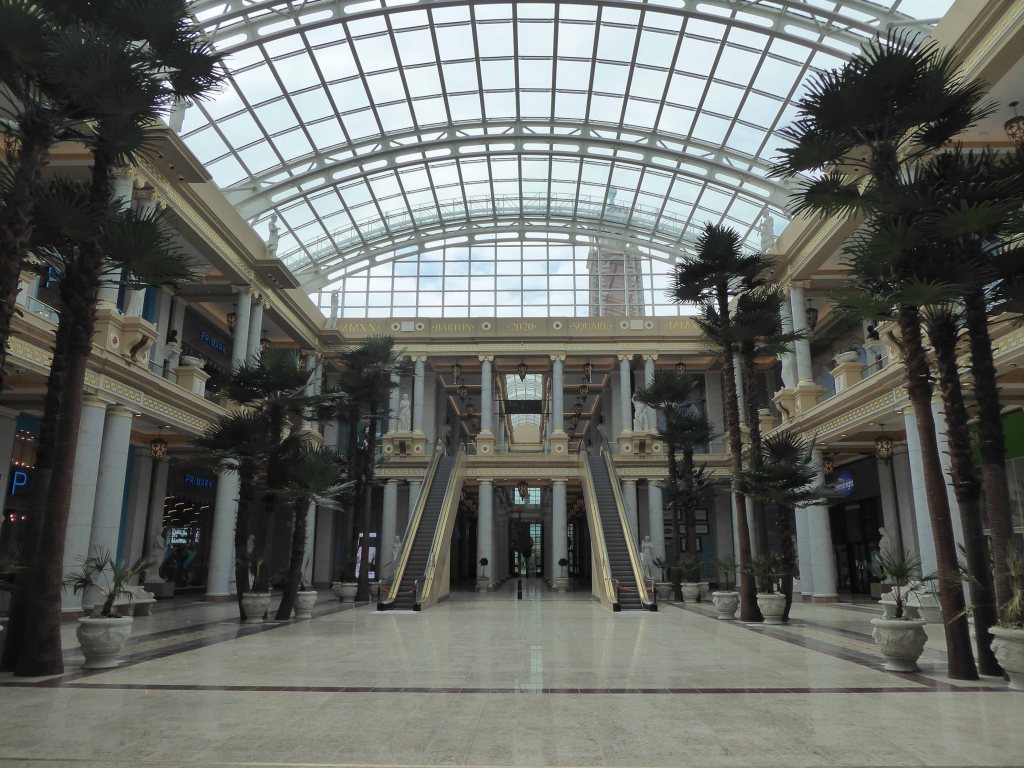
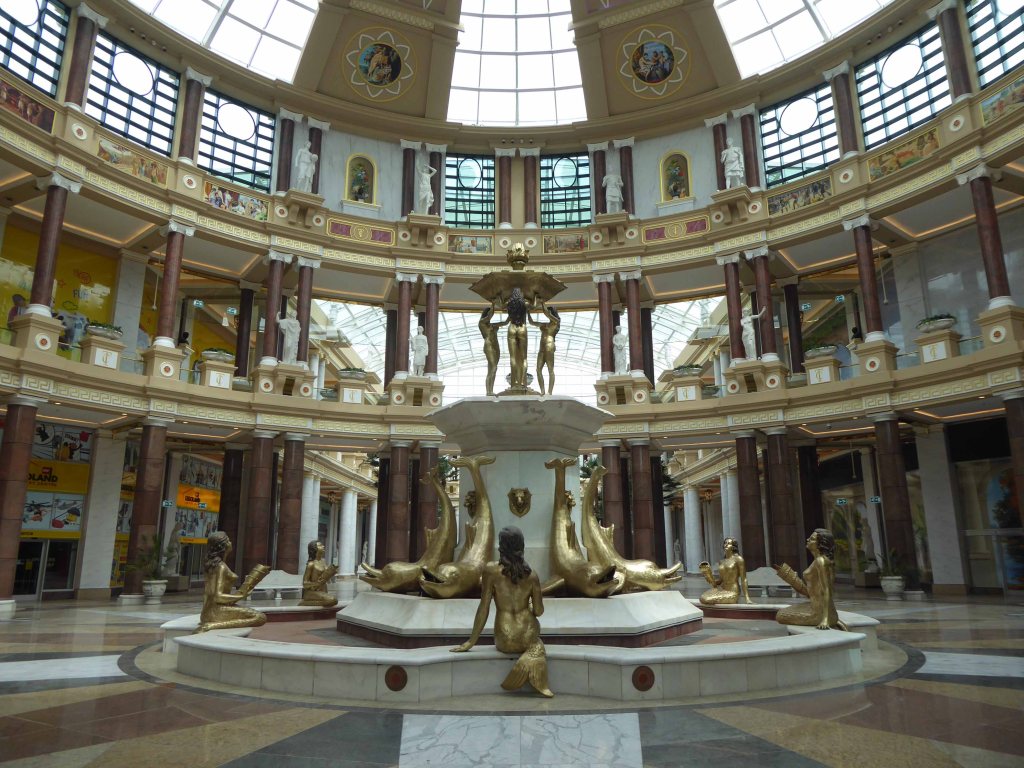
Intu, who own the Manchester shopping centre, expects to breach covenants on its current debts as shopping centres struggle in the face of the coronavirus pandemic.
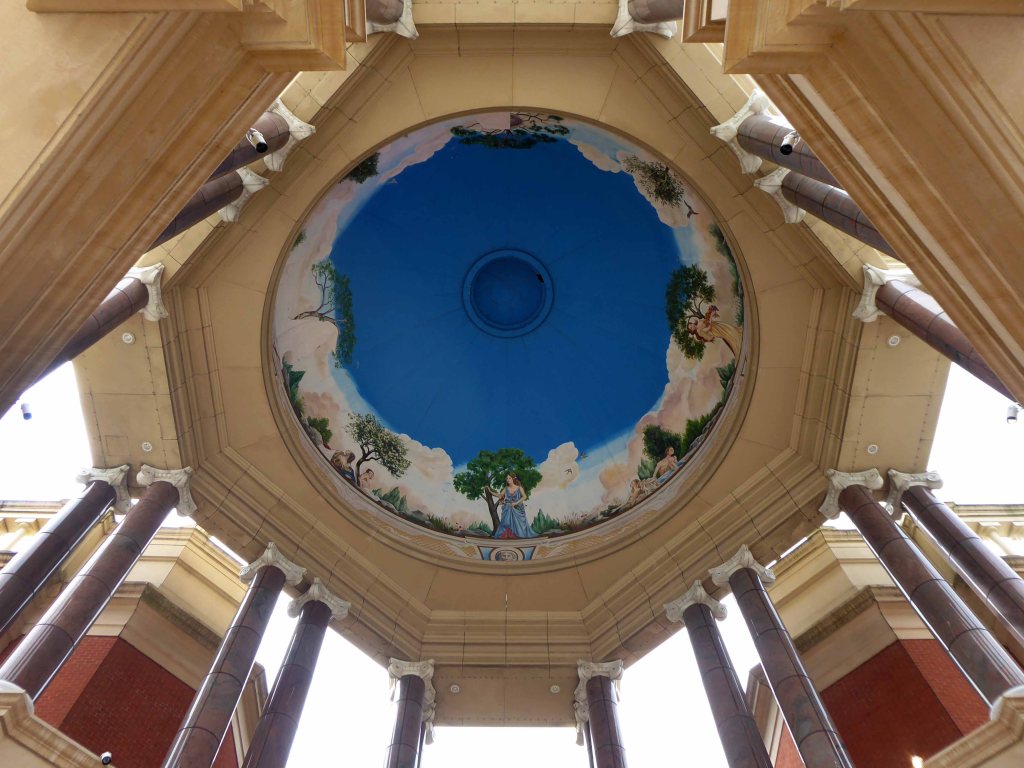
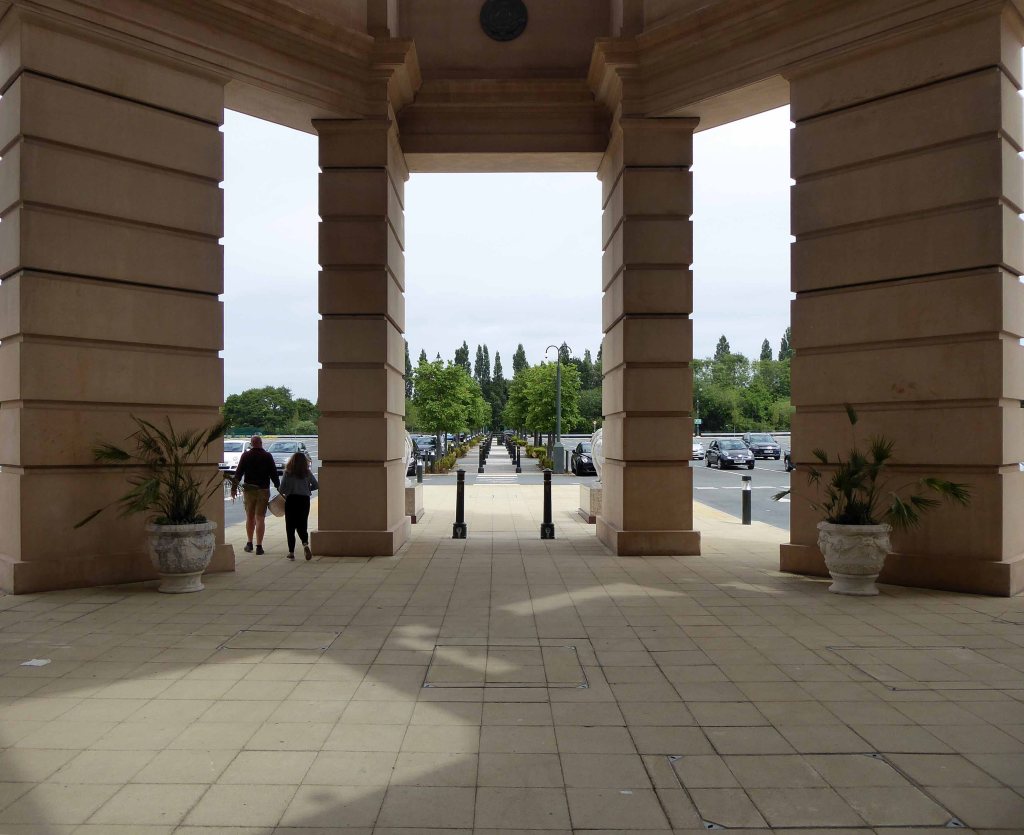
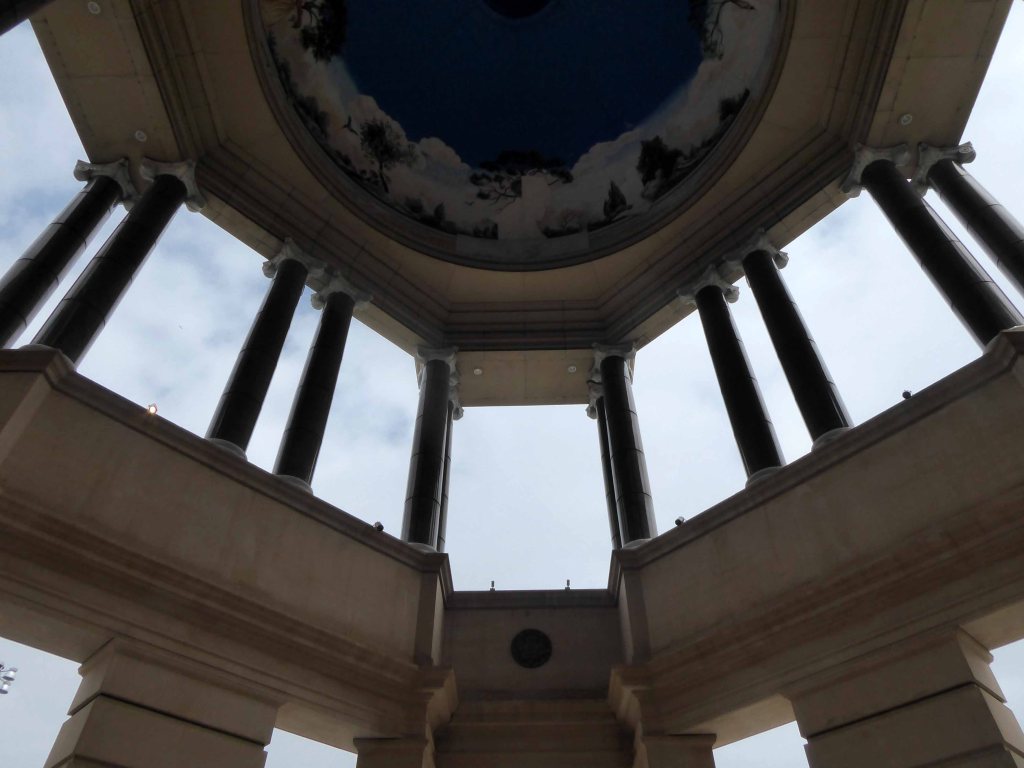
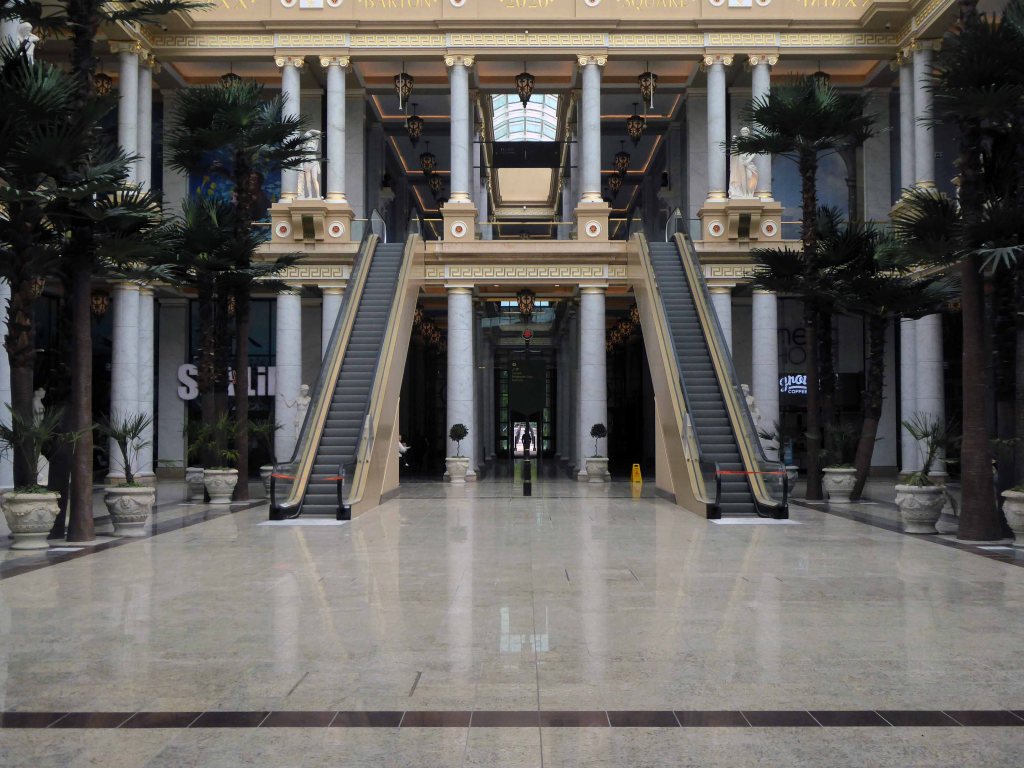
This is a journey from the corner shop to the high street, by the banks of the Bridgewater Canal, a whole retail history told during troubled times.
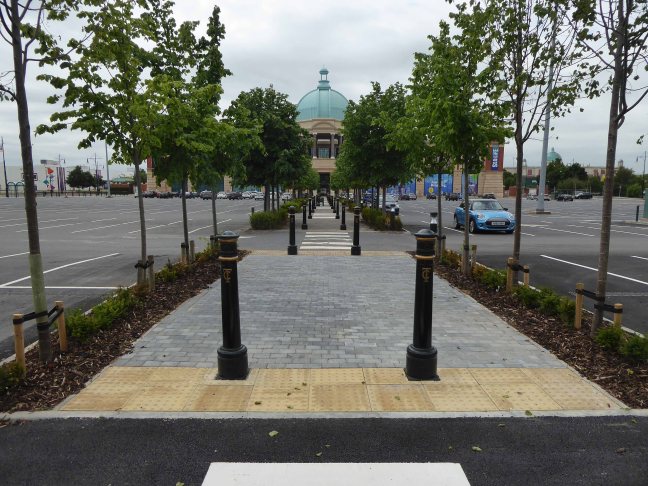
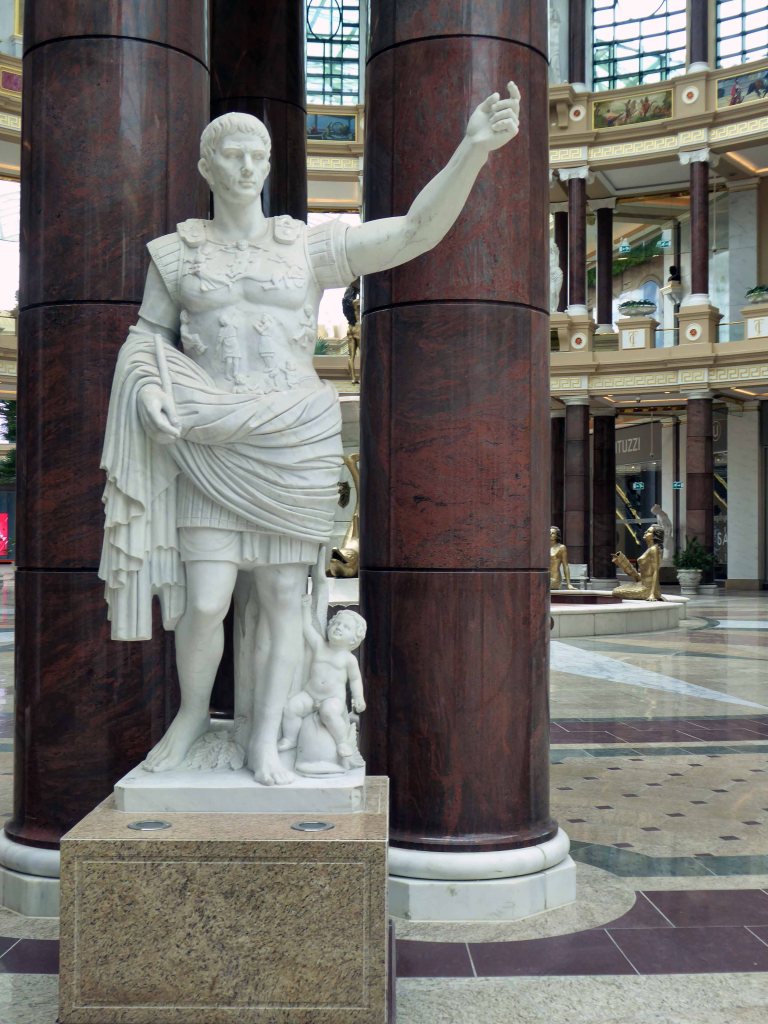
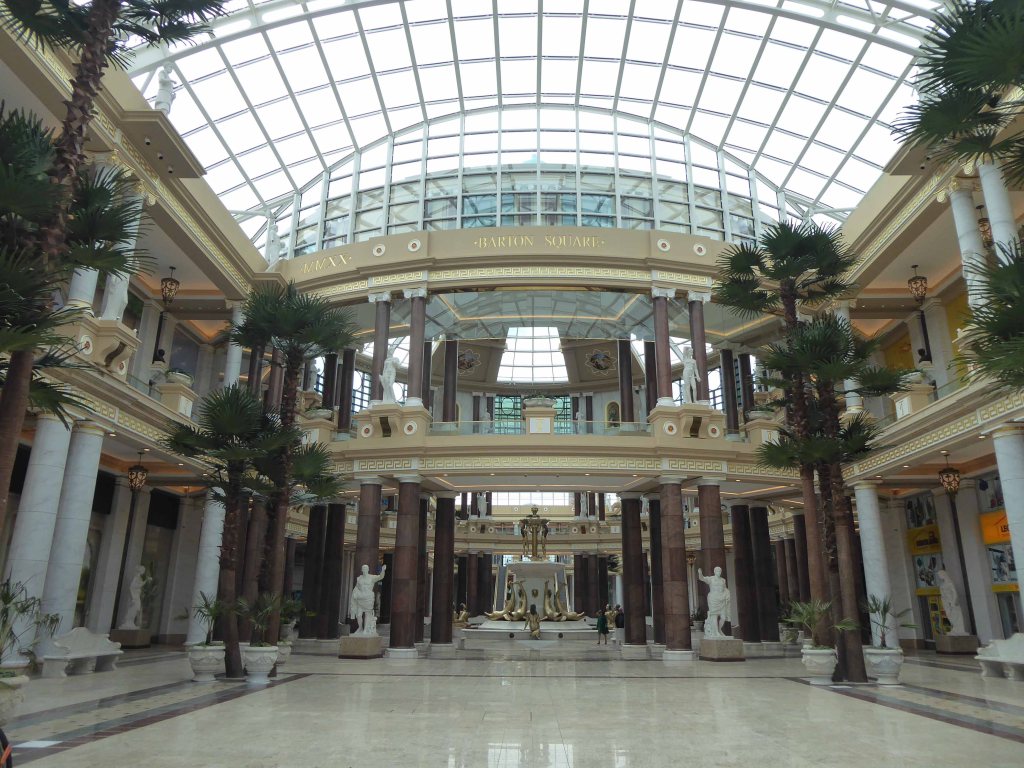
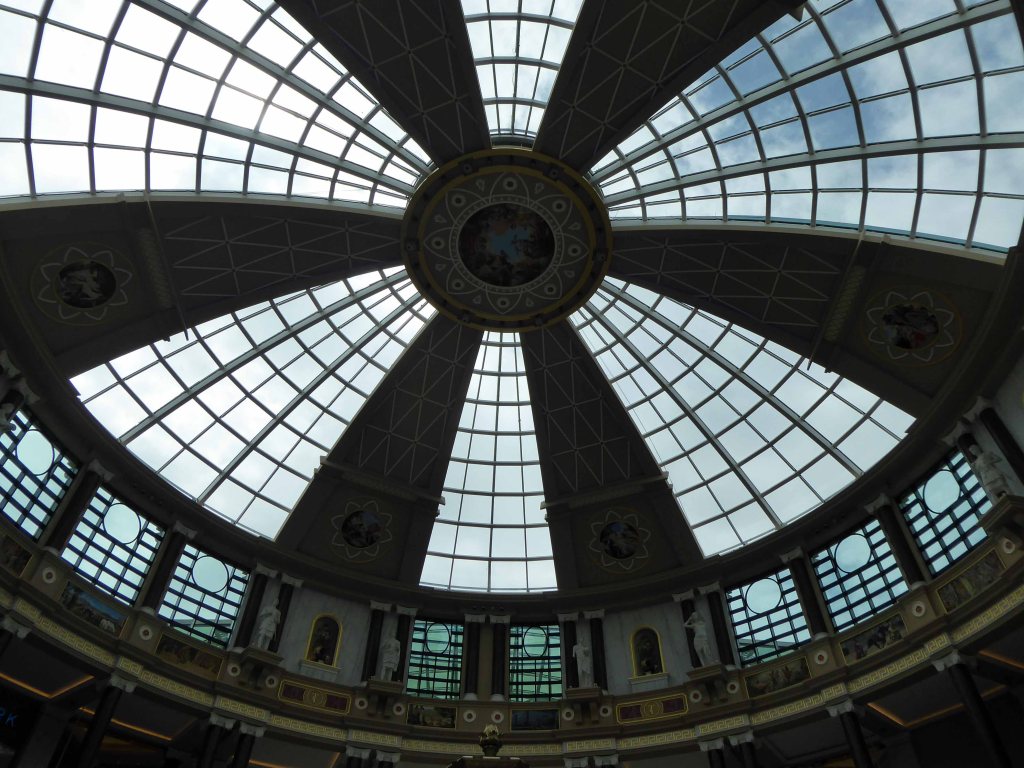
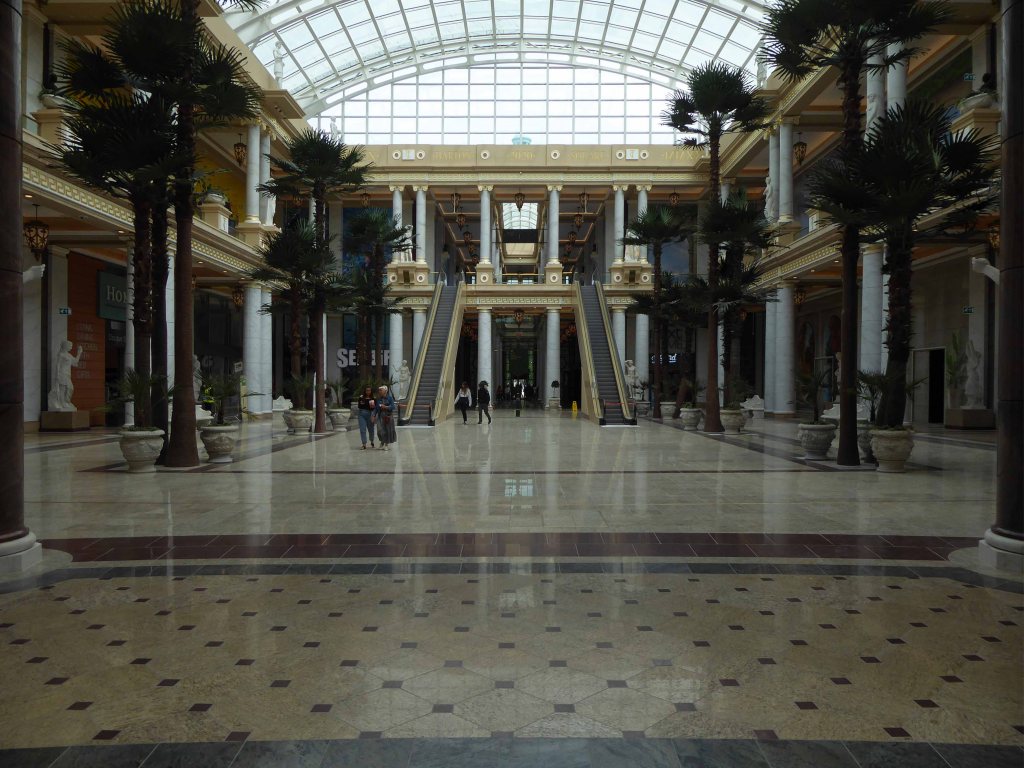
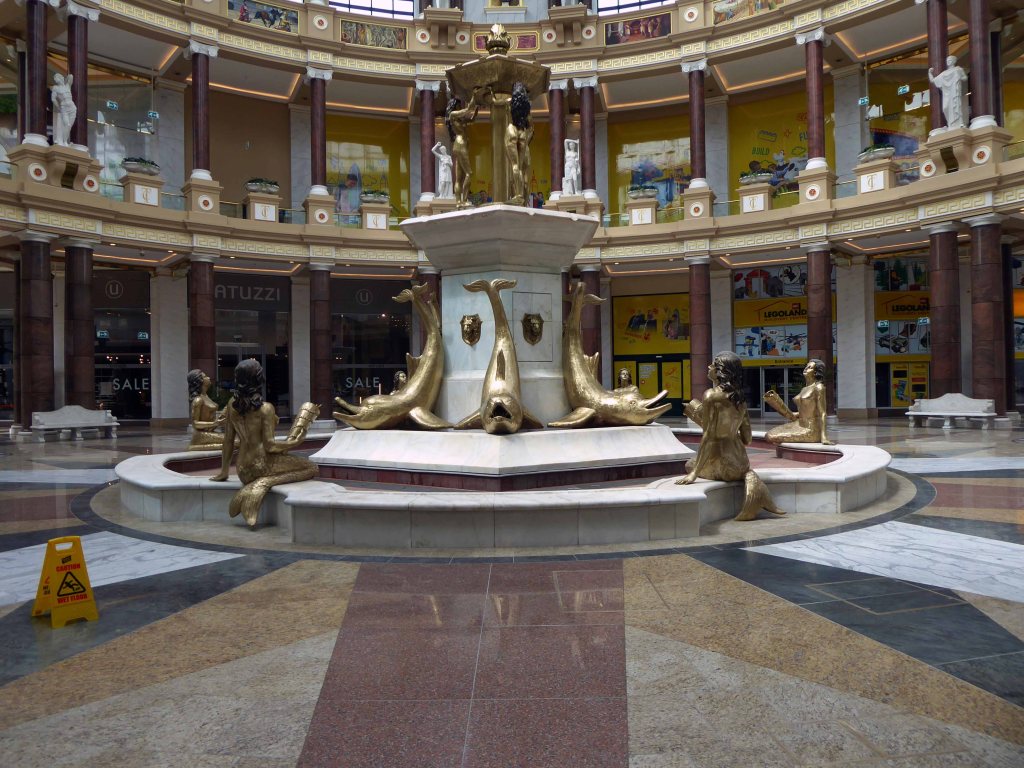
The Trafford Centre opened in 1998 and is the third largest shopping centre in the United Kingdom by retail size. It was developed by the Peel Group and is owned by Intu Properties following a £1.65 billion sale in 2011 the largest single property acquisition in British history. As of 2017, the centre has a market value of £2.312 billion.
The advent of the motor car, and the development of out of town shopping has seriously affected the viability of the traditional town centre and the almost long gone local shop.
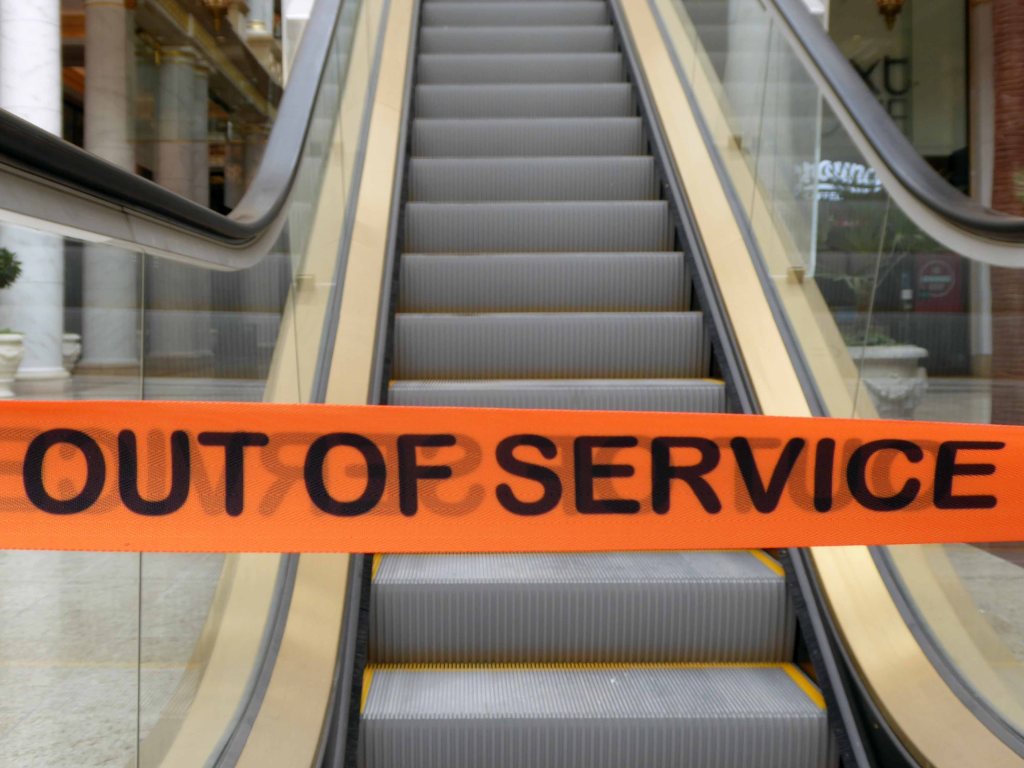
And now in turn the mall is threatened by the increase in online trade and the current lockdown.
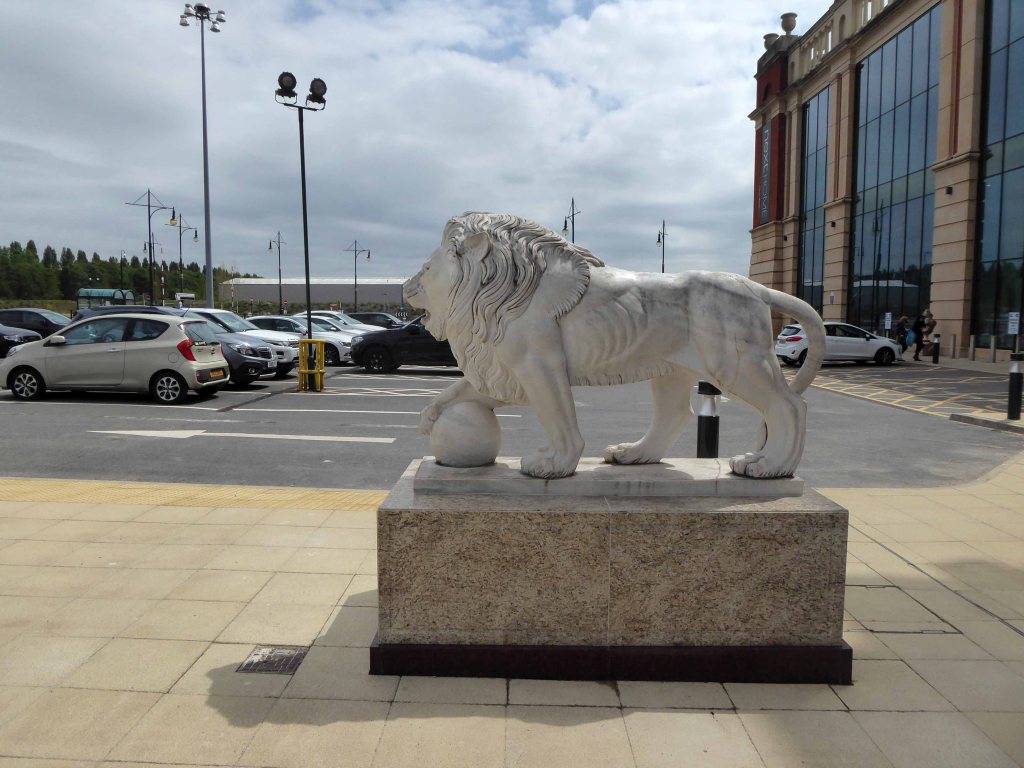
The Trafford Centre reopens on June 15th, no doubt the sensation seeking, thrill a moment shoppers will return in droves, to further satiate their unquenchable desire for stuff and more stuff, in a pseudo Romano Soviet oligarch setting.
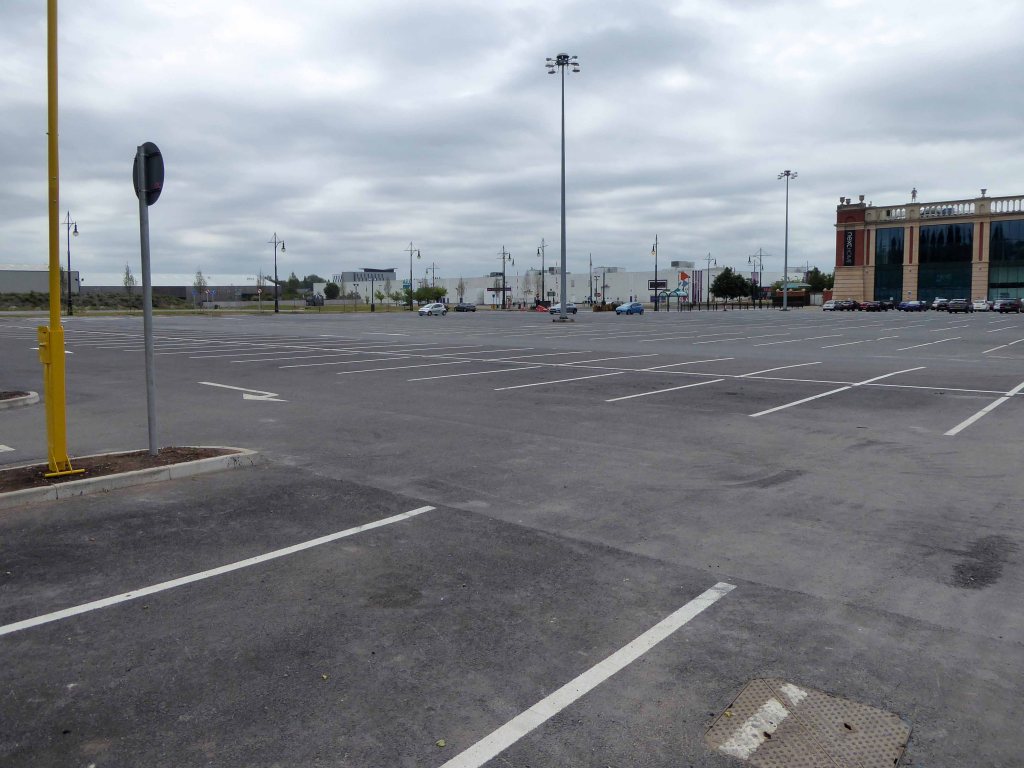
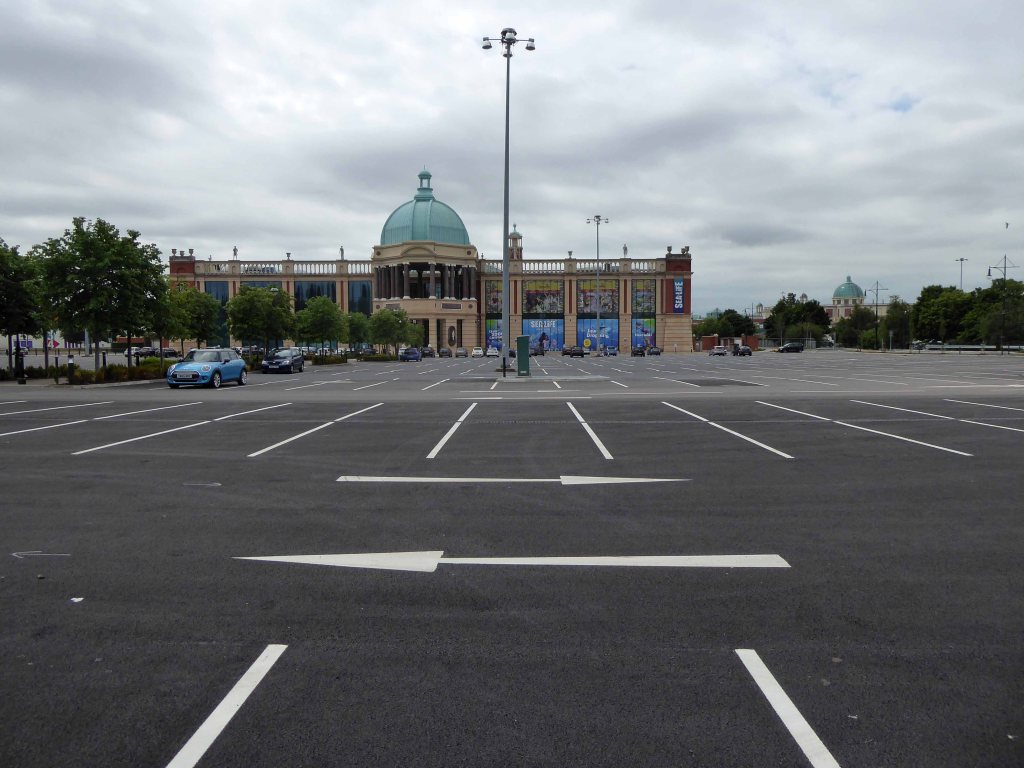
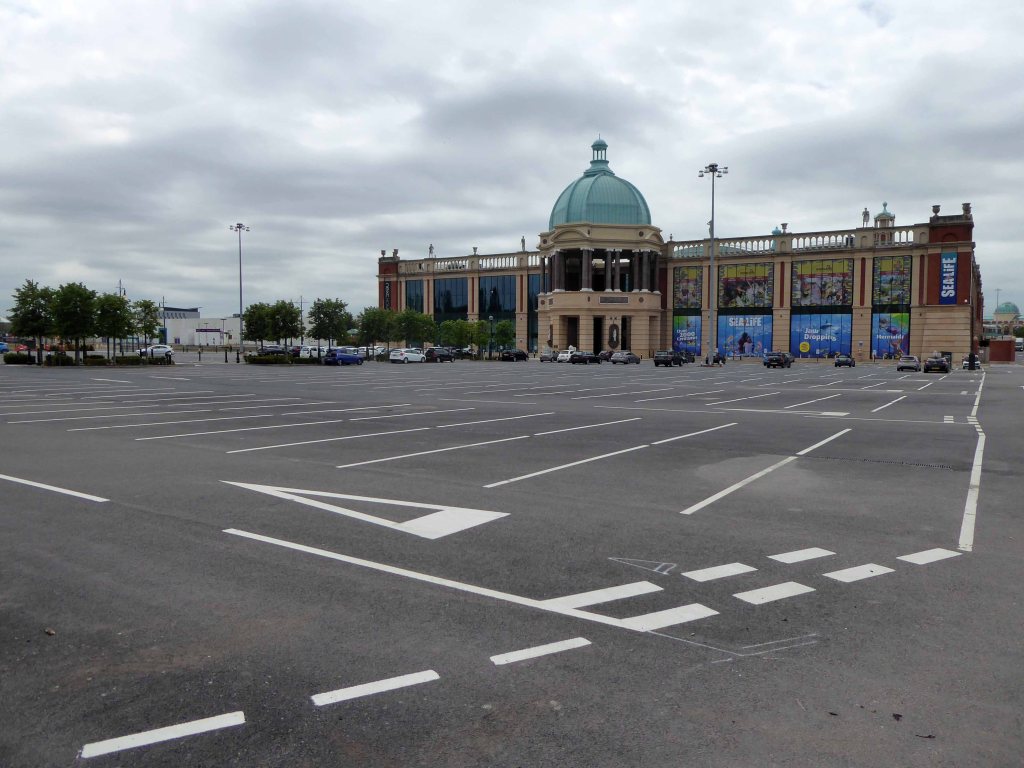
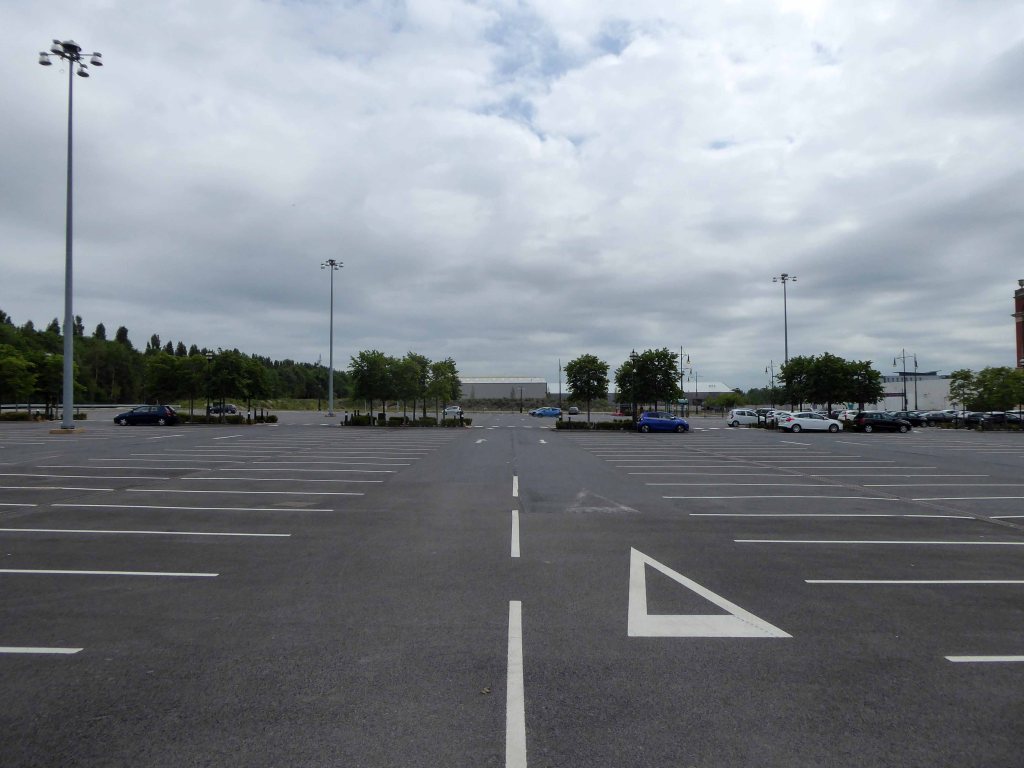
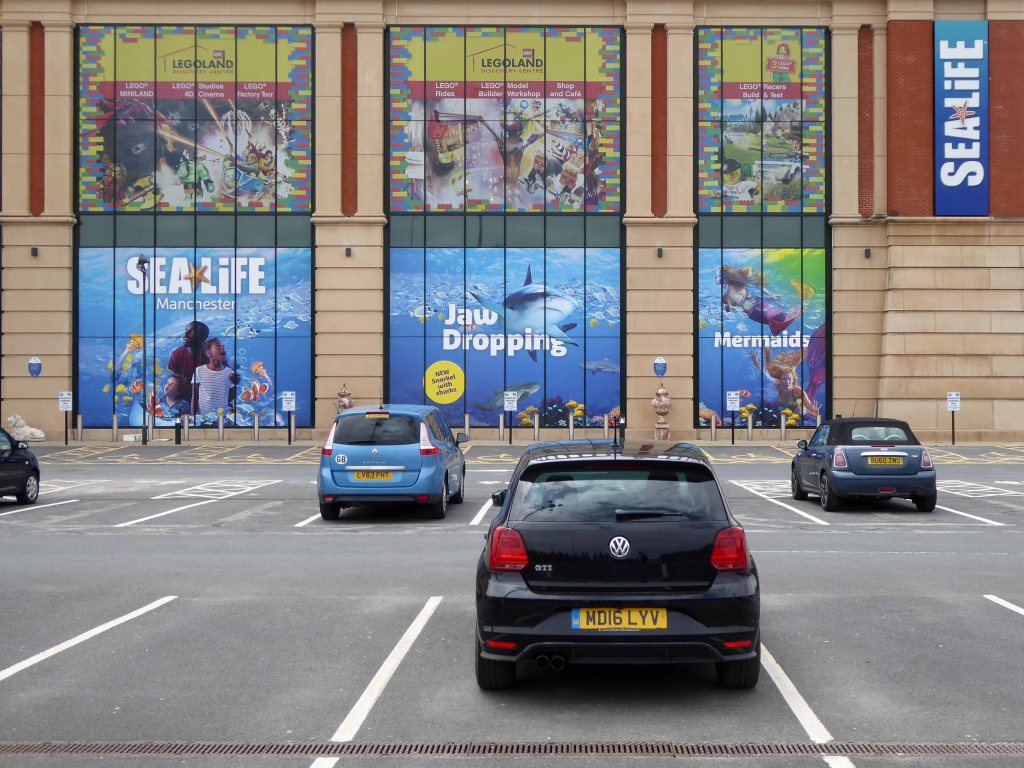
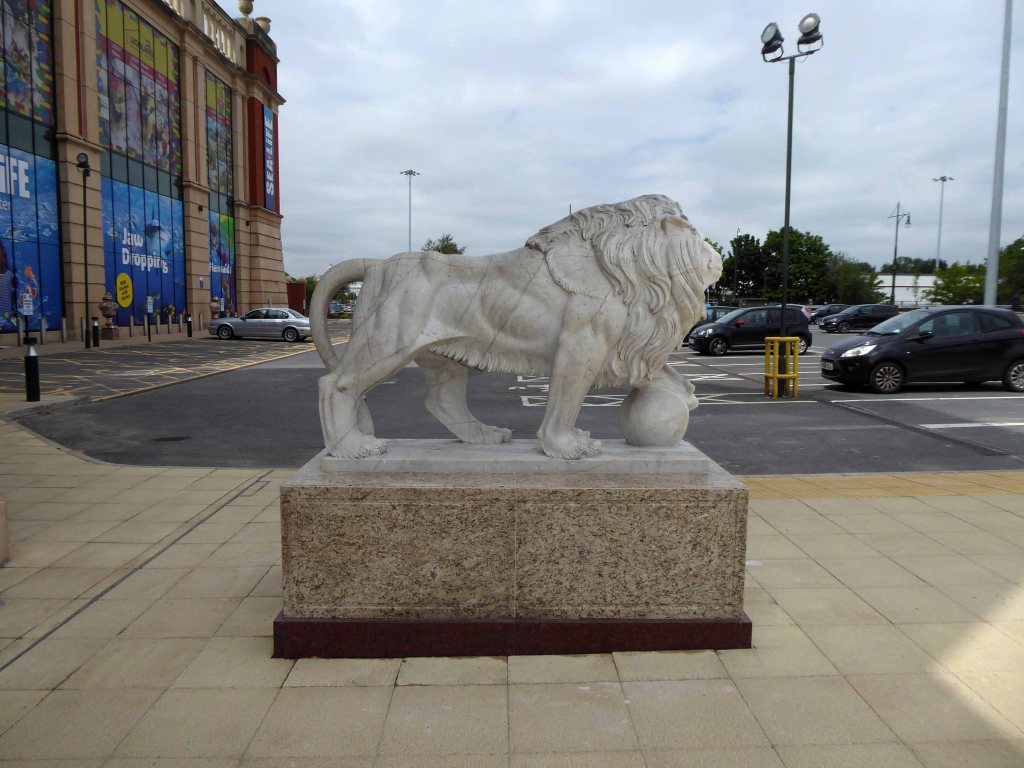
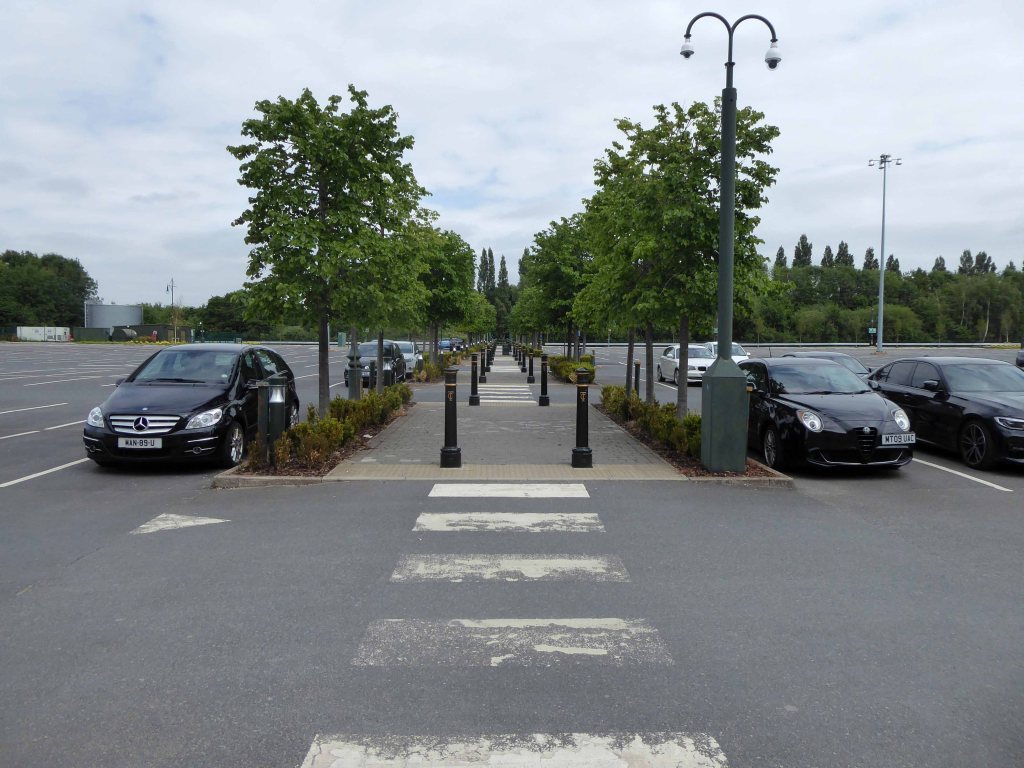
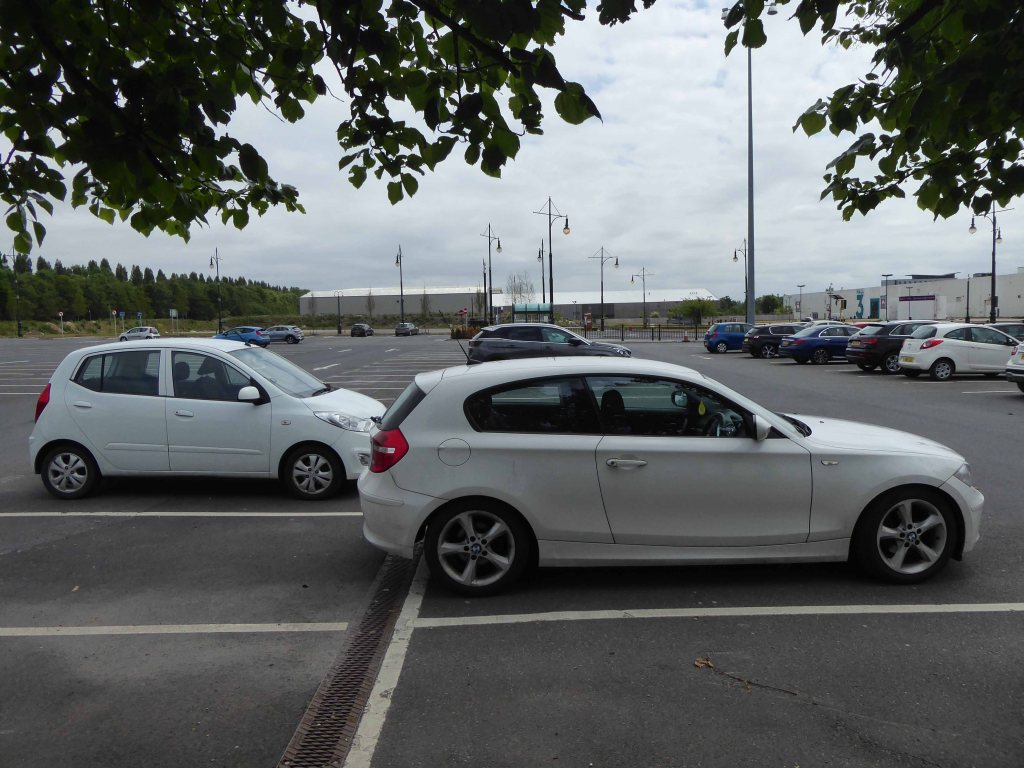
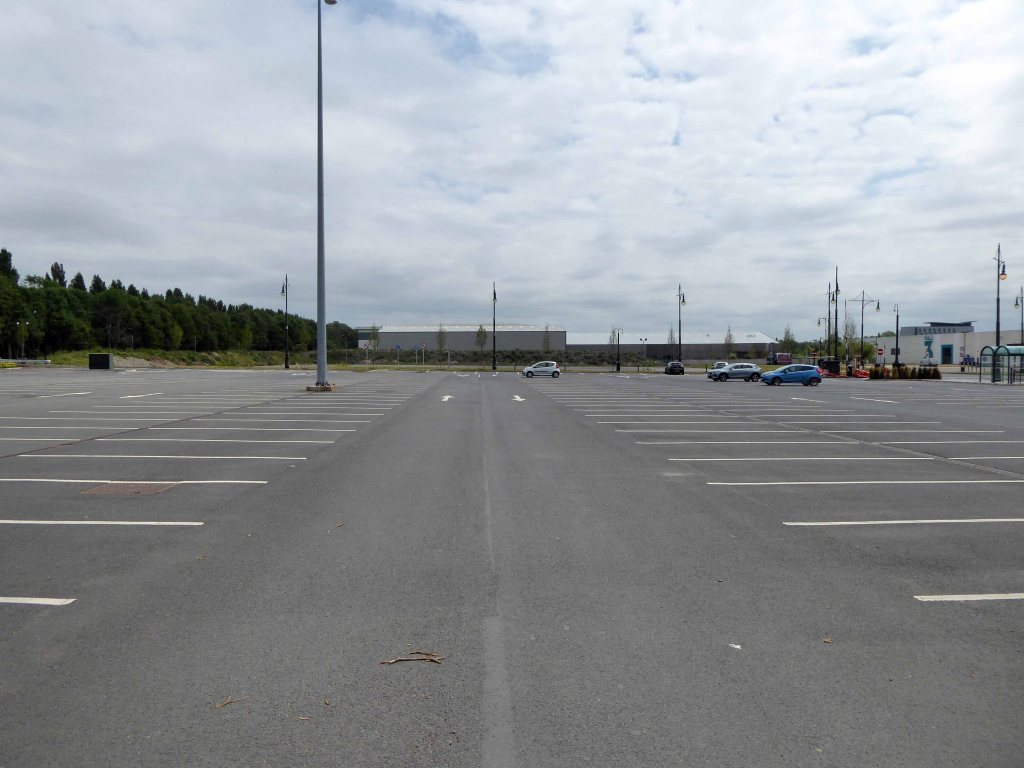
As of Monday 8th the space was mostly devoid of both customers and cars – there are two home stores open, we arrived on foot and took a look around.
This may seem sufficient to satiate the local historian’s voracious appetite for facts and general tittle tattle, but wait.
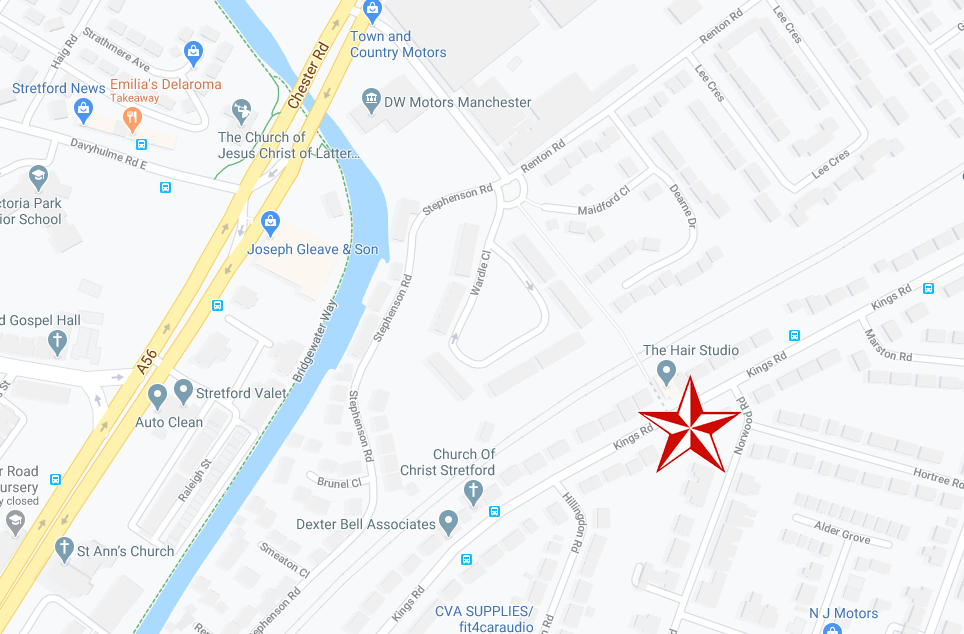
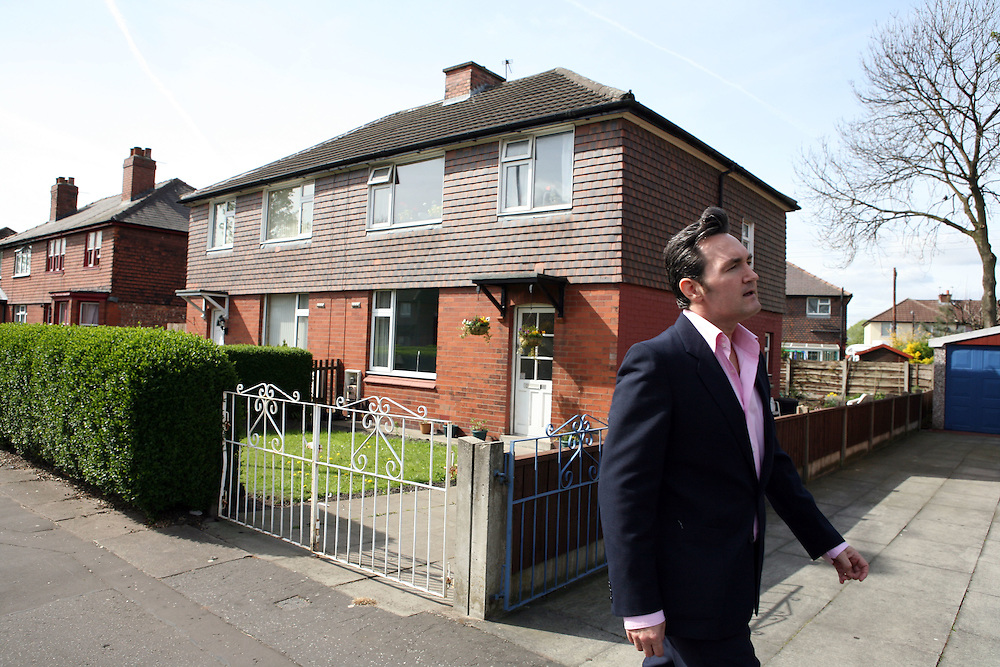
384 King’s Road was once home to pop sensation Steven Patrick Morrissey – seen here imitating himself in Elisabeth Blanchet’s photograph.
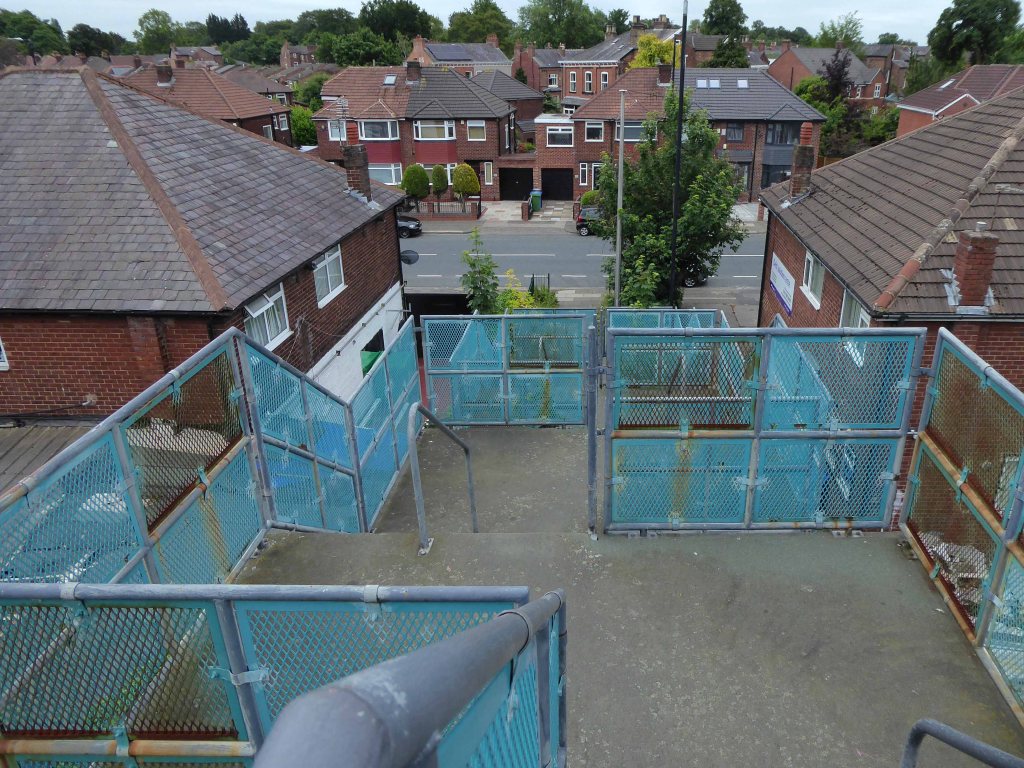
More than once this charming lad would have walked the bridge himself – on the way to goodnesses knows where.
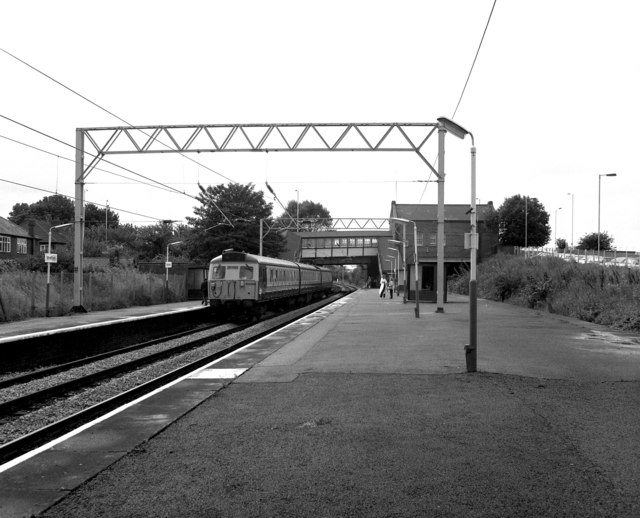
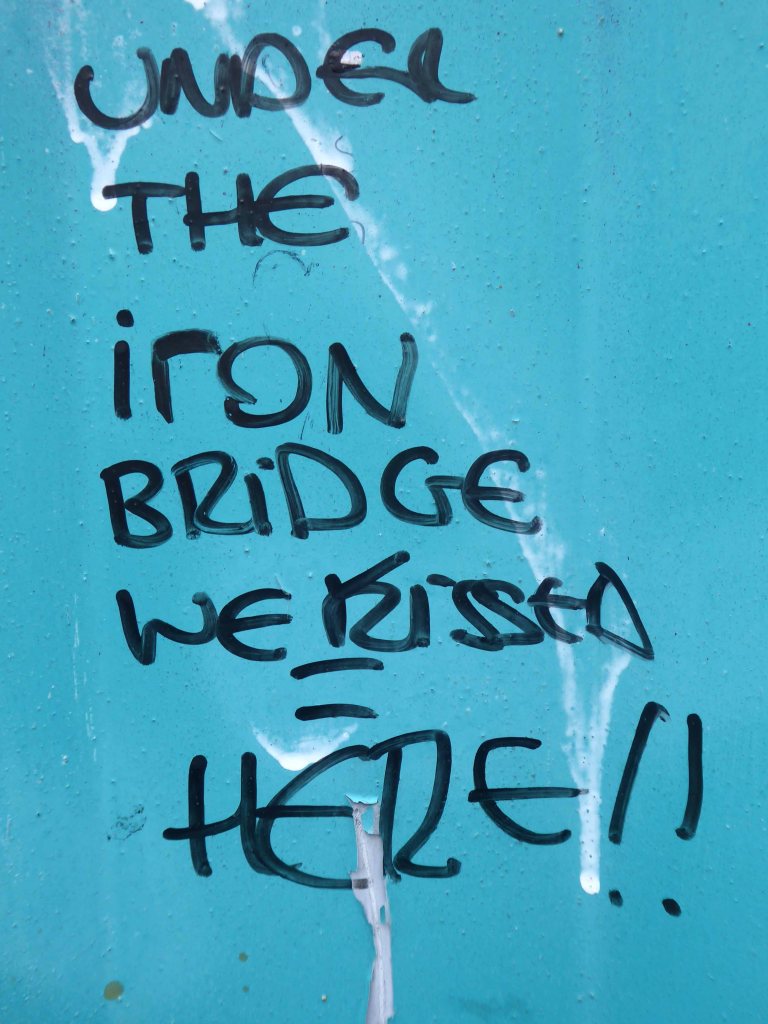
In later life he changed his name to The Smiths and wrote a chart topping tune Still Ill name checking the Iron Bridge.
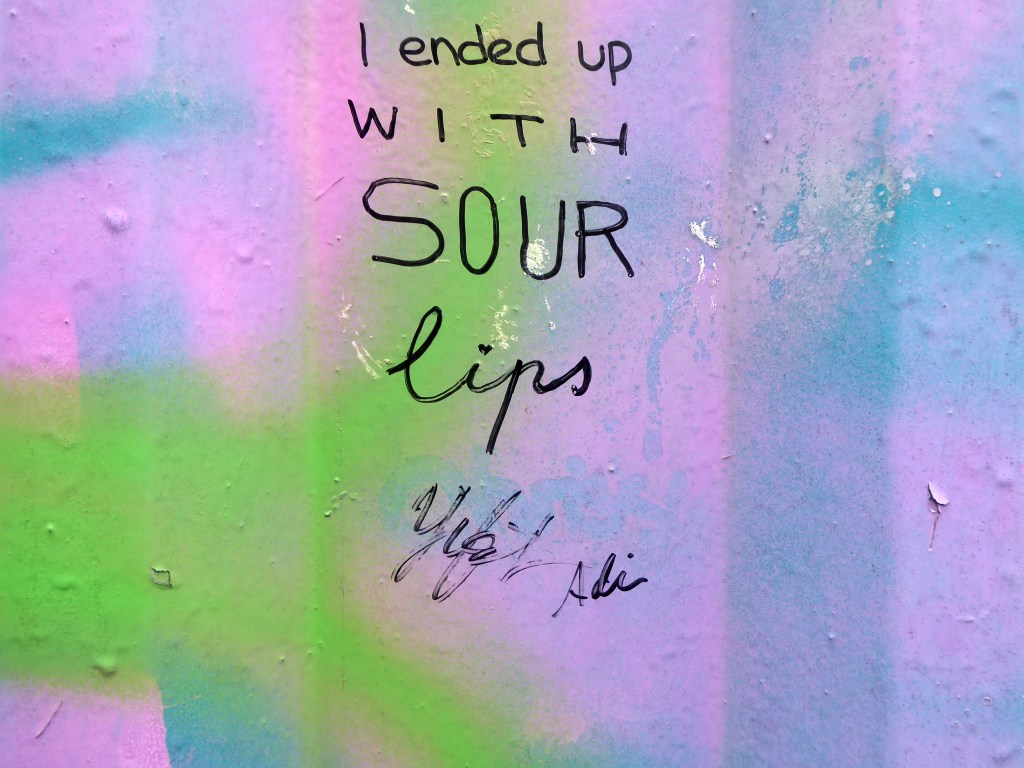
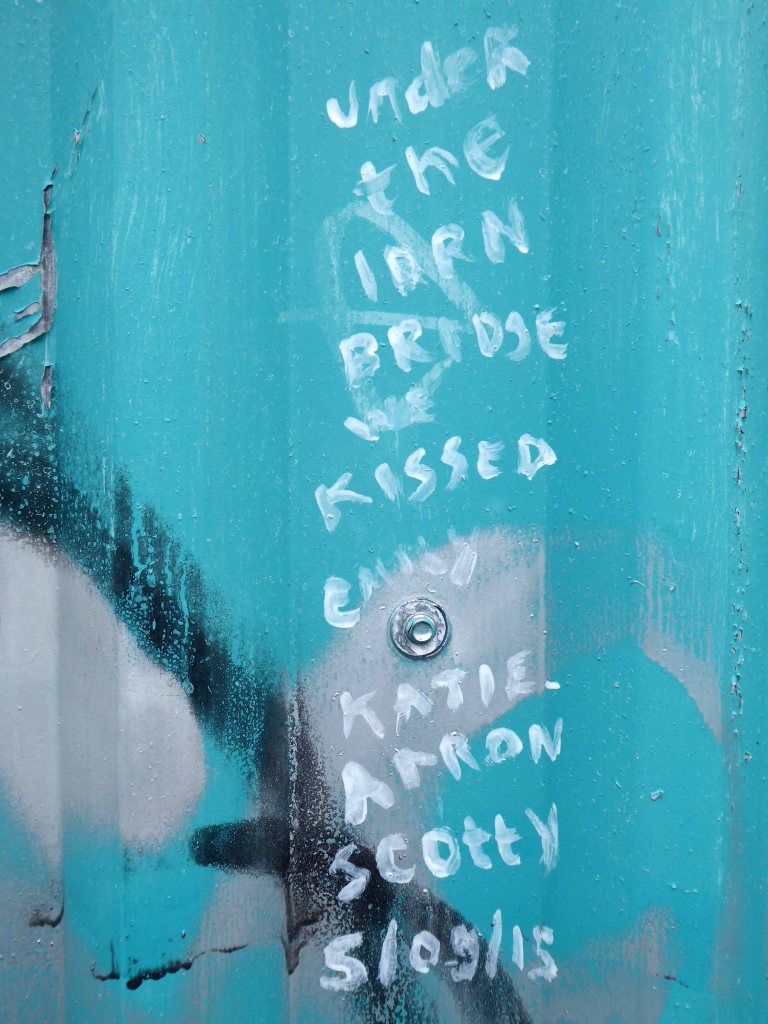
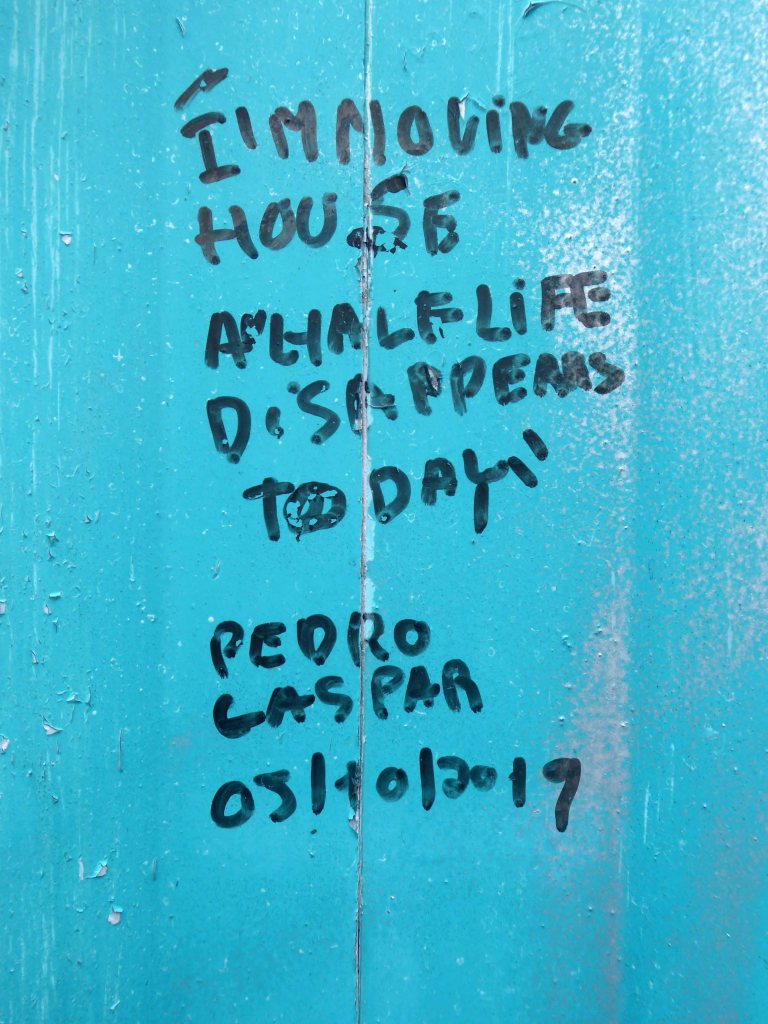
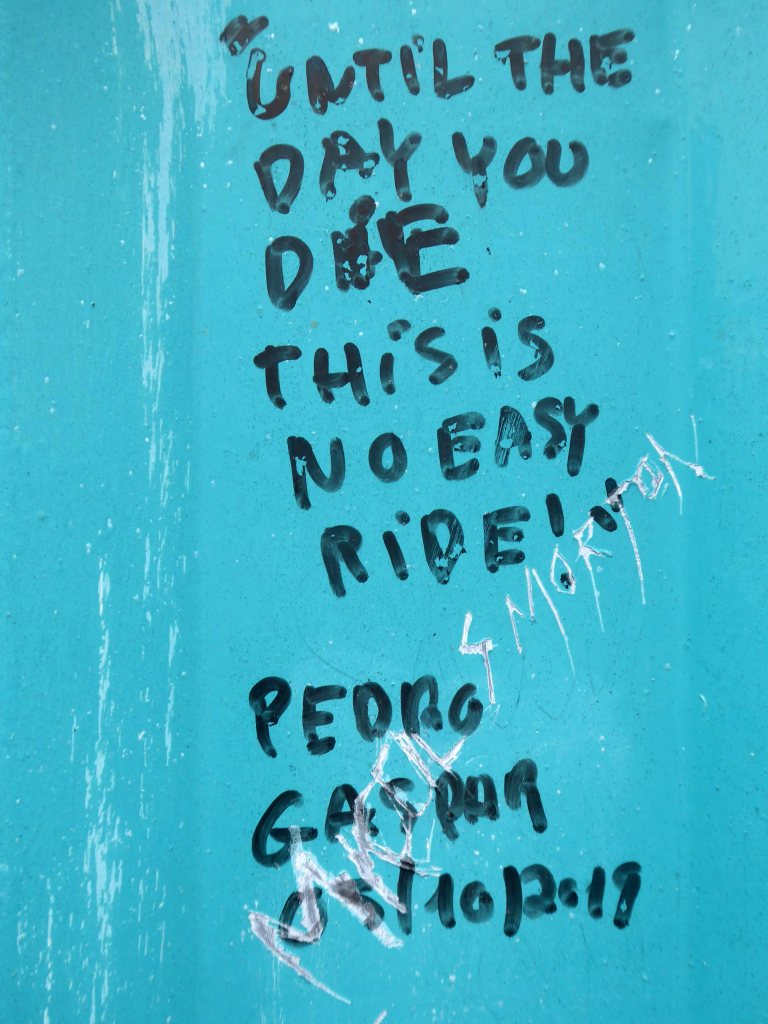
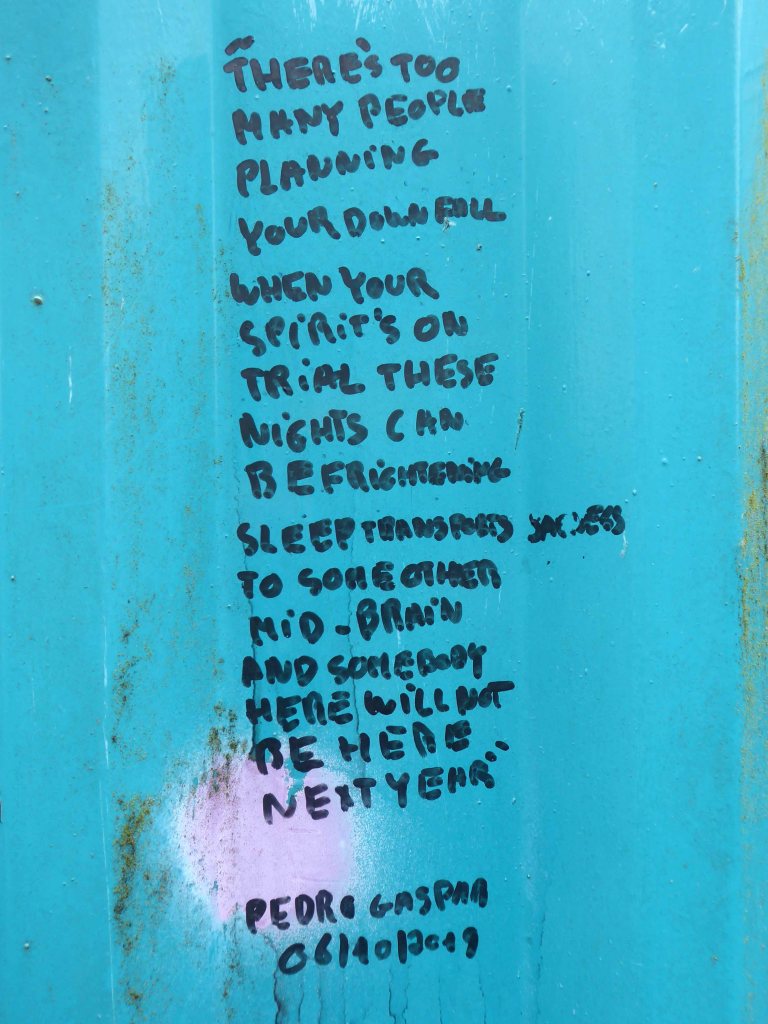
Under the iron bridge we kissed And although I ended up with sore lips It just wasn’t like the old days anymore No, it wasn’t like those days, am I still ill?
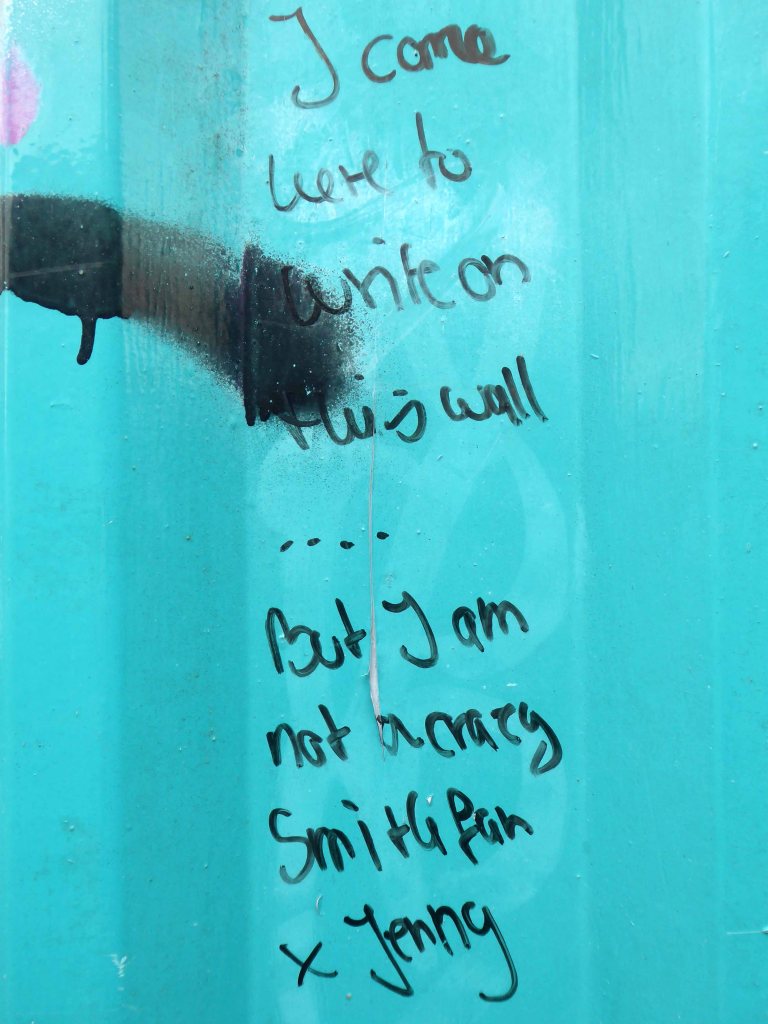
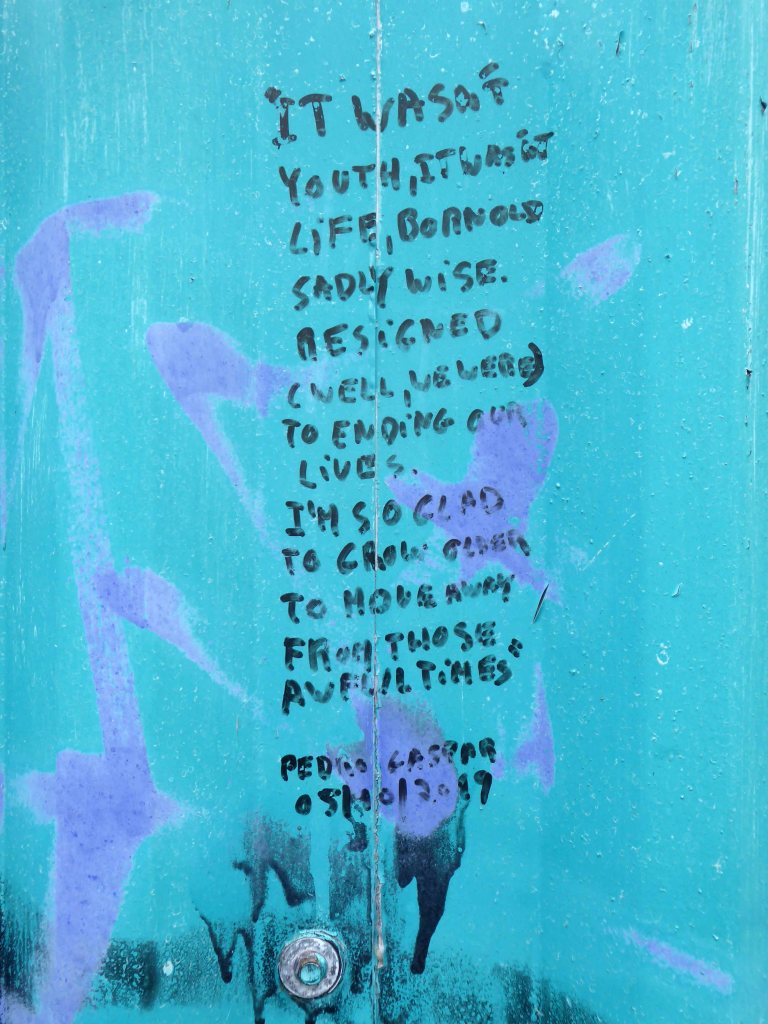
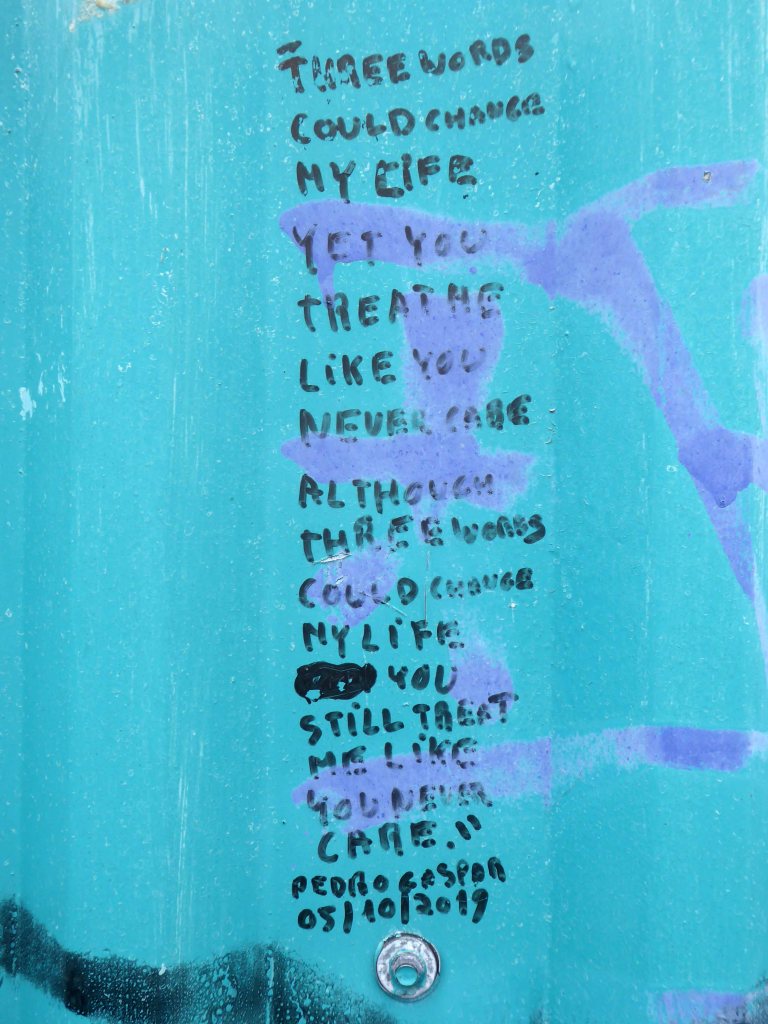
The location is now a place of pilgrimage for Morrissey’s deluded fans, who with depressing regularity, adorn the structure with their misquoted quotes.
Sun drenched faux-Californian Mr Morrissey does seem to be still ill in his own unique and unpleasant manner.
Let’s take a look at what he’s been missing.
What indifference does it make?
Self confessed Smiths sceptic Mr Mark Greer – currently incognito.
This is a short history of a park, a short history of my family and me.
The movement of earth and people, a tale until now untold now told.
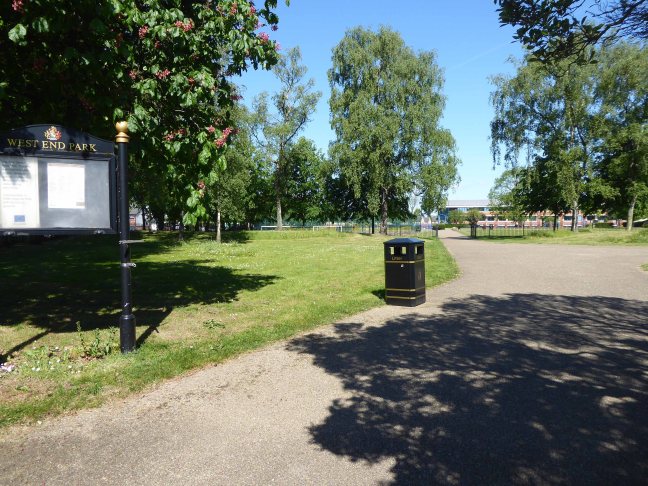
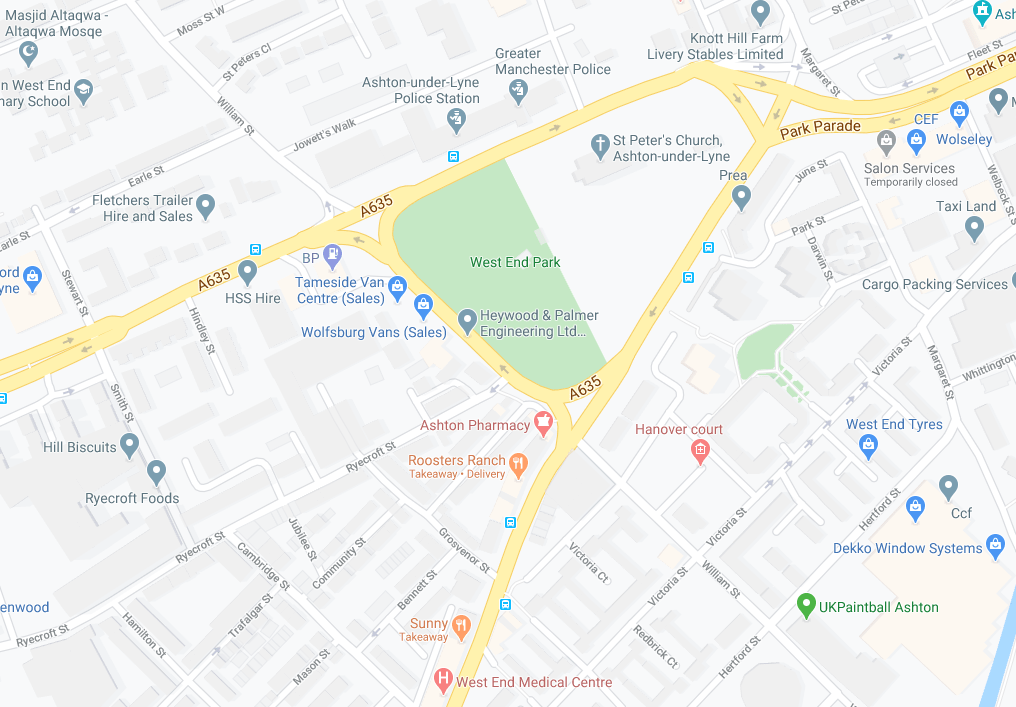
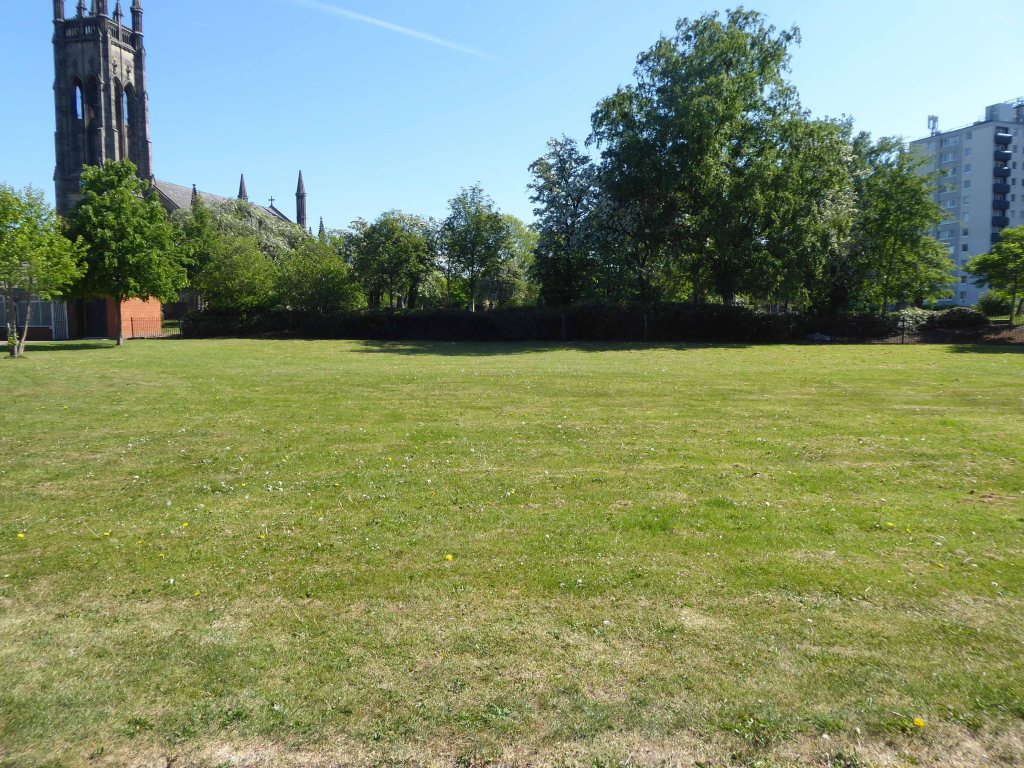
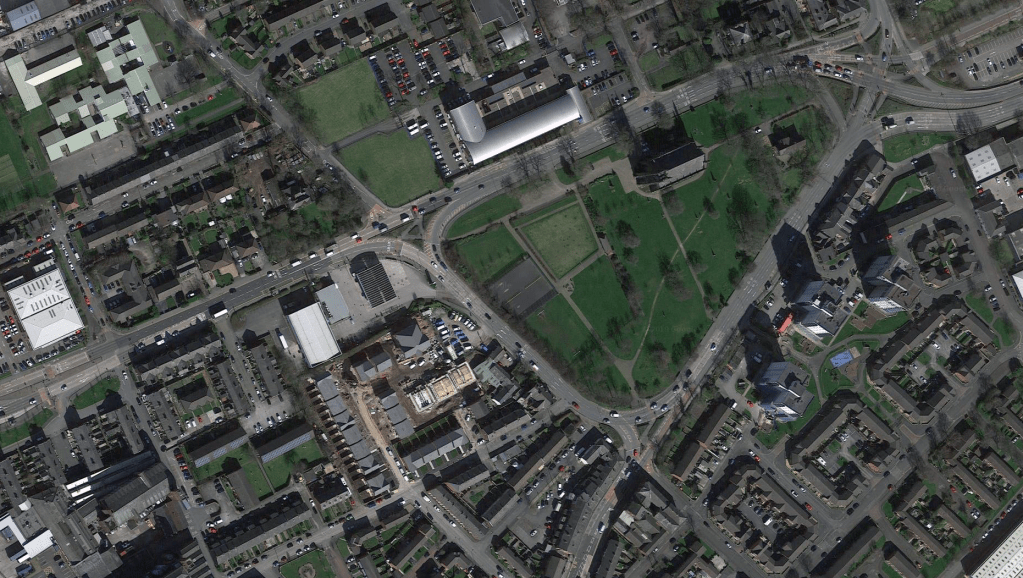
West End Park is a public park, opened in 1893. The site is bounded by Stockport Road, Manchester Road and William Lane. It was developed on land associated with St Peter’s Church.
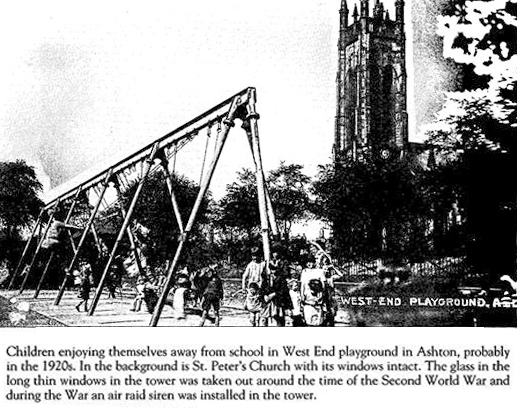
St Peter’s was built between 1821 and 1824, and was designed by Francis Goodwin. A grant of £13,191 was given towards its construction by the Church Building Commission. The land for the church was given by the patronage of George 6th Earl of Stamford and Warrington, whose cousin, Revd Sir George Booth, had been Rector of Ashton from 1758 until 1797
The benevolent Victorian landowners thought it politic to provide parks for the working folk, fresh air, exercise and perambulation being preferable to the demon drink.
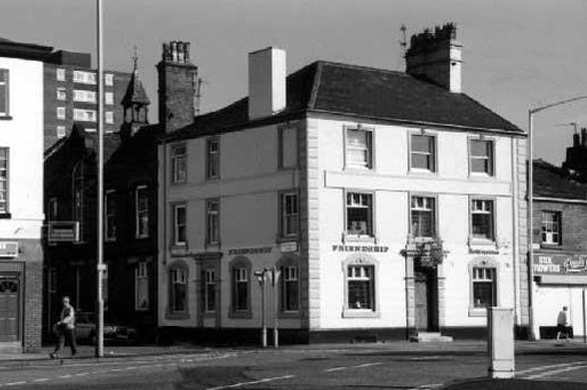
Friendship Old Street – now a solicitor’s office
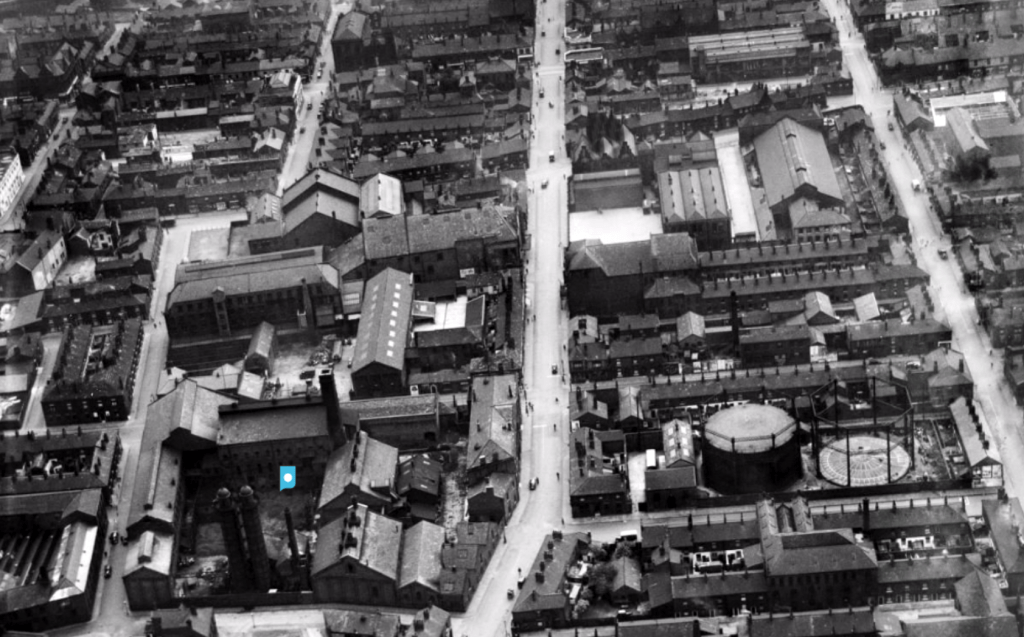
The area around the park was a dense warren of housing and industry.
There’s a plaque for George – there isn’t one for Sam.
During the Great Depression men were required to work for the Dole – Sam was required to dig out a sunken garden in the park – he was a collier by trade, a good man with a shovel, built for back breaking work on Ashton Moss.
Thirty yards wide, forty yards long and three yards deep, shifted by hand.
Three thousand six hundred cubic yards of earth.
One cubic yard of topsoil weighs about two thousand pounds on average.
Seven million two hundred thousand pounds of earth.
I worked there in the 1970s along with Alec and Danny bedding out the sunken garden, maintaining the bowling green, tennis courts and playground.
Keith Ingham
There were two permanent gardeners in the park, and a keeper in the summer – plus Danny Byrne and me brought in to help at busy times.
Throughout the 70s and onwards, economic decline hit the area hard, the closure of the cotton mills and little hope for the future. Rising unemployment and severe cuts to public spending did little to assure a rosy future for West End Park, or anything or anyone else for that matter.
Help was at hand – one of many public projects funded by our old friends the EU. Changes in the way that parks were used and further spending cuts sounded the death knell for the flowers and bowling. Large open grassed areas were cheaper and easier to maintain.
And so the sunken garden was filled in, this time by mechanical means – all in a days work for a bloke with a JCB.
So I sit and reflect on the labour and conditions that created this and many of our public parks, our legacy is a much impoverished version of the original vision.
I think of my grandad Sam and his comrades, the sweat of their collective brows buried forever.
Our legacy the small state, a bring and buy your own world economy.
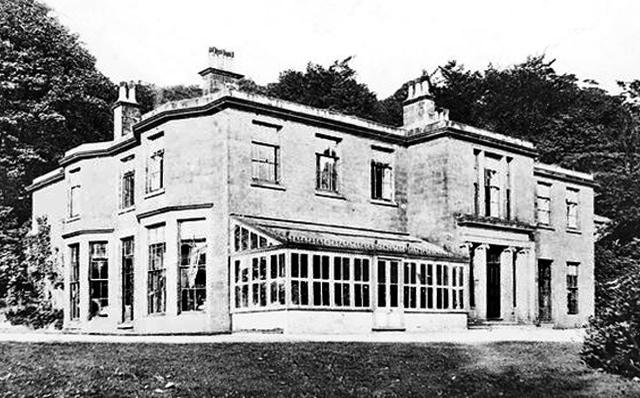
A Grade II listed country house, now divided into two dwellings. c1812. Ashlar gritstone. Hipped slate roof with leaded ridges. Various ashlar triple stacks with moulded tops. Moulded cornice and low parapet. Two storeys, central block with recessed long wing to east, orangery to west.
This Grade II listed manor house is set within 14 acres of natural grounds, together with the occupied adjoining servants’ wing, and has been sympathetically converted, retaining many original features to provide comfortable accommodation for families wishing to meet up for that special family occasion, and wi-fi is available in the living room.
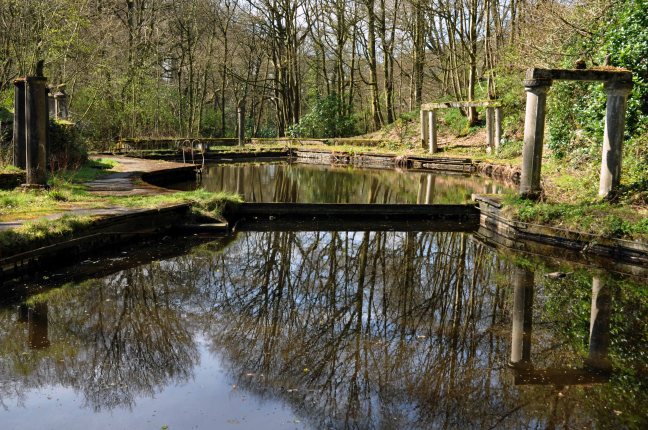
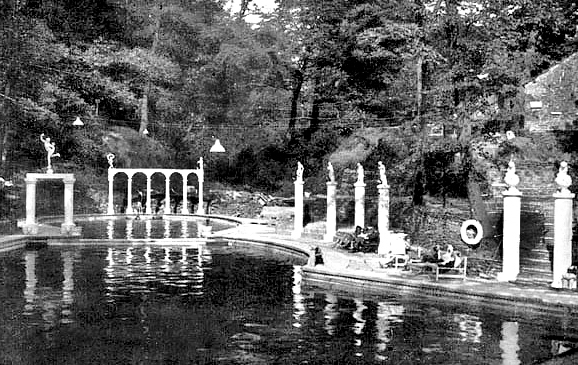
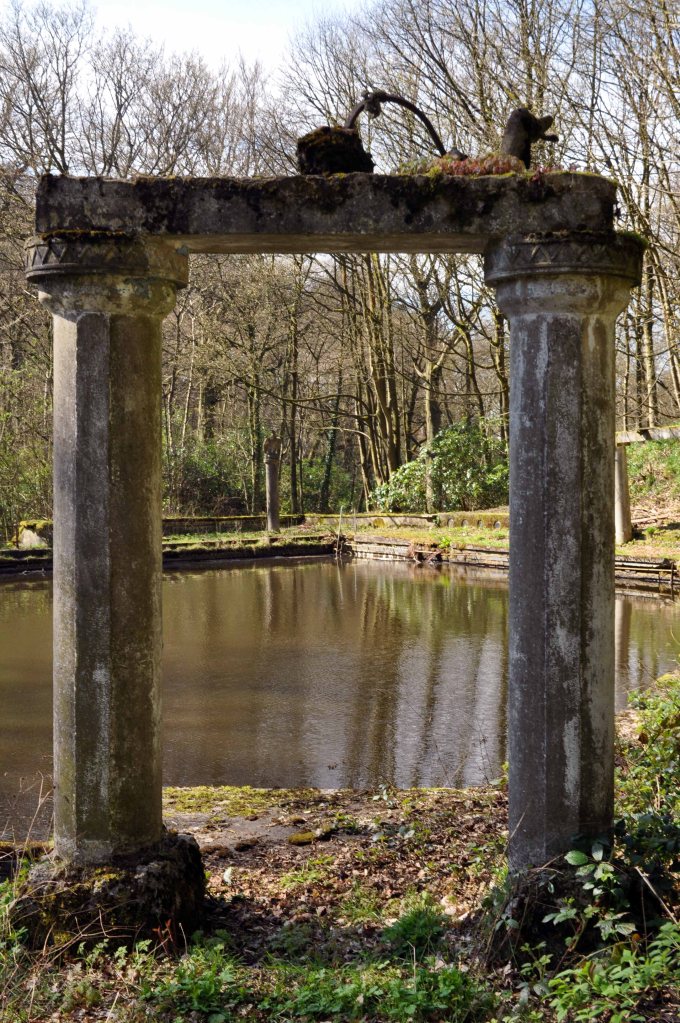
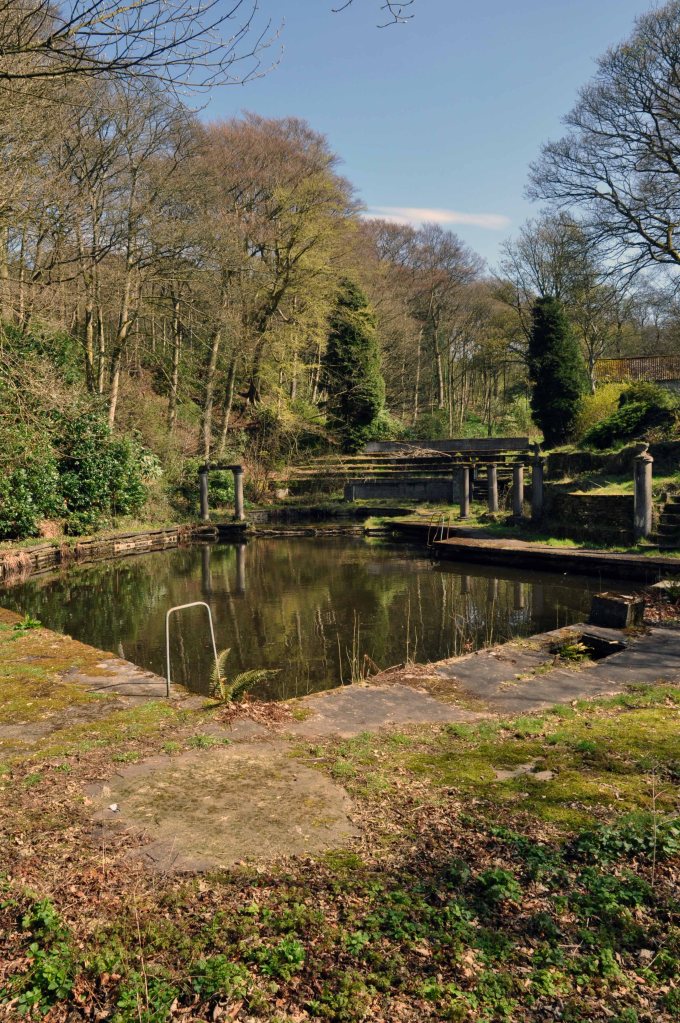
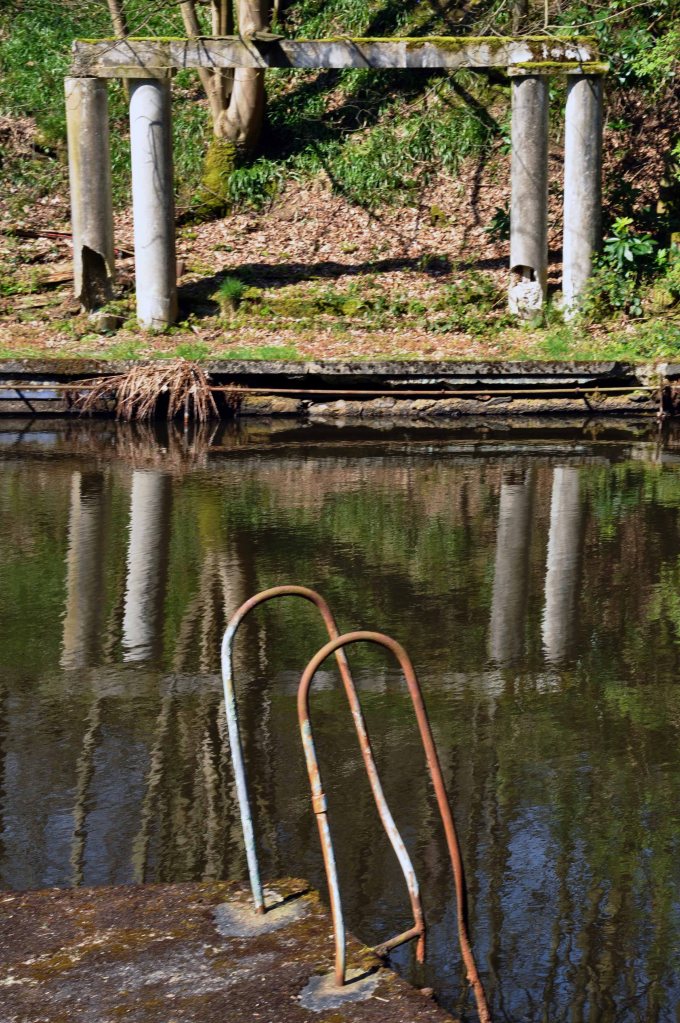
Then came a pool:
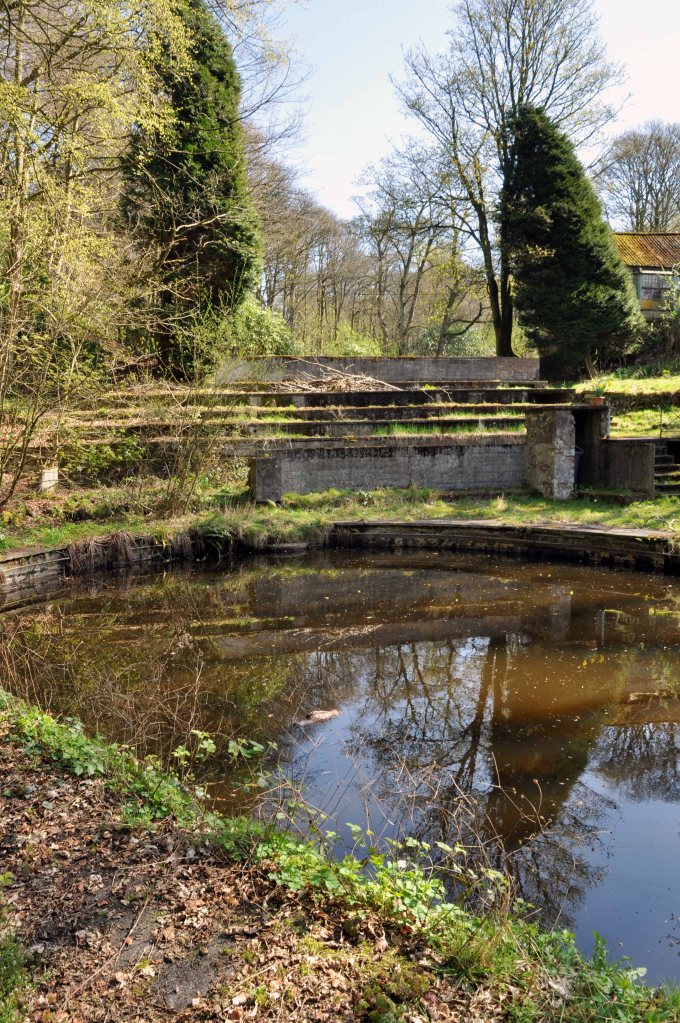
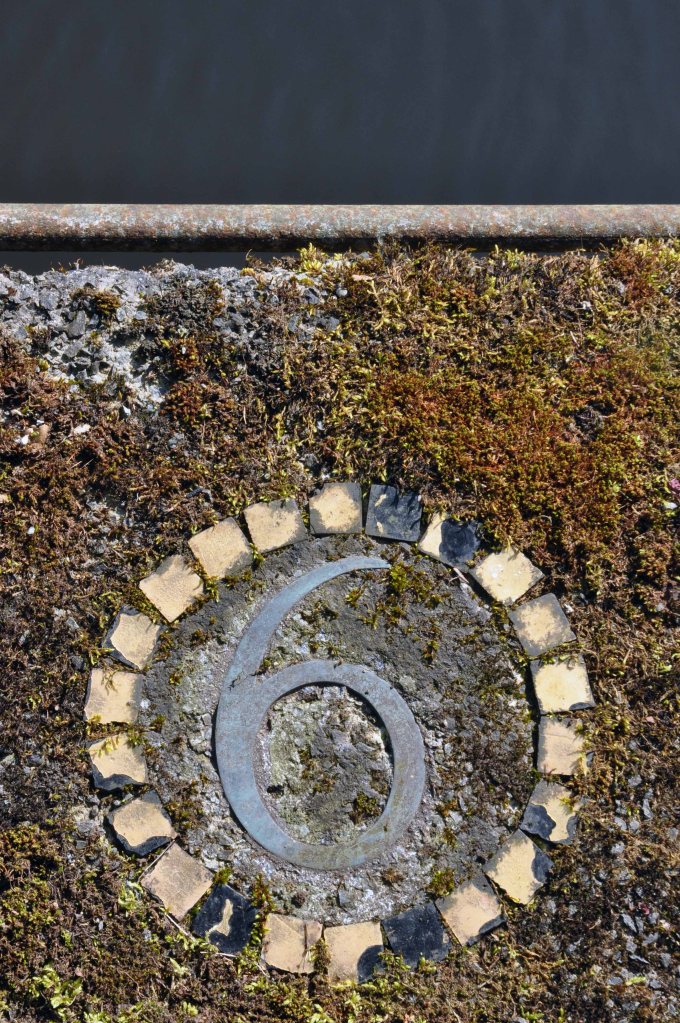
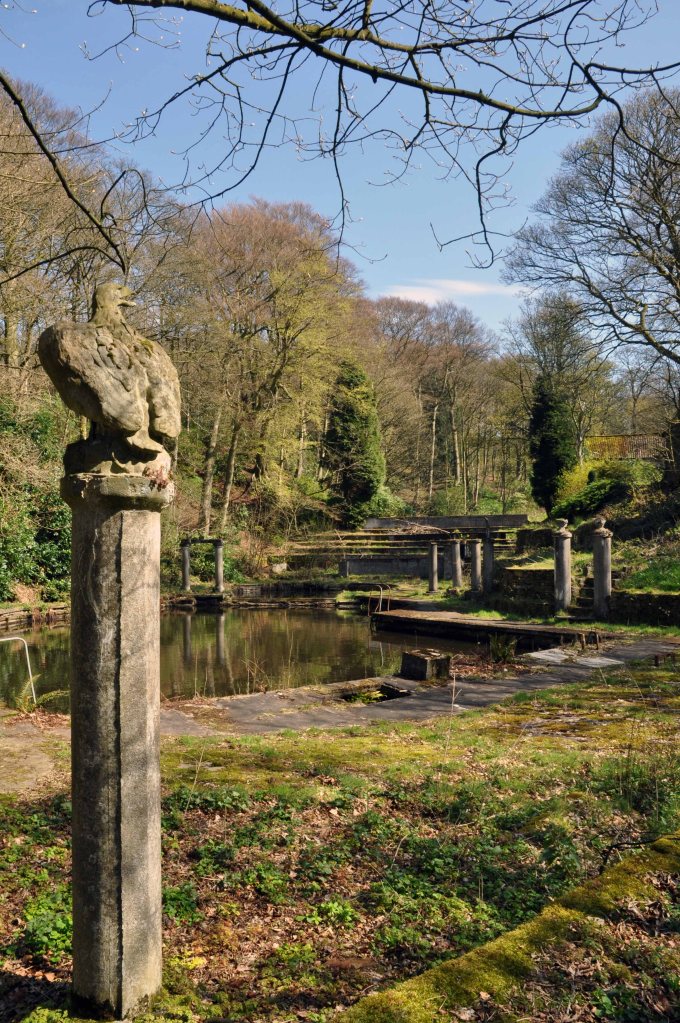
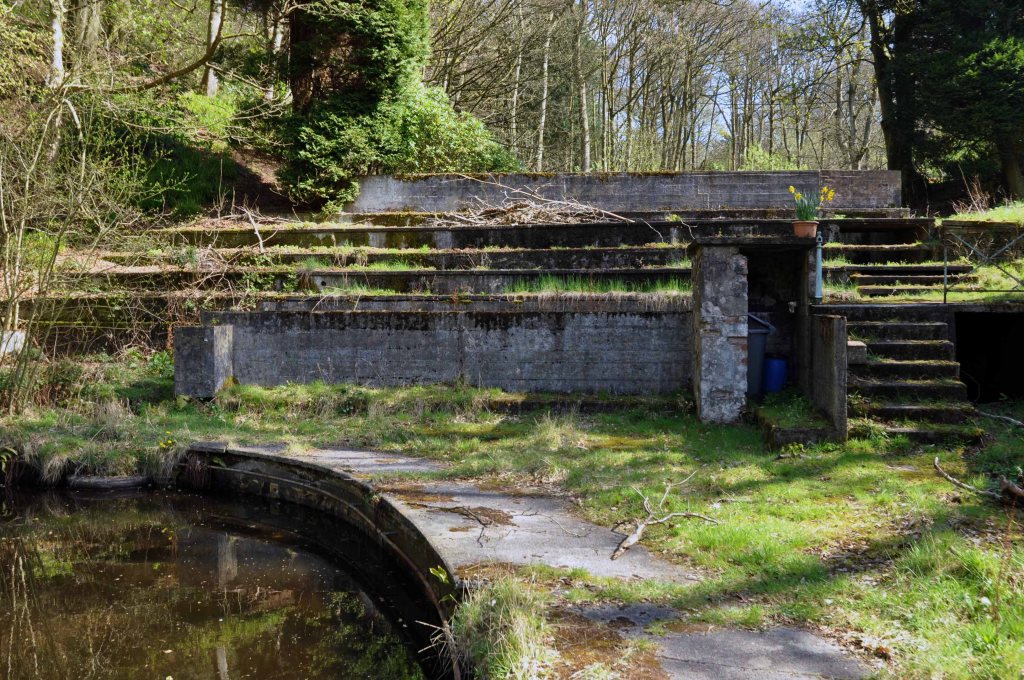
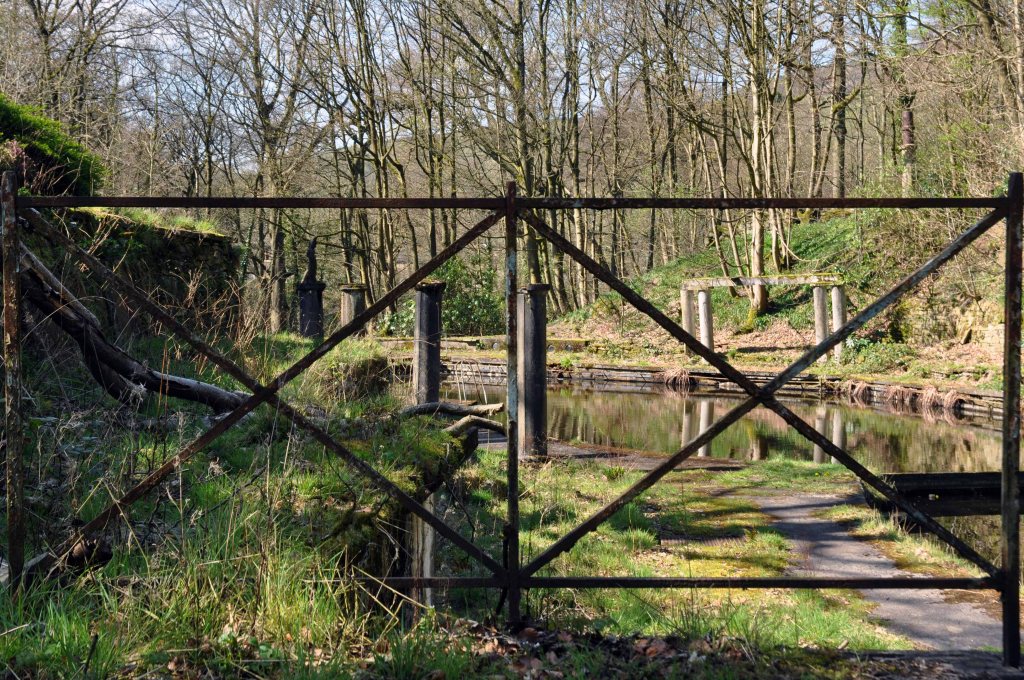
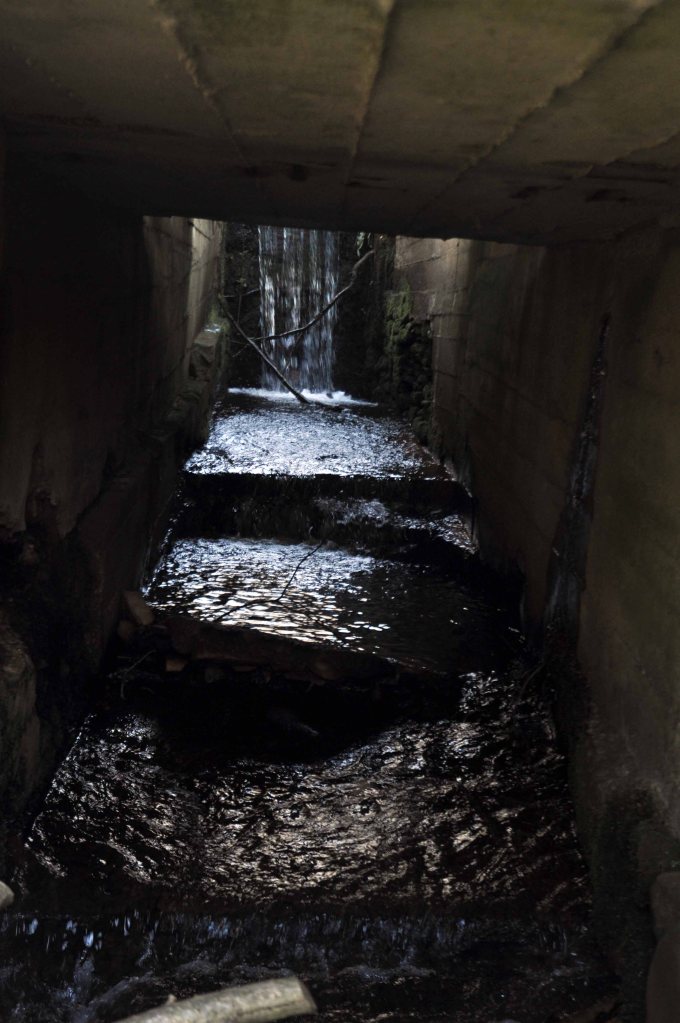
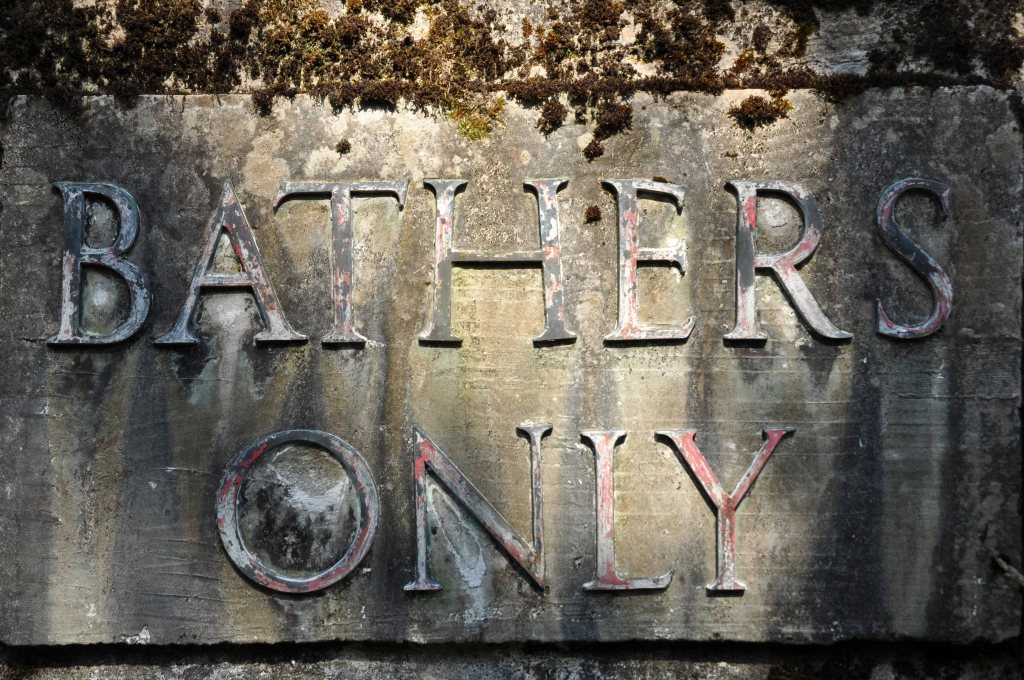
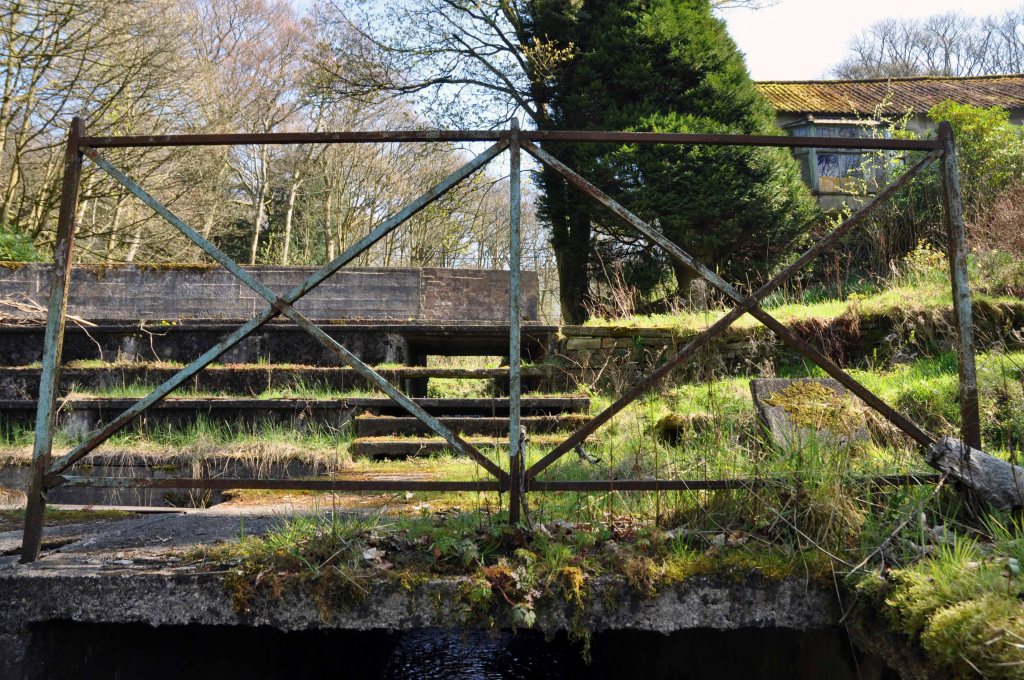
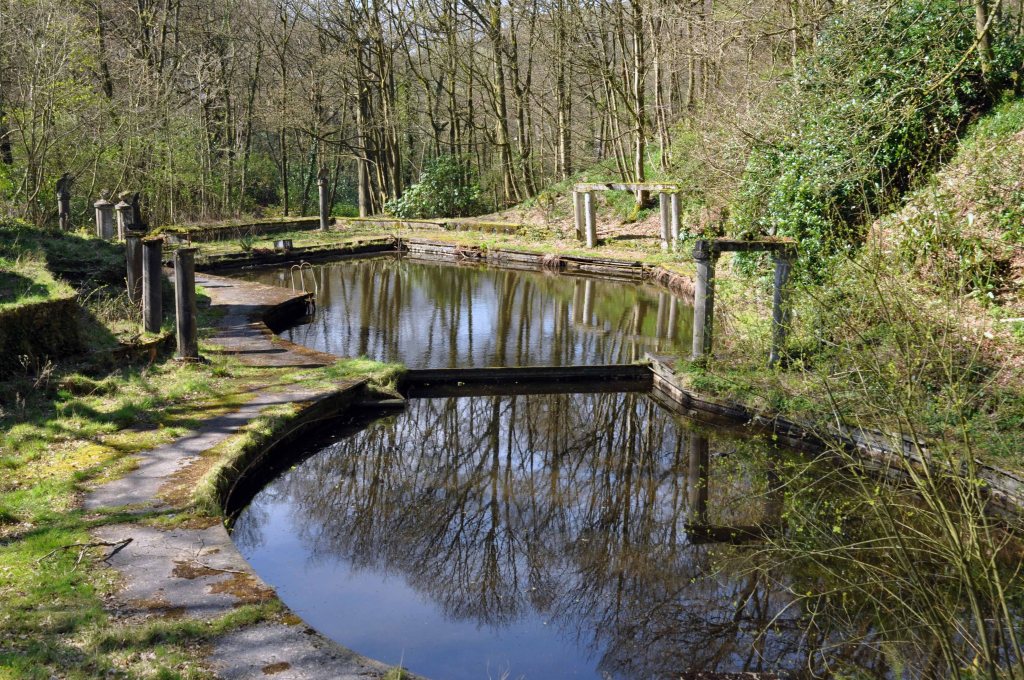
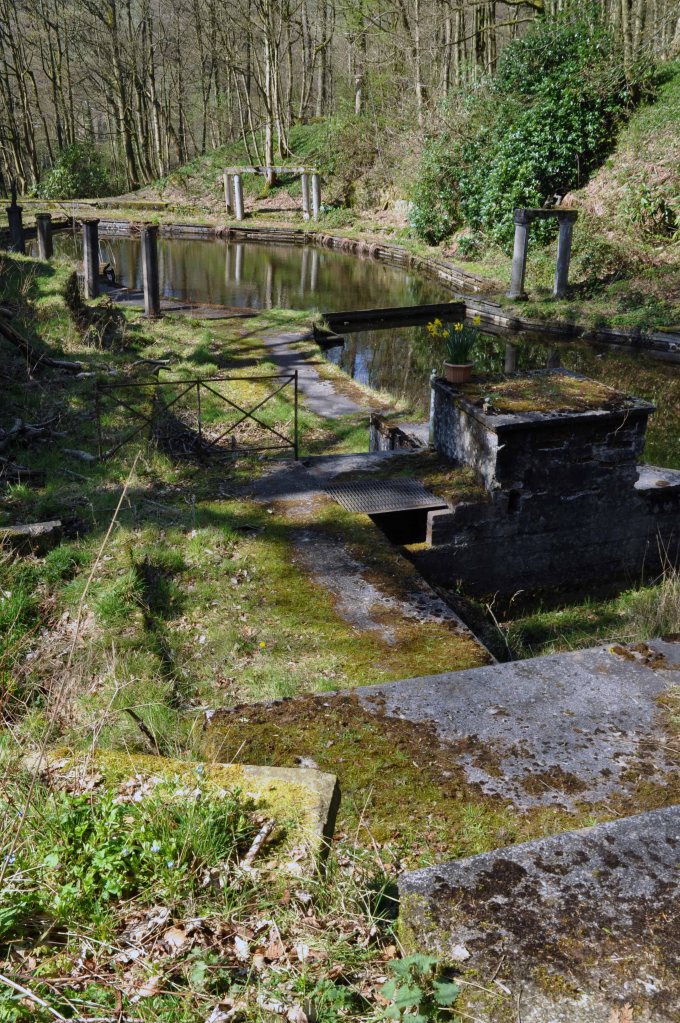
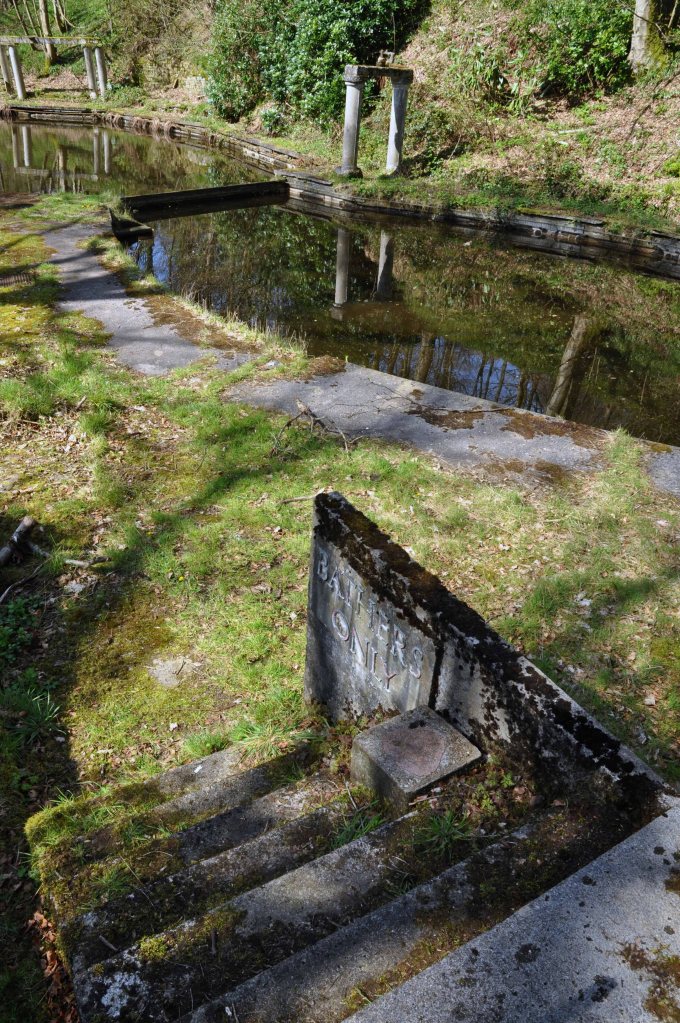
Previously a private pool belonging to a country club in the 1930’s it later opened to members around 1938 who paid a small fee for its use. The pool is fed by a mountain stream and the water is reported to remain cool throughout the year. In the 1940’s/50’s locals recall the pool being open to the public where it cost a ‘shilling for children and half a crown for adults’ entry. During storms in 1947 the pool was badly damaged and reportedly ‘never the same again’ but postcards in circulation in the 1960’s provide evidence that the pool remained open at least until then.
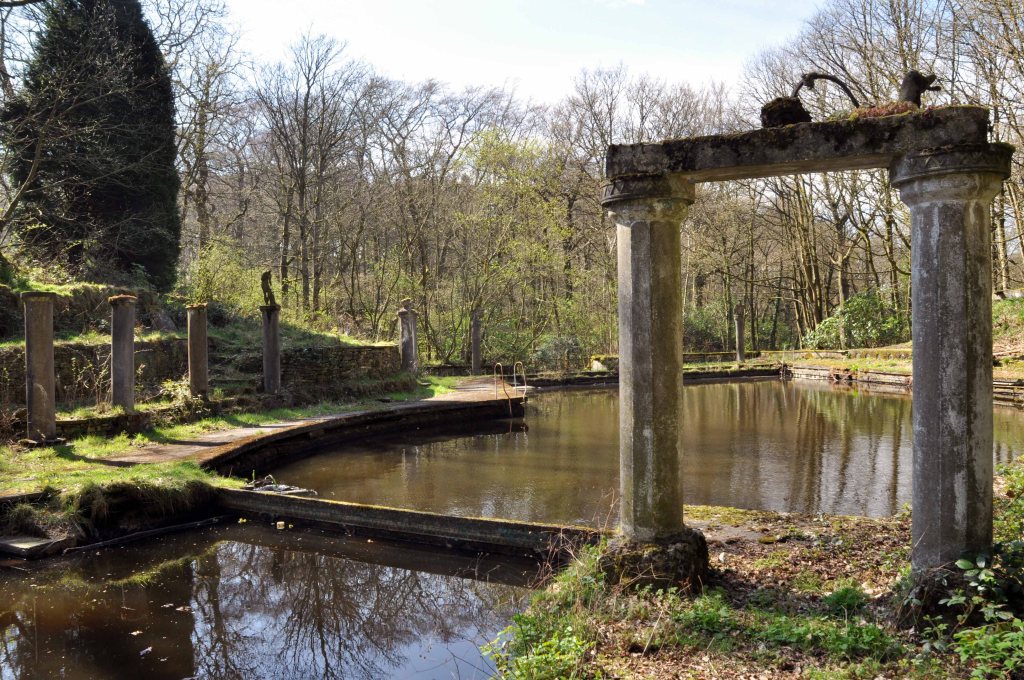
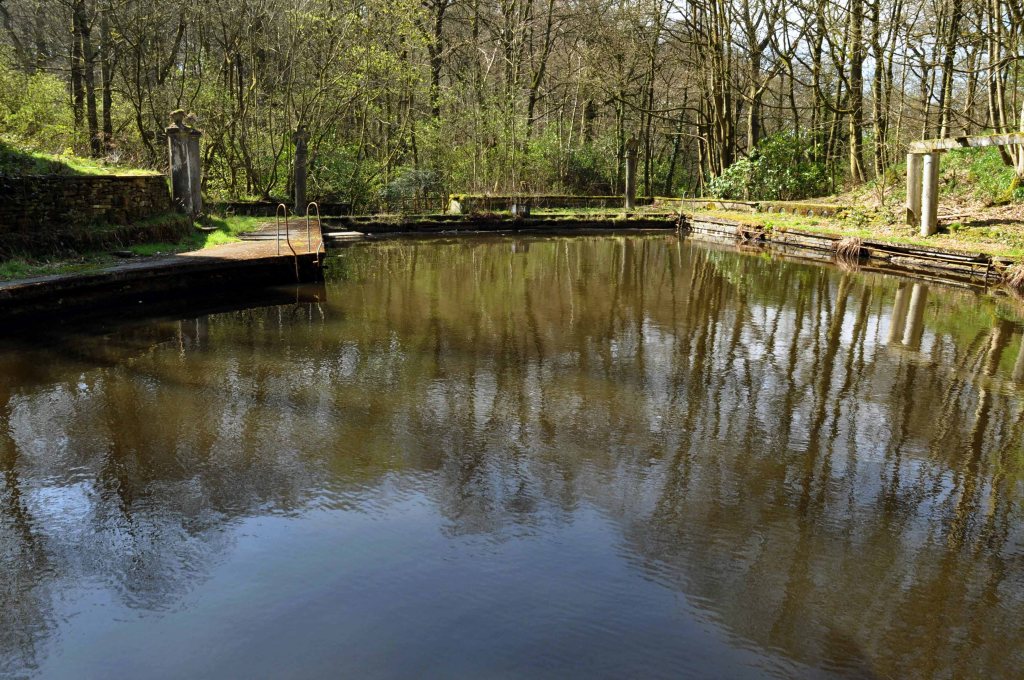
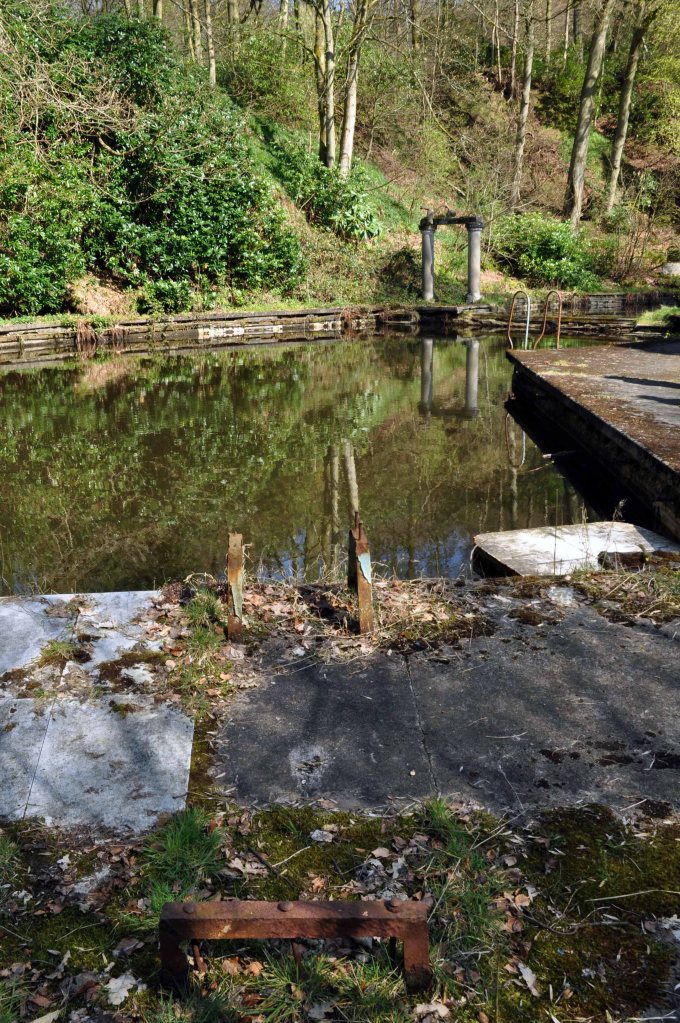
Now it sits abandoned and hidden in the woods.
I went there in my early teens late 60’s the pool was still intact, well used and well cold. I remember chilly changing rooms with duckboards on concrete floors, a small café with pop and crisp if you had the pennies.
Most of all the simple joy of emersion in clear moorland water, on long hot summer days long gone.
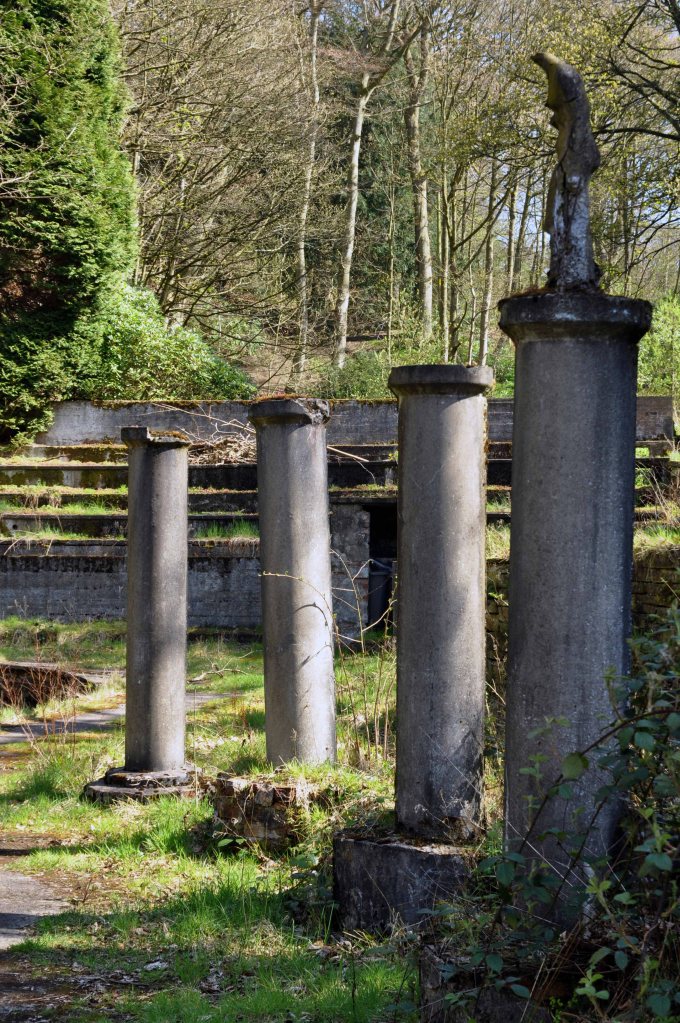
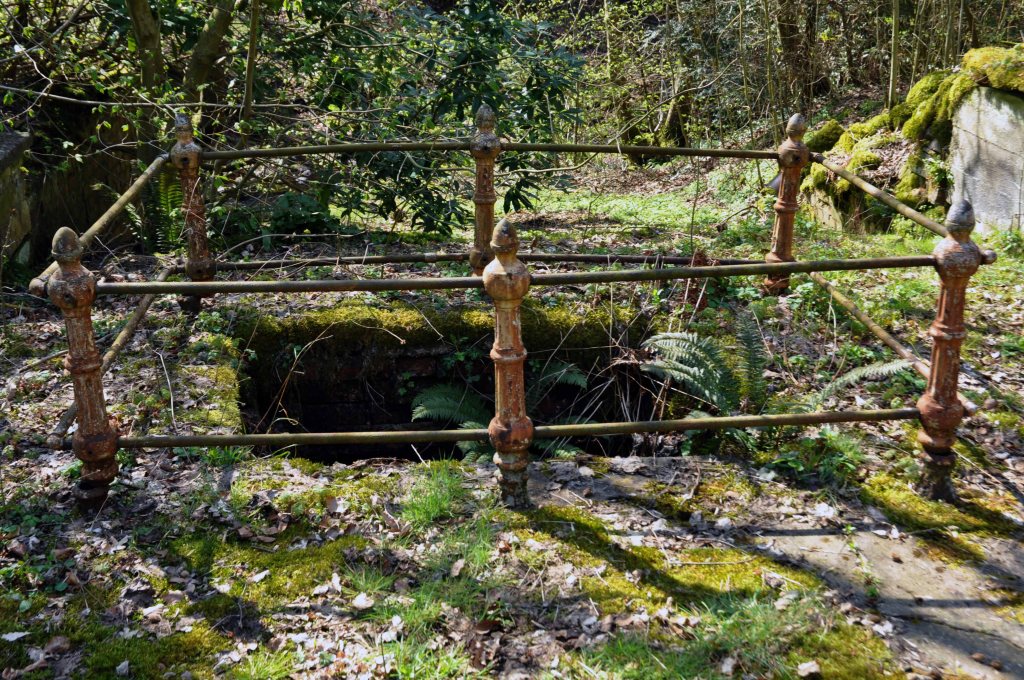
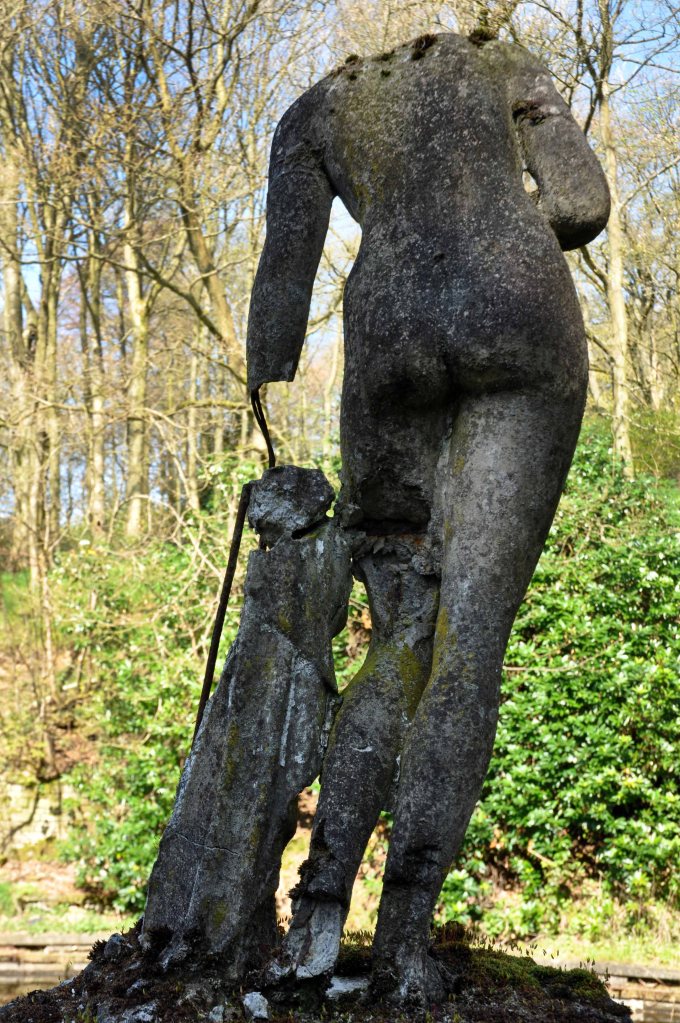
Revisiting in April 2014, following a misguided scramble through brambles, it was a poignant reunion. The concrete shells of the pillars and statuary crumbling and moss covered, the waters still and occluded.
It sure it has subsequently been the scene of impromptu fashion shoots and pop promo videos, possibly a little guerrilla swimming. Though sadly it largely sits unused and unloved – let’s take a look around:
Charles Dreyfus was a French emigrant chemist and entrepreneur, who founded the Clayton Aniline Company on 29 May 1876. The company obtained a lease on a parcel of land in Clayton, Manchester, sandwiched between the Manchester and Ashton Canal and Chatham Street – later known as Clipstone Street.
1904
At its peak in the 1970s, the site occupied over 57 acres and employed over 2,000 people. However, due to the gradual demise of the British textile industry, most textile production shifted to countries such as China and India with the textile dye industry following.
1960
In 2002, the company made 70 members of staff redundant and in 2004 the announcement was made that the site would be closing with the loss of over 300 jobs. A small number of staff were retained to assist in the decommissioning of the plant. The last workers left the site in 2007 and the remainder of the buildings were demolished shortly afterwards.
Like much of the industry of east Manchester its tenure was relatively short – money was made and the owners departed, without wiping their dirty feet.
The site remained derelict until demolition, followed by extensive site cleansing – to remove the dangerous detritus of 200 years of hazardous chemical production.
Vincent Kompany had just completed his £6million move from Hamburg when he realised that Mark Hughes’ sales pitch about the direction the club was going was not entirely accurate.
They took me for a look around the training ground at Carrington – it wasn’t fit for purpose, it was a dump.
I remember there was a punch bag in the gym – and only one boxing glove. And even that had a big split in it!
Then in 2008 the corrupt boss Thai PM Thaksin Shinawatra is bought out by Sheik Mansour – the rest is history/mystery.
Mr Peter Swales makes no comment.
My interest lies in the company’s Ashton New Road offices – seen here in 1960.
Demolished and replaced by a distinctly Modernist block by 1964.
A flank was added on Bank Street along with a bank.
The office complex is still standing, now home to Manchester Police, I risked arrest and incarceration, in order to record the distinctive tile work, rectilinear grid and concrete facades.
Attracting several suspicious stares from the open glazed stairwells.
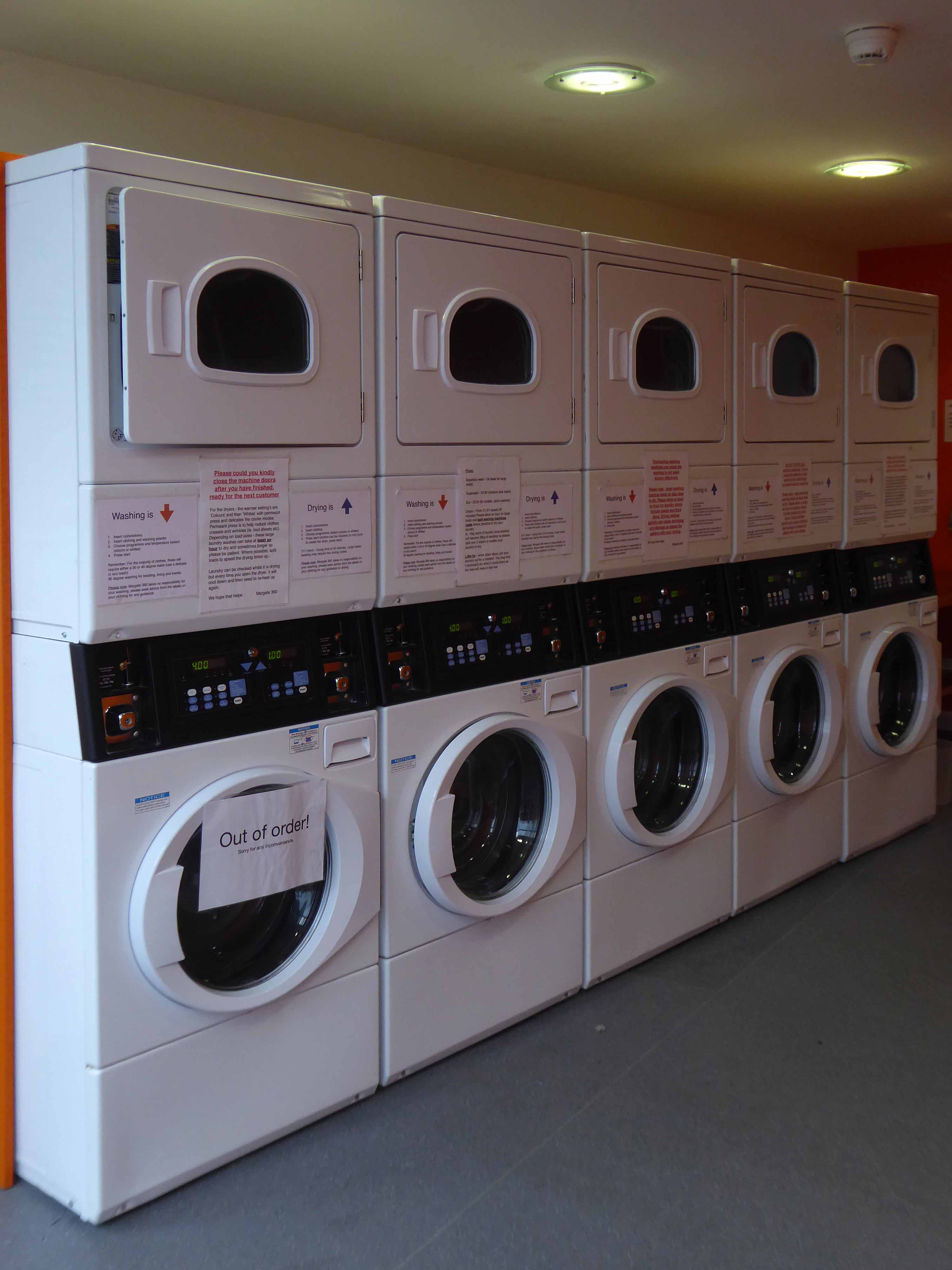
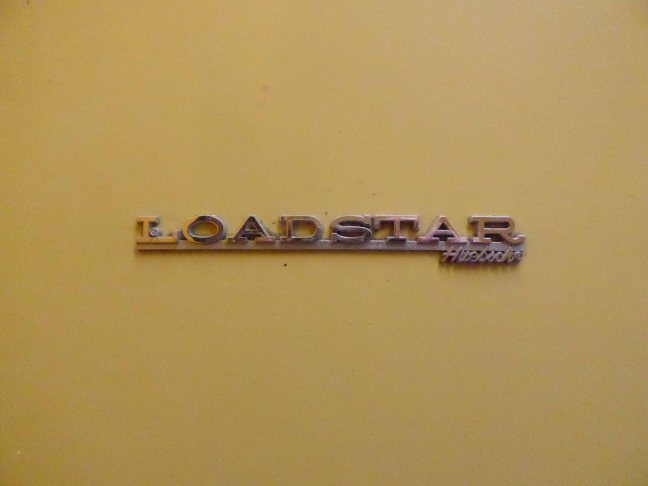
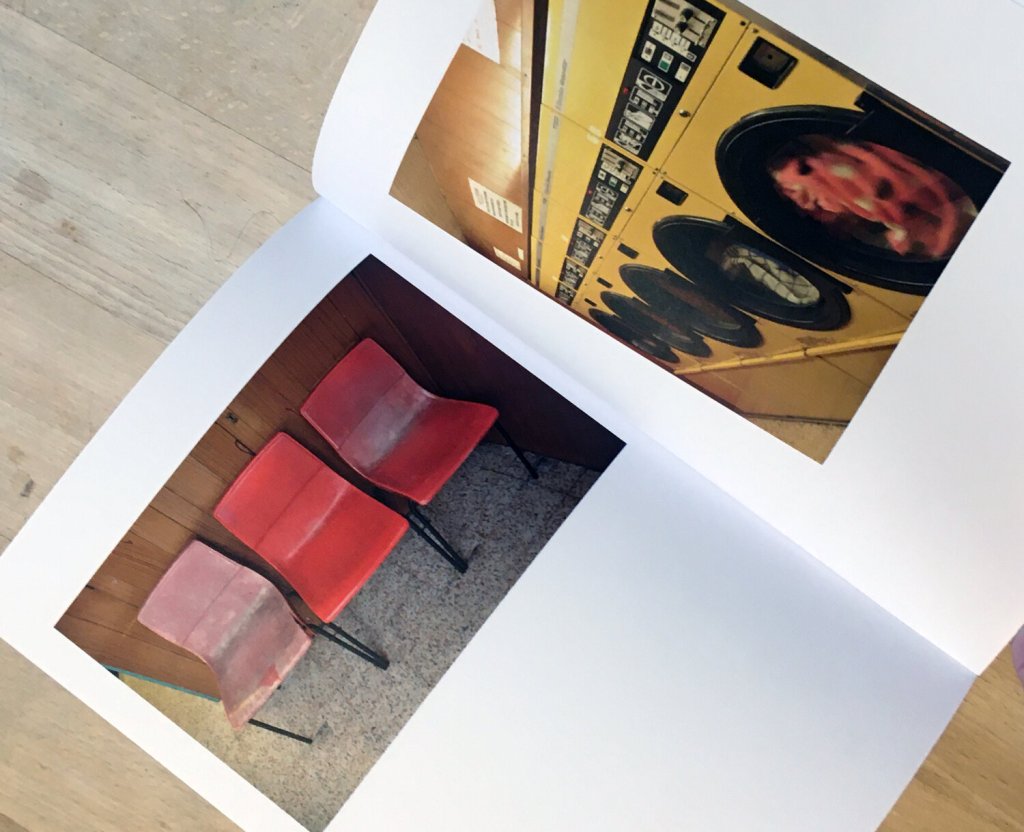
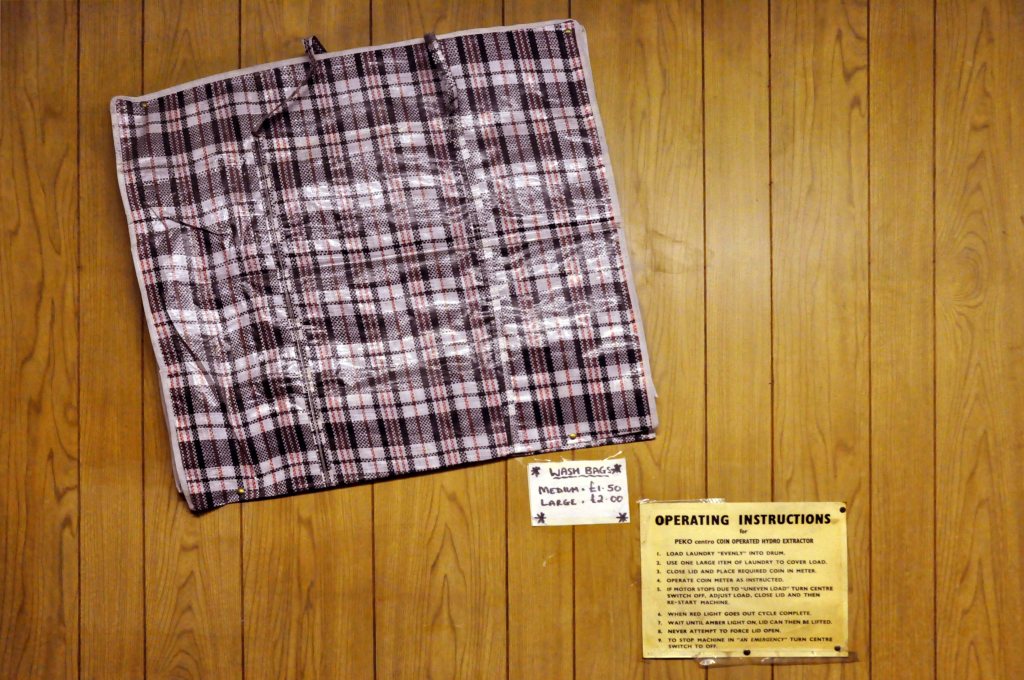
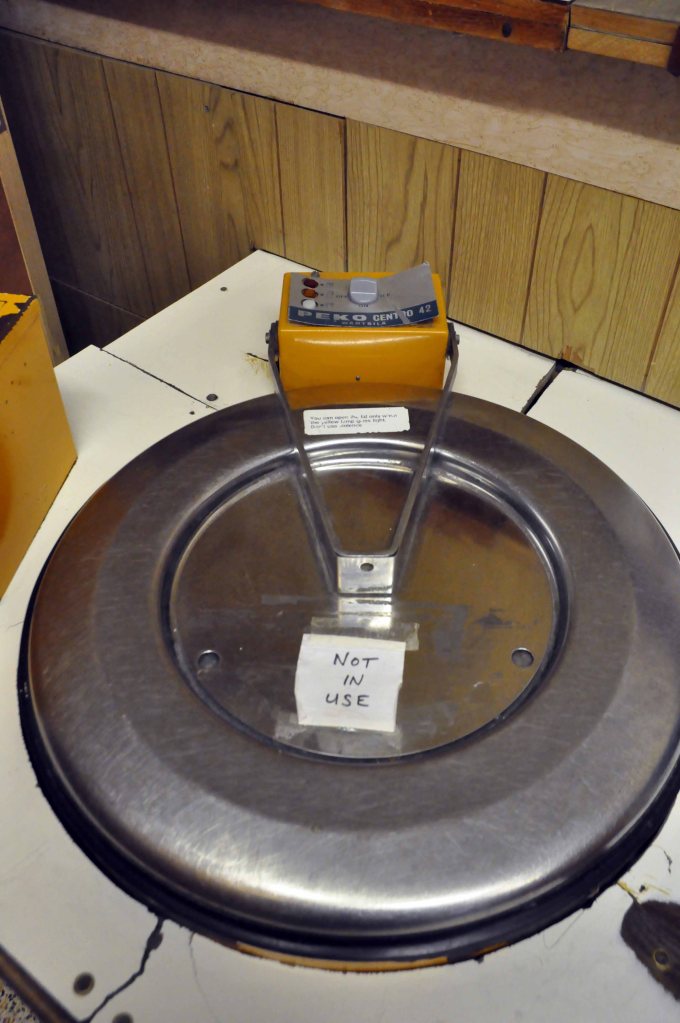
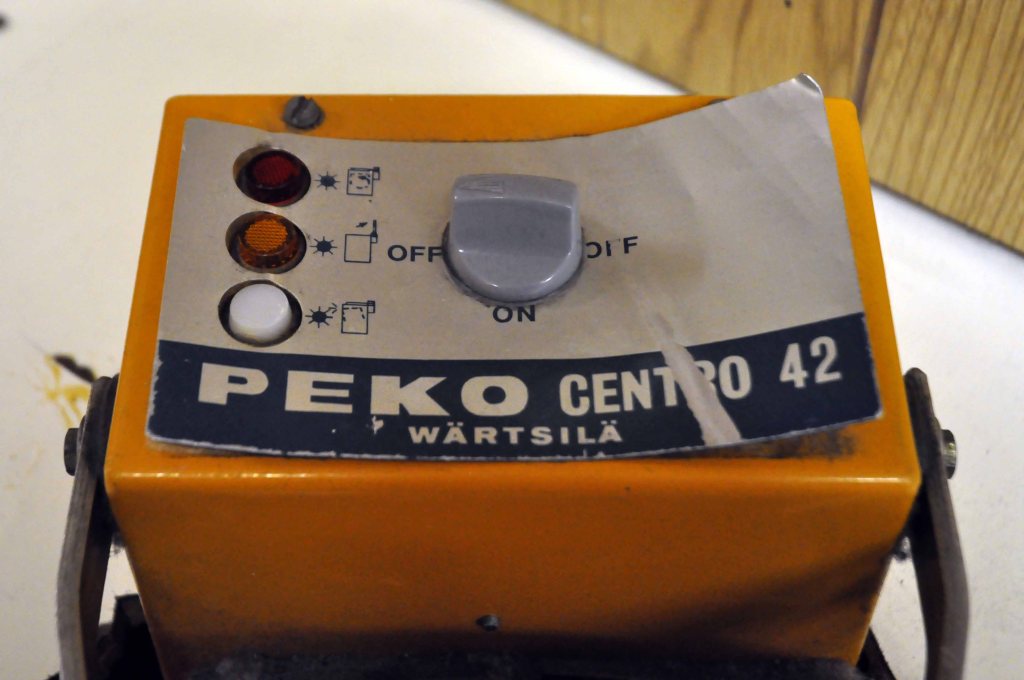
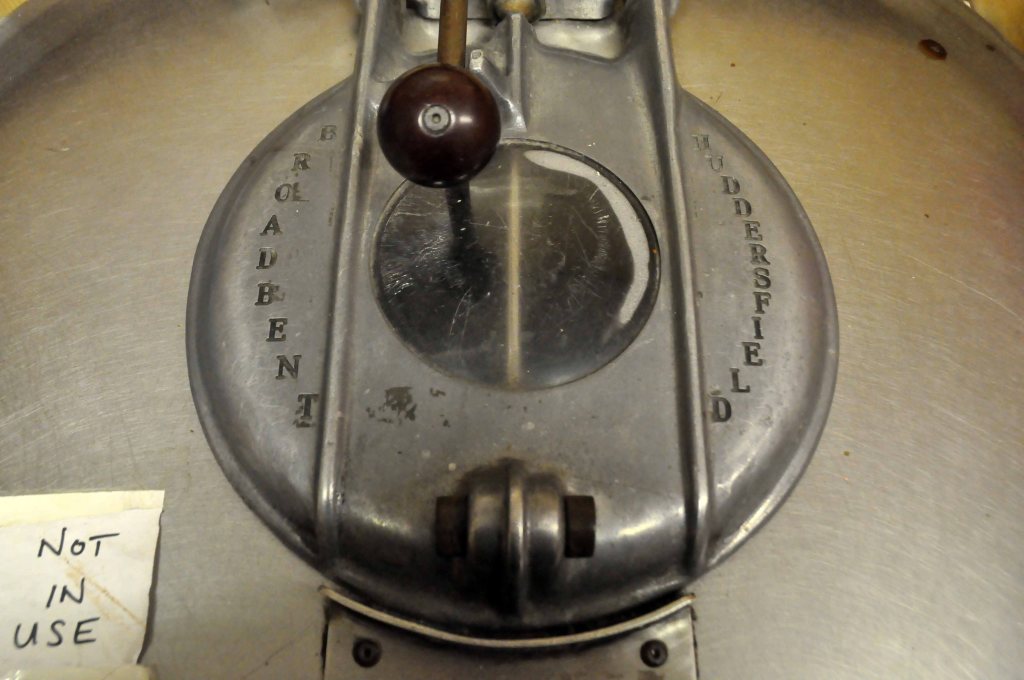
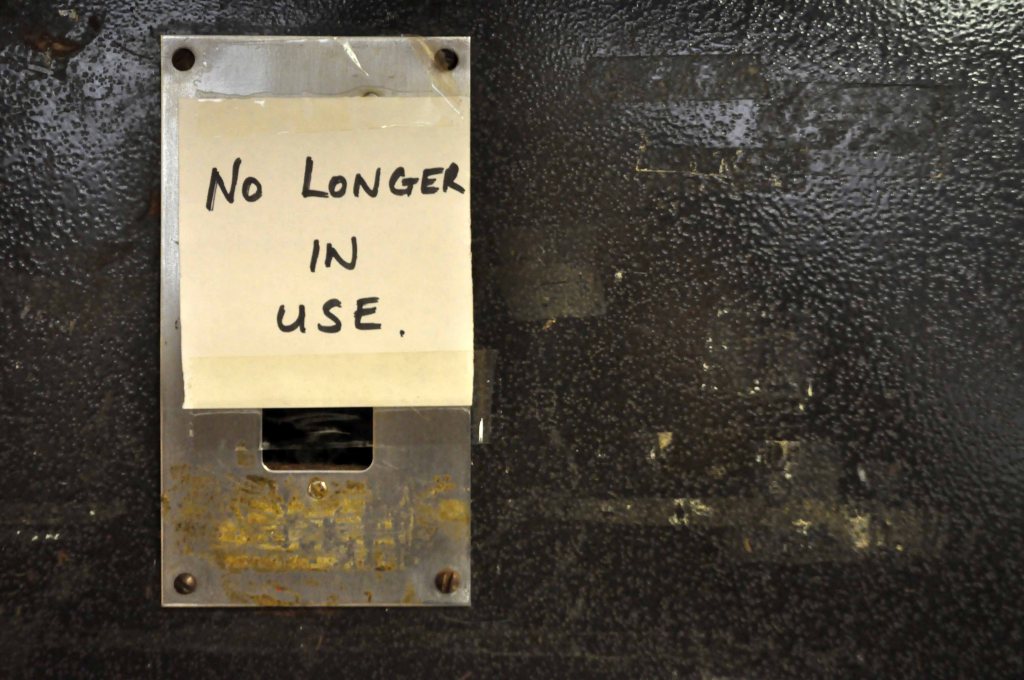
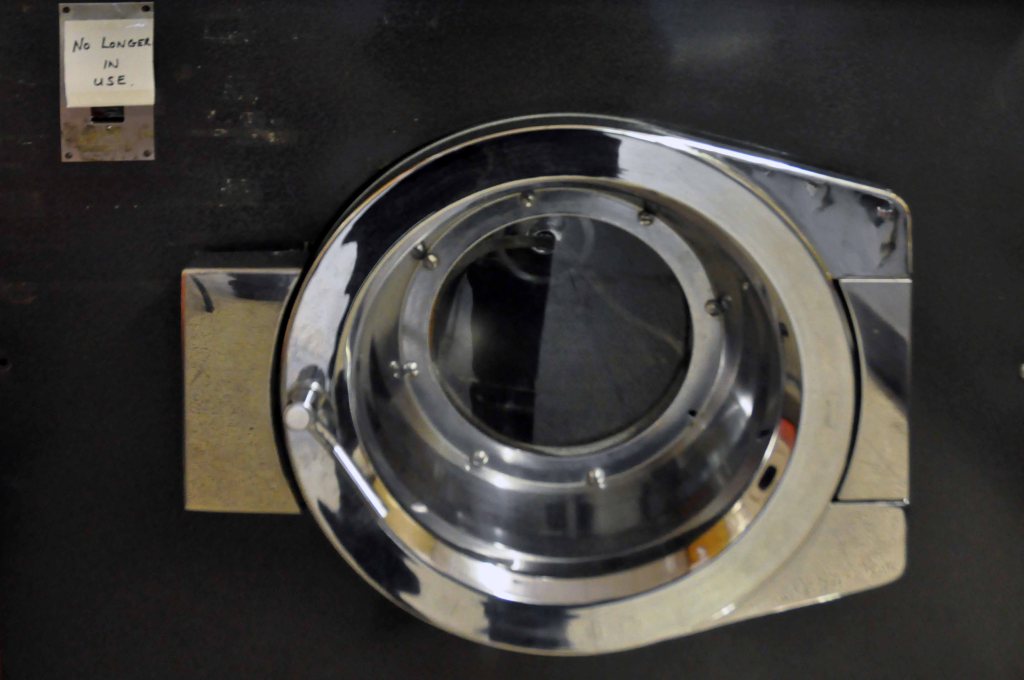
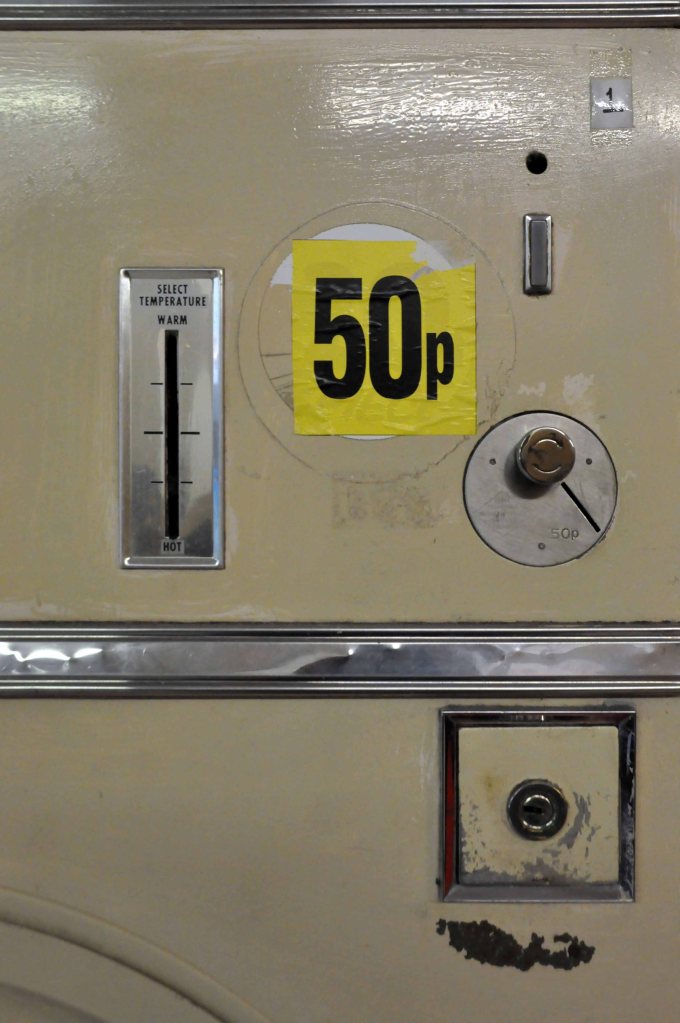
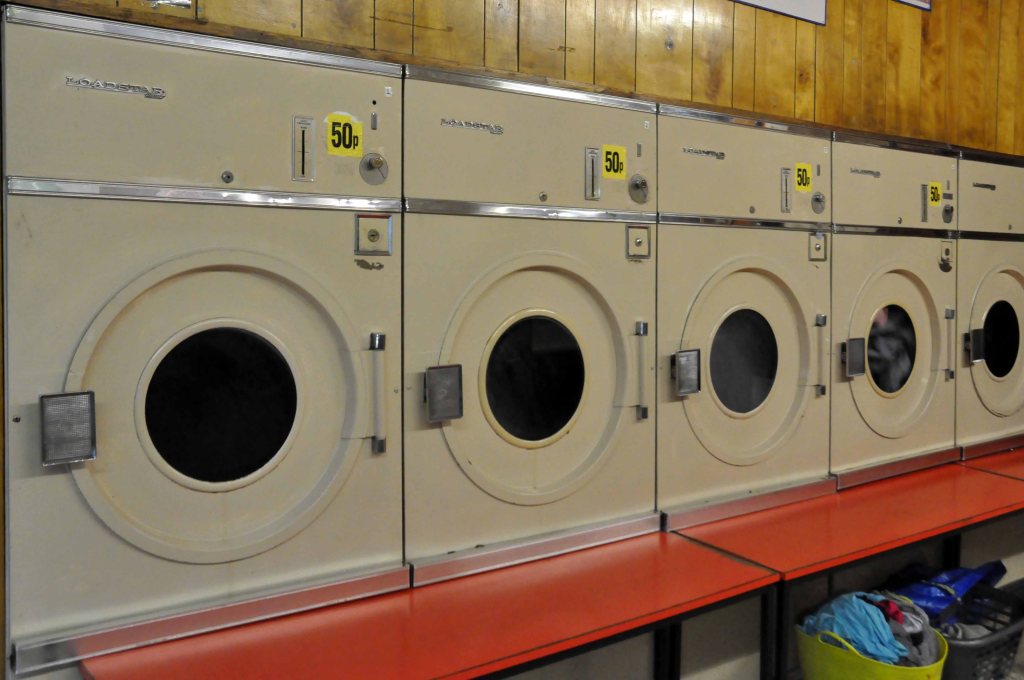
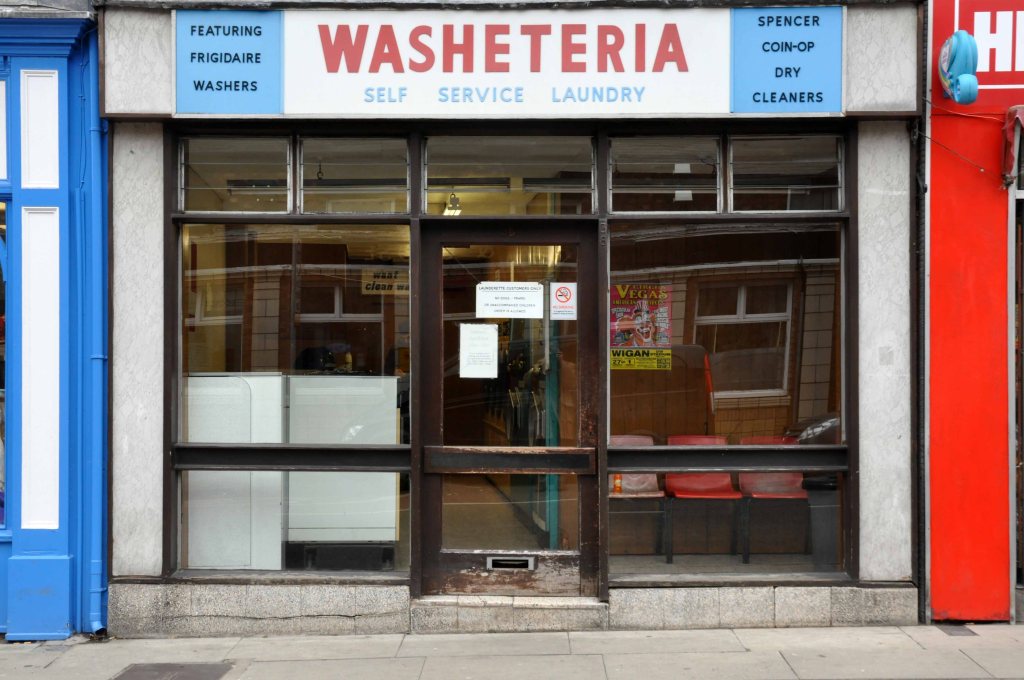
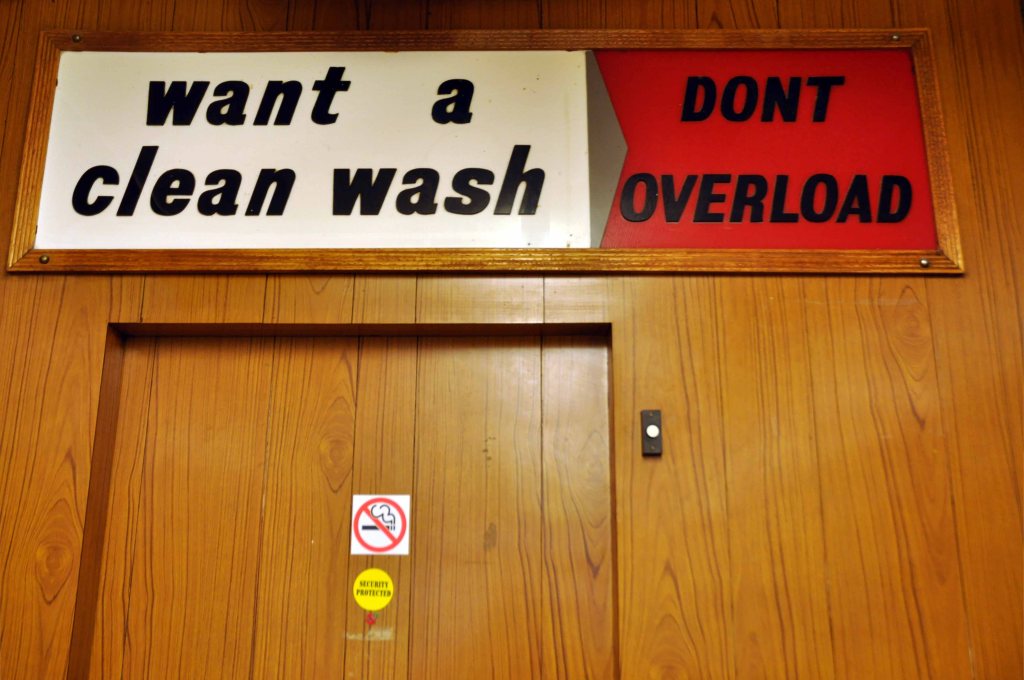
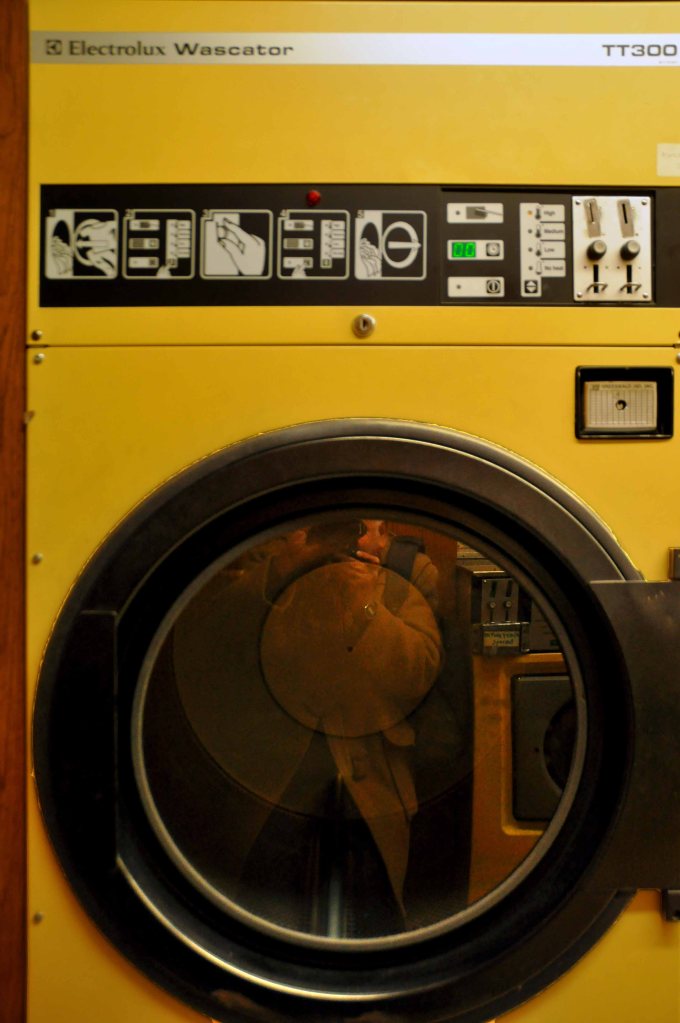
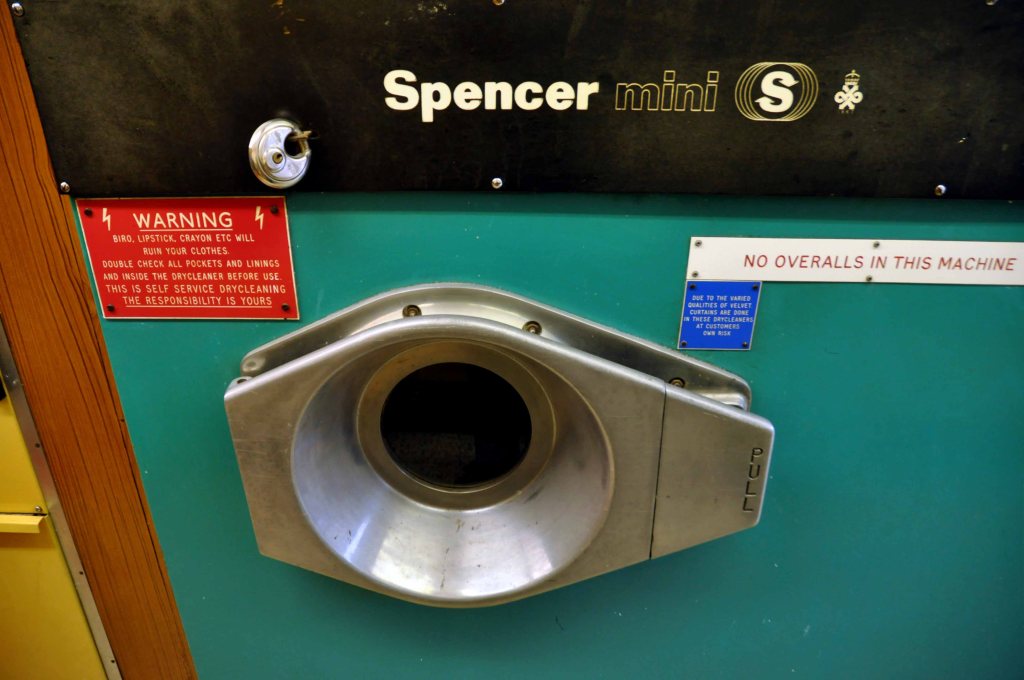
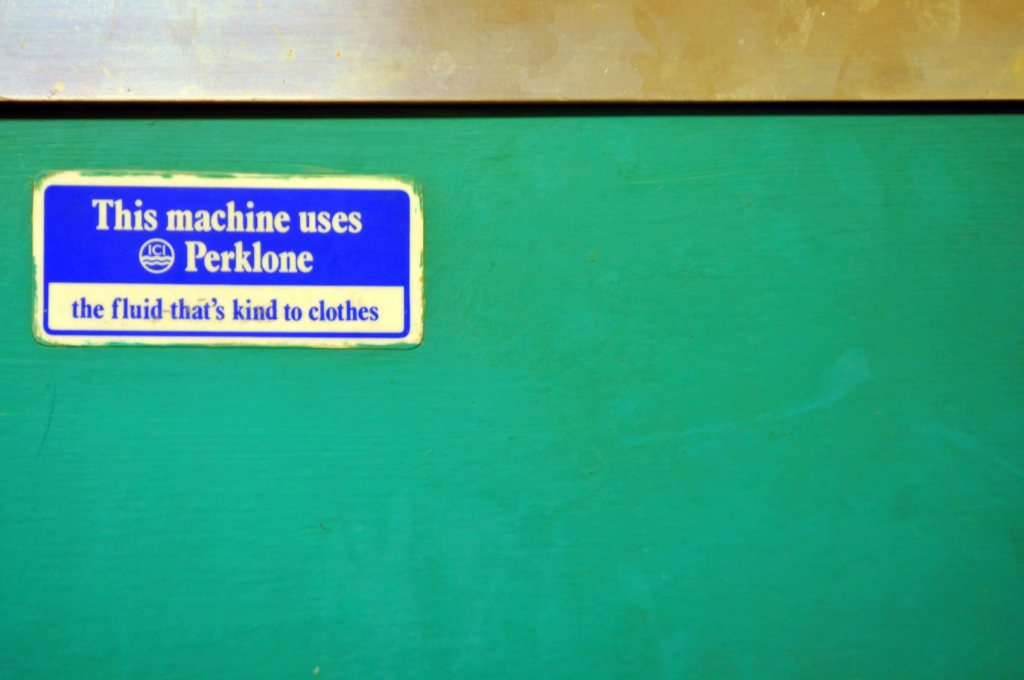
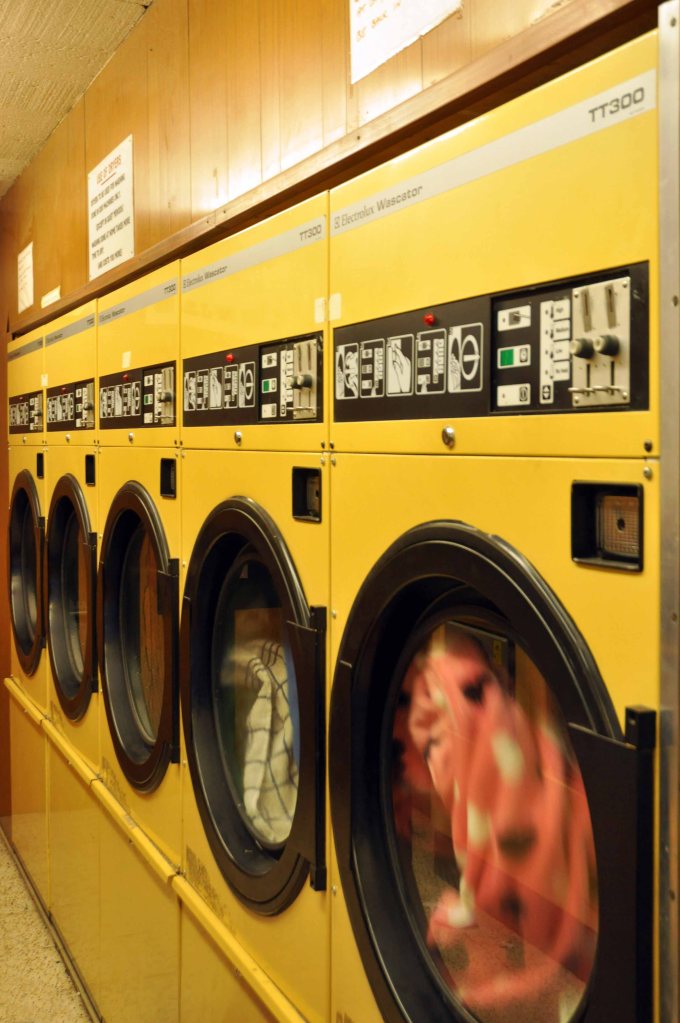
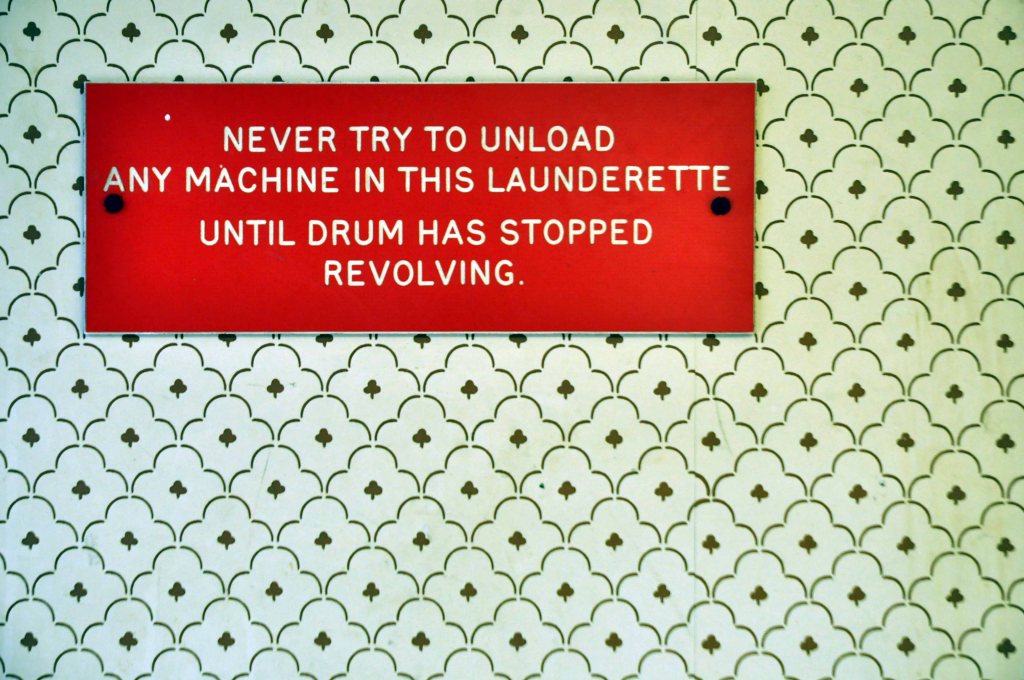
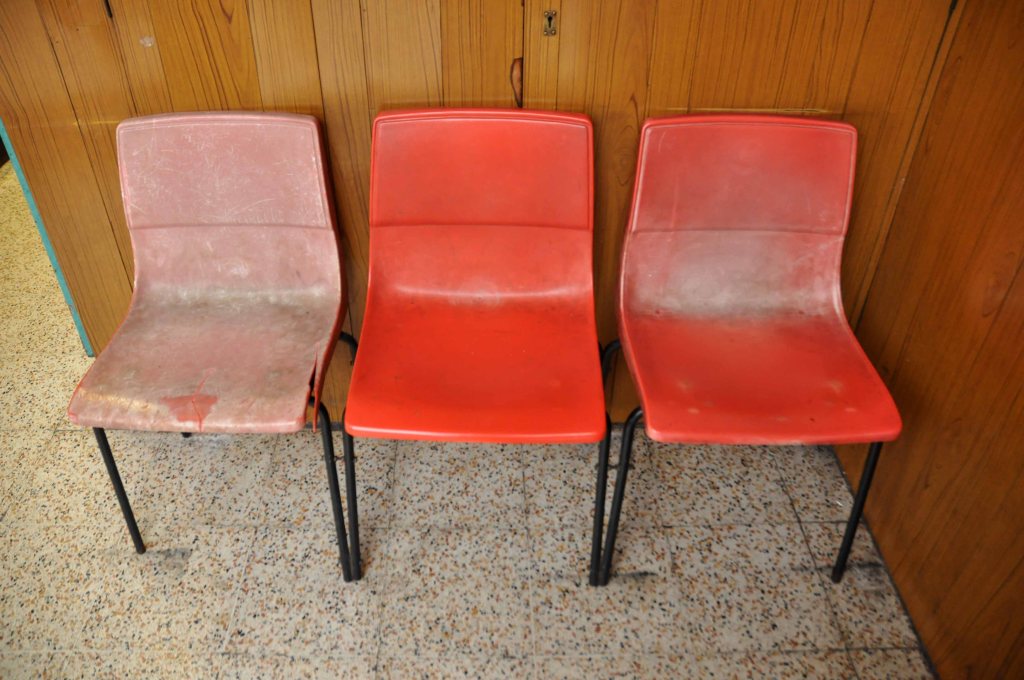
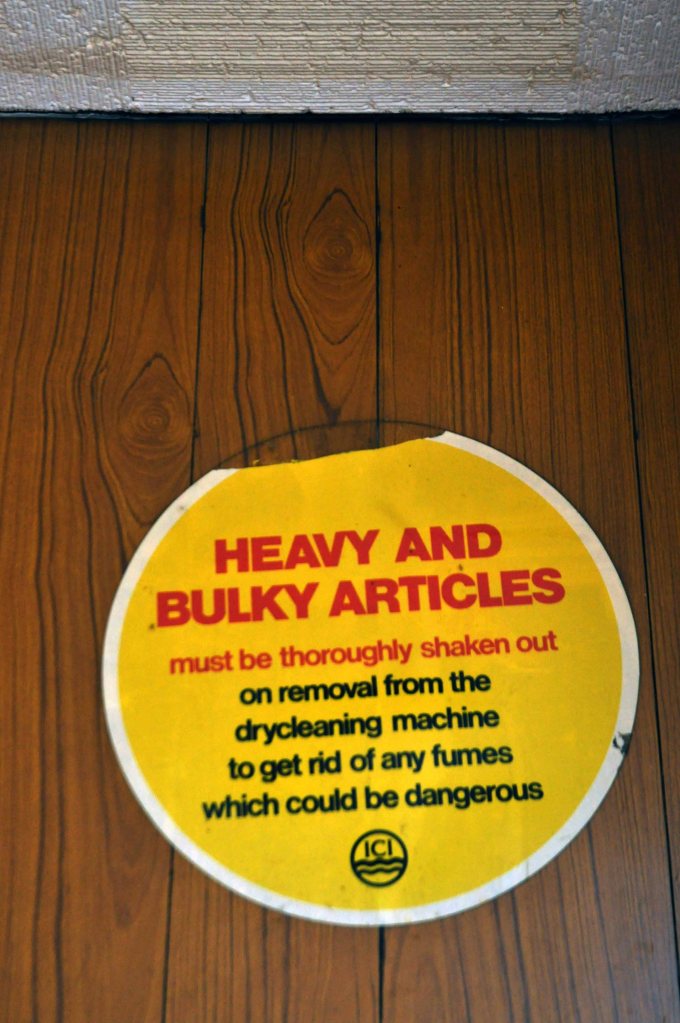
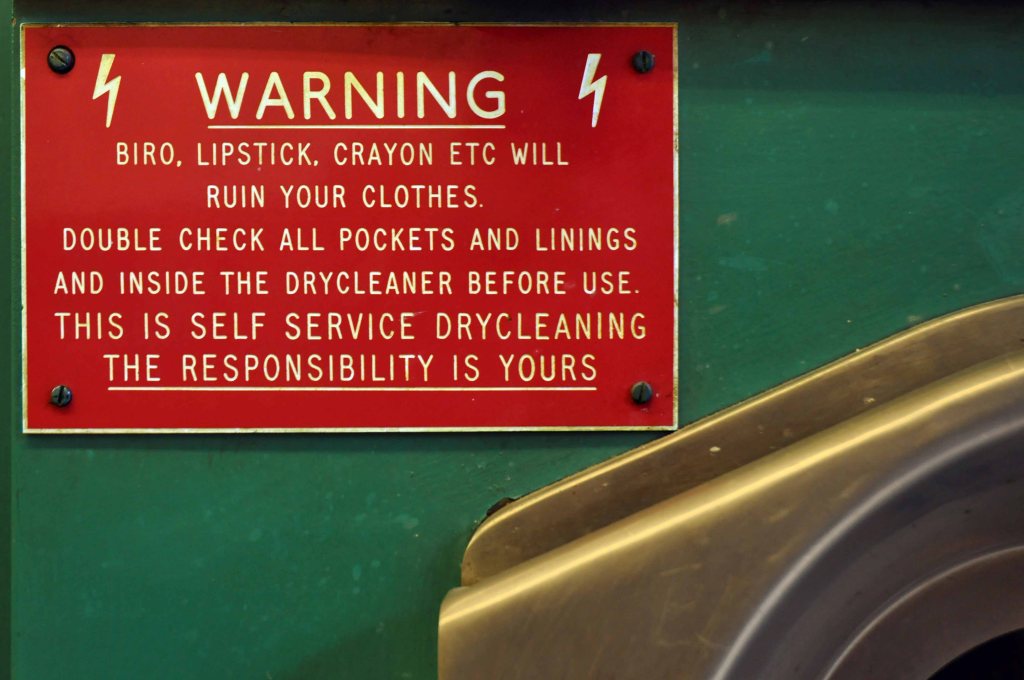
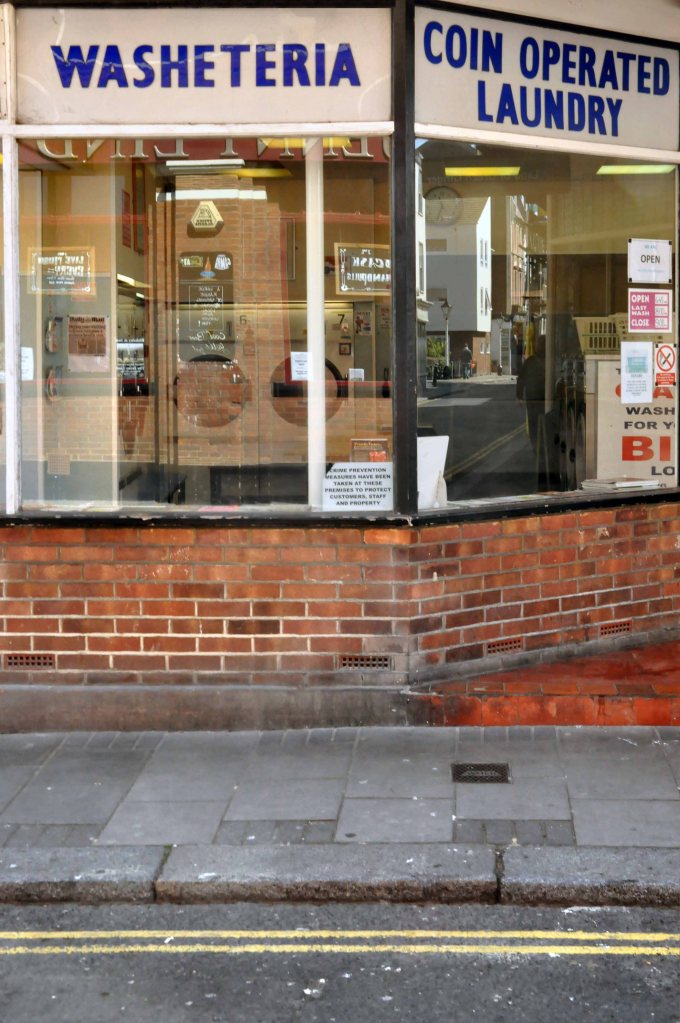
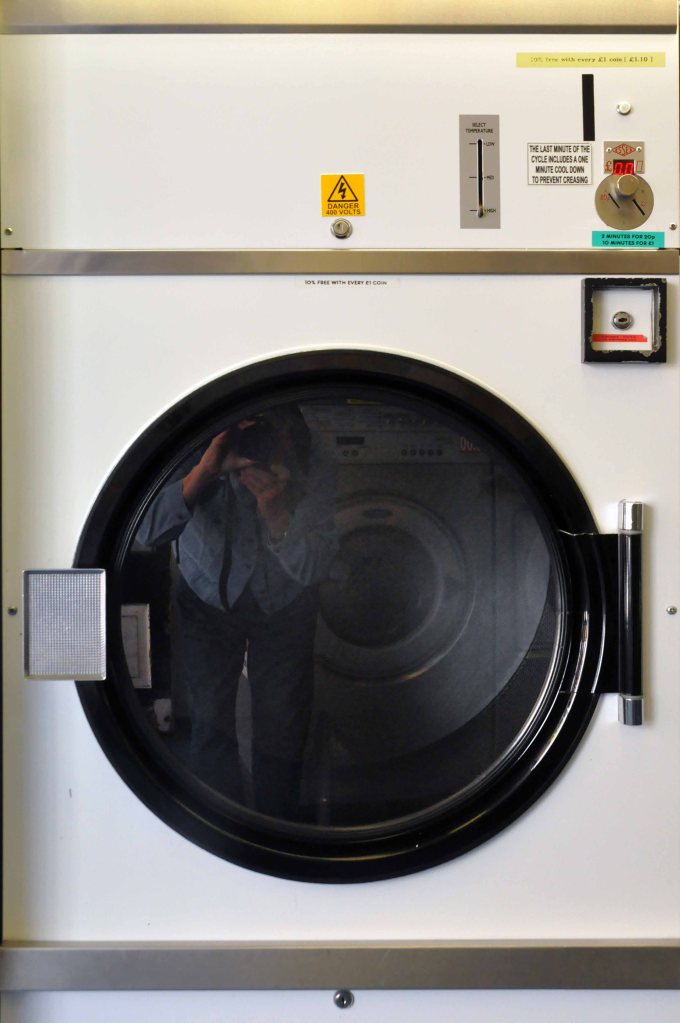
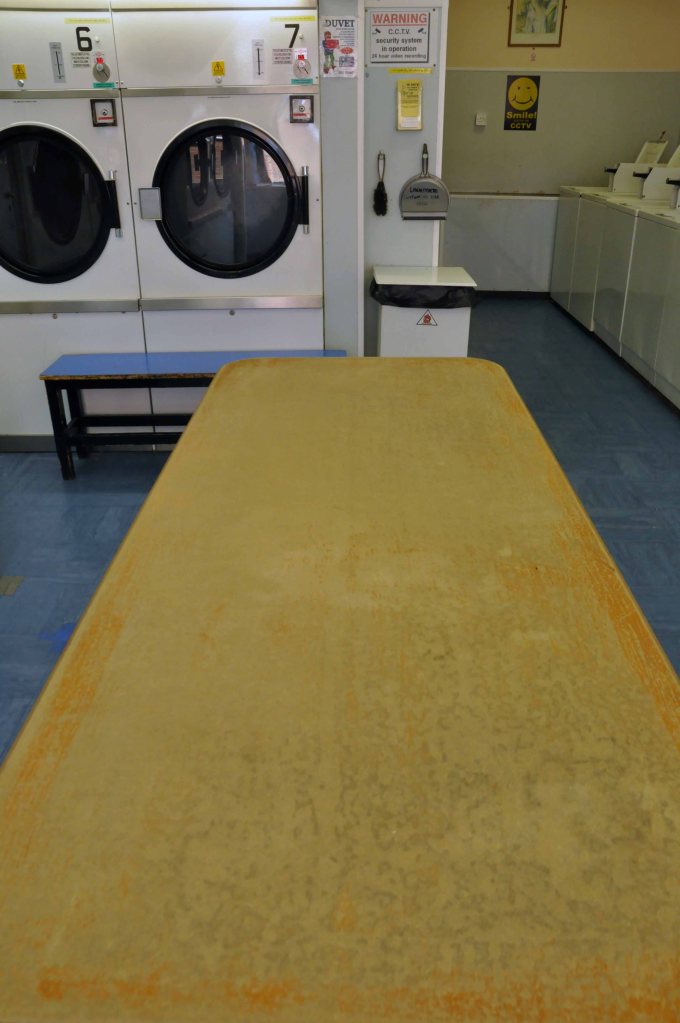
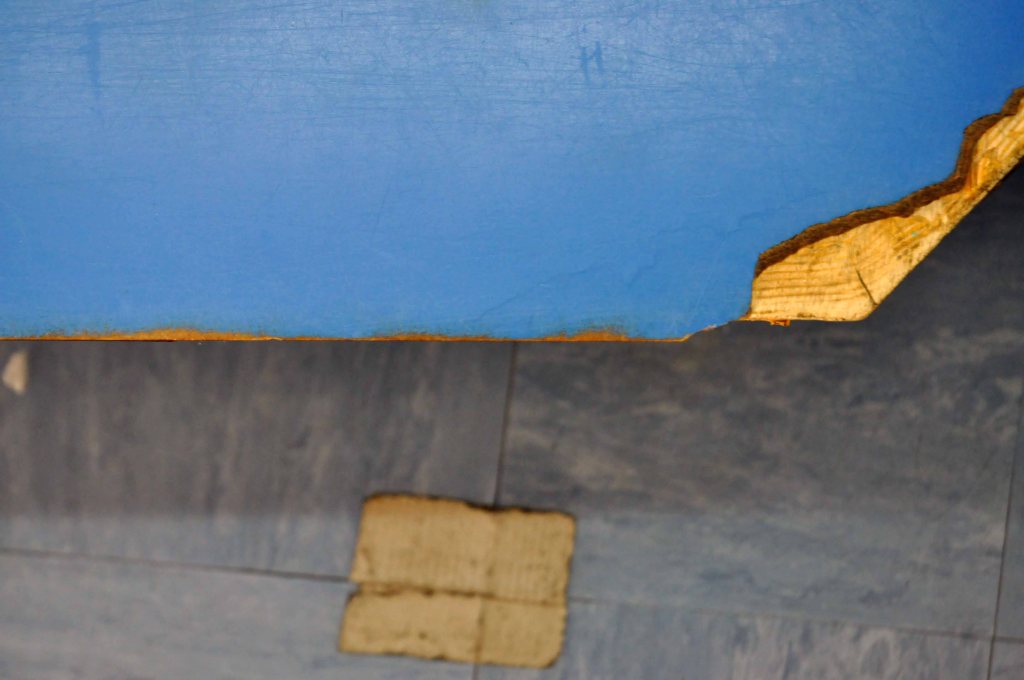
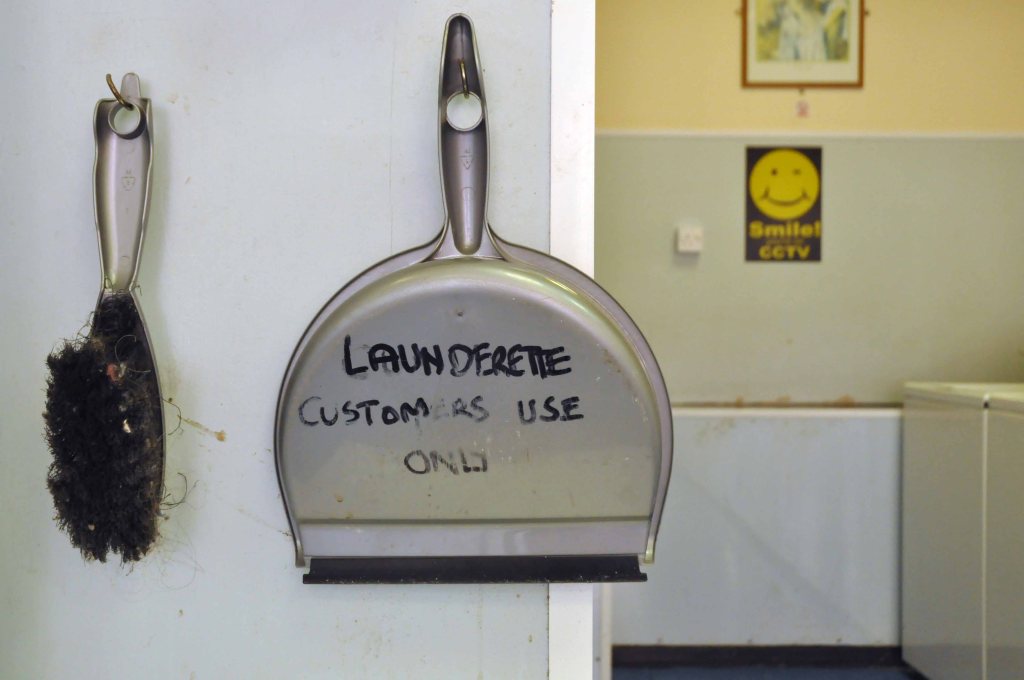
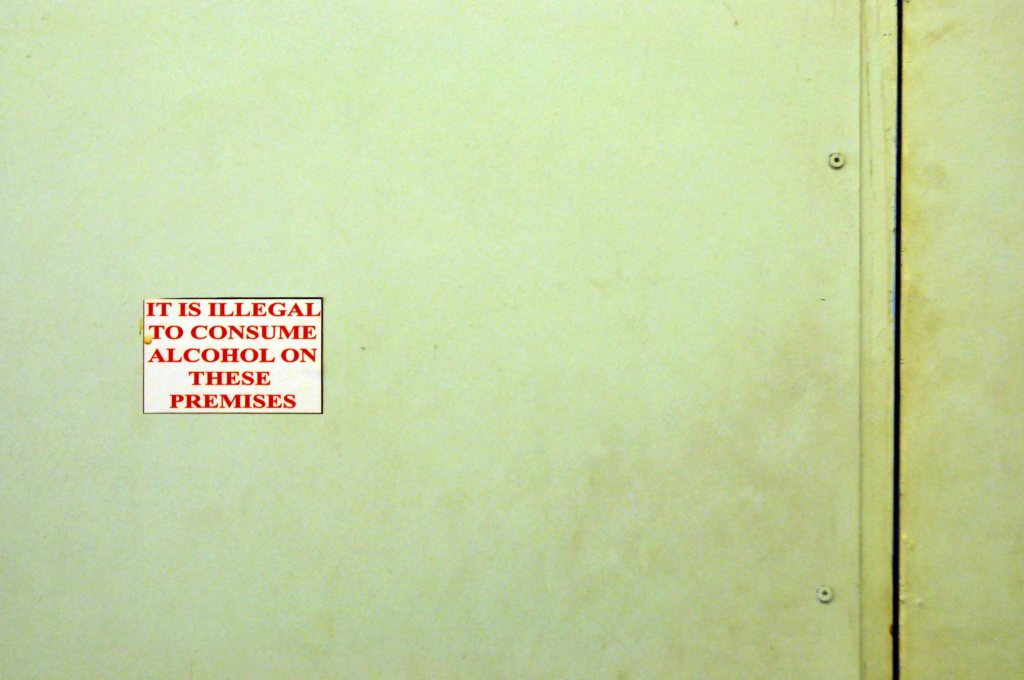
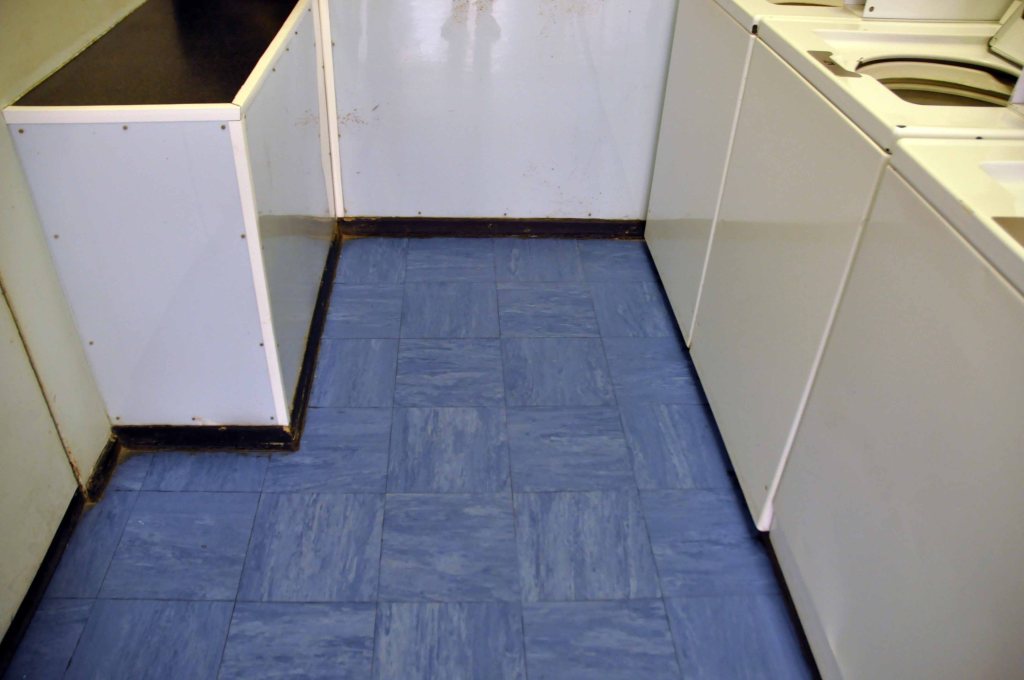
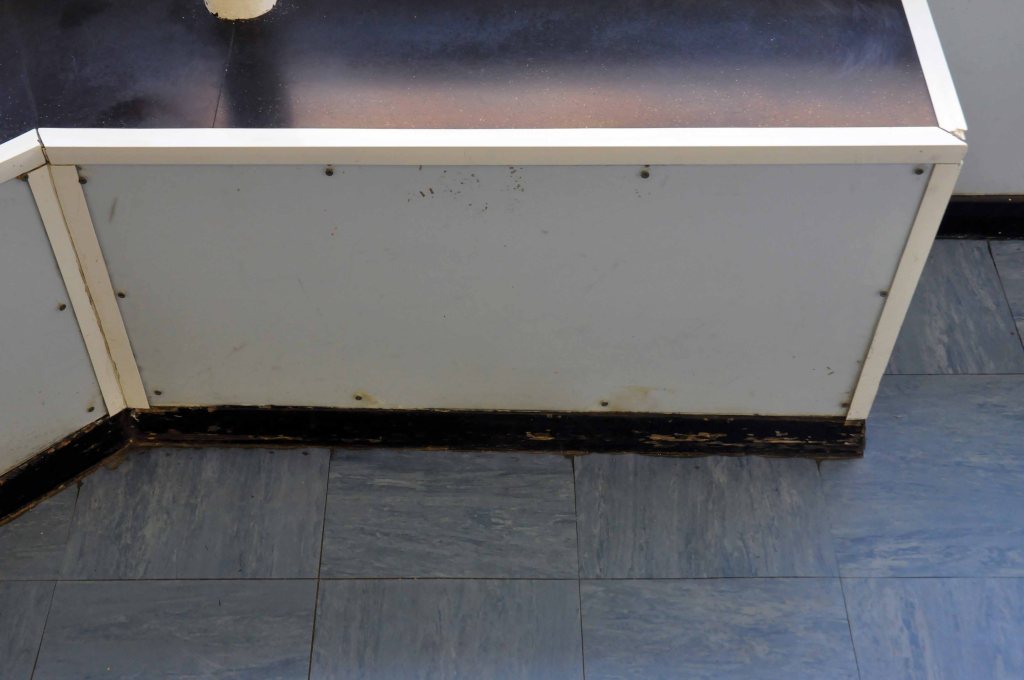
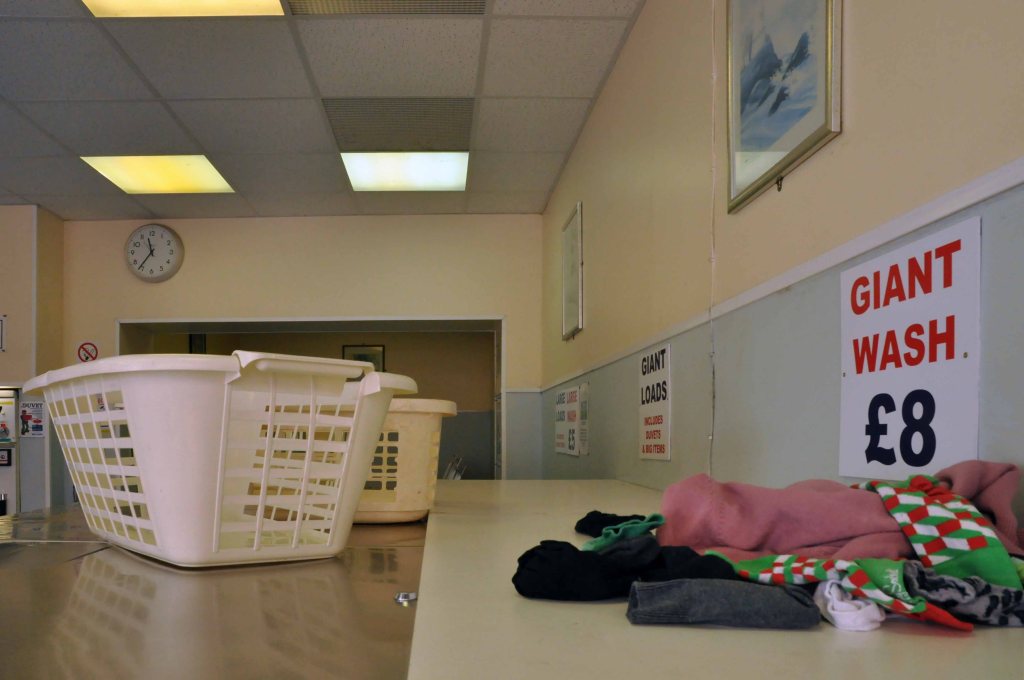
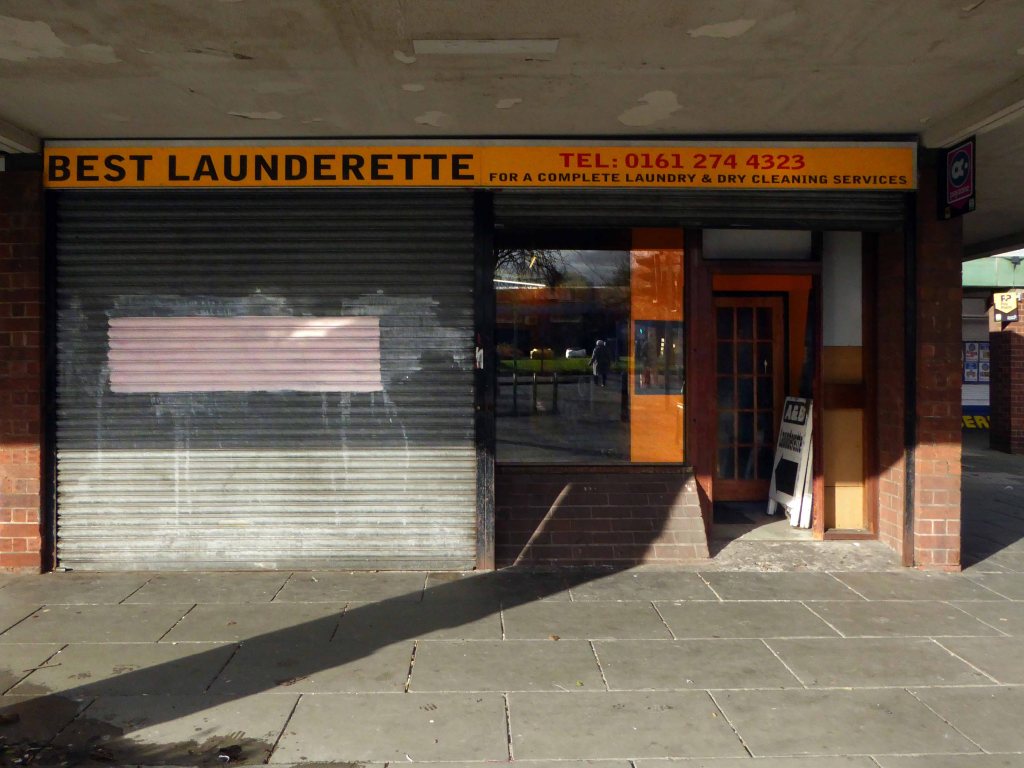
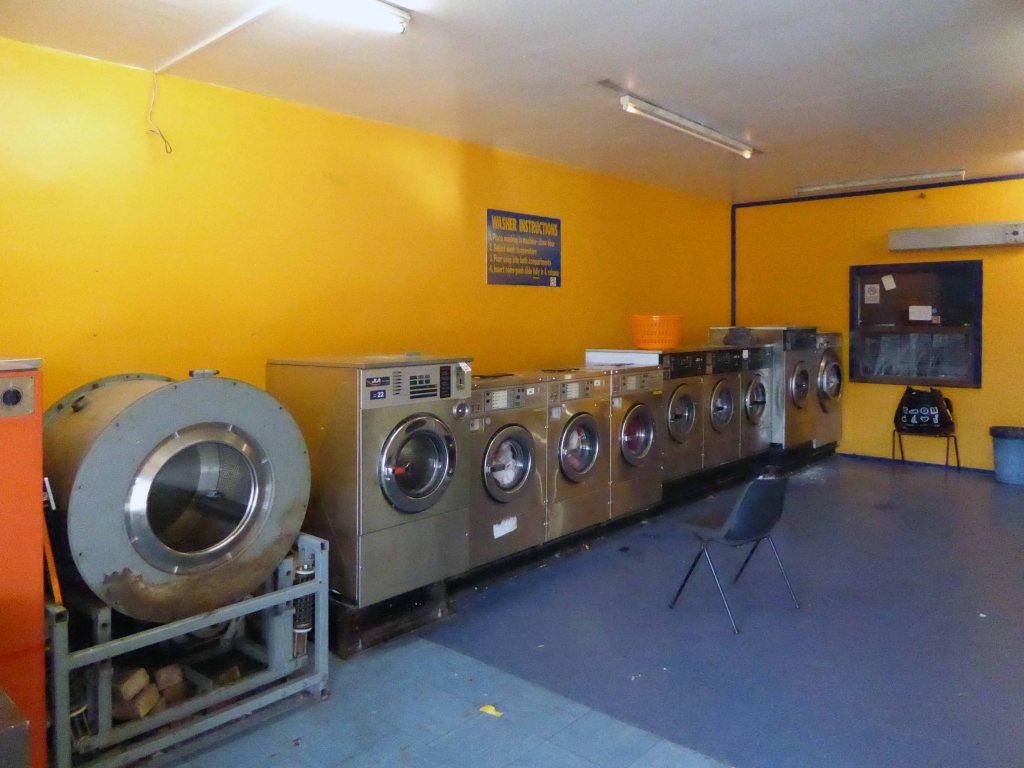
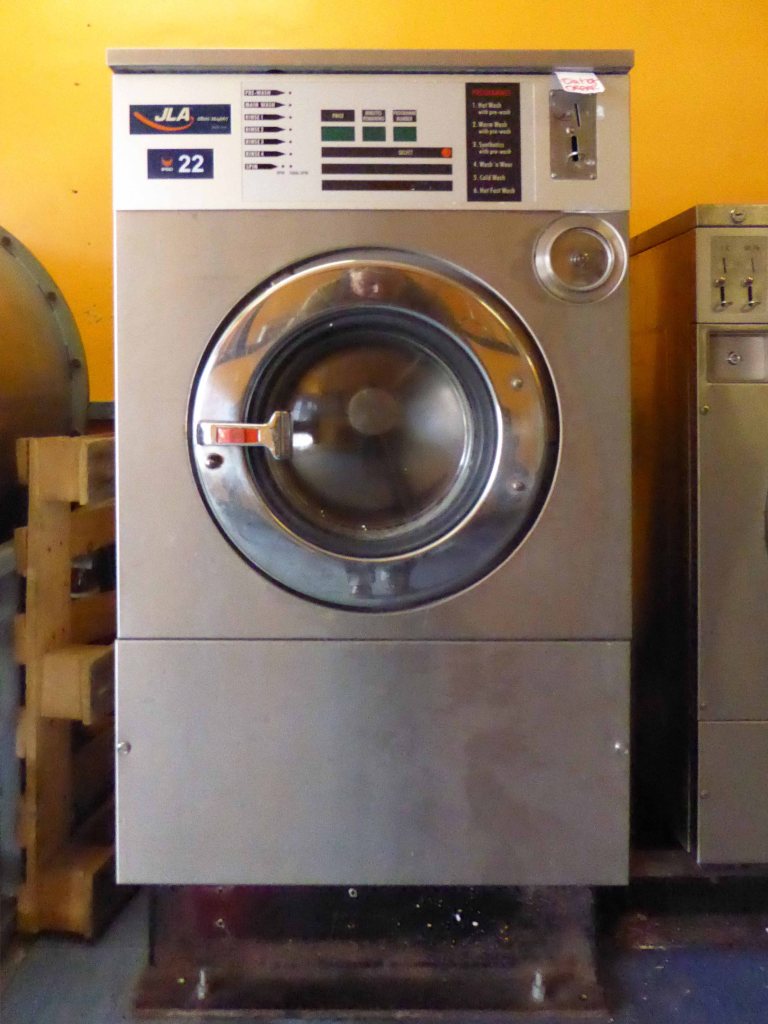
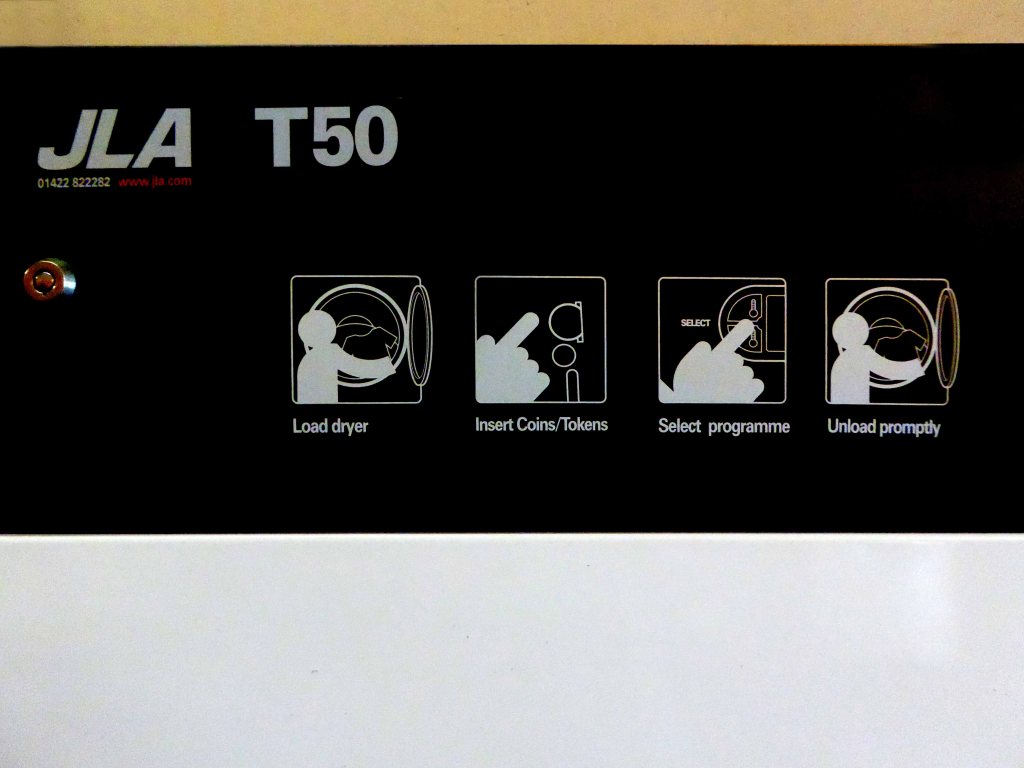
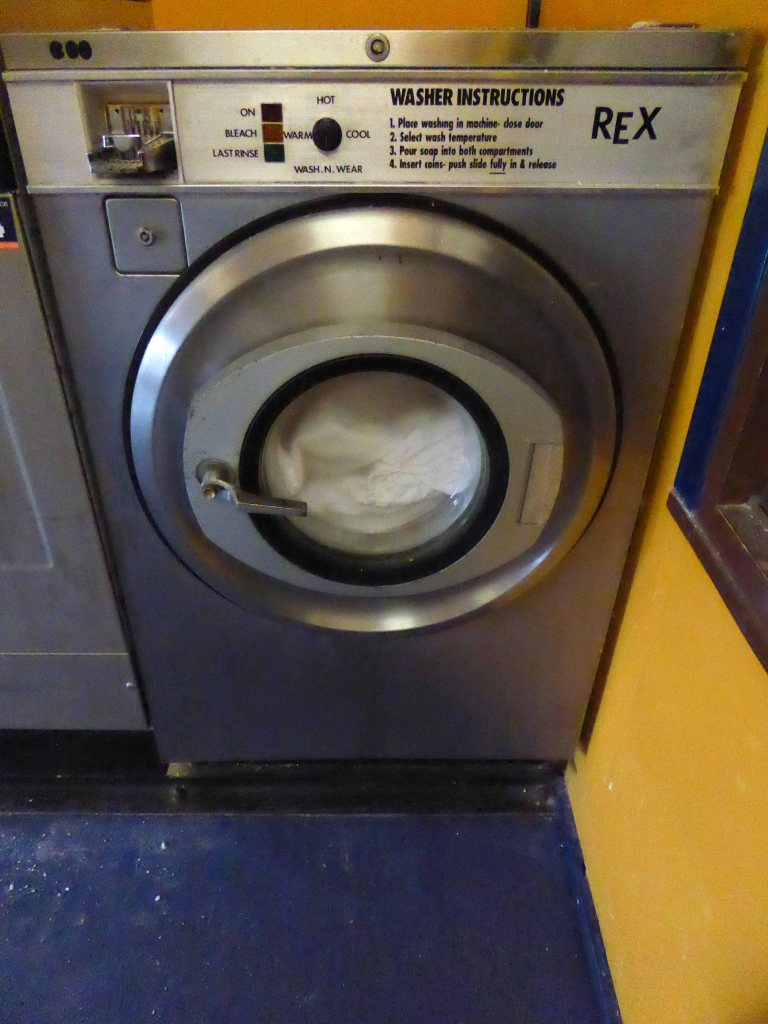
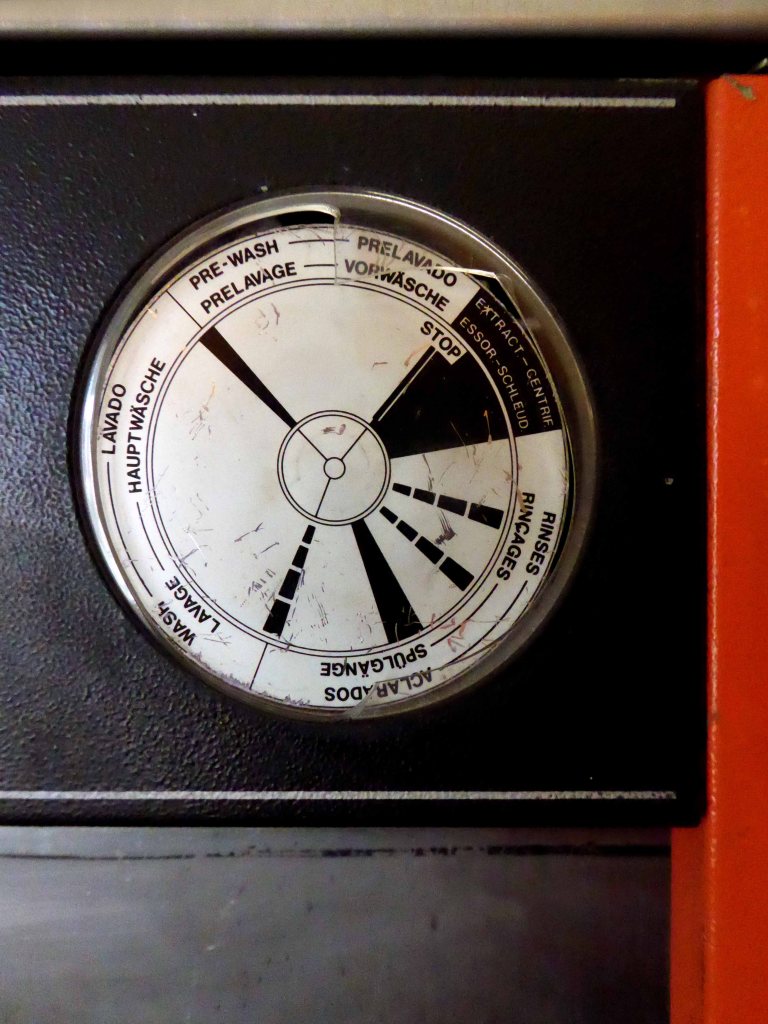
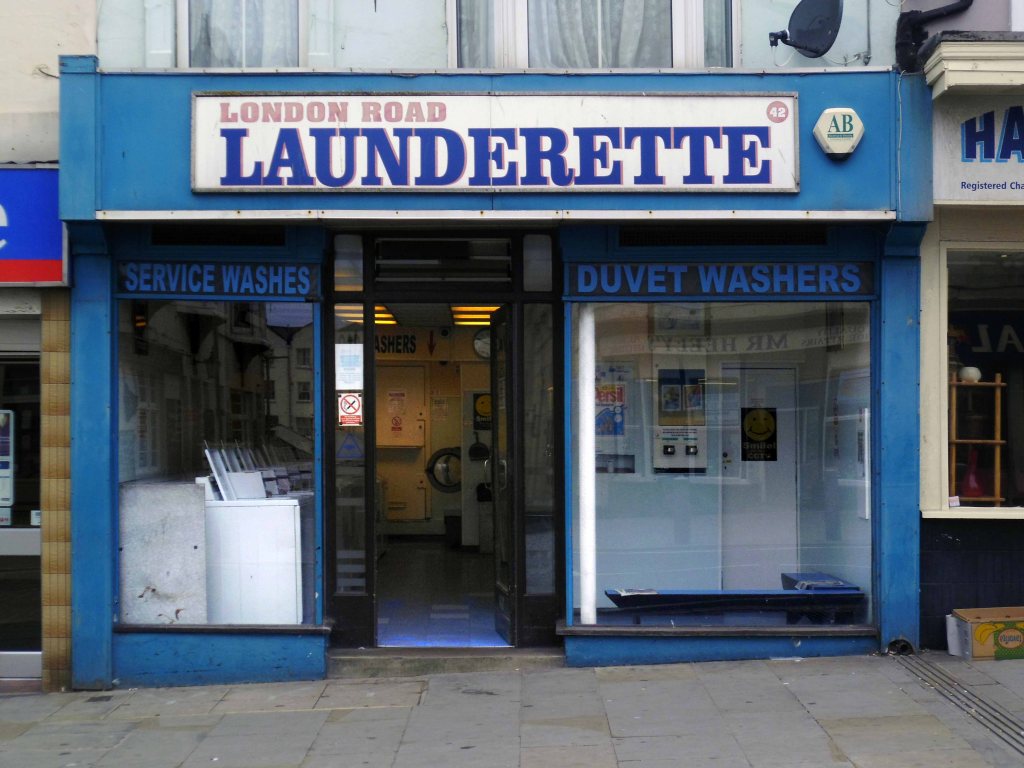
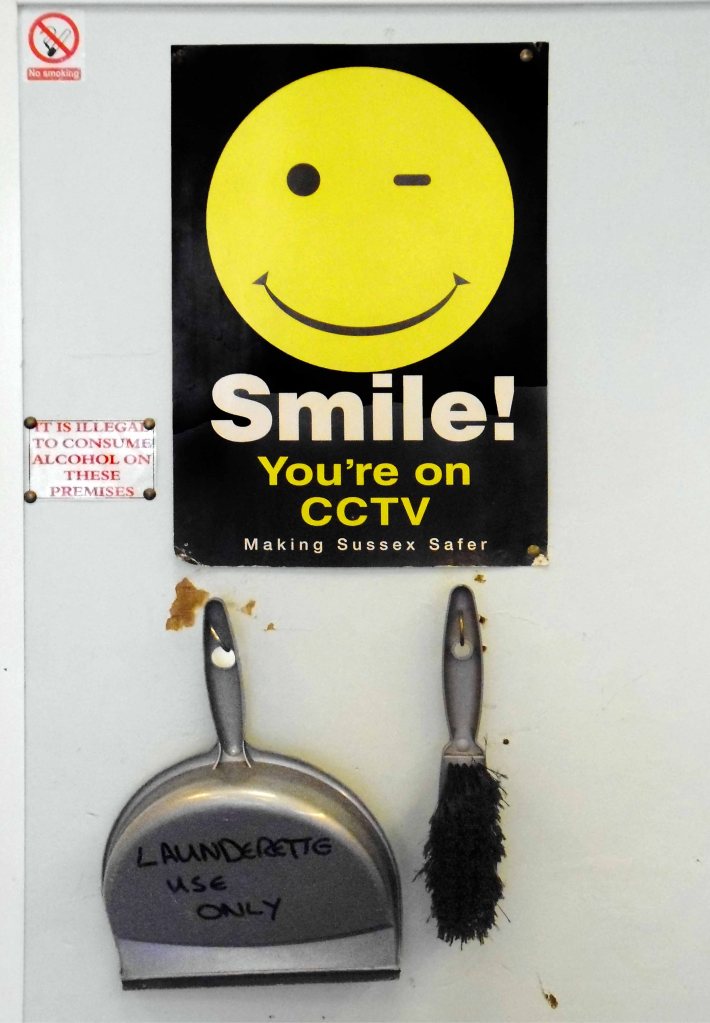
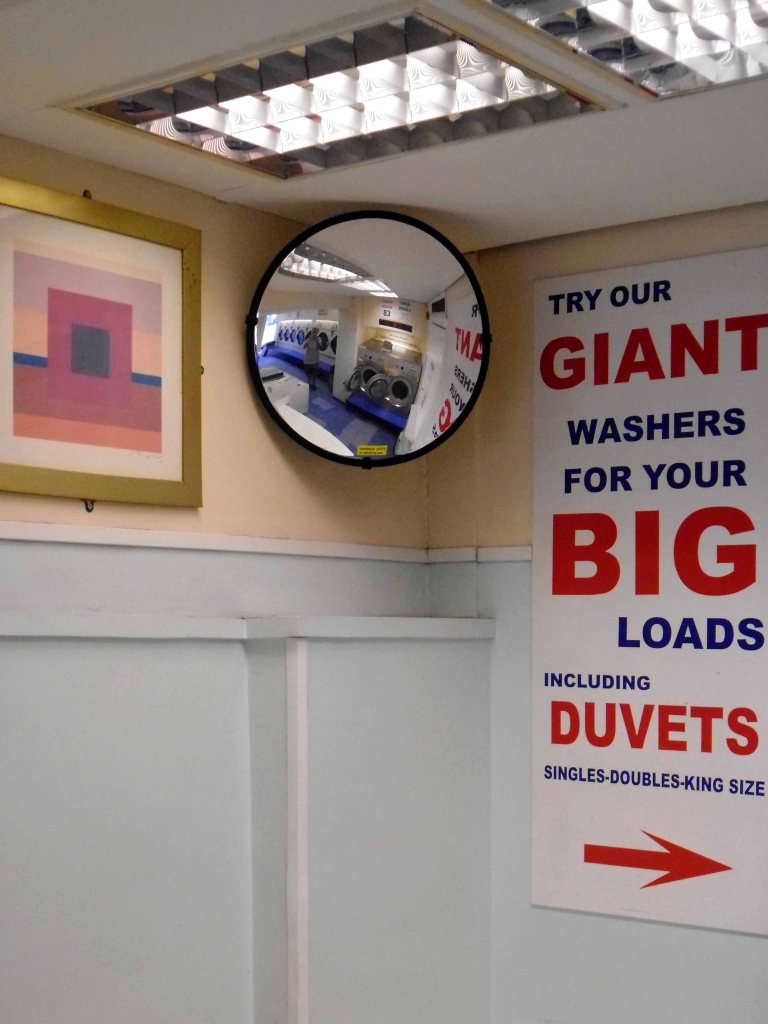
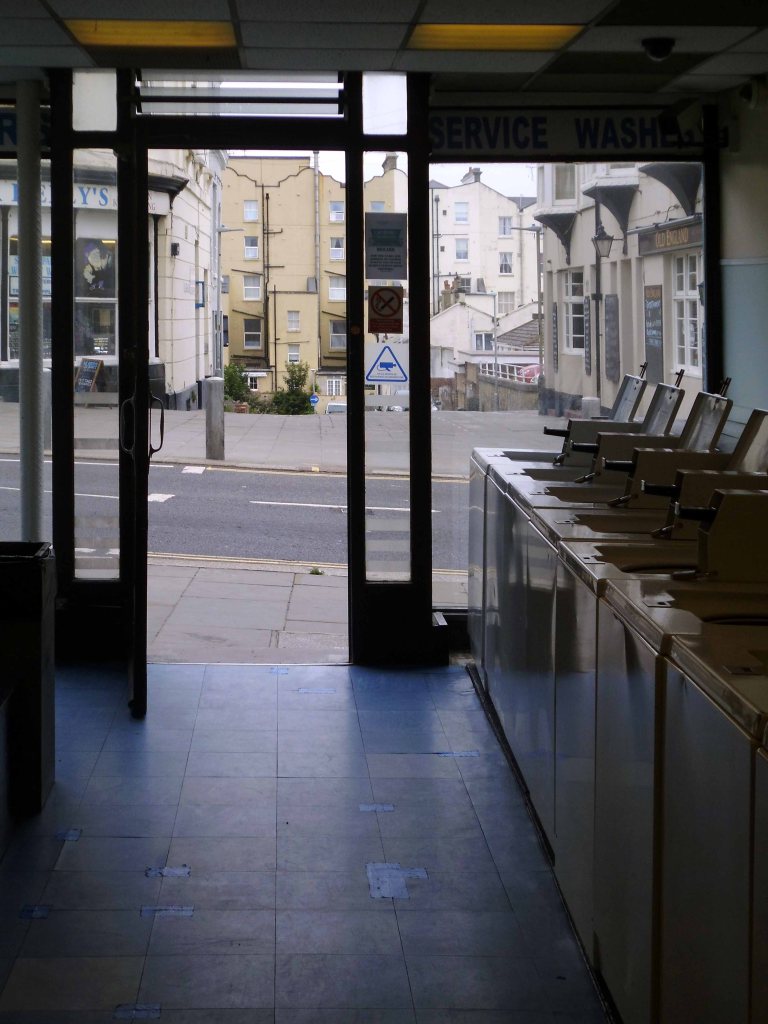
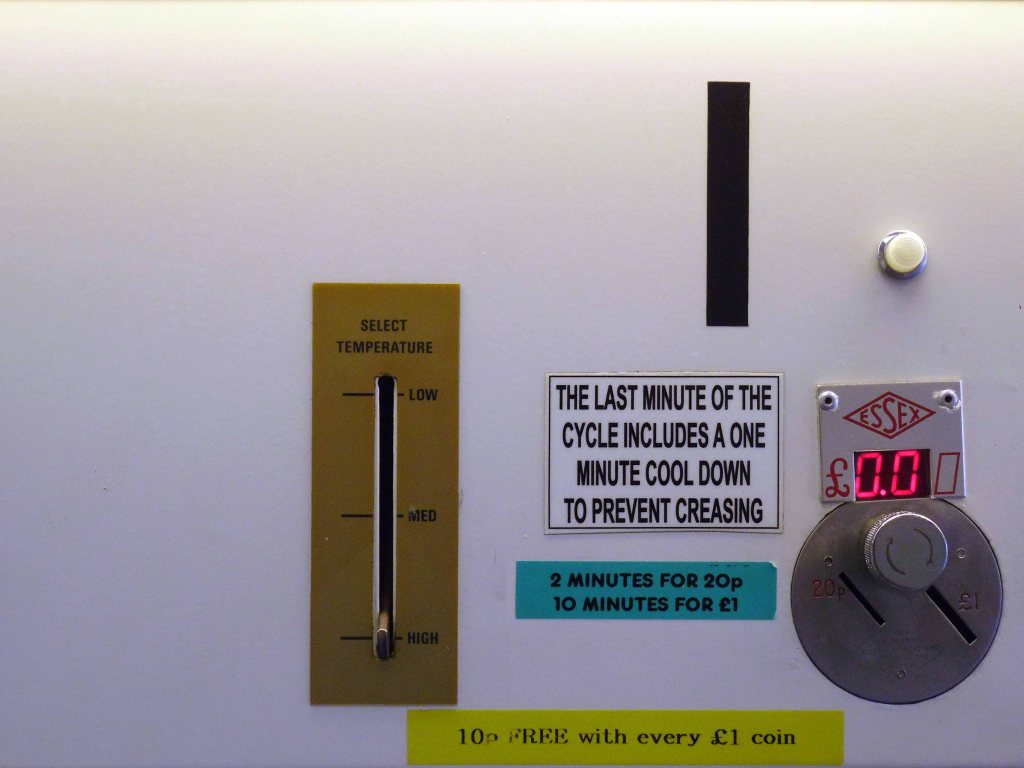
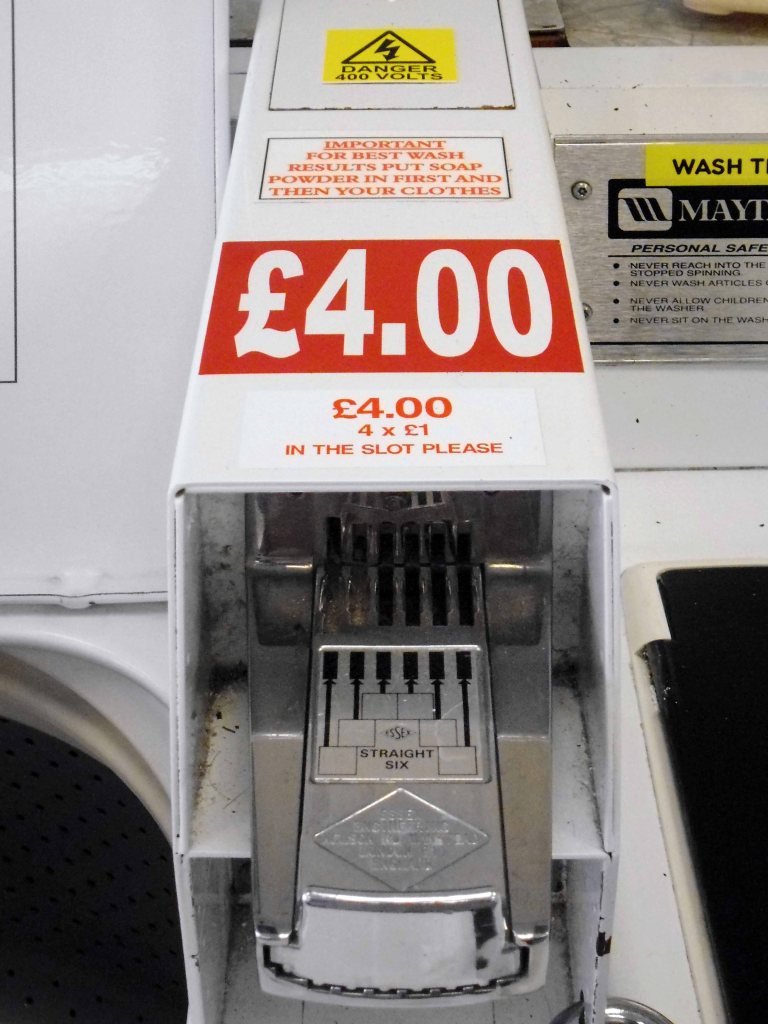
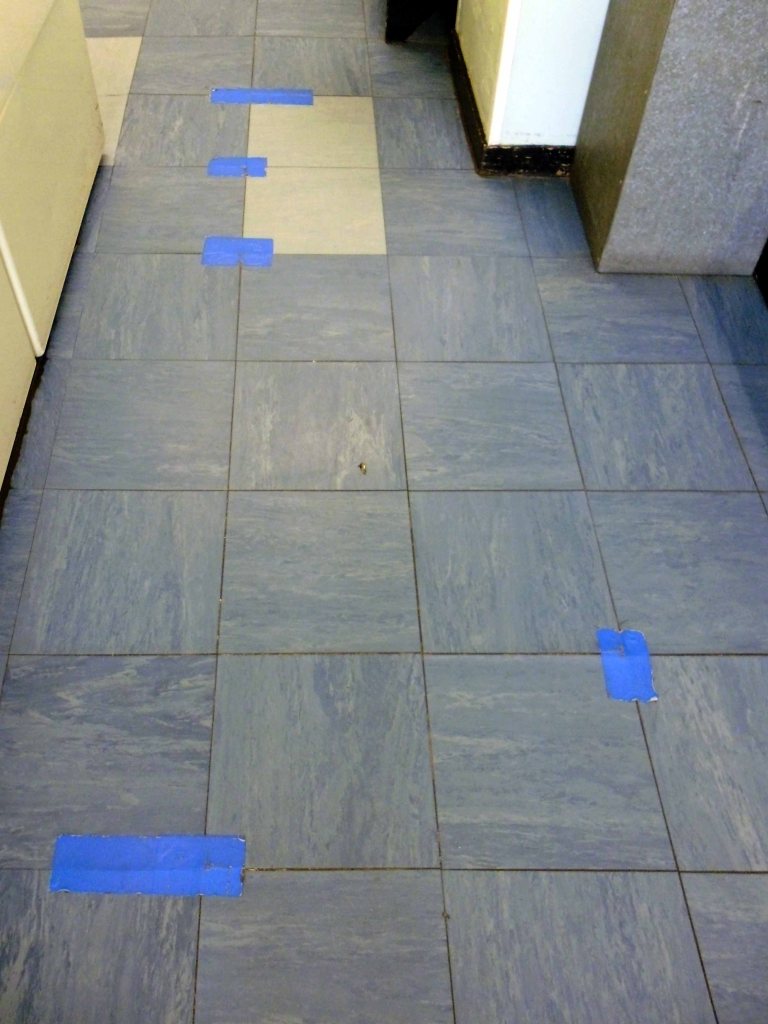
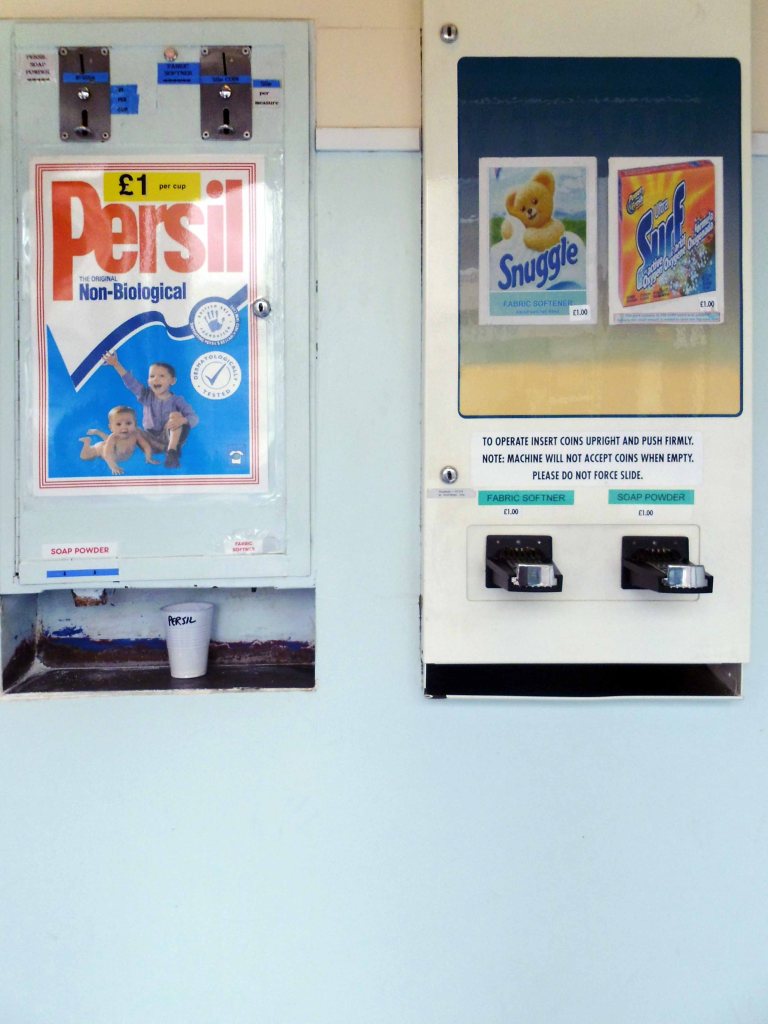
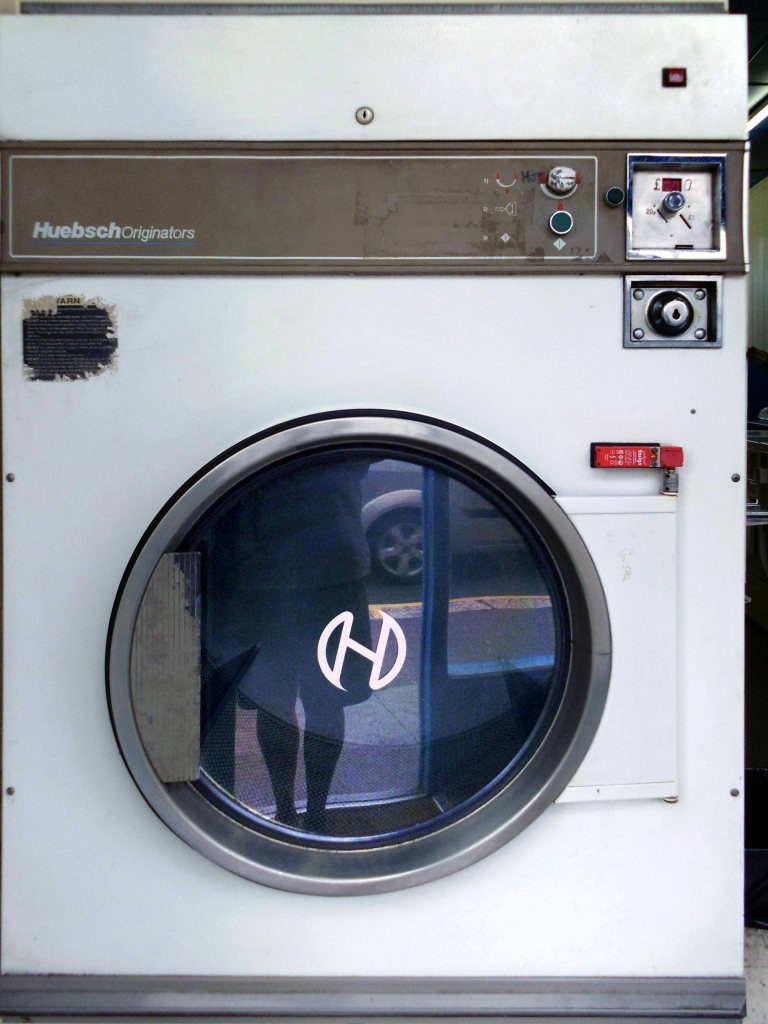
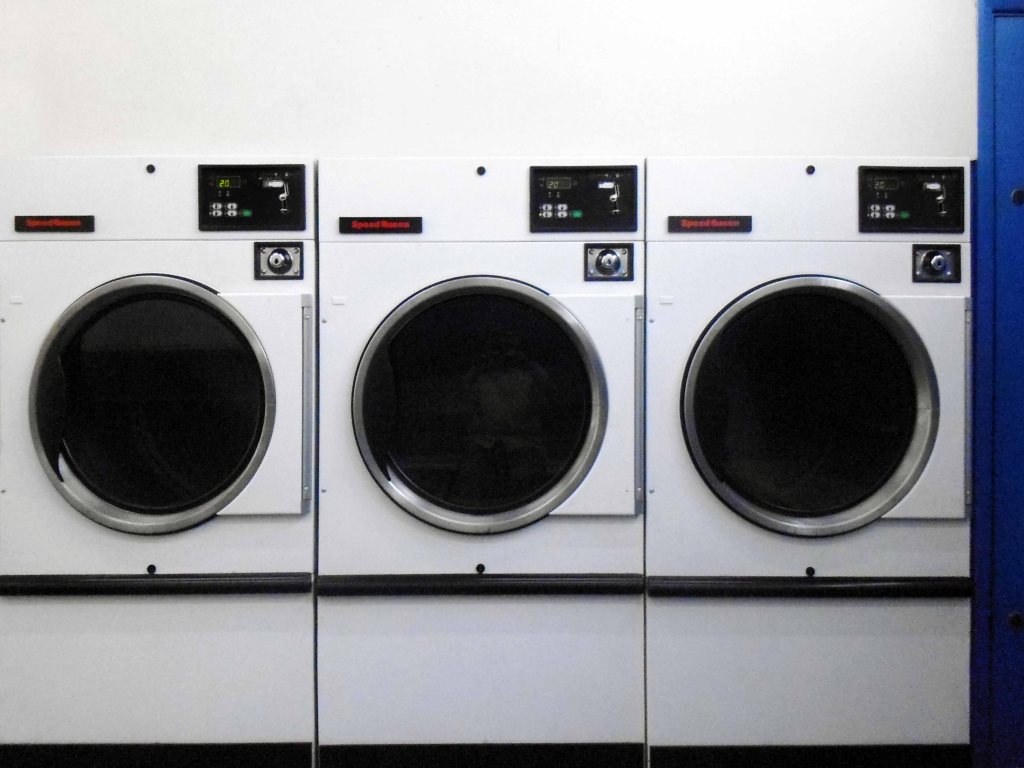
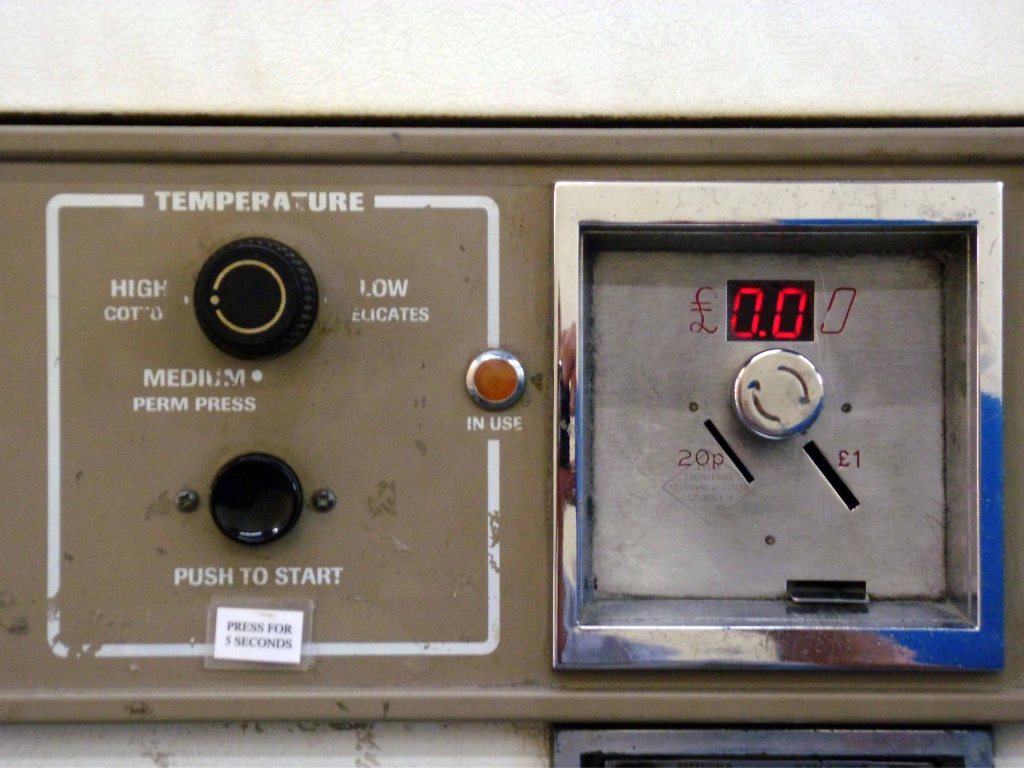
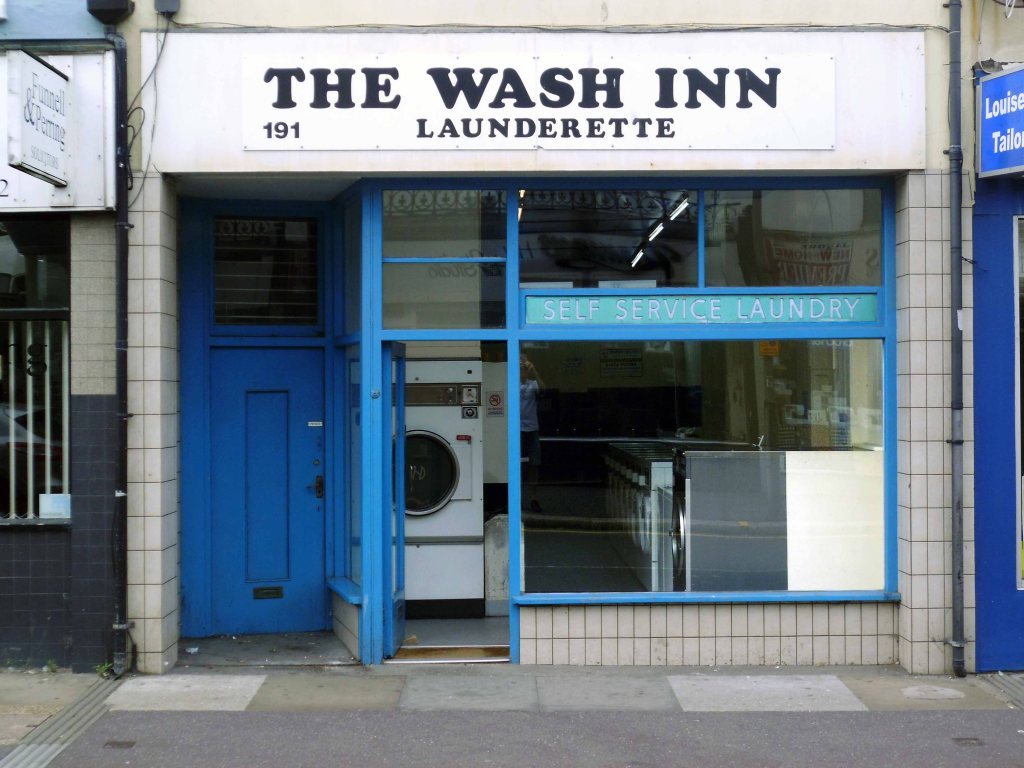
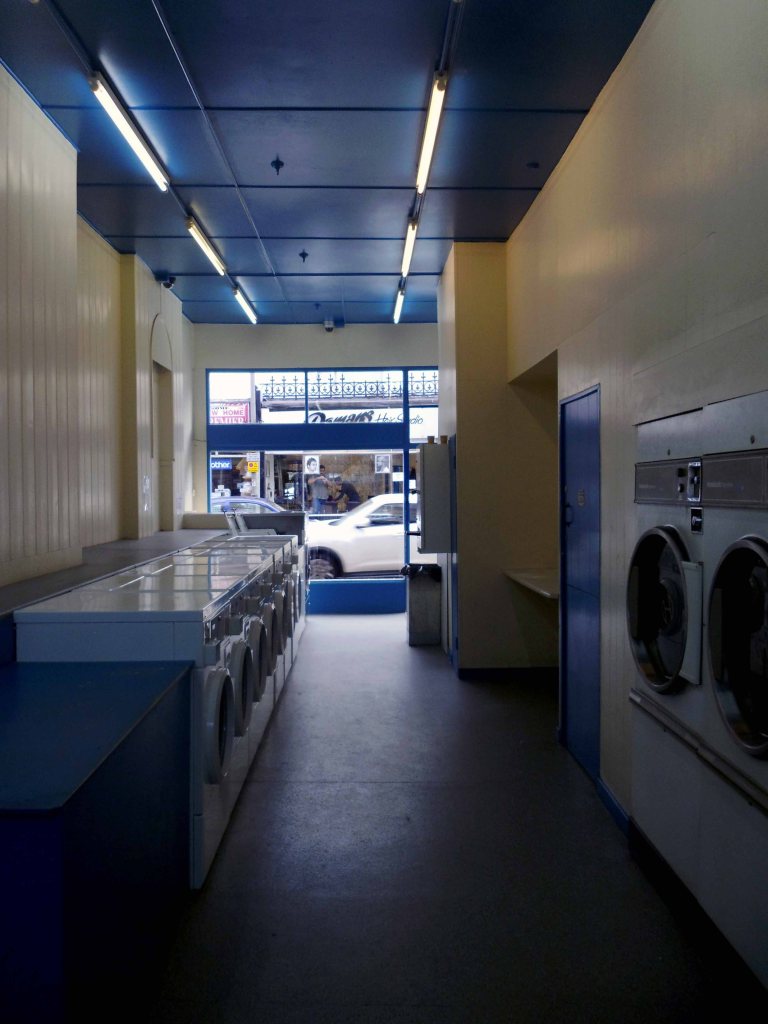
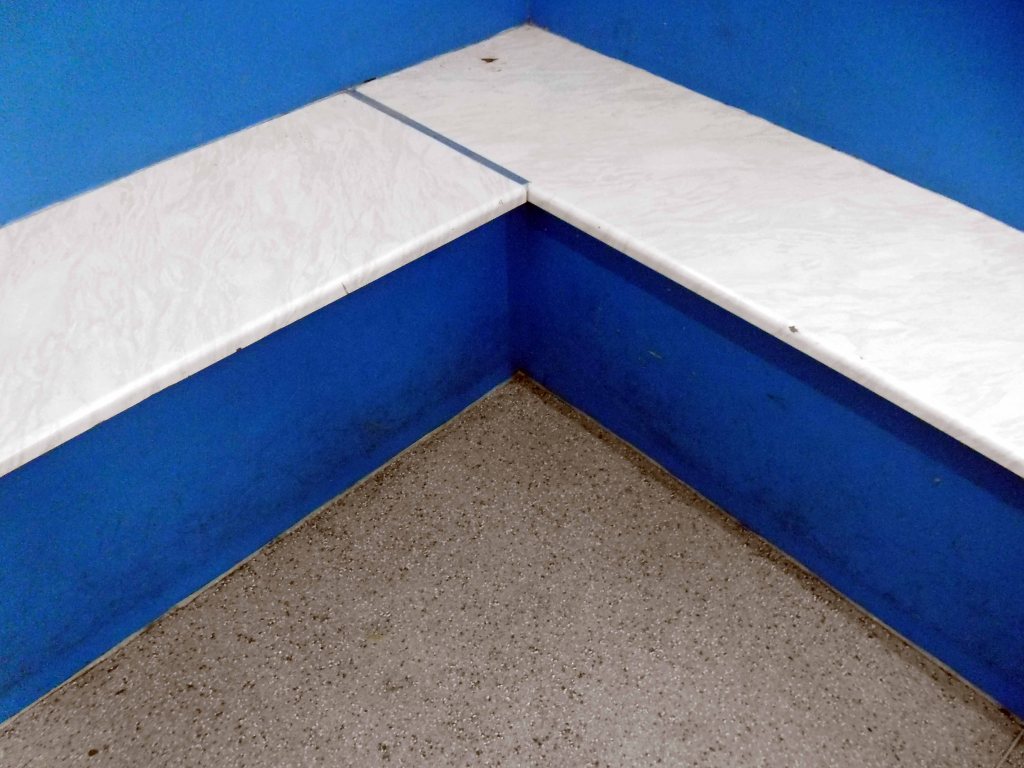
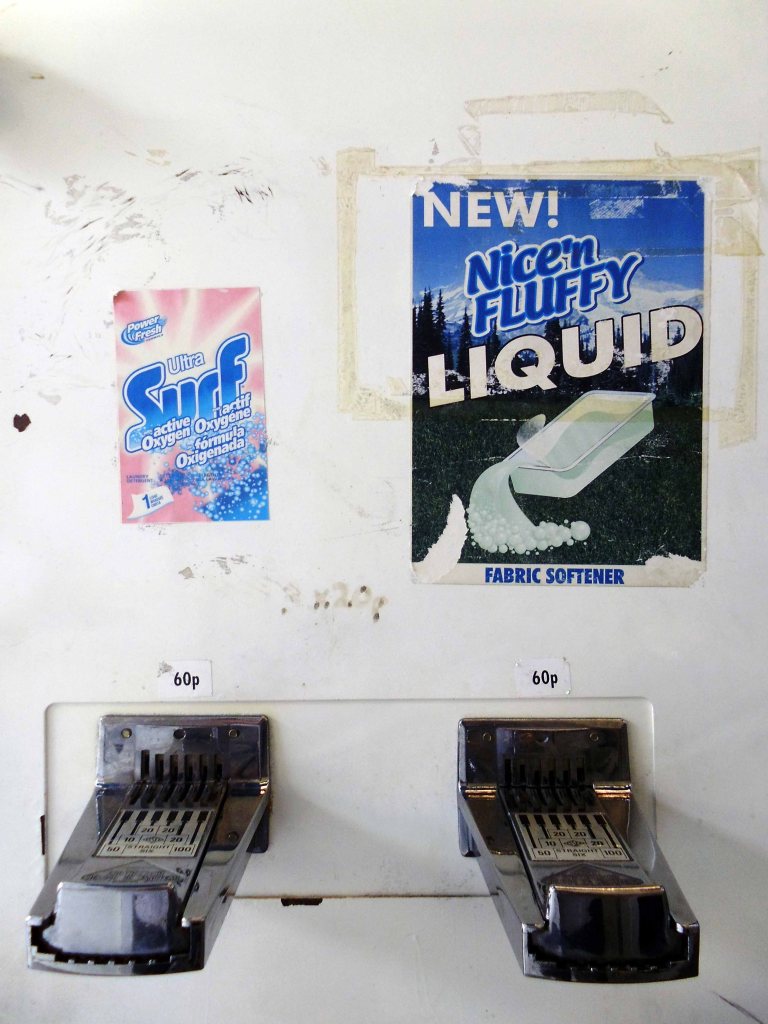
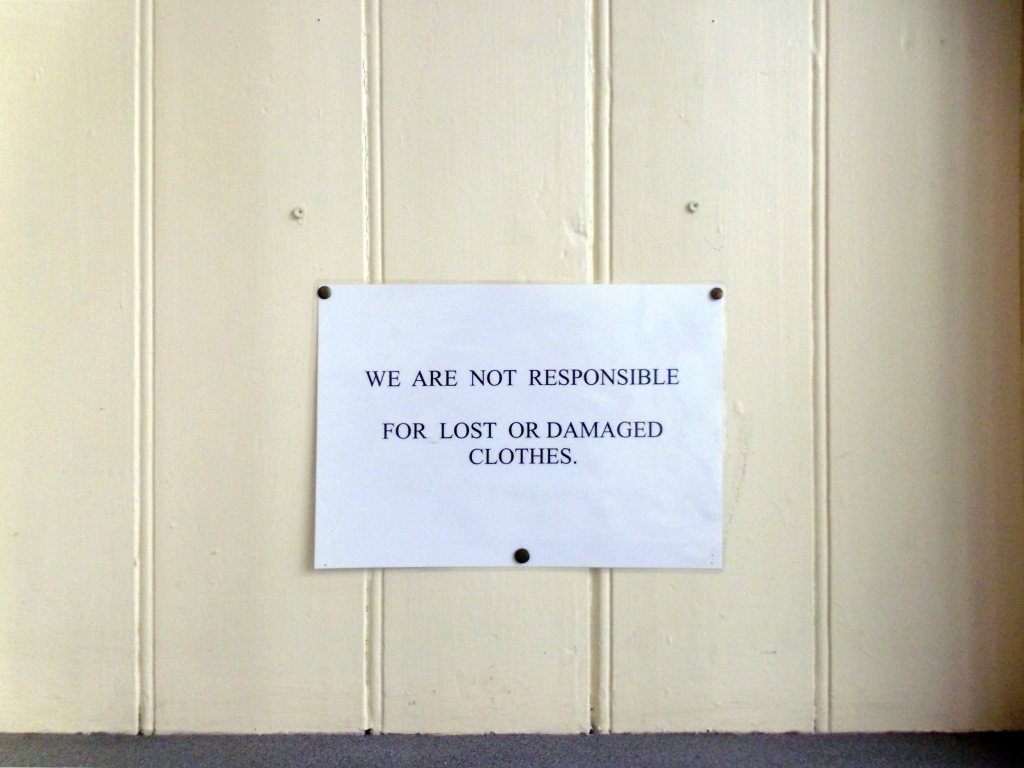
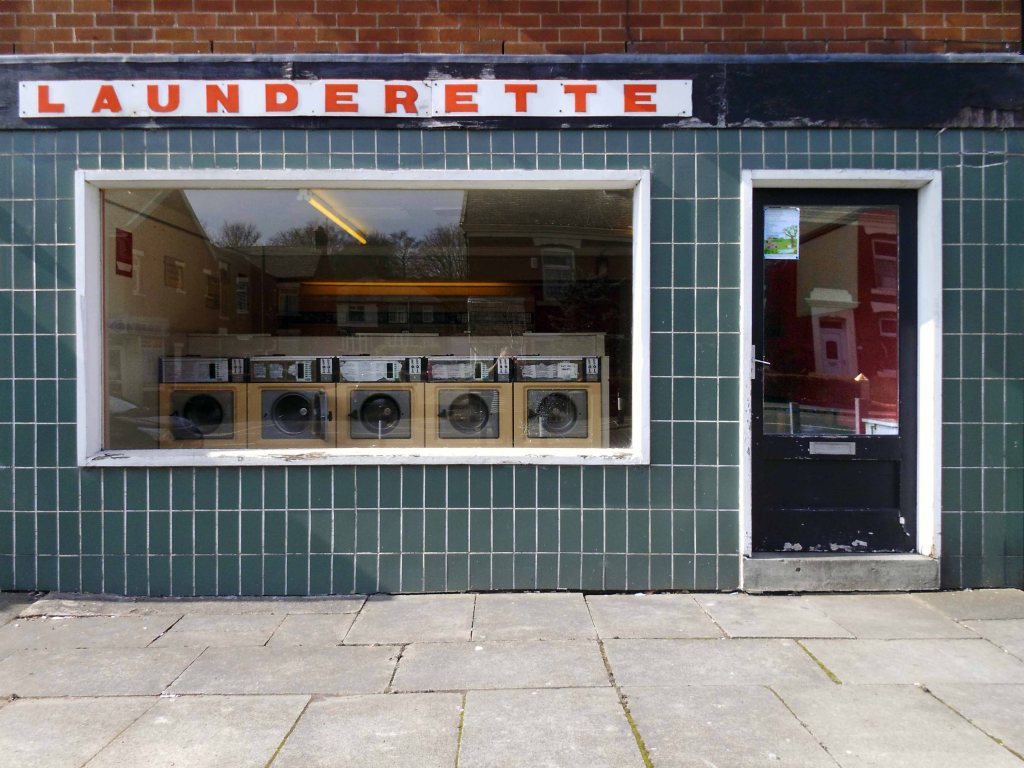
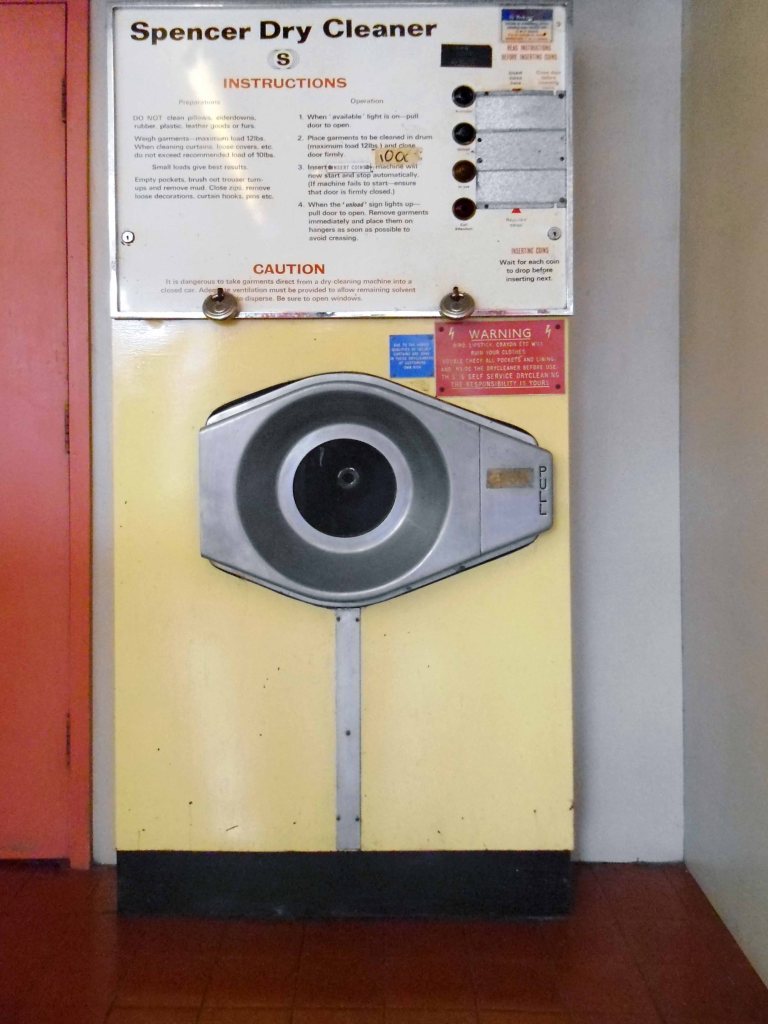
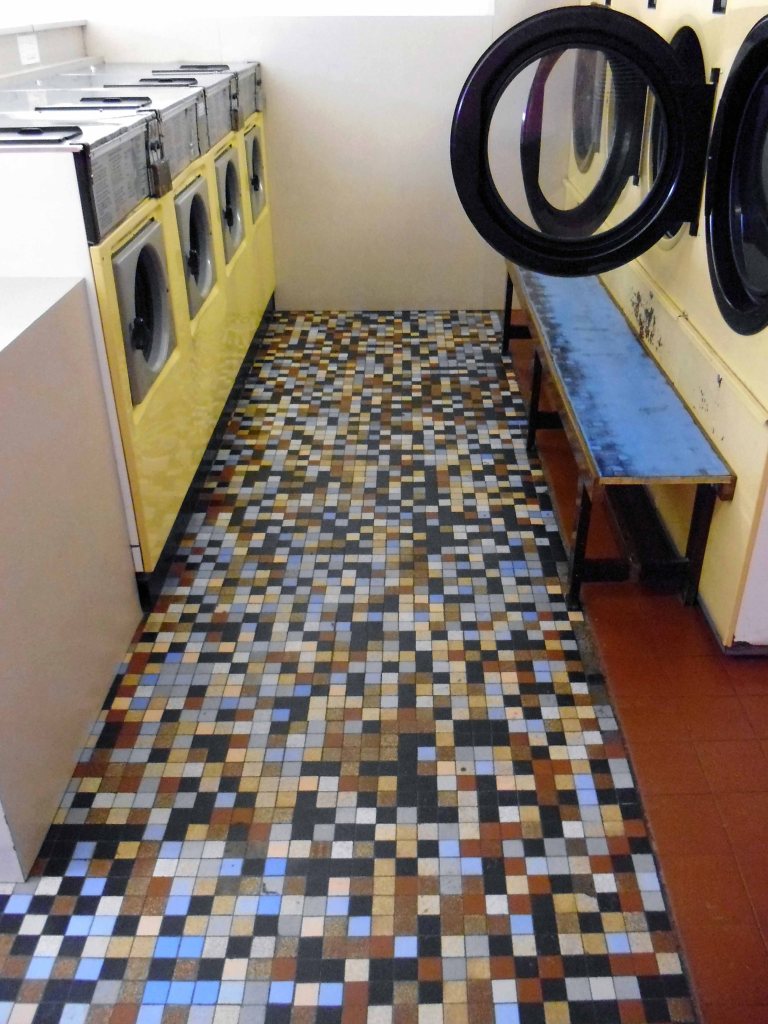
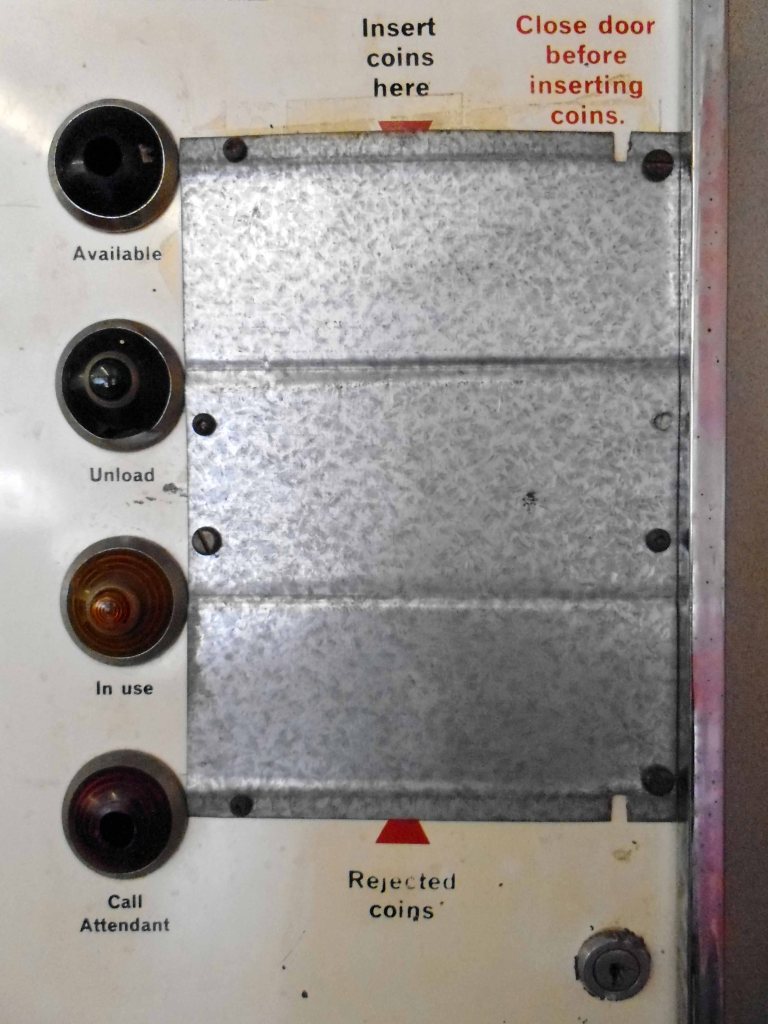
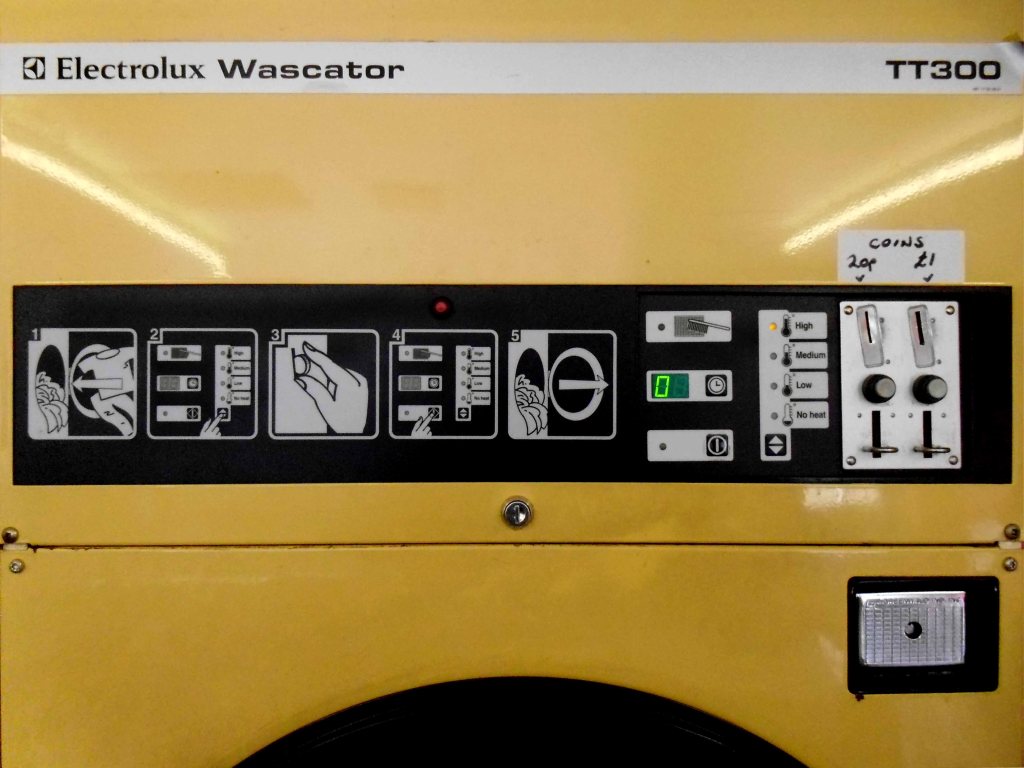
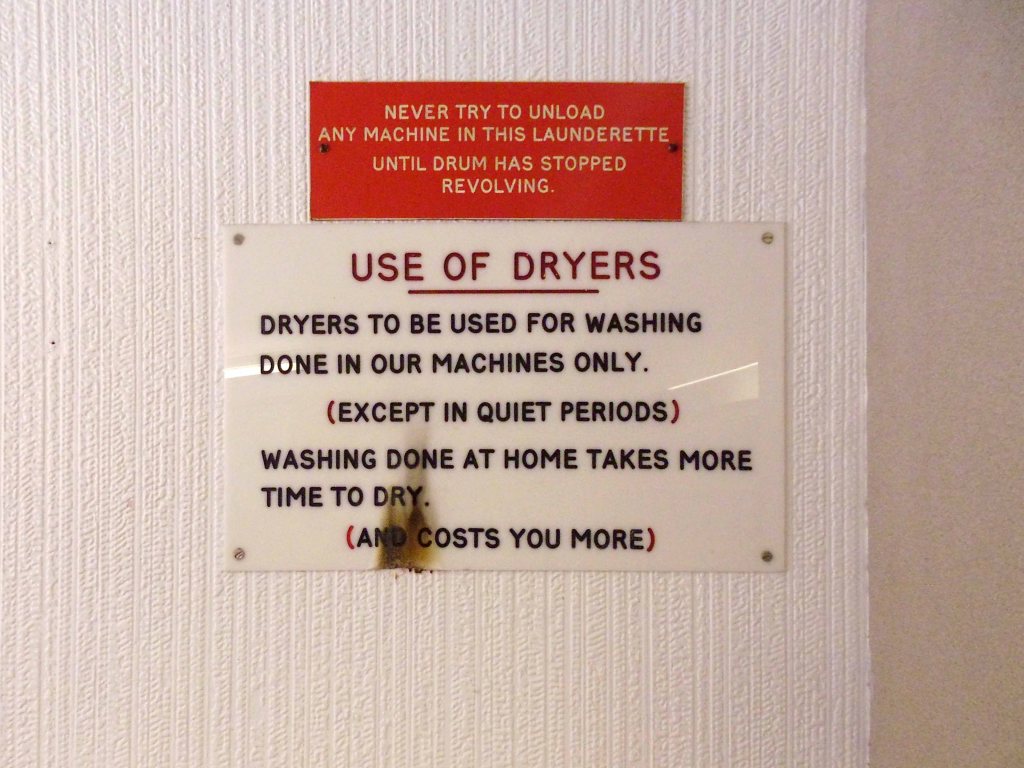
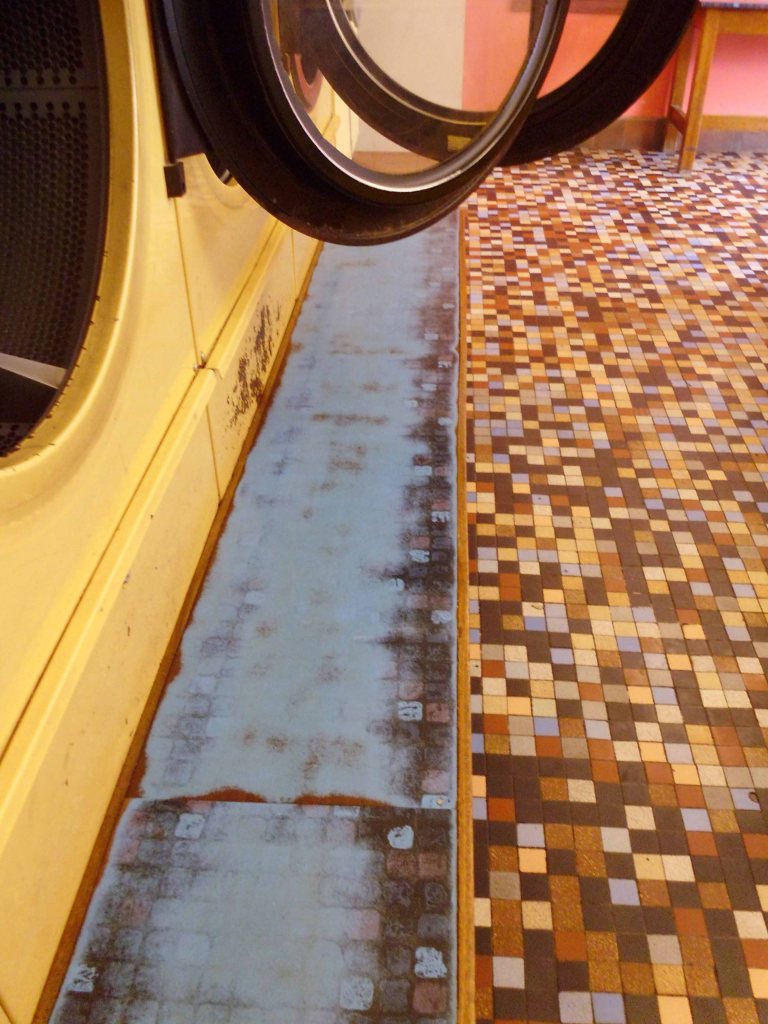
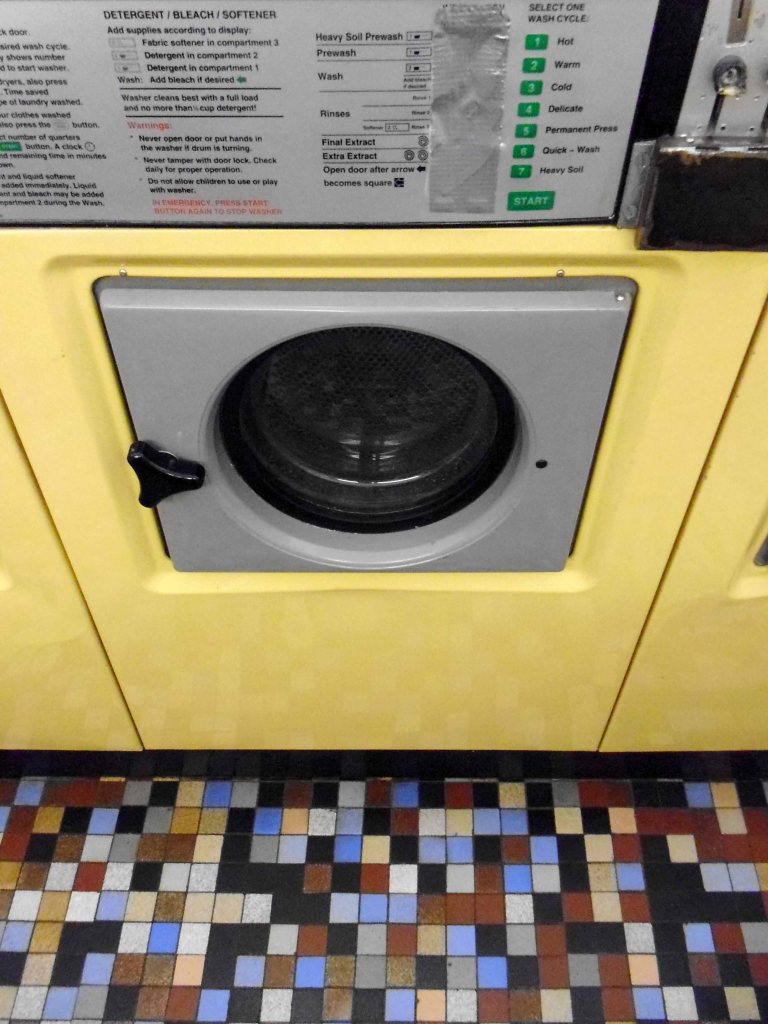
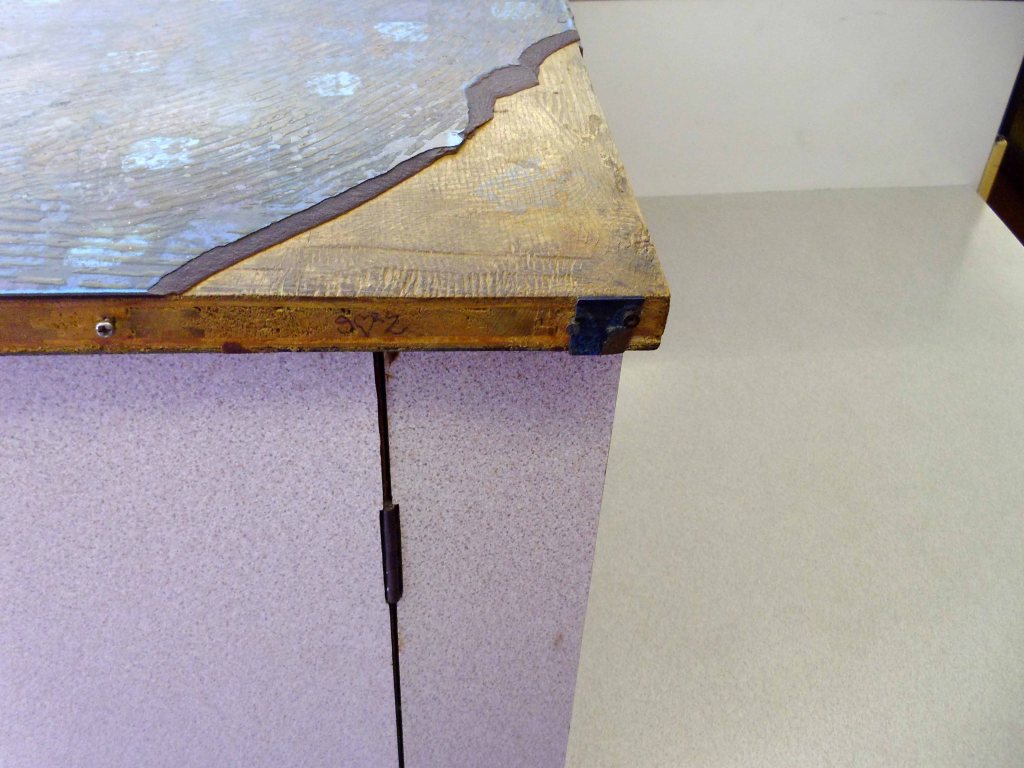
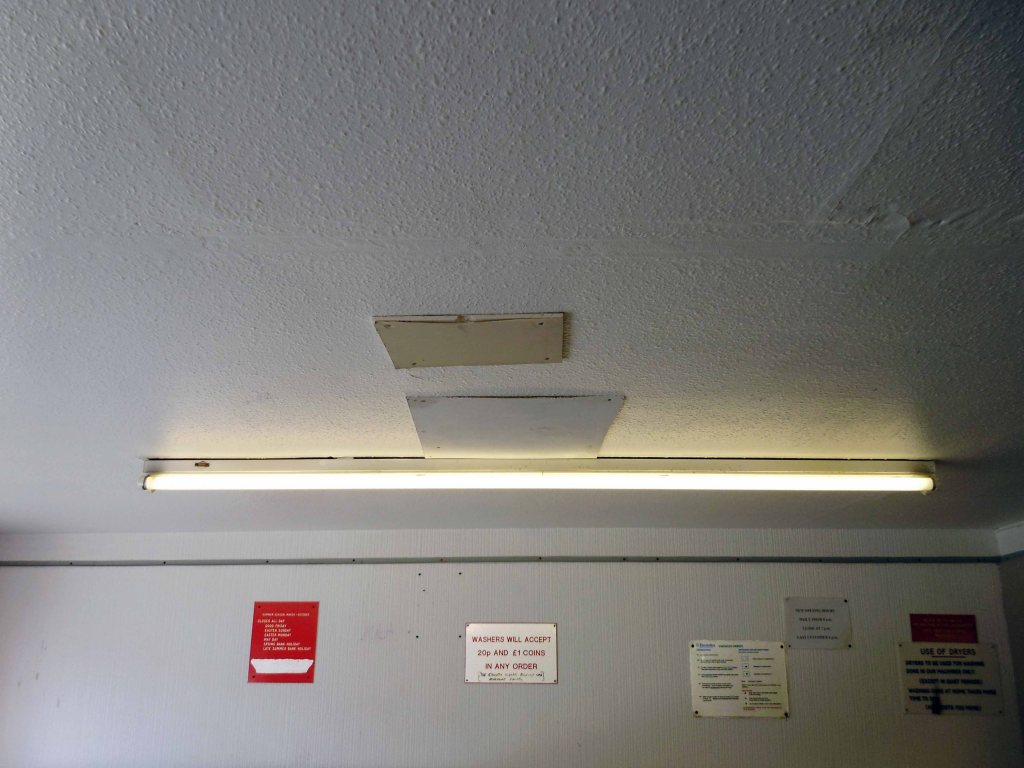
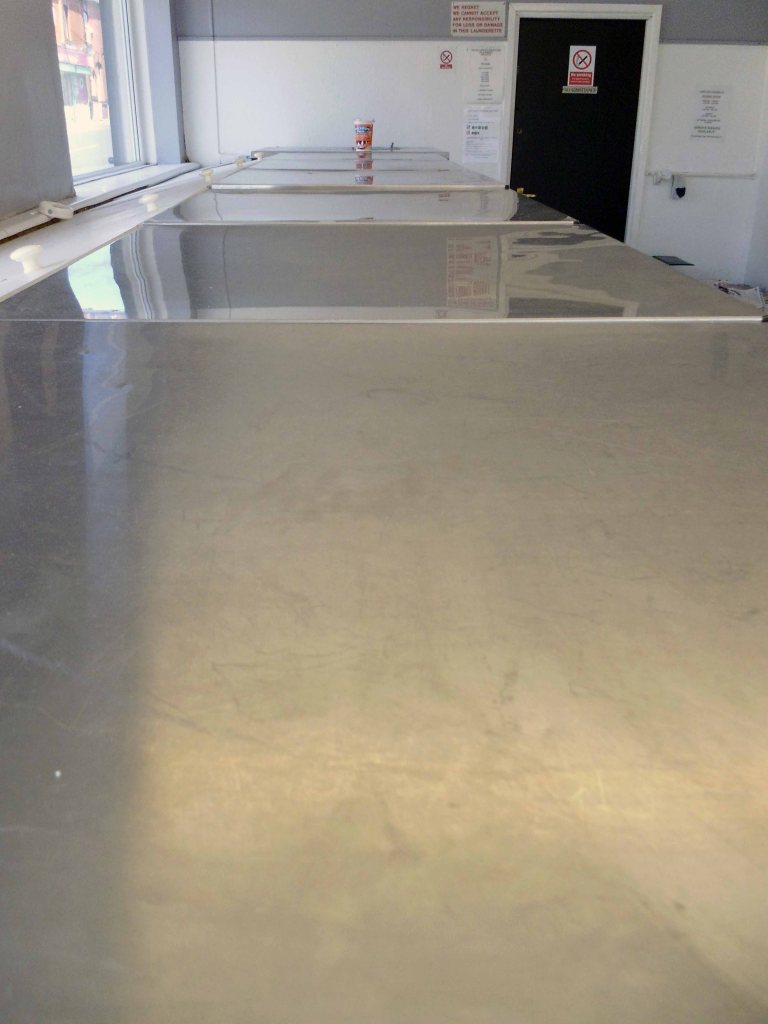
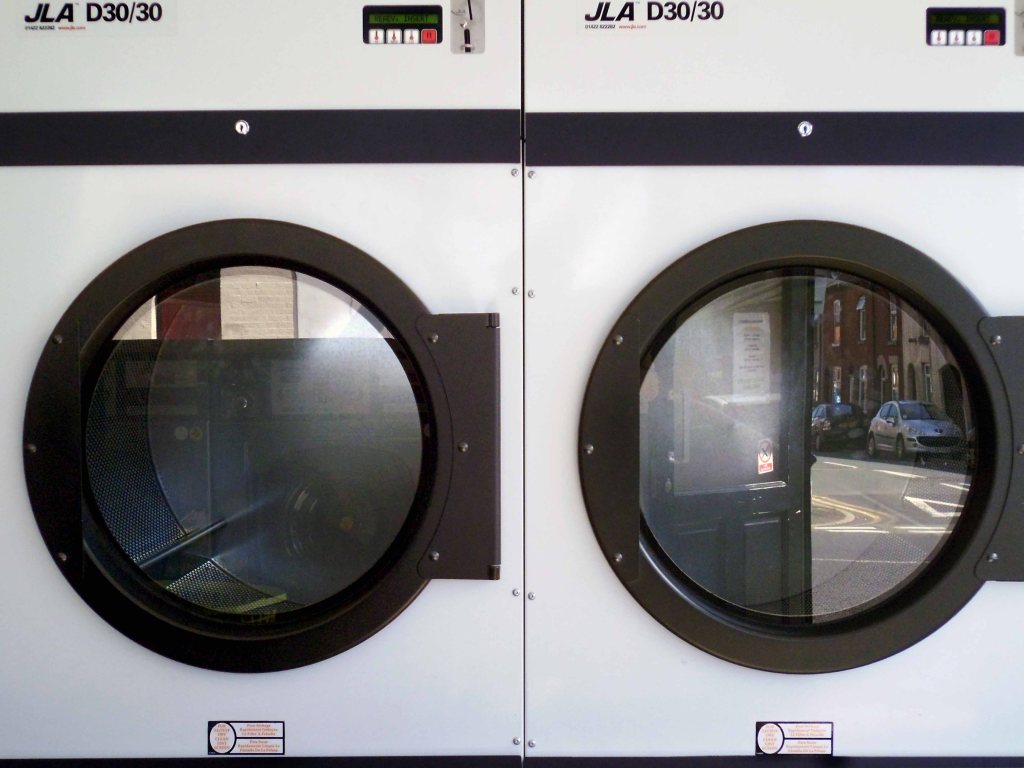
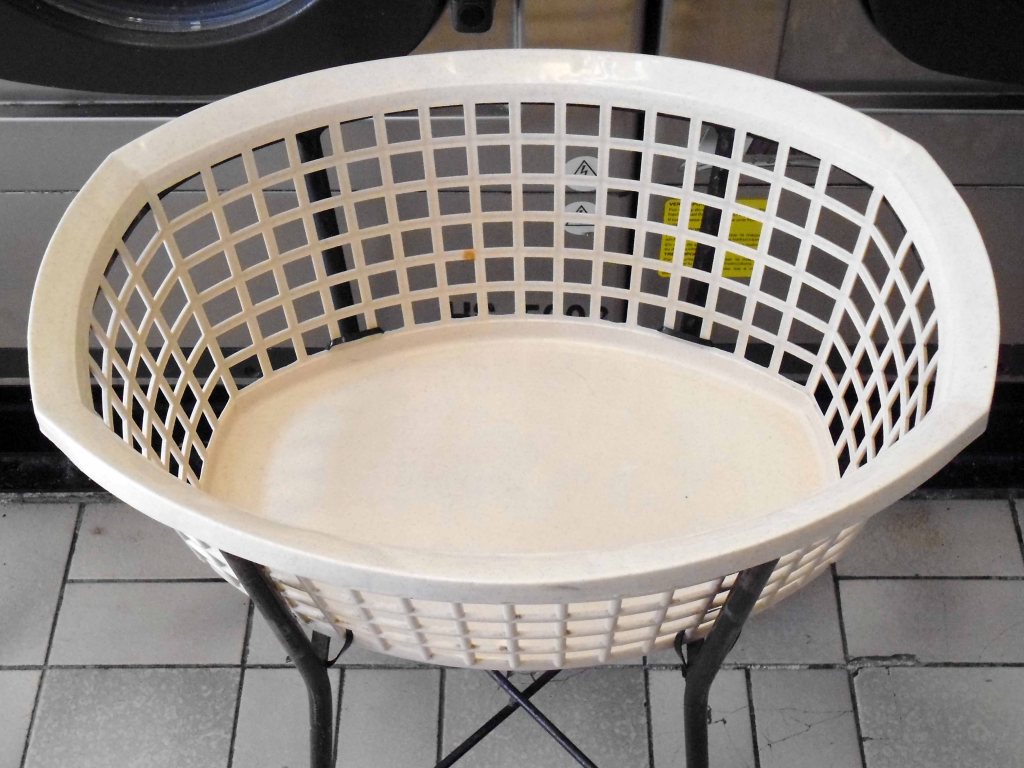
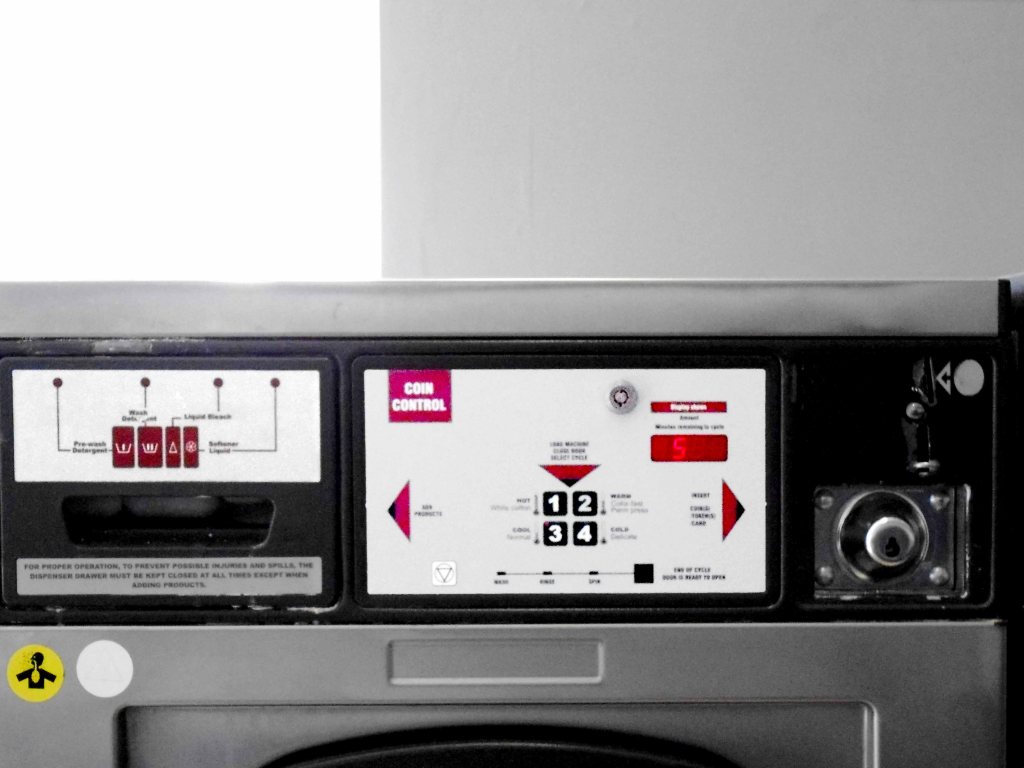
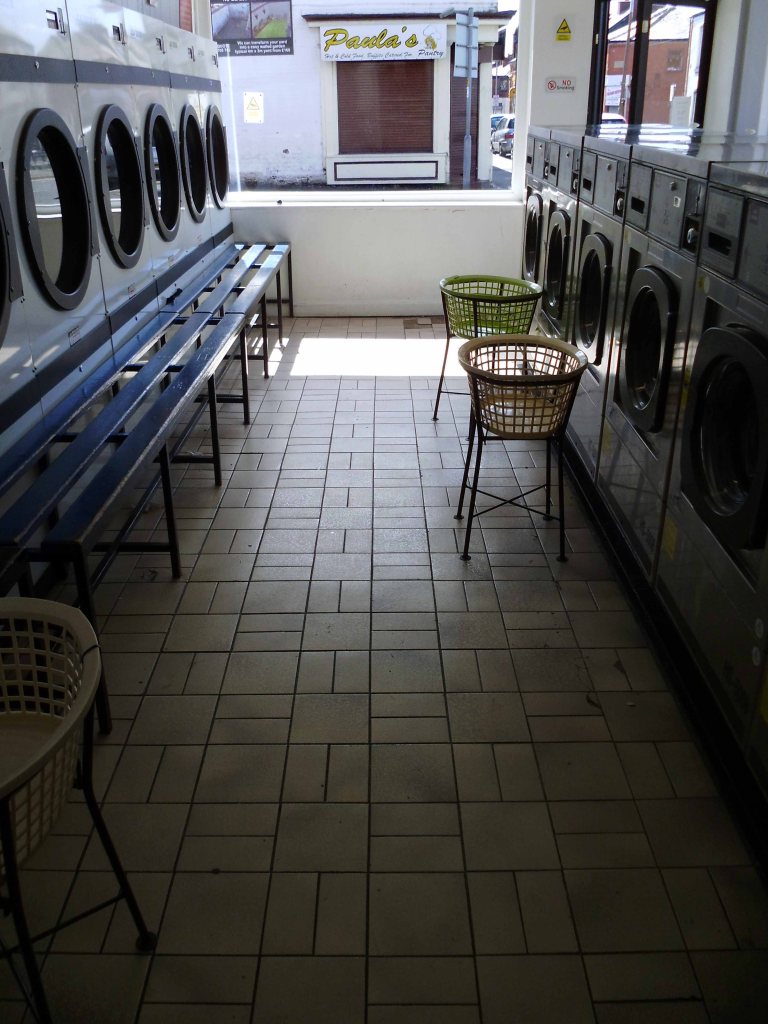
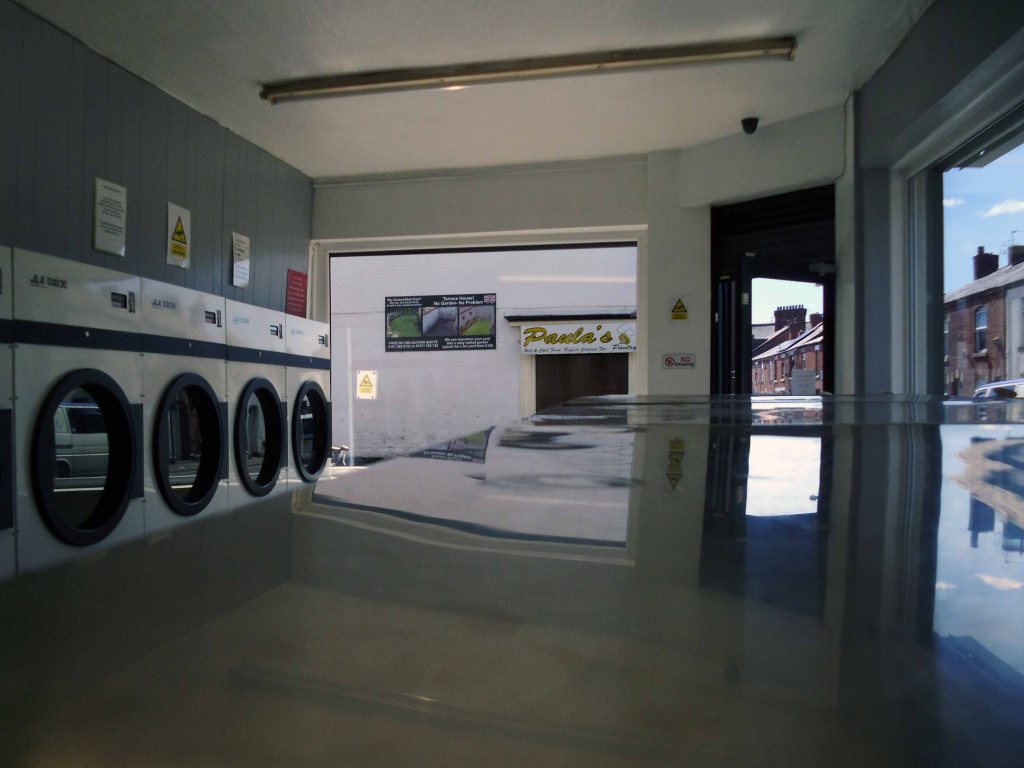
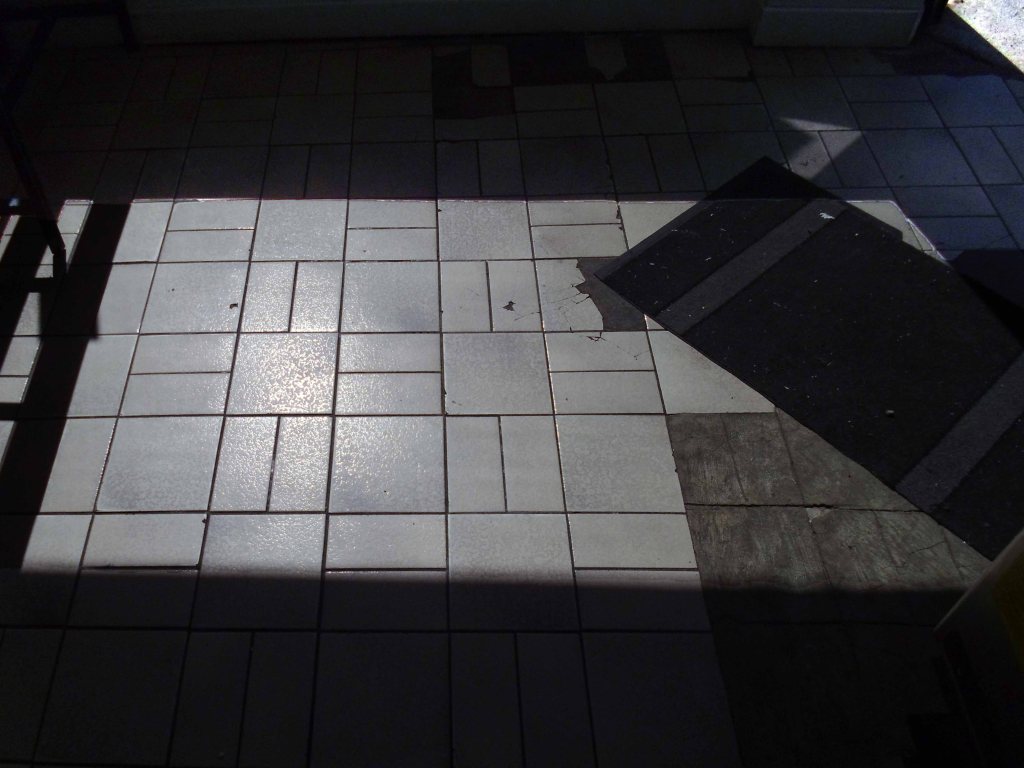
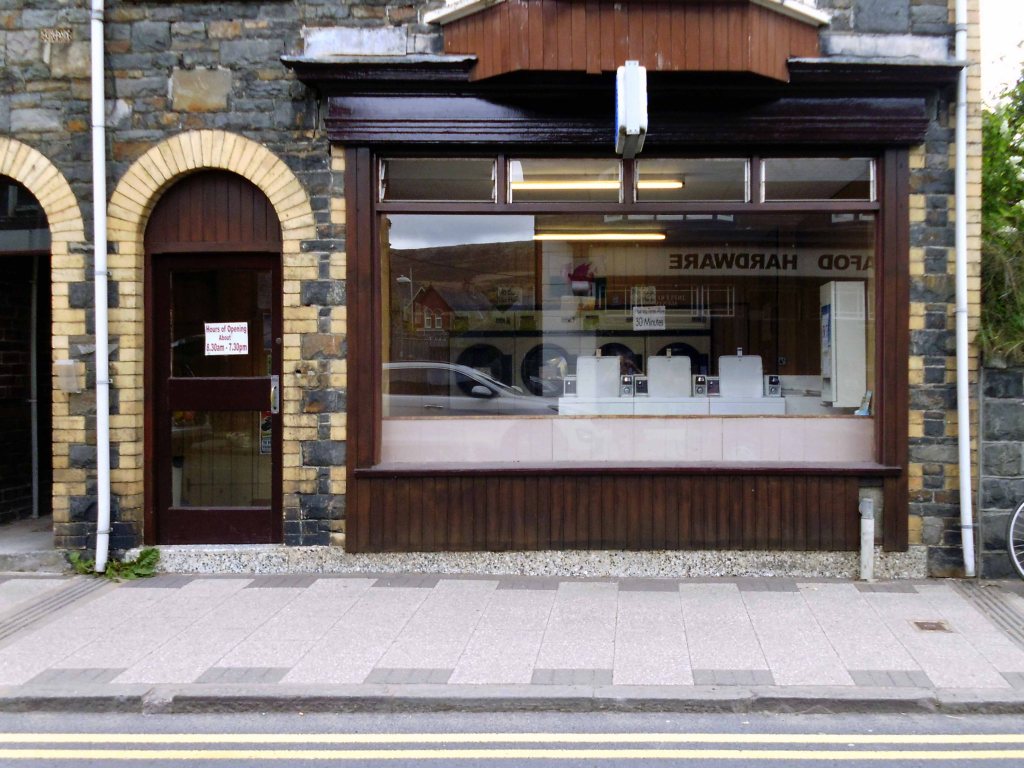
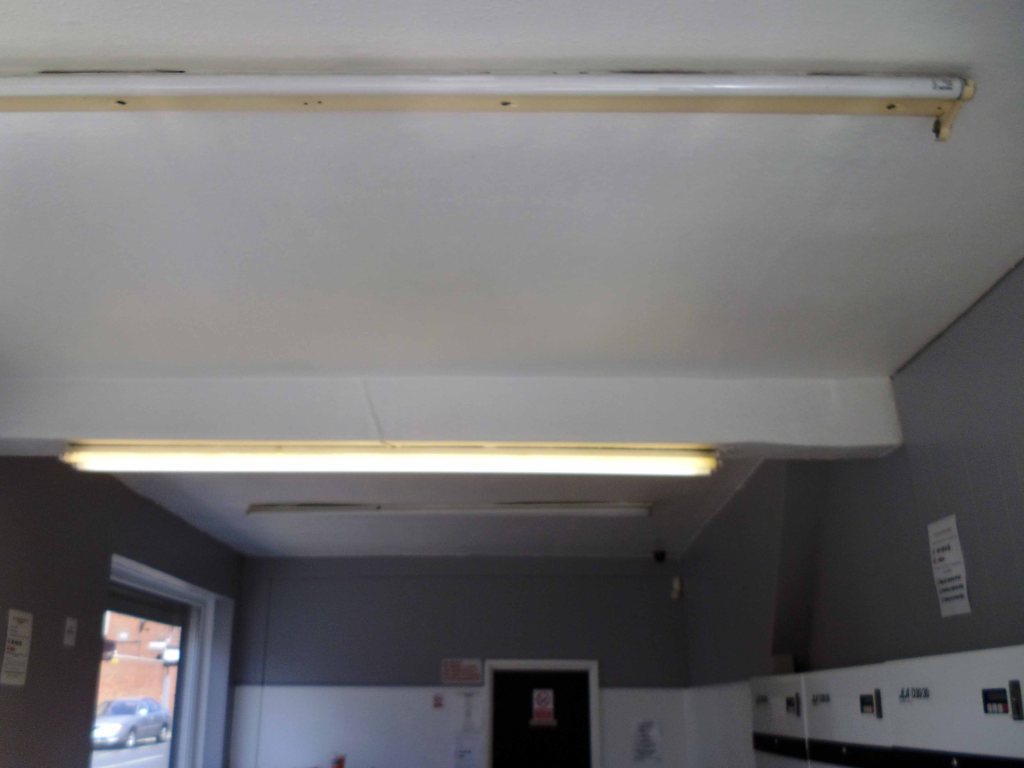
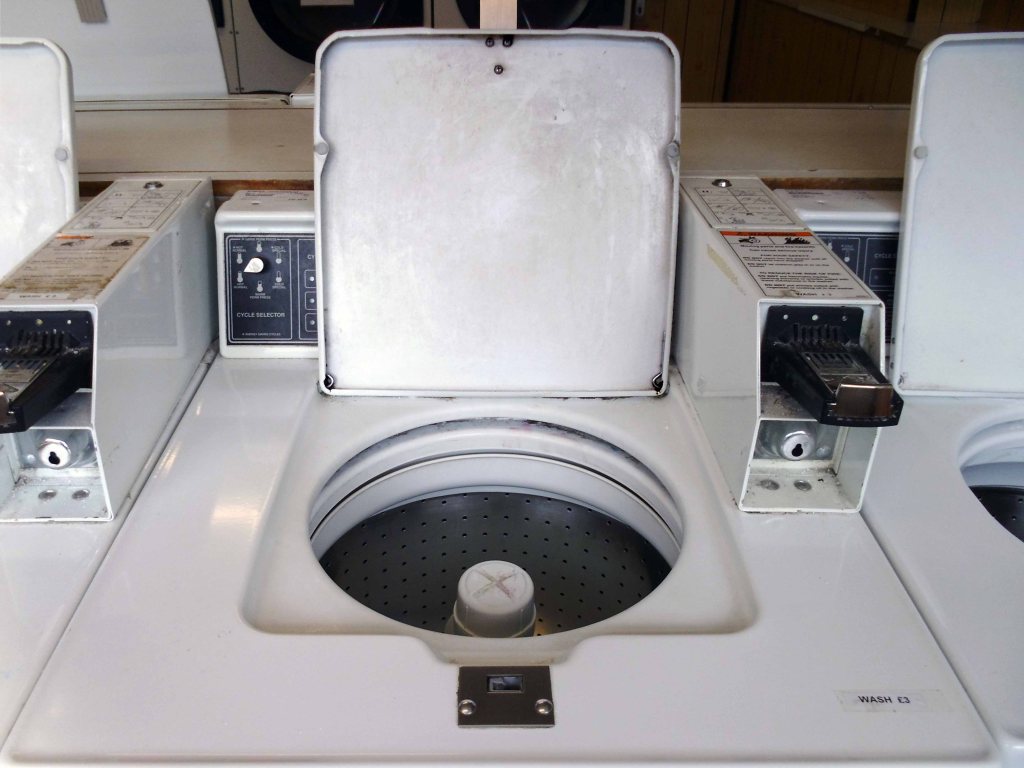
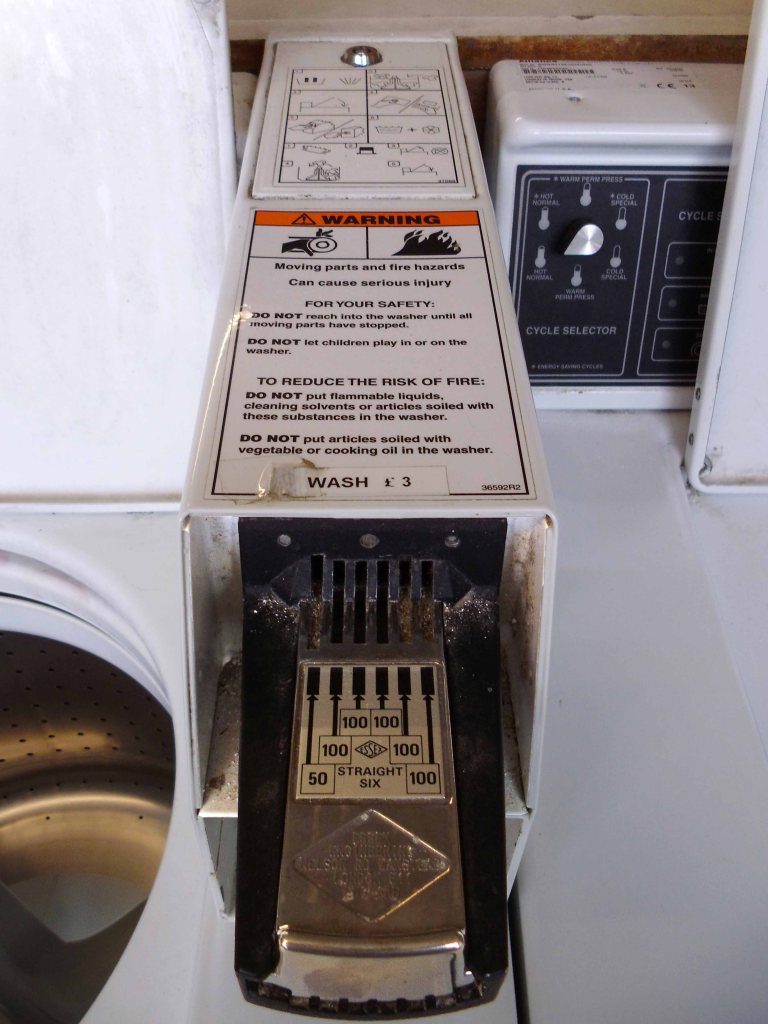
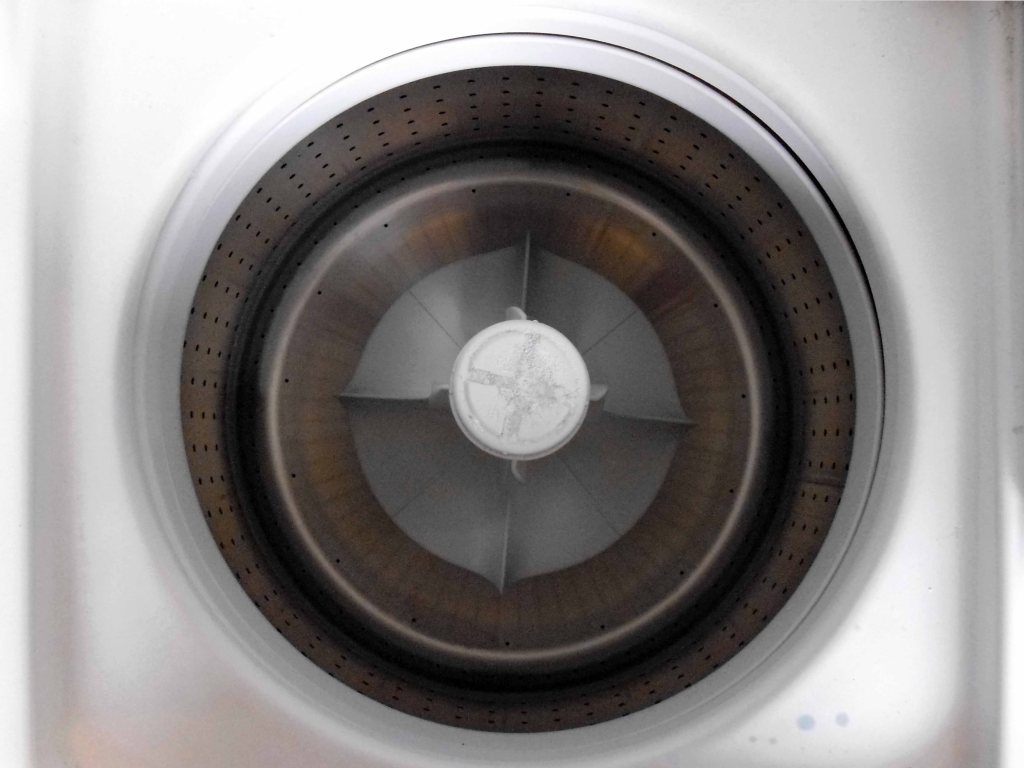
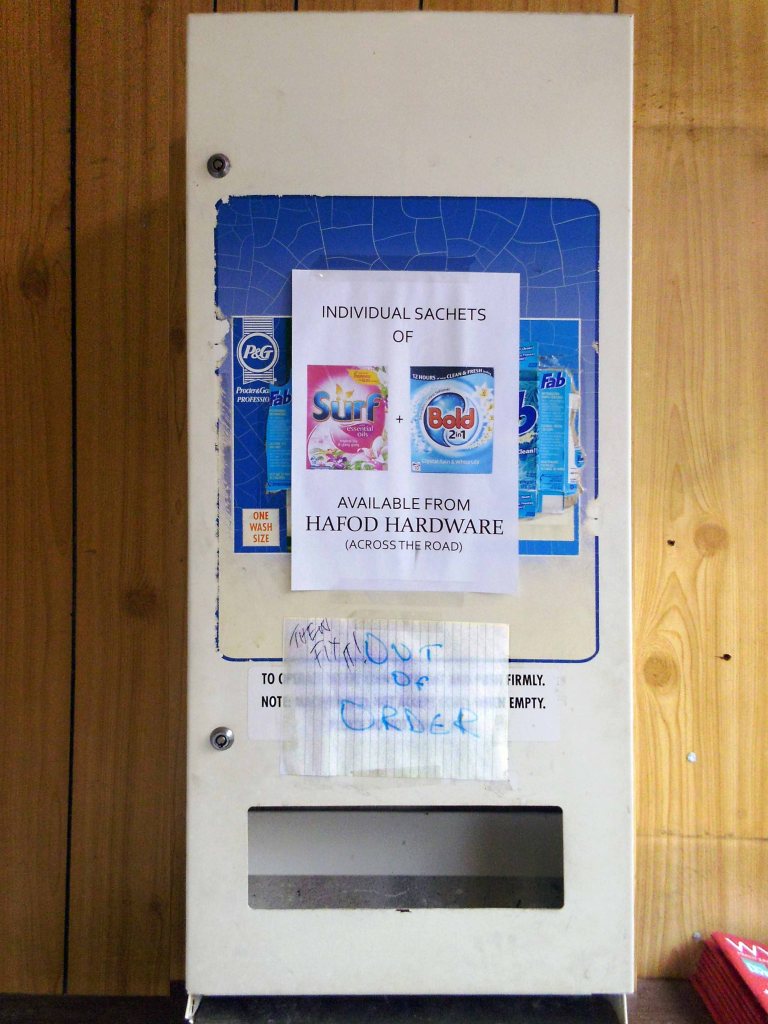
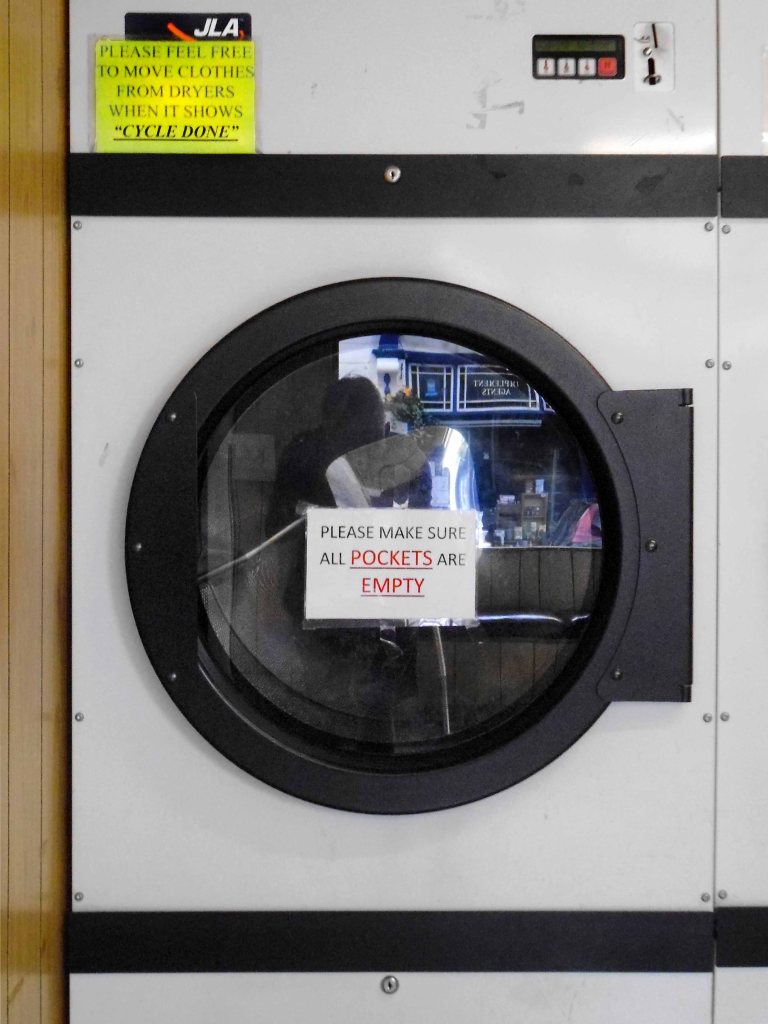
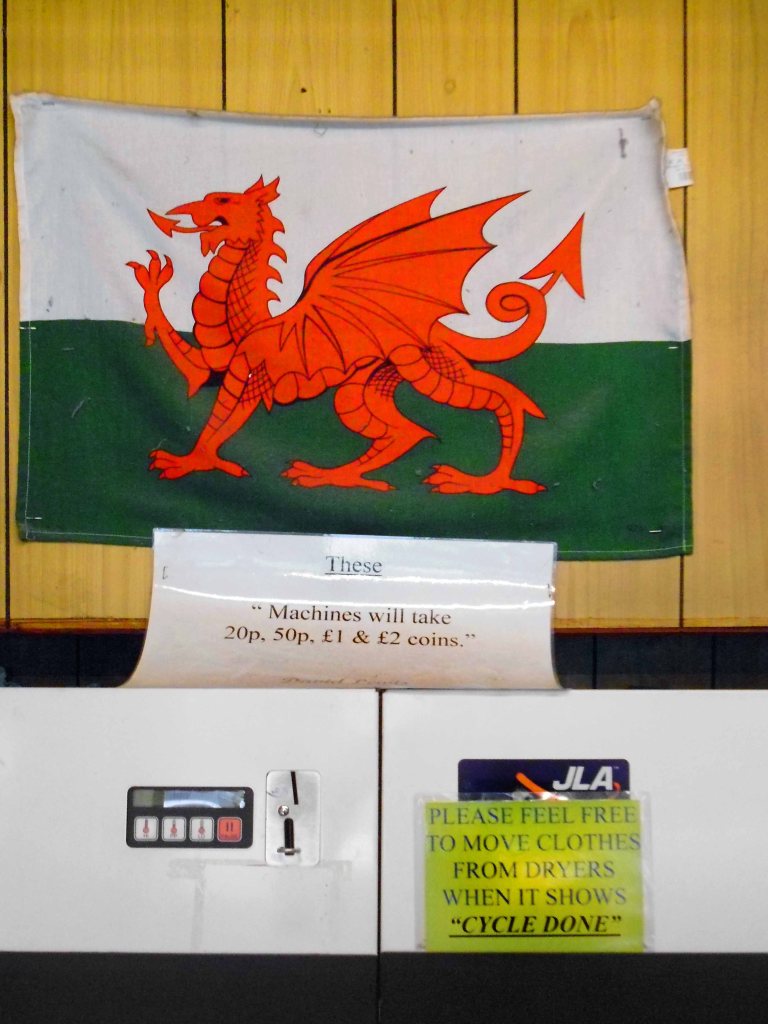
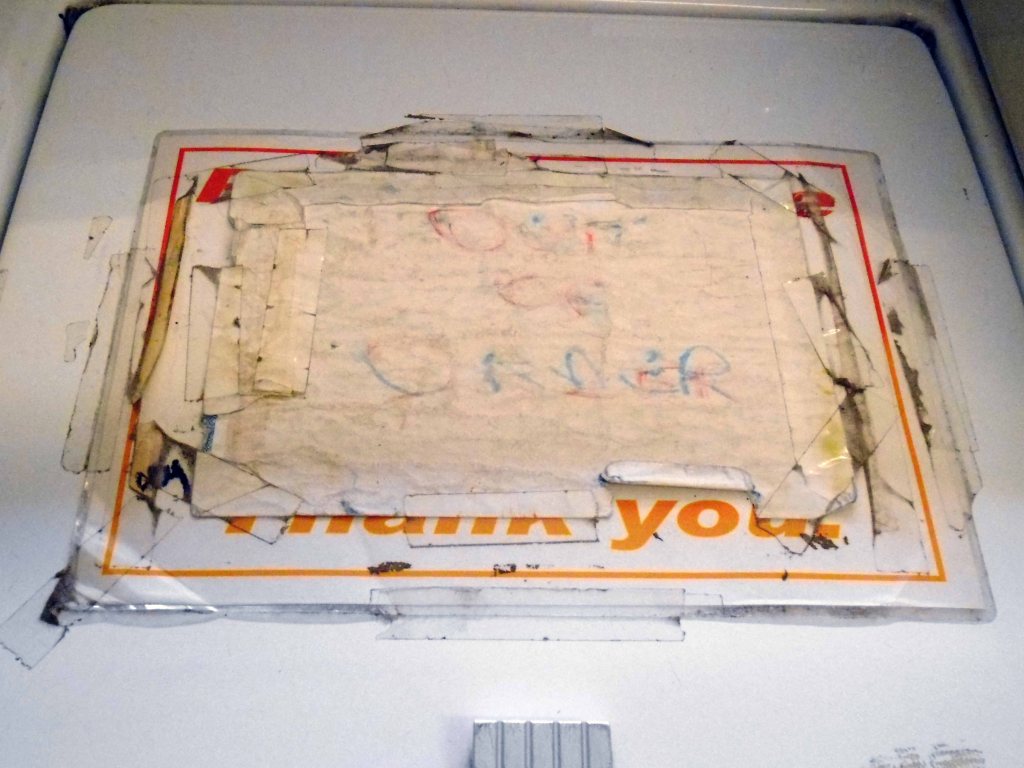
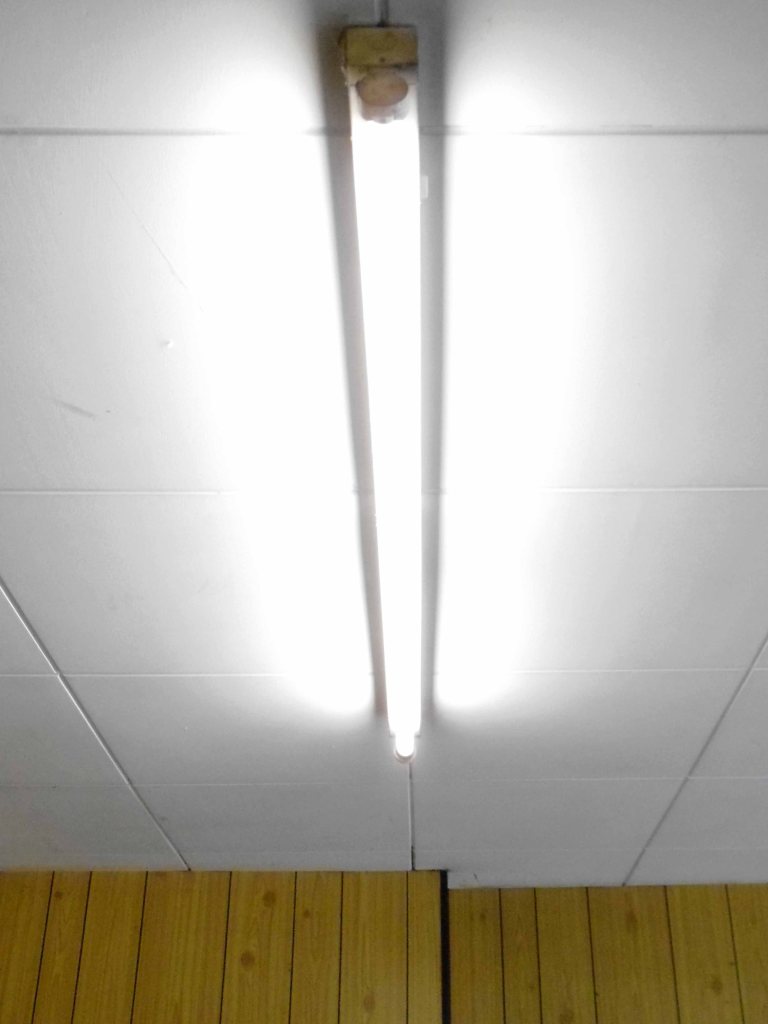
It began on an aimless walk out of Wigan on through Frimley, I found heaven on earth in the warm enfolding arms of the Washeteria. A perfectly preserved fascia, interior and machines, more by diffident neglect than good management. Signature wood effect and patterned Formica panelling, over earnest signs demanding the highest standards of personal conduct, etched in thick discoloured coloured plastic, abound on every surface. Stuttering strip lighting and a stone cold linoleum floor. A dull white ceiling, with a surface texture formed from deep frozen ennui.
Three years later I had visited and snapped several examples, all with their own uniques characteristics though all contributing to a typology.
In the United Kingdom known as launderettes or laundrettes, and in the United States, Canada, Australia, New Zealand as laundromatsor washeterias.
George Edward Penury created the word laundromat for Westinghouse.
According to NALI – the National Association of the Launderette industry, numbers peaked at12,500 in the early 80s but have since dwindled to just 3,000.
The first UK launderette – alternative spelling: laundrette. was opened on May 9th 1949 in Queensway London.
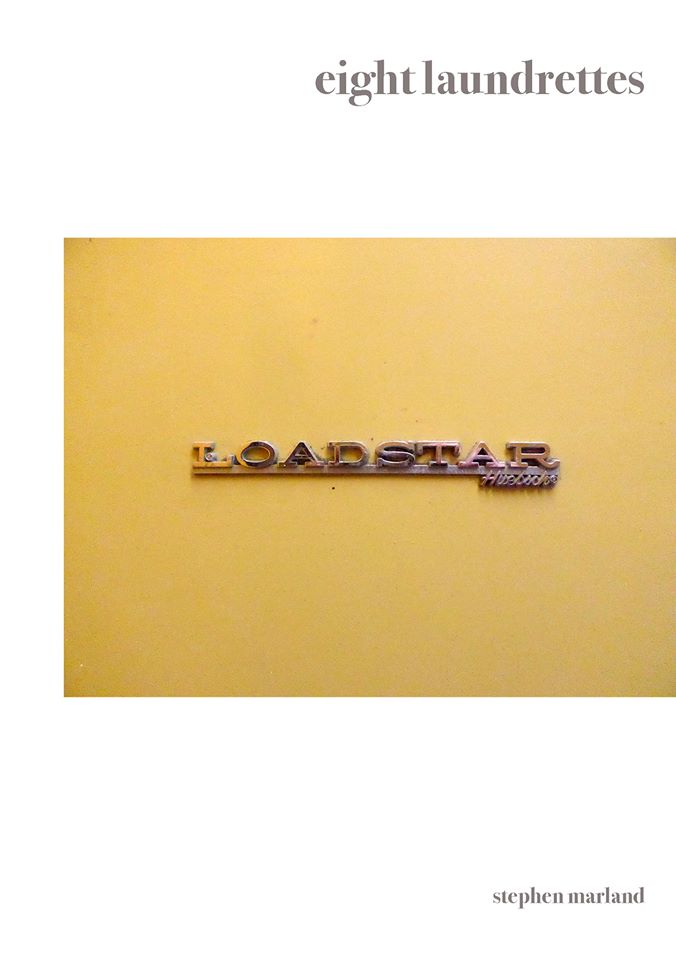
Come with me now and relive those warm damp languorous moments as we visit eight laundrettes.
All the books sold out in three hours – so here’s your chance to flick through the virtual pages as the prewash finishes.
The River Irwell bisects Salford and Manchester, joining the rivers Irk and Medlock, and then turns west toward Irlam, as part of the Manchester Ship Canal. Its course ends just east of Irlam, where it empties into the Mersey.
Urban development is ever so often dependent upon rivers – for sustenance, commerce and amusement. The Irwell and latterly the developments of the canal system has provided all of these in superabundance.
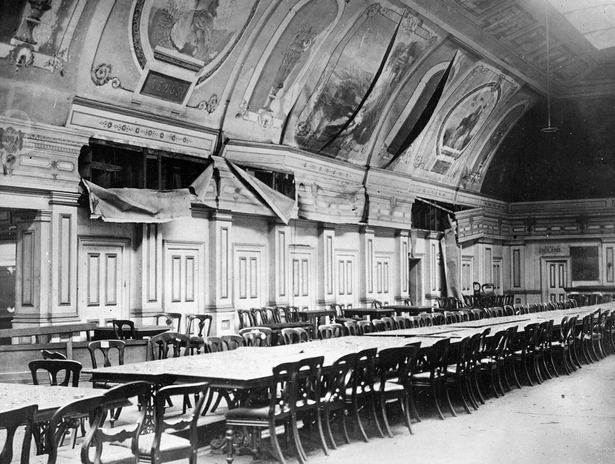
By 1870 the Pomona Gardens is thriving , boasting a concert hall and banqueting suite – further details here from Skyliner.
In the summer of 1887, a nearby chemicals factory exploded, damaging the palace – the area was under threat and destined to rot away to obscurity: the following year the gardens closed forever.
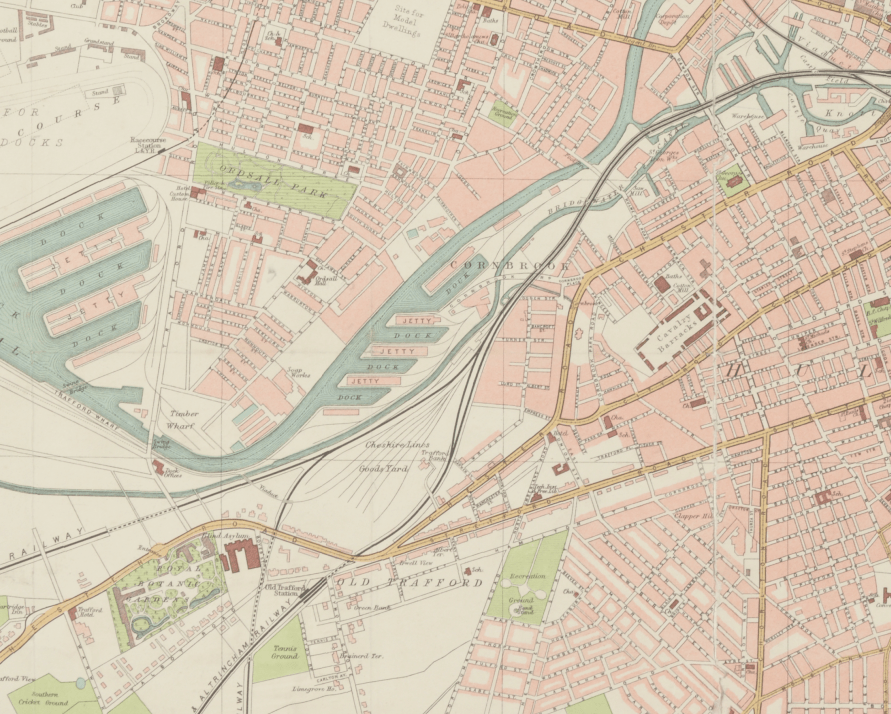
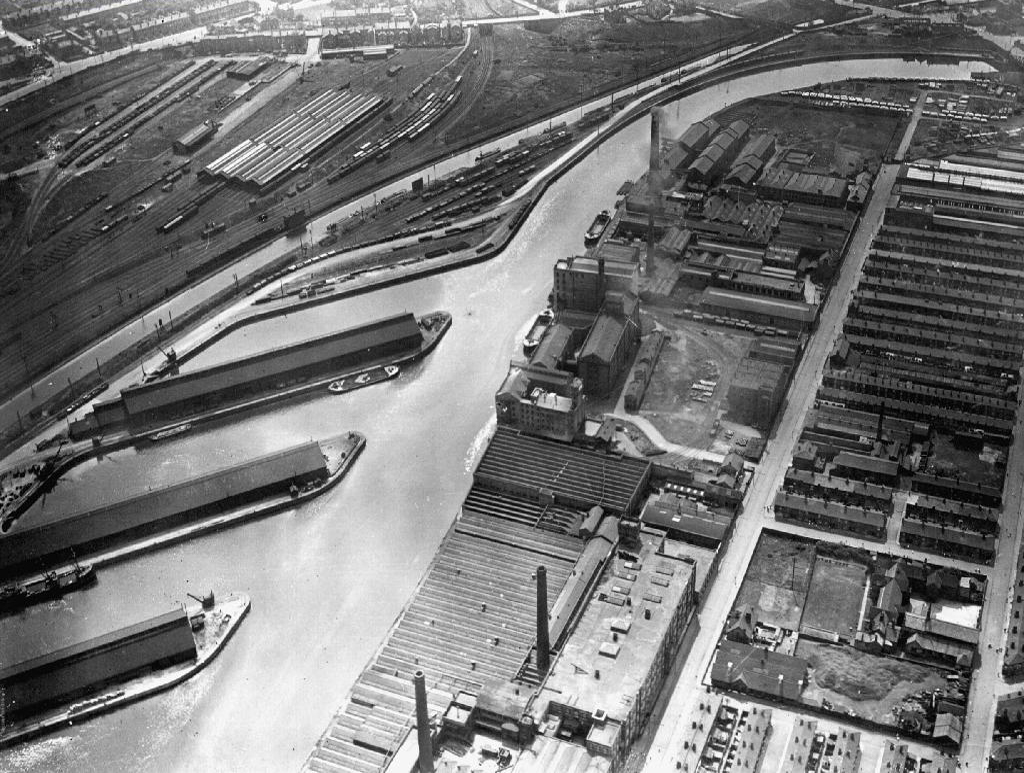
By 1900 the Ship Canal, docks and railways had arrived – Manchester and Salford are at the centre of an unprecedented growth in manufacture and trade.
189119231950
During the 1970’s the docks began a rapid decline, largely due to containerisation. The increasing size of freight-carrying ships meant they could no longer navigate the ship canal and this, combined with increased trading with Europe and the east, saw use of Manchester Docks decrease. In 1982 the remaining docks closed and the area became derelict. Recognising the need to redevelop the area, Salford City Council purchased the docks in 1984 using a derelict land grant. The Salford Quays Development Plan was adopted in May 1985, proposing complete reclamation and development of the area for commercial, residential and leisure use.
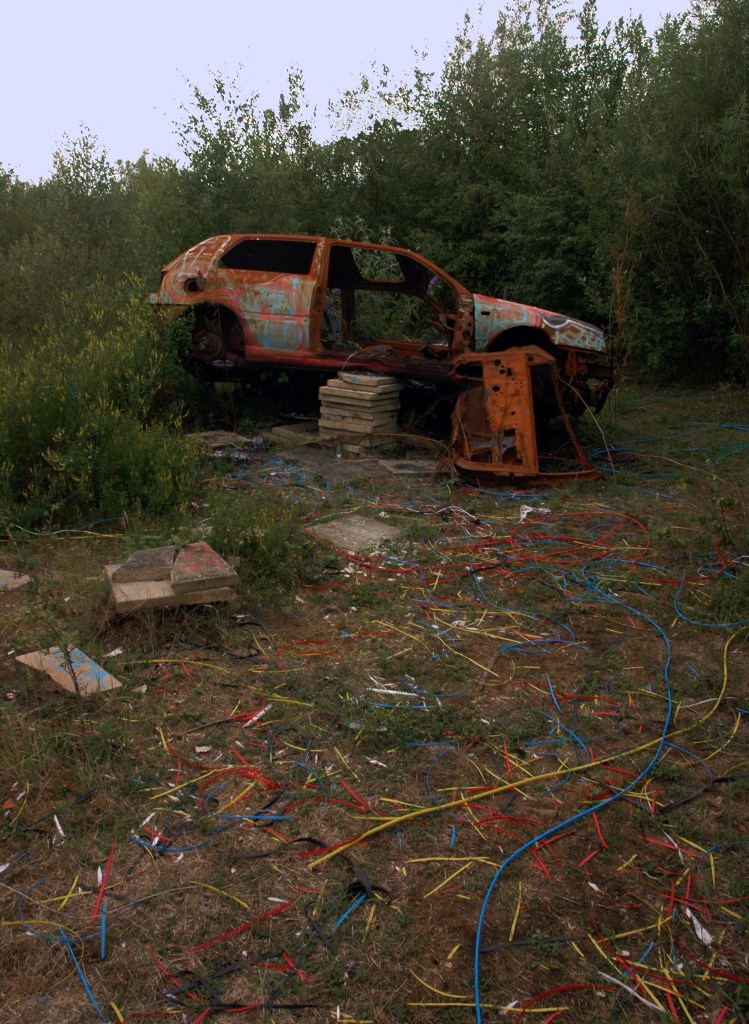
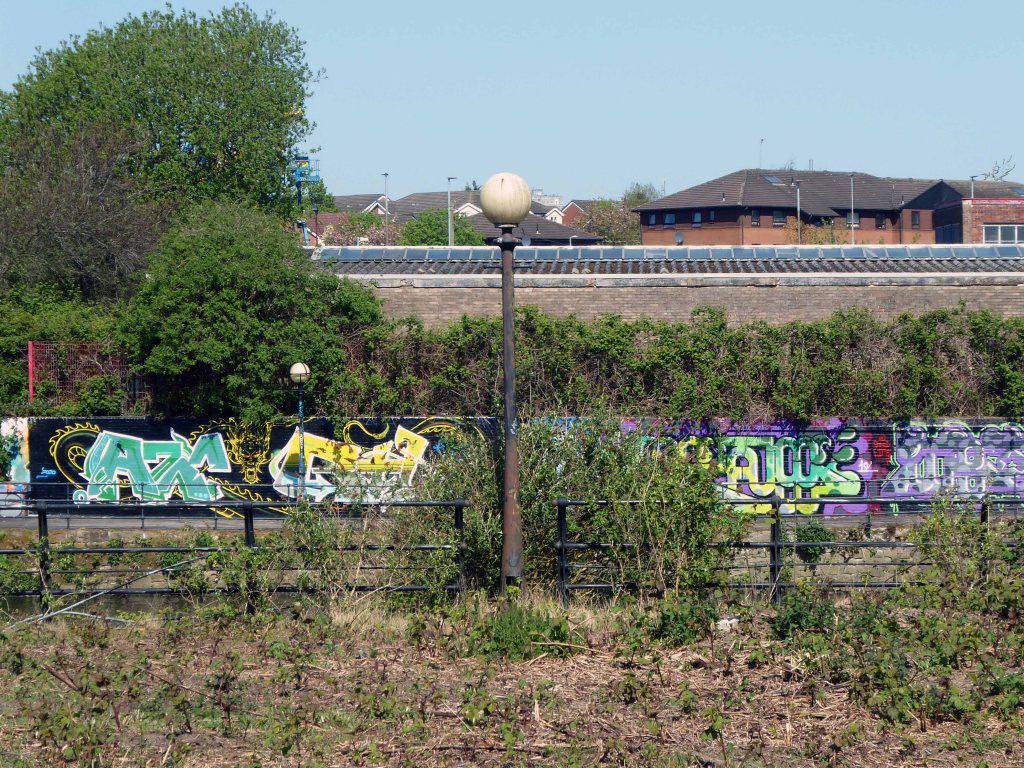
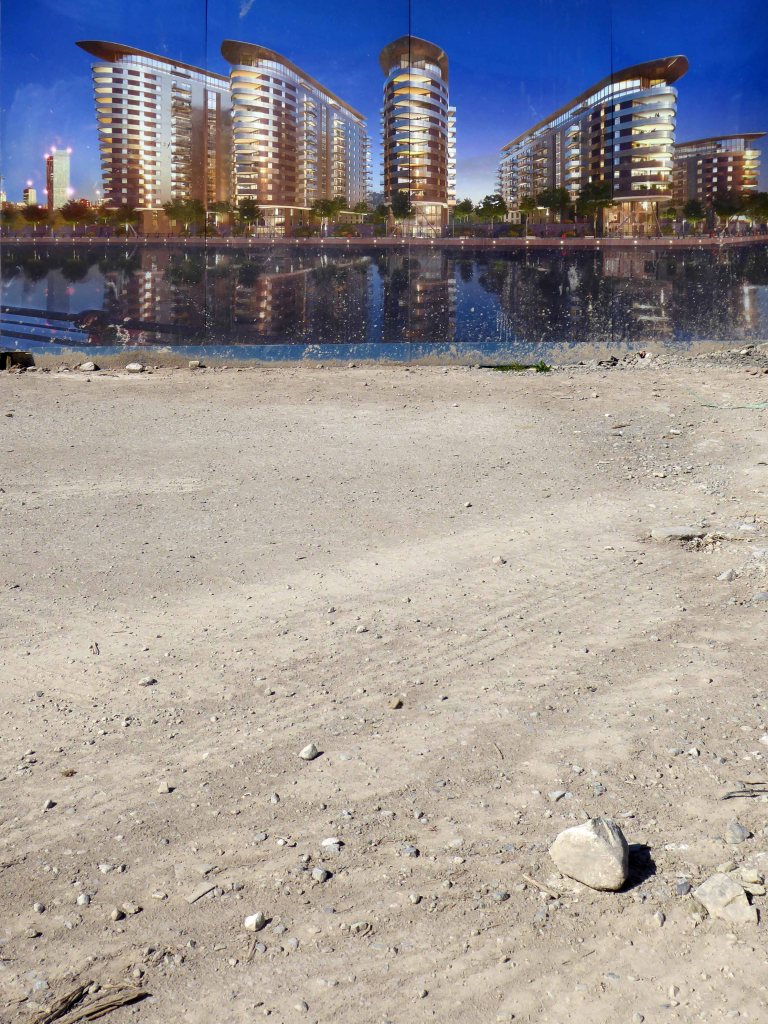
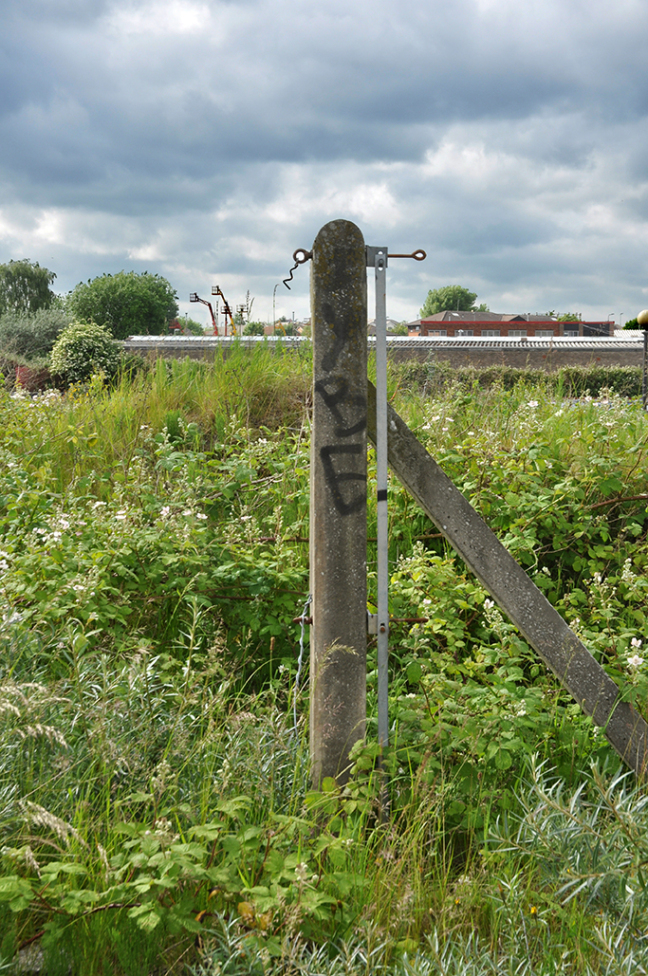
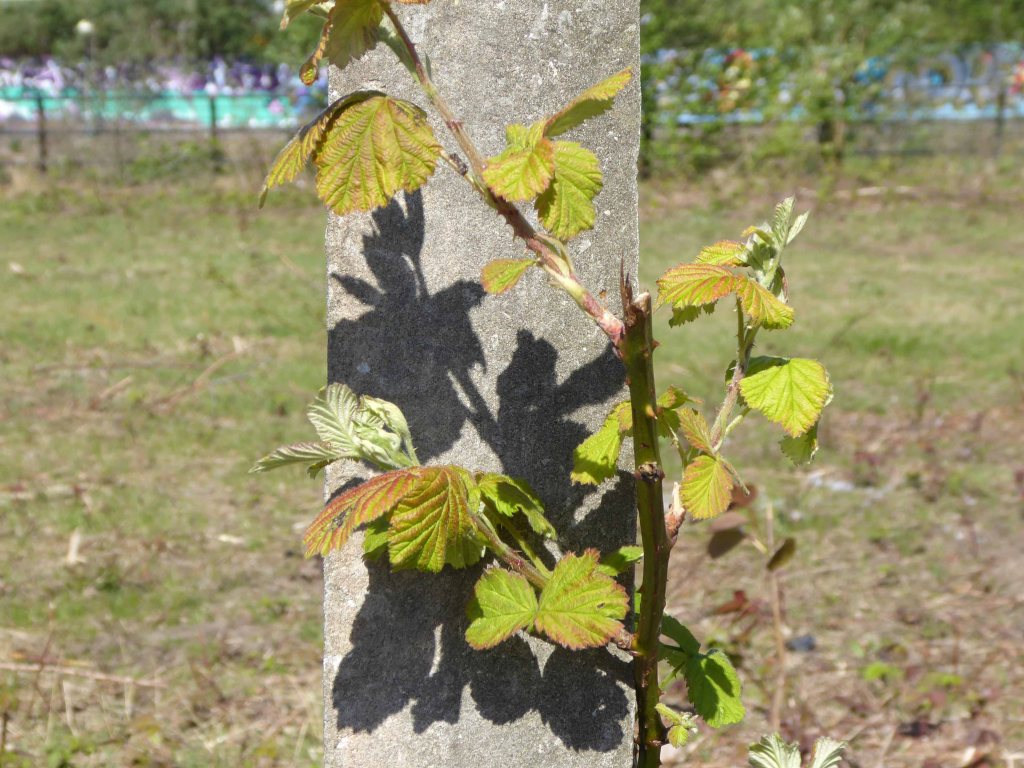
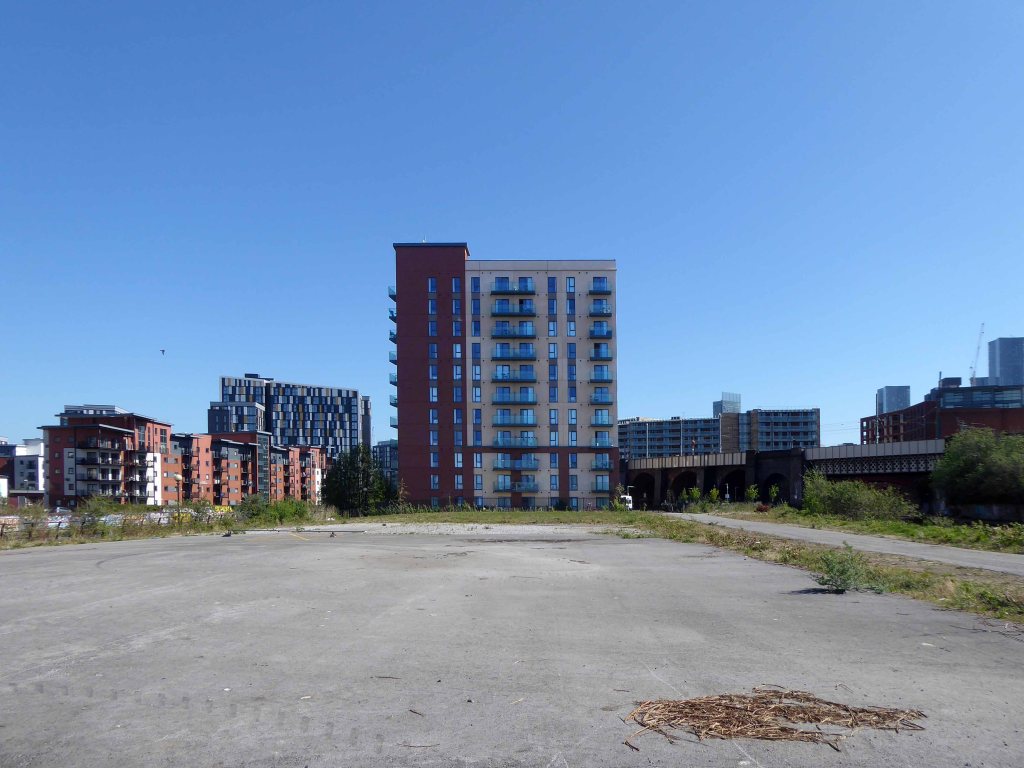
Manchester and Salford begin the long haul from post industrial decline to service centred cities – there were even seeds sewn for the development of a luxury marina. When I first visited Pomona the area was seriously overgrown and the underground wiring stripped out.
201020102020
Remnant of the initial scheme – pedestrian access, balustrade and lighting.
What would poor old Pomona make of all this?
There was a failed attempt to prevent further development and return the area to nature. Peel Holdings prevailed and pressed on relentlessly with their programme of urbanisation.
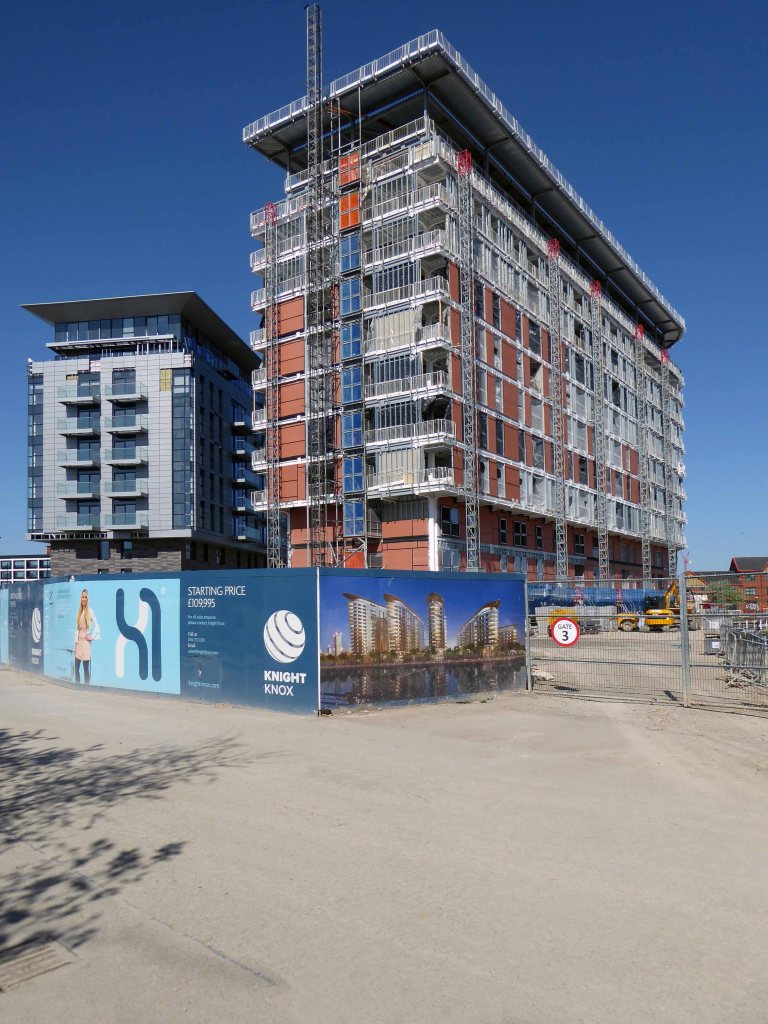
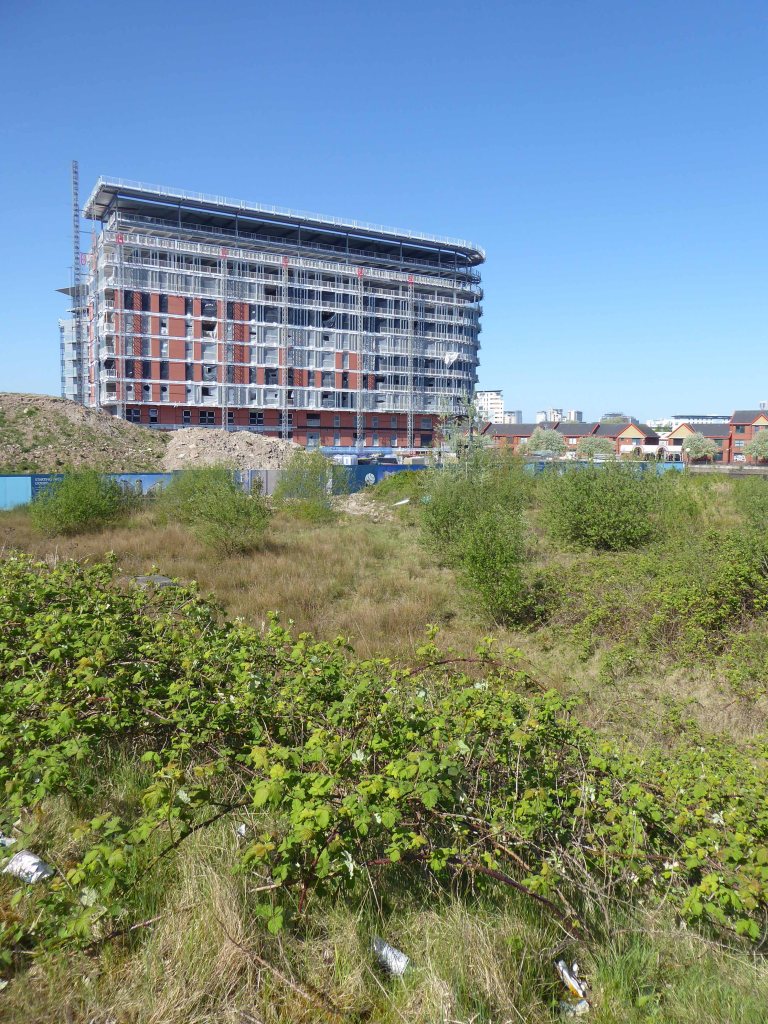
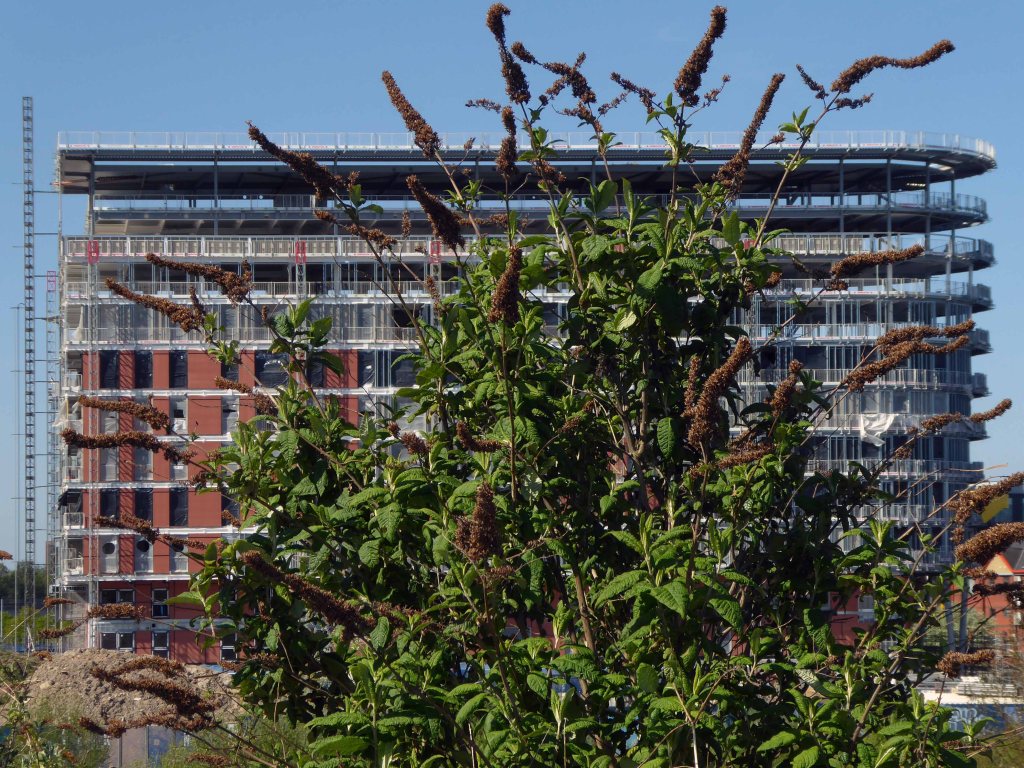
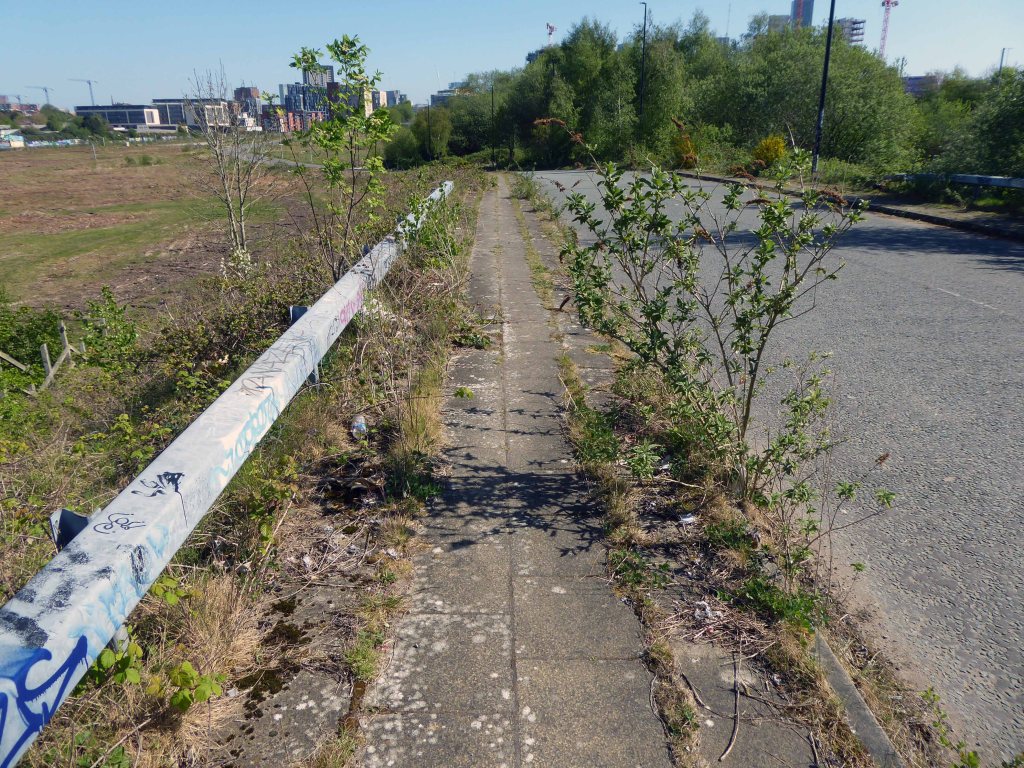
So it’s April 2020 – I’m on my way from somewhere else to somewhere else, I’ll cut across Pomona Island – the building site is in lockdown – ain’t nobody home.
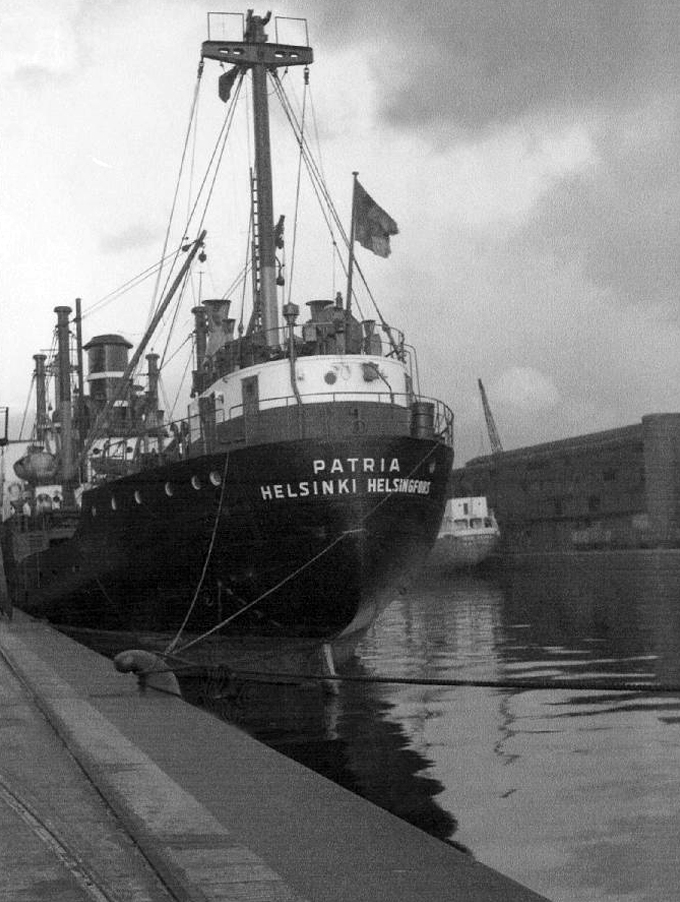
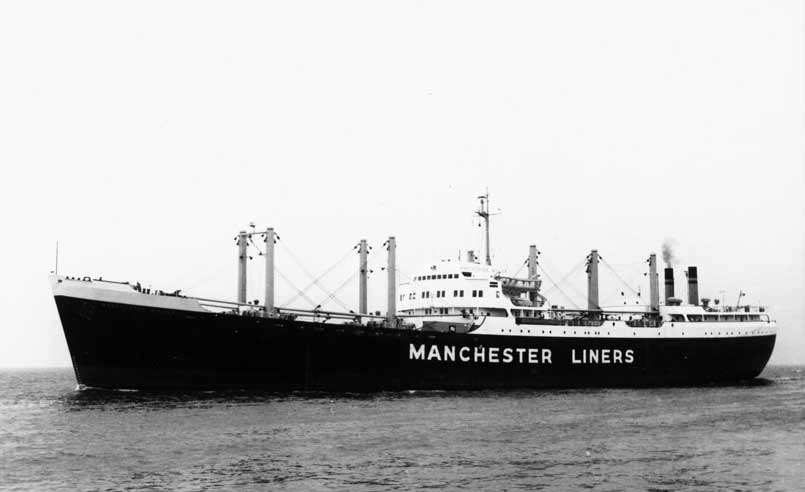
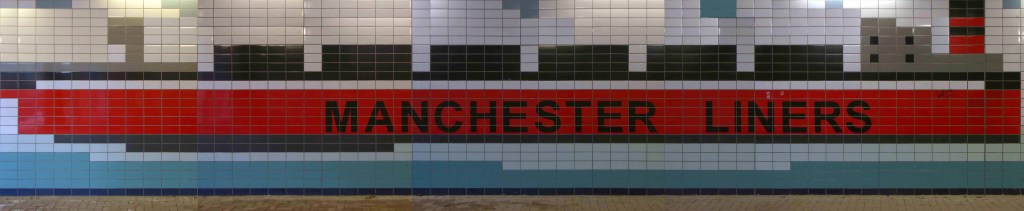
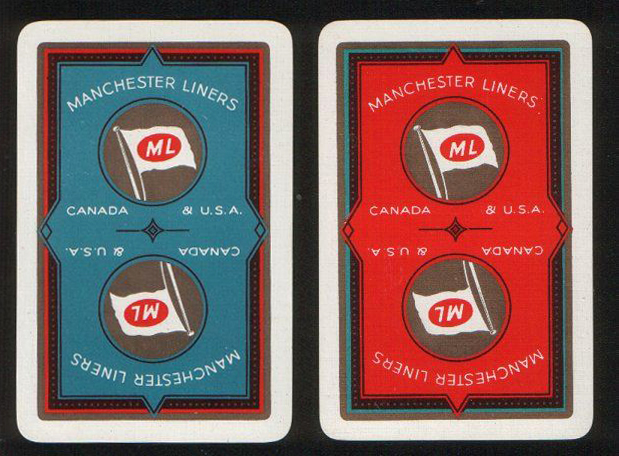
In 1898 Manchester Liners Ltd was launched, four second hand ships were purchased and the company naming policy of applying the prefix Manchester was established.
The company began to operate services to Canada and the USA. Manchester Liners started WW1 with 15 ships in its fleet. During the war 10 ships were lost to enemy action, but because of the purchase of replacements the fleet was at 12 in 1918.At the outbreak of WW2, Manchester Liners had 10 ships in service. War losses were 7 ships, but the delivery of war-standard ships maintained the fleet at 8, which was sufficient to resume a weekly service to Canada.
The Manchester dockworkers strike record became so bad, that in 1973 the company decided to move half of its container services to Felixstowe. Furthermore, to obtain lower costs per unit, container ships were becoming bigger than the Canal limits.
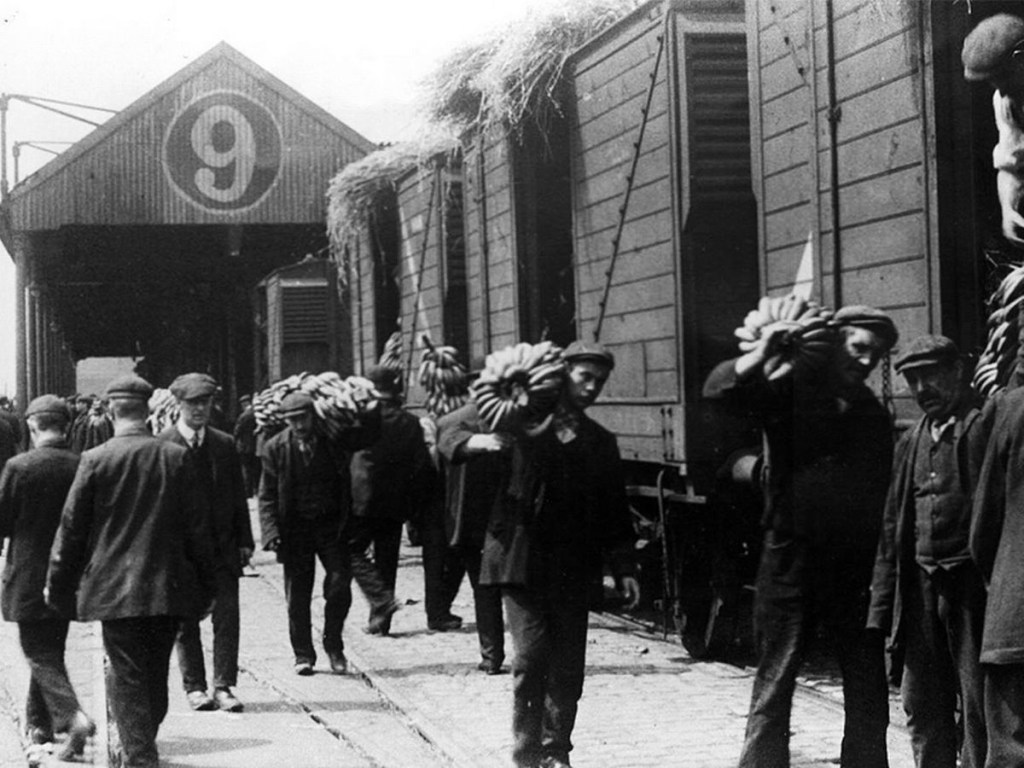
This was a history of economic growth and prosperity, for some. Tangible commerce, the wealth of a nation built on making things, moving things. Cranes, ships, stevedores and sailors, the world and his wife converging at the base of the Manchester Ship Canal.
All this is long gone, containerisation, recession and state engineered shifts in global manufacture and trade.
They took away the cranes.
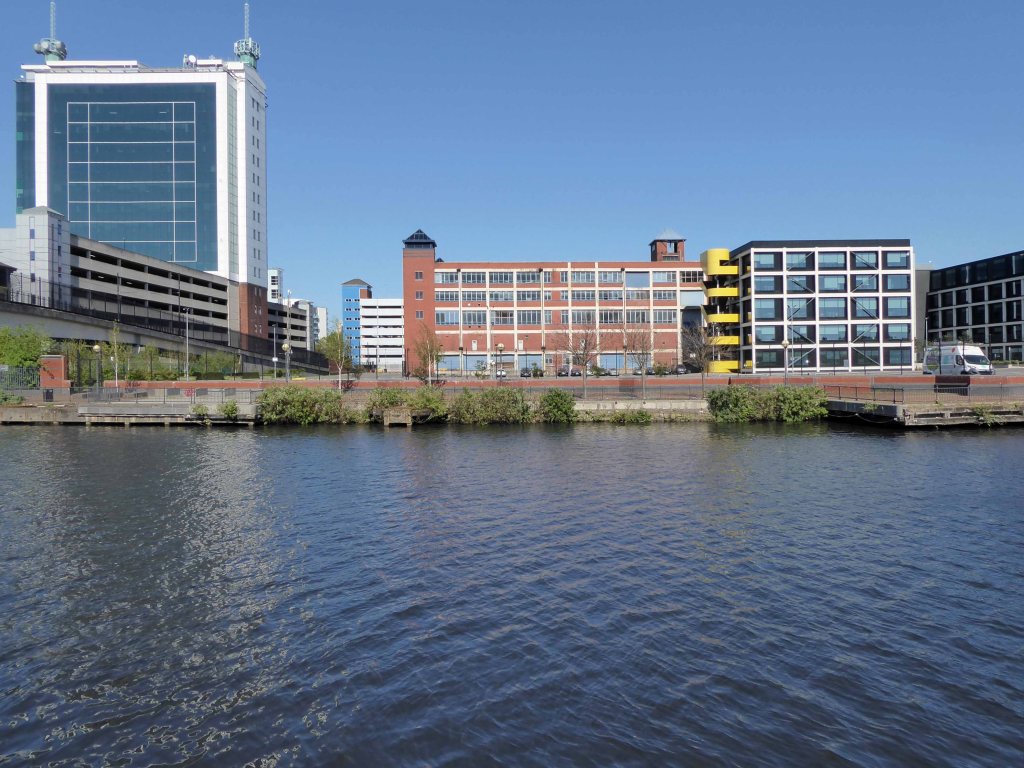
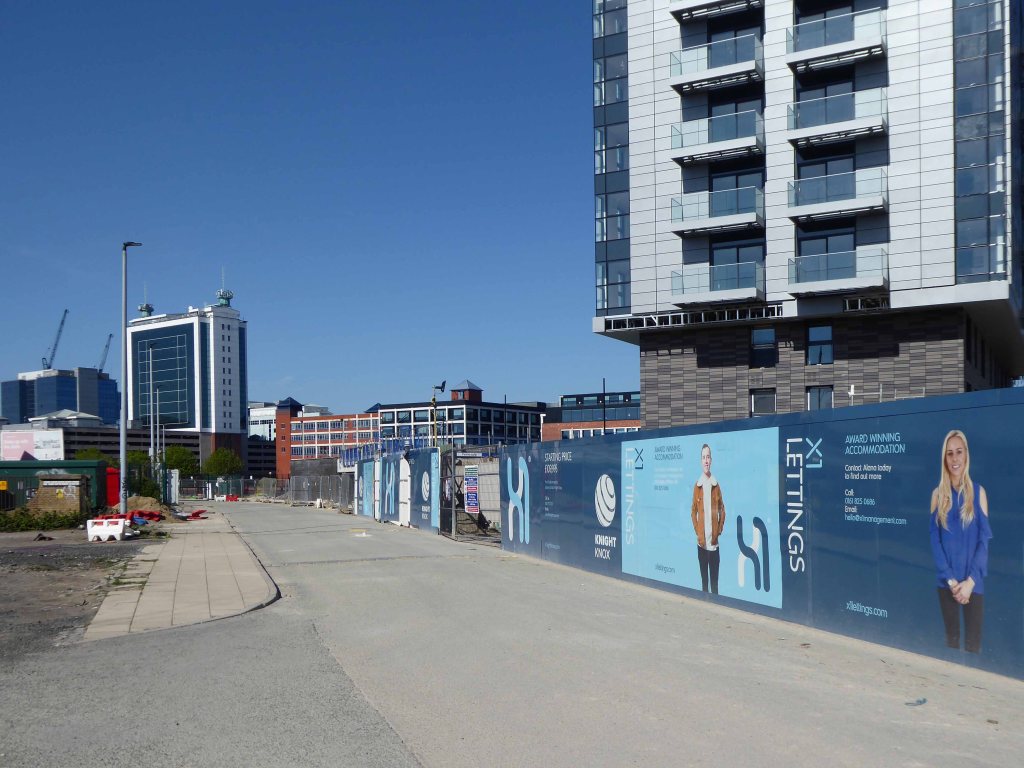
The area is now awash with intangible activity – what goes on behind the smoked and mirrored glass?
Just who is moving what around, how, where and why?
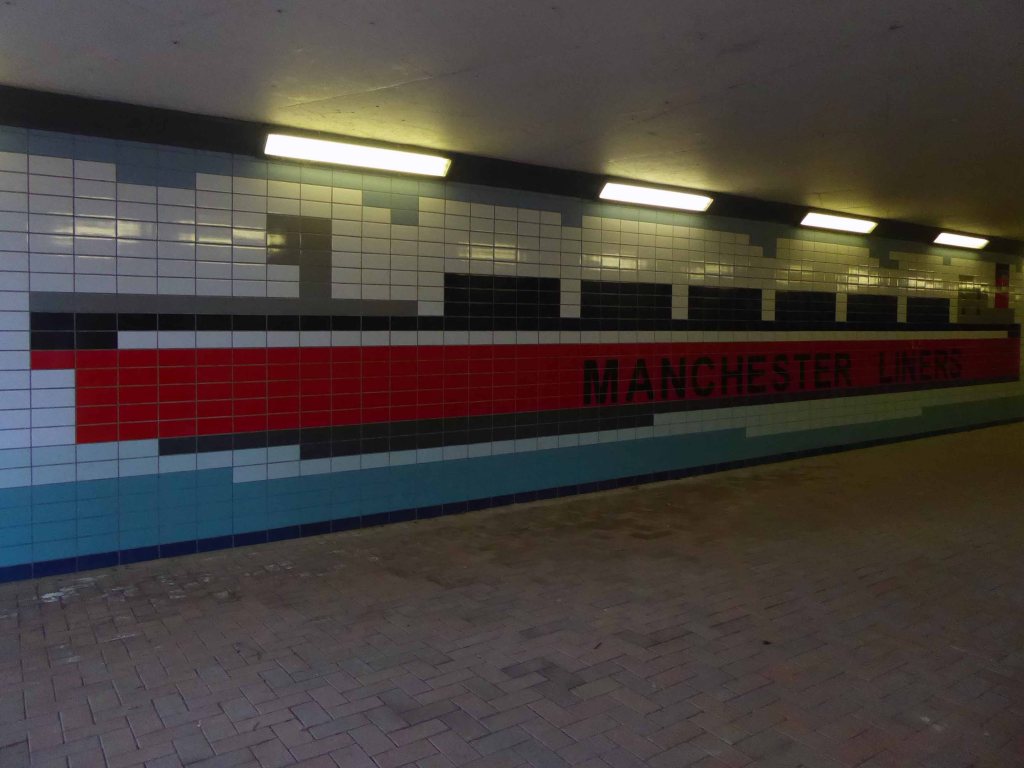
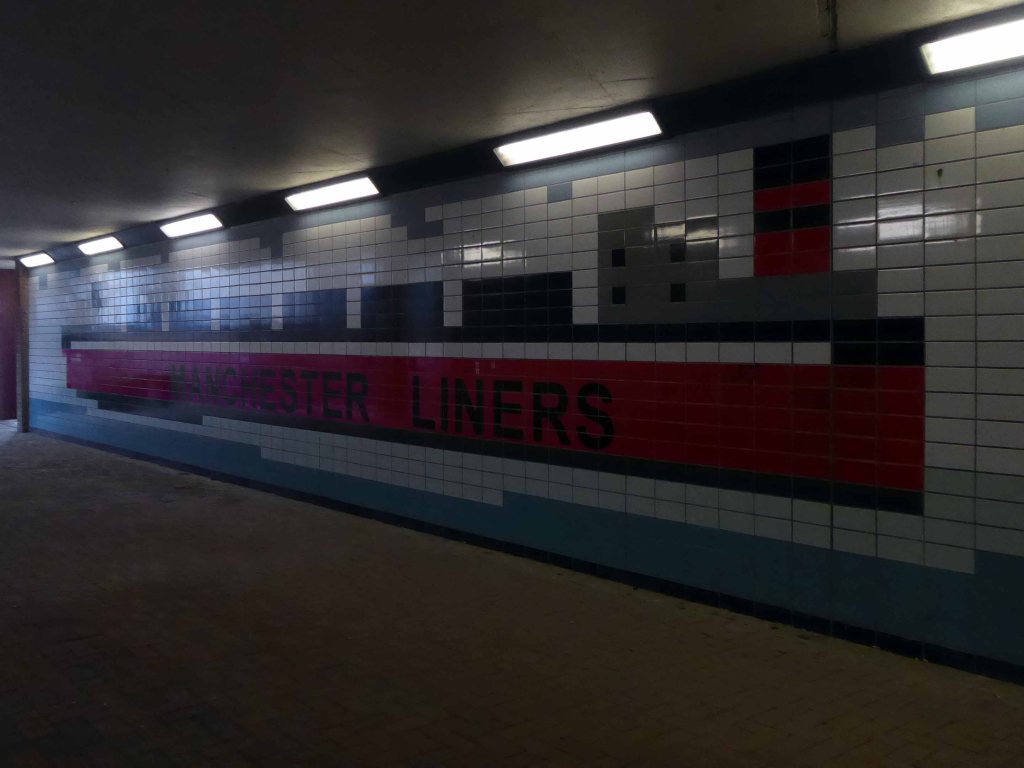
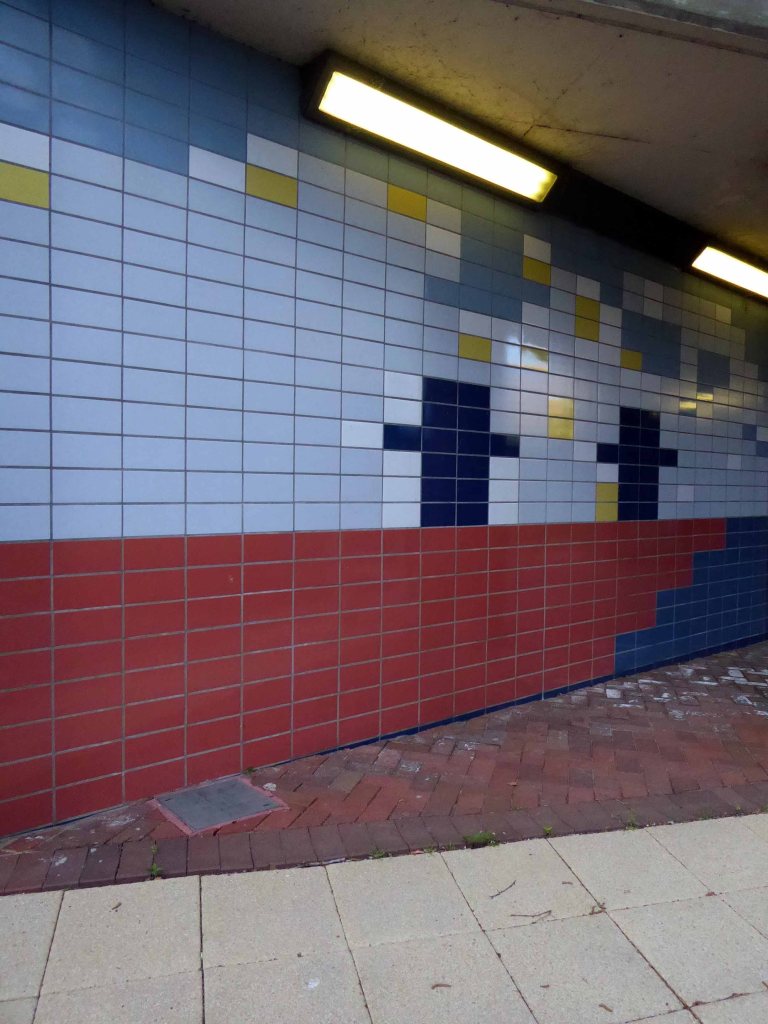
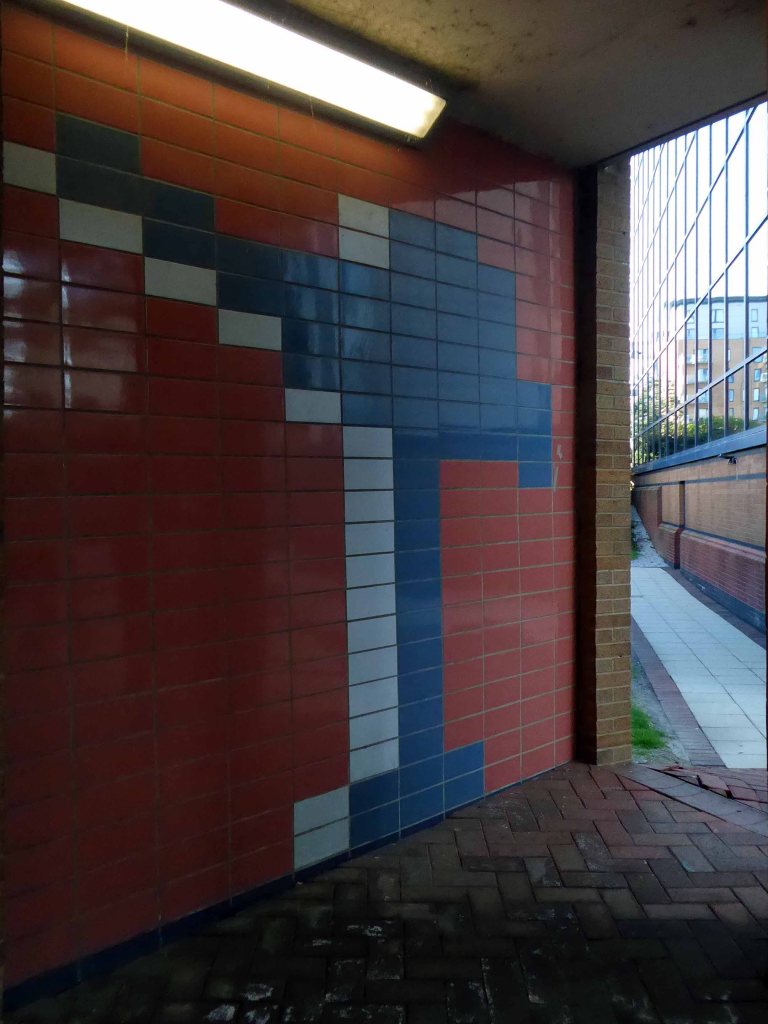
But hidden away between here and there is a tiled underpass.
A permissive path.
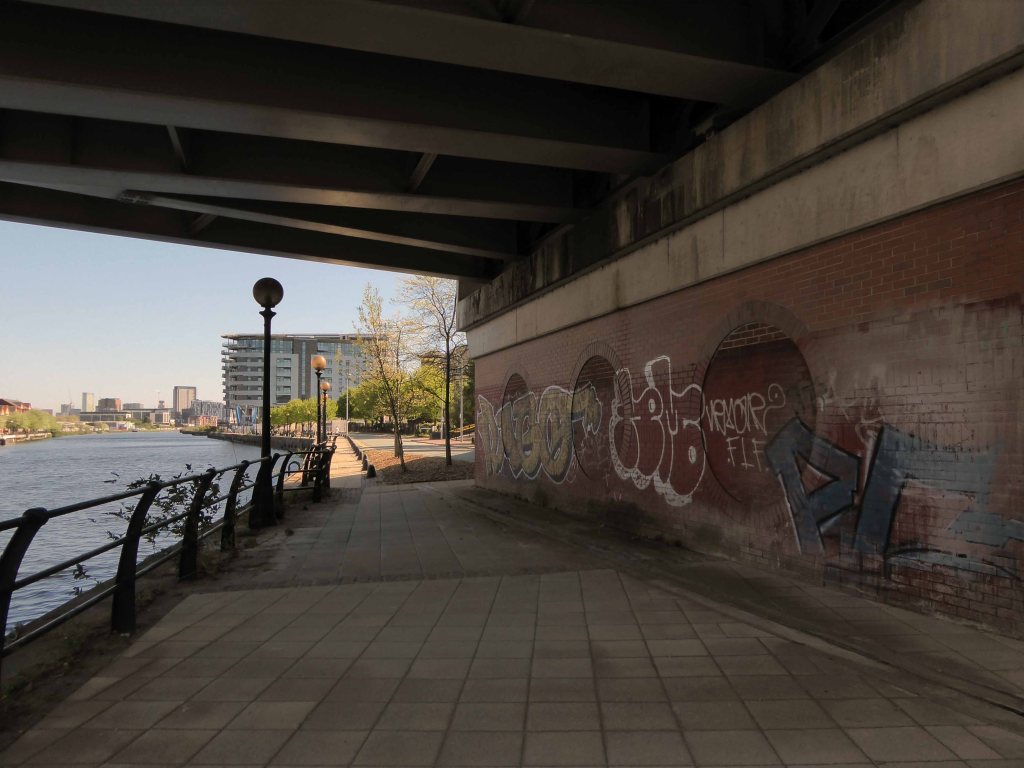
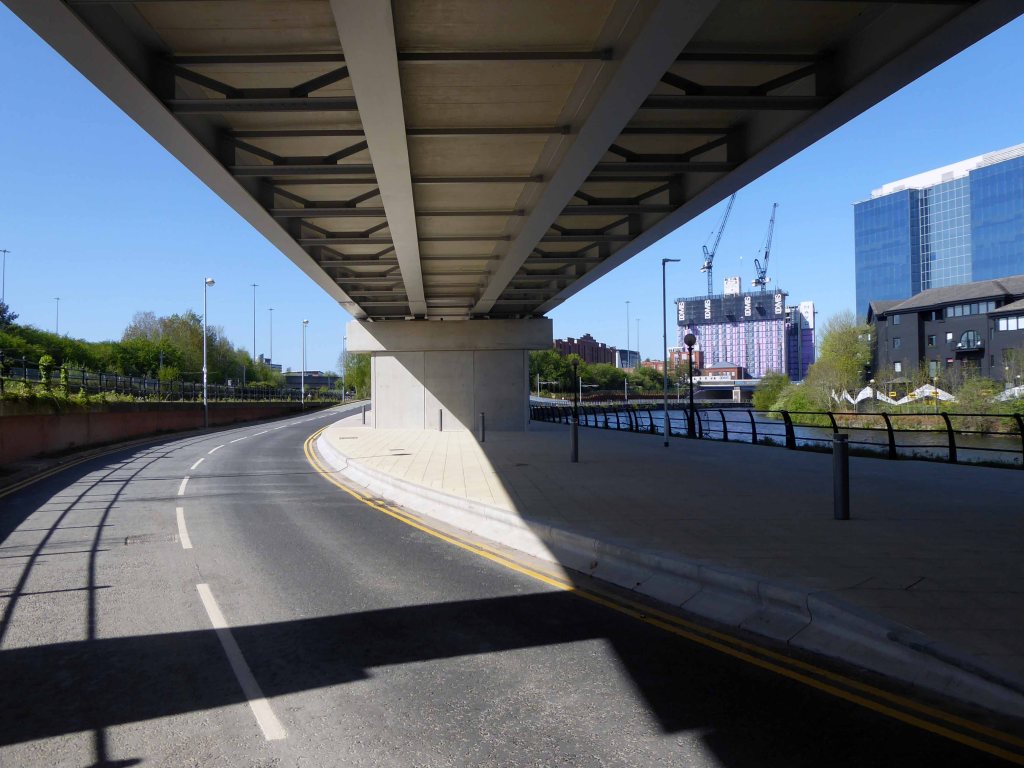
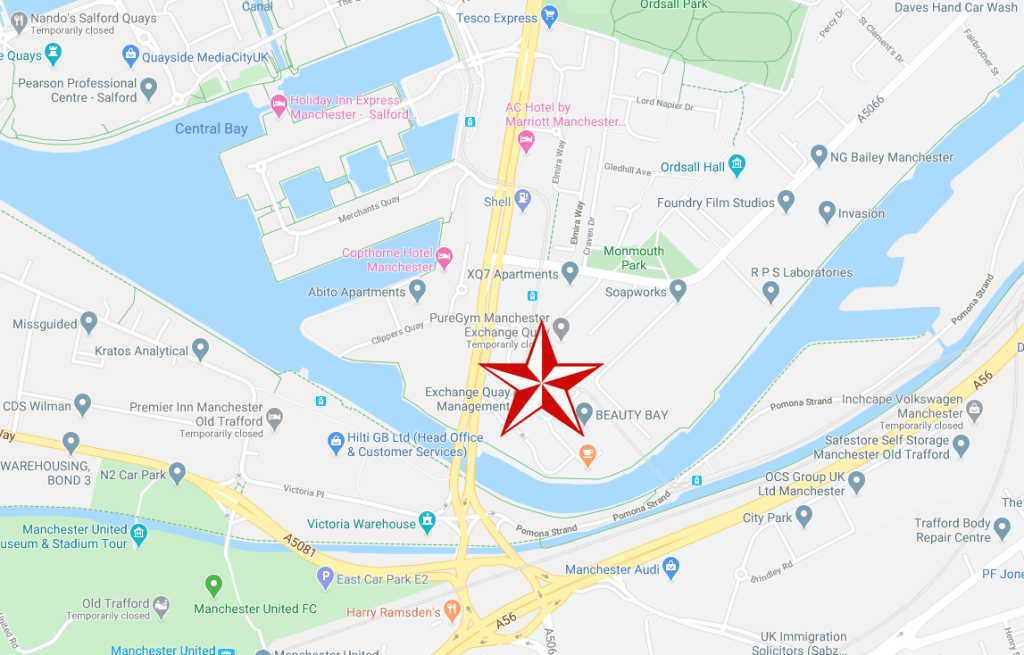
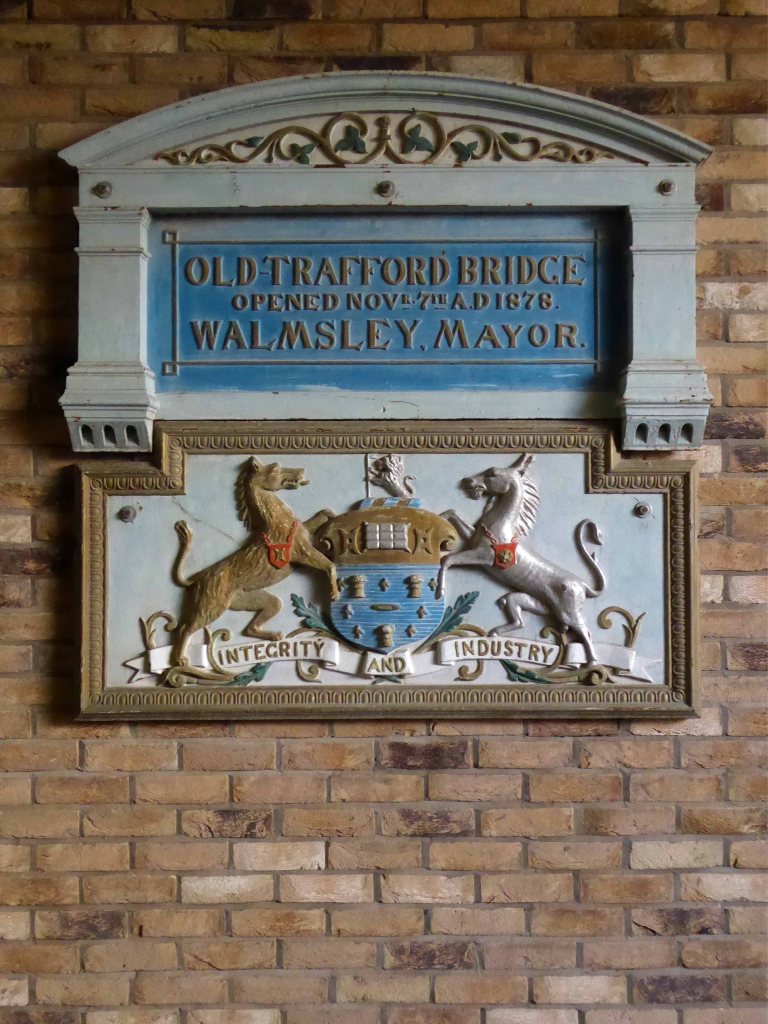
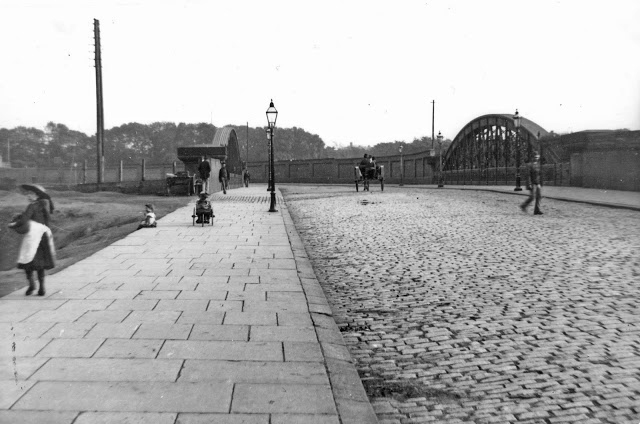
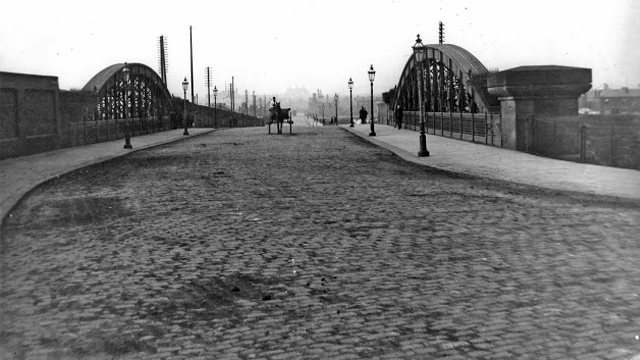
Where once there was a bridge – before the Manchester Ship Canal was built, the course of the River Irwell was approx. 50-100 yards further north of where the Ship Canal now passes under Trafford Road. This plaque is next to a pedestrian tunnel under Trafford Road, roughly on the line of the old navigation.
So here it is a hidden, harshly lit, slightly disabused tribute to the brave souls who sailed the seven seas, stayed ashore, weighed, loaded and shifted stuff.