Above the current market office is an impressive painted mural by art students from Dresden commissioned especially for the market in the 1950s in a Socialist Realist manner, depicting farming and industrial scenes.
The Gordon Cullen tiles have been renovated and re-sited within the exit corridor.
Still in clear view the stone relief work of John Skelton November 1956. Three of the eight column have incised Hornston stone works, depicting the activities of the CWS.
Get yourself there pronto – current restrictions considered of course.
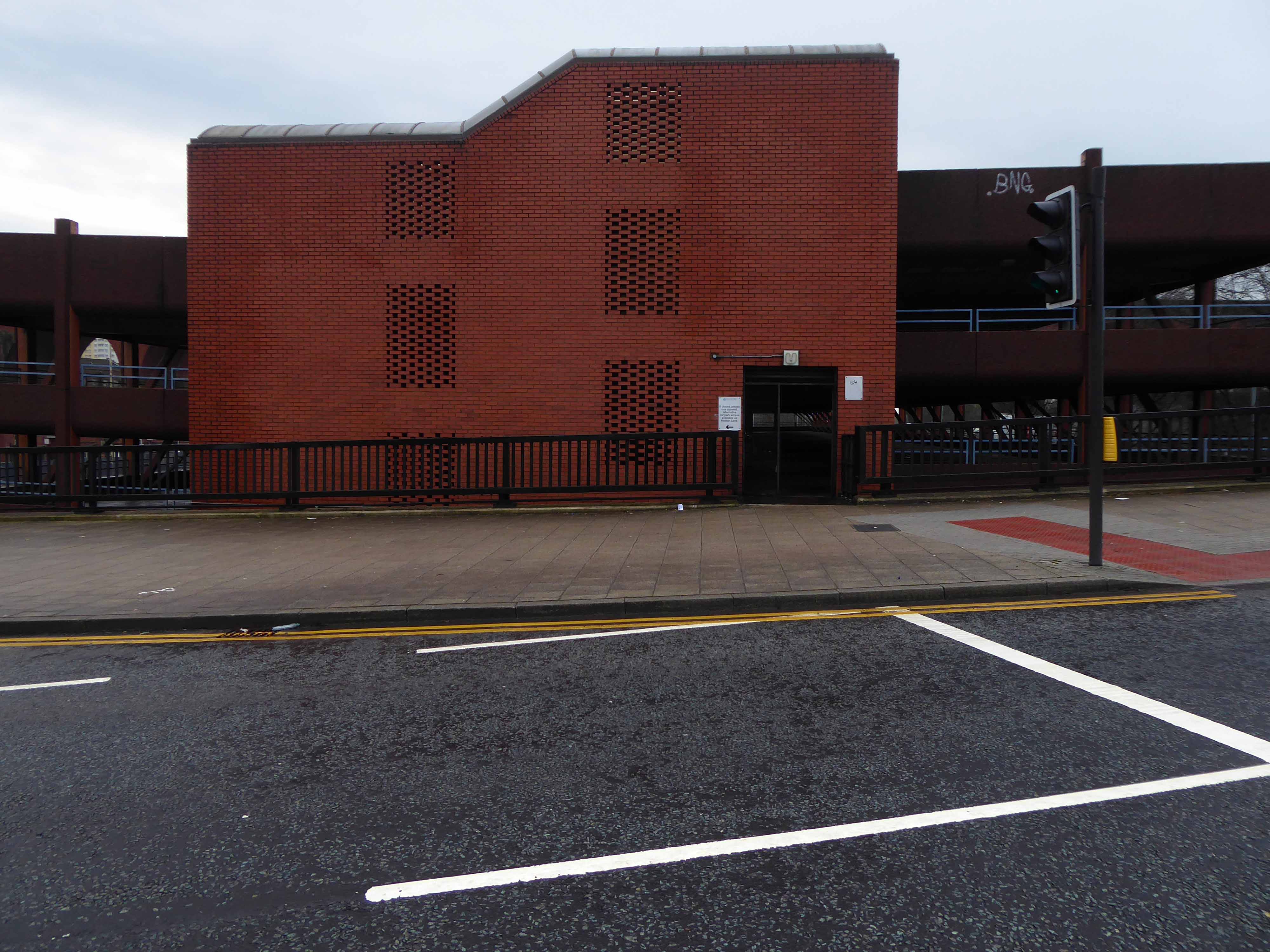
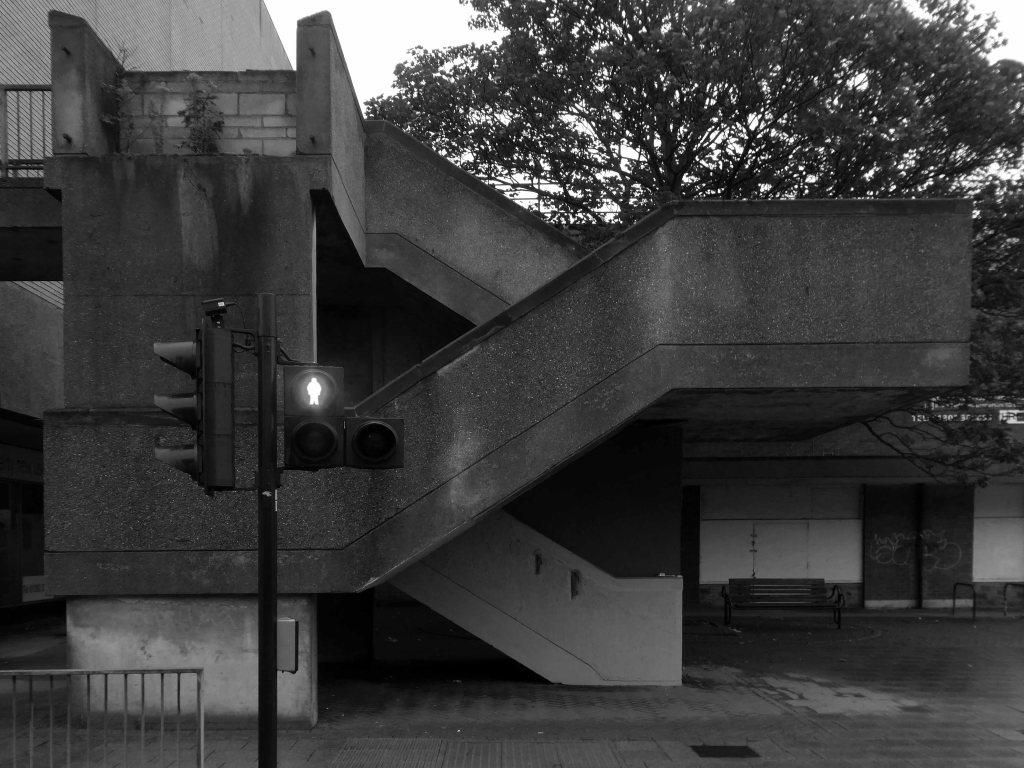
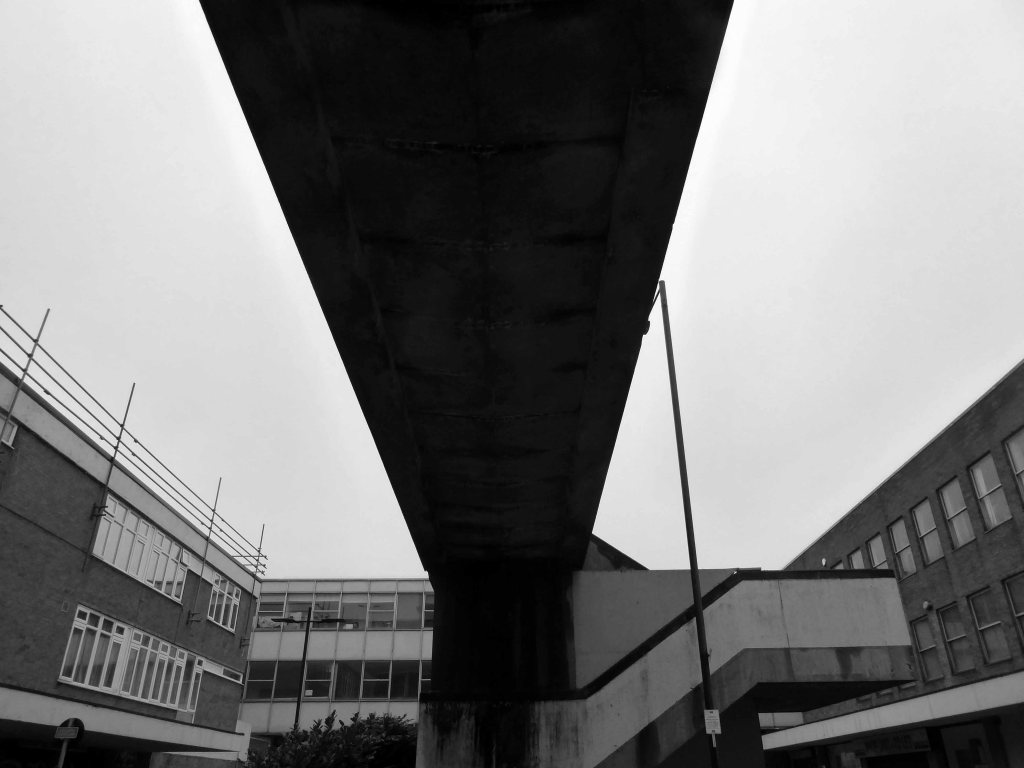
Walking the stairwells, ramps and interlocking tiers, the curious pedestrian becomes aware of the ambition and complexity of the scheme. Often identified on local social media groups as an anachronistic eyesore, I feel that it is a thing of rare and precious beauty.
Knock most of the precinct down, free the river, but keep this wall and what is within.
Anon
Some are slaughtering imaginary white elephants, whilst others are riding white swans.
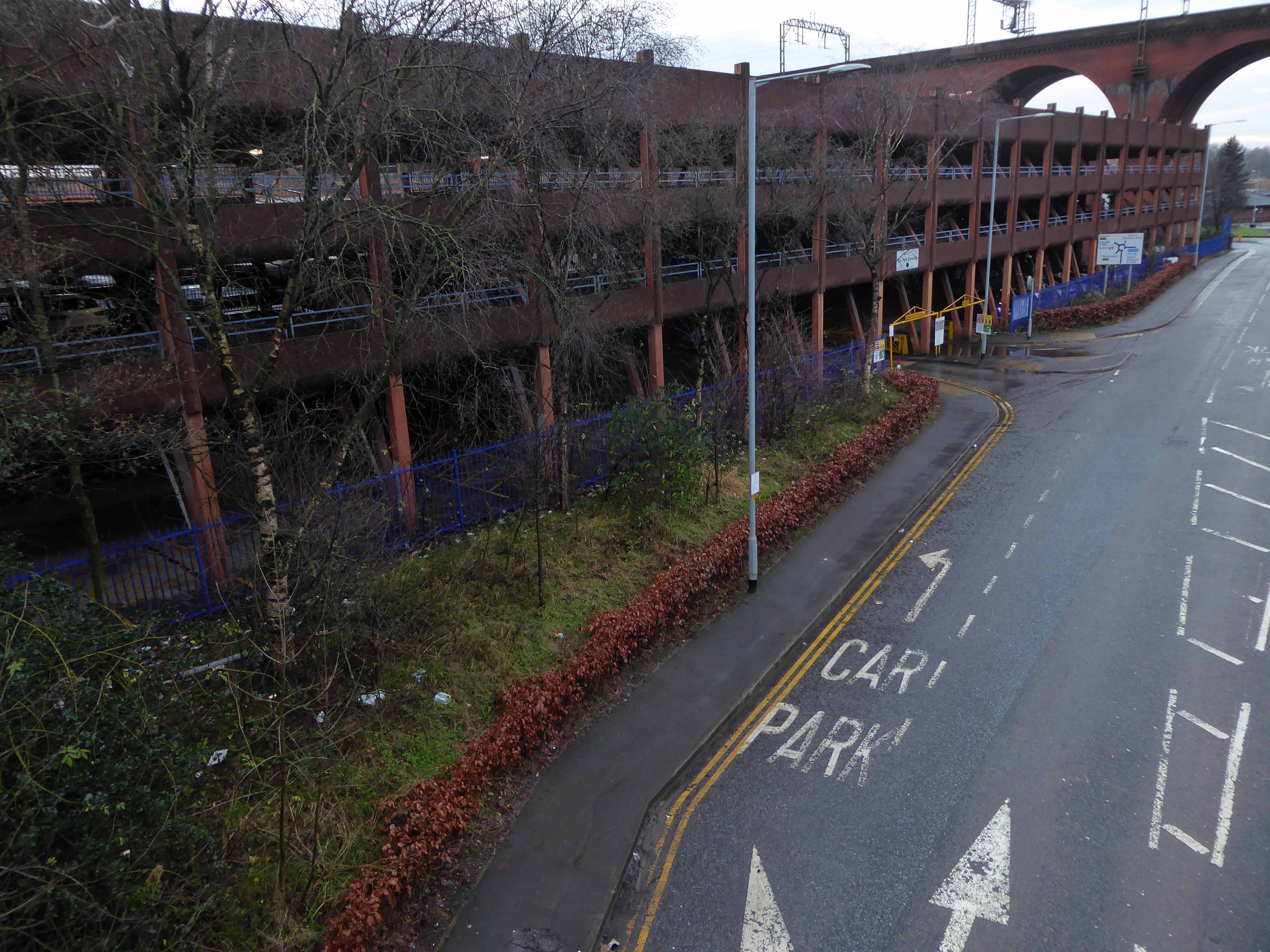
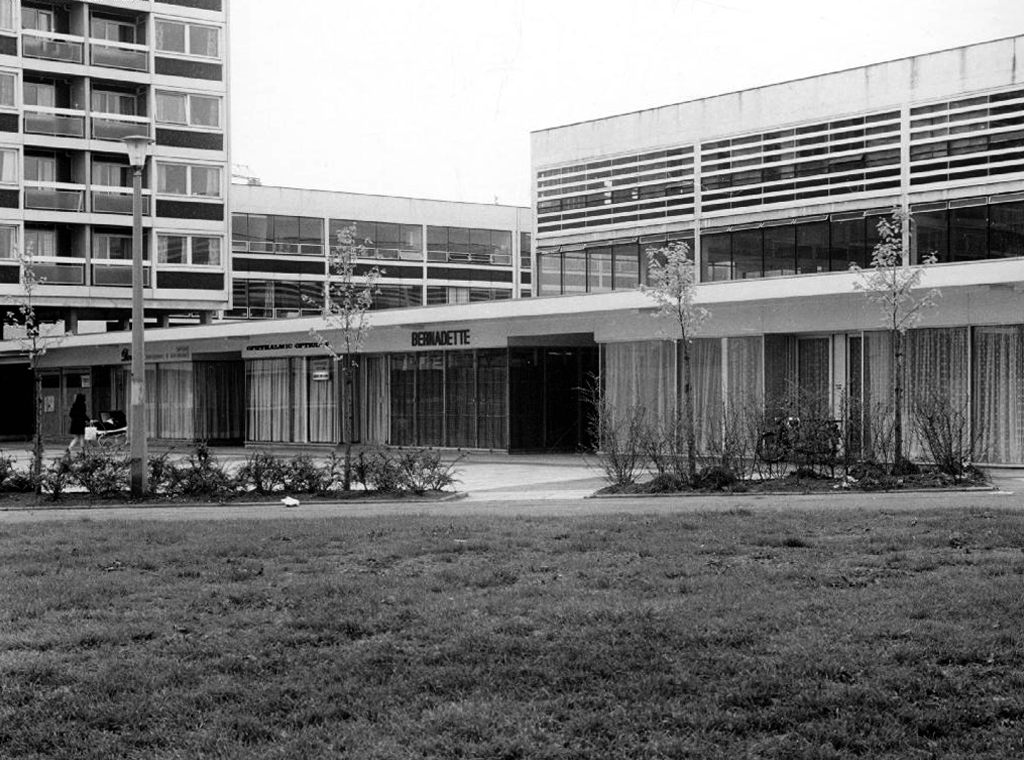
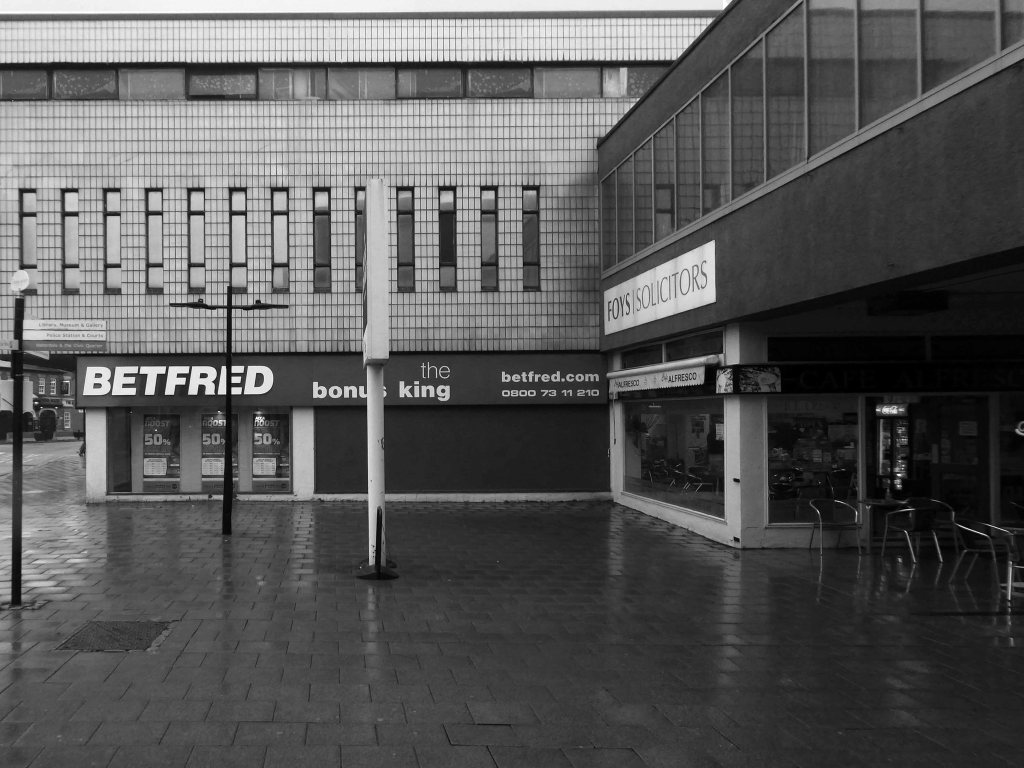
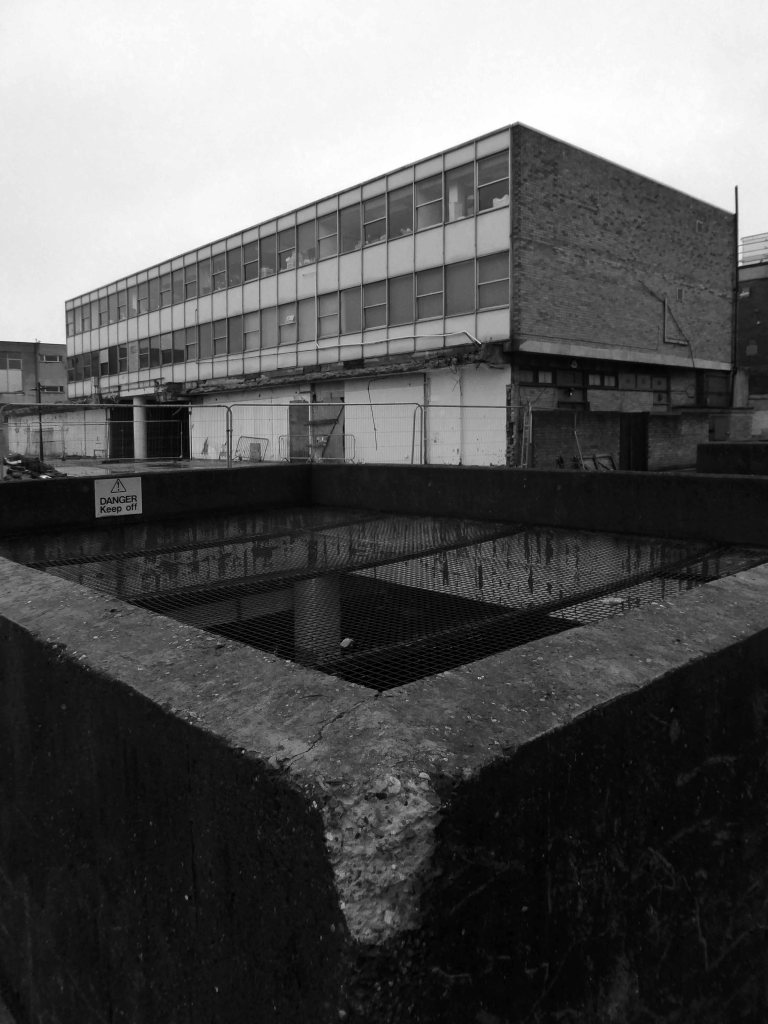
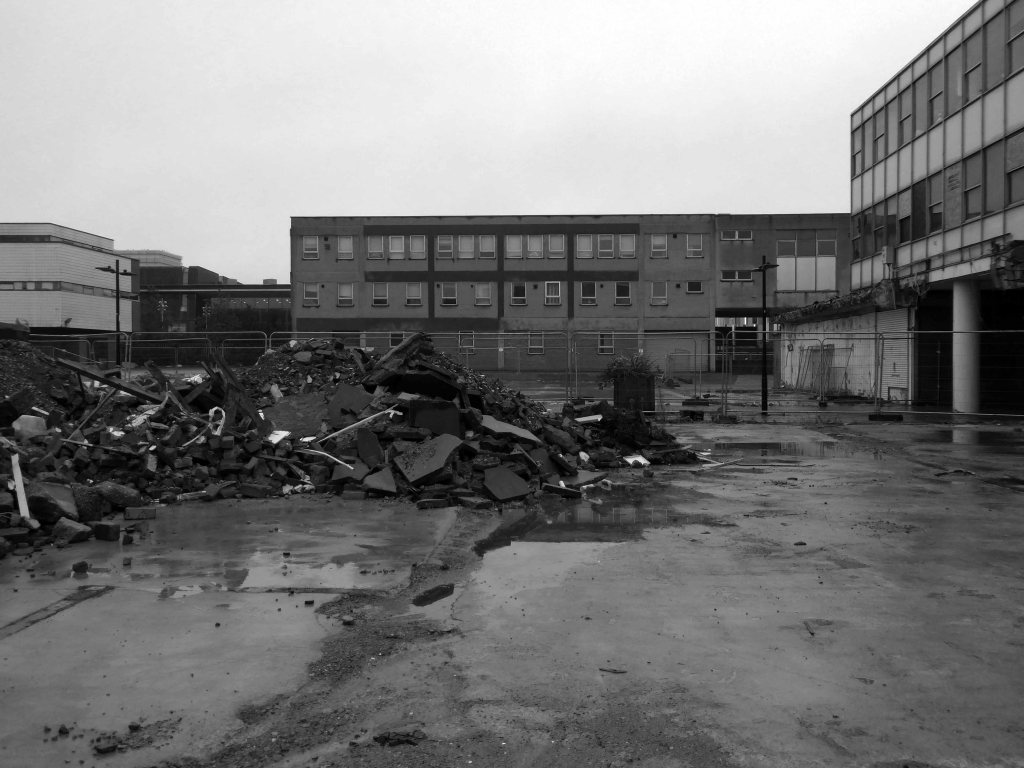
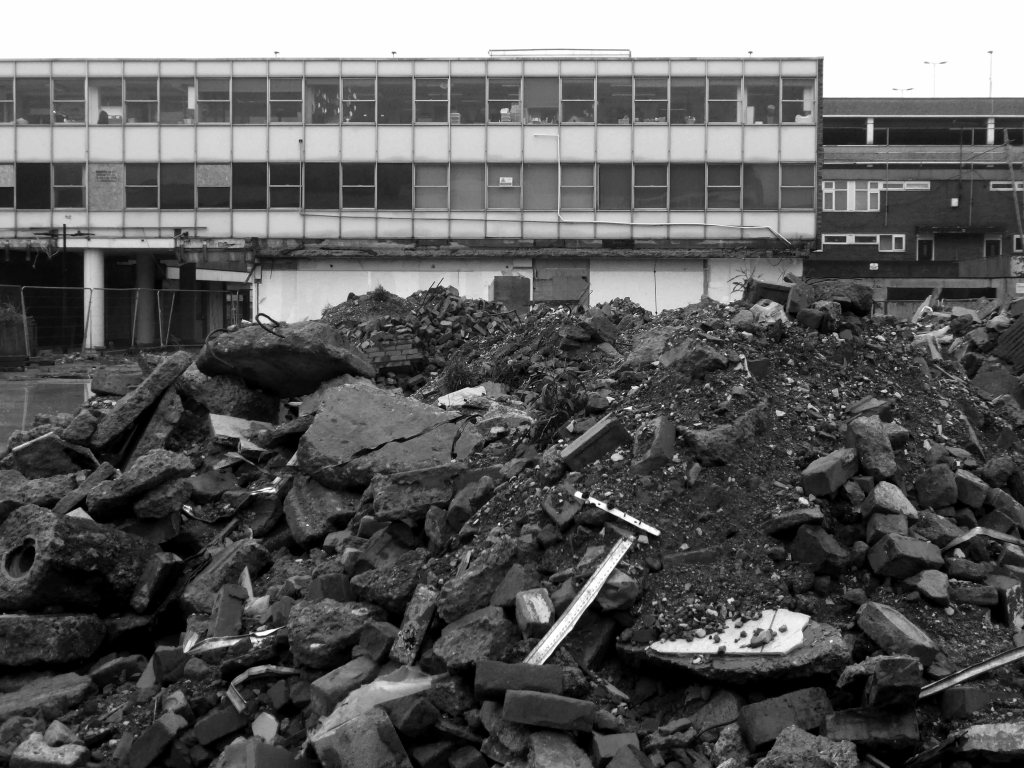
Currently under the ownership of Stockport Borough Council, changes are afoot.
Work to redevelop Adlington Walk in Stockport starts this week, as the first stage in the regeneration of the 55-year-old Merseyway shopping centre.
As of today work is still in Covid induced abeyance, it is still possible to walk the old revamped Adlington Walk. The future of retail in particular and town centres in general is in the balance, the best of the past and the finest of the new should be the watchword.
The scheme and car park redevelopment, is managed by CBRE of Manchester.
The future shopper is looking for more than just a simple buying transaction, they want an experience, entertainment and excitement.
This is where Merseyway Shopping Centre’s future lies.
CBRE Group Inc. is an American commercial real estate services and investment firm. The abbreviation CBRE stands for Coldwell Banker Richard Ellis. It is the largest commercial real estate services company in the world.
Their net worth as of January 28th 2021 is $21.18 Billion.
It is to be hoped that these dreams of entertainment and excitement, may be realised in the not too distant future.
In the meanest of mean times, in the mean time let’s have a look around.
The future moocher is looking for more than just a simple buying transaction, they want an experience, entertainment and excitement.
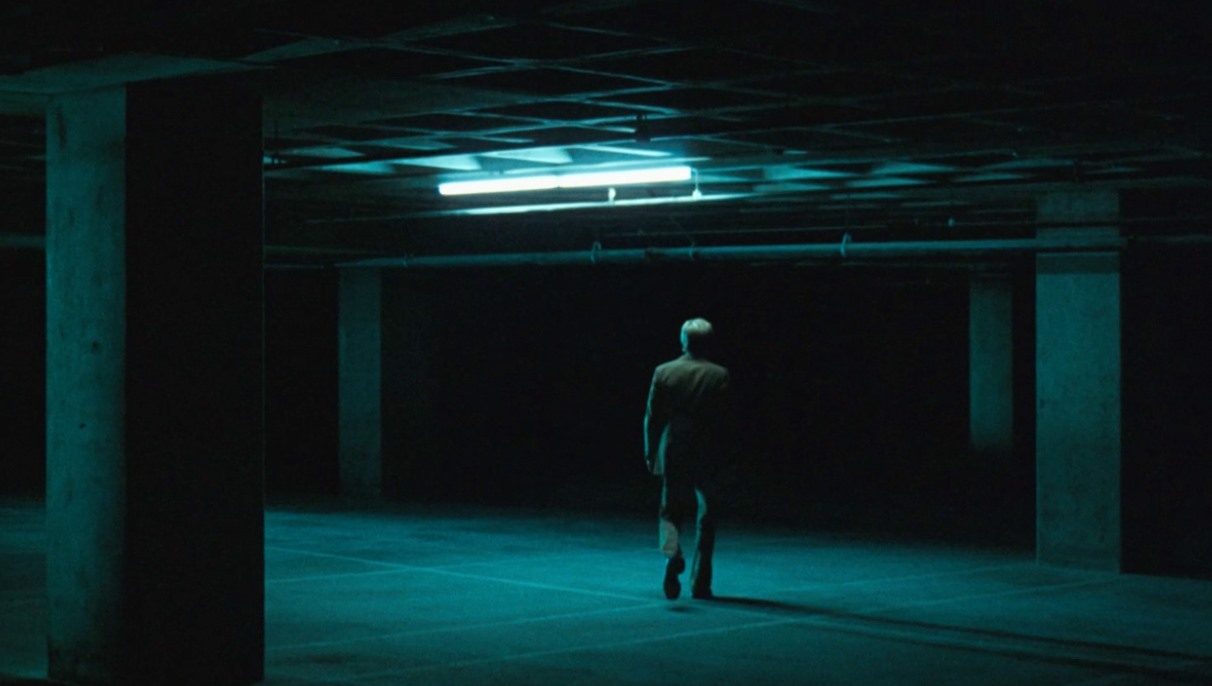
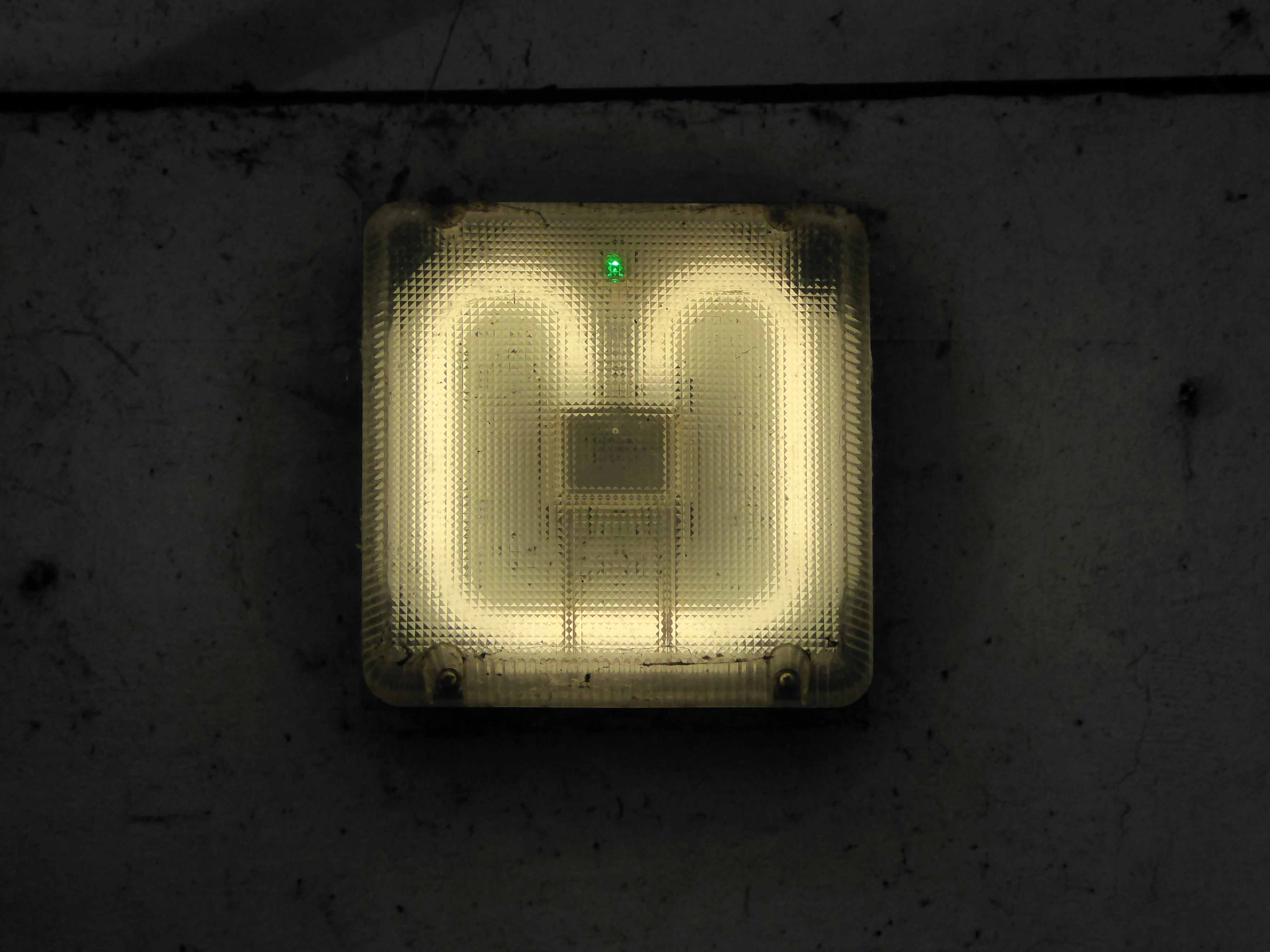
One of the great glories of cinema is that it has the power to take the mundane and make it magical. To most of us, car parks signify a world of pain, where fearsome red-and-white crash barriers dictate our fate and where finding a space is often like finding meaning in the collective works of Martin Lawrence. To others, they meant lost Saturday afternoons spent waiting for your mum to finally come out of Woolworths so you could rush home to catch Terrahawks.
Either way, car parks are grey and dull. In the movies, however, they are fantastic places, filled with high-level espionage, and high-octane chases.
I beg to differ, the cinema and TV has helped to define our perception and misconception of the car park.
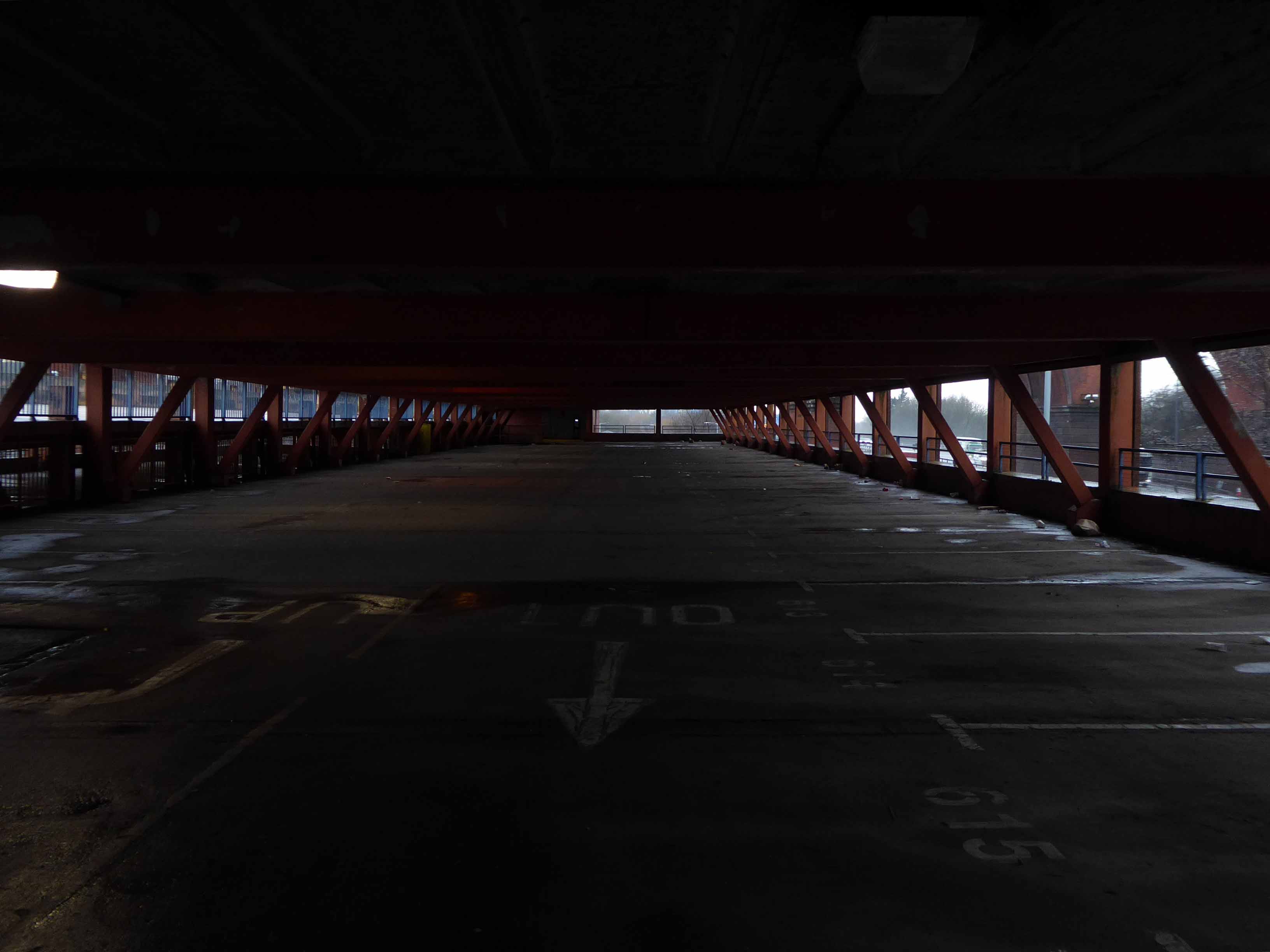
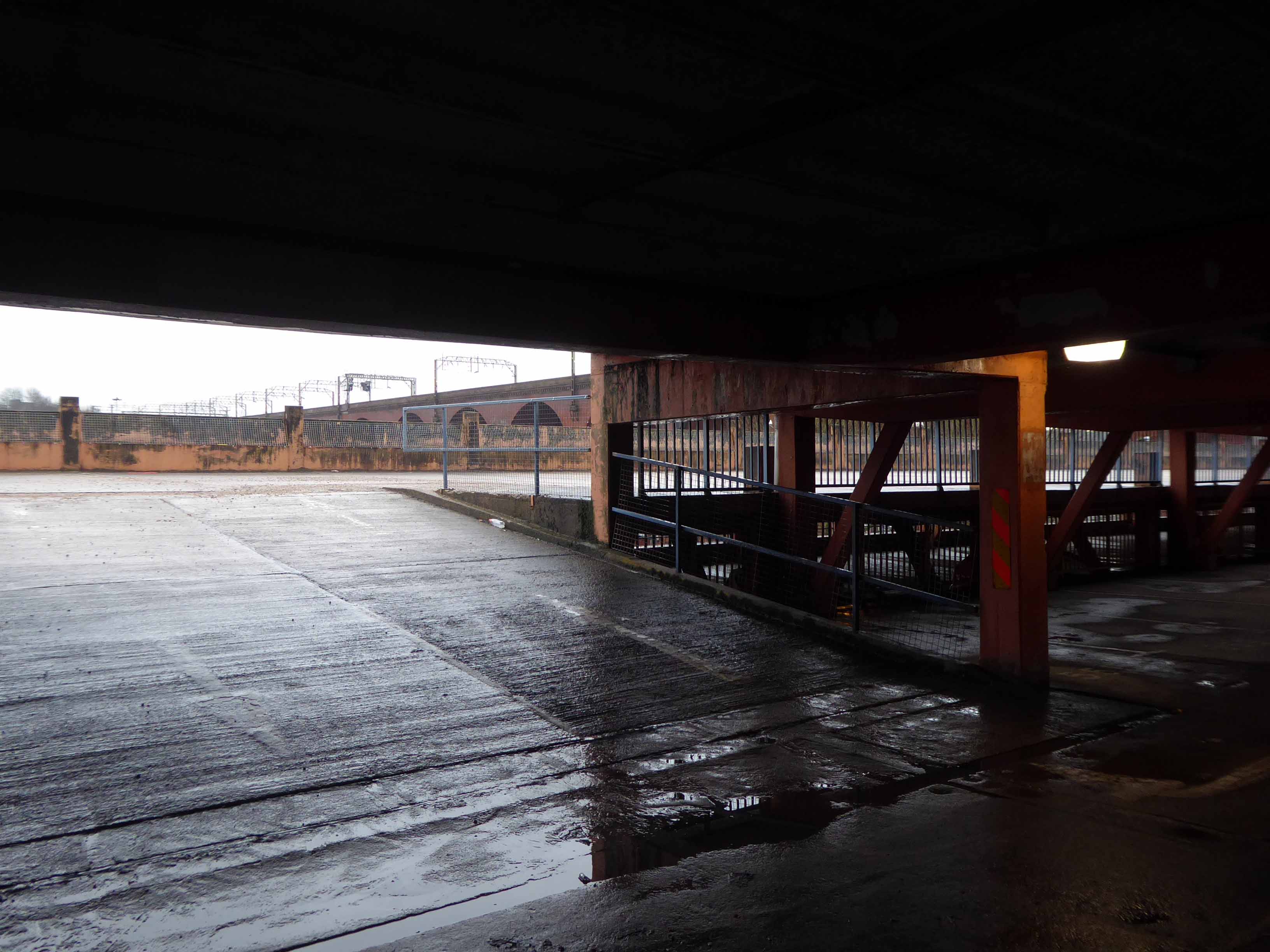
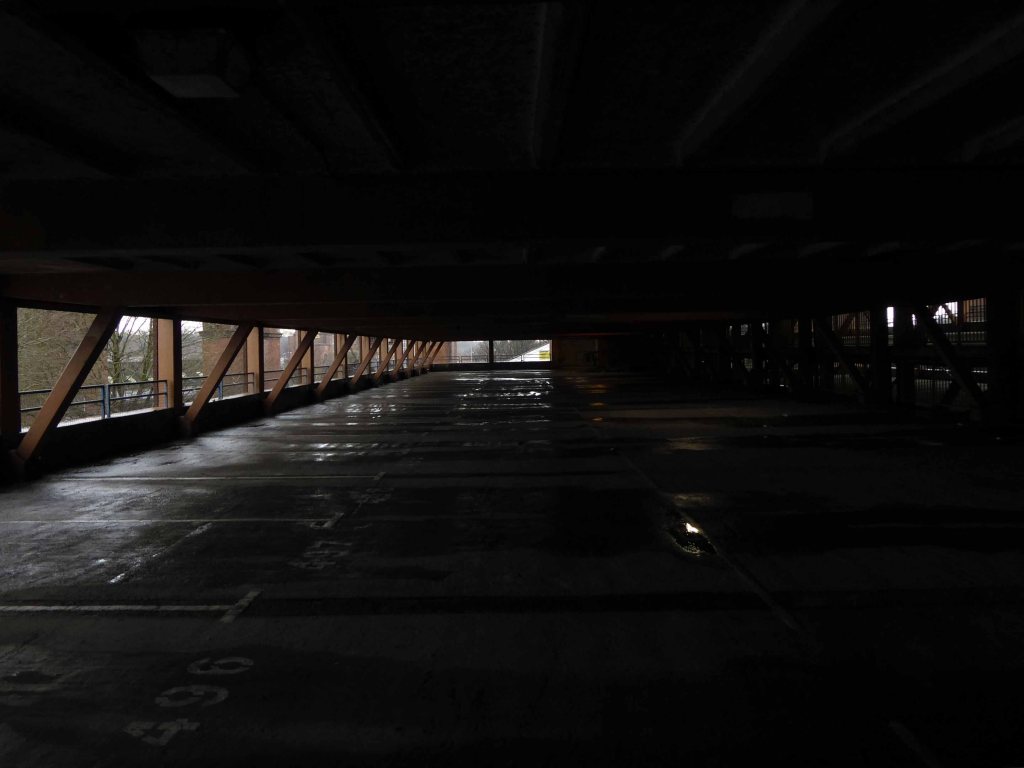
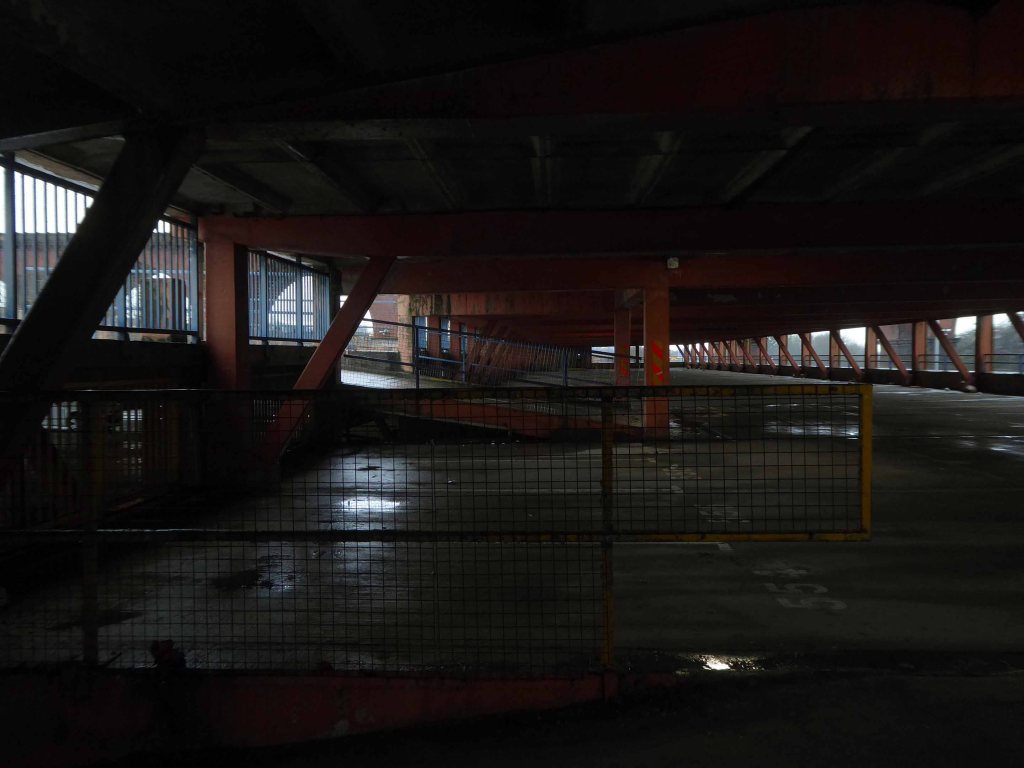
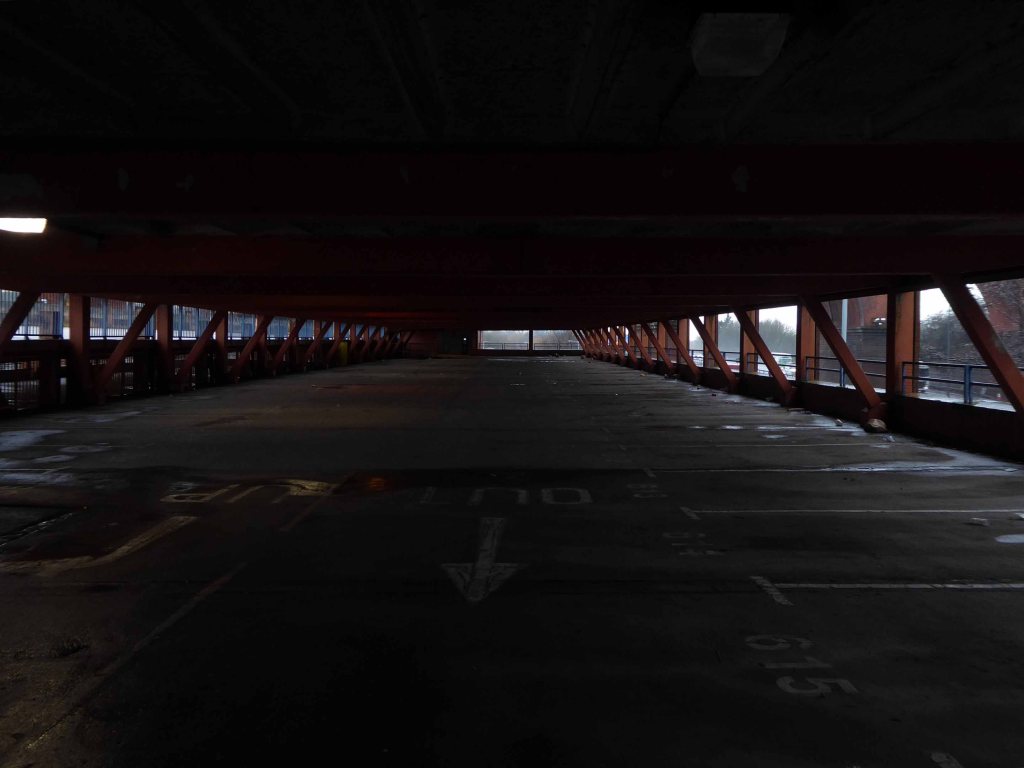
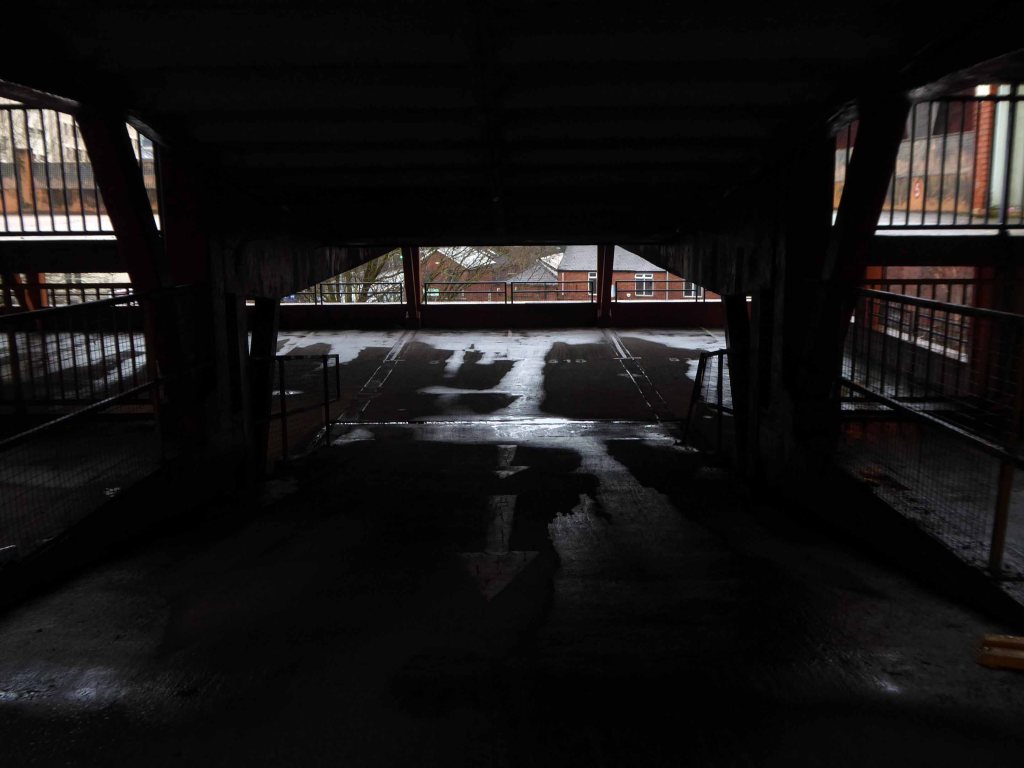
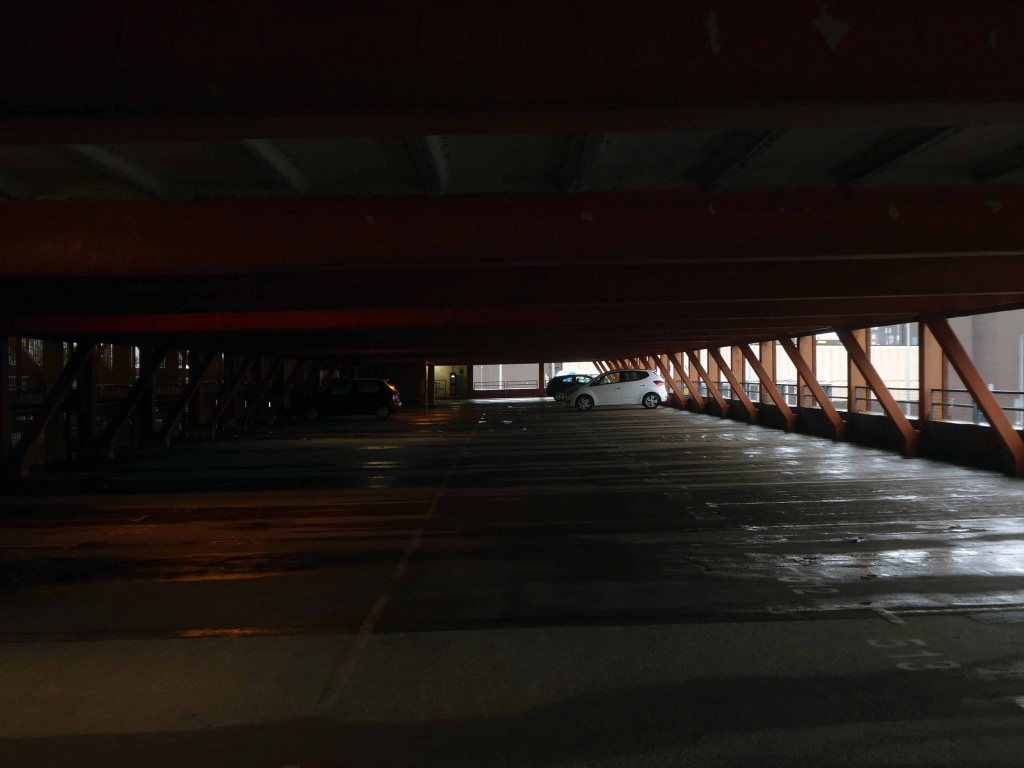
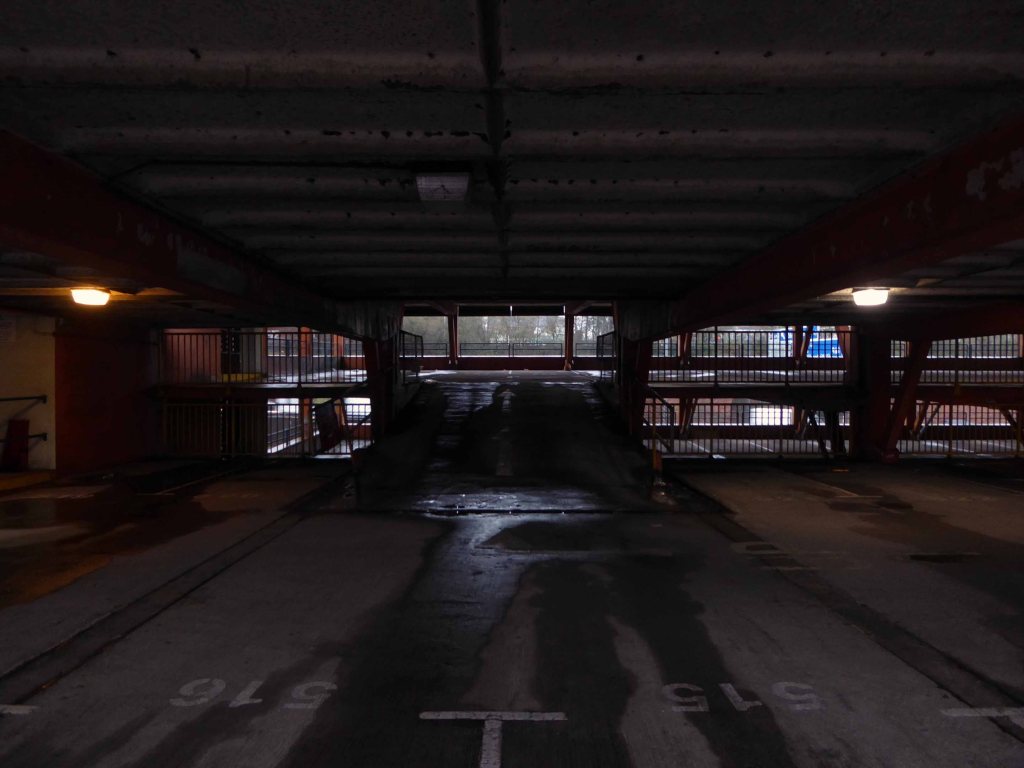
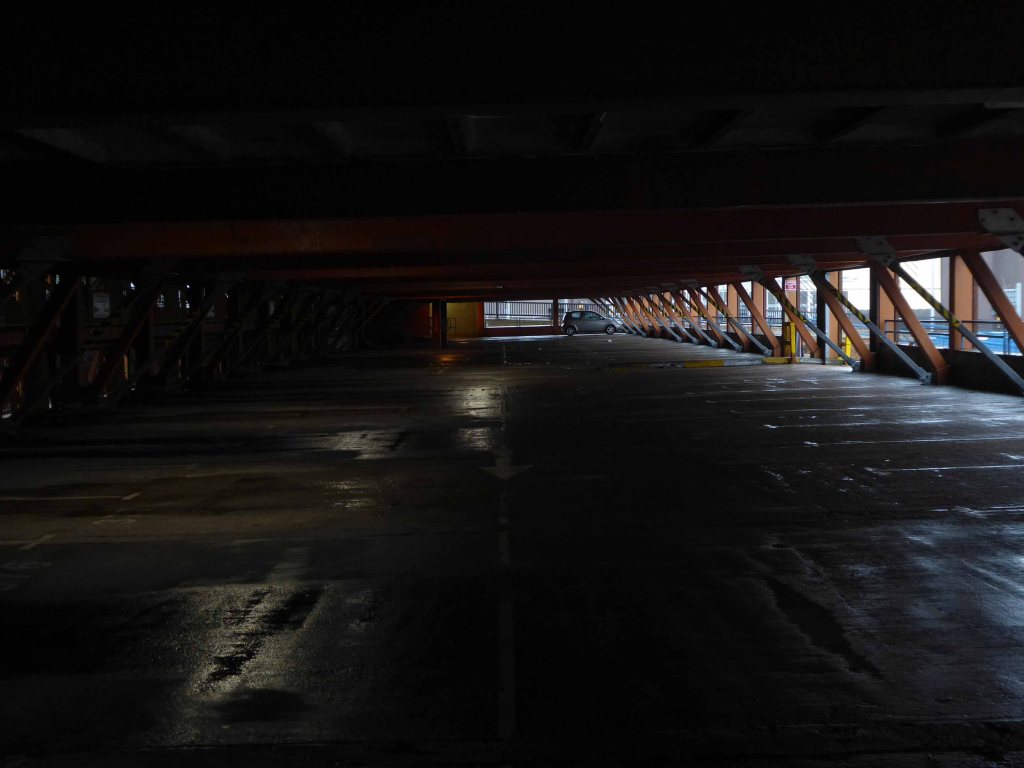
The modern day pedestrian may reclaim, redefine and realise, that far from mundane each actual exemplar is different, in so many ways. The time of day, weather, light, usage, abusage, condition, personal demeanour and mood all shape our experience of this particular, modern urban space.
To walk the wide open spaces of the upper tier, almost touching the sky.
Is a far cry from the constrained space of the lower levels.
To walk the ramps with a degree of trepidation, visceral and fun.
This is an inversion of the car-centric culture, walking the concrete kingdom with a carbon-free footprint.
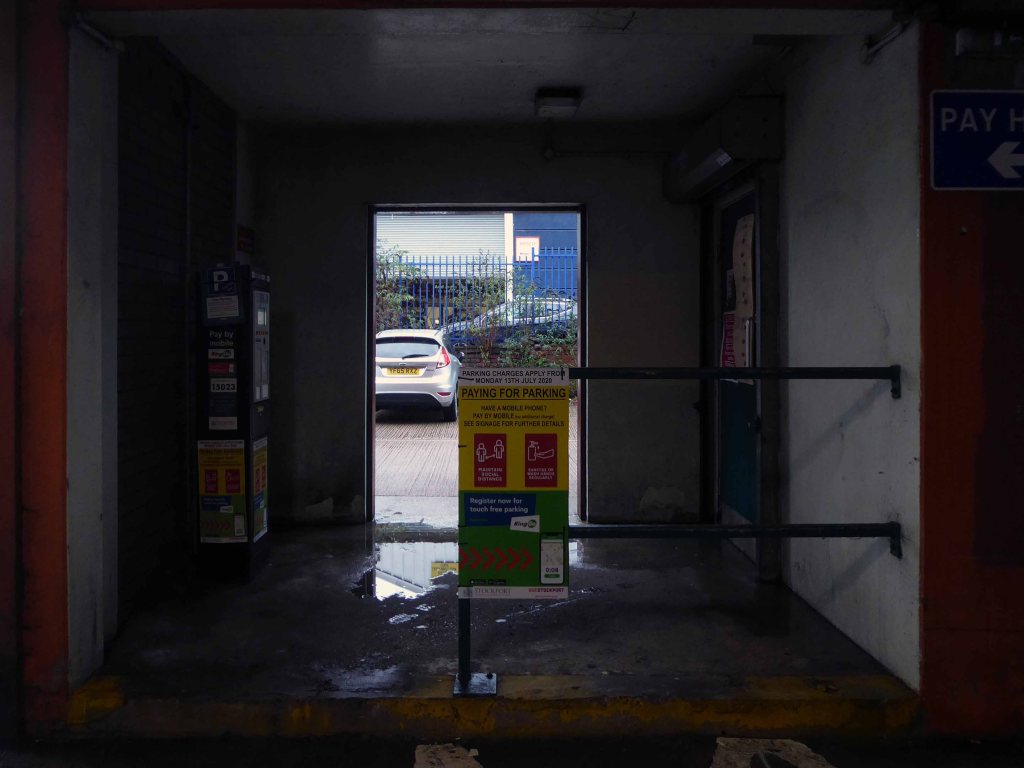
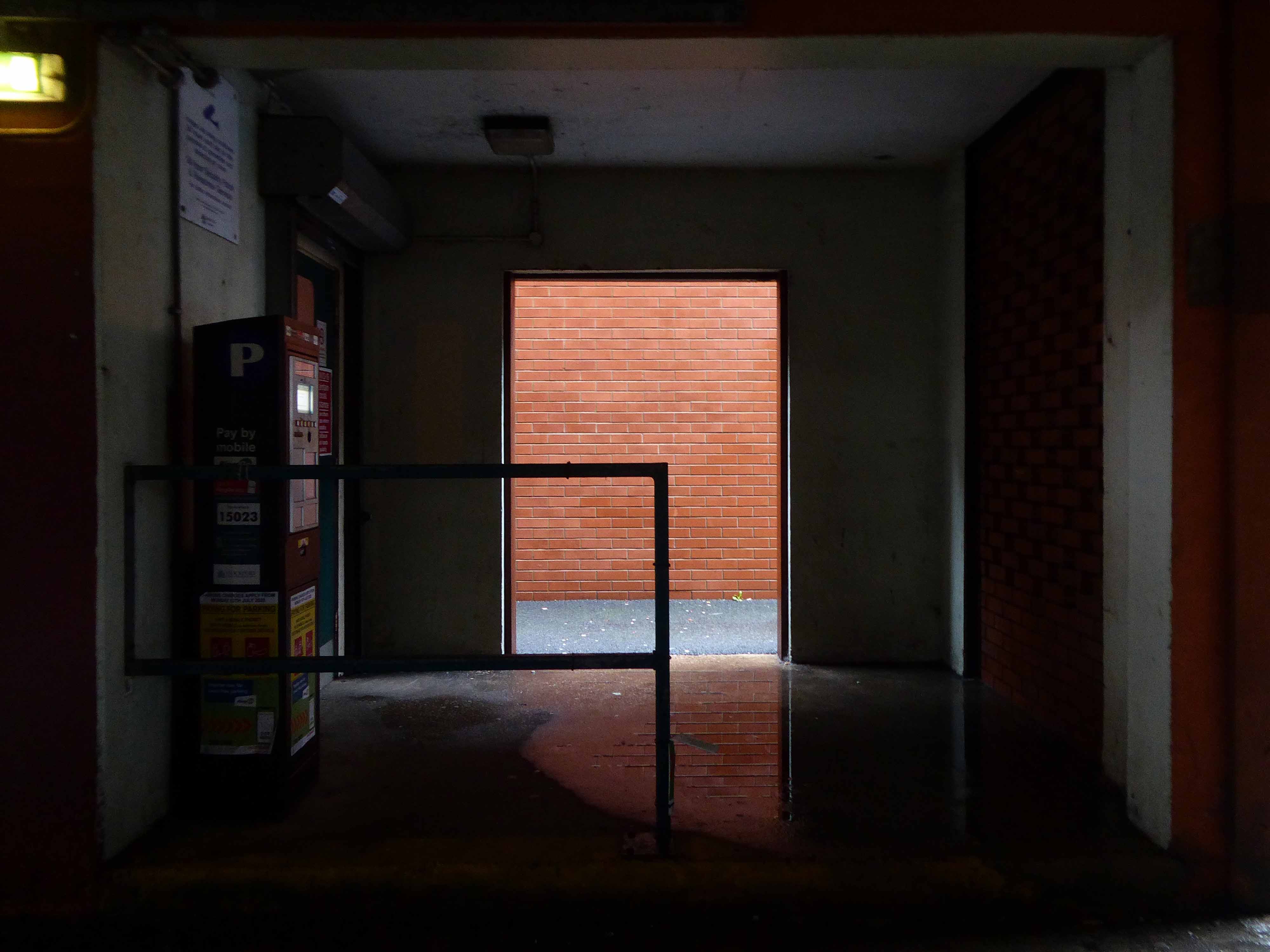
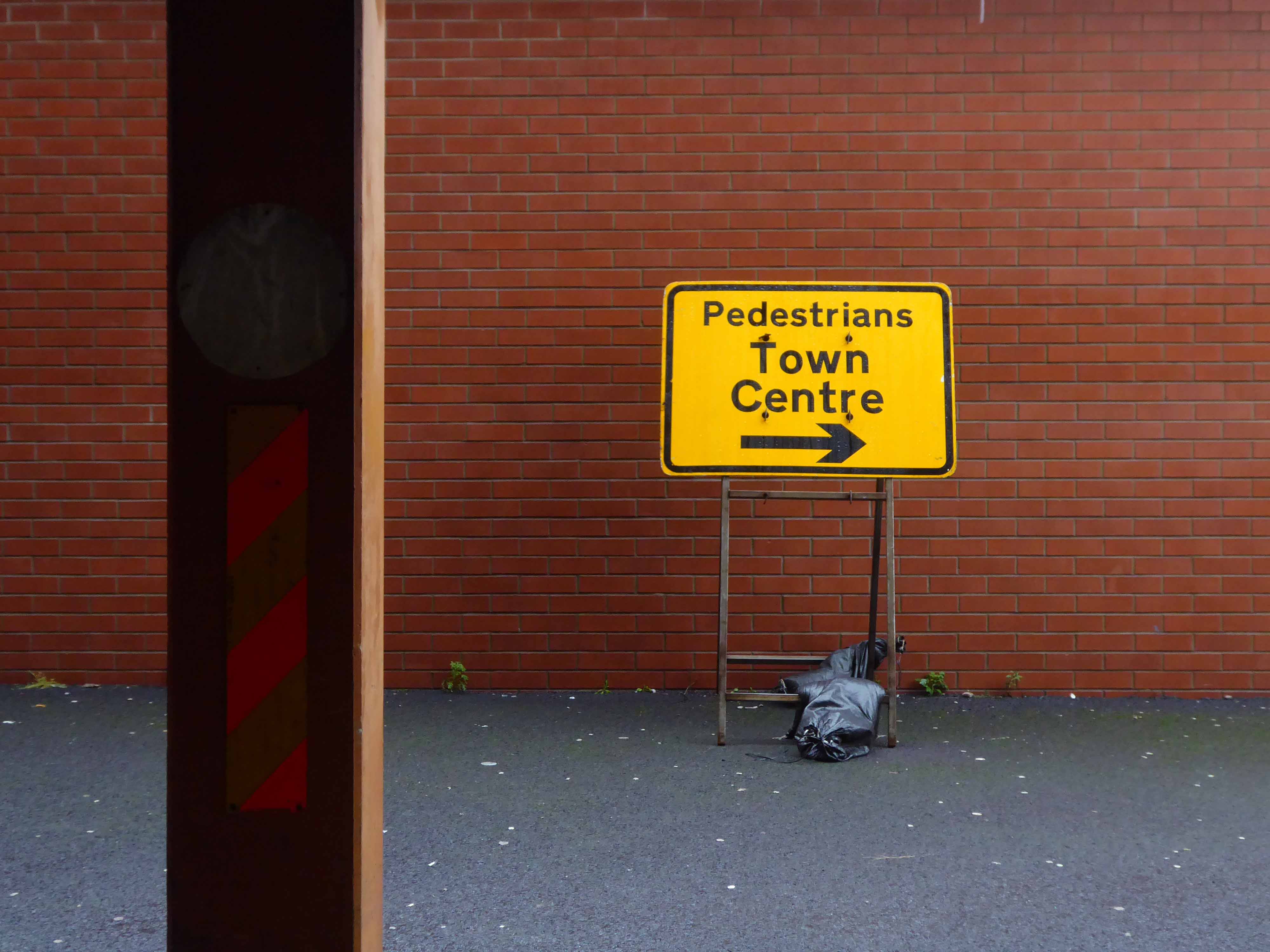
I was inspired by a recent viewing of All The Presidents Men to revisit my local multi-storey on Heaton Lane Stockport.
Cinematographer Gordon Hugh Willis Jr constructs a shadow world where informer and informed meet to exchange deep secrets, ever watchful, moving in and out of artificial light, tense and alert.
Look over your shoulder- there’s nobody there, and they’re watching you.
But they have been here.
To party.
To tag.
To live.
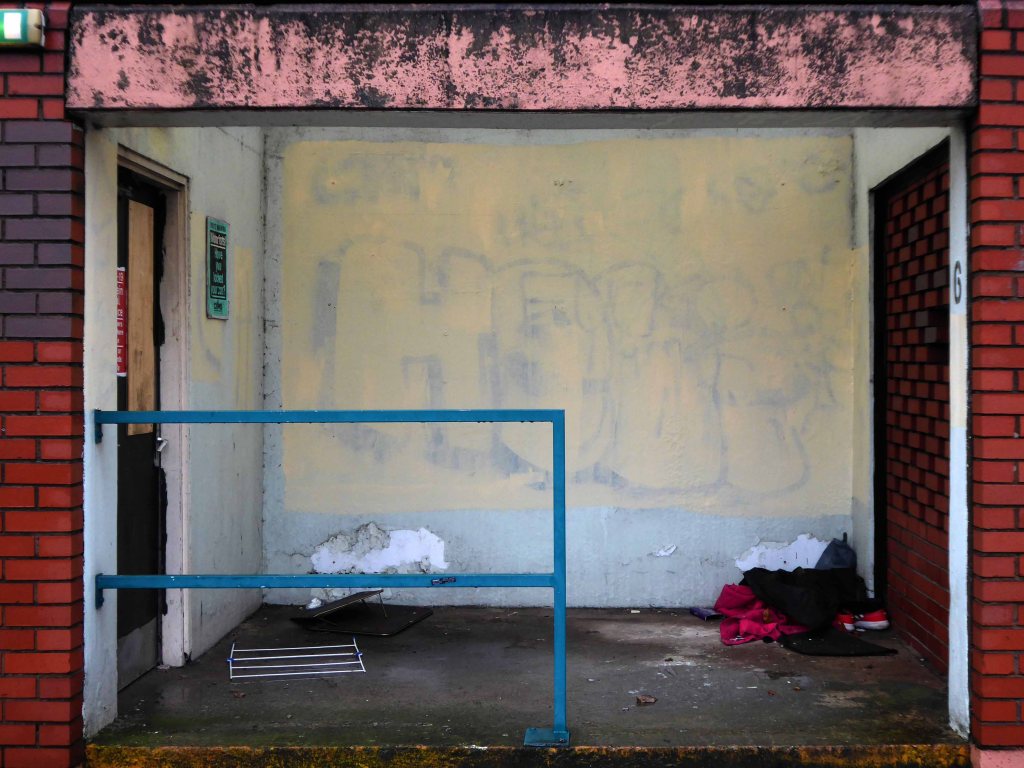
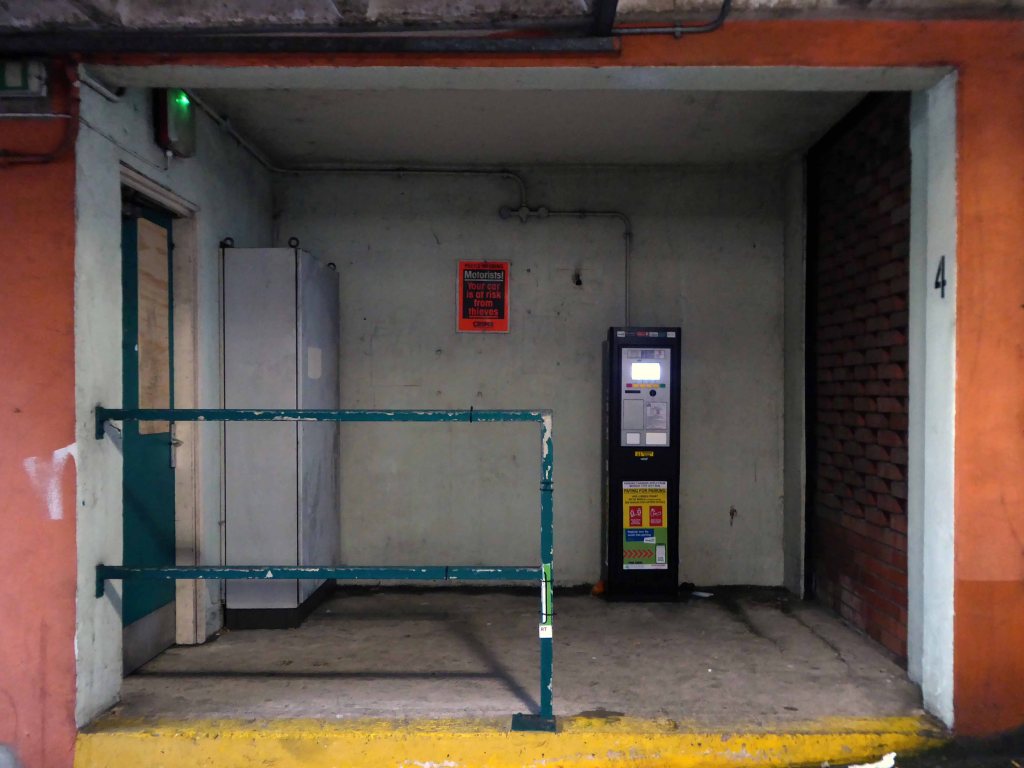
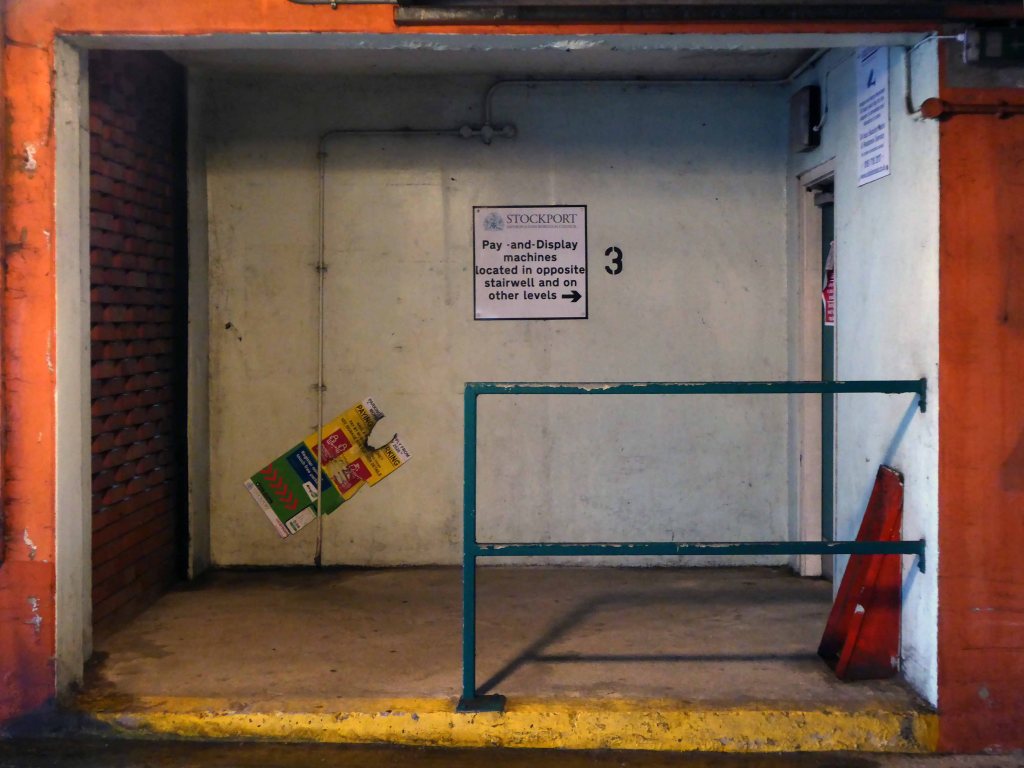
Pay here, your time is time limited, your presence measured.
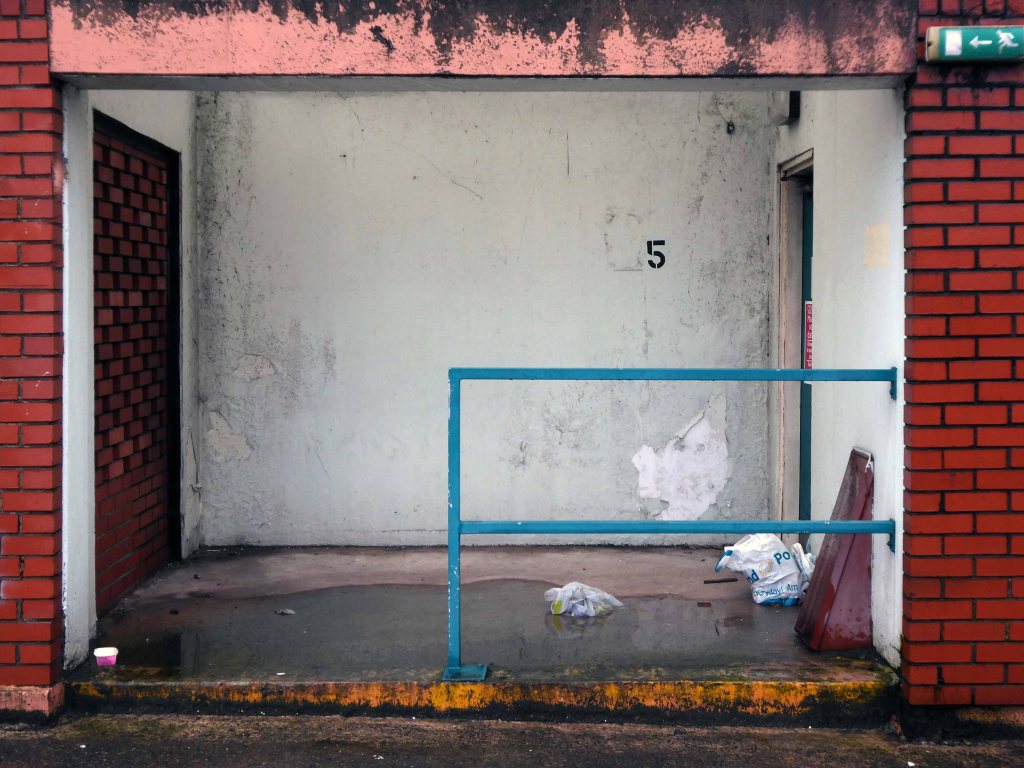
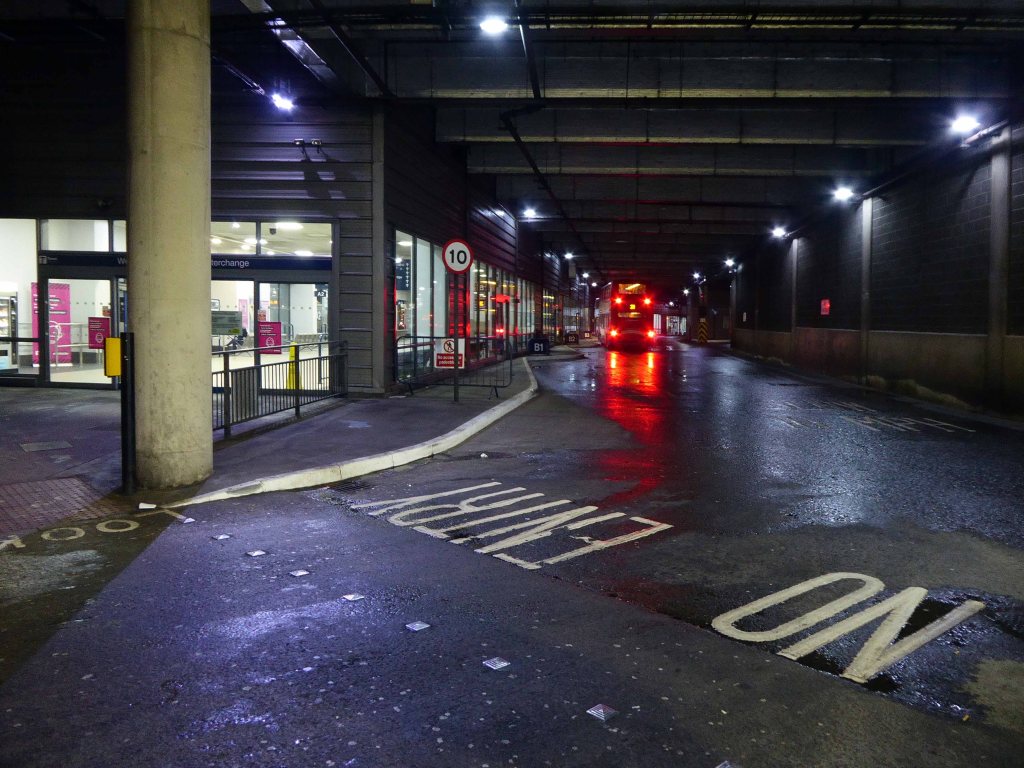
Let’s explore this demimonde together, wet underfoot, lit laterally by limited daylight, walking through the interspersed pools of glacial artificial glow.
Time’s up, check out and move on – tomorrow is another day, another car park; in a different town.
Cinema and car parks wedded forever in the collective popular cultural unconscious.
The BT Hunters – They came in search of paradise and found BT.
Many thanks to my partner in victimless crime – Mr Ryan Lloyd.
This is an atypical single storey building, with a raised central hall and butterfly roof, quite something.
Lots of utilitarian detail, mixing brick, glass and concrete, with pragmatic infrastructure grills and grids.
The upper glazed area an extended asymmetric, external delight.
To set the pulse racing a series of gorgeous Rose Carmine panels.
The angular porch displayed the BT Logo of 1991:
On 2 April 1991, the company unveiled a new trading name: BT accompanied by a new corporate identity designed by Wolff Olins and organisational structure focused on specific market sectors, reflecting the needs of different customers – the individual, the small business or the multinational corporation. The reorganisation was named ‘Project Sovereign’ to reflect the company’s commitment to meetings customers’ needs – ‘The Customer Is King’. Together with a succession of strategic alliances with telecommunications companies worldwide, these changes gave BT the ability to expand overseas.
Which prompted a brief yet uninformed discussion concerning the history of Telecom’s Corporate Identity.
So here’s a brief rundown logo lovers:
Previously the GPO was the umbrella grouping for both telephone and mail.
Sketch for the redesign of the GPO logo by MacDonald Gill in 1934 . The first approved version had two concentric circles but this was soon reduced to one. The annotations also mentions the typeface used as “Gill Sans” which had been created by MacDonald Gills’ brother Eric.
We are here are again – you Bonny Street bobbies, it seems, are not.
Departed for pastures new – to Marton near to the big Tesco.
As well as a front counter, the new headquarters provides a base for some of the local policing and immediate response teams, an investigations hub and 42 custody cells.
On my previous visit I was in fact apprehended by a uniformed officer, perturbed by my super-snappy happy behaviour. Following a protracted discussion, I convinced the eager young boy in blue, that my intentions were entirely honourable.
Themed bar and event restaurant concept with roller coaster service, hourly special effects shows and exploration tours.
The £300m Blackpool Central development will bring world-class visitor attractions to a landmark site on the famous Golden Mile. Along with new hotels, restaurants, food market, event square, residential apartments and multi-storey parking.
Chariots of the Gods inspires the masterplan for the long-awaited redevelopment. It’s the global publishing phenomenon, written by Swiss author Erich Von Däniken. Exploring alien encounters and unsolved mysteries of ancient civilisations.
Chariots Of The Gods will be the main theme for Blackpool Central. Including the anchor attraction – the UK’s first flying theatre.
A fully-immersive thrill ride that will create the incredible sensation of human flight.
Time it seems changes everything, stranger than fiction.
The Bonny Street Beast’s days are numbered – your local Brutalist pal is no more, wither Wilko’s?
Your piazza planters are waterlogged.
Your lower portals tinned up.
Your curious sculptural infrastructure sunken garden neglected and forlorn.
Your low lying out-rigger stares blankly yet ominously into space.
Likewise your tinted windows.
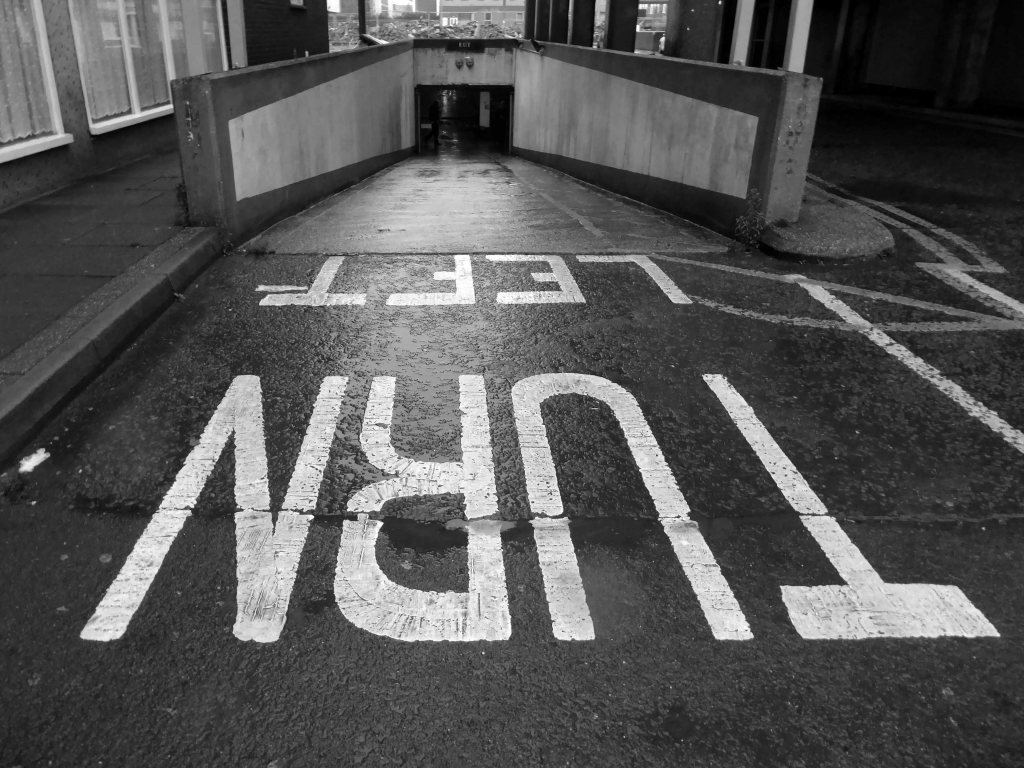
Your subterranean car park access aromatic and alienating.
So farewell old pal, who knows what fate awaits you, I only know you must be strong.
Not until we have taken a look into the future shall we be strong and bold enough to investigate our past honestly and impartially.
How often the pillars of our wisdom have crumbled into dust!
Here we are again, having posted a post way back when – on Seaside Moderne.
Where the whole tale is told – the tale of Borough Architect John Charles Robinson‘s inter-war Deco dream tempered by Municipal Classicism. A stretch of Pulhamite artificial rock cliffs 100ft high between the new gardens and the lower promenade constructed in 1923. The lower promenade at sea level was remodelled during 1923–5 with a colonnaded middle walk.
So here we are again September 2020, a country in Covid crisis bereft of crowds.
I took a short walk along its length – to the lift and back.
The Cabin Lift is designated at Grade II for the following principal reasons: * It is a nationally rare type of seaside structure that is of interest as part of the history and development of certain seaside resorts * It is of a well-executed design and uses good-quality material to good effect that can be particularly appreciated from the upper promenade * It is a conspicuous and eye-catching structure especially when viewed to maximum effect from the lower promenade * The Cabin Lift’s architectural merit contributes significantly to Blackpool’s importance as a holiday resort of national and international renown.
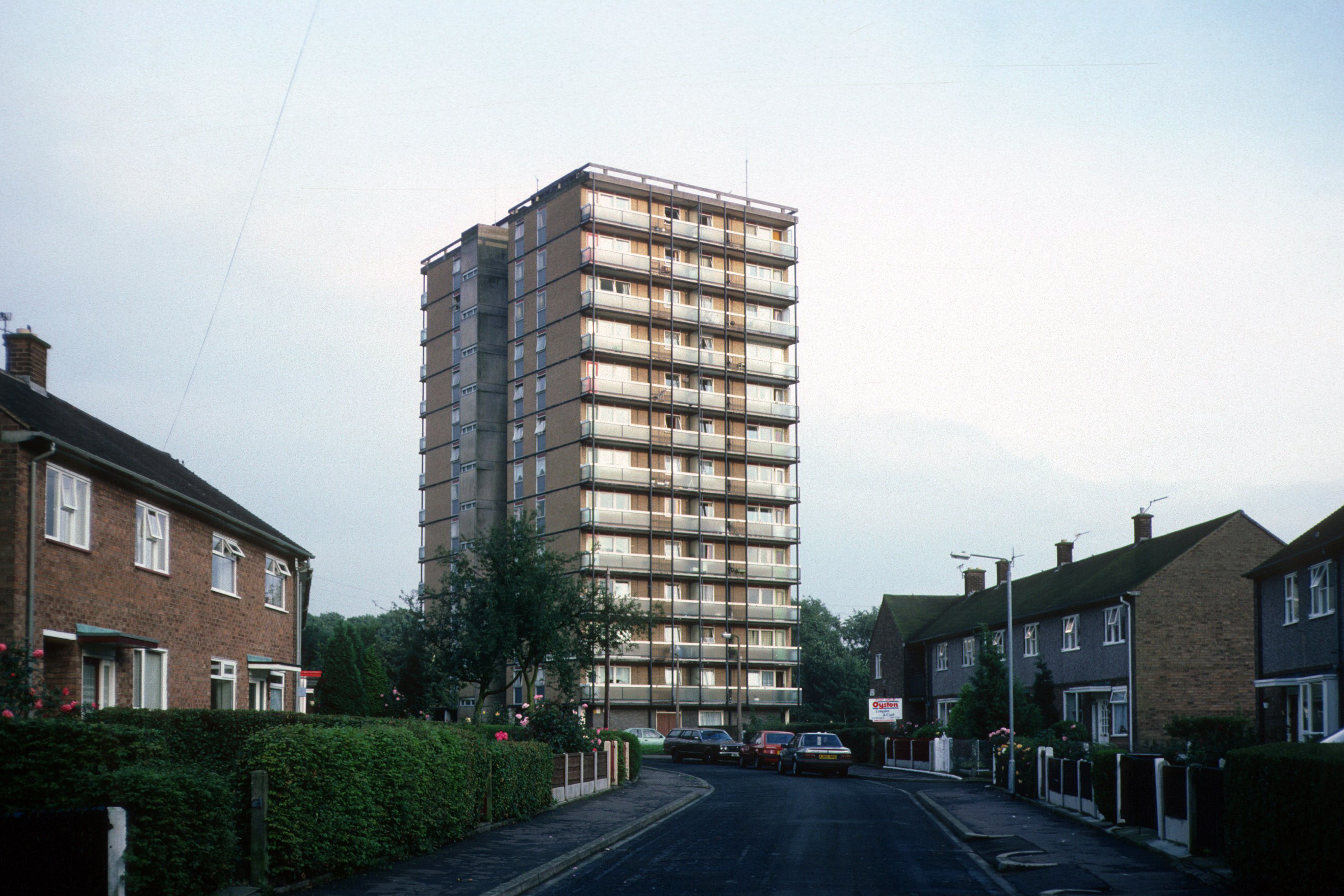
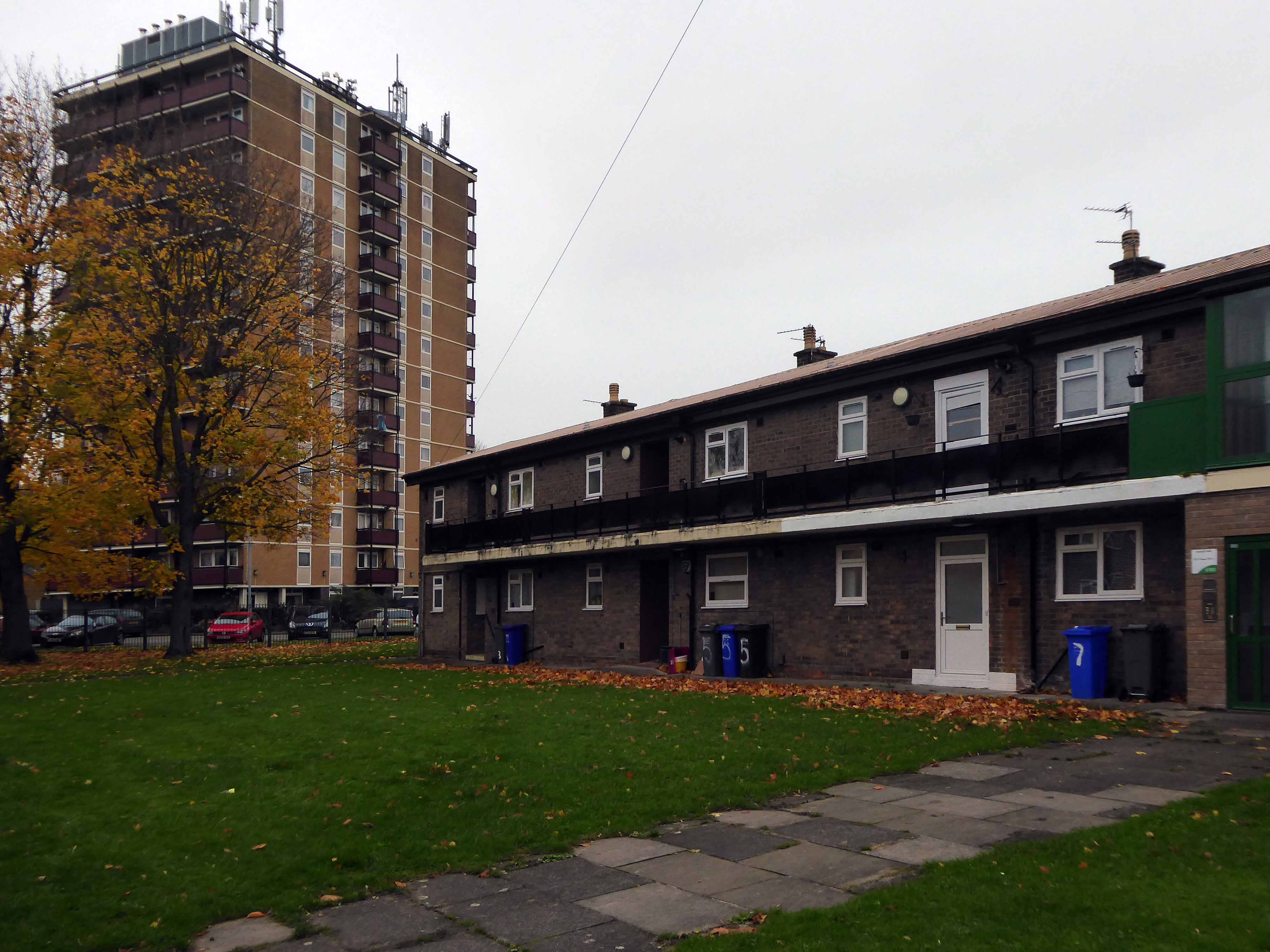
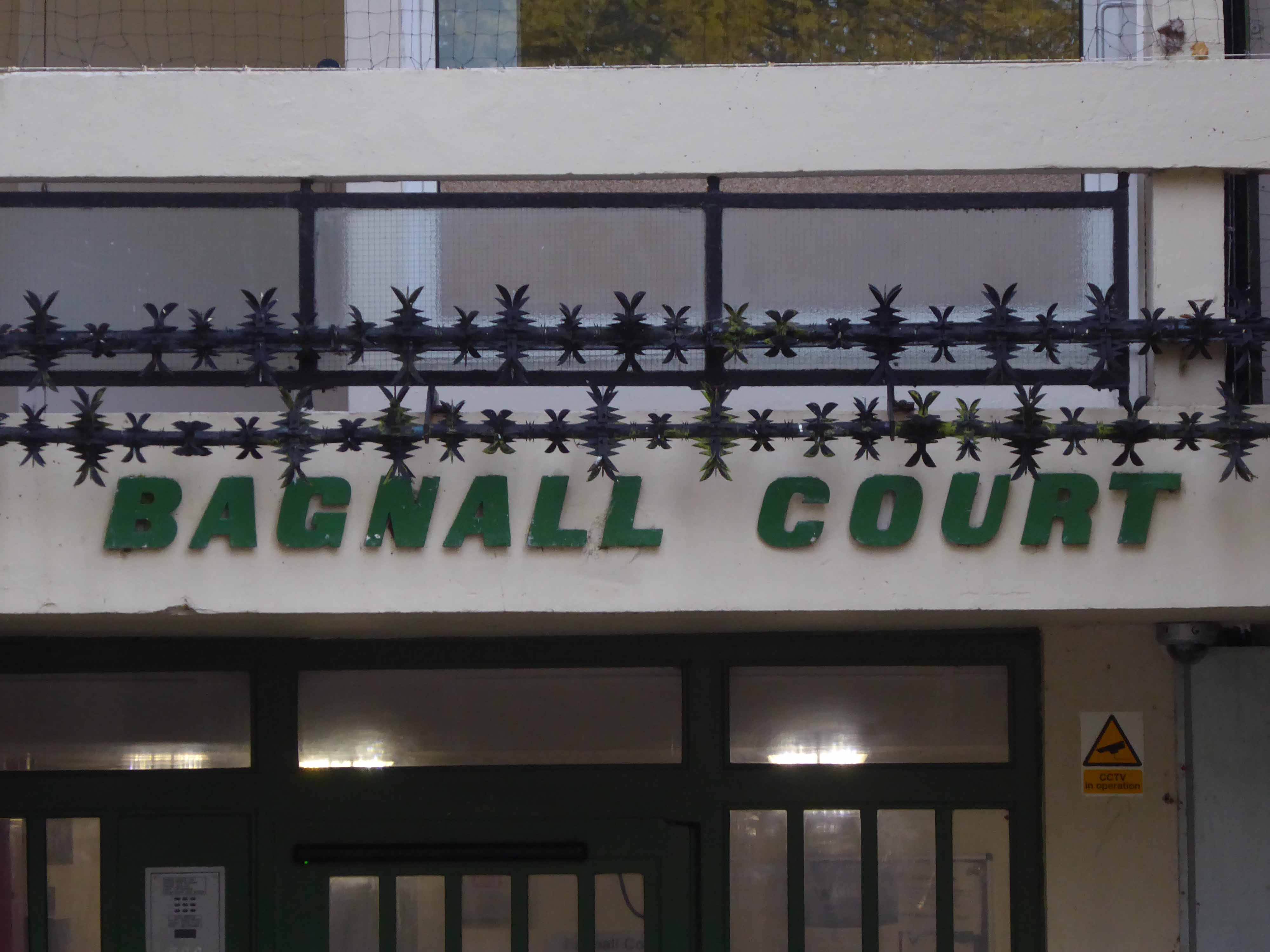
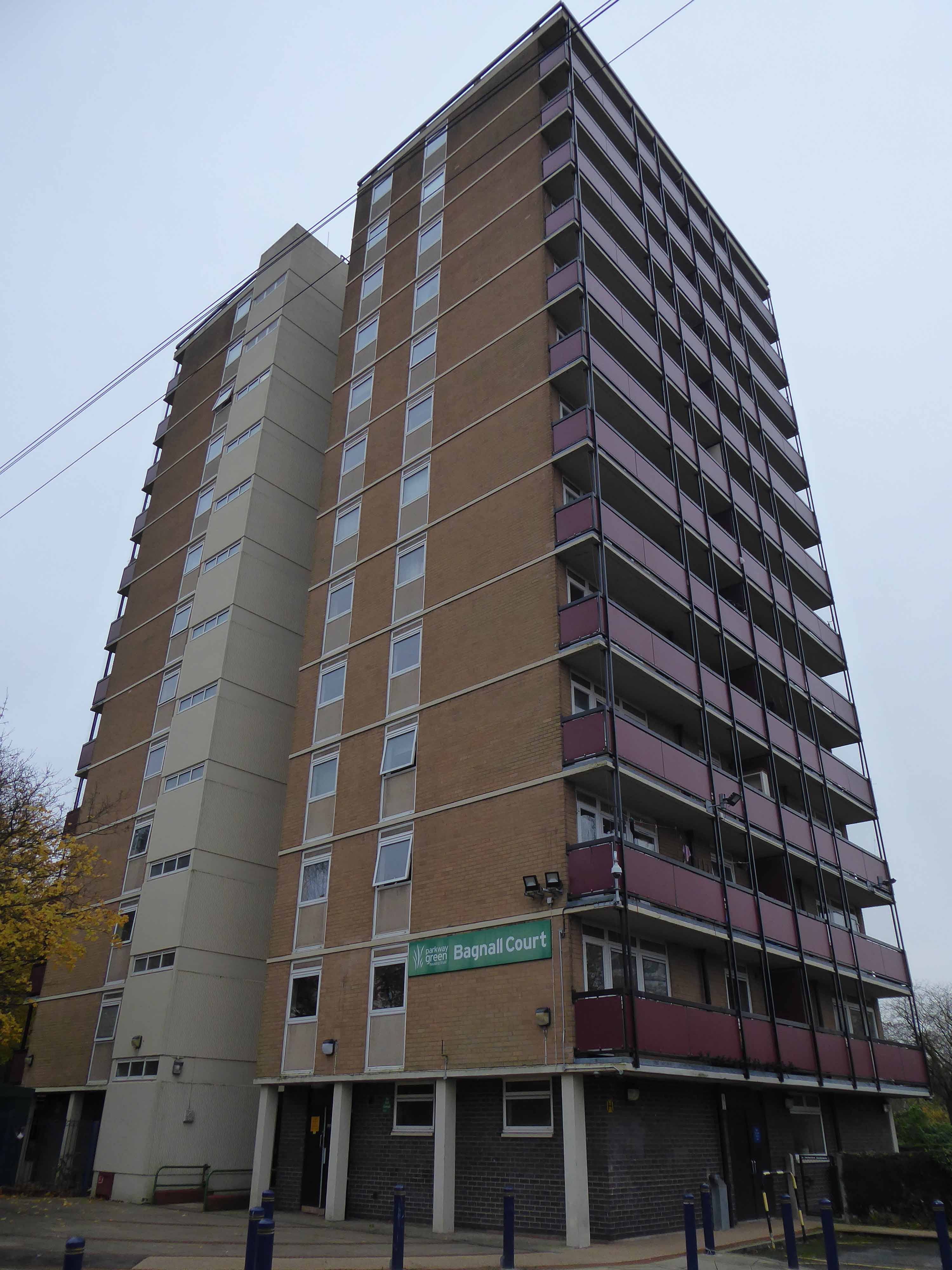
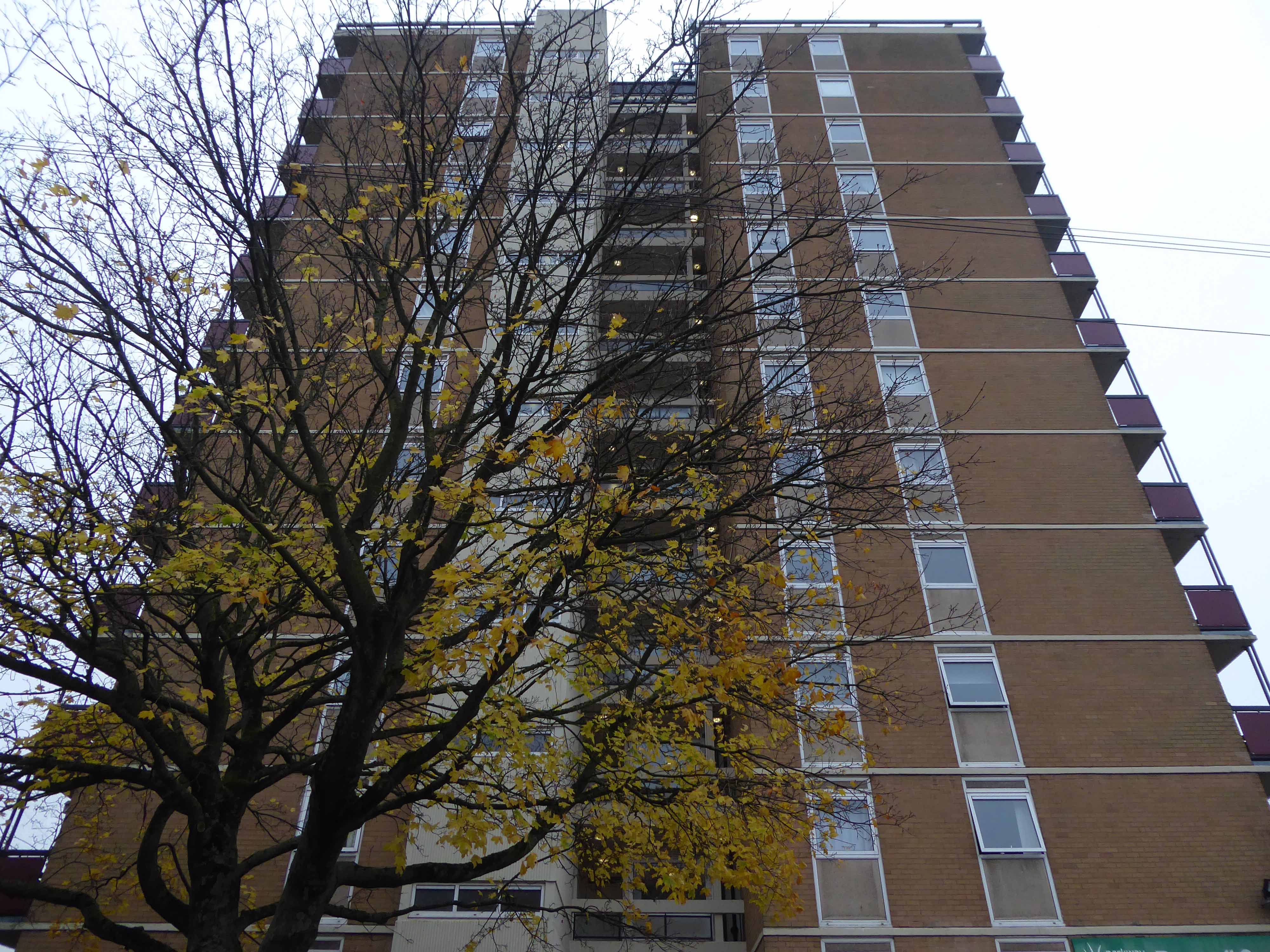
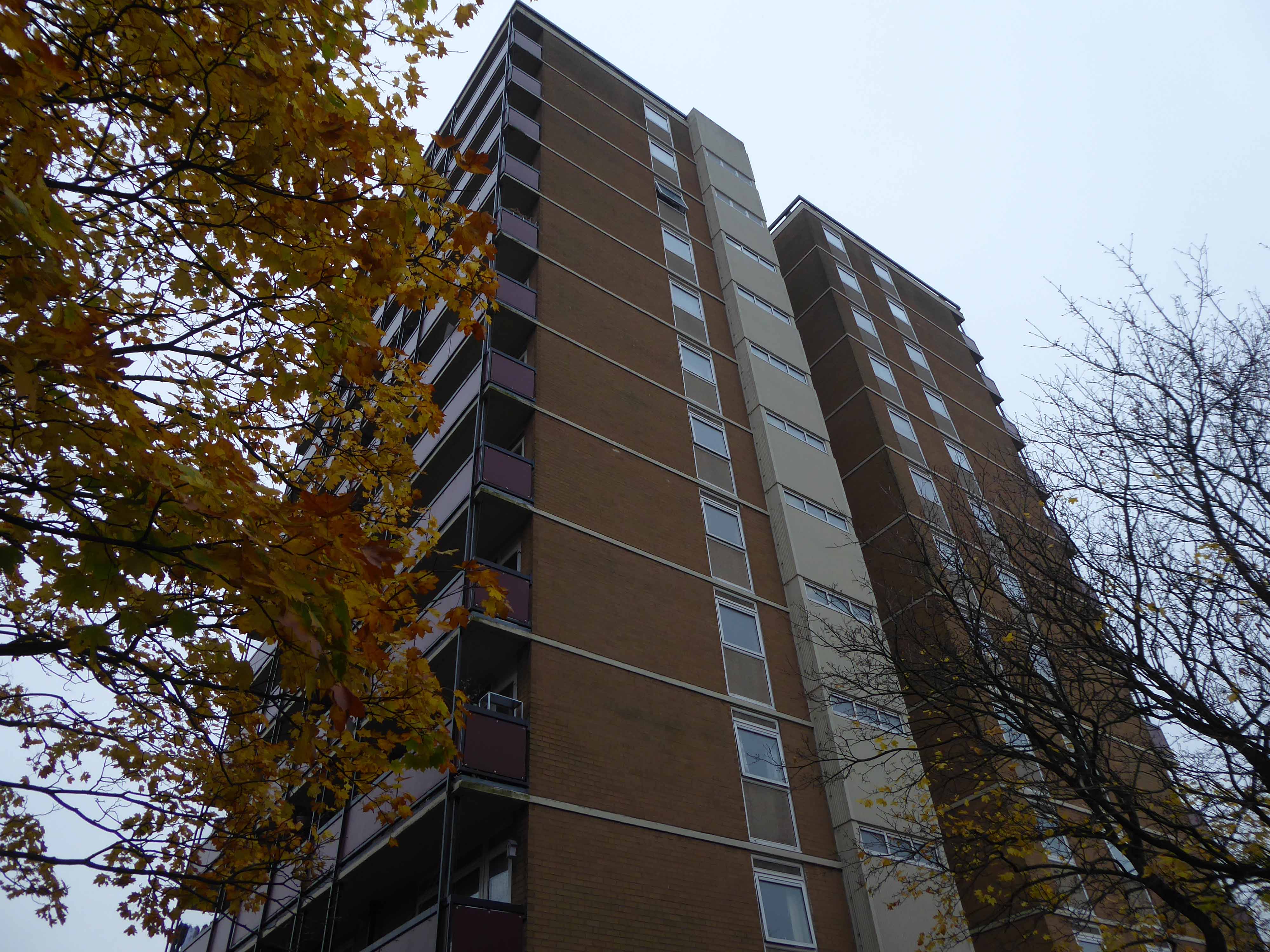
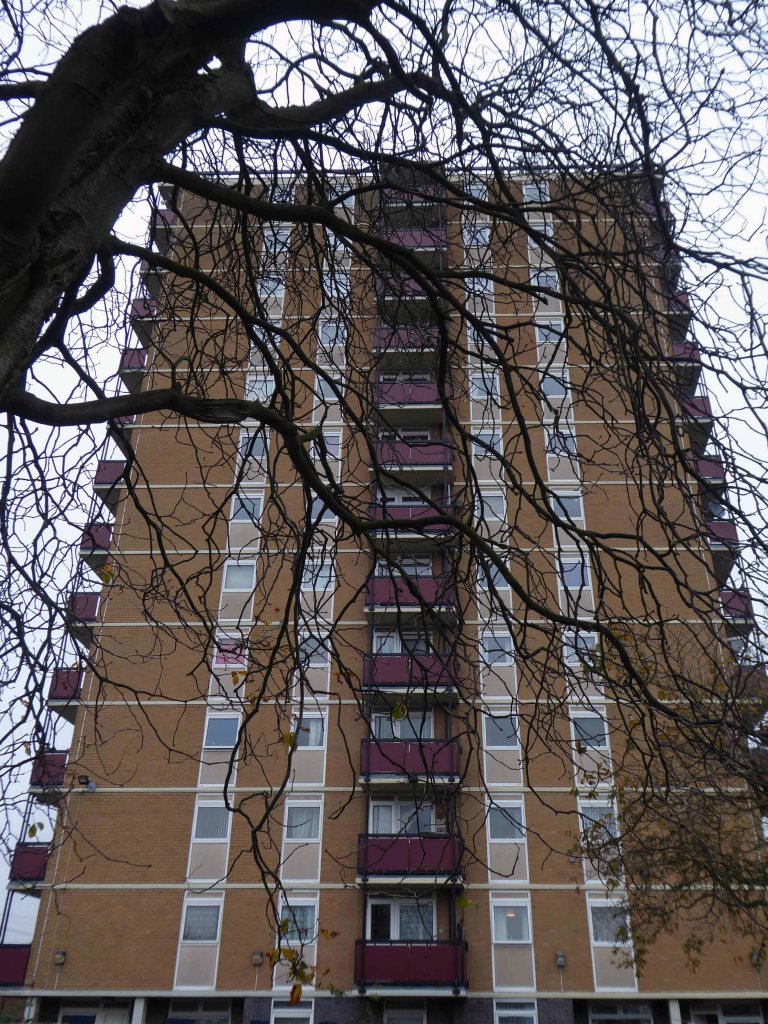
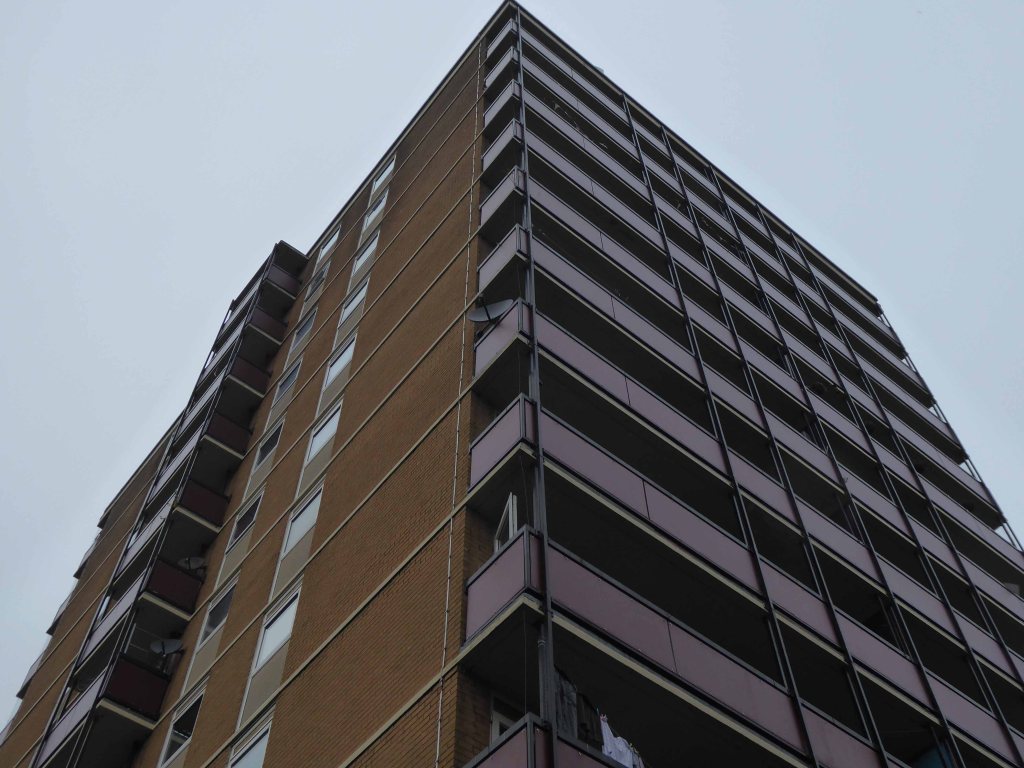
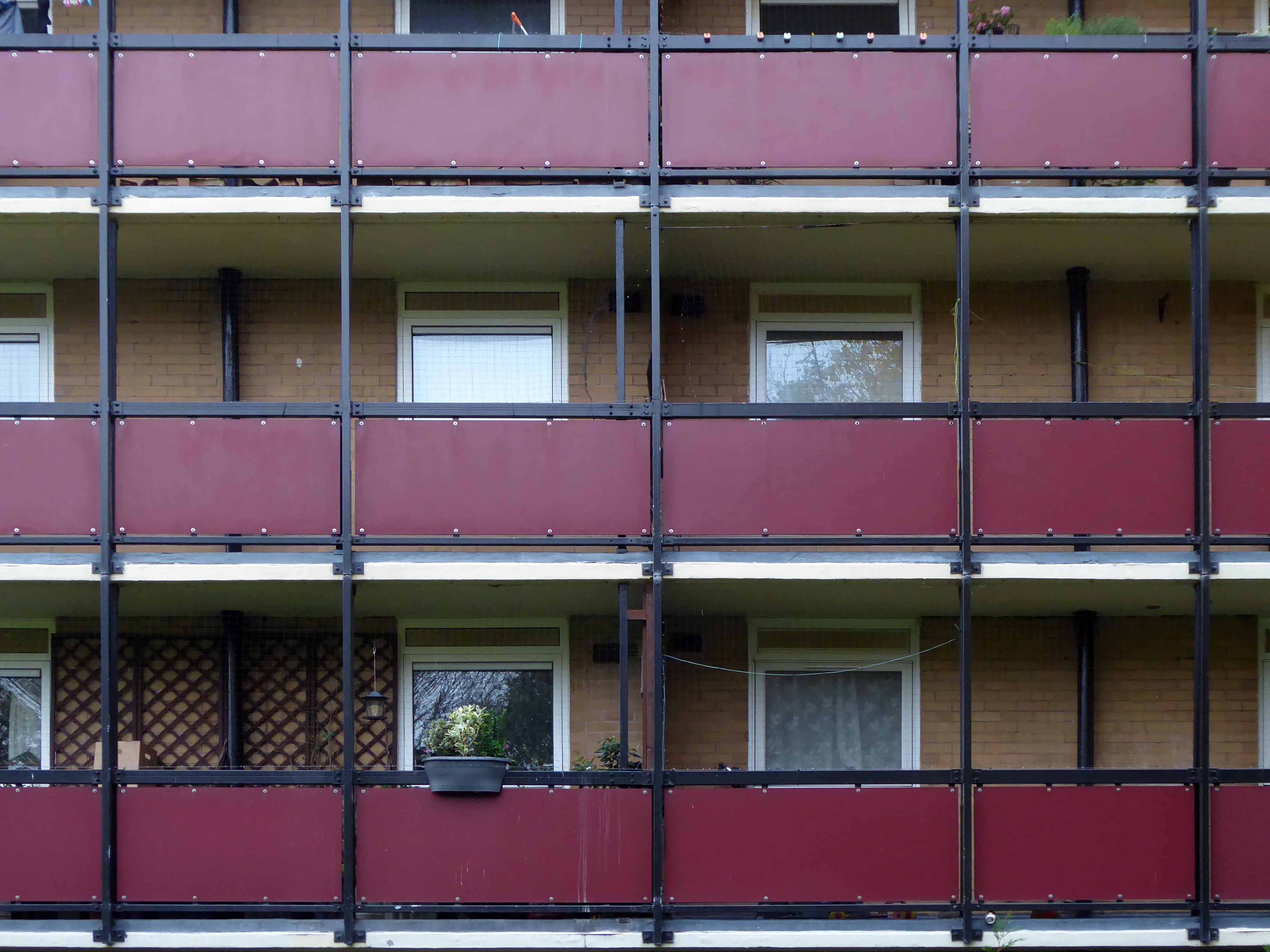
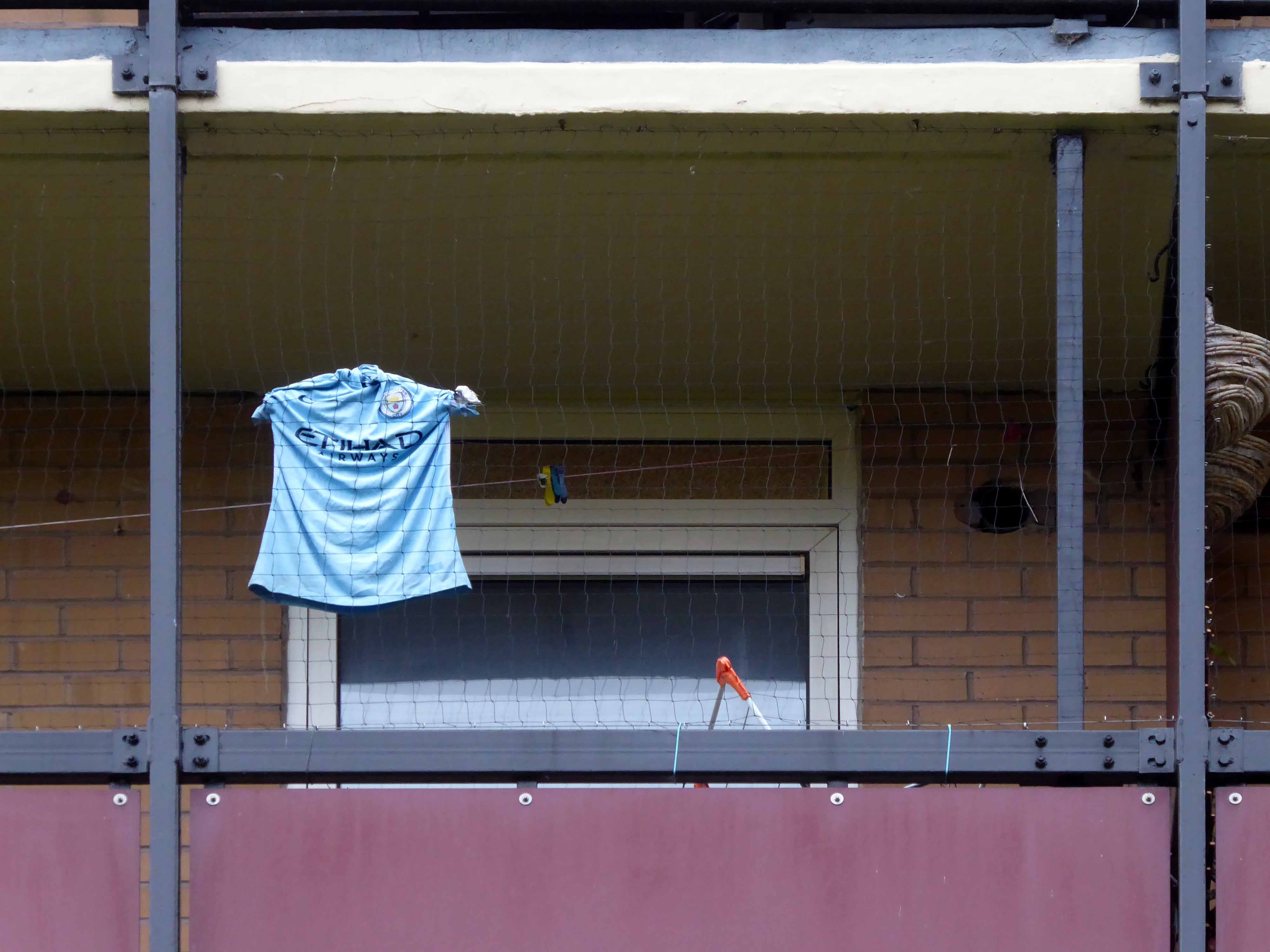
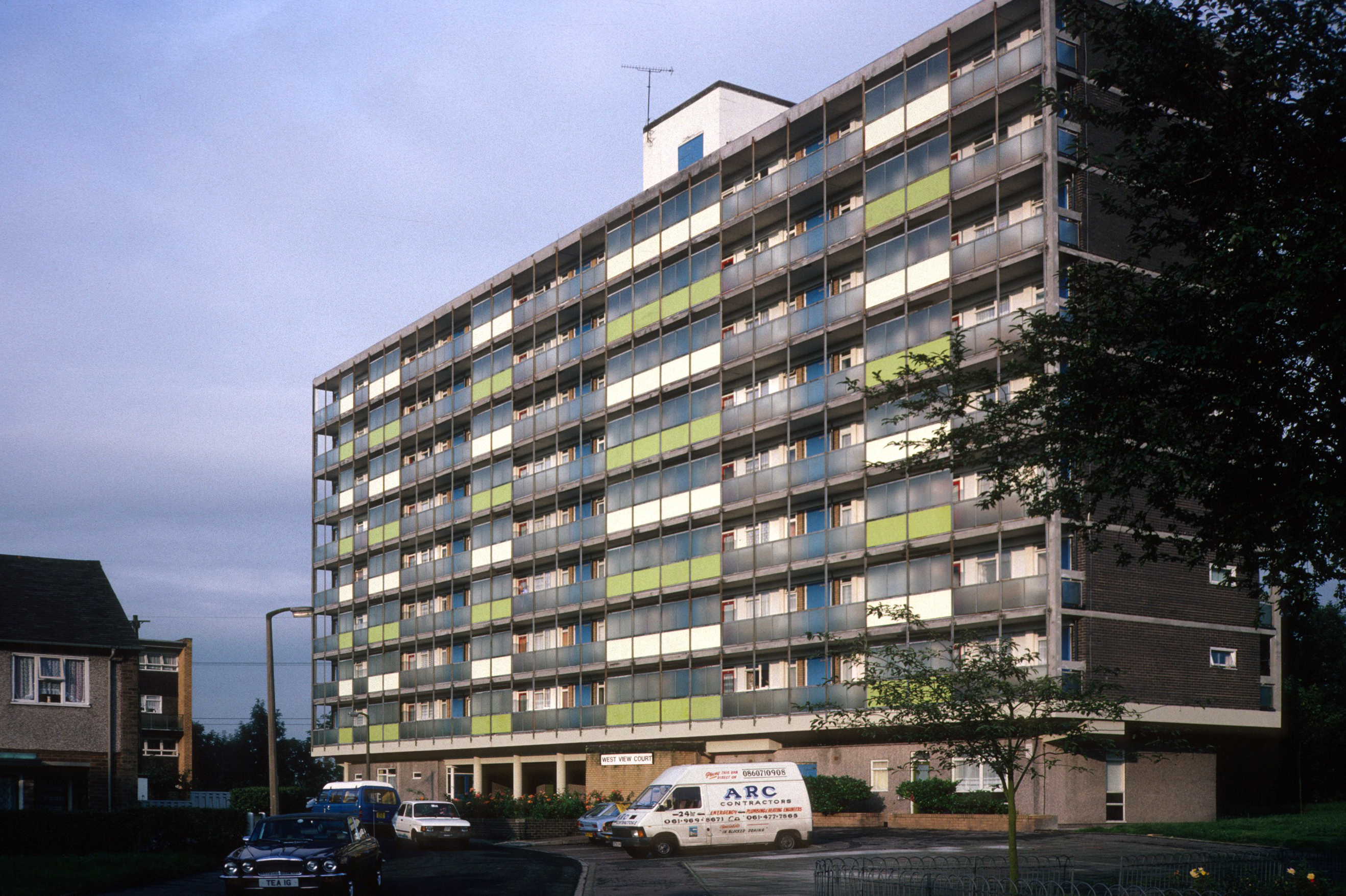
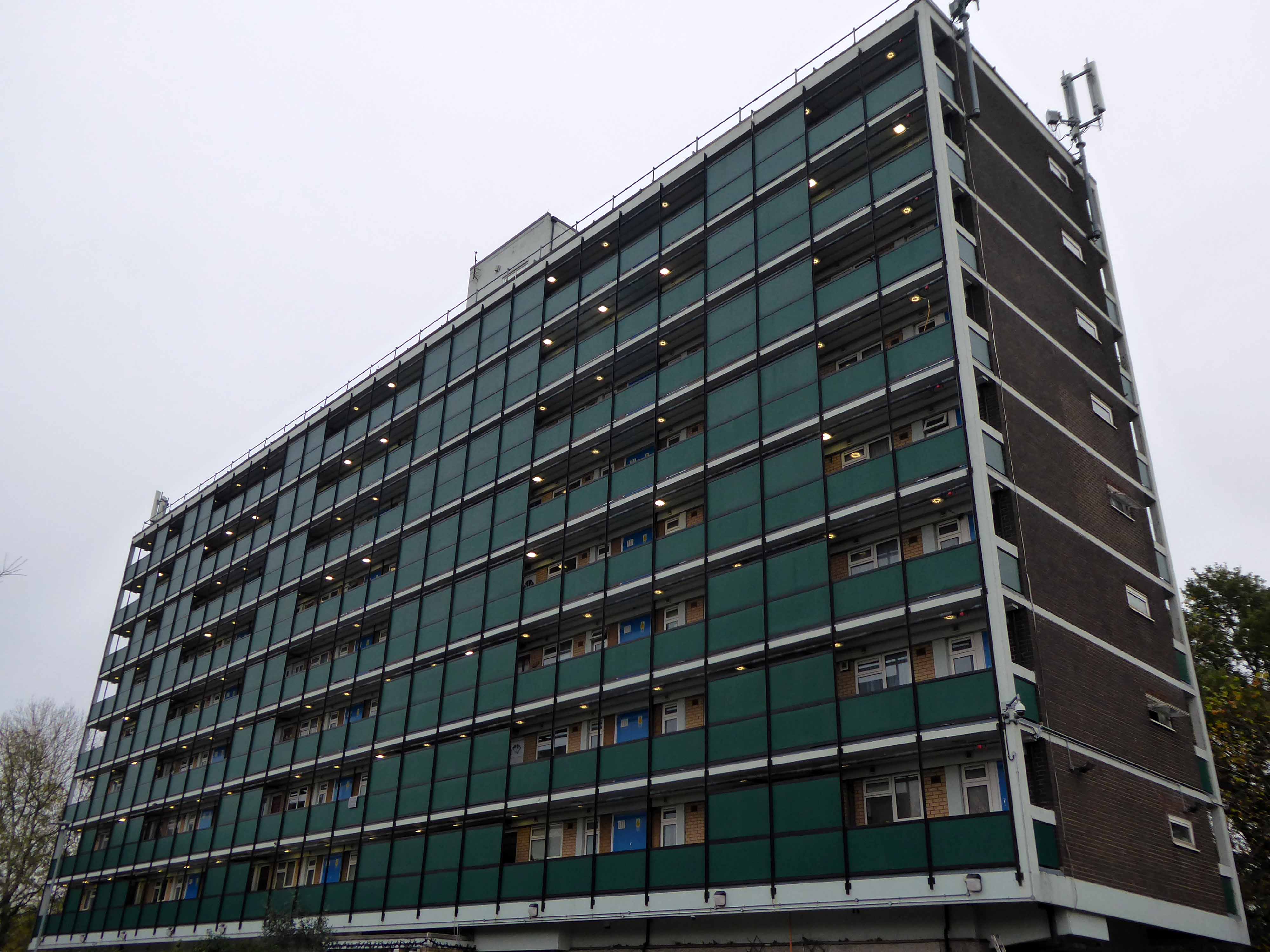
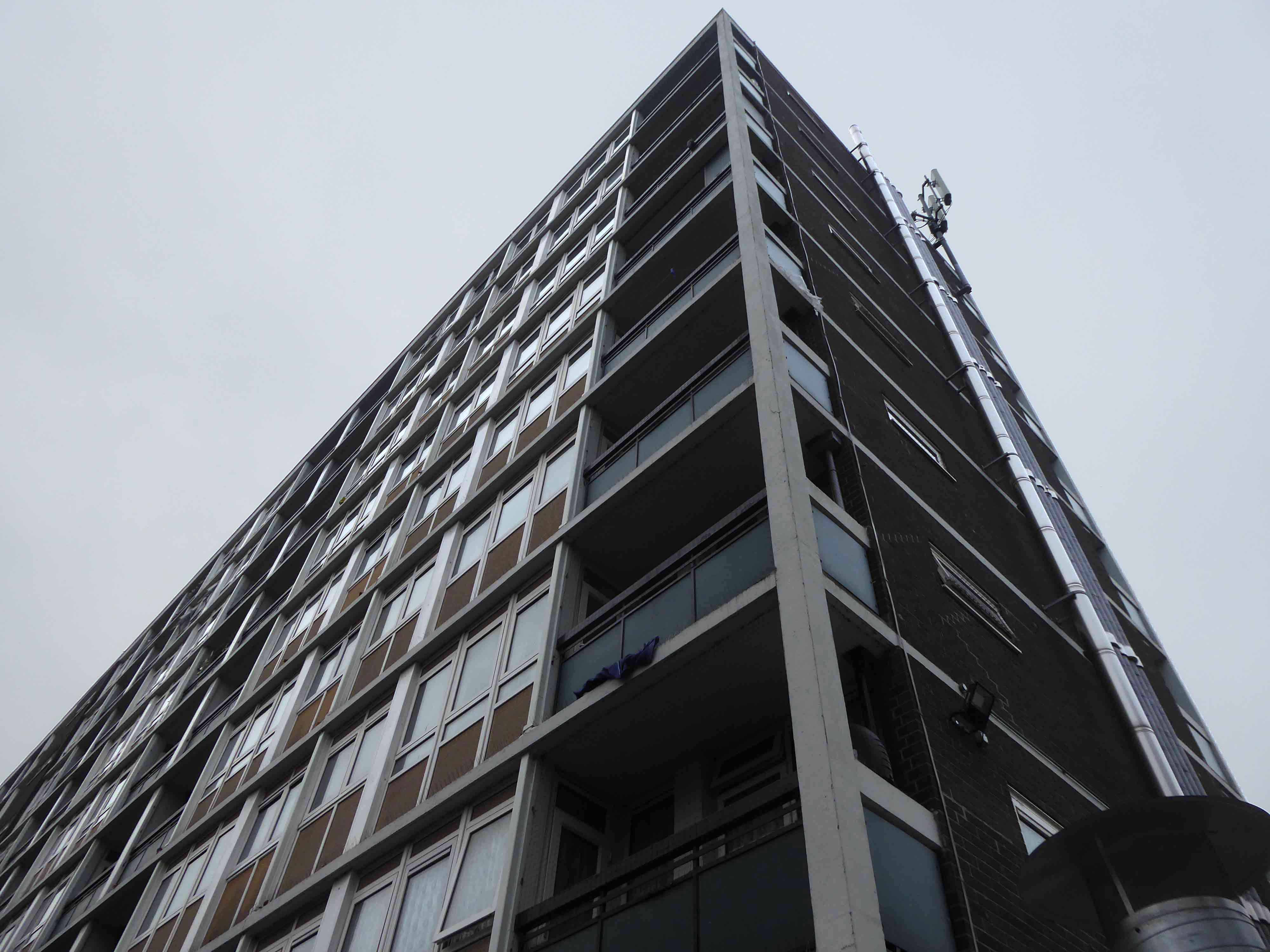
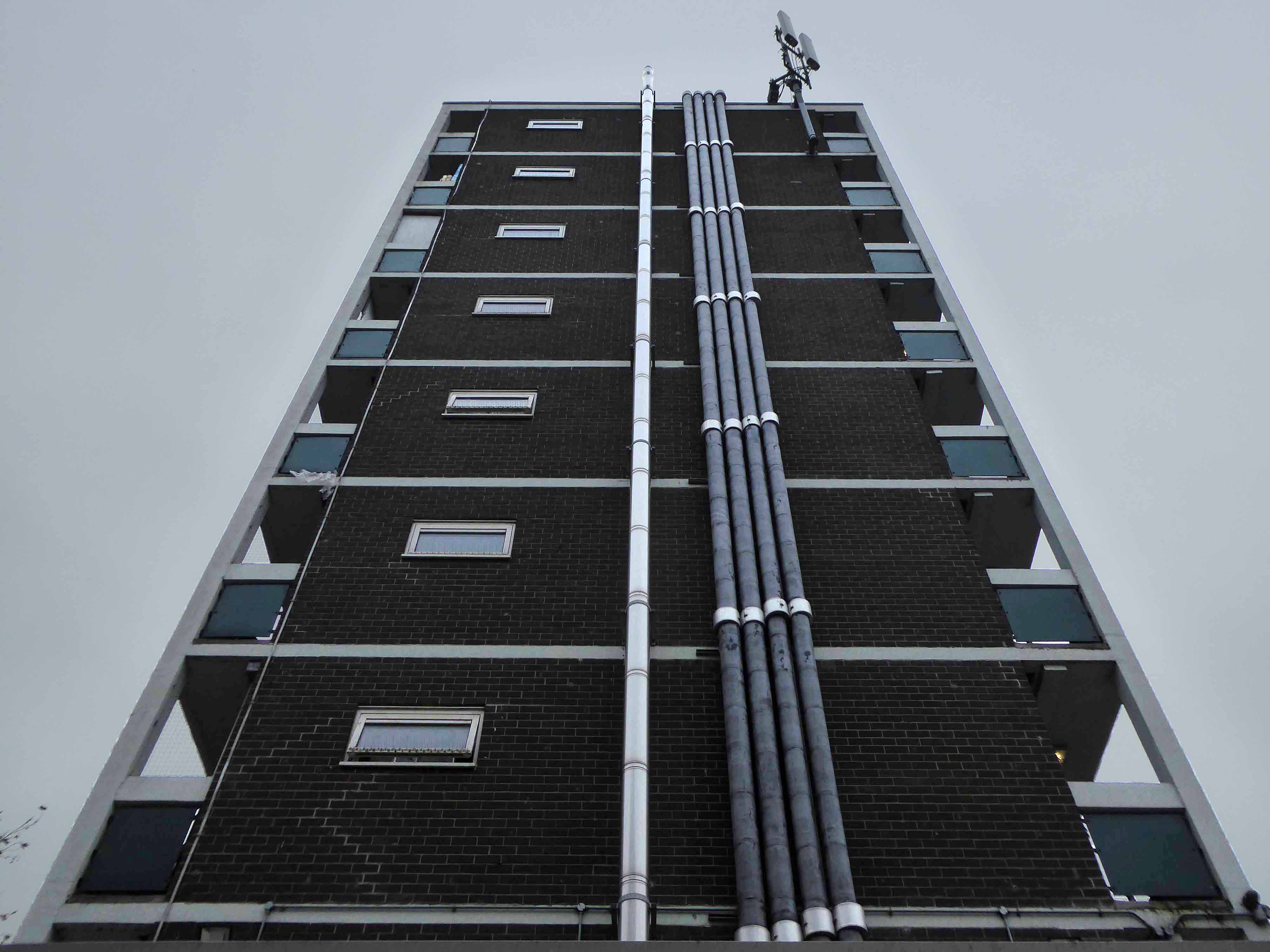
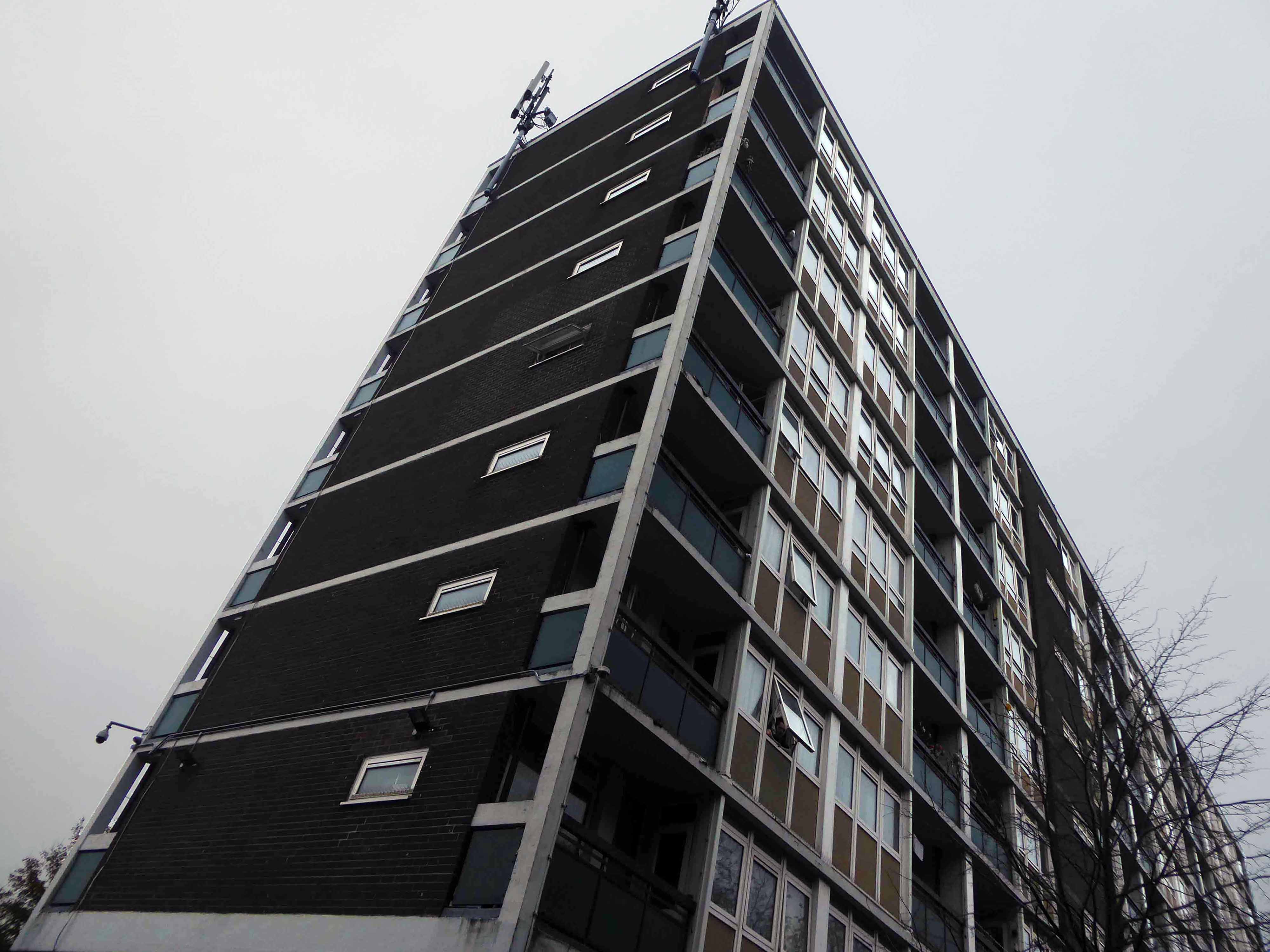
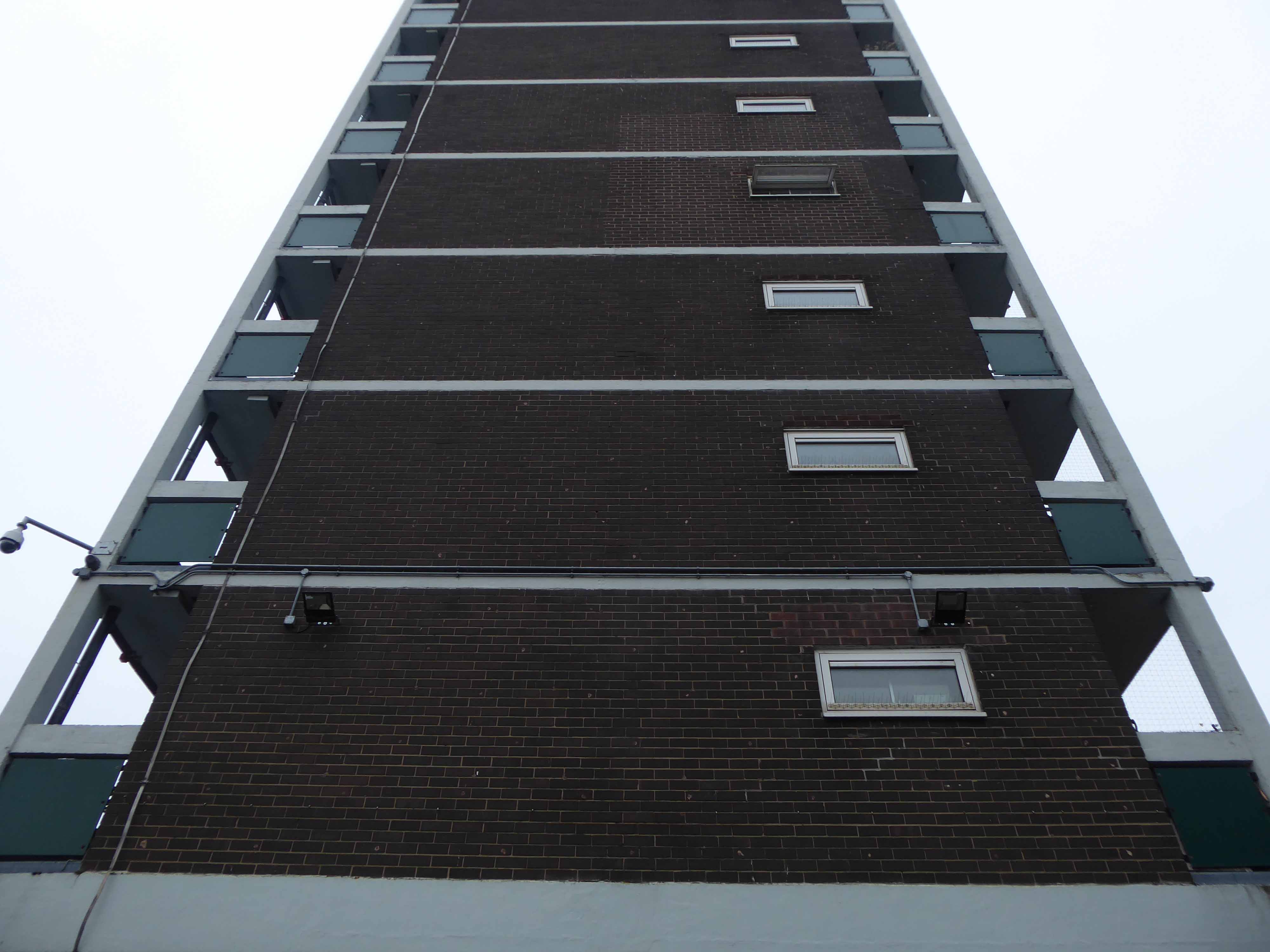
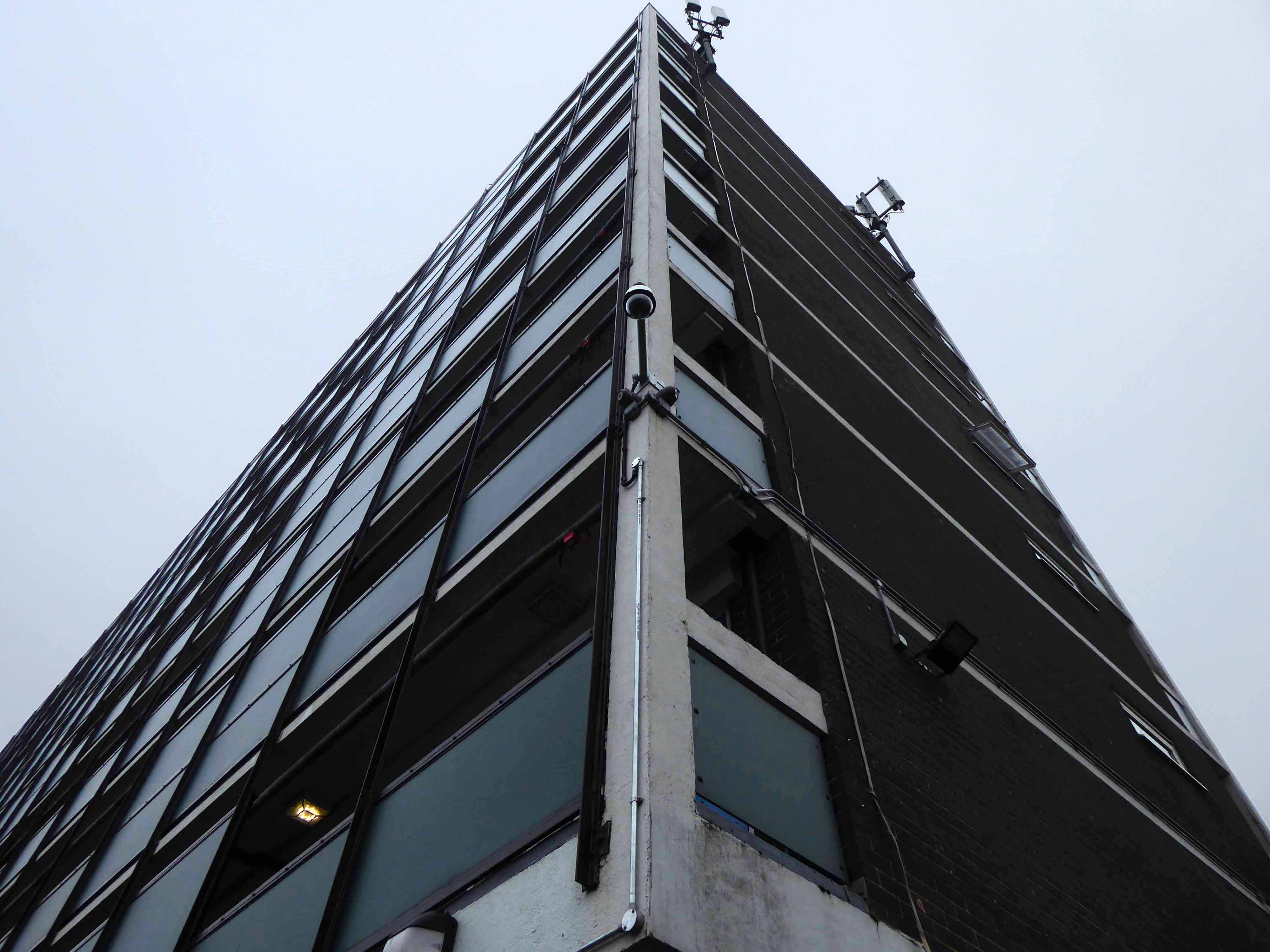
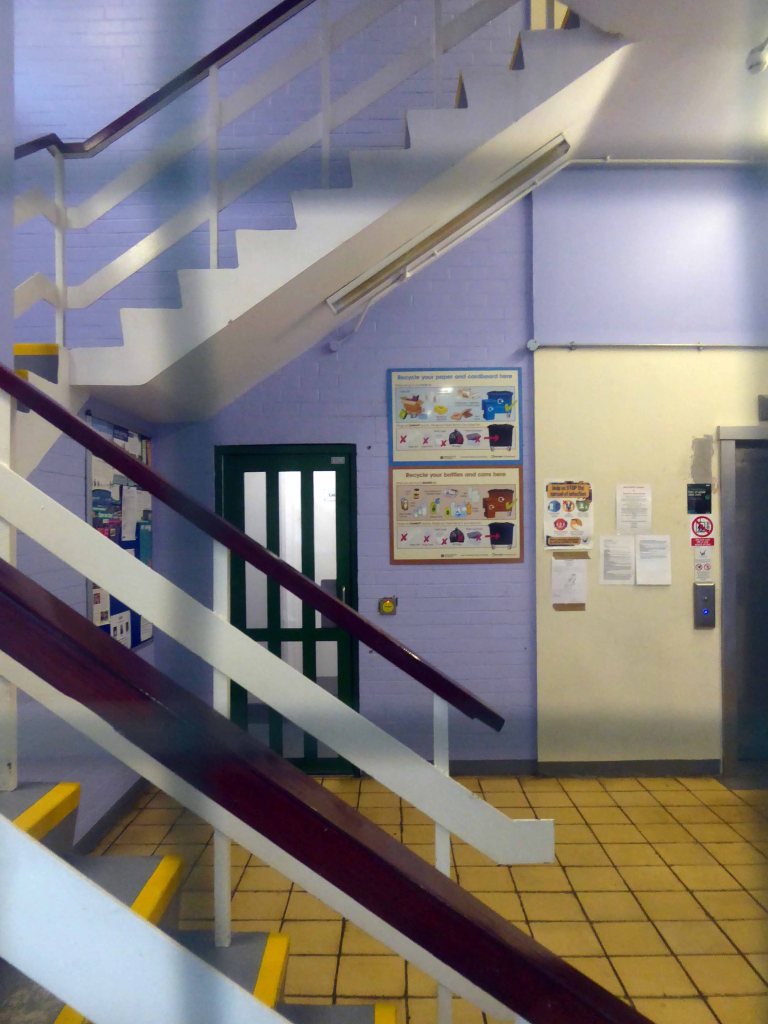
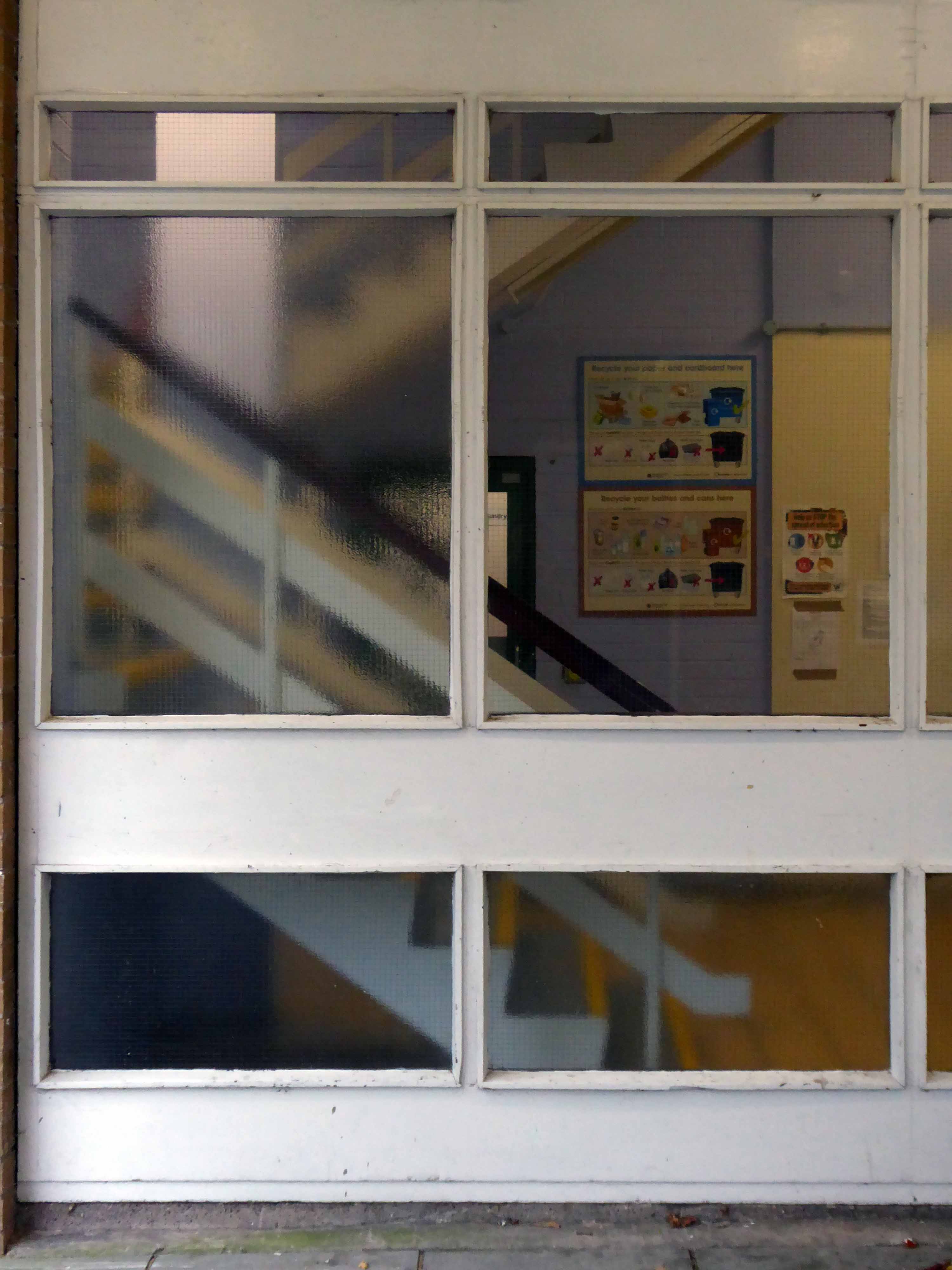
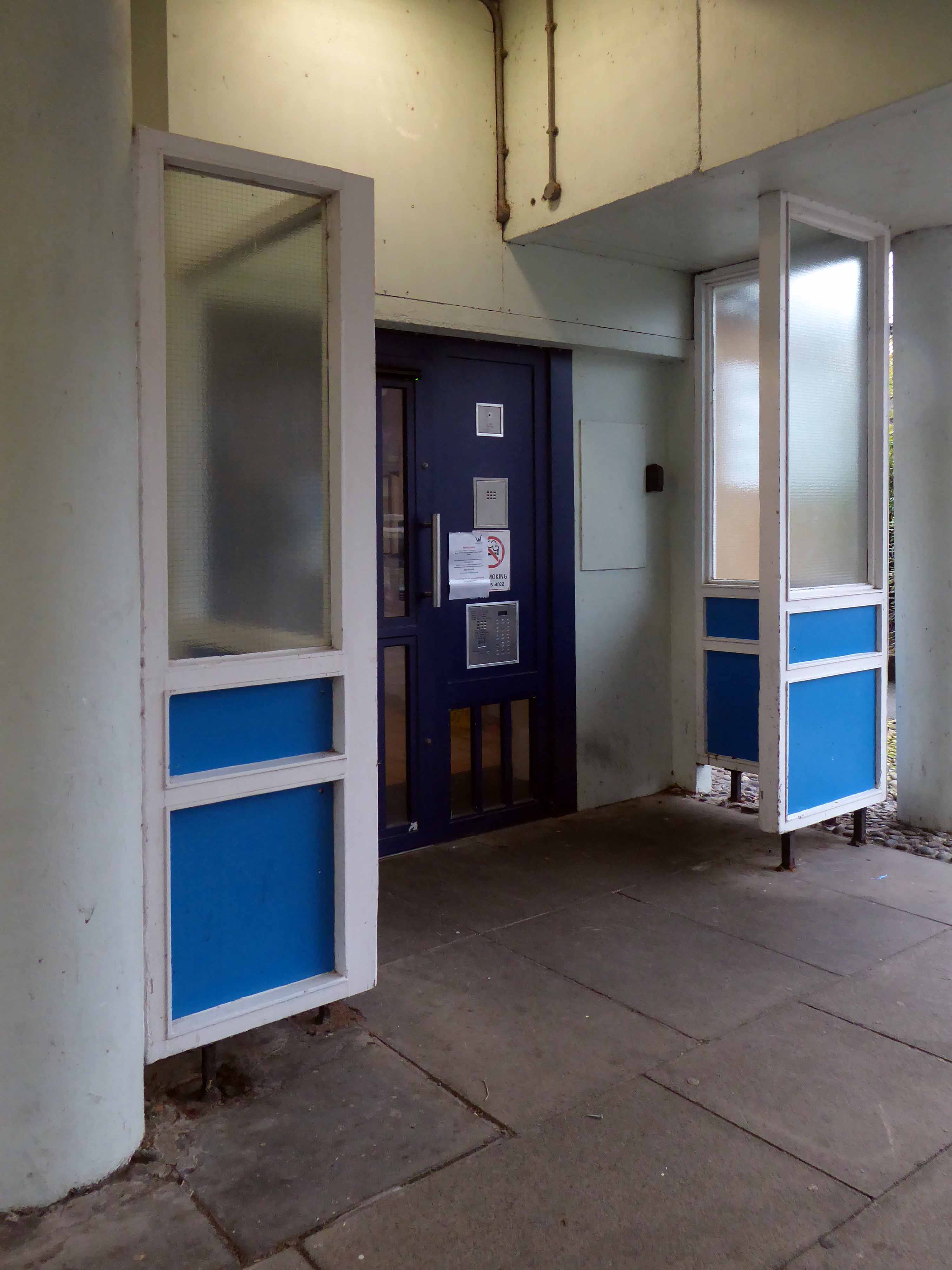
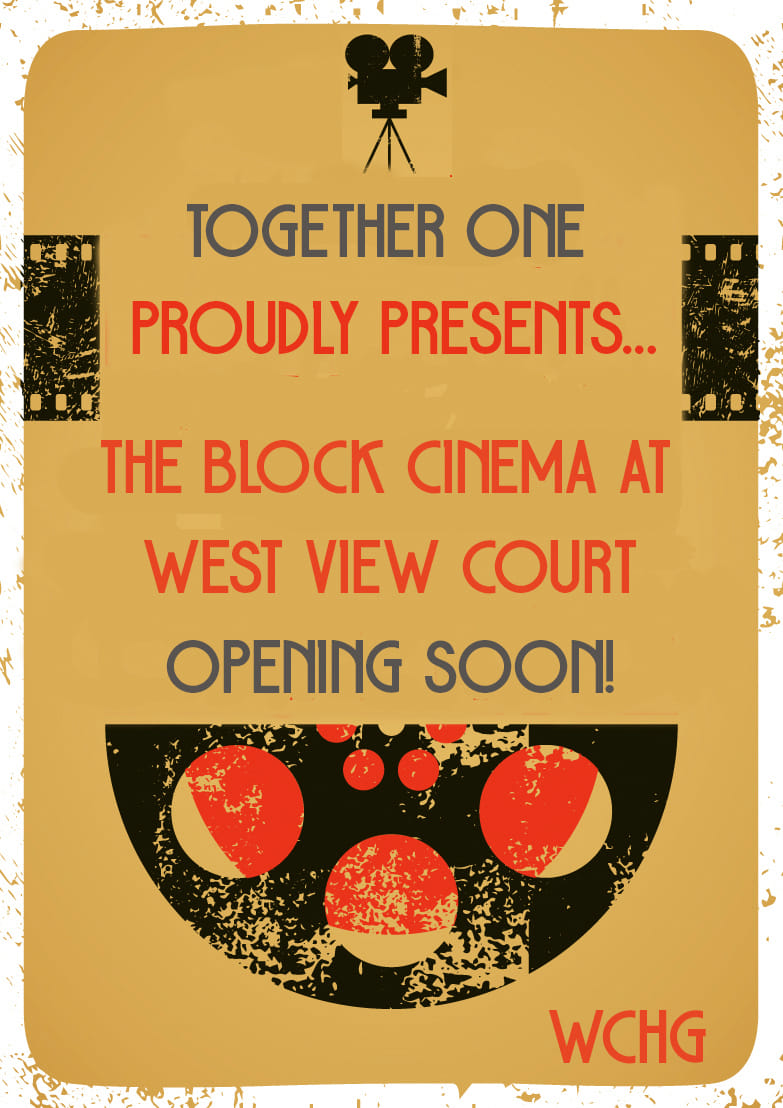
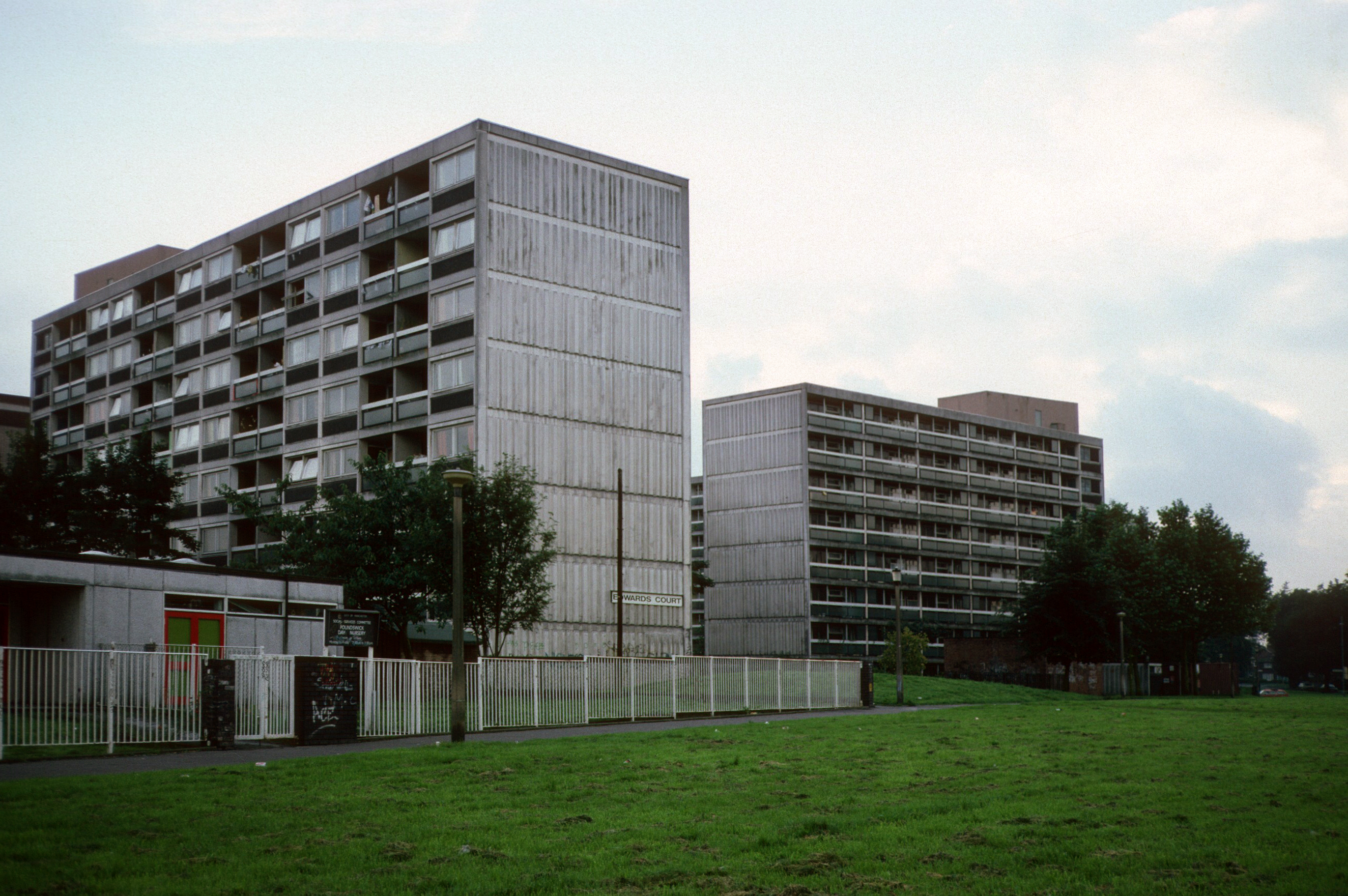
Around the corner to West View Court – also commissioned by Manchester Borough Council, built by Direct Works and contractors Holst, currently managed by Parkway Green.
Nine storeys in height containing seventy three homes.
A social history of Wythenshawe and its Civic Centre can be found here at Archives +.
A general history of the garden city’s development can be found here at Municipal Dreams.
Lest we forget, the story begins with a level of overcrowding and human misery that is – thankfully – almost unimaginable in Britain today. In 1935, Manchester’s Medical Officer of Health condemned 30,000 (of a total of 80,000) inner-city homes as unfit for human habitation; 7000 families were living in single rooms.
The estate was always considered to be, in some sense, the realisation of an ambitious vision.
The world of the future – a world where men and women workers shall be decently housed and served, where the health and safety of little children are of paramount importance, and where work and leisure may be enjoyed to the full.
Cooperative Women’s Guild
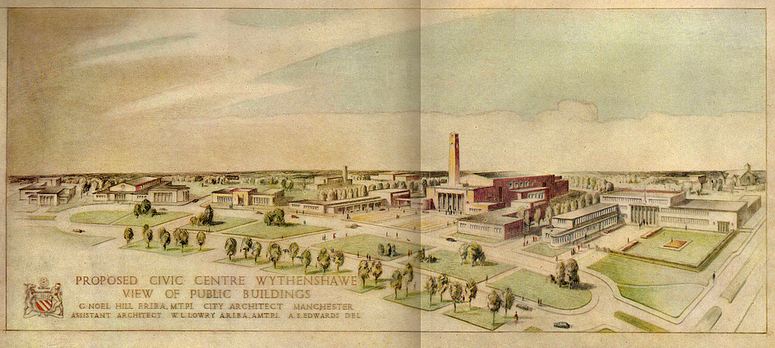
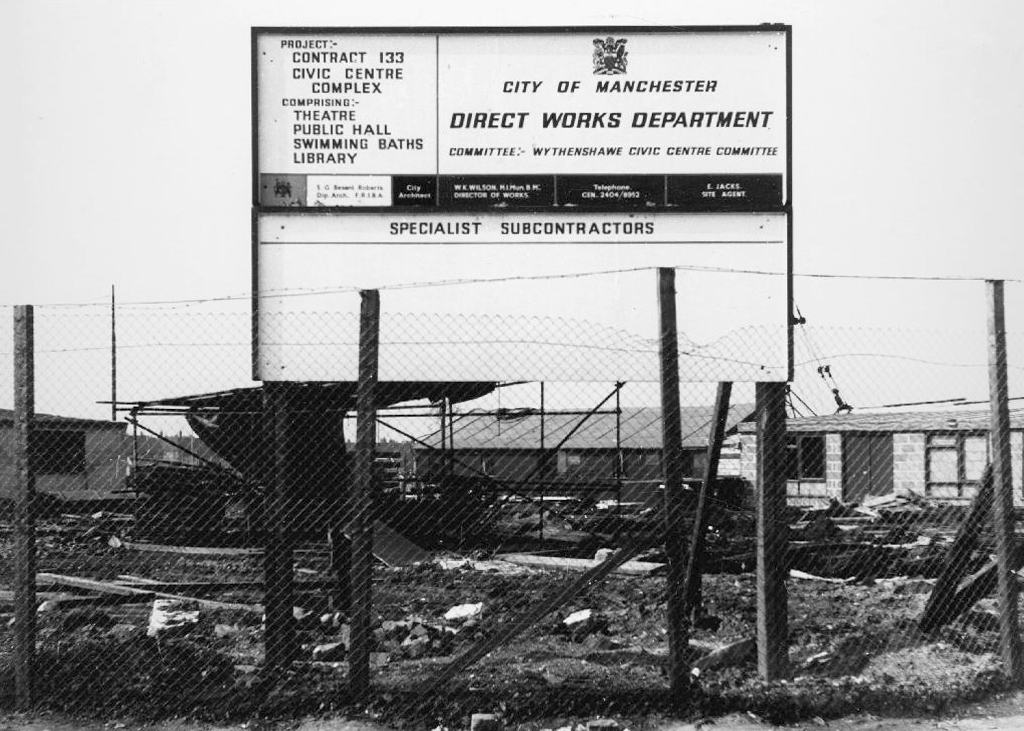
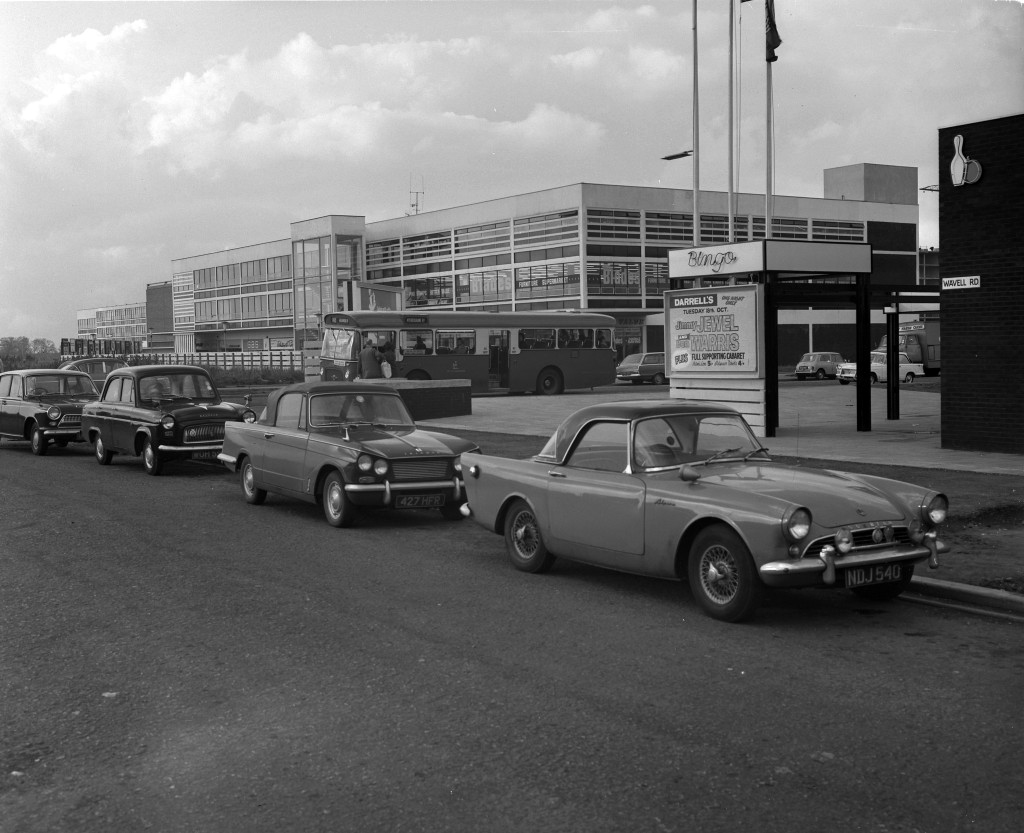
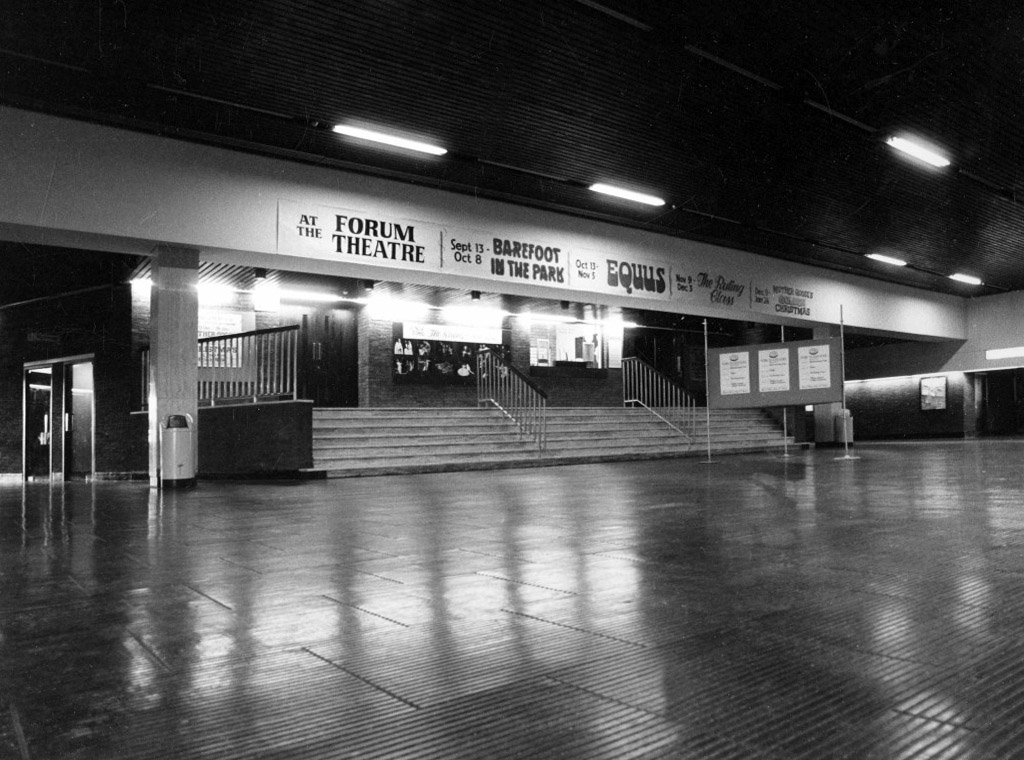
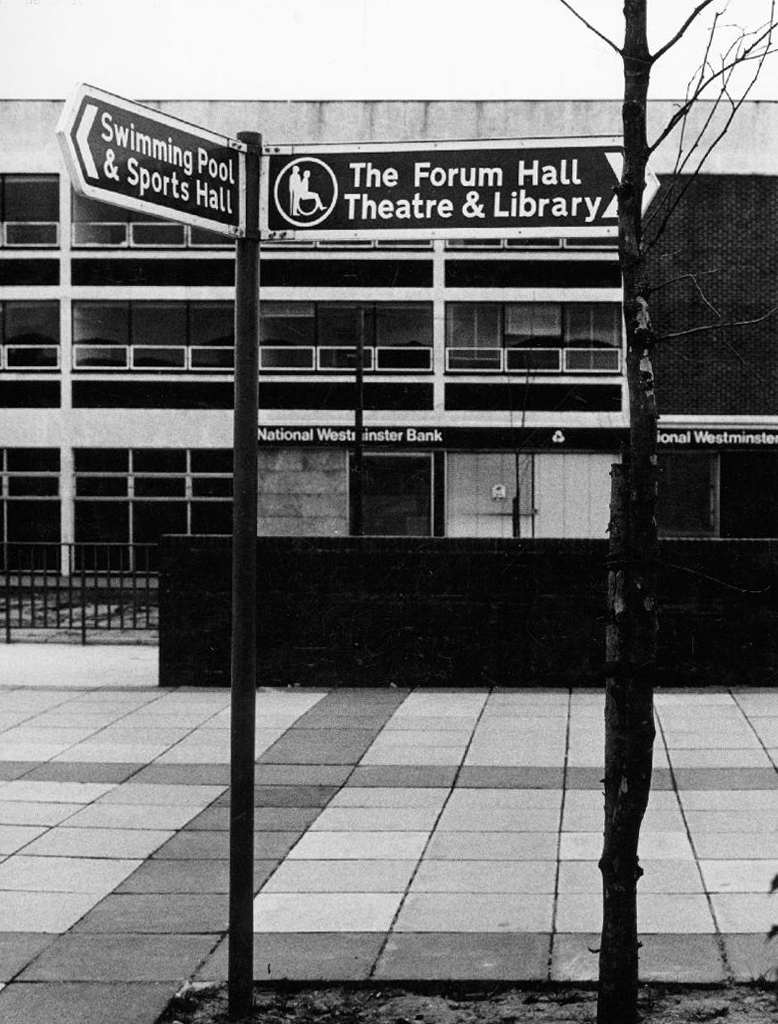
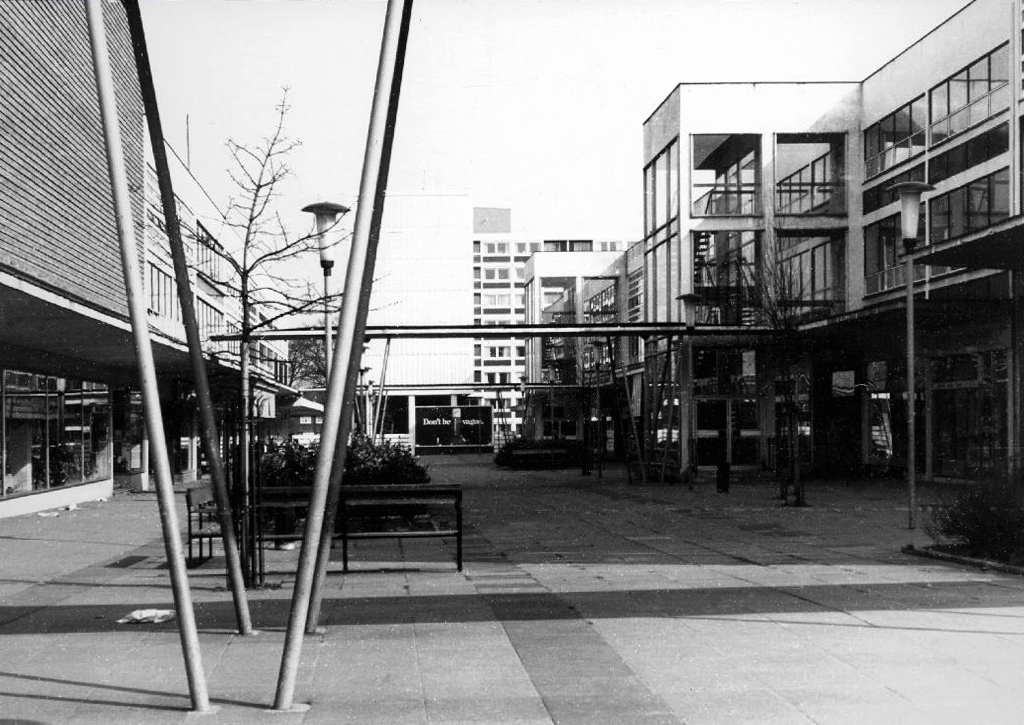
Work began in the interwar years, and continued following the hiatus of 1939-45. The shopping centre named the Civic Centre was open in 1963, the actual Civic Centre containing a swimming pool, theatre, public hall and library in 1971.
A triumph for Municipal Modernism conceived by the City Architects and realised by Direct Works. This post war development owed more to the spirit of Festival of Britain optimism, new construction methods and materials, rather than the grandiose functionalist classicism of the original scheme.
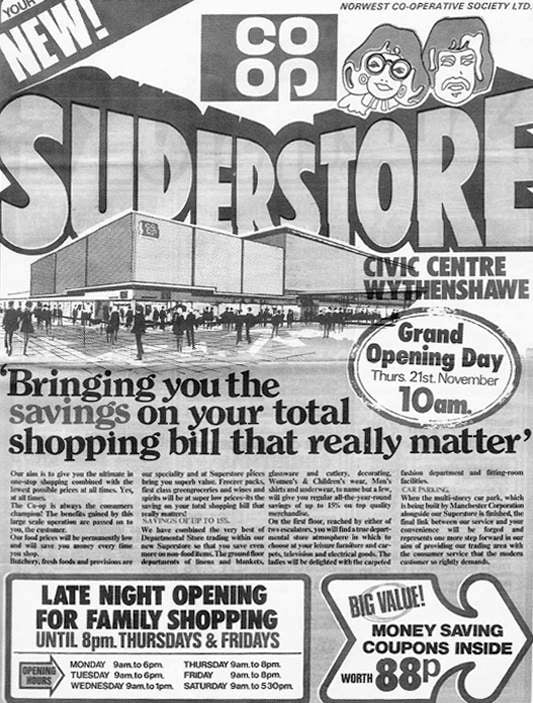
The Co-operative Superstore was a key element in the provision of provisions.
There still is – The Forum is a bright and modern hub for co-located services used by community and business.
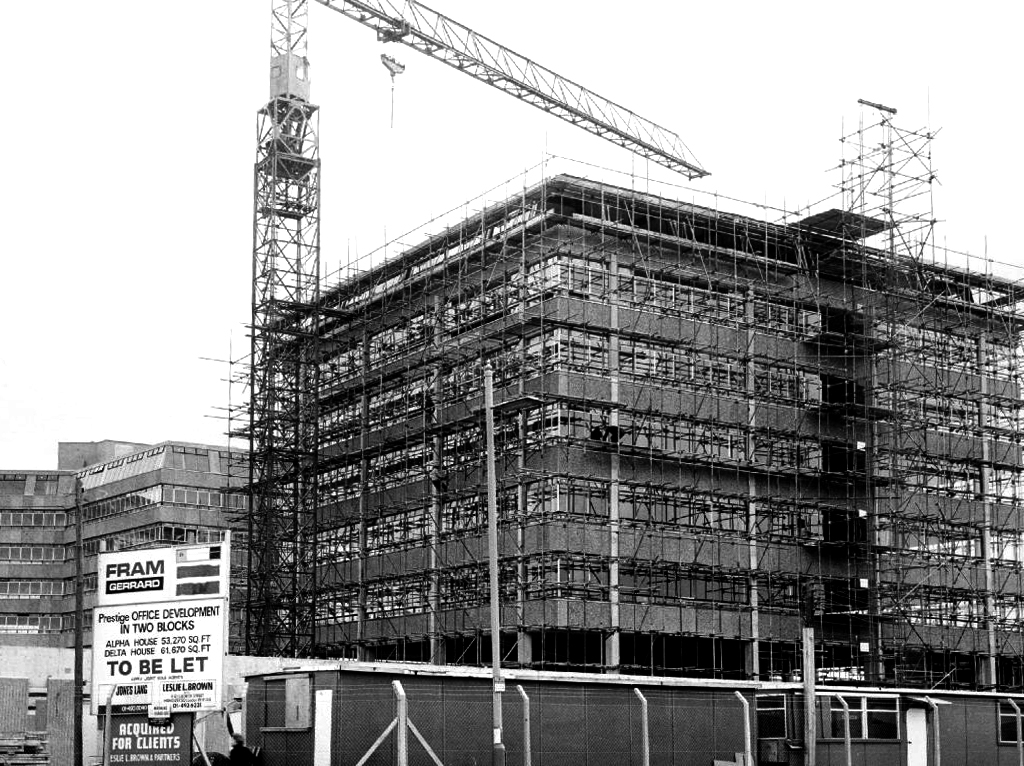
The original Forum opened in 1971. One of Manchester’s largest public buildings, it had a leisure centre, library, theatre, main hall and meeting rooms. By the mid 1990’s it was under used, had deteriorated internally and externally and needed substantial investment.
The new Forum, along with a new police sub-divisional headquarters and improved transport link was designed to help strengthen the town centre, and provide a landmark project to raise Wythenshawe’s profile within Manchester and beyond.
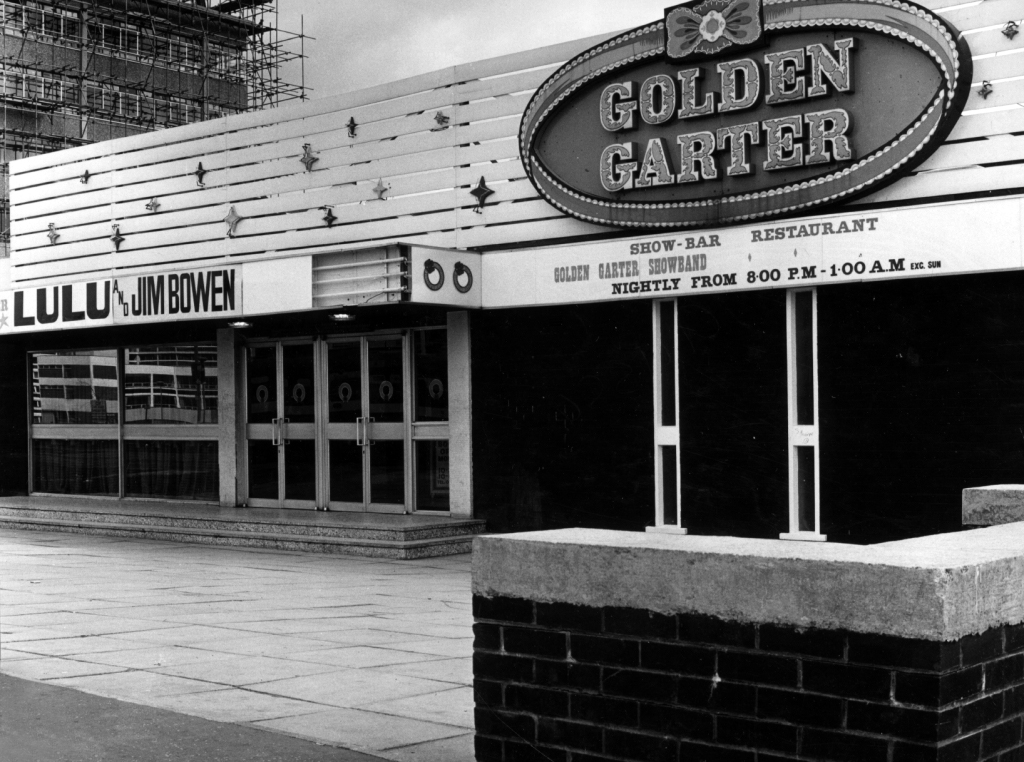
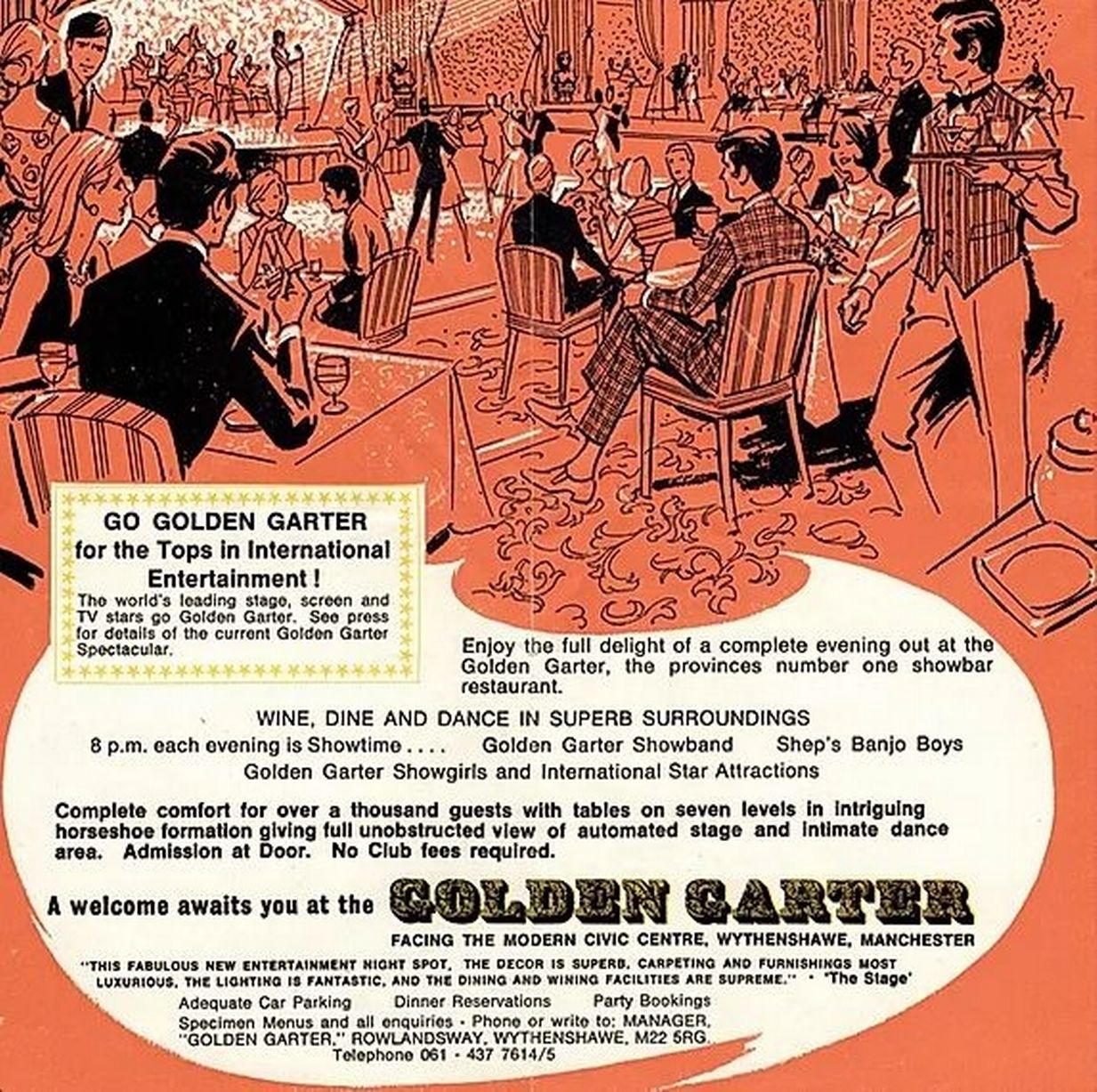
In the 1980’s they put on a superb array of shows including Roll on 4 O’Clock which starred John Jardine, Jack Smethurst and Glynn Owen. Oh What a lovely War; What the Butler Saw and Habeas Corpus by Alan Bennett. Bury’s own Victoria Wood starred in Talent which she wrote. Another Manchester icon Frank Foo Foo Lammar, famous as the top drag queen of the North-West whose club was re-known for its great party nights appeared in The Rocky horror Show.
A land of elegant covered walkways and raised beds.
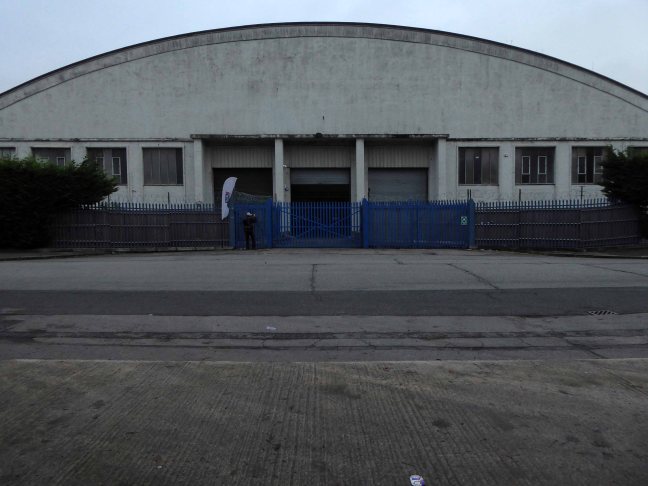
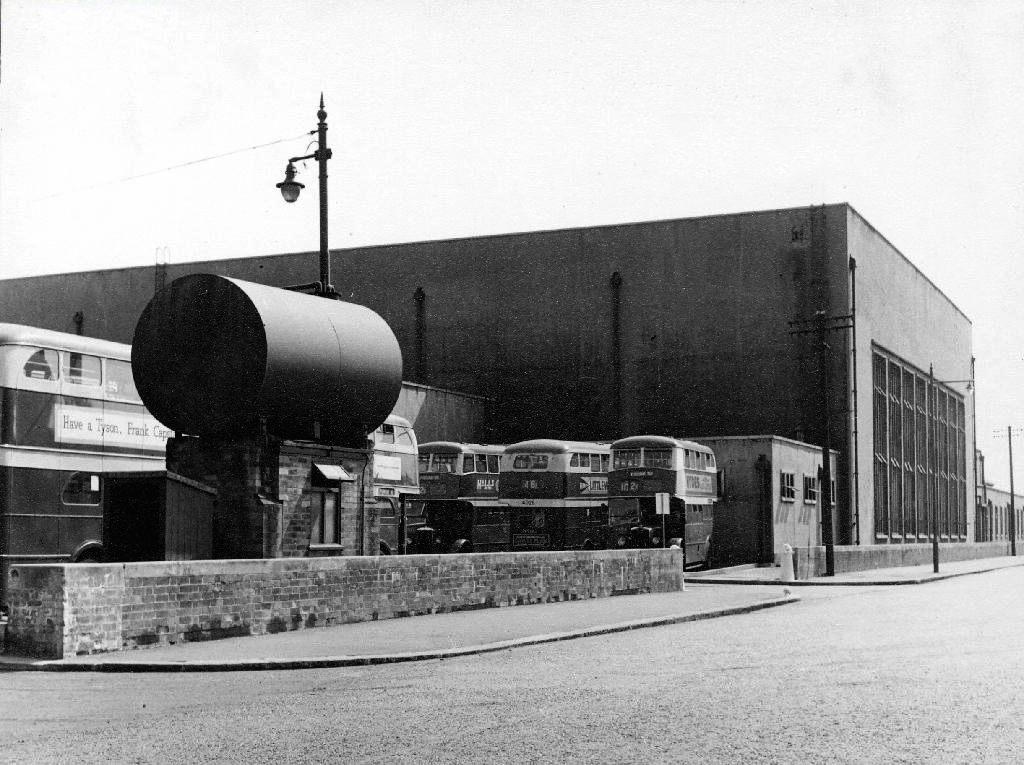
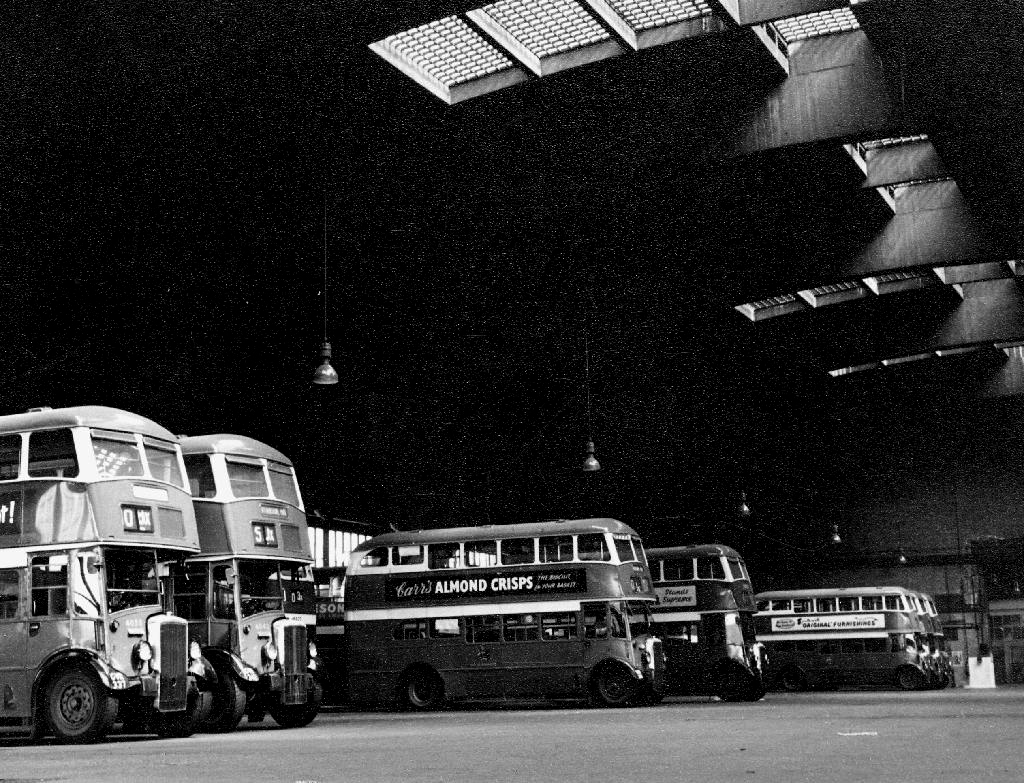
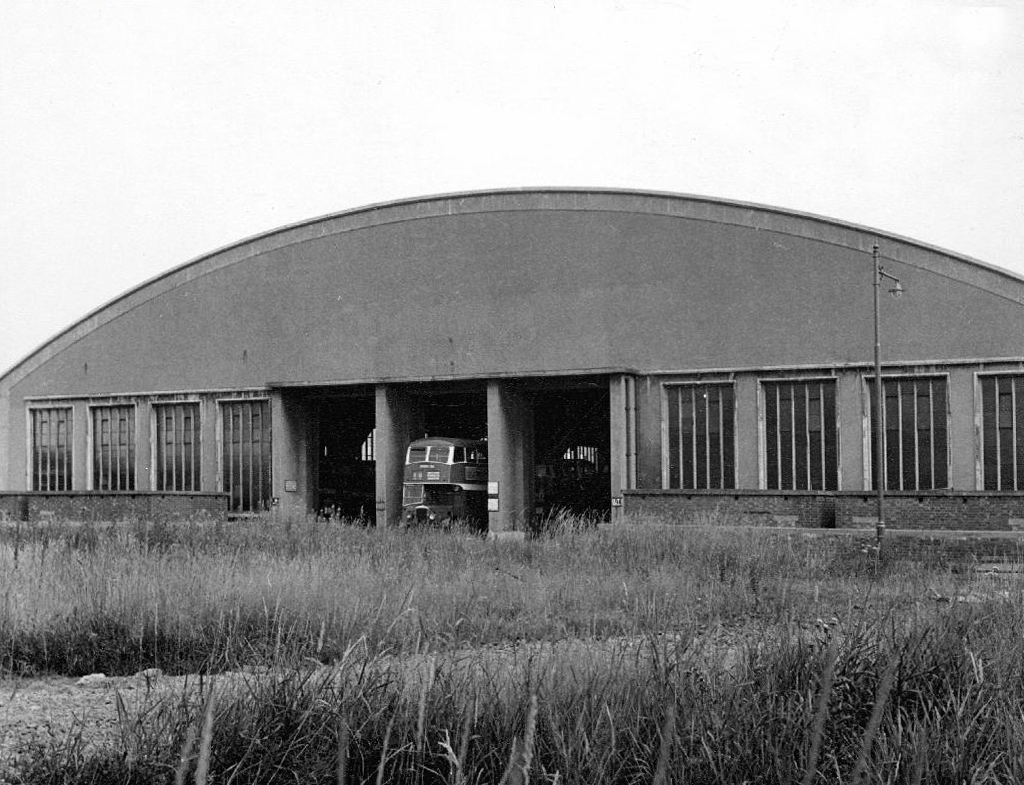
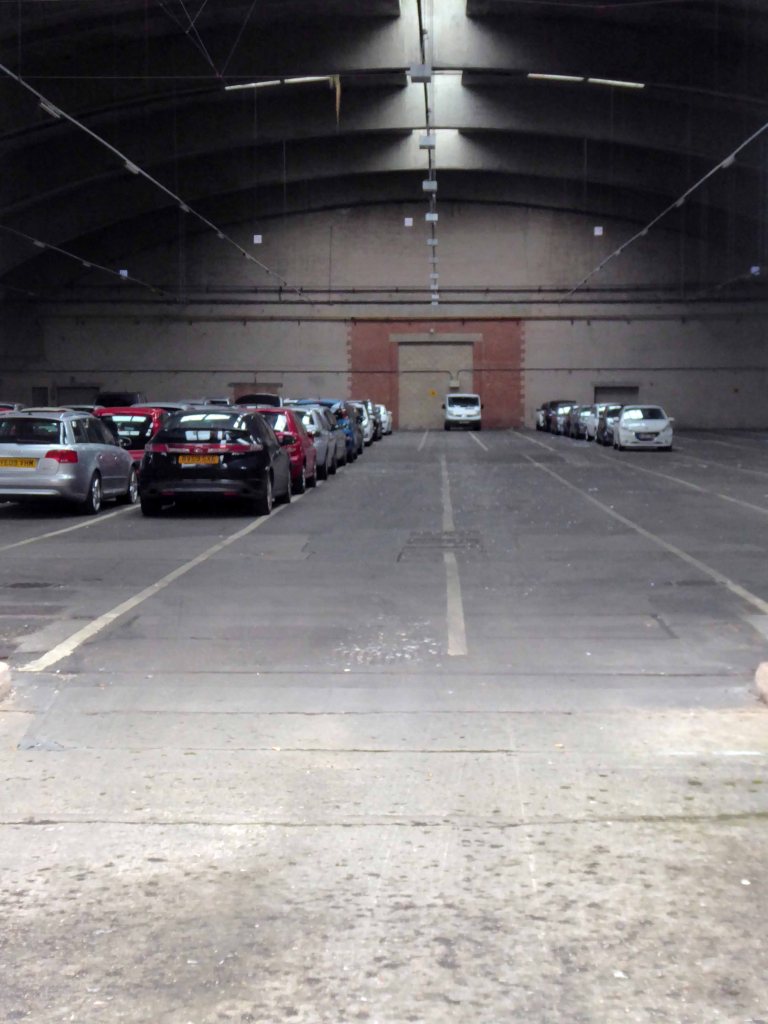
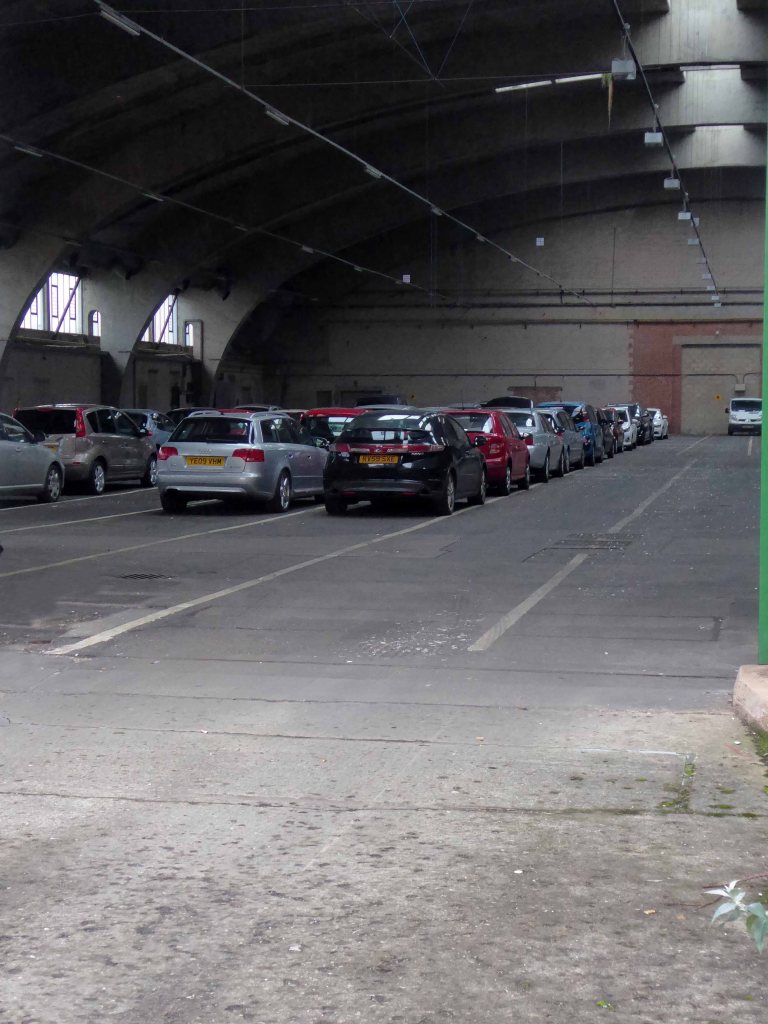
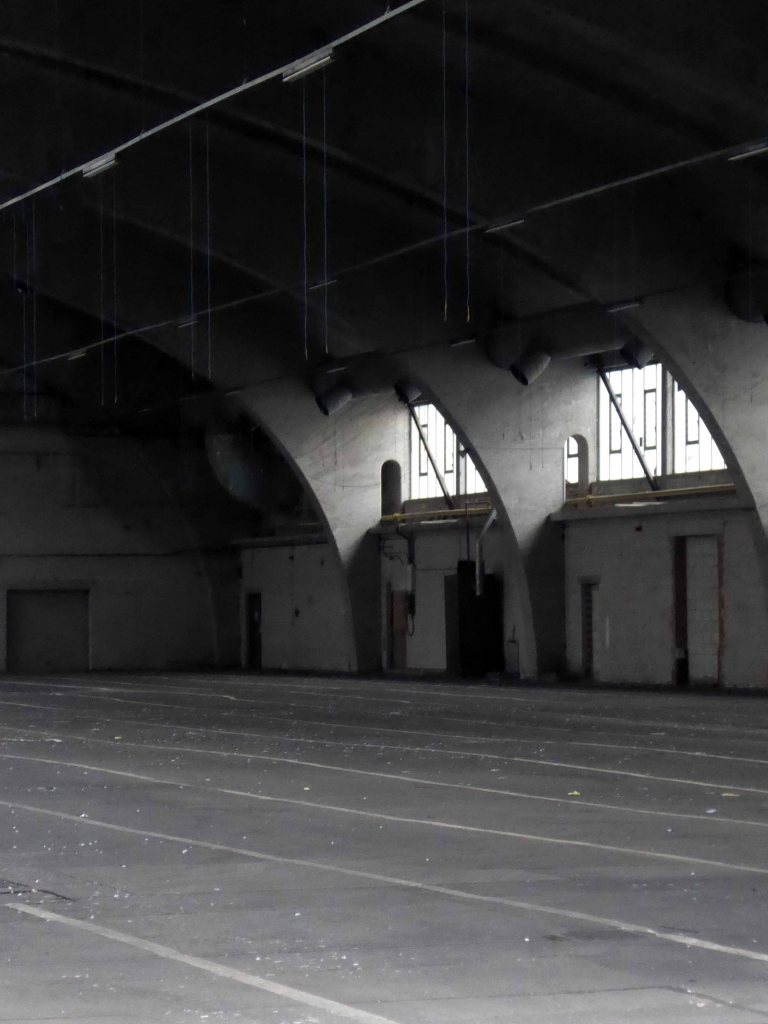
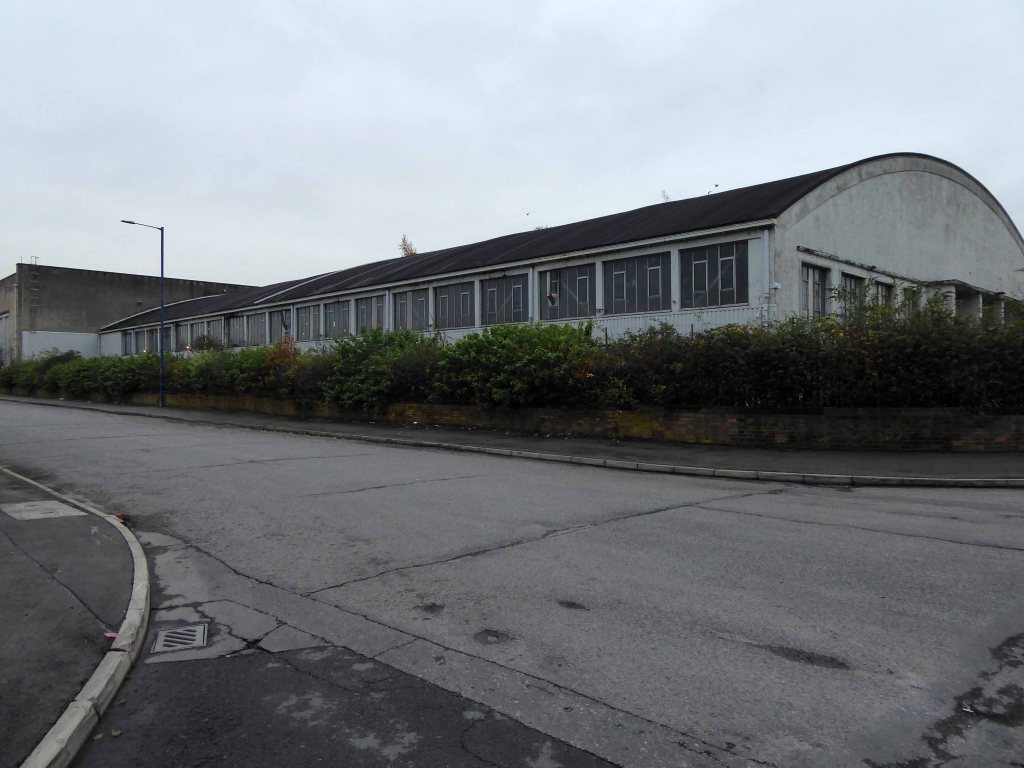
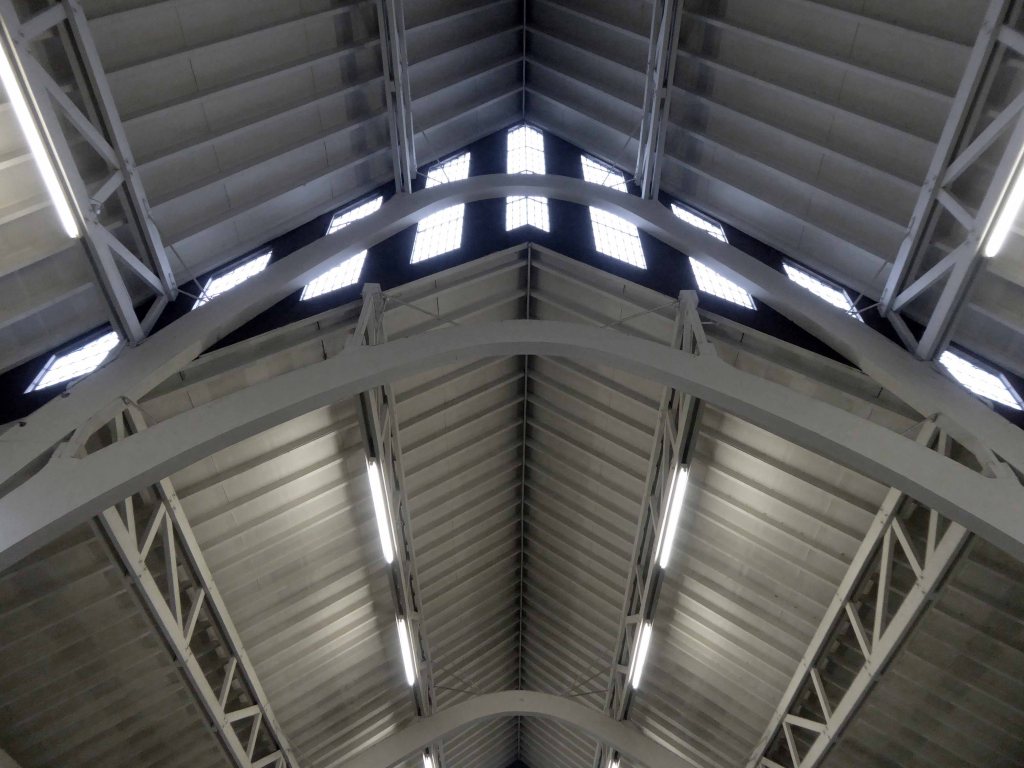
This building formed part of the later phasing of the proposed Garden Suburb of Wythenshawe. It was intended to house up to 100 double-decker buses but was put to use as a factory for components for Lancaster bombers during the war. It is included here for the functionalist qualities of the building and the acknowledgement of the daring of the City Architects Department. Academic papers, as late as 1952, cited this simple structure as exemplar of its type; Elaine Harwood notes, ‘this was the pioneering example of the means of construction, and the model for larger shells at Bournemouth and Stockwell’. The arches that support the shell have a span of over fifty metres and are spaced at twelve metre intervals. The concrete shell roof is of the short-barrel type commonly used on single span buildings such as hangars, it is uniformly around seventy millimetres thick. The only single span structure larger than this was indeed an aircraft hangar, at Doncaster Airport, demolished around 1990. This building is now in the ownership of an airport parking company that utilise it as vehicle storage; close to its original function.
Walking from our house to Sharston, this was the furthest point west – I kept on walking towards the security gates, they opened – I snapped, they closed.
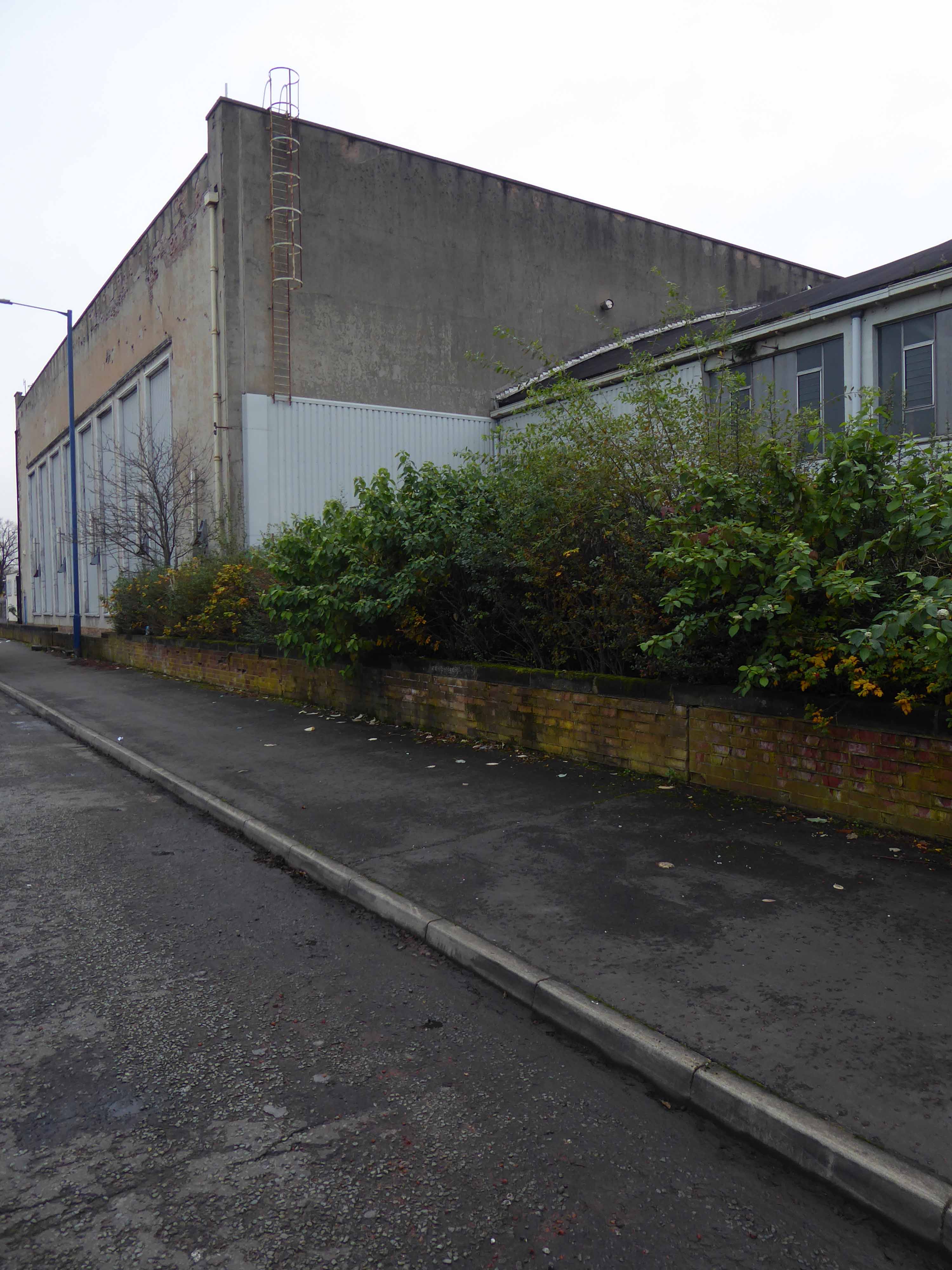
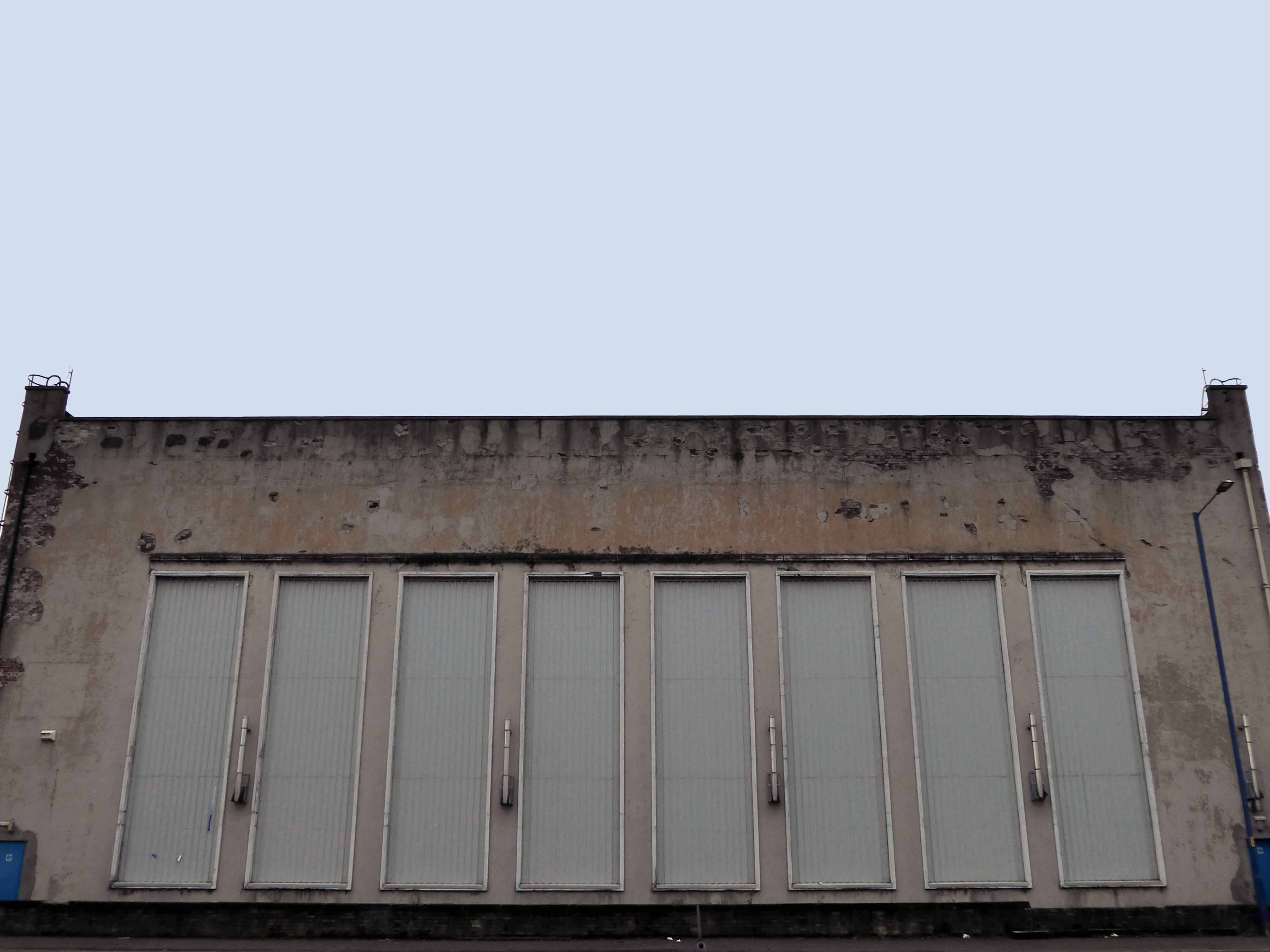
This is now the home of Manchester Airport Parking – no place for a pedestrian, I walked away, slowly circumnavigating this uplifting, uplifted behemoth.
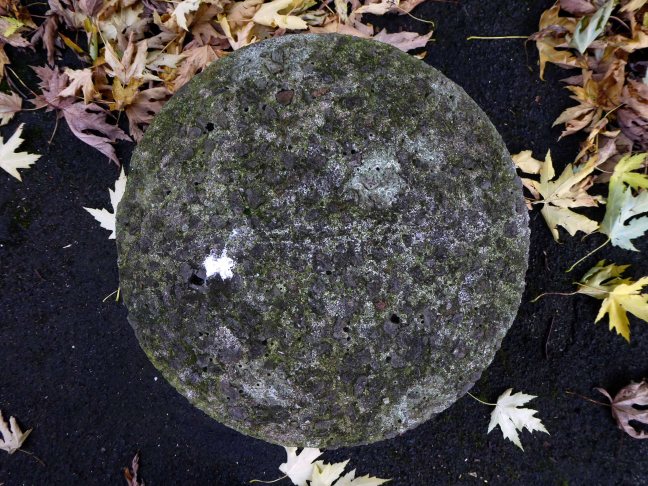
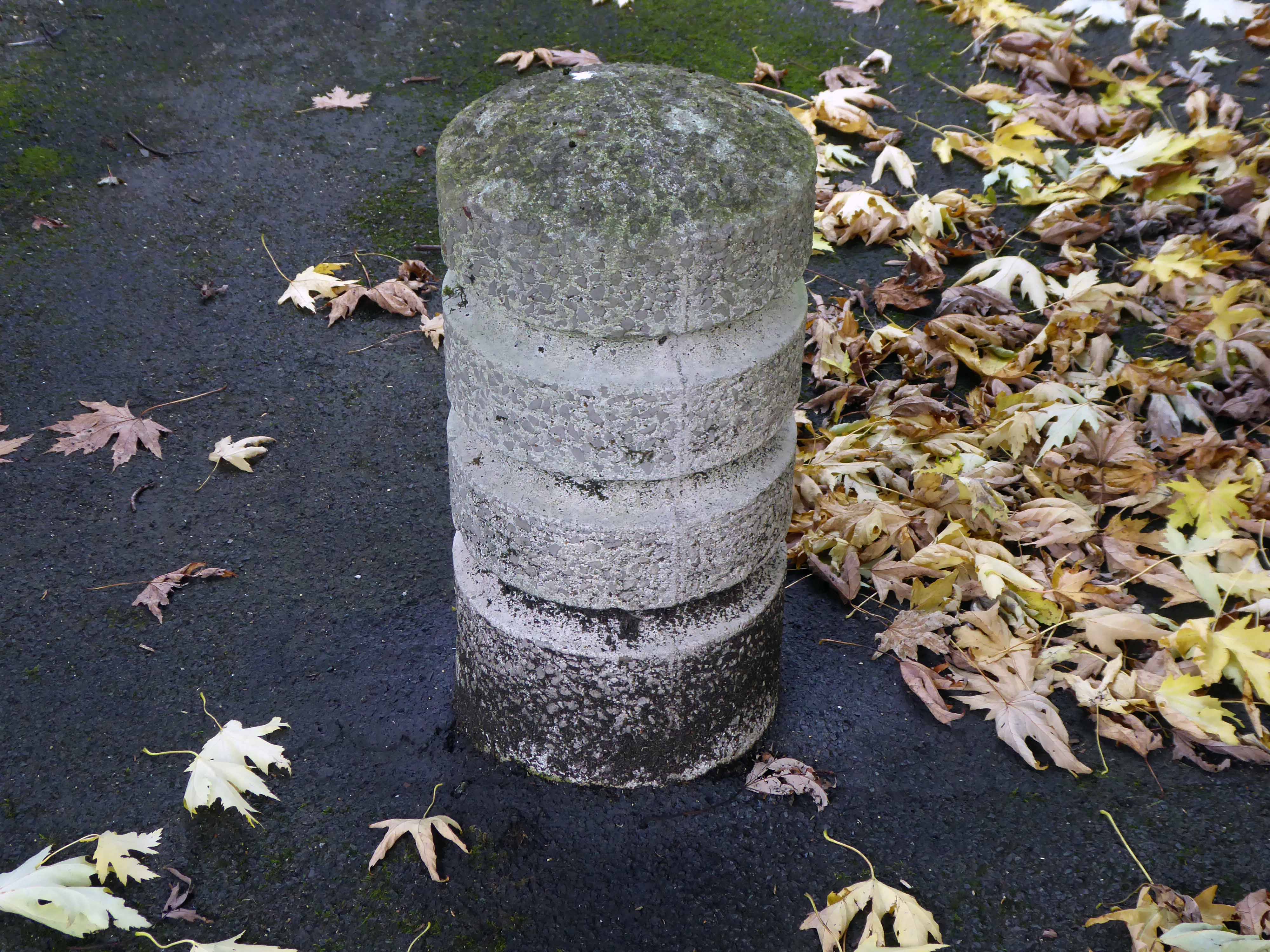
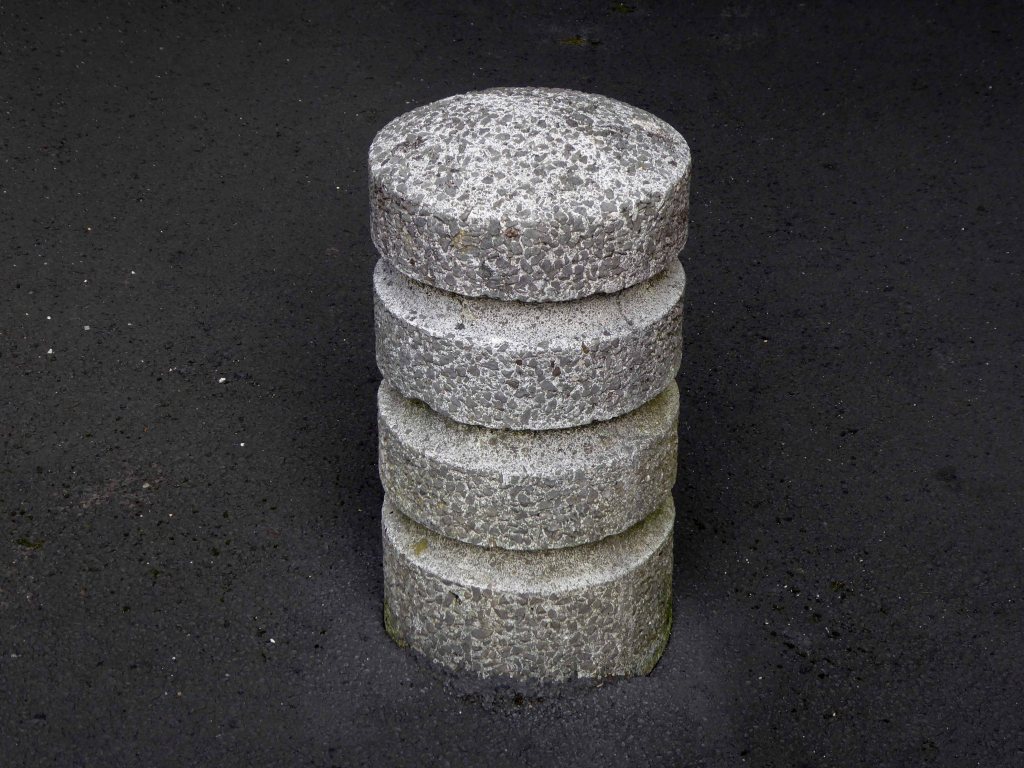
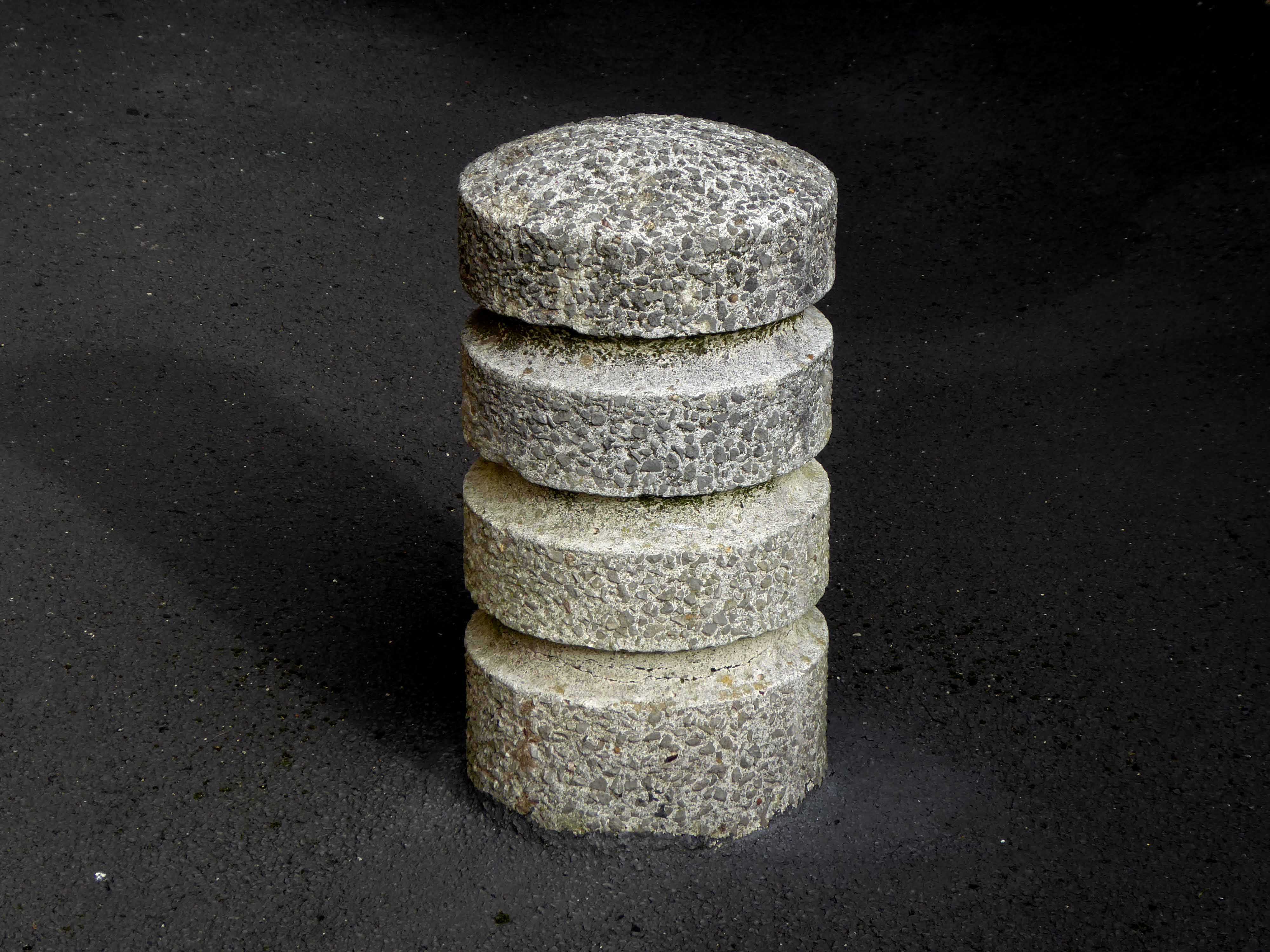
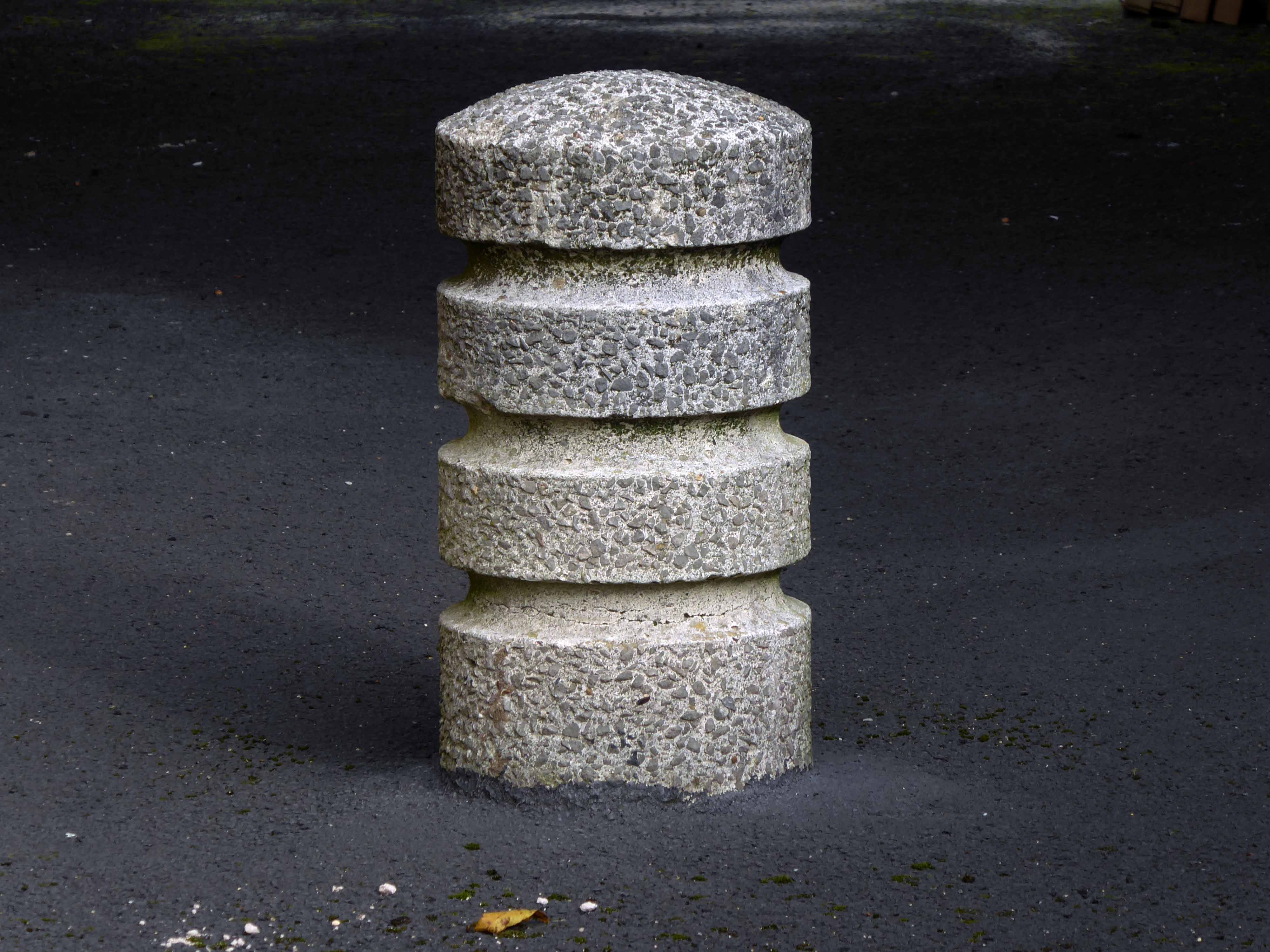
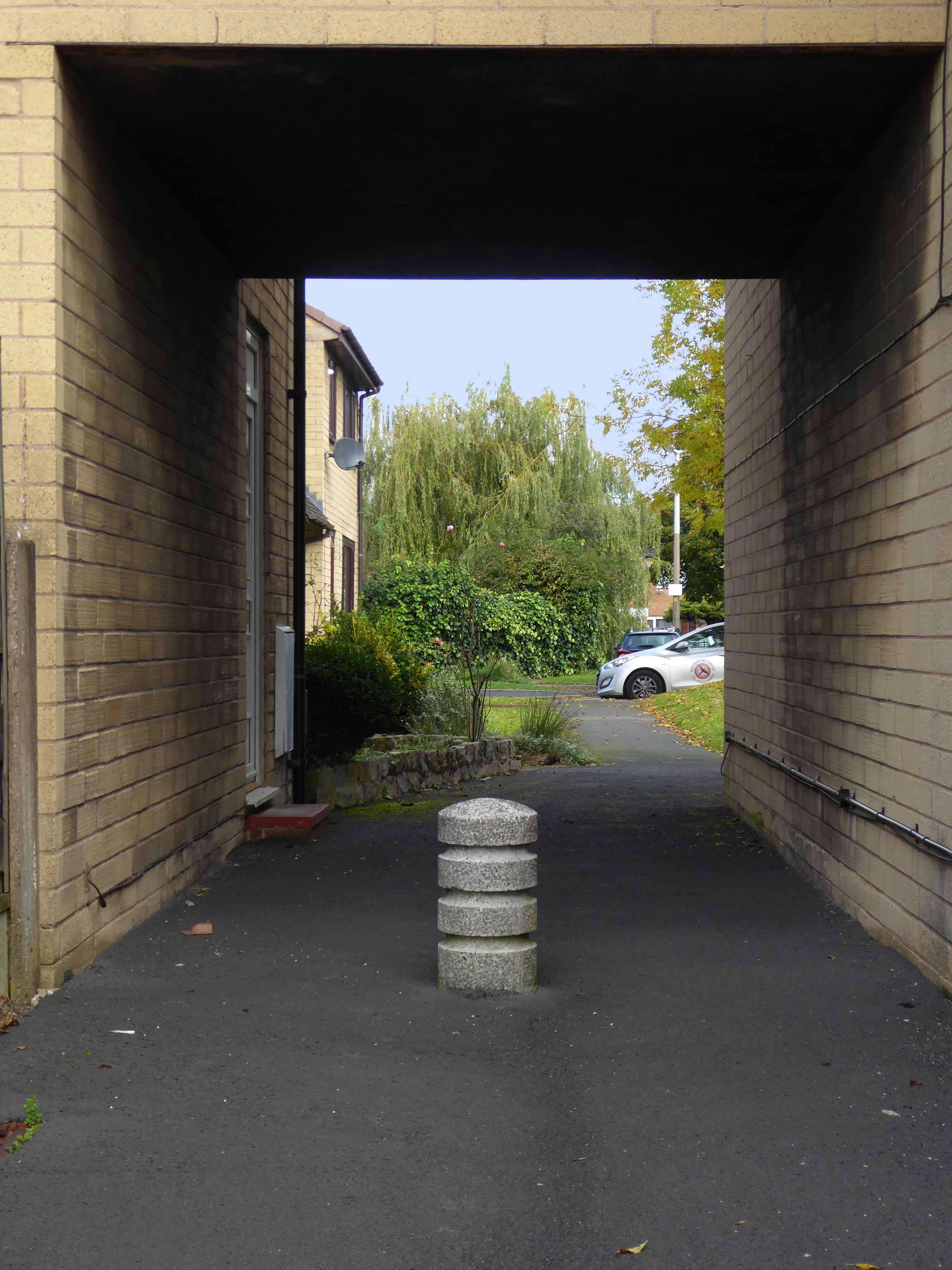
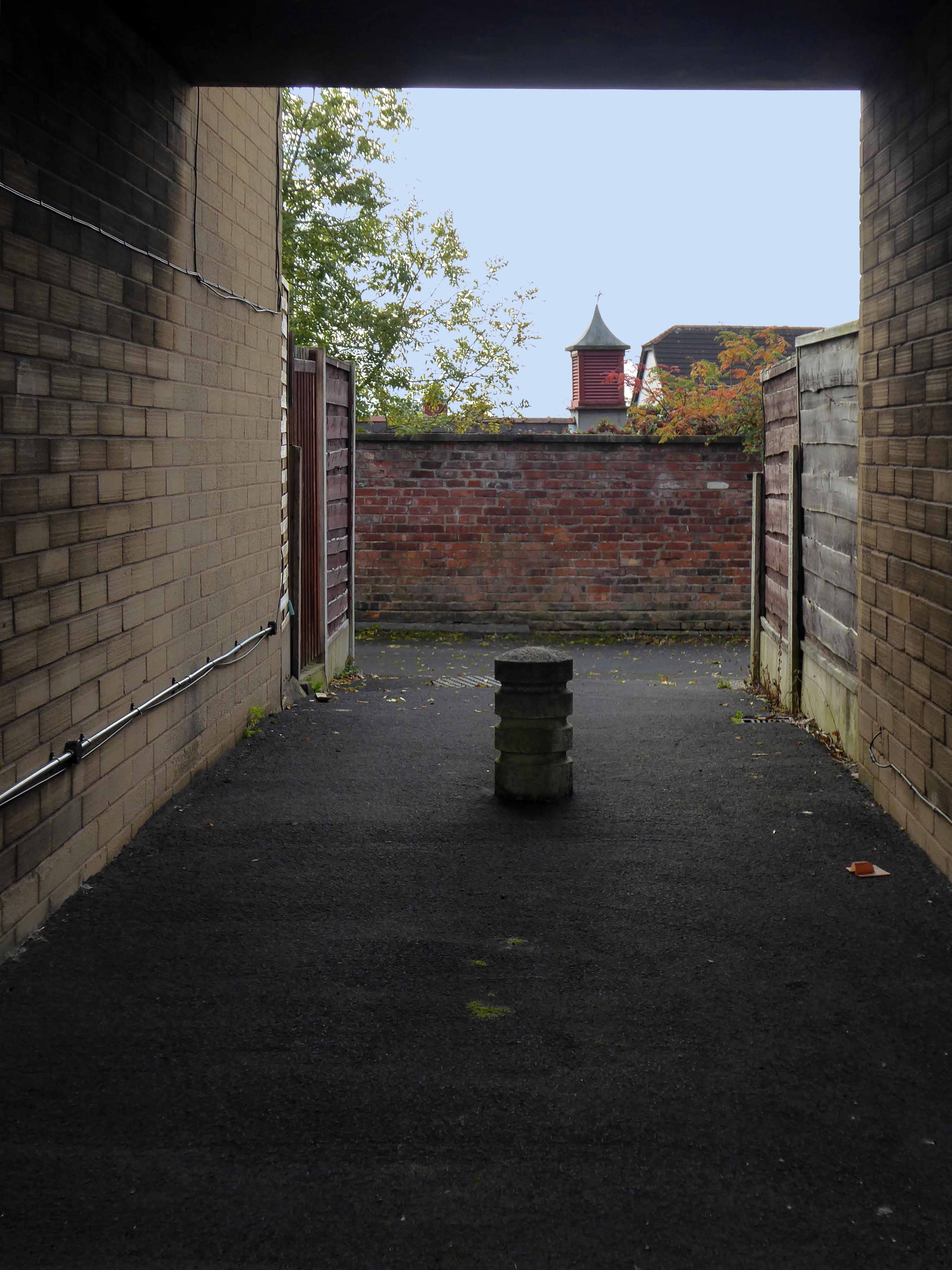
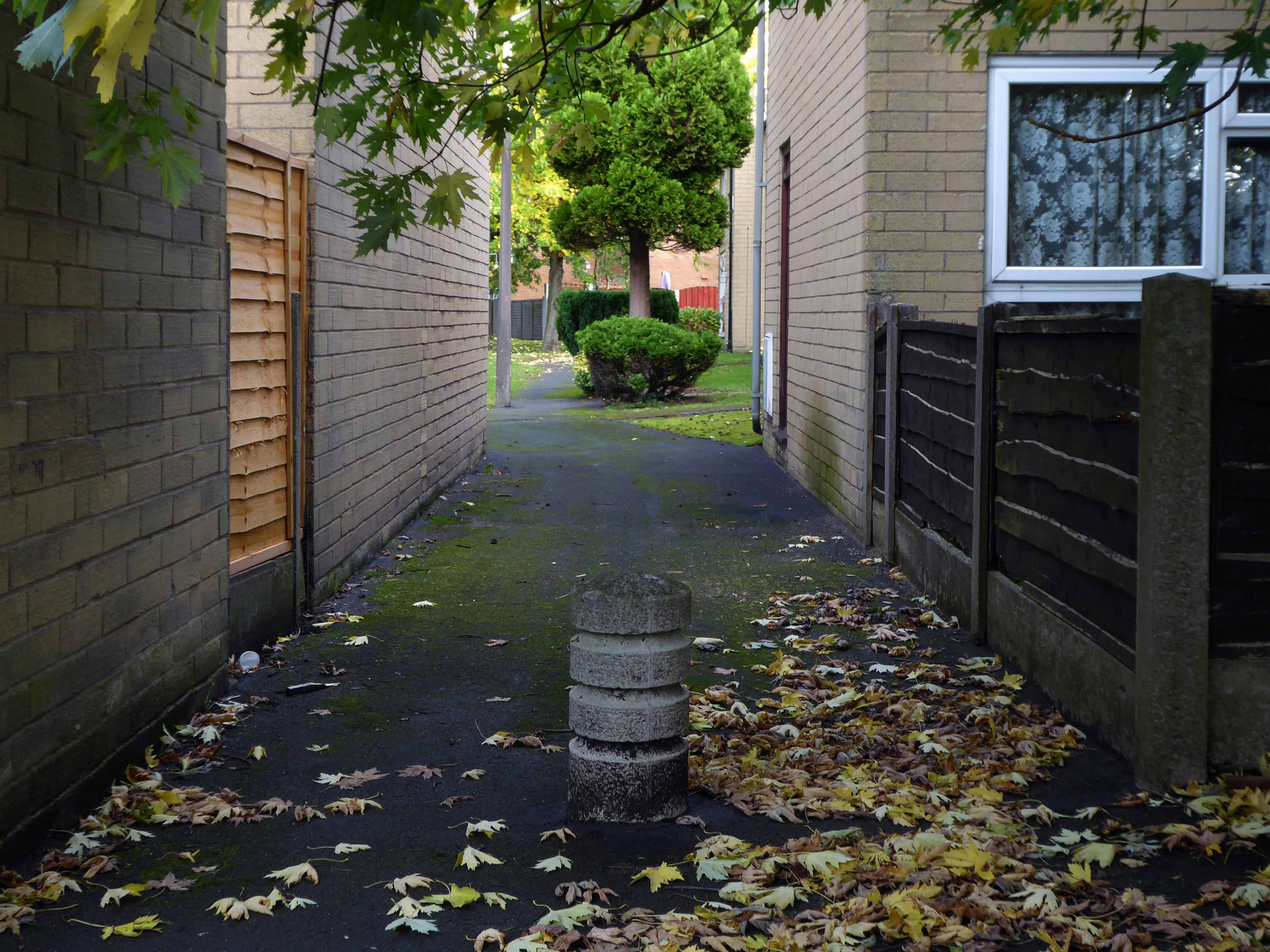
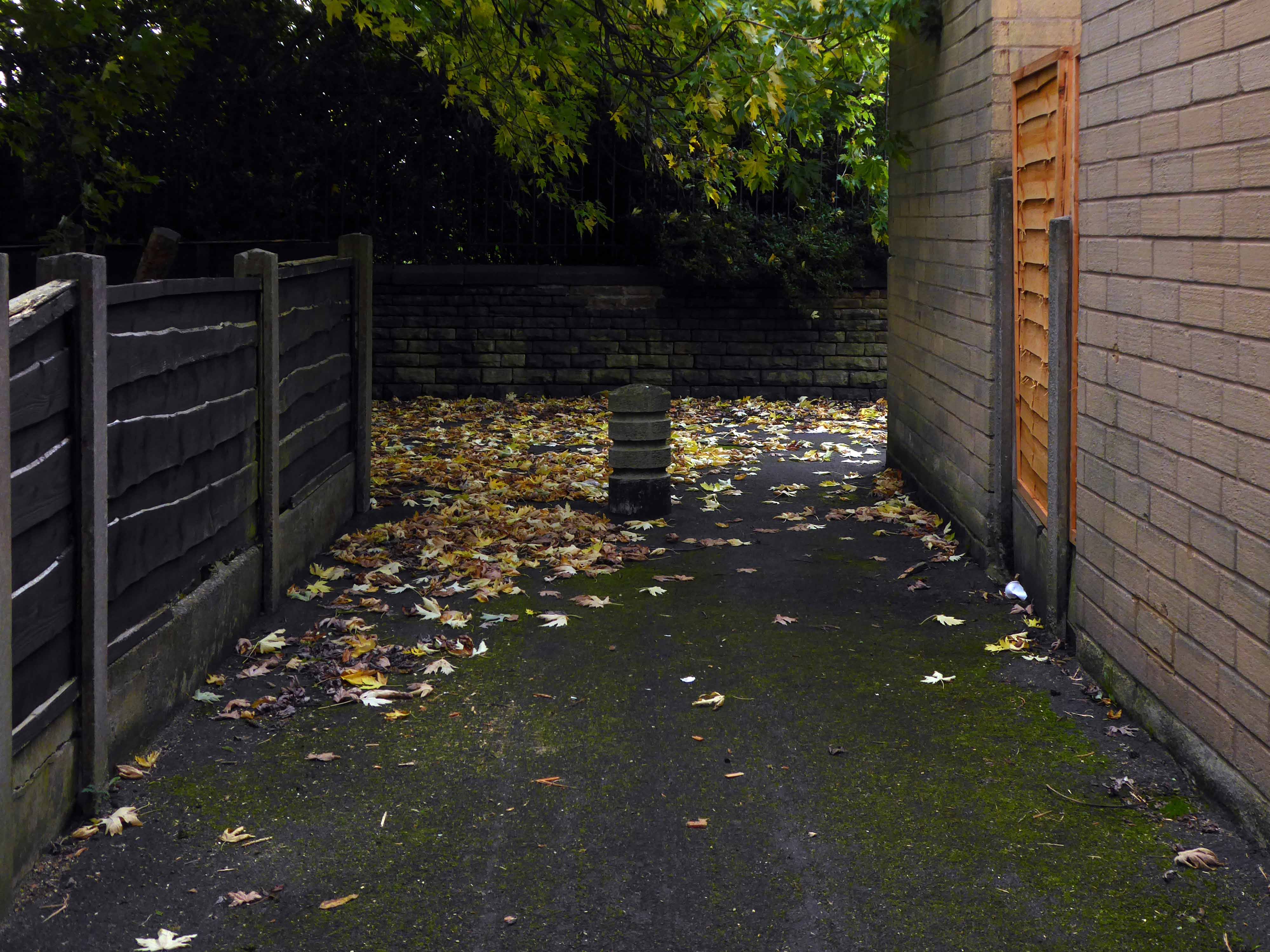
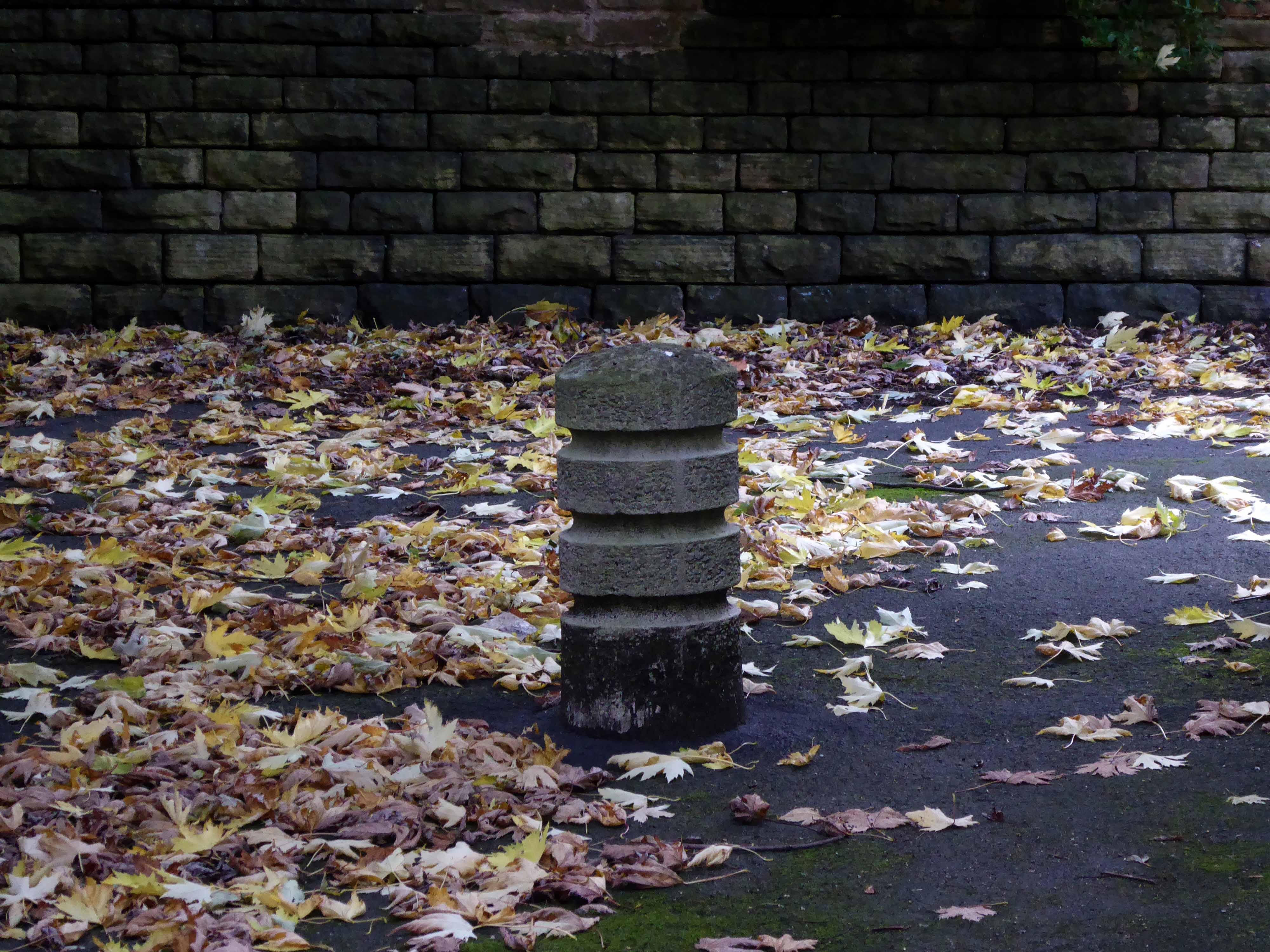
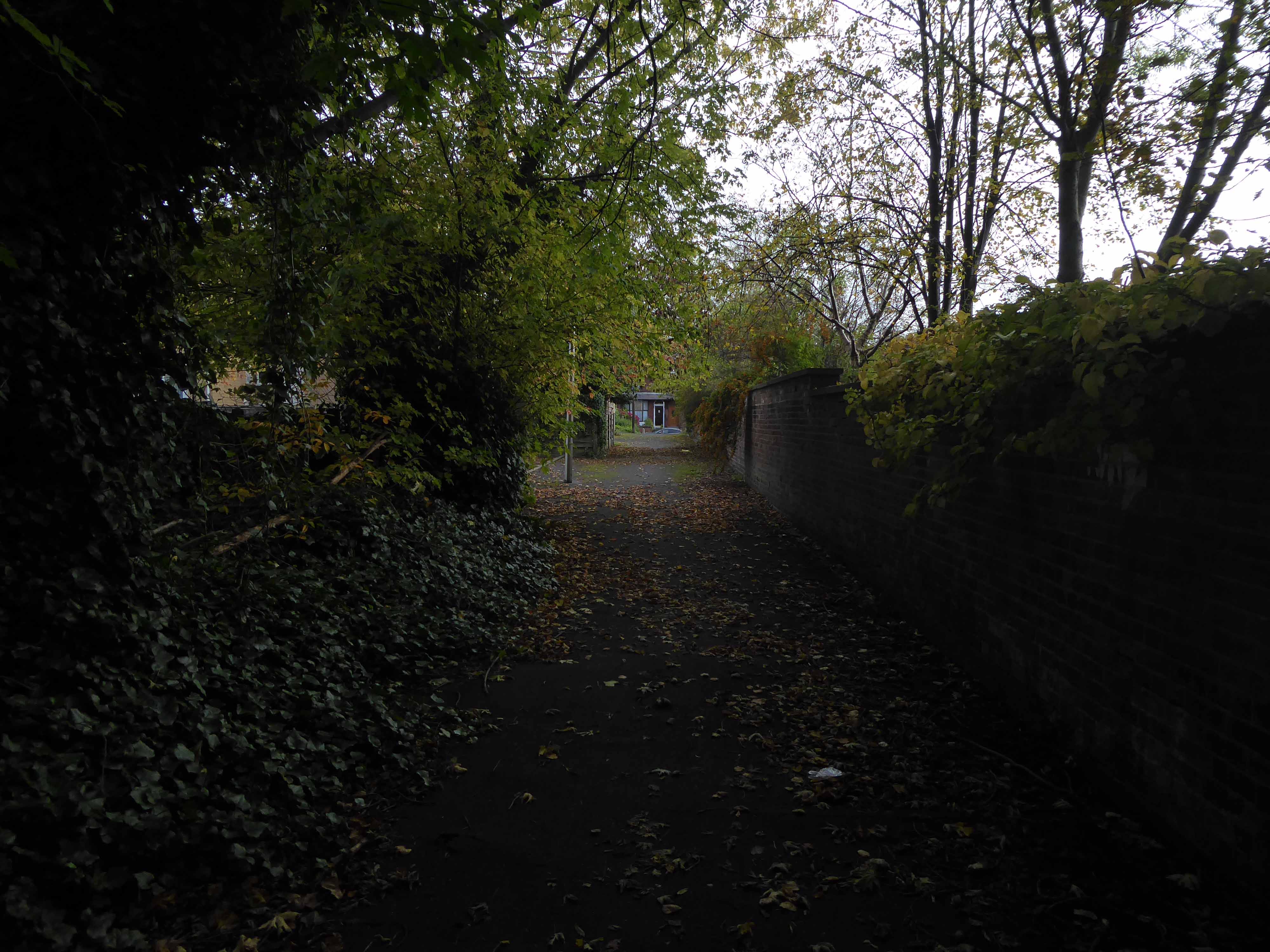
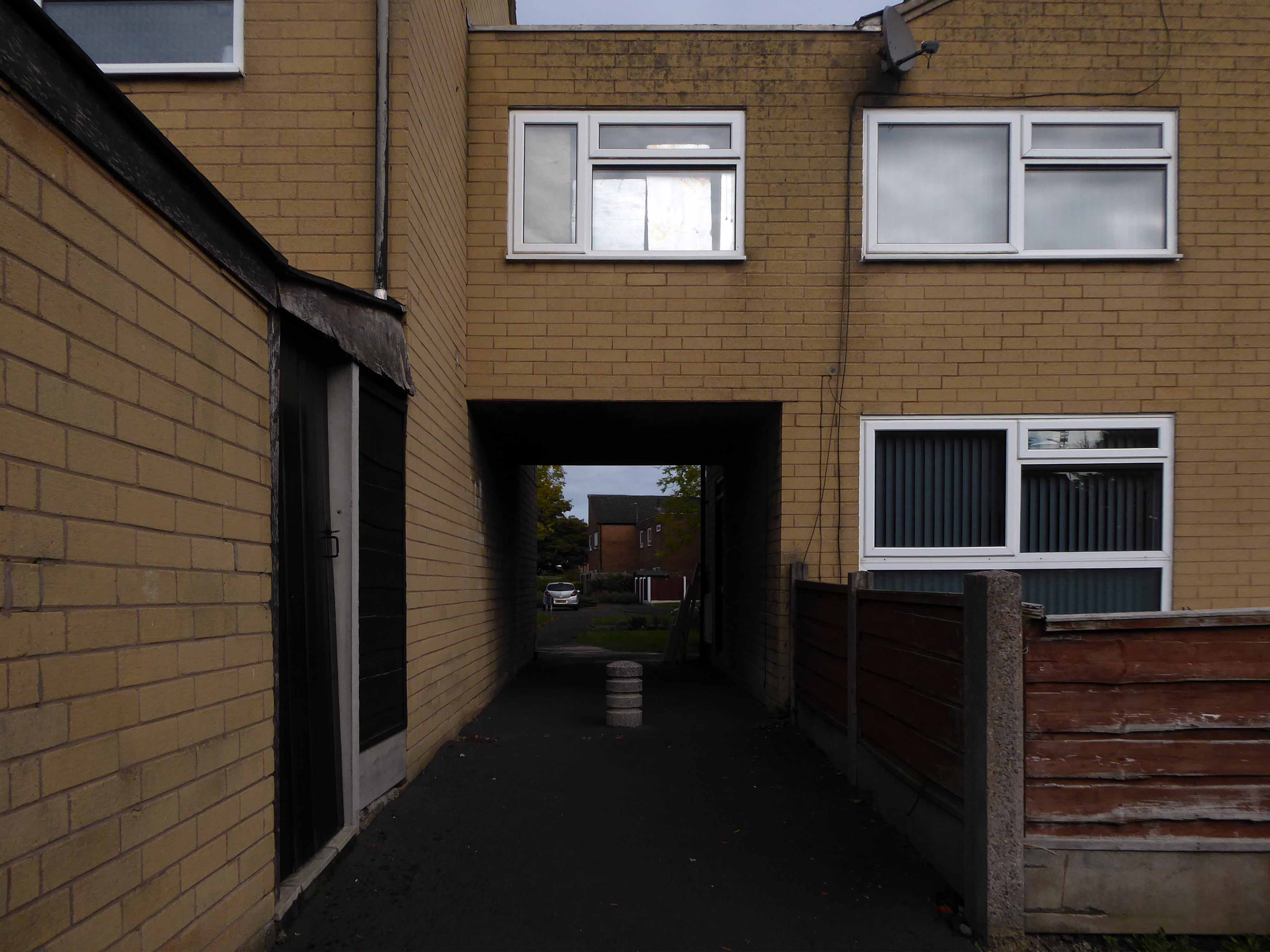
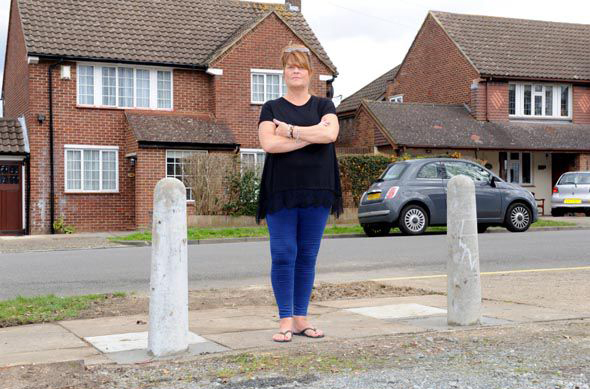
As I was out walking on the corner one day, I spied an old bollard in the alley he lay.
To paraphrase popular protest troubadour Bob Dylan.
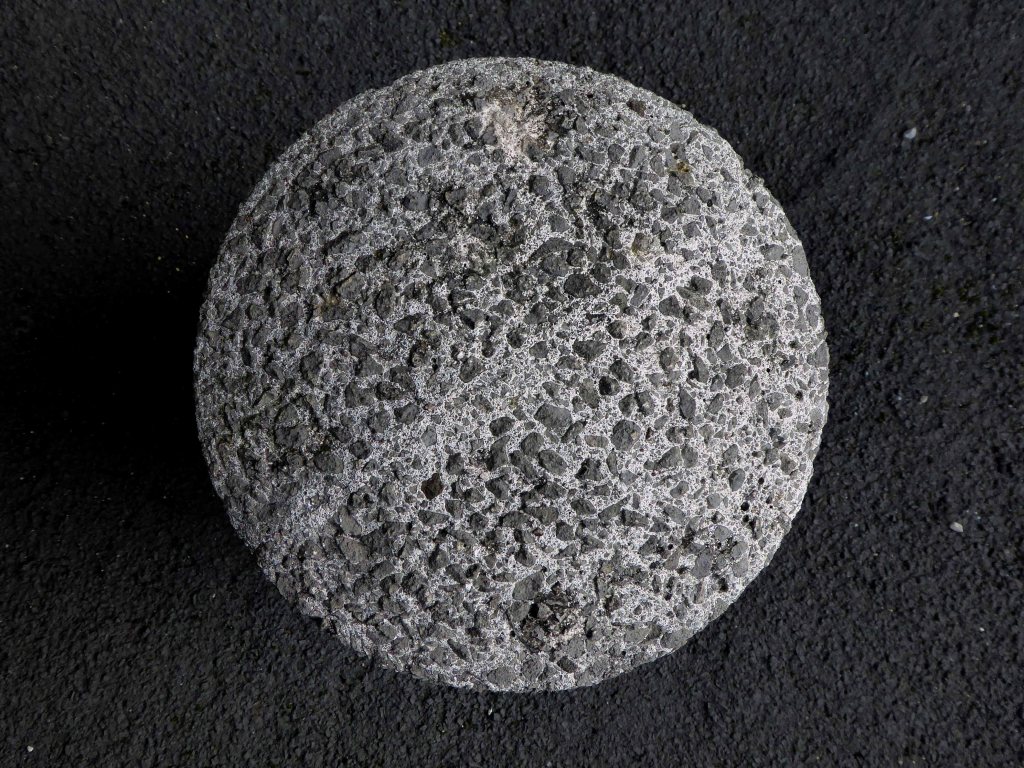
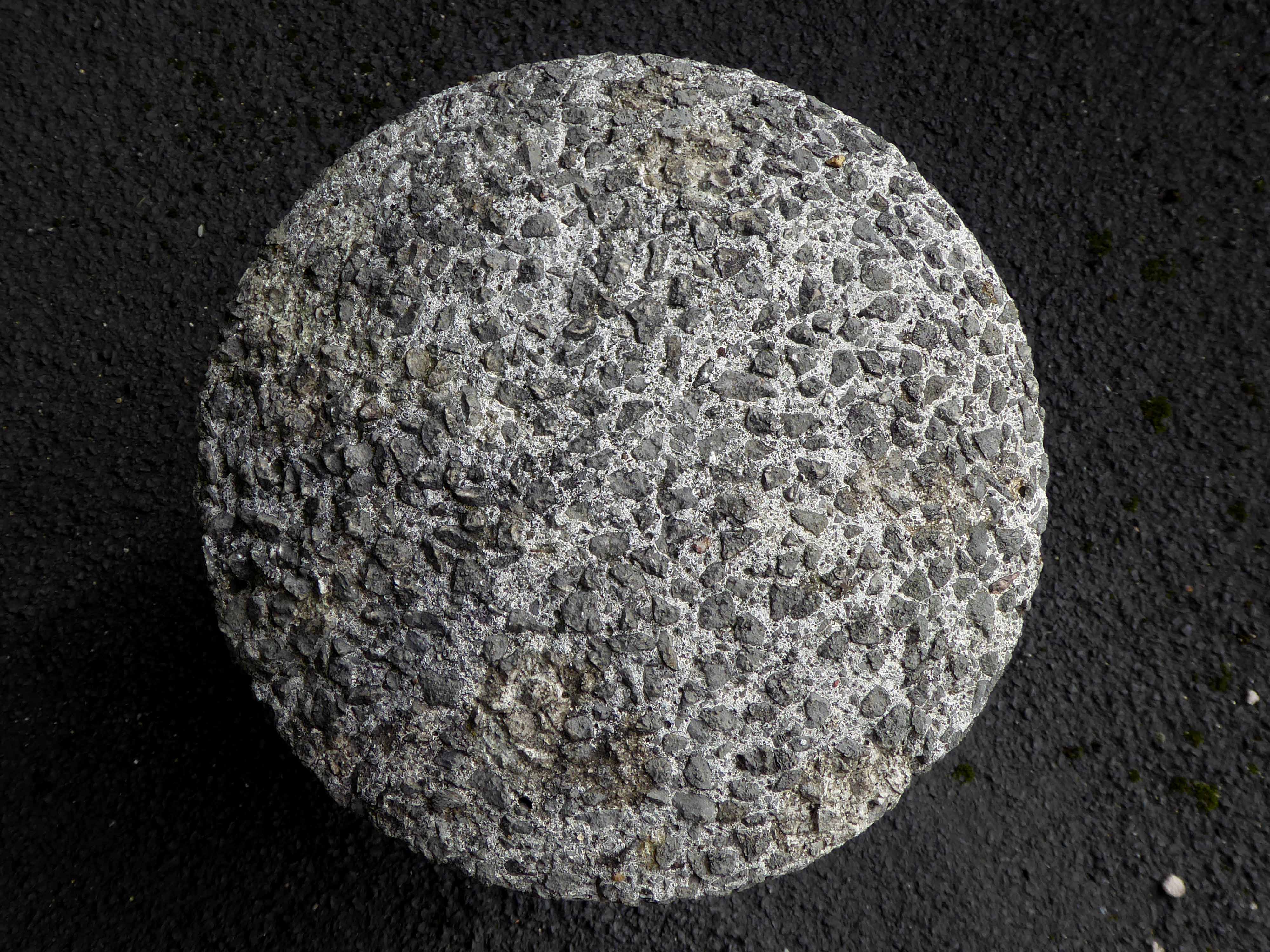
I was struck by the elegant symmetry and rough patinated grey aggregate.
To look up on the world from a hole in the ground, To wait for your future like a horse that’s gone lame, To lie in the gutter and die with no name?
I mused briefly on the very word bollards, suitable perhaps for a provincial wine bar, Regency period drama, or family run drapers – but mostly.
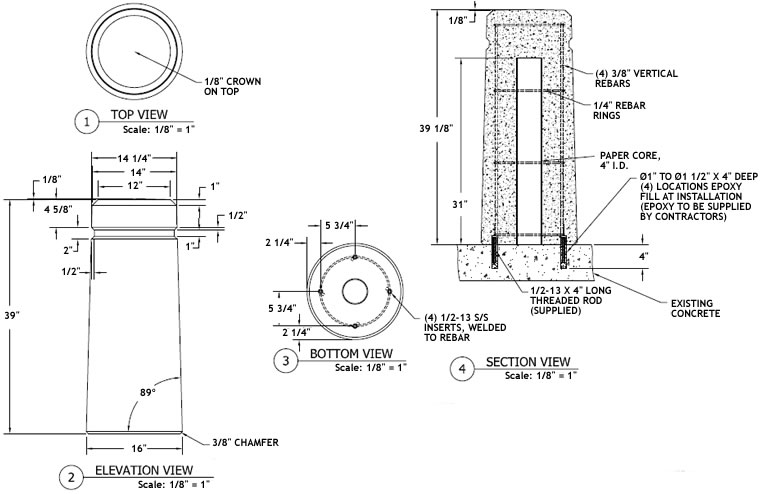
A bollard is a sturdy, short, vertical post. The term originally referred to a post on a ship or quay used principally for mooring boats, but is now also used to refer to posts installed to control road traffic and posts designed to prevent ram-raiding and vehicle-ramming attacks.
The term is probably related to bole, meaning a tree trunk.
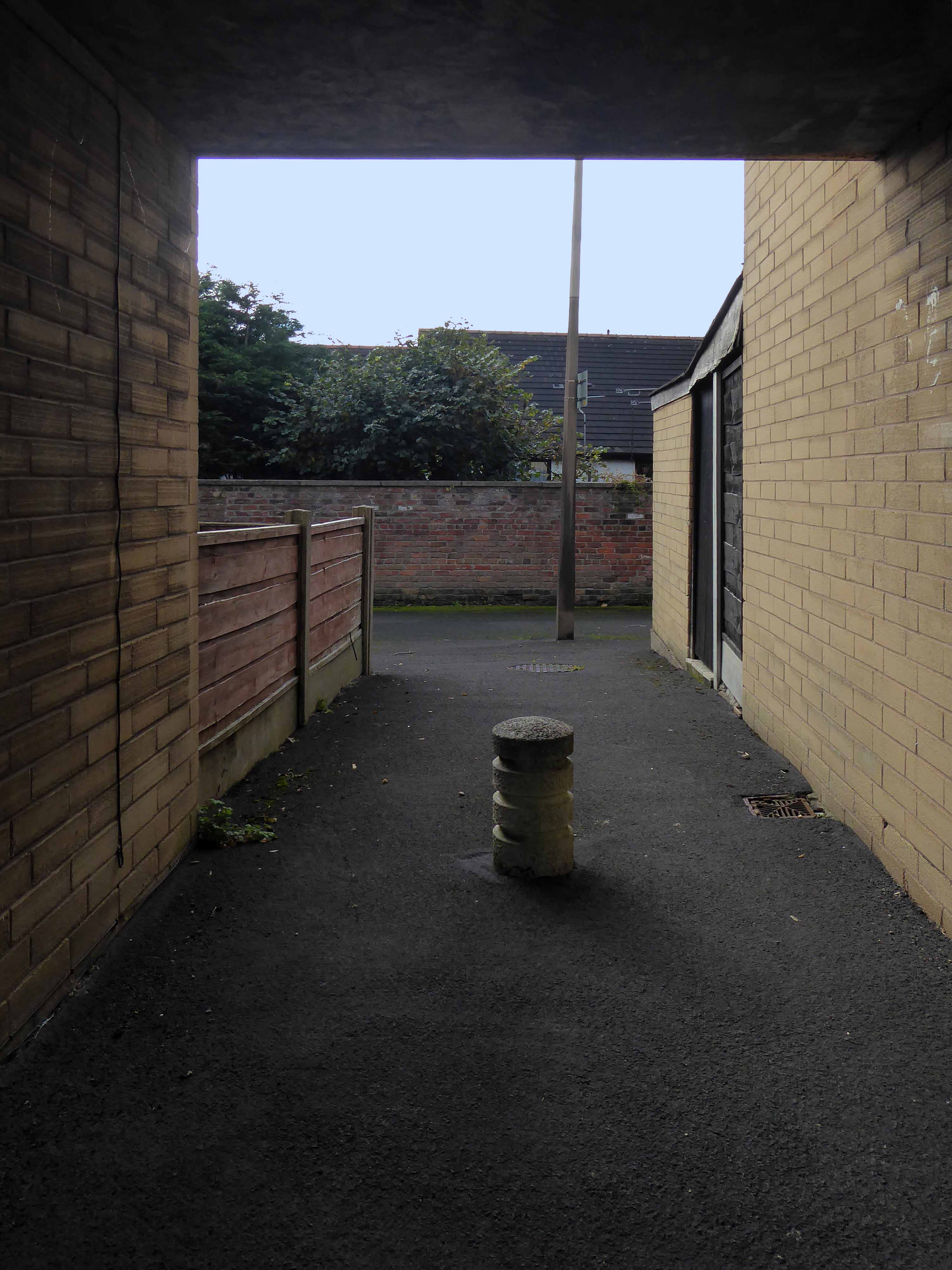
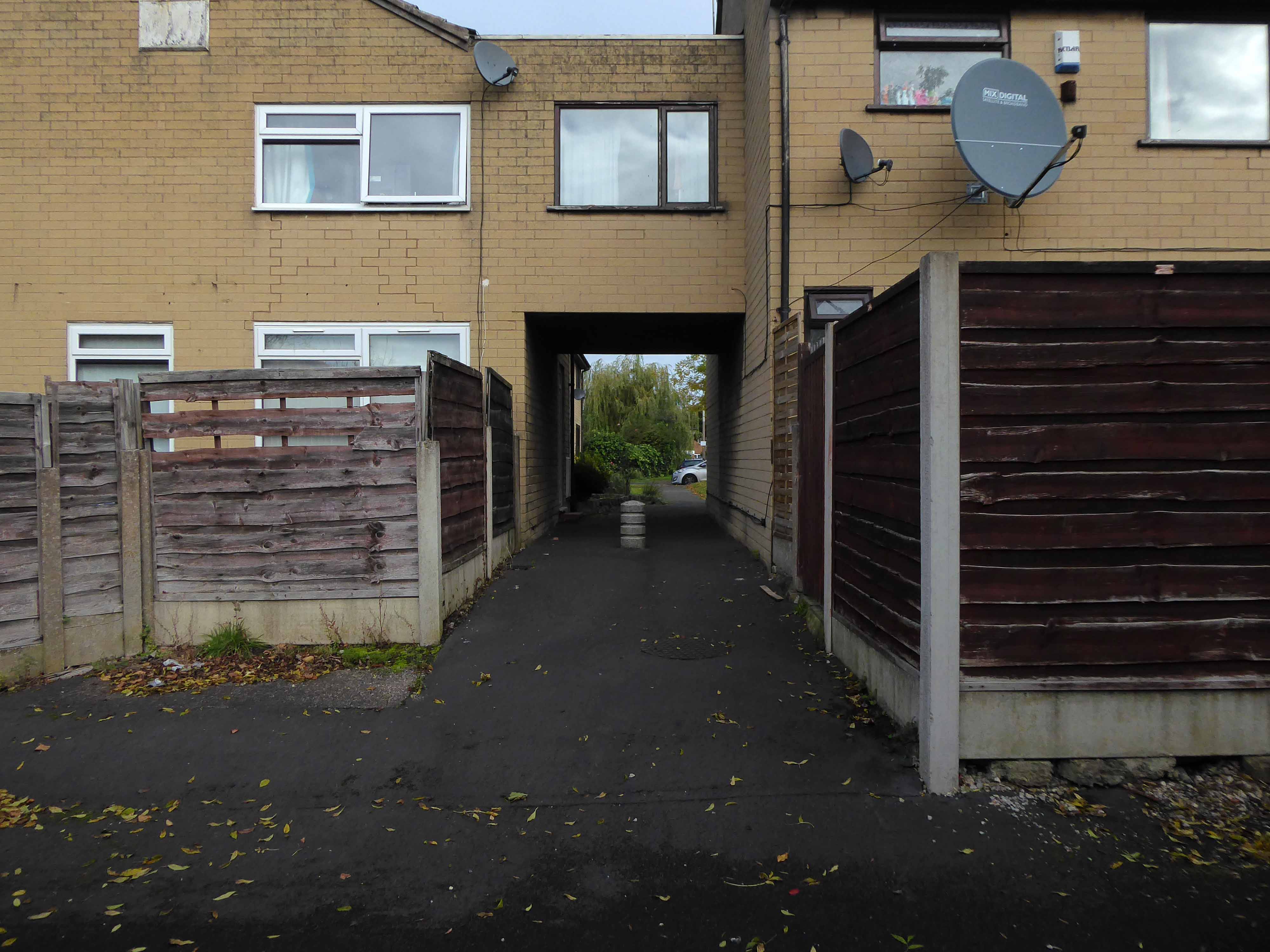
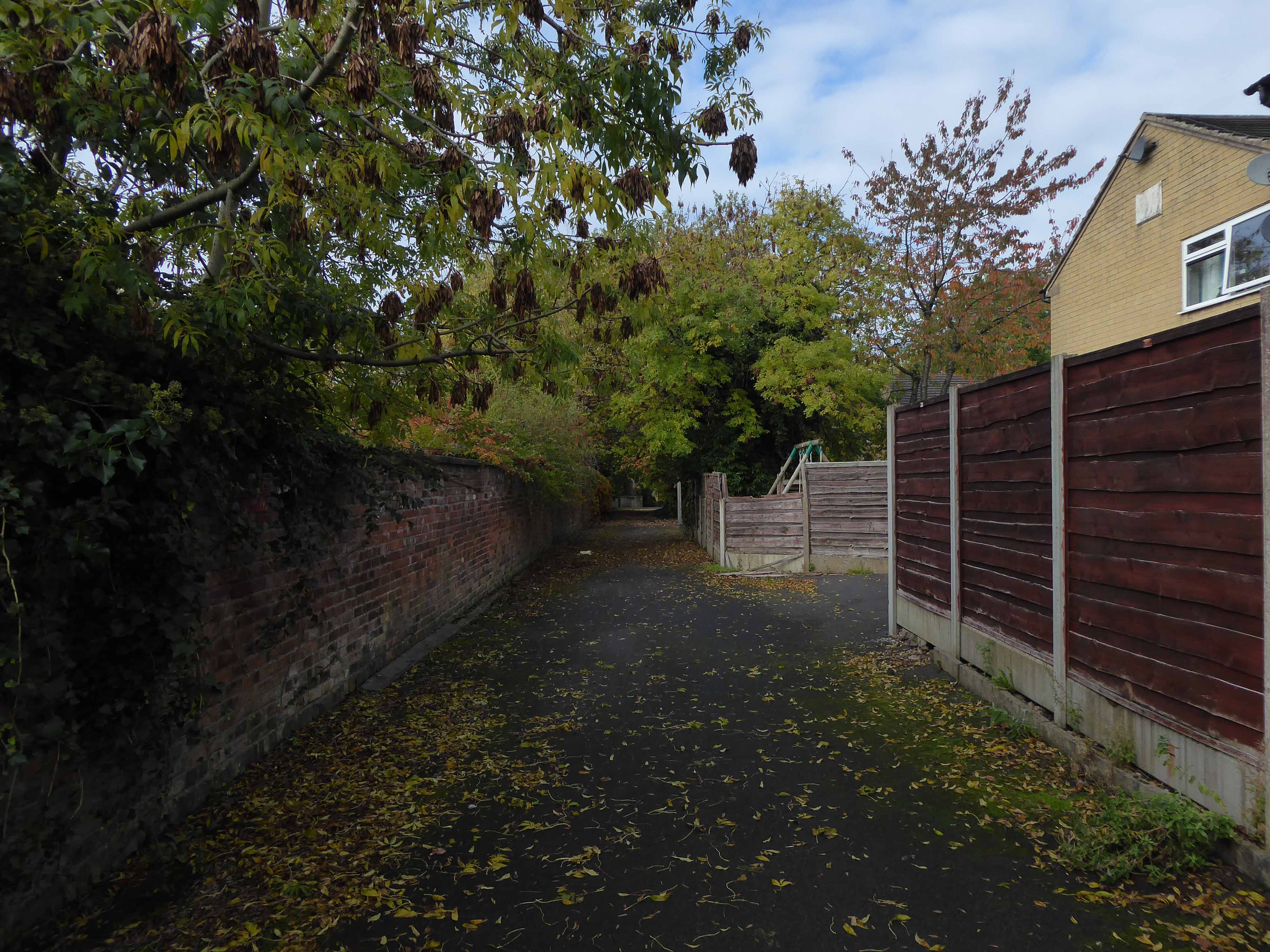
Having so mused I began to wander a tight little island of alleys and homes, discovering three of the little fellas, each linked by typology and common ancestry, steadfastly impeding the ingress of the motor car.
Yet also presenting themselves as mini works of utilitarian art – if that’s not a contradiction in terms.
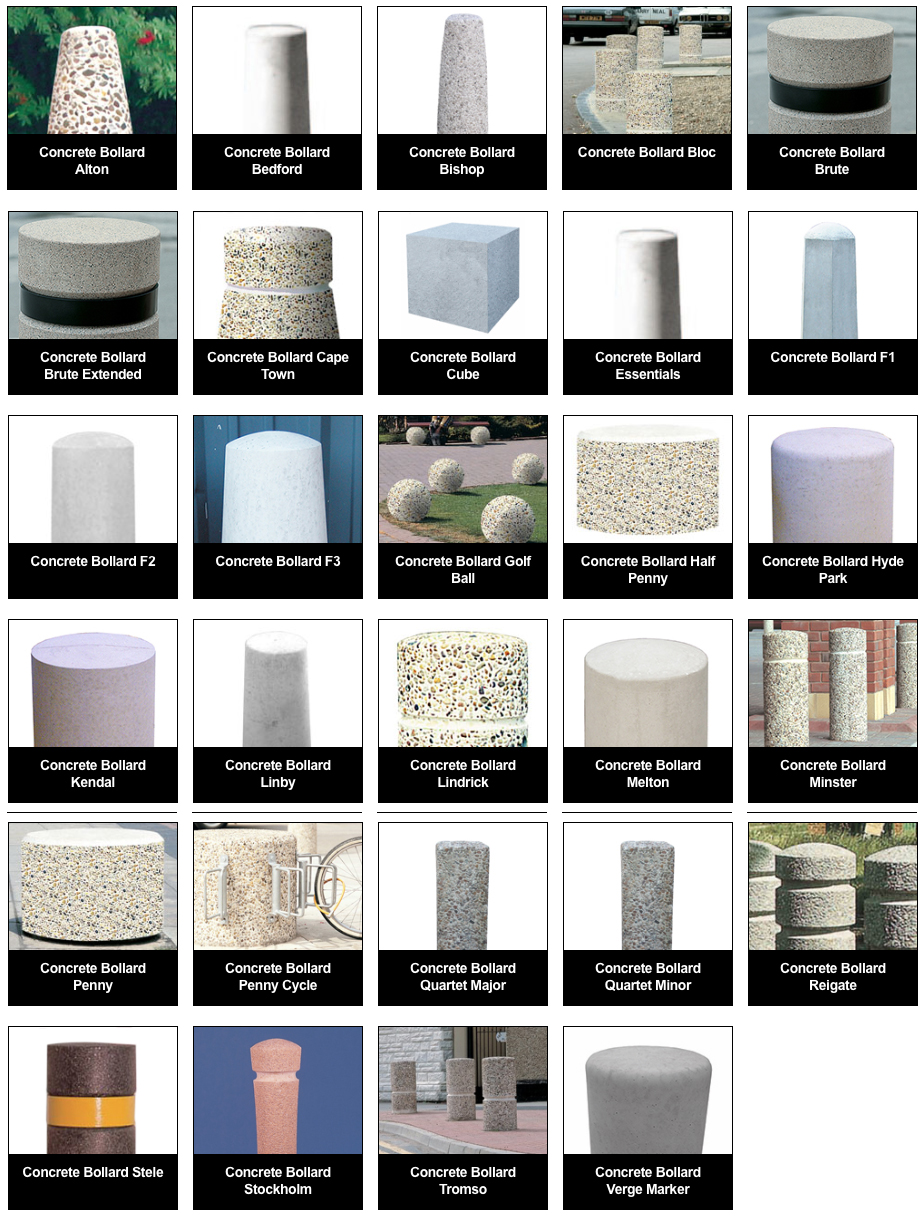
Having returned home I began another short journey into the world of bollards, where do they come from?
PAS 68 approved protection for your people and property combining security, natural materials and style.
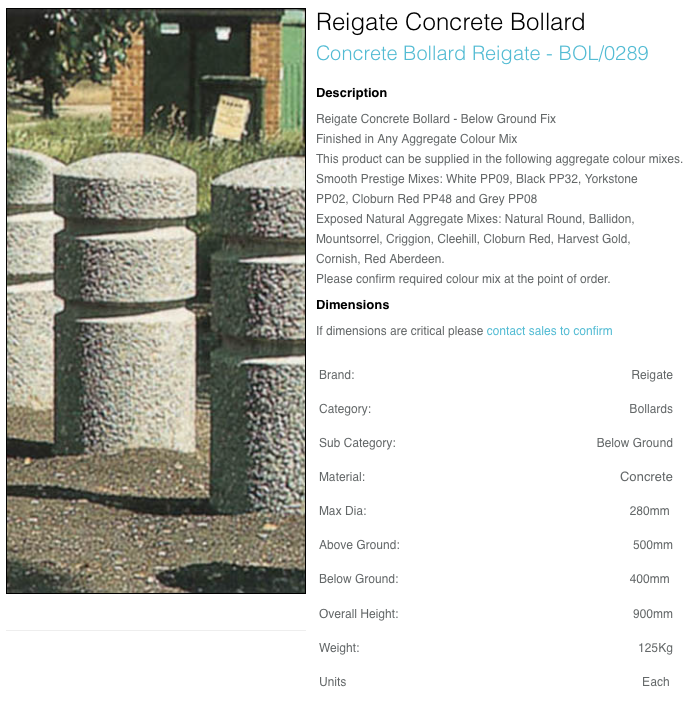
My new pals seem to be closely related to the Reigate.
Available in a mind boggling range of finishes.
Bollards can be our friends, an expression of personal freedom and security.
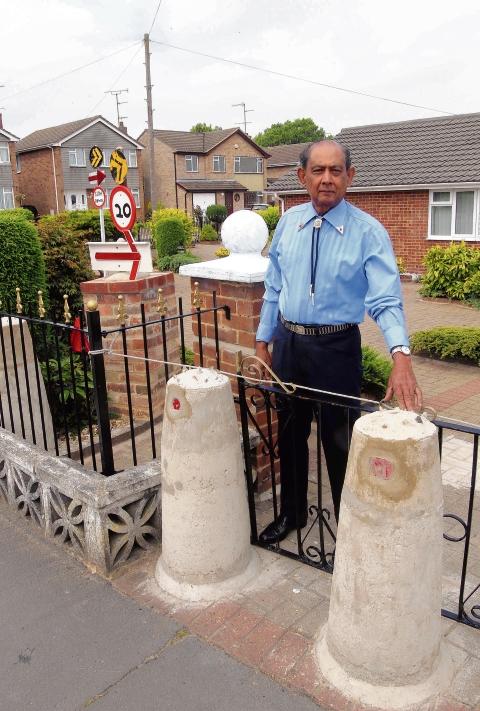
A pensioner says he will go to court if necessary after putting up concrete bollards in a last-ditch attempt to protect his home.
Owen Allan, 74, of Beaufort Gardens, Braintree, claims motorists treat the housing estate like a race track, driving well in excess of the 20mph speed limit, and that the railings in front of his home have regularly been damaged by vehicles leaving the road.
He was worried it would only be a matter of time before a car came careering off Marlborough Road and flying through the wall of his bungalow.
I have cause to thank the humble concrete bollard, having suffered an assault on our front wall from a passing pantechnicon, I subsequently petitioned the council, requiring them to erect a substantial bollard barrier.
Which was subsequently hit by a passing pantechnicon.
They are our modernist friends, little gems of public art and should treated with due respect – think on.
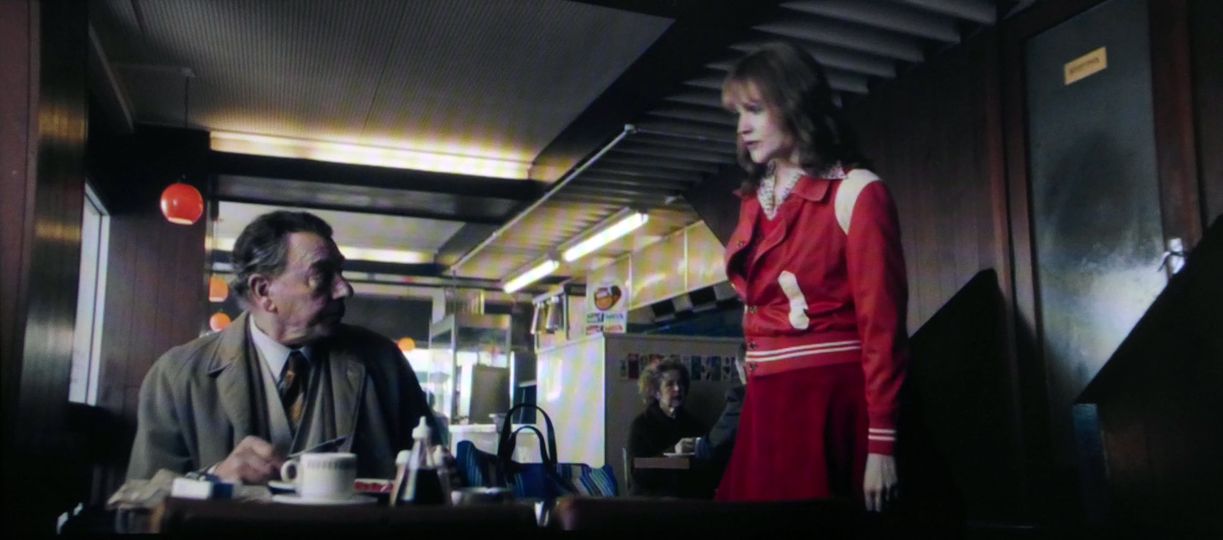
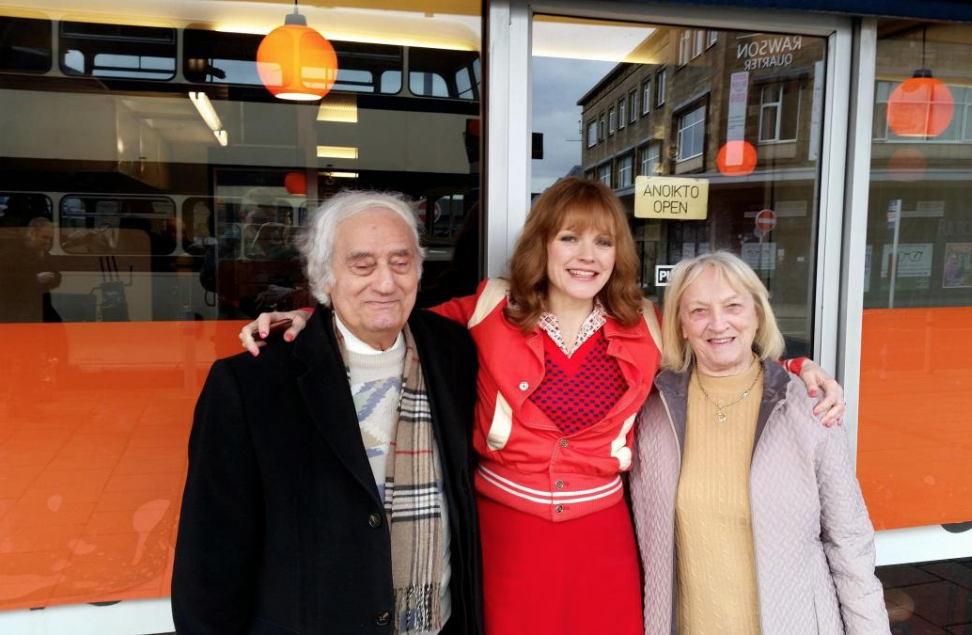
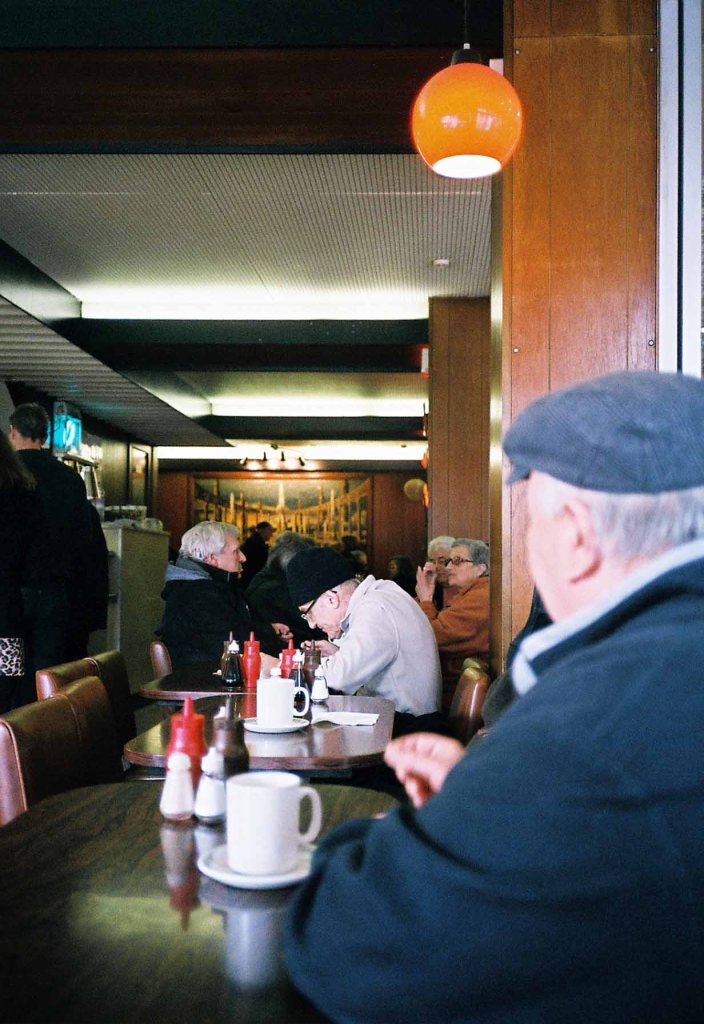
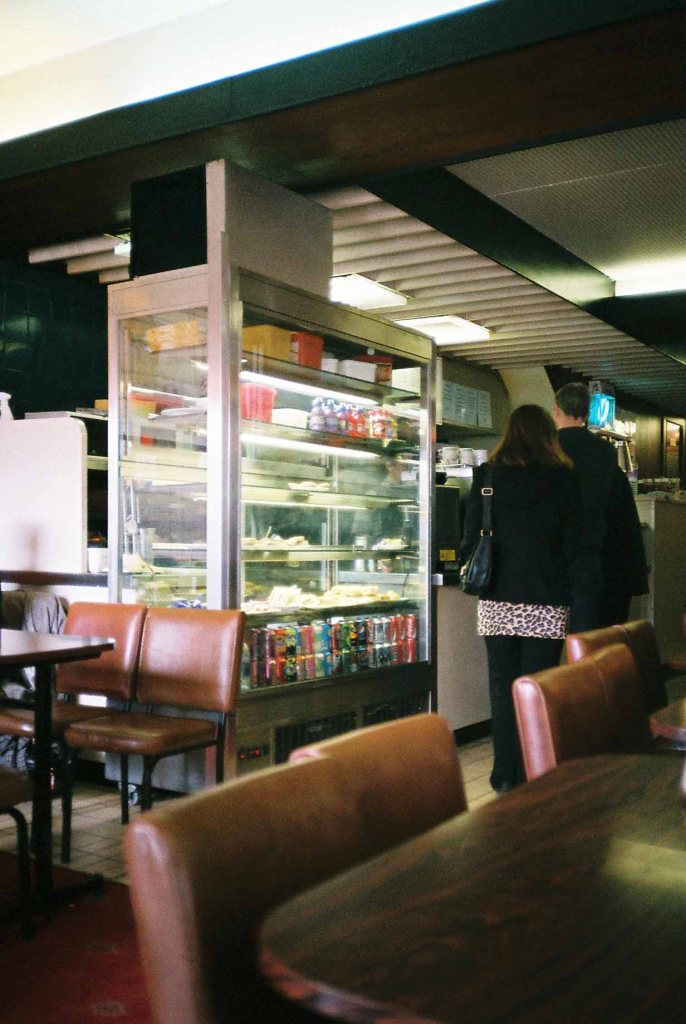
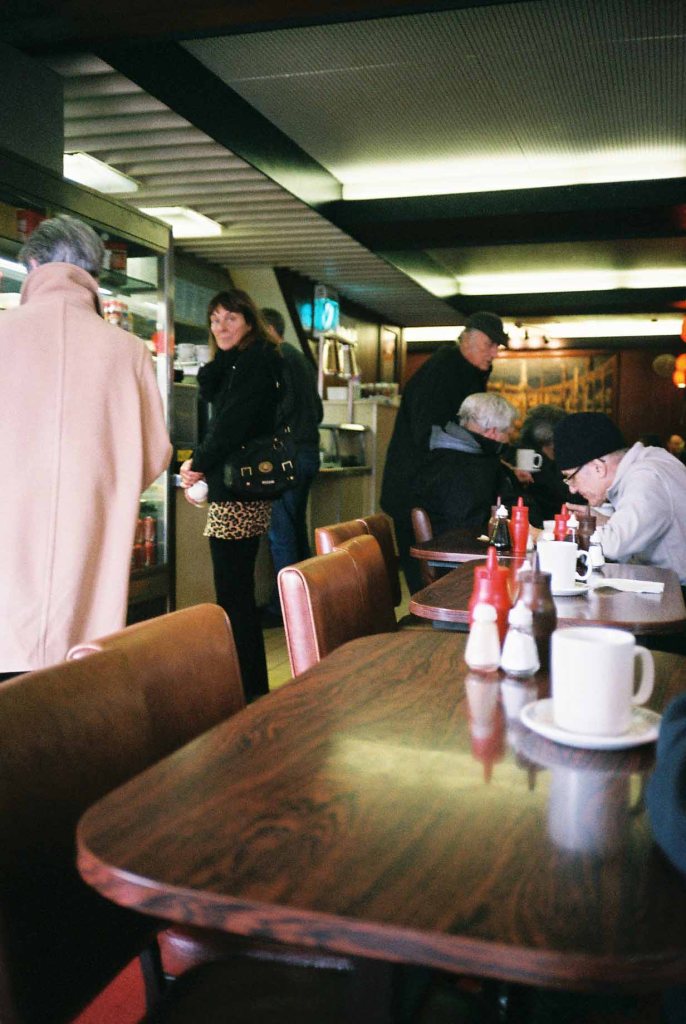
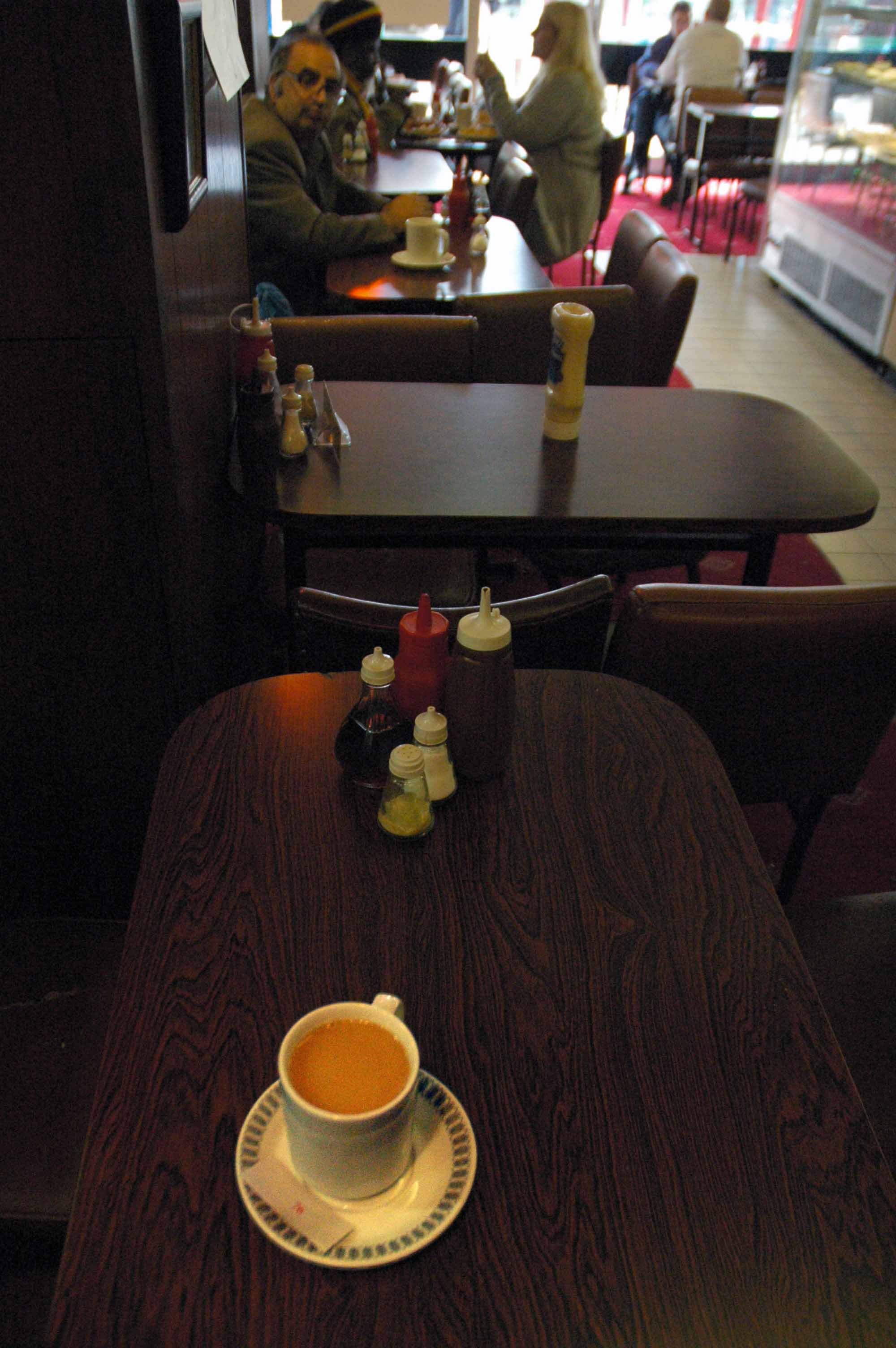
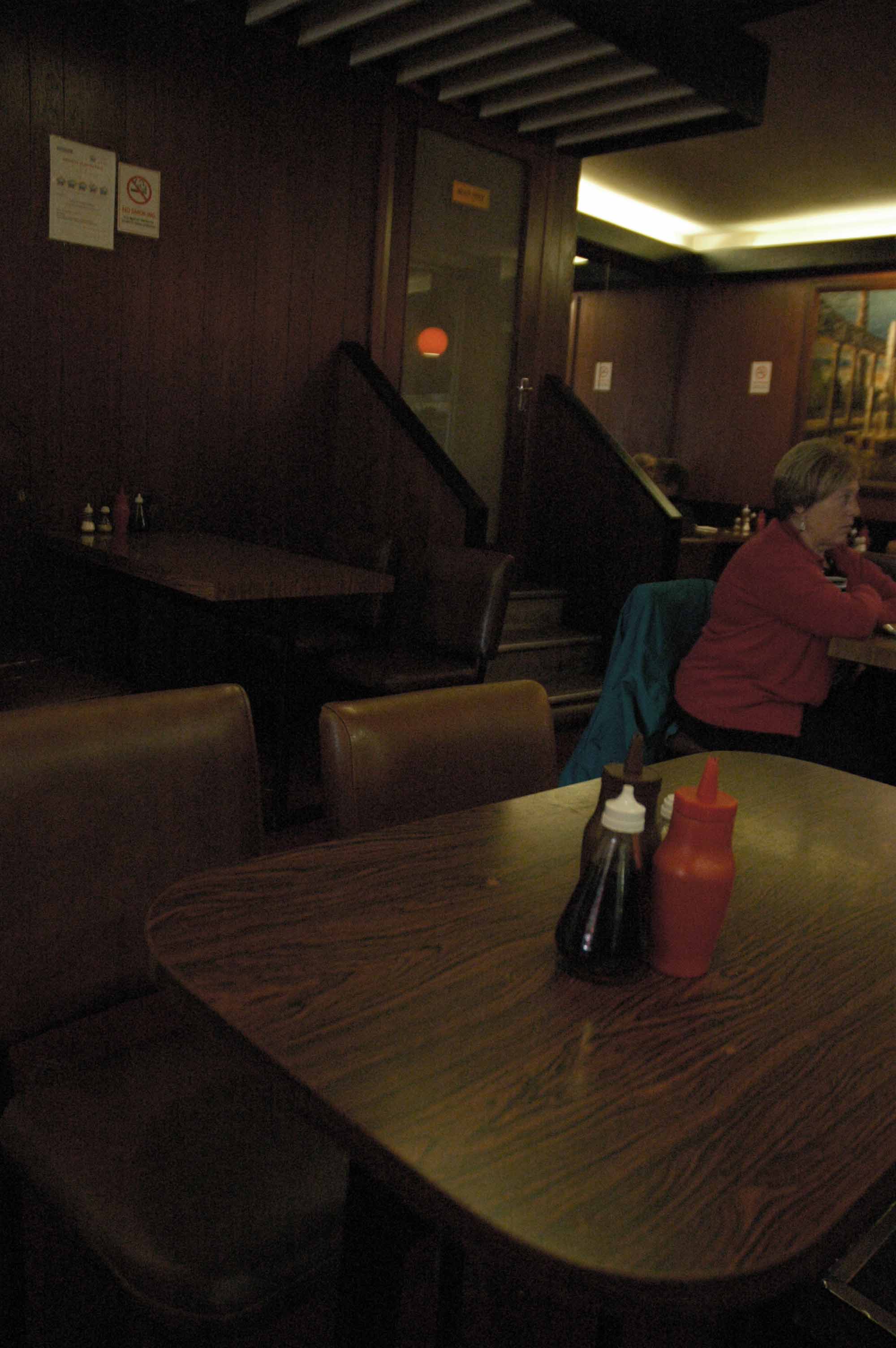
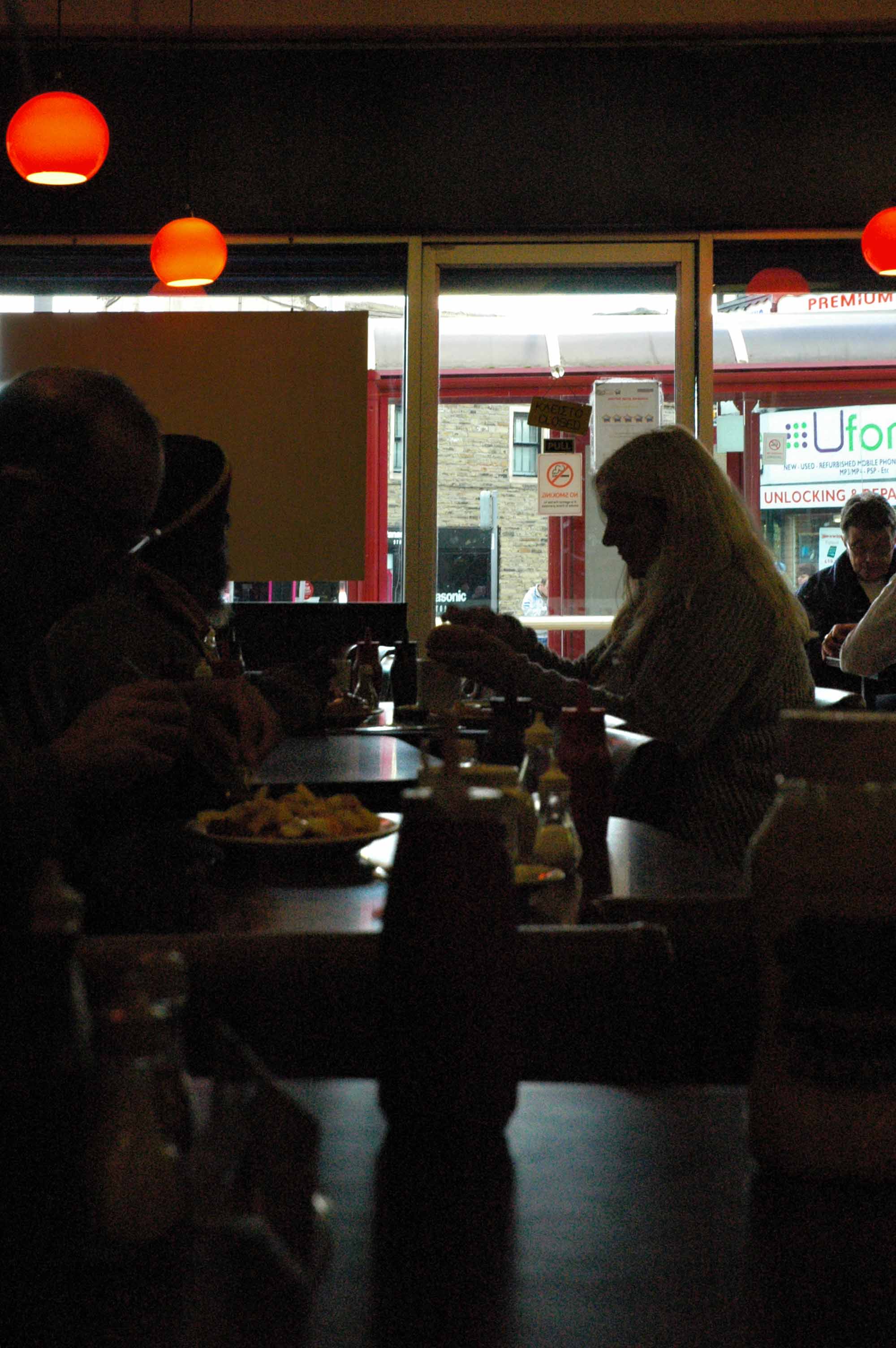
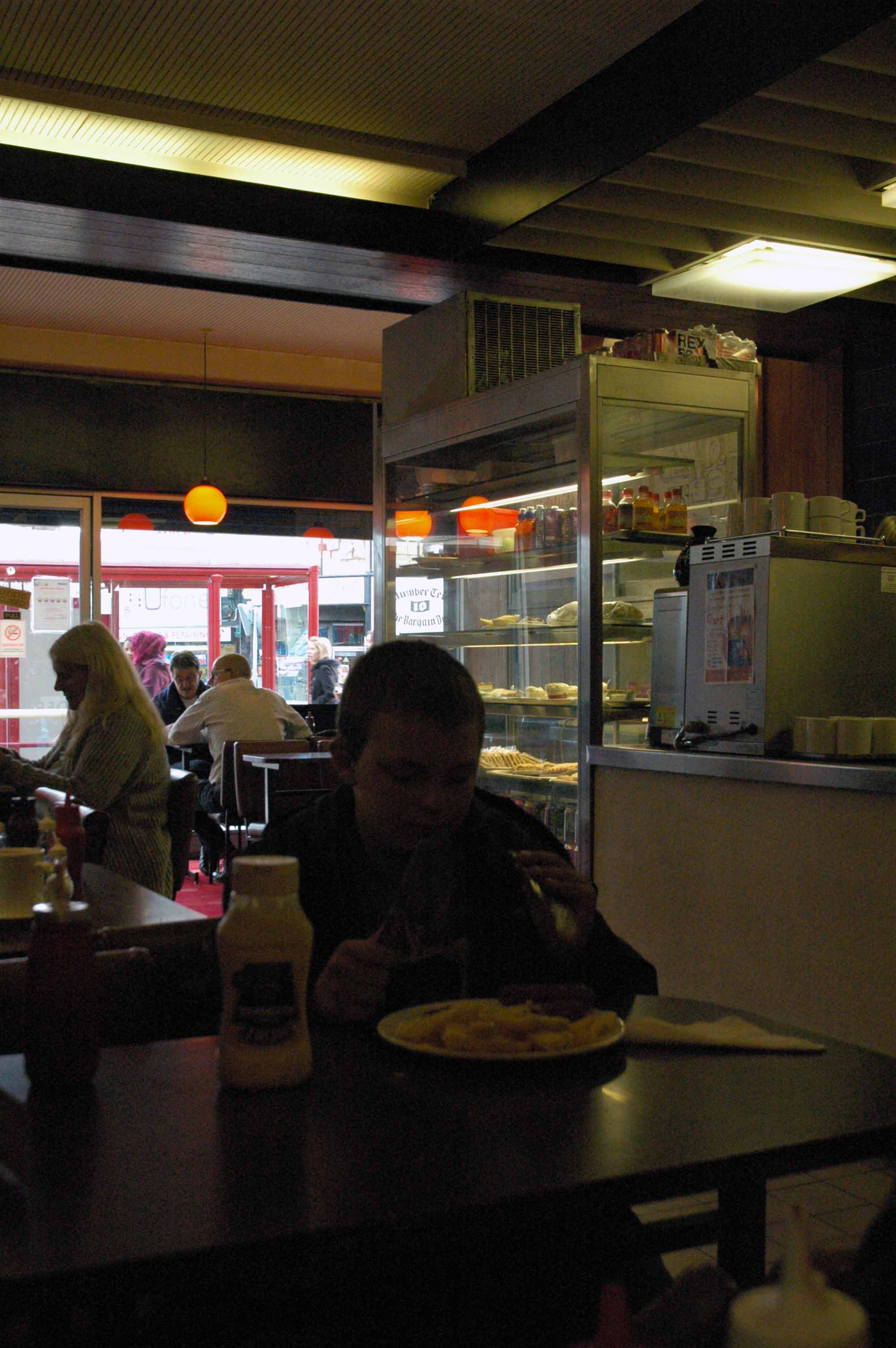
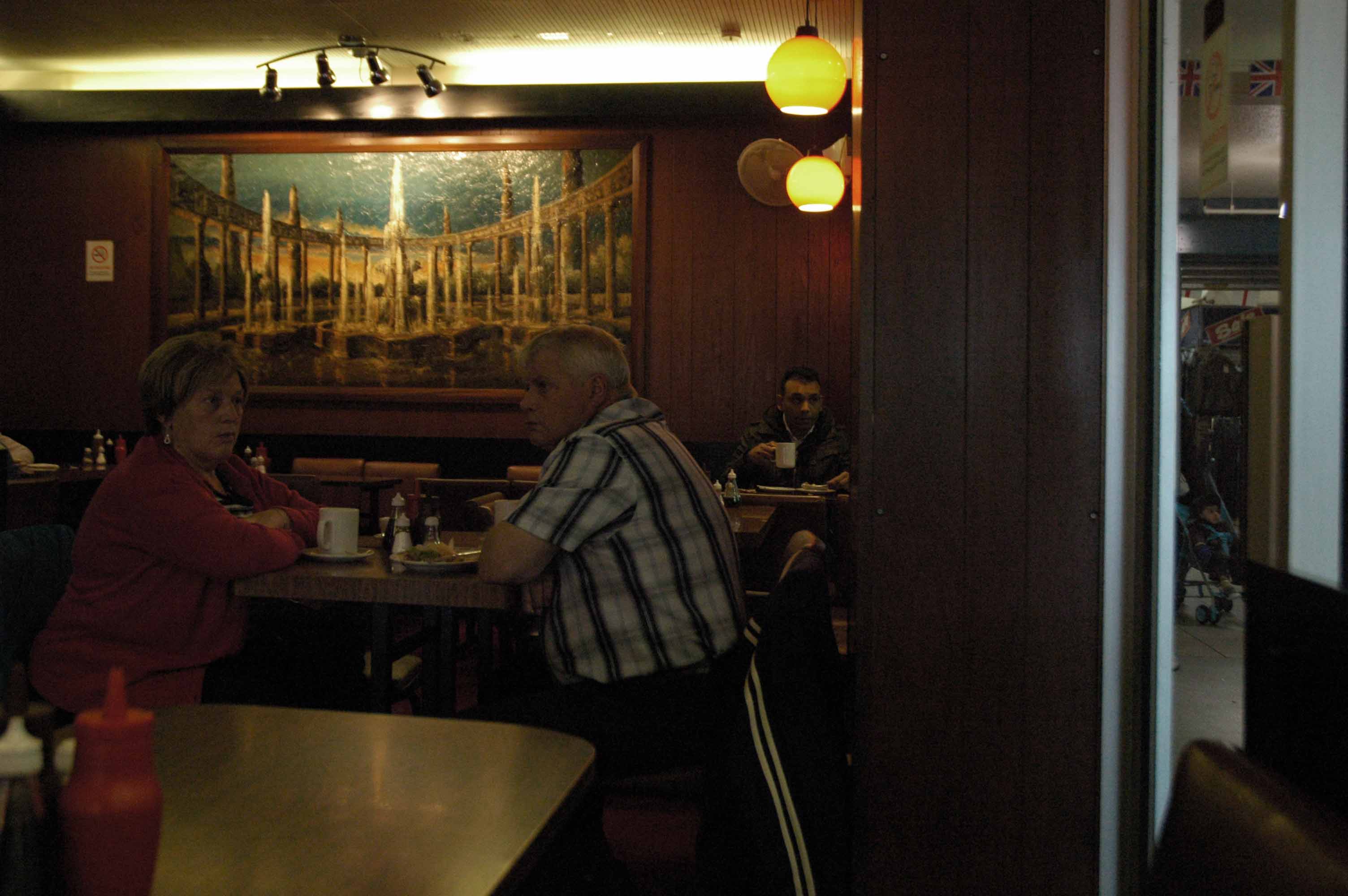
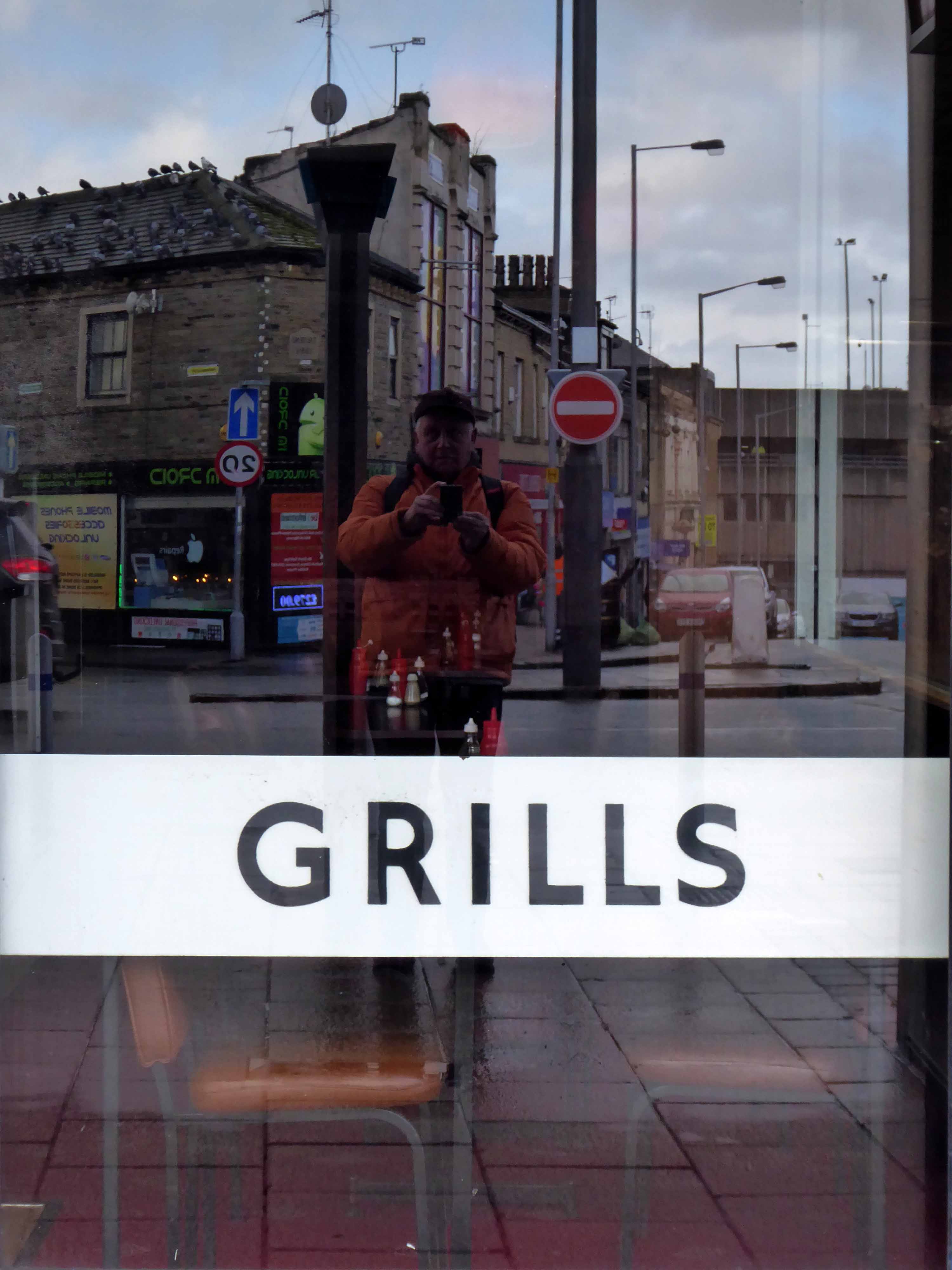
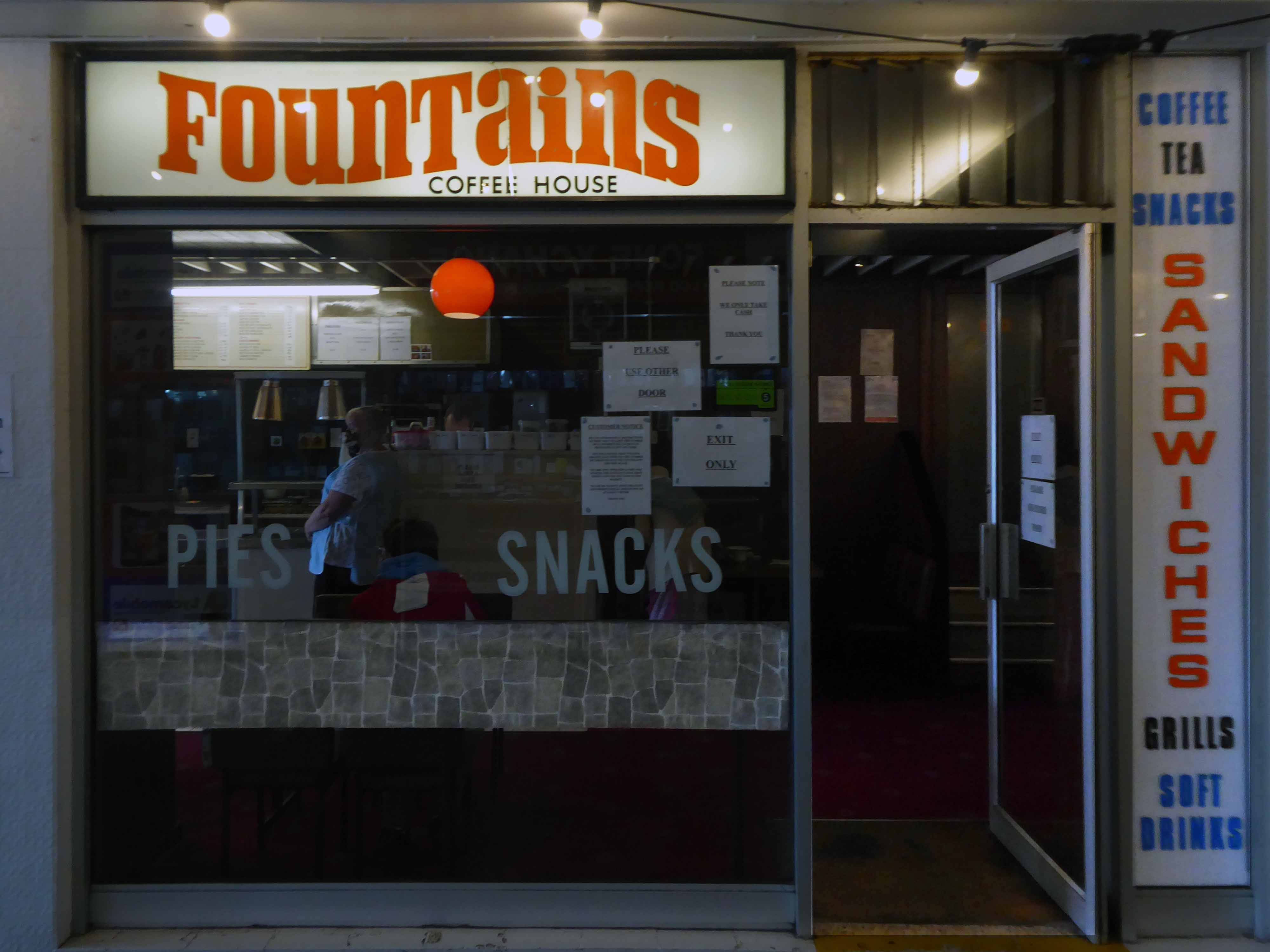
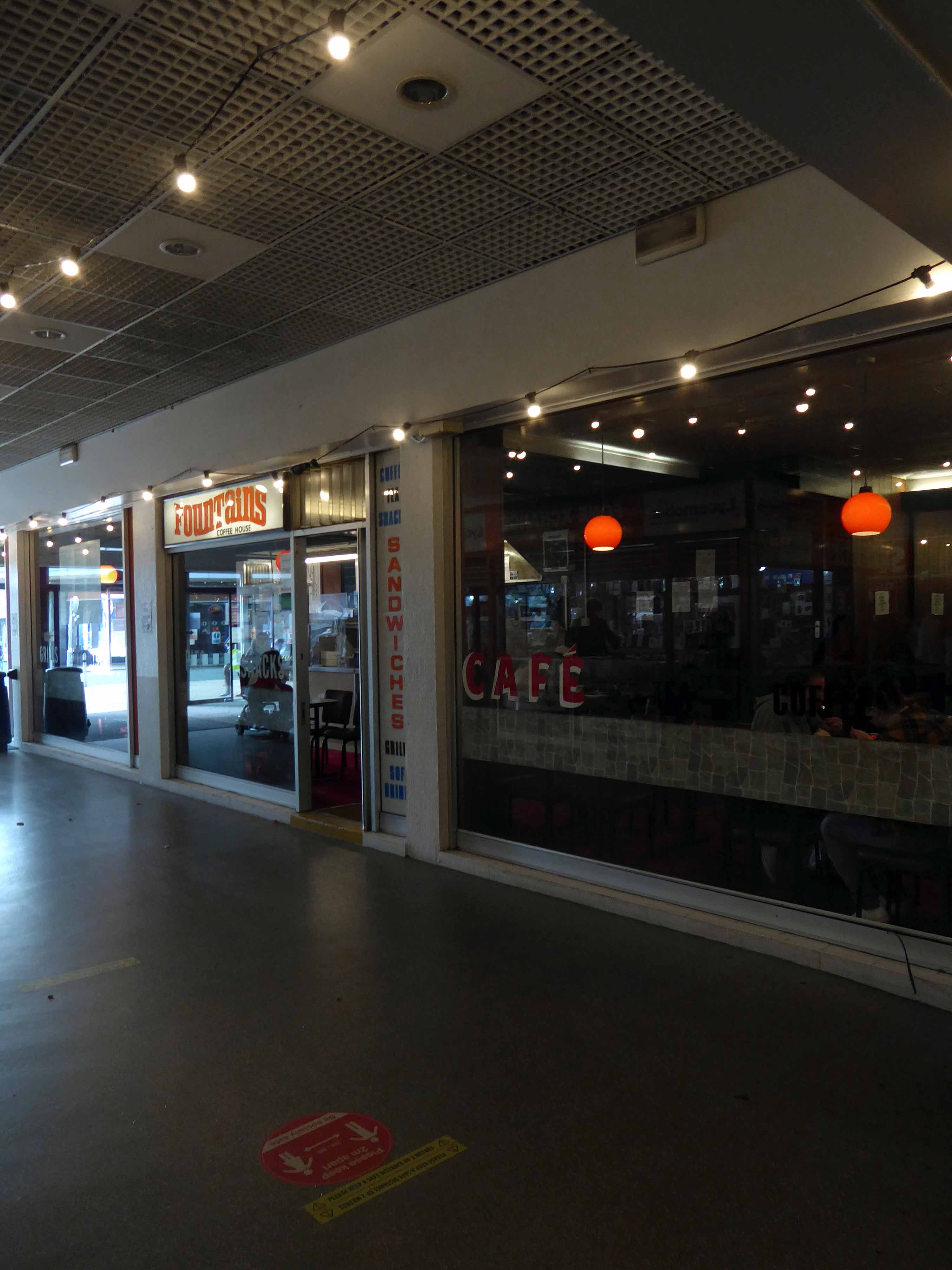
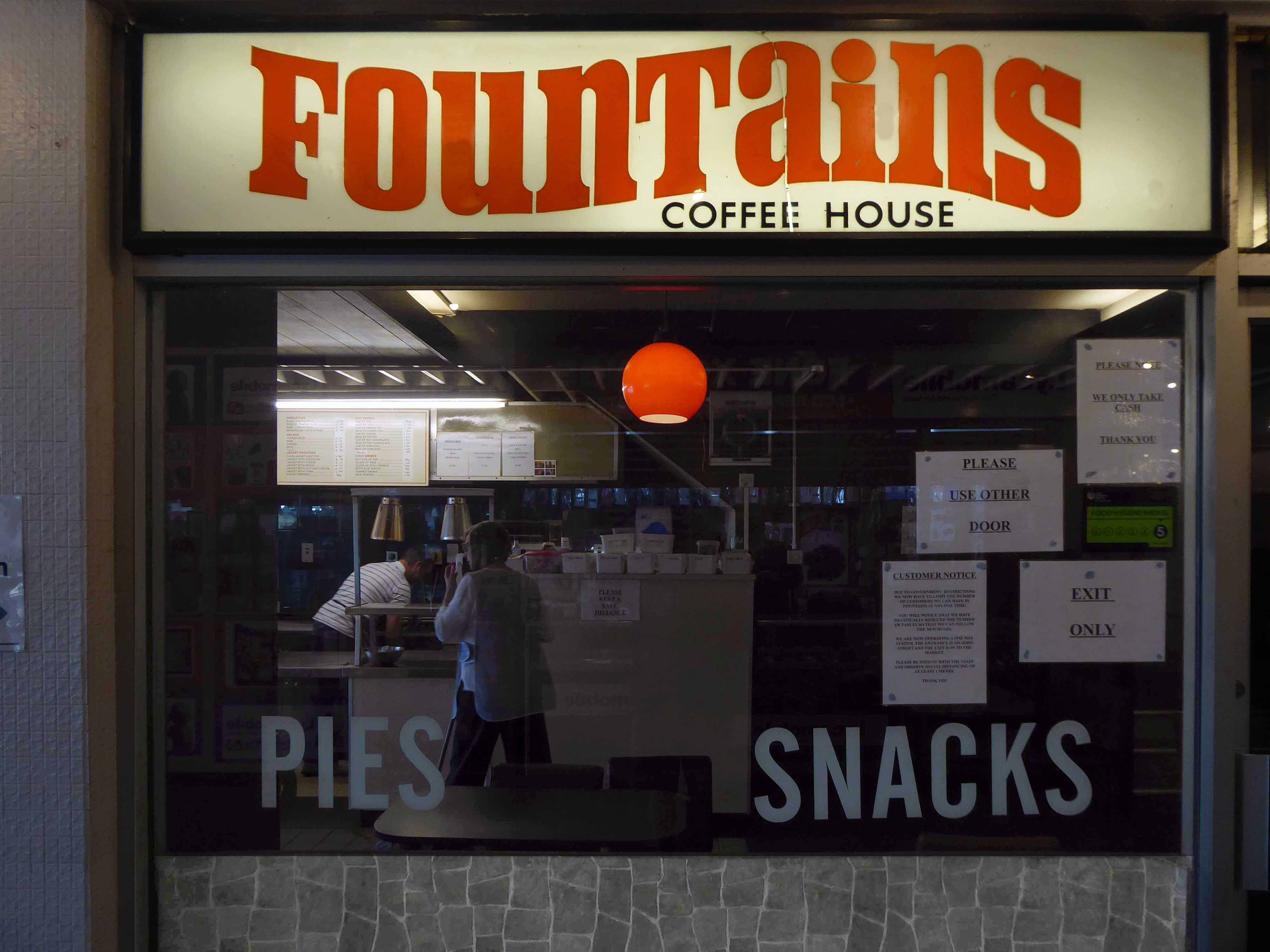
I first came here some twenty years ago or so and on each subsequent visit little seems to change.
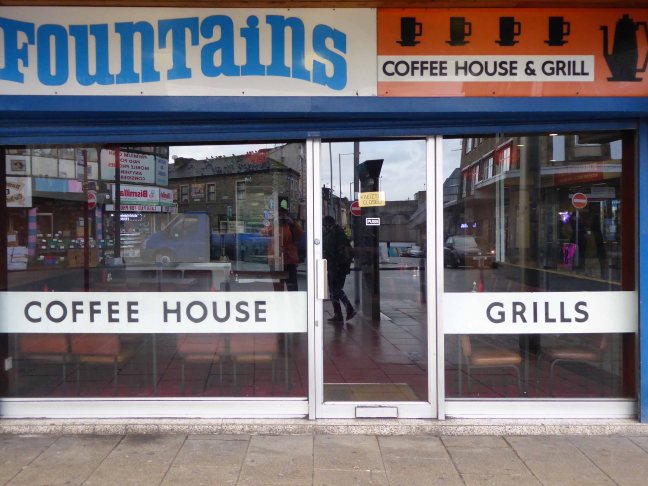
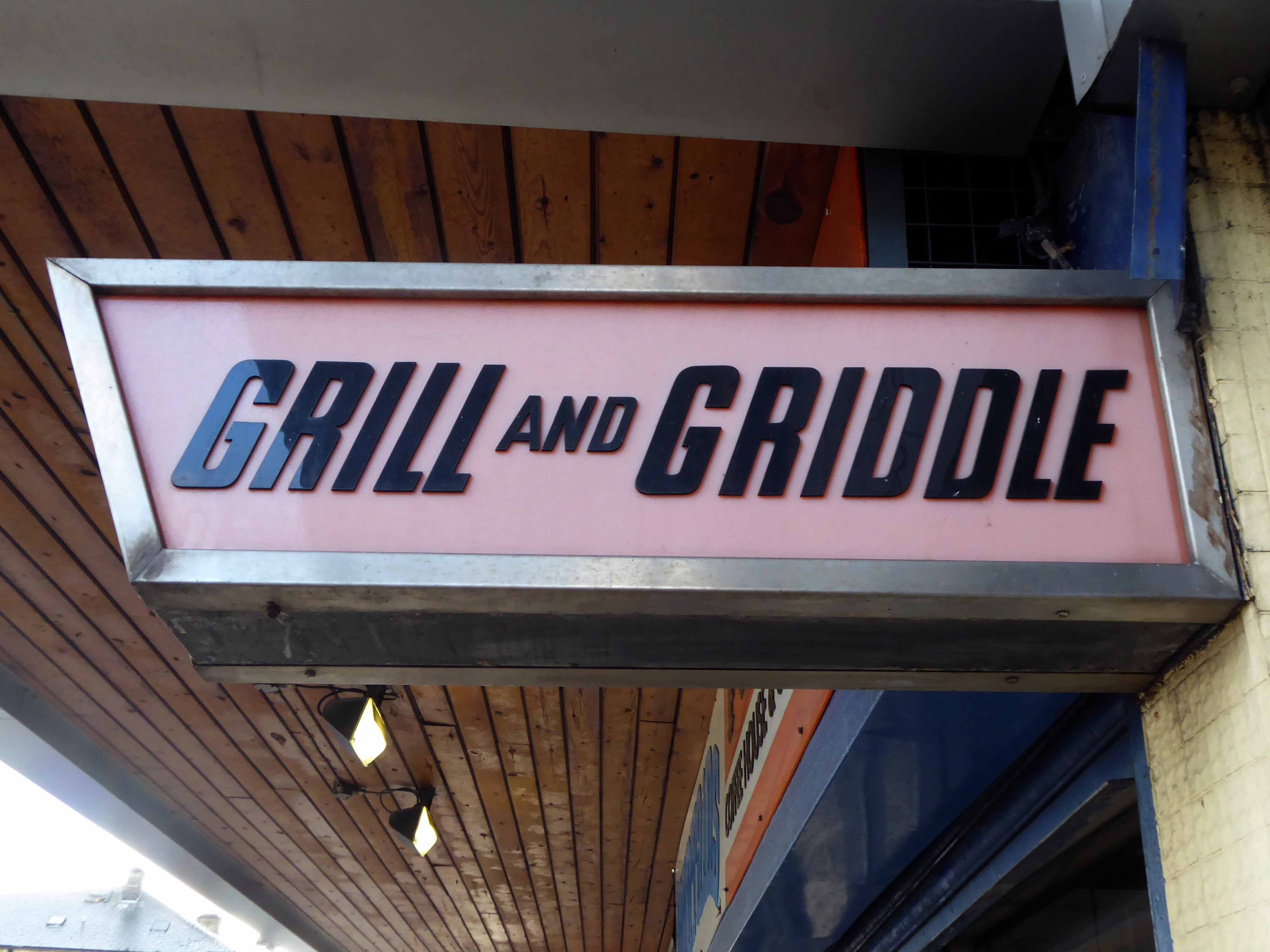
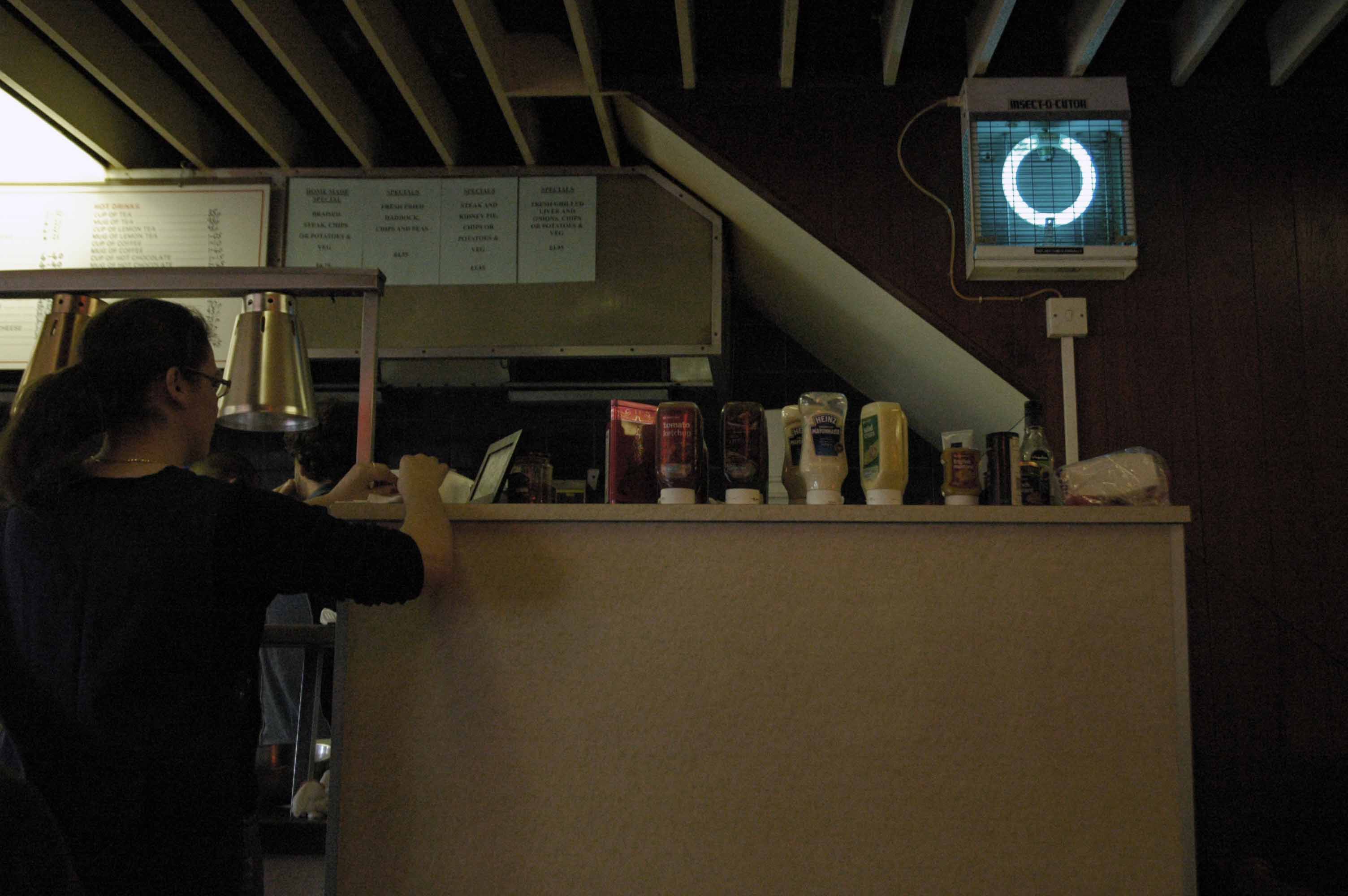
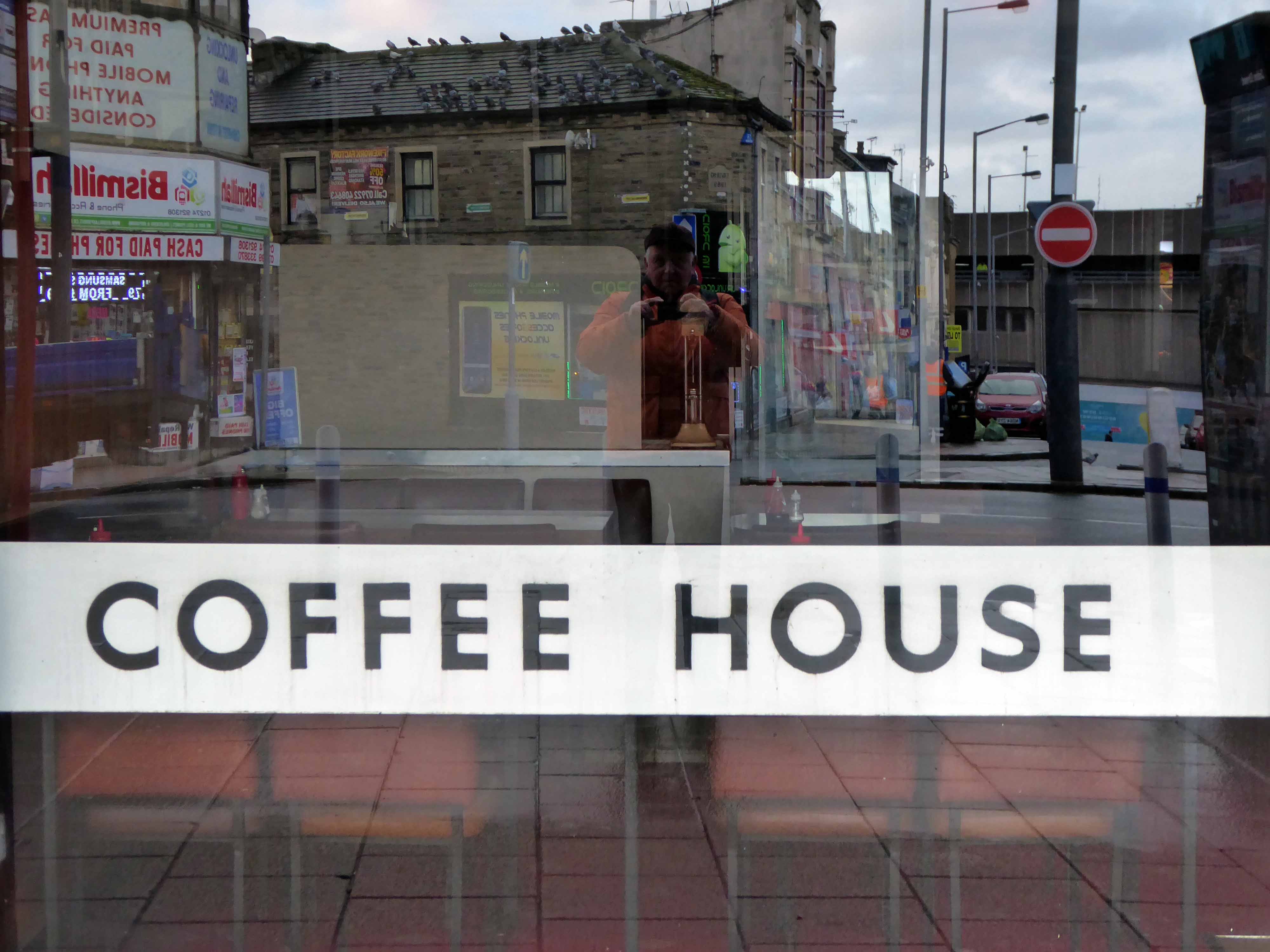
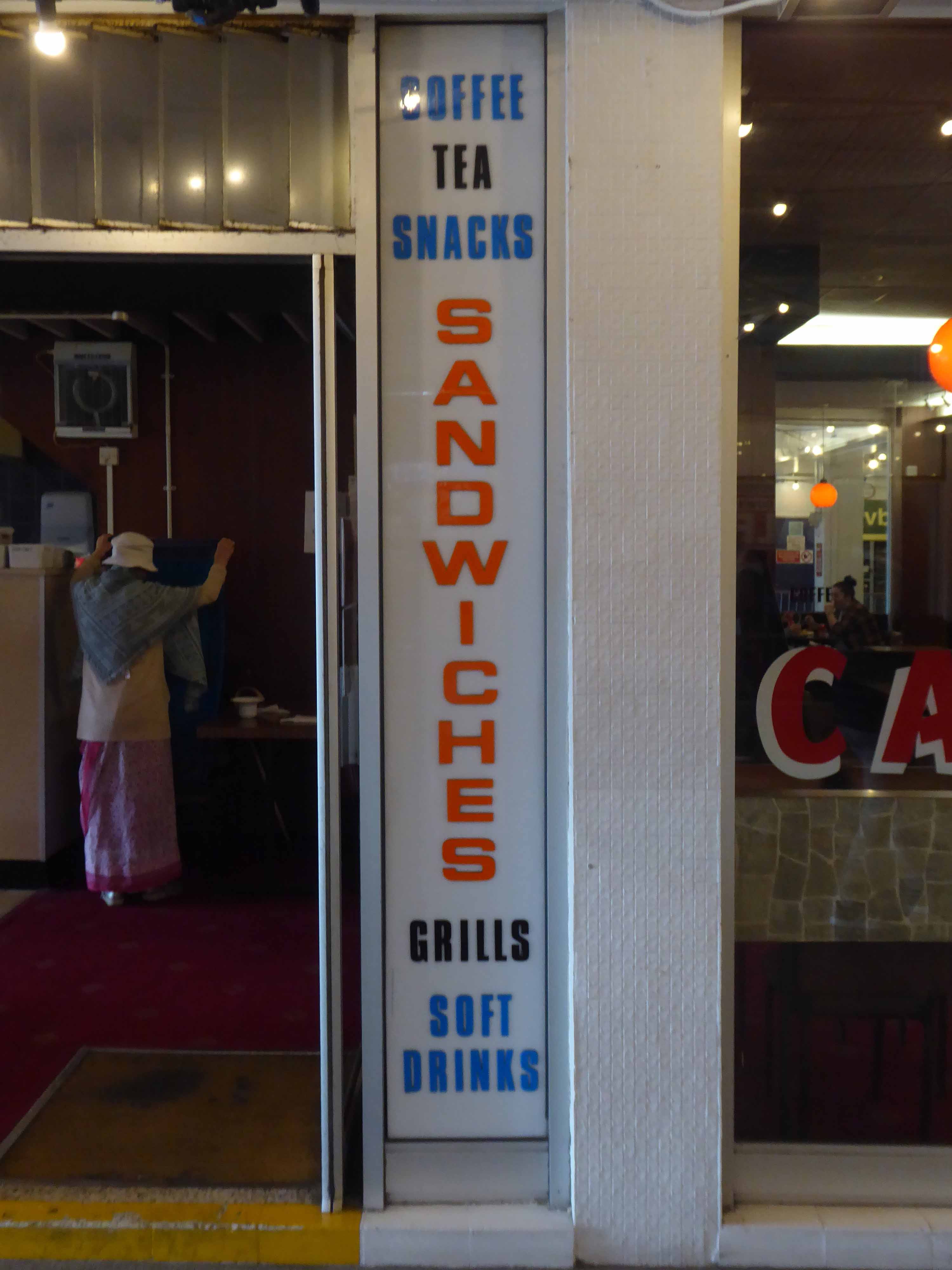
The exterior signage and fascia remain intact.
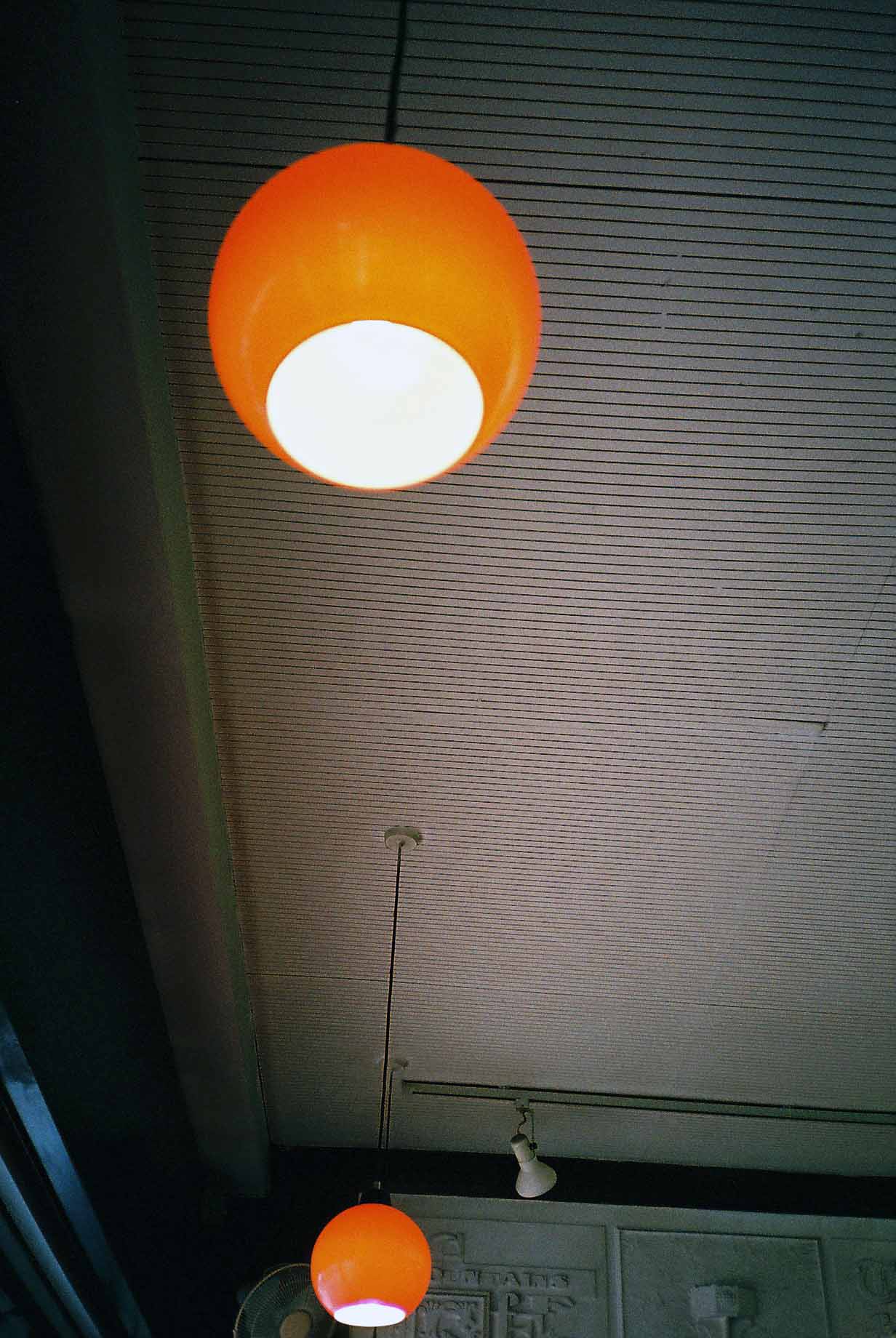
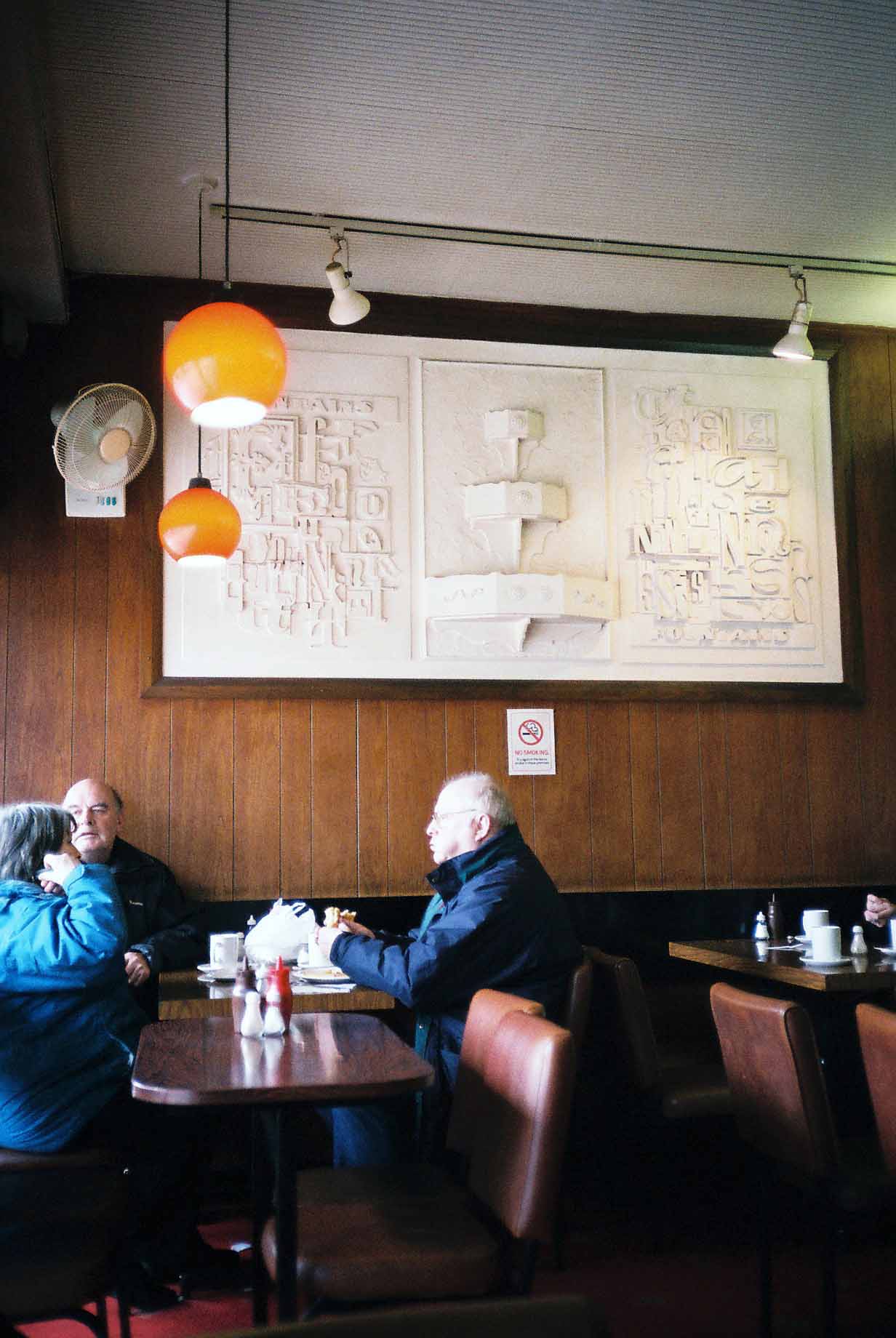
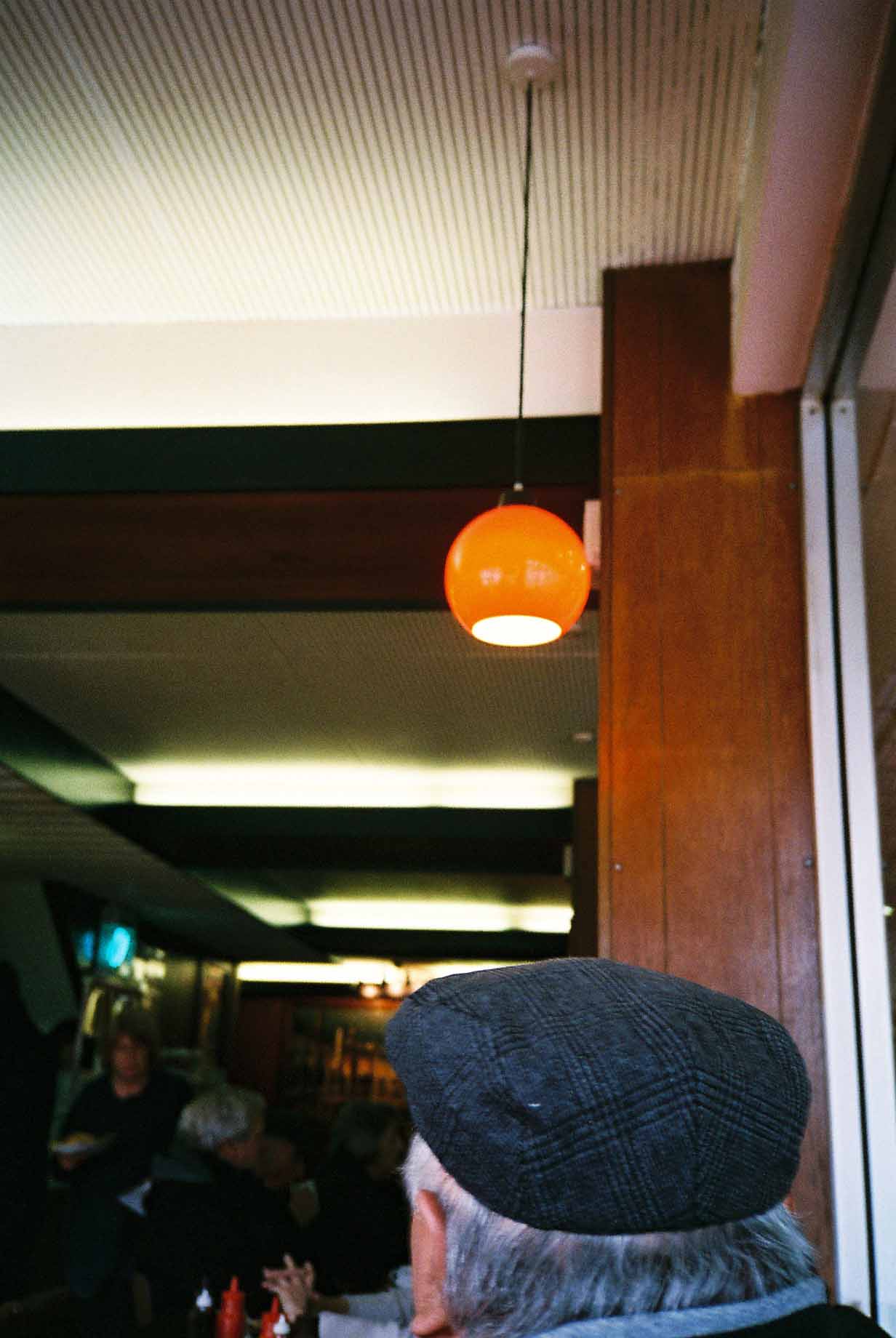
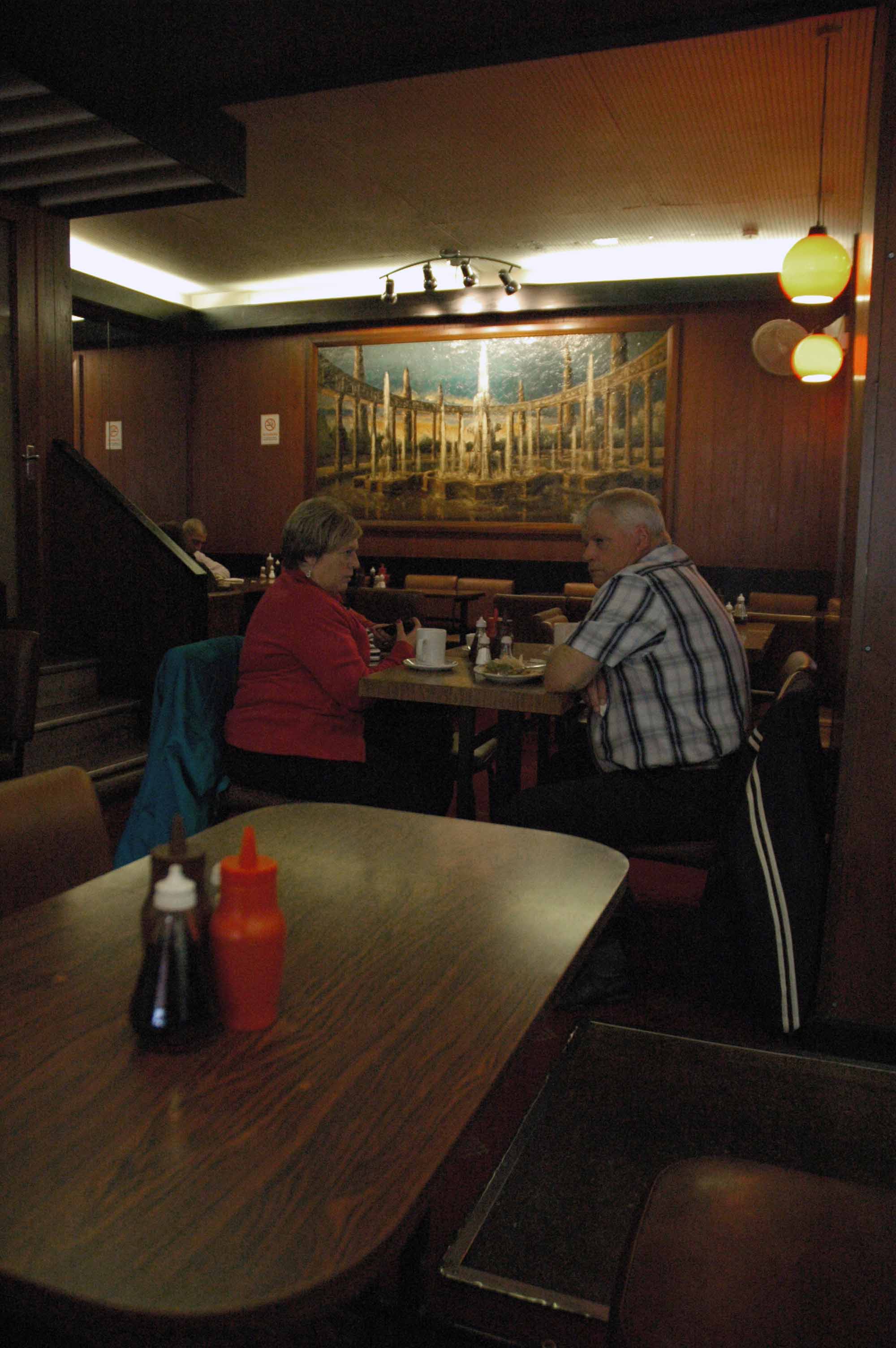
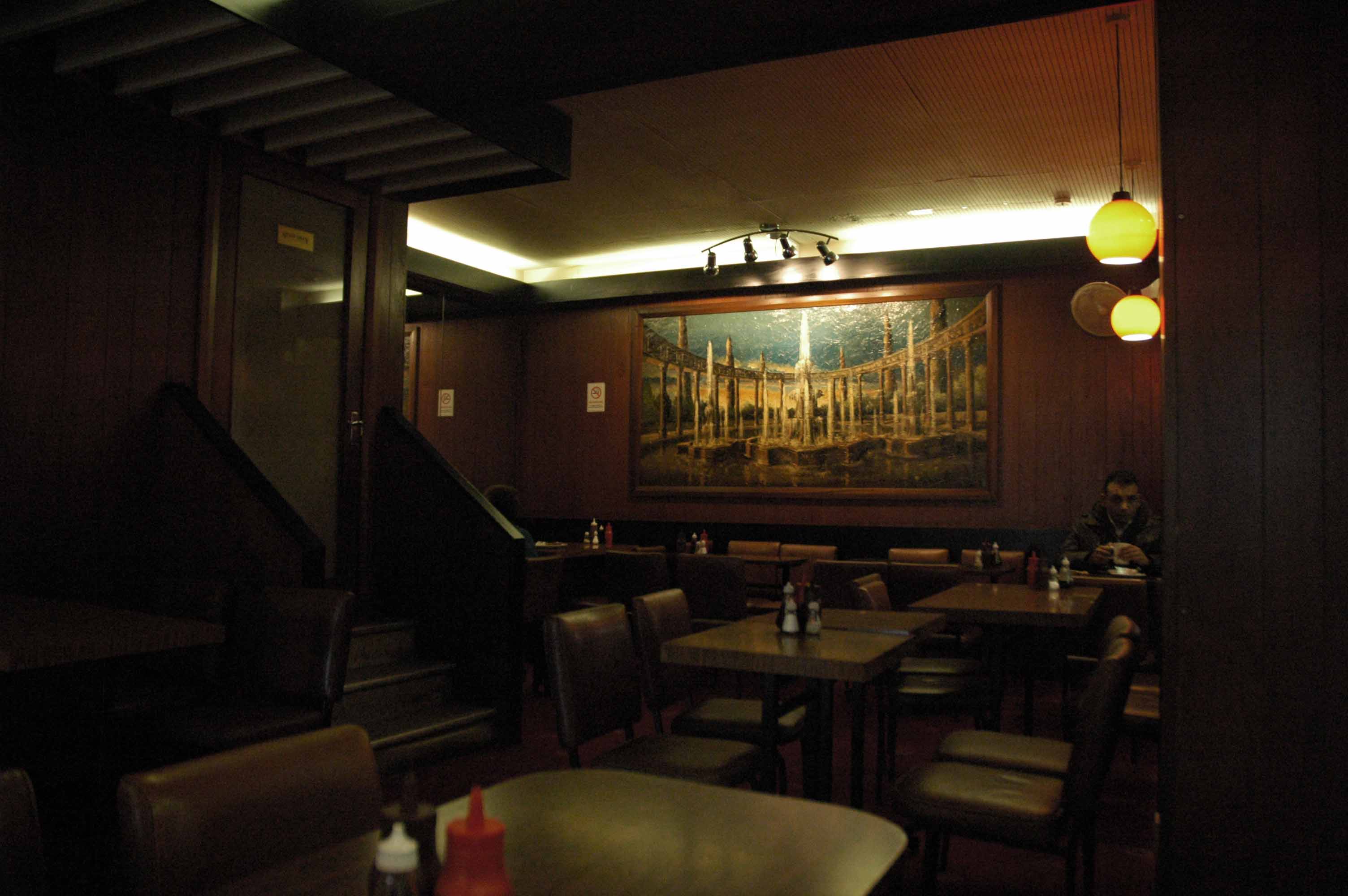
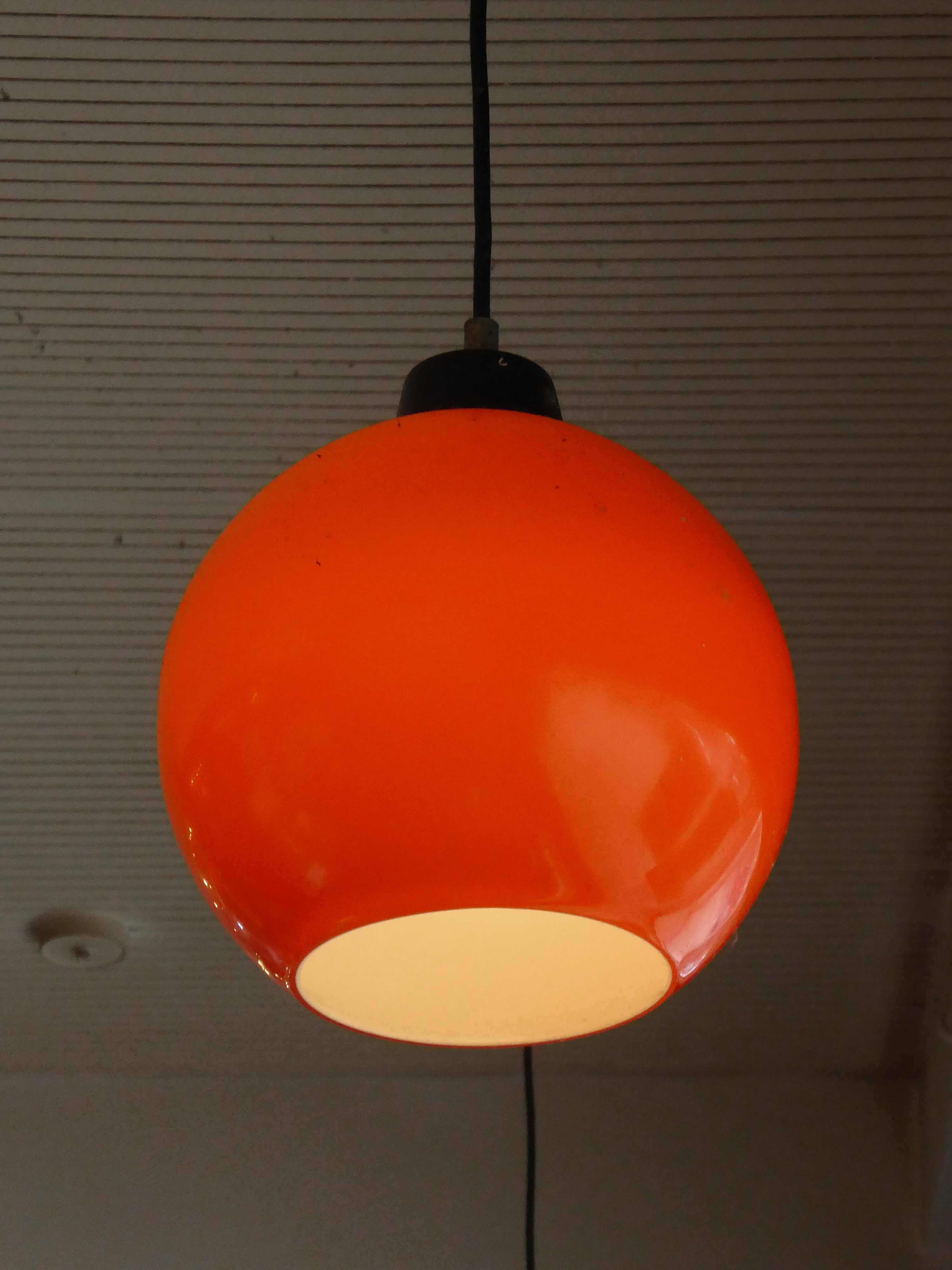
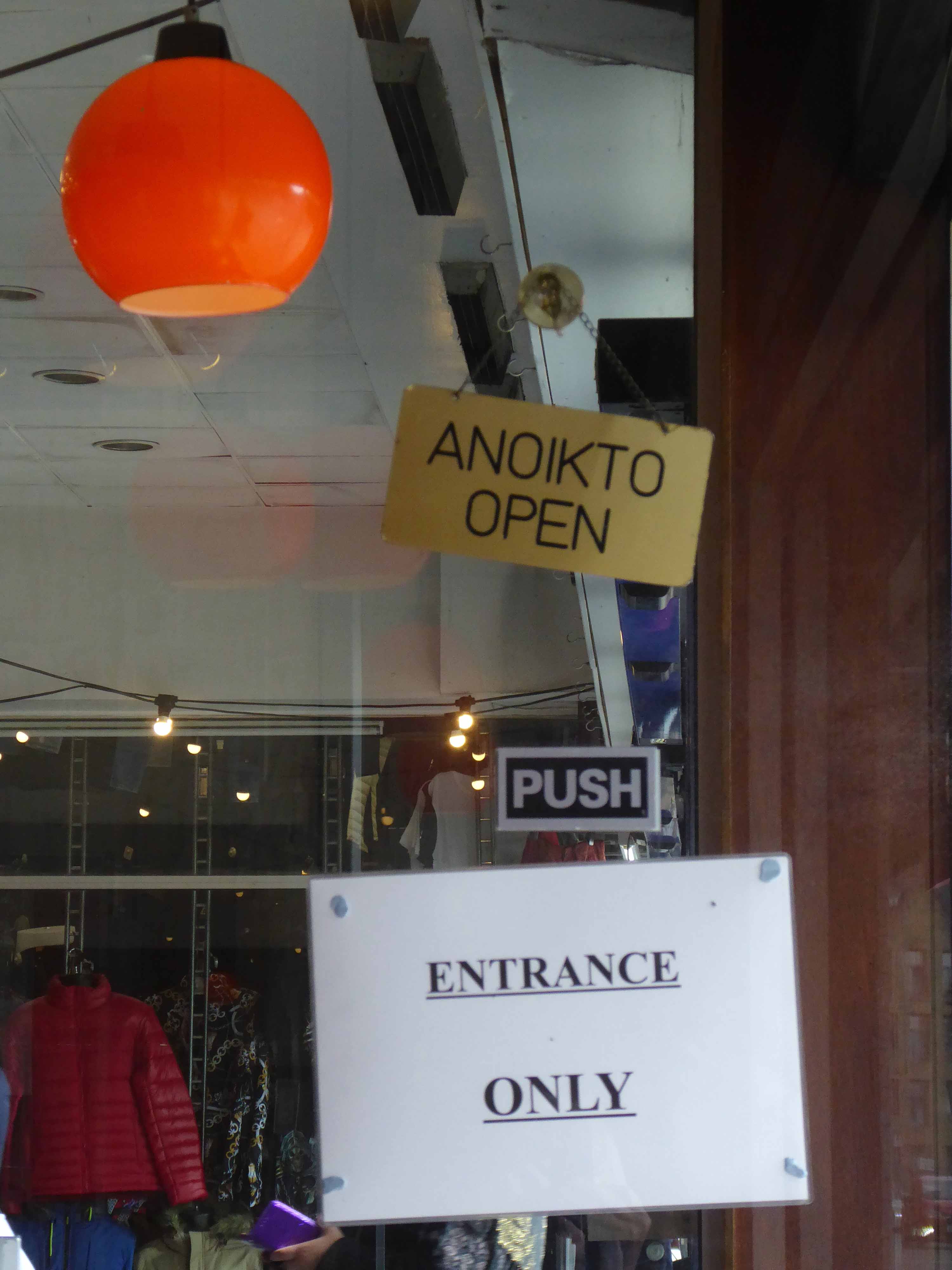
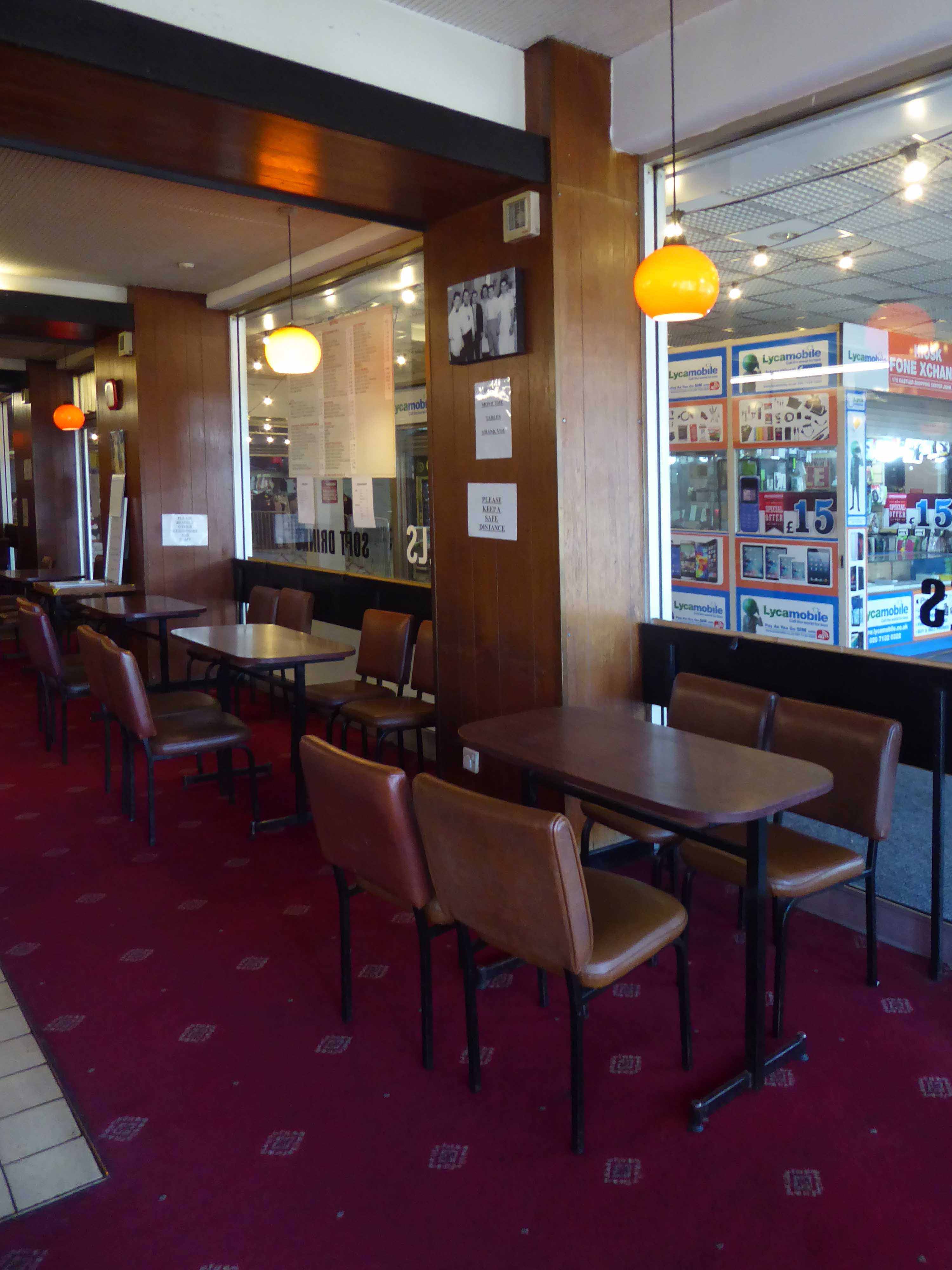
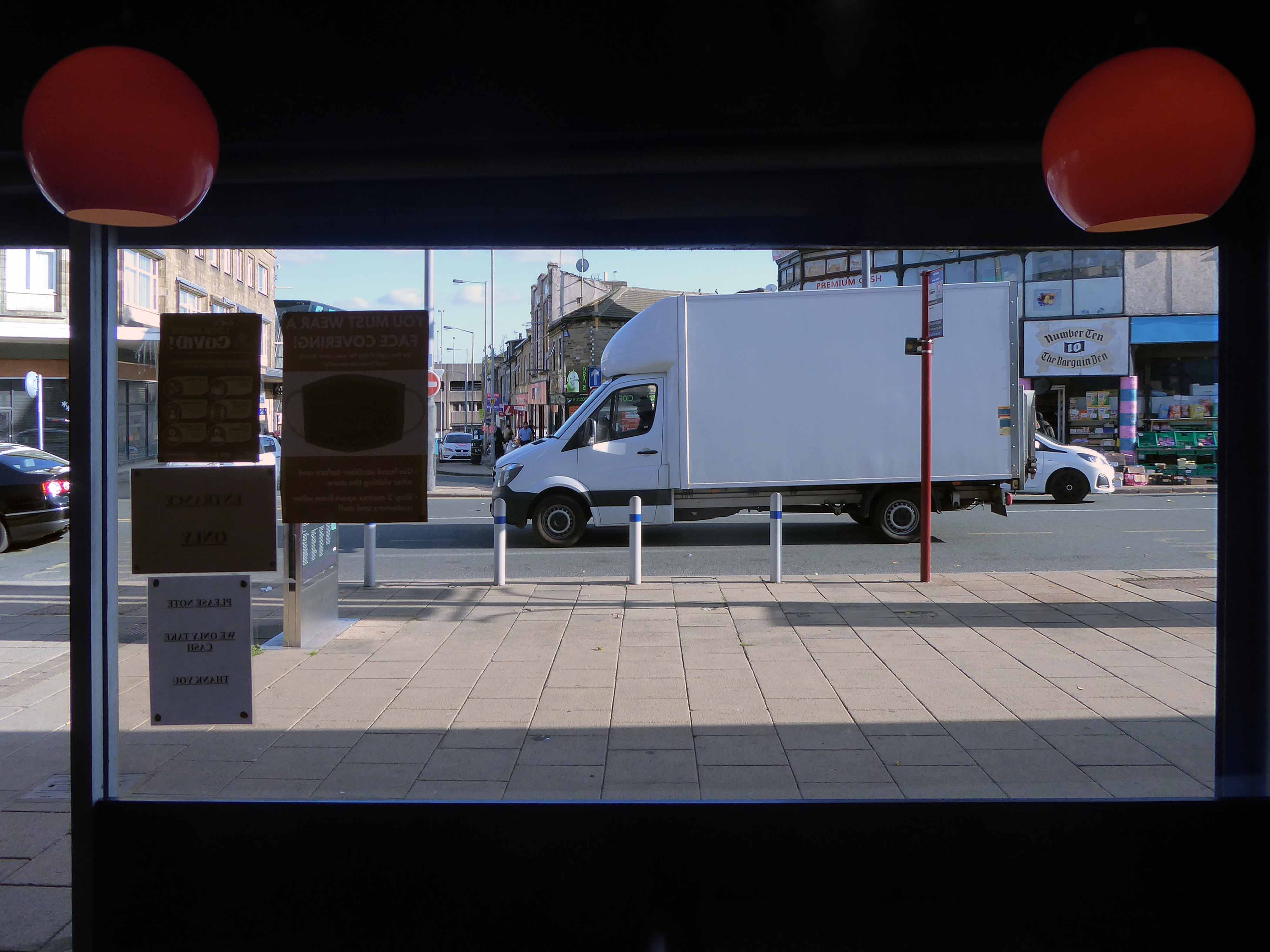
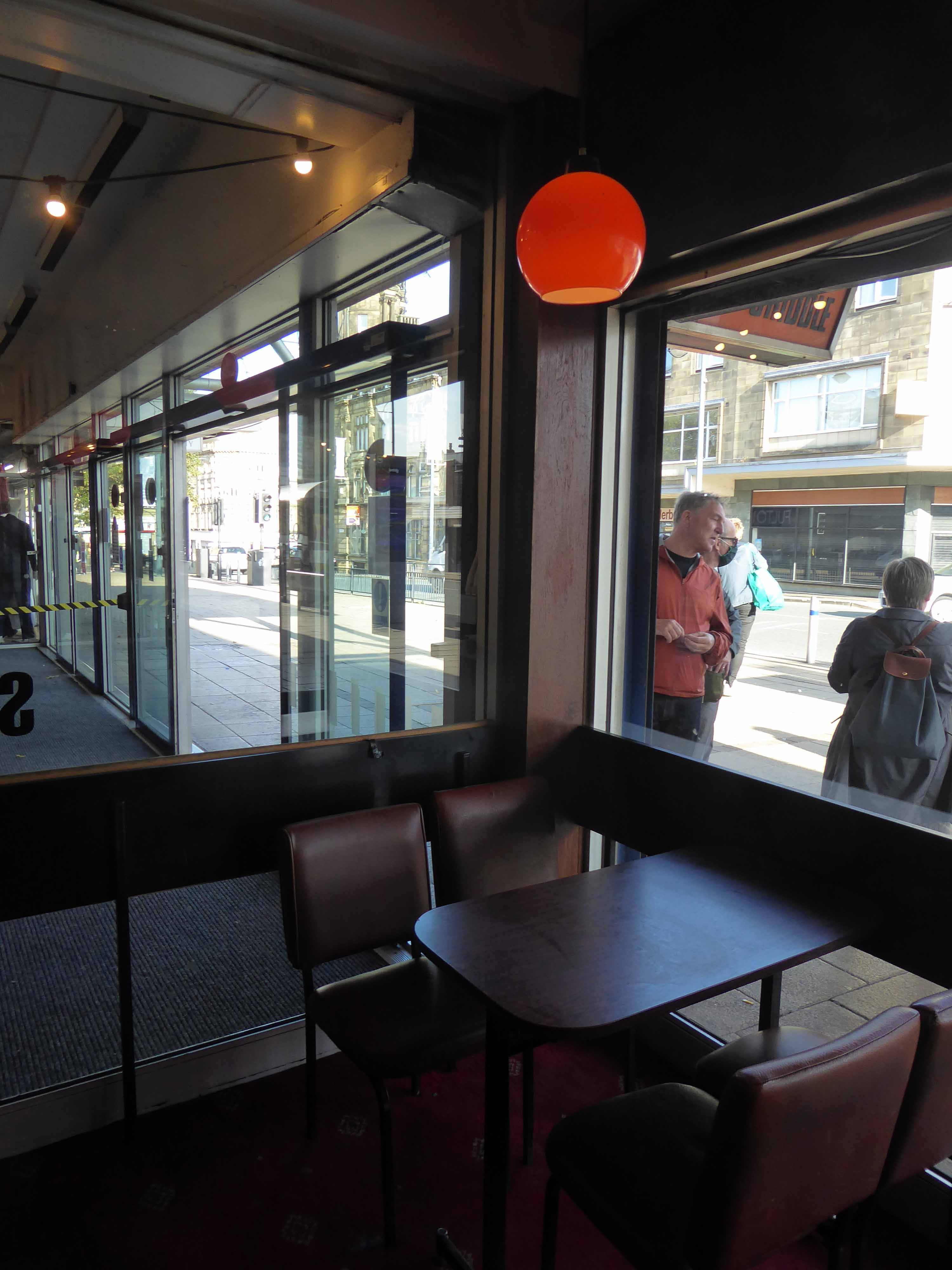
The orange light shades are still hanging limp and bright from the suspended ceiling.
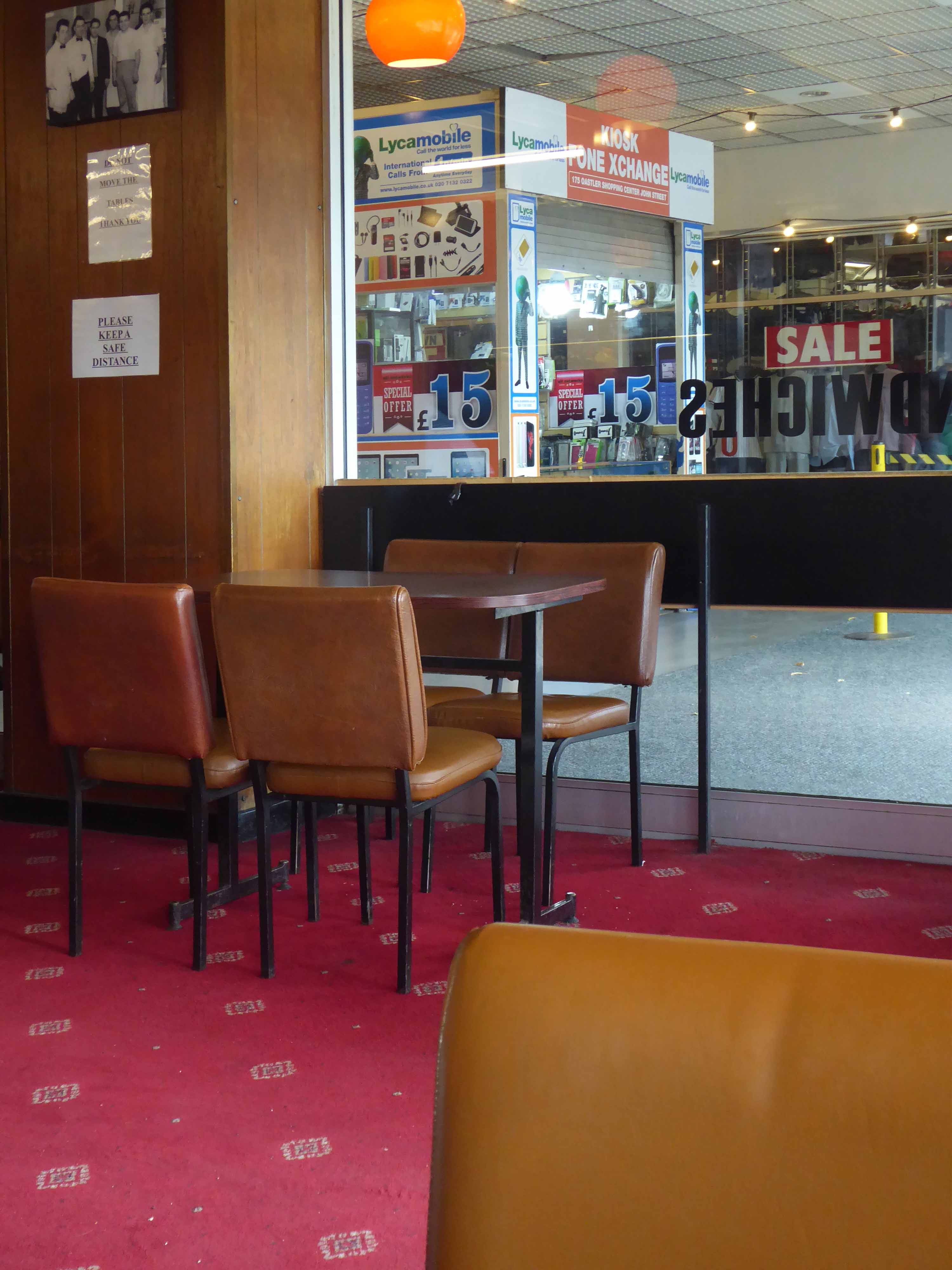
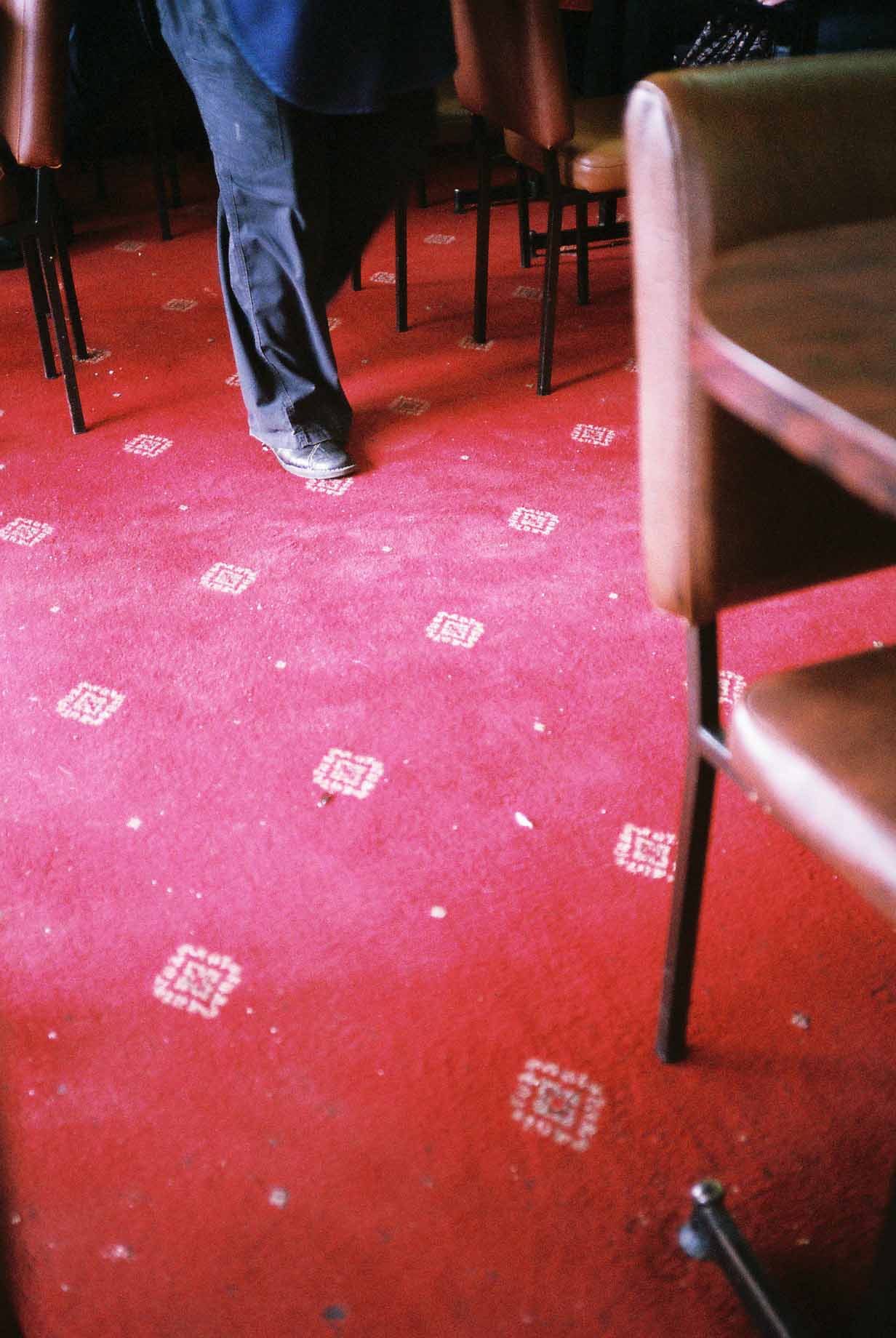
The furniture and scarlet carpet unmoved, as the cheery waiting staff weave merrily in, out and round about with meals and drinks.
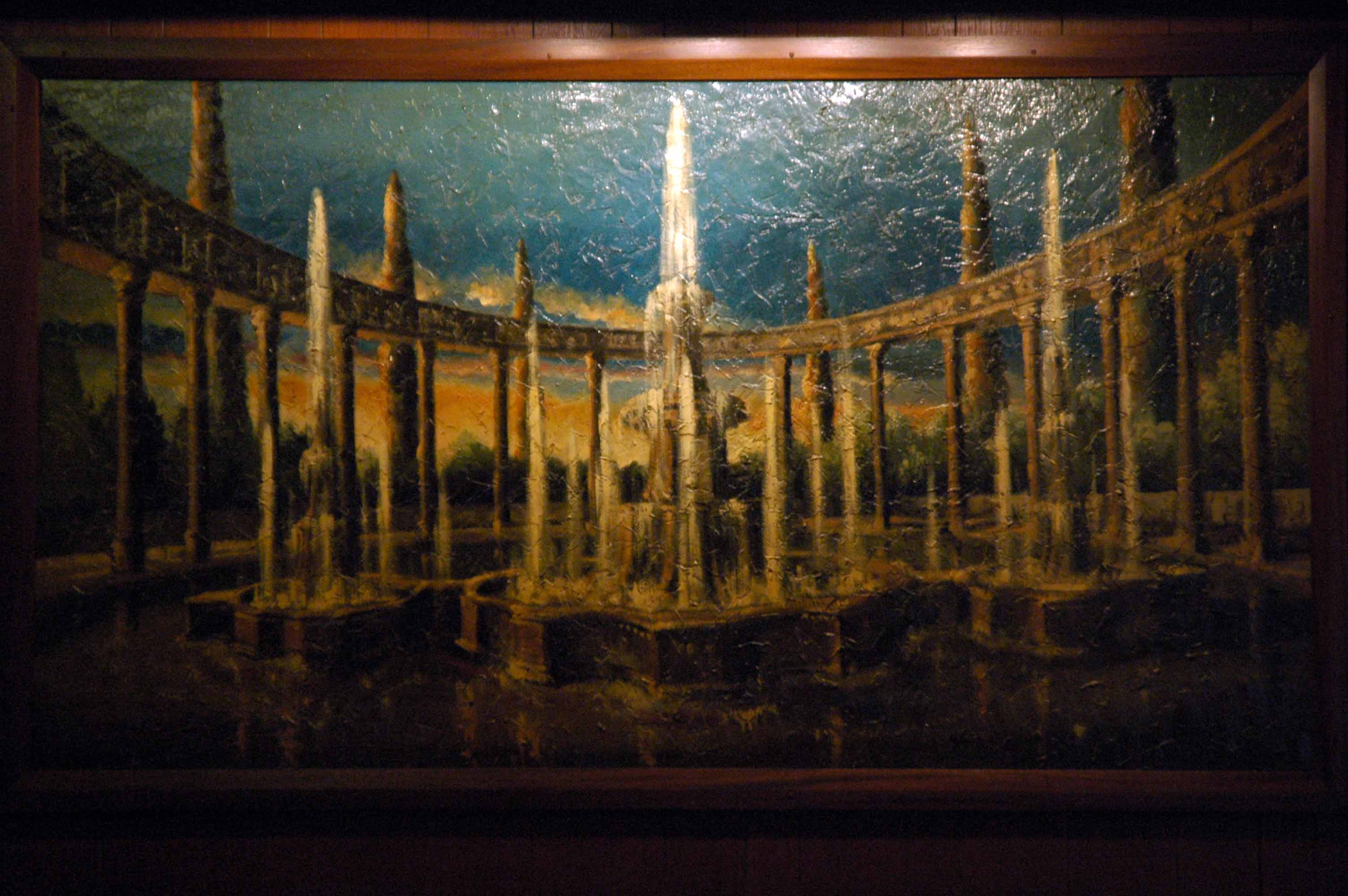
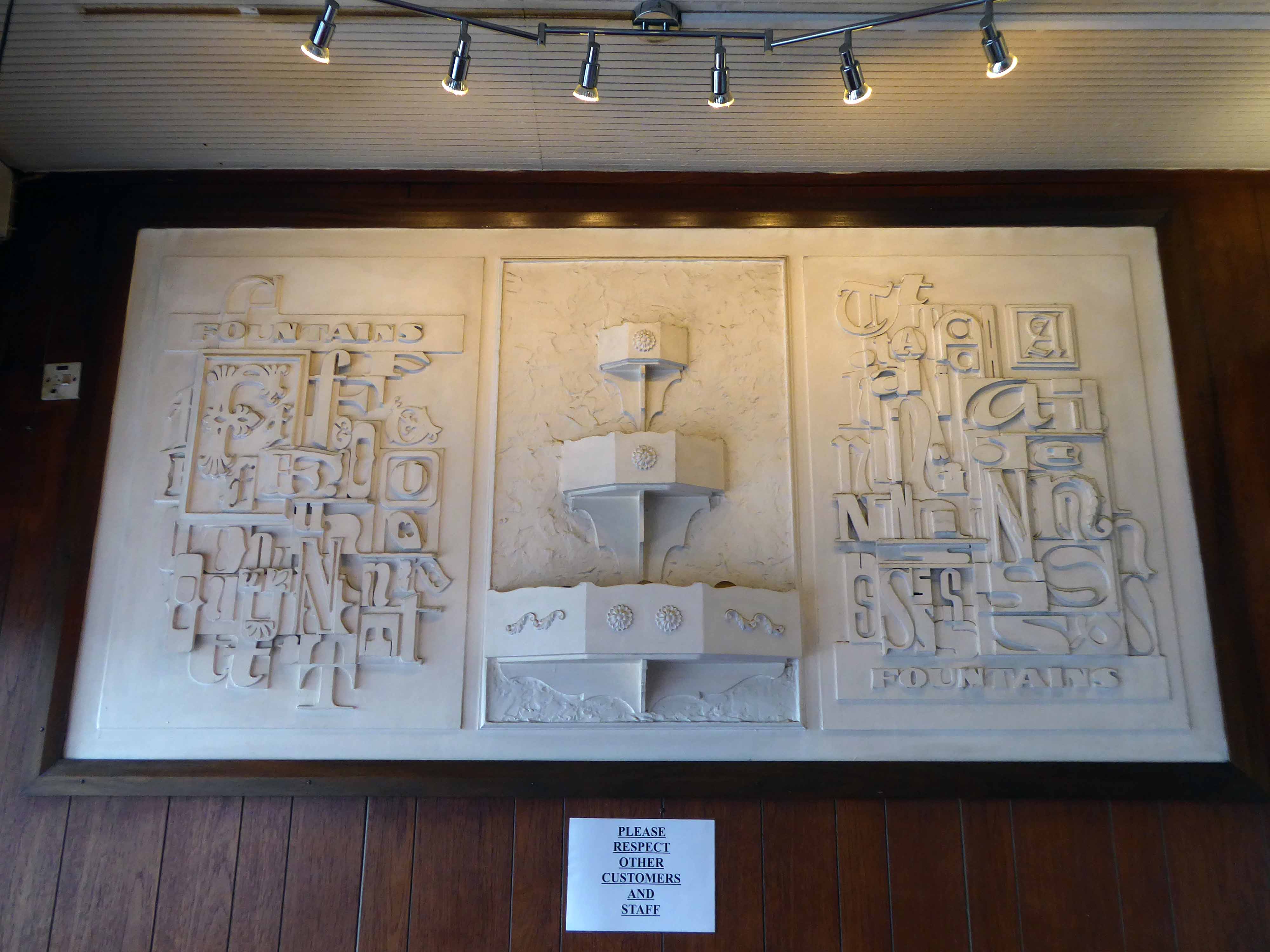
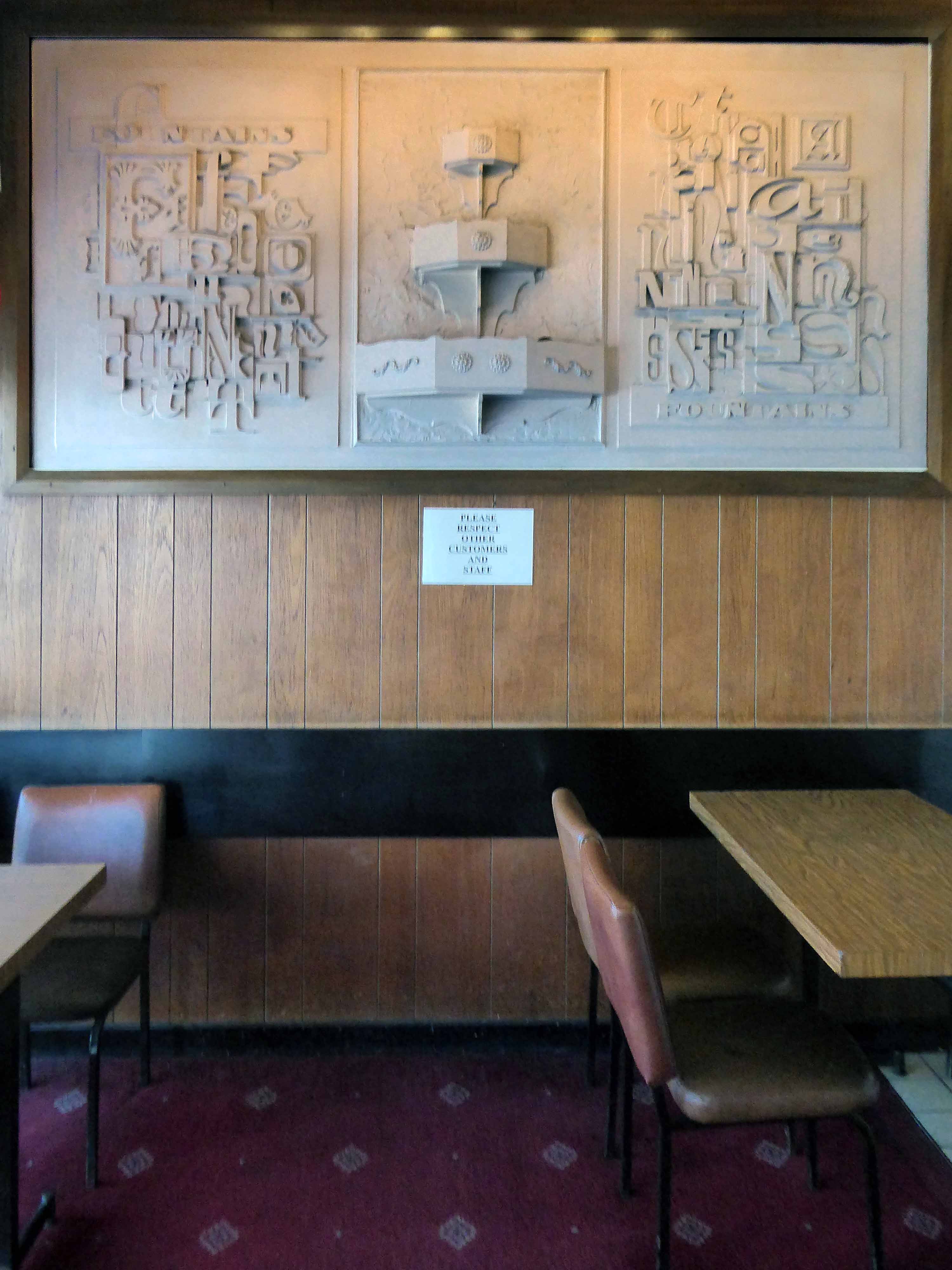
The distinctive white relief sits in the same place on the wall.
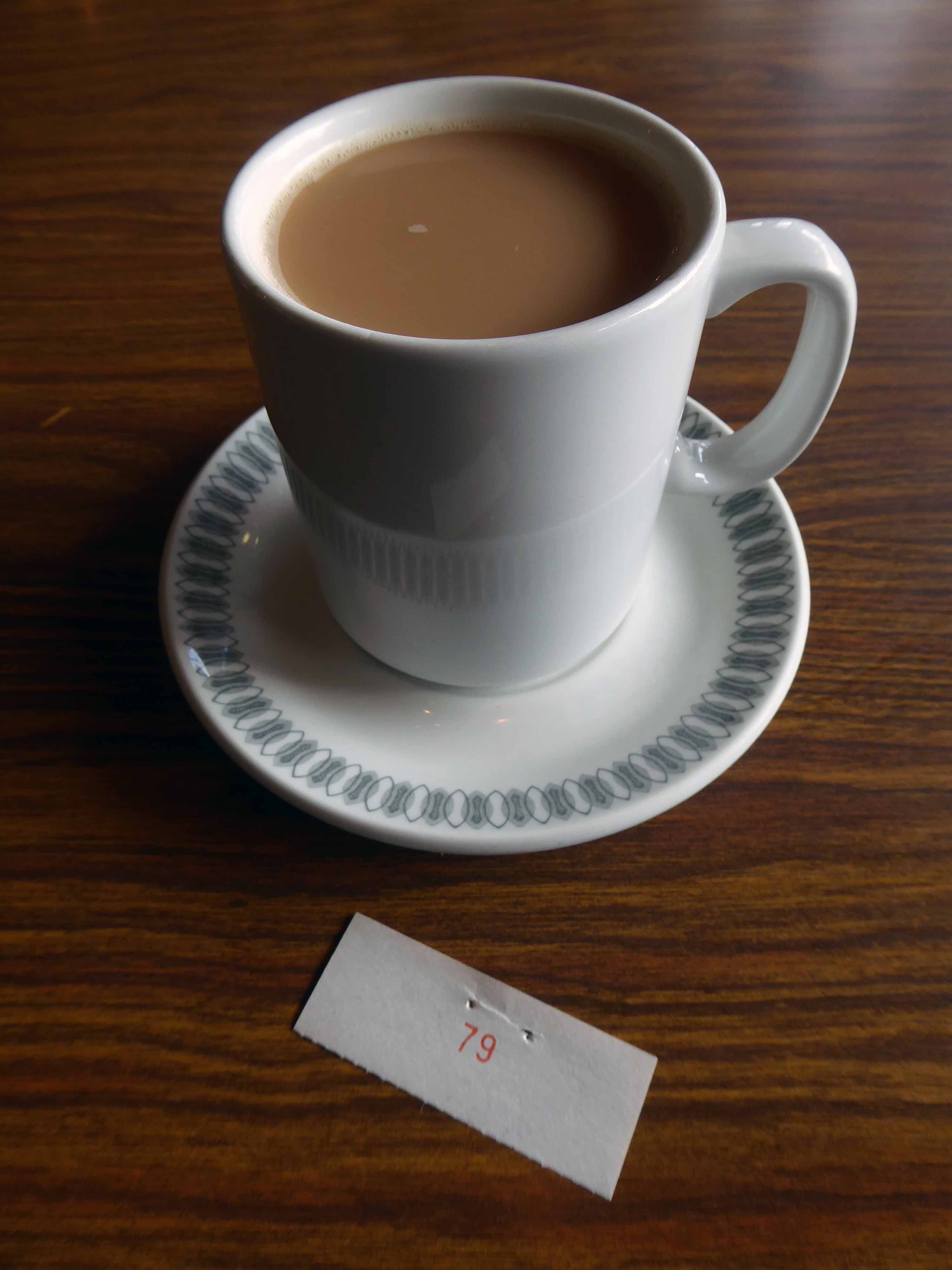
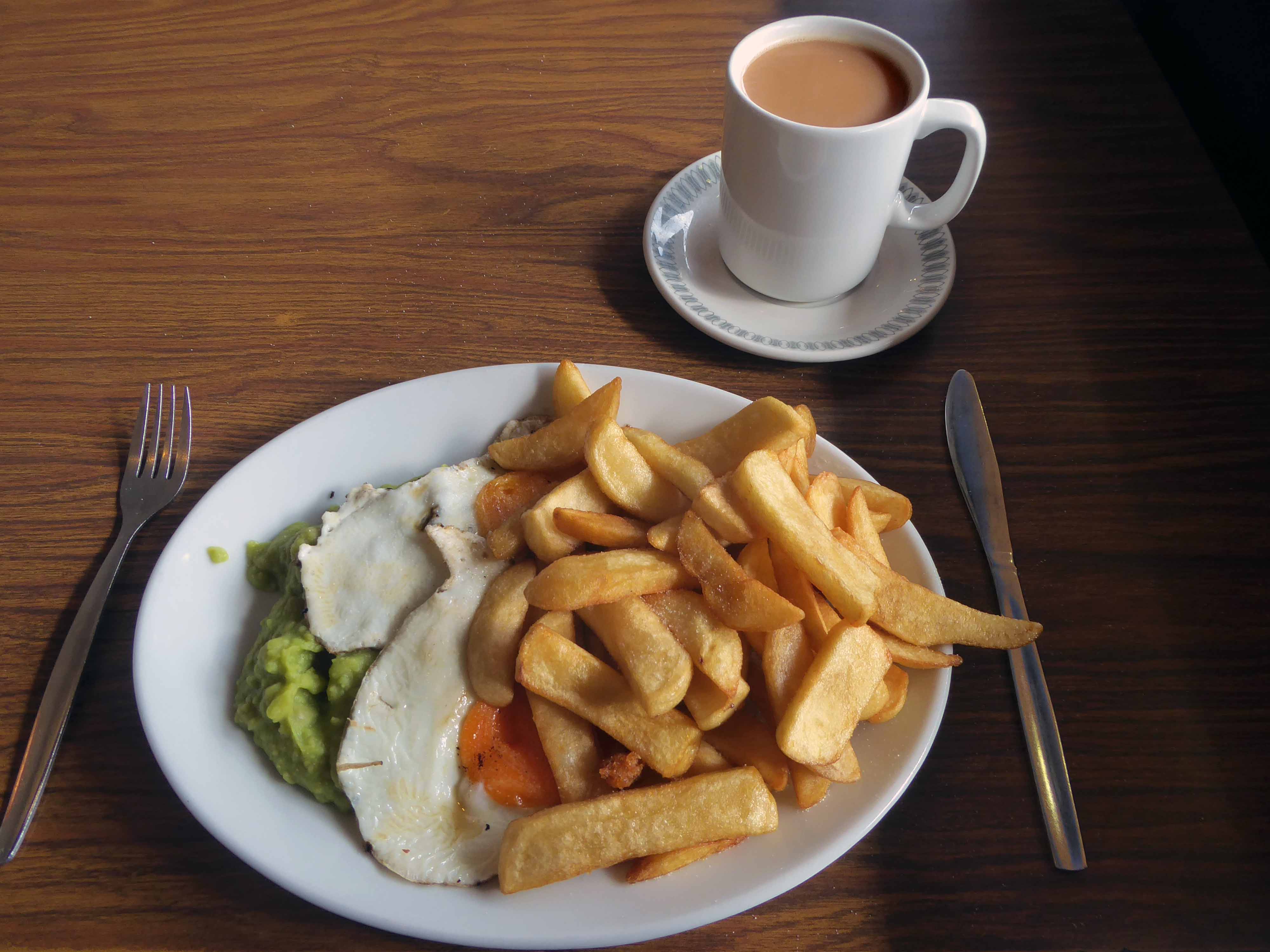
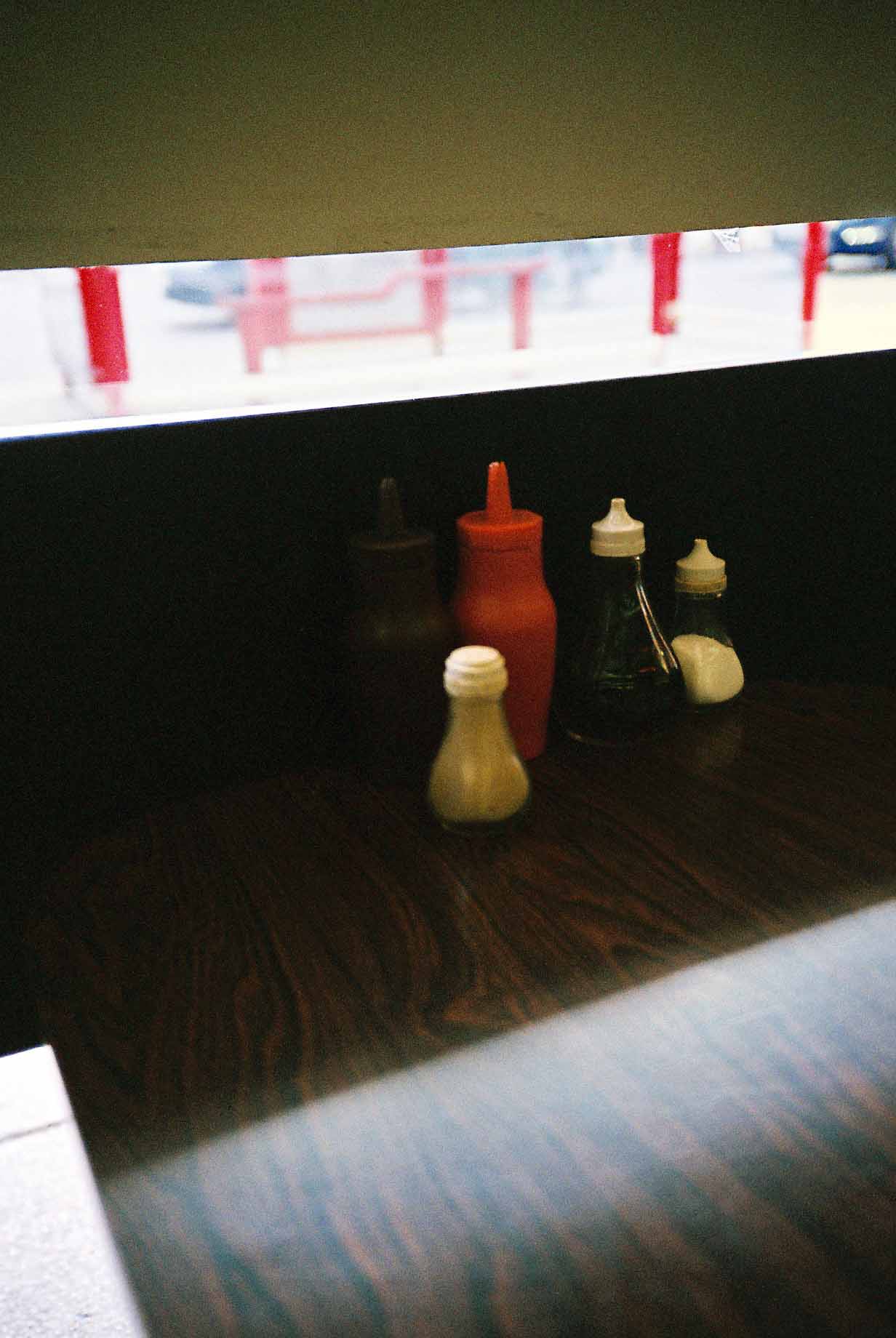
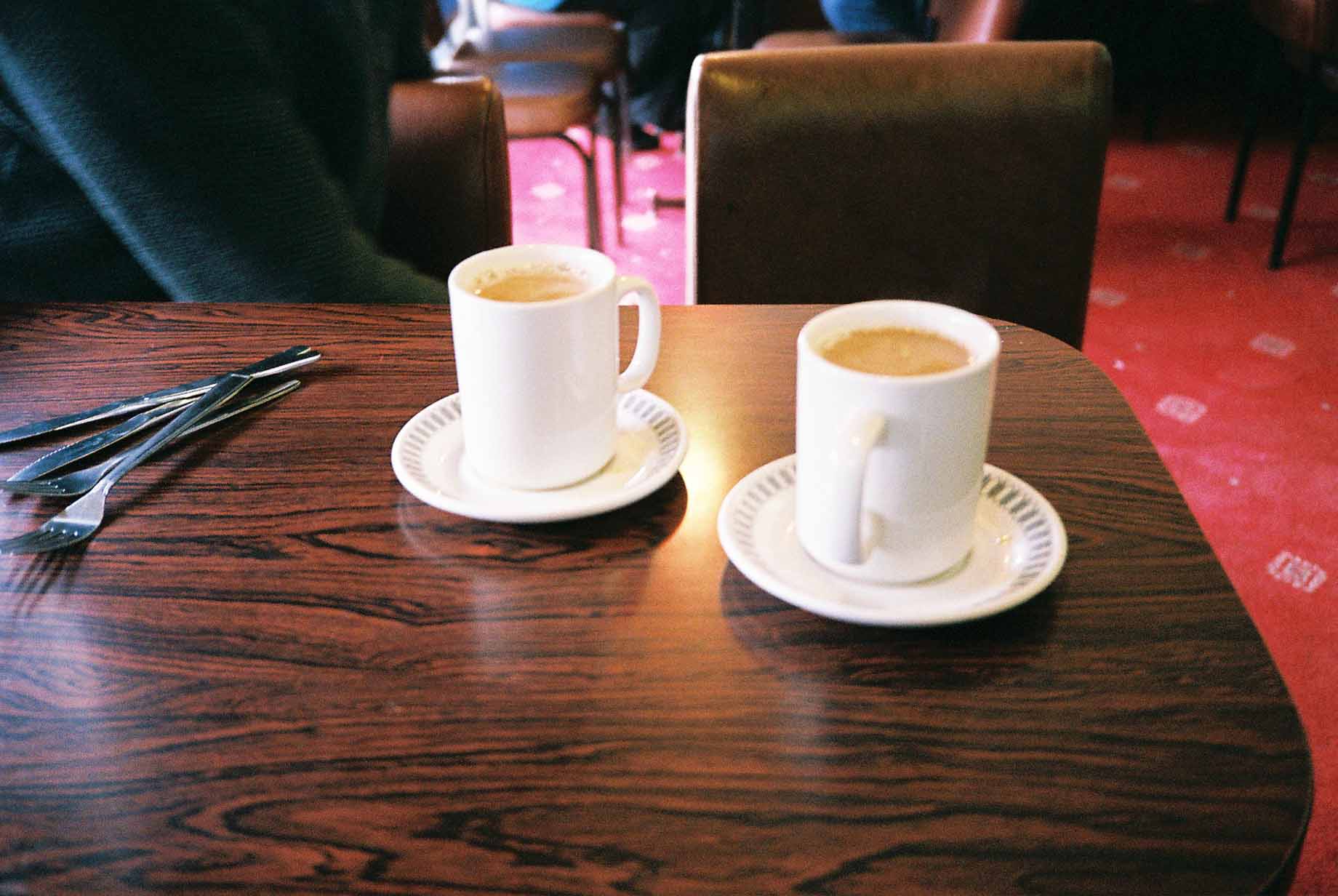
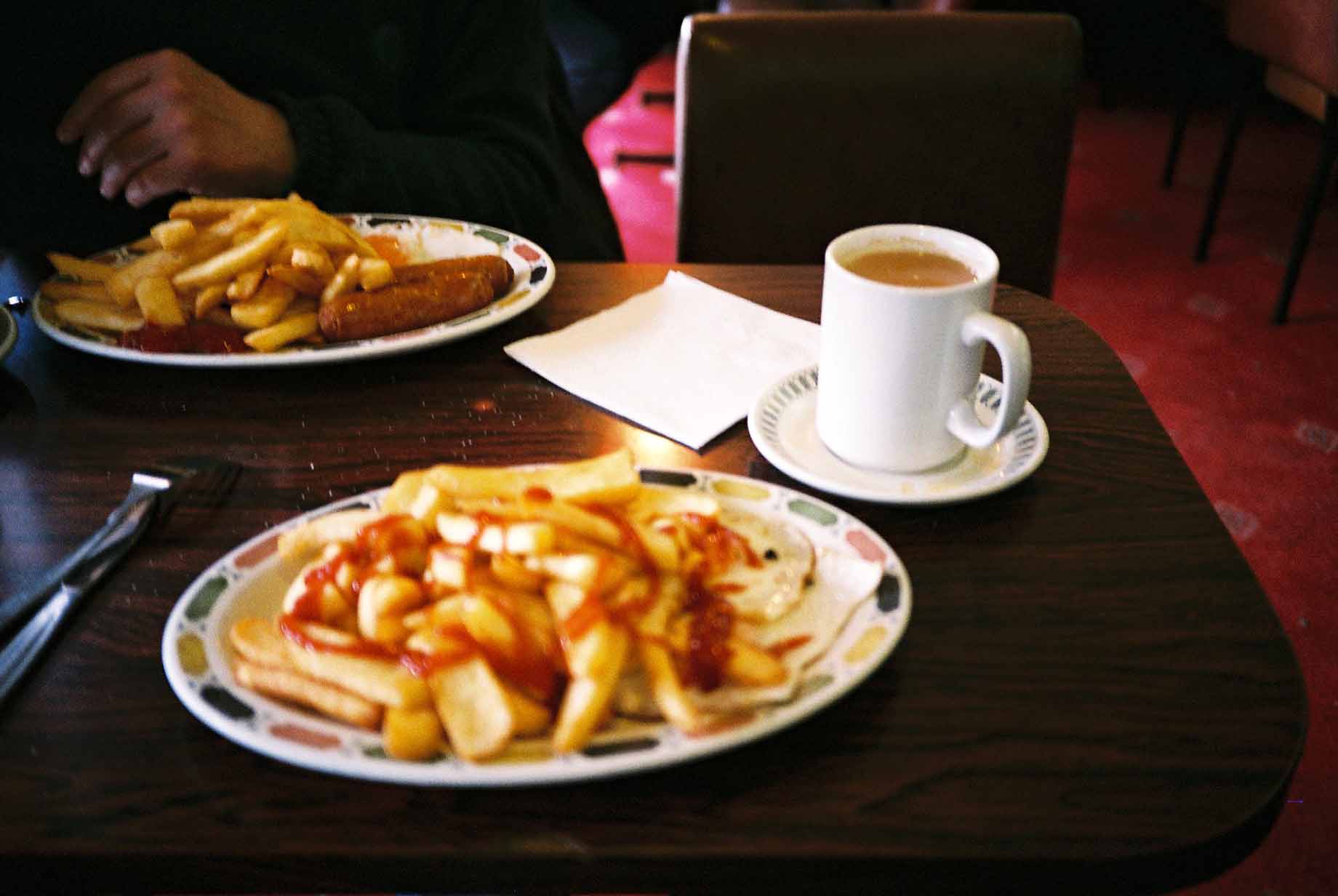
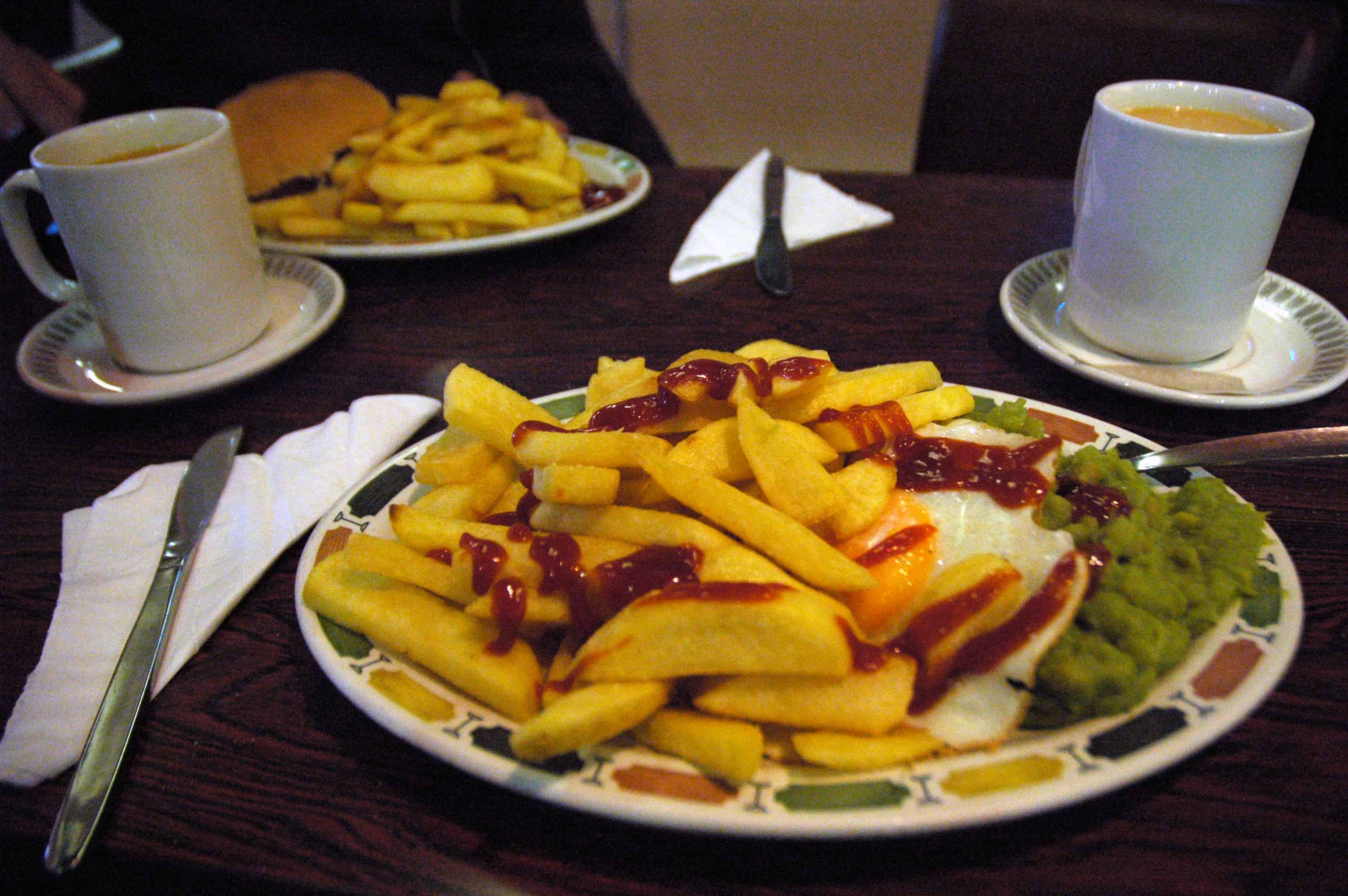
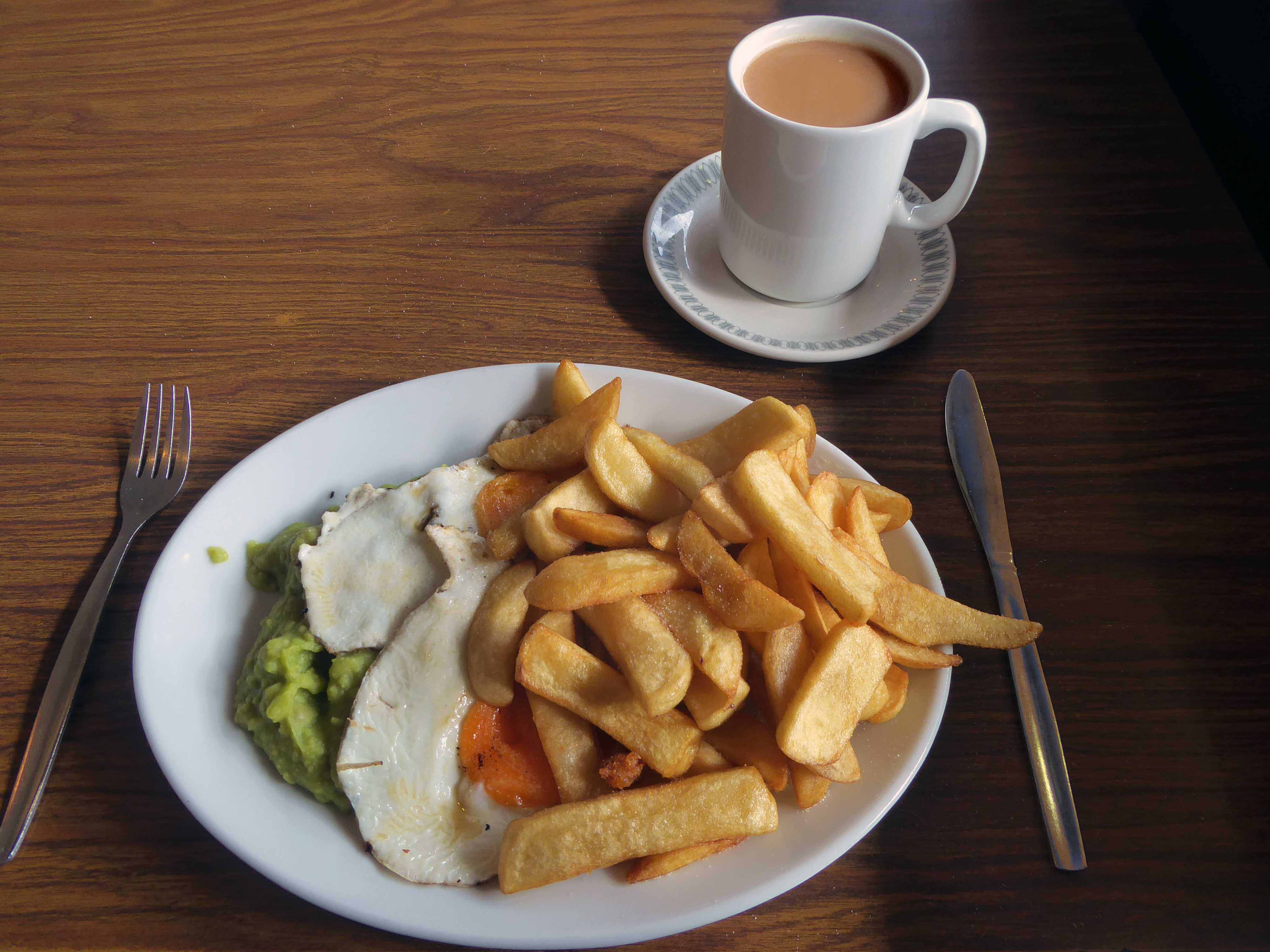
Almost inevitably I order a mug of tea.
Along with a plate of eggs chips and peas.
Eat and drink the lot and leave happy and contented – who can resist a well run, well appointed classic café?
I can’t.
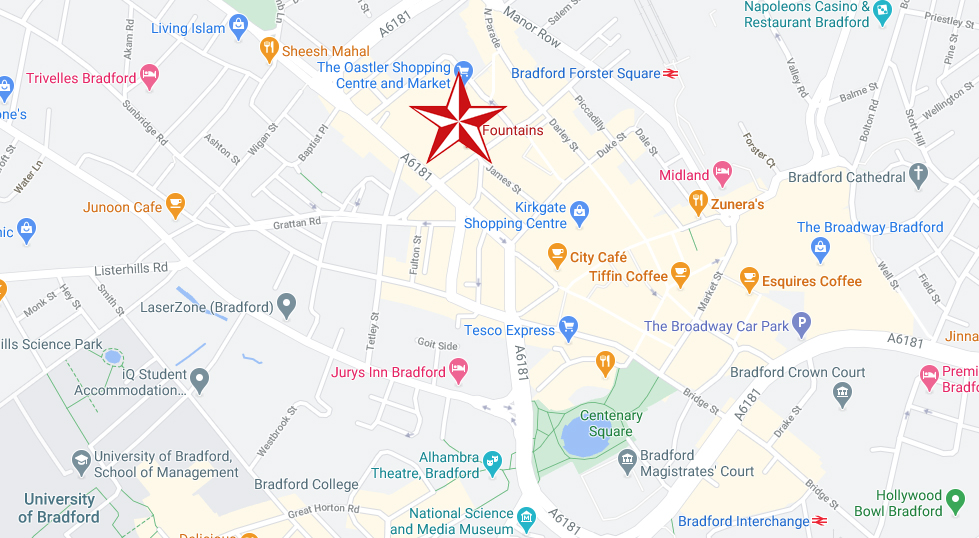
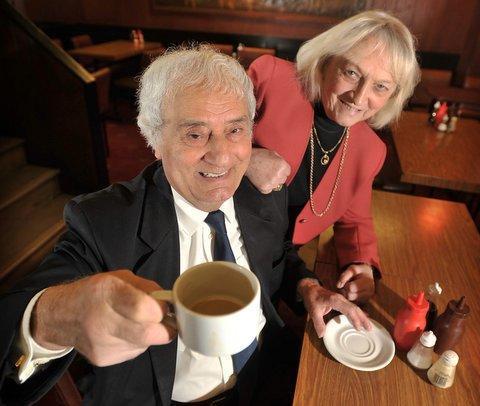
A well-known and respected figure in the Bradford business world, Mr Paul Georgiou ran Fountains Coffee House in John Street for just shy of 50 years alongside his wife Mary, and has run cafés and other businesses in the city for almost six decades.
Other ventures created by Mr Georgiou include the Hole in the Wall nightclub, which was one of the first underground nightclubs in the city centre.It hosted acts including Sir Tom Jones and rockers Thin Lizzy as they rose to fame in the late 1960s and early 1970.
Sadly he passed away in 2019.
His main business Fountains Coffee House is now managed by his son Michael, but when it opened it was one of the first businesses to open in the John Street Market, as the Oastler centre was known then.
There comes a time in everyone’s life, when one simply must go to Rotherham, at least once – so I did.
To keep company with my personal town guide, Sheffield Modernist and local resident, Helen Angell.
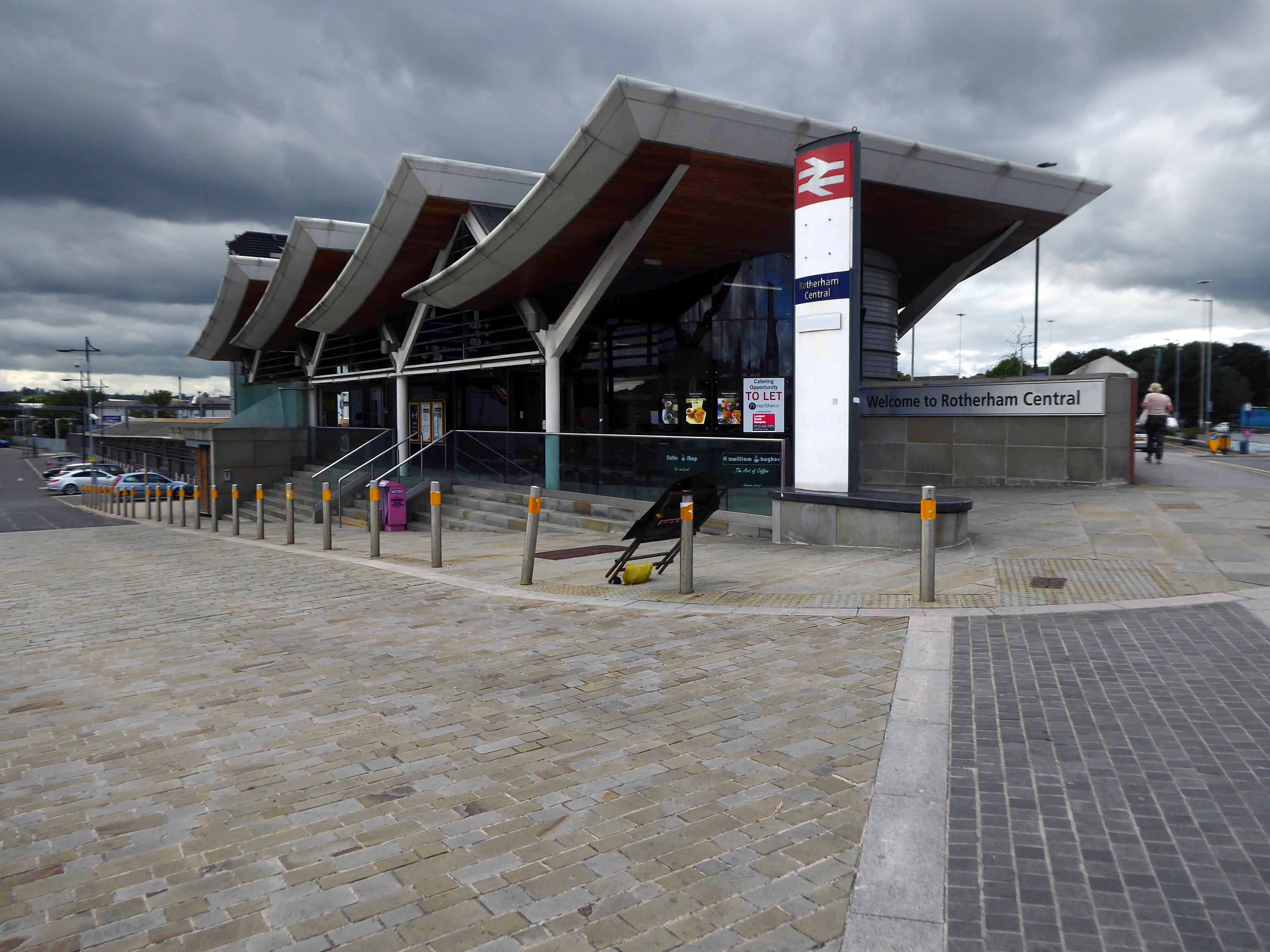
I arrived early at Rotherham Central, so went for a solo wander.
The station was originally named Rotherham, becoming Rotherham and Masborough in January 1889 and finally Rotherham Central on 25 September 1950.
The newish Rotherham Central station was opened to passengers on 11 May 1987, the present iteration on Friday 24 February 2012, as part of the Rotherham Renaissance plans for the regeneration of the town.
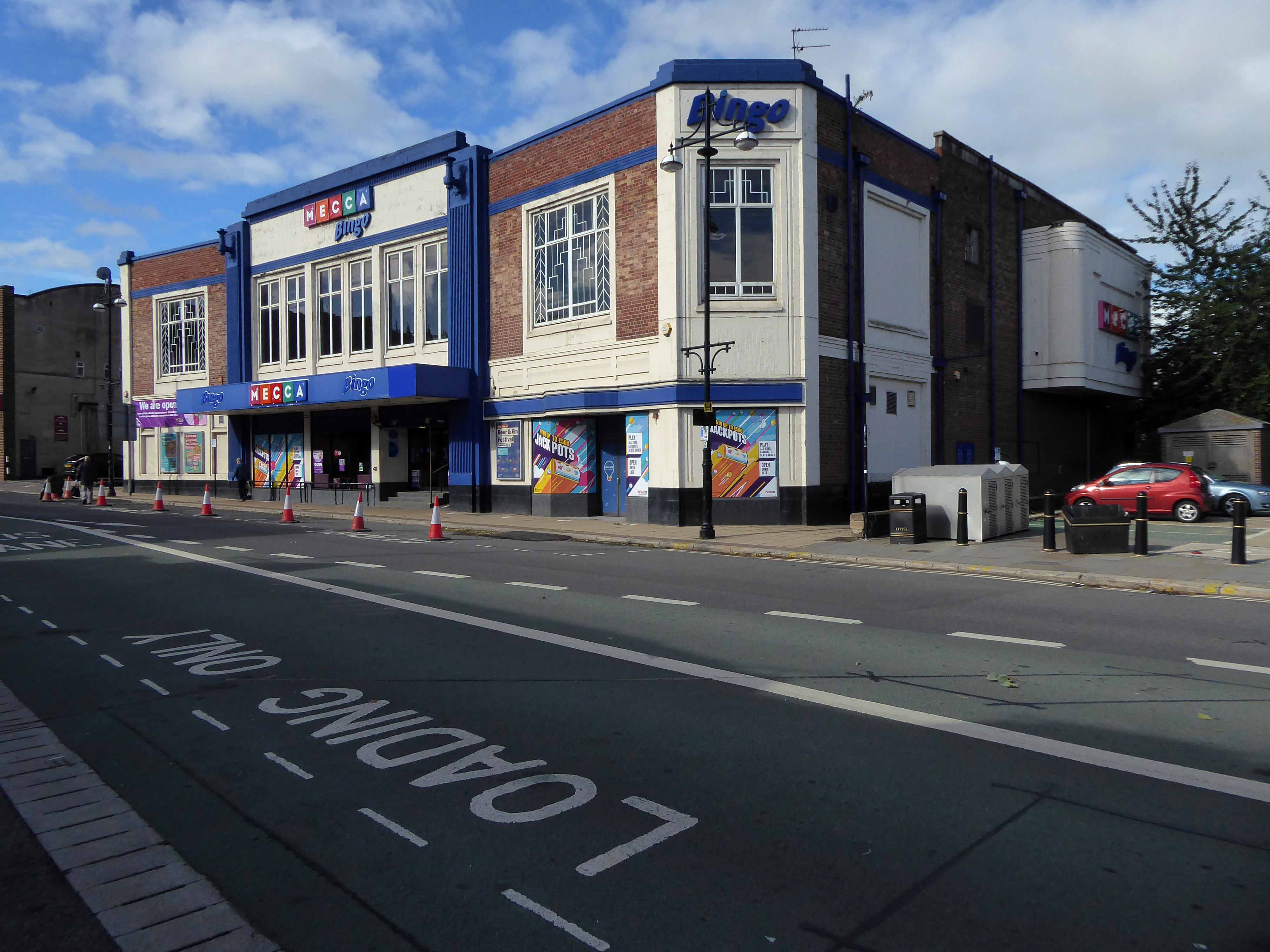
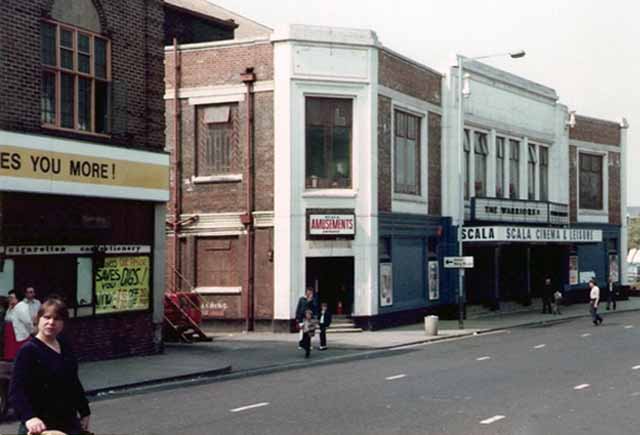
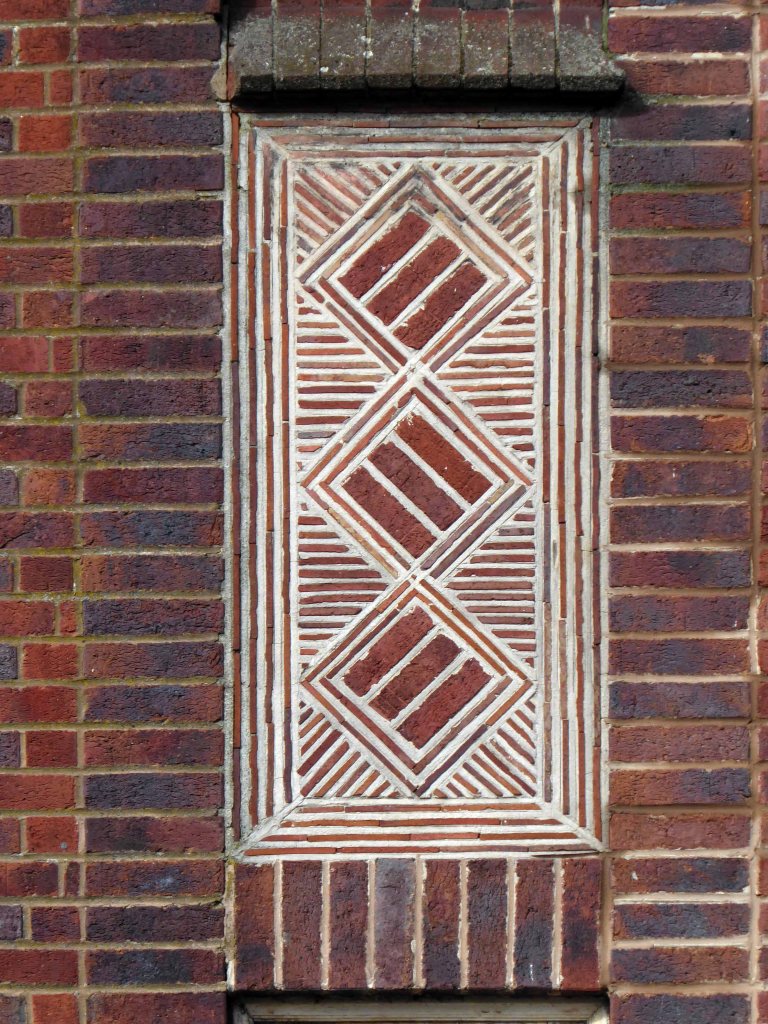
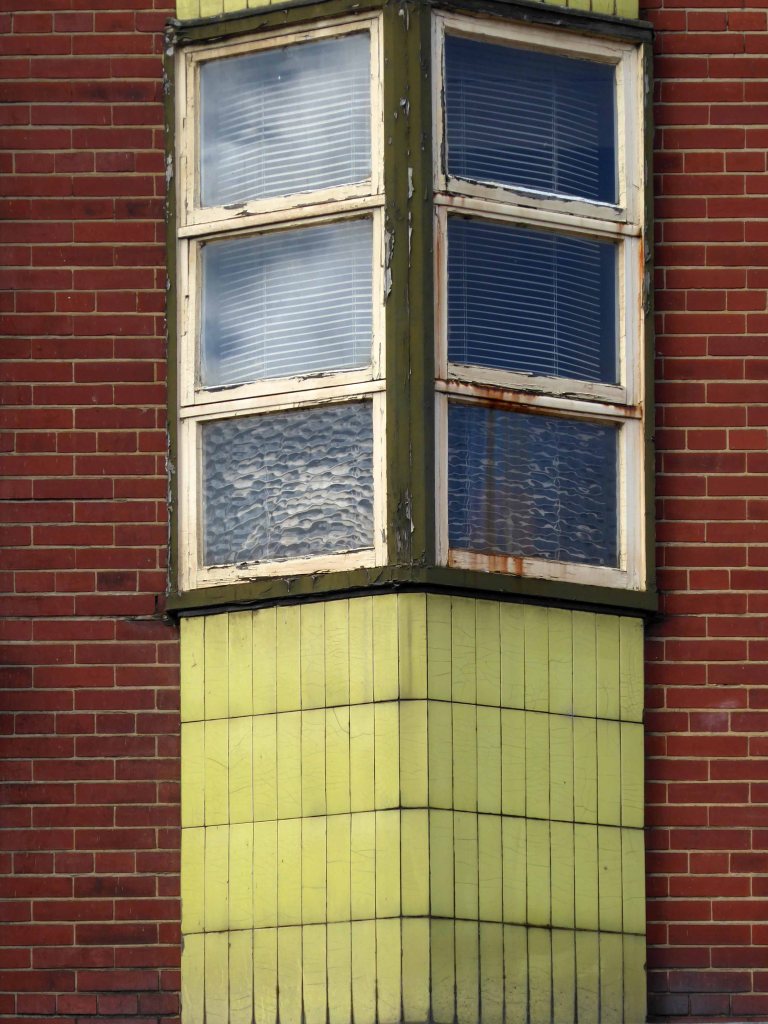
Opened 22 December 1934 as the Regal Cinema with Leslie Howard in Girls Please. Sandy Powell, the famous comedian attended opening night this 1,825 seat. It was designed by the Hull based architectural firm Messrs Blackmore & Sykes for local exhibitor Thomas Wade and was leased to the Lou Morris chain.
By 1937 it was operated by the London & Southern Super Cinemas Ltd. chain. The Regal Cinema was leased to the Odeon circuit in 1946 and was re-named Odeon. It was sold by the Rank Organisation to an independent operator in 1975 and renamed Scala Cinema, by 1981 using the circle only.
Closed 23rd September 1983 with the film Porky’s.
Became a bingo hall initially named Ritz but now Mecca. On 20th February 2020 the building was put up for sale by auction at an asking price of £600,000+, but failed to sell, with the maximum reached £590,000. Mecca bingo continues in the building.
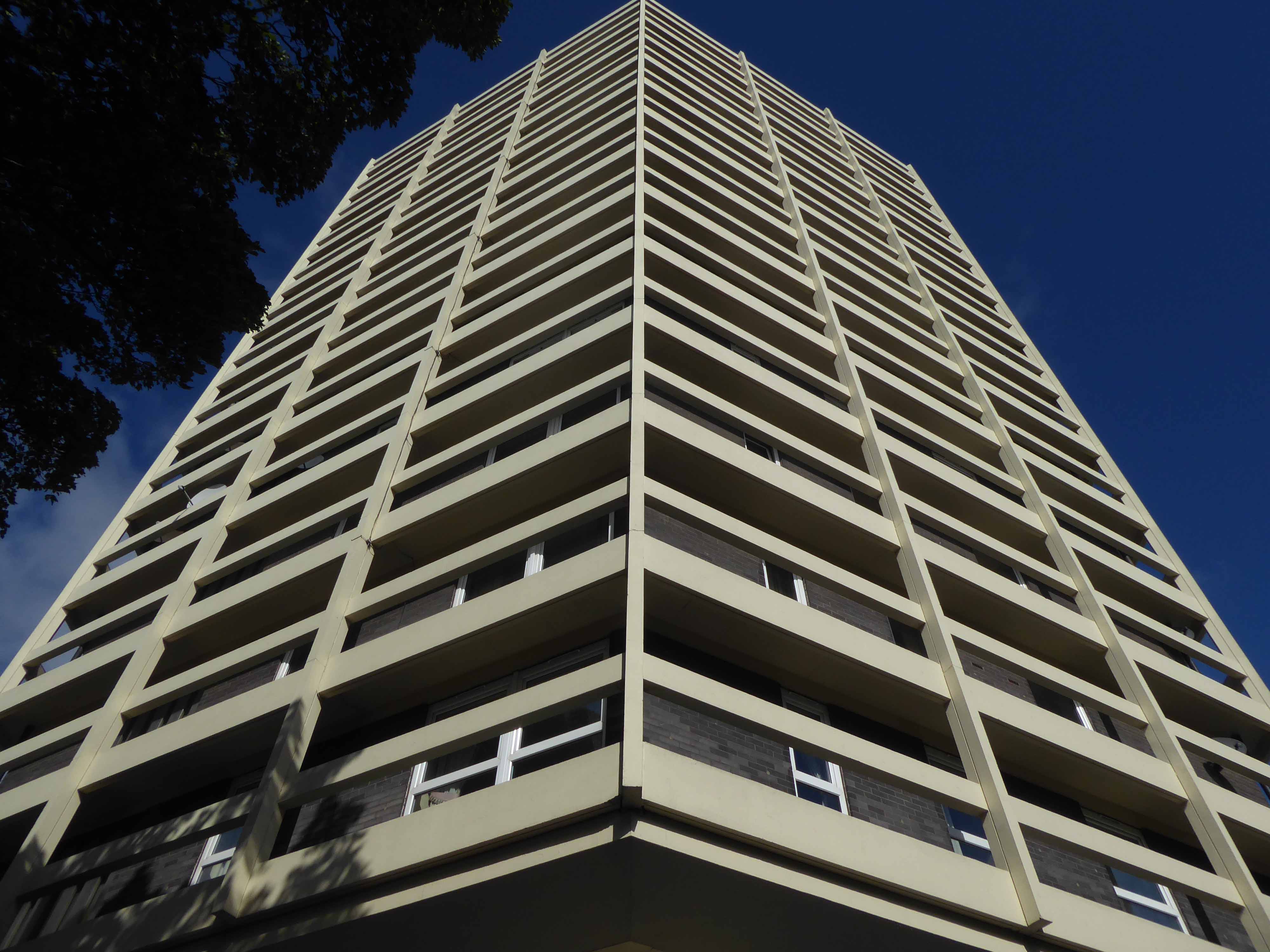
Main contractors J. Finnegan it’s thirteen storeys high – housing forty eight dwellings.
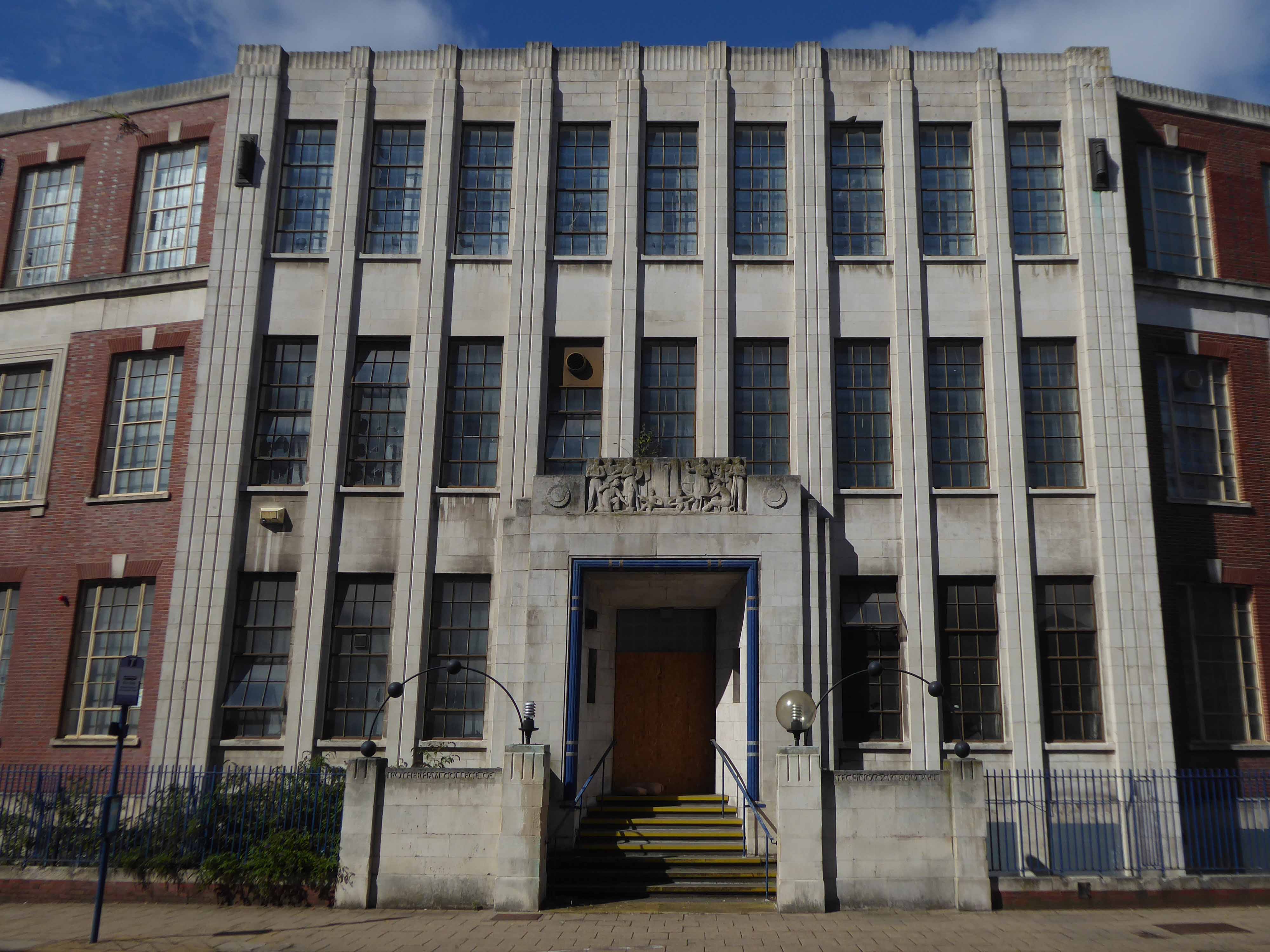
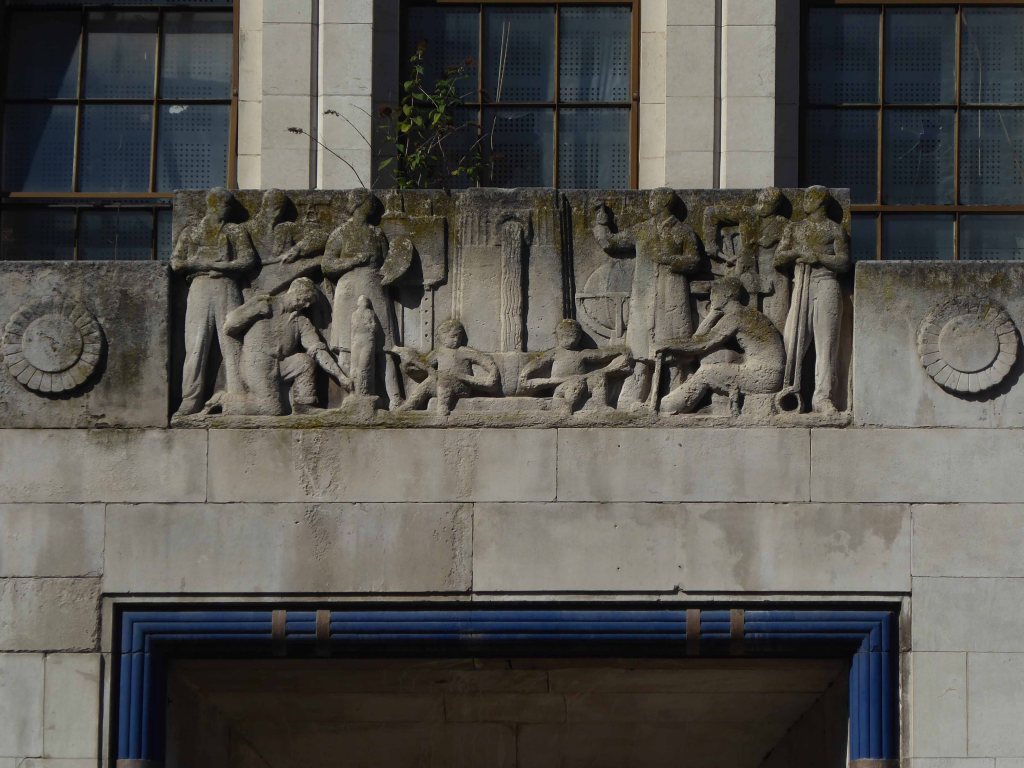
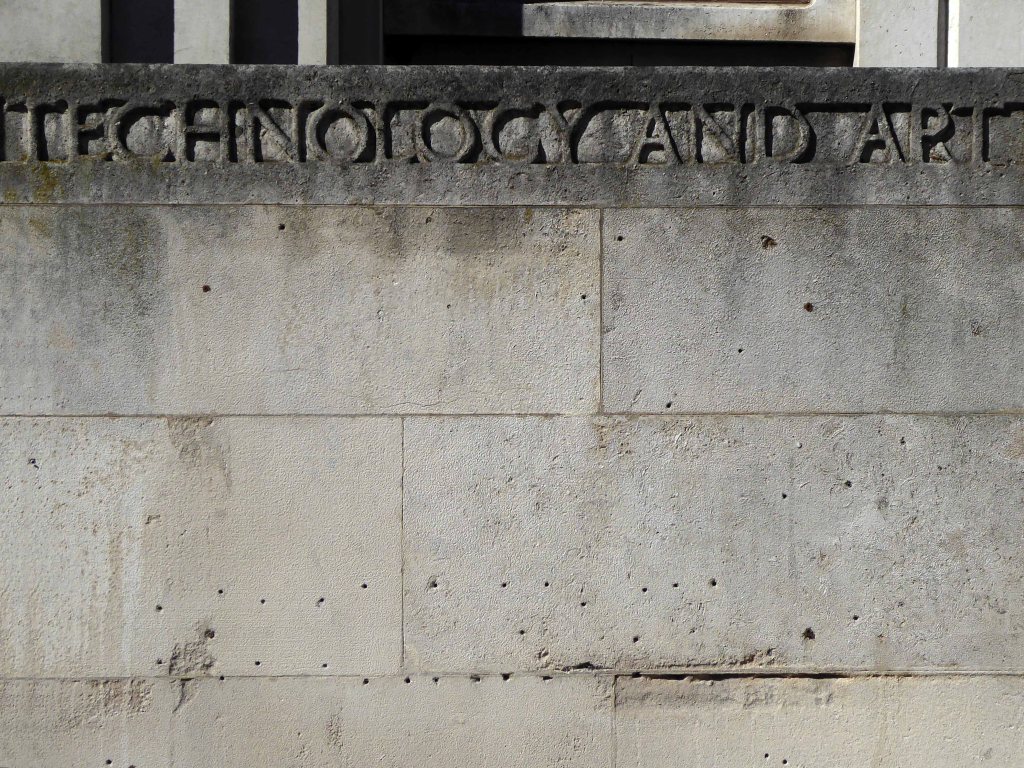
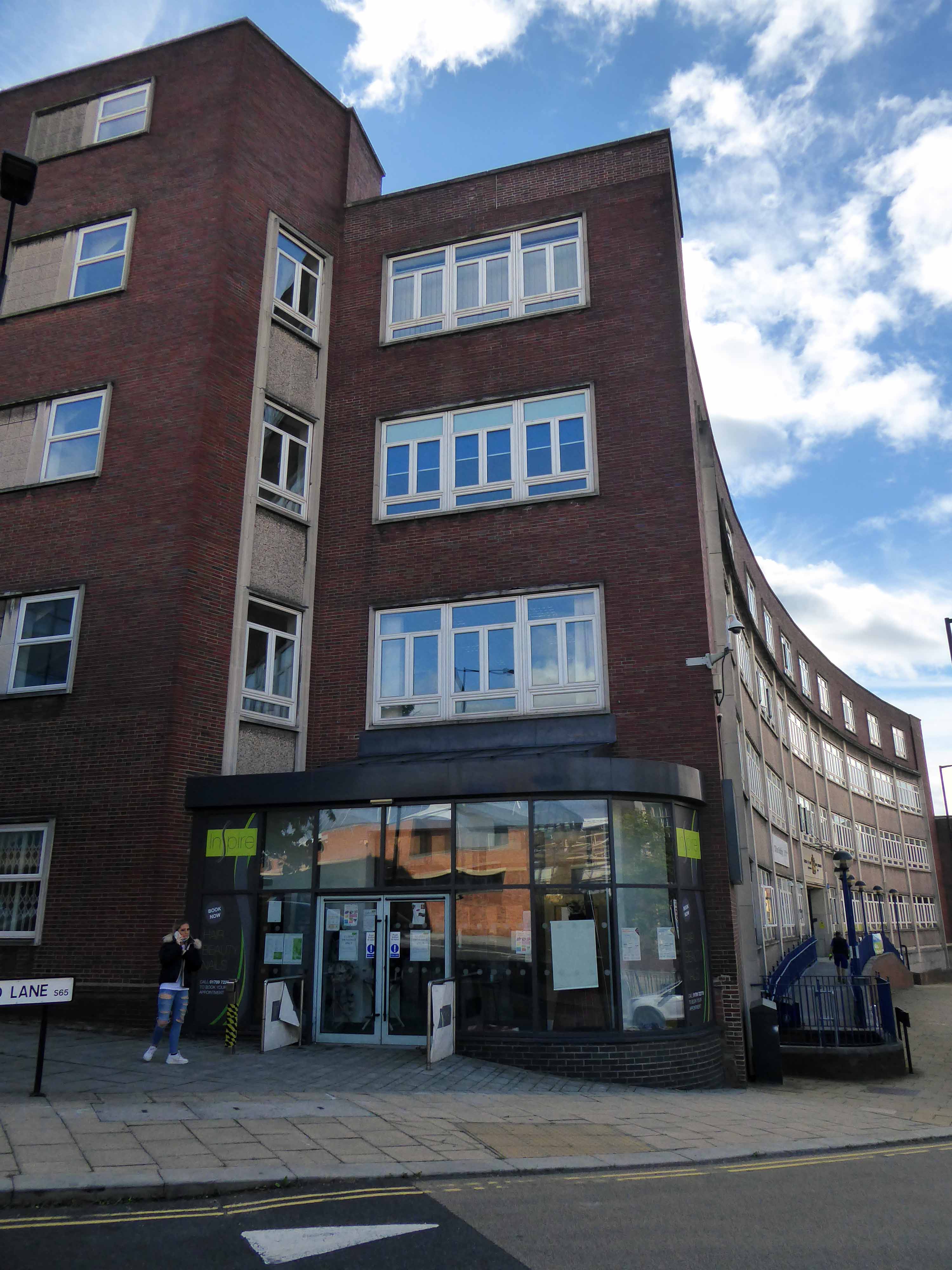
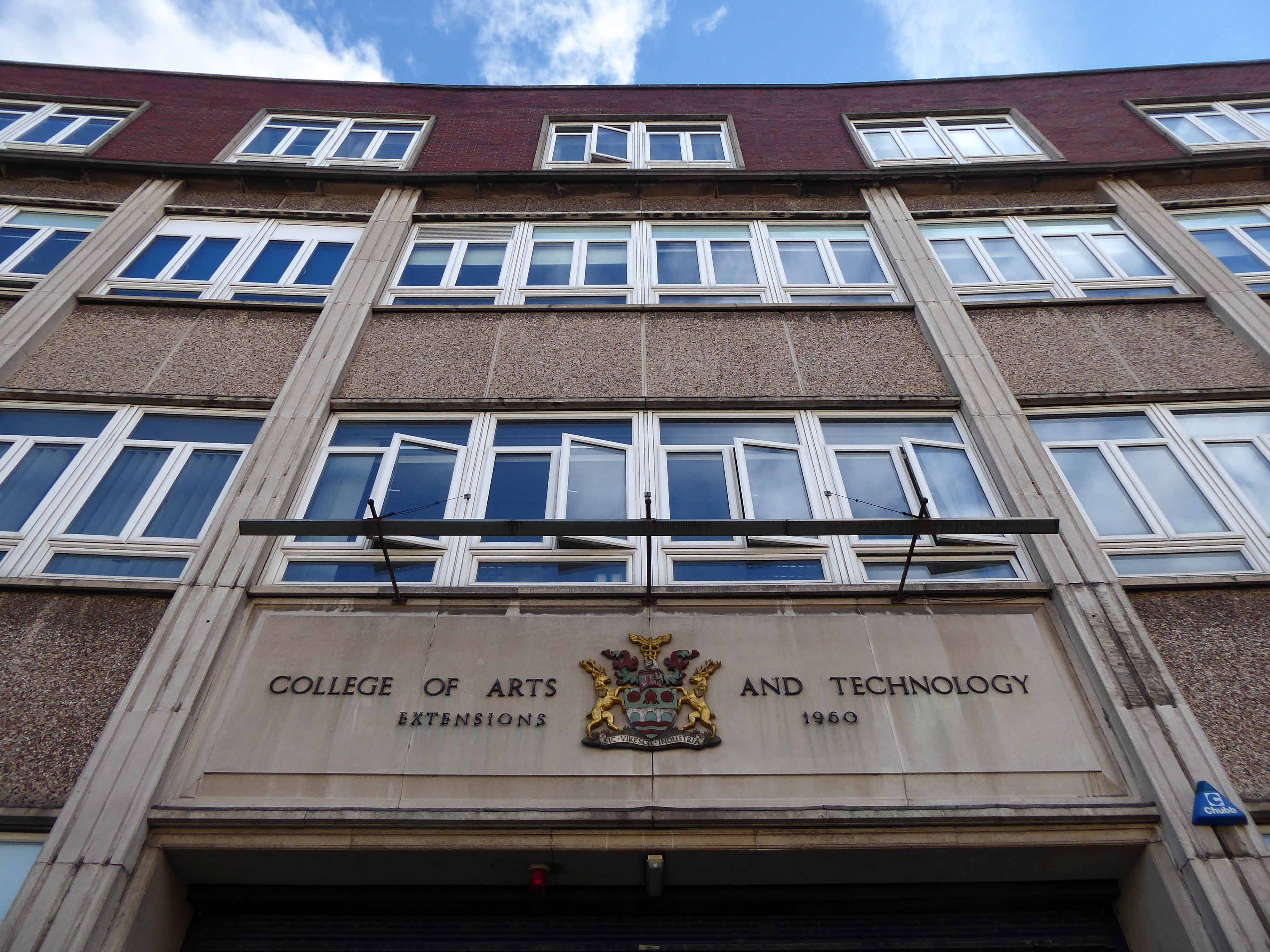
Interwar Technical College – Howard Building
From the 1930s, it provided technical-orientated education from the Howard Building on Eastwood Lane, Rotherham. In 1981, three neighbouring colleges of arts, technology and adult education were merged into one. As a result, the college became known as Rotherham College of Arts and Technology.
Revised plans to convert the historic Howard Building in Rotherham town centre into self-contained studios and apartments have been approved by the planning board at Rotherham Council.
The prominent former college building was sold prior to going to auction last September after it was advertised as a development opportunity and given a guide price of £250,000 by local auctioneers, Mark Jenkinson & son.
A group of rogue property directors with links to a prominent derelict building in Rotherham have been banned for a total of 54 years. The six, of Absolute Living Developments, were found to have misled more than 300 people to invest at least £12 million in residential properties.
The firm was linked through a lender to Avro Developments, which had plans passed in 2015 to renovate former college block the Howard Building in Rotherham town centre.
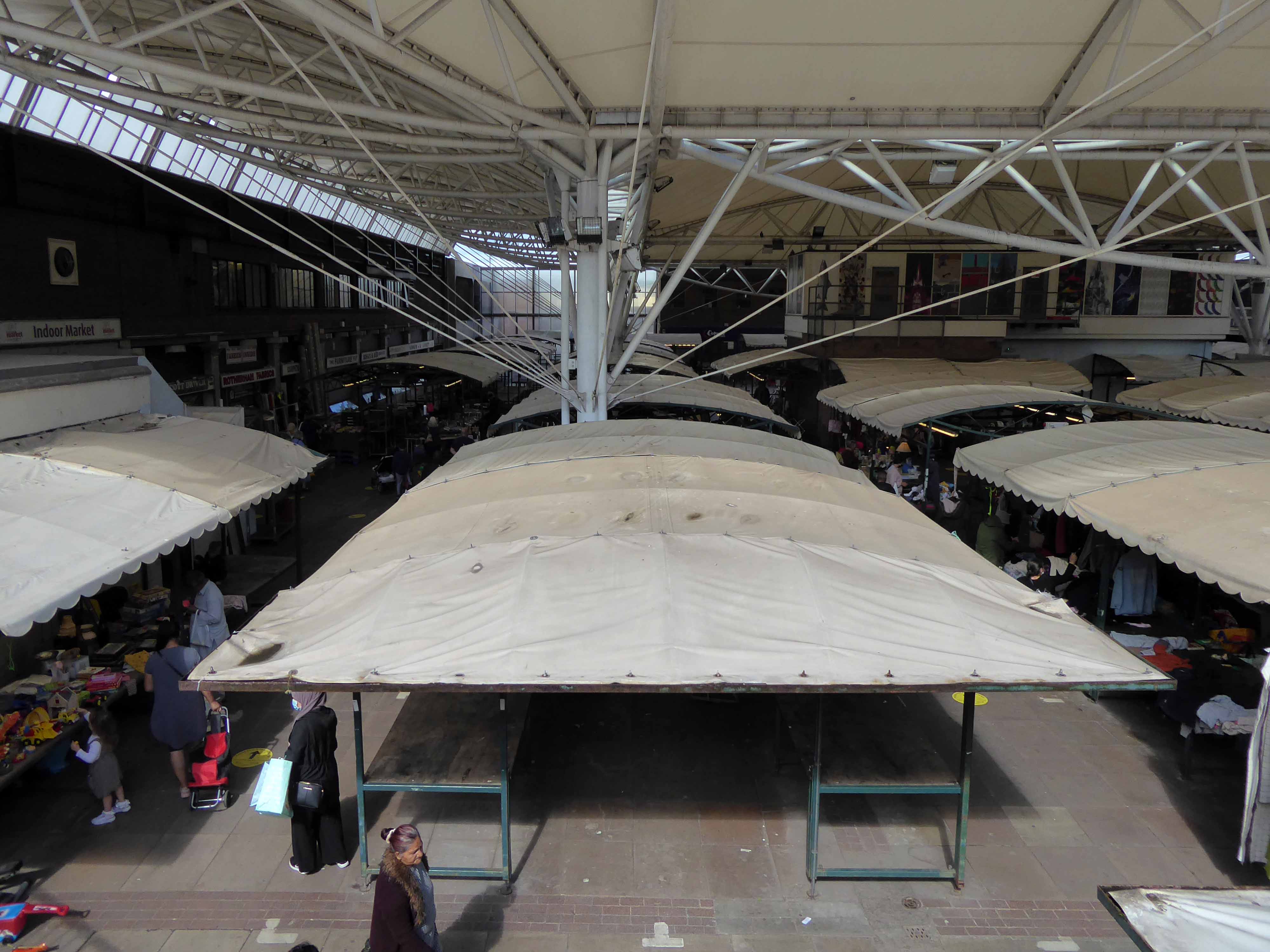
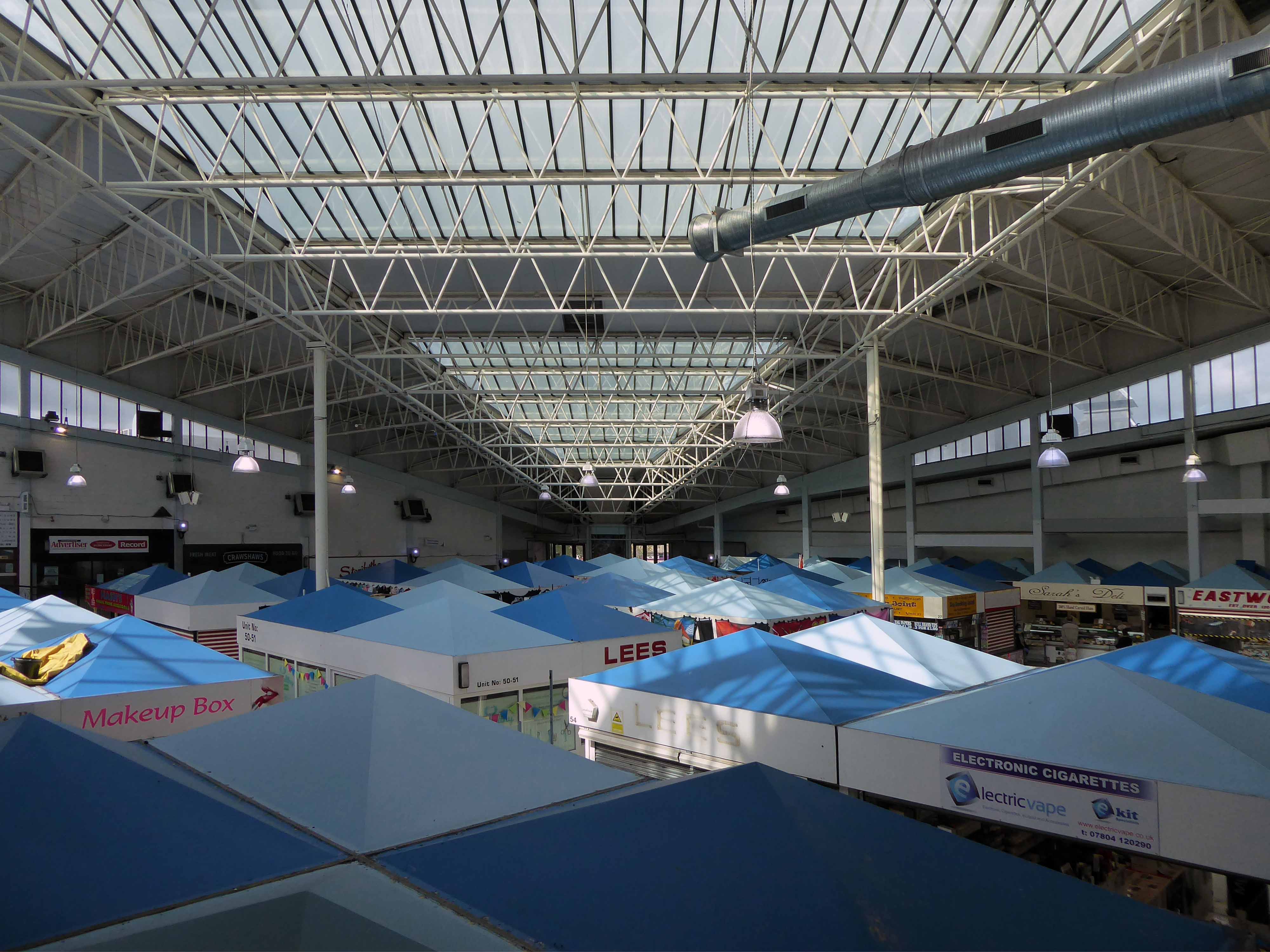
With a strident high tech canopy, very recently added – though Rotherham’s history stems back 800 years when it is thought that the original royal market charter was granted by King John in the year 1207.
There are traces of the 1970’s rebuild.
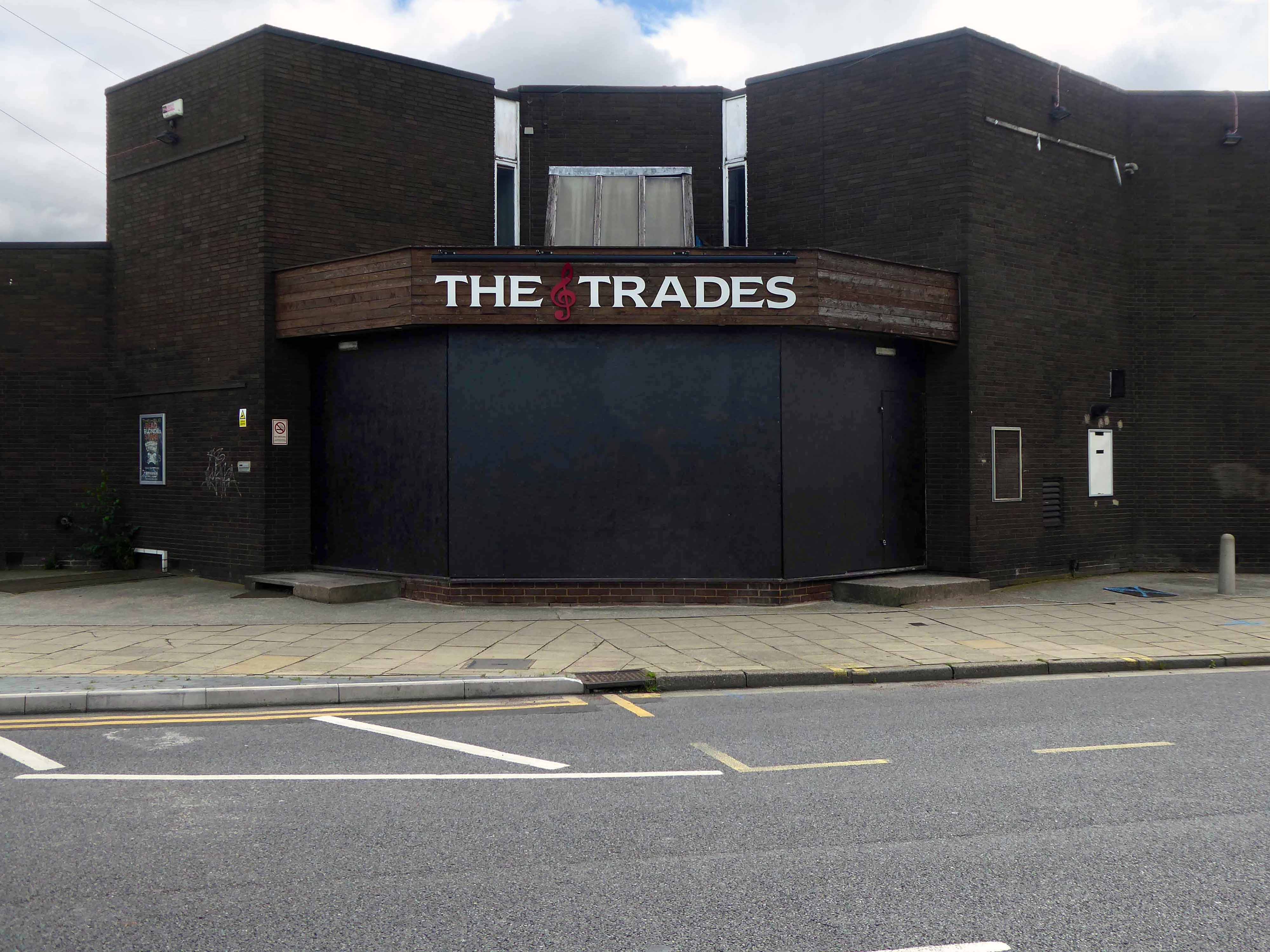
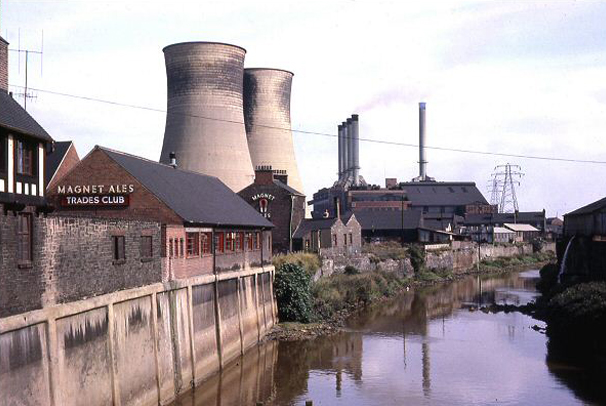
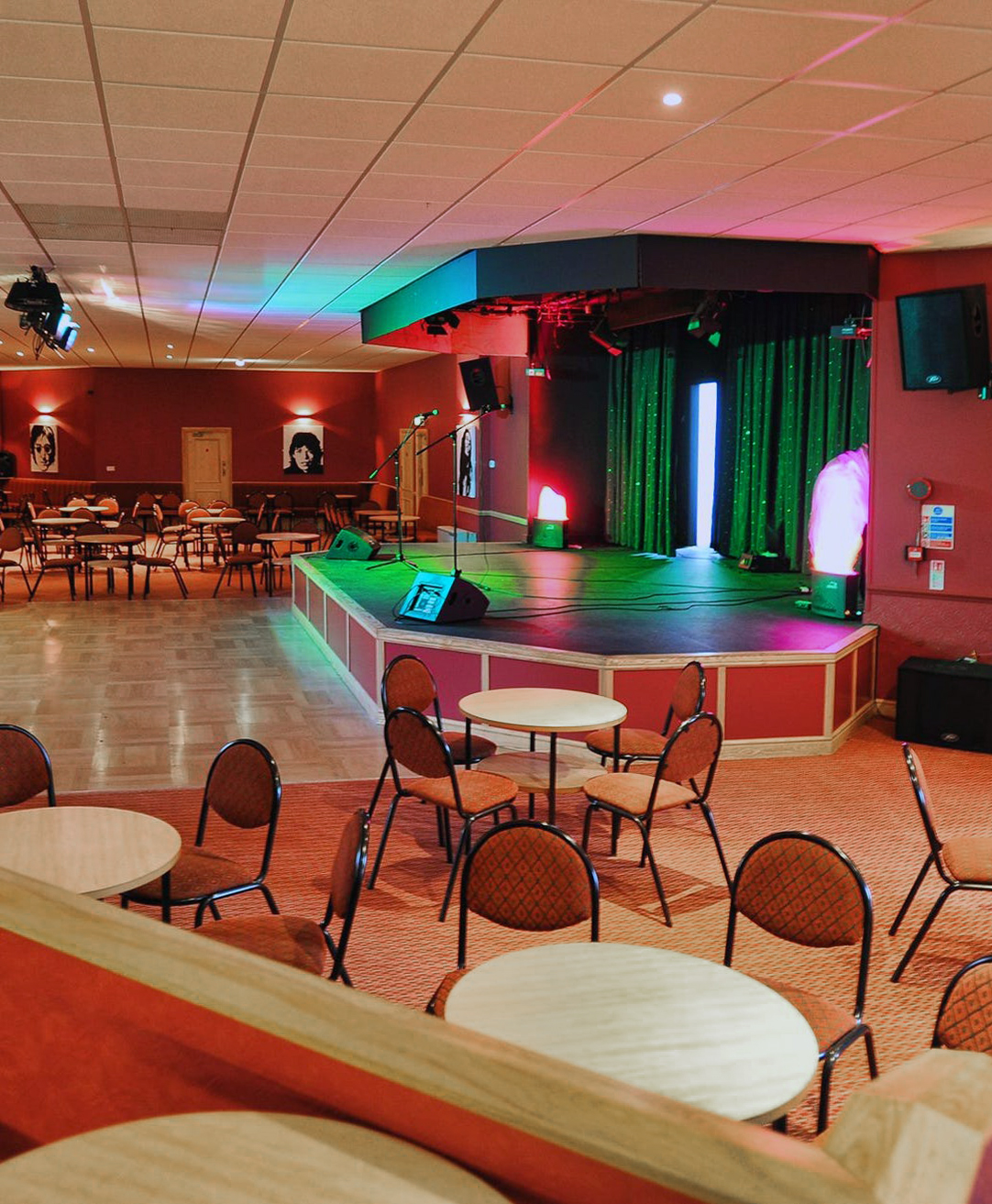
Bunker-like The Trades former music venue/pub, which replaced the former riverside Trades Club.
The PA now silenced.
This was an amazing event. The bands were really good and the drinks offers, while limited, were good. The ceiling in the ladies toilets had fallen through and was dripping, presumably there had been a leak from all the rain, but this didn’t lessen the awesome experience.
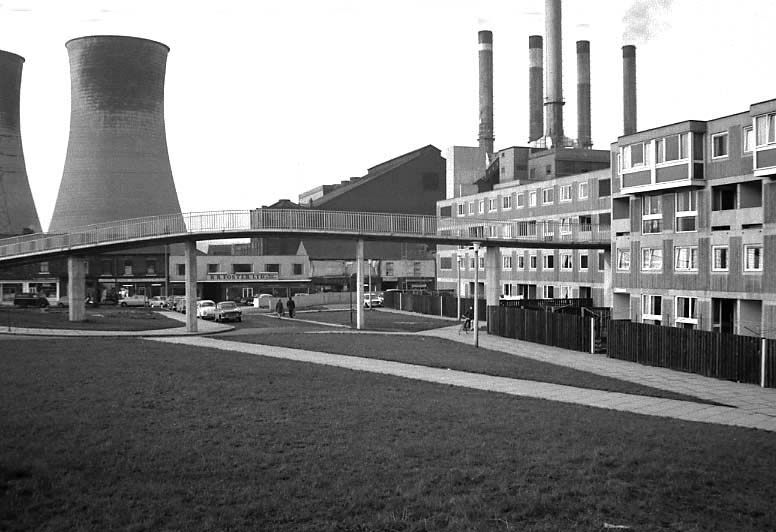
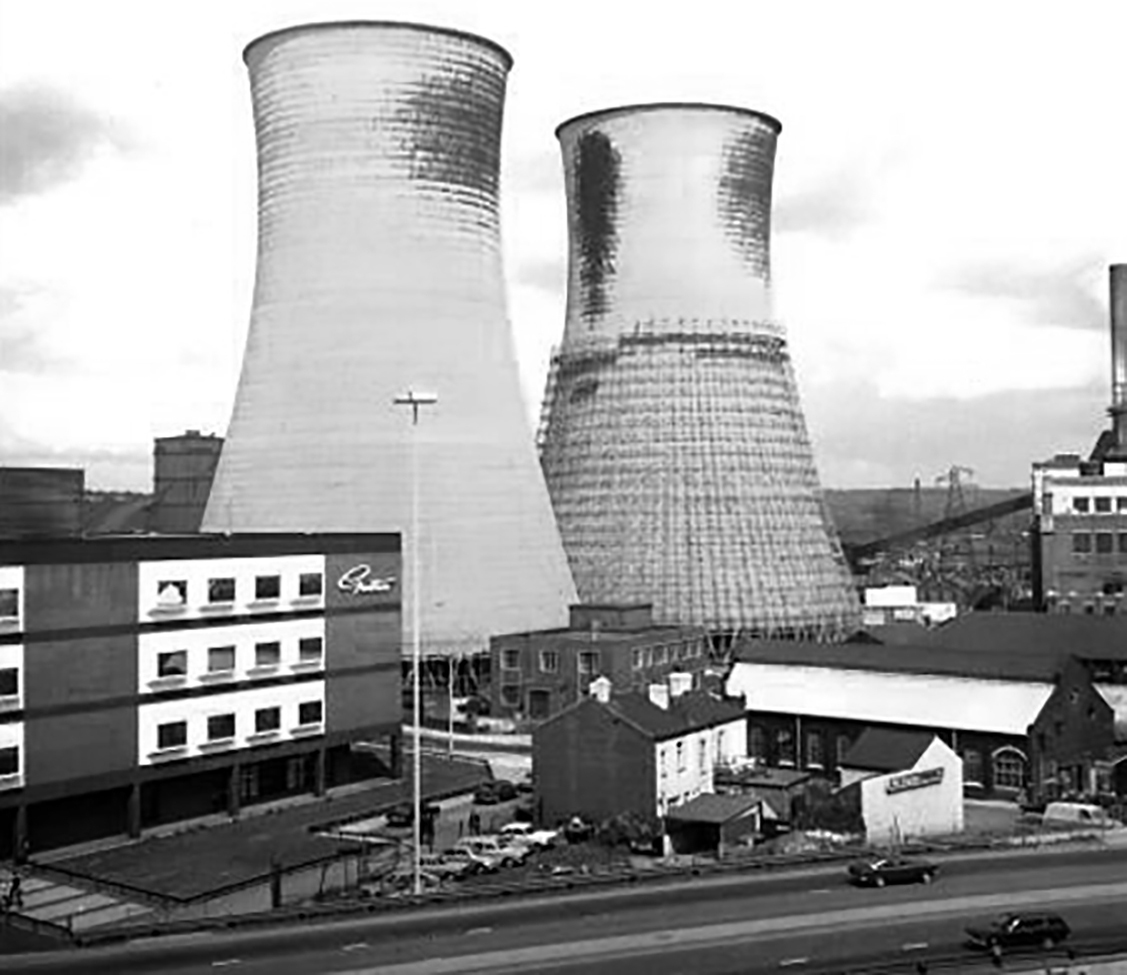
The cooling towers and flats are long gone – the coal-fired power station operated from 1923 until October 1978.
The Prince of Wales Power Station in Rotherham was located on Rawmarsh Road and was opened by the Prince of Wales – the future King Edward VIII.
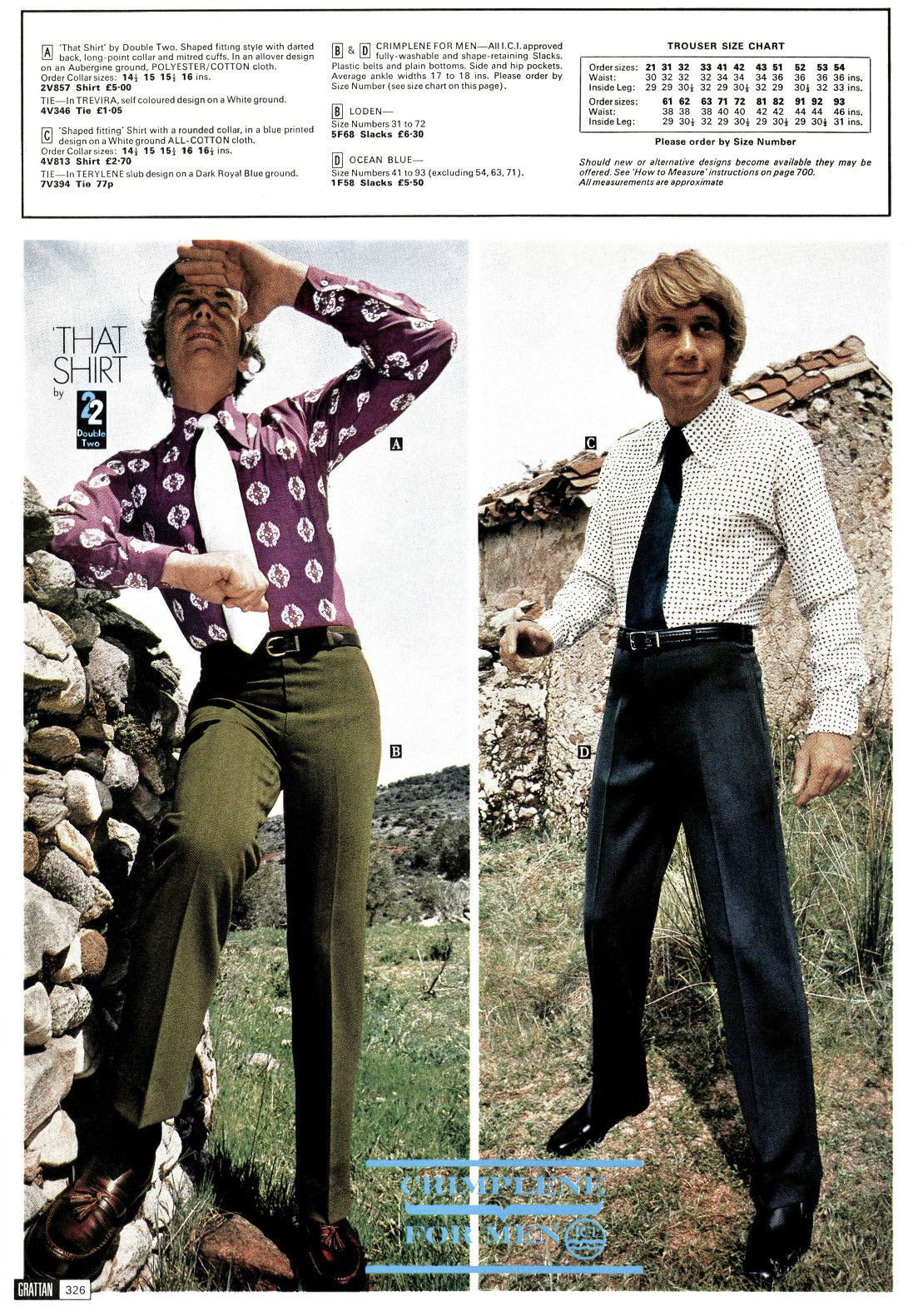
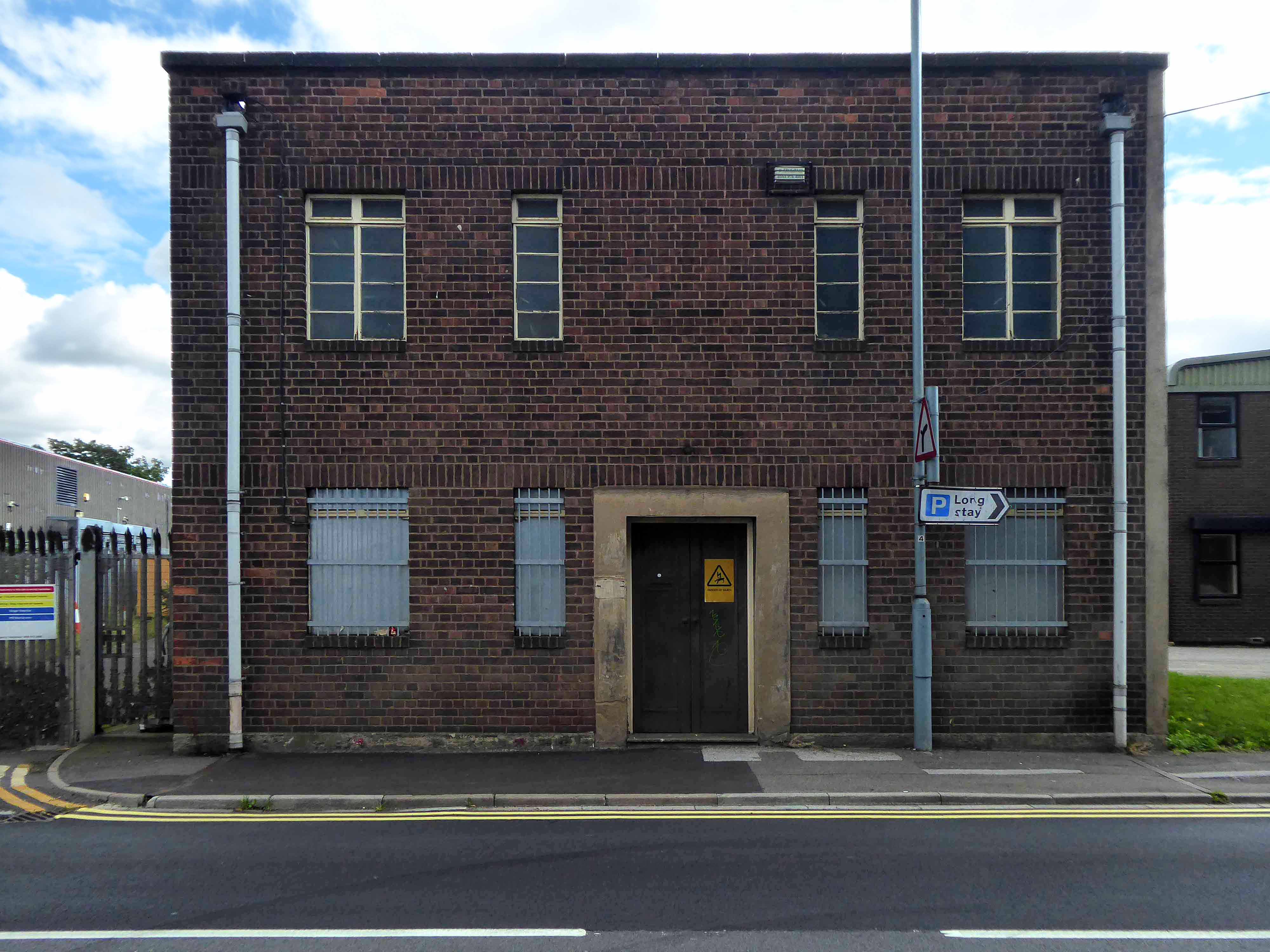
The former Grattans catalogue offices can be seen to the left.
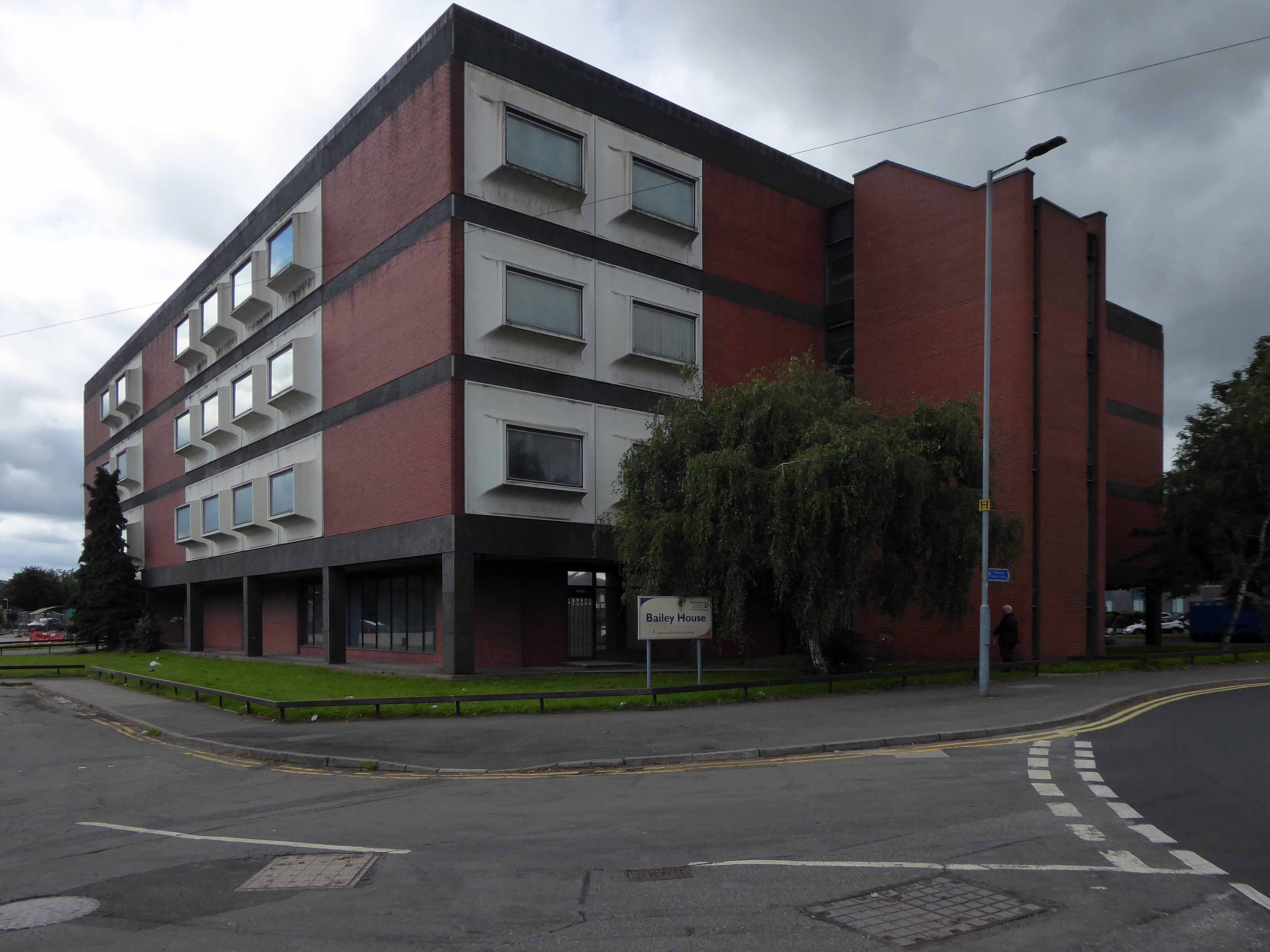
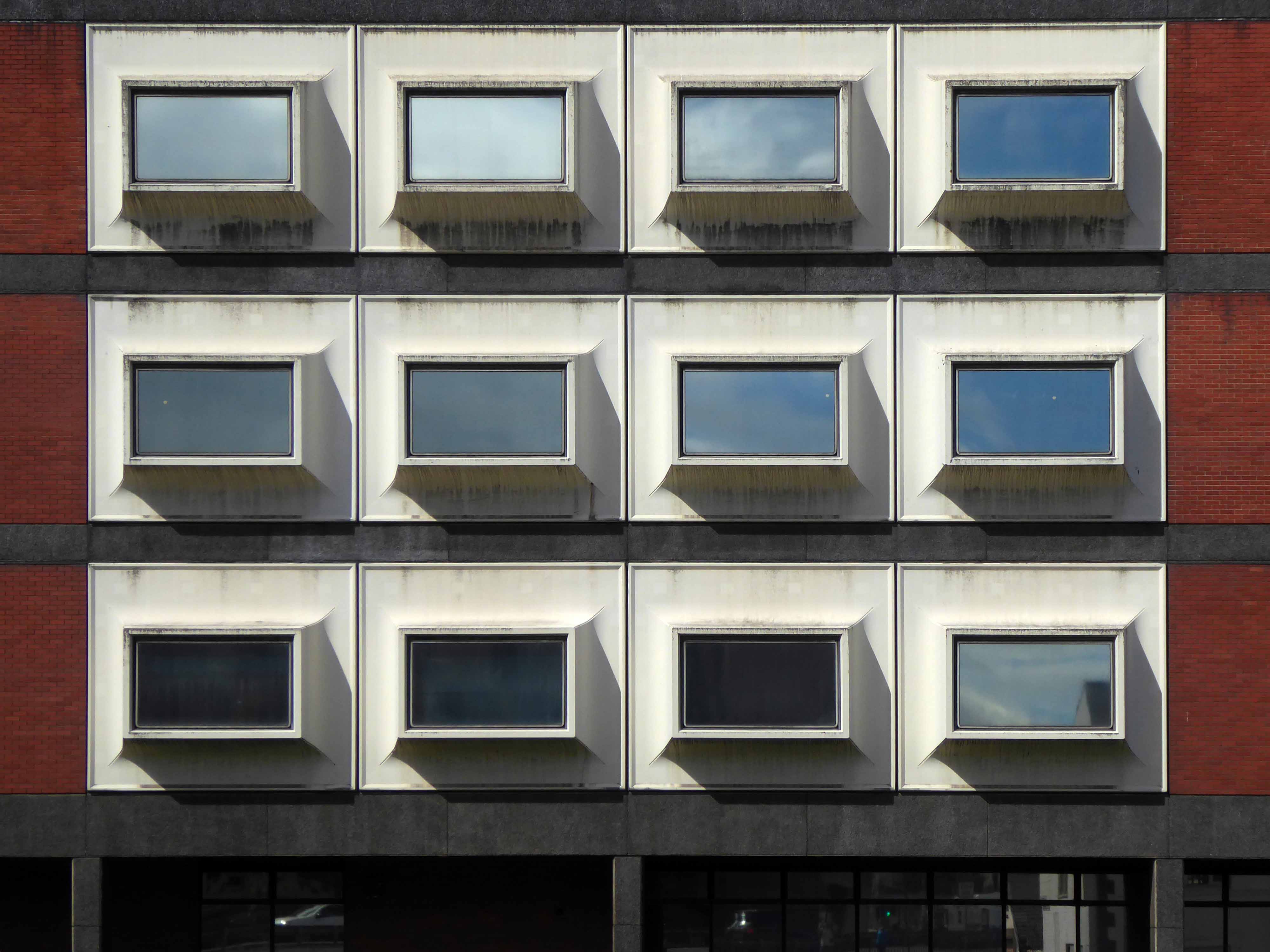
Renamed Bailey House and still in use by the local authority, its days it seems are numbered.
The building is named after Rotherham-born engineer Sir Donald Bailey whose ingenious bridge designs played a key role in shortening World War II, the house in which Bailey was born, 24 Albany Street is still standing.
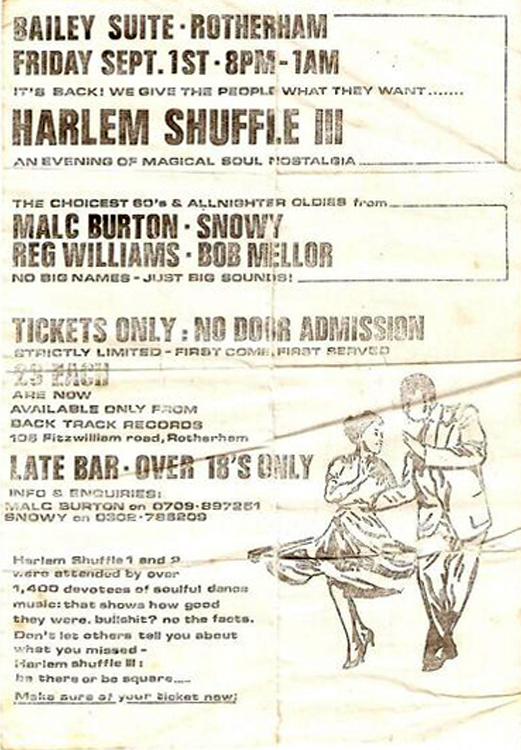
Sadly no longer home to the Harlem Shuffle
No big names – just big sounds.
There are some surviving power station buildings.
Along with electrical infrastructure.
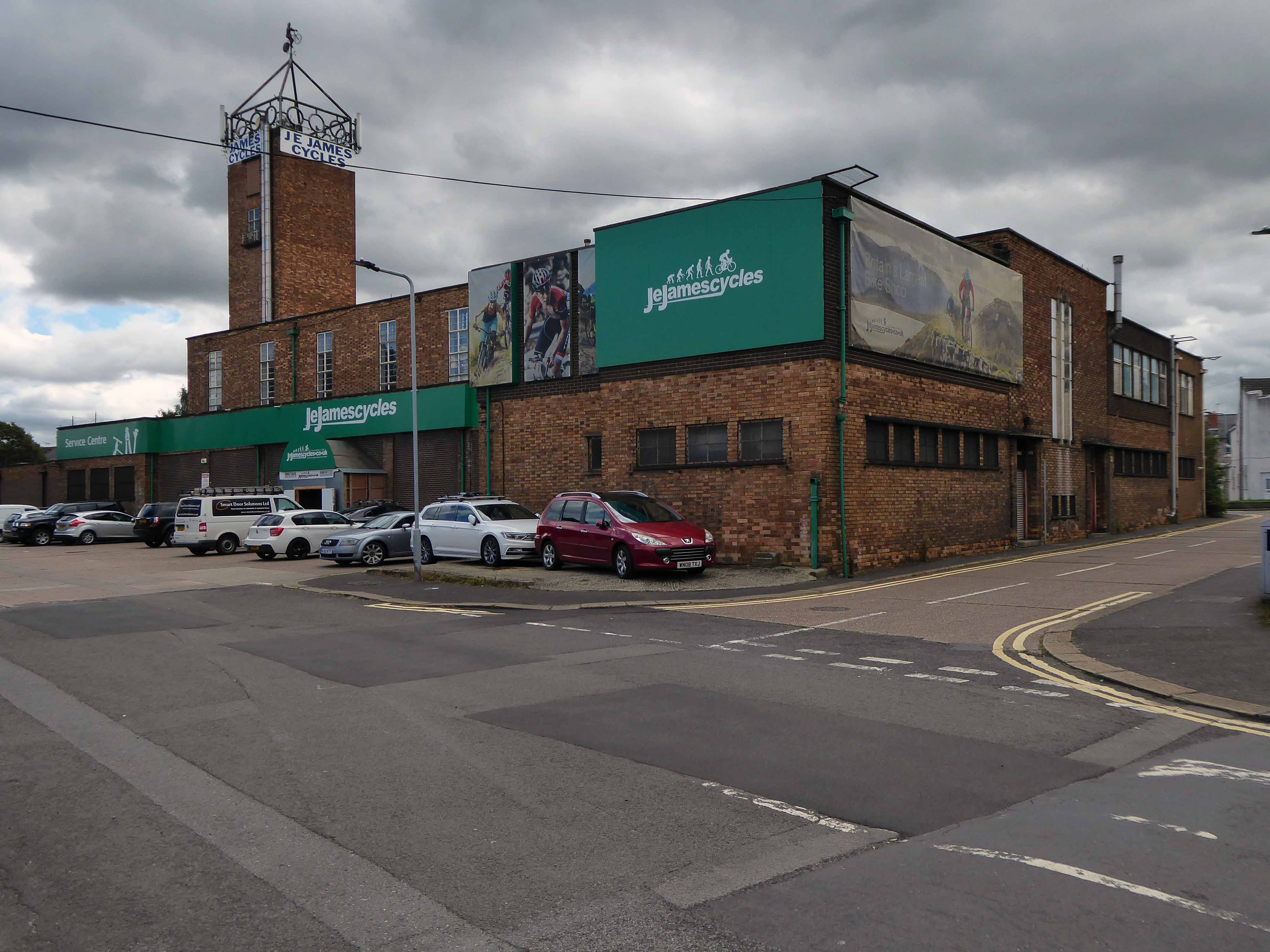
Up the road next, to the former fire station, which now houses J E James Cycles.
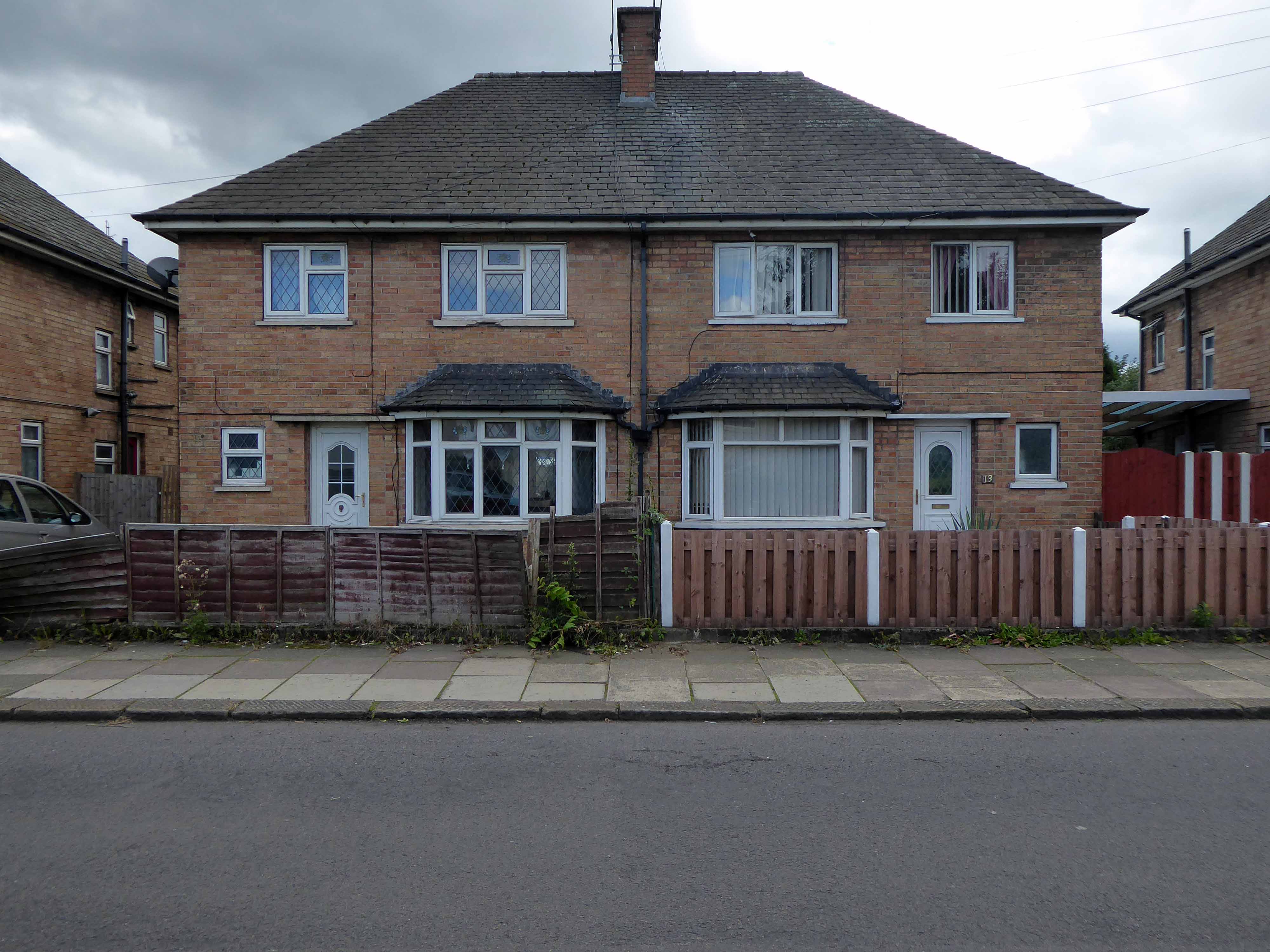
It is surrounded by typically atypical inter war housing.
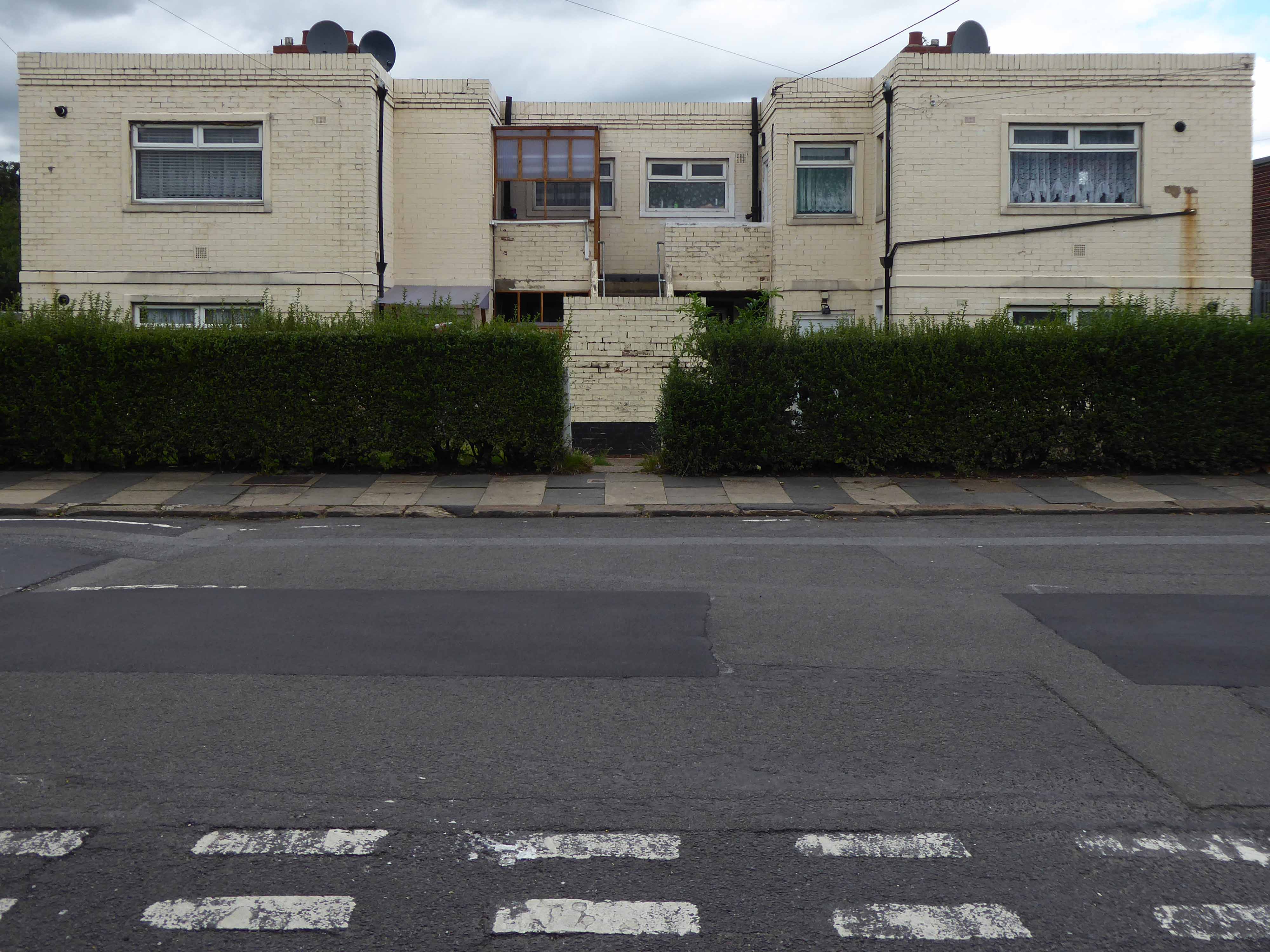
I could make the wild assumption, that these flat roofed maisonettes were originally homes fit for firefighters.
With a final notable note regarding Rotherham’s hand painted council commissioned signage – I’d like to think that they have a sign writer in their employ.
Many thanks to my learned companion Helen – thanks for a fine day out, so much to see and do!
Having walked from Hebden Bridge to Halifax with Mr Phil Wood, we approached Hall Street – and gazed admiringly at this striking building, from across the A58.
Attributed to C.S. Oldfield and it was completed in 1972 apparently they did the relief too.
20th Century Society
A low serrated, ridge and furrow conical roof, corona and steel spire breaking the skyline.
Very much a building of two halves, the single storey hall, adjoining the body of the church, which is raised on a plinth.
They are linked by an internal hallway.
An intriguing mix of restrained classical detailing, along with the more modernistic roof and internal structure.
From the outside it is possible to discern the stained glass panels in the corona.
To the right of the main entrance is a modular sculptural relief, modelled in concrete cast in fibreglass.
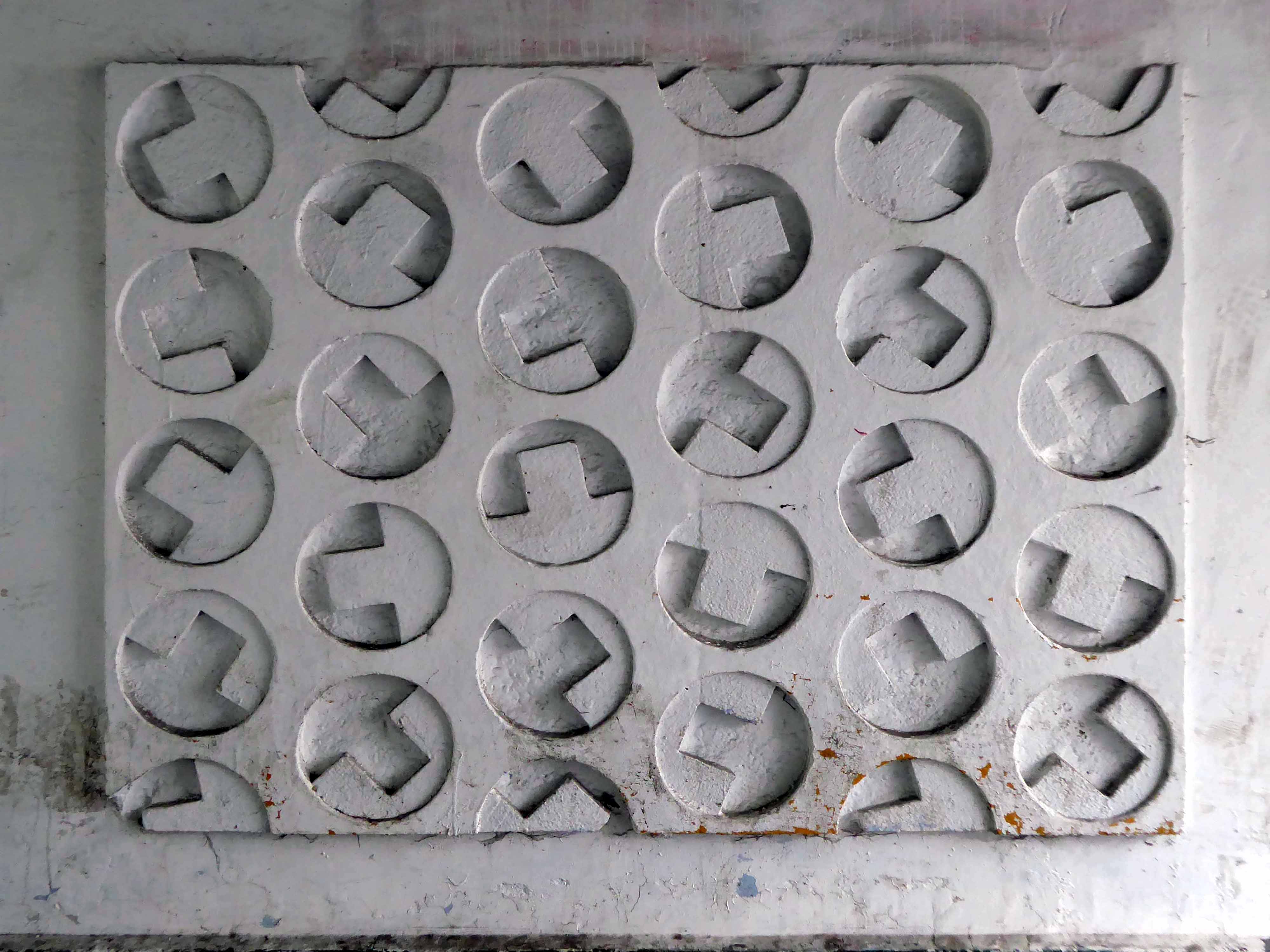
There are eight individual modules, set in a grid of six by eleven – sixty six in total, rotated to break up the rhythm of the piece.
I was blessed on the day of my visit, with permission to photograph the interior, many thanks to Pastor Mark.
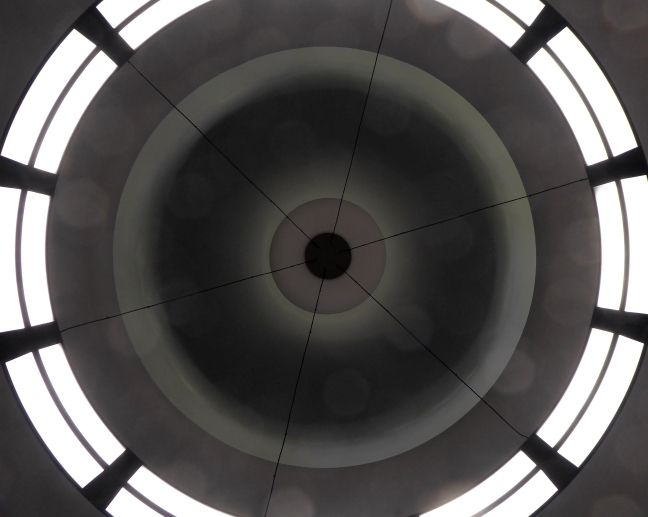
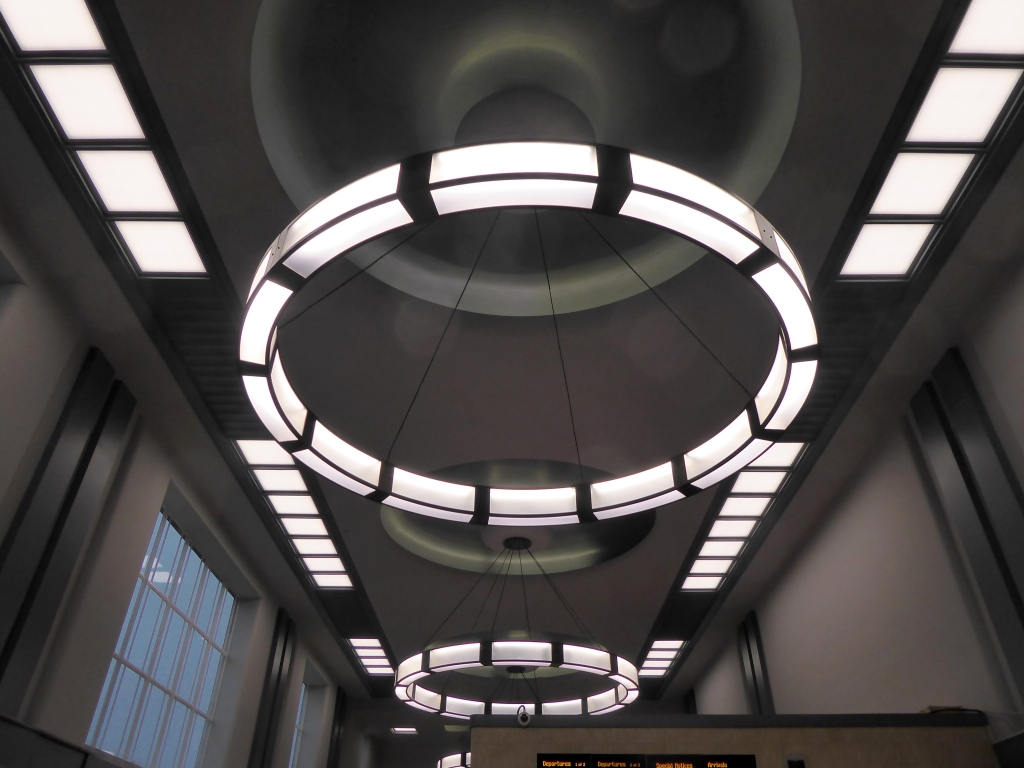
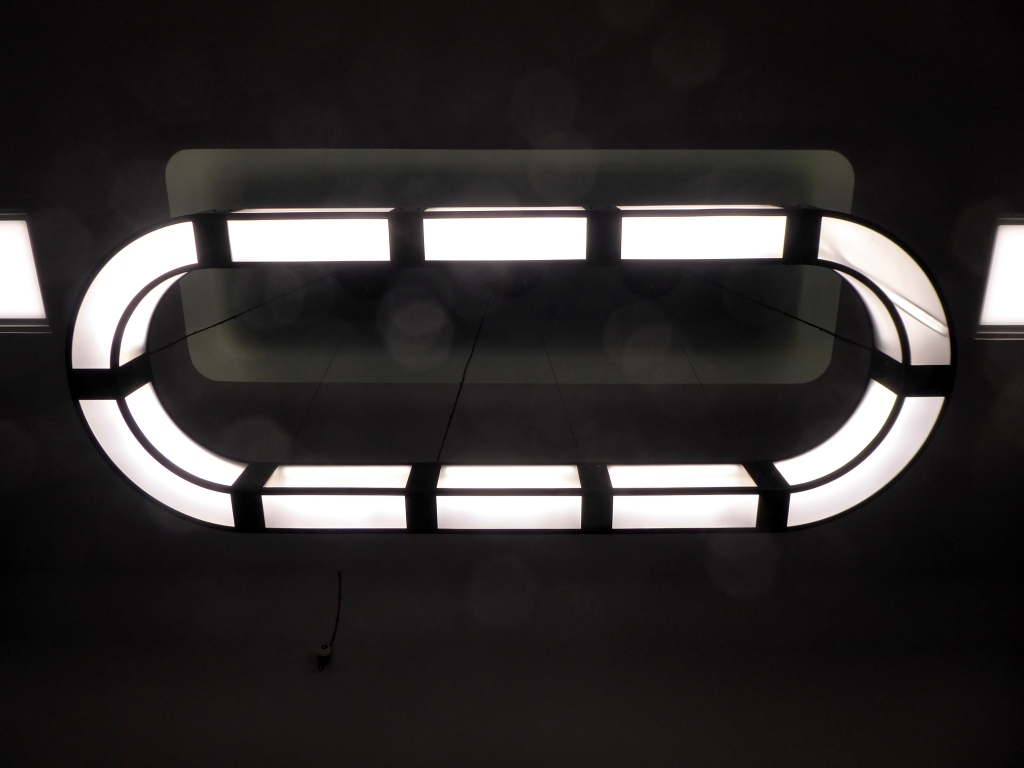
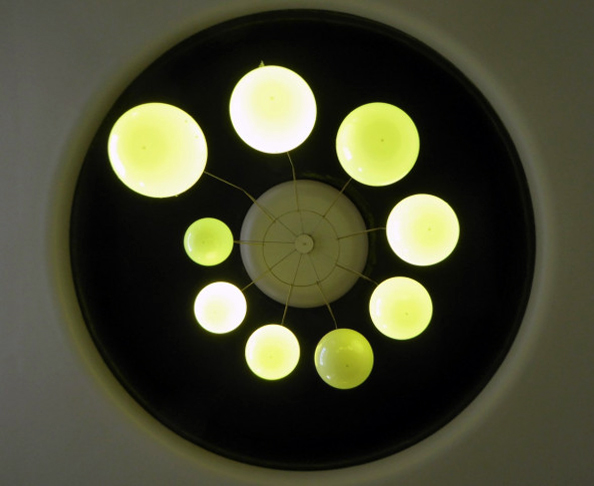
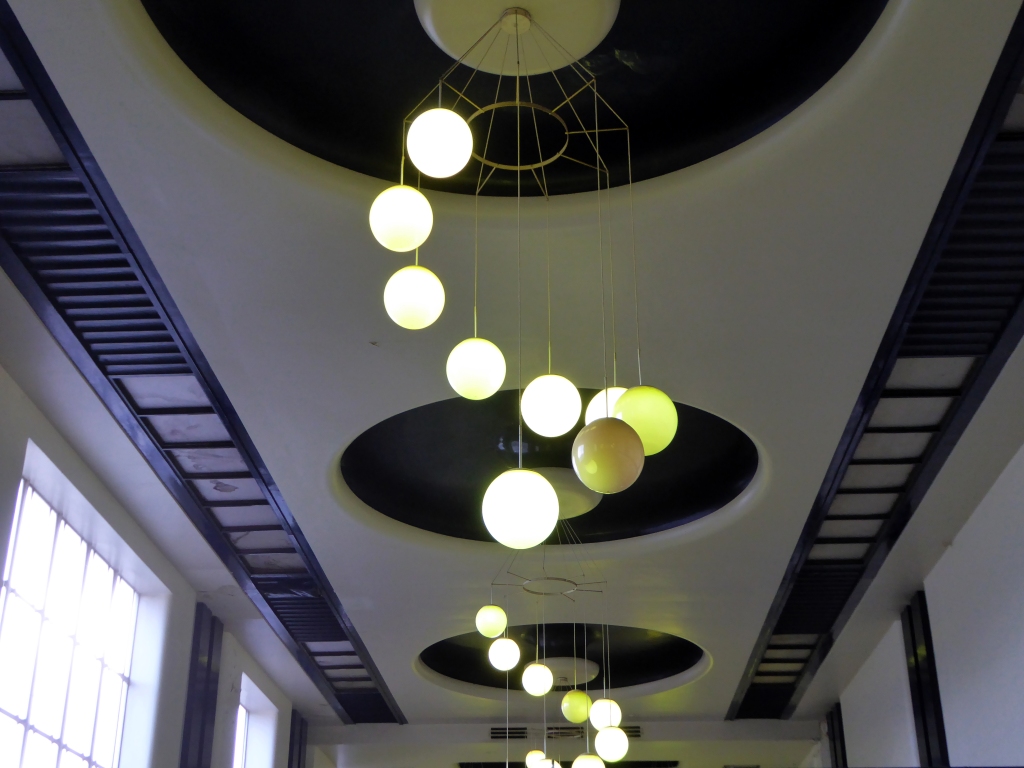
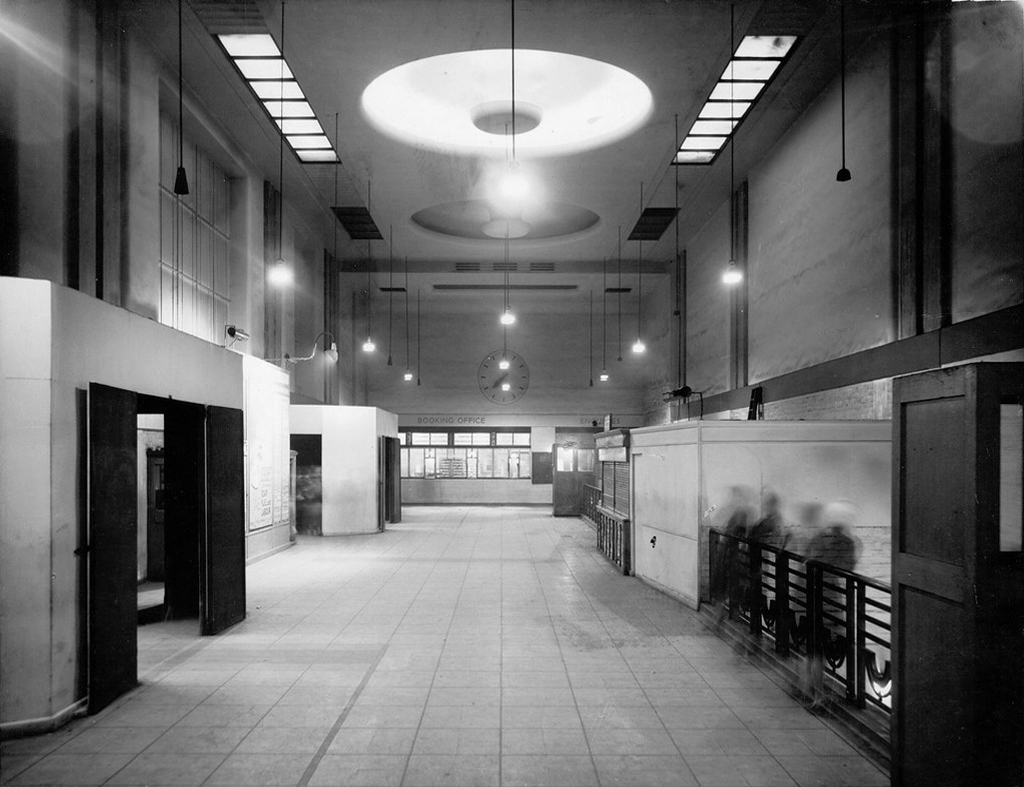
Arriving by train at 8.30, just in time to check out the new lighting scheme in the station foyer.
Replacing the previous lighting.
Which in turn replaced the original Thirties lighting.
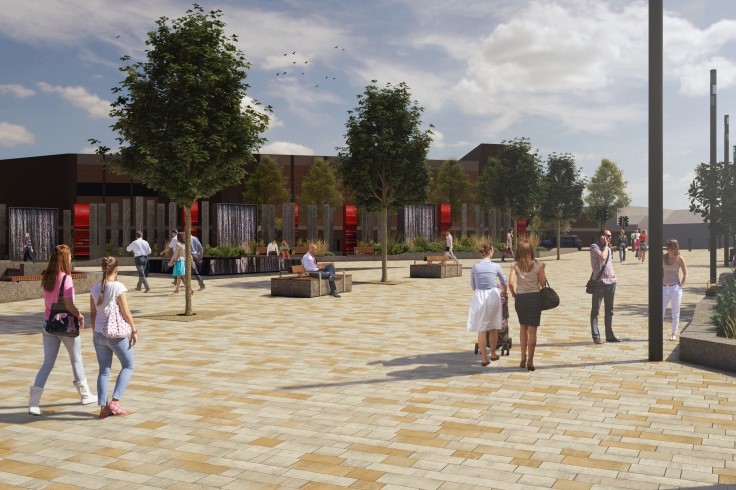
The forecourt redevelopment is a work nearing completion.
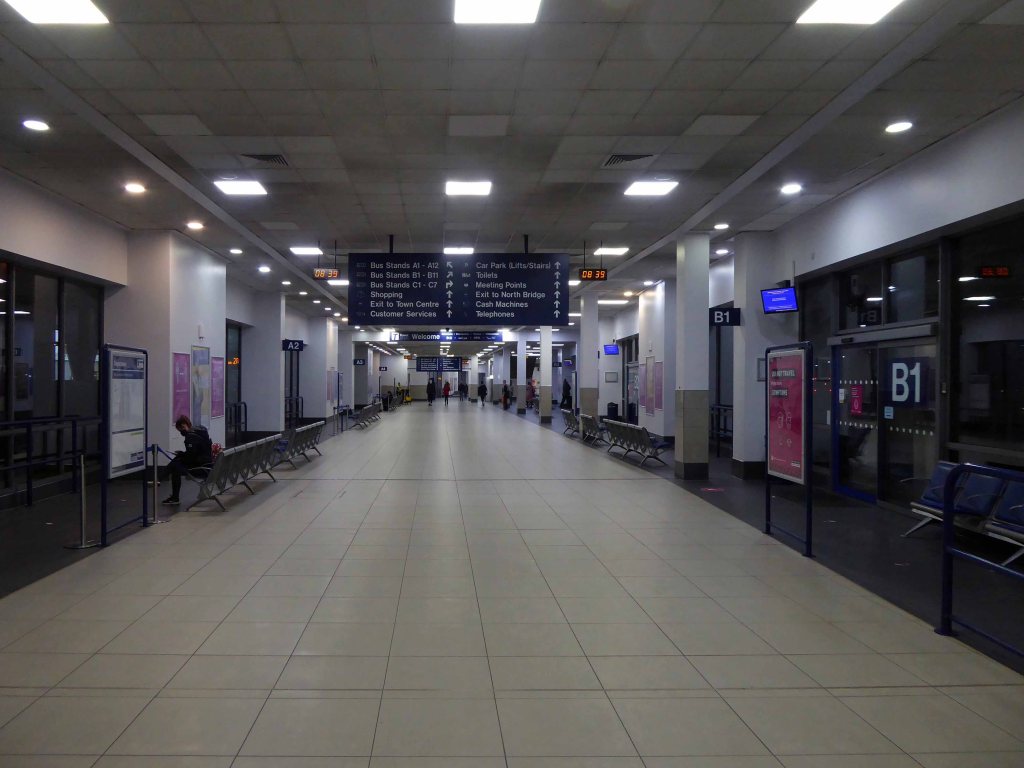
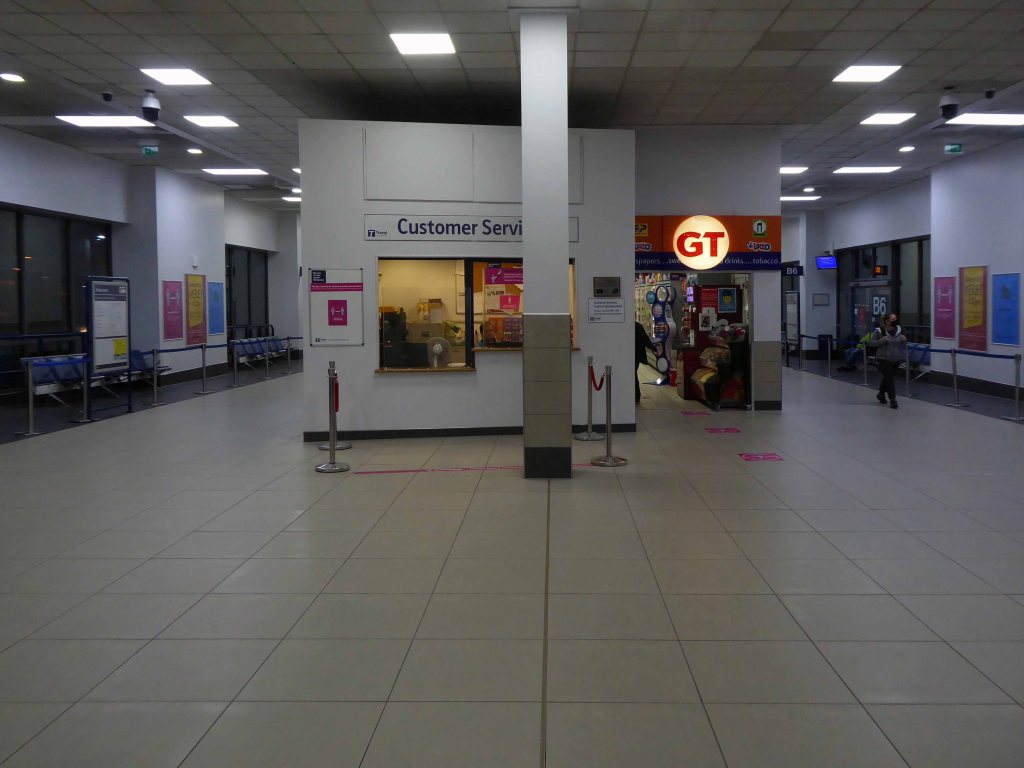
I was on my way to Intake by bus so it’s off on the 66 from the Frenchgate Inetrchange.
An urban environment so anonymous, that it can only just recognise itself. I was helpfully informed by two radio controlled security guards that photography was illegal.
More Interzone than Interchange.
Here are my transgressive snaps, I made my excuses and left – on the next available 66.
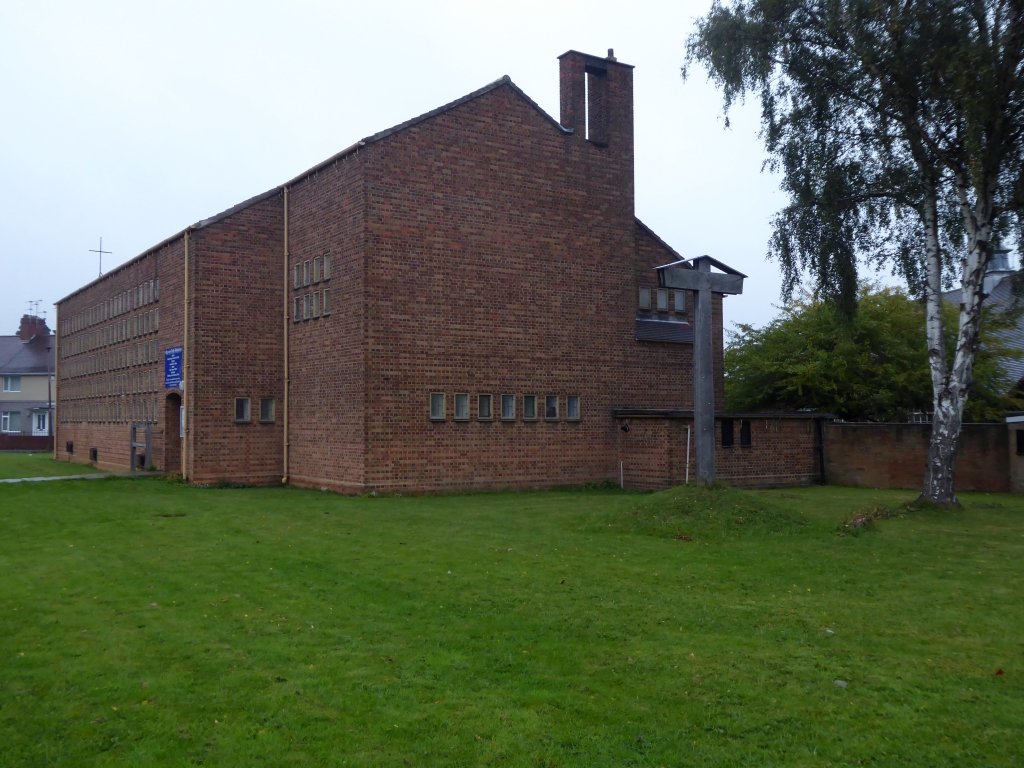
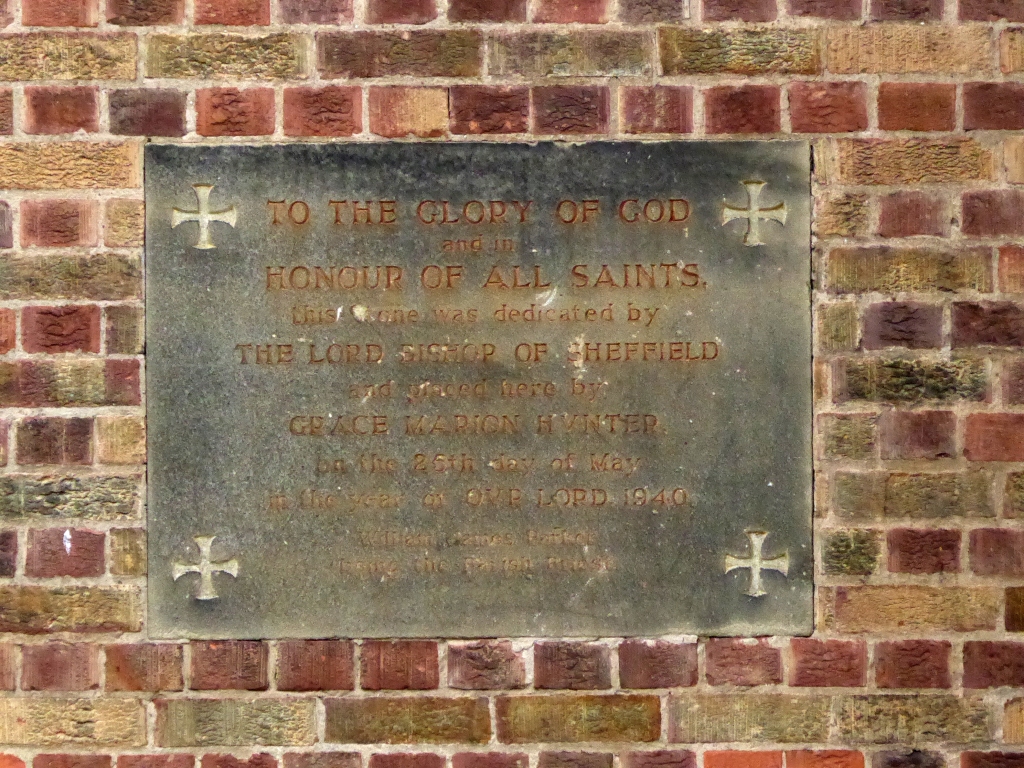
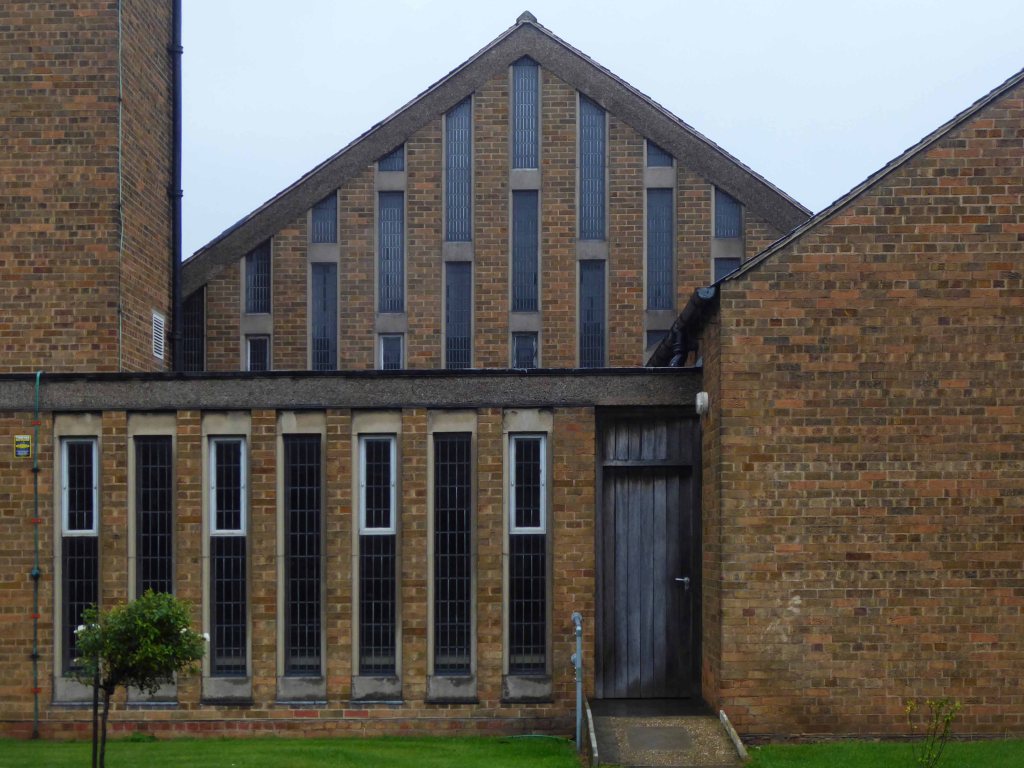
Decanting from the single decker I made my way across the way to All Saints, a George Pace church of 1956.
Built on the foundations of an unrealised Neo-Romanesque church of 1940, but reorientated east/west.
I legged it back to catch the bus back, the returning 66, much to the surprise of the surprised driver, making his return journey.
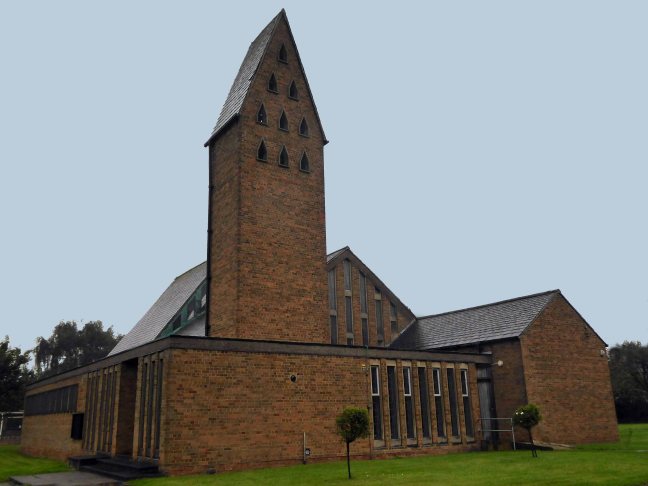
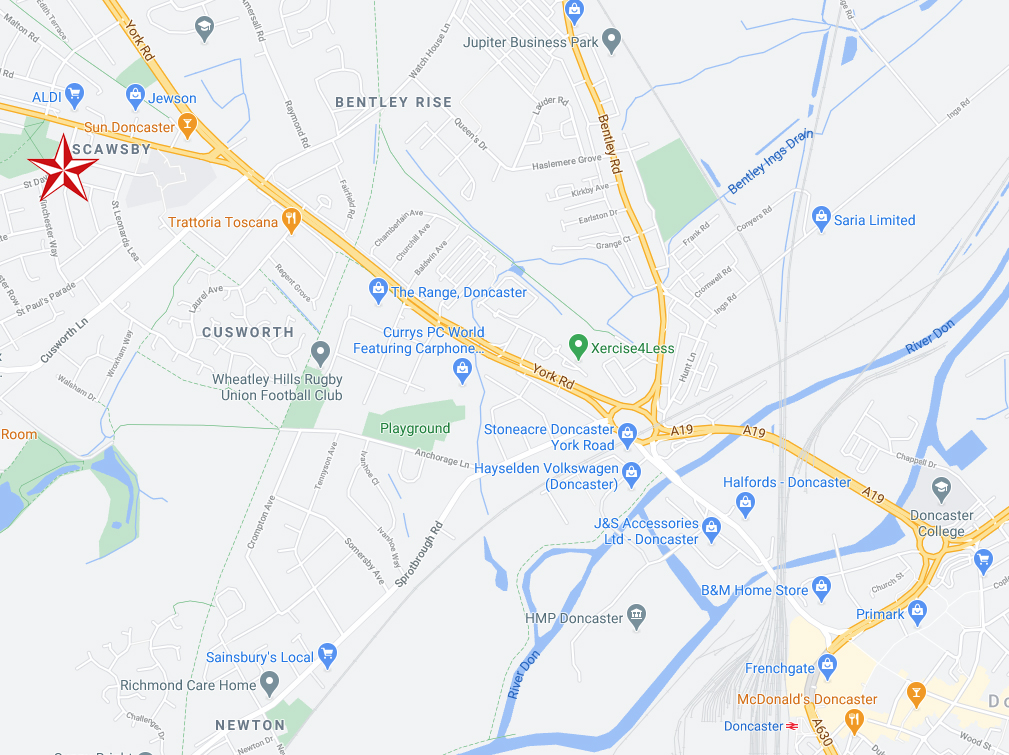
Jumping the 41A to Scawsby, displaying my risible home-printed map to the driver, requesting a shout when we arrived at the indicated destination, which he was unable to discern, and which I had failed illustrate.
I had contrived to arrive at the end of the line, a bit part player in a non-existent Béla Tarr film.
Following a thorough tour inside and out, I returned promptly to the town centre, on the limited stop express X19.
And hotfooted it to the Waterdale Centre, a work in progress, the CGI figures being as yet, a mere figment of the development officer’s fevered dreams.
Doncaster Council documents from the planning application for the demolition say, that while the exact project is not yet fully in place, discussions are taking place with the council on the project and grant funding is being sought to help the future regeneration scheme. But the council has said it supports schemes that would revitalise the Waterdale Centre area for retail, leisure, and tourism uses.
The centre is now owned by the Doncaster-based property firm Lazarus Properties, who bought it from the Birmingham firm St Modwen.
Lazarus director Glyn Smith said his firm had faith in the local economy of Doncaster town centre, even though larger multinationals seemed to be shying away.
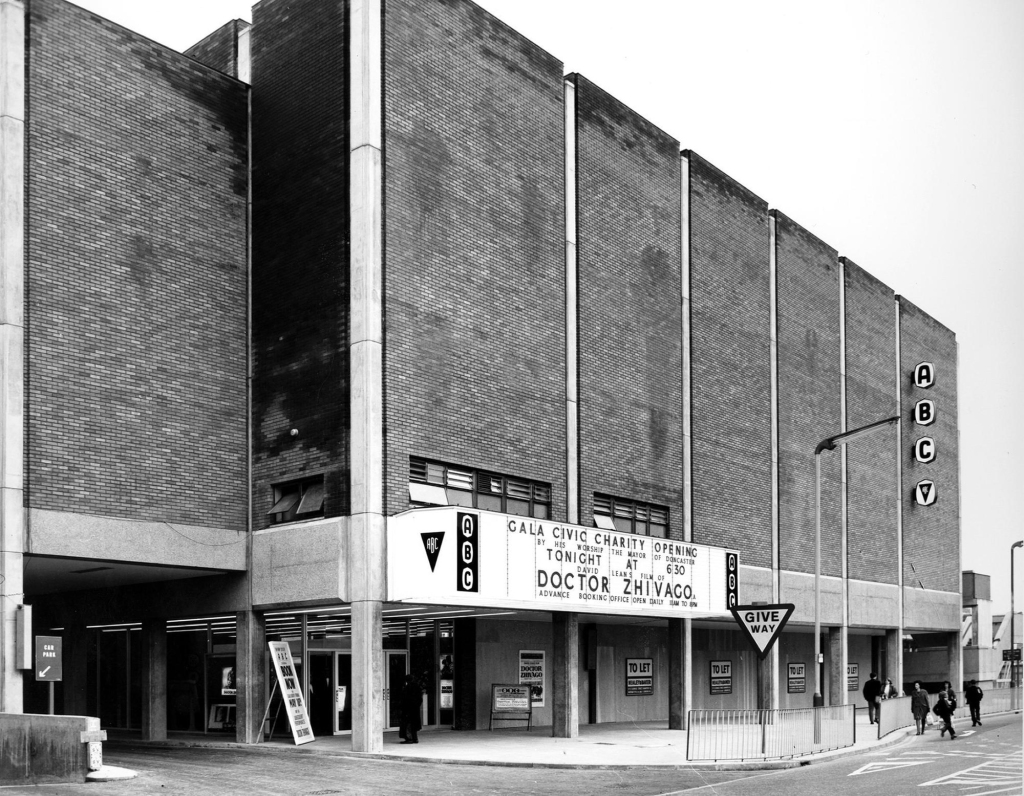
The ABC was built by Associated British Cinemas(ABC) as a replacement for their Picture House Cinema which had opened in 1914. It opened on 18th May 1967 with Omar Sharif in Doctor Zhivago presented in 70mm. Designed with 1,277 seats arranged in a stadium plan by the architectural firm Morgan & Branch, with input by architects C. ‘Jack’ Foster & Alan Morgan. It was decorated in a modern 1960’s style.
Closed in January 1981 for conversion into a triple screen it re-opened on 9th April 1981 with seating in the 3-screens.
The Cannon Group took control in the mid-1980’s and it was re-named Cannon and it closed on 18th June 1992, screening its opening film “Doctor Zhivago”.
The building has stood empty and unused since then, but in 2007, it was bought by Movie World for just £150,000. It is reputedly being re-modeled with extra screens added, however by 2009, only a clean-up of the interior has been achieved. The building sits empty and unused in 2020.
Cinema Treasures
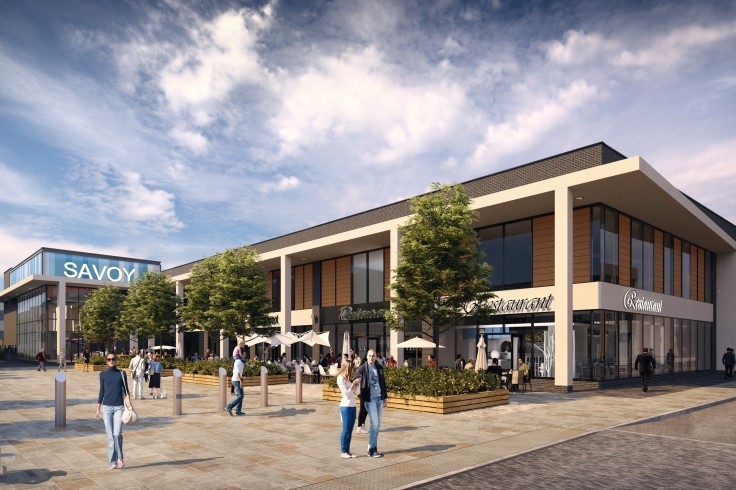
The delayed opening of the new Savoy Complex will no doubt inform the future of the Cannon.
It’s a familiar tale of the local authority, developers, leisure and retail outlets chasing dreams, cash and hopefully pulling in the live now pay later public.
It’s all part of the Doncaster Urban Centre Masterplan which will transform the way Doncaster looks and the way residents and businesses use the city core.
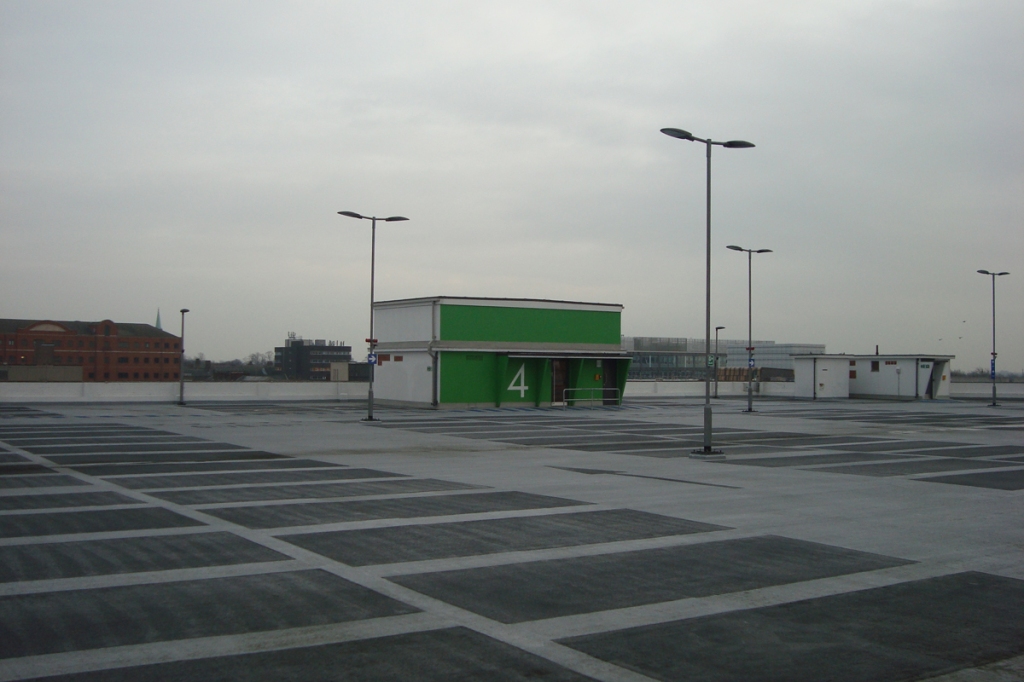
The area is a pivotal point, I sincerely hope that the Waterdale Centre is revived, along with the adjacent Civic Quarter car park.
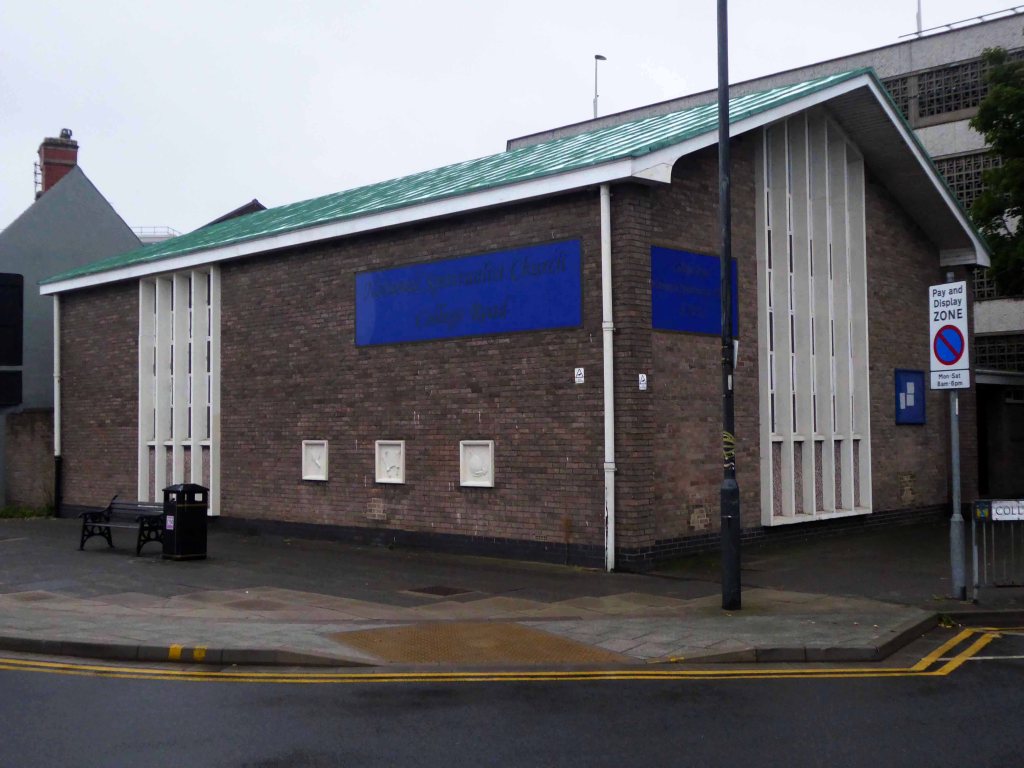
I noted the restrained Modernism of the National Spiritualist Church.
The service begins with a short prayer. The congregation sings three songs during the service using music that most people would recognise. There is usually a short reading or lesson on something to do with spiritualism or events in the world. There is also a talk by the guest medium who use their inspiration or intuition to compose an uplifting address.
Then the business of contacting the spirit world begins.
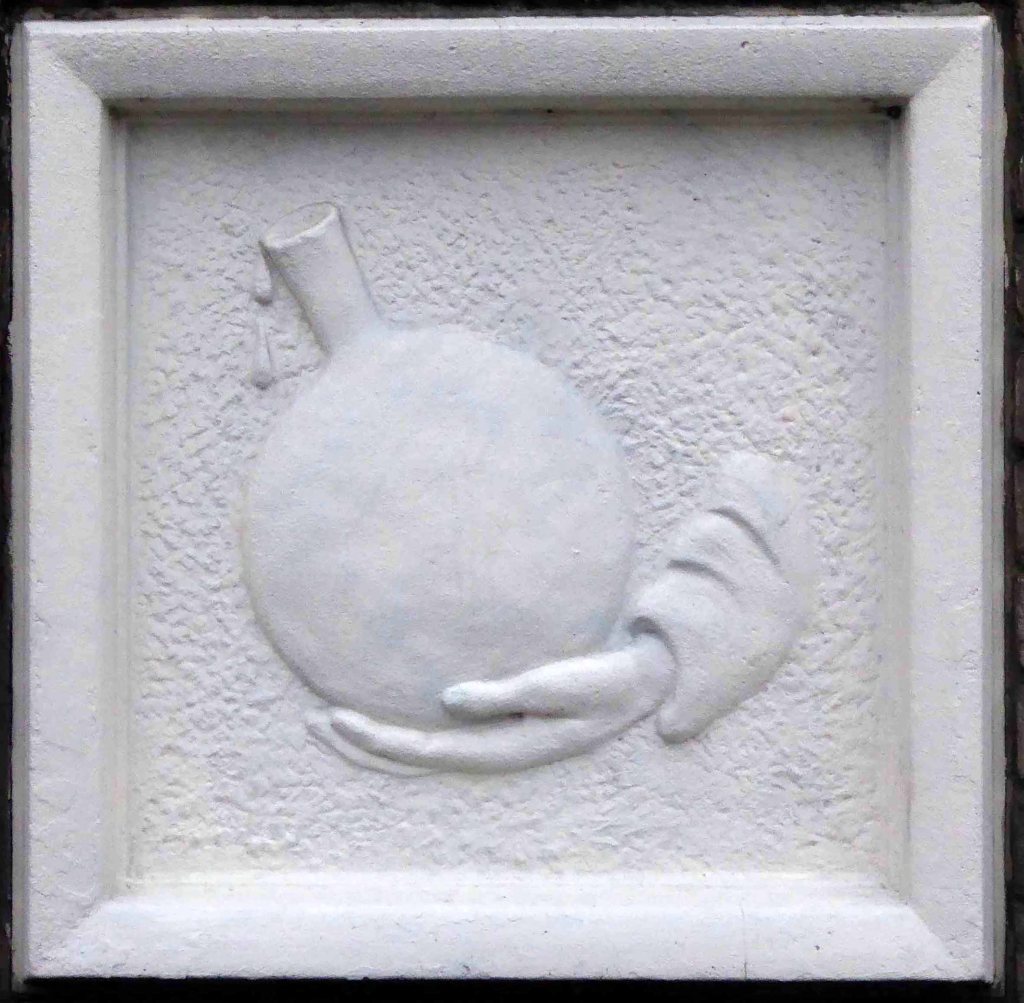
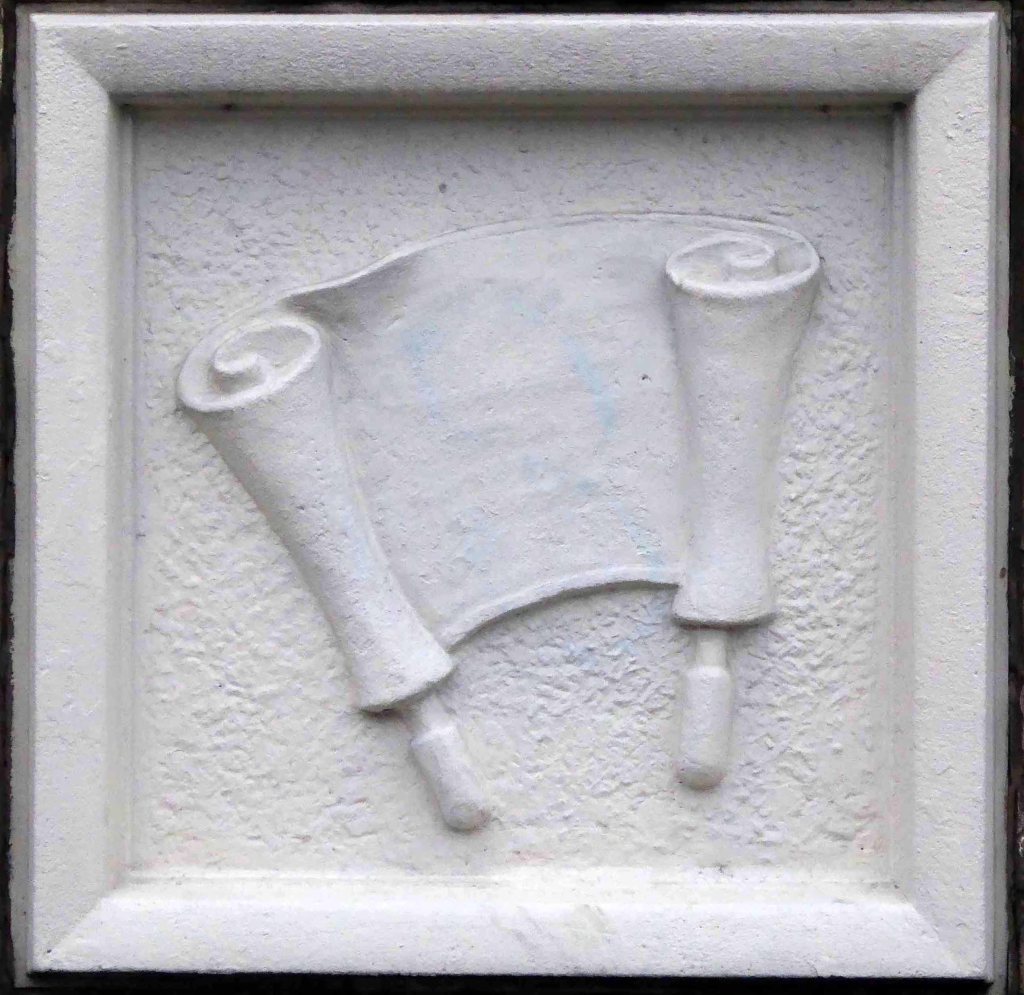
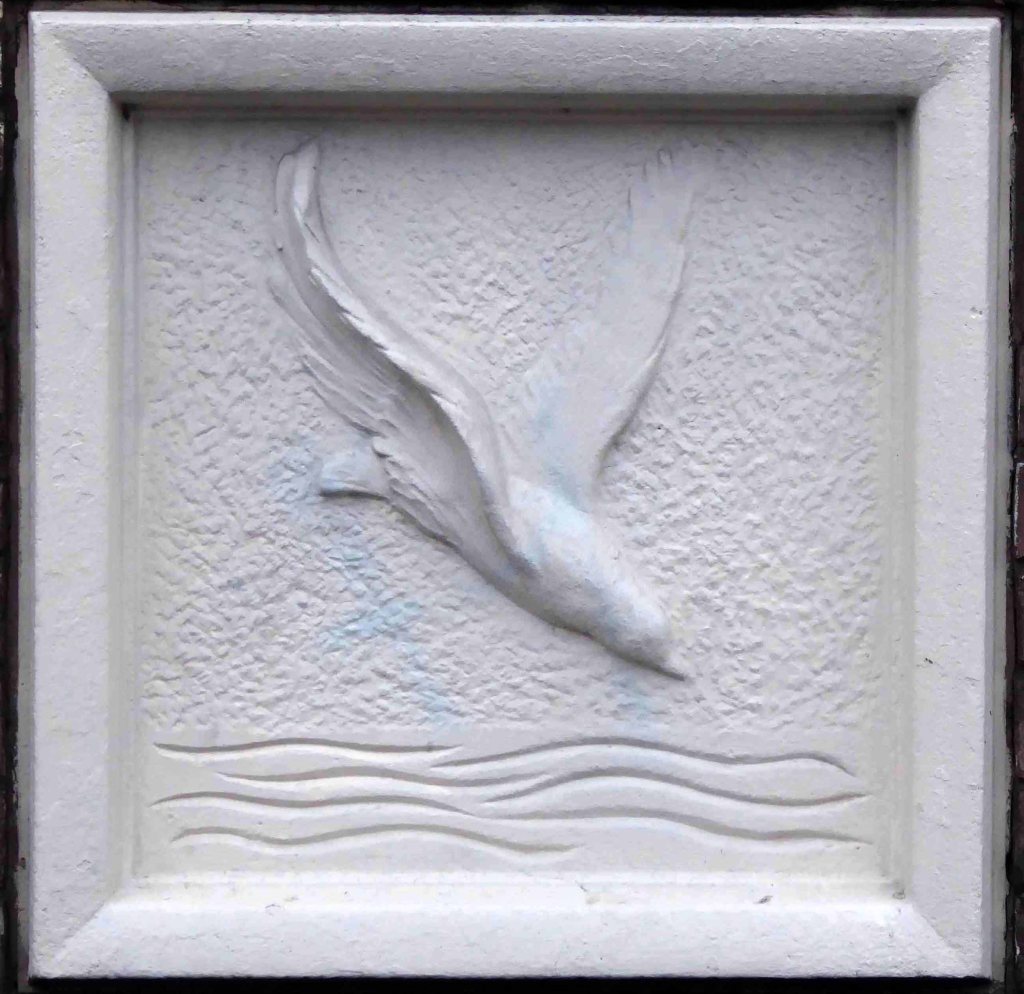
Along with its curious relief panels.
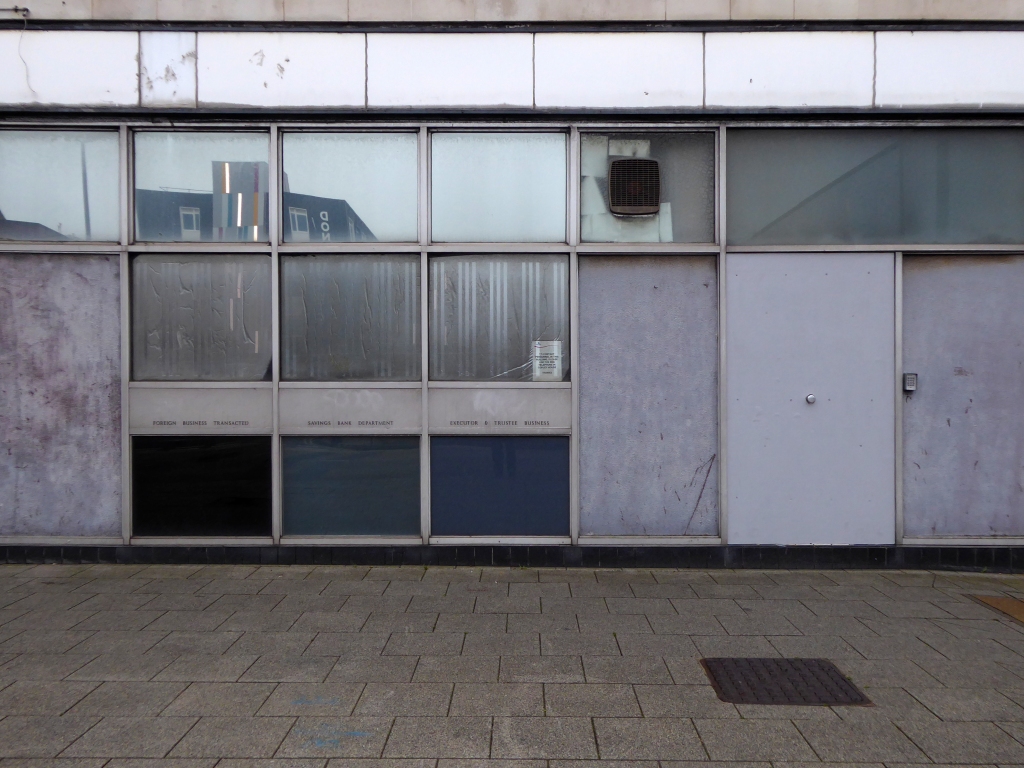
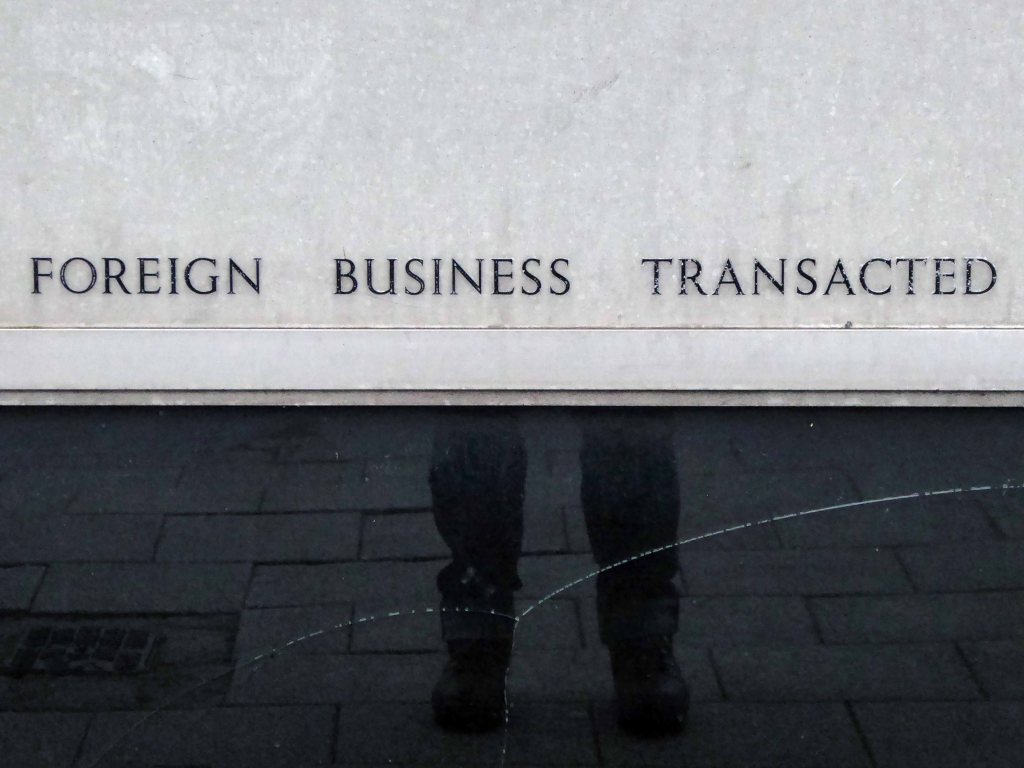
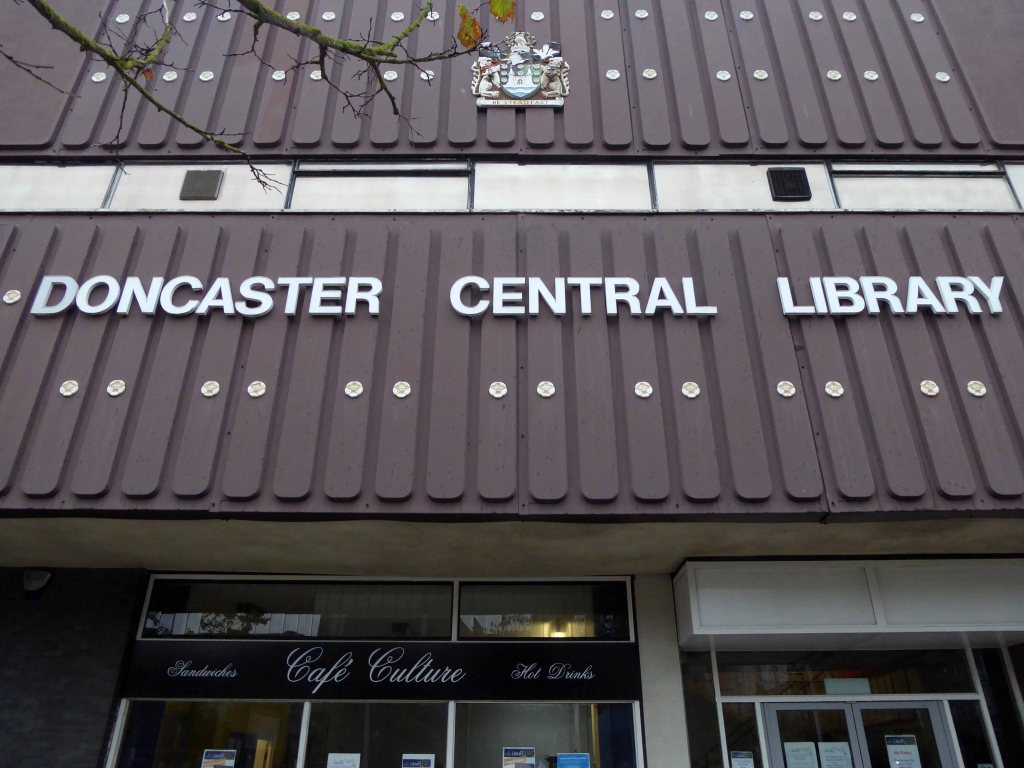
Back around to the back of the Waterdale and the surviving former bank fascia, civic offices and library.
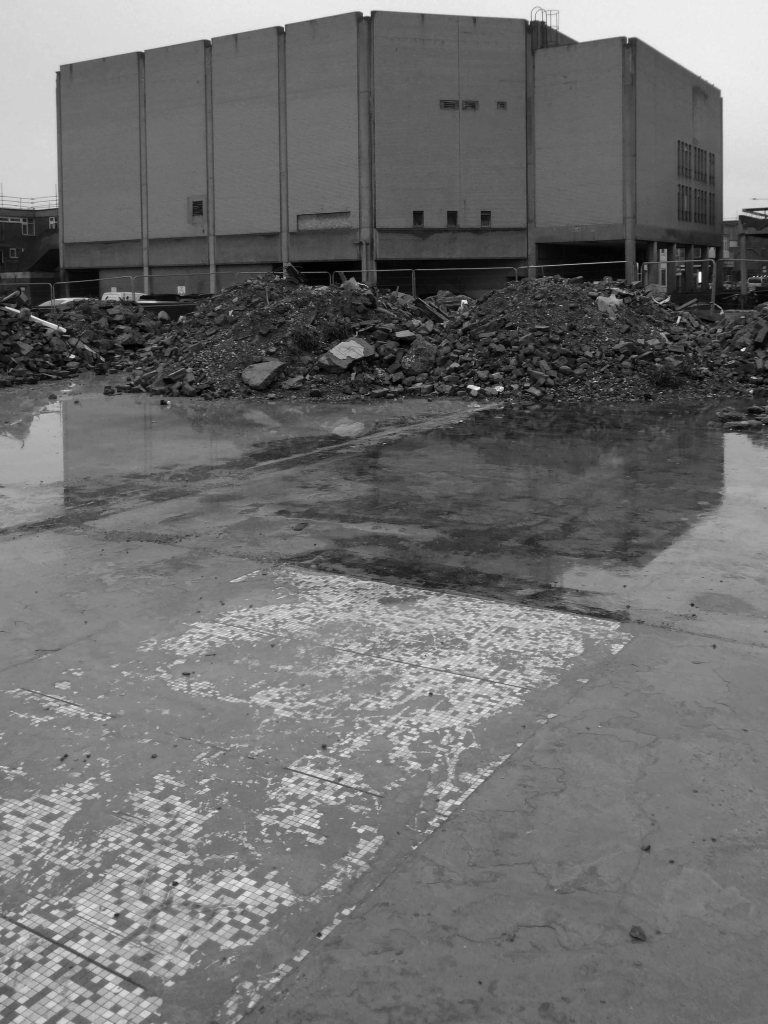
Back through the Waterdale to discover the saddest of retail archeology.
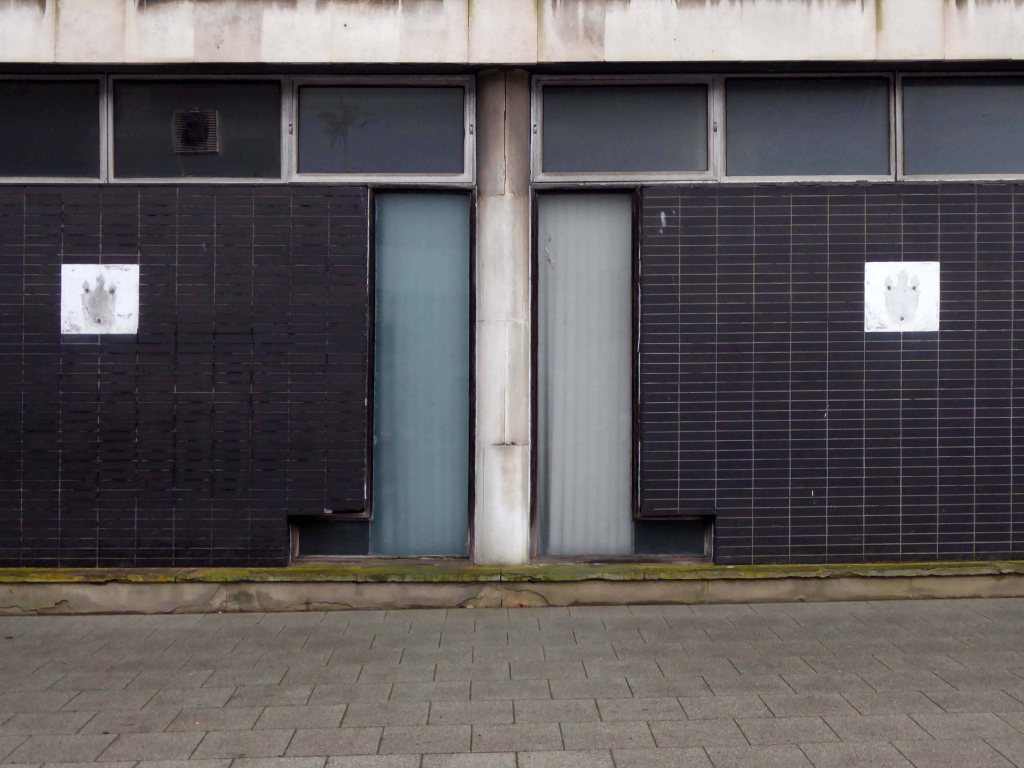
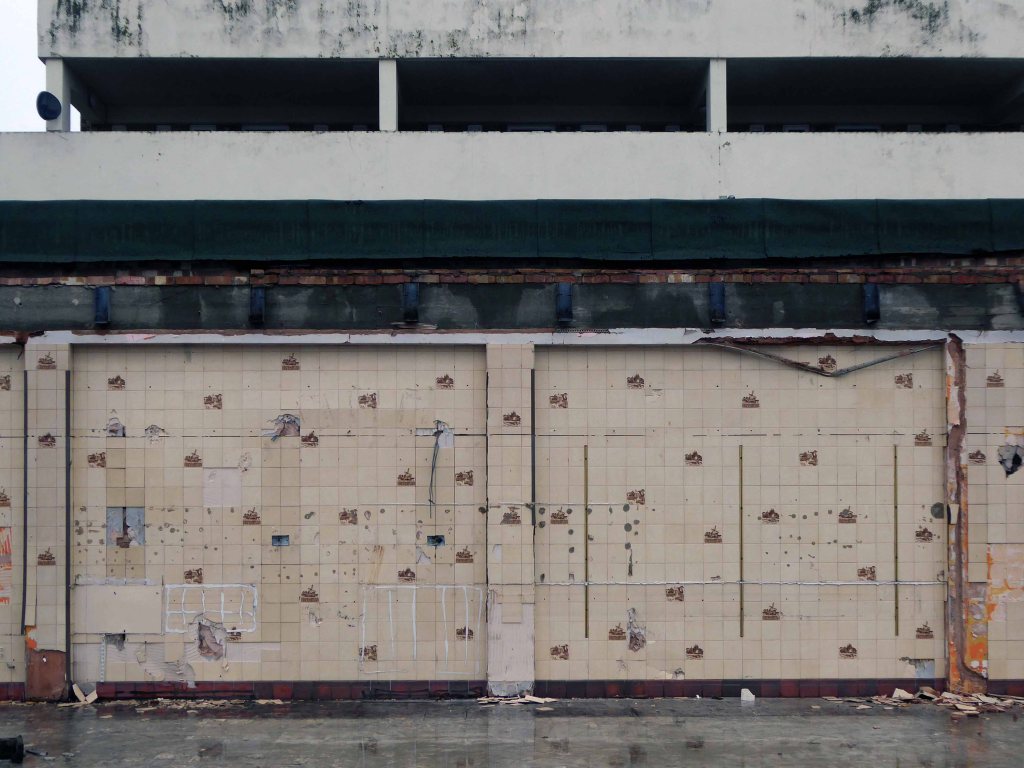
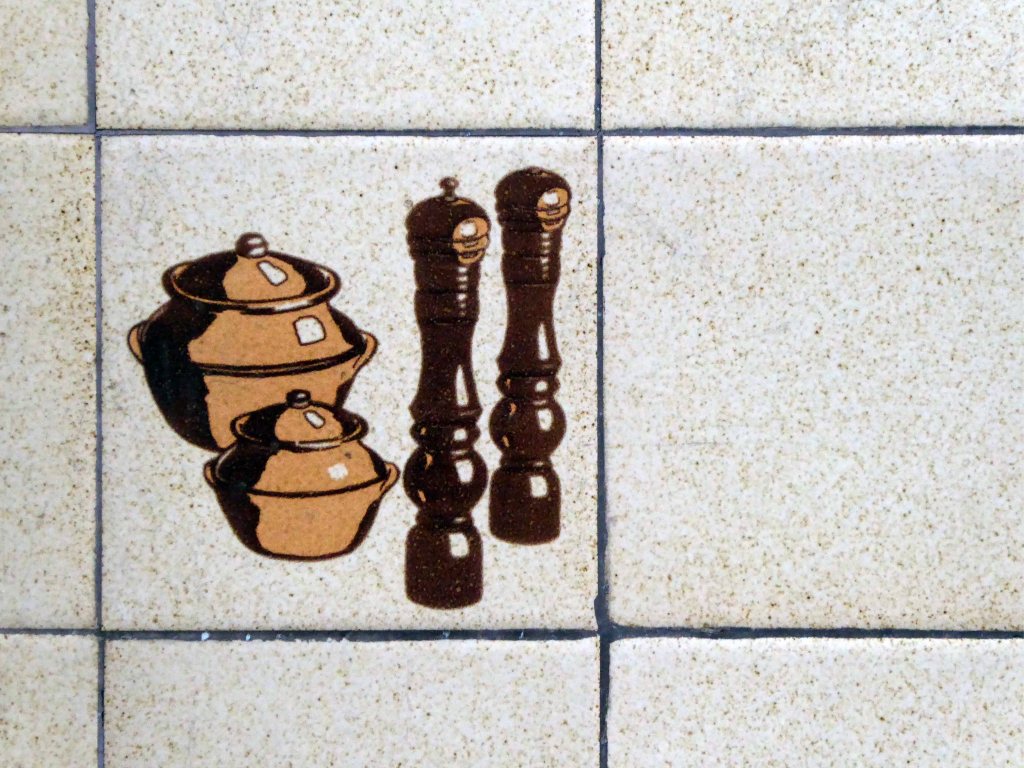
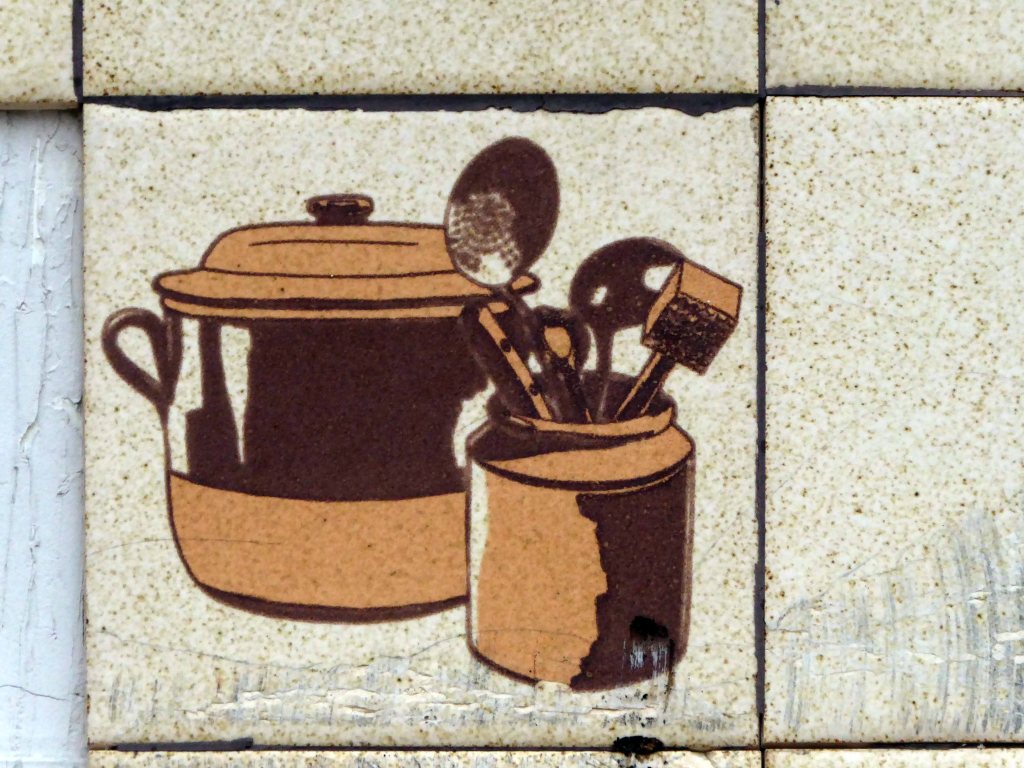
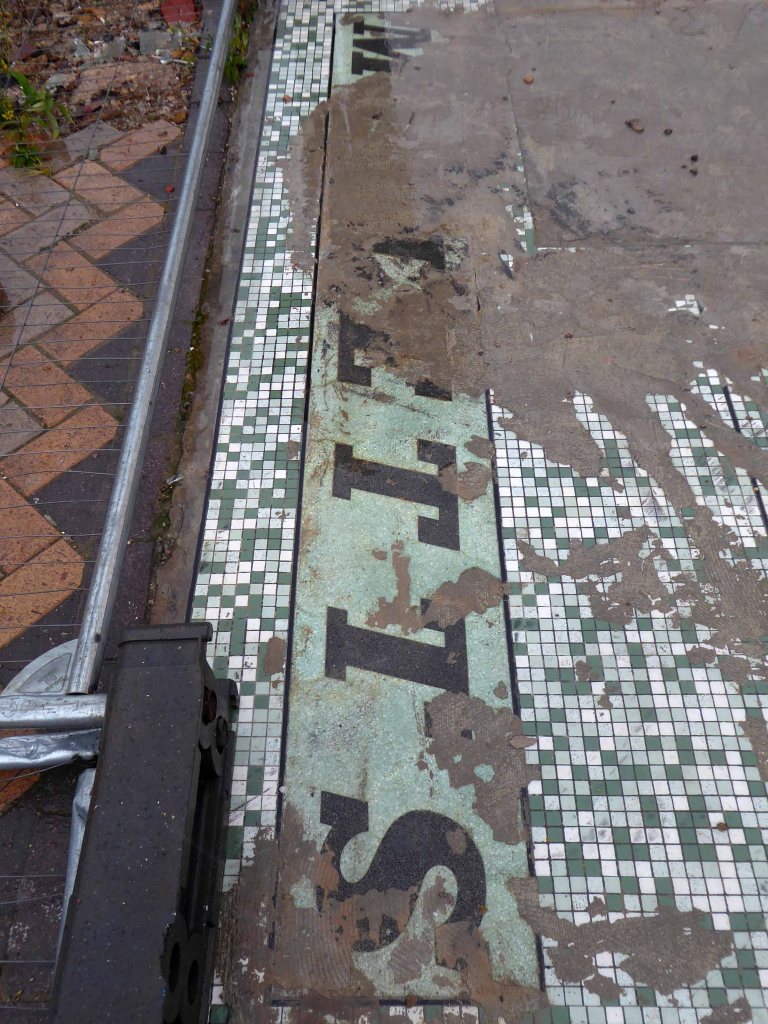
The long lost tiled café wall and a mysterious porch.
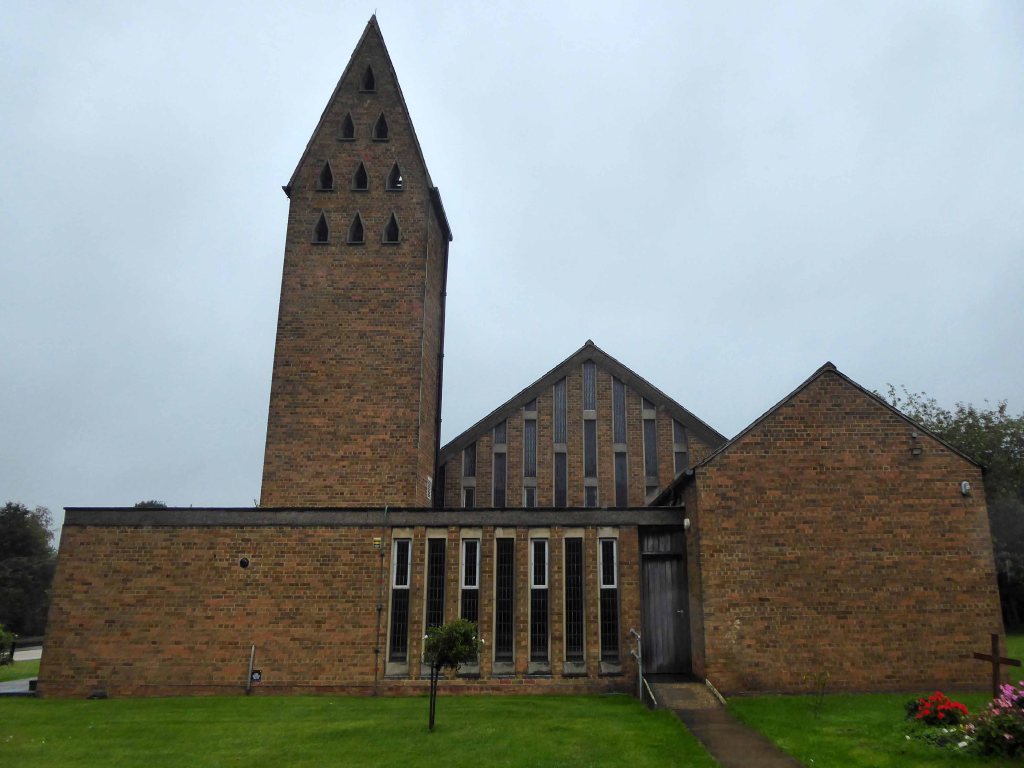
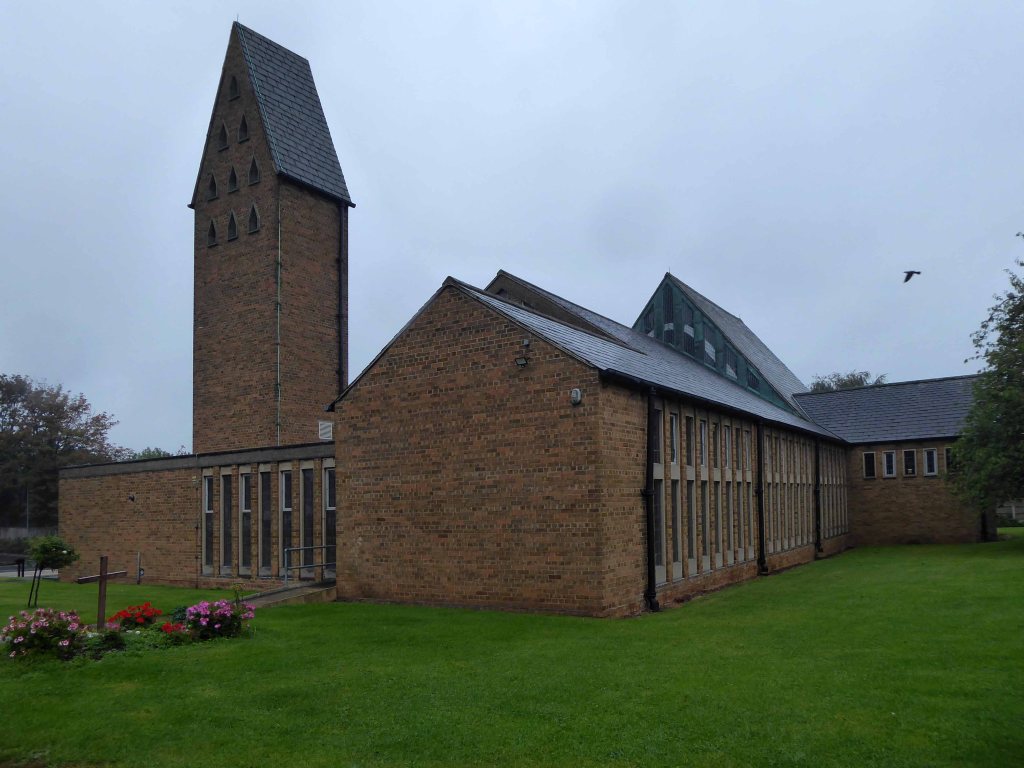
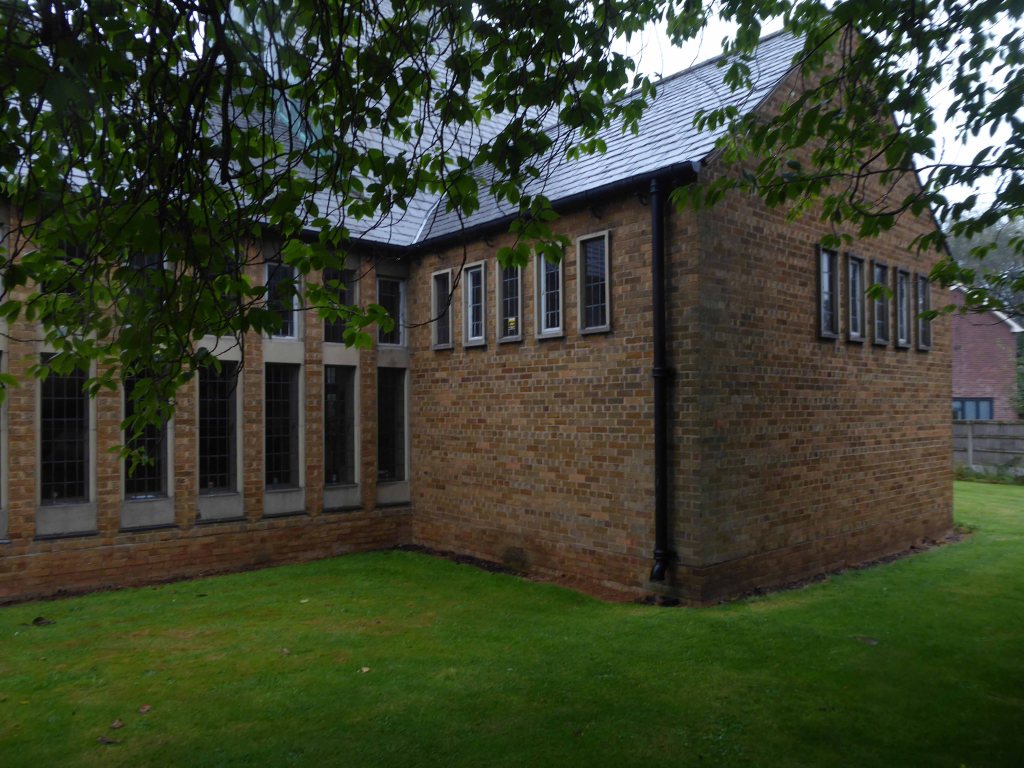
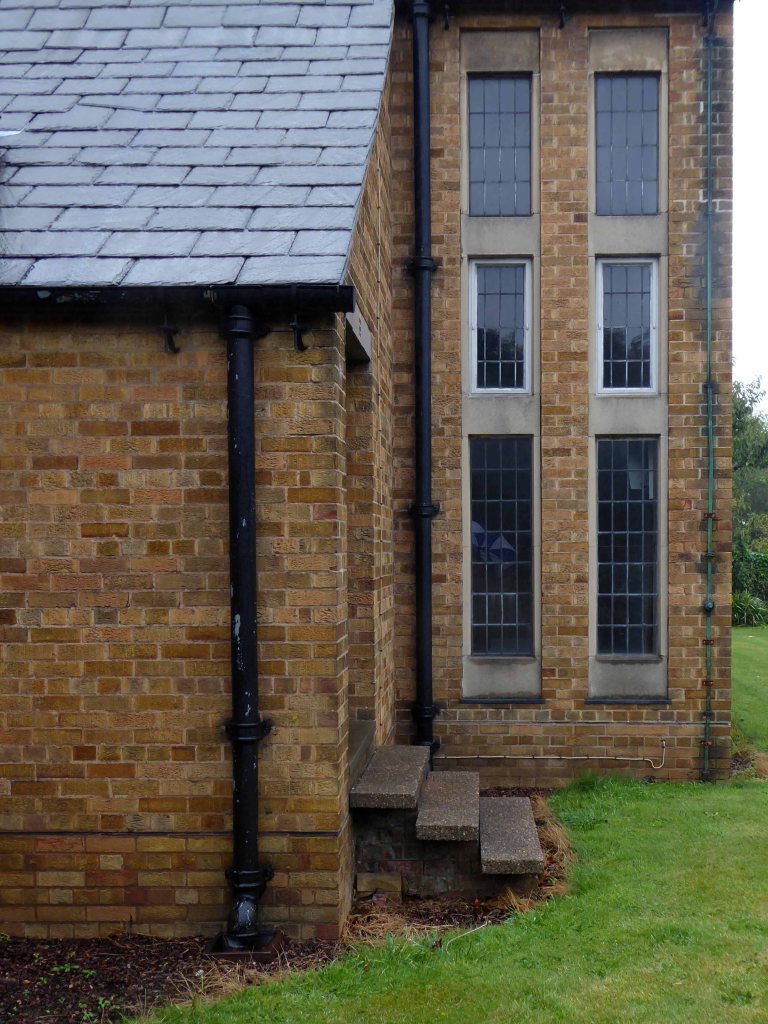
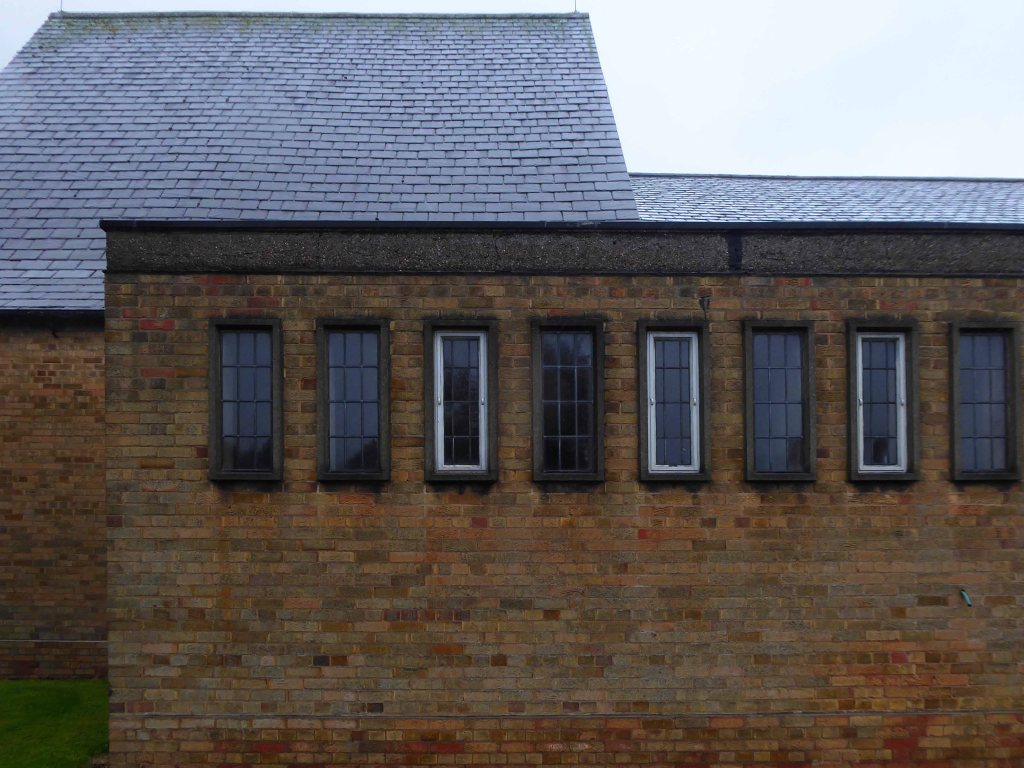
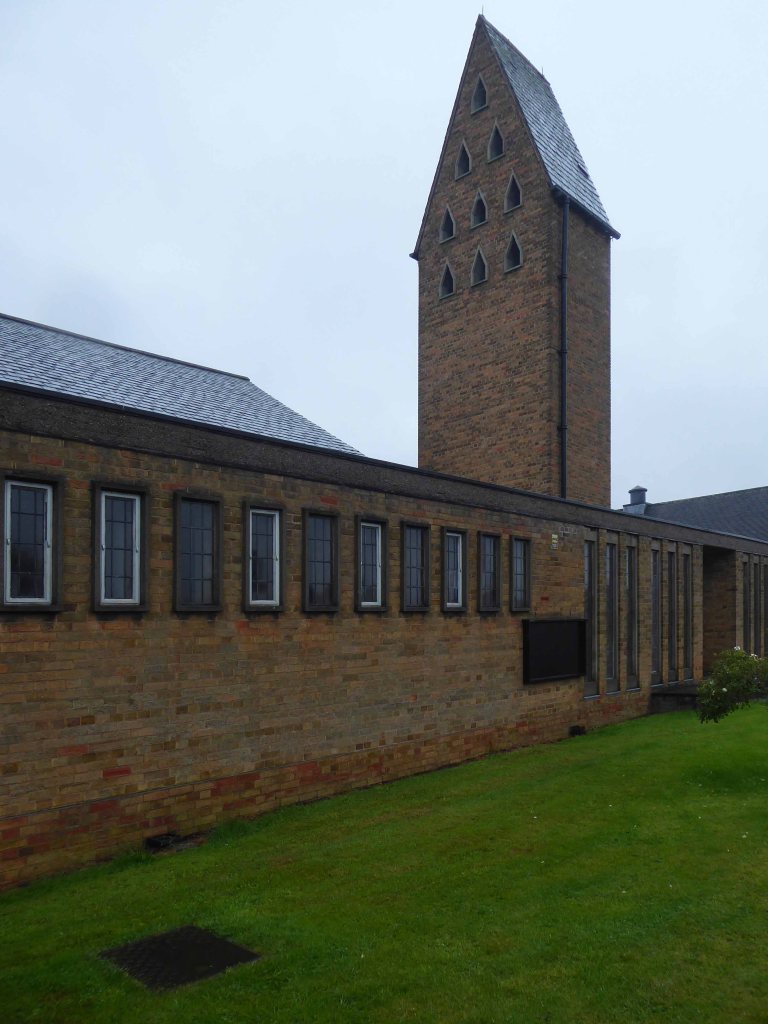
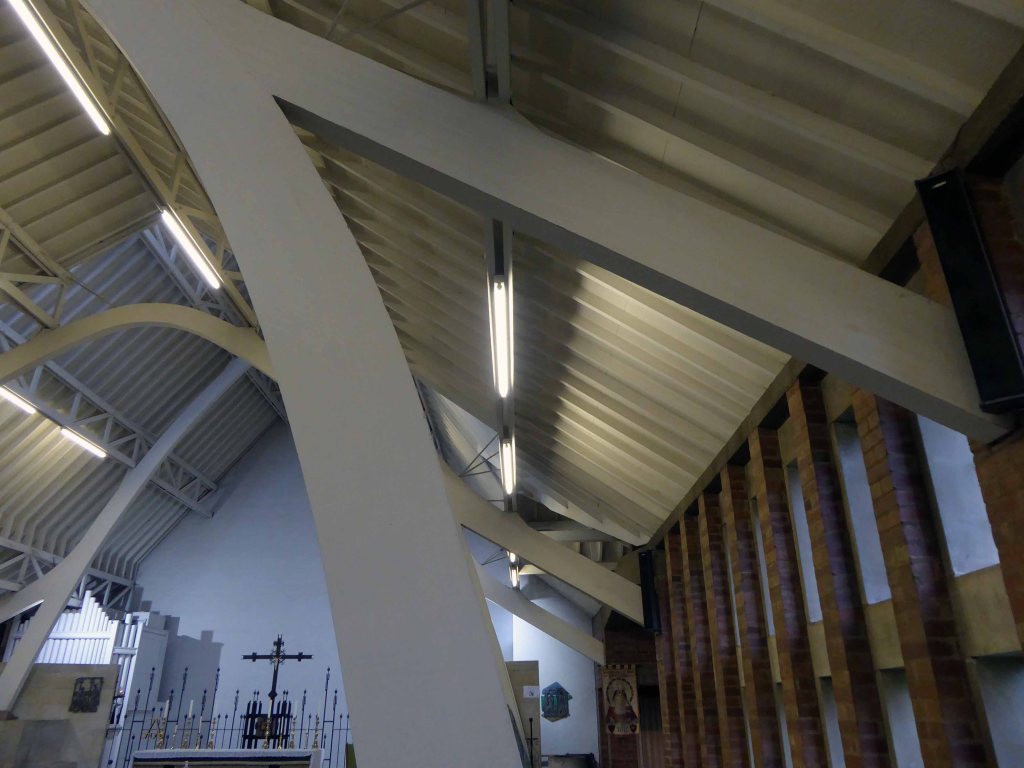
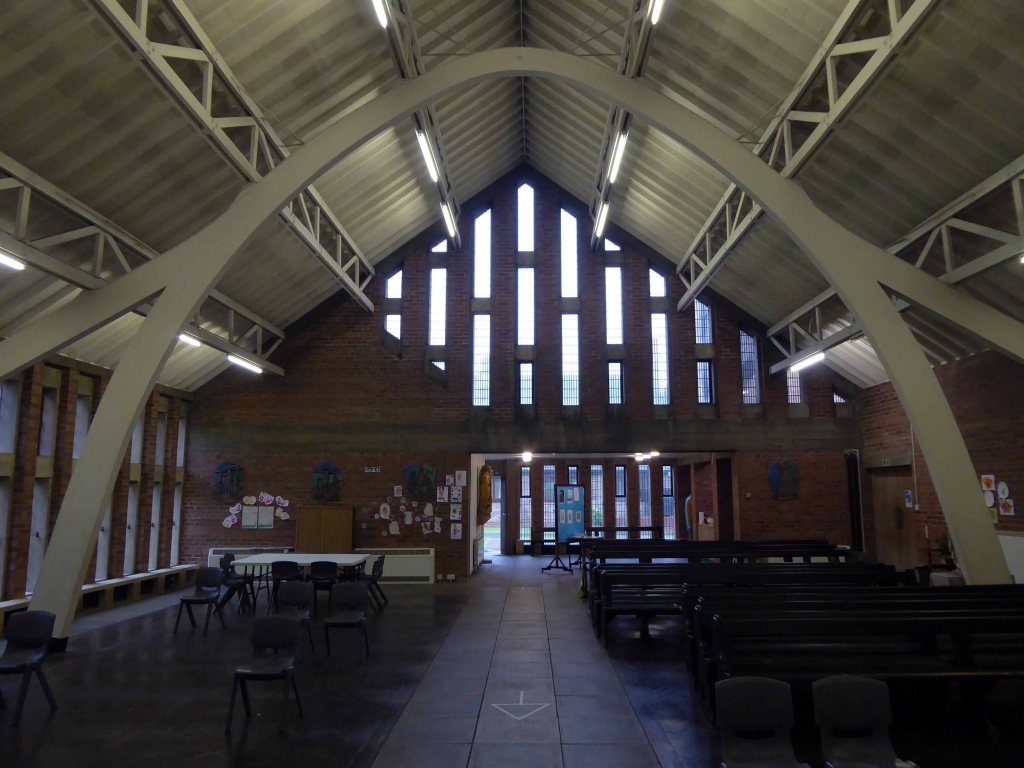
They are all built in his distinctive manner, brick and concrete, steel, wood and glass. Often working within tight budgets, respectful of the Christian Church’s early heritage, expressing mass and volume with simple geometry.
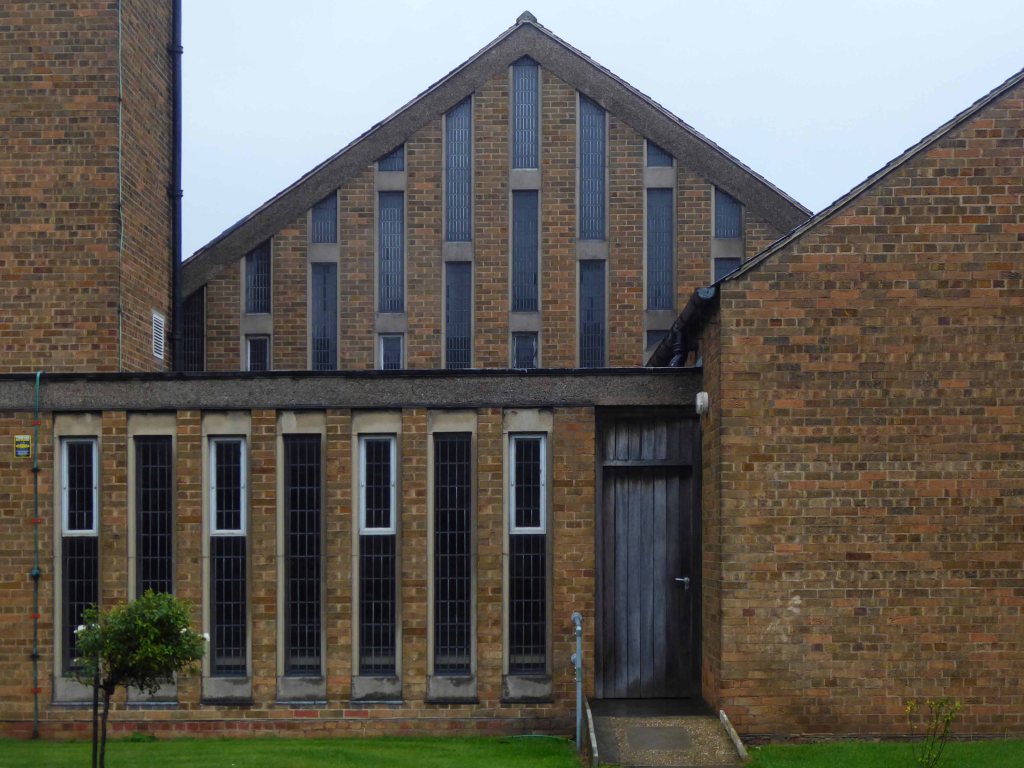
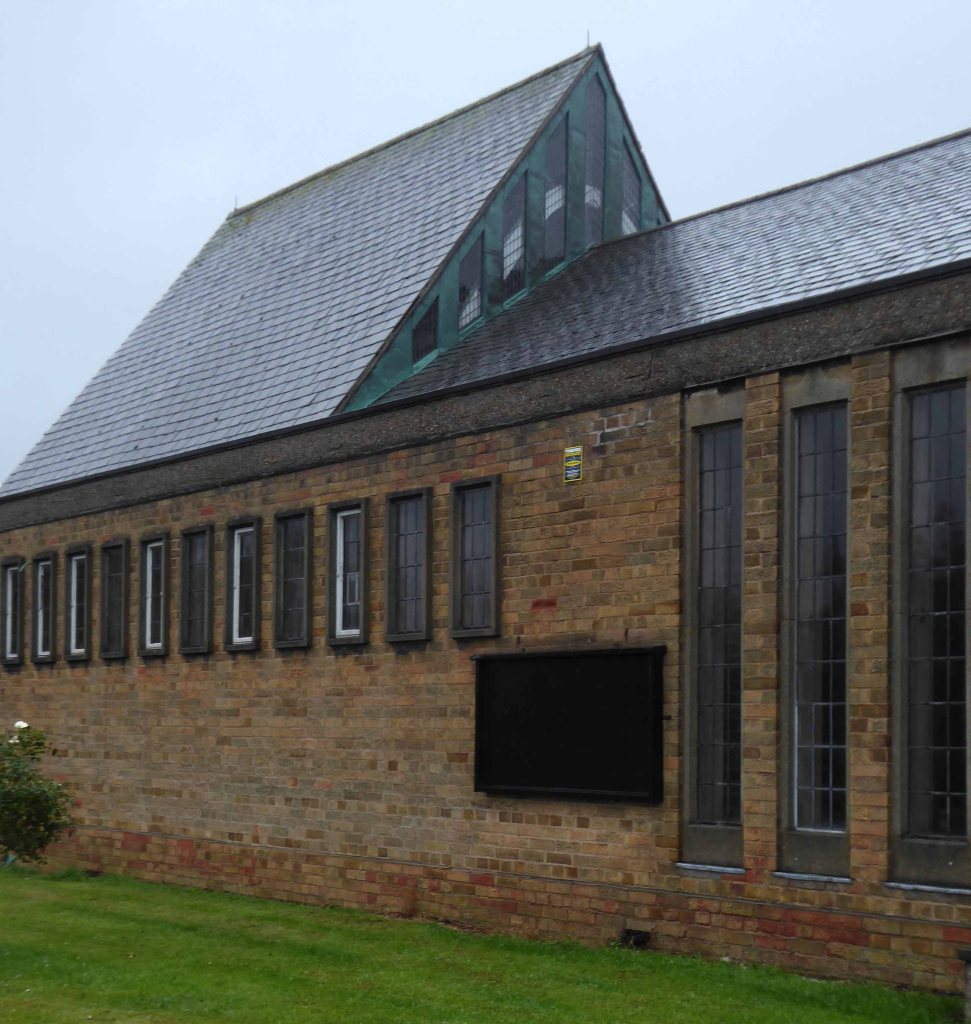
The exterior skin pierced by multiple rectangular windows, the interior revealing an elegant calm space with attendant simple decorative elements and fittings.
The body of the church has two asymmetric orthogonal outriders and a tall bell tower.
The transept chapel
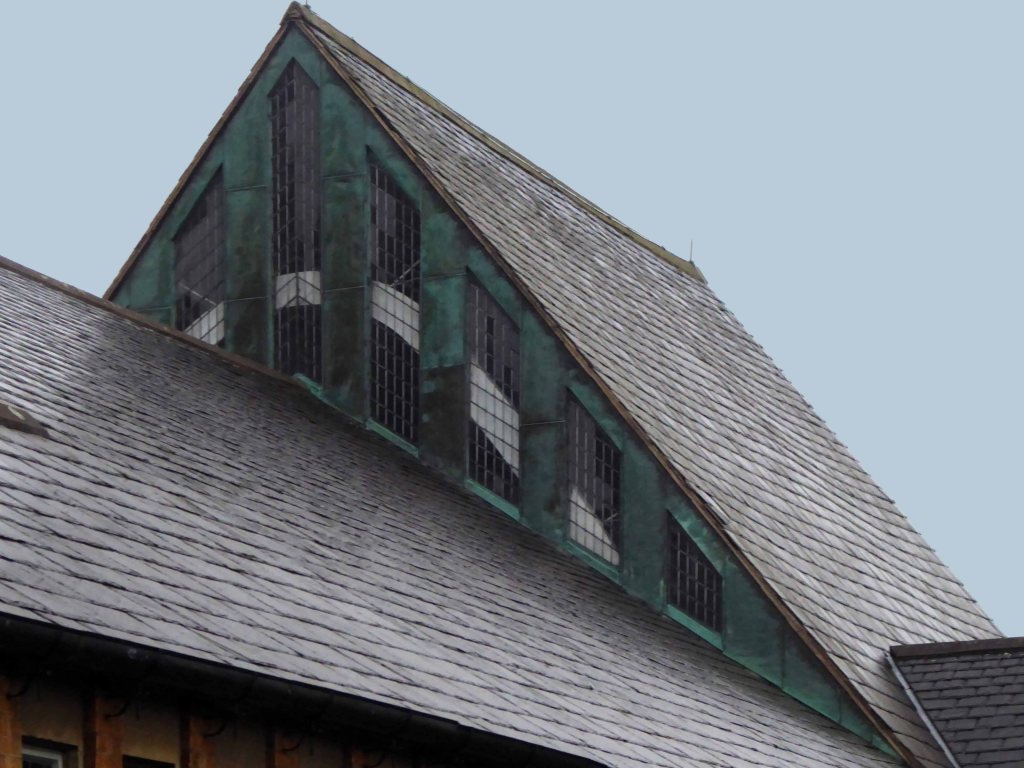
The chancel and apse has a raised roof with a glazed face.
Let’s literally take an anti-clockwise look around the outside.
I was warmly welcomed by The Revd David D’Silva, Curate-in-Charge and kindly given free access to the church’s interior.
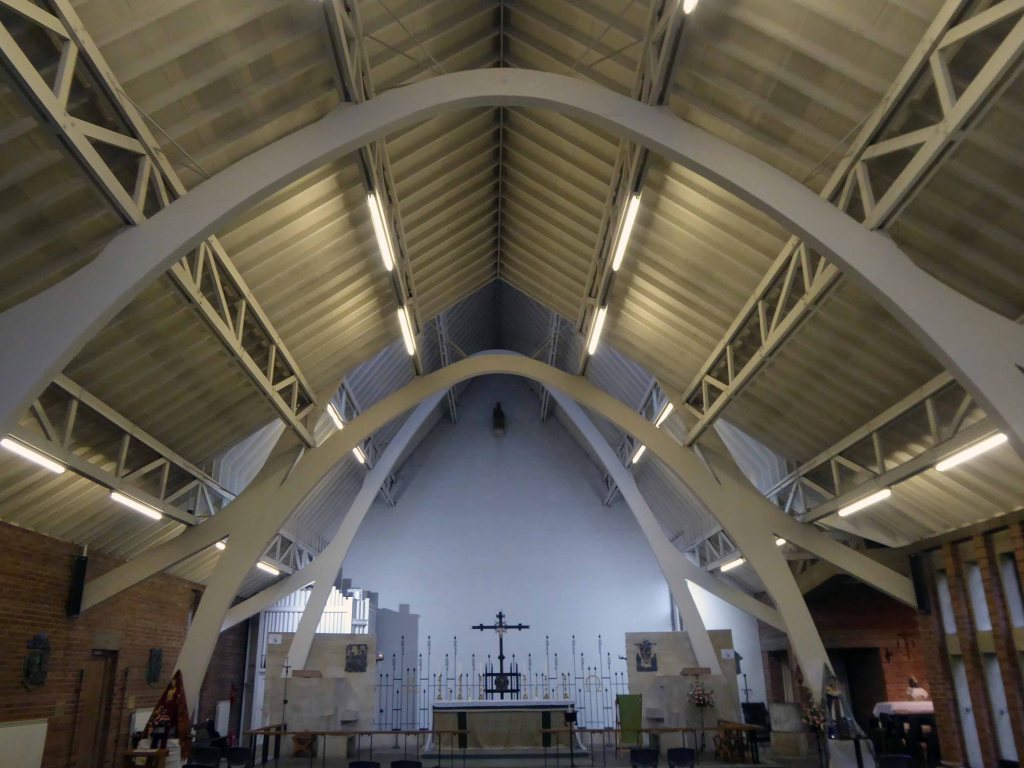
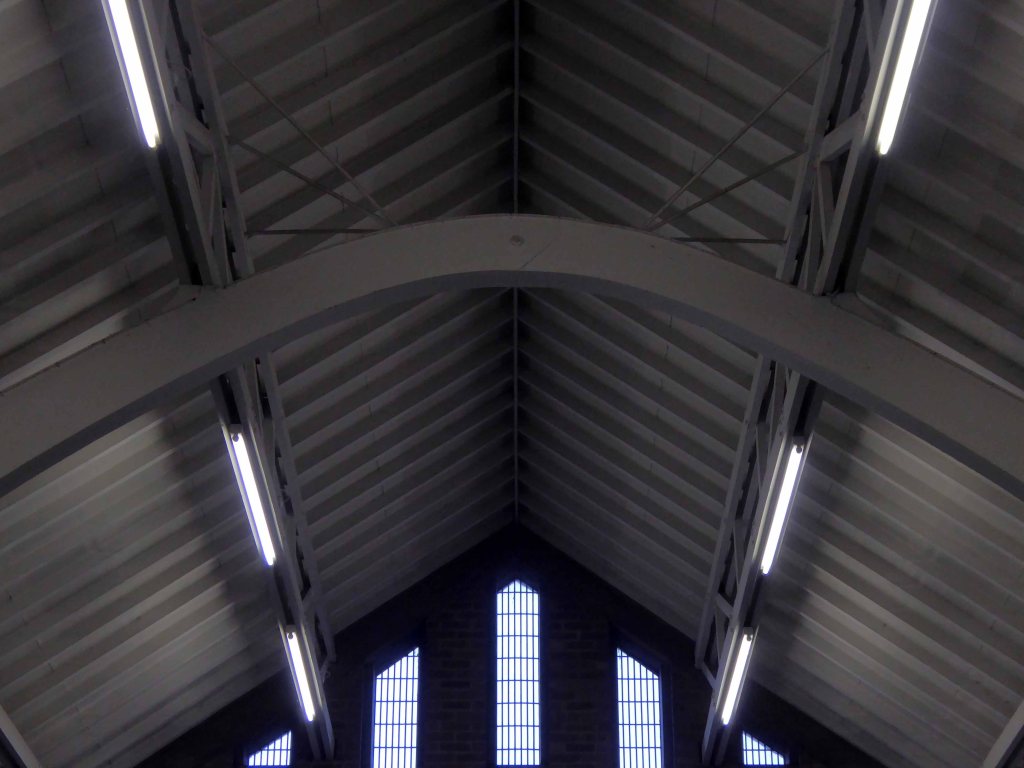
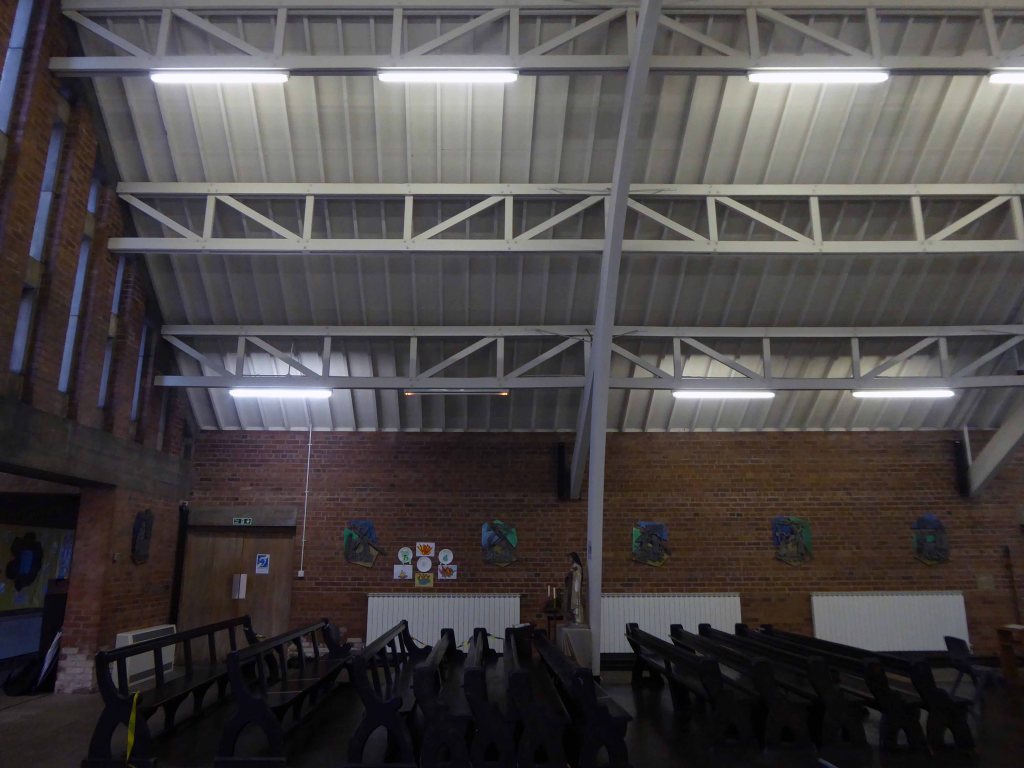
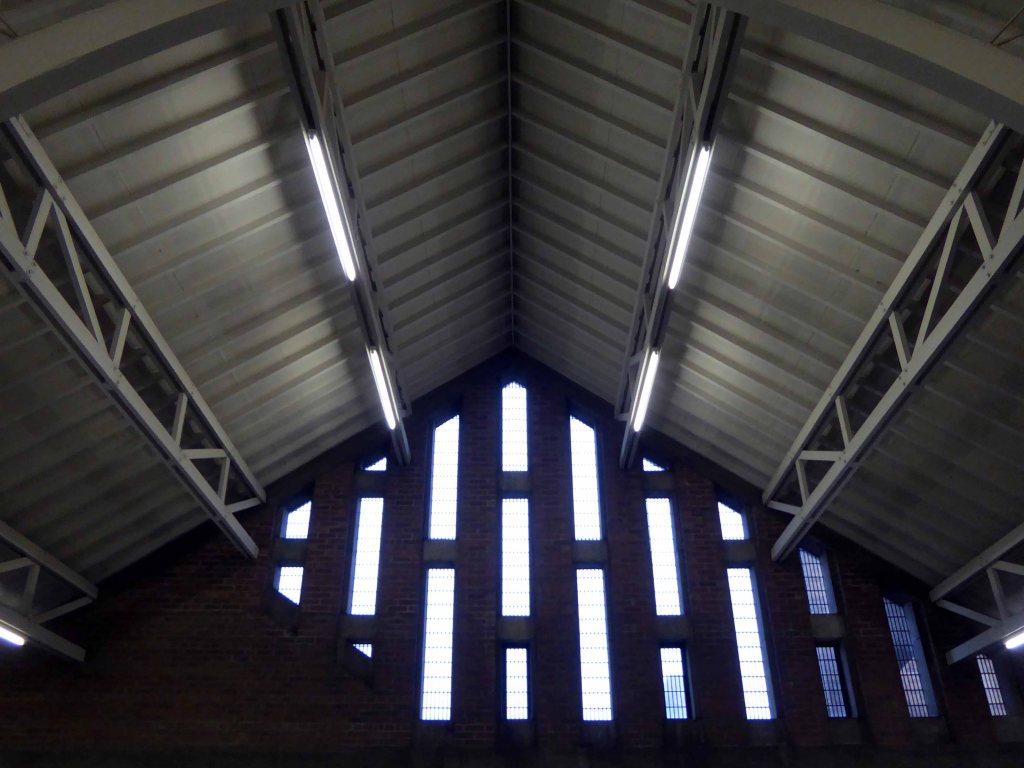
The wooden framed roof supported by huge parabolic arches of laminated timber.
There are retrieved pews, temporarily reordered to accommodate Covid requirements.
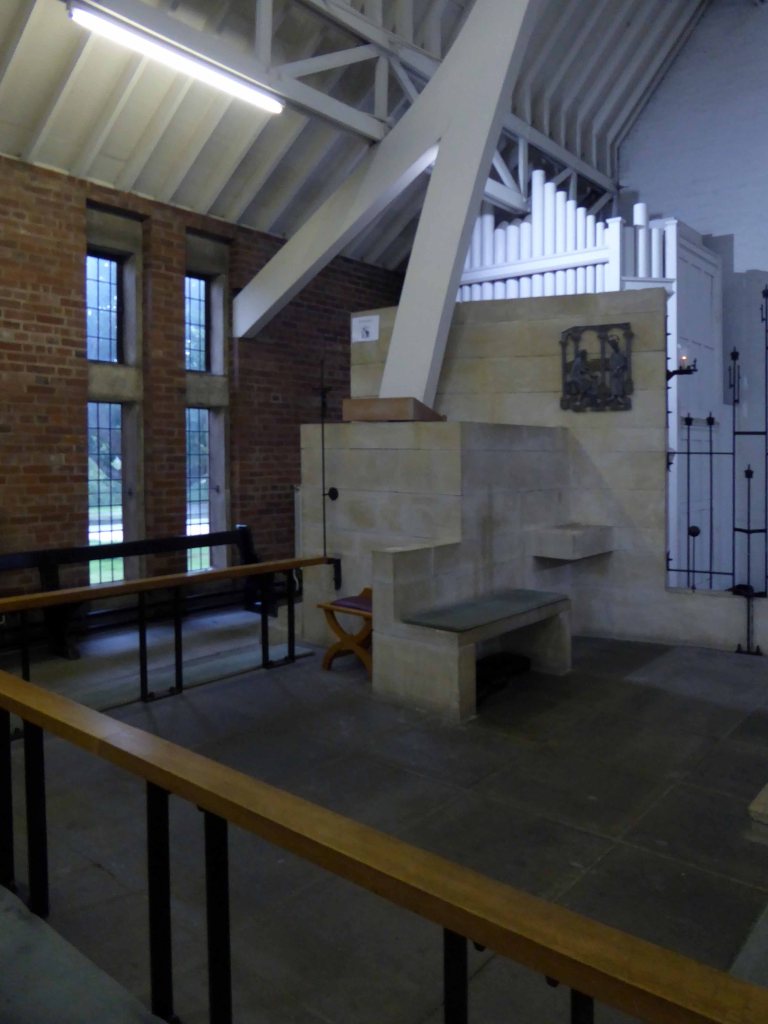
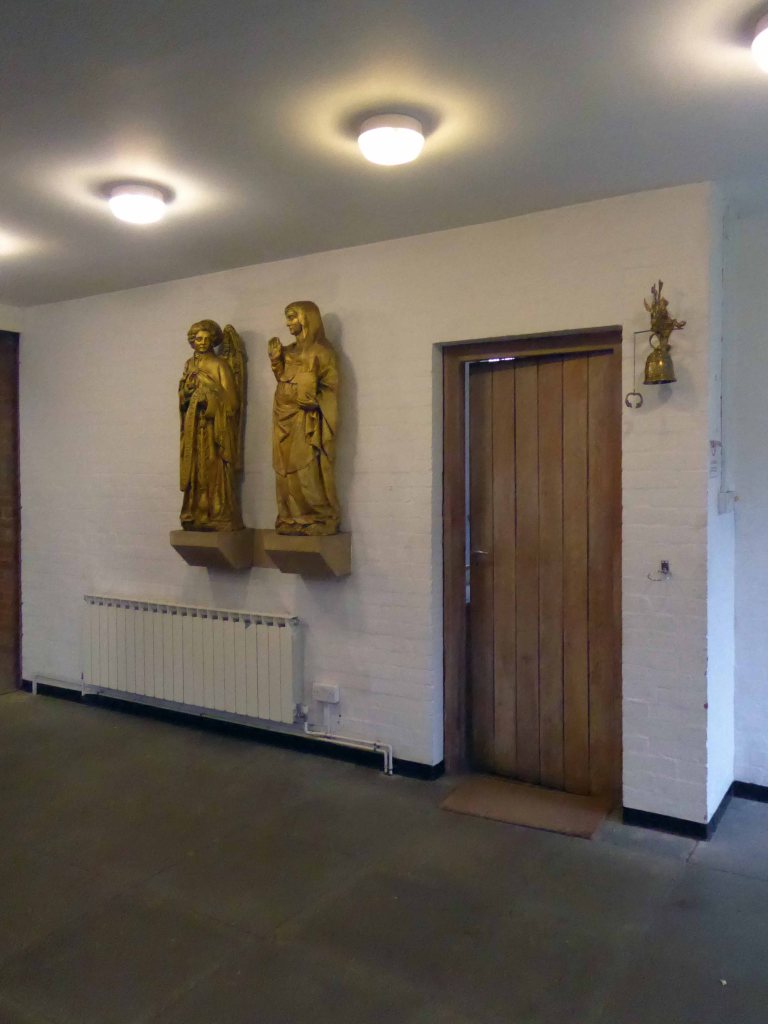
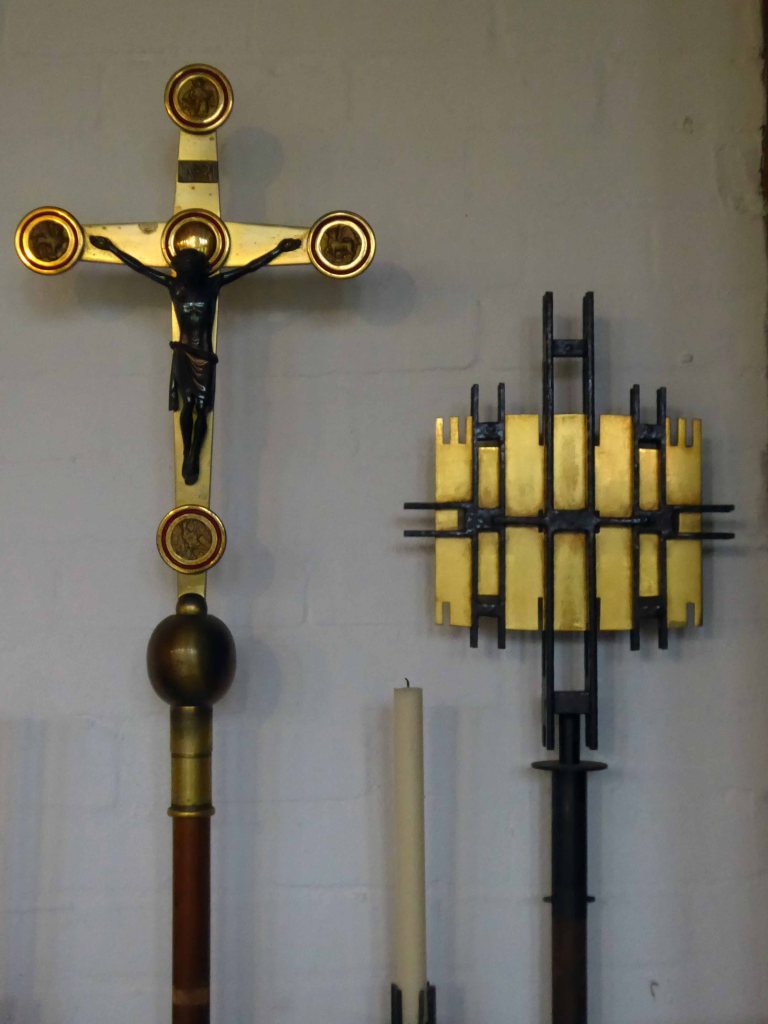
Pugin statuary.
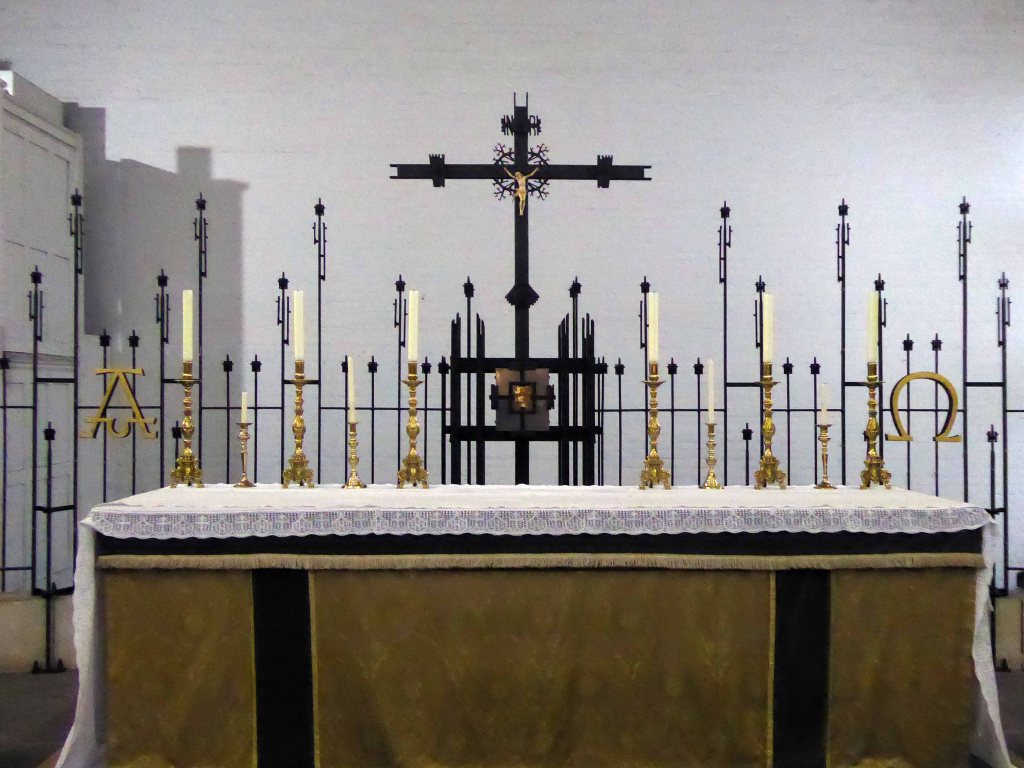
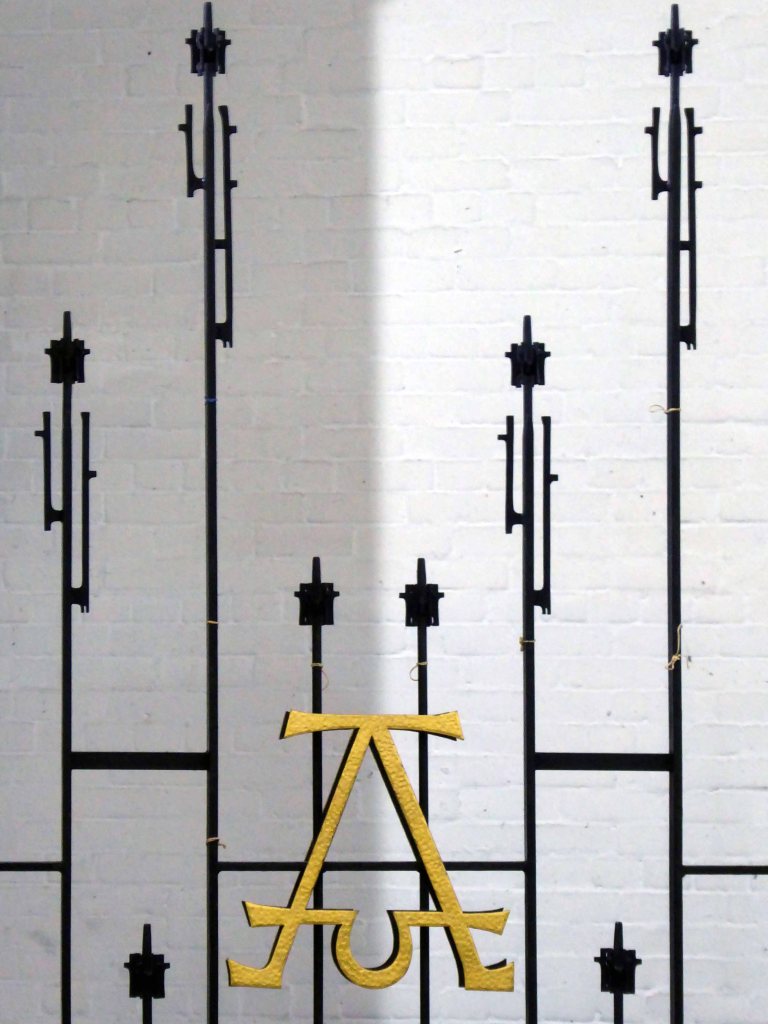
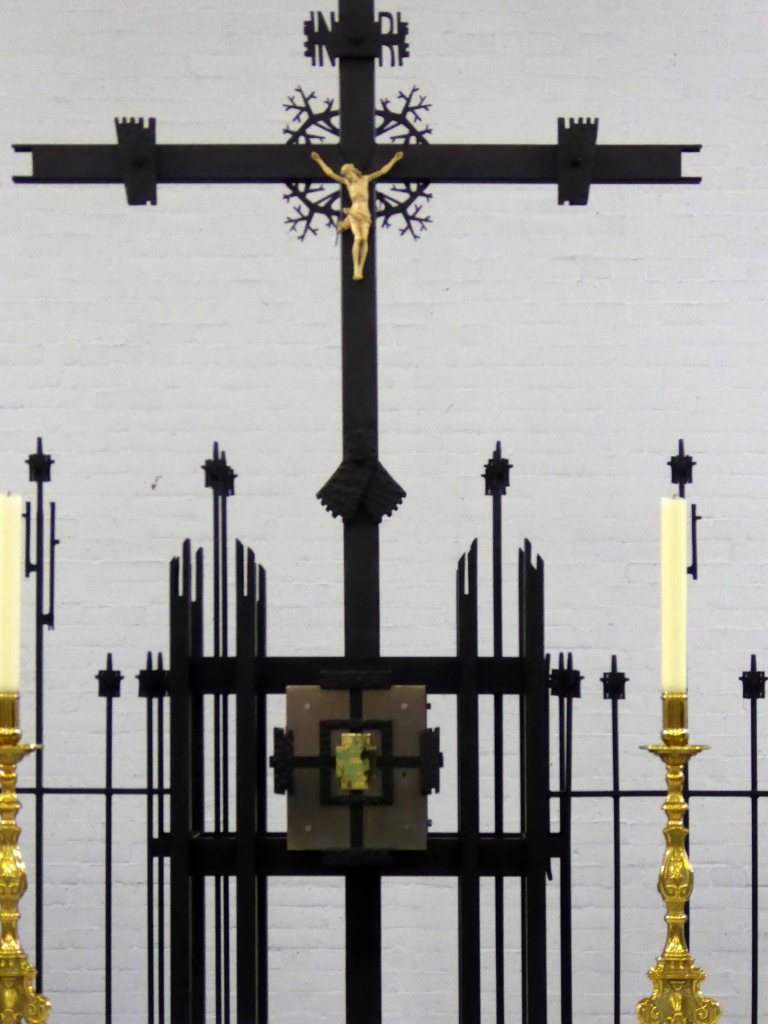
Pace’s own detailed design work in the altar screen and crucifix.
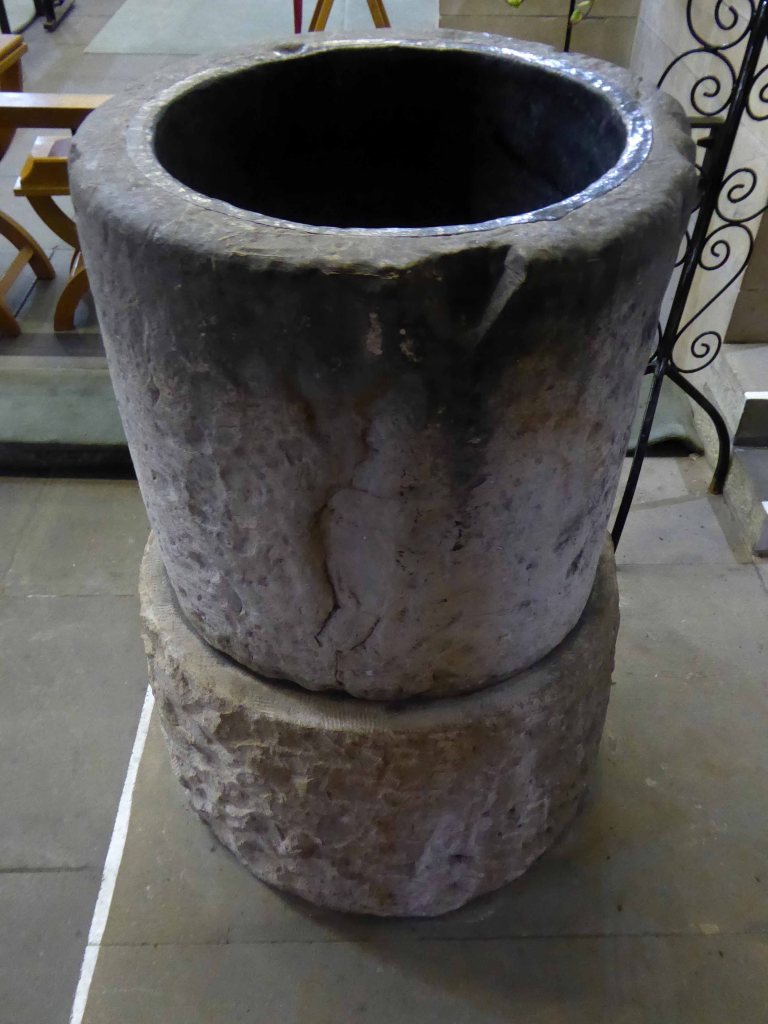
A Mediaeval font.
Light enters from several sources on three elevations.
And through the glazed area of the raised gable.
A delightful morning’s work visiting this well used and cared for church.
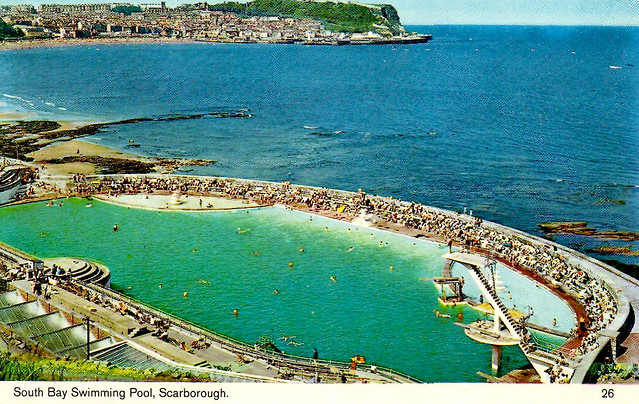
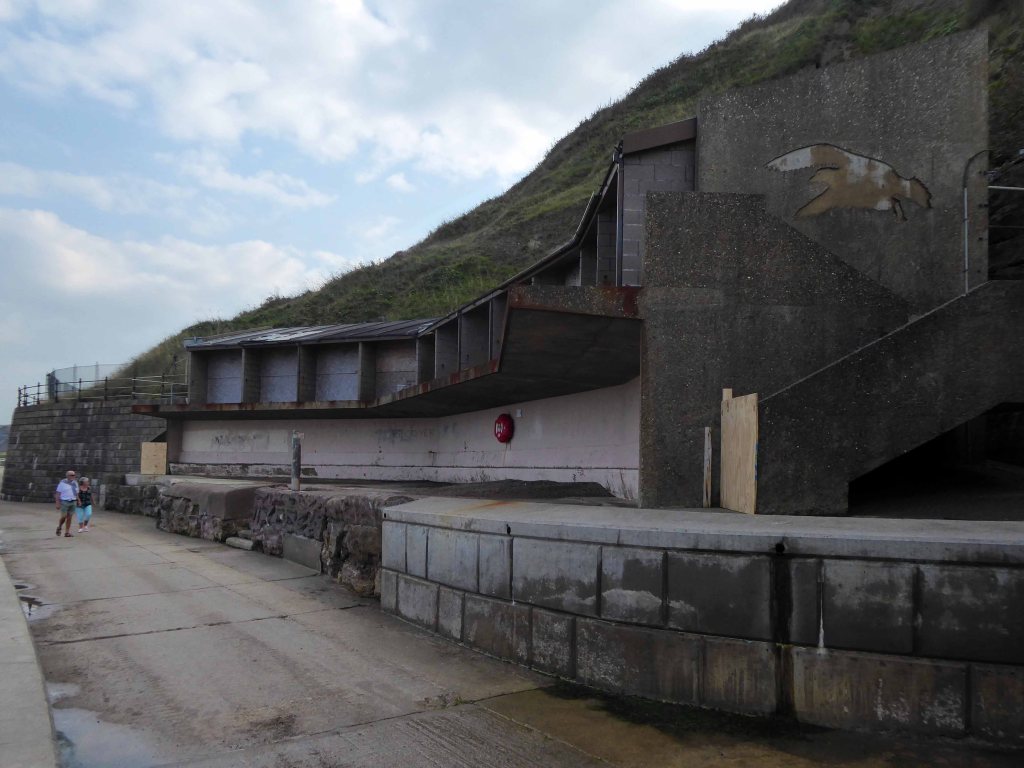
The world is inherently unstable, along comes a train a resort appears, along comes a ‘plane a resort disappears, along comes a virus and people disappear.
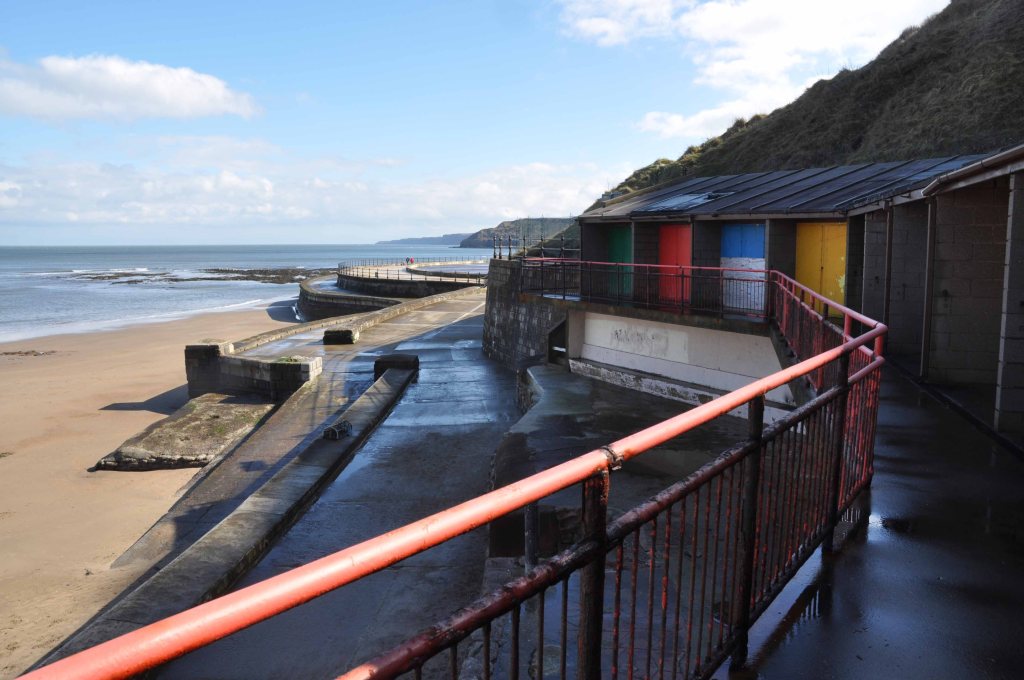
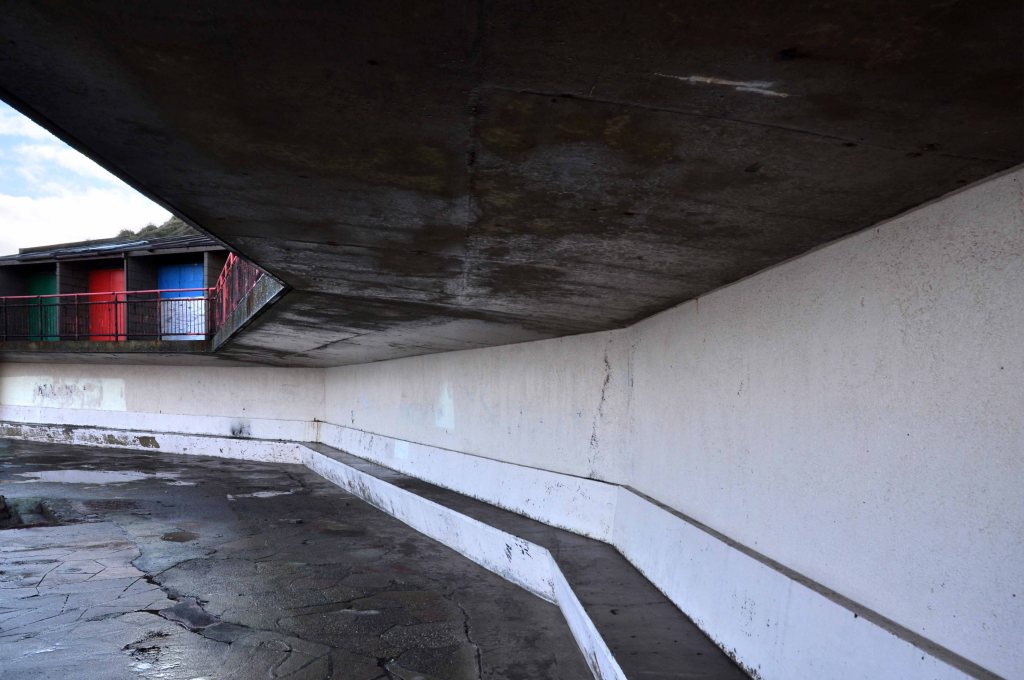
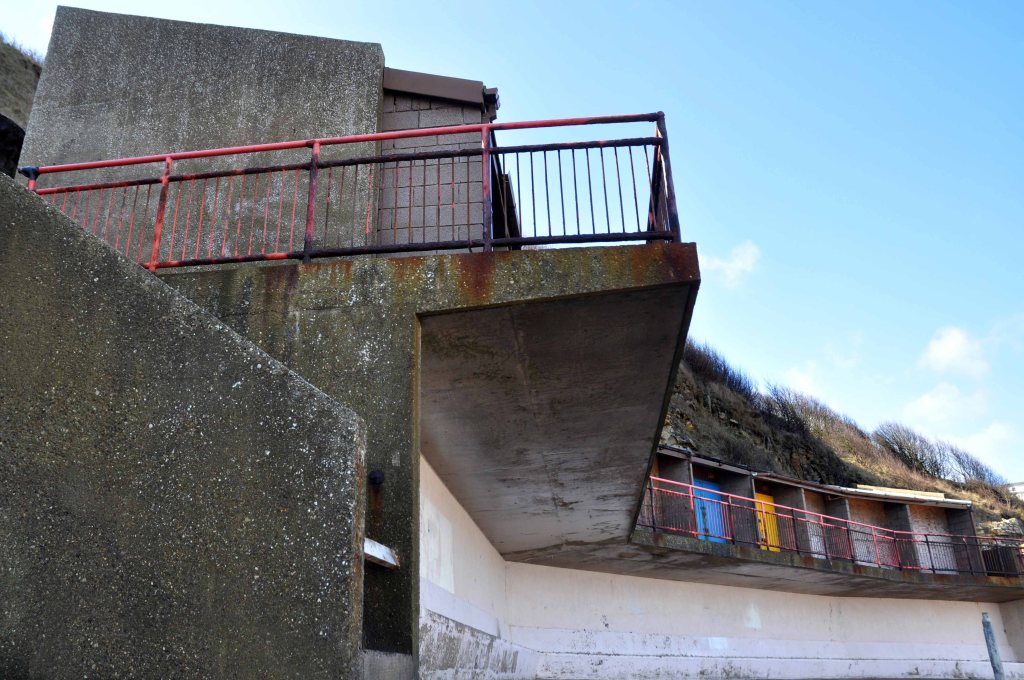
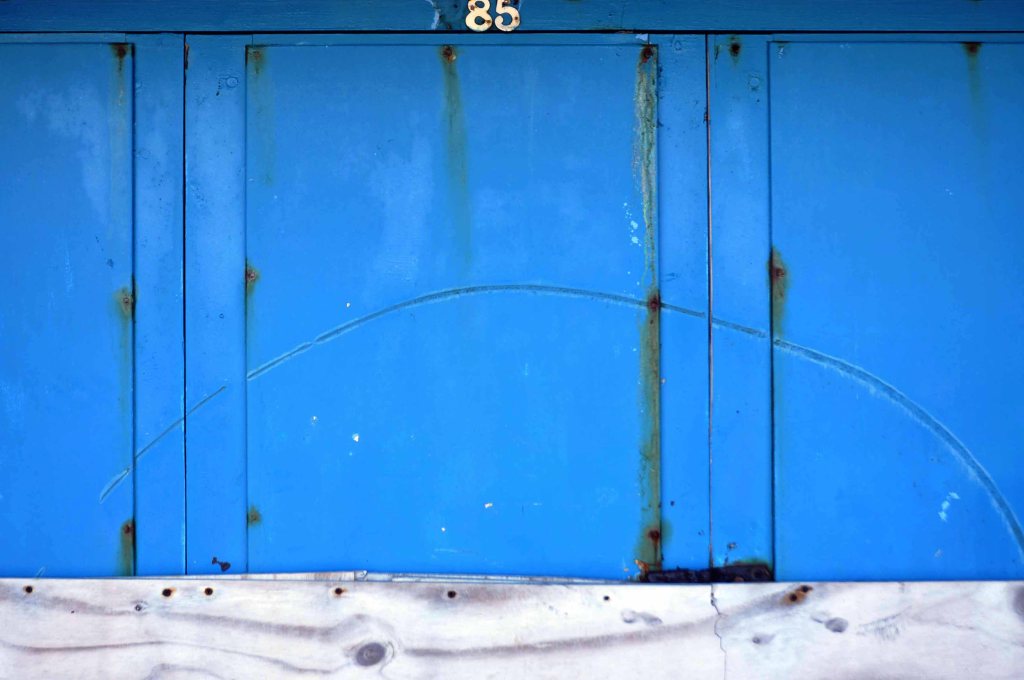
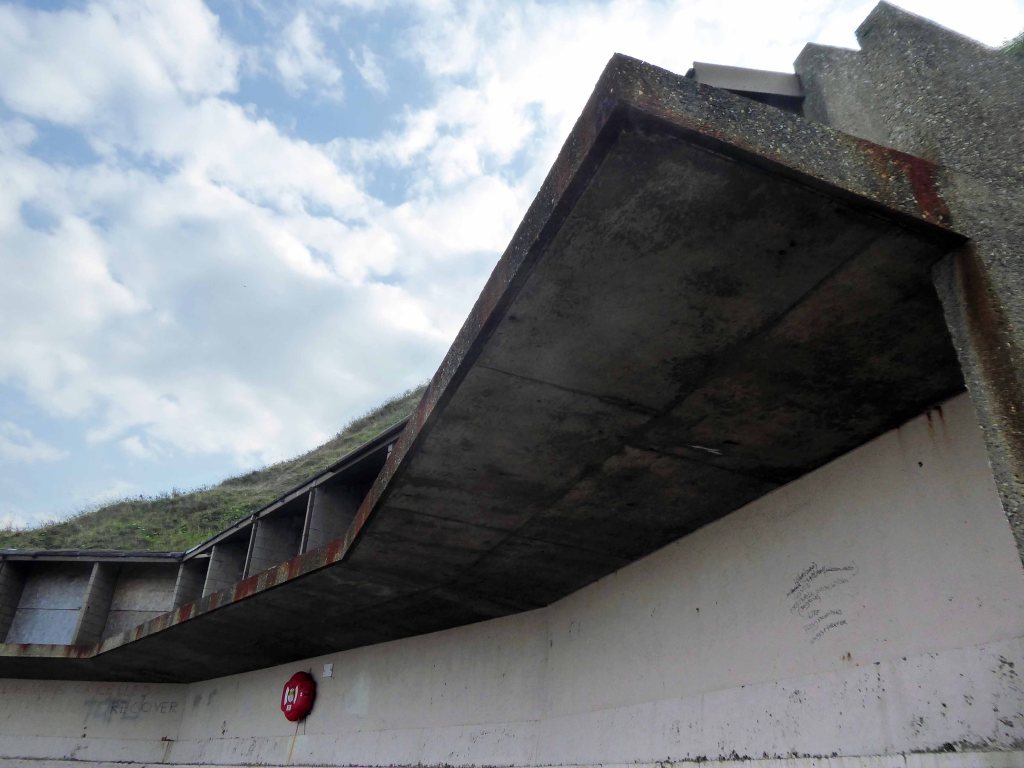
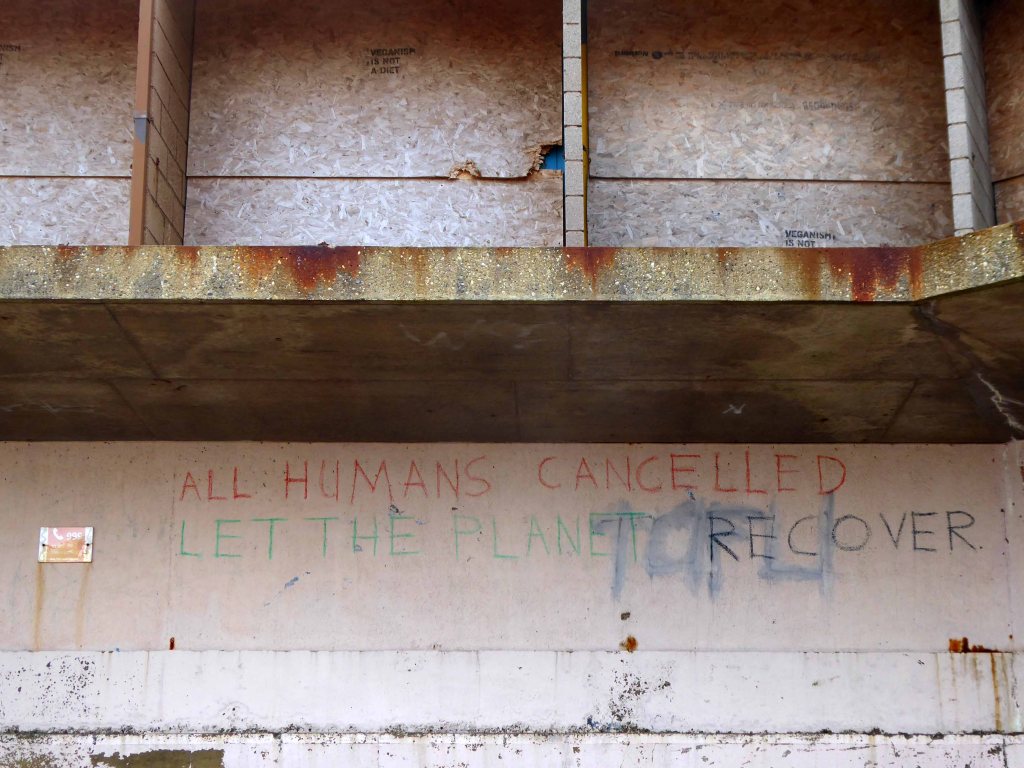
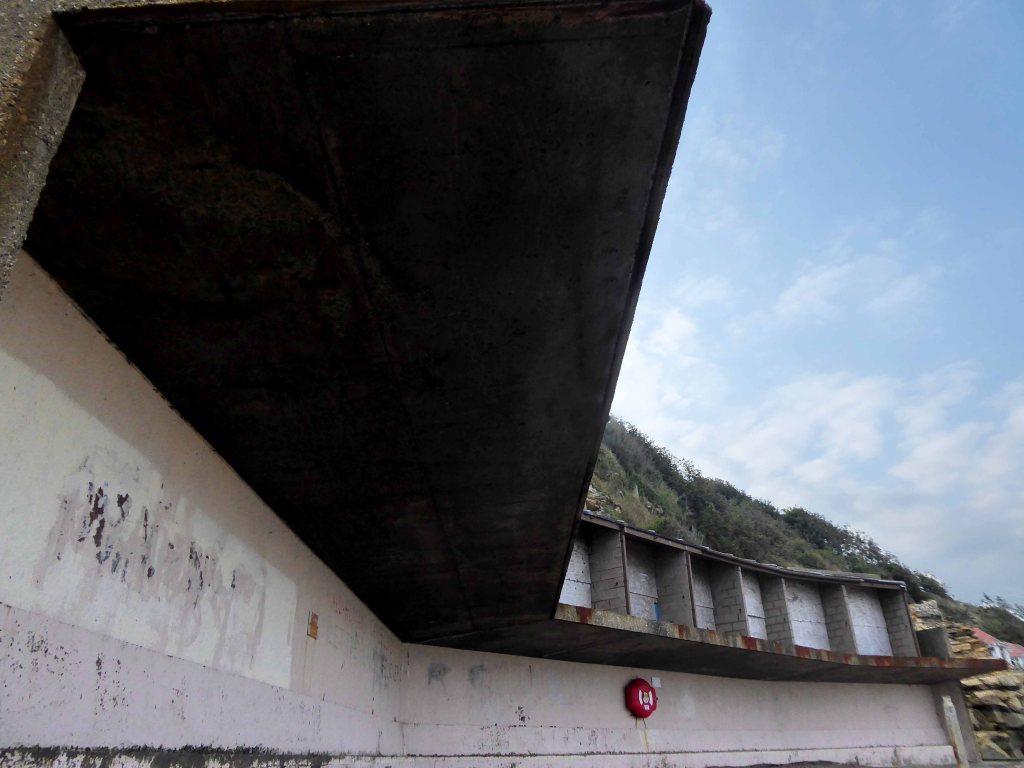
Some of the oldest sun bathing chalets almost became an Arts Hub.
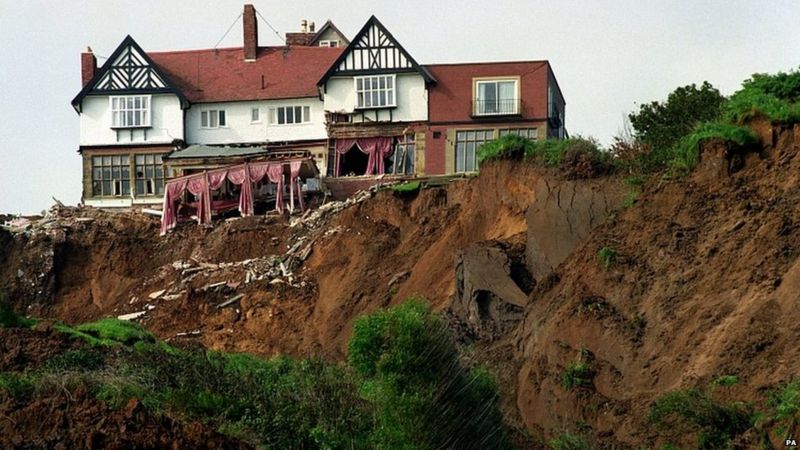
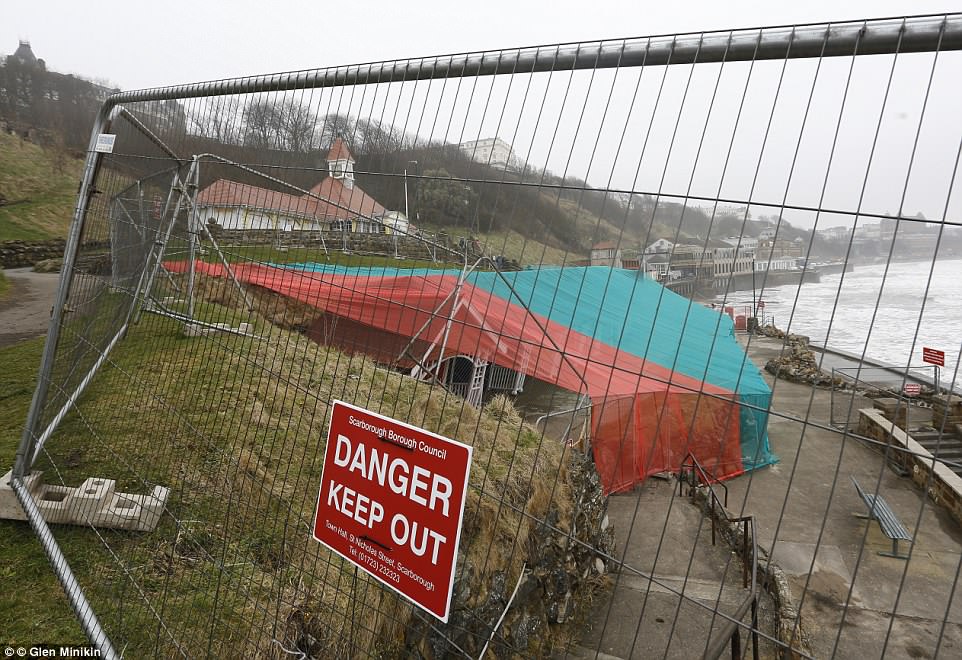
Seaside chalets were under threat, with the cause believed to be the failure of a retaining wall.
The swimming pool has been and gone, only an empty shell remains.
There are speculative plans and piecemeal repairs, but these are difficult times, and attracting substantial finance and flocks of tourists to revitalise the town, is no simple matter.
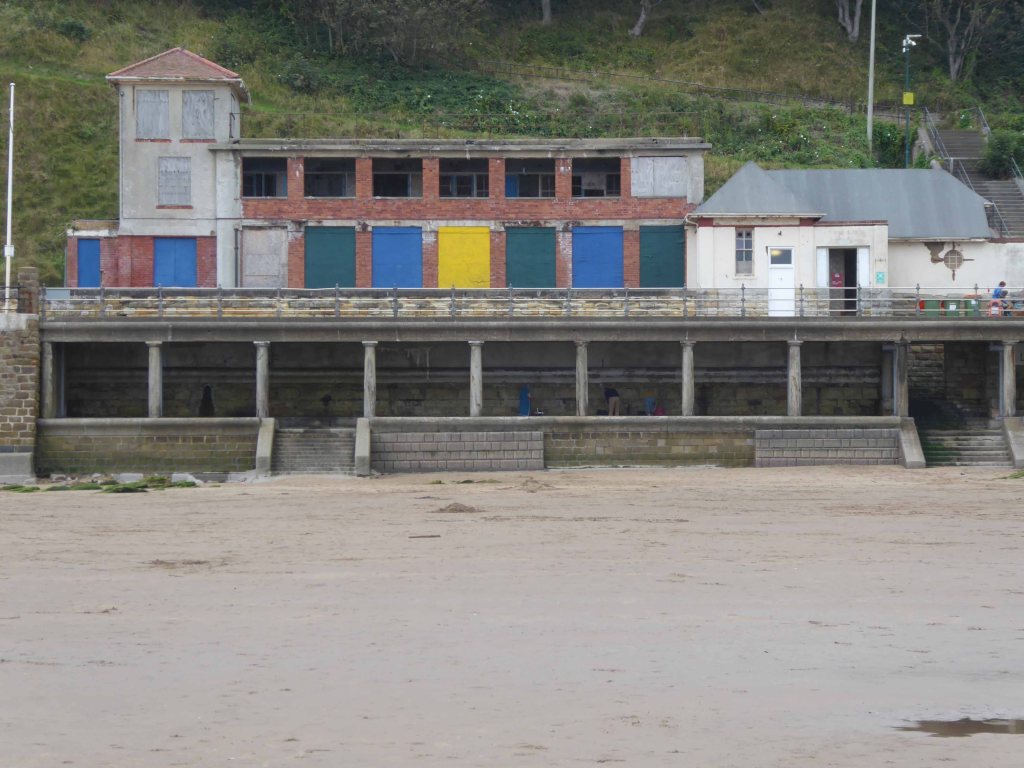
From 2011 I have visited South Bay, intrigued by all the above, but there’s a special place in my heart for these concrete chalets.
They never get a mention.
Here they are some years ago.
The primary coloured paint almost still fresh on their well locked doors.
They stand forlorn on the concrete shore overlooking an indifferent North Sea, hoping for a future in an uncertain age.
As I snapped I chatted to a local ANTIFA Anarcho Punk – ex Mansfield Miner and political activist, he feared that they would be swamped by some tidal wave of gentrification.
If so when, not soon.
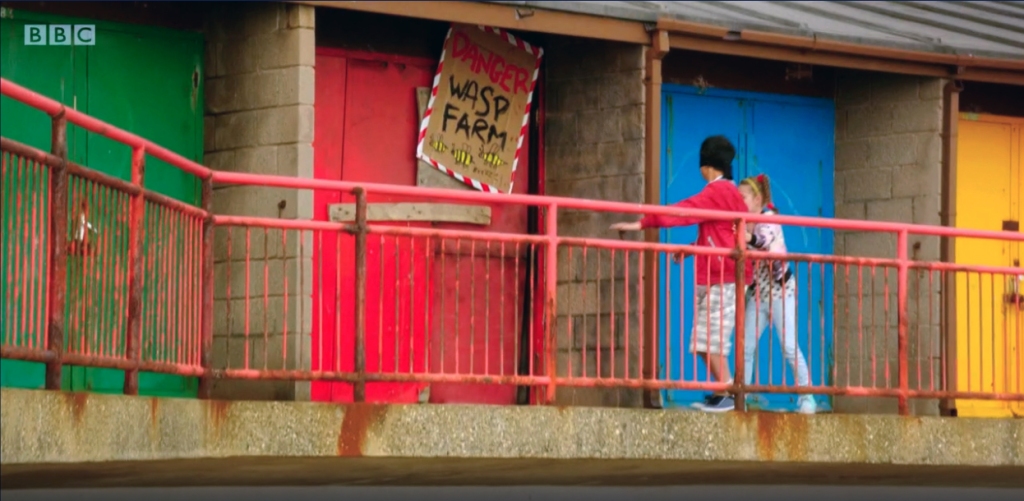
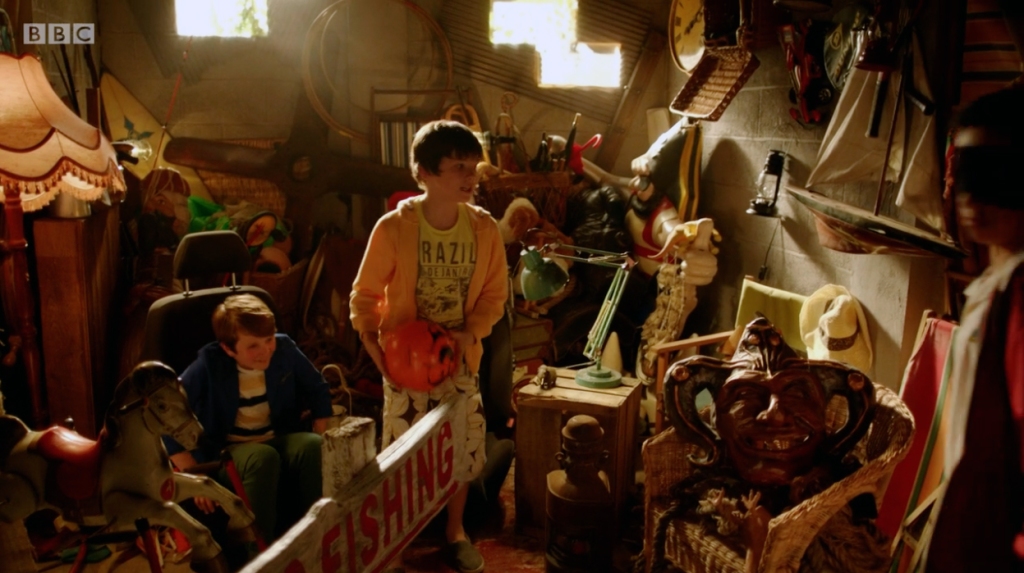
As a post script I have been informed that the site was used as a kid’s den in the CBBC TV series All at Sea!
29 King Street Bridlington East Riding of Yorkshire YO15 2DN
Supplier of a variety of discounted homewares and DIY products, toys, clothes and stationery.
In 1881 William Boyes opened a small store in Eastborough, Scarborough selling odd lots and remnants from merchants. There was great poverty in the working classes and housewives were even keener for a bargain than they are today. When customers found that they could buy enough material to make a coat or a dress cheaper than anywhere else, they soon spread the word and trade increased to such an extent that William had to look for larger premises.
William rented a large warehouse just off the main street where business continued to grow. By 1886 he purchased further units in Market Street and Queen Street and knocked them into one large store and named it ‘The Remnant Warehouse’. Older customers in Scarborough still refer to the shop as ‘The Rem’. As time went on William expanded his range and bought other clearance lines from merchants developing the warehouse into a department store.
Business continued to grow and go from strength to strength and in 1910 the expansion of the company started. Today W Boyes and Co Ltd operate over 60 stores throughout Yorkshire, the North East, Lincolnshire and Nottinghamshire & Leicestershire.
In 1969 Hammonds of Hull purchased the Carltons department store located in Bridlington, and within a year had demolished and rebuilt the store. The company’s independence did not last much longer, as in 1972 House of Fraser purchased the business for £8 million. The stores were then grouped under the Binns brand. The Bridlington store was closed in 1995 and the store stood empty for three years until Boyes opened in 1998
My sincere thanks to Kate Yorke for her detective work.
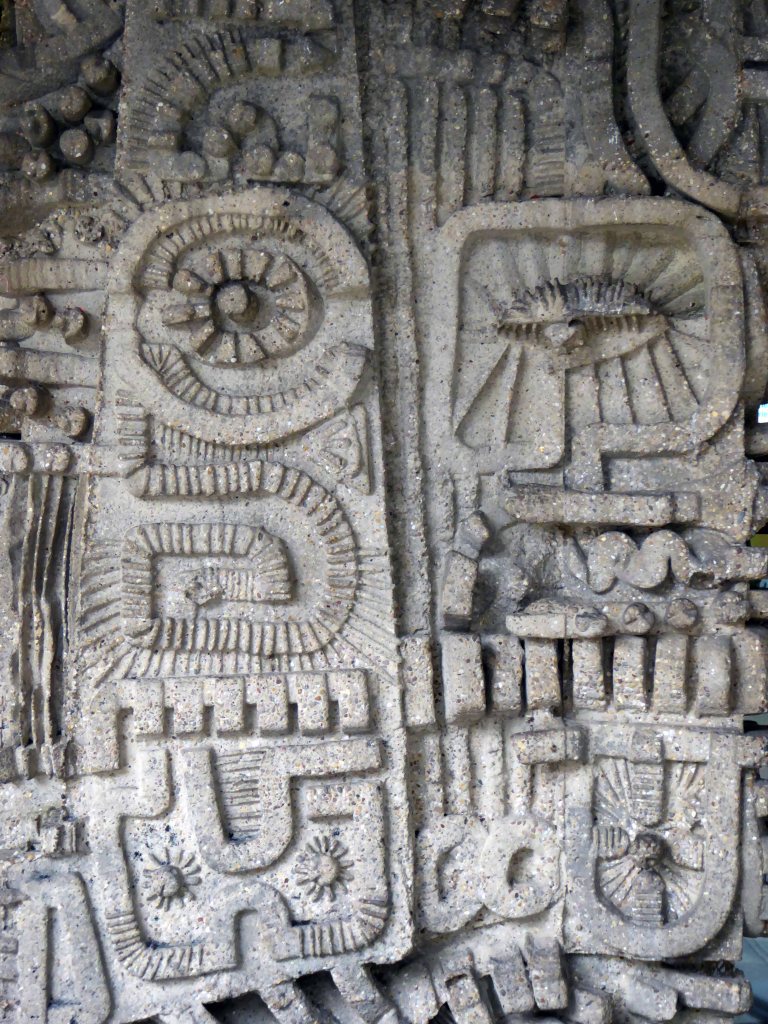
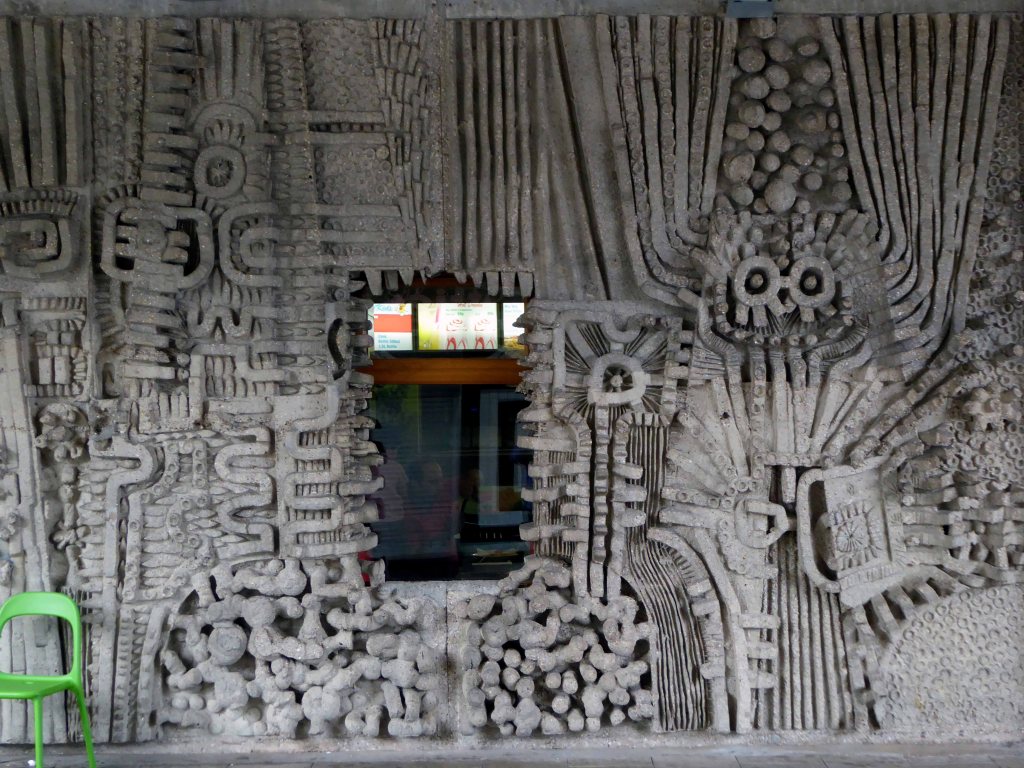
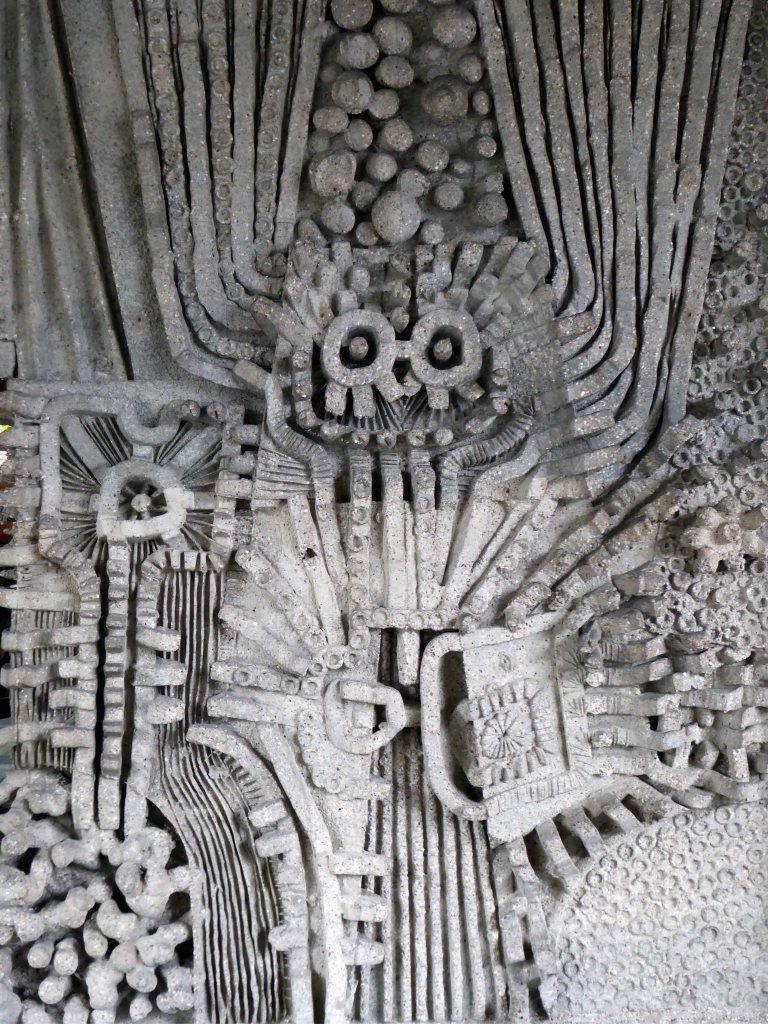
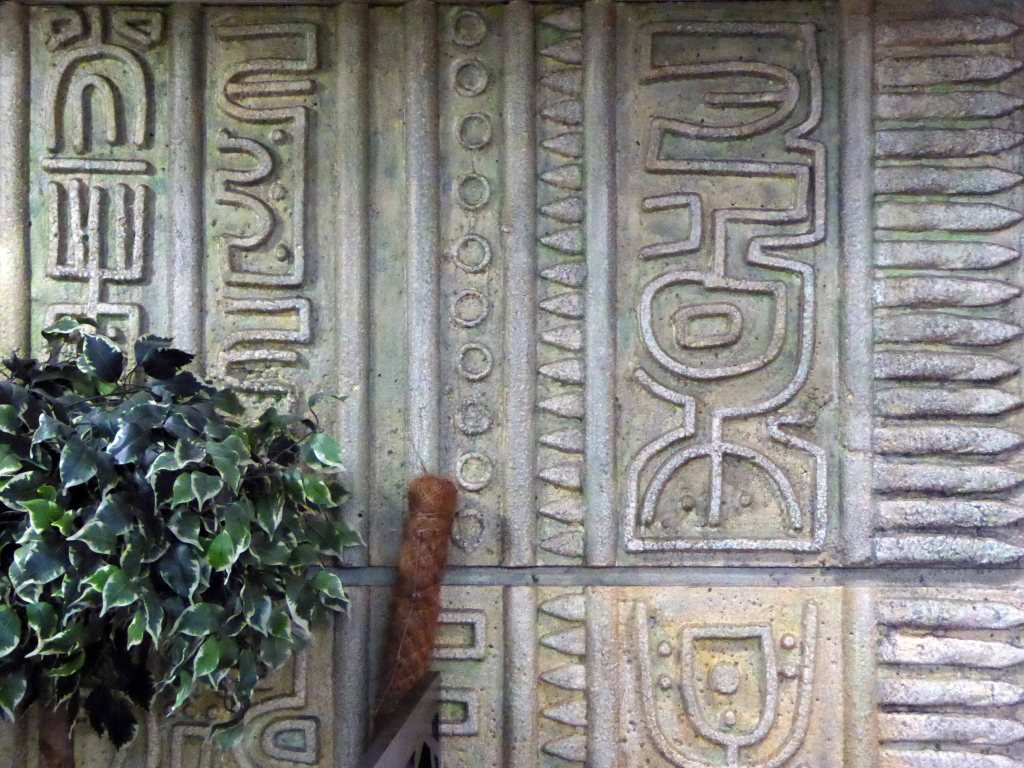
I have been here before, enchanted by the exterior tiles, of unknown origin – yet strongly redolent of William Mitchell’s work.
These are on the southern face of the building.
On the opposing side.
They flow through into the entrance lobby.
Exploring further I encountered these striking ceramic tiles on the stairwells.
With a matching set on the others side of the store.
It’s a constant delight to discover the decorative art of the Sixties preserved in situ. Remnants of a time when investment in original work was de rigueur, reflecting the pride which companies had in their buildings and the respect they held for their customers.
The stores trade as Boyes – pronounced Boys but often mispronounced as Boys-es.
It is still owned and family run with Andrew Boyes and his son Richard as joint managing directors.
The Scarborough store was home to a number of animals in the past, including monkeys, chipmunks and budgies. The animals were used as way of encouraging customers to visit the store and purchase something whilst they visited. Two of the monkeys, Jacko and Dinah, are famous to a generation of Scarborough shoppers.
Scarborough TEC formerly known as Yorkshire Coast College, Scarborough Technical College, Scarborough Technical Institute, and Scarborough School of Art is a further education college located on Lady Edith’s Drive Scarborough. It is a constituent college of the Grimsby Institute of Further & Higher Education.
Yorkshire Coast College was originally an independently controlled institution, but due to consistently poor results and long-term financial difficulties was taken over by the Grimsby Institute in January 2010.
In November 2016, the name was changed from Yorkshire Coast College to Scarborough TEC, with the TEC standing for Training, Education, Careers.
Colleges, once under the stewardship of the local authority are now independent businesses and as such subject to mergers and acquisition, for better or for worse.
1961
This is a building of architectural significance, GMW being responsible for several other ground breaking curtain wall towers and blocks – including Castrol House, now Marathon House one of the first curtain wall buildings in the UK, along with the Arts Tower in Sheffield.
In August 2015, GMW was taken over by another business, Scott Brownrigg, “as part of plans to move into the airport sector.”
It represents a time when vocational education was in the ascendancy, building for a manufacturing future with forward thinking, open, democratic and accessible architecture.
That optimism along with the attendant architecture are no longer, it seems – dish of the day.
It was a proud boast for many people in Scarborough that Robert Allen Palmer, the pop music icon, was raised and schooled there. Robert went to Scarborough Boys’ High School and studied art at Scarborough Technical College.
Photograph copyright Brian Cooke 2011
He played in his his first band there, The Mandrakes evolving from a gathering of pupils from the Scarborough High School for Boys during the summer of 1964. Meetings and practice under the work in progress title of The Titans, first in the crypt of a church and then a former chicken hut, took place. Allen – to become Robert in 1969 Palmer, joined after a successful audition and the first gig took place in a local youth club towards the end of the year.
Robert’s Mum says fame never changed him, “He never seemed any different, he took us on Concorde two or three times and the Orient Express and we always celebrated birthdays, anniversaries and Christmas, everything, together.”
So I bowled up last Thursday following a tip from local lad Mr Ben Vickers, it rained and rained, armed with a Poundland one pound umbrella I took my chances and took some snaps.
Broken and boarded windows, spooky drips dripping and ghosts for company, heavy hearted marking the passing of an abandoned future and rapidly receding past.
Avoiding heavy showers and even heavier seas, I’m here again.
Three ways in and out of a doughnut on Scarborough’s South Bay.
One way in and out of the North Sea.
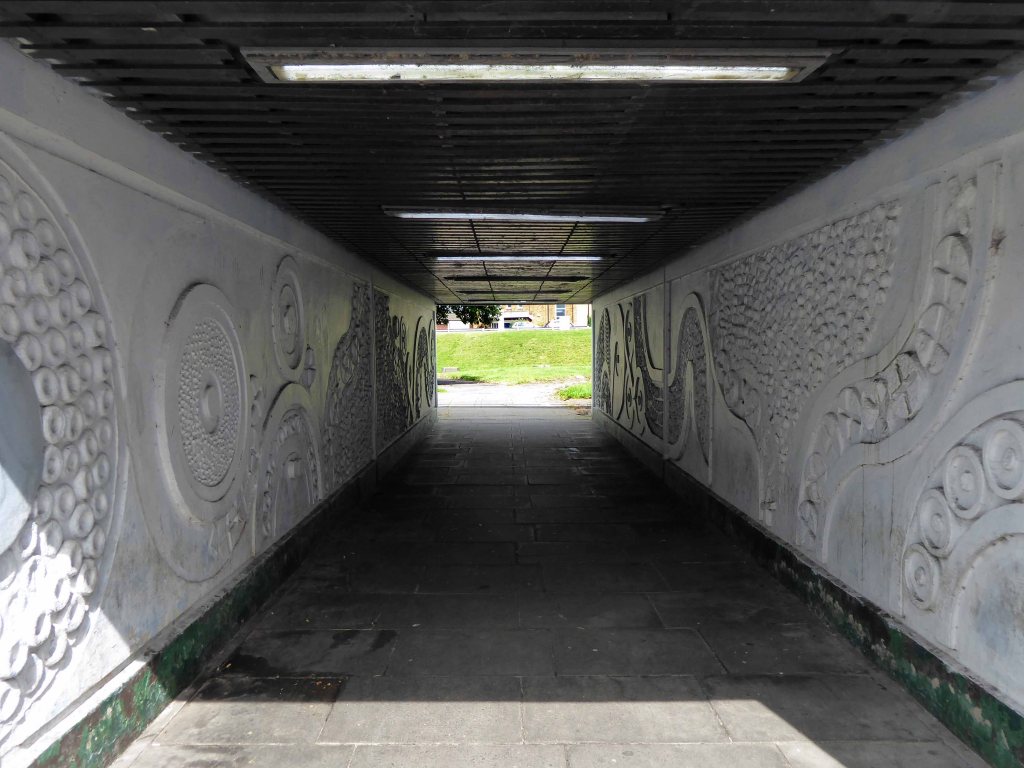
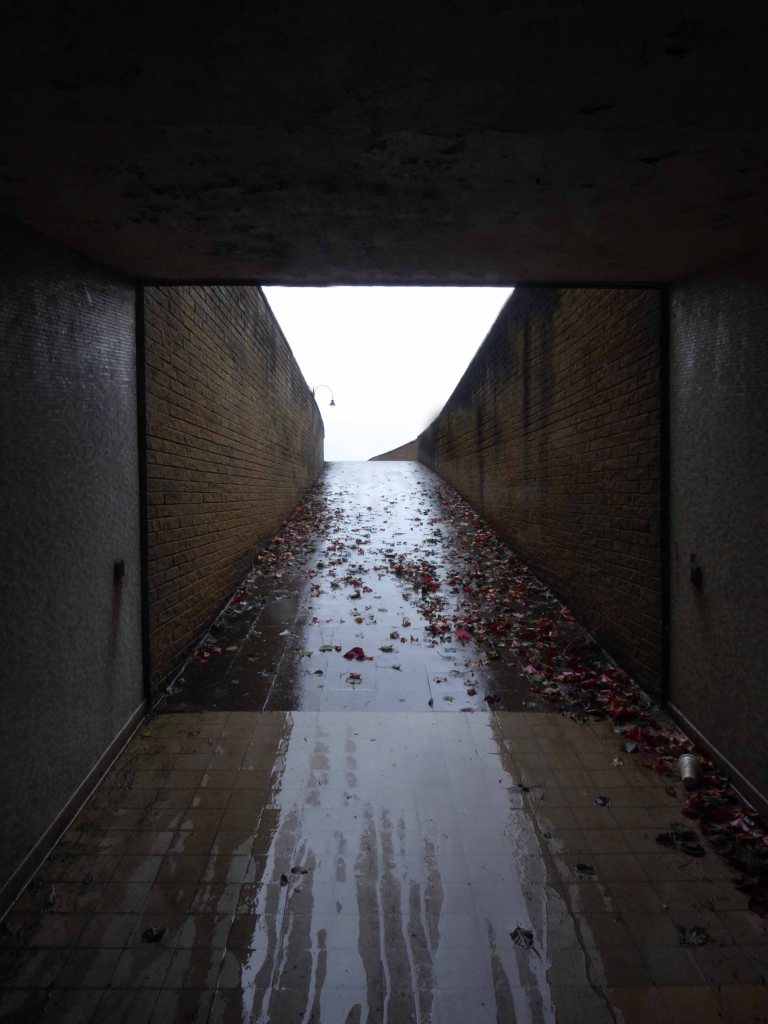
The underpass it seems is generally under threat, unsafe, often unloved and underground – often underused.
Once thought to be the answer to the threat posed to the pedestrian, by increased motor traffic, they are now deemed unsafe – poorly lit, badly maintained and scenes of anti-social activity.
Havens for those who are a threat to themselves.
Don’t let that put you off, get down and get with it!
Why not treat yourself to a walk around the South Bay Underground Car Park?















































































 Modern Mooch