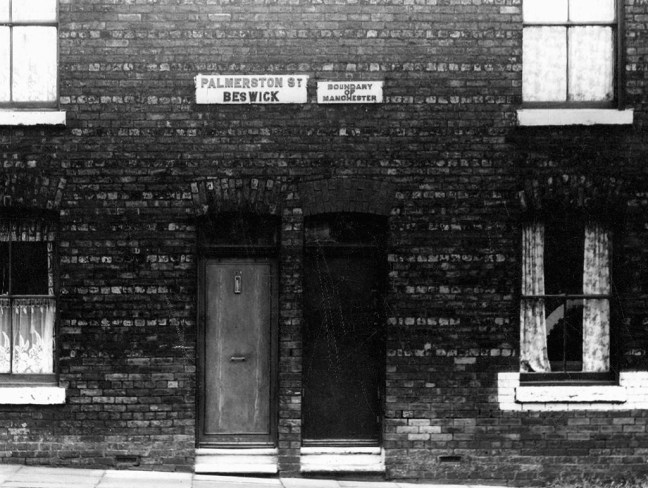
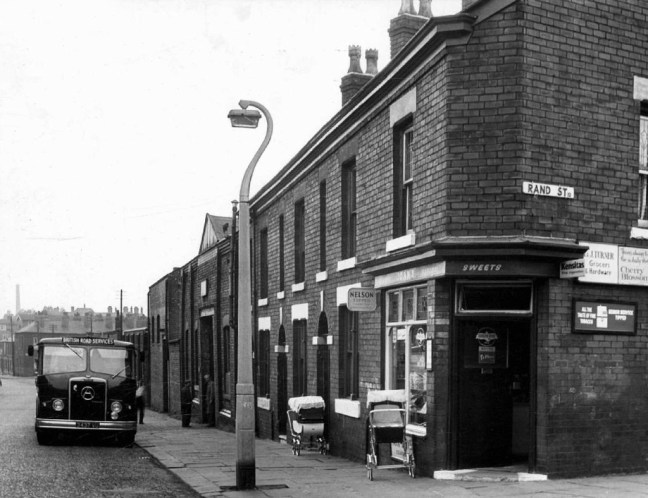
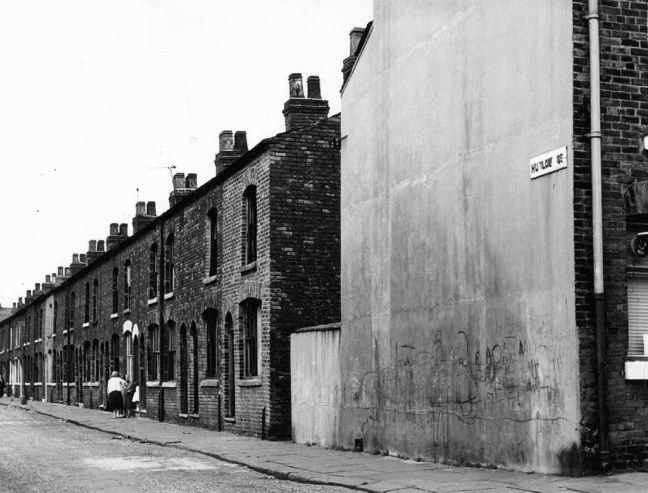
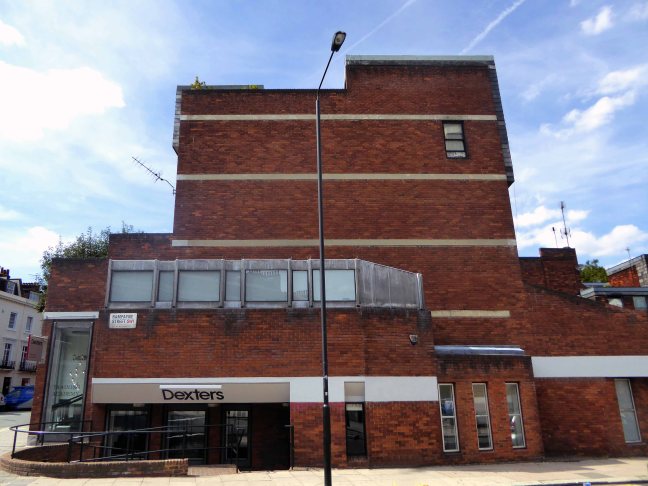
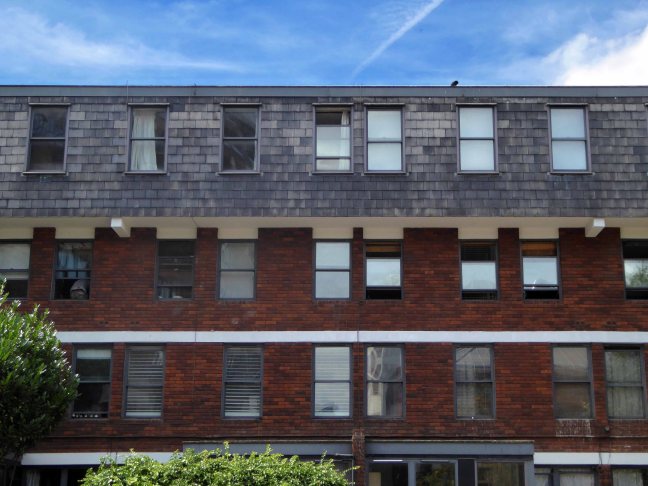
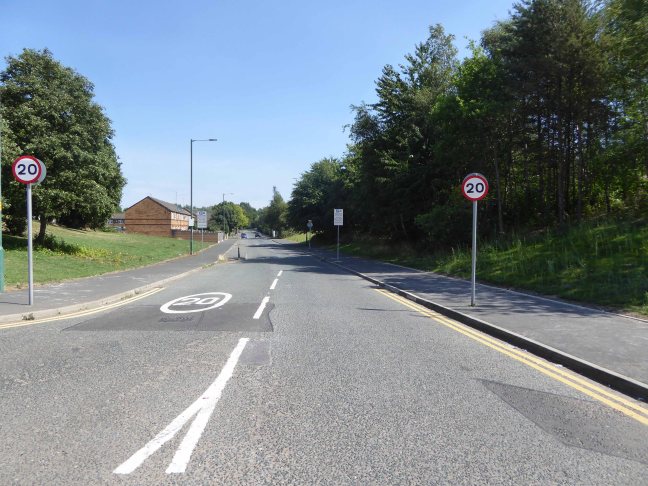
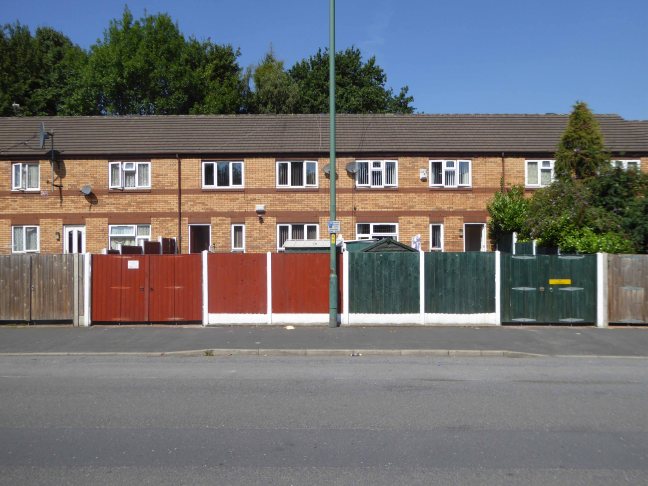
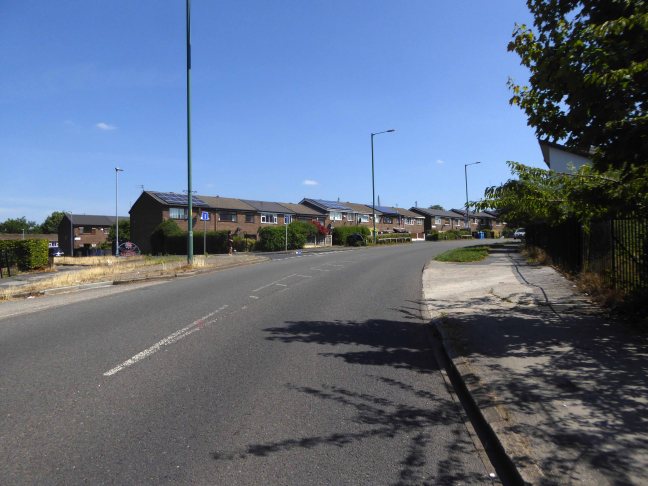
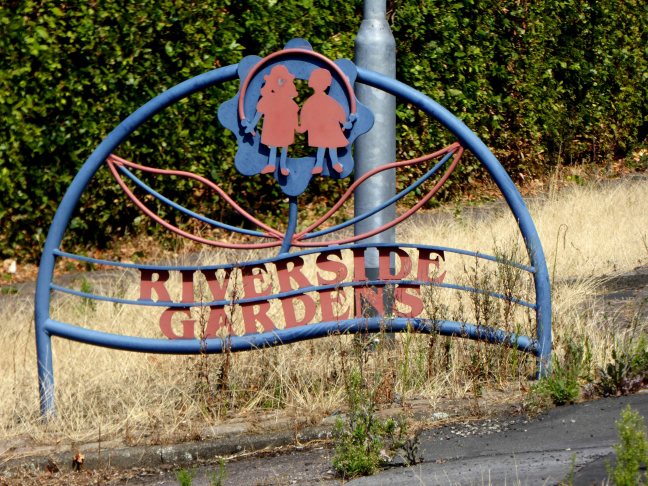
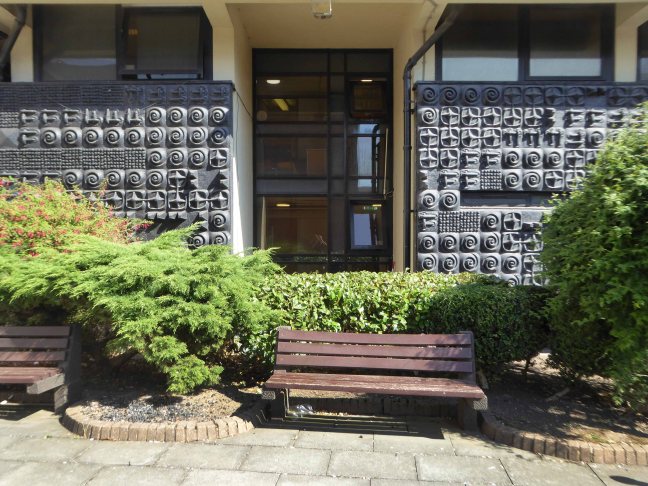
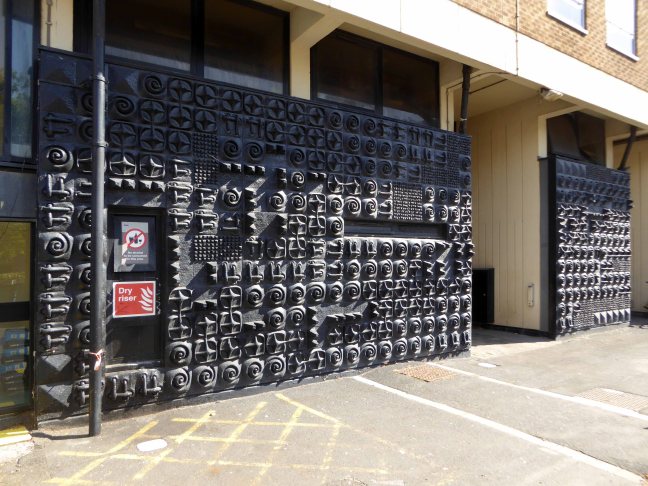
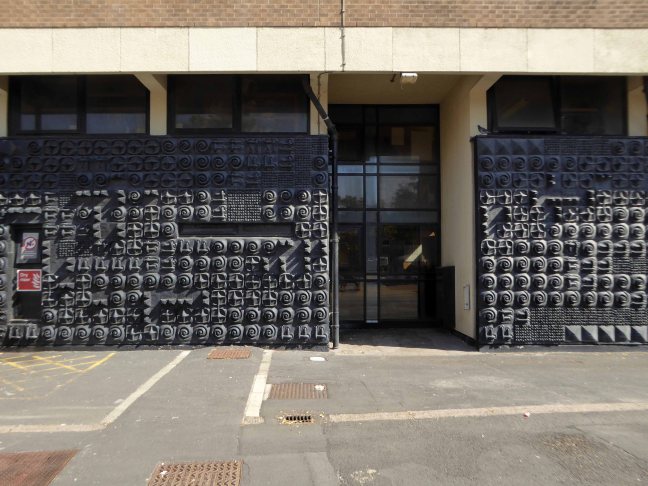
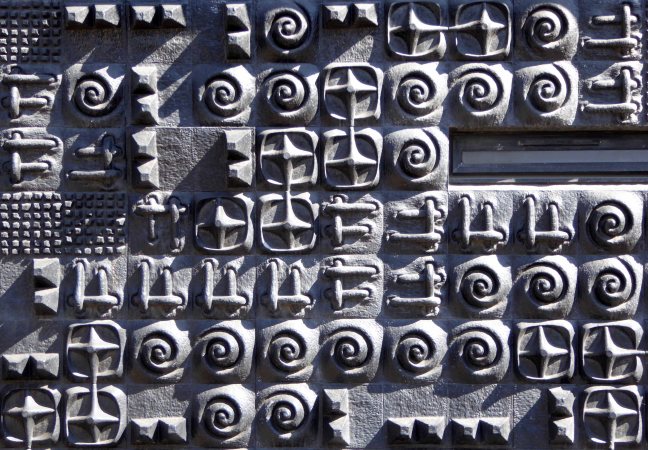
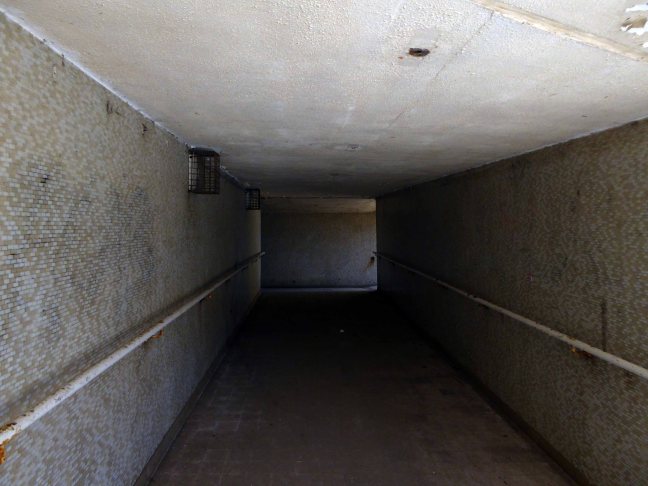
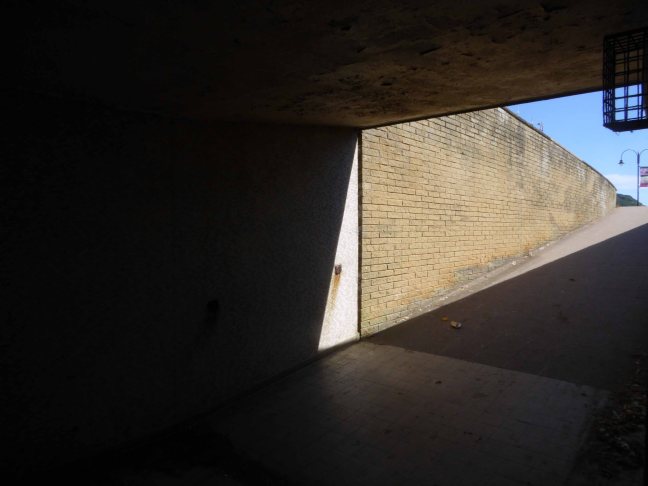
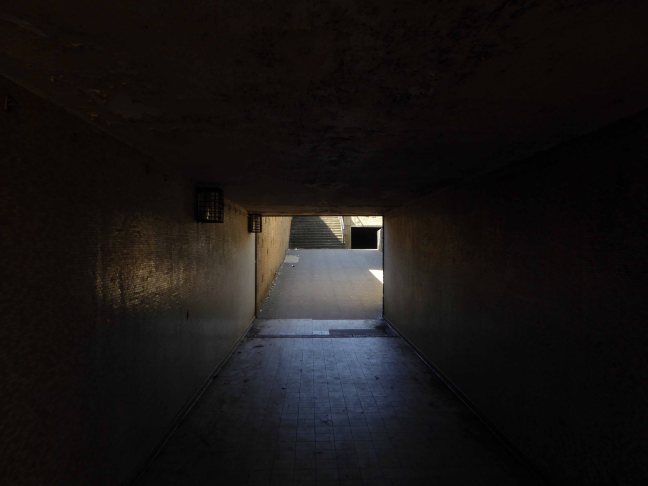
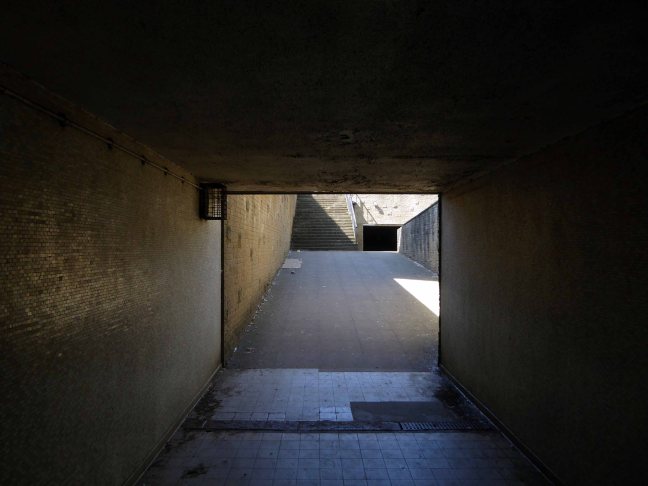
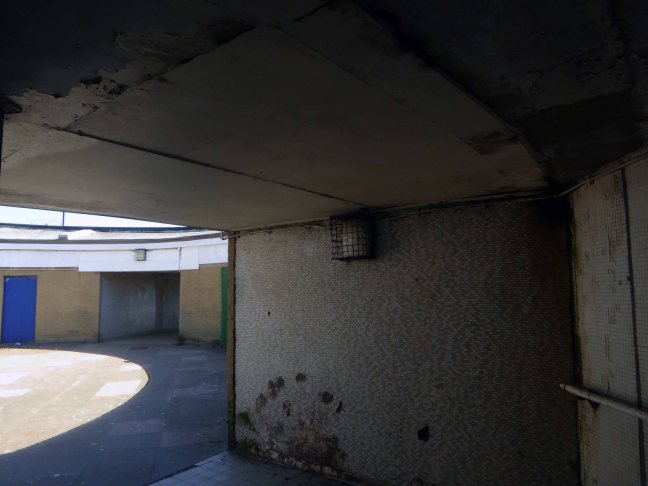
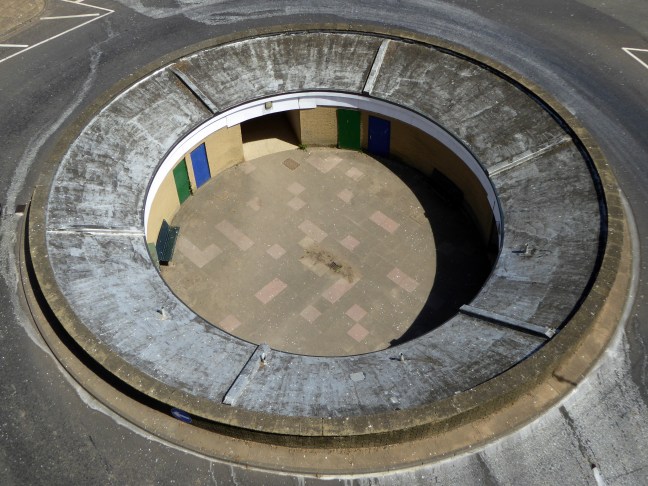
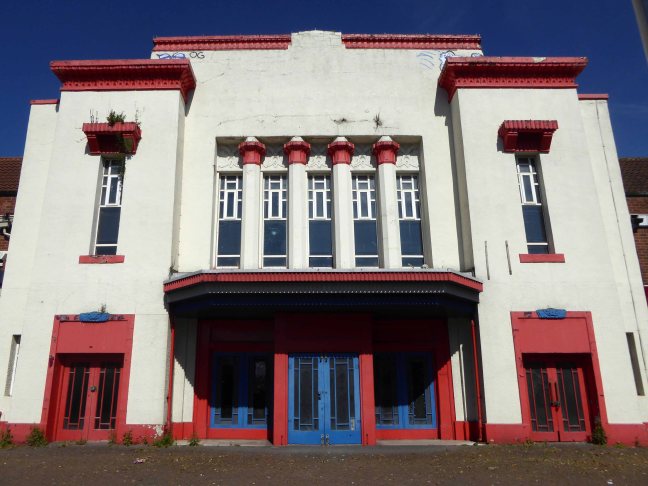
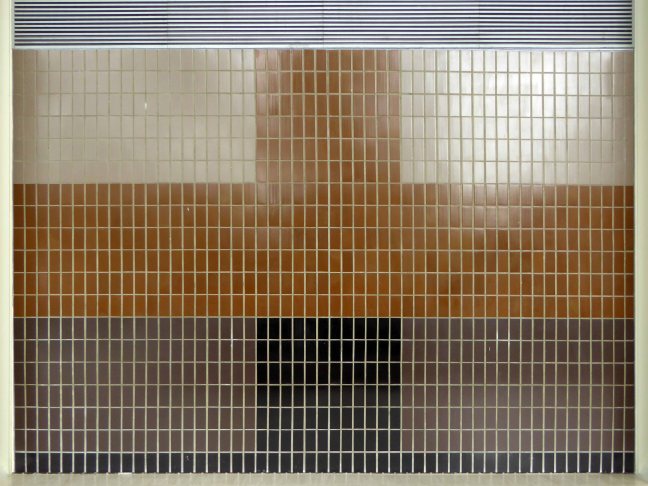
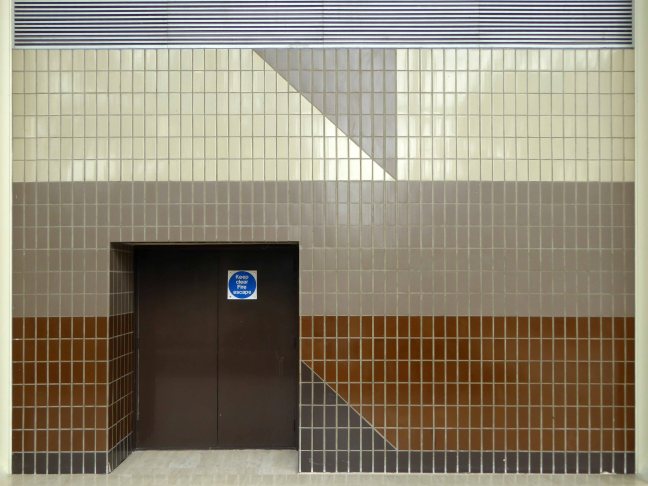
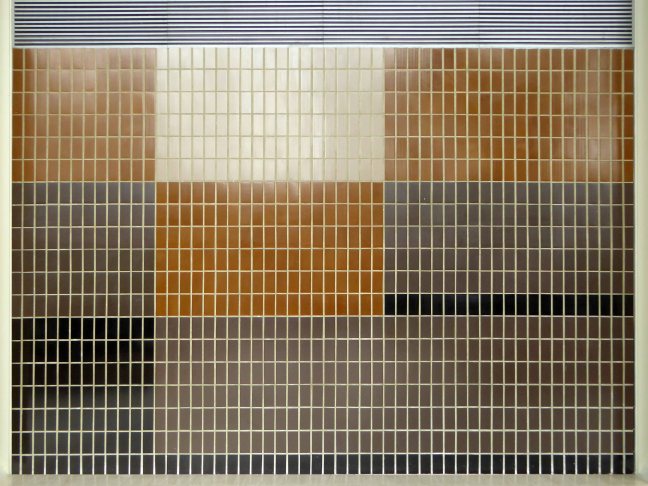
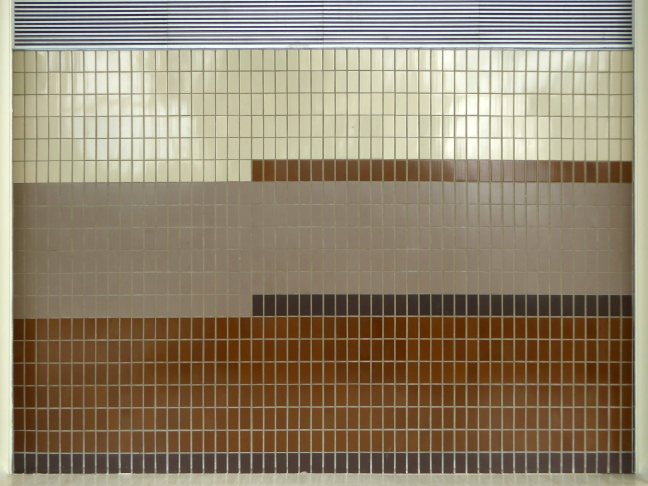
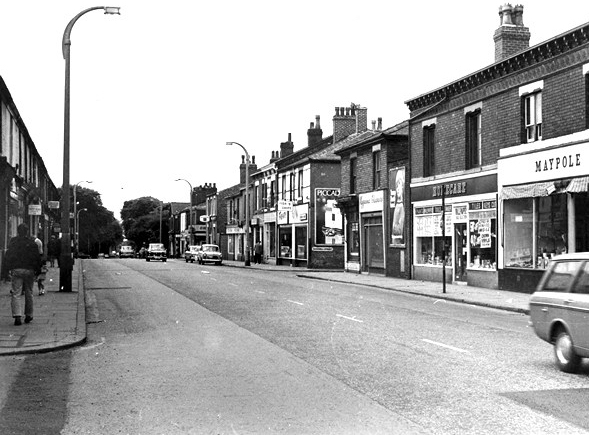
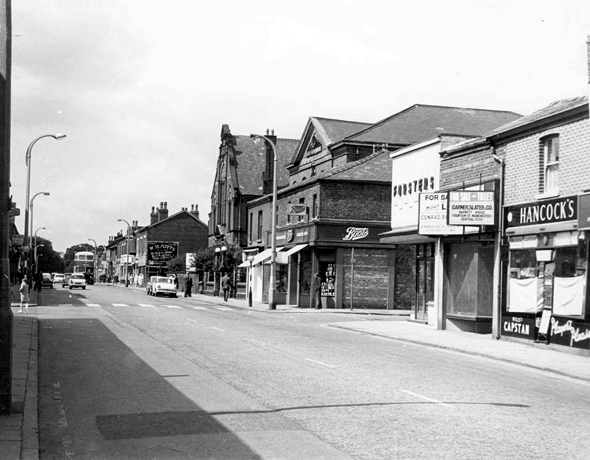
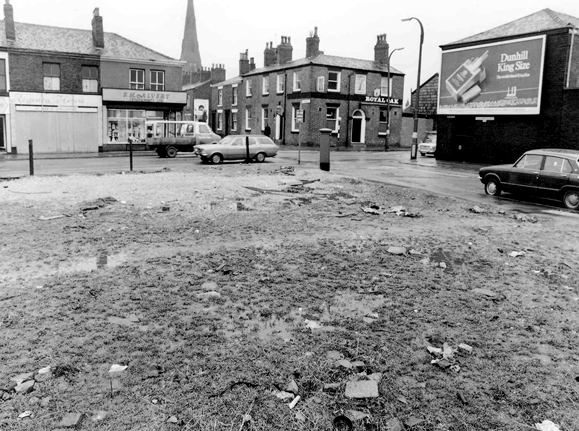
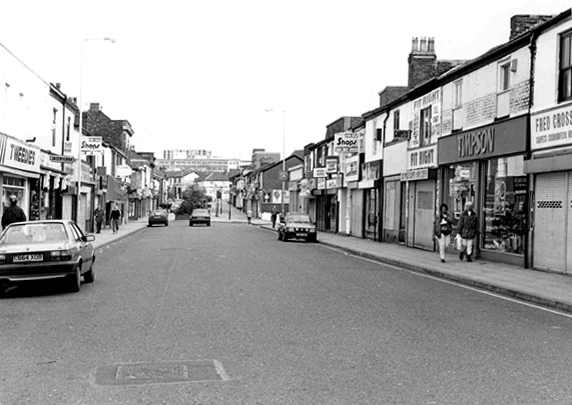
Palmerston Street – Beswick Manchester

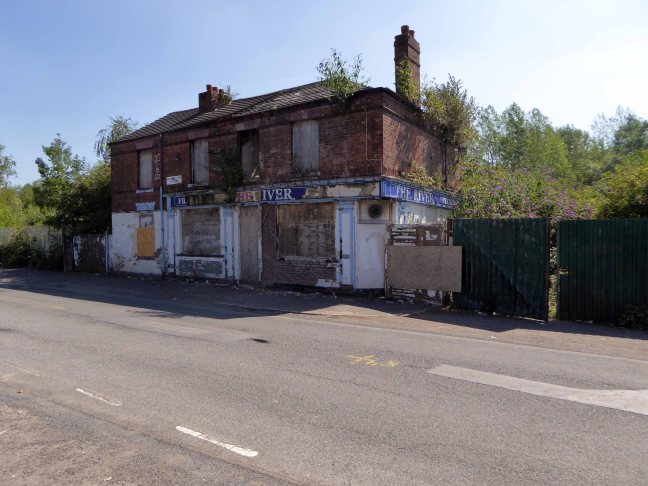
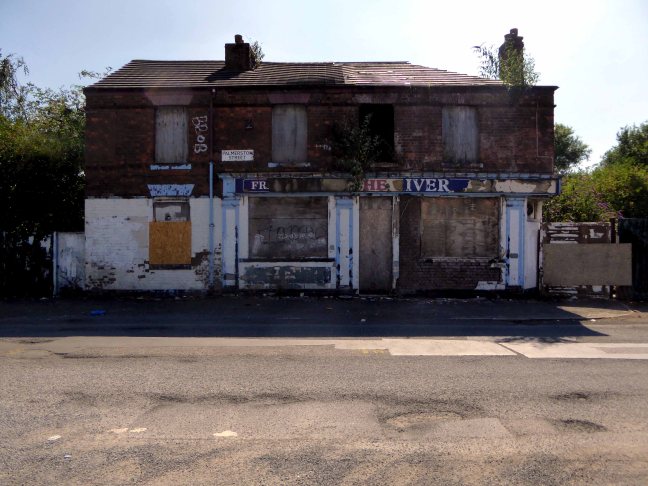
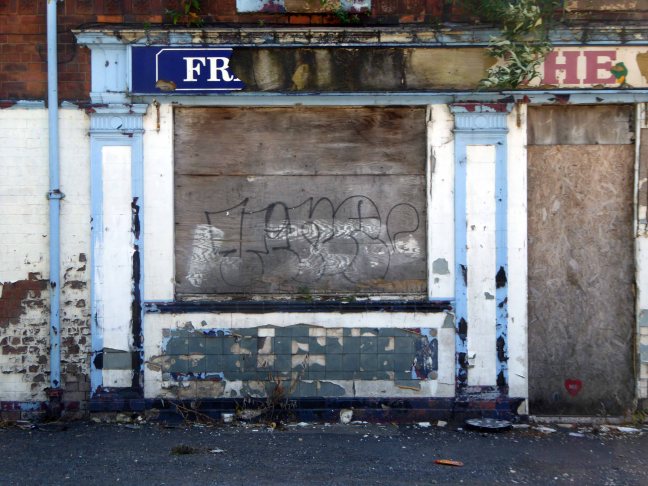
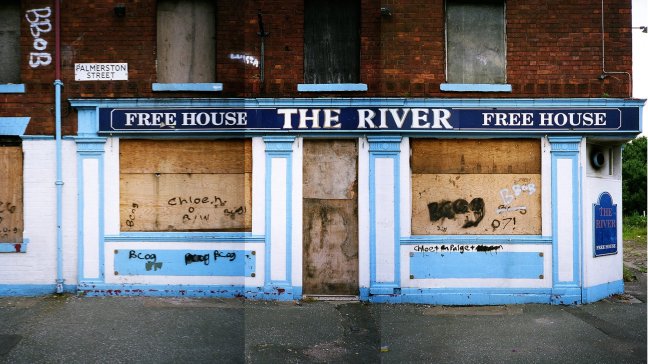
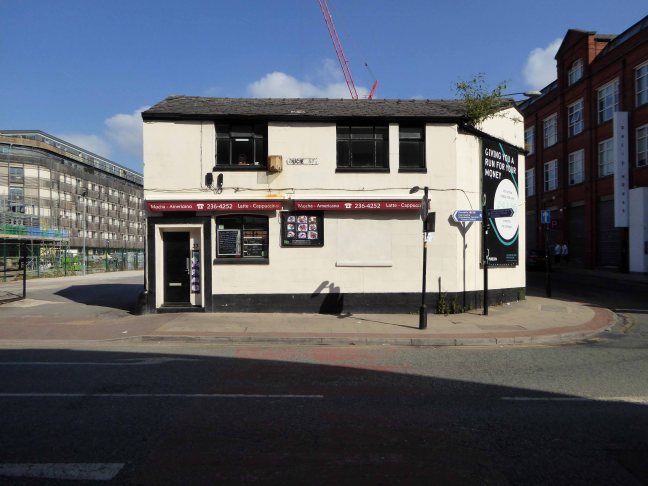
To begin at the beginning – some years ago I traced the route of the River Medlock, I chanced upon a forlorn pub called The River, all alone, desolate and boarded up, presiding over an area that I assumed, would once have supplied ample trade to a busy boozer.

I returned last week in search of some rhyme or reason, for such a seemingly sad and untimely decline.

So here we are back at in Manchester 1813, the seeds of the Industrial Revolution sewn in adjacent Ancoats, the fields of Beswick still sewn with seeds, the trace of Palmerston Street nought but a rural track.

Screen Shot 2018-08-07 at 15.25.02

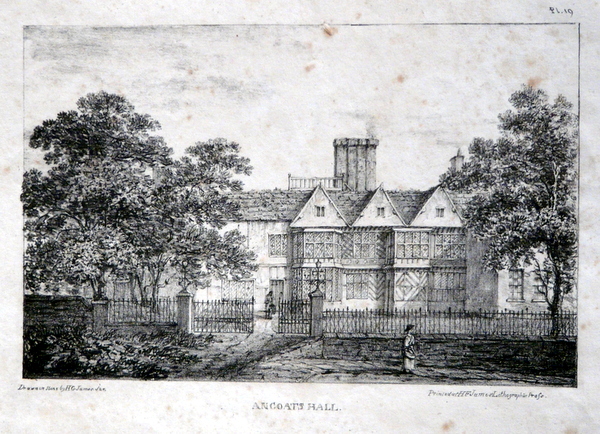
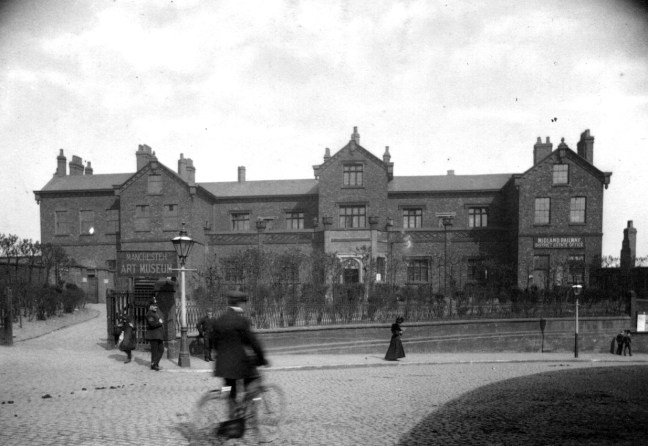
Sited on land between Great Ancoats Street and Every Street was Ancoats Hall, a post-medieval country house built in 1609 by Oswald Mosley, a member of the family who were Lords of the Manor of Manchester. The old timber-framed hall, built in the early 17th century, and demolished in the 1820s was replaced replaced by a brick building in the early neo-Gothic style.
1-P1100618

This would become the Manchester Art Museum, and here the worst excesses Victorian Capitalism were moderated by philanthropy and social reform.

When the Art Museum opened, its rooms, variously dedicated to painting, sculpture, architecture and domestic arts, together attempted to provide a chronological narrative of art, with detailed notes, labels and accompanying pamphlets and, not infrequently, personal guidance, all underlining a sense of historical development.
m08910-ancoats-old-hall-manchester-archives-photo-by-anderton

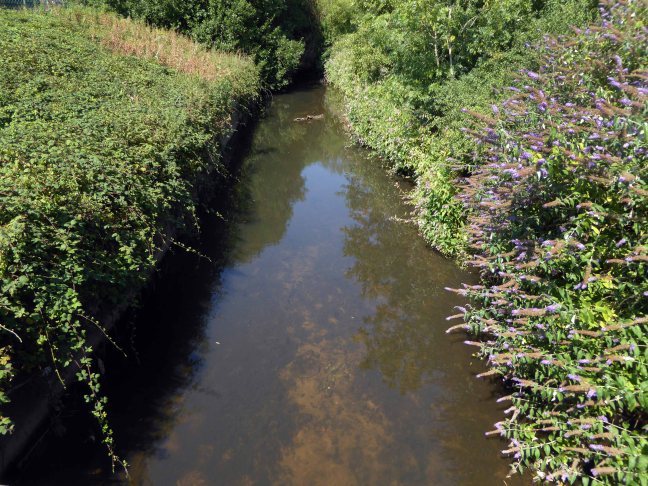
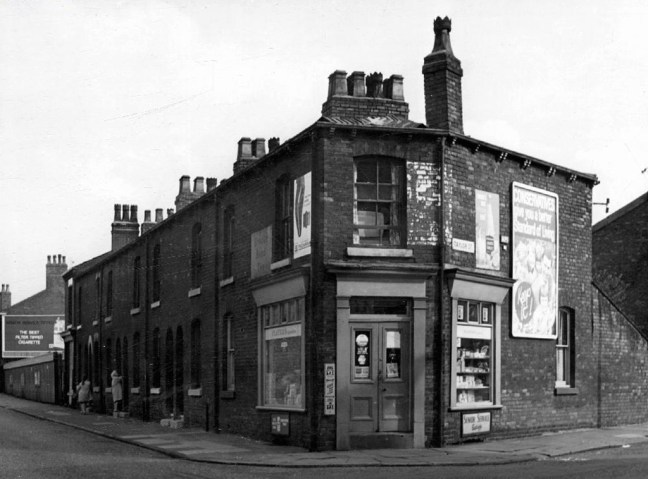
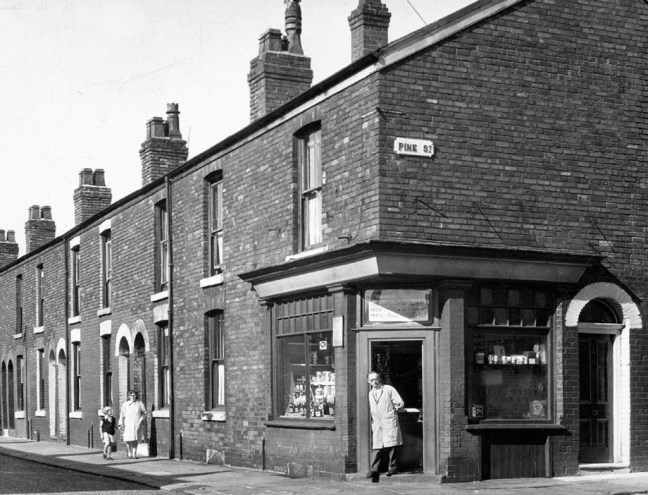
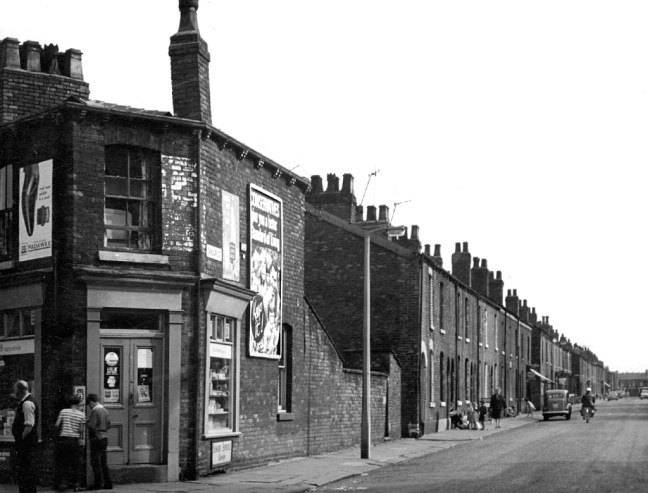
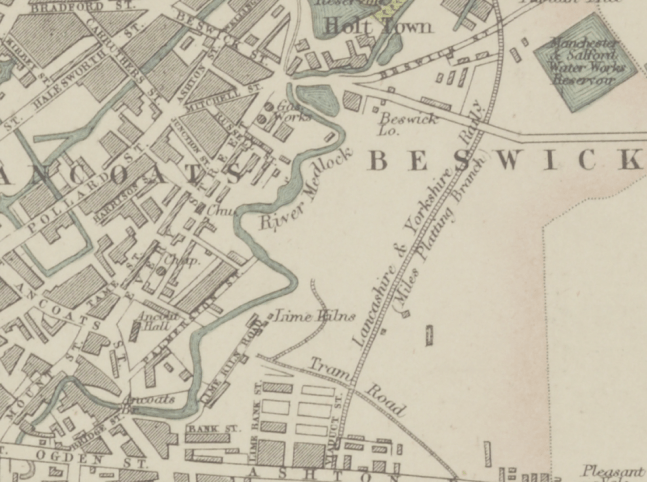
Housing and industry in the area begins to expand, railways, tramways, homes and roads are clearly defined around the winds of the river.
1870

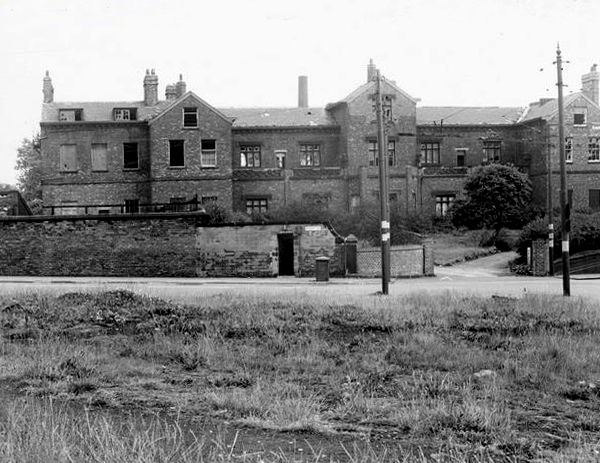
In 1918 the museum was taken over by the city, it closed in 1953 and its contents were absorbed into the collection of Manchester City Art Gallery, as the State increasingly took responsibility for the cultural well being of the common folk.
ancoatshall-1964

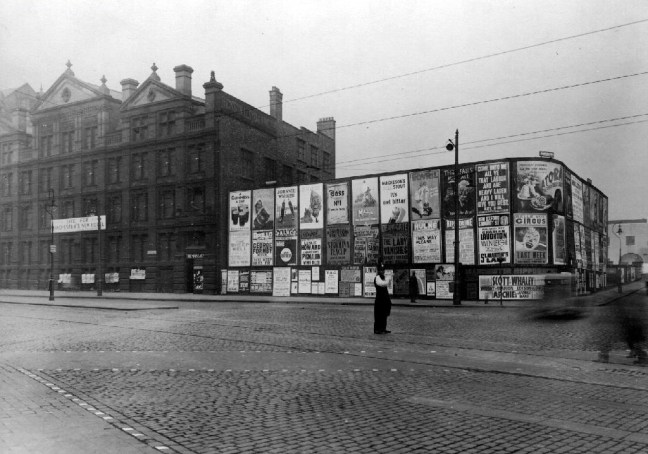
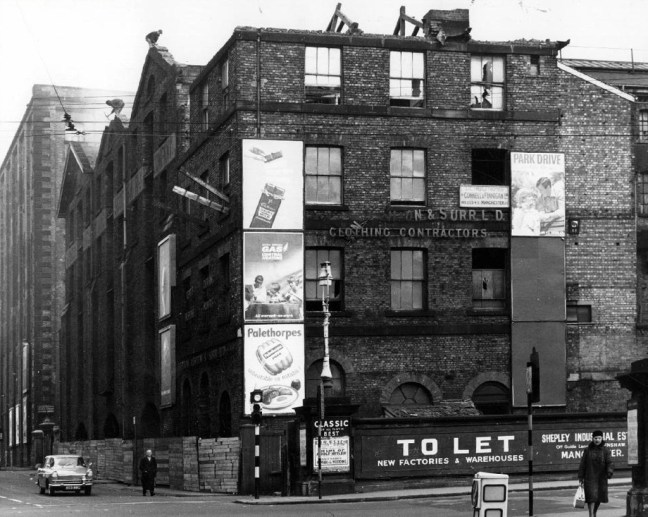
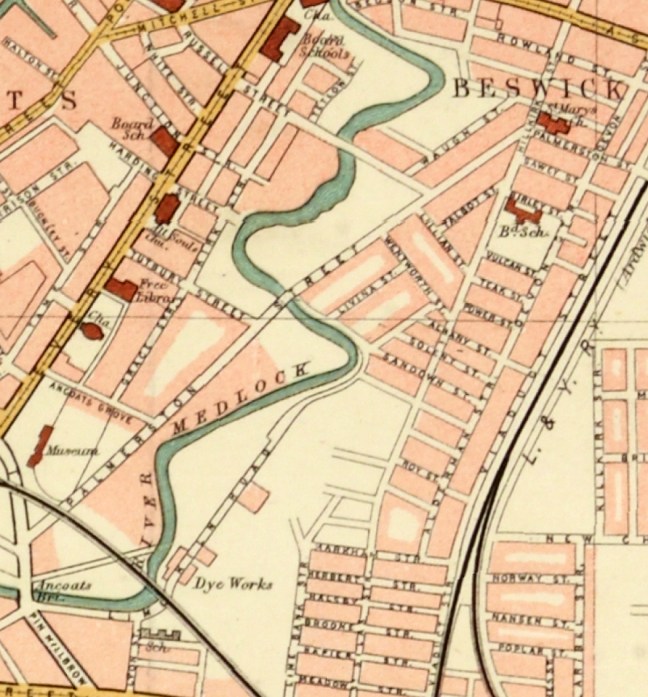
The building was finally demolished in the 1960’s – just as the area, by now a dense warren of back to back terraces, was to see further change.
map

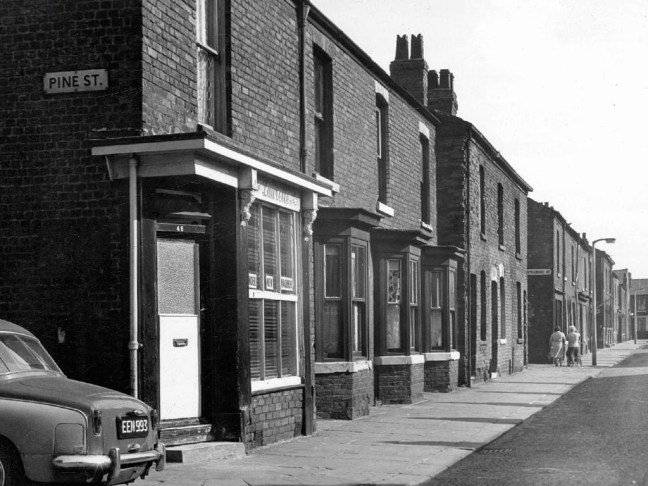
Along the way was the the River Inn, seen here with a fine Groves and Whitnall’s faience tiled frontage.
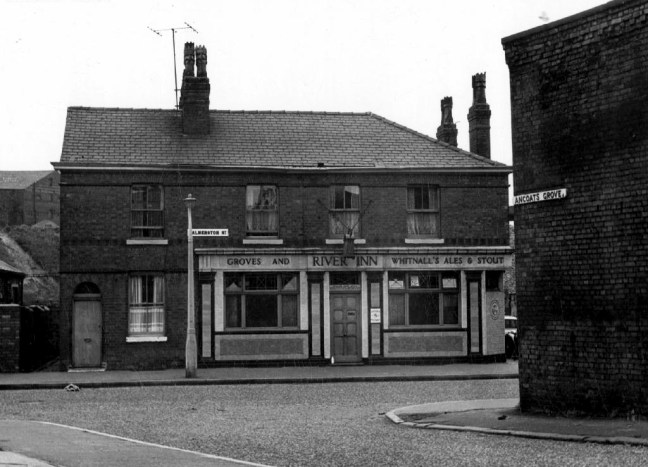
webmedia-4.php

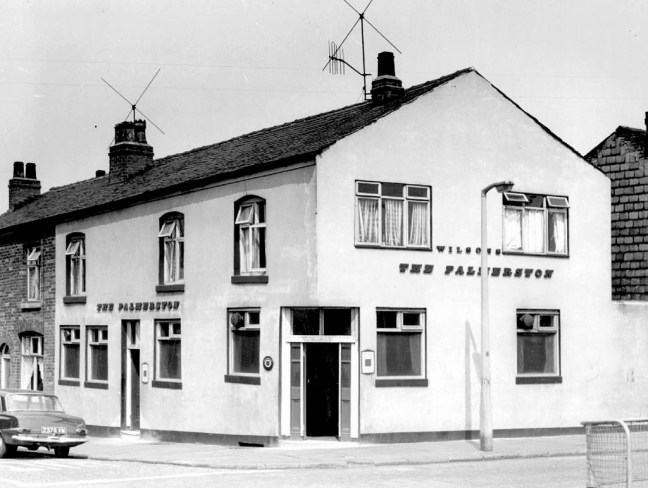
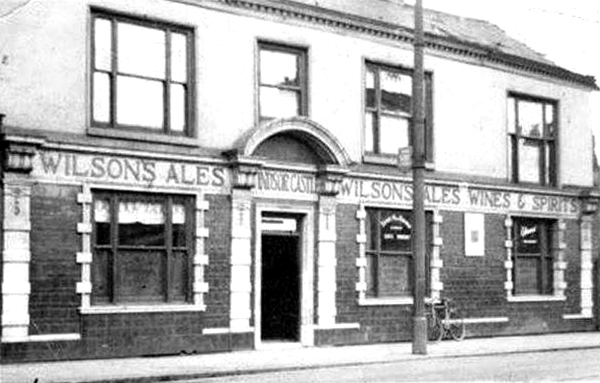
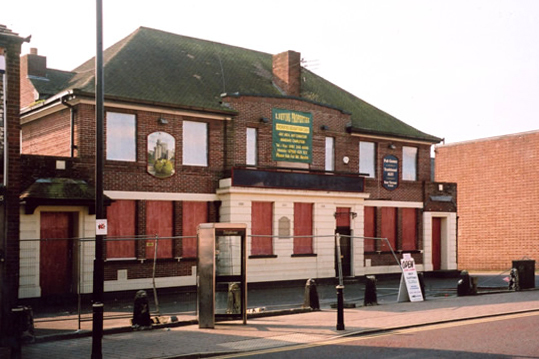
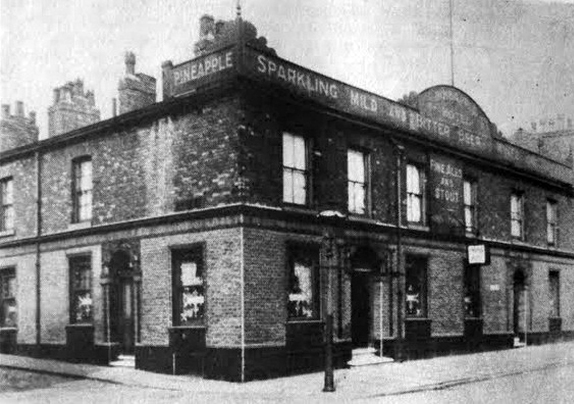
The street also offered rest, relaxation and refreshment through the Church, Pineapple and Palmerston pubs, as recored here on the Pubs of Manchester blog.
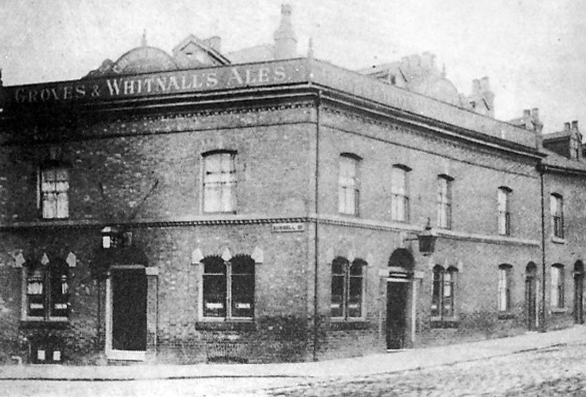
Church Palmerston

Pineapple Palmerston St

webmedia.php copy

The River seen here in the 1970’s struggled on until 2007.
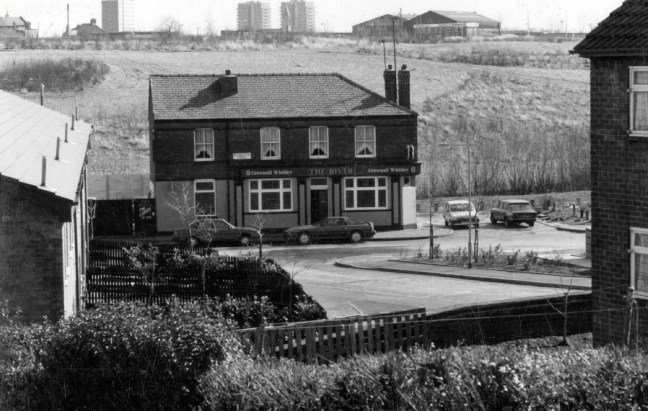
webmedia-2

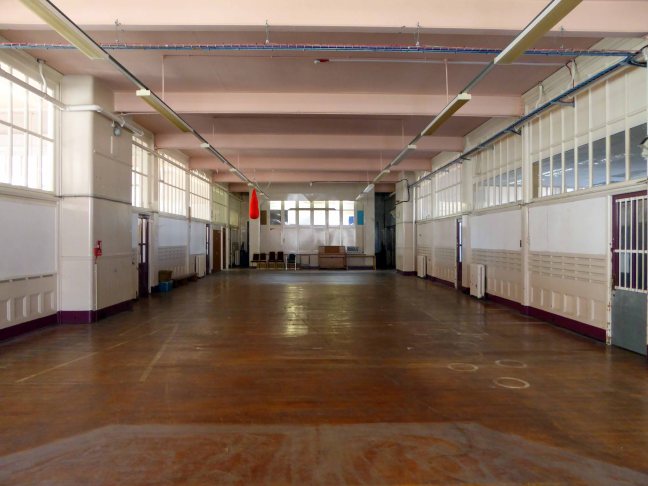
Further along we find the Ardwick Lads Club, further evidence of the forces of social reform, that sadly failed to survive the forces of the free market and the consequent Tory cuts in public spending and wilful Council land-banking.

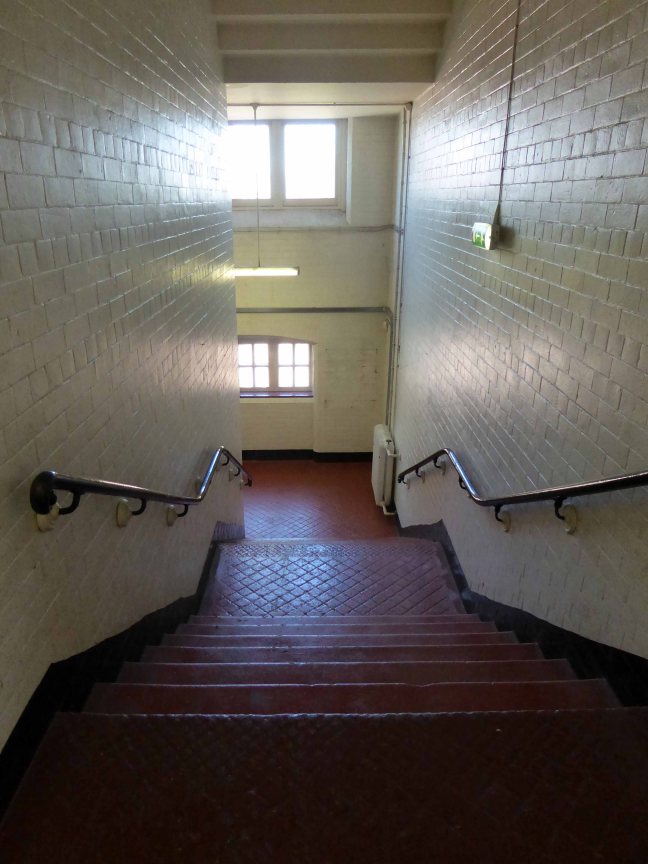
The Ardwick Lads’ and Mens’ Club, now the Ardwick Youth Centre, opened in 1897 and is believed to be Britain’s oldest purpose-built youth club still in use [and was until earlier in 2012]. Designed by architects W & G Higginbottom, the club, when opened, featured a large gymnasium with viewing gallery – where the 1933 All England Amateur Gymnastics Championships were held – three fives courts, a billiard room and two skittle alleys (later converted to shooting galleries). Boxing, cycling, cricket, swimming and badminton were also organised. At its peak between the two world wars, Ardwick was the Manchester area’s largest club, with 2,000 members.
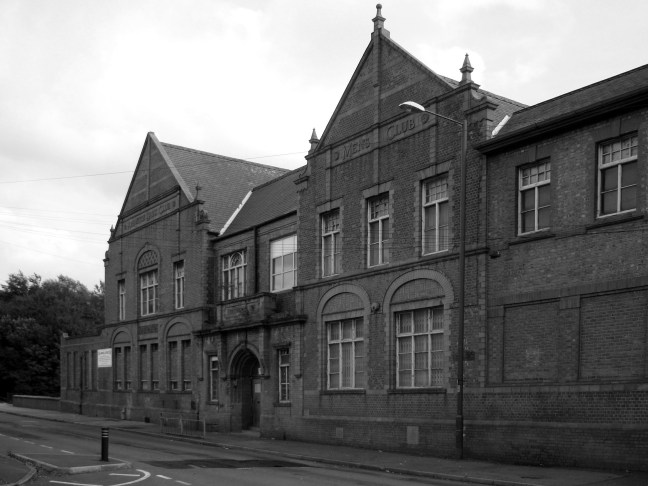
44551888

On the 10th September 2012 an application for prior notification of proposed demolition was submitted on behalf of Manchester City Council to Manchester Planning, for the demolition of Ardwick Lads’ Club  of 100 Palmerston Street , citing that there was “no use” for the building in respect to its historic place within the community as providing a refuge and sporting provision to the young of Ancoats.

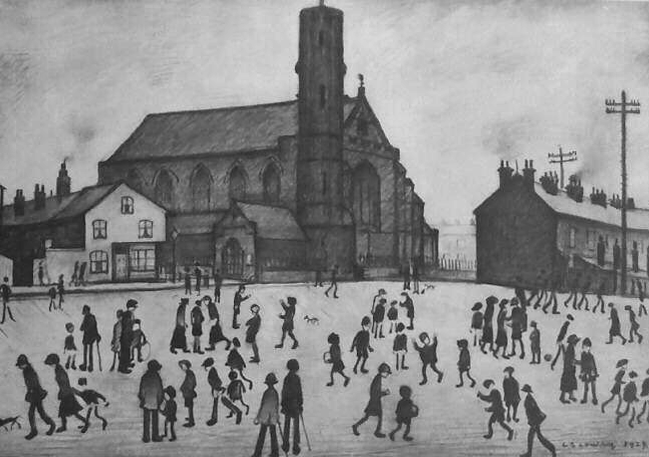
At the top turn of the street stood St Mary’s – the so called Lowry church.

marys

Screen Shot 2018-08-03 at 14.43.17

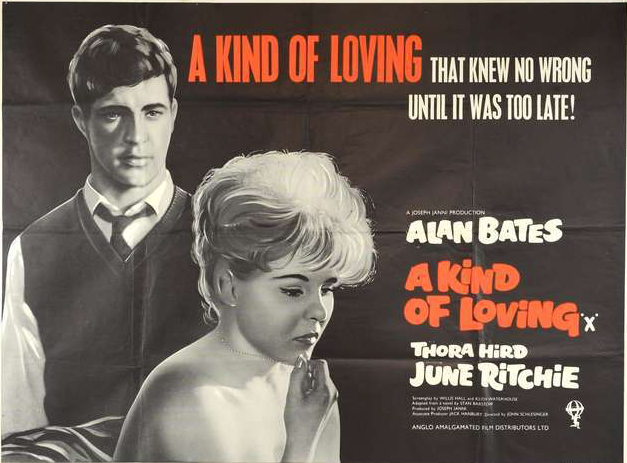
Used as a location for the film adaptation of Stan Barstow’s A Kind Of Loving
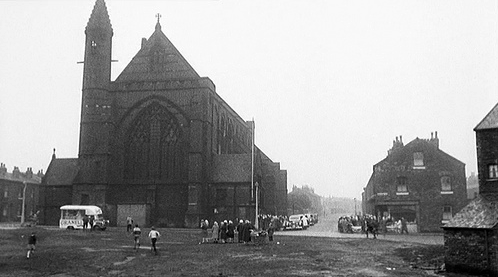
st mary's

nr003658-54_1

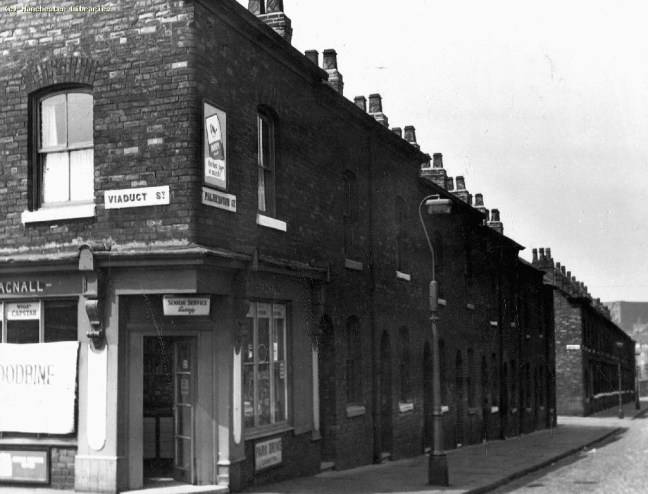
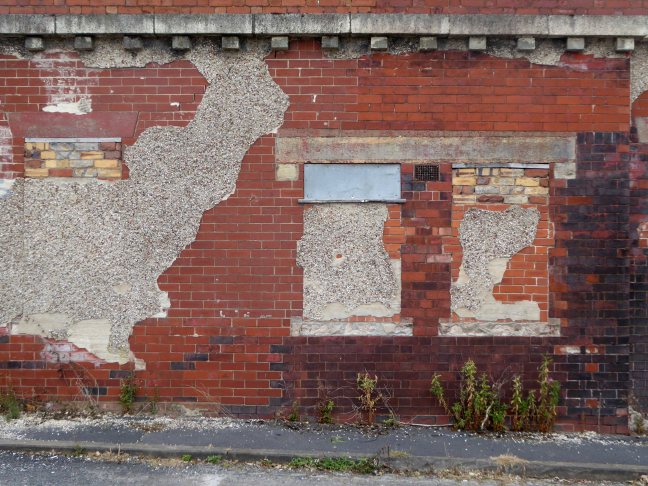
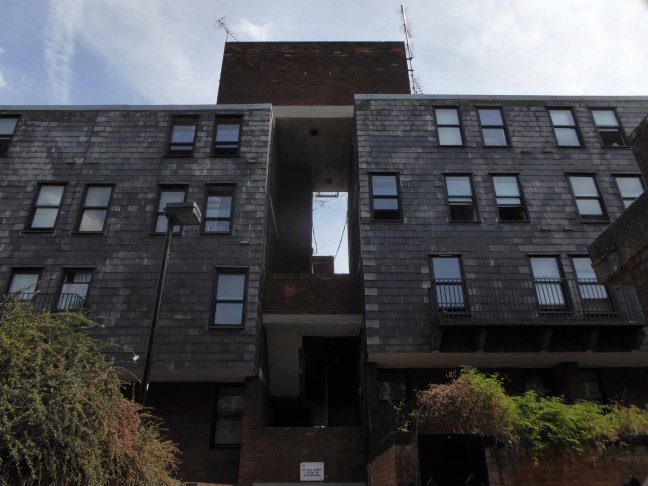
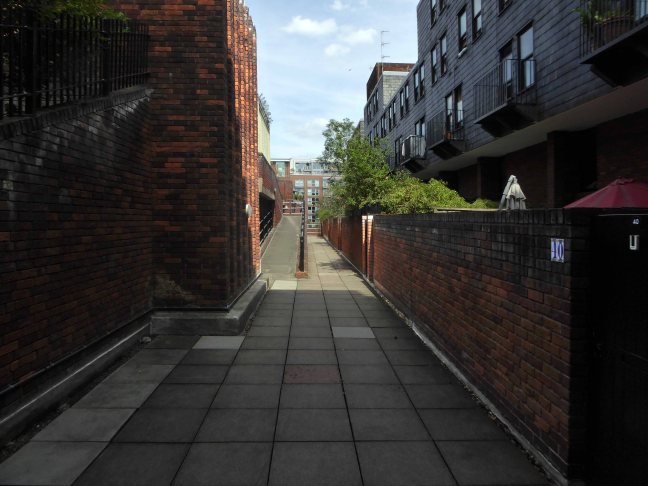
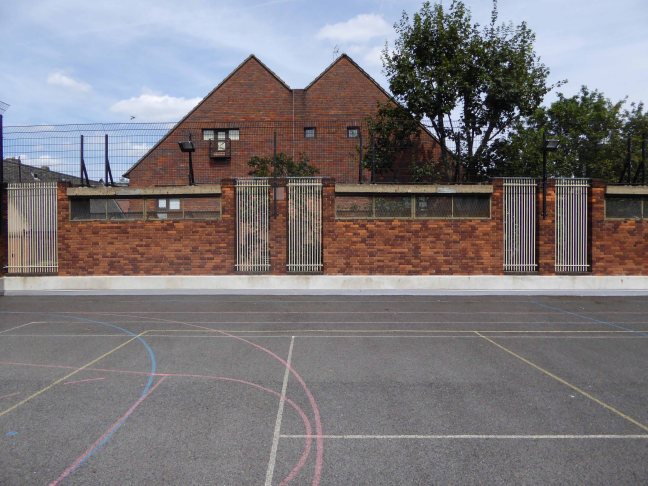
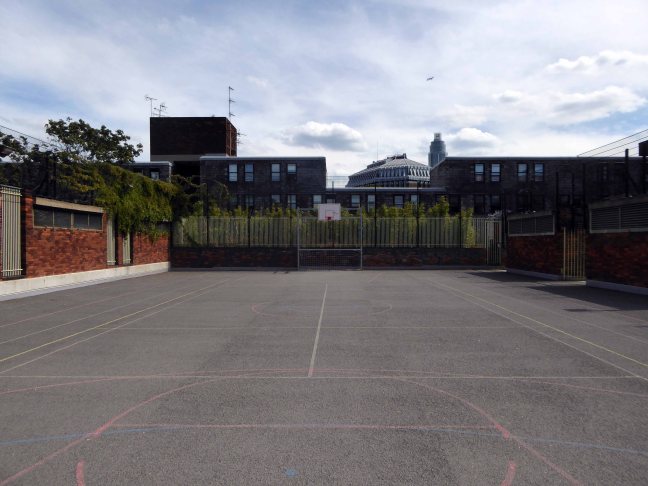
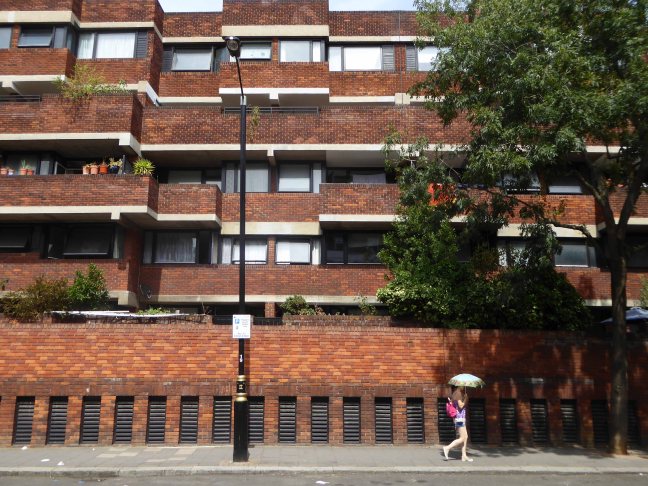
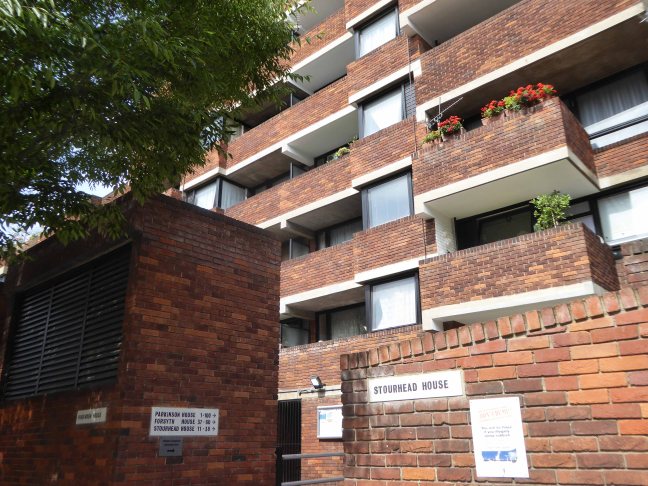
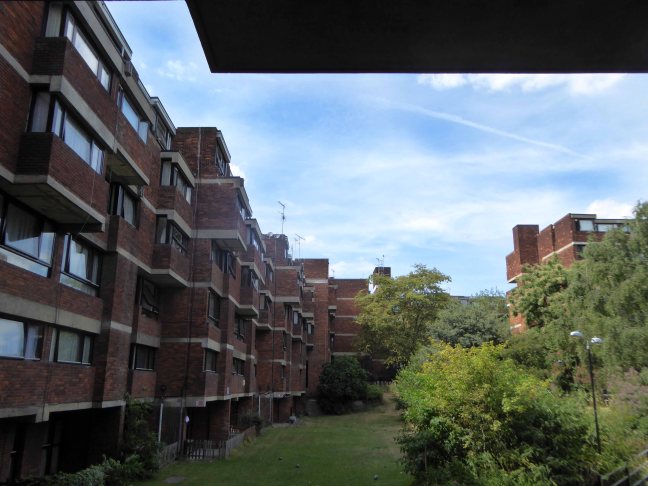
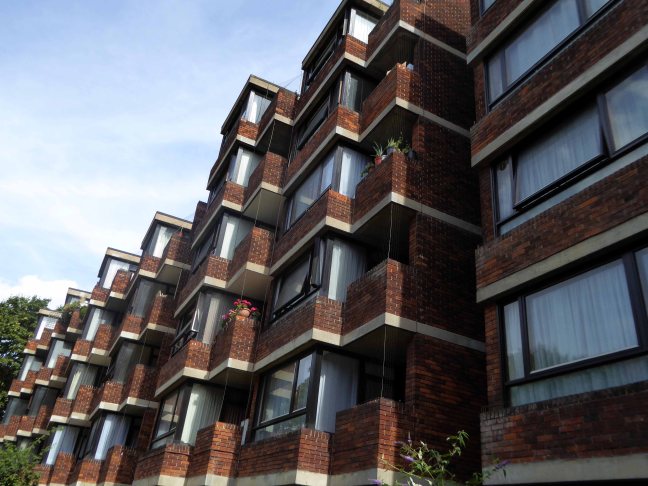
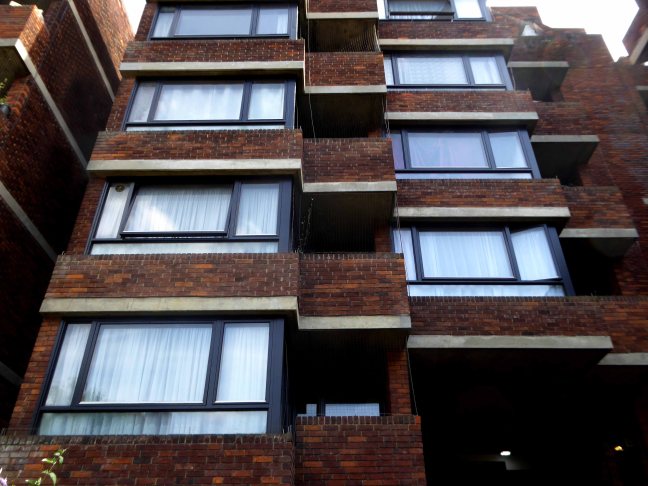
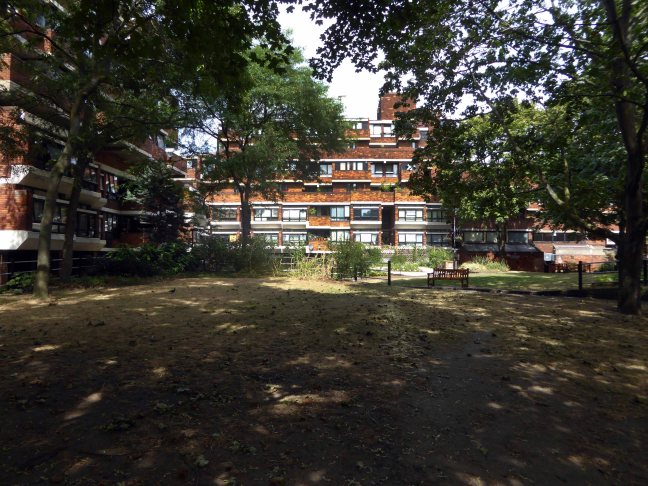
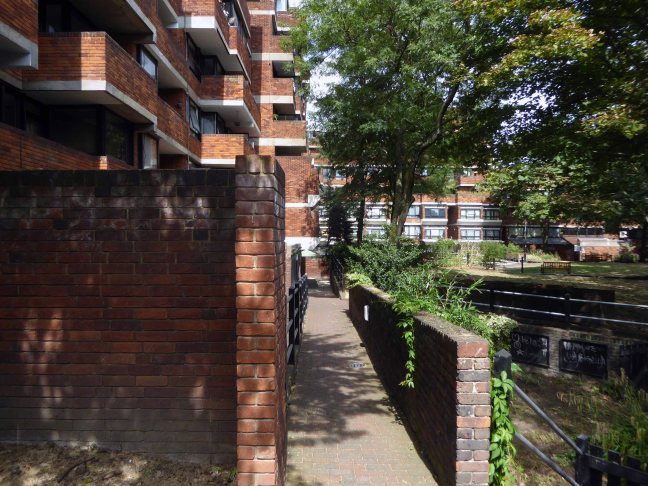
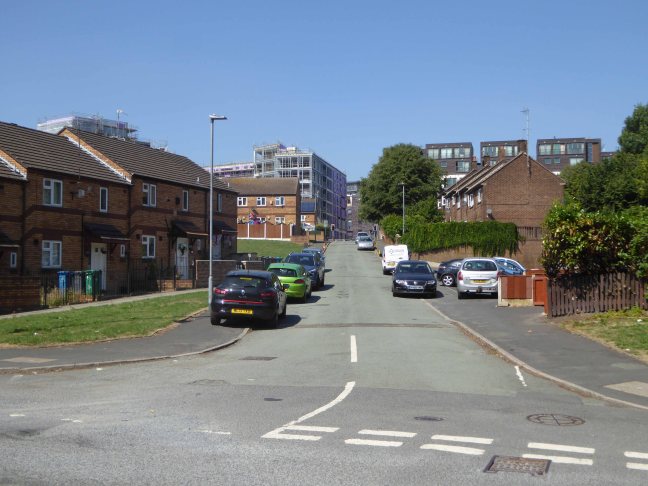
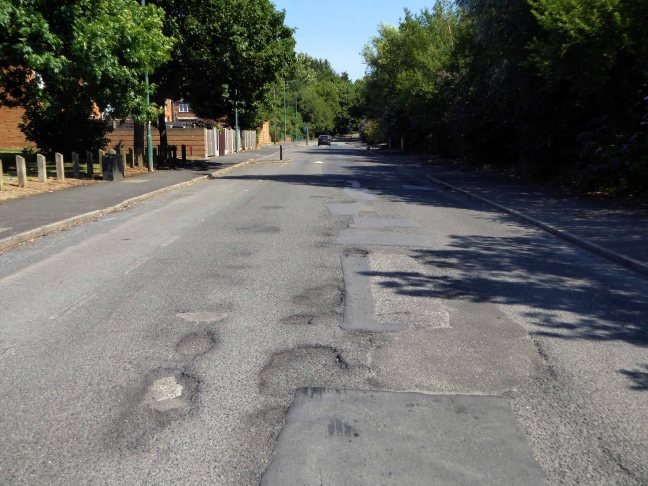
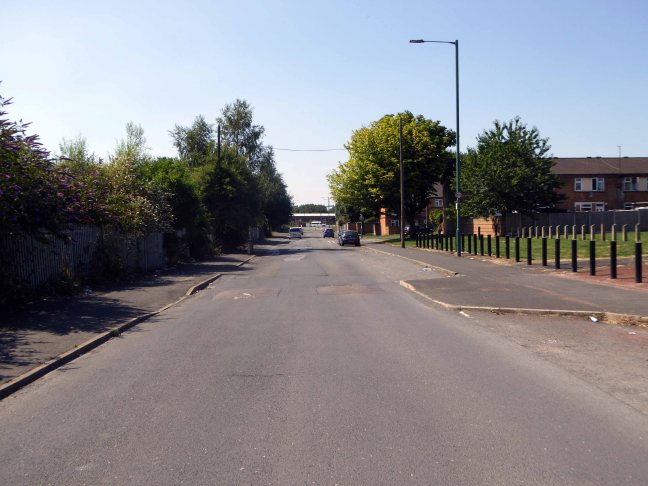
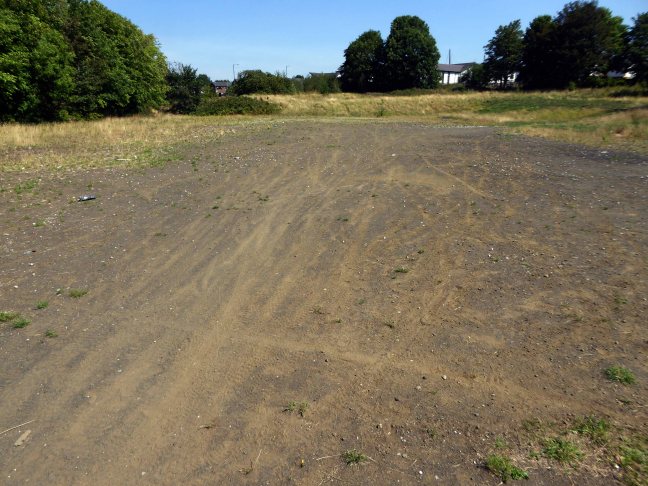
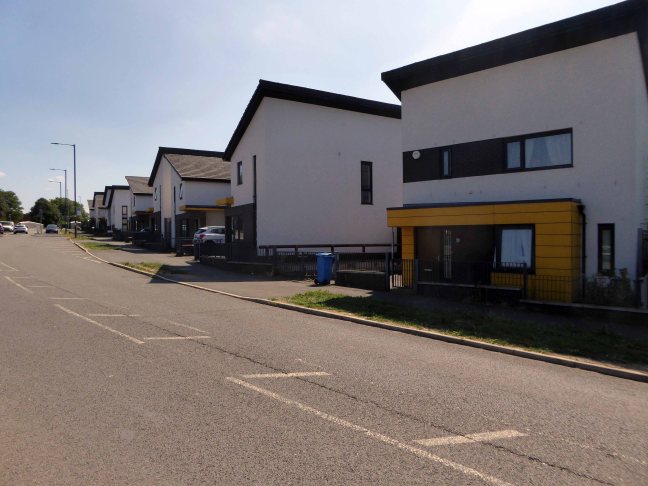
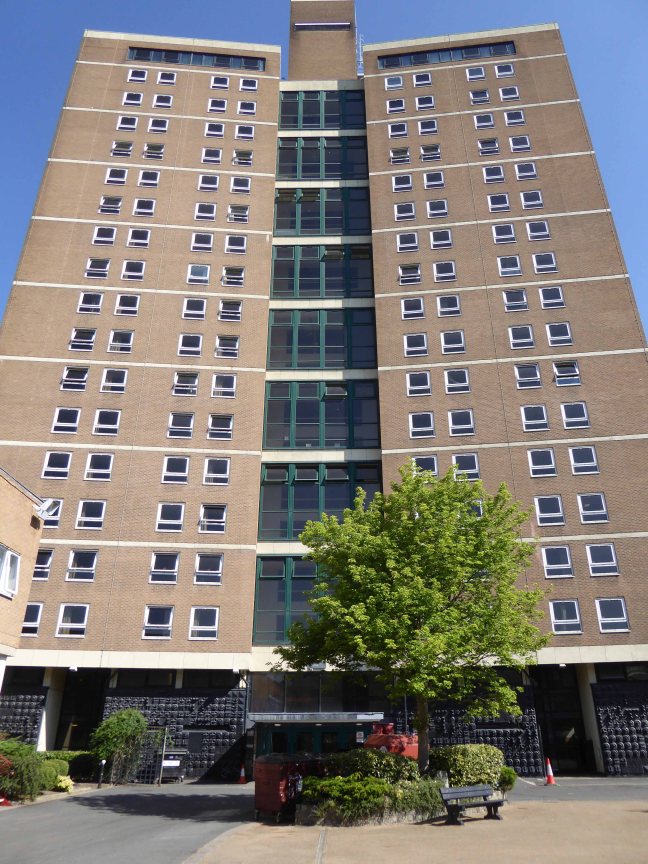
The homes and industry attendant schools and pubs were soon to become history, all that you see here is more or less gone. Slum clearance, the post-war will to move communities away from the dense factory smoke, poor housing stock and towards a bright shiny future elsewhere.

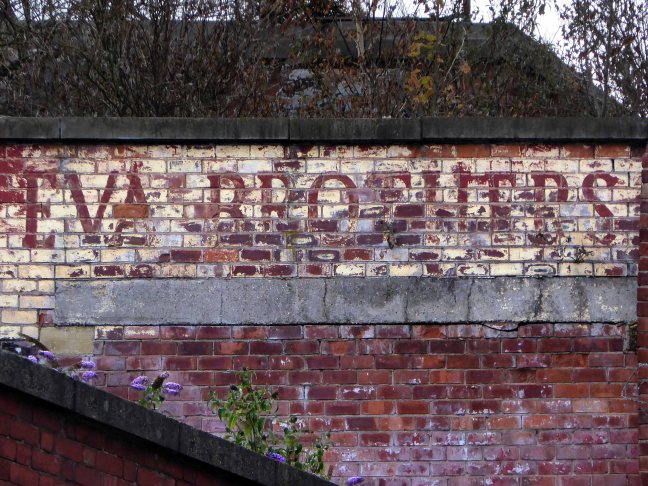
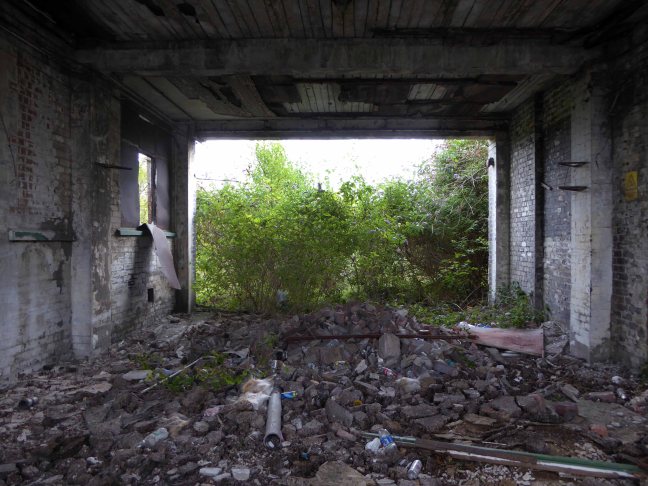
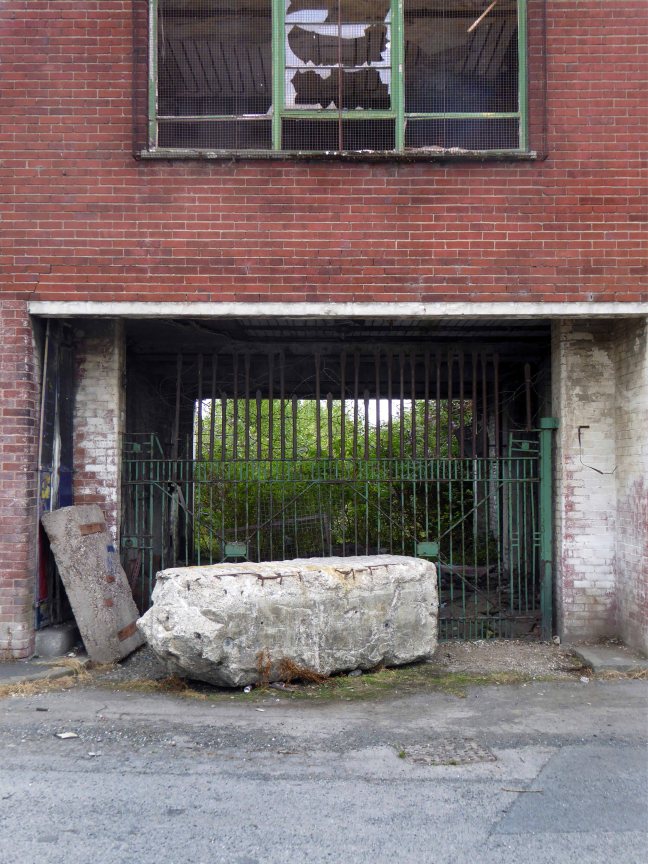
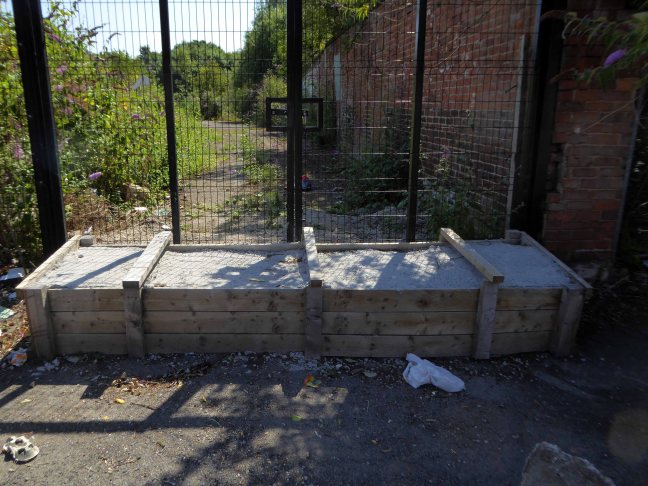
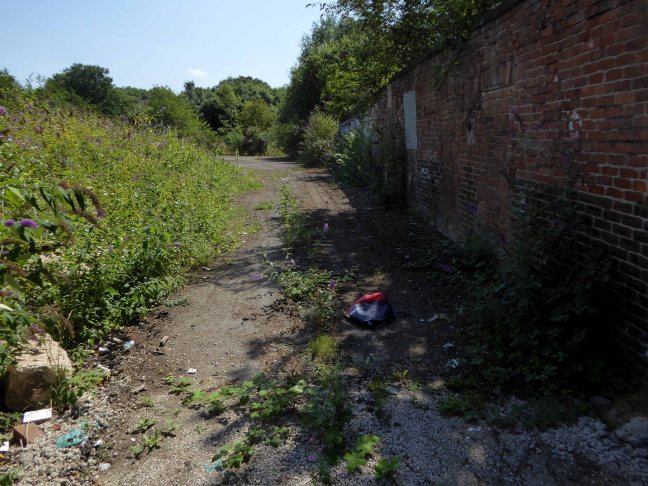
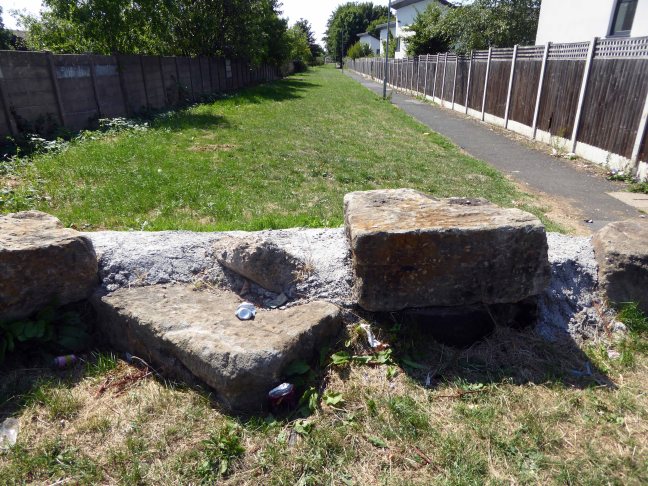
Whole histories have subsequently been subsumed beneath the encroachment of buddleia, bramble, birch and willow.

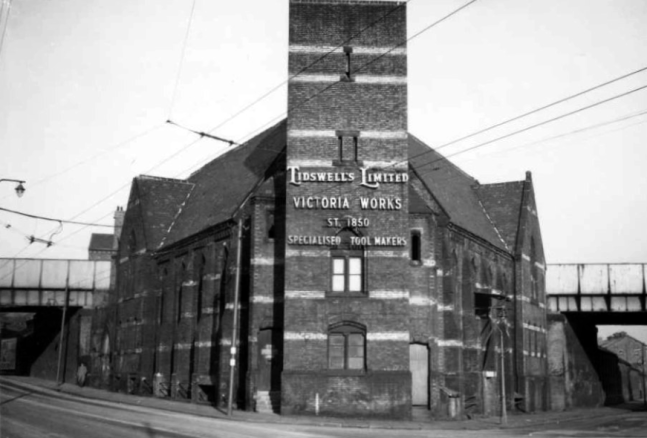
hillkirk

Screen Shot 2018-08-03 at 14.44.39

webmedia-3.php

webmedia-1.php

webmedia-2.php

webmedia-6.php

webmedia-7.php

webmedia.php

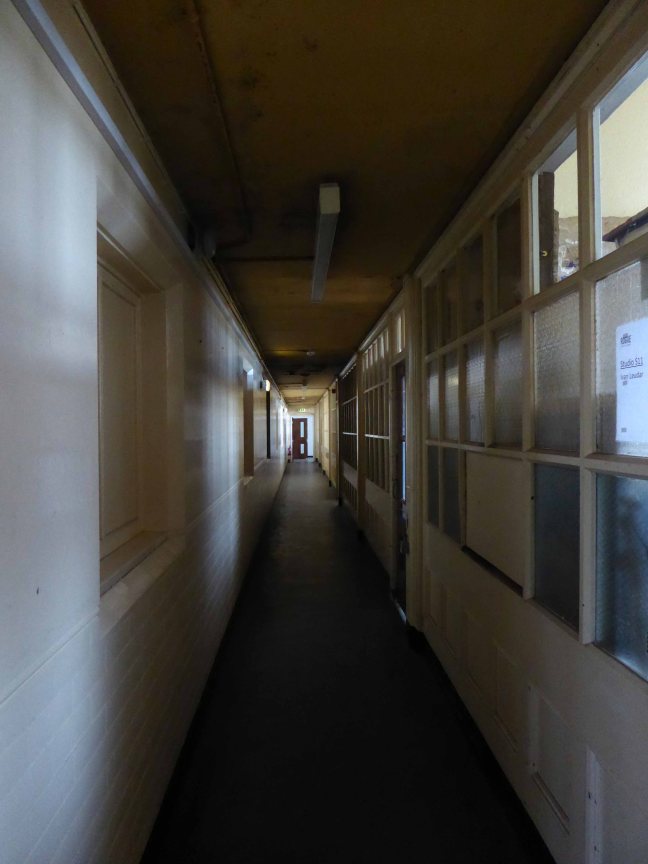
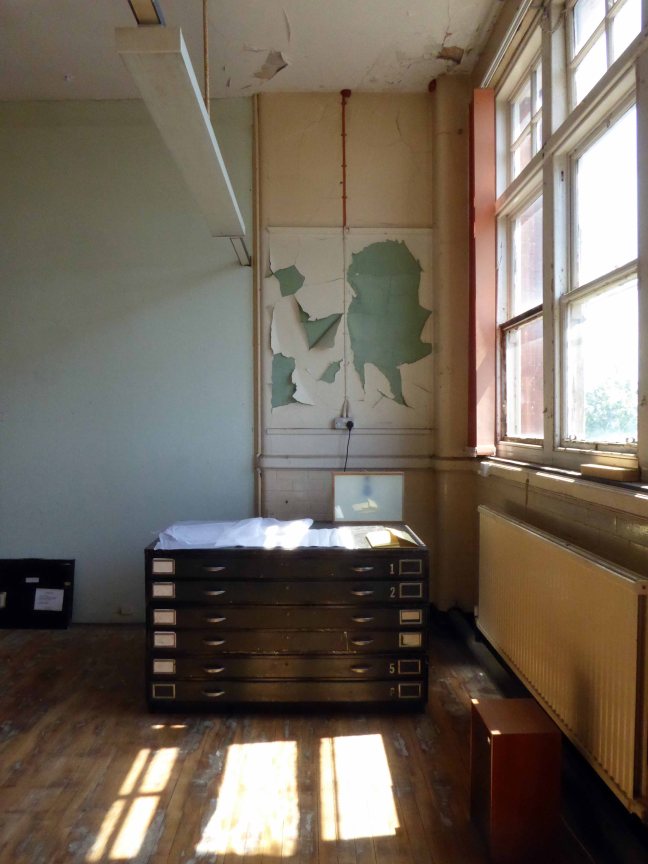
The land now stands largely unused and overgrown, awaiting who knows what, but that’s another tale for another day.

Archive images from the Manchester Local Image Collection.



Harbour Bar – Scarborough

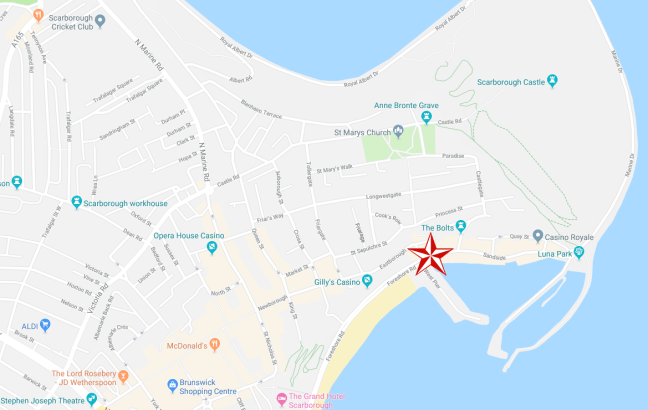
Screen Shot 2018-07-27 at 09.36.54

1-3 Sandside, Scarborough, North Yorkshire, YO11 1PE.

Do you remember the first time?

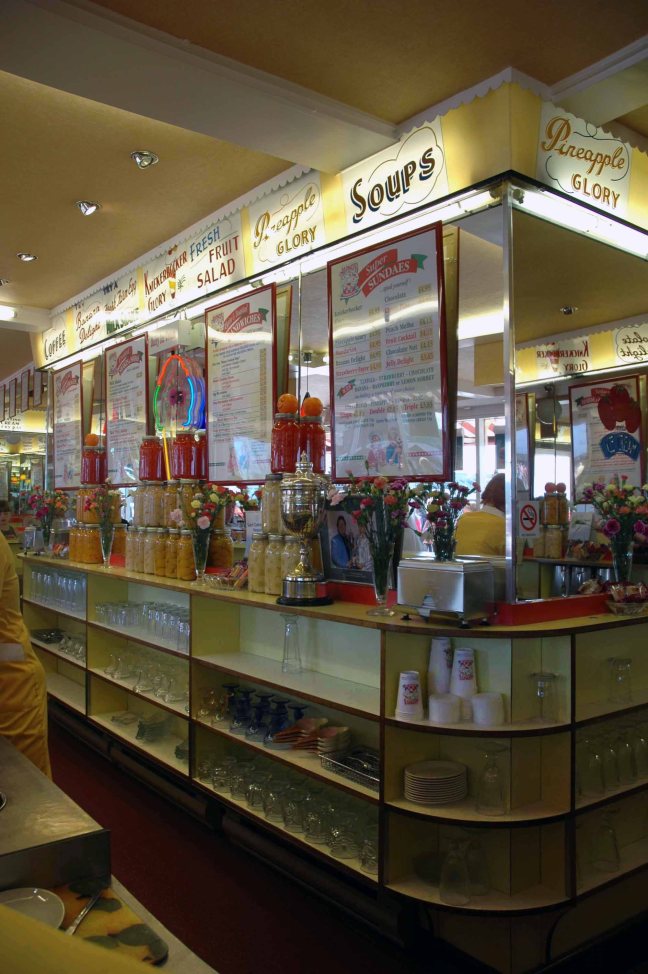
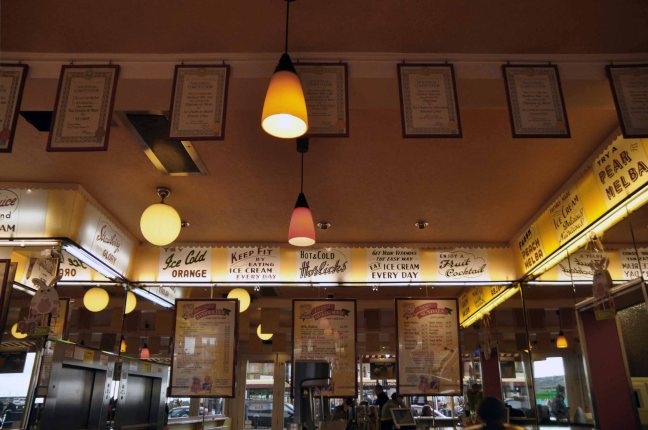
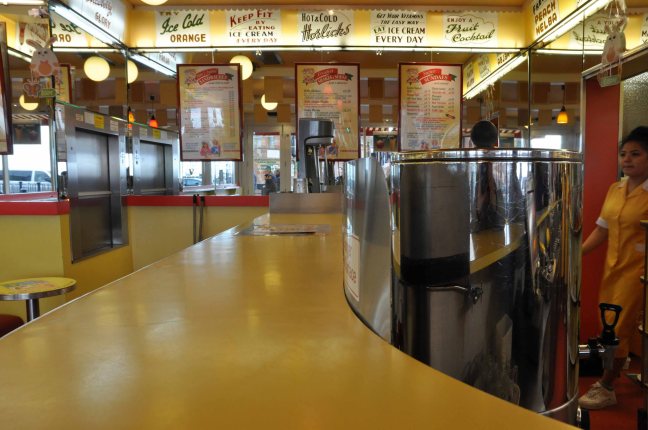
Sometime around 2011, I fell in love with the Harbour Bar Scarborough.

A family business serving home made ice cream since 1945.

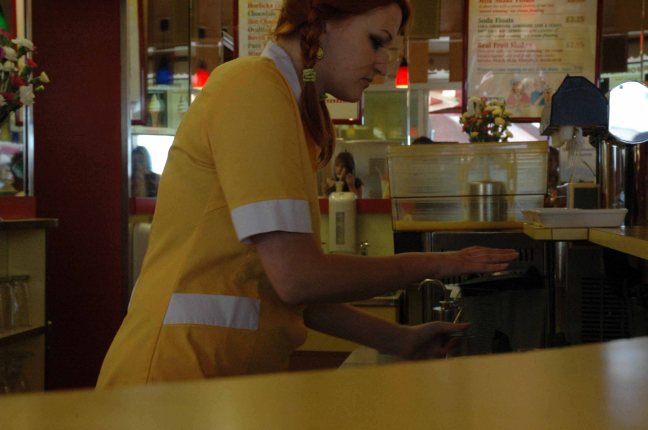
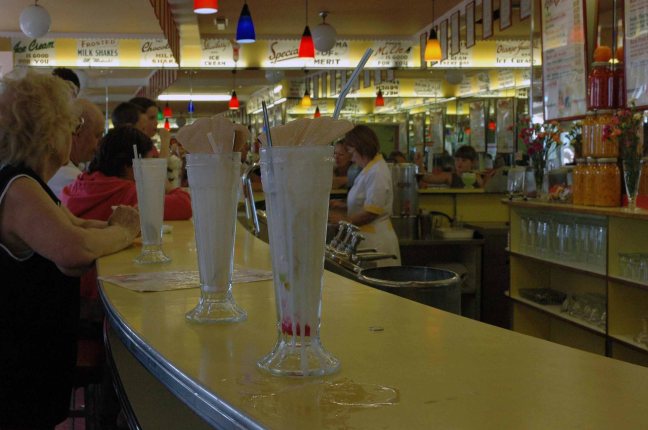
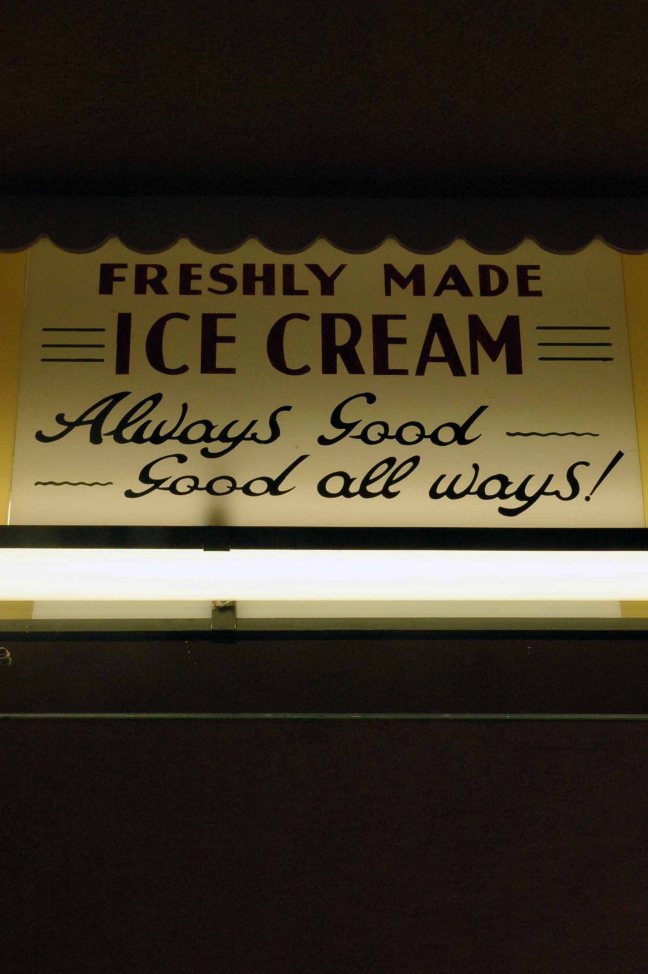
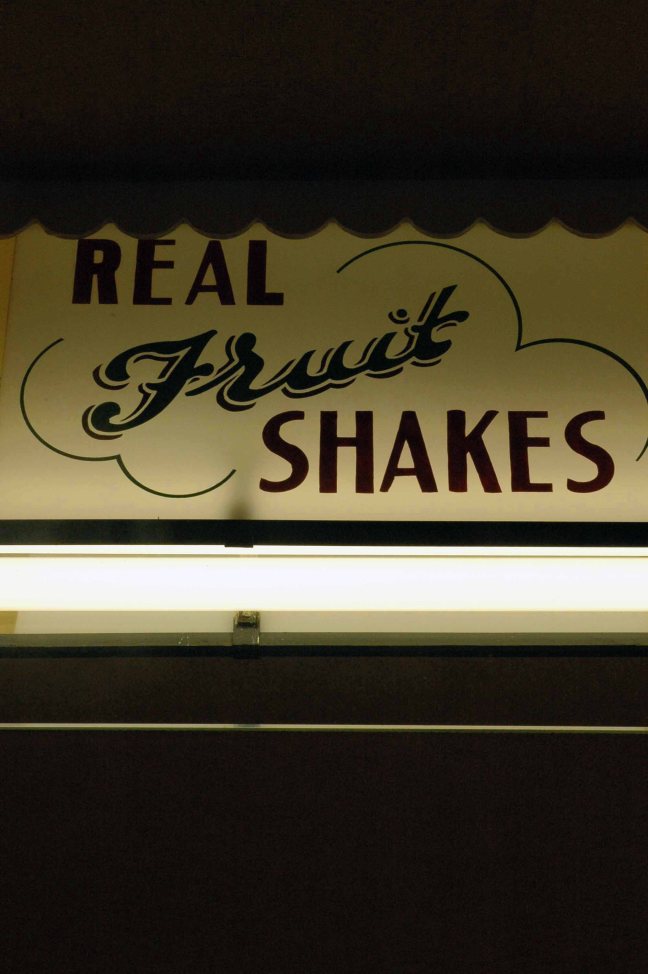
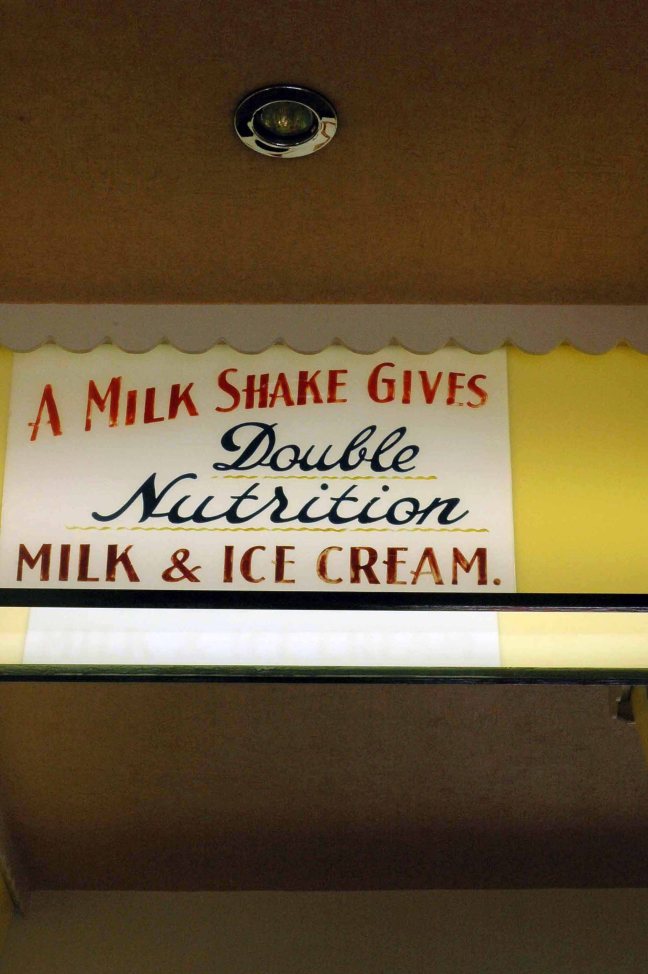
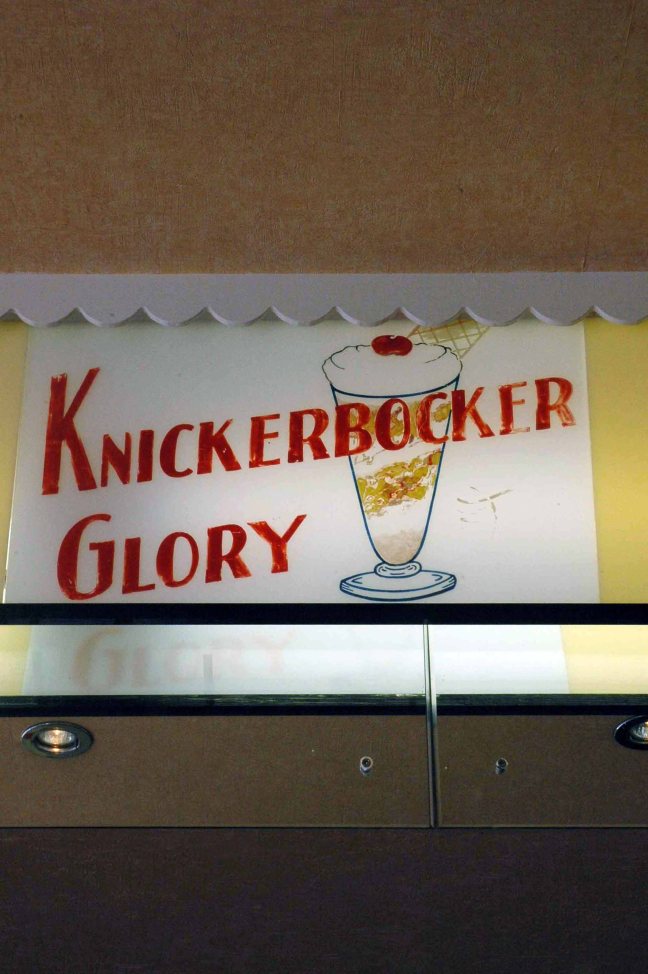
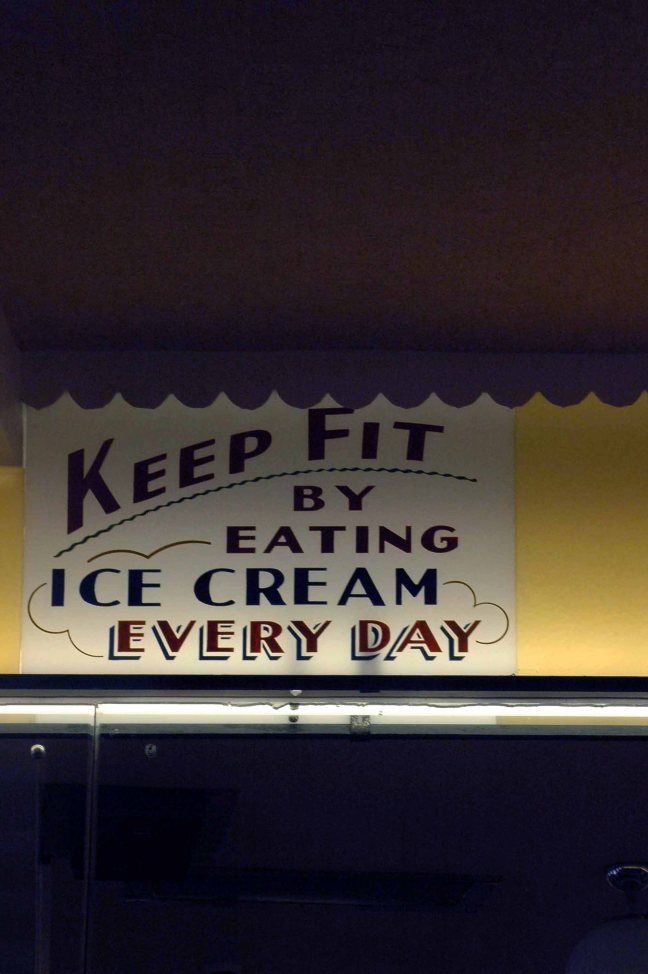
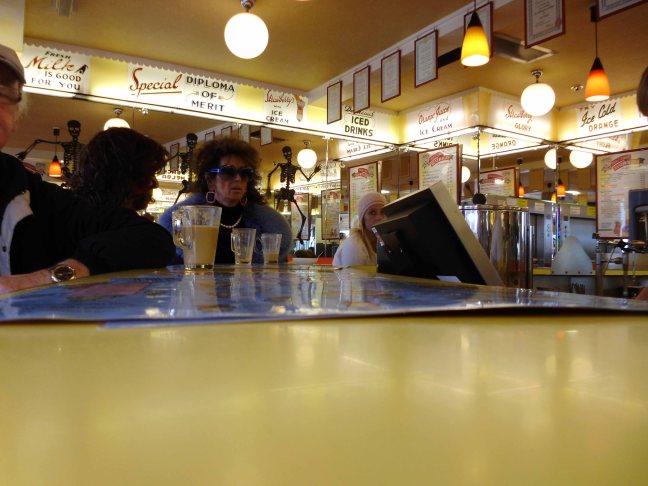
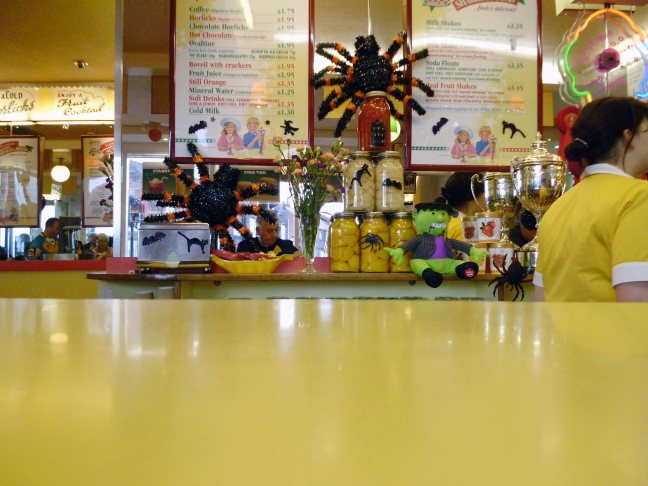
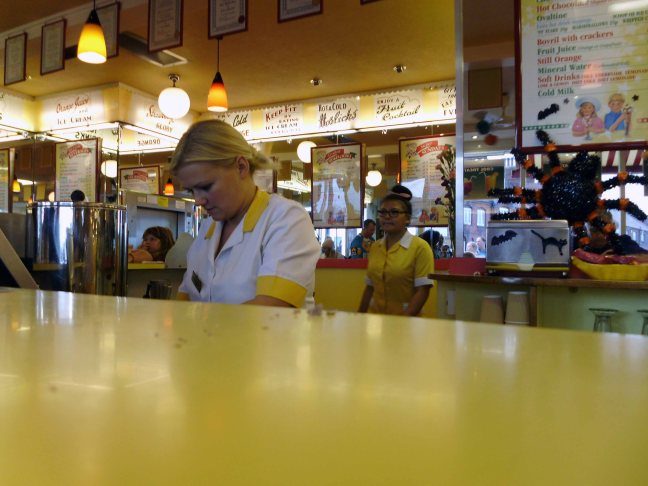
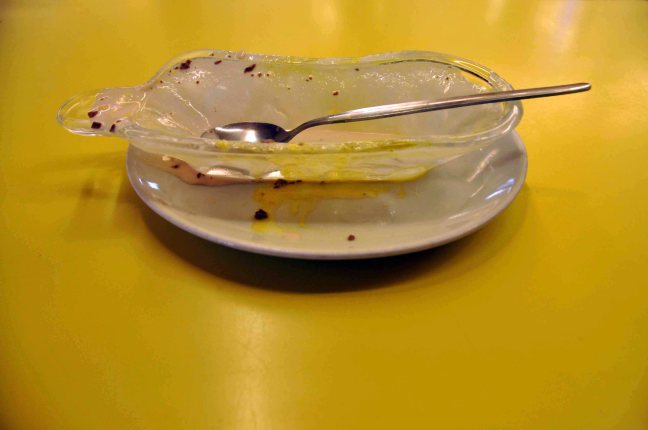
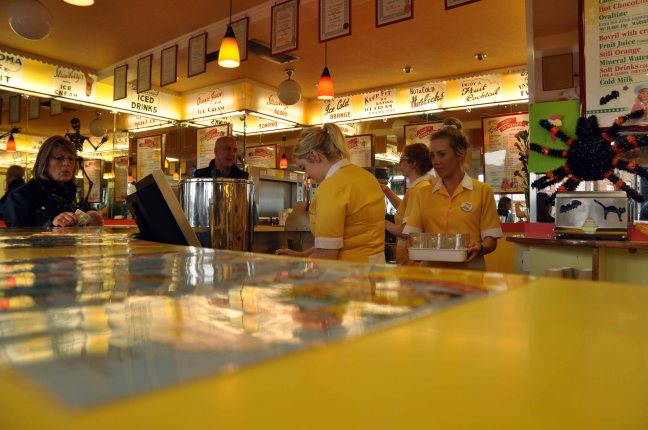
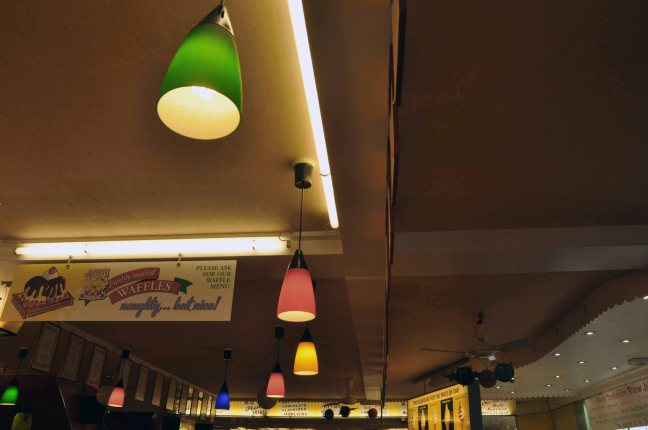
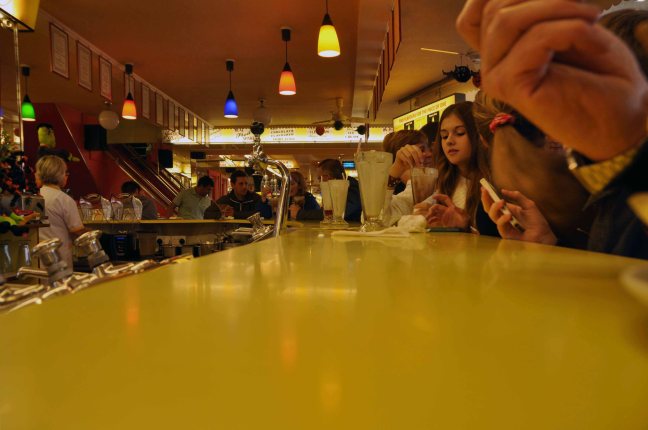
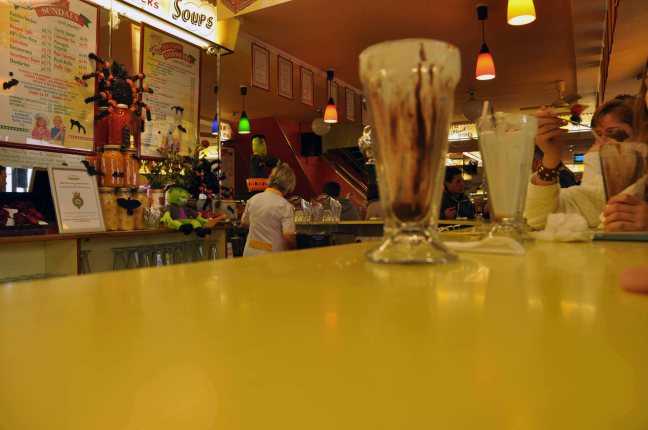
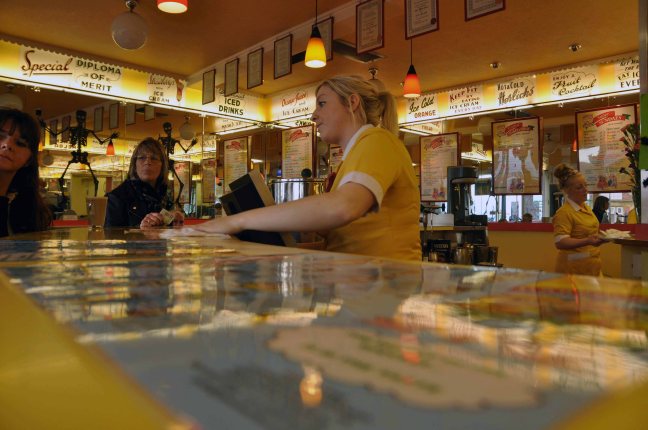
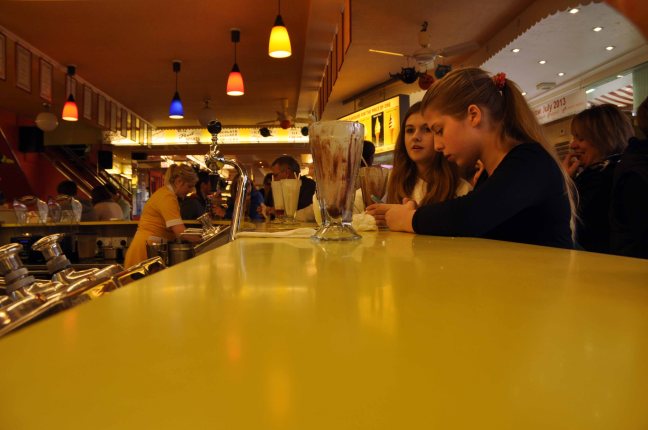
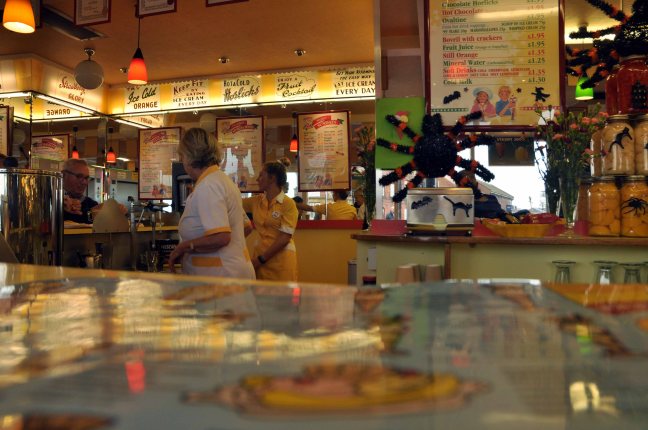
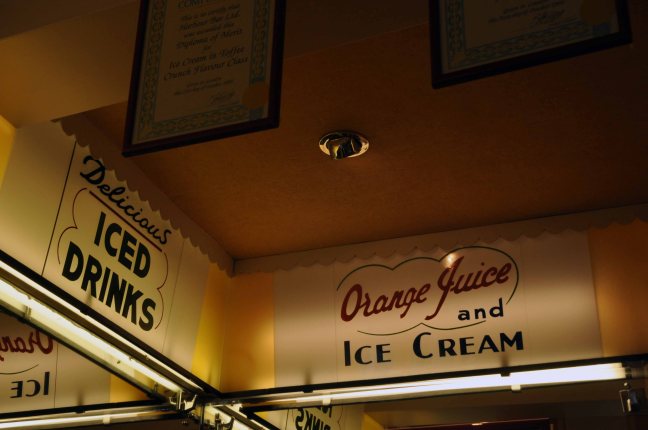
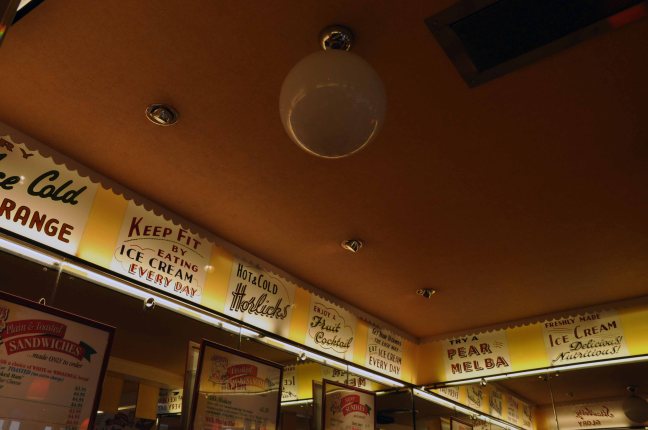
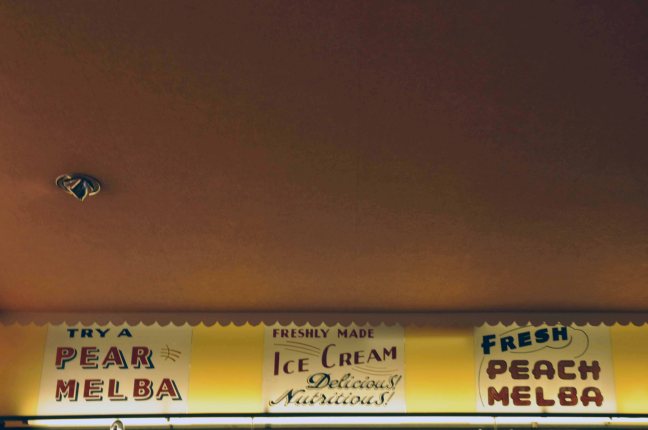
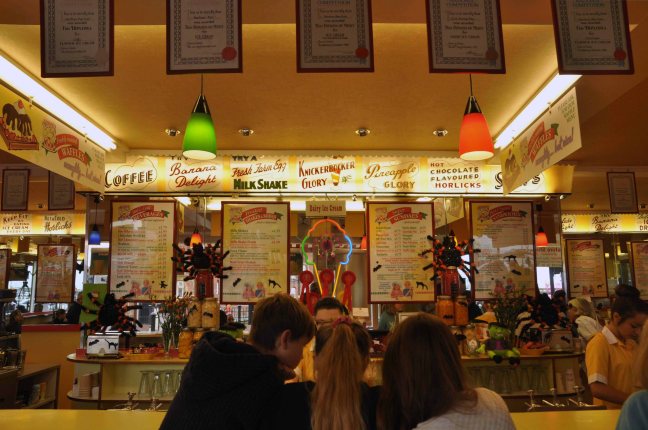
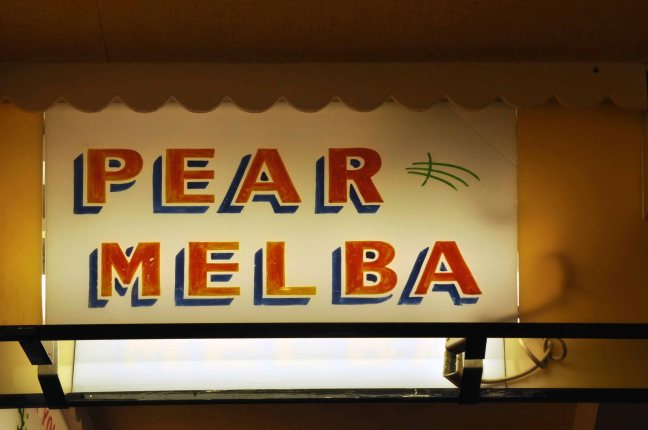
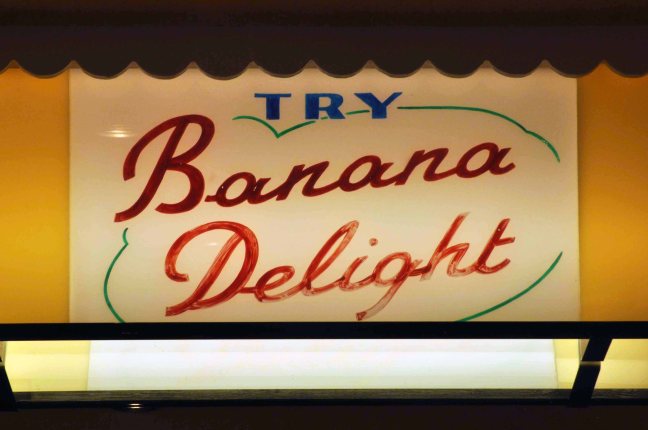
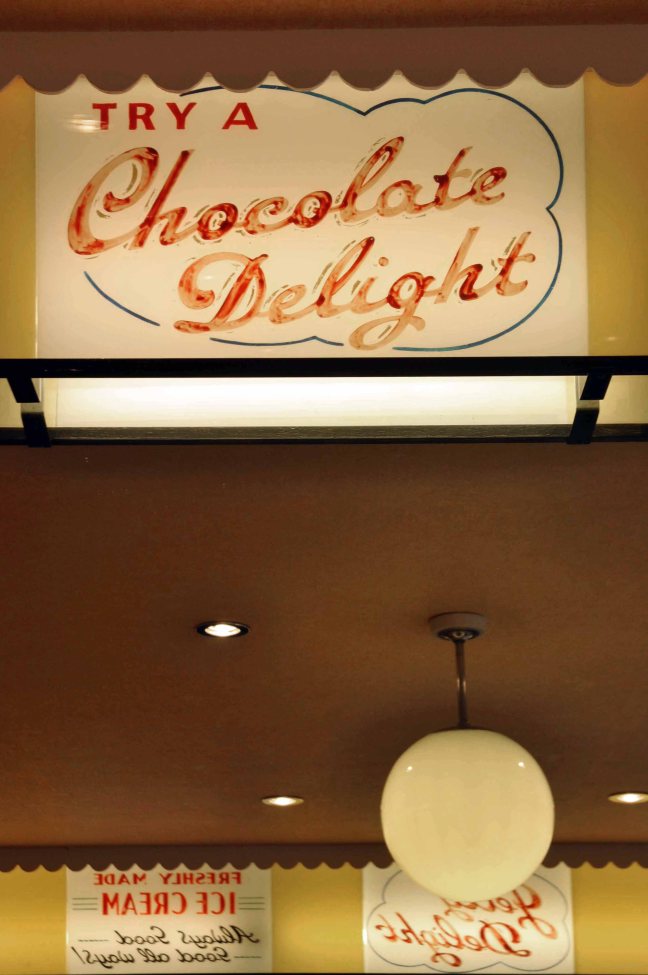
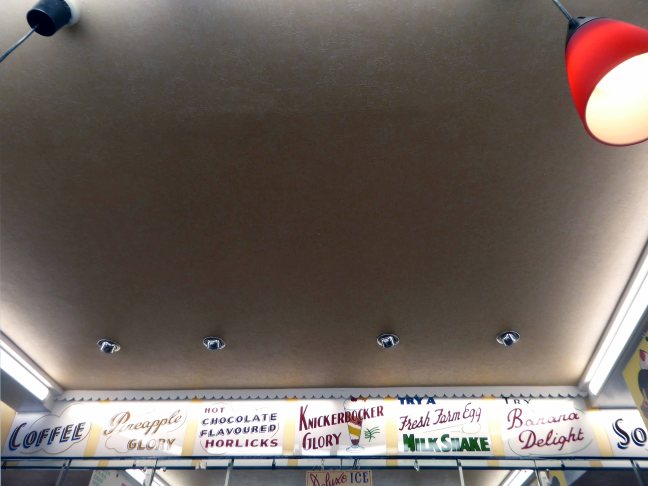
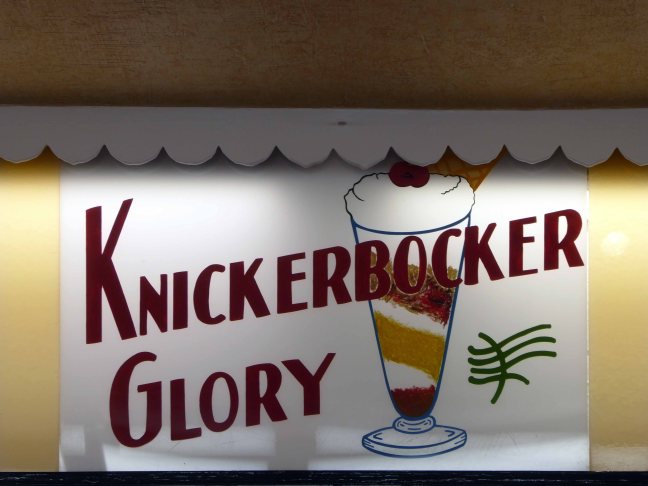
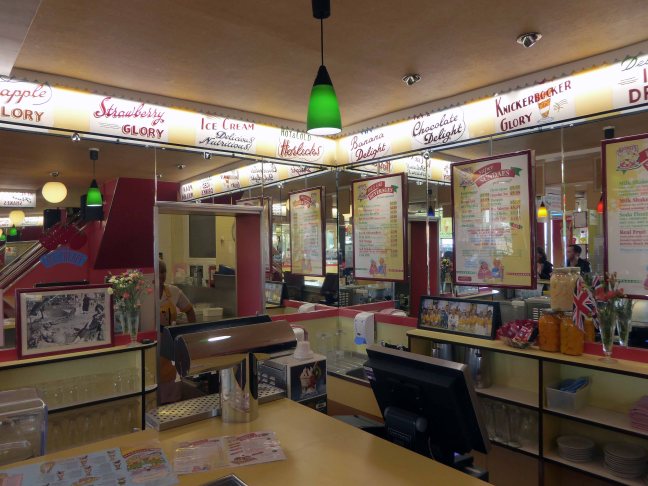
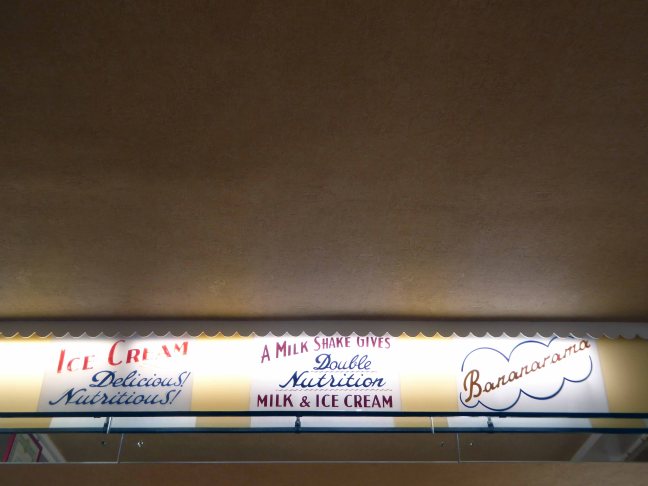
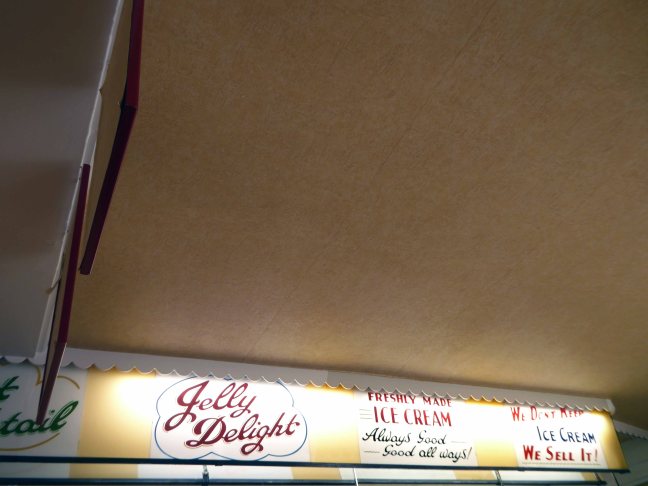
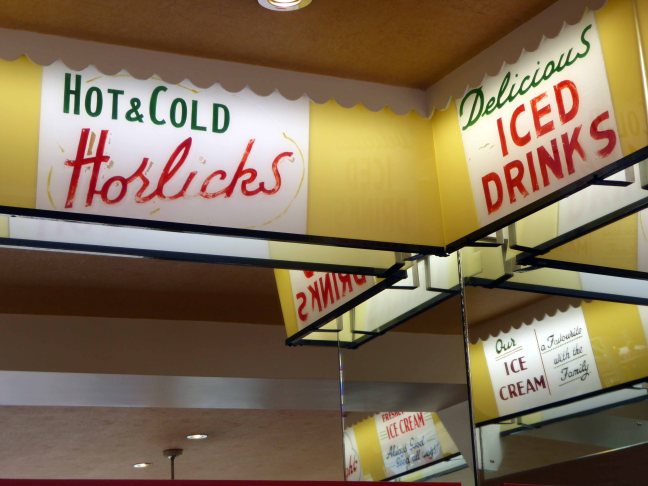
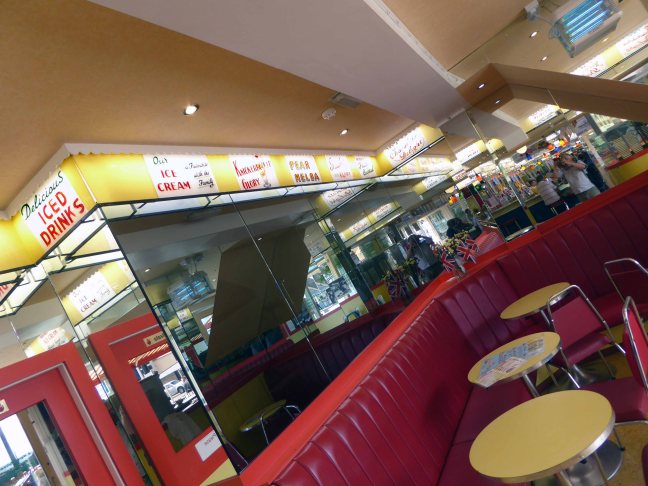
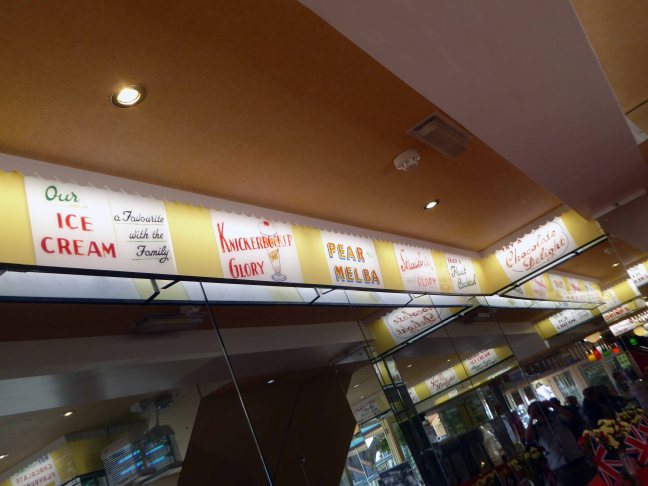
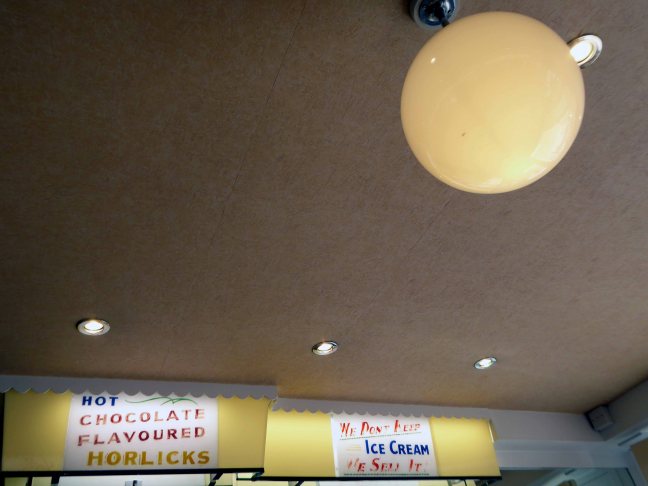
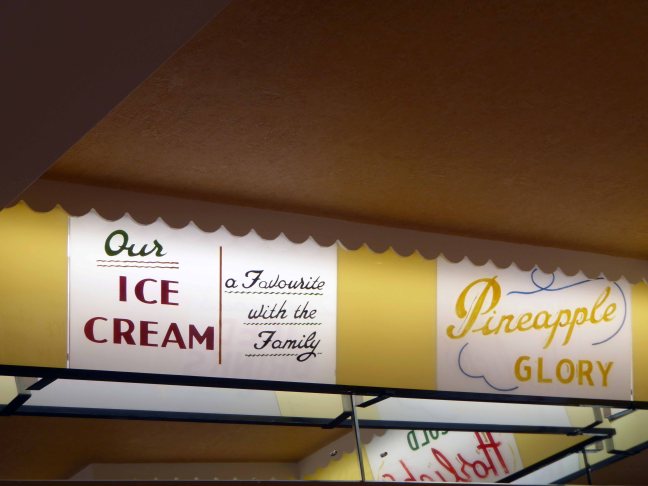
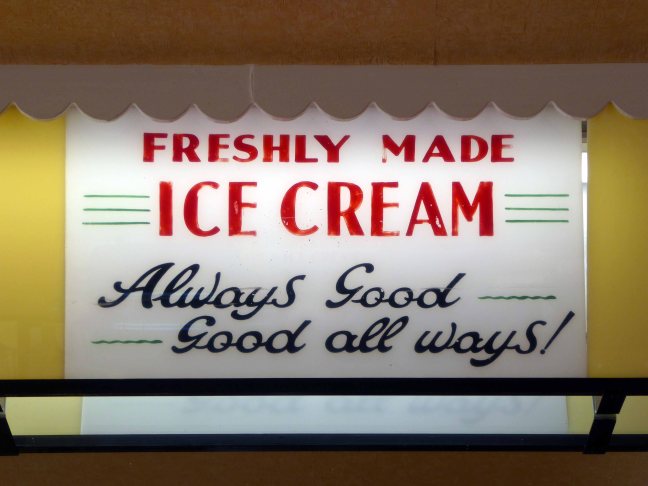
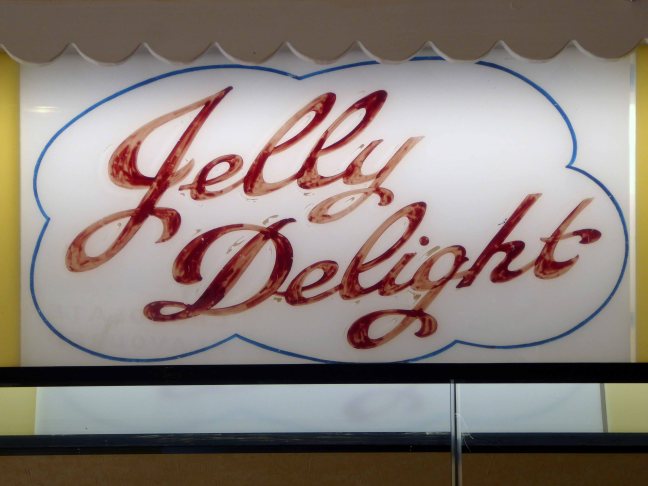
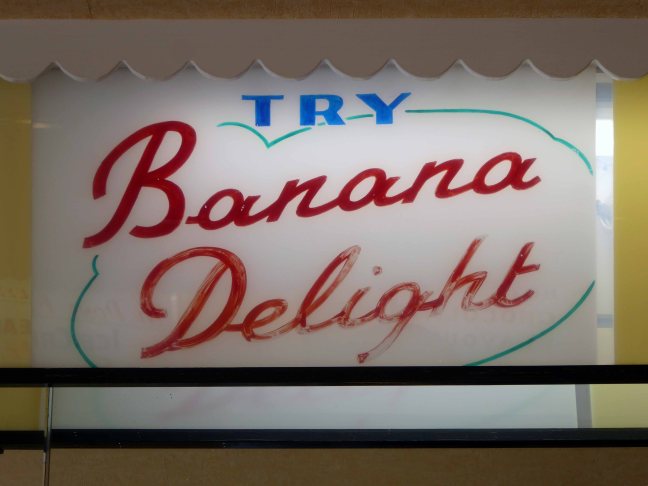
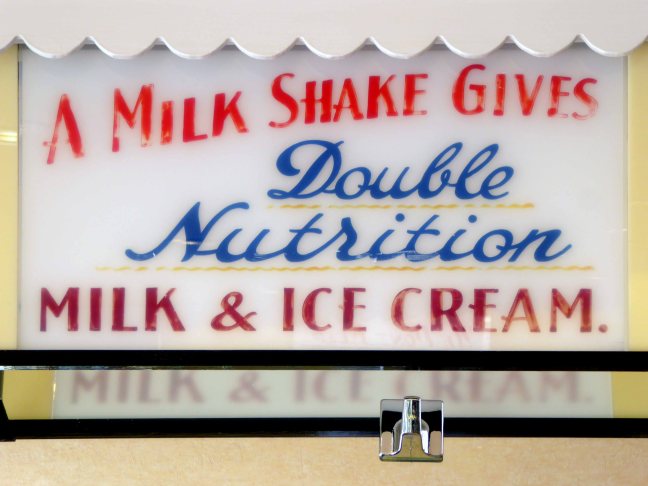
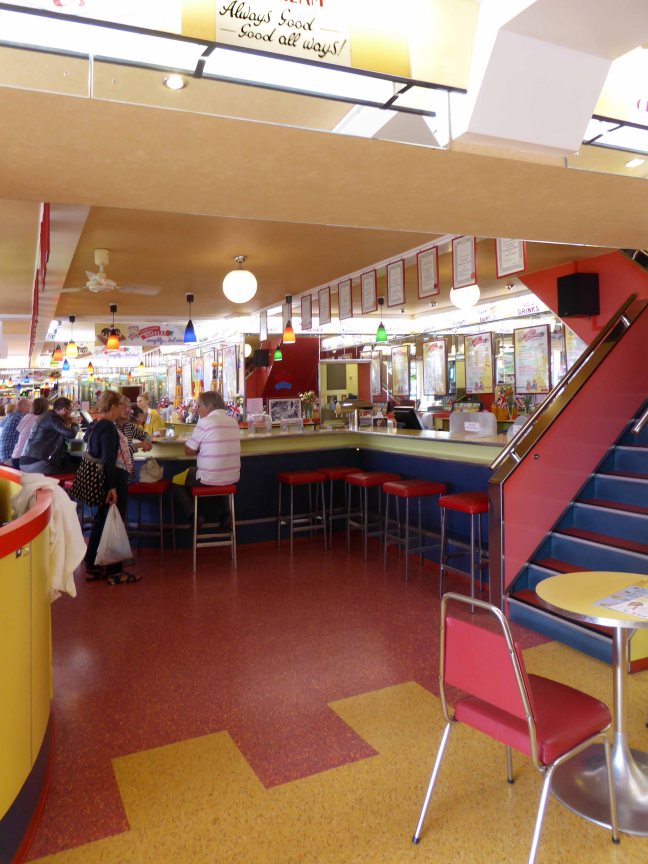
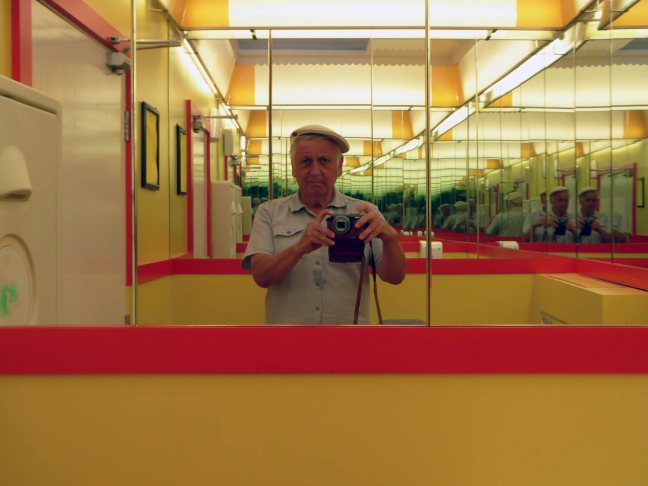
It’s a magical world of mirrors, melamine, signs and ice creams.

DSC_0014

DSC_0016

DSC_0019

DSC_0020

DSC_0022

DSC_0023

DSC_0024

DSC_0025

DSC_0028

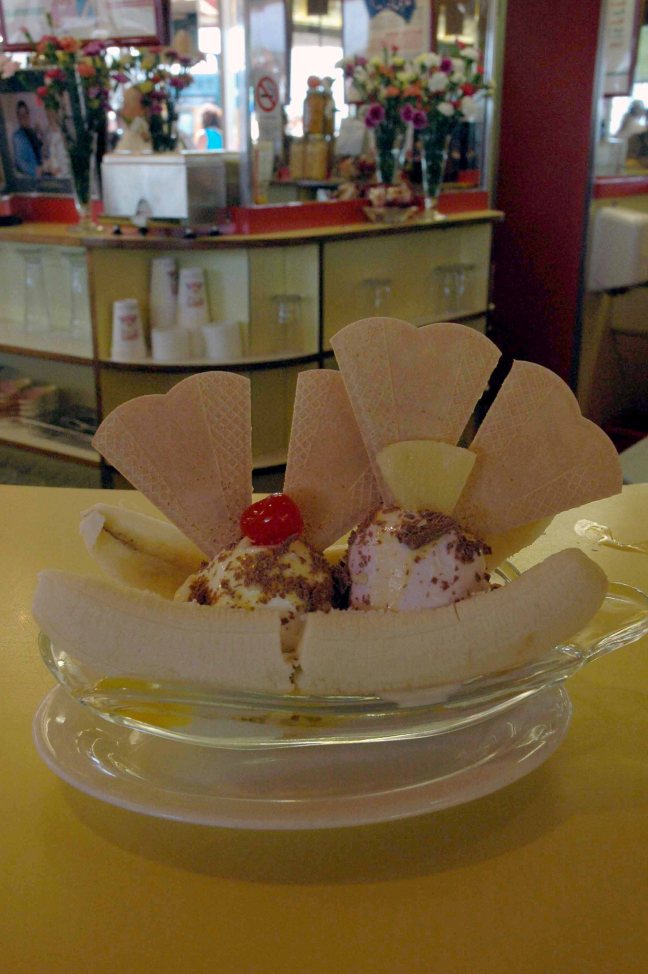
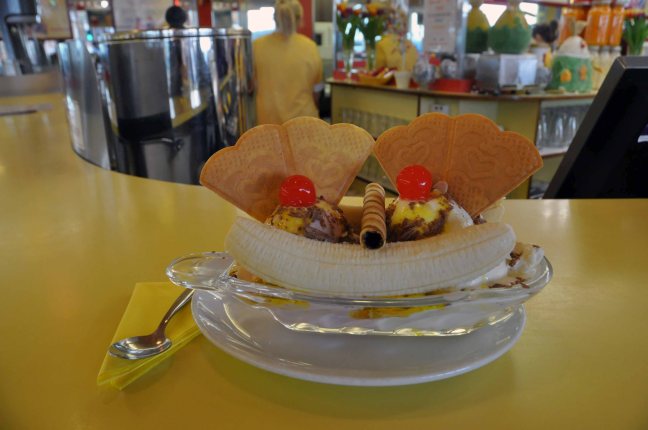
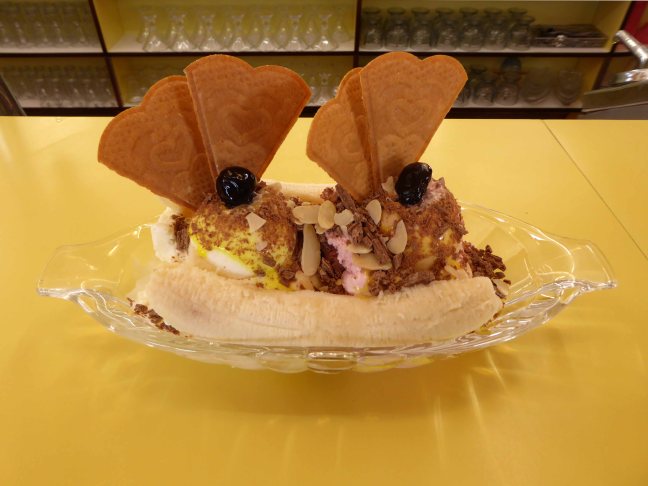
Since then I’ve been back for a banana split and take the opportunity to take a few more snaps, I never leave anything less than overwhelmingly happy and full.

P1040521

P1040523

P1040524

P1040522

P1040525

DSC_0356

DSC_0357

DSC_0359

DSC_0360

DSC_0027

DSC_0036

DSC_0028

DSC_0025

DSC_0029

DSC_0031

DSC_0032

DSC_0033

DSC_0035

DSC_0042

DSC_0043

DSC_0044

DSC_0046

DSC_0048

DSC_0049

DSC_0050

DSC_0052

DSC_0053

DSC_0055

DSC_0056

DSC_0057

DSC_0061

P1260970

P1260972

P1260973

P1260974

P1260975

P1260976

P1260977

P1260978

P1260979

P1260980

P1260981

P1260982

P1260983

P1260984

P1260985

P1260986

P1260987

P1260988

P1260989

On The Waterfront – Llandudno

A welwyd eisoes.

I’ve been here before, as have others before me.

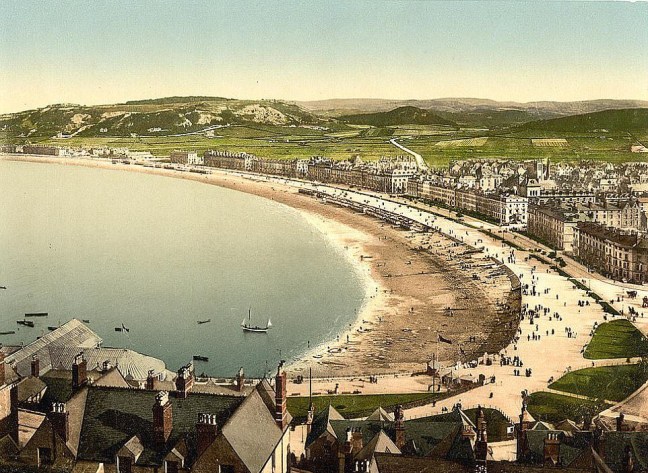
The town of Llandudno developed from Stone Age, Bronze Age and Iron Age settlements over many hundreds of years on the slopes of the limestone headland, known to seafarers as the Great Orme and to landsmen as the Creuddyn Peninsula.

Some years later.

In 1848, Owen Williams, an architect and surveyor from Liverpool, presented landowner Lord Mostyn with plans to develop the marshlands behind Llandudno Bay as a holiday resort. These were enthusiastically pursued by Lord Mostyn. The influence of the Mostyn Estate and its agents over the years was paramount in the development of Llandudno, especially after the appointment of George Felton as surveyor and architect in 1857.

4358C48B00000578-0-image-m-113_1503056487584

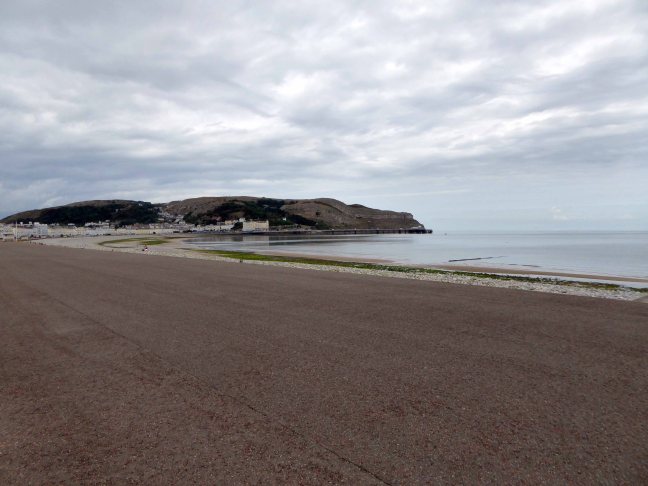
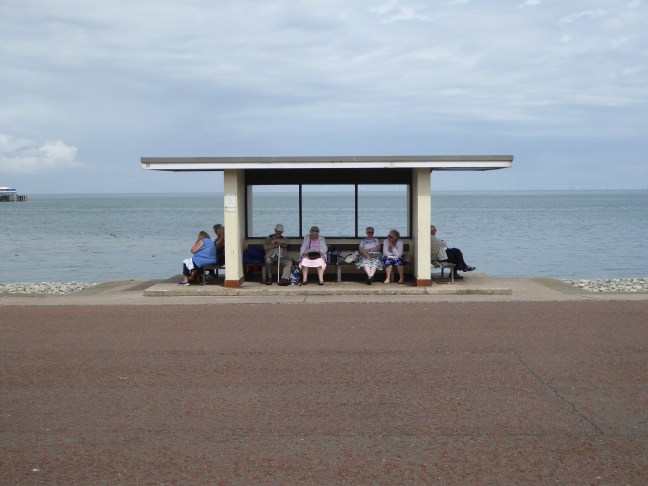
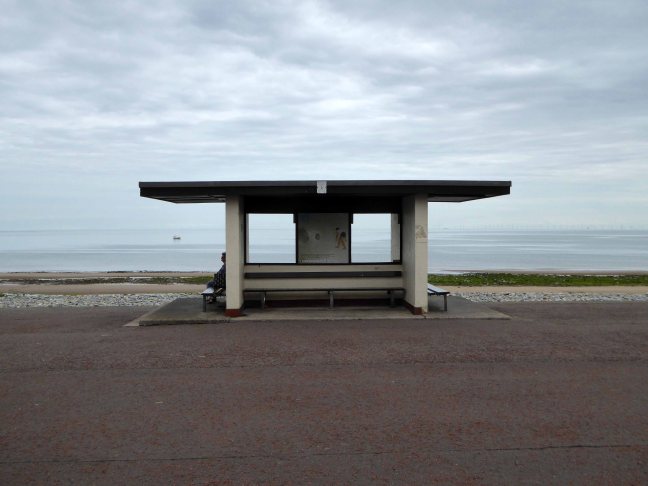
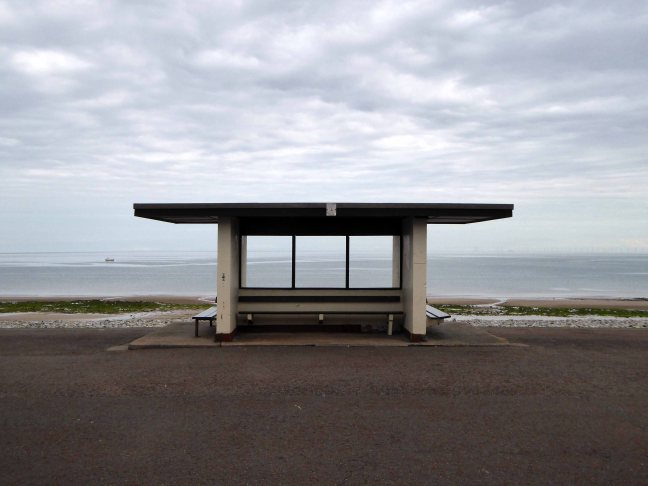
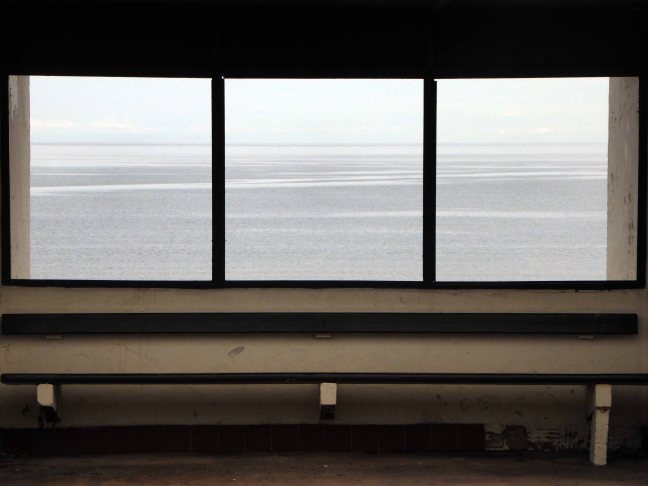
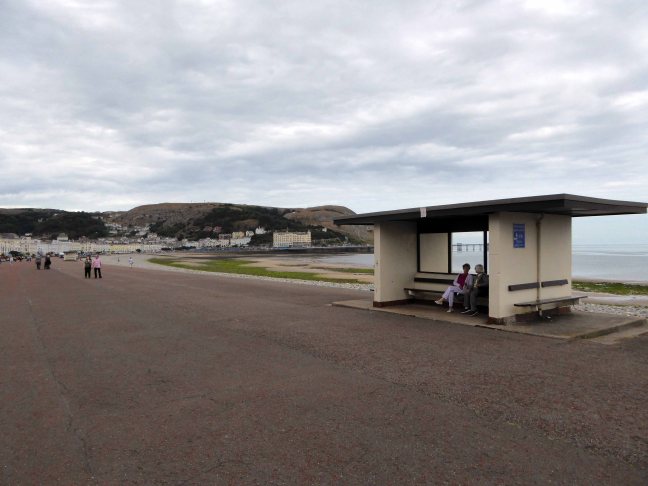
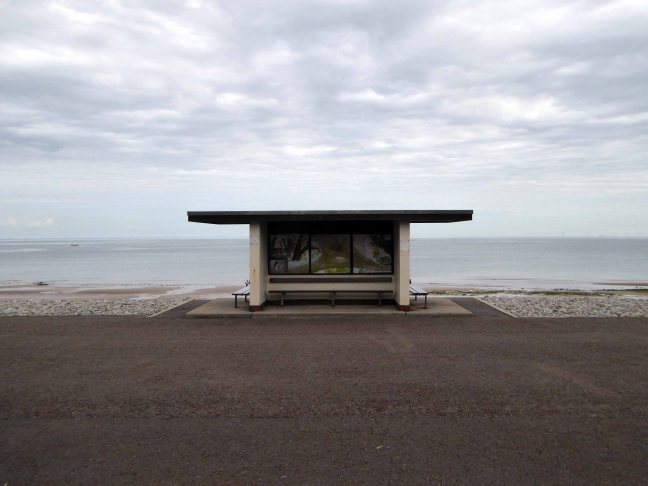
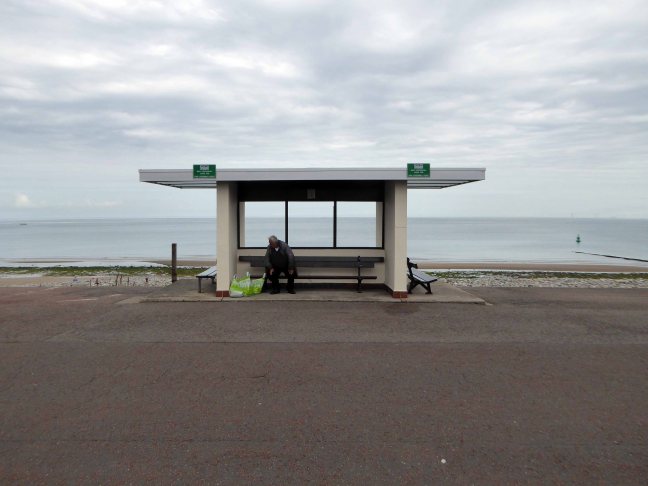
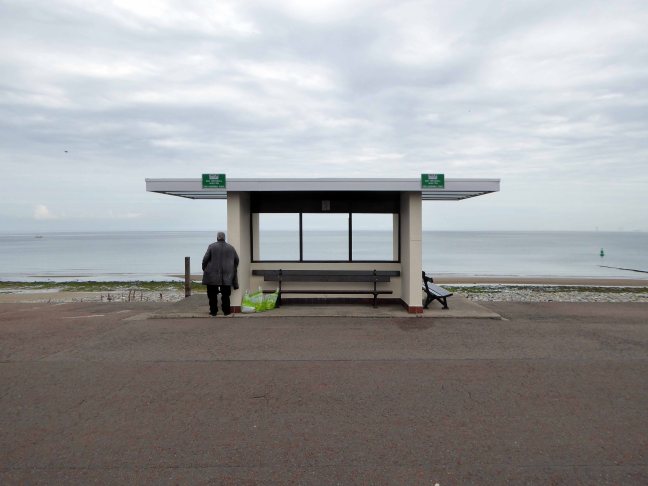
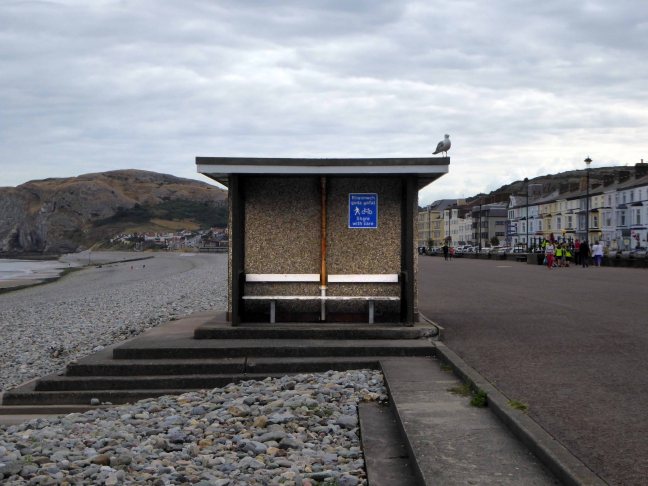
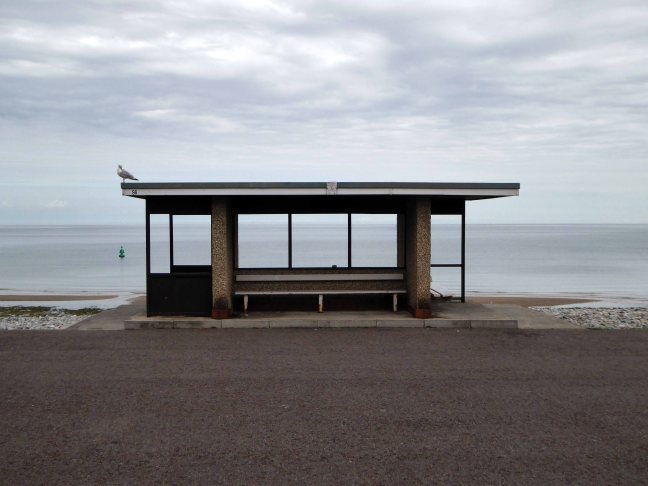
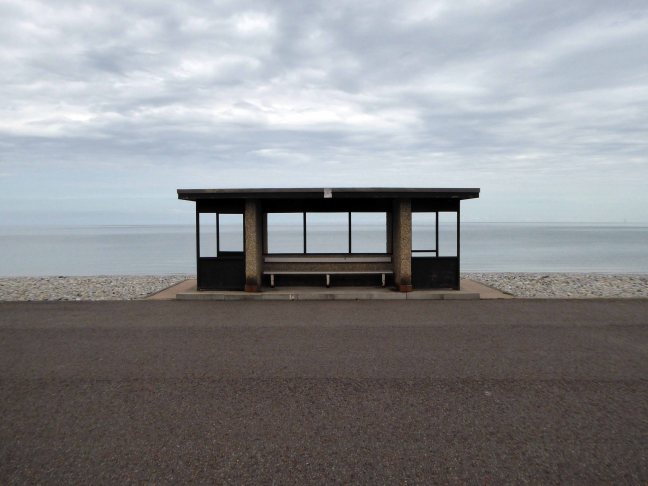
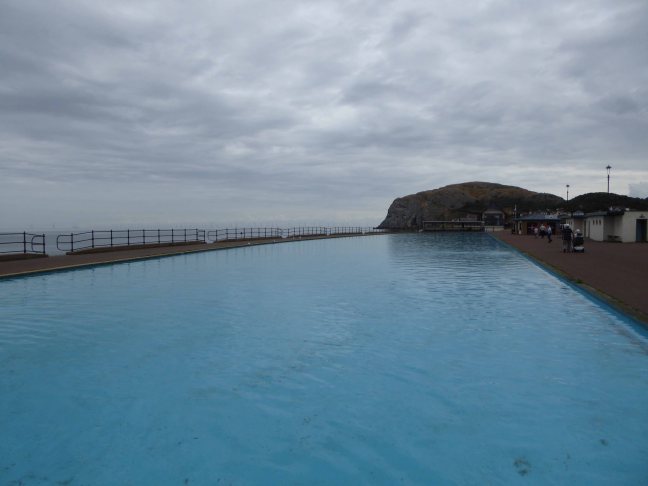
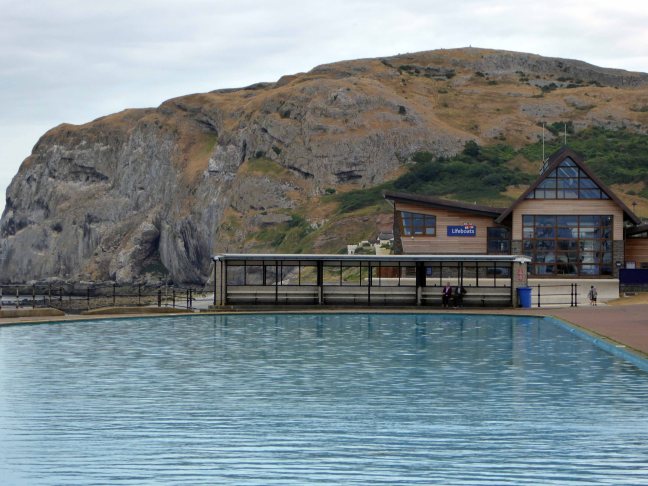
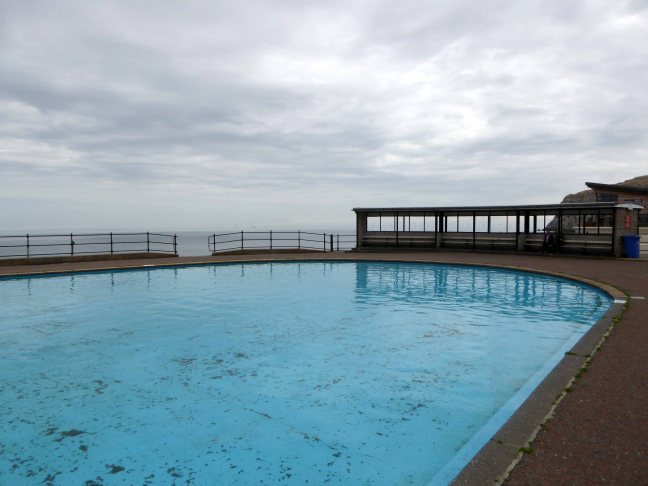
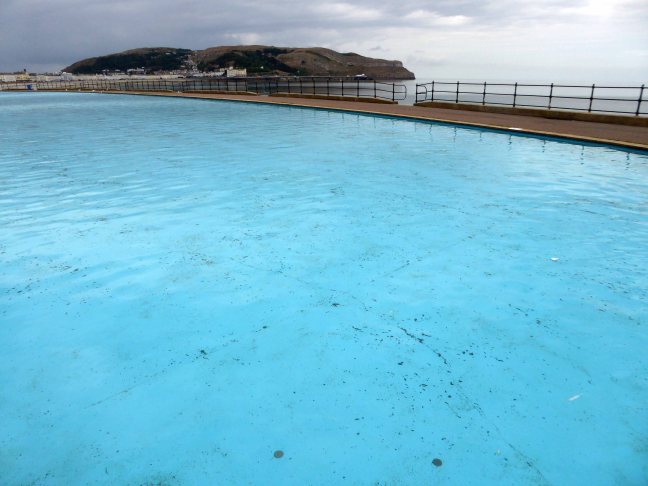
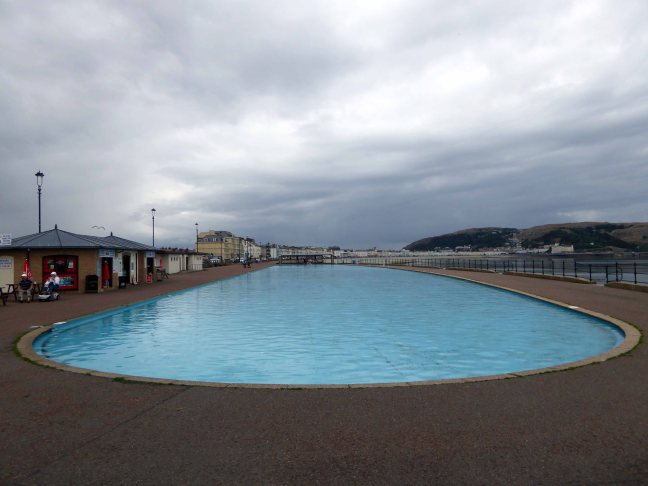
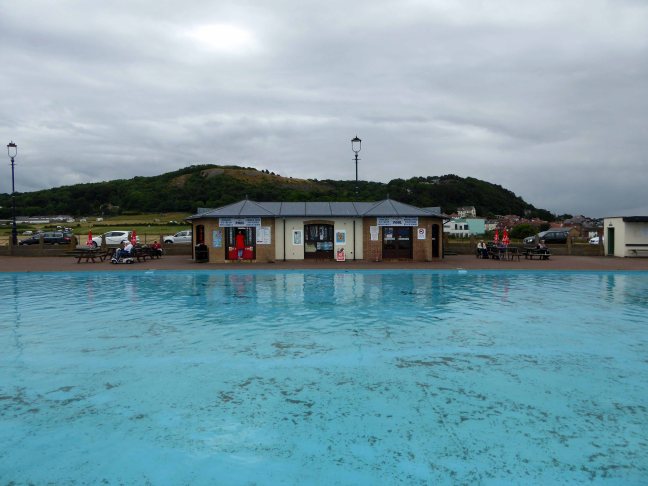
The edge of the bay is marked by concrete steps and a broad promenade, edging a pebbled beach which arcs from Orme to Orme.

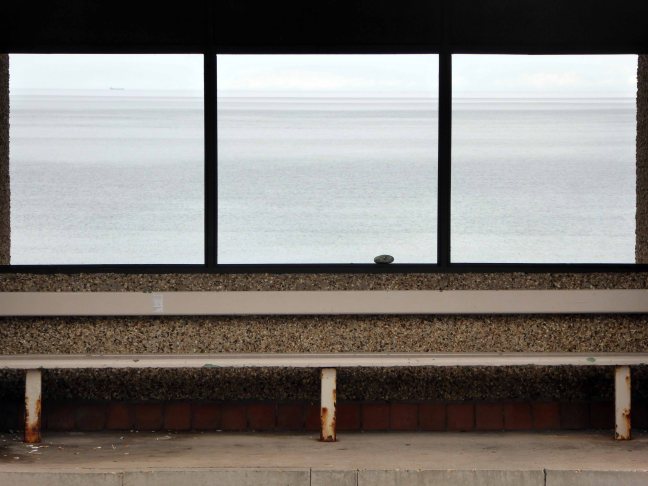
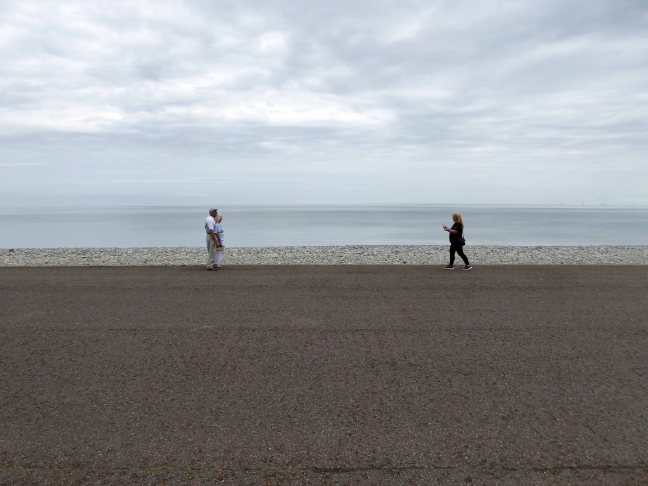
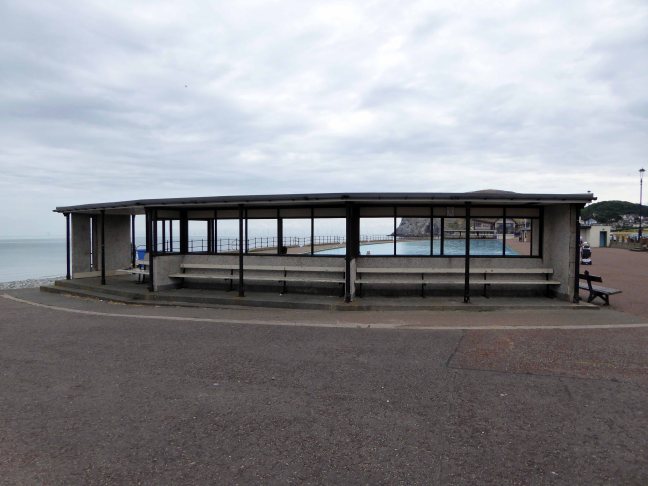
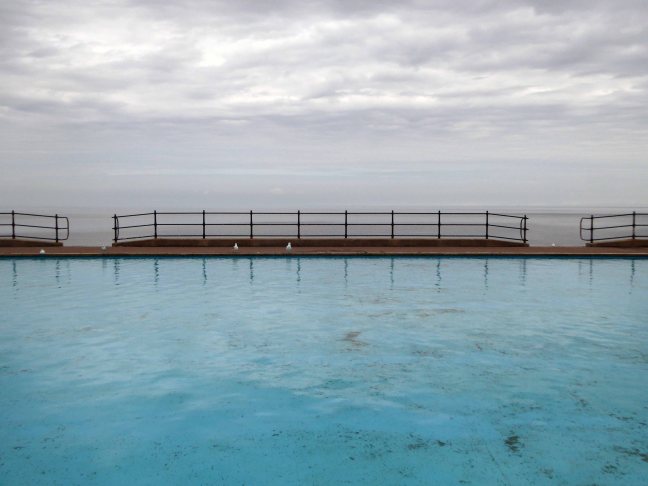
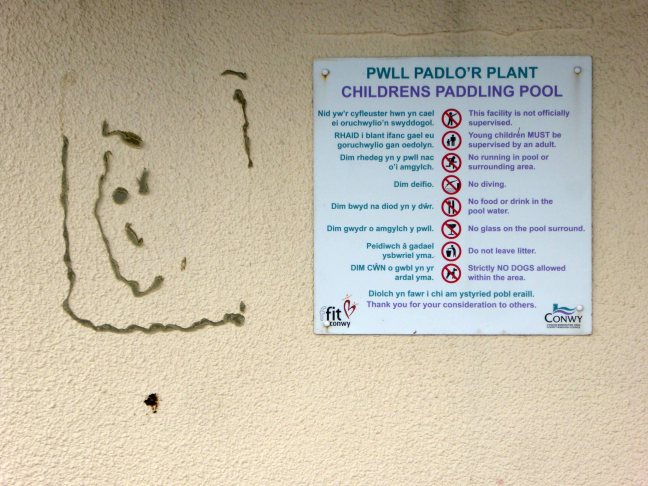
Walk with me now and mark the remarkable shelters, paddling pools and bandstand screens, along with the smattering of people that people the promenade.

P1270521

P1270522

P1270445

P1270447

P1270448

P1270449

P1270450

P1270453

P1270456

P1270458 1

P1270460 1

P1270461

P1270463

P1270465

P1270466

P1270467

P1270469

P1270470

P1270471

P1270473

P1270476

P1270477

P1270481

P1270482

P1270484

P1270485

Mitzi Cunliffe – Owen’s Park Manchester

Mitzi Solomon Cunliffe January 1st 1918  December 30th 2006

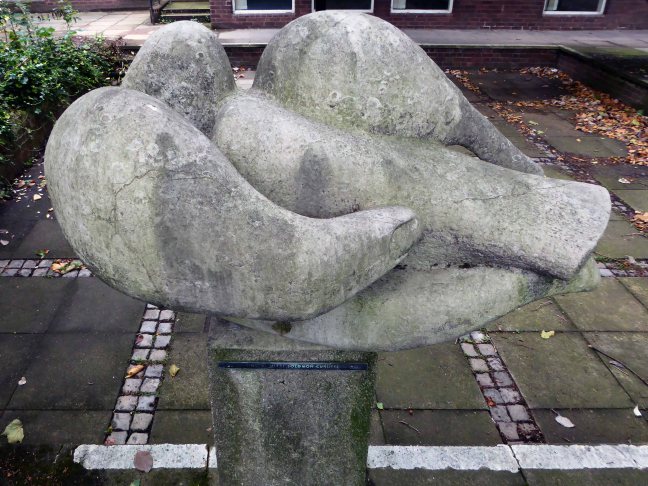
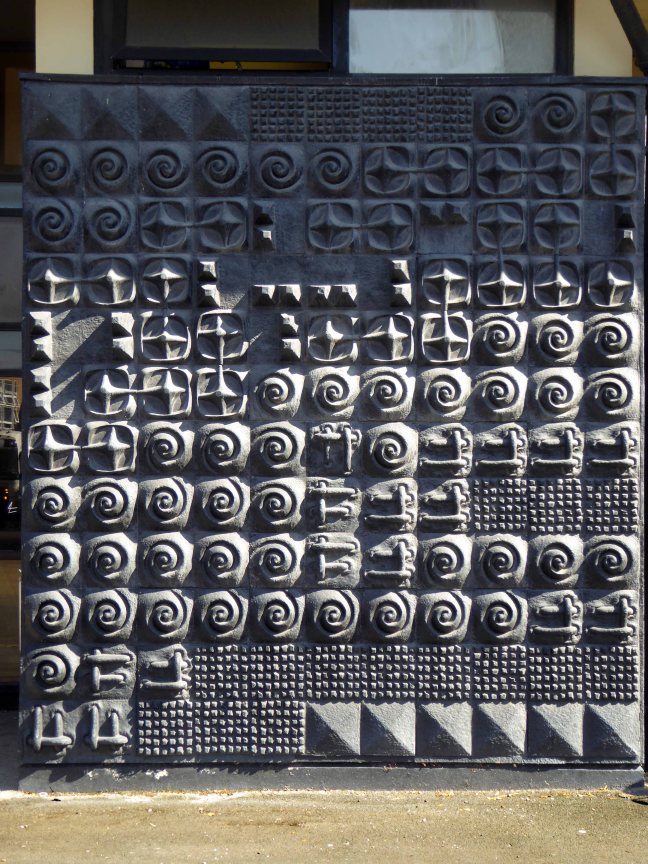
American born, resident of Didsbury Manchester, sculptor and designer, responsible for, amongst other things, the BAFTA mask.

Mitzi_Cunliffe_Design

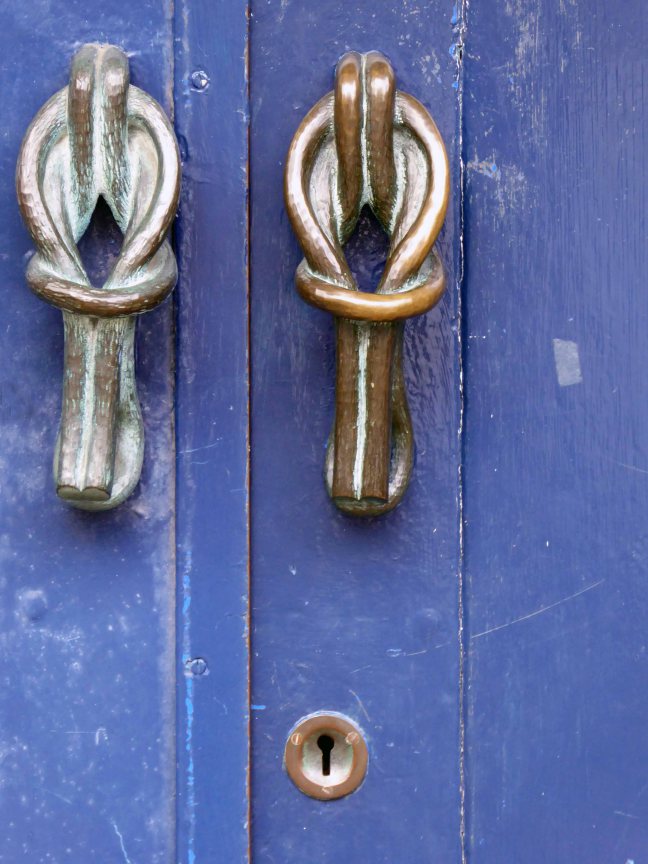
Her first large scale commission was two pieces for the Festival of Britain in 1951. One, known as Root Bodied Forth, shows figures emerging from a tree, and was displayed at the entrance of the Festival. The second, a pair of bronze handles in the form of hands, adorned the Regatta Restaurant. She created a similar piece, in the form of knots, in 1952 which remains at the School of Civic Design at Liverpool University, along with The Quickening in the rear courtyard.

p1090554

p1090555-copy

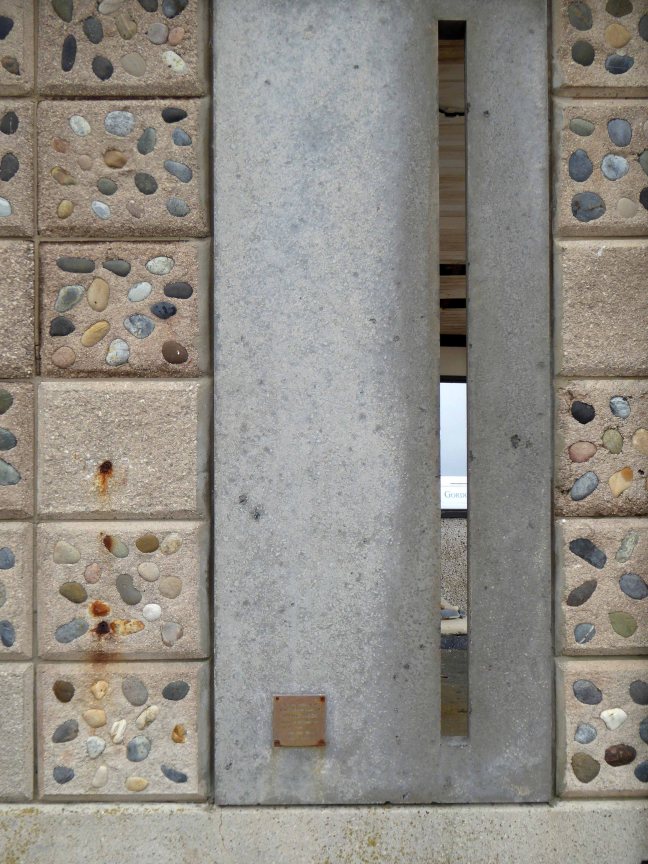
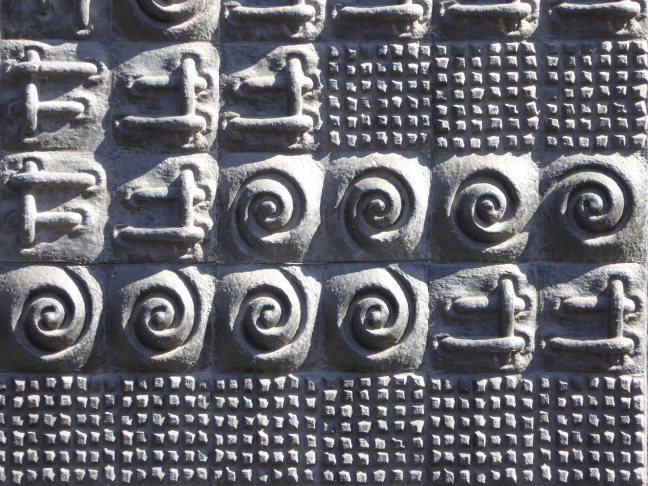
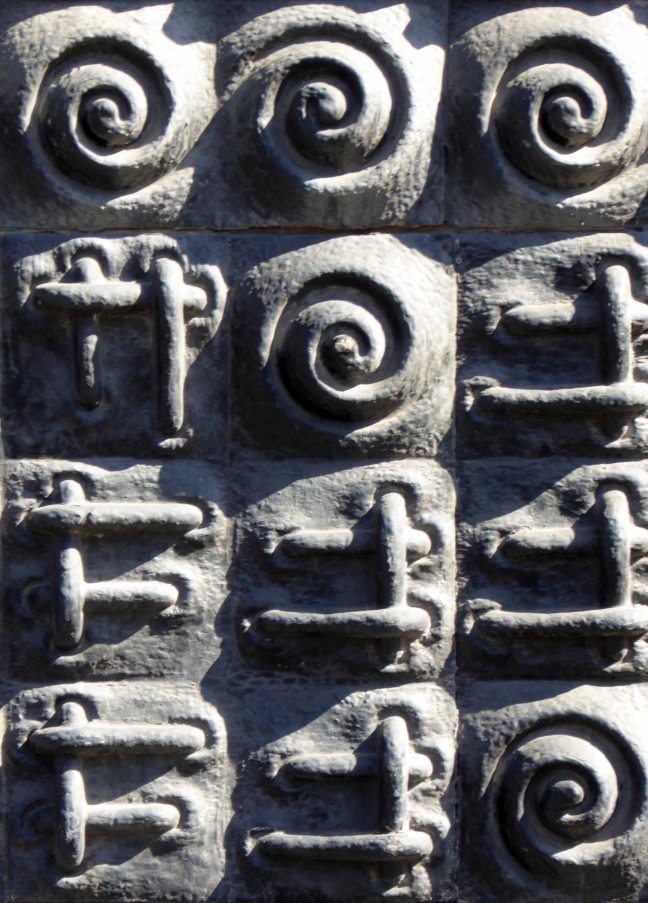
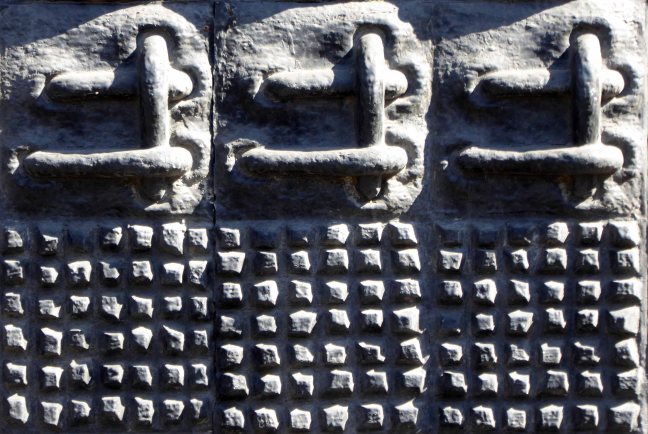
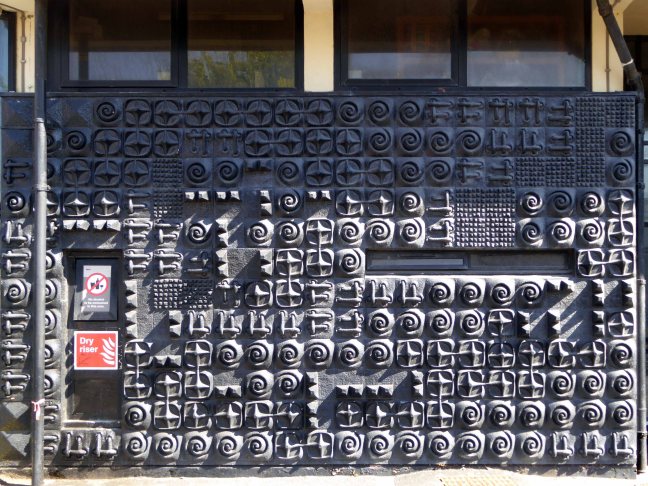
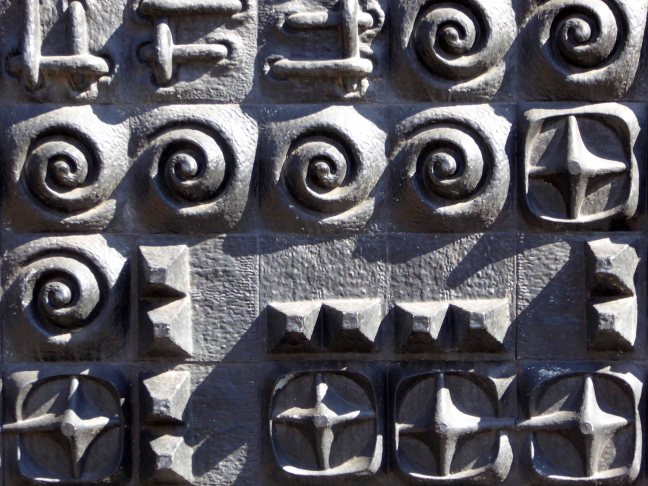
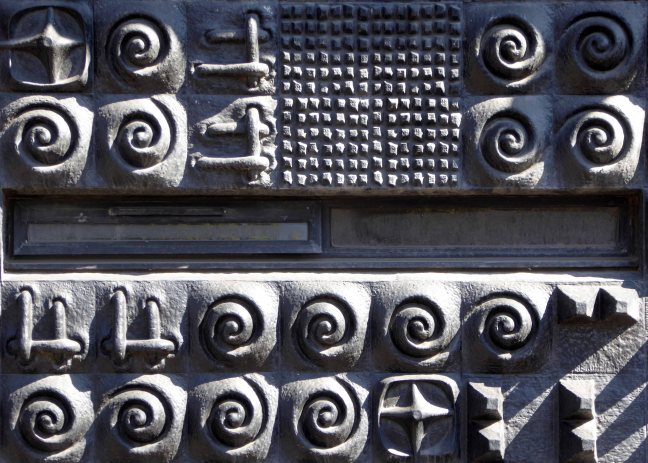
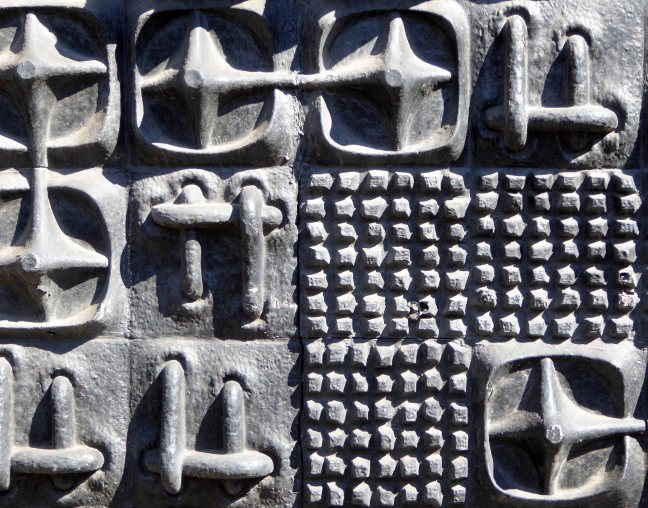
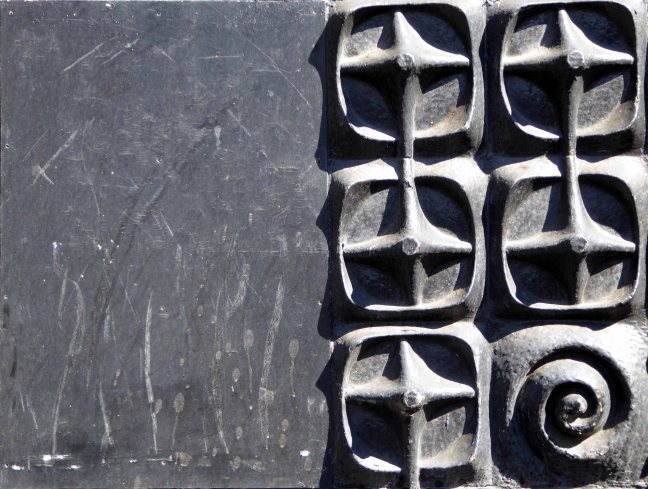
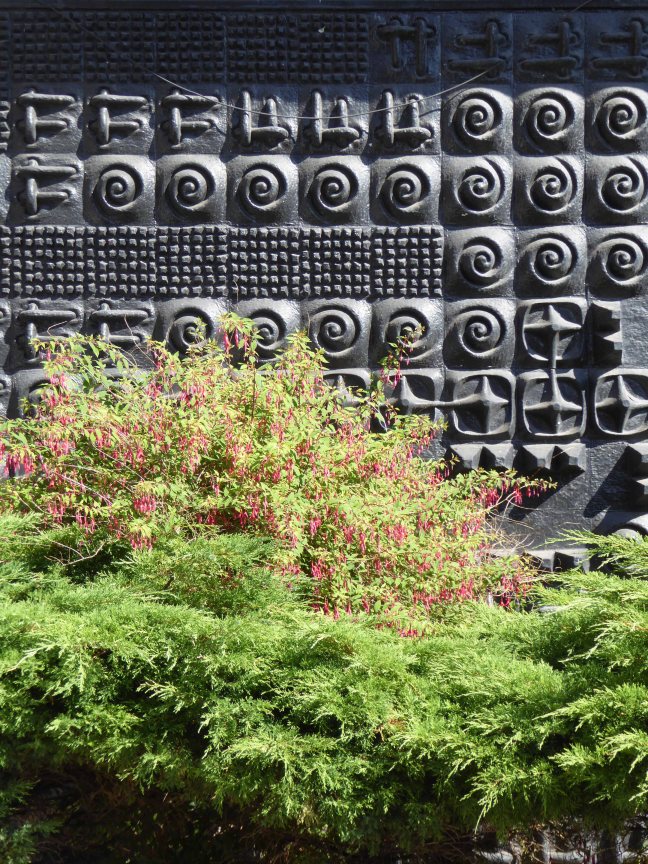
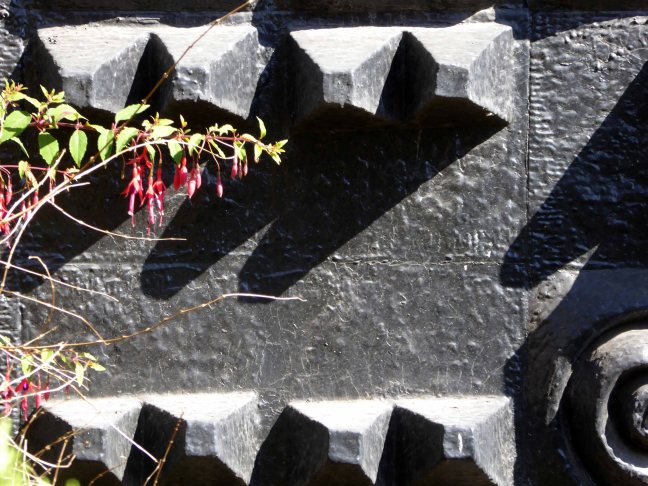
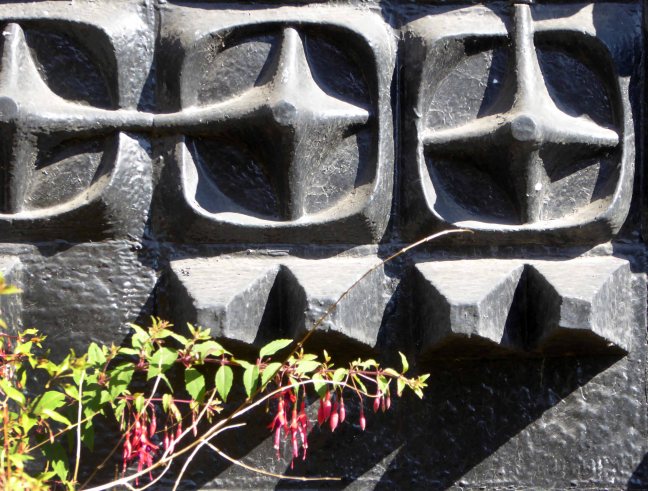
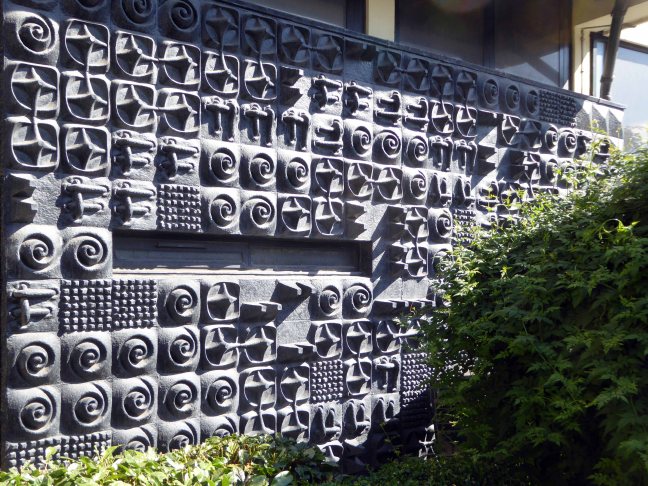
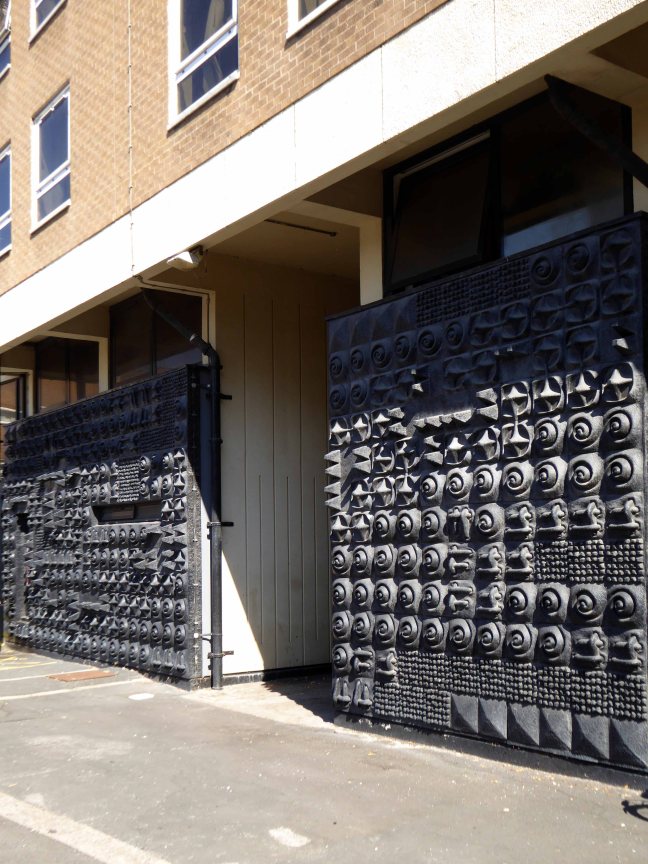
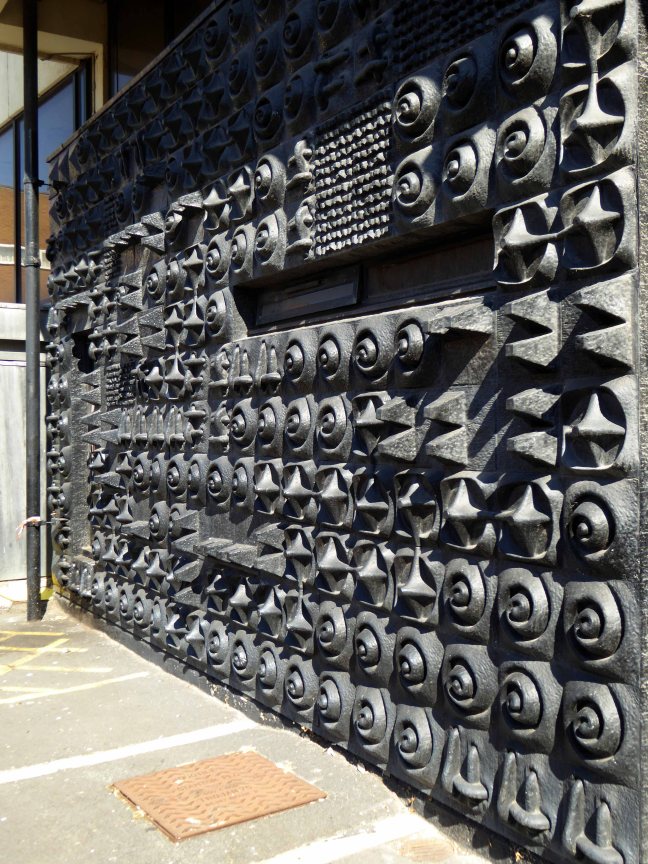
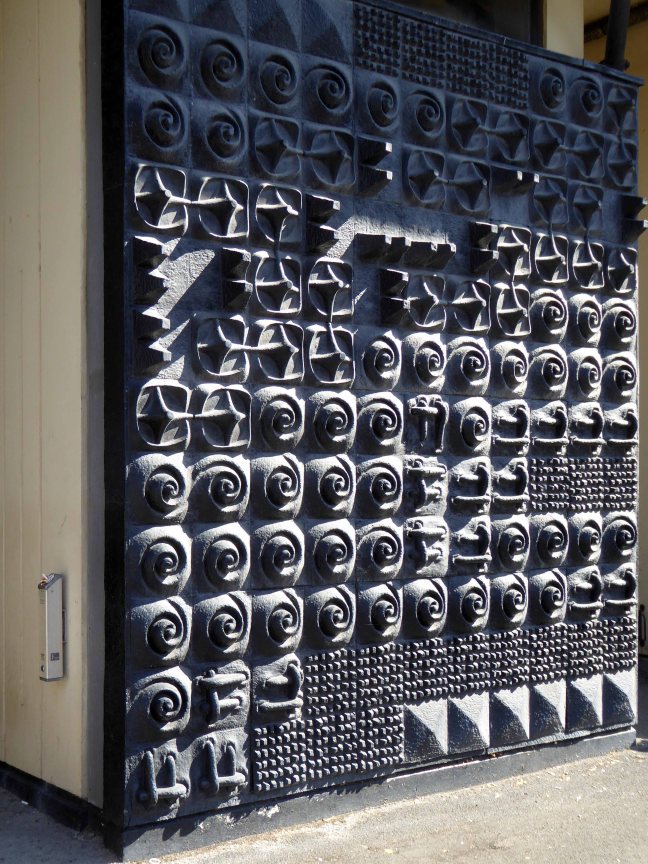
Cunliffe developed a technique for mass-producing abstract designs in relief in concrete, as architectural decoration, which she described as sculpture by the yard. She used the technique to decorate buildings throughout the UK, but particularly in and around Manchester.

d9d483ddd467272577443b6391e5a66a

Particularly this example of four modular panels named Cosmos, set in the wall of the student halls of residence in Owens Park, Fallowfield, Manchester.

P1270299

P1270300

P1270302

P1270303

P1270304

P1270306

P1270307

P1270308

P1270309

P1270310

P1270311

P1270312

P1270313

P1270314

P1270315

P1270316

P1270317

P1270318

P1270321

P1270322

P1270323

P1270324

P1270325


Linda’s Pantry – Manchester

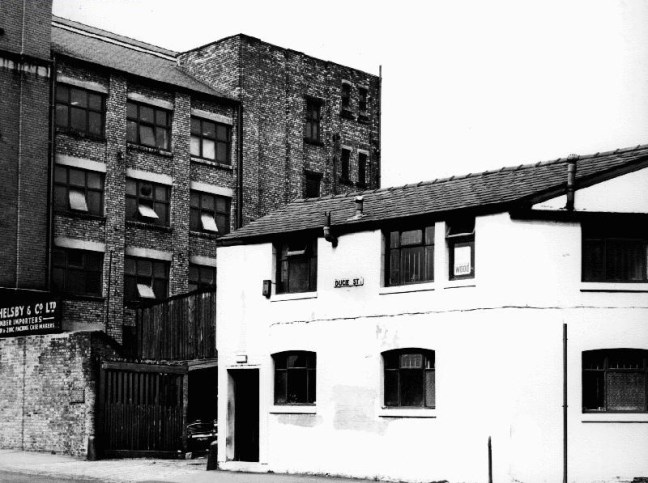
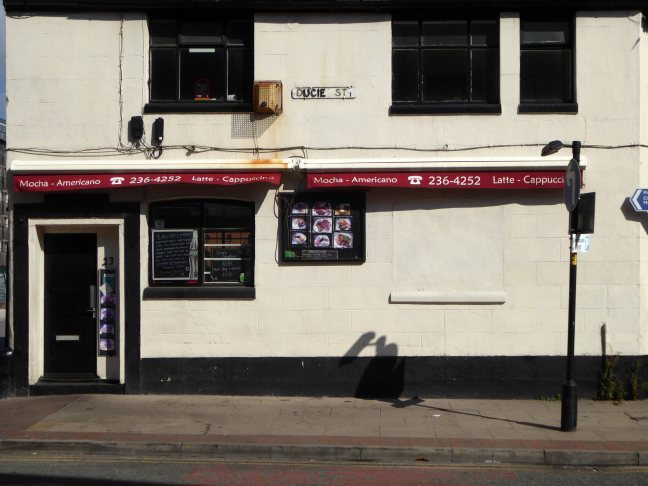
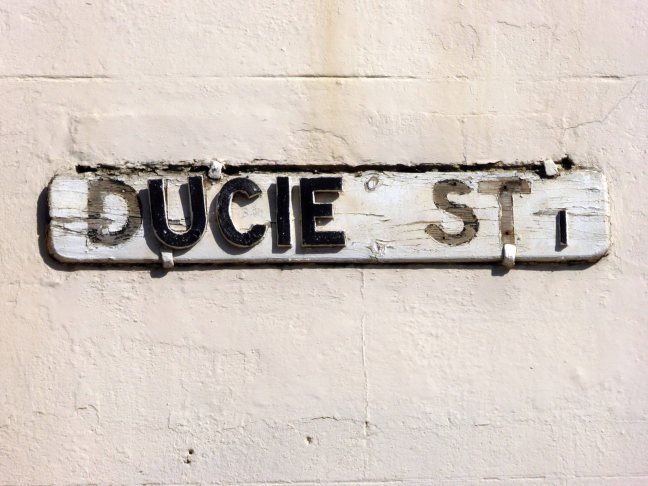
Turn off London Road and into Ducie Street, it’s just around the corner from Piccadilly Station.

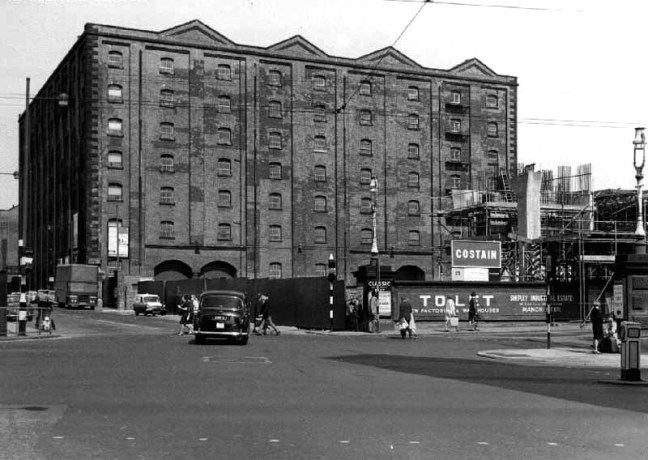
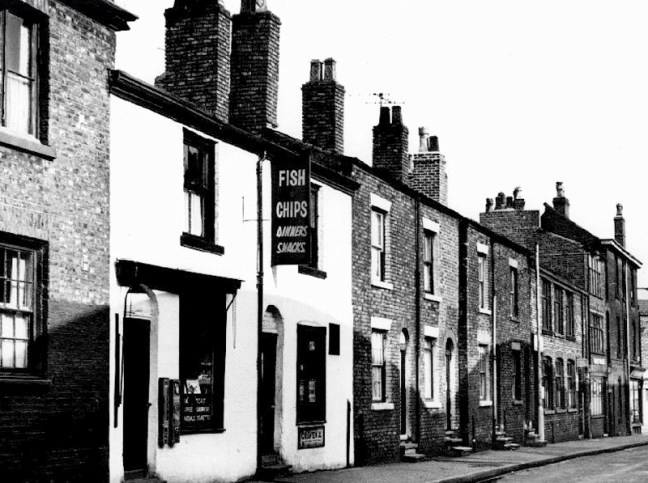
Enter a world of warehouses, homes and industry.

webmedia-1.php

webmedia-4.php

webmedia-1.php

webmedia-3.php

webmedia-2.php

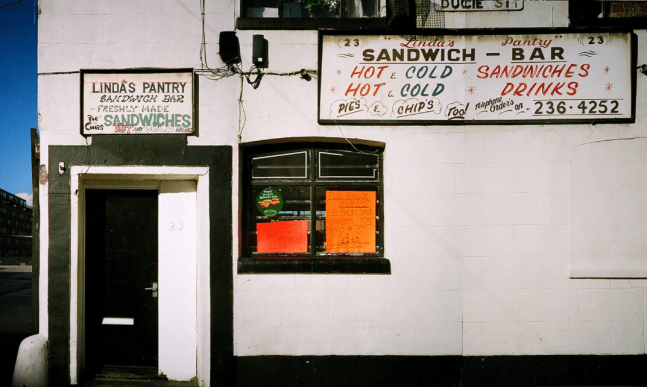
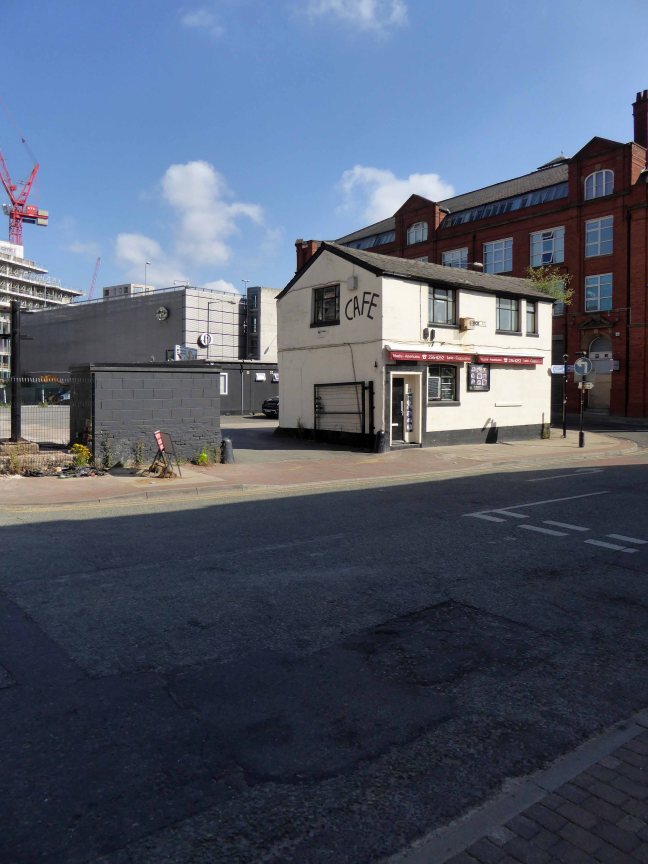
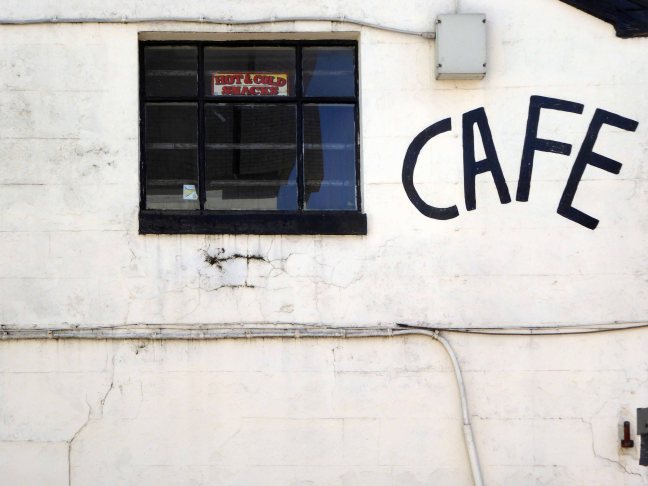
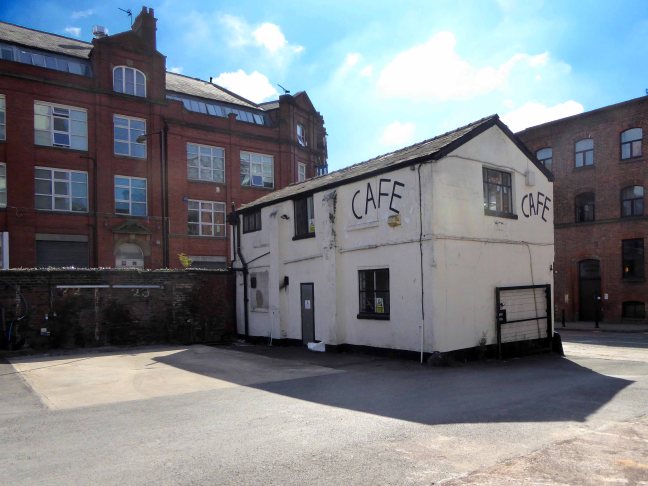
Return some fifty years later and you’ll find a café on the corner.

Screen Shot 2018-07-09 at 19.55.53

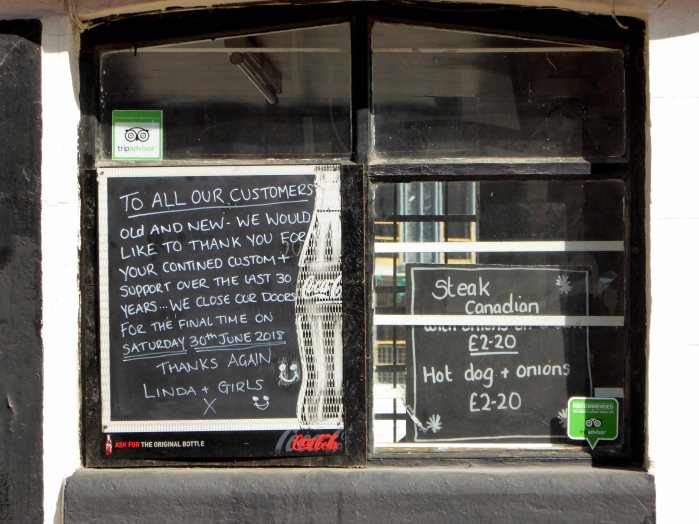
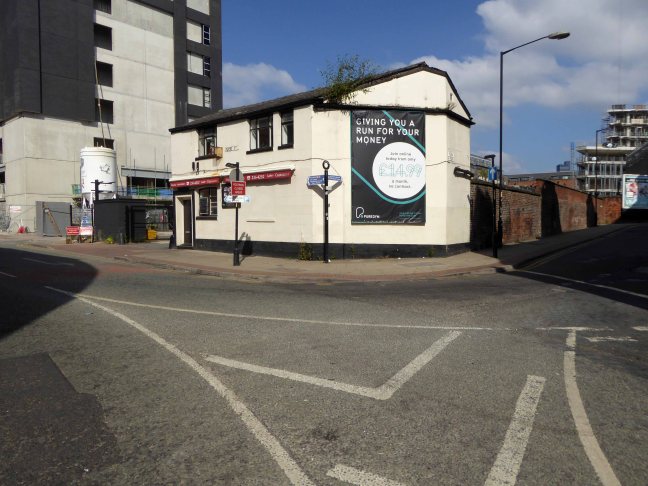
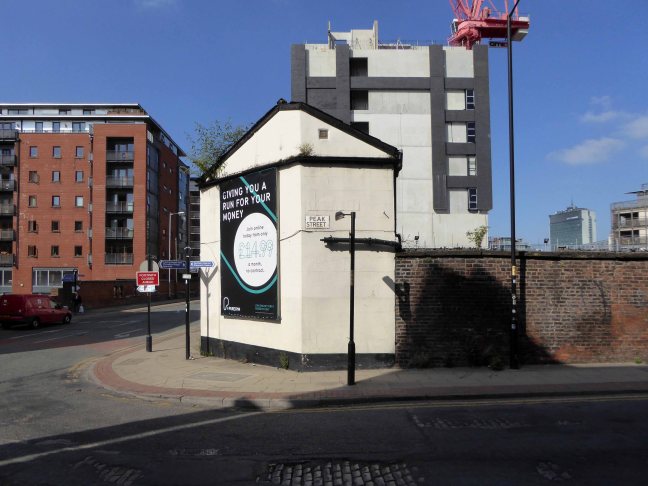
Return last Saturday you’ll find that it’s gone.

P1270029

No more of this.

b872c05fb8251eb973cf30b3cee7e421


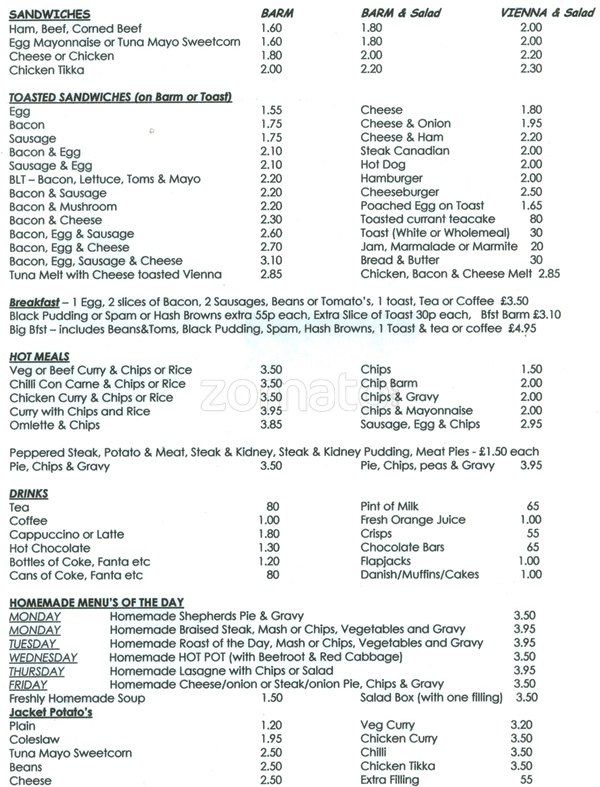
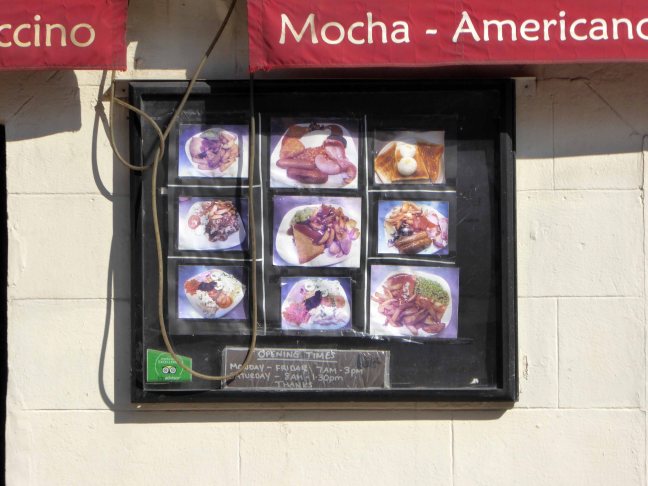
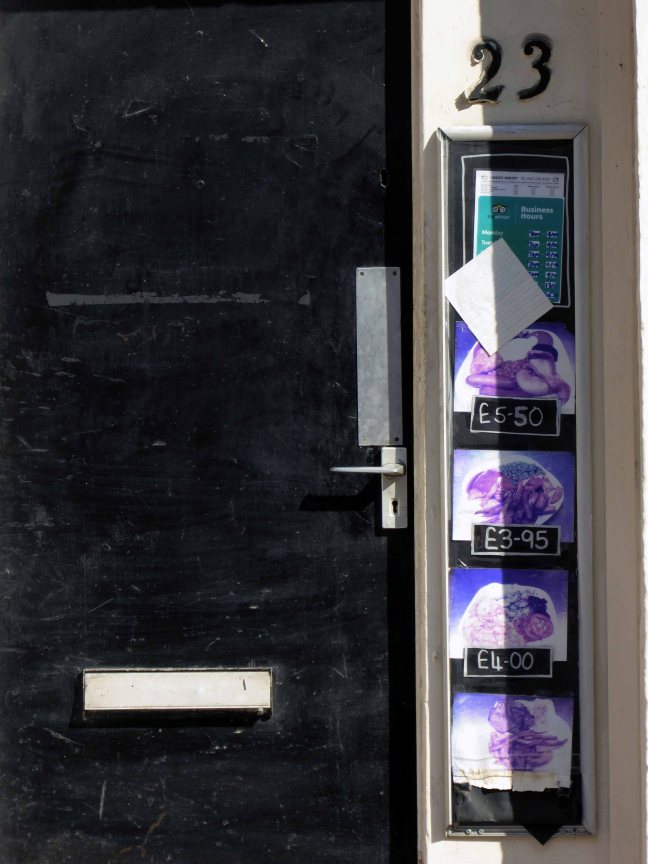
Top class scran at prices to suit all pockets.

EGP_MEN_LindasPantry_201017_007JPG

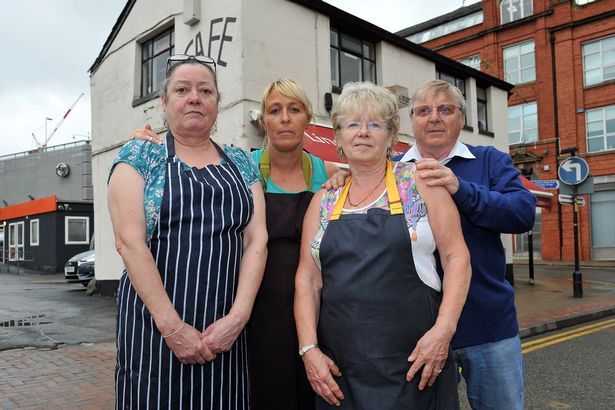
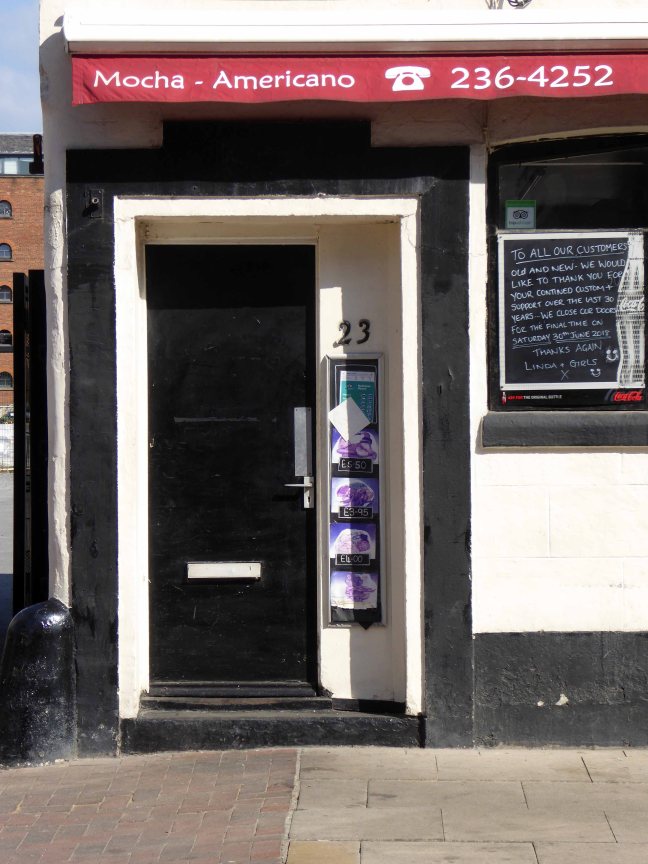
Linda and her crew have packed up the pans and scrammed.

Read all about it – Manchester Evening News

The face of the city changes, as one by one faces and places disappear, new build and mass tourism making ever new demands on space.

The rag trade is in tatters and the tatters are long gone.

It would seem that there is no place for the traditional café or its customers.

So thank you and goodnight, the last pie, chips and gravy has left the counter.

Shut the door and turn out the lights.

P1270025

P1270027

P1270028

P1270033

P1270034

P1270035

P1270038

P1270039

P1270042

P1270044

P1270048

P1270051

P1270052


All Saints & Martyrs – Langley


Screen Shot 2018-07-09 at 15.34.32

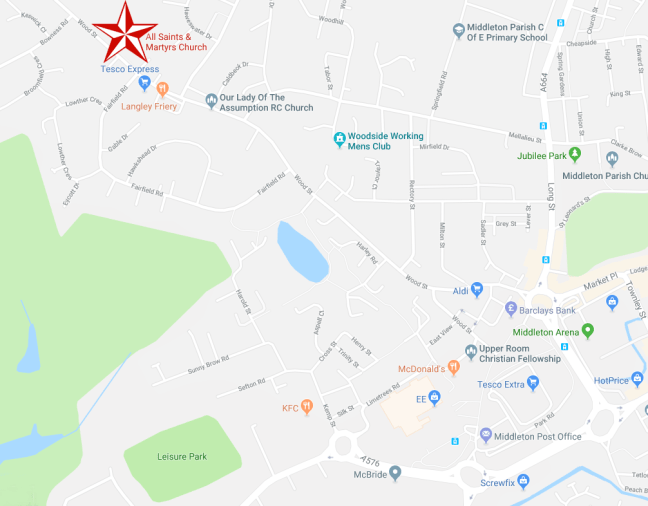
All Saints & Martyrs Rectory, Wood St, Middleton, Manchester M24 5GL

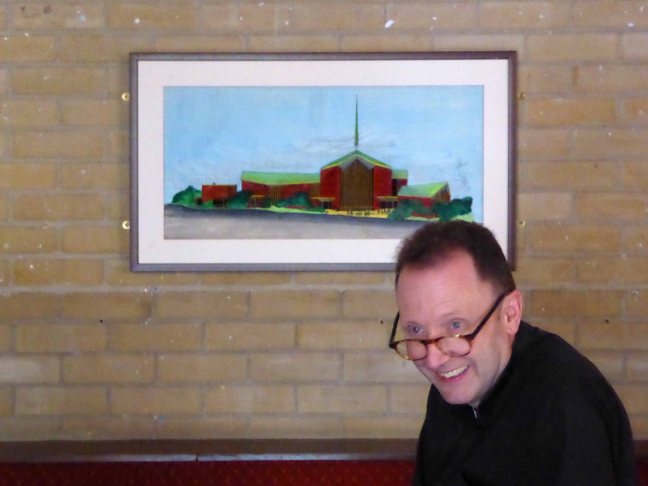
We had the pleasure to visit All Saints & Martyrs on Saturday 7th July 2018 as part of an Art and Christianity – Manchester Modernists Society bus tour.

We could not have been made more welcome by The Reverend Canon Philip Miller – Vicar of Langley and his team, many thanks for their warm hospitality.

Set on the Langley Estate, one of many developed by Manchester Council as overspill social housing, the church serves a large community to the north of the city.

The architect was Albert Walker of Leach Rhodes Walker – this was the first church that they had built, having previously specialised in shopping precincts.

Leach, Rhodes and Walker had involved Geoffrey Clarke RA with their earlier new church building for All Saints, Barton Road, Stretford. (1957) here his contribution was chiefly a large stained glass window depicting the Trinity. LRW continued to collaborate with Clarke in their church projects, in the years following at Langley. In a letter to the church at the time he wrote: “Start saving now for a new West End Window – only £10 p.s.f – for the greatest window in the North…. I have just done some windows I’m rather pleased with..”

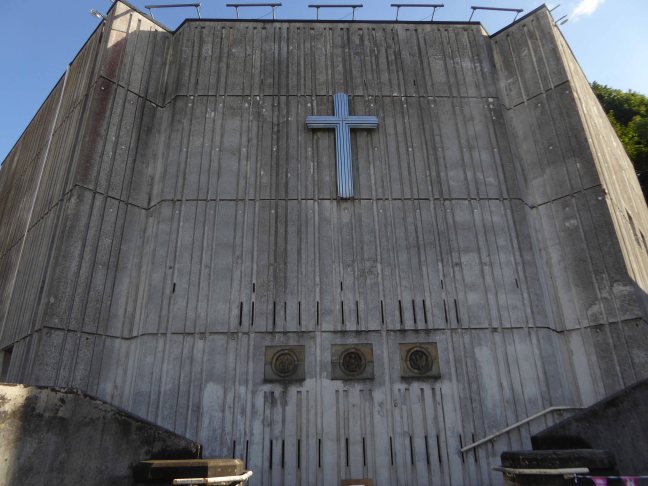
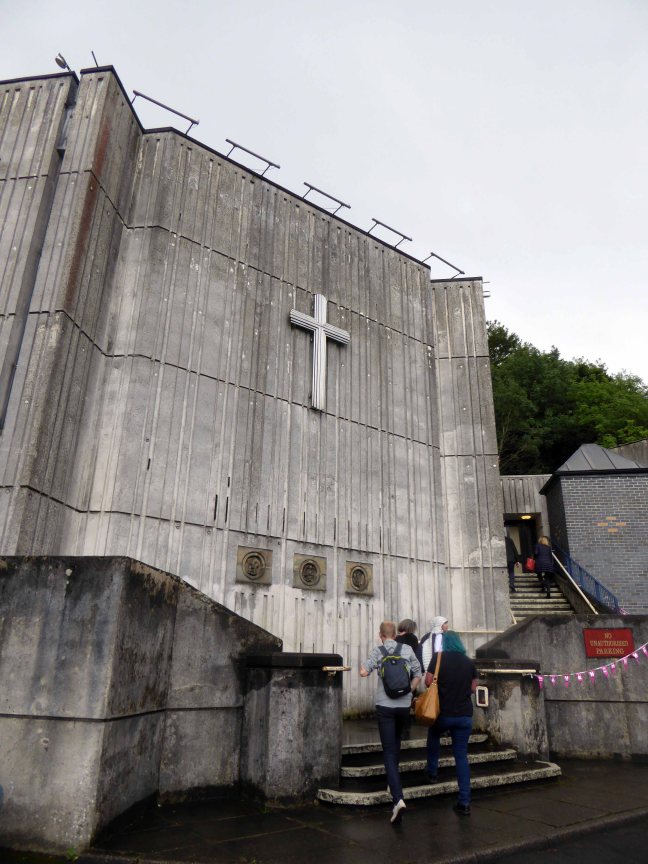
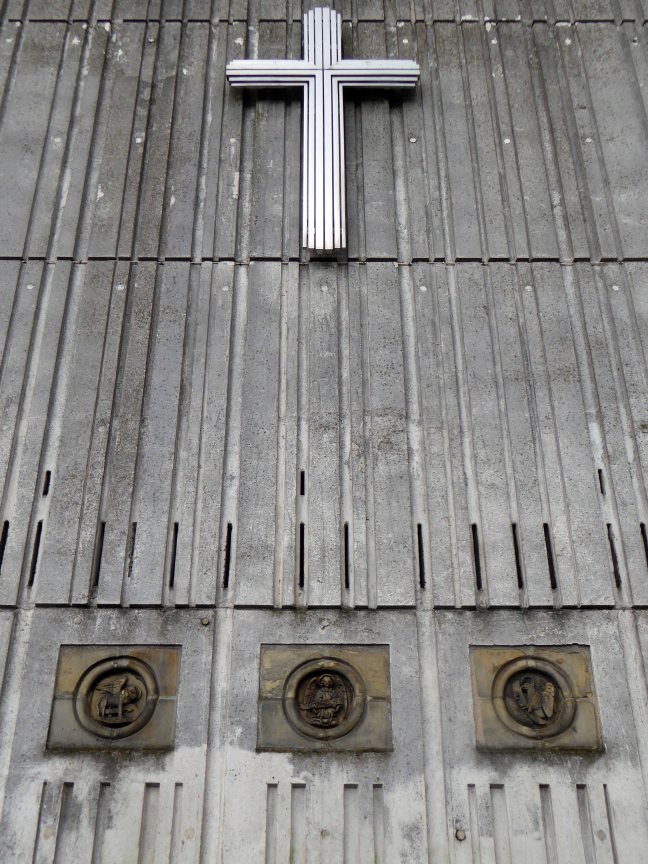
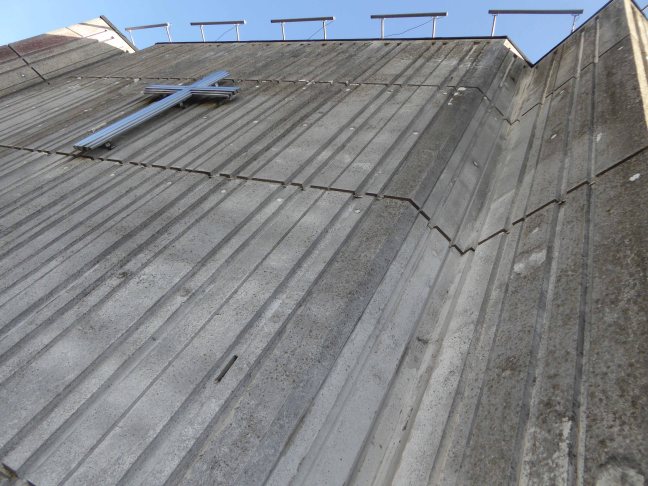
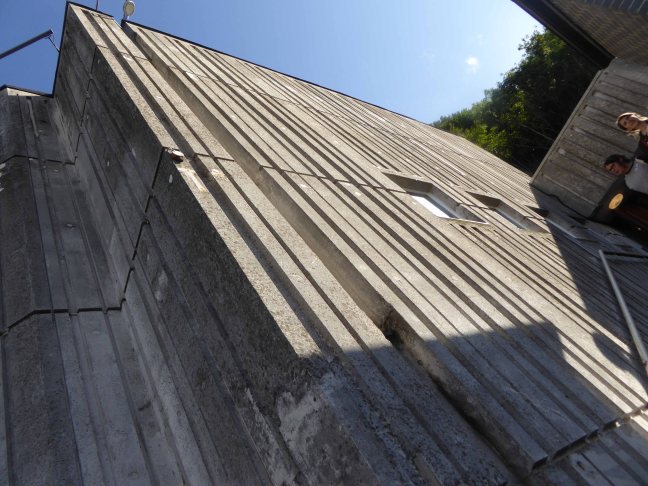
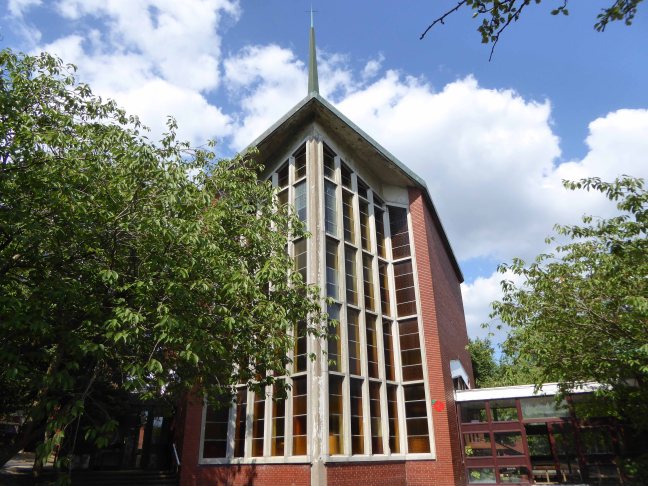
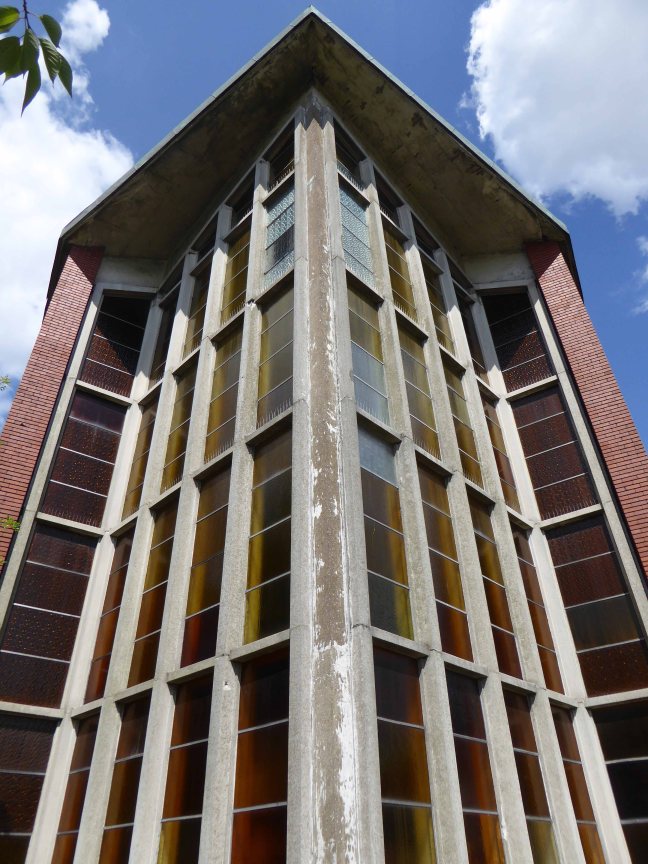
The church is an imposing angular structure, its height possibly determined by the treasure within – The Langley Cross.

P1270105

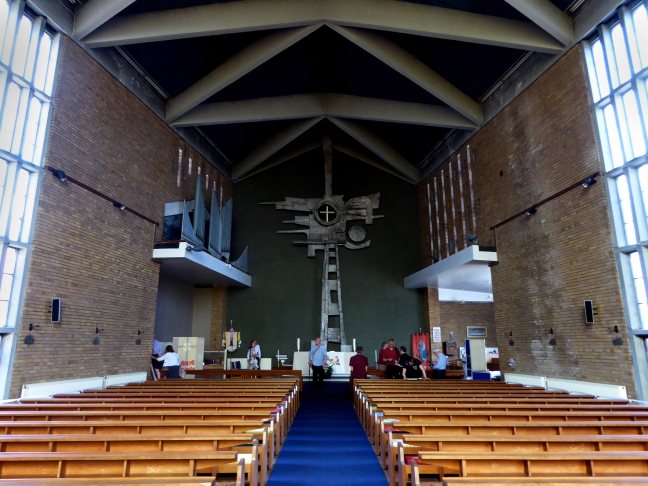
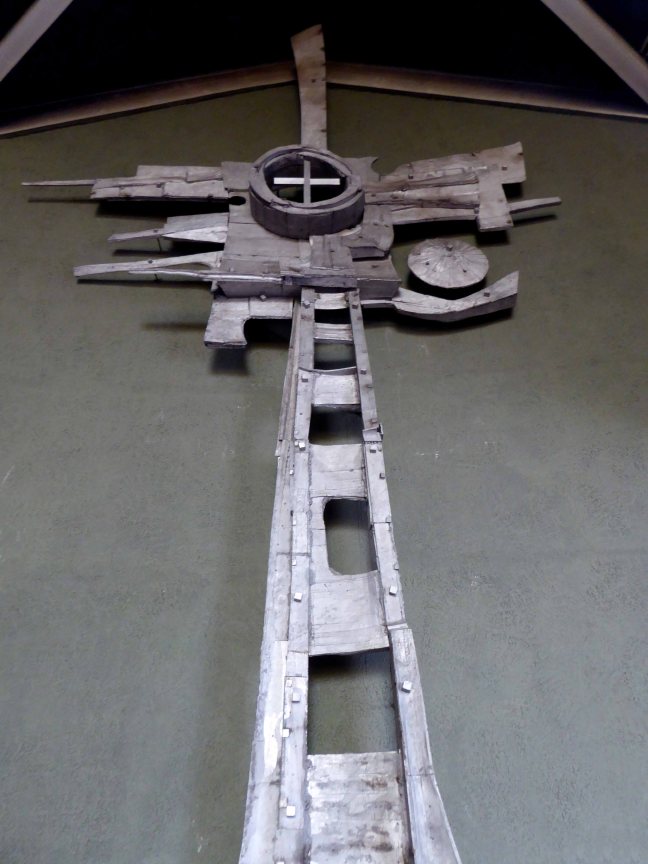
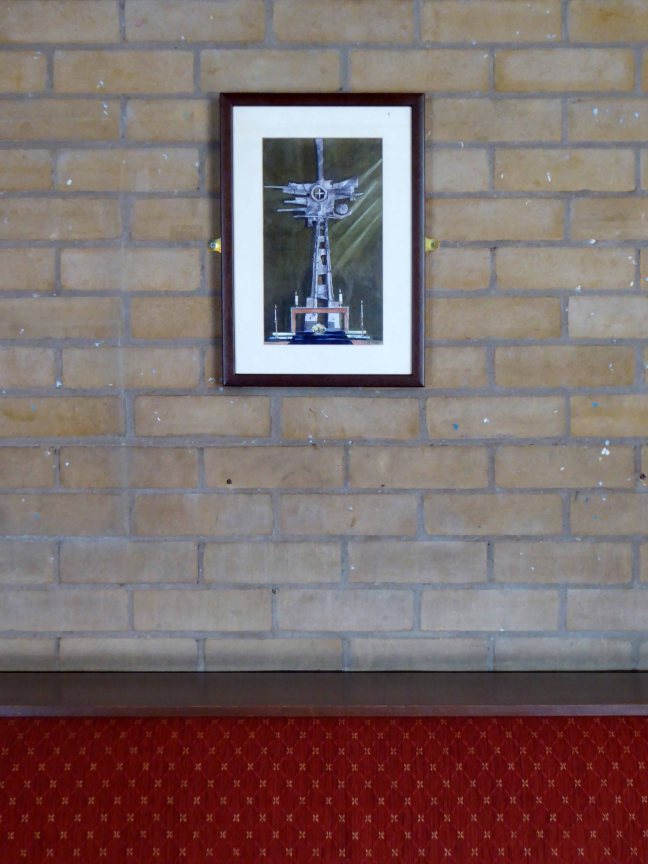
Consecrated in 1964, All Saints and Martyrs is home to the Langley Cross. This unique structure, which adorns our east wall, is the work of internationally renowned artist, Geoffrey Clarke RA, who has won reputation by his contributions to Coventry Cathedral.

The sculpture itself is 37 feet high and about 20 feet wide at the extremities of the transverse shaft and made of cast aluminium metal.

This is work of national and international significance.

P1270111

P1270104

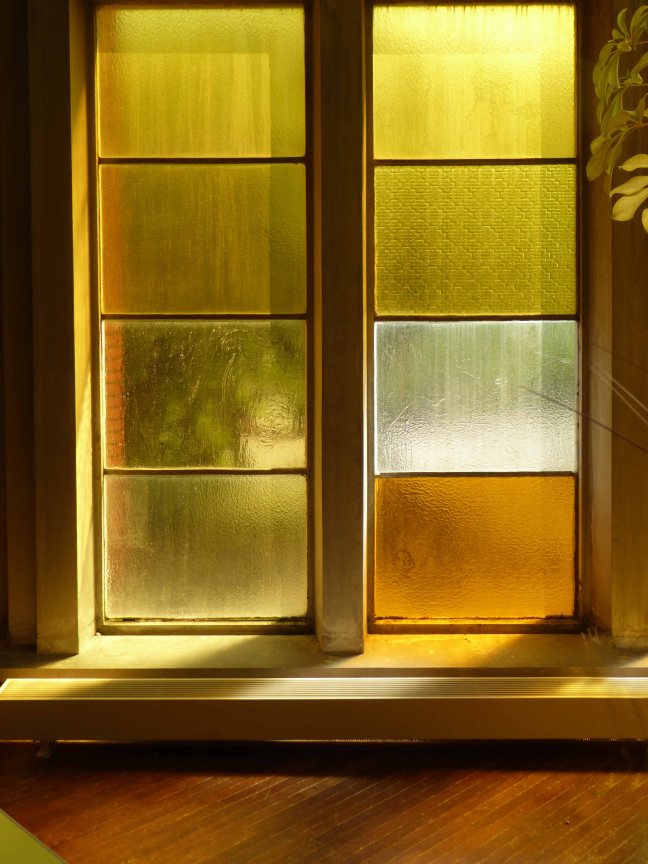
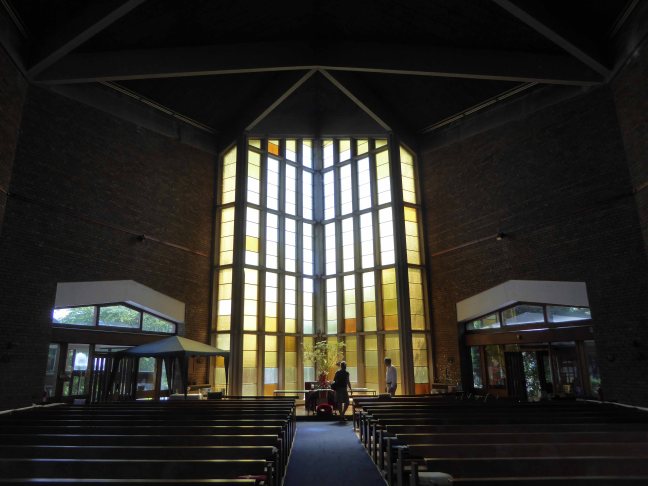
The church is lit from the west by a large yellow and white window, formed of French stained glass. Though seriously damaged over time, it has subsequently been repaired and forms an imposing counterpoint to the facing cross.

P1270098

P1270101

P1270102

P1270110

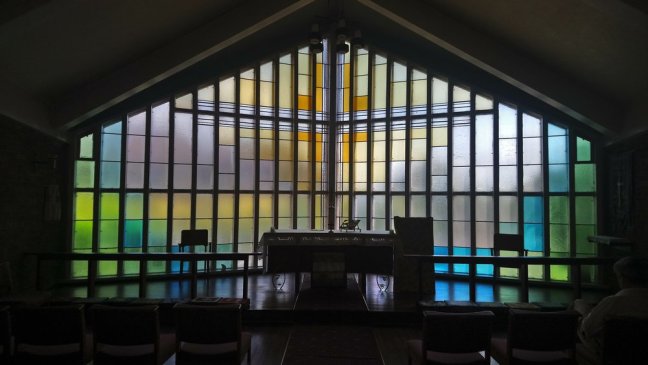
To the right of the main entrance is a delightful chapel, illuminated by a large stained glass window.

DSC_0425

P1270115

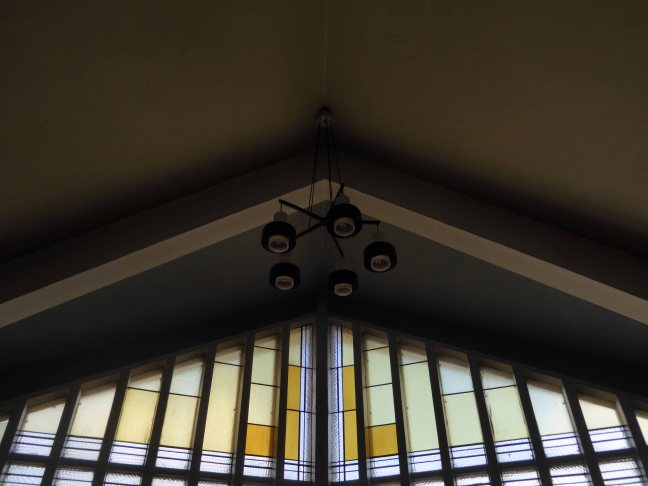
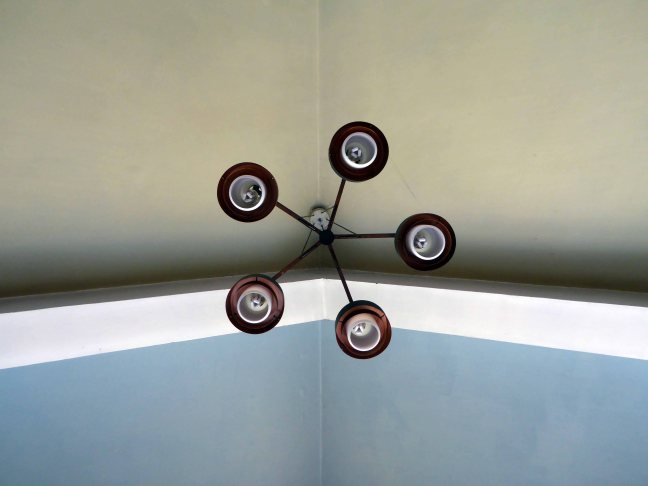
And in addition a charming period light fitting.

P1270114

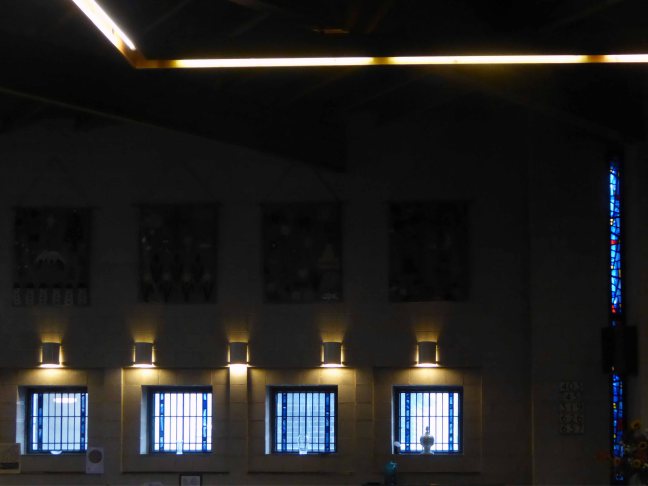
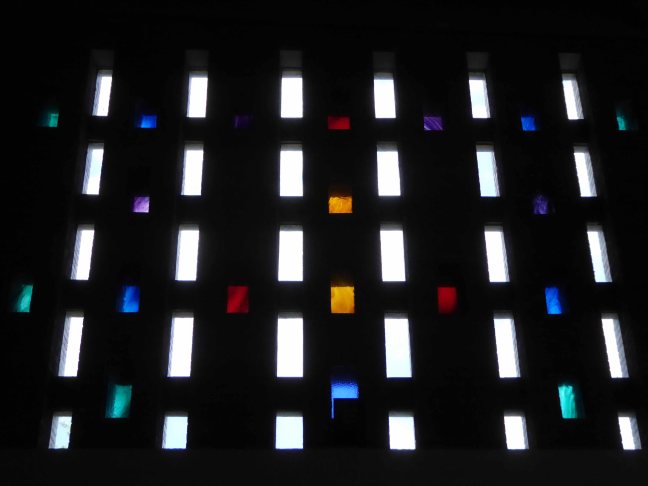
To the right of the altar and cross are pierced stained glass windows.

P1270108

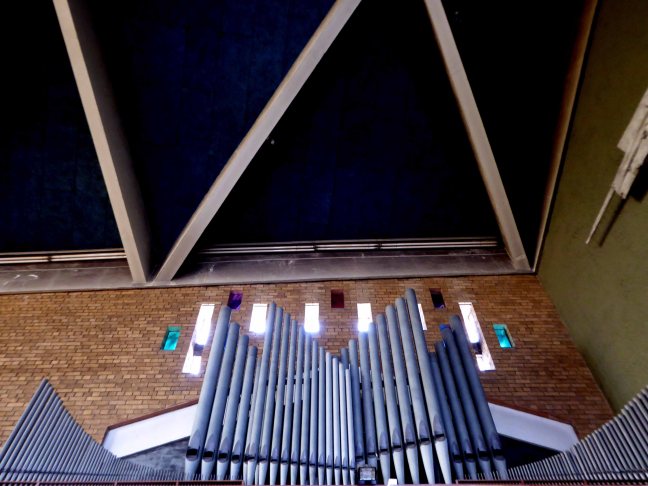
And to the left the sculptural organ pipes and further pierced stained glass.

P1270106

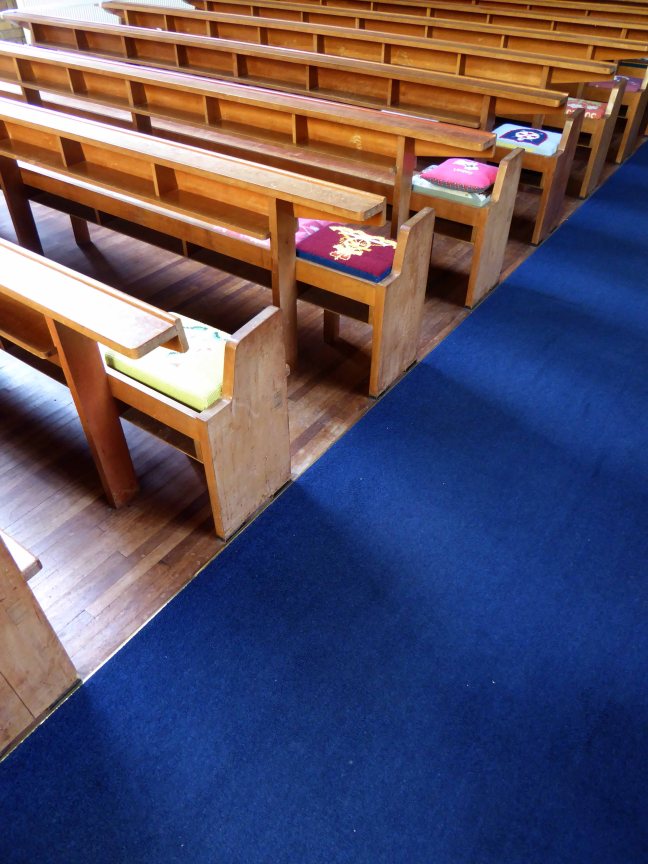
The church has retained much of its original furnishings.

P1270117

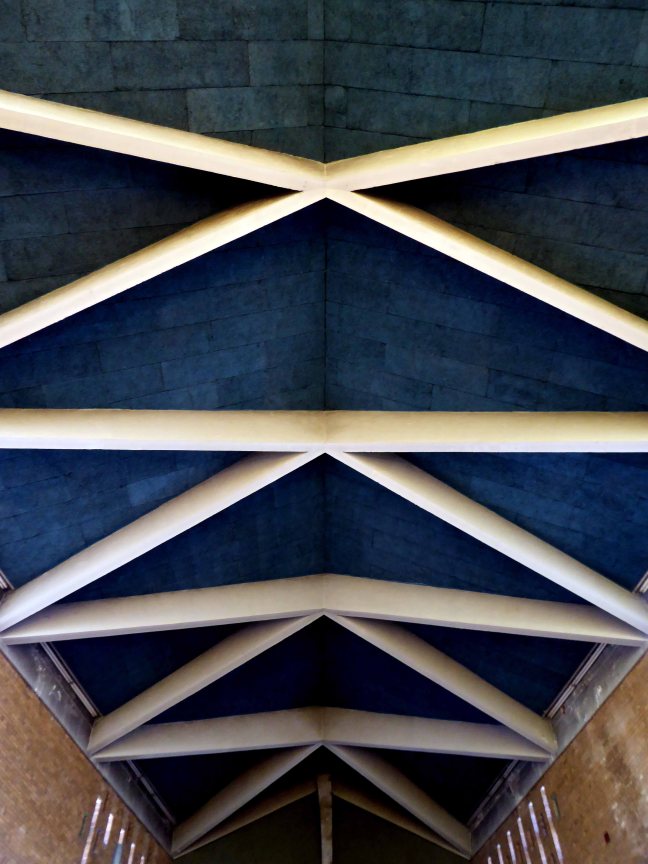
The roof is formed of intersecting concrete beams and coloured blocks.

P1270112

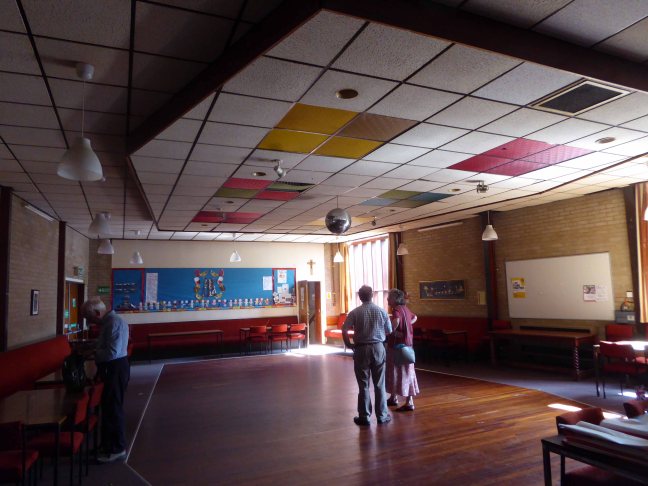
The adjoining ground floor space was once used for an overflowing congregation, it has retrospectively been partitioned and serves as a social meeting area.

It was here that we were so generously treated to tea and cakes.

P1270124

P1270123

And given the opportunity to view examples from the church’s extensive archive.

P1270125

P1270126

The building is not without its problems – the ingress of water and the cost of maintaining the structure require outside assistance, through grant aiding, fund raising and donation. We should all make every effort to ensure that All Saints and Martyrs survives intact for generations to come.

Here is a building of great distinction, housing public art of the highest quality, built at a time when the ethos of nothing but the best for all was commonplace.

I can only thank Phil once again for his warm welcome and wish he and his parishioners – nothing but the best for the future!

If you have the opportunity, go and take a look for yourself.

P1270129


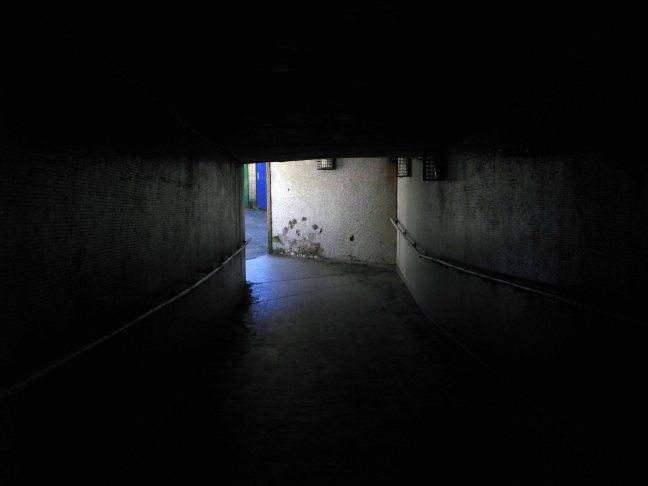
Underpass – Scarborough

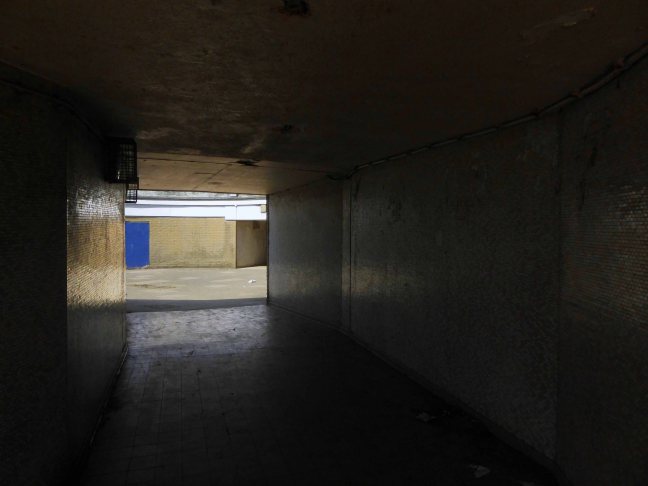
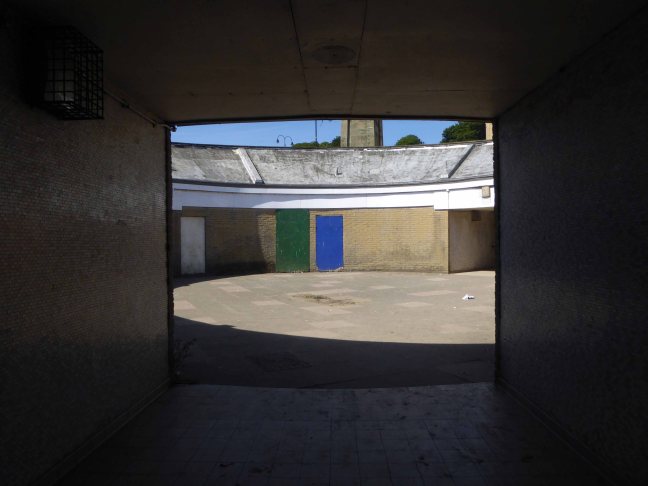
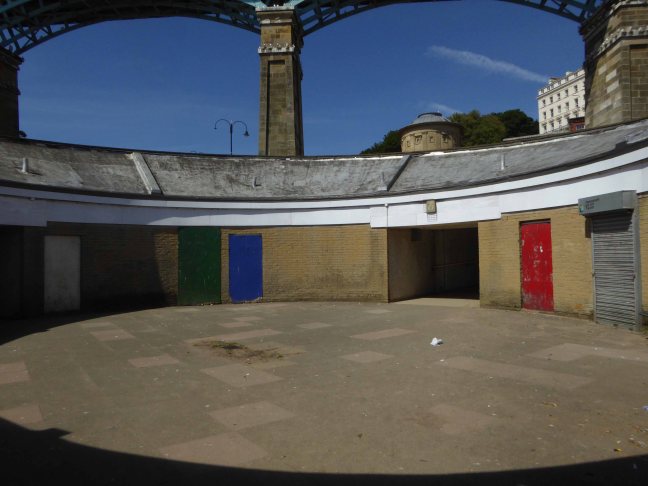
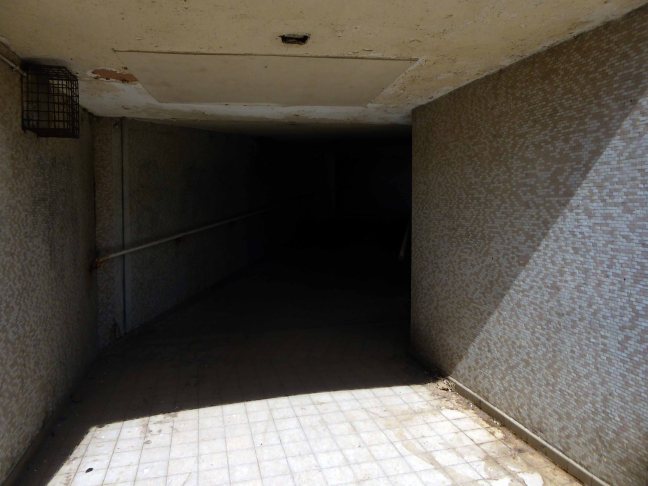
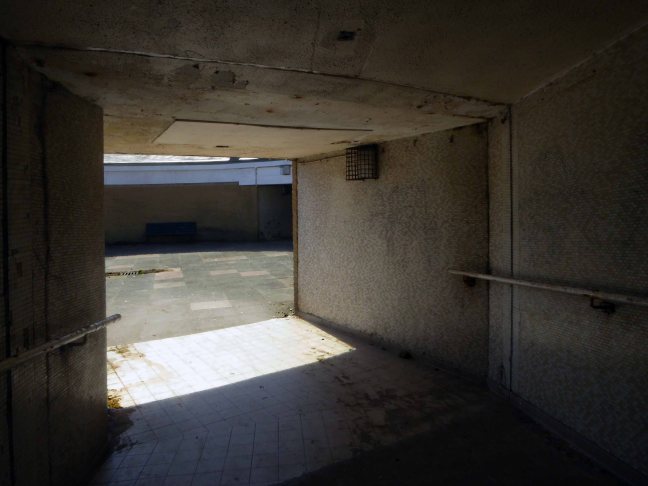
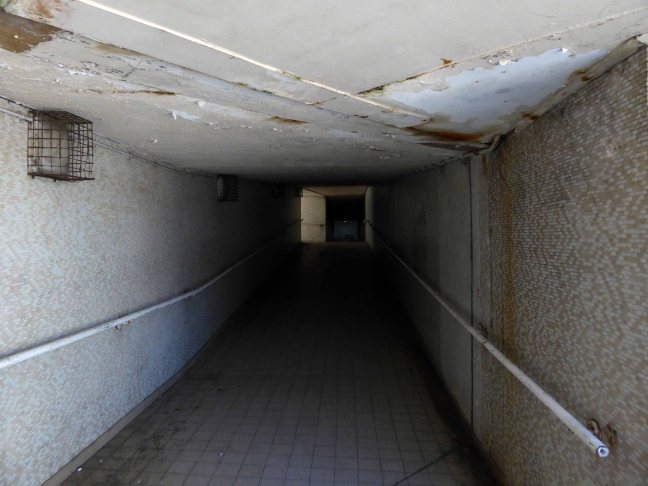
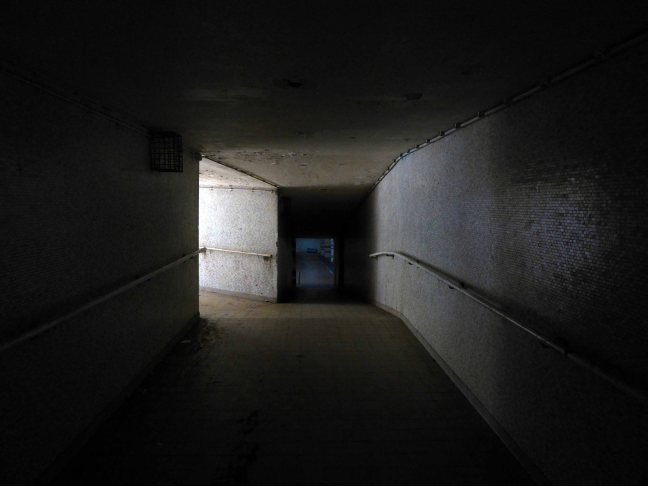
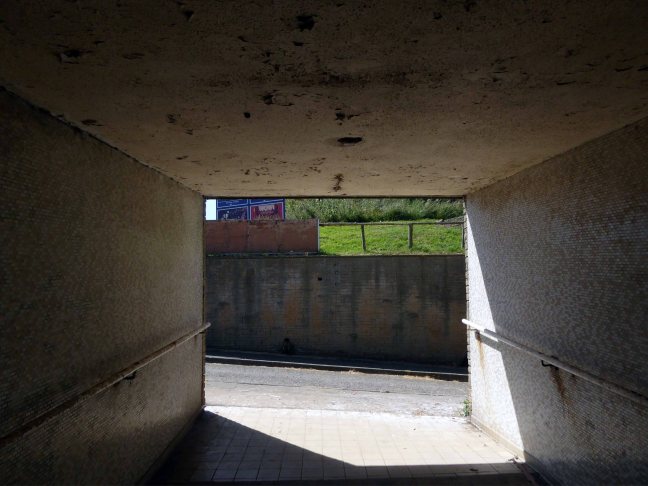
I’ve been here before.

In and out of the underpass from shore to mighty sea.

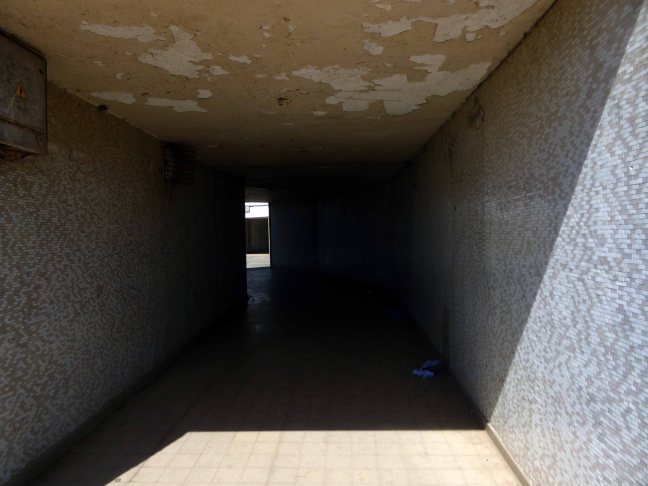
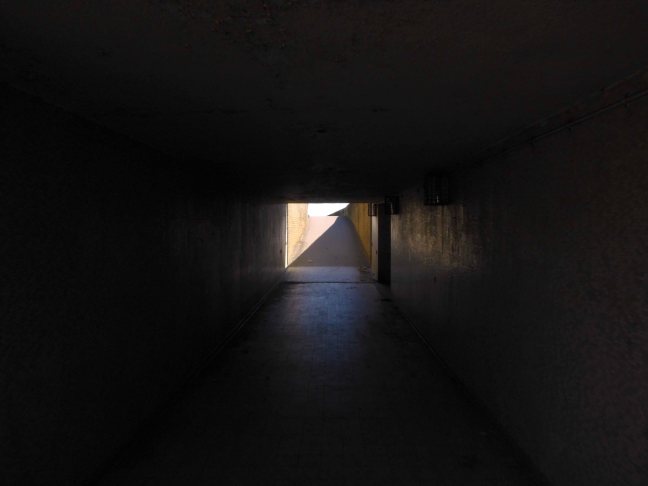
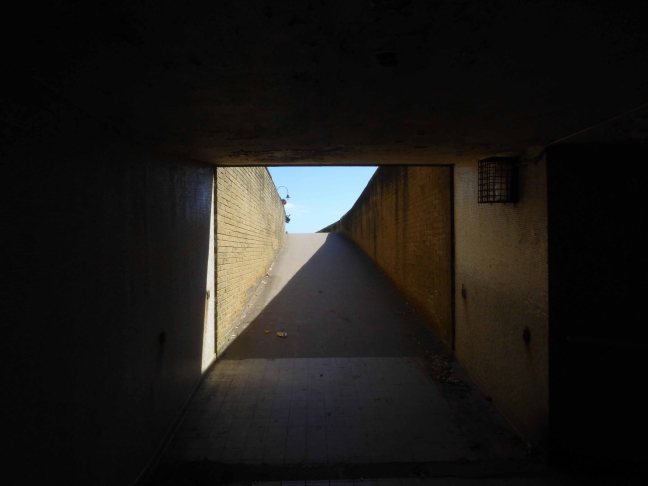
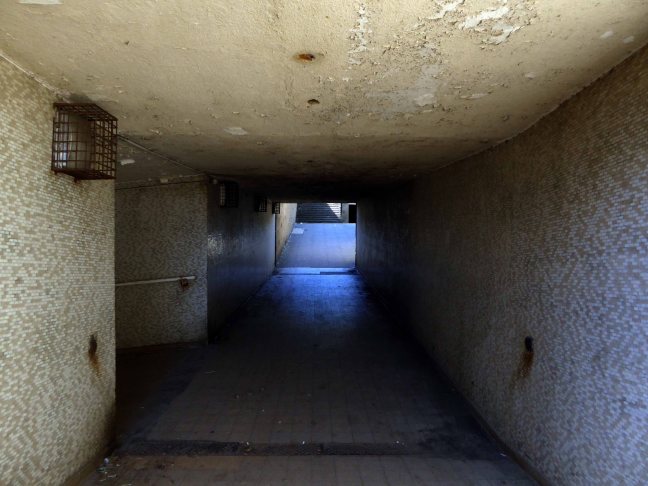
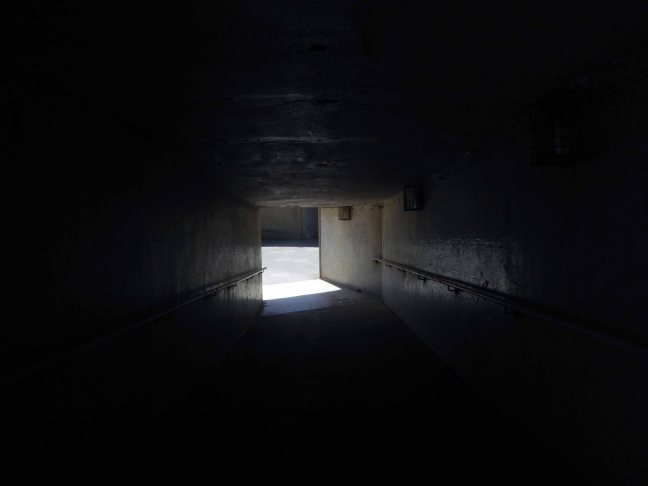
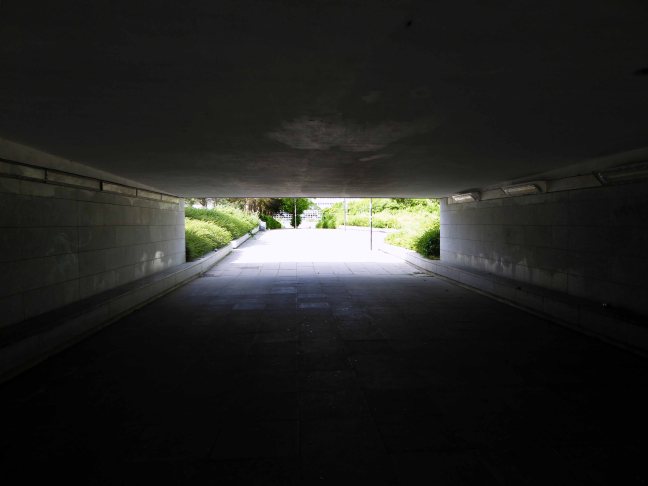
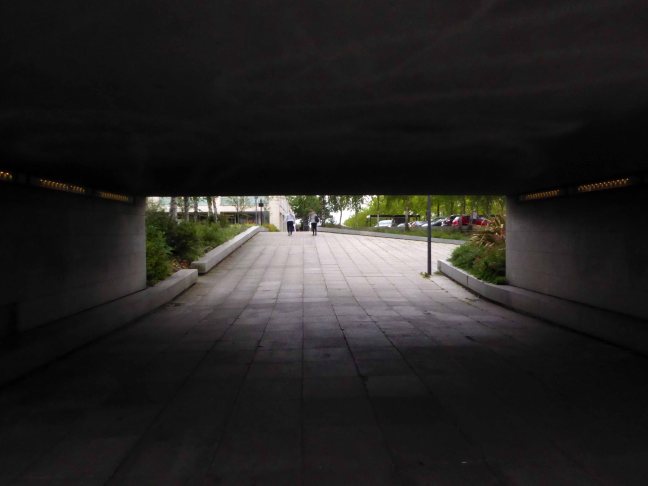
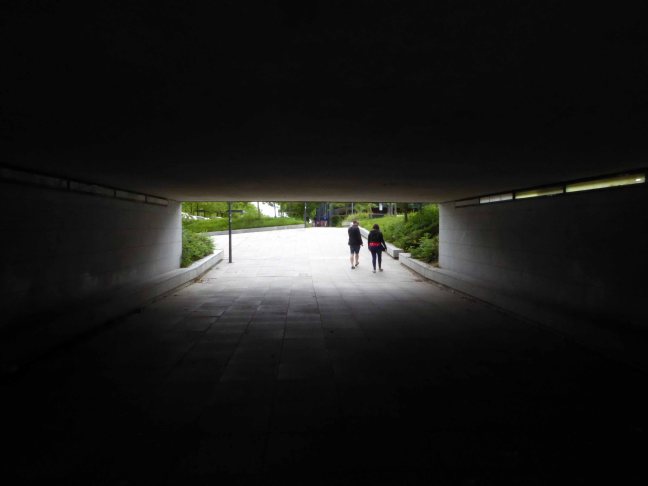
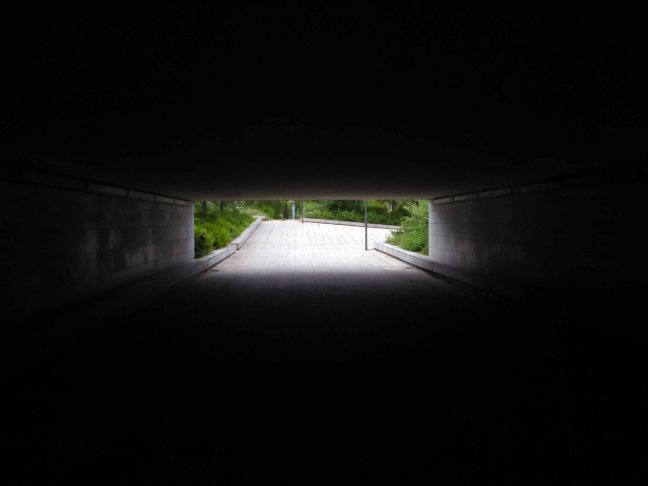
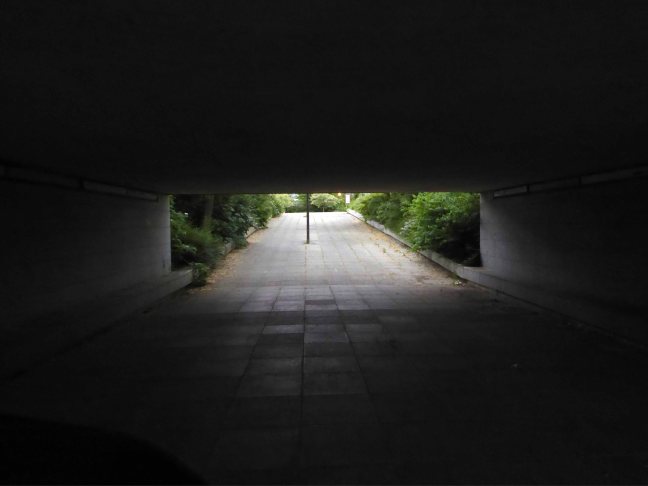
I’ve come back again, fascinated by the barely illuminated utilitarian infrastructure that seems so rarely used, alone in world of my own.

Take a closer walk and look with me.

The light at the end the tunnel is another tunnel.

P1260862

P1260863

P1260864

P1260865

P1260866

P1260867

P1260868

P1260869

P1260870

P1260871

P1260872

P1260873

P1260874

P1260875

P1260877


P1260879

P1260880

P1260881

P1260885

P1260890

P1260951 copy

Sale Pyramid Odeon Cinema

Cinema Treasures

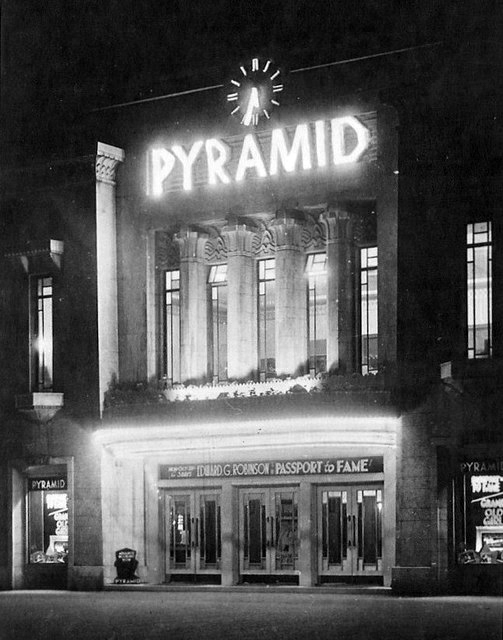
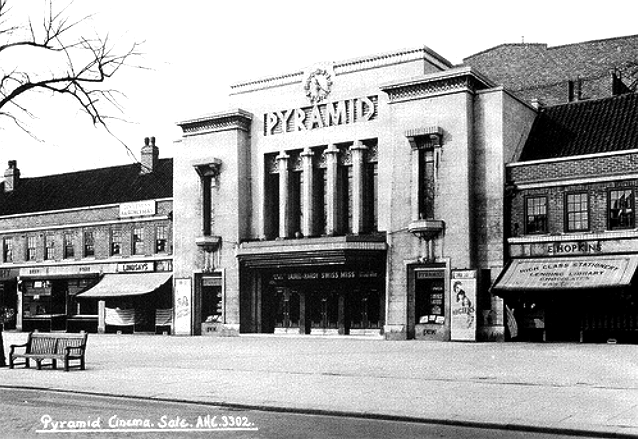
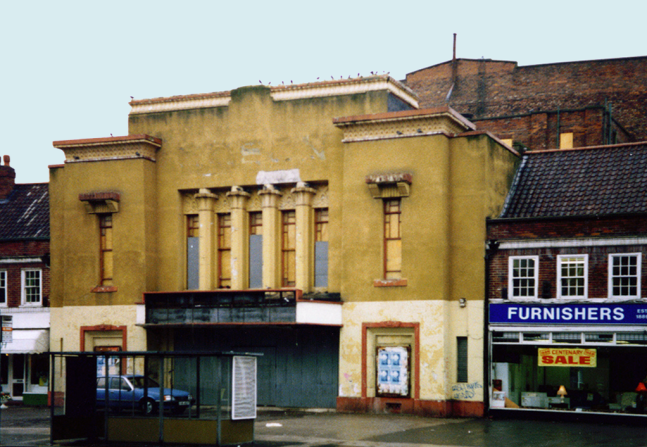
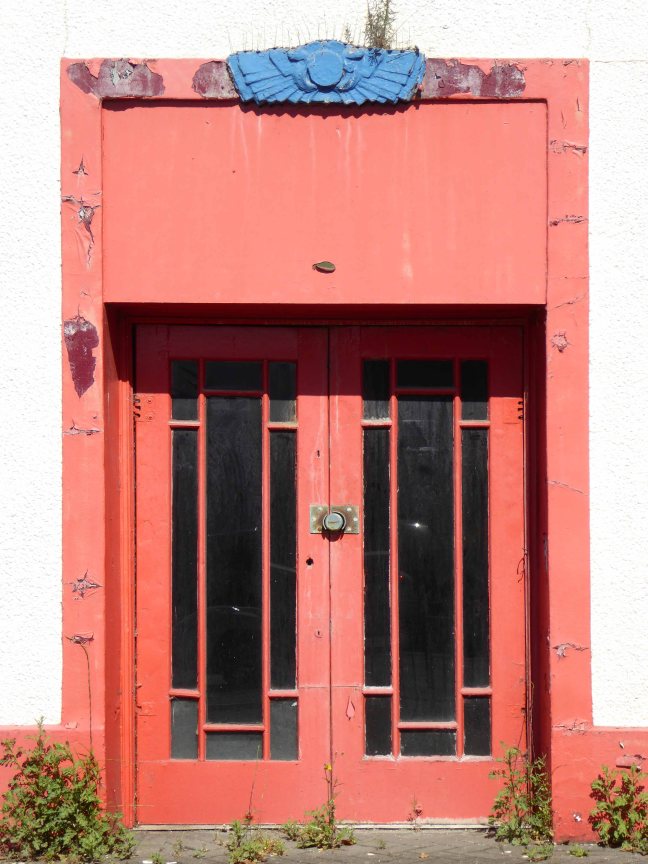
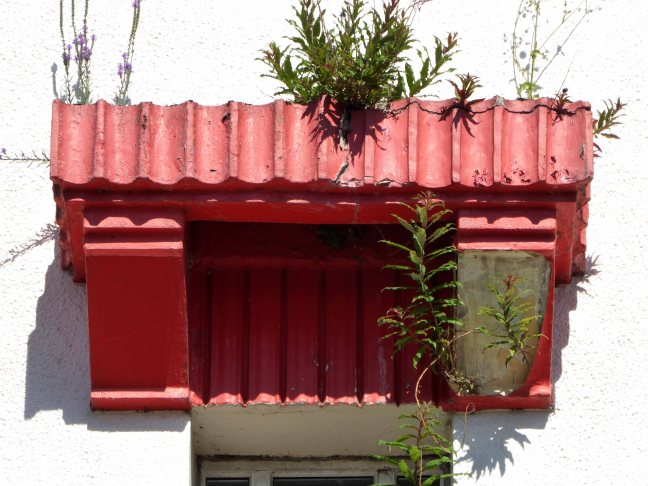
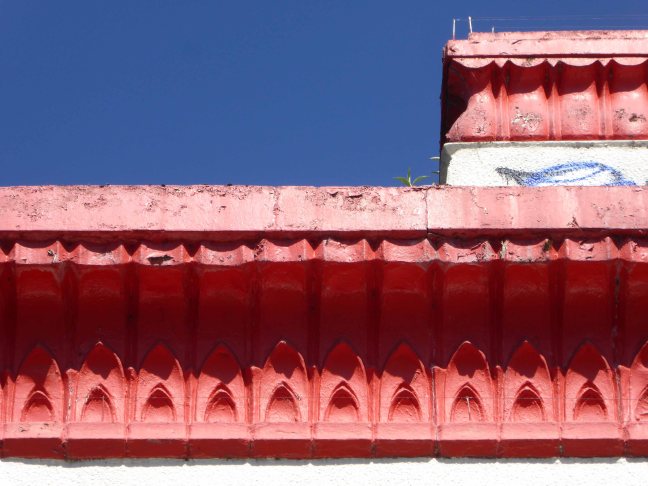
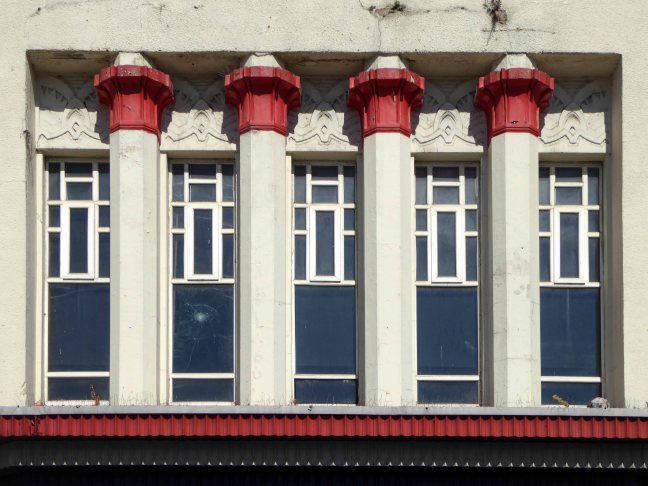
Located in Sale, Cheshire, now part of Greater Manchester. Designed by the famous British cinema architectural firm, Drury & Gomersall, the Pyramid Theatre is a classic example of an Egyptian-style cinema in Britain and had a 1,940 seating capacity.

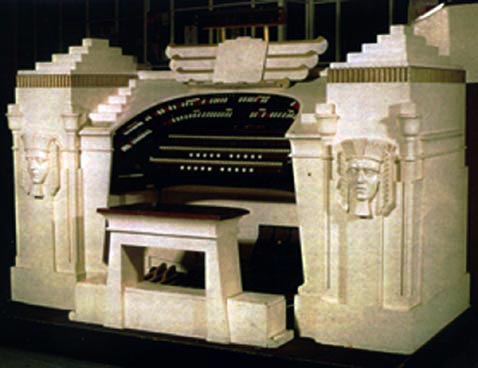
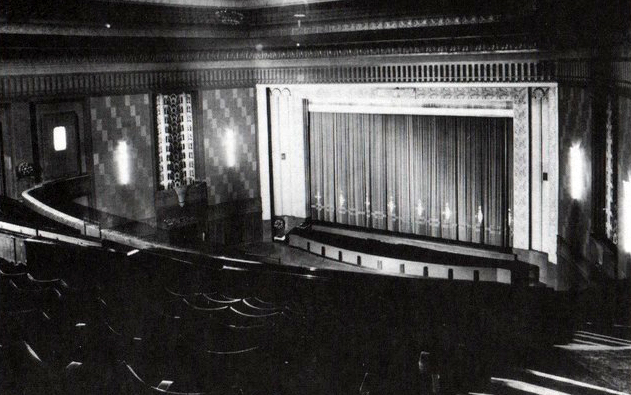
The frontage although not particularly Egyptian in overall design does have various Egyptian style mouldings and fluted pillars. Internally, the Egyptian theme was again largely mouldings and finishes like Graumans Egyptian Theatre in Hollywood. The theme was included in the specially designed Christie Organ, which was installed in the Blue Coat School in Oldham.

Following a request by the school to remove the organ in 2008, the organ was in storage for five years. The Christie has now been donated to the Lowe Side Trust, by the LTOT,  along with funding for refurbishment and installation, of both consoles, into Lowe House Catholic Church, St. Helens, Lancashire. As of the beginning of 2018 the the original pit console is now fully functioning in the Church. The Egyptian style stage console is now under refurbishment to full theatre specification. Website for this project will be available shortly.

Lancastrian Theatre Organ Trust

bccolcr

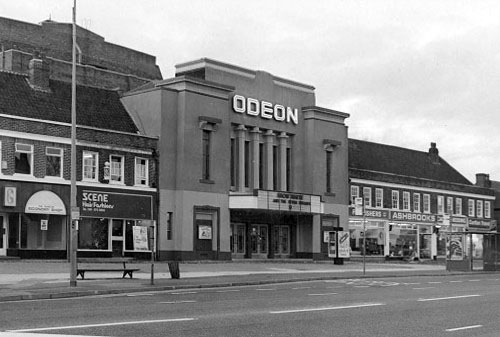
The Pyramid Theatre changed hands a couple of times between its opening on 24th February 1934 and 21st December 1942 when it was taken over by Oscar Deutsch’s Odeon Theatres Ltd. chain. It was re-named Odeon on 18th June 1945.

large-1

In 1981, the Rank Organisation closed 29 of its Odeon cinemas and the lease for the Odeon Sale was bought by the Tatton Cinemas group and it was re-named Tatton Cinema. Stage shows returned to the theatre, however the runing costs caused the lease to revert to Rank in 1984 and the building was closed.

Screen Shot 2018-06-28 at 07.51.12

odsastr

The cinema was purchased by Trafford Borough council for £200,000, but by 1987 the costs to the council were estimated at £1.5 million. A campaign was started to save it from demolition.

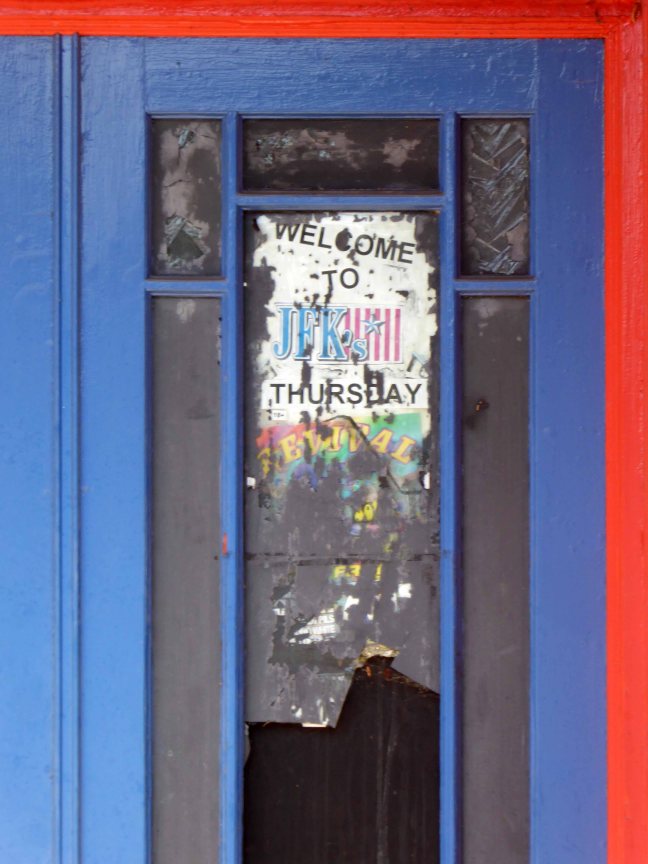
In 1988, it was advertised for sale by tender and by 1990 the cinema was converted into an American themed nightclub, known as JFK’s

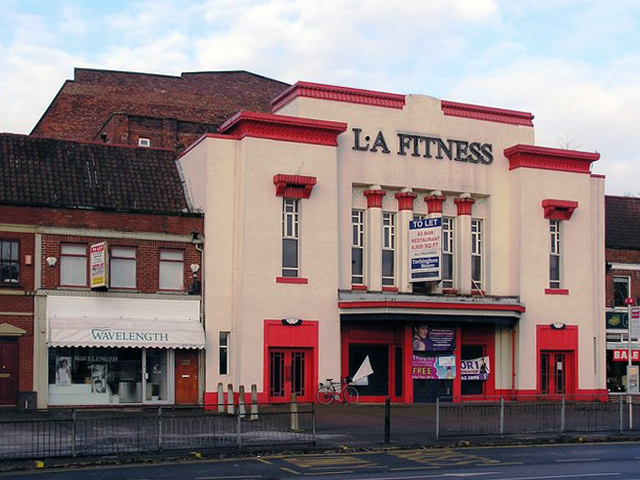
The nightclub closed around 2001 and the auditorium was transformed into a franchised L.A. Fitness Centre, using a former front stalls exit as its entrance. The main entrance and foyers are currently unused. In 2013 it became a Sports Direct Fitness Club.

The Pyramid Theatre was designated a Grade II Listed building in November 1987.

It is currently closed and seemingly unused.

OLYMPUS DIGITAL CAMERA

Screen Shot 2018-06-28 at 07.51.49

I often cycle passed and wonder about your past, and a possible future.

large

Our cinema heritage is and always had been under threat, listed and unloved desperately seeking the care and attention to survive into another other century. Subsequent repurposing has proved temporary and unsustainable, without the concerted efforts of local authority, charitable trust and enthusiastic amateurs, you will remain a silent pharaonic sentinel by the side of Washway Road.

Forever.

“Only the best is good enough for Sale”


P1260515

P1260517


P1260519

P1260520

P1260521

P1260522


P1260524

P1260525

P1260527

P1260529

P1260514


Varna Street – Rogue Studios Manchester

webmedia-1.php

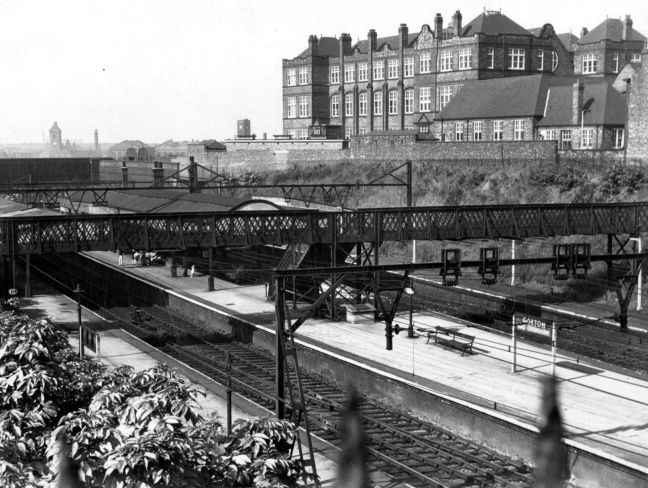
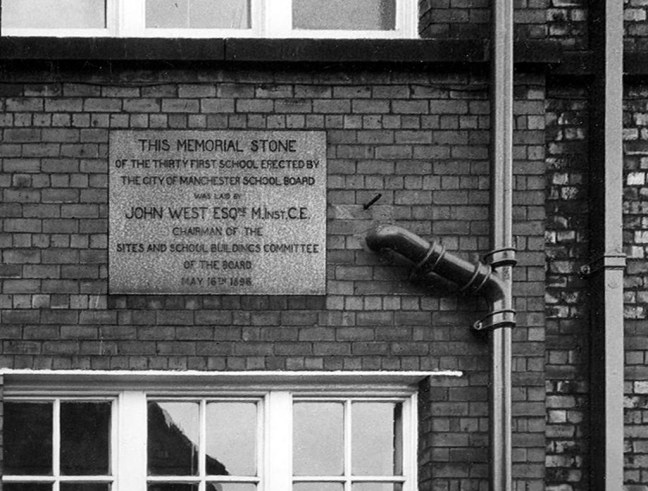
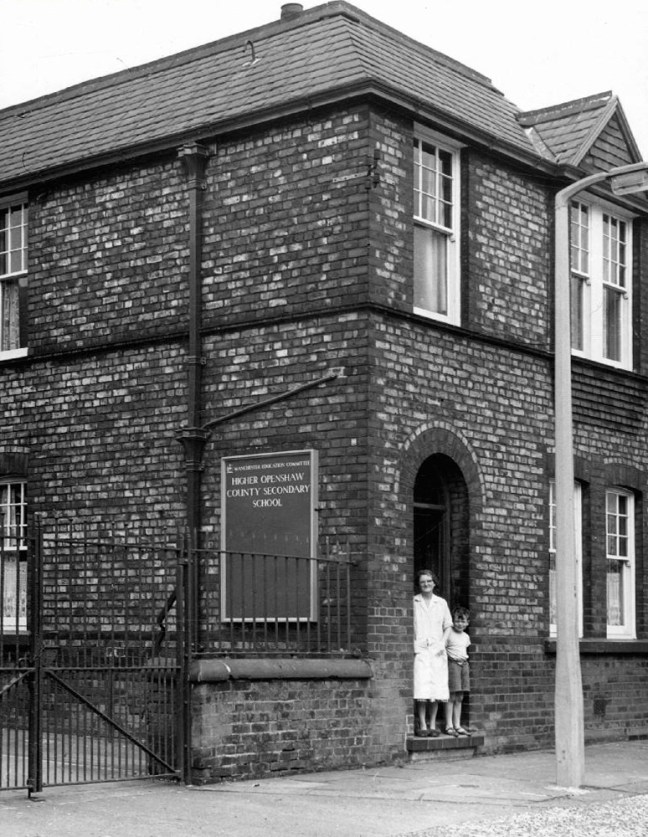
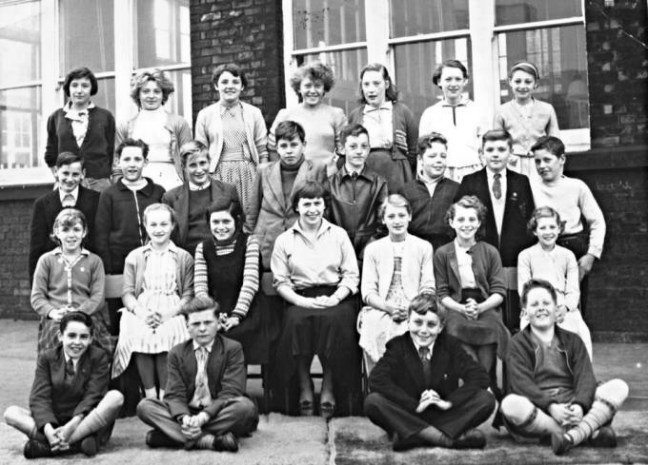
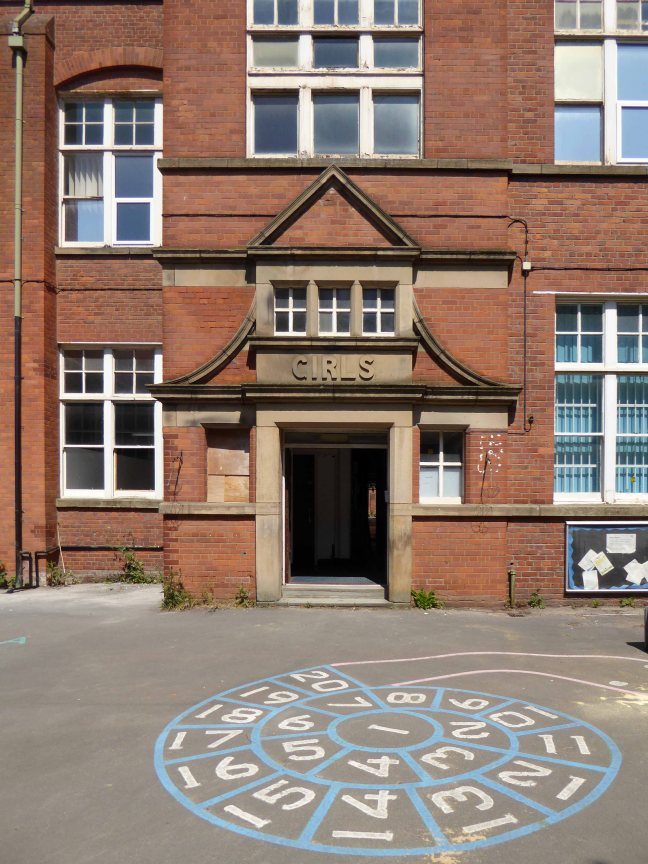
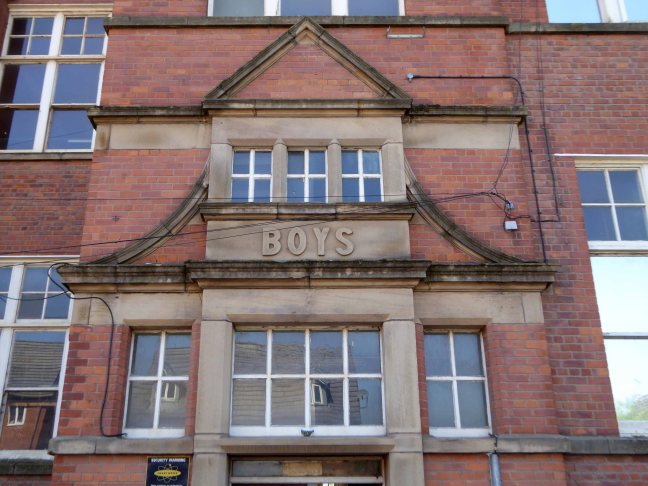
Once there was a school – from May 16th 1898, there was a school.

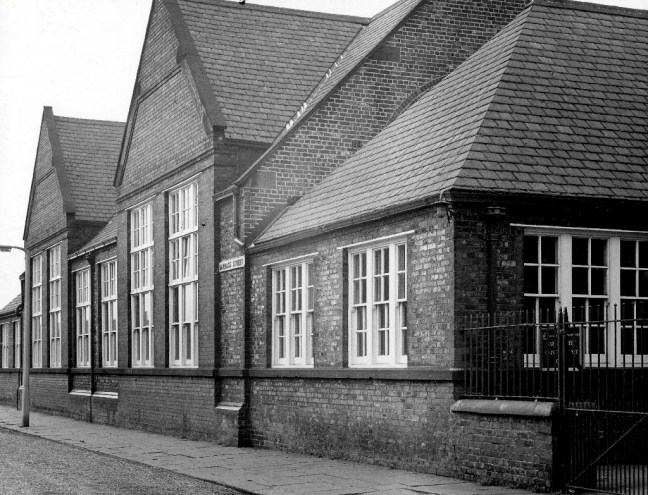
One of many Manchester School Board schools built in an imposing functional, triple storied style, they often seemed several times too big, for the infants which they contained.

With one thousand five hundred pupils, it was dubbed the largest school in Lancashire.

Nestled in a tight corner formed by the Lanky Cut and the train line below, surrounded by the huddled masses, in their manifold terraced homes.


1963

webmedia-1.php copy

webmedia-2.php

webmedia.php copy

Once home to cheeky monkey, soon to be Monkee Davy Jones.

davy-jones

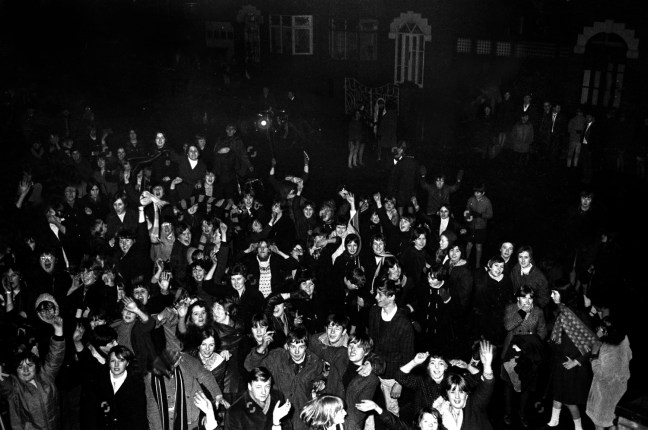
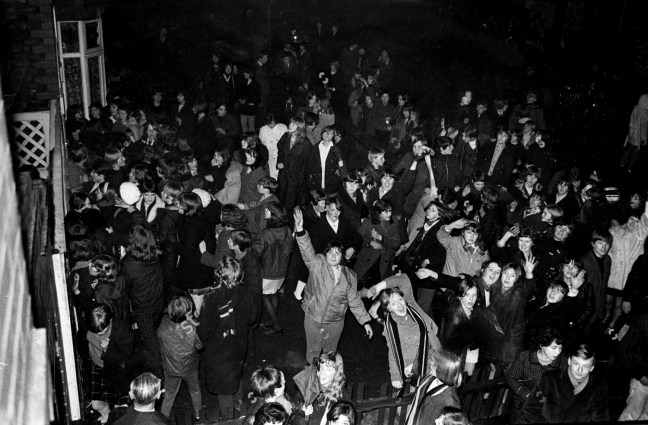
His runaway, overnight fame made his humble Gorton home a mecca for adoring fans.

fans-congregate-outside-the-home-of-singer-davy-jones-in-clumber-road-gorton-manchester-davy-jones-died-29-2-2012-1673475a-1500

fans-congregate-outside-the-home-of-singer-davy-jones-in-clumber-road-gorton-manchester-davy-jones-died-29-2-2012-1673476a-1500

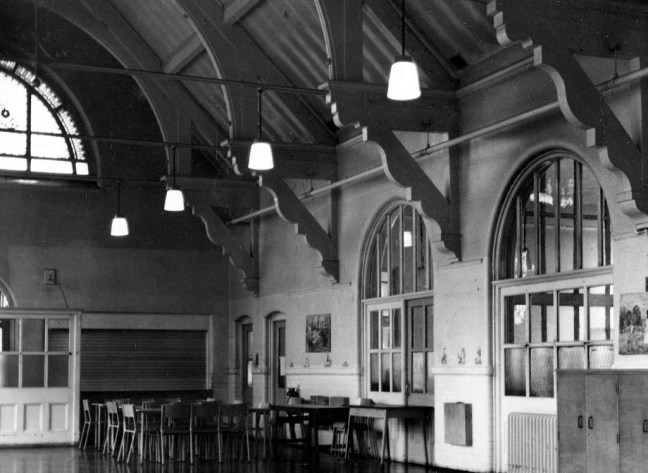
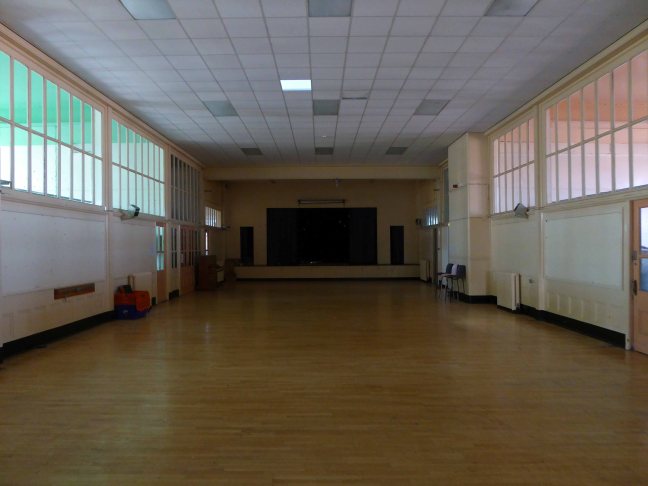
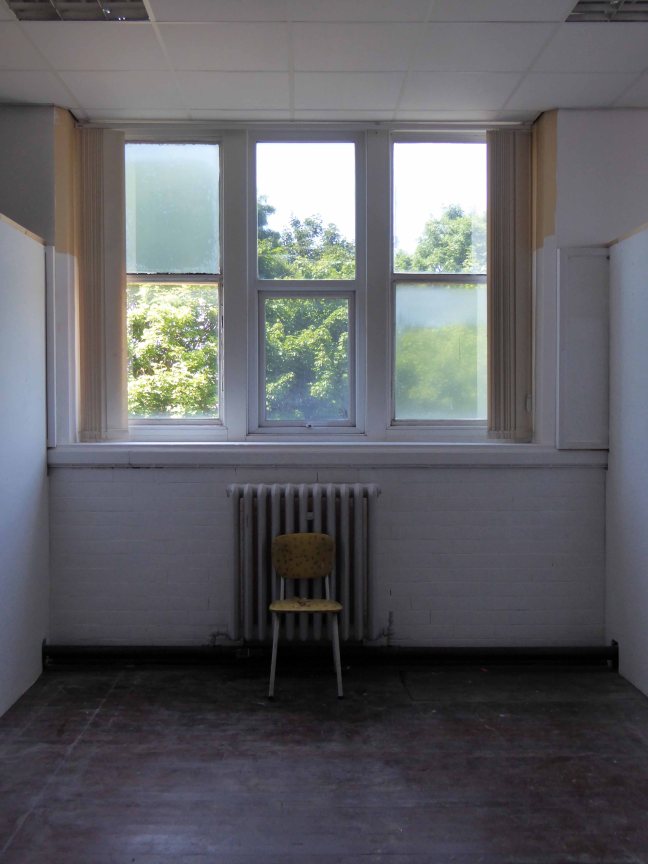
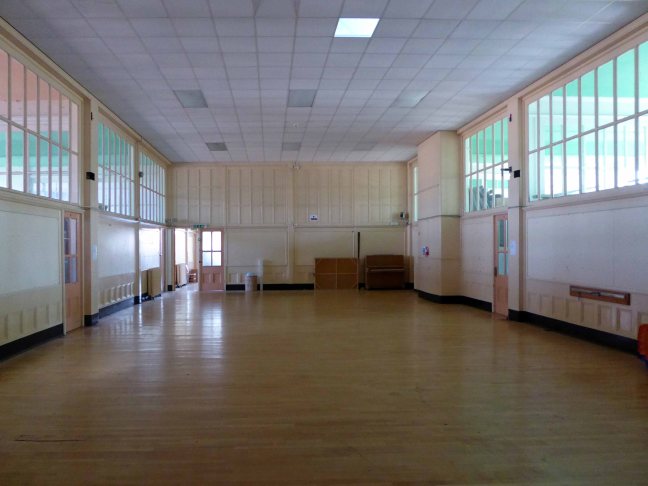
The school’s interior was a mix of wide open halls and closeted classrooms.

webmedia.php

Archive photographs from the Manchester Local Image Collection

Eventually the school bell rang for the last time, and a newer brighter home was found for the little learners.

Lights were turned off and the doors of Varna Street were closed.

But not for the last time, a new use was found for this recently listed building.

Having lost their city centre base Rogue Studios were offered the site by the local authority, and in double quick time they have created a home for artists, a community resource and project space, which will continue to prosper for years to come.

Many thanks to Ms. Jenny Steele Rogue artist for my guided tour.

P1260603

P1260607

P1260609

P1260598

P1260611

P1260612

P1260613

P1260615

P1260616

P1260617

P1260618

P1260619

P1260620

P1260624

P1260625

P1260627

P1260629

P1260633

P1260636

P1260637

P1260638

P1260640

P1260642

P1260645


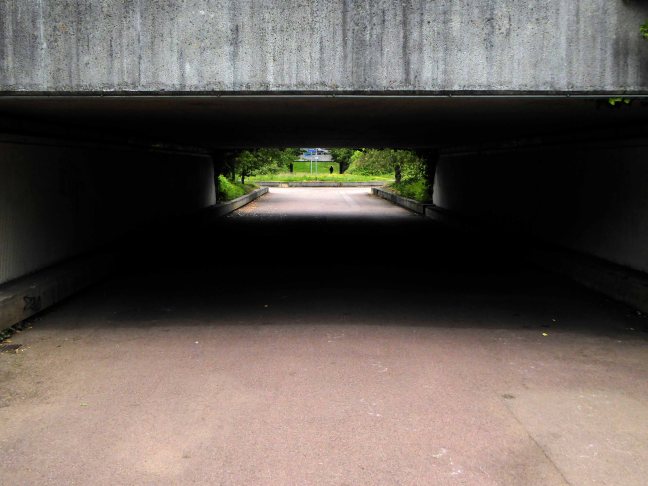
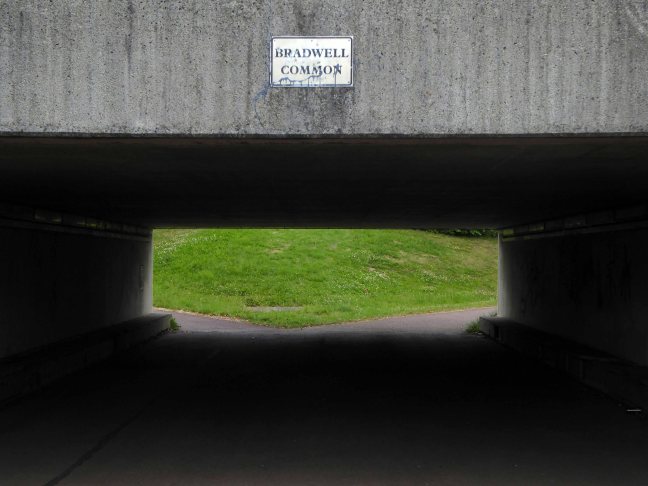
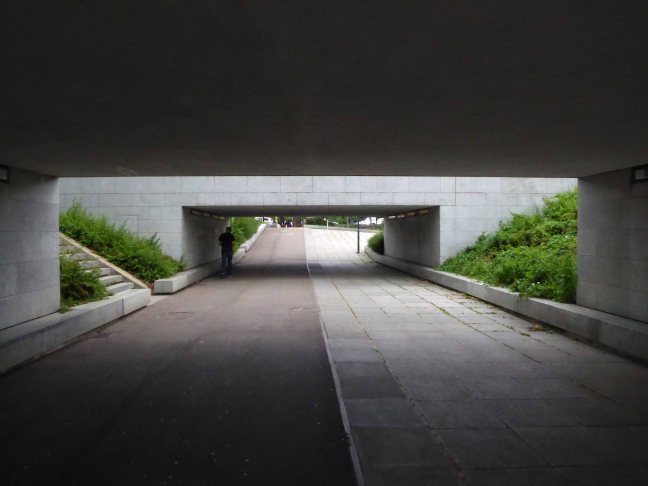
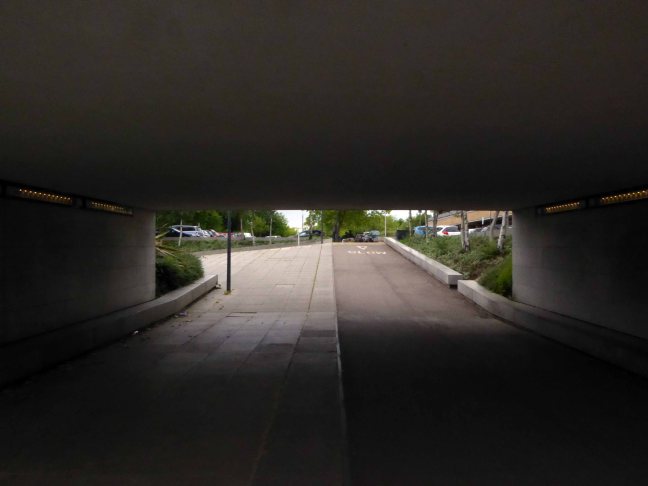
Underpass – Milton Keynes

Milton Keynes synonymous with something or other, the town where everything is an off centre out of town centre, where anything was new once.

A broad grid of boulevards, sunken super-highways and an extended series of balletic roundabouts swirls the cars around.

Beneath this merry carbon hungry dance, we find the cyclist and pedestrian, the self propelled underclass passing through the underpass.

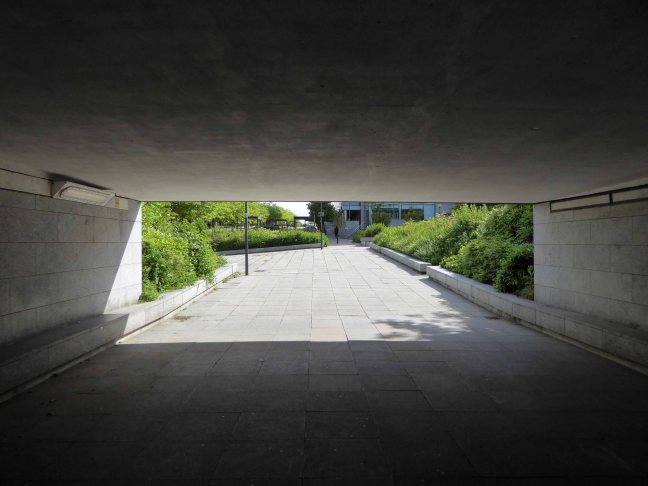
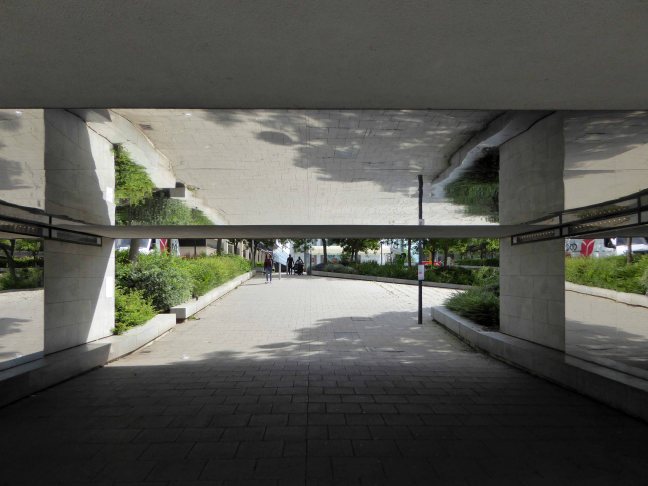
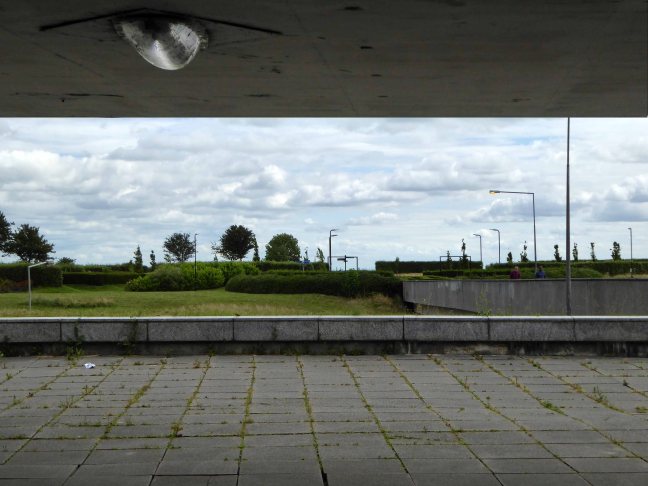
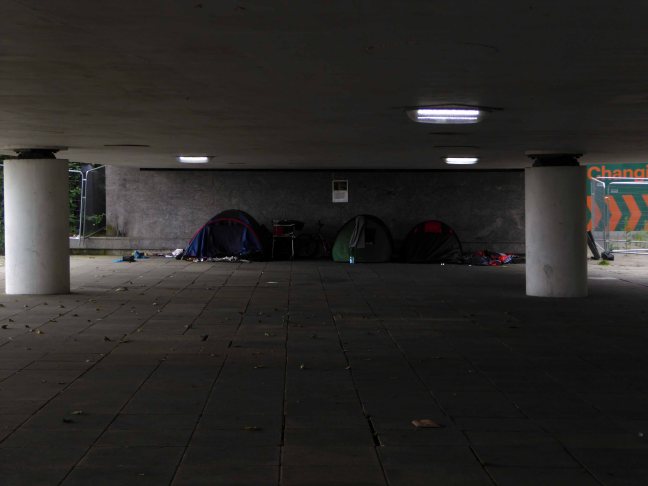
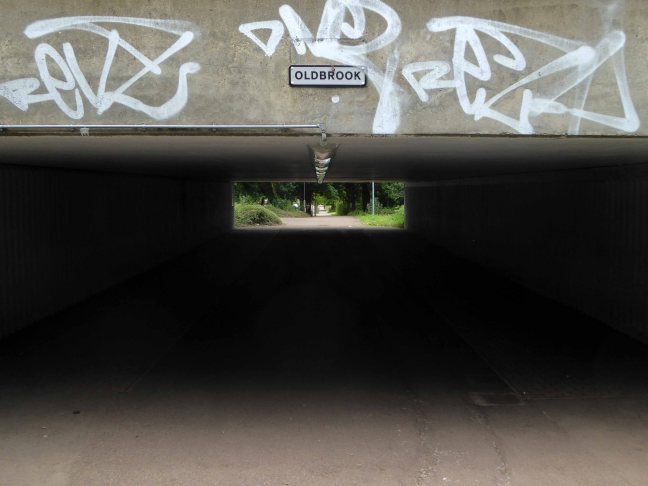
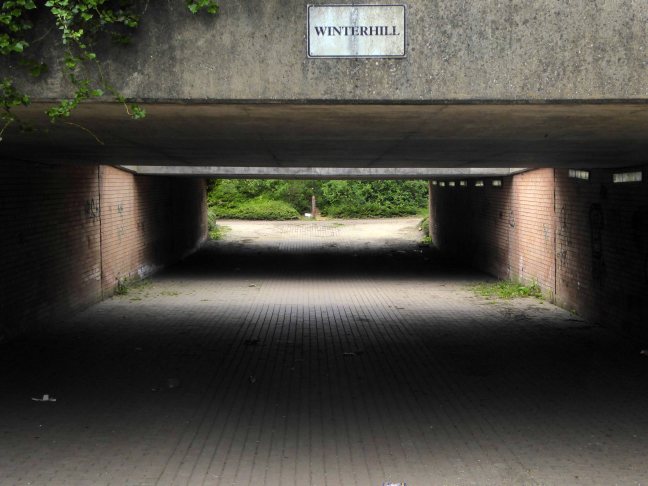
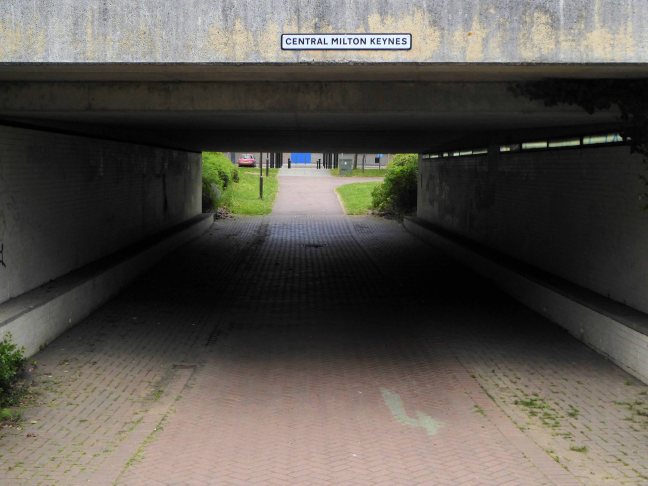
During my eight hour non-stop walking tour I encountered several – here they are, home to the homeless – others somewhat desolate and deserted, grass between the paving stones, the occasional casual tag and discarded can.

P1260103

P1260104

P1260129

P1260179

P1260180

P1260181

P1260207

P1260232

P1260234

P1260263

P1260264

P1260394

P1260395

P1260396

P1260397

P1260405

P1260406

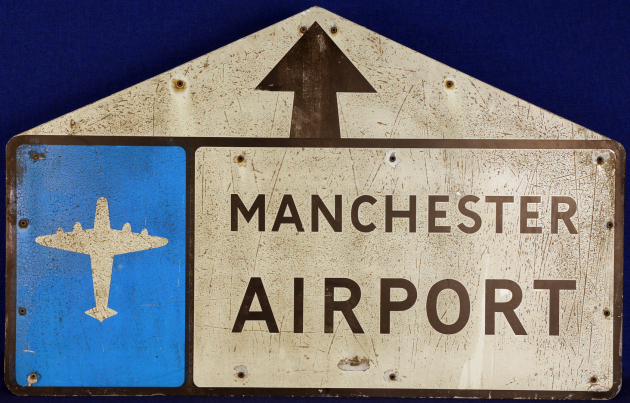
Ringway – Manchester Airport

Expecting to fly?

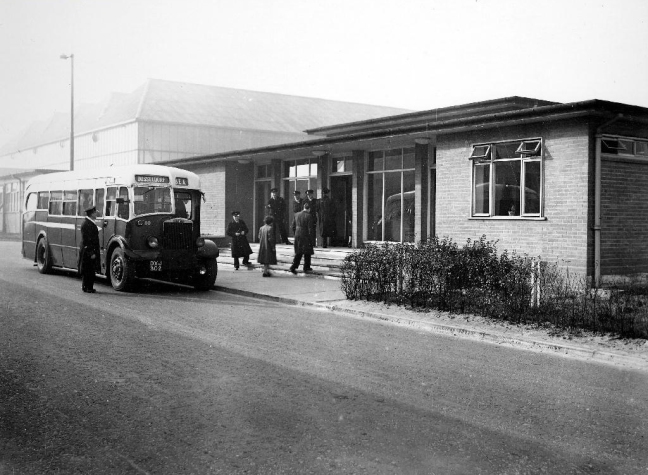
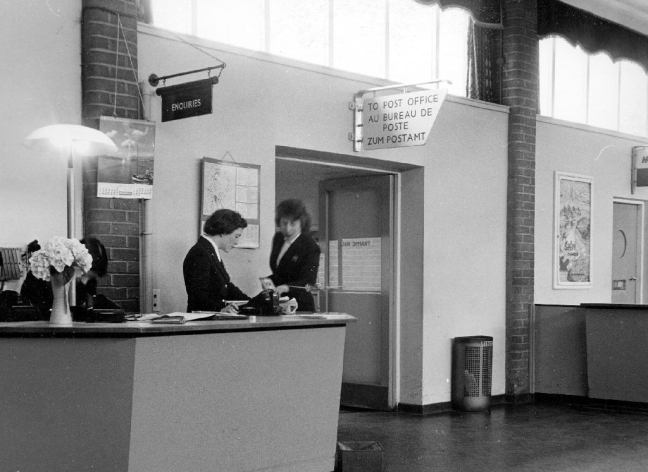
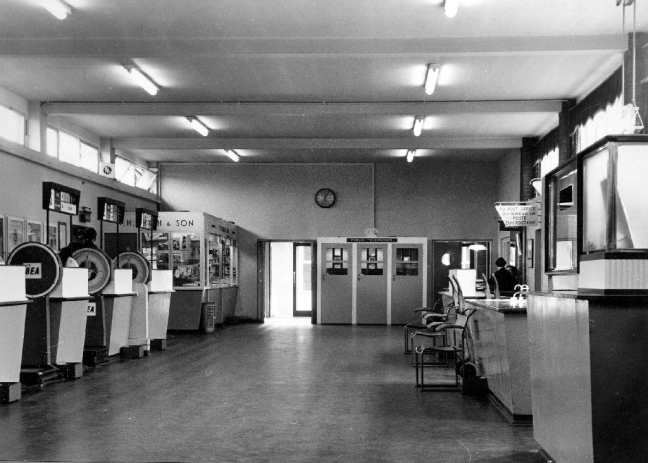
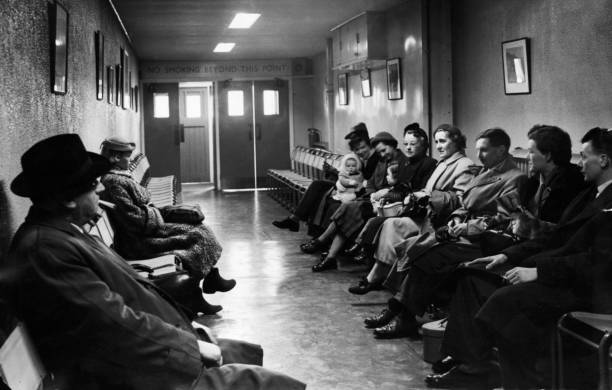
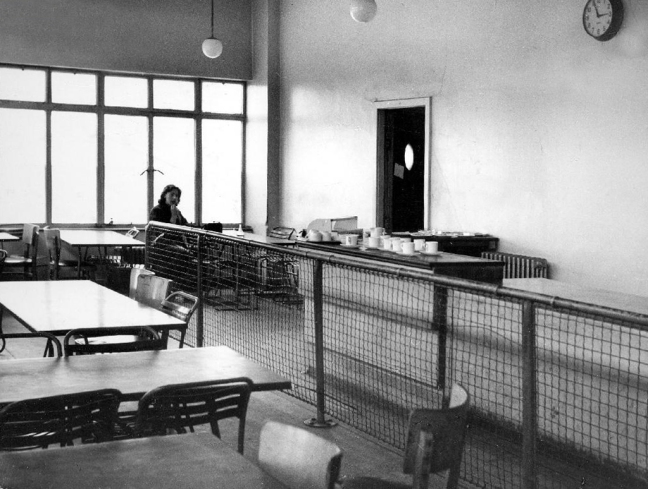
Well not really, the first time I ever visited Ringway was by bike, aged eleven cycling from Ashton-under-Lyne along leafy Cheshire lanes for what seemed like an age. A gang of Lancashire brigands arriving in the departure lounge, with bike pumps and duffle bags.

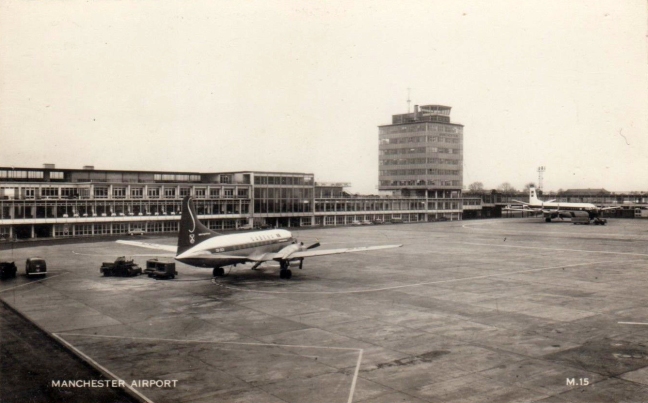
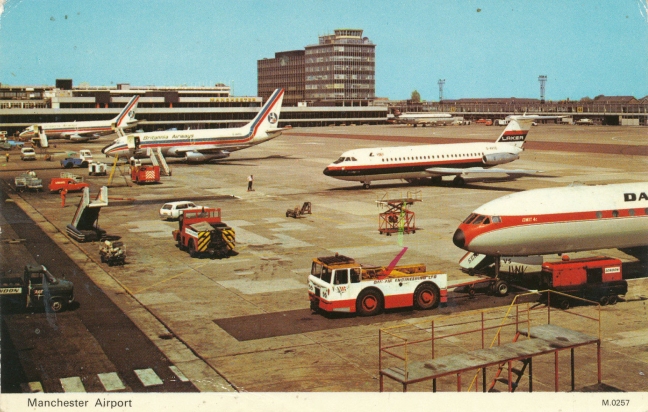
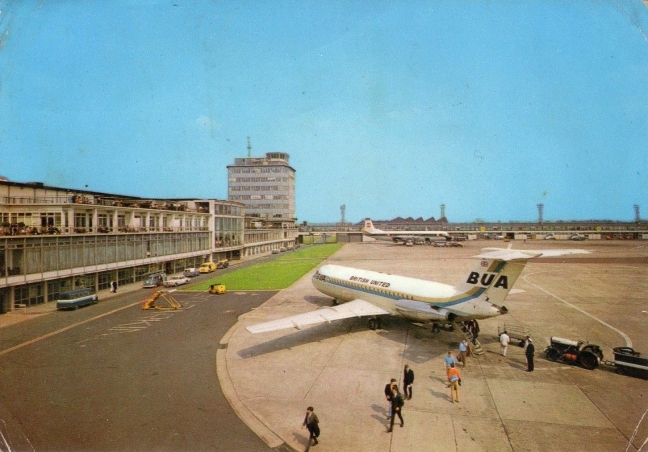
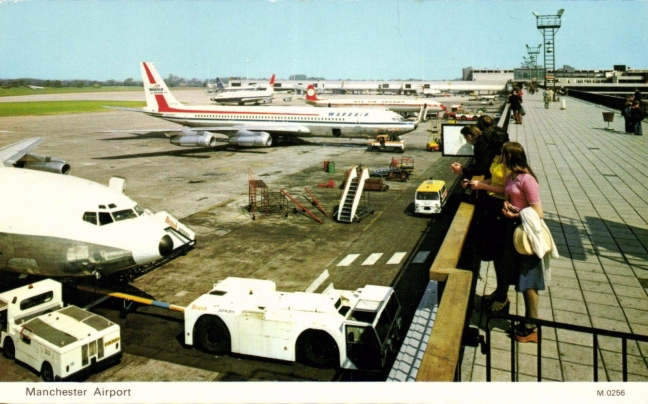
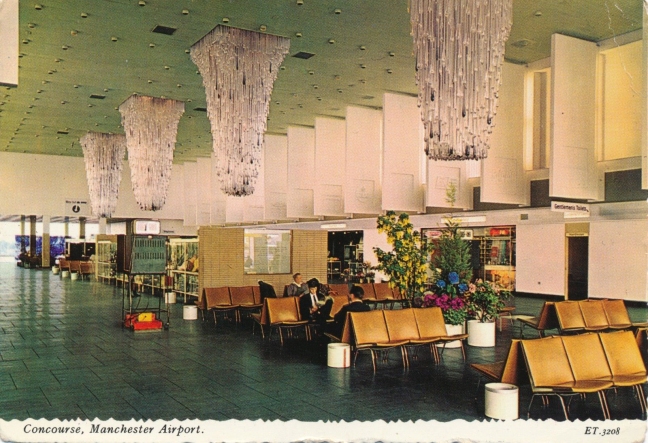
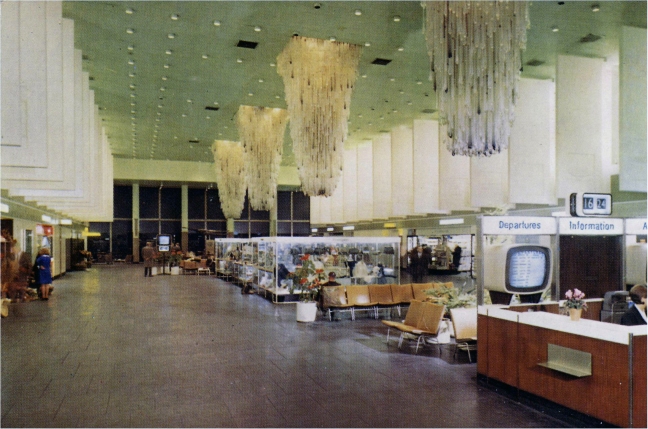
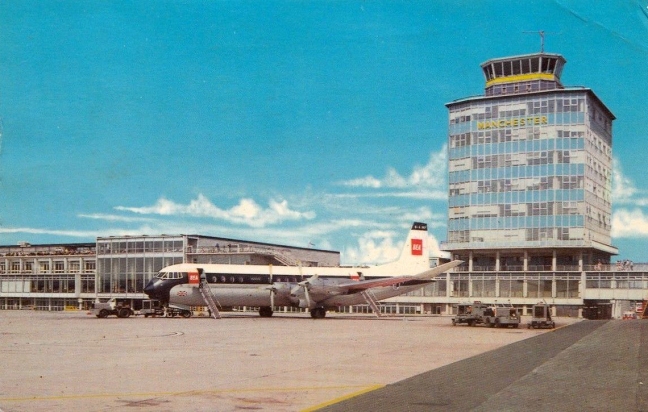
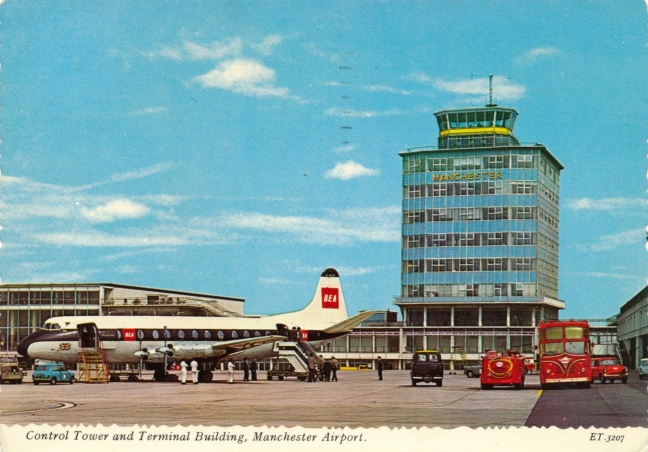
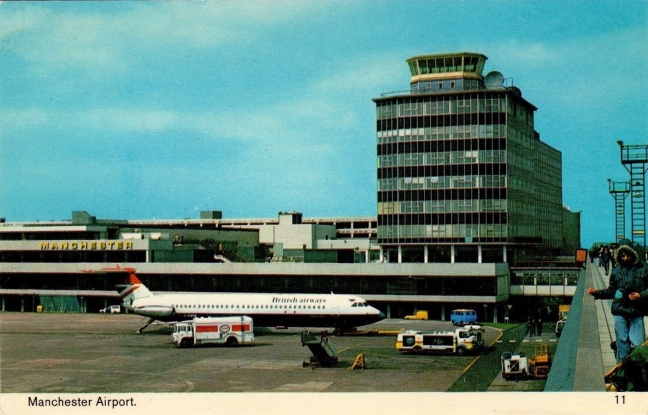
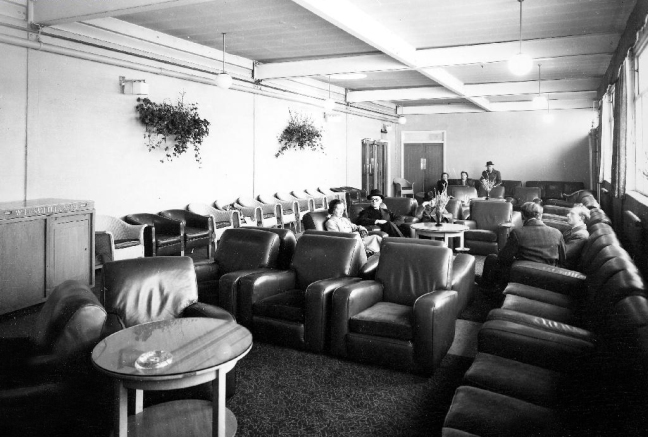
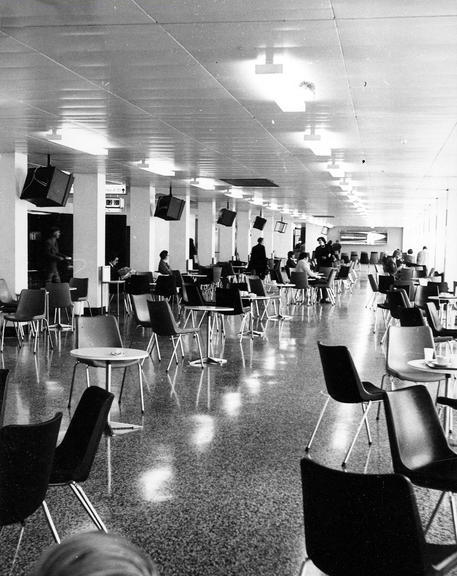
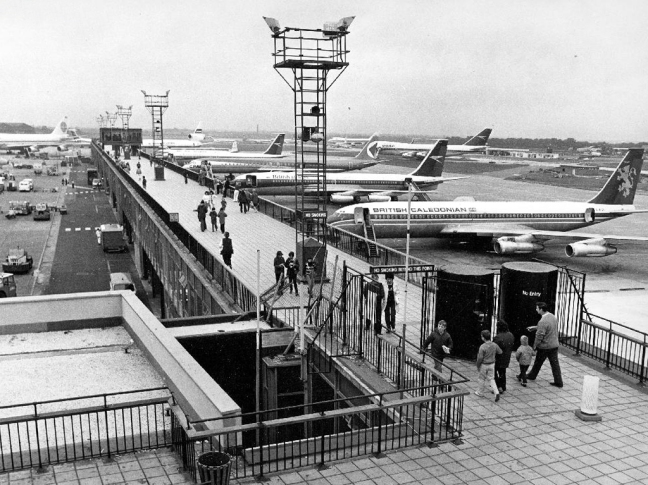
In the Sixties, when flying was infrequent, the airport was seen as sleek, new, glamorous and exciting – quiet literally at the cutting edge of the Jet Age.

Modern.

You were or are there, destination somewhere else, far more exotic than suburban Wilmslow.

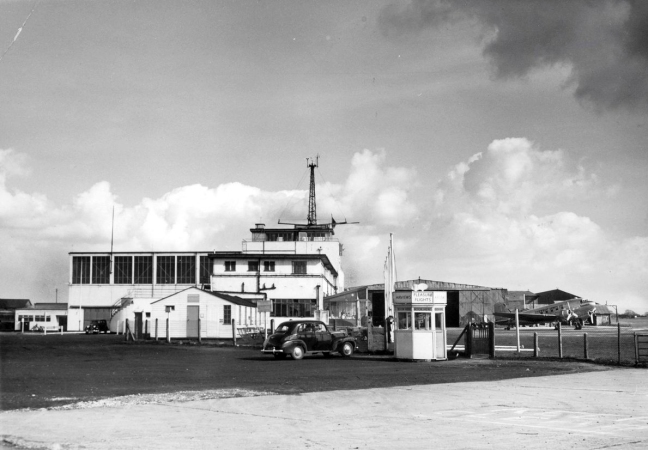
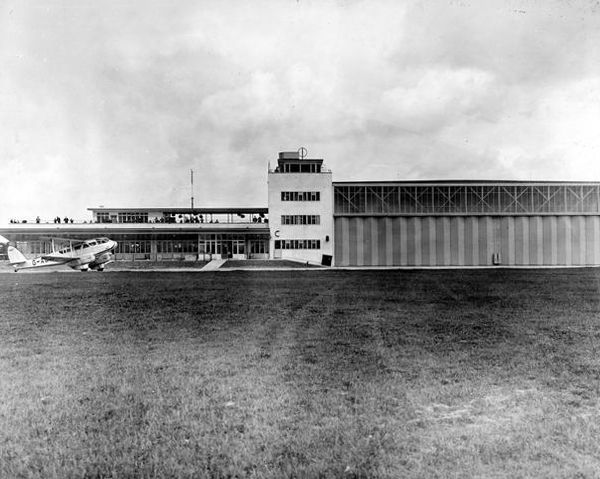
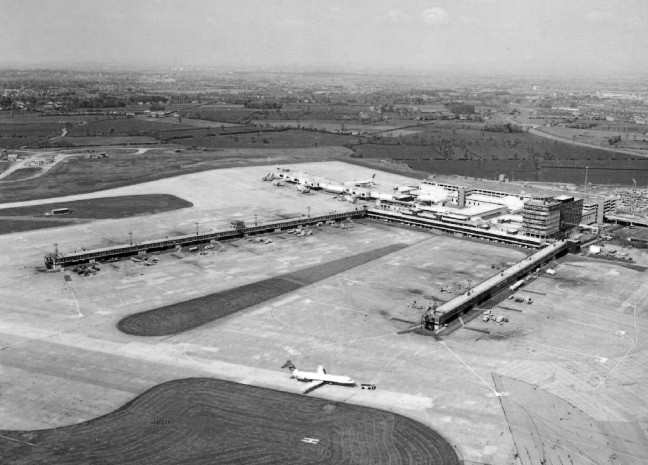
Manchester Ringway Airport started construction on 28th November 1935 and opened partly in June 1937 and completely on 25th June 1938, in Ringway parish north of Wilmslow.  In World War II, it was the location of RAF Ringway, and was important in the production and repair of military aircraft and training parachutists.

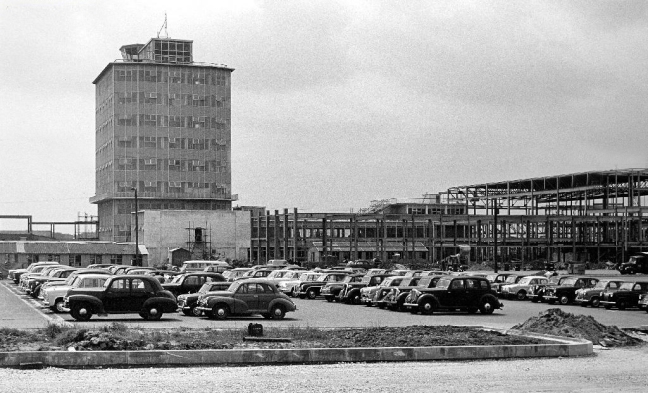
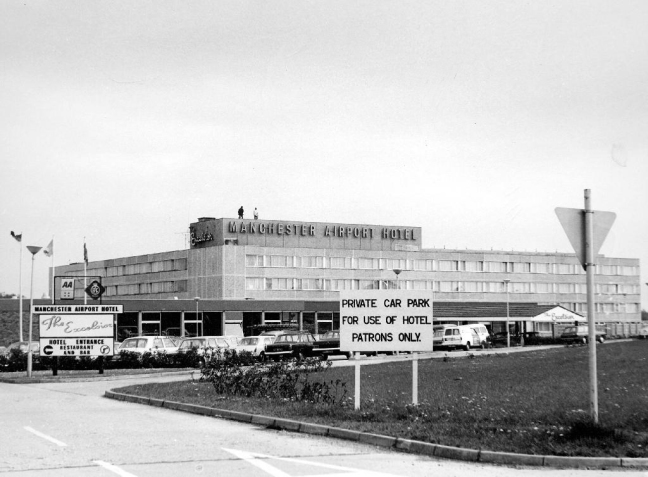
After World War II, it gradually expanded to its present size, including massive expansion of aprons, runways and car parking areas. Among the first expansions was car parking and service buildings north of Yewtree Lane.

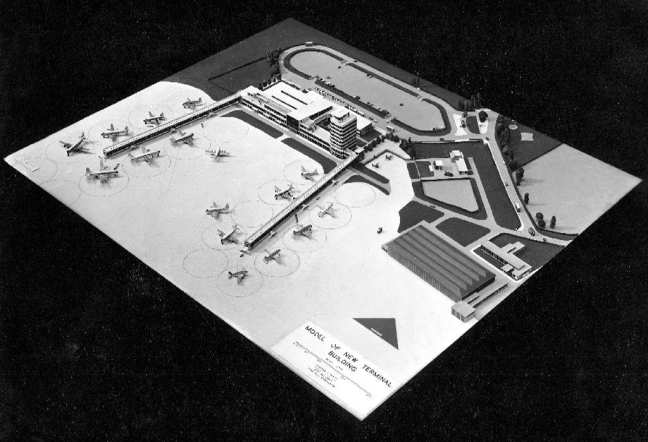
From 1958 to late 1962, Terminal One was built: this was the first of the airport’s modern large terminals and the first major public building north of Yewtree Lane.

You were or are there, so why not tell the world – with a postcard.

Wish you were here?

s-l1600-7

s-l1600-2

s-l1600-3

s-l1600-6.jpg

s-l1600-8

35544837_2153016631579374_3645904223251464192_o

s-l1600-5

s-l1600-9

s-l1600

Let’s go there now, back in time, through the most magical Manchester Image Archive.

57b

Dc0rXylX4AAY2as

1938

61

72

1950

1957


57a

867436164

57c

50

74

1970

1976

John Lewis Mosaics – Milton Keynes

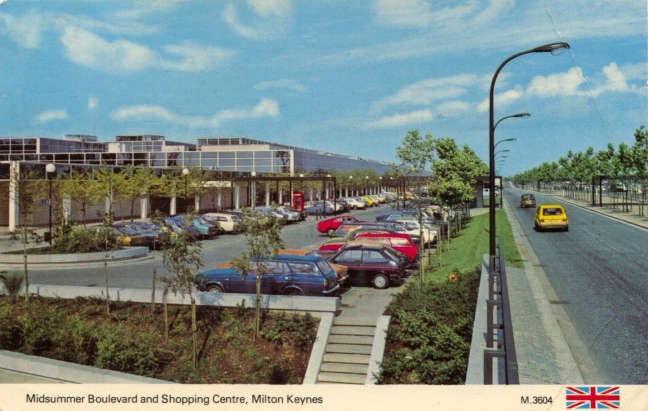
I was lured here, siren like, by an un-purchased eBay postcard – which precipitated a virtual four colour process printed journey around the shopping precincts of the UK.

MK b copy

It only seemed appropriate to finally arrive at MK Central in real life, by train from Stockport – walking at last wide-eyed and expectant, along the whole length and width of Midsummer Boulevard to centre:mk

The Milton Keynes Development Corporation began work on the Shopping Building in 1973. It was to be the largest building of Central Milton Keynes. It had a total length of over one kilometre and a maximum width of one hundred and sixteen metres . It was built at the highest point in the New City. The architects were Derek Walker, Stuart Mosscrop, and Christopher Woodward, who had been significant architects at the MK Development Corporation; and the engineers were Felix Samuely and Partners. The shopping area was opened on 25th September 1979 by Margaret Thatcher. The building’s sleek envelope accommodated one hundred and thirty shops and six department stores, arranged along two parallel day-lit arcades, each eight hundred meters long and planted with sub-tropical and temperate trees.

A big bad Miesian box of glass and steel that goes on forever and forever.

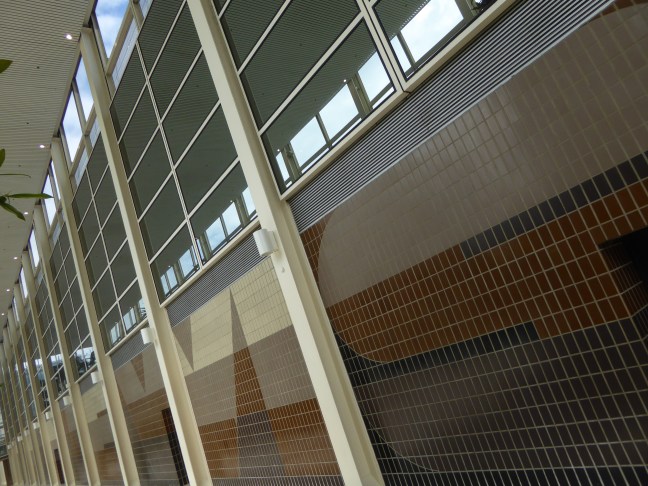
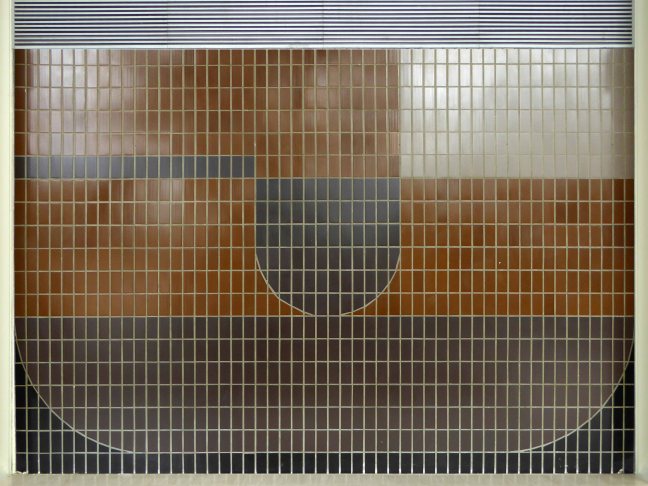
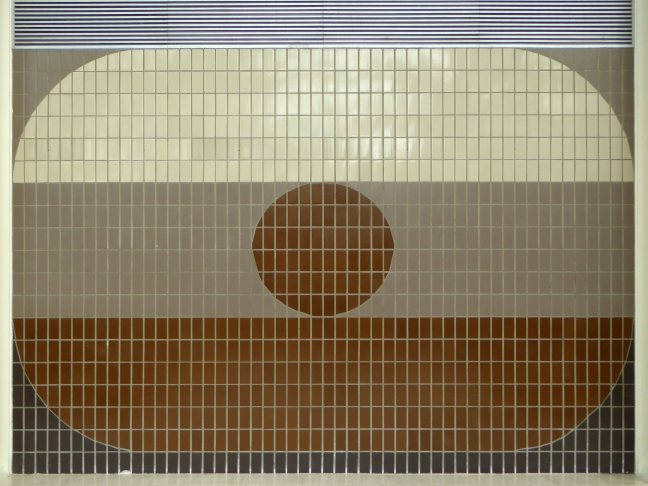
At the very far end of forever is the John Lewis store, to the right of the entrance there are a series of tiled panels – these are possibly the work of Lucienne and Robin Day

Way back when, when brown was the new brown, brown still is the new brown.

Fresh and crisp and even.

Bobbing up and down precipitously on low marble walls, from amongst the sub-tropical and temperate trees, I bring you these thirteen tiled panels.

P1260155

P1260155a

P1260155b

P1260155c

P1260155d

P1260155e

P1260155f

P1260155g

P1260155h

P1260155i

P1260155j


P1260169k copy

P1260155m

Working so close up and personal at altitude, photographing such large pieces in confined spaces, it’s not until you arrive home that you discover that together they spell:

john

lewis

What a delightful surprise!

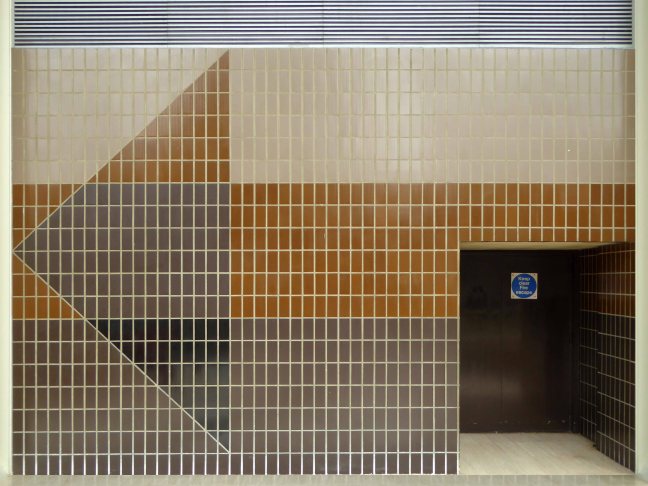
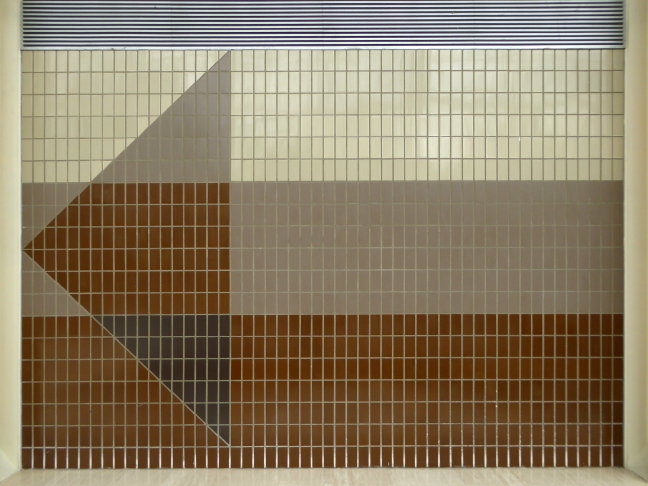
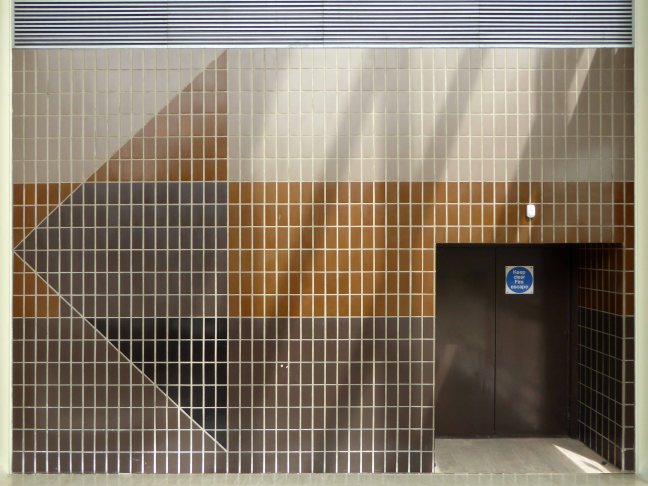
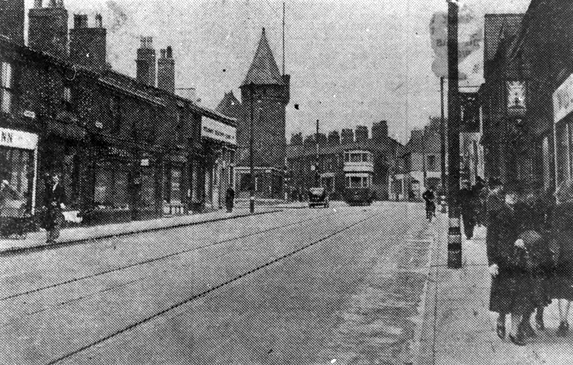
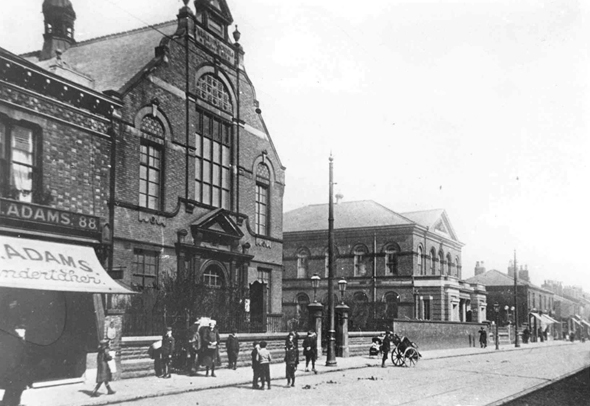
Castle Street – Edgeley #1


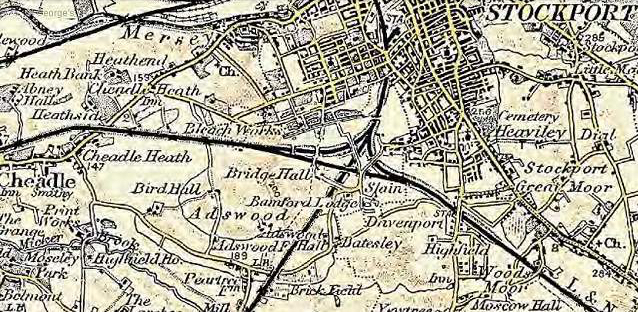
adswood2-generalarea.jpg

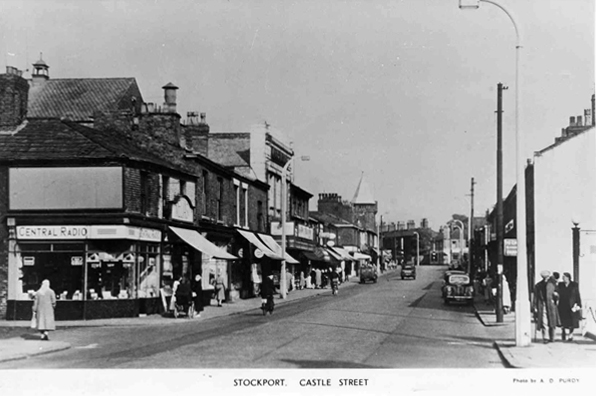
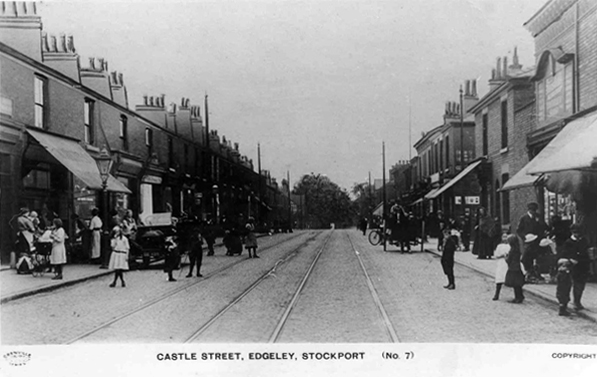
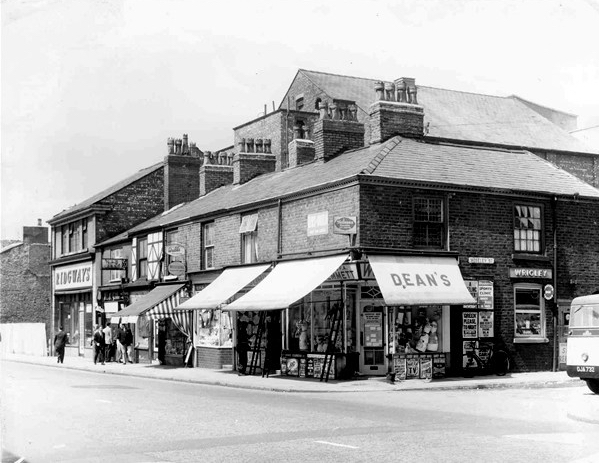
I have shuffled and shopped up and down Castle Street for some forty years or so – things have come and things have gone – and continue to do so. High streets have always been subject to so many external forces, they reshape and reform, in rhythm with the times and tides of history.

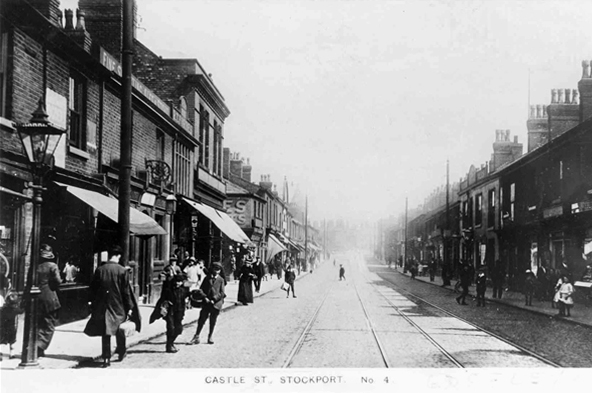
Horse drawn carriages and trams are long gone, along with the double-decker bus, people powered people rule in a pedestrianised precinct, charity begins at Barnardo’s, the Co-op has been and gone and returned, just up the way.

Two whole chapels, pubs and cinemas seem to have just disappeared.

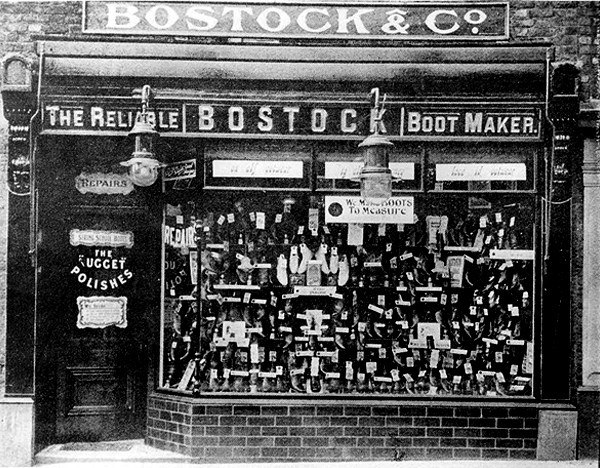
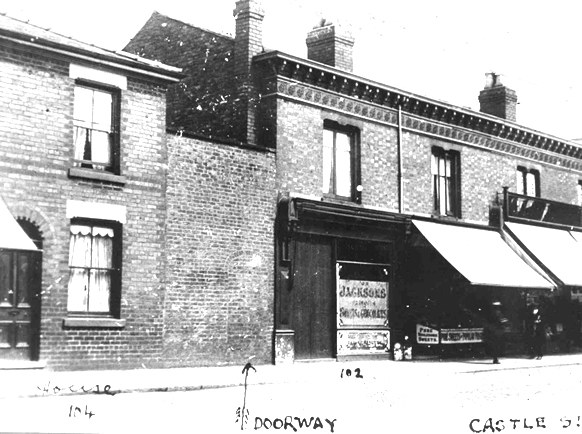
So let’s take a short trip through time and space along a short strip of Stockport’s past.

Get your boots on.

Pictures from Stockport Image Archive

1908

28729

1902

24436

1917a

1950

36876

1890

1917

1962.jpg

1958

1958a

1951

1 6 69

07b

69

69a

69b

74

93c

1969

1981

93

1983

07 a

93a

84

34929235_10216853242823182_2882427370675896320_n

07 copy

C_71_article_1073950_image_list_image_list_item_0_image

Screen Shot 2018-06-13 at 19.59.23

07

Taylor Street Gorton – The Pineapple

Screen Shot 2018-06-11 at 17.33.47

To begin at the beginning or thereabouts, Taylor Street was at the heart of Gorton to the east of Manchester city centre.

webmedia-1.php

webmedia-2.php

webmedia-3.php

webmedia-6.php

webmedia-7.php

webmedia-8.php

webmedia-9.php

webmedia-10.php

webmedia.php

A typical street of tightly packed brick terraces, dotted with shops, pubs, people and industry. I worked there as van lad for Mother’s Pride bread back in the 70s and saw those shops, pubs, people and industry slowly disappear.

Beyer Peacock whose immense shed dominated the northern end of the street, simply ceased to be, as steam gave way to diesel.

As full employment gave way to a date with the dole.

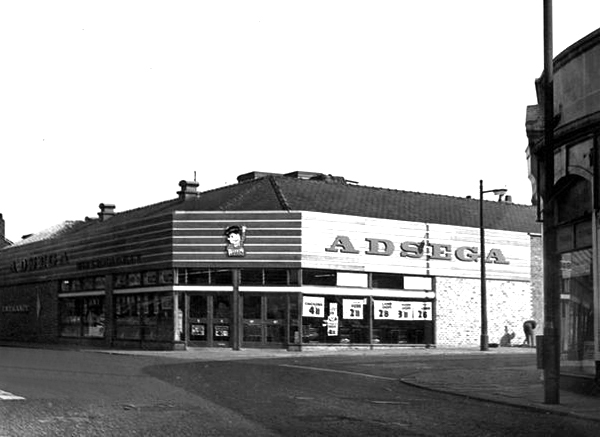
Adsega opening on nearby Cross Street heralded the arrival of the super fast, self-service supermarket, and sounded the death knell of the cosy corner cupboard.

398912_3820026268527_1203084936_n

The local pub was The Bessemer – its name forging an unbreakable link with the surrounding steel industry, that eventually broke.

webmedia-5.php

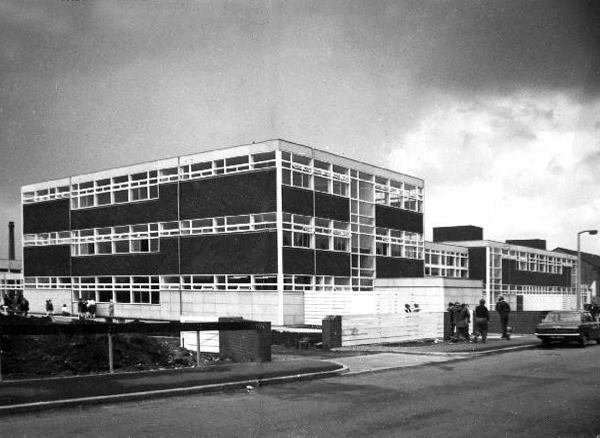
To the left of the pub is the Bishop Greer High School construction site  – the first of the new build that would later dominate the area, along with wide open spaces where shops, pubs, people and industry once were.

12932970_10154152981641600_8757469207112330278_n

webmedia.php copy

webmedia-1.php copy

When the school eventually shut its doors, it became an annex of Openshaw Technical College, and I found myself working there in the 80s at the East Manchester Centre, until its eventual closure.

It’s now sheltered accommodation for the lost and lonely:

Located in a quiet suburb of Manchester with excellent links to the city centre, Gorton Parks has an exceptional range of facilities spread out across five separate houses, each offering a different care option. Melland House offers dementia residential care, Abbey Hey provides nursing dementia care, Debdale is the house for intermediate nursing care and Sunny Brow offers general nursing care.

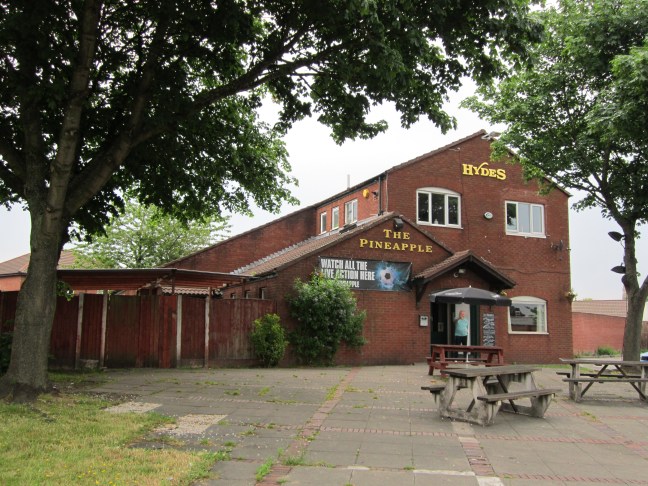
We sought solace in The Pineapple.

Screen Shot 2018-06-11 at 17.33.25

The streets were trimmed and slimmed, much of the past a mere ghostly presence, almost imprinted on the present.

A brave new world of brand new modern housing, with an Estate Pub to match.

The_Pineapple,_Gorton

A busy bustling boozer – lots of live and local action for the lively locals, latterly seeing out time as a house of House – a real bangin’ Bashment, bass-man bargain basement.

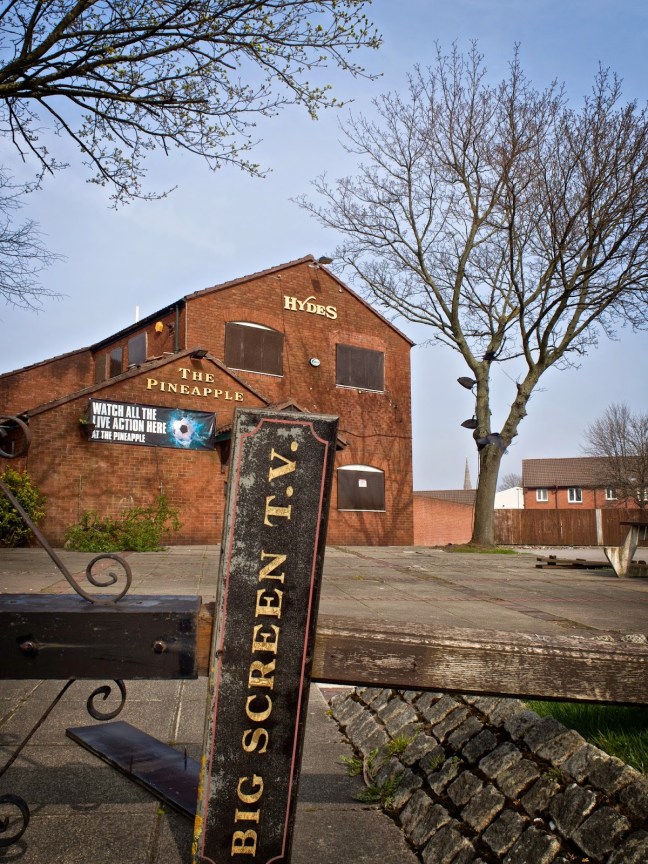
Until time is finally called – no more four to the floor, last one out shut the door.

1512347_516327525148853_492482006_n

Nothing lasts forever and a sign of the times is an upended pub sign, lying dormant in the dust.

The Chunky no longer a great big hunk o’funk.

10 Gorton pineapple pub

The big screen TV forever failing to deliver all the action, live or otherwise.

P1050836

p1050838.jpg

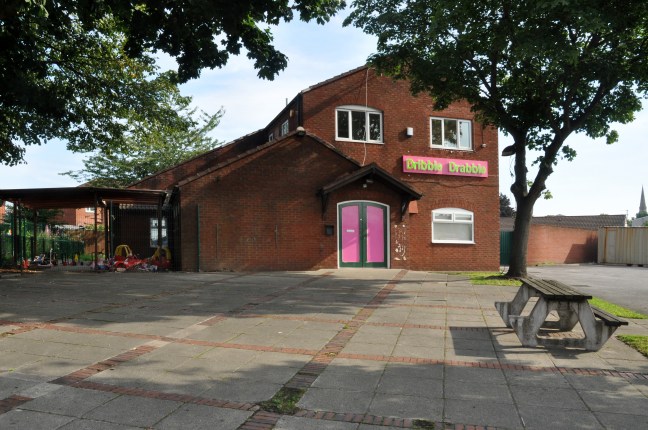
Latterly transformed into Dribble Drabble.

DSC_0074

And so the beat goes on as successive waves of success and recession, boom and bust free-market economics, wash over the nation and its long suffering folk.

Its enough to drive you to drink.

The George Hotel – Stockport

Screen Shot 2018-06-02 at 13.57.42

15 Wellington Road North Stockport SK4 1AF.

Time changes everything except something within us which is always surprised by change.

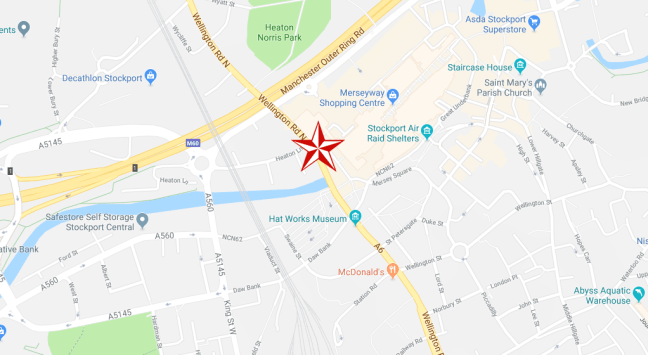
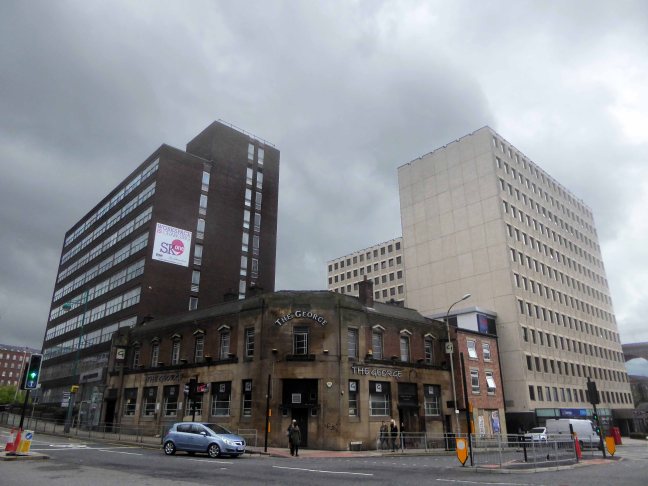
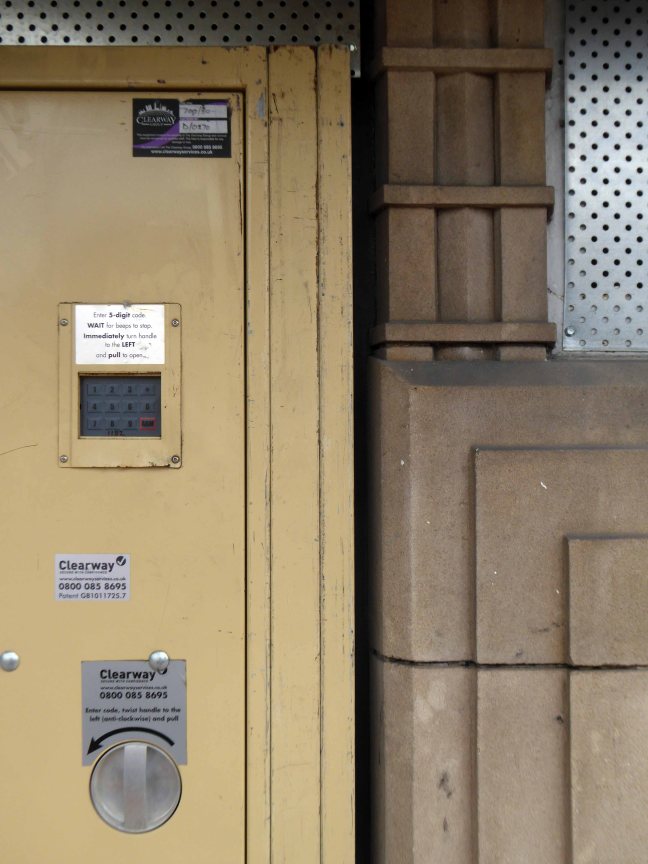
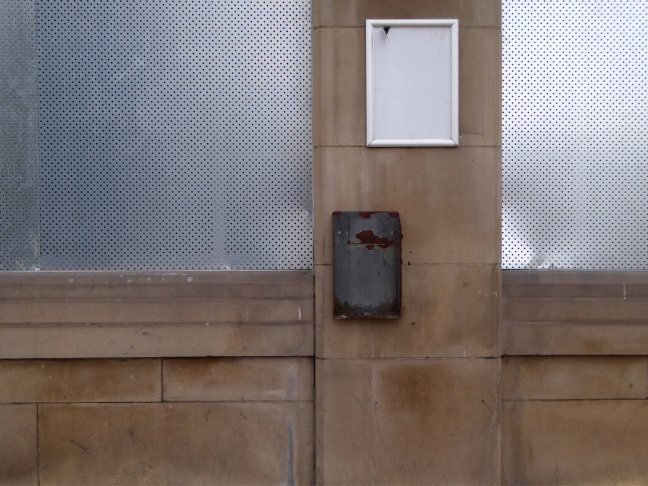
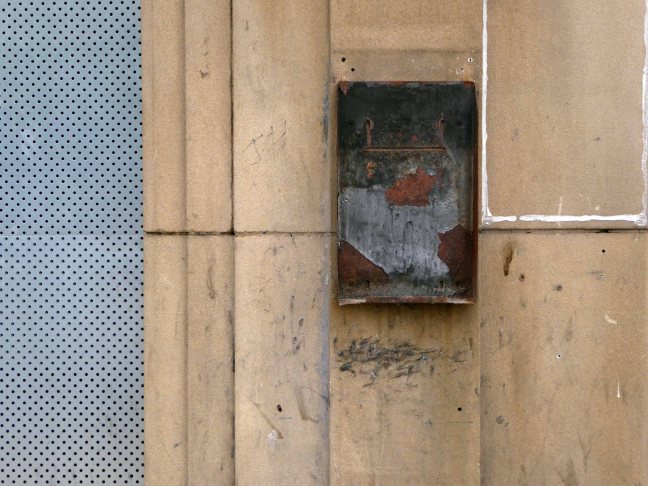
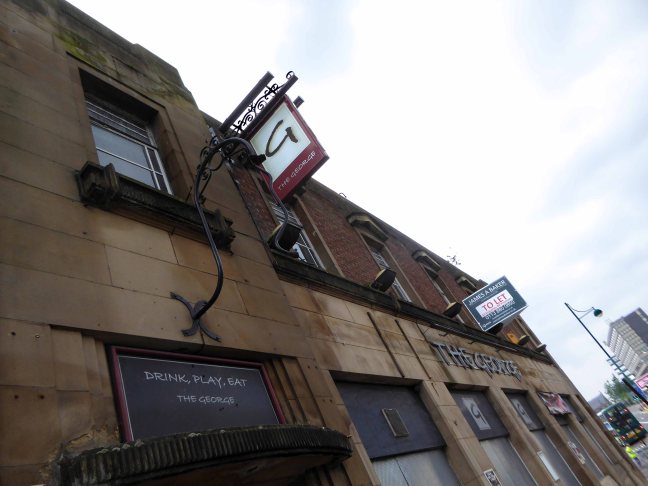
A delightful interwar pub on the corner of Heaton Lane and Wellington Road North, I moved to Stockport some forty years ago and was mightily impressed by the restrained exterior Deco design, wrought and hewn from soft pale sandstone. Equally impressive was the wood panelled, open, spacious interior space.

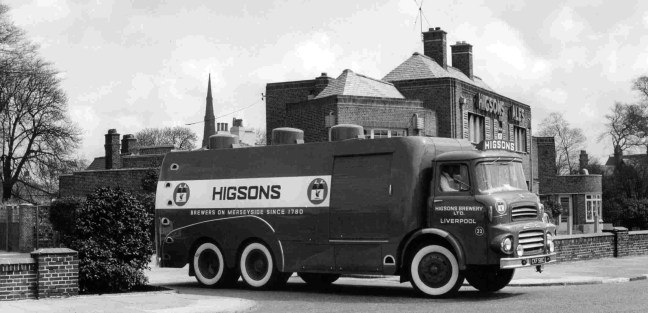
The George was always something of an anomaly, being the only Greater Manchester pub owned by Higson’s Brewery, our almost next door Liverpool neighbour.

P1200475 copy

Higsons_72

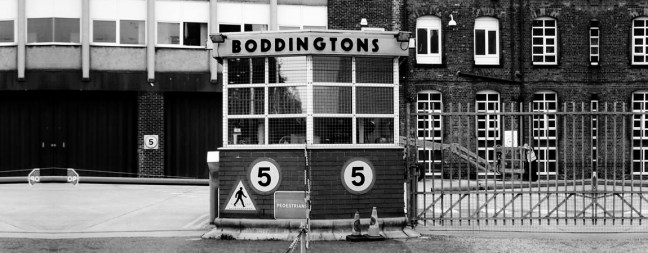
Higsons was founded in 1780 – 1974 saw the brewery merge with James Mellor & Sons. In 1978, Higsons acquired the Bent’s Brewery, which was based next to its North Street head office. Boddingtons of Manchester acquired Higsons in 1985 but decided to abandon brewing in 1989 to focus on its pubs.

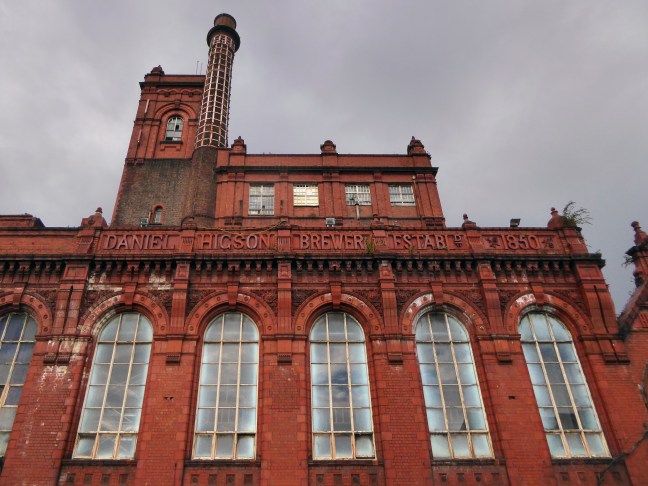
They have/had fine former offices on Dale Street

venues_7

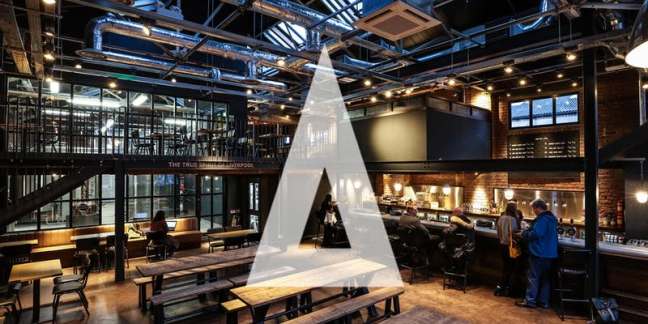
Boddingtons’ brewing arm was sold to Whitbread in 1990 which then subsequently closed the Higsons Stanhope brewery and then reopened by new owners as the Cains Brewery in 1991. Higsons beer was brewed in Sheffield and Durham for a few years after closure before being discontinued. The beer brand was revived in the current century and reborn in 2017, now served in the swish Baltic Triangle based Higson’s Tap & Still with an interior order that leaps backwards head first, into an imagined future of raw brick, reclaimed wood and industrial flourishes.

DcL2r33W0AARIGU

The George prospered – a town centre pub surrounded by workers in search of a wet and shoppers shirking their retail duties in favour of draught bitter or Cherry B.

1960

Its interior however did not fair so well, ripped out in the 80s – remade remodelled, in the deeply unattractive, anti-vernacular, sub-disco style de jour.

Renamed The Manhattan, riding the fun-pub wave, closed reopened as The George – there followed thirty year of uncertainty, struggling to find an identity throughout a time of ever-changing moods.

Screen Shot 2018-06-02 at 13.53.28

It became a daytime haunt of the hardened, shattered glass, blood on the tracks class of drinker, its reputation in tatters along with yesterday’s fish and chip papers.

The last time I came by you were still open for business.

P1160554

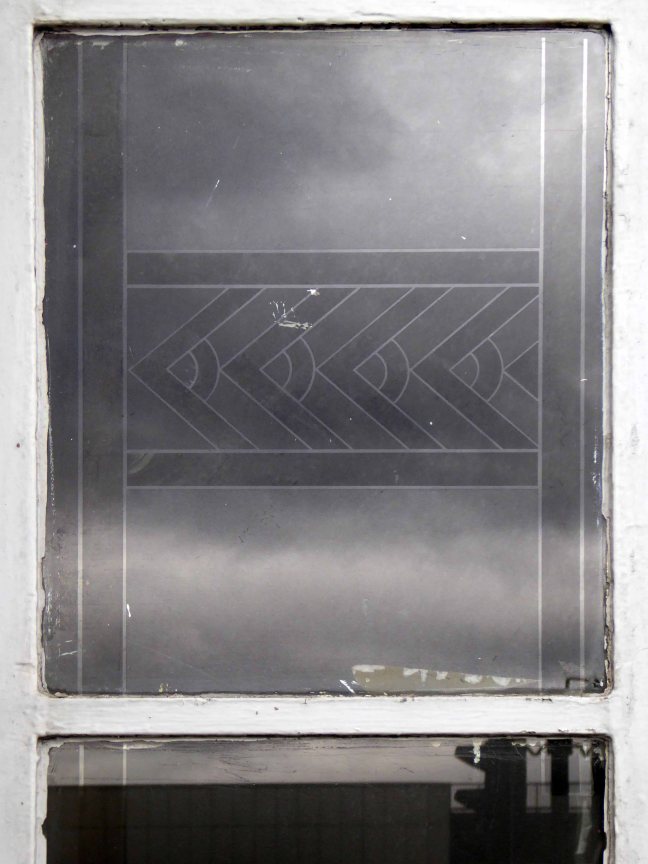
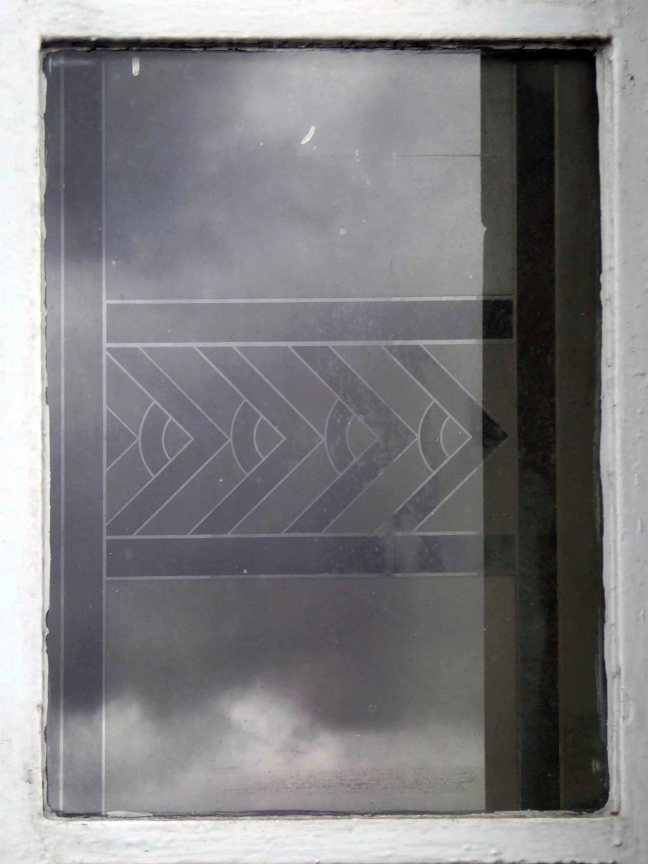
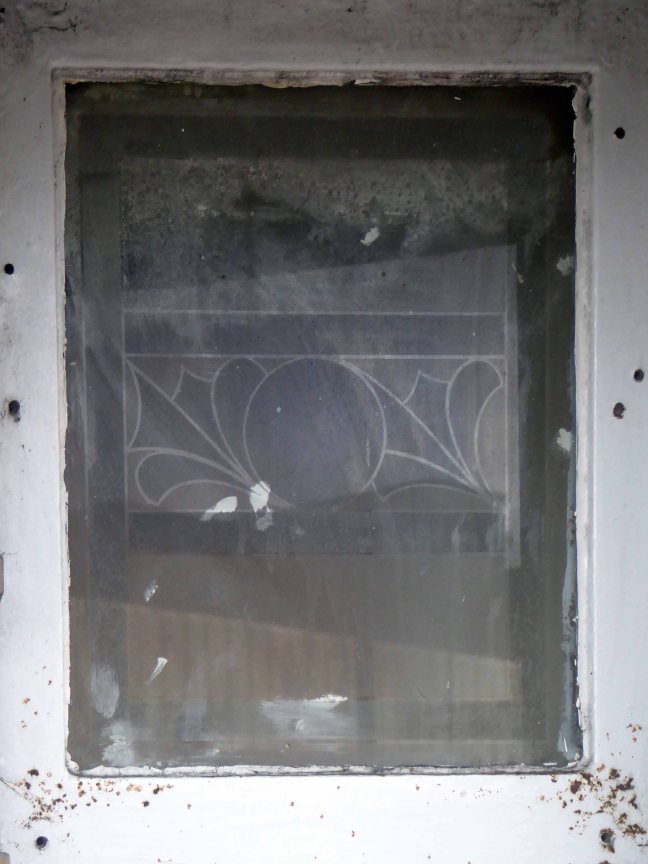
I bided a wee while, without imbibing, all the better to record your disabused Art Deco details.

P1160541

P1160542


P1160544

P1160545

P1160550


P1160552

I came by yesterday and you were all tinned-up with nowhere to go.

Premises To Let as of 13th May 2018 – on the 2nd April 2018 the licence has lapsed, so this will be a further barrier to it re-opening.

And so your faux nowheresville interior will pass into yet another of somebody’s history, along with your fine Deco detail and disco destruction.
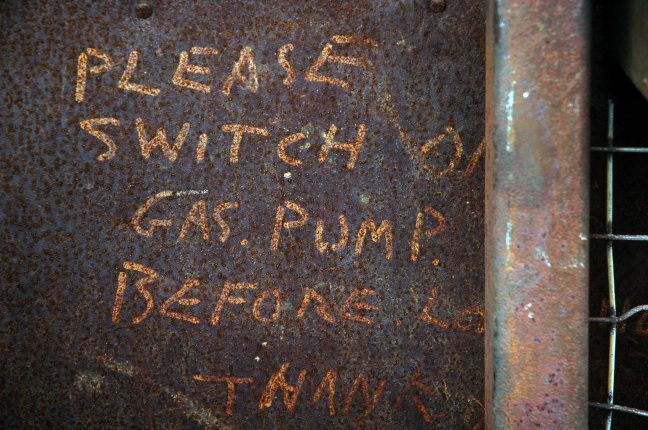
This a tale of our age – of monopoly capitalism, stay at home Bargain Booze tipplers, demographic shifts, de-populated town centres, fashion fads and cheap cladding.

Time changes everything except something within us which is never surprised by change.

P1250771


P1250776

P1250778

P1250781

P1250783

P1250785

P1250786

P1250789

P1250794

P1250796


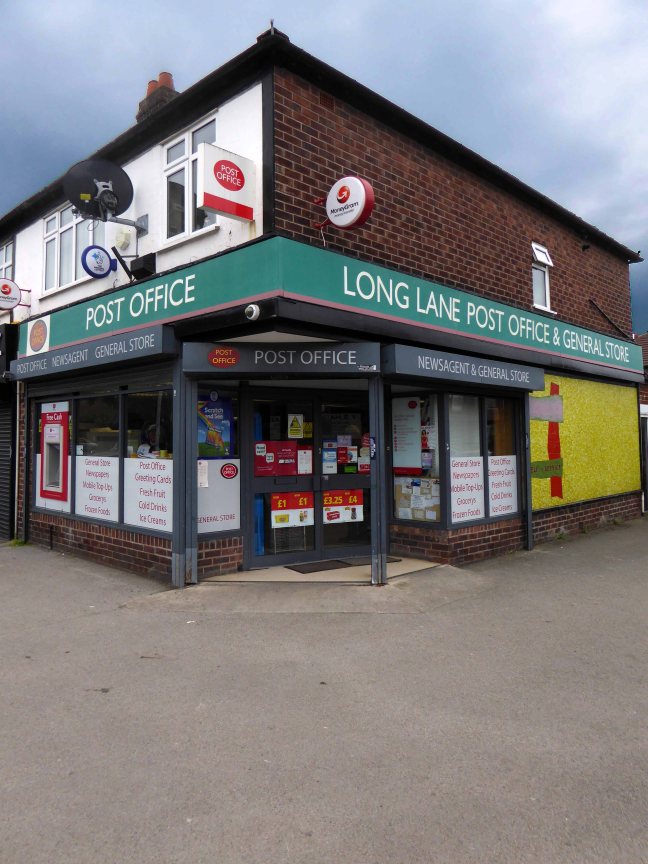
Long Lane Post Office – Heald Green

Screen Shot 2018-05-30 at 14.09.16

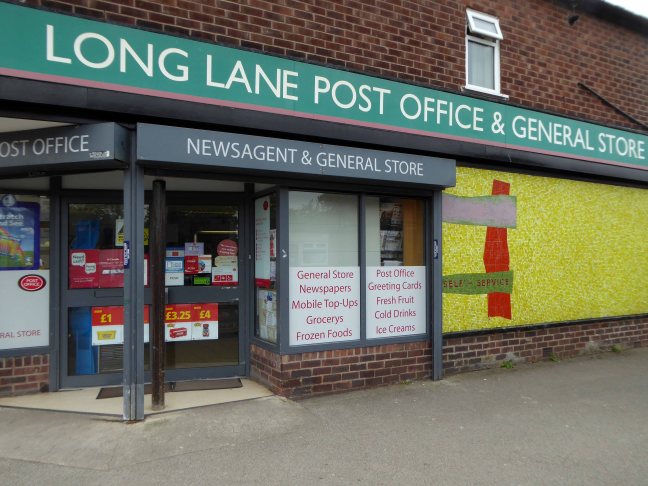
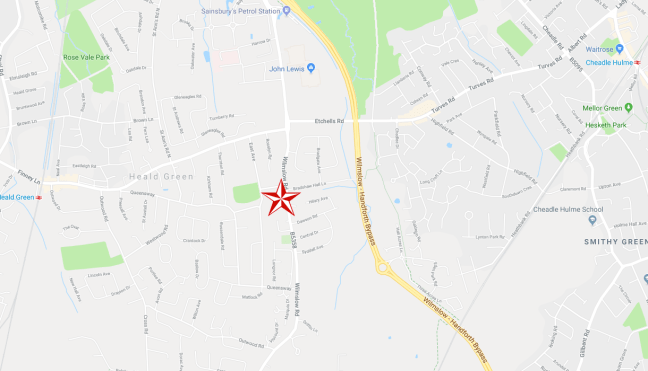
190 Wilmslow Rd, Heald Green, Cheadle SK8 3BH

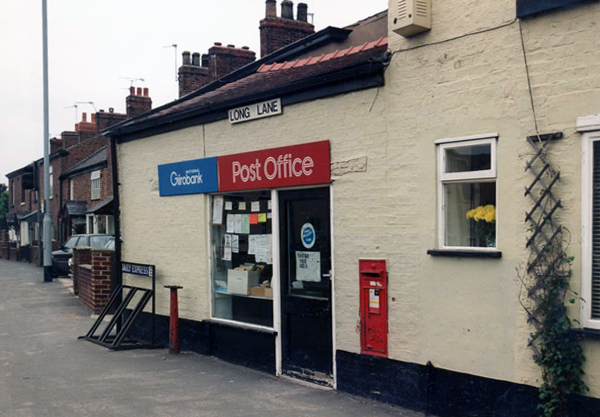
The original Long Lane Post Office is still there but not here:

40249

However – I digress.

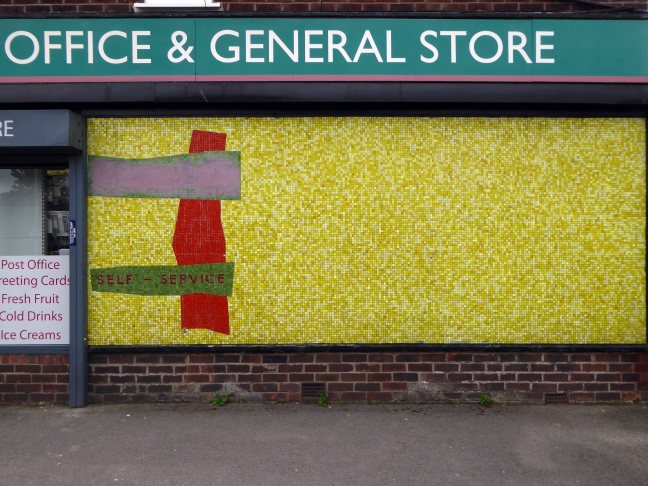
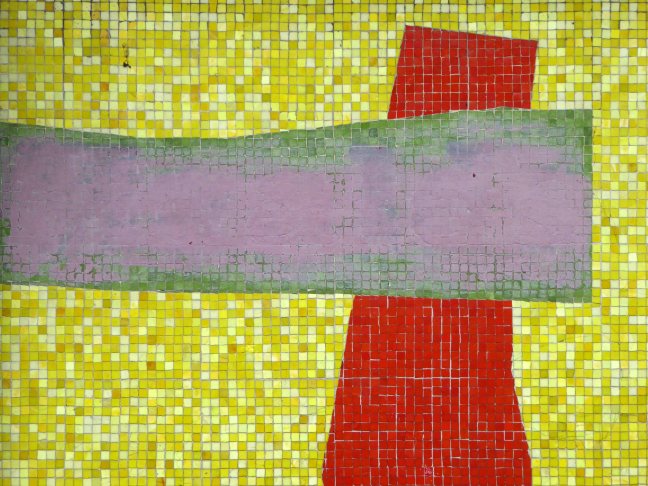
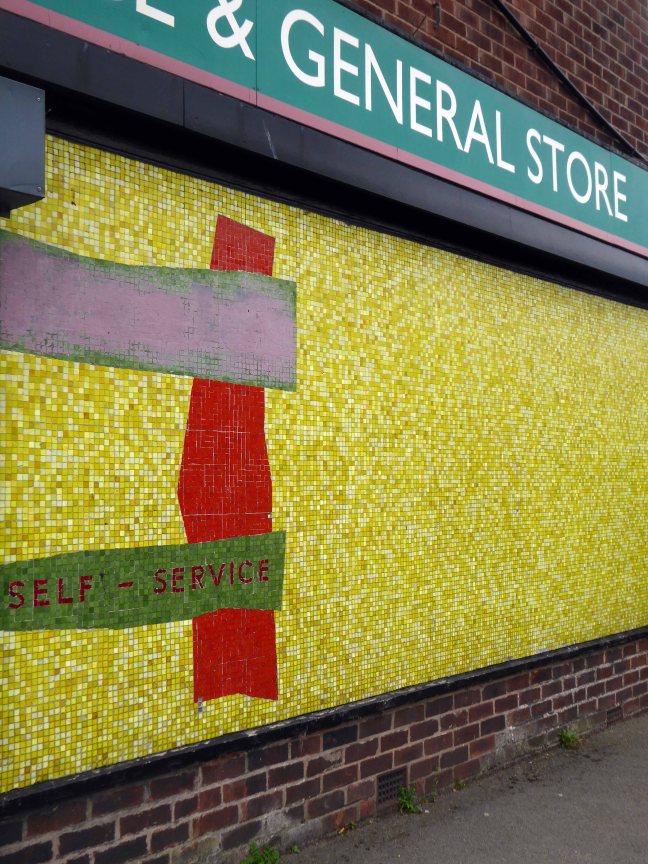
One fine day, some time ago there popped into my consciousness a Sixties retail mosaic in the Heald Green area – I tracked down its precise whereabouts online, in the modern manner.

Thinks – one fine day, just you wait and see I’ll pay a visit to the Heald Green area.

So today I did, it started off fine and finished up less so.

Jumped the 368 from Stockport Bus Station alighted at The Griffin.

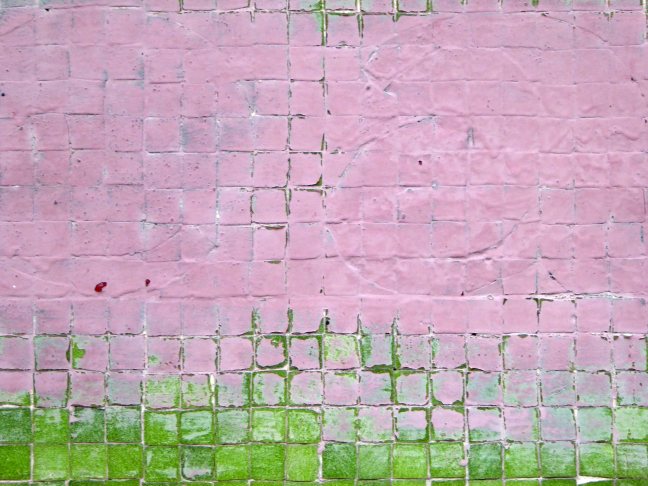
Walked aways up the road and there it was, almost intact – it’s original name obliterated with lilac exterior emulsion – did it once read healds?

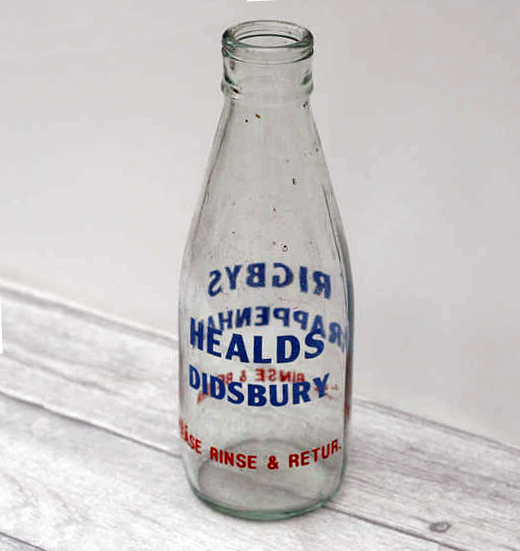
Why of course it did – the local dairy and retailers were the shop’s original owners.

il_570xN.1484313889_n91e

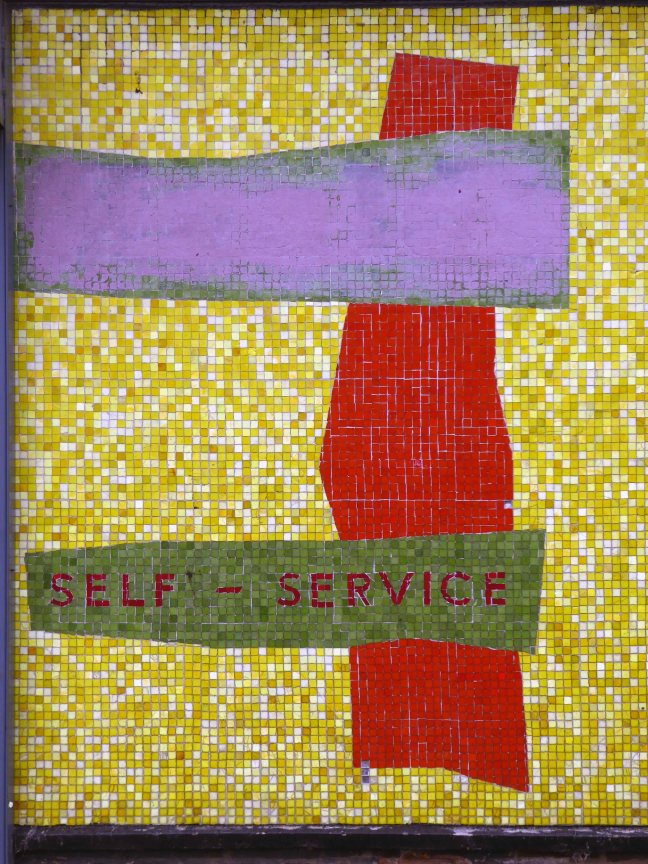
A few tesserae are missing otherwise the piece is as was – a wobbly jumble of text, shape and colour.

Self service – at your service.

P1250715

P1250711

P1250712

P1250713

P1250714


P1250717

P1250718

P1250719

P1250720

P1250721

P1250722

P1250723

P1250724

P1250725


Ford Lane – Northenden

And so our journey continues, leaving behind the semi-detached haven of East Didsbury.

Once again graciously greeting Mr Henry Simon and his wondrous footbridge across the Mersey – the greenest of structures on the greyest of days.

No more fords and/or ferries, say goodbye to wet feet.

webmedia-12.php

We are down by the river, a place of pleasure and practical workaday goings on – on our way to Northenden.

Northenden was mentioned as Norwordine in the Domesday Book of 1086; its name came from Anglo-Saxon Norþ-worþign – north enclosure. It was then a small farming community with a manor house and woodland.

Northenden is on a major crossing place of the Mersey on the salt road from Cheshire to Manchester. The ford was an important way into and out of and into Manchester, in 1745 Bonnie Prince Charlie’s army built a troop-bridge out of big poplar tree trunks where the B5095 now crosses the Mersey, south of Didsbury, in his abortive attempt to seize the crown of England.

The Northenden ford was unusual because its northern and southern ends were not opposite each other, but people using the ford had to wade about 500 feet along the riverbed. The Simon’s Bridge was built at the ford in 1901 to help access to Poor’s Field, and the rent from this field was used by the church to buy blankets and clothes for the needy.

webmedia-9.php

Little is known of Northenden’s Saxon origins other than that it was one of the few disembarkation points on the Mersey flood plain between Stockport and Stretford. A church was recorded here in the Domesday book of 1086. The village has grown in importance since 1641, when a ferry boat for crossing the River Mersey was installed. In 1642 a ford was also constructed, hence the names Boat Lane and Ford Lane. There was a water mill and, it is rumoured, a public house. The plan form of the village was established with properties being built along the two lanes, which intersected near the church.

webmedia-8.php

Little change occurred for the next two centuries until, by the mid 19th century, market gardens in and around the village supplied food for the rapidly expanding population of Manchester. The only routes to the City were via the ferry boat or the ford until, in 1862, Palatine Road was opened and provided a bridge crossing. Northenden was still a rural village and, towards the turn of the century, good quality semi-detached houses were built for clerks and managers who were able to commute to Manchester on the horse-drawn bus and the tram.

In the 1940s the new suburb of Wythenshawe was largely completed, and by then Northenden’s rural character had gone. Palatine Road was developed for shopping and other commercial uses, and slum clearance removed many of the village’s early cottages around the church.

The water mill, which had provided a flour-milling service for a wide area, survived until the 1950s. It was situated on the banks of the Mersey where the weir, to create the change in water level and power the machinery, is still in existence.

Northenden Conservation Area

Ford Lane affords a rural route twixt suburban settlements, tree lined and river-run.

Once the province of pleasure gardens, cruisers, boaters.

And wrestlers.

webmedia-10.php

webmedia-7.php

manchester-northenden-1901-old-antique-vintage-print-picture-MHNWCF

The lane is home to several listed buildings – the most prominent being St Wilfrids – the oldest part of the church is the tower, the rest having been rebuilt in 1873–76 by J. S. Crowther. The new part of the church is built in sandstone from Alderley Edge, with slate roofs, and is in Perpendicular style.

church

The Old Rectory and Northern House both mid to late 18th century, form a group of notable homes clustered around St Wilfrids.

webmedia-5.php

webmedia-6.php

webmedia-2.php

webmedia-13-php.jpeg

Also in close proximity were a number of public houses – most notably The Tatton Arms.

Built in 1873 by the Tatton family and originally known as The Boat House.

webmedia.php copy

webmedia-2.php copy

s-l1600

Closed in 2007 and still standing, still awaiting proposed redevelopment into an apartment complex.

1908

The Church Inn built in 1897 closed in 2006 – burnt out left for dead eventually refurbished into flats.

Spread Eagle Royle

The Spread Eagle built to replace an old pub of the same name, the Spread Eagle was the second estate-style boozer on Royle Green Road, and it outlasted the Jolly Carter by almost a decade – long gone, following a shooting in 2008, the site now developed as housing.

Happily The Crown is still standing and still serving – cyclists and walkers welcome!

Screen Shot 2018-05-29 at 08.12.25

This was once my way to work, Stockport to Northenden each and every day, the river on occasion liable to flood  – foolishly I cycled the Mersey in Spate, against the current clinging to the handrail, up to my axles in the raging torrent.

ManMerseyFlood0Y06

I lived to tell the tale.

Photographs from the Manchester Local Image Collection


Macclesfield Railway Station

Where the Victorians modelled their stations on cathedrals, temples and palaces.

Modern Man models his on shopping centre and office blocks.

Richards and MacKenzie – The Railway Station

Though it seems to me that Macclesfield Station, in its earlier and current states, refuses to dovetail neatly into either of these sloppy binary paradigms.

macclesfield_central_1900.s

The former – single storey buildings, fitting unostentatiously into the topographic and practical constraints of the site. A neat, tightly packed rhythm of brick arches with a compact and bijou porch welcoming the expectant traveller.

P1250546

The latter a functionalist block, fully utilitarian crossings with lift access columns, embodying a particularly industrial demeanour.

From the golden age of steam to the moribund years of diesel, Macclesfield sits comfortably somewhere, betwixt and between ugly duckling and fully fledged swan.

Nestled in the lea of the East Cheshire Highlands, offering practical everyday transport solutions to the beleaguered commuter.

No frills, no thrills.

macclesfield(harden4.1954)centrall_old4

c964acf720e0b759fda2f4788256c528

The London and North Western Railway opened the line between Manchester and Macclesfield on 19 June 1849 – Macclesfield Central was born. Later it would become a key station on the Stafford branch of the West Coast Main Line, remodelled in 1960 and rebranded as the much snappier Macclesfield Station.

Which it proudly announces topically and typographically to the world.

P1250547

Welcome to Macclesfield a town that is clearly going places, and so are you.

The station won the Best Kept Station in Cheshire Award for 2007, but was reported in summer 2011 to be distinctly shabby, with peeling paintwork.

And yet there is something in the constituent Platonic steel, glass and concrete forms that never ceases to amuse and amaze me, this is Brutalism on a human and provincial scale.

The raw concrete softened with three or four shades of grey, as a concession to the delicate suburban sensibilities of this once silk-fuelled town.

Take a trip with me – join the Cheshire train set.

P1250548

P1250549

P1250550

P1250551

P1250552

P1250553

P1250554

P1250555

P1250557

P1250558

P1250560

P1250564

P1250565

P1250566


Walton’s – Ashton Under Lyne

William Walton’s and Sons – 152 Stamford Street, Ashton-under-Lyne, OL6 6AD

Stamford-Street-Ashton-under-Lyne

Founded in 1832 – when Stamford Street looked a lot like this.

Much has changed during the ensuing years, Walton’s it seems has not.

On Monday 24th October 2011 I had the privilege of meeting current owners Marilyn and Dave, spending time chatting and taking photographs.

Thank you.

They tell their own tale – take a look.

DSC_0013

DSC_0015

DSC_0018

DSC_0020

DSC_0023

DSC_0026

DSC_0027

DSC_0028

DSC_0029

DSC_0035

DSC_0036

DSC_0037

DSC_0038

DSC_0039

DSC_0041

DSC_0042

DSC_0043

DSC_0045

DSC_0047

DSC_0049

DSC_0050

DSC_0051

DSC_0052

DSC_0053

DSC_0055

DSC_0056

DSC_0058

DSC_0060

DSC_0067

DSC_0069

DSC_0072

DSC_0076

DSC_0077

DSC_0078

DSC_0079

DSC_0082

DSC_0087

DSC_0088

DSC_0089

DSC_0090

DSC_0092

DSC_0093

DSC_0095

DSC_0096

DSC_0097

DSC_0098

DSC_0099

DSC_0101

DSC_0103

DSC_0104

DSC_0105

DSC_0107

DSC_0108

DSC_0113

DSC_0114

DSC_0115

Marland Bricks

What’s in a name?

That which we call a brick, by any other name would smell as sweet.

Chancing across a written reference to the Marland Brick in the book The Trains Now Departed, I was slightly taken aback – from wither and whence it came and went.

I was aware of the my patronymic local connection:

This most interesting surname is of Anglo-Saxon origin, and is a locational name from Marland, a minor place in the parish of Rochdale, in Lancashire. The placename itself is composed of the Olde English elements “mere”, a lake, pool, and “land”, land.

However:

There are also places called Peters Marland in Devon, recorded as “Merland” in the Domesday Book of 1086 (the site of a church dedicated to St. Peter), and Marlands in Somerset.

So our southern cousins were clay-mongers, manufacturers of fine bricks to boot.

Marland Cream brickwork is a feature of North Devon. The hard cream bricks were made at Marland Moor by a succession of companies using stoneware ball clays dug from the Petrockstowe Basin. 


3895334_94deff16

3895347_4854f4c8

Between Great Torrington and Hatherleigh, in north Devon, lie alluvial deposits of ball clay, a particularly useful clay which first found use for pottery and clay pipes in the seventeenth century. However the remoteness of the location prevented the growth of the industry and by the nineteenth century it only met local needs for pottery and bricks.
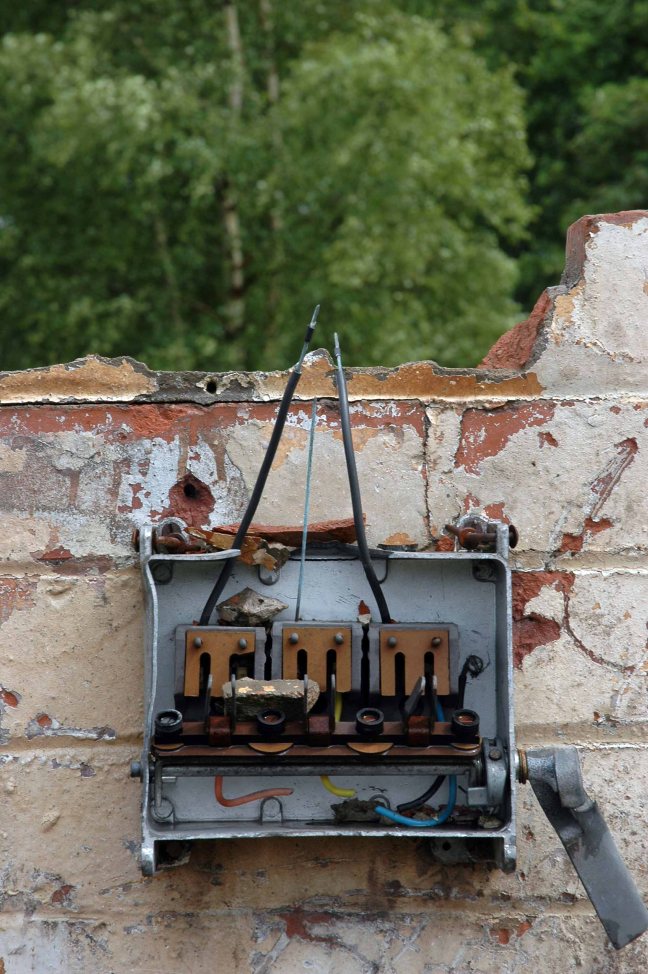
The impetus for the industry came, perhaps, with the opening of the London & South Western Railway to Torrington in 1872 for a few years later the owner of Clay Moor, William A. B. Wren, started to exploit his land. By 1877 he had sunk several pits and erected at the Marland Brick & Clay Works kilns, cottages and stables. Clay was being taken to Torrington station behind a traction engine but over six or so miles of poor quality roads this was not very efficient.

North_Devon_and_Cornwall_Junction_Light_Railway_map

With the coming of the railway to Torrington, in 1881 a private mineral line was built to connect to the Marland area. This led to a great increase in production and was a factor in the opening in 1925 of the North Devon & Cornwall Junction Light railway, between Torrington and Halwill Junction, which superceded the mineral line. Closing to passengers in 1965, the section between Meeth and Barnstable remained open for freight, but by the 1980’s was moribund.

1bdagjs_3380_l

1ooak62_32b4_l


There are still remnants of the Marland Works Branch visible to this day.

17582047479_7ca9f17a00_b

fowler diesel

Ruston Diesel

Images from 28 days later

One of our famed family brick built achievements is the Chelfham Viaduct:

A railway viaduct built in 1896-97 to carry the Lynton and Barnstaple Railway across the Stoke Rivers valley. Designed by L&B engineer, FW Chanter, and containing over a quarter of a million Marland bricks, its eight arches – each 42 feet wide and 70 feet high – meaning that the 132-yard long viaduct is the largest narrow gauge railway structure in England.

94_image_7

image5

Im20101212-Chelfham2

The L&BR’s peak period came between 1902 and1913 when it carried almost 97,000 passengers a year. Yet the considerable endeavour invested in the railway was not enough to save it; as traffic dwindled, the line succumbed to closure by Southern Railways on 29th September 1935. Most of the trackbed and buildings were sold at auction in 1938. Although Chelfham Viaduct was retained, its parapets were taken down to about one foot above ballast level. In 1943, it featured in a film, The Flemish Farm, representing the Franco-Belgian border.

The structure was granted a Grade II listing on 25th February 1965. In 2000, in partnership with the Railway Heritage Trust and the Lynton & Barnstaple Railway Trust, British Railways Board completed a programme of remedial works.

Then later today, casting my mind back to my 2105 cycle tour from Weston Super Mare via Ilfracombe and  Plymouth and onward to Hastings, I remembered a former chance encounter.

P1010238 copy

I had been here before, blissfully unaware of the local family connections along the Tarka Trail – thick as a Devon cream-tea coloured brick.

So when I eventually return to the area to fully explore our family heritage, I shall be sure to doff my cycling cap and smile whilst passing the warm cream expanses of Marland Brick.