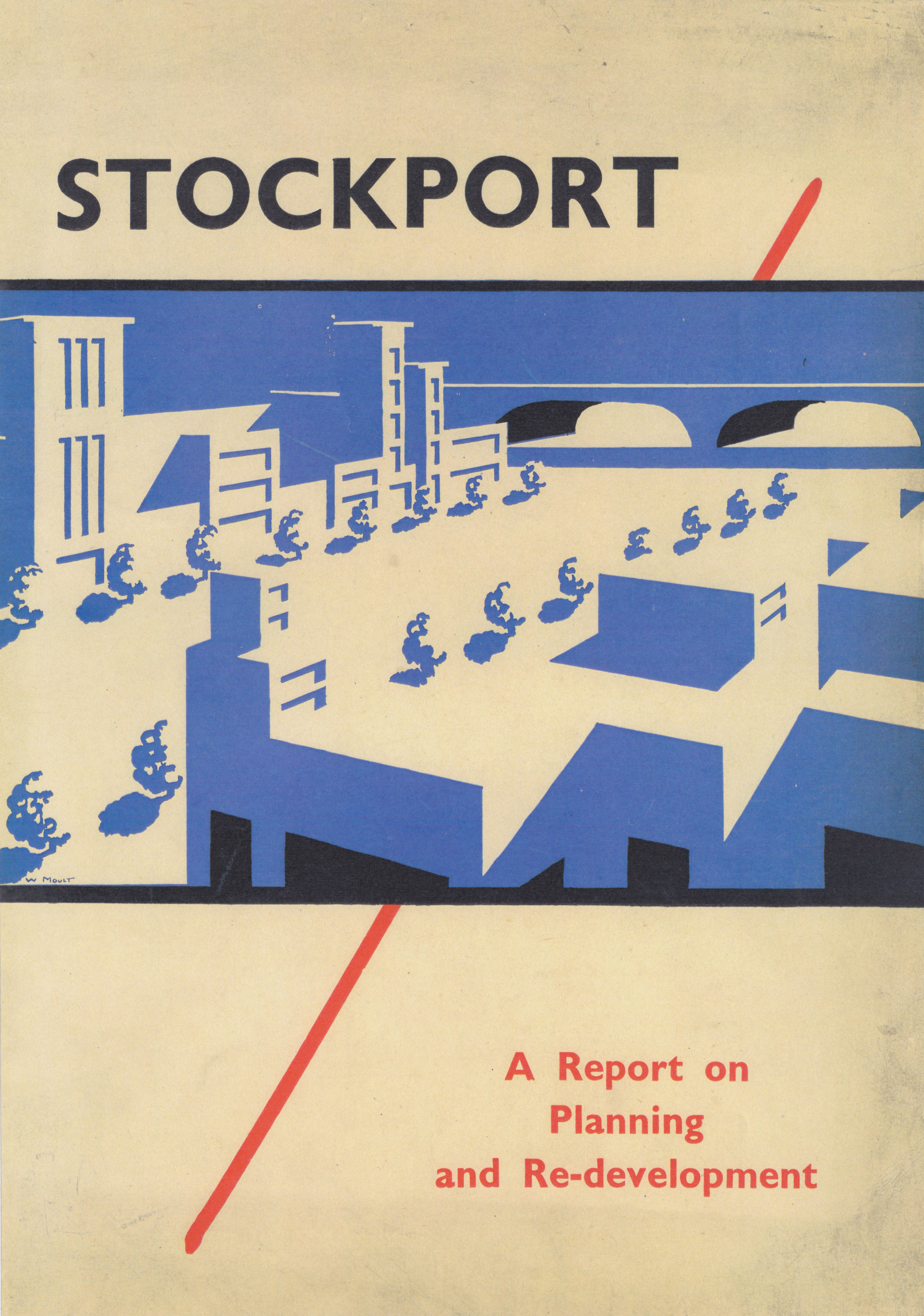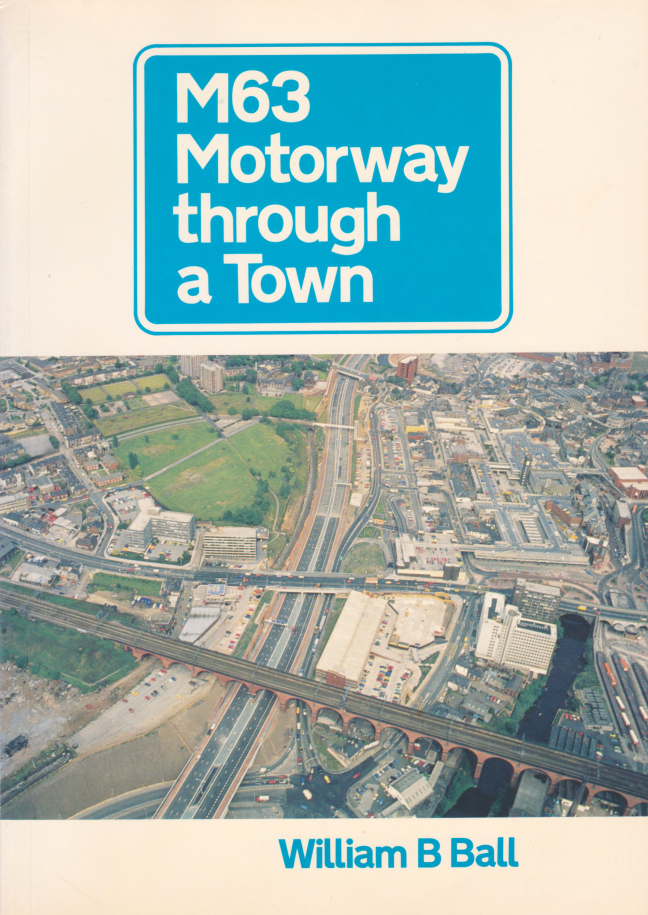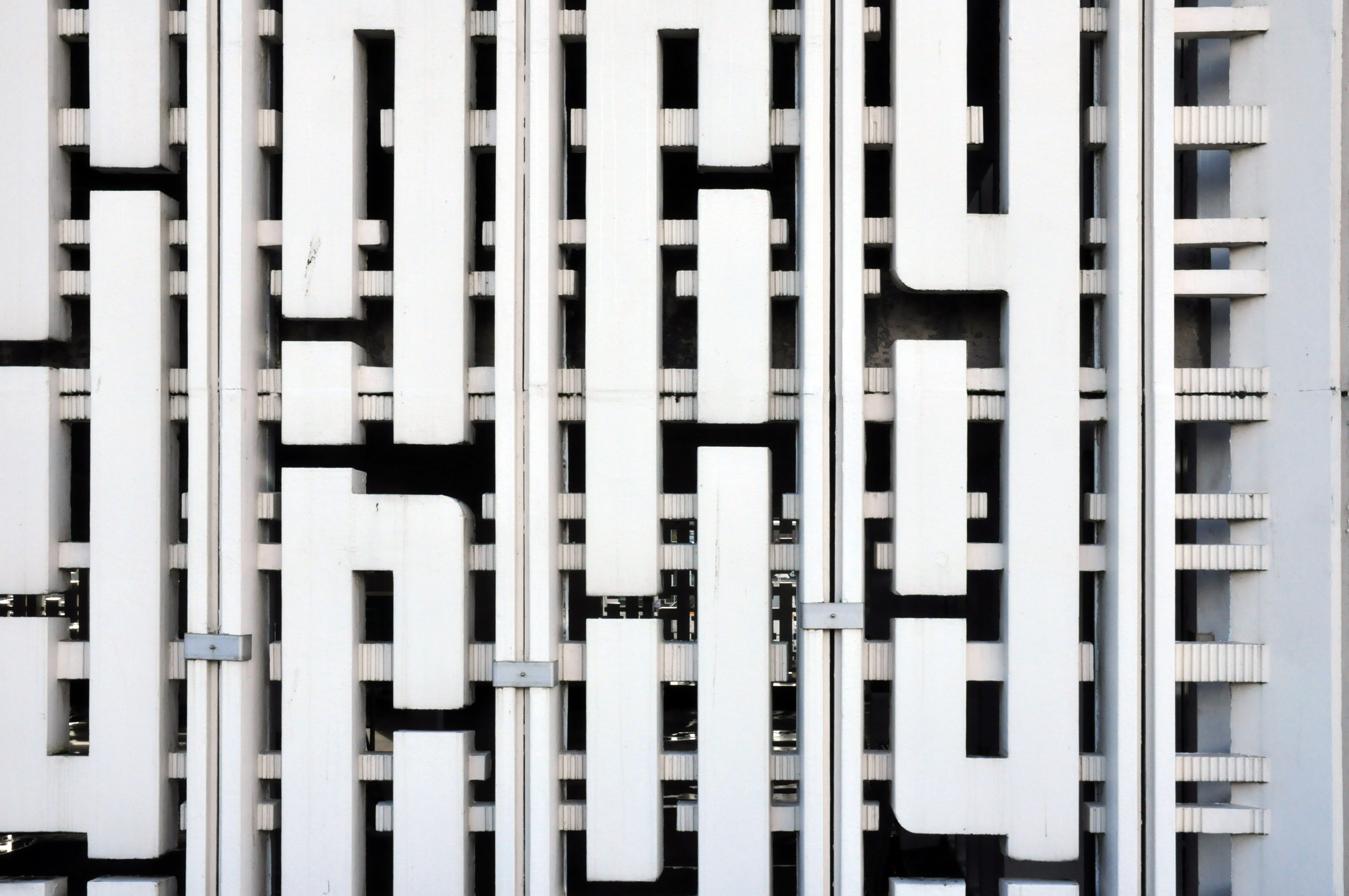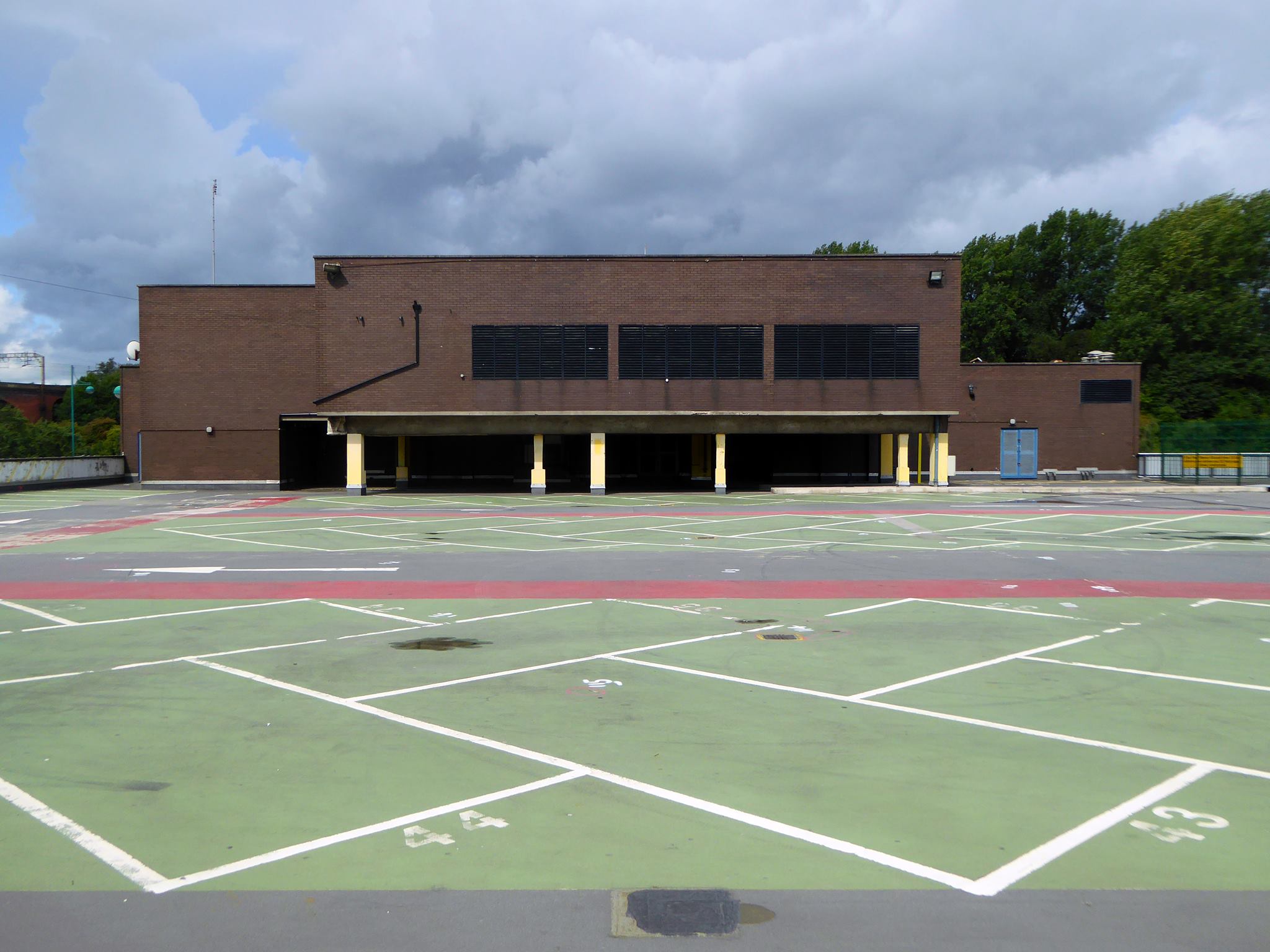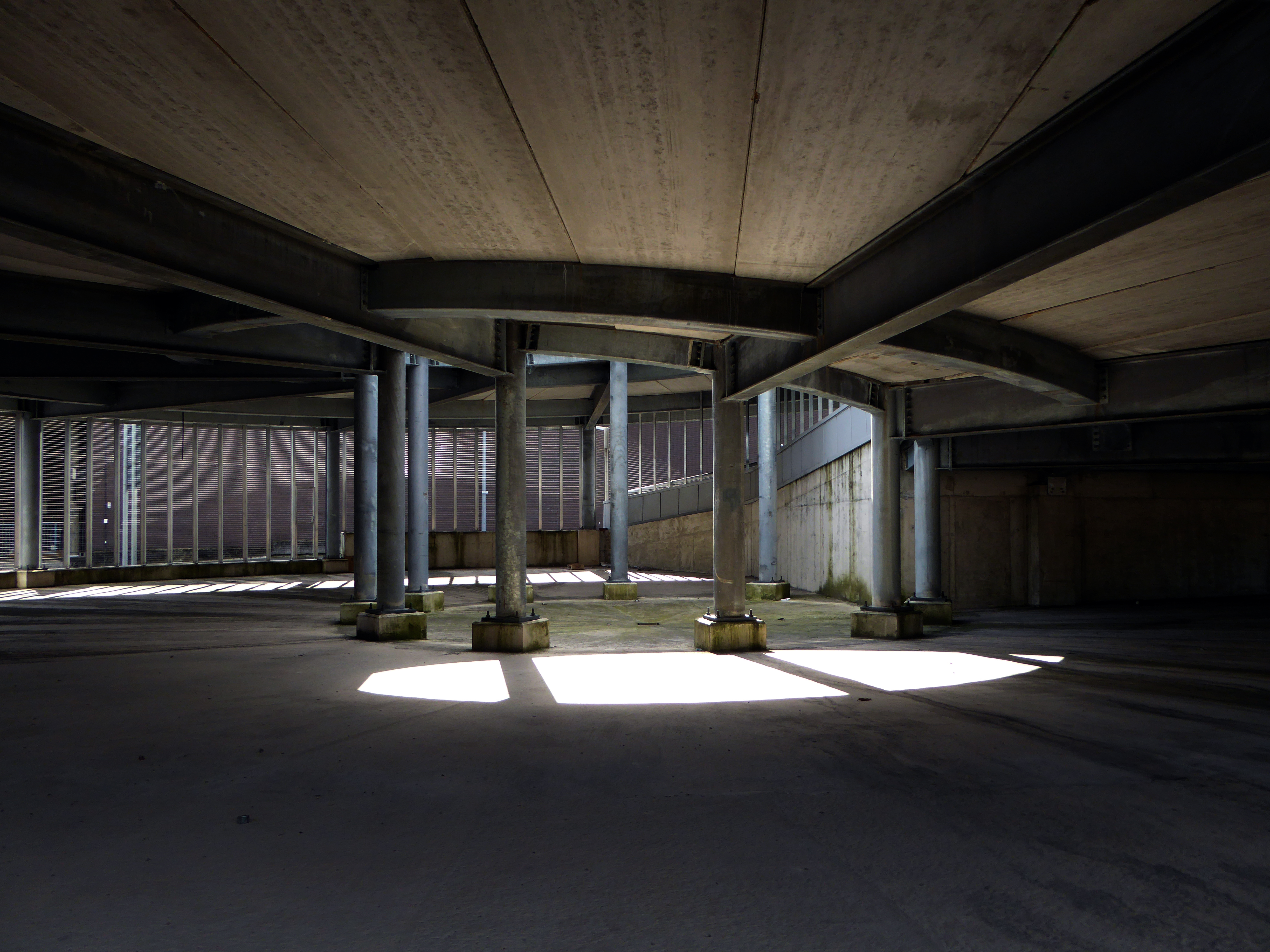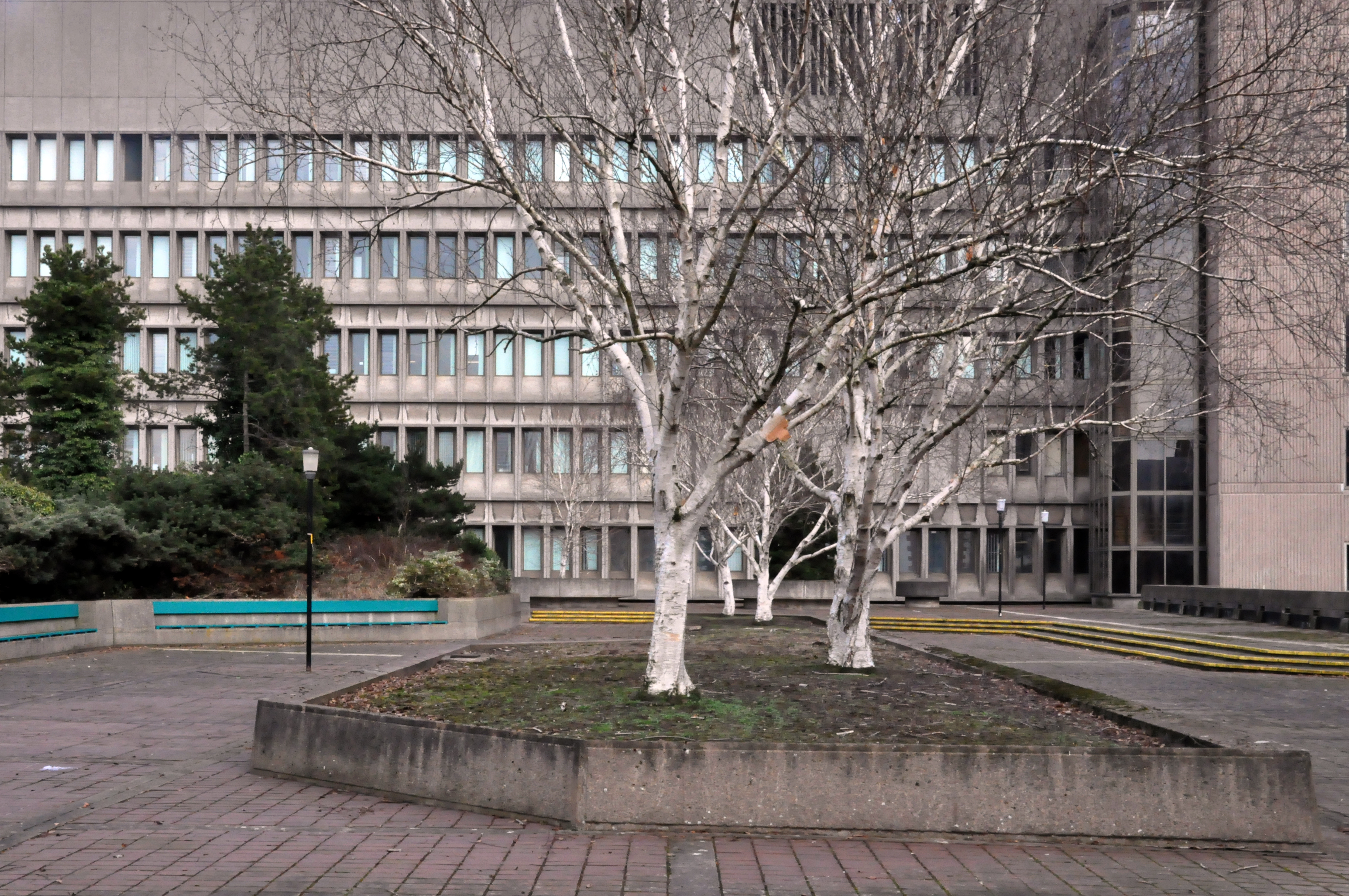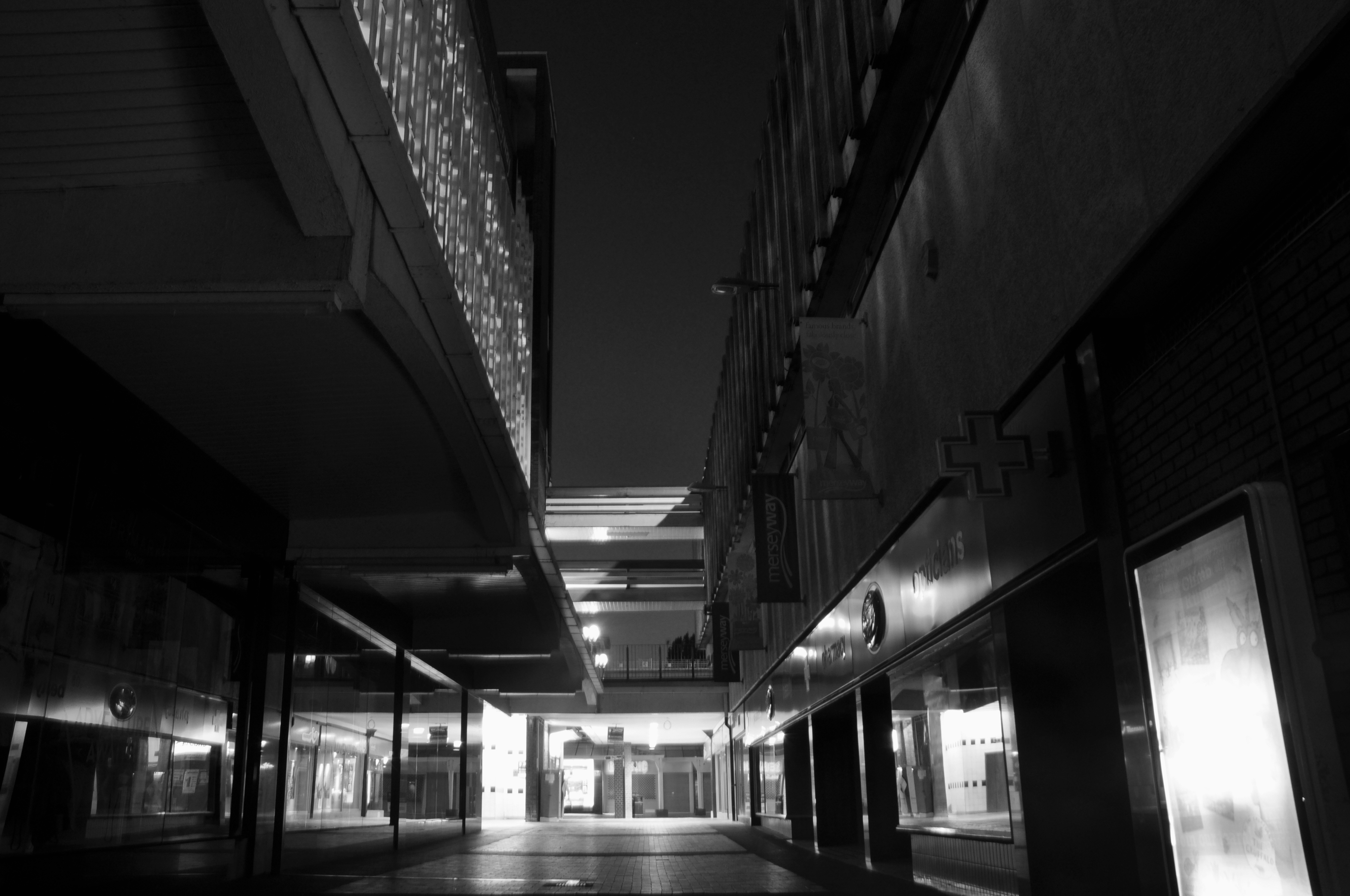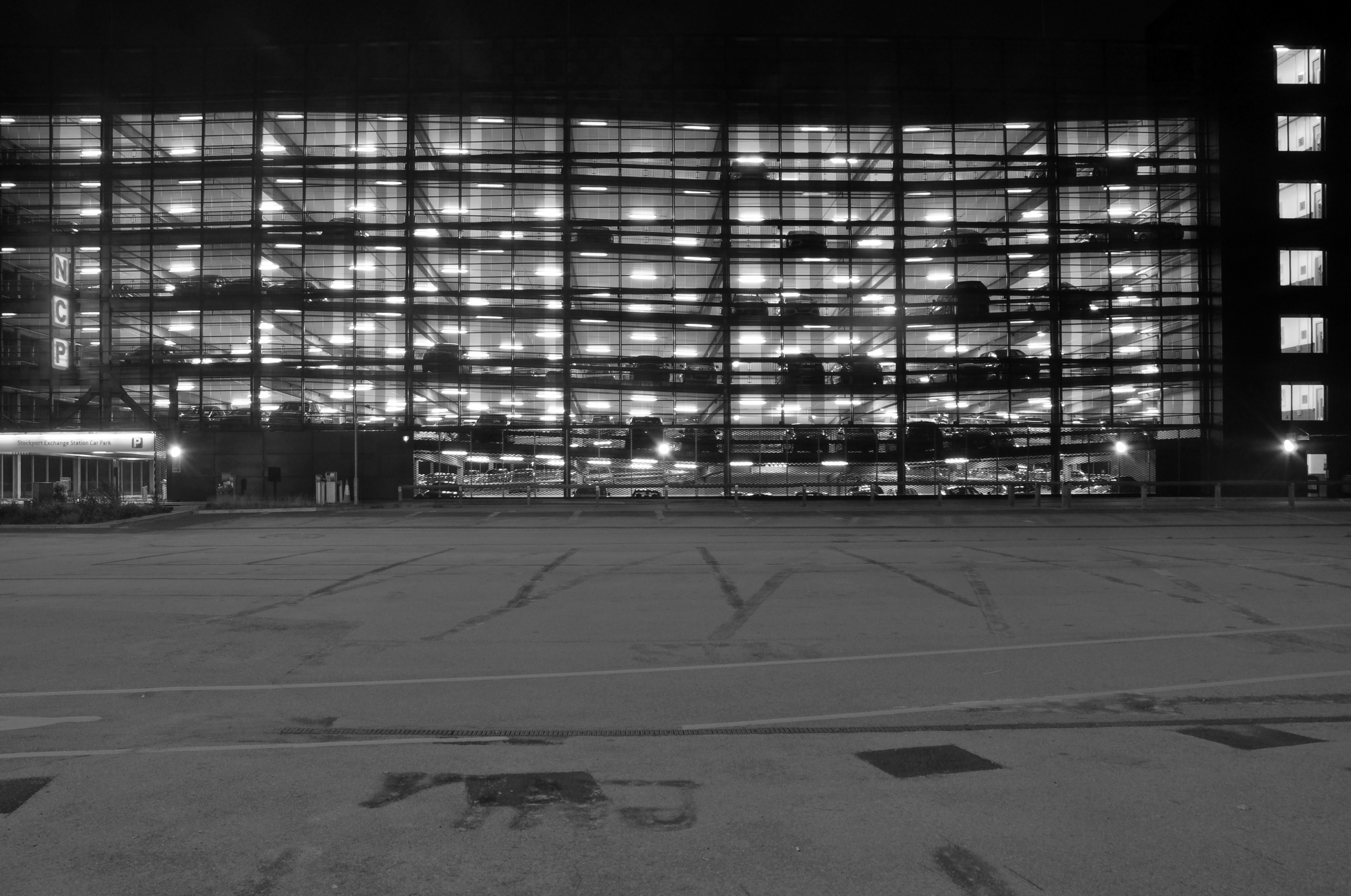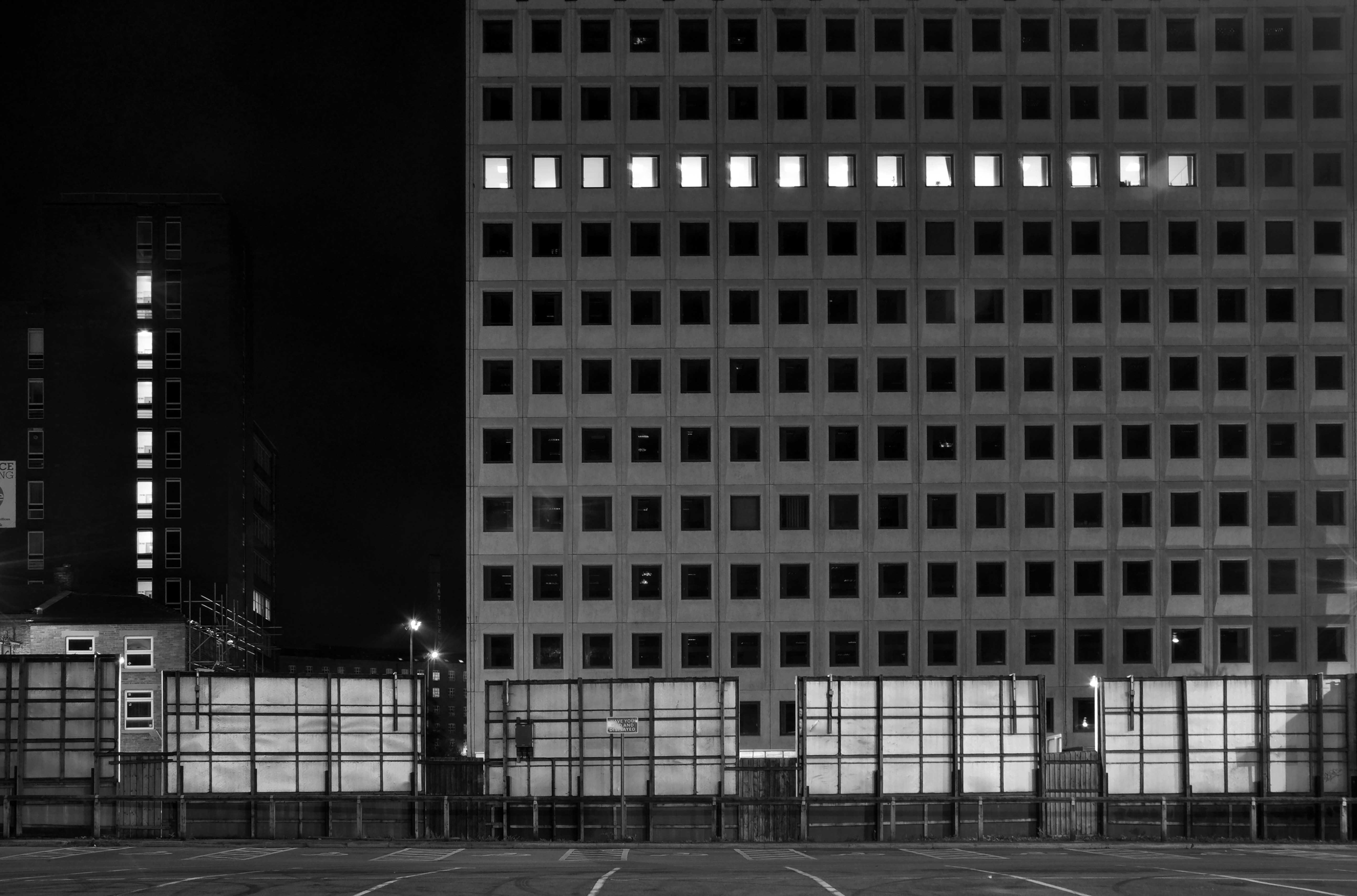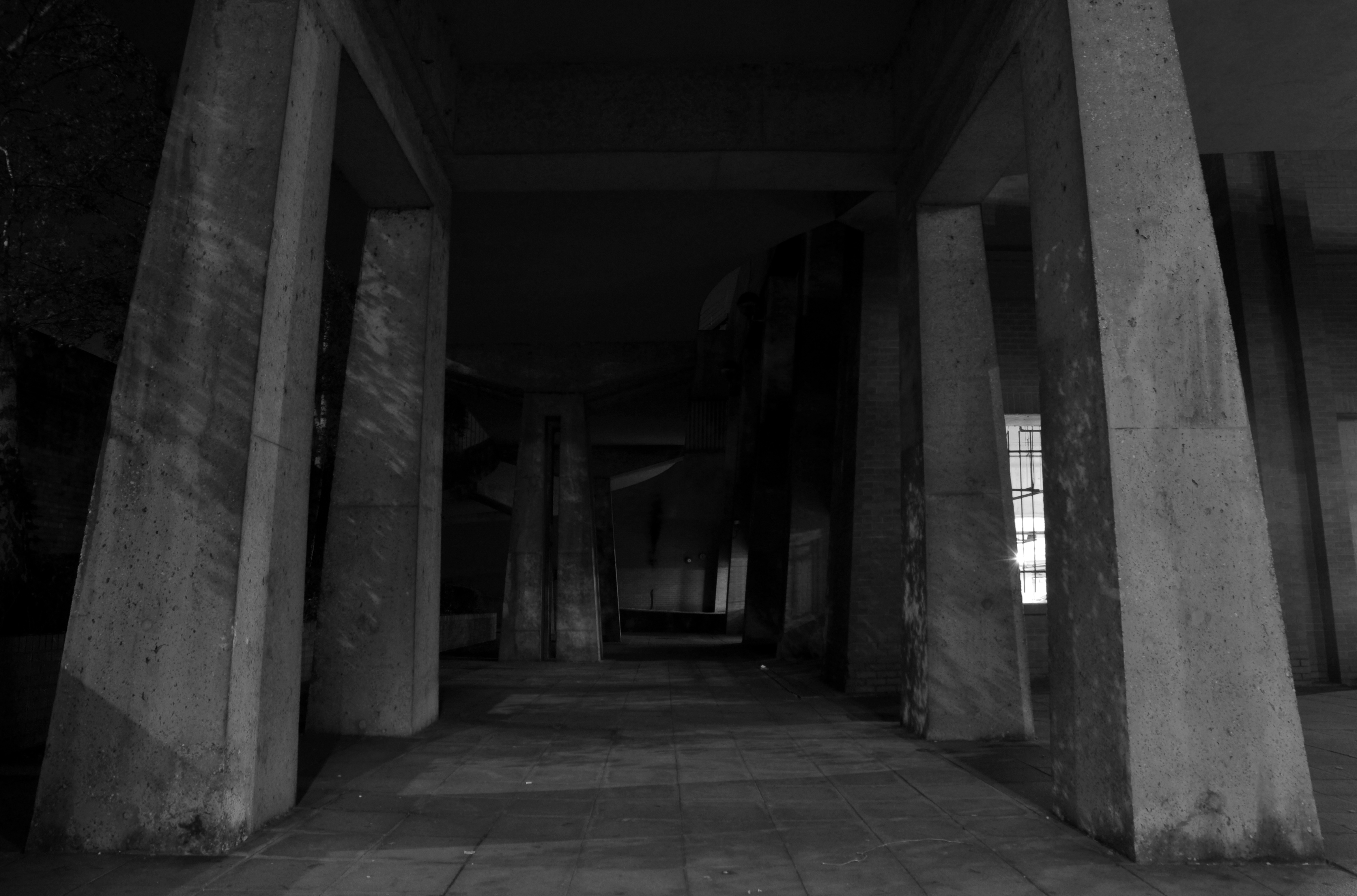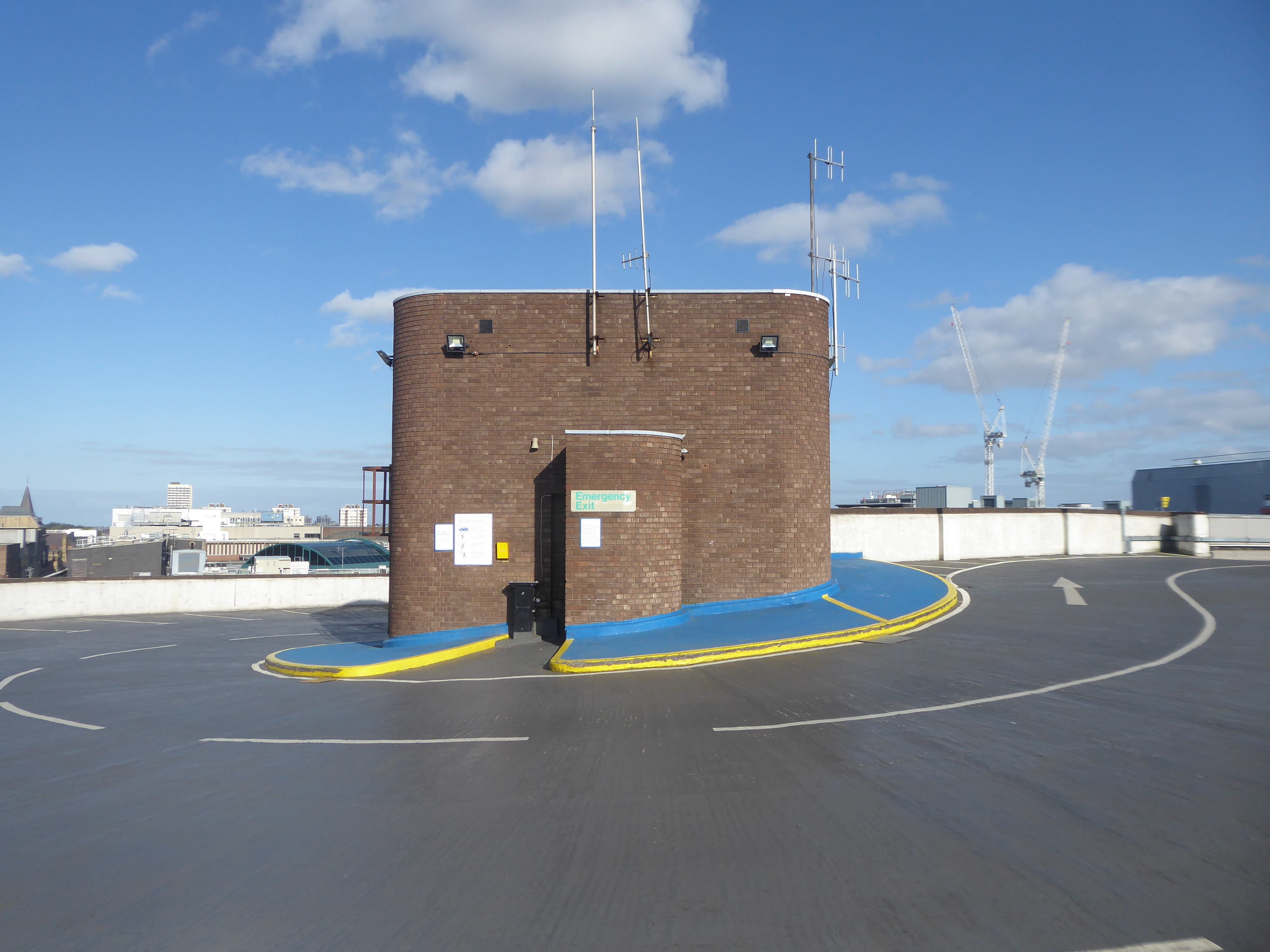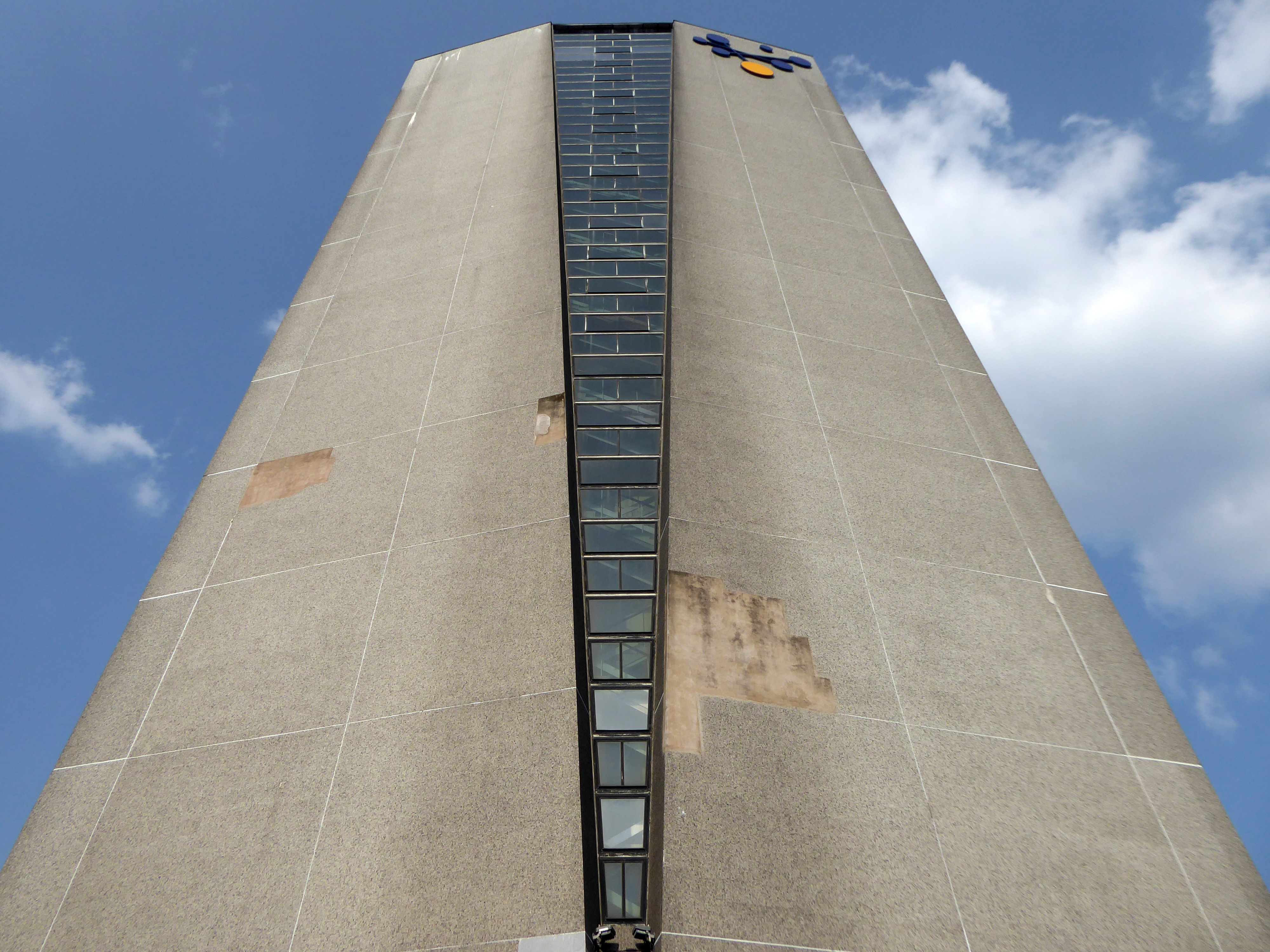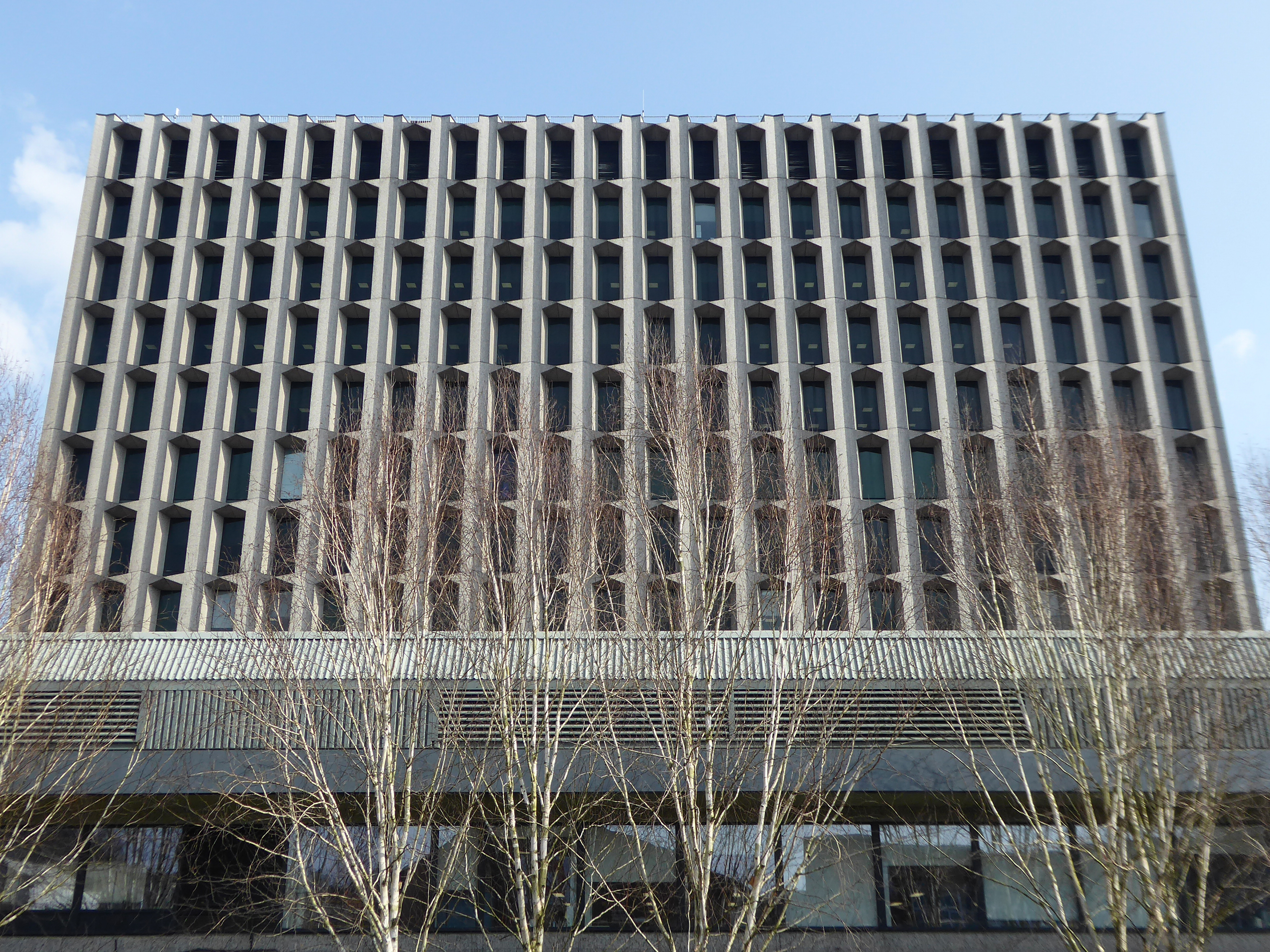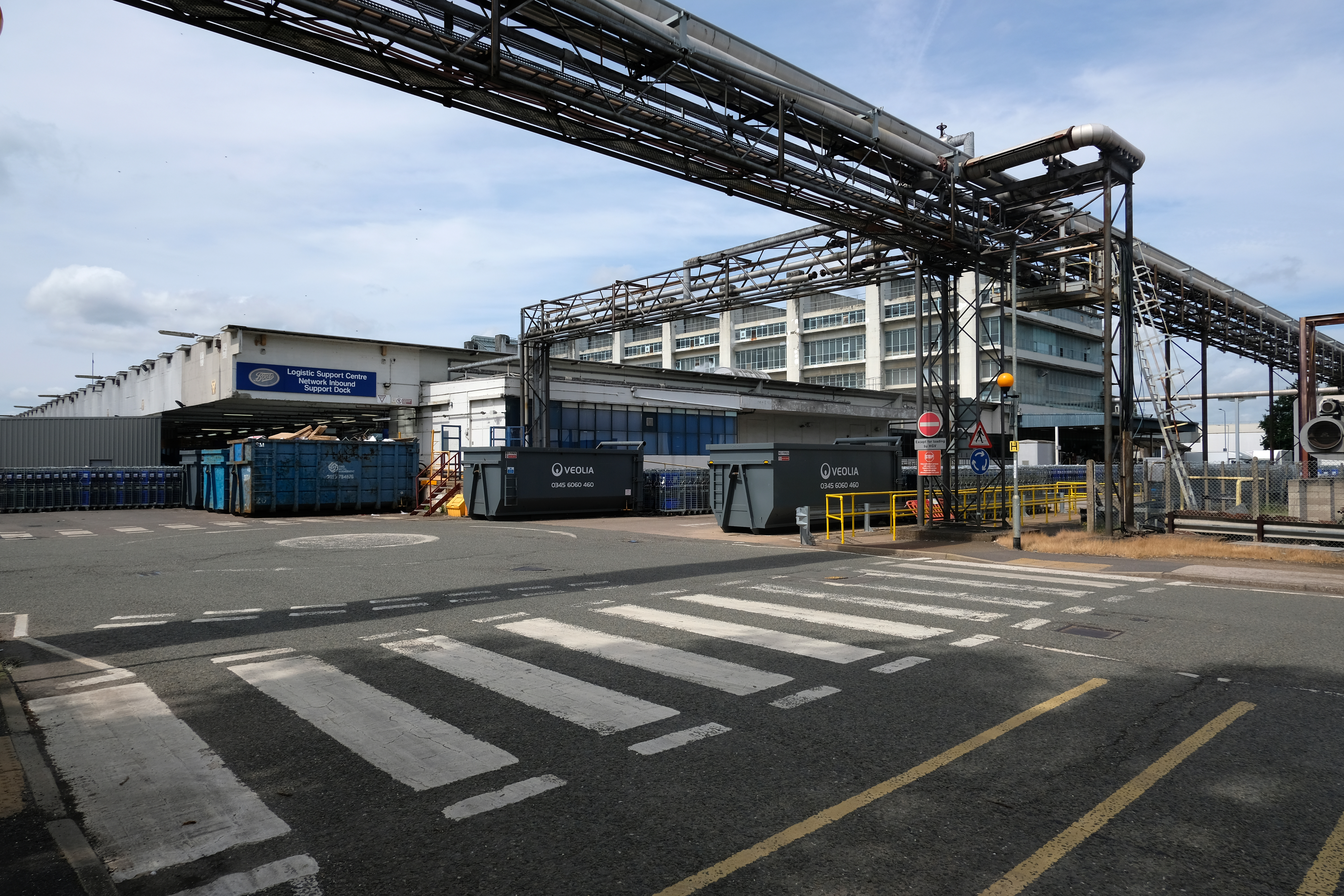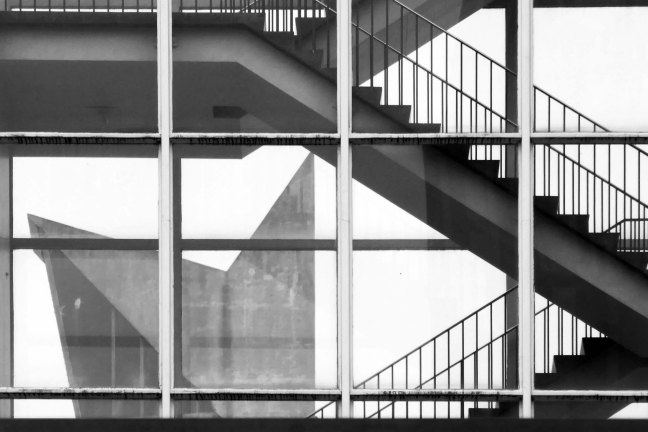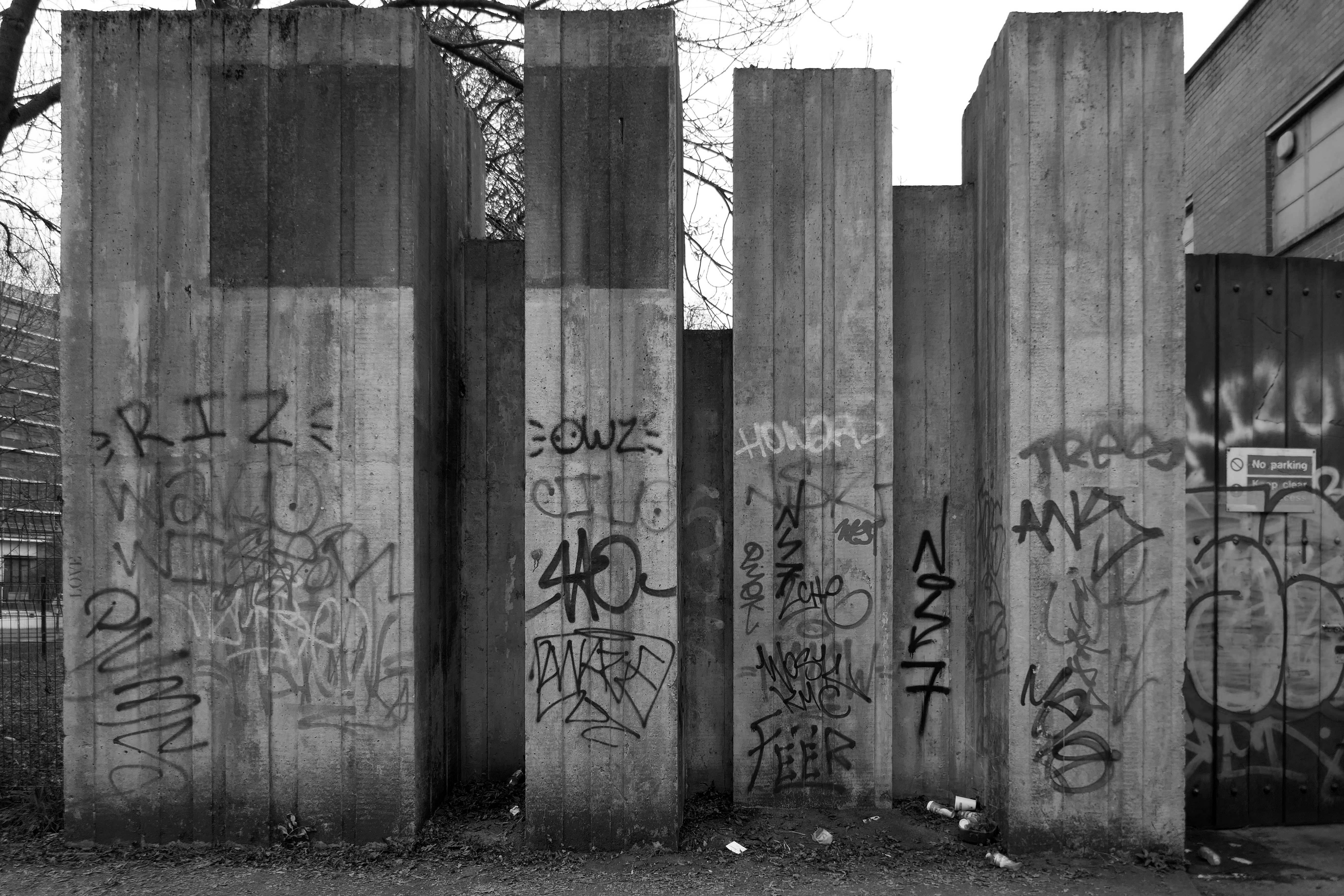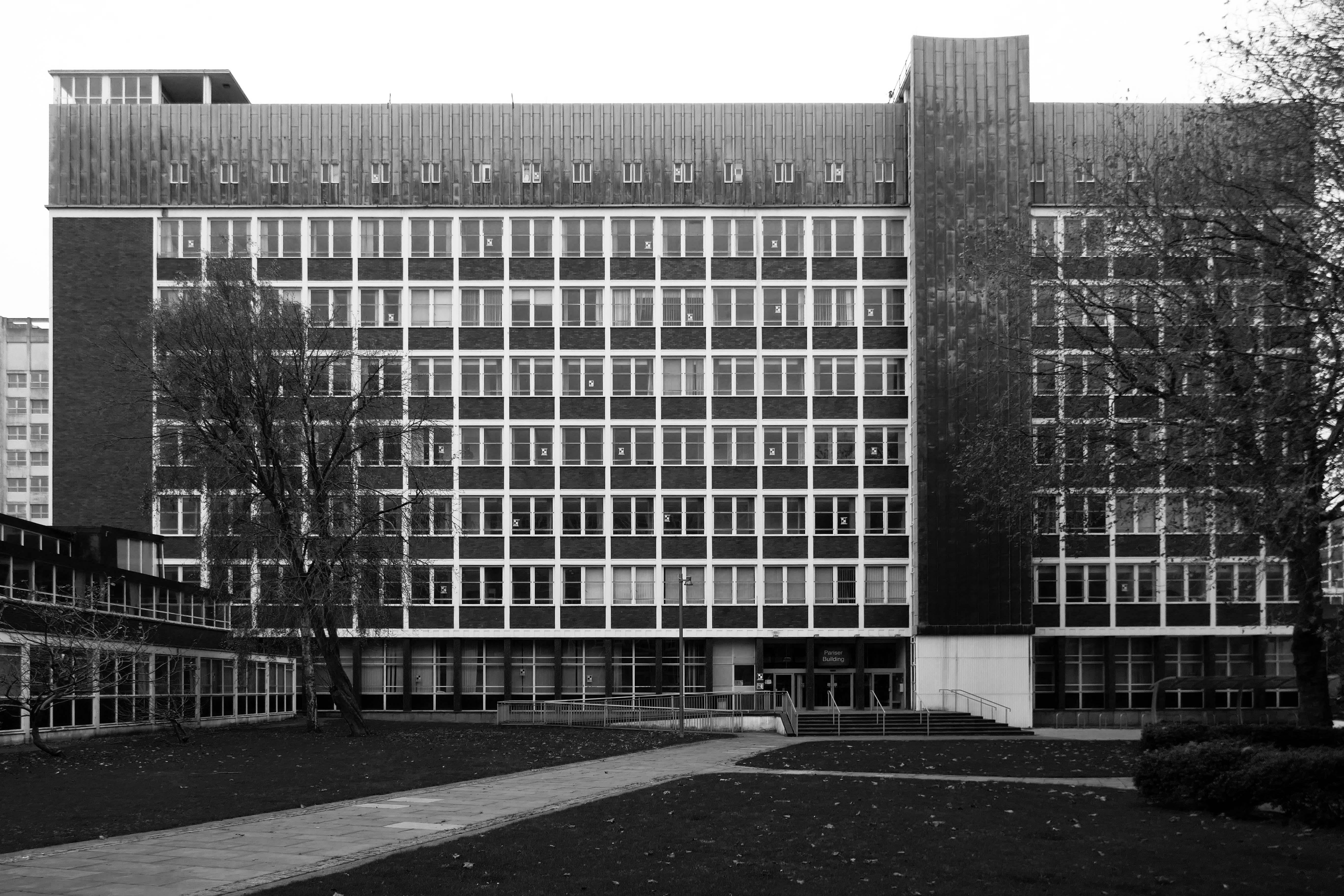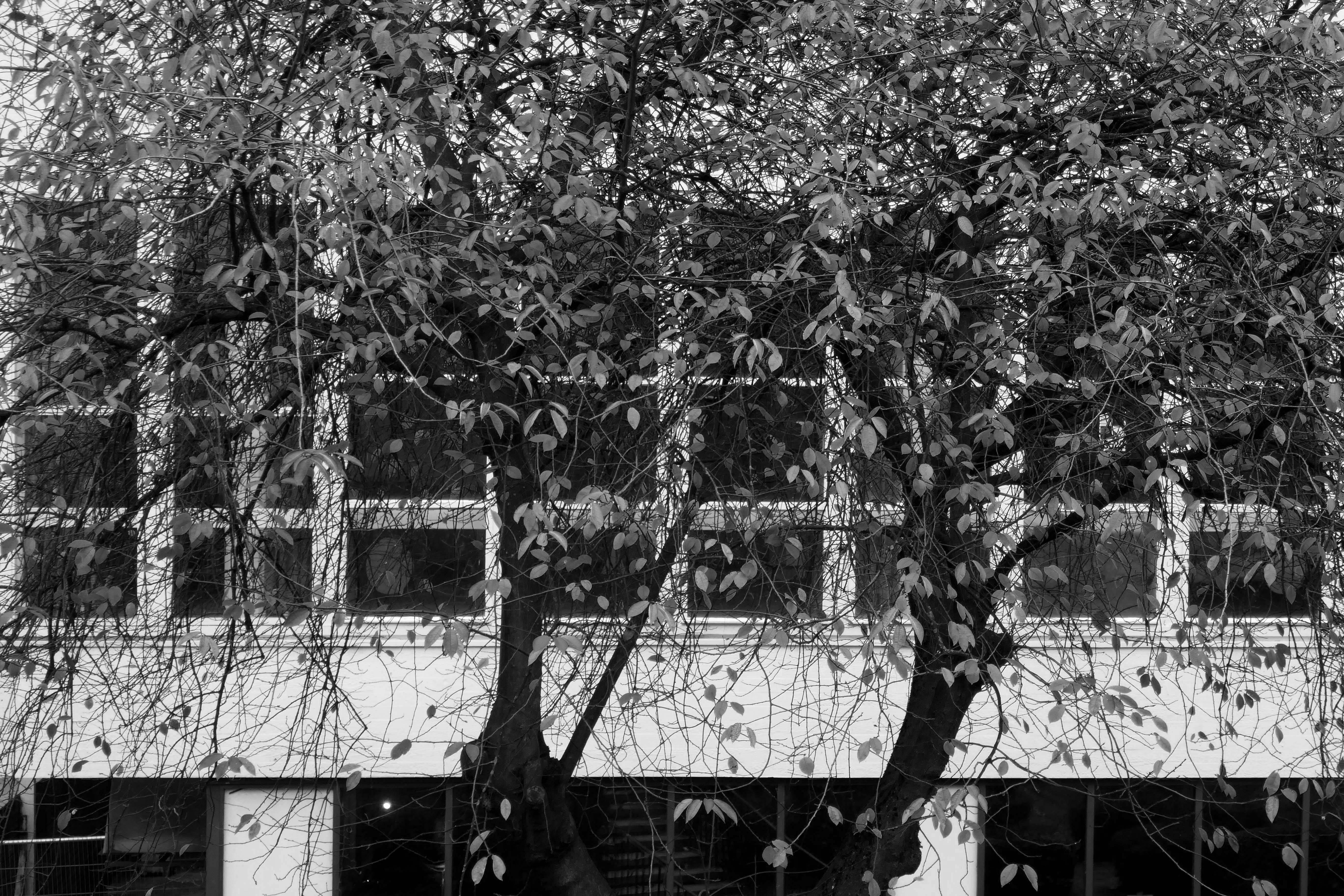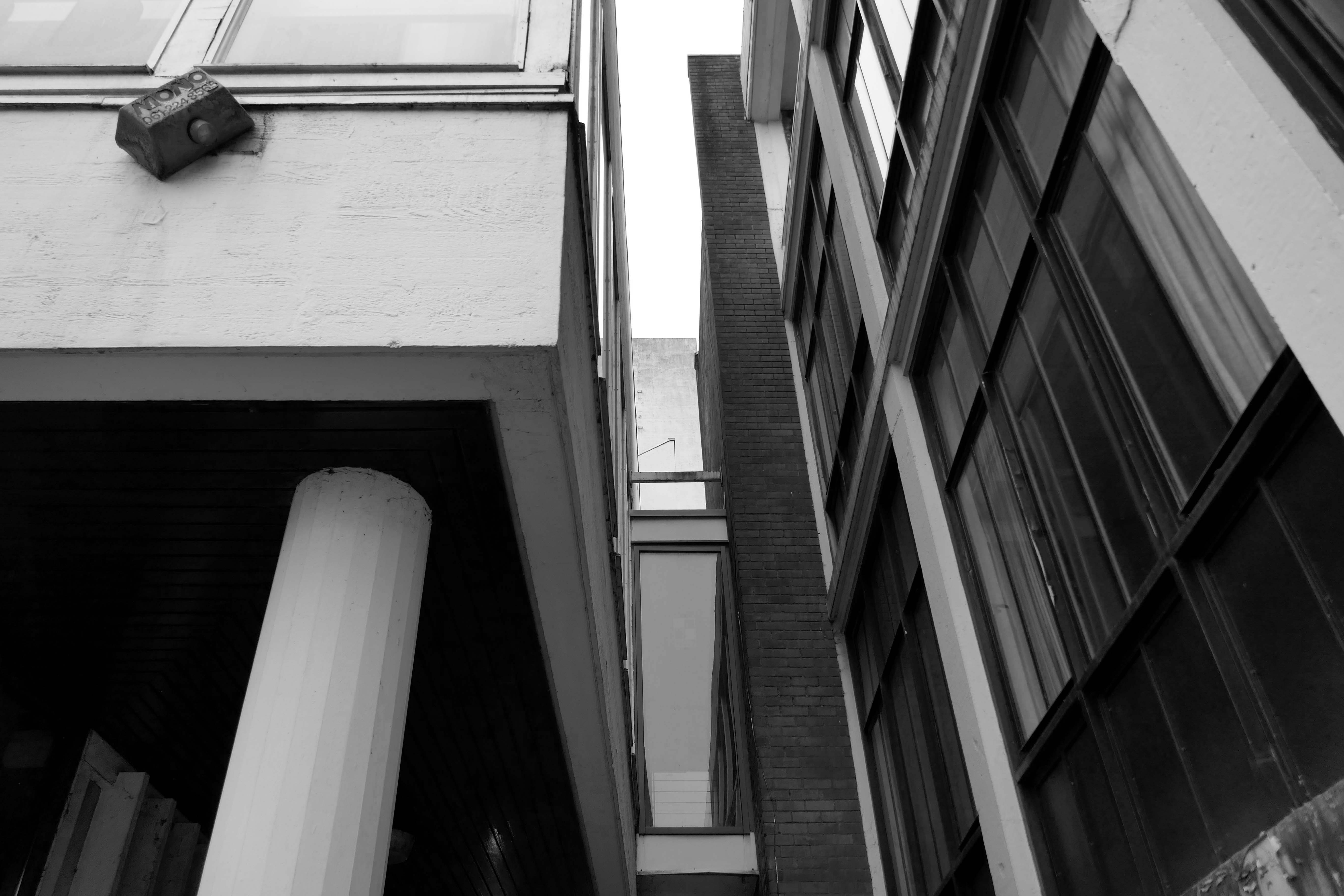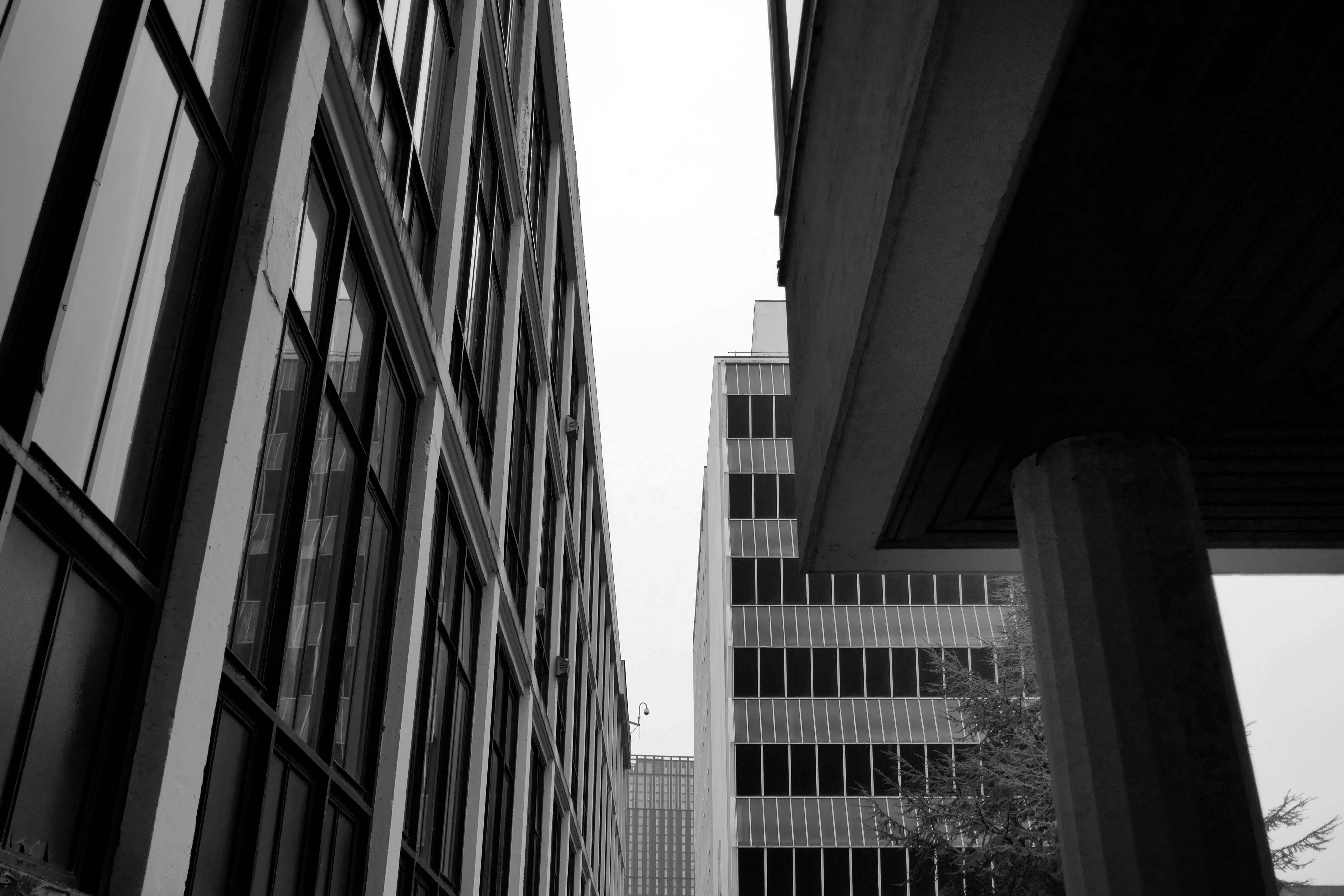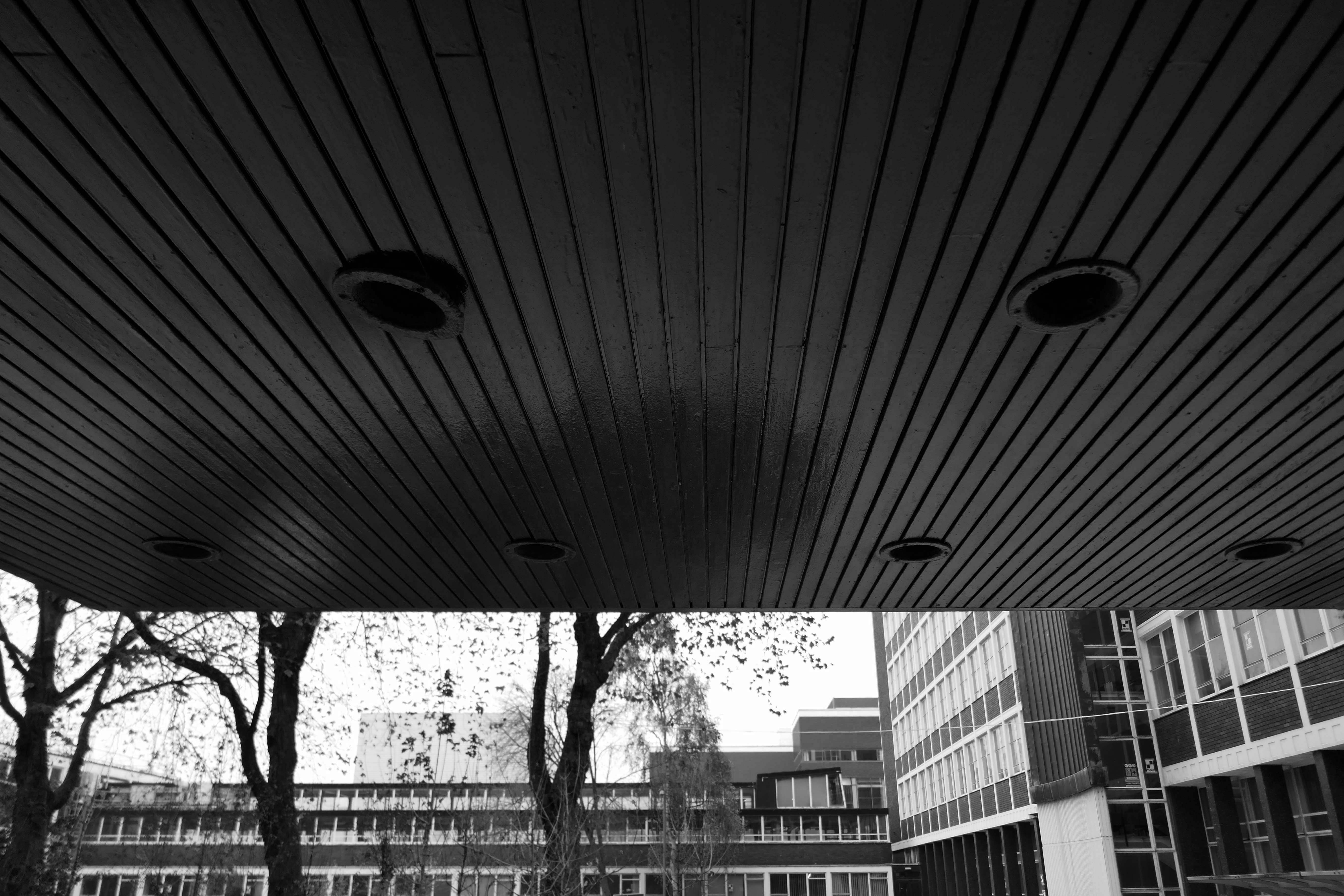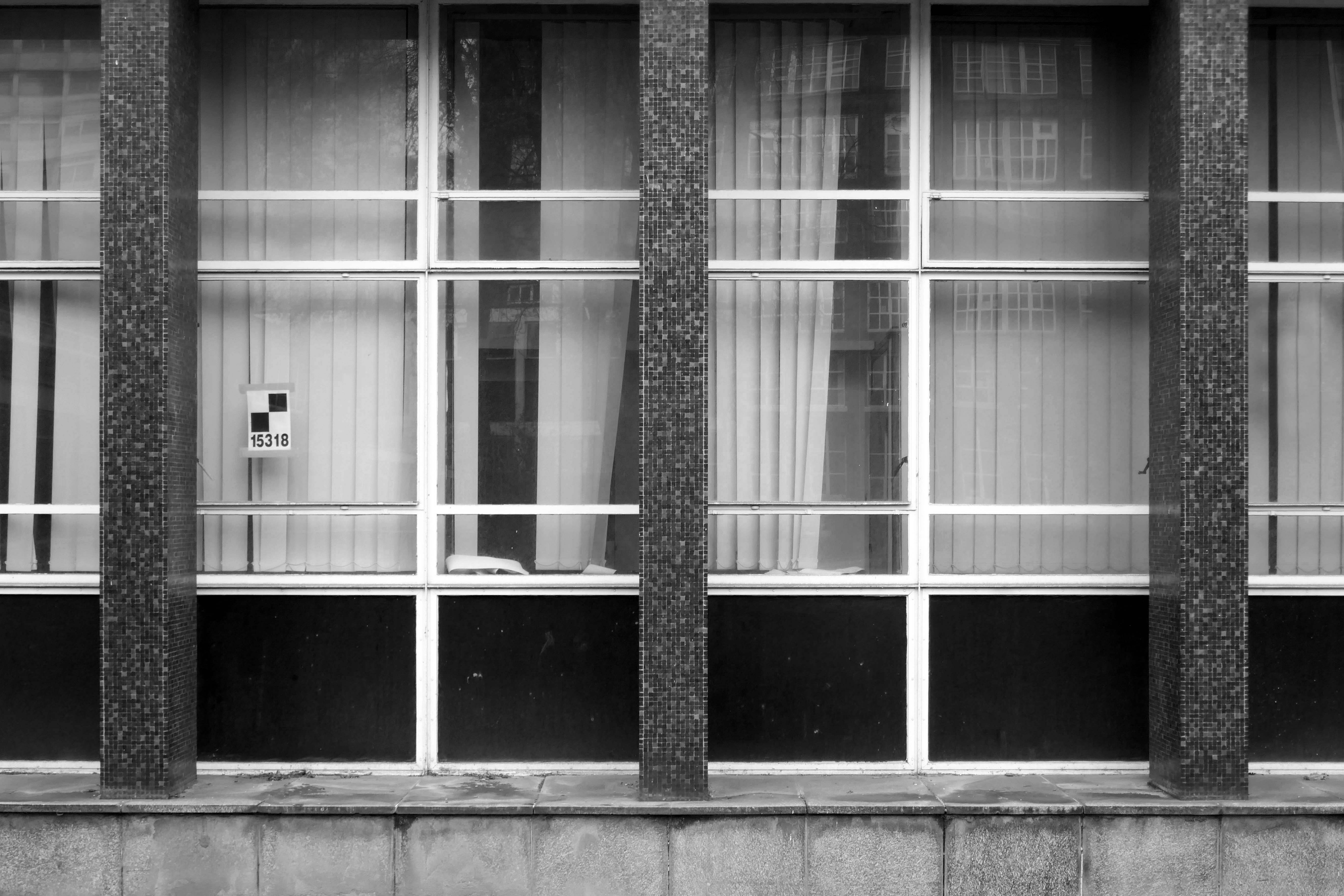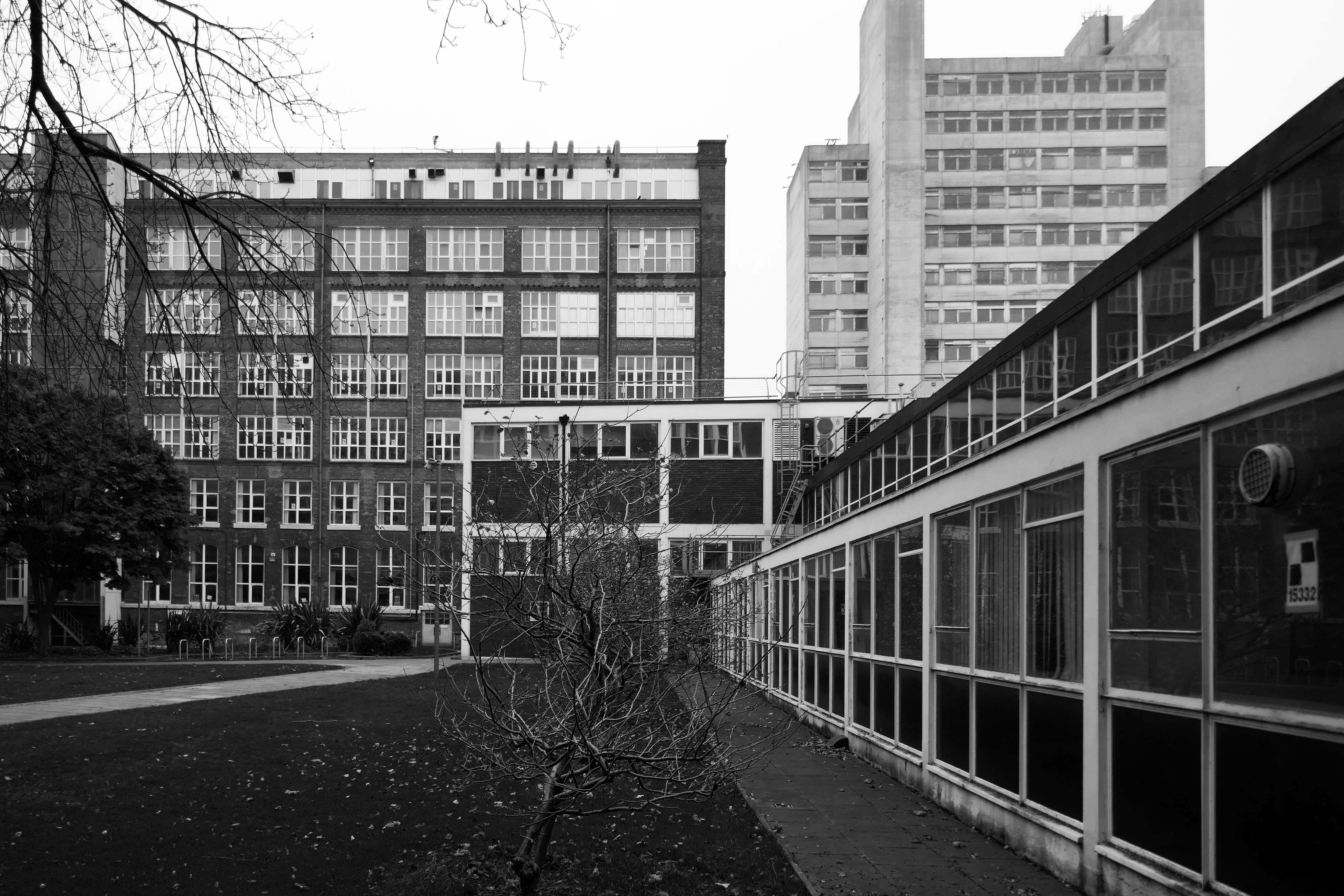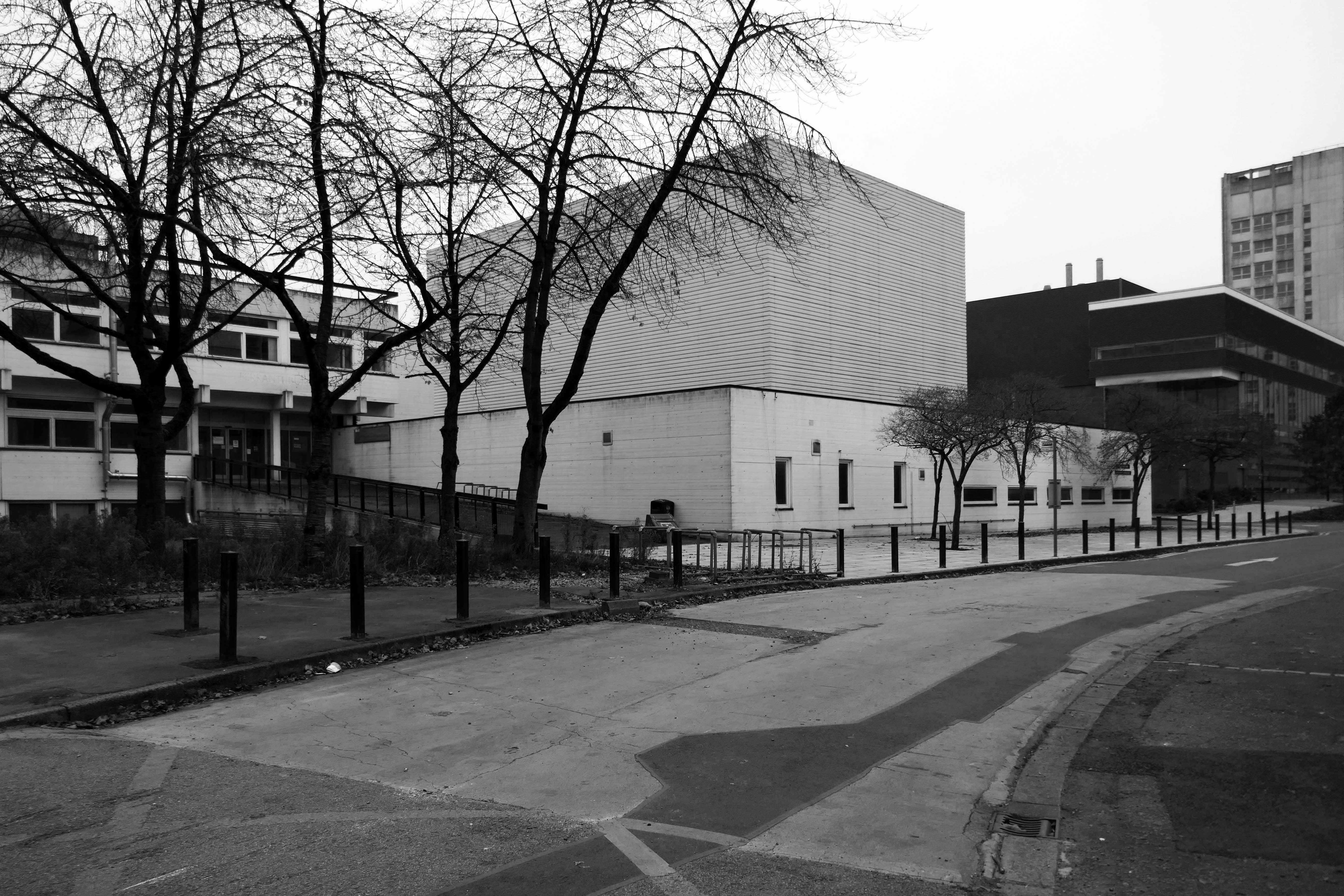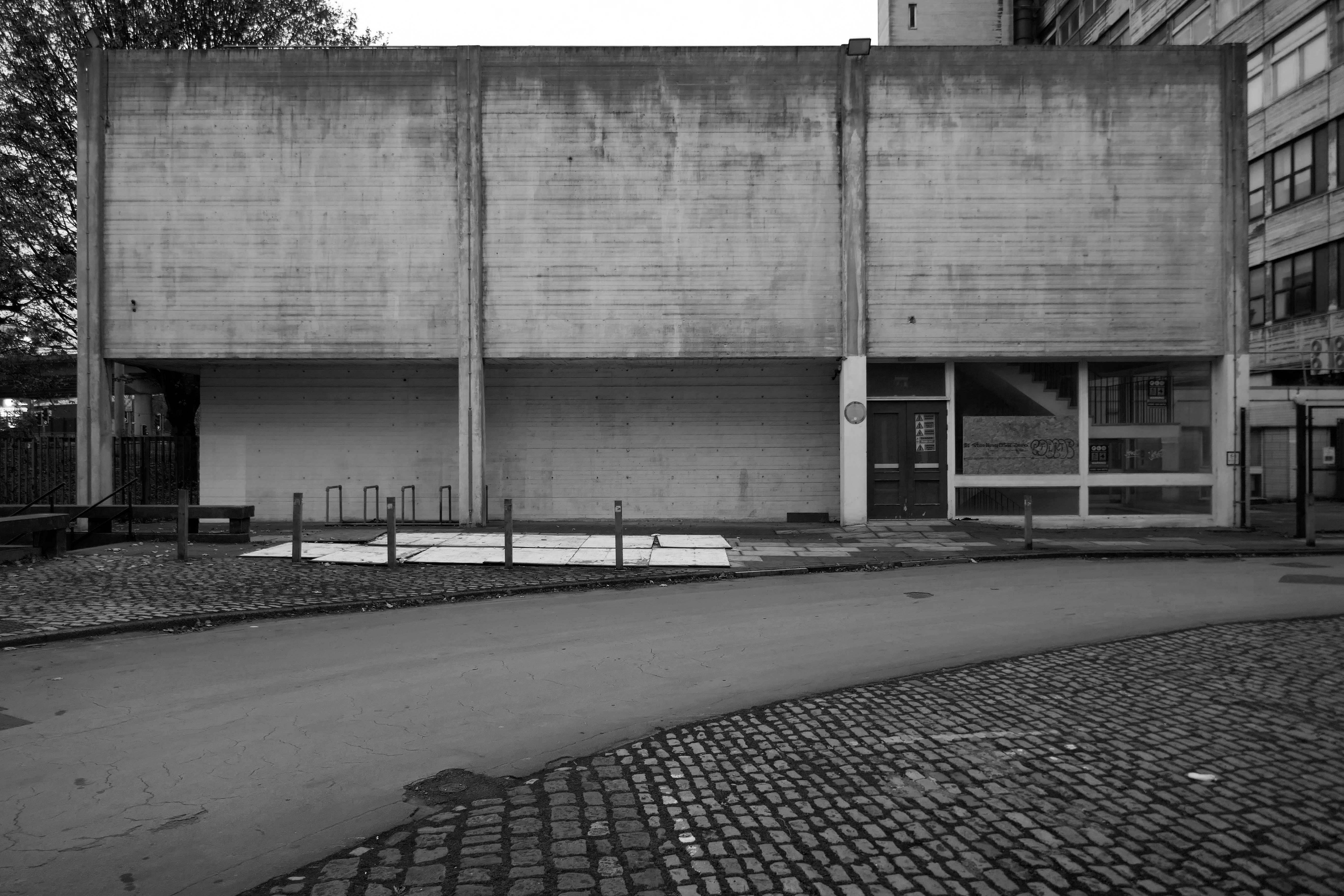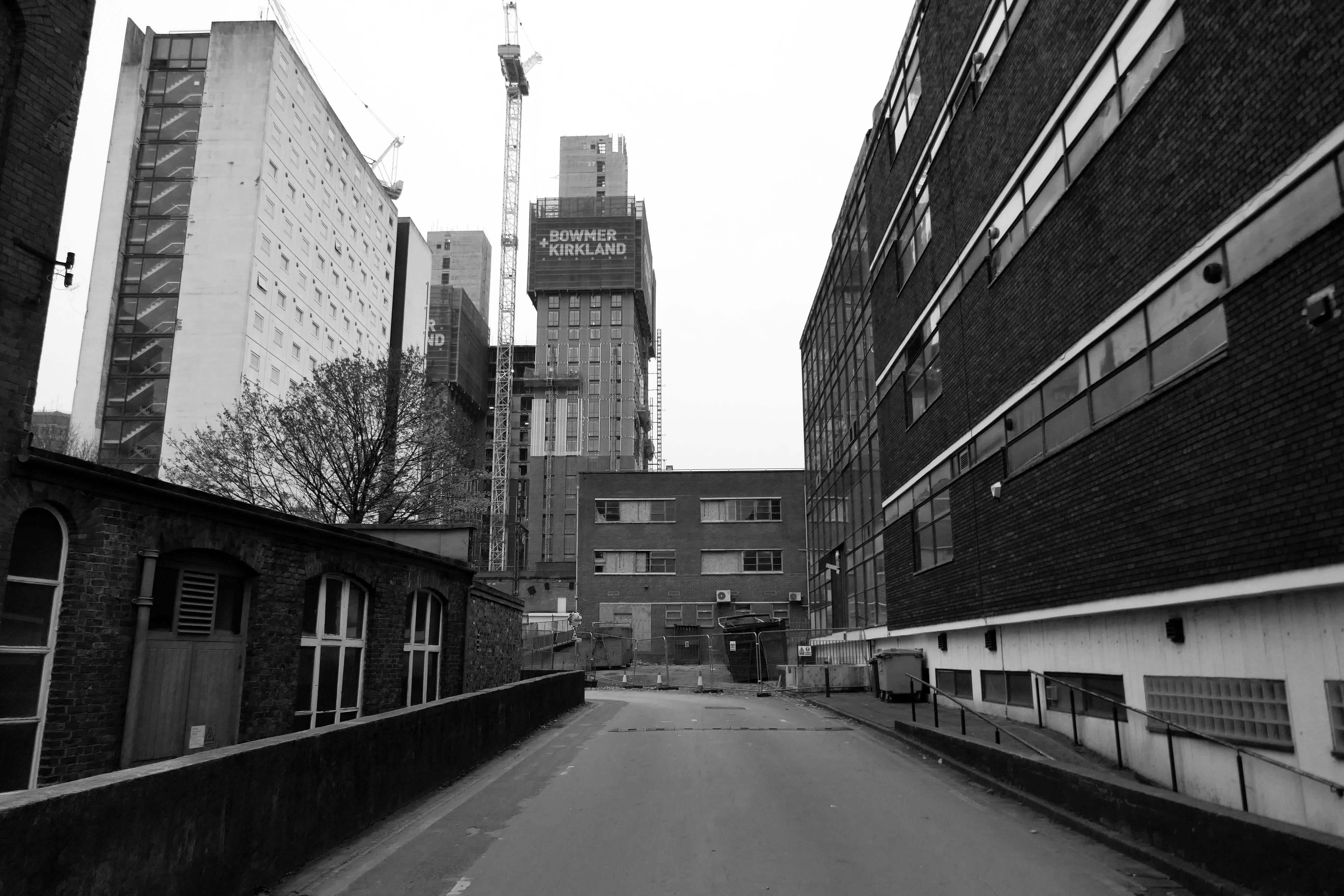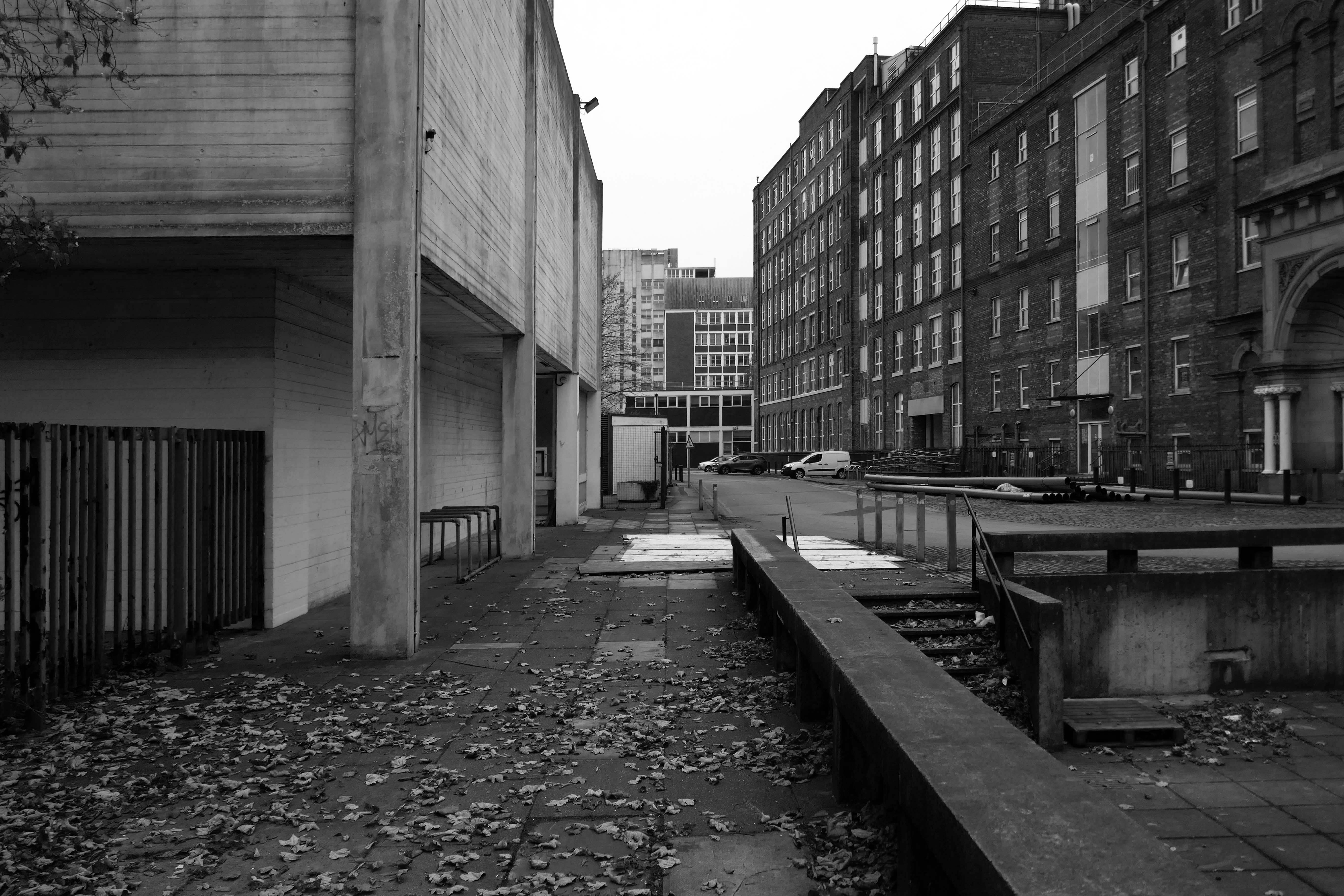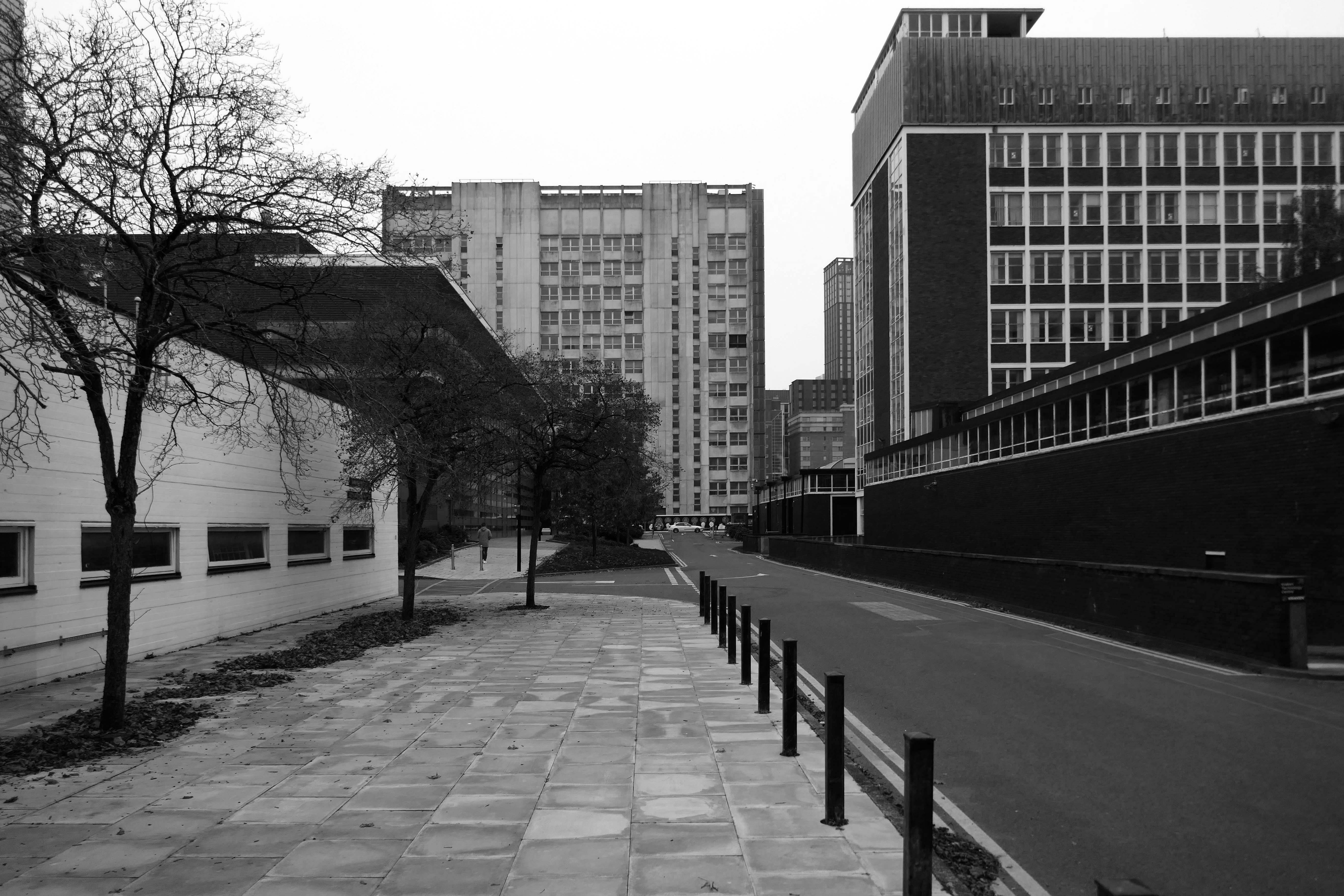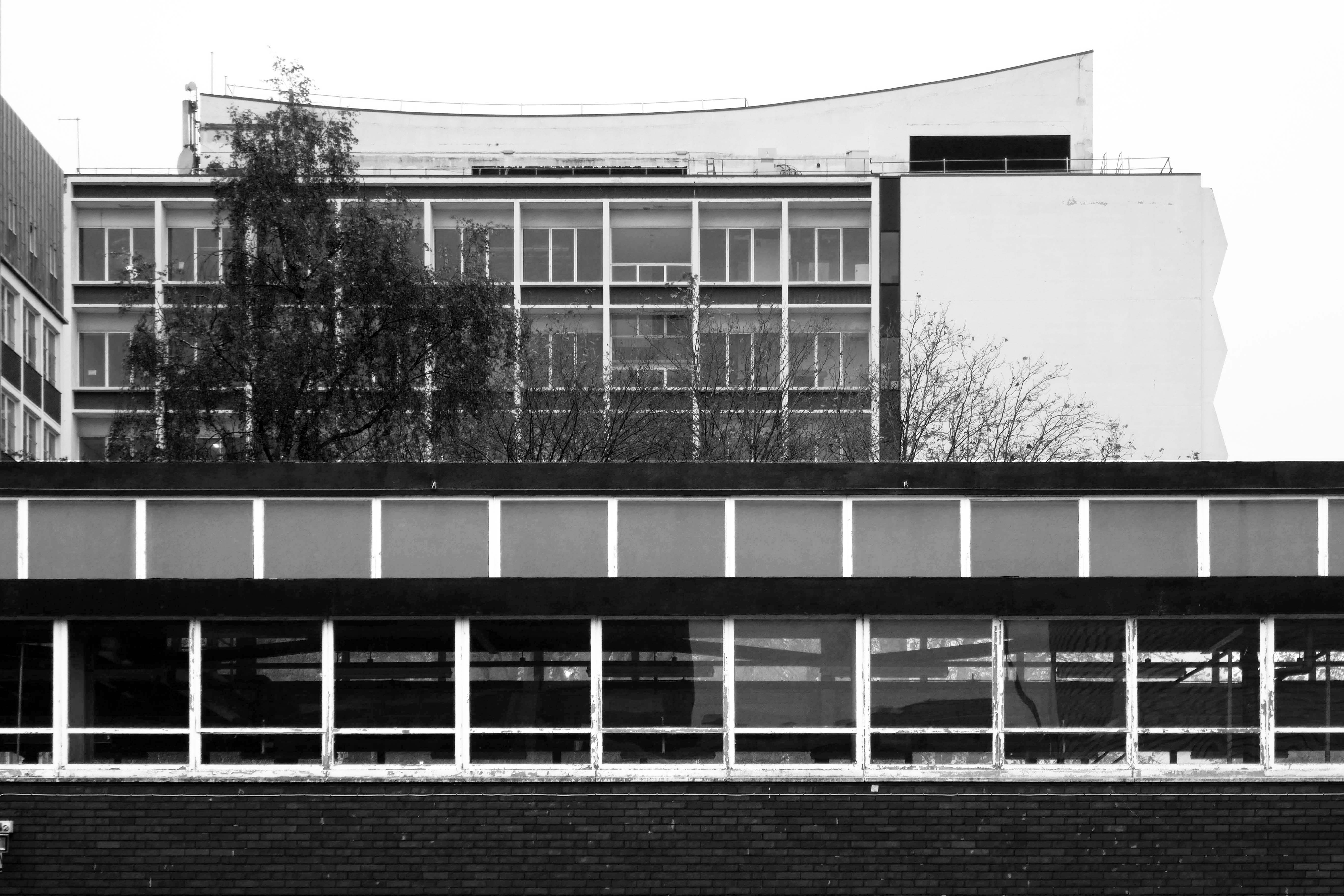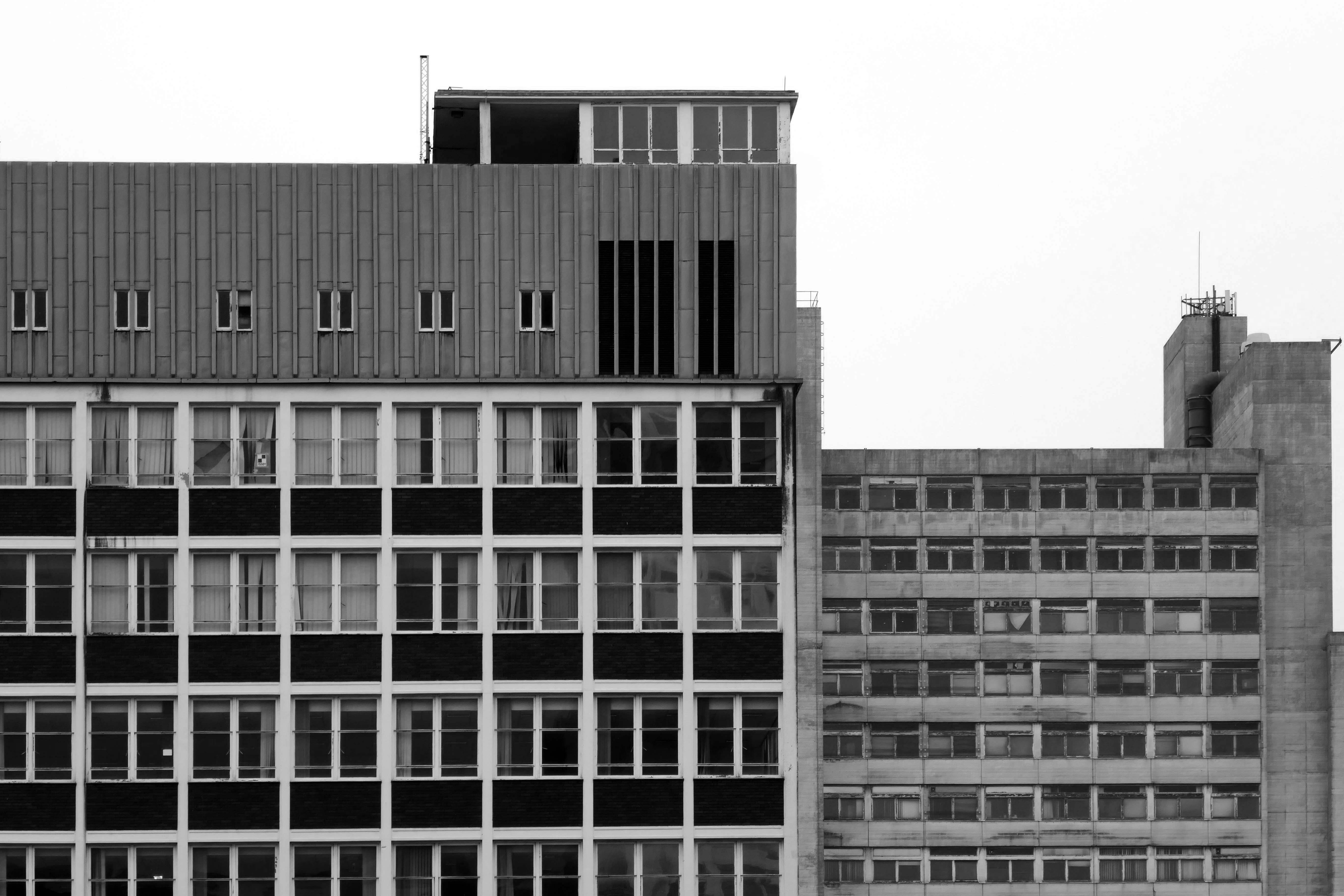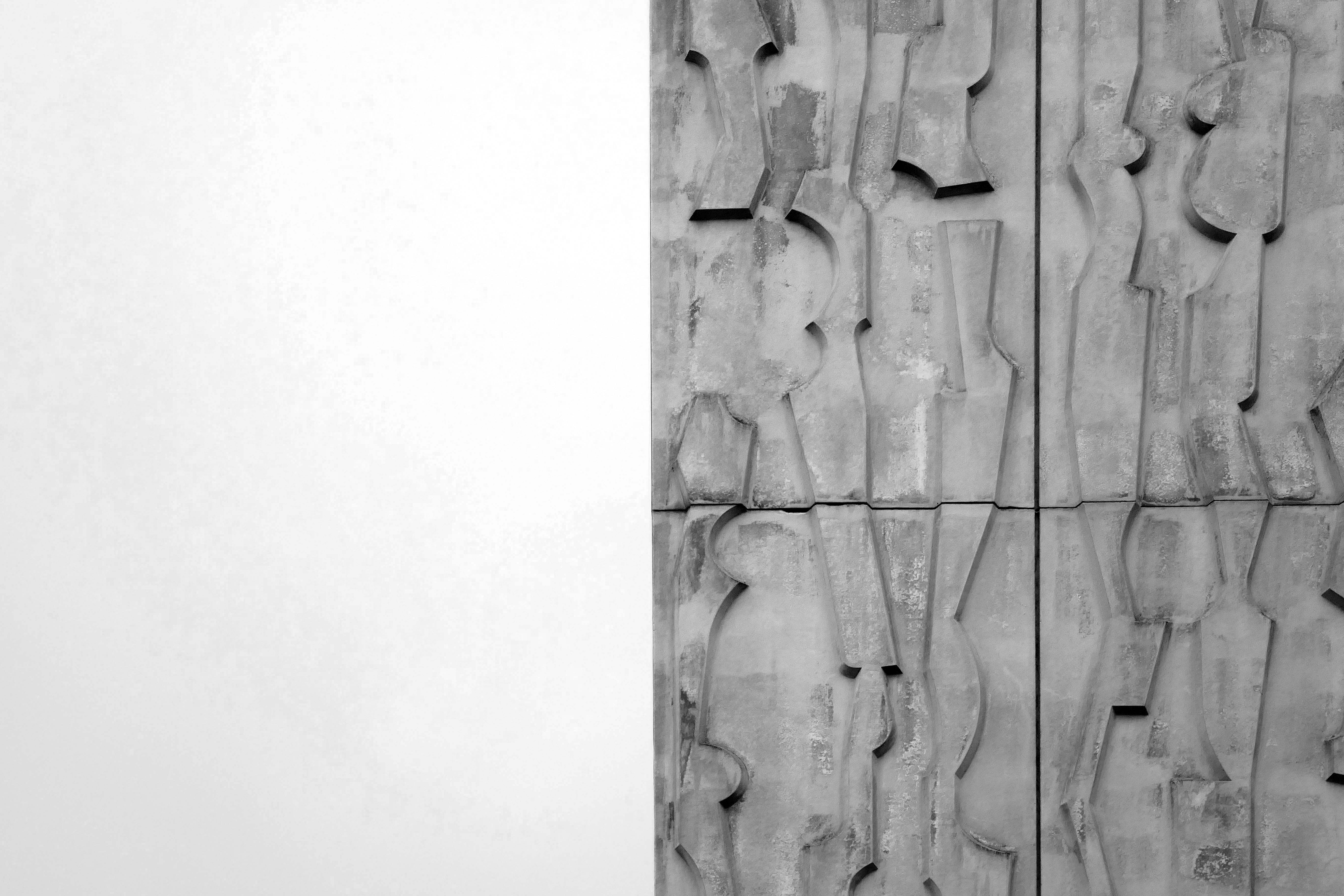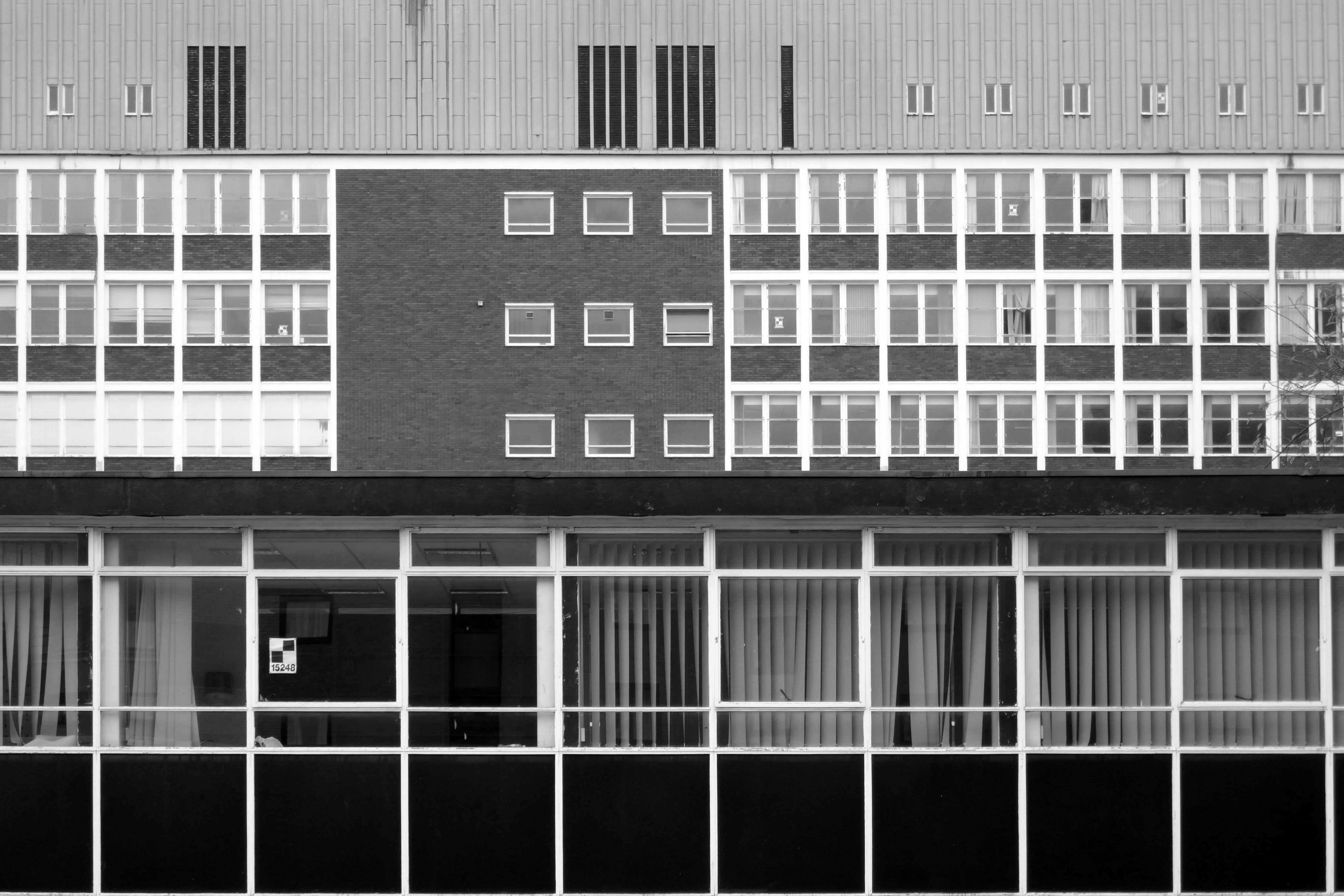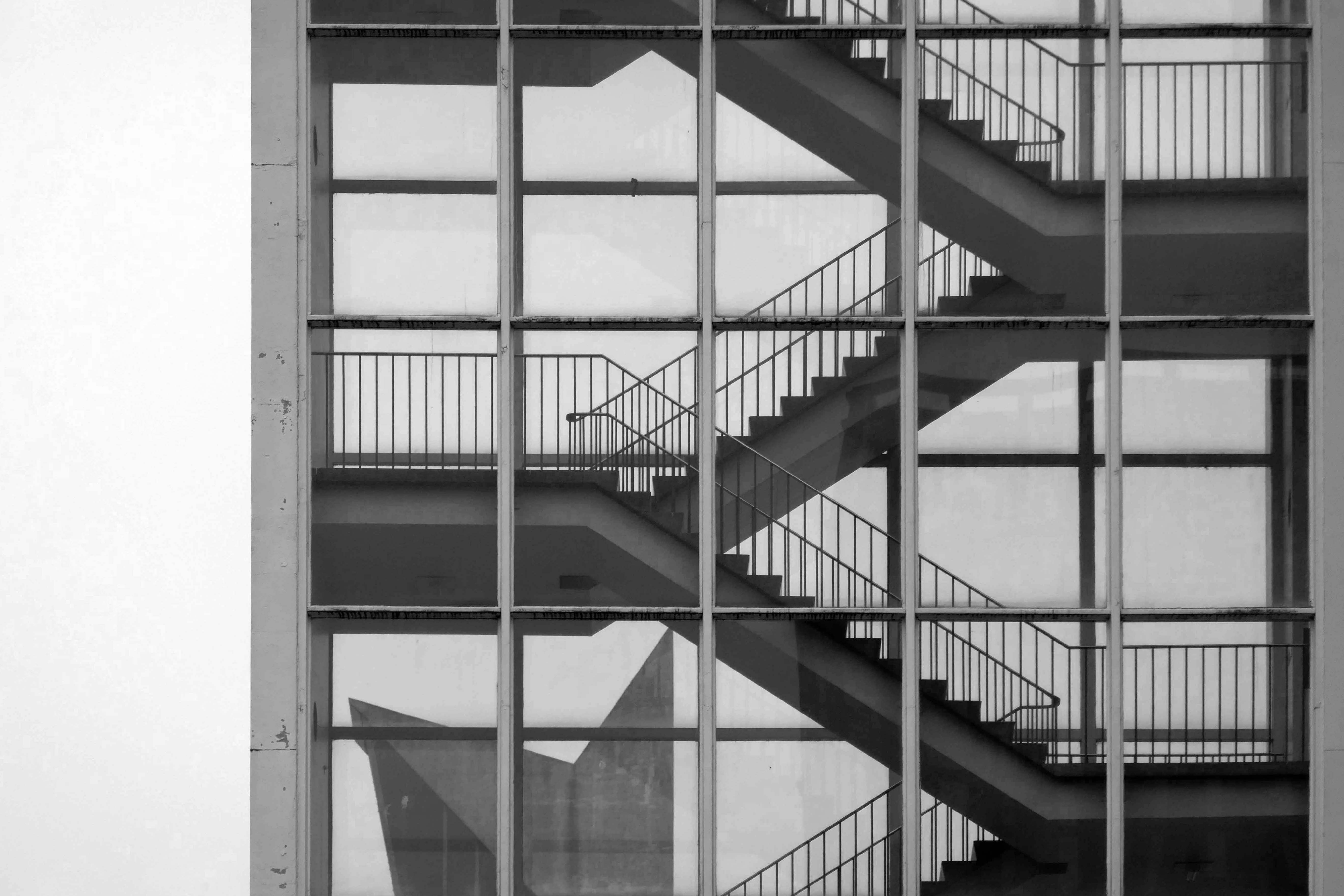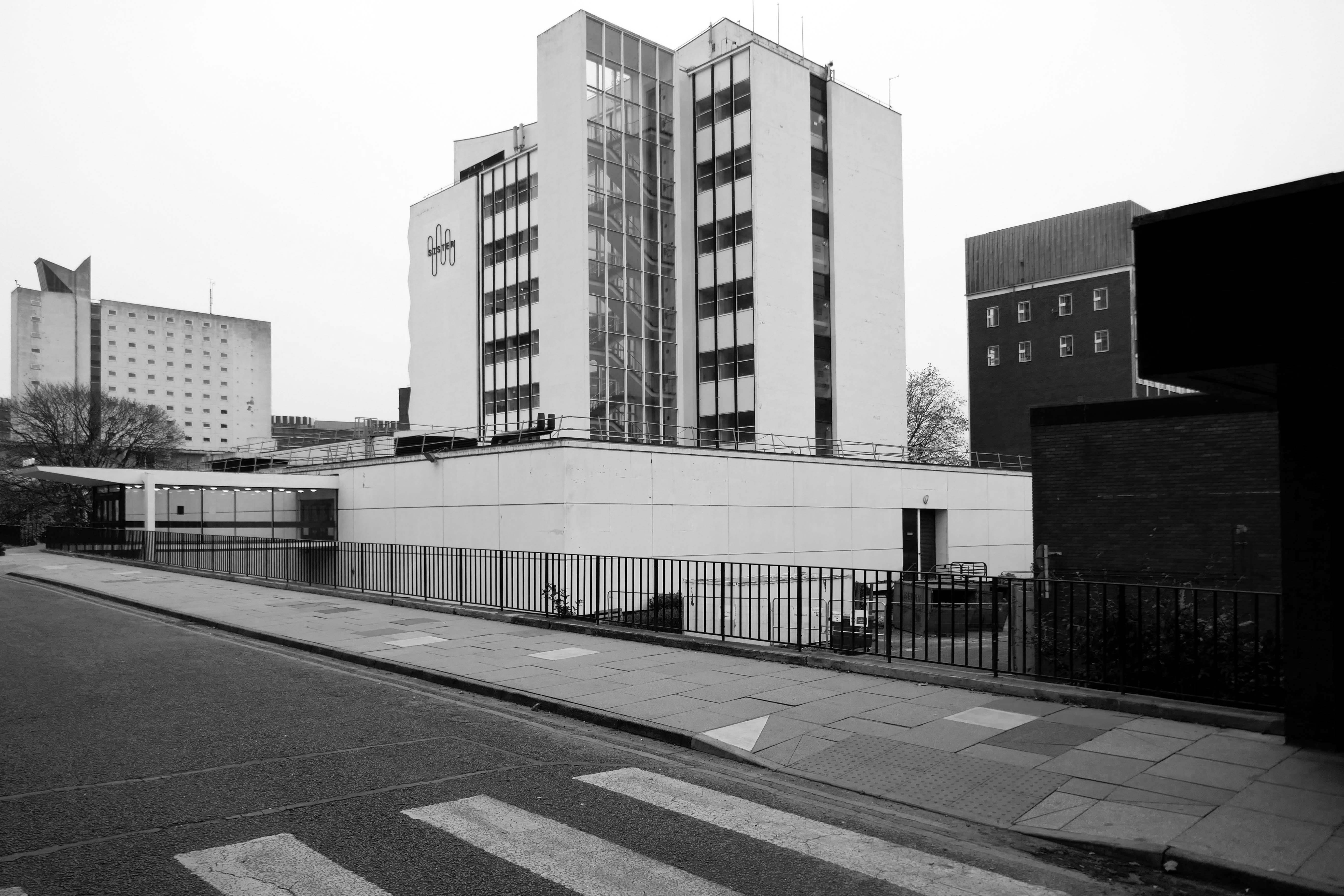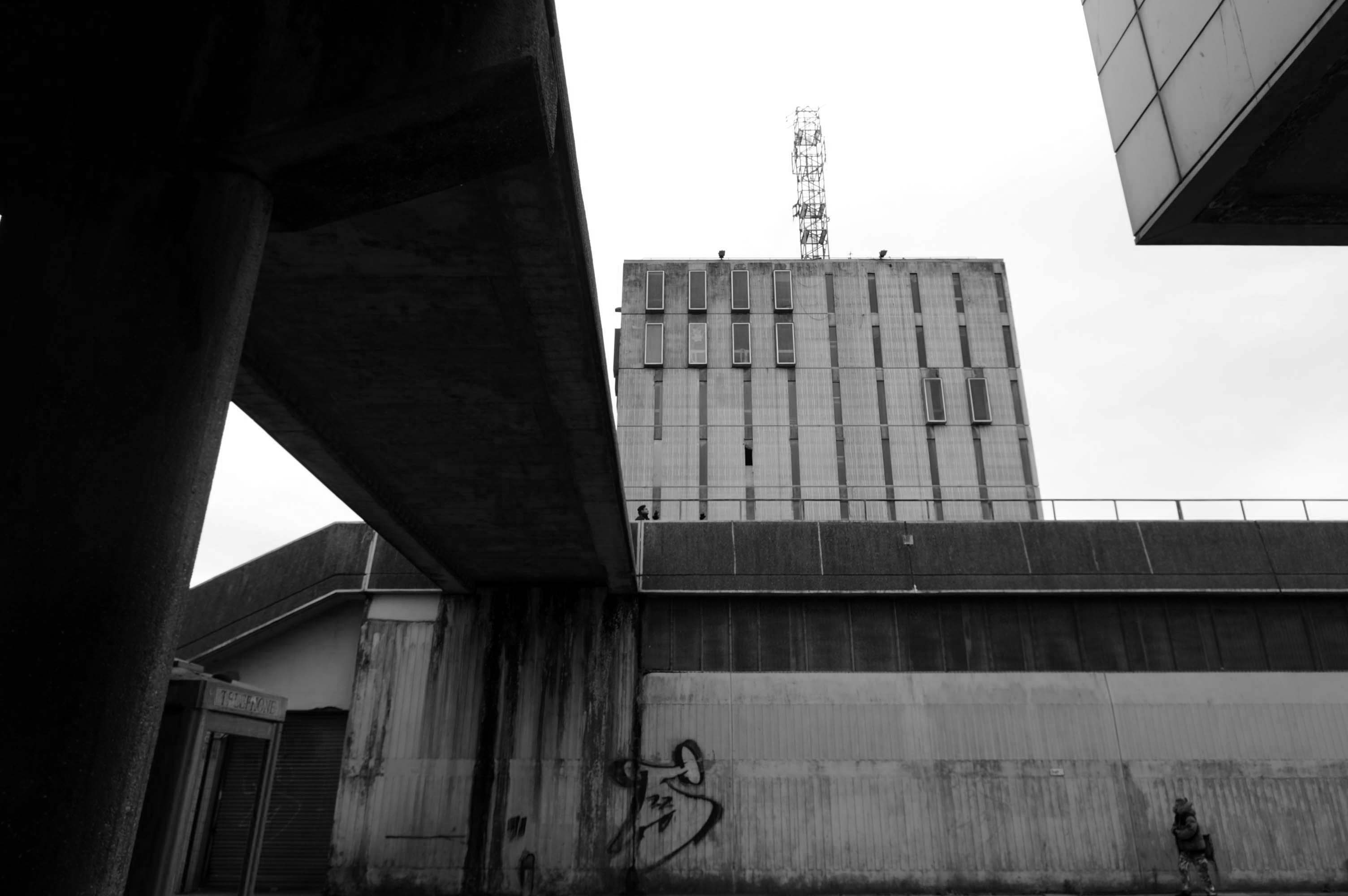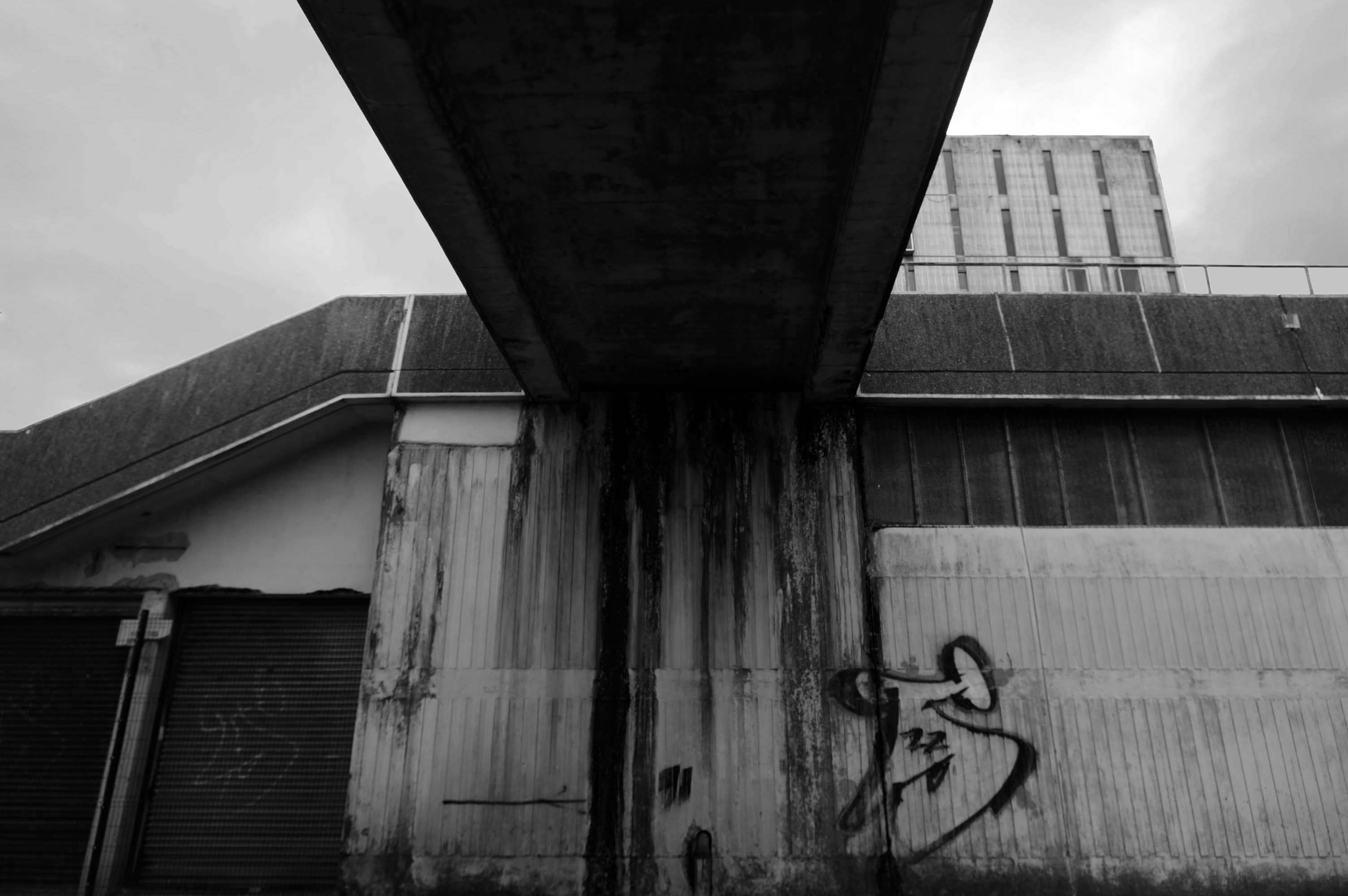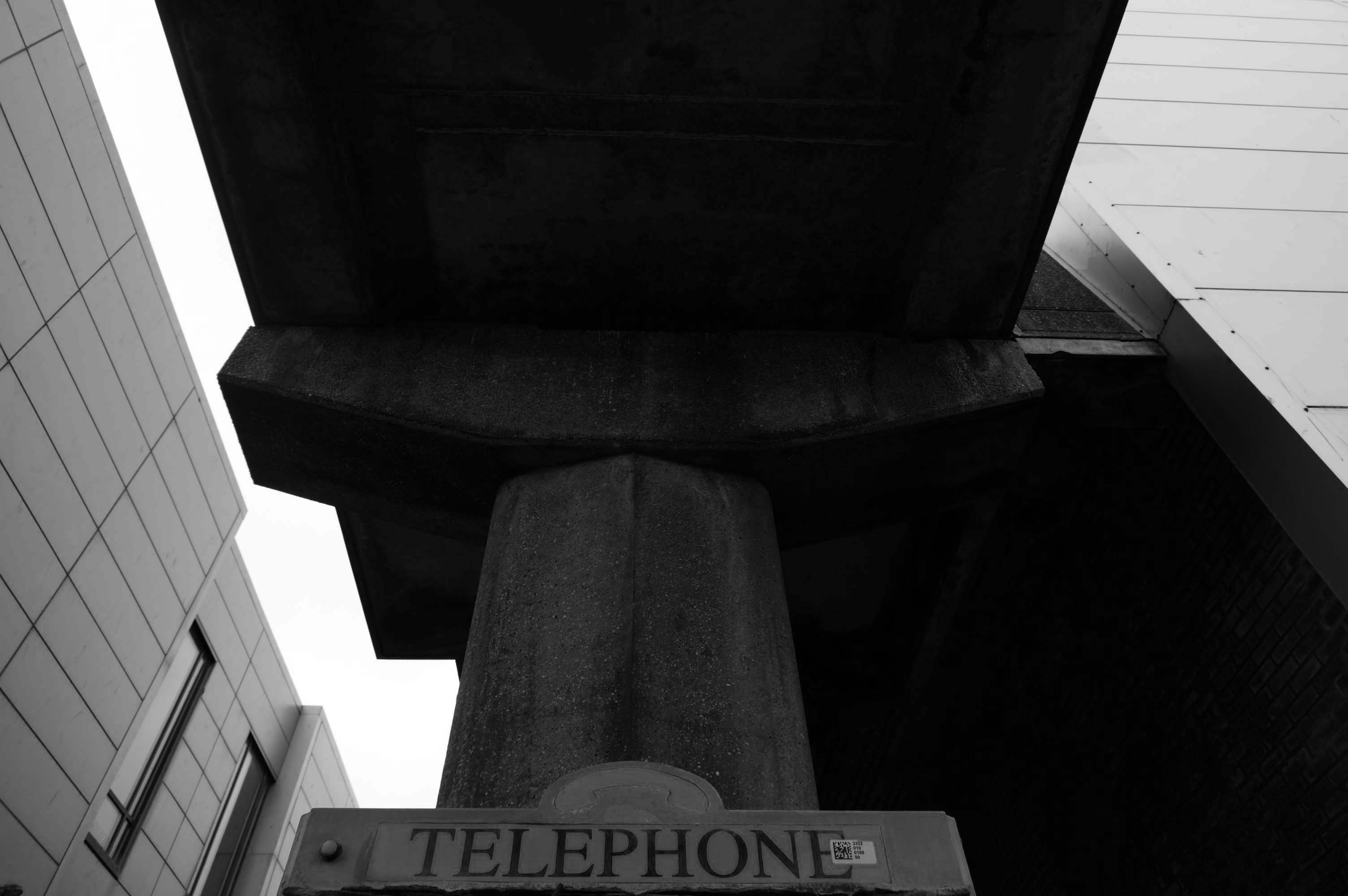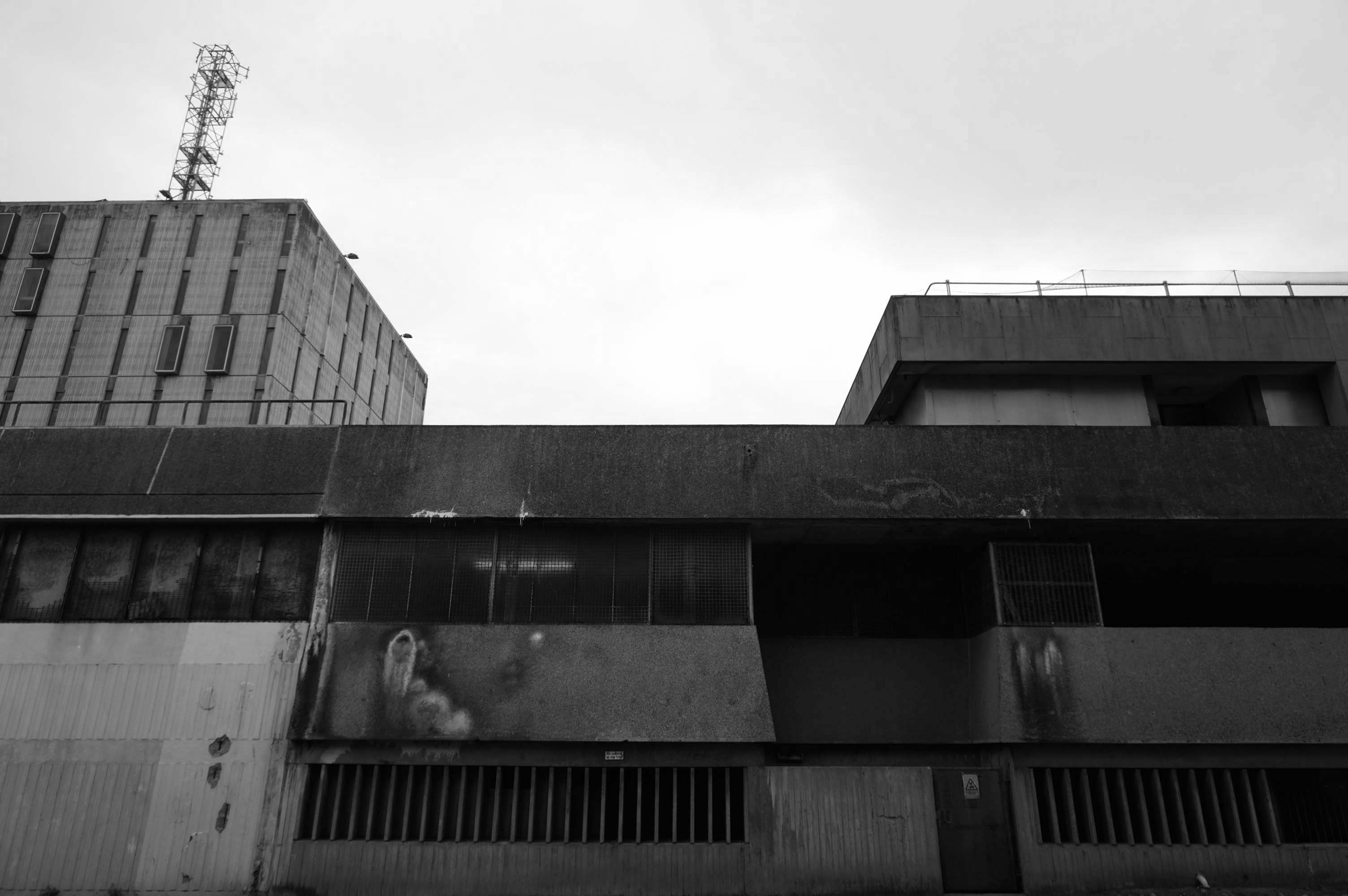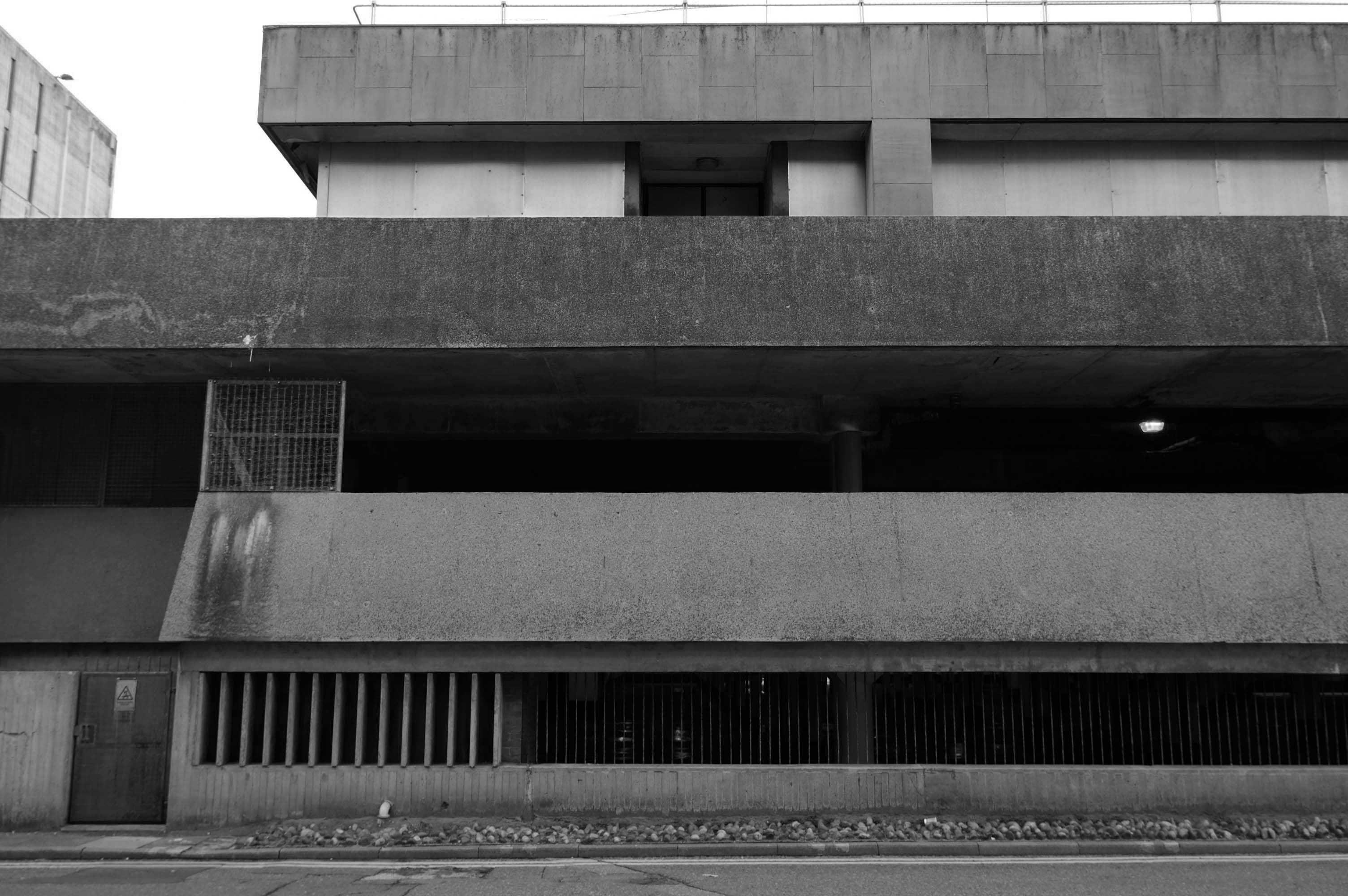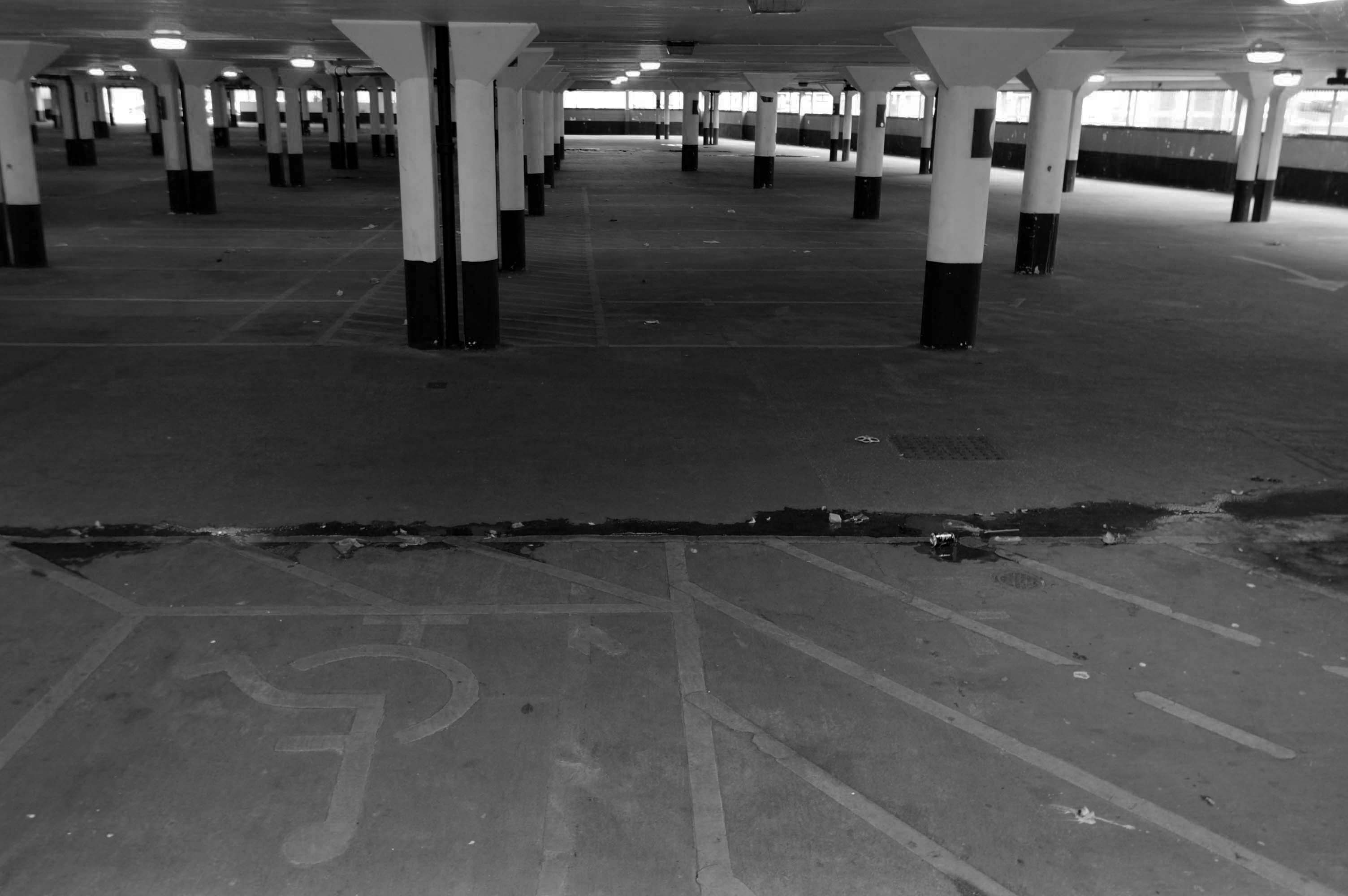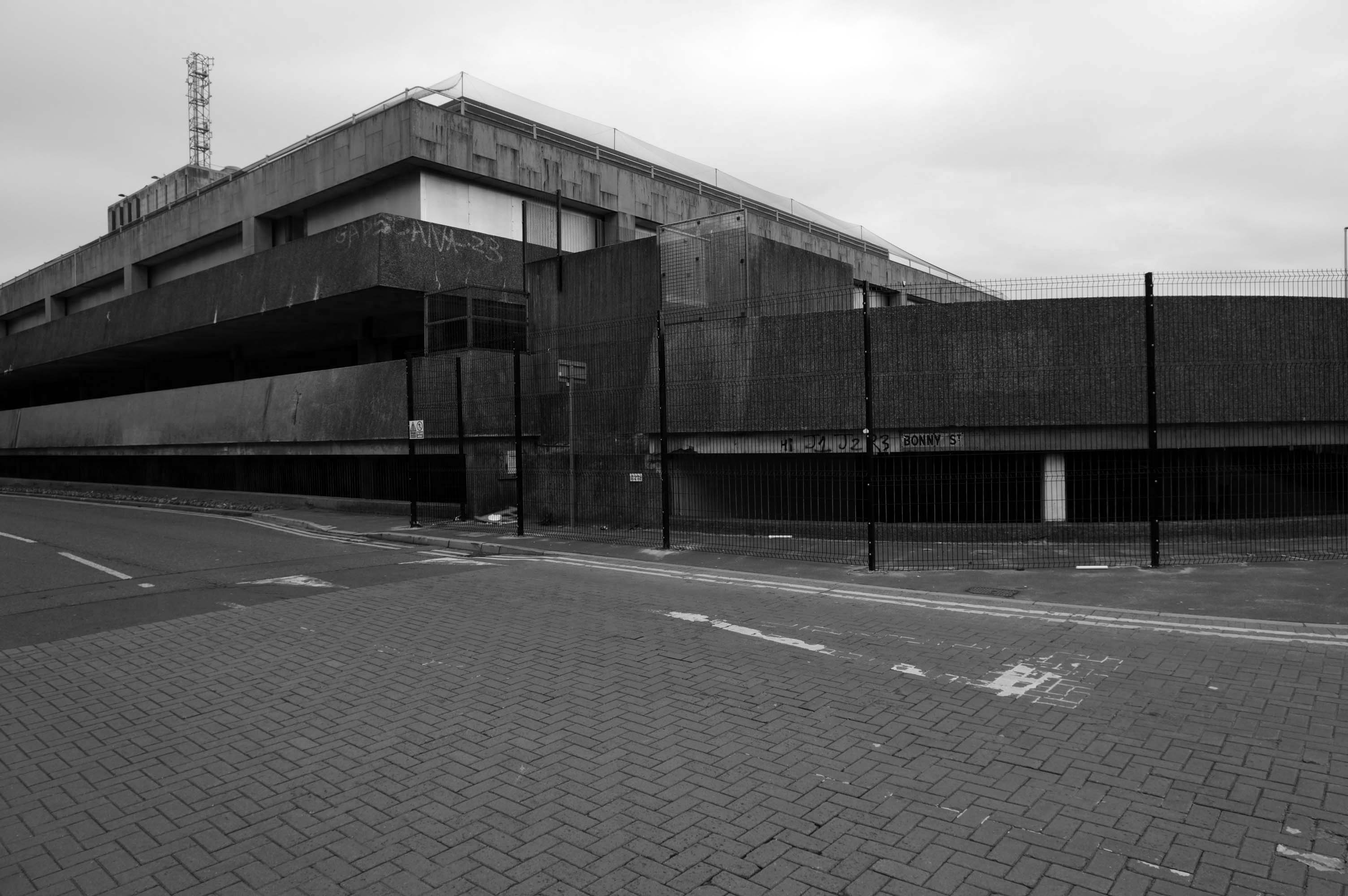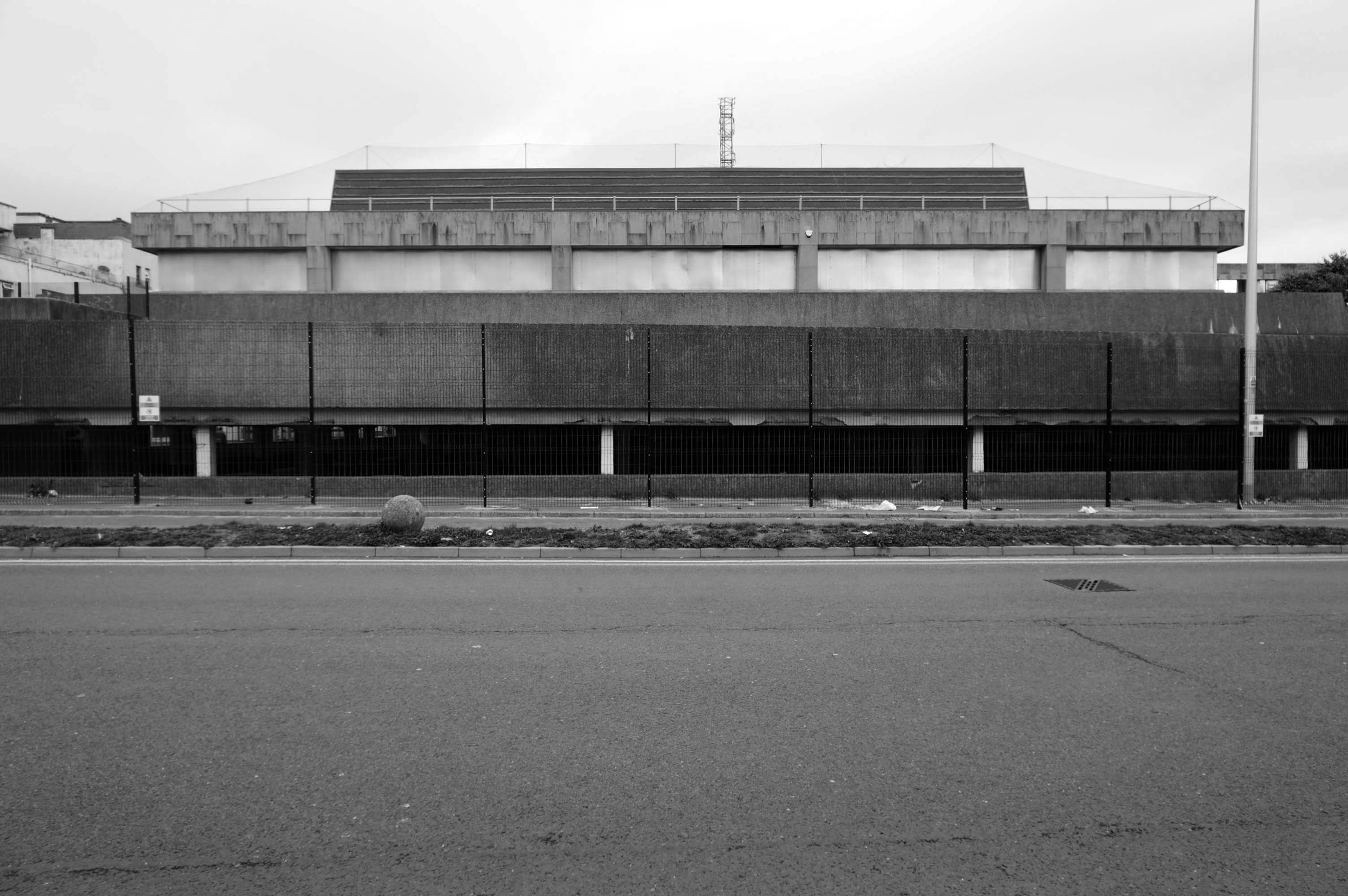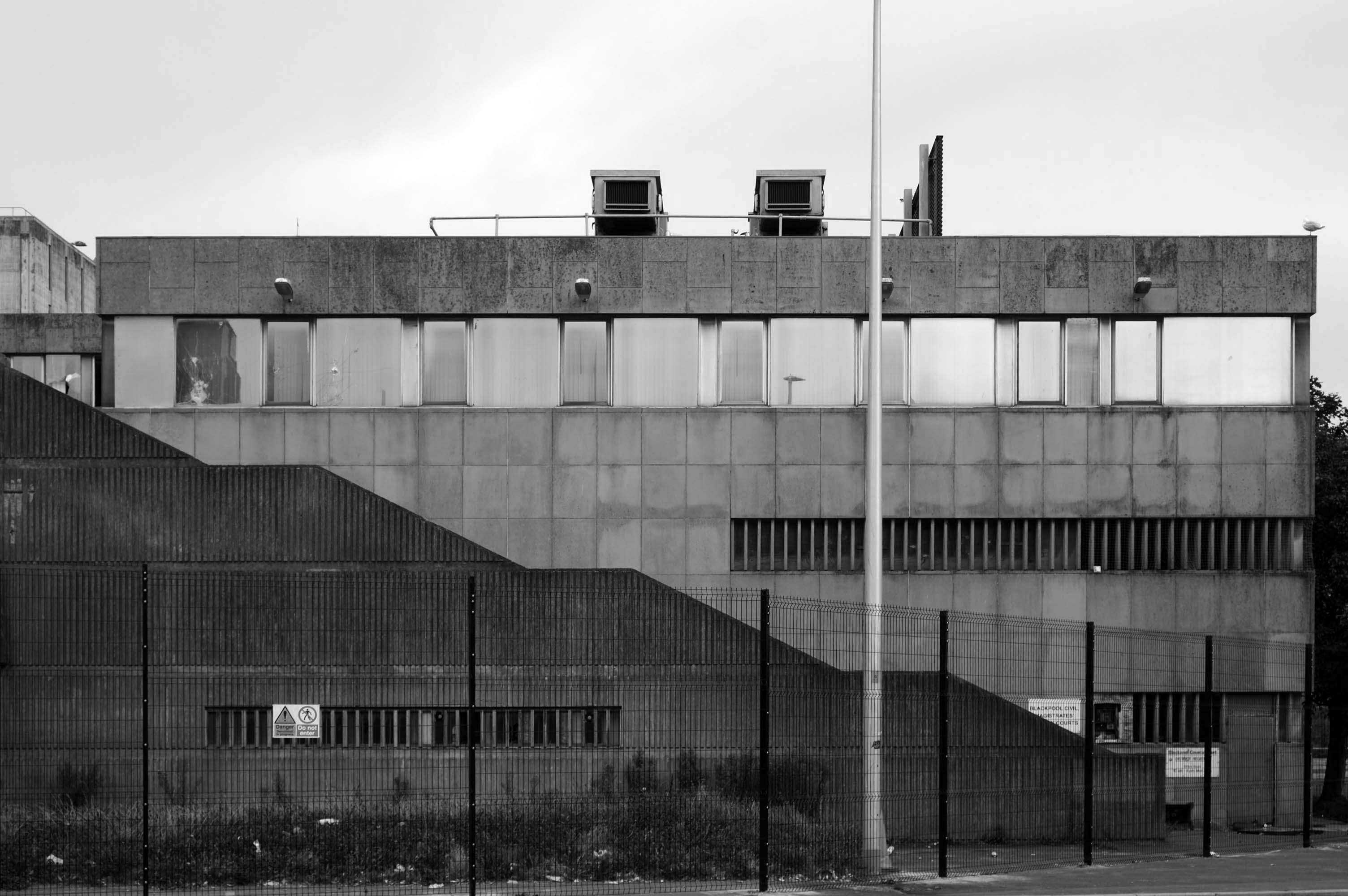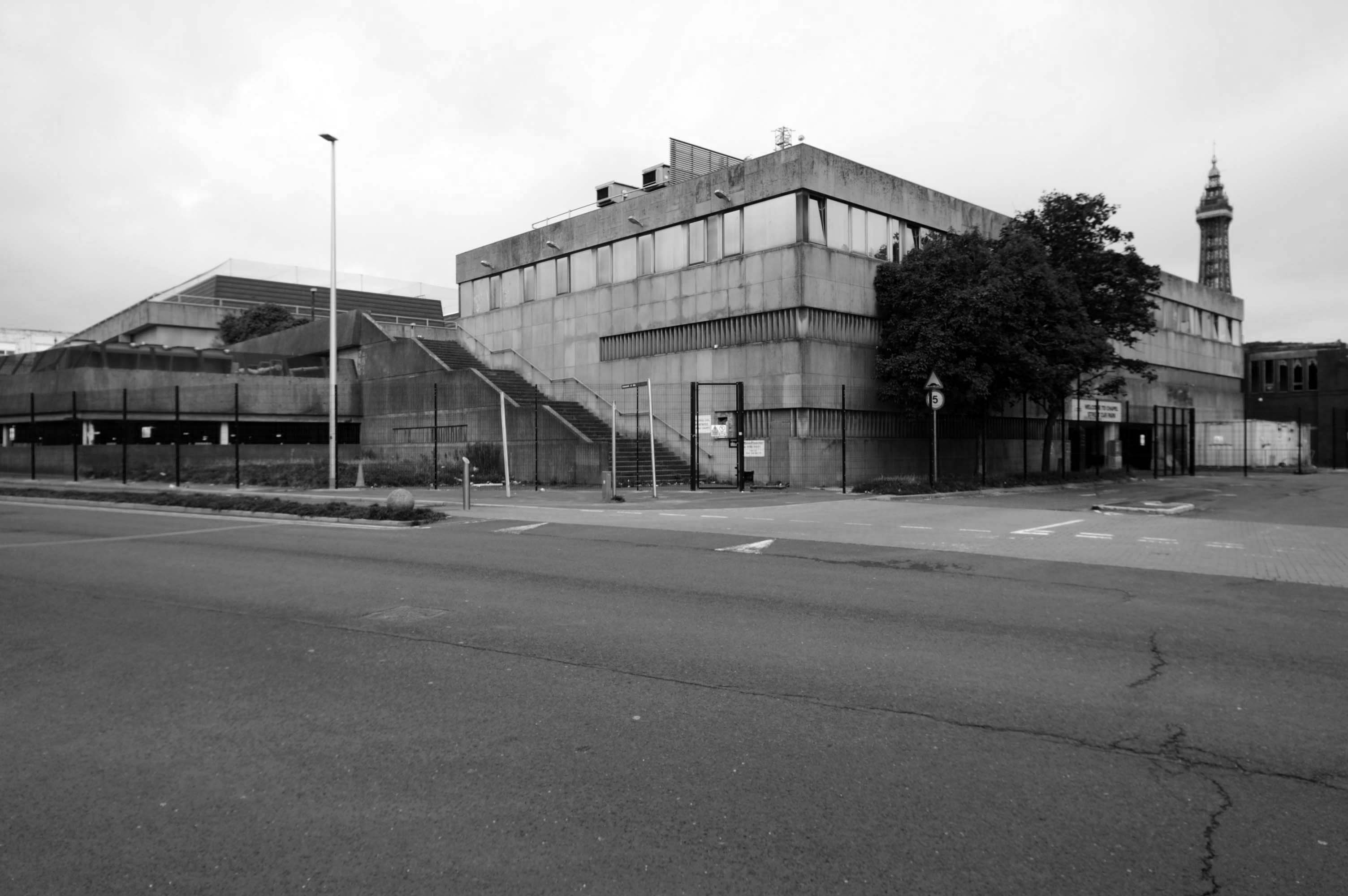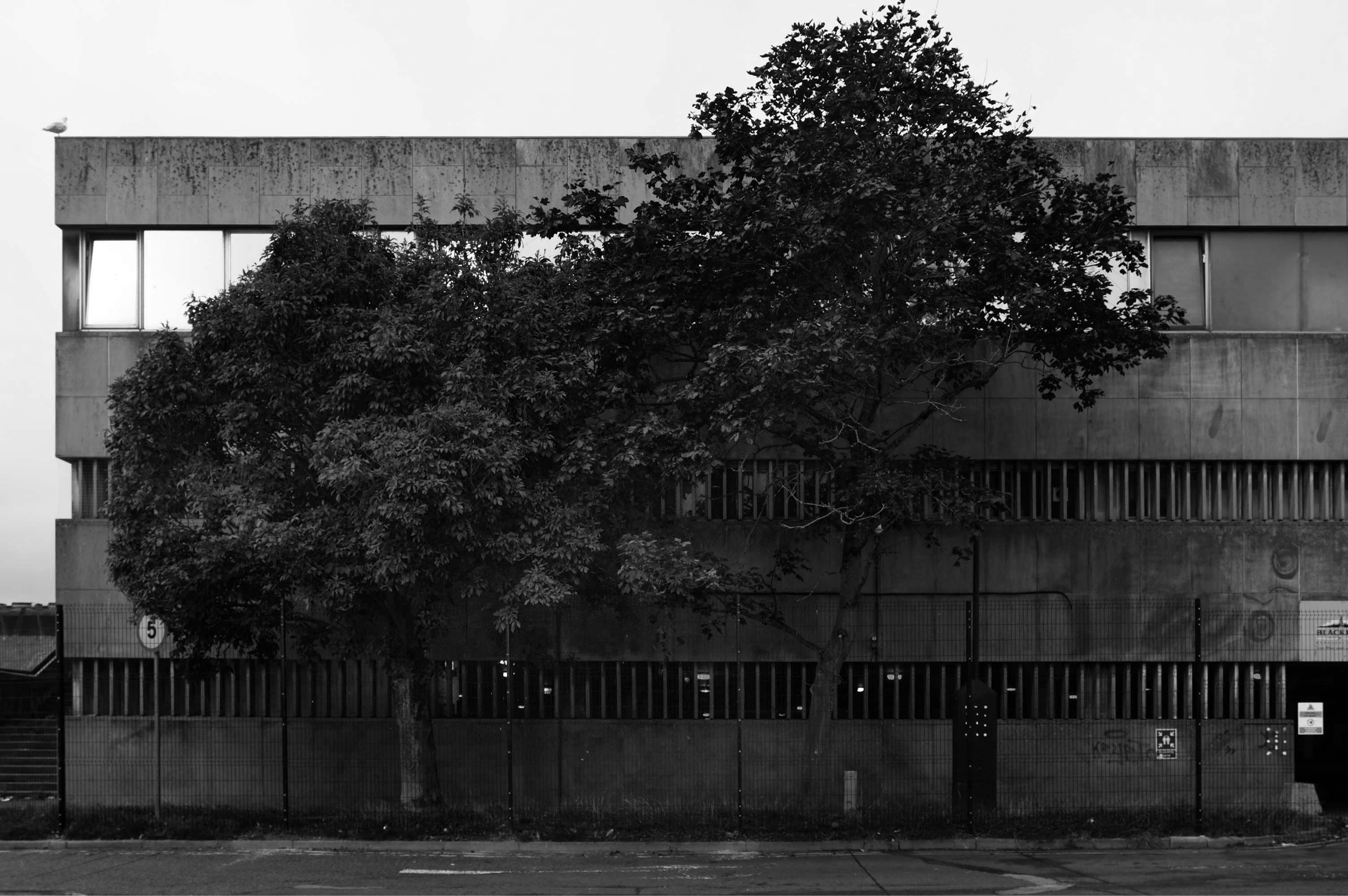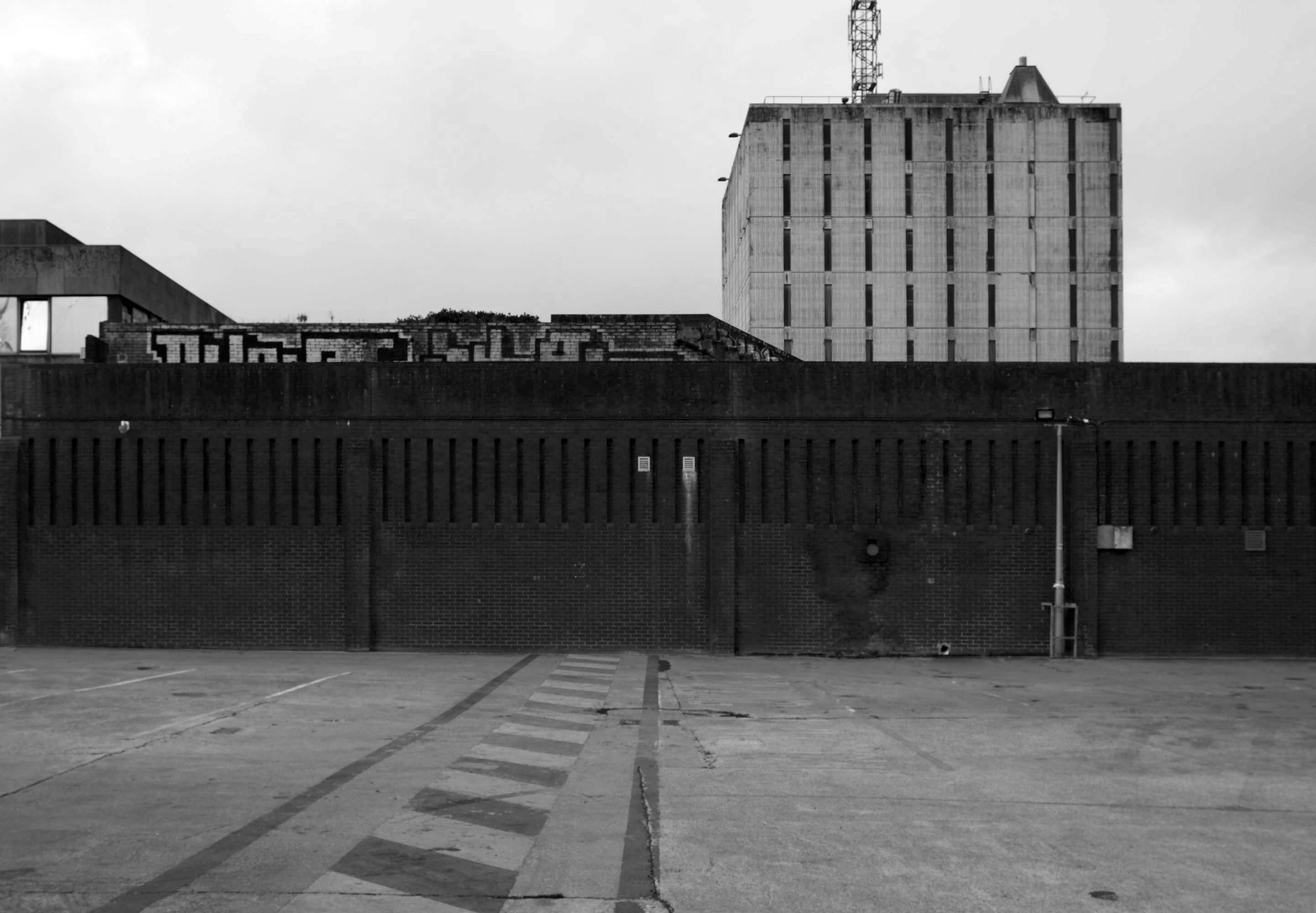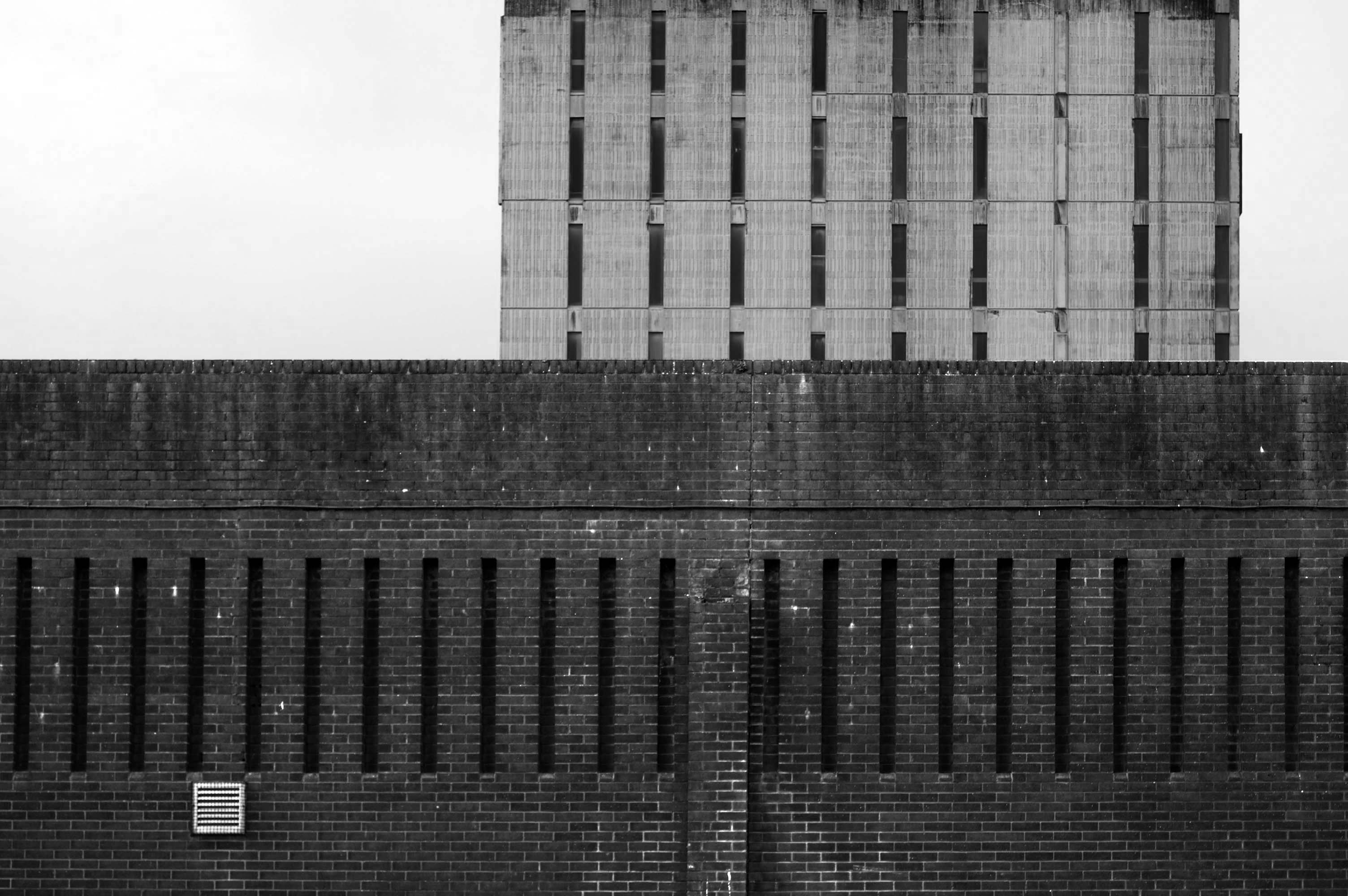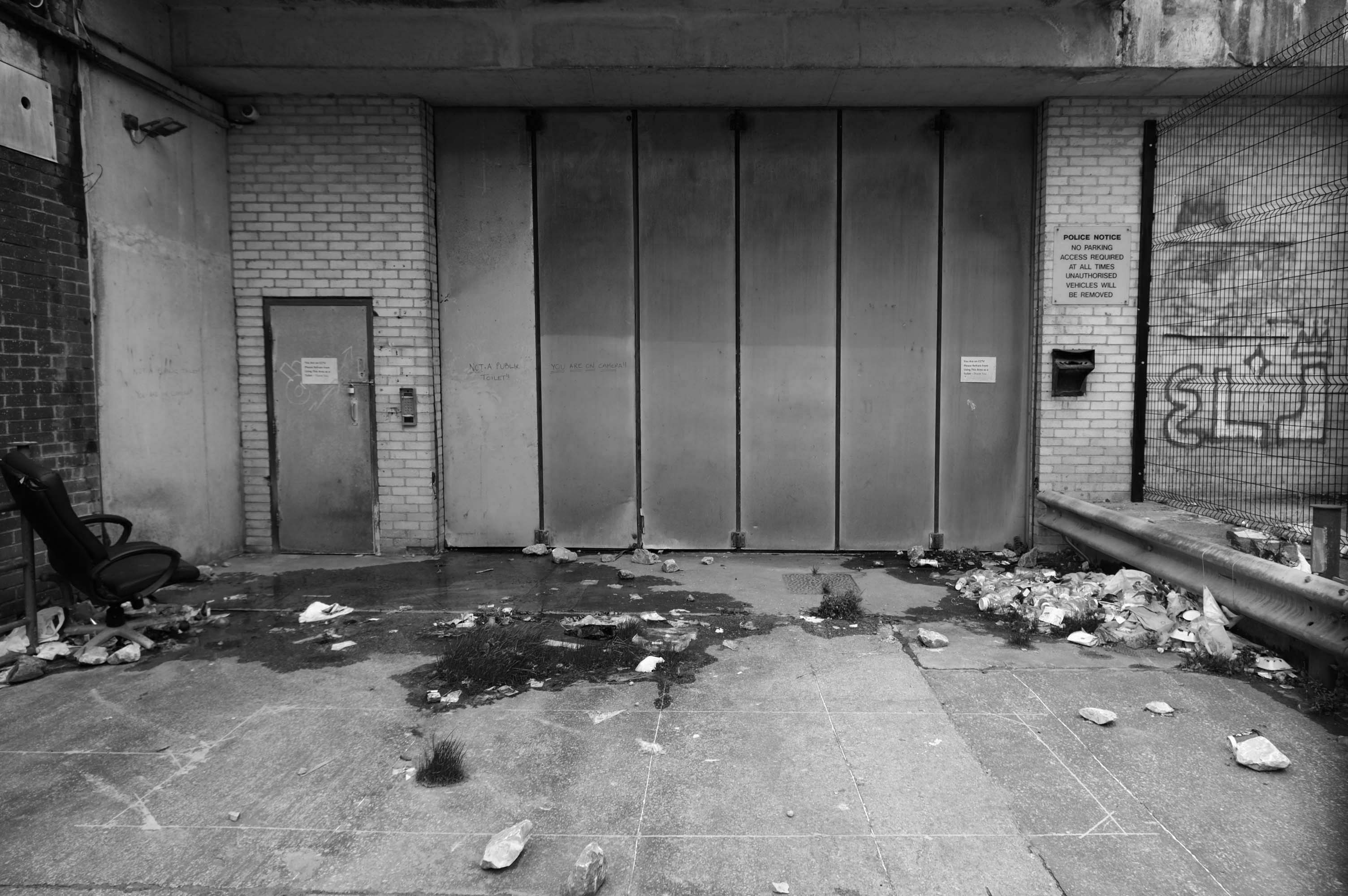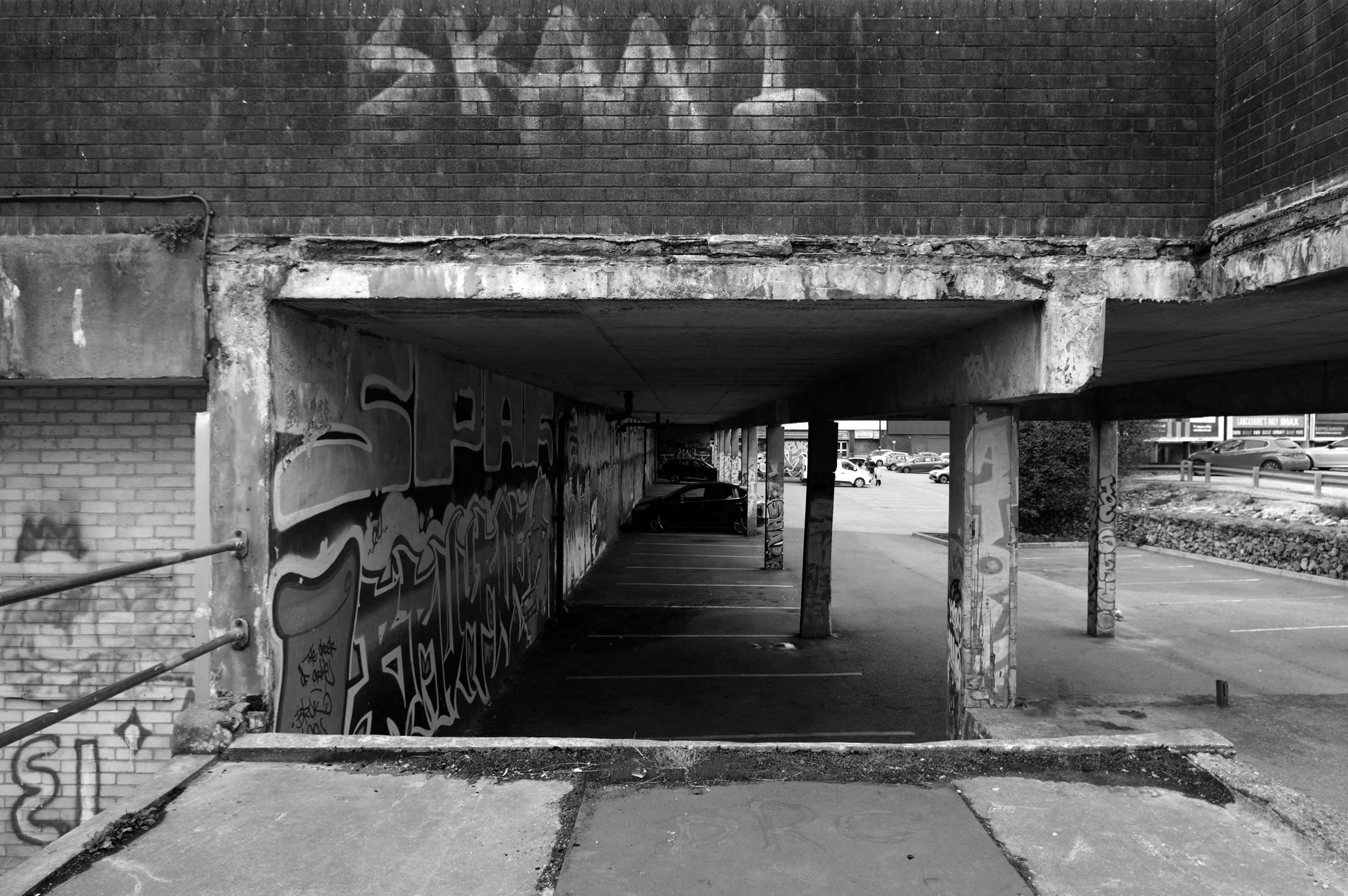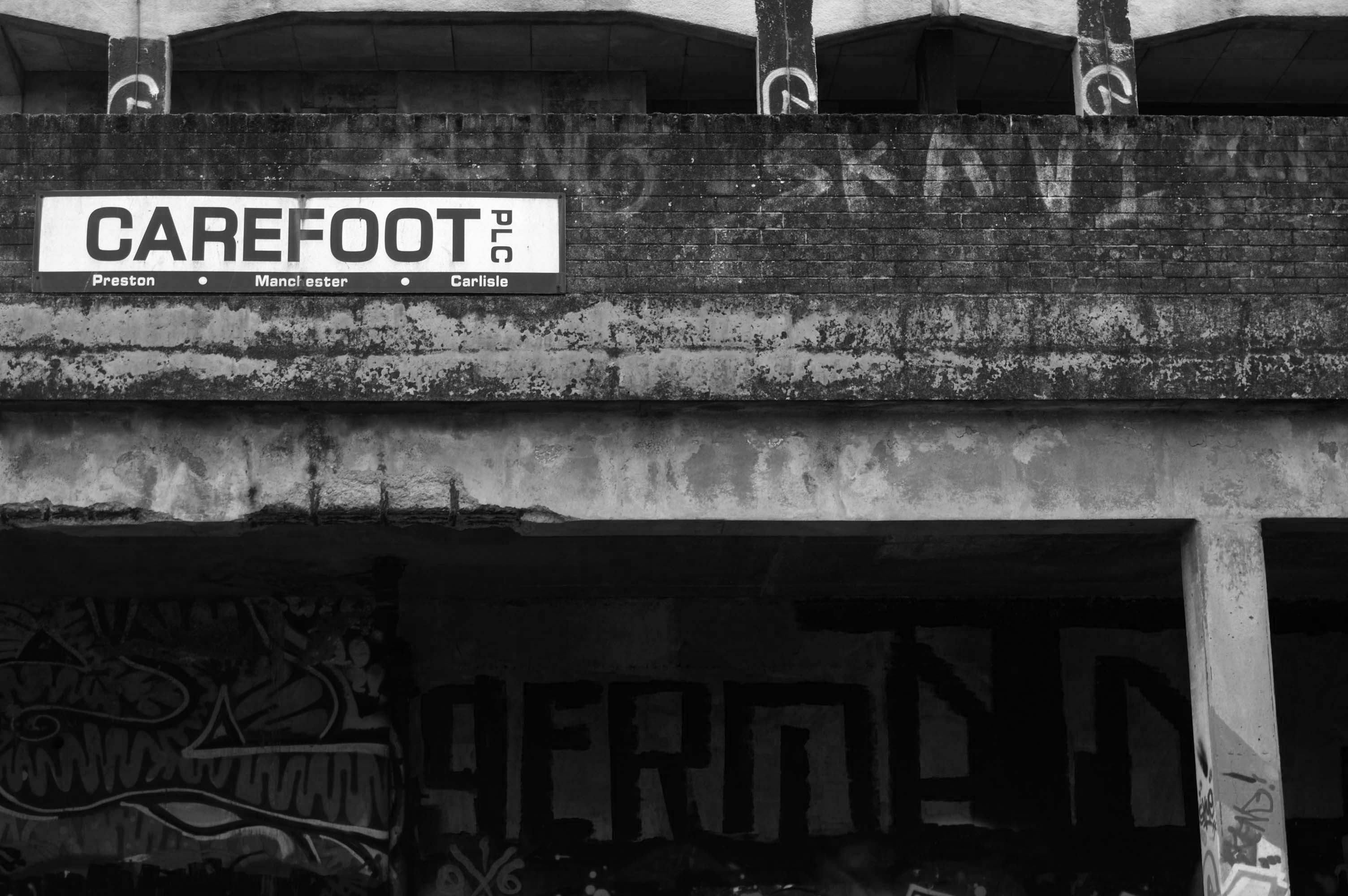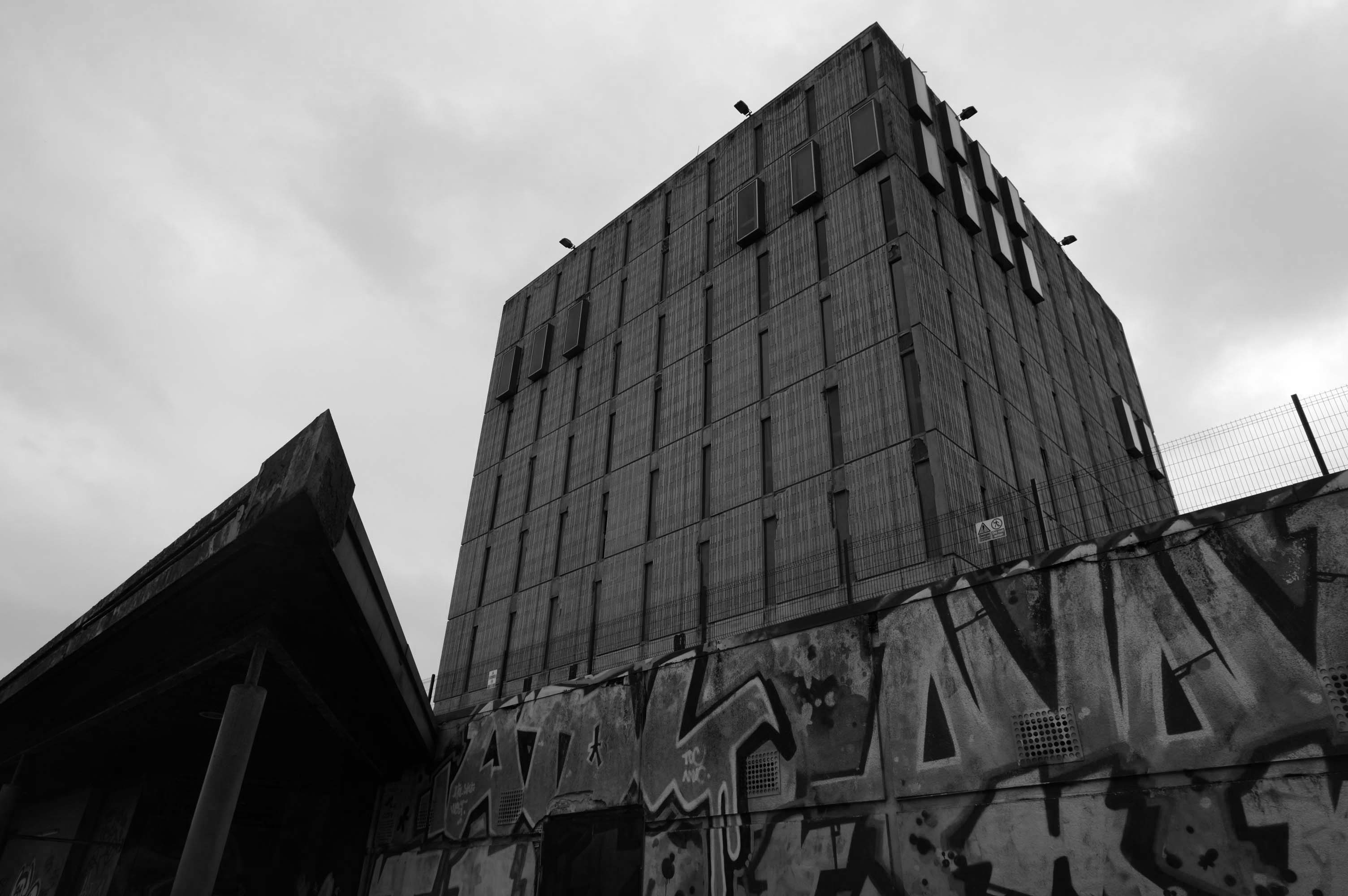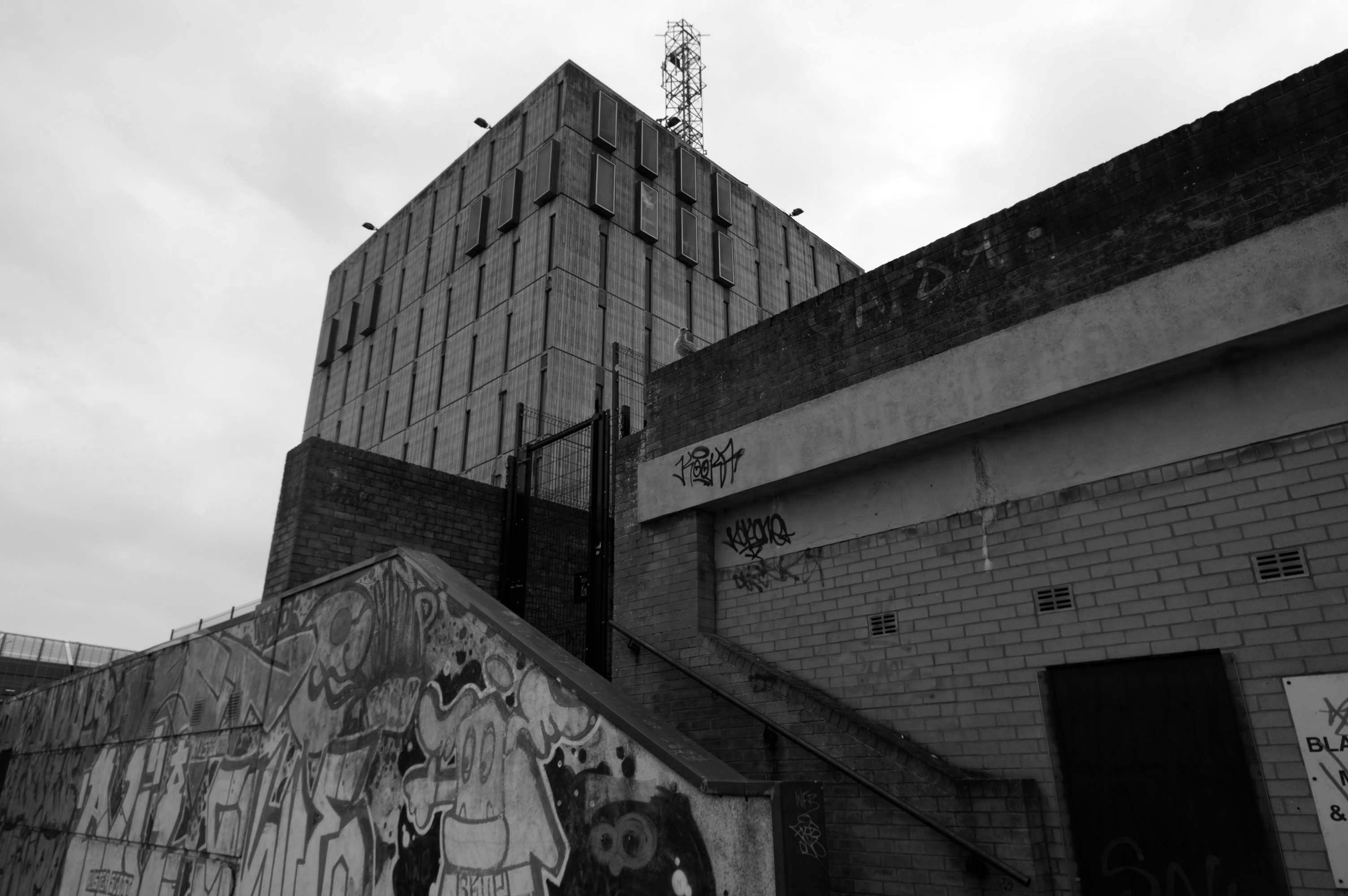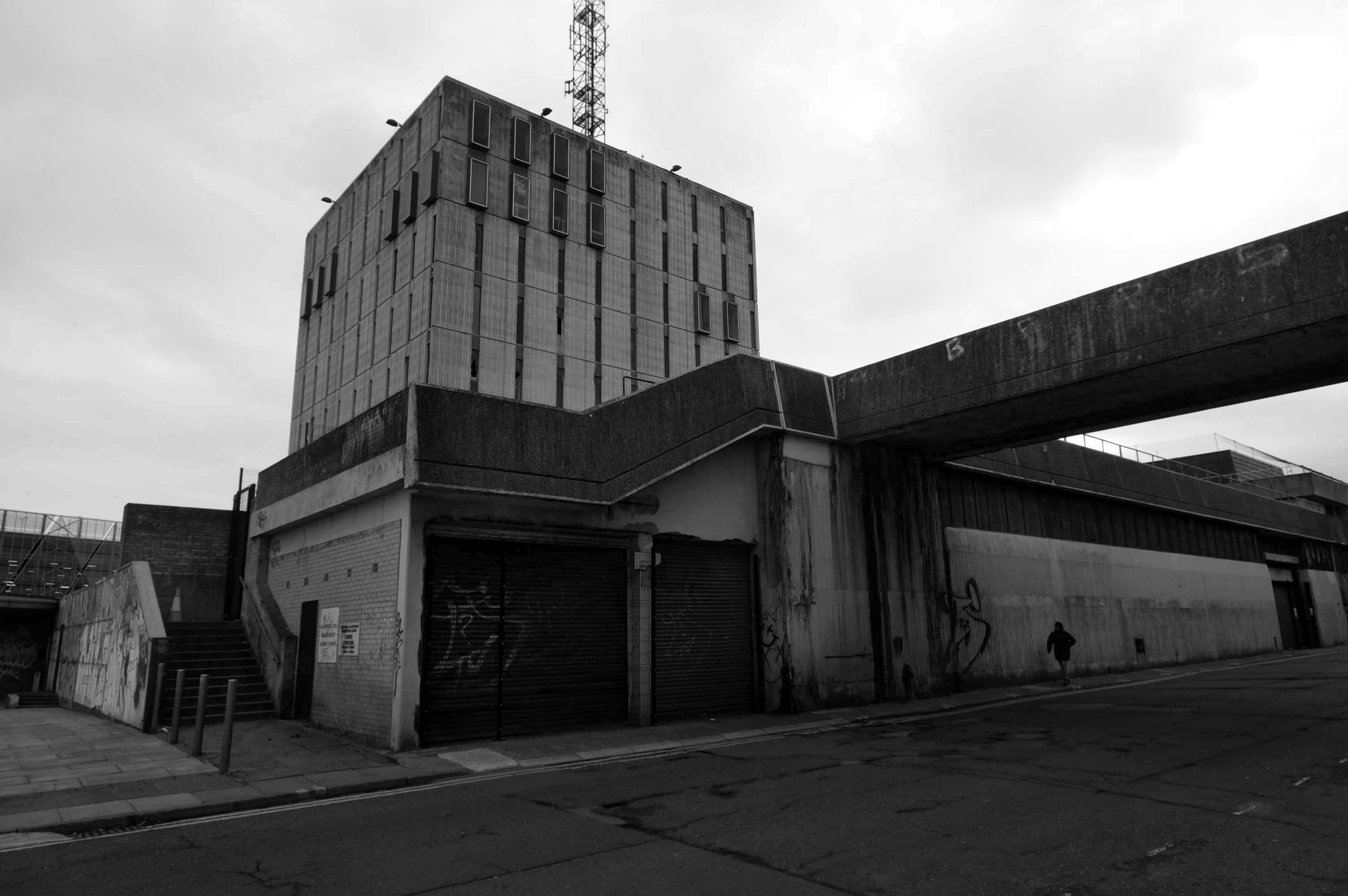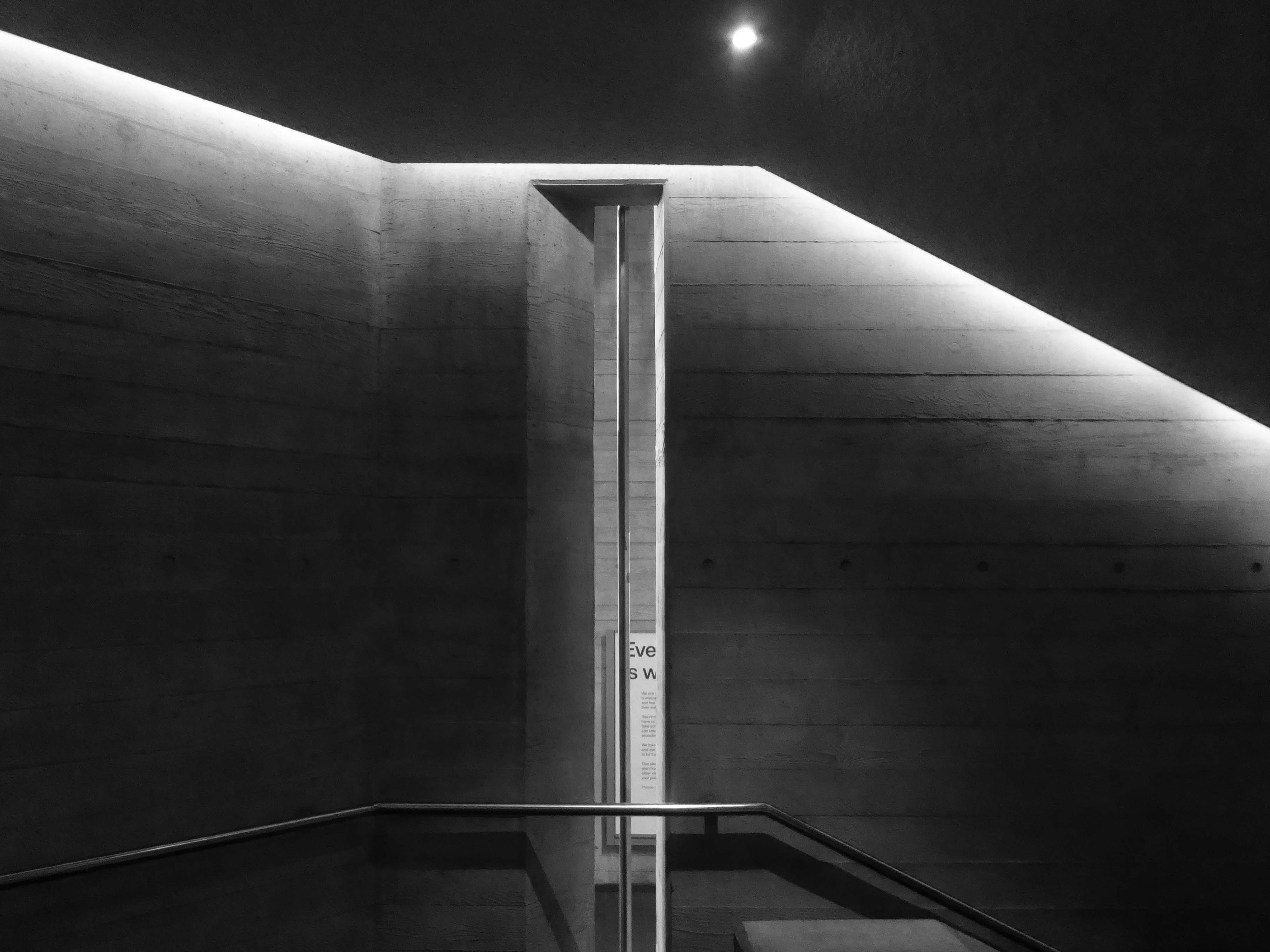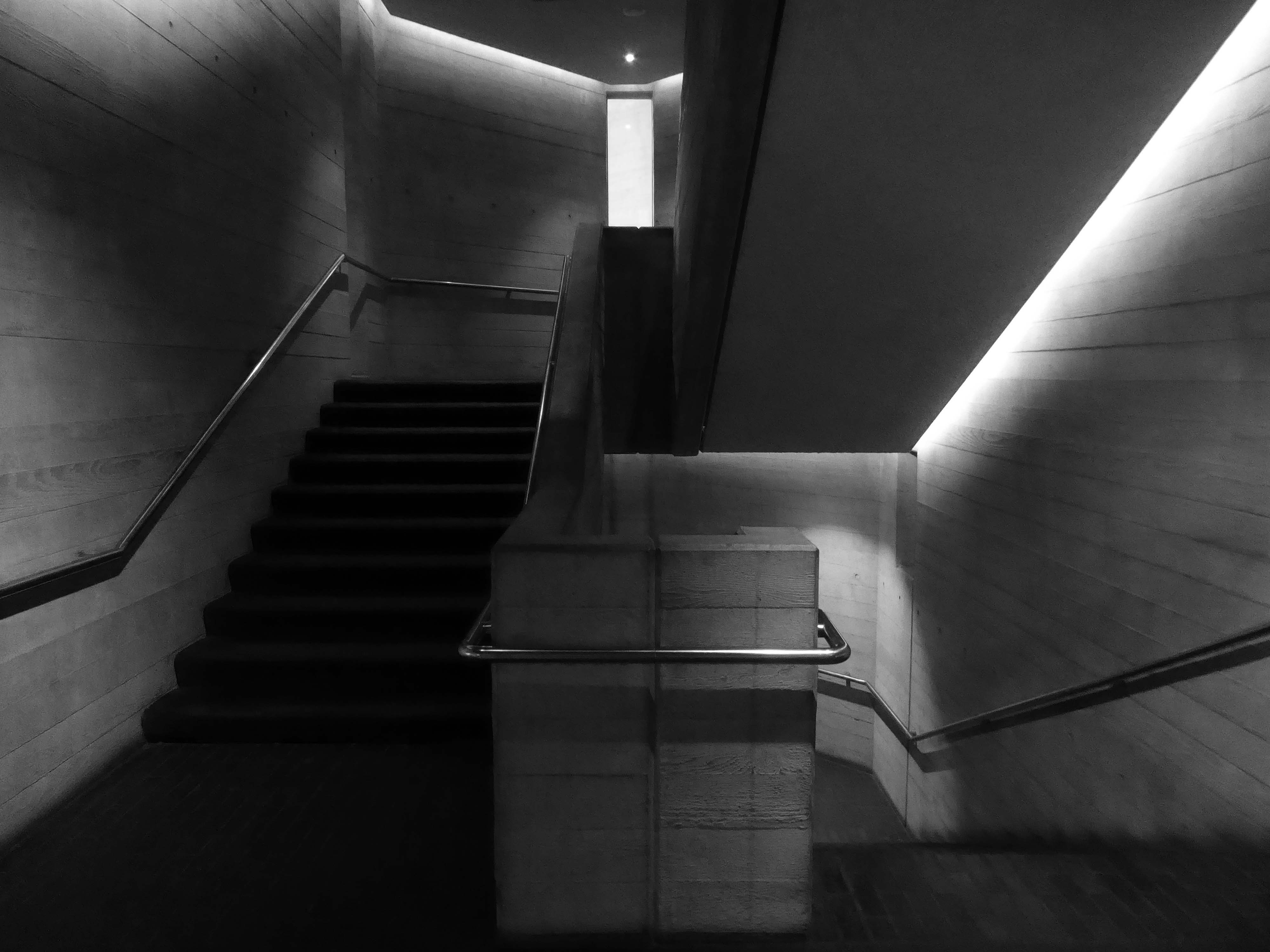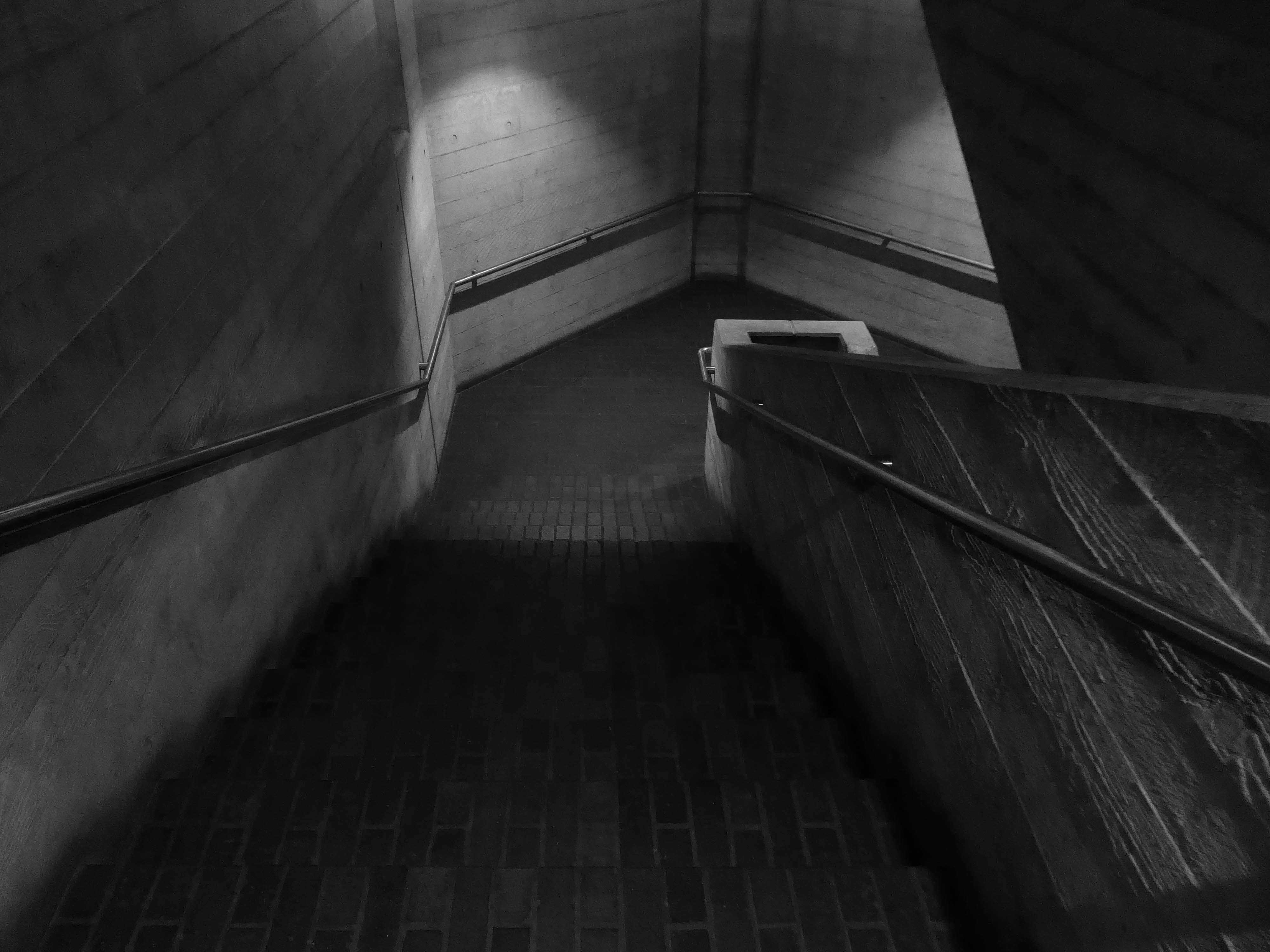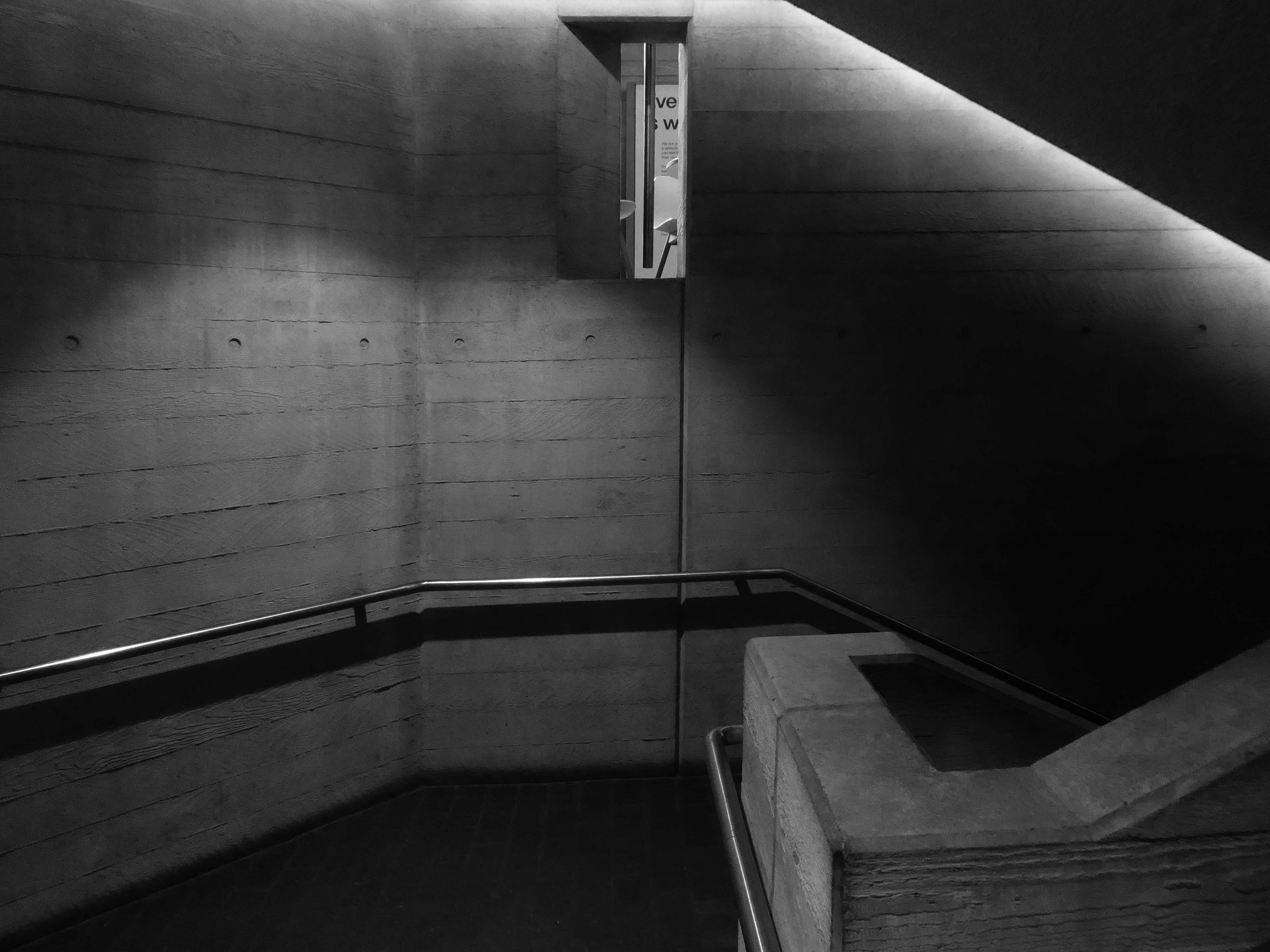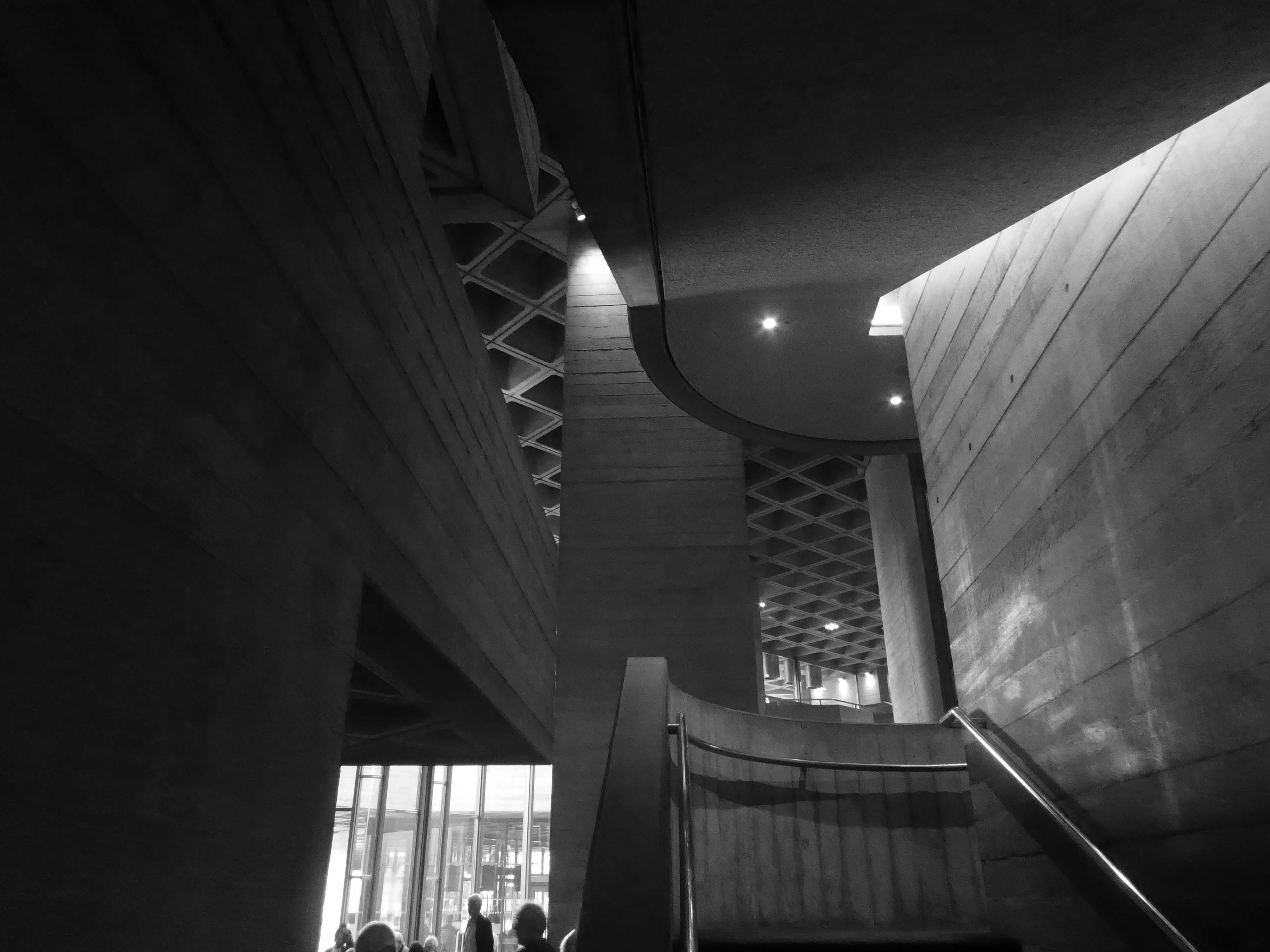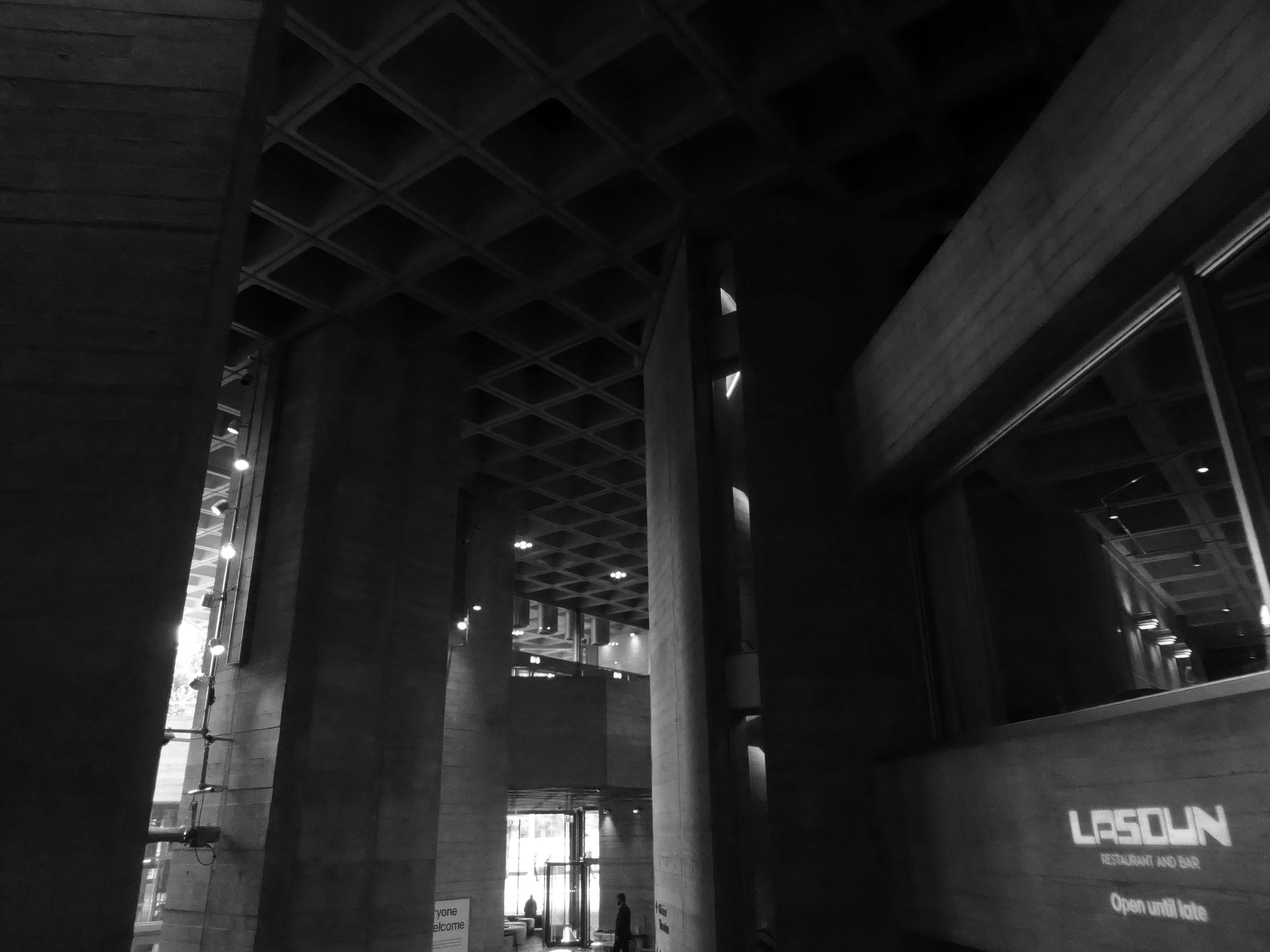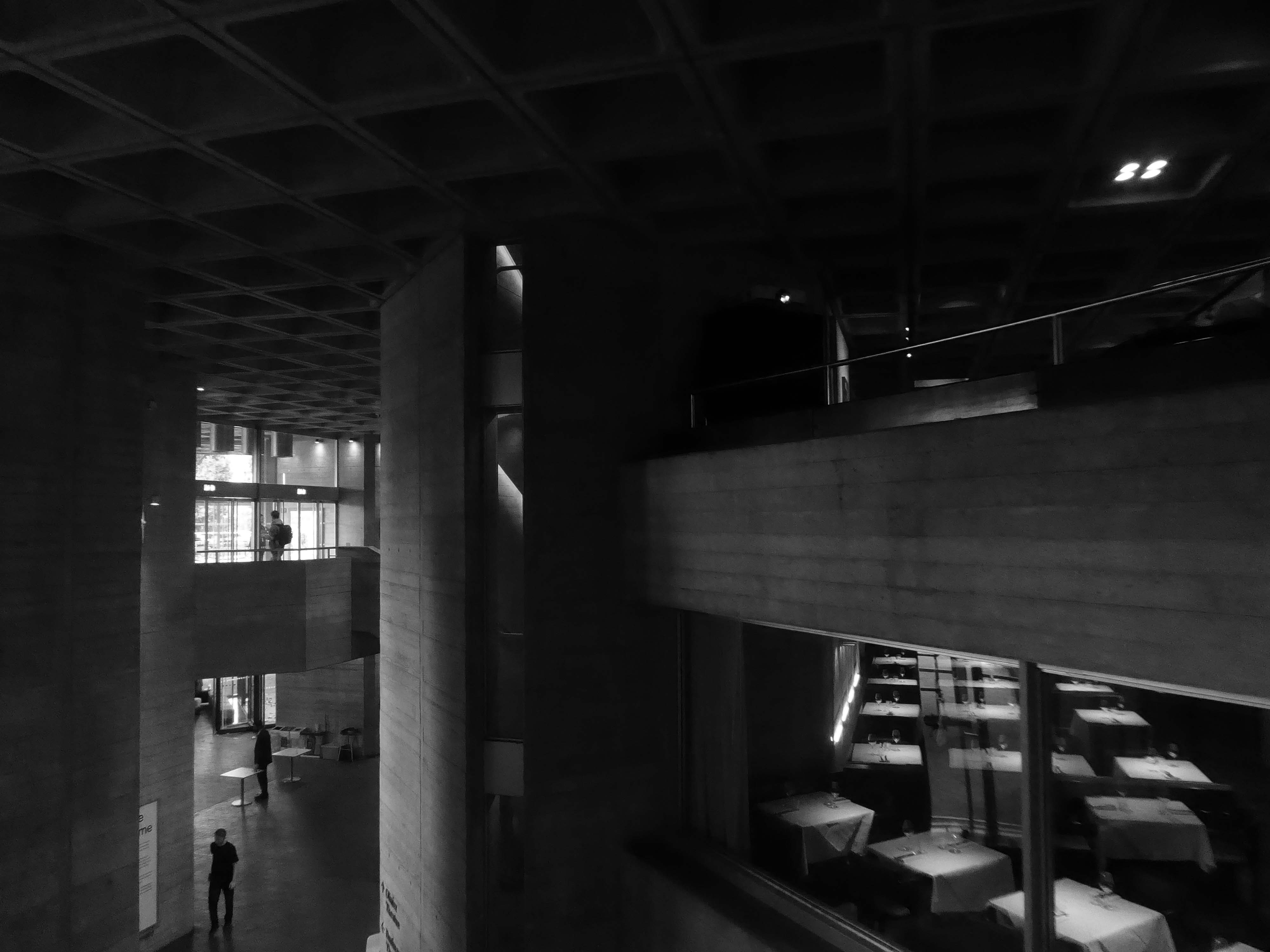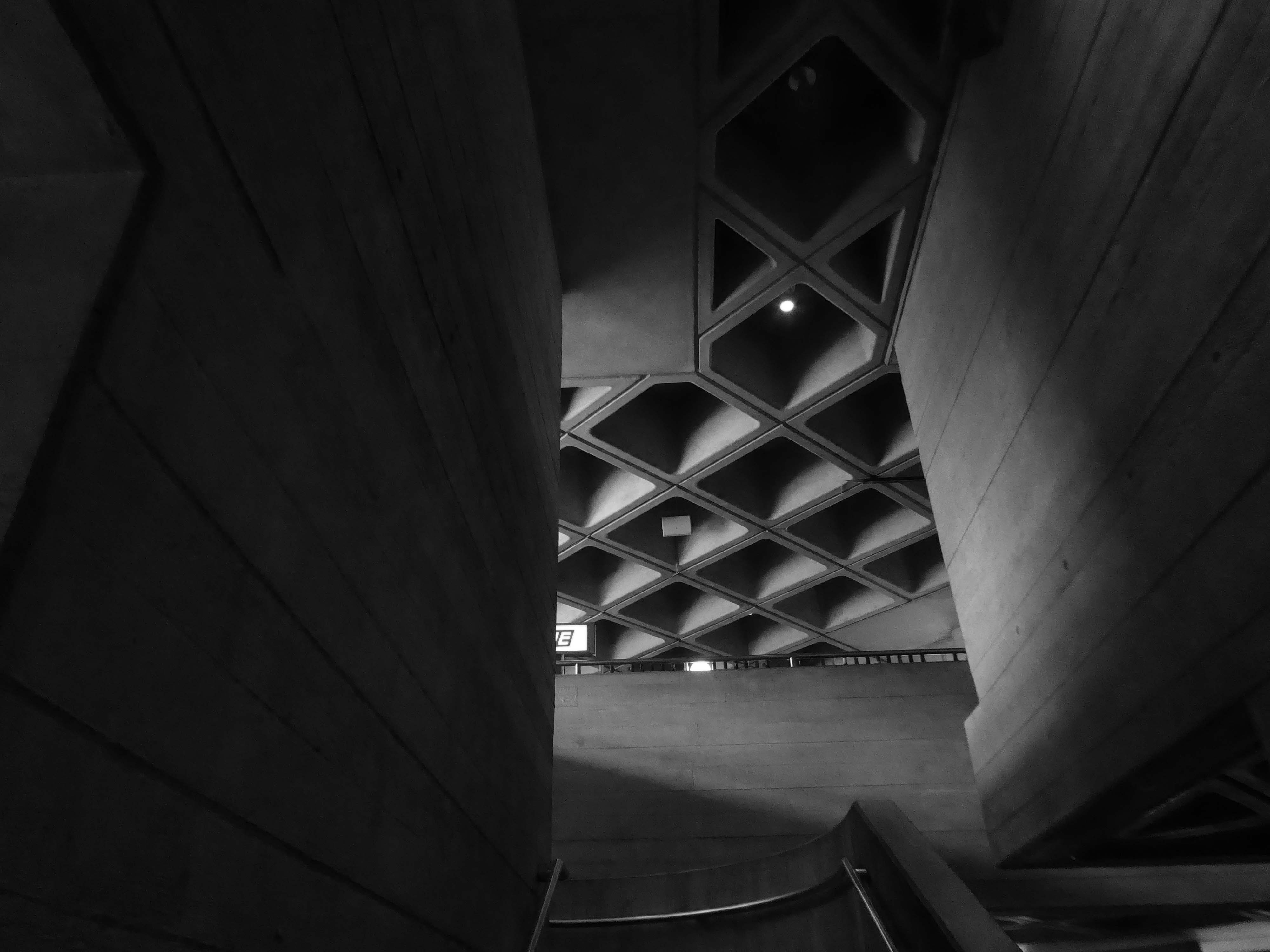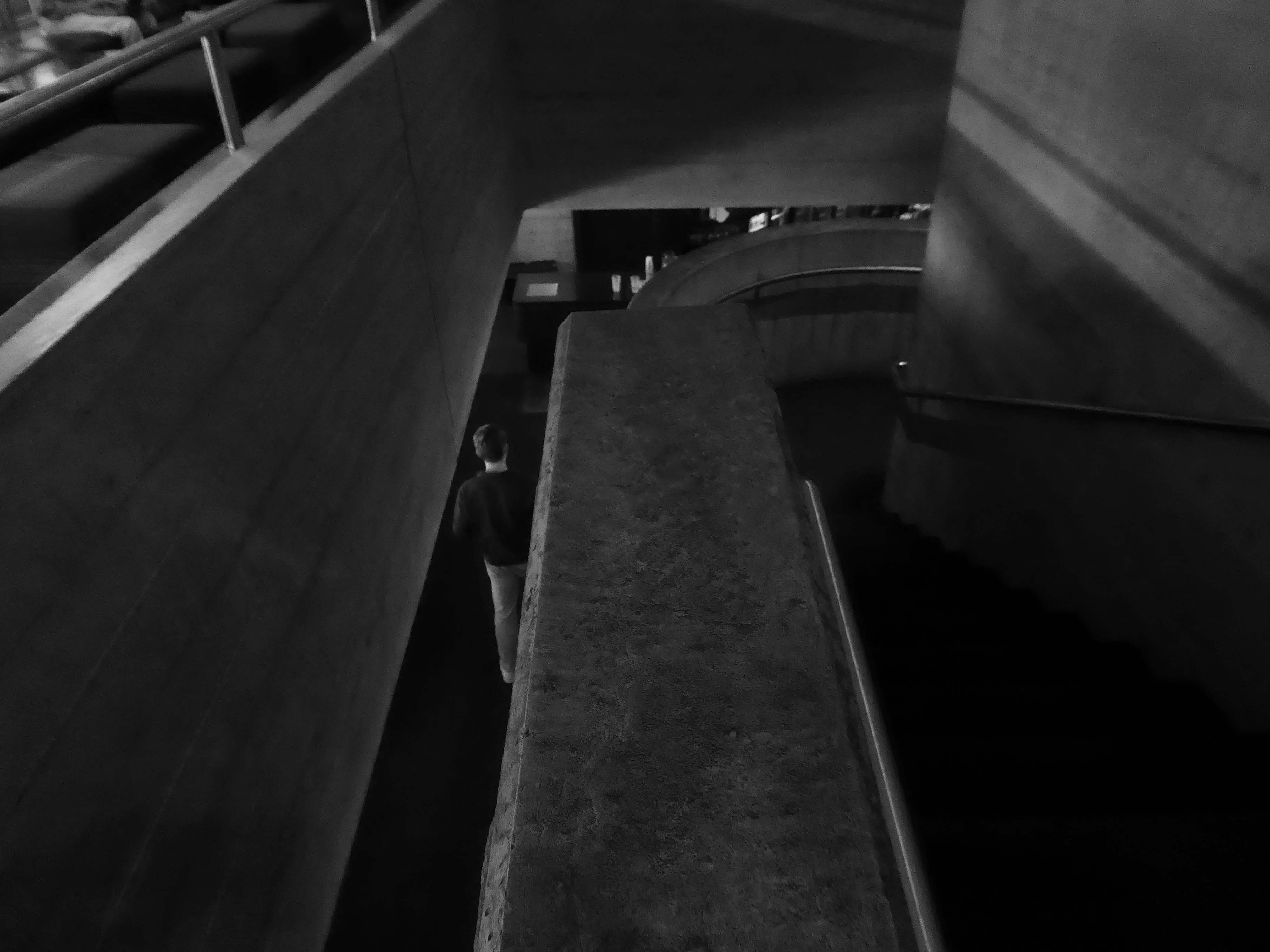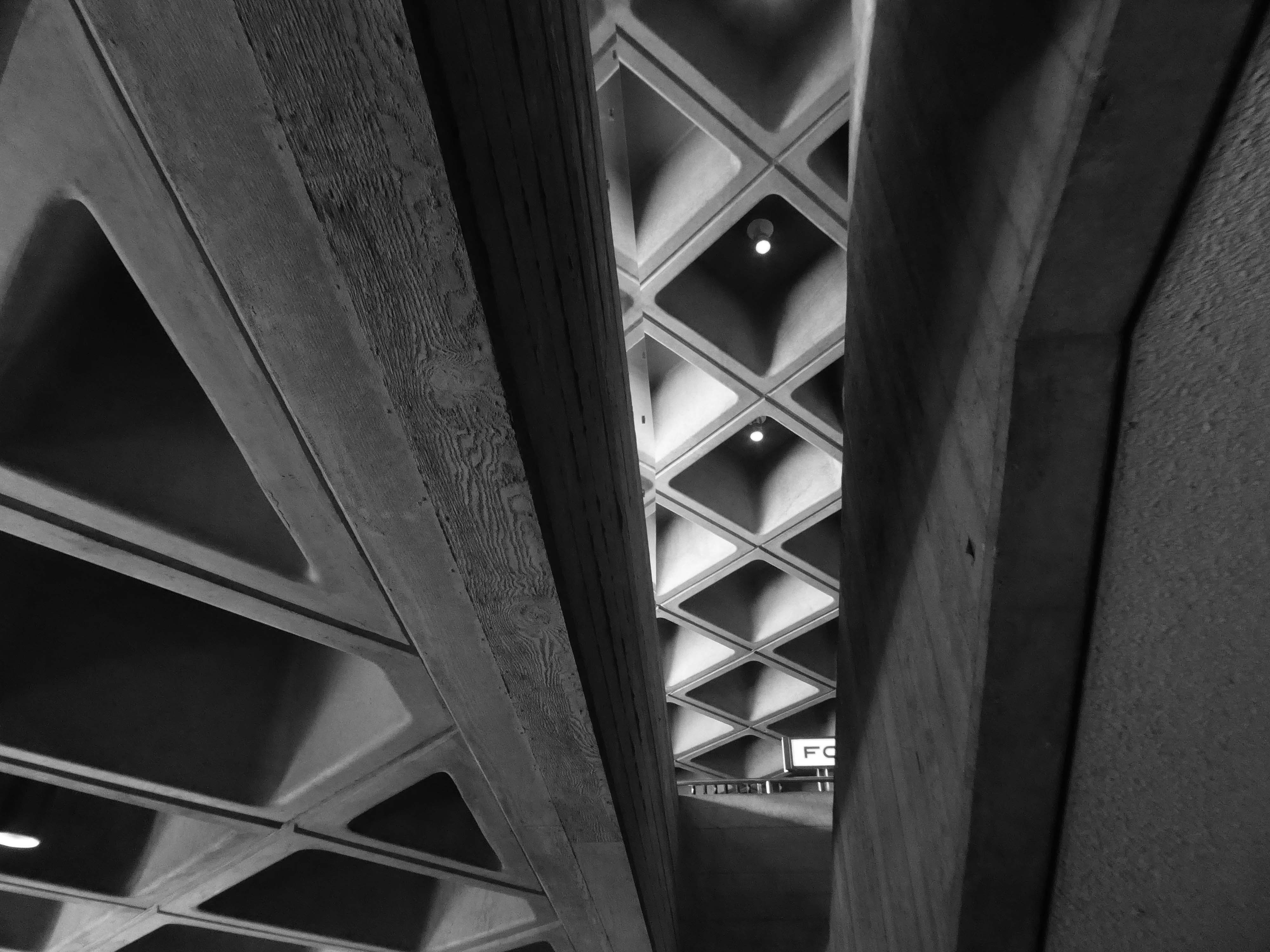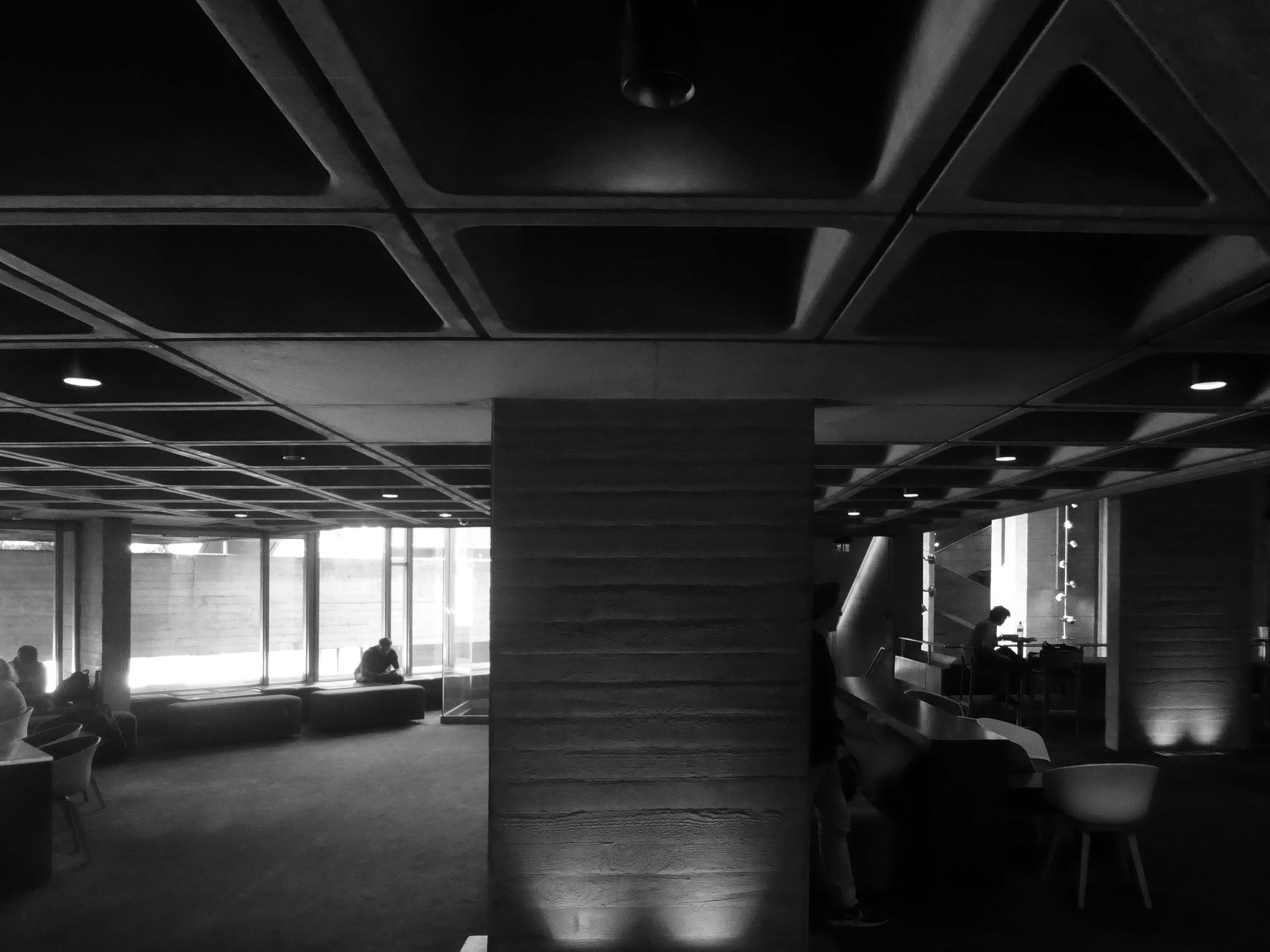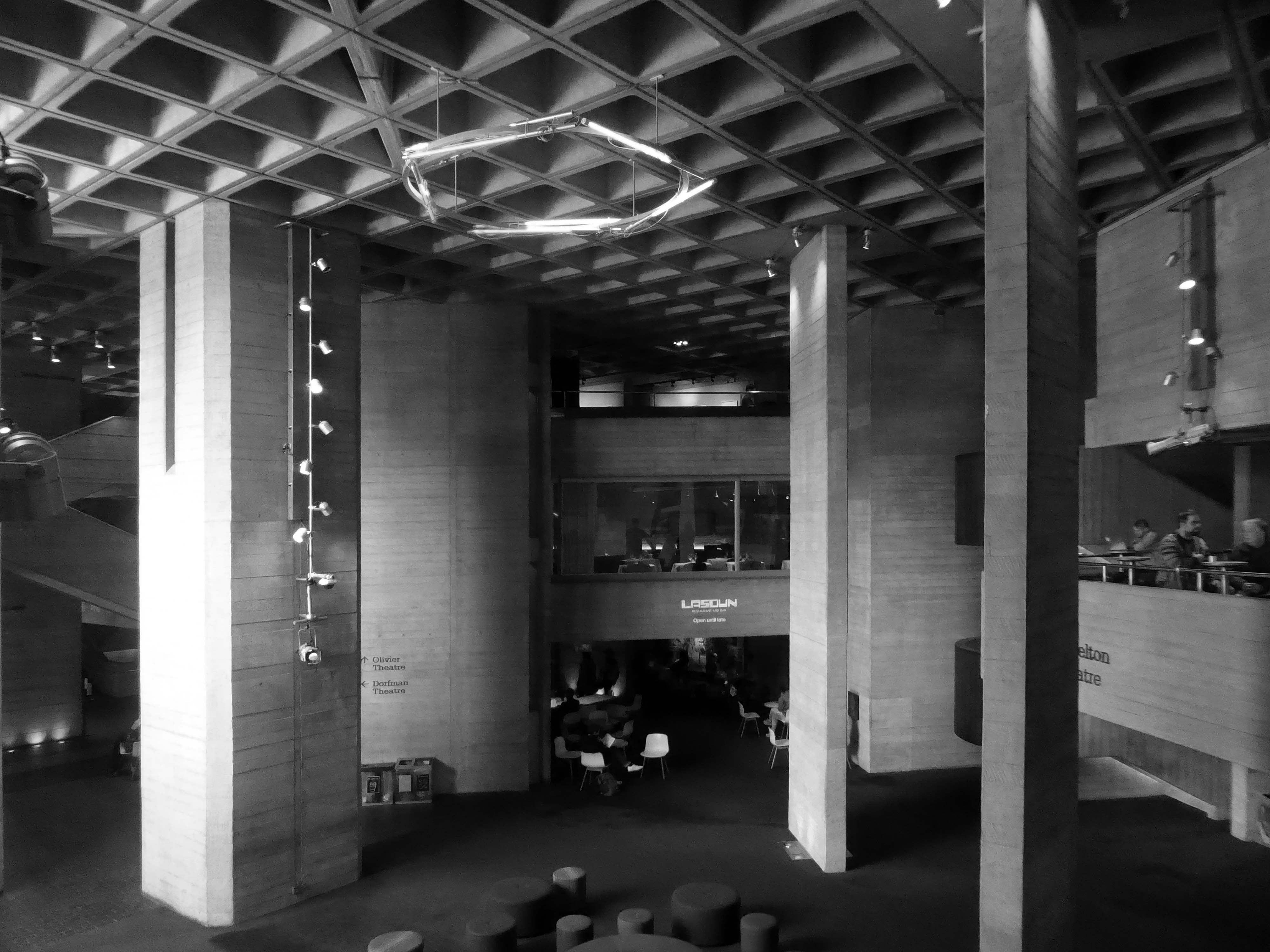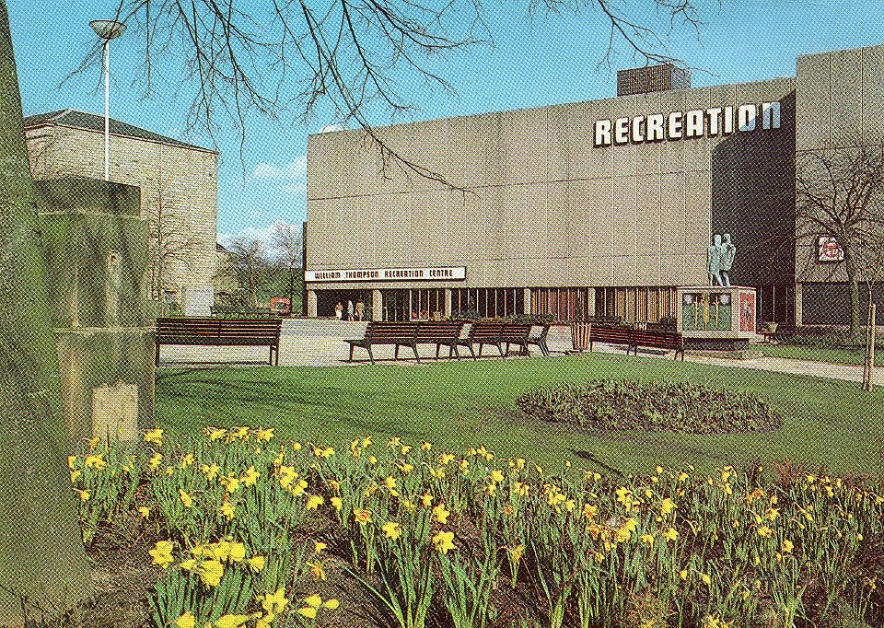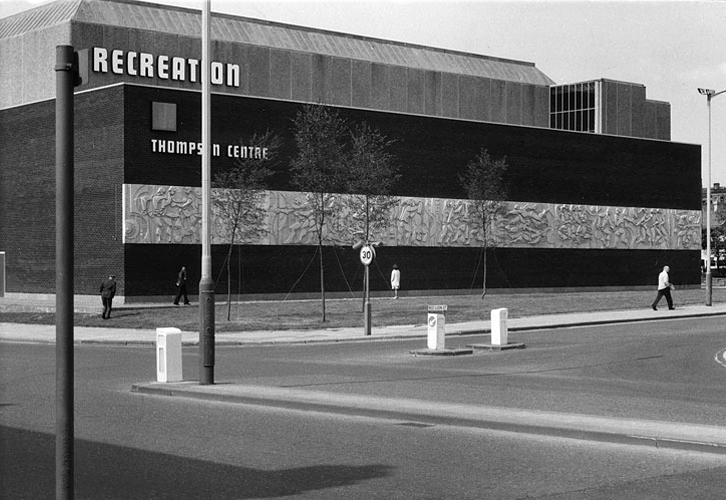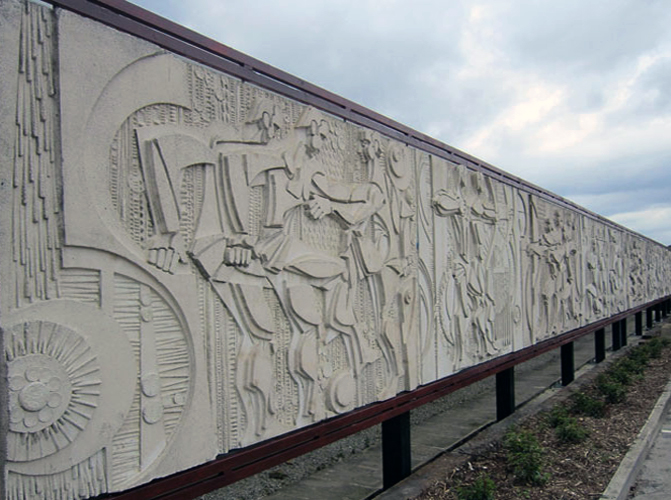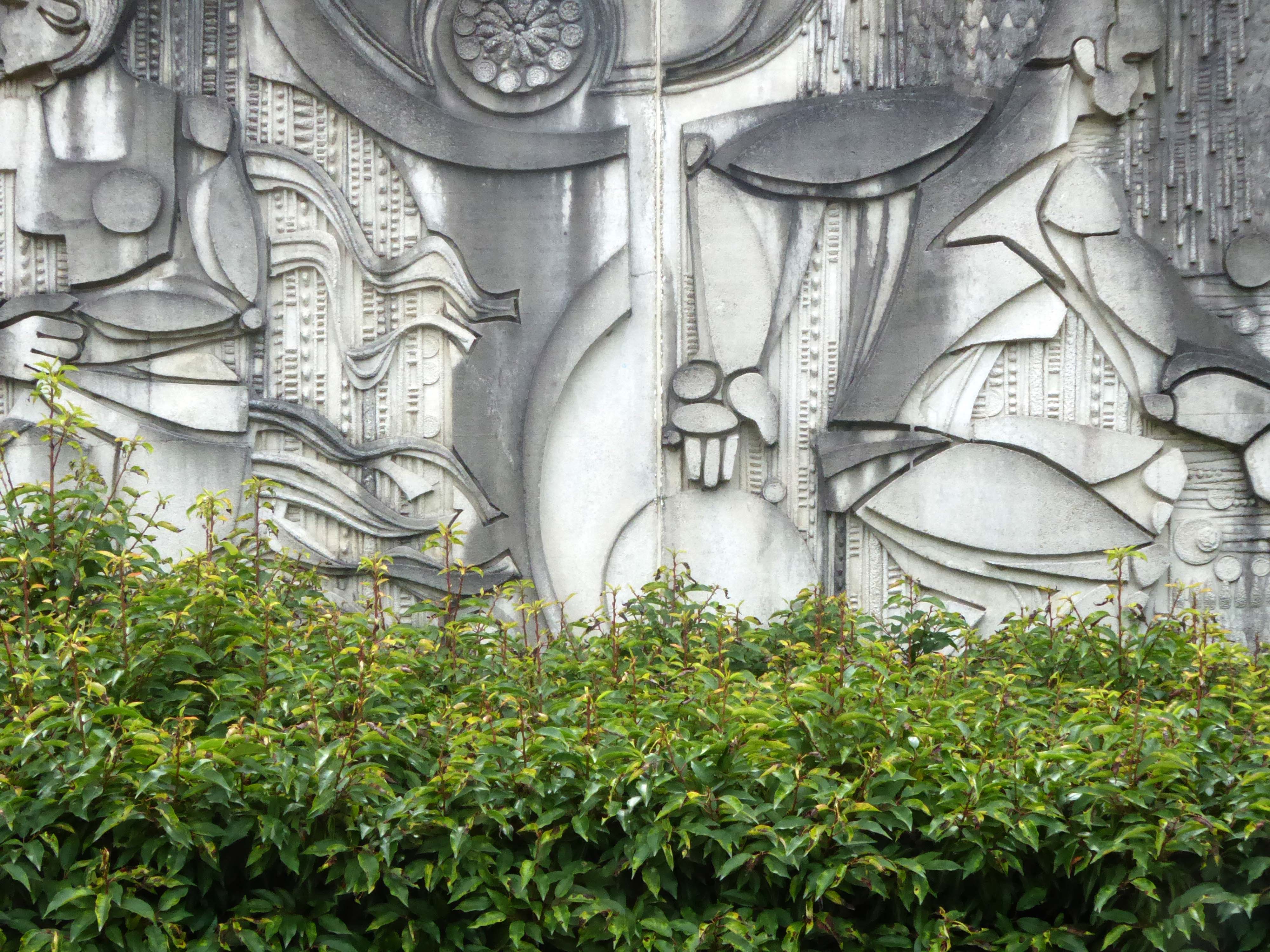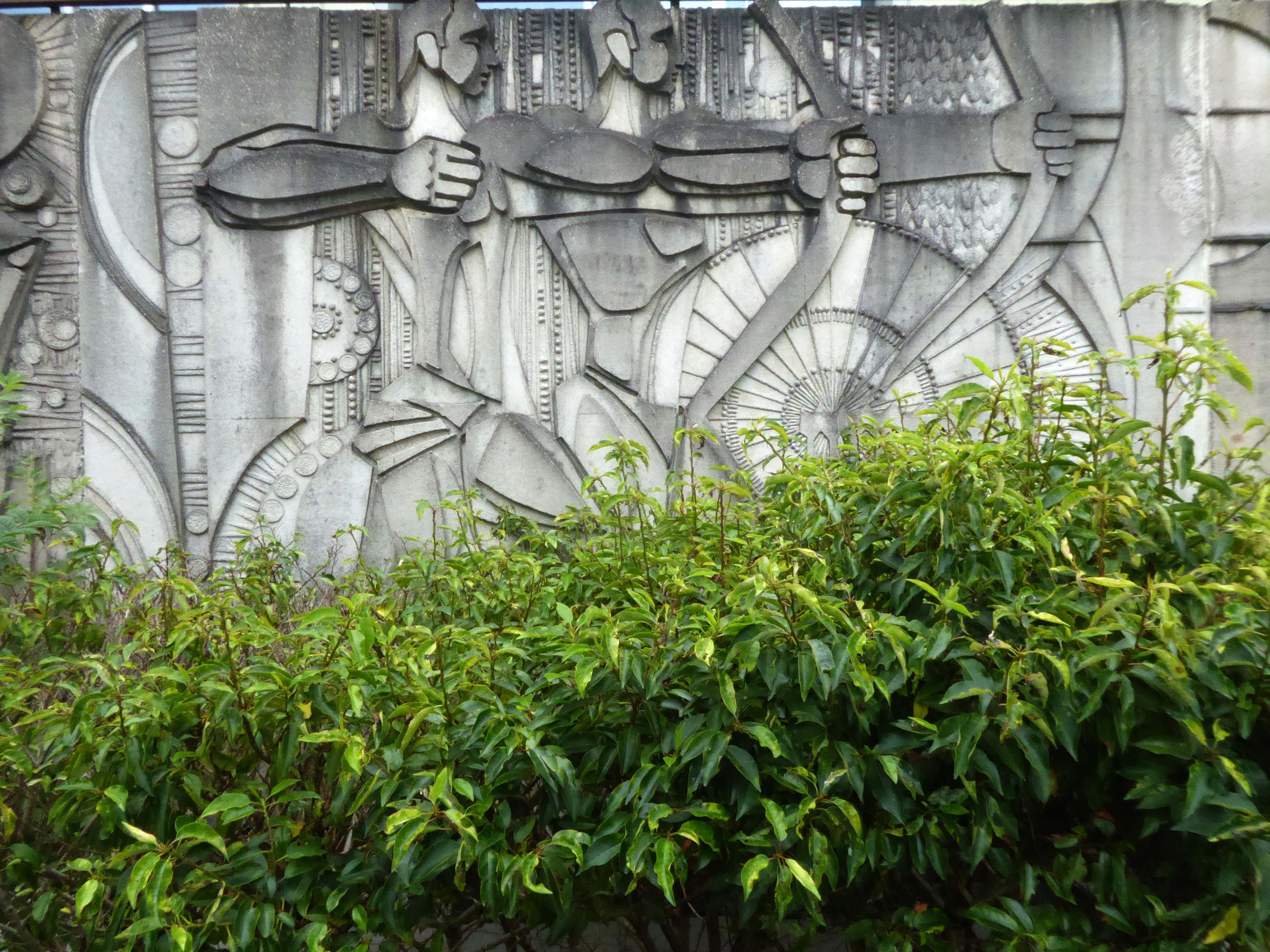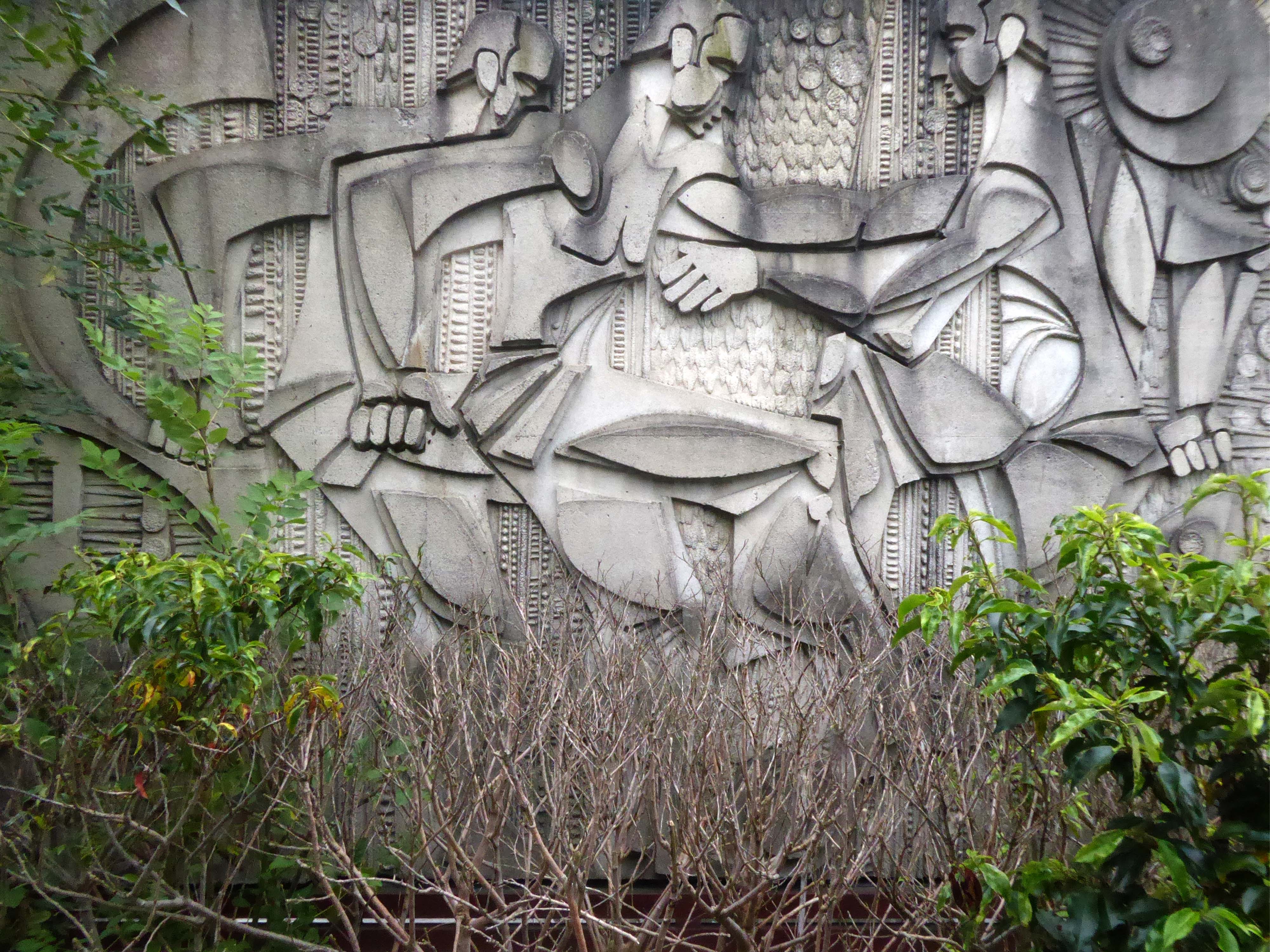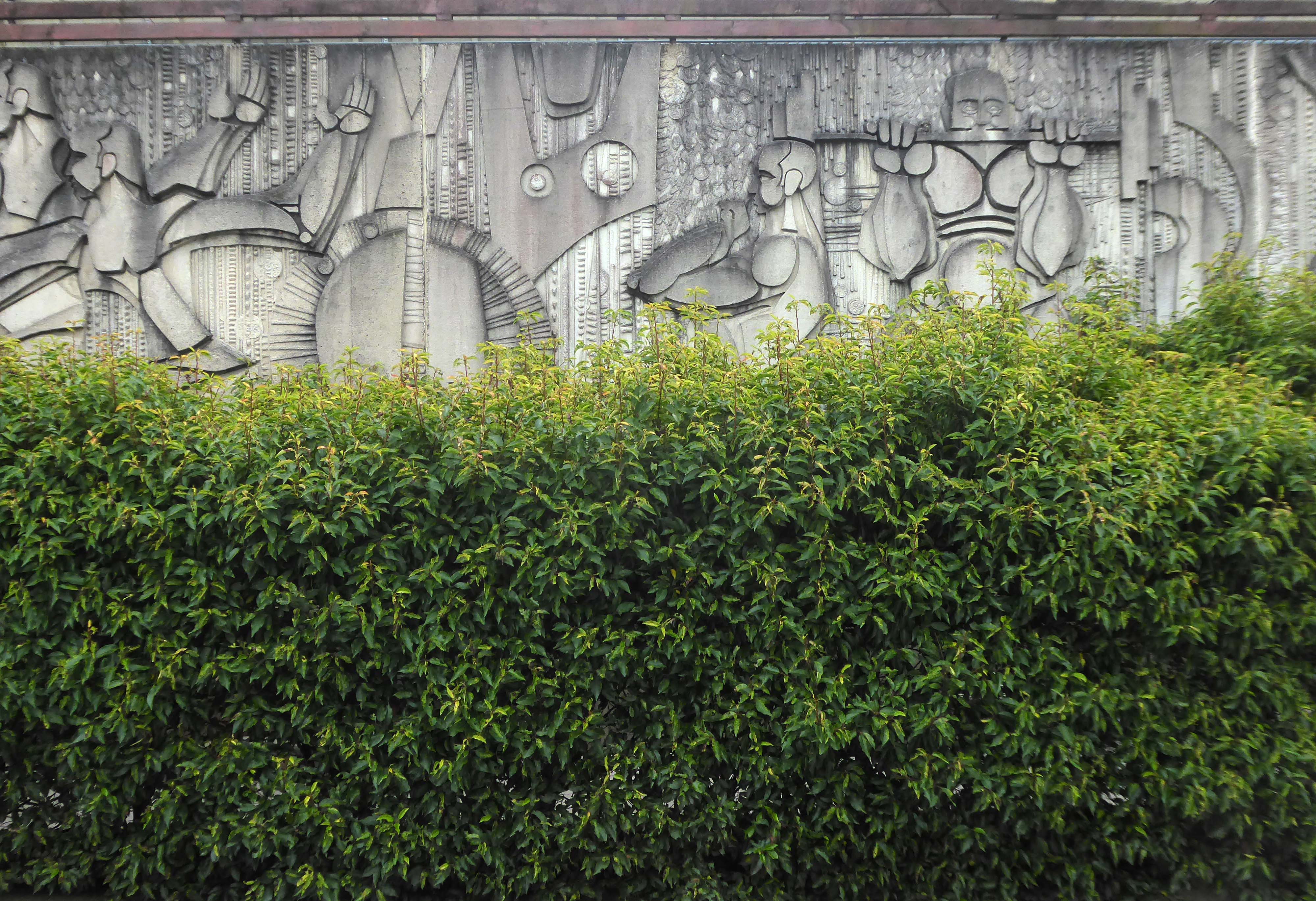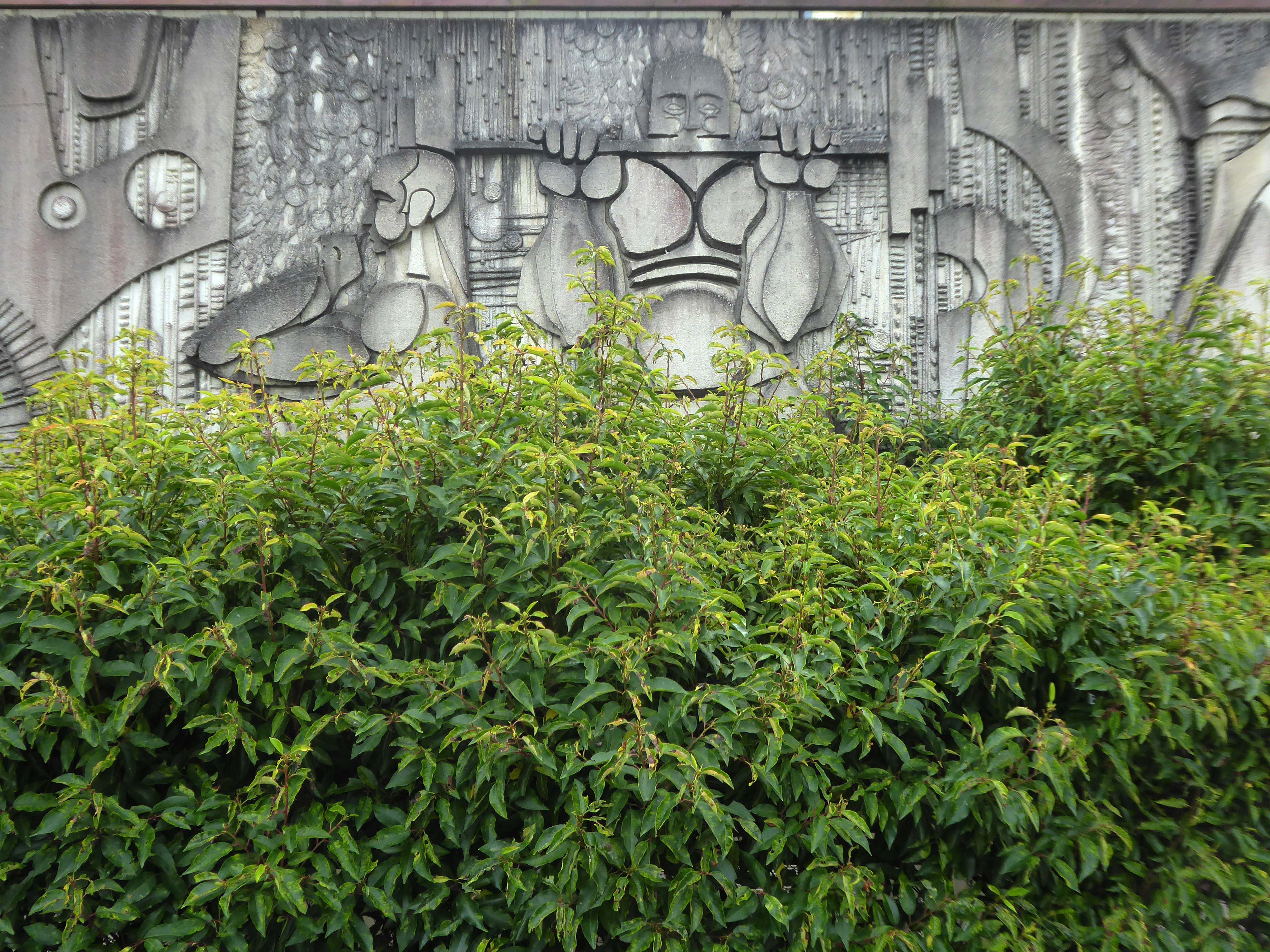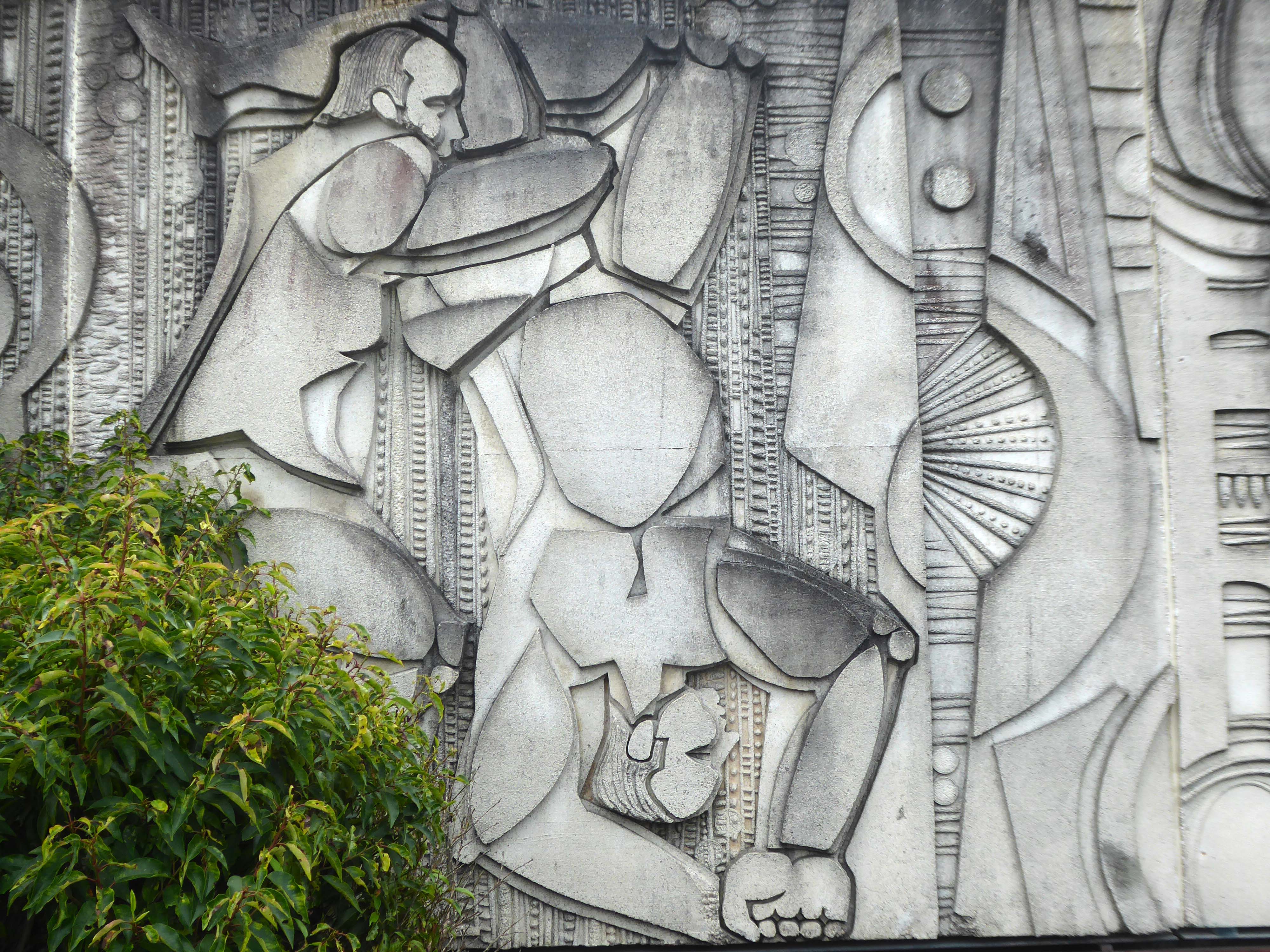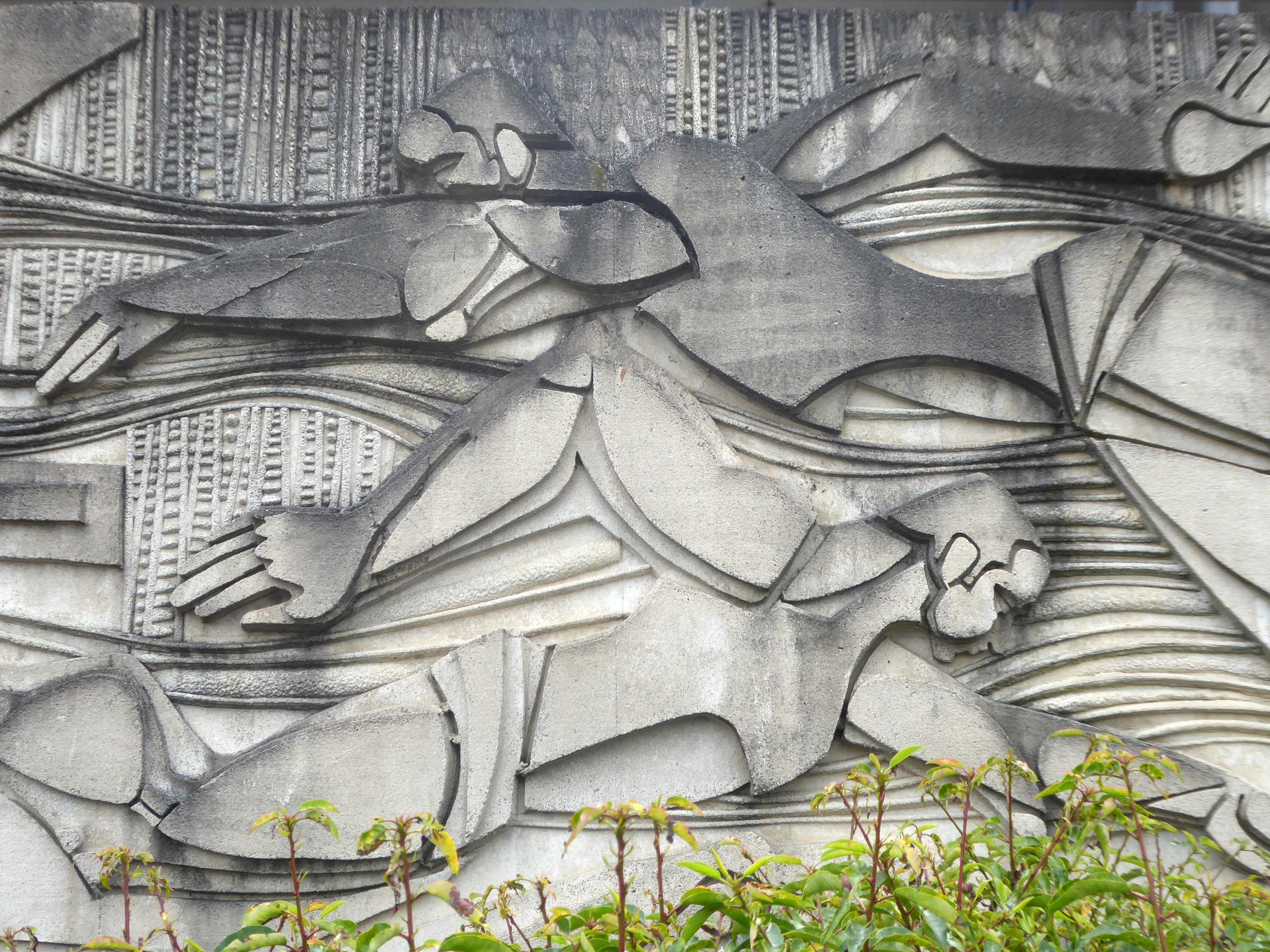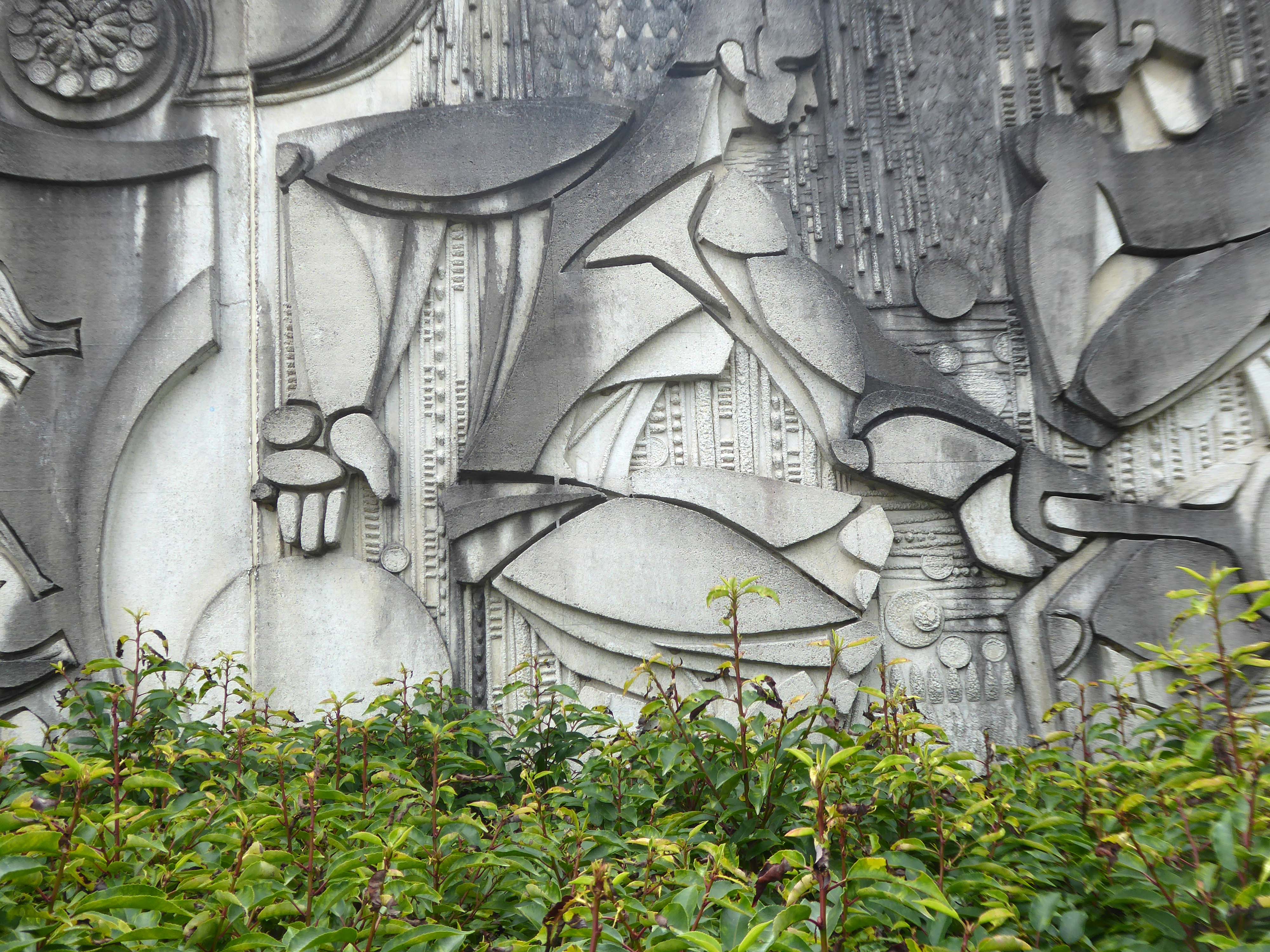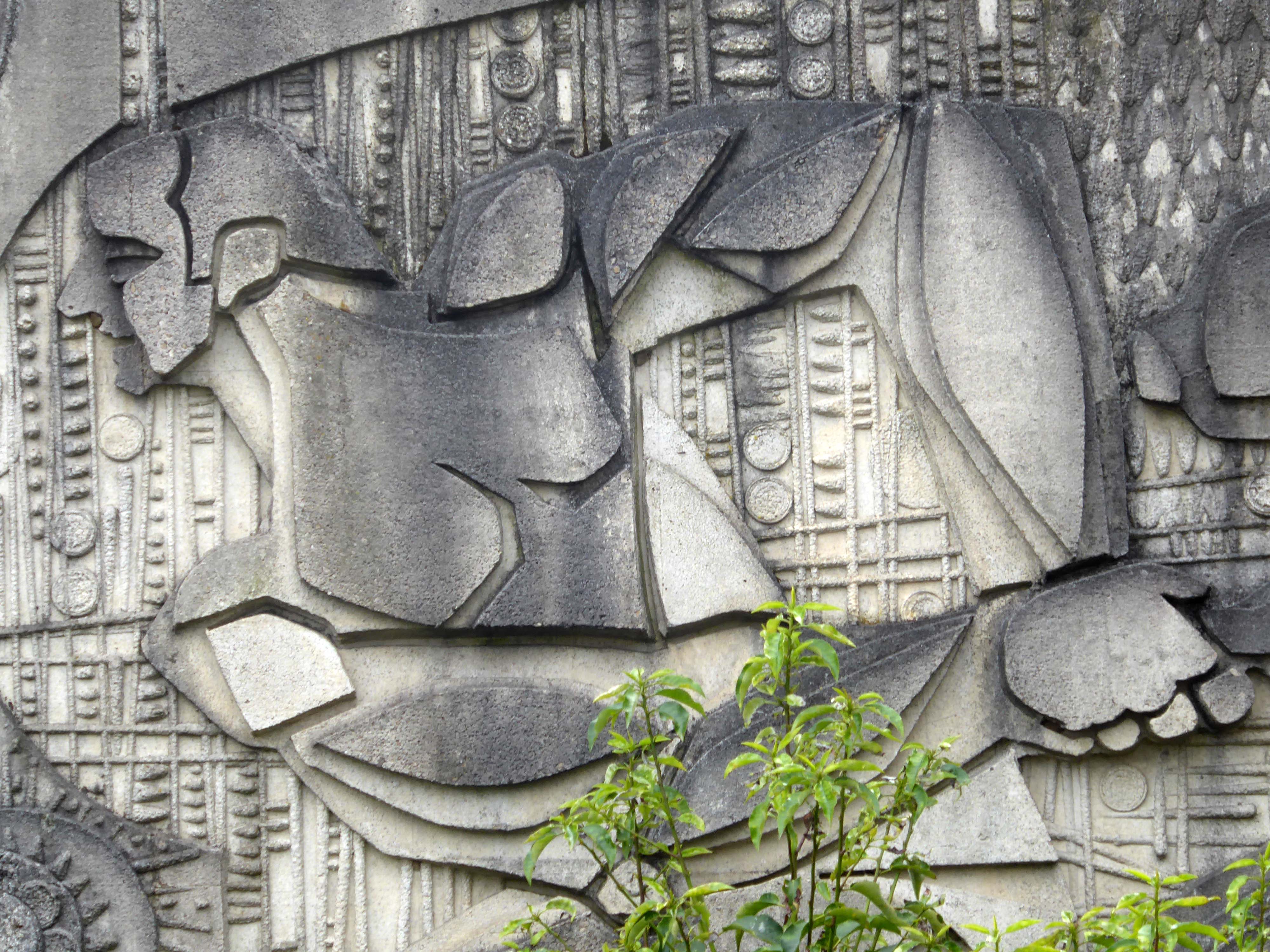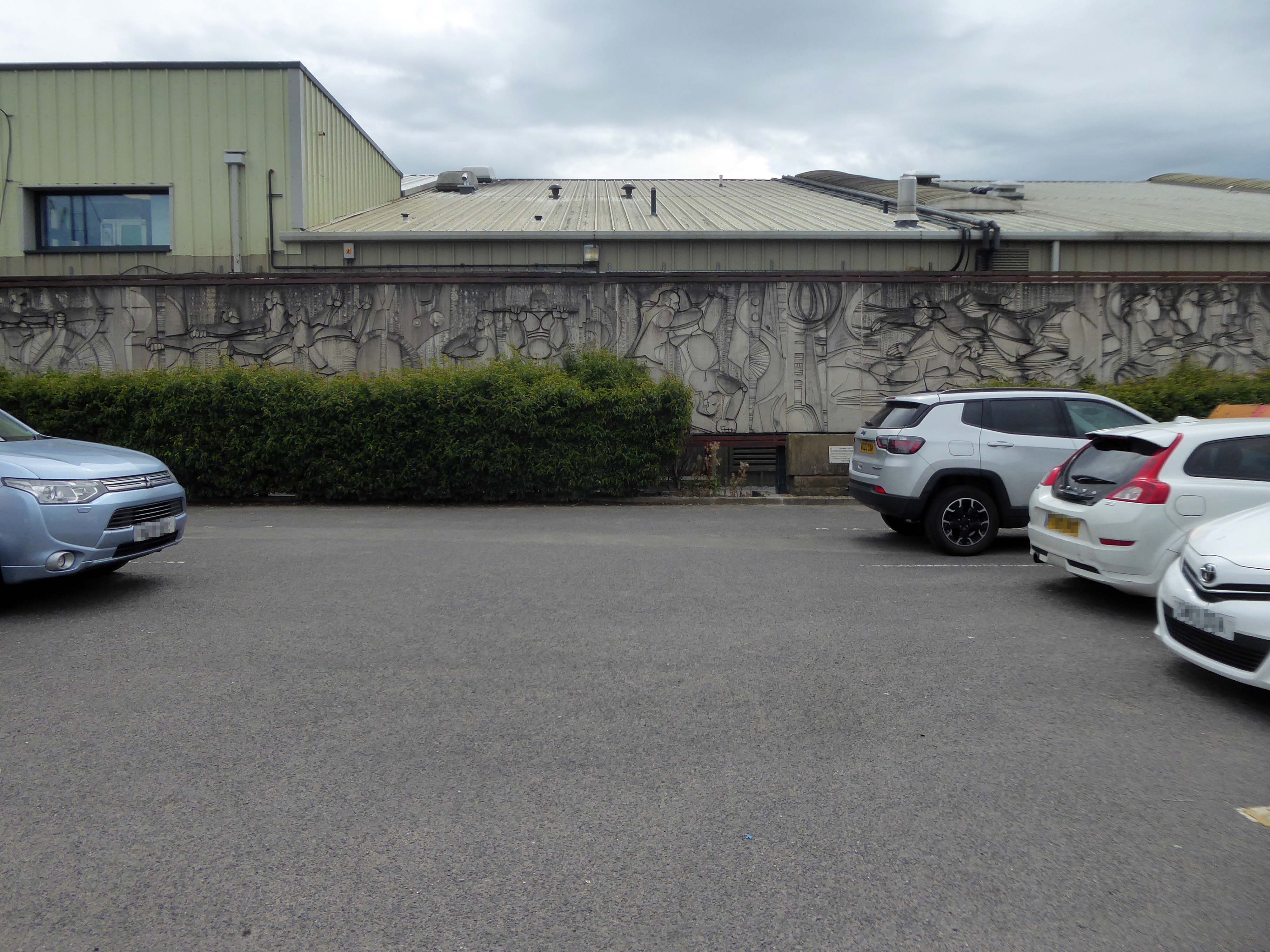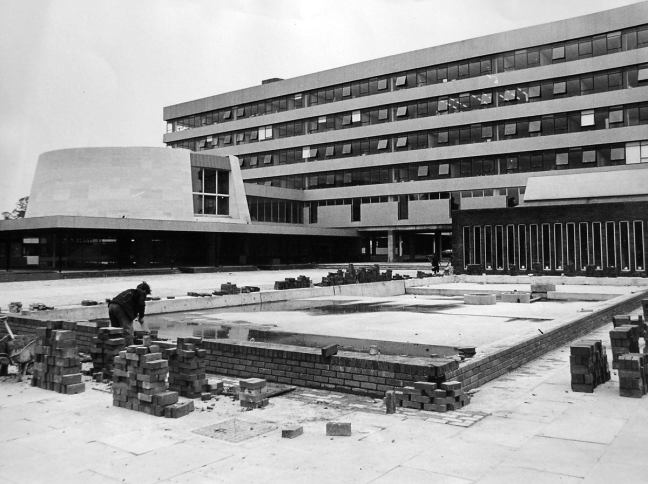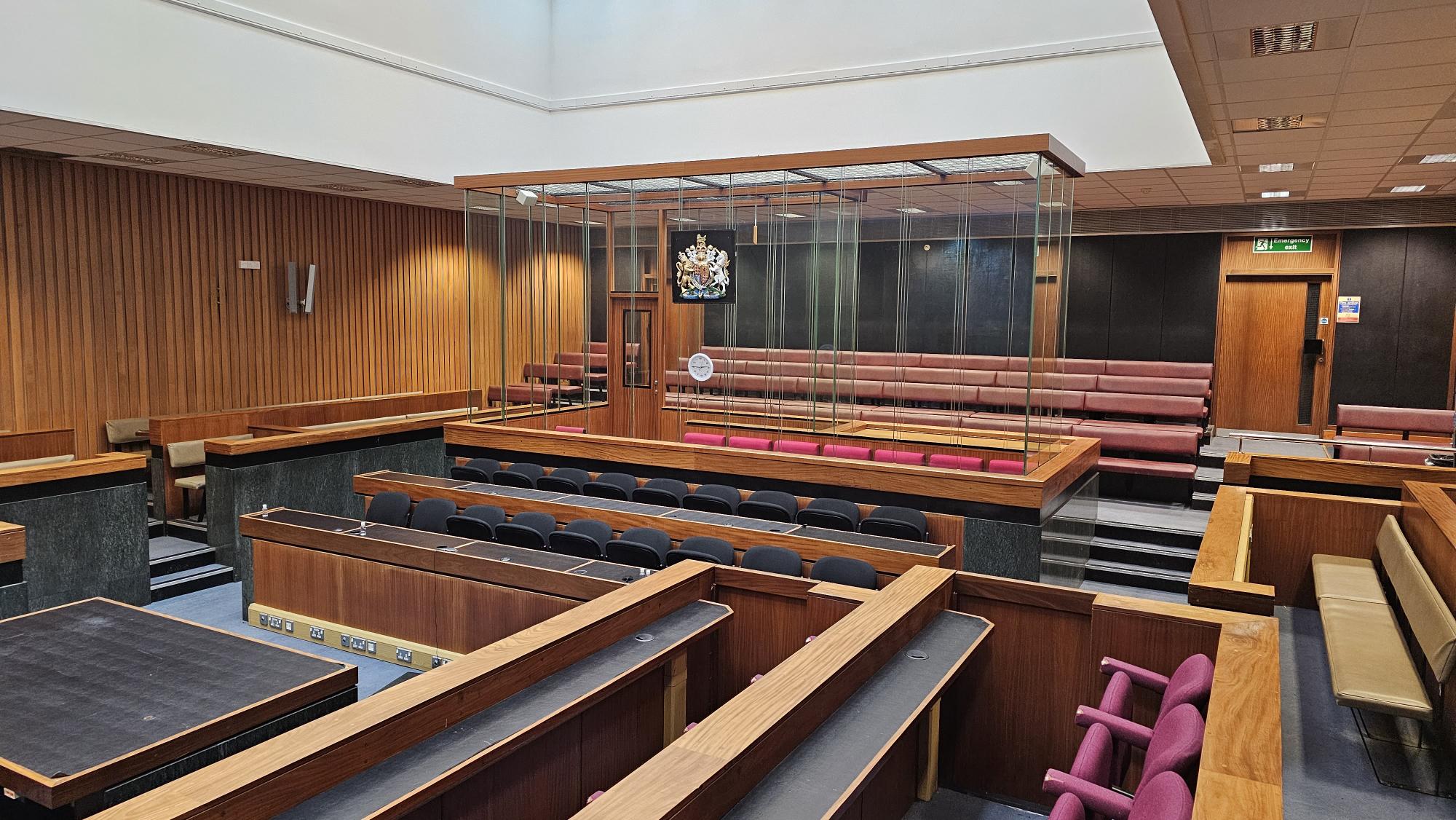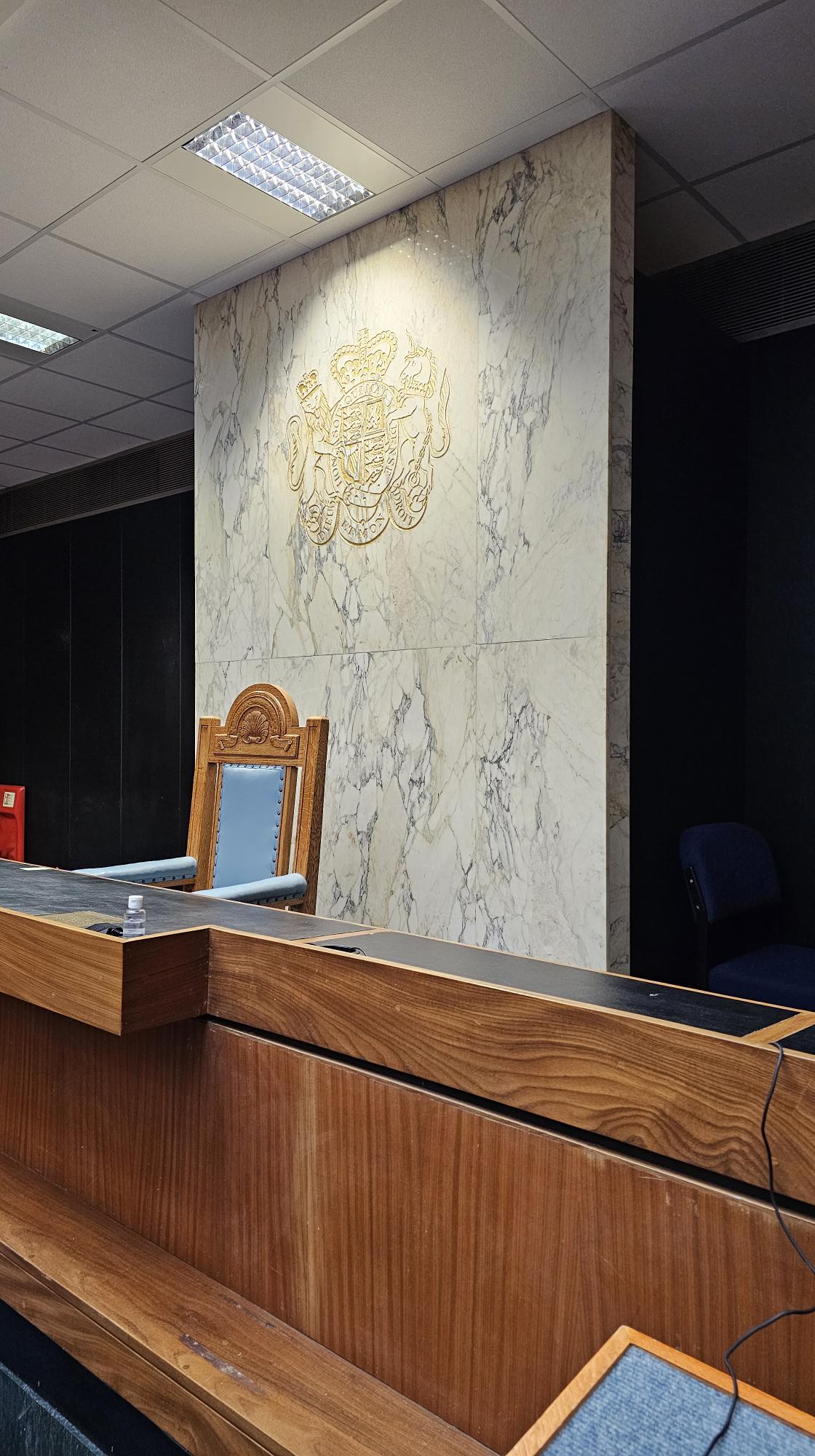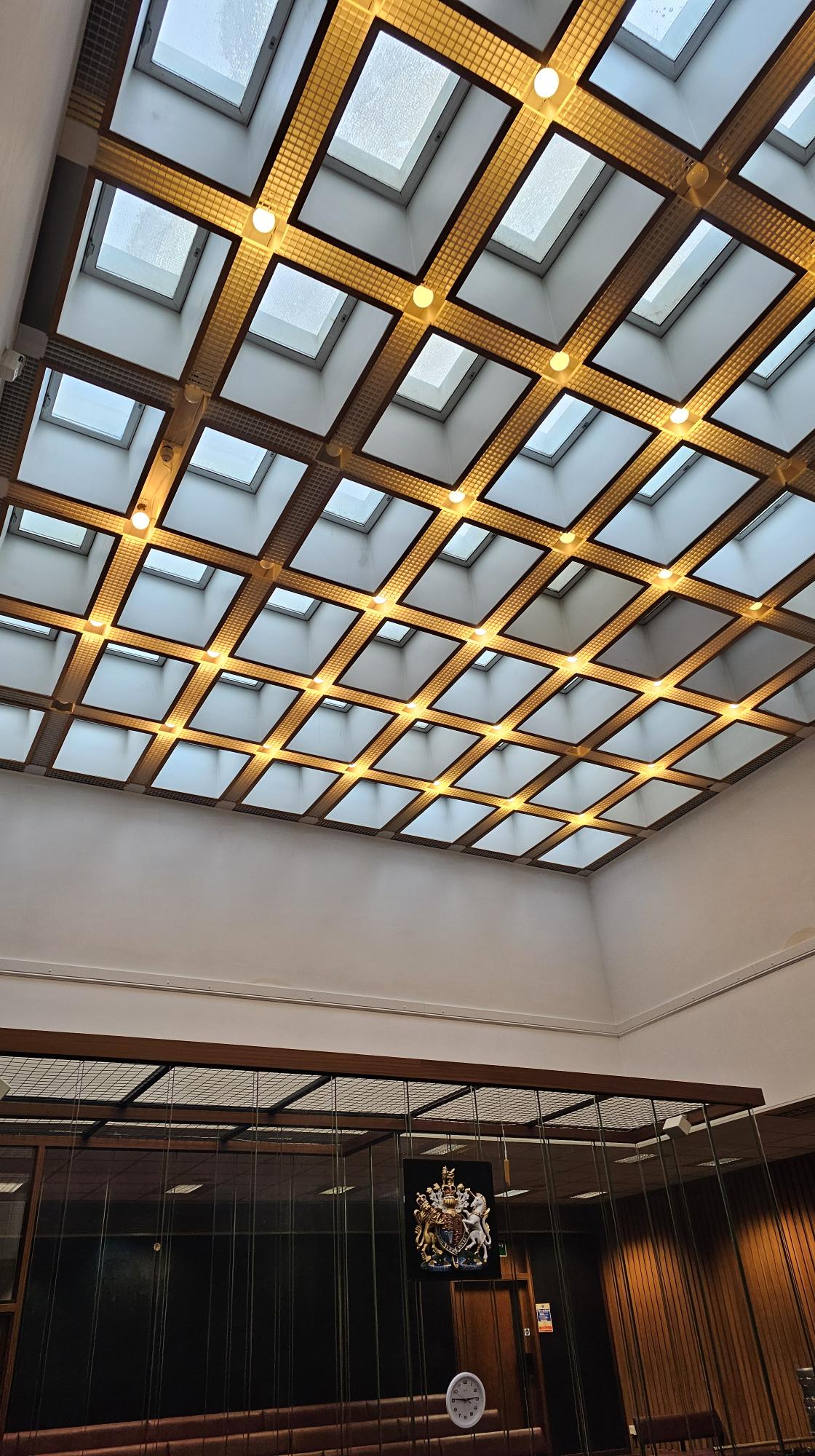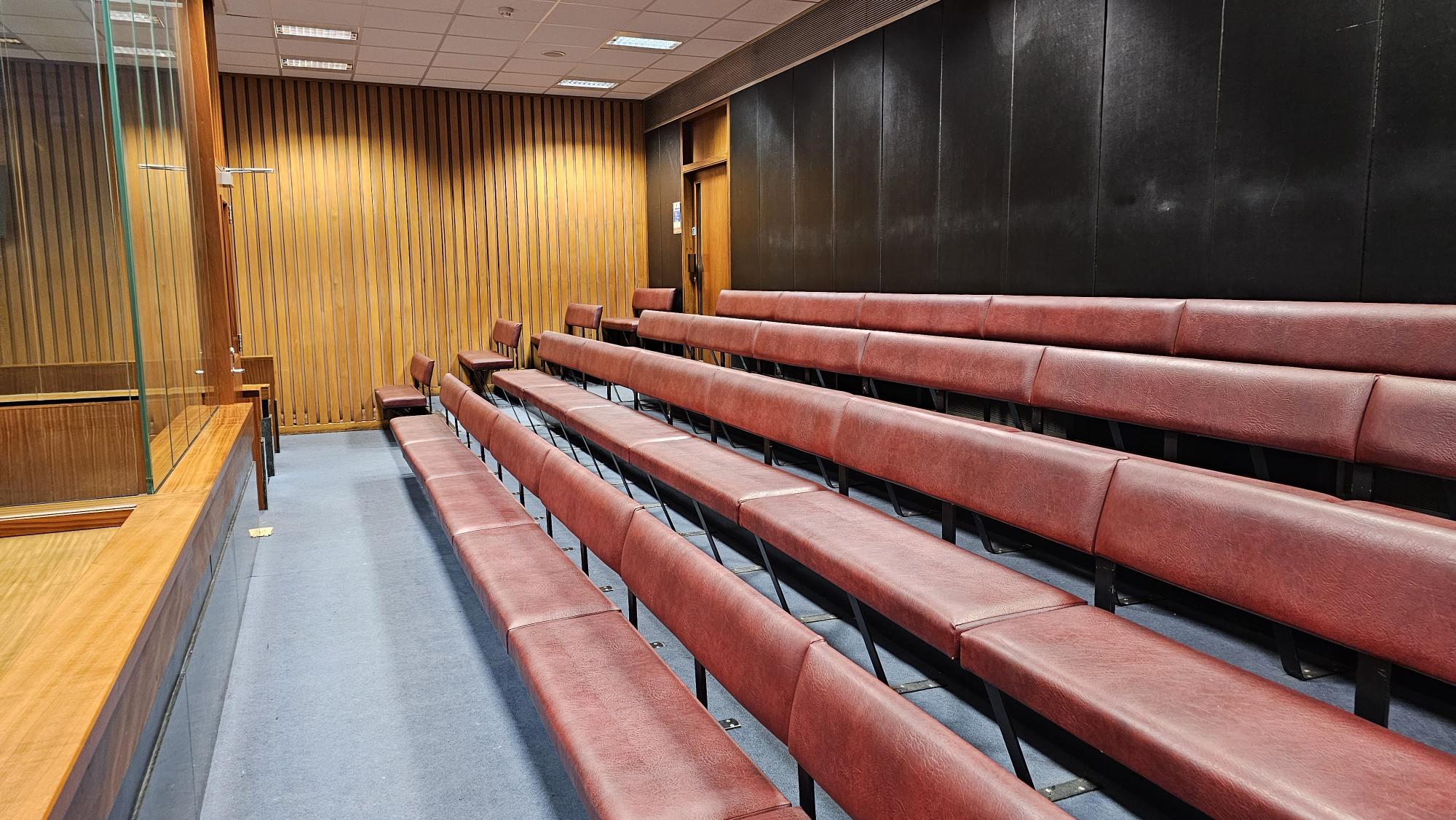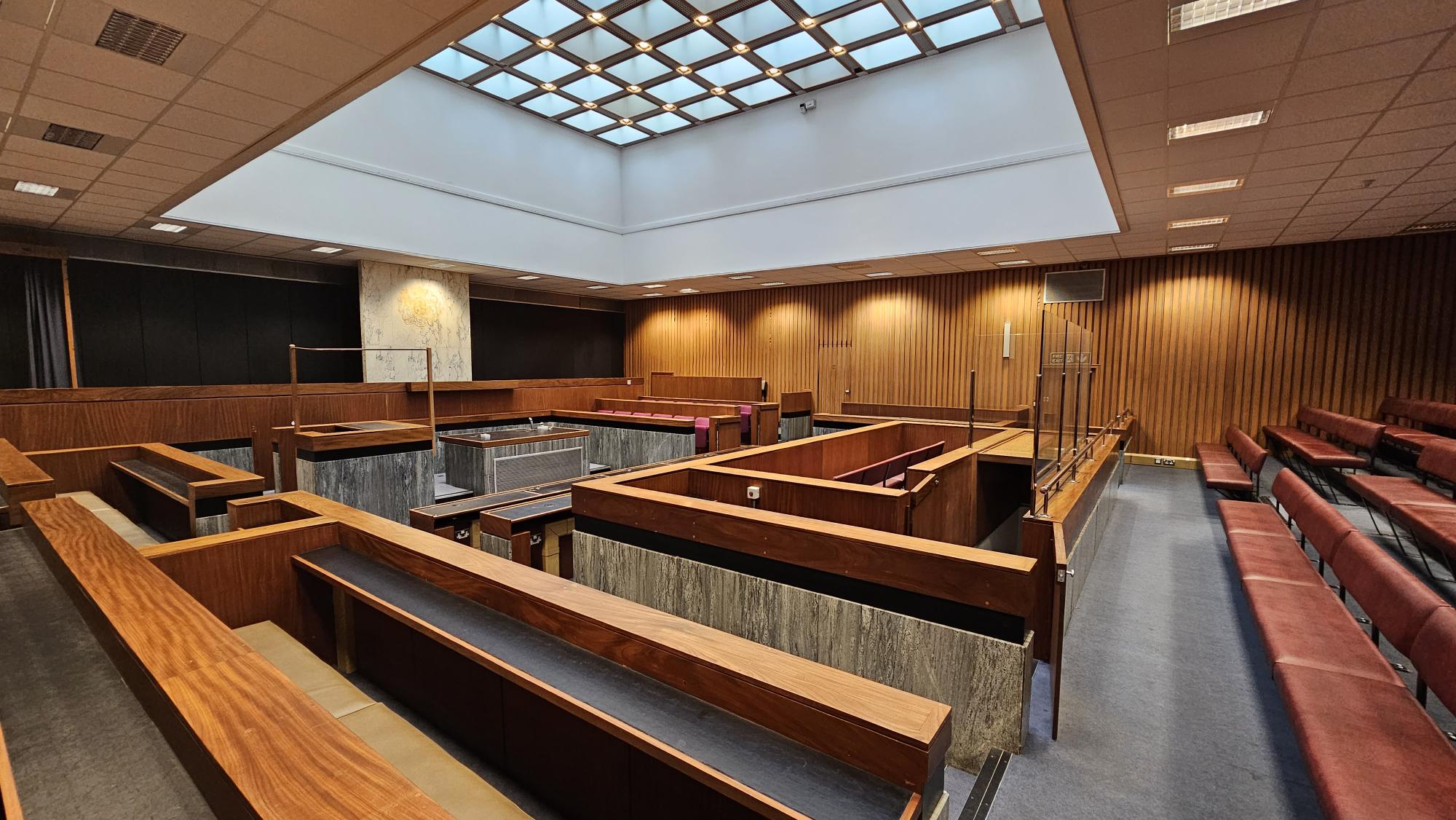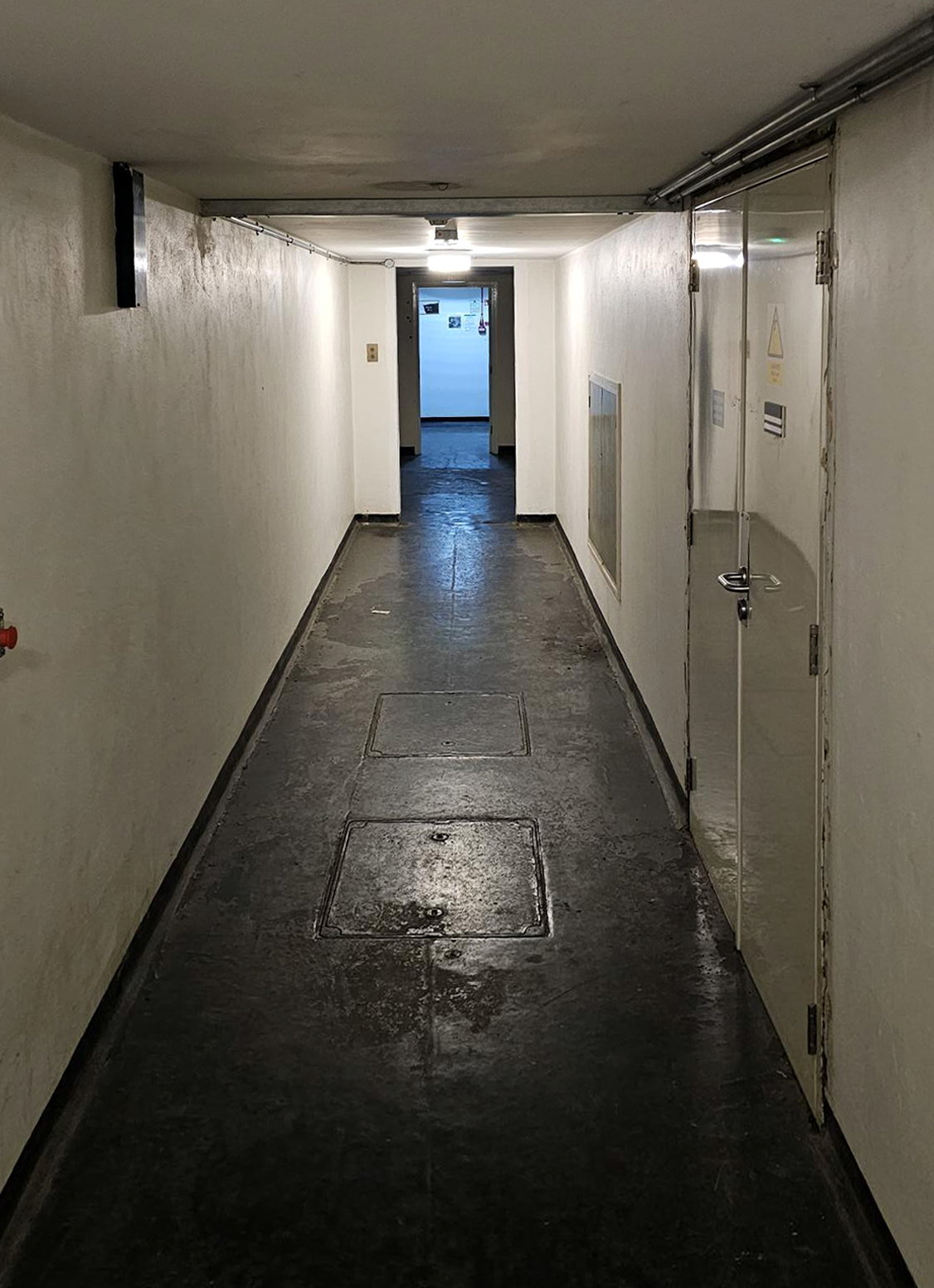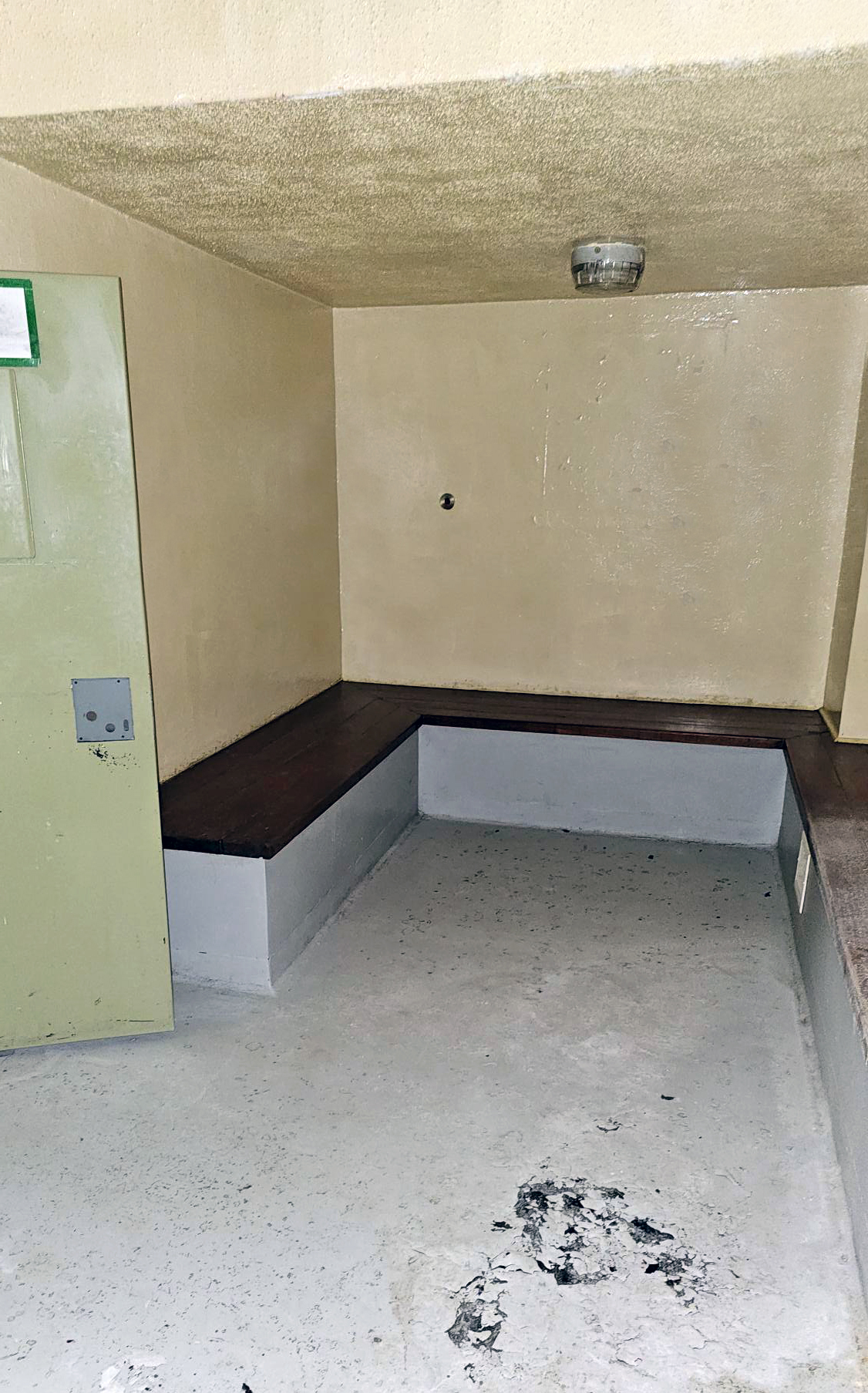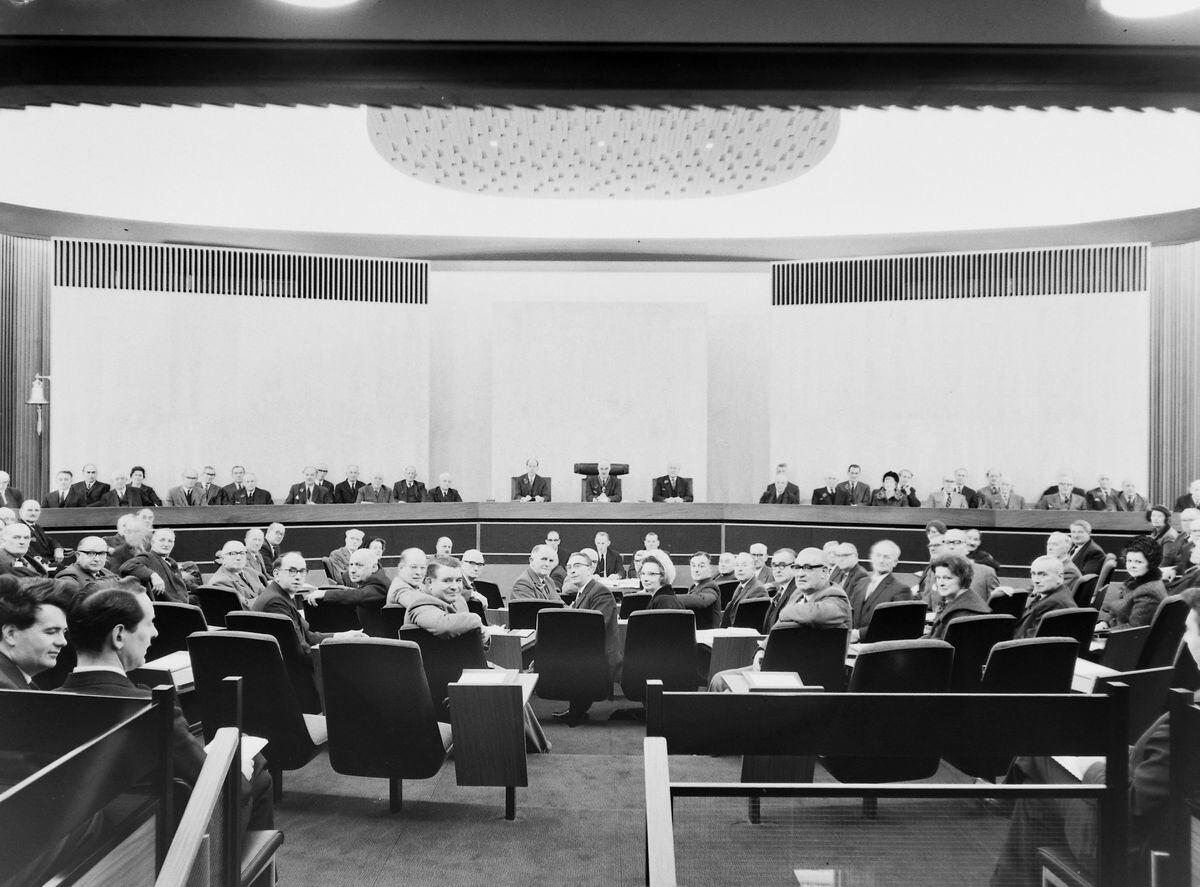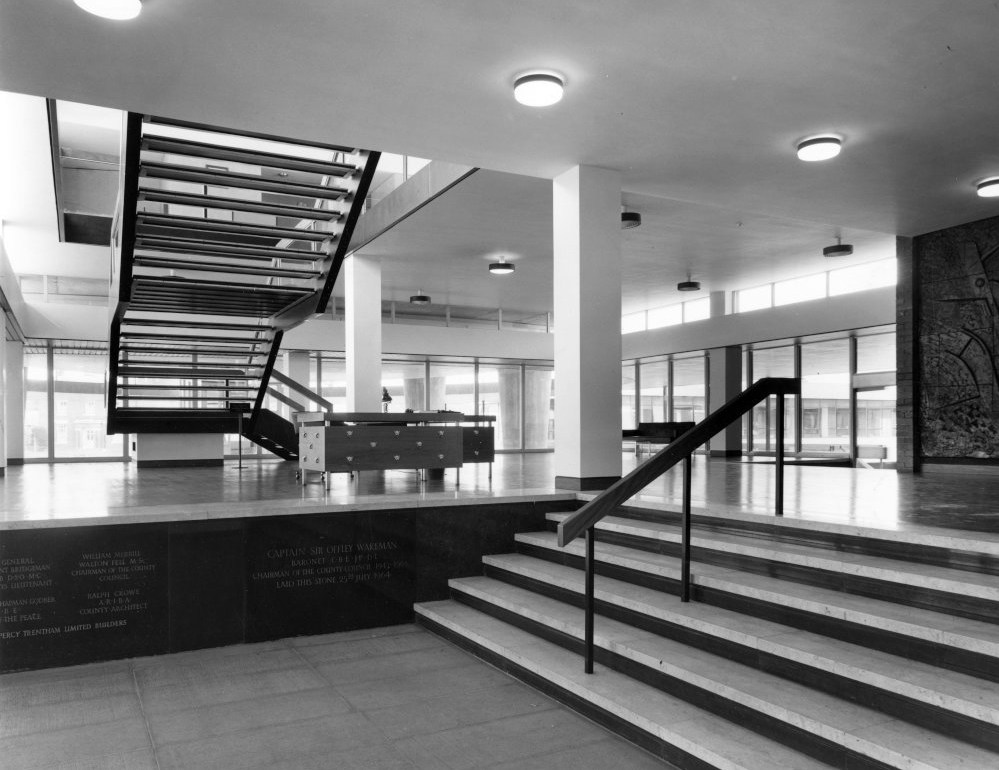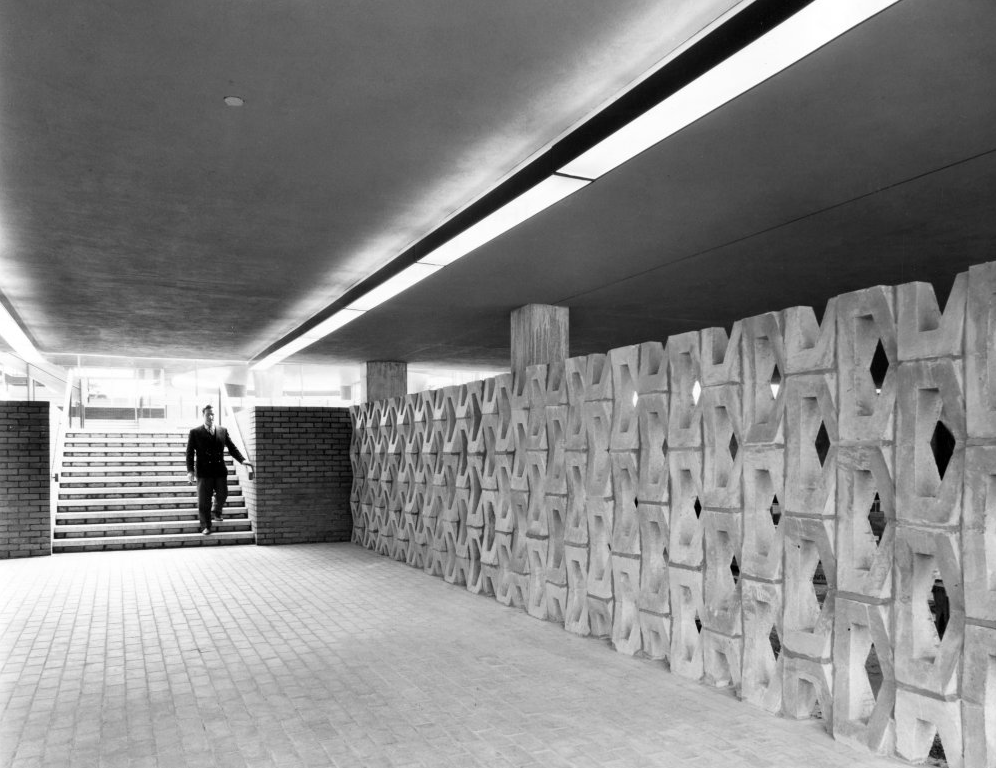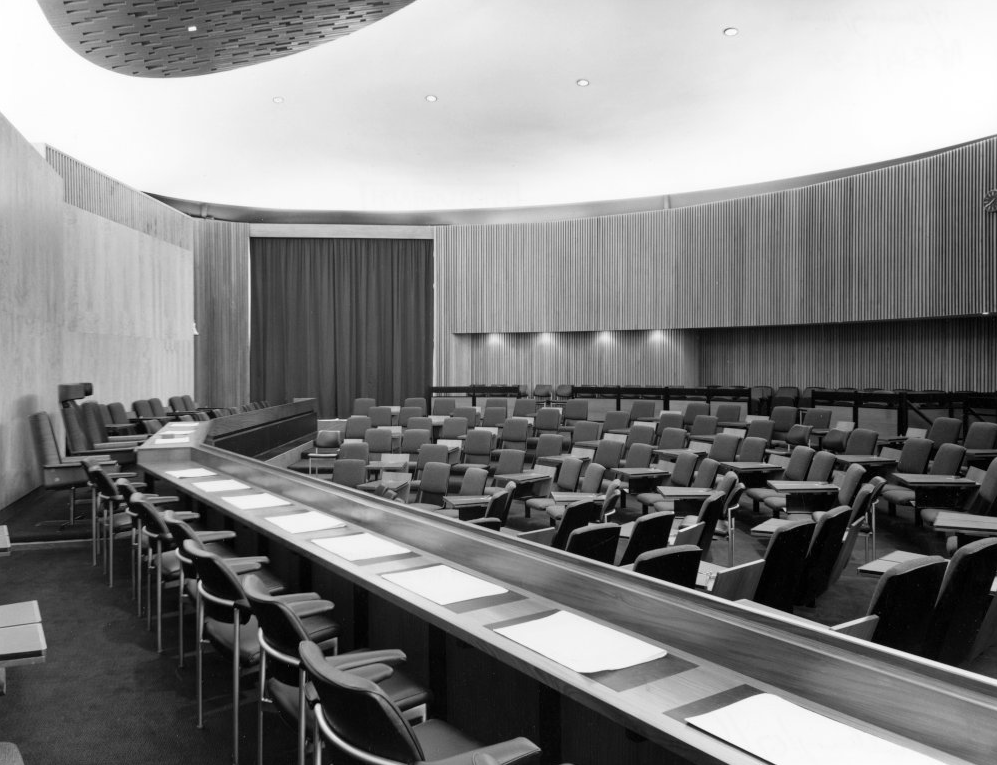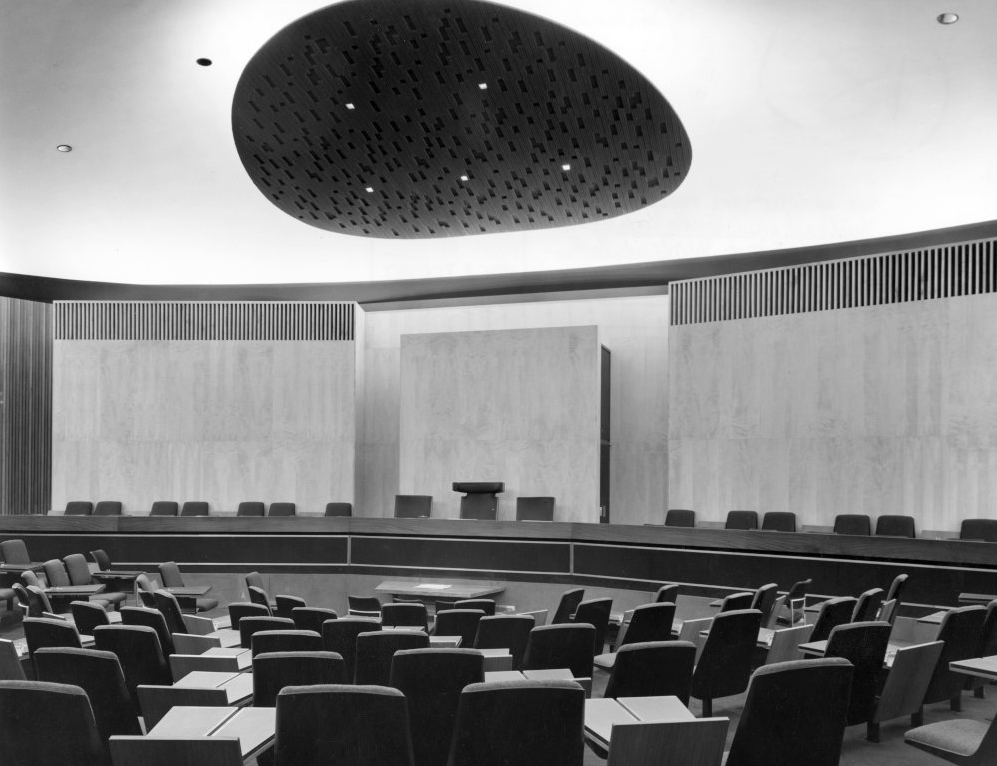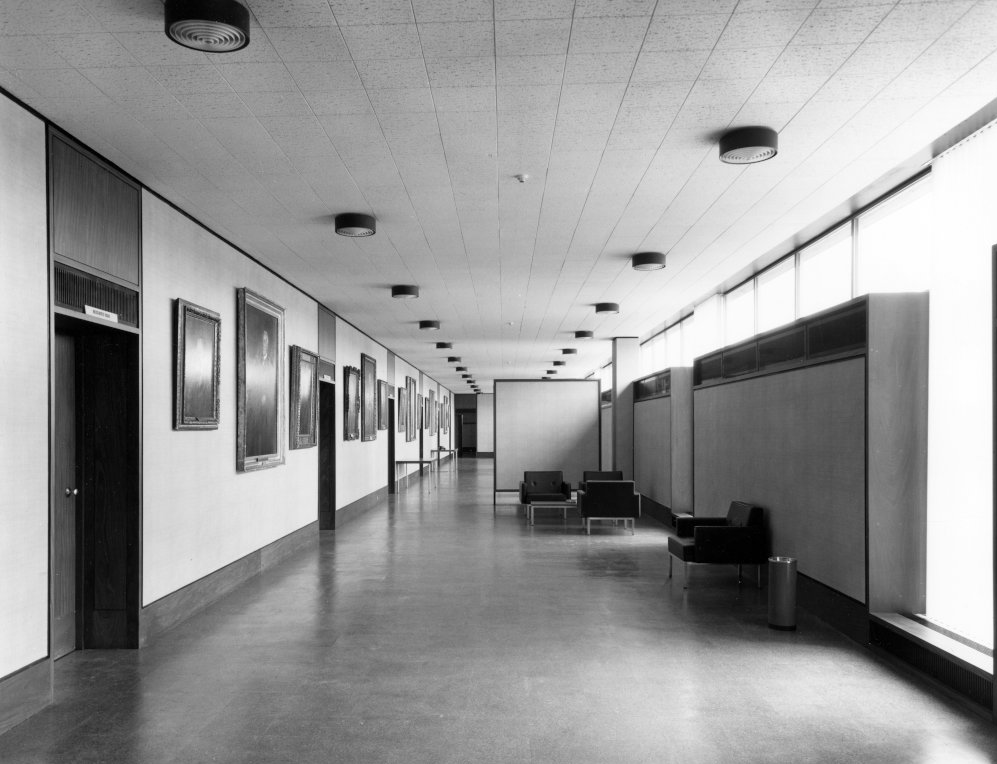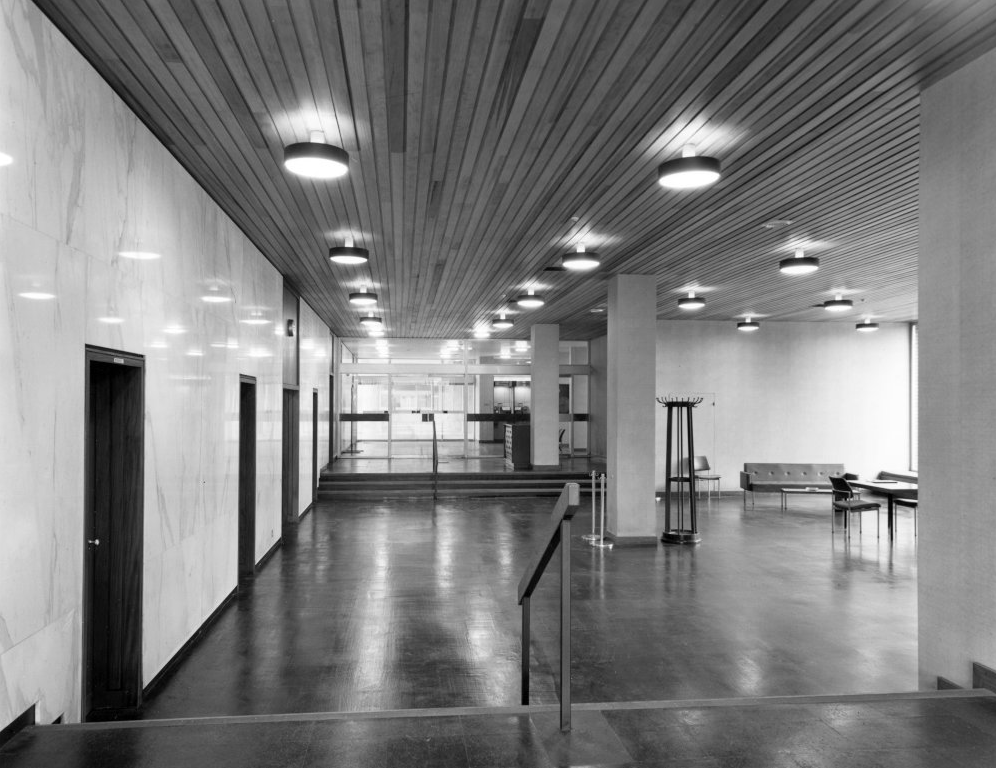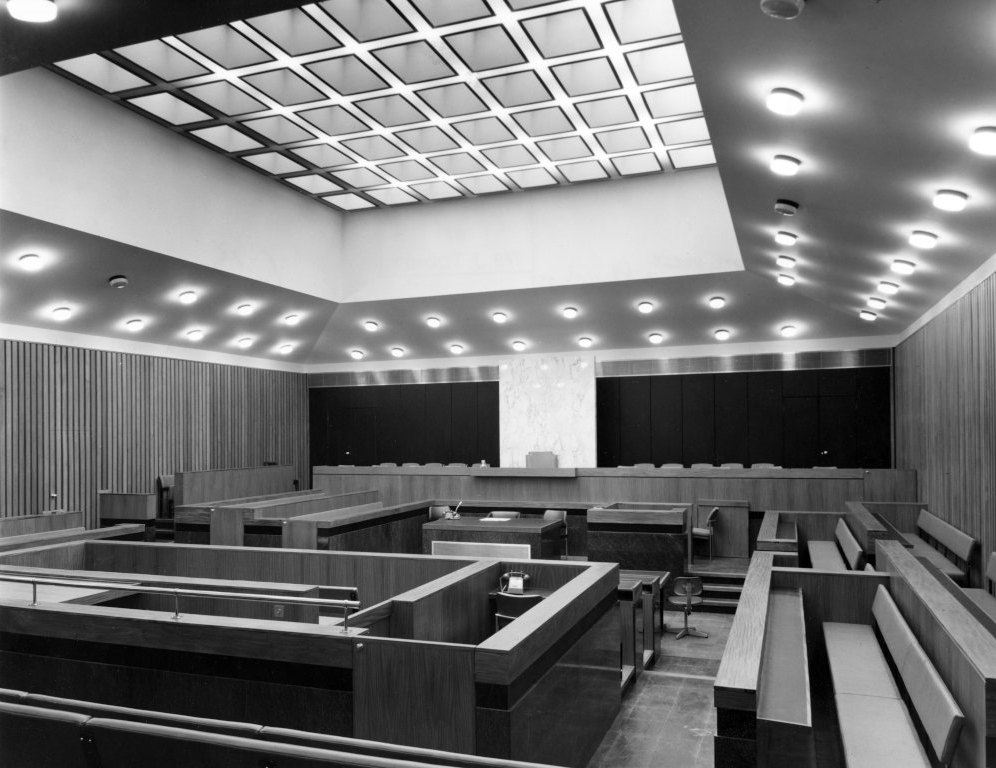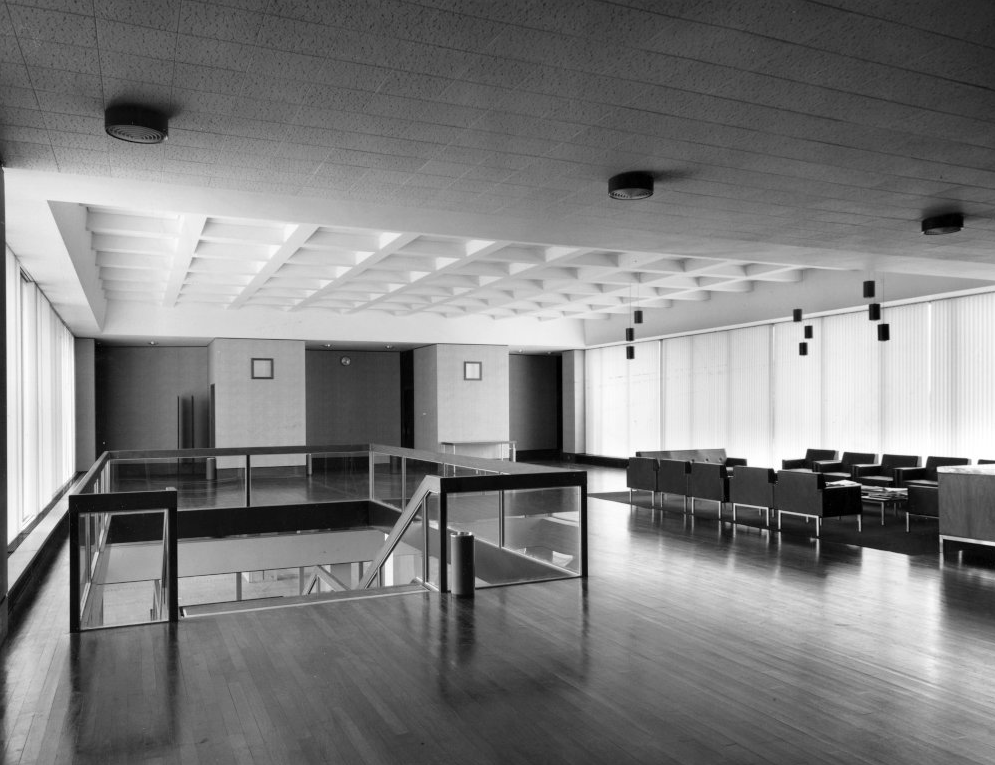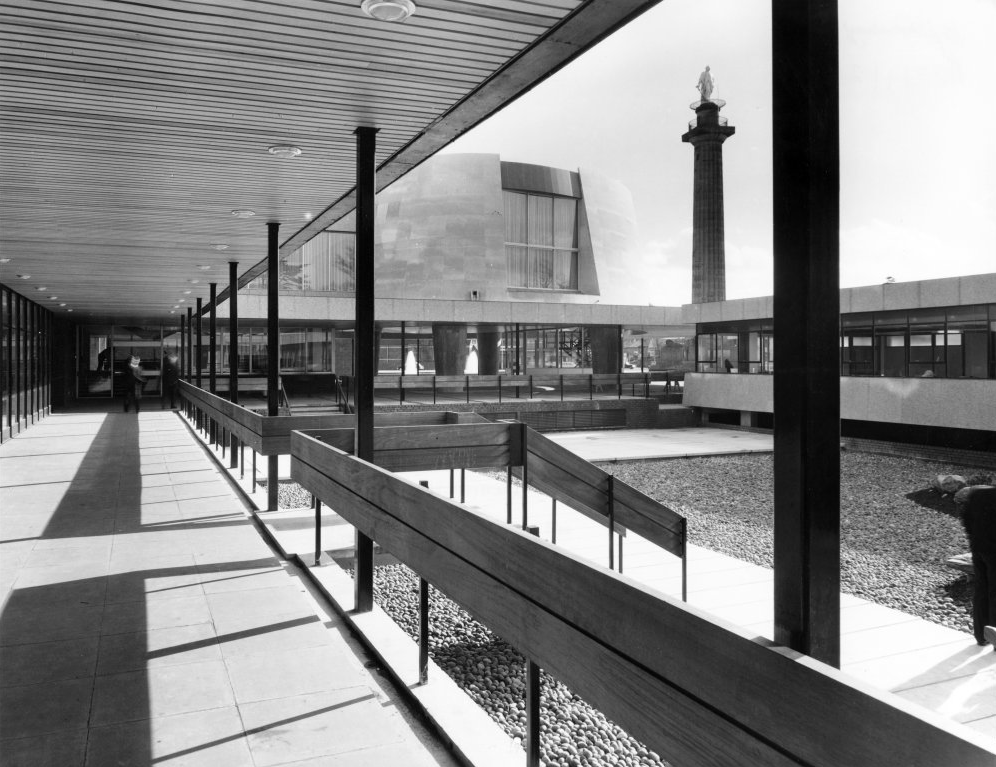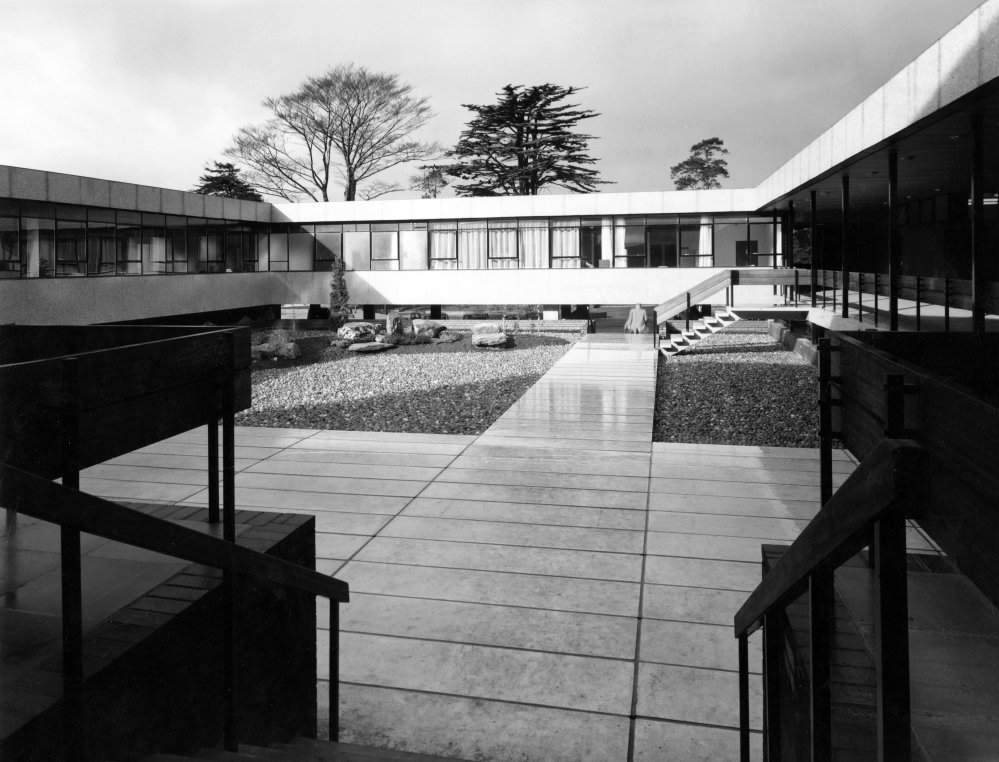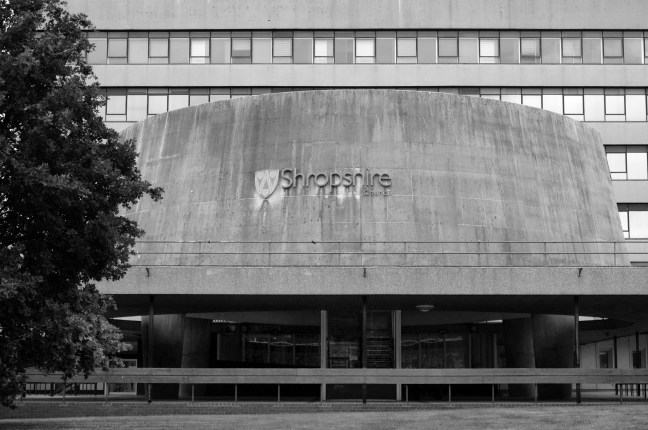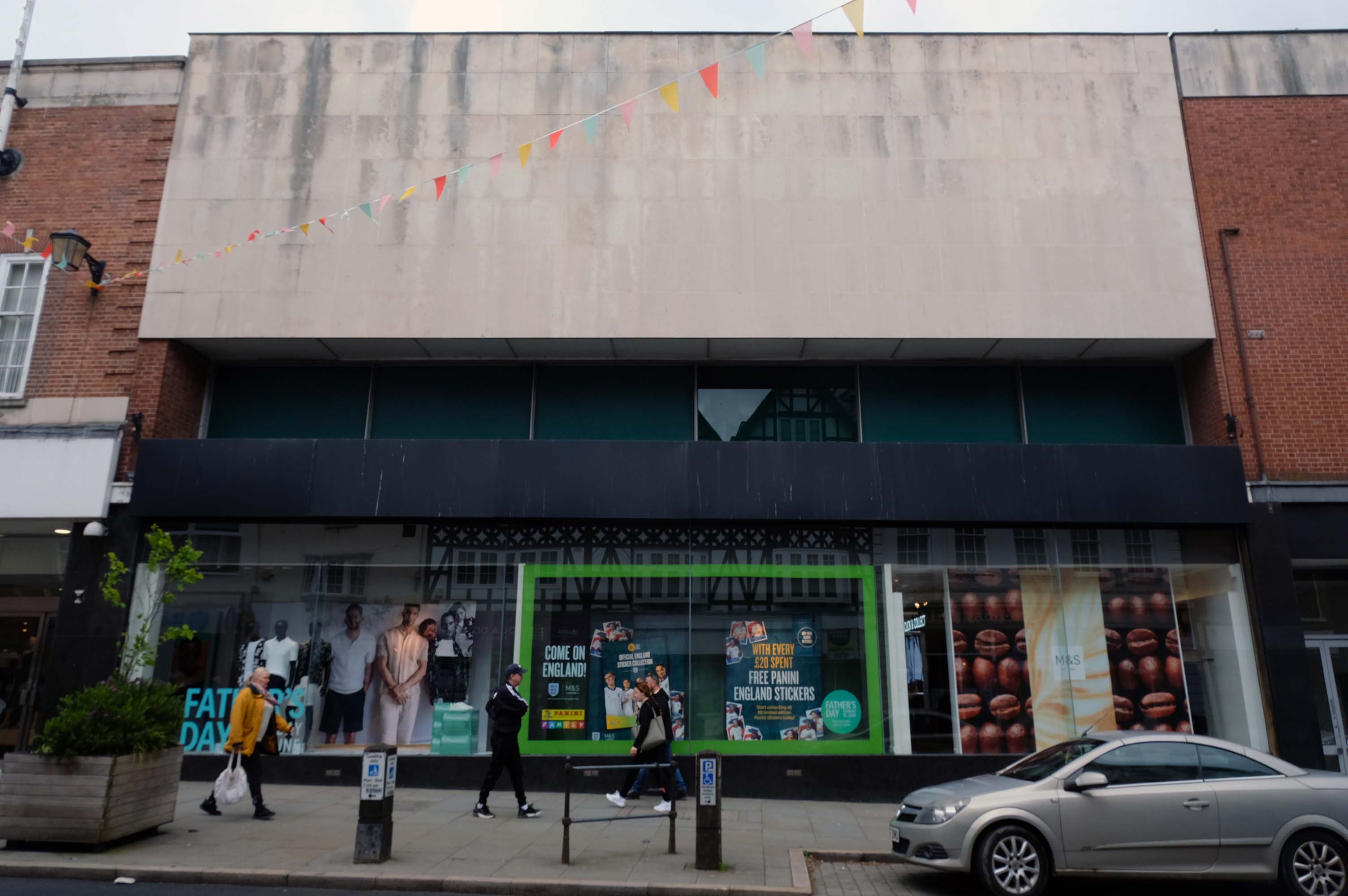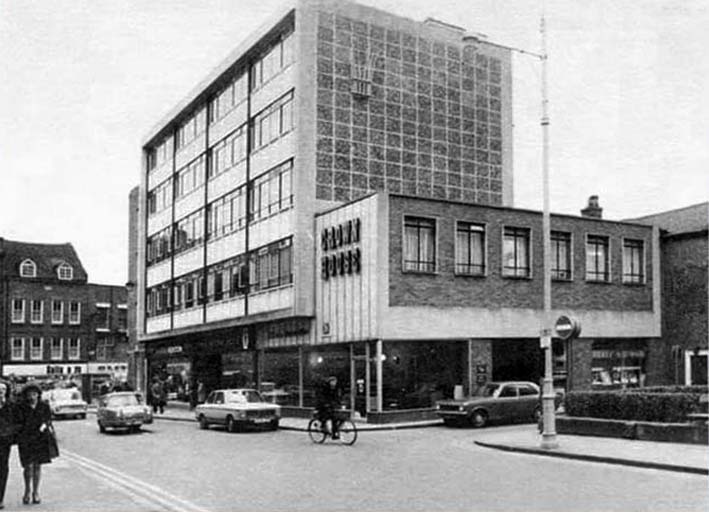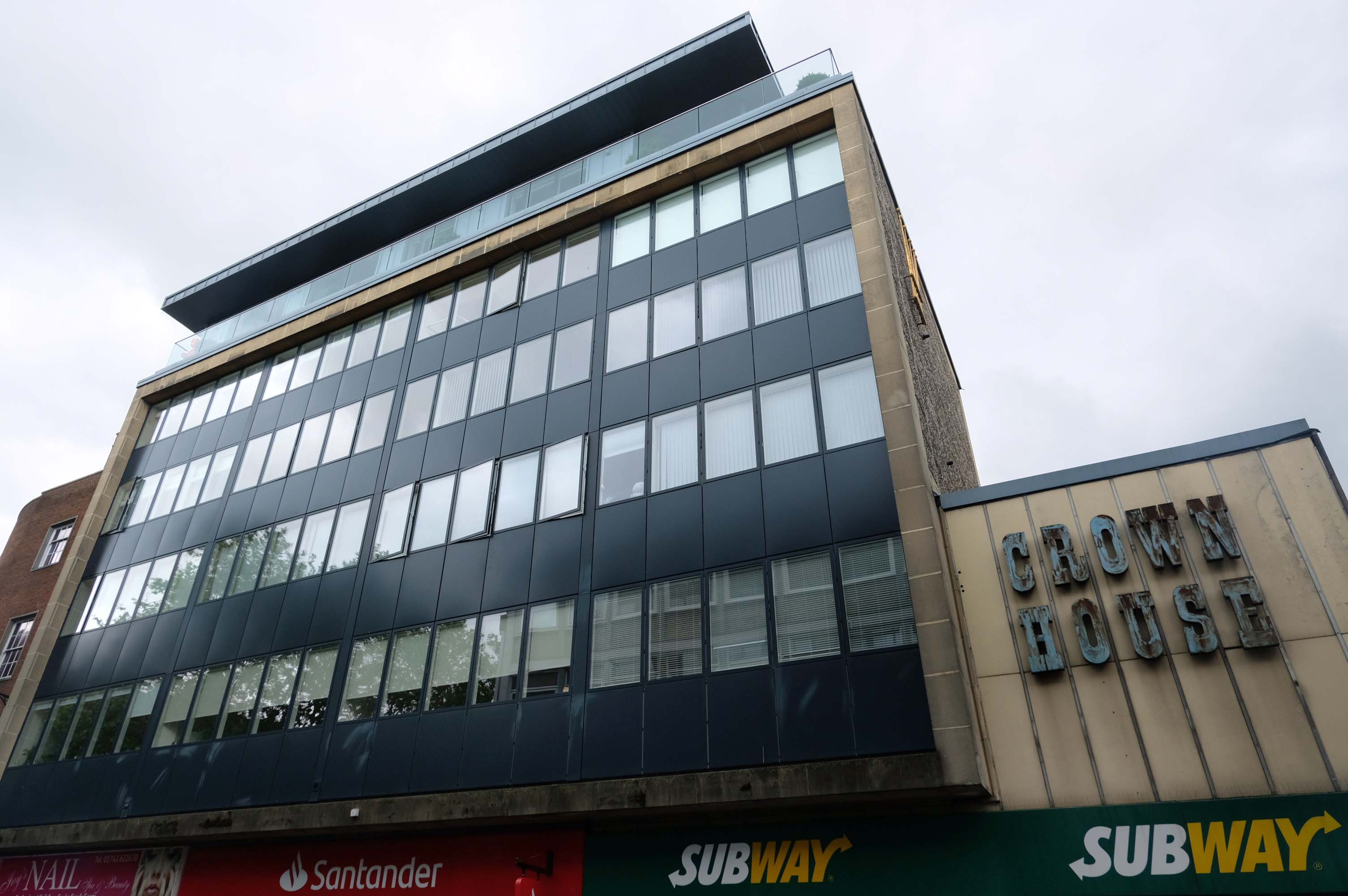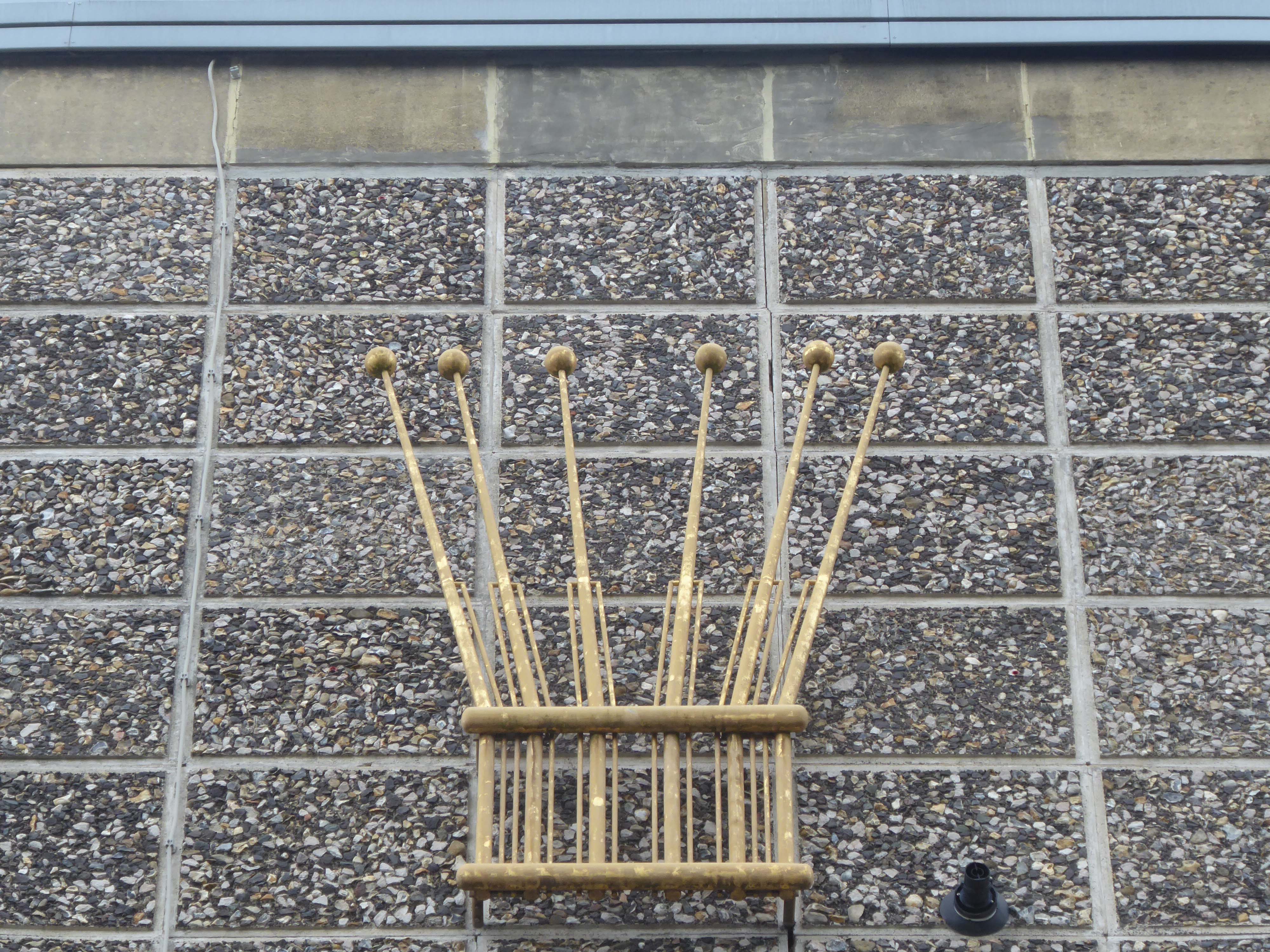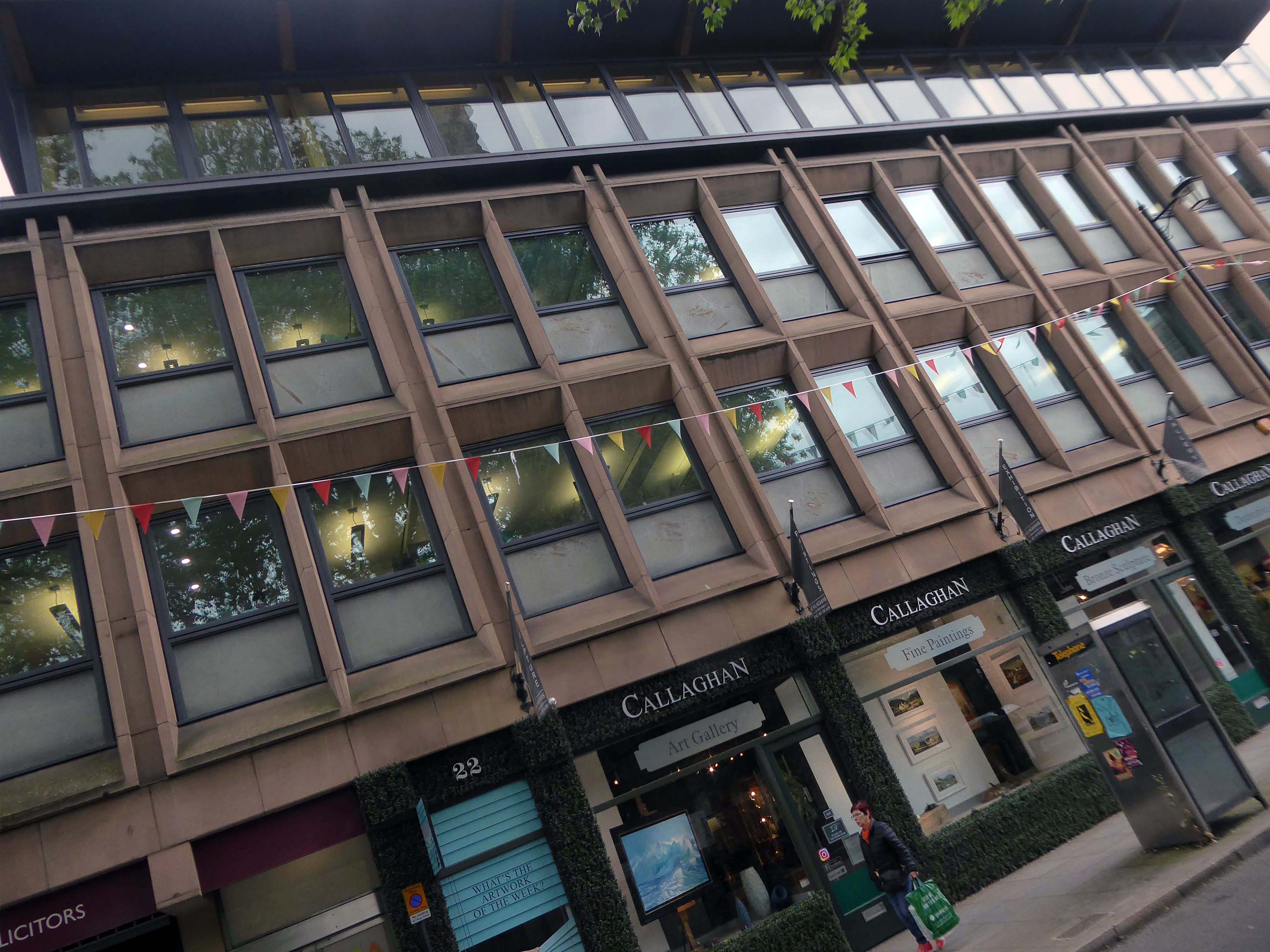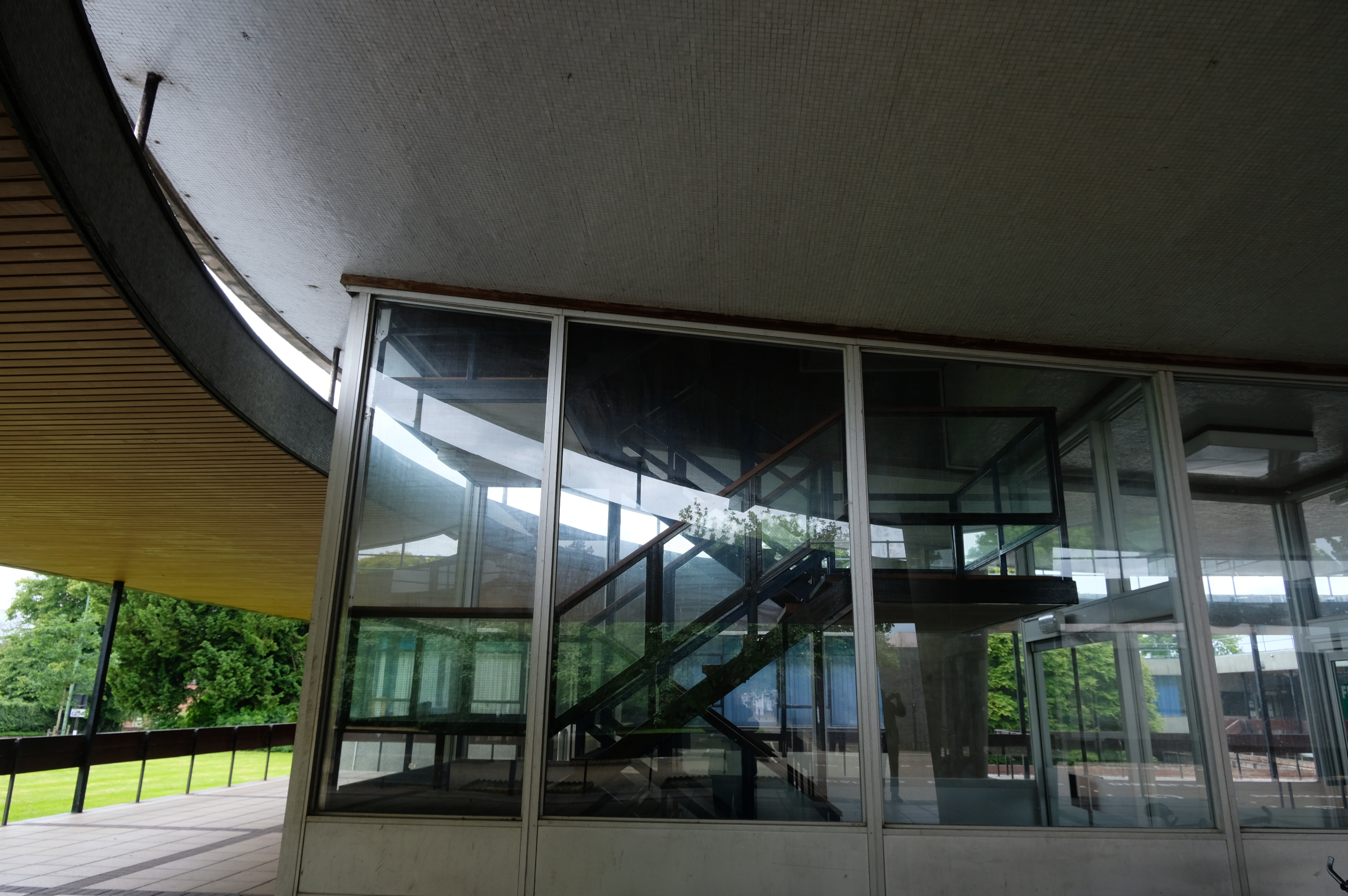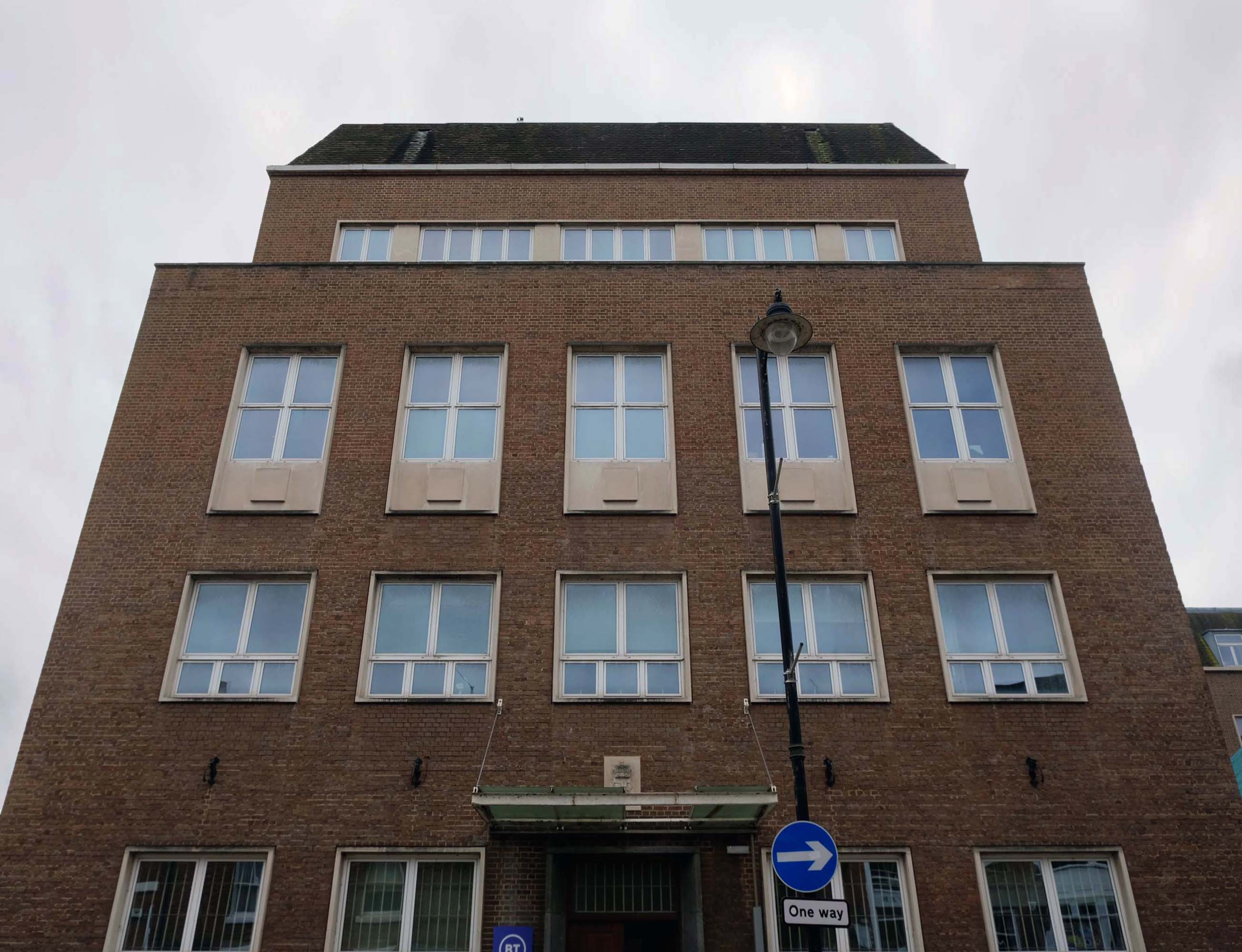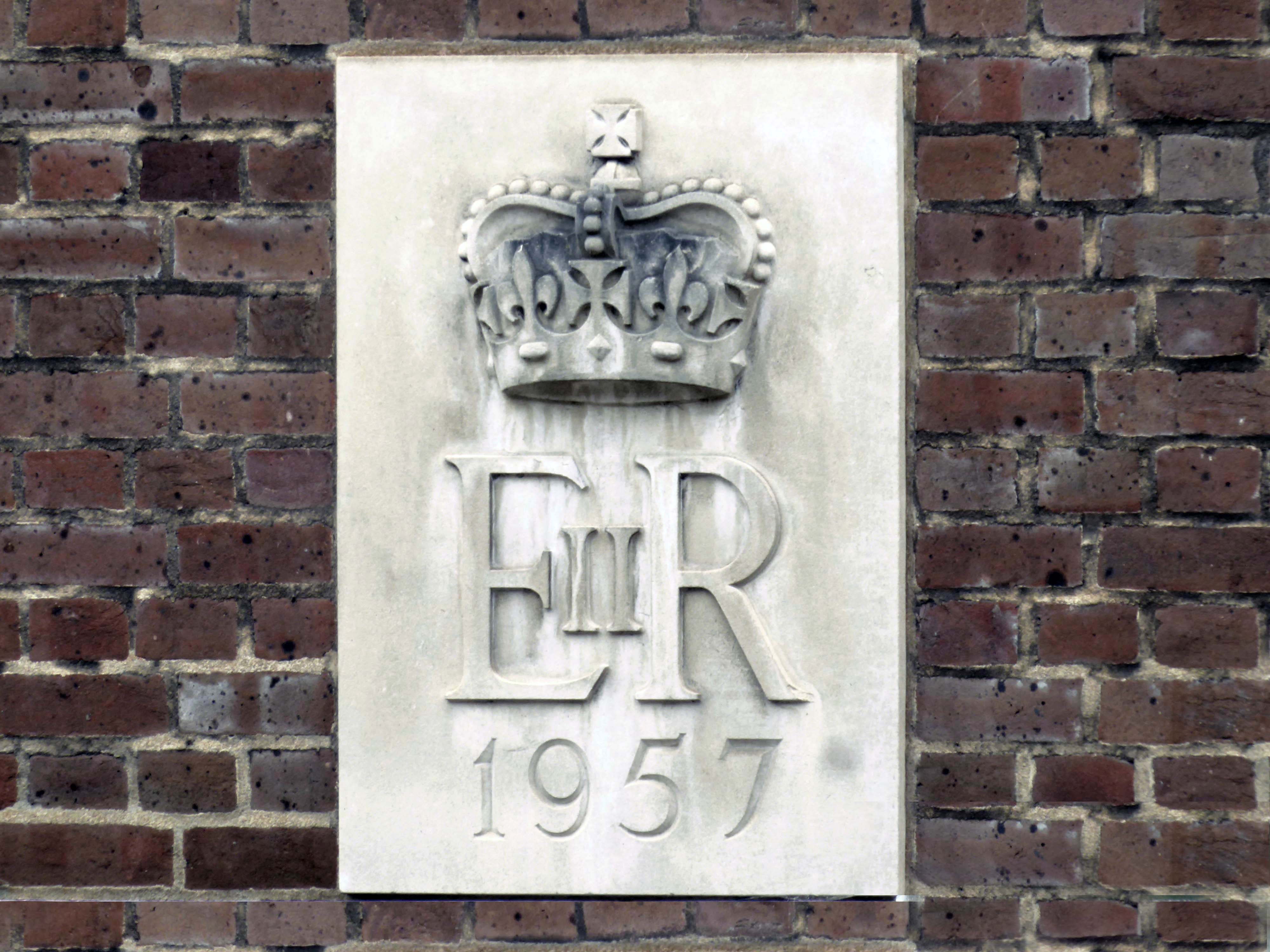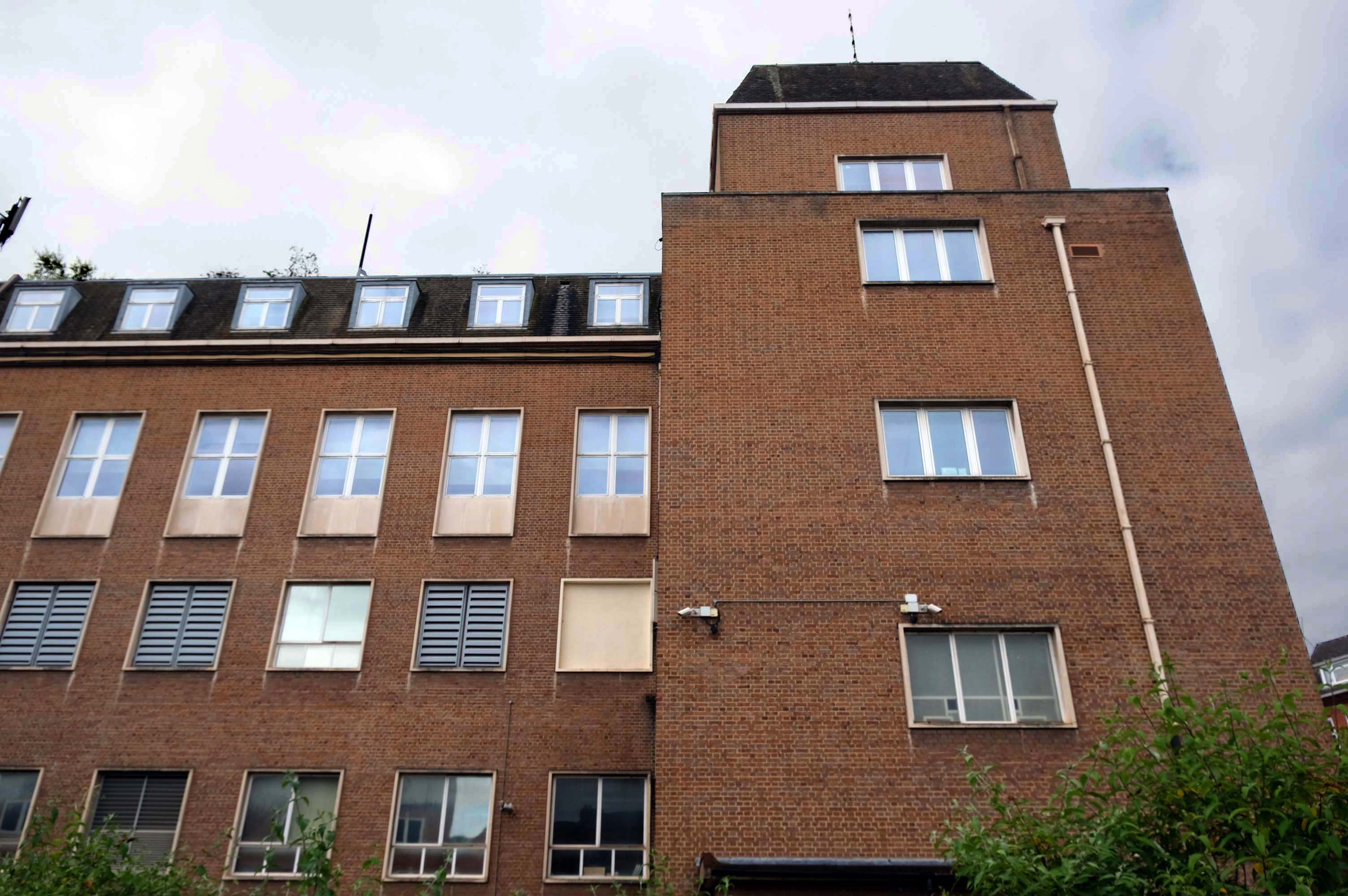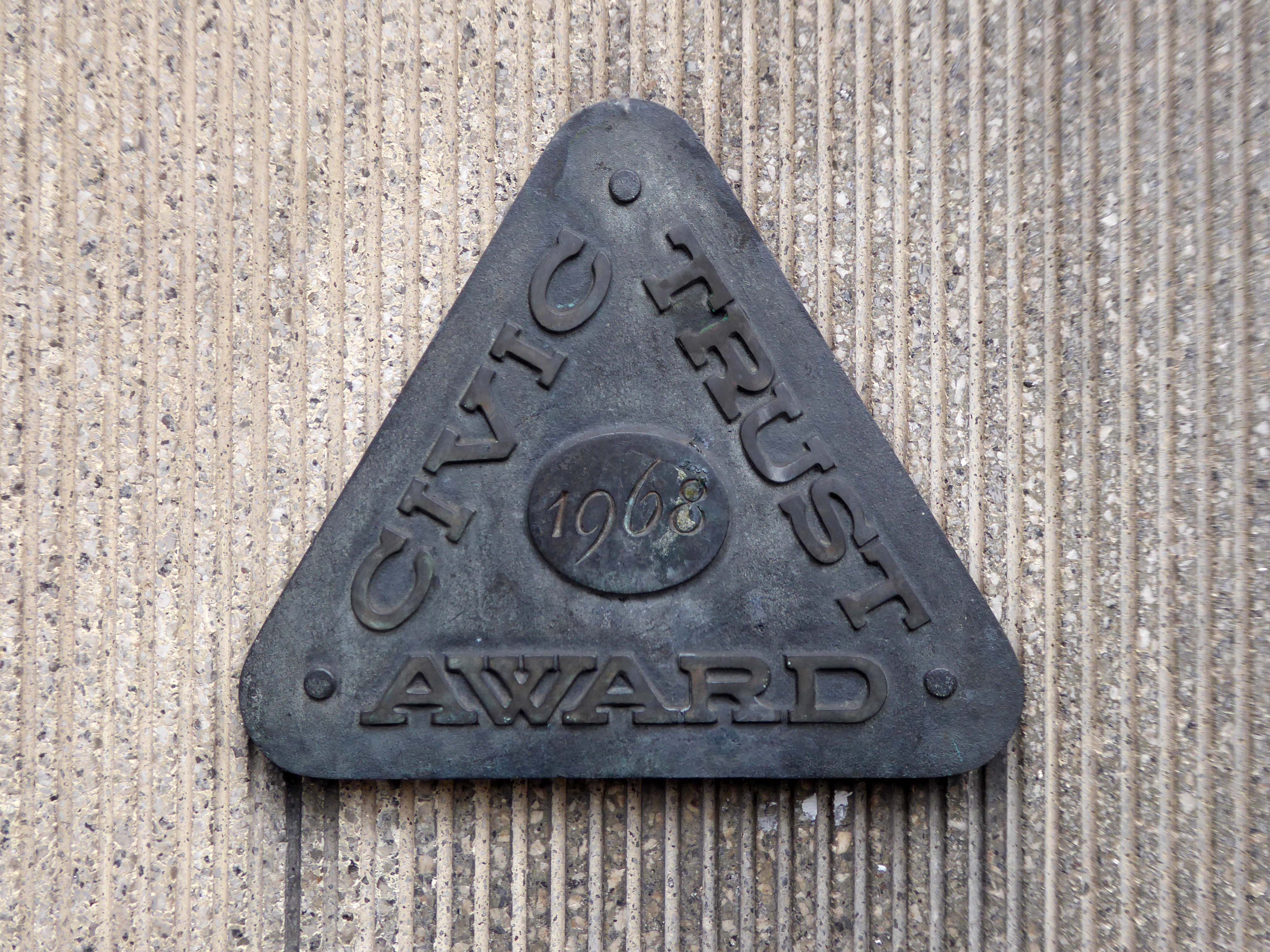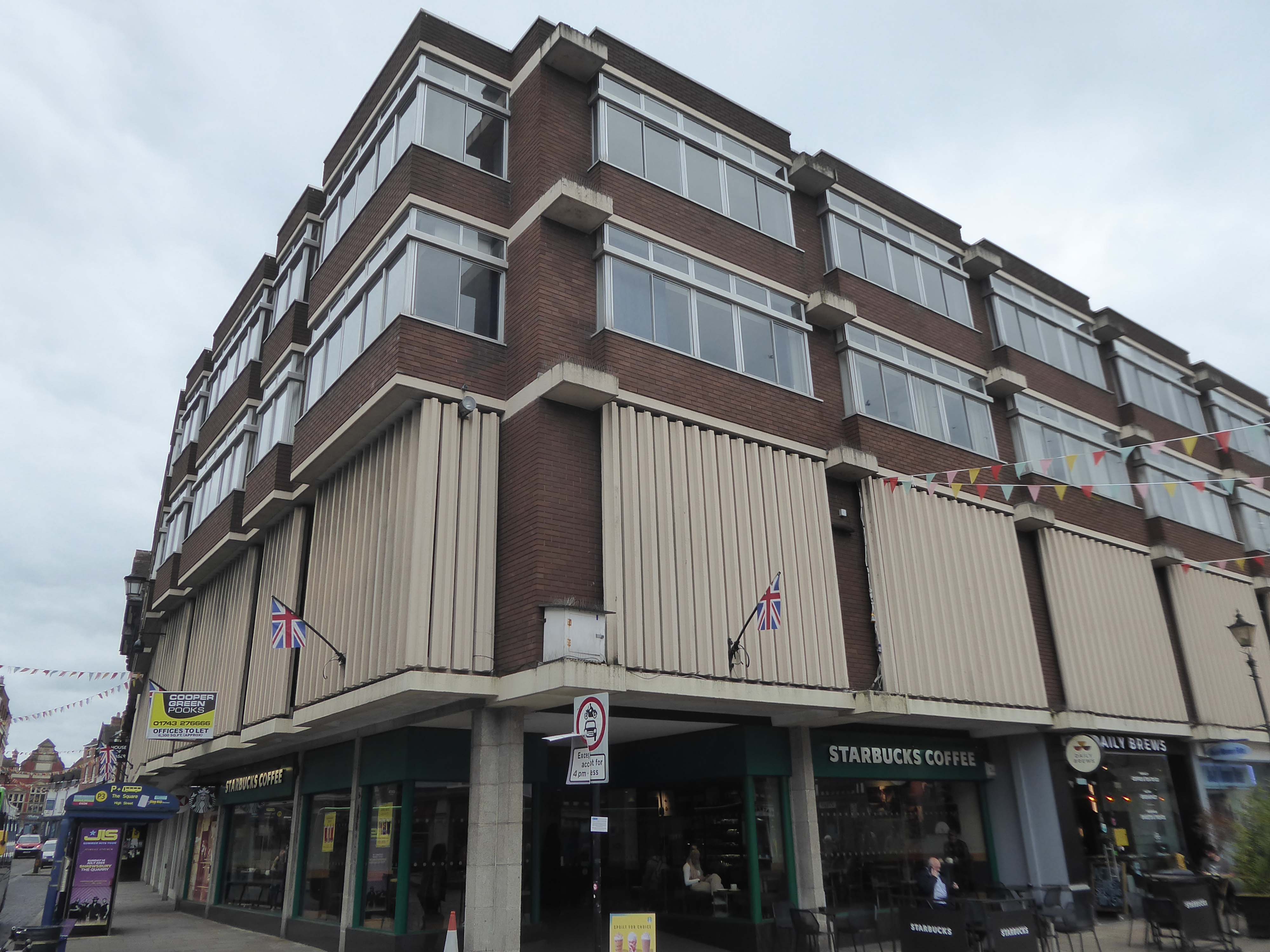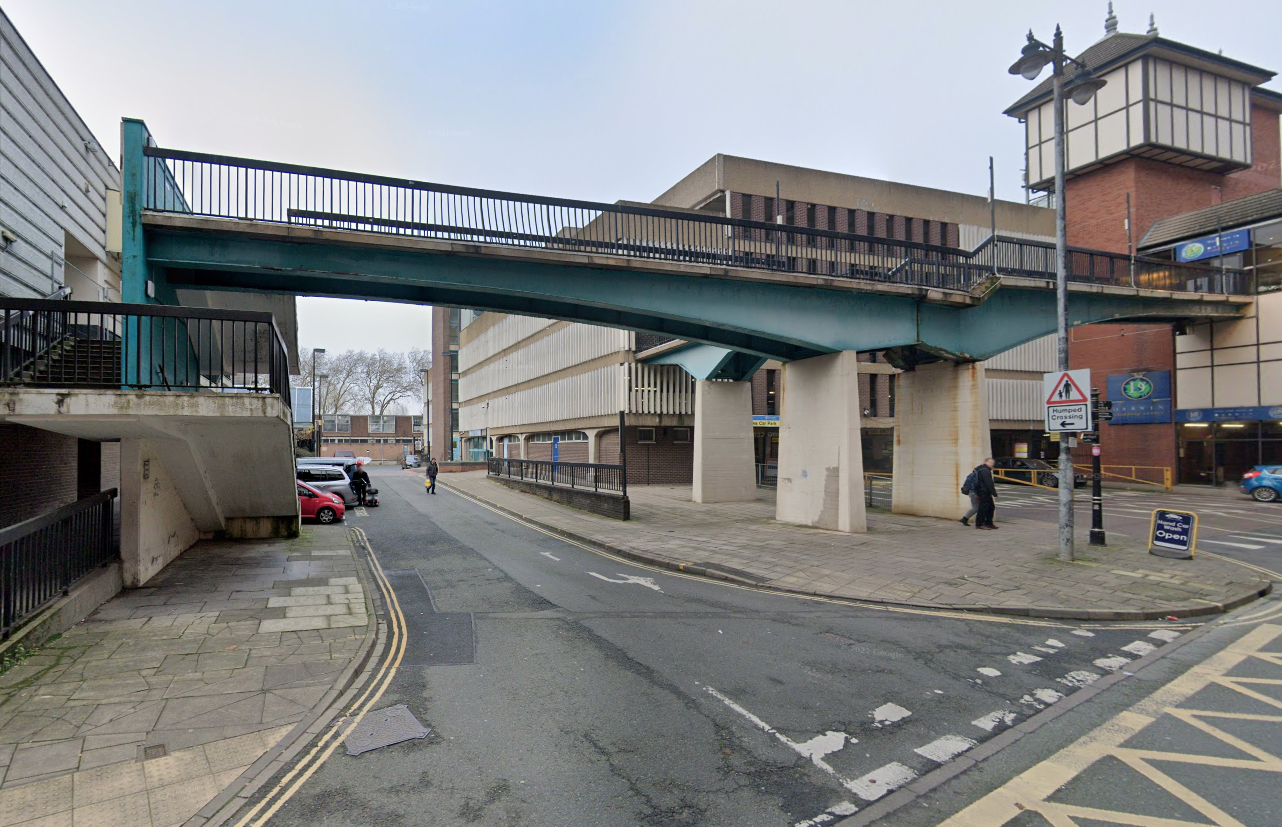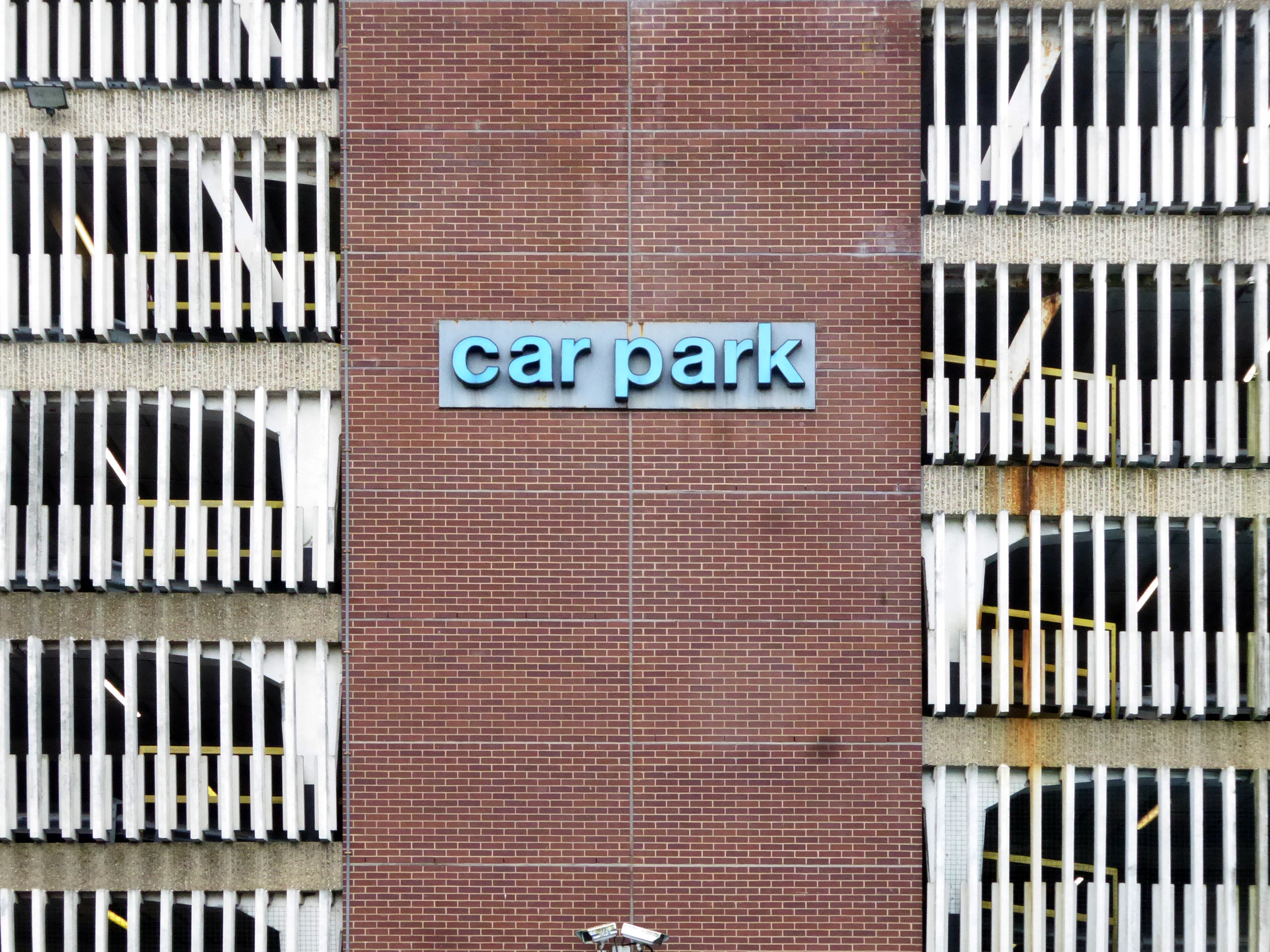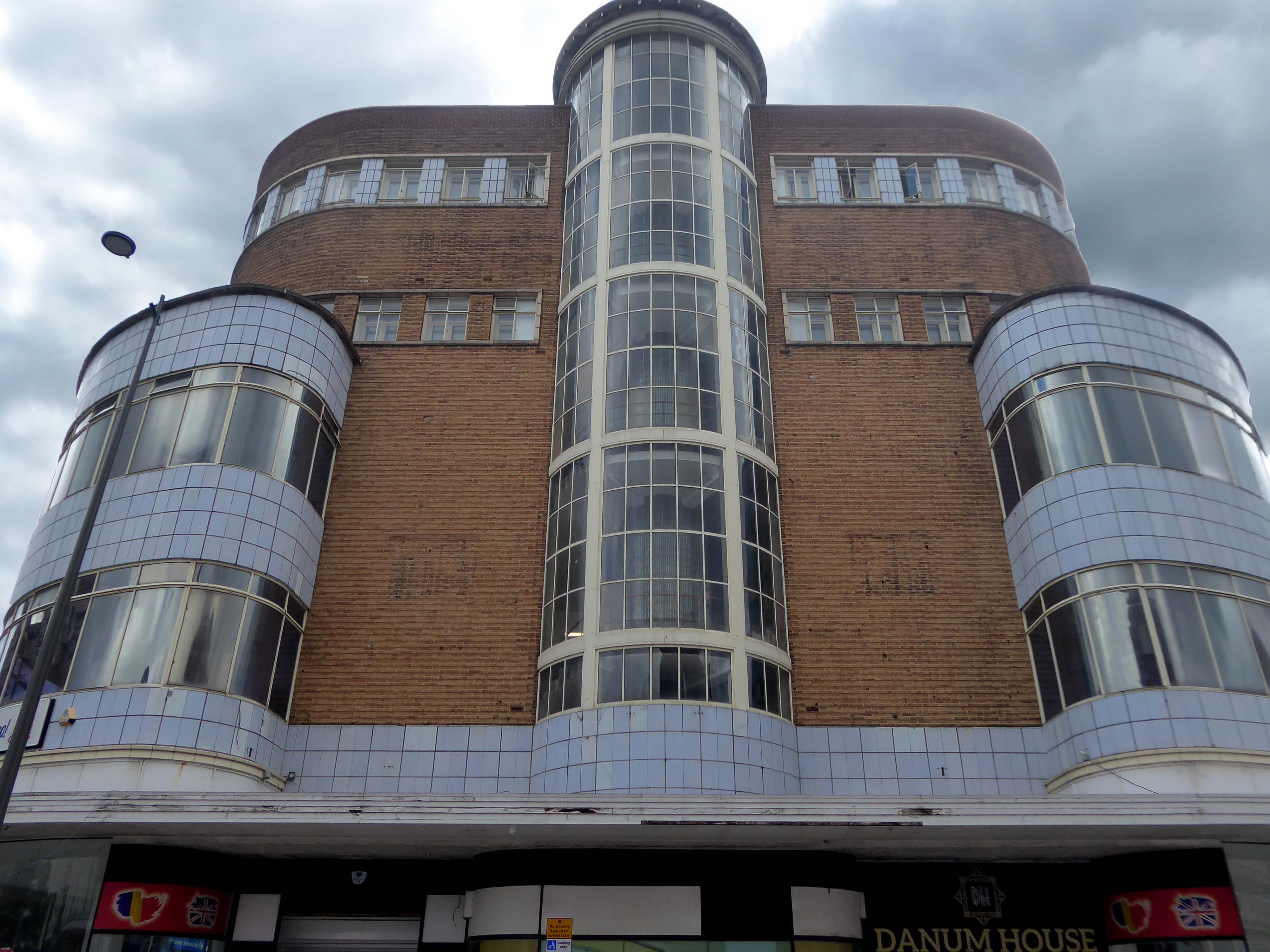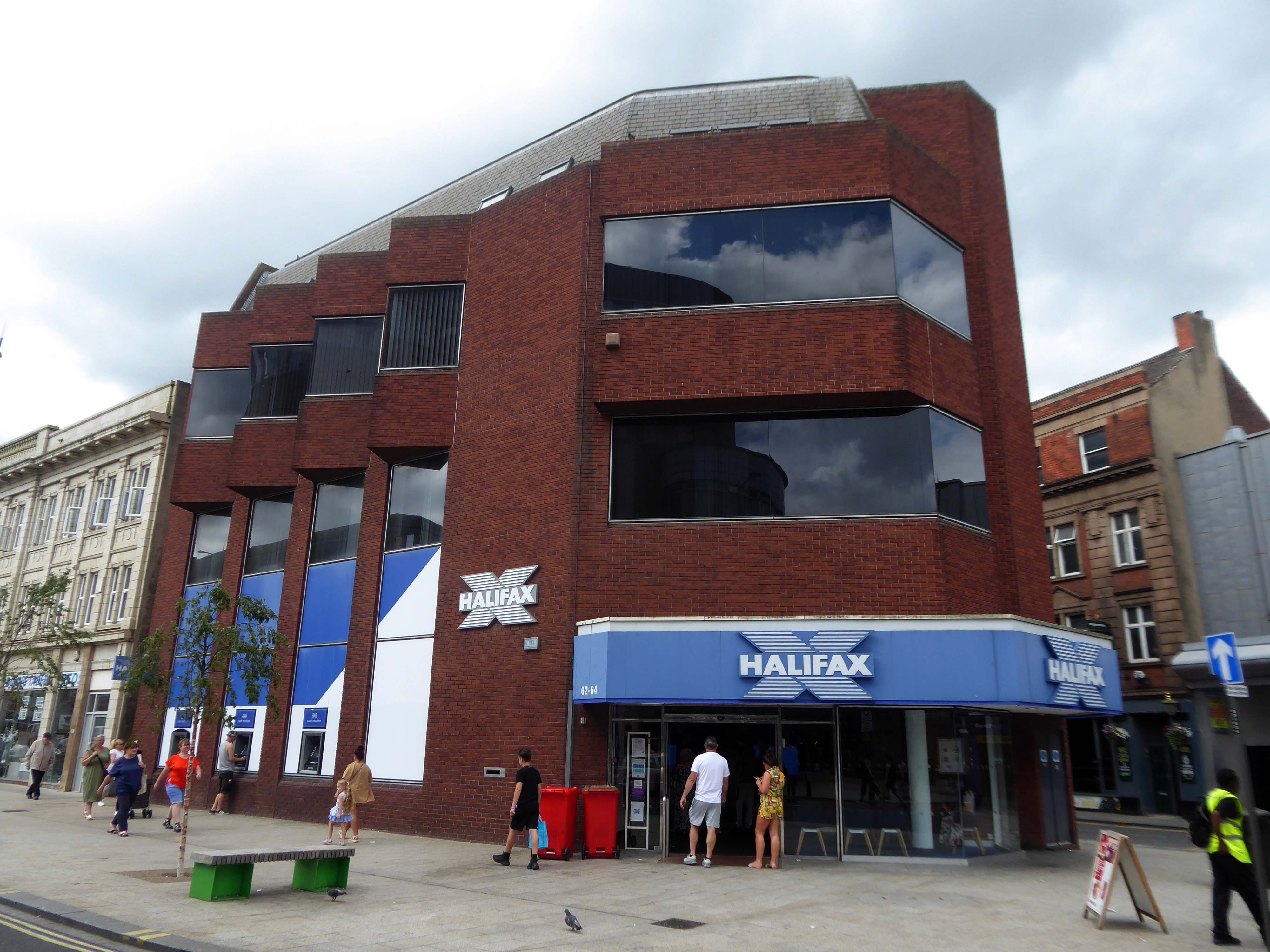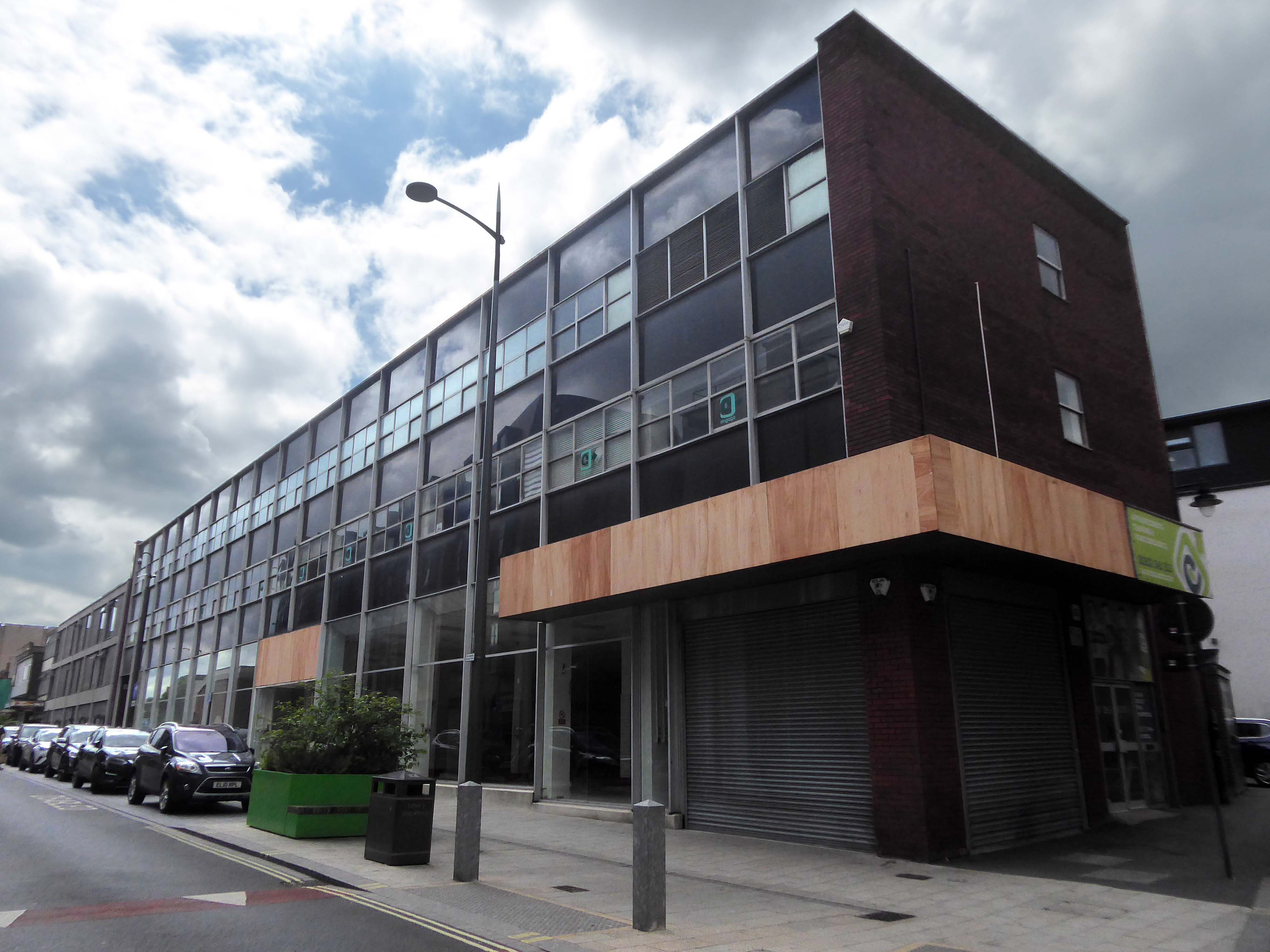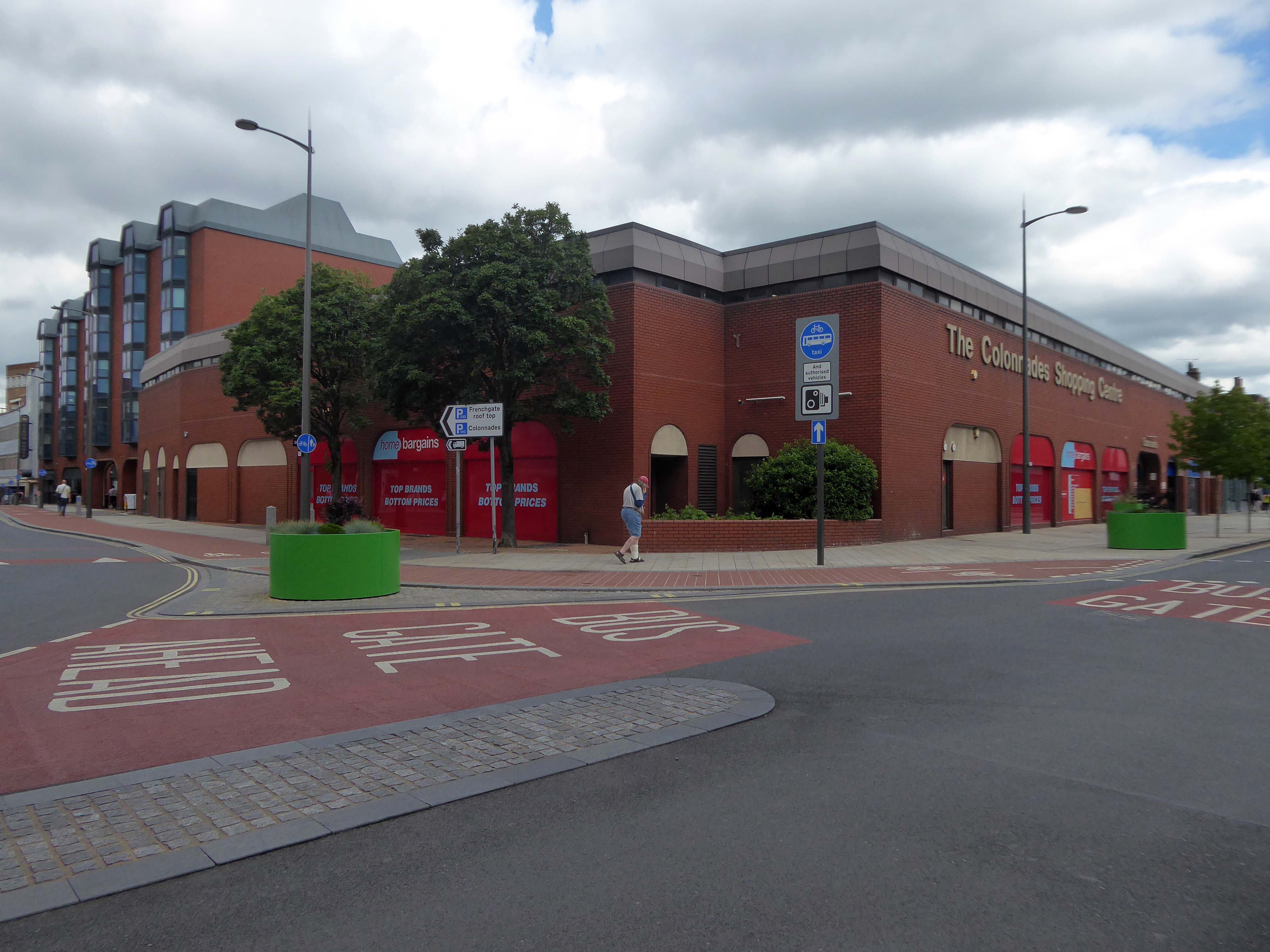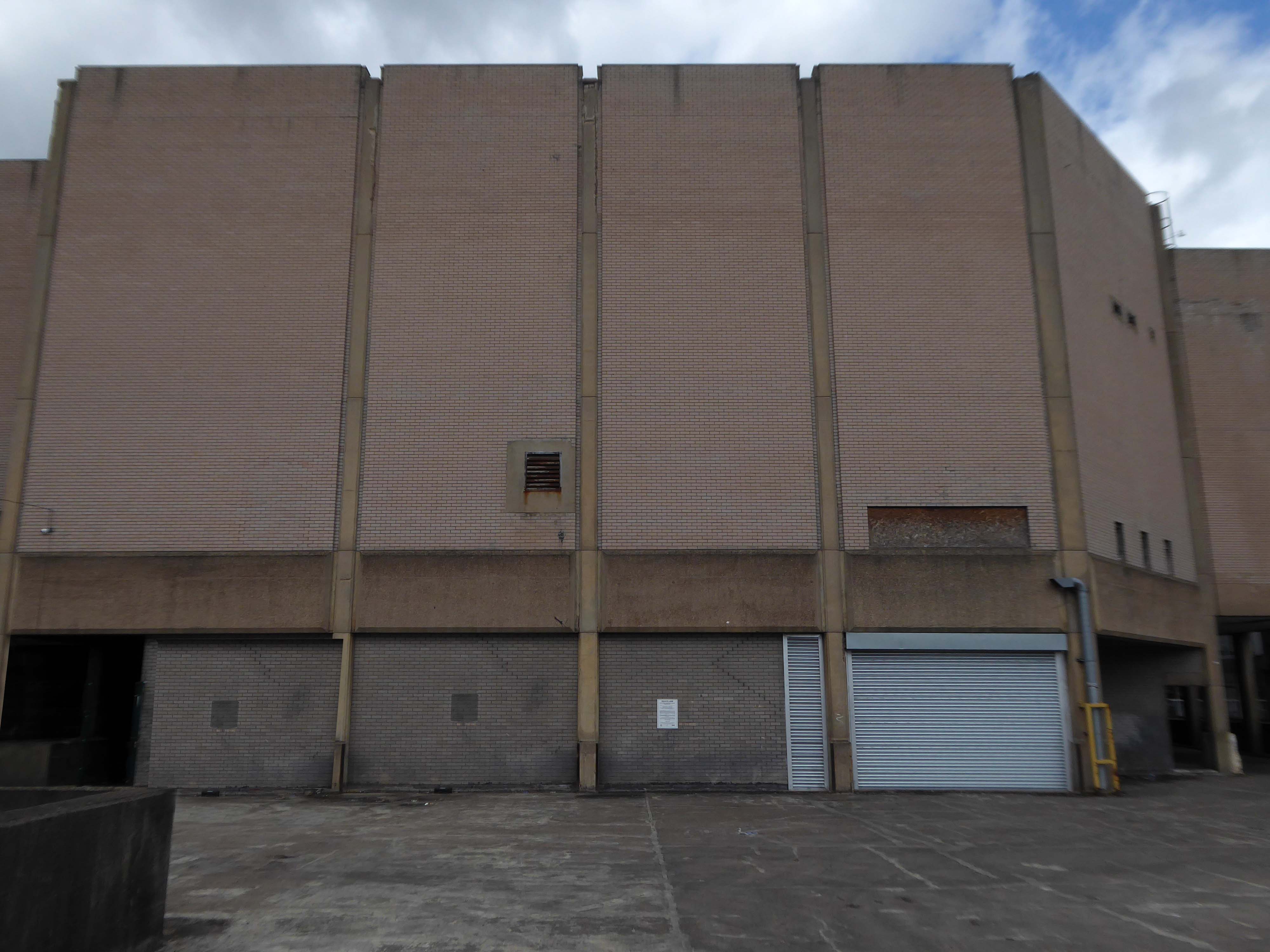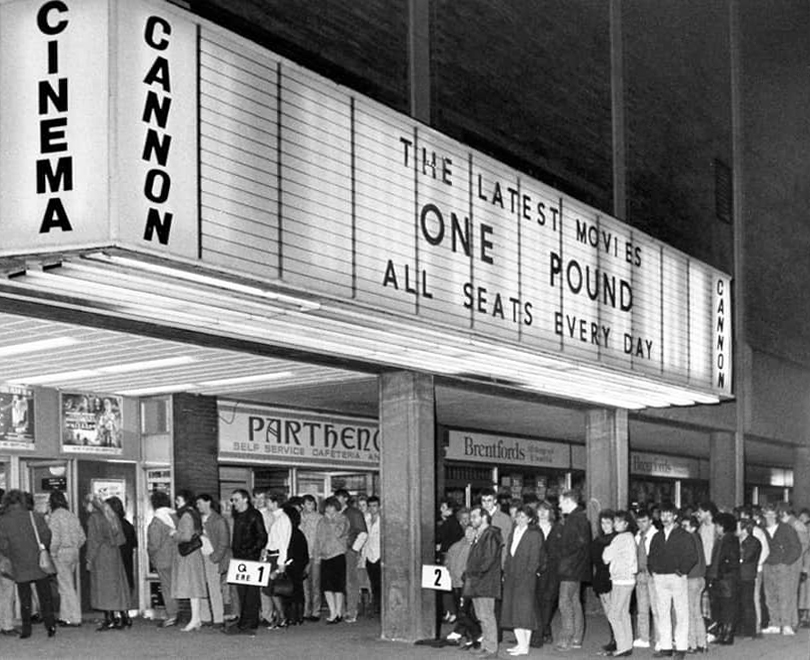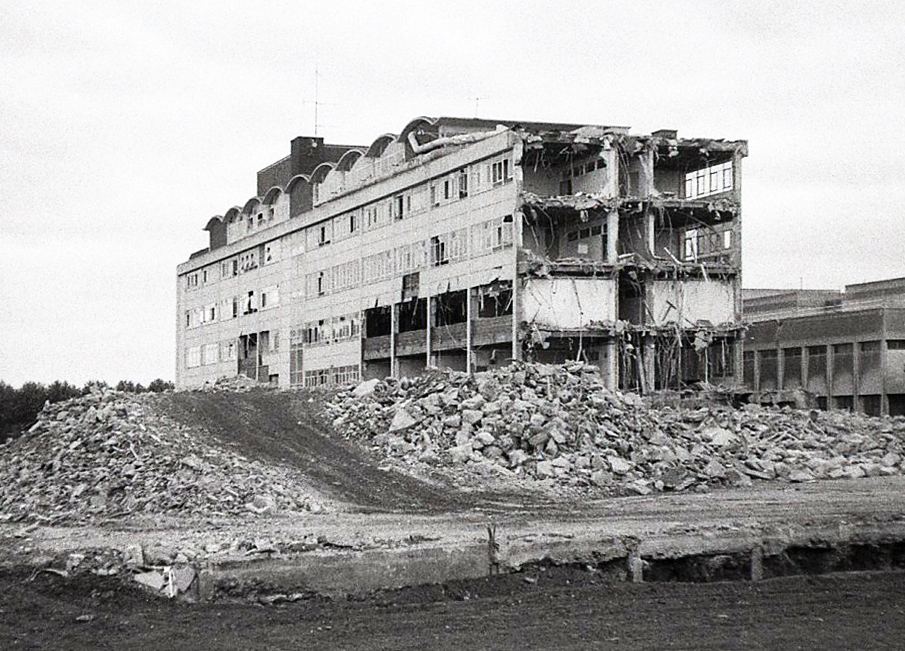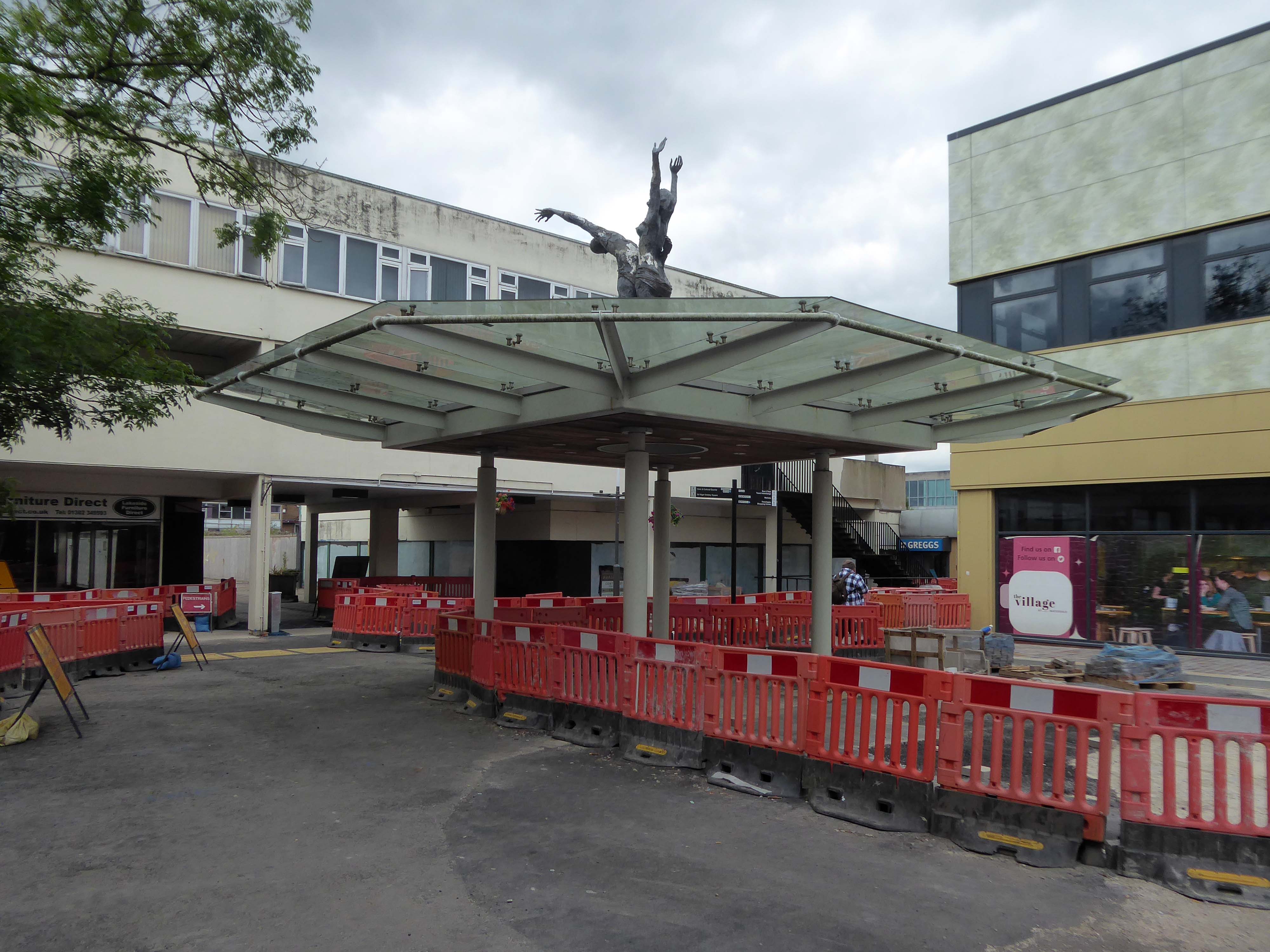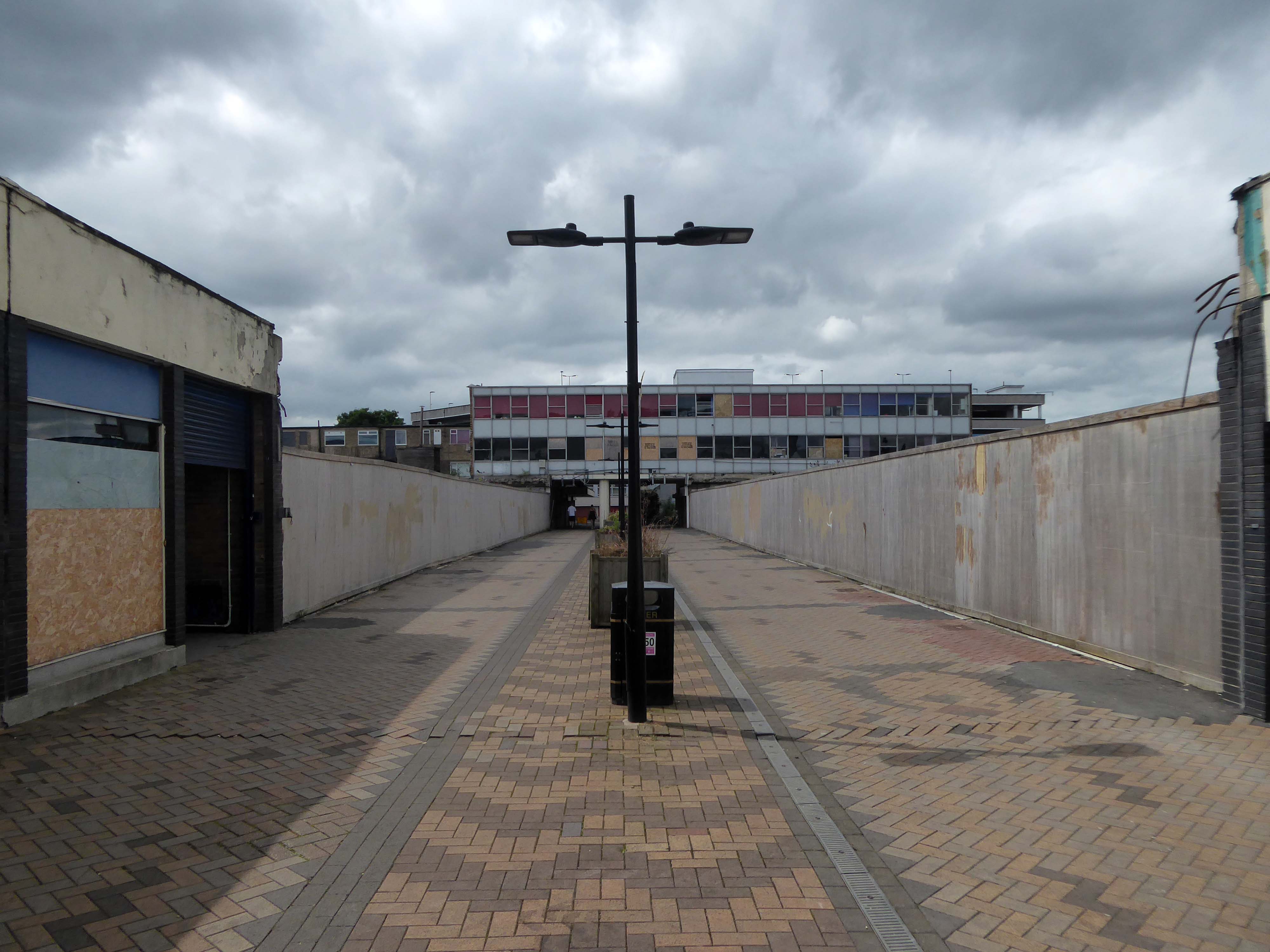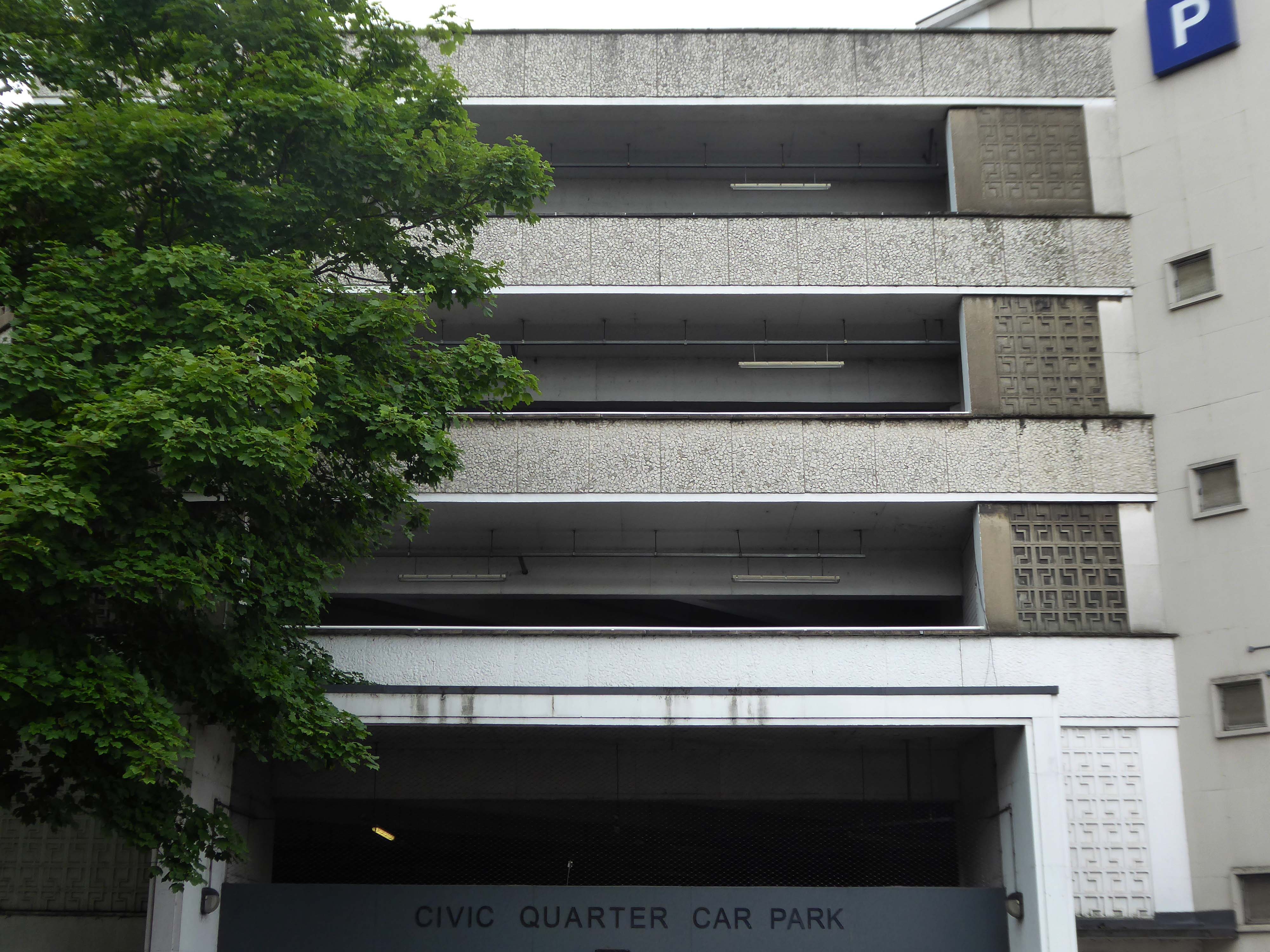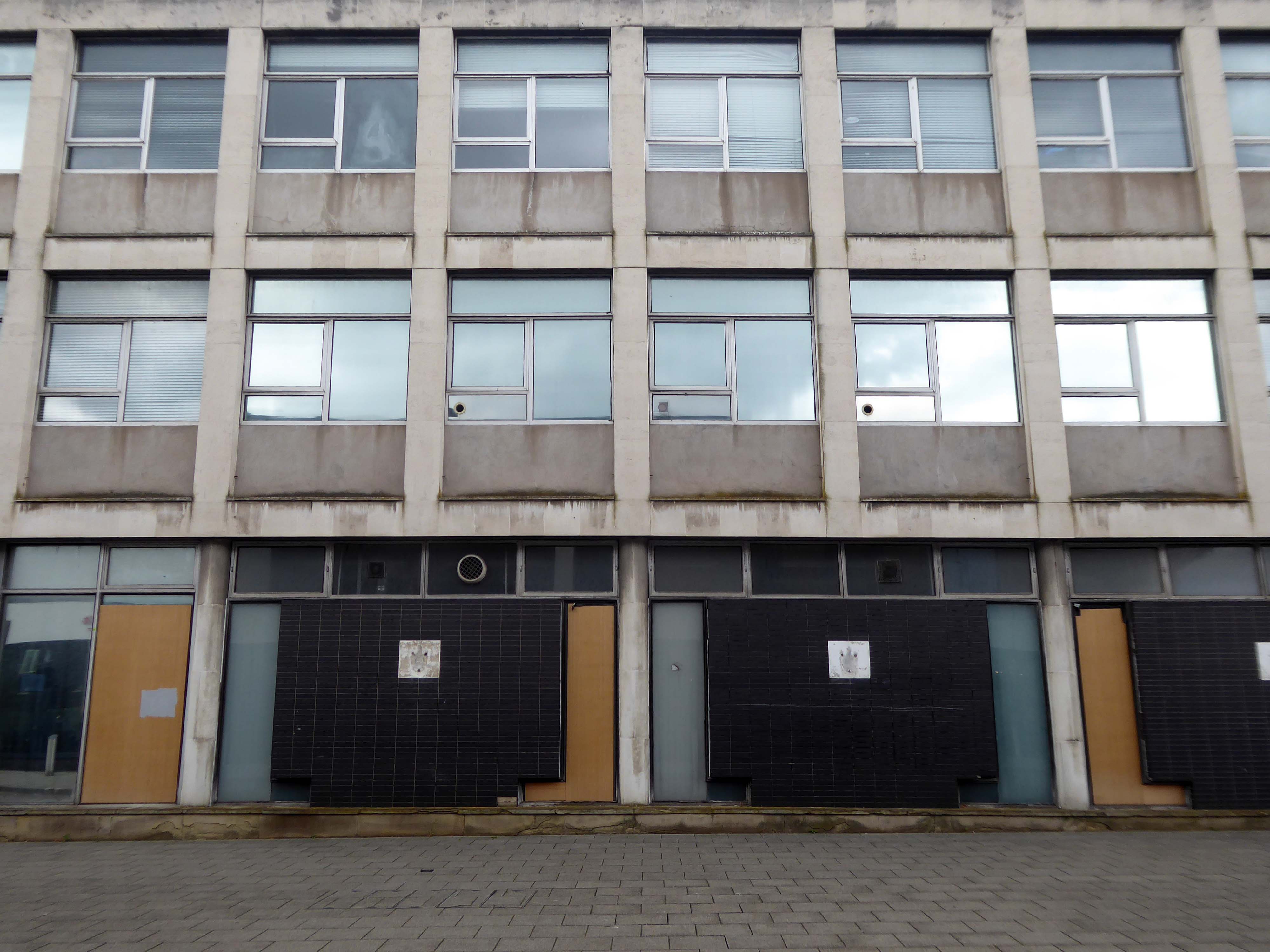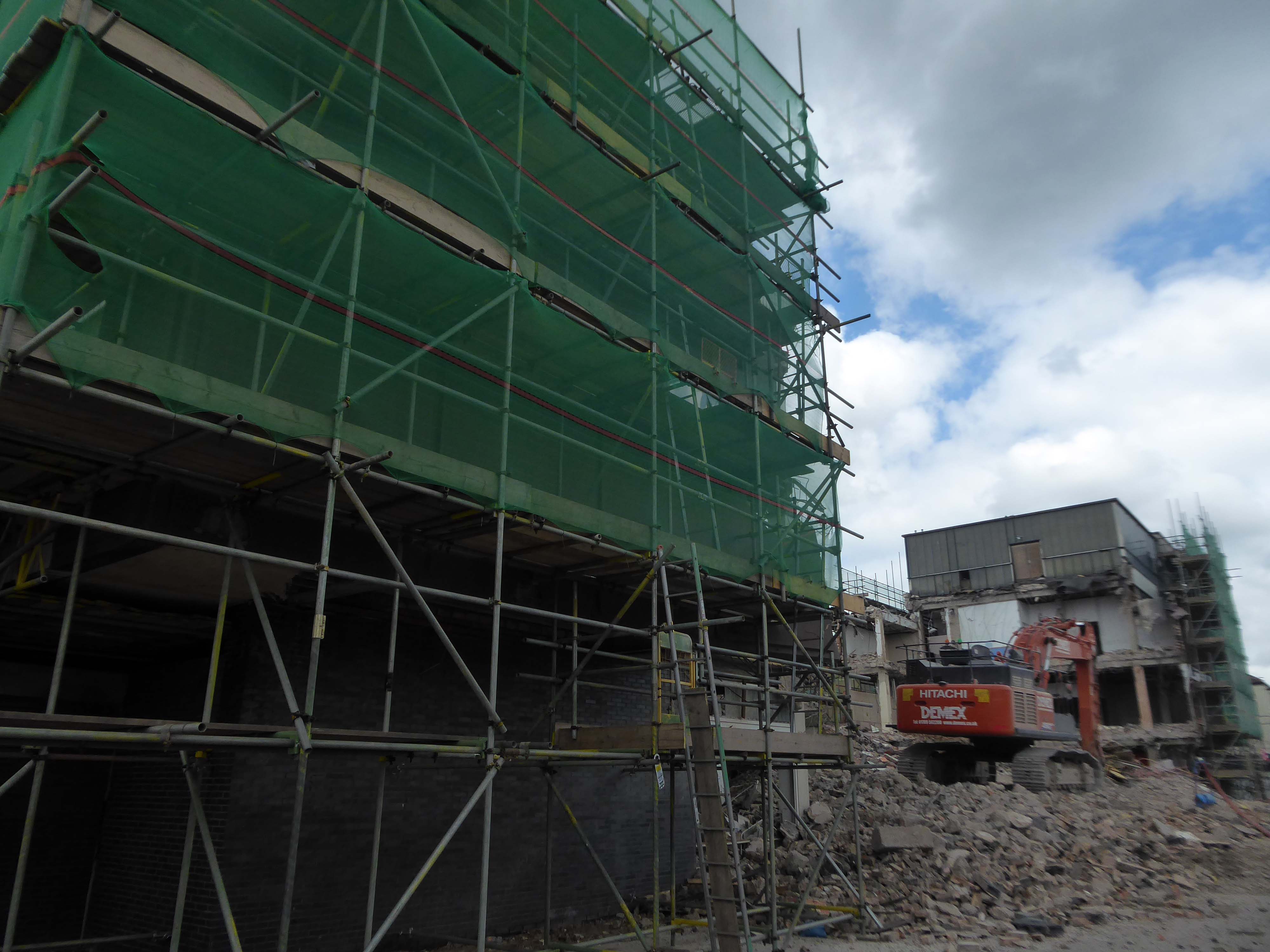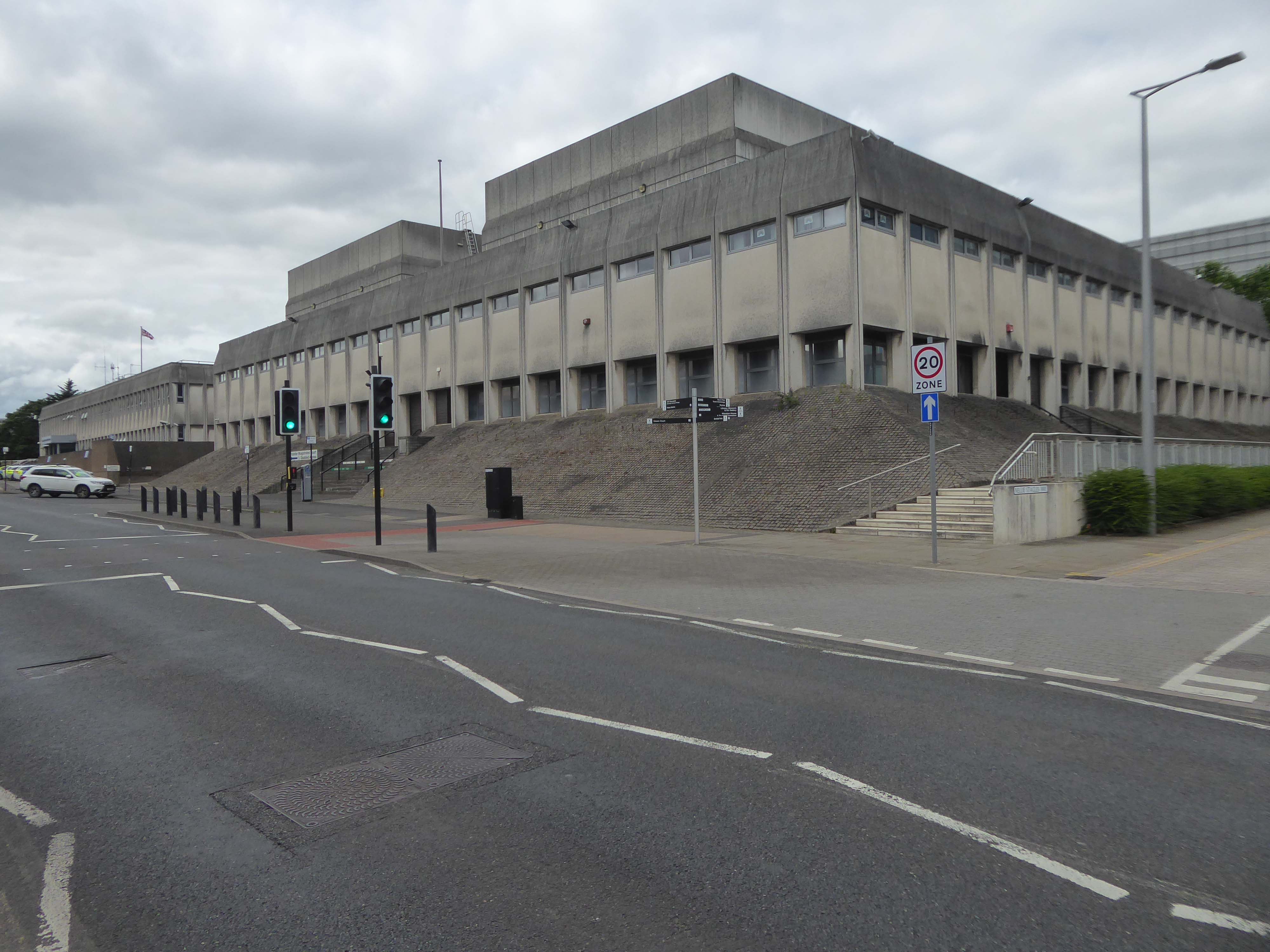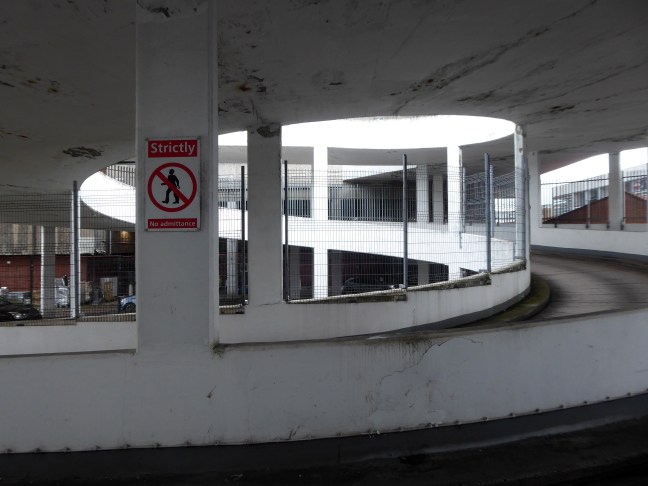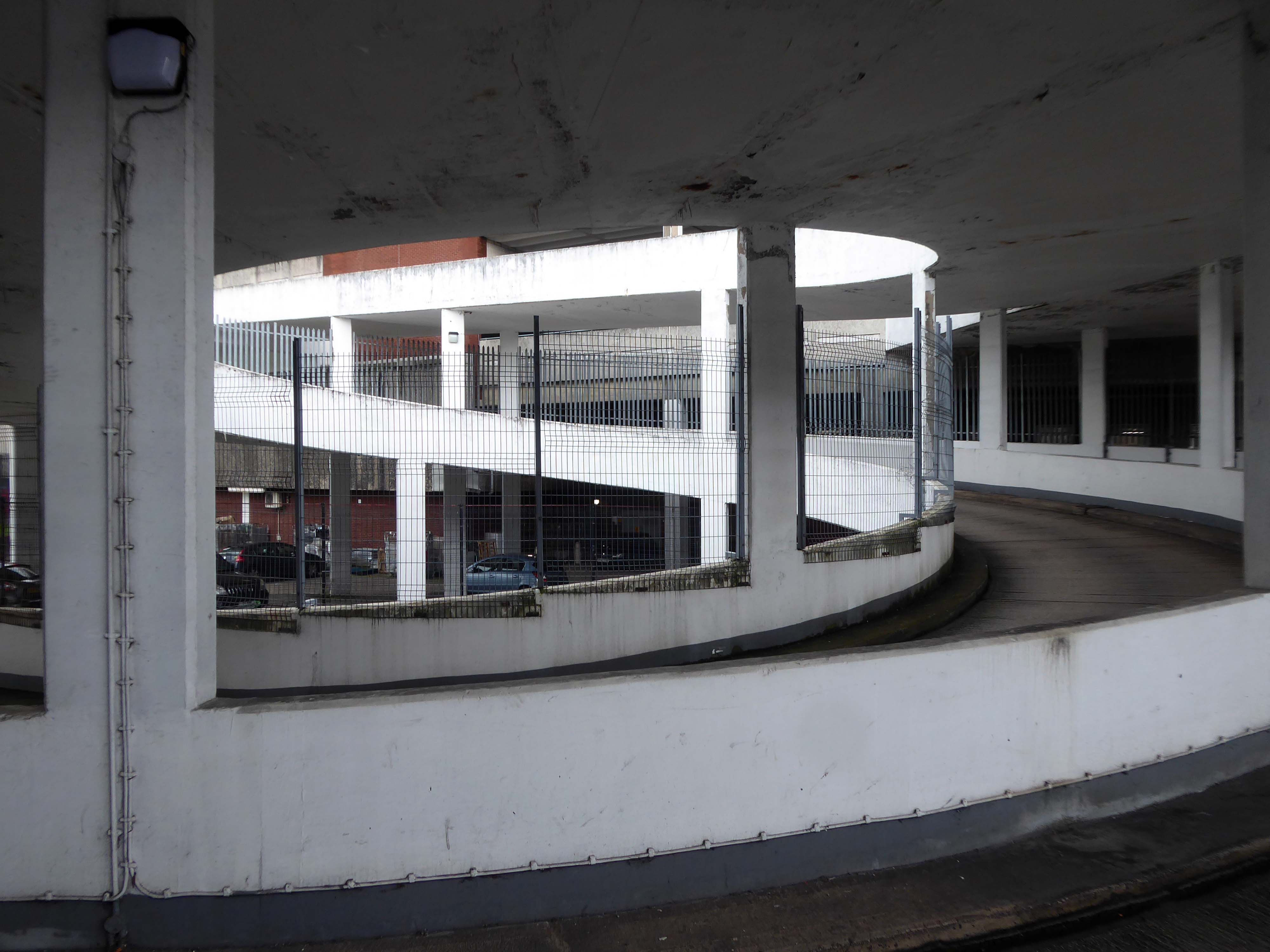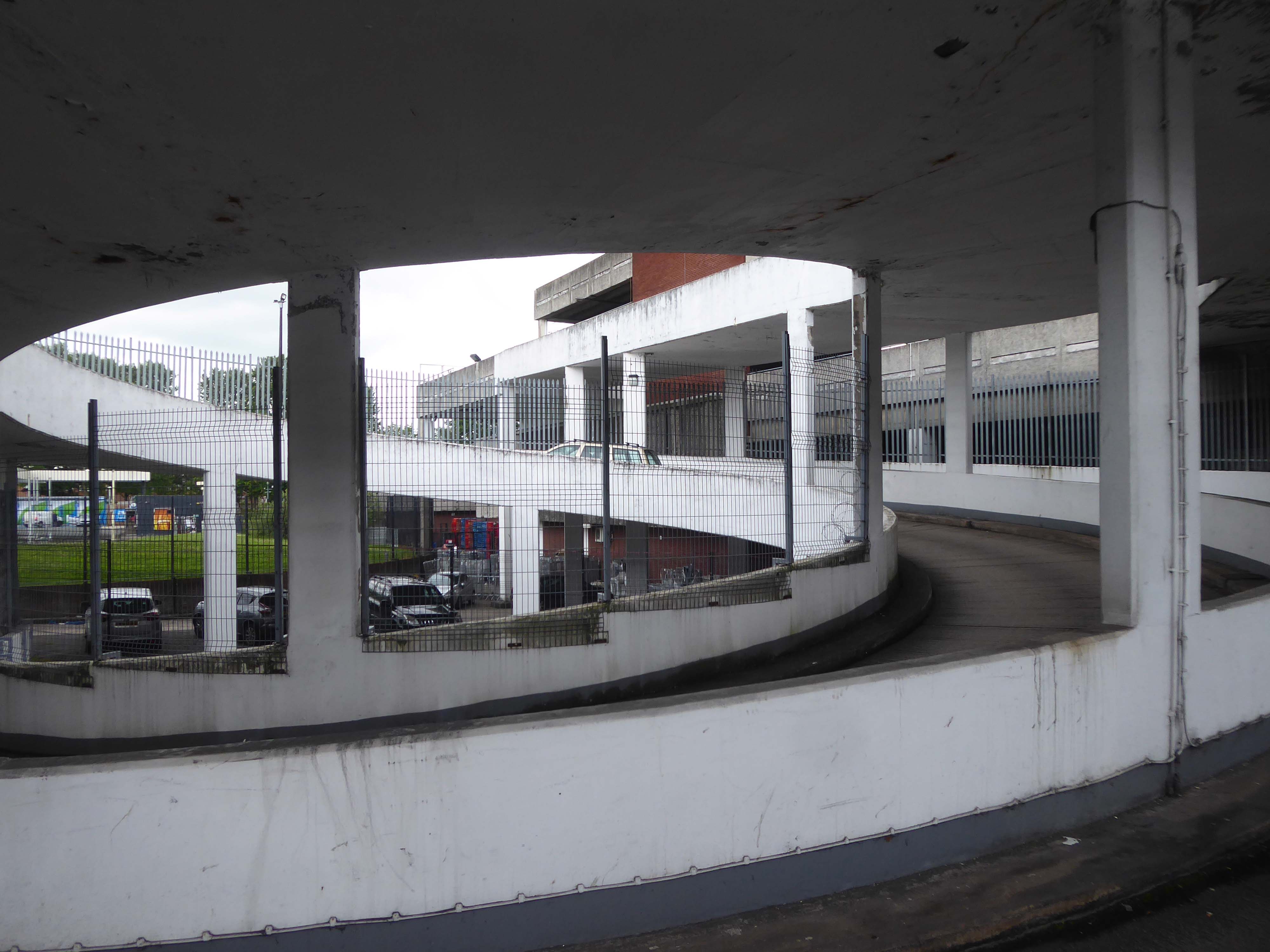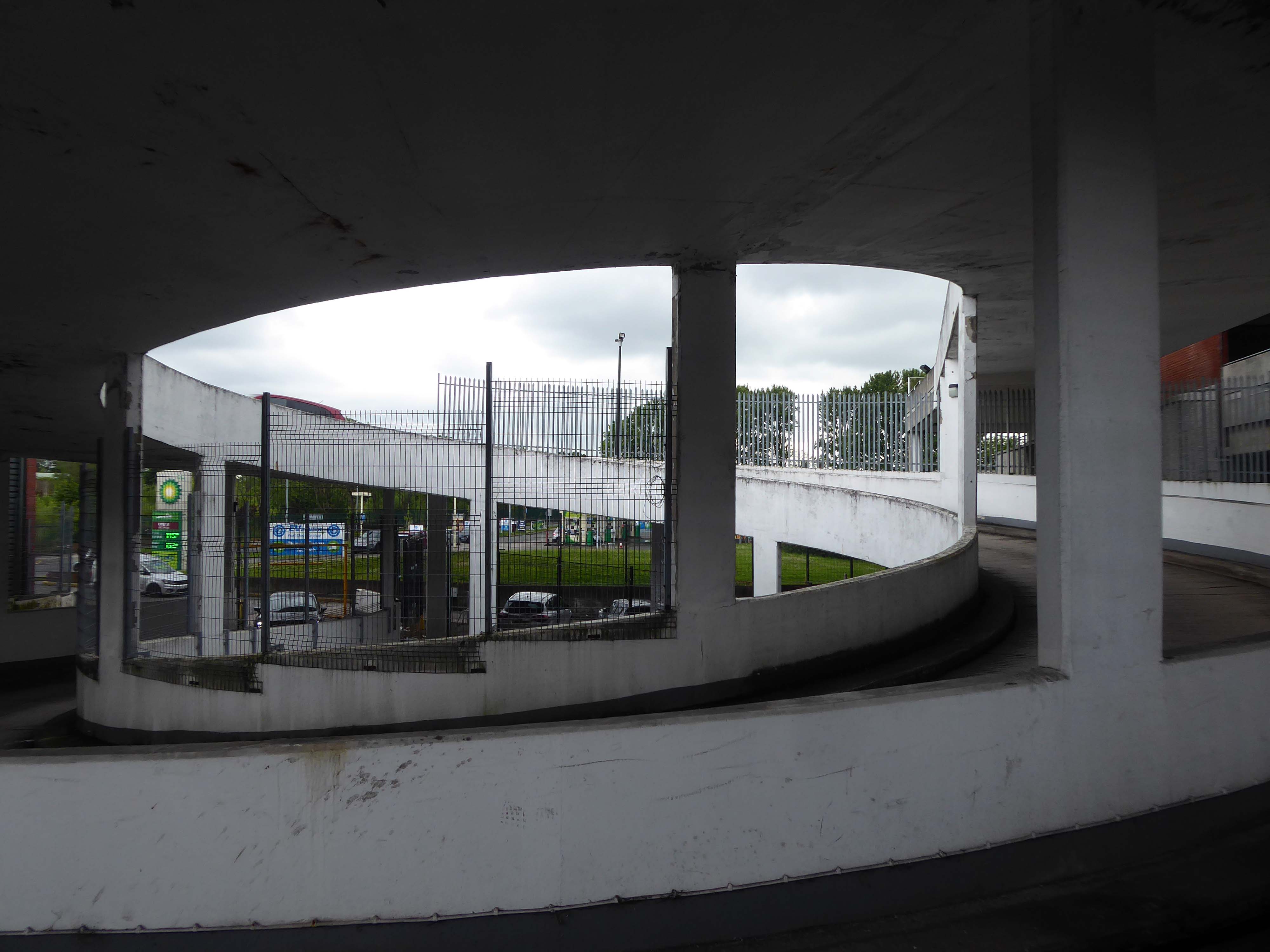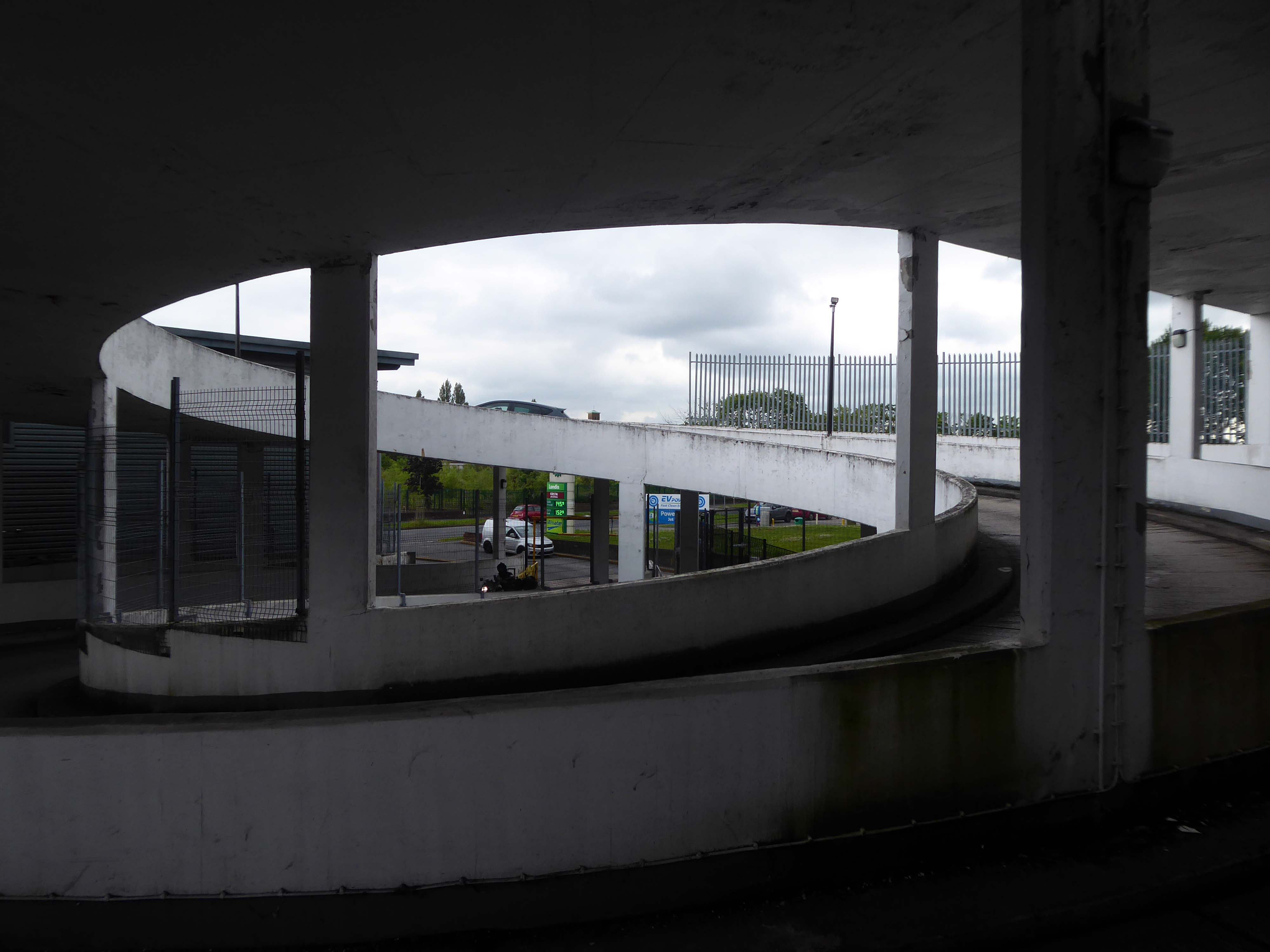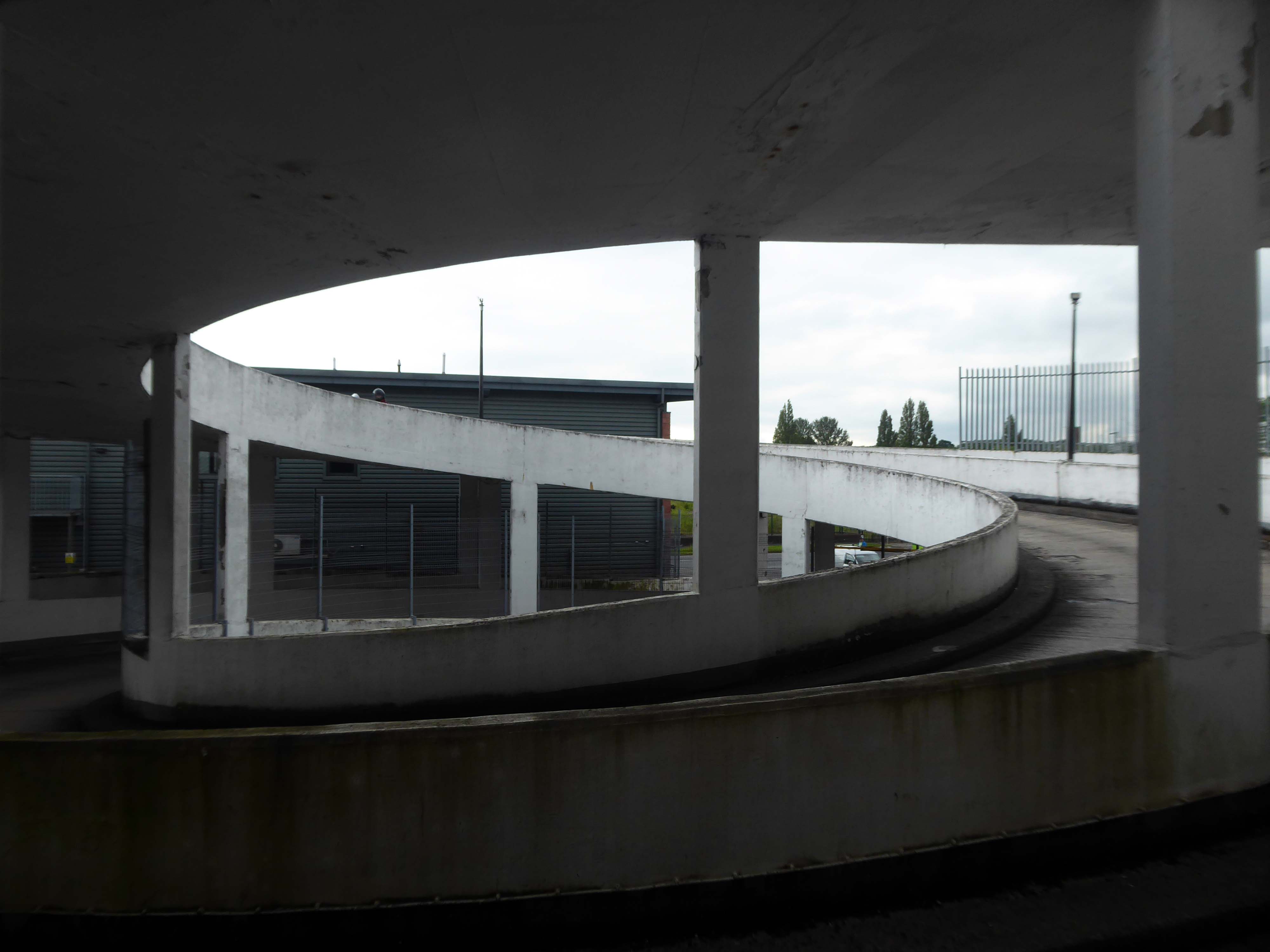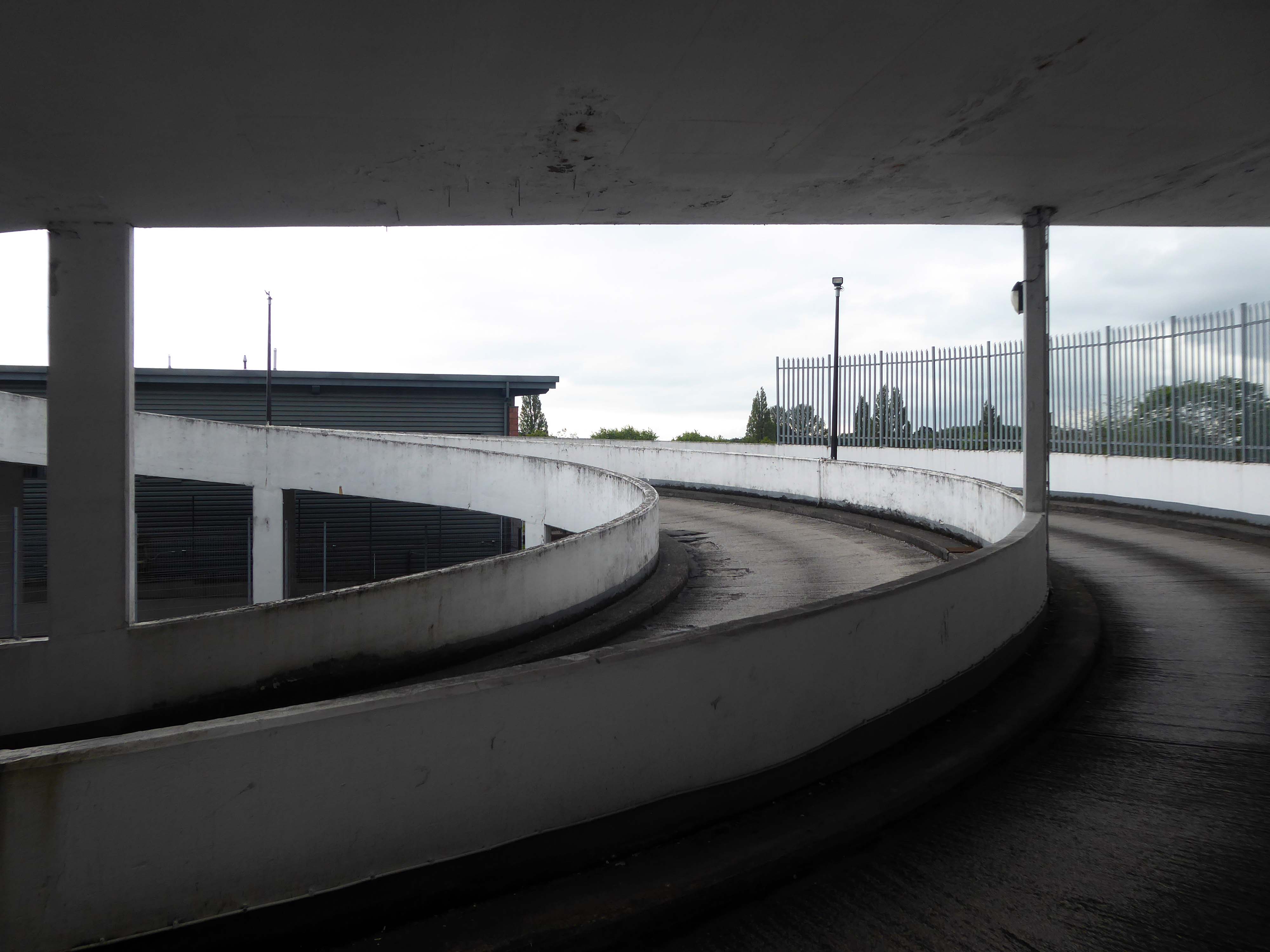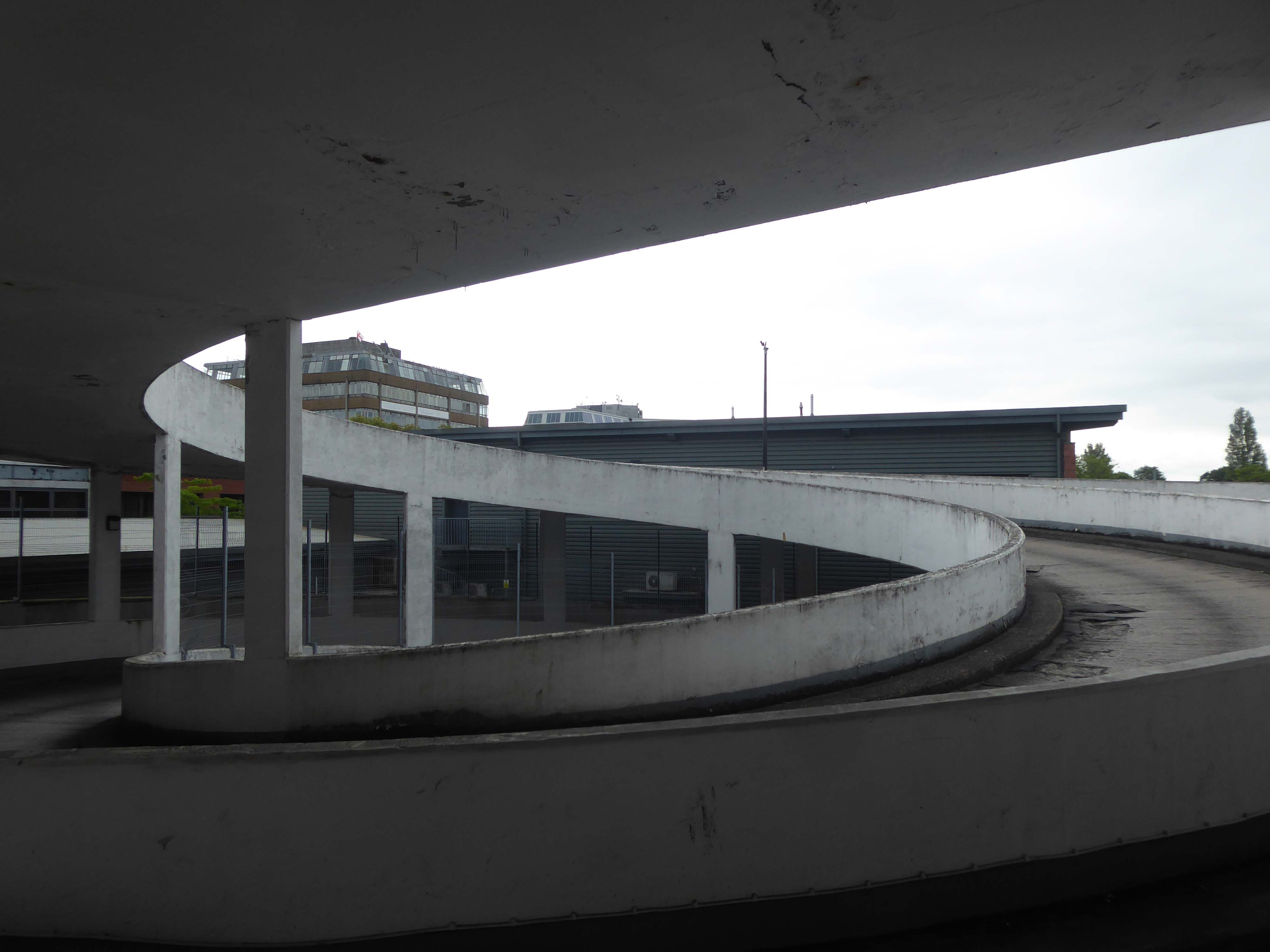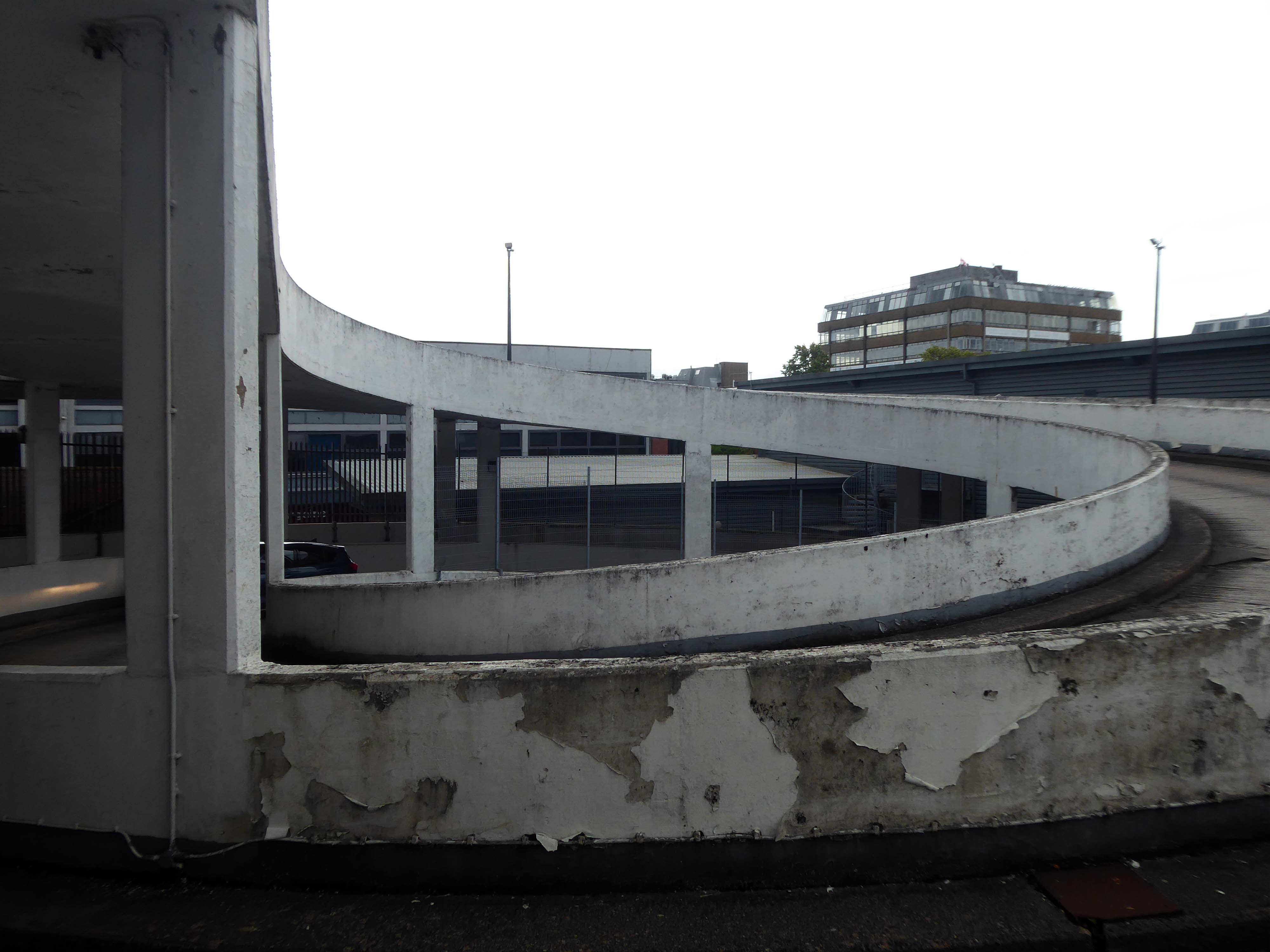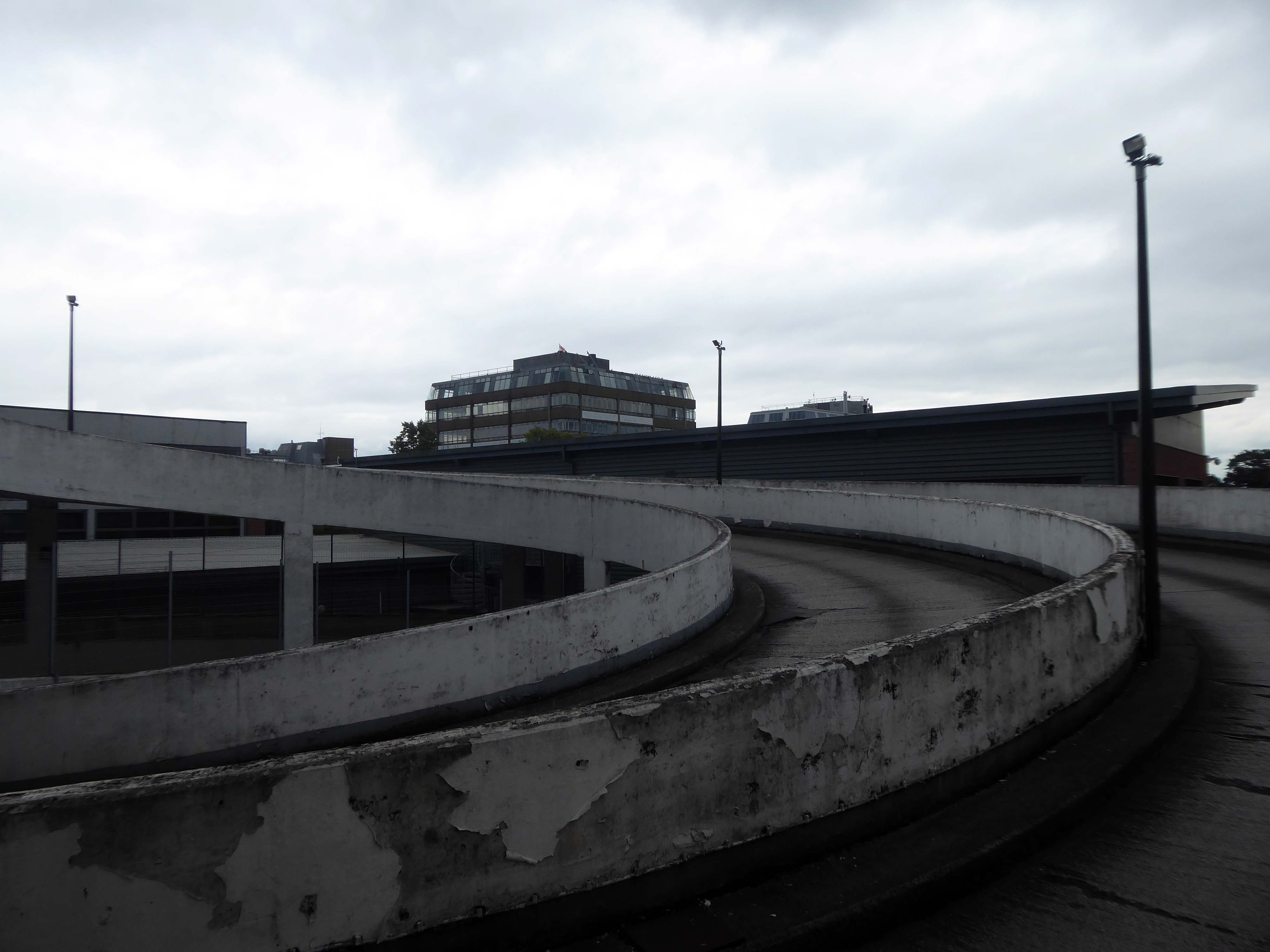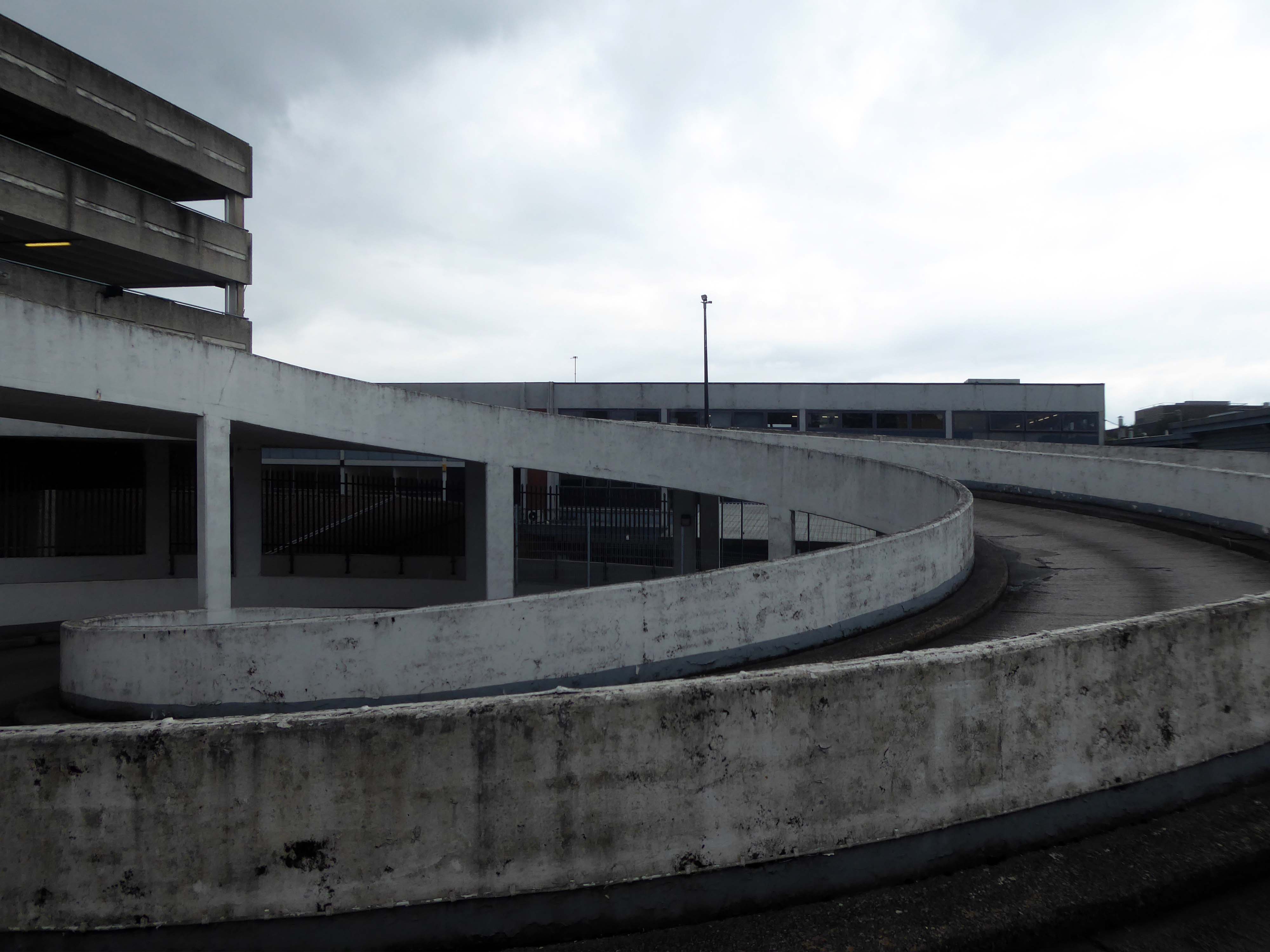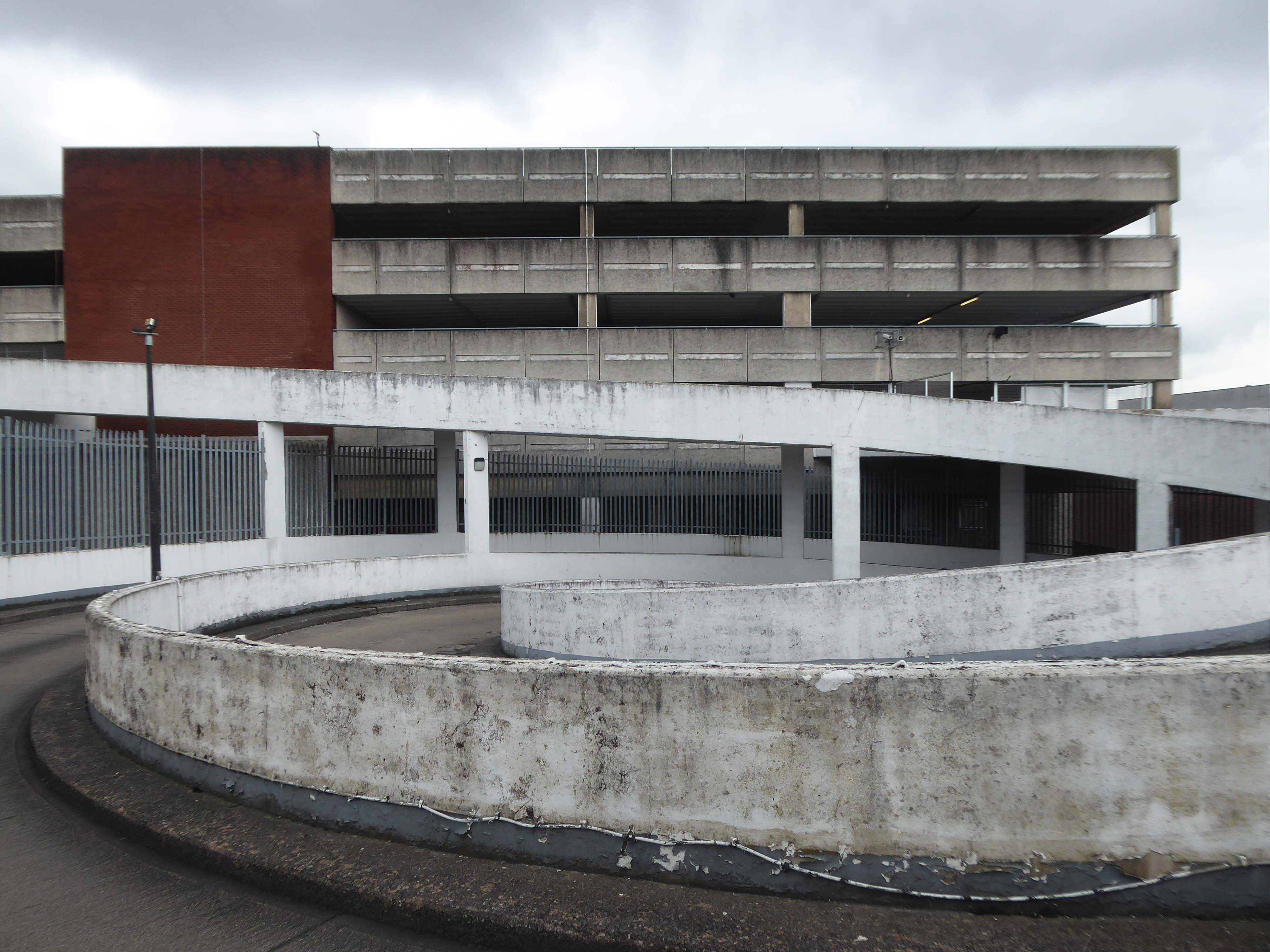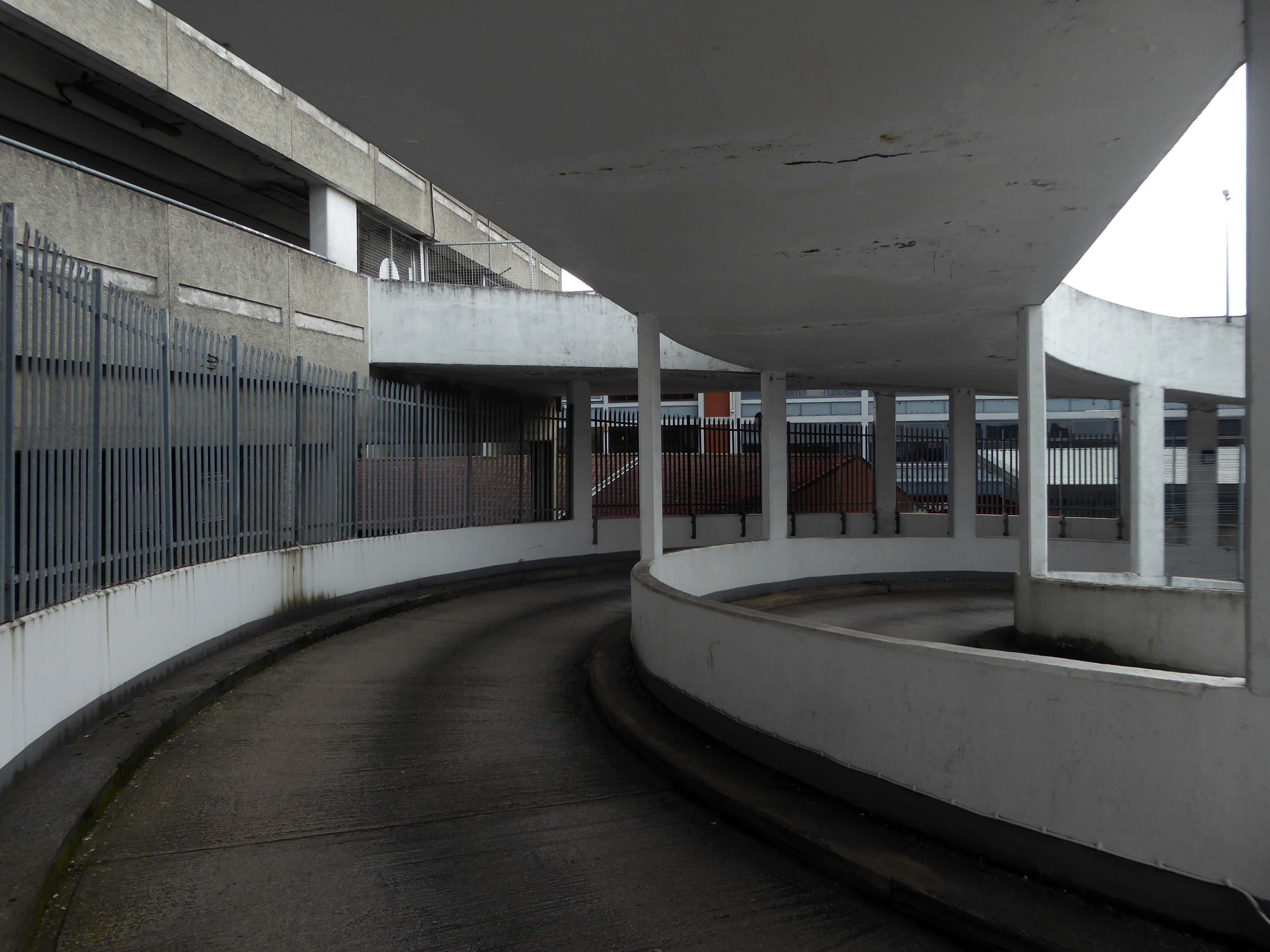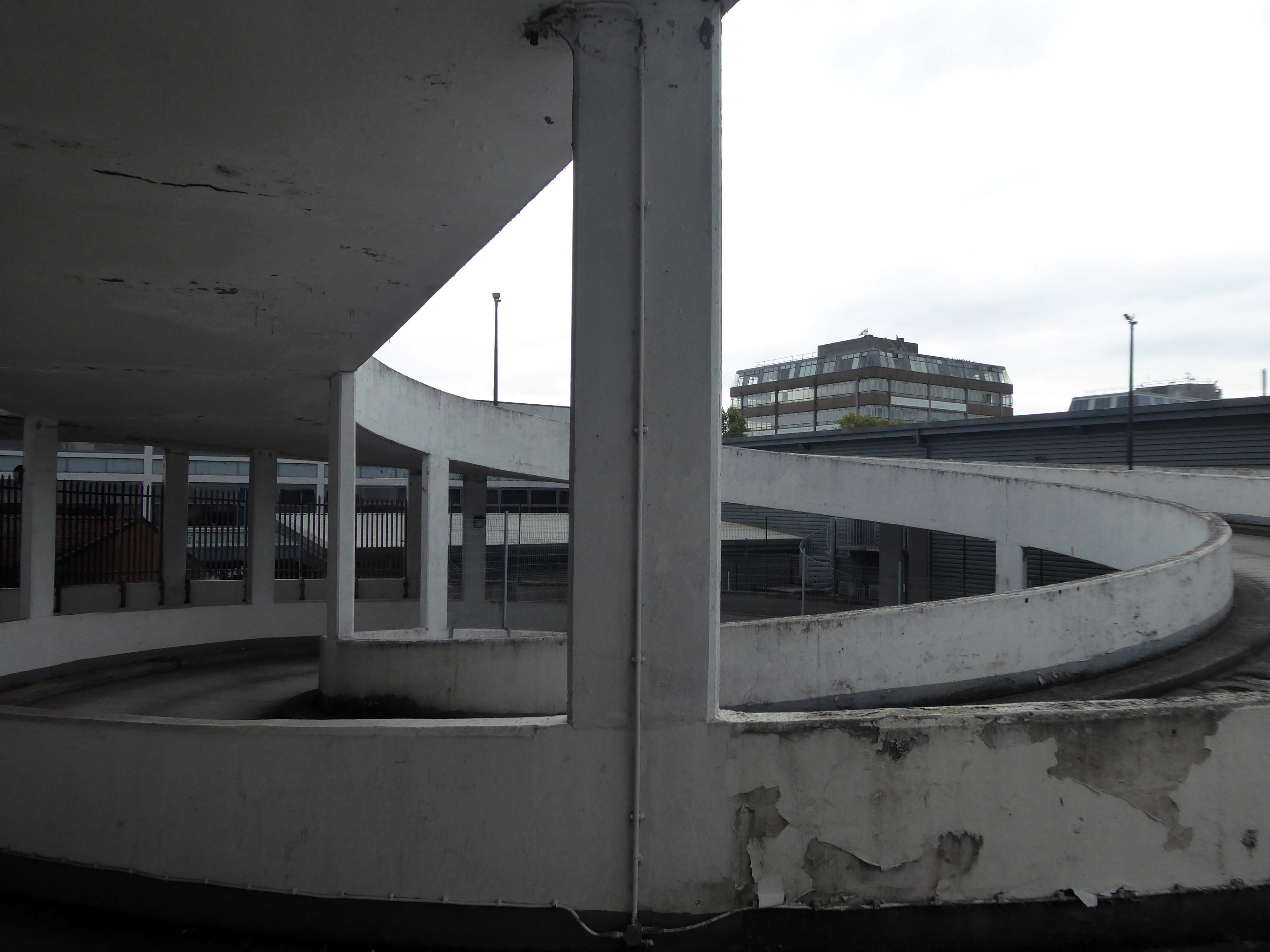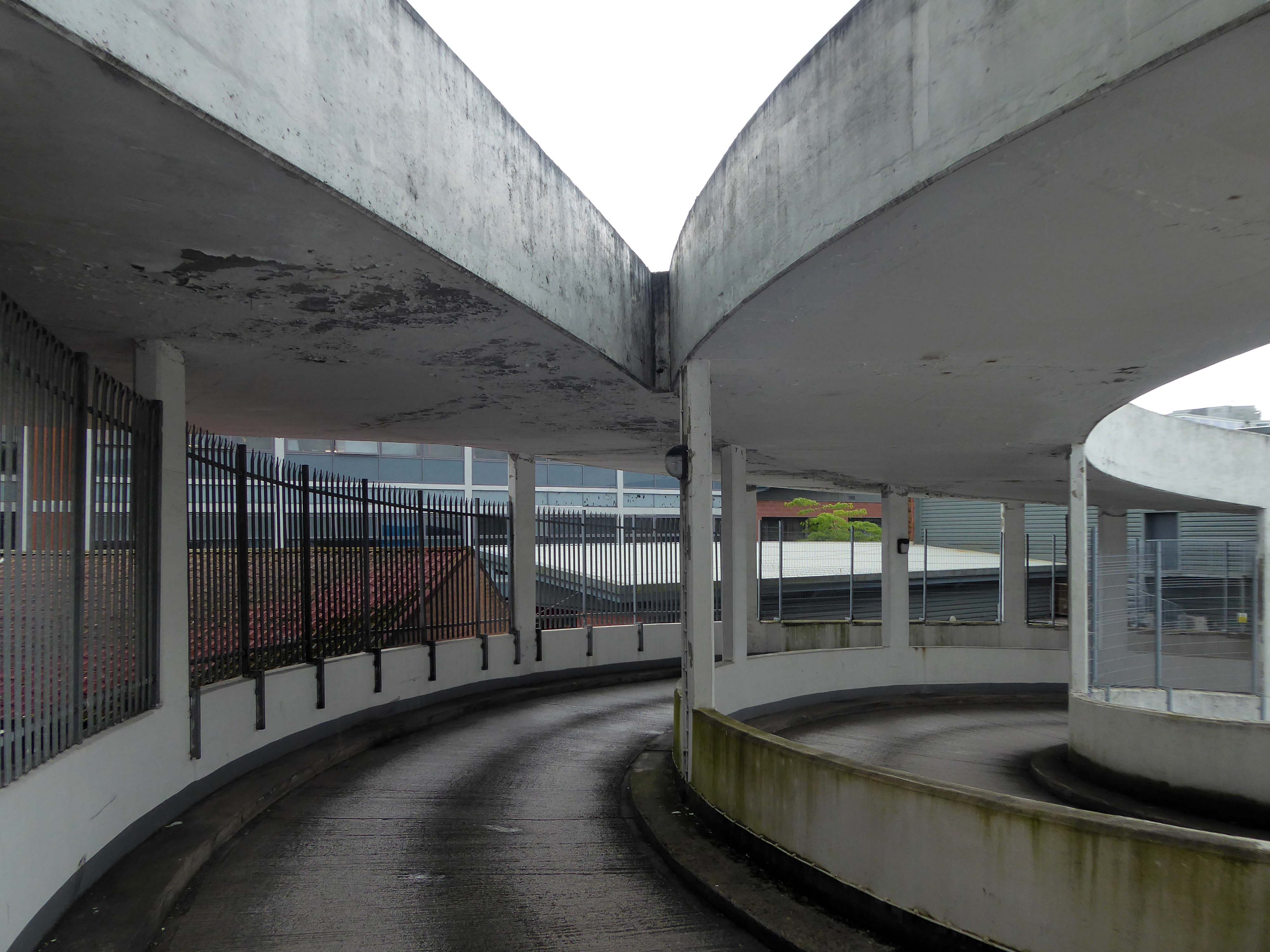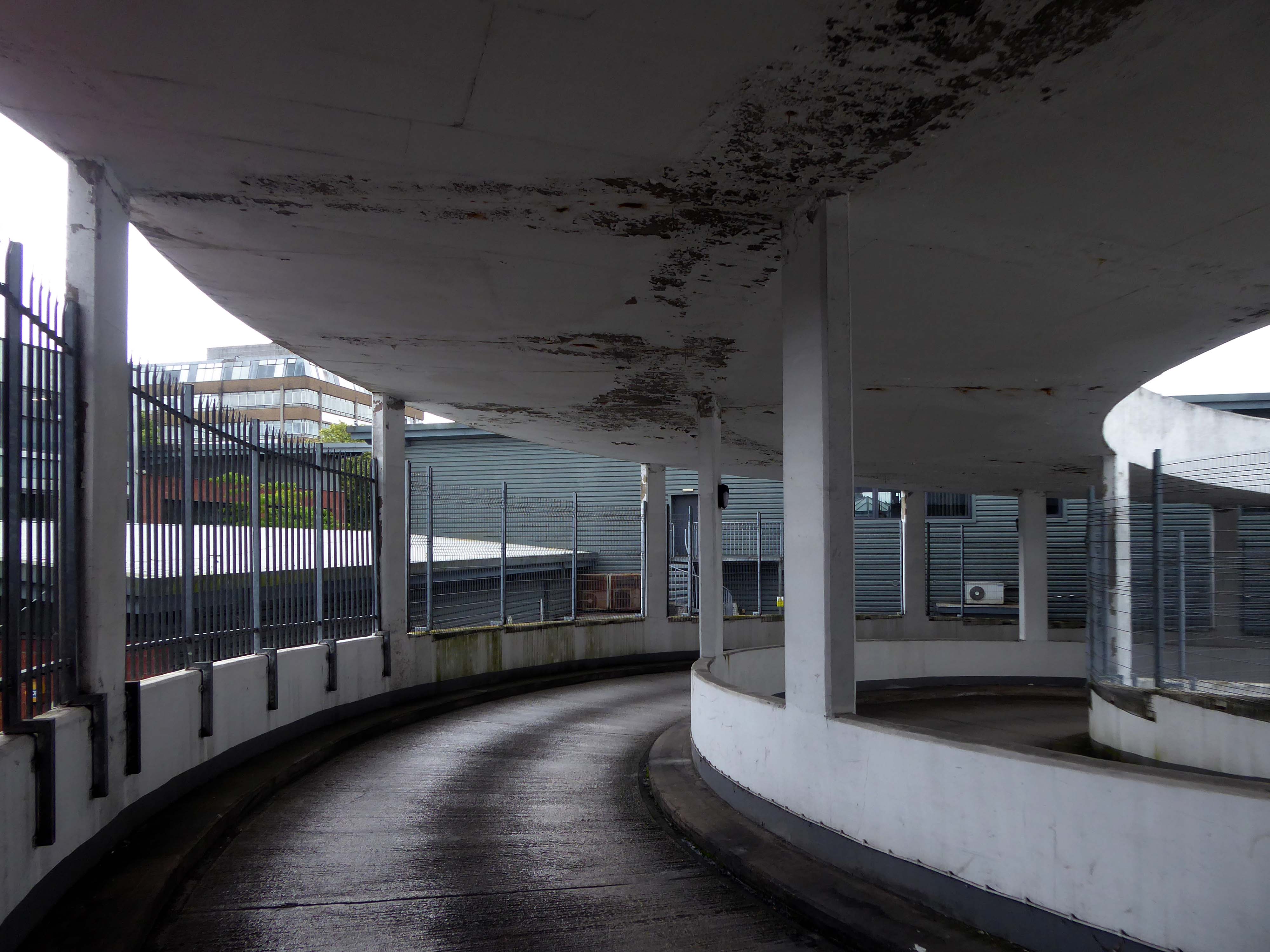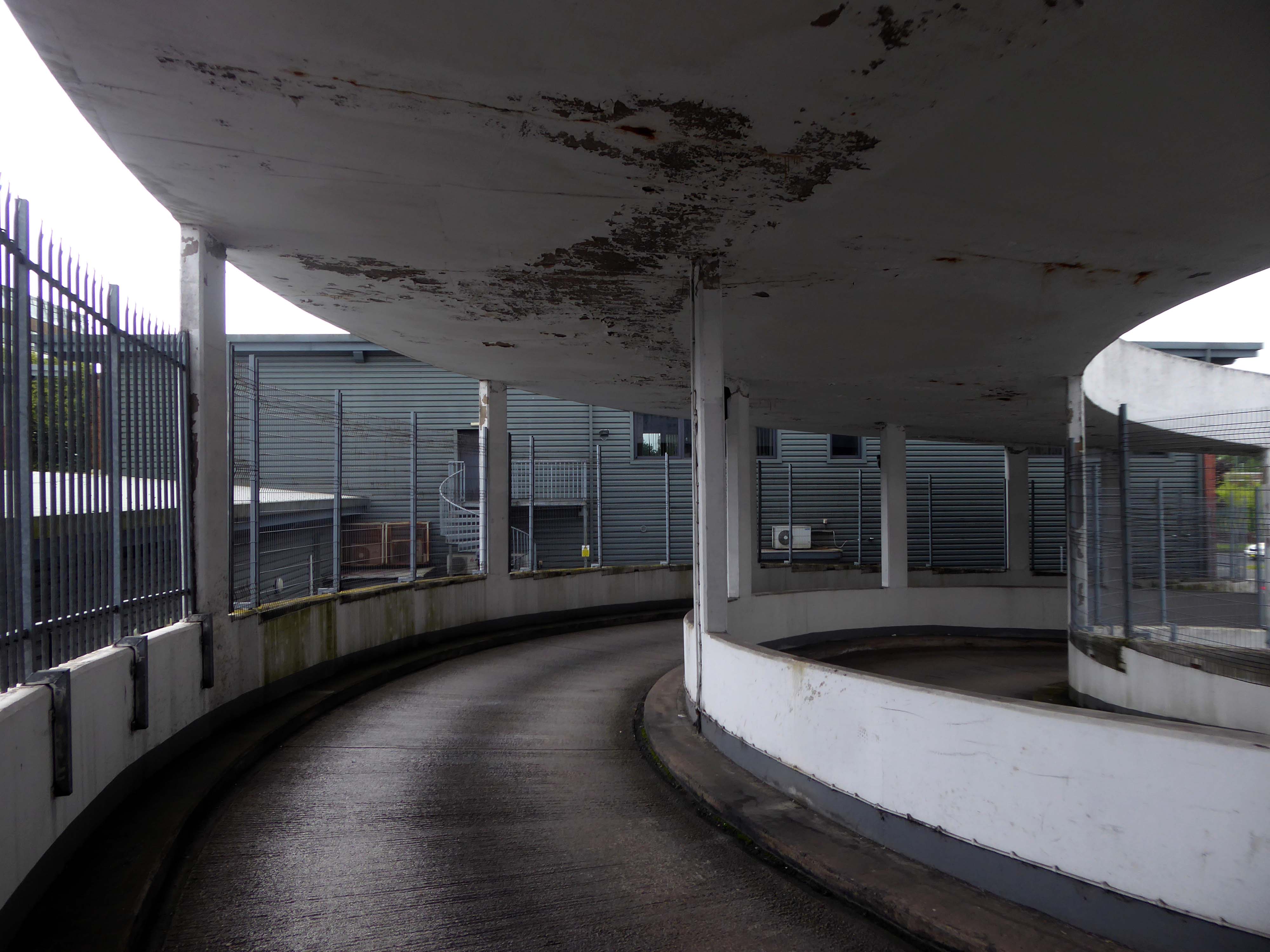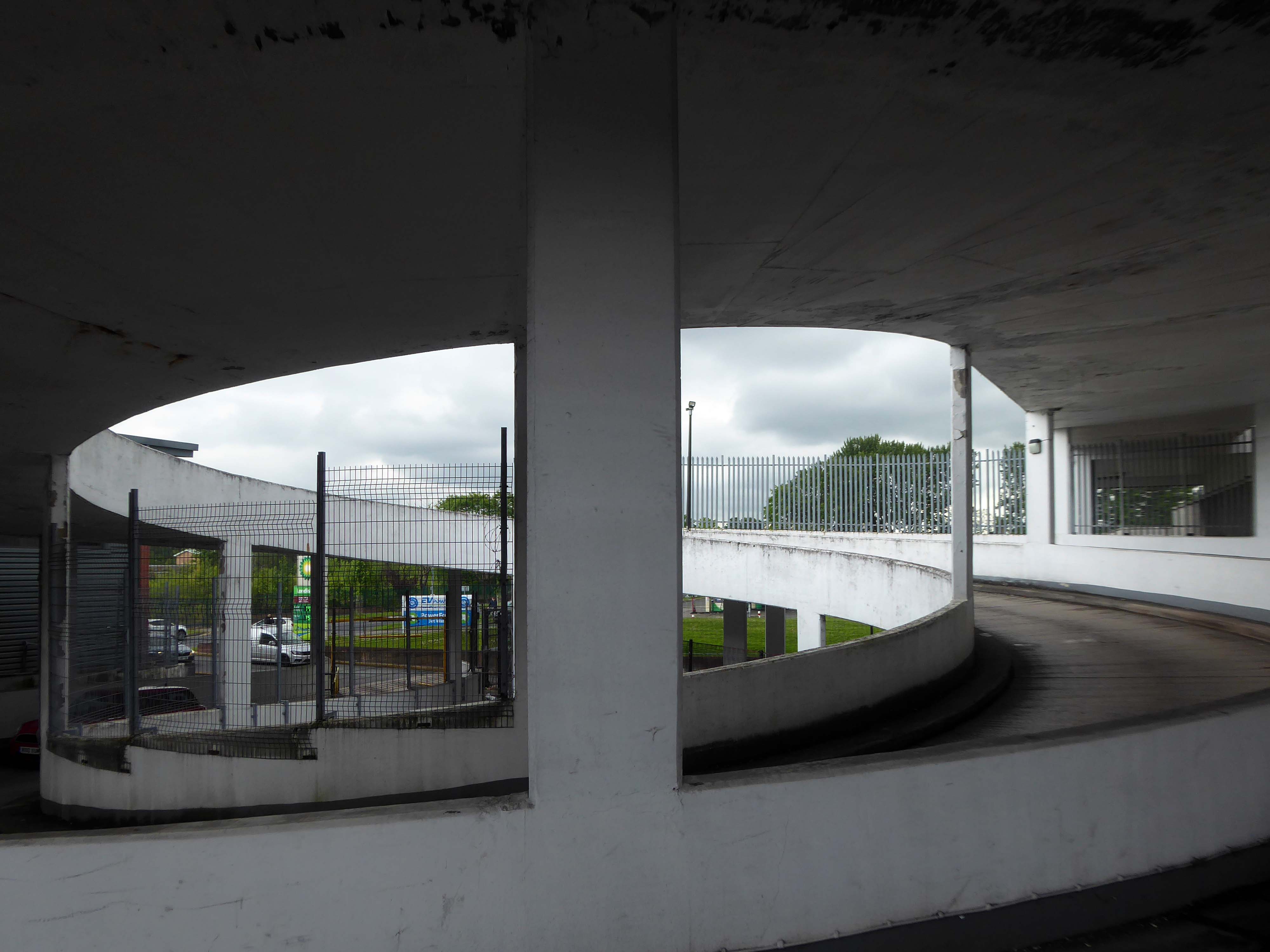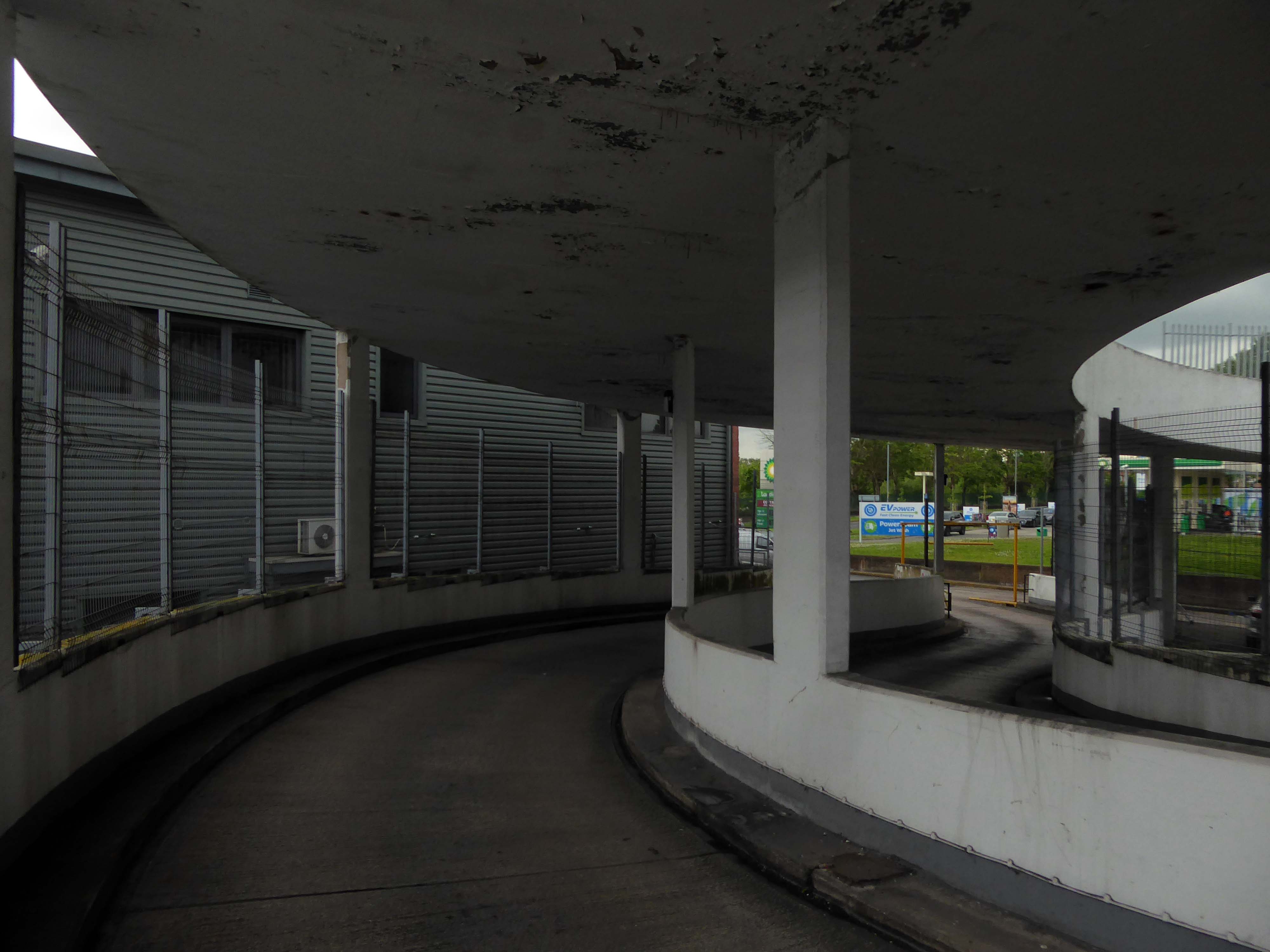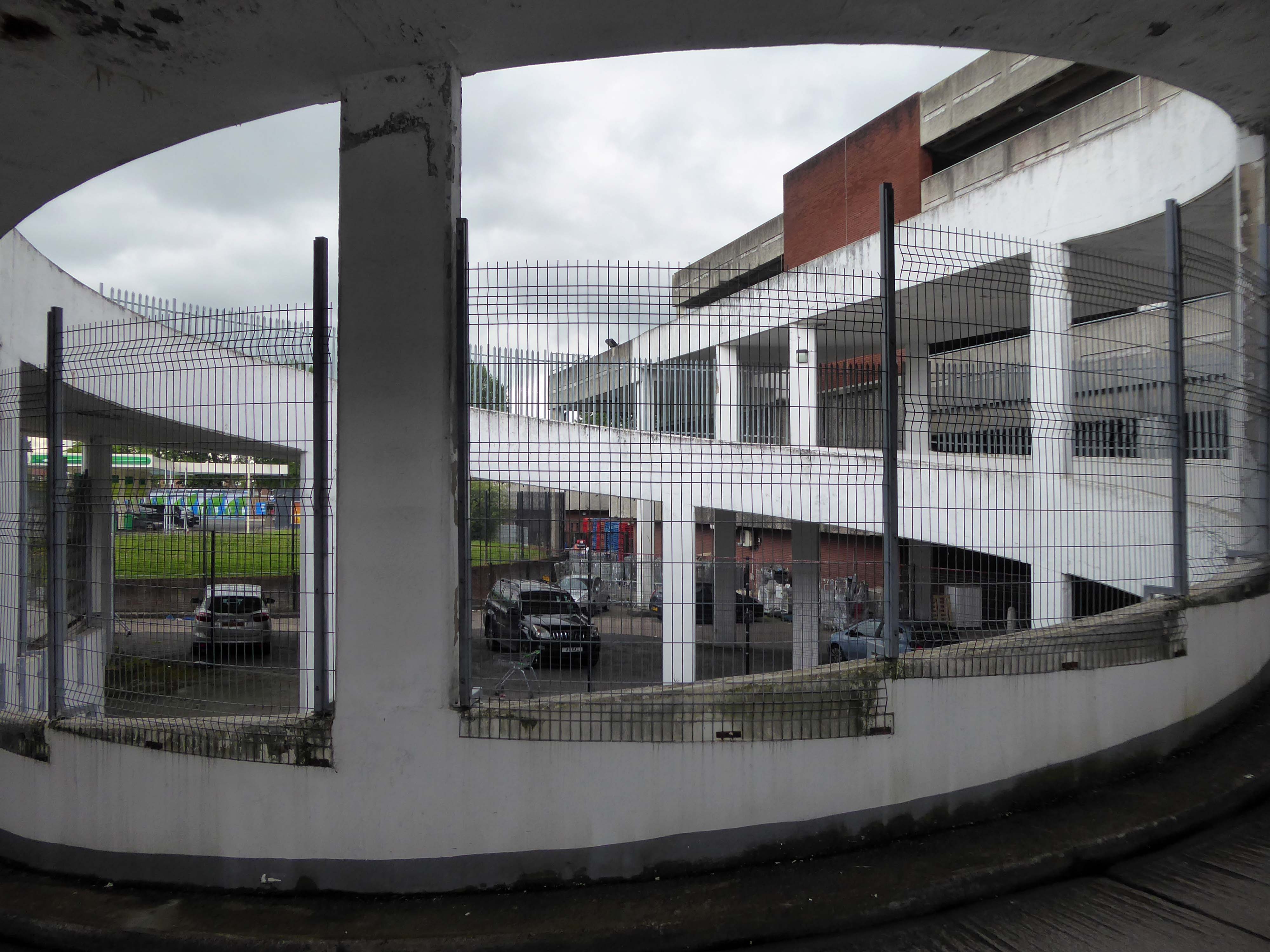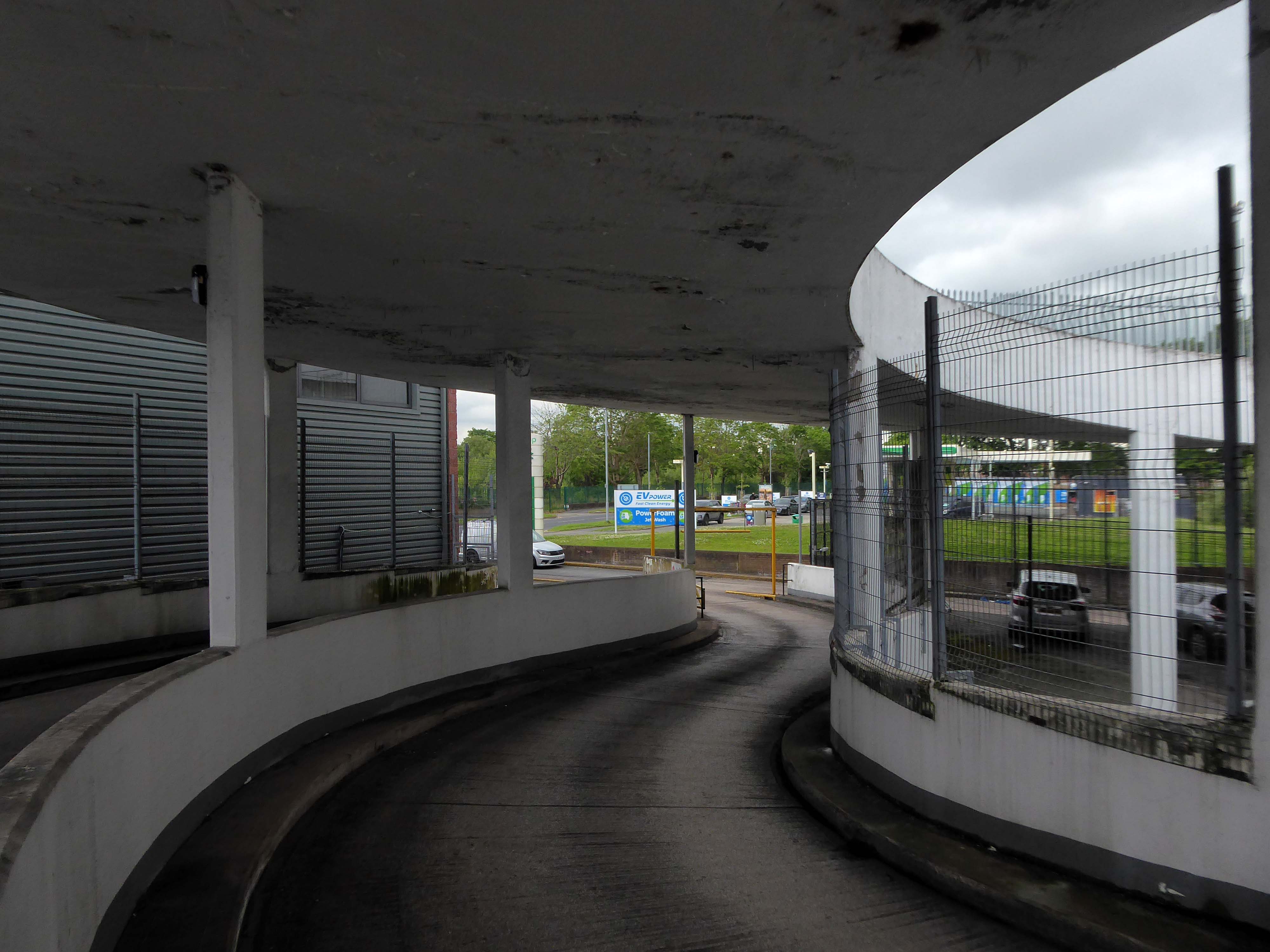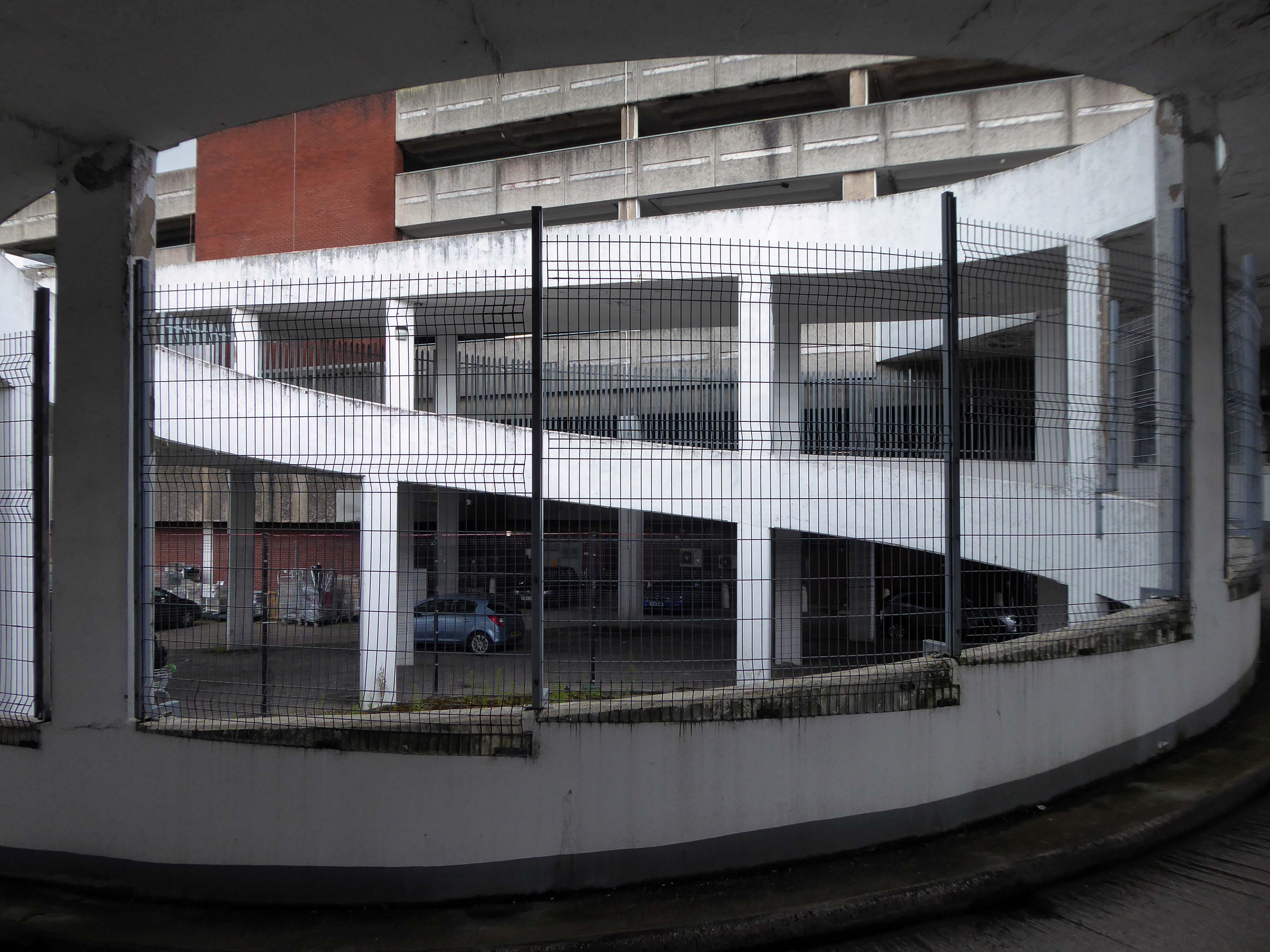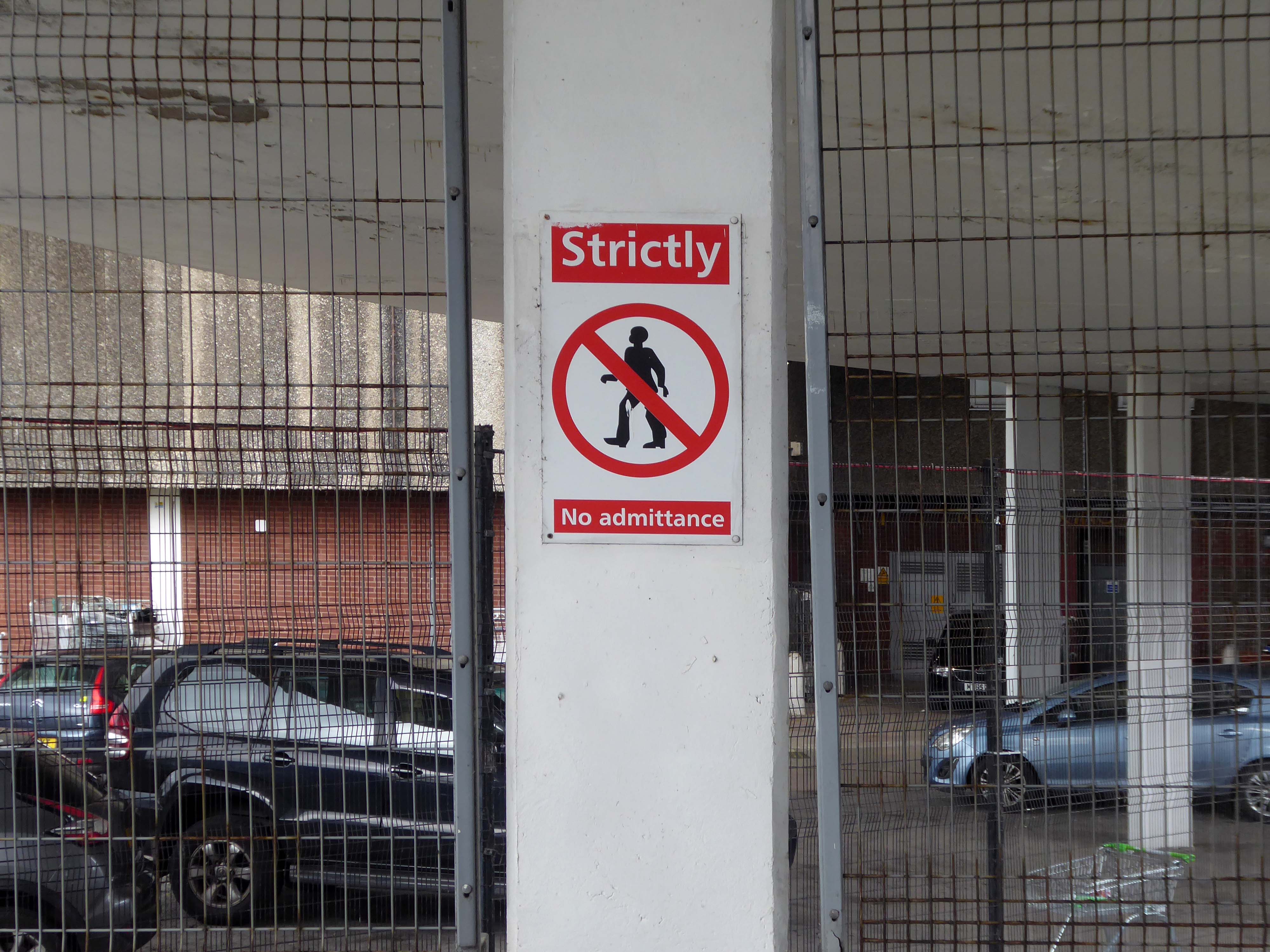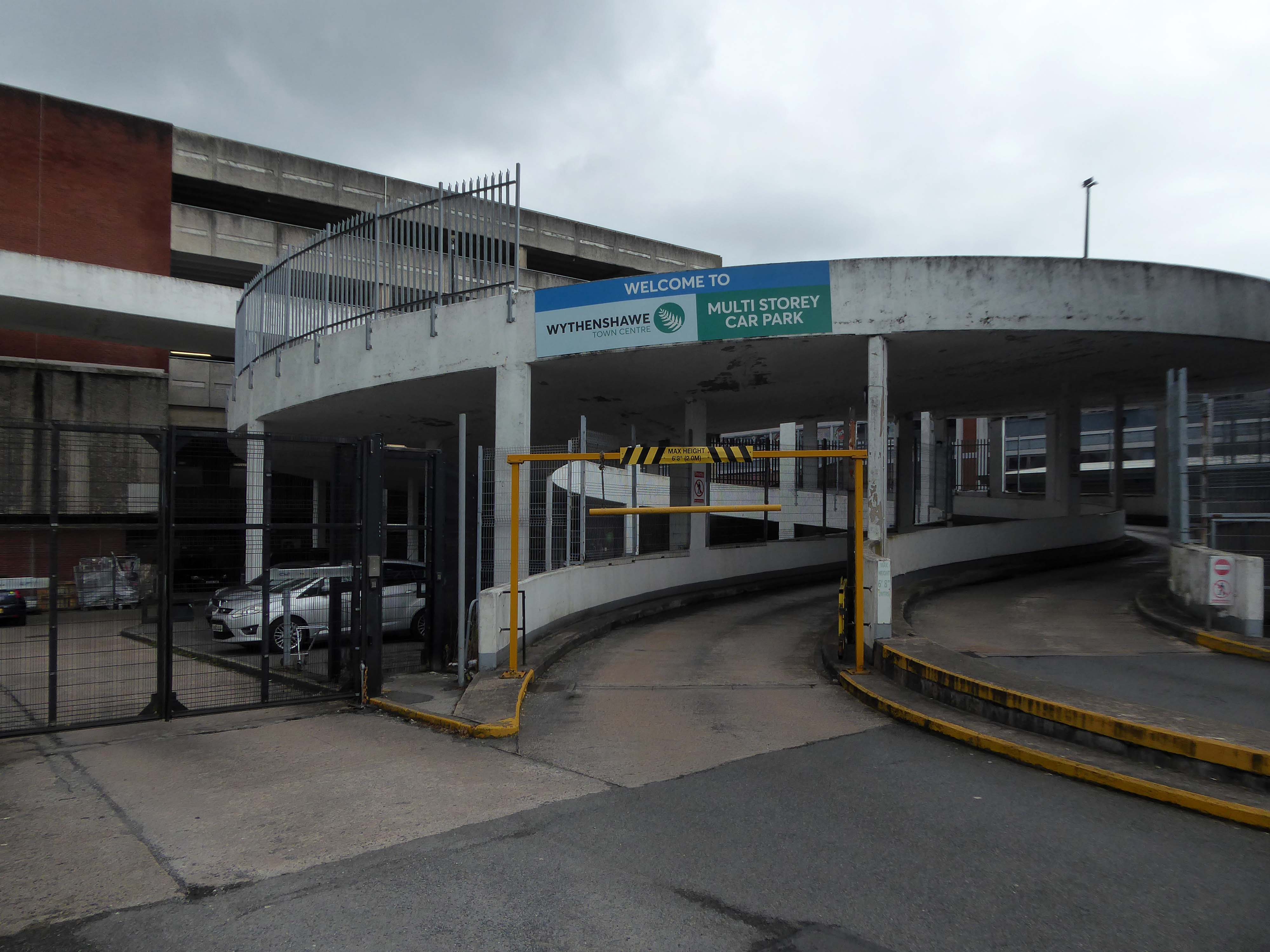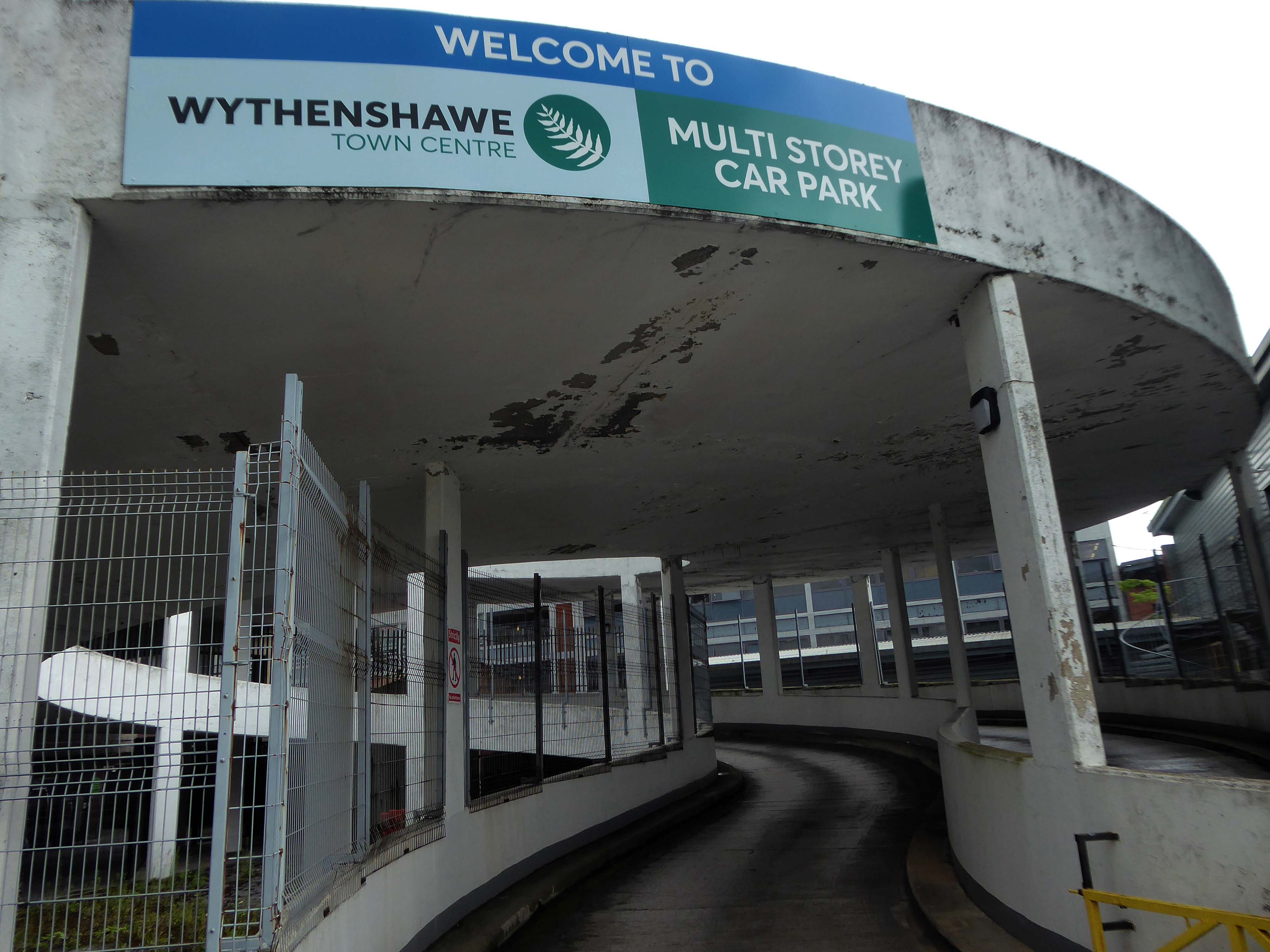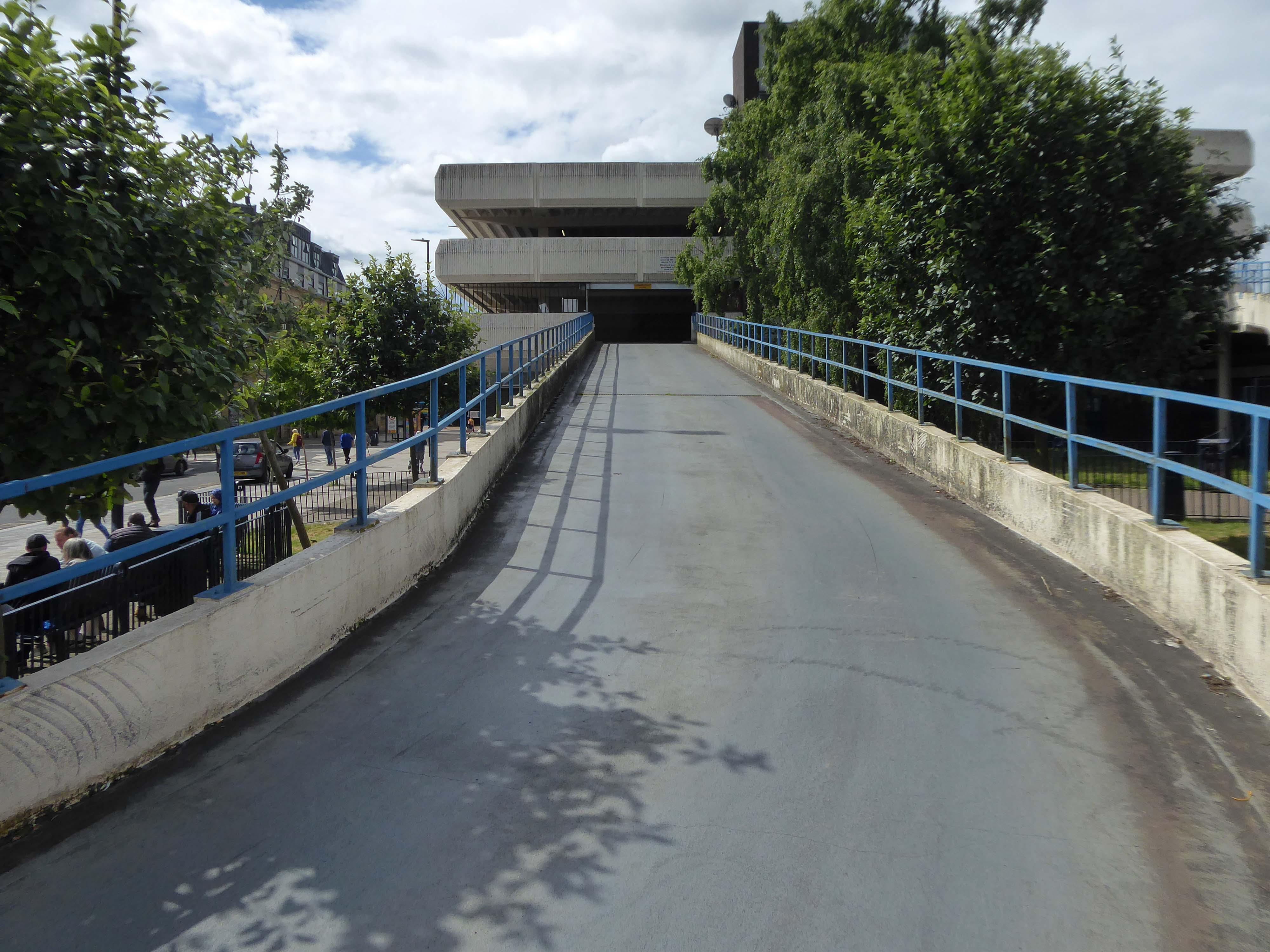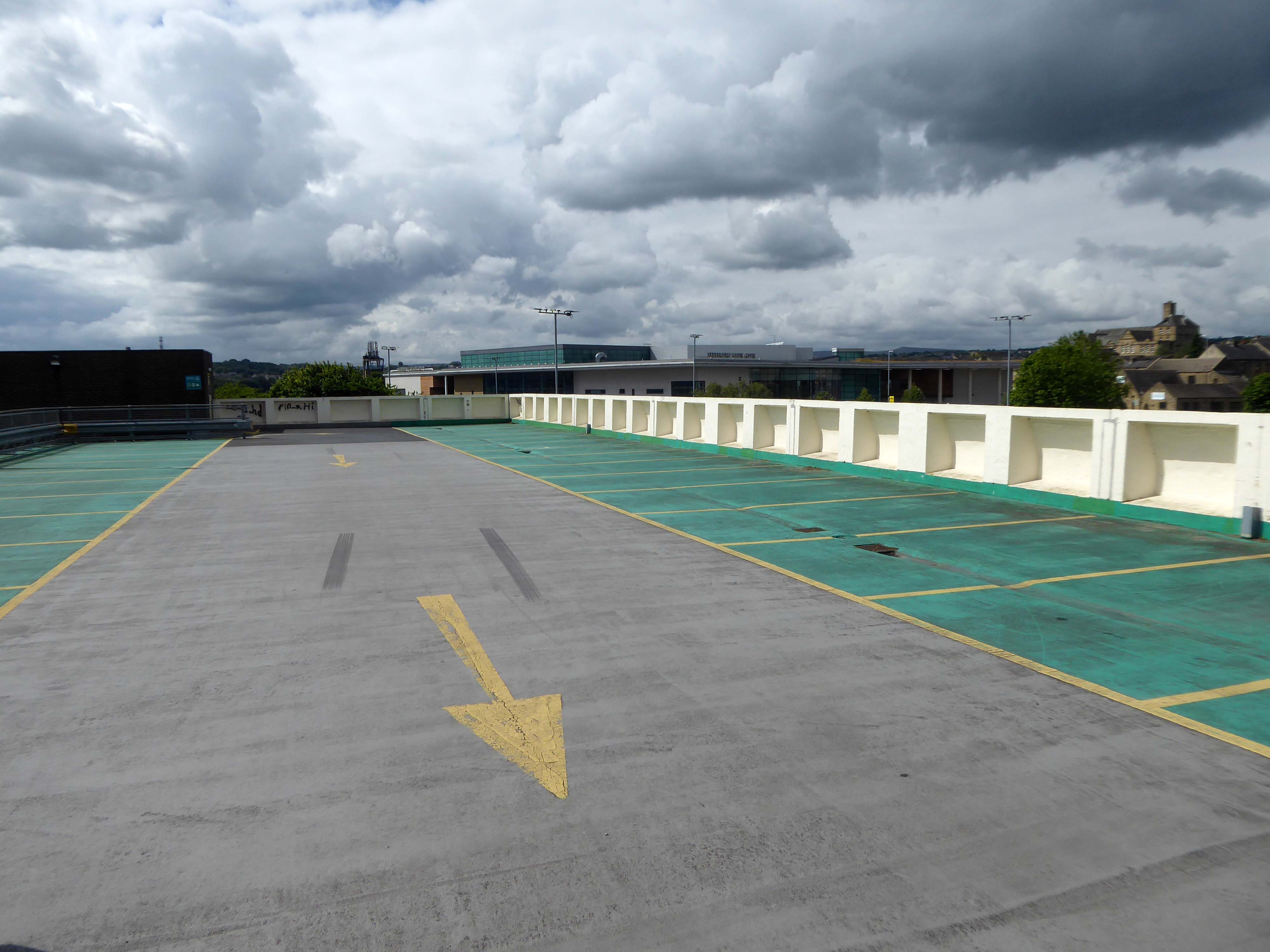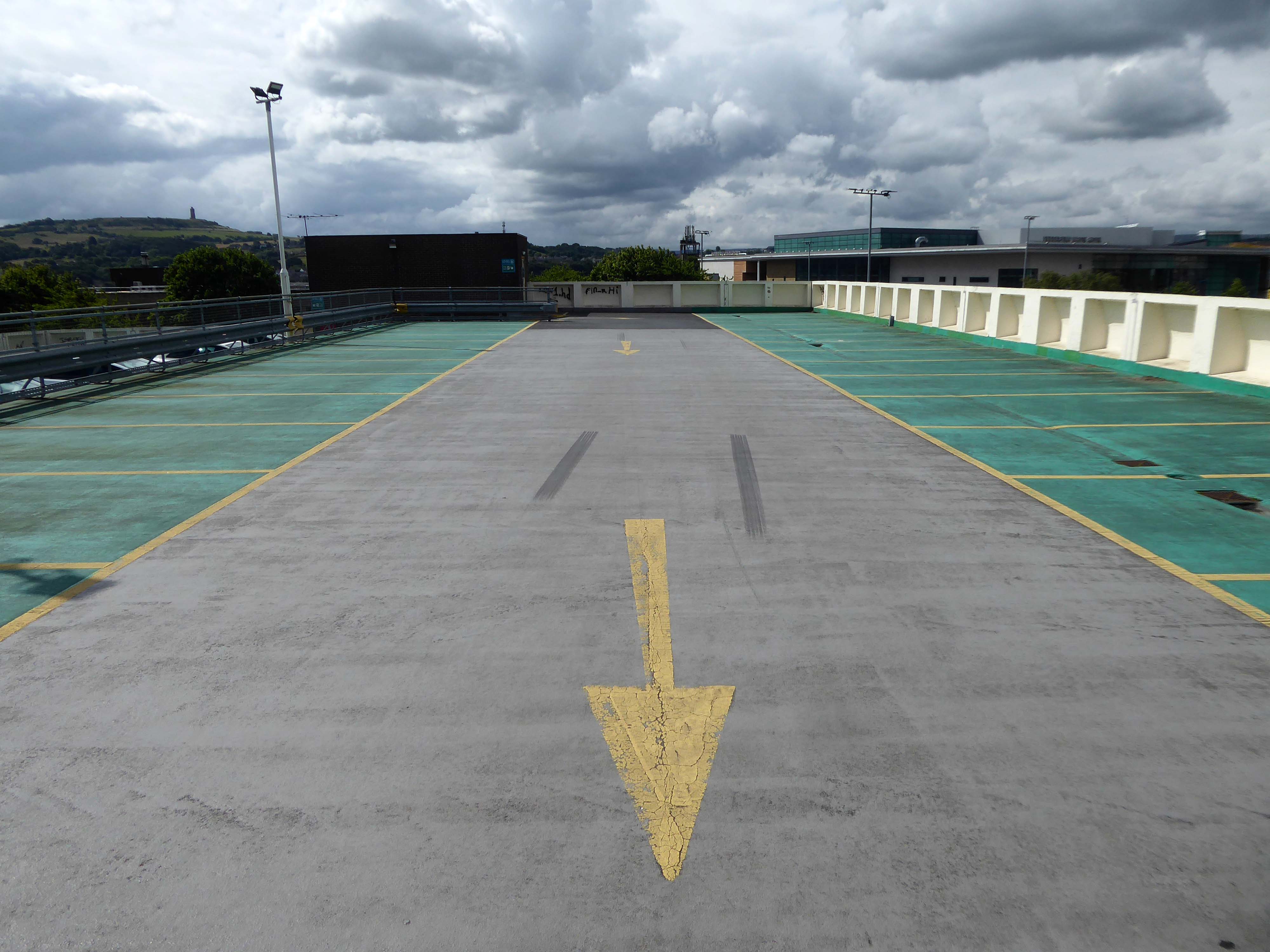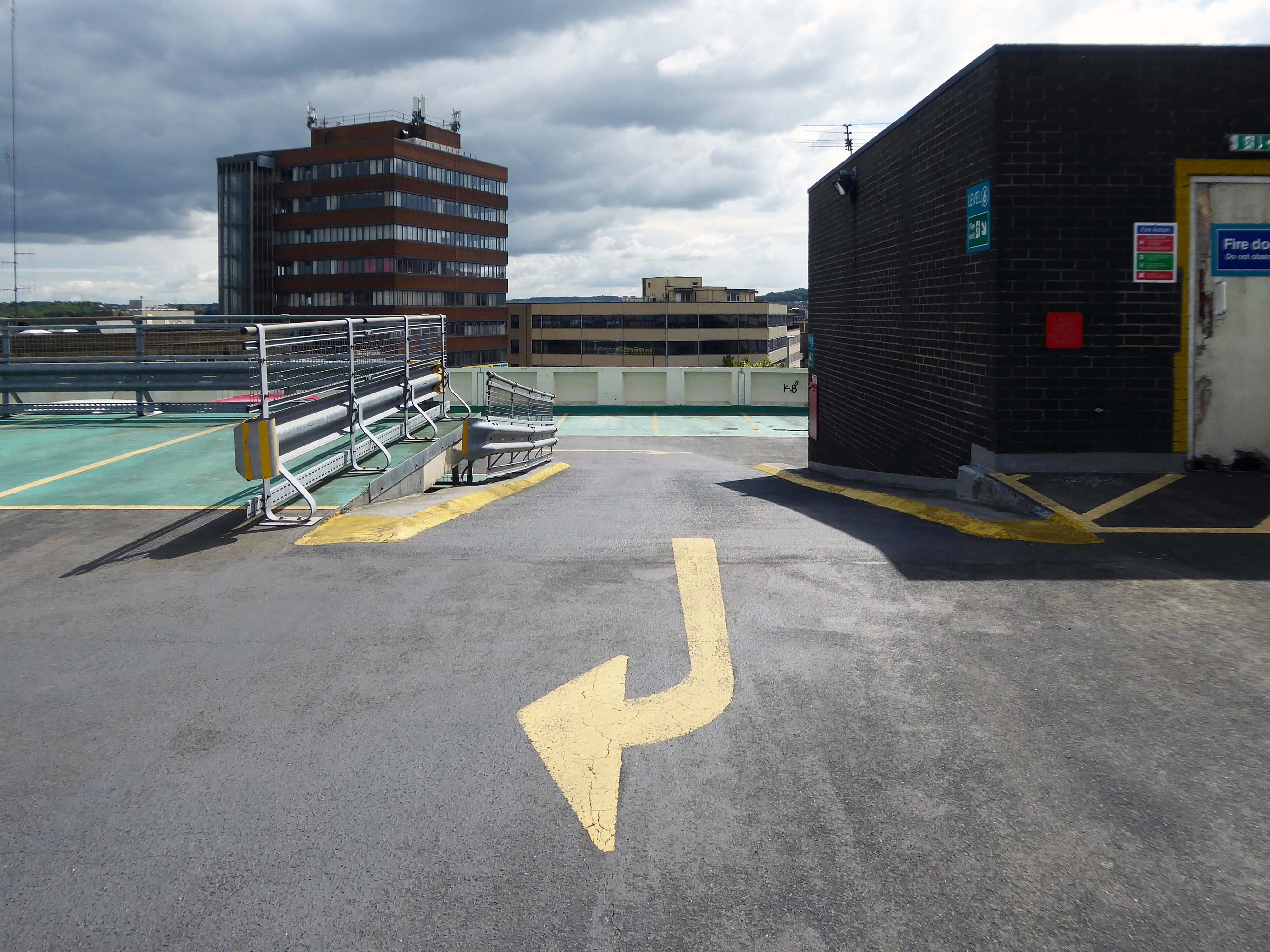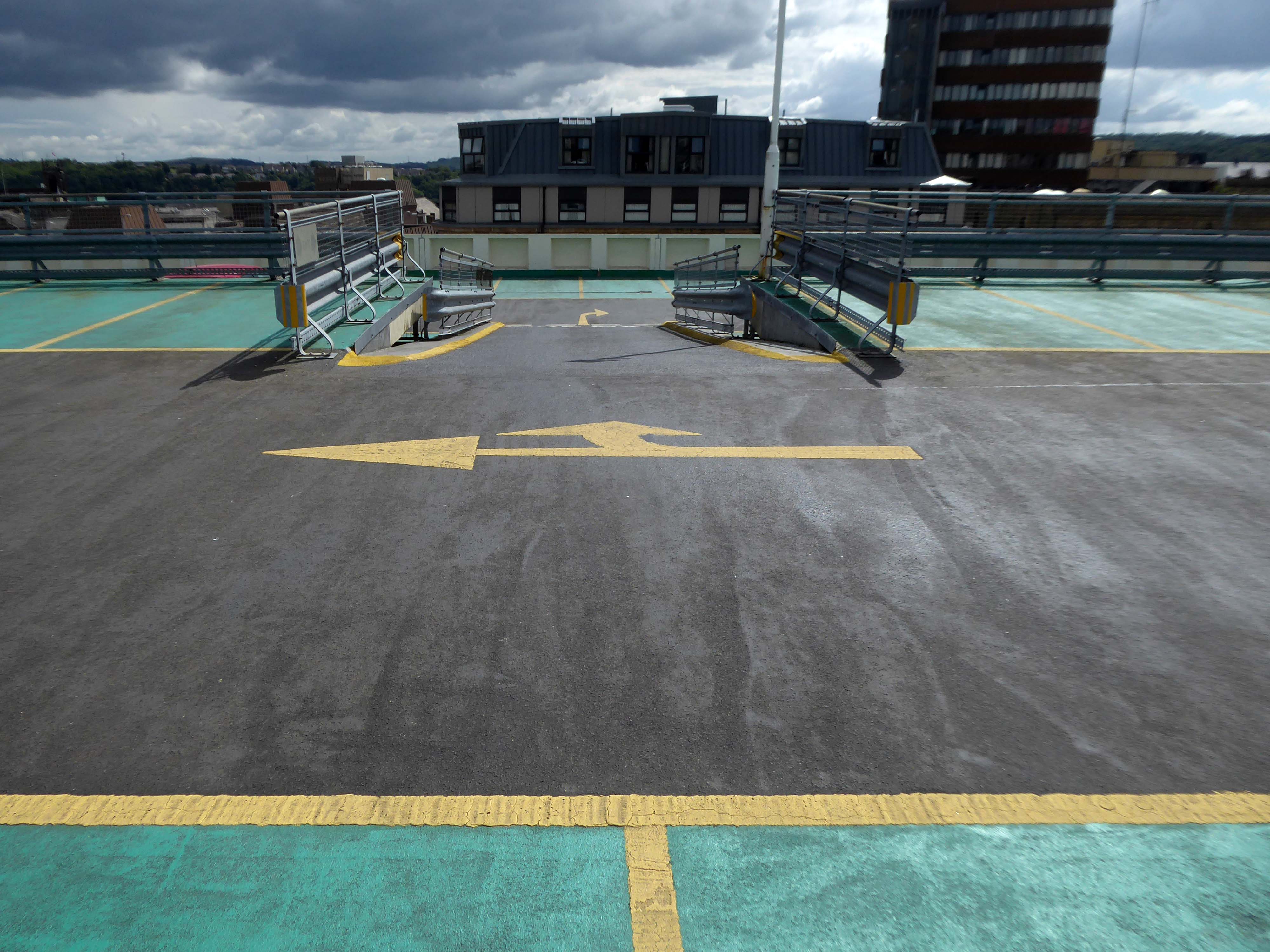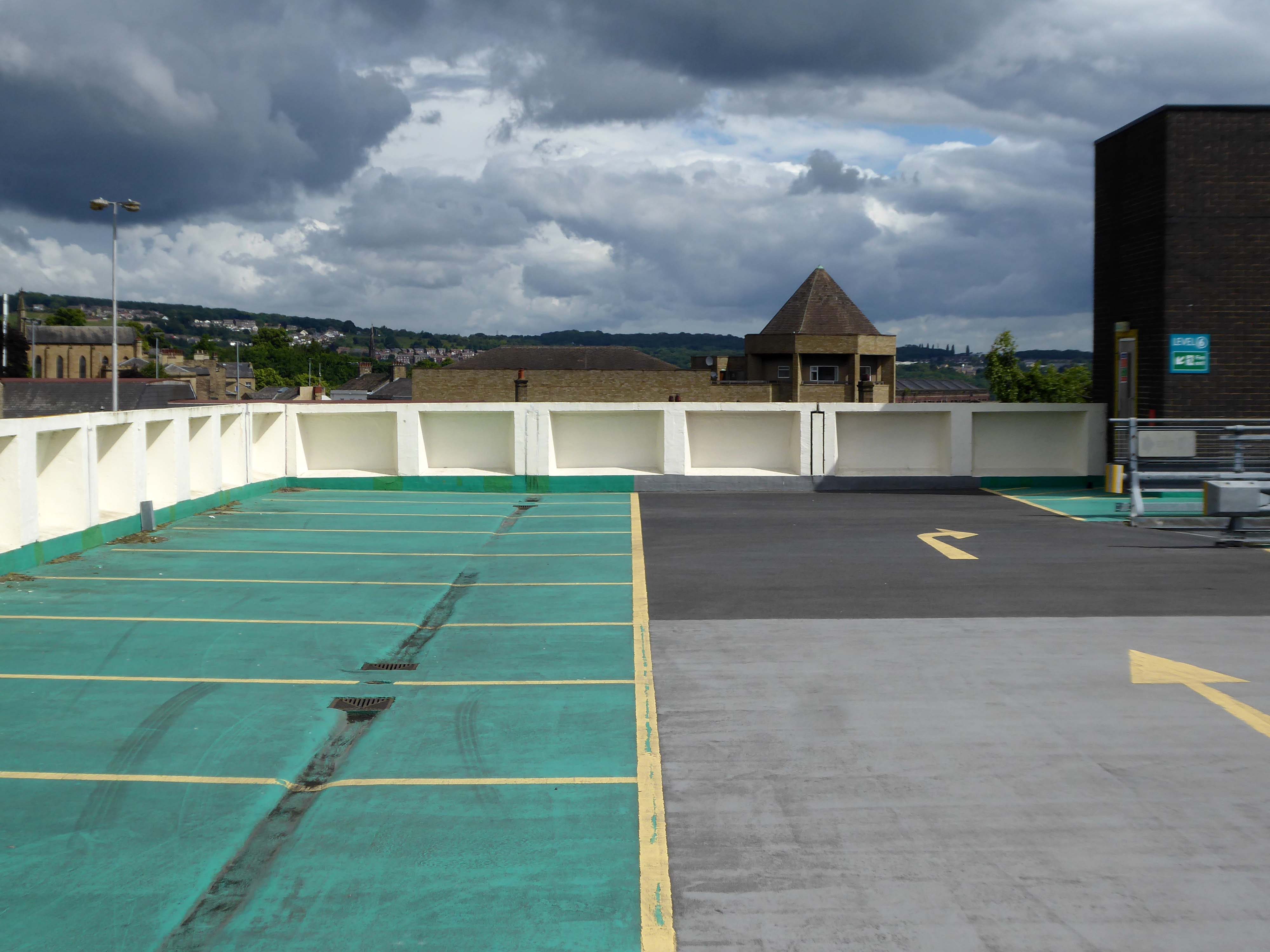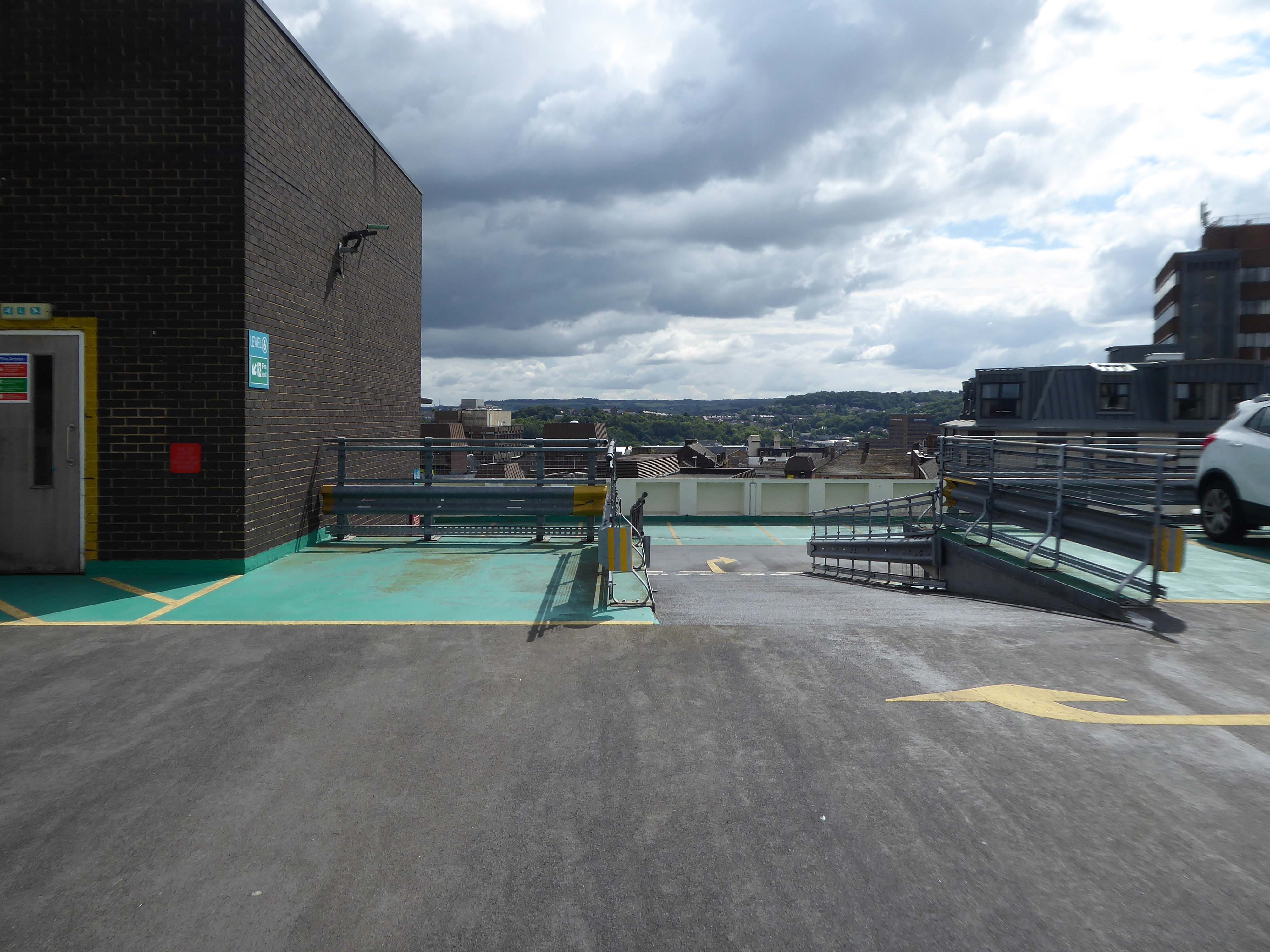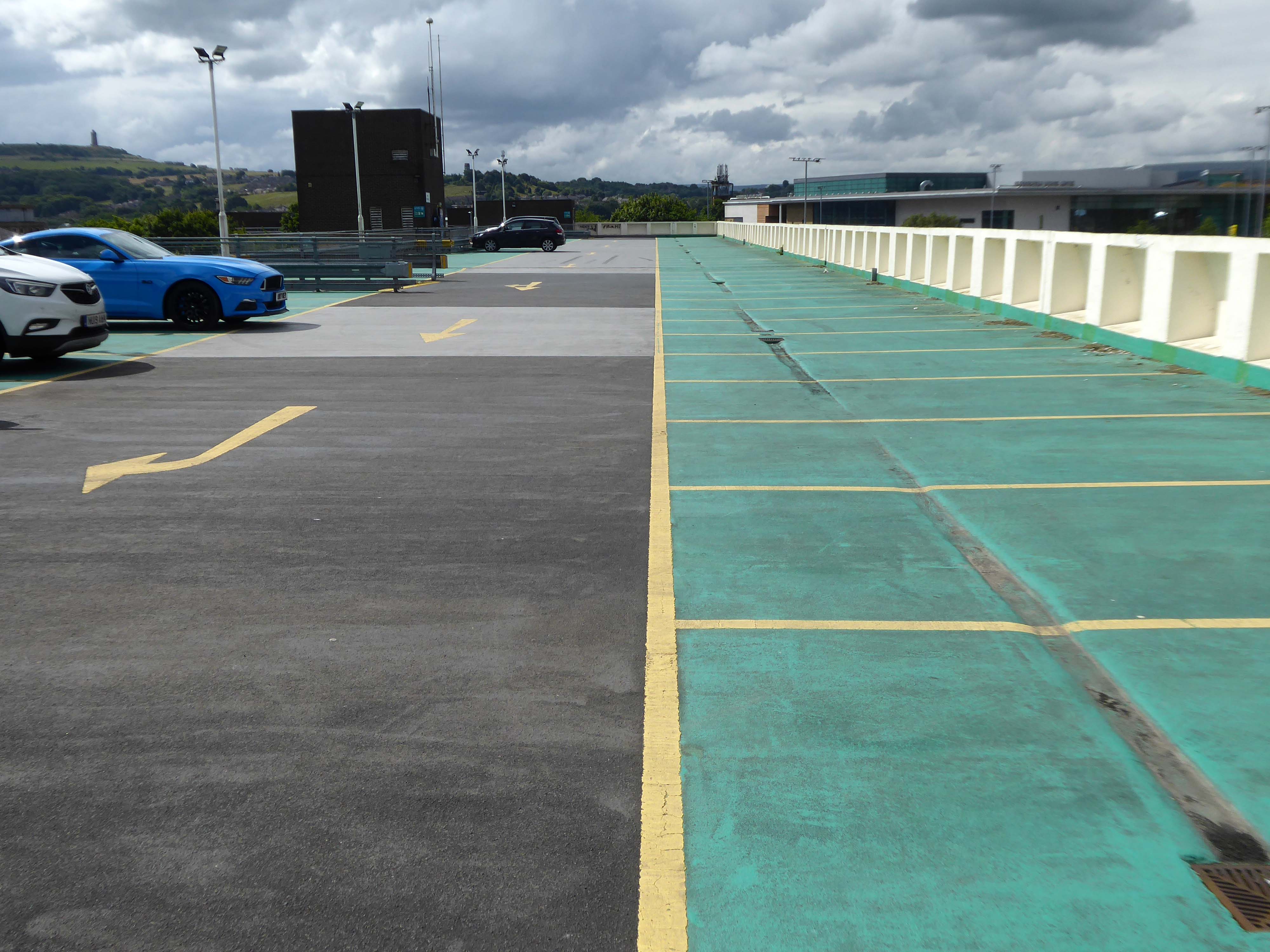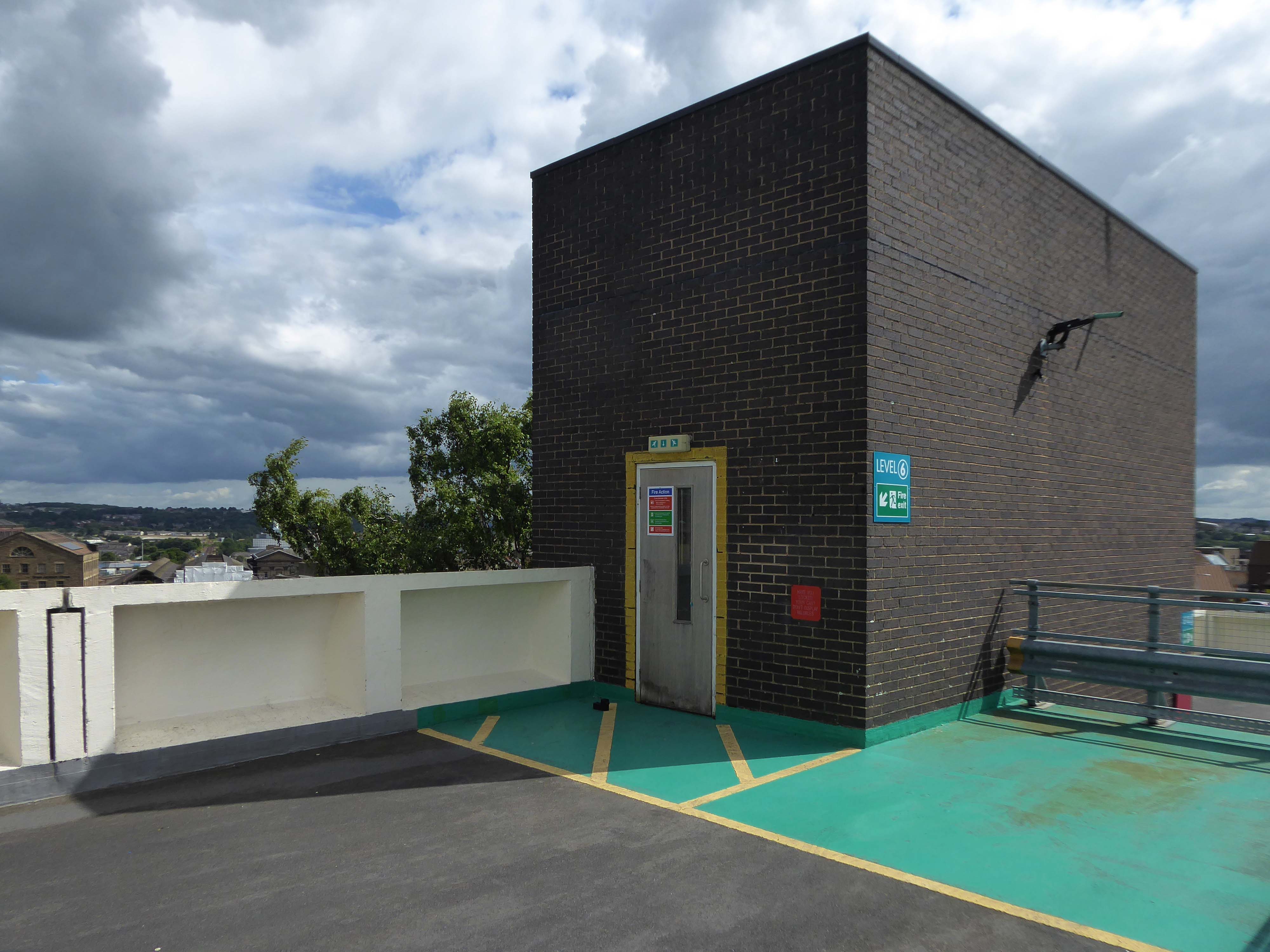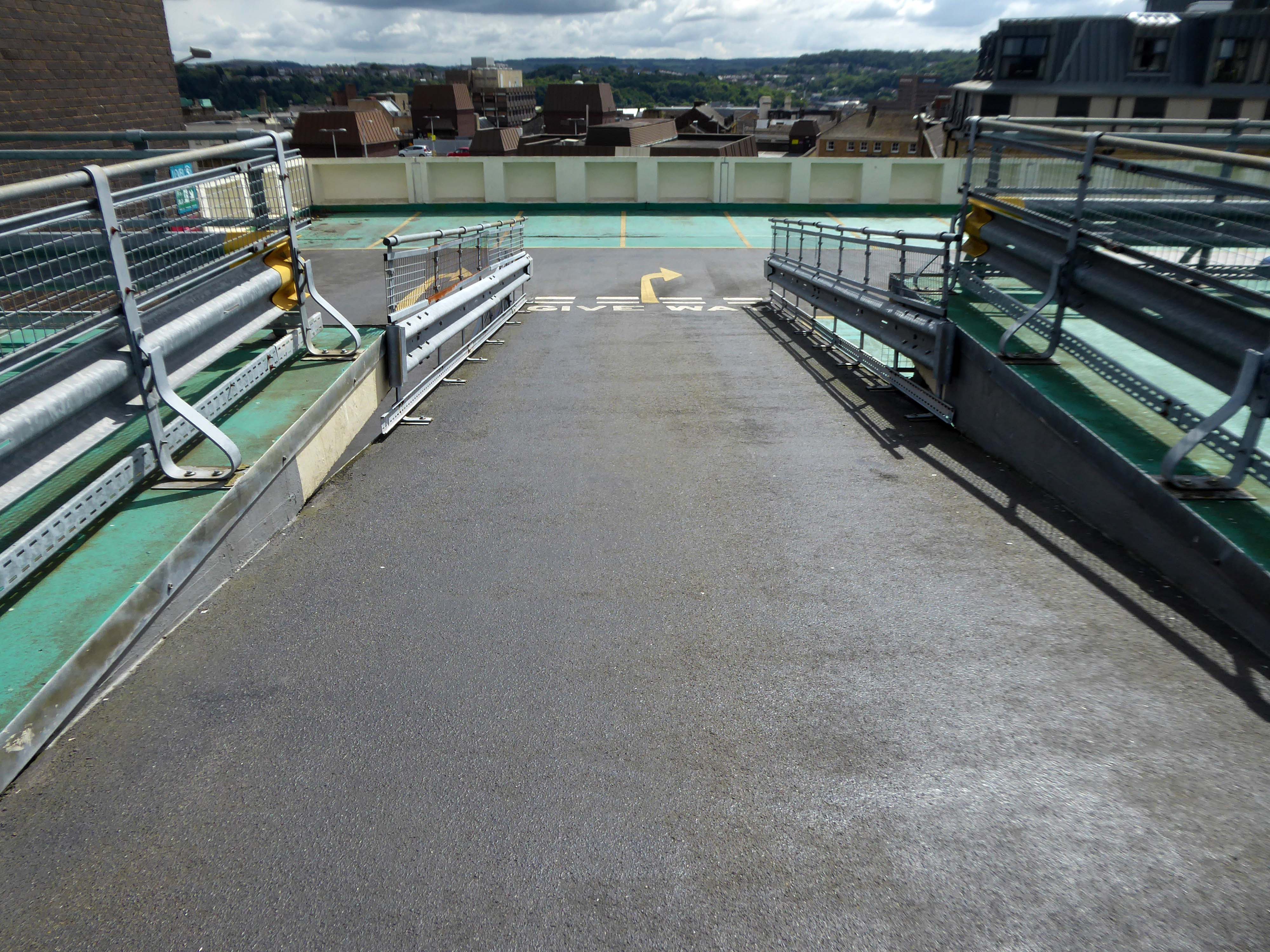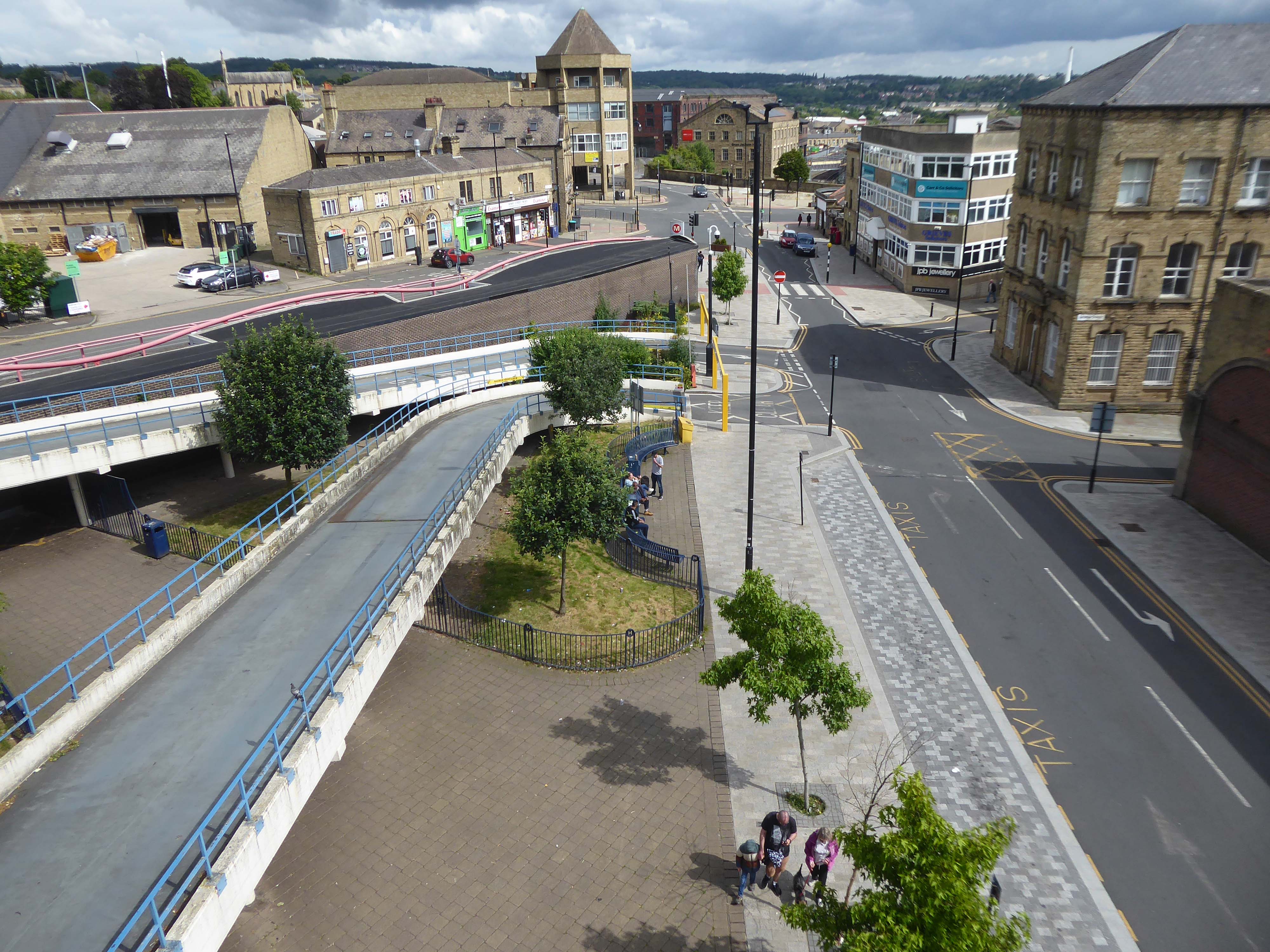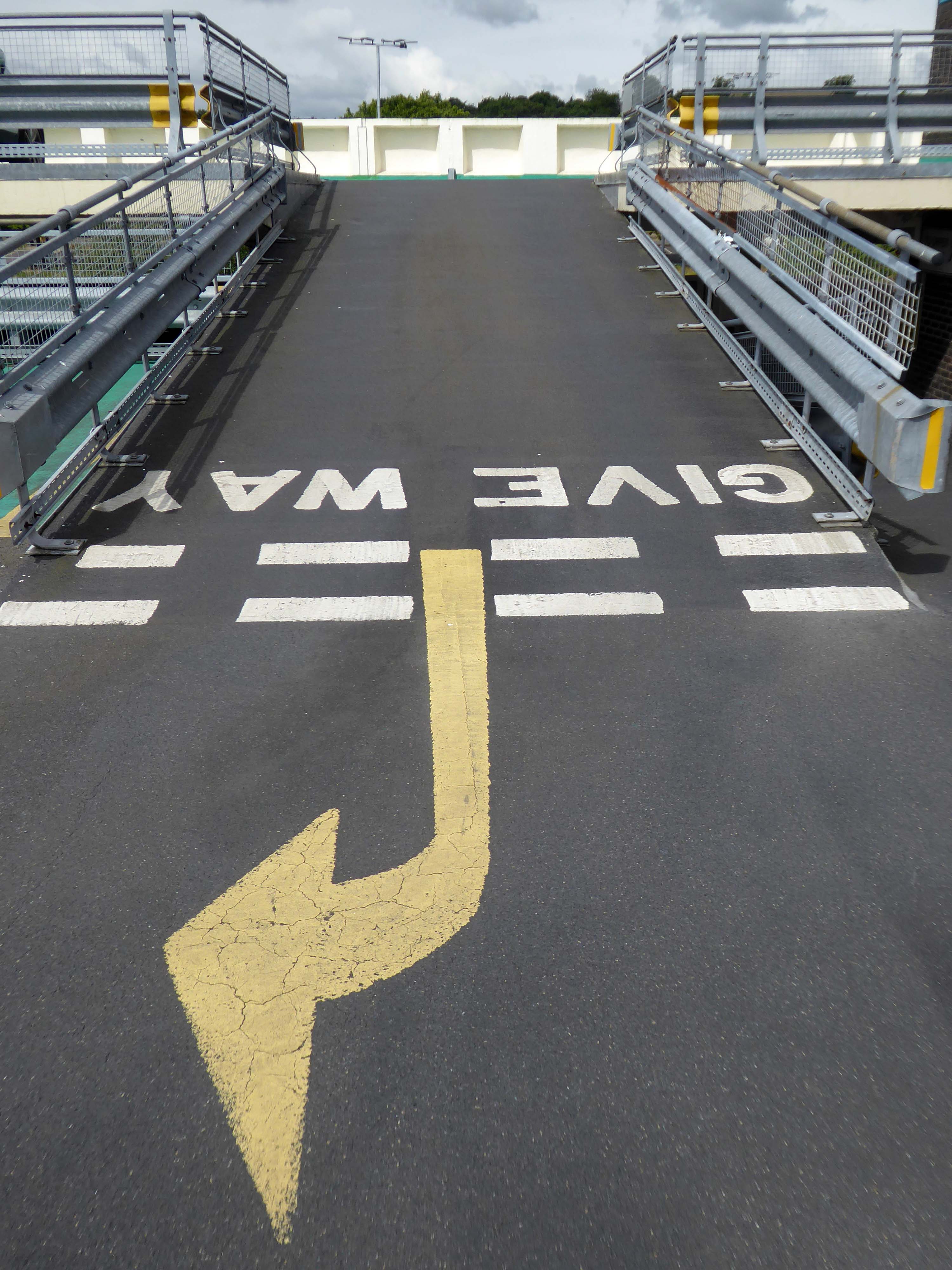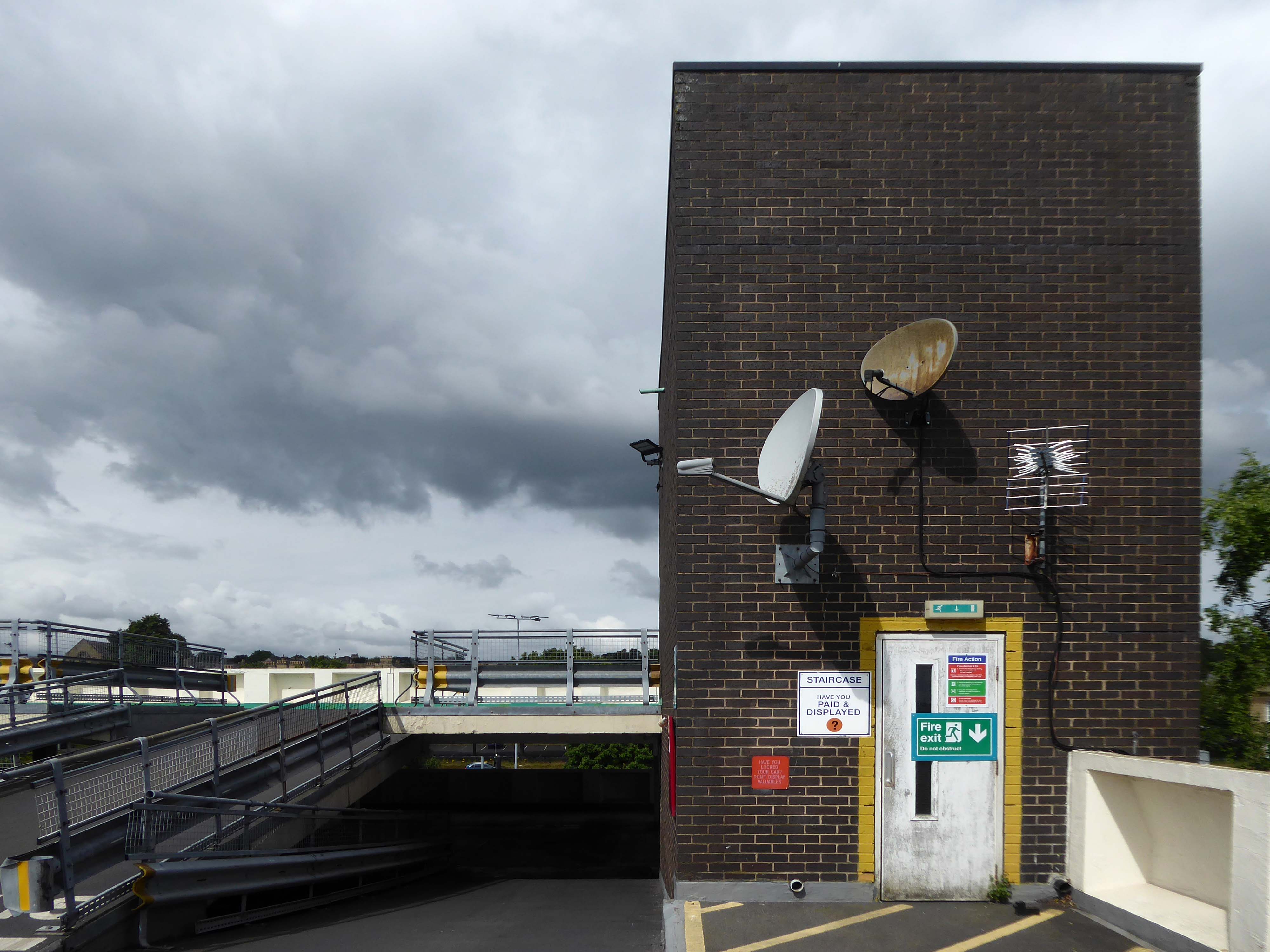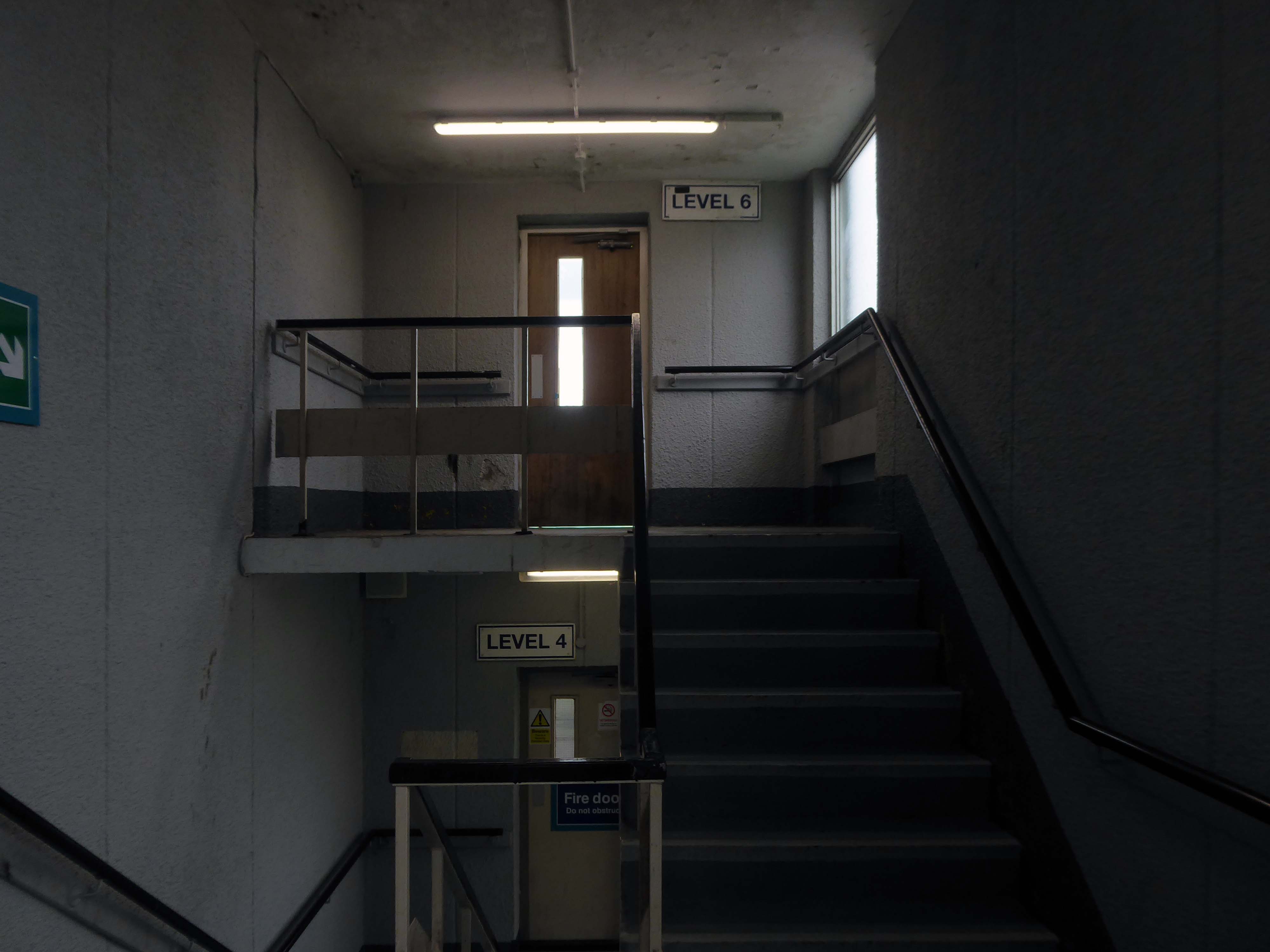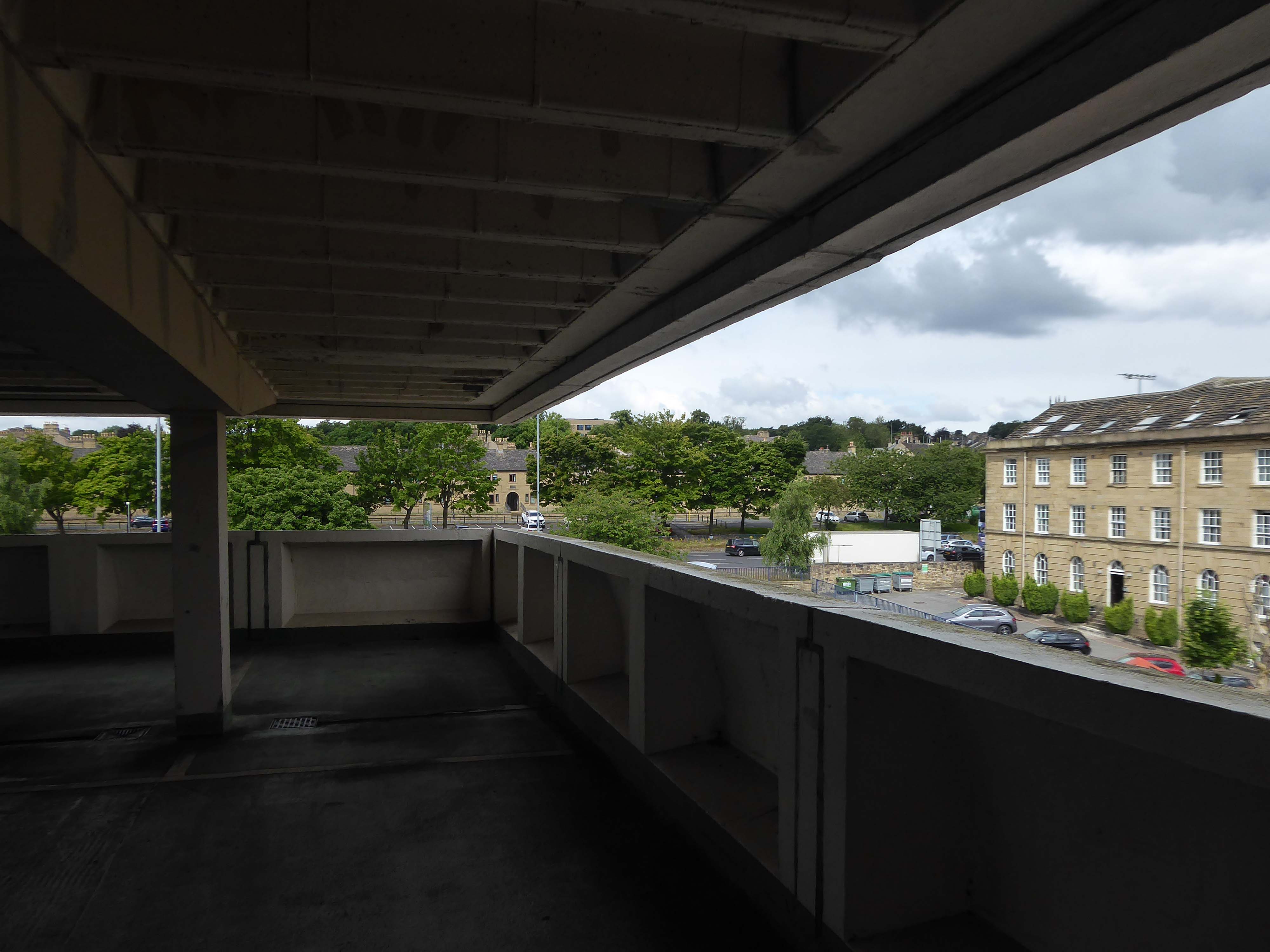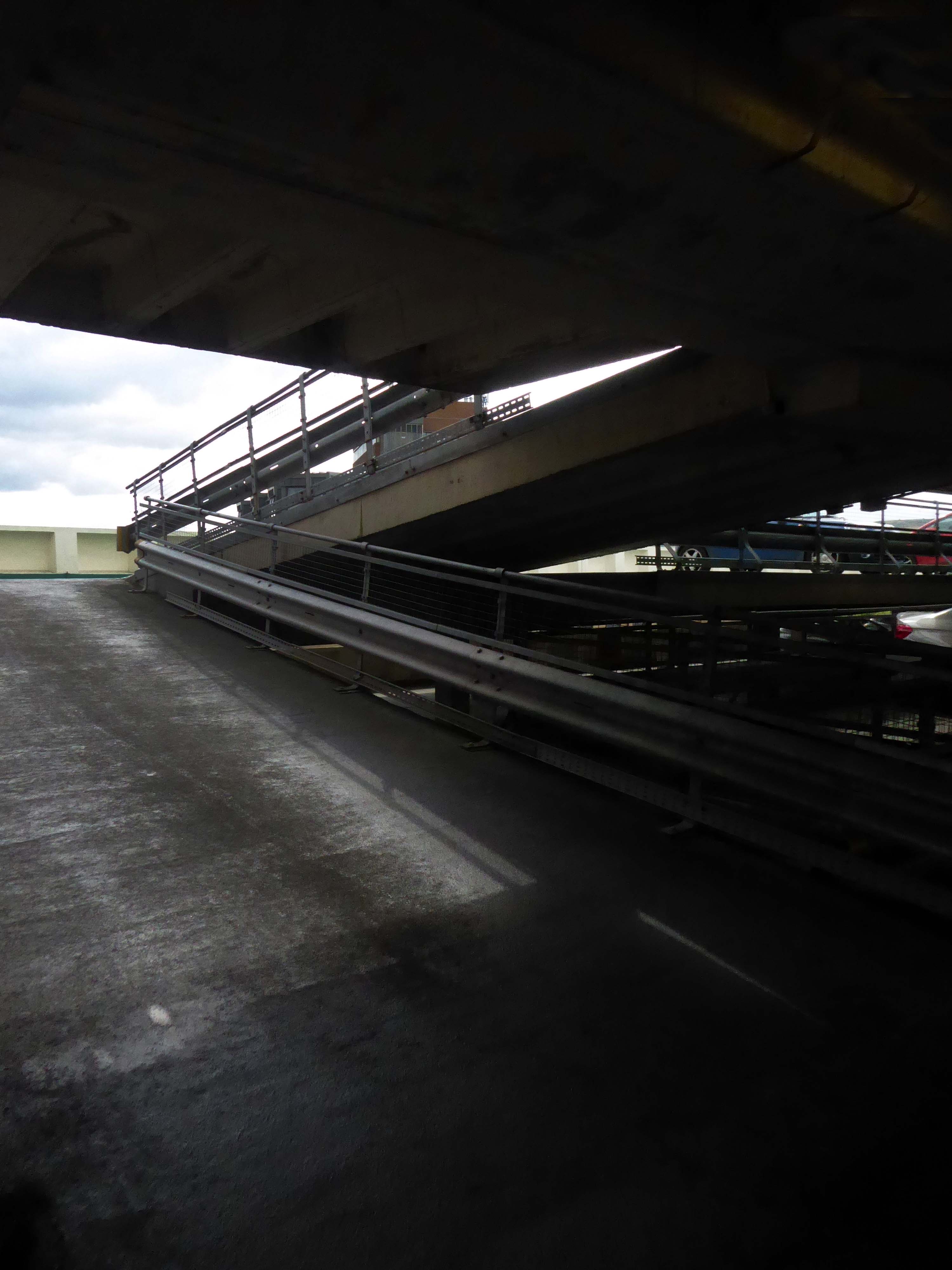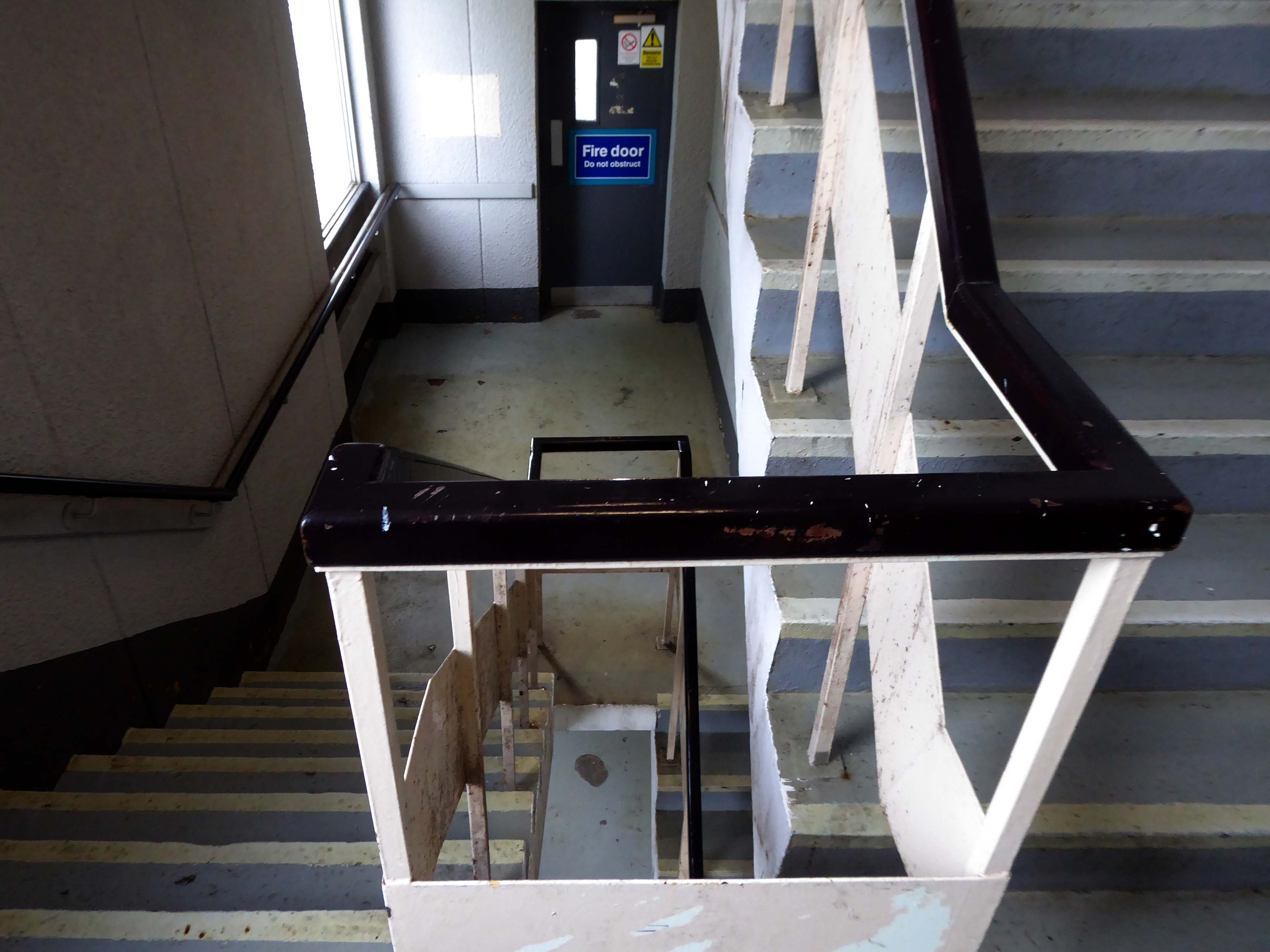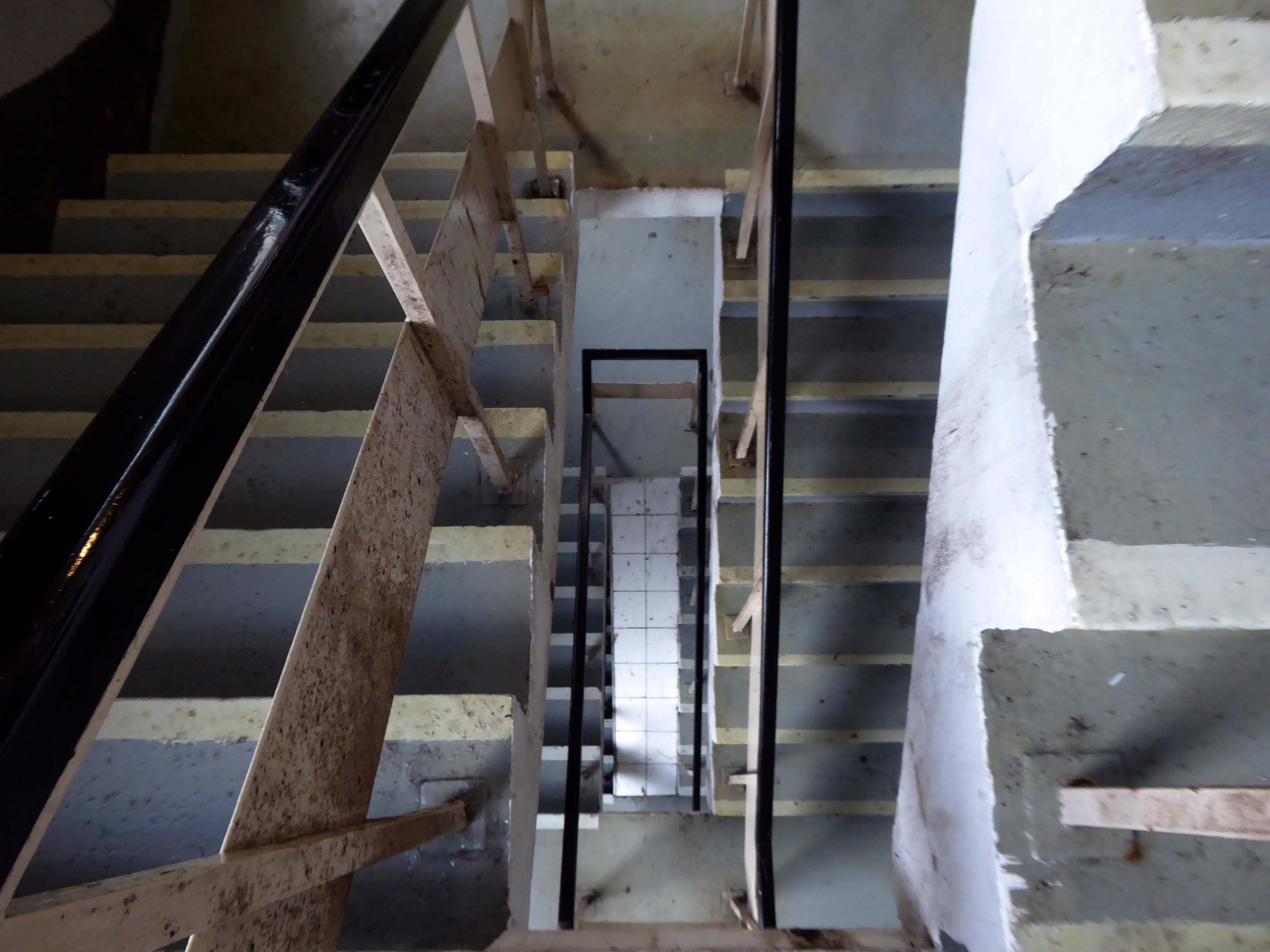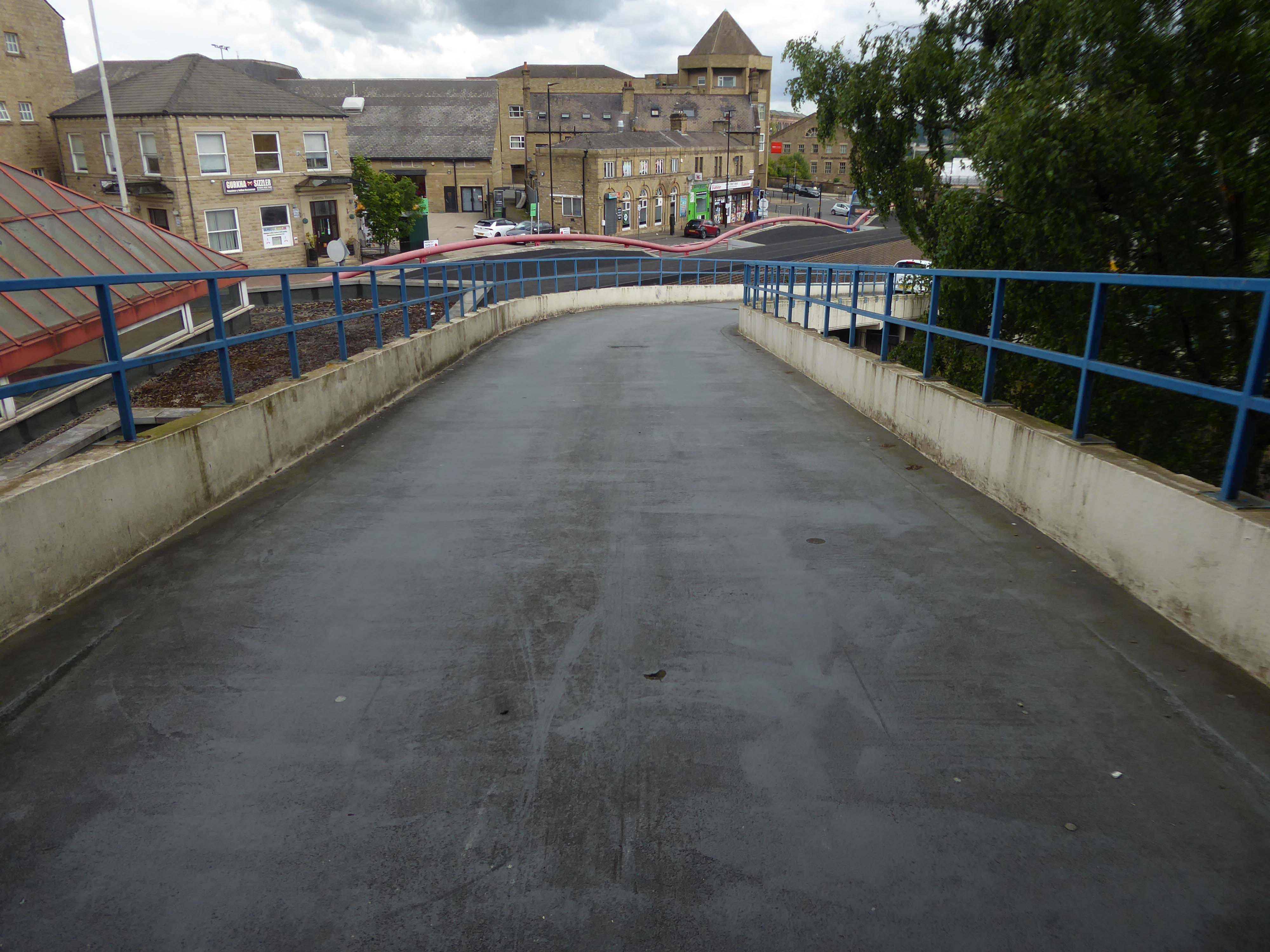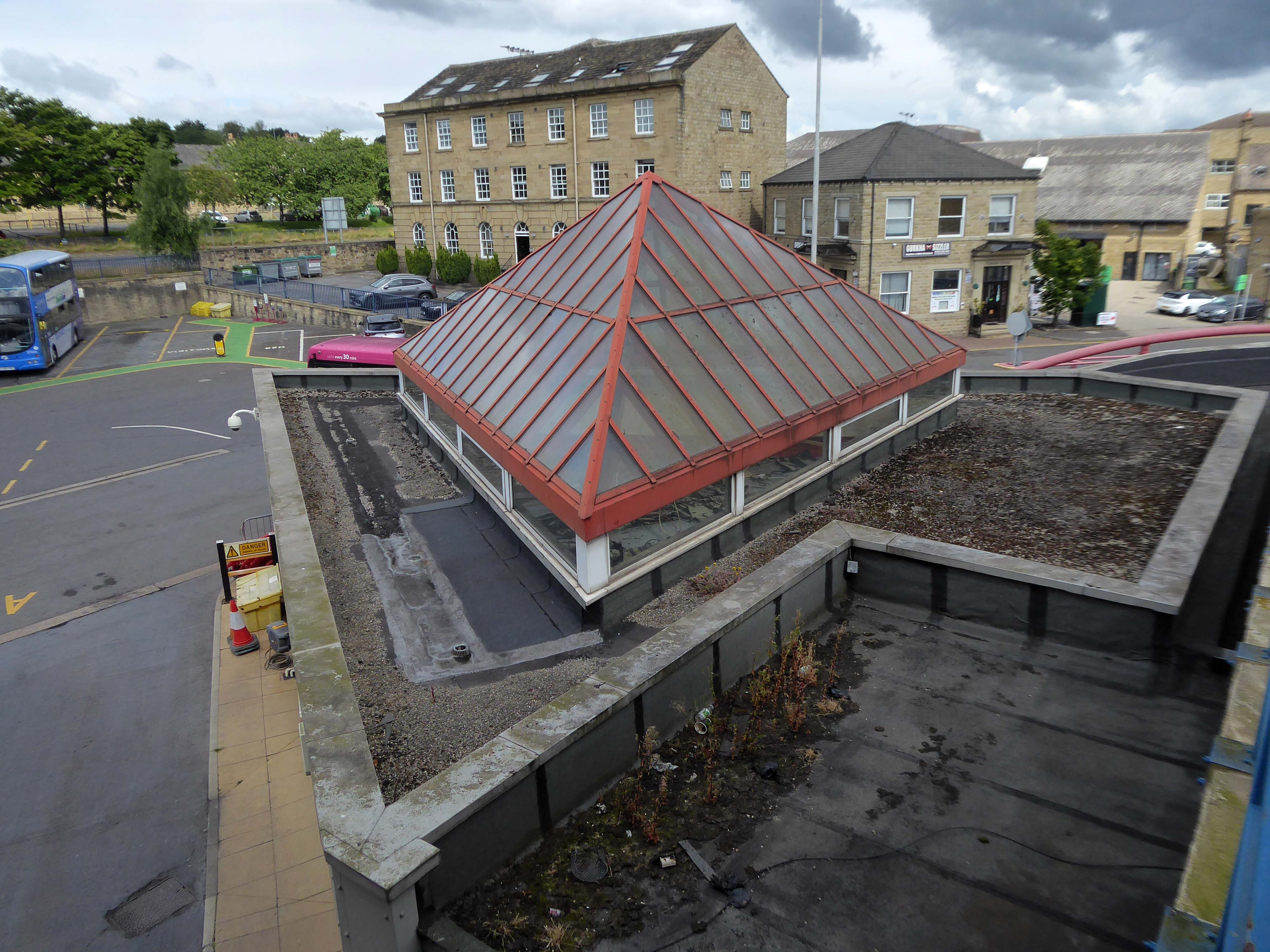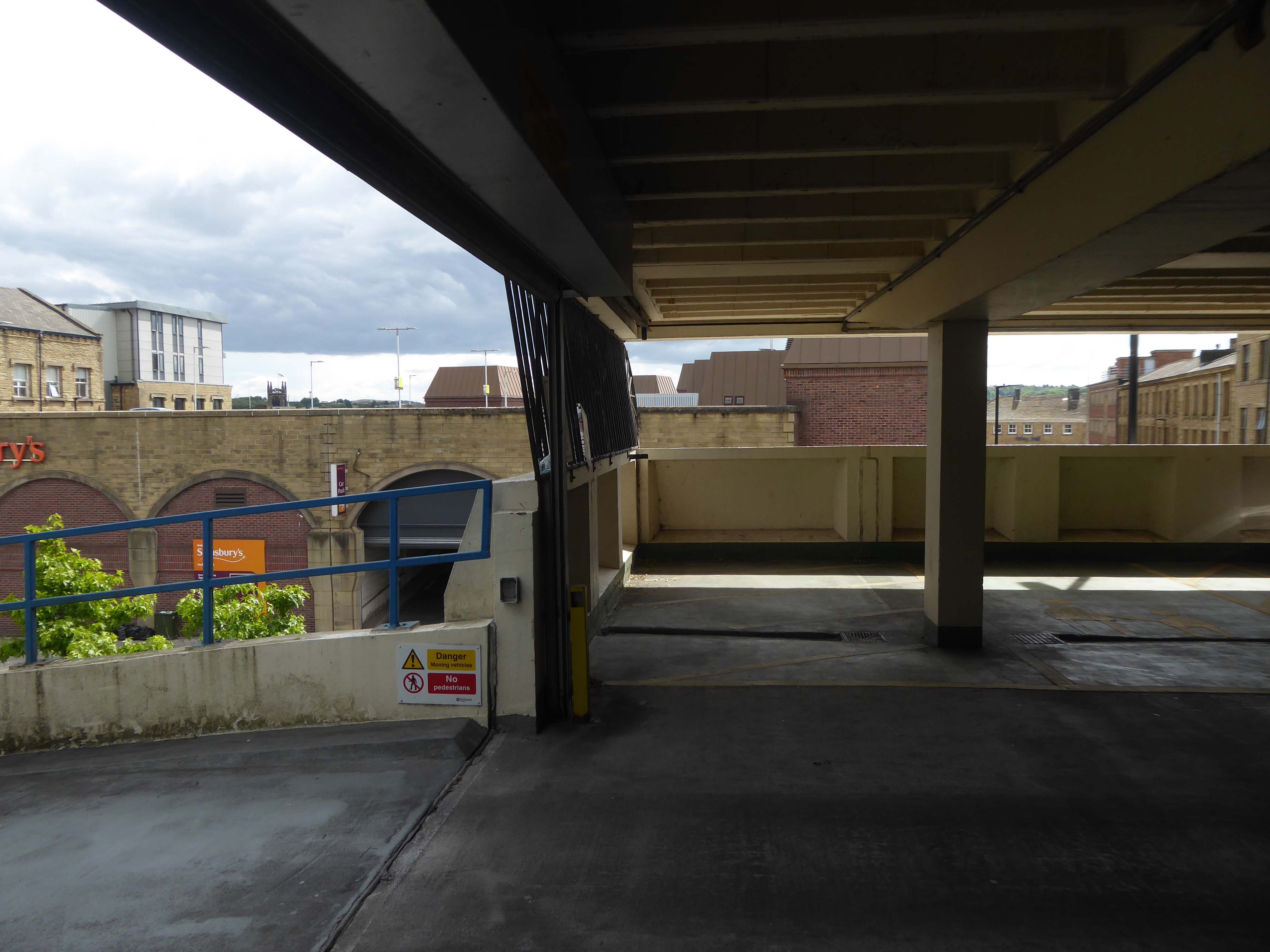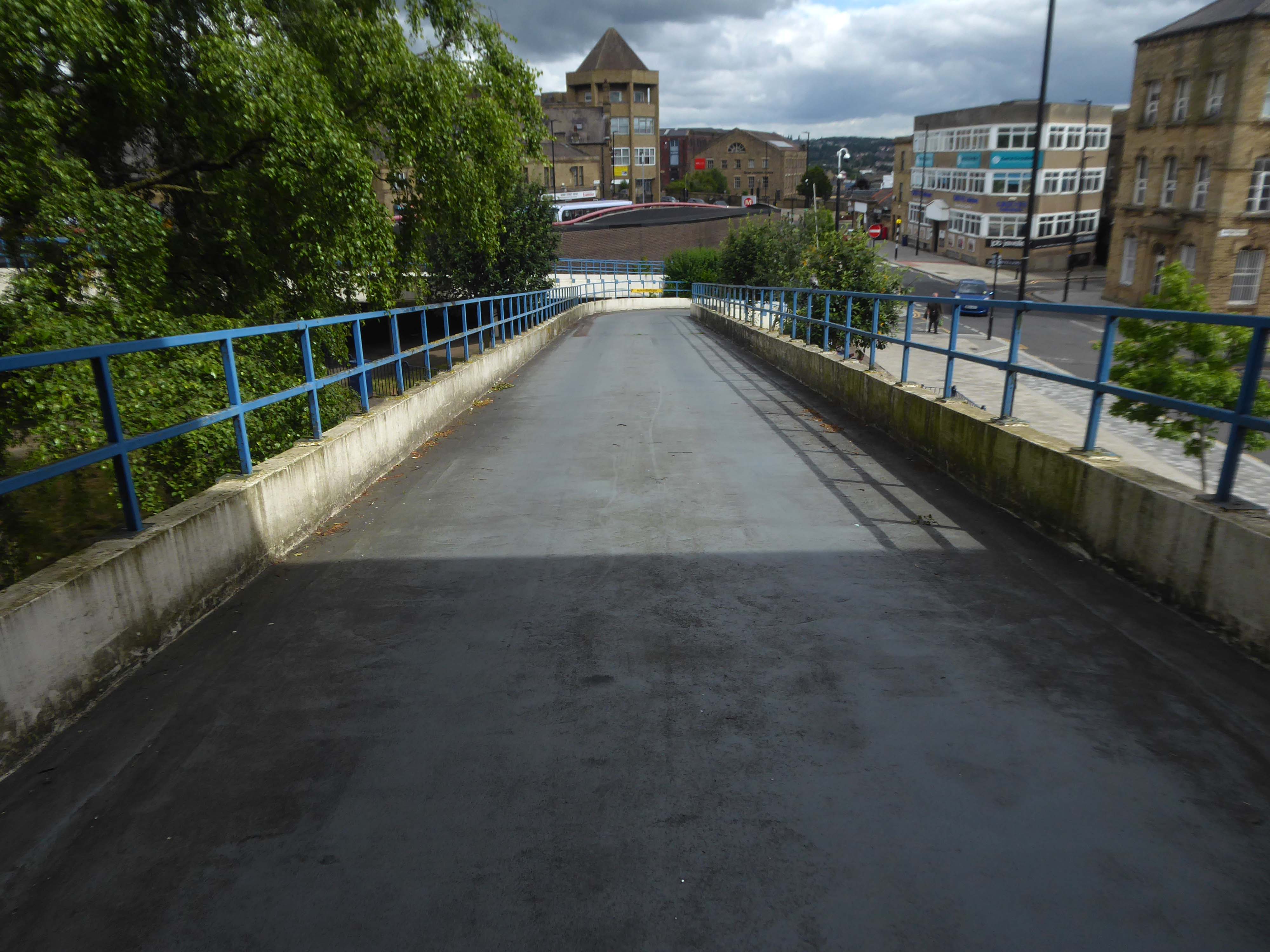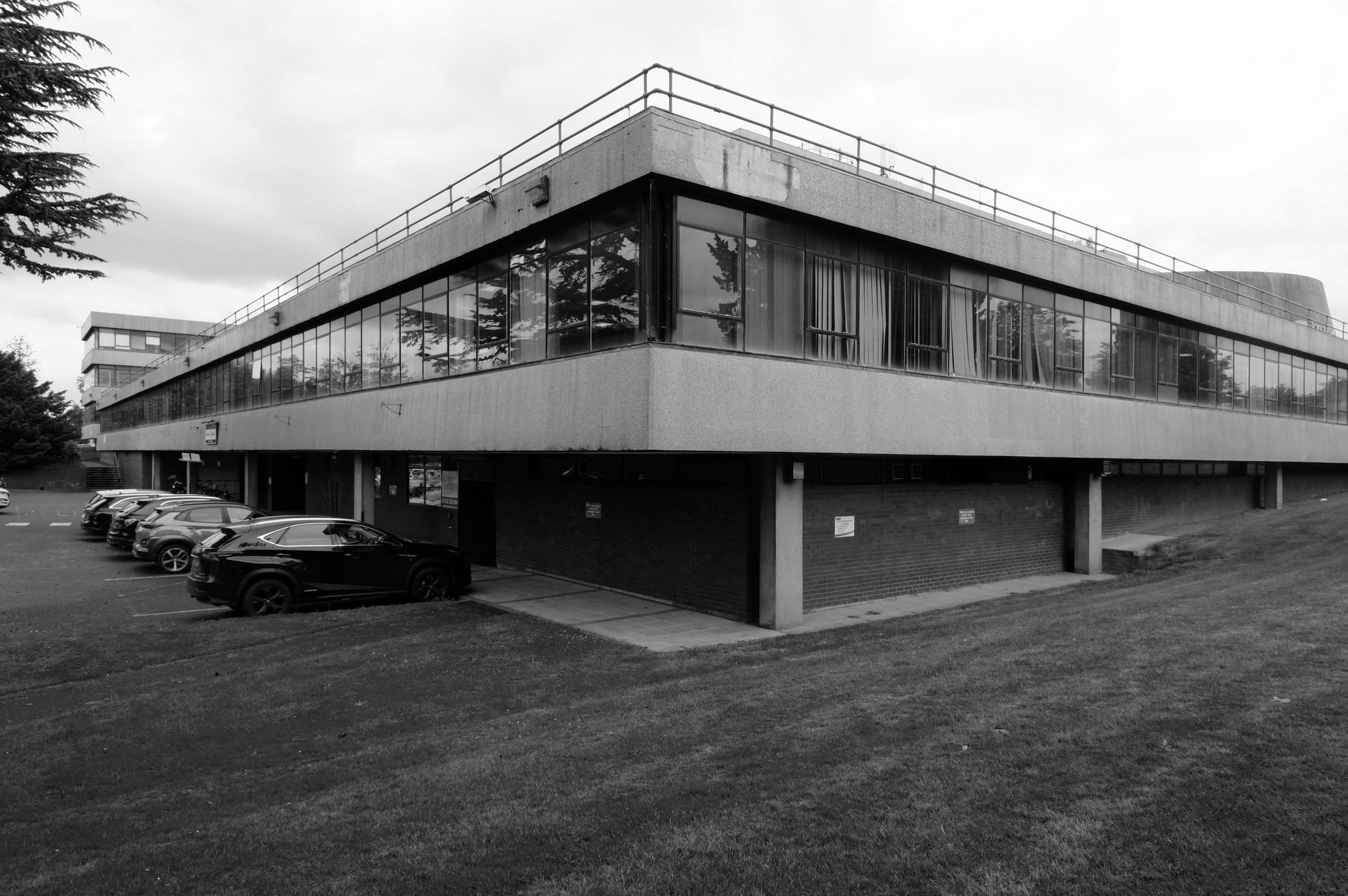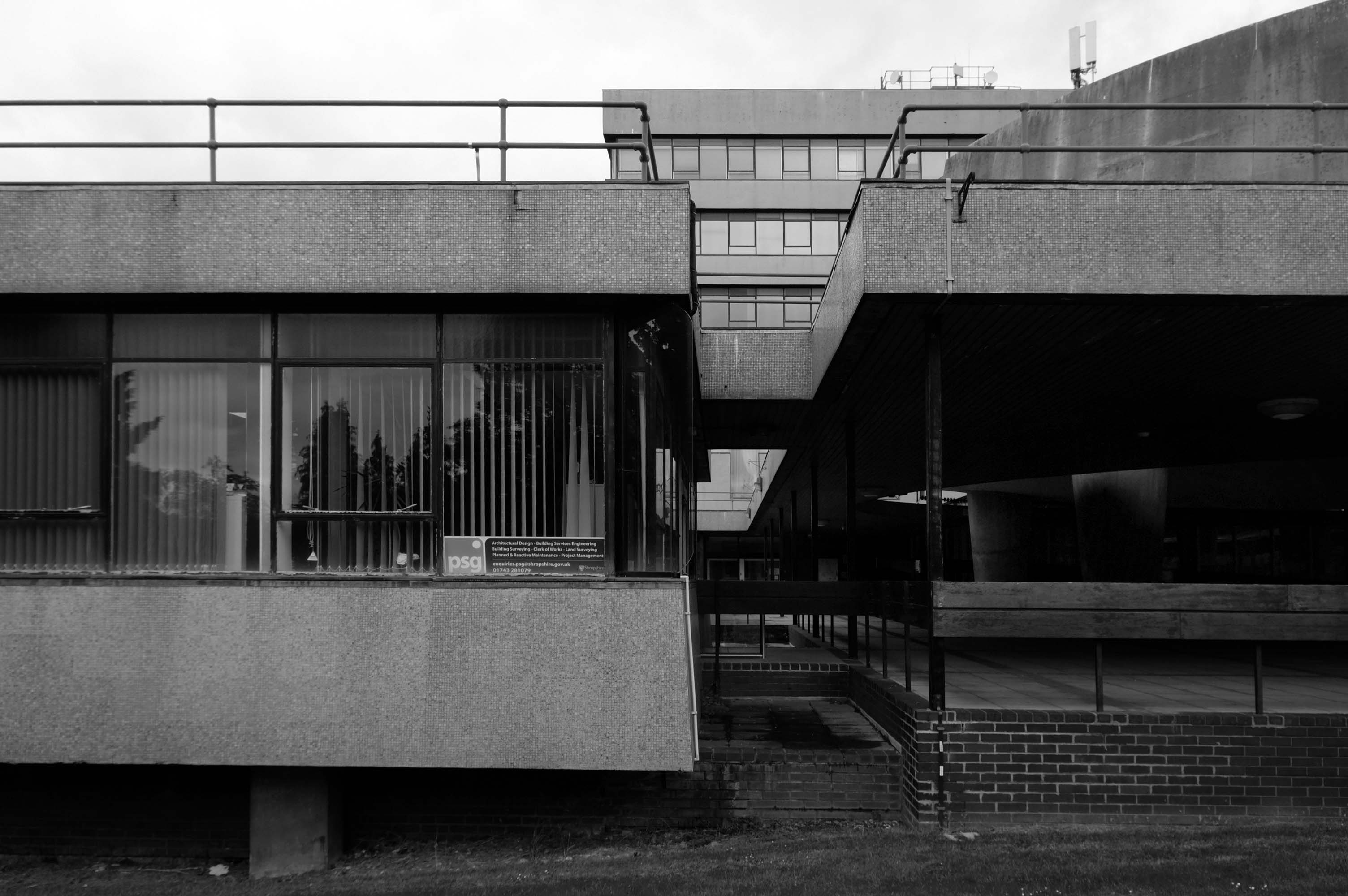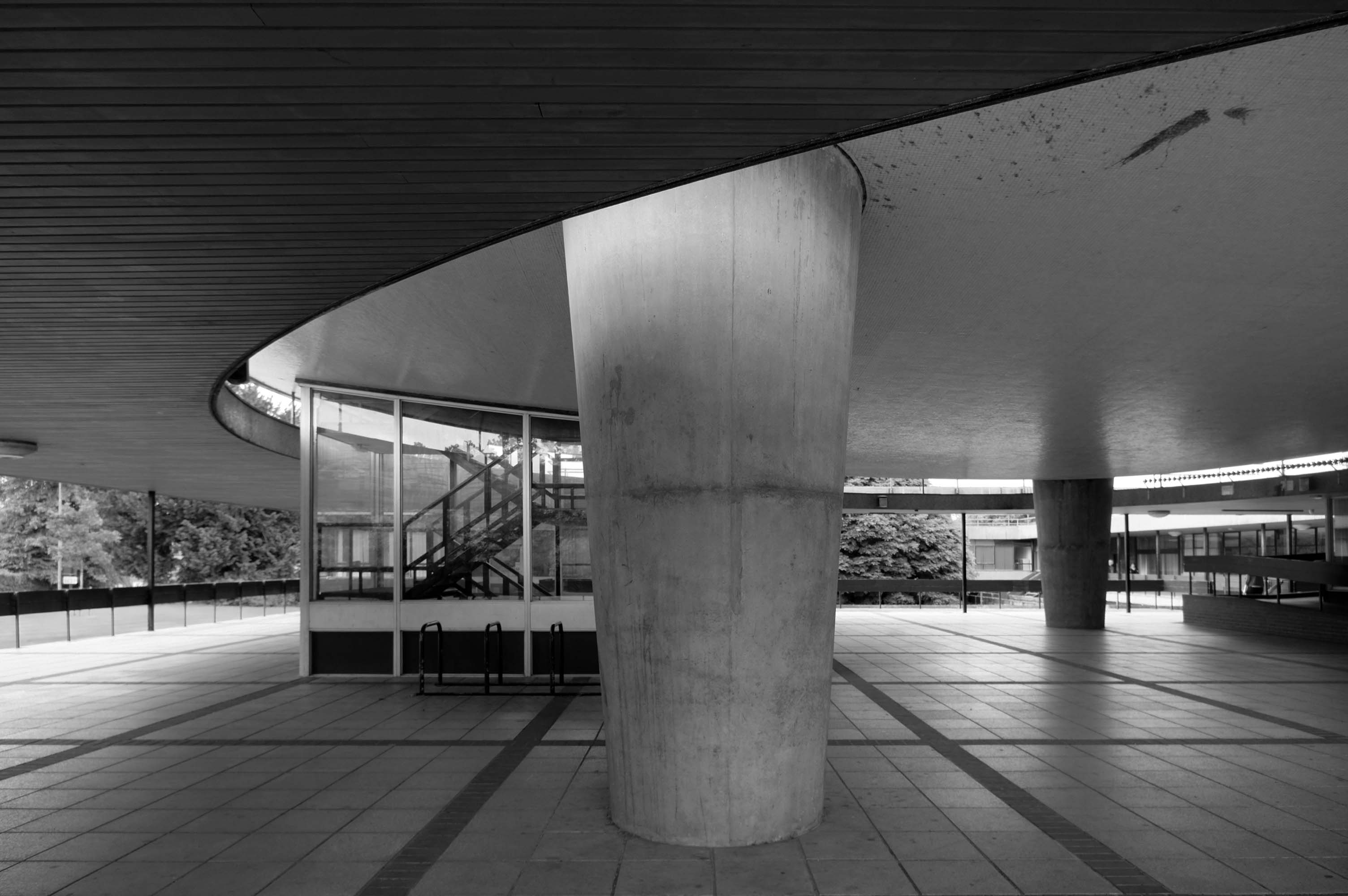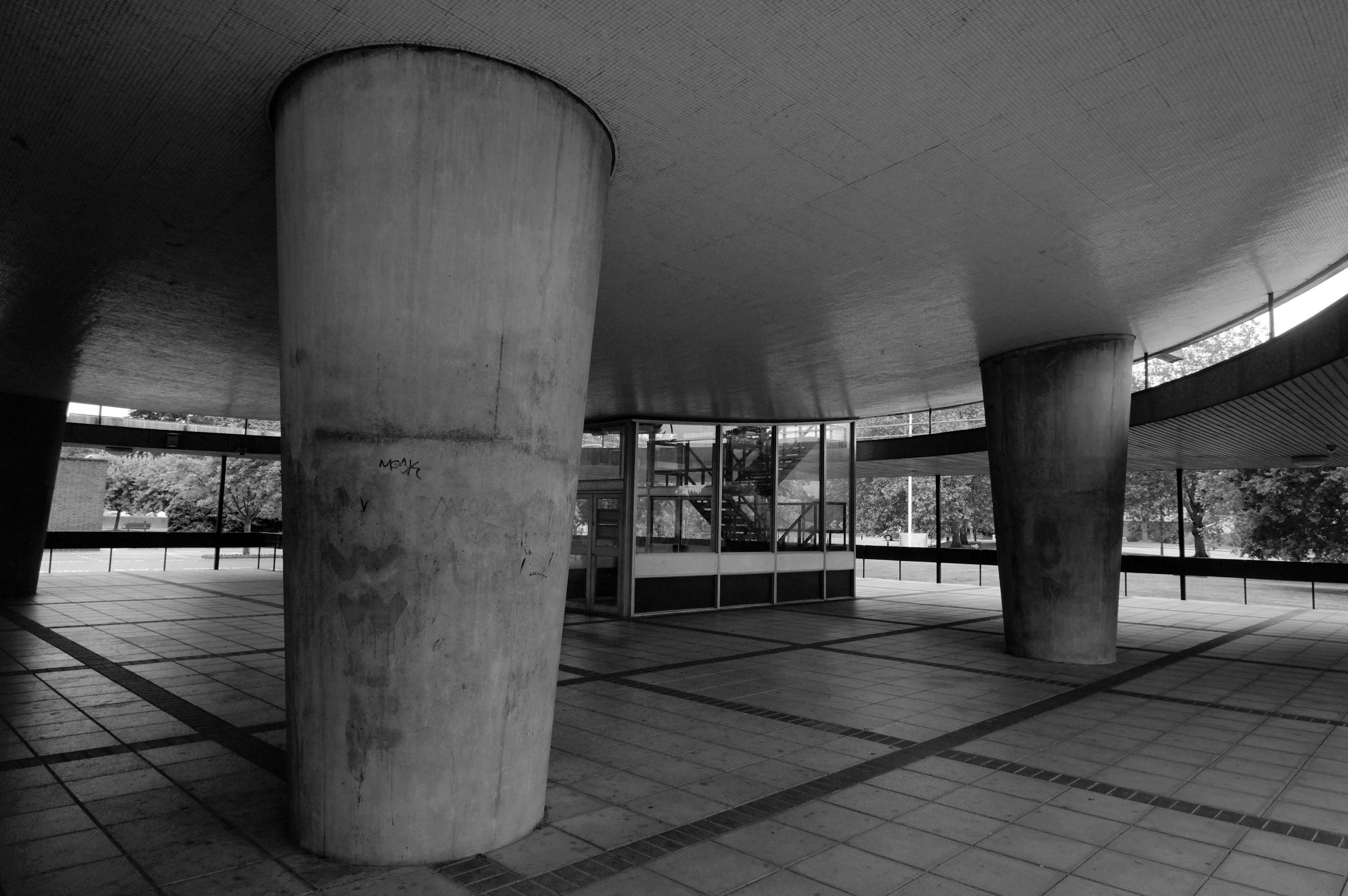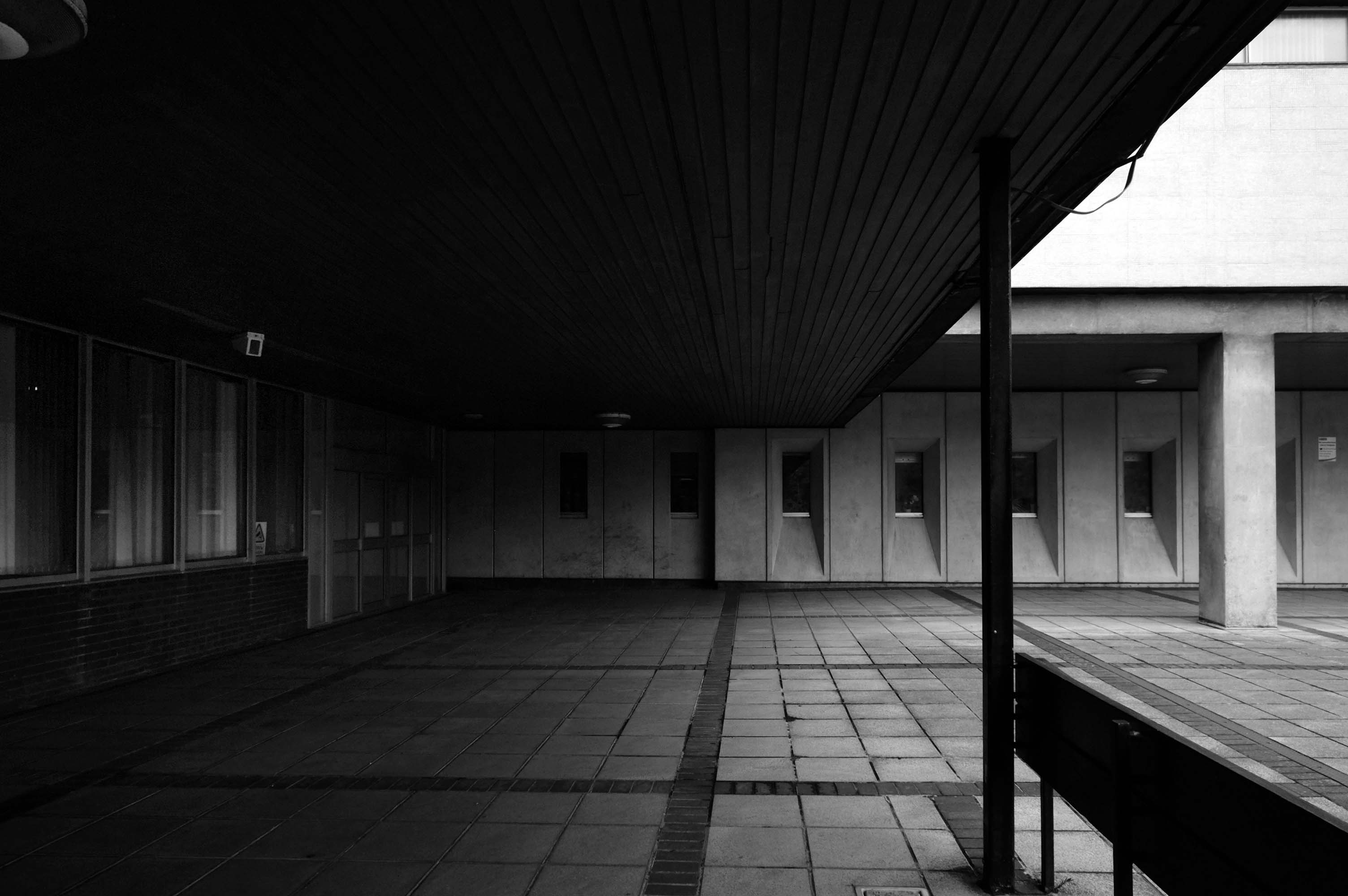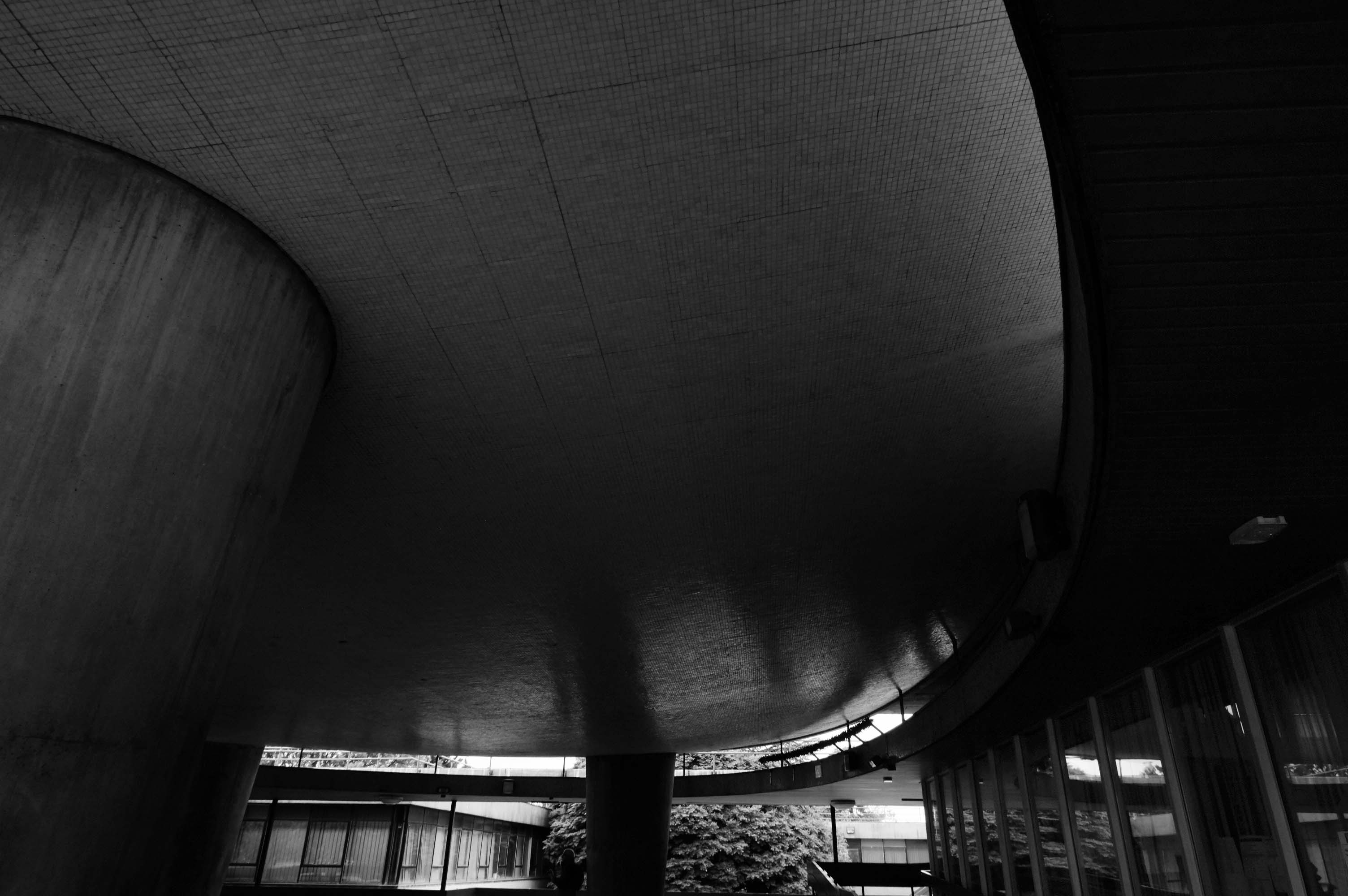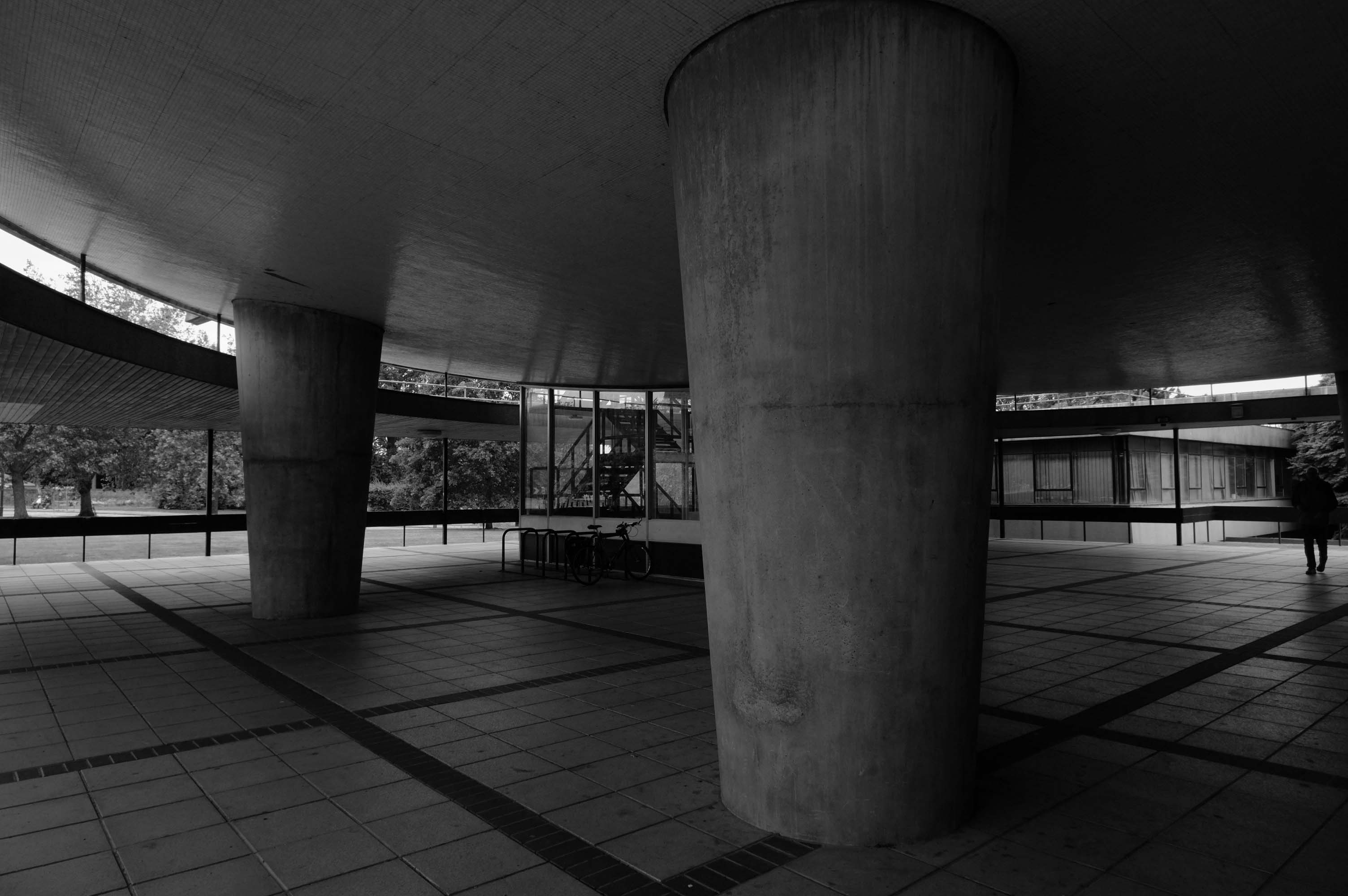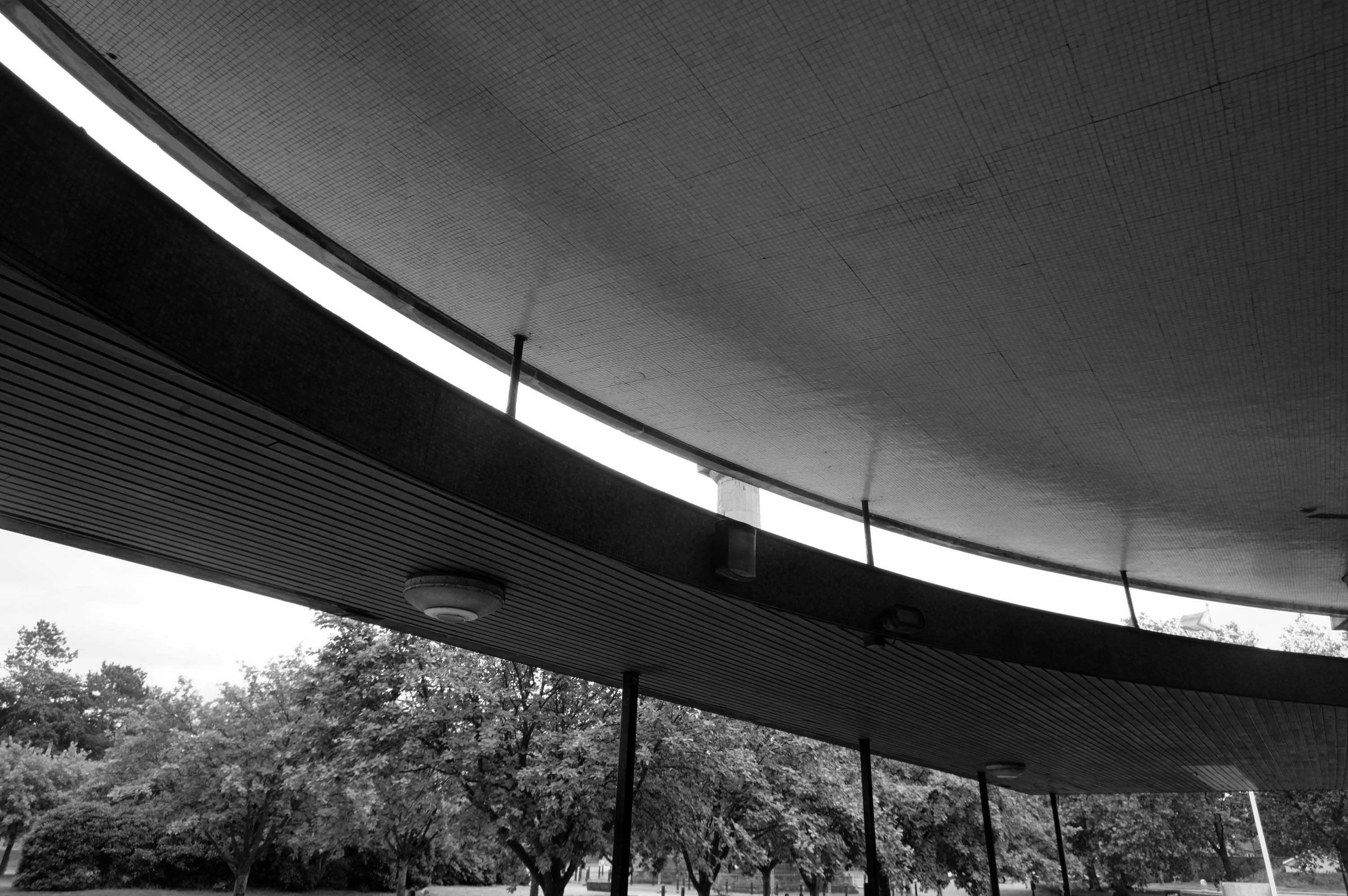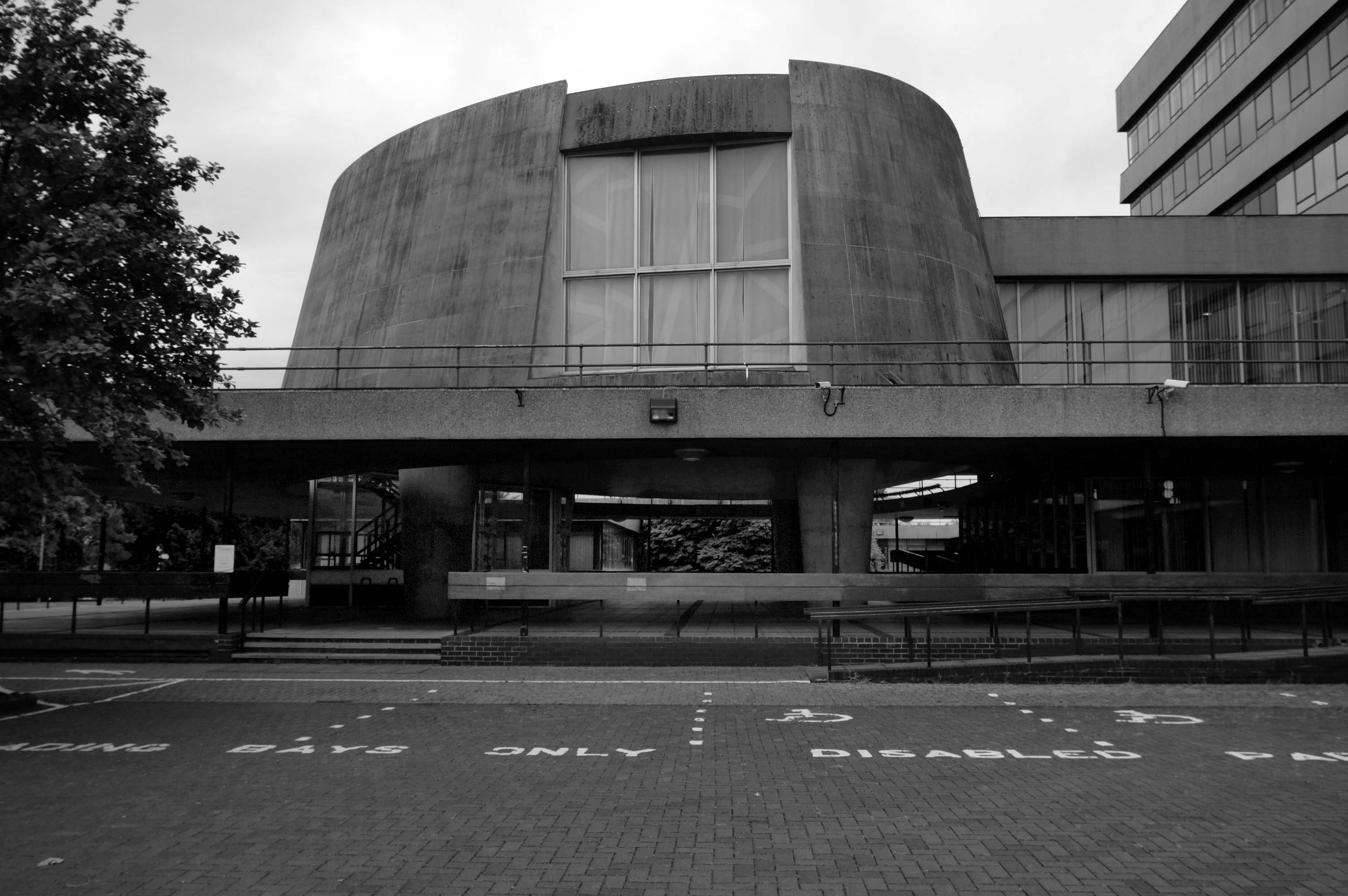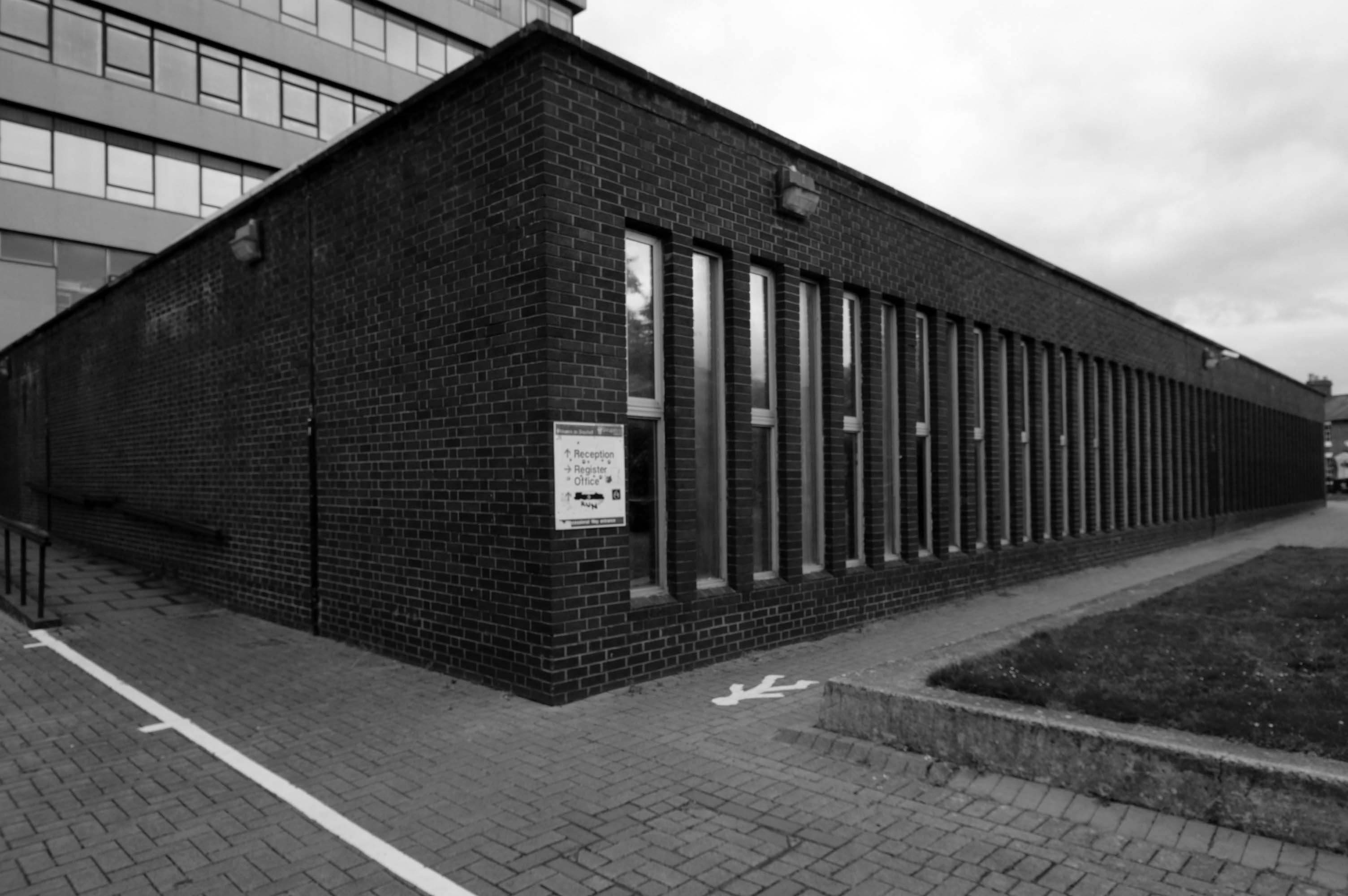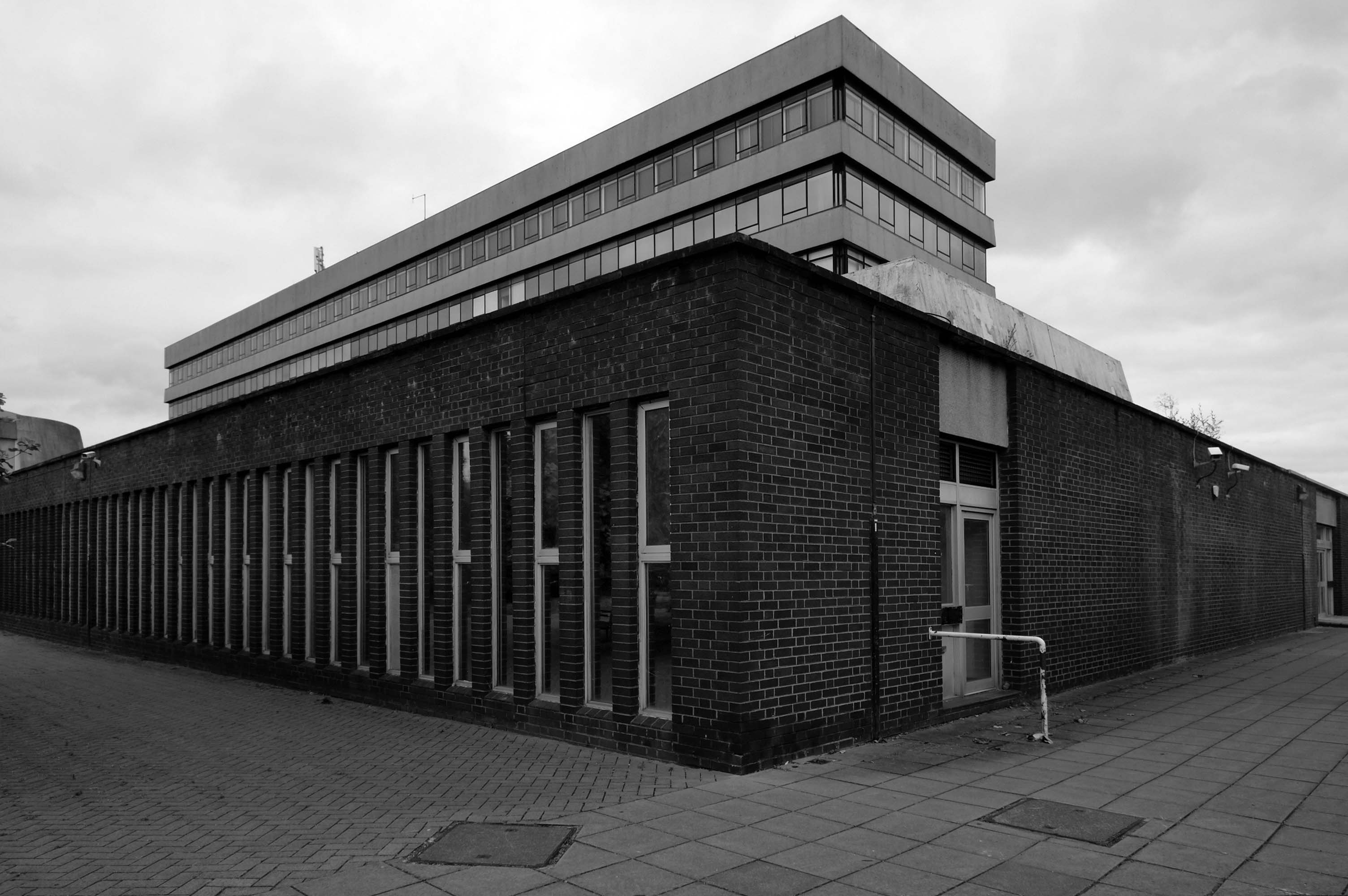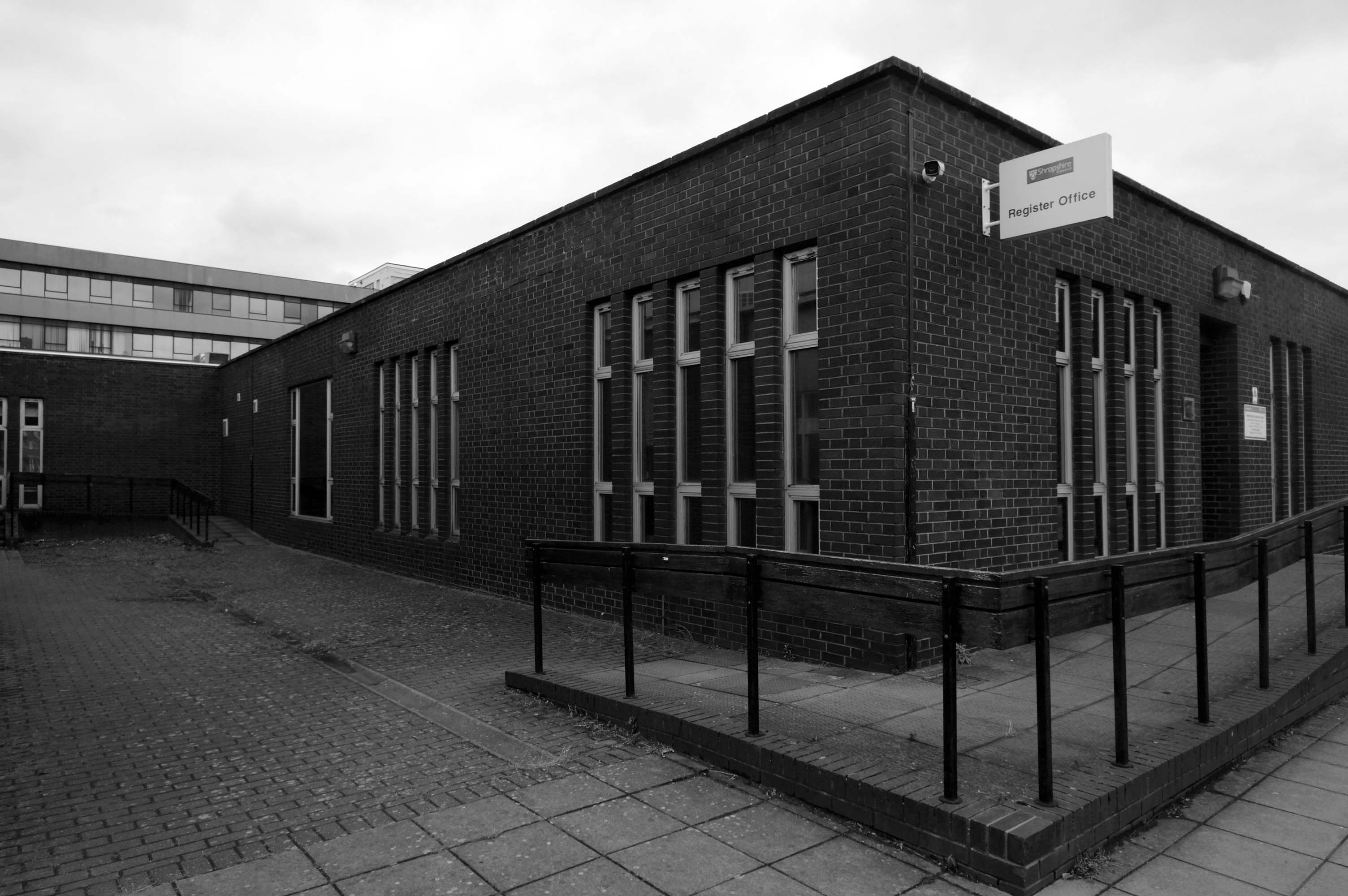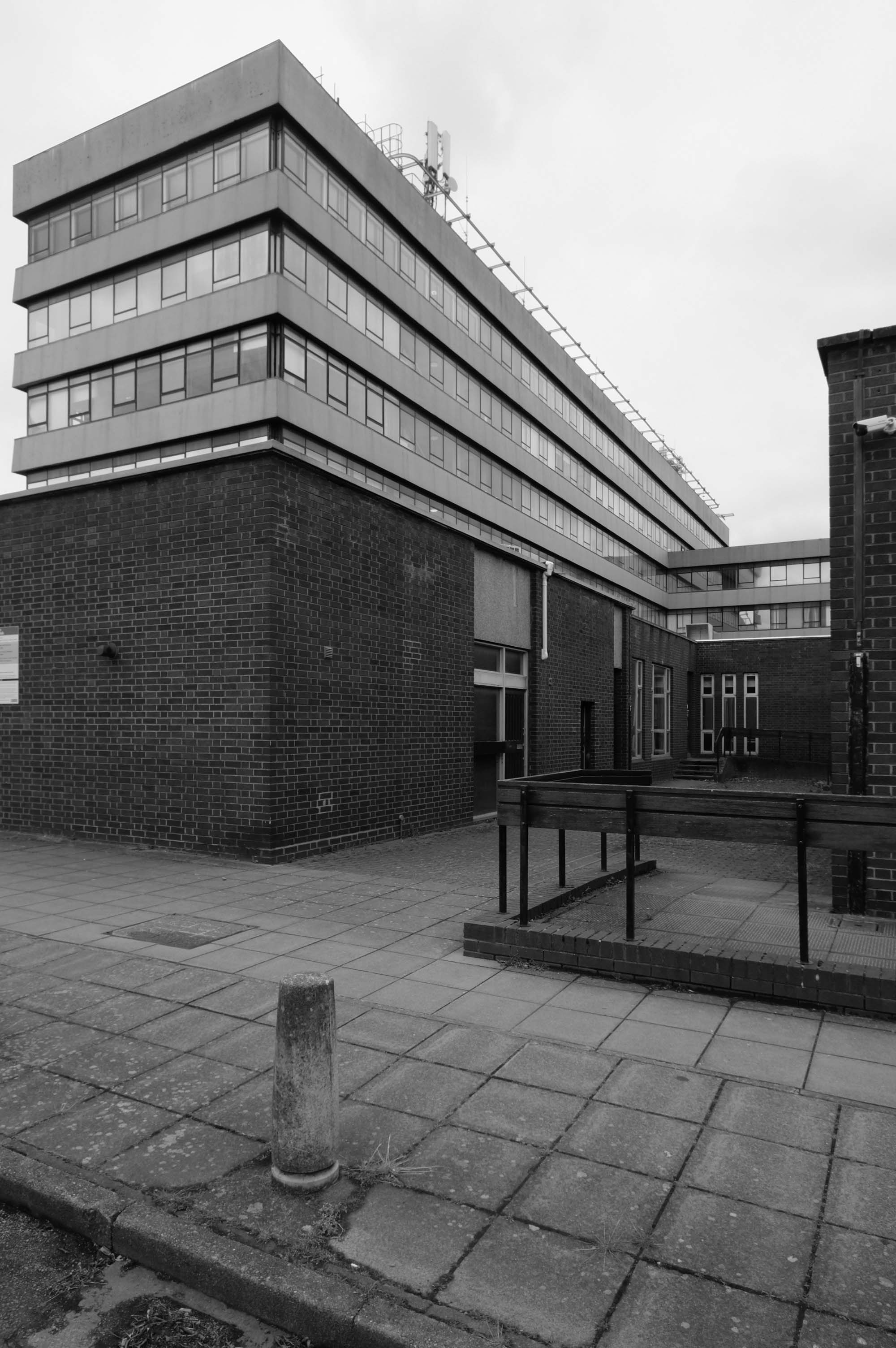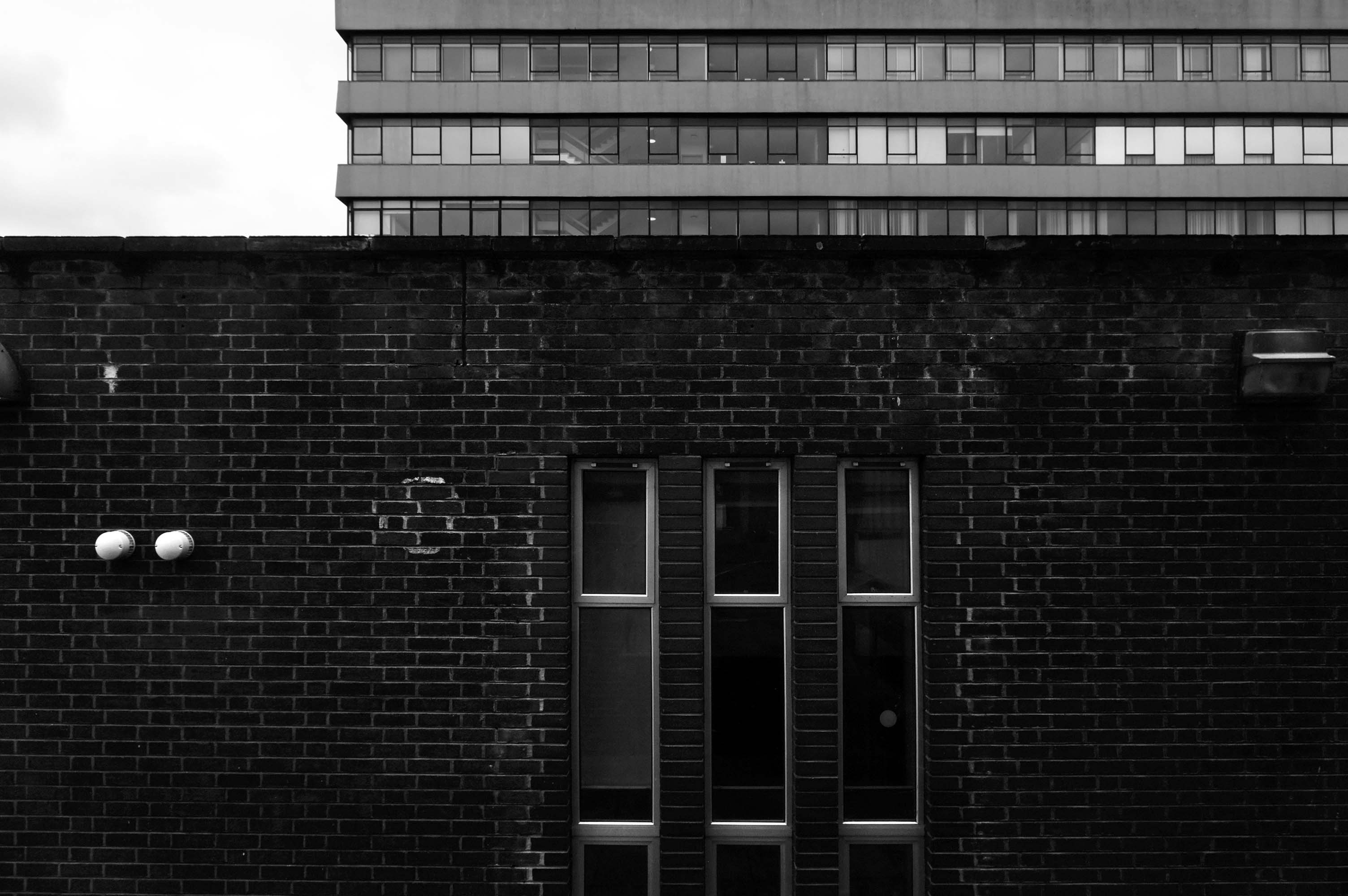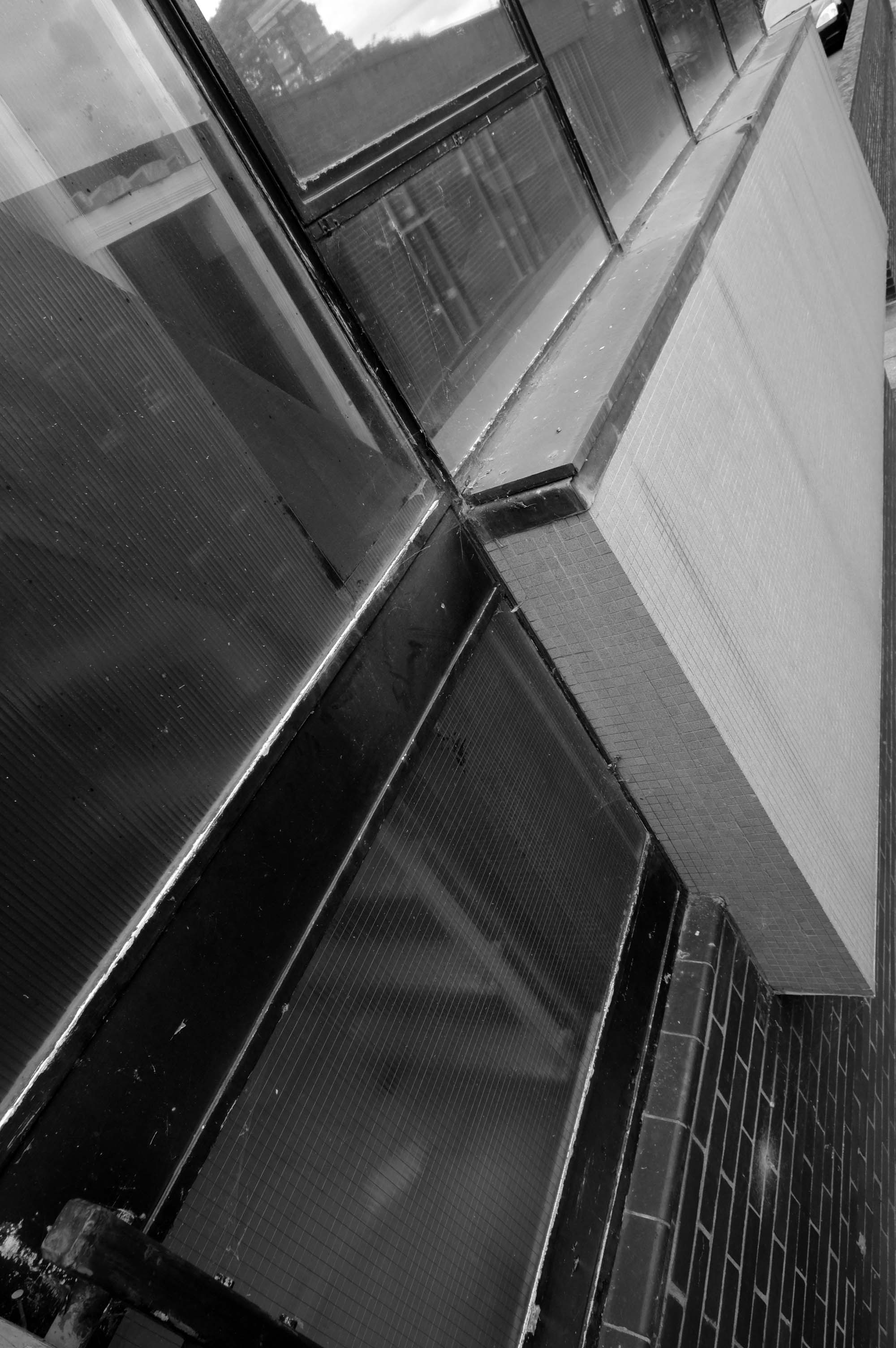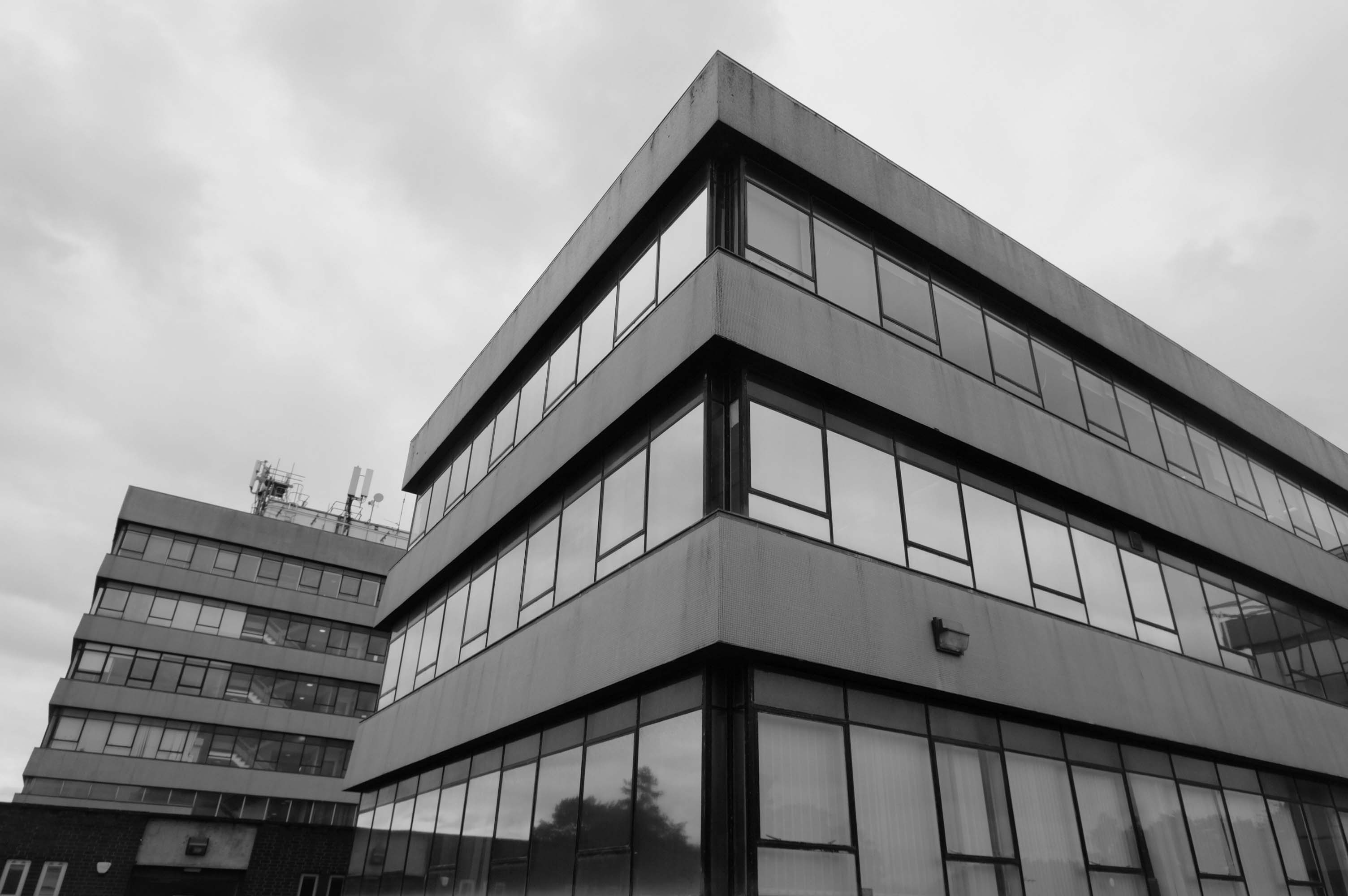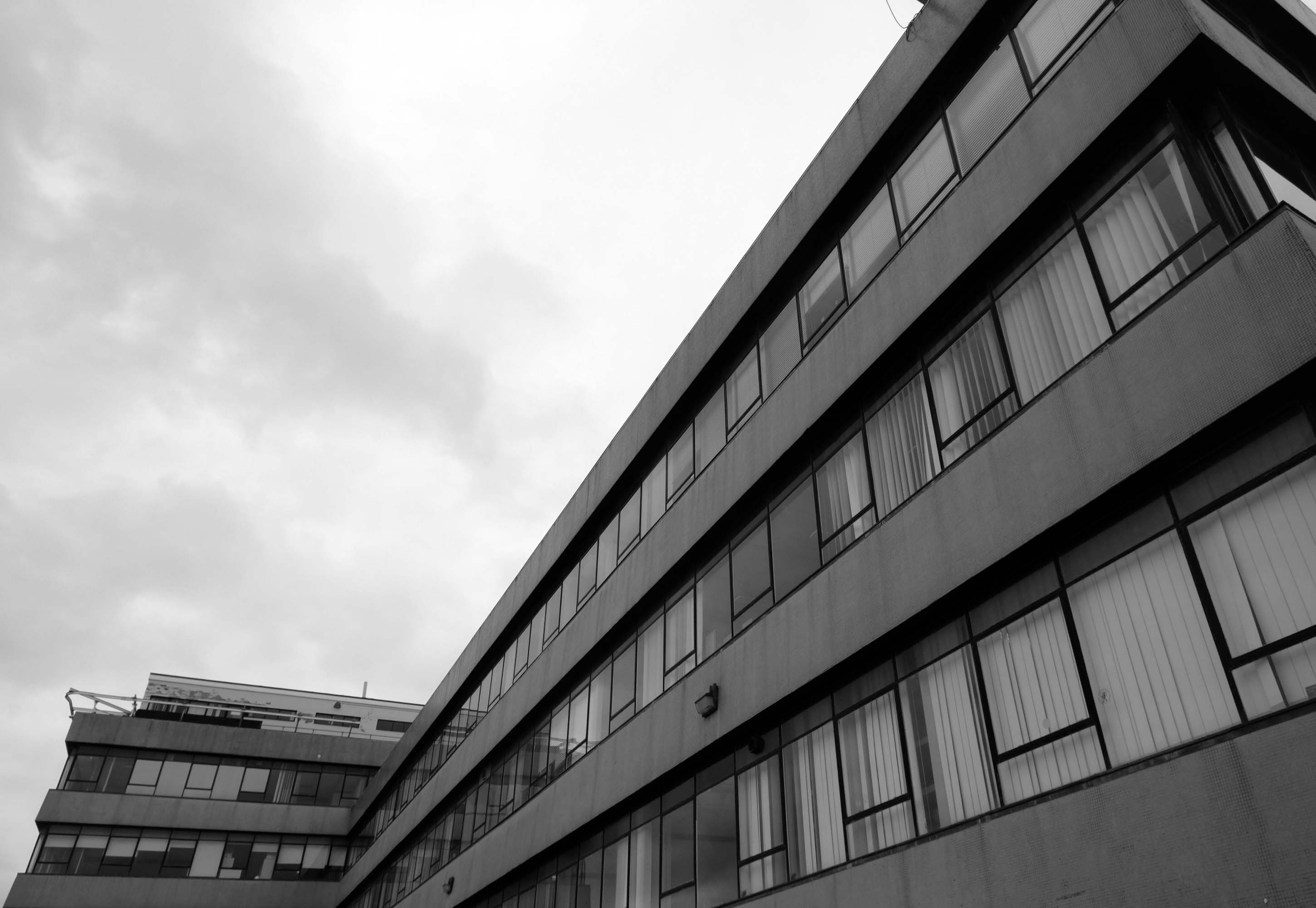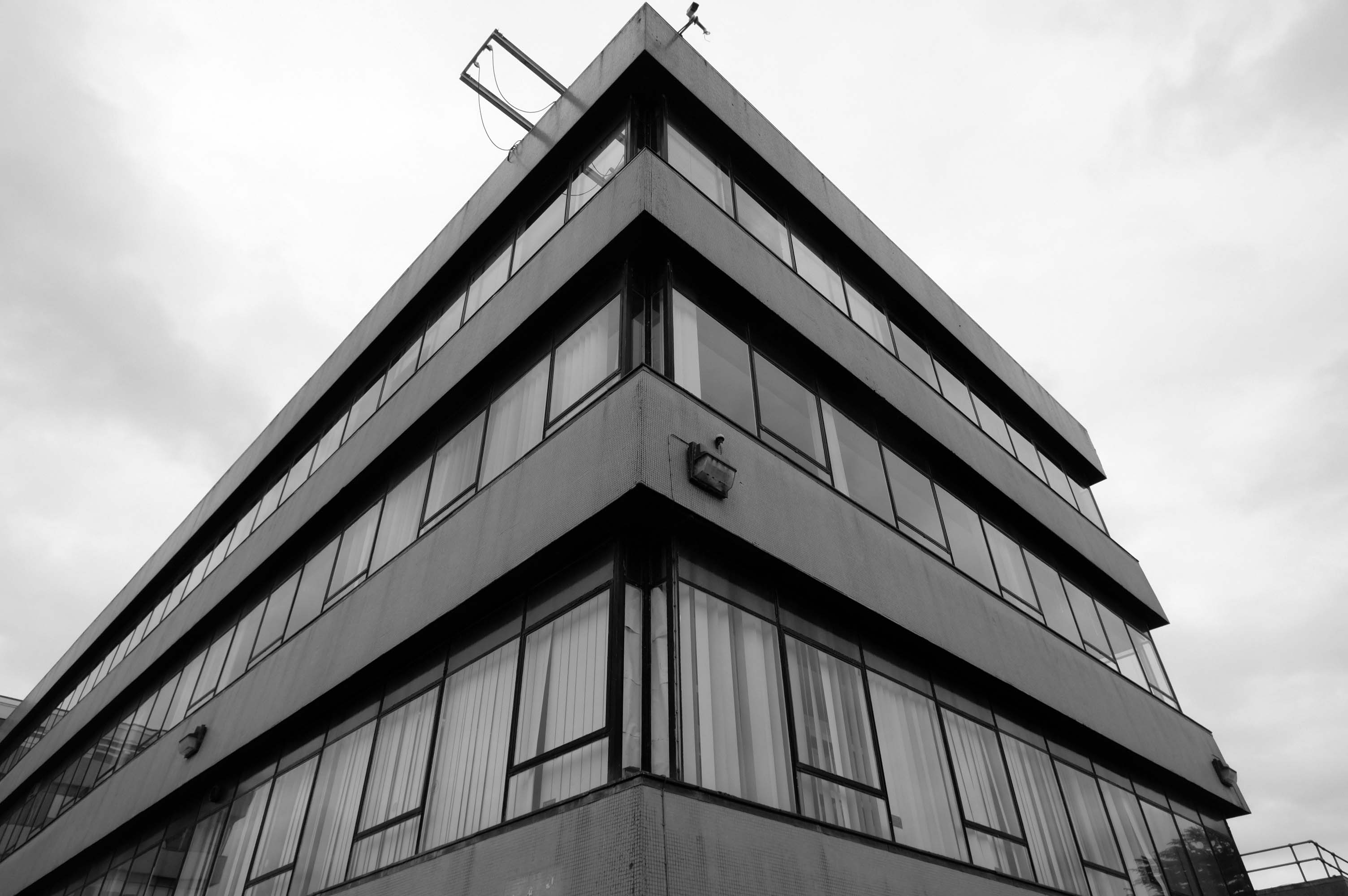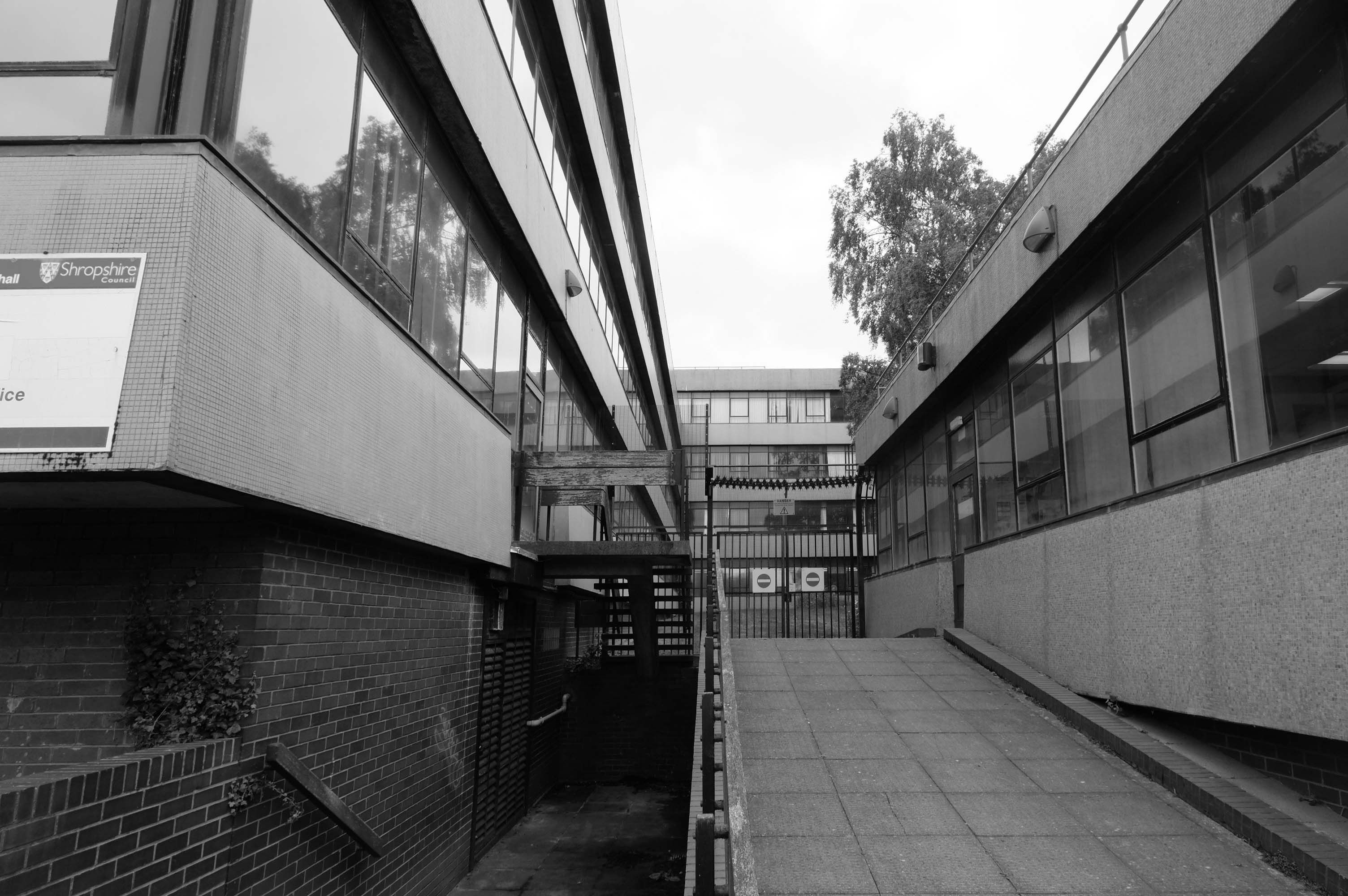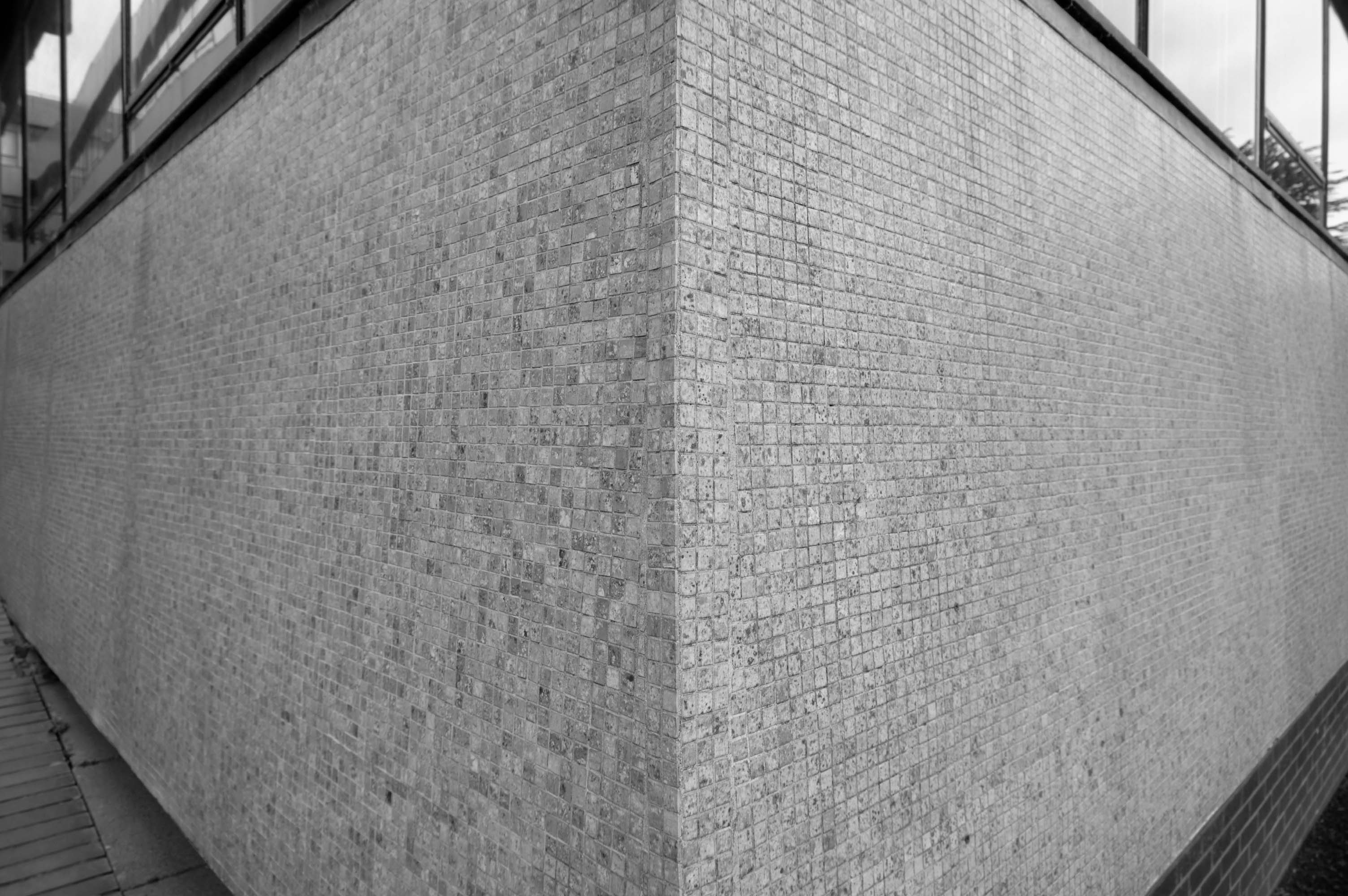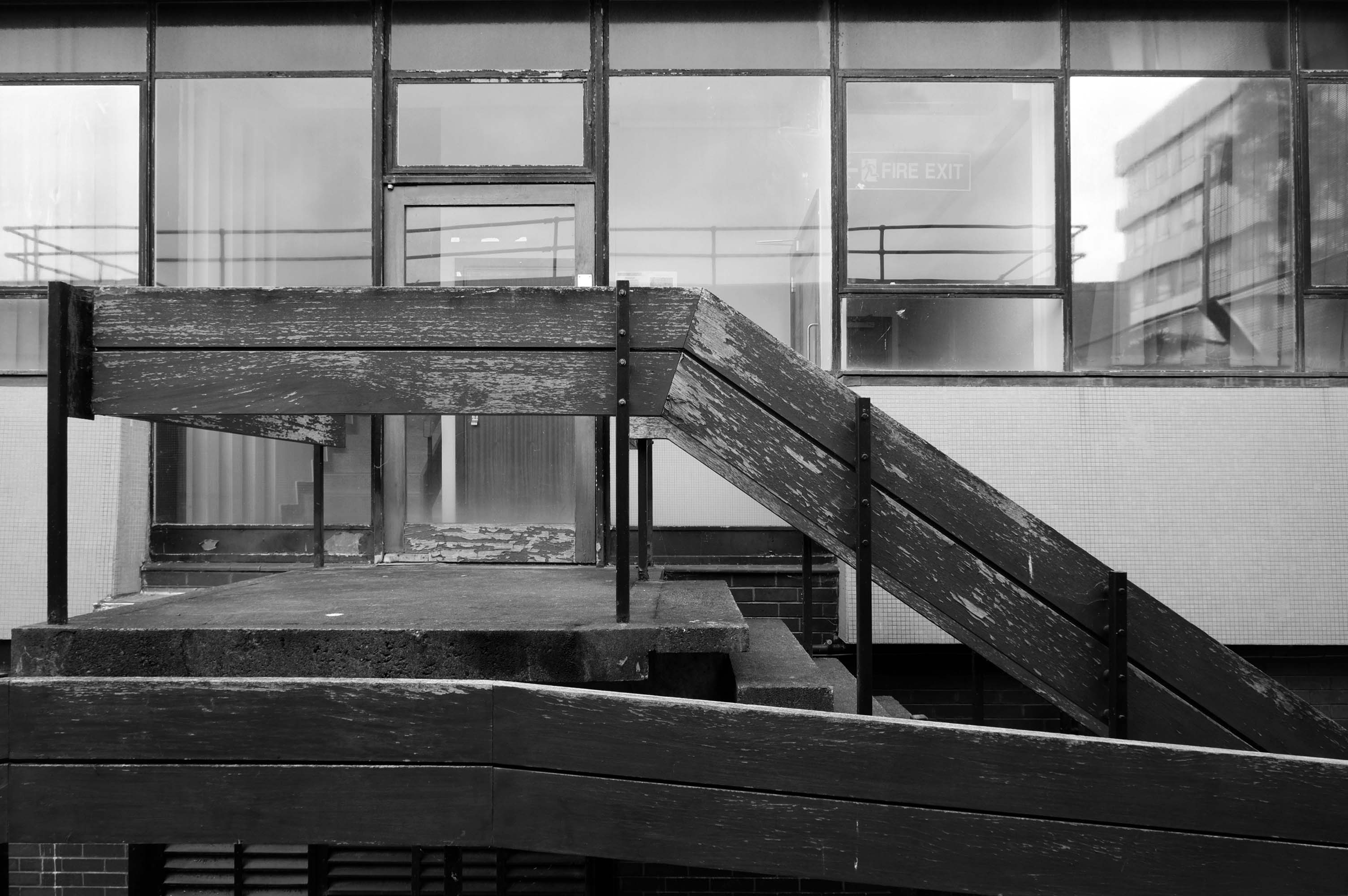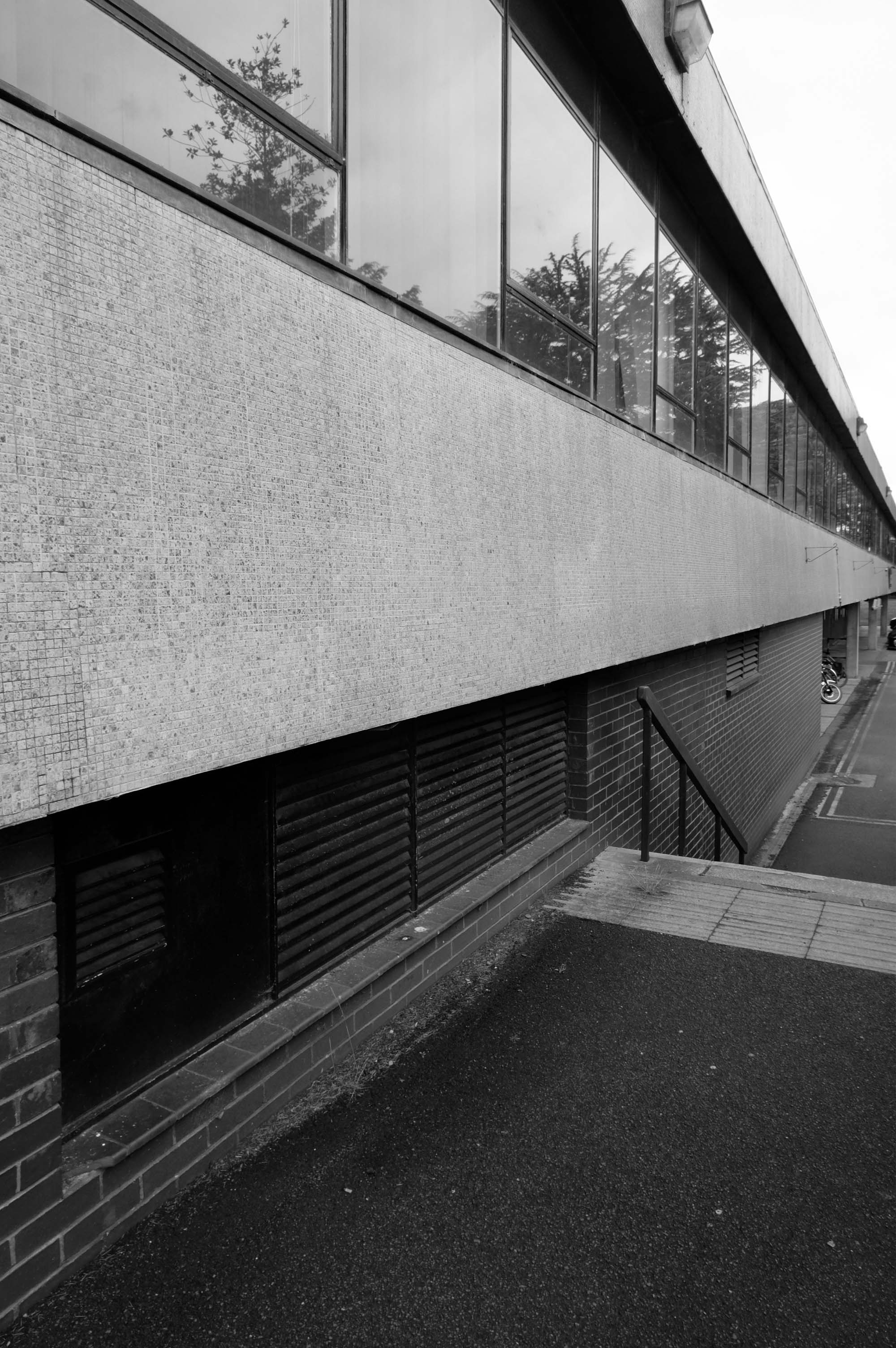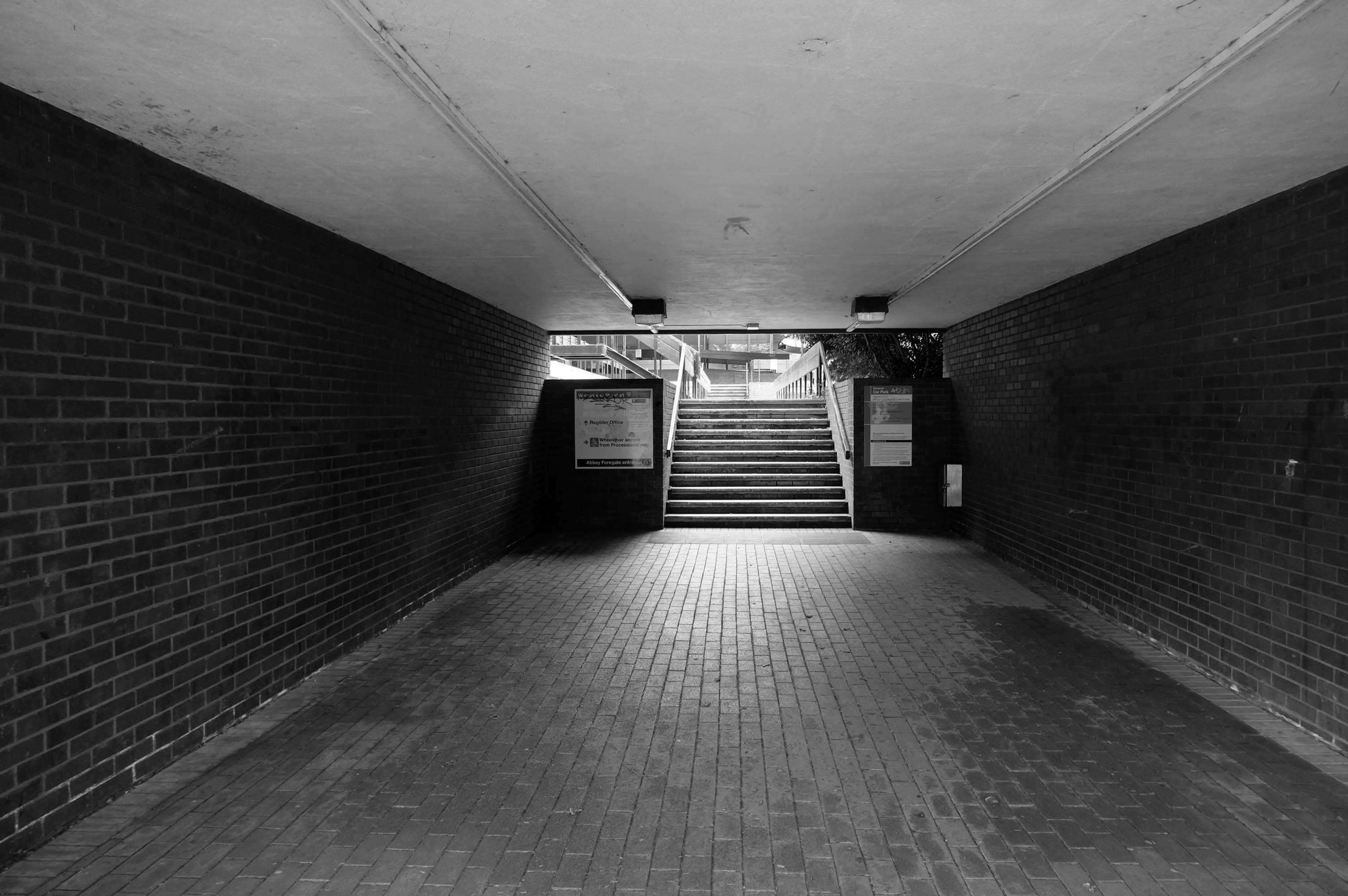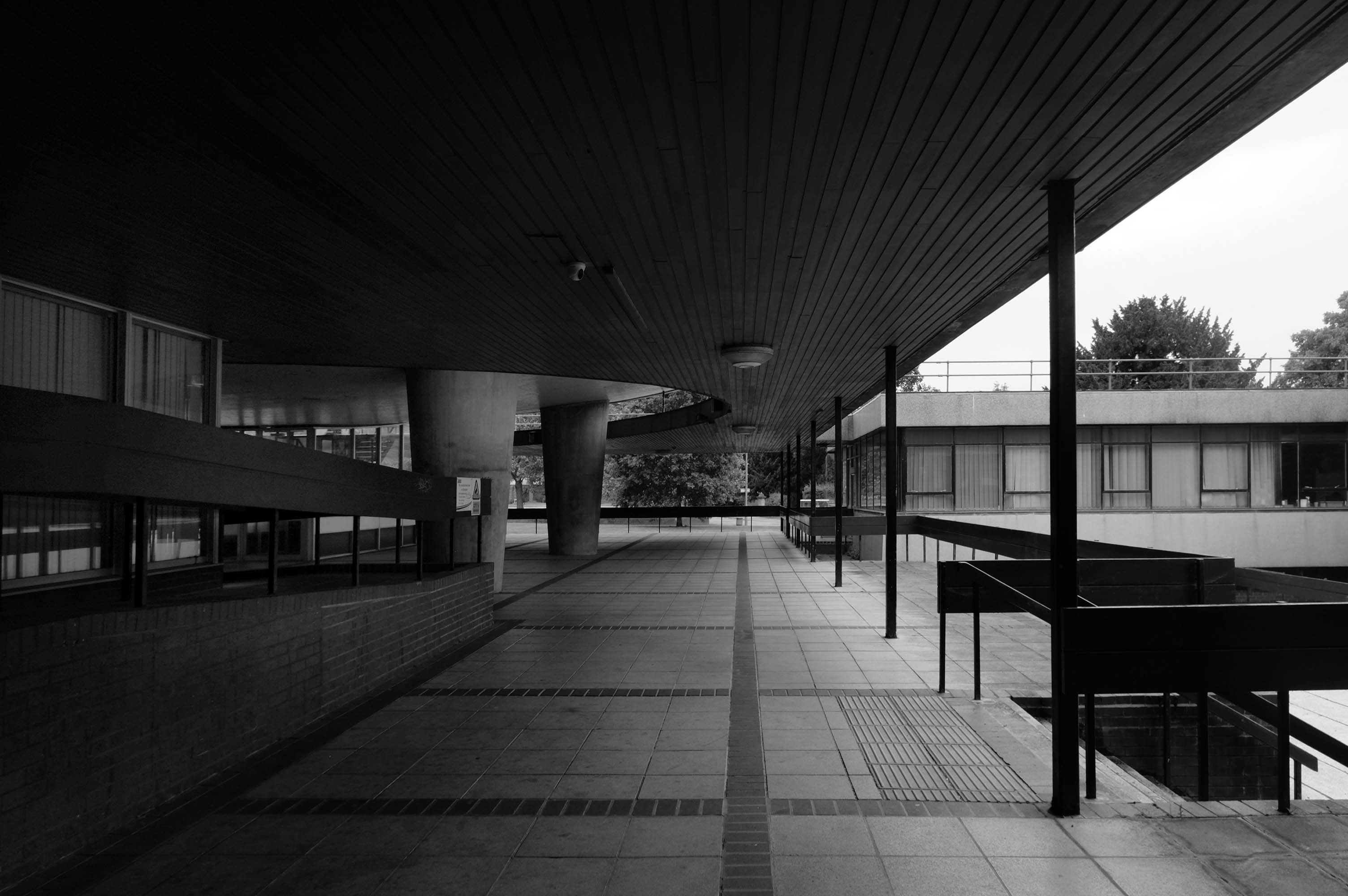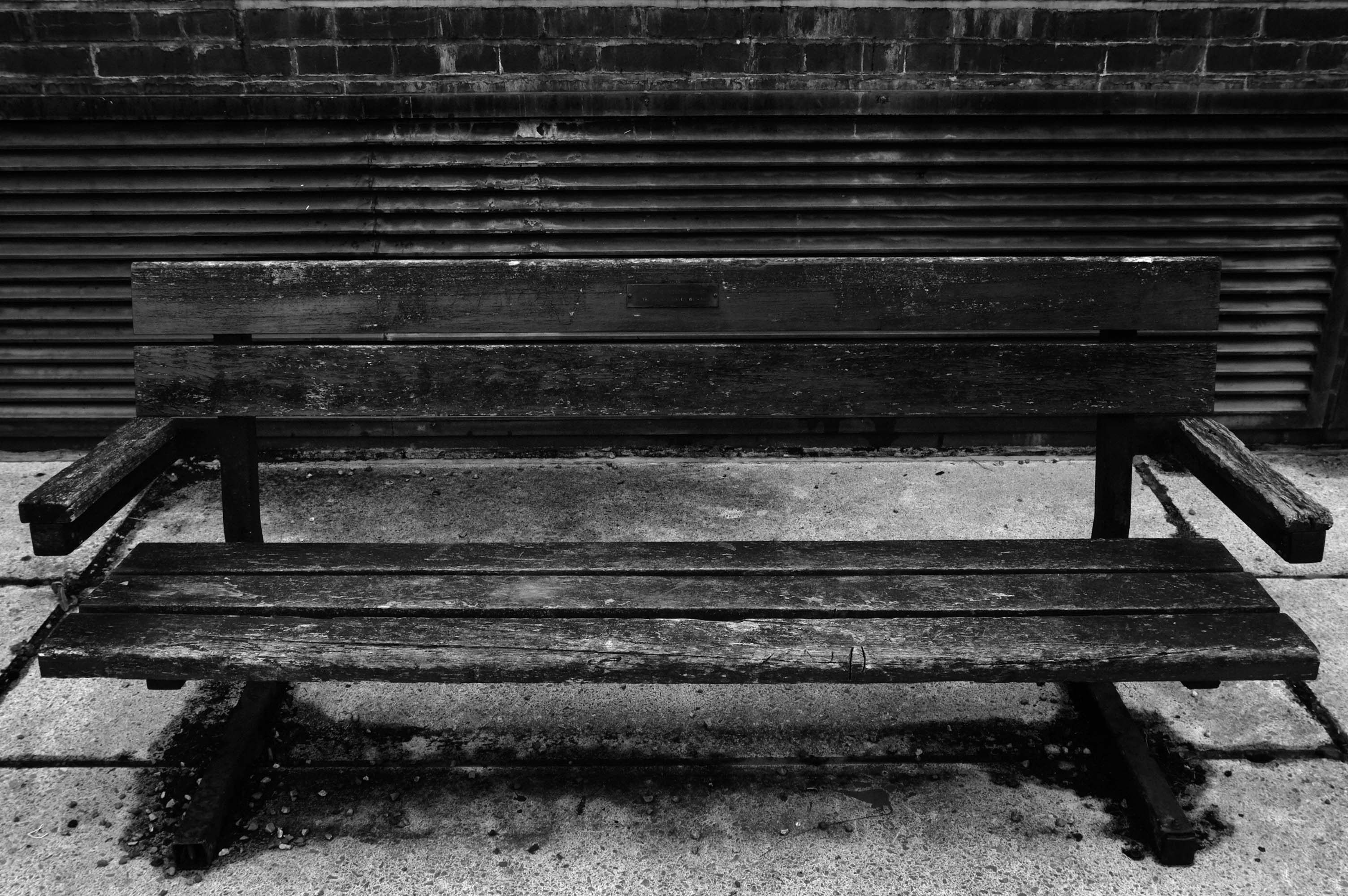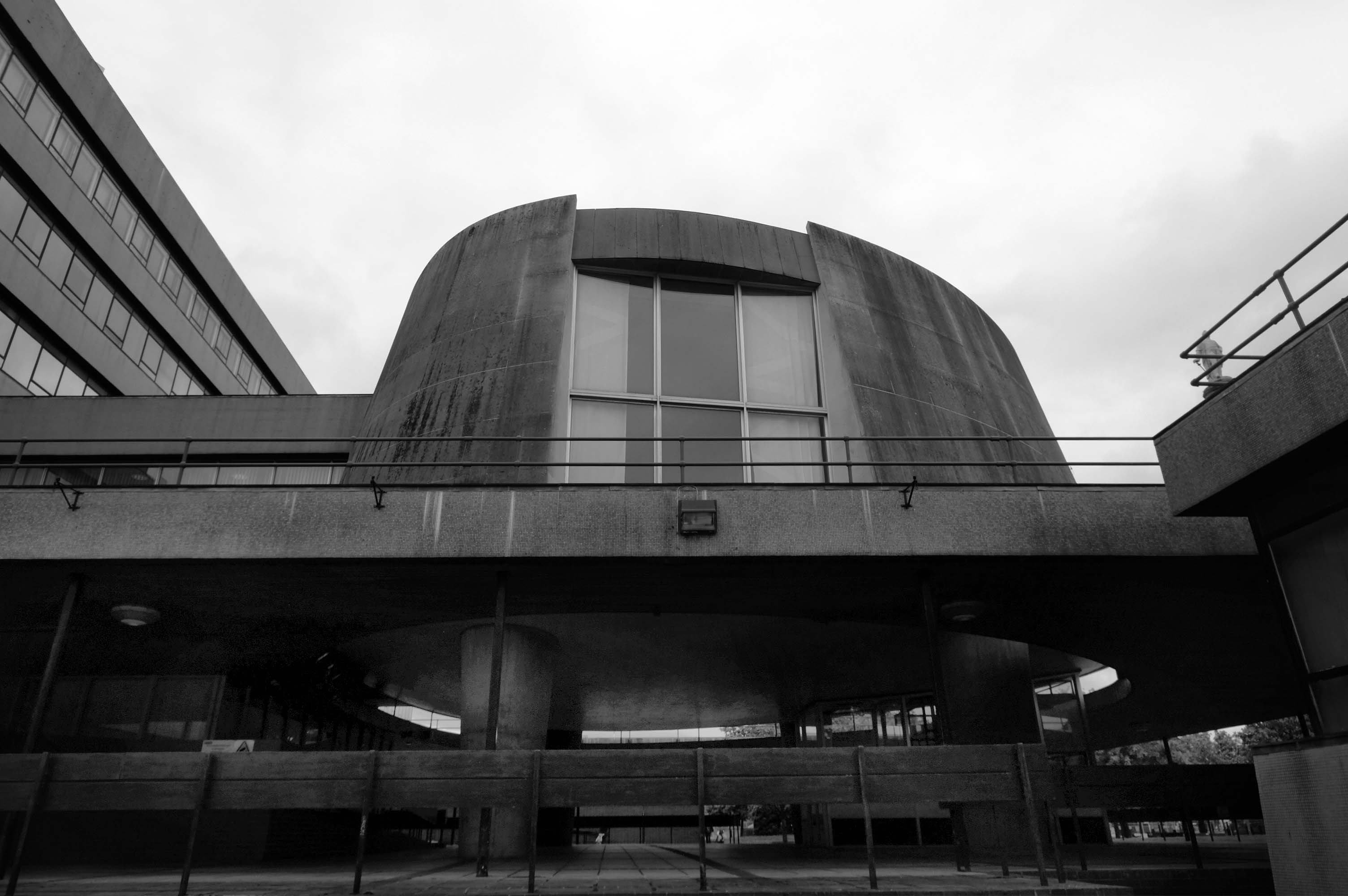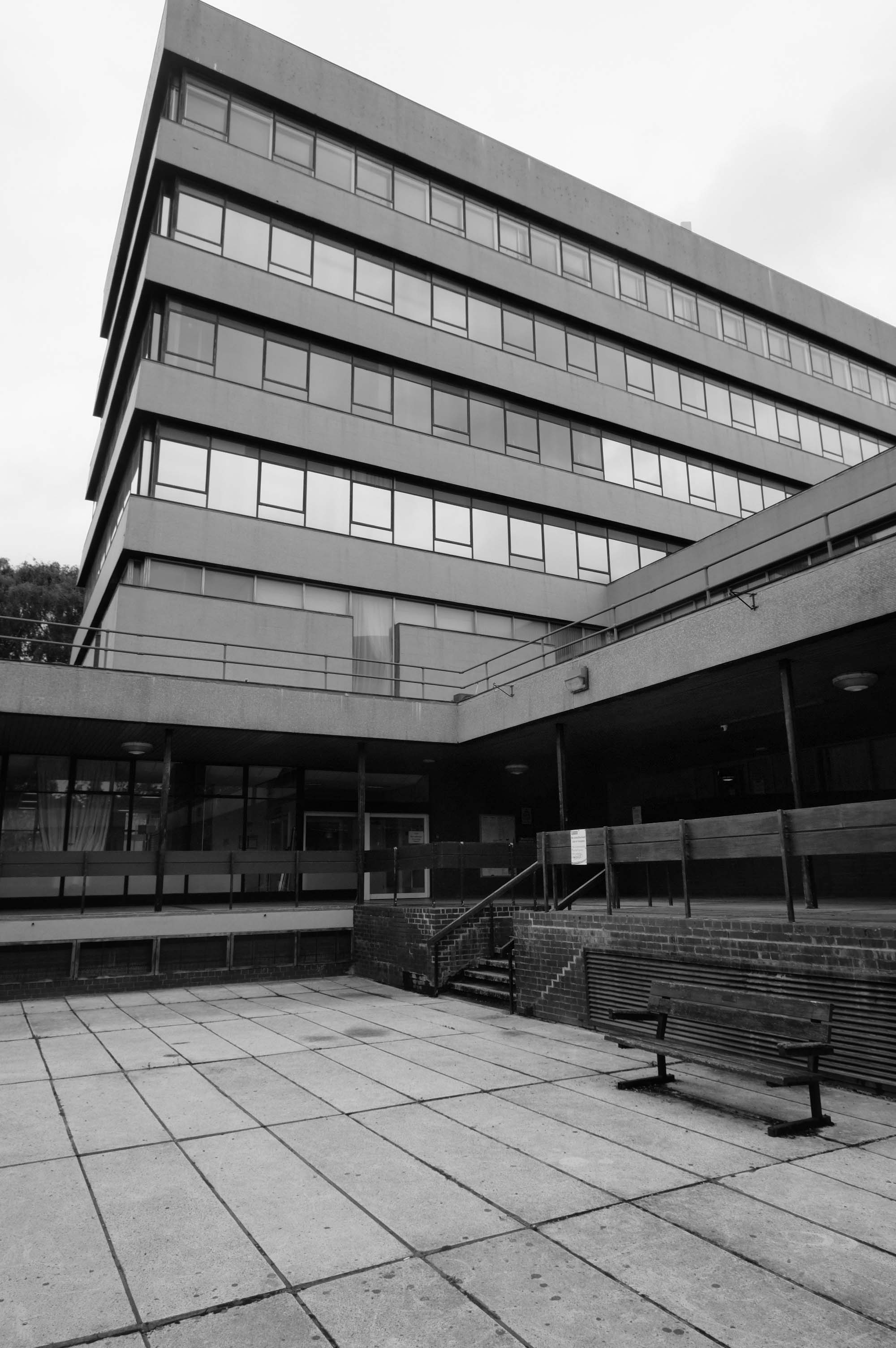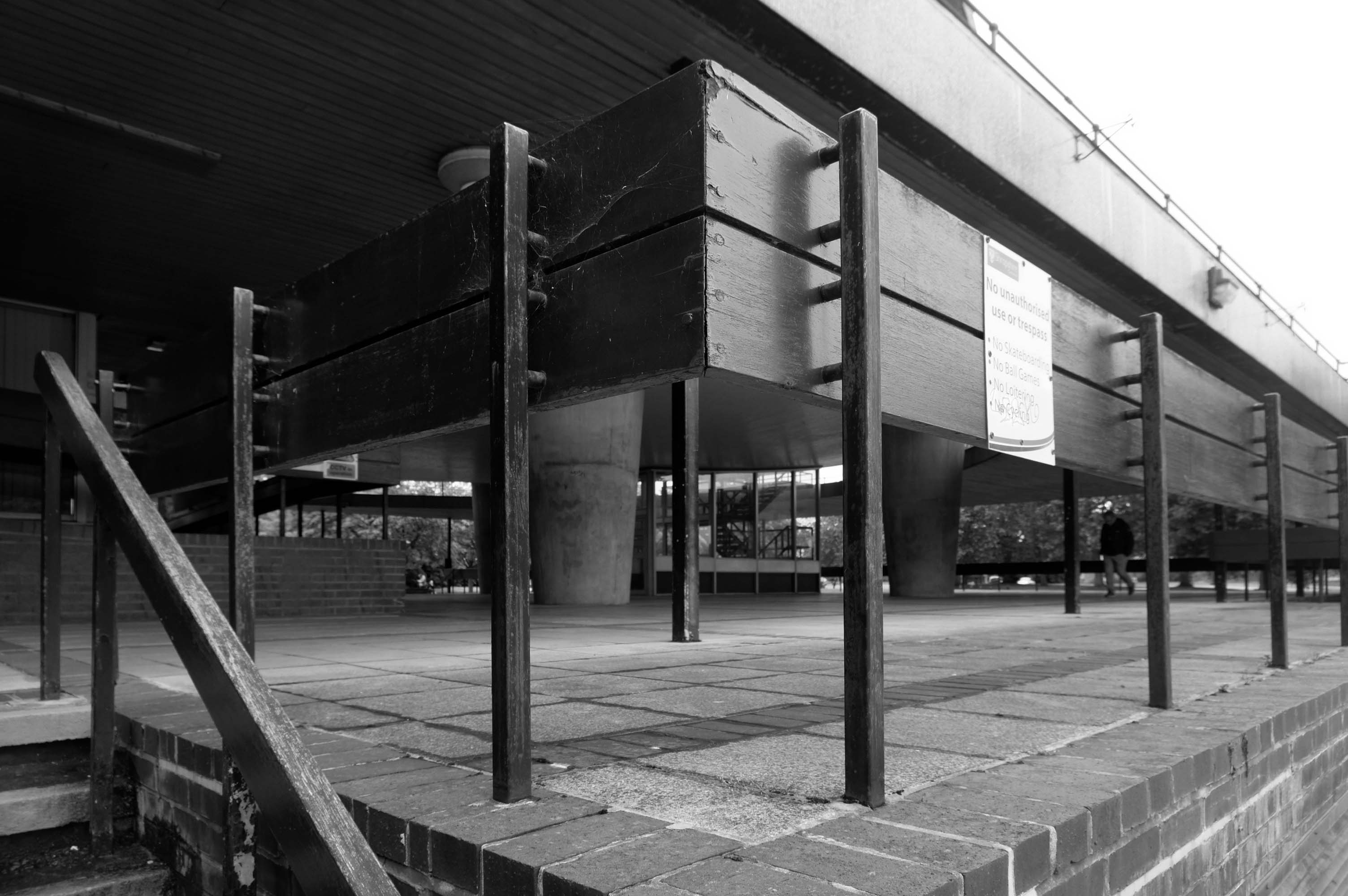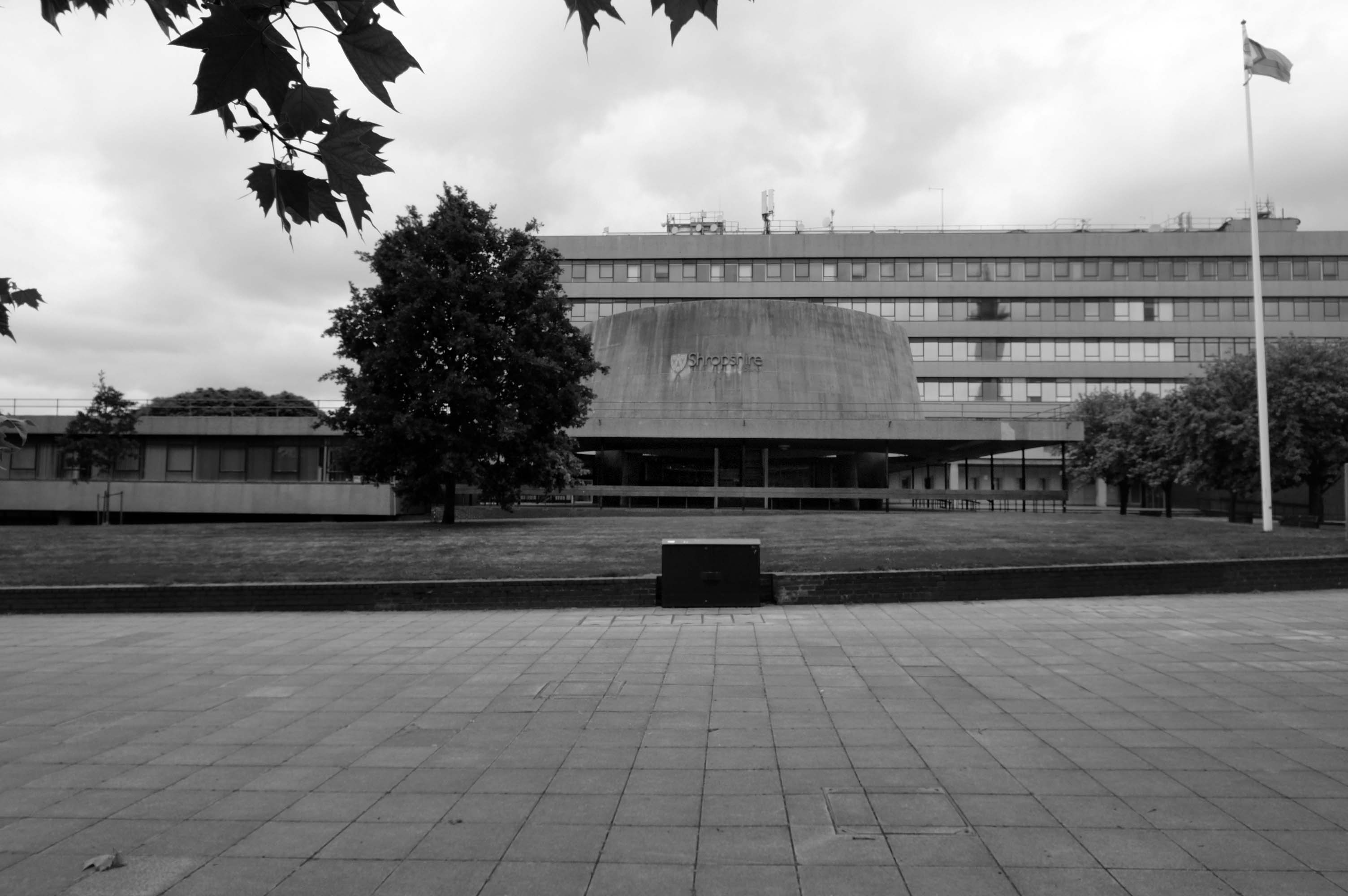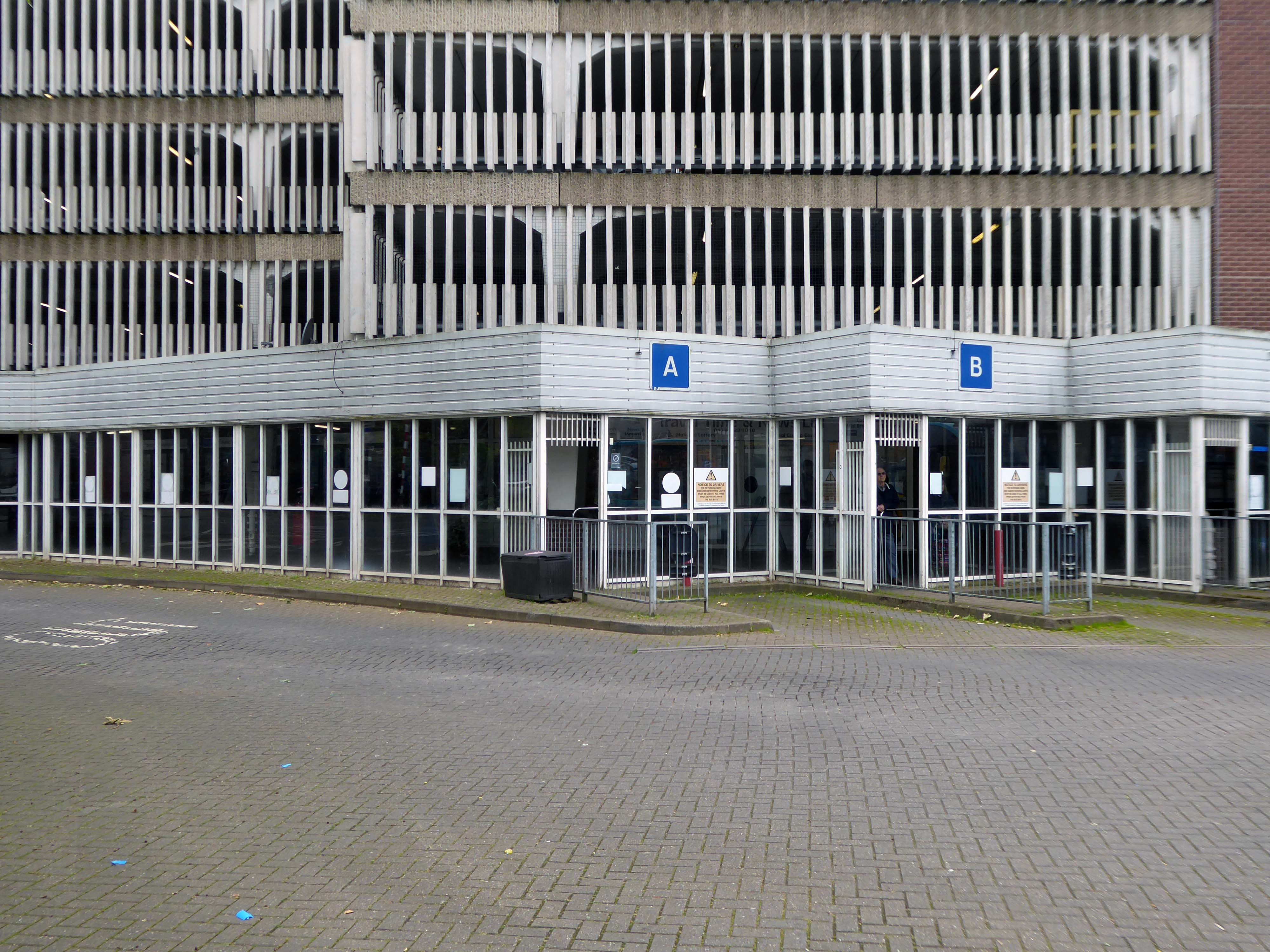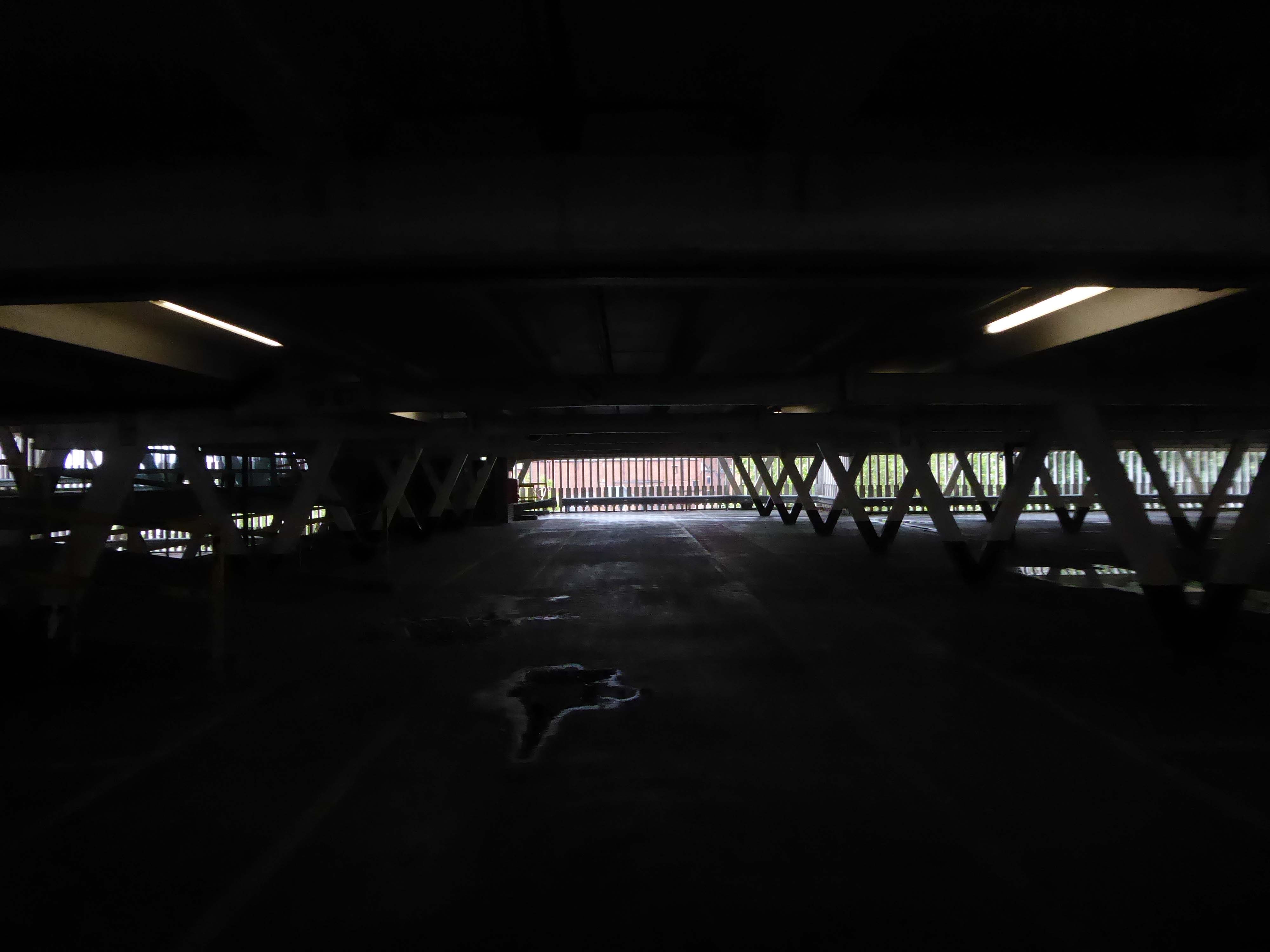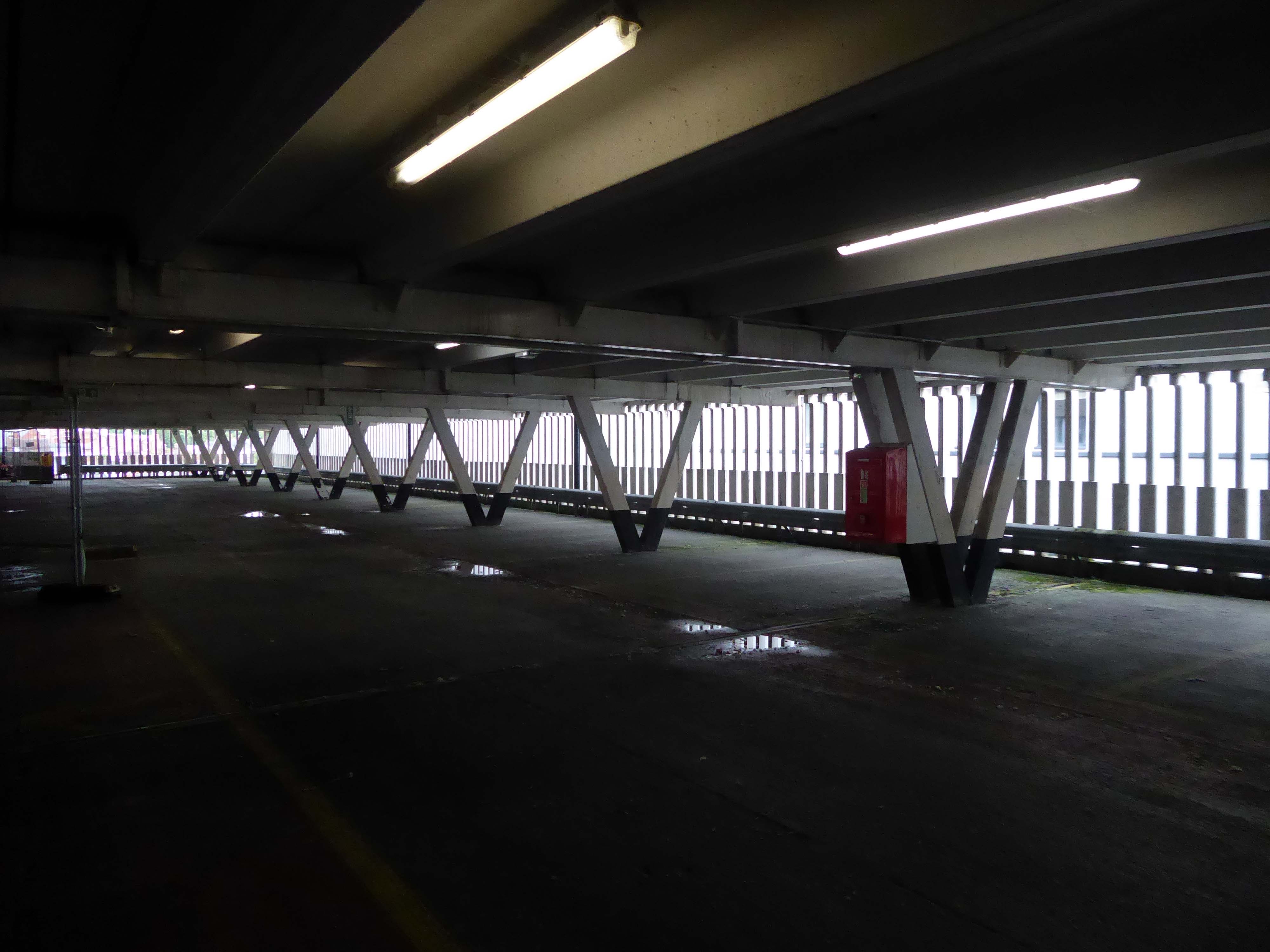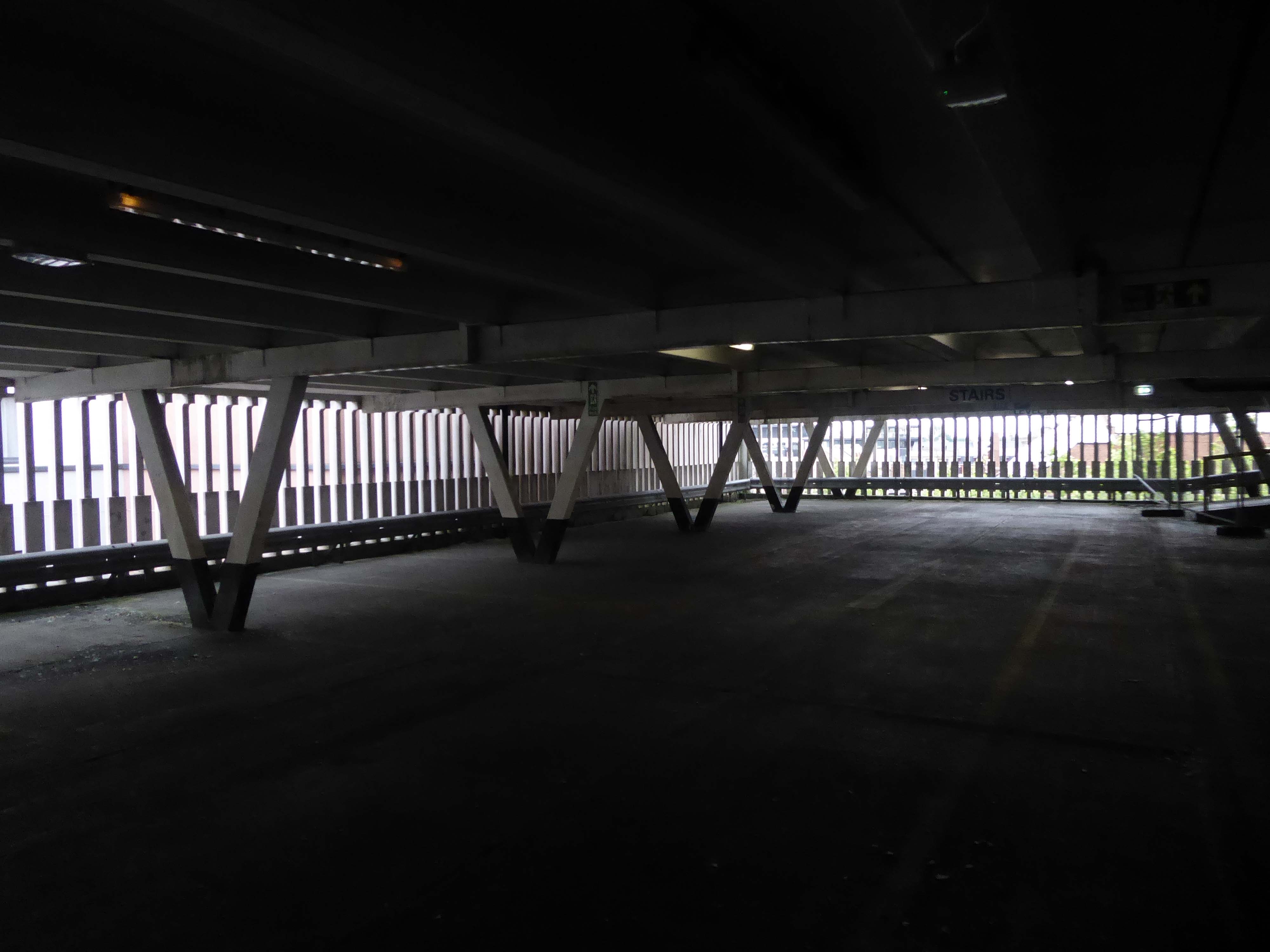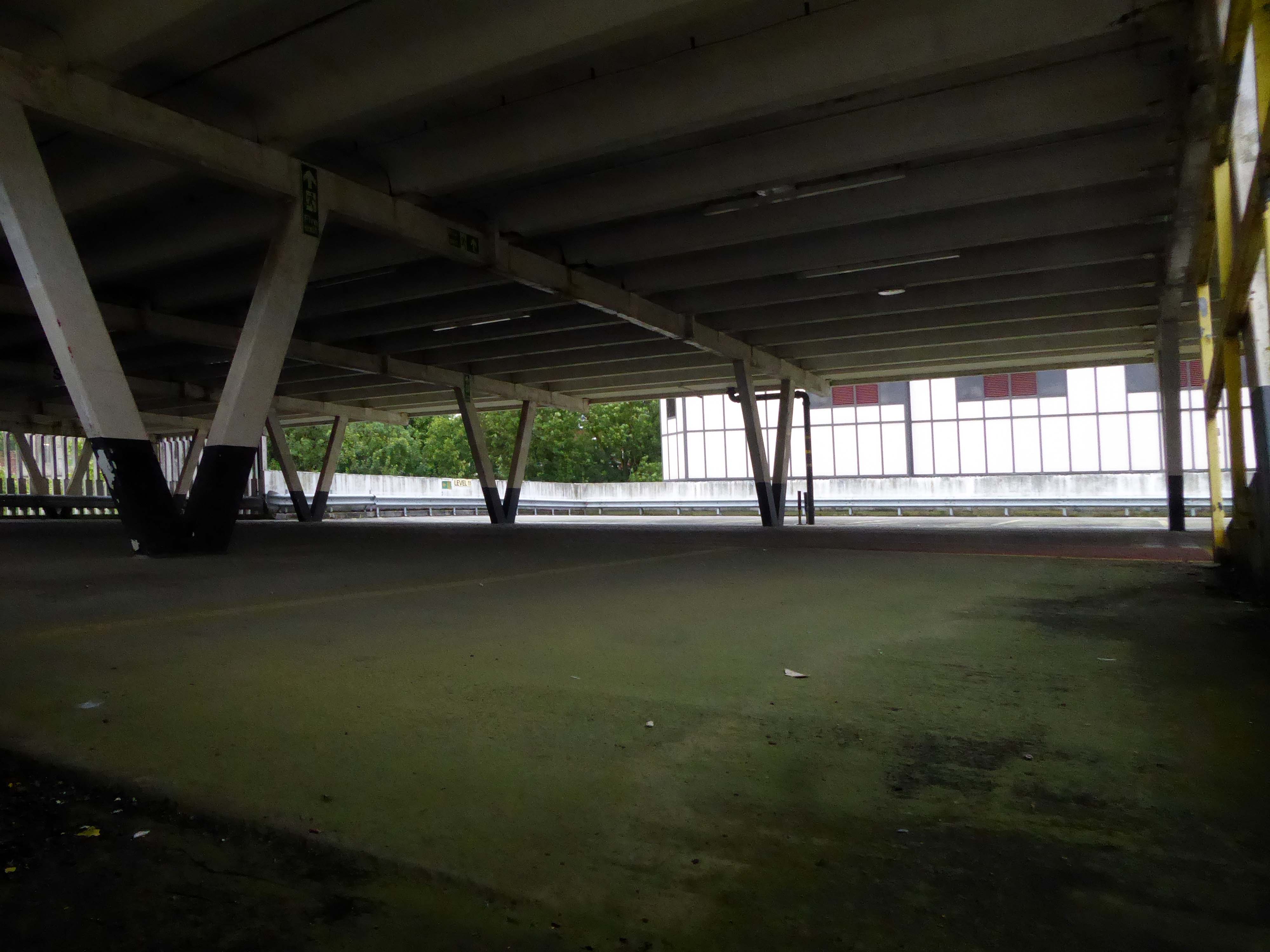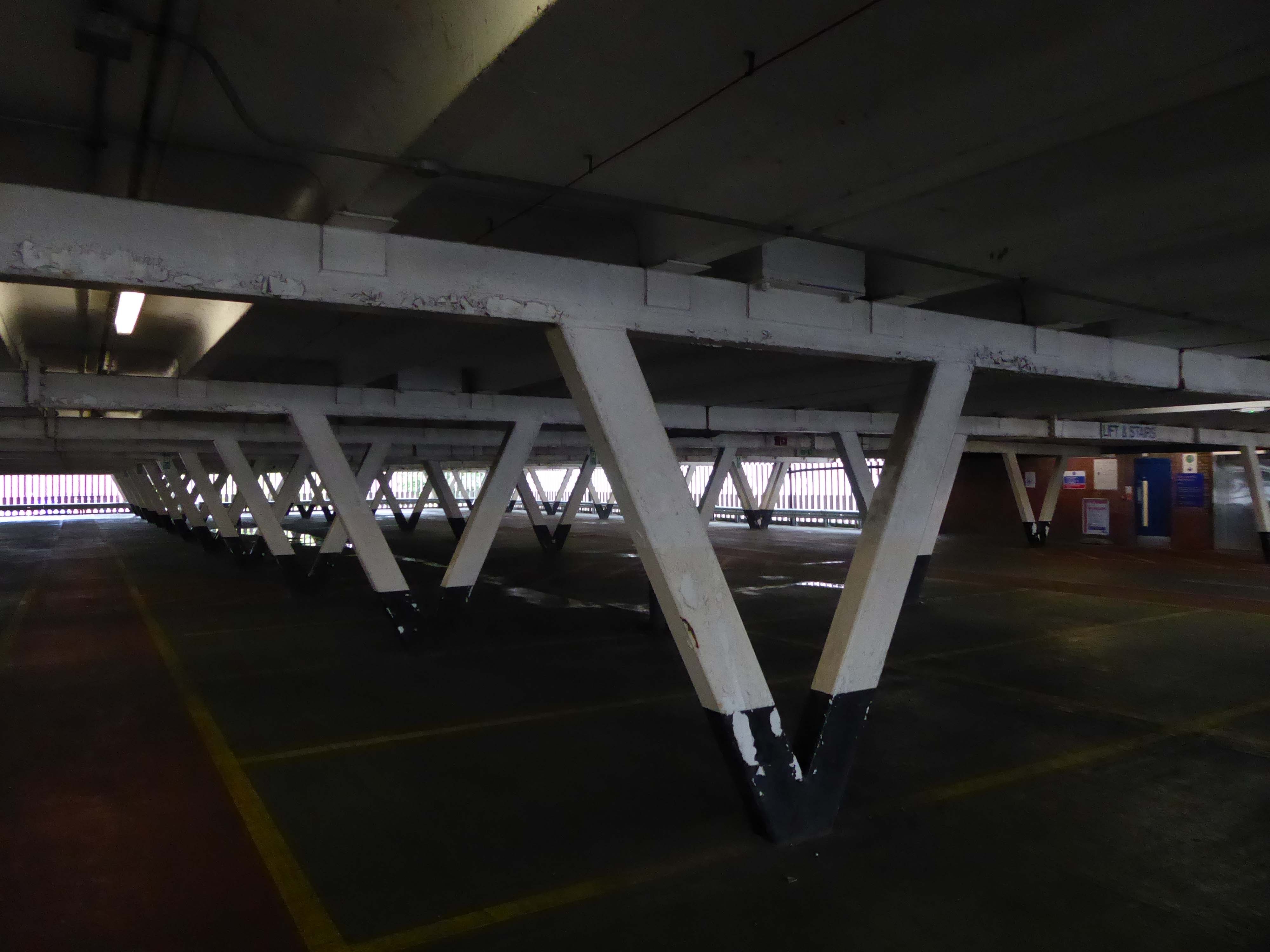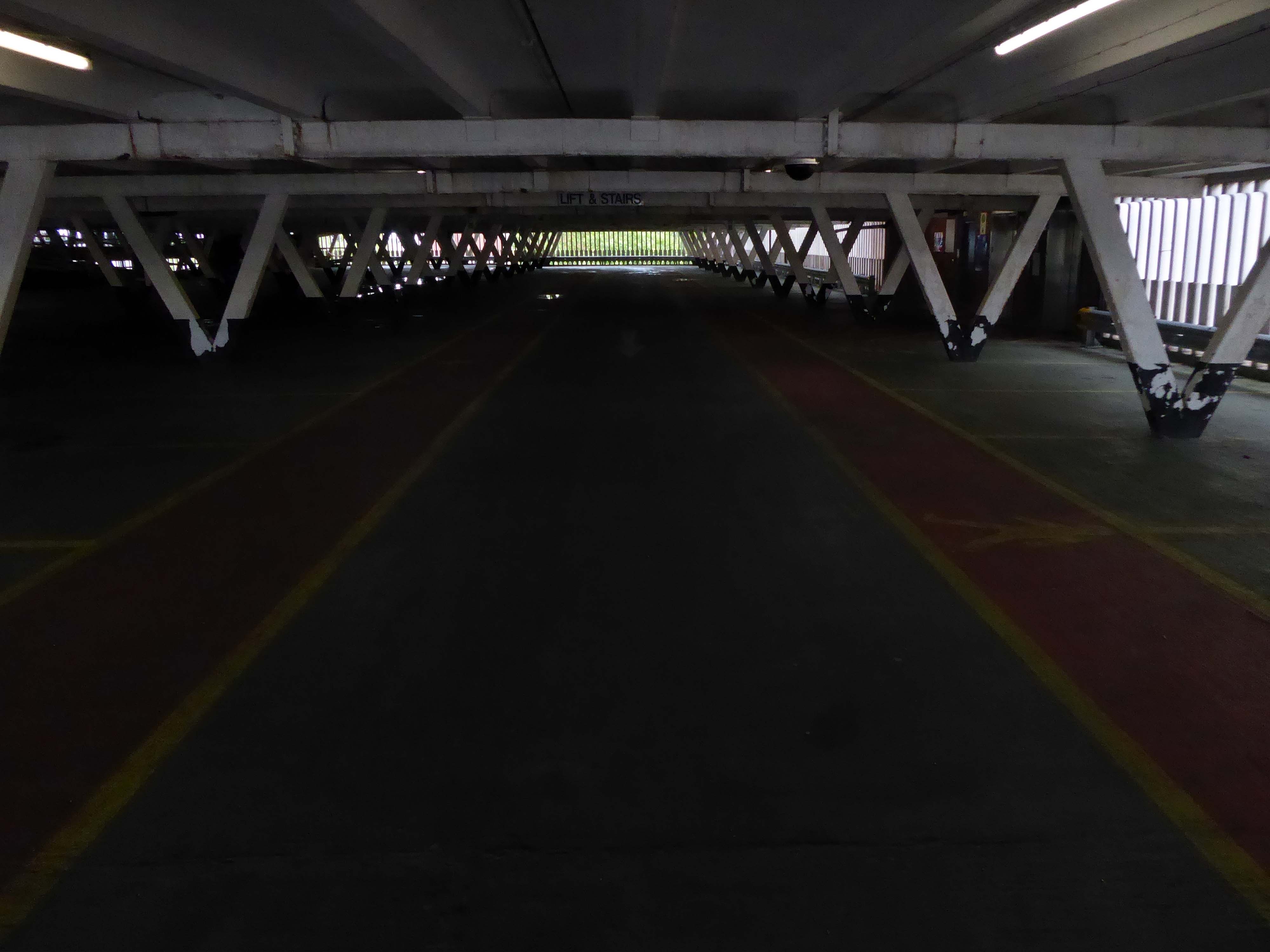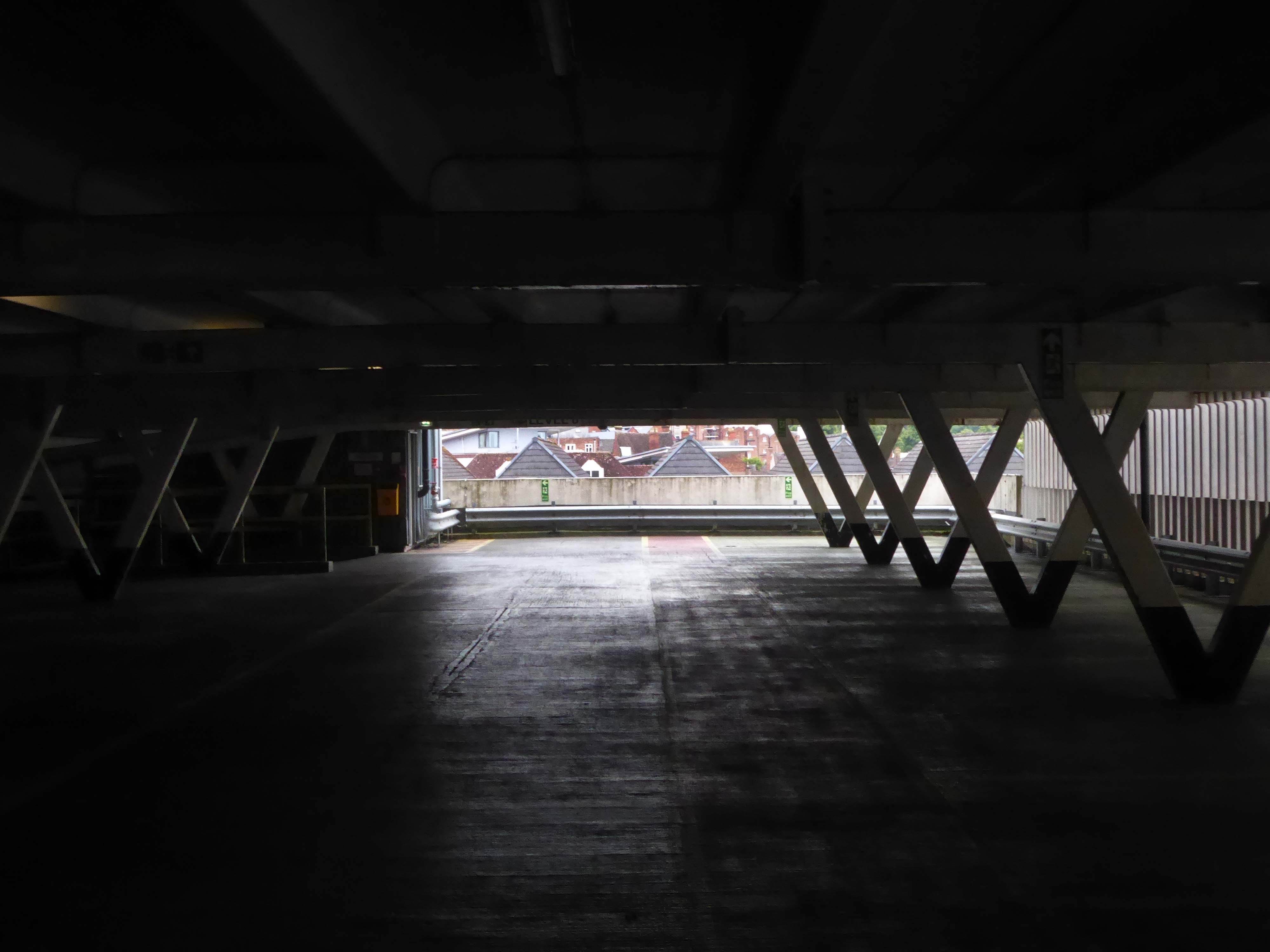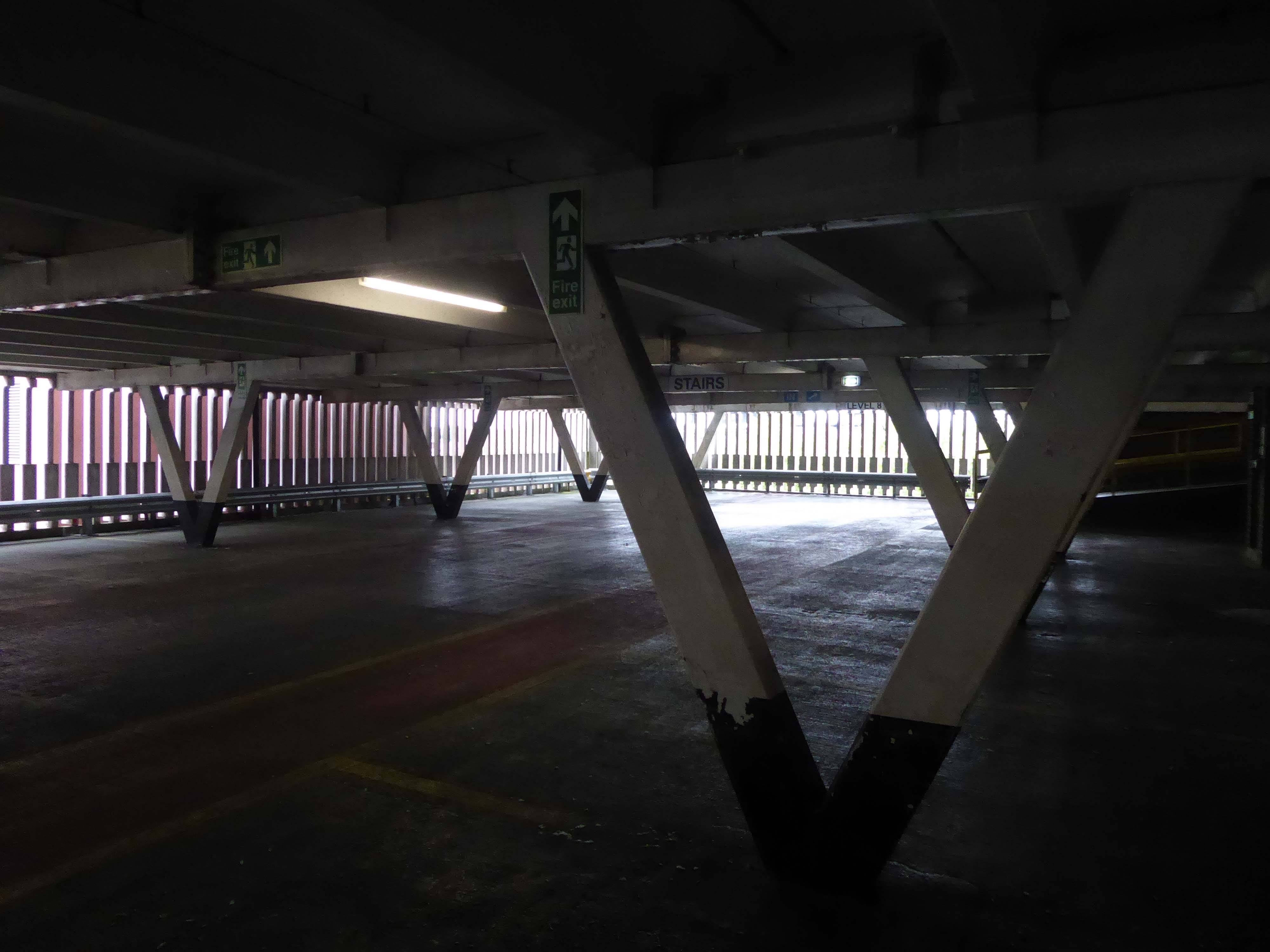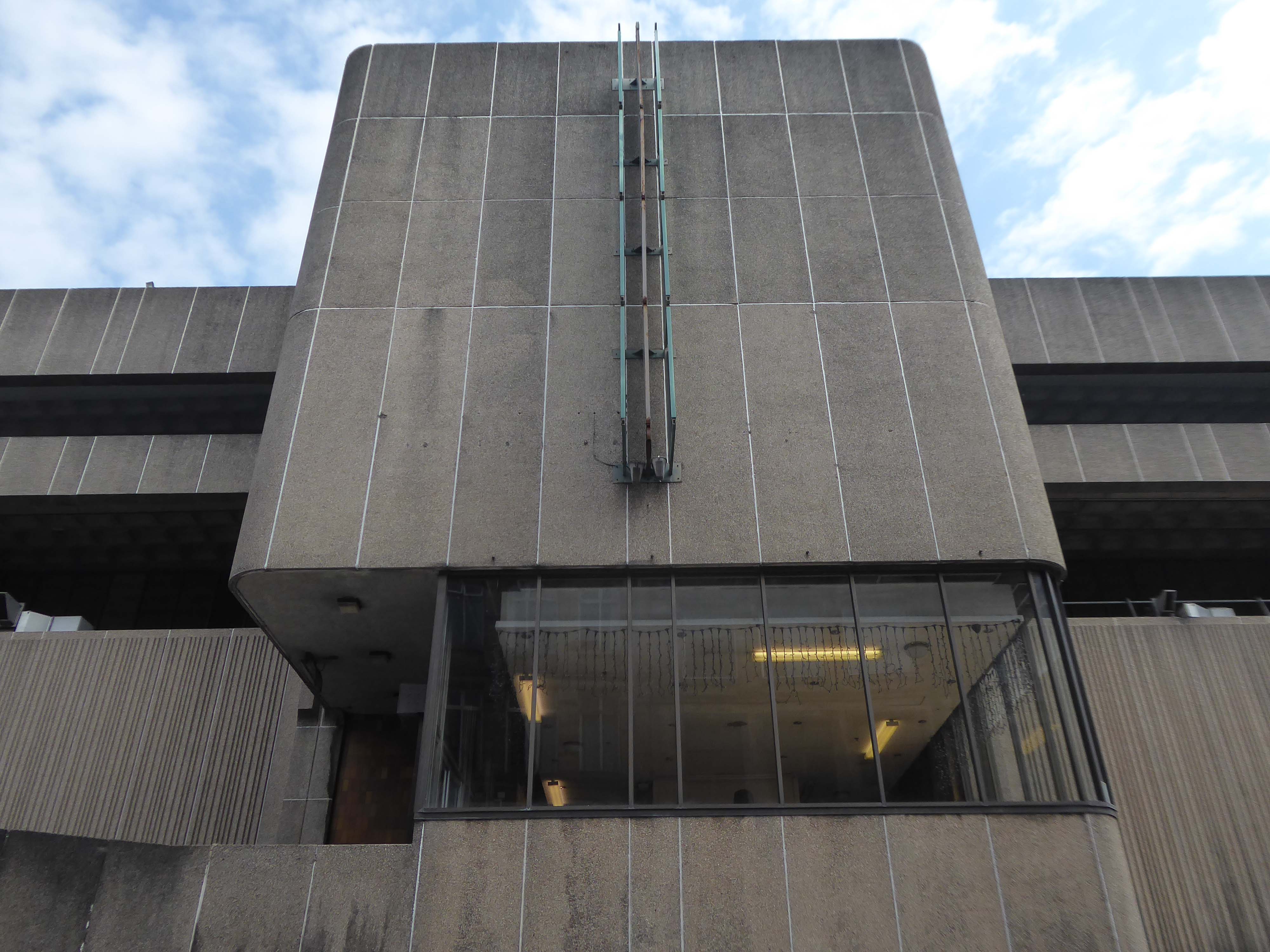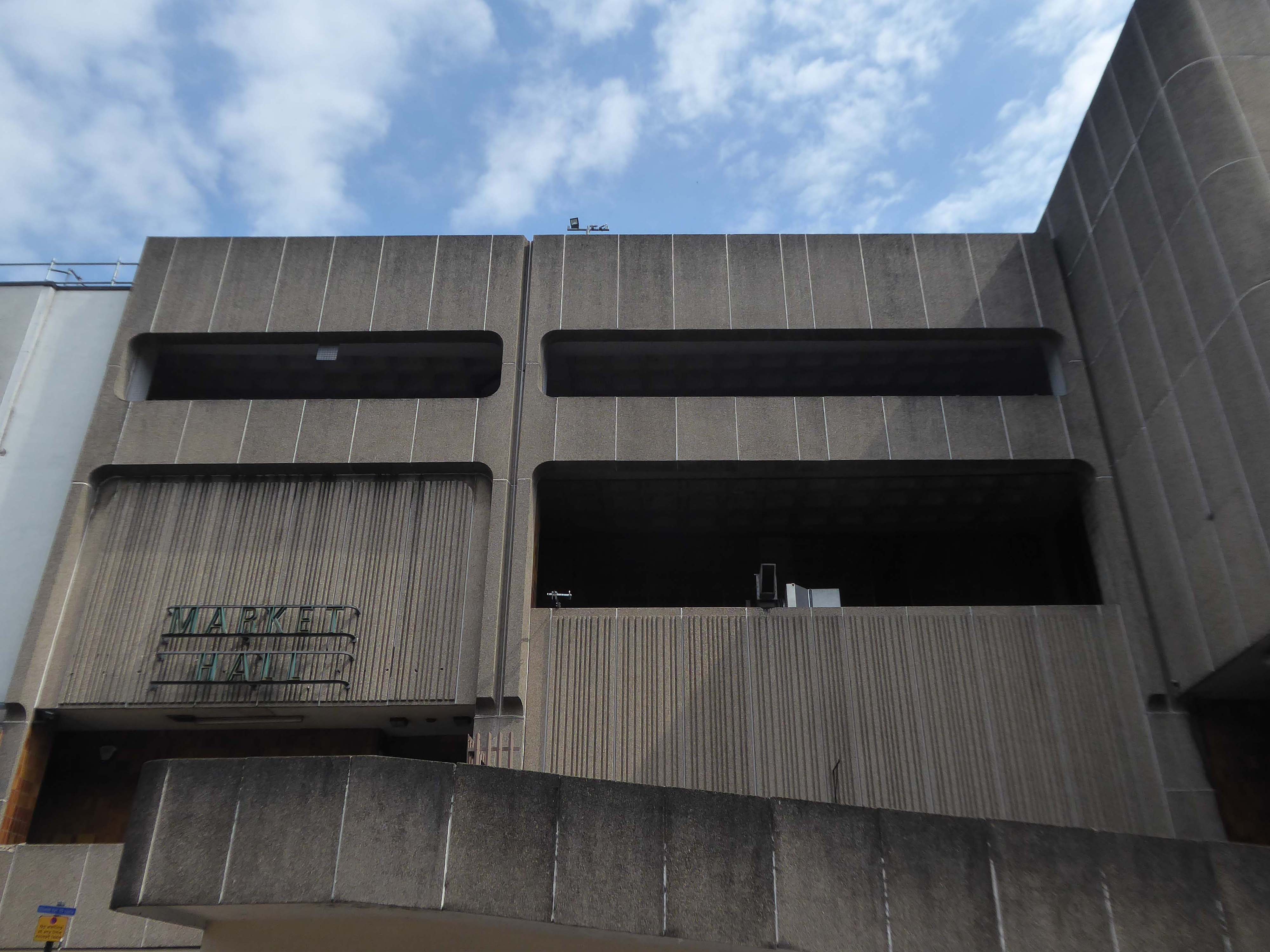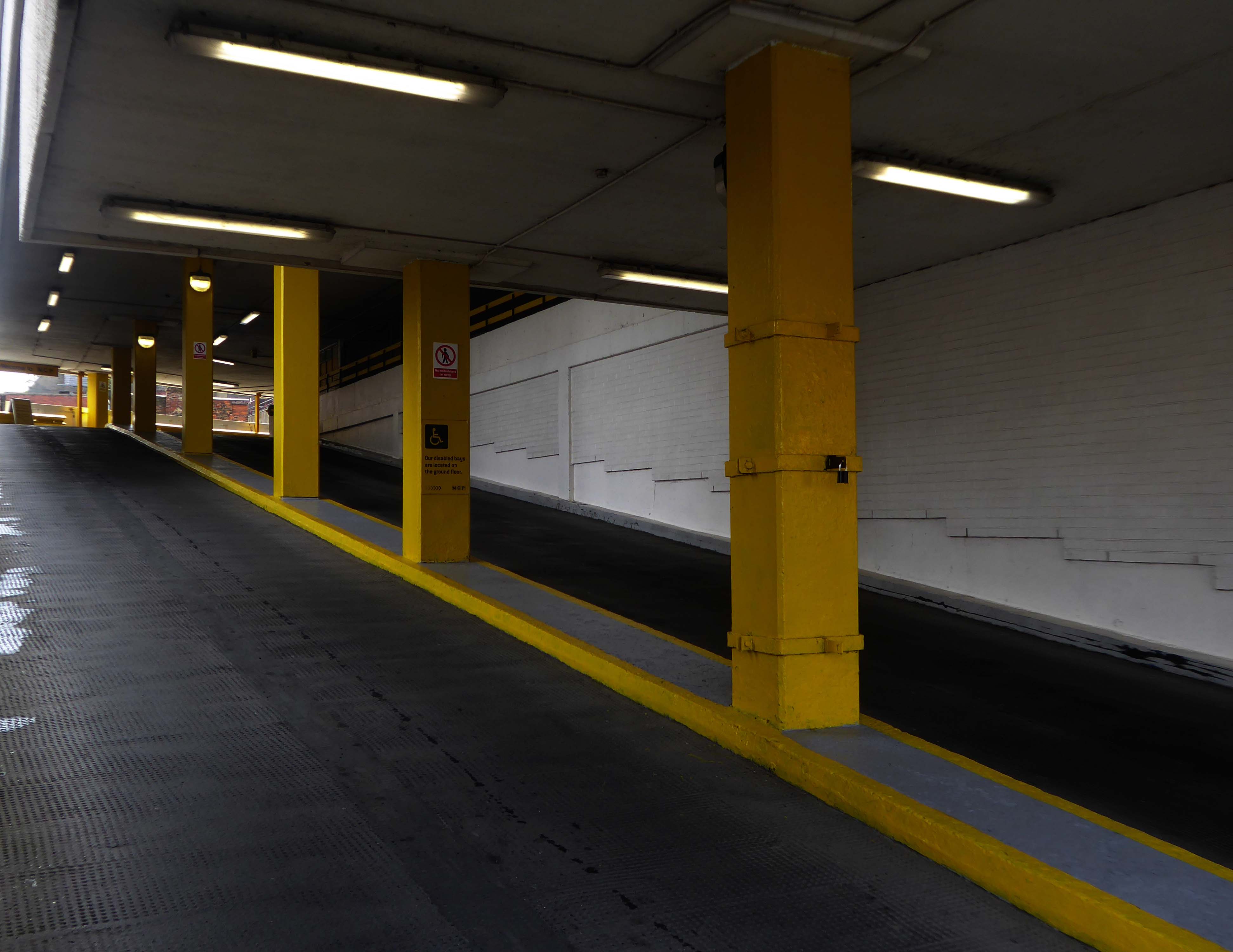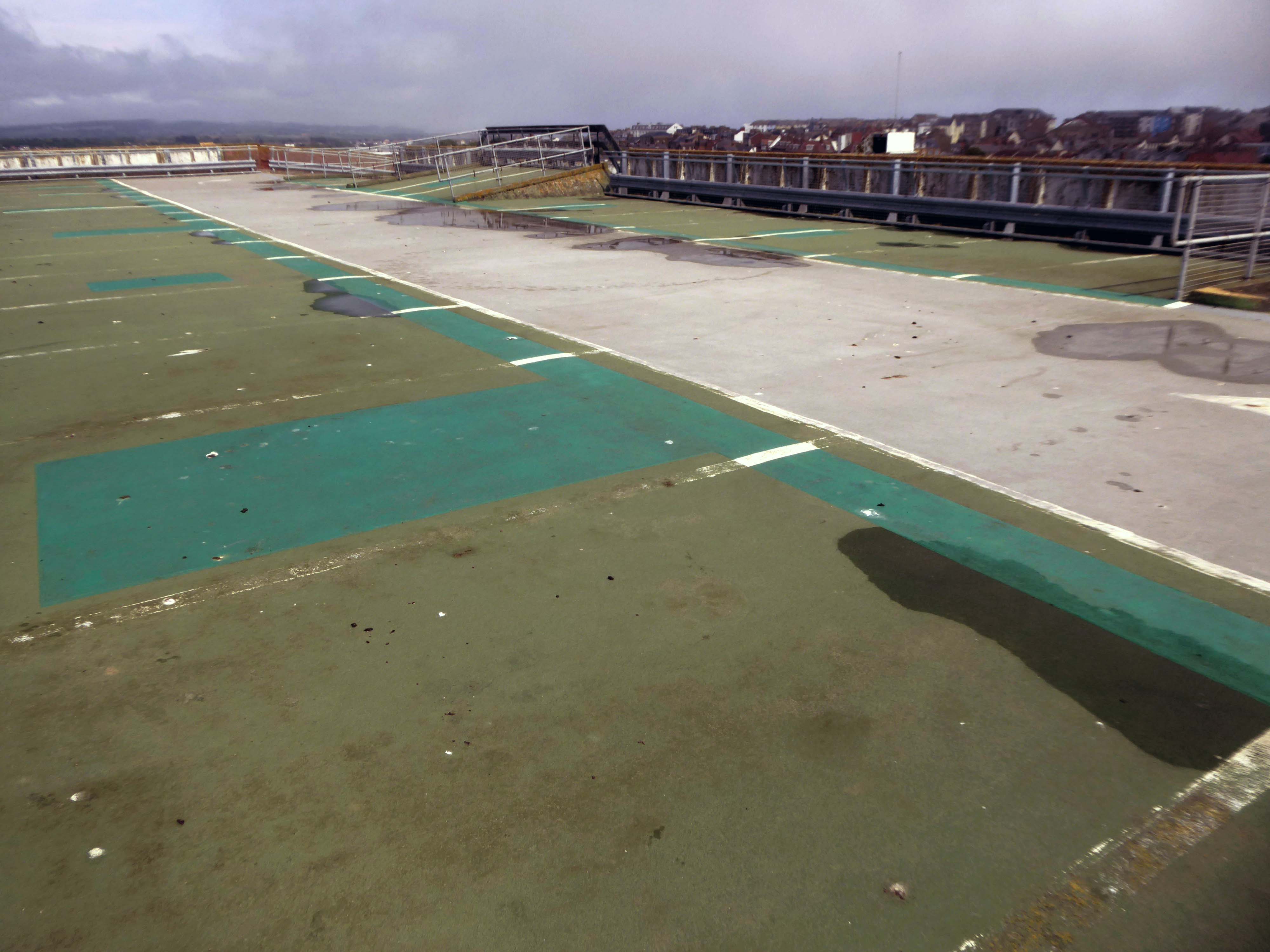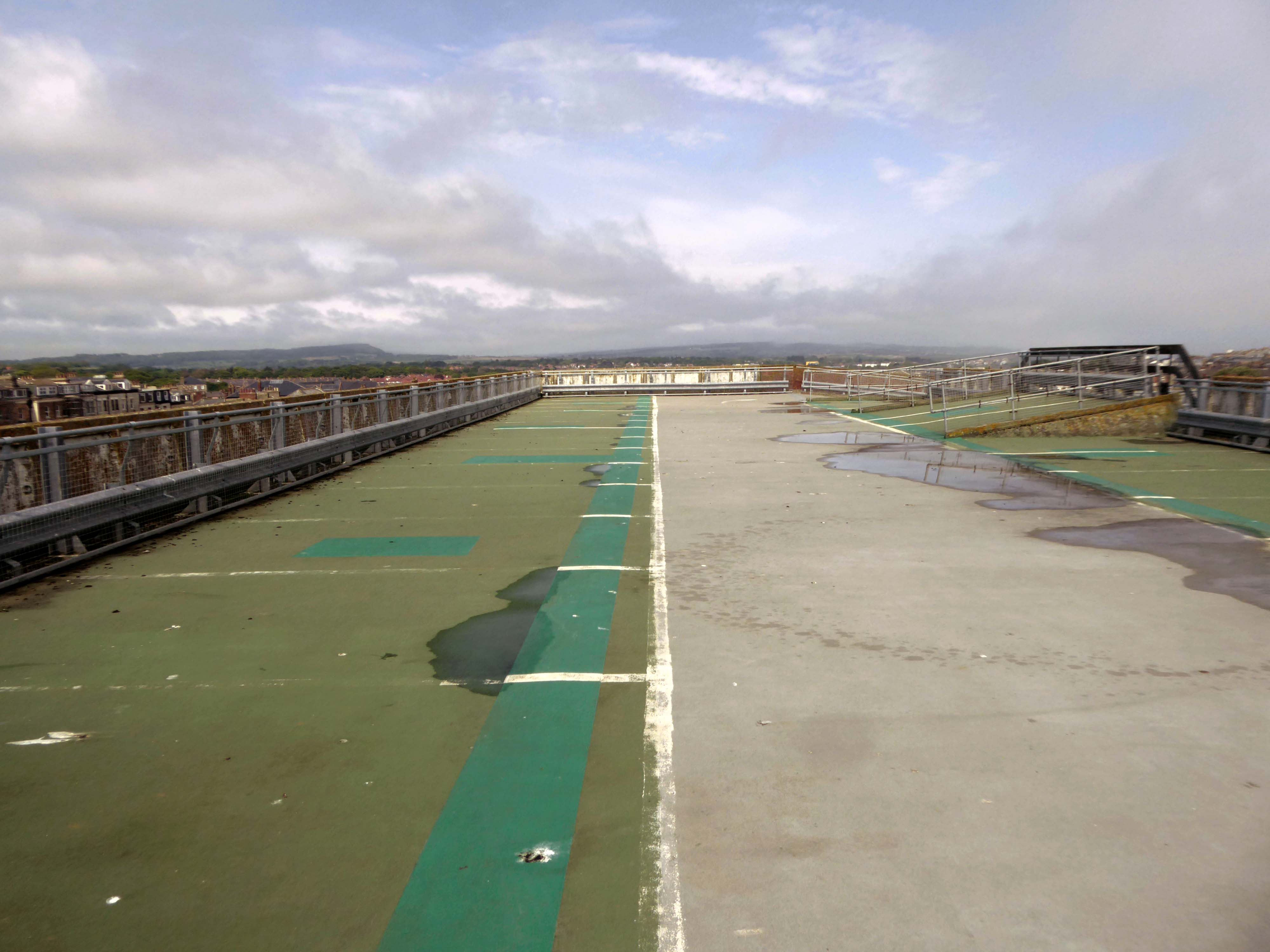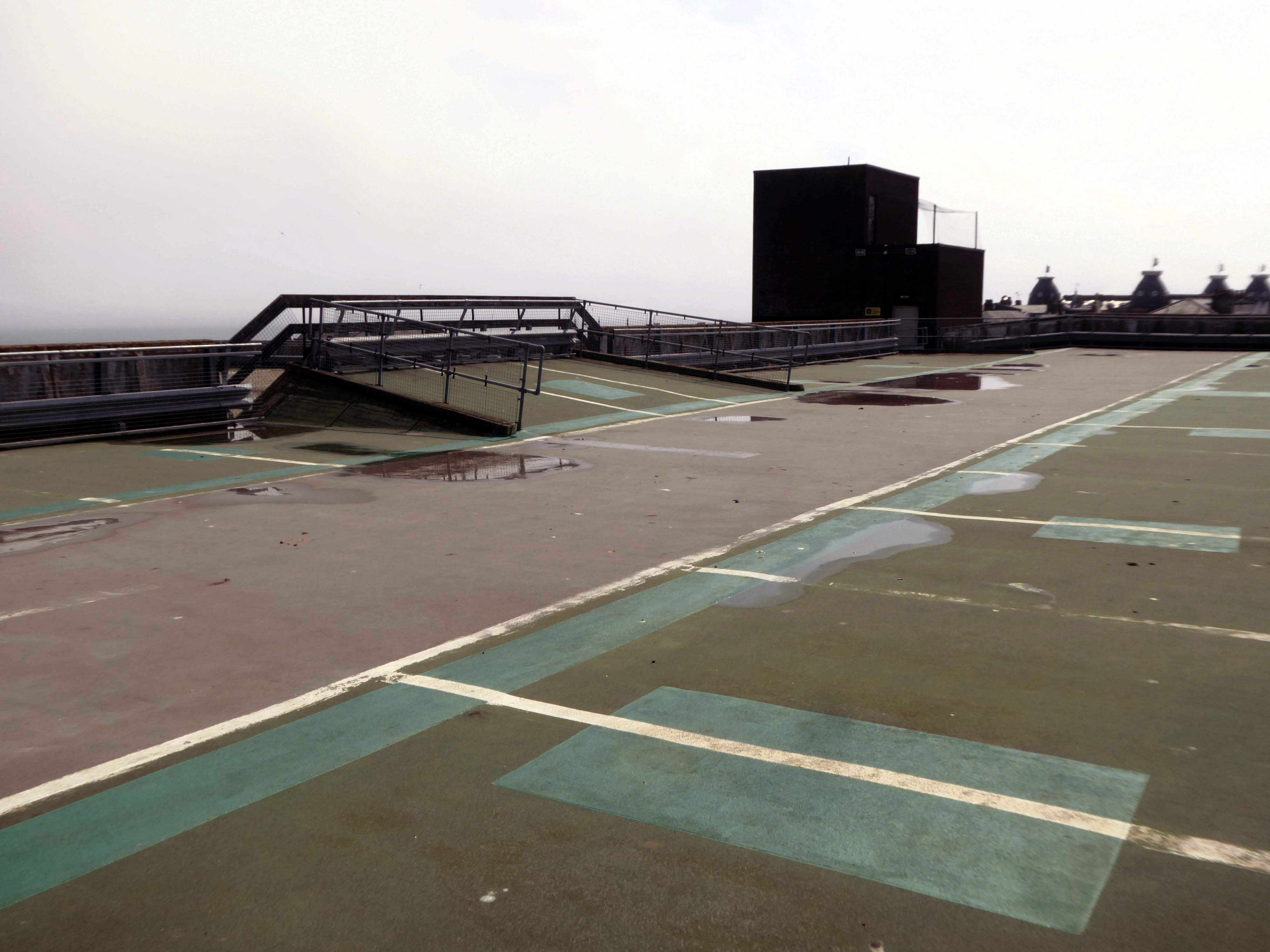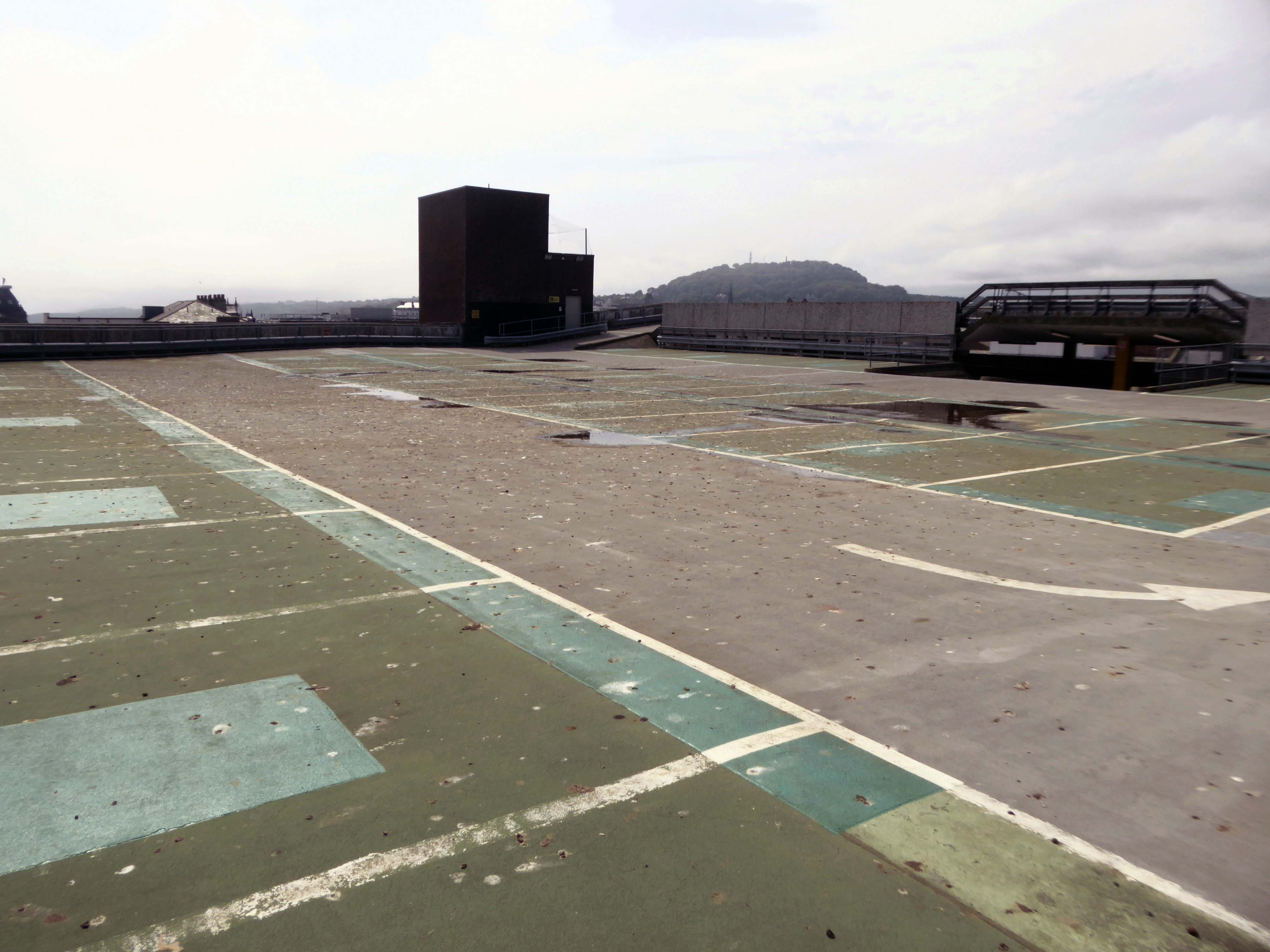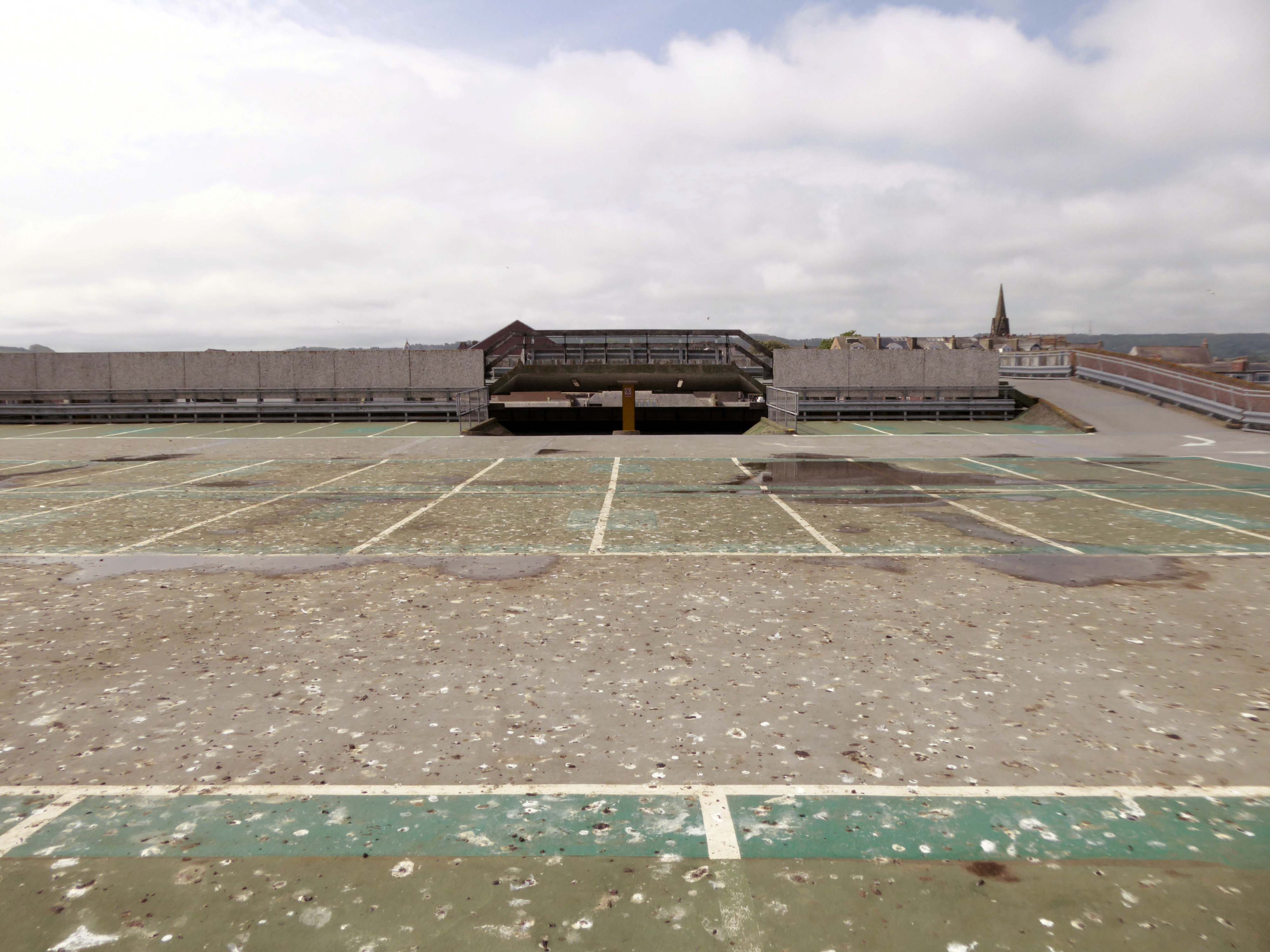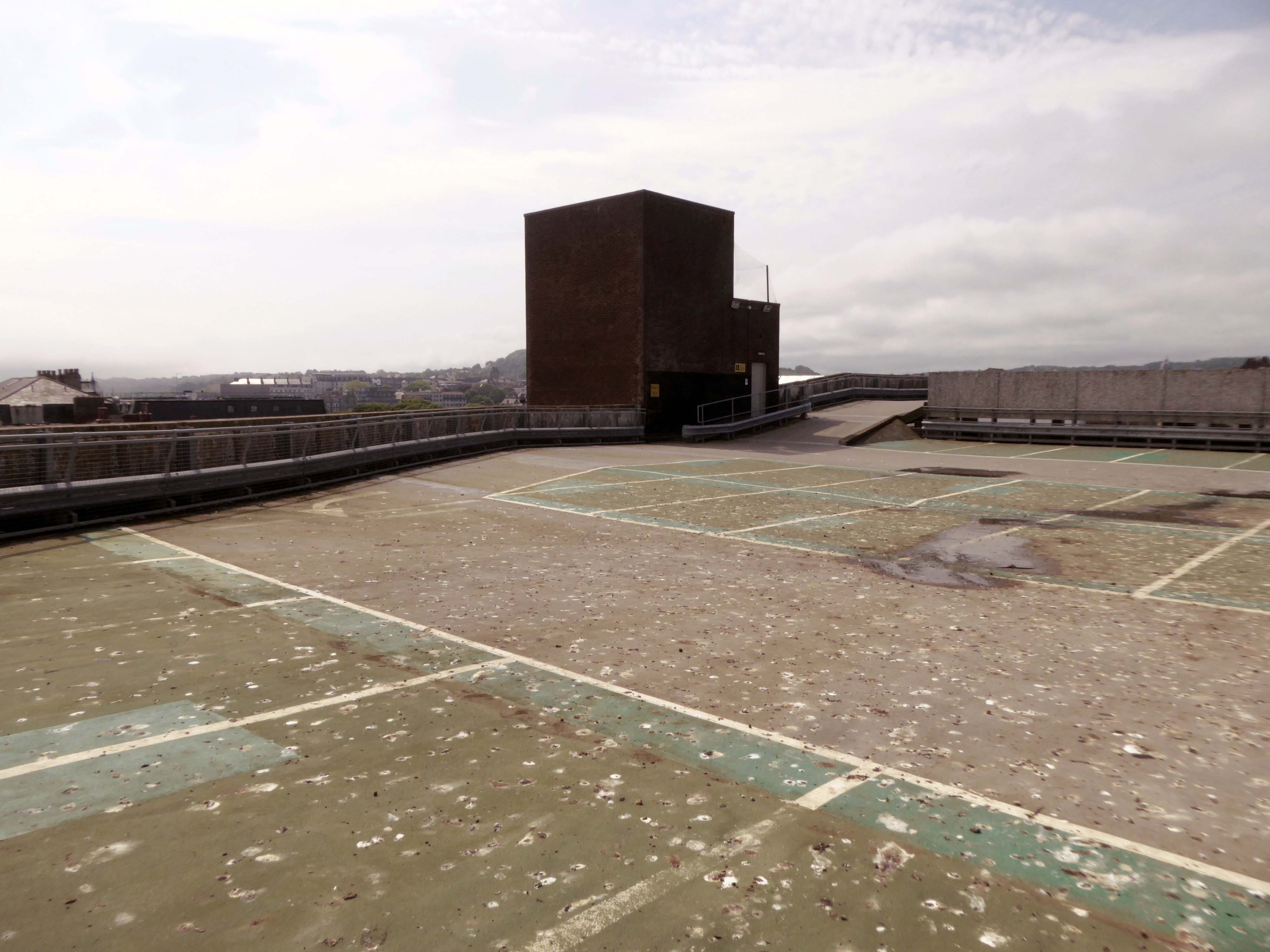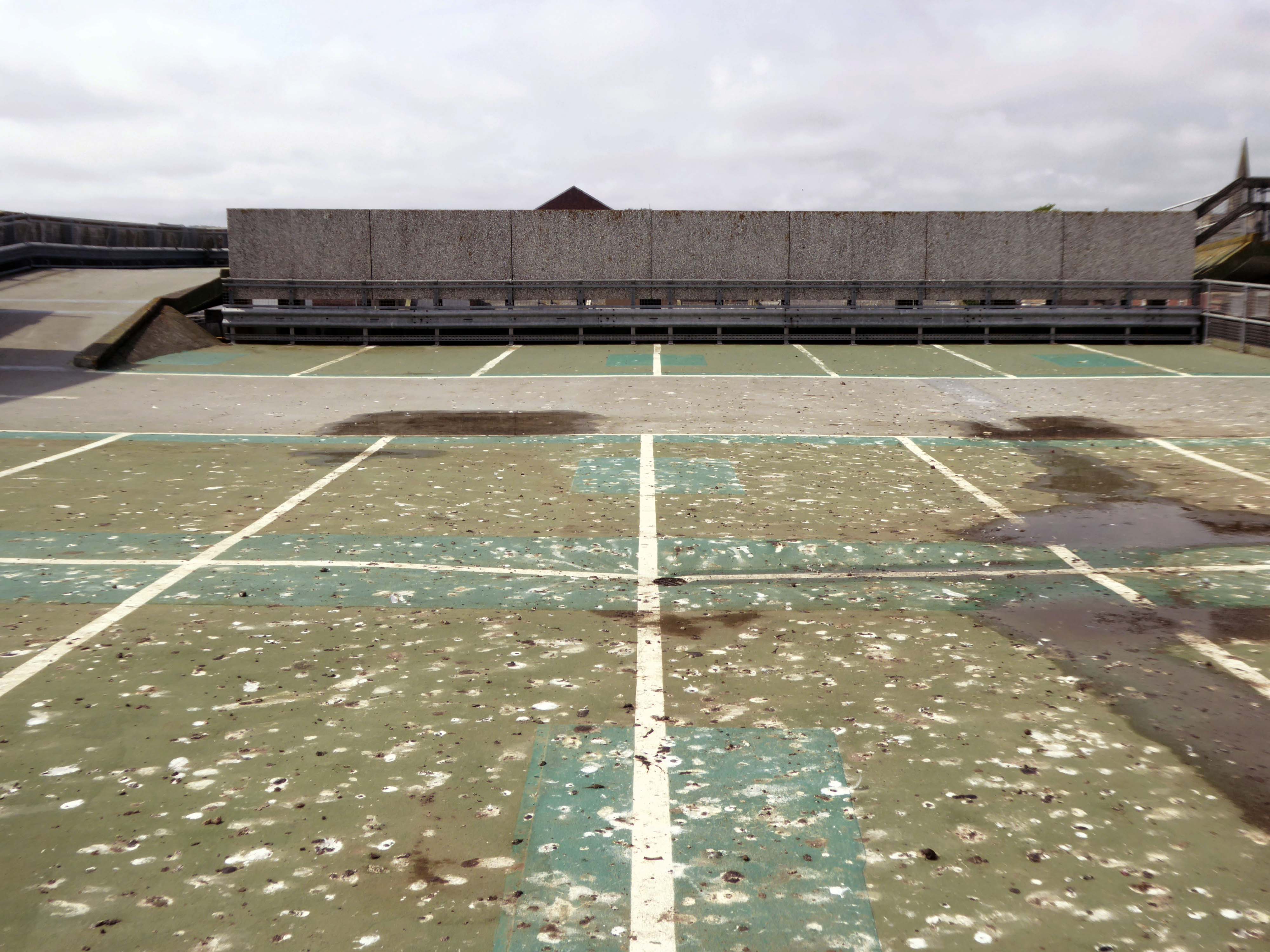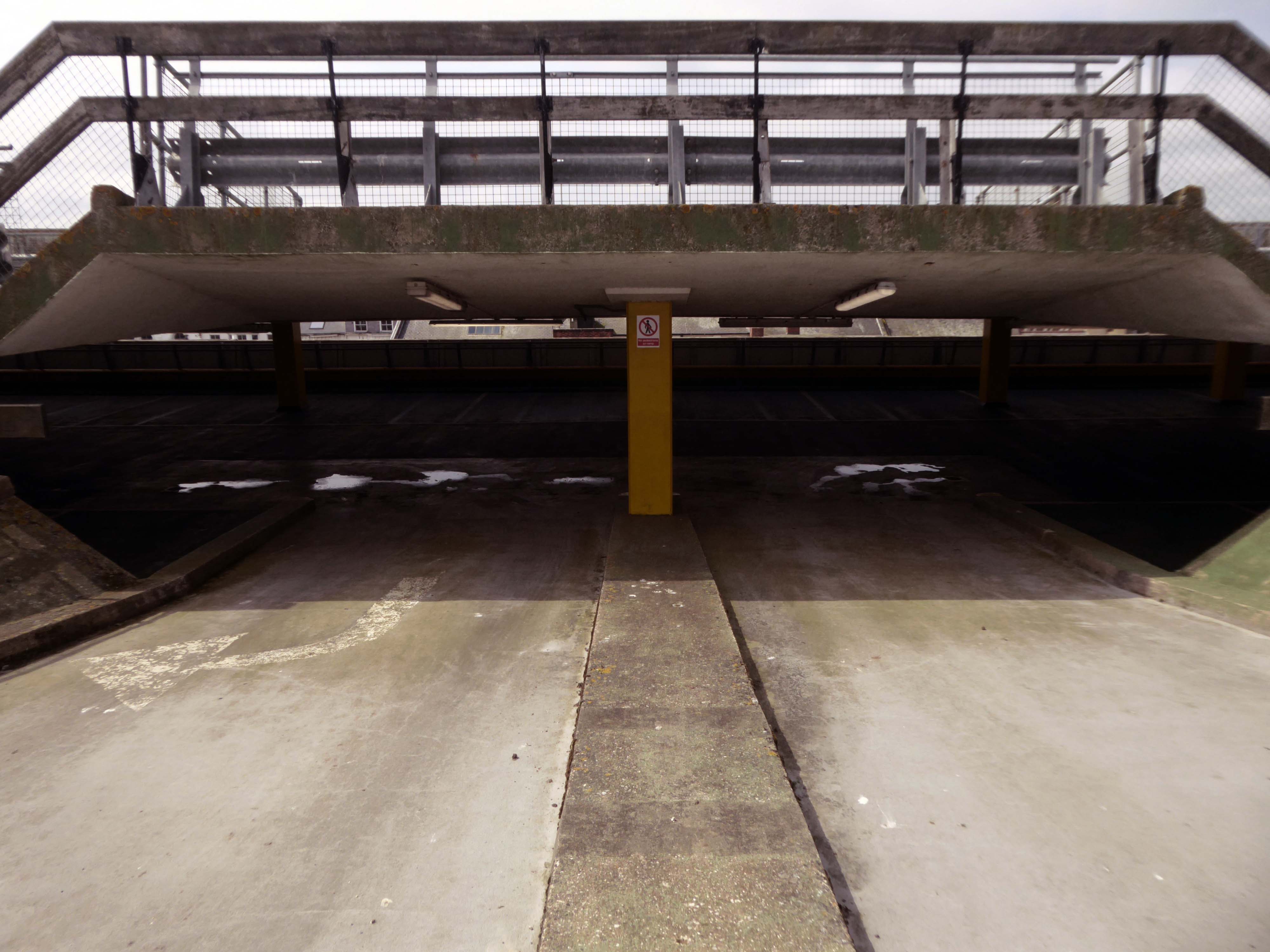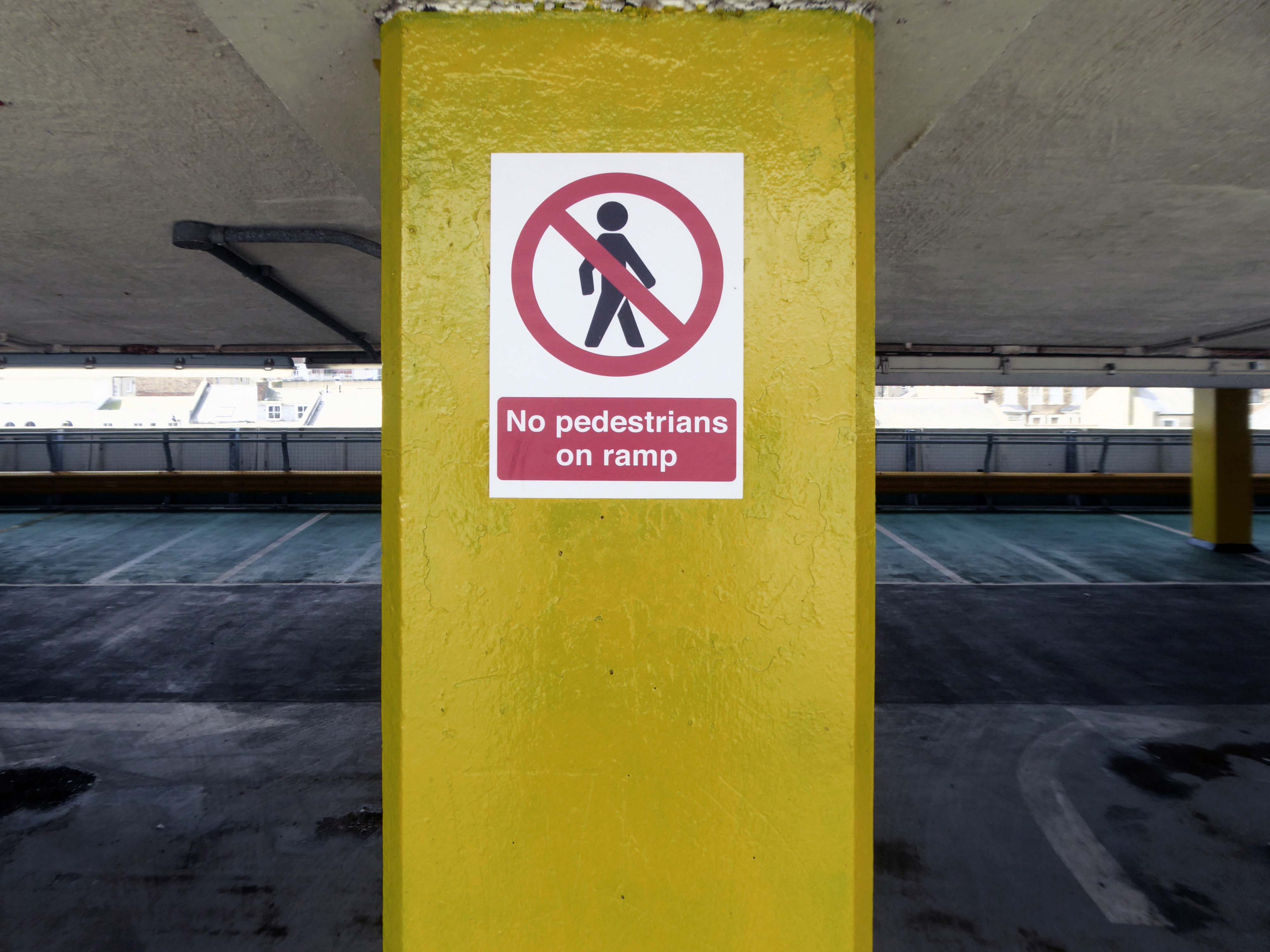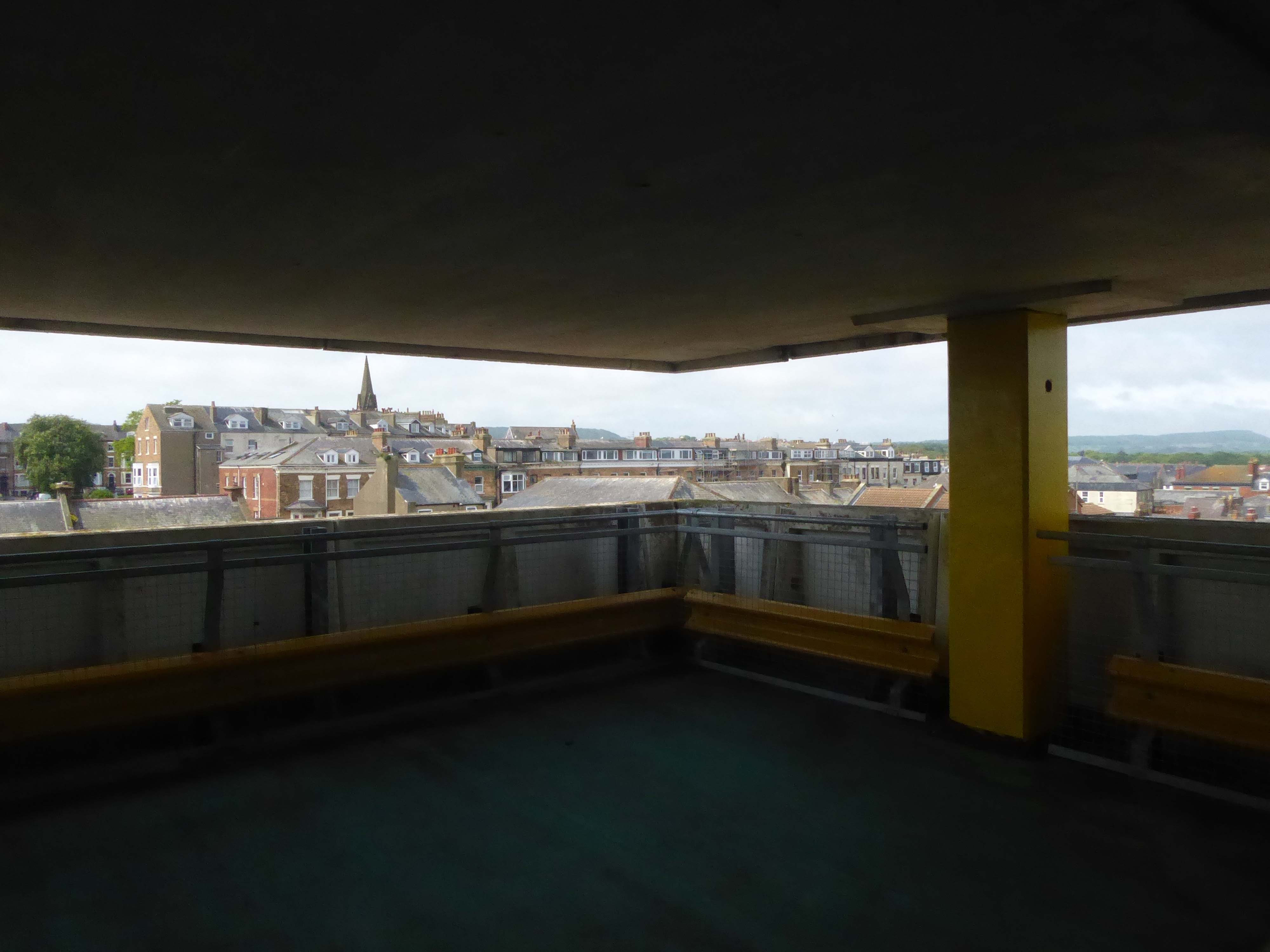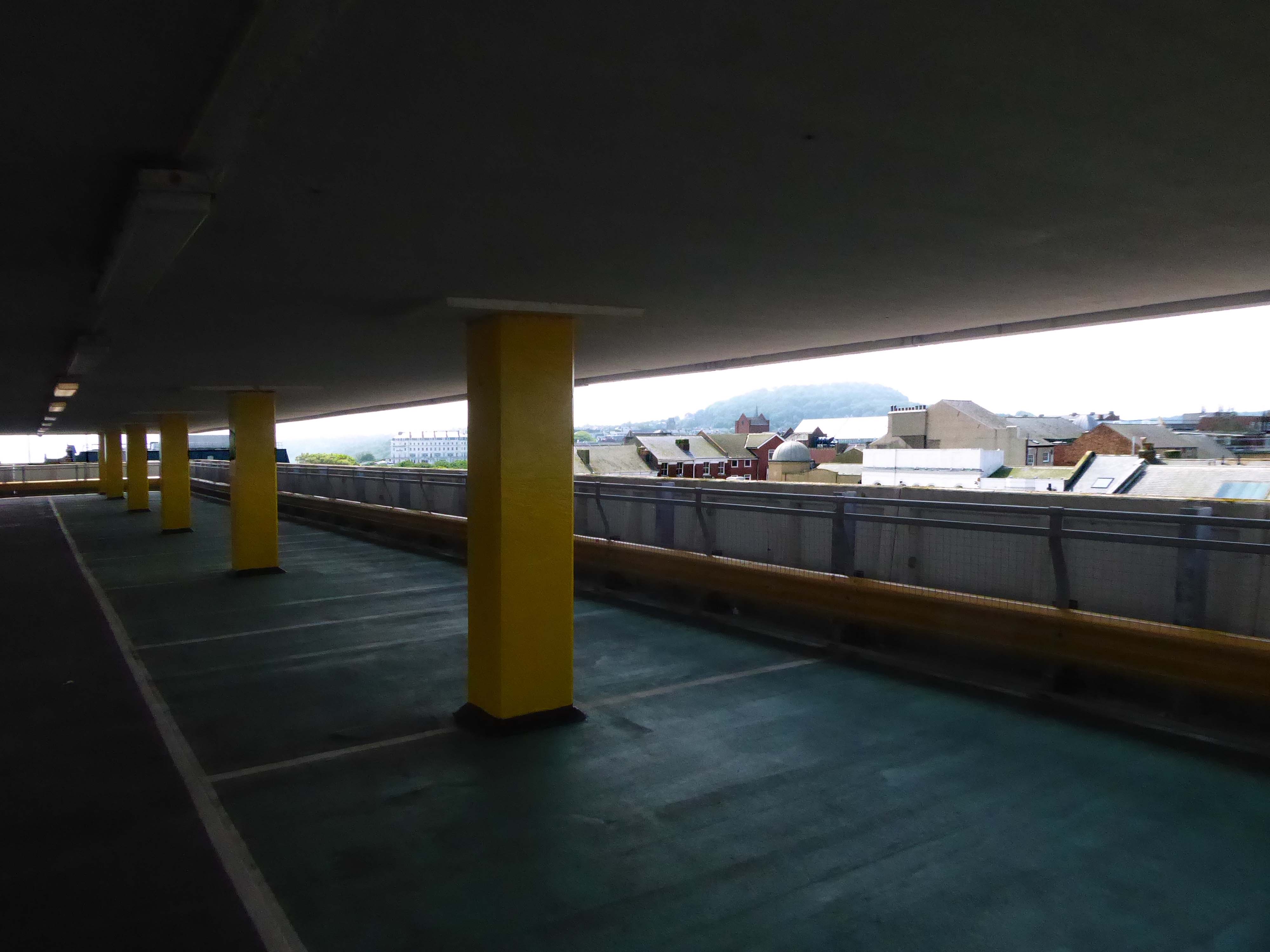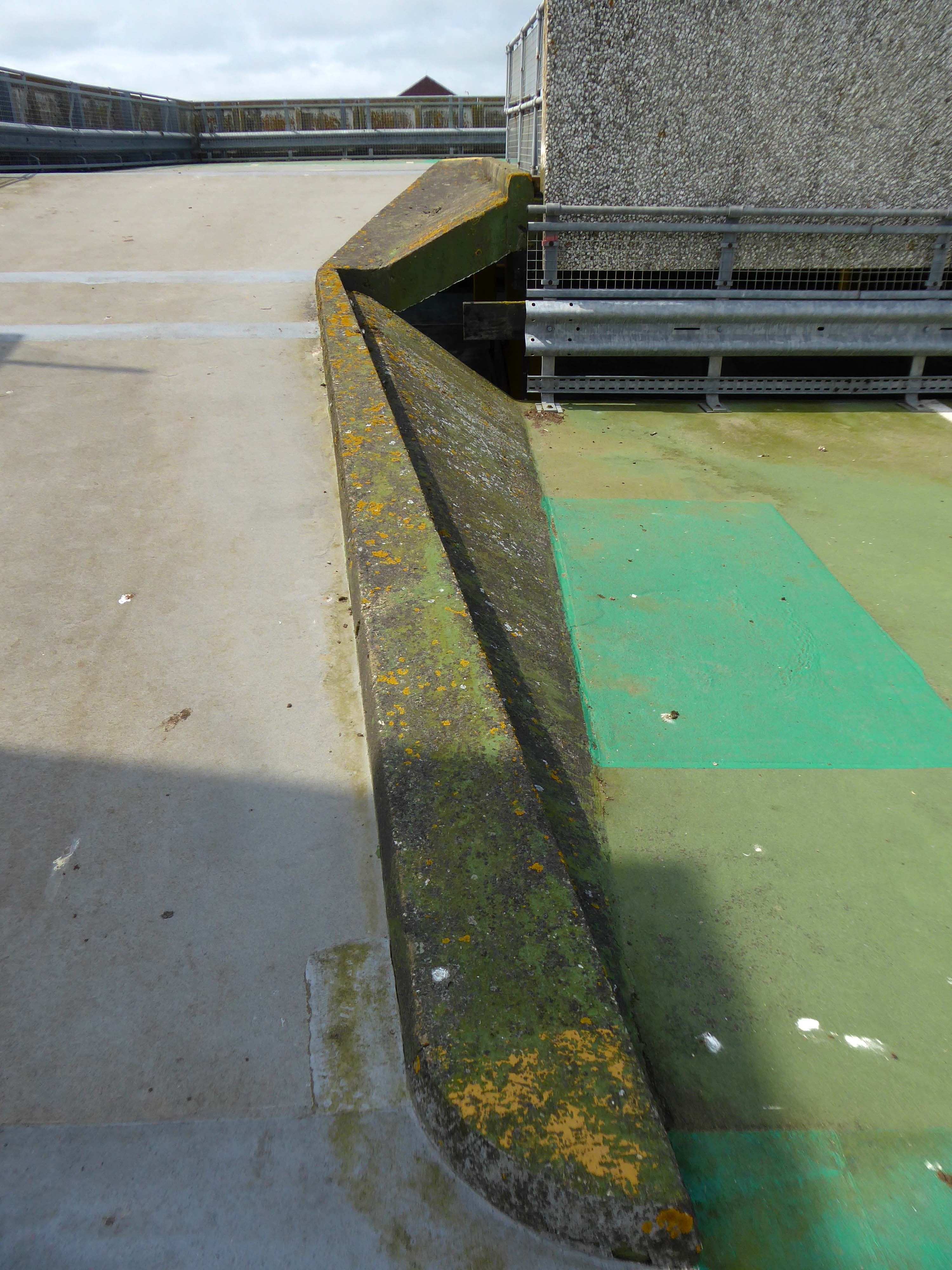
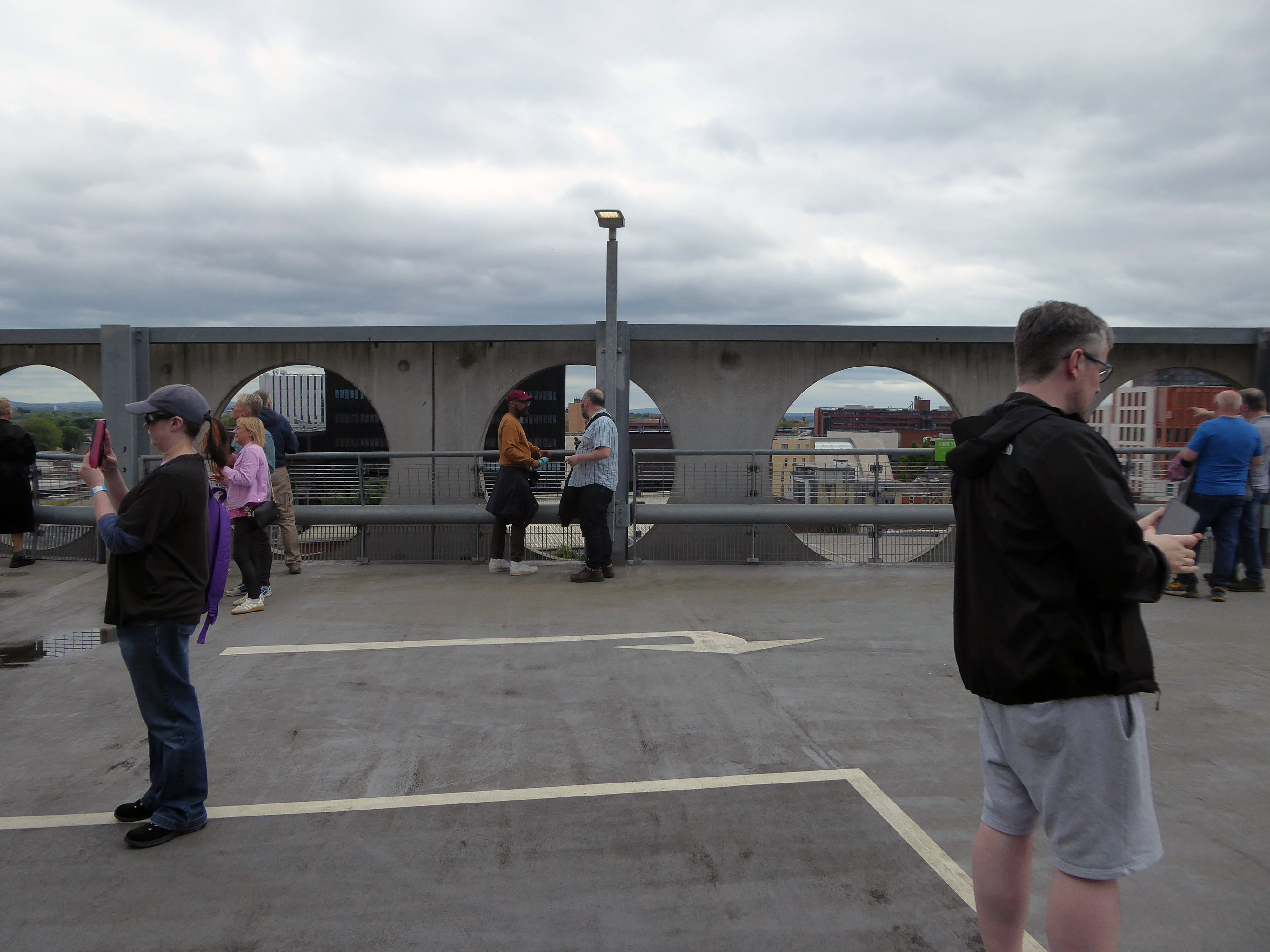
Raven Meadows Car Park – Shrewsbury

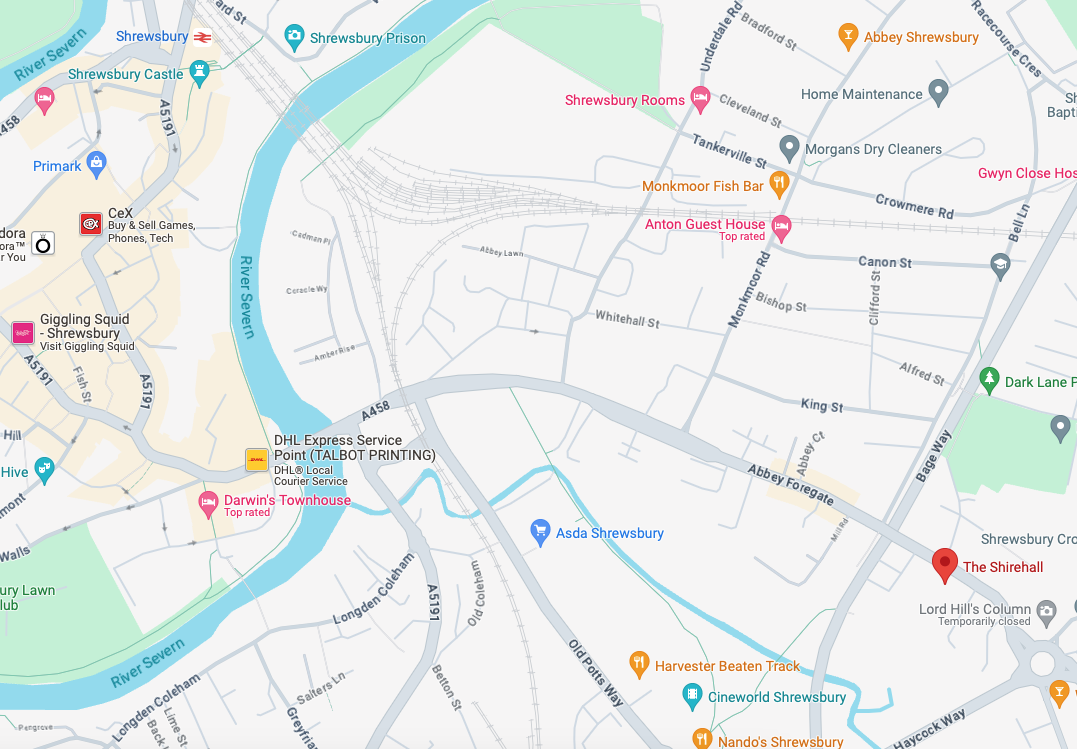
Shropshire Council Raven Meadows Shrewsbury SY1 1PL

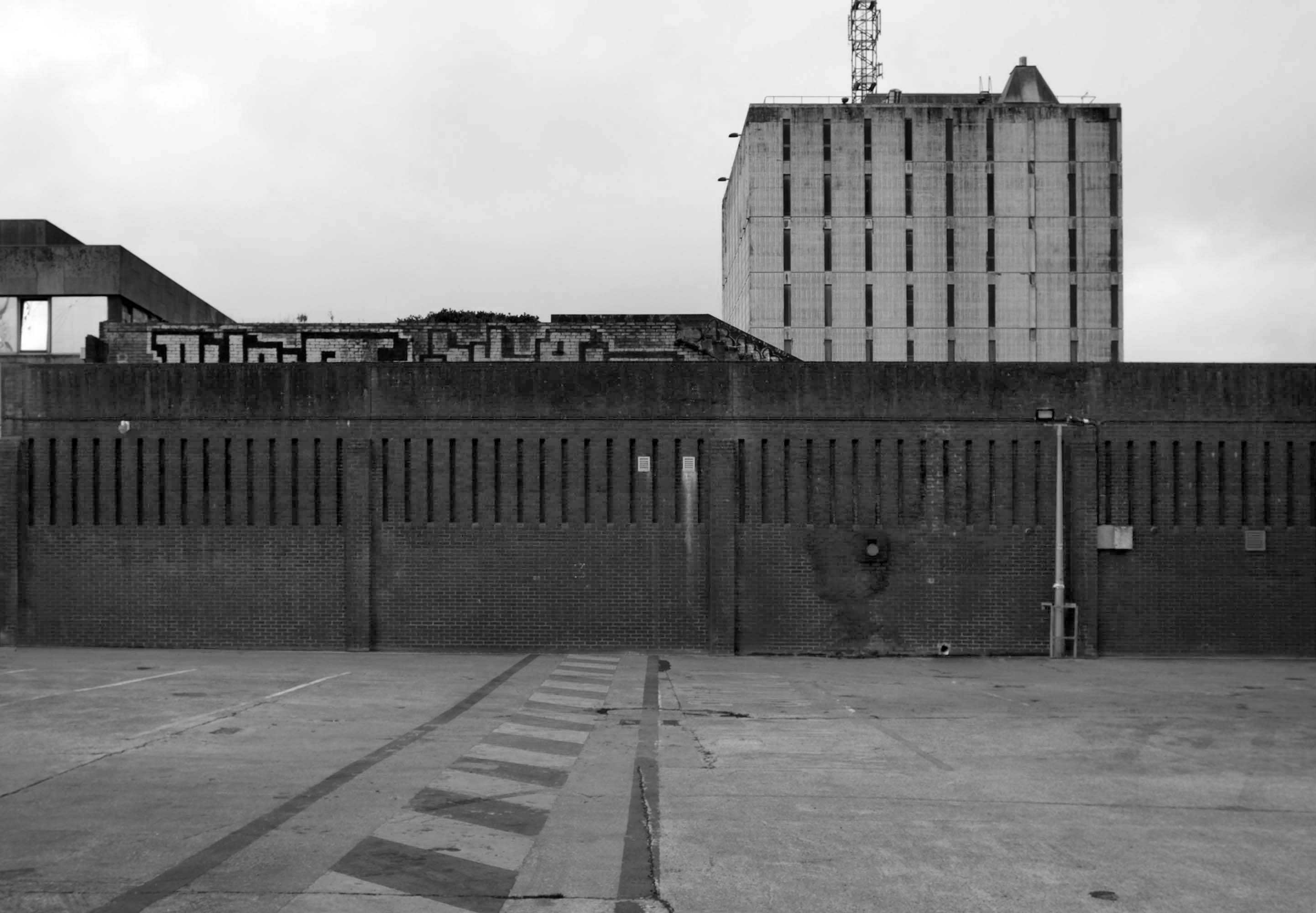
Built by Truscon Ltd. – 1969

I am a disabled driver and found a lot of the direction signs worn away. When I came to leave I wanted to use the machine on the ground floor. This was out of order, as a lot of other people found. The office was empty as the staff were outside smoking. I then had to negotiate stars back to the 7th floor where the next machine was located. There was no sign on the ground floor machine telling it was out of use and where the next machine was located.

If staff want to have a smoke they should at least leave someone in the office.

Most of the parking spaces are very tight and I would not recommend the use of this car park unless you have a small car and a crystal ball to find the disabled parking and the payment meters.

Parkopedia

The rudest man at the kiosk, that I have ever had an encounter with, over a ticket that was blurred. He had a go at me for not going to him straight away – I went when I went to leave and it wouldn’t work. He also had a go at me because I pressed the buzzer on the intercom. Very strange unhelpful man. Made an issue for no reason! Awful to deal with I never write reviews, but I hope this gets back to him and with hope he will gain some manners.

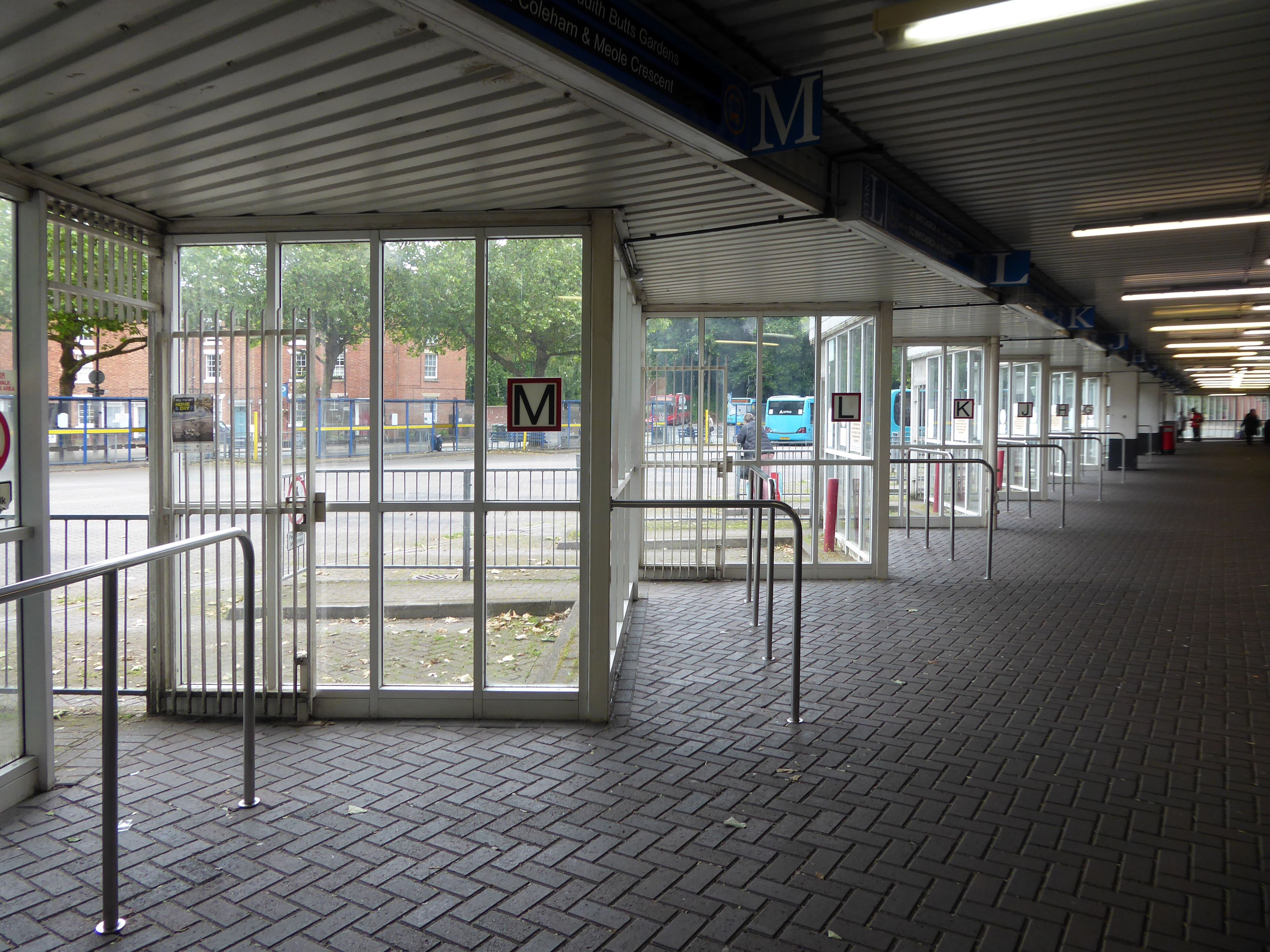
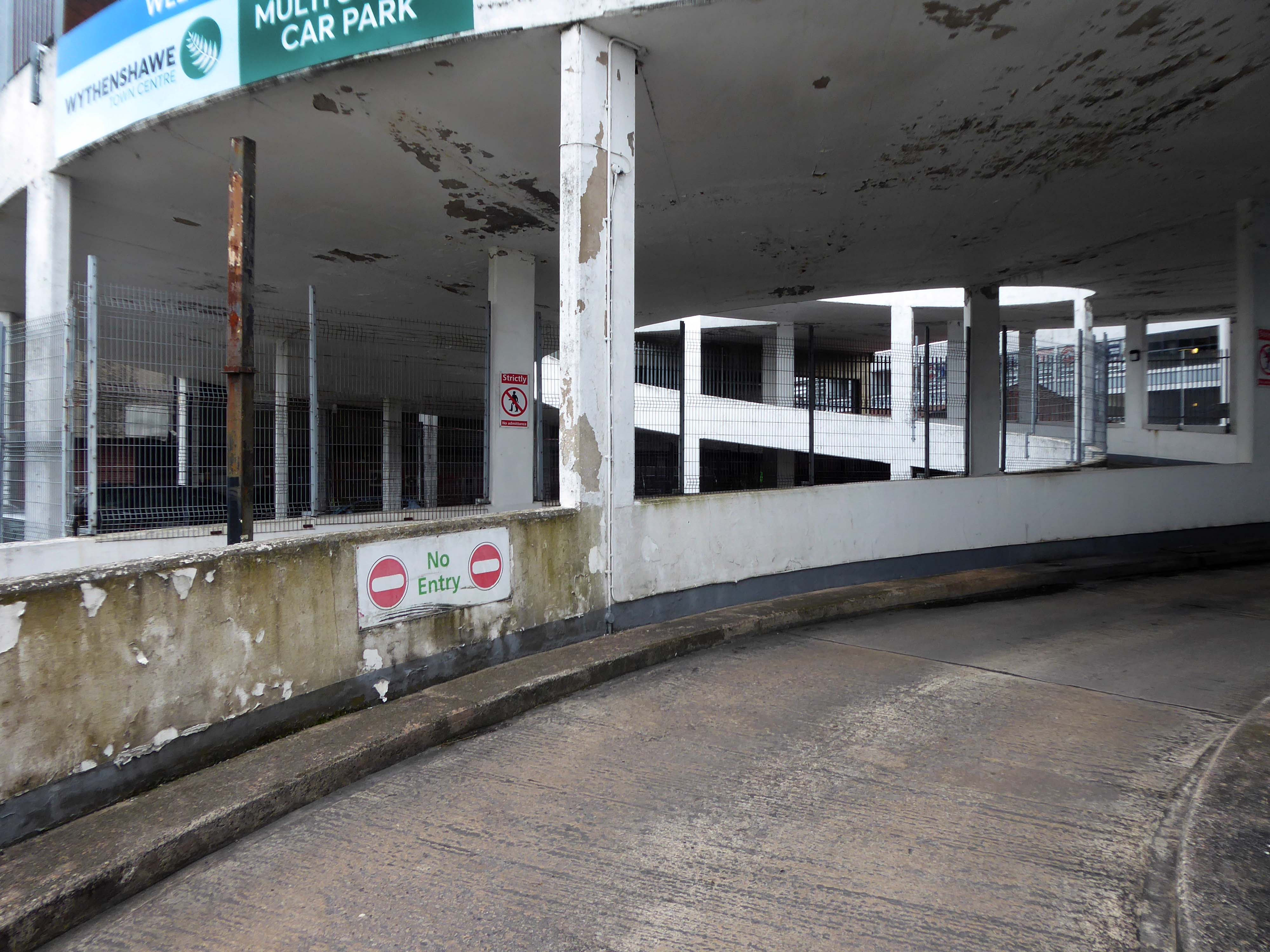
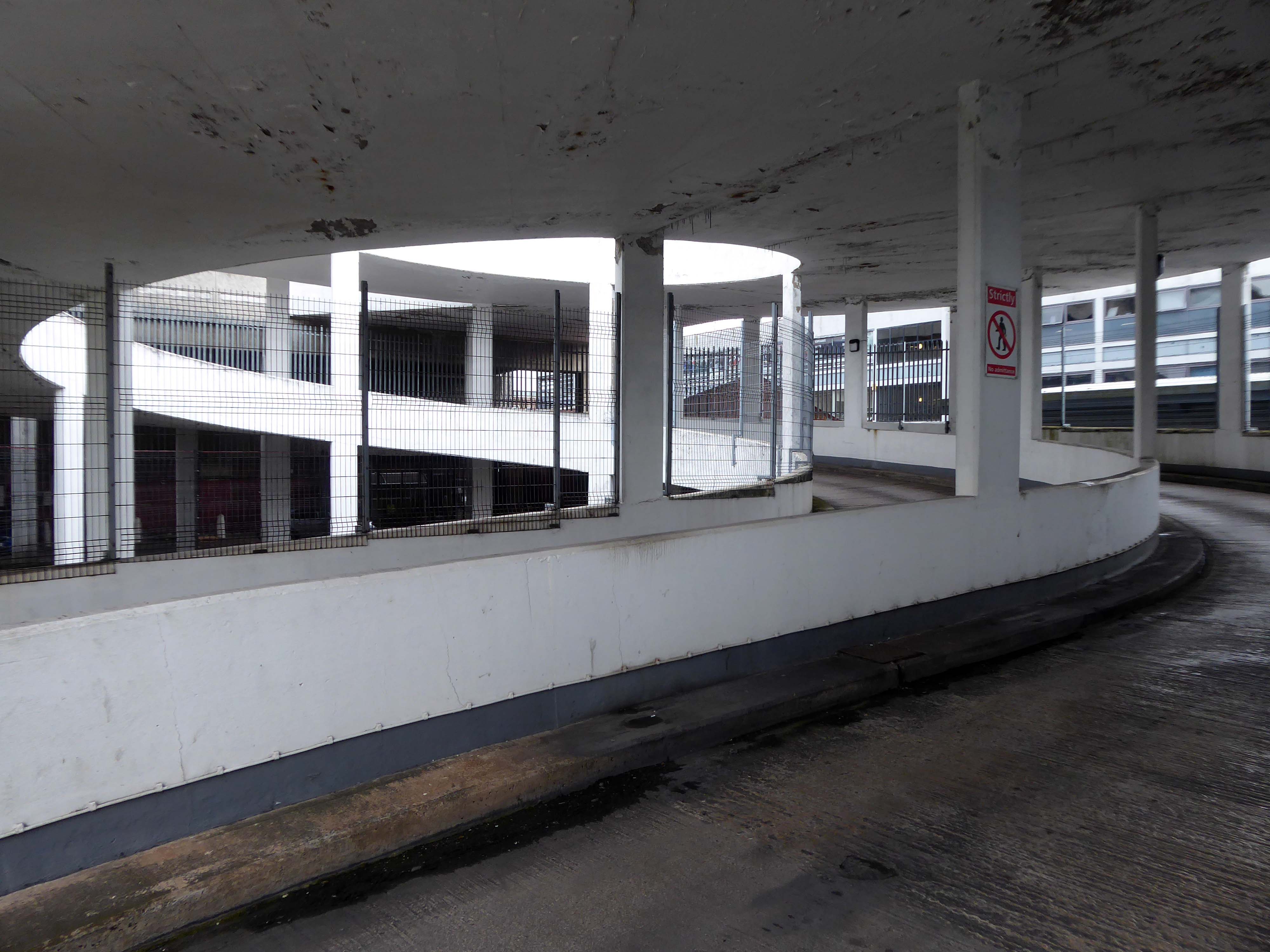
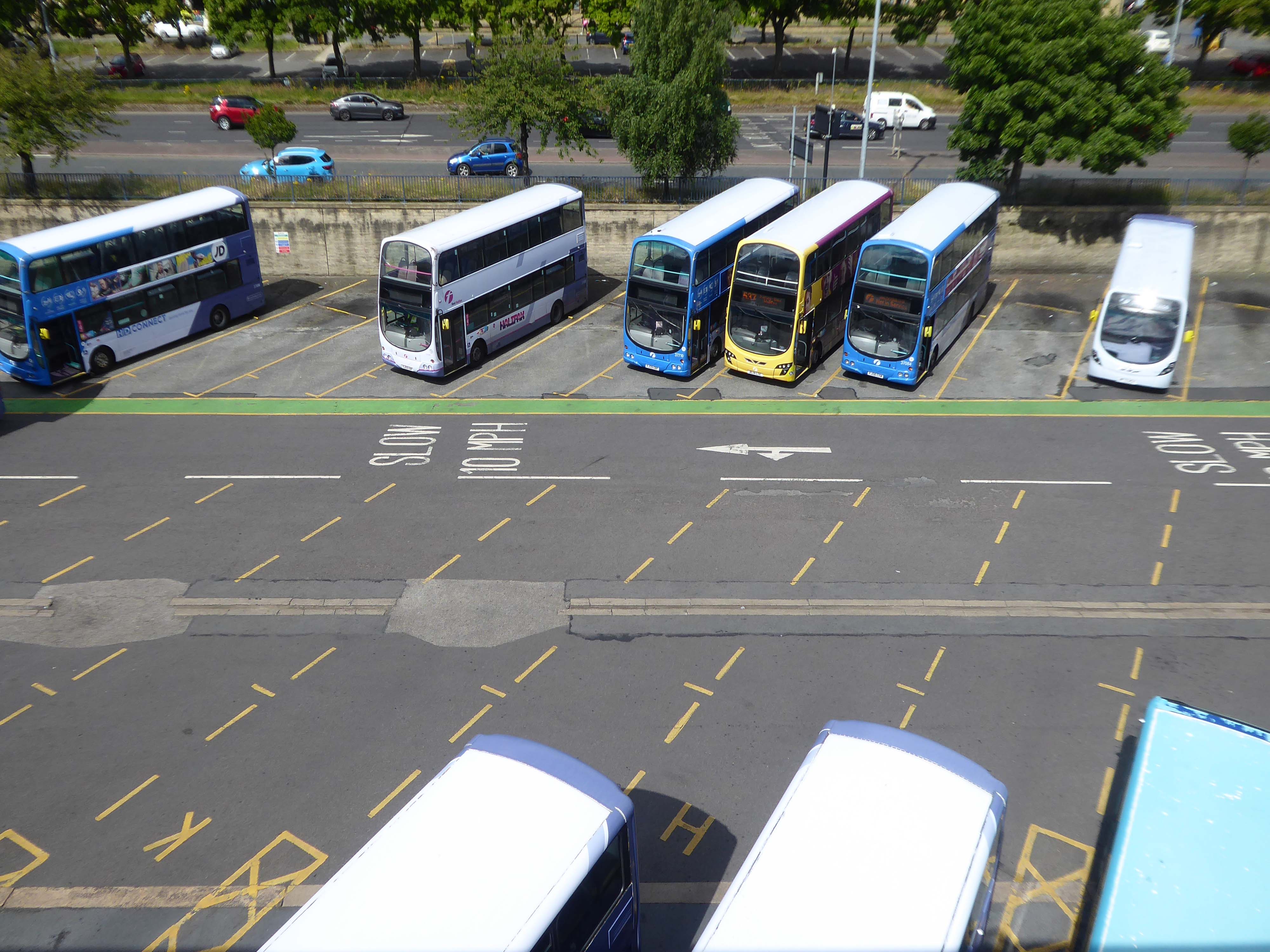
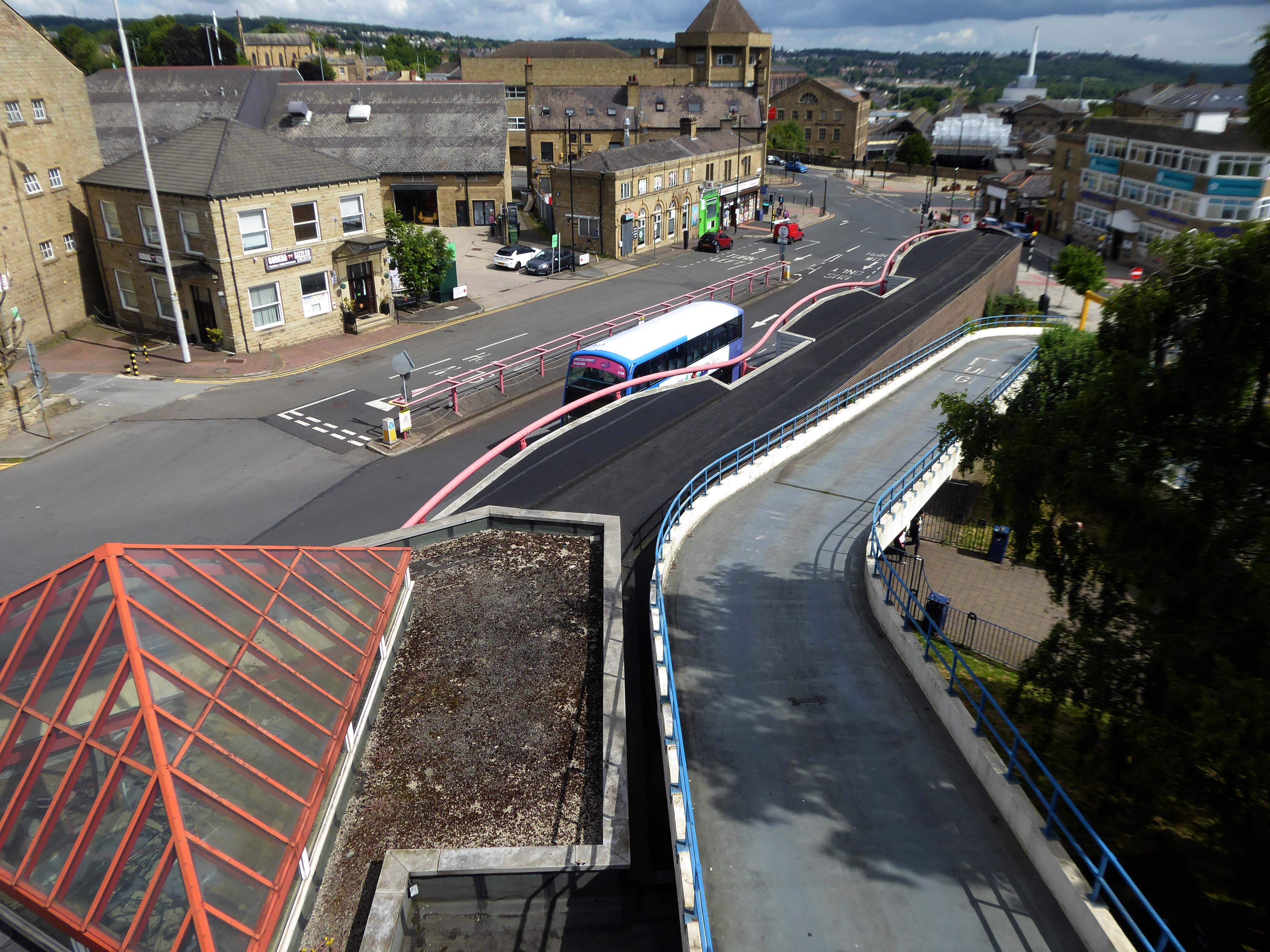
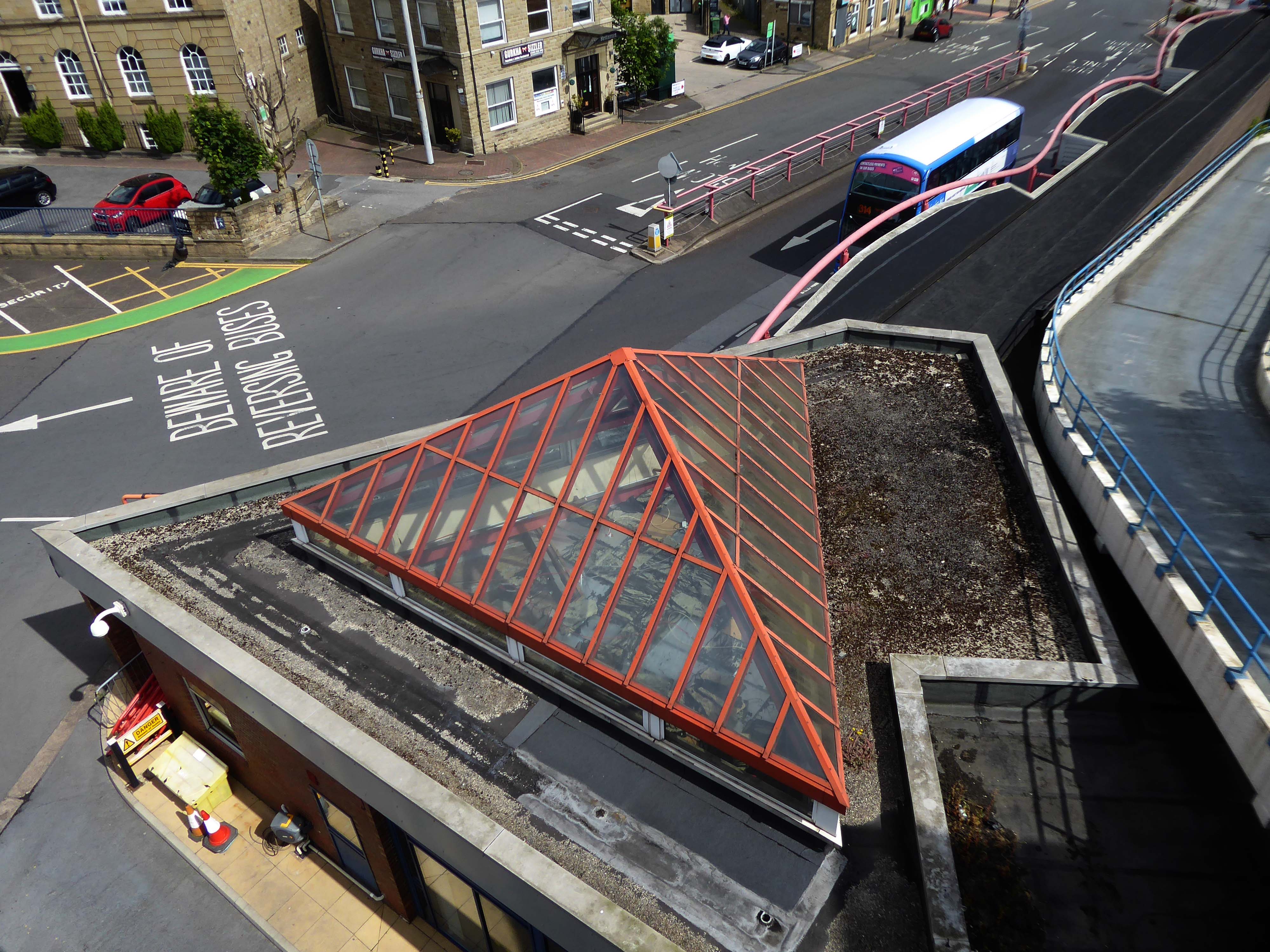
Being a pedestrian, I entered through the bus station on foot.

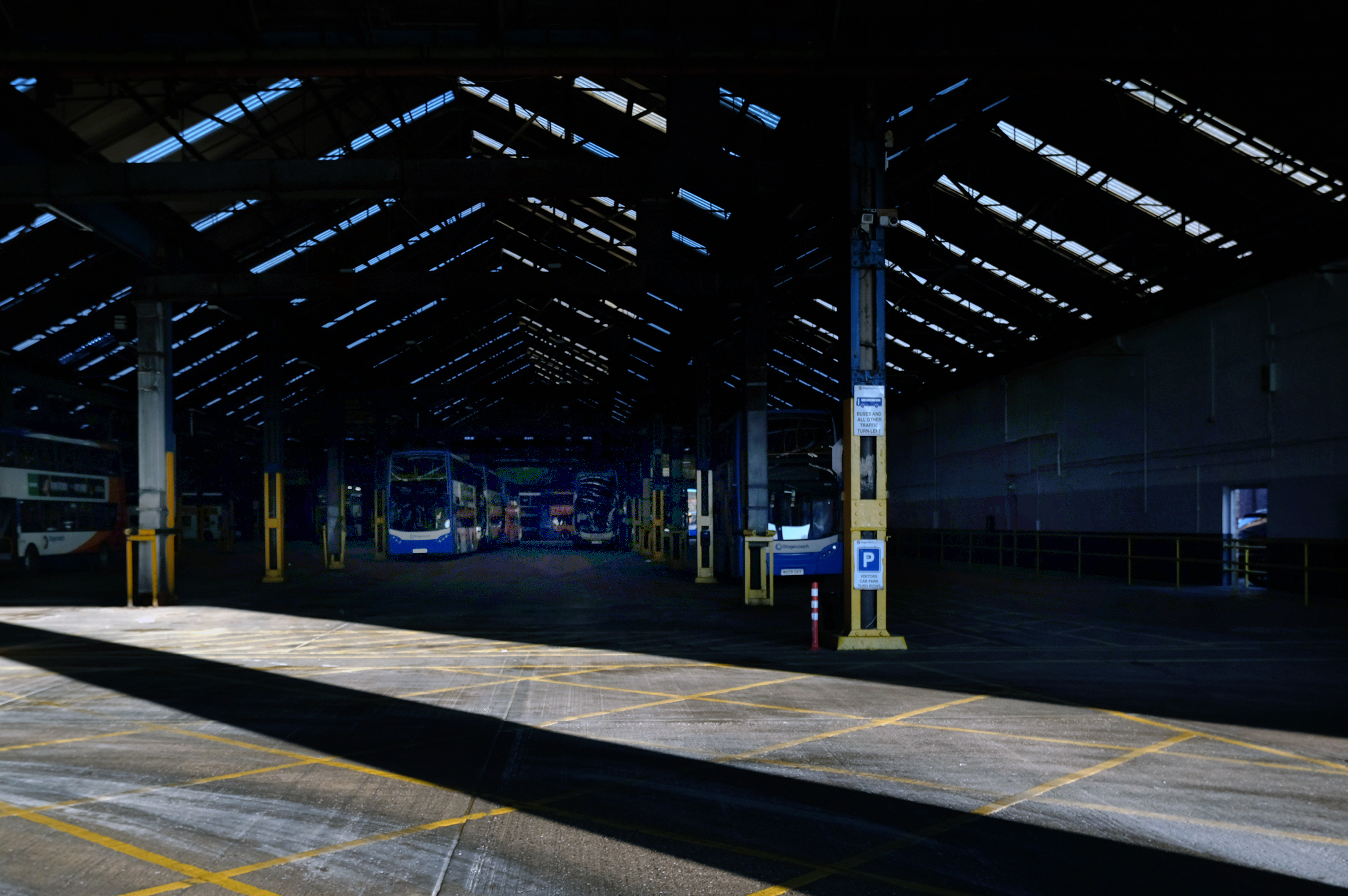
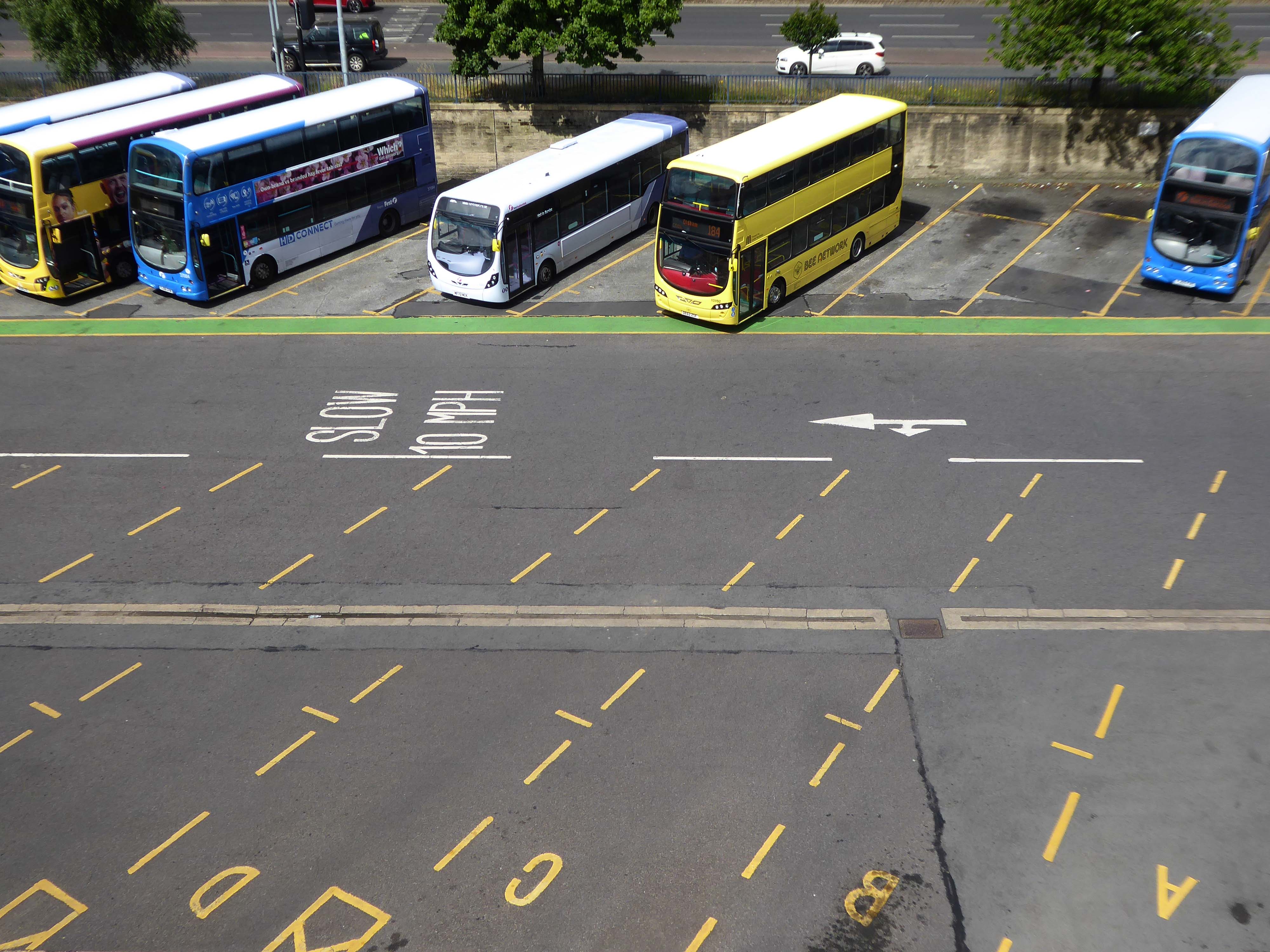
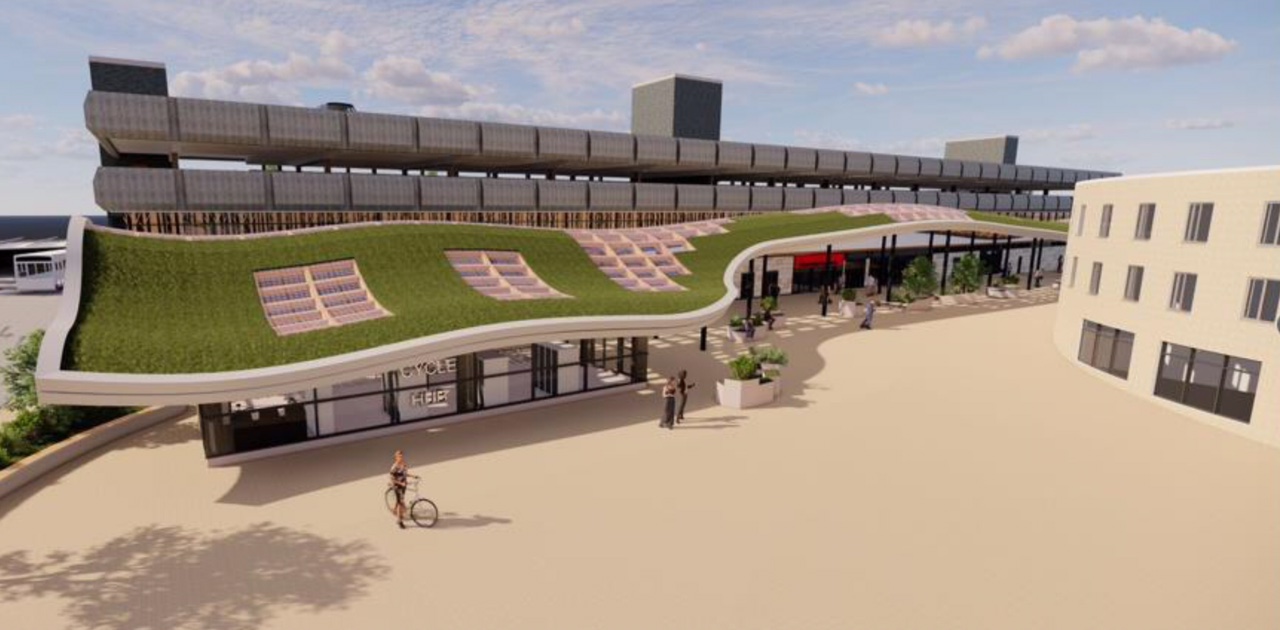
The station is considered to be dated due to its 1980s architecture partially under a 1960s multi-storey car park. There have been plans for the station to be modernised and rebuilt, or even demolished completely, as part of the town’s Big Town Plan. The demolition of the station would mean the town would not have a central bus terminus and would instead use smaller sites on the town’s Park and Ride routes.

Wikipedia

Shrewsbury Bus Station is a disgrace. I am embarrassed to use it. I don’t feel comfortable with using it. Yet, it is the bus hub for our county. It is one of the main gateways into Shrewsbury and Shropshire for those travelling by public transport.

New bus hubs and interchanges have been developed around the country. Shropshire Council meanwhile ignores Shrewsbury Bus Station. It promises a new bus interchange, but that is in Phase 4 of its plans to redevelop Shrewsbury town centre between Pride Hill and the riverfront. In the current financial climate and with the council stretched to the limit on existing funding, Phase 4 is probably more than a decade away.

Maybe now in fantasy land.

Andybodders

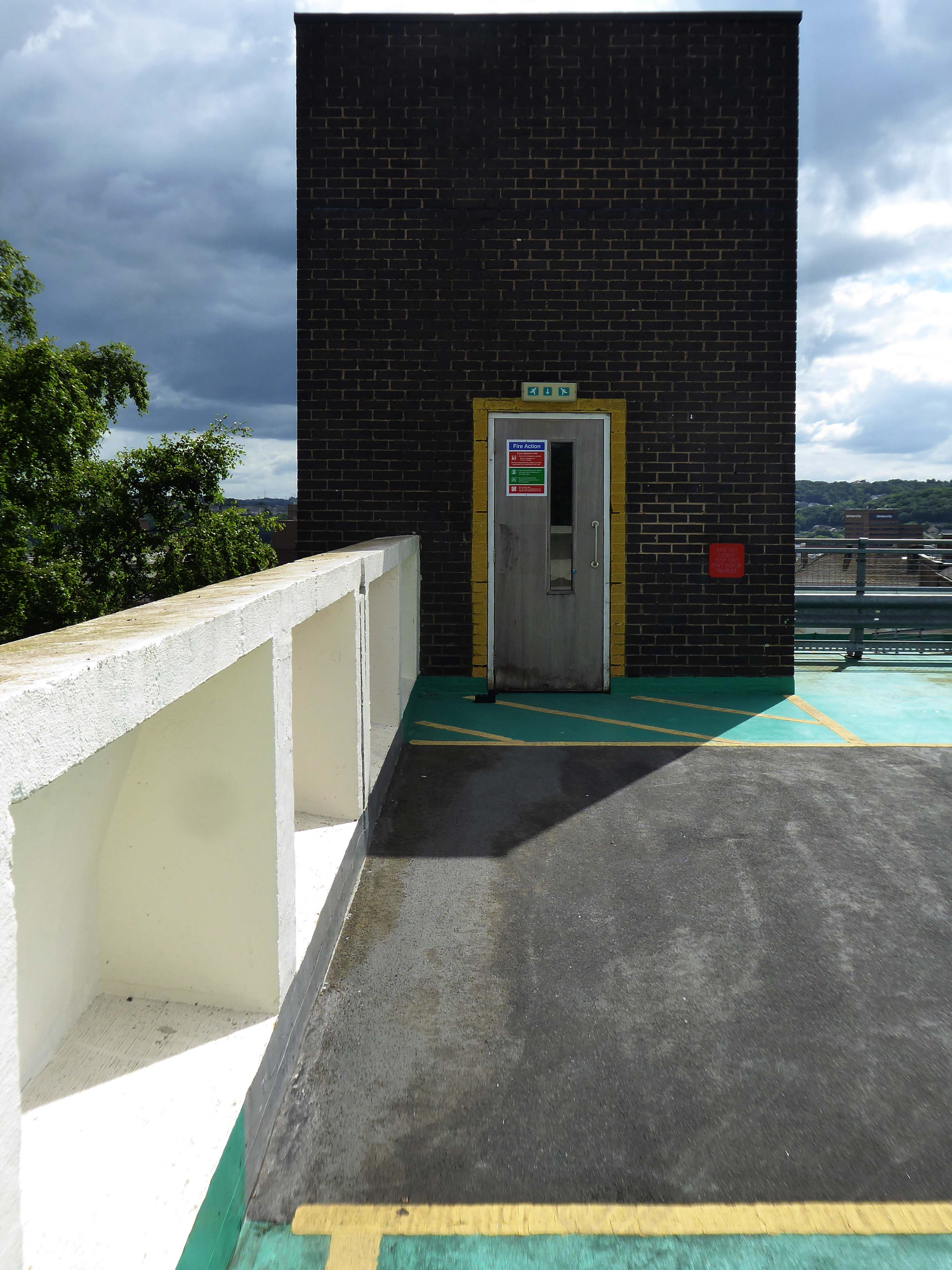
Then took the lift to the seventh level – the ninth and eleventh being closed to motor cars.

But not the intrepid pedestrian.

This is an informative video tour of the area.

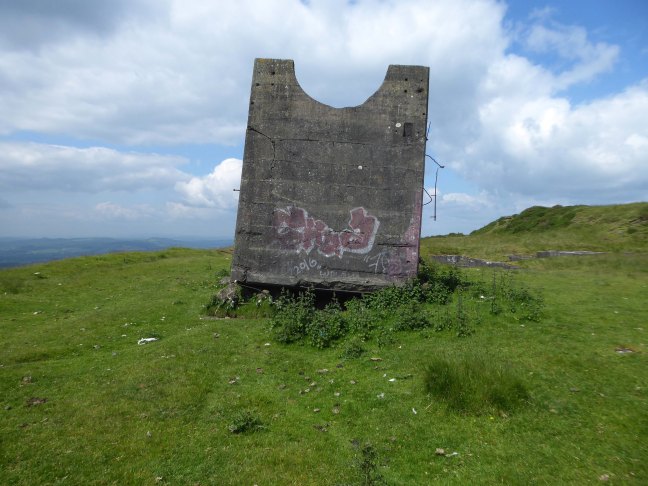
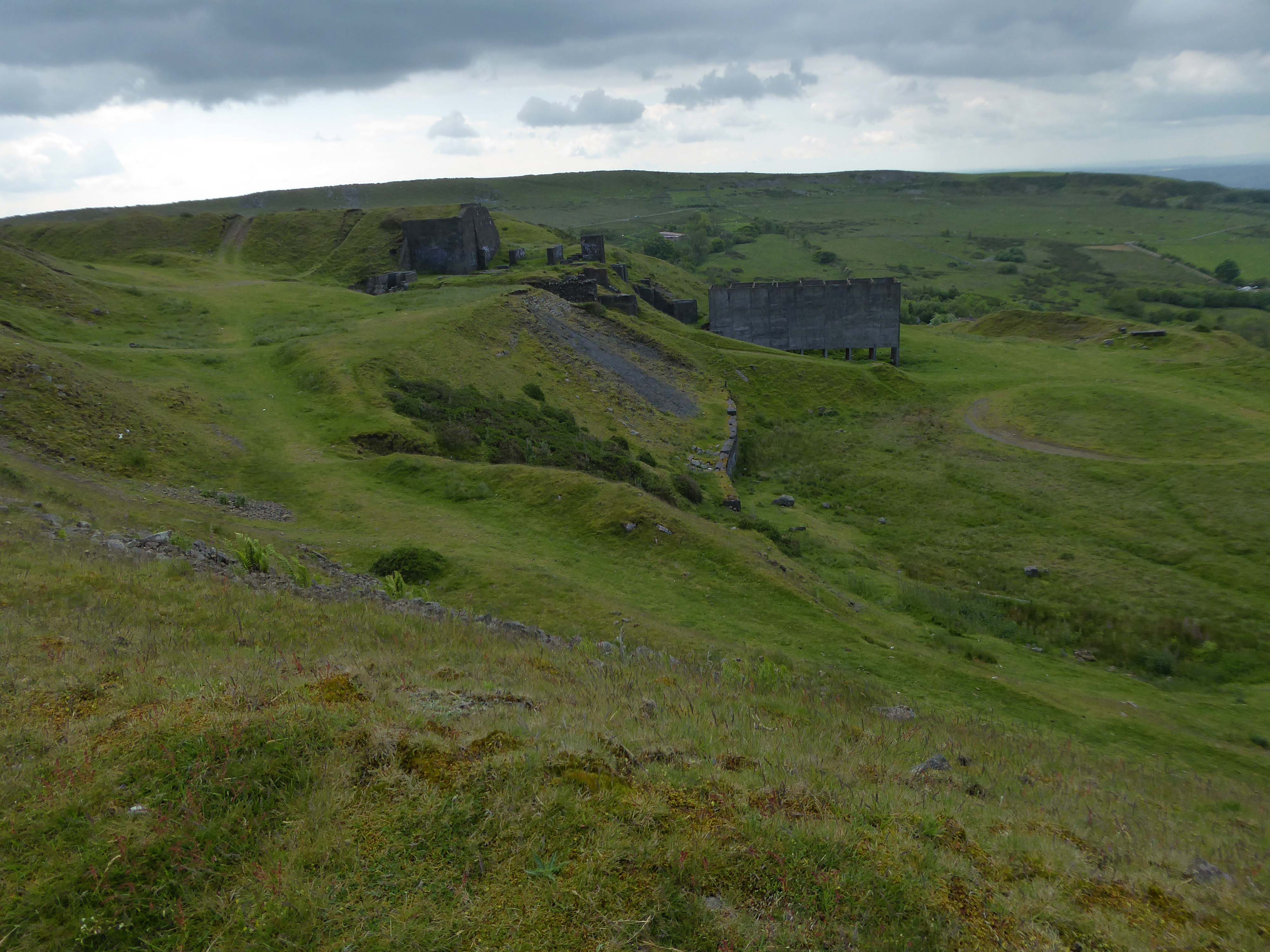
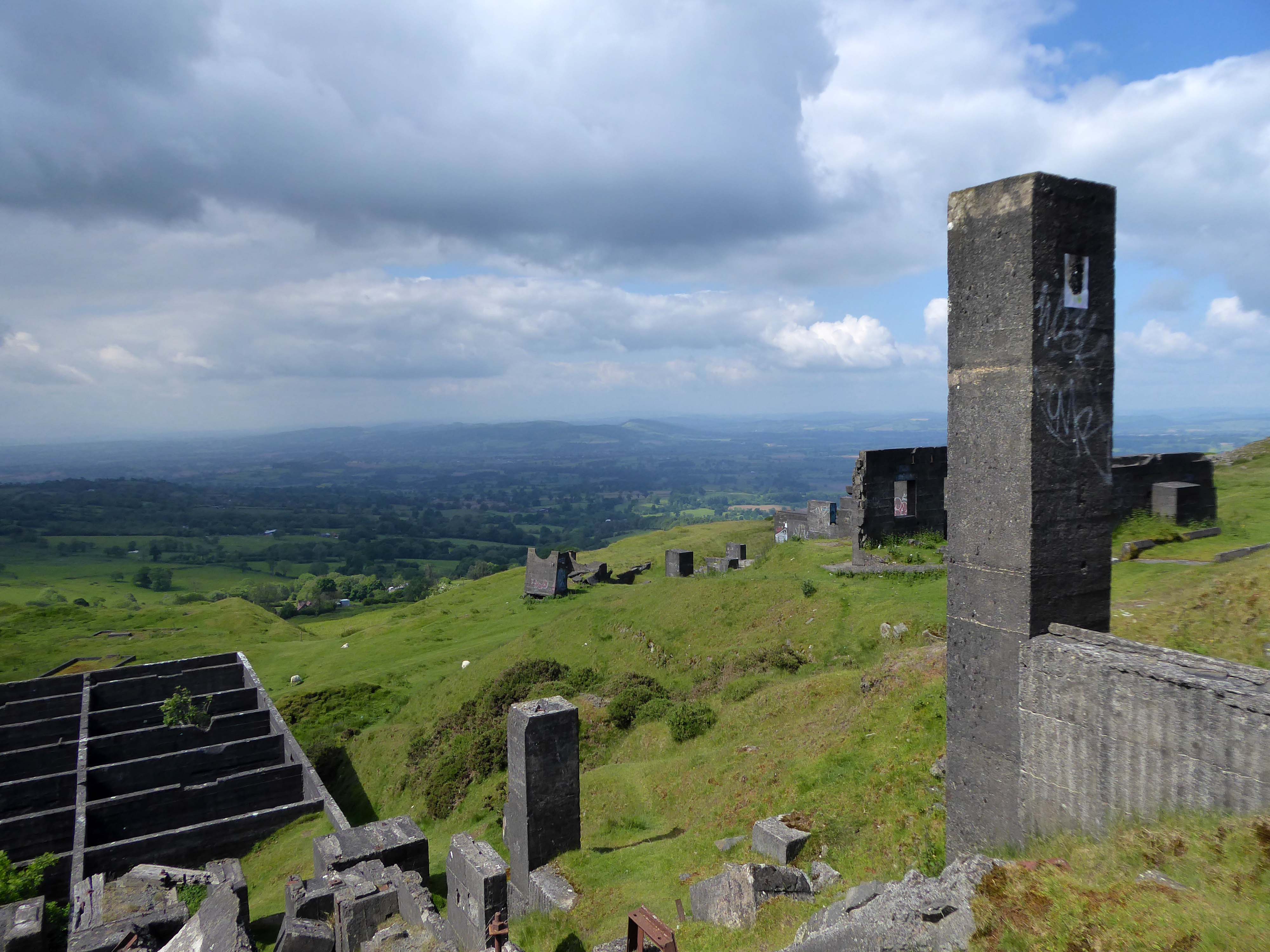
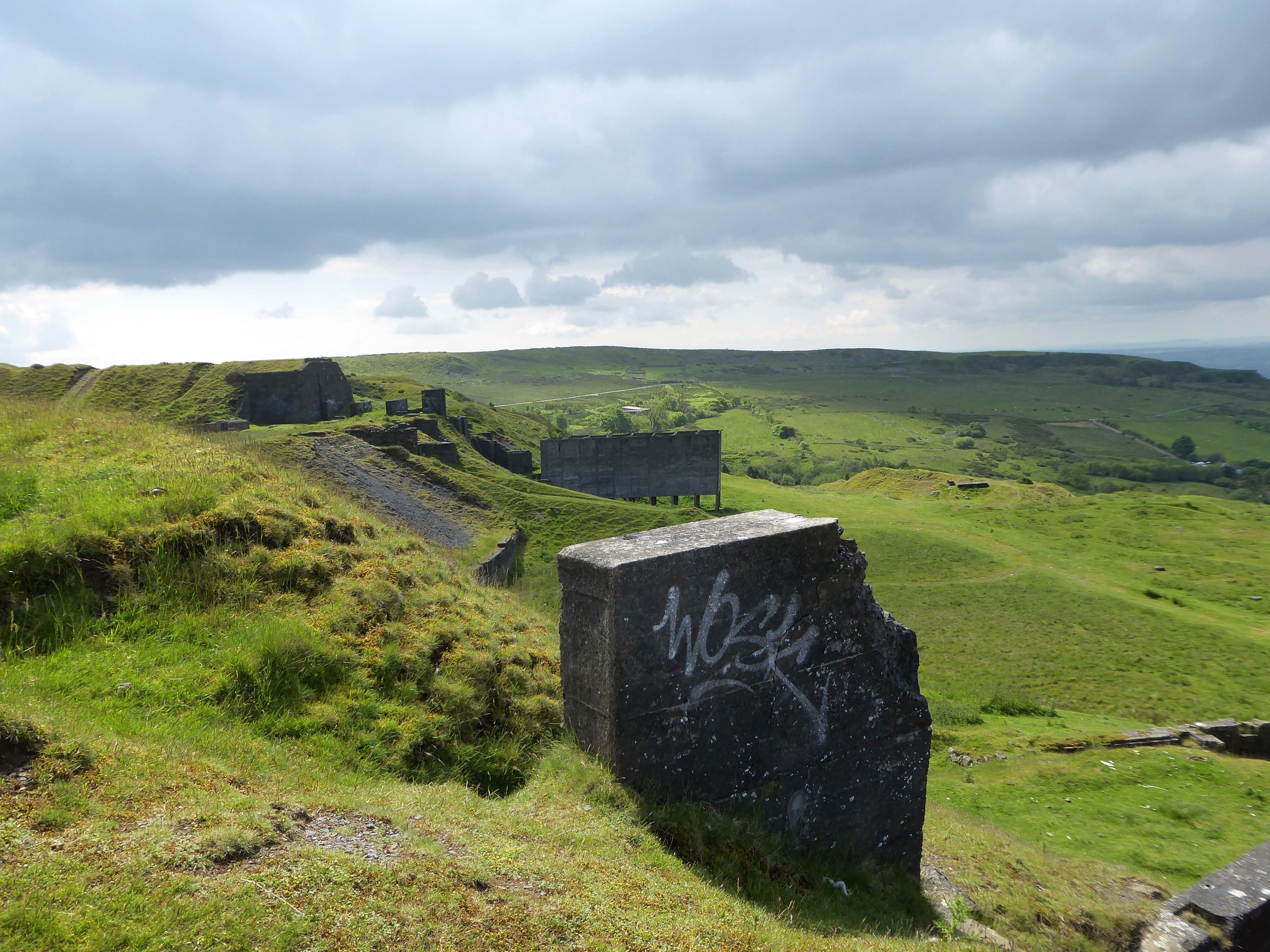
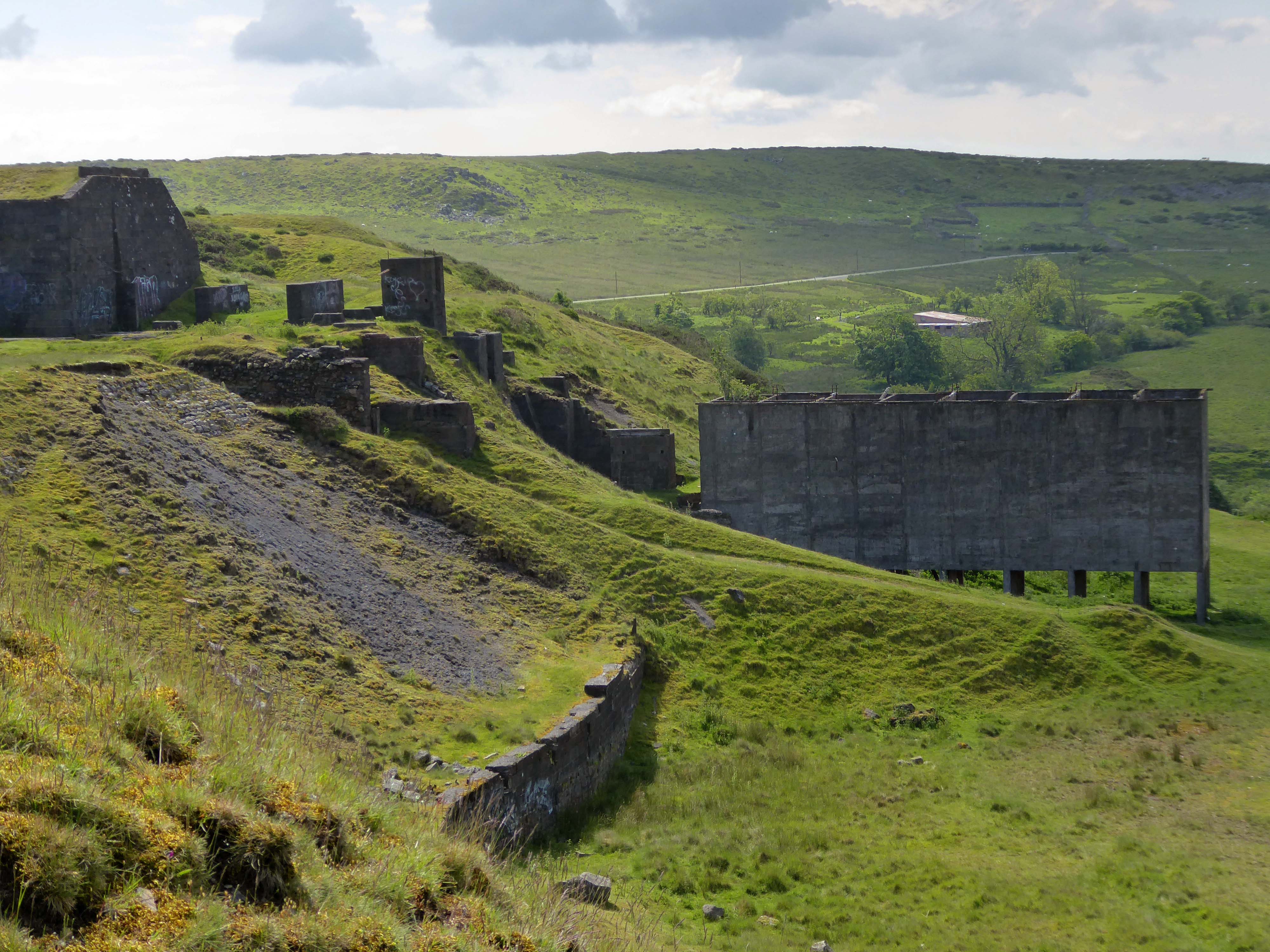
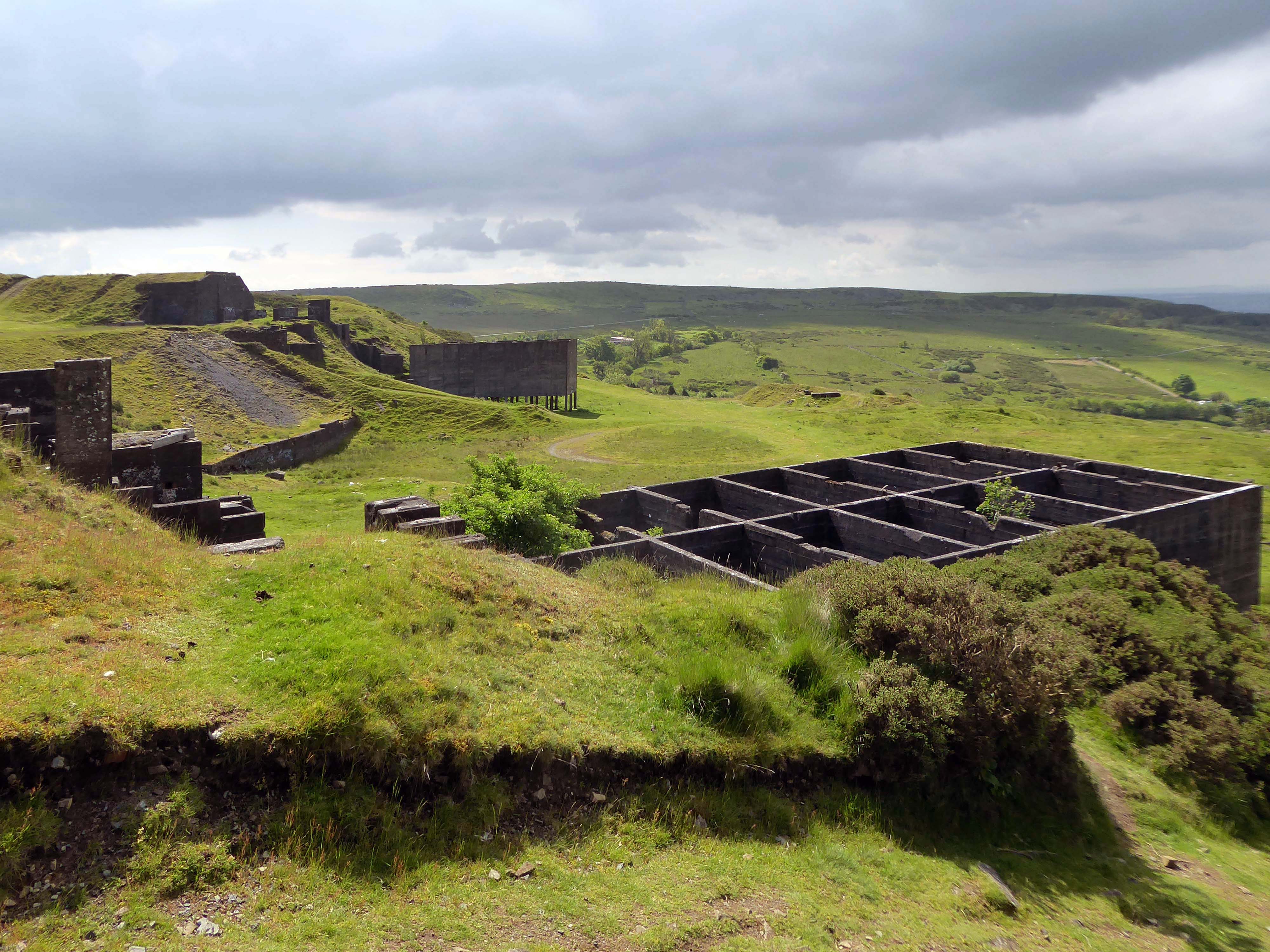
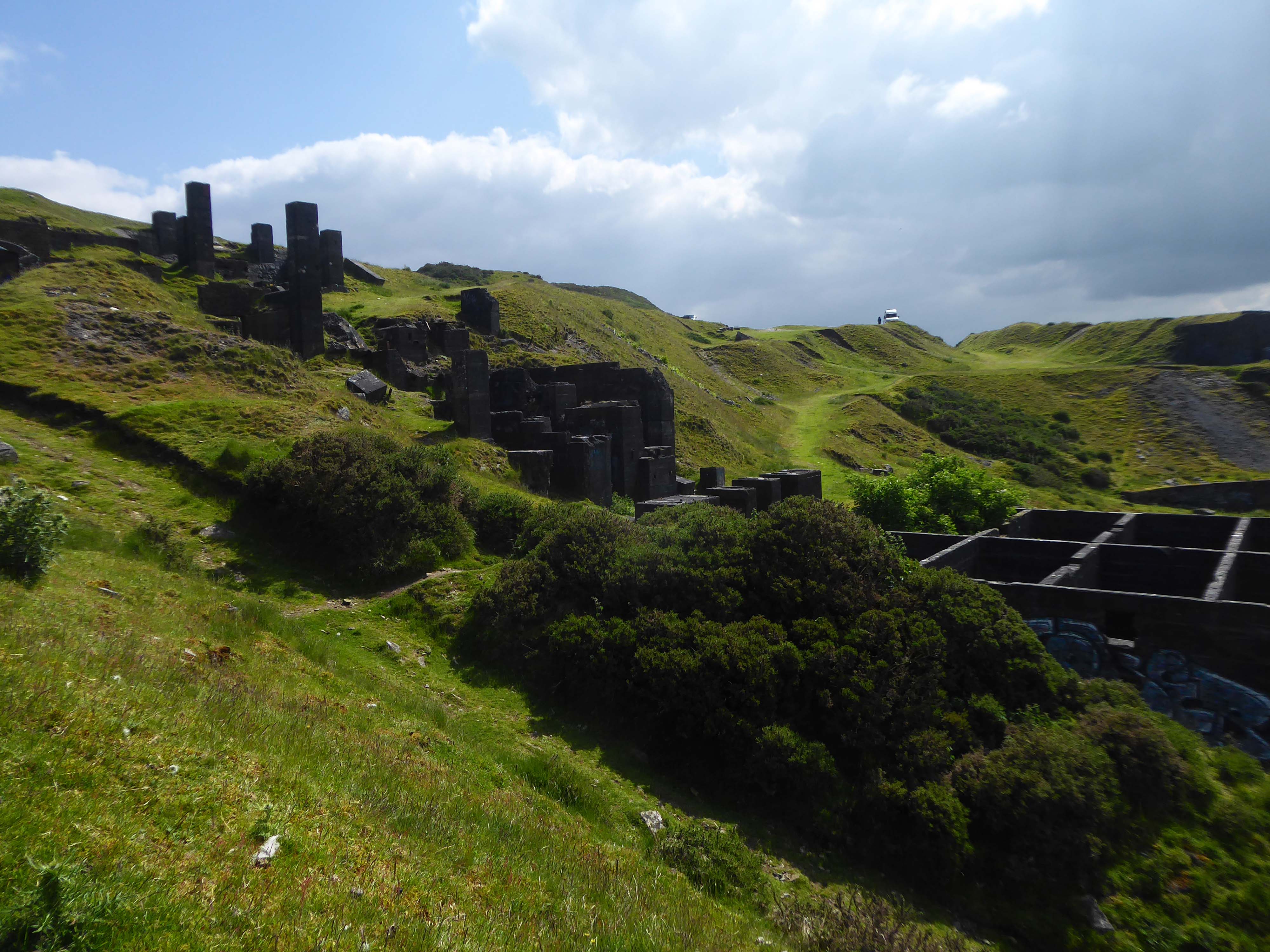
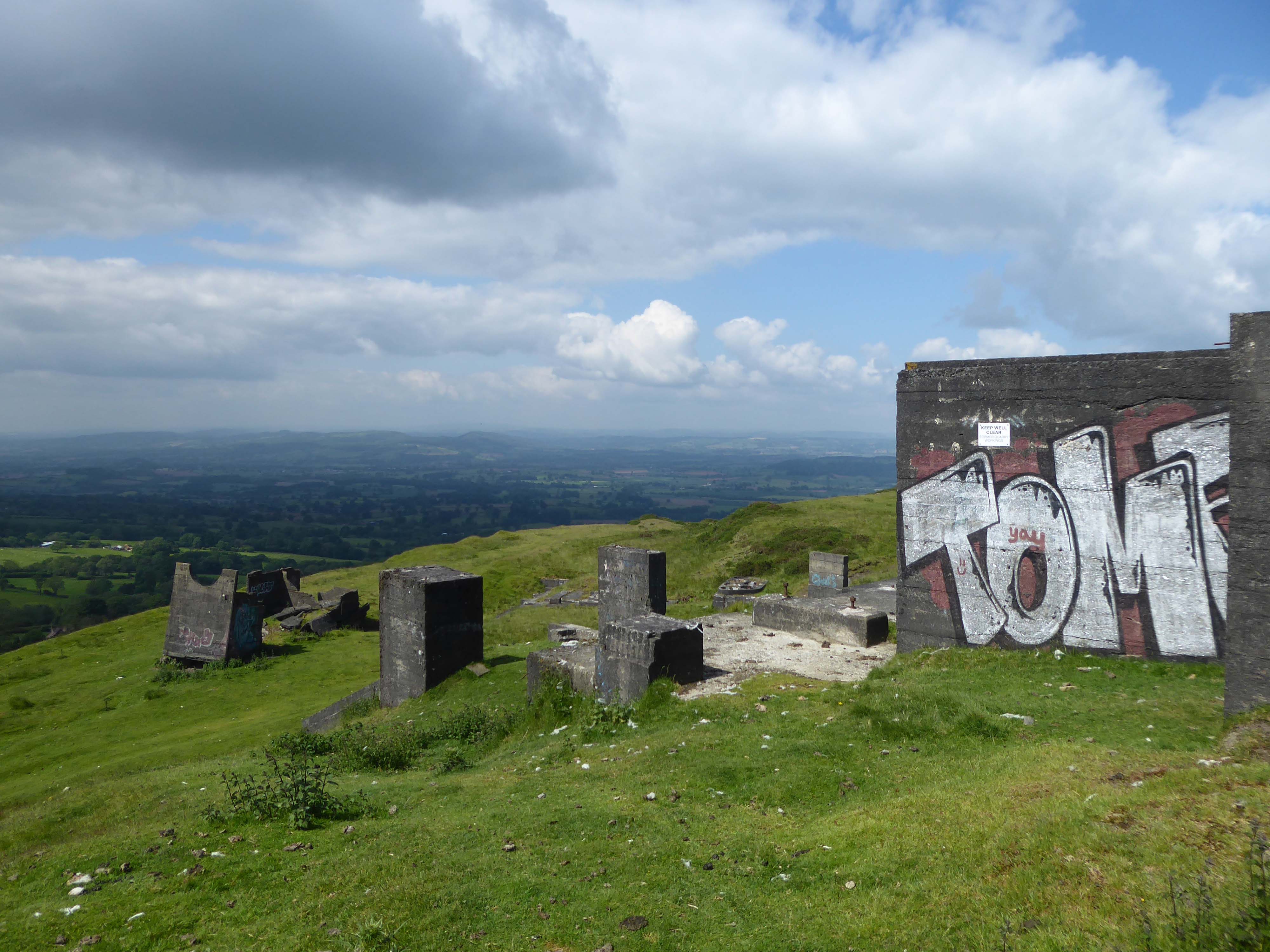
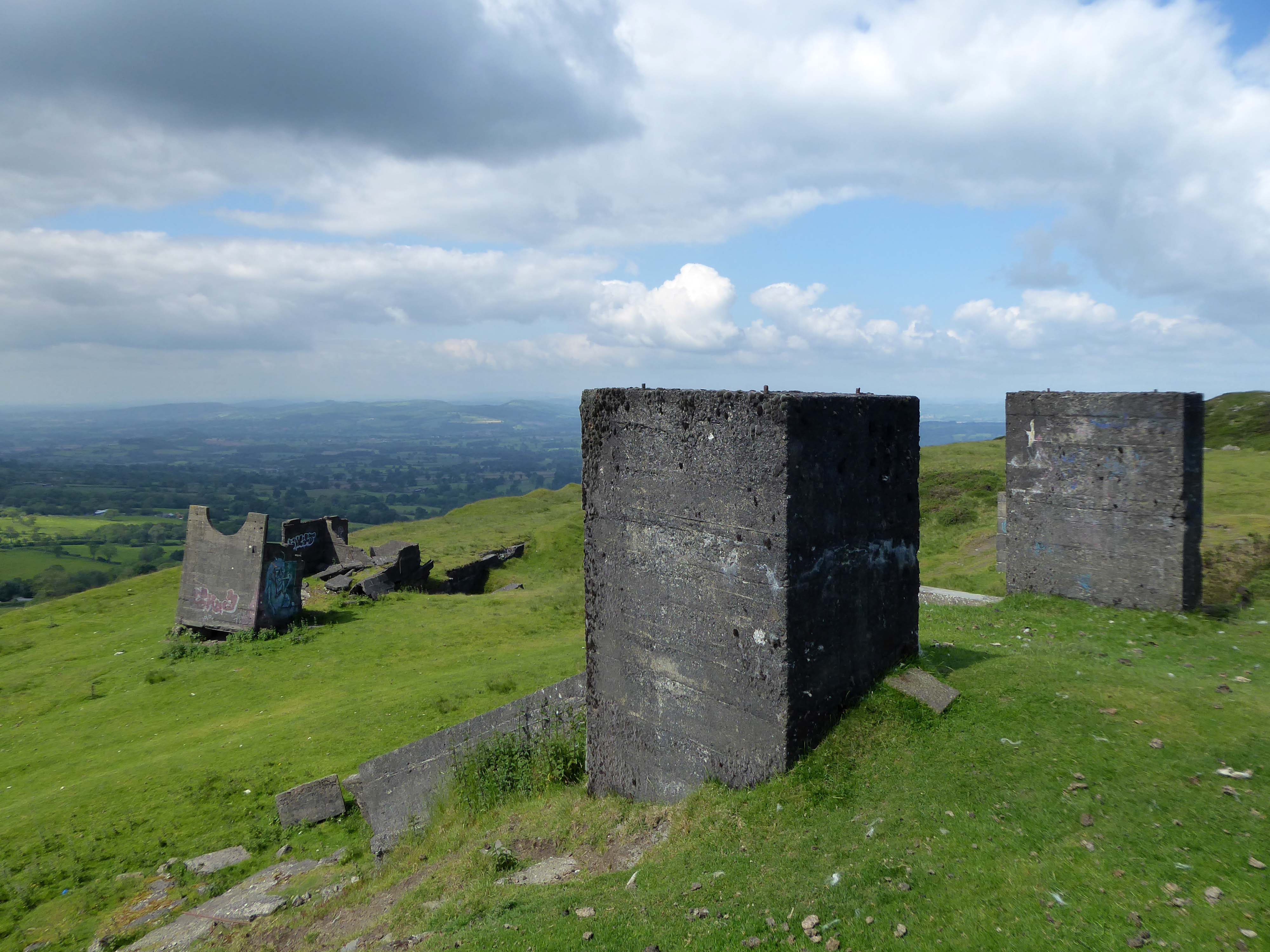
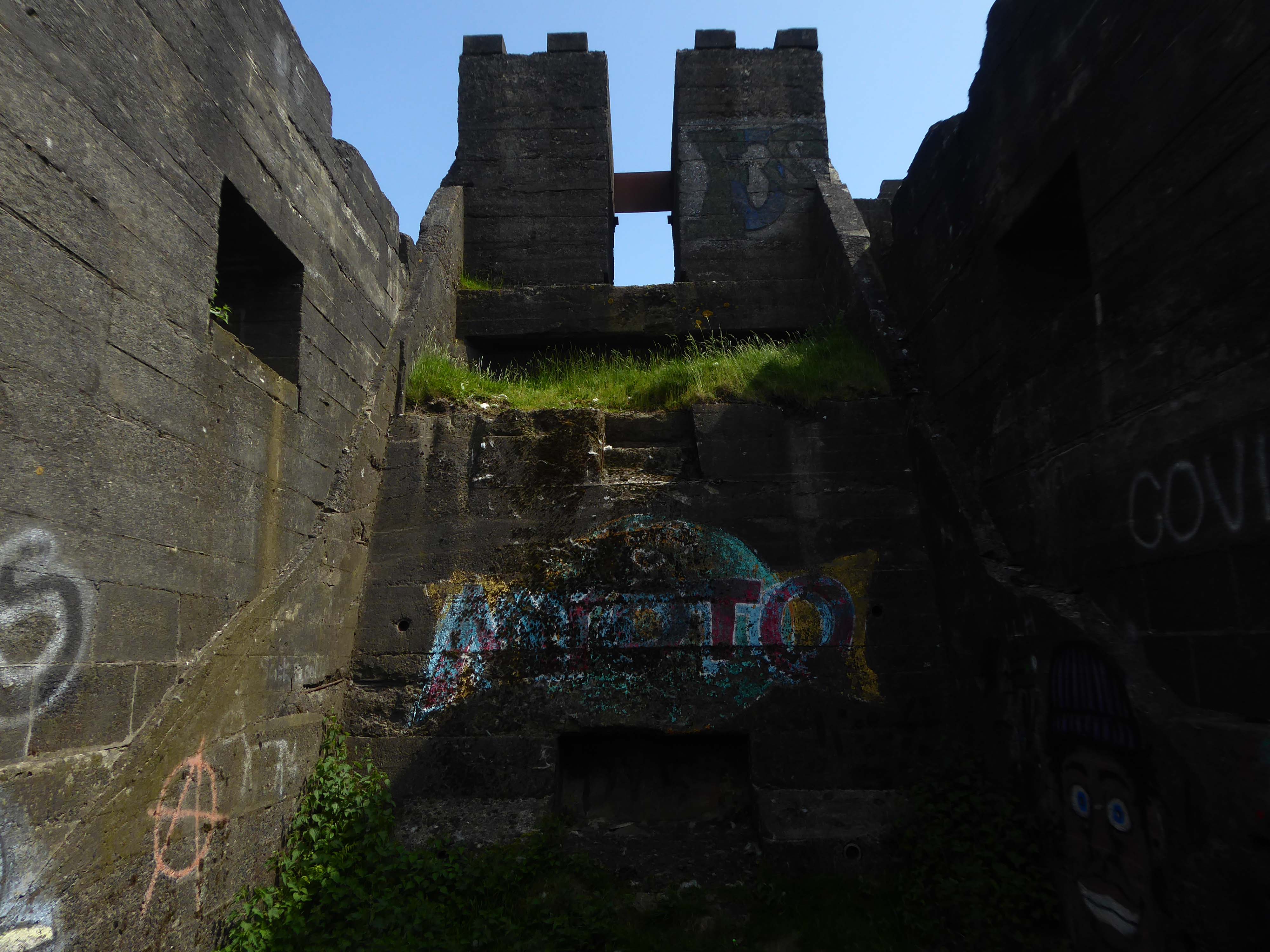
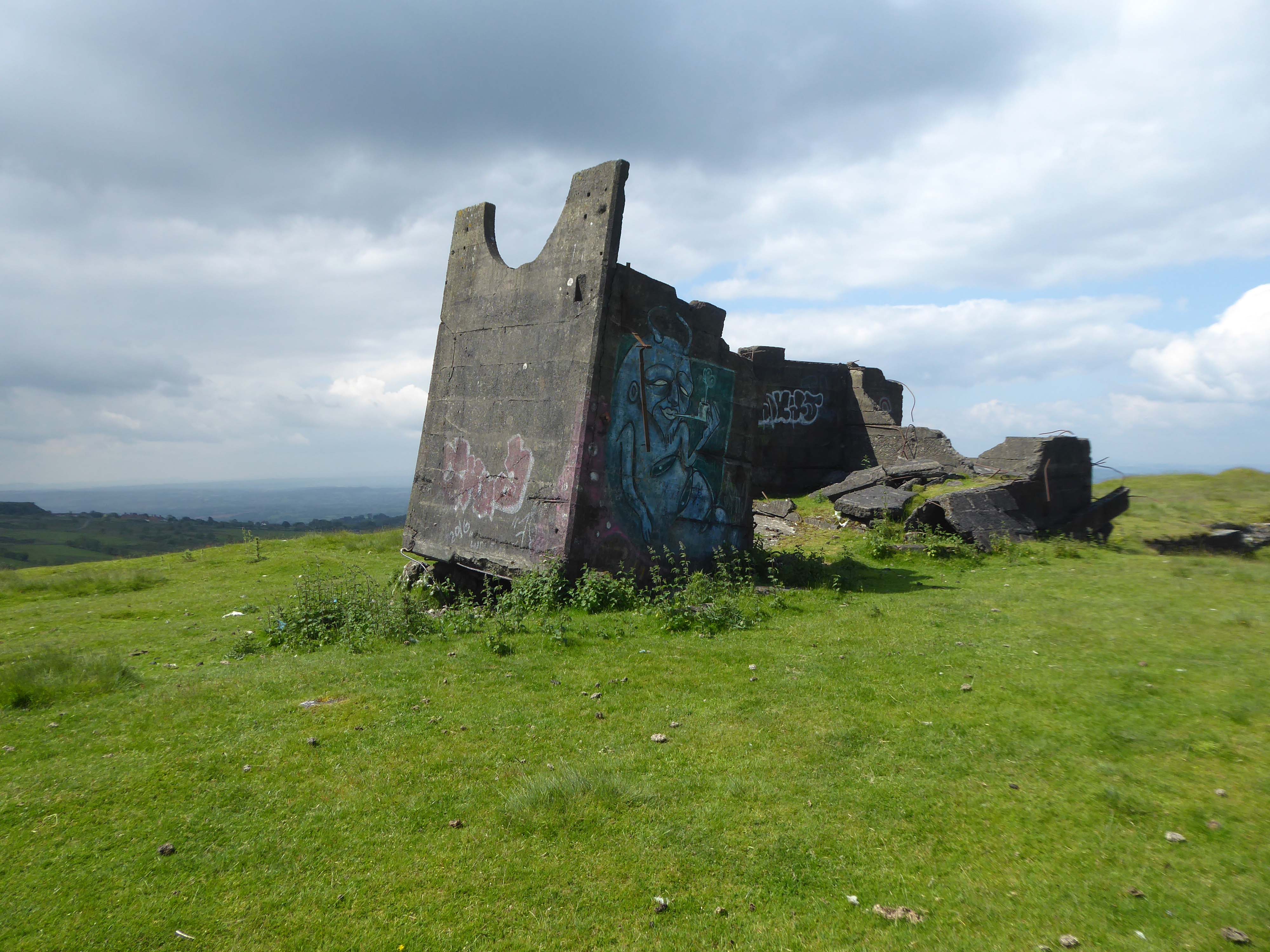
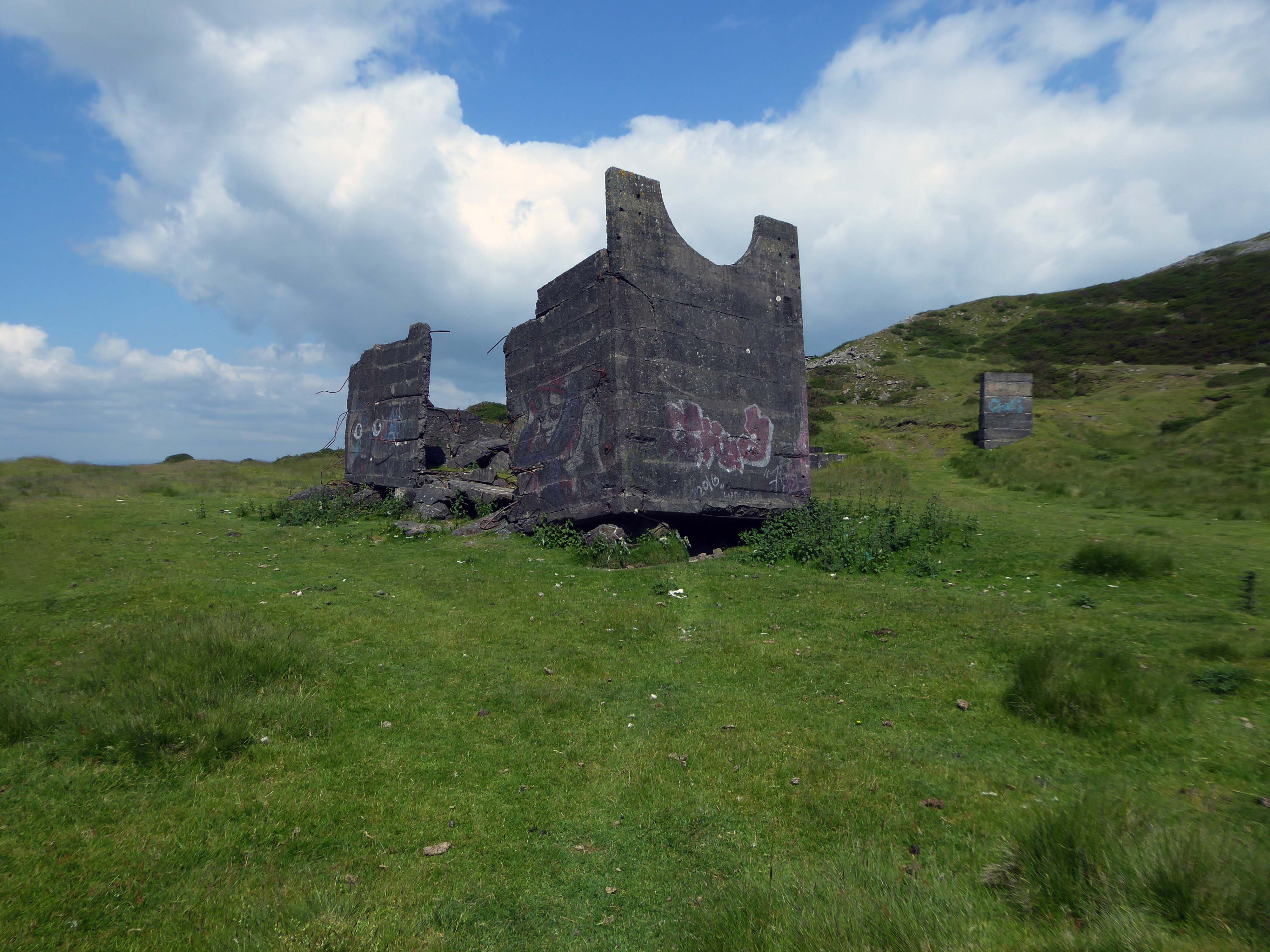
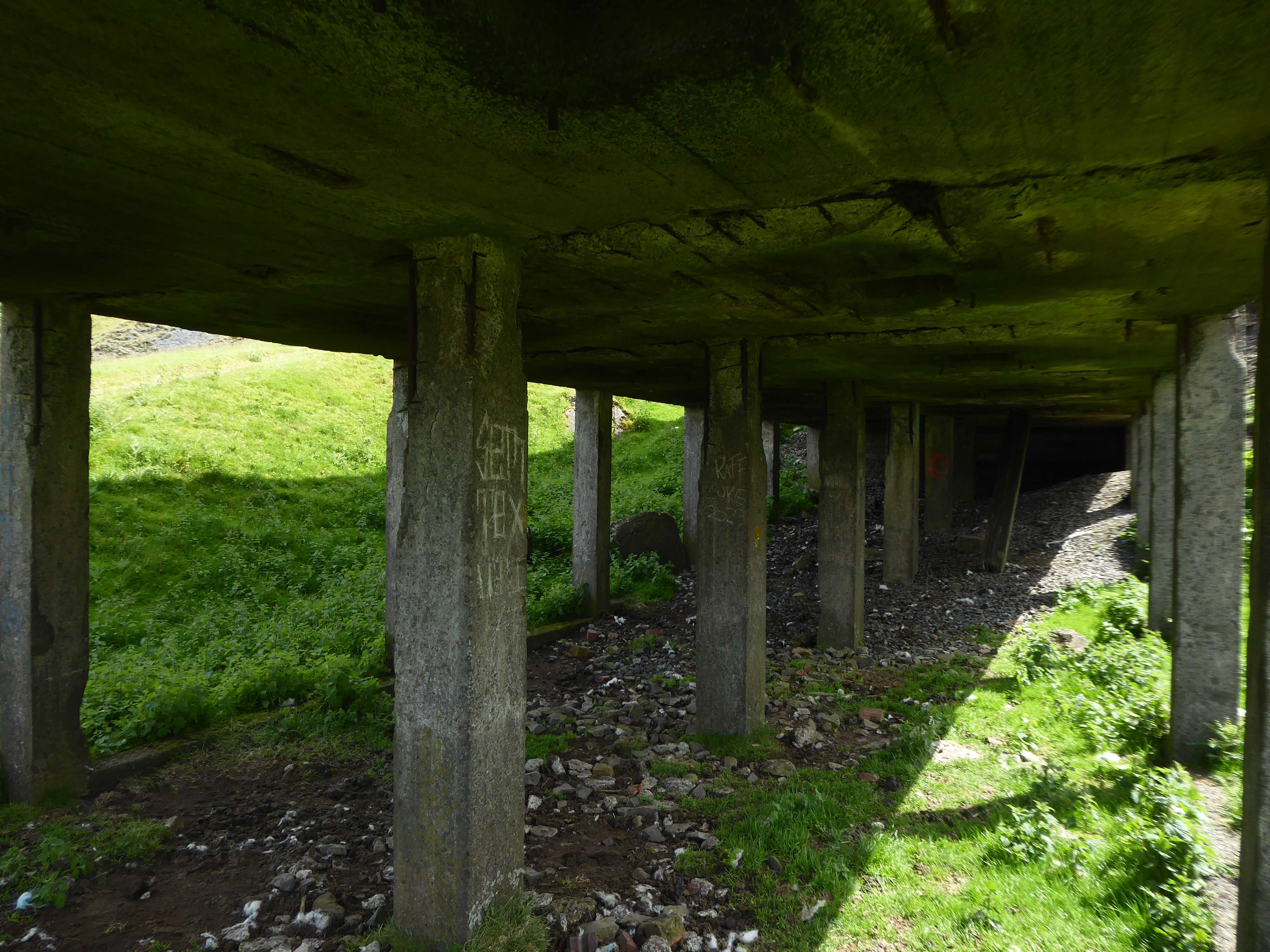
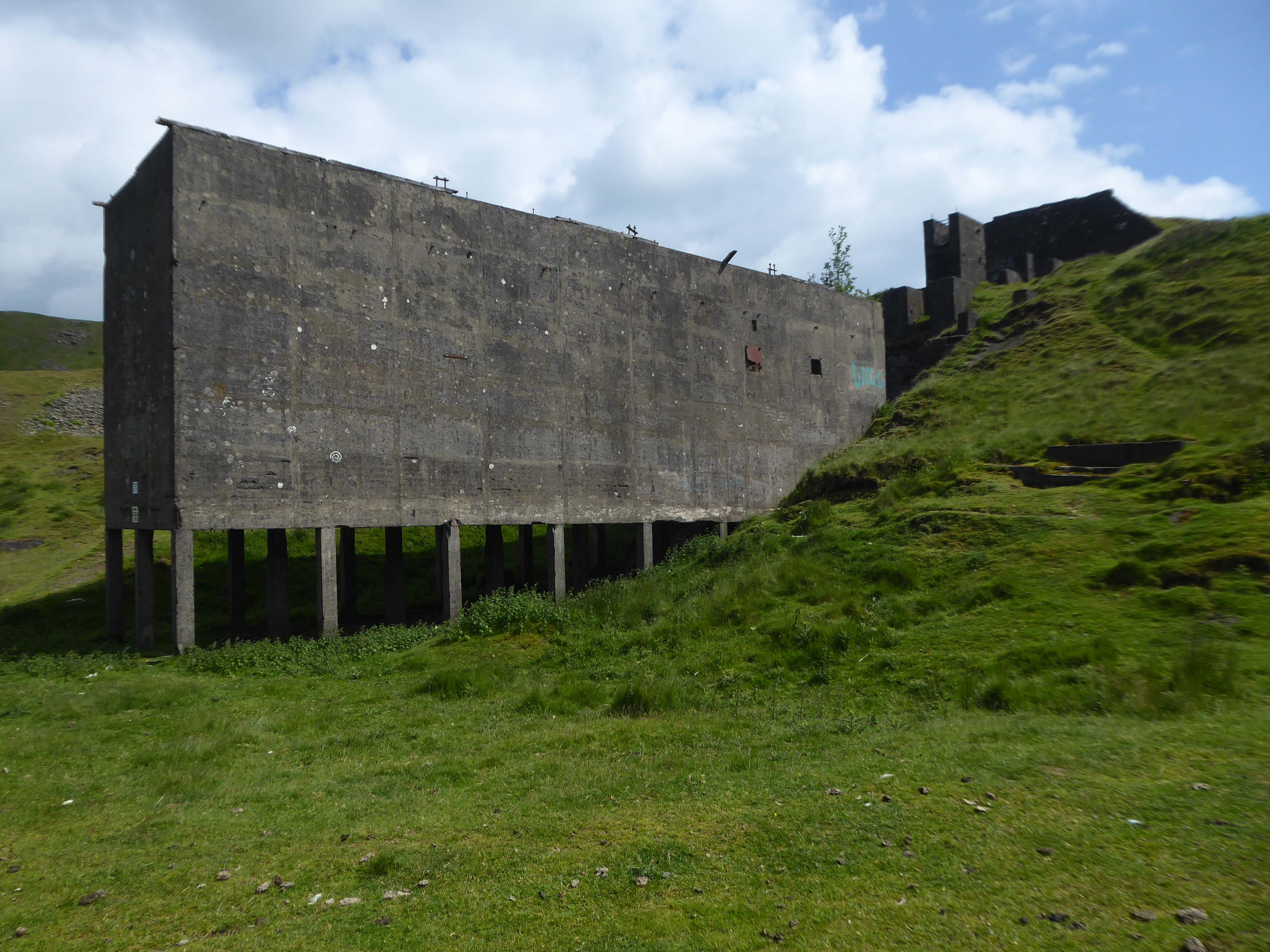
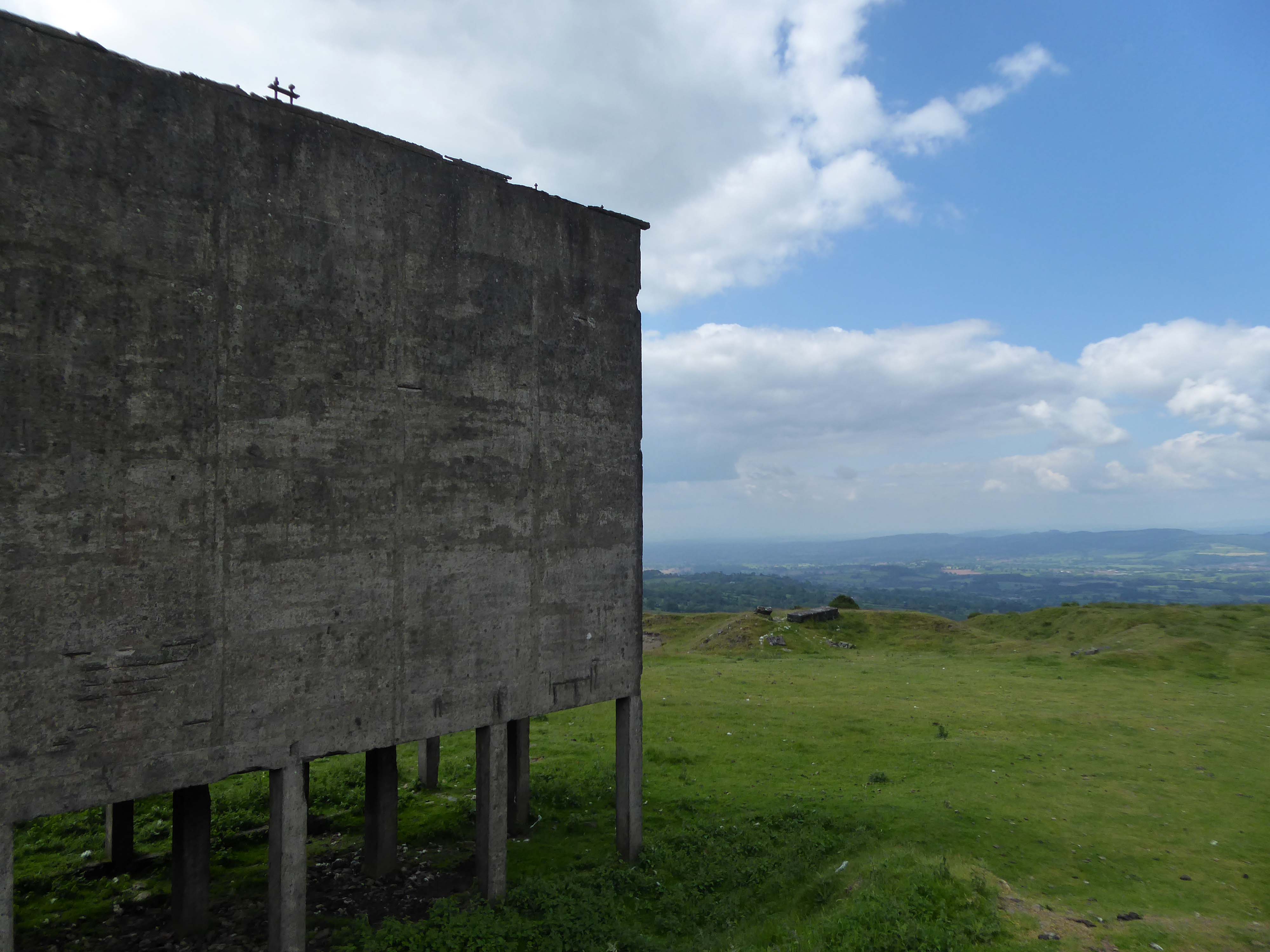
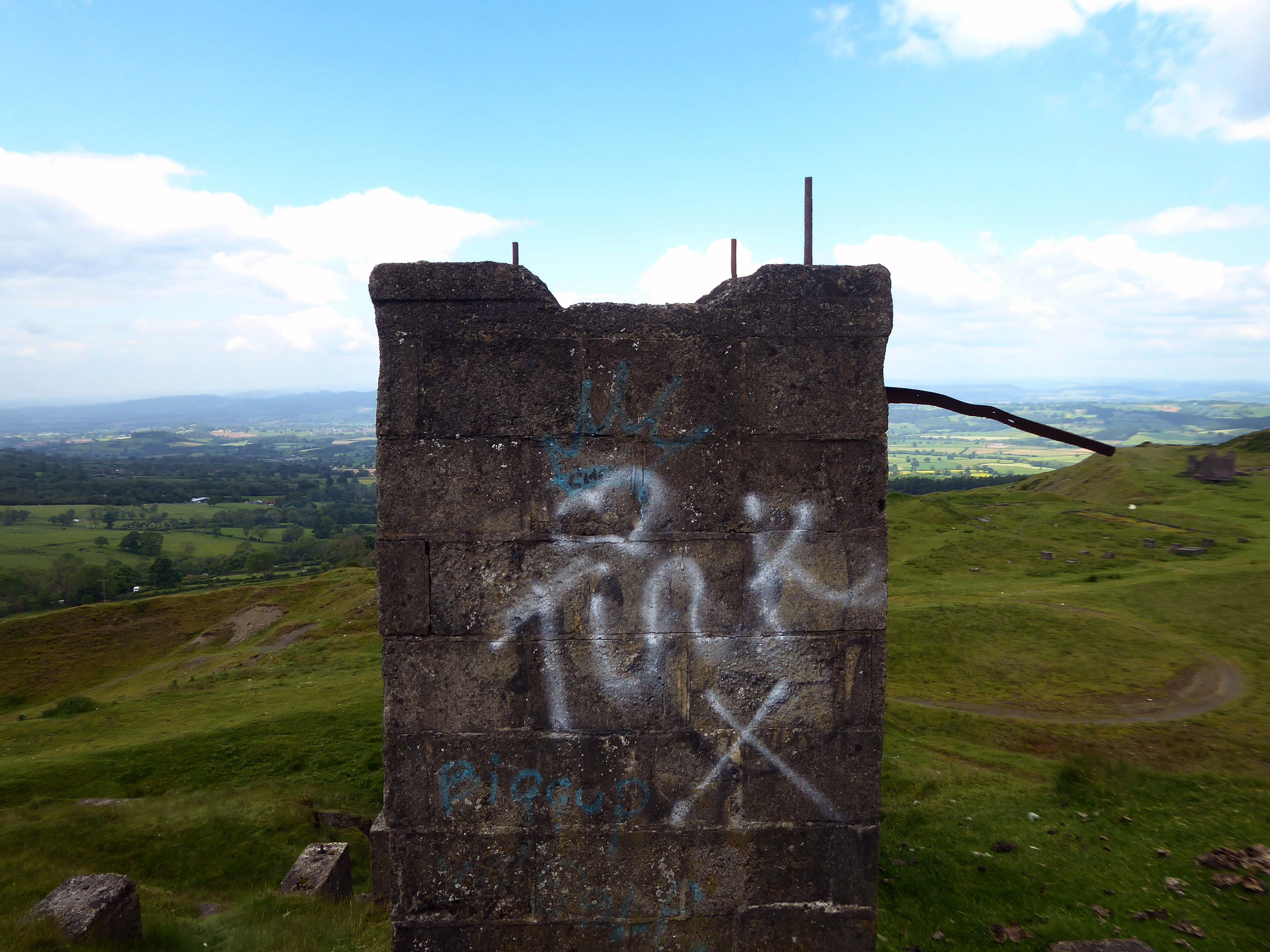
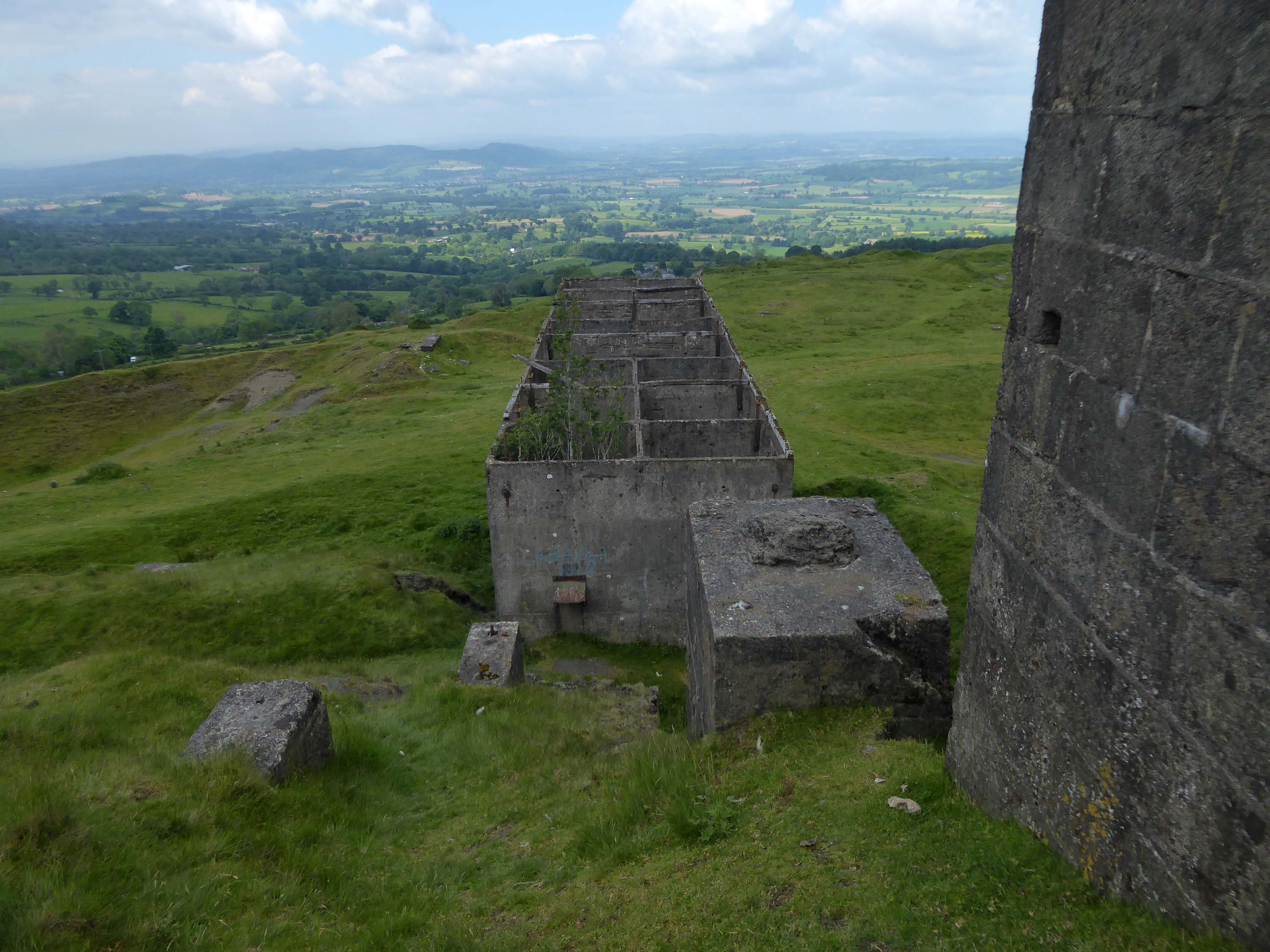
Titterstone Clee Hill Quarry

Titterstone Clee is the third-highest hill in Shropshire rising at the summit to 533 metres – 1,749 ft above sea level.

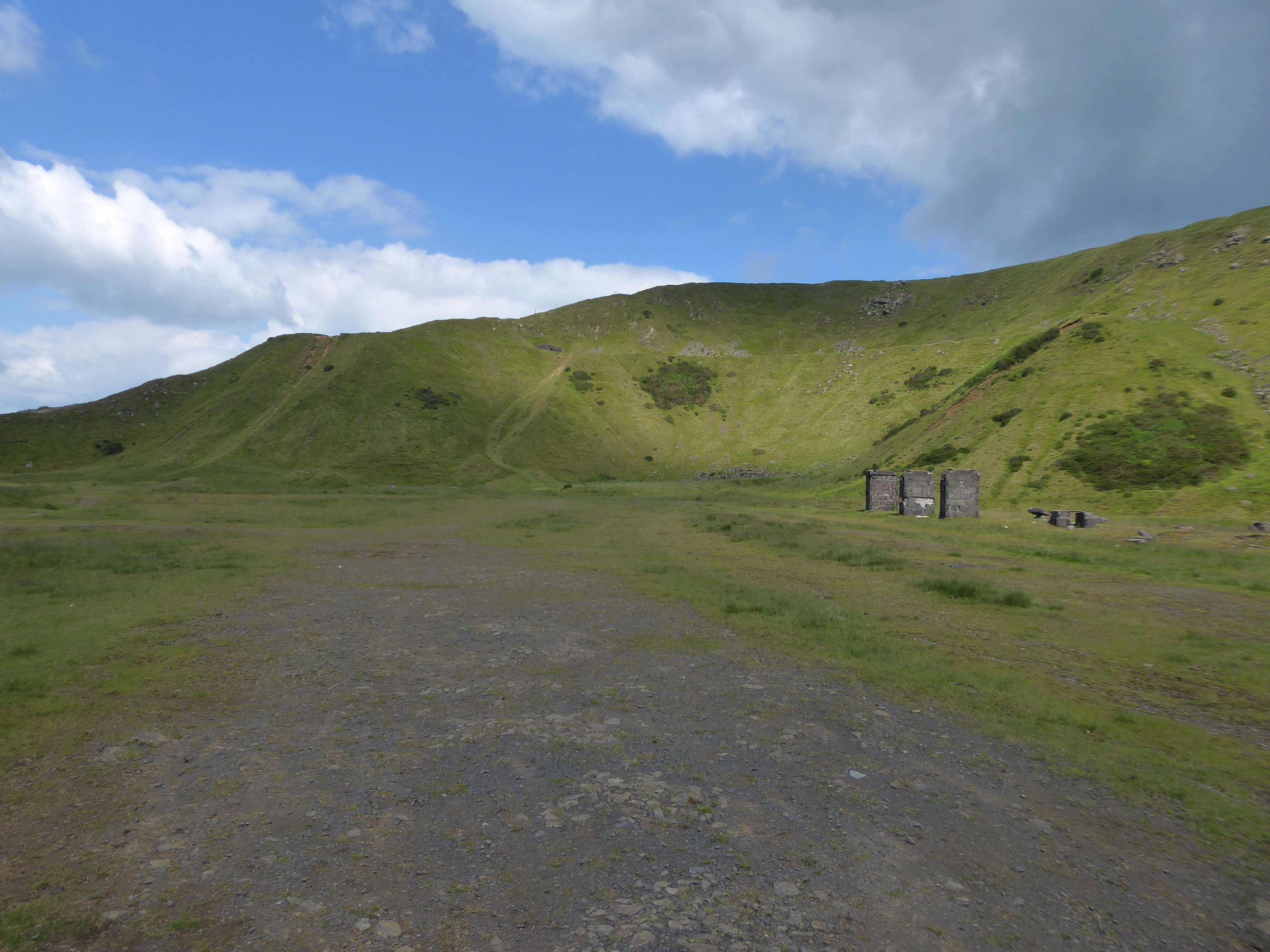
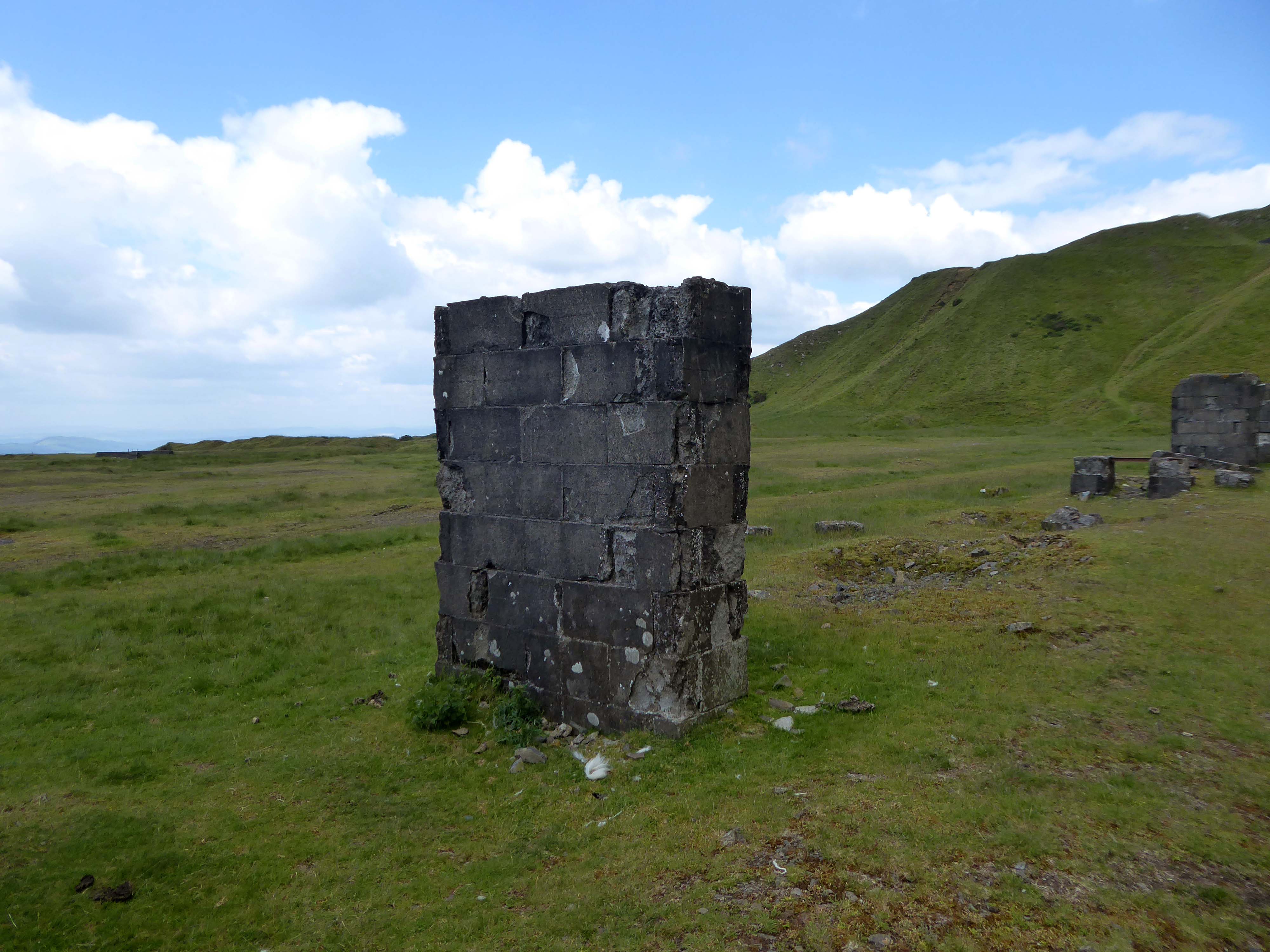
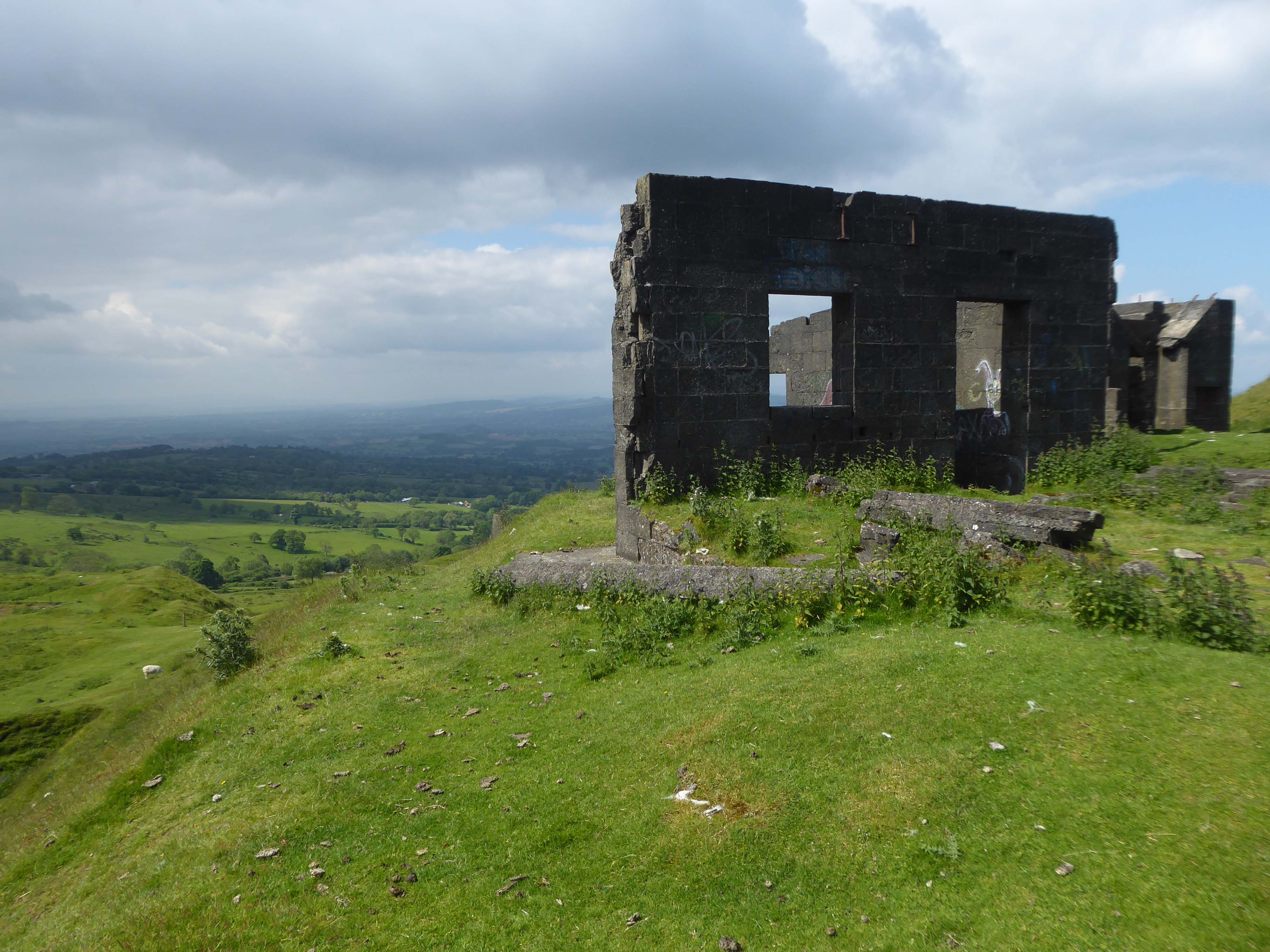
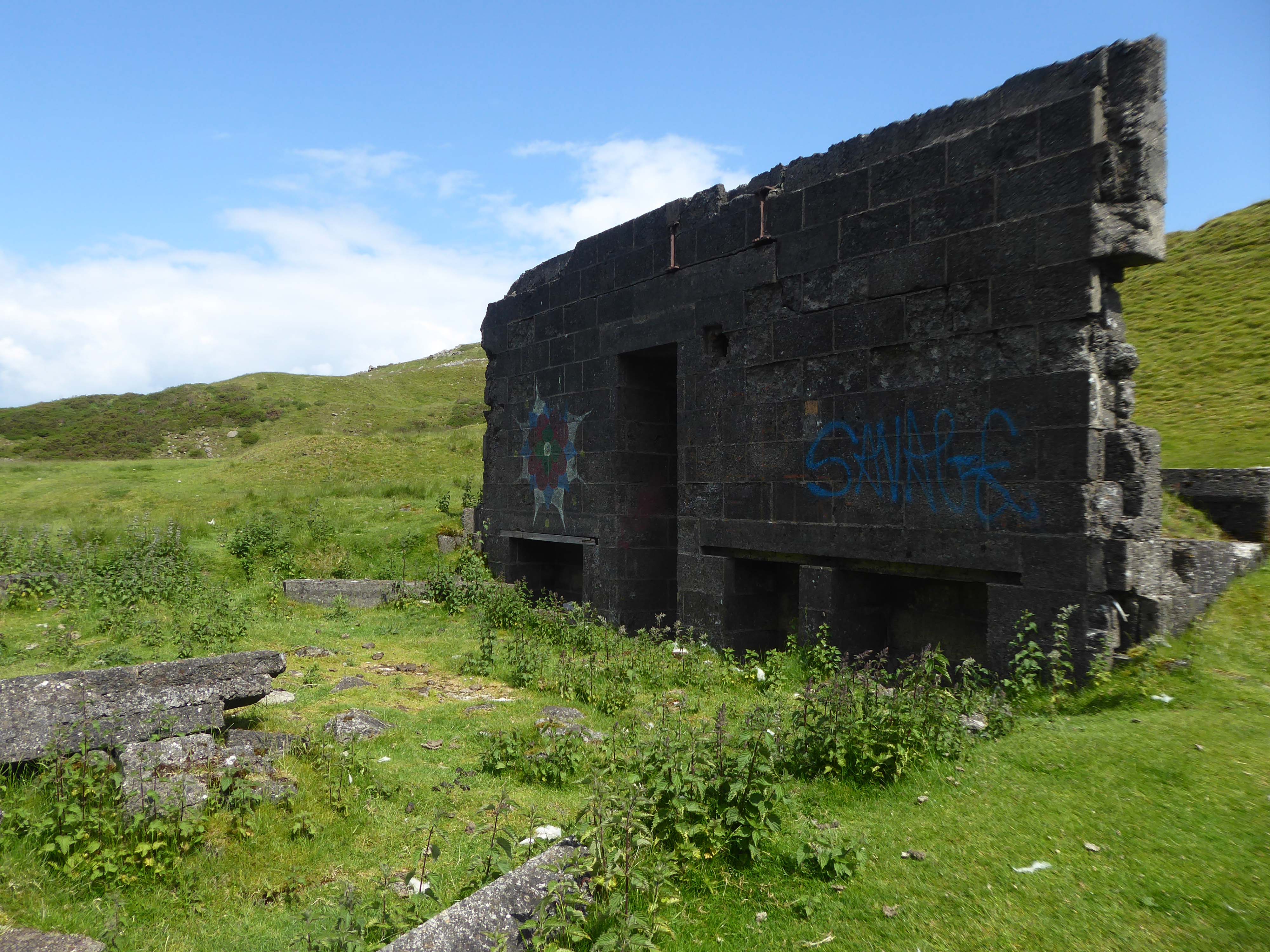
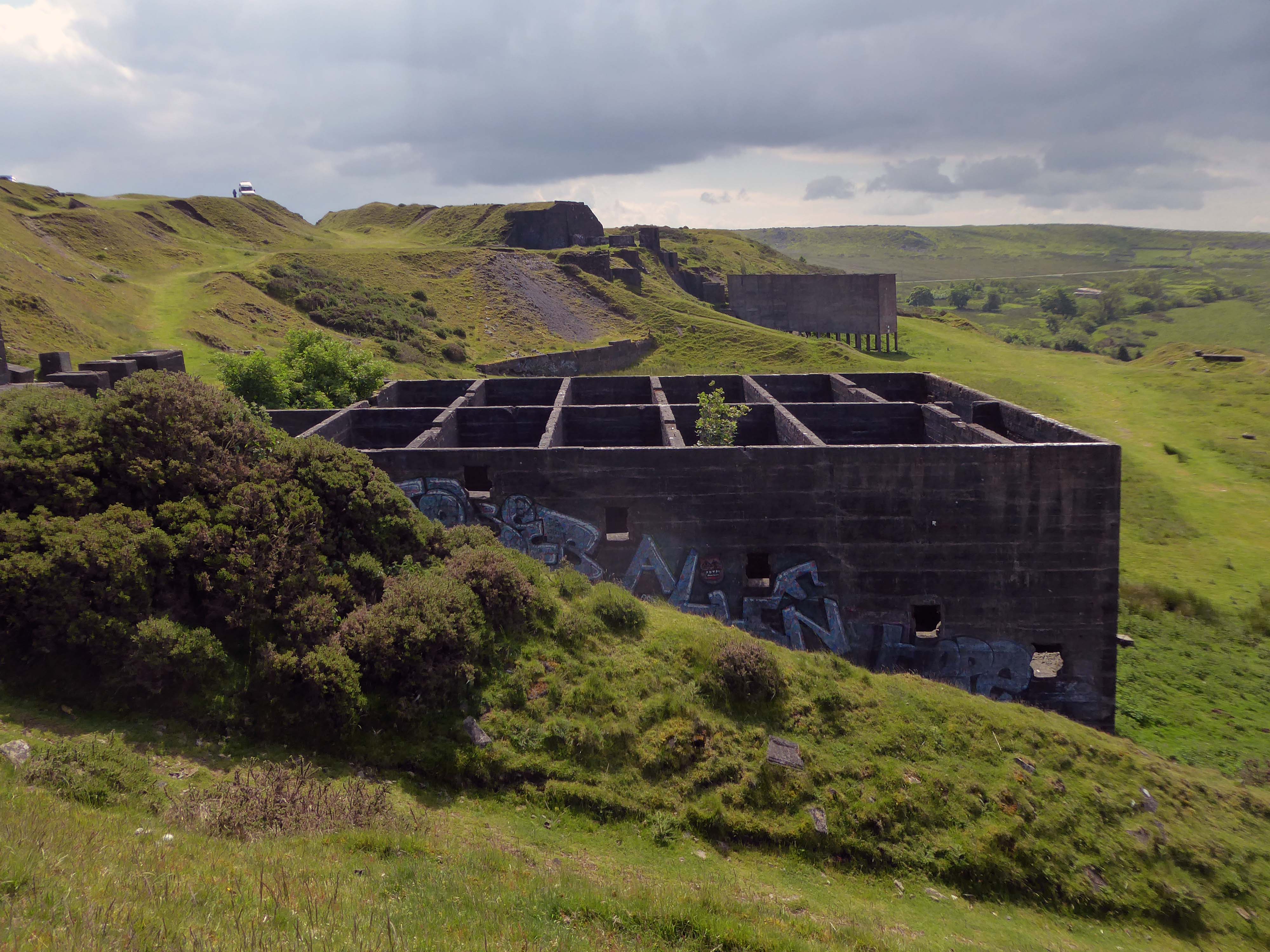
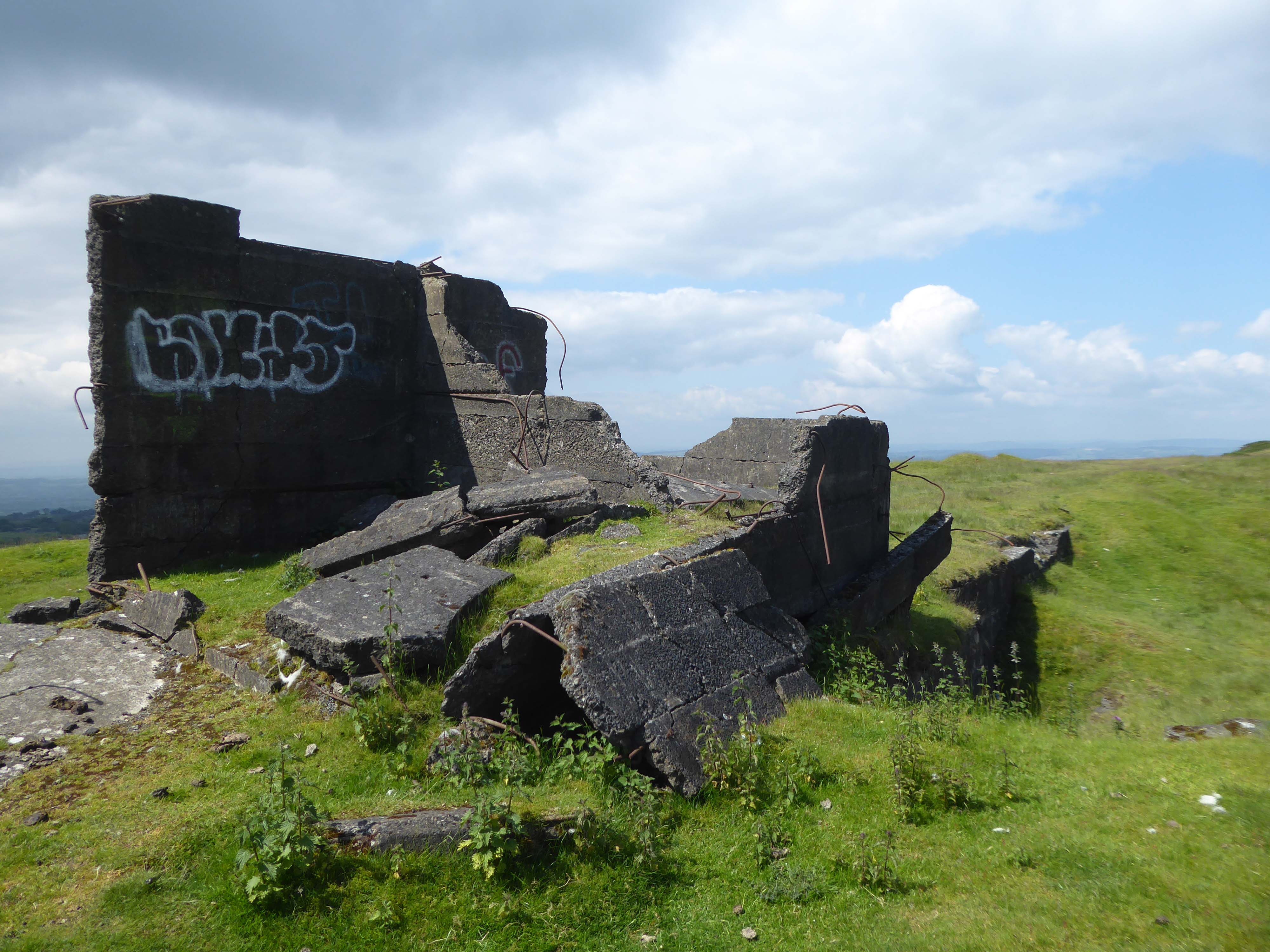
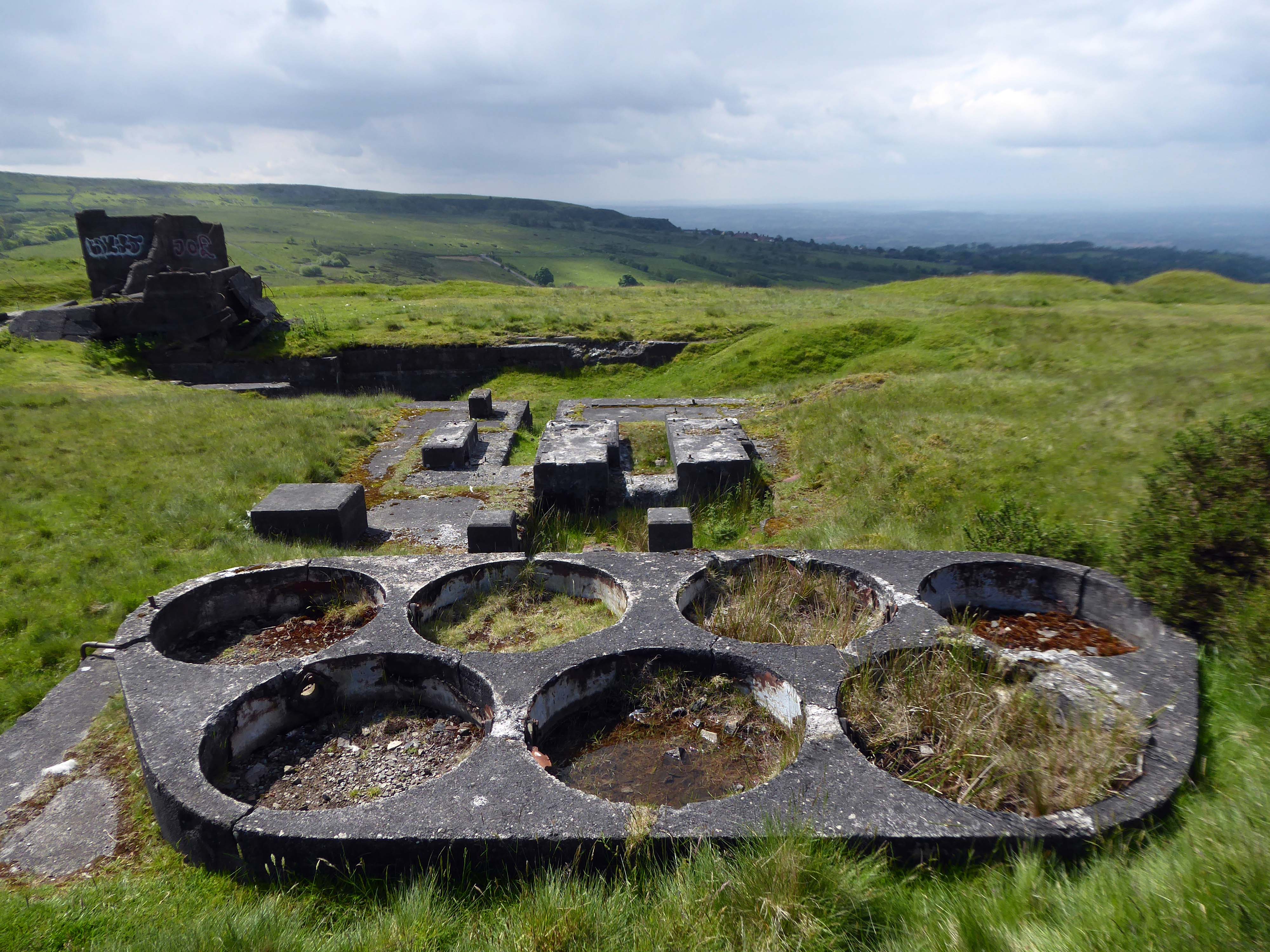
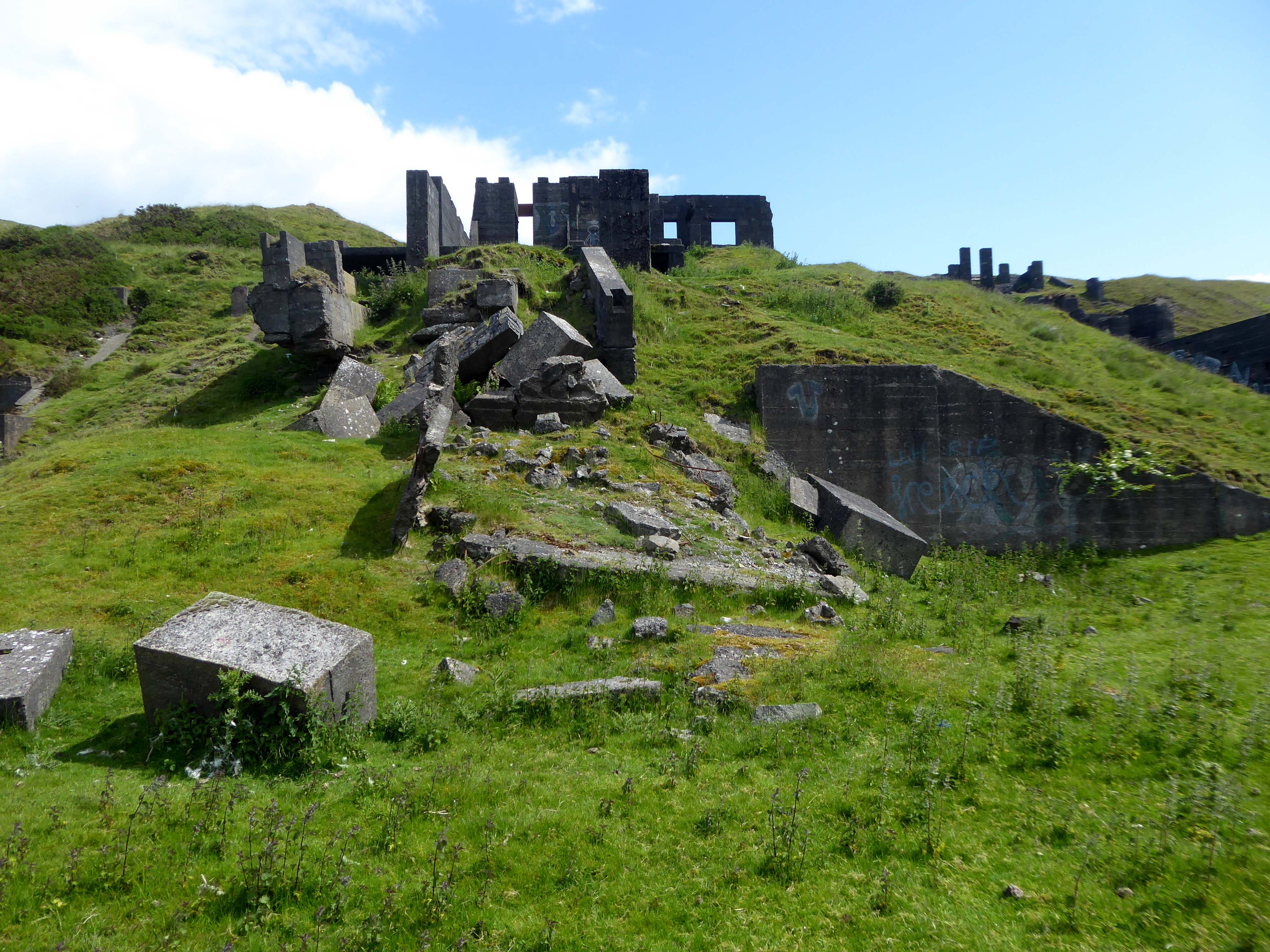
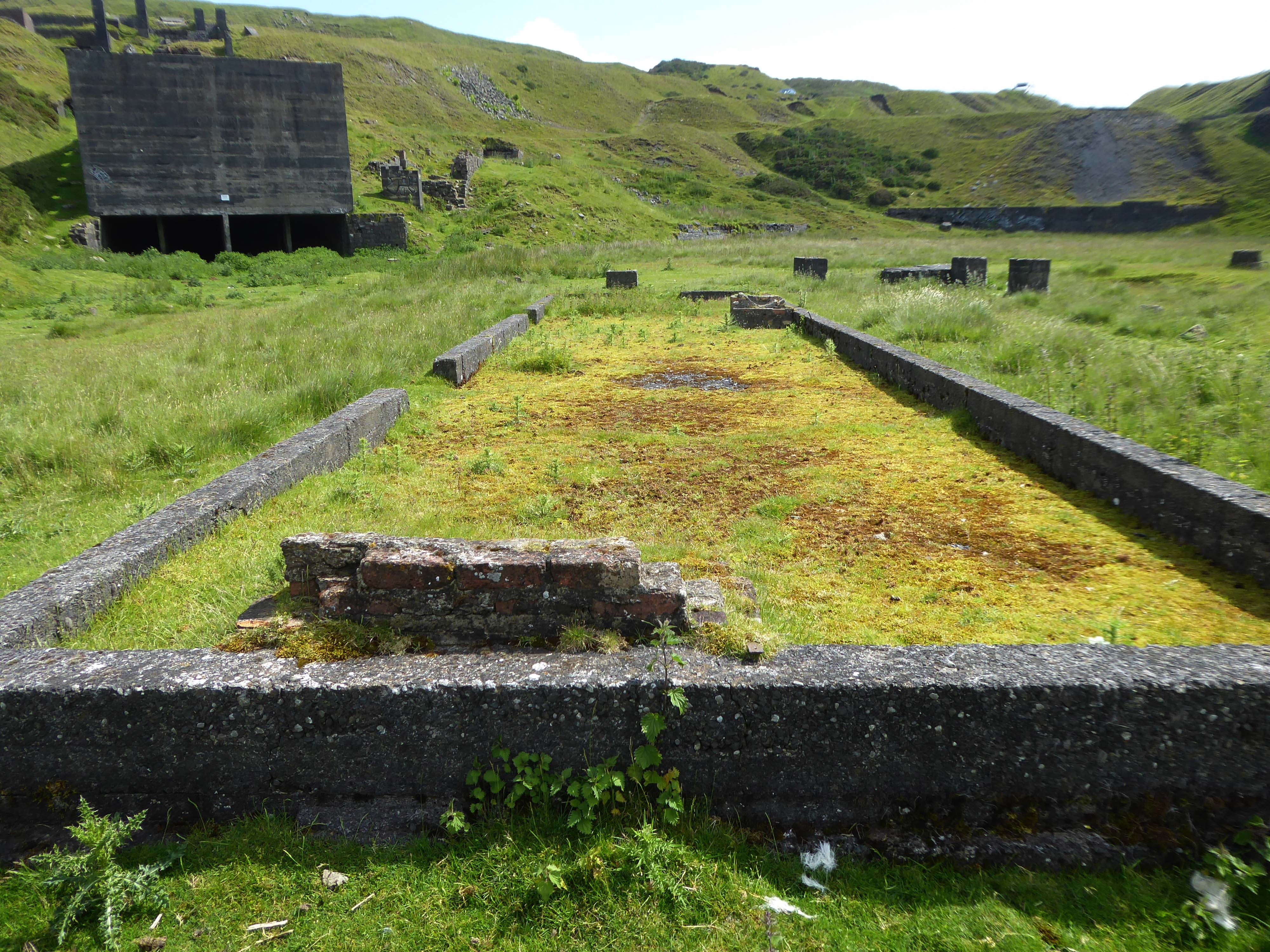
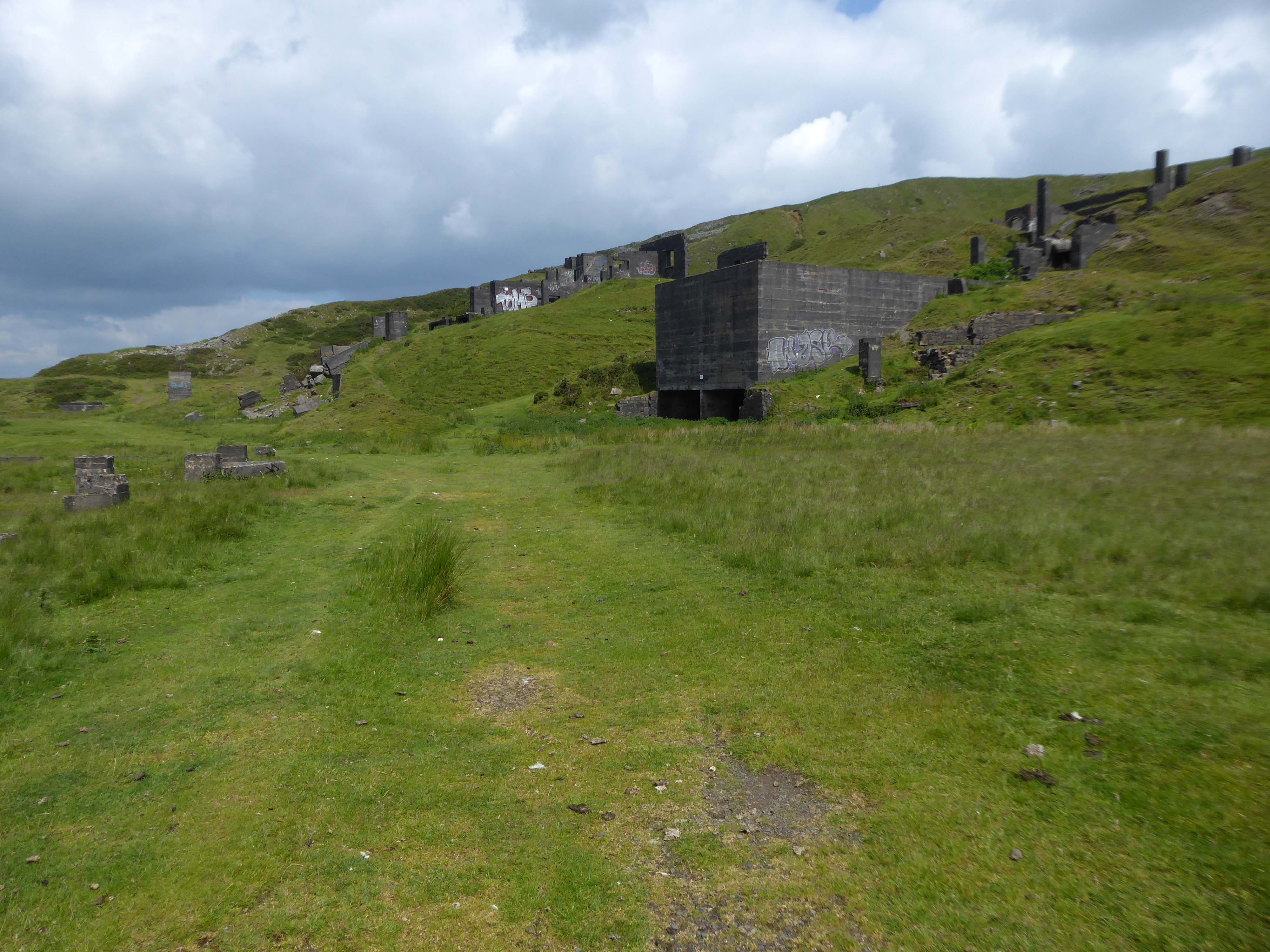
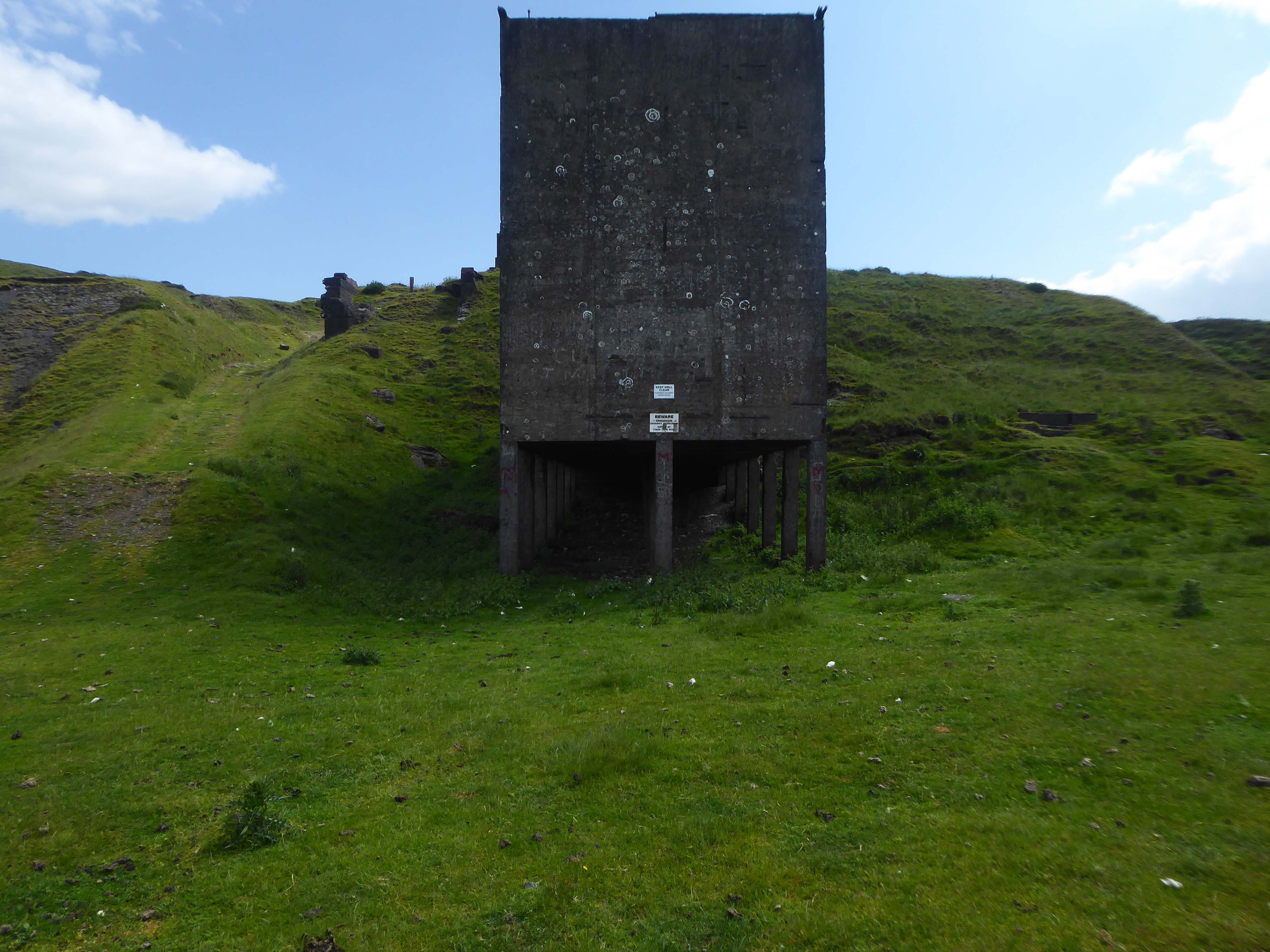
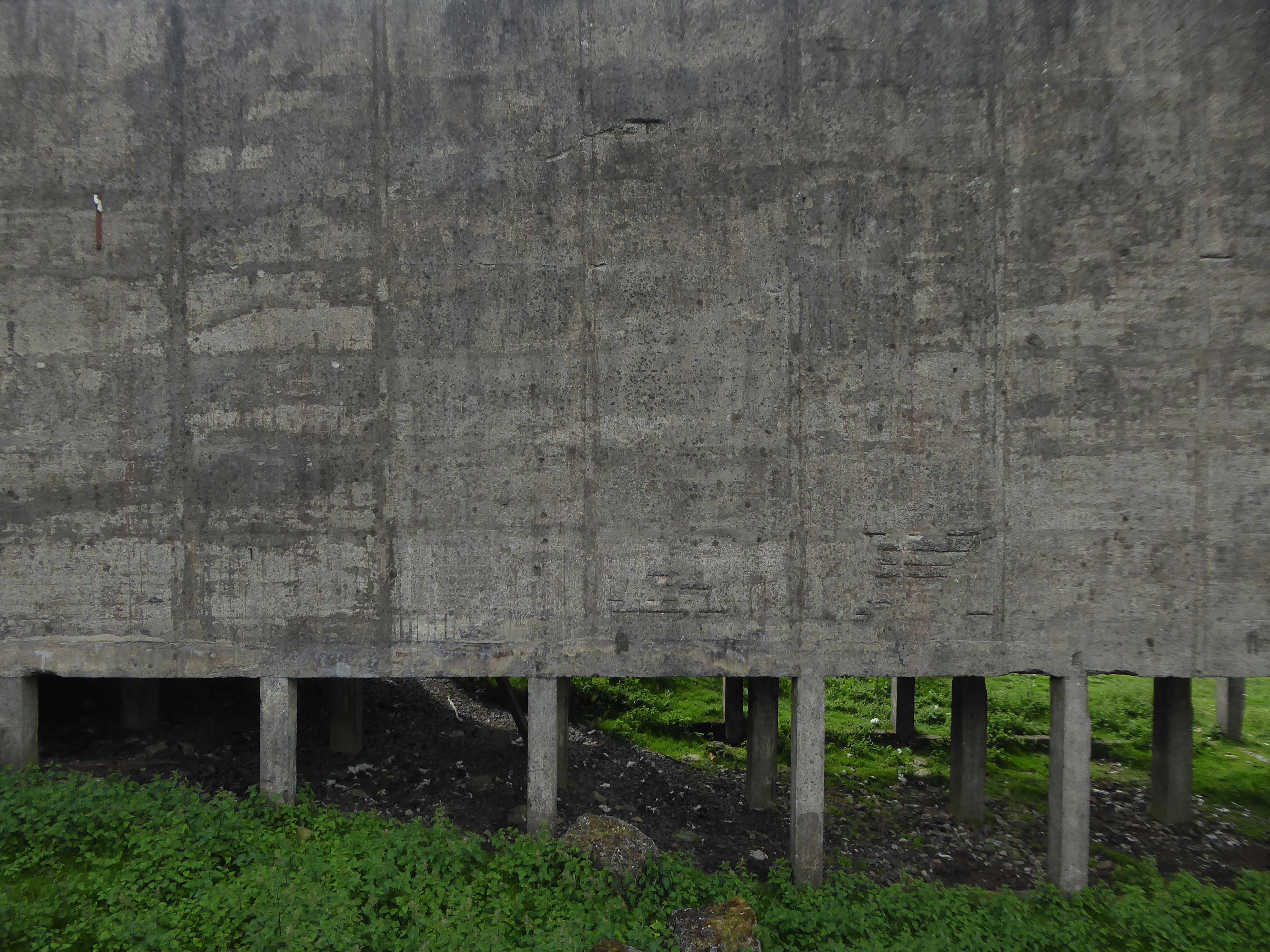
Most of the summit of the hill is affected by man-made activity, the result of hill fort construction during the Bronze and Iron Ages and, more recently, by years of mining for coal and quarrying for dolerite, known locally as dhustone, for use in road-building. Many derelict quarry buildings scattered over the hill are of industrial archaeological interest as very early examples of the use of reinforced concrete.

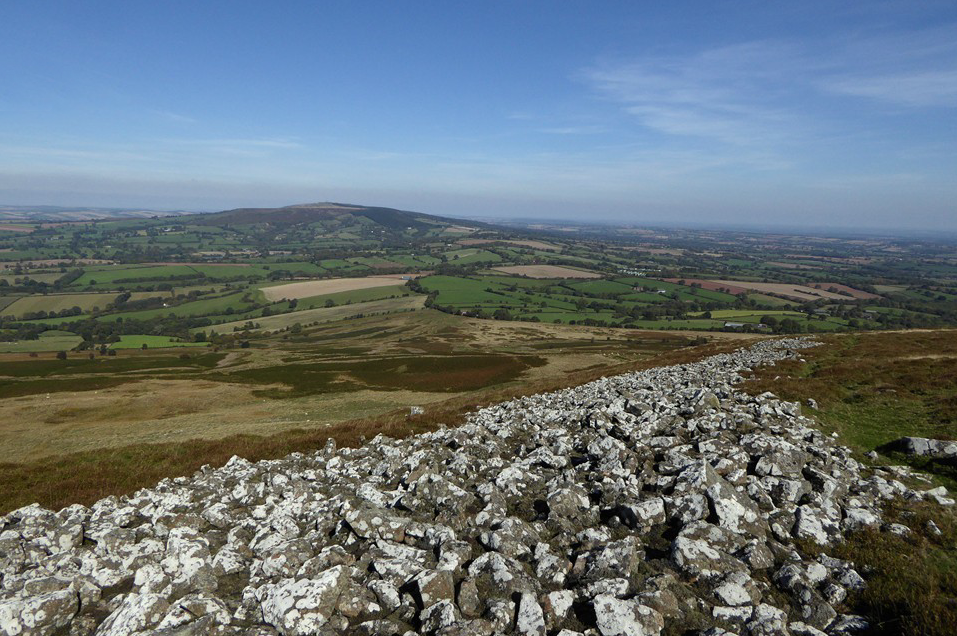
Near the summit trig point are the remains of a Bronze Age cairn, dating back up to 4,000 years and indicating that the summit was a likely ceremonial site. Although partly destroyed by quarrying, Titterstone Clee’s Iron Age hill fort is enclosed by a huge boundary earthworks.

 It is of note that the walls of the fort are made up of stone blocks, instead of earth banks.

© A. Brookes – 29.9.2018

Clee Hill is one of only a few hills and mountains noted on the Hereford Mappa Mundi.

Crumbling remains of quarry buildings now litter the hill, reminders of a bygone industry that once employed more than 2,000 people here.

Wikipedia

Concrete Coast – Bridlington

The last post on the concrete coast was from Filey

Now we’re heading south to Bridlington and beyond.

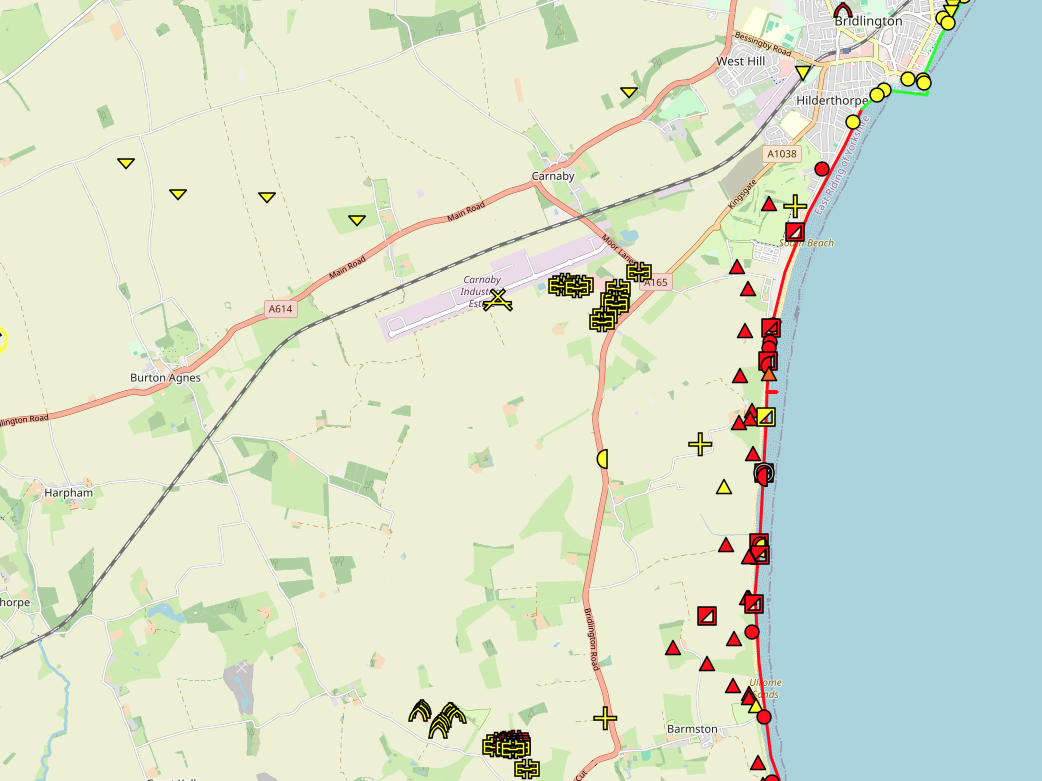
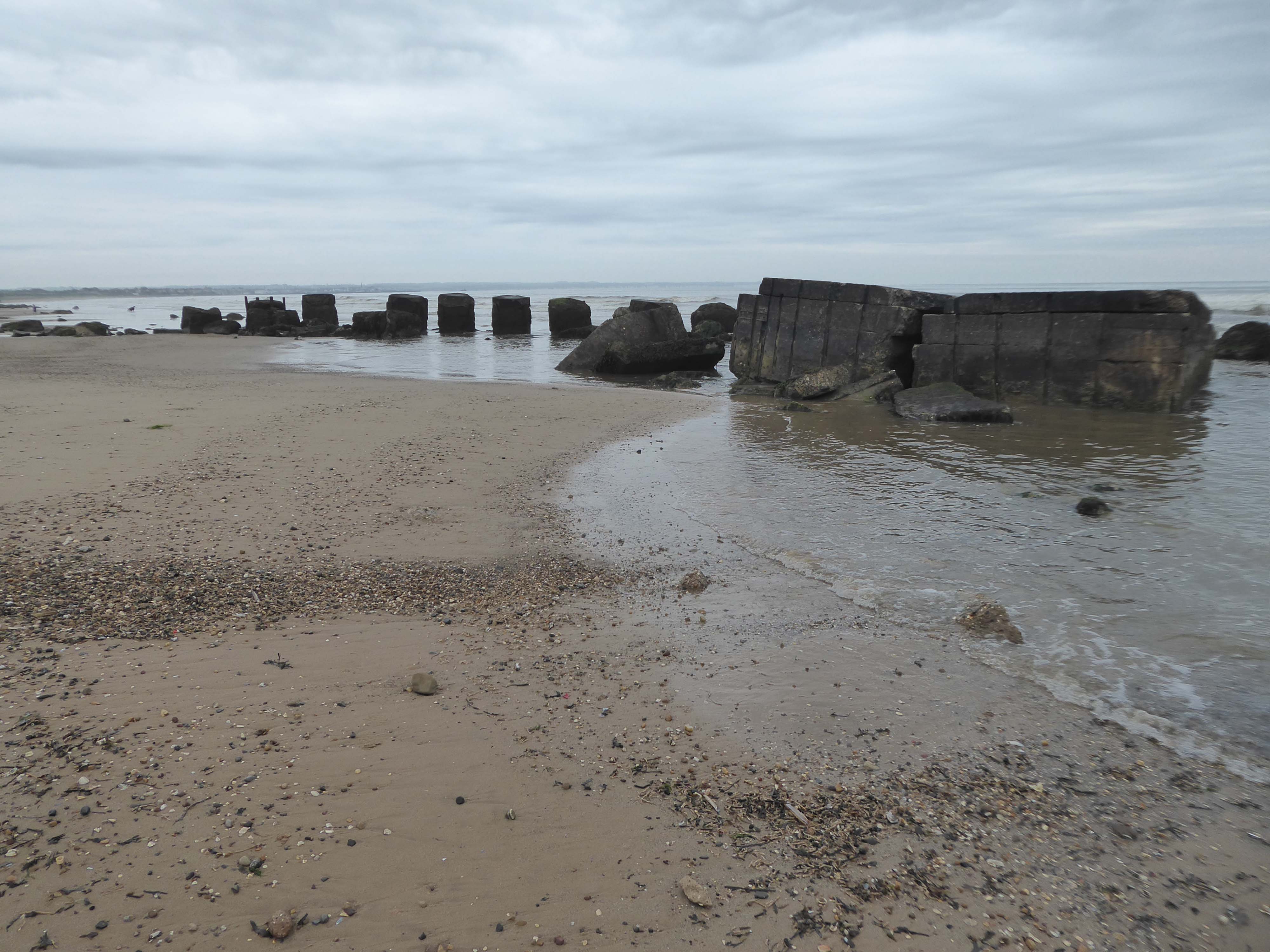
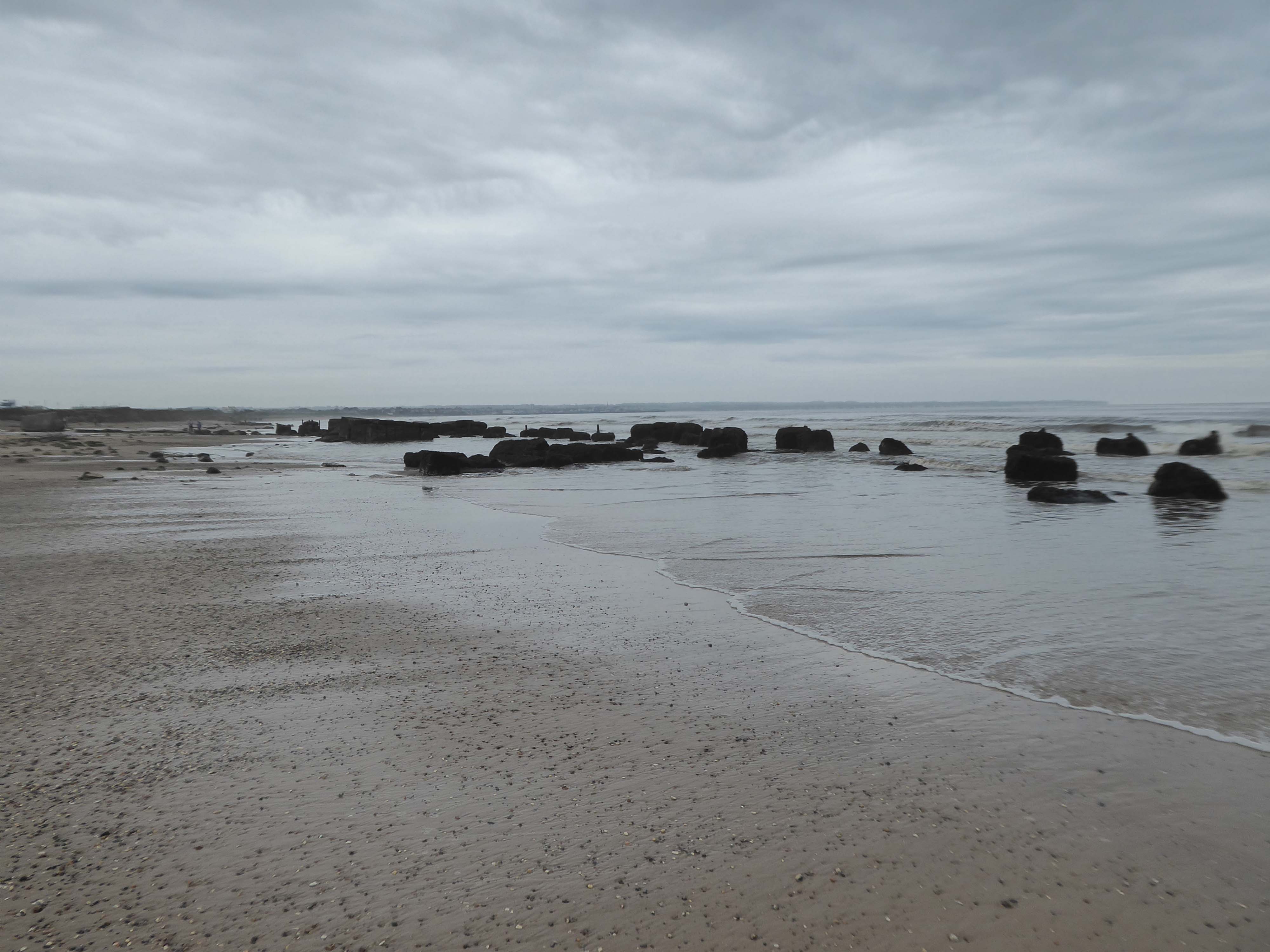
Where we find another dense cluster of sea defences, some but not all extant.

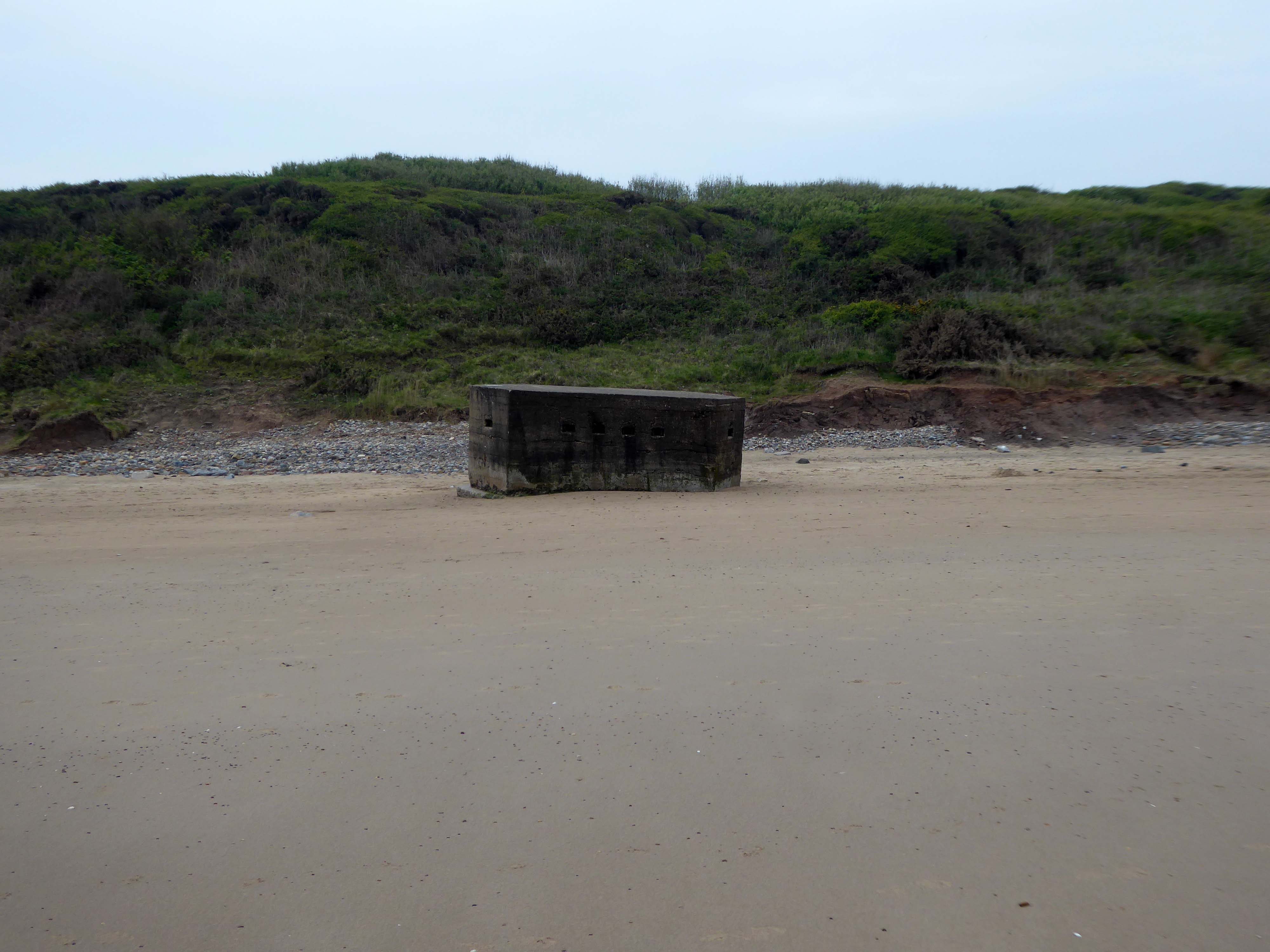
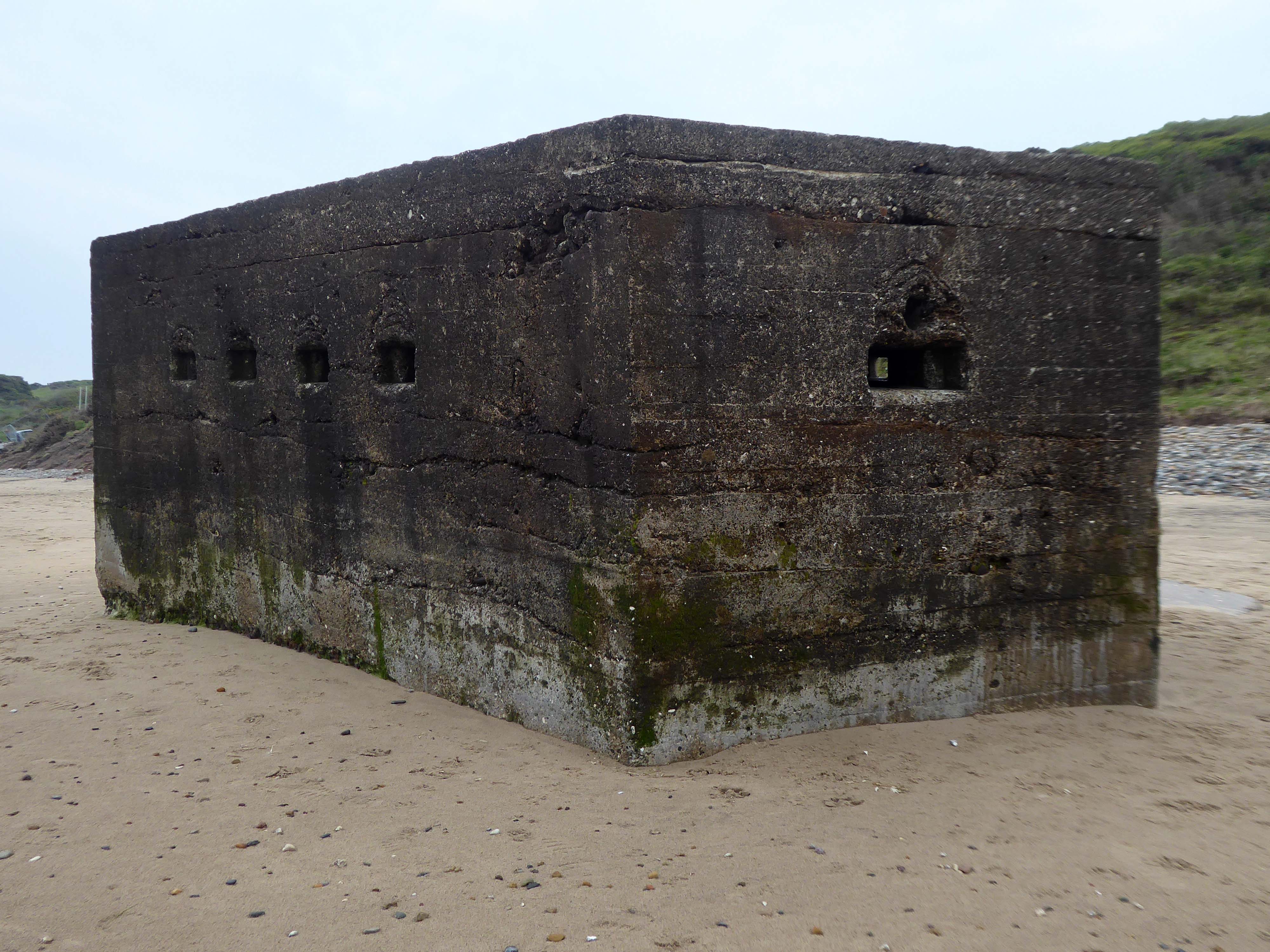
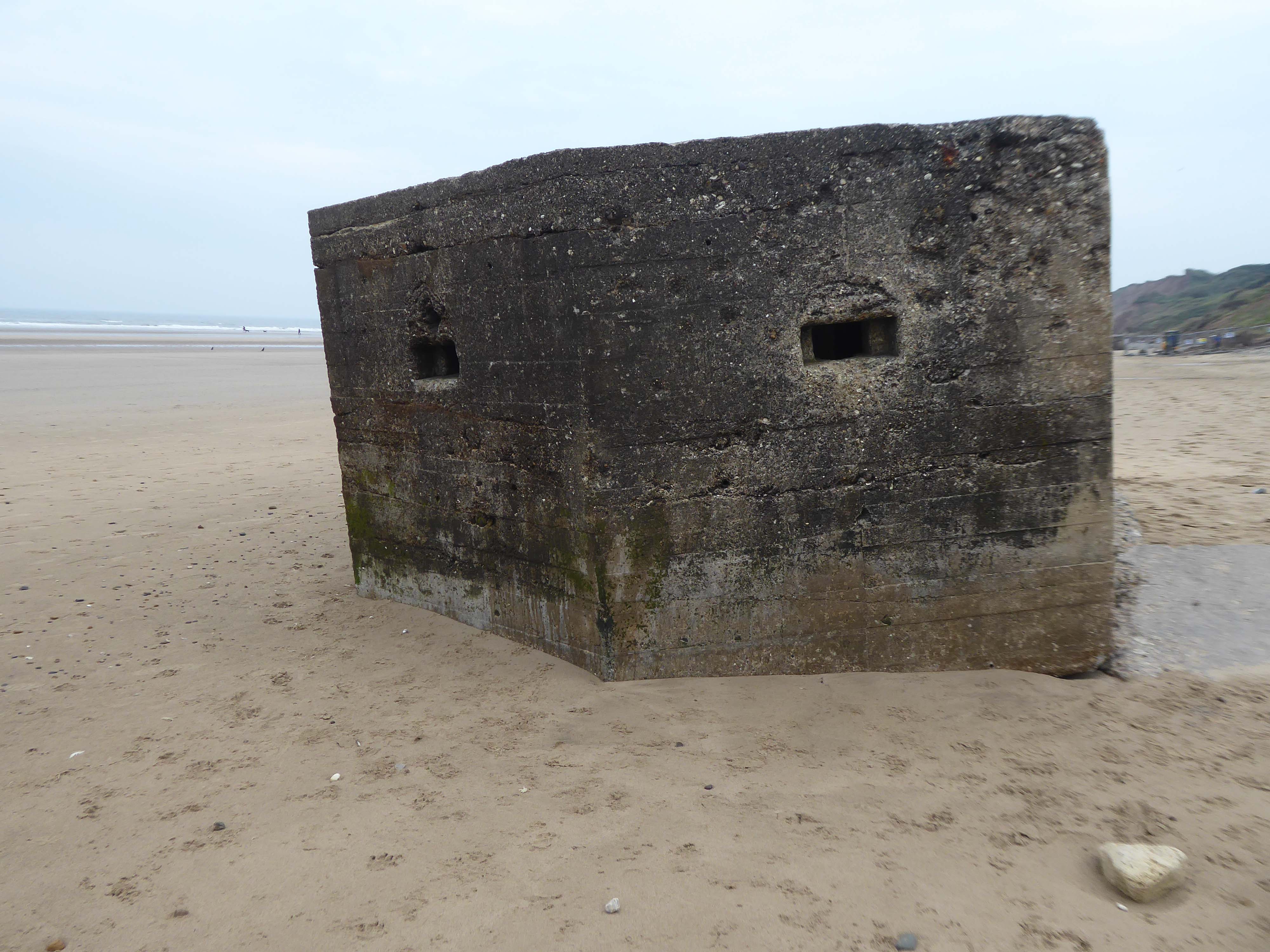
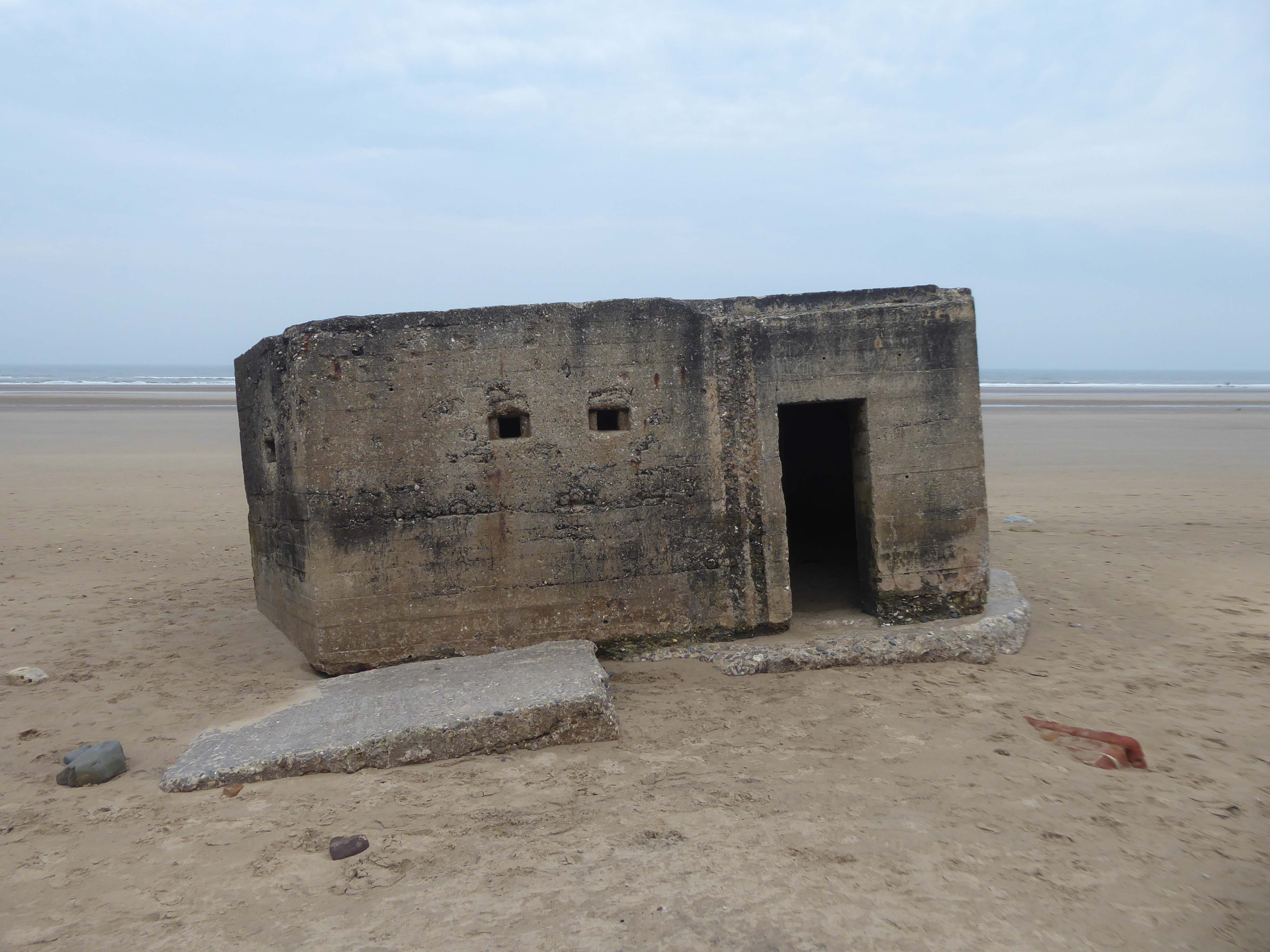
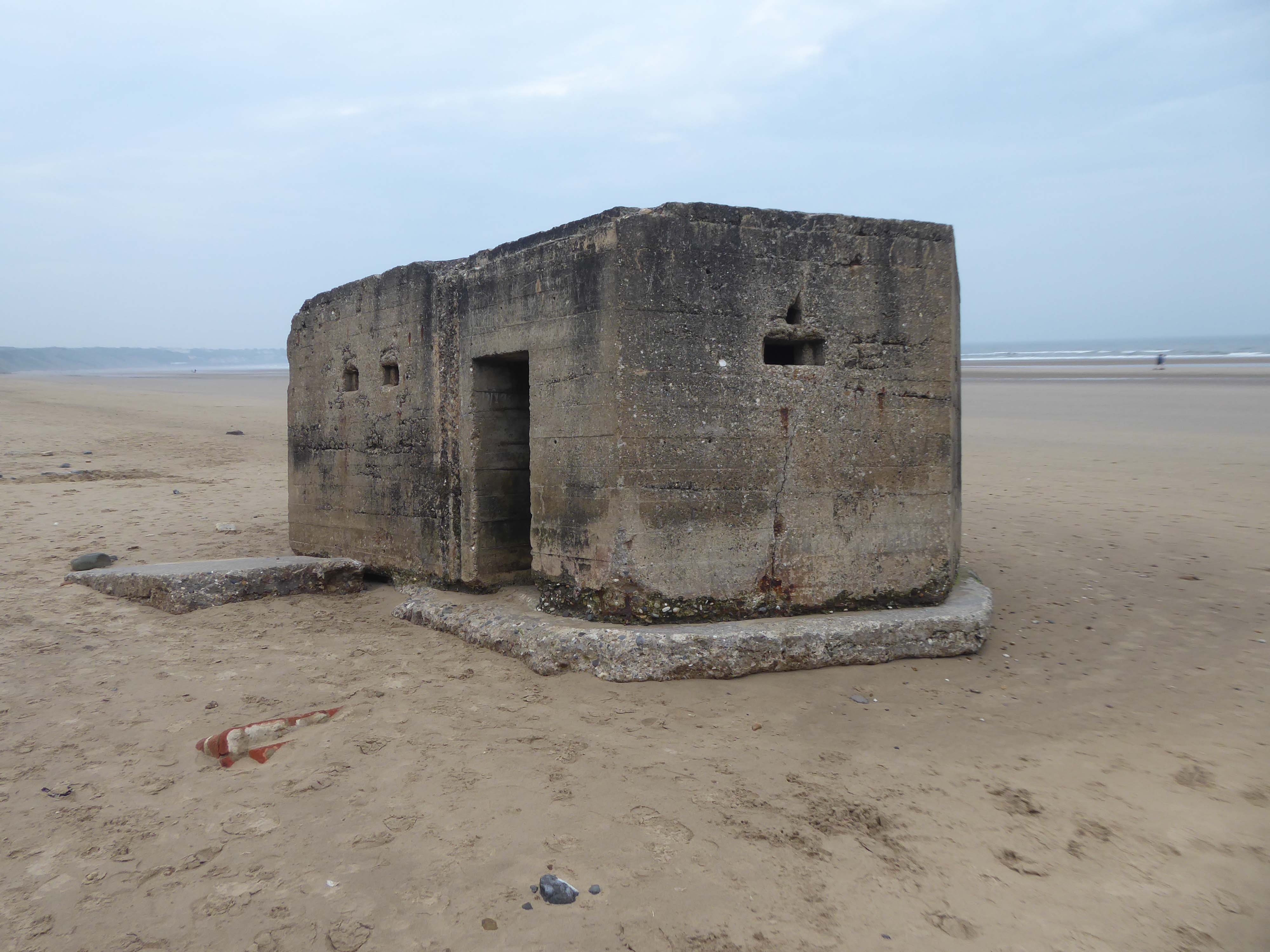
After the south coast, both East Anglia and the Yorkshire Coastline were identified as vulnerable to invasion. Bridlington Bay, was and ideal location for an invasion; flat sandy beaches for amphibious landing crafts, above the foreshore flat landscapes perfect for tanks and gliders to land, an isolated small population with only the residence of Bridlington close by and finally the control of an established port at Bridlington, once it was under German control. According to the Defence of Britain Survey undertaken in the Late 90’s, Northern Command had some of the best defend beaches in the country, this includes Bridlington.

Citizan

eDoB

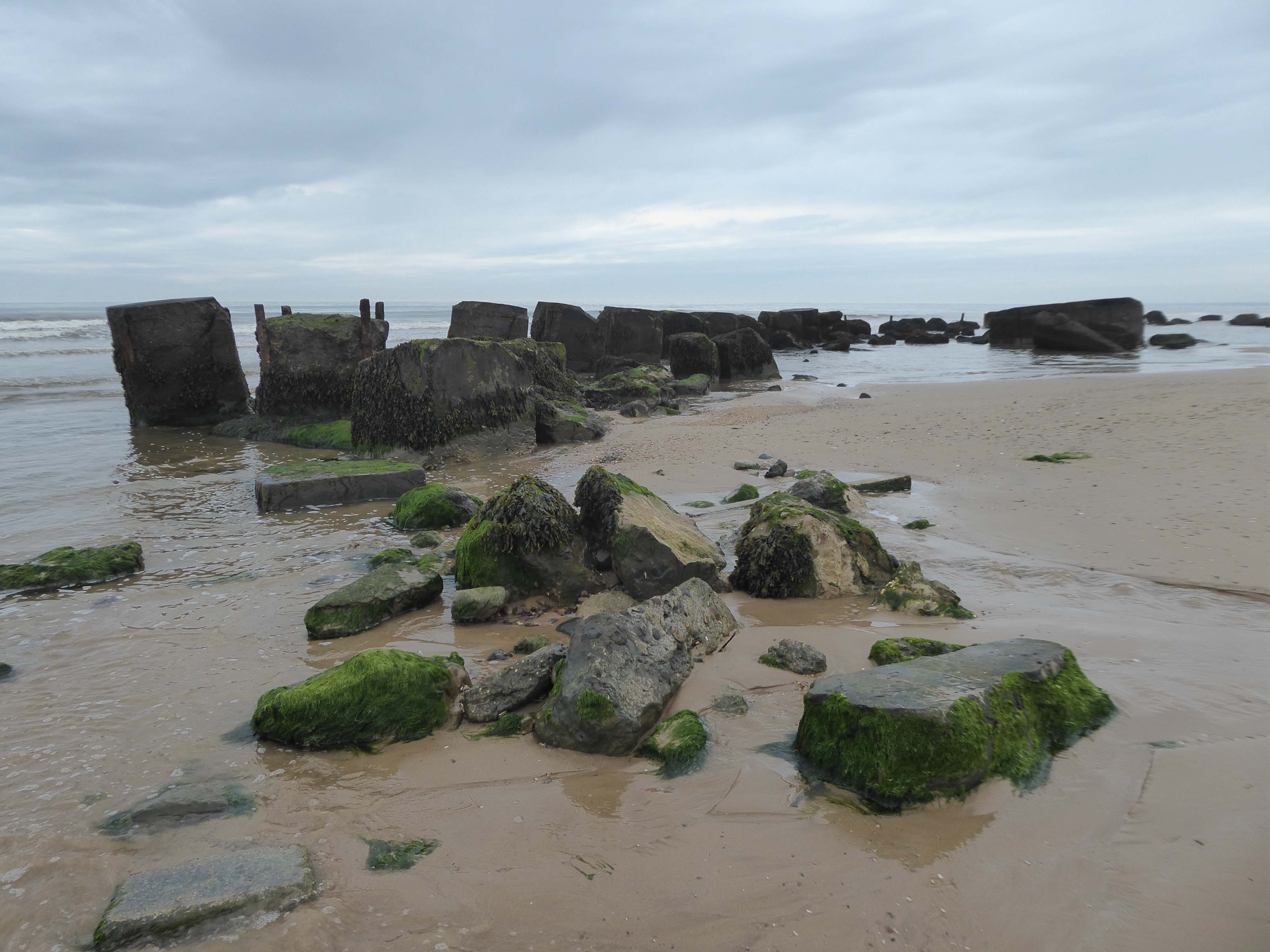
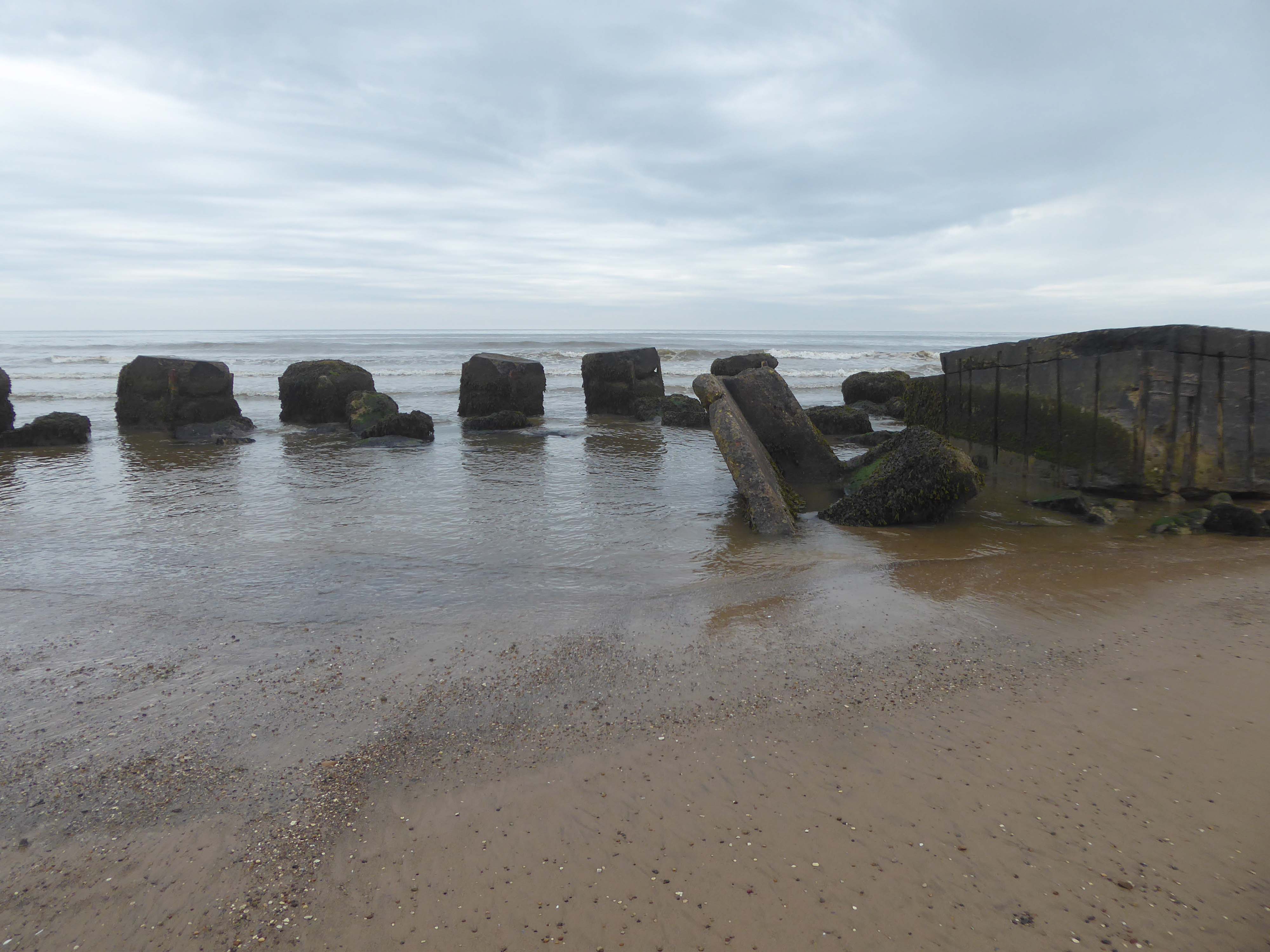
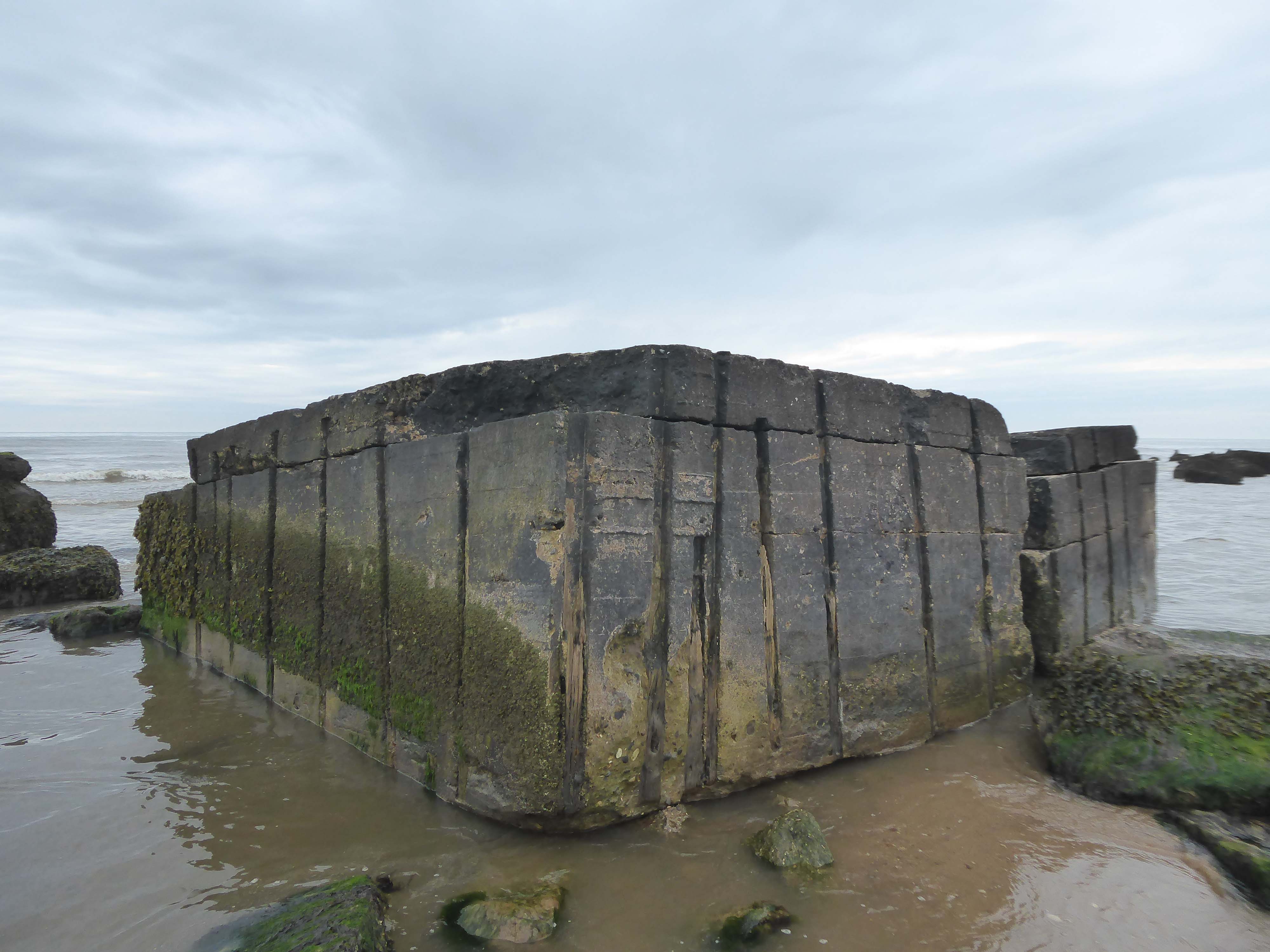
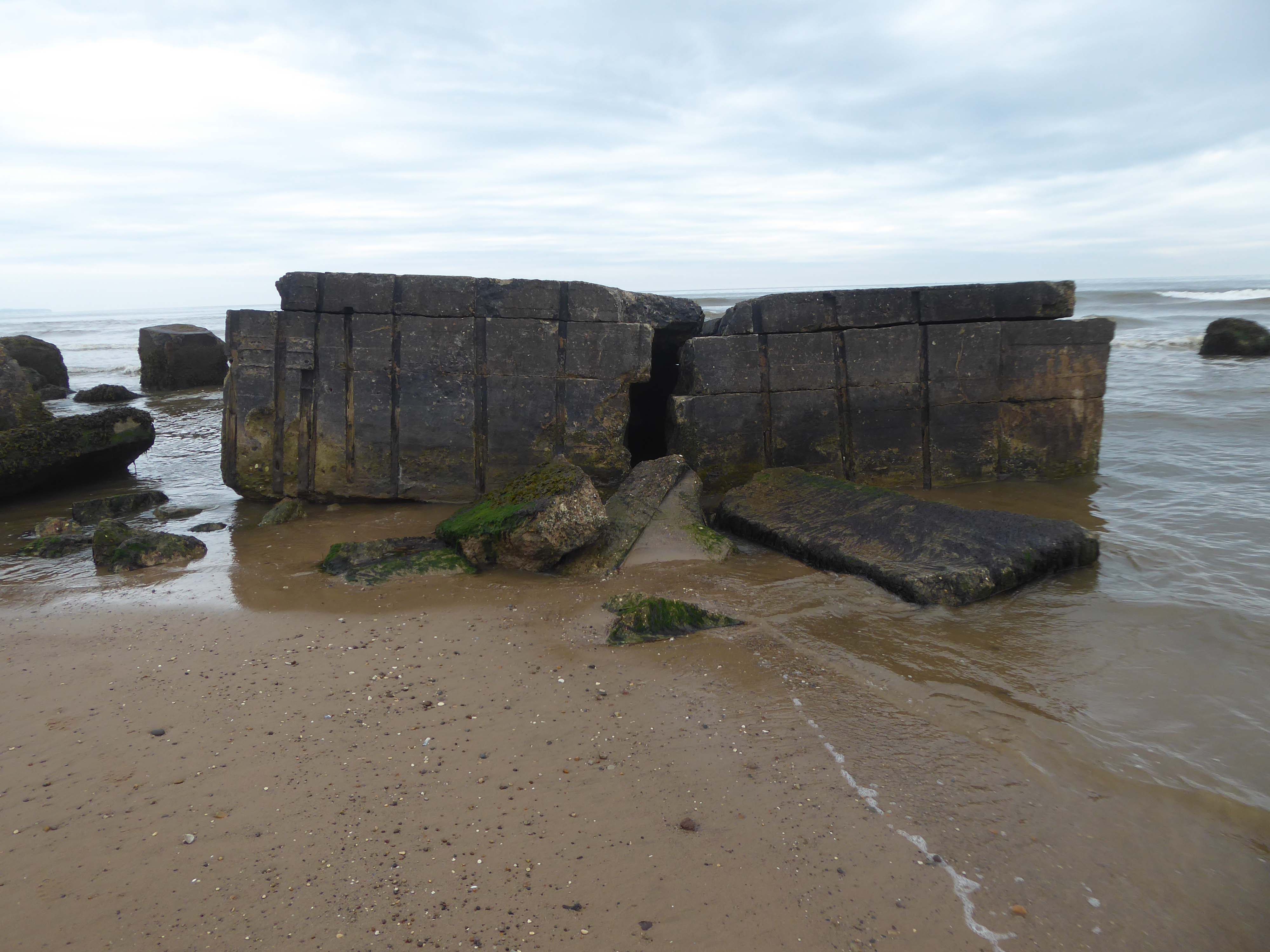
Here there are forces, past and present, at work shaping the landscape and the manmade addenda.

The remorseless waves, wind and rain eroding the coastal clay and contorted concrete.

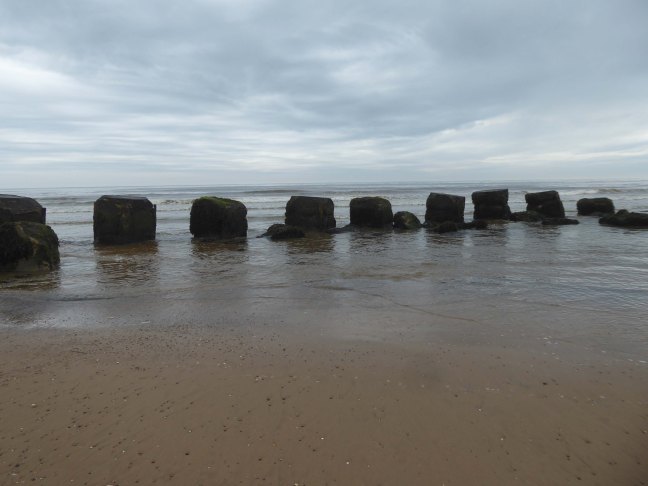
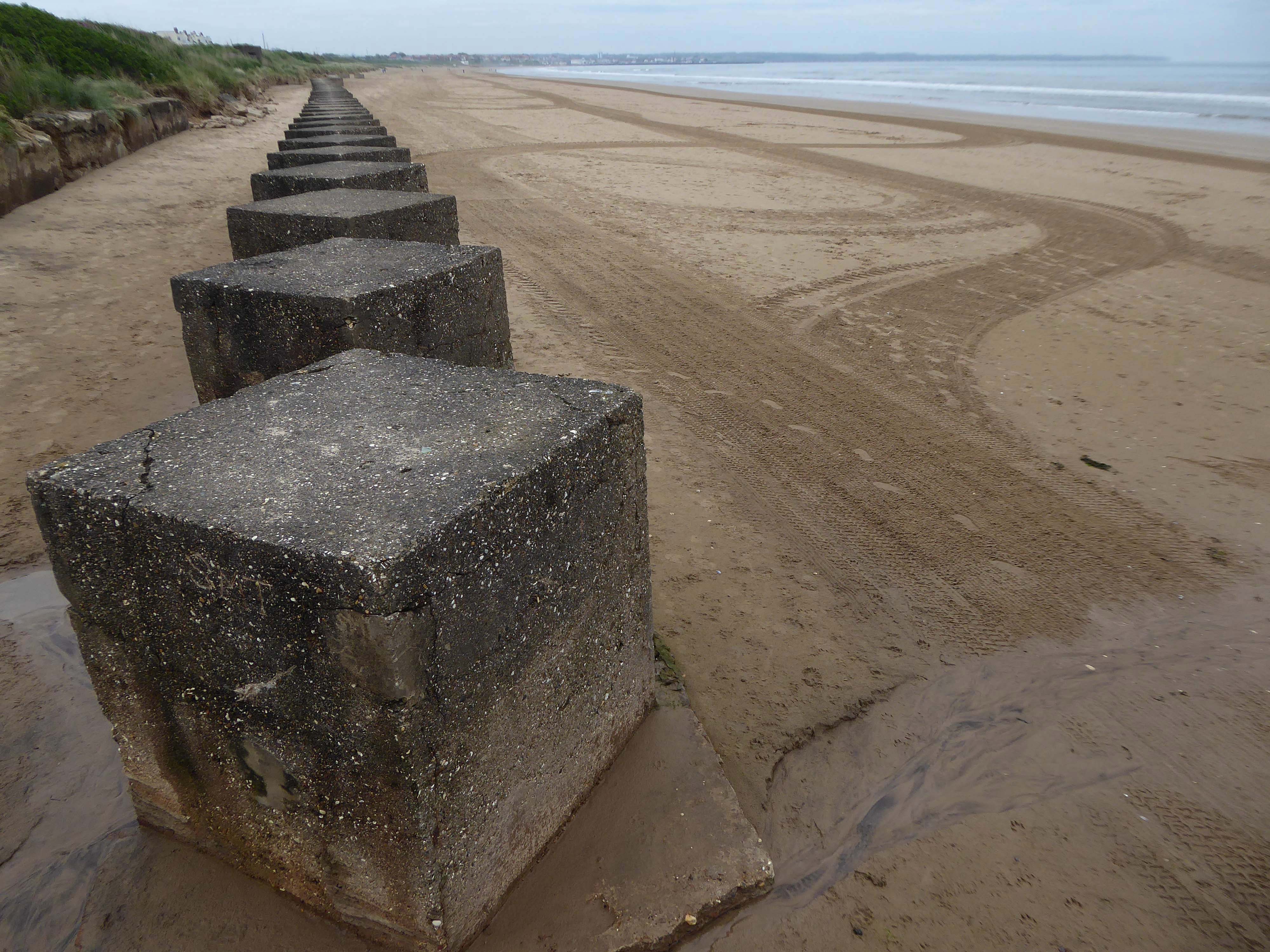
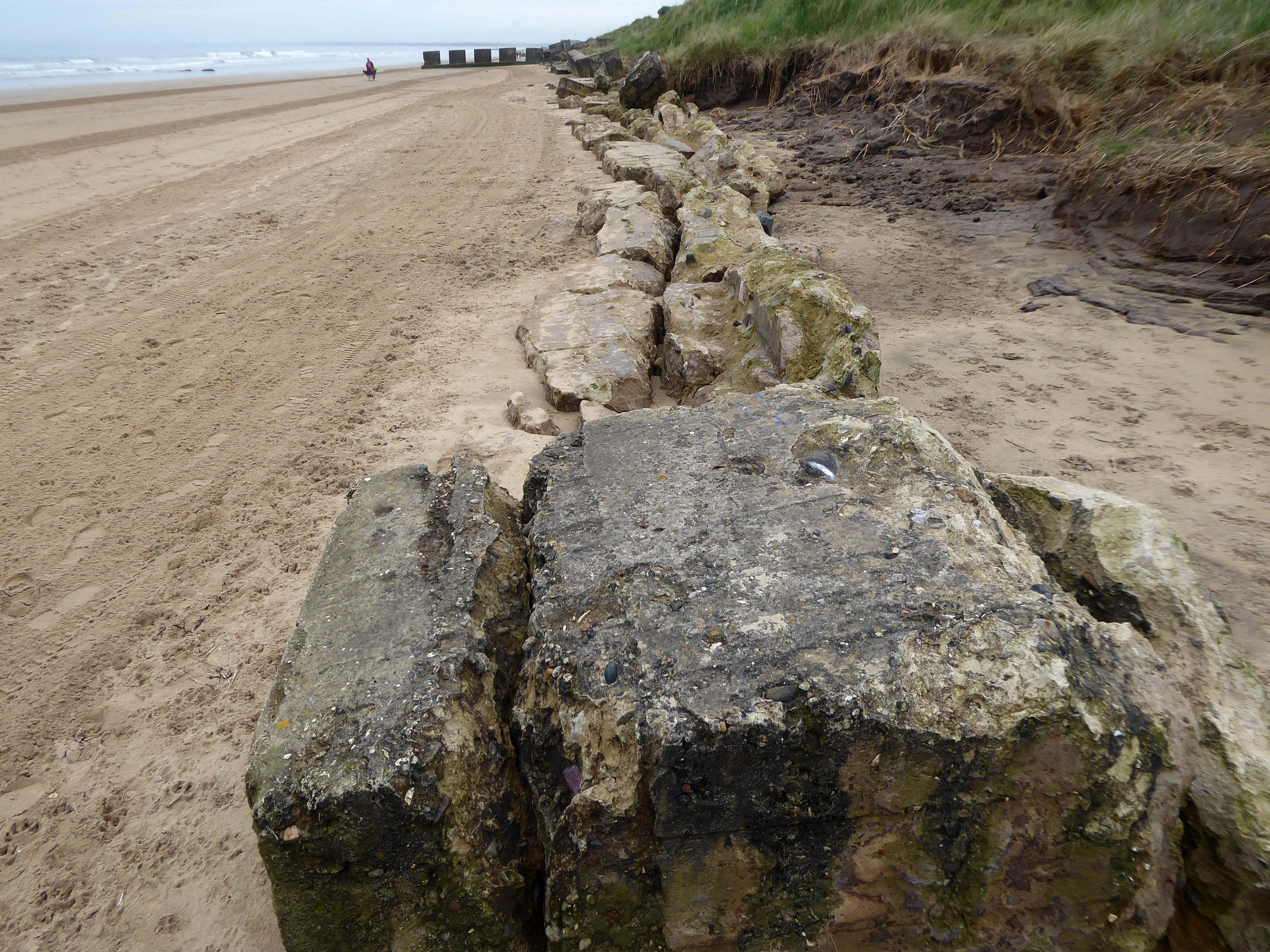
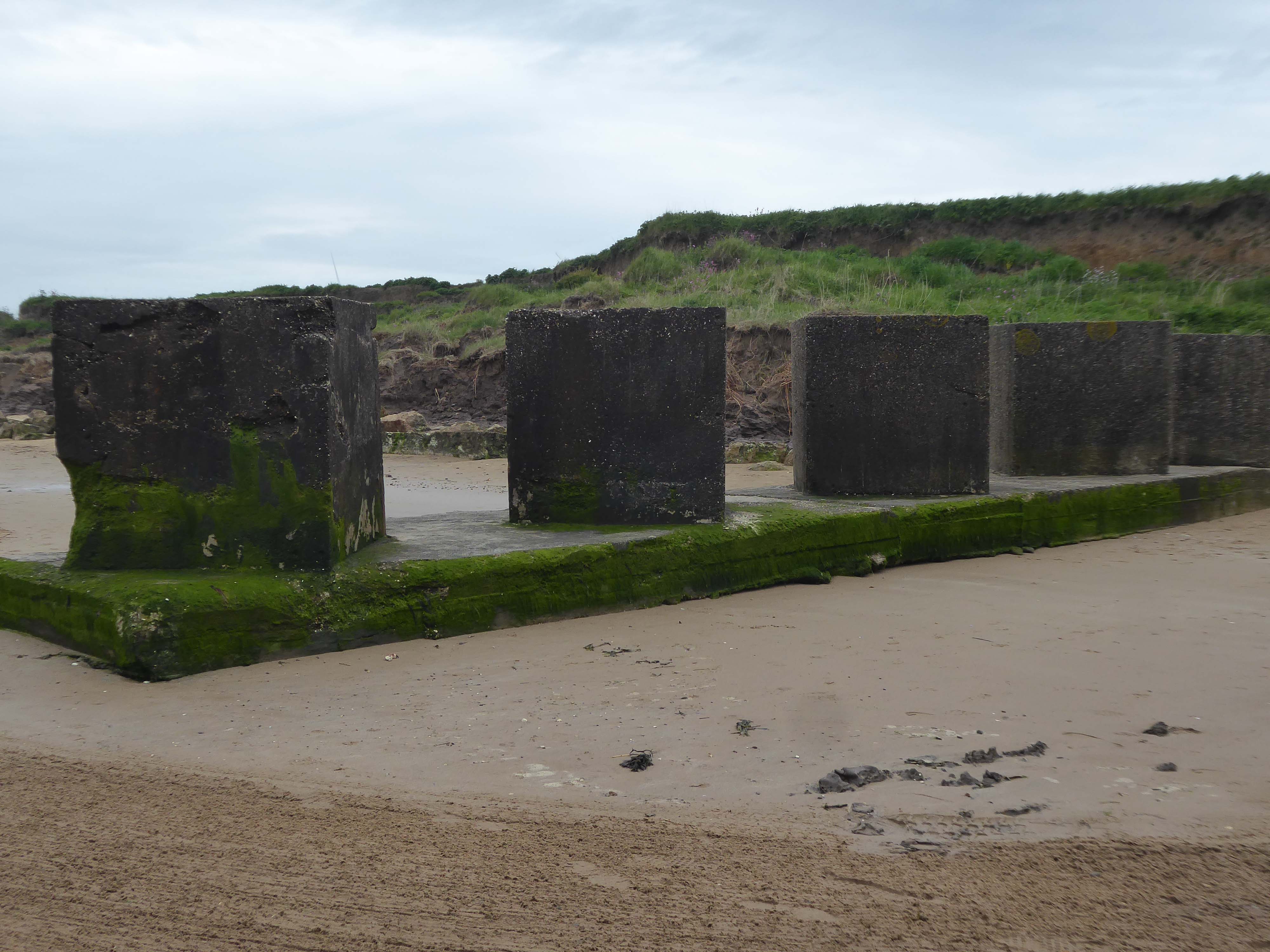
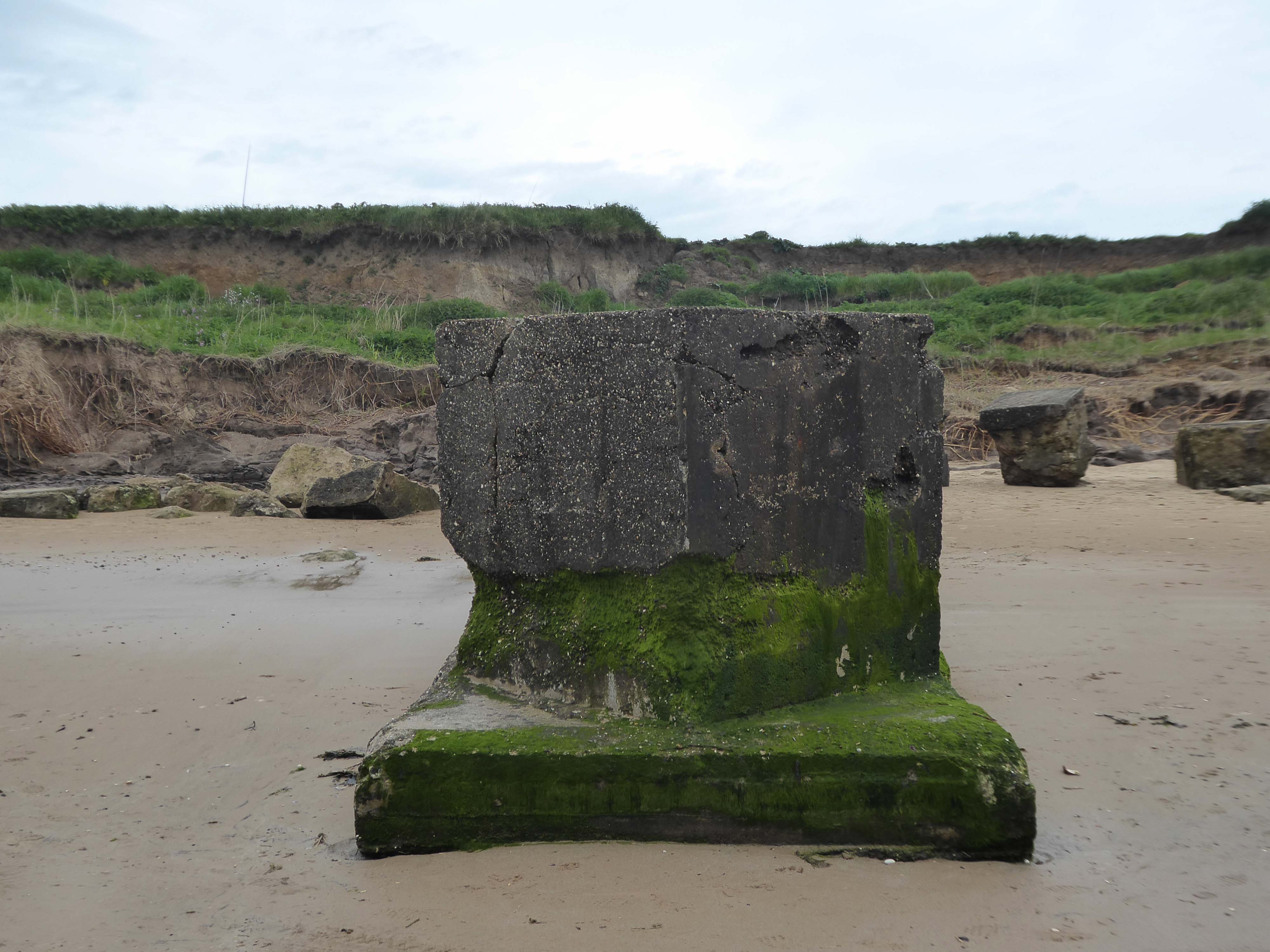
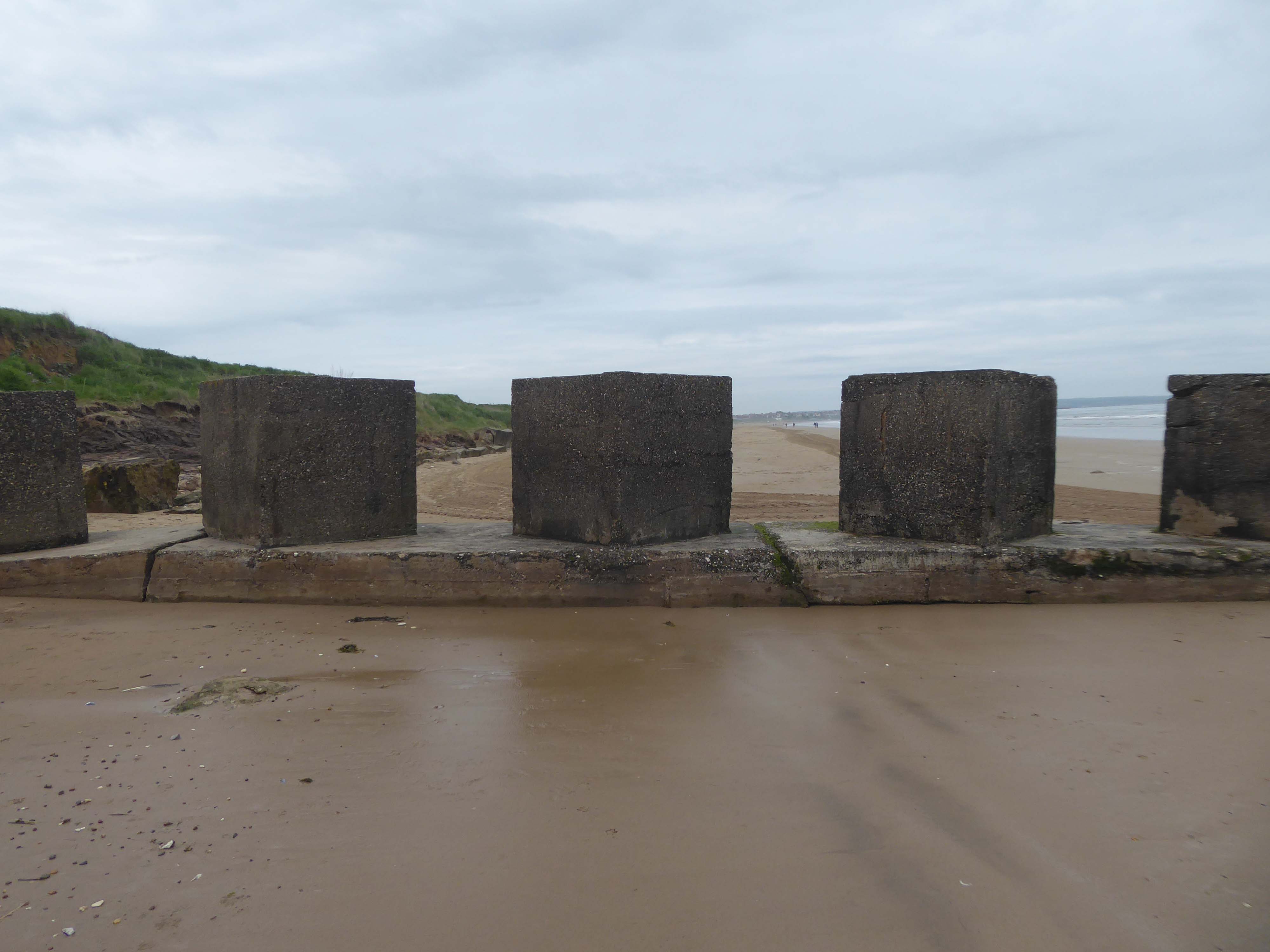
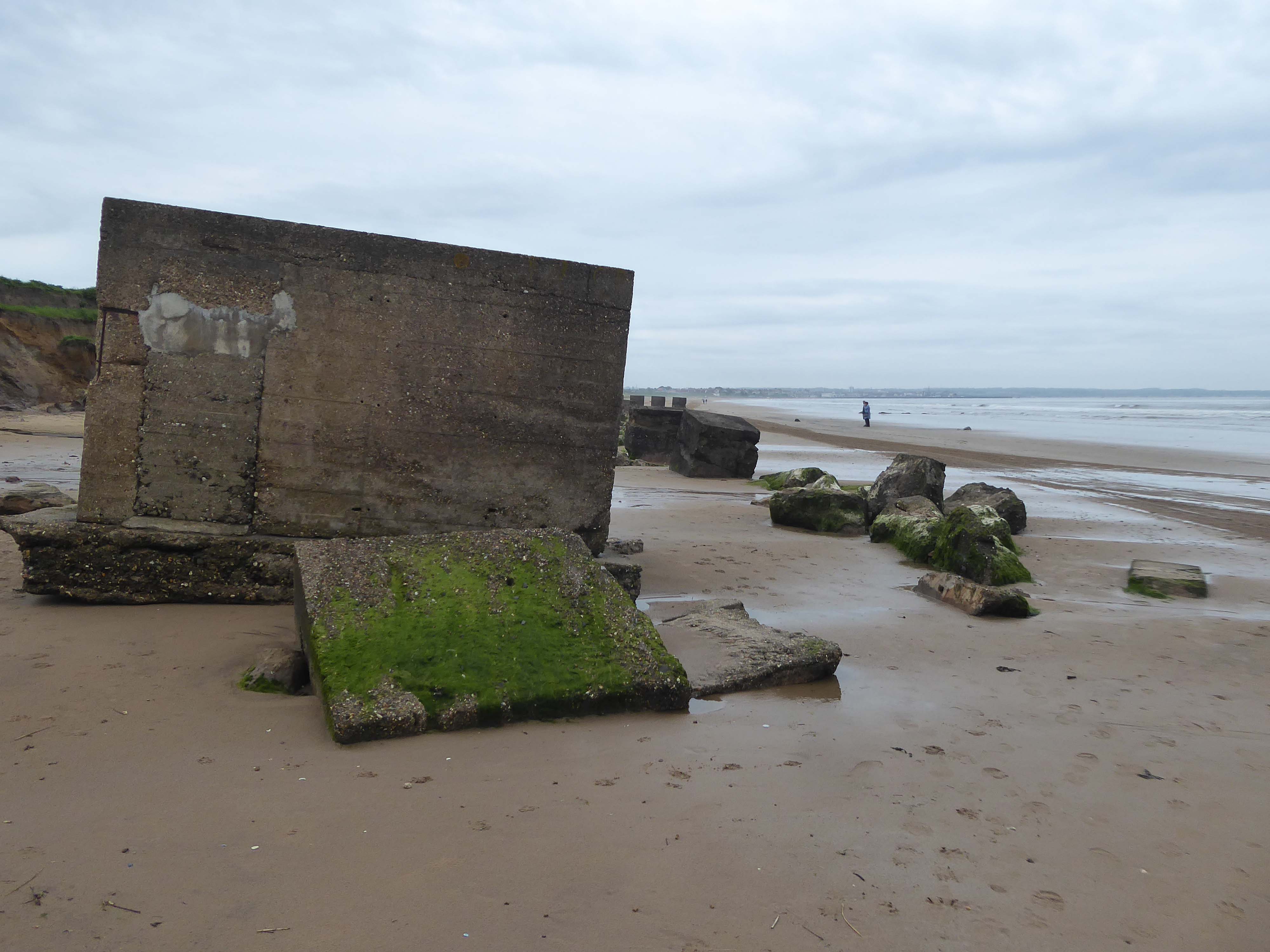
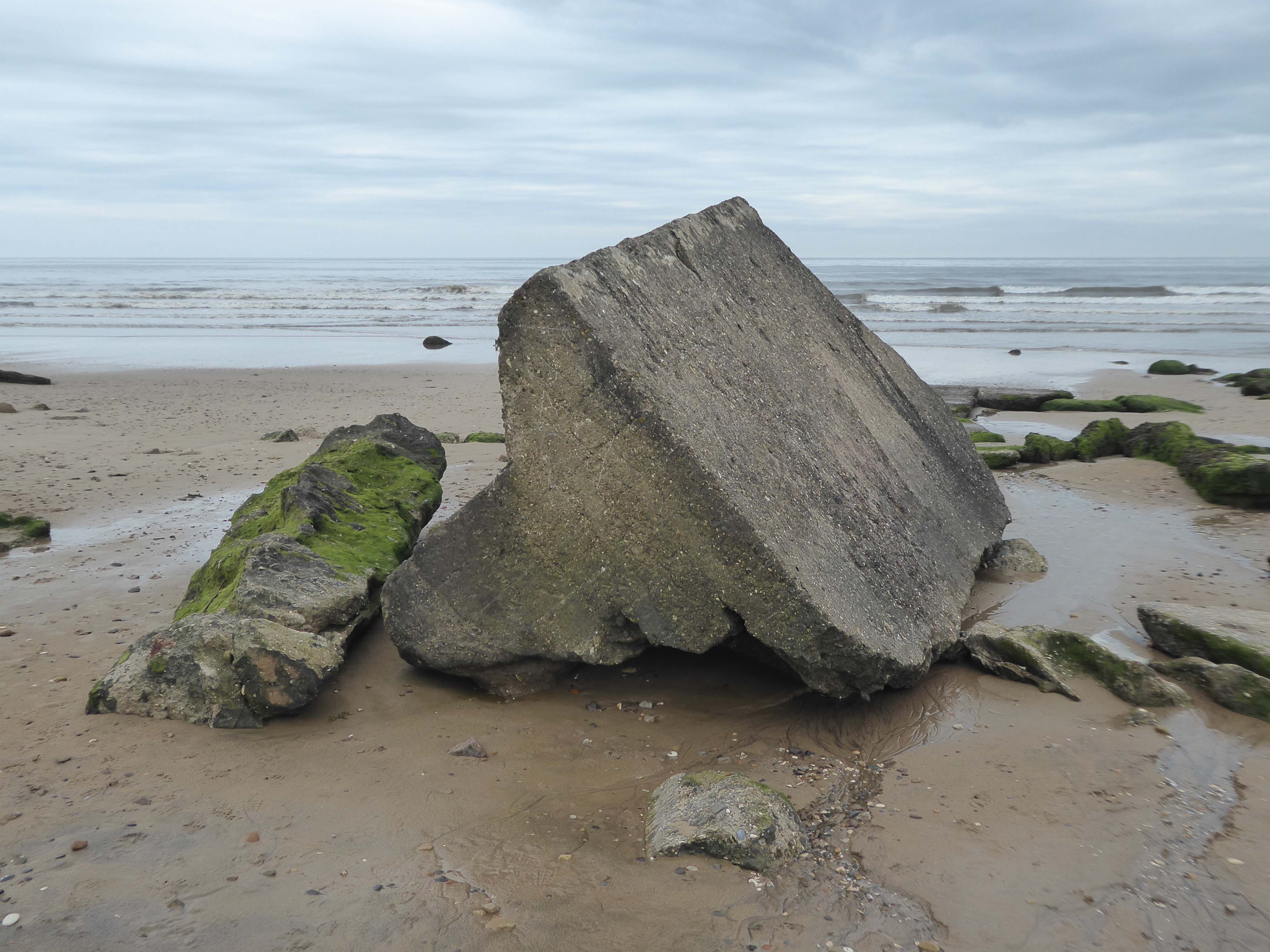
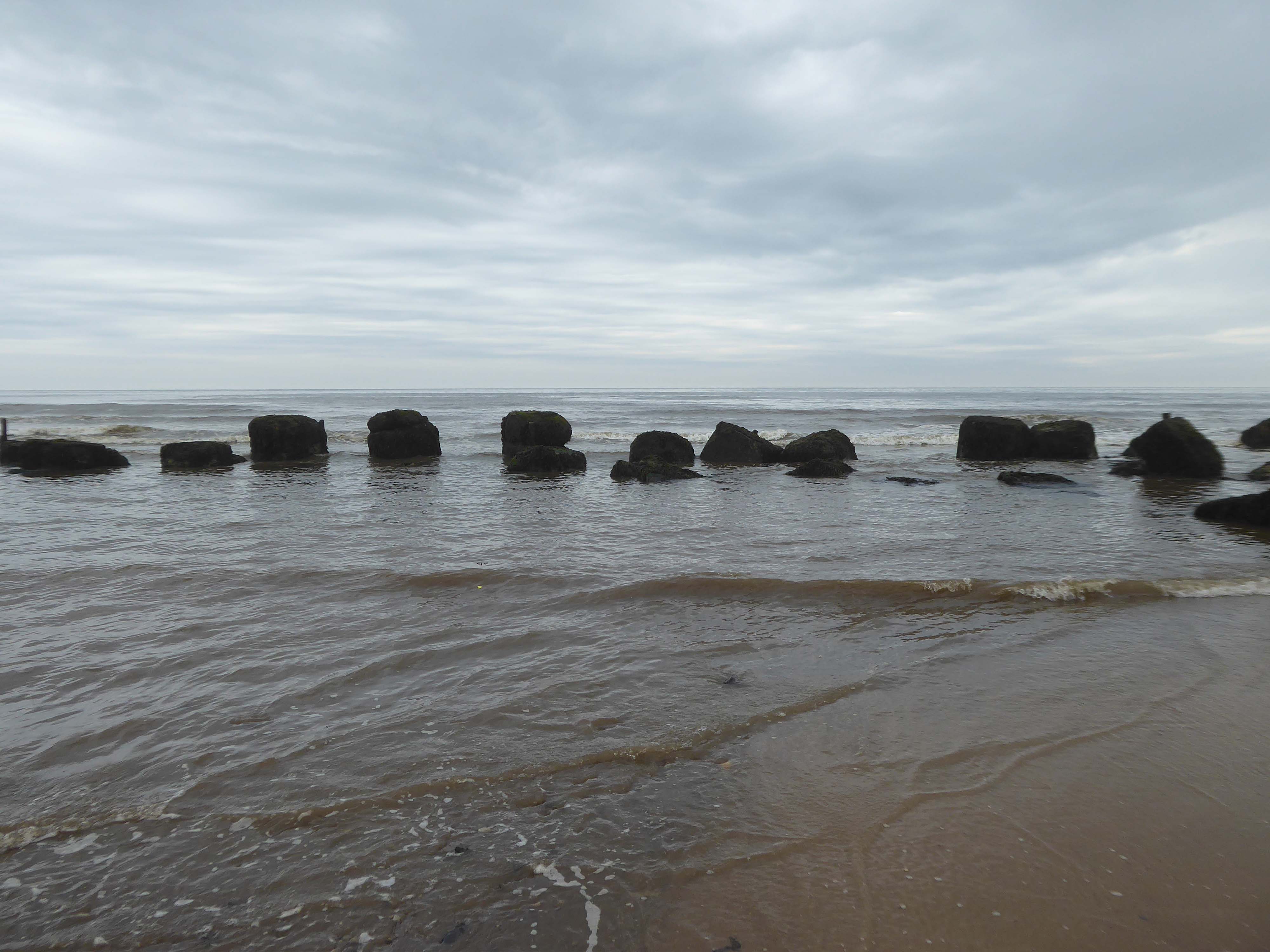
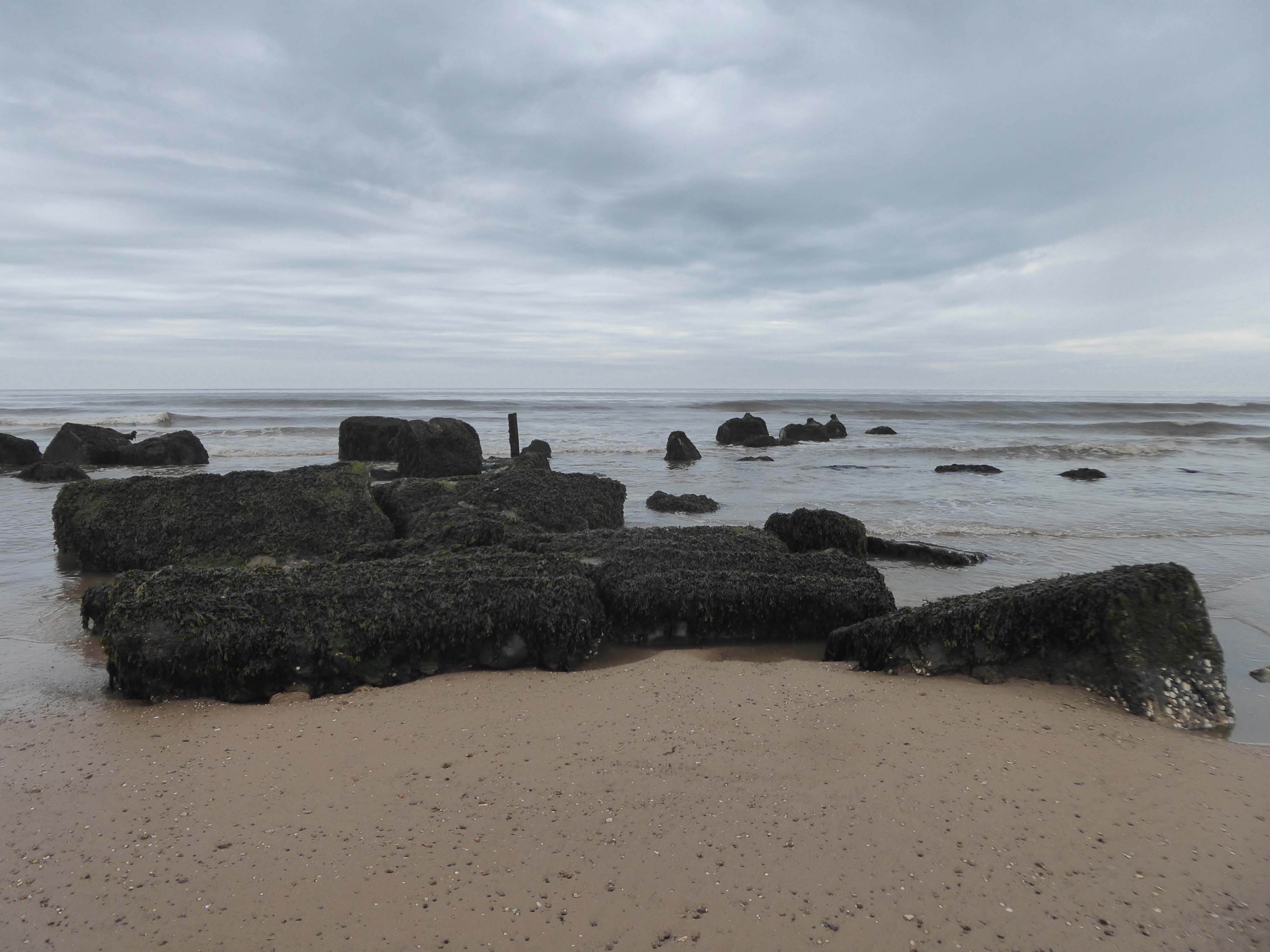
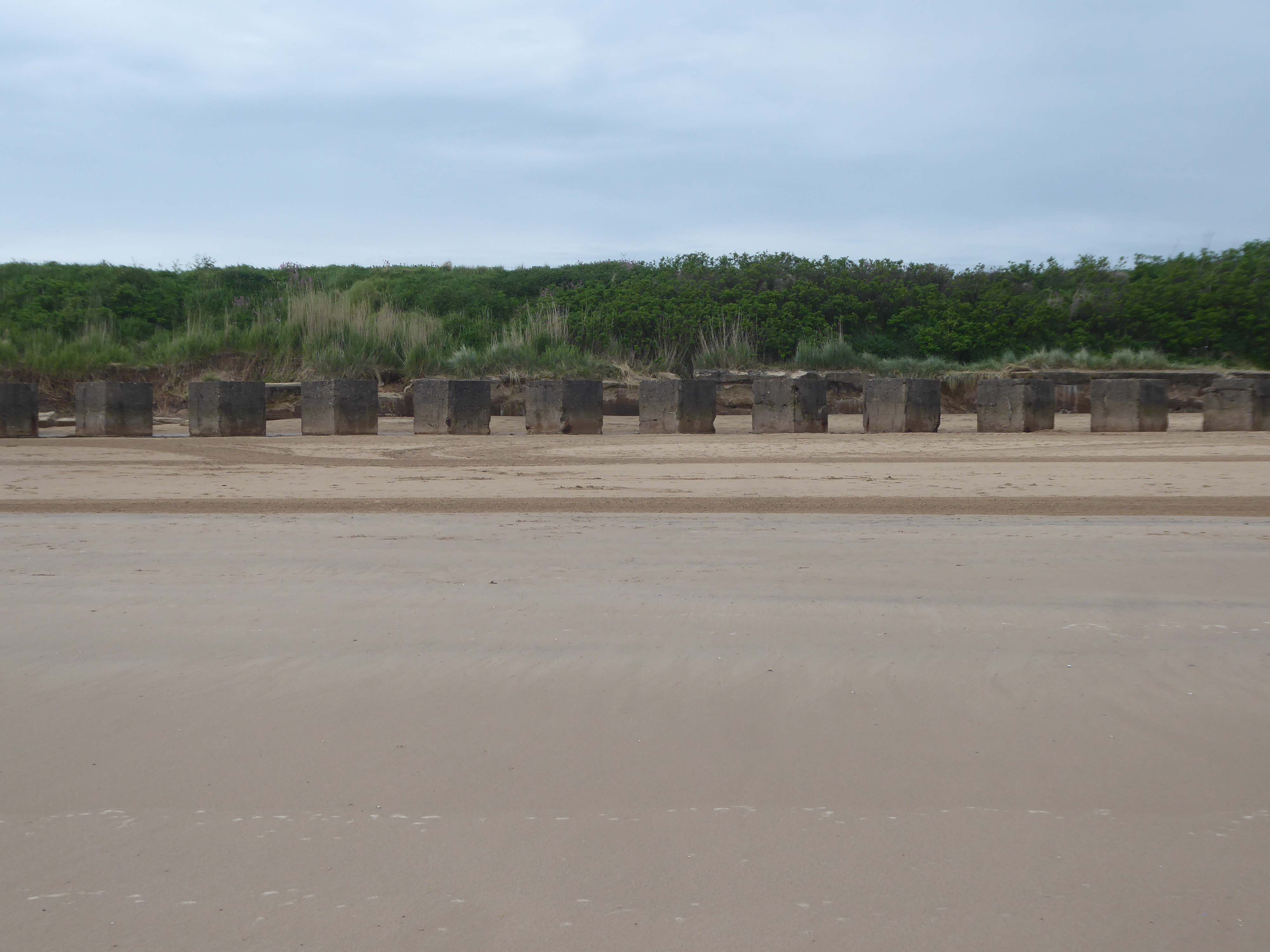
Anti-tank blocks line the foreshore here; with deep foundation they are meant to be so immovable that tanks cannot go through them and rather have to go over them, exposing the weakly armour undersides of the tanks, which can then be fired at. The anti-tank blocks are arranged in batches of both parallel and perpendicular to the sea, which helps to divide up the beach and channel enemies towards the pillboxes and into fire.

Citizan

Coastal Concrete – Filey

Once more unto the beach, dear friends, once more, or close the wall up with our English dead. 

Having visited Cayton Bay last year I ventured forth last week, to Filey and beyond.

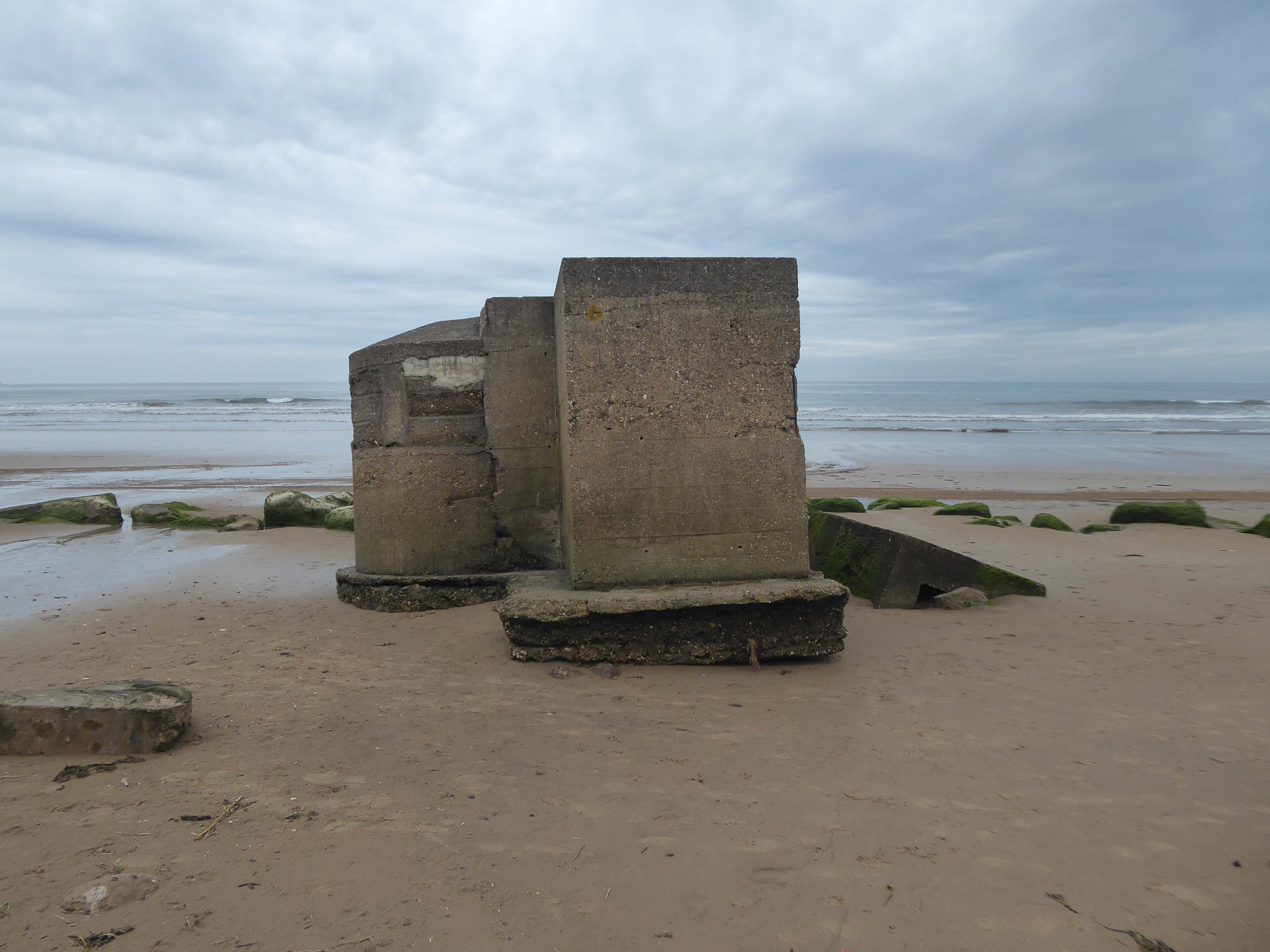
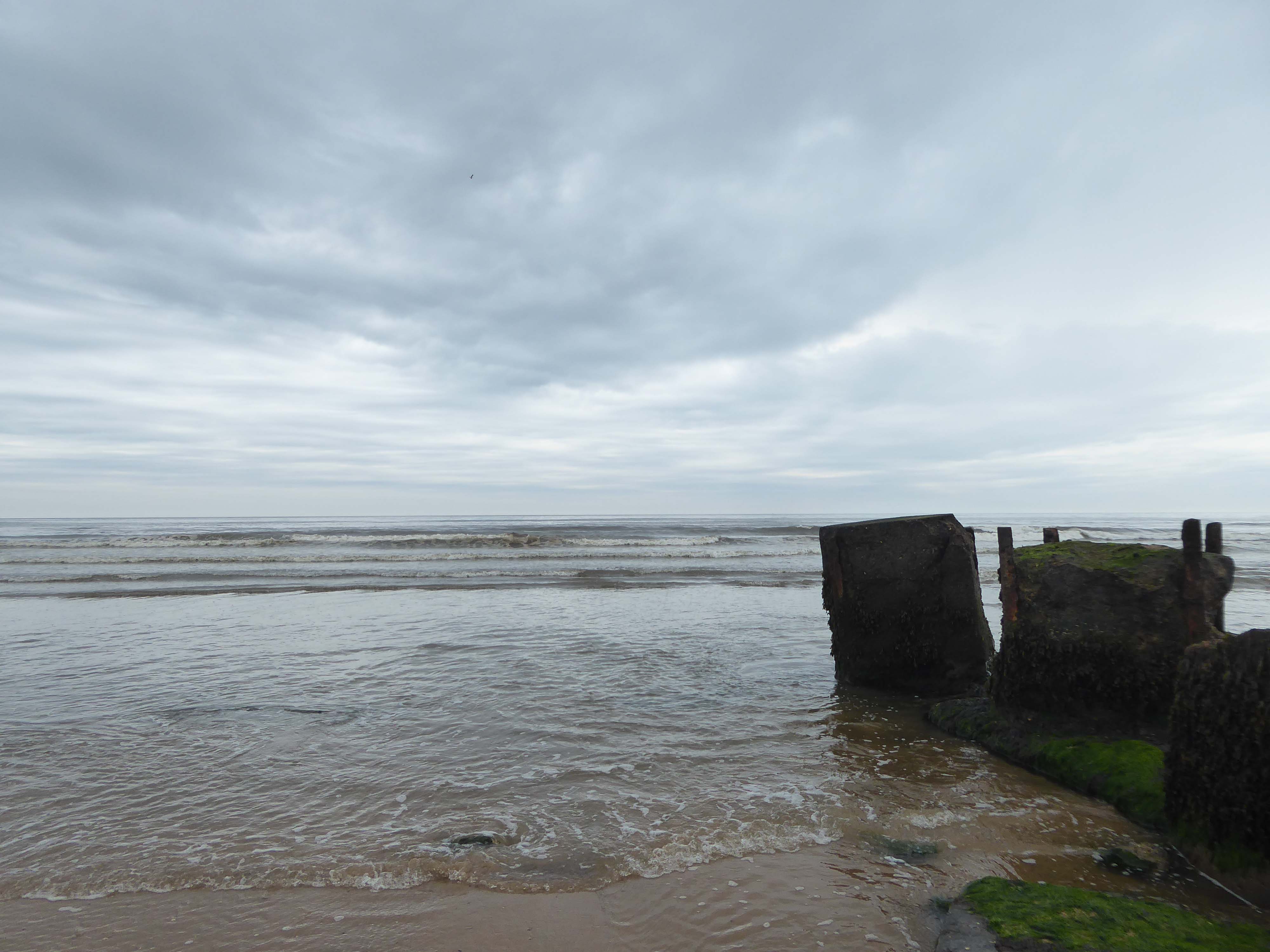
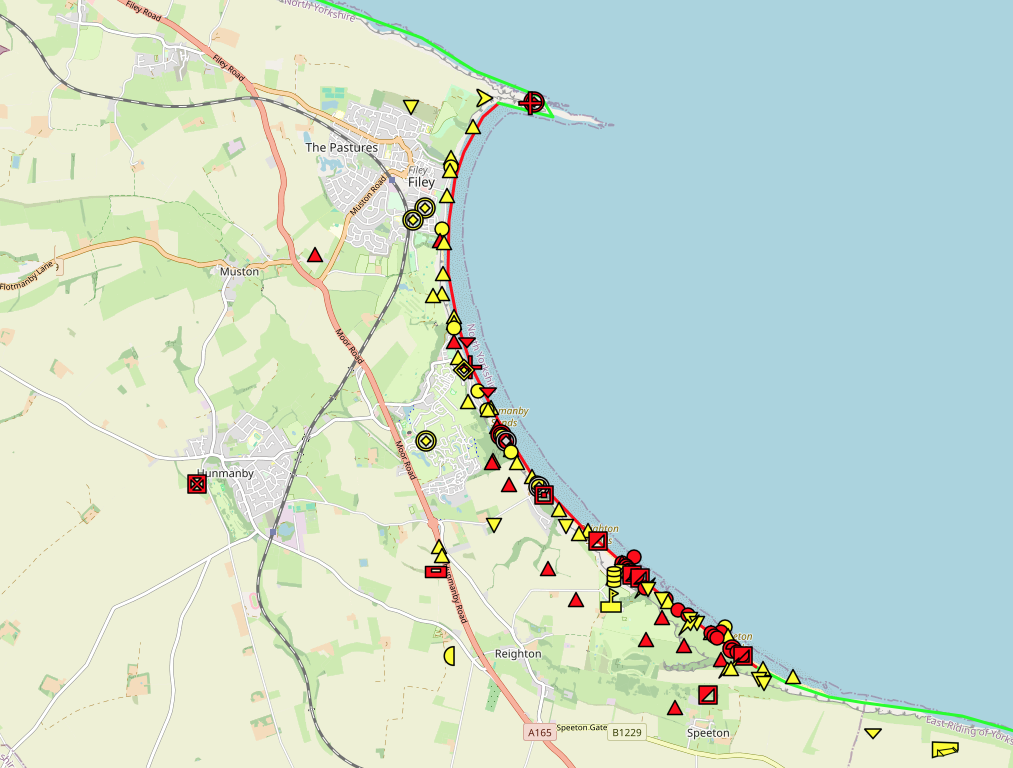
The shore toward Hunmanby Gap when faced with the threat of invasion, was home to a plethora of coastal defences, formed from raw concrete between the years 1941 and 1942, along with attendant armed forces.

Map – eDoB online

Pill boxes, anti-landing trenches, anti-tank obstacles, beach lights, coastal batteries, flame fourgasses, gun emplacements and machine gun posts were clustered along the coast.

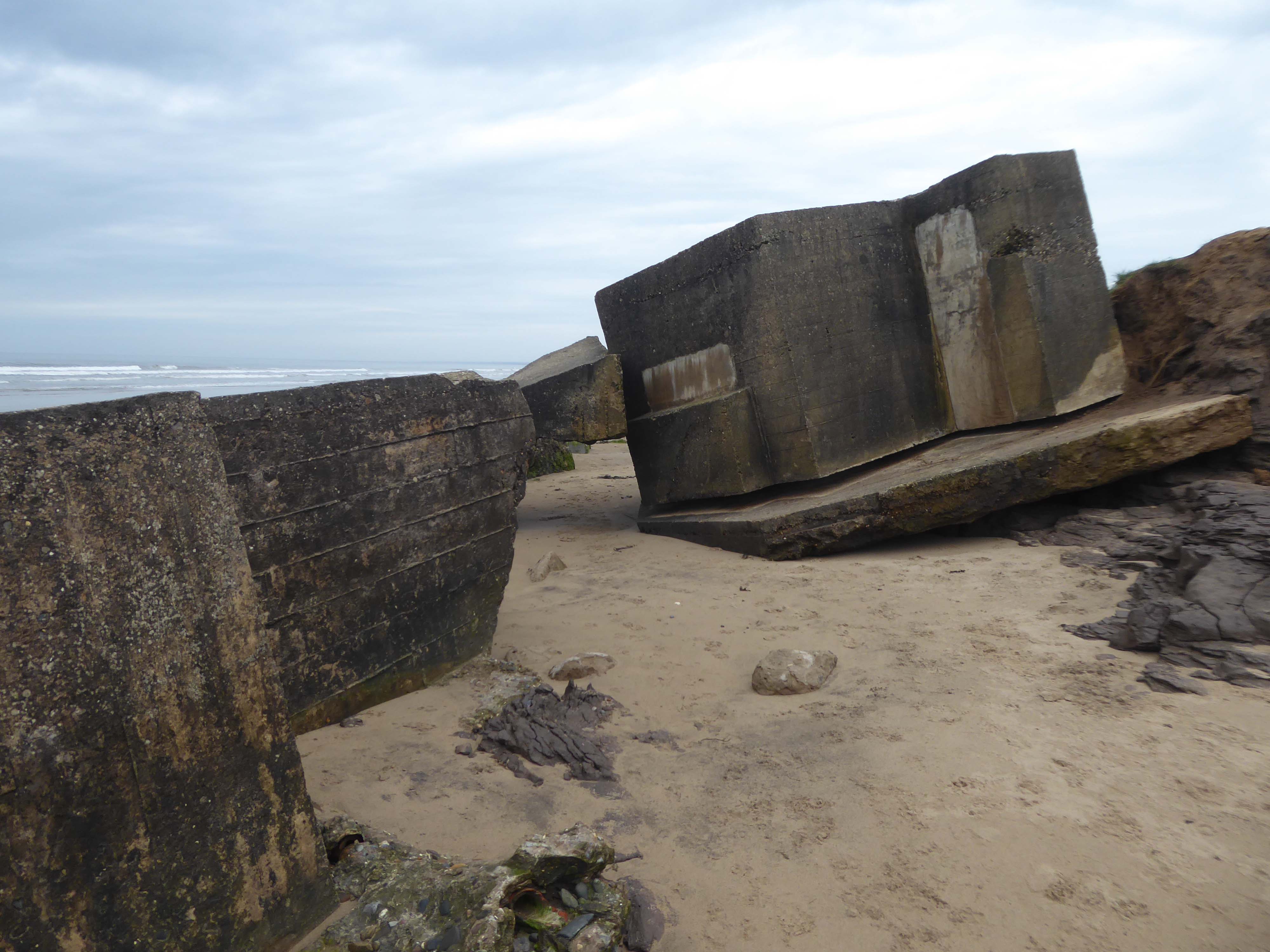
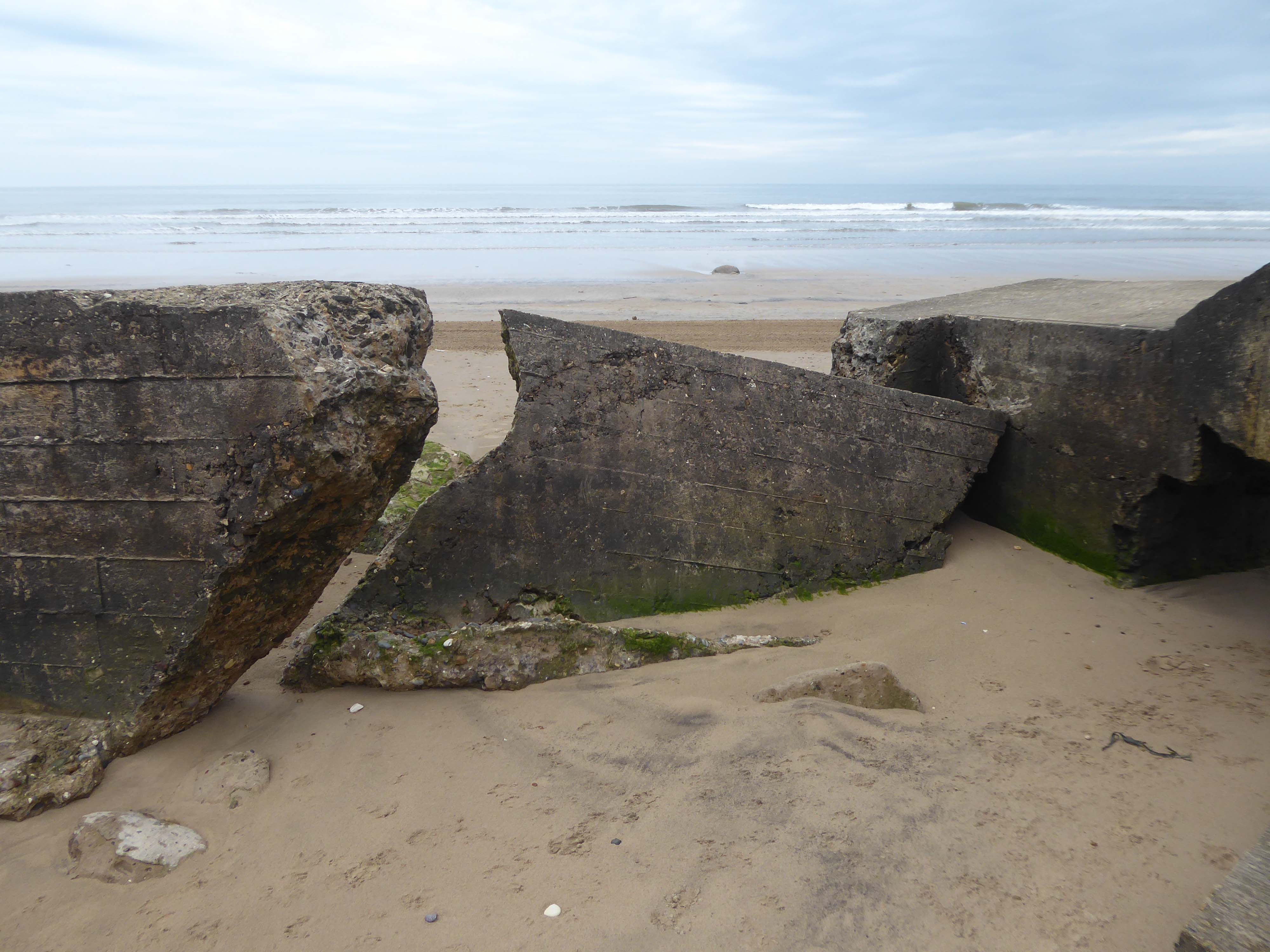
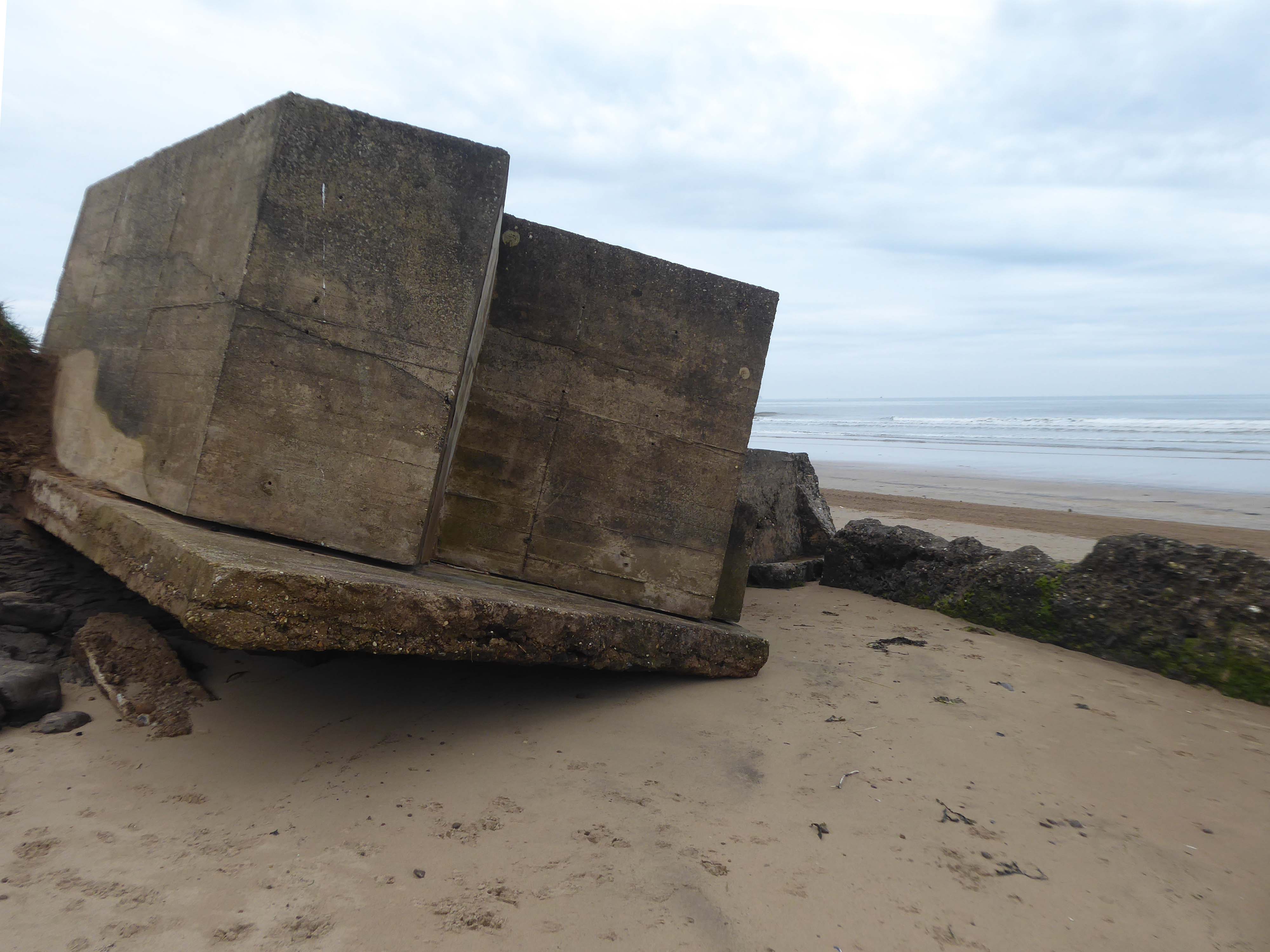
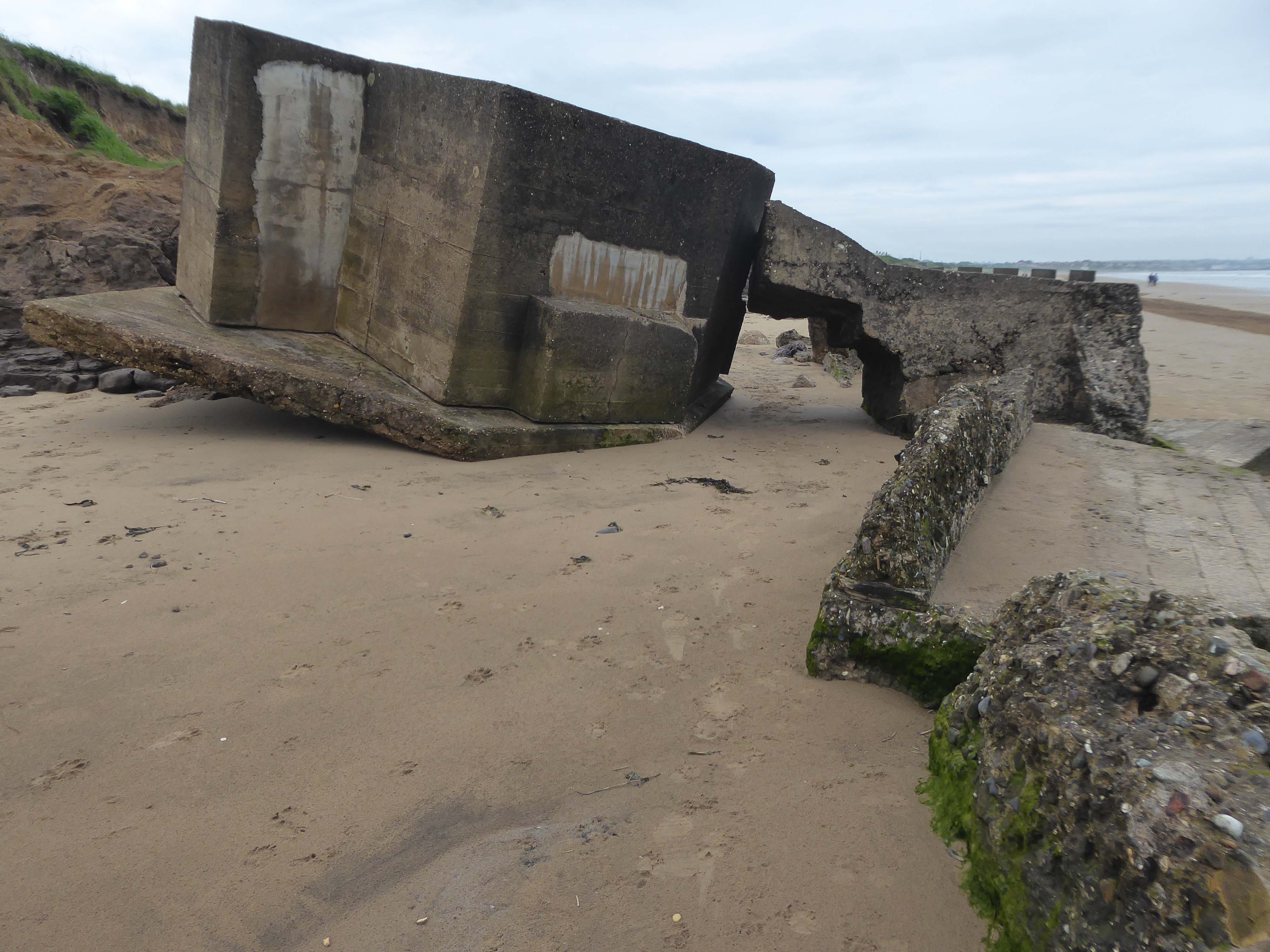
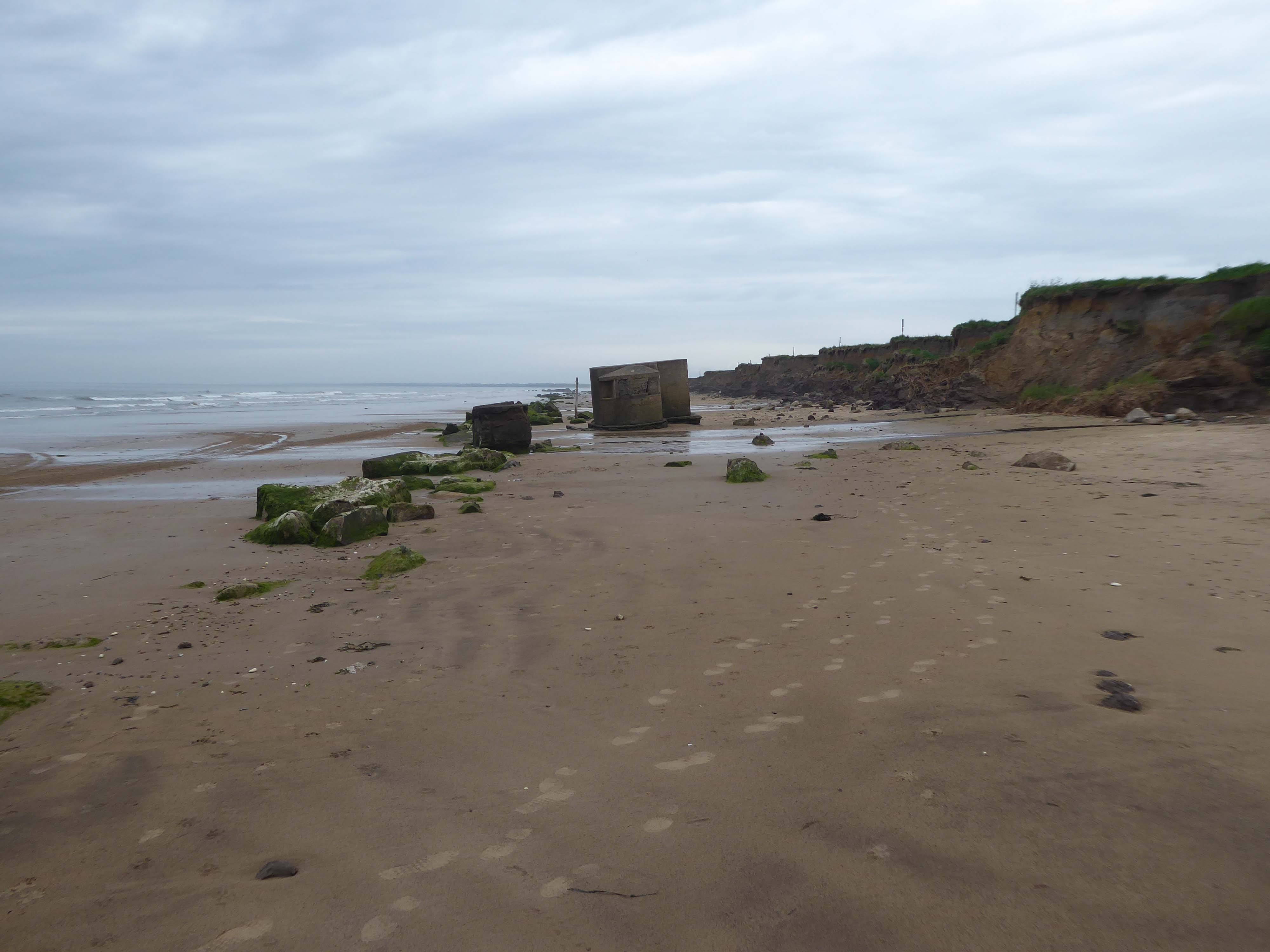
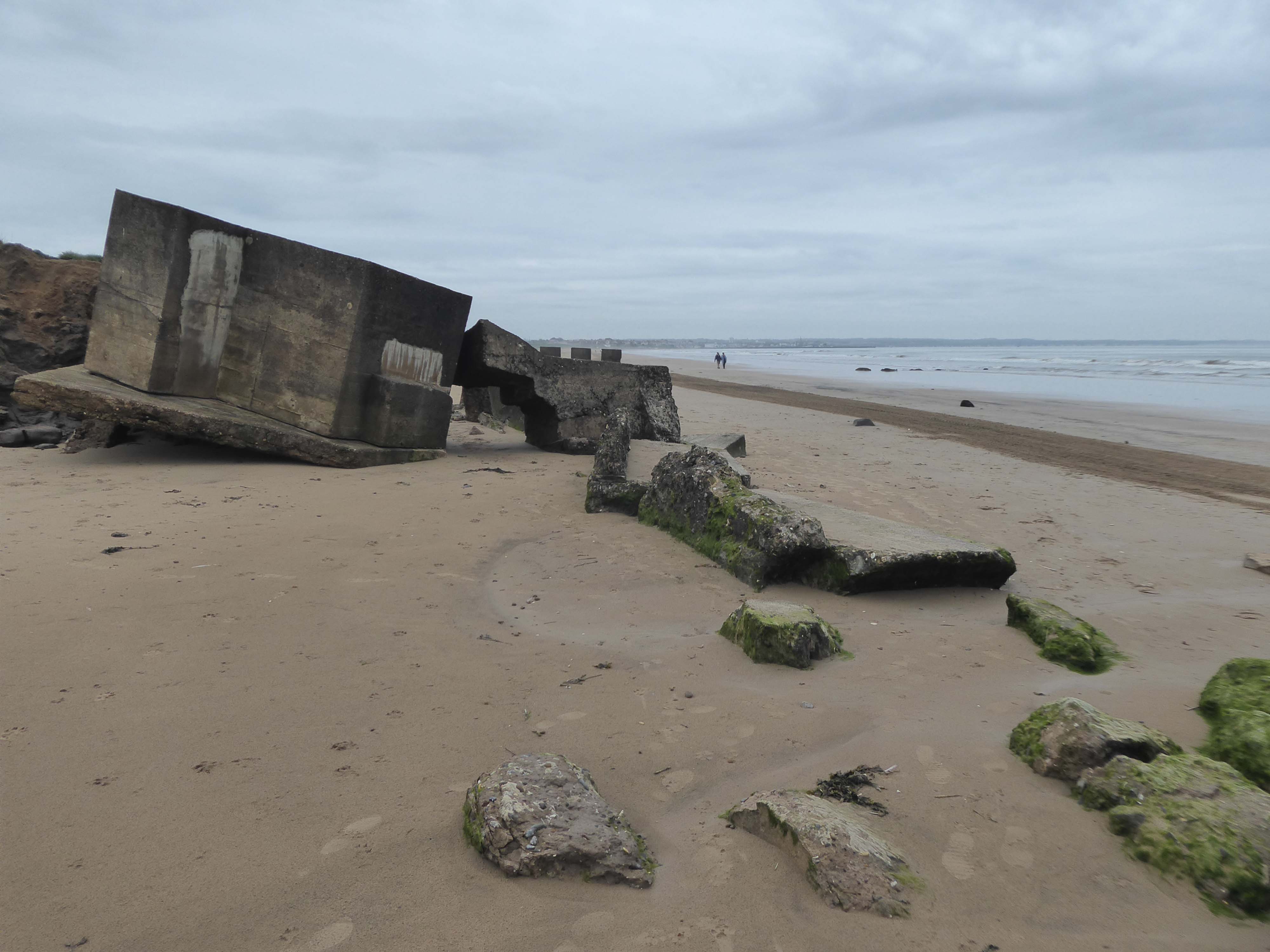
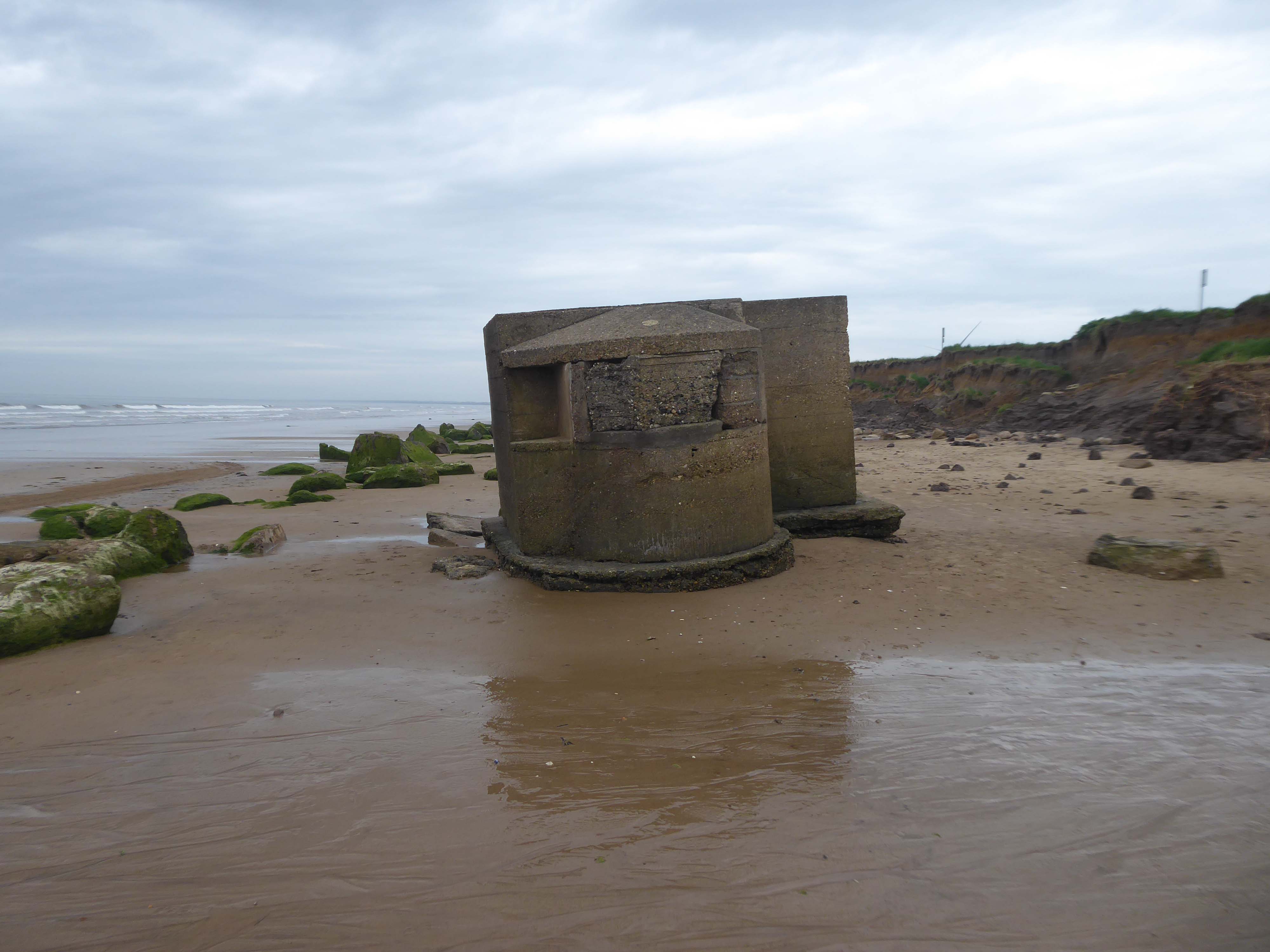
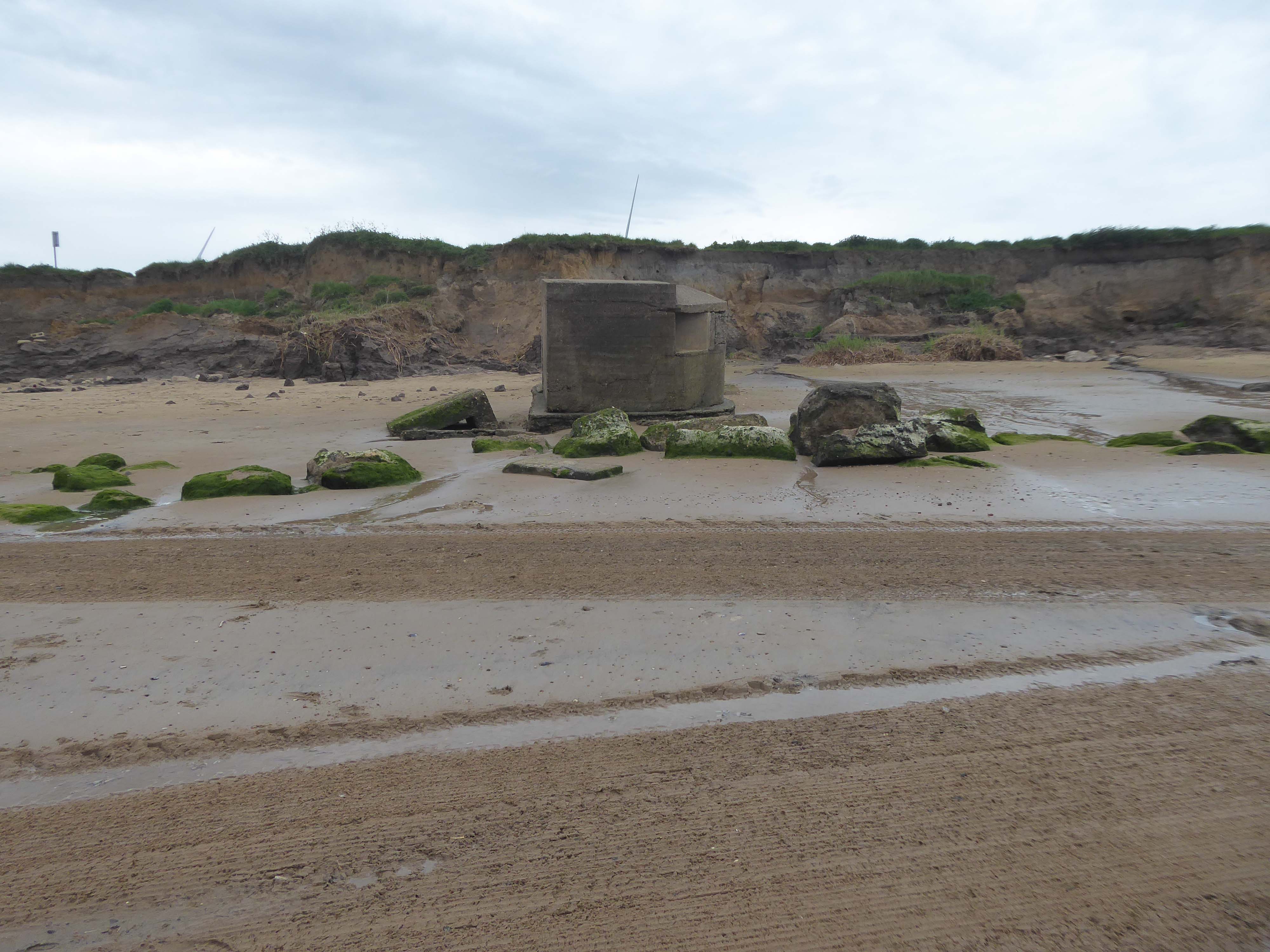
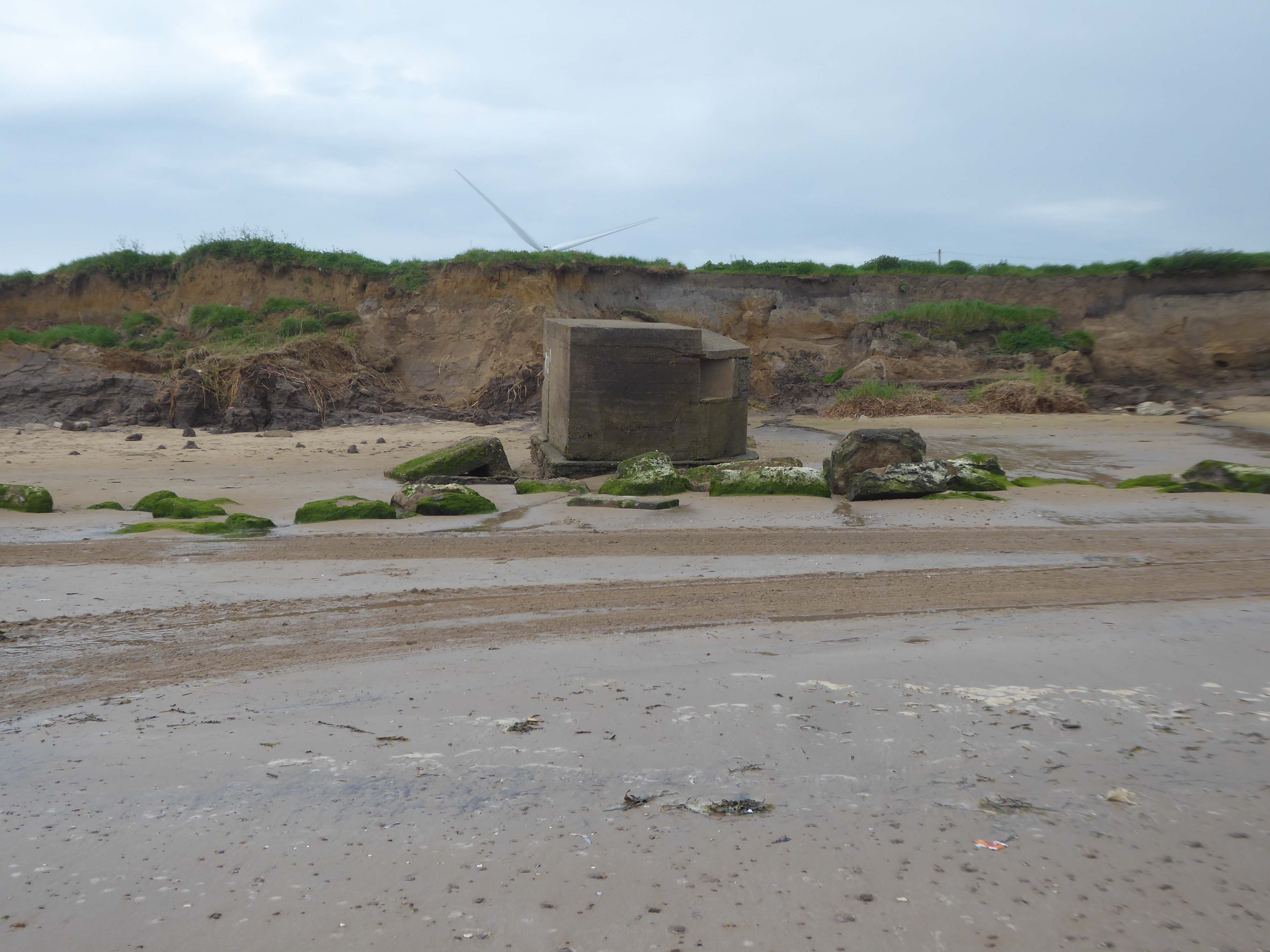
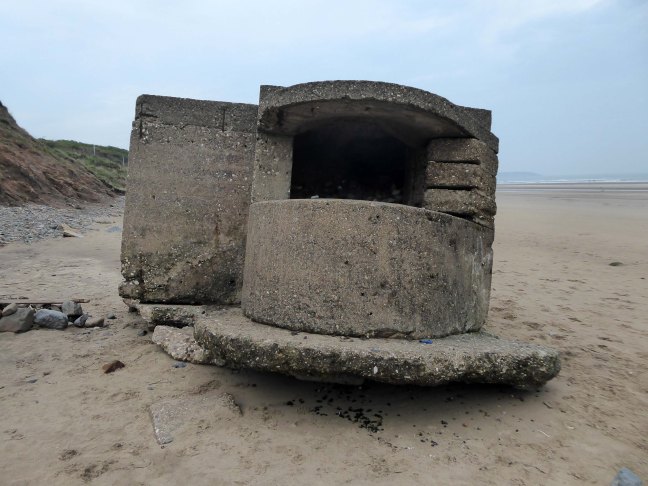
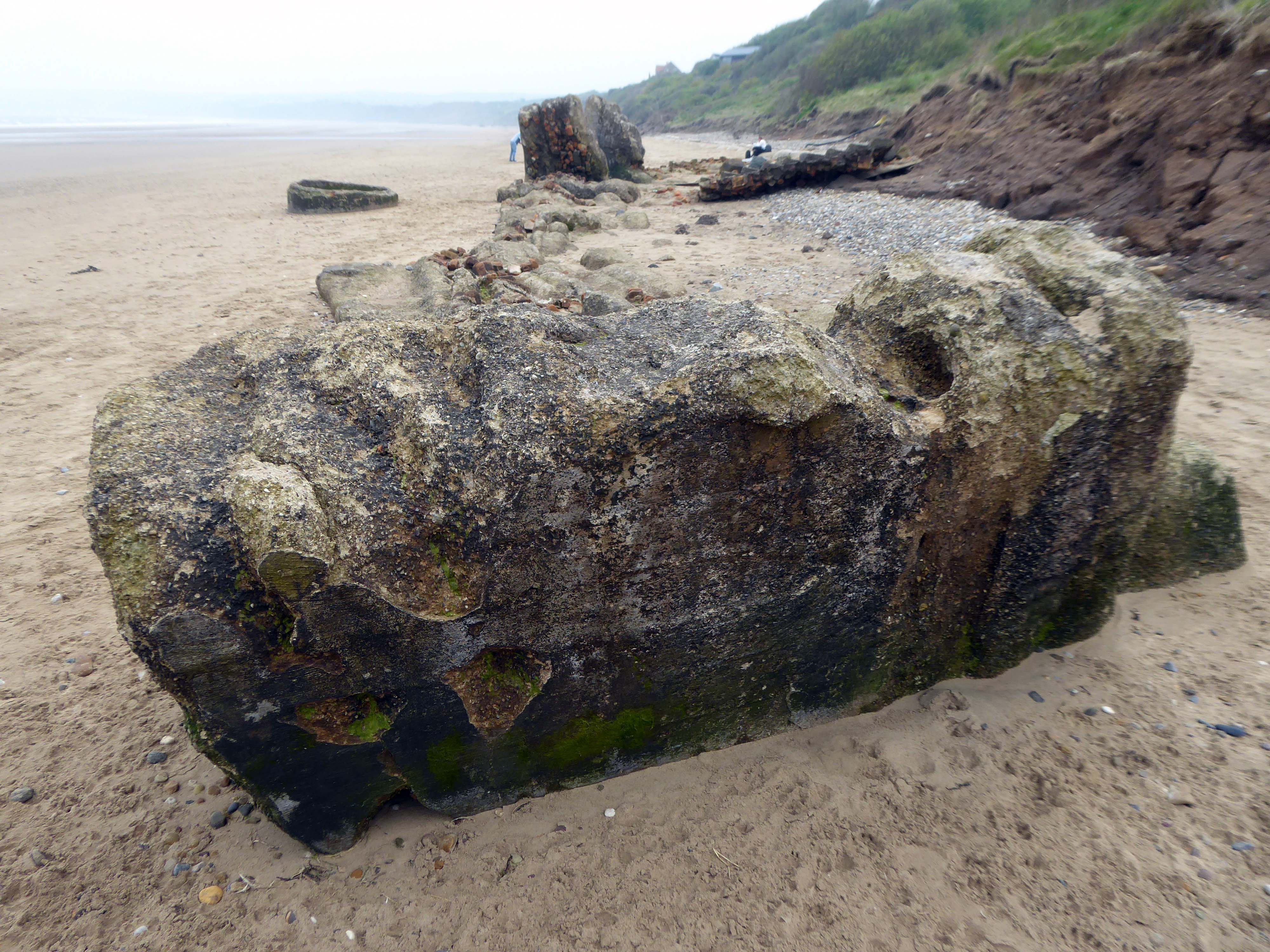
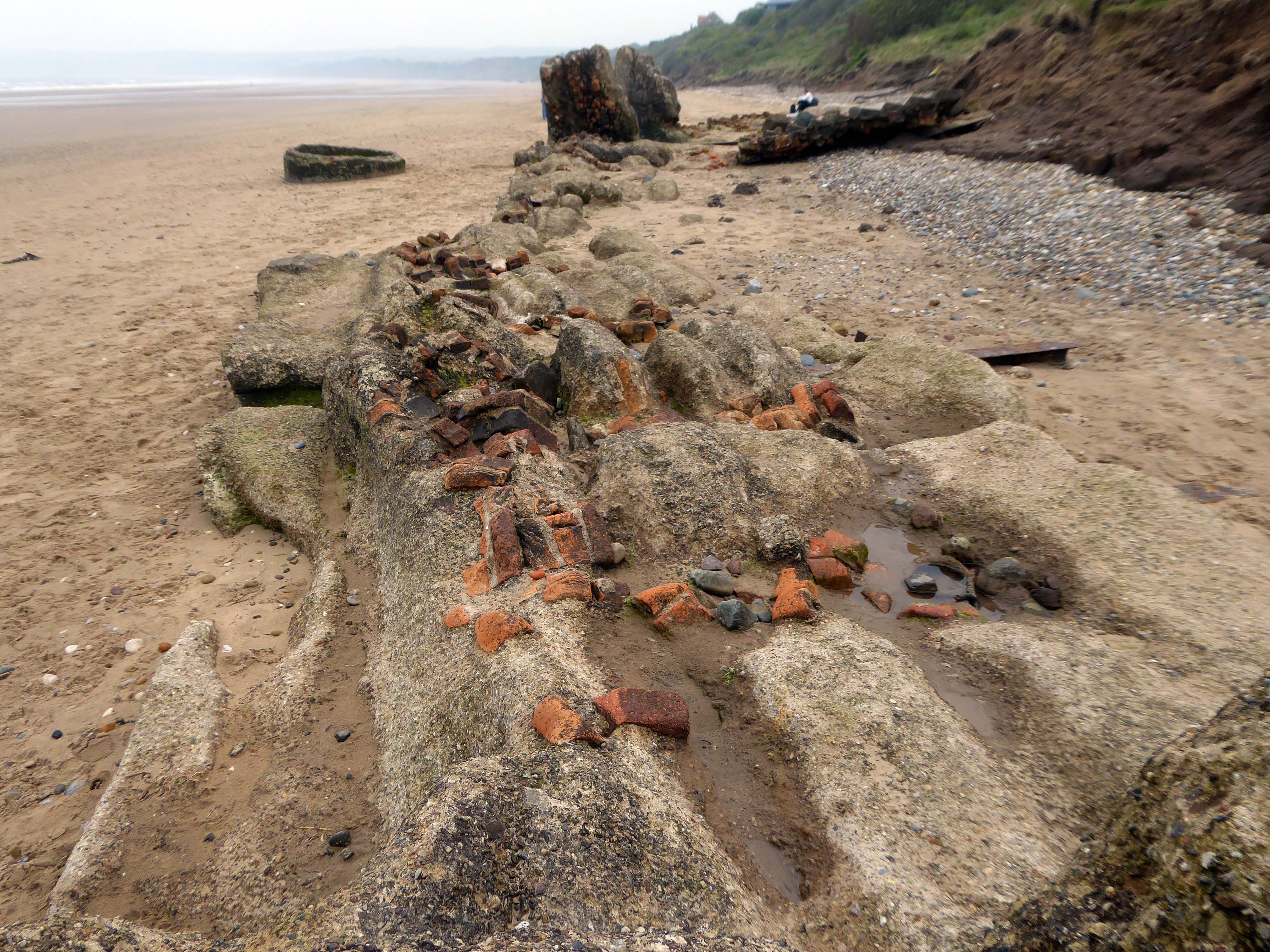
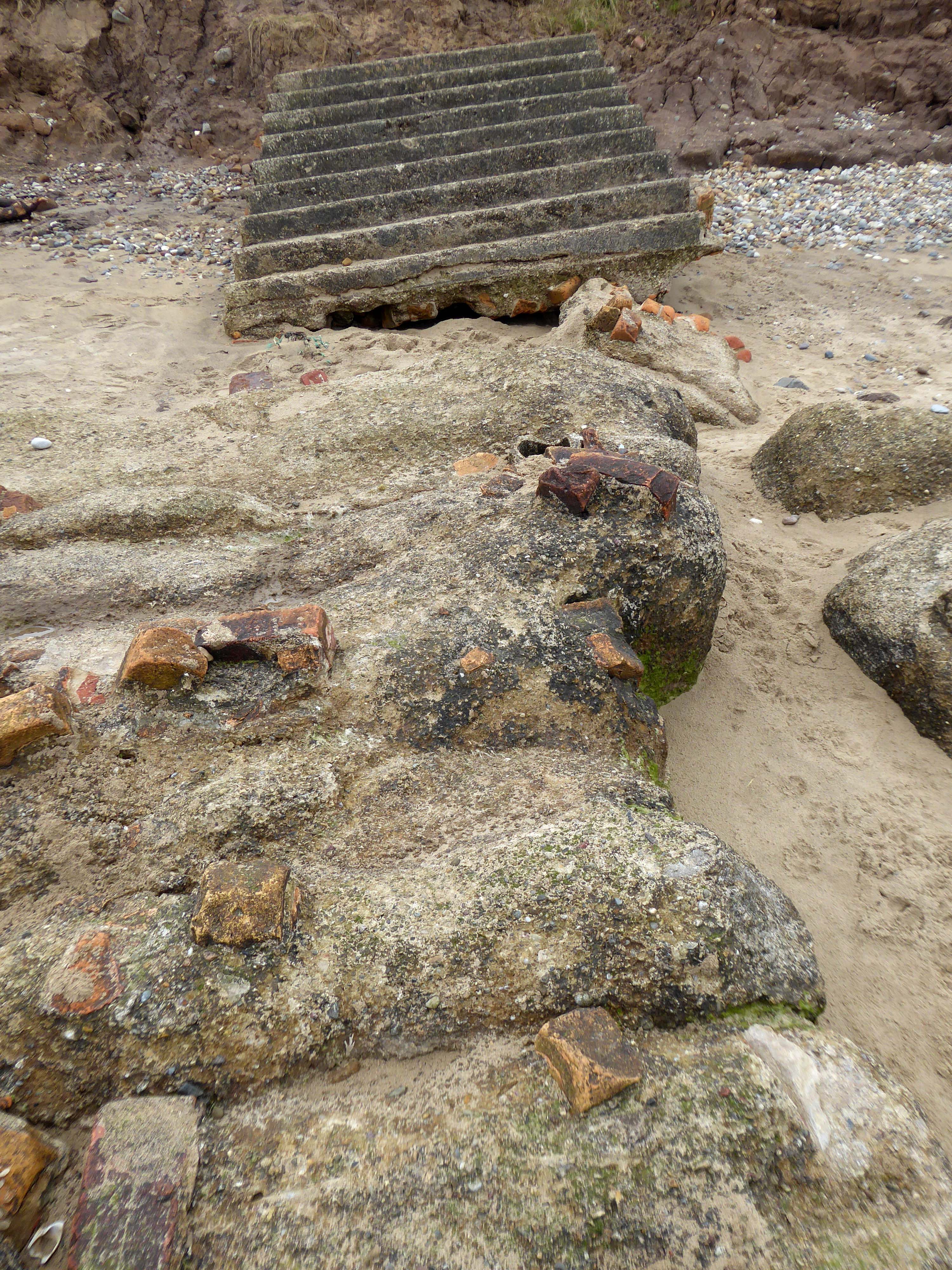
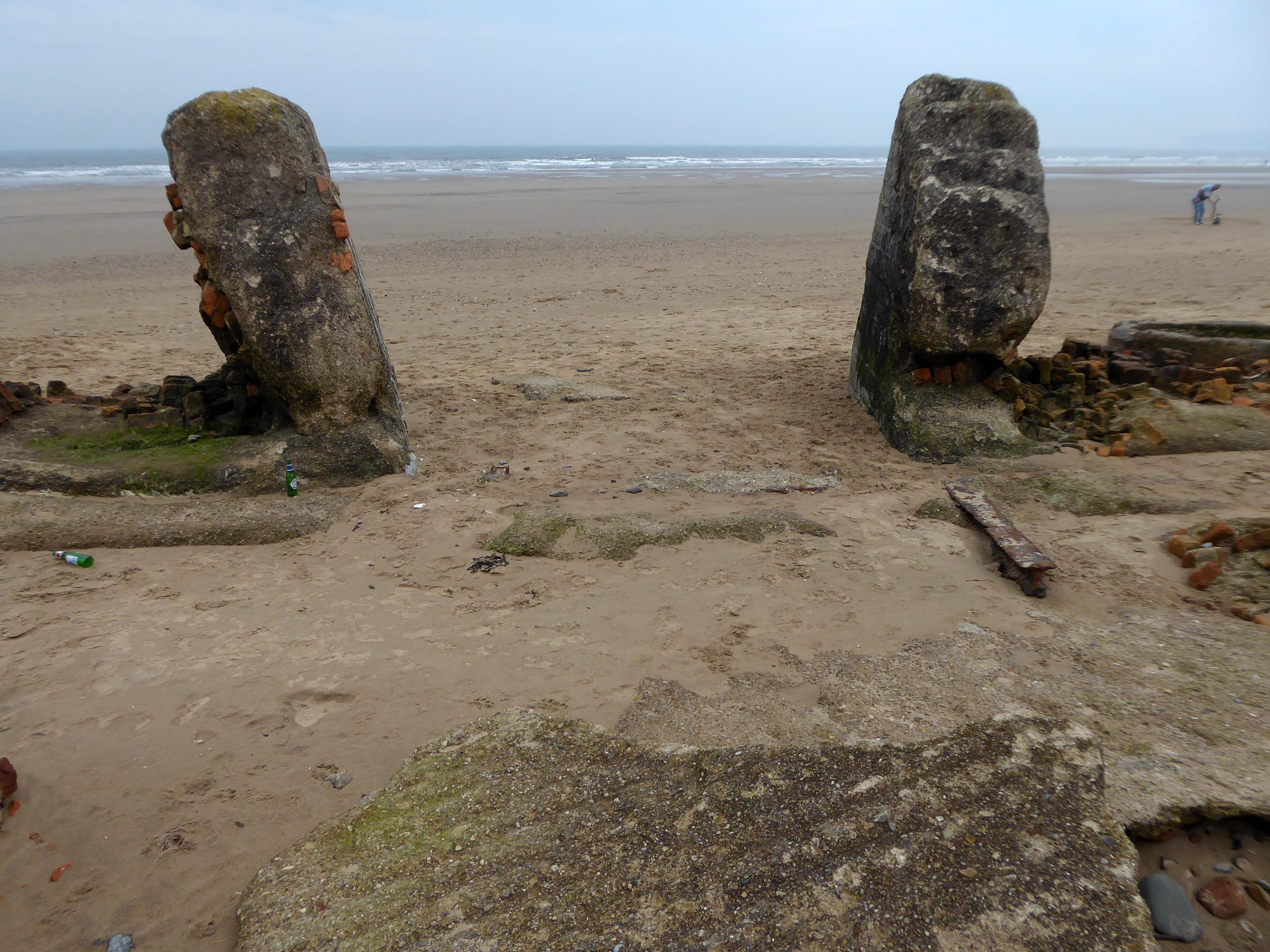
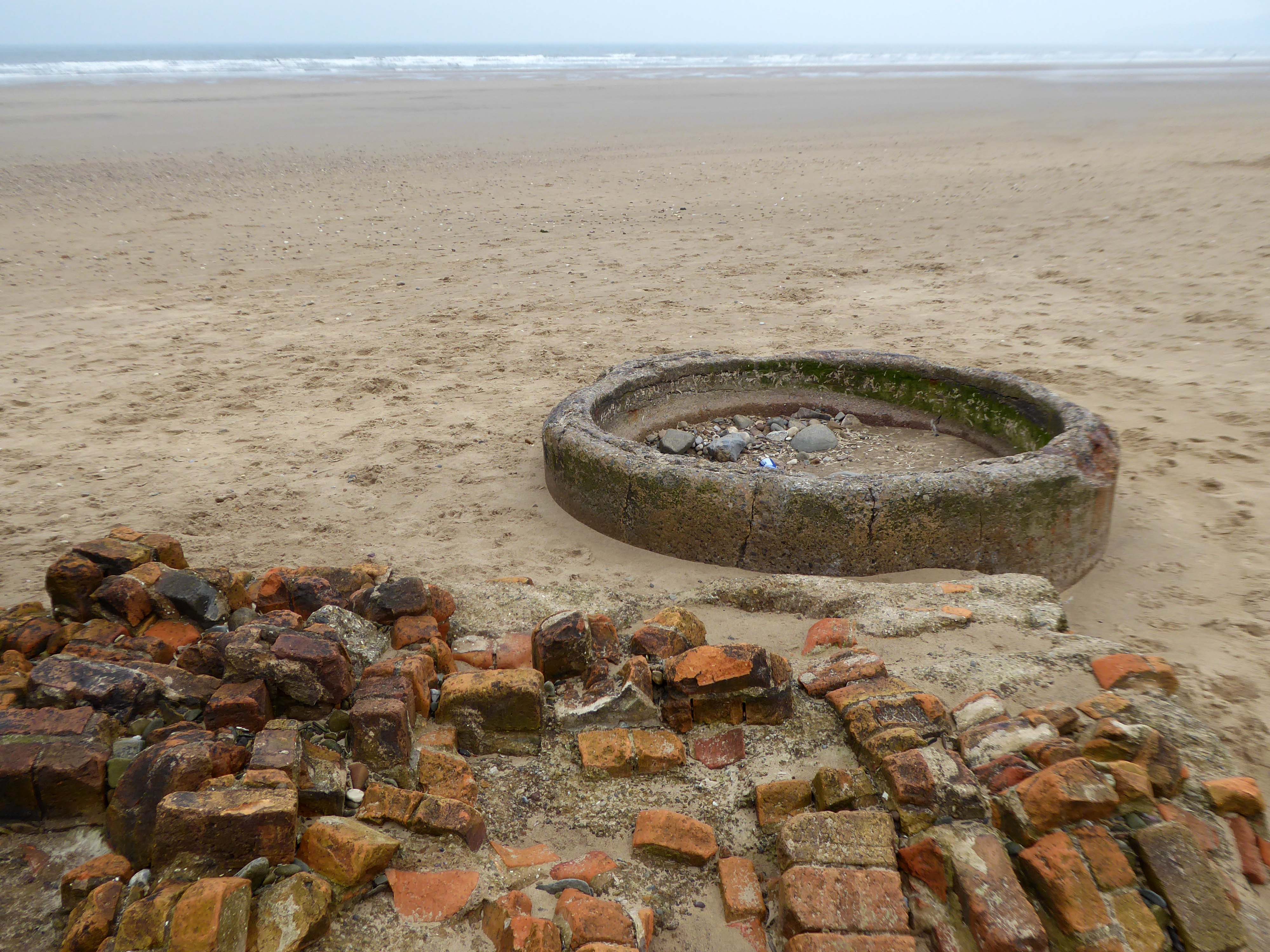
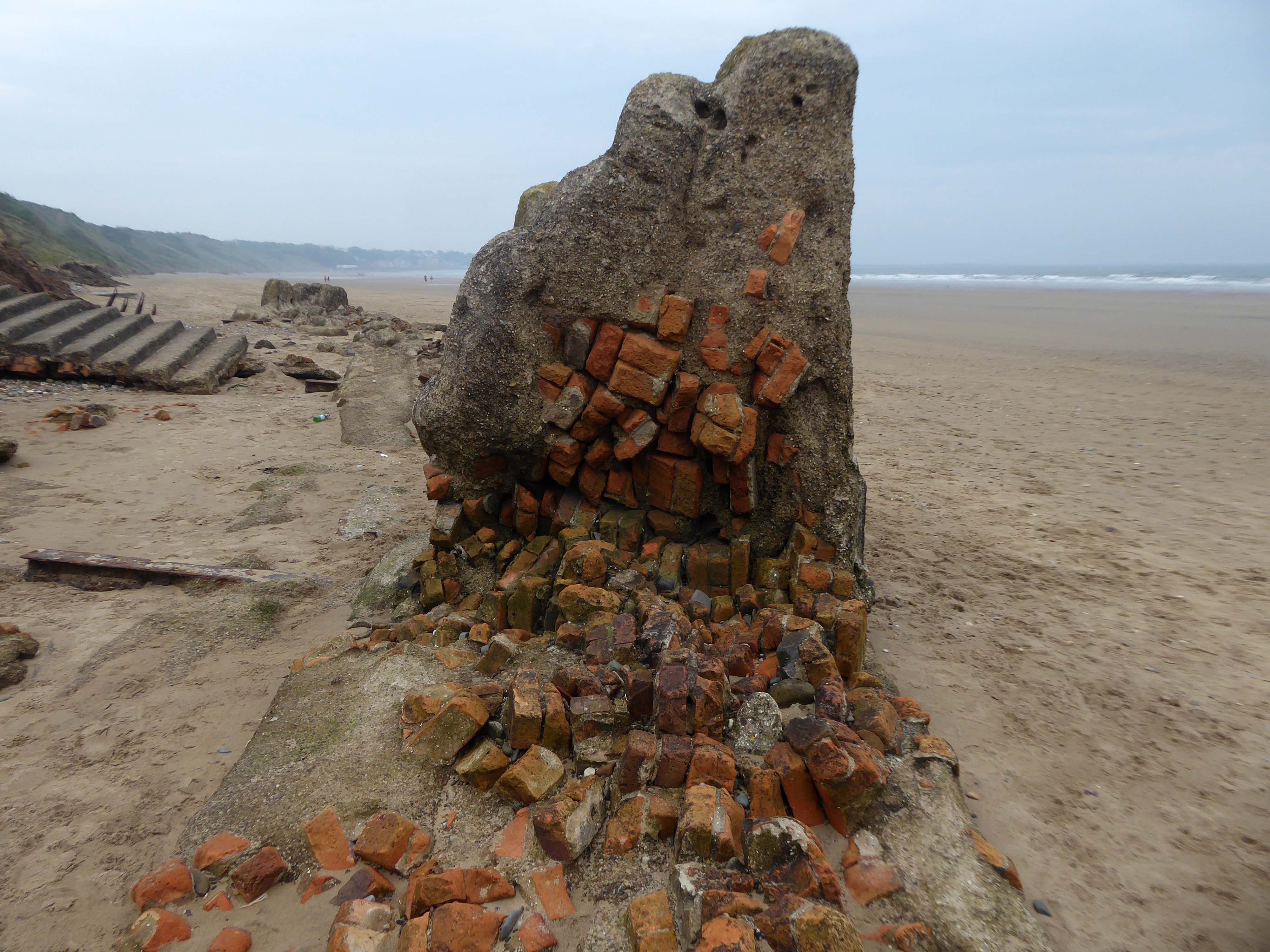
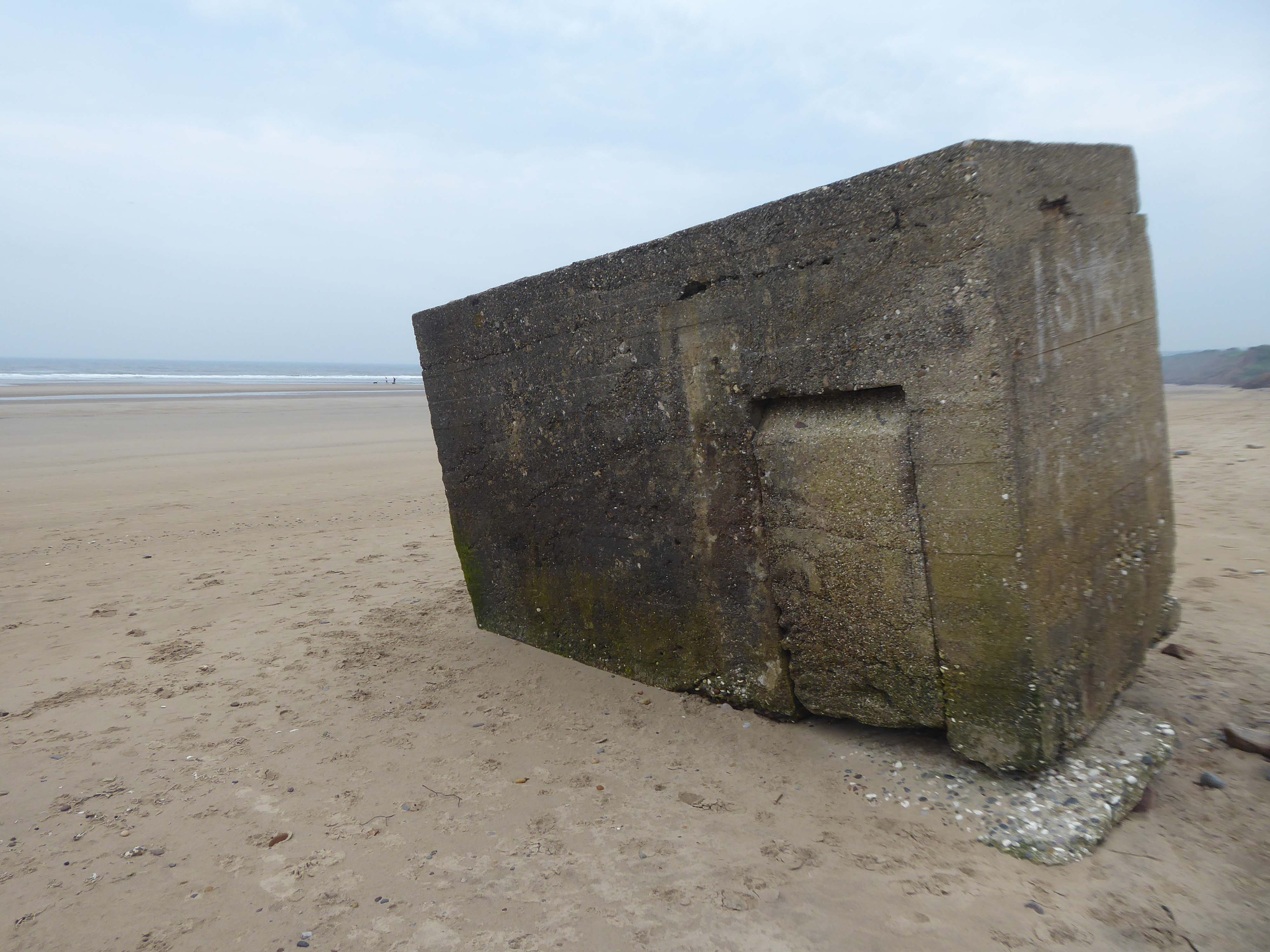
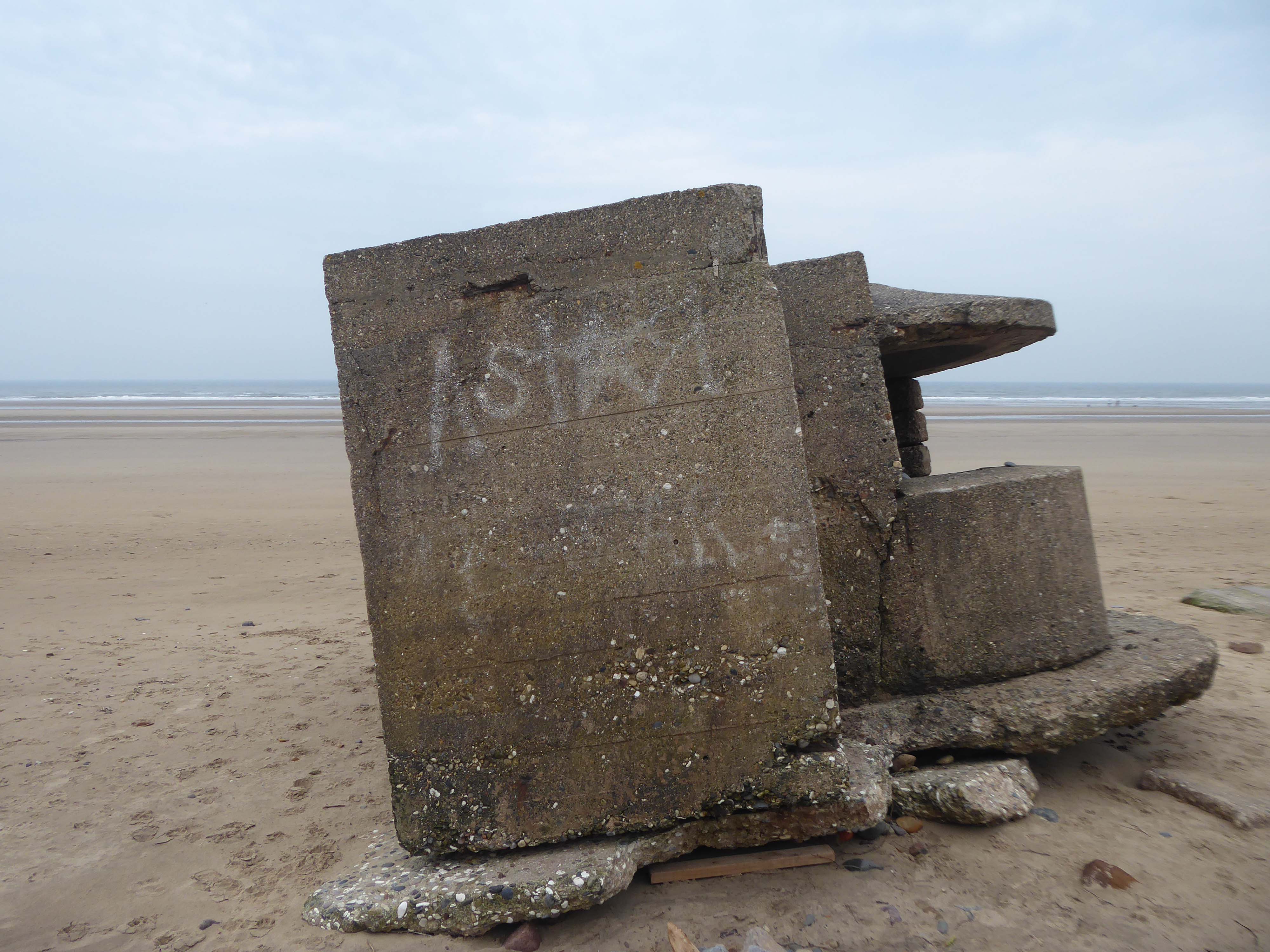
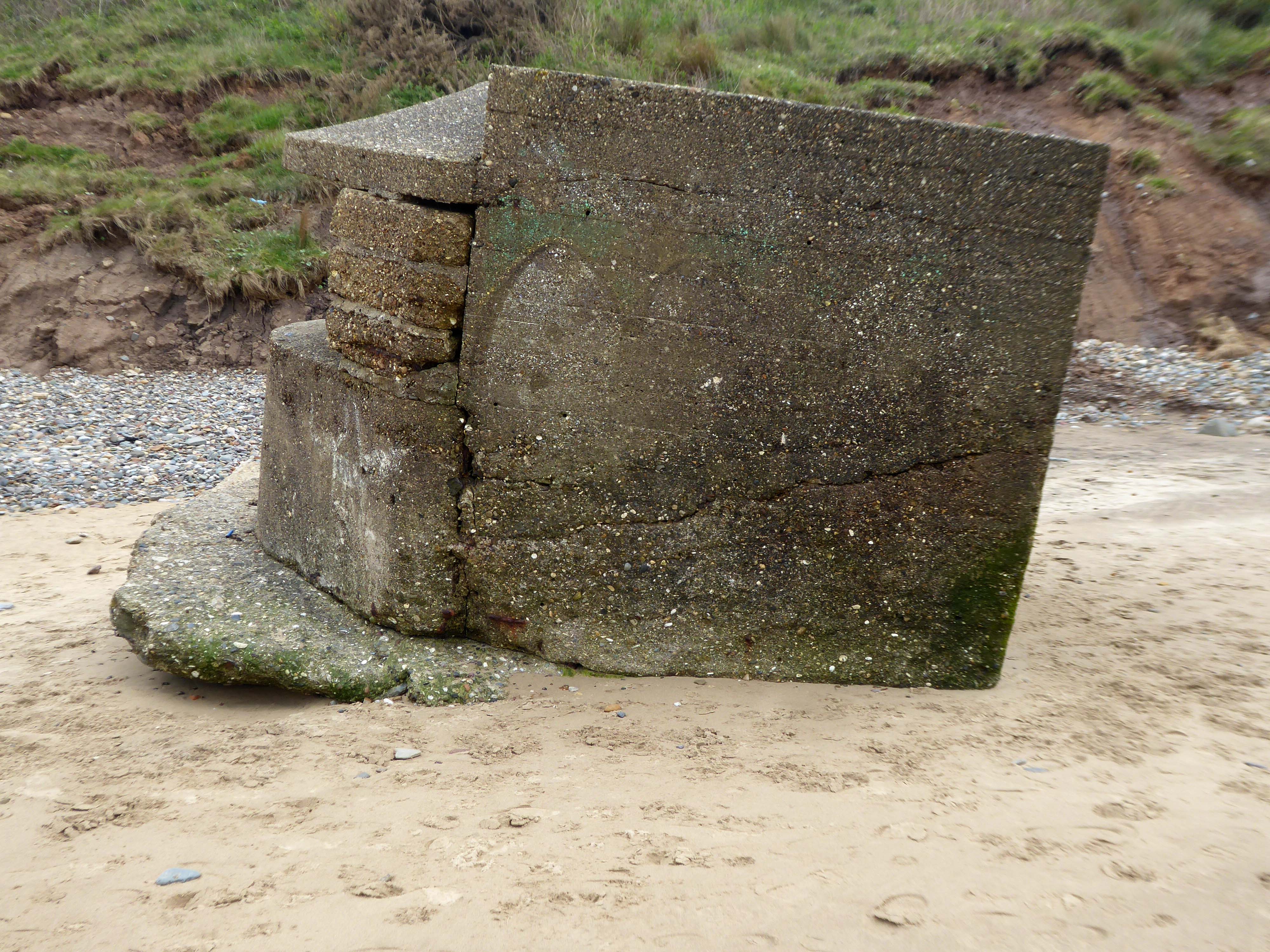
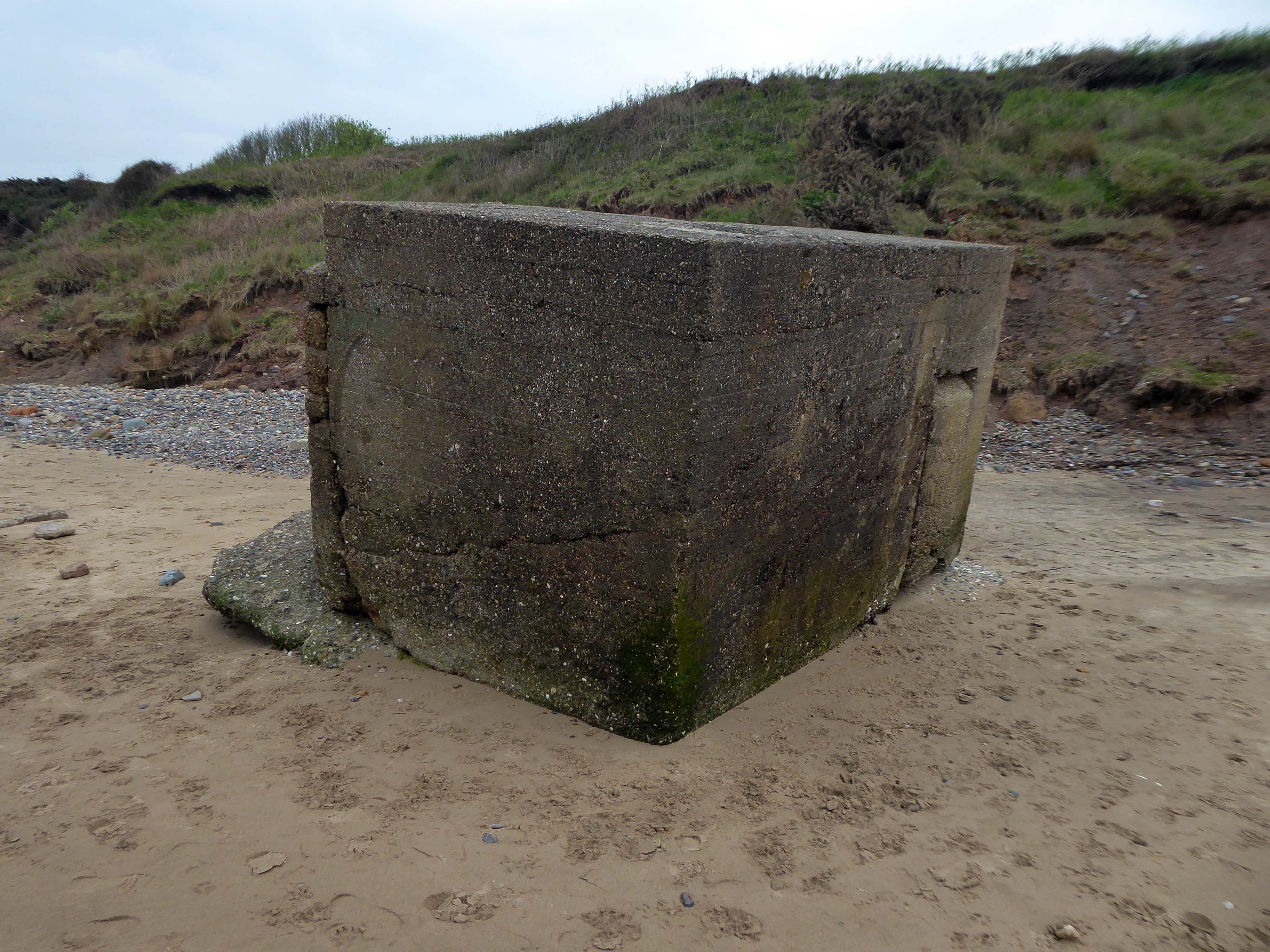
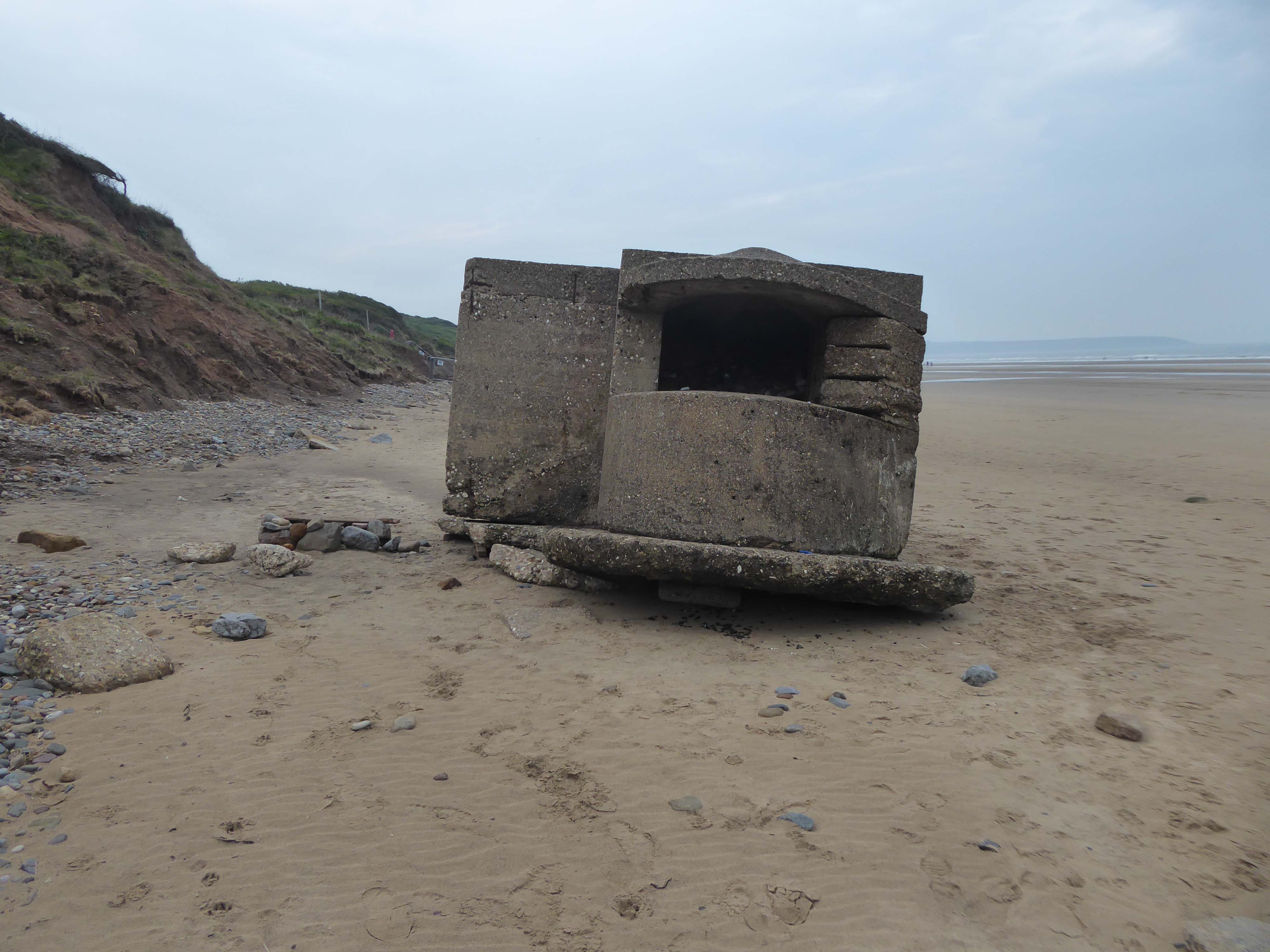
The majority have subsequently been removed, a few are extant – slipping from their cliff-top positions, as the soft clays have been eroded.

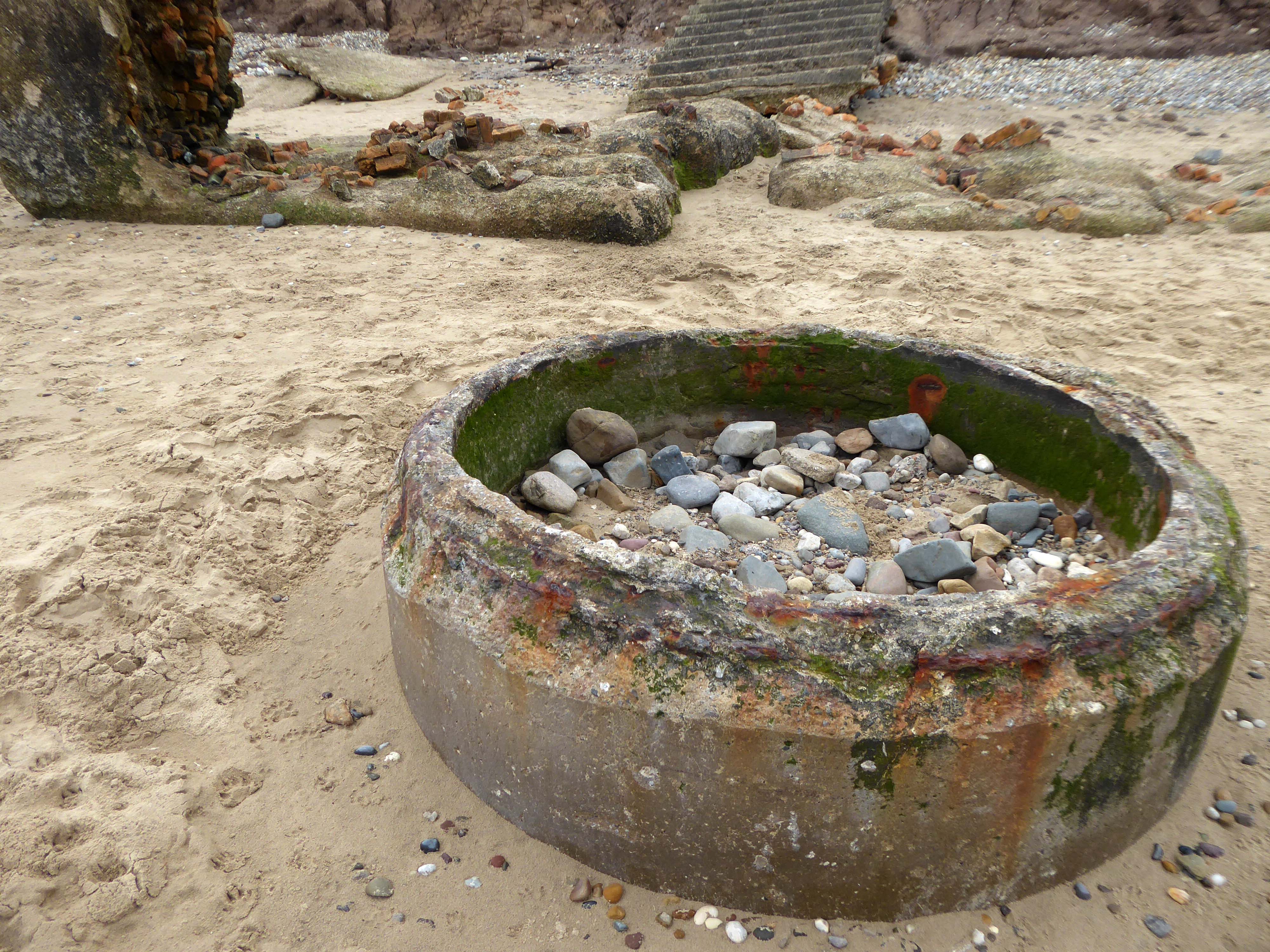
Their remains are now skewed and diminished by the weather and the North Sea’s formidable waves, taking on striking sculptural forms, embedded in the shifting sands.

During May 1940 the branch of the Directorate of Fortifications and Works – FW3, at the War Office was set up under the Directorship of Major-General G.B.O. Taylor. Its purpose was to provide specific pillbox designs to be constructed throughout the countryside at defensive locations.

During June and July 1940 saw the FW3 branch issue seven basic designs. However, often, once in the field, the local construction companies modified these under the direction of the area commands.

The FW3 pillbox design concept was to provide a simple fieldwork standard that could be constructed very quickly. Most designs consisted of or incorporated some of the following features:

Minimum of Bullet/Splinter Proof protection
No attempt was made to provide living accommodation
Some designs were enhanced to Shell Proof standard
Simple Blast Walls to protect open entrances
External flat side walls with rectangular or polygonal shape

The use of common designs with standard sizes for doors, loopholes and flat sides made it easier to mass produce items for concrete shuttering and hence the speed of construction. However, with the general countrywide lack of material it was often necessary to use bricks as the shuttering. This often fools the casual observer into believing that the whole structure is constructed of brick. Closer examination often reveals the integral reinforced concrete back-bone.

Pill Box Study Group

Bradford Revisited

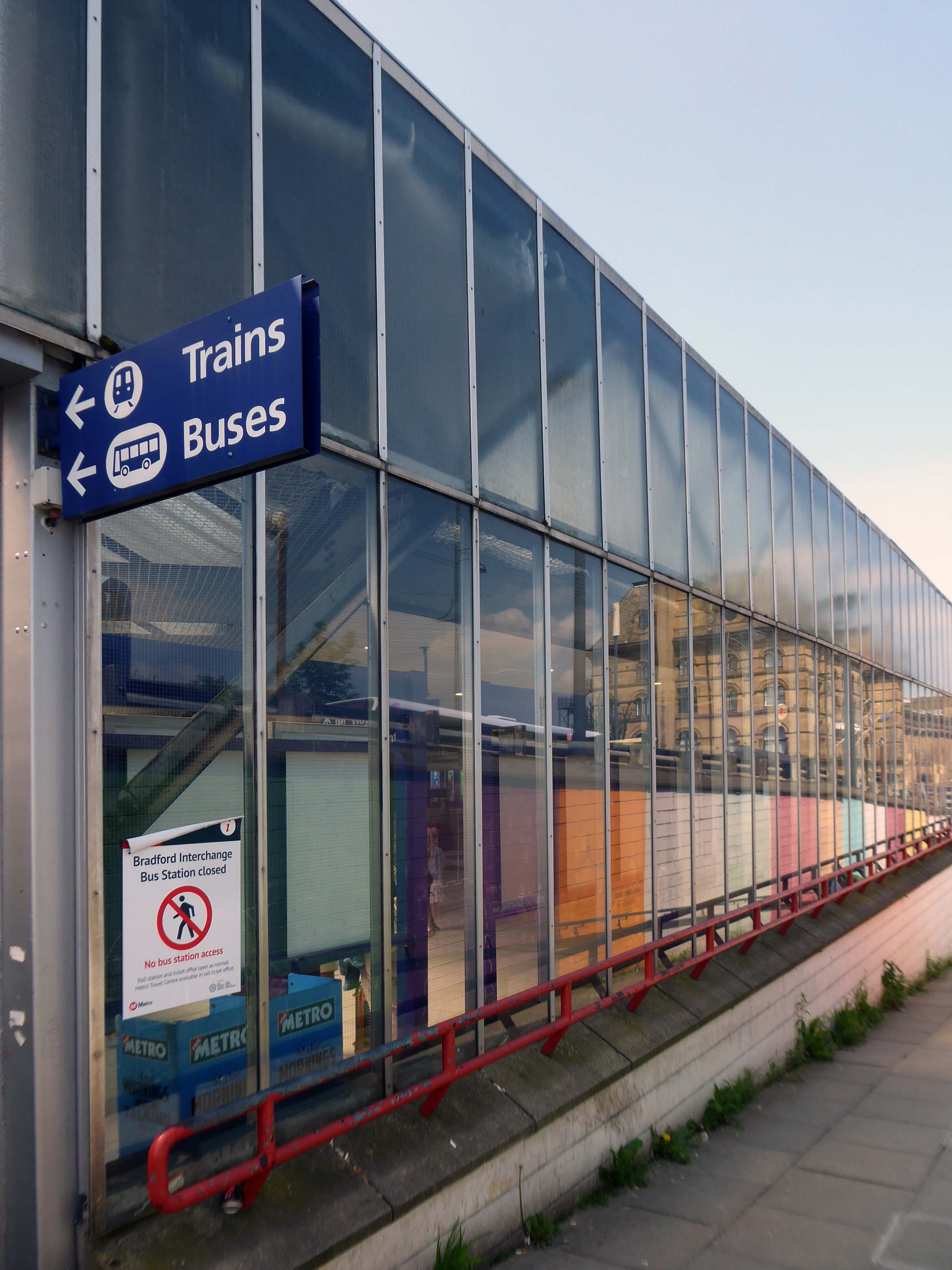
We arrive at and begin our journey at the Interchange – the bus station is closed, along with the station entrance.

Bradford accepts that it is a part of the Northern Supercity stretching from Coast to Coast – Liverpool to Hull. Every existing town and new settlement must be unique. People belong to their own hotspot as well as Coast to Coast. Bradford as a dispersed centre will give it individuality as well as becoming synonymous with the whole new city. Bradford is a mini version of the whole. It is composed of a series of mini hotspots which will each act as a focus for each square kilometre.

Bradford has the topography to allow every citizen to wake up to a view – both physical and mental. Their collective ambition can create a place of extraordinary difference.

Will Alsop

We have of course been here before.

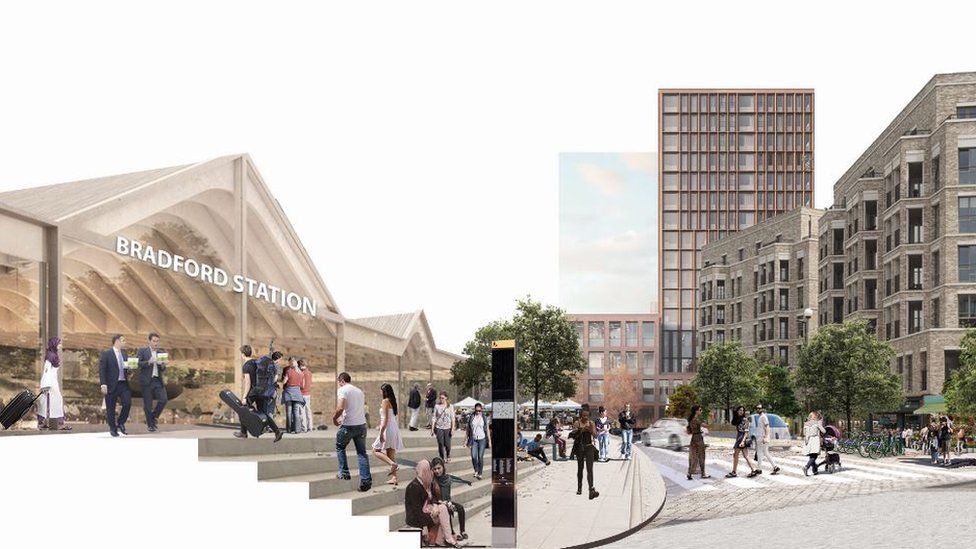
Bradford Interchange will get a new entrance and other improvements to bring it up to standard, the city council said. 

The NCP car park on Hall Ings would be demolished to create a new pedestrianised entrance.

BBC

The Interchange opened in 1971 was the first of its kind in the country, designed by the BR regional team headed by RL Moorcroft and the City Architect.

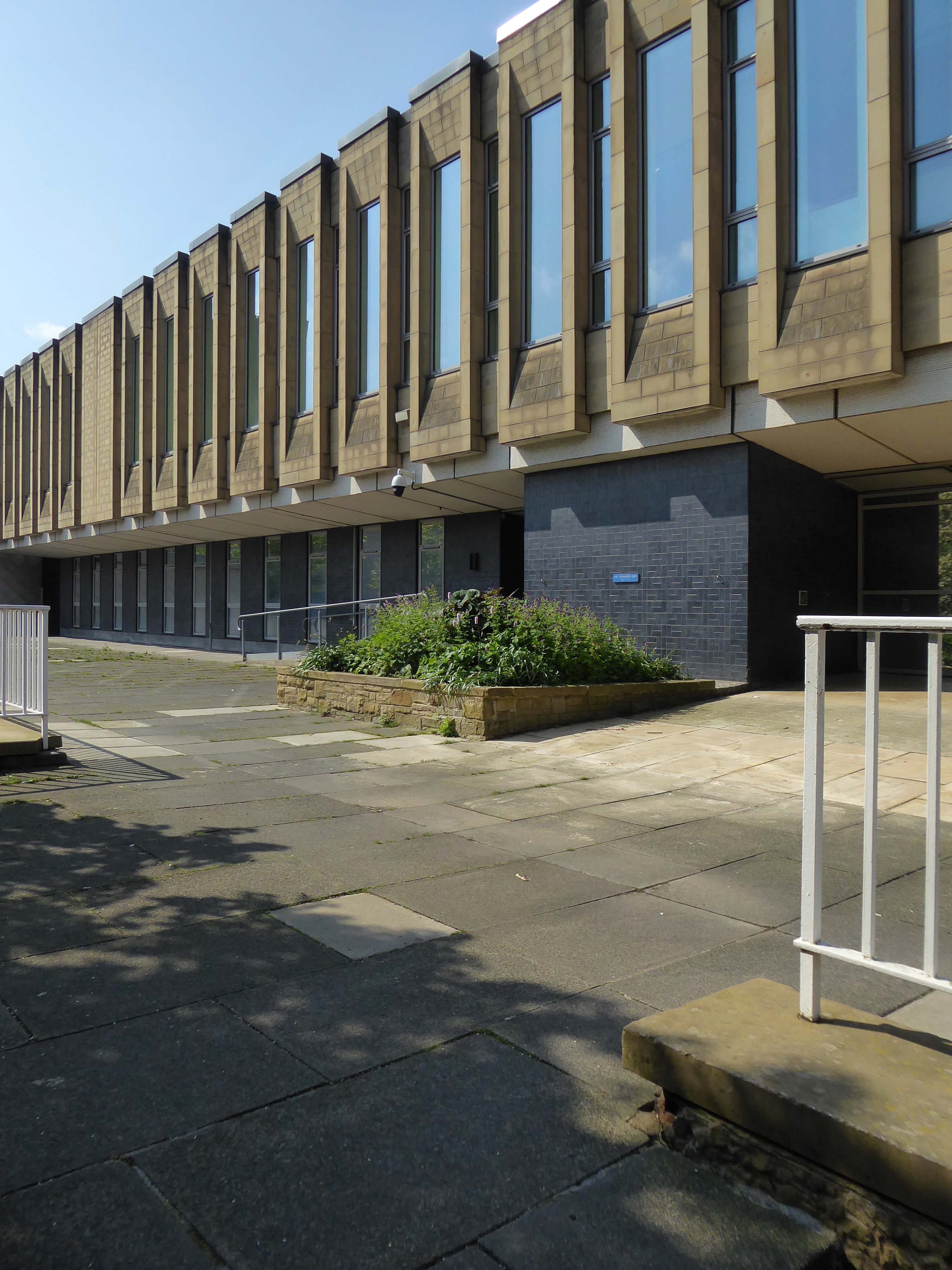
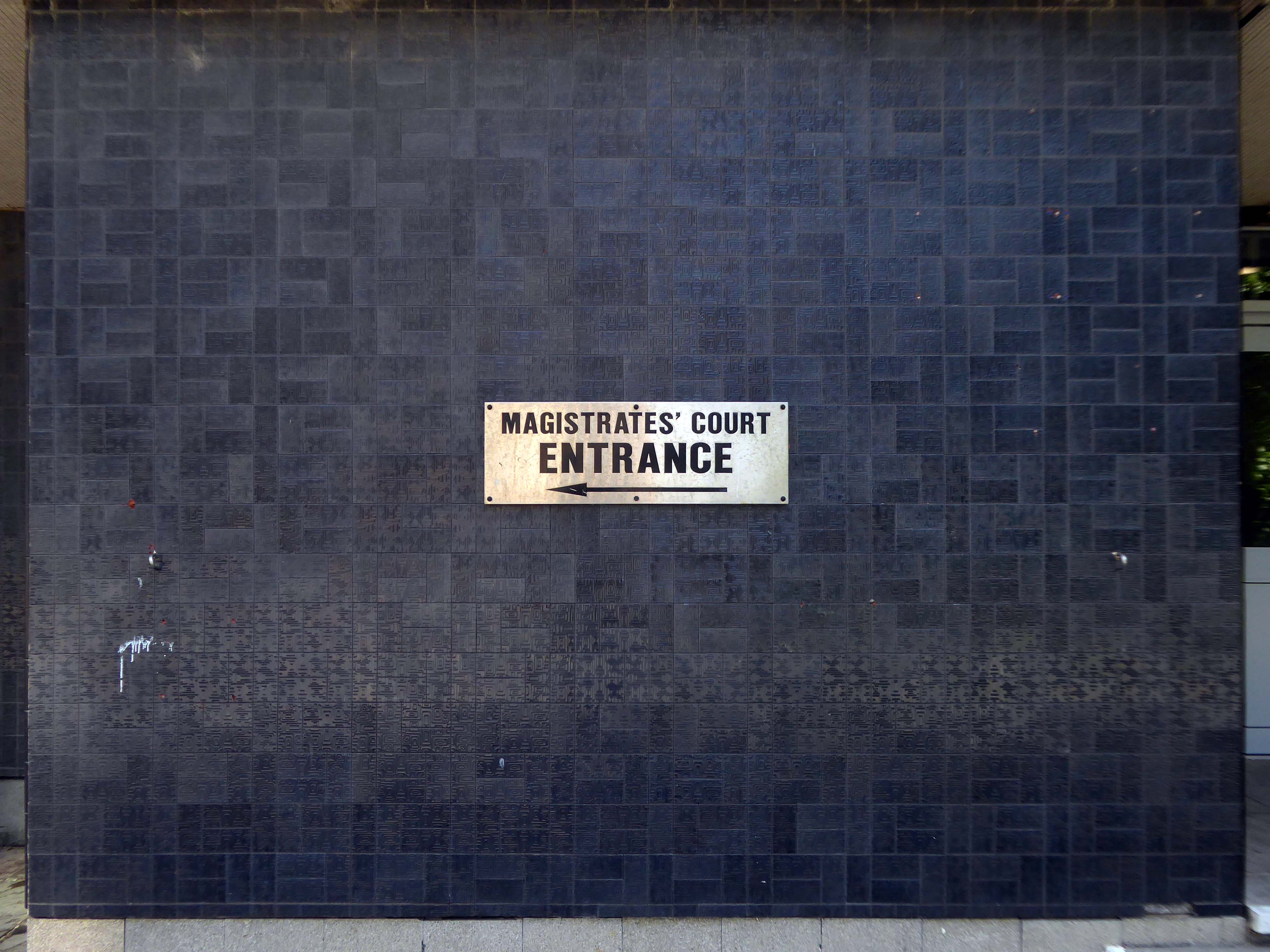
Onward to the Magistrates’ Courts designed by City Architect Clifford Brown in 1972.

Bradford is in the process of paving and puzzling pedestrians, as it becomes City of Culture in 2025.

So we wind our way over the inner ring road, advisedly avoiding the filled in underpasses.

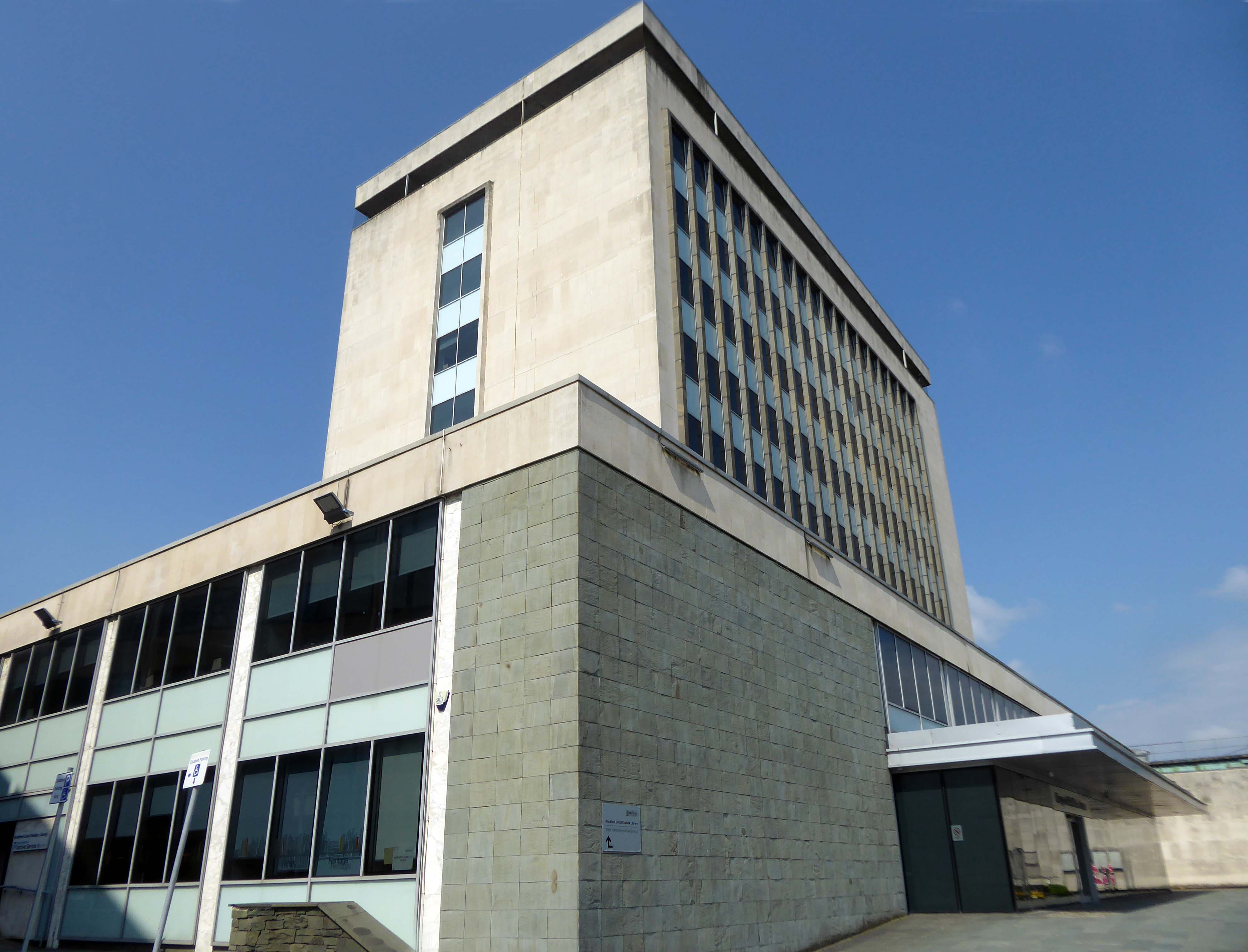
The former Central Library awaits us, designed in 1965 by Clifford Brown – a striking podium and tower, currently home to council offices.

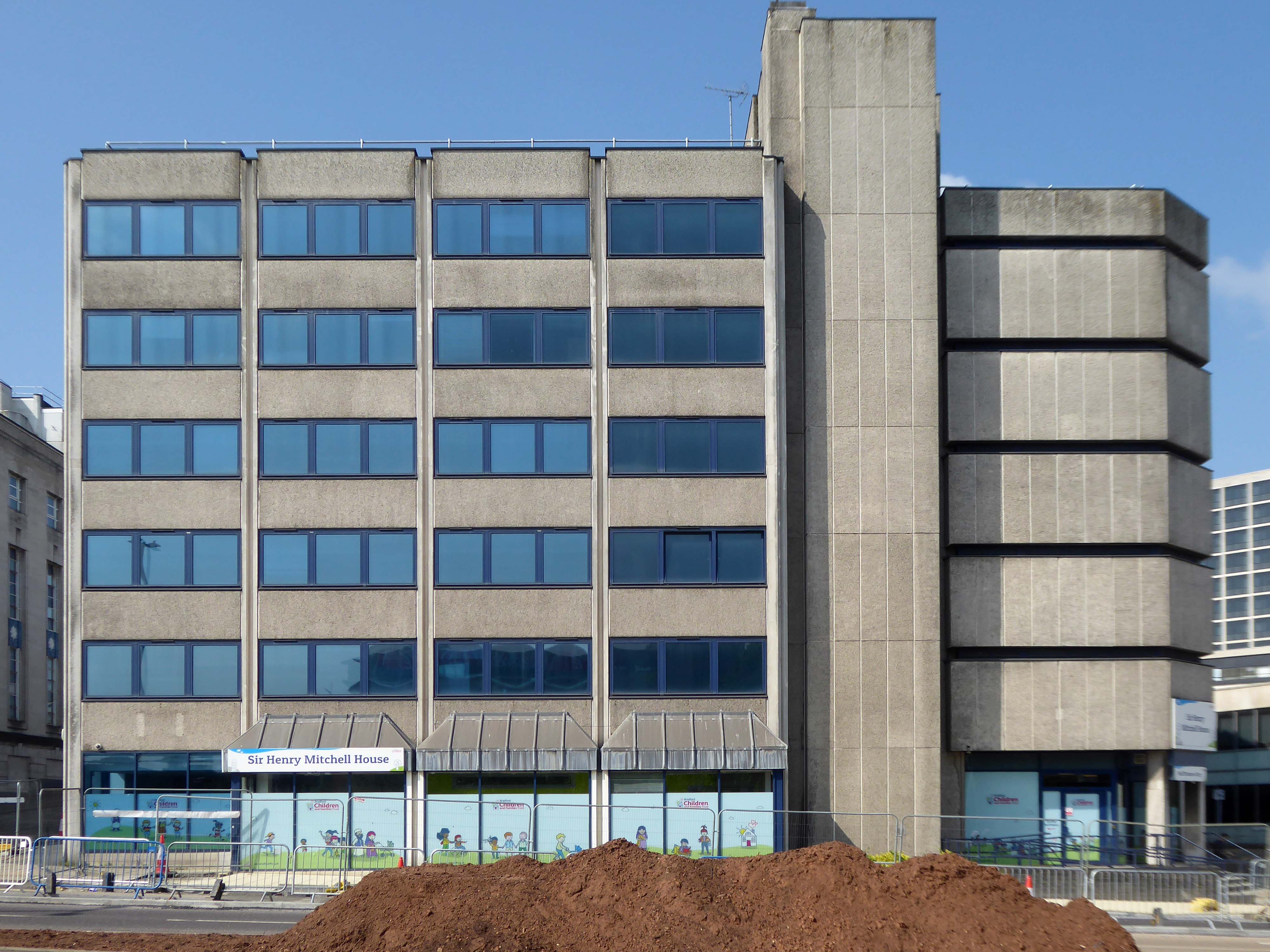
Next door the Sir Henry Mitchell House home to the Children’s Services.

Sir Henry Mitchell 1824 1898 was a mill owner and Mayor.

Moving further along the Telephone Exchange of 1936, design by architect FA Key.

Partner to the Telephone Exchange of 1976 by architect Trevor H Hanson for PSA

The gates were open and we were afforded a view of these delightful vents.

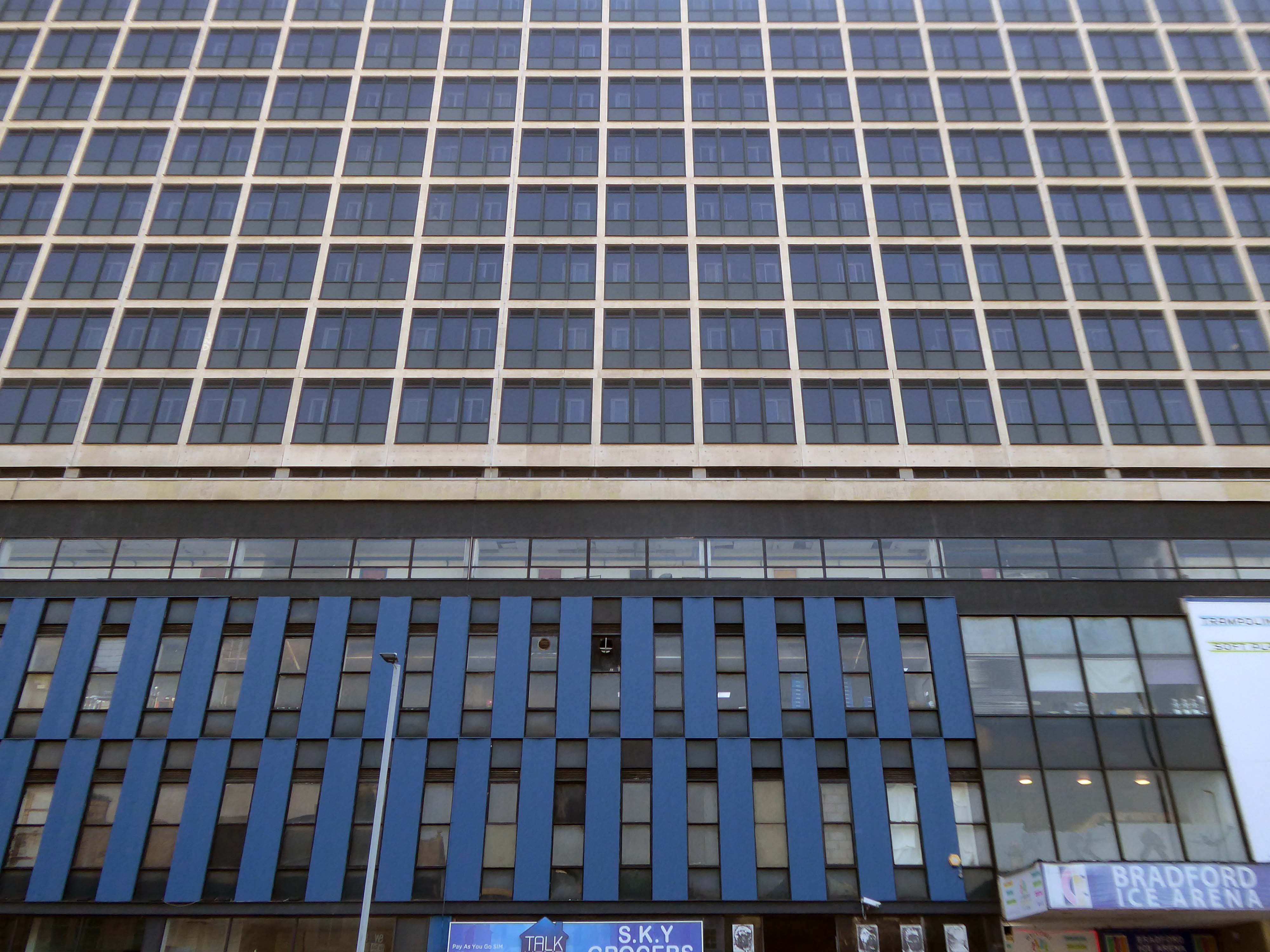
Next to the Ice Arena topped off with Wardley House – Sanctuary accommodation for key workers and students.

Wardley House is equipped with all the modern amenities you need for a comfortable and connected life as a key worker. The rent includes high-speed broadband and building-wide Wi-Fi, utility bills, and contents insurance. Our top-notch facilities comprise a large common room with a pool table, flat-screen TV, and live BT Sport – the perfect social space.

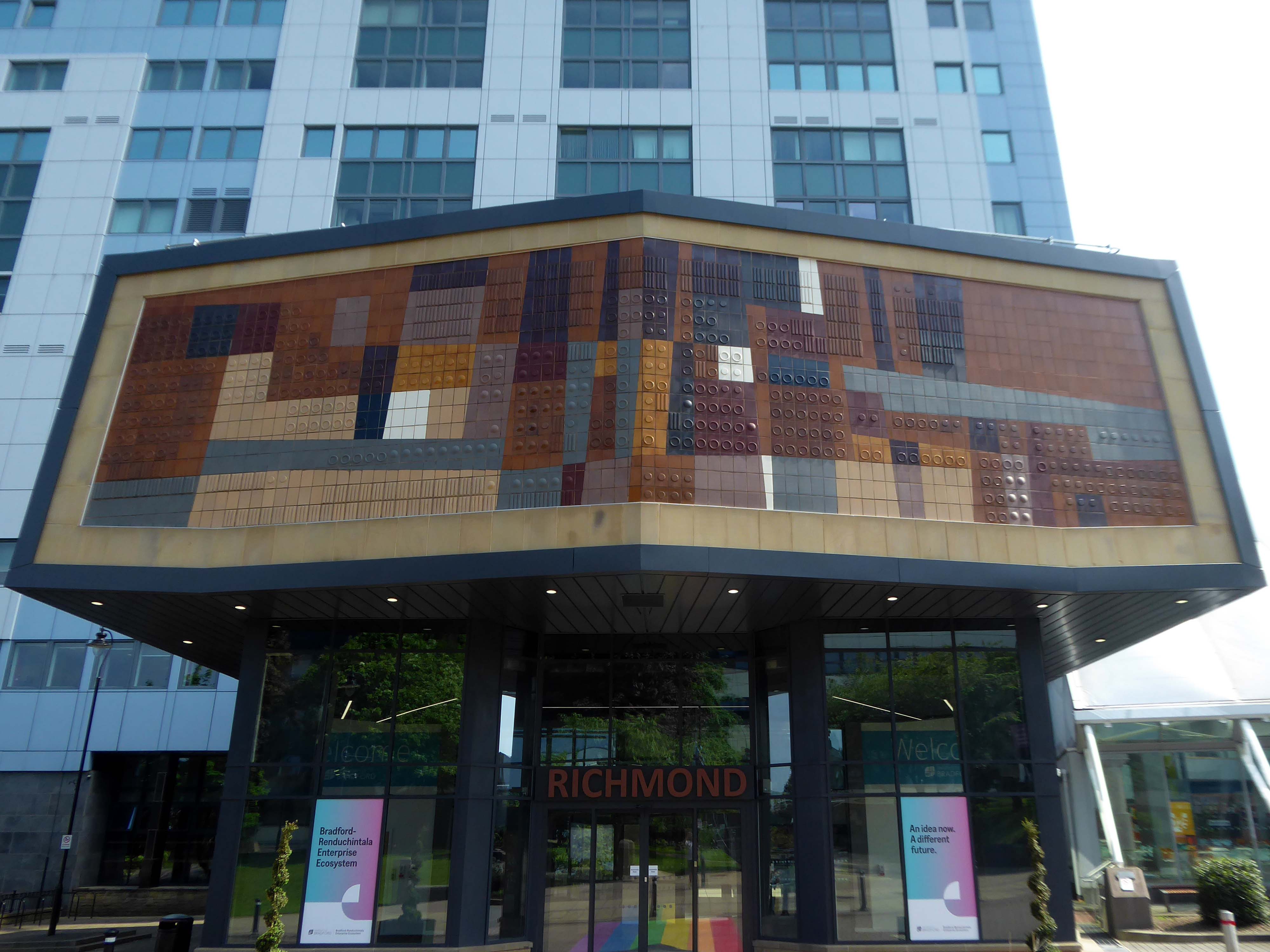
Up the hill and around the bend to the University of Bradford – the main Richmond Building fronted by Joe Mayo’s tiles.

At the University of Bradford our focus is on creating the conditions for social, cultural and economic impact. We will achieve this by using our proud heritage as a springboard and remaining steadfast in our commitment to equality, diversity and inclusion. We will harness our strengths in research, innovation, teaching and partnerships to extend our reputation, influence and impact. All of this will create a values-led culture that is inclusive and effective in enriching lives and benefitting society.

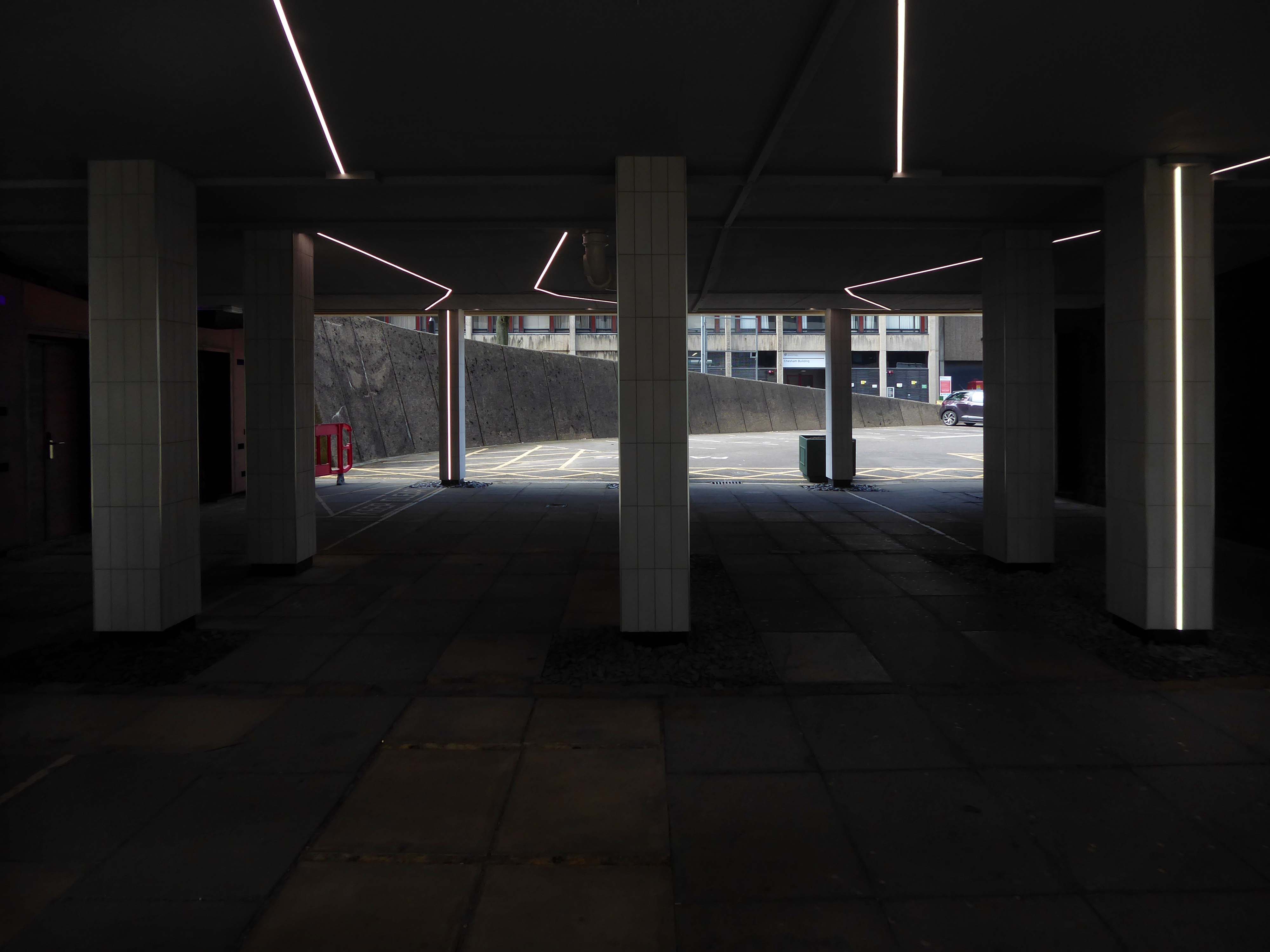
The undercroft has undergone a major refurb rethink – transformed into a Goth Disco.

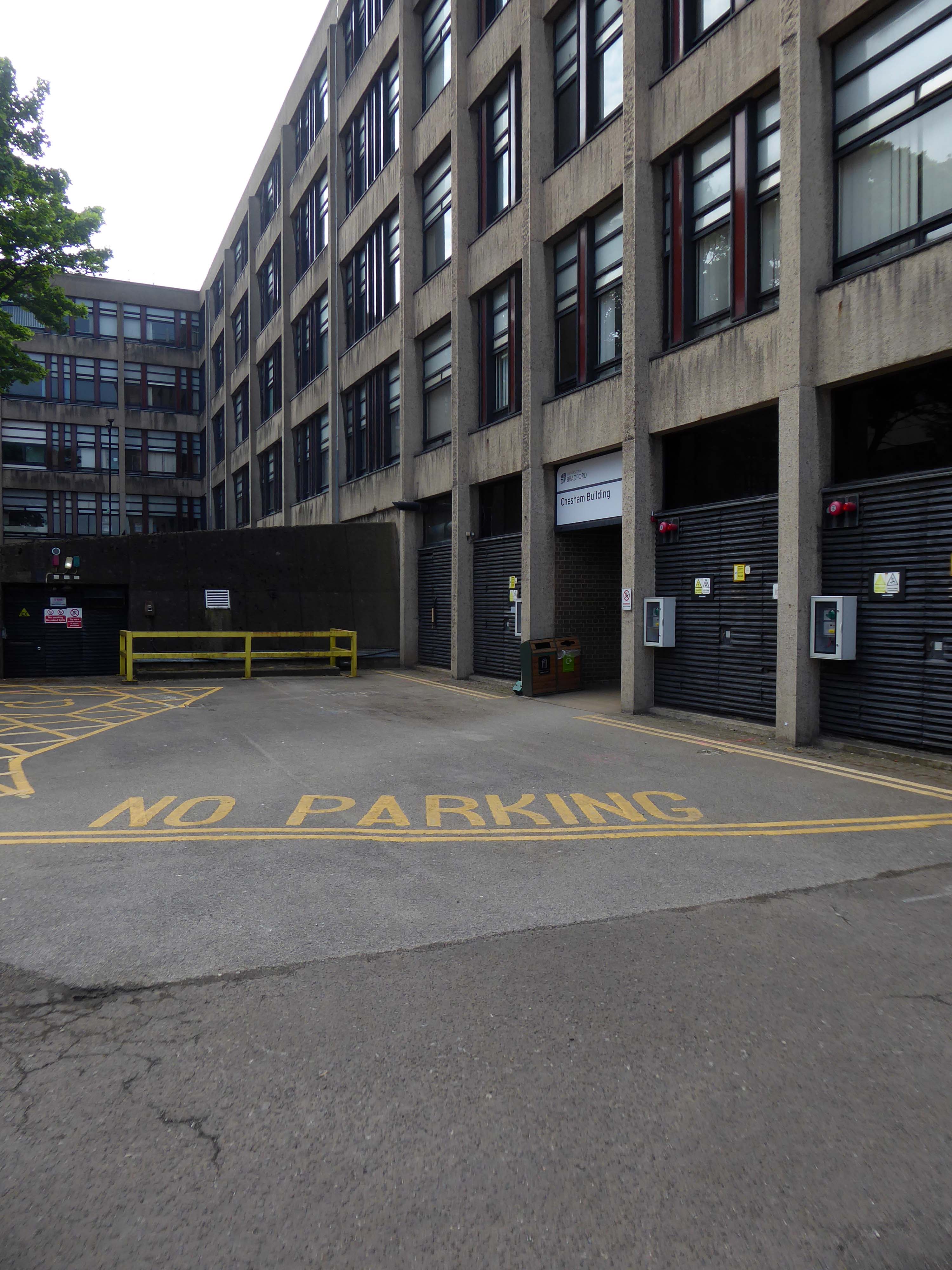
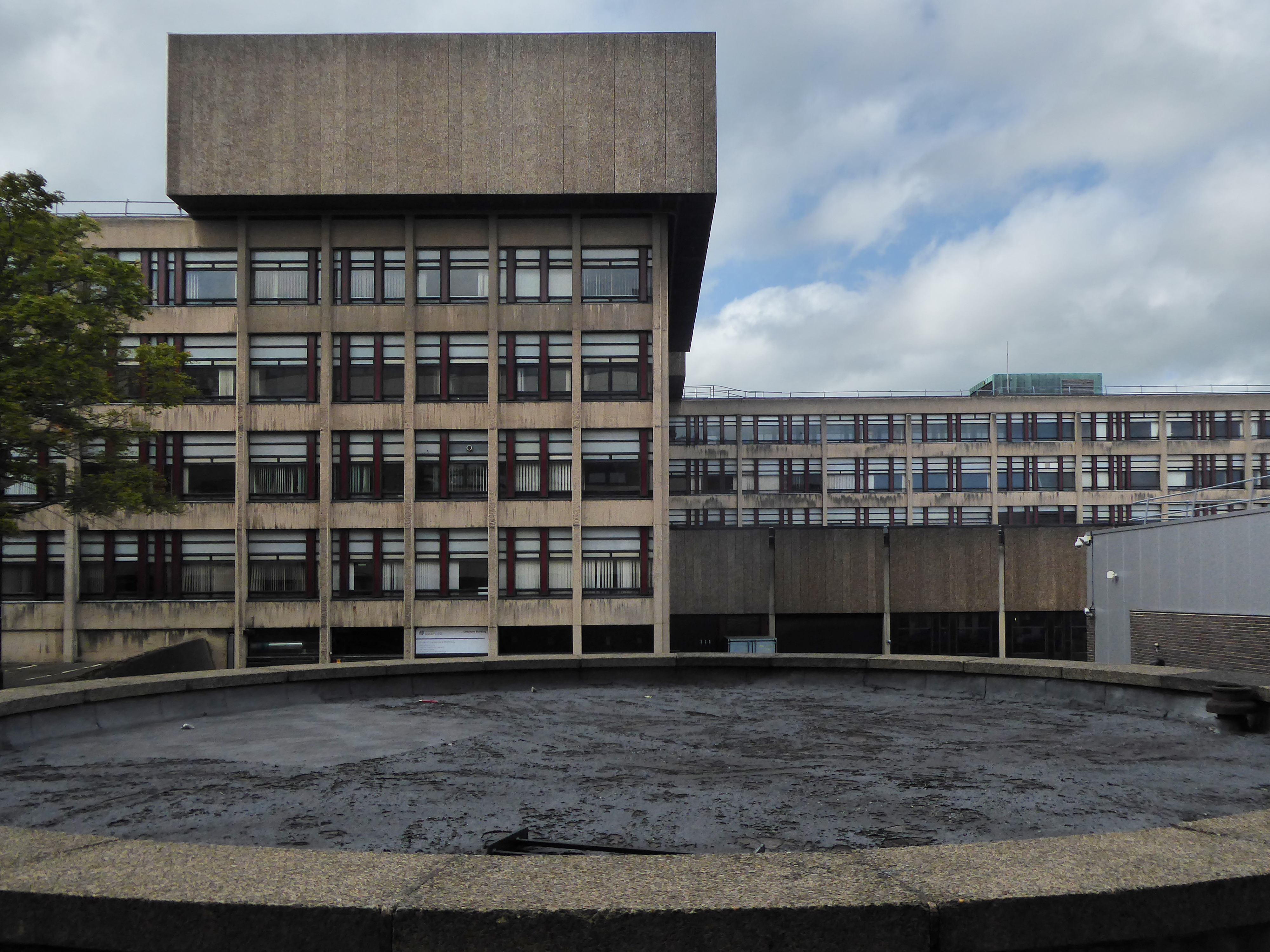
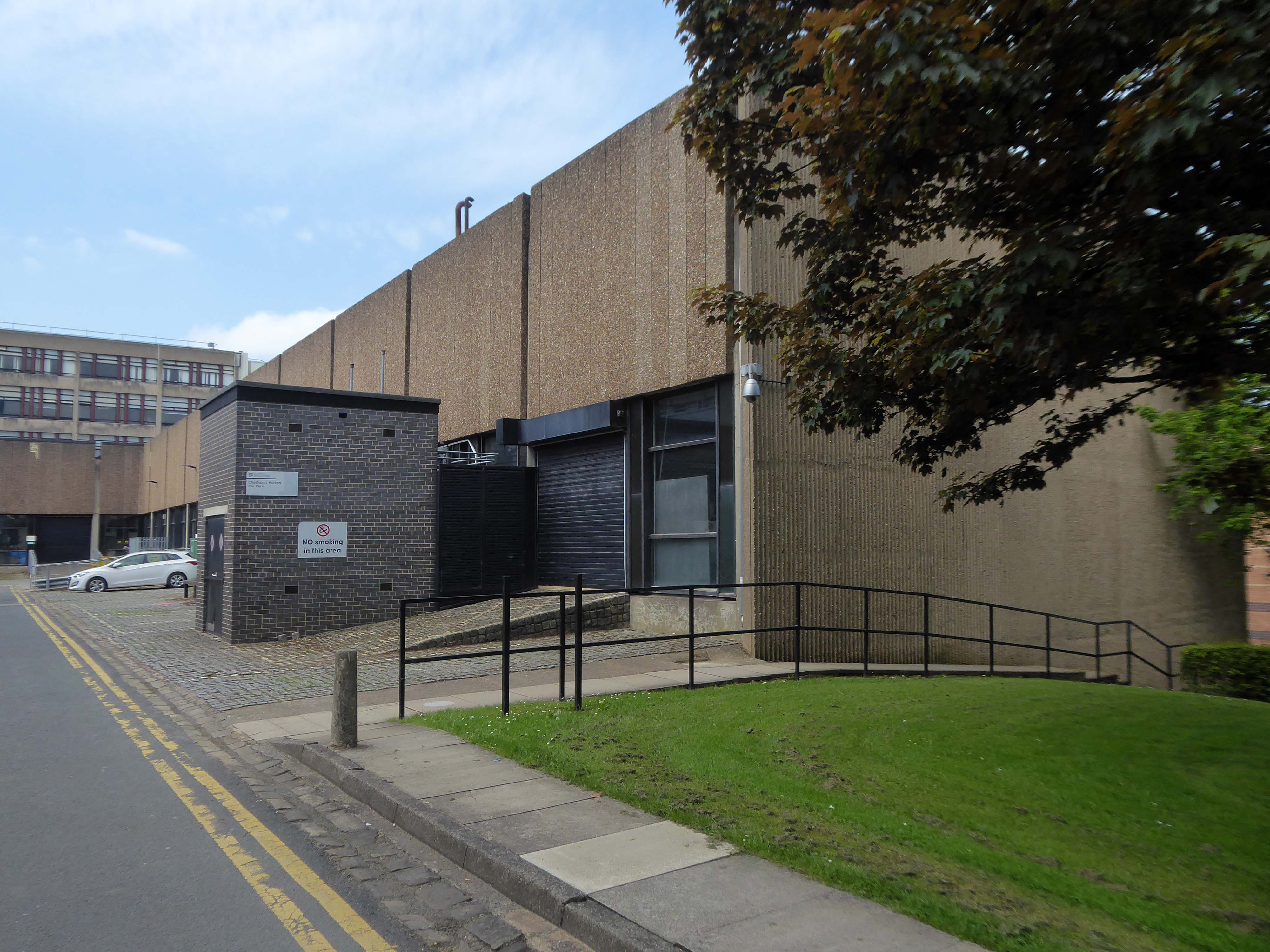
We emerge unscathed into the clear light of day and the BDP designed Chesham and Horton blocks.

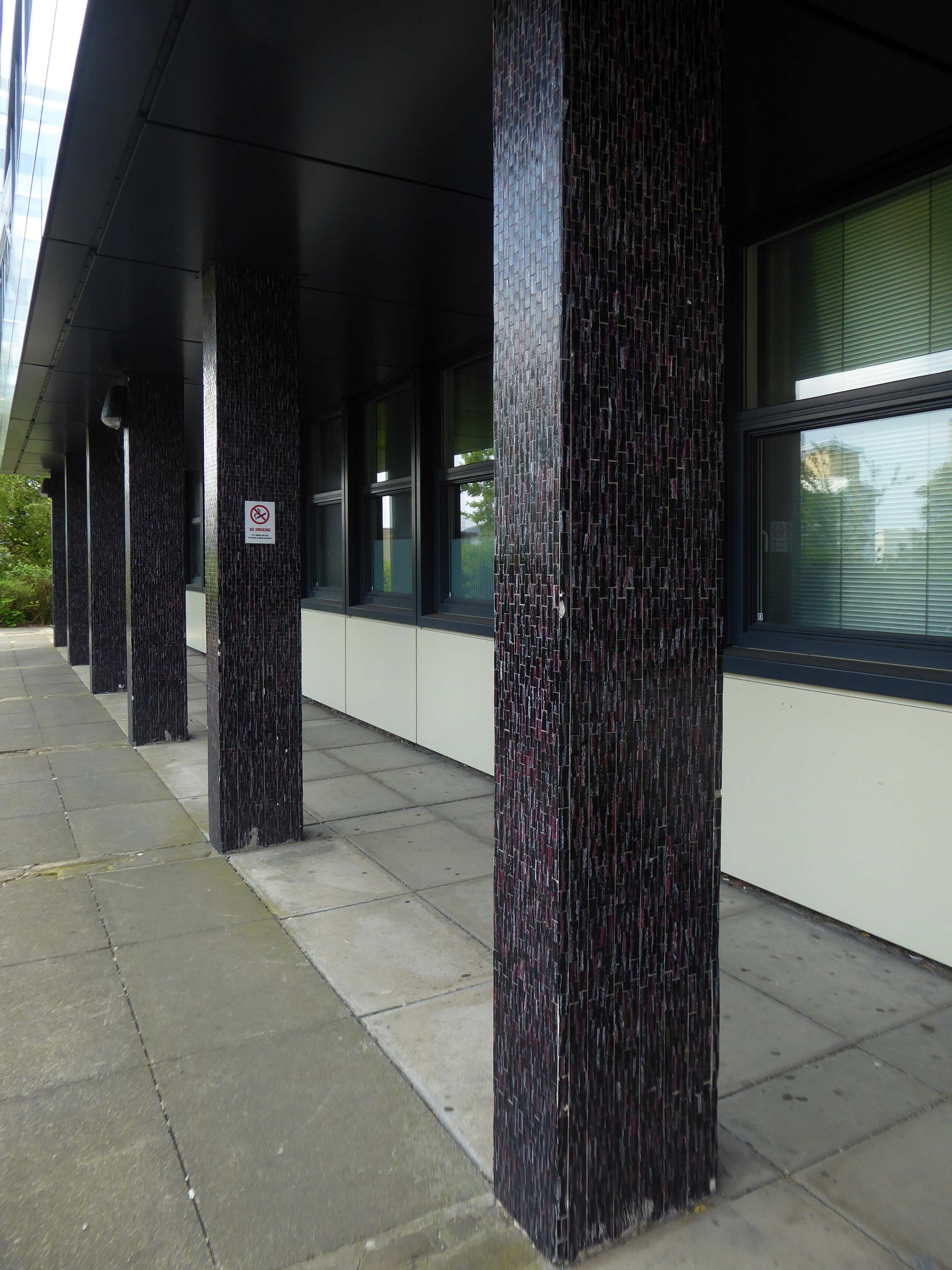
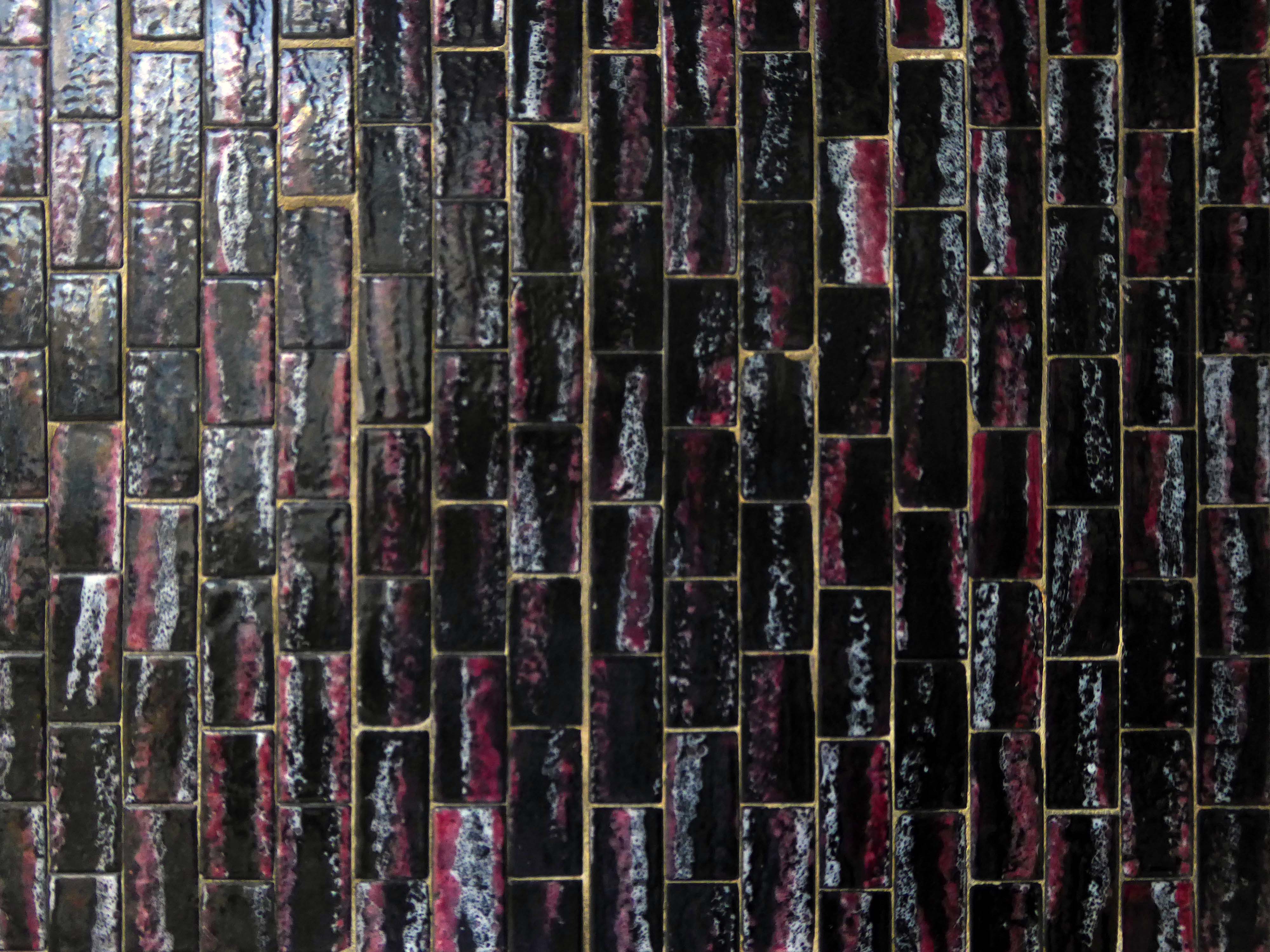
The mosaic covered columns remain unclad.

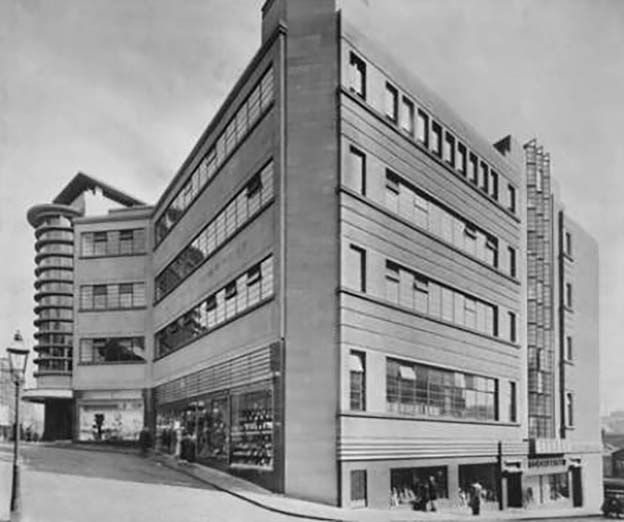
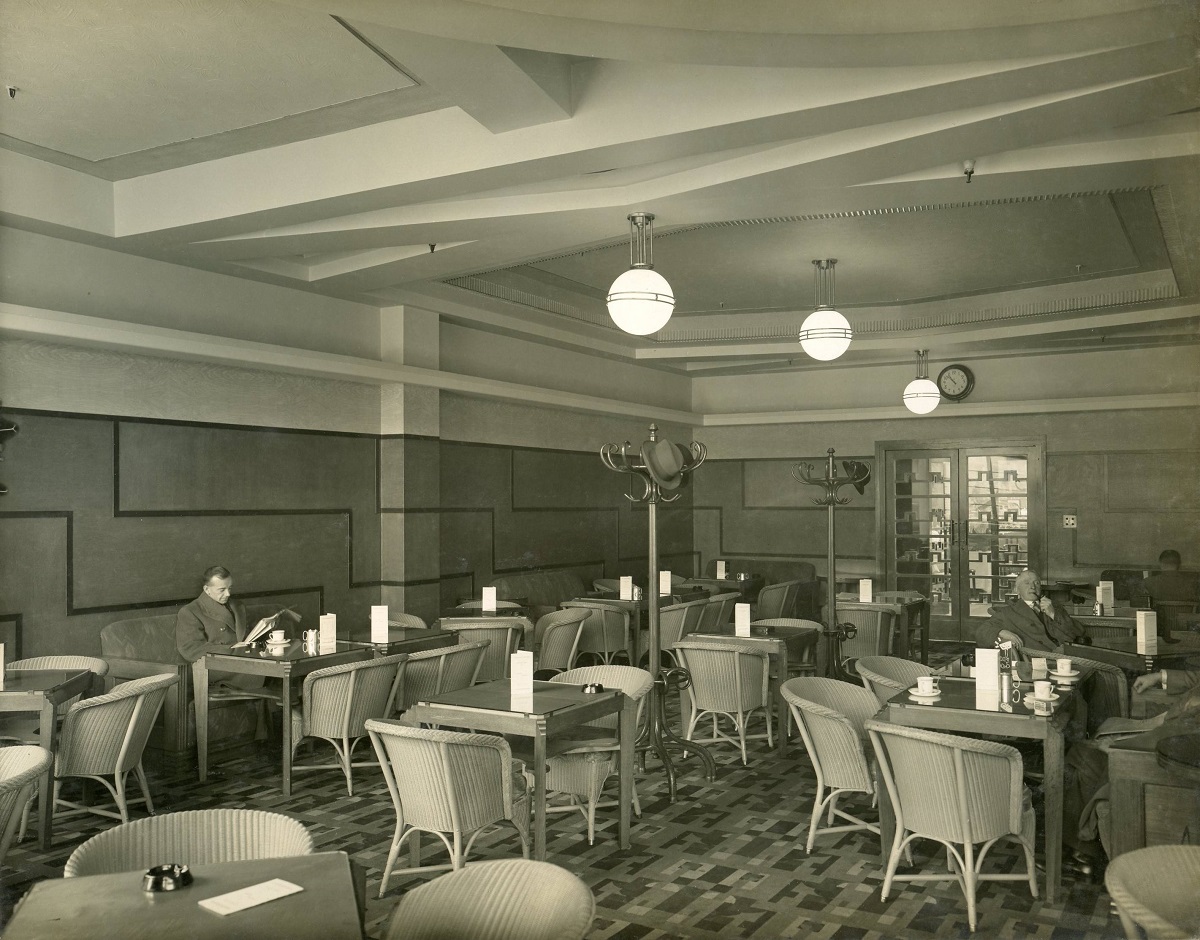
Let’s hop to the Grade II-listed Co-op designed by CWS in house architect WA Johnson and JW Cropper in 1935.

Architect W A Johnson worked for the Cooperative Wholesale Society from 1899 until 1950. He was heavily influenced by the German architect Erich Mendelsohn after 1930, evident in his embrace of the International Modernist style. Johnson travelled widely in Germany and Holland, and Mendelsohn’s Schocken store in Stuttgart 1928 is quoted as being a particular inspiration for the Bradford Co-op.

Demolished despite protests in 1960.

In 2019 the Architectural Heritage Fund announced a £5,000 Project Viability Grant to Freedom Studios Ltd.

The money funded a viability study to investigate the potential of building becoming a multi-use cultural hub.

As of May 2024, sadly there is no cultural hub.

Next we hot foot it to the Kirkgate Centre and Market – John Brunton and Partners 1975.

In 1979, the building won a European award from the International Council of Shopping Centres.

But the Historic England report described its design as mundane and repetitive.

Janice Ivory and Lisa Donison didn’t hold back in their criticism of the centre in its current state.

Thank God for that, was Janice’s reaction to the news the building was set to be bulldozed, although an exact date for its closure remains unknown.

It’s just a concrete monstrosity, she said of its design, which Historic England said was lacking architectural flair.

It’s just an ugly building, added Lisa.

Once dubbed Bradford’s space age retail destination, Kirkgate Shopping Centre will soon be no more. 

The city centre landmark, which opened for business as an Arndale in 1976, has been denied listed status by Historic England – paving the way for its demolition.

BBC

Geoffrey Cowley from Wibsey, who was in town for an eye appointment, said demolishing it:

Might be the right thing to do.

There are plans to remove and display the William Mitchell panels along with these other examples of his work.

In-situ at Highpoint.

In storage – removed from the Bradford And Bingley Building Society.

Artist Bernd Trasberger plans an artistic project, which involves repurposing Fritz Steller’s tile works.

As Ken Kesey so rightly said – Further!

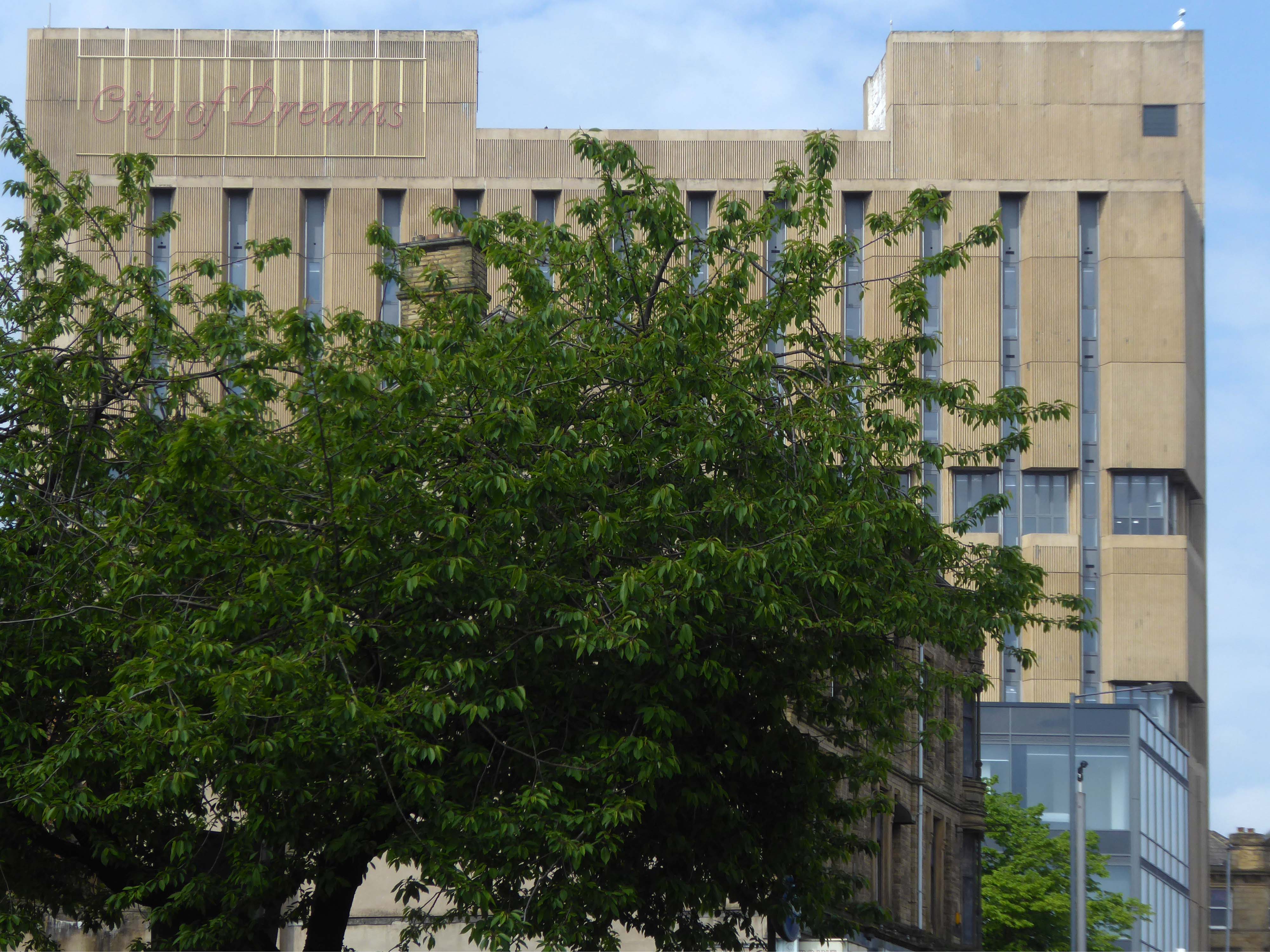
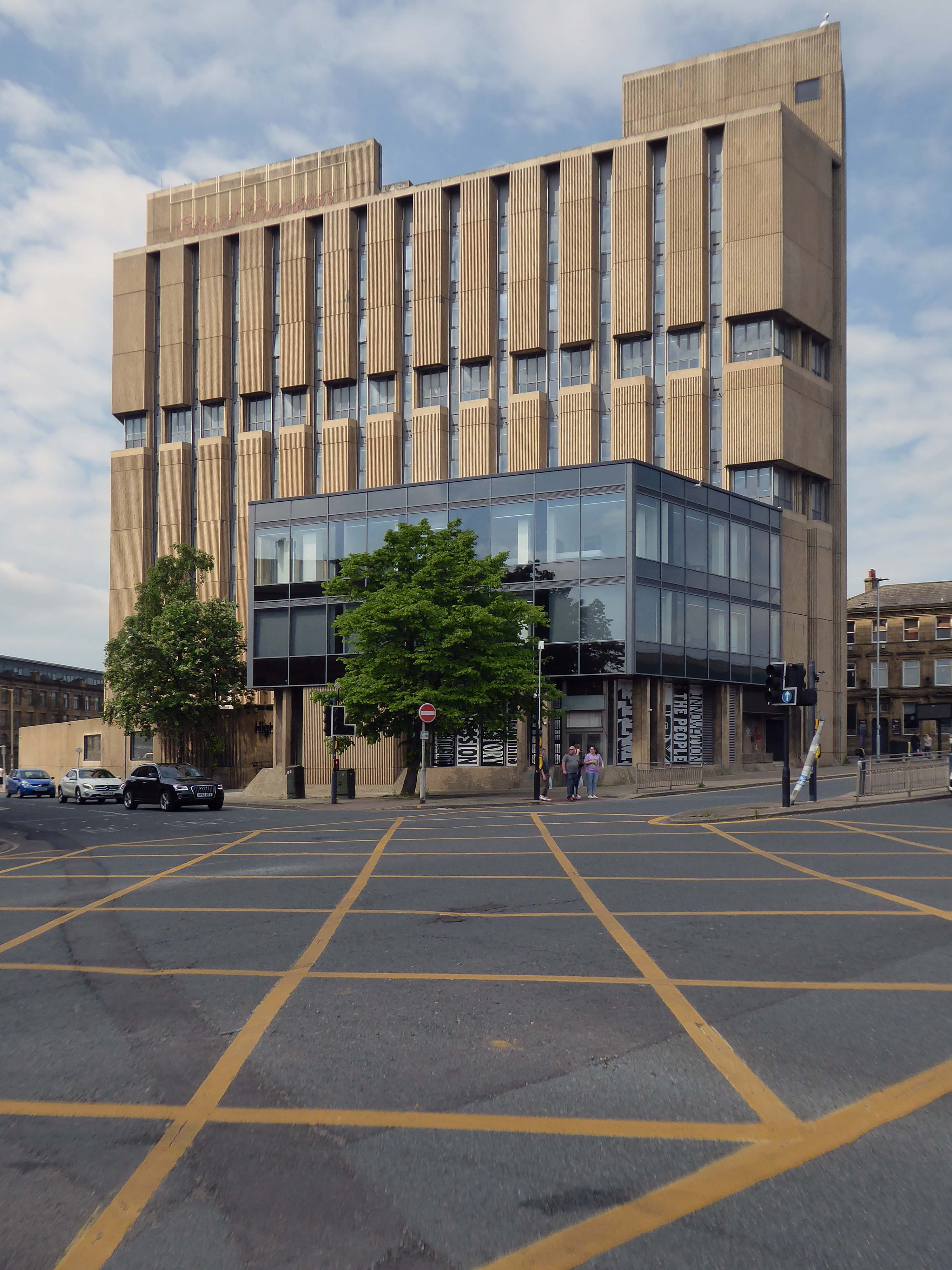
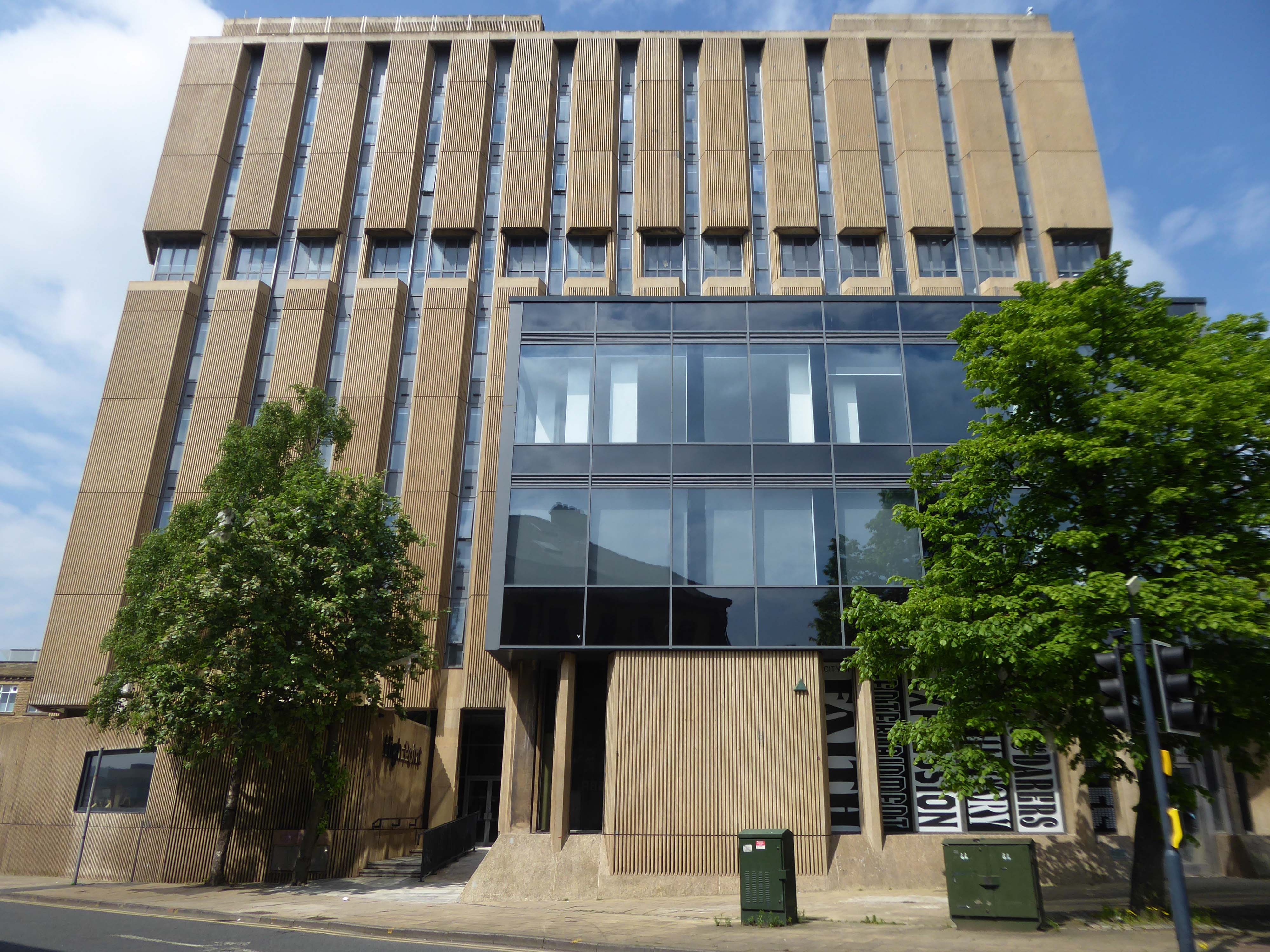
Up to Highpoint designed by John Brunton and Partners 1973.

The derelict former headquarters of Yorkshire Building Society, on one of the highest parts of the city centre, looms over the city centre, and to many people is the city’s ugliest building.

High Point is the perfect site for the first Radii development. Now perceived as an exemplar of the Brutalist style, this eight-storey titan, has languished derelict and in disrepair for many years in the heart of Bradford City Centre.

Our regeneration of High Point into an innovative residential apartment complex with a community at its heart, embraces ideas of sustainability, preservation, and rejuvenation that will bring a new lease of life to this abandoned landmark.

Sharp, chic and spacious apartments available. Furnished to the highest standards throughout and with the flex to provide you with office space if required – this is modern city living that’s easy on your eye and your pocket.

Radiiliving

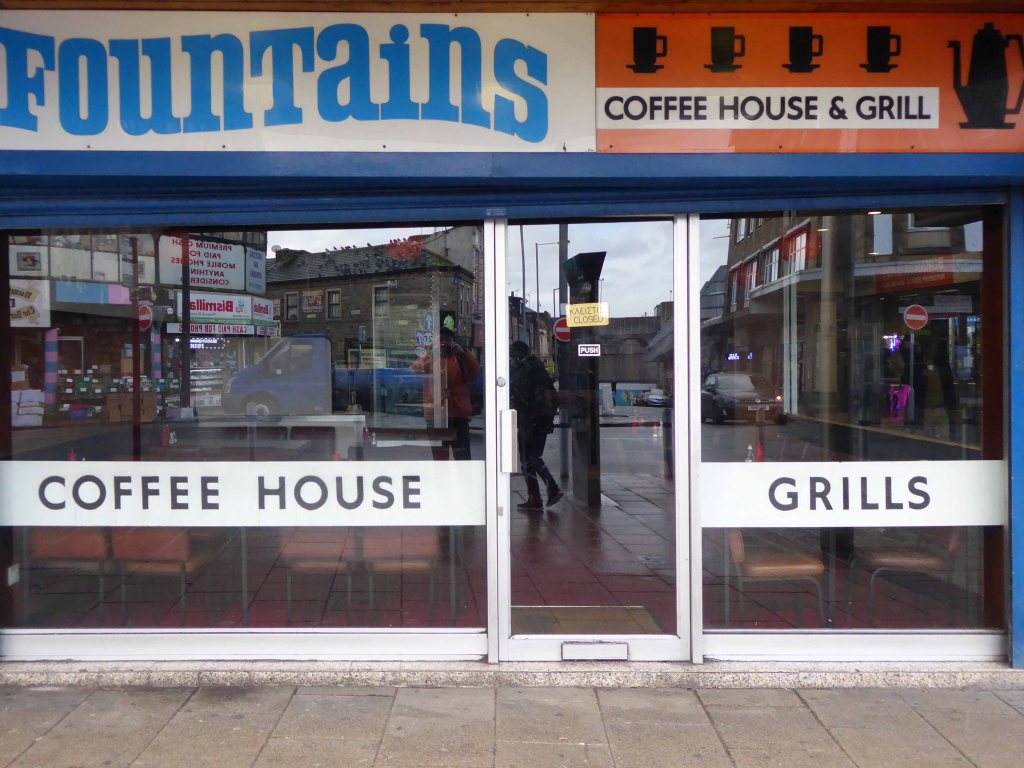
And finally the cafe that is not a cafe – Fountains, where the griddle no longer grills, the lights are always out and the shutters tightly shut, ain’t nobody home.

Wishing nothing but well for this West Riding gem – Bradford City of Culture and cultures and culture.

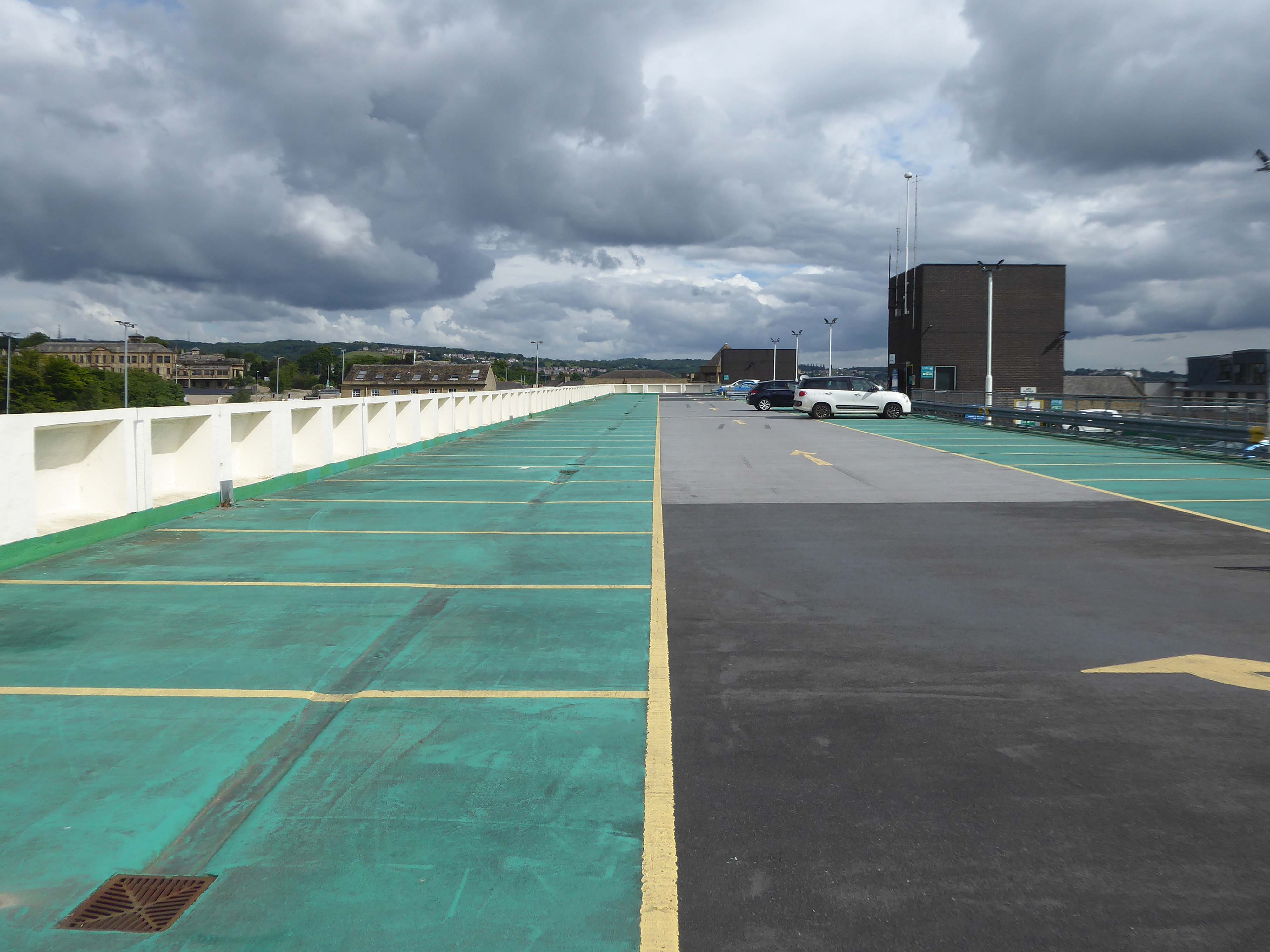
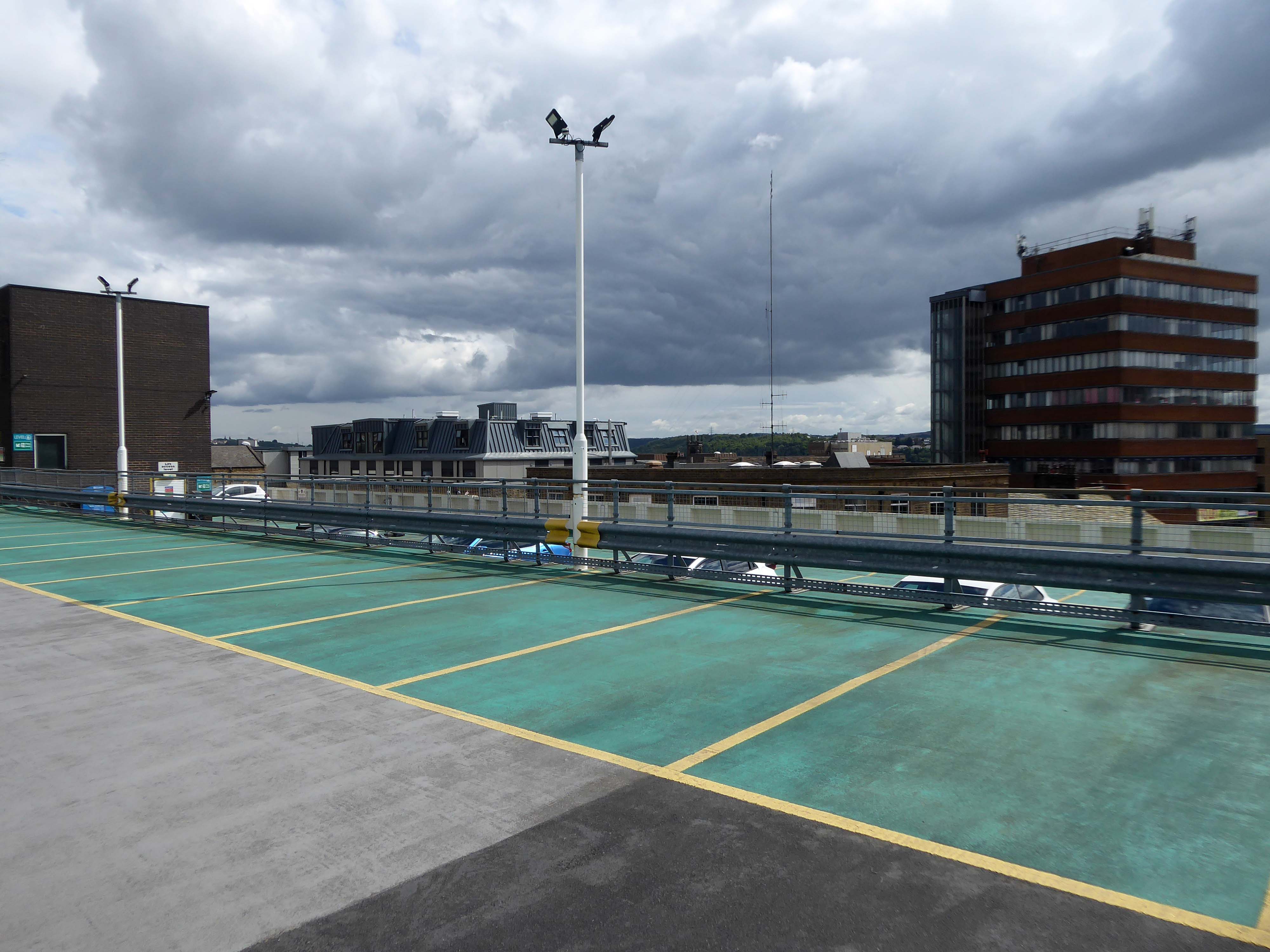
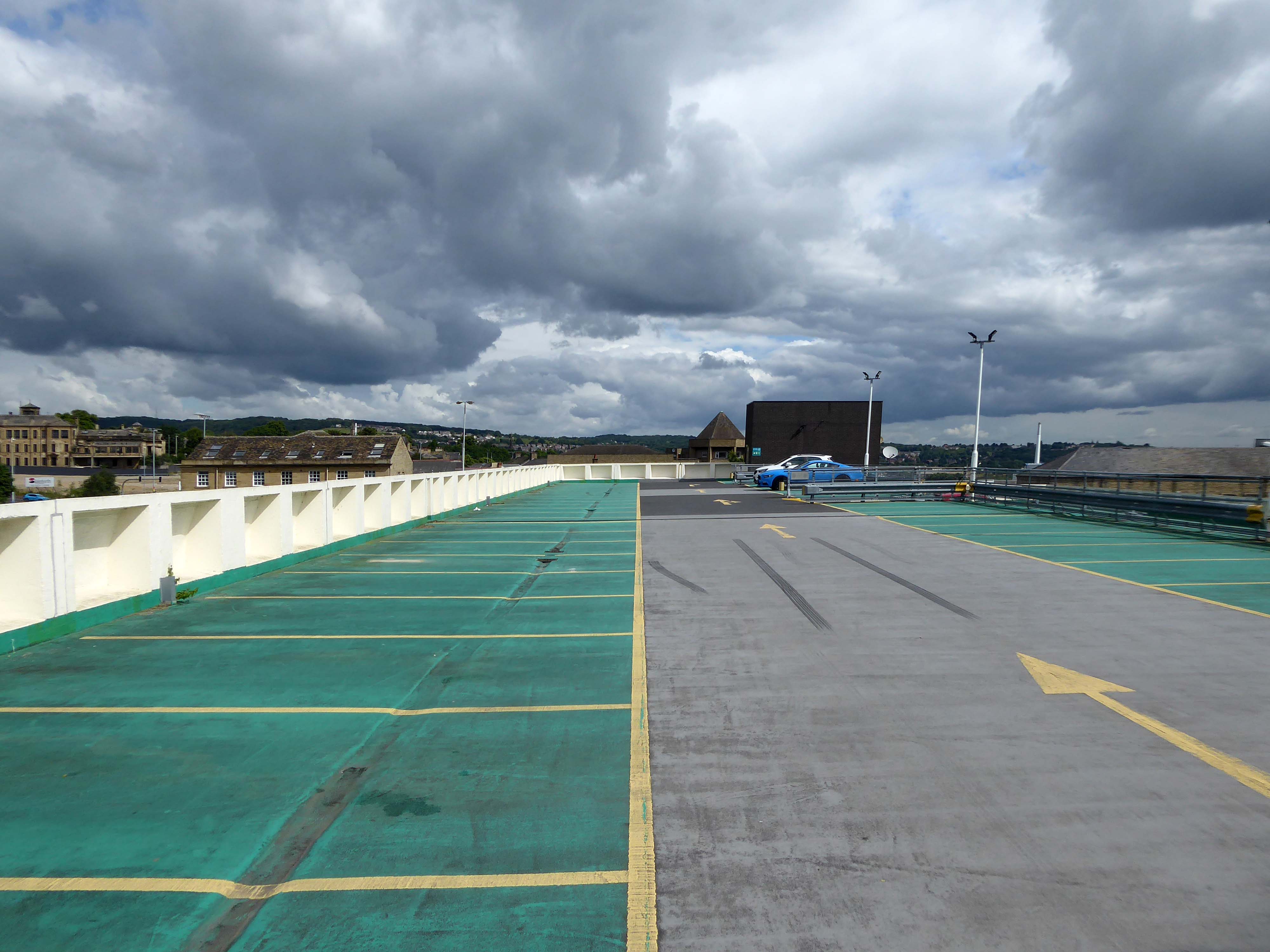
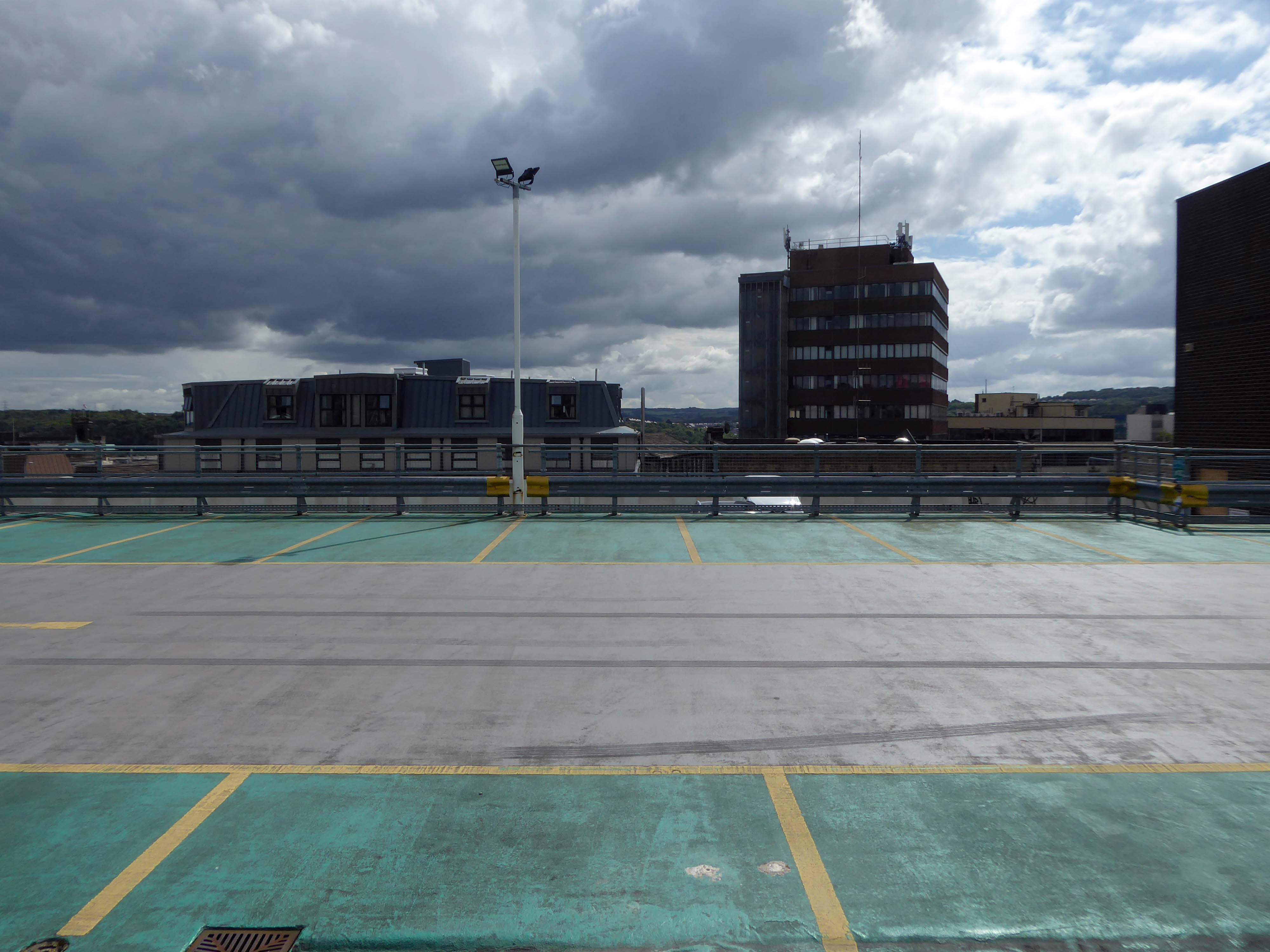
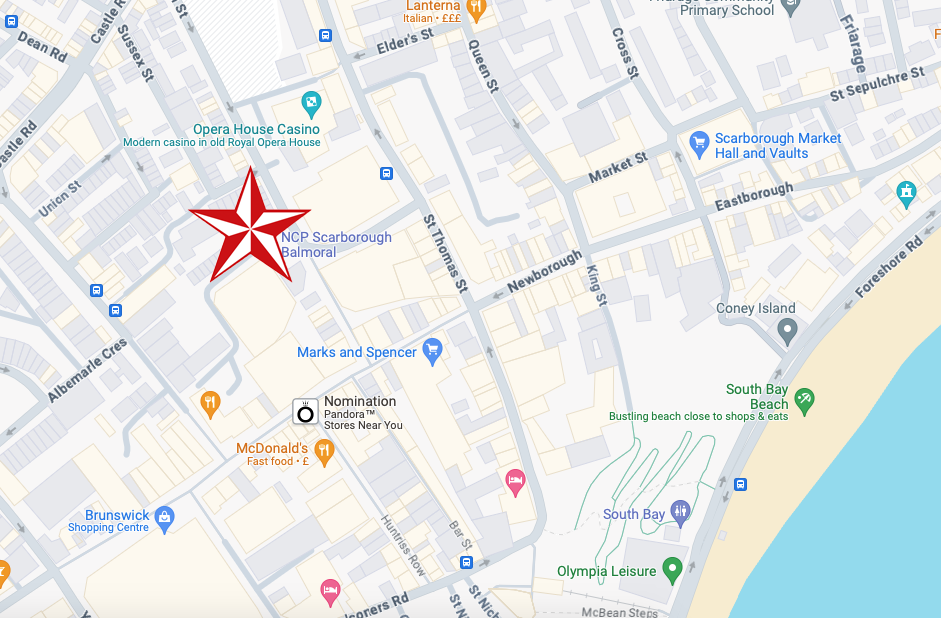
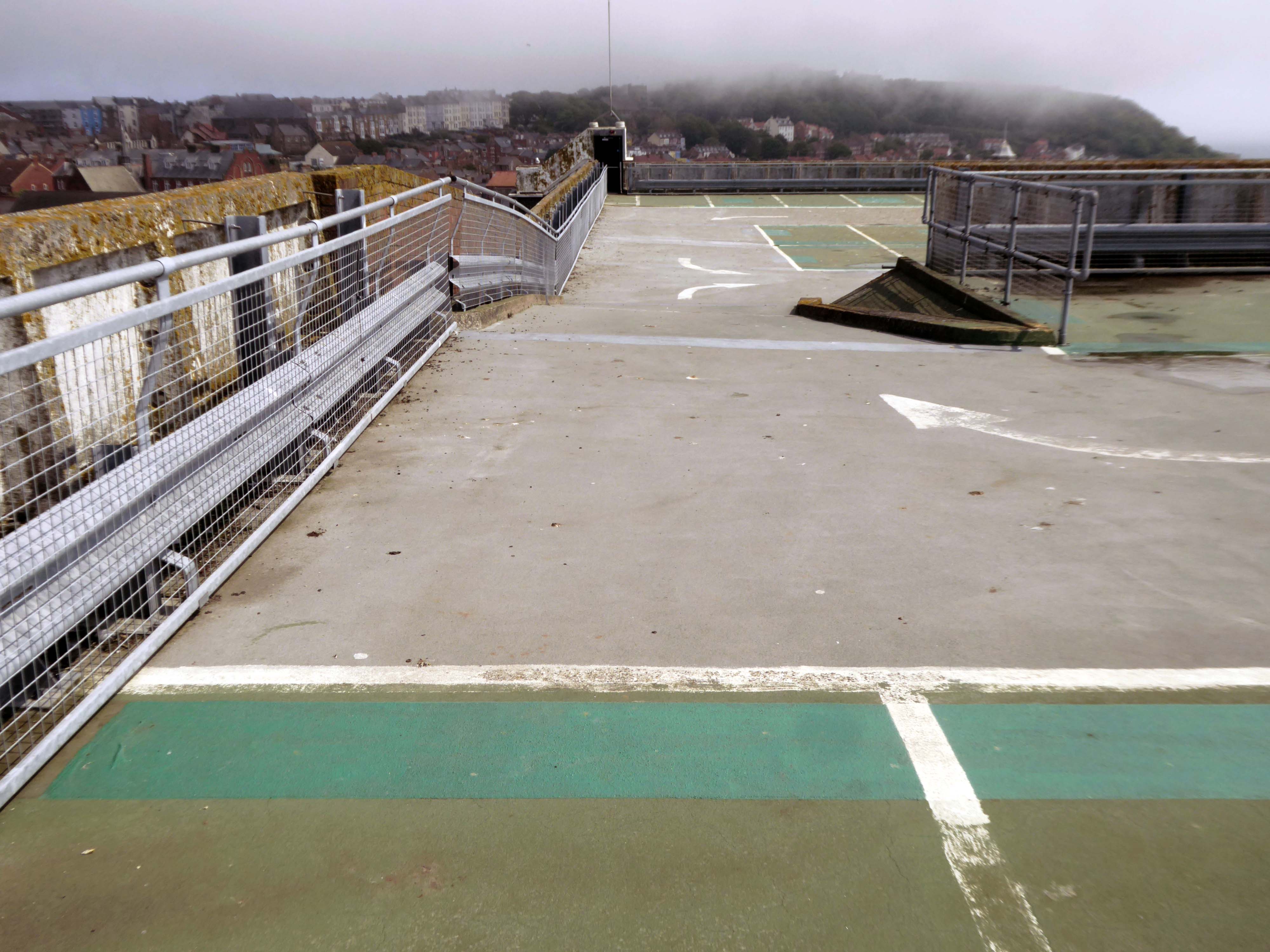
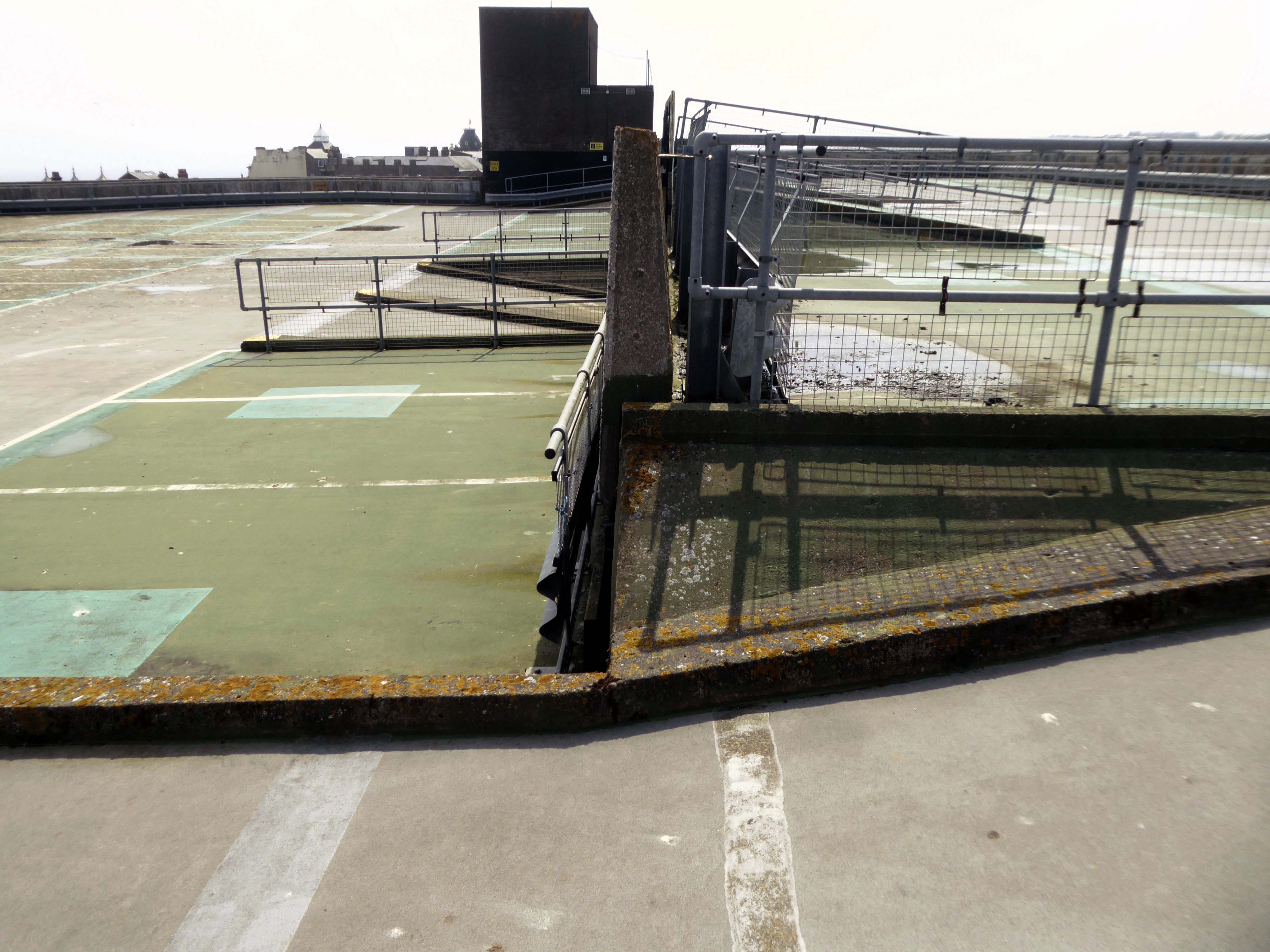
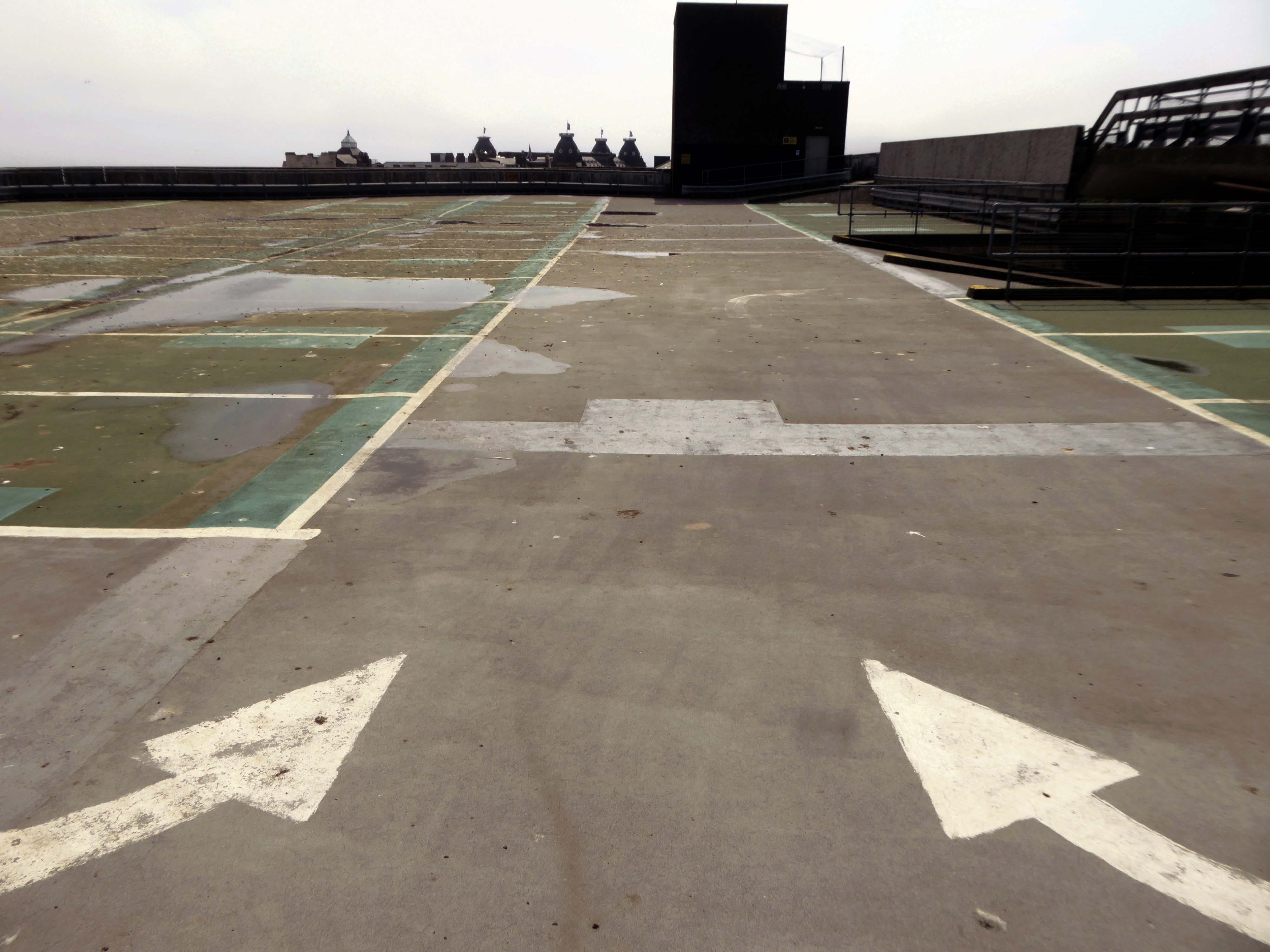
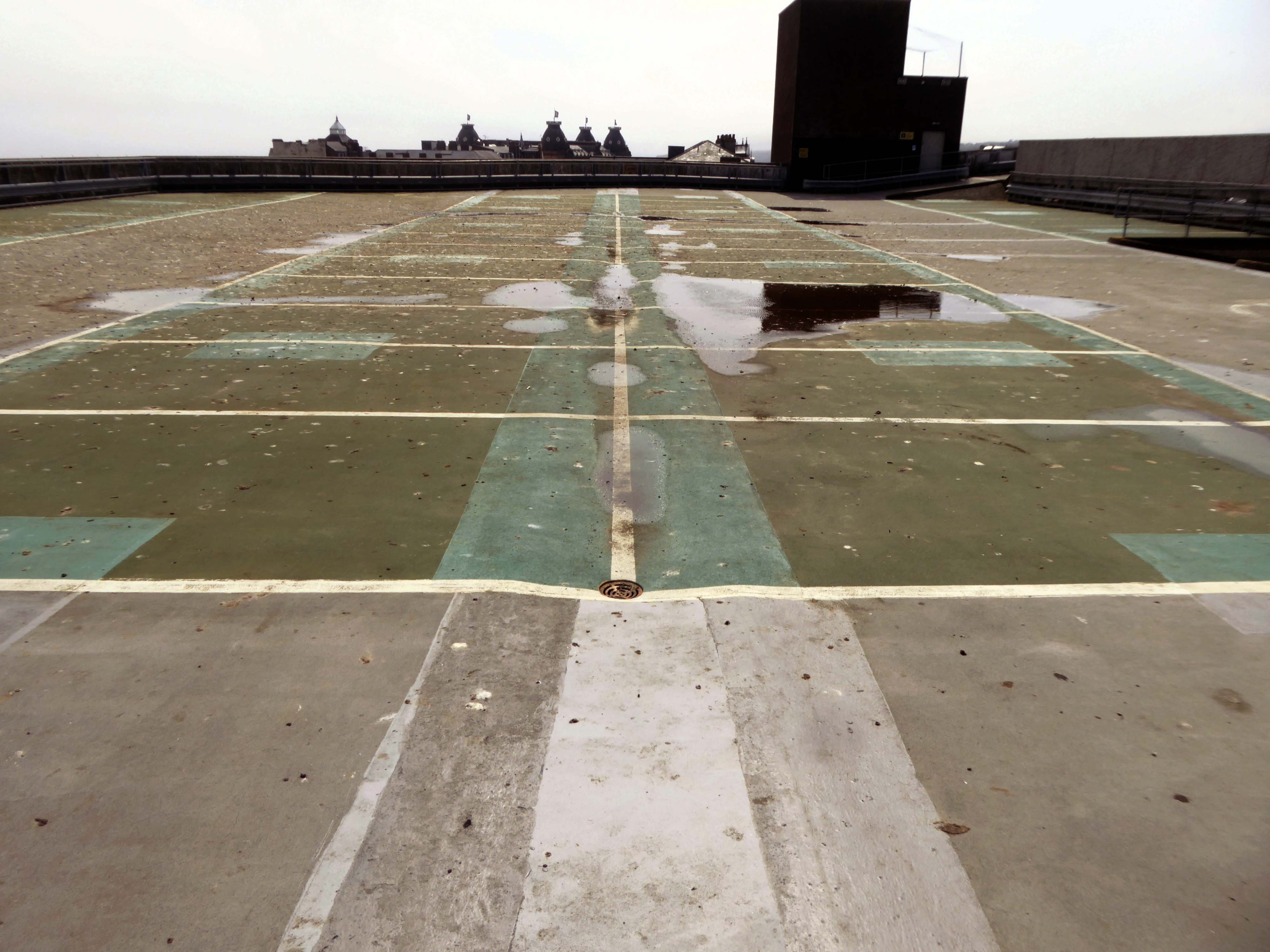
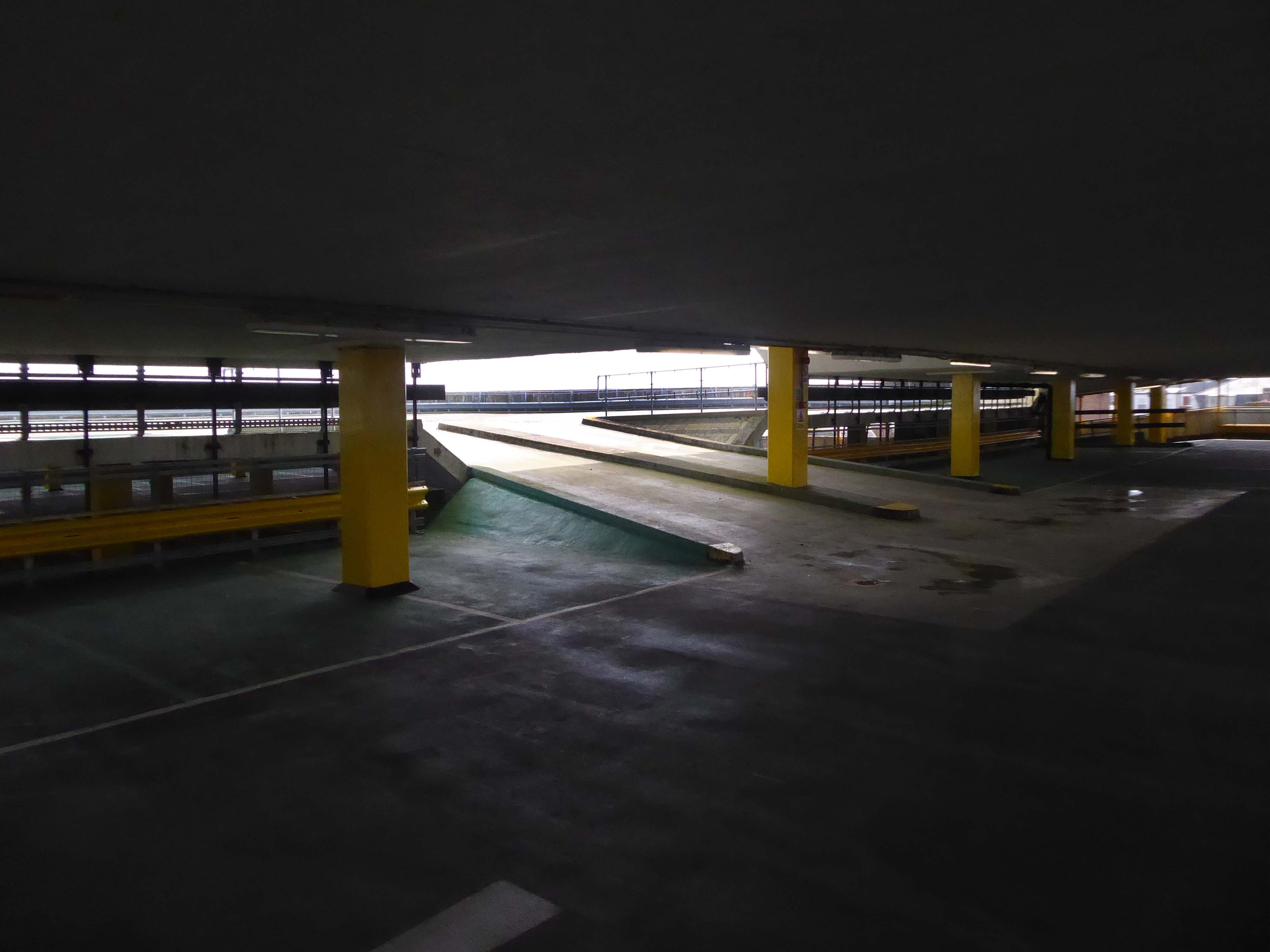
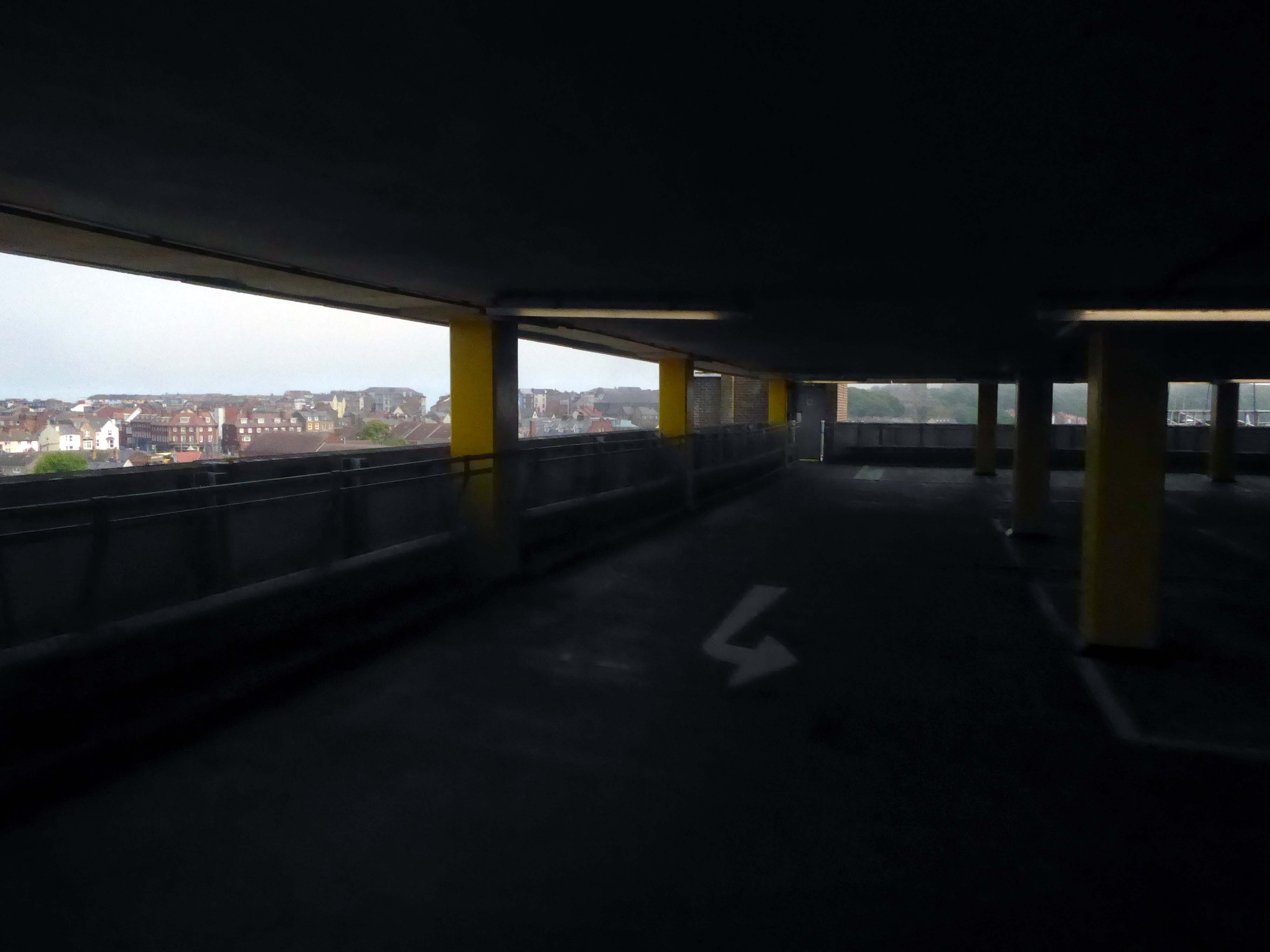
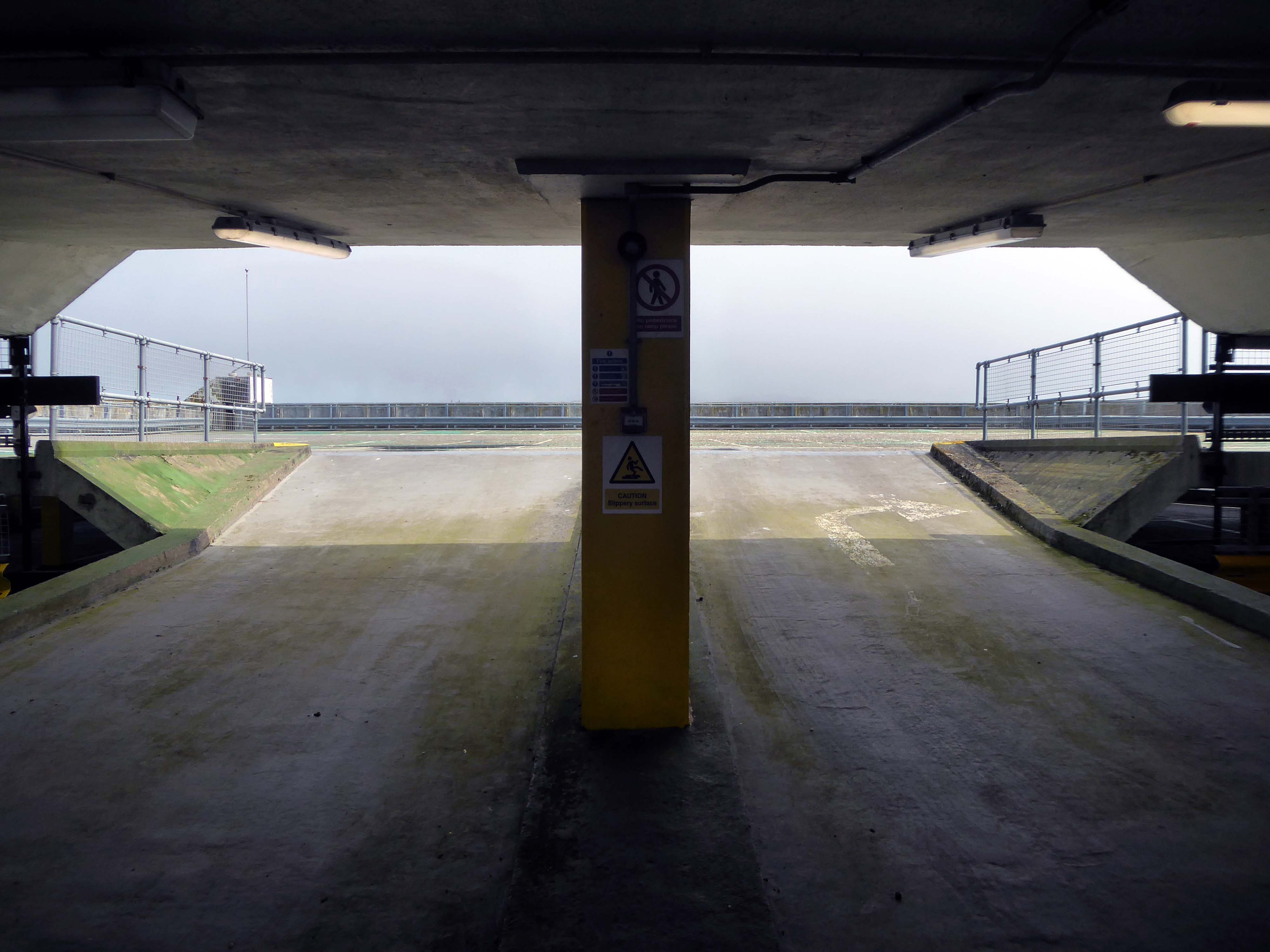
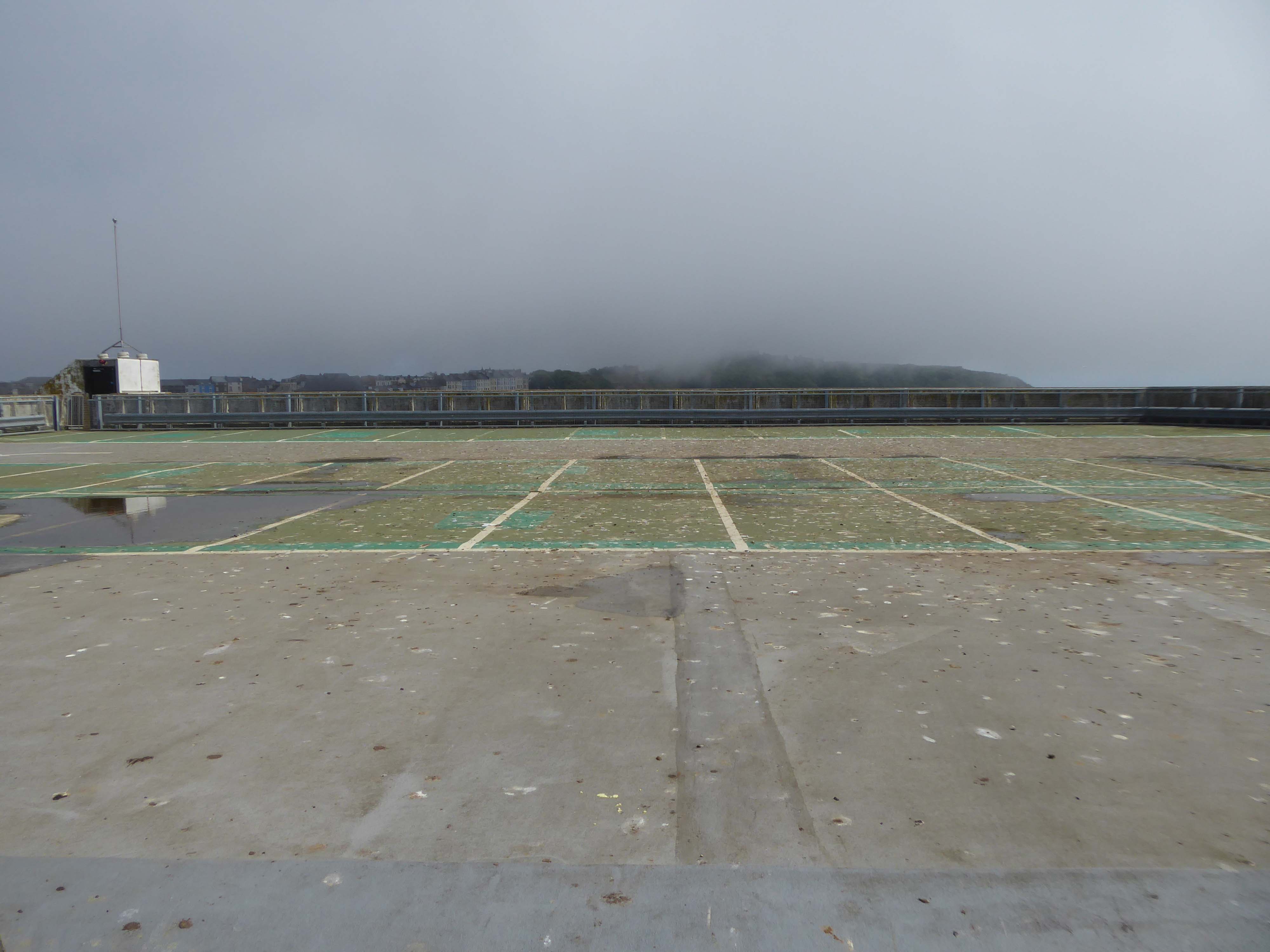
Balmoral Car Park – Scarborough

North St Scarborough YO11 1LU

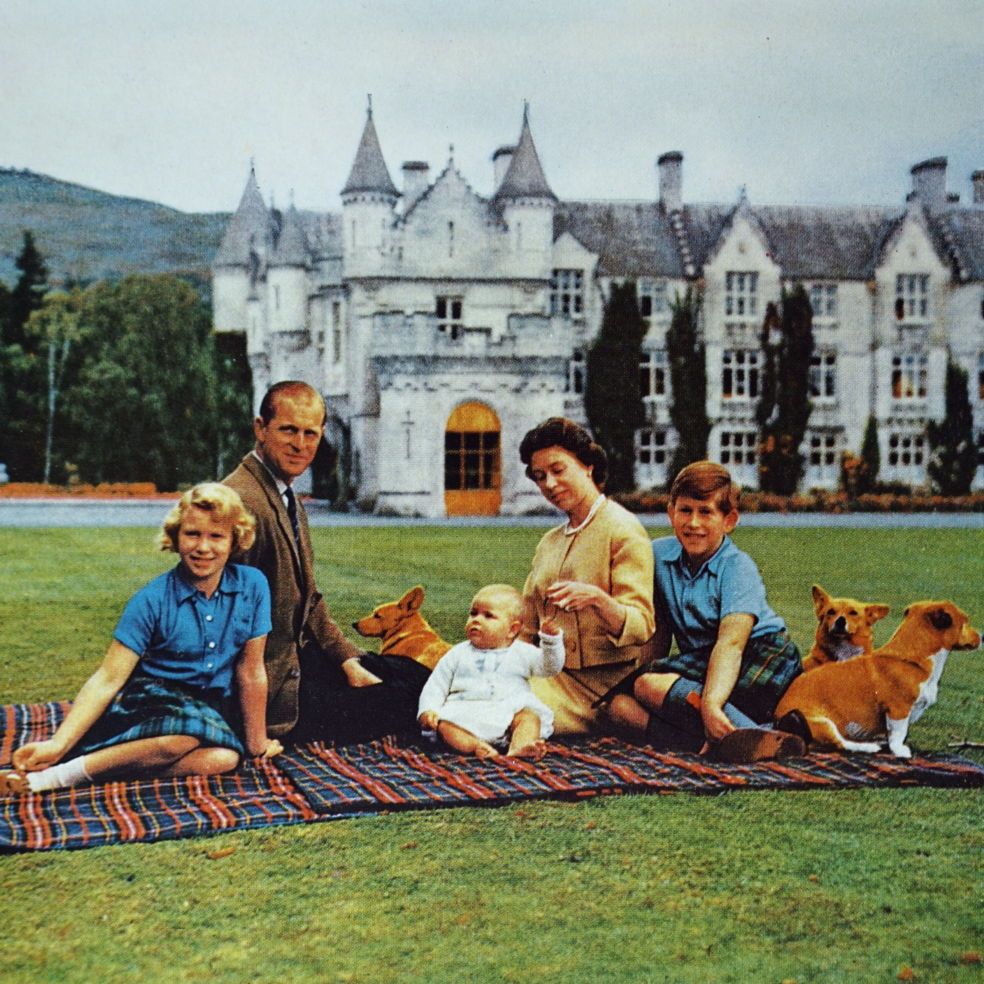
Last day of the holidays and we’re off to Balmoral!

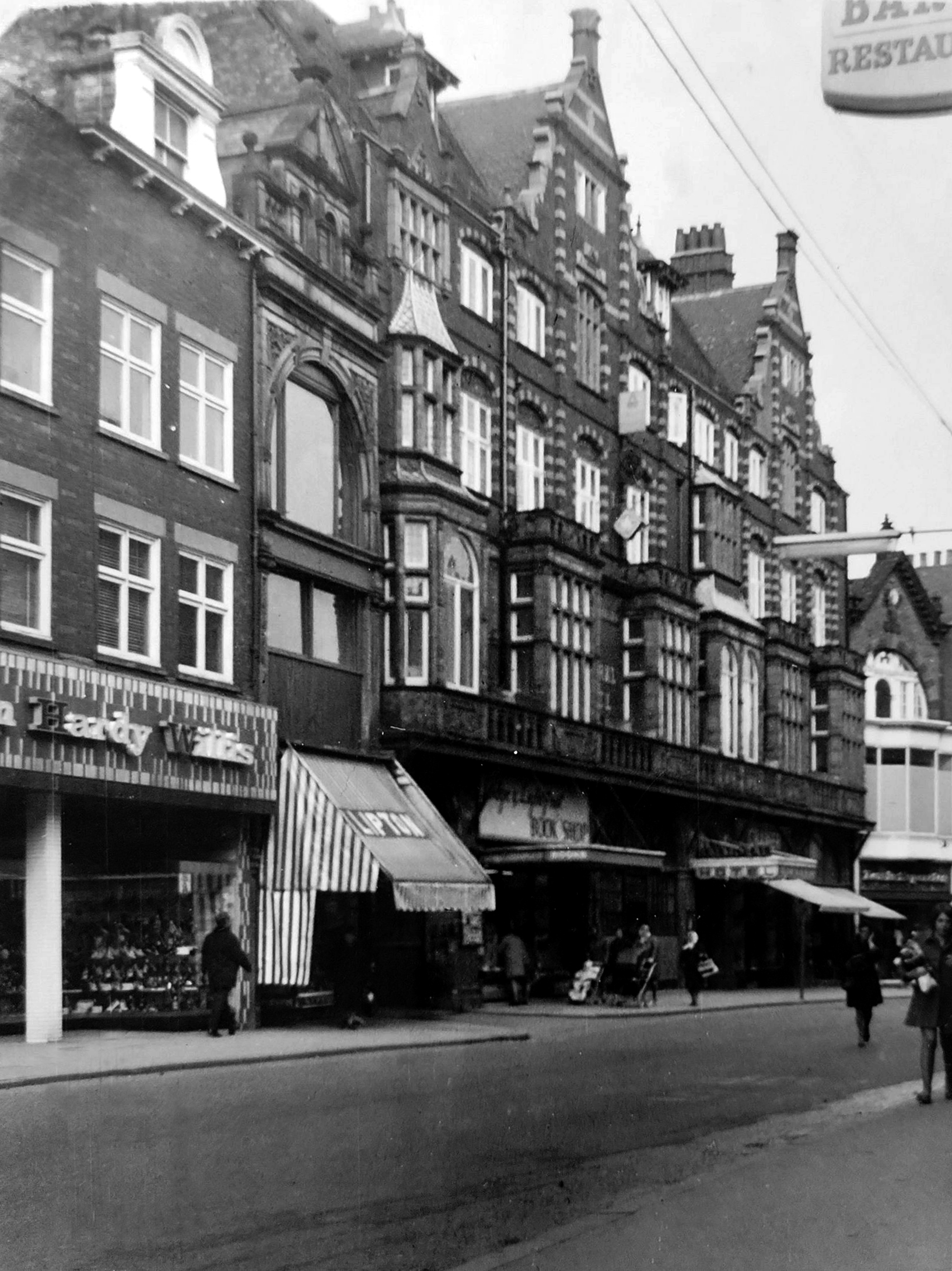
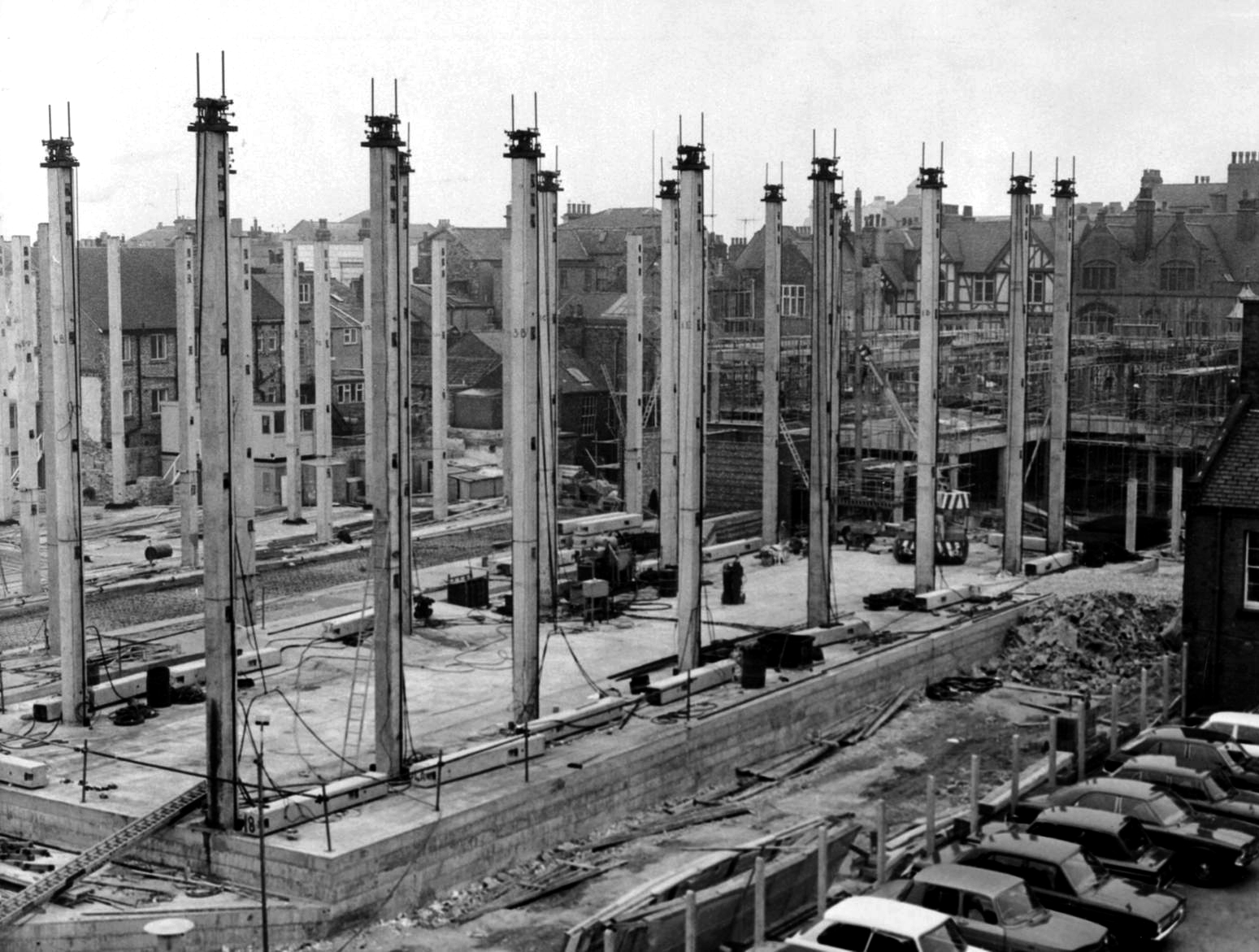
No not that Balmoral the other Balmoral, the car park attached to the Balmoral Centre, built in 1974 – with little or no reference to the Highland baronial.

Though the old Balmoral Hotel had to be removed in 1973.

Scarborough is a beloved seaside resort and we’re pleased to have secured these well-known, popular parades, bringing them into our in-house portfolio.

We are committed to focusing our efforts on regional retail centres and neighbourhood parades where we can see there is incredible potential. The Balmoral Centre and Bar House provide us with significant opportunities to add significant value and we are already looking to identify how we can revitalise these centres further. We hope to make announcements on how we can achieve this over the next few months.

This is the Coast

The staff at this car park are always friendly and really helpful.

You can tell they take pride in their car park.

We stay in this car park every time we come to Scarborough and stay in Britannia hotels, we find it safe and secure to park your car, the staff are very helpful and polite and keep the car park in tip top condition.

We will always park here great opening and closing times also five minute walk to Royal and Grand Hotel and shops.

Parkopedia

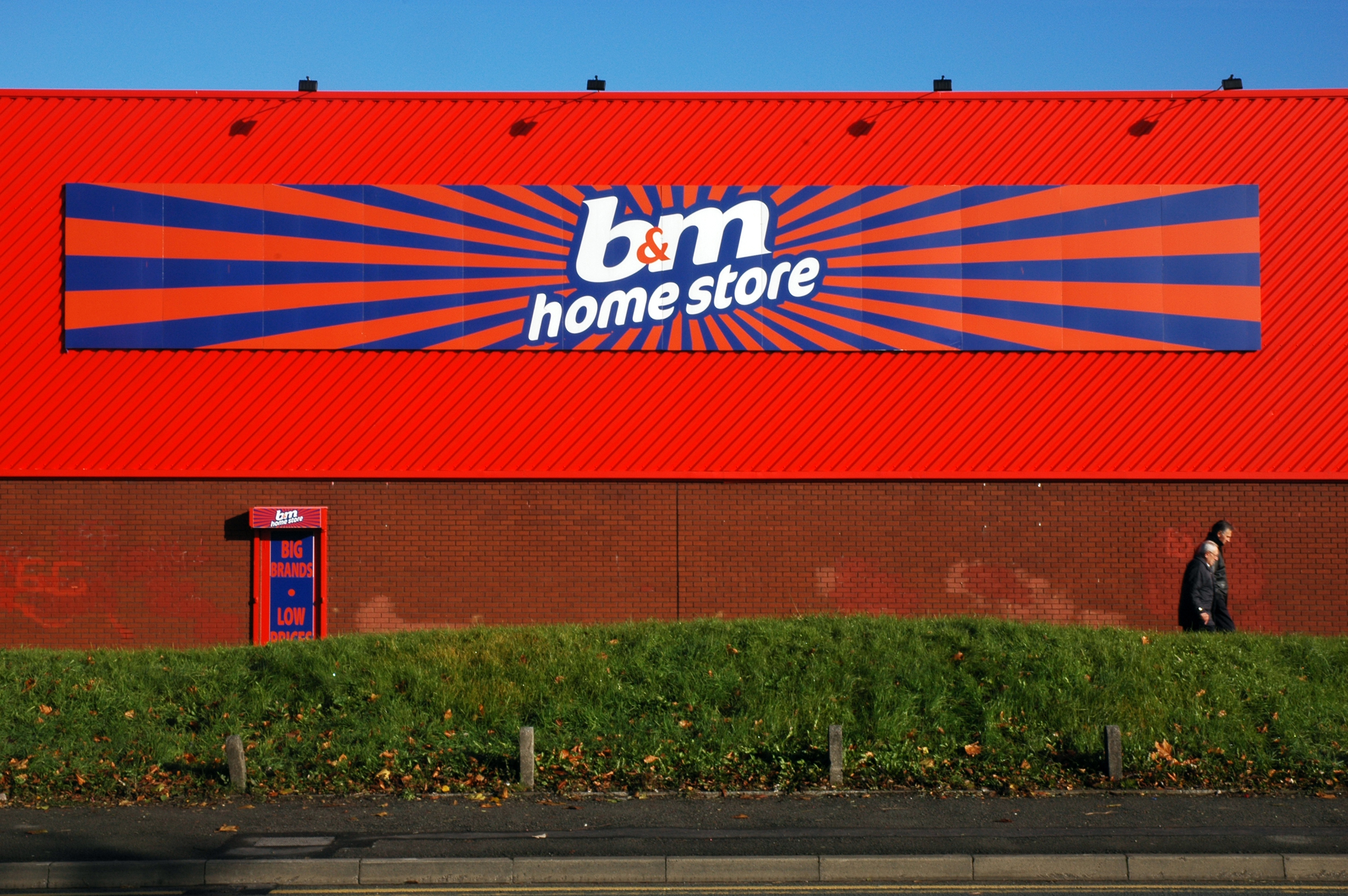
It’s tucked in behind B&M

Don’t go up the ramp Steve, the entrance is around the corner.

Up in the lift to level six – to the East it was misty, whilst to the West it was not.

Down another level and still not a sign of any cars.

Back up to the top of the world.

Hunterian Art Gallery – Glasgow

The Gallery is housed in a modern, custom-built facility that is part of the extensive Glasgow University Library complex, designed by William Whitfield.

Sir William Whitfield had roots in concrete and brick brutalism but took contextual postmodernism to a Palladian mansion that traditionalists admired. Principal of a small office for almost 50 years, his diversity of work was shot through with recurring themes and was distinguished by thoughtful synthesis of precedent.

RIBA

This displays the university’s extensive art collection, and features an outdoor sculpture garden.

The bas relief aluminium doors to the Hunterian Gallery were designed by sculptor Eduardo Paolozzi.

The gallery’s collection includes a large number of the works of James McNeill Whistler and the majority of the watercolours of Charles Rennie Mackintosh.

The Mackintosh House is a modern concrete building, part of the gallery-library complex.

The Mackintosh House comprises the principal interiors of the original house – including the dining room, studio-drawing room and bedroom, largely replicating the room layout of the old end-of-terrace building. It features the meticulously reassembled interiors from the Mackintoshes’ home, including items of original furniture, fitments and decorations.

Wikipedia

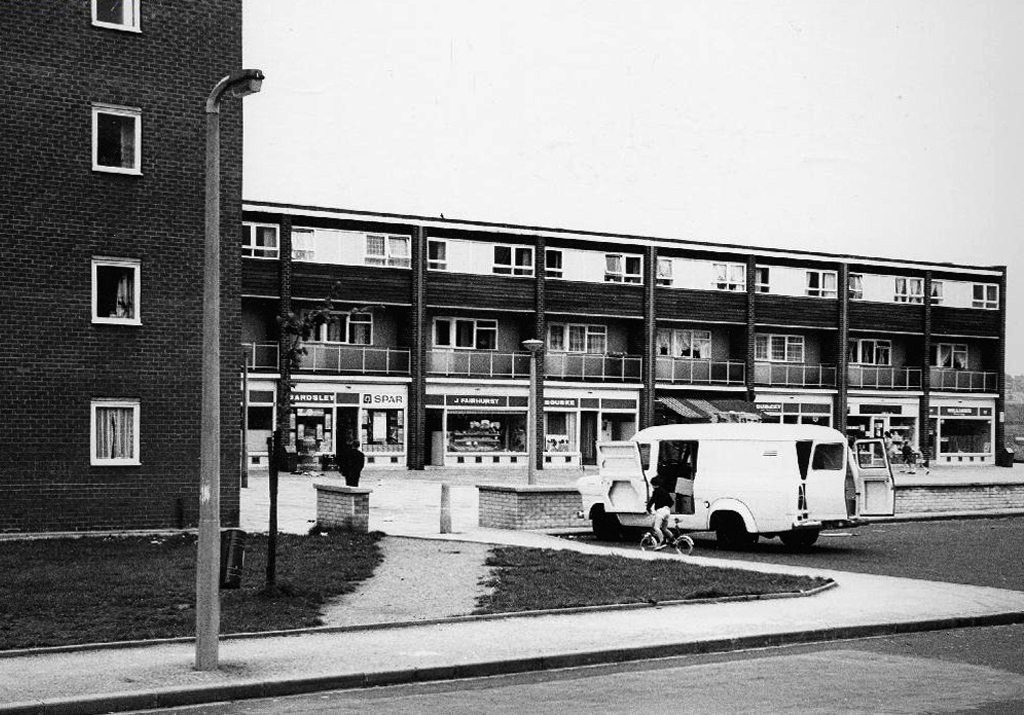
Eastford Square Collyhurst – William Mitchell

It was 2016 when I first stopped to snap and blog – the shops, homes and William Mitchell concrete sculpture.

By then the missing housing block was already missing.

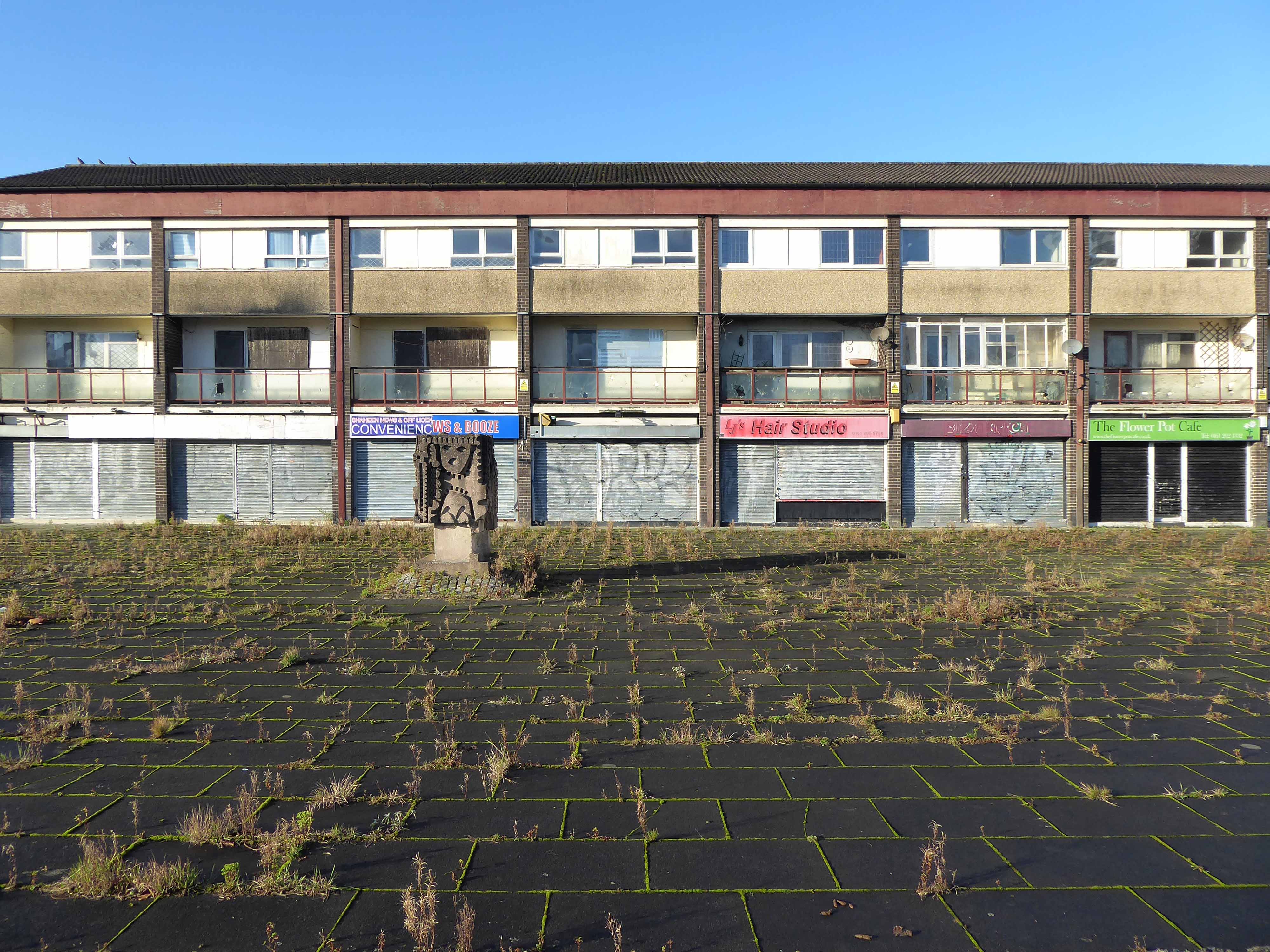
Returning in 2018 the shops are now shut and the homes stand empty.

In 2019 there’s still nobody home, but the totem is in place.

In 2020 the undergrowth has grown over the square.

It’s 2021 and stasis is the order of the day.

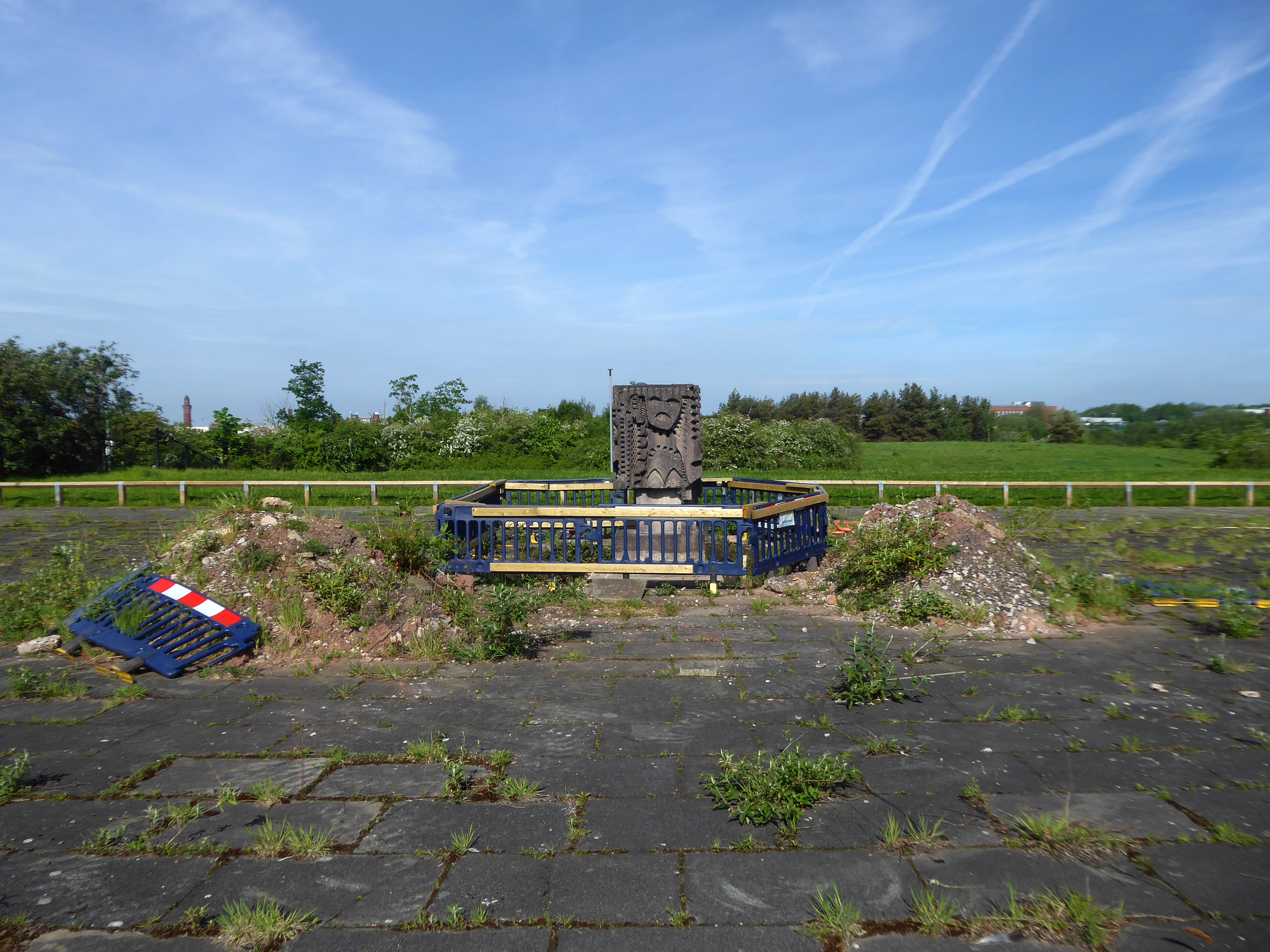
Fast forward to 2023 and the shops and homes are finally demolished – the totem still still in place.

The base has been dug out and the sculpture awaits removal to the adjacent flats.

I was told that one estimate for the job was £120,000 – given its weight and location over railway tunnels.

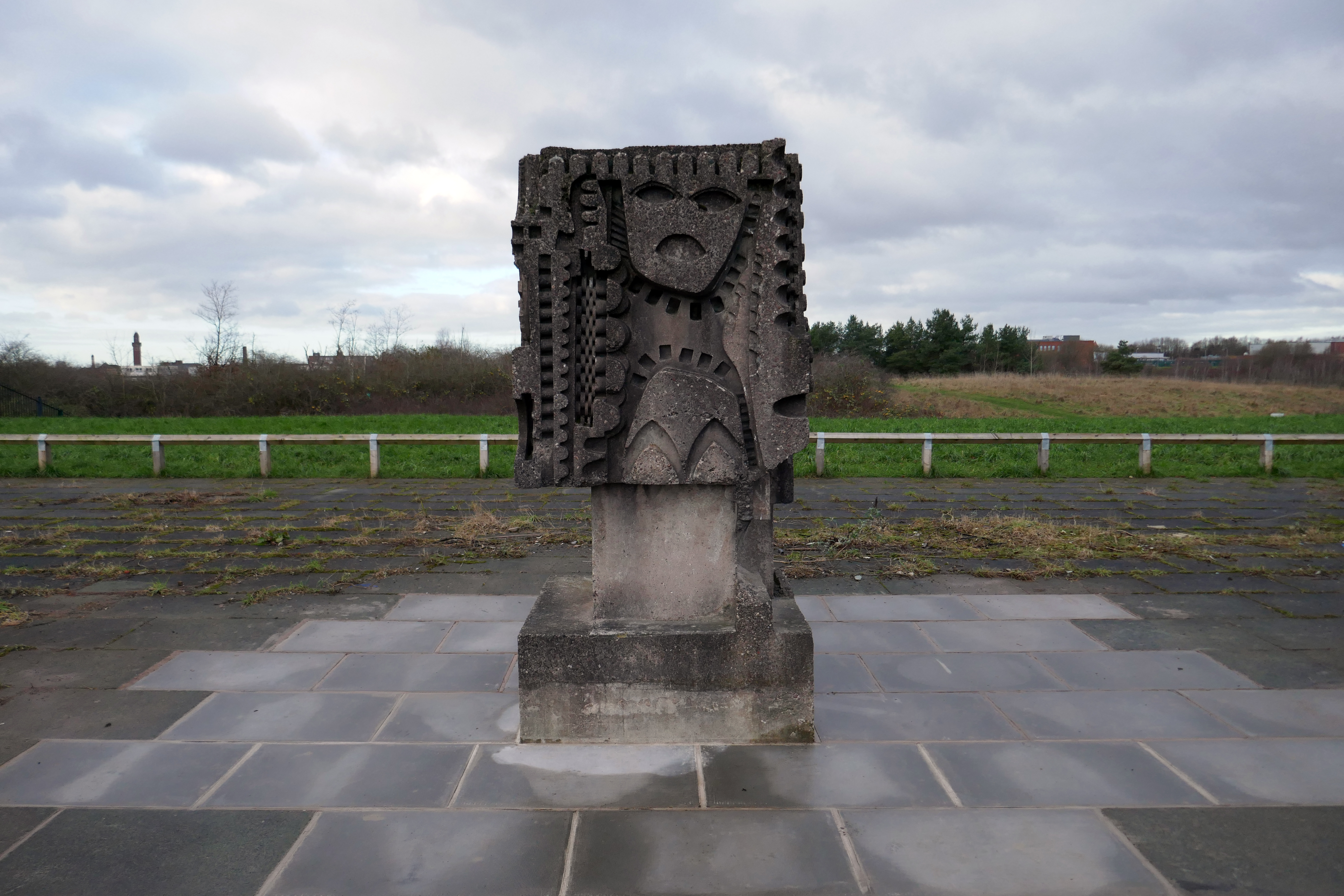
So as of today today 26th February 2024 – ain’t nothing shaking but the weeds twixt the flags.

Tapton Hall – Sheffield

Shore Lane Sheffield S10 3BU

The Masonic Hall has an extension of 1967 by Hadfield Cawkson Davidson & Partners

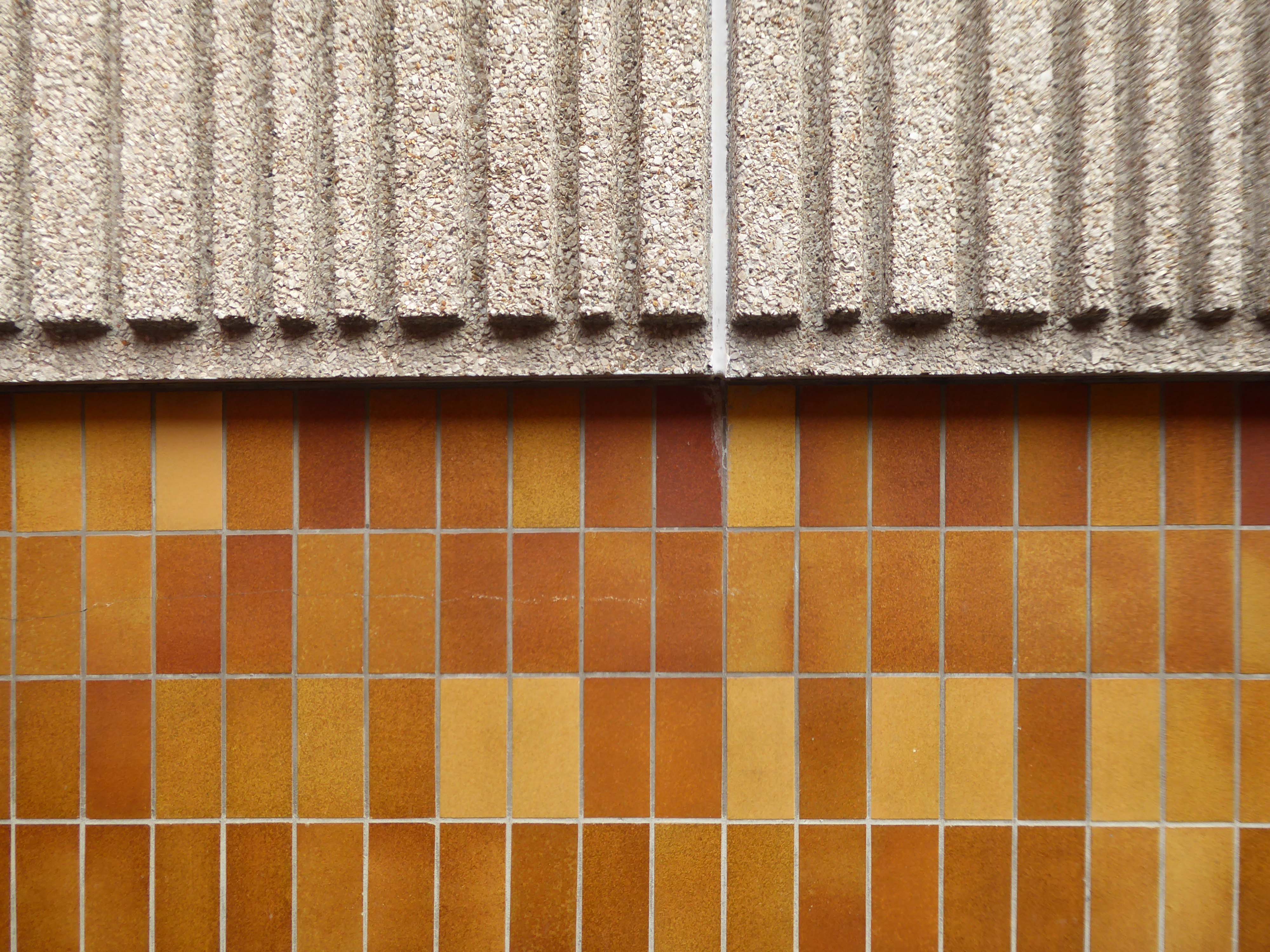
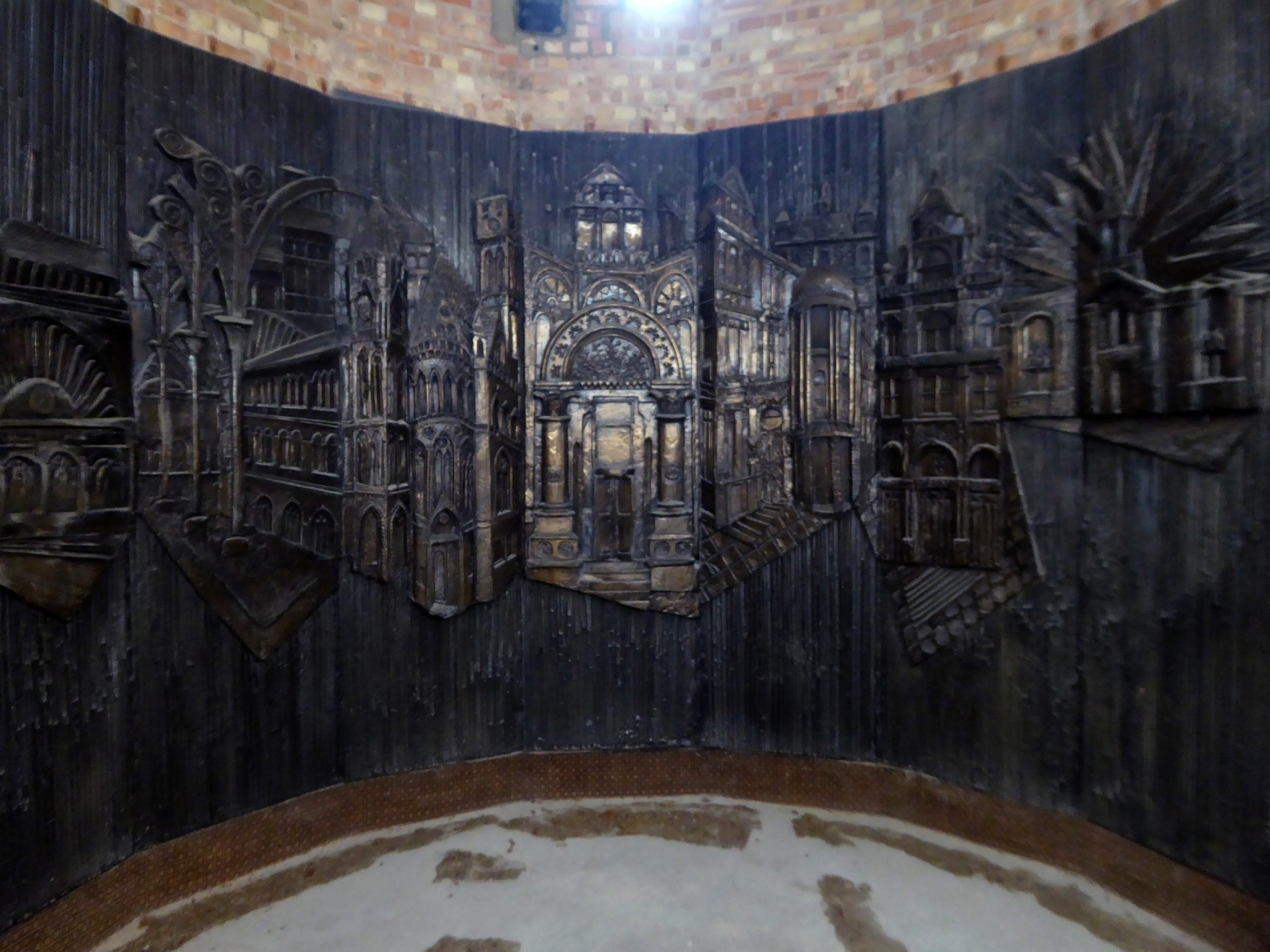
The Masonic Hall has an extension of 1967 has a concrete mural by William Mitchell.

Symbolising the turmoil and chaos of the outside world, contrasting with the order of the Masonic Temple – a Freemason told me so.

I thought to propose the idea that this may well be a false dichotomy – then thought I’d better not.

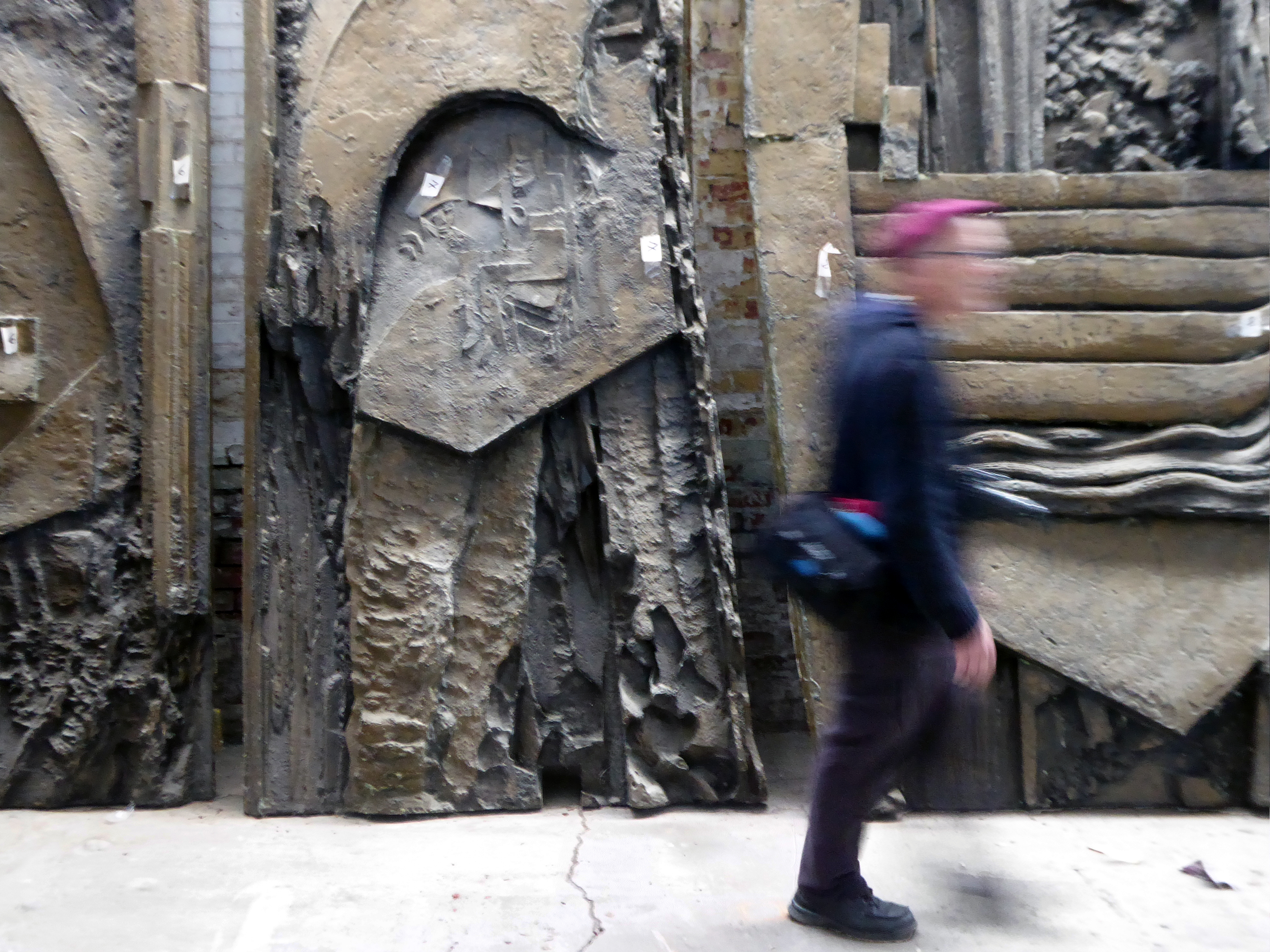
These are the constituent panels.

These are the details.

Having been asked to speak to the Sheffield University Alumni Women’s Group – on the subject of Modernist Sheffield, I had easy access to the interior space.

I was ever so excited to discover these decorative panels on the stairway – I assume that they are also the work of William Mitchell.

Nobody knew.

The Masonic Hall is now a venue in addition to being a Masonic Hall.

It was once the home of steel magnate Edward Vickers.

Vickers was a successful miller who invested his money in the railway industry. In 1828 he garnered control of his father-in-law’s steel foundry business, formerly Naylor & Sanderson, and renamed it Naylor Vickers & Co. He went on to be Alderman and the Mayor of Sheffield and was the first President of the Sheffield Chamber of Commerce before he died in 1897.

Manchester Arterial – A57

The A57 was nearly a coast to coast route. It passes through three major city centres (Liverpool, Manchester, and Sheffield – with elevated sections in each) and several smaller ones, multiplexes with the A6 and the A1, follows the banks of two canals and negotiates the remotest part of the Peak District. In one city it part of it is a tram route, whilst in another its former route is also a tram route. After all these adventures, it sadly gives up just 40 miles short of the east coast, Lincoln apparently proving too big an obstacle.

The A57 crosses the River Irwell at Regent Bridge before entering its moment of motorway glory as the A57(M) Mancunian Way skirting the south of Manchester’s city centre on an elevated section and crossing the A56 and A34. This includes a half-completed exit that goes the wrong way up Brook Street – a one way street. The original A57 ran further north through the city centre along Liverpool Road (now the A6143) and Whitworth Street – B6469 as far as the A6 London Road which marked the start of a multiplex.

At the end of Mancunian Way, we reach a TOTSO, straight on being the short unsigned A635(M) and thence the A635 – for Saddleworth Moor, Barnsley and Doncaster whilst the A57 turns south, briefly multiplexing with the A6, and then branching off along Hyde Road. This section of road was extensively cleared for the westward extension for the M67, and consequently has seen a lot of redevelopment.

Sabre Roads

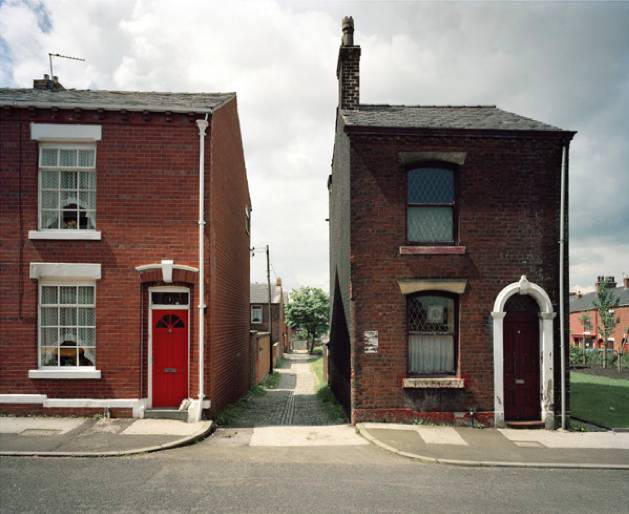
In 2014, having taken early retirement from teaching photography, I embarked on a series of walks along the arterial roads of Manchester.

See also Bury New Road and Cheetham Hill Road and Rochdale Road and Oldham Road and Ashton New Road and Ashton Old Road.

Twelve Car Parks – Manchester

The earliest known multi-story car park in the UK was opened in May 1901 by City & Suburban Electric Carriage Company at 6 Denman Street, central London. The location had space for 100 vehicles over seven floors, totaling 19,000 square feet. 

Wikipedia

It is estimated that there are between 17,000 and 20,000 non- residential car parks in Great Britain, including those run by councils, commercial parking companies, shops, hospitals, businesses, railway stations and airports, providing between 3 and 4 million spaces.

I have visited the Maid Marion, St James Street, Manors, Asda Stockport, Heaton Lane, Merseyway, Piccadilly Plaza, Red Rock, Central Area Flats, George Street, and Abbey Walk.

The Manchester Airport multi-storey car park  is one of the largest car parks ever built; in fact, it’s the second largest in Europe. This mega-park was designed to house a staggering 8,000 cars, split over a six-level facility that stretches out over 330 metres.

In the city centre NCP has over 13,000 car parking spaces across 43 sites

Port Street Central – M1 2EG

Since closed and built upon.

Arndale Car Park – M4 1AZ

Designed by Wilson & Wormersley opened in 1979 as part of the Arndale Centre shopping complex.

Good location but the access to the shopping centre is dirty. Lifts dirty – discarded soiled underwear, urine, spit and rubbish in the lifts. Car park also full of litter.

The most unnecessarily complicated ticketing system I have ever seen for a car park. Designed to fail so that the system can fine you. Beware. Better avoided for overseas visitors

Northern Quarter Car Park – M4 1LX

Sold and to be redeveloped by Glenbrook.

Immerse yourself in the eclectic vibe of the Northern Quarter, the heartbeat of art, culture, and urban lifestyle. Whether you’re heading to its vintage shops, art studios, or chic cafes, finding the cheapest, best parking is paramount.

Stairs smell of stale urine and cannabis.

Shudehill Car Park – M4 4BB

The Shudehill Interchange car park and bus station, designed by Jefferson Sheard Architects working with Ian Simpson, replaced the former Cannon Street bus station, under the Manchester Arndale; since the redevelopment of Manchester city centre, the latter has disappeared along with Cannon Street itself.

Kendals Car Park – M3 2WY

Great location but narrow roadway between floors. Pay in advance so you need to know how long you’re staying for.

£20.40 for 4 hours is expensive but you are minutes from Deansgate shops.

Only given one star because there wasn’t an option for zero. Not secure, car broken into theft of personal effects, pedestrian gate was un locked, no CCTV that I could see anywhere. Cost me over £25 to park for 6 hrs and lost over £200 of personal effects, complained to council, no response. Wouldn’t park here ever again.

New Bailey Car Park – M3 5EN

Maple gave architects Aedas RHWL the freedom to express themselves on a prominent multi-storey car park development in Salford. Their imaginative design created a great concept – the nine storey New Bailey car park appearing to be wrapped in ribbons that echo the lattice patterns and intersections in the ironwork of nearby Victorian bridges.

A good, clean and modern carpark. Easy to navigate and sensibly sized spaces. The only downsides are that it’s not cheap and getting into it from Trinity way is hard, as the traffic blocks the junction meaning it takes may cycles of the traffic lights to get across the junction.

Piccadilly Plaza Car Park – M1 4AJ

Part of the Piccadilly Plaza development of 1965 by Covell Matthews and Partners

Nice central location with a large entrance so you dont have to risk scratching your car as you pull in. Found there was a lack of signage to direct to nearest pay machine or walkway exit. Also had trouble when it was time to pay. I typed in my registration and yet it wasnt recognised and so I had to estimate my time of arrival. I ended up paying £10.50 for around 3 hours, which probably is the going rate for city centre parking.

Sadly after seeing several reviews that cars were broken in to, I would certainly reconsider parking here in future. I got lucky here, I had suitcases locked in the car, with several hundreds of pounds worth of travel money.

Worst place to park on earth, we had our car broken int0, everything stolen, it’s common knowledge that the drunks in the town hang around the car park to steal and then use your cards to buy their booze

Chorlton Street Car Park – M1 3FY

Leach Rhodes and Walker 1963/67

Secure and easy to find while driving, struggled to get back in through side door, had to walk up the ramp.

Expensive.

Stairwell stinks like piss and I’ve seen homeless people sitting in there. Doesnt feel safe.

Great car park, security is great, right in the city centre above the bus station that goes Scotland to Cornwall, Wales to Norwich and many more, Manchester city centre literally with Piccadilly Gardens around the corner.

Q-Park First Street – M15 4FN

Architect – Ian Simpson 2015.

Great car park we use all the time in Manchester, easy to book online, no messing with cash machines. Takes your car reg by camera for easy access in and out. Plenty of spaces mainly upper floors, just tight around corners.

Charles Street Car Park – M1 3BB

The entrance is extremely narrow so watch out for your alloys when you turn in.

Ridiculous size for a modern car park – just terrible.

This car park has served me well on many occasions! It is truly wonderful as car parks go.

Terribly maintained, regularly find human faeces and worse in the stairwell.

Circle Square Car Park – M1 7ED

Fielden Clegg Bradley were concept architects while Leach Rhodes Walker were delivery architects.
A series of four × two-storey-deep lattice girders and a single one-storey girder, all measuring up to 27m-long, span over the zone where the underground pipes are located. In these parts, the car park has no first-floor level as the local water board needed a 5m ground-to-ceiling clearance in case they had to undertake any maintenance works. Consequently, the first floor is only a partial level and is set within the depth of the larger lattice girders, as is the second floor, while the third level is supported on top of these members.

Supporting a hotel would be challenging enough, however the design has also had to incorporate large bridging elements as there are two subterranean 600mm-diameter water pipes crossing the site. “It’s a very unusual design and one that was originally designed as a concrete-framed structure,” says James Killelea Senior Structural Engineer Charlie Twist. “However, the bridging parts would have proven to be too difficult to build and consequently a steel-framed solution was chosen for the car park, which in turn supports a precast concrete hotel.”

This car park is one of the cleanest and most well maintained in Manchester.

Piccadilly Station Car Park – M1 2RP

JHA Pulmann were commissioned via network rail to deliver an extension to, and re-cladding of an existing 1970’s concrete frame carpark outside of Manchester Piccadilly station.

The carpark is fine but as a lone female arriving off the train in the early hours of the morning, I felt quite vulnerable getting back there. It’s in a very quiet dark place accessed by going through a tunnel going under a bridge.

Easy to find, plenty of spaces and only a short walk to Piccadilly station – great!

Kendals Car Park – Manchester

Kendals Car Park – M3 2WY

Kendals is of course long gone – absorbed by House of Fraser.

The store had previously been known during its operation as Kendal Milne, Kendal Milne & Co, Kendal Milne & Faulkner, Harrods or Watts.

The store was designed by Harrods’ in-house architect Louis David Blanc, with input from a local architect John S Beaumont, in 1938 and completed in 1939 – it is a Grade II listed building.

Great location but narrow roadway between floors. Pay in advance so you need to know how long you’re staying for.

£20.40 for four hours is expensive but you are minutes from Deansgate shops.

Only given one star because there wasn’t an option for zero.

Not secure, car broken into theft of personal effects, pedestrian gate was un locked, no CCTV that I could see anywhere. Cost me over £25 to park for six hrs and lost over £200 of personal effects, complained to council, no response. Wouldn’t park here ever again.

Get there whilst ye may.

The pedestrian in a car park presses on!

Manchester City Council is set to hand over a multi-storey car park and close a row of shops, including a Greggs and a barbers, in the hope of driving huge development in Deansgate. The multi-storey car park on King Street West, behind the iconic Kendals building, is set to be demolished if plans are passed by the council’s executive committee, with proposals to turn it into an office block.

The demolition of this car park and ground floor retailers would facilitate the redevelopment of the site, according to a report by the council’s strategic director, and will pave the way for the refurbishment of the adjacent grade II listed Kendals building, which currently has House of Fraser occupying it. Engagement with the retailers has been ongoing for some time, according to this report, with guidance being offered to them as to their next steps.

Plans were approved last year to transform the Kendals building into ‘high end’ offices with the car park to be turned into a 14-storey office block, along with improvements to the public realm. For this to go ahead the council will need to surrender the lease of the car park building, according to the report.

MEN

Chorlton Street Car Park – Manchester

Chorlton Street Car Park – M1 3FY

Secure and easy to find while driving, struggled to get back in through side door, had to walk up the ramp.

Expensive.

Stairwell stinks like piss and I’ve seen homeless people sitting in there, doesn’t feel safe.

Great car park, security is great, right in the city centre, above the bus station that goes Scotland to Cornwall, Wales to Norwich and many more, Manchester city centre literally, with Piccadilly Gardens, around the corner.

We have been snapping here afore in the guise of Mr Estate Pubs – checking out the Thompsons Arms.

For this is a car park with coach station and boozer attached.

The pedestrian in a car park approaches cautiously – along the ramp.

Retreating the better to circumnavigate the site.

I was quickly losing light – so I called it a day.

Returning on a sunnier day.

Circle Square Car Park – Manchester

Circle Square Car Park – M1 7ED

Fielden Clegg Bradley were concept architects while Leach Rhodes Walker were delivery architects.

A series of four × two-storey-deep lattice girders and a single one-storey girder, all measuring up to 27m-long, span over the zone where the underground pipes are located. In these parts, the car park has no first-floor level as the local water board needed a 5m ground-to-ceiling clearance in case they had to undertake any maintenance works. Consequently, the first floor is only a partial level and is set within the depth of the larger lattice girders, as is the second floor, while the third level is supported on top of these members.

Supporting a hotel would be challenging enough, however the design has also had to incorporate large bridging elements as there are two subterranean 600mm-diameter water pipes crossing the site. “It’s a very unusual design and one that was originally designed as a concrete-framed structure,” says James Killelea Senior Structural Engineer Charlie Twist. “However, the bridging parts would have proven to be too difficult to build and consequently a steel-framed solution was chosen for the car park, which in turn supports a precast concrete hotel.”

This car park is one of the cleanest and most well maintained in Manchester.

What a refreshing change for the pedestrian in a car park!

As a coda my hero Bob Mould late of Hüsker Dü posted this pic this week!

I assume that he was staying in the Premier Inn which sits atop the car park.

Night all.

Arndale Car Park – Manchester

Arndale Car Park – High St Nicholas Croft M4 1AZ

Designed by Wilson & Wormersley opened in 1979 as part of the Arndale Centre shopping complex.

Good location but the access to the shopping centre is dirty. Lifts dirty – discarded soiled underwear, urine, spit and rubbish in the lifts, car park also full of litter.

The most unnecessarily complicated ticketing system I have ever seen for a car park. Designed to fail so that the system can fine you. Beware, better avoided for overseas visitors.

The pedestrian in the car park presses on – encountering structural engineers along the way, who have given the concrete construction a clean bill of health.

Northern Quarter Car Park – Manchester

Northern Quarter Church Street M4 1LX

Underused and seemingly unloved.

On the day of my visit building surveyors were measuring up the upper tier for resurfacing – the stairwells were unclean, and an air of dank neglect permeated my hesitant ascent.

Immerse yourself in the eclectic vibe of the Northern Quarter, the heartbeat of art, culture, and urban lifestyle. Whether you’re heading to its vintage shops, art studios, or chic cafes, finding the cheapest, best parking is paramount.

Stairs smell of stale urine and cannabis.

The pedestrian in the car park carries on regardless!

The sculpture is called Big Boys Toys – the work of artist Peter Freeman.

Q-Park First Street – Manchester

Q-Park First Street M15 4FN

Q-Park First Street is a multi-storey car park within the up and coming First Street development. The safe and secure facility is a short walk away from HOME Theatre, Innside by Melia, Bridgewater Hall and the Manchester Central Convention Complex.

VIP spaces are available to book online.

Achieving Park Mark Plus demonstrates that this Q-Park car park has achieved the highest parking facility standards with exceptional customer services and ambience. Only good management can ensure that measures are in place to reduce crime and the fear of crime, enforce disabled parking for the benefit of those that need accessible bays and care for the environment at the same time.

The pedestrian in a car park ventures forth into a part of town rarely visited, discovering a clean and modern environment, affording extensive views over an ever expanding city.

The car park was designed by Ian Simpson 2015.

As part of the redevelopment of the Gaythorn Gas Works site, First Street has successfully managed to create a new thriving neighbourhood in Manchester. The development continues to seamlessly integrate cultural spaces with commercial offices, retail spaces, a hotel and multi-storey car park.

Cundall has provided multidisciplinary engineering services spanning several years and multiple buildings including, Q-Park MSCP.

It’s all a long way from the Gaythorn gas works.

Sheffield Modernists

The outline of a presentation for Photonorth – November 16th 2023.

I was asked to talk about the photographs which Sean Madner had selected for exhibition on behalf of the Sheffield Modernists.

Illustrating a wide range of building types in and around Sheffield sheltering beneath the broad umbrella of Modernism.

By way of context the photographs are all Topographic in nature –  in which a landscape subject is photographed, devoid of people, framed orthogonally and lacking artifice or effect.

Practiced most famously by the 1970s New Topographics photographers, including Robert Adams, Lewis Baltz, Nicholas Nixon, and Bernd and Hilla Becher.

Bernd and Hilla’s photographs lead us to:

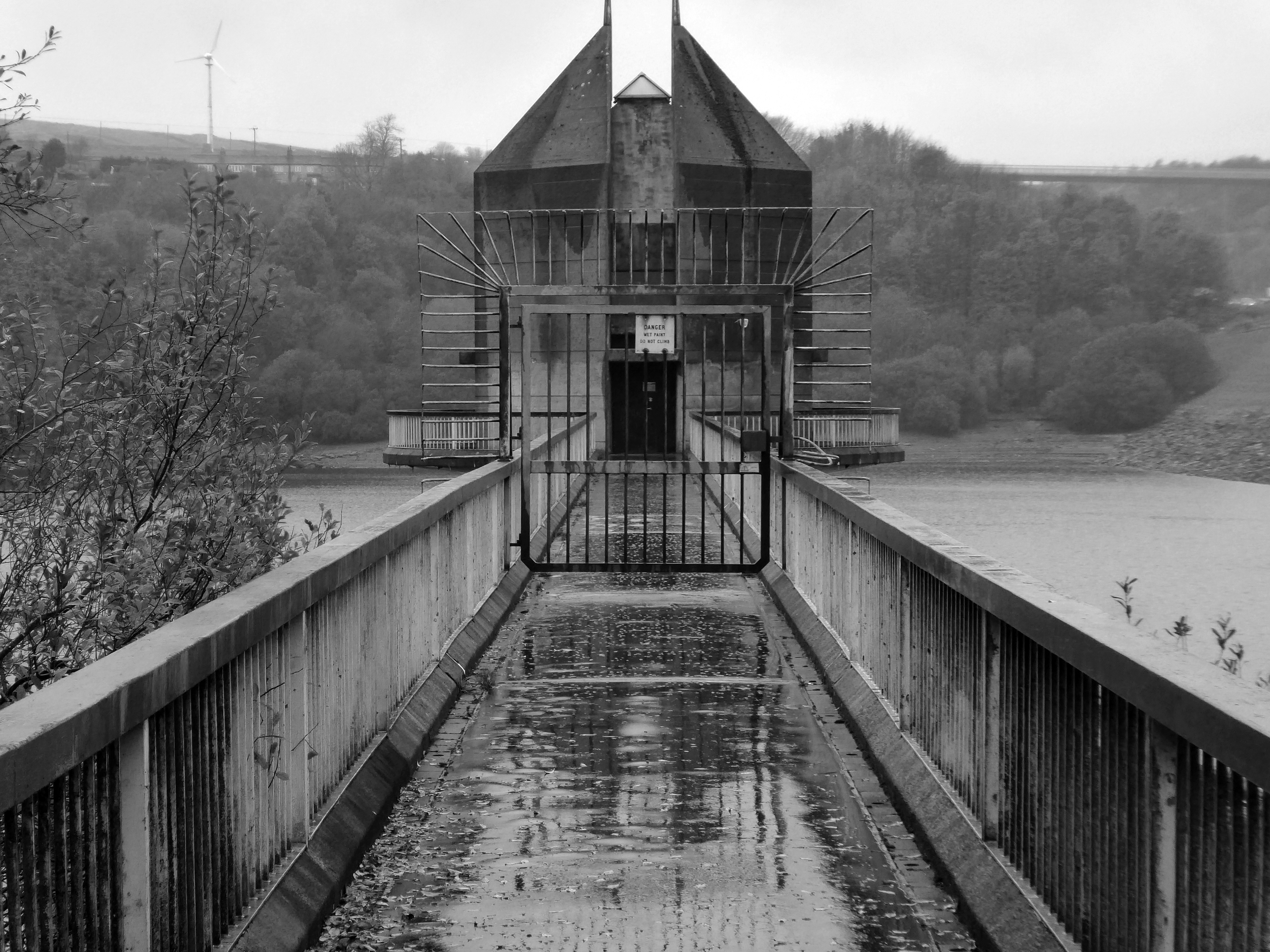
1 Potter Hill Water Tower

The British Water Tower Appreciation Society

2 Geography Building 1970 Sir William Whitfield

Alterations made 2022

3 Moore Street Substation 1968 Jefferson Sheard

Owen Hatherley describes it as:

A shocking paroxysm of a building, an explosion in reinforced concrete, a bunker built with an aesthete’s attention to detail, a building which is genuinely Brutalist in both senses of the term.

4 Horse and Lion Pub – Bass Charringtons

Prime example of a so-called Estate Pub.

With a hyper parabolic roof a doubly-curved surface that resembles the shape of a saddle, that is, it has a convex form along one axis, and a concave form on along the other.

Featured in the video for the Arctic Monkeys’ 2006 number one hit – When the Sun Goes Down at 1.21.

5 Park Hill – 1957 and 1961 Jack Lynn and Ivor Smith under the supervision of JL Womersley, 

Grace Owen Nursery – with two Wicksteed climbing frames

The Play Ground should not be put in a corner behind railings, but in a conspicuous and beautiful part of a Park, free to all, where people can enjoy the play and charming scenery at the same time; where mothers can sit, while they are looking on and caring for their children.

Charles Wicksteed

6 Gleadless Estate 1963 Lewis Wormersley City Architect

The Sheffield Blitz in December 1940 killed almost 700 and damaged some 82,000 homes, over half the city’s housing stock. As the city looked to rebuilding, its 1952 Development Plan estimated the need to replace 20,000 unfit homes and build a further 15,000 to cater for the natural increase of population.

Supreme, but often overlooked, achievement … is the Gleadless Valley Estate which combined urban housing types and the natural landscape so effectively that it still looks stunning, especially on a bright winter’s day.


7 Hallam Tower Hotel 1965 Nelson Foley of Trust House Architectural Department

It opened officially on 24th March 1965 and was the first luxury hotel to be built in the north of England since the Second World War. The exterior was designed to complement Sheffield’s post-war modernist developments; the interior by Colefax and Fowler of Mayfair offered warm, gay colours to contrast with the black and grey tones of the city.

8 Hope Cement Works

The plant started its first full year of production in 1929 

The plant was located at Hope, because it is at the edge of where carboniferous limestone of the Monsal Dale Group, meets Edale Shale, the two main components of finished cement.

Since 1951, when the Peak District National Park was created, most of the outbound traffic from the plant has been exported by rail.

As seen in the Channel 4 TV ident.

The same location used in Shelagh Delaney’s A taste of Honey.

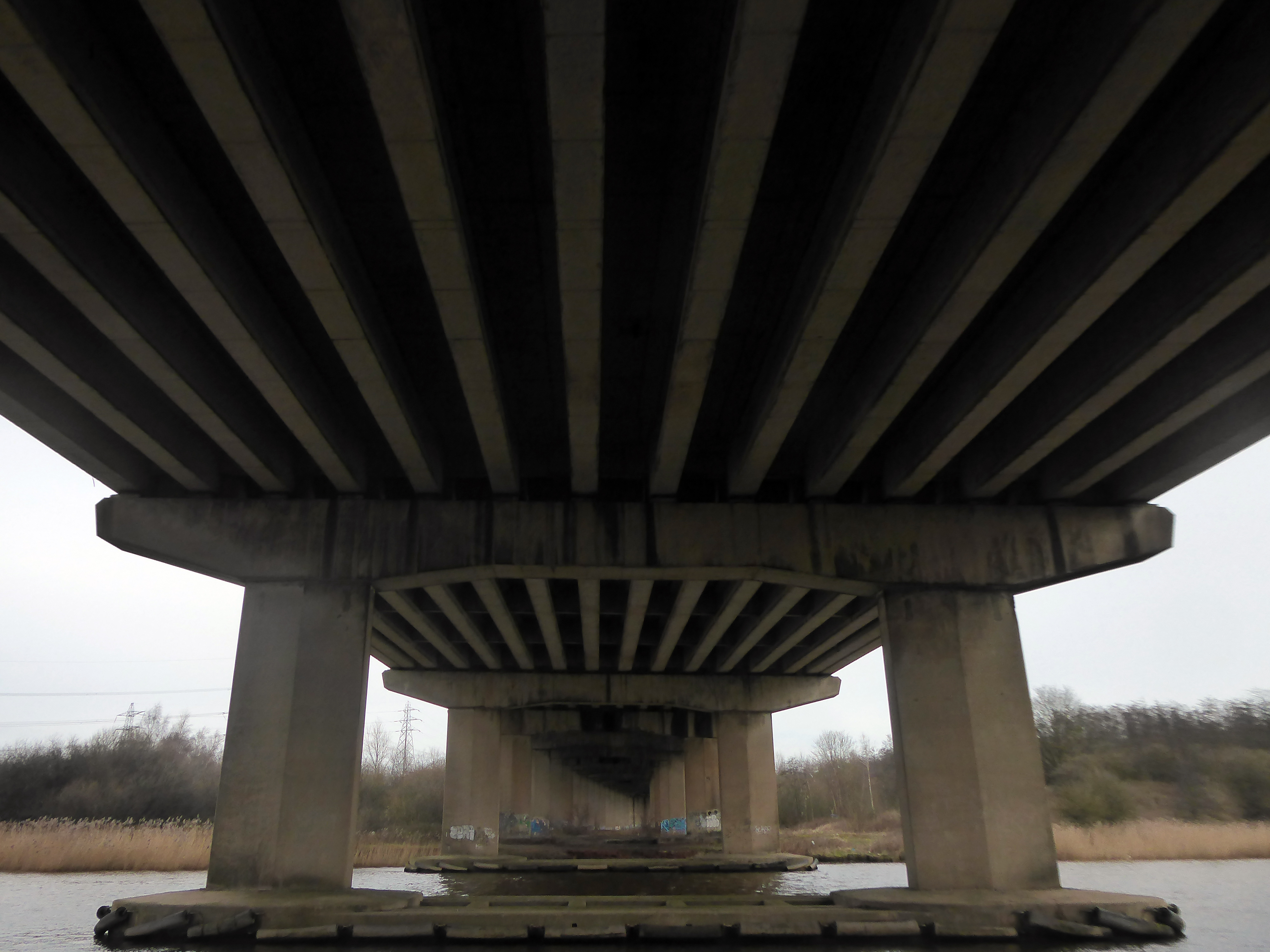
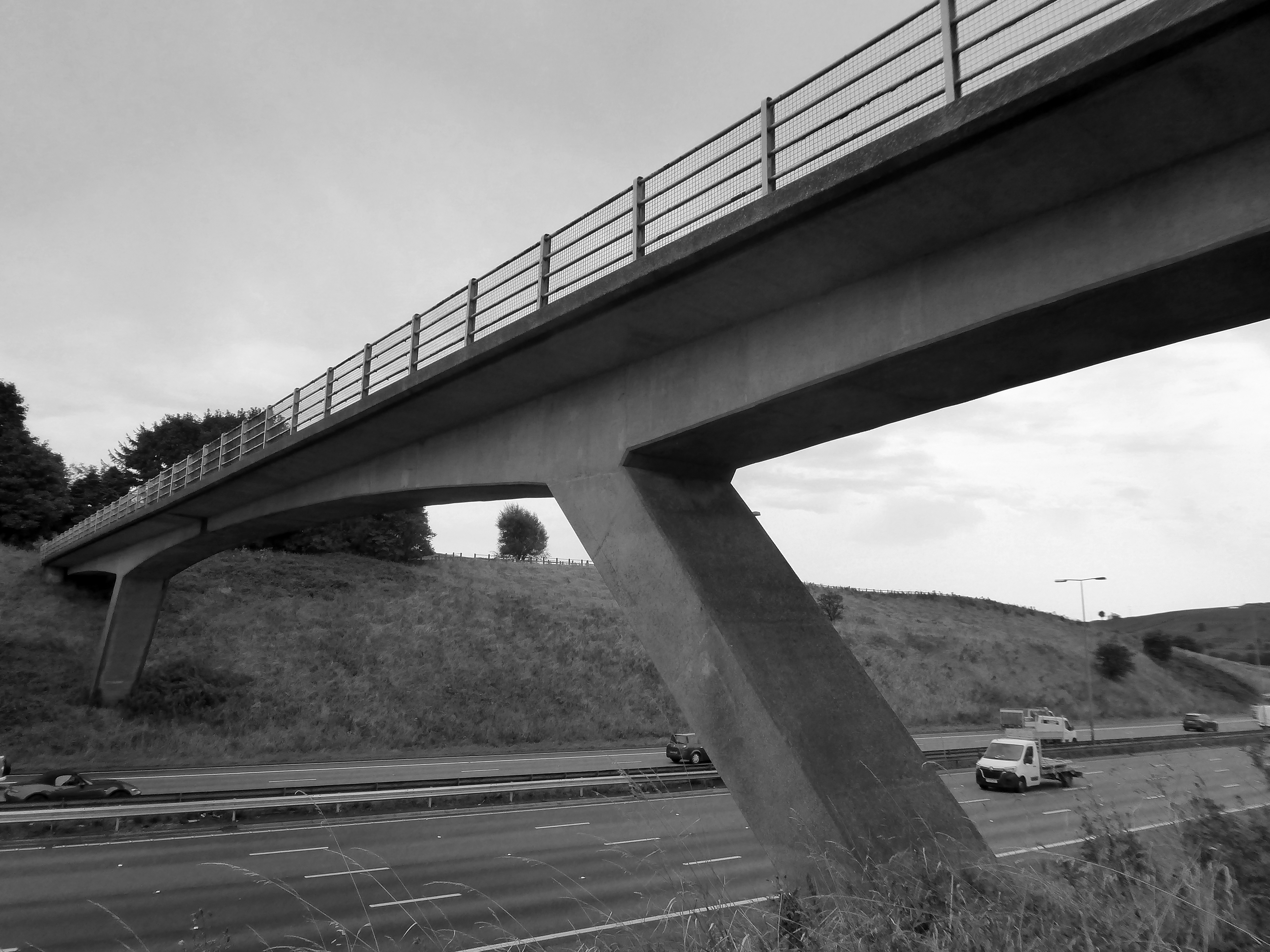
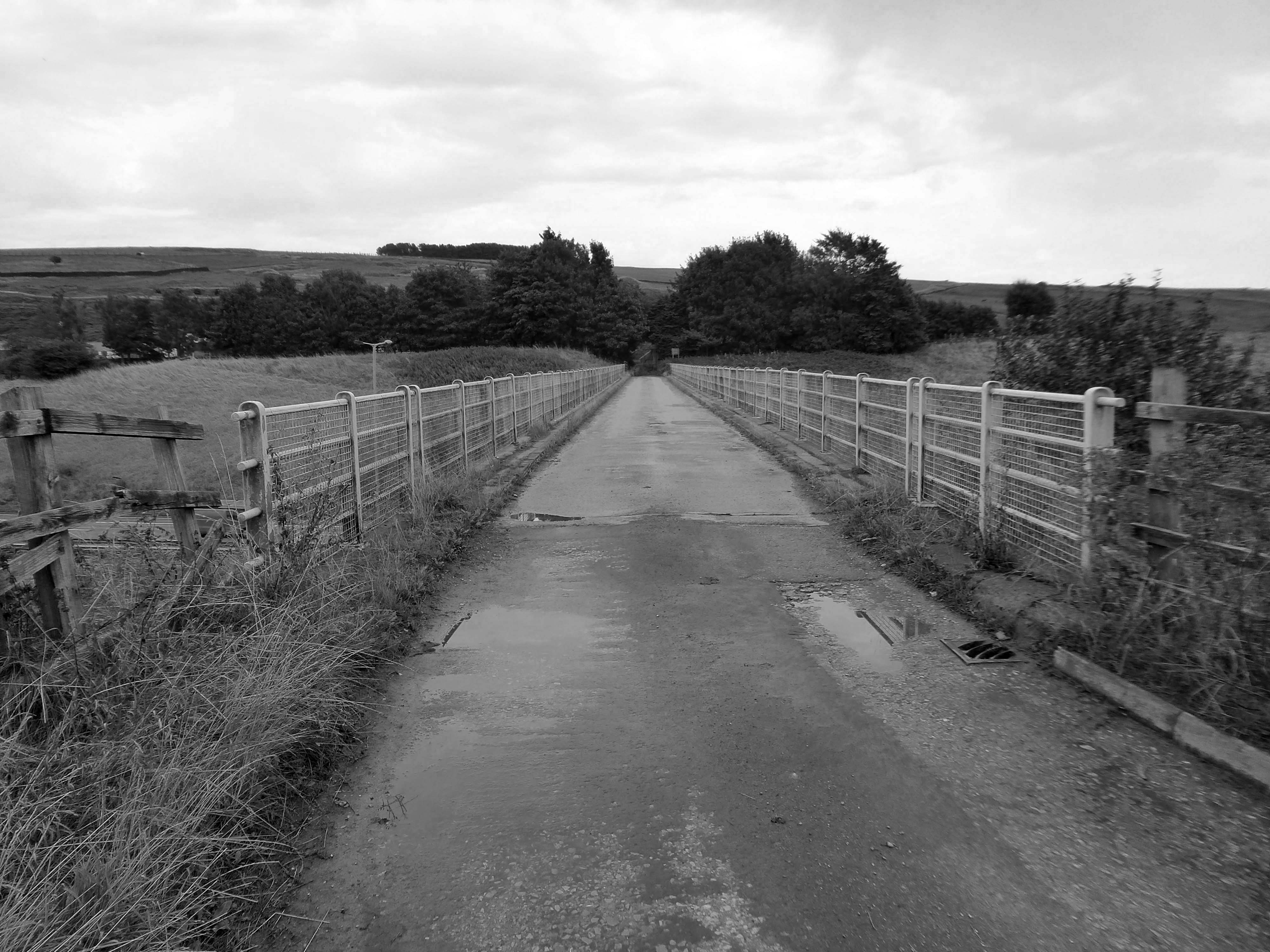
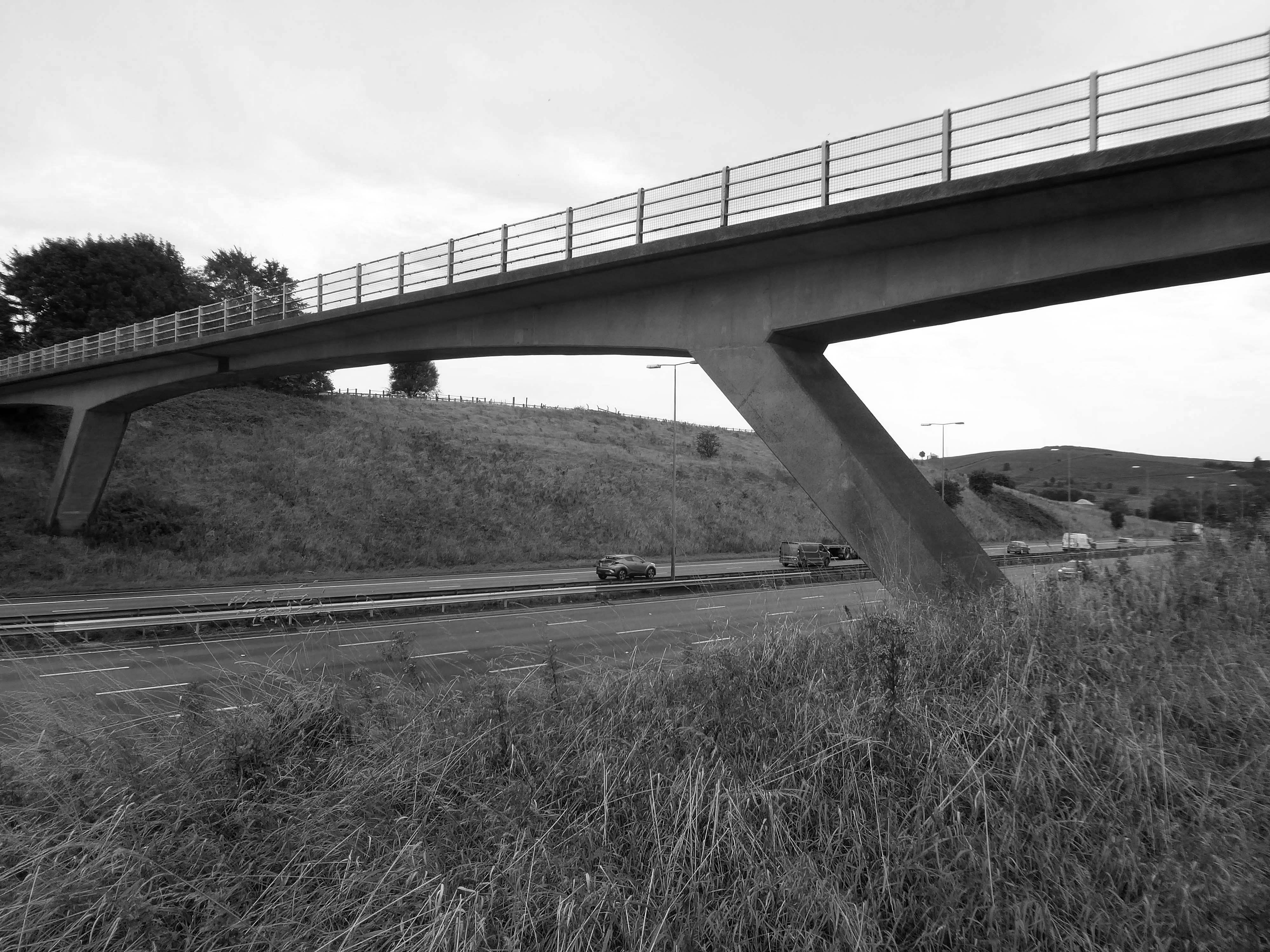
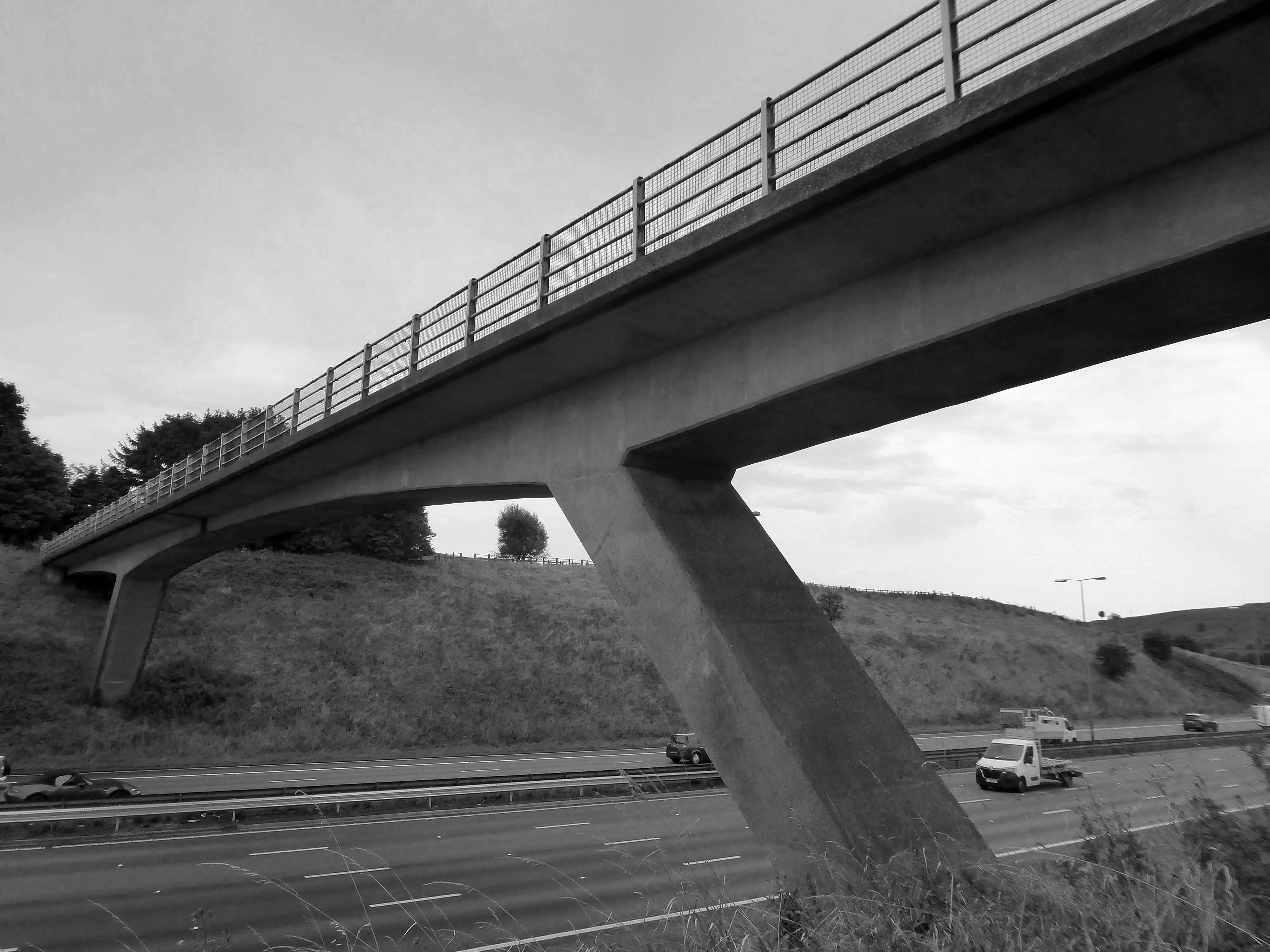
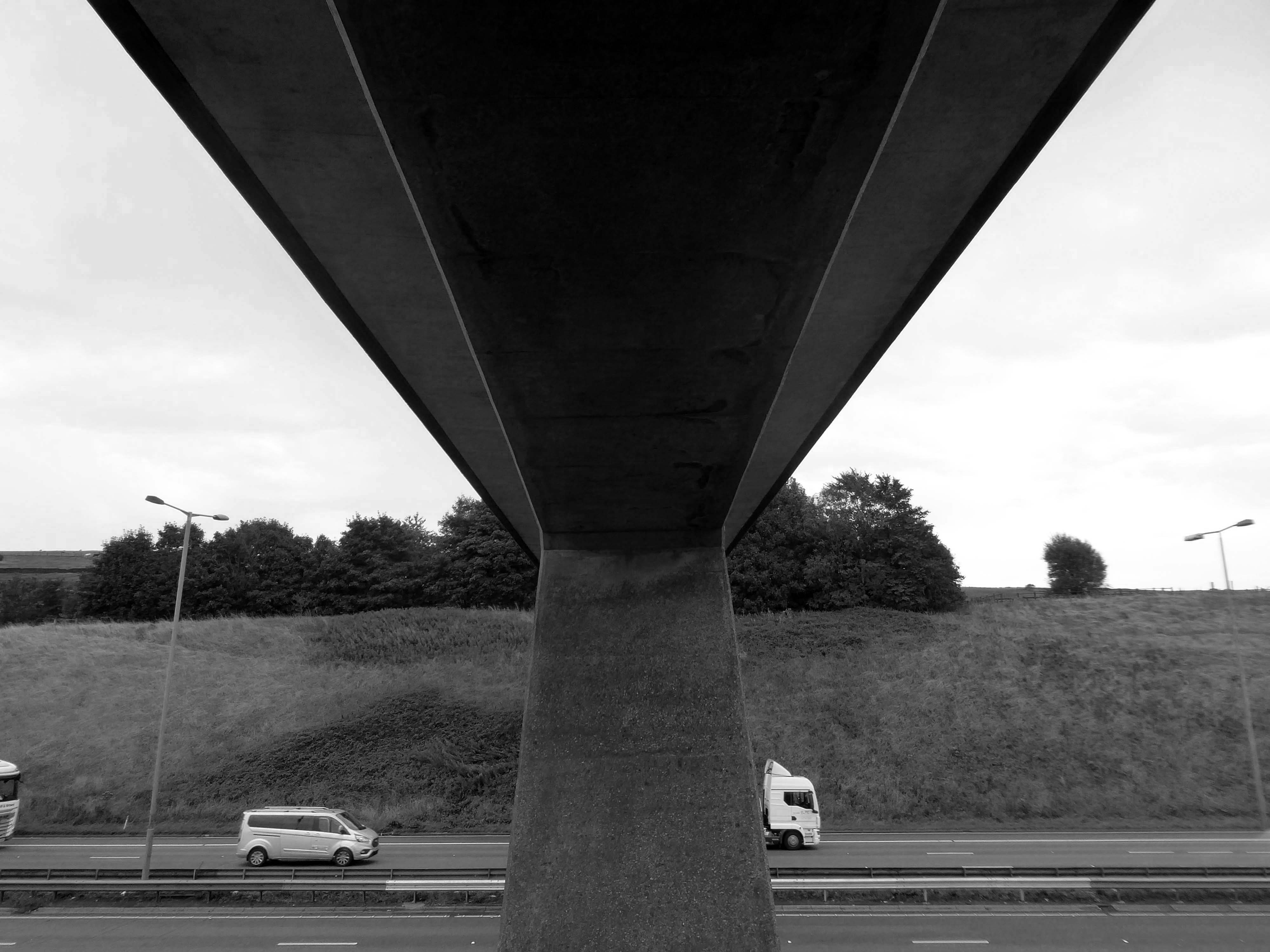
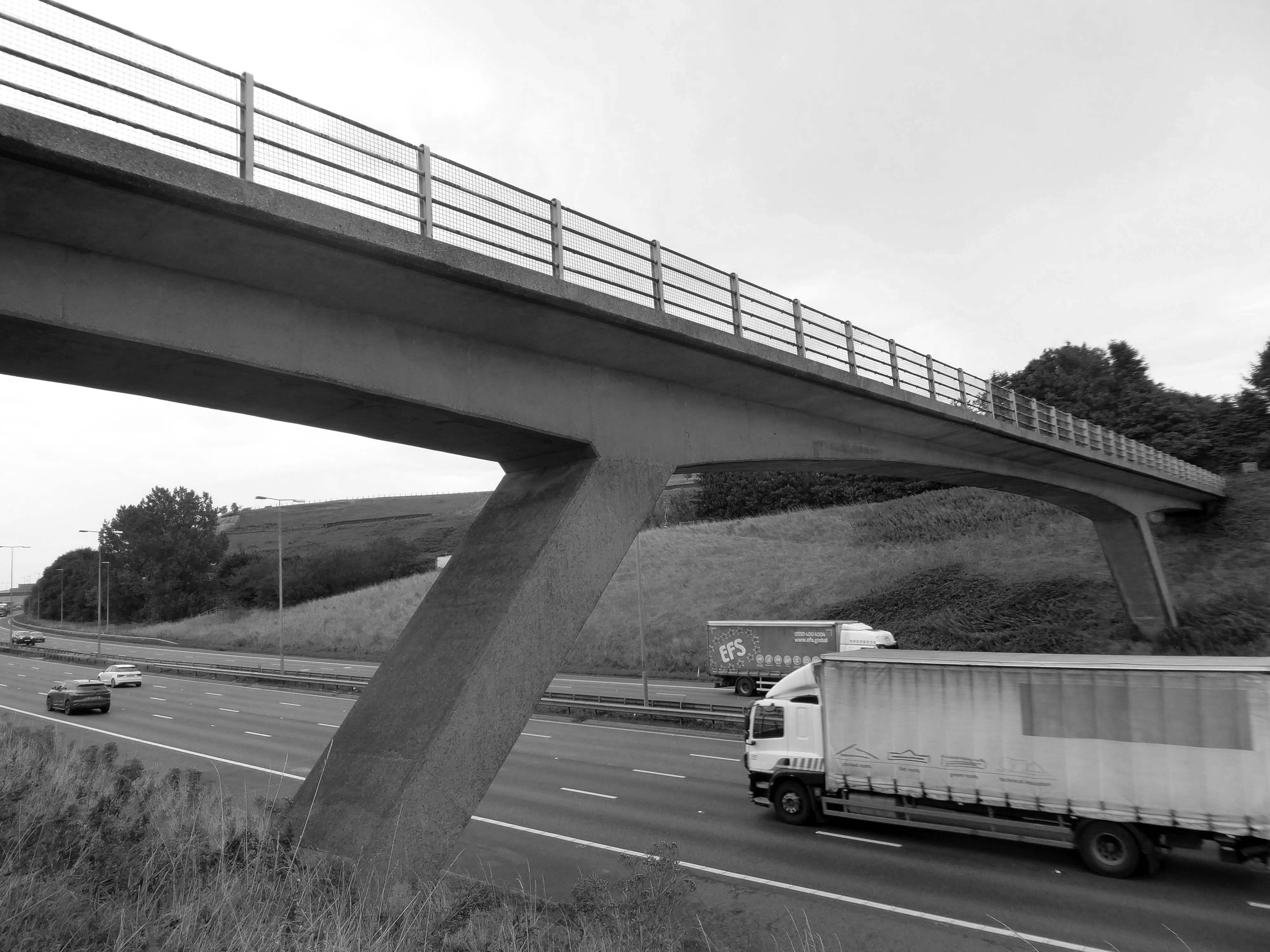
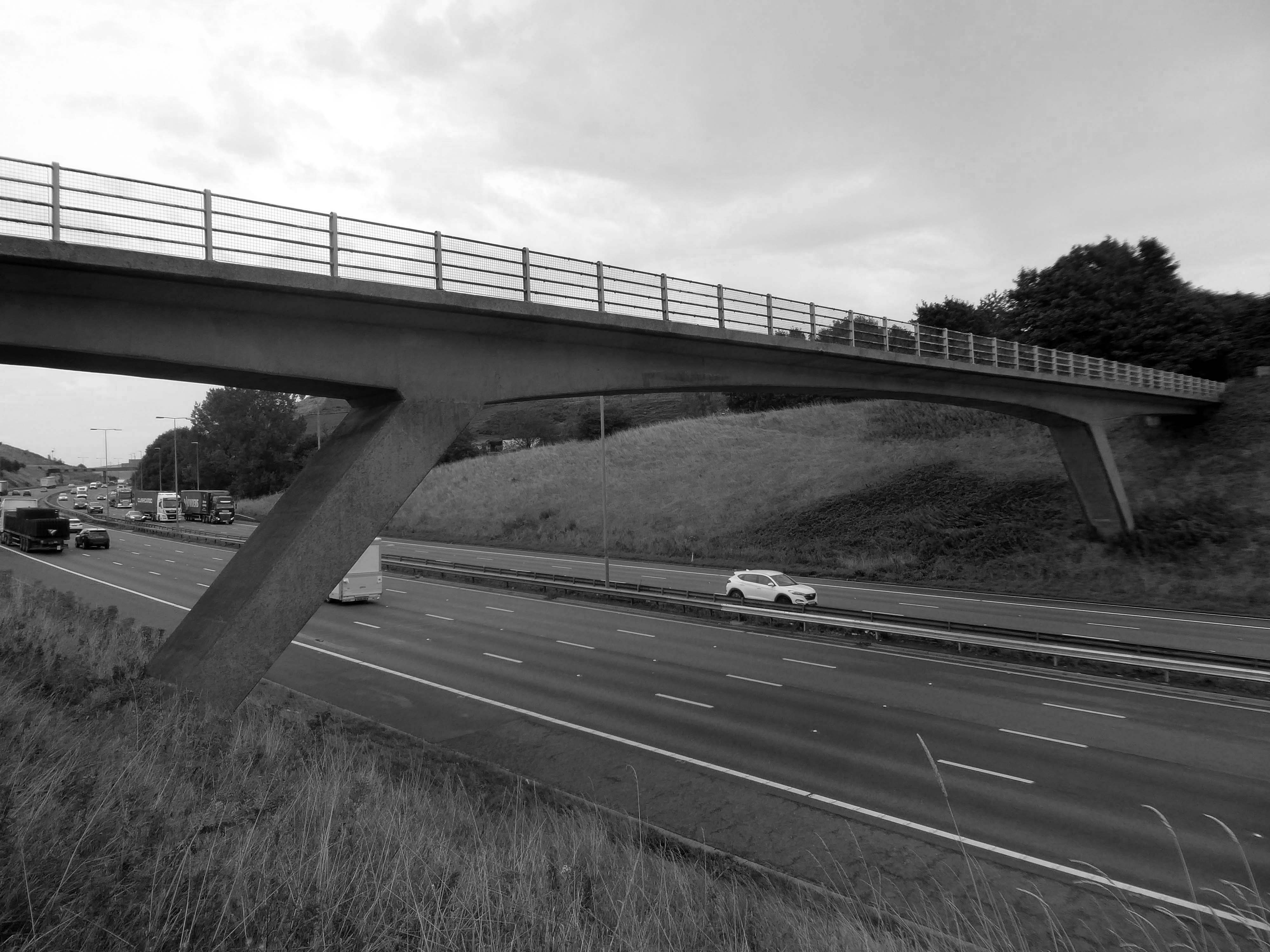
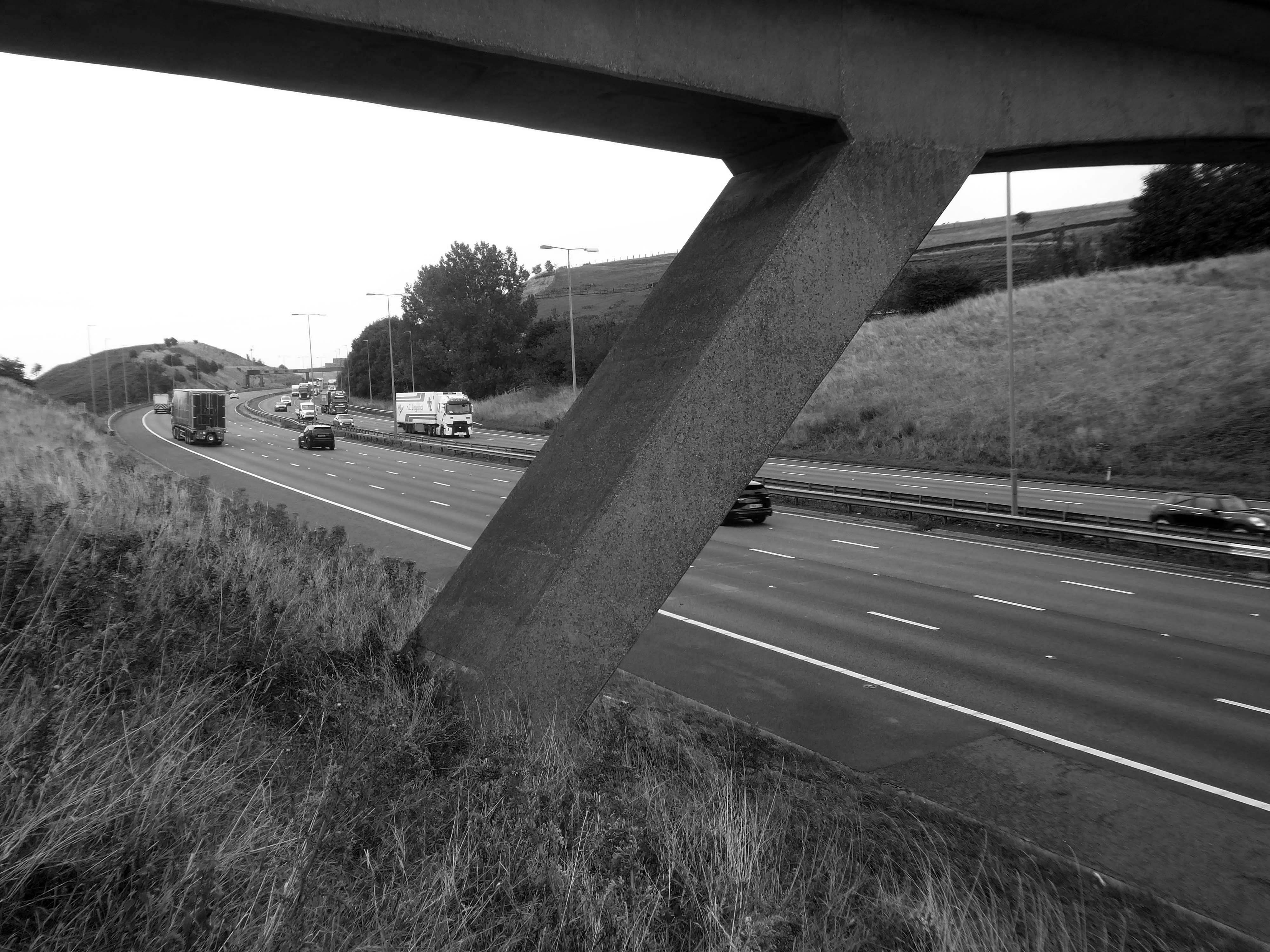
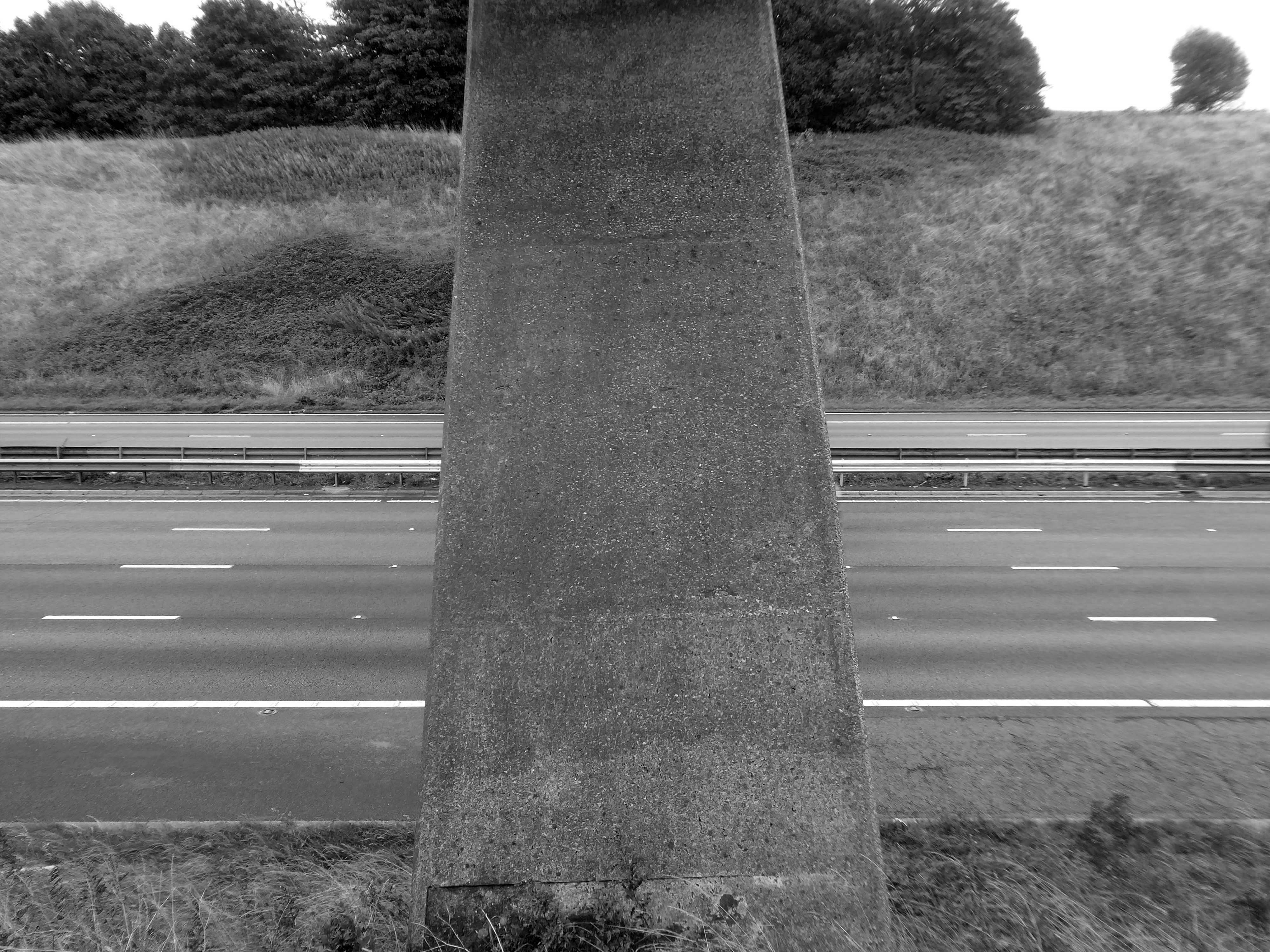
9 Droppingwell FootbridgeWest Riding County Architect Colonel Stuart Maynard

Colleagues in the team included Bill Varley, Ron Bridle, Sri Sriskandan and FA Joe Sims. The team was responsible for the introduction of a great deal of new computing technology into bridge design, as well as for some of the most imaginative bridge engineering going on anywhere in the country. Their design efforts were supported by close involvement in research and testing work, for example, on half-joints and concrete hinges. All the above named engineers went on to considerable seniority, some in the Department of Transport, and Sims and Bridle in particular have published various papers and contributed to books on the history of Britain’s motorway development.
10 Beeversleigh Rotherham 1968-71 Main contractors J Finnegan 

It’s thirteen storeys high – housing forty eight dwellings.
11 Park House School 1964 Lyons Israel Ellis Gray

Listed in 2017 – then demolished.
12 Magistrates Court 1978 B Warren City Architect

13 Smithy Wood Footbridge

Built using a structure developed by EM Wincher in Pittsburgh 1930.

14 Westfield Estate Mosborough

Formerly Waterthorpe Farm Estate a rural township which was subsumed by Sheffield’s expanding housing schemes.
Tontine Car Park – St Helens

Exchange St Saint Helens WA10 1NU

Tontine car park, the 255-space multi-storey car park in Exchange Street, St Helens, has been closed since February this year for a revamp.

This has seen a new lighting system, new signage and re-lined parking spaces installed throughout following an investment by St Helens Borough Council.

In a statement, the local authority said:

Old and failing pay on foot equipment has also been replaced with brand new pay and display machines which take cash.

St Helens Star 2020

Well that there Bauhaus has a whole heap to answer for – with its curves and its concrete.

Influencing the sweeps and swoops of the car ramps and pedestrian walkways.
Concrete Chalets Again – Scarborough

Well here we are again.
Previously on Modern Mooch.

The wind, sea, rain and sand continues to erode the beleaguered beach huts.