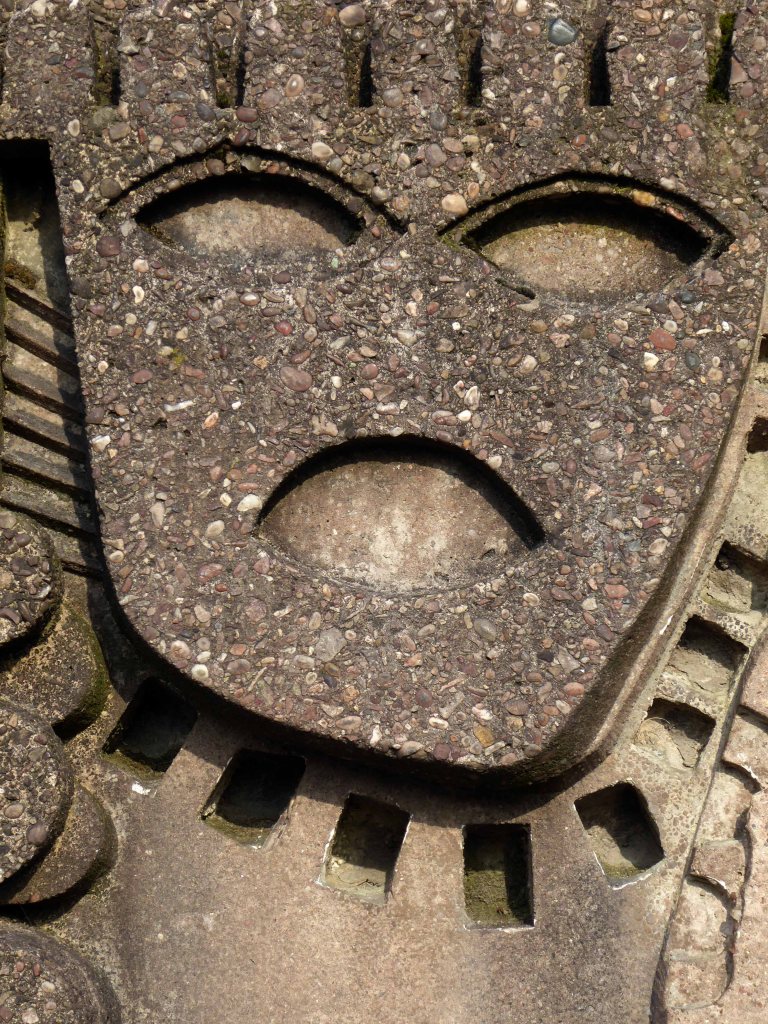
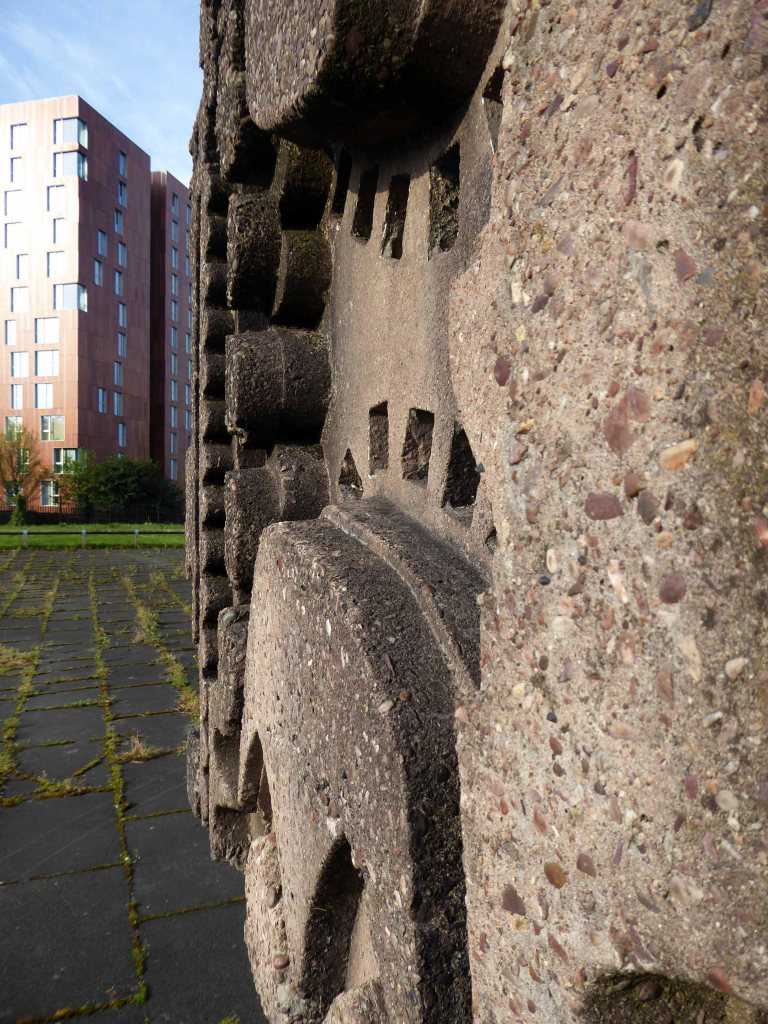
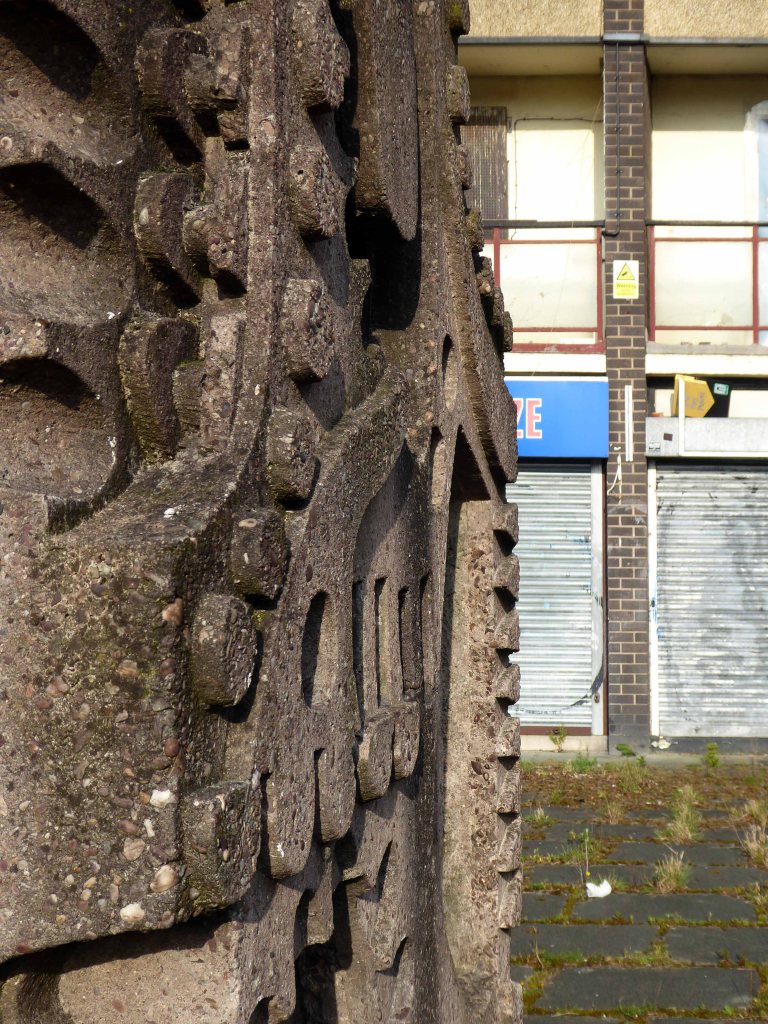
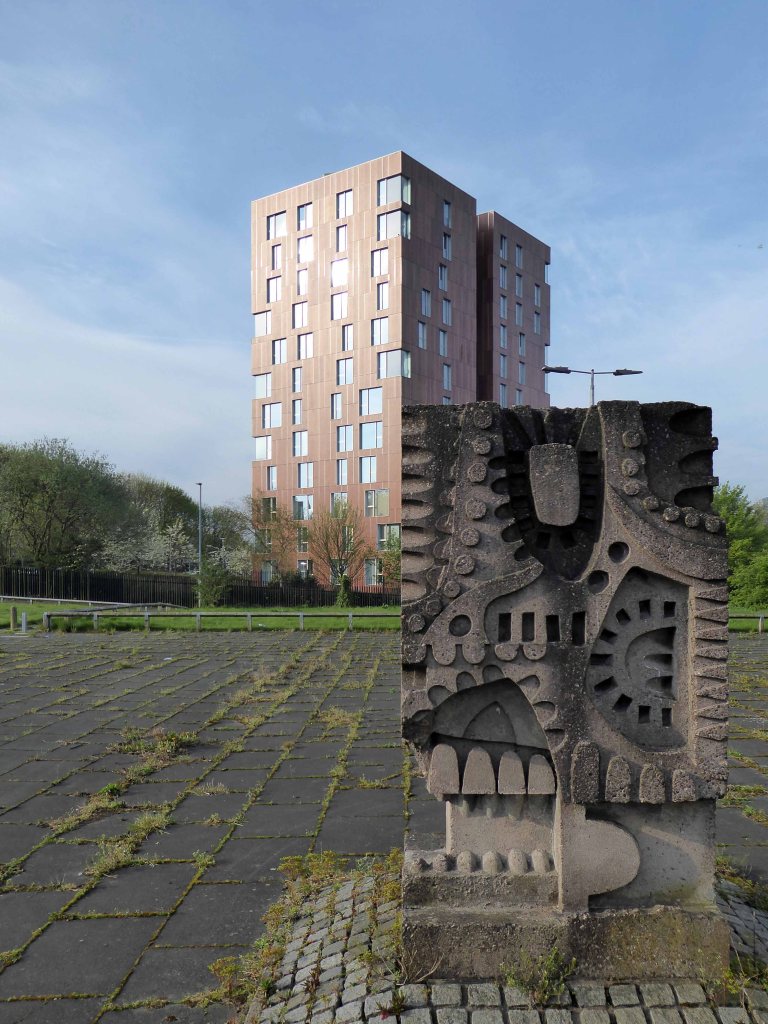
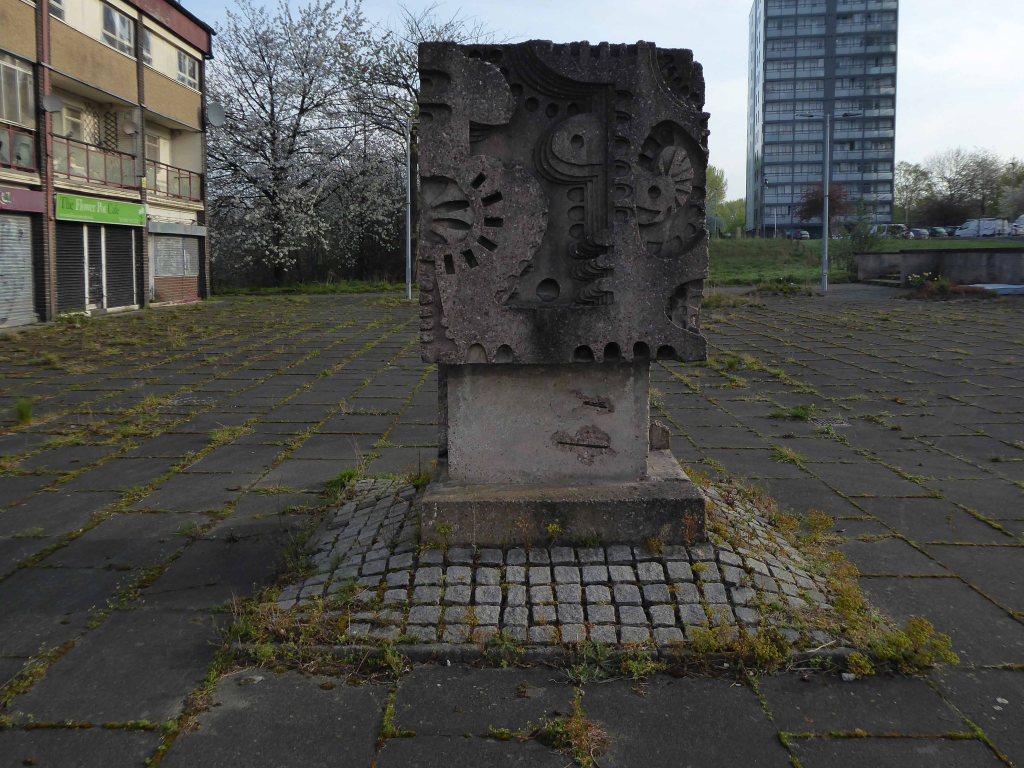
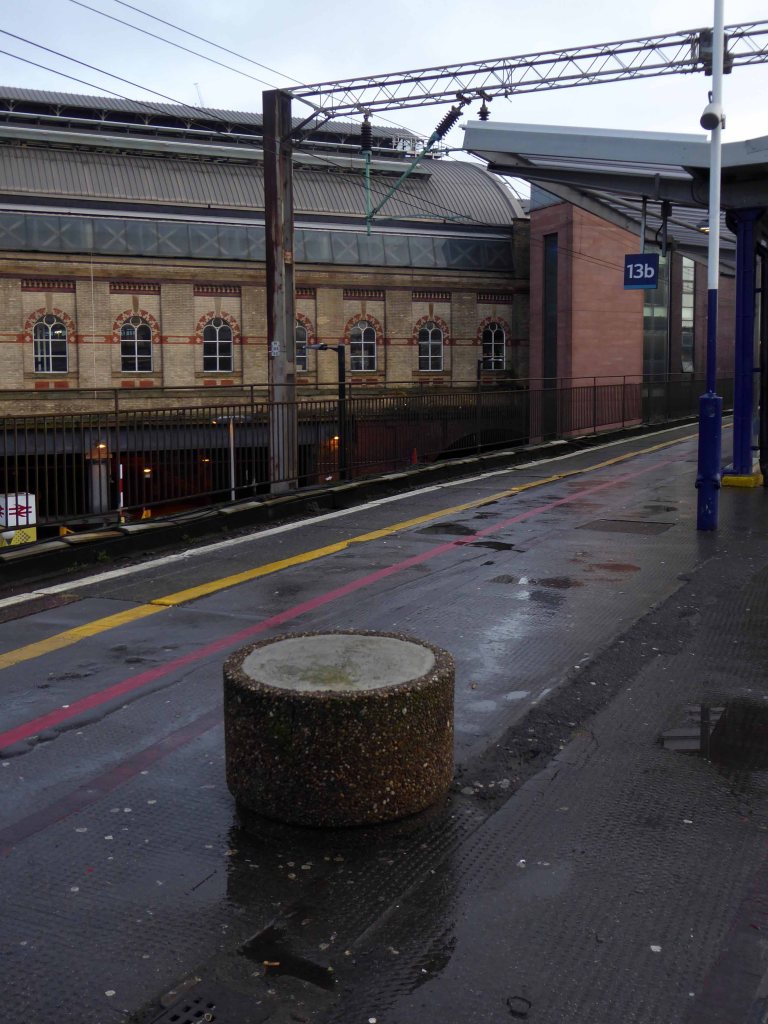
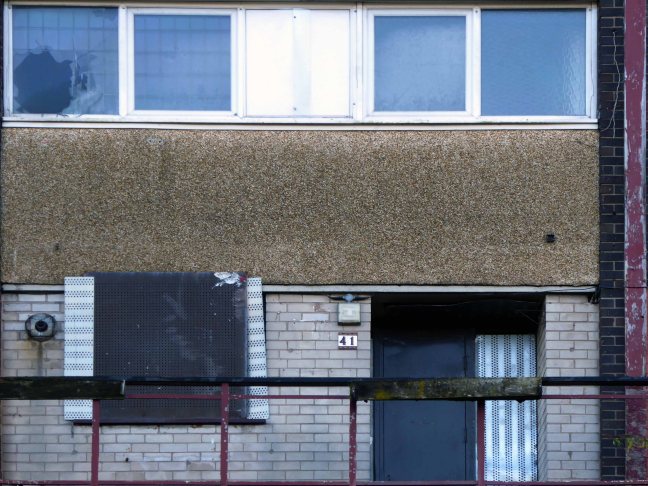
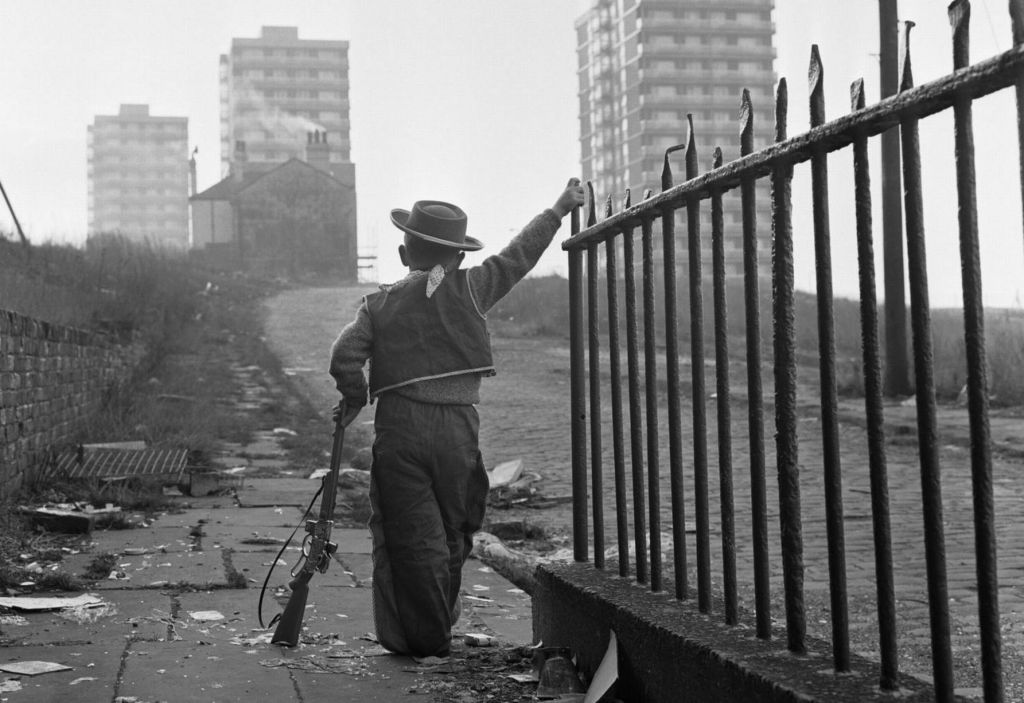
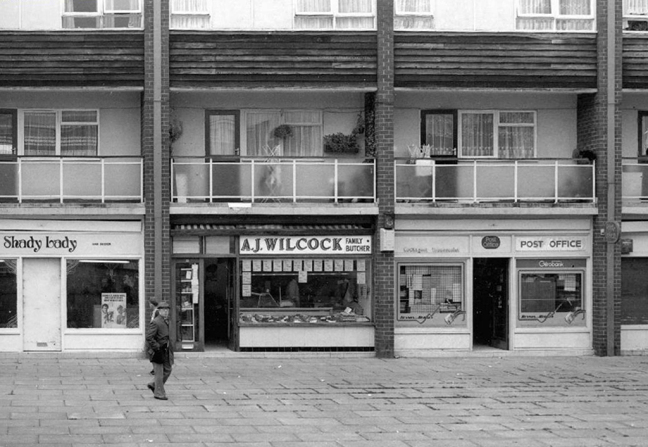
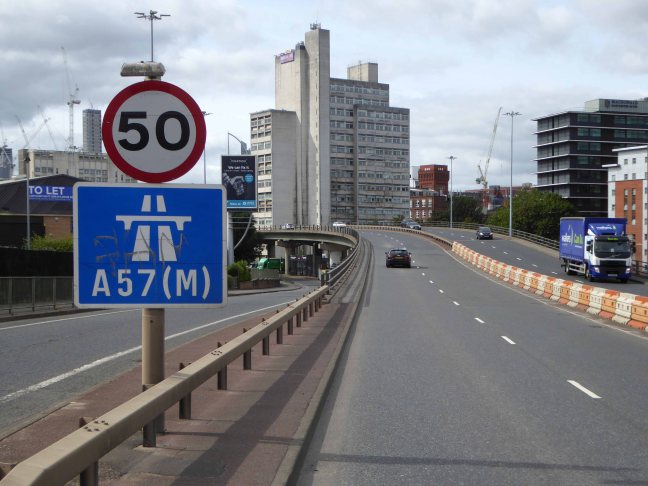
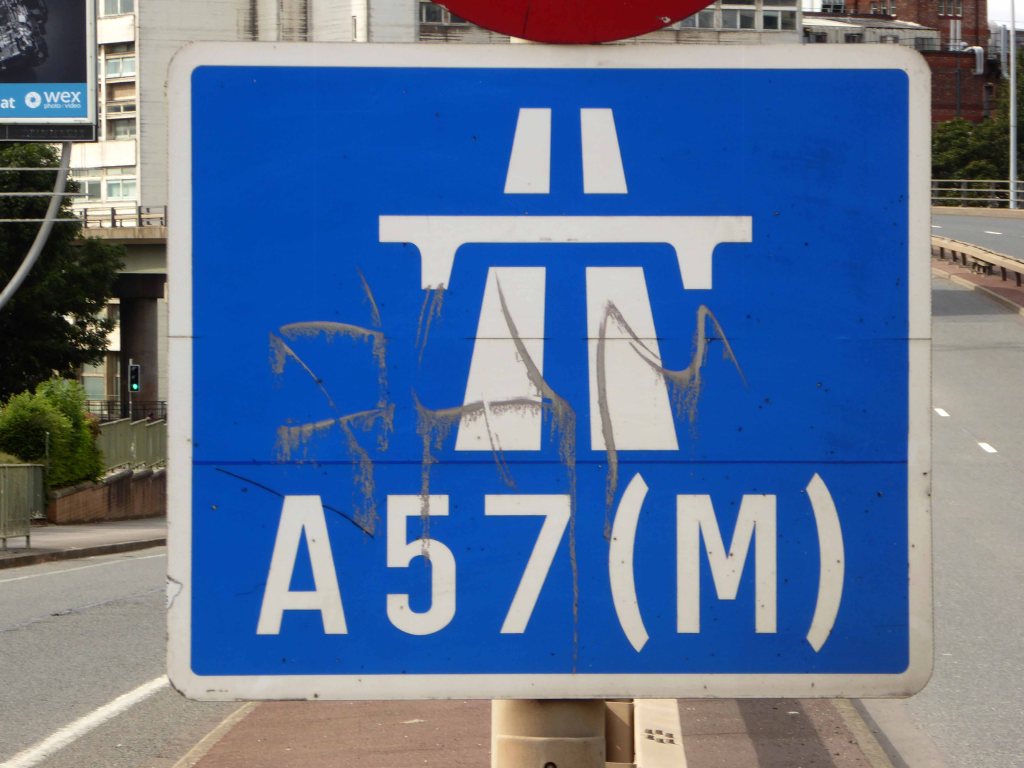
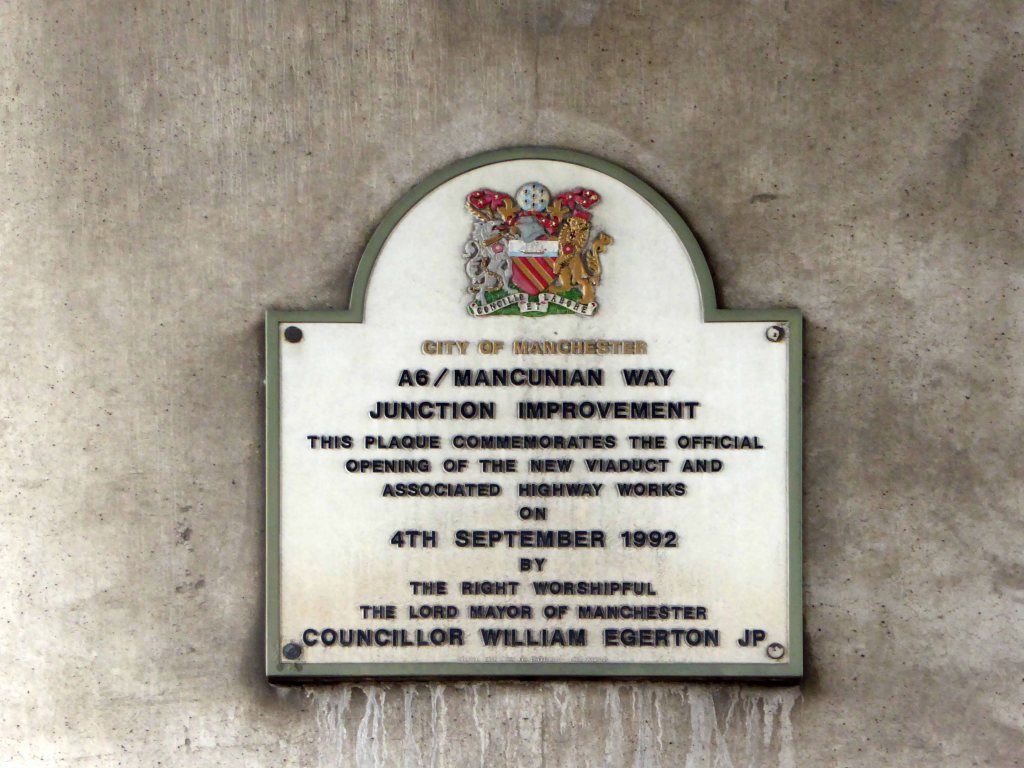
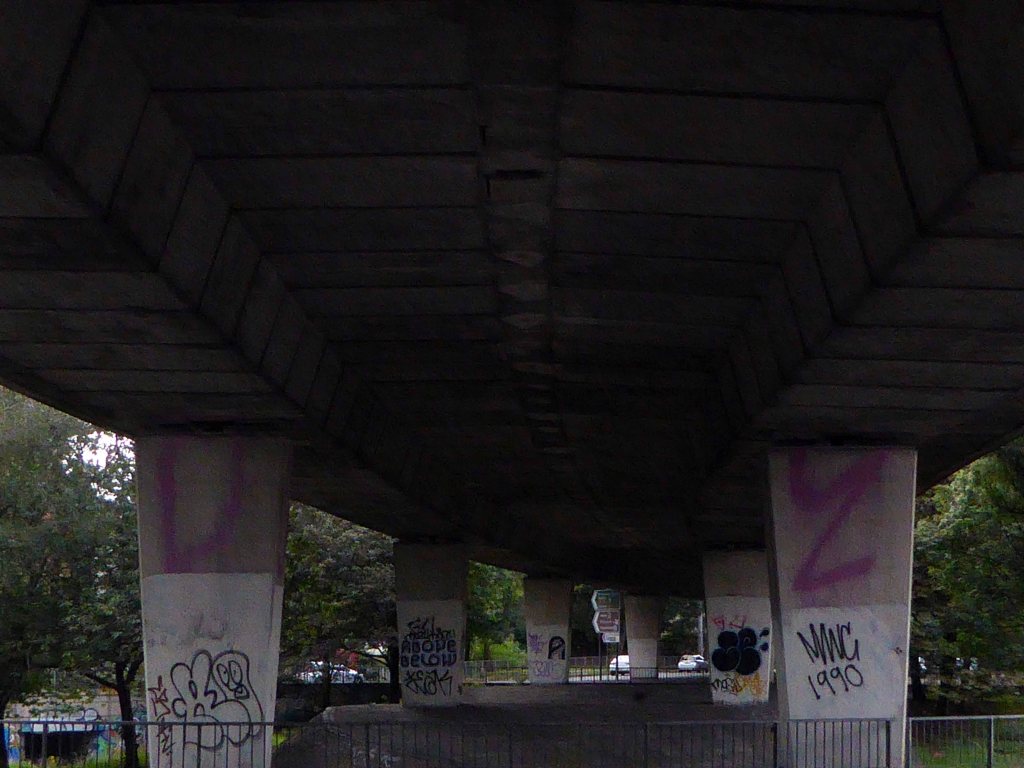
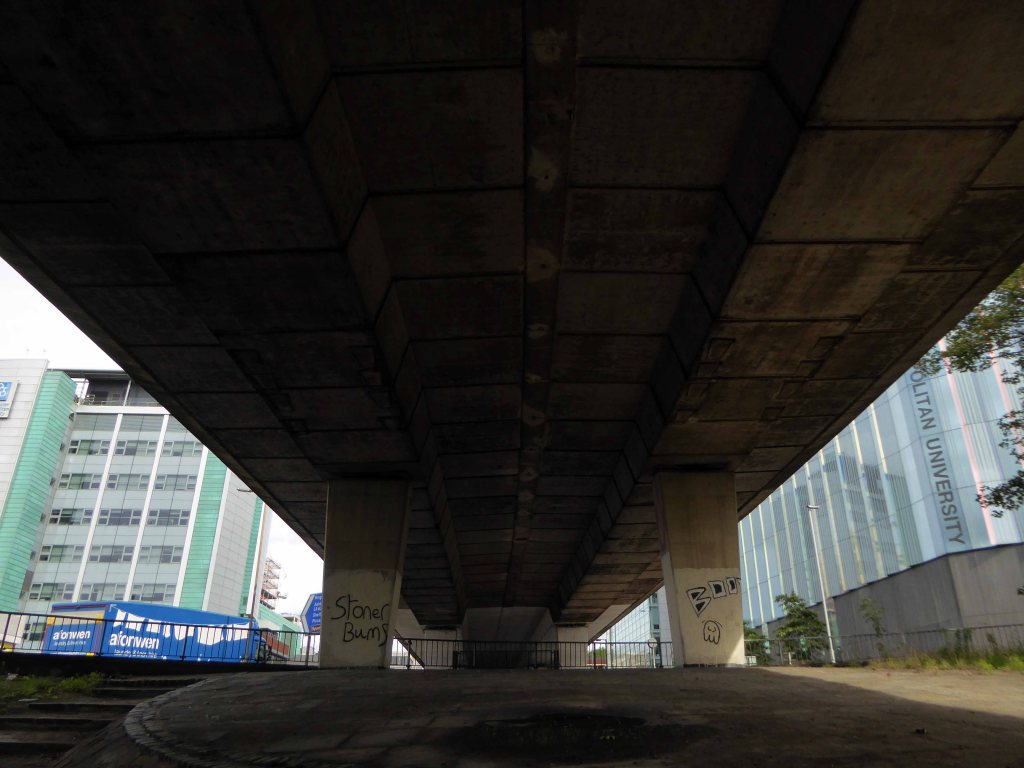
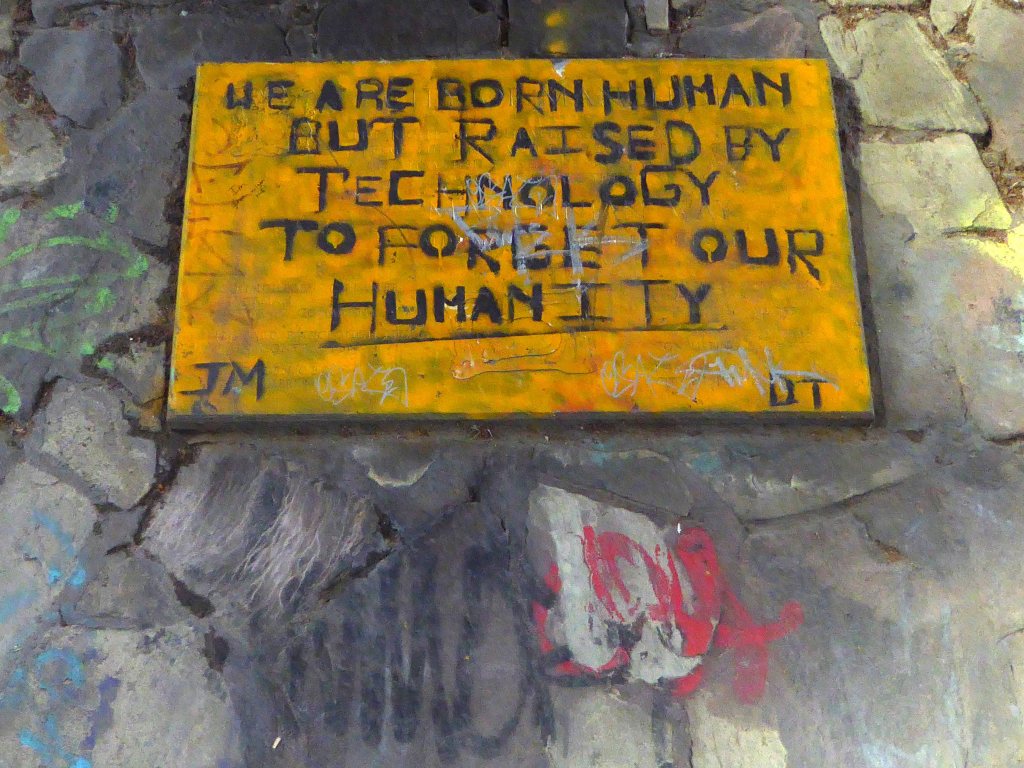
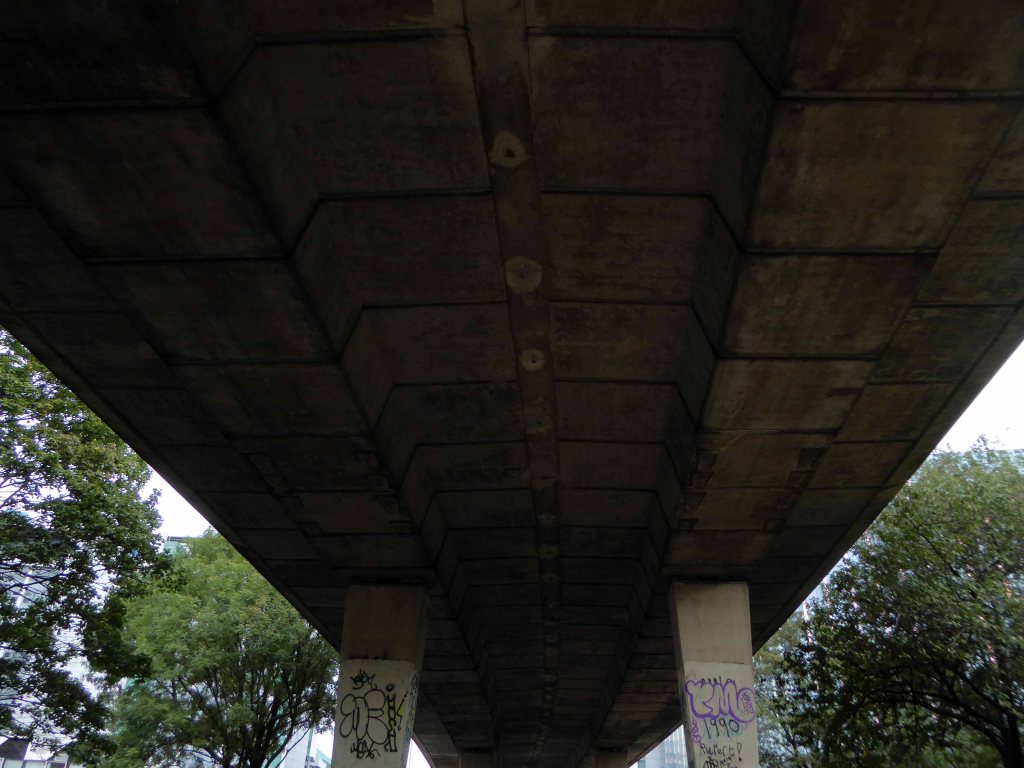
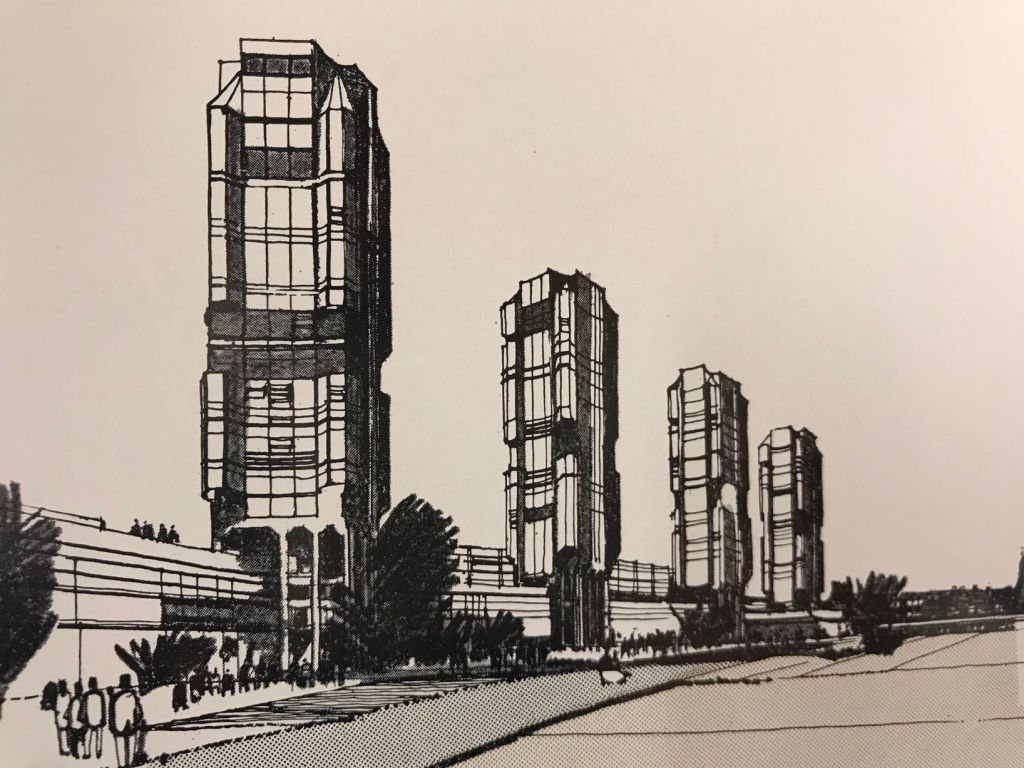
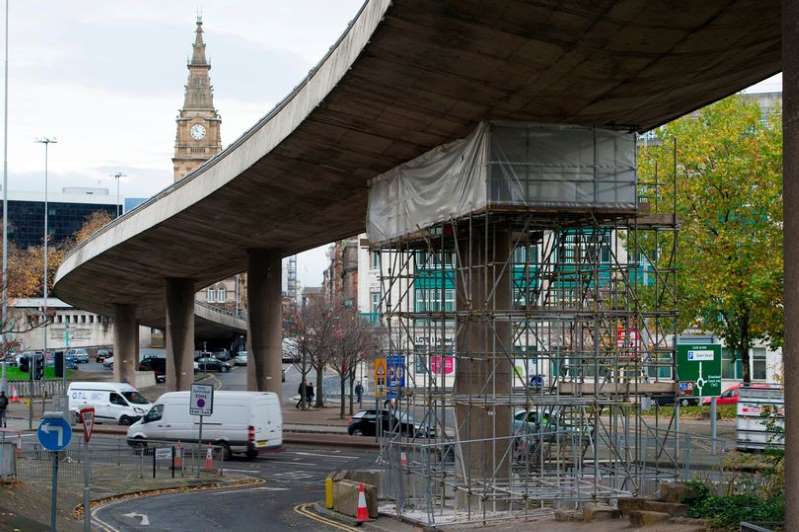
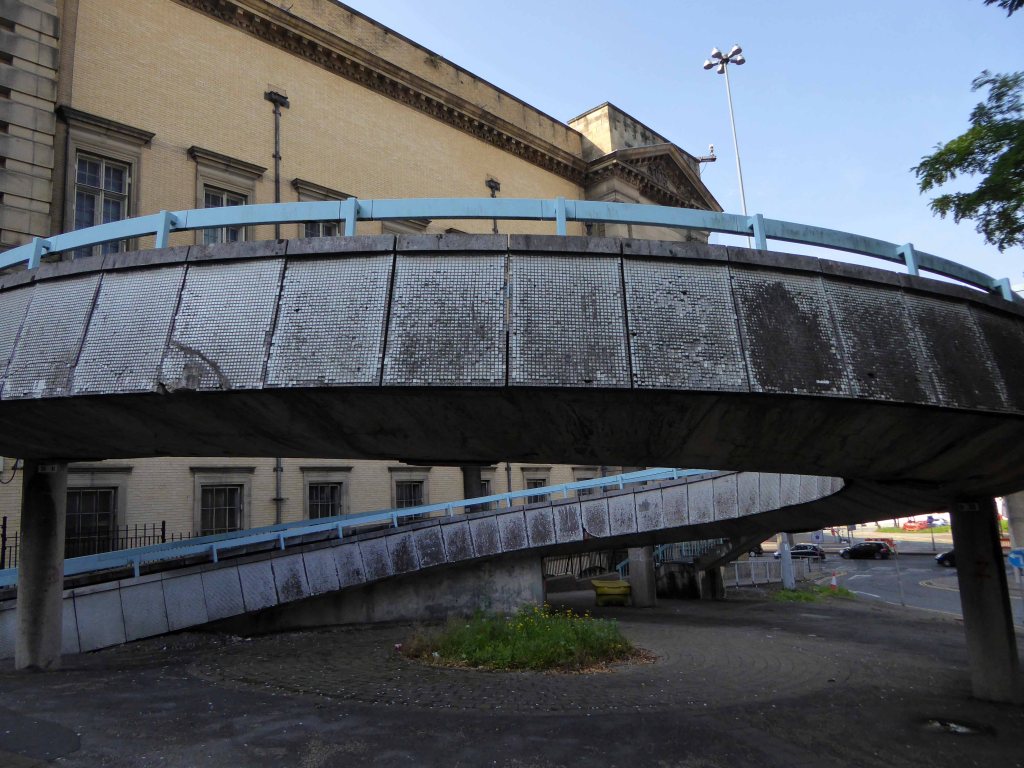
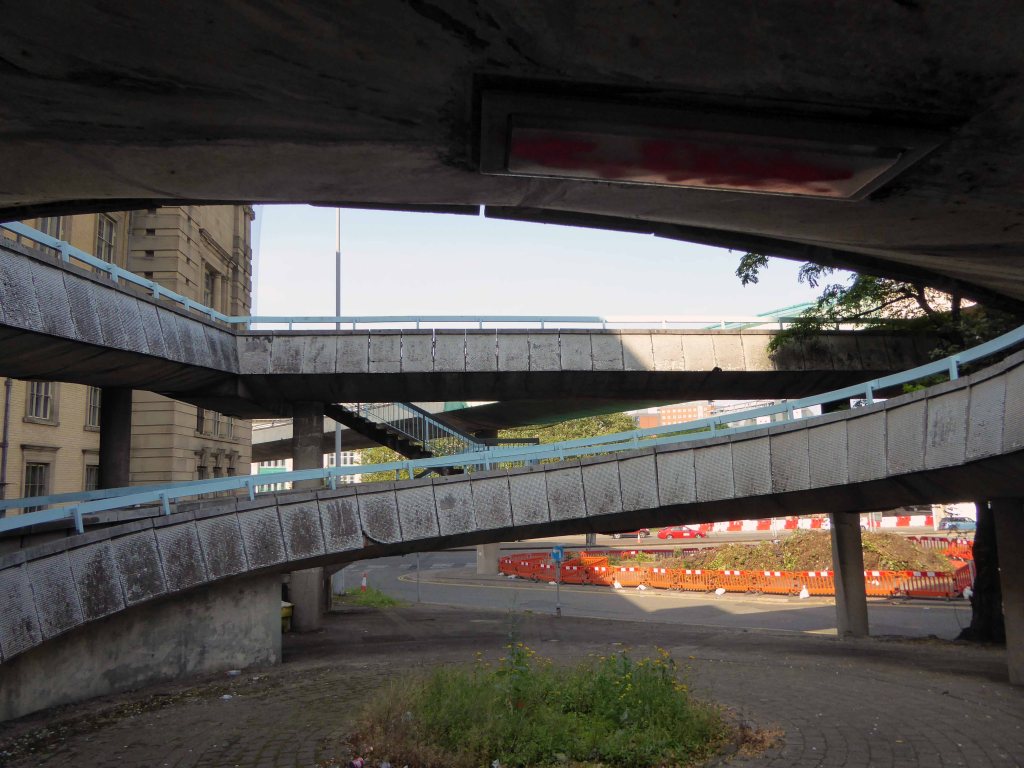
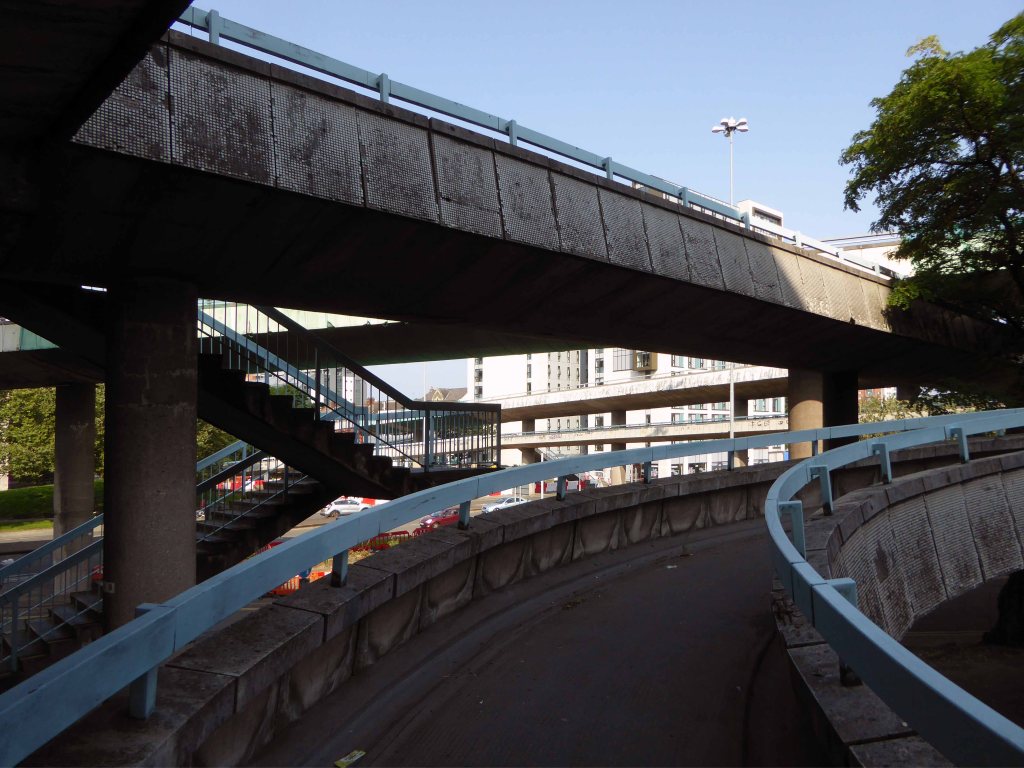
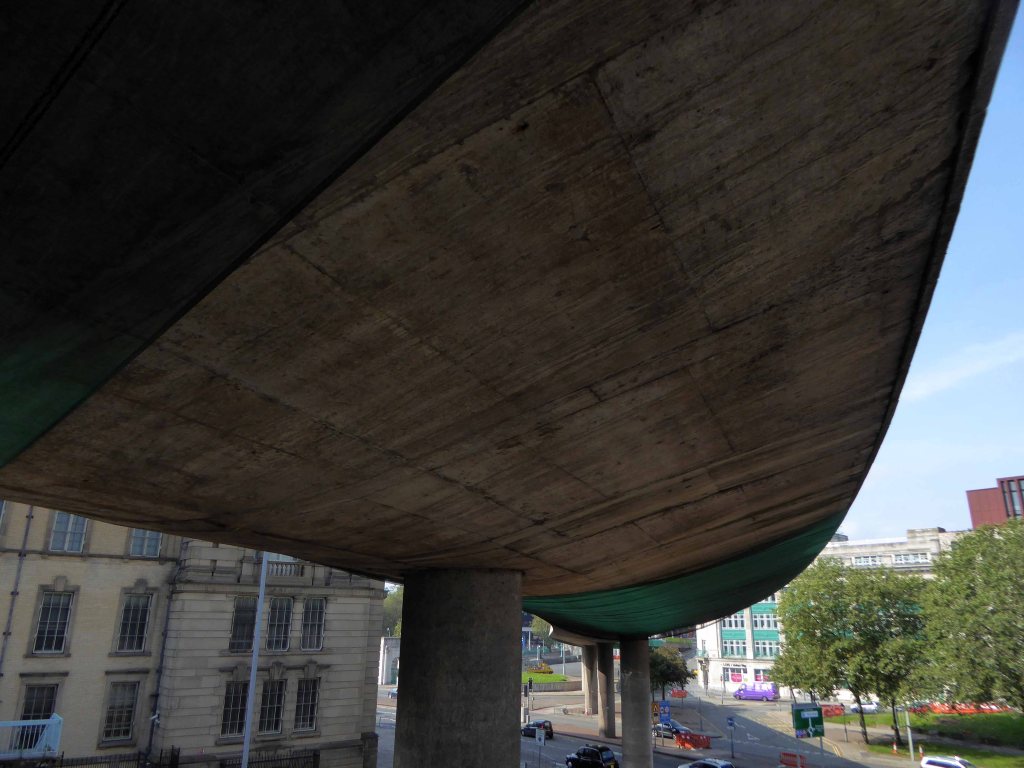
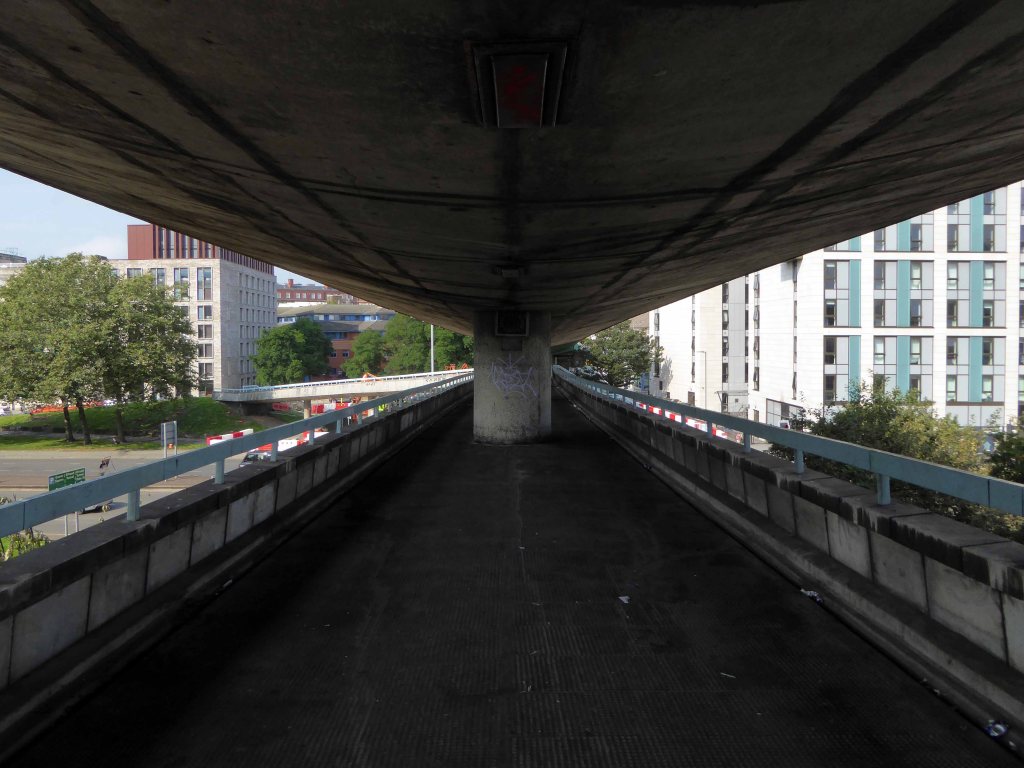
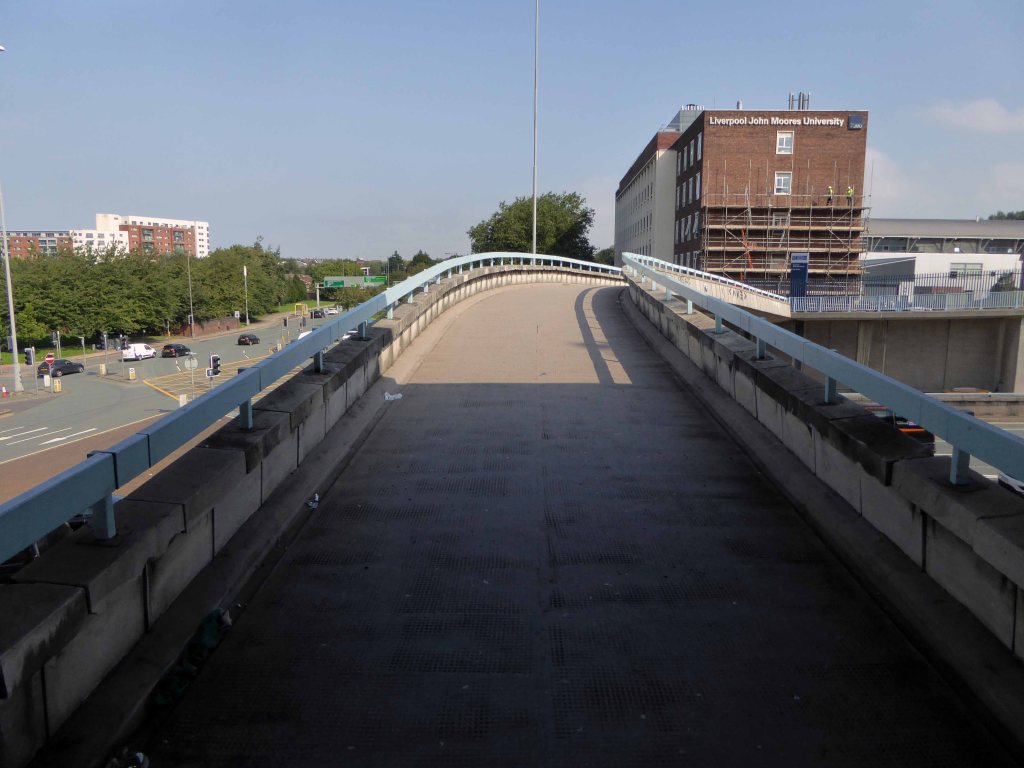
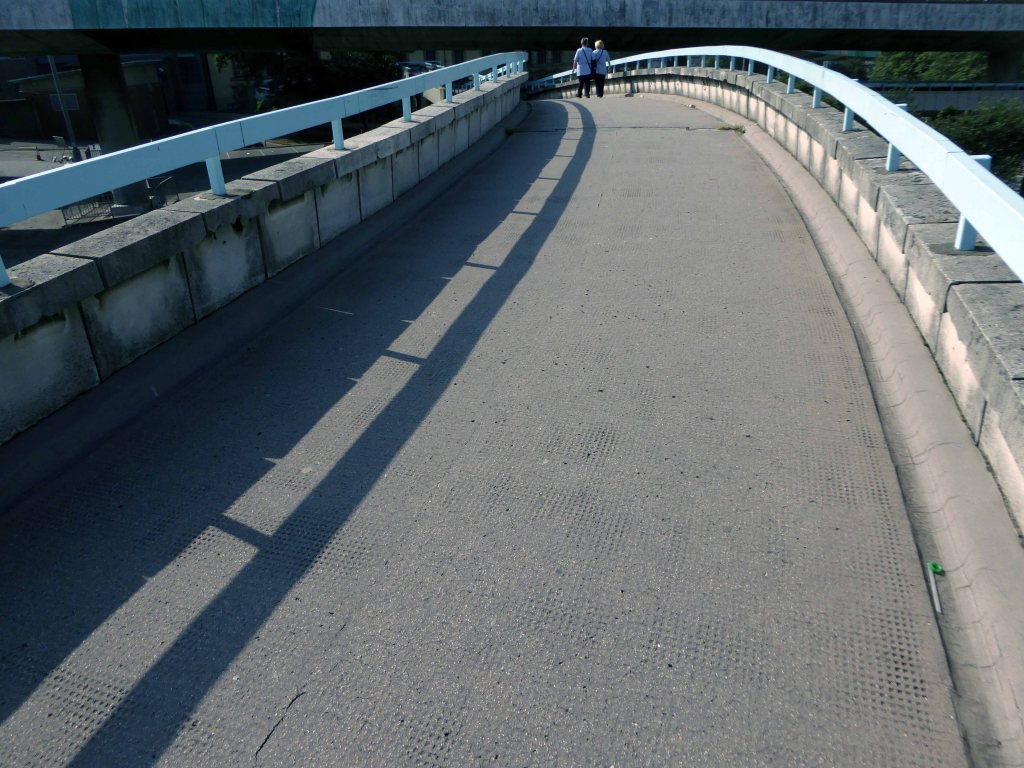
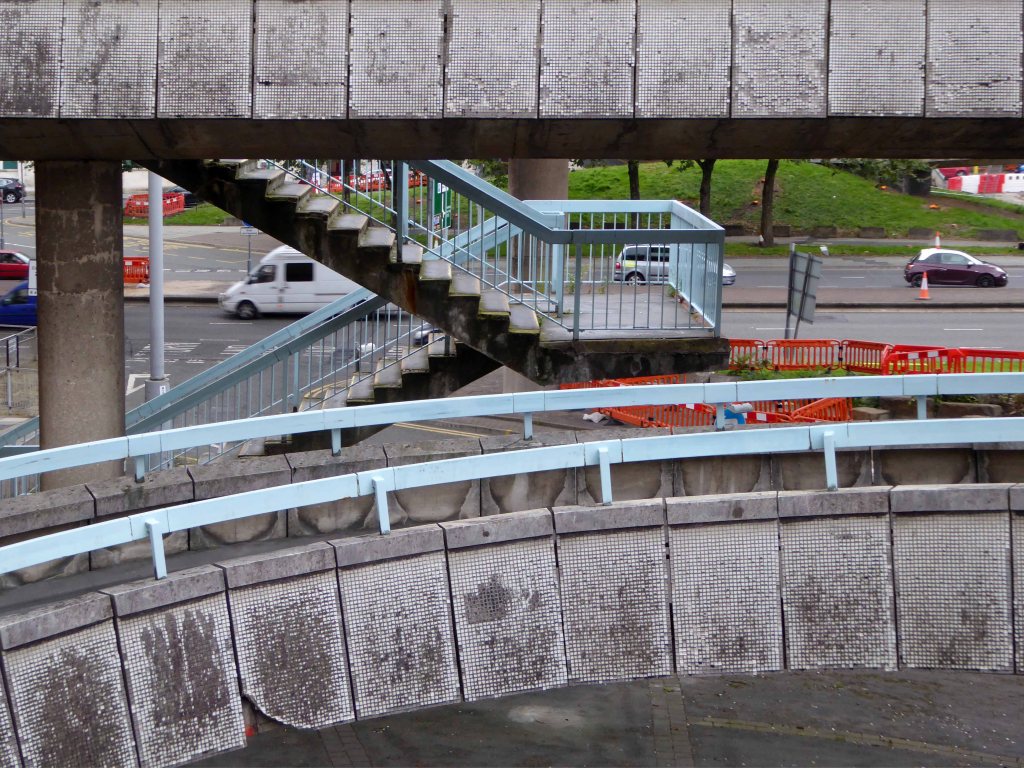
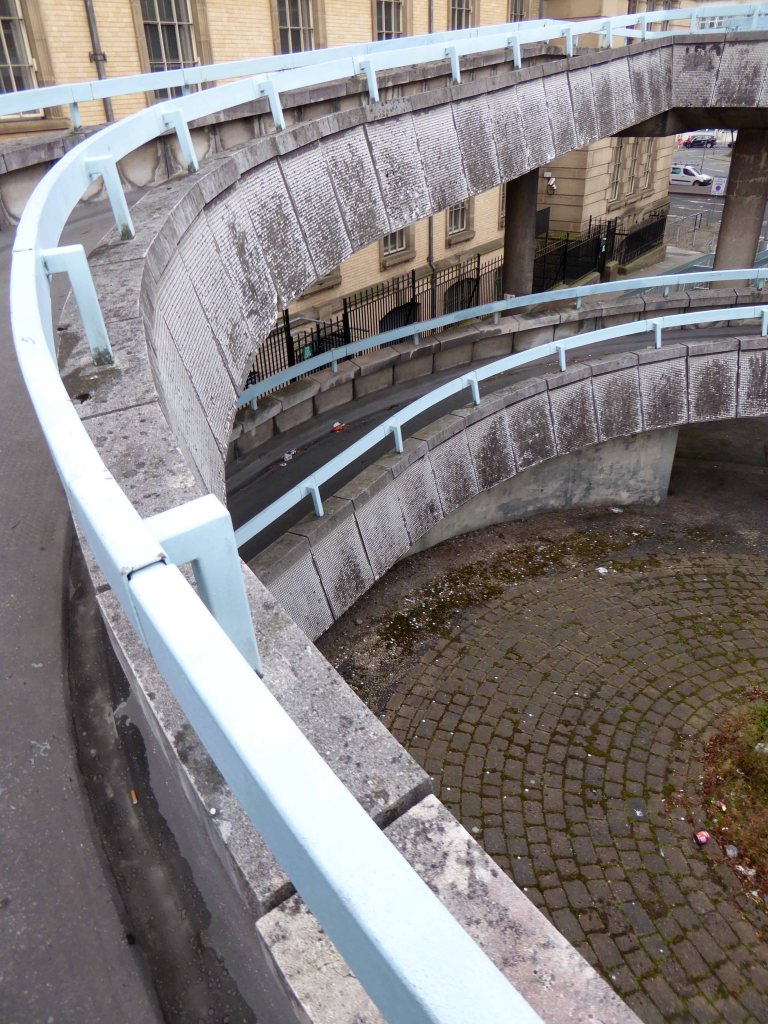
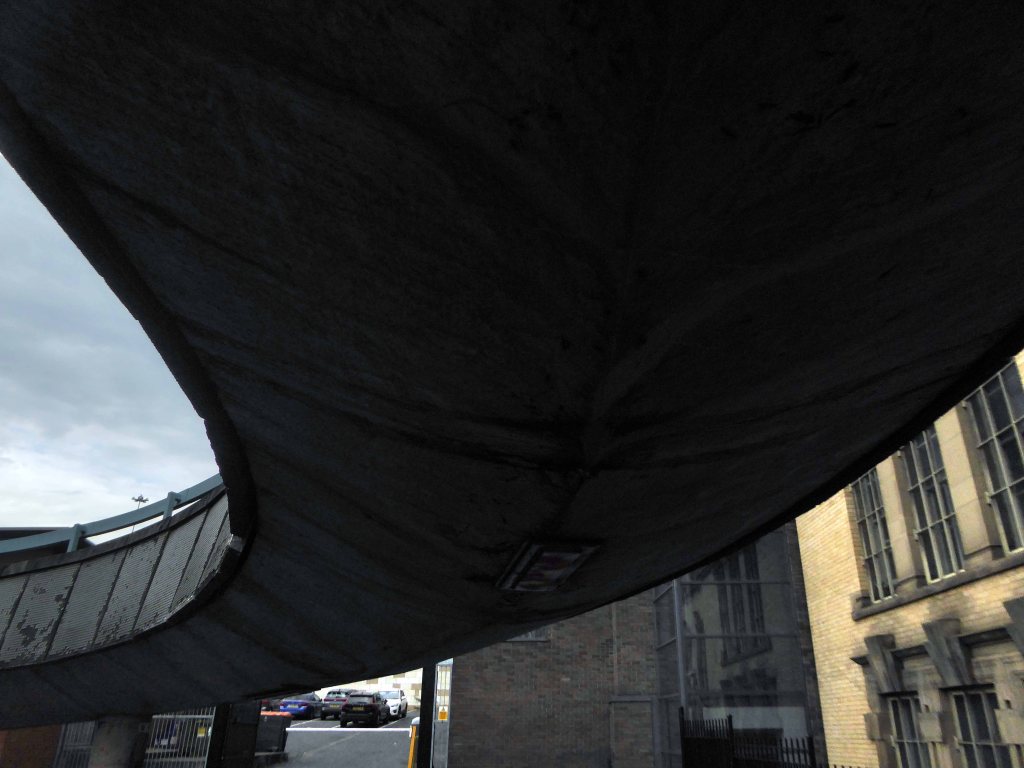
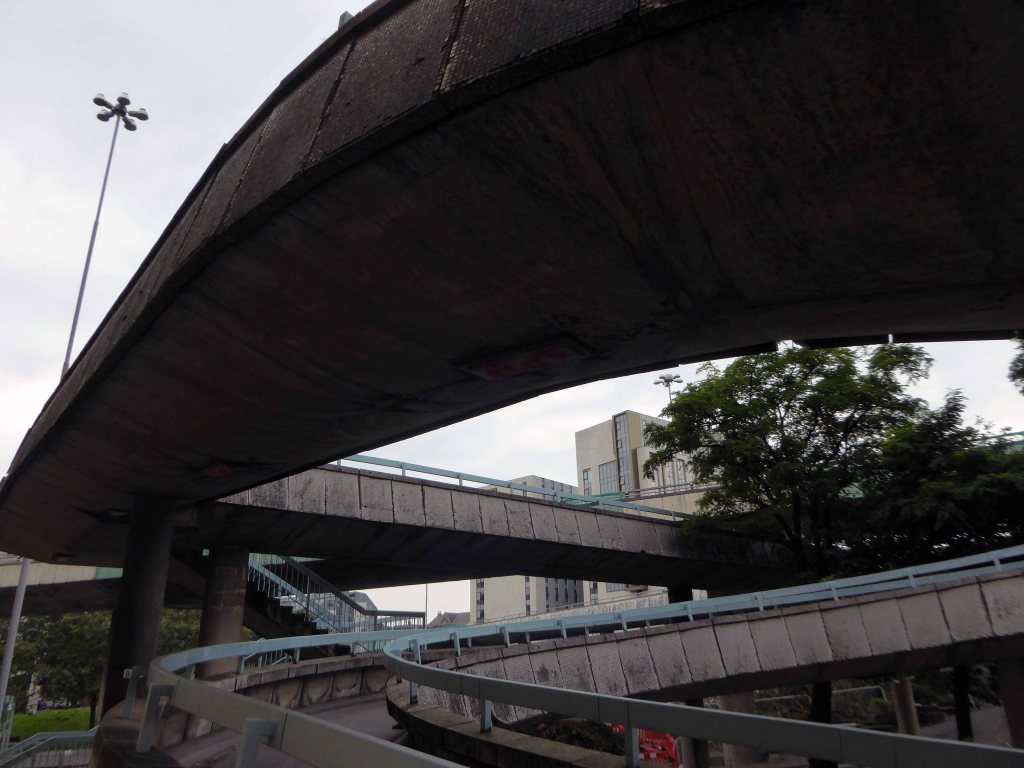
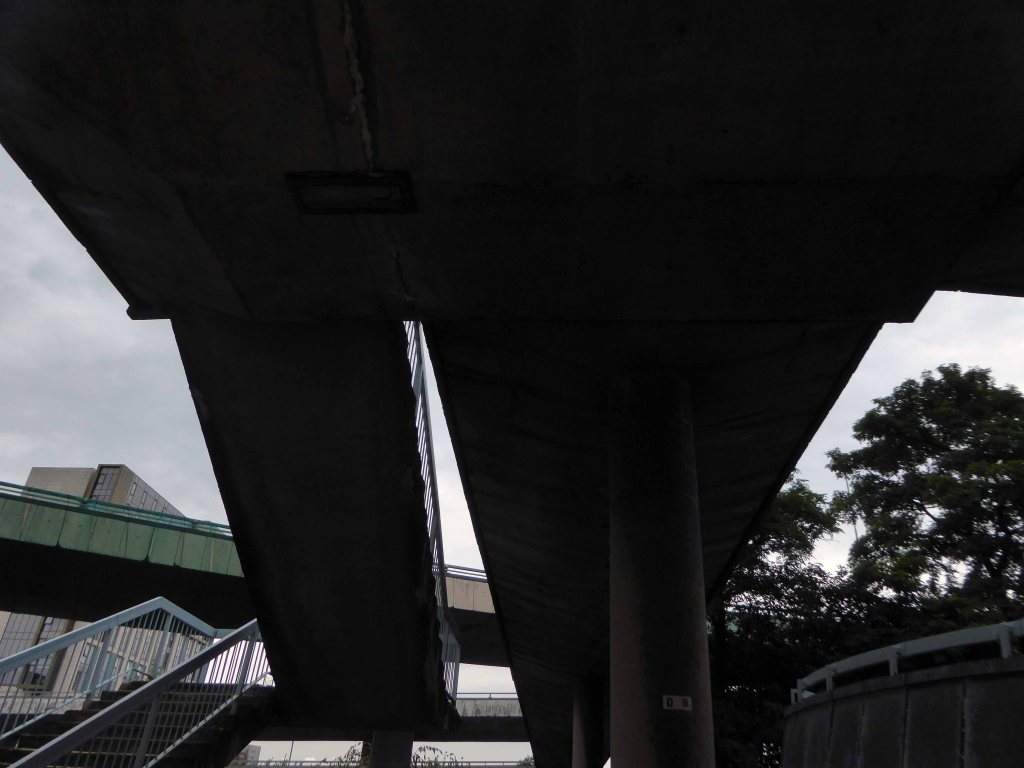
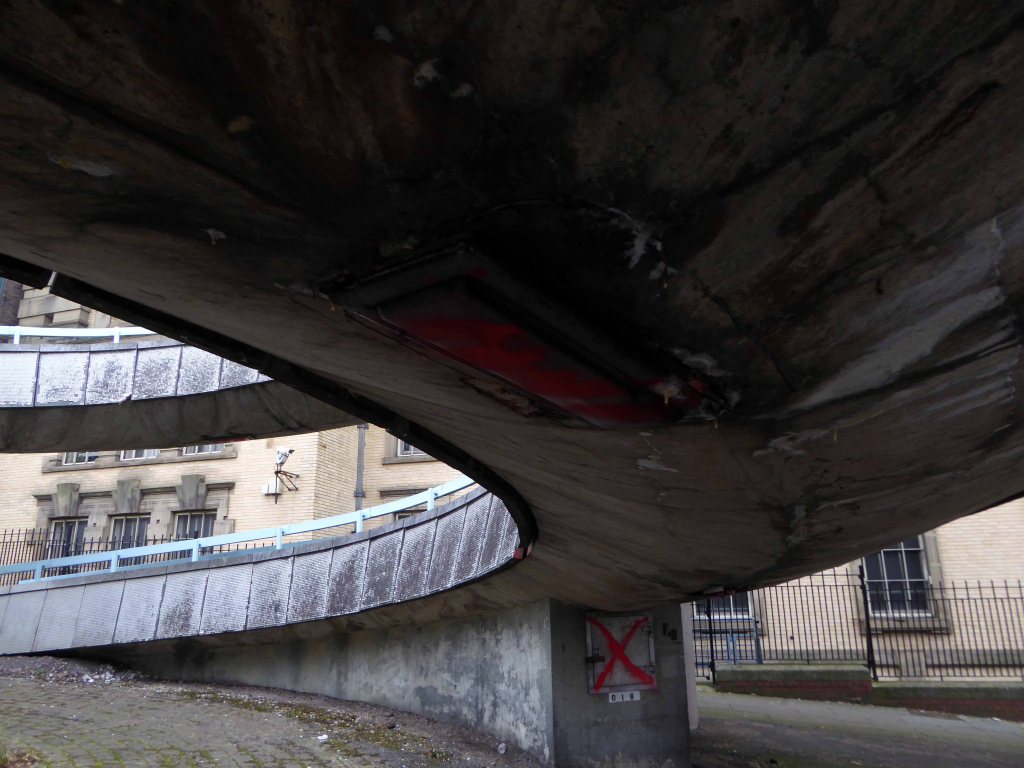
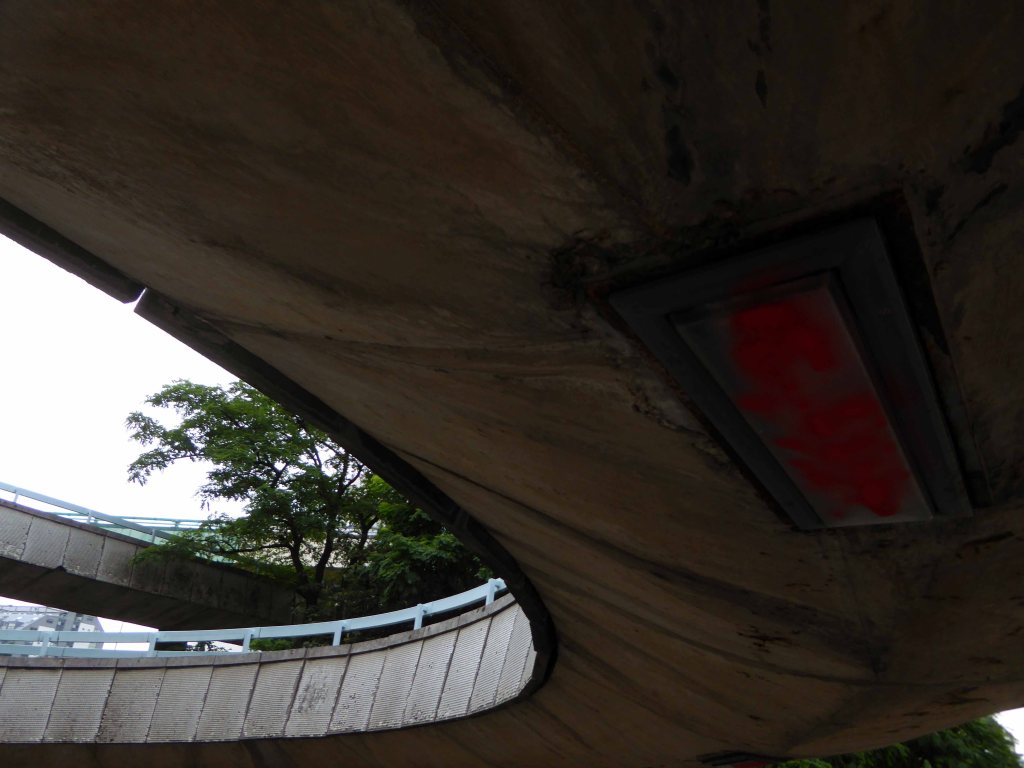
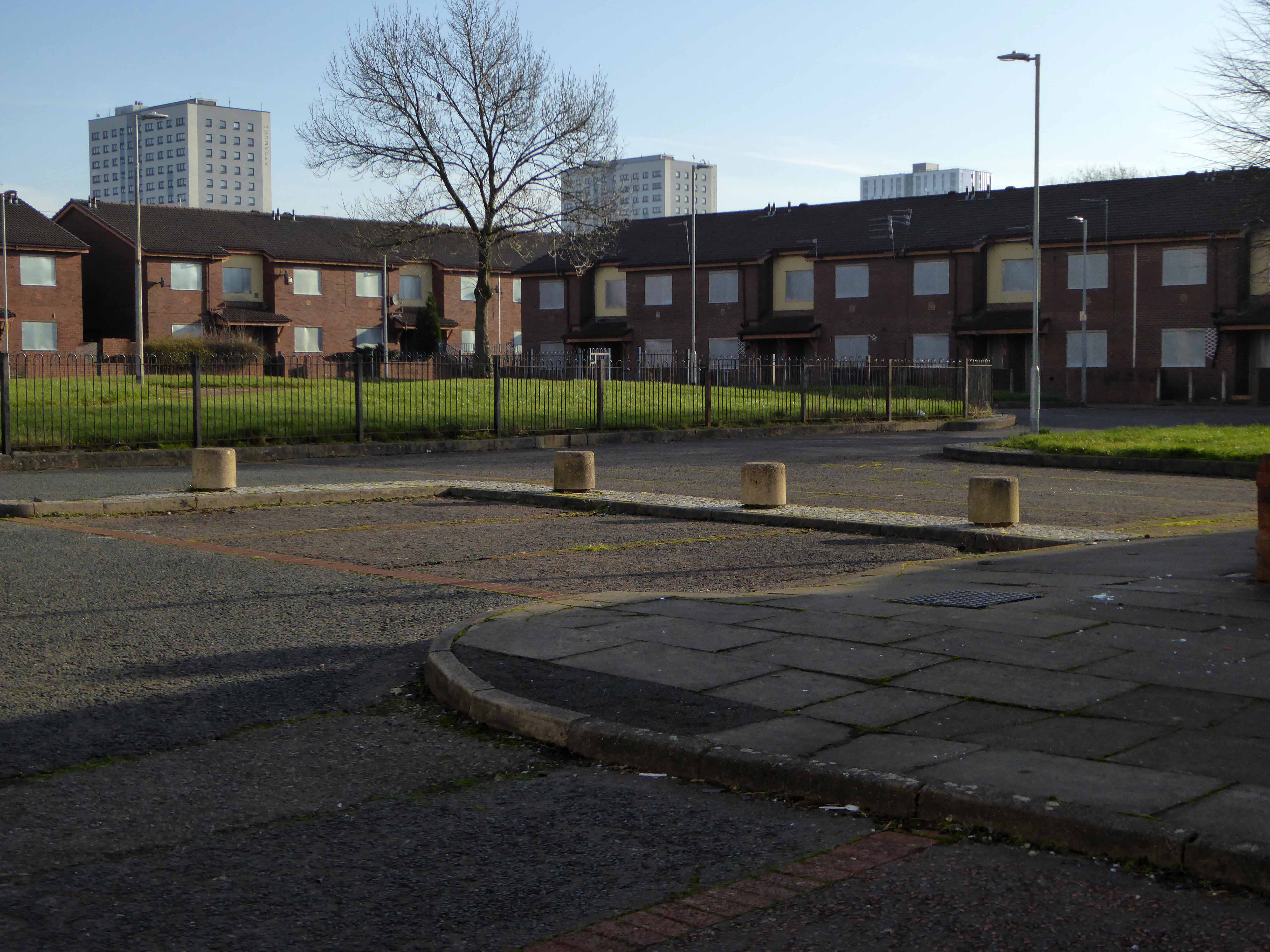
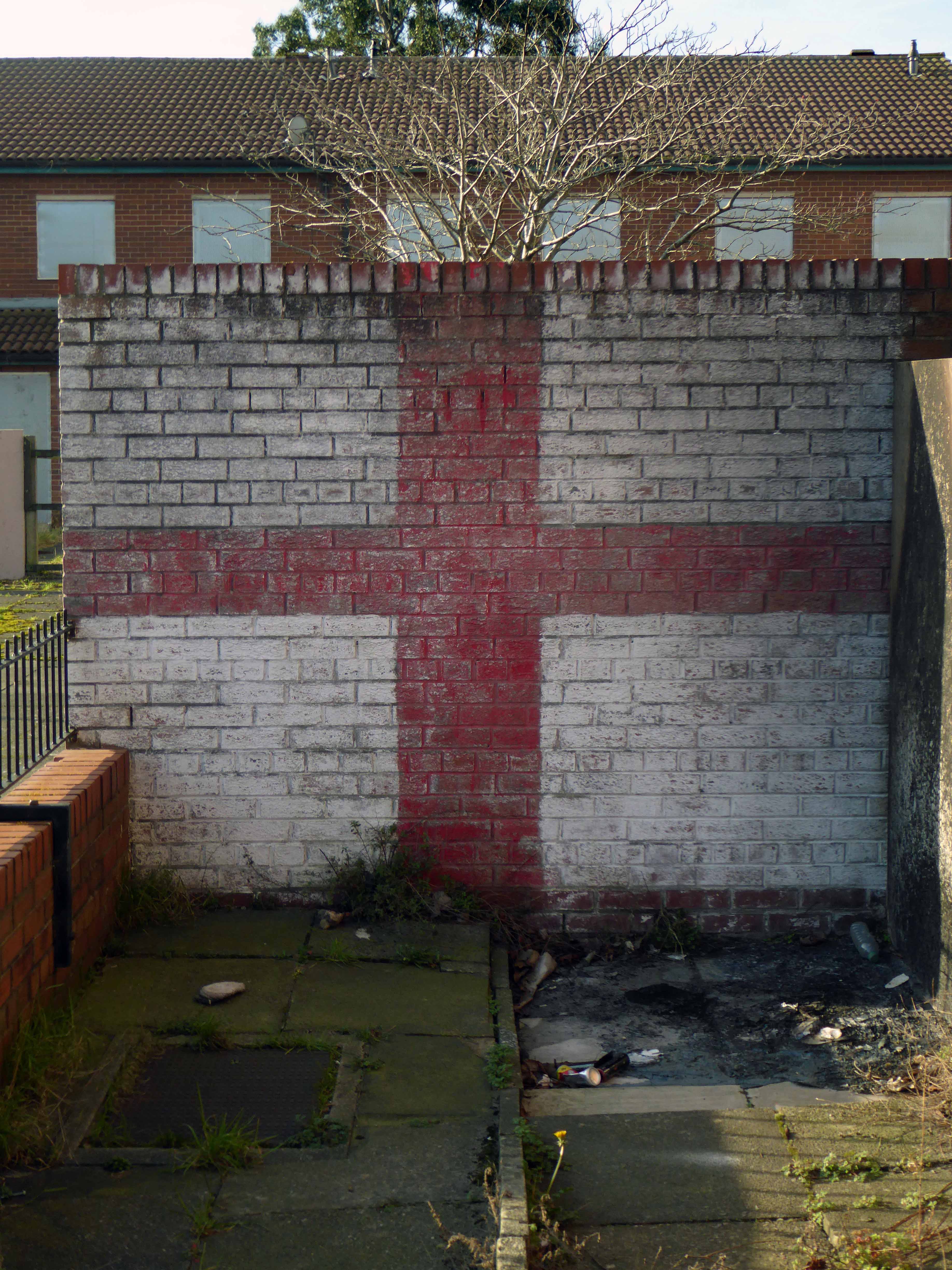
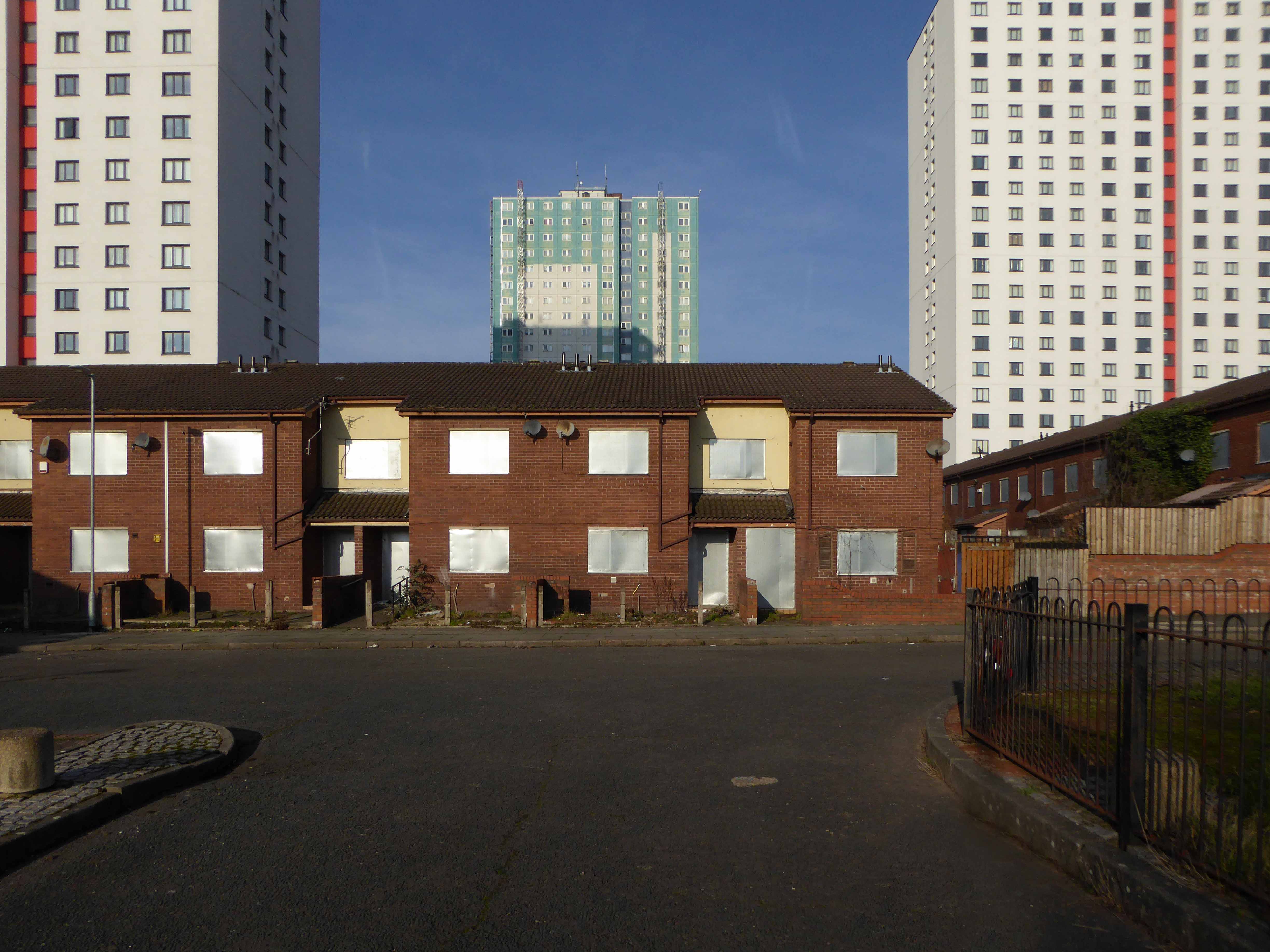
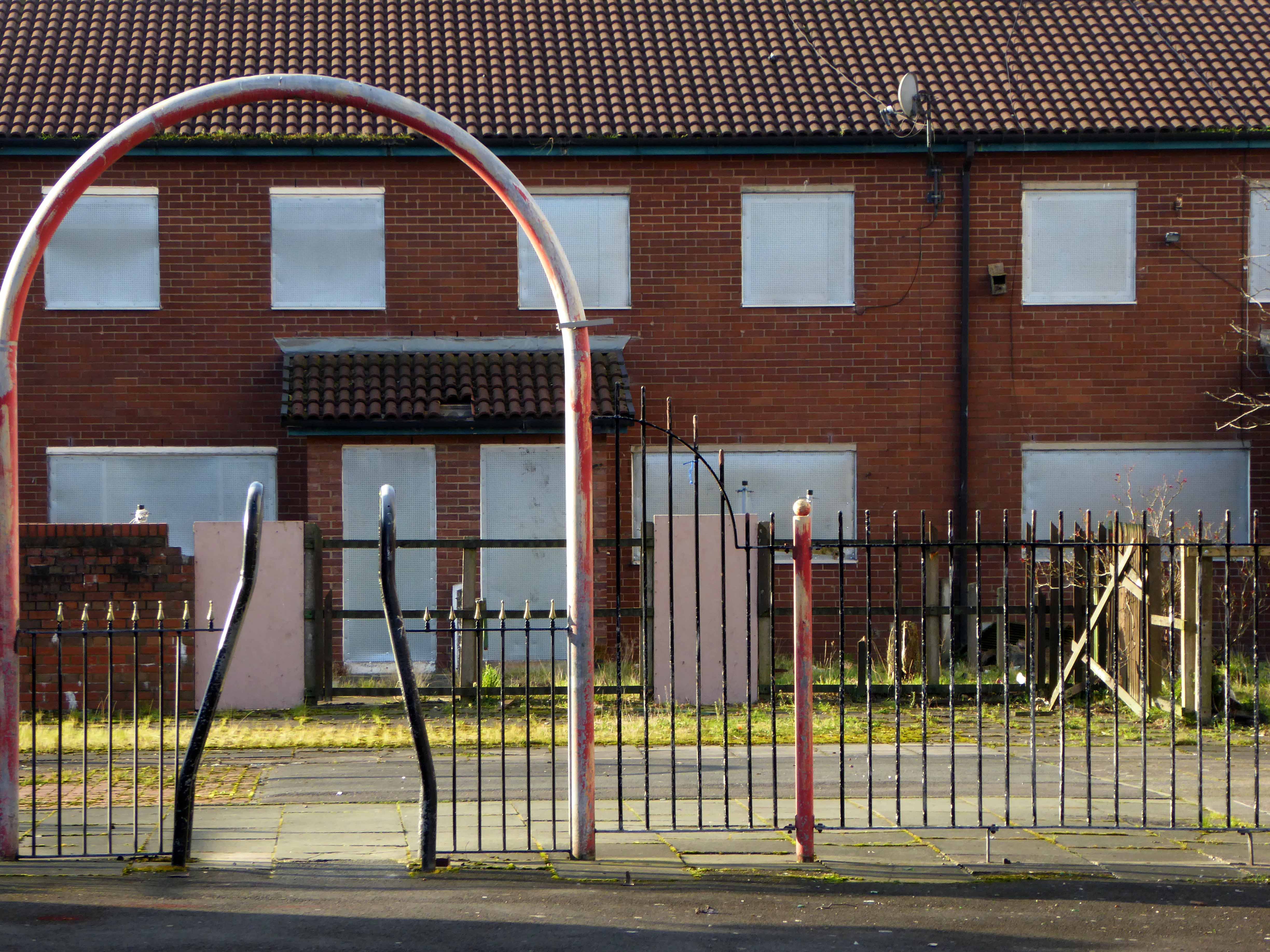
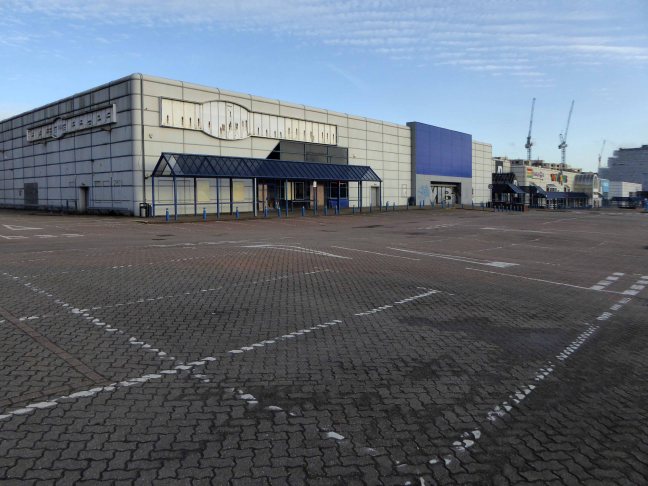
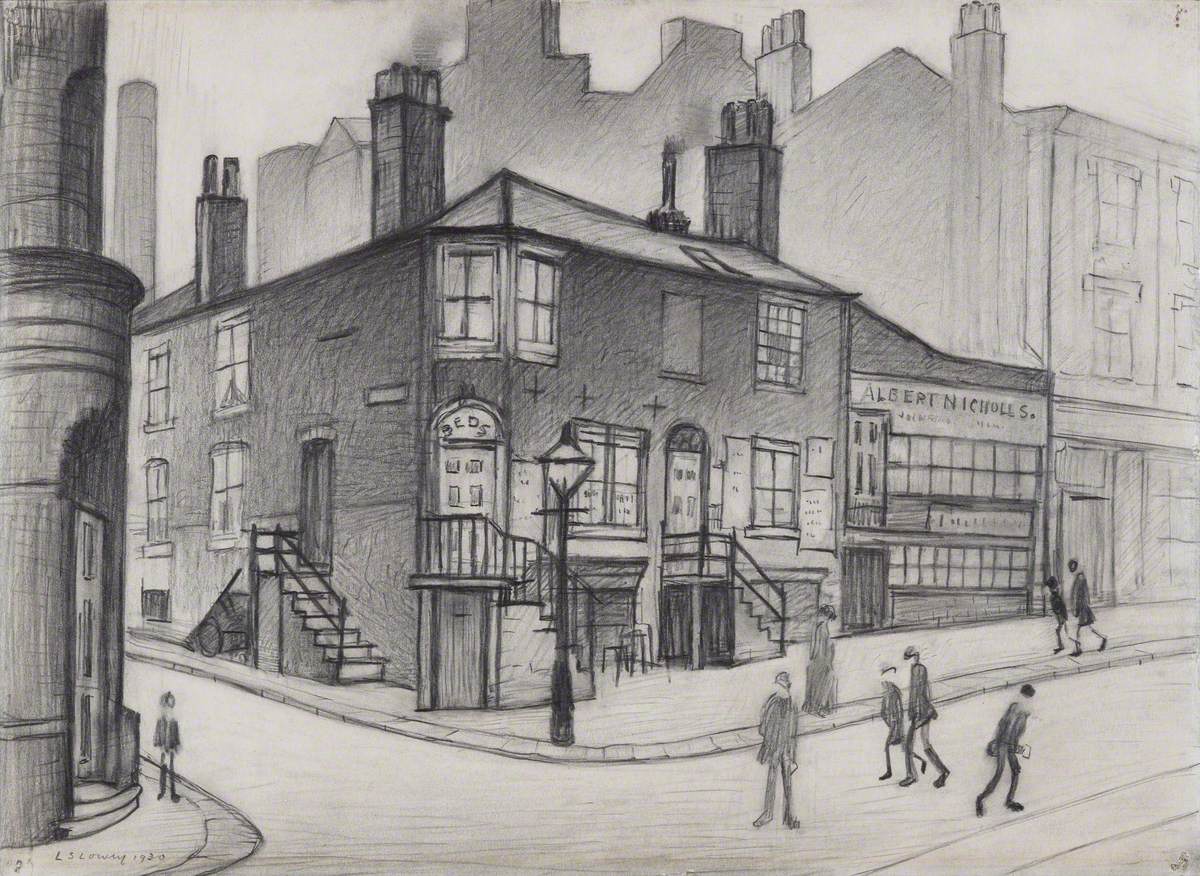
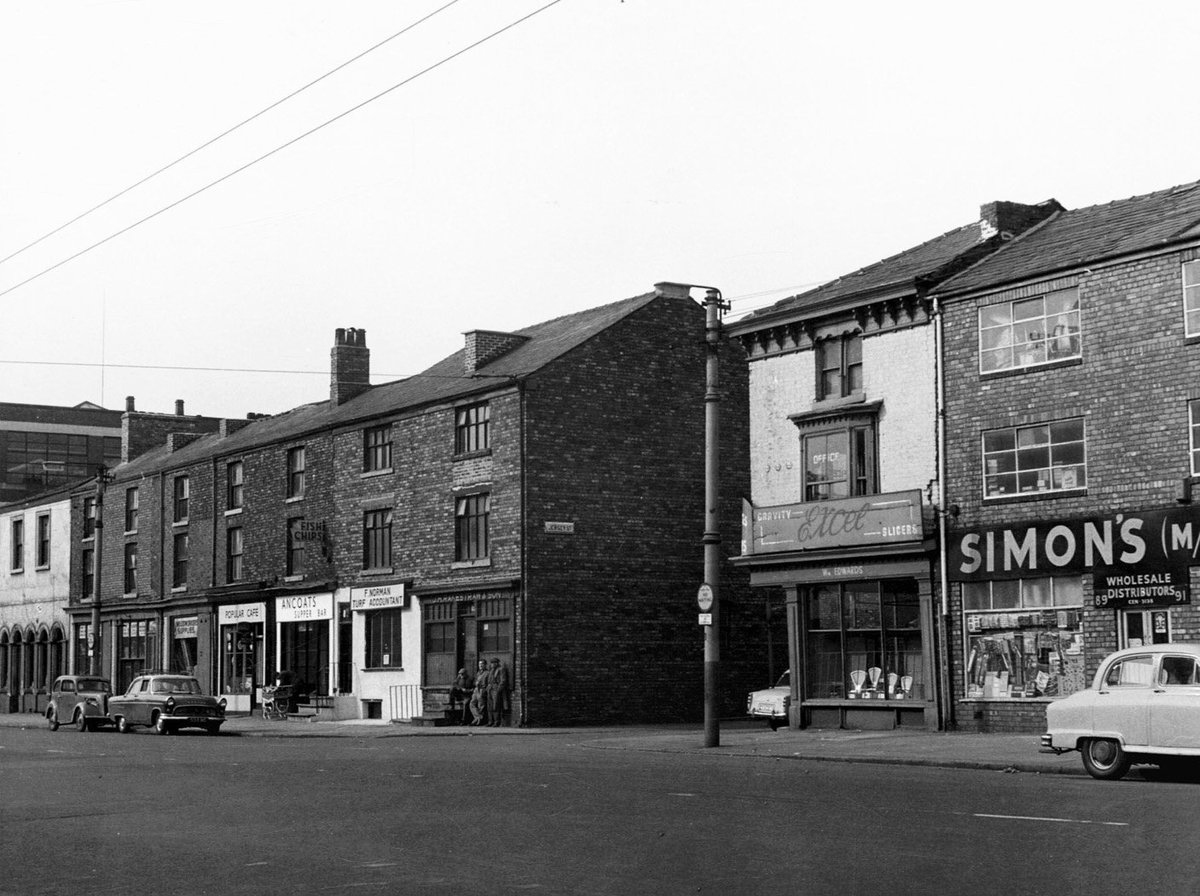
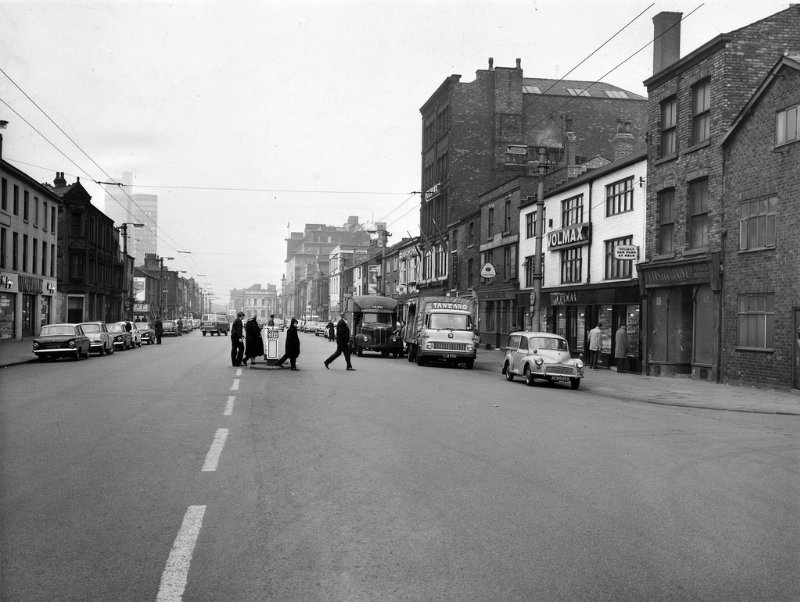
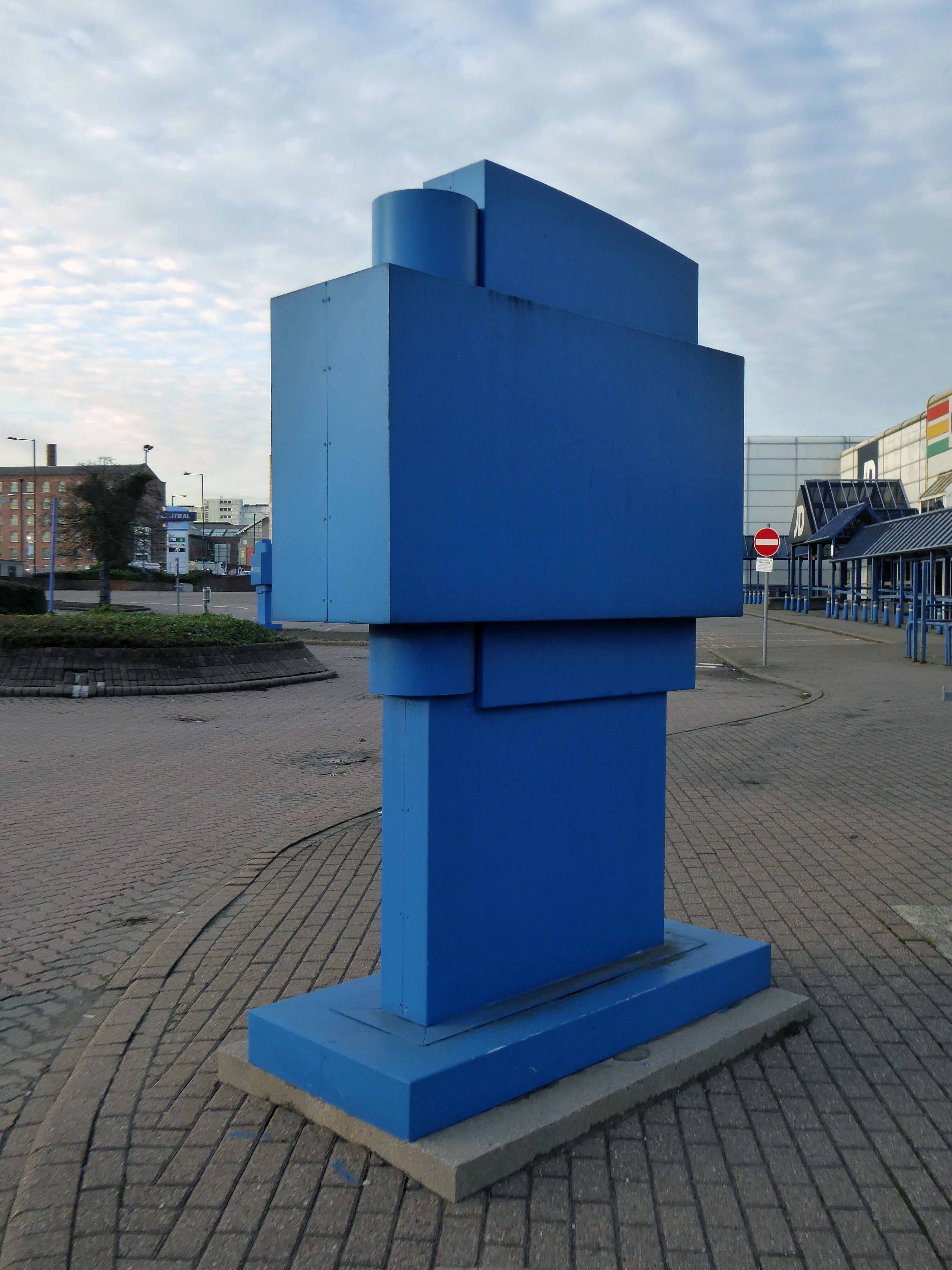
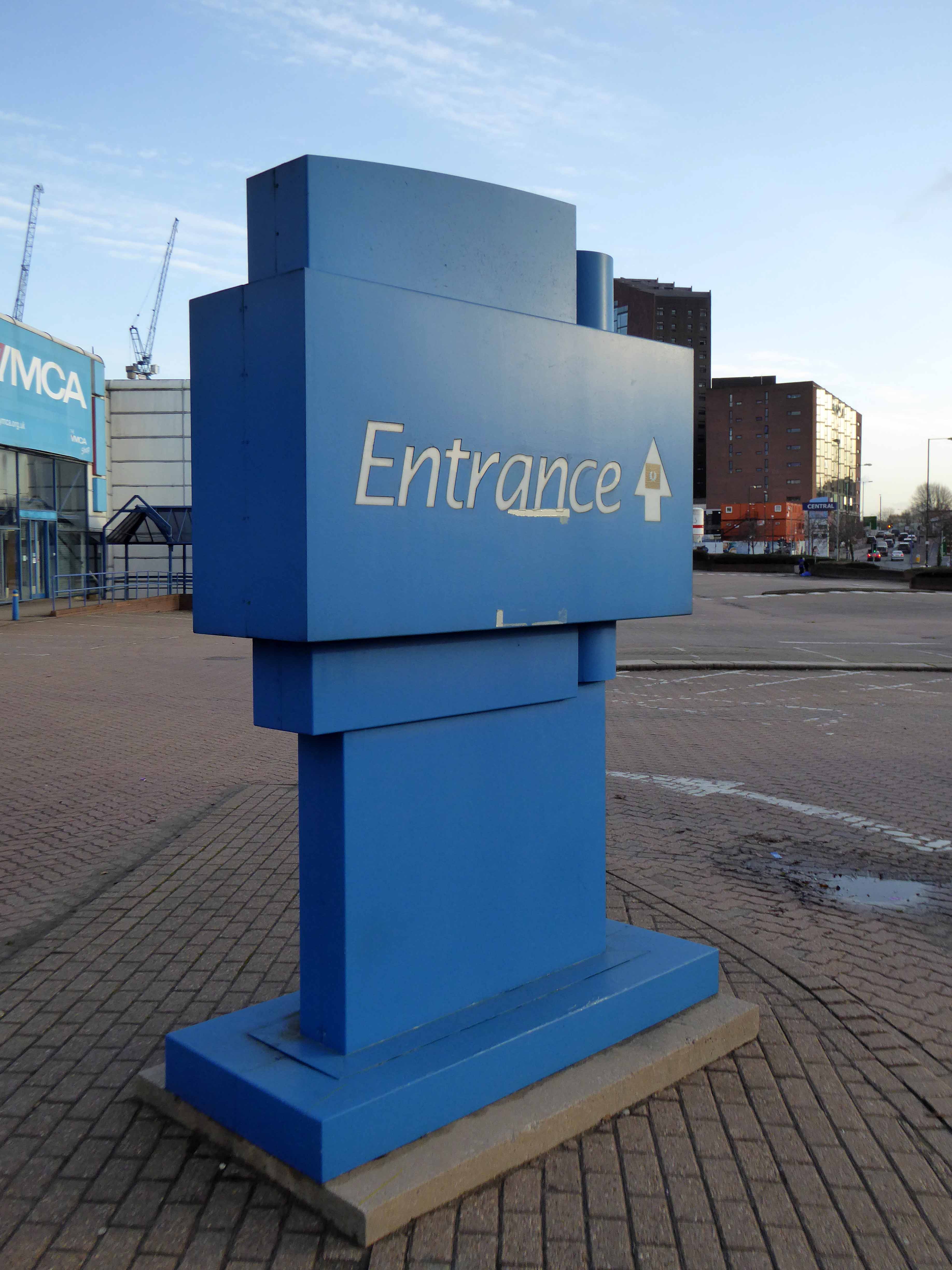
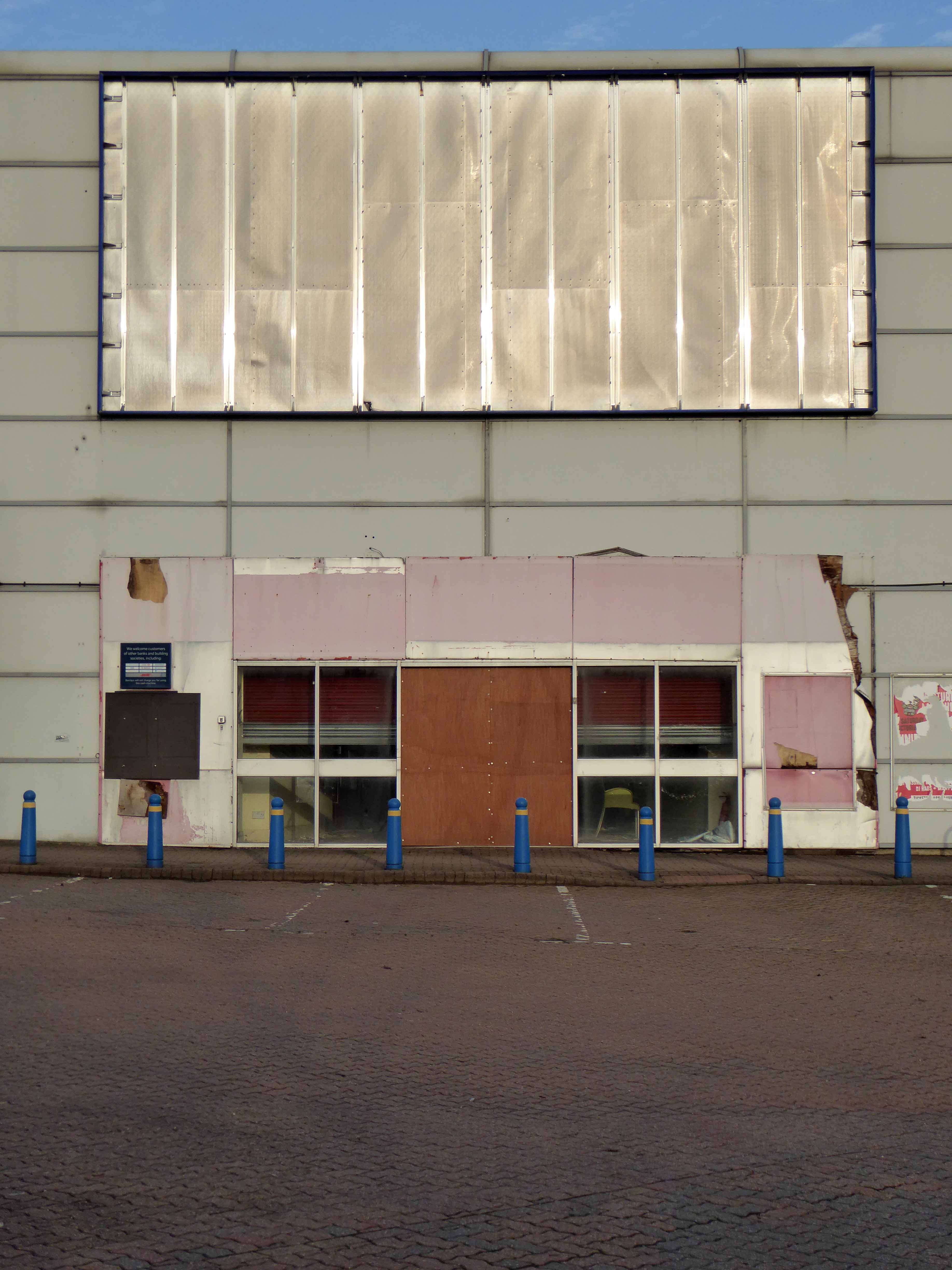
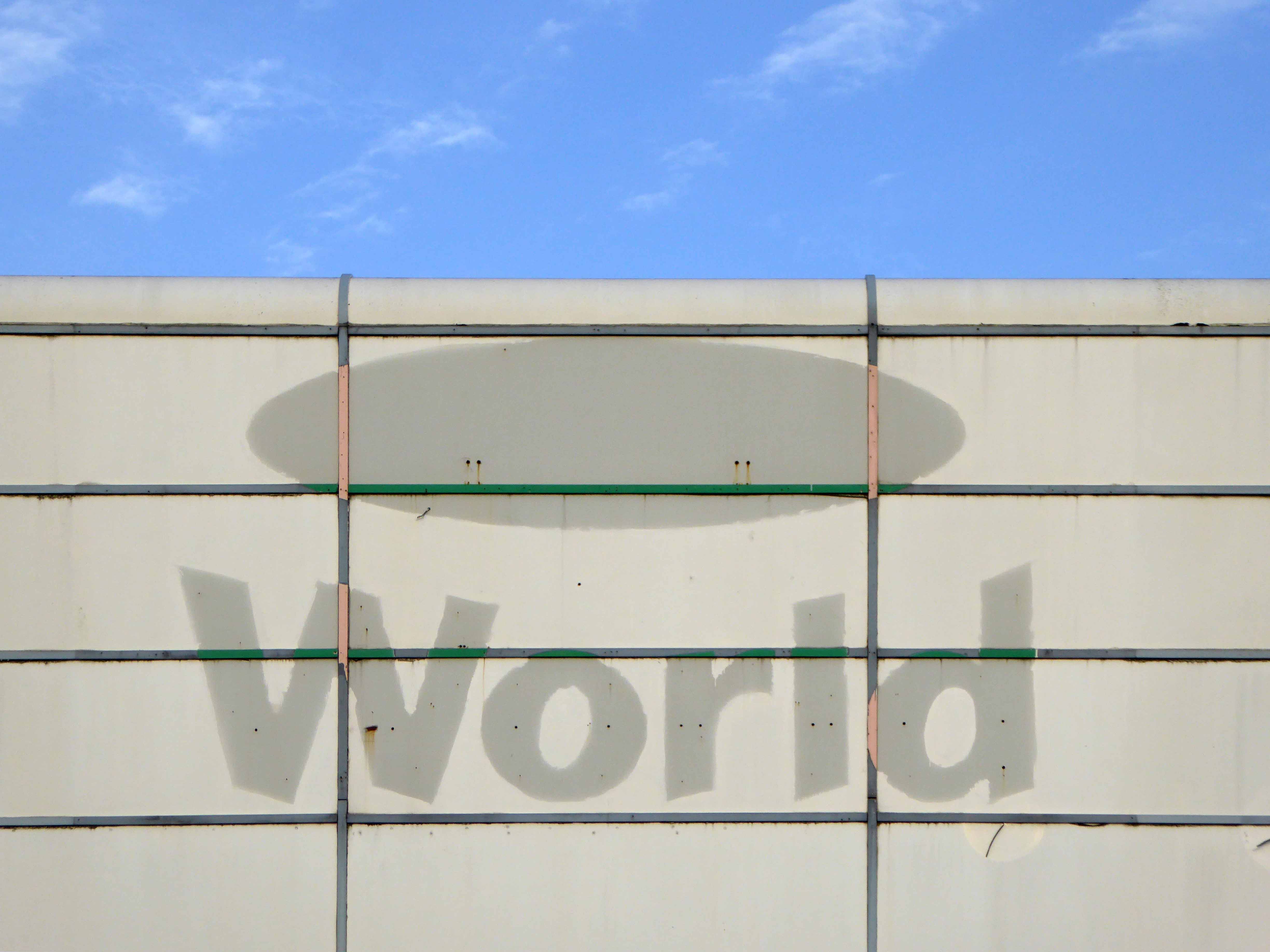
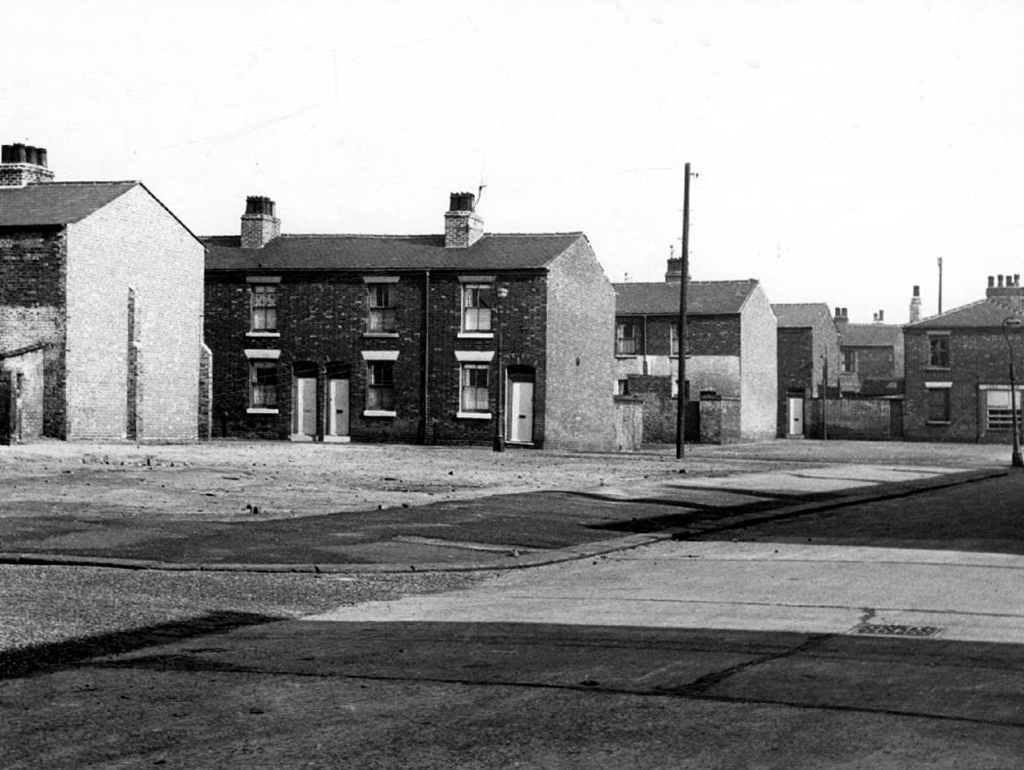
The Mancunian Way – A57(M)

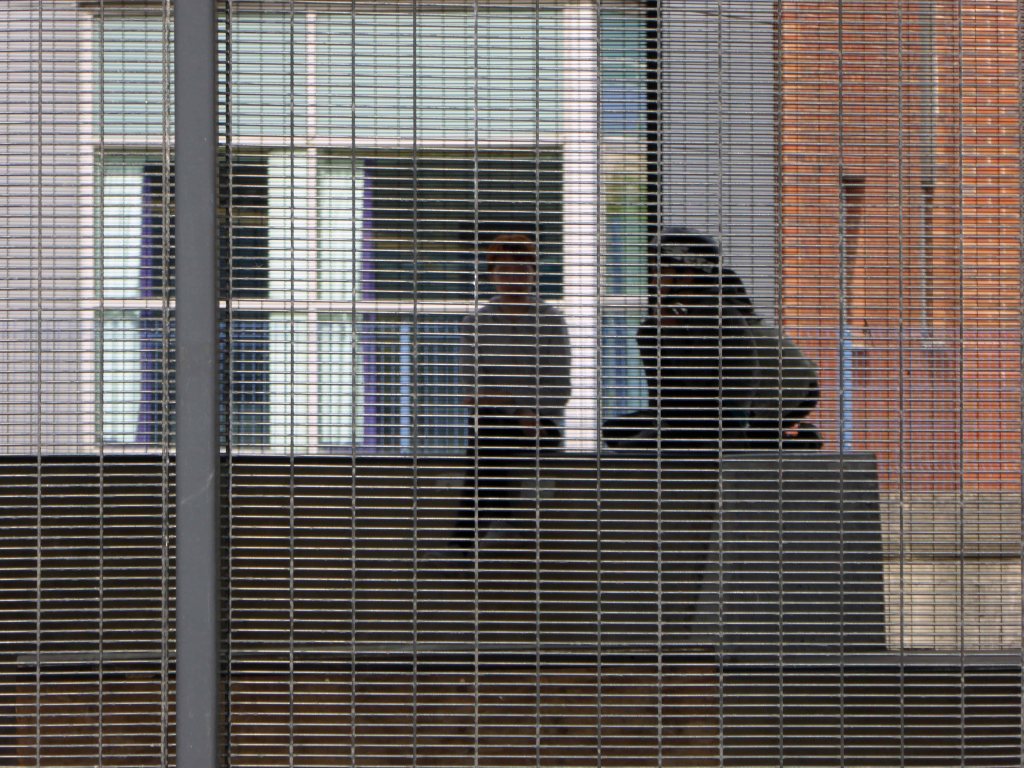
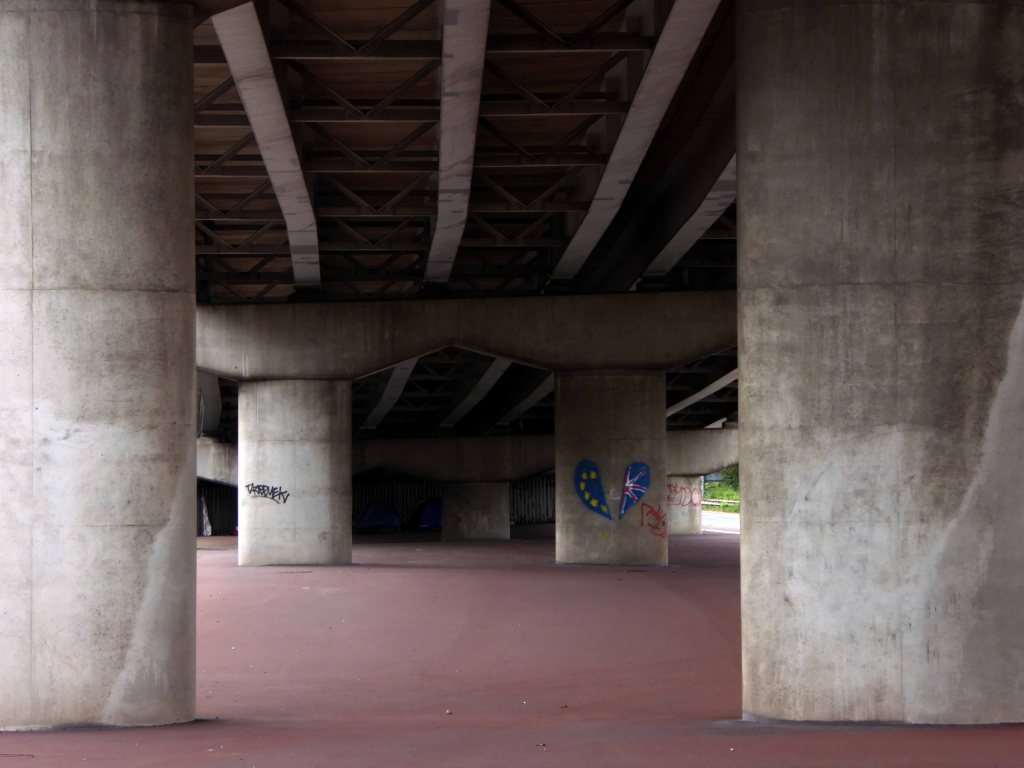
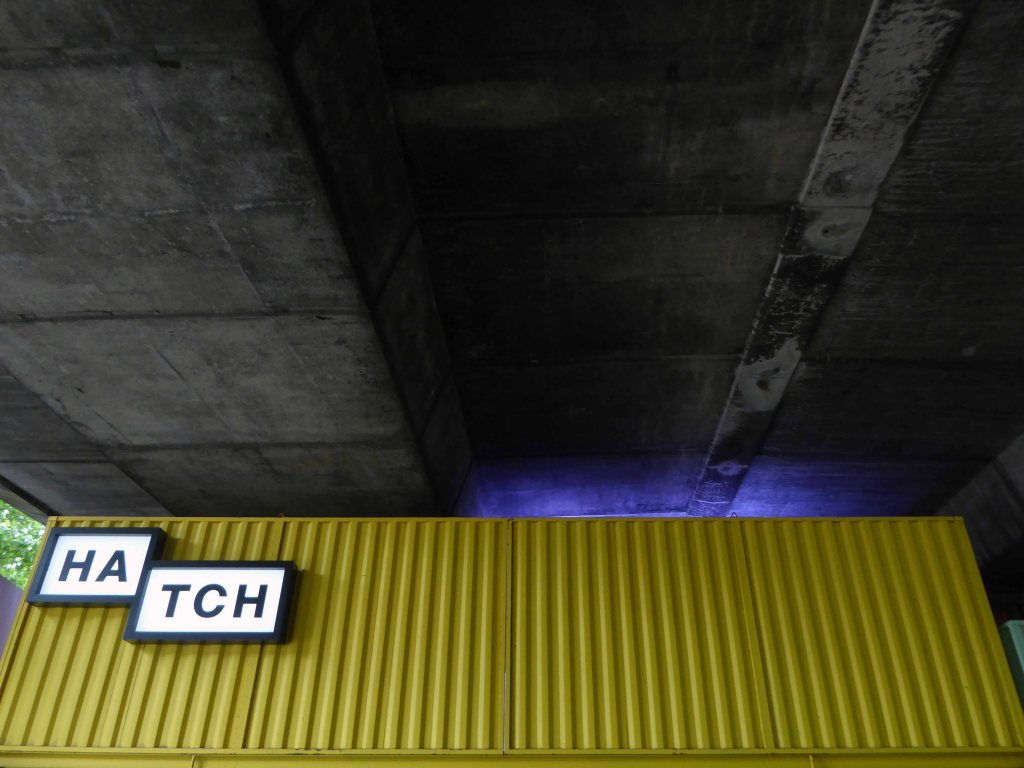
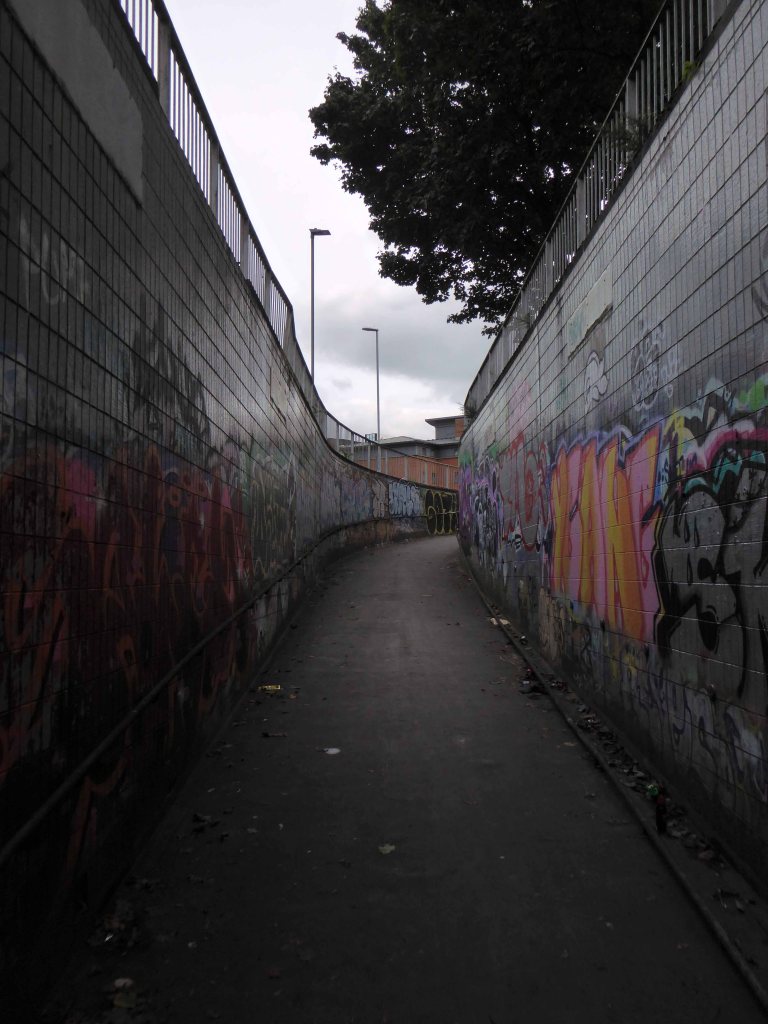
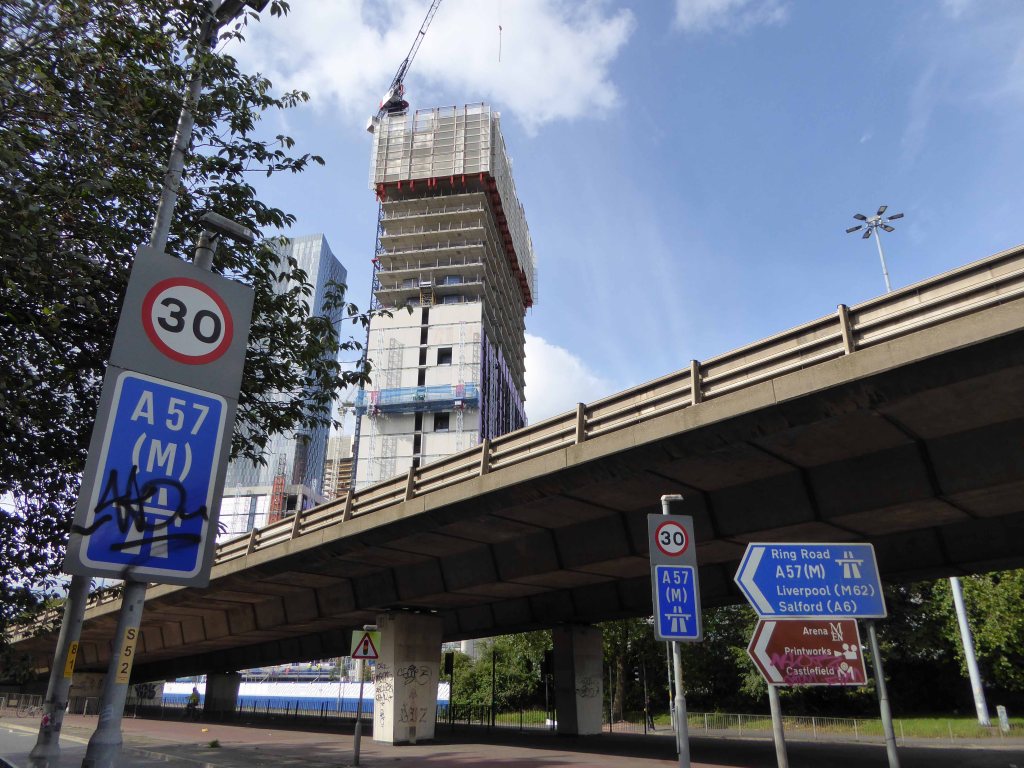
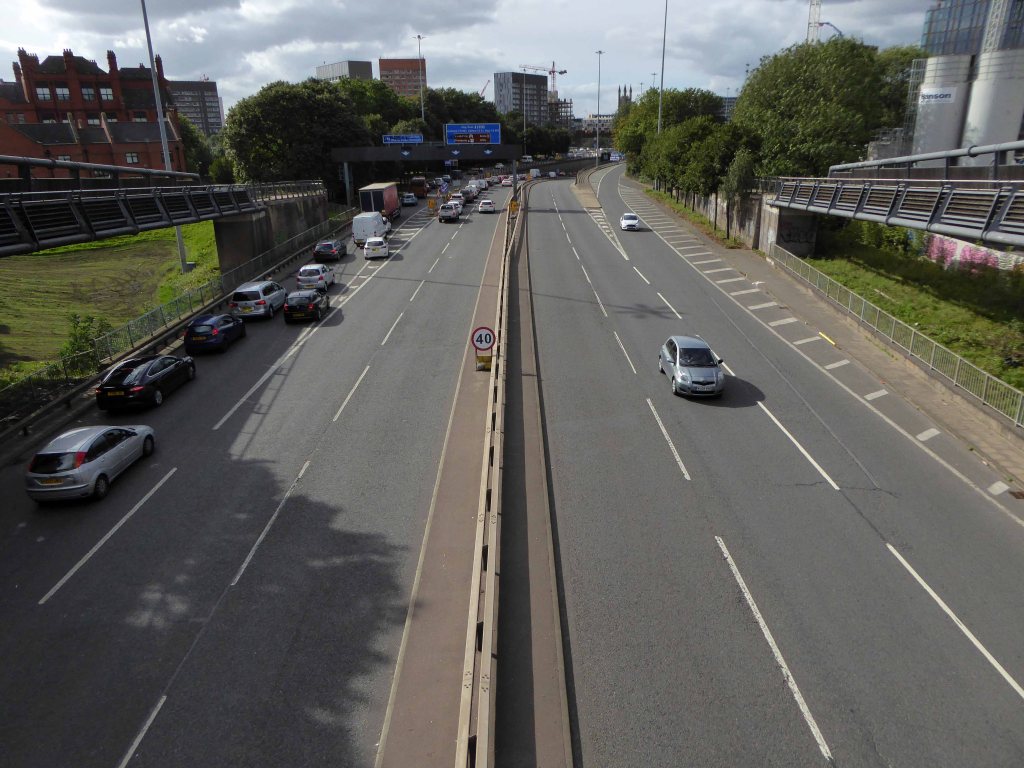
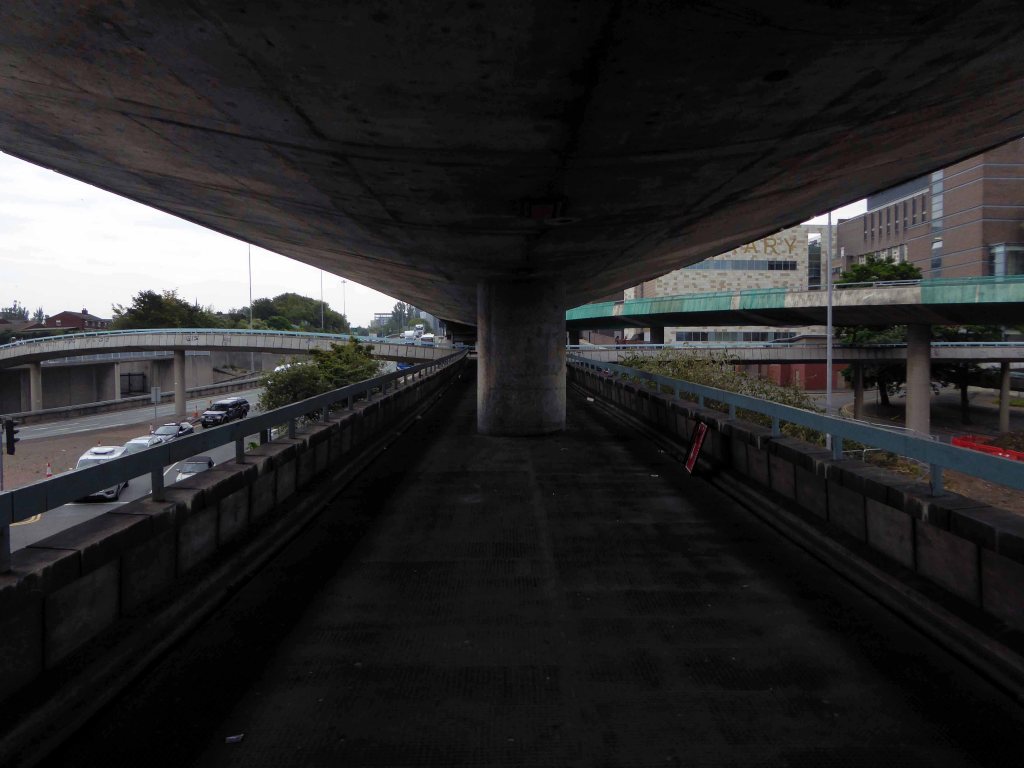
I’m walking, yes indeed I’m walking – I’m walking the Mancunian Way.

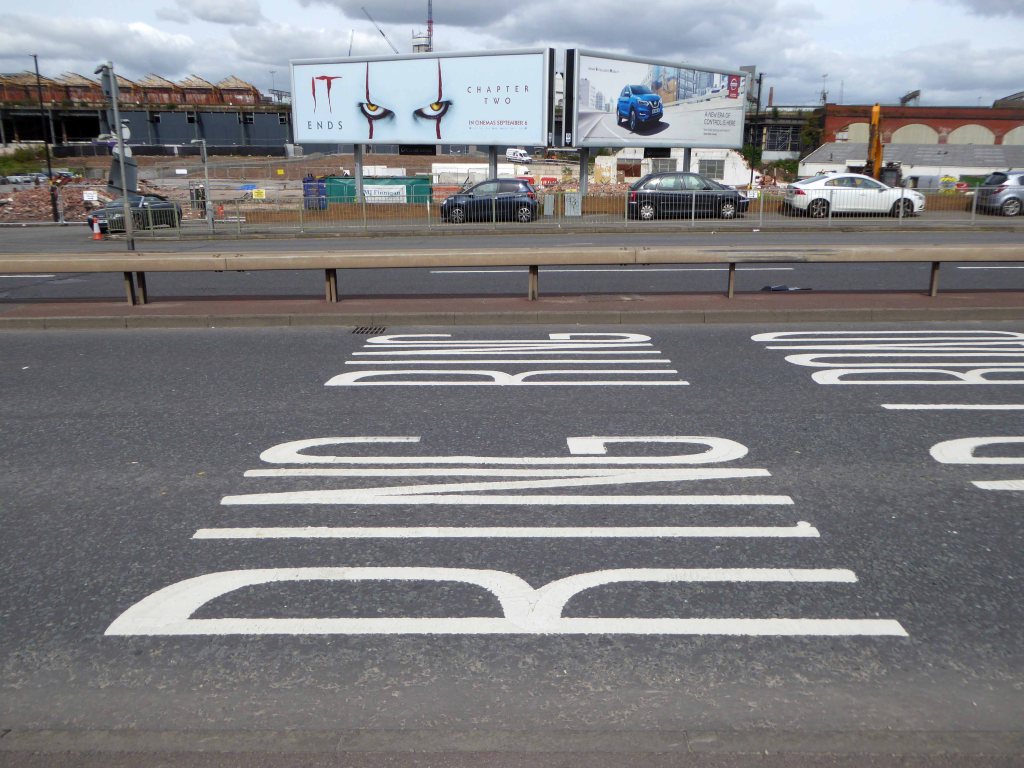
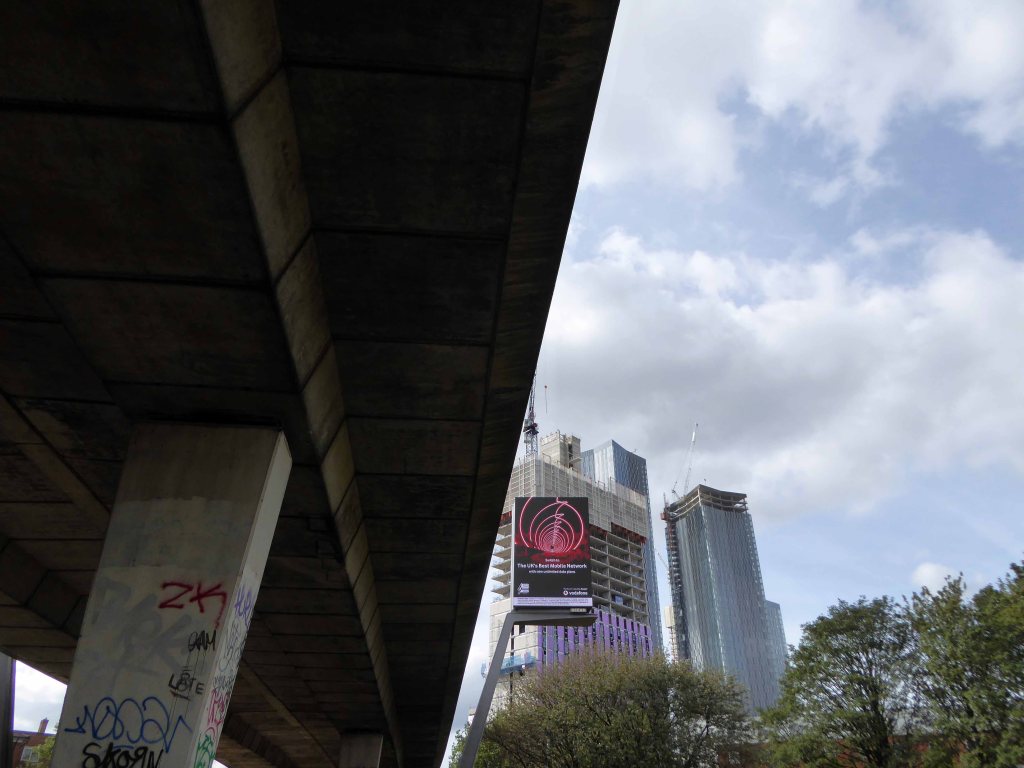
Previously posted as historical journey – this, as they say, is the real deal, one foot after another, one sunny afternoon in September.

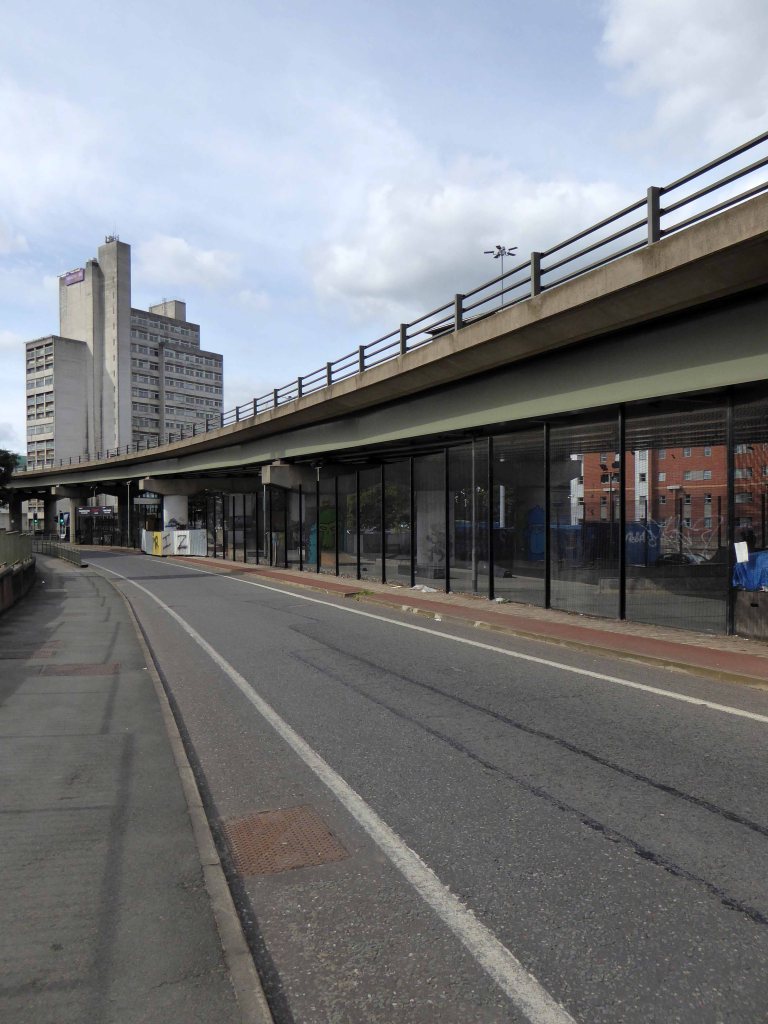
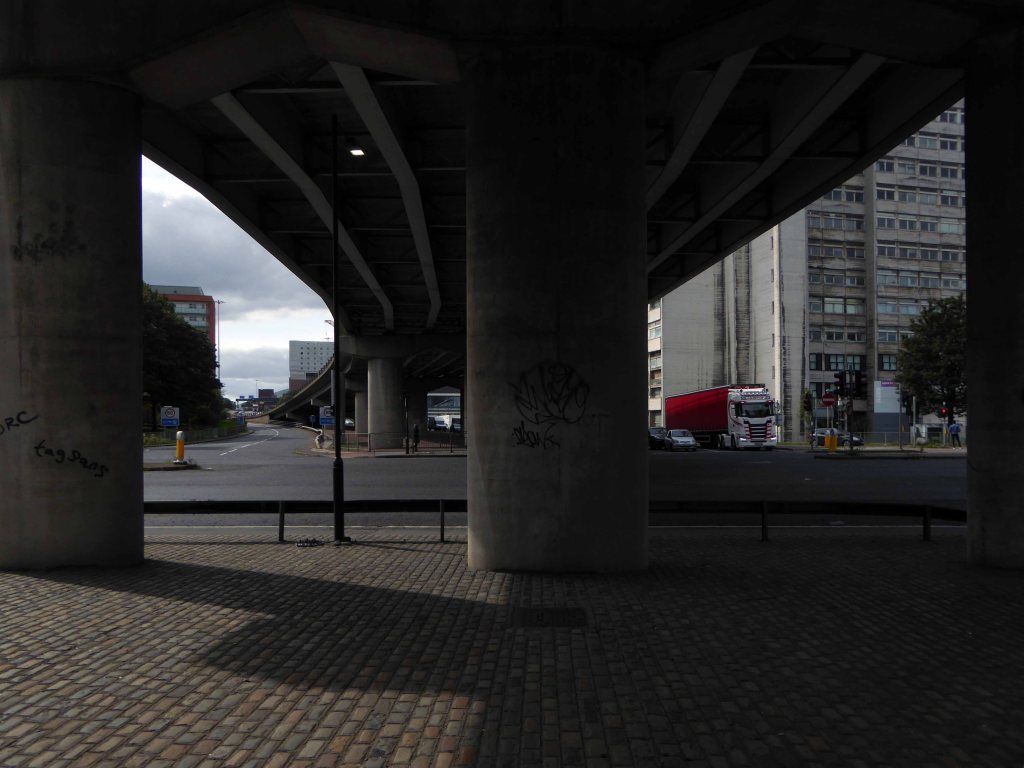
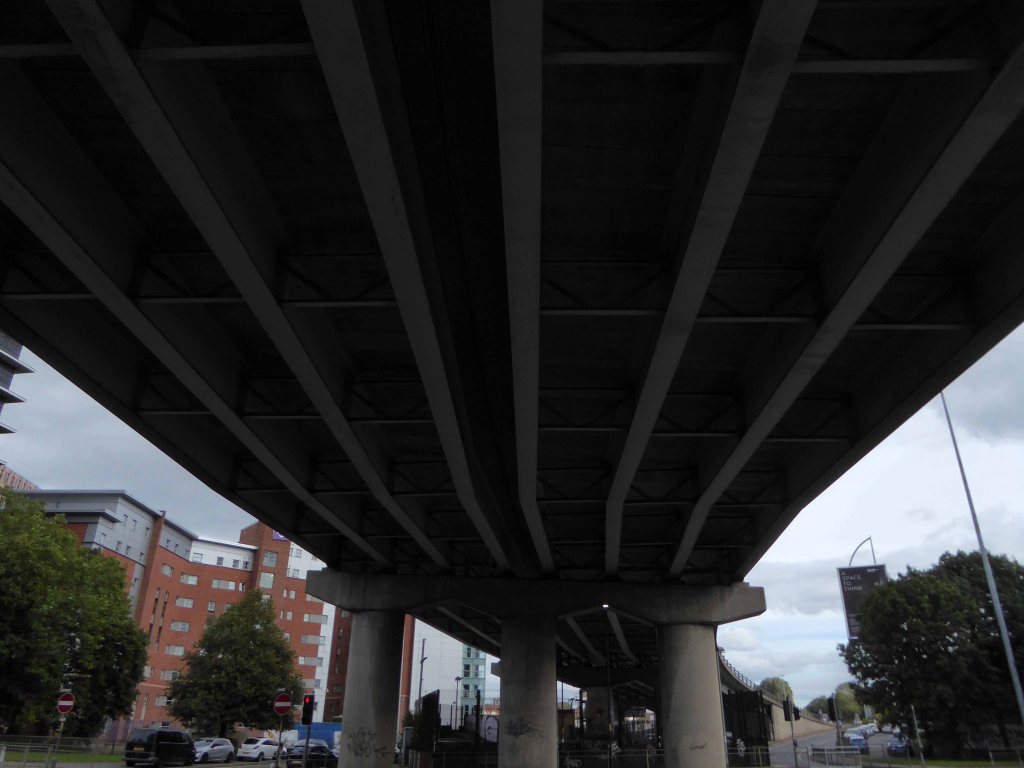
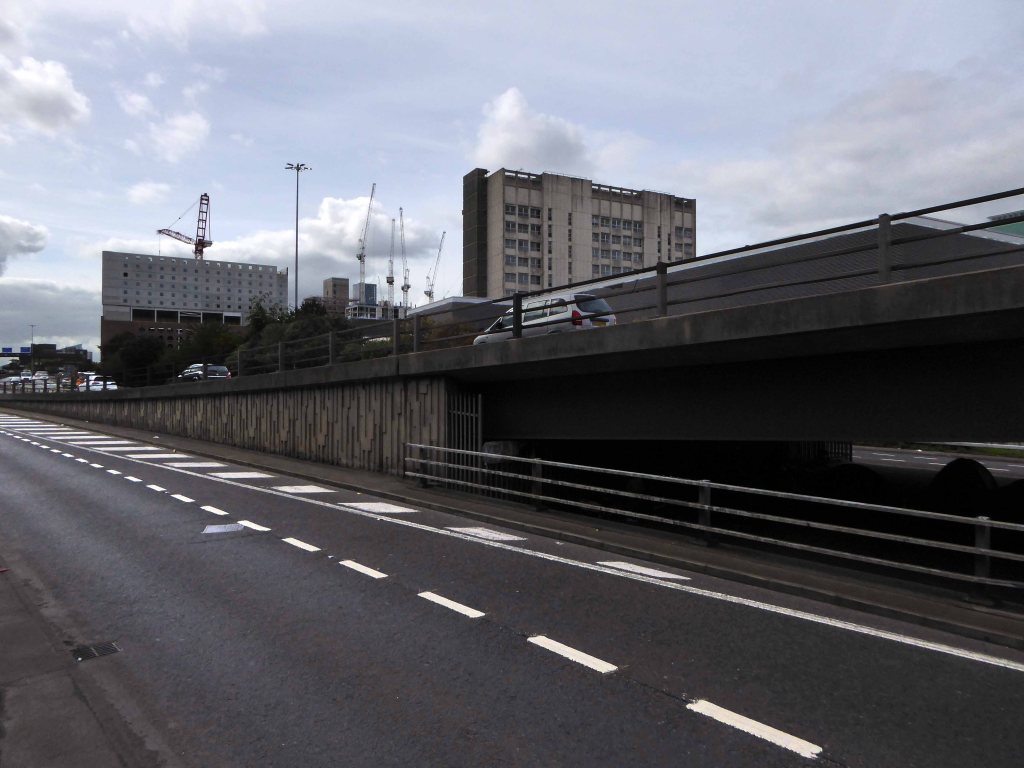
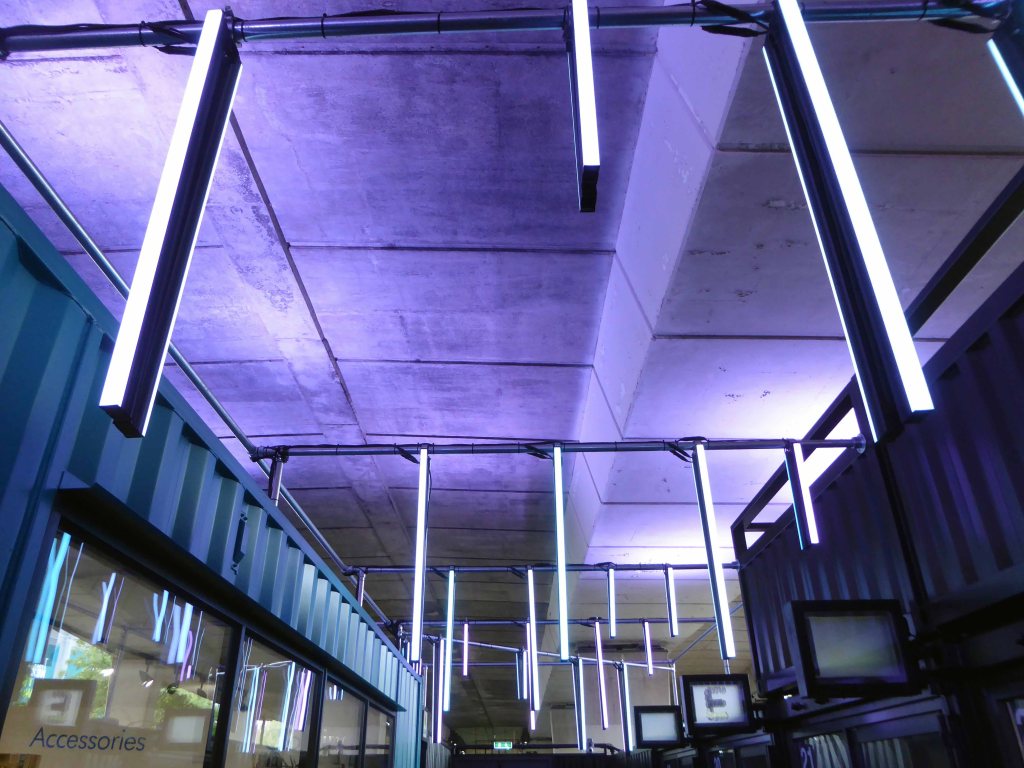
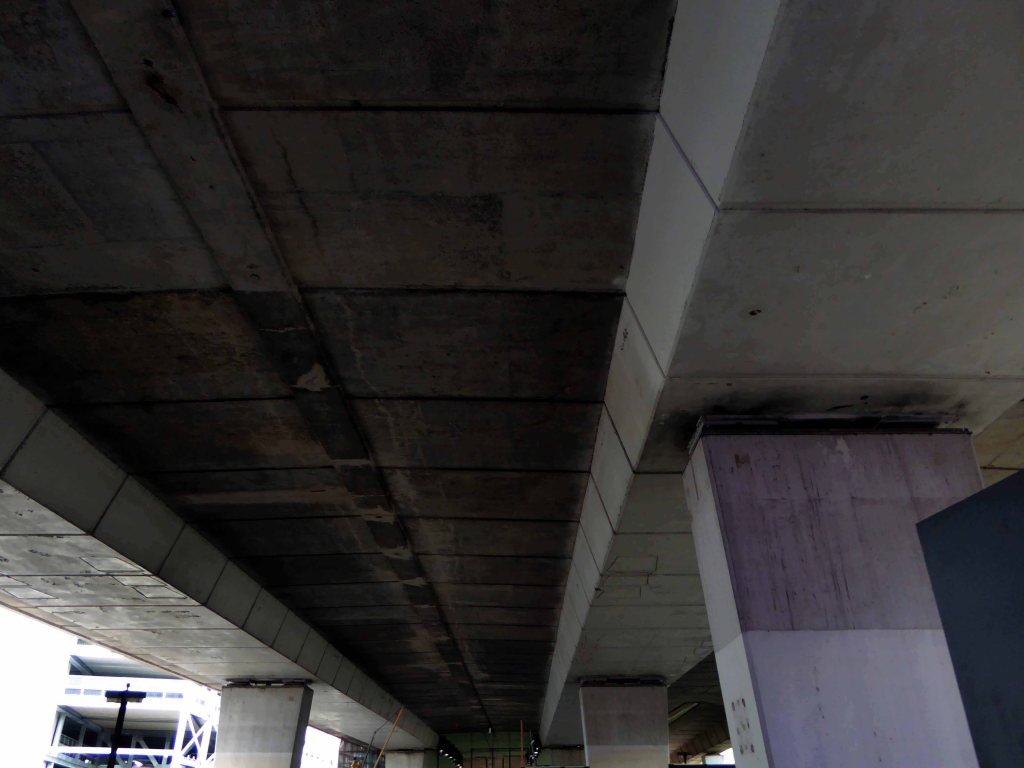
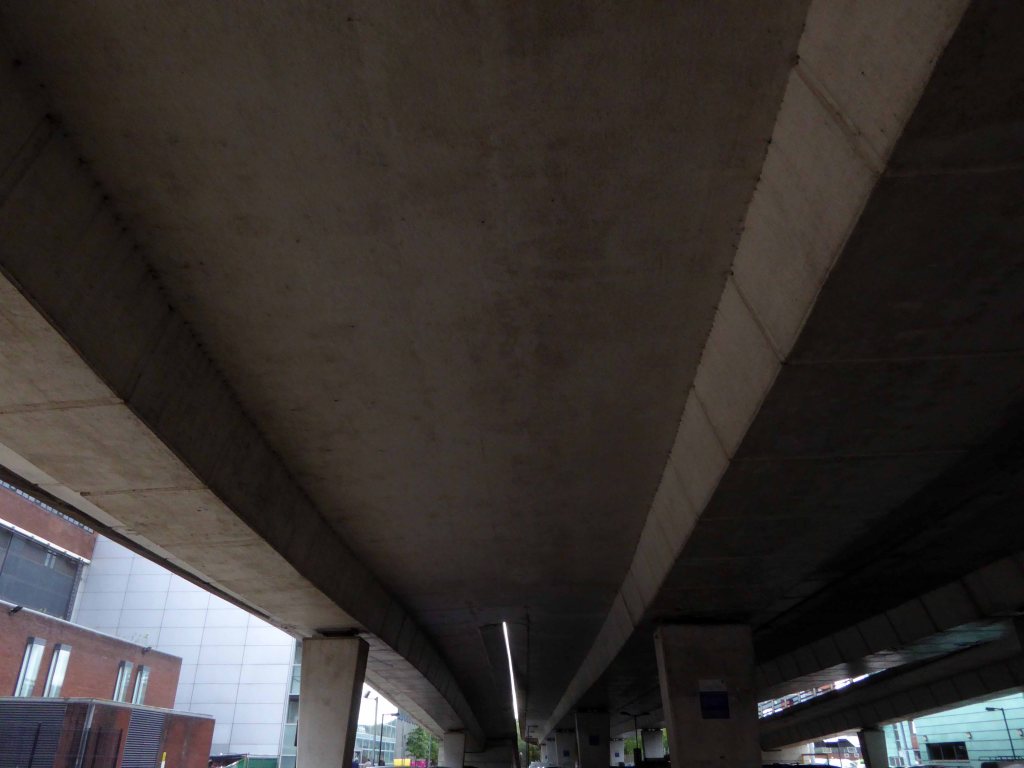
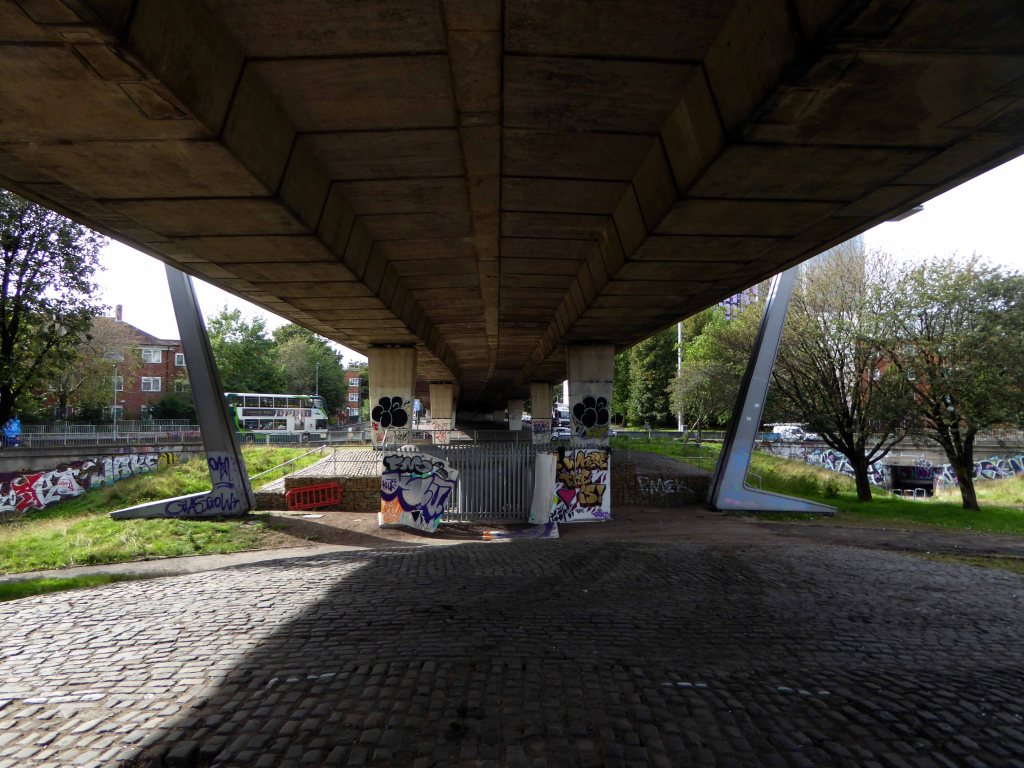
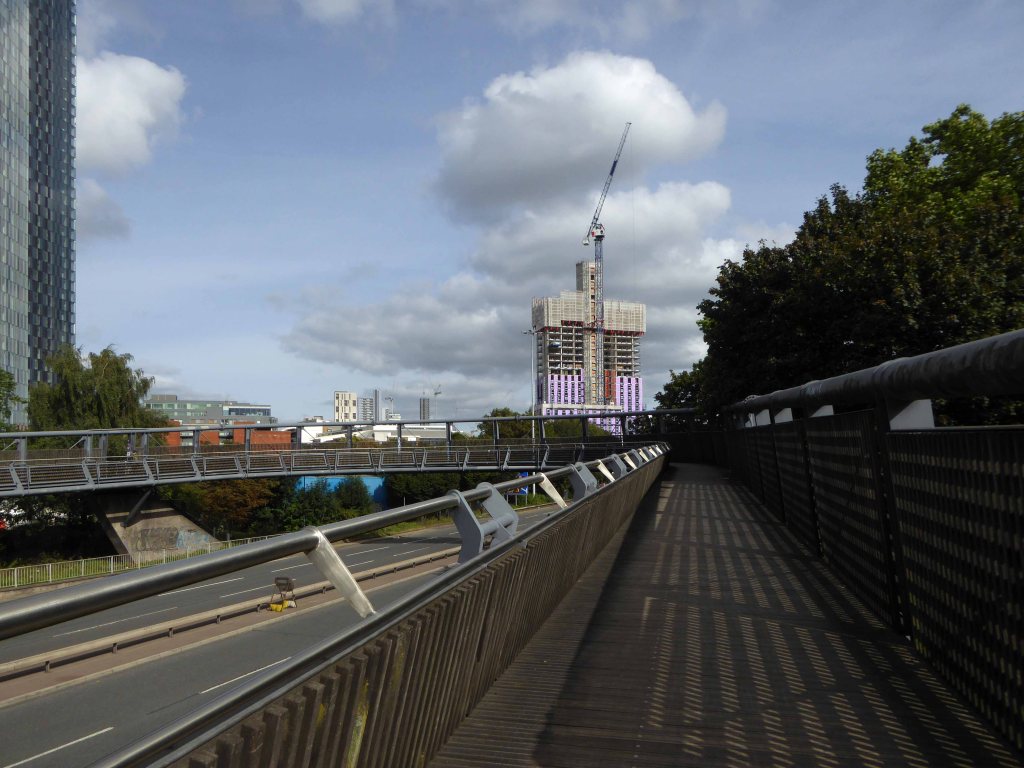
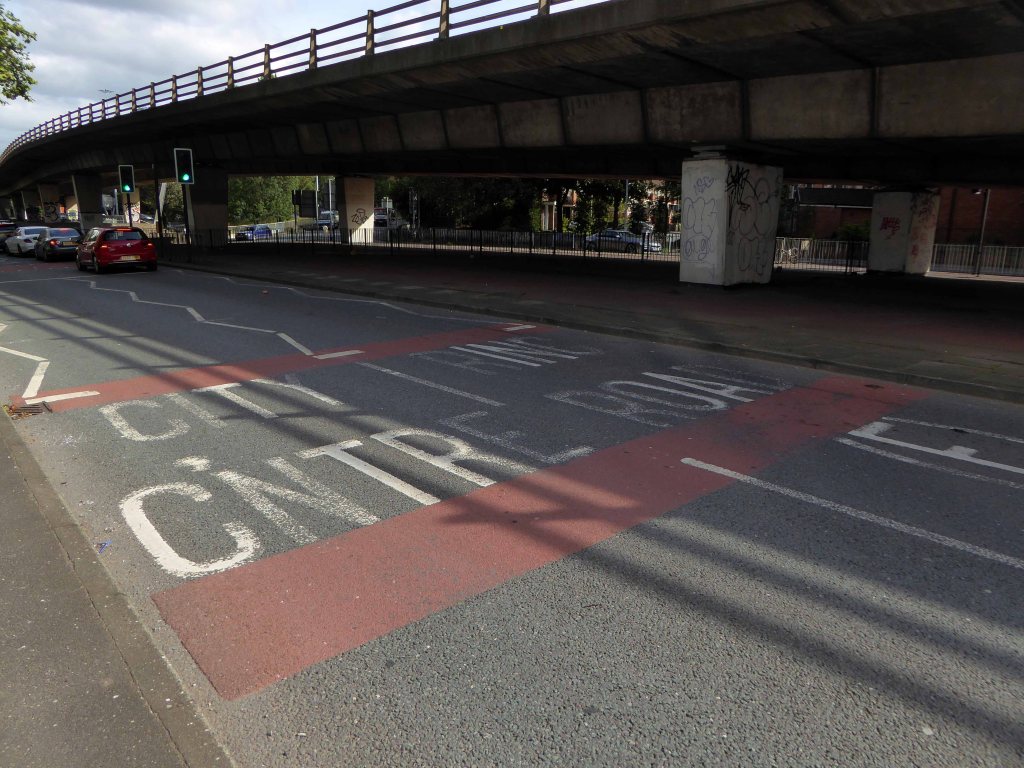
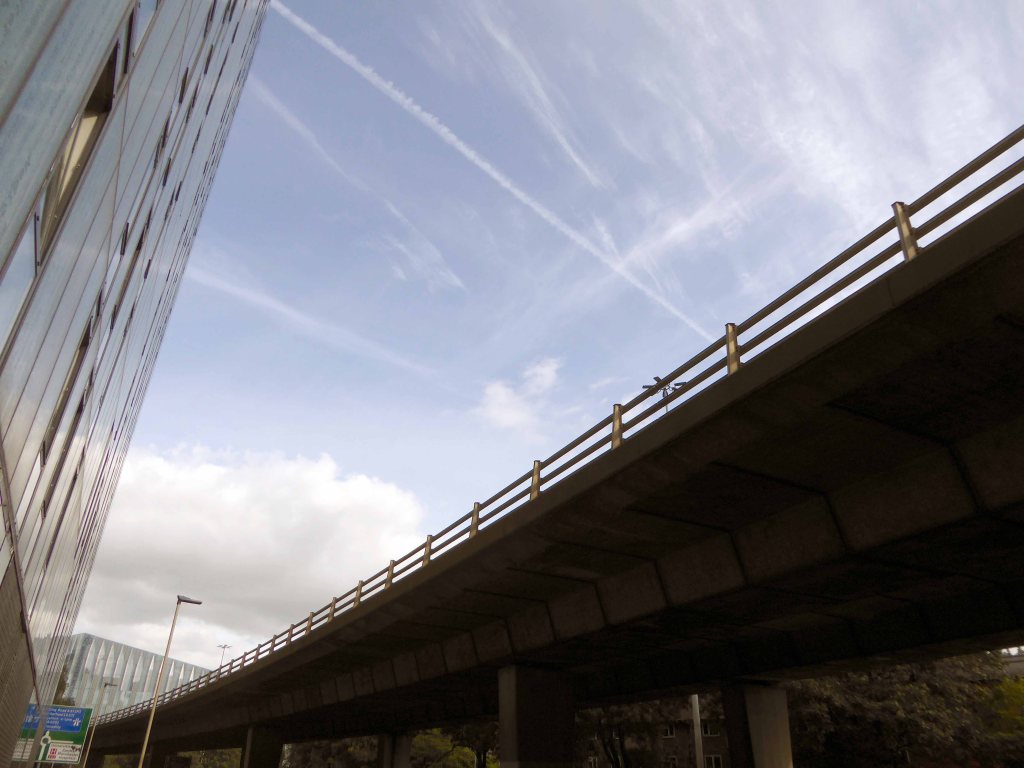
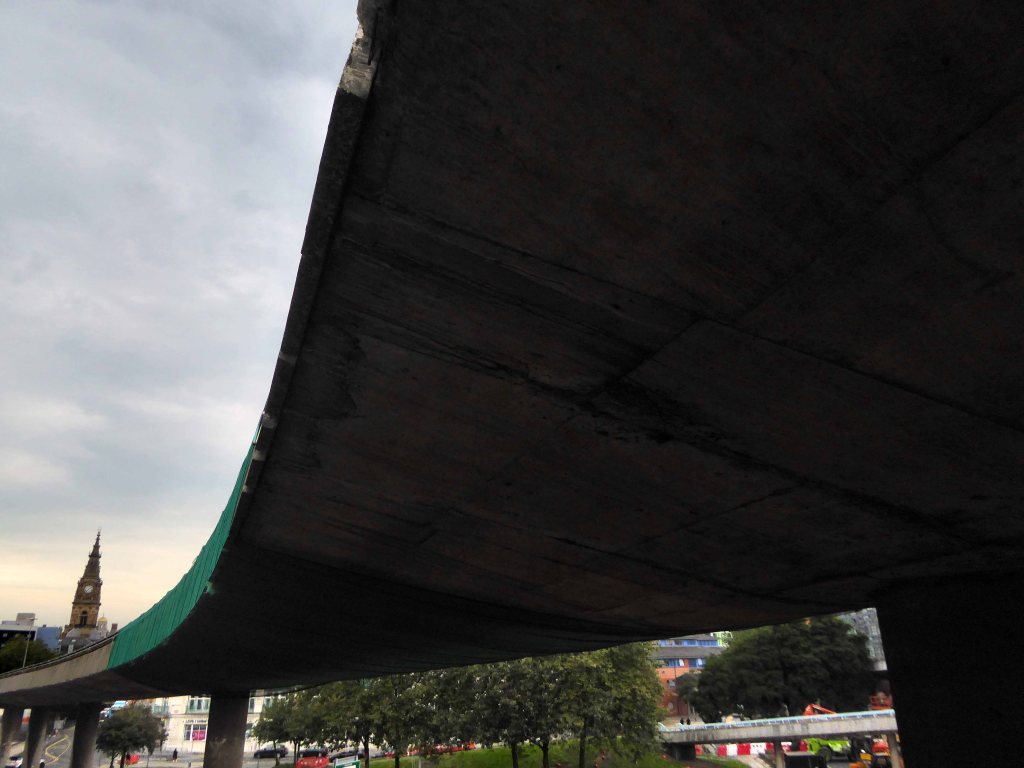
From east to west and back again – in or on, under and around our very own Highway in the Sky.

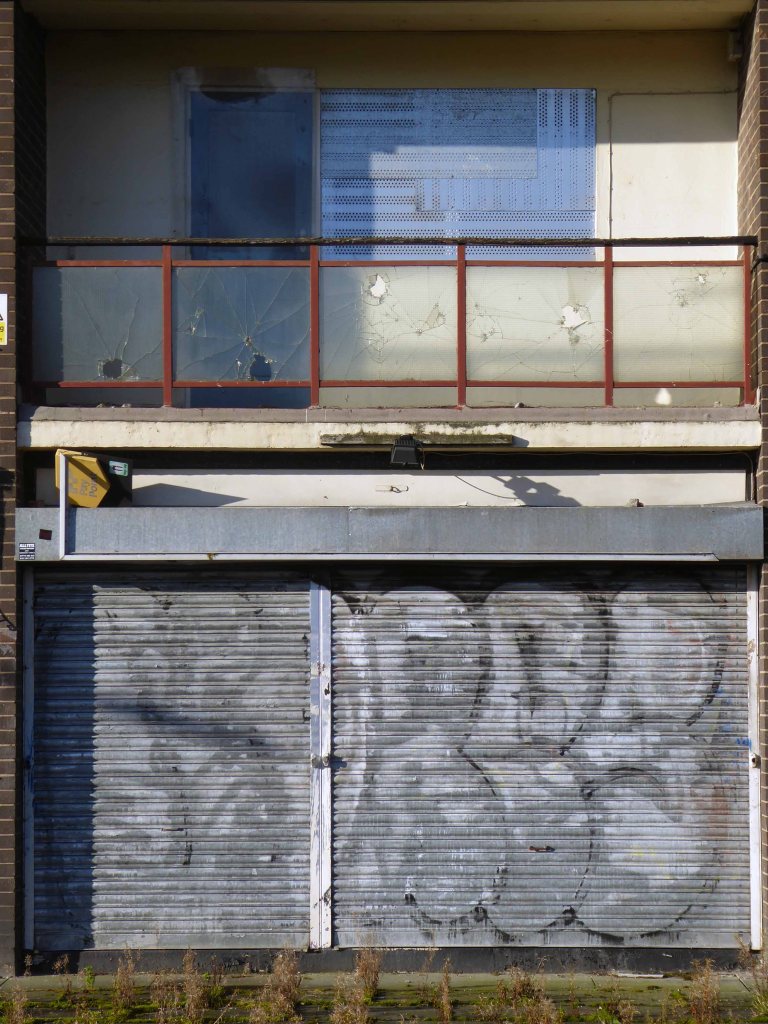
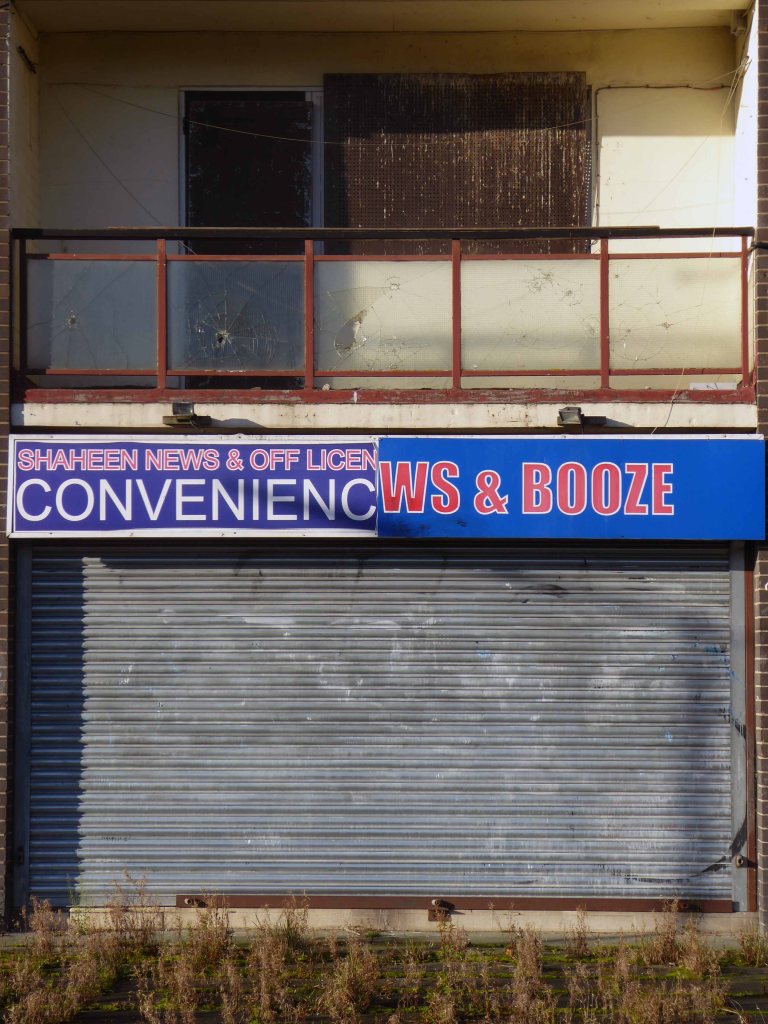
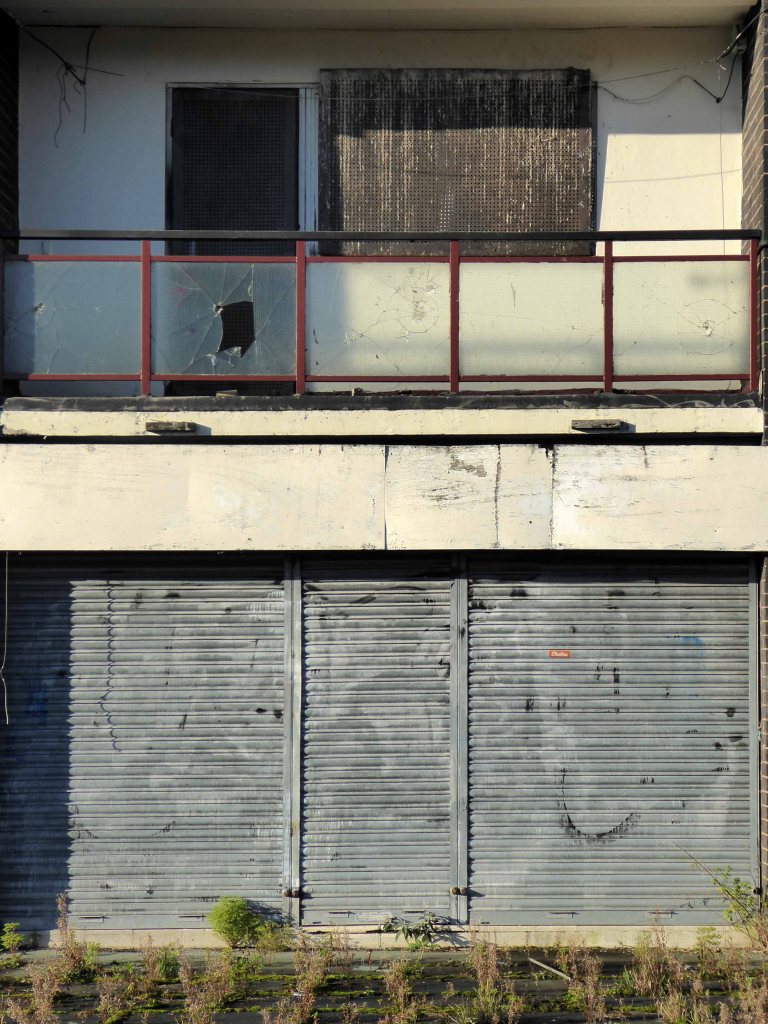
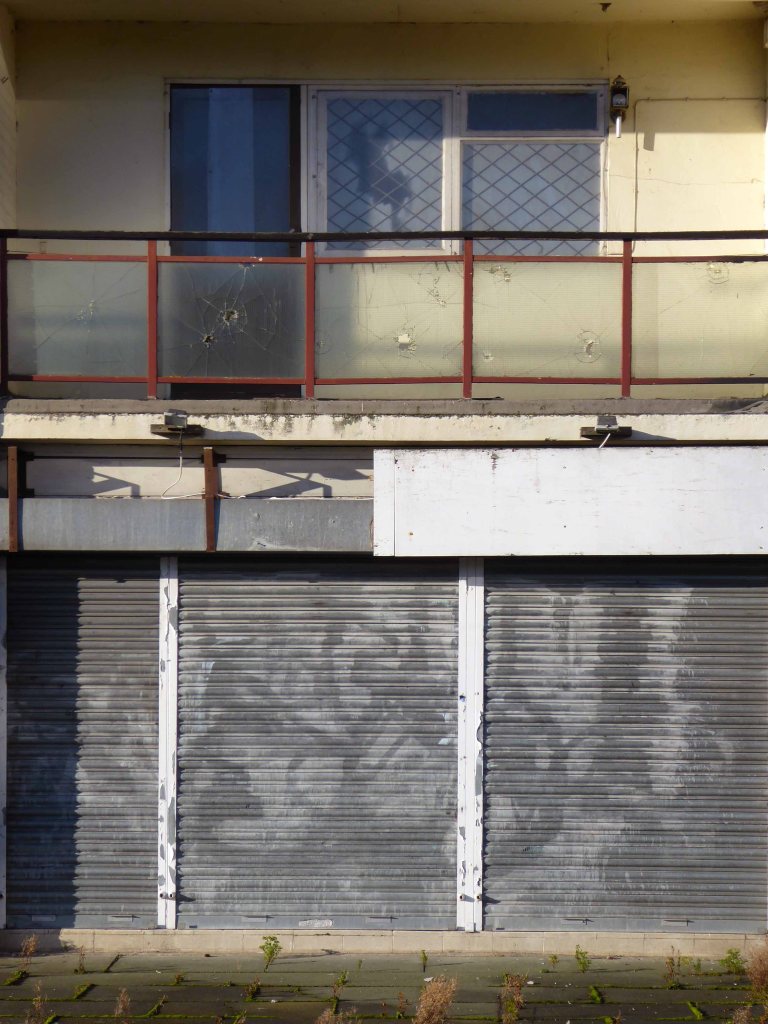
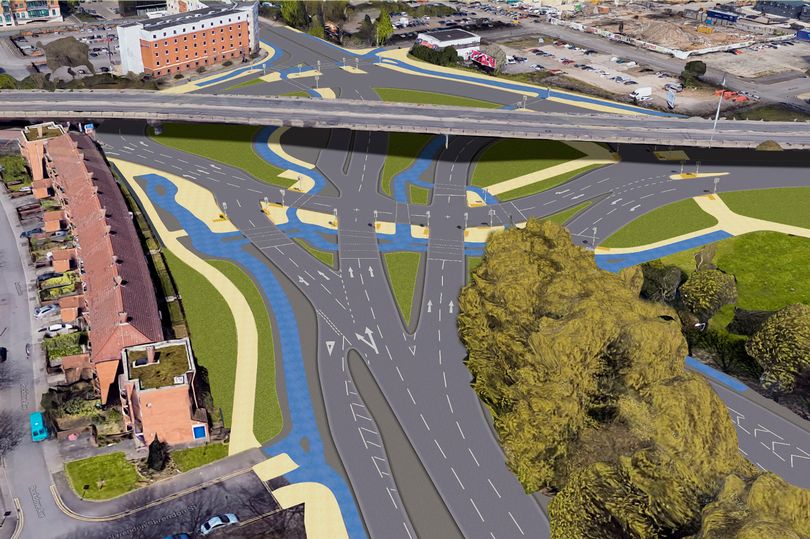
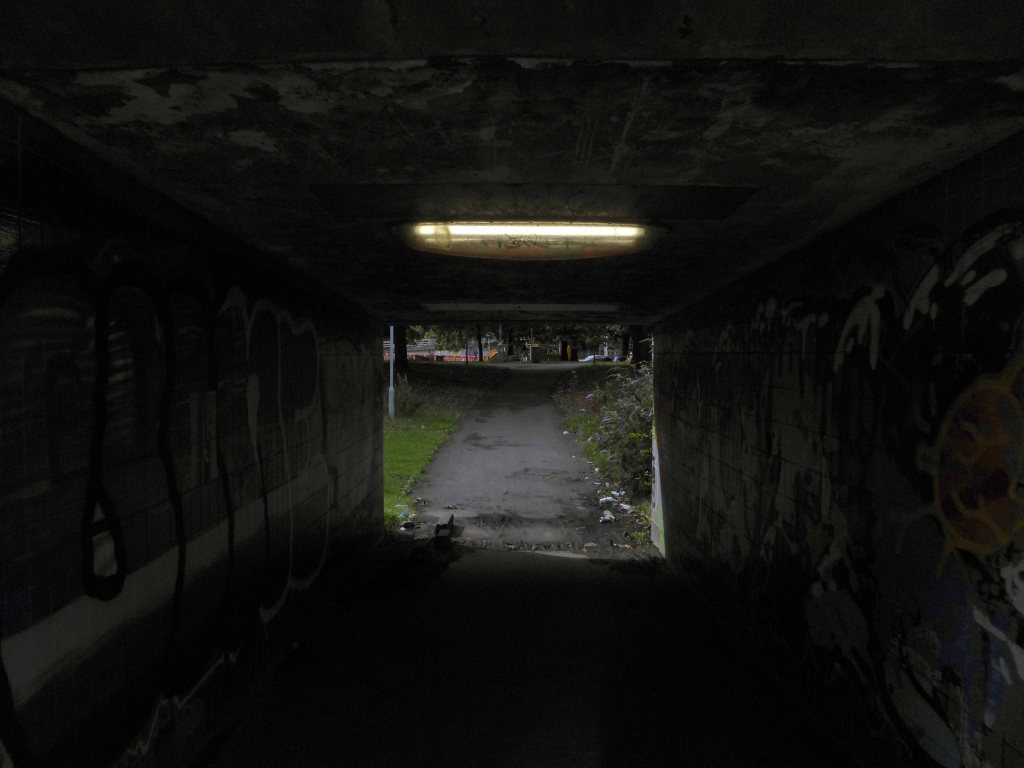
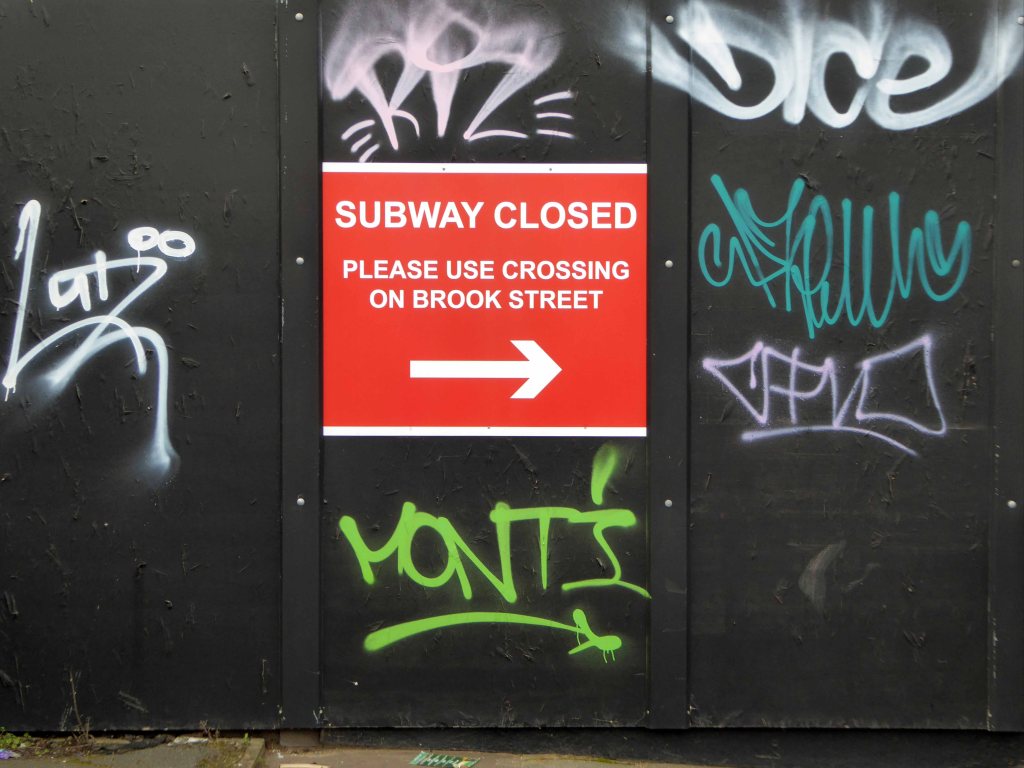
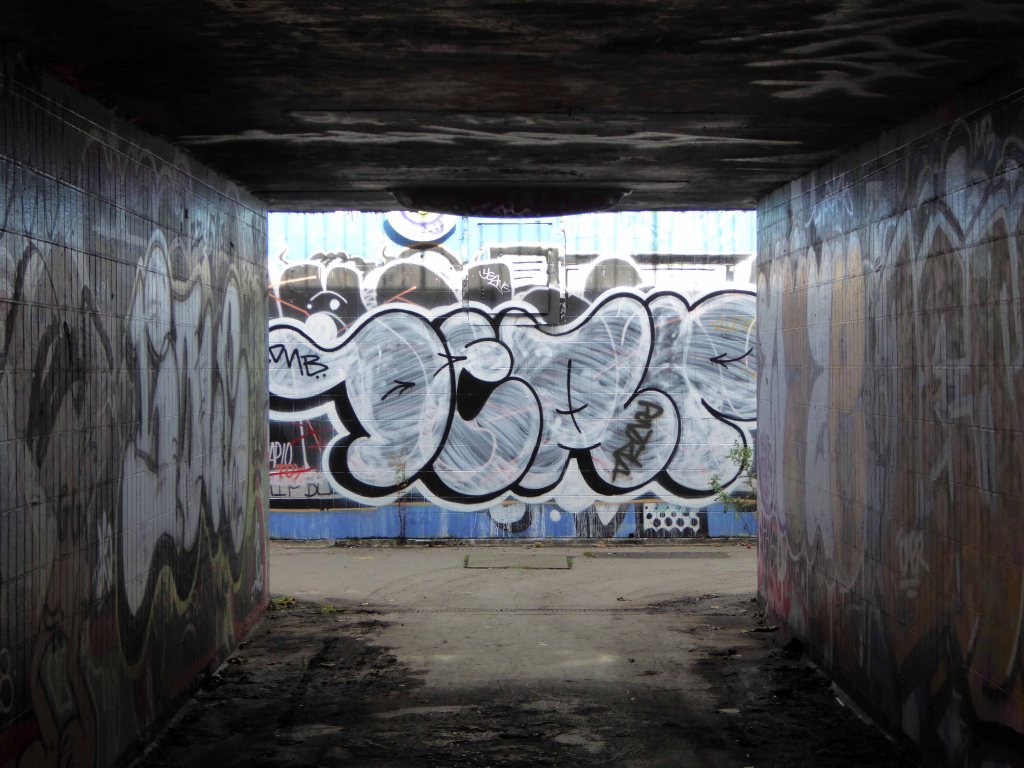
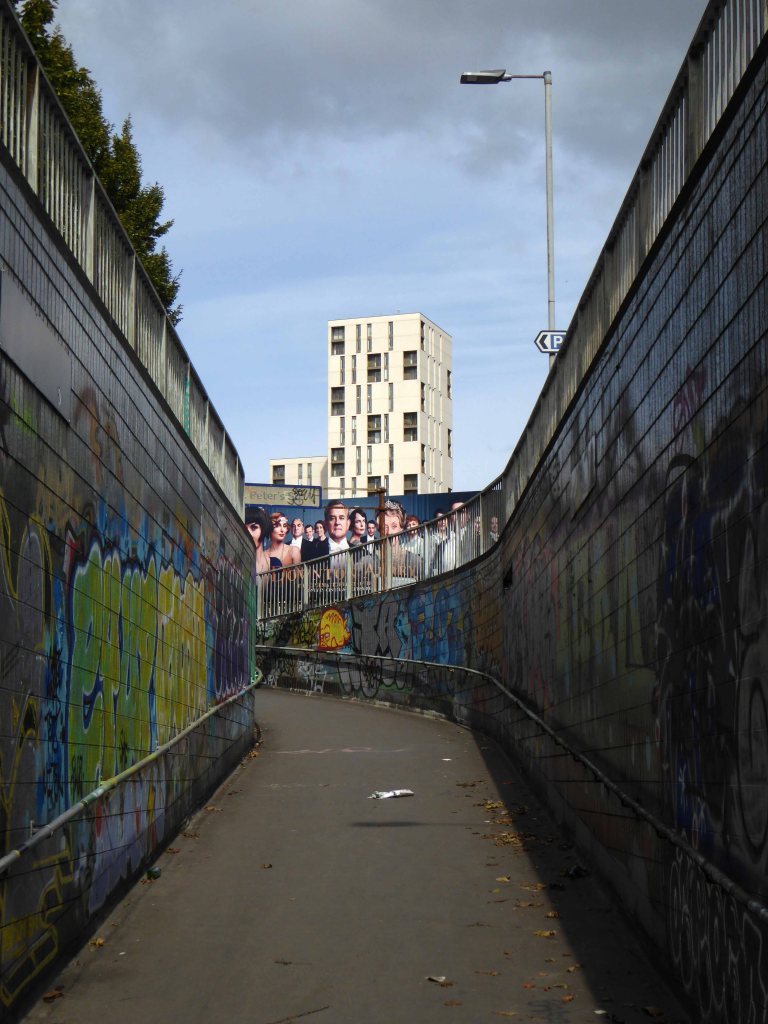
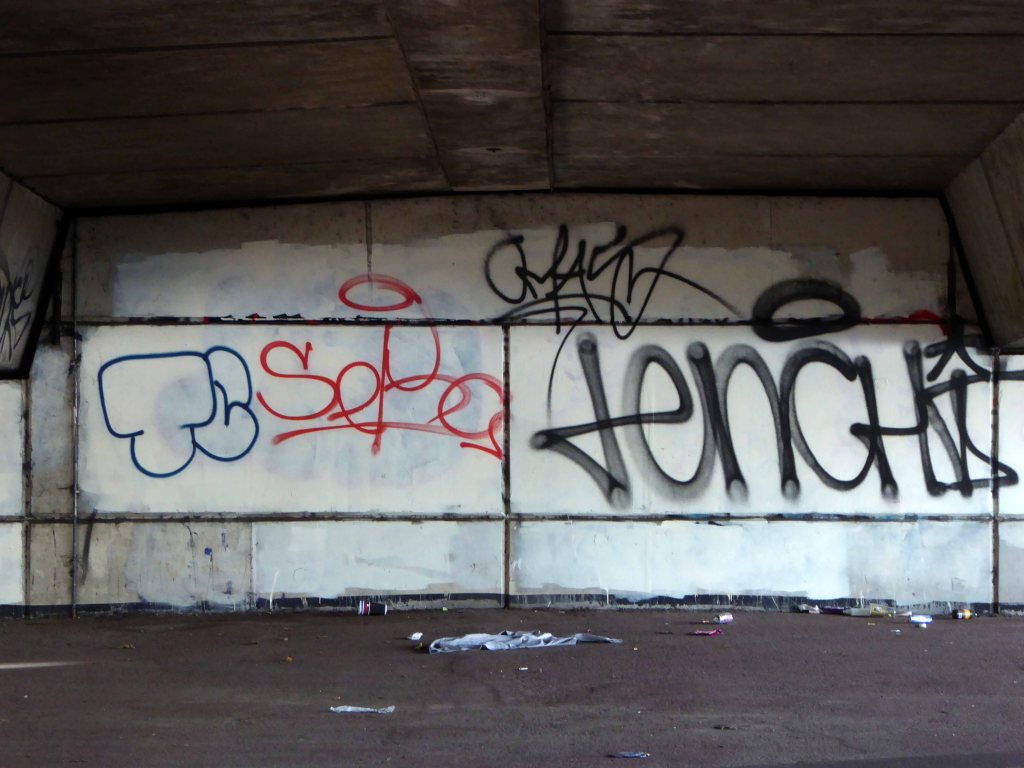
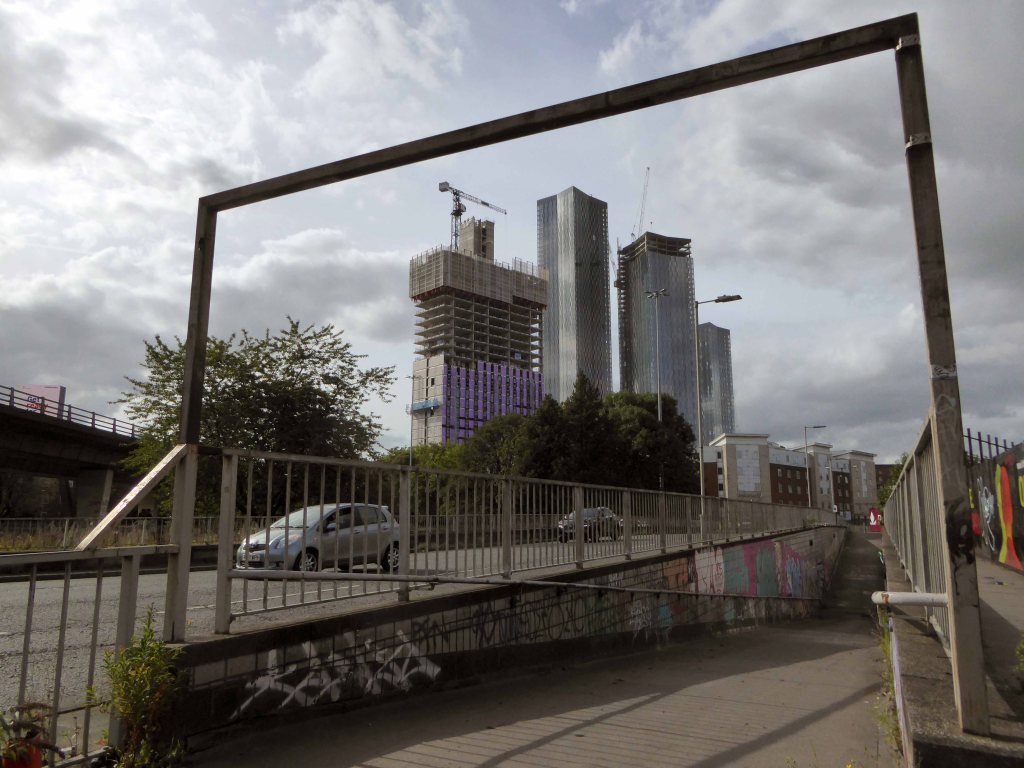
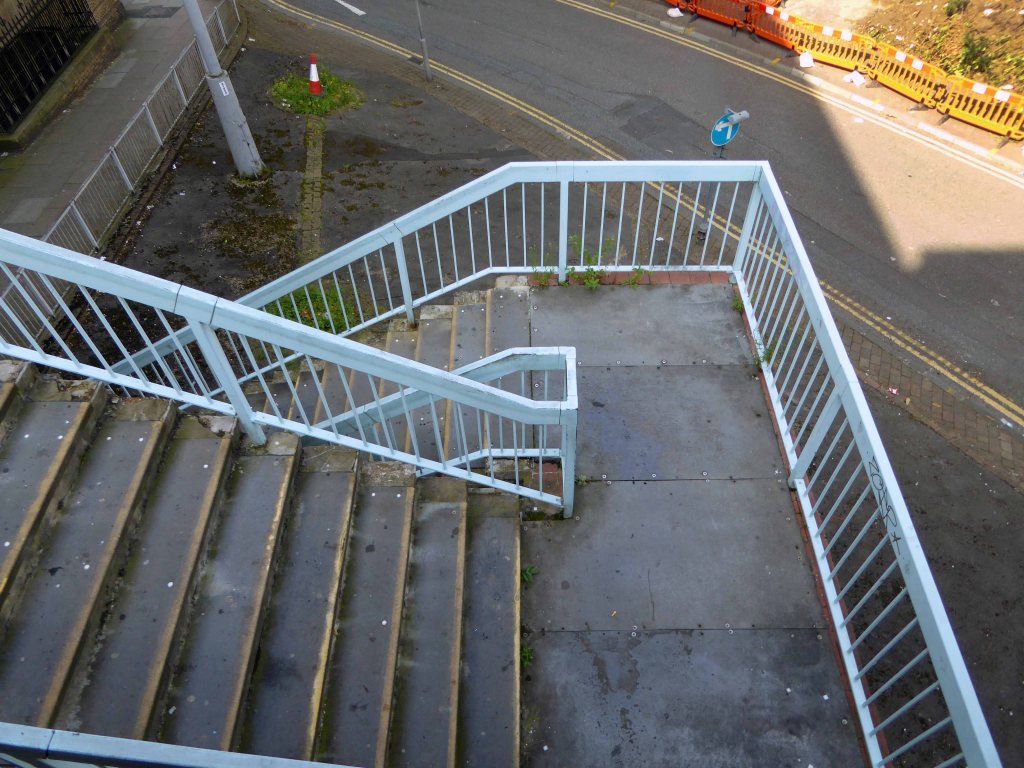
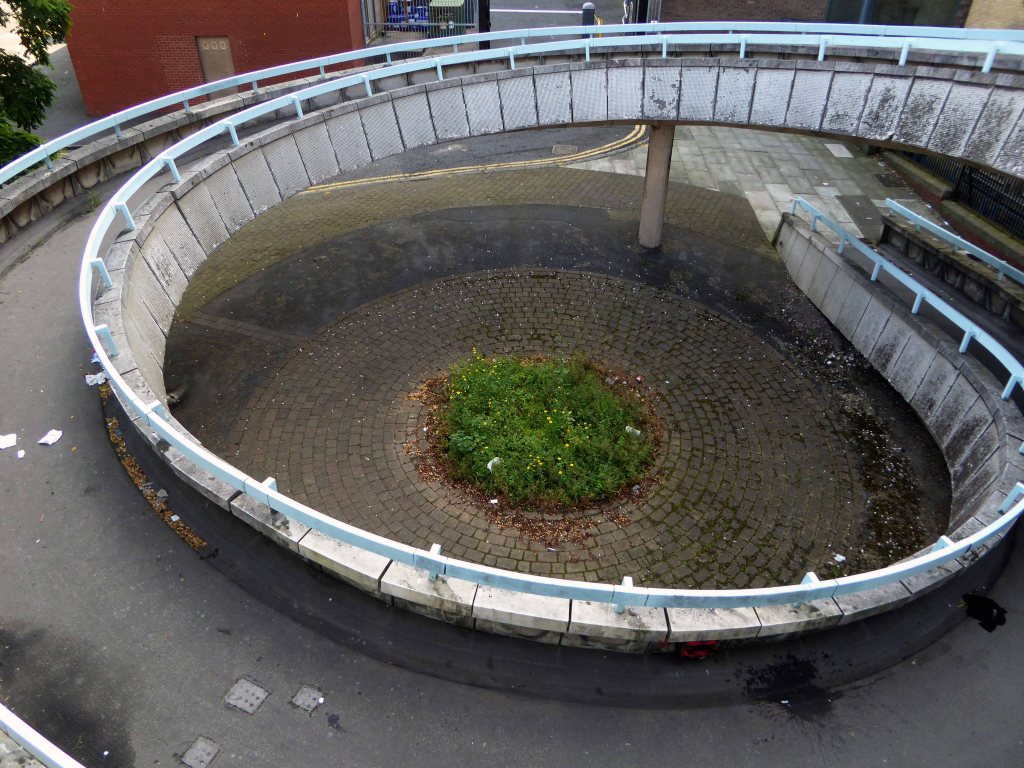
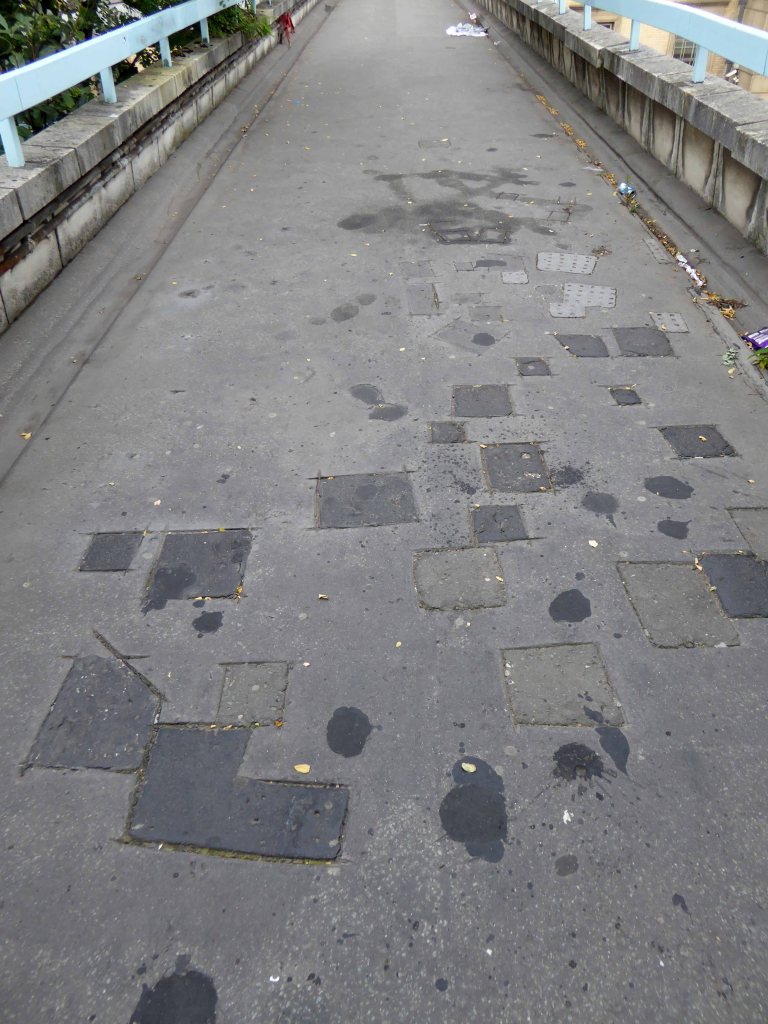
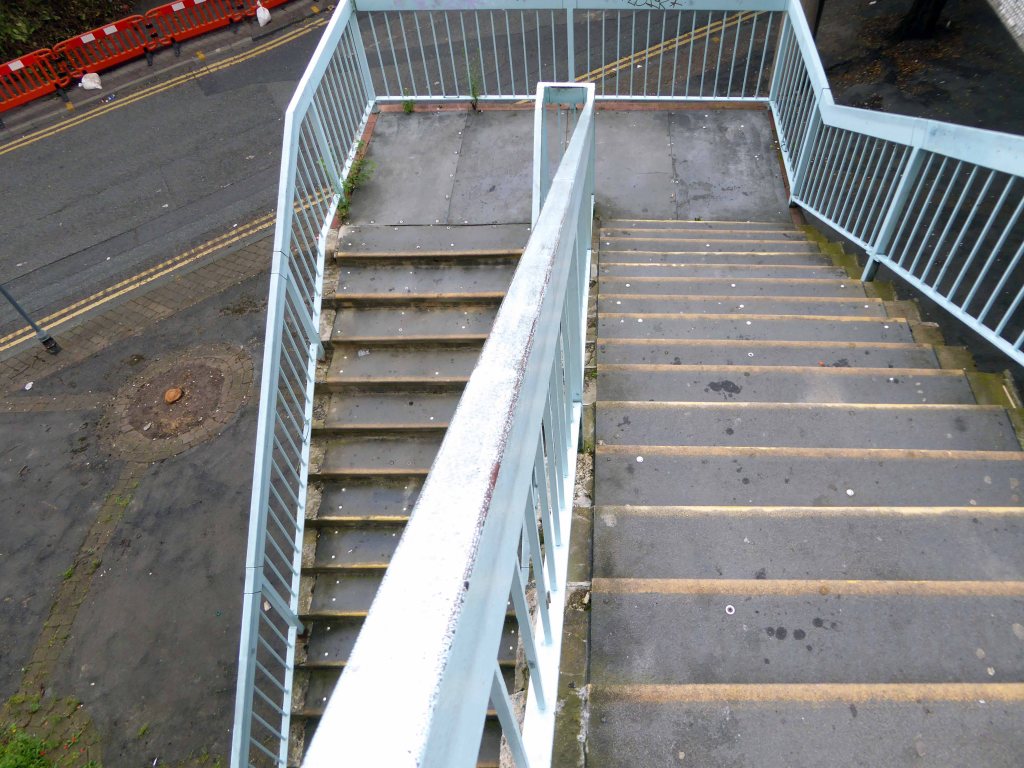
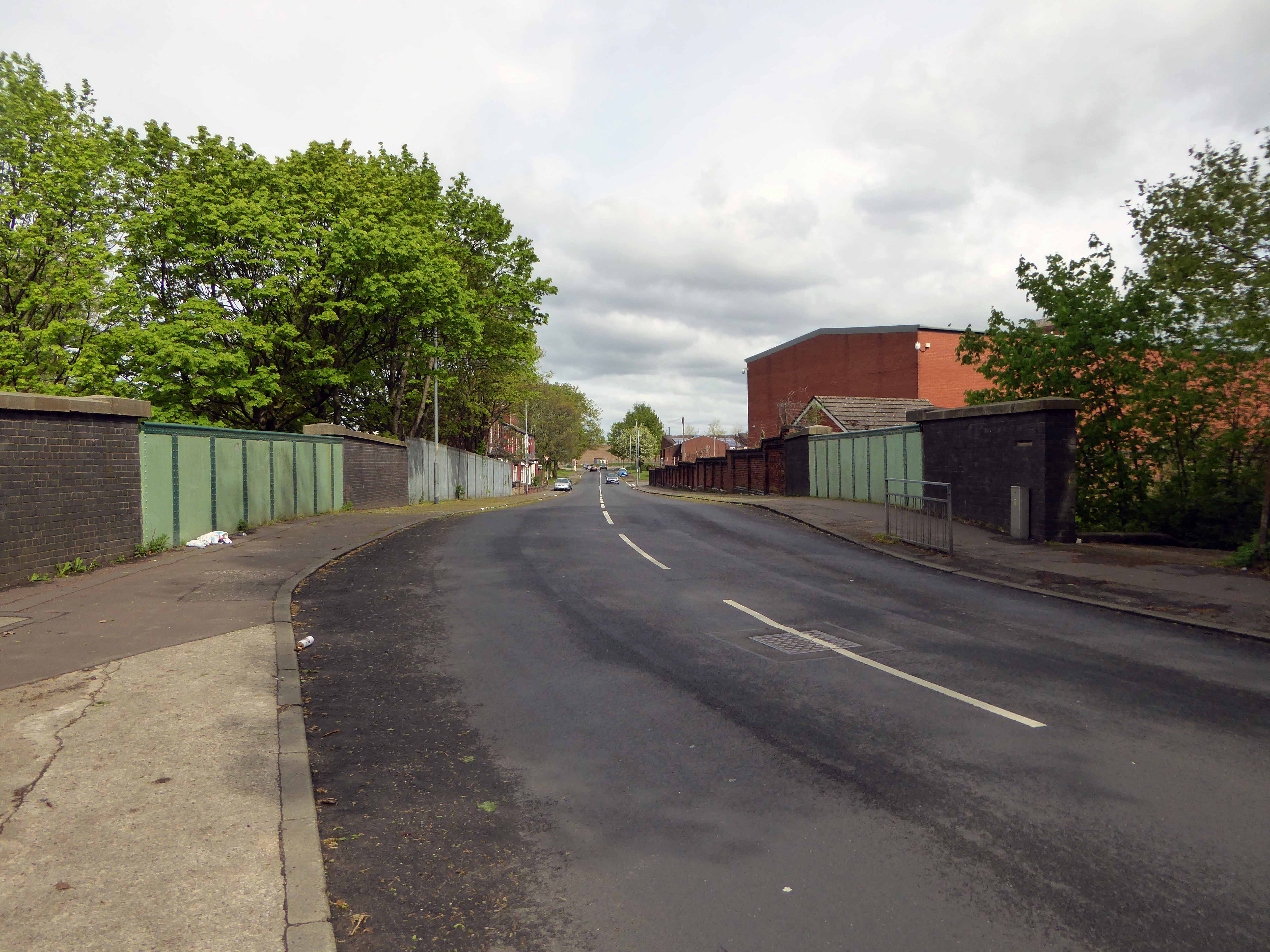
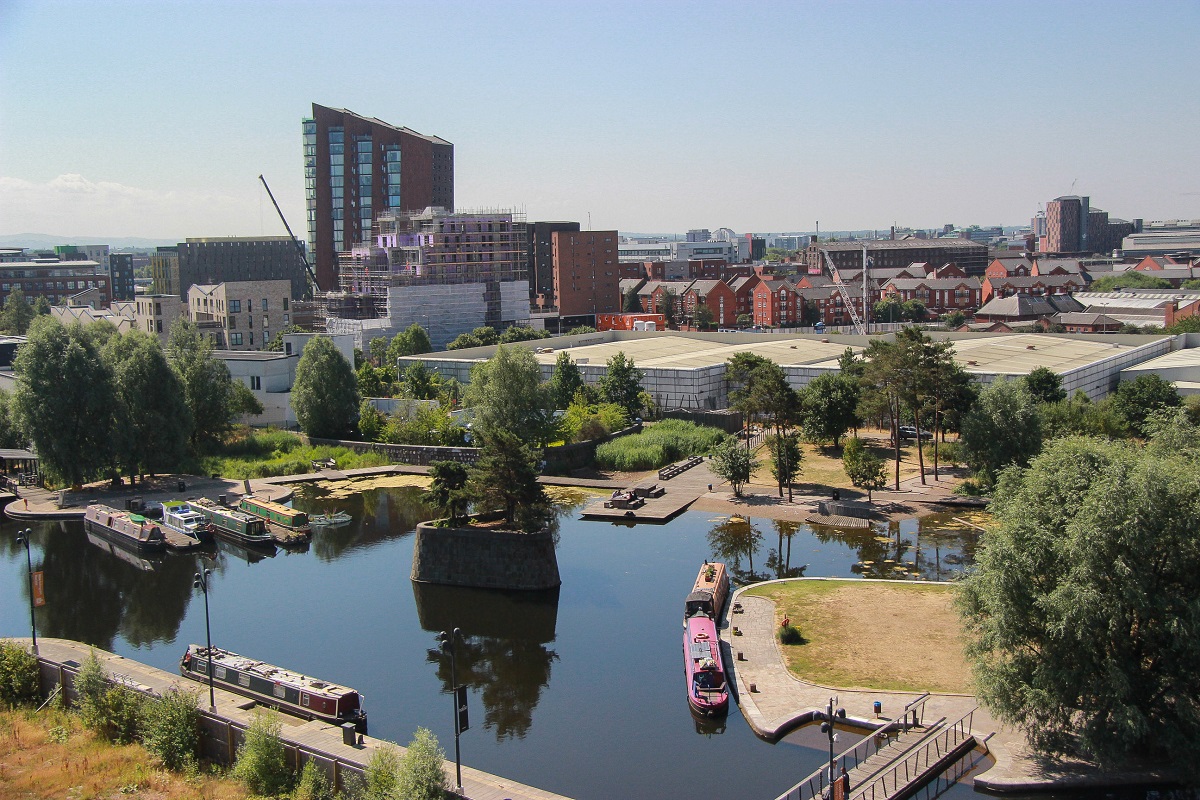
Part of the ever changing patchwork of demolition and development which defines the modern city. The carriageway prevails, whilst the pervasive rise and fall continues apace, its forlorn pedestrian underpasses may soon be superseded by wider walkways.

Manchester City Council is spending around £10million to make major changes to the junction where Princess Road meets the Mancunian Way and Medlock Street.

Much to the chagrin of local residents, who value the solace of their sole soulful green space and the frequent users, passing under the constant waves of sooty traffic.

What you see is what you get today, tomorrow is another kettle of concrete, trees, traffic and steel.

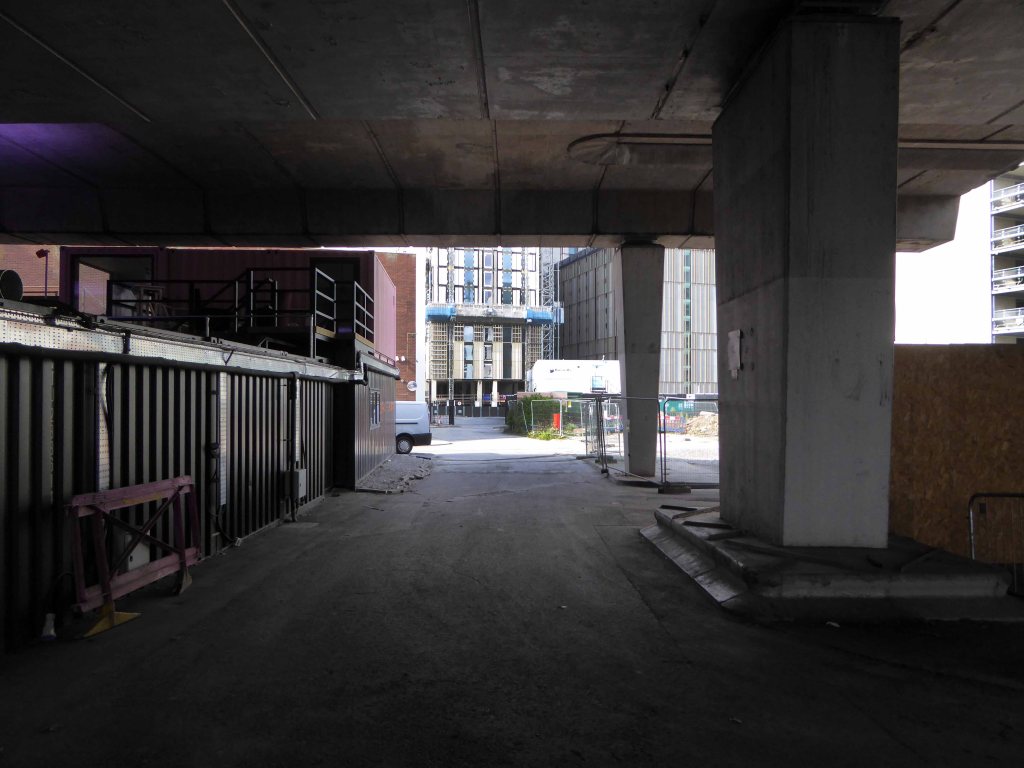
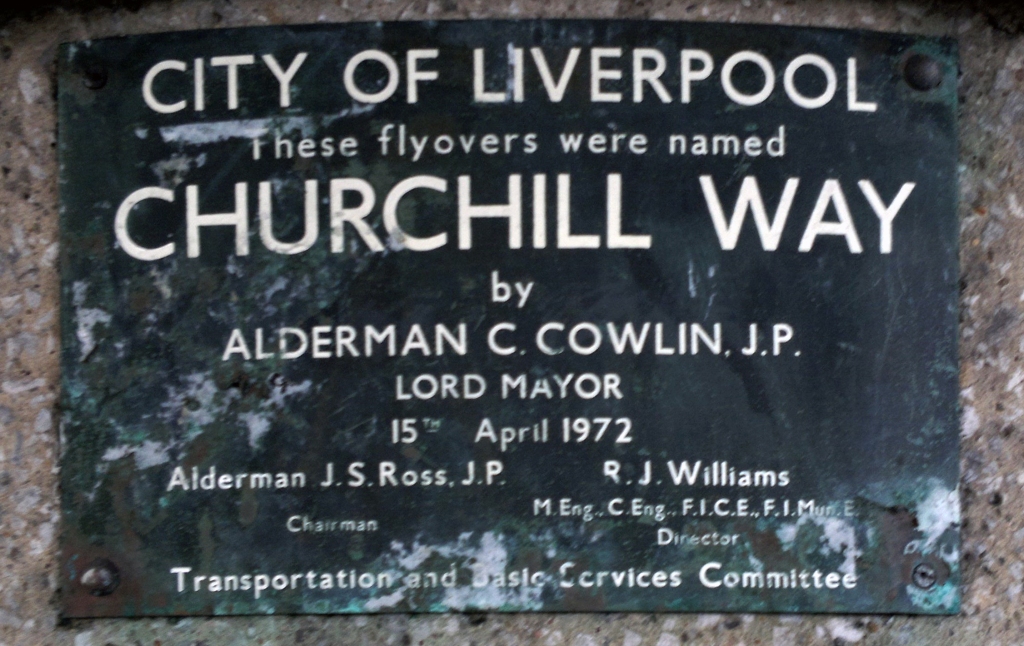
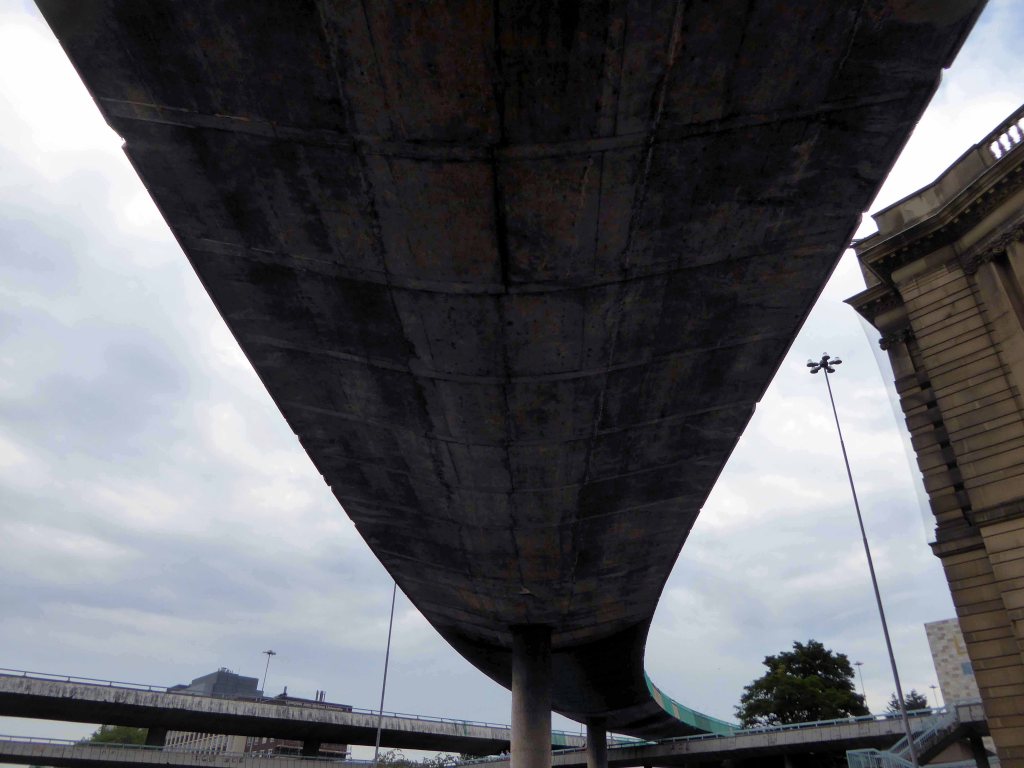
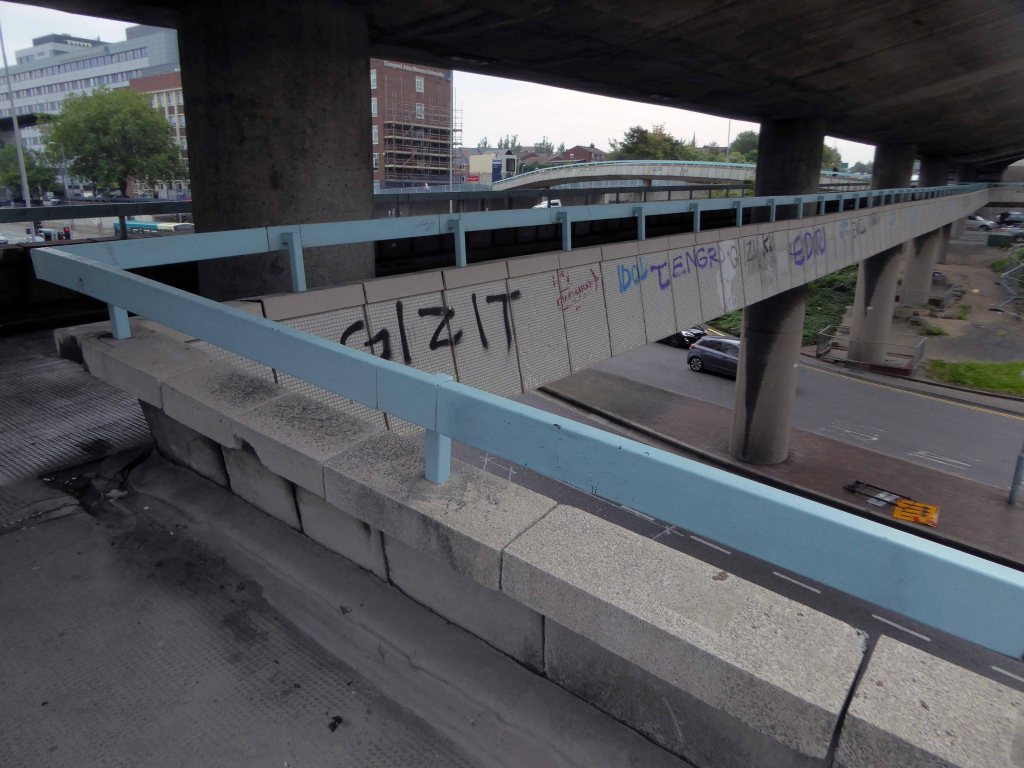
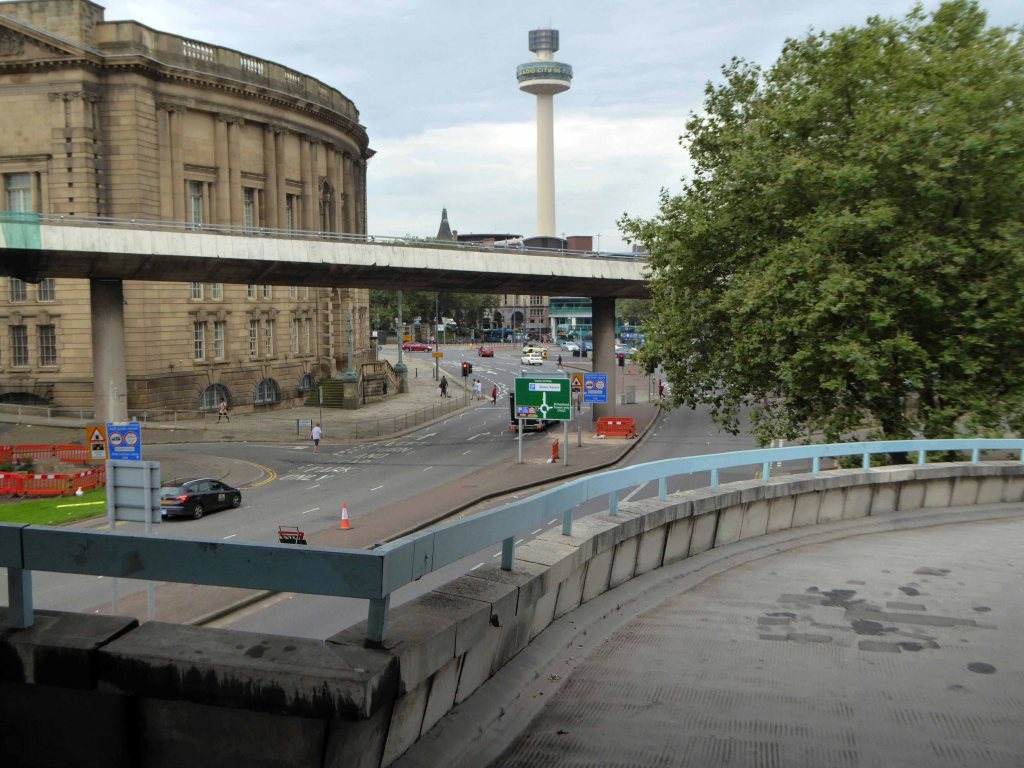
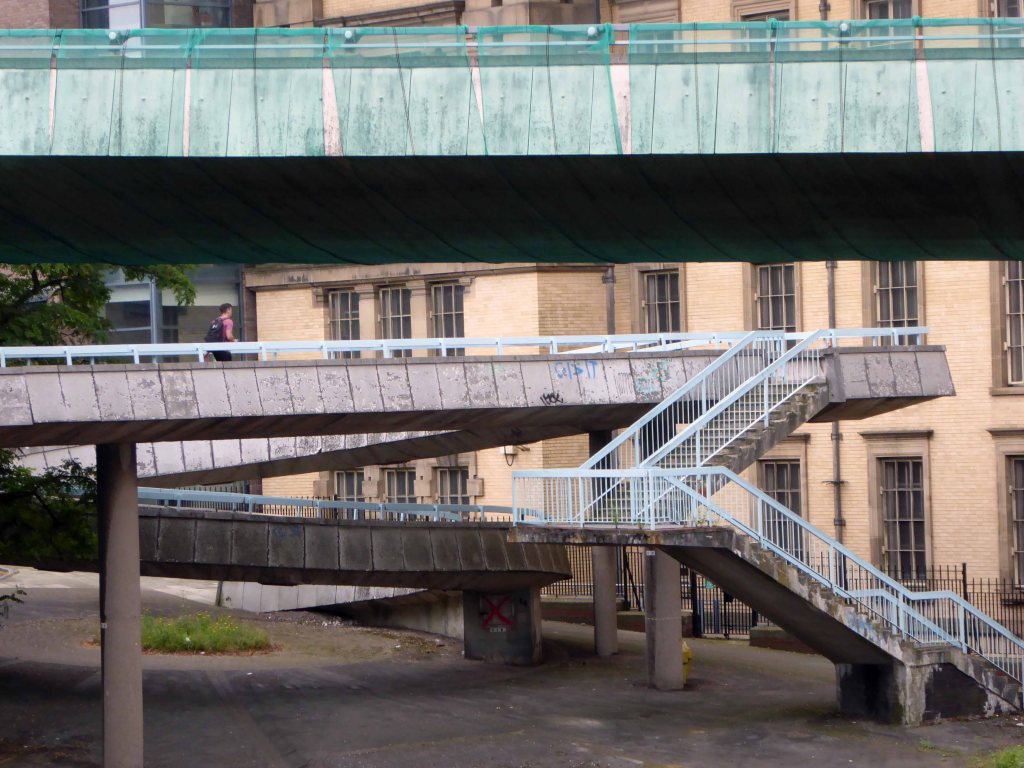
Churchill Way Flyovers and Walkways – Liverpool

It’s too late she’s gone.

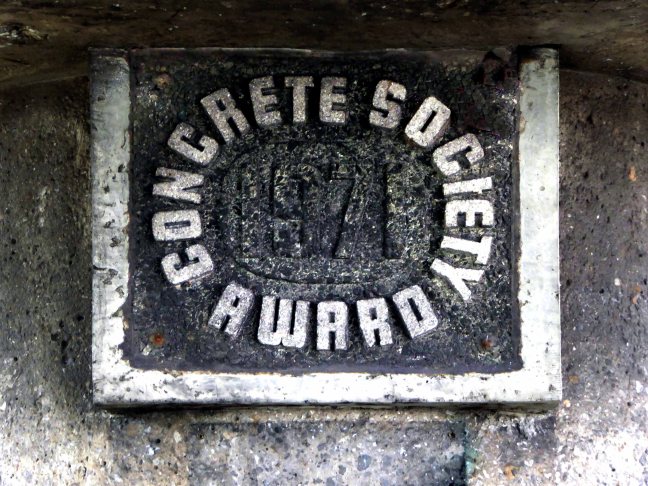
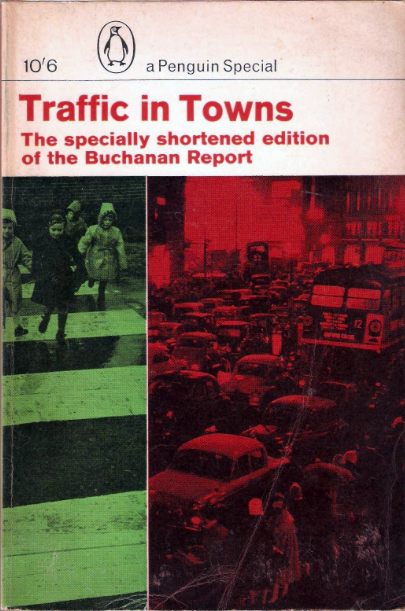
Opened in 1972 as an almost belated response to George Buchanan’s 1963 Traffic in Towns which had informed the Liverpool City Centre Plan of 1965.

The report warned of the potential damage caused by the motor car, while offering ways to mitigate it. It gave planners a set of policy blueprints to deal with its effects on the urban environment, including traffic containment and segregation, which could be balanced against urban redevelopment, new corridor and distribution roads and precincts.

These policies shaped the development of the urban landscape in the UK and some other countries for two or three decades. Unusually for a technical policy report, it was so much in demand that Penguin abridged it and republished it as a book in 1964.

The majority of the planned Walkways in the Sky remained unrealised.

The Churchill Way was realised and remained in use until September 2nd 2019 – closed and facing a £10 million demolition programme, following a maintenance report which found them to be unsafe – and presumably beyond economic repair.

And so I took one last look around taking snaps, an epitaph to the end of an era, and the end of an idea that was once once rendered concrete.

Take a closer walk with me.

Blank Street – Ancoats

As with all things material and corporeal there was a time when you simply didn’t exist.

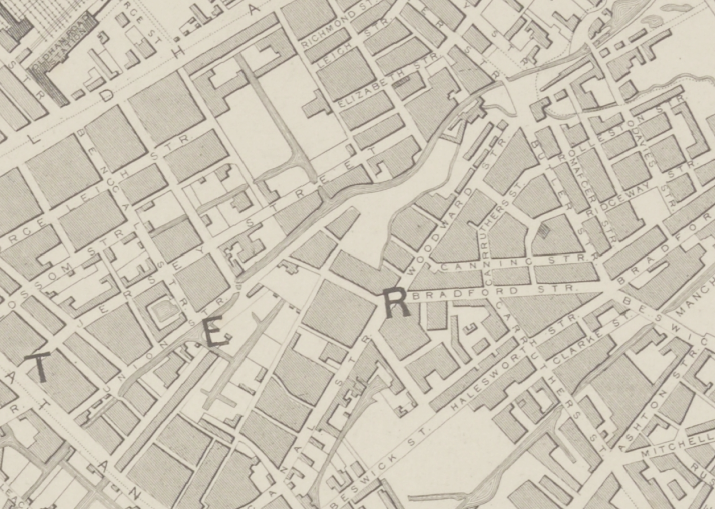
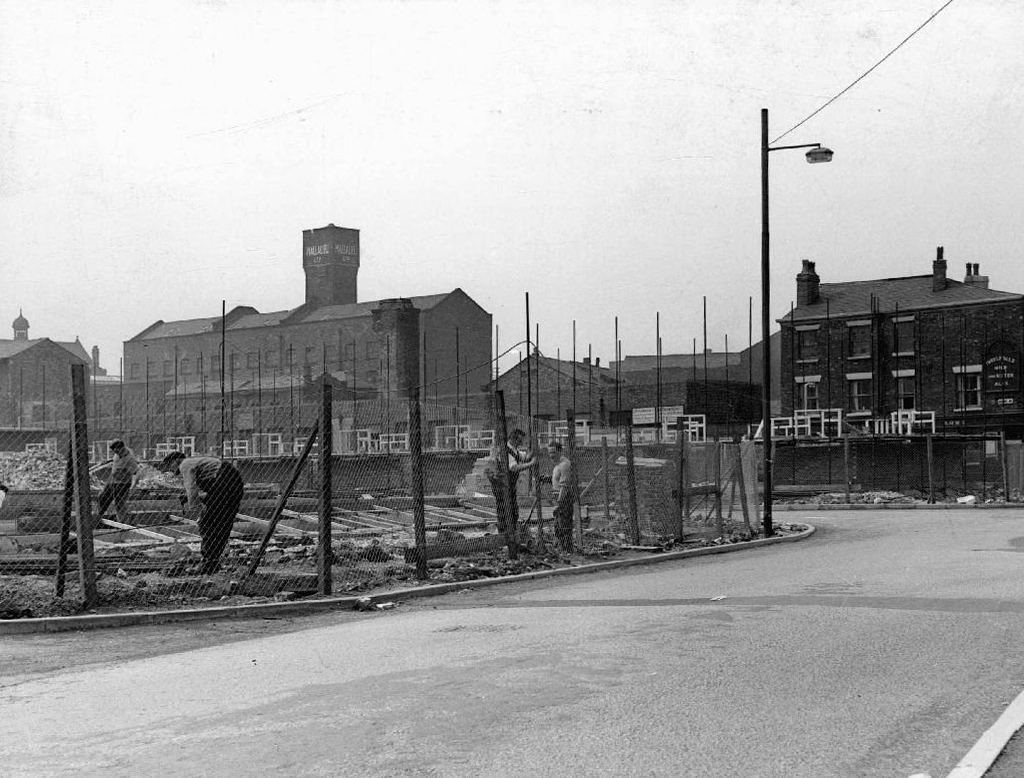
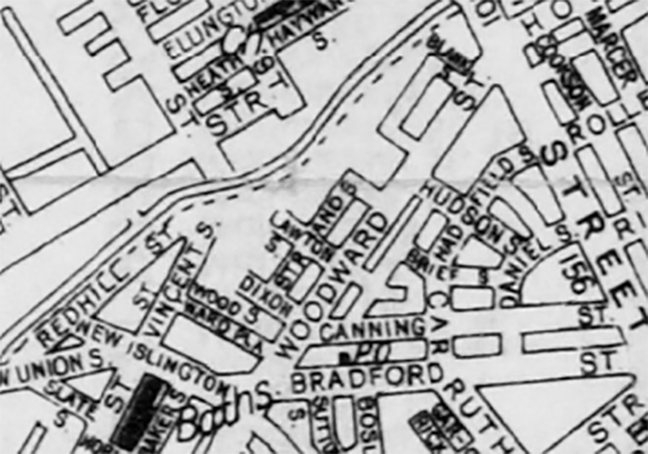
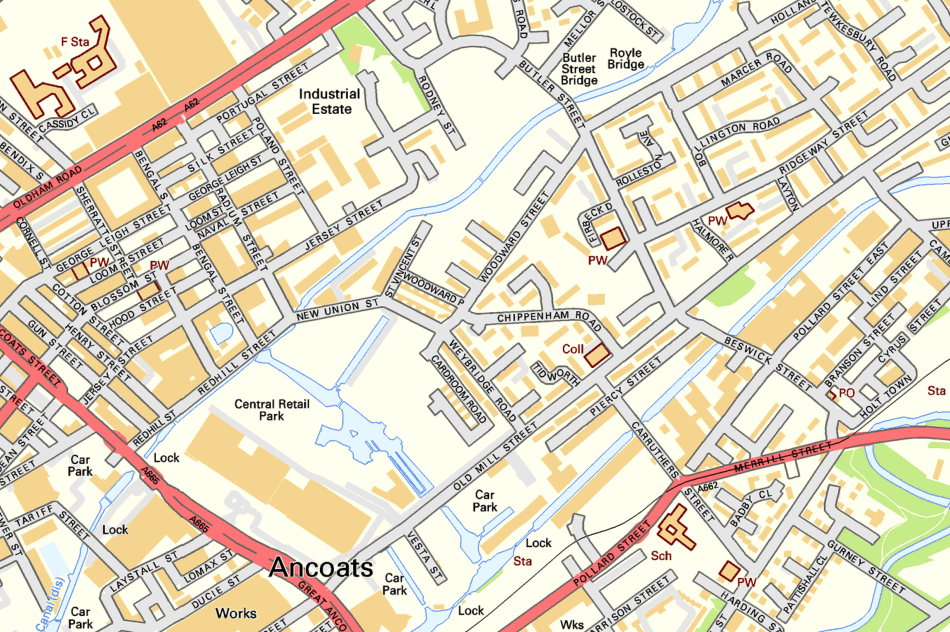
1860 adjacent to Woodward Street and the Rochdale Canal, a simple agglomeration of loose limbed industrial buildings and such – yet to be christened Blank.

adjective

  1.  Unrelieved by decorative or other features; bare, empty, or plain a blank wall.
  2. Showing a lack of comprehension or reaction – we were met by blank looks – synonyms: expressionless, empty, vacant, deadpan, wooden, stony, impassive, inanimate, vacuous, glazed, fixed, lifeless, uninterested, emotionless, unresponsive, inscrutable.

noun

  1. A space left to be filled in a document – leave blanks to type in the appropriate names – synonyms: space, gap, blank space, empty space.
  2. A cartridge containing gunpowder but no bullet, used for training or as a signal.

verb

  1. Make (something) blank or empty – electronic countermeasures blanked out the radar signals.
  2.  Informal North American defeat (a sports team) without allowing them to score – Baltimore blanked Toronto in a 7–0 victory.

Though contradictorily I have found reference to a bankrupt foundry in the London Gazette 1857.

You appear again during the Manchester Blitz.

By 1960 you are on the map and the area is on the up and up.

Though I have to ask the question of the namers of streets – why so Blank, an off day at the office – we have whole blocks named for poets, painters, and far flung places, so why so Blank?

Hadn’t they heard of nominative determinism – born to be Blank.

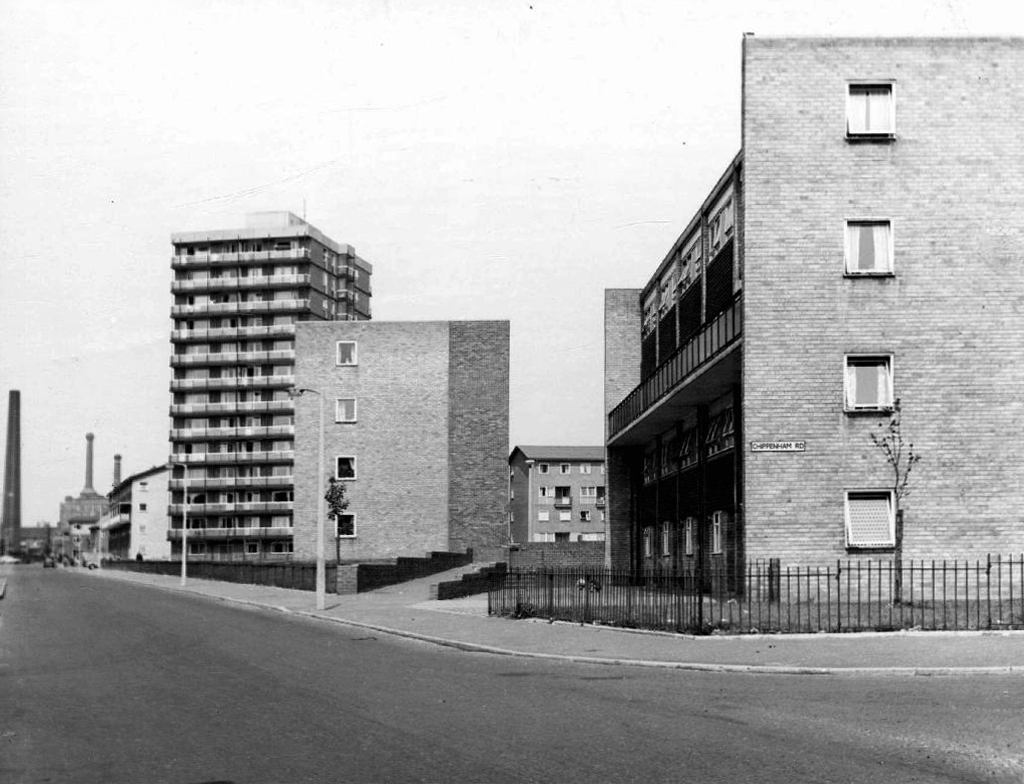
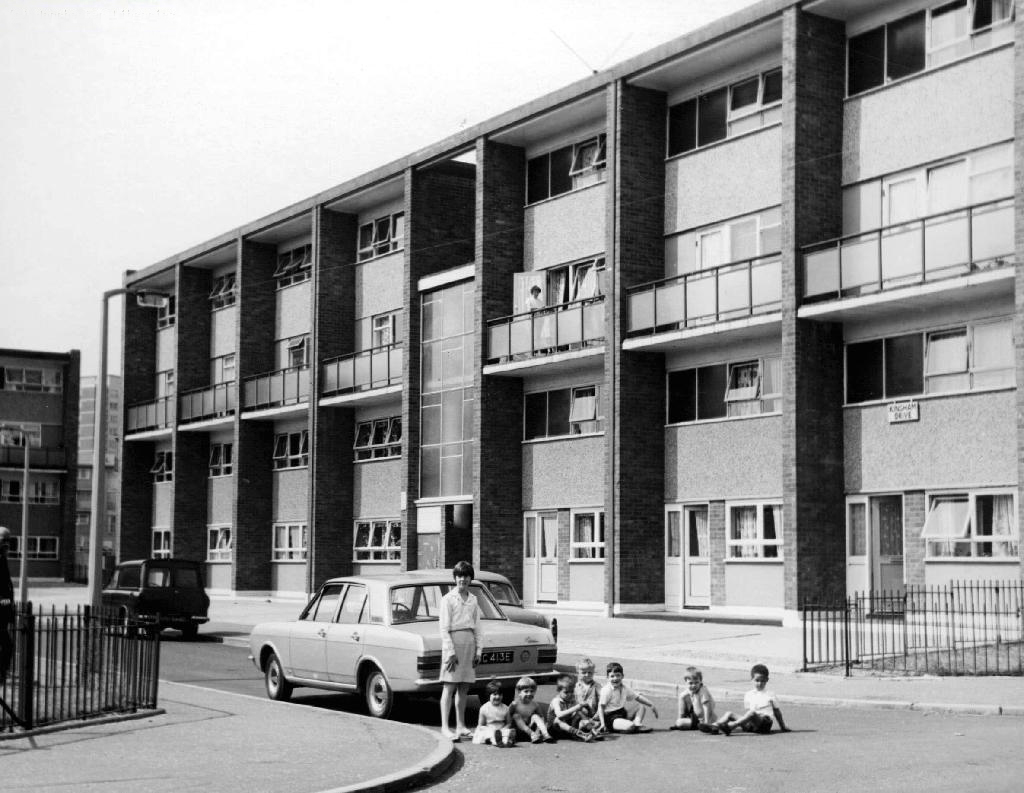
Whilst in search of a Brown Cow I found a photograph on the Local Image Collection of 60’s maisonettes in the area alongside Woodward Street.

This Municipal Modernist development seems to have been short-lived and subject to yet more demolition in the area, to be replaced by late 70’s terraced housing.

Blank Street inexplicably became Fulmer Drive.

Which in turn had been tinned up and demolished around 2008.

How did that happen – seemingly viable homes previously changing hands for £100,000 deemed surplus to requirements – land banking, ahead of an as yet unseen masterplan?

Your life was short and sharp – shaped by economic shifts, world war and the local authorities ephemeral housing policies. There is little evidence of your existence, photographic or otherwise, so I want to set the record straight – draw a blank.

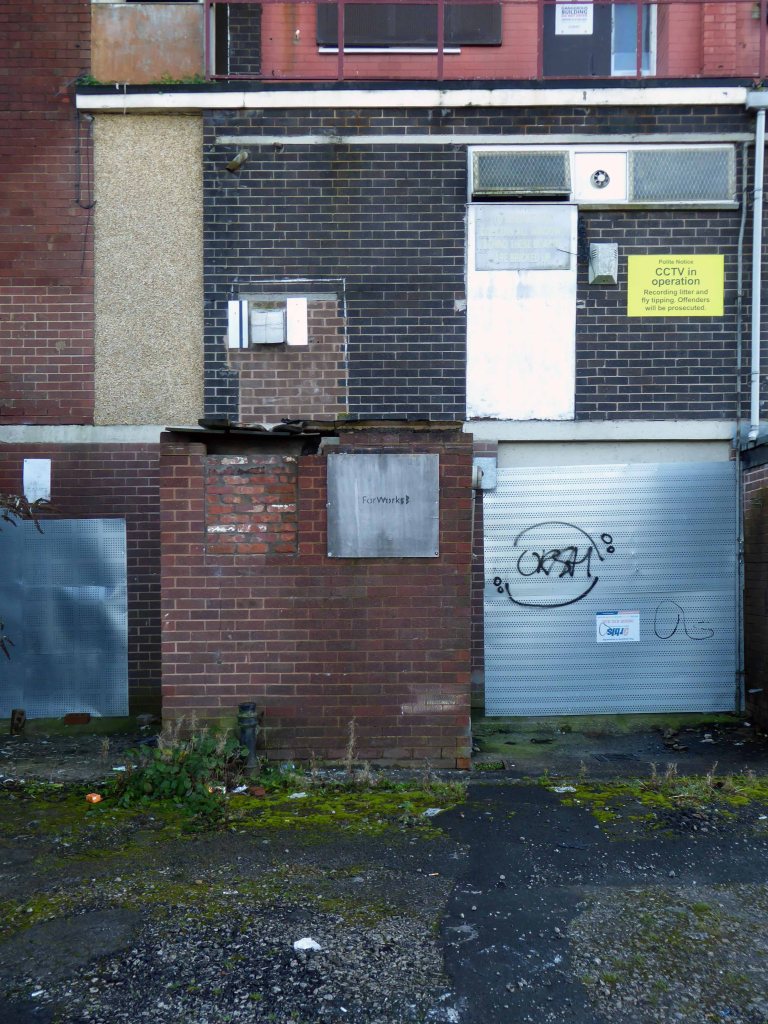
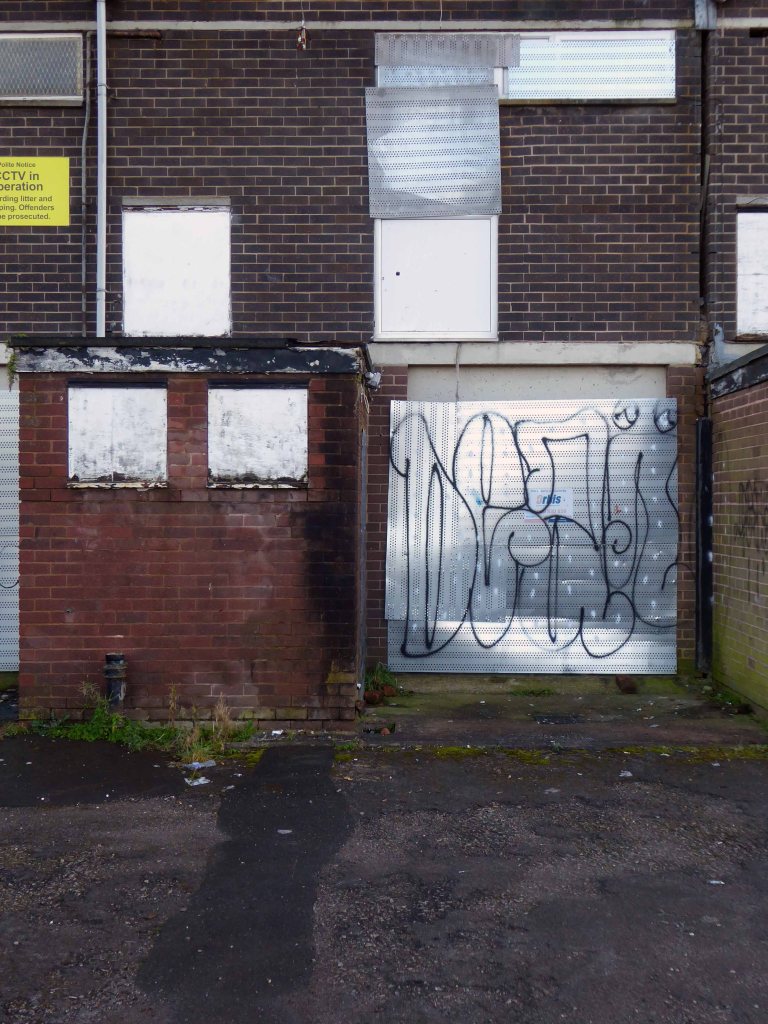
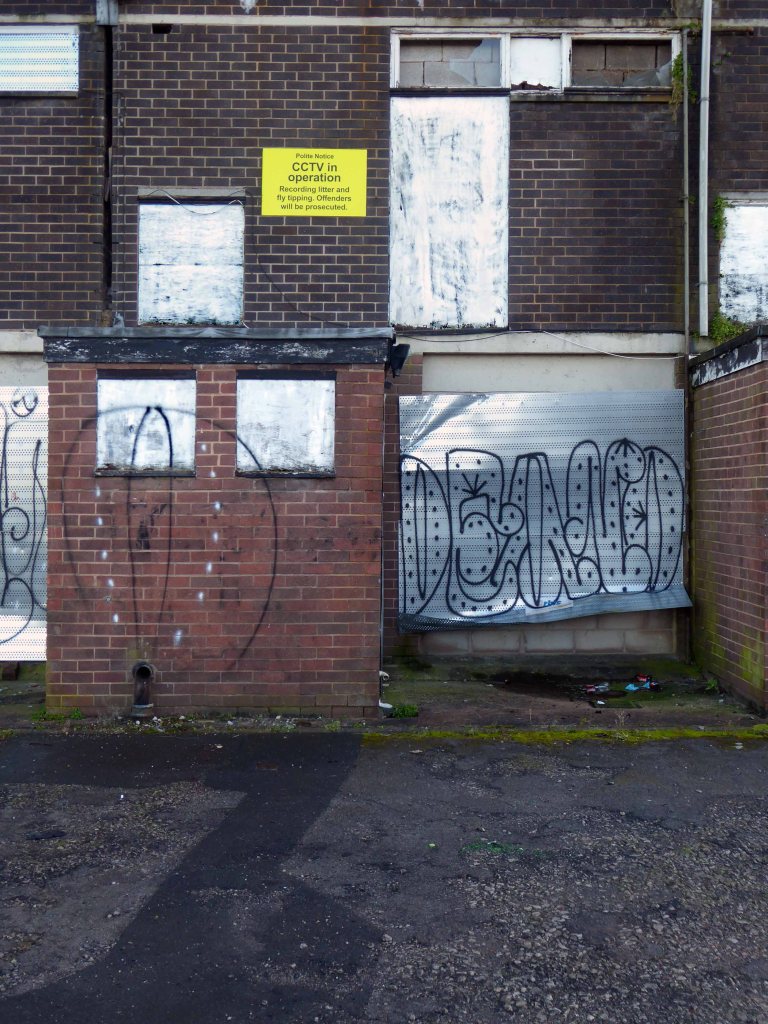
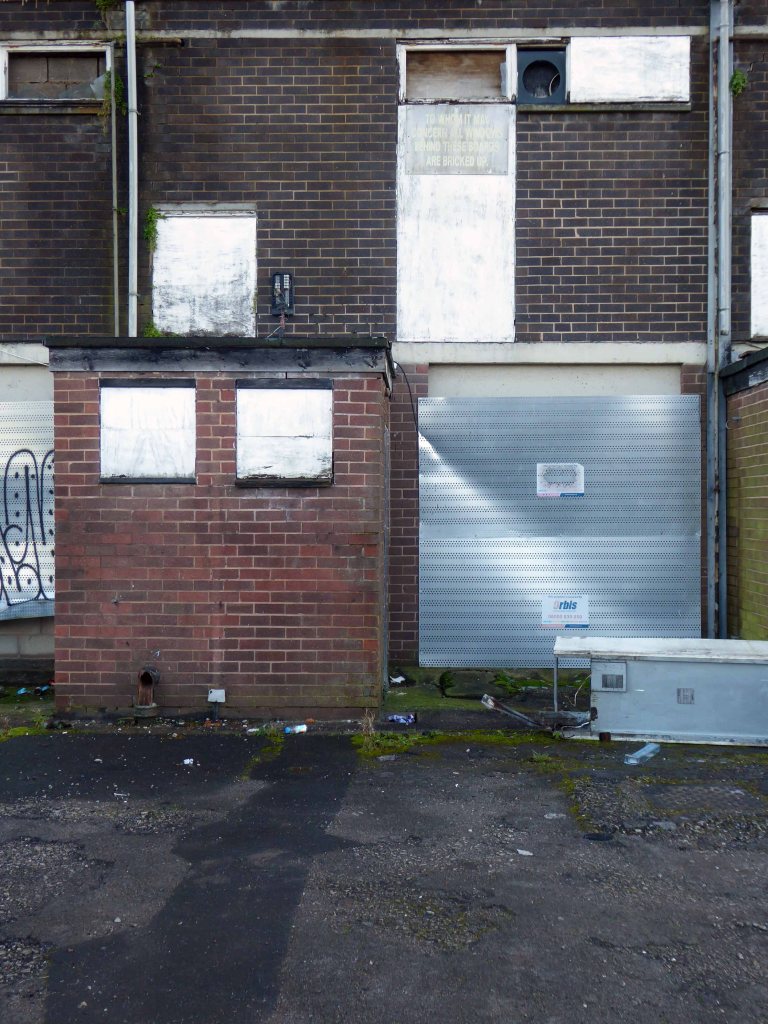
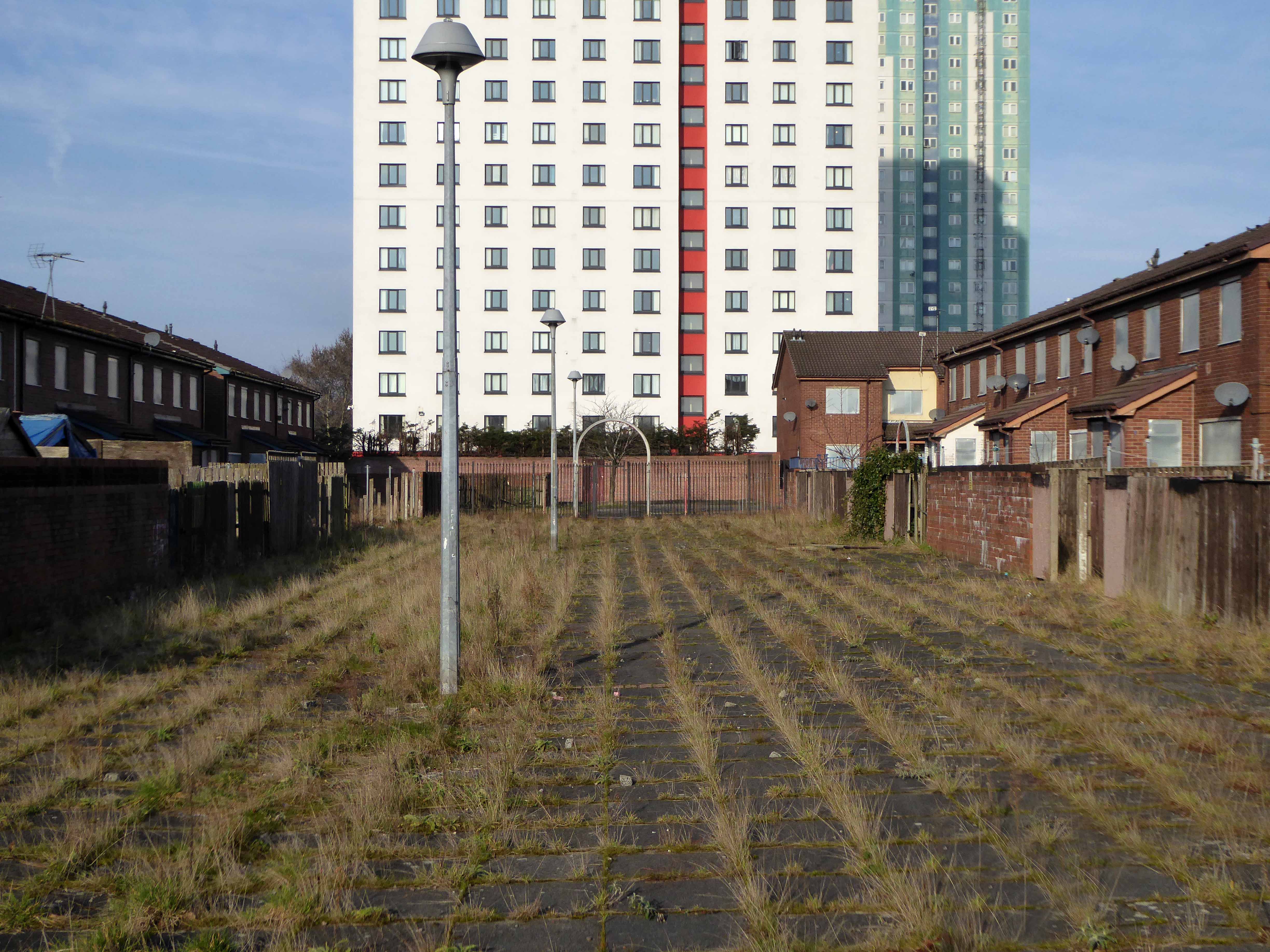
Here you are as of July 2019 – tarmac intact, drains fully functioning, pavements paved, awaiting orders. A circuitous run of grassy ridges resembling the remains of some Roman or Iron Age fortification.

Where do we go from here?

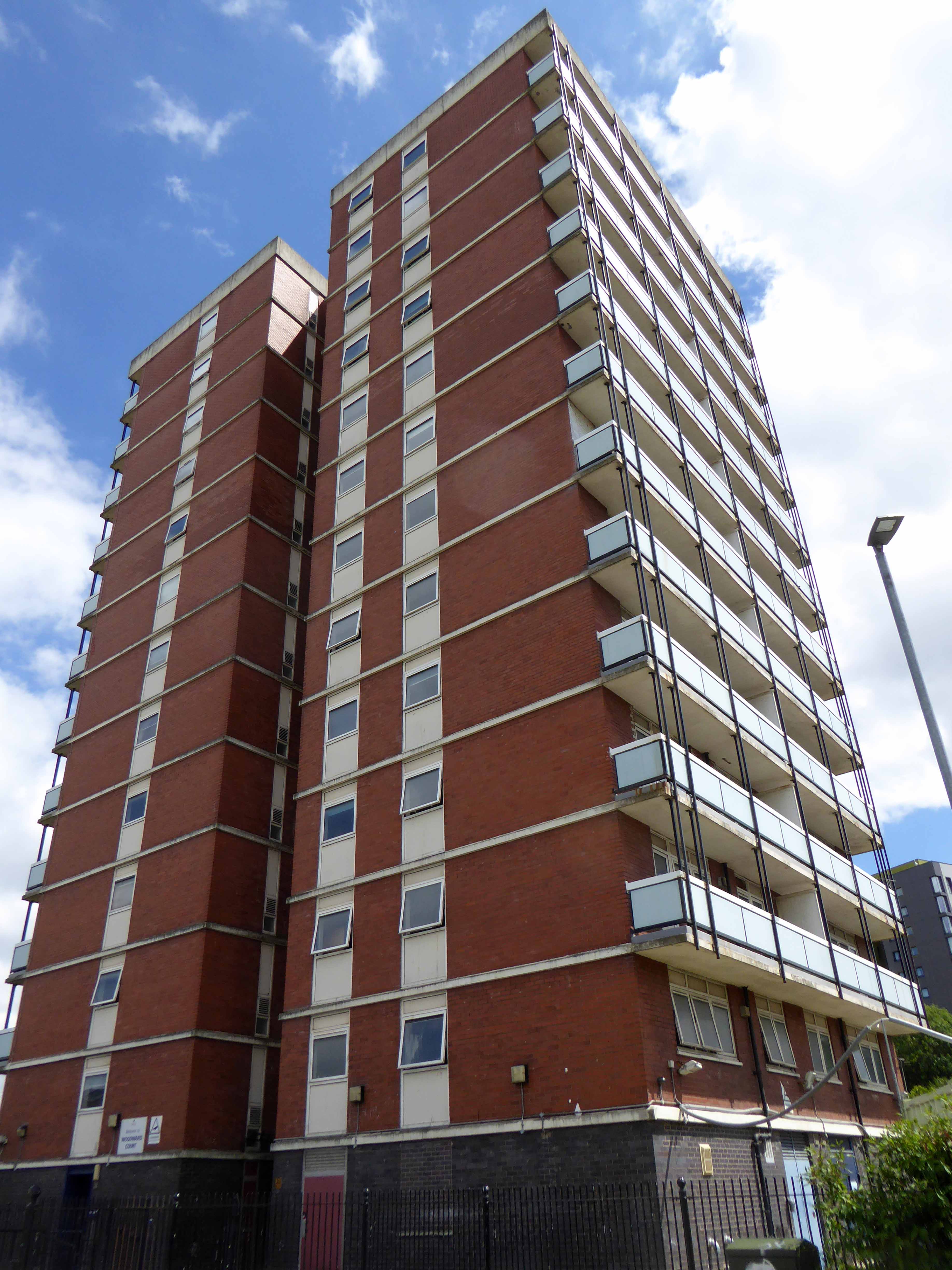
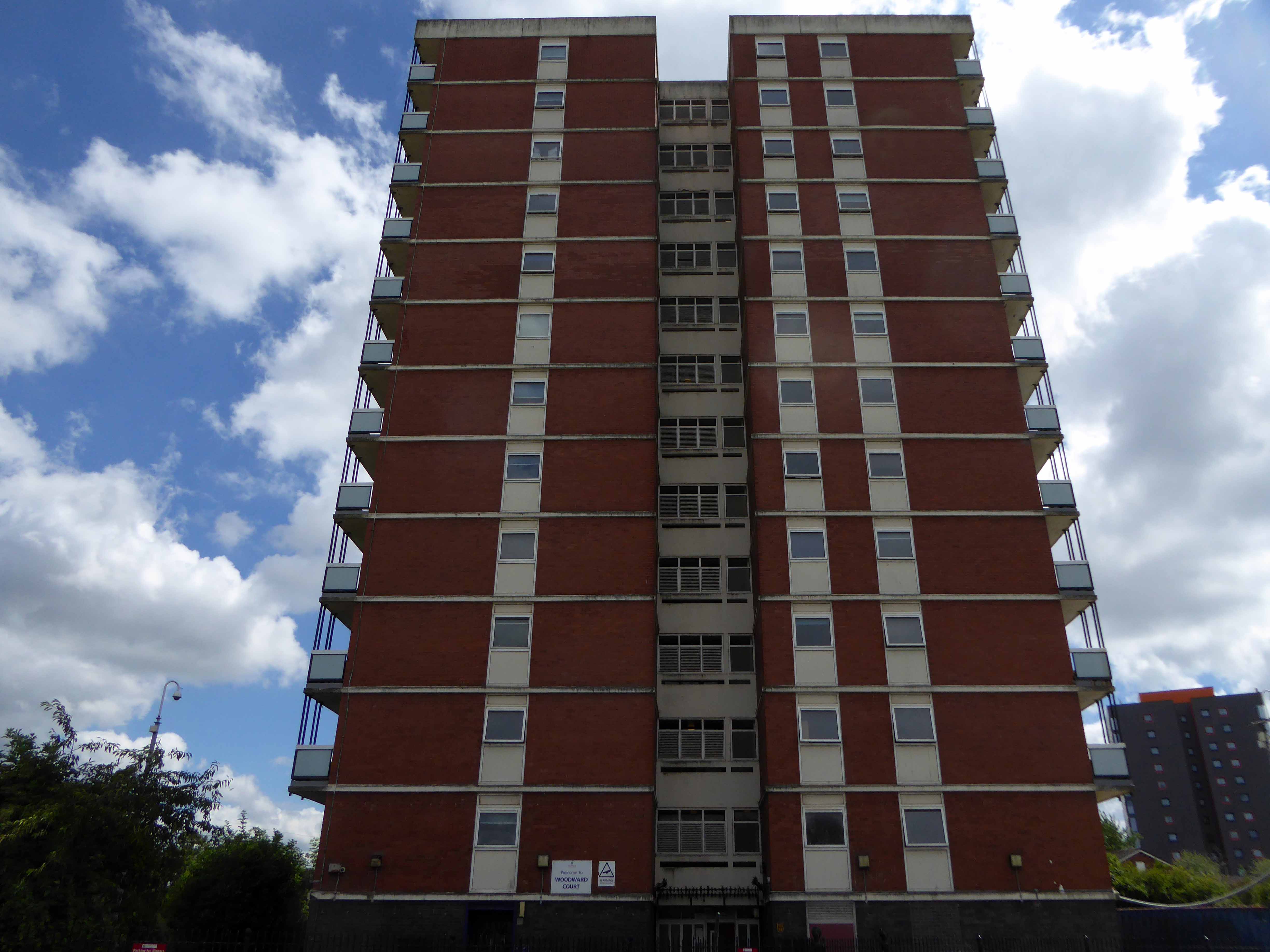
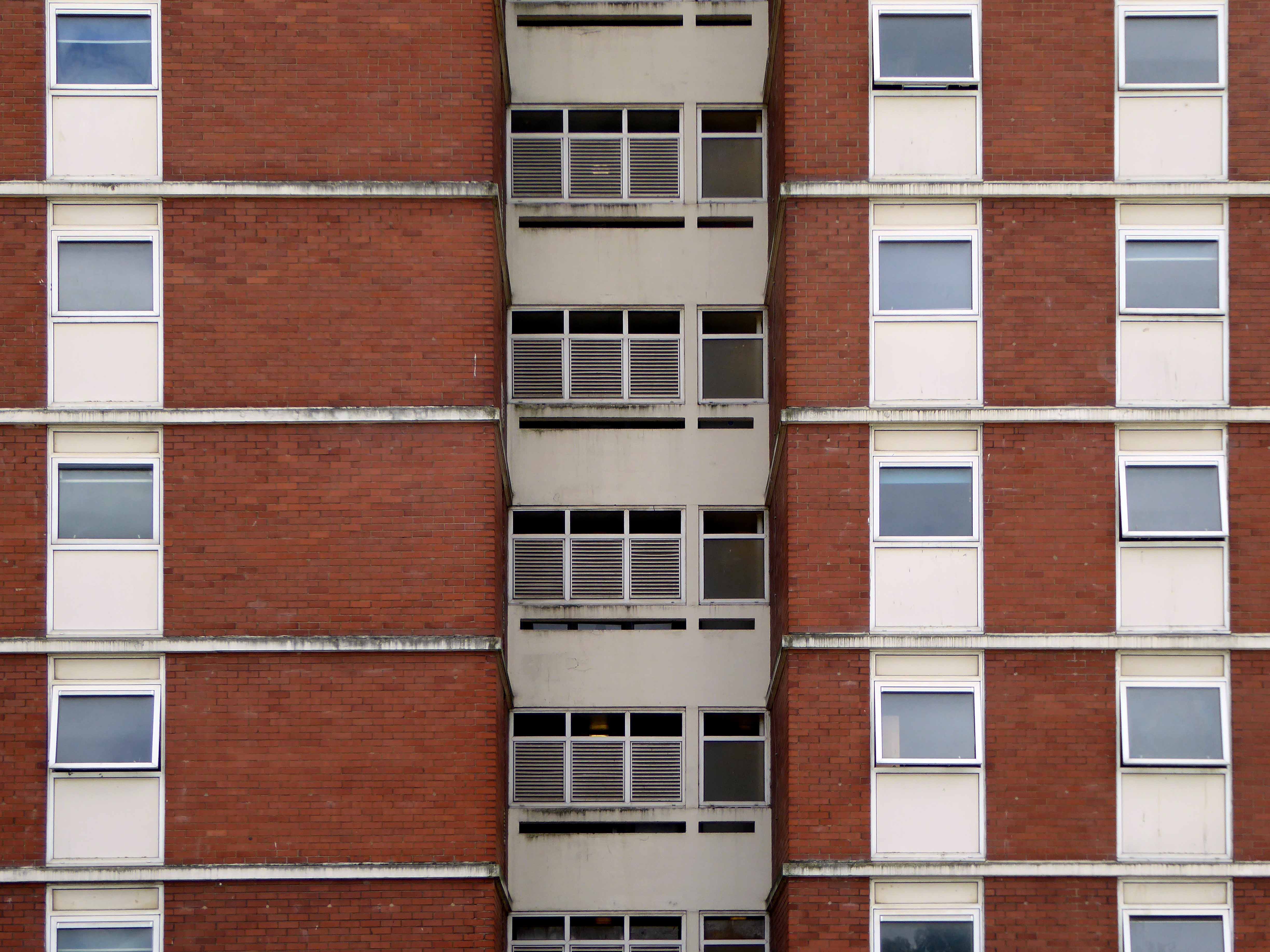
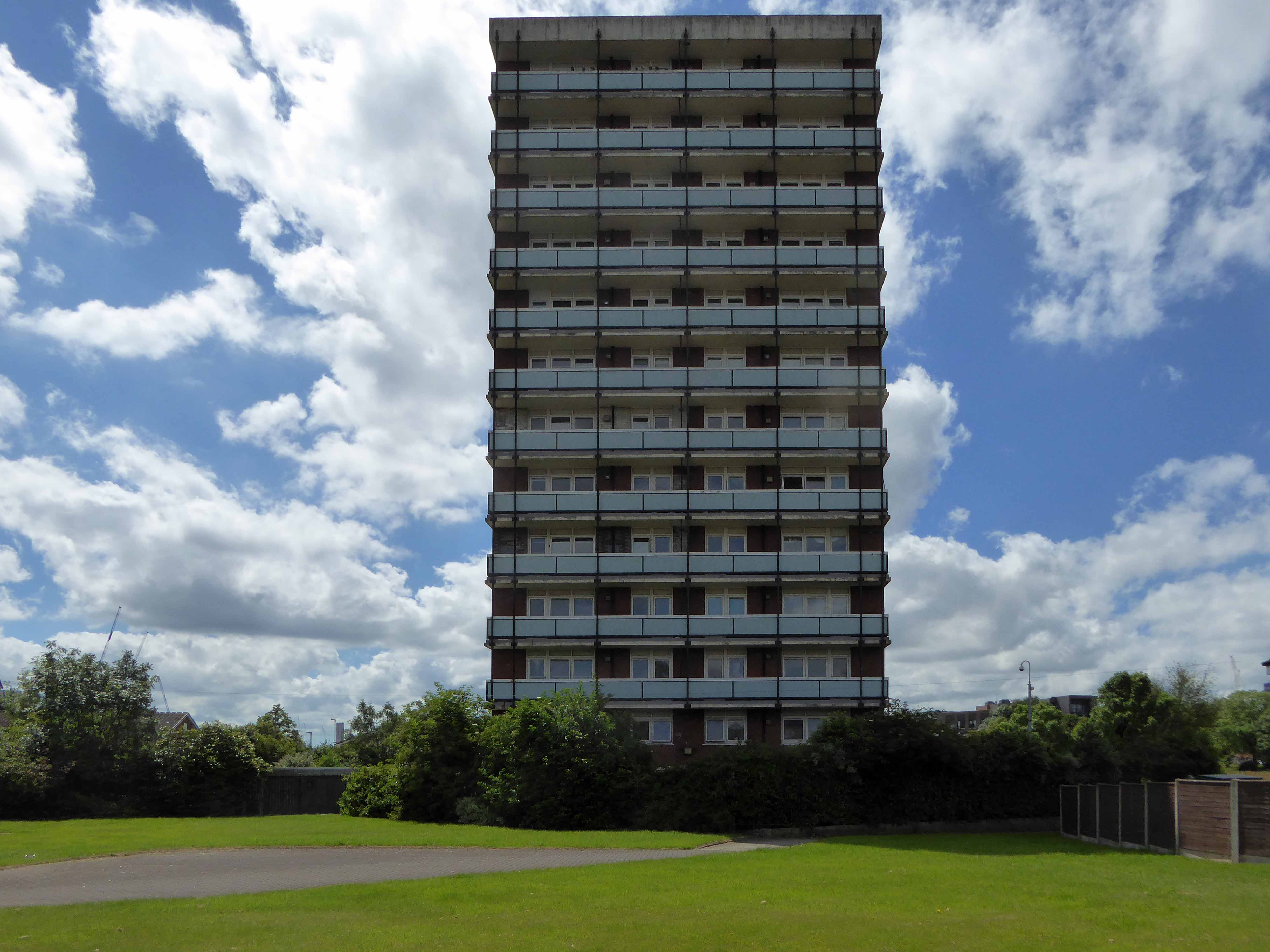
Woodward Court Woodward Street – Ancoats Manchester

“What’s going on?”

As Marvin Gaye so succinctly asked.

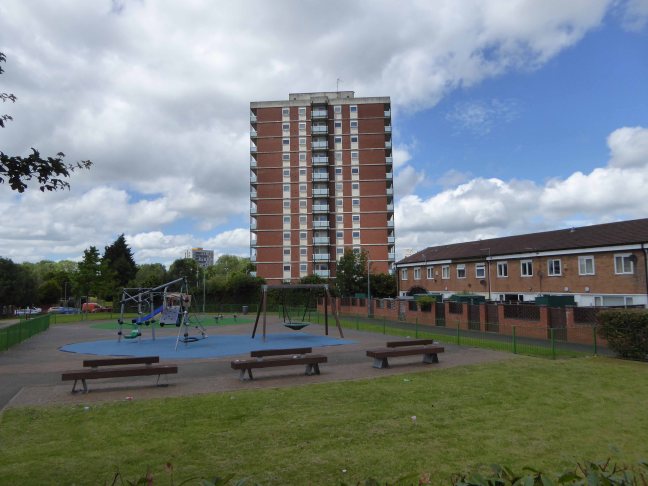
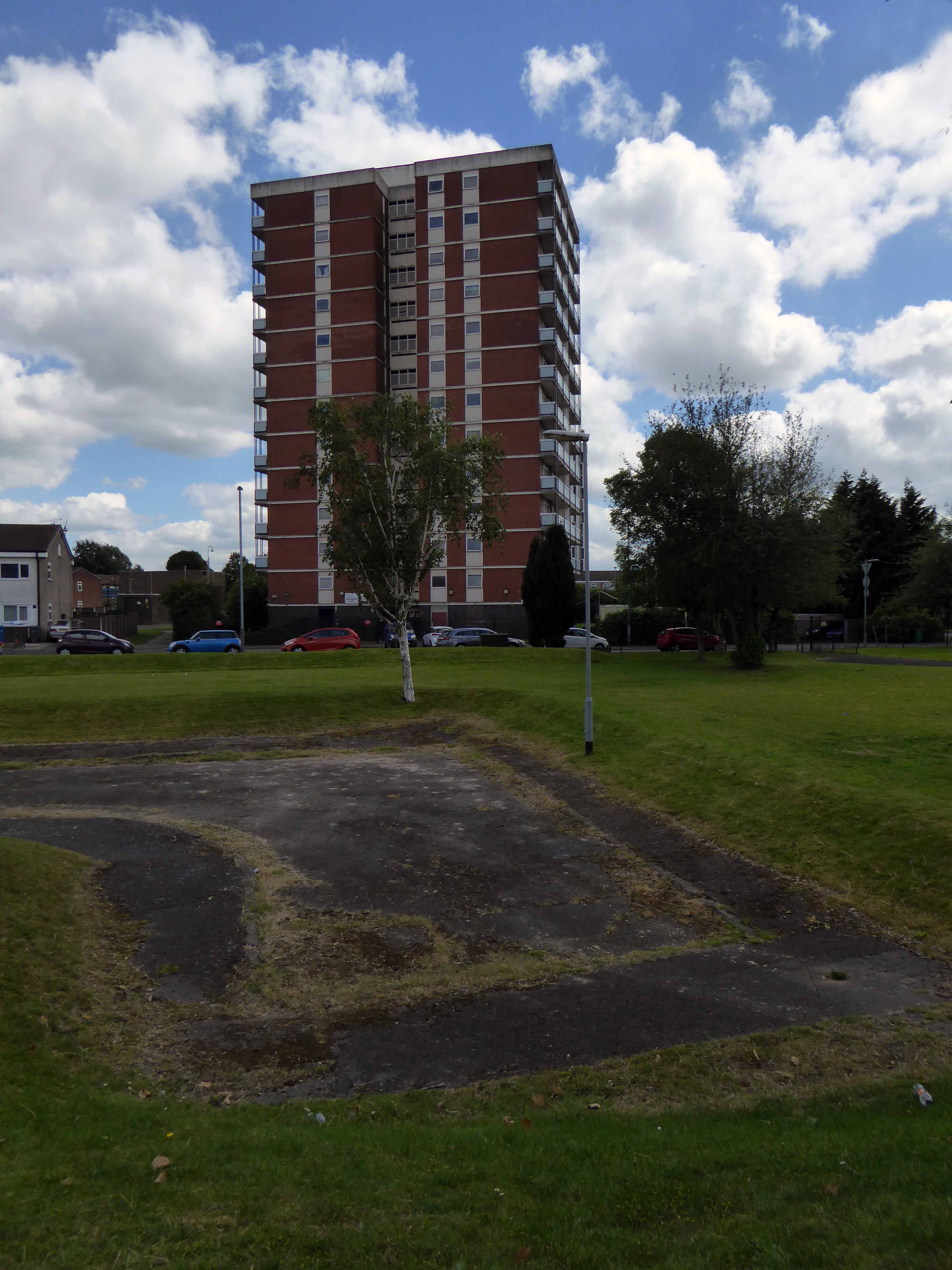
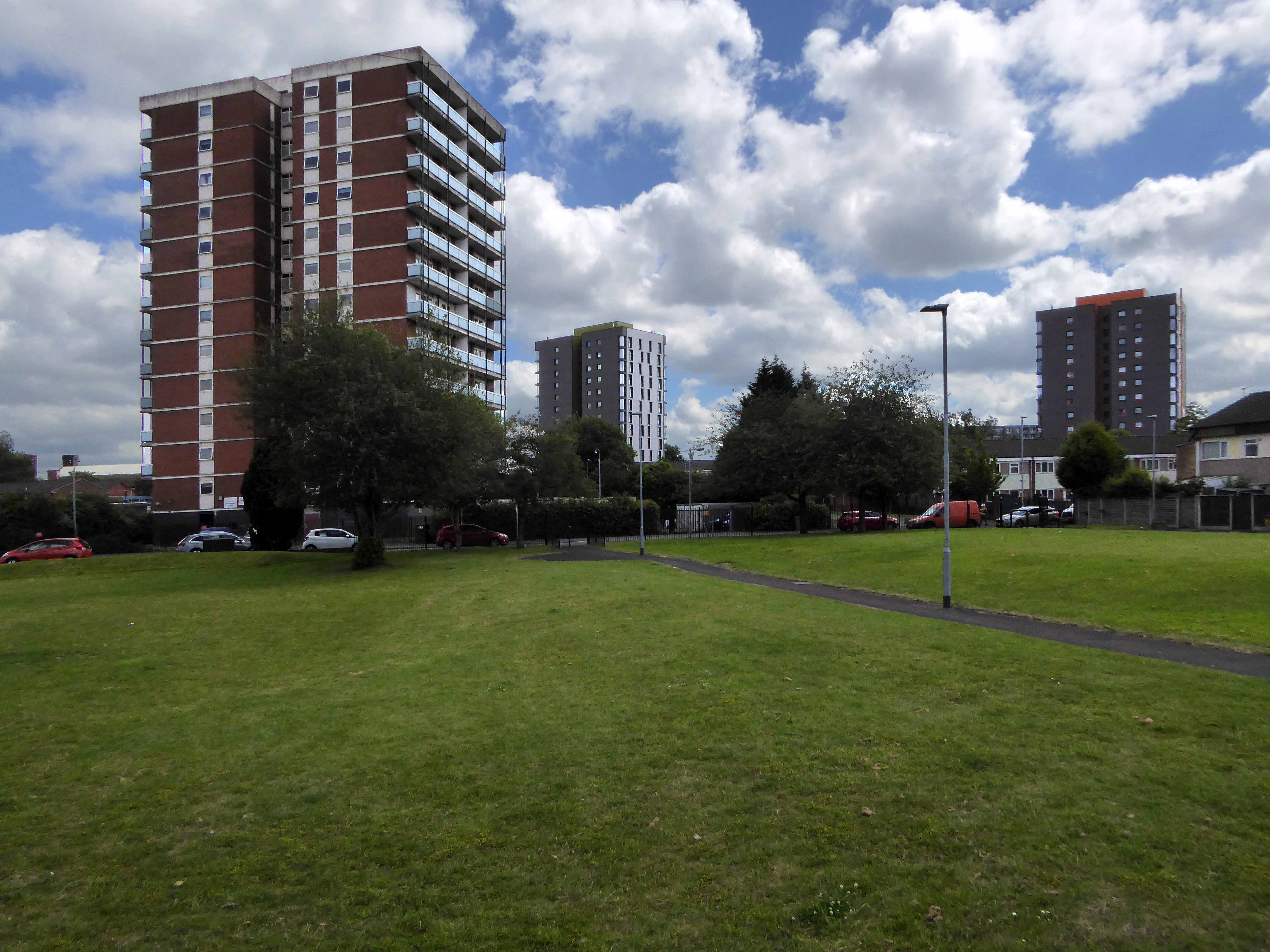
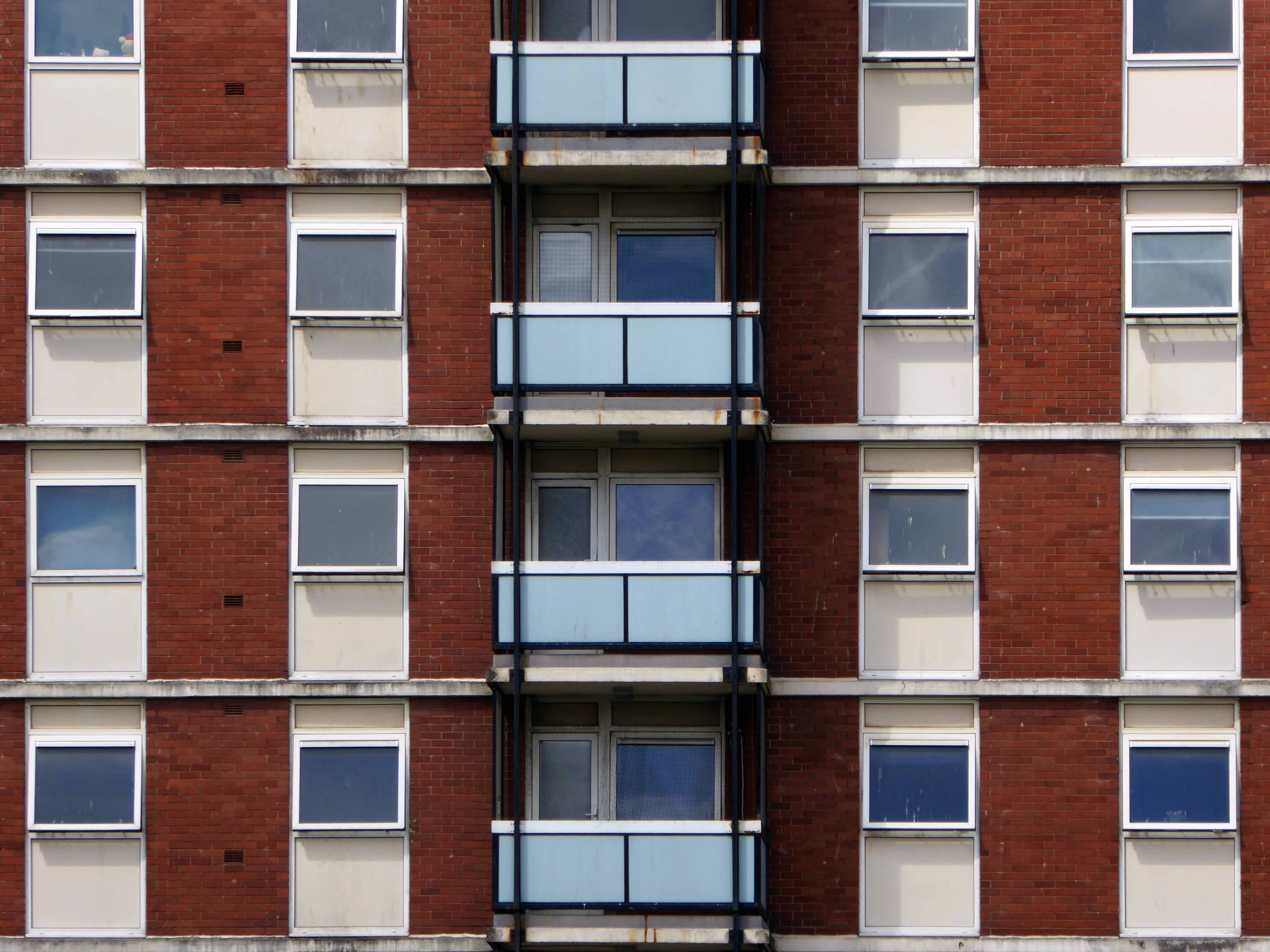
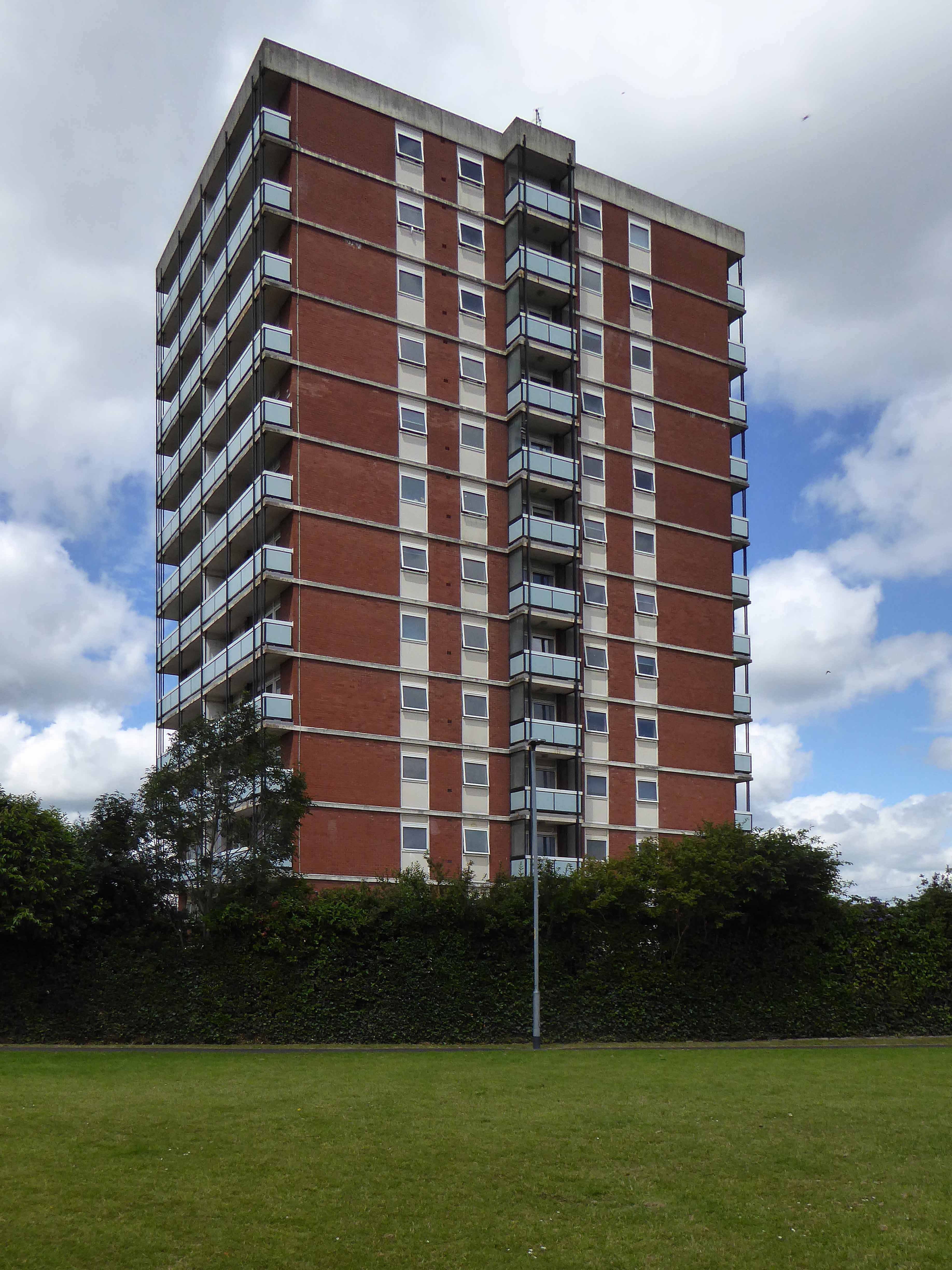
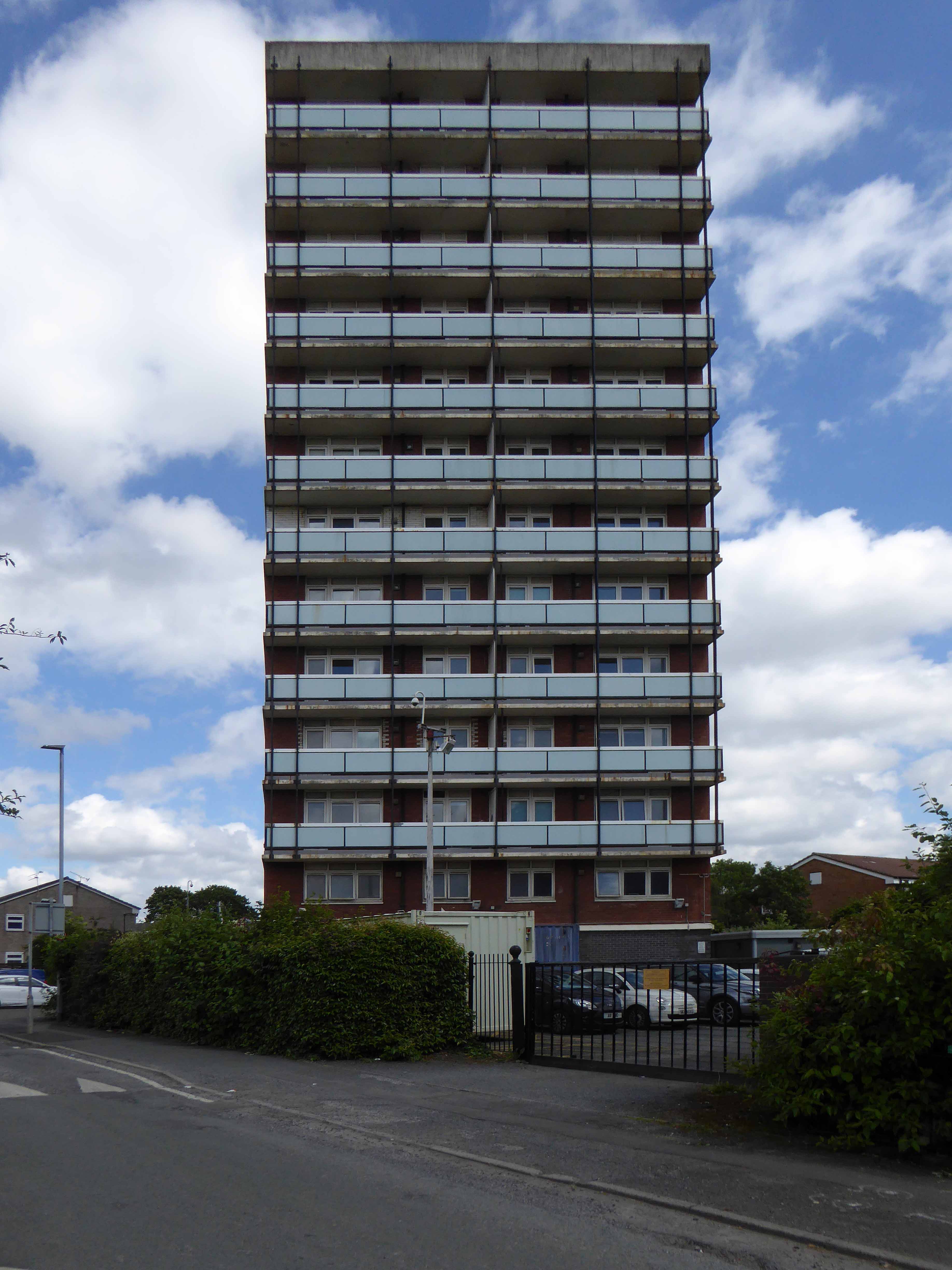
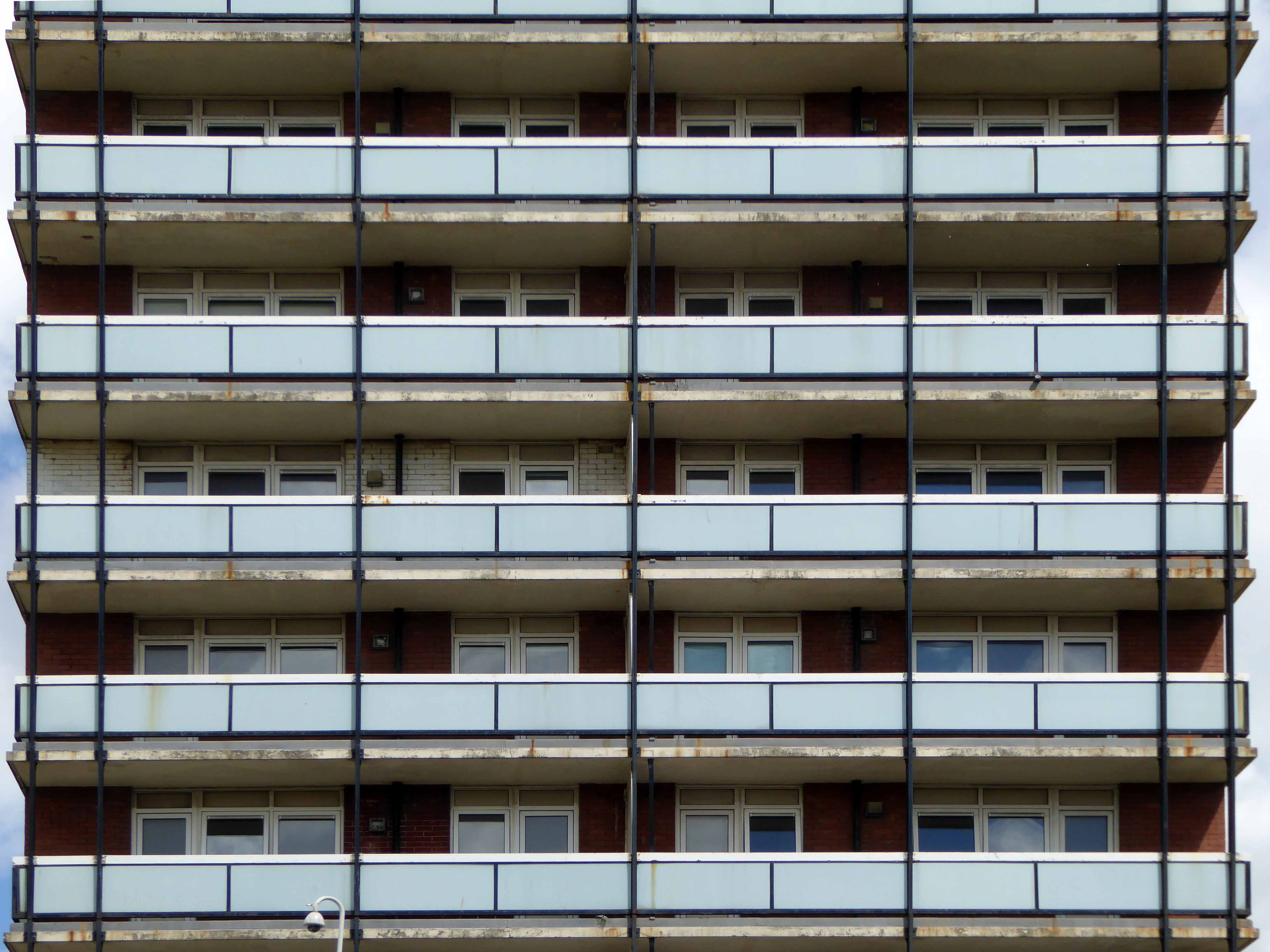
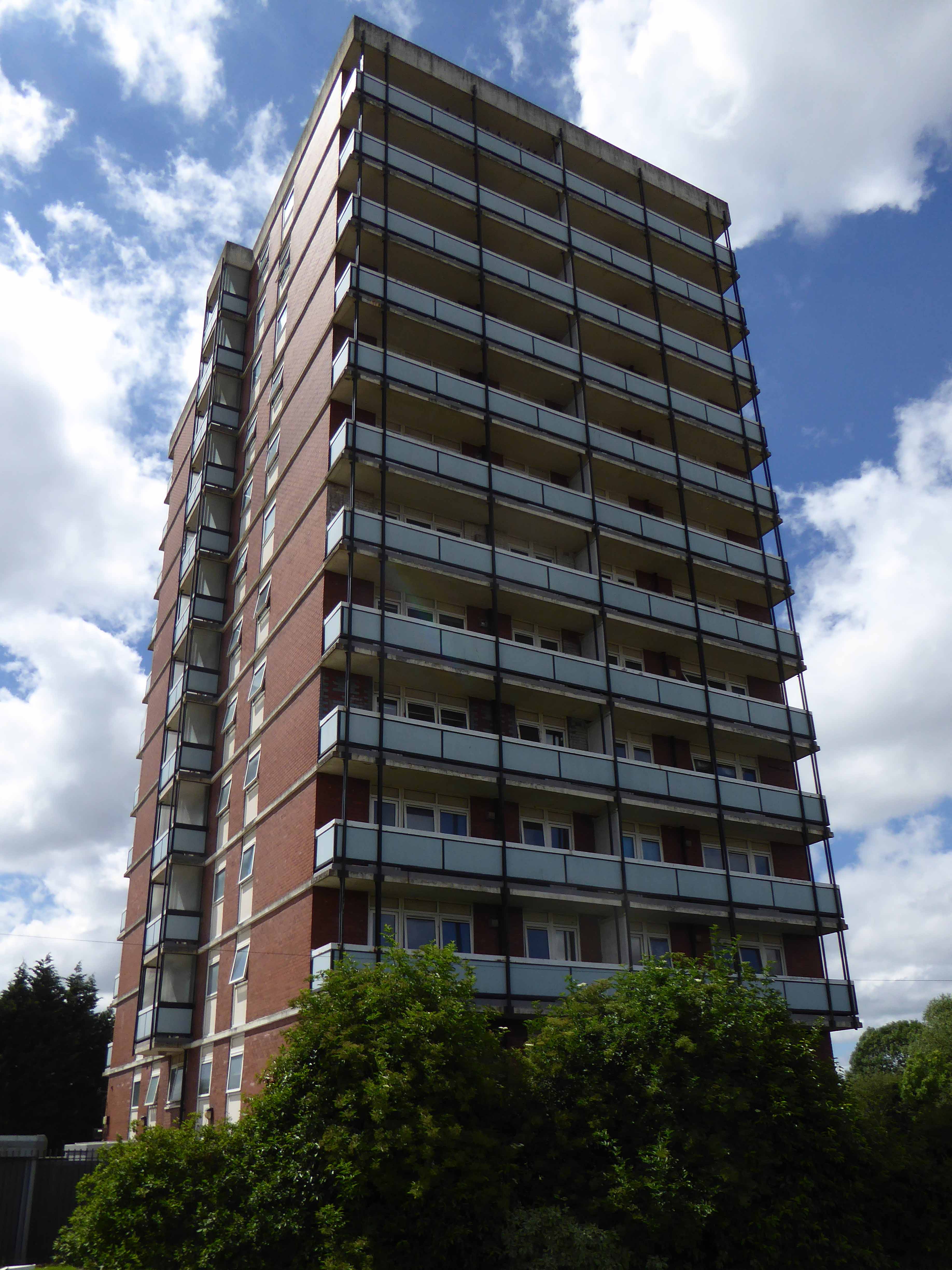
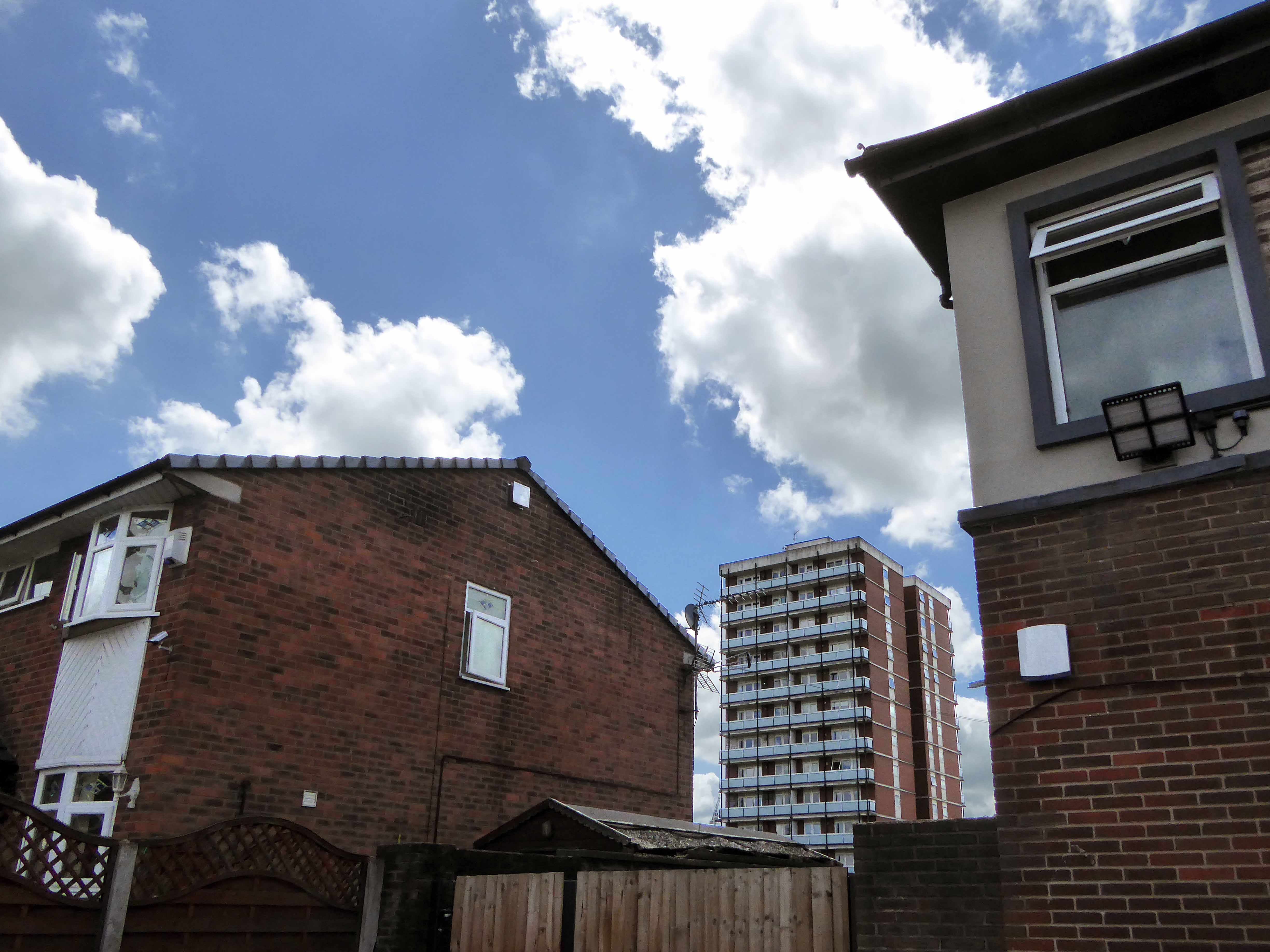
Why is there just one remaining tower block dancing unclad around Ancoats?

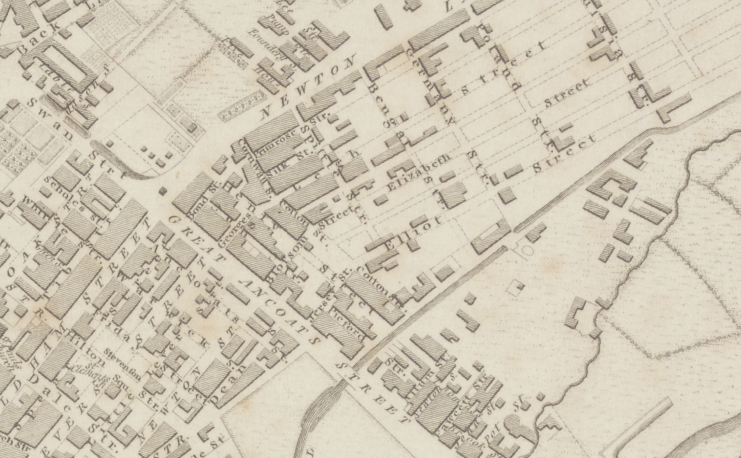
Let’s go back in time and see if we can find out – it seems that back in 1807 there wasn’t a Woodward Street to be found, the ever expanding industrial might of Manchester had not yet reached these particular green fields of Ancoats.

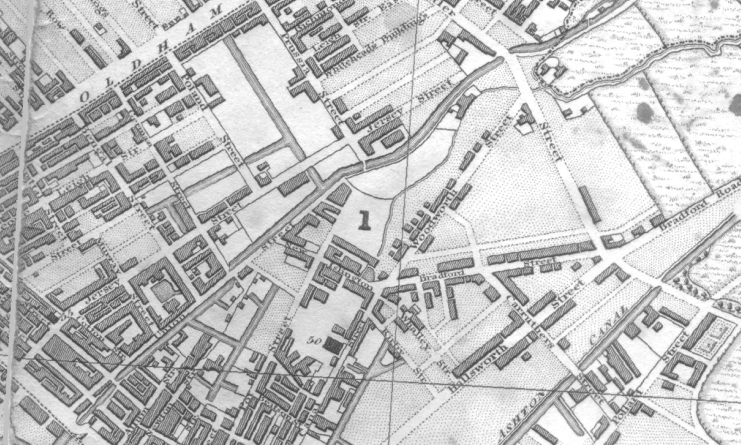
By 1824 it shows a fresh face to the world christened Woodworth Street, sparsely dotted with new development.

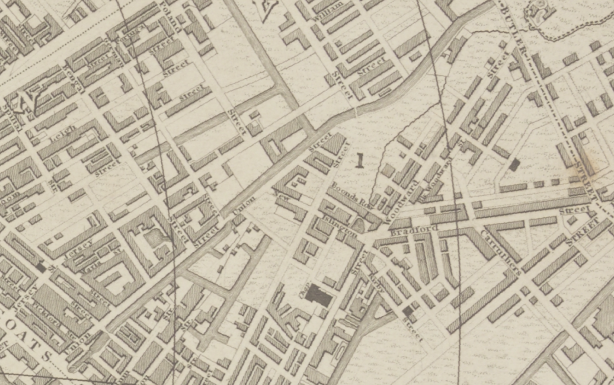
Almost fully formed in 1836 and renamed as Woodward Street, the area begins to accumulate the familiar domestic and industrial clutter of a burgeoning Victorian City.

By 1860 the street is fully formed and open for business.

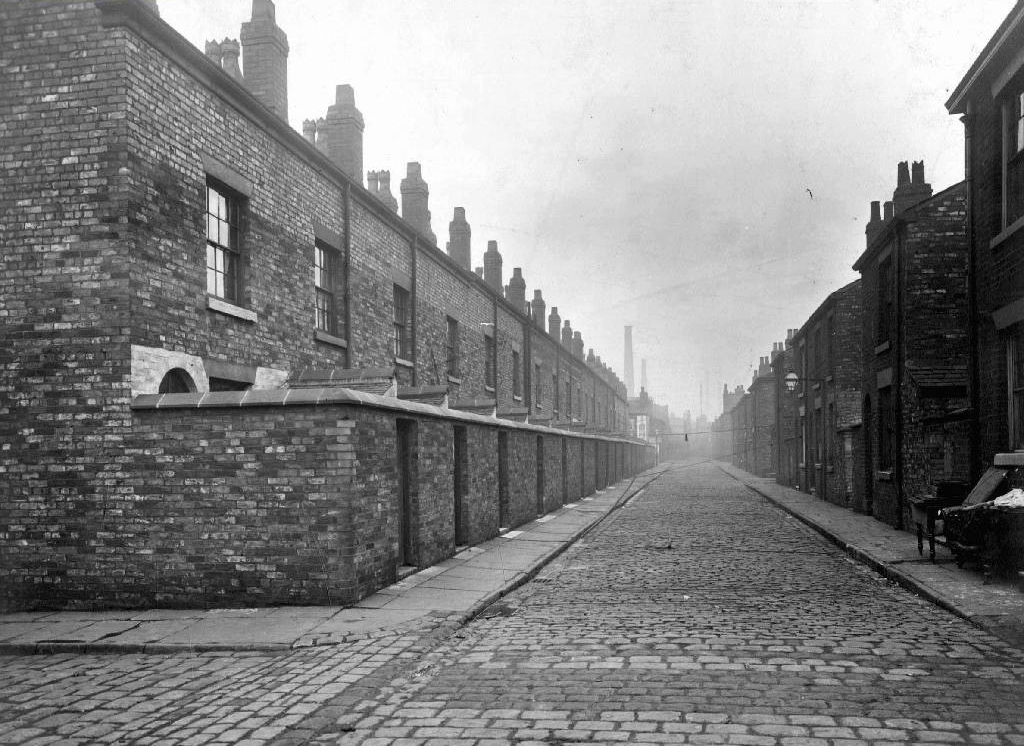
Workers finding homes in austere and functional brick back to backs, typical of the period’s housing.

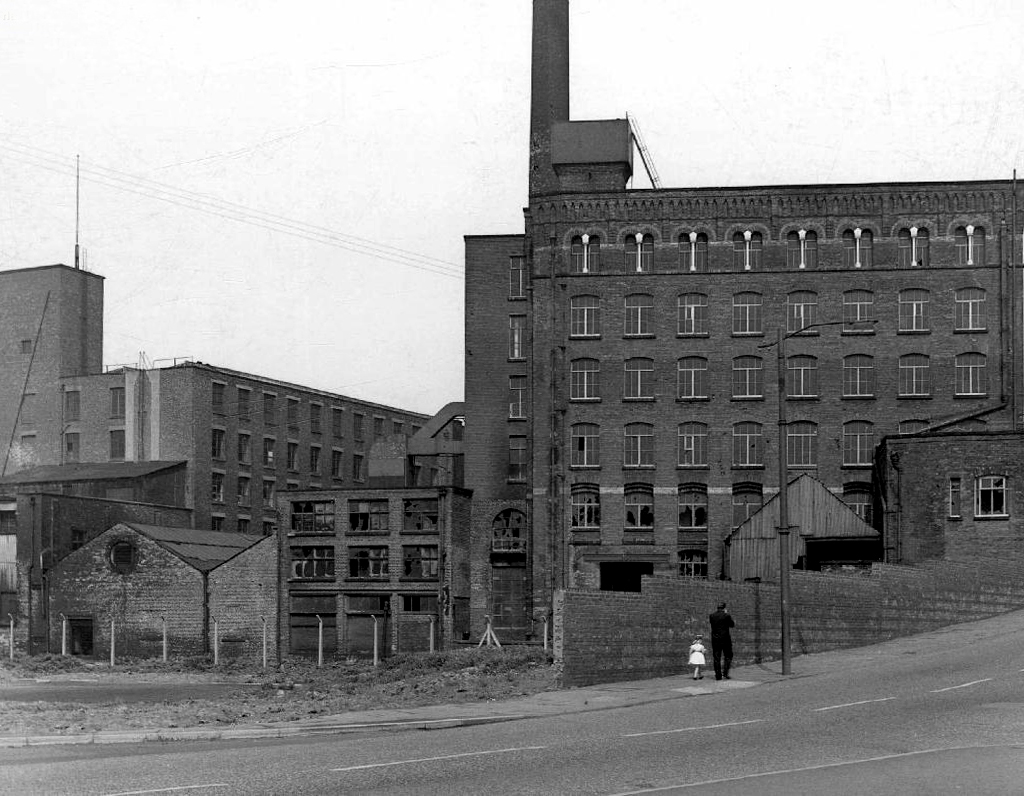
Fast forward to the early Sixties and the street is showing signs of age – the century old industries are already in decline, steady jobs, mills and factories gone west and east, well-worn housing looking terminally tired and in need of a little care and attention.

But wait what’s this coming around the bend?

The first wave of urban regeneration, post war optimism incarnate, a bright new shiny future – out with the old and in with the new, as Municipal Modernism stamps its big broad architectural feet all over Woodward Street.

Archival photographs from Manchester Local Image Collection

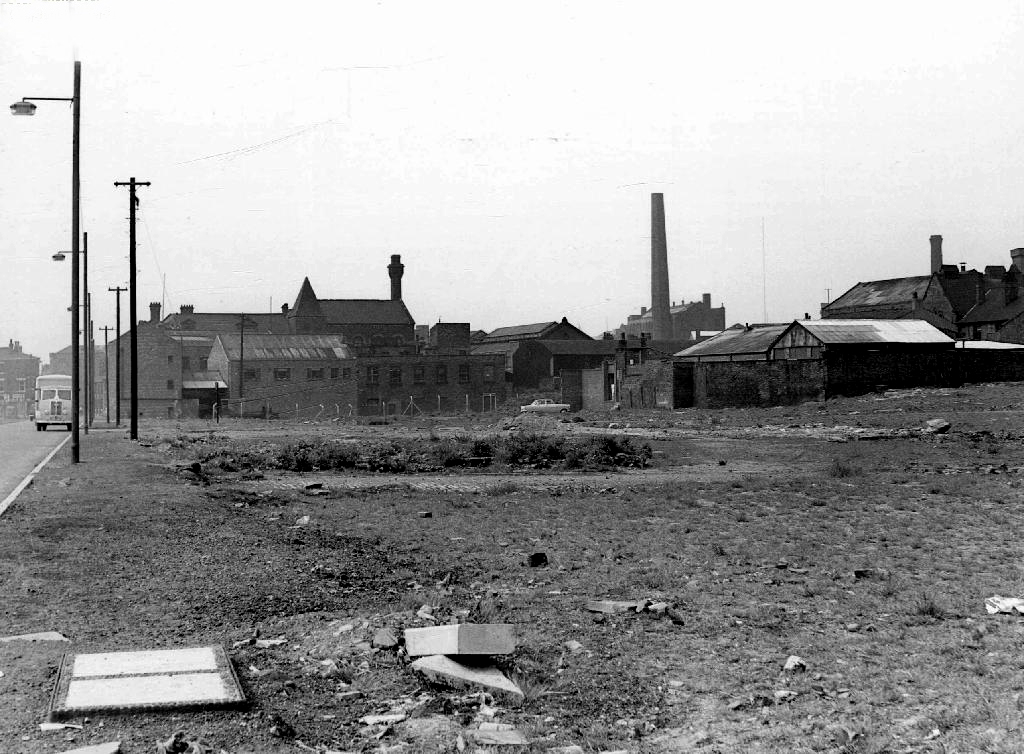
Our story is far from over, this optimism is short-lived the homes, houses and industry are swept away yet again, replaced with two story modern terraced housing and an all too obvious absence of regular employment – yet the tower blocks prevailed.

Former streets were over written and remain as poignant vestigial marks in the landscape.

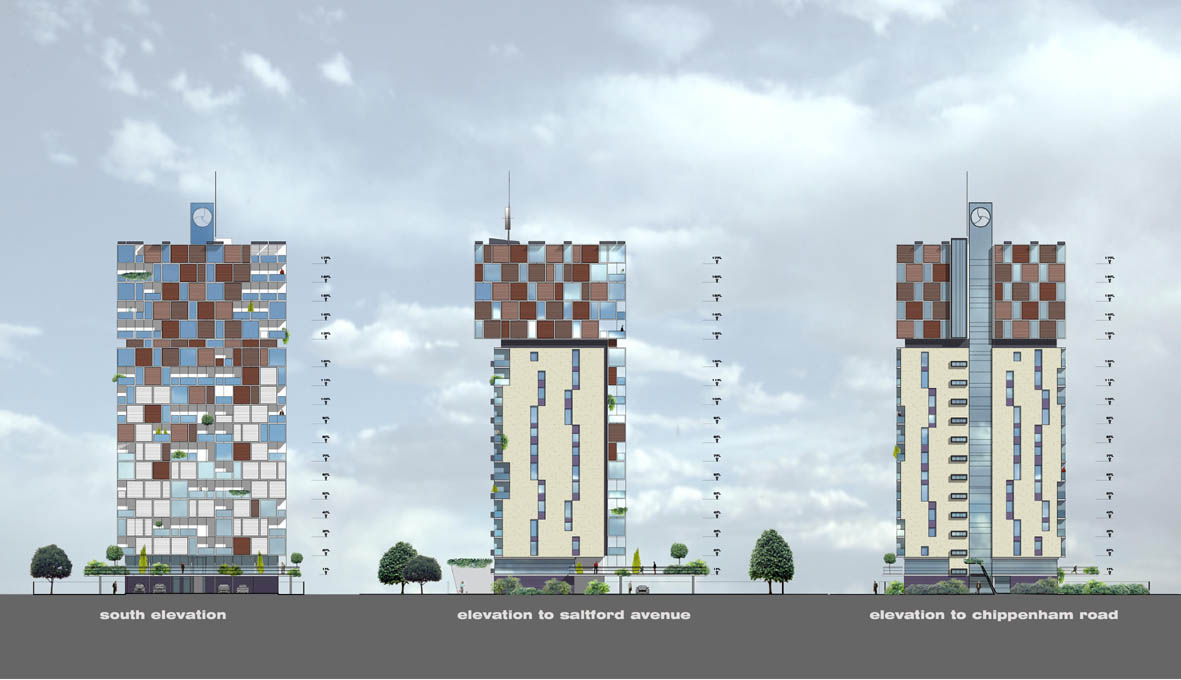
Grand plans are made for their revival.

Paul Daly

Though their future was built on more than somewhat shifting and uncertain sands.

A tower block has been left lying empty for a whopping 18 years. The 13-storey building at Saltford Court in Ancoats has been unoccupied since Manchester council closed it in the 1990s. It was bought by top developers Urban Splash six years ago but residents have now hit out about it still being empty. Neighbours of Saltford Court say it has become an ‘eyesore’ and magnet for vermin since the firm bought it.

Manchester Evening News 2012

A large group of blocks stood tinned up and unloved, yet owned, for a number of years, victims one supposes of land-bankers, developers speculating on an even better return, as the warm waves of gentrification washed slowly over them, from nearby New Islington.

All but one was refurbished, clad and re-let.

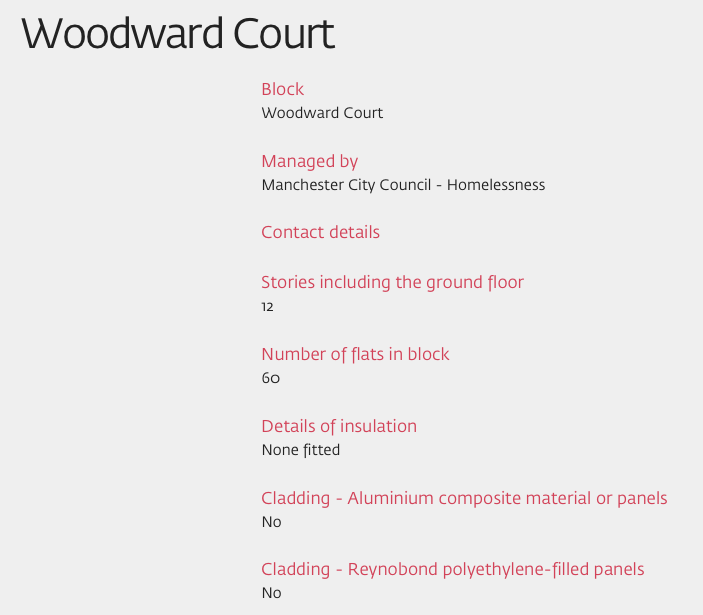
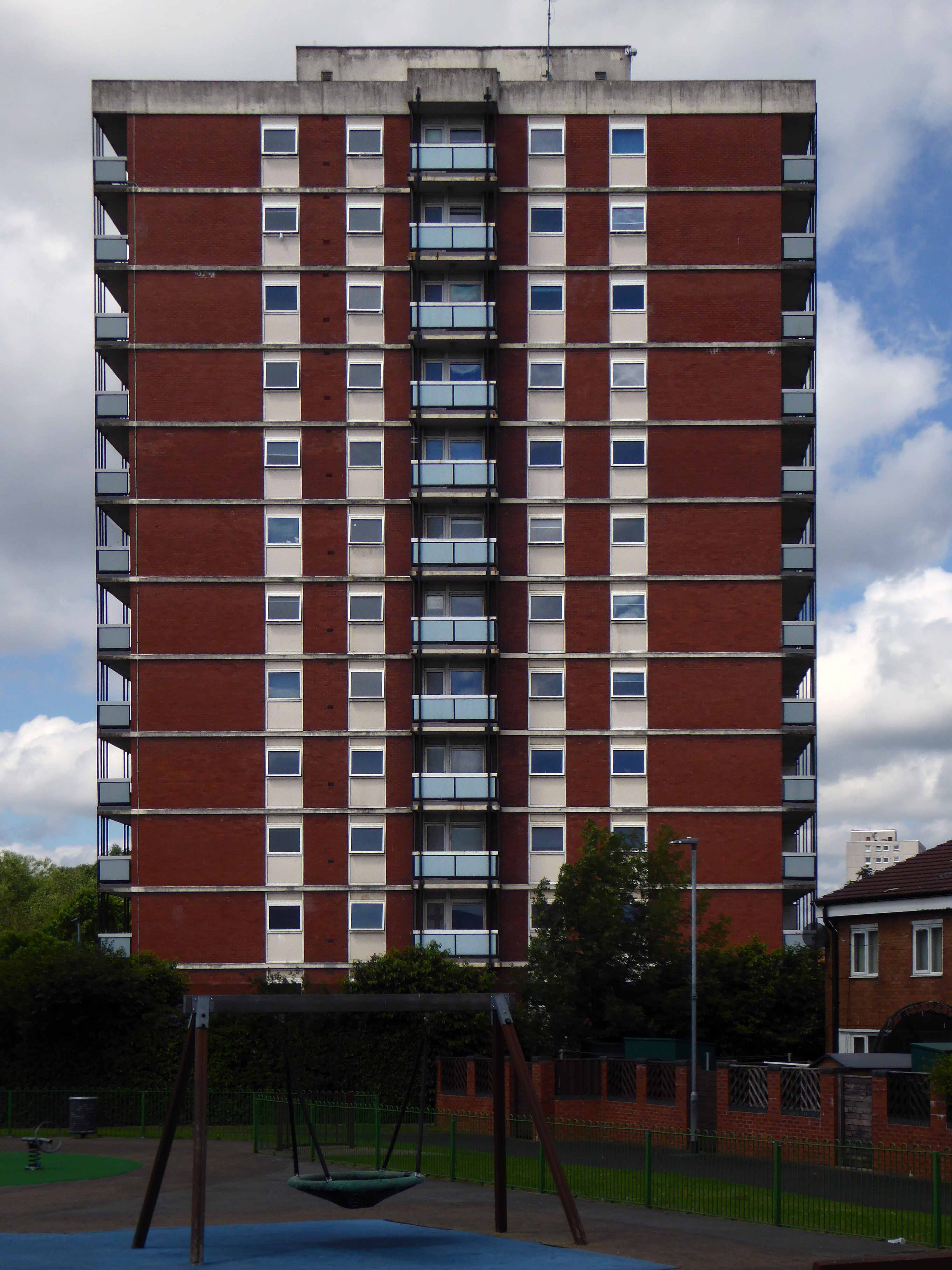
Woodward Court was spared – set aside for the homeless.

A period piece surrounded by Post Modern and Revivalist pretenders.

Why not go take a look.

Doncaster – Modernism

The railway station was built in 1849 replacing a temporary structure constructed a year earlier. It was rebuilt in its present form in 1933 and has had several slight modifications since that date, most notably in 2006, when the new interchange and connection to Frenchgate Centre opened.

The front elevation is realised in a typical inter-war brick functionalist style.

Of particular note are the lobby lighting fixtures and clock, the booking hall and offices are listed Grade II.

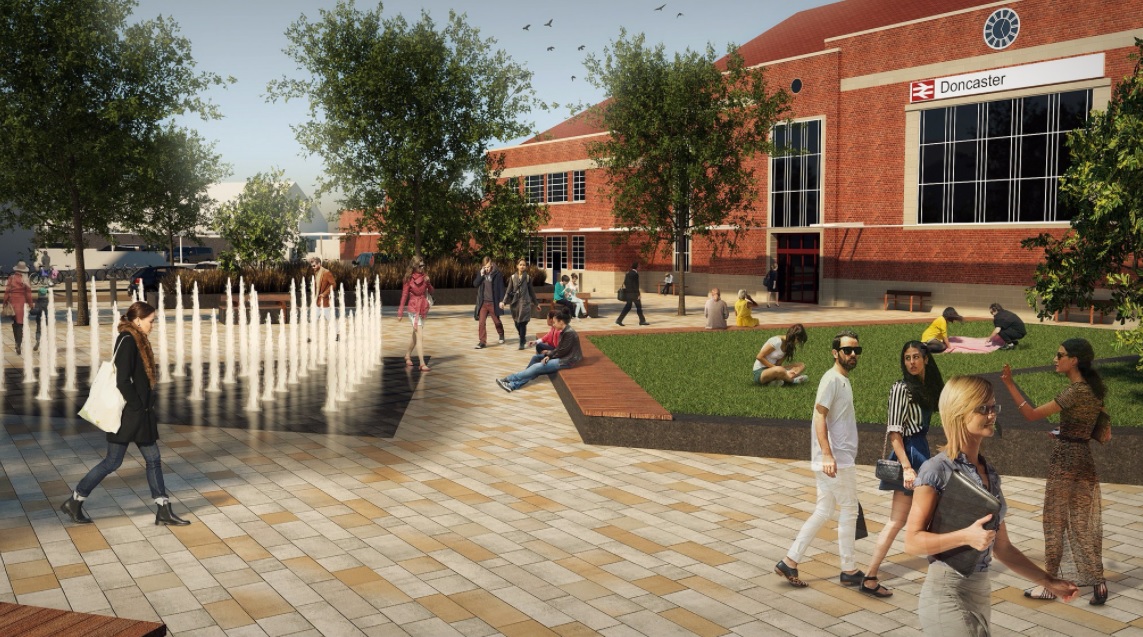
There are plans to redevelop the station approach replacing the current car parking with a pedestrianised piazza.

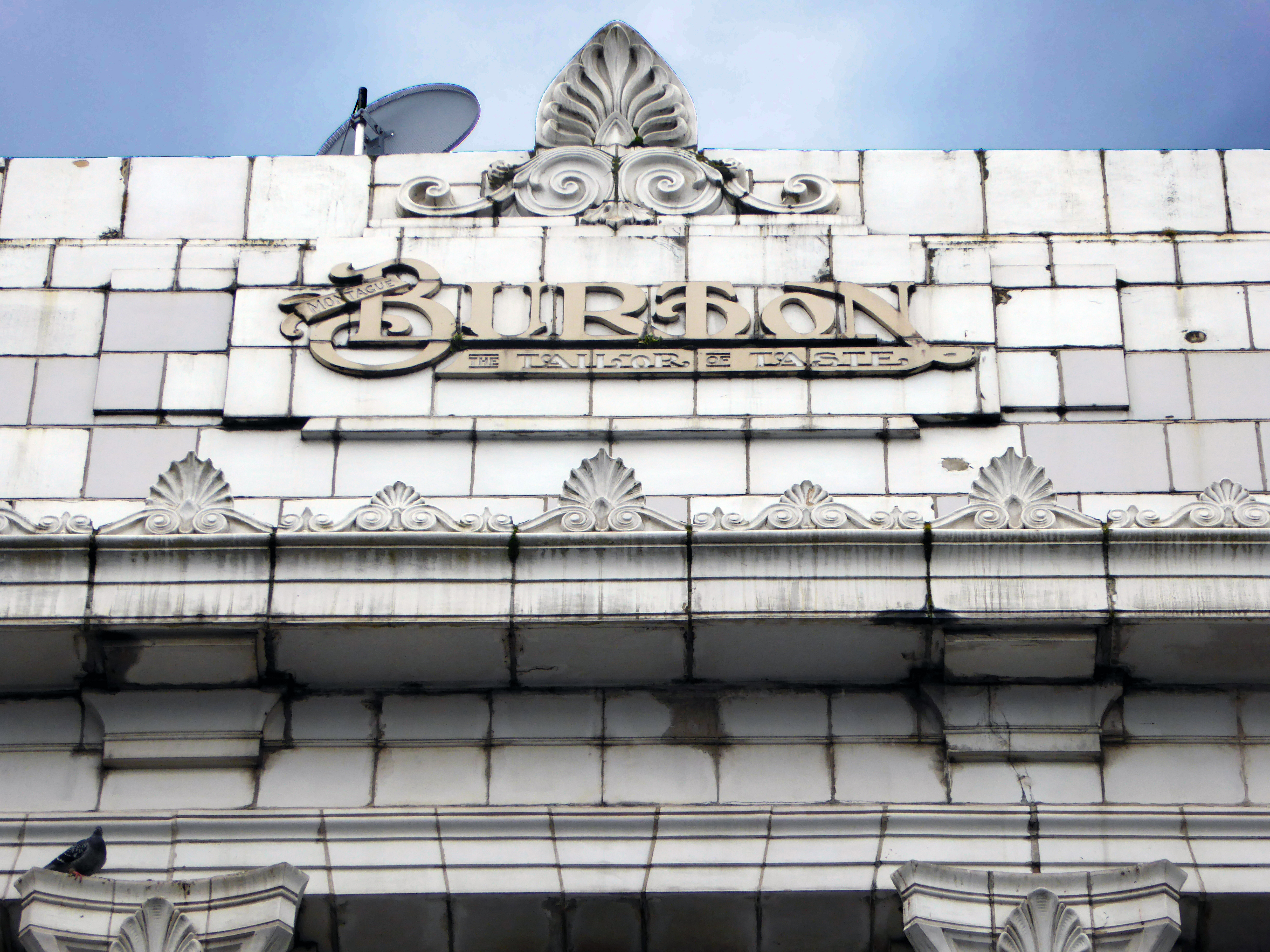
The High Street boast a former branch of Burton’s with its logo intact.

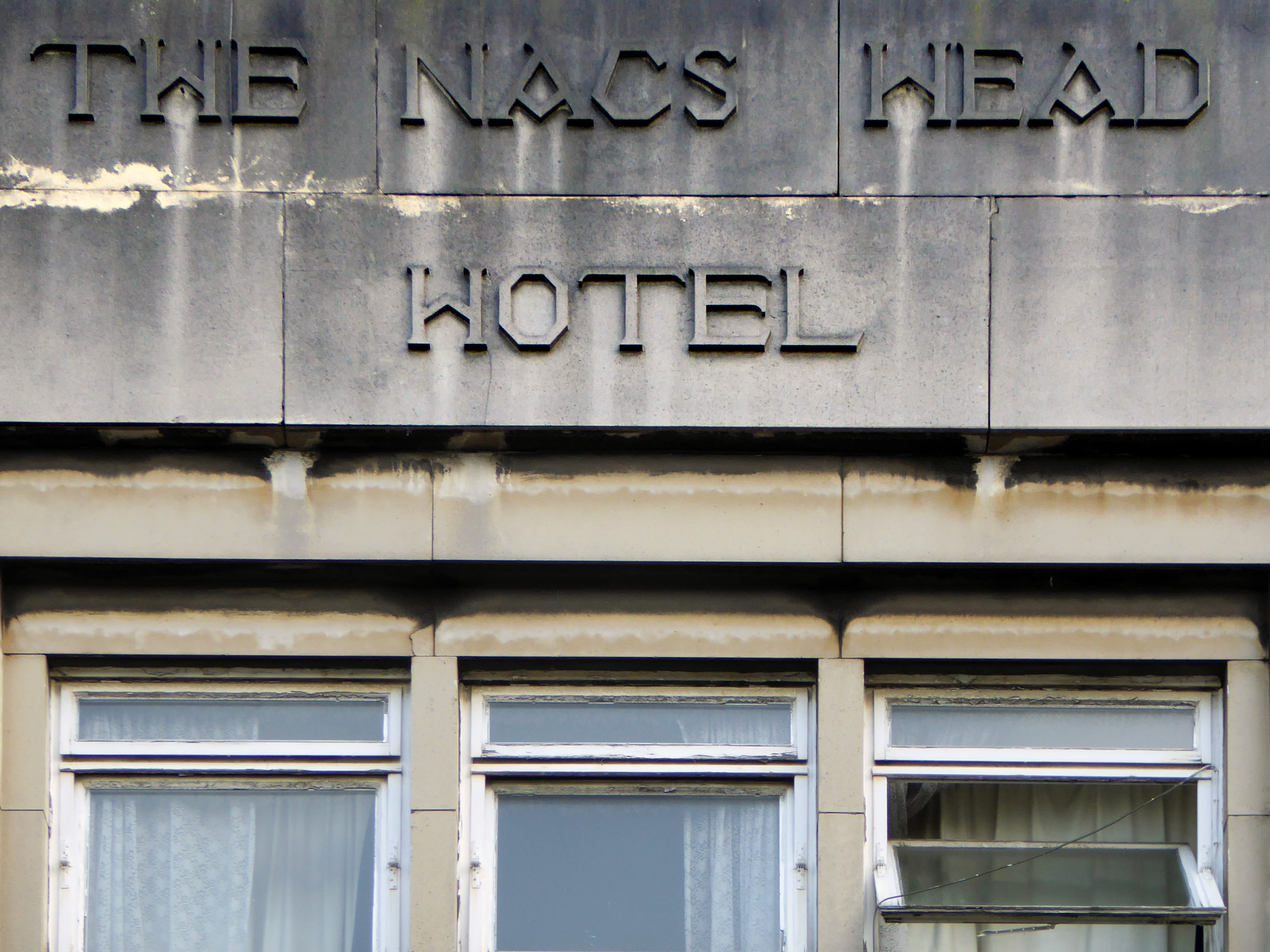
An intriguing Art Deco shop frontage – combining a menswear outlet with a pub.

Further along an enormous Danum Co-operative Store in the grandest Deco manner – 1938-40. Designed by T H Johnson & Son for the Doncaster Co-operative Society Ltd.

Currently partially occupied with no access to the glass stairways.

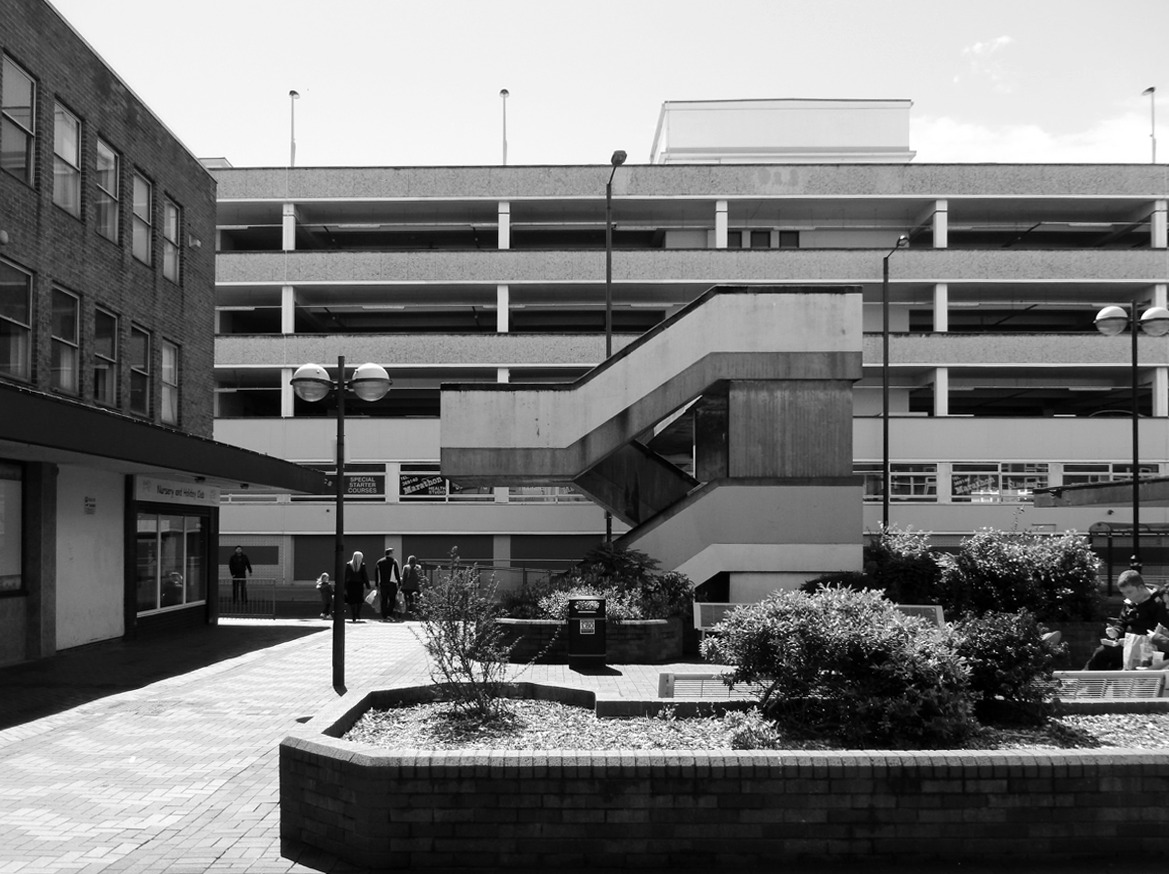
Following the development of the Frenchgate Centre the Waterdale Centre sunk into a slow decline.

And the Staff of Life has lost a little of its estate pub period charm, following successive typographic makeovers and paint jobs.

There are plans to improve the centre.

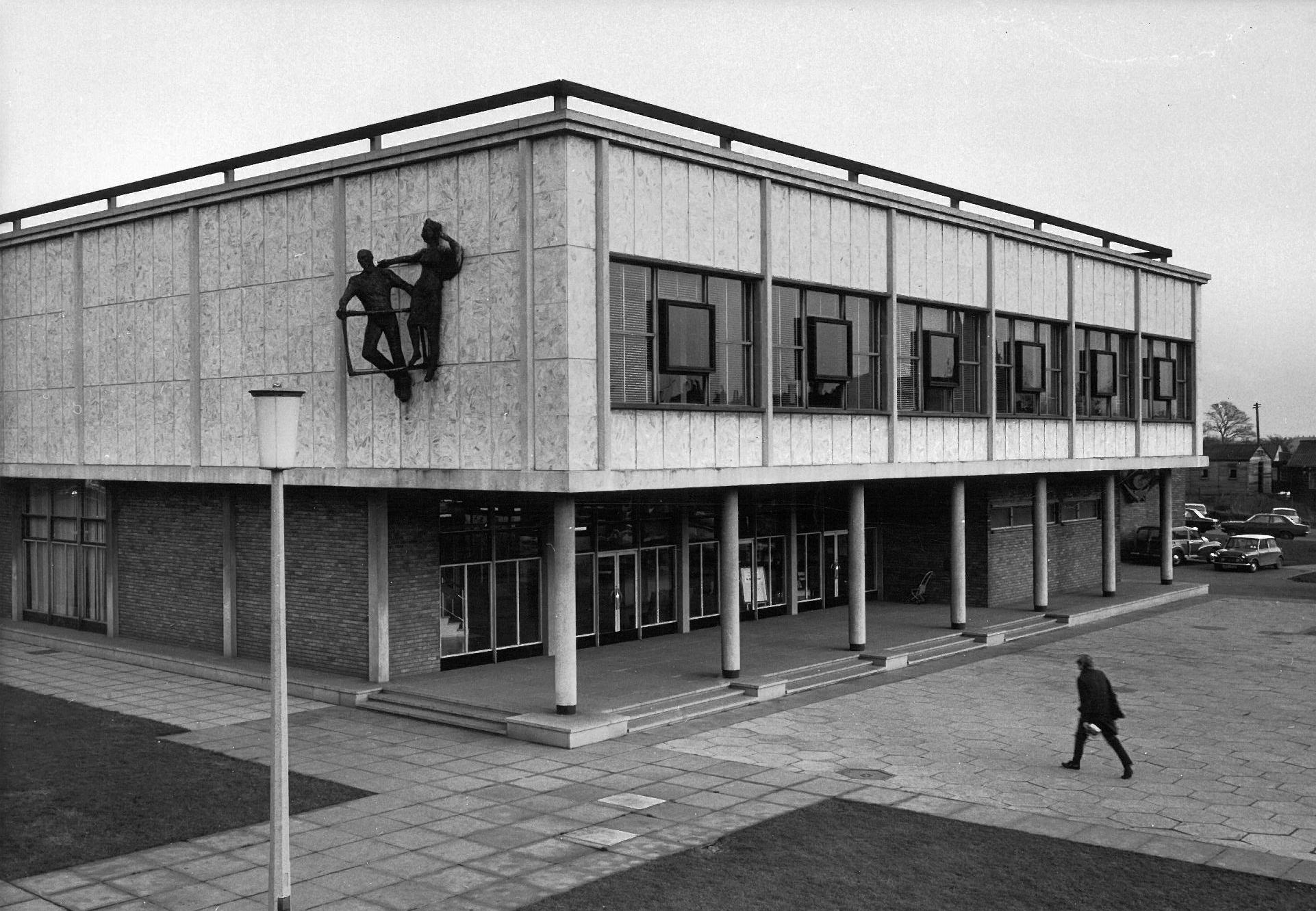
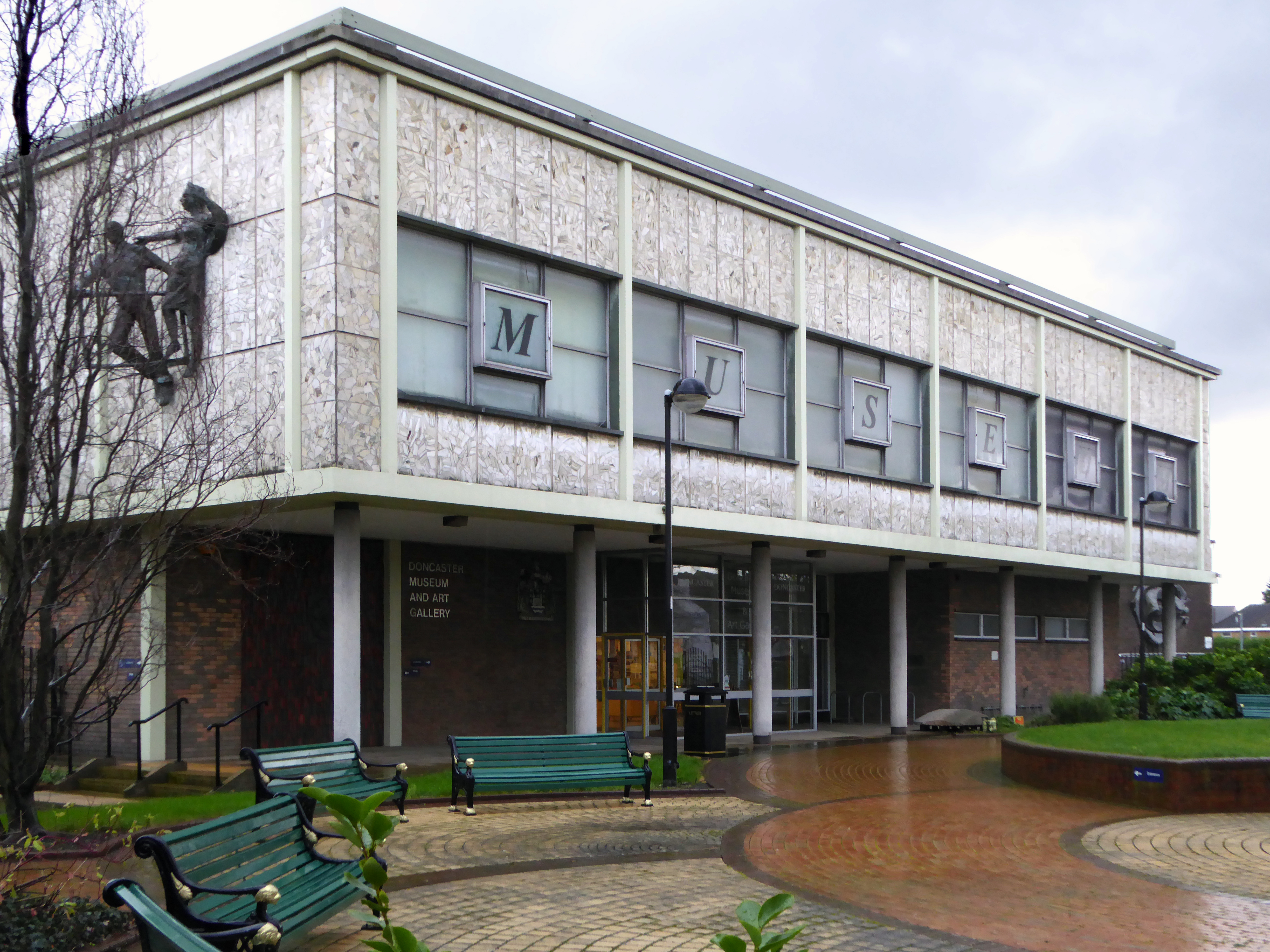
A naked couple sculpture which caused complaints went back on display in 2015.

The Lovers statue, depicting the couple embracing, attracted criticism after being installed in the Arndale Shopping Centre in Doncaster in the 1960s.

It was removed in the late 1980s and put into storage before being restored with the help of a local art group.

The designer was architect Eckehart Selke

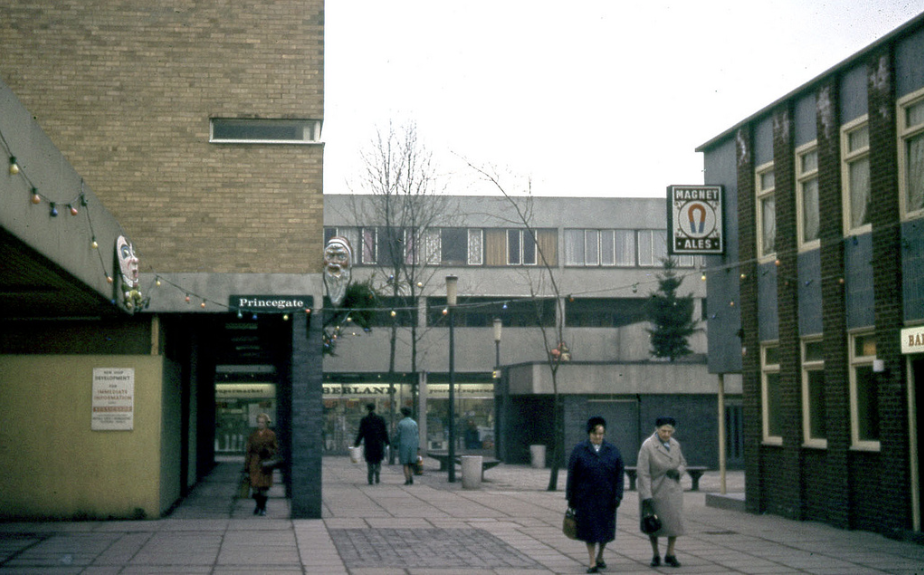
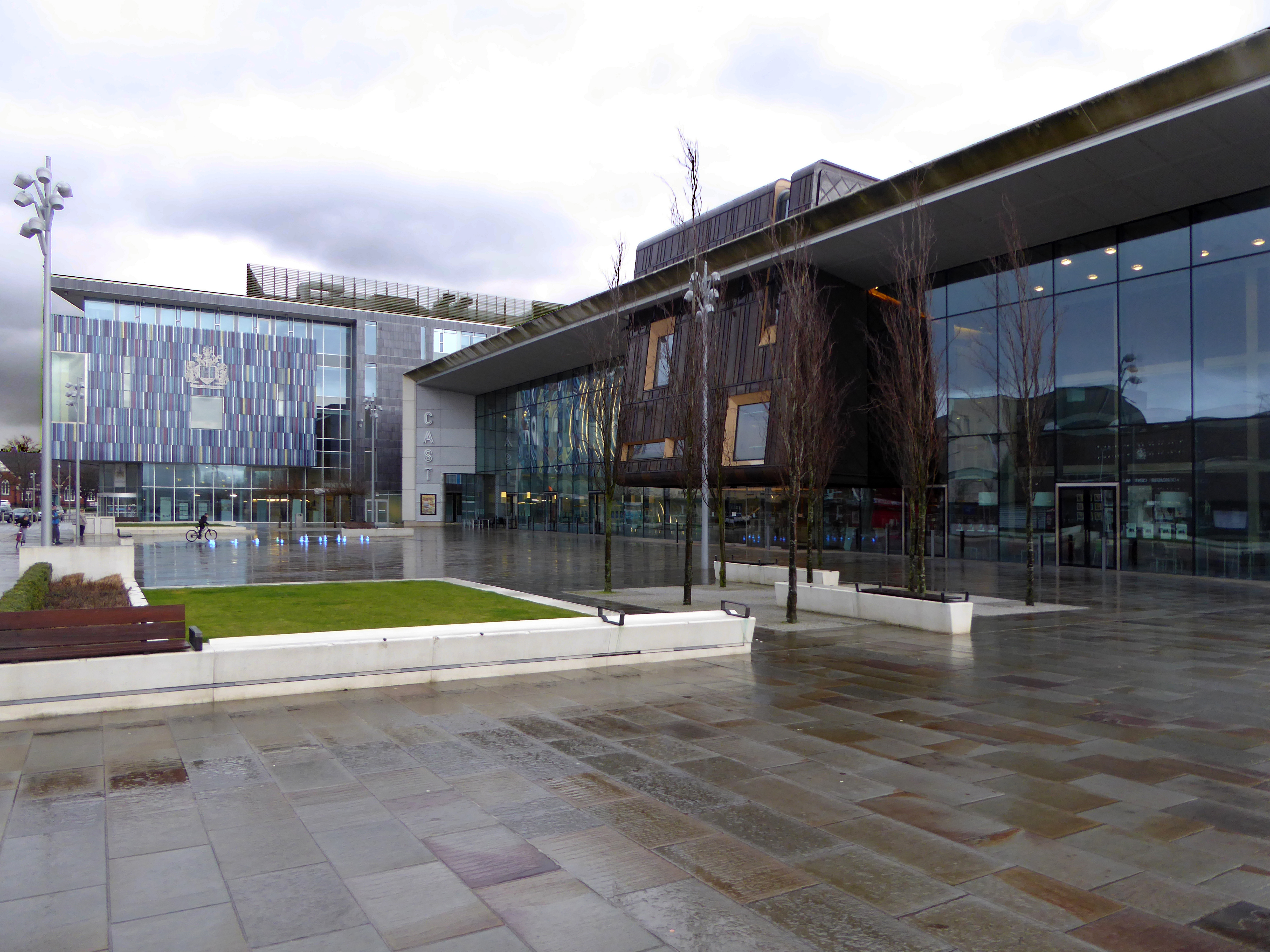
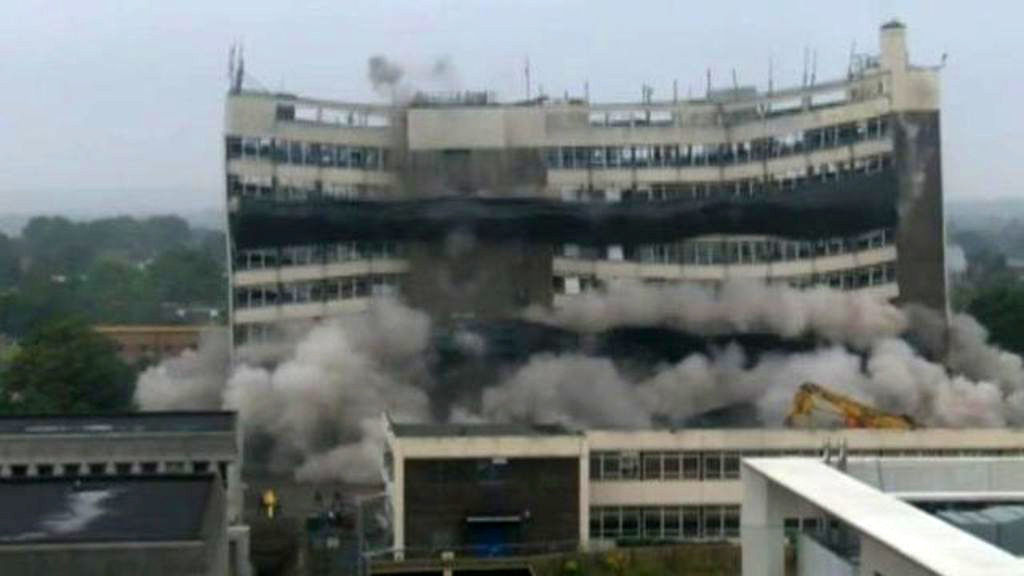
Moving through to the shiny new Civic Area note the older library and demolished college.

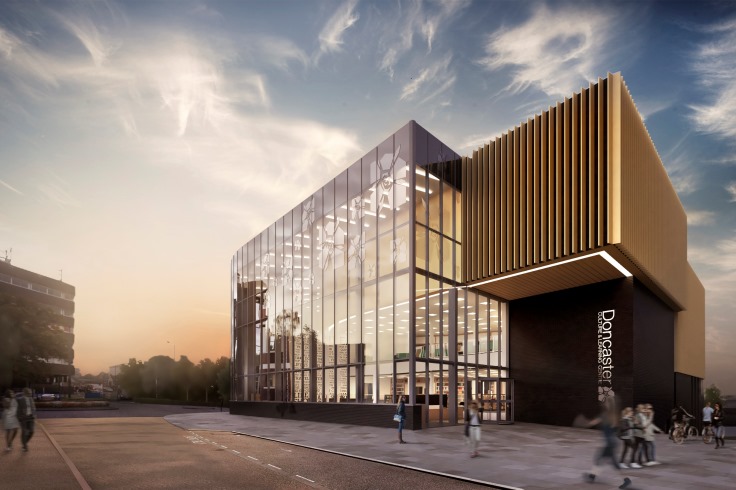
There are further plans to redevelop the Library, Museum and Art Gallery.

Passing through we reach the Magistrates’ Courts and Police Station.

From 1949 onwards plans were afoot to develop the Waterdale area of Doncaster – civic buildings, courts, educational provision and the like, WH Price the Borough Surveyor at the helm. In 1955 Frederick Gibberd was appointed to oversee the site, though many of his designs were unrealised, his Police Station and Law Courts opened in 1969.

The Police Station it seems is to be redeveloped.

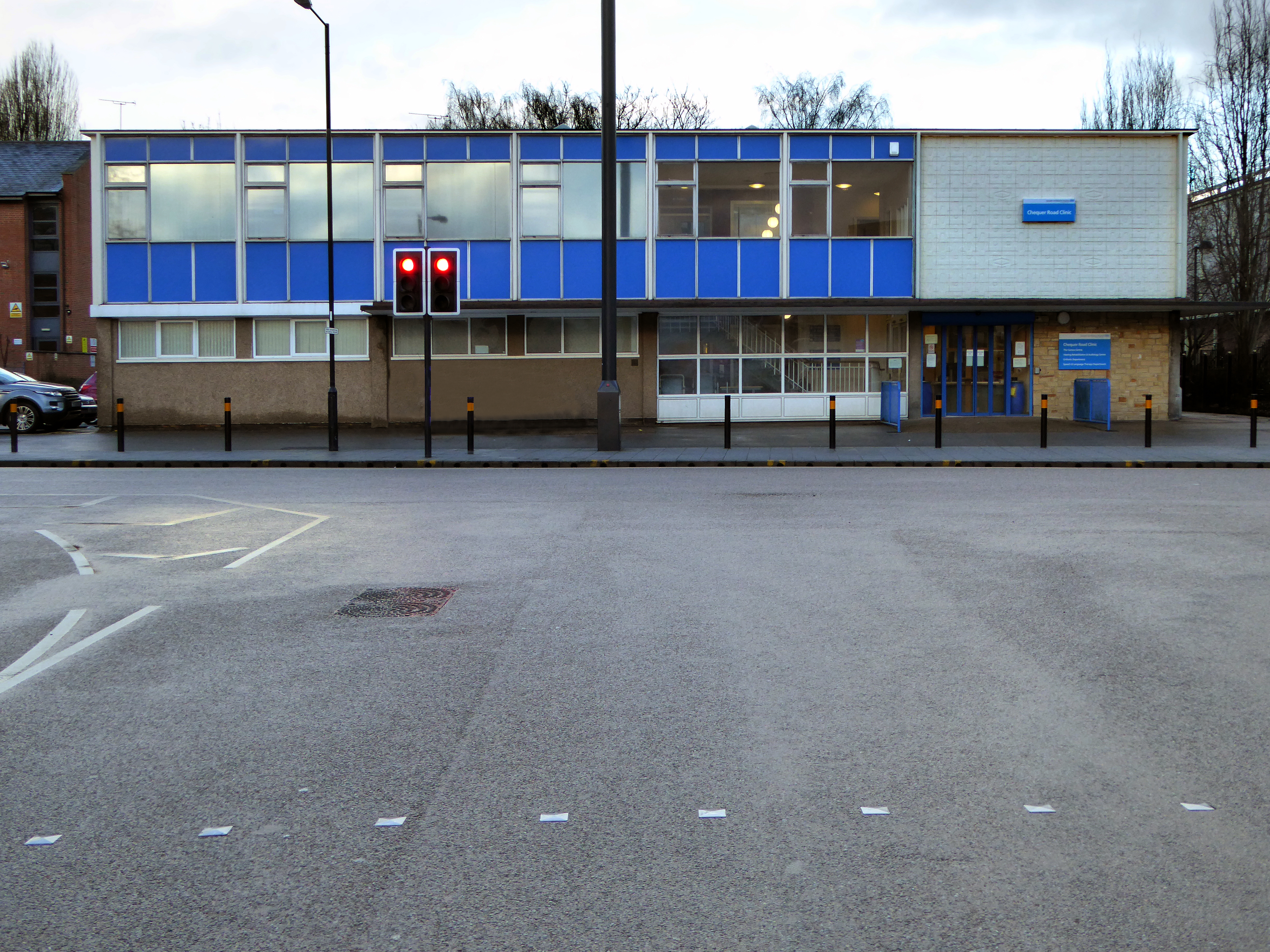
Moments away a delightful clinic with a decorative fascia.

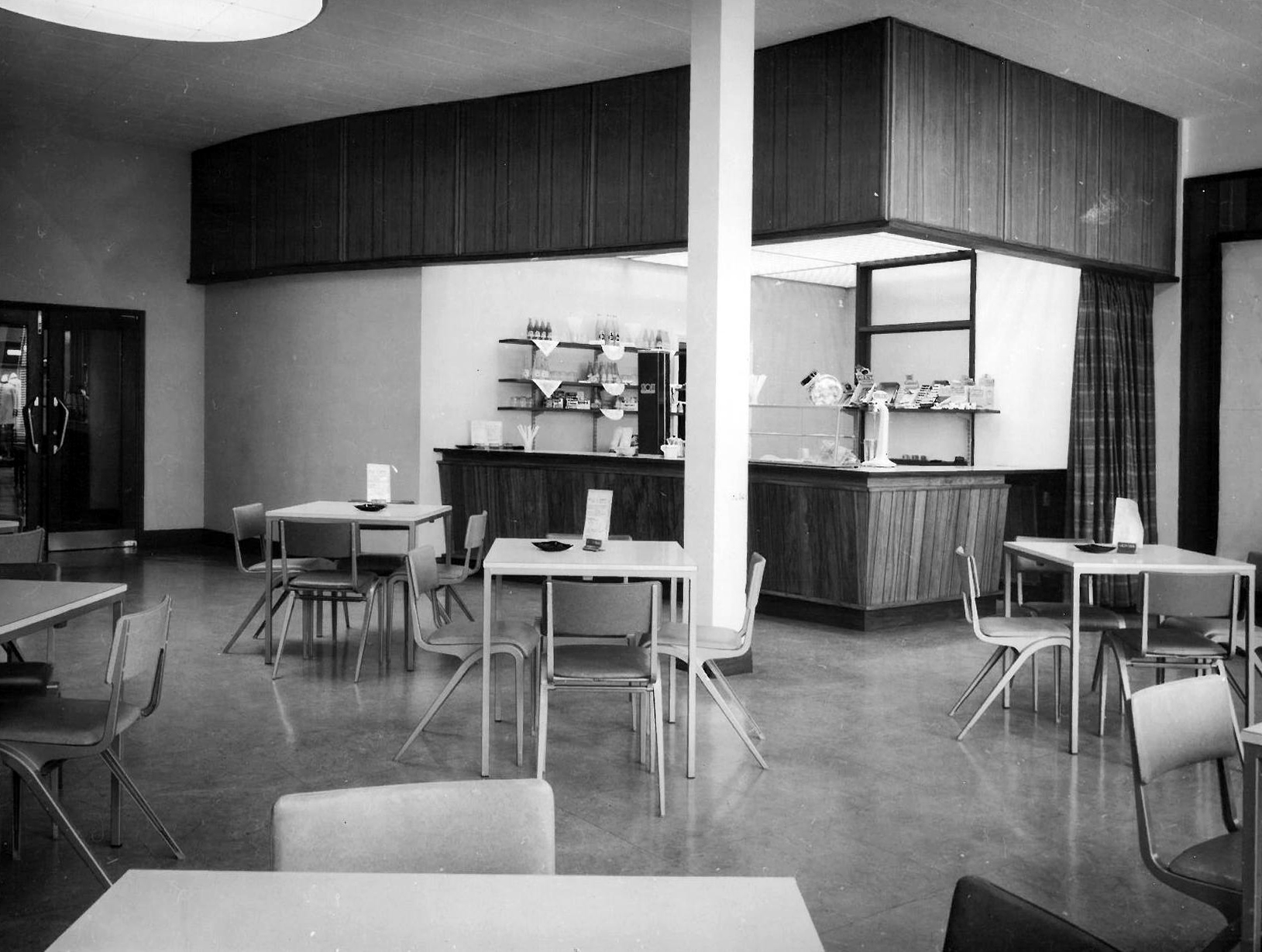
Whilst next door is the Museum and Art Gallery.

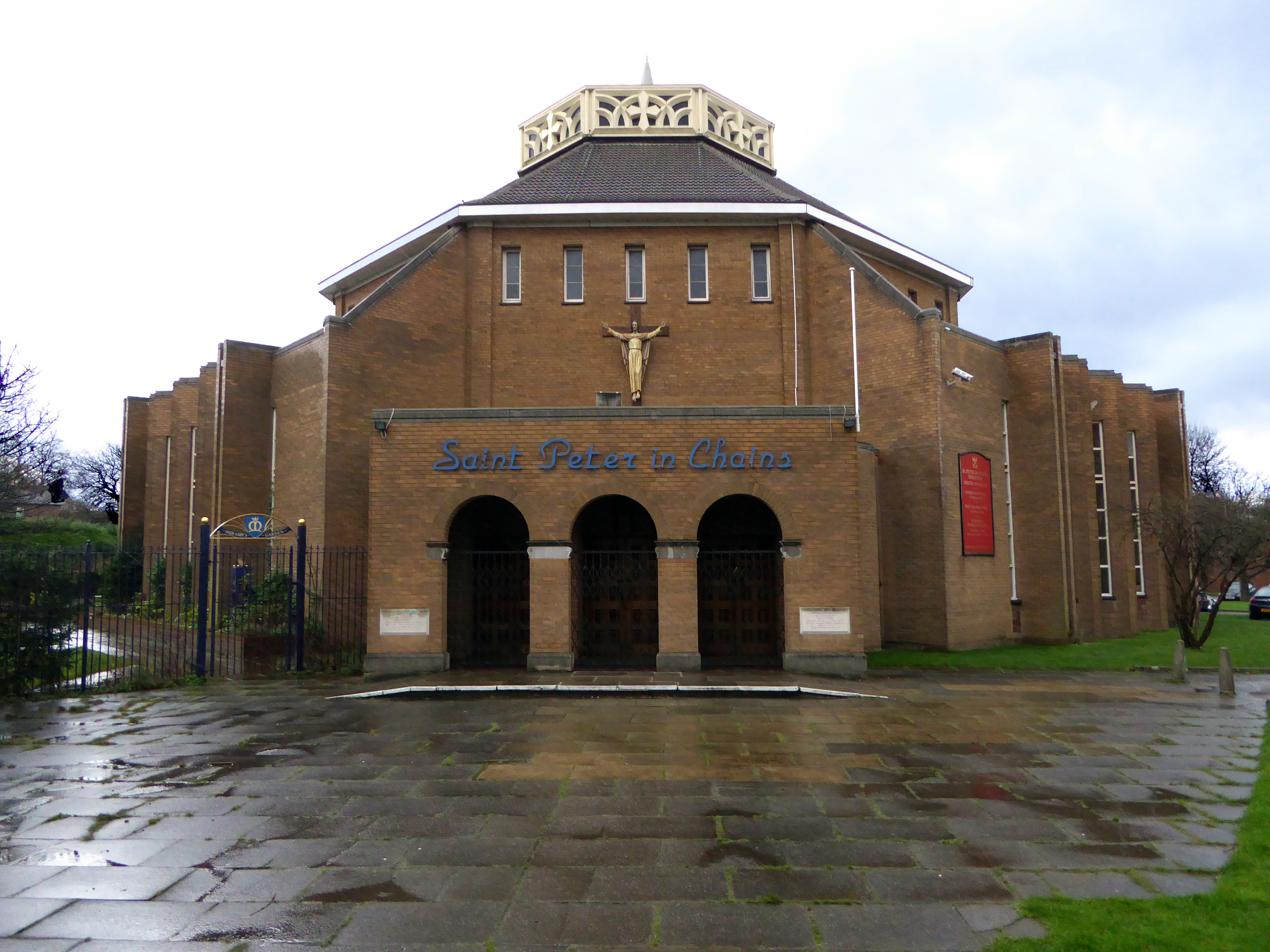
And finally next door St Peter in Chains Church.

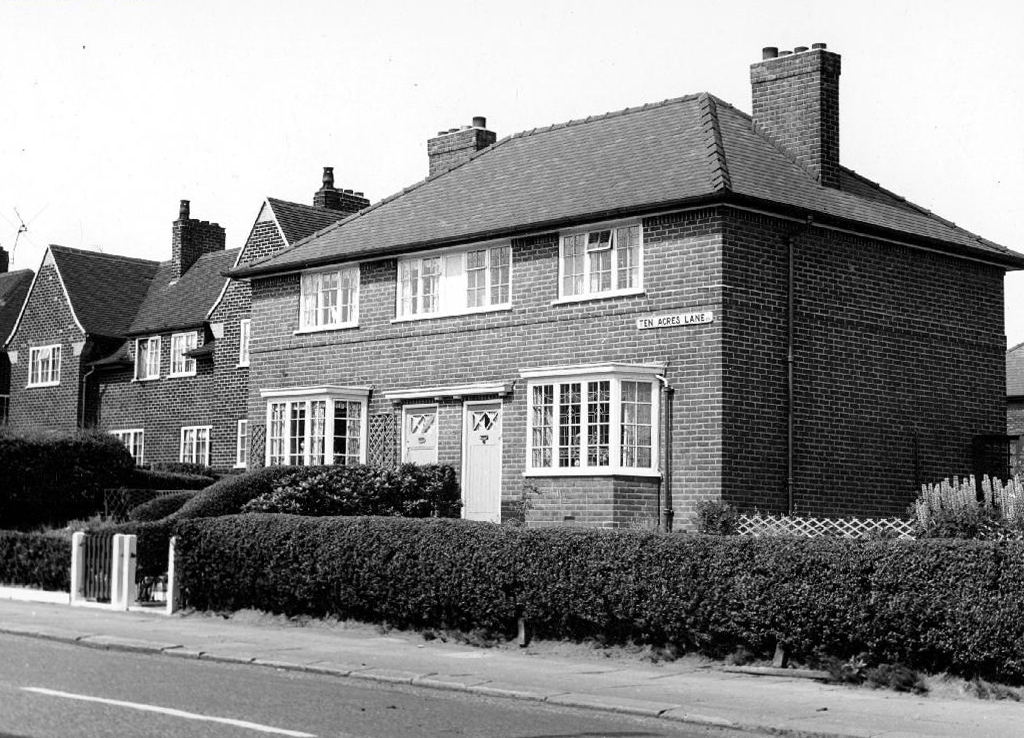
Ten Acres Lane Again – Manchester

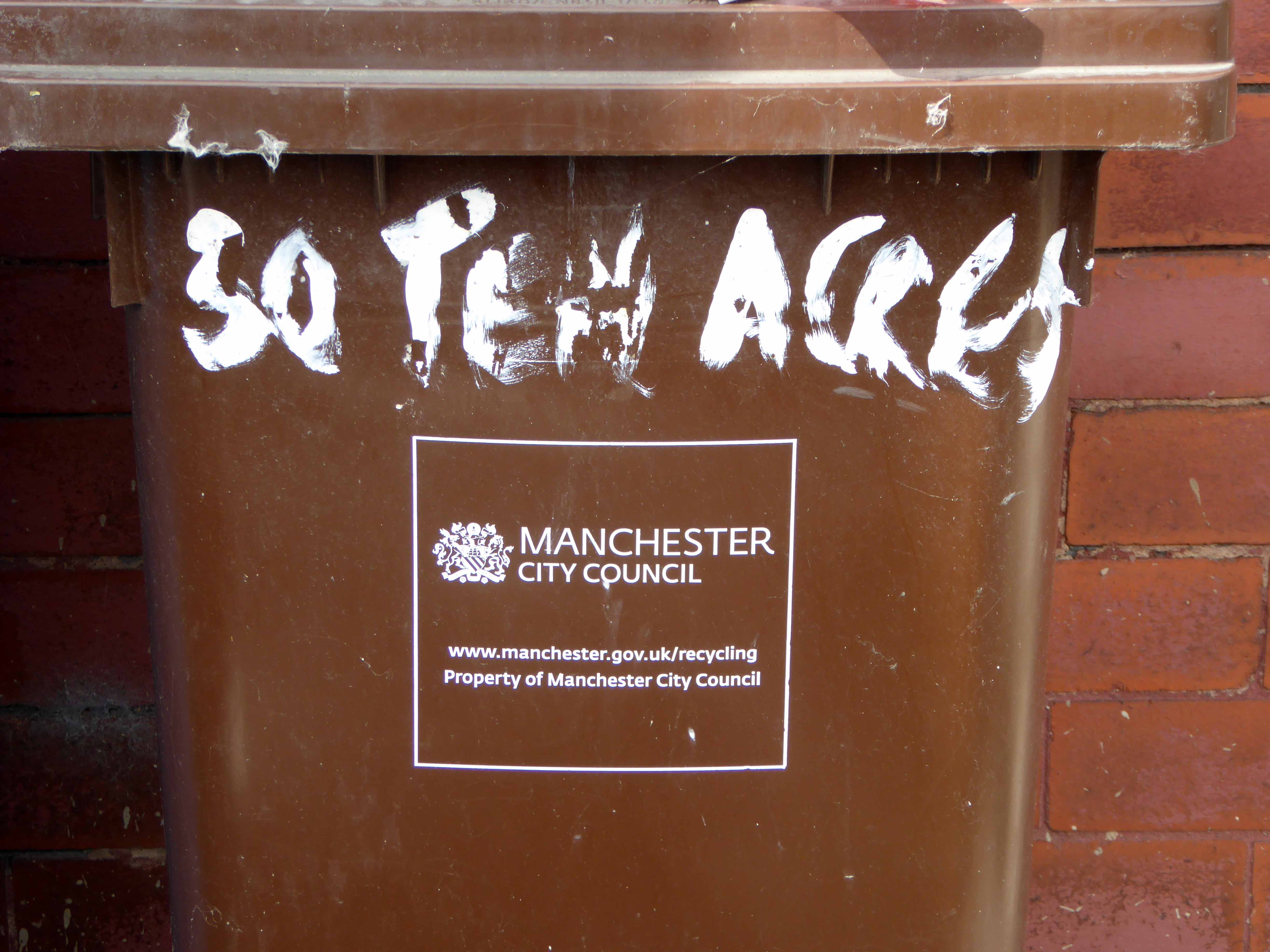
Having travelled back in time along Ten Acres Lane why not come along with me now and see just what’s left – right?

Each Manchester street tells its own tales of homes and people been, gone, rebuilt and buried – whole industries evaporating laid waste by seismic economic forces, land changing use again and again – shop door bells which are a now but a ghostly tintinnabulation on the wind.

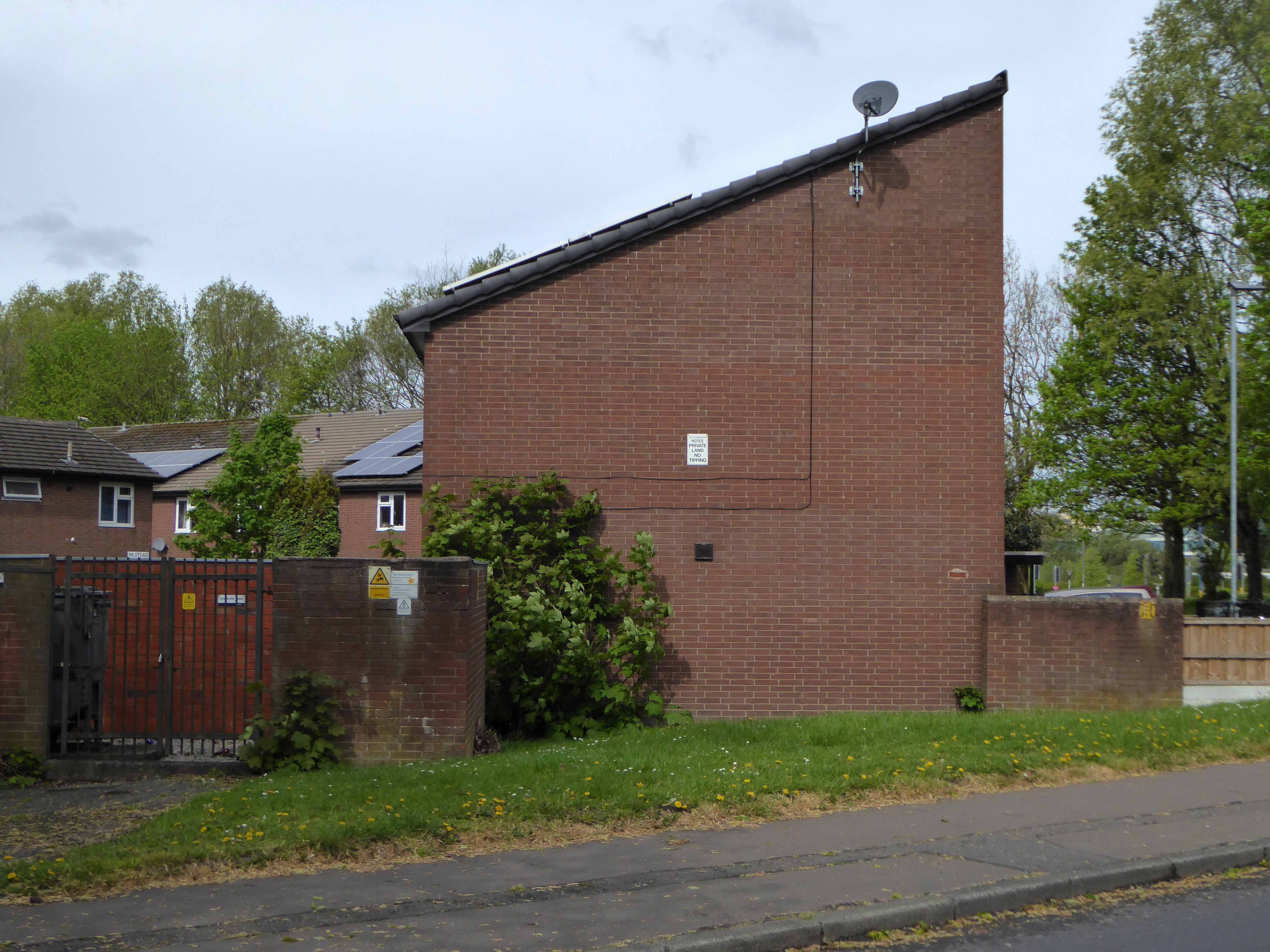
Starting from the Oldham Road end the clearance of older terraced homes was followed by the construction of newer 70s social housing.

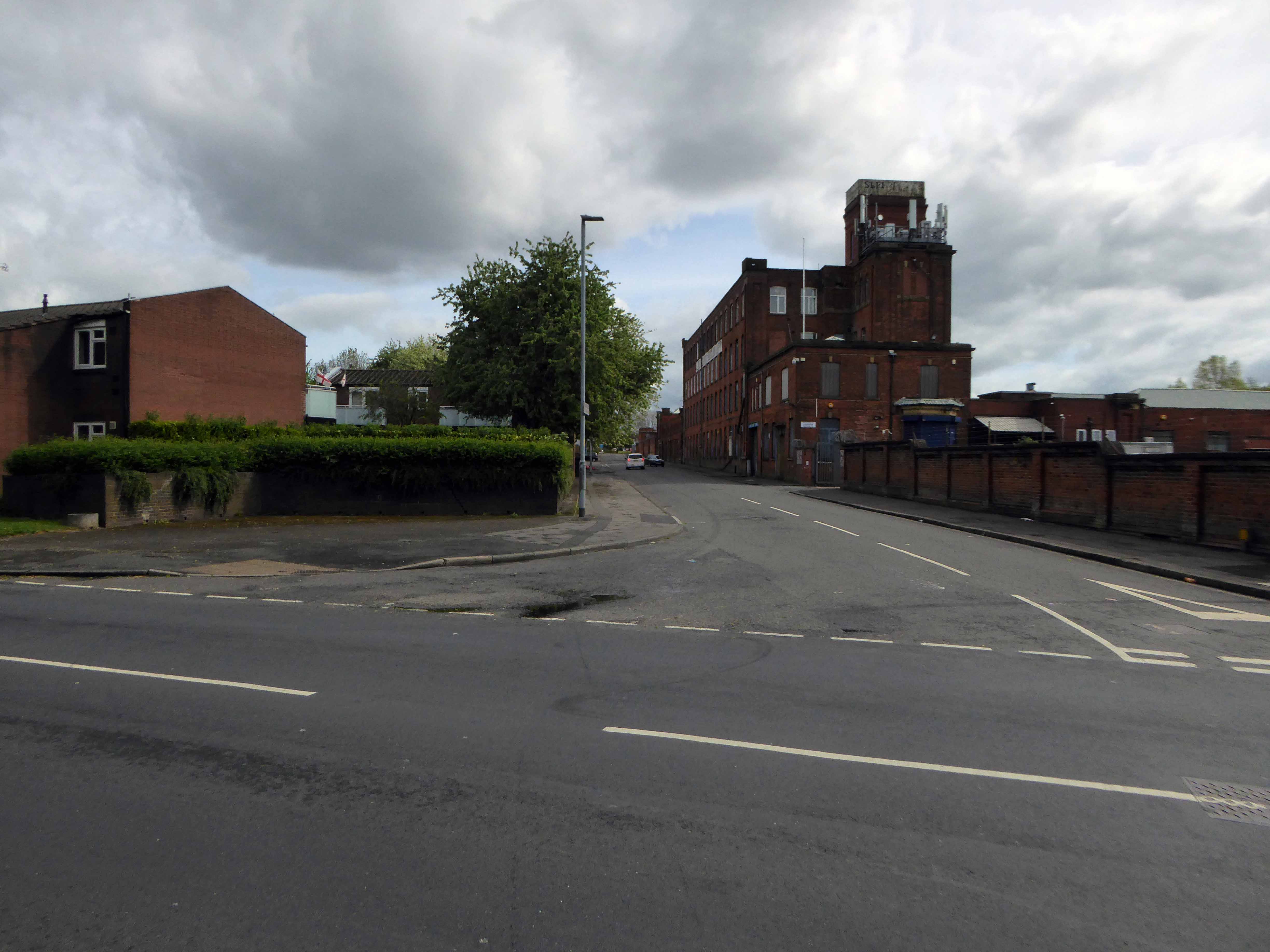
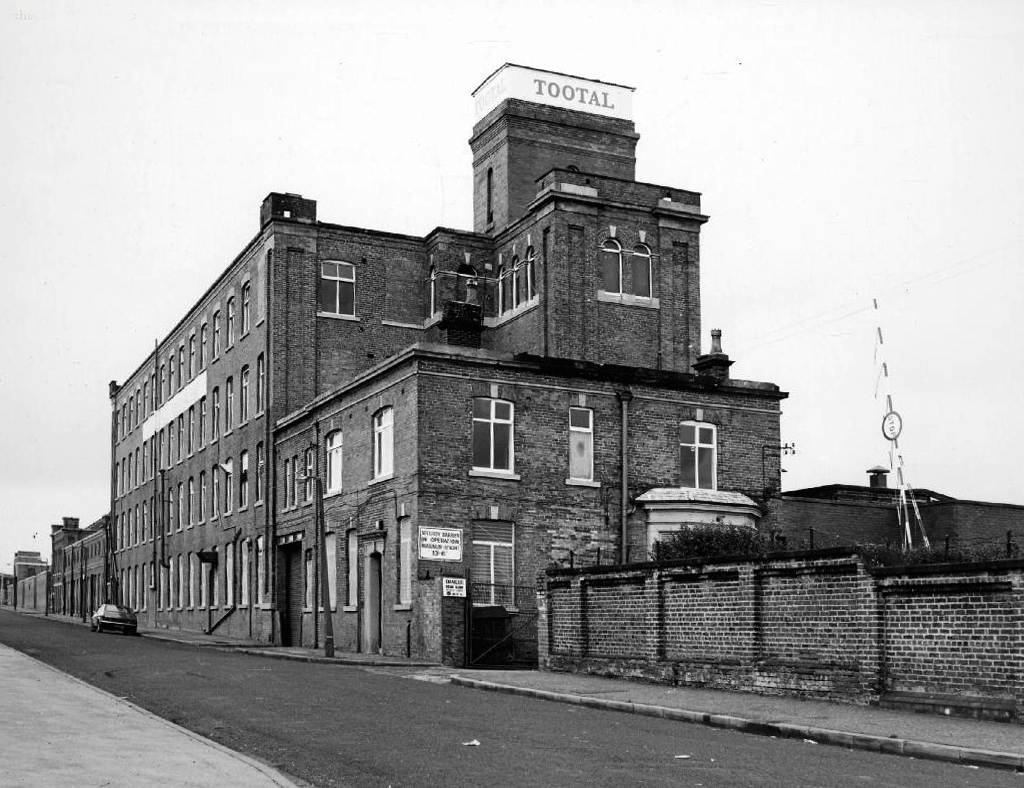
The former Tootal’s Mill is now owned by Sleepdown Textiles.

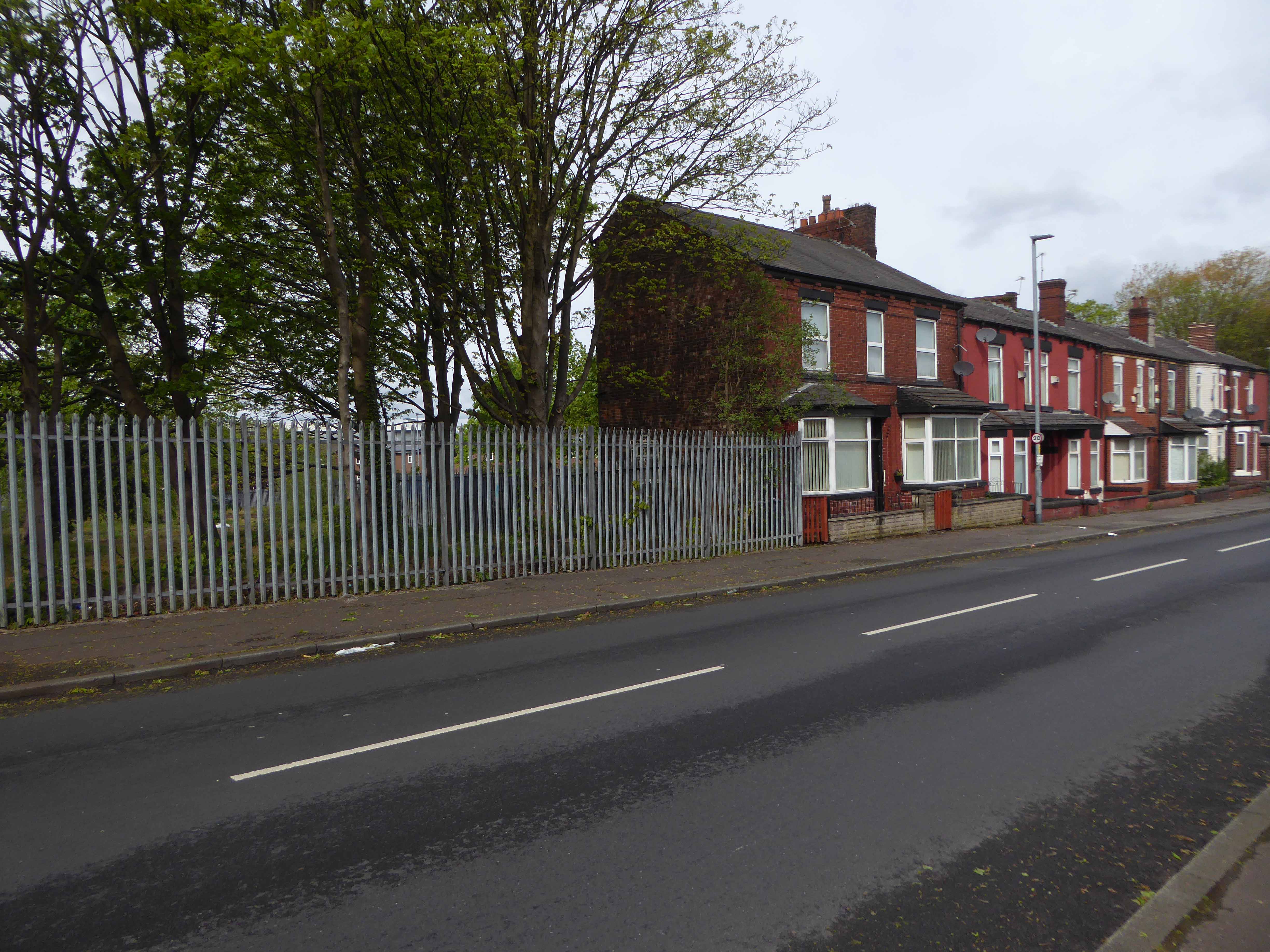
Some of the older terraces were spared the wrecker’s ball.

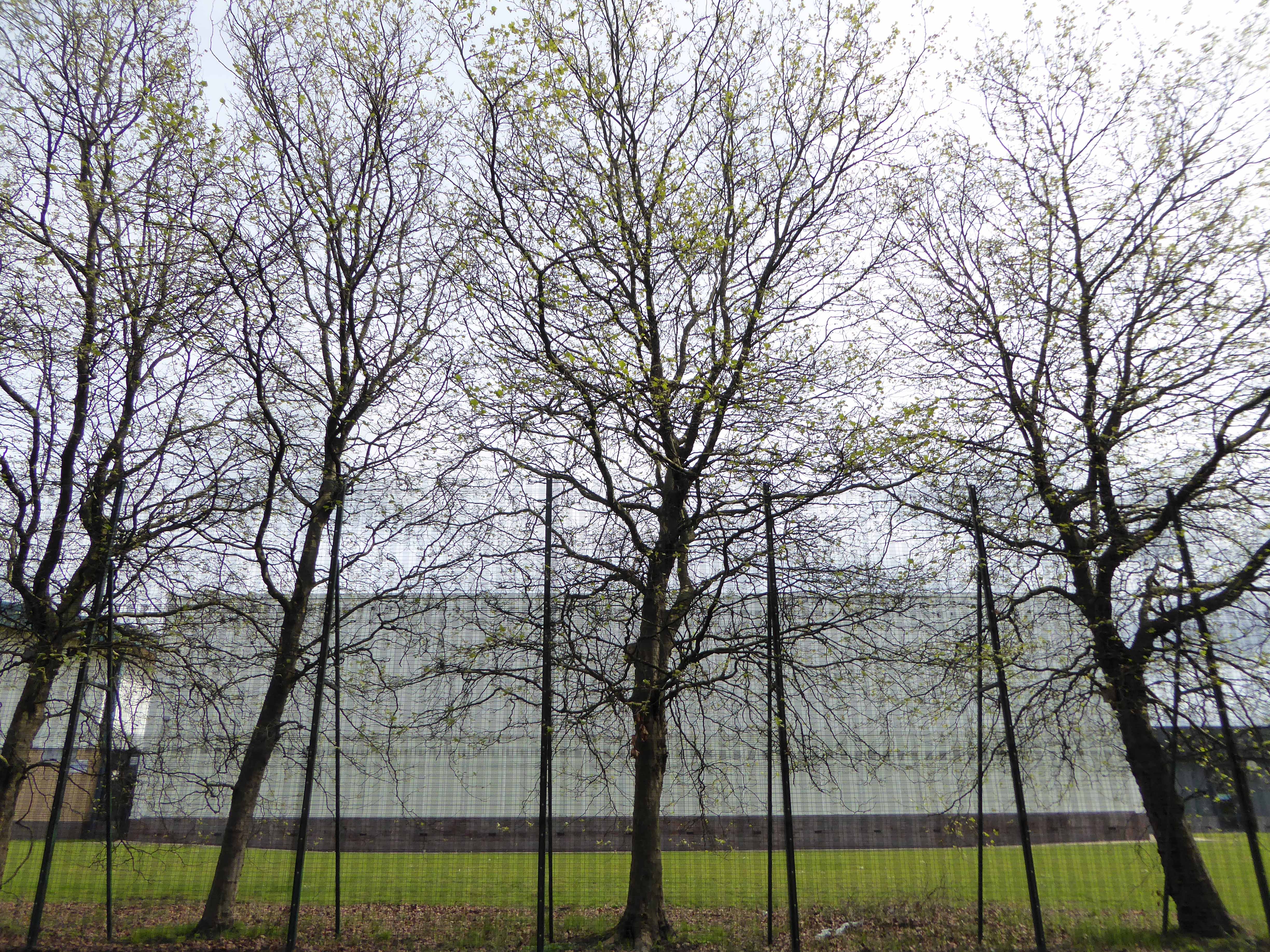
Industrial sites remain fenced and unused slowly returning to some form of urban natural habitat.

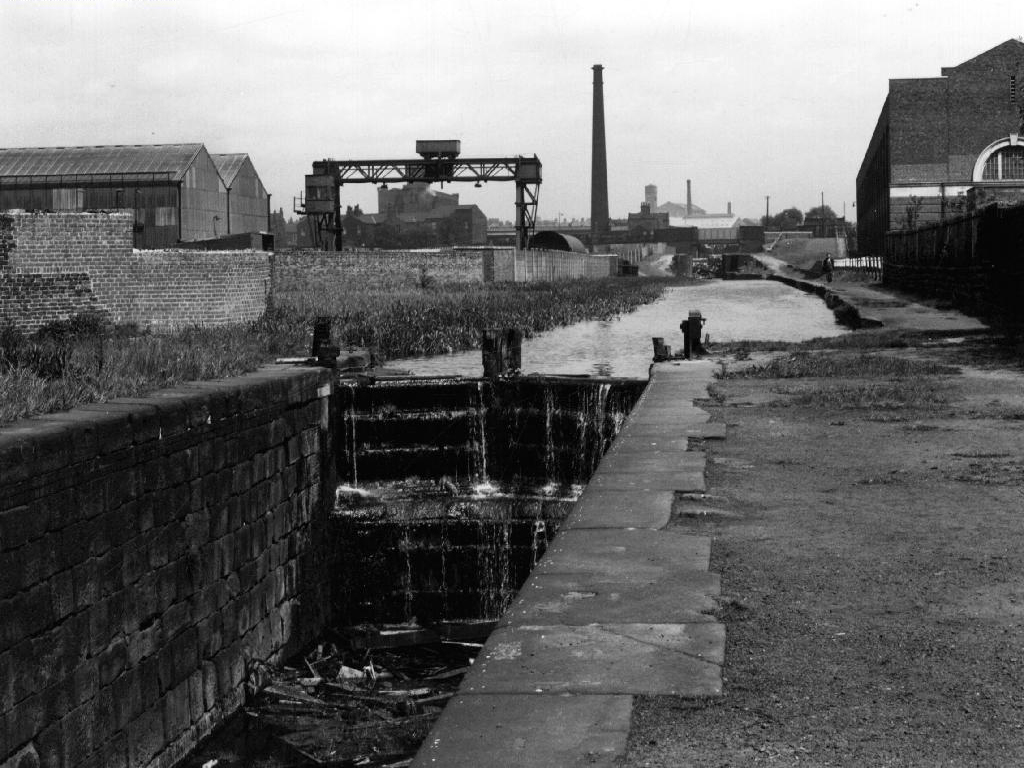
The cast-iron Rochdale Canal bridge is still in place – it was itself a replacement for an earlier masonry version.

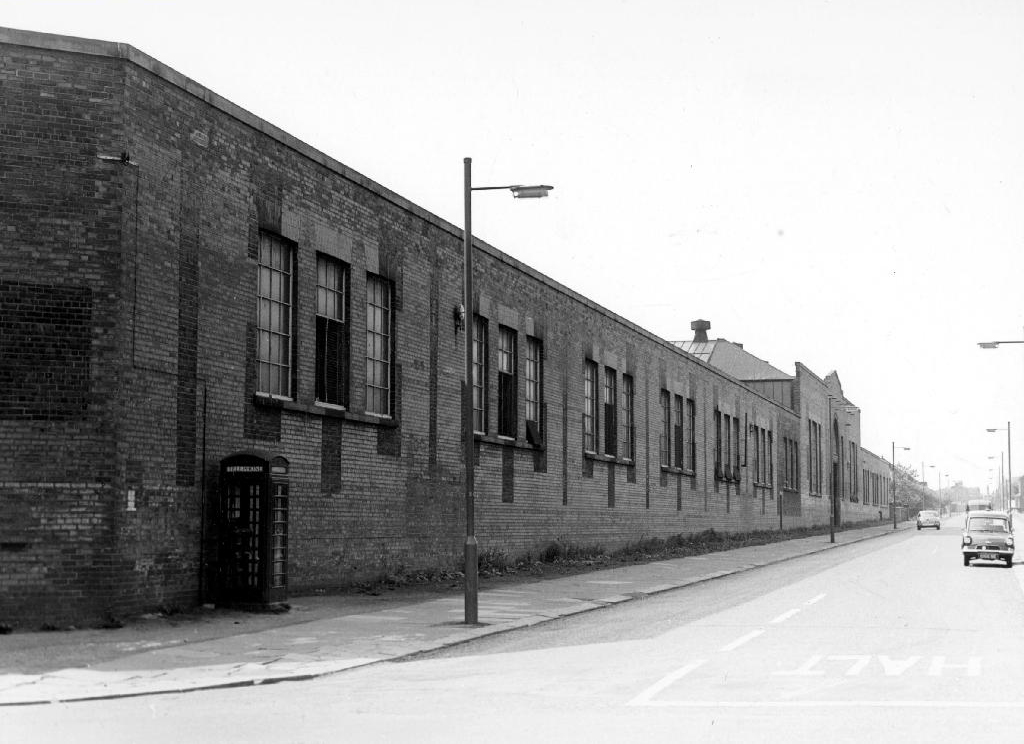
Mather and Platt’s foundry sheds are just about hanging on – though I am uncertain of their current use and ownership.

The recreation ground is now an extensive community football facility and also home to the National Taekwondo Centre.

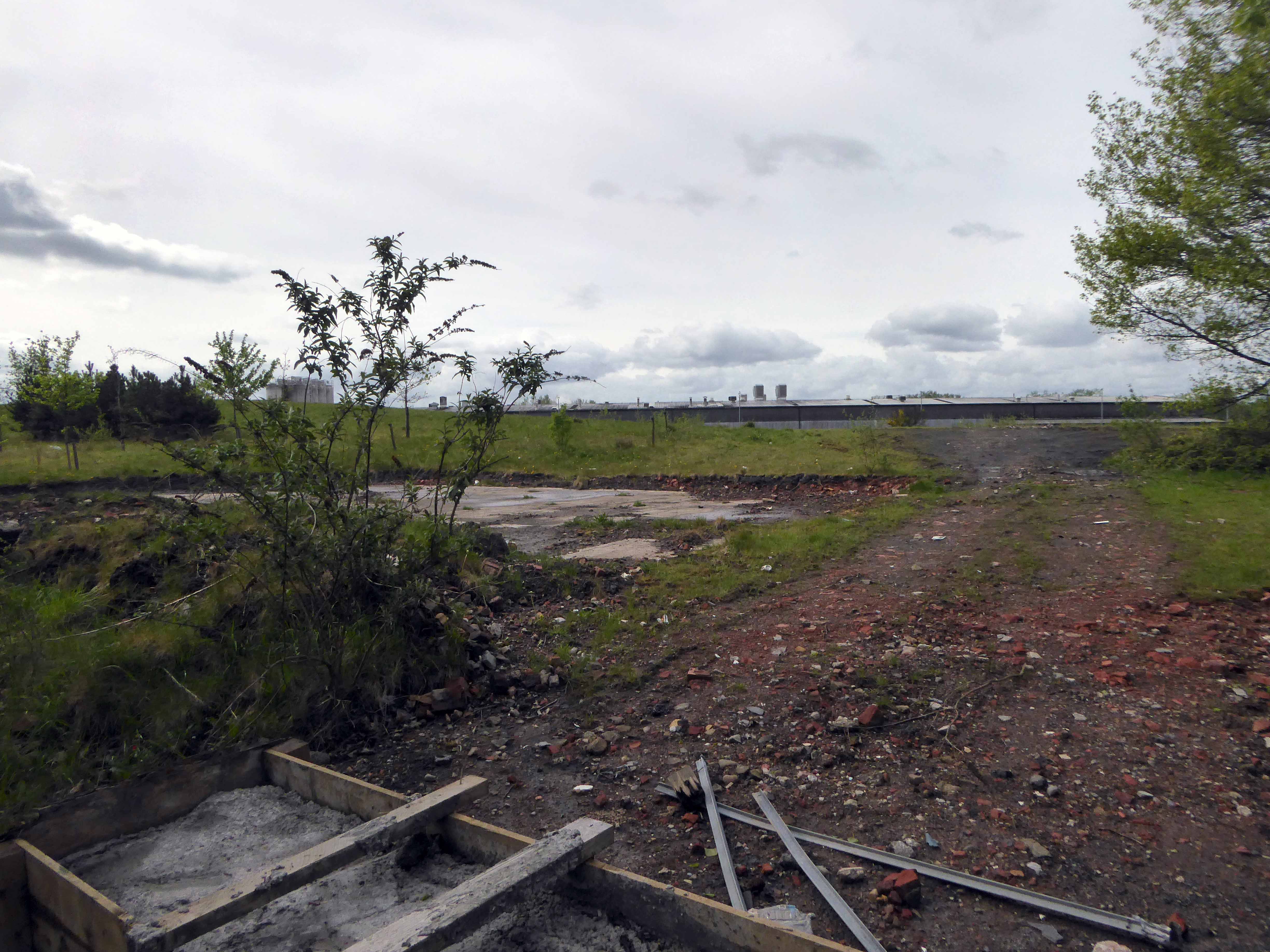
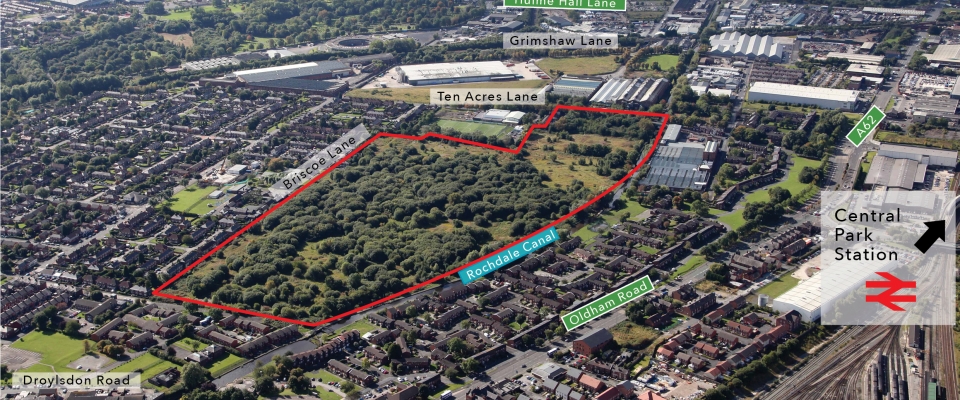
This large tract of land once Jackson’s Brickworks is under consideration for a modern private housing development

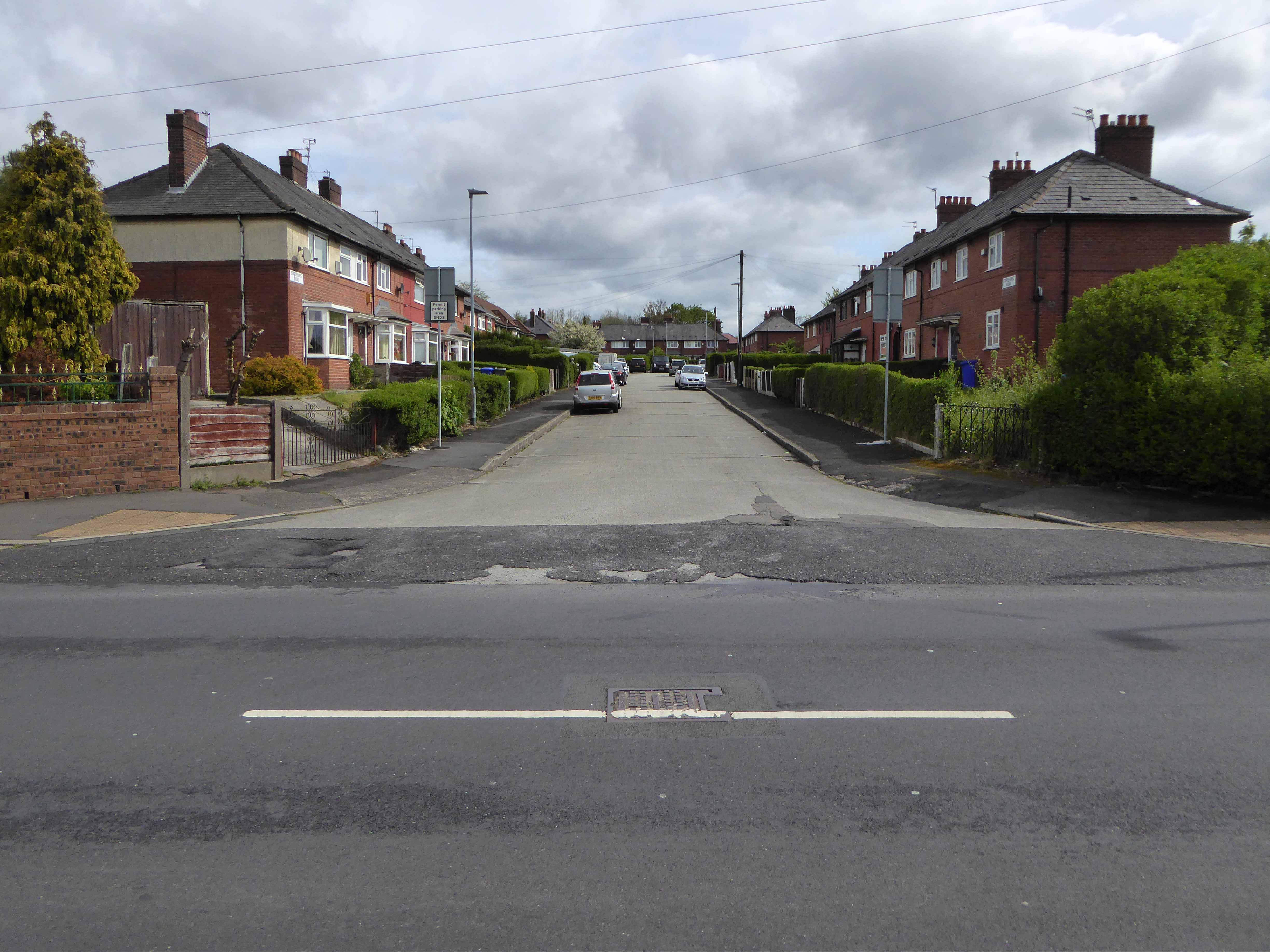
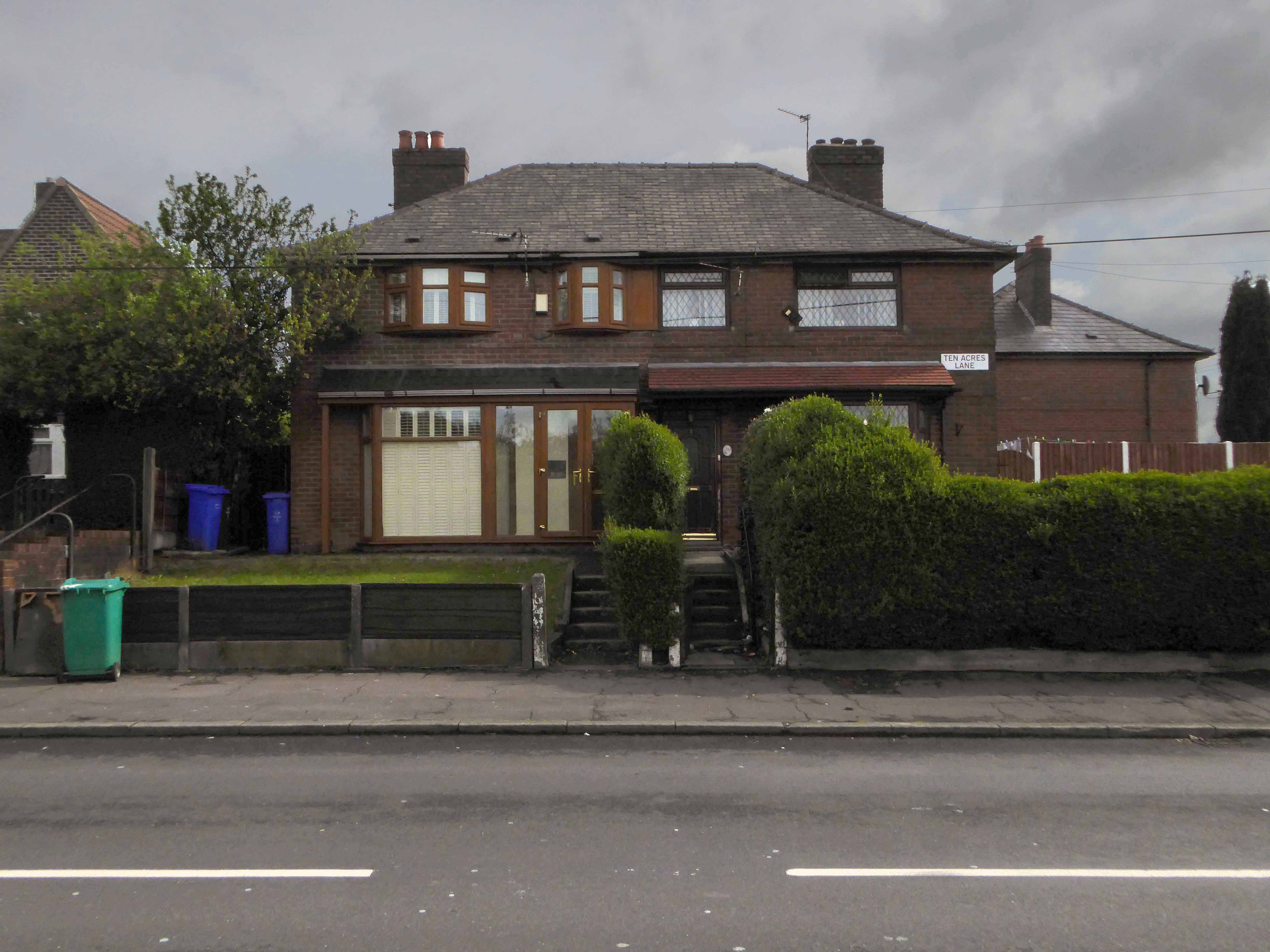
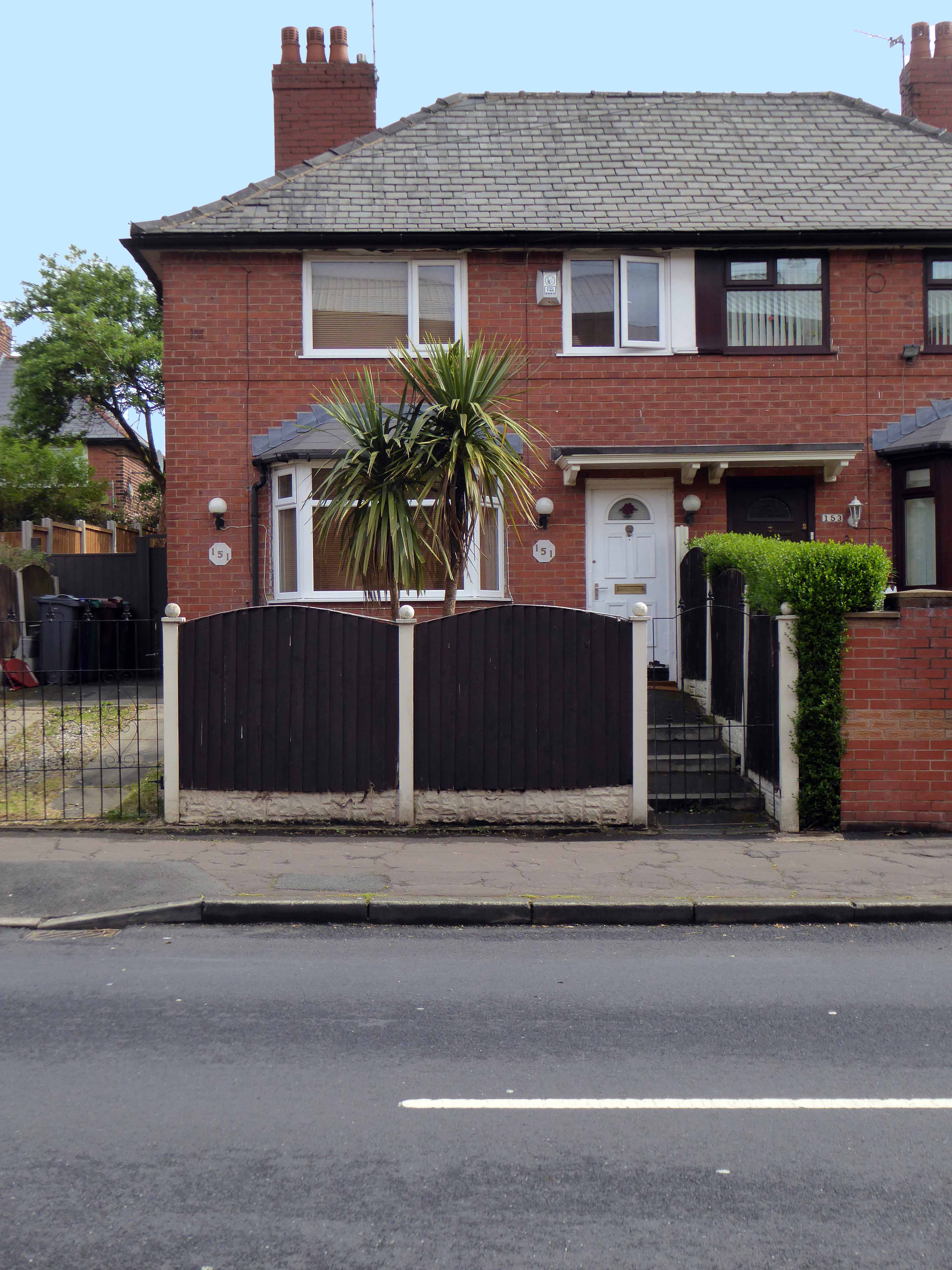
Much of the inter-war housing stock is still extant.

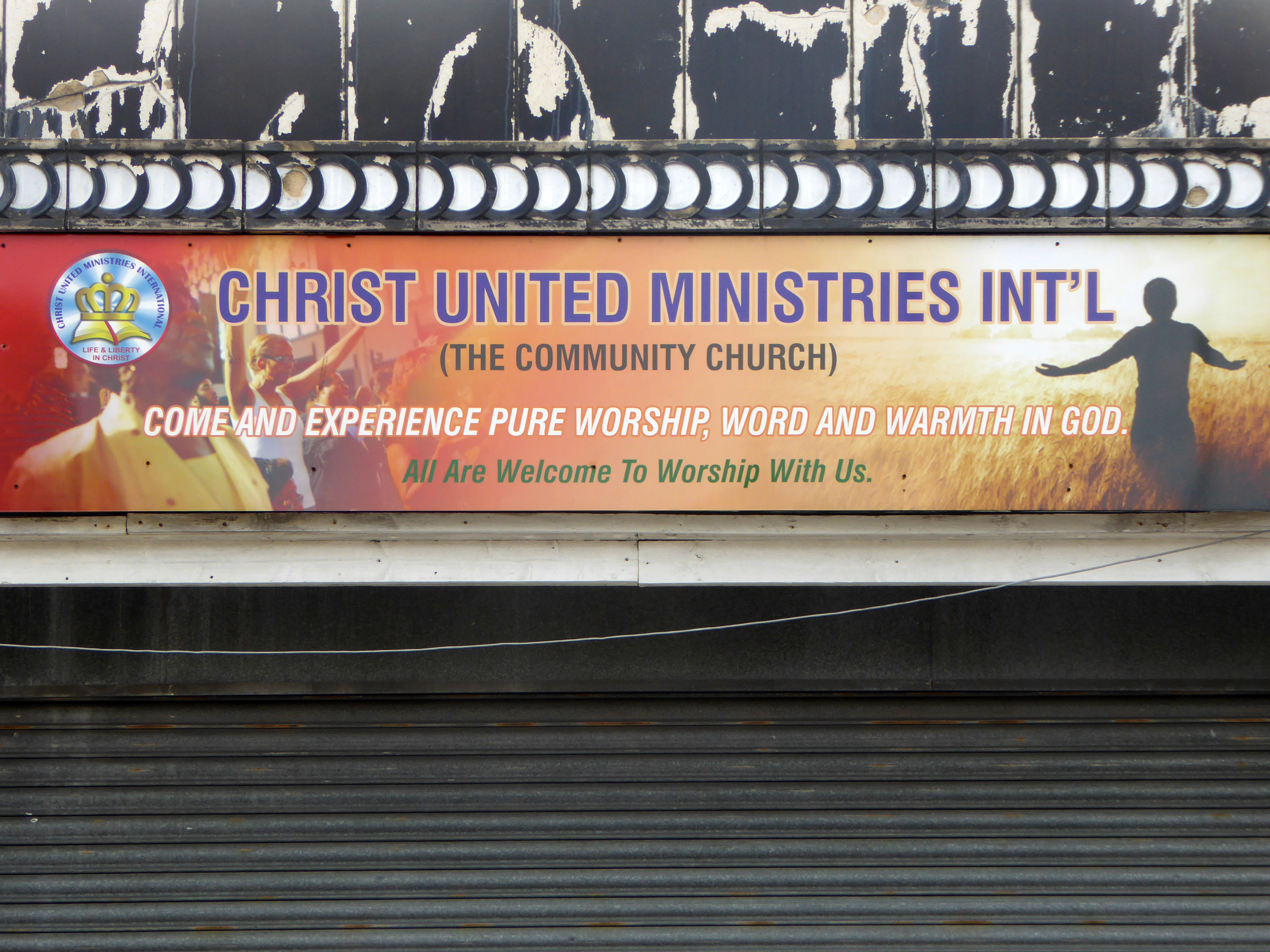
The sad shell of the Co-operative corner shop currently half storefront church half former tyre supplier is a sorry sight.

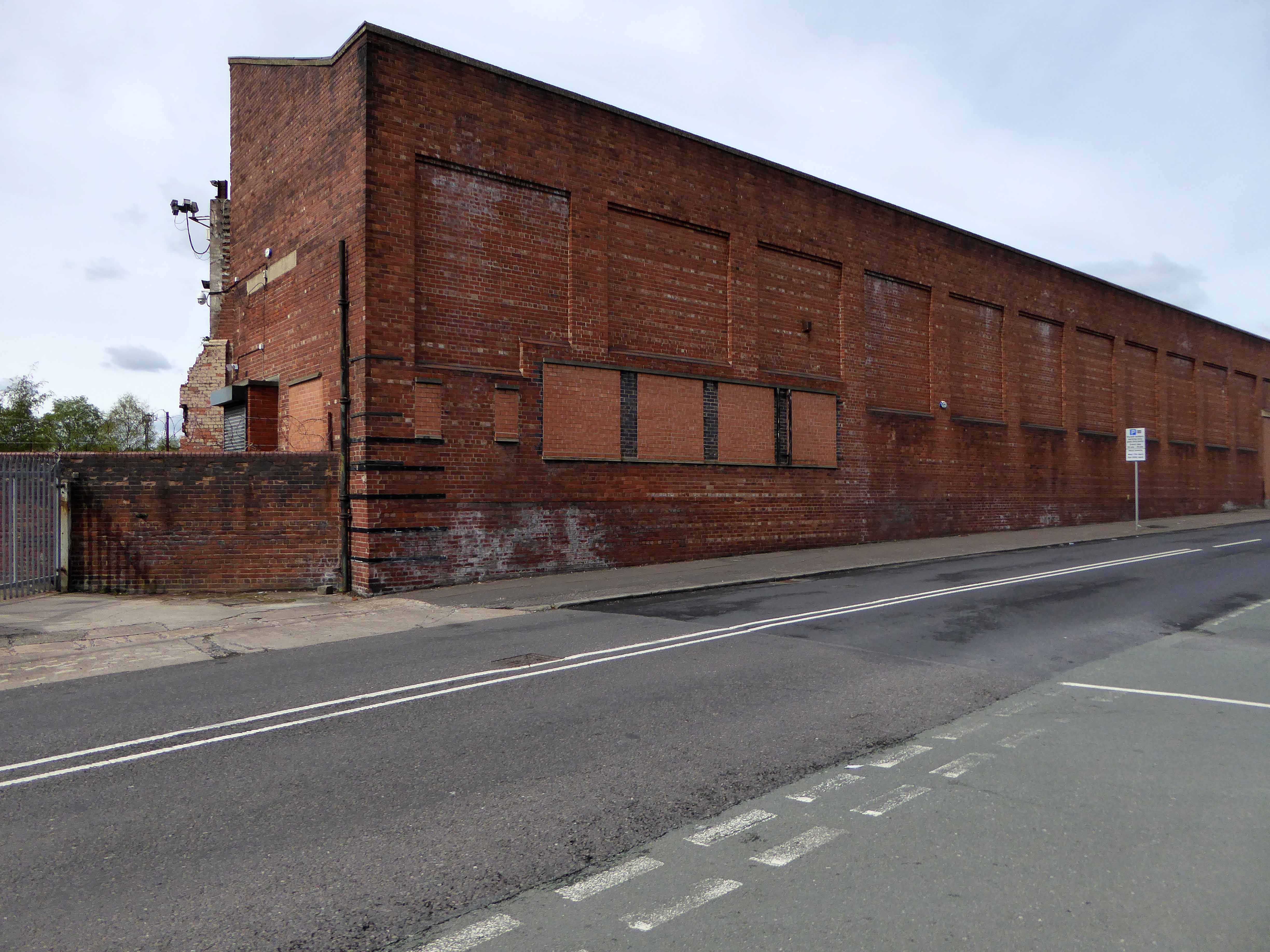
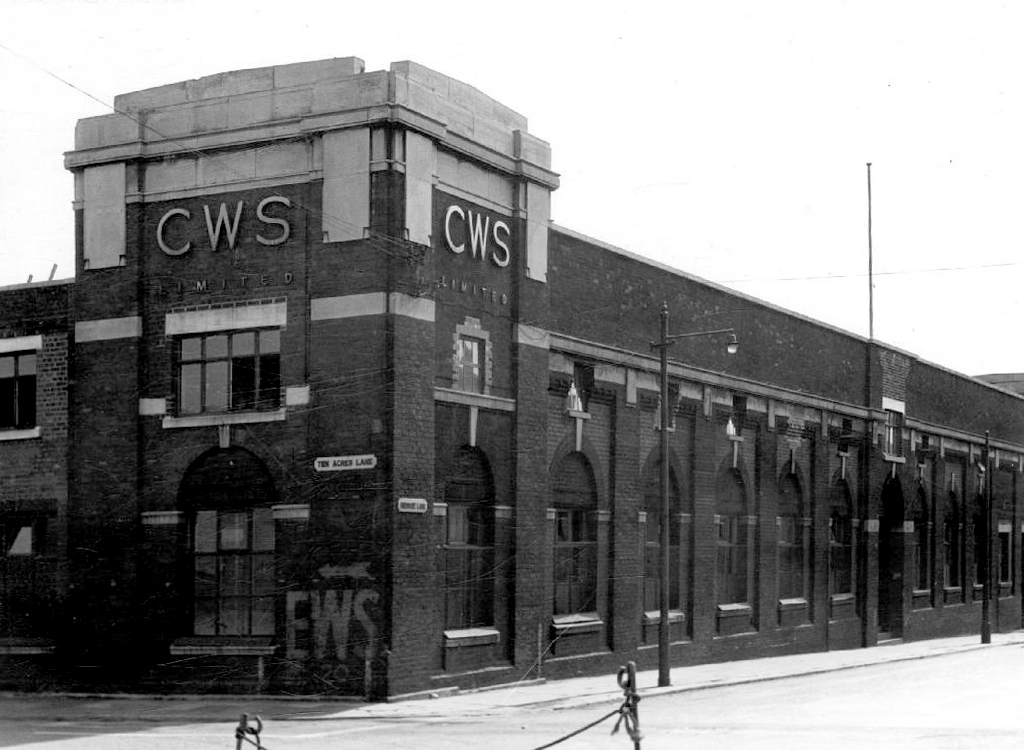
The still-standing CWS Works.

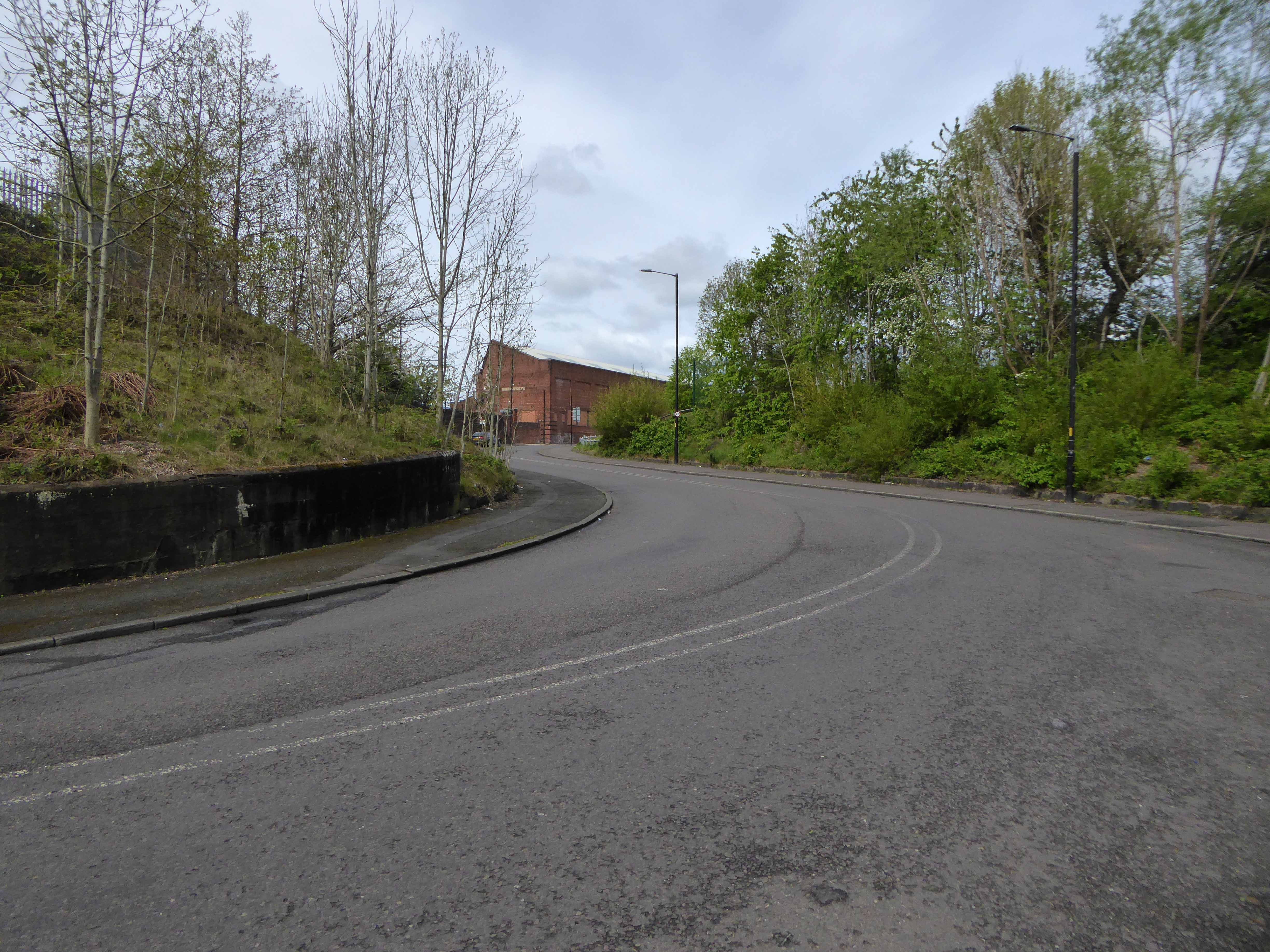
Finally passing under the railway bridge and descending into the Medlock Valley – our journey’s end.

Ten Acres Lane – Manchester

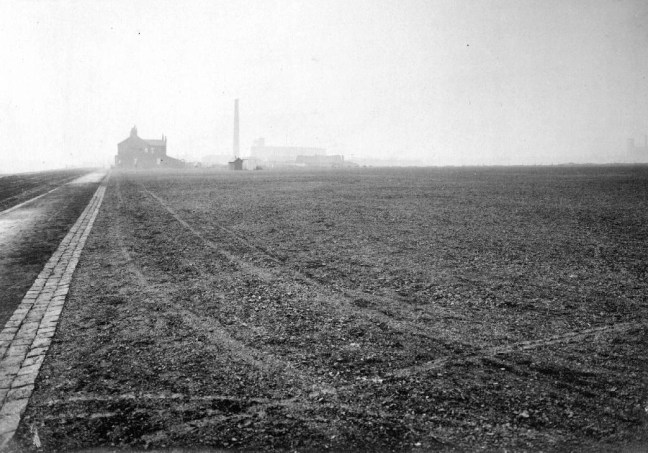
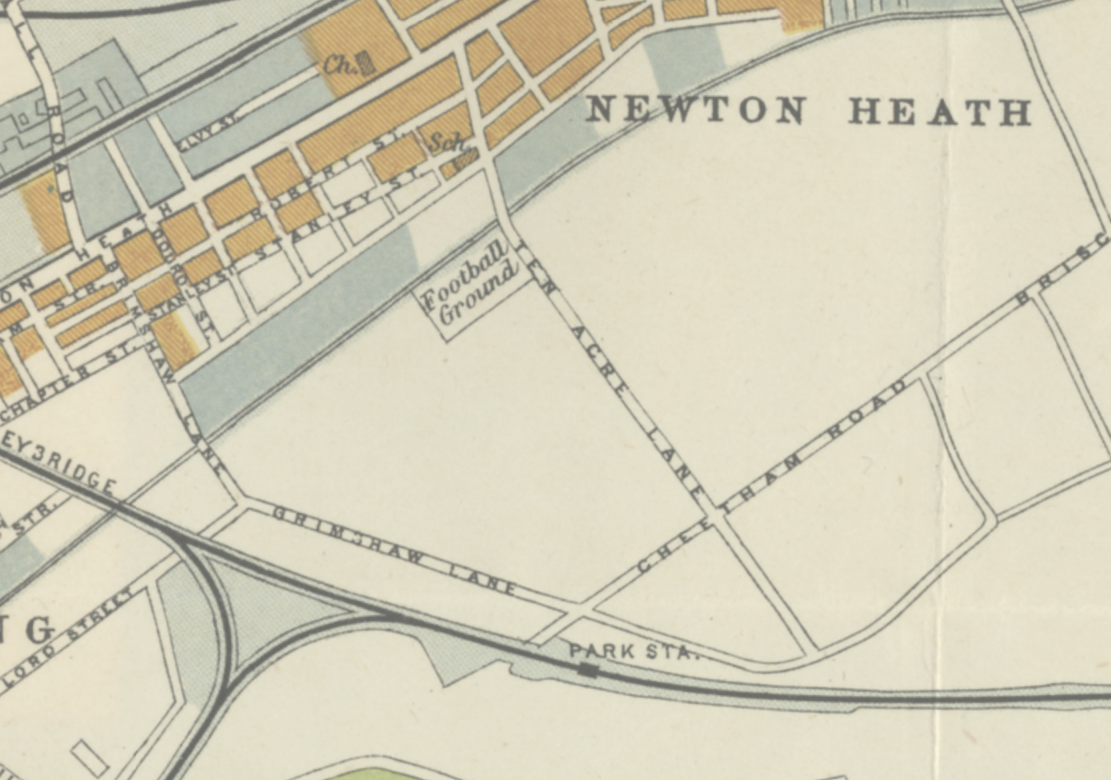
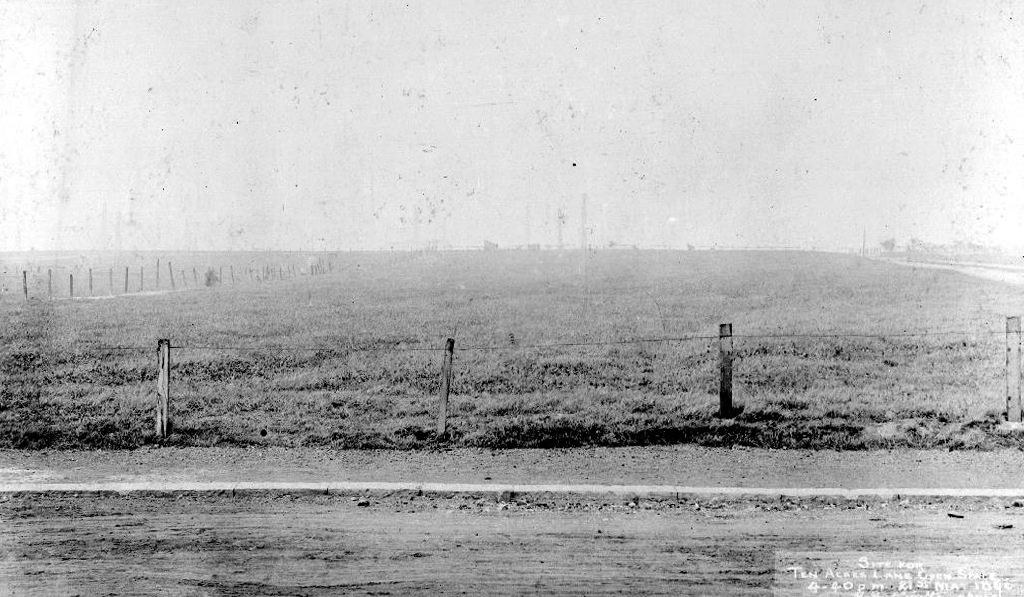
Ten Acres Lane 1904 running south from Oldham Road – not quite crossing under the Ashton and Stalybridge Railway.

I was propelled by the vague memory of an Ashton Lads football match way back in the 1970s – my dad Eddie Marland managed the team in the Moston and Rusholme League.

There was land given over to recreation from 1900, the area is famed for its links to the inception of Manchester United and almost but not quite became home to FC United.

The Recreation Grounds in 1900.

To the left of the inter-war housing in 1963.

So I took a trip back in time along the lane – courtesy of the Local Image Collection.

In 1896 the area was largely farmlan

Baguley Fold Farm – occupying land adjacent to the Medlock Valley.

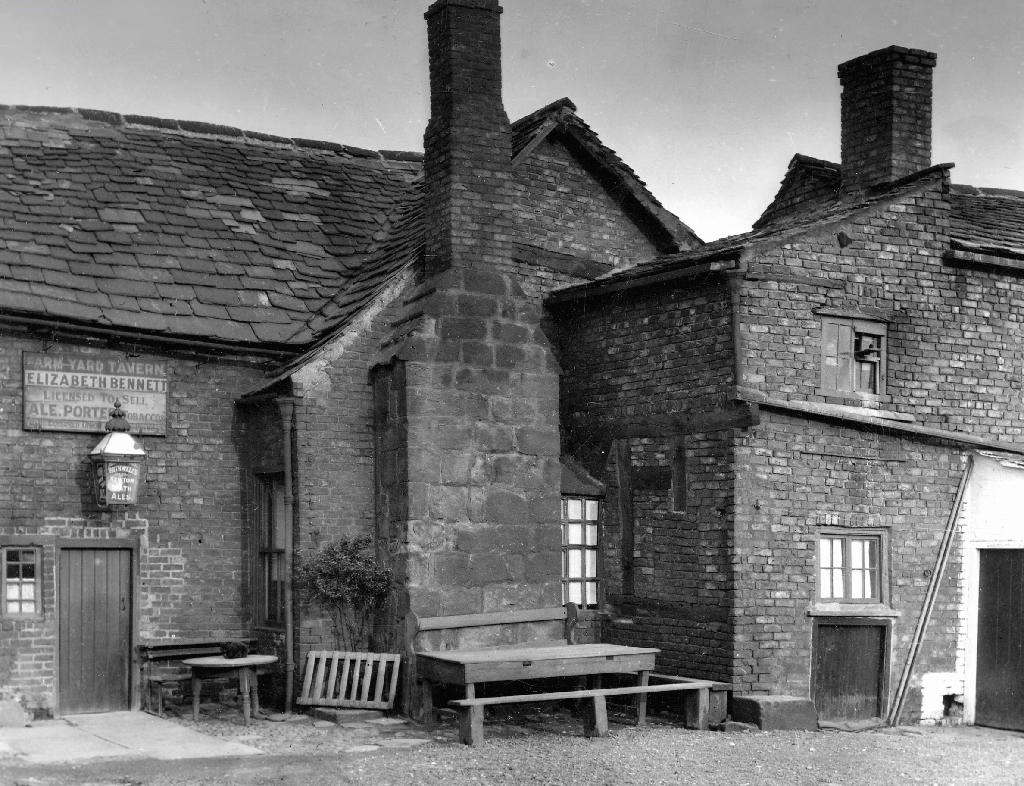
Farm Yard Tavern closed in 1917 a Rothwell’s pub supplied from Heath Brewery on Oldham Road.

This was an area dominated by the Rochdale Canal and criss-crossed with rail links.

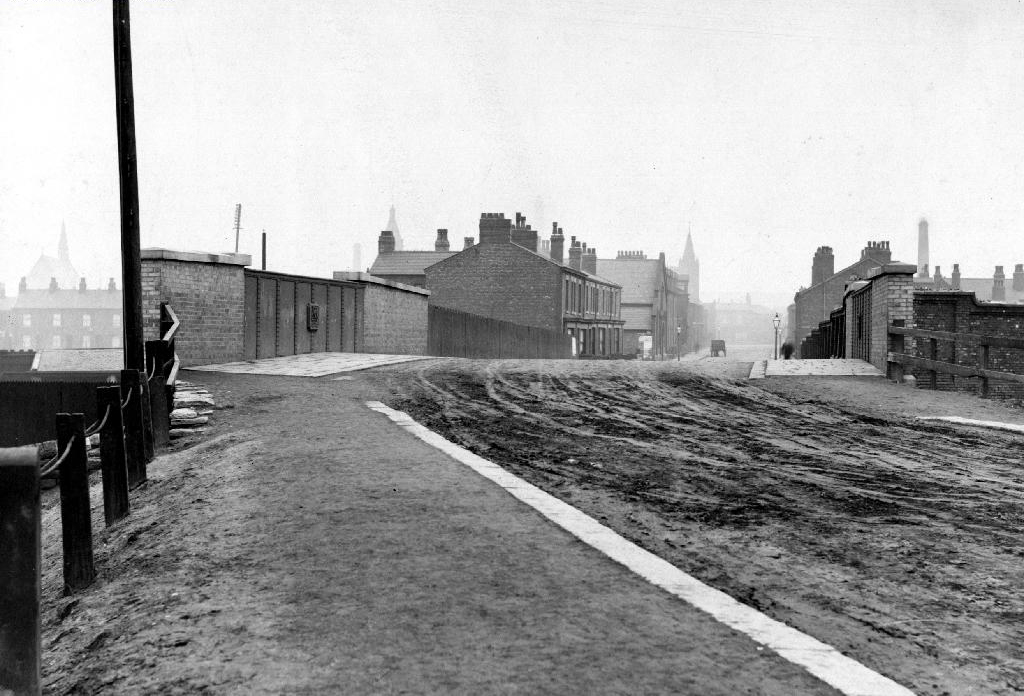
The canal bridge 1904.

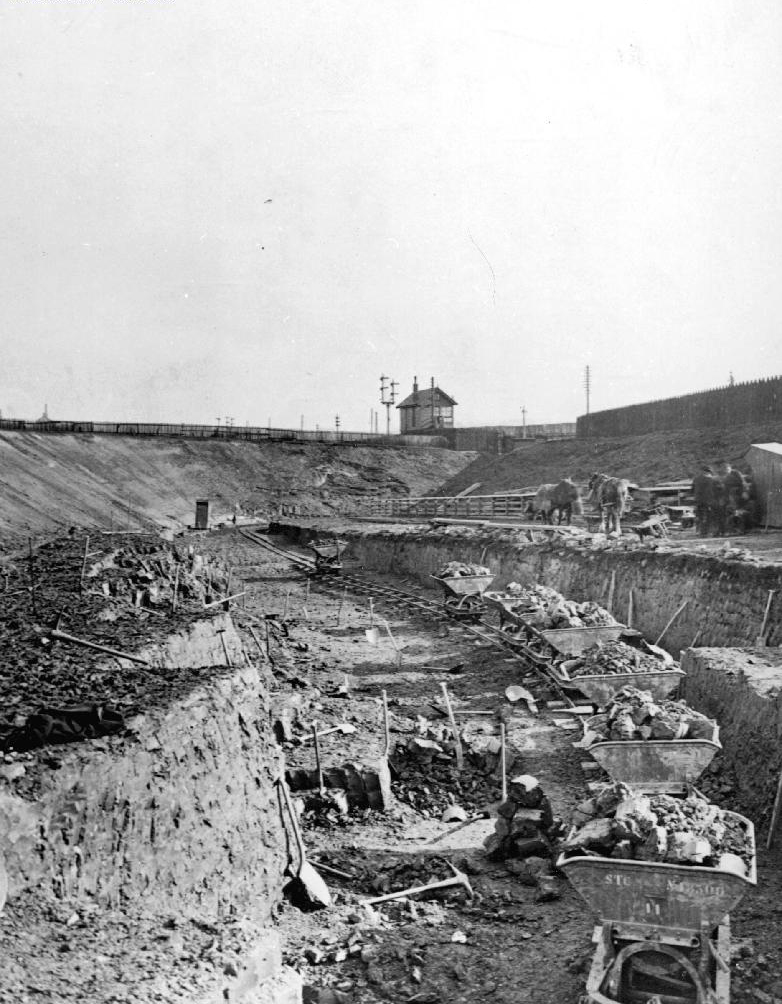
Construction work 1920.

Tootal’s Mill.

CWS warehouse and works corner of Briscoe Lane.

Mather And Platt’s adjoining the Rochdale Canal.

The area was also home to Jackson’s Brickworks.

There was a Co-op shop.

Going going gone St Paul’s Church seen here in 1972.

Victorian terraces and inter-war social housing – homes for a large industrial work force.

Many of the sights and sites above are still extant though their appearance and uses have changed along with the times. Manchester inevitably continues to from and reform for good or ill.

Sadly the old Rec the Moston and Rusholme League and my dad are all long gone – though it’s just as well to remember them all fondly, as we travel through our familiar unfamiliar city.

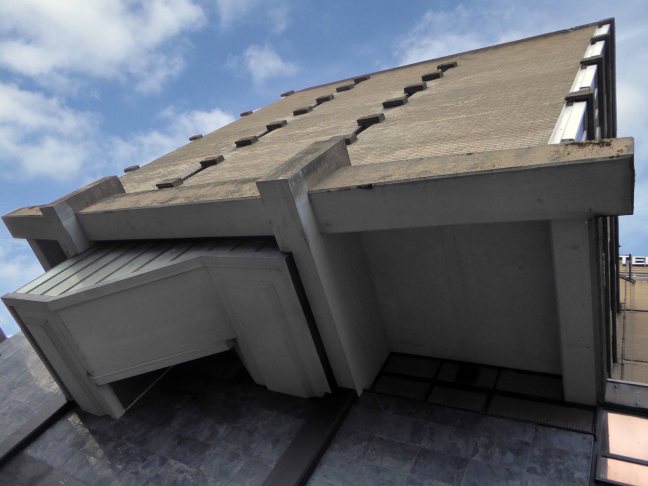
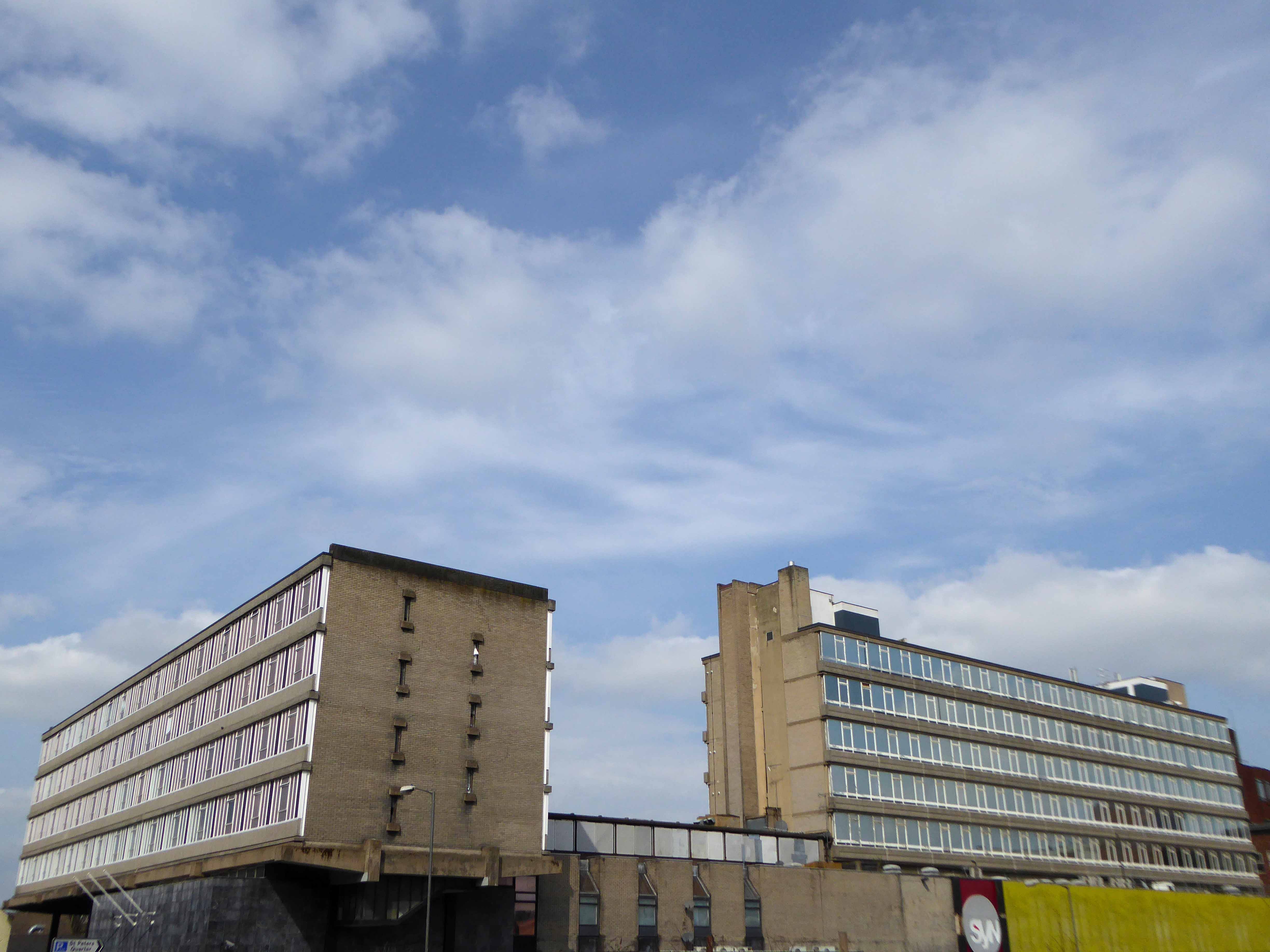
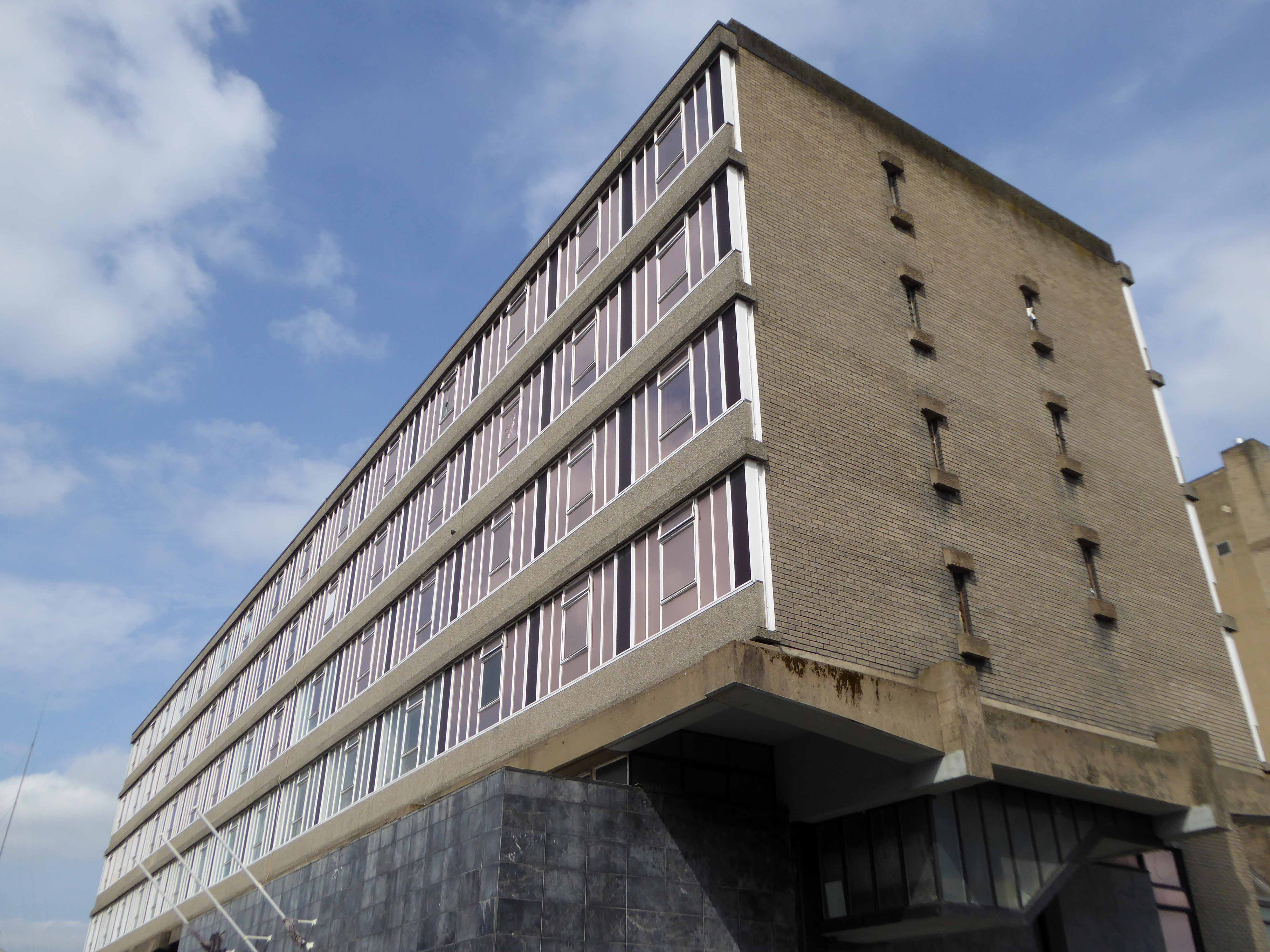
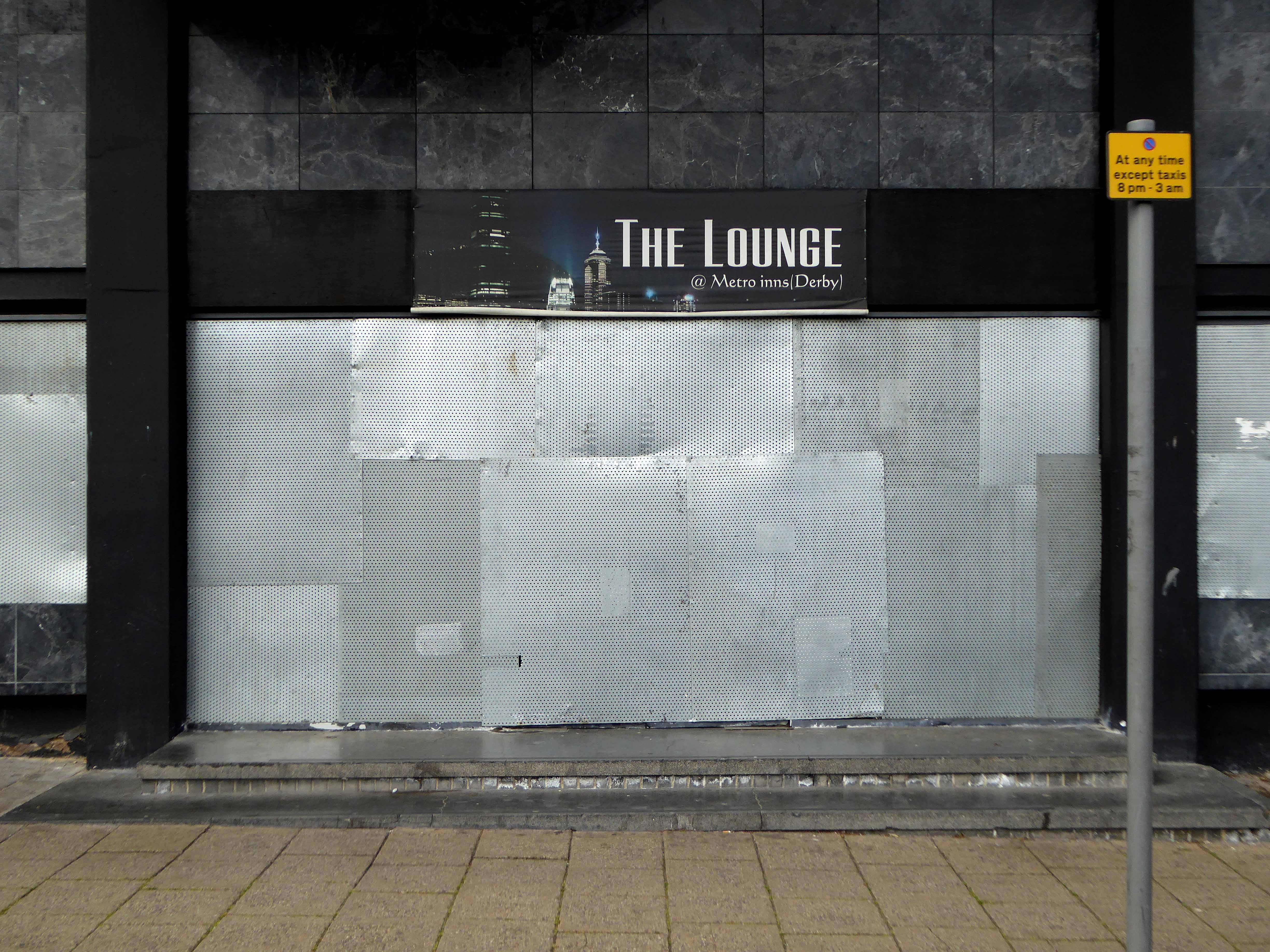
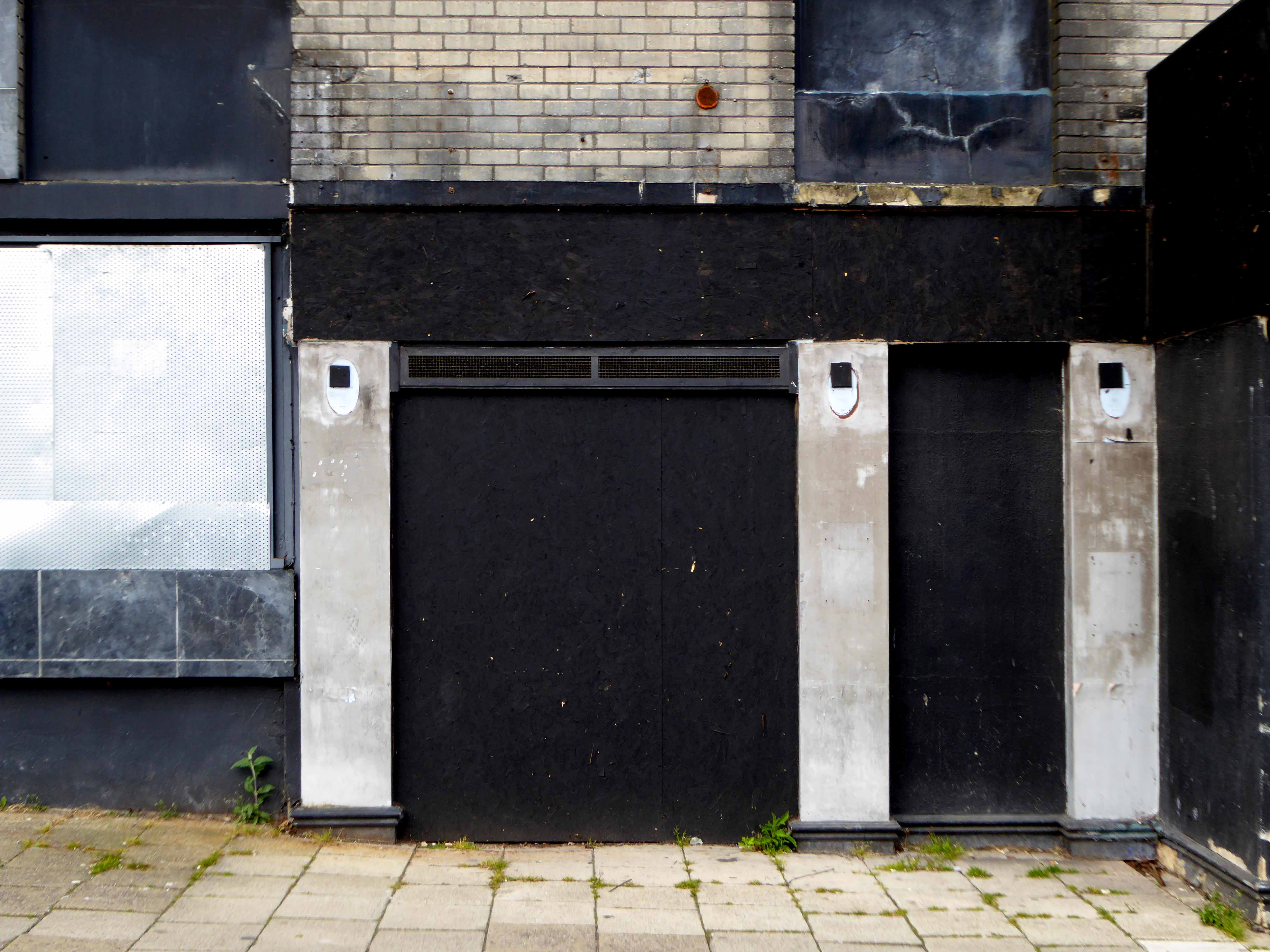
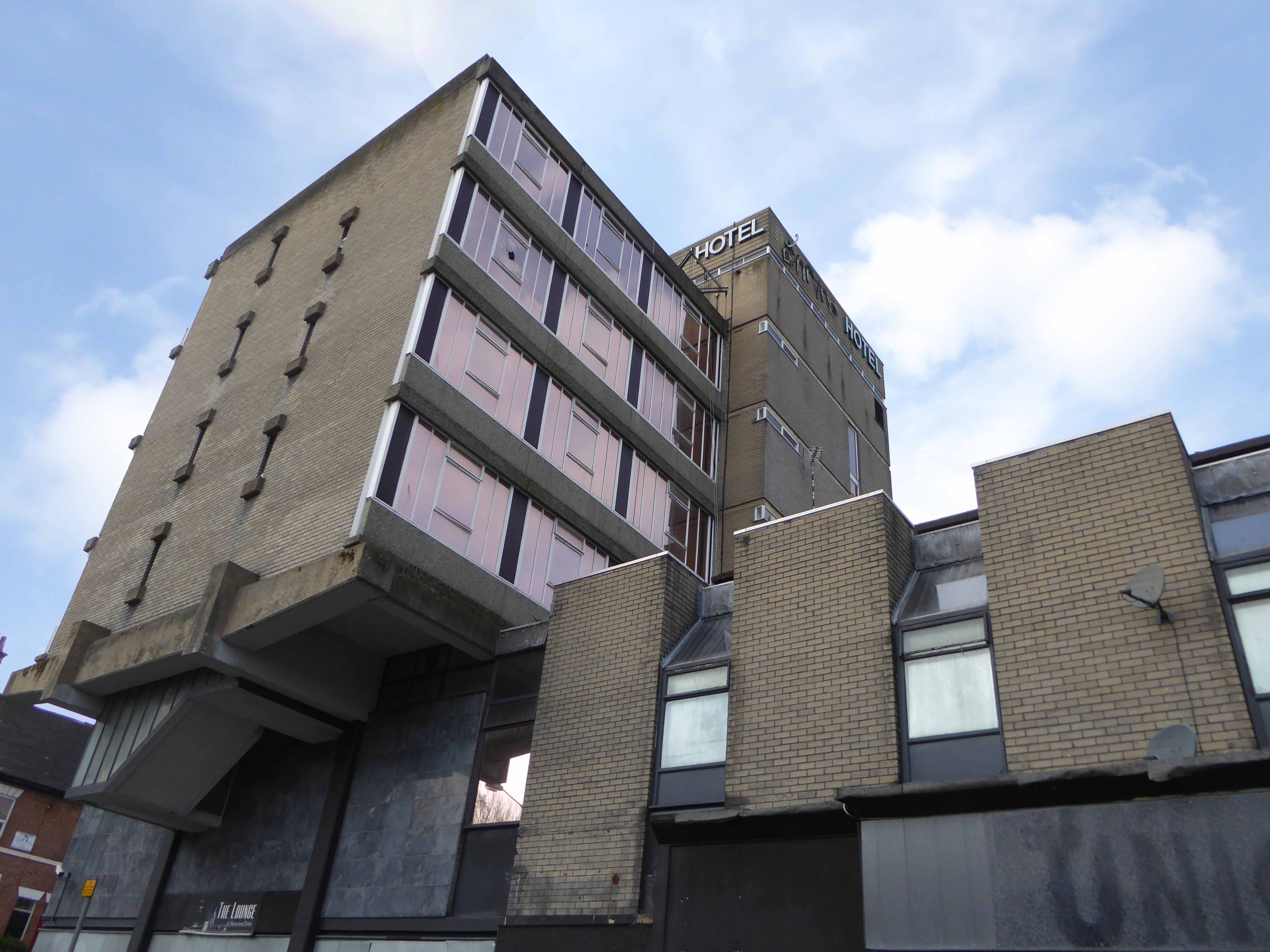
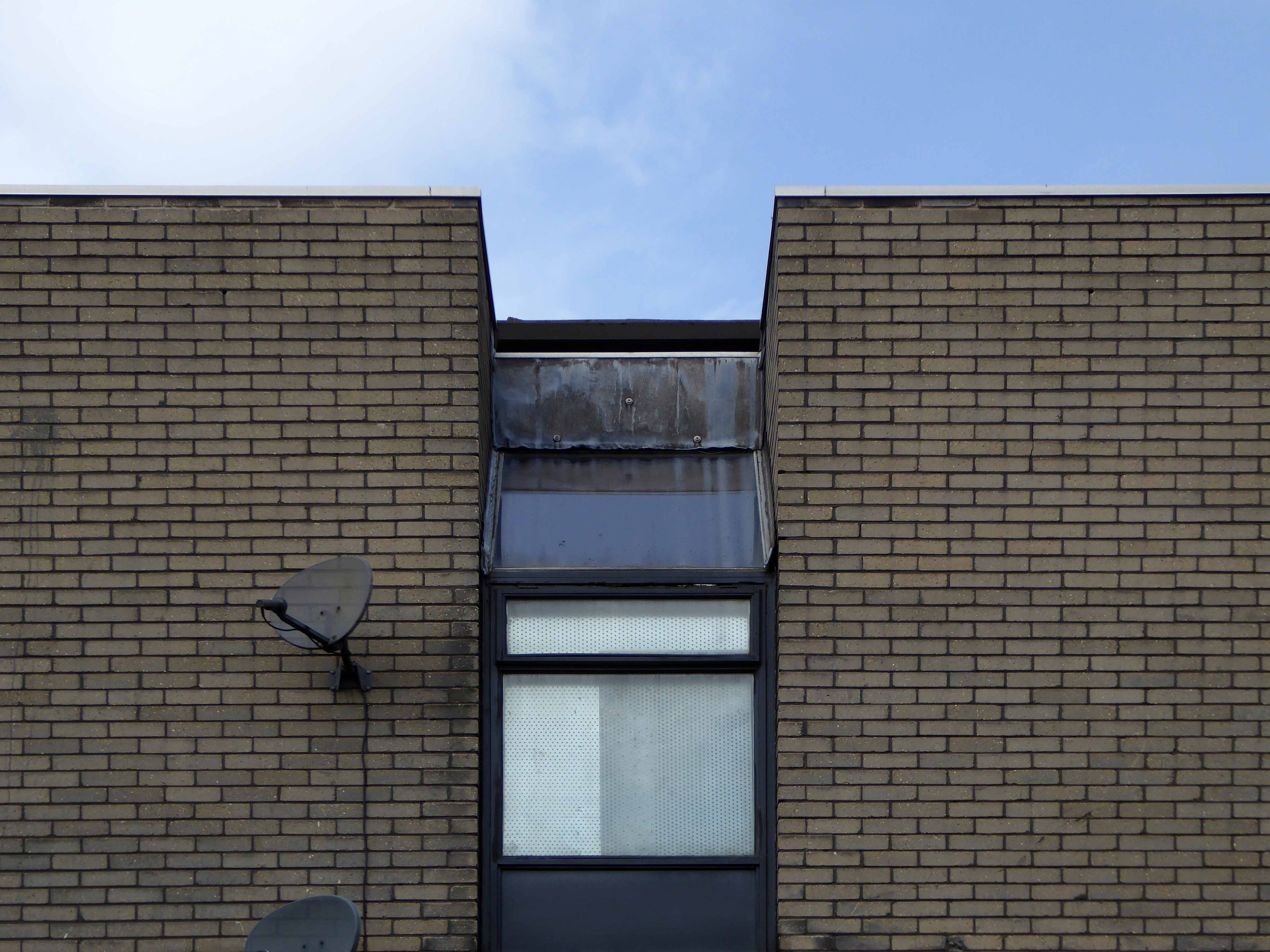
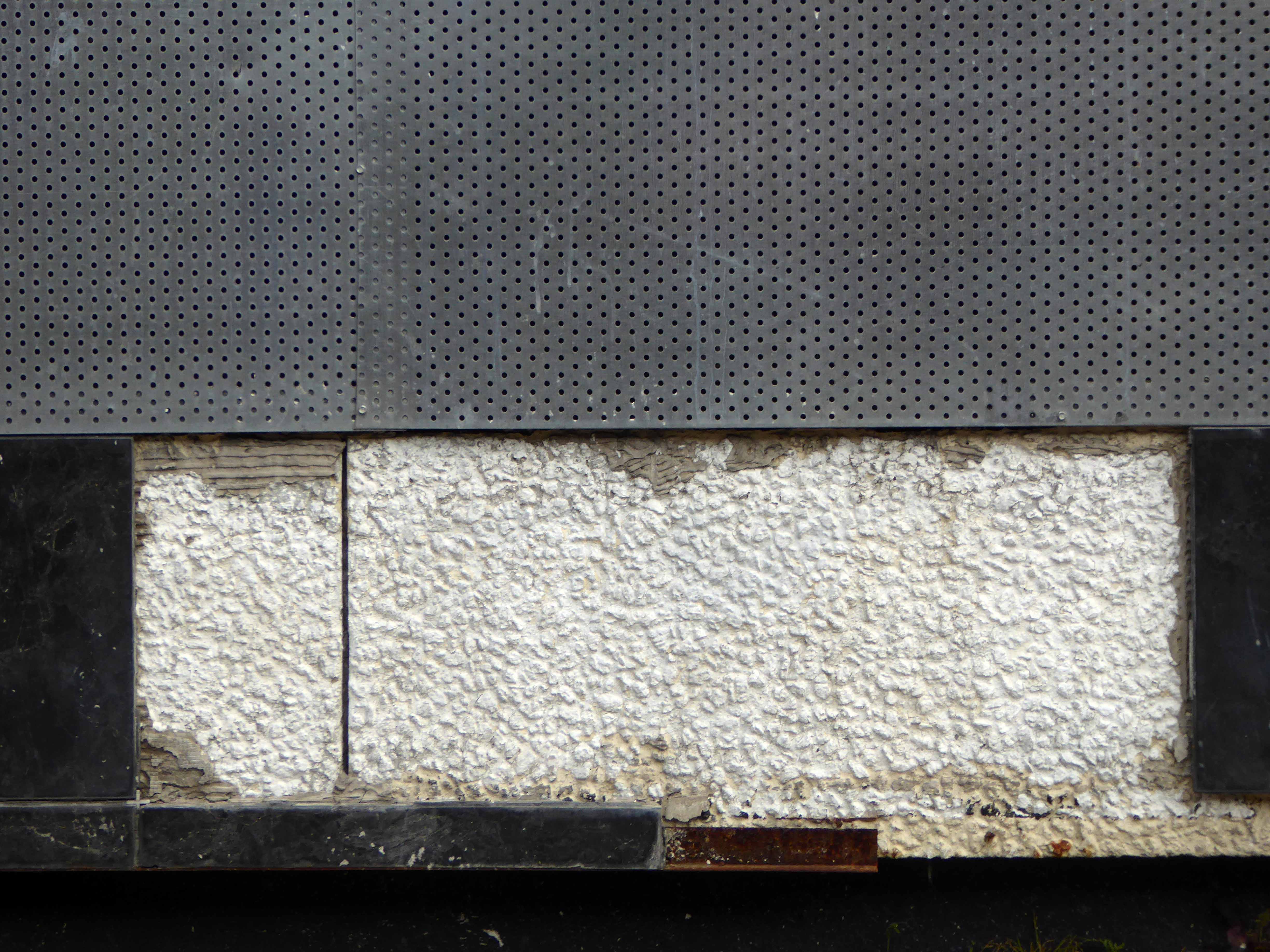
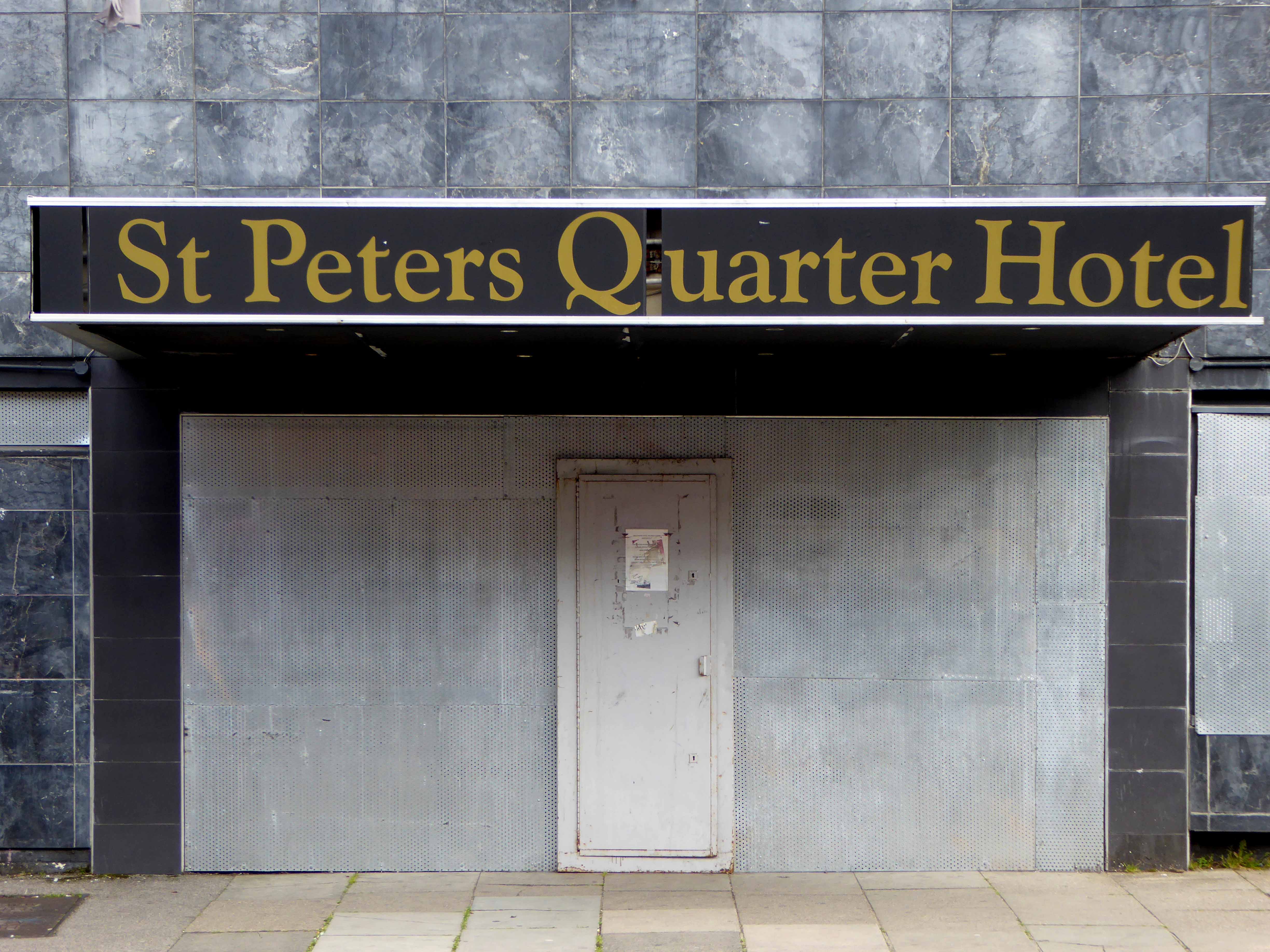
Pennine Hotel – Derby

Macklin Street Derby DE1 1LF

You’re a big man but you’re out of shape.

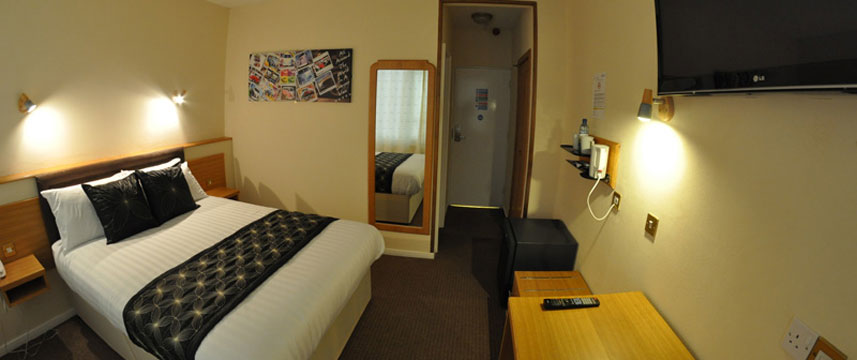
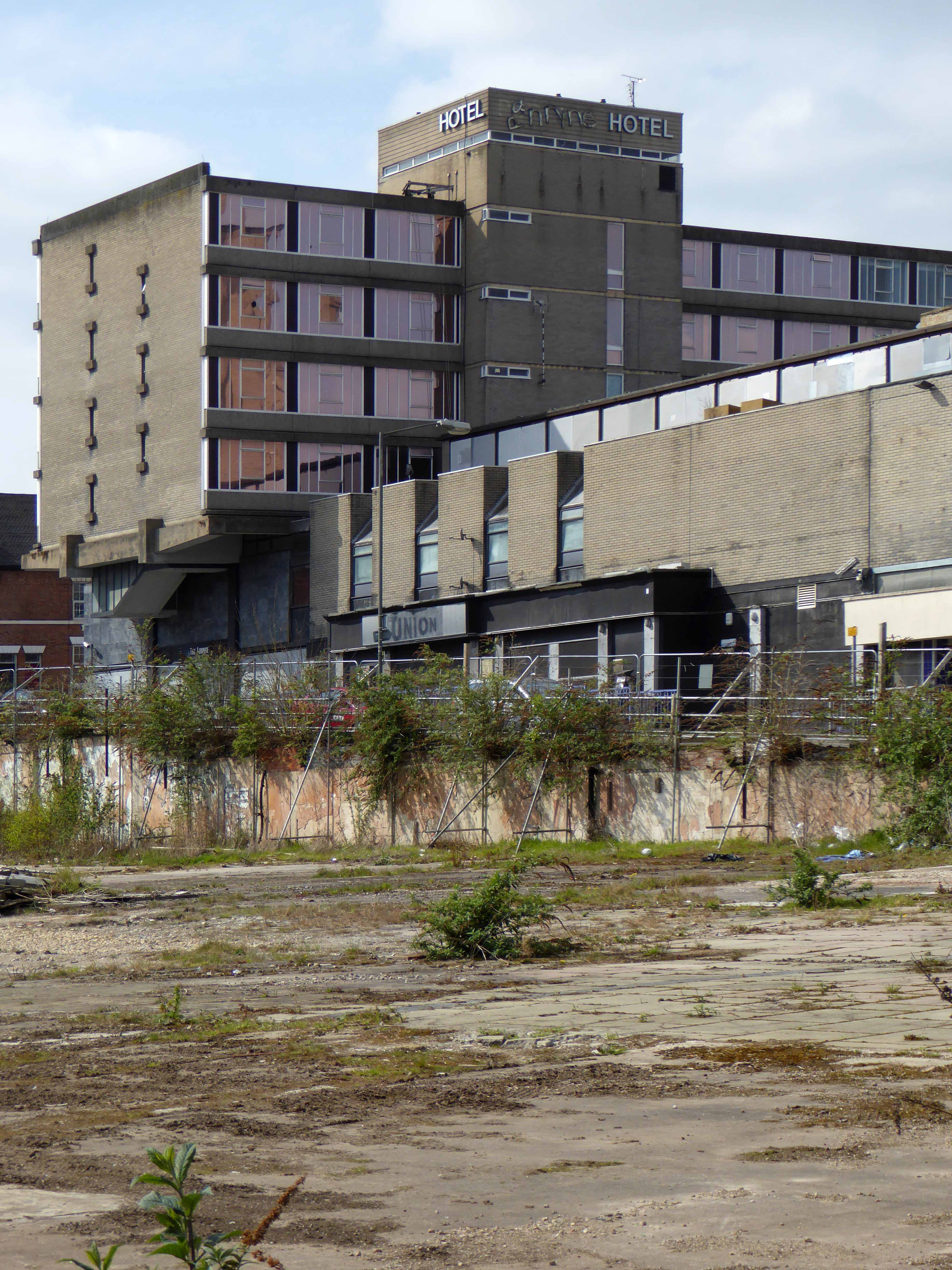
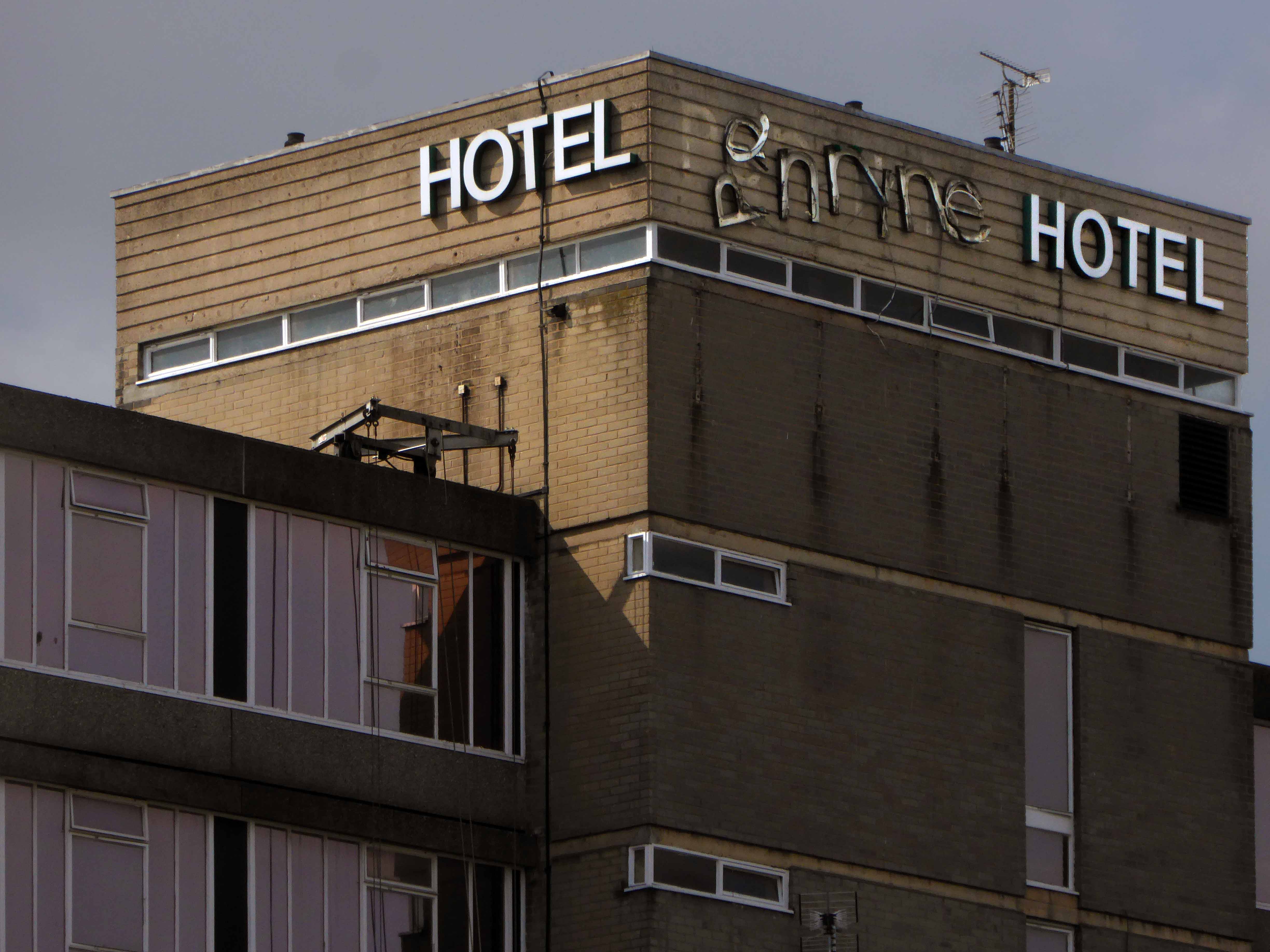
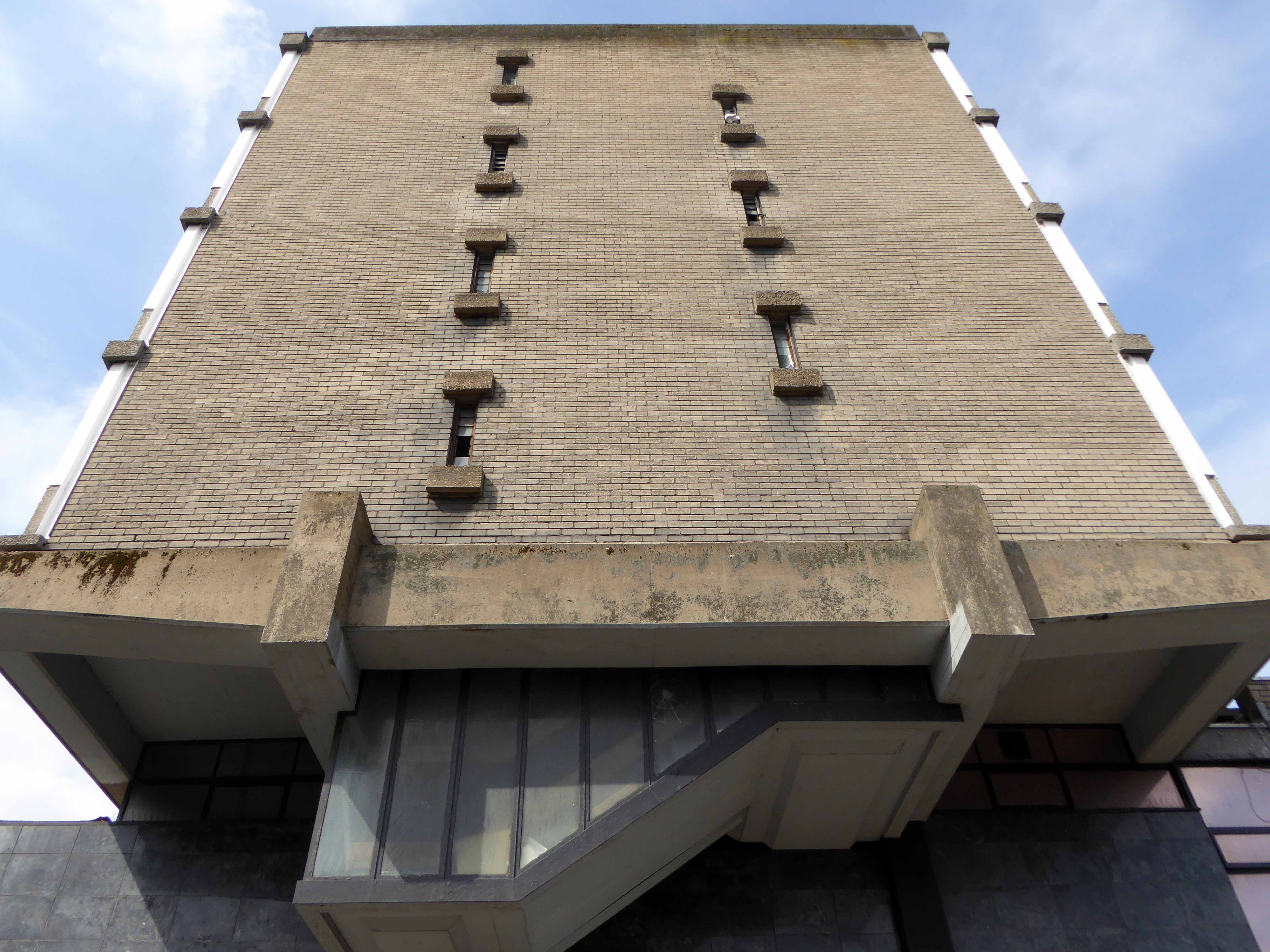
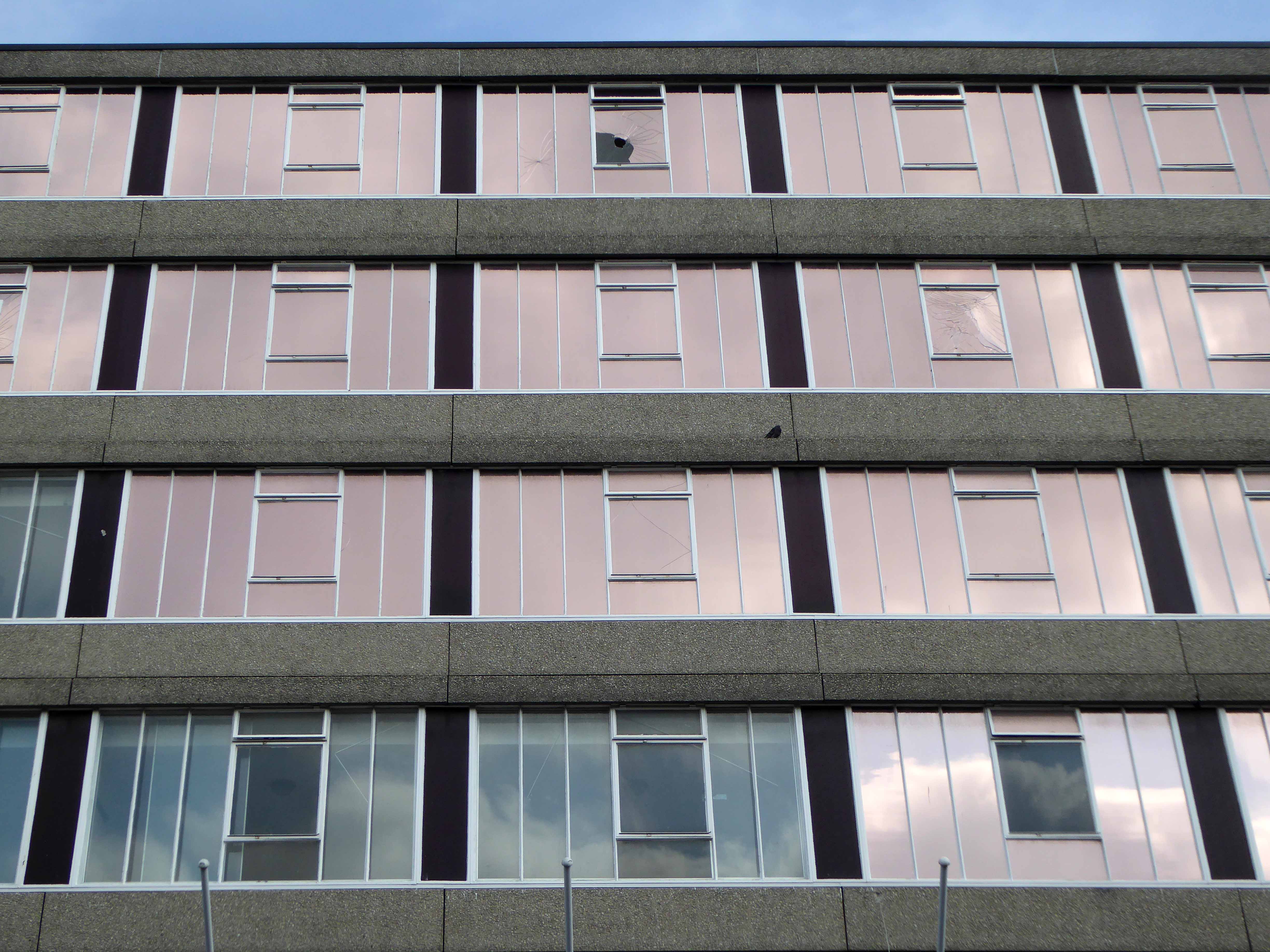
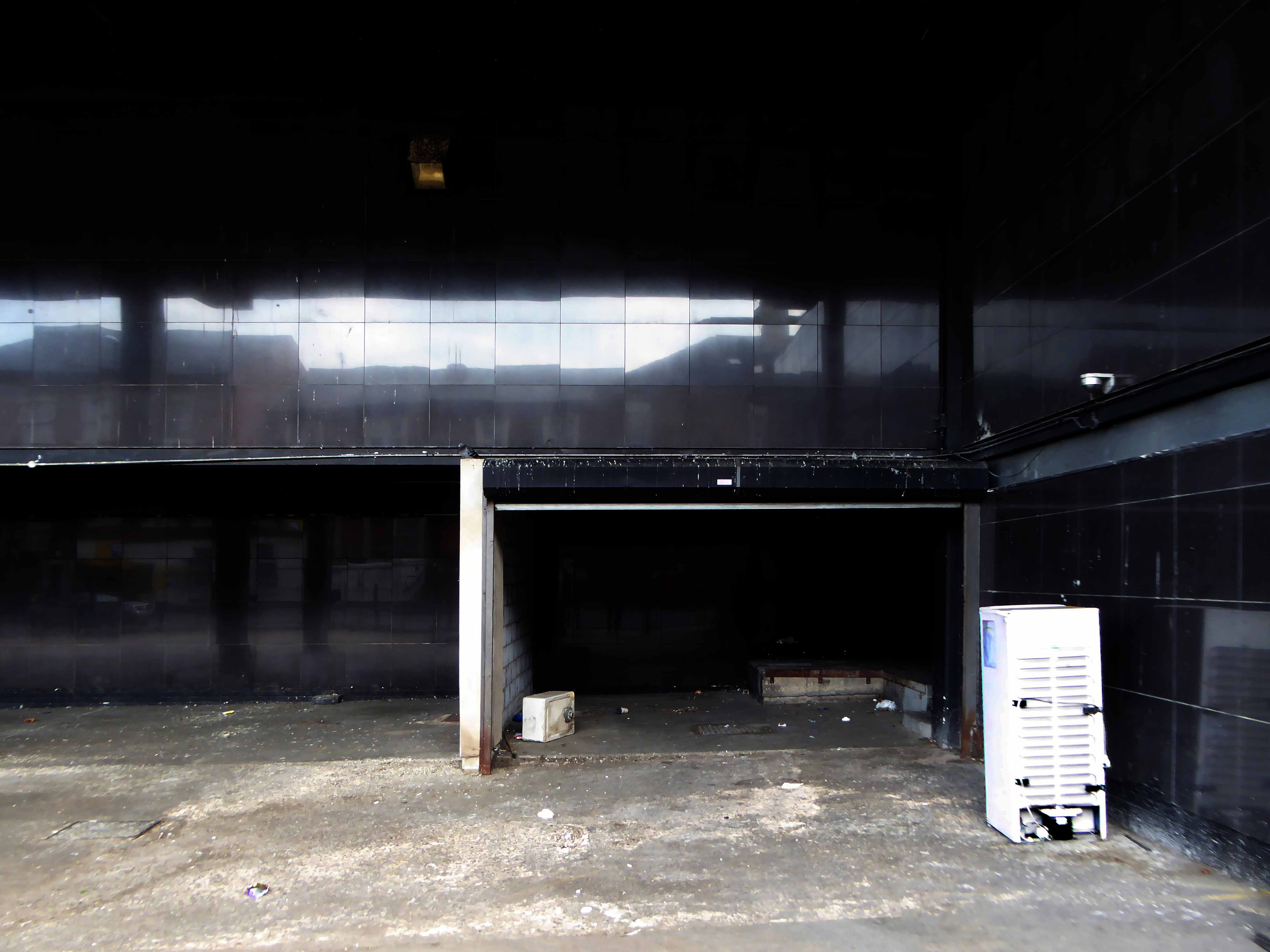
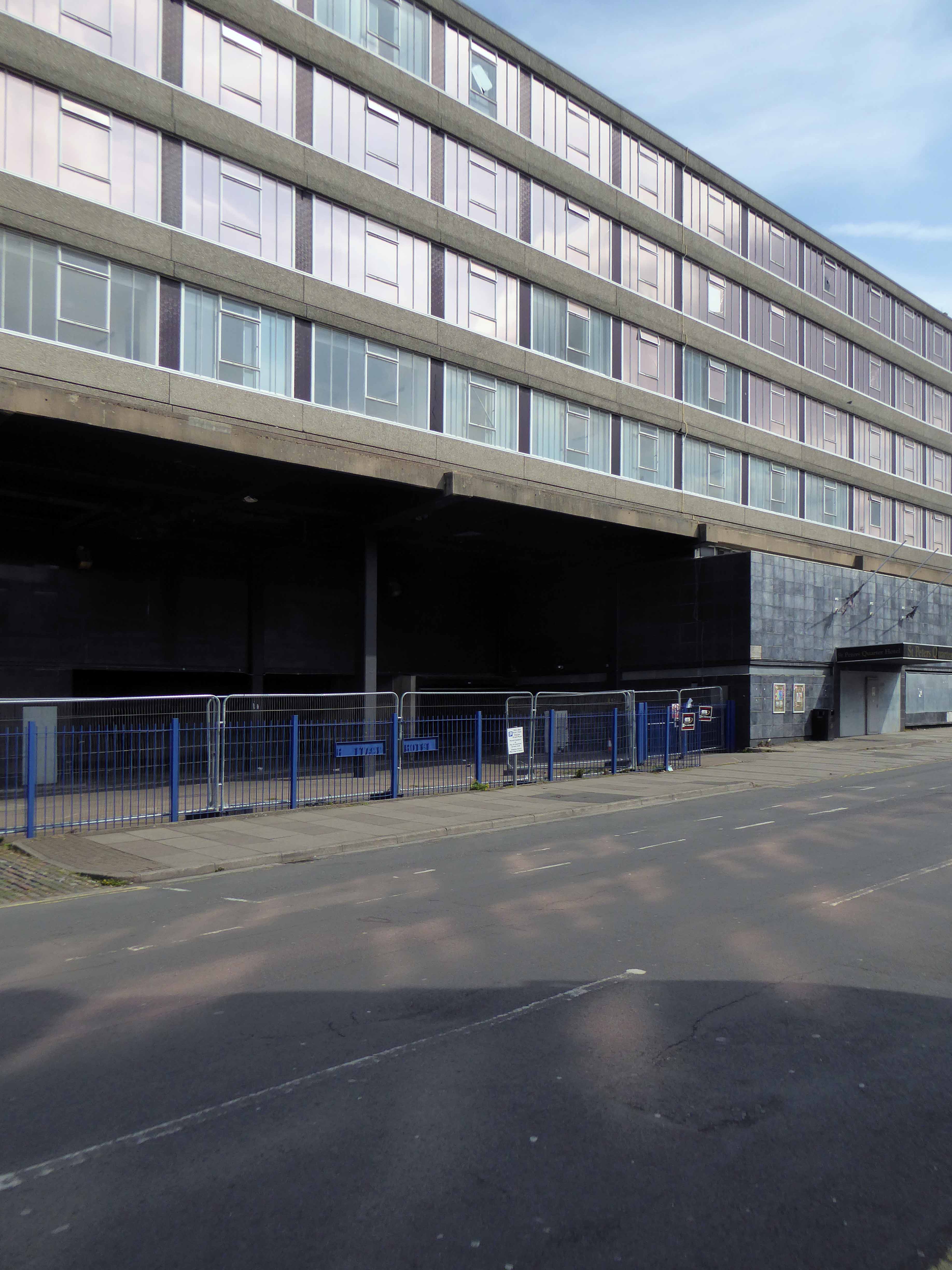
Conceived and wrought from concrete, glass and steel in the Swinging Sixties, the passage of time and Trip Advisor reviews, have been far from kind.

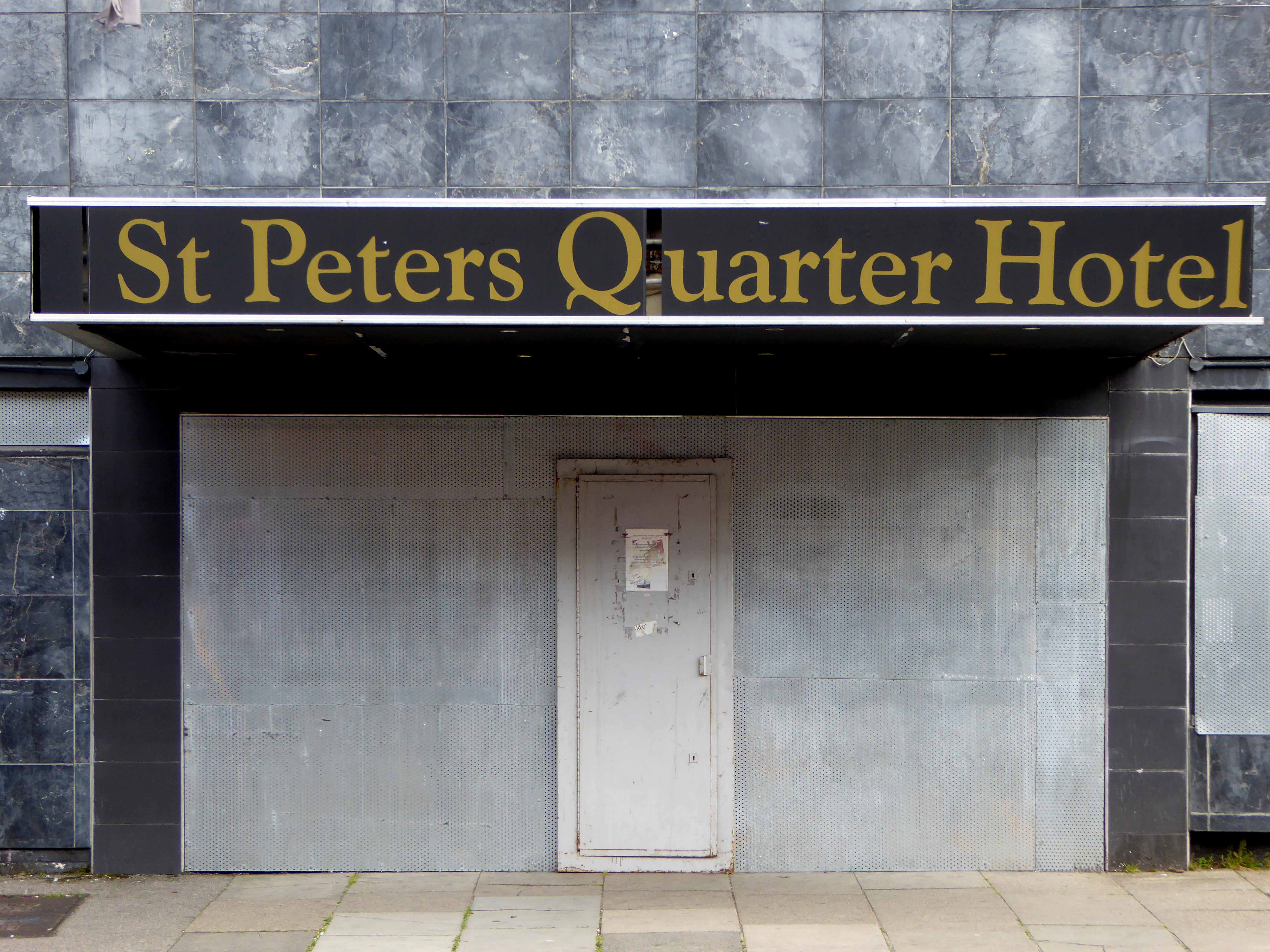
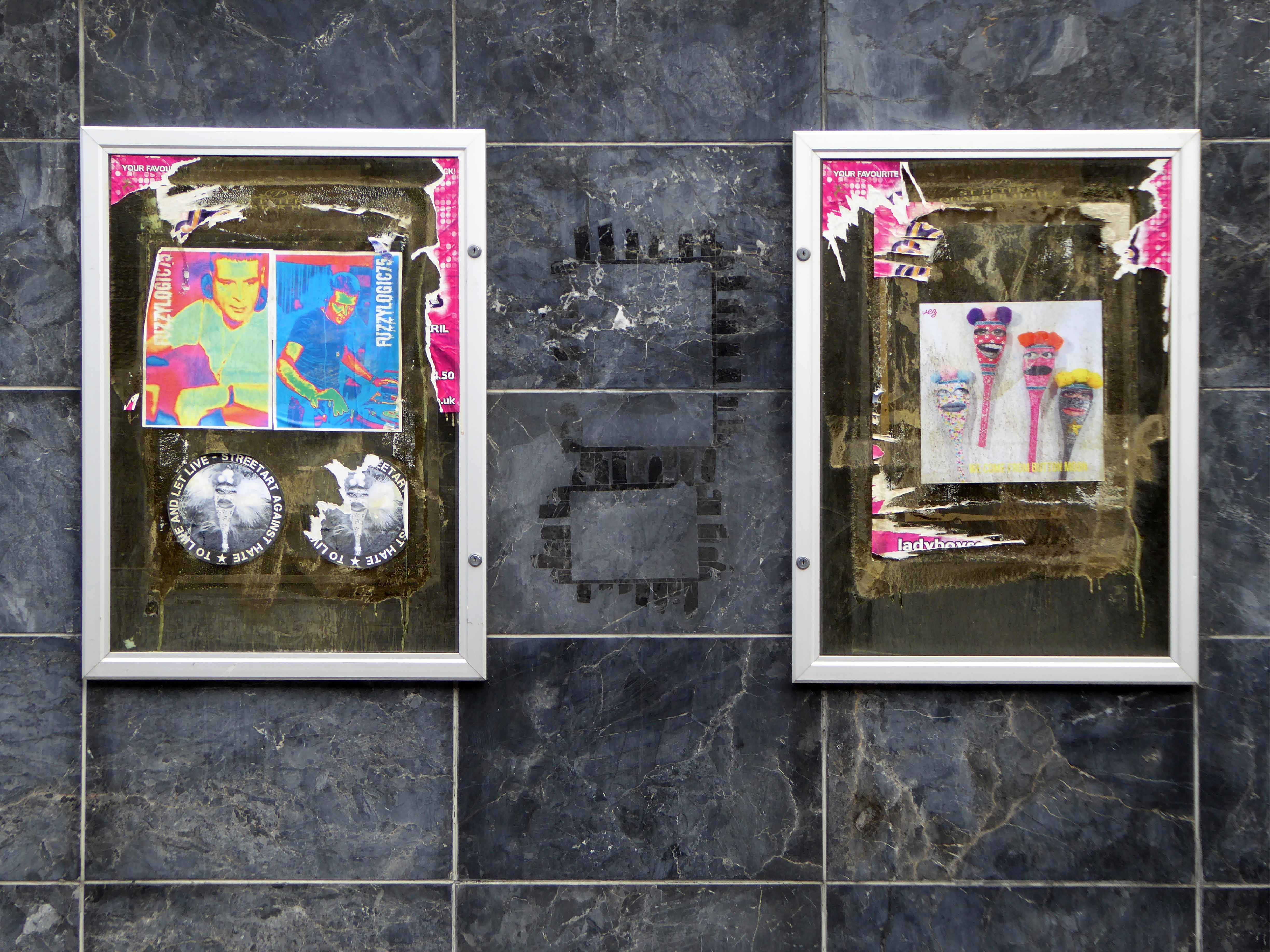
They put you in a Quarter renamed you St Peter’s – but that’s only half the battle.

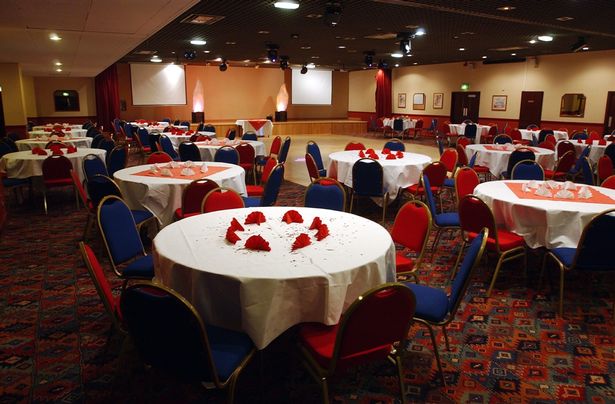
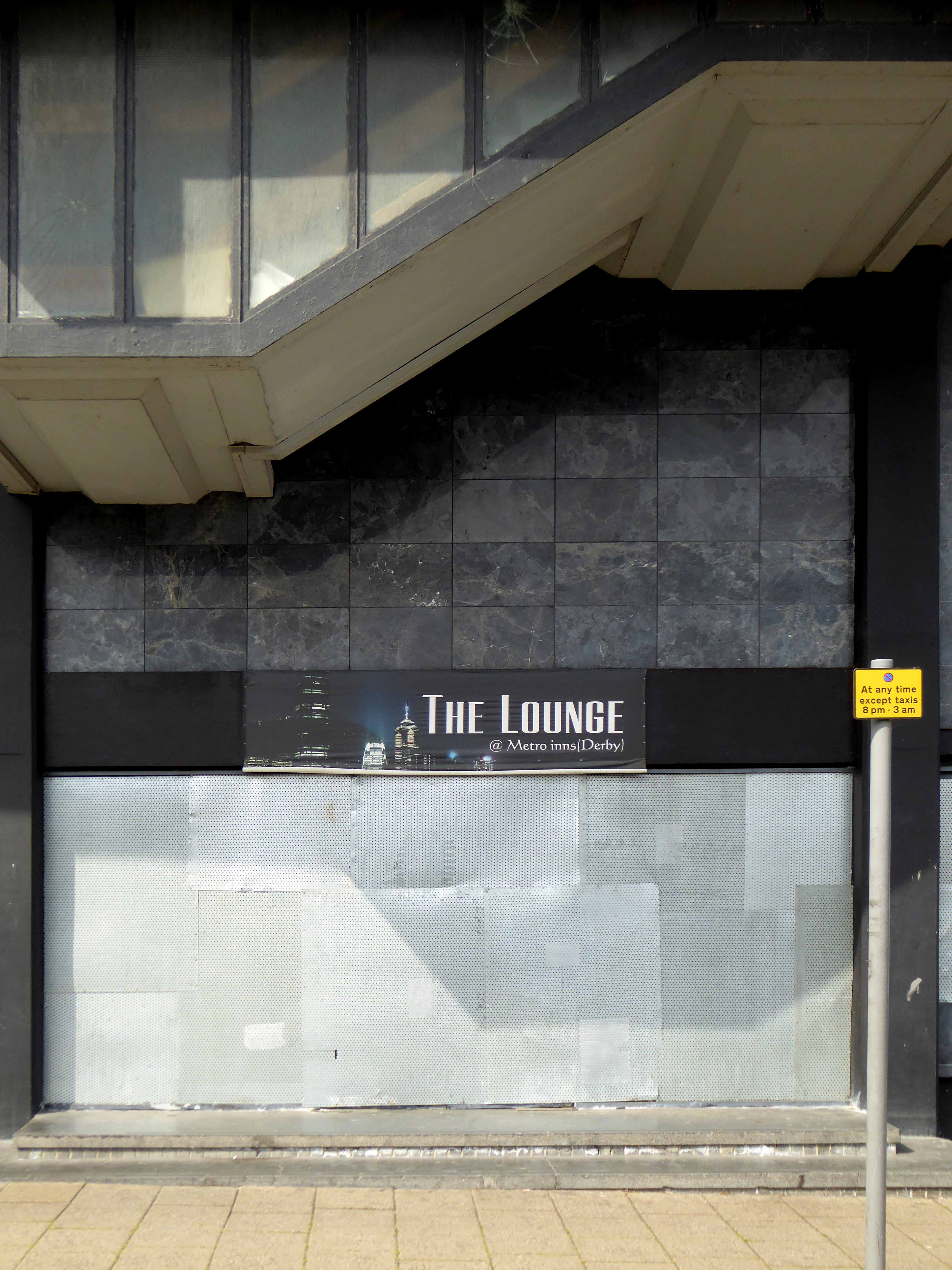
Once busy concourse and conference suites no longer ring to the satisfying clink of glass on glass, cash in till.

Nobody lays their tired head, to take their well earned rest, in your well made beds.

A hotel branded “utterly terrible” by reviewers on a travel website has been forced to close.

One visitor advised travellers to “run away from this hotel as far as possible” and others said they were “filled with dread” while staying there and spoke of towels smelling “rather odd”.

BBC

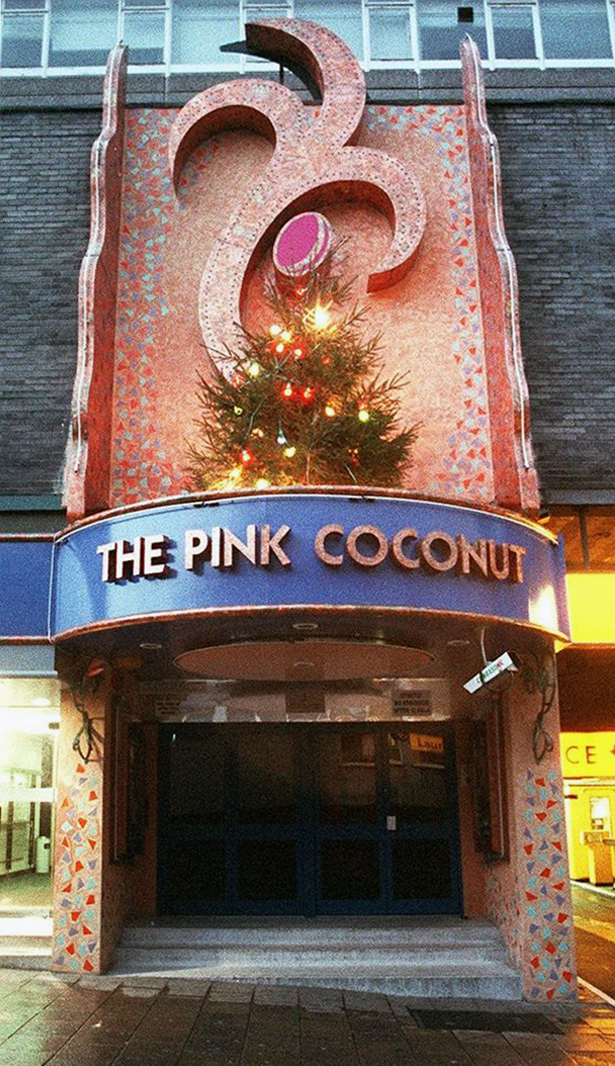
So so long to The Pink Coconut, Syns and the Mint Casino.

Derby Council has bought you all – awaiting redevelopment as part of the Masterplan to regenerate the whole area.

So here we are one more tinned-up inner city site awaits its fate – meet me at the wrecking ball.

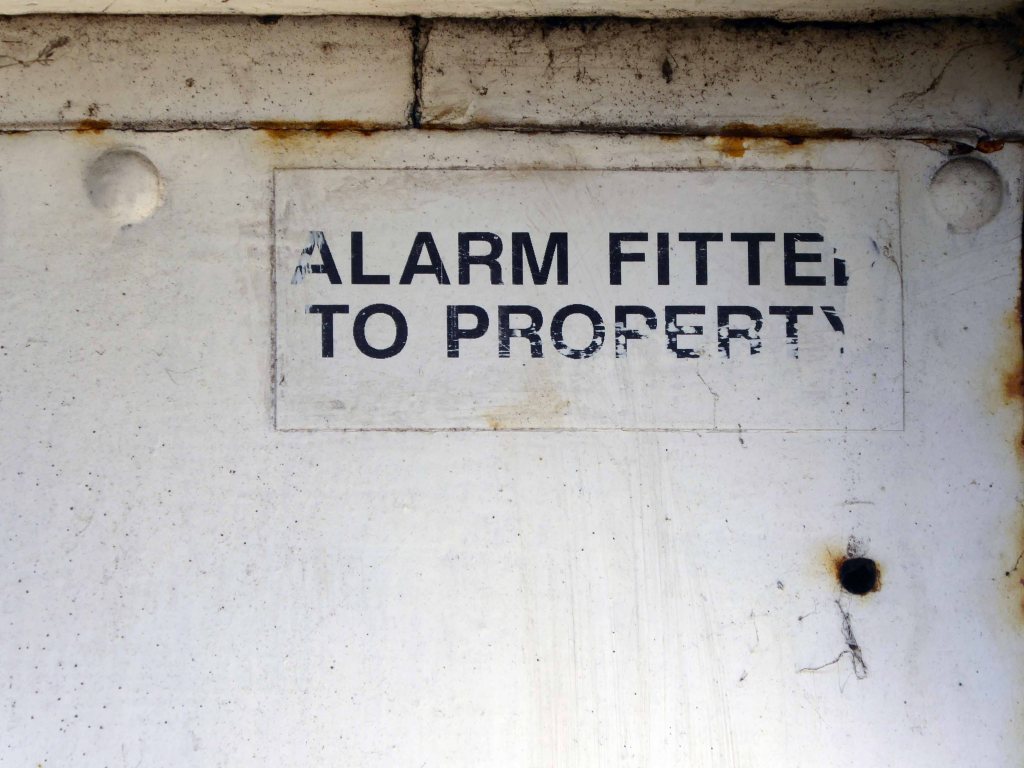
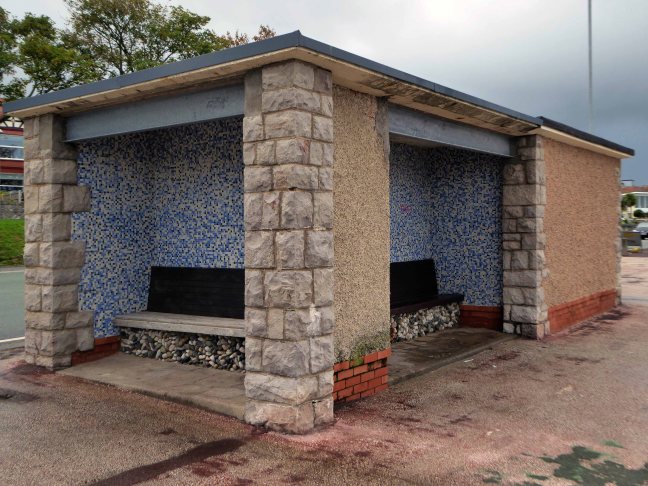
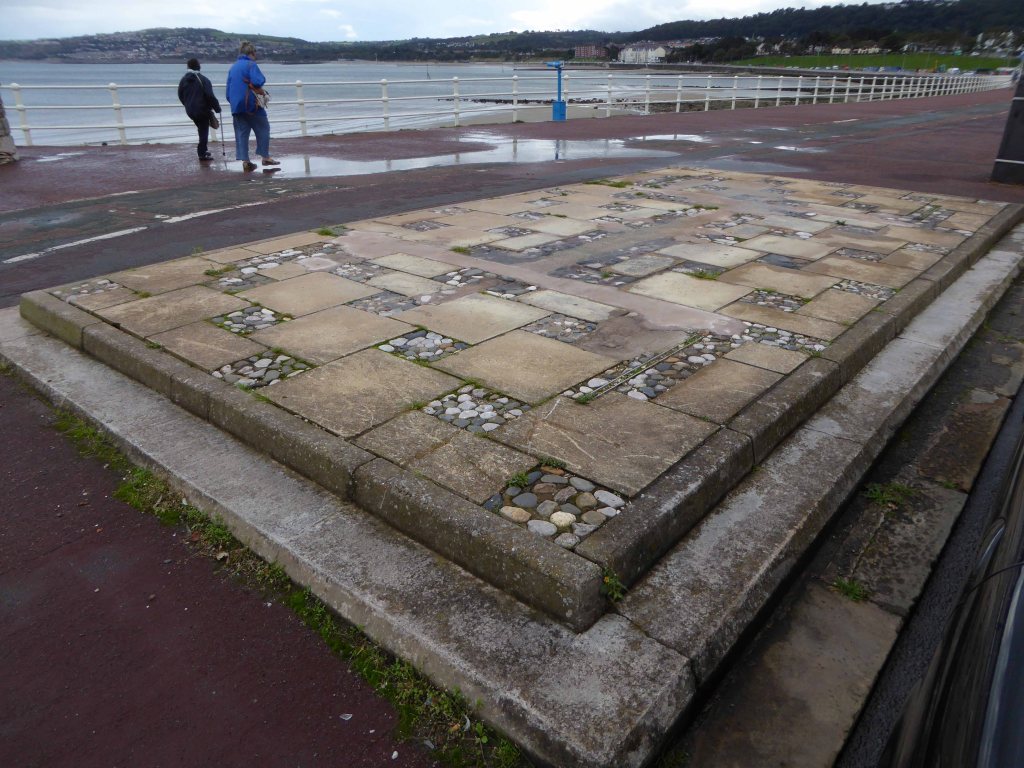
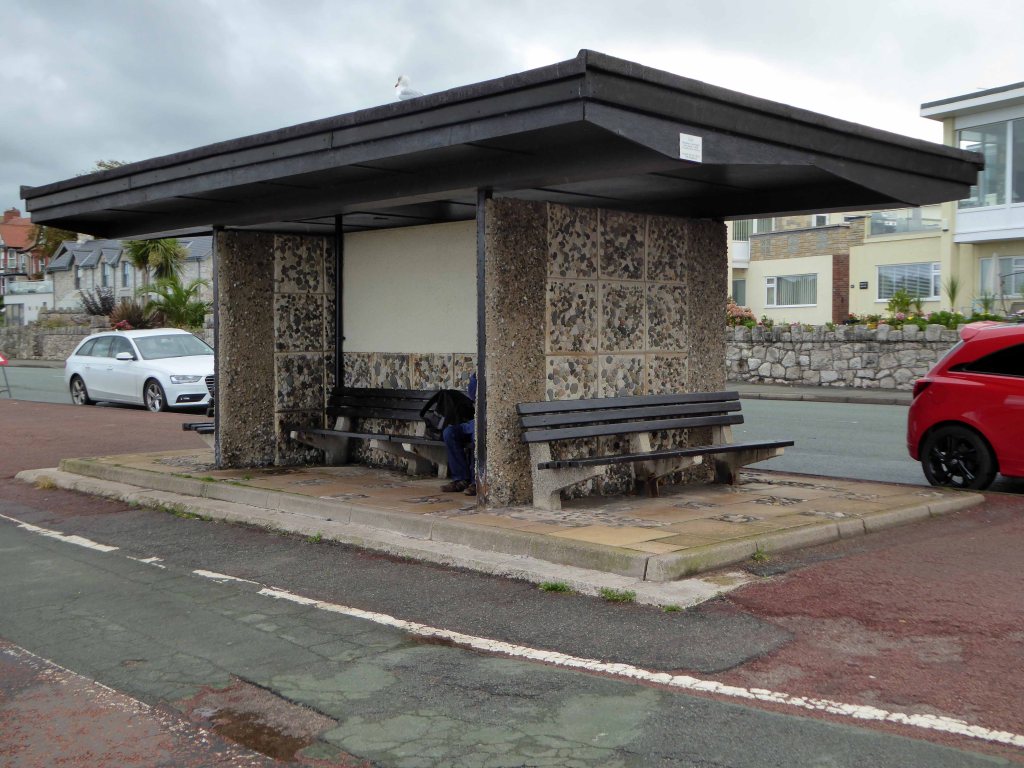
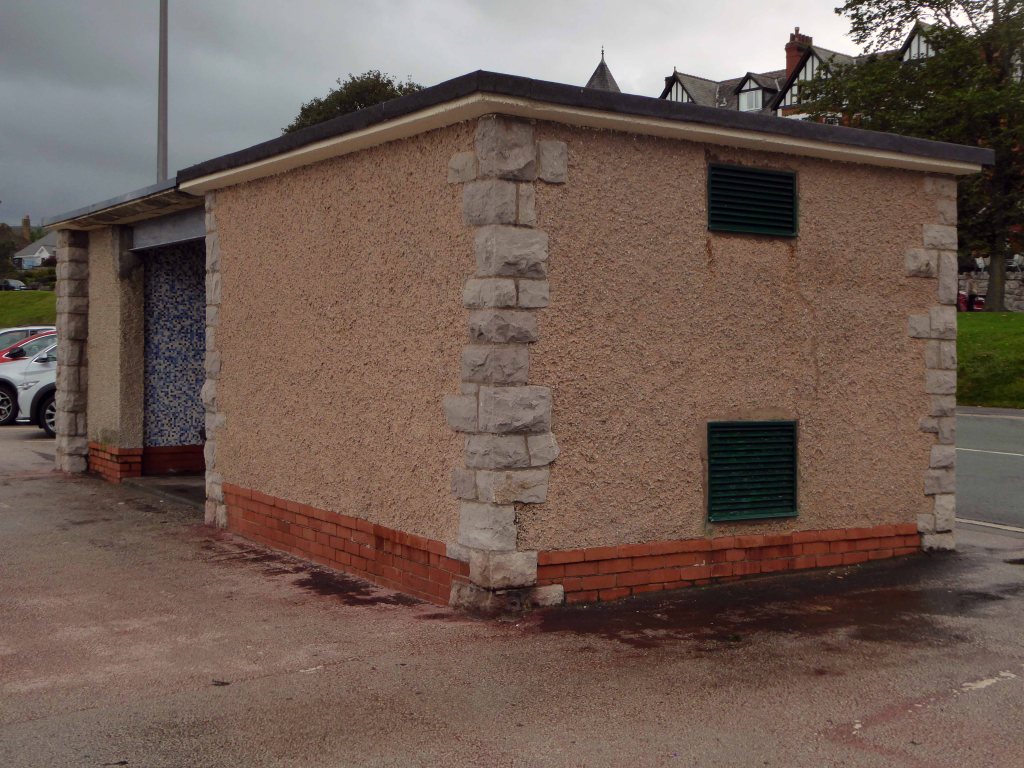
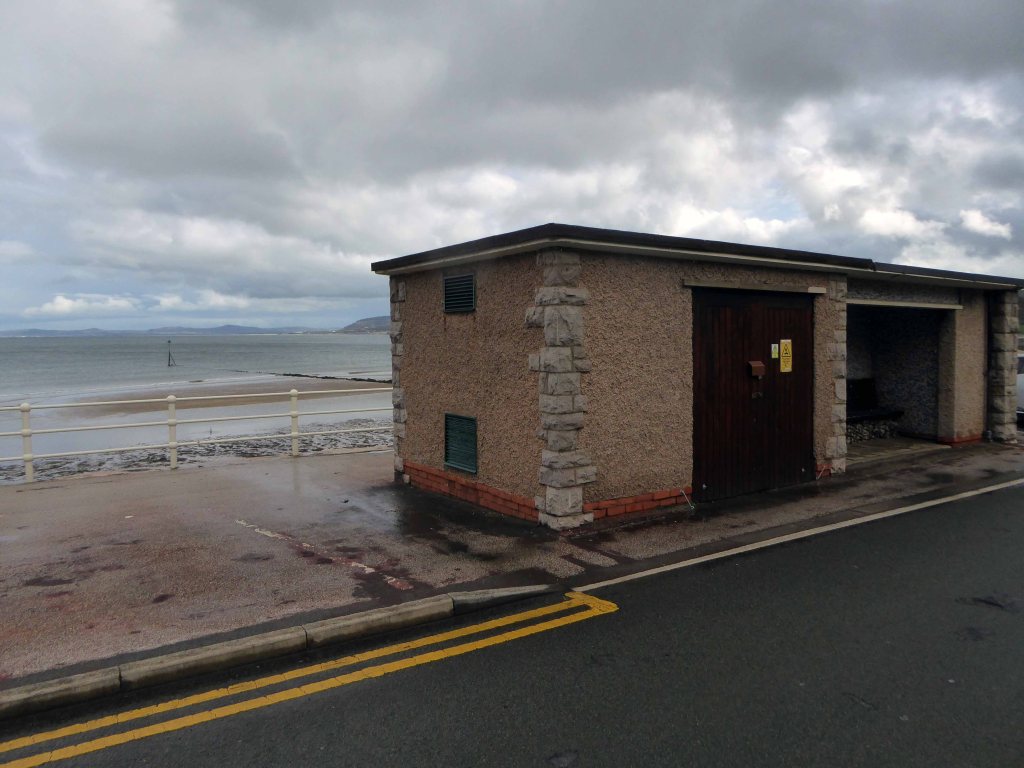
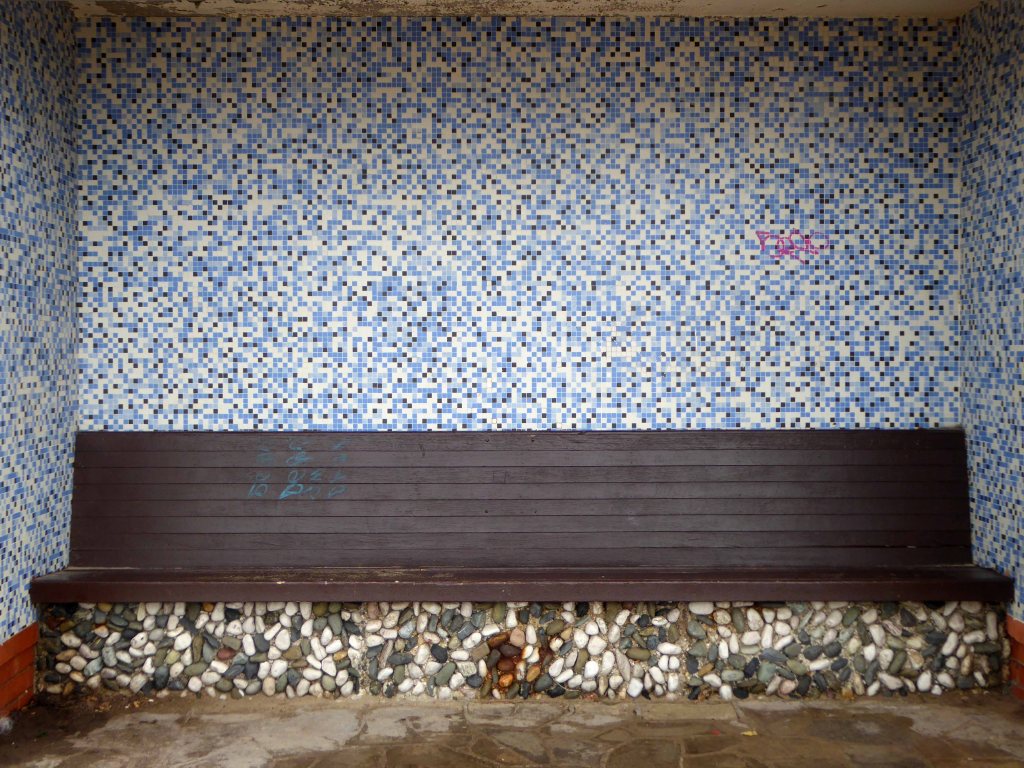
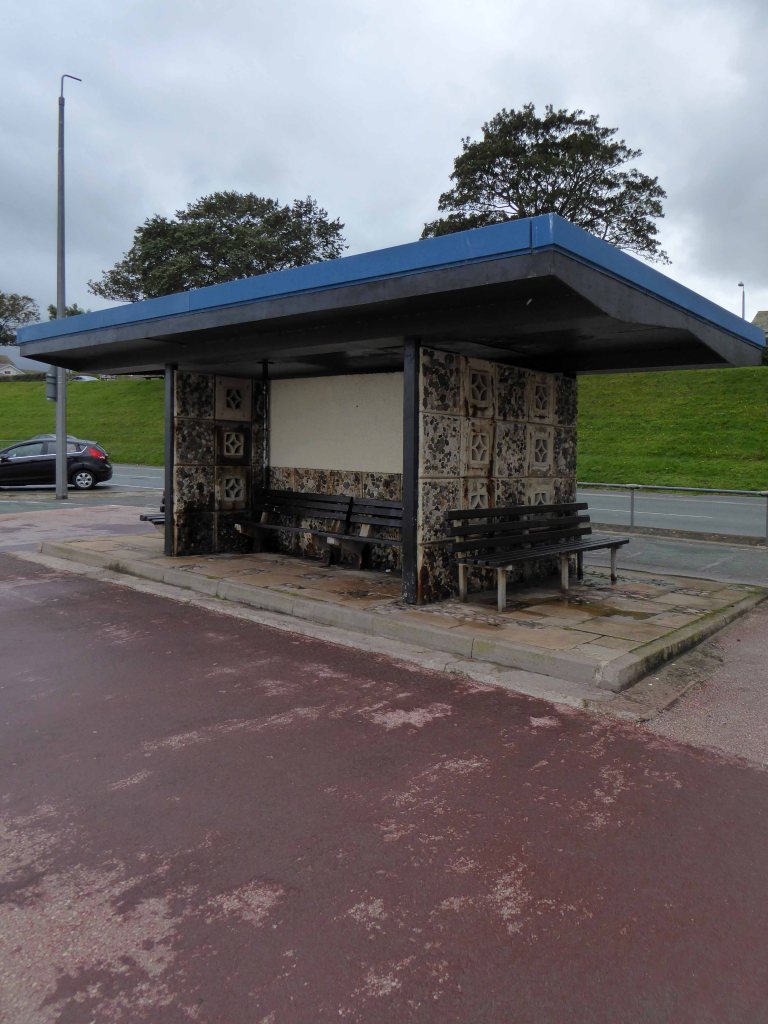
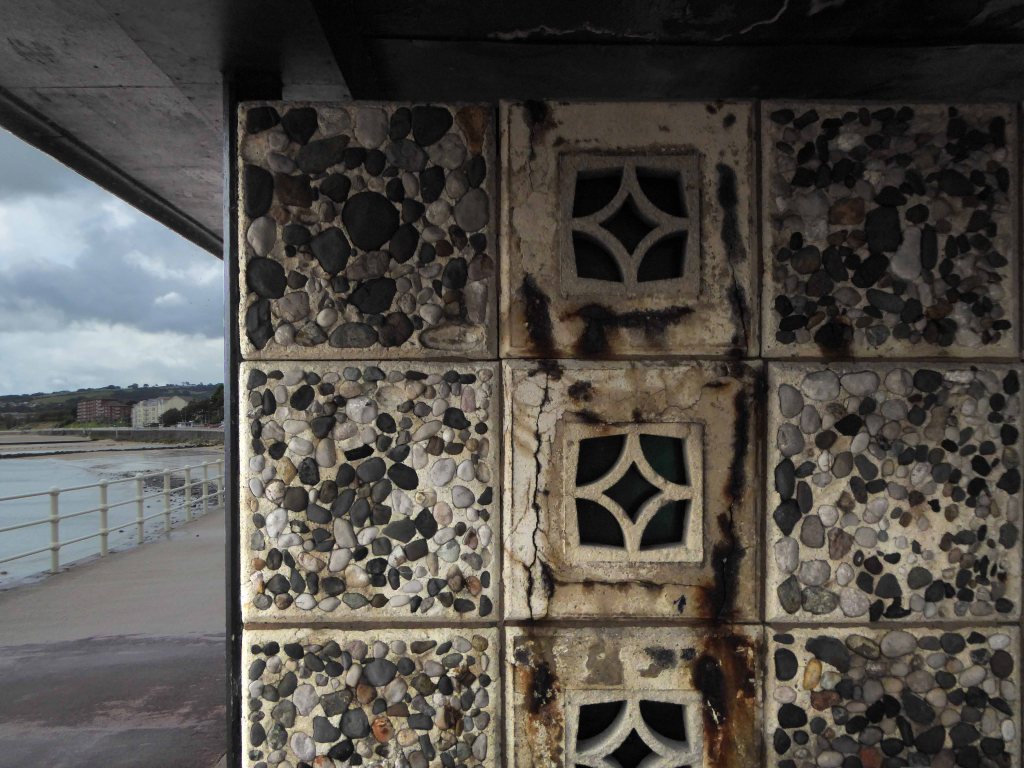
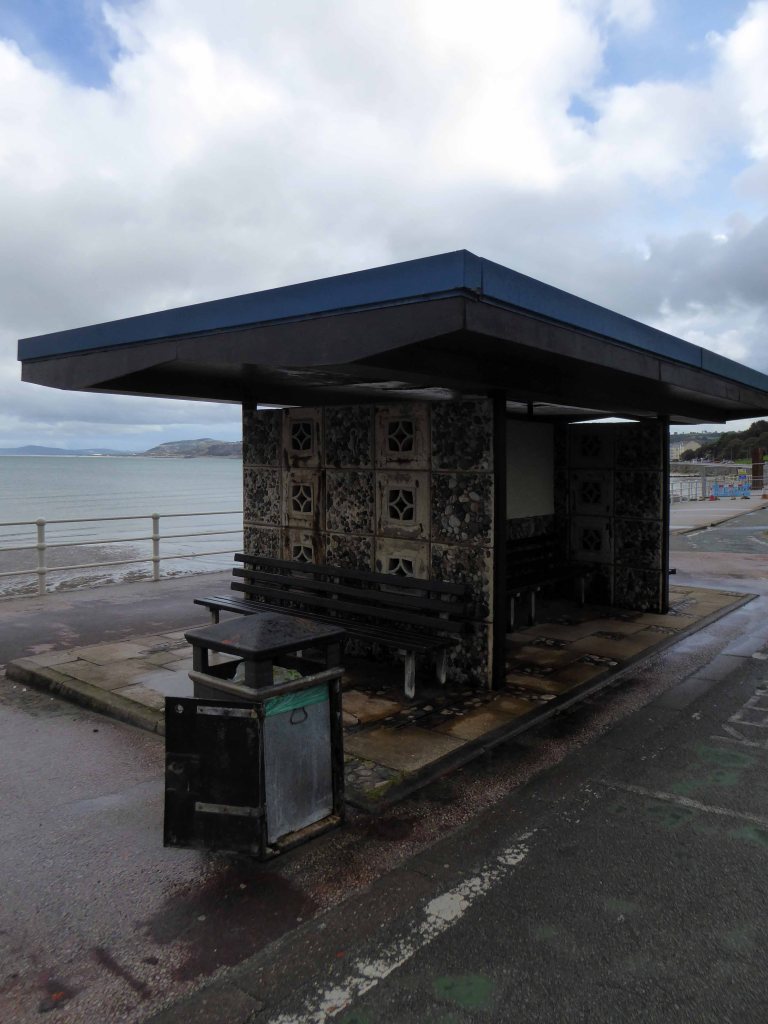
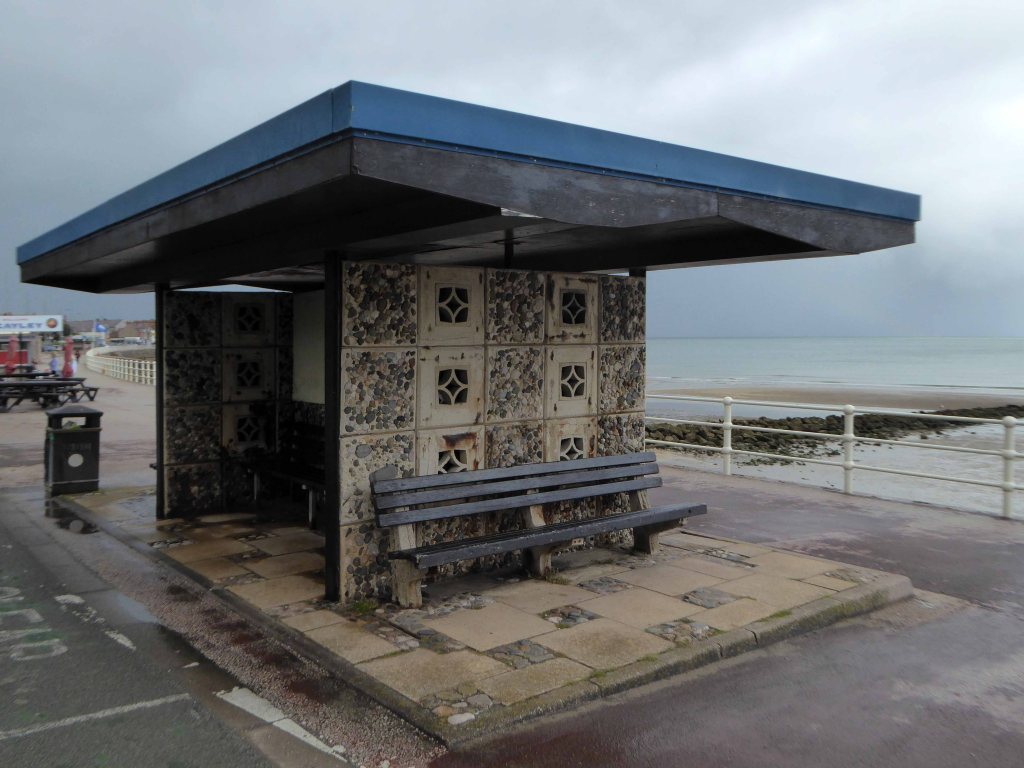
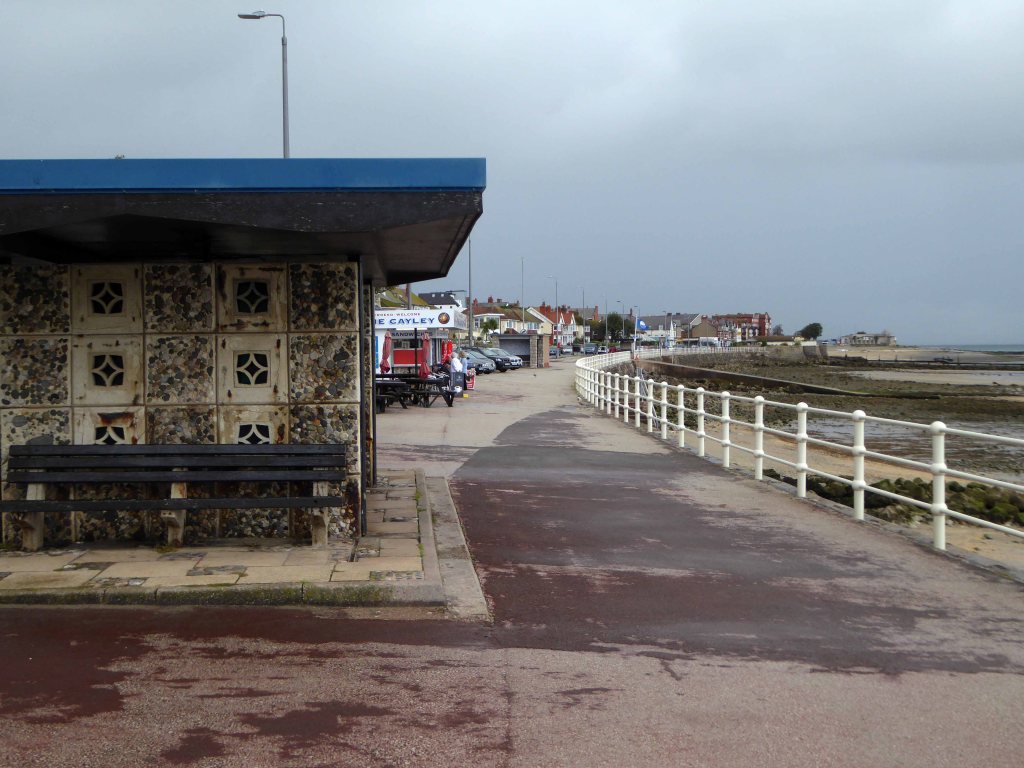
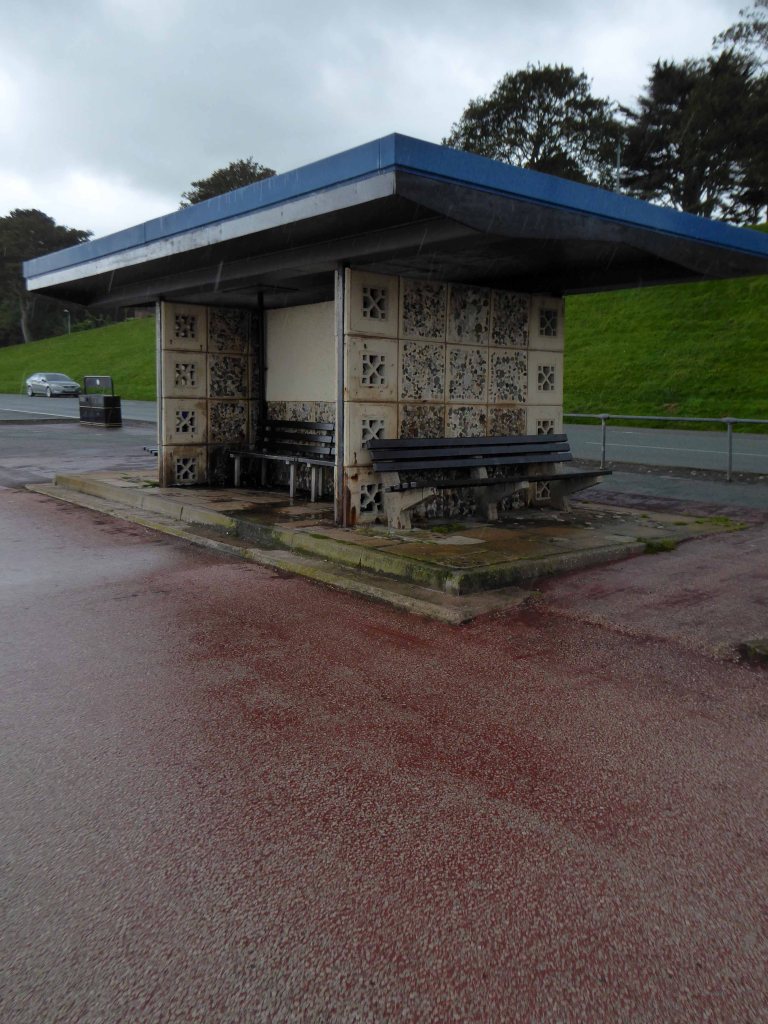
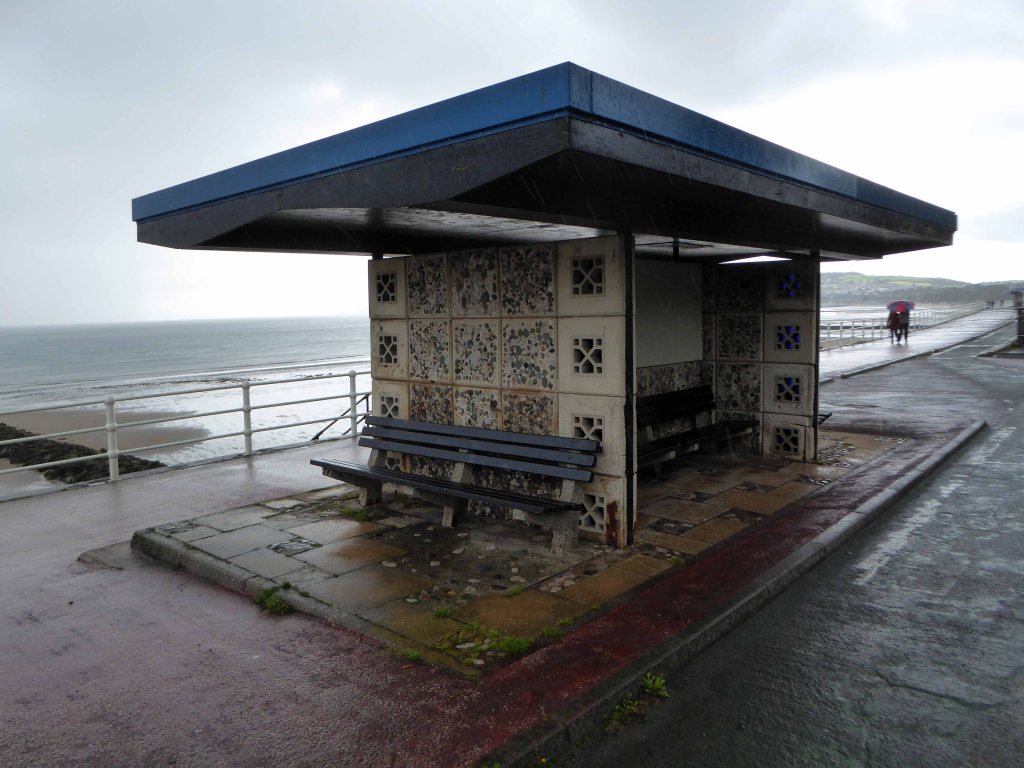
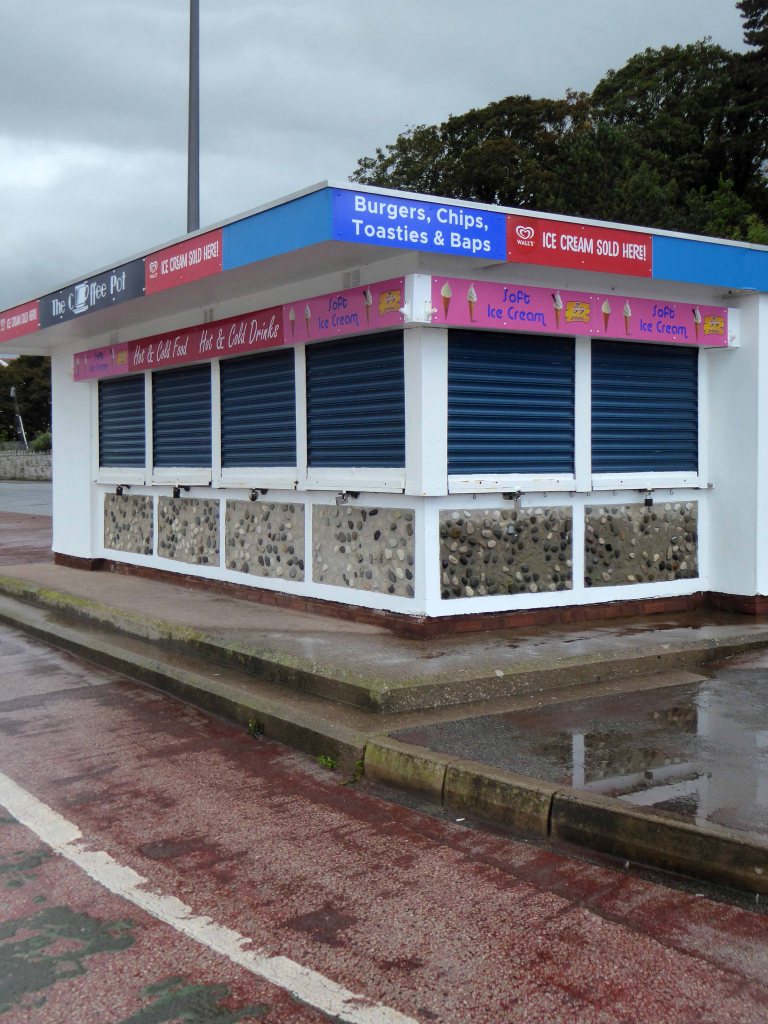
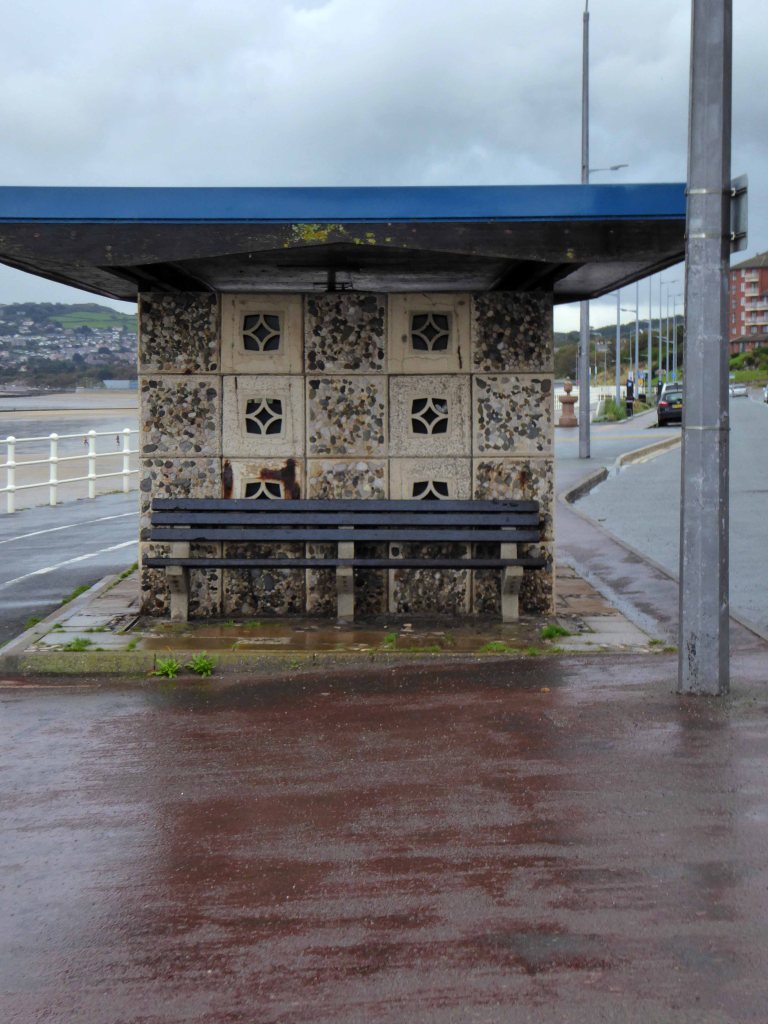
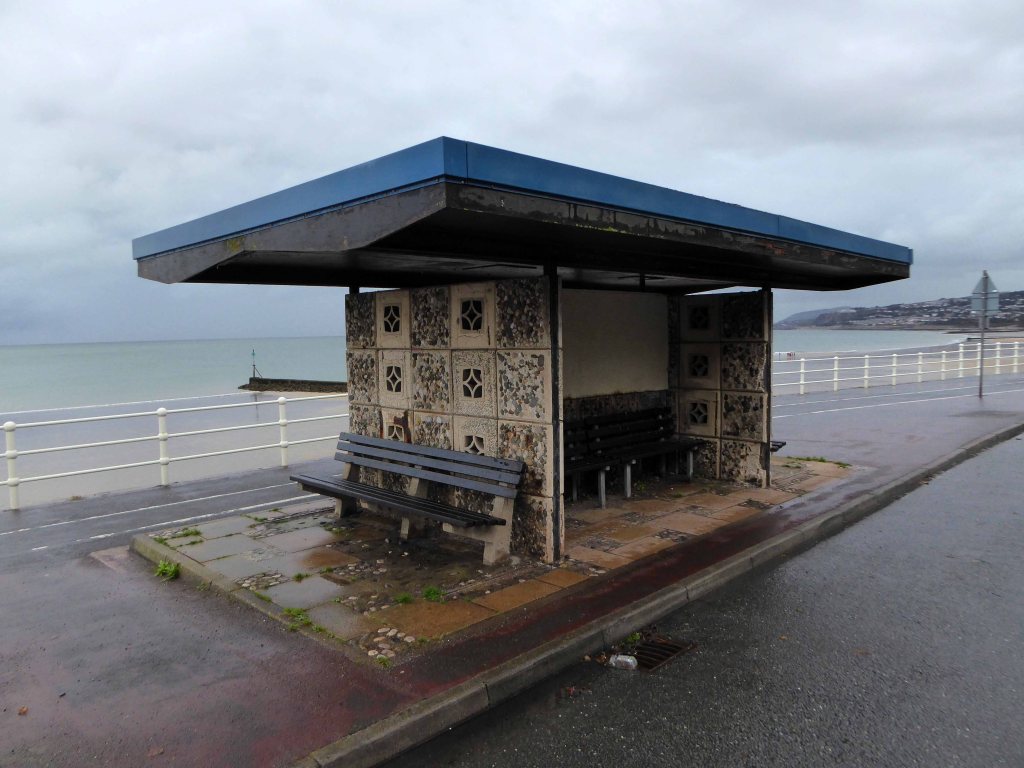
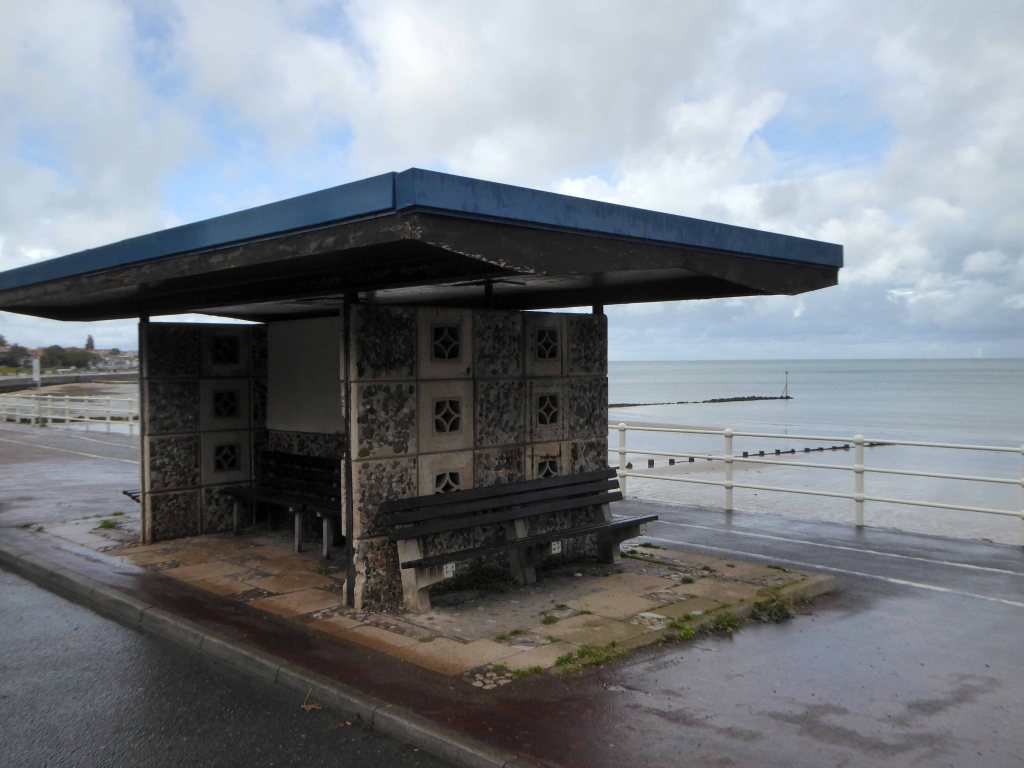
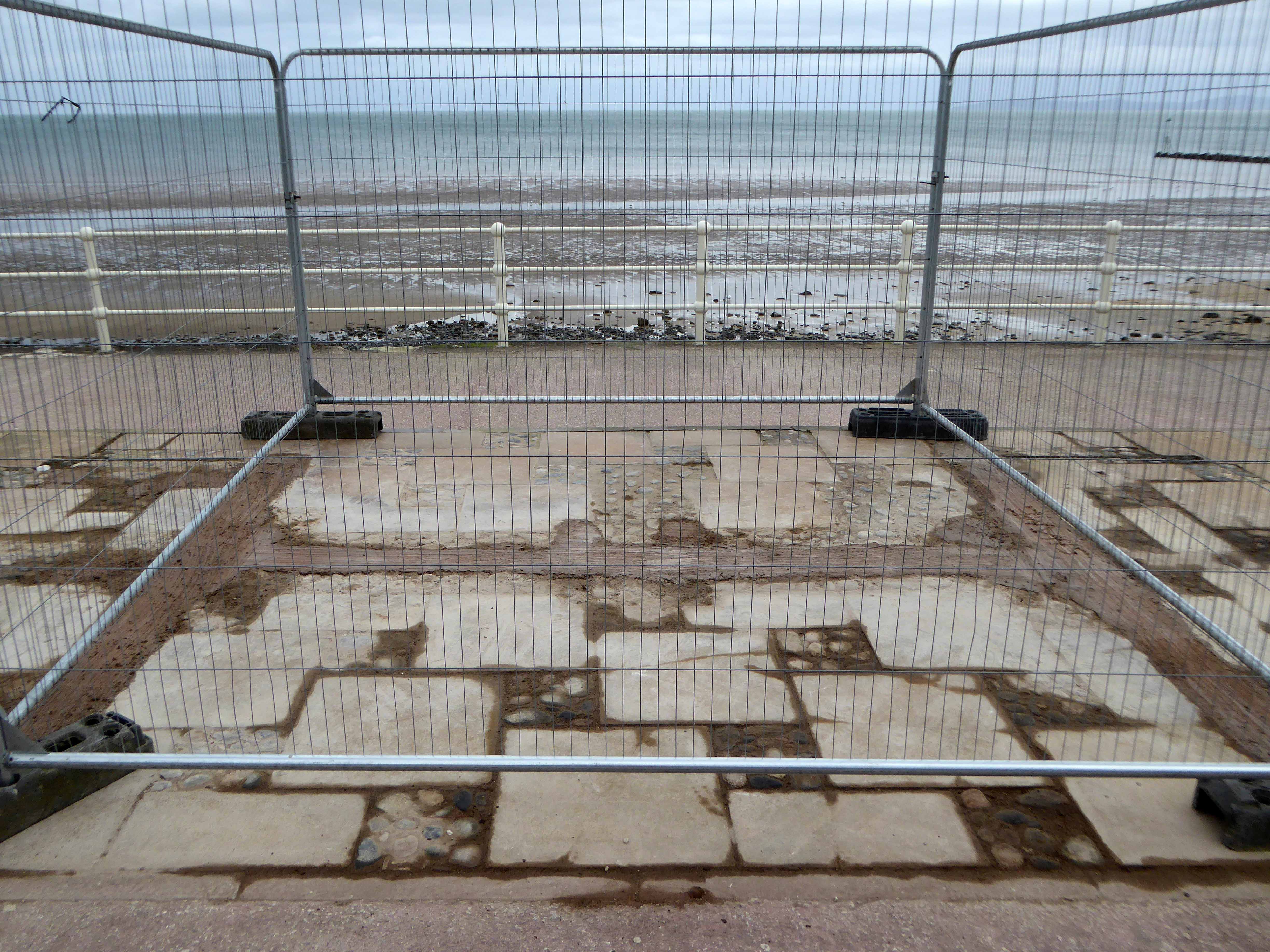
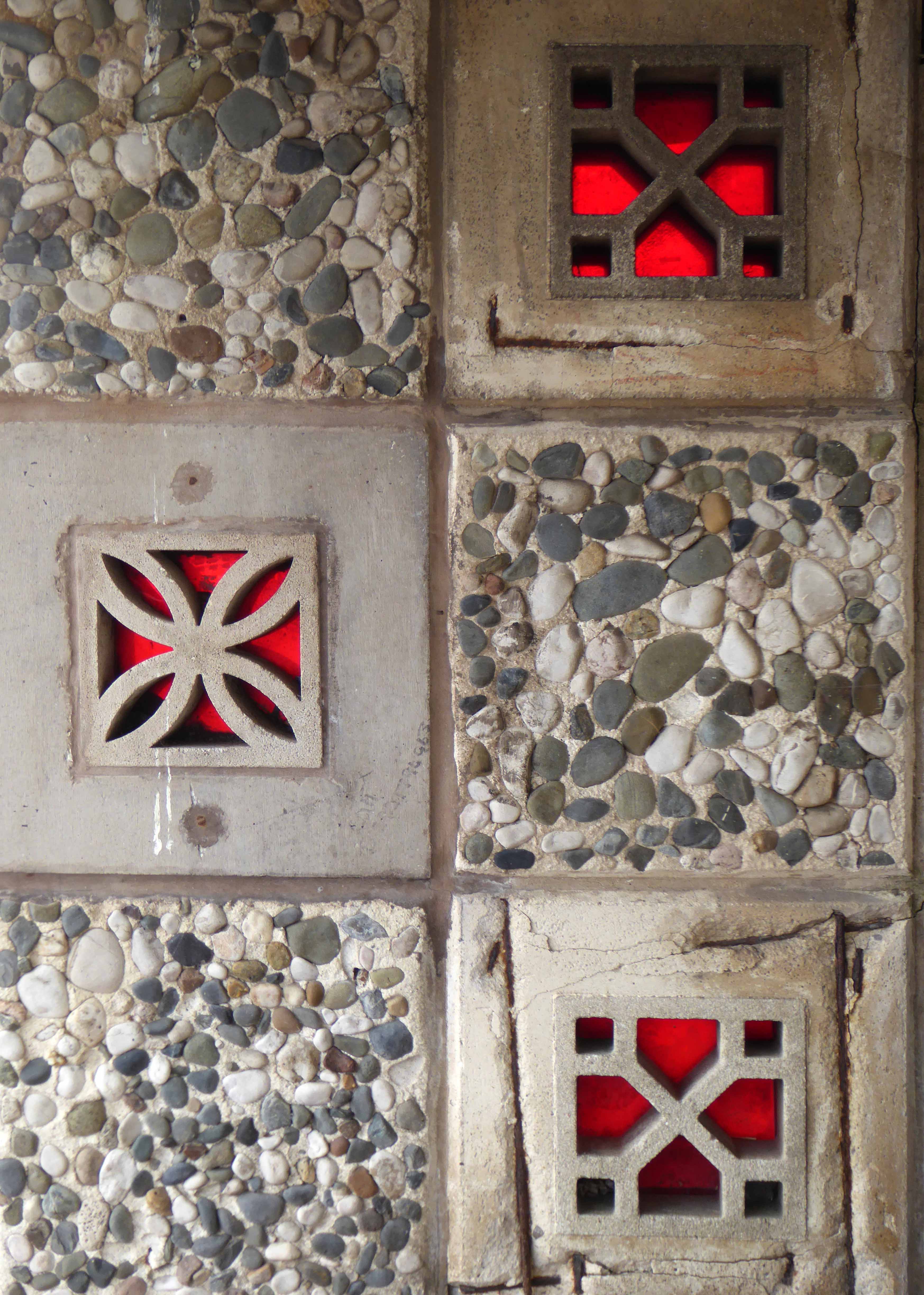
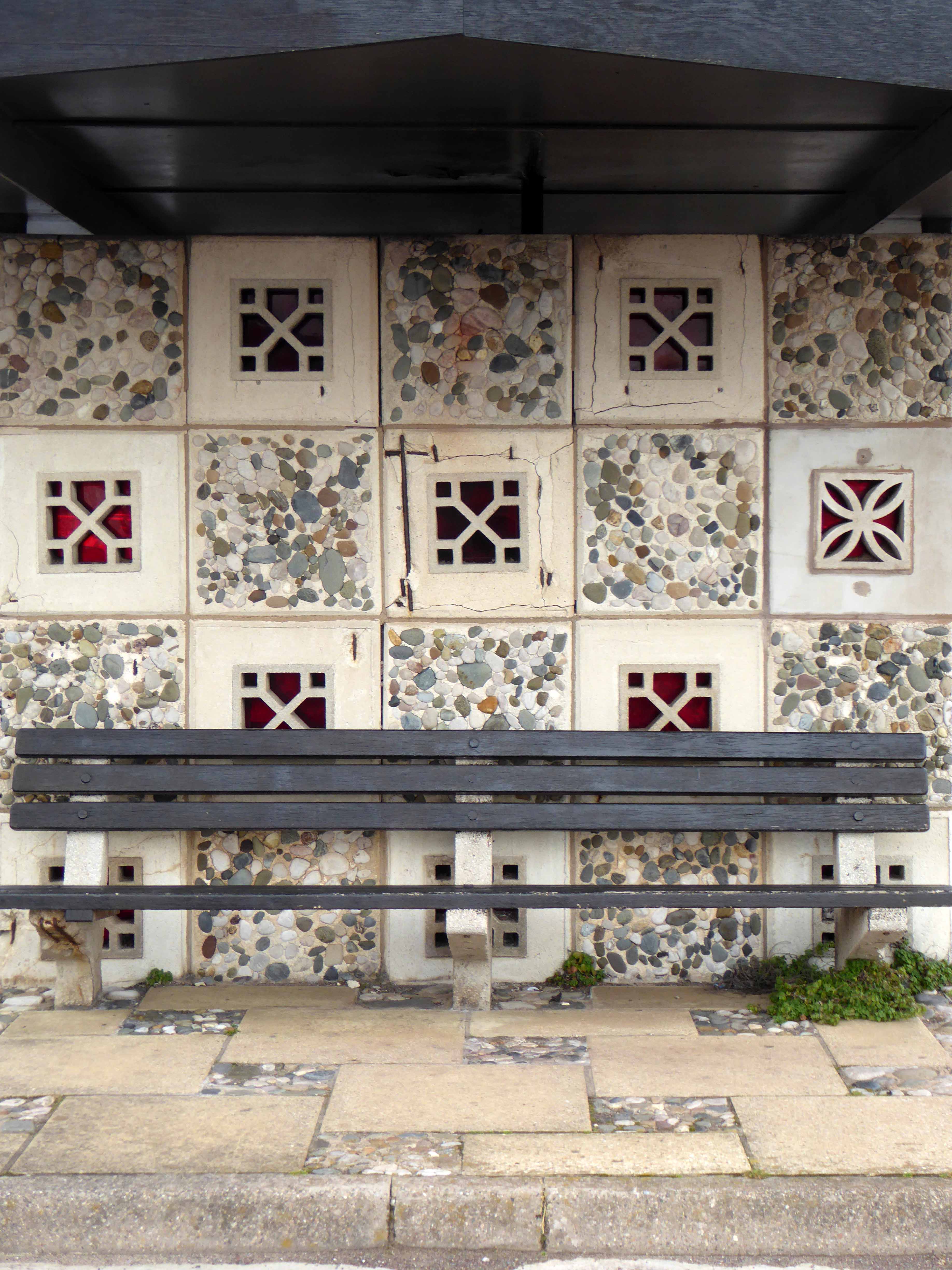
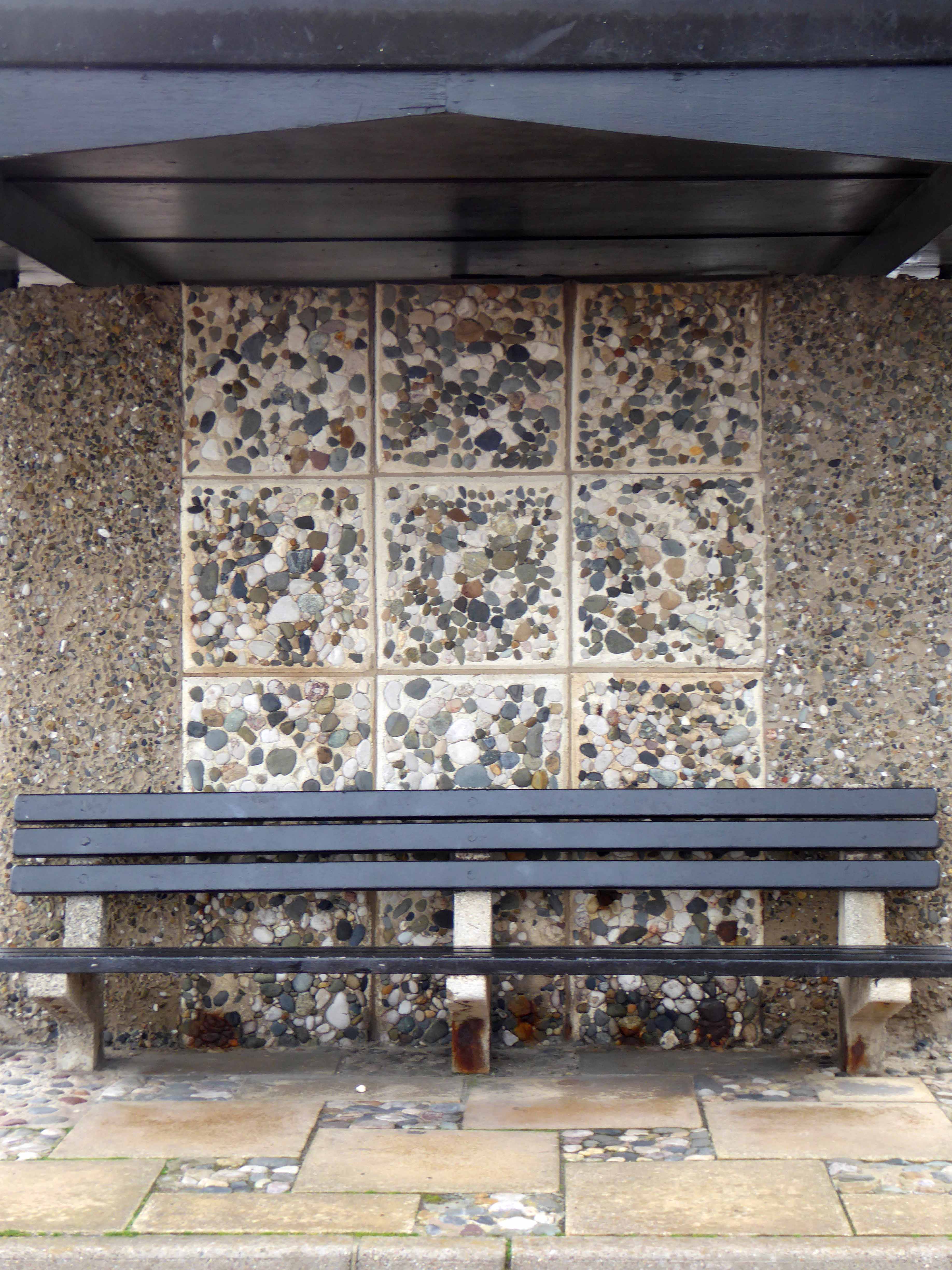
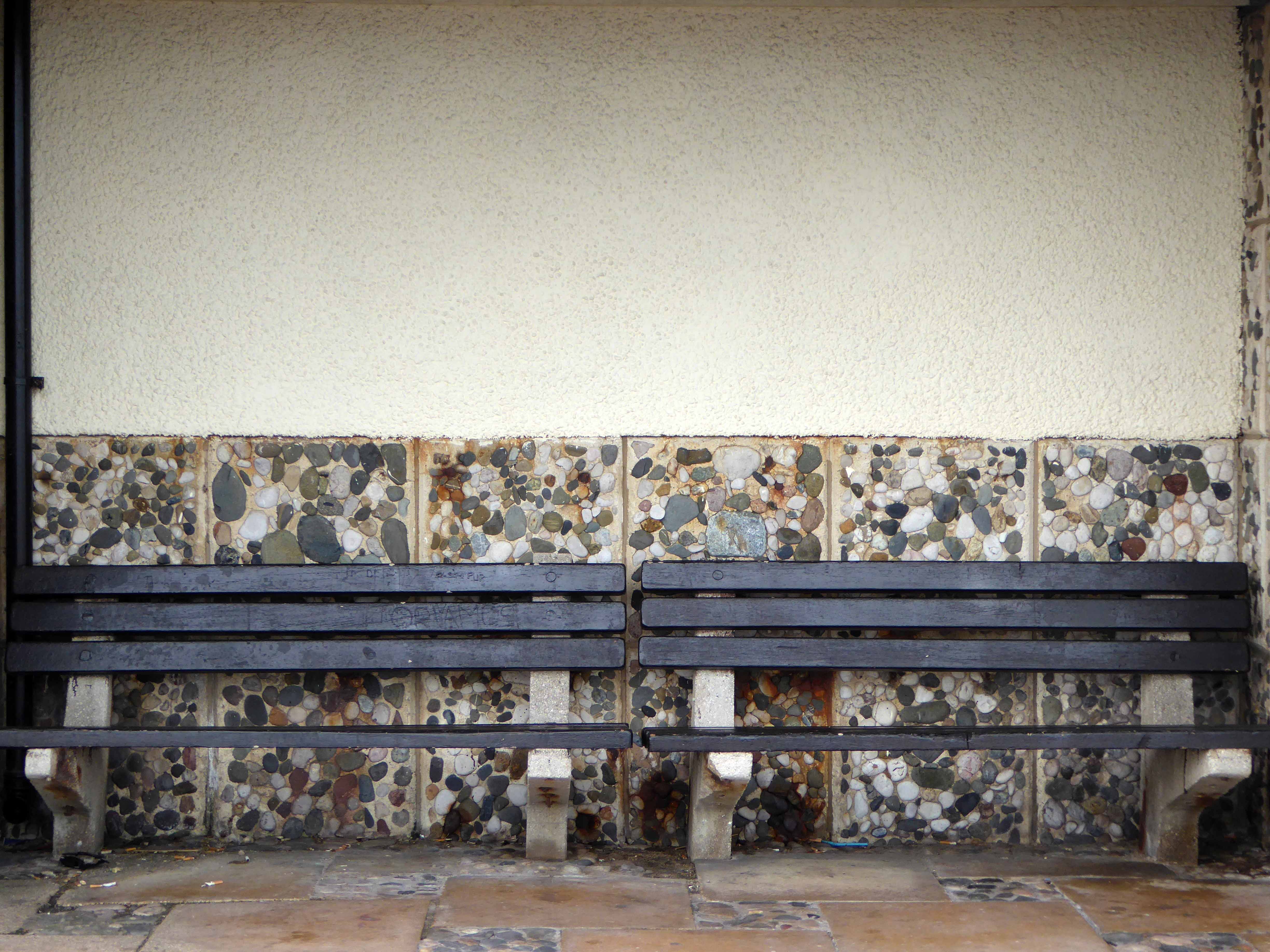
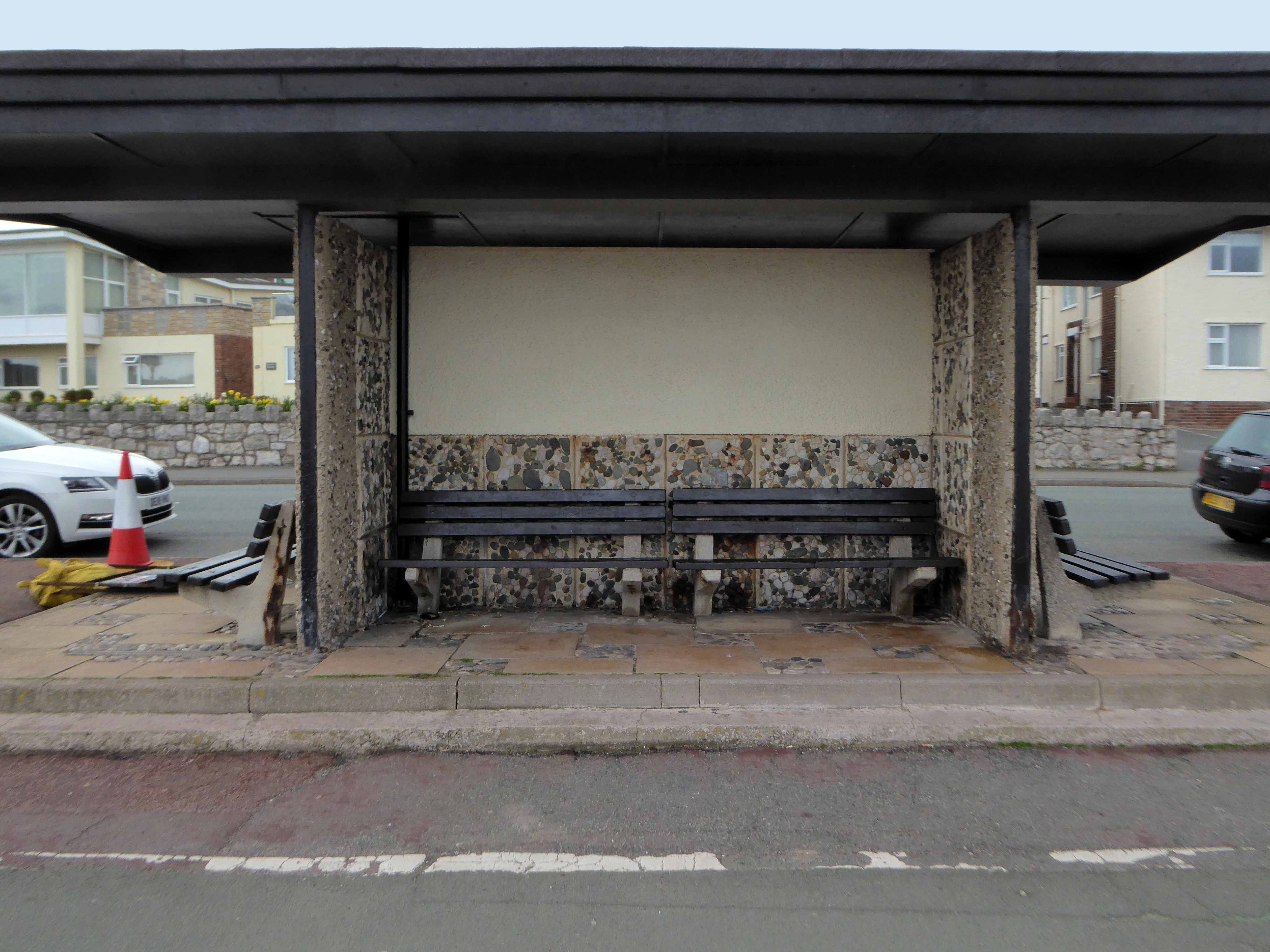
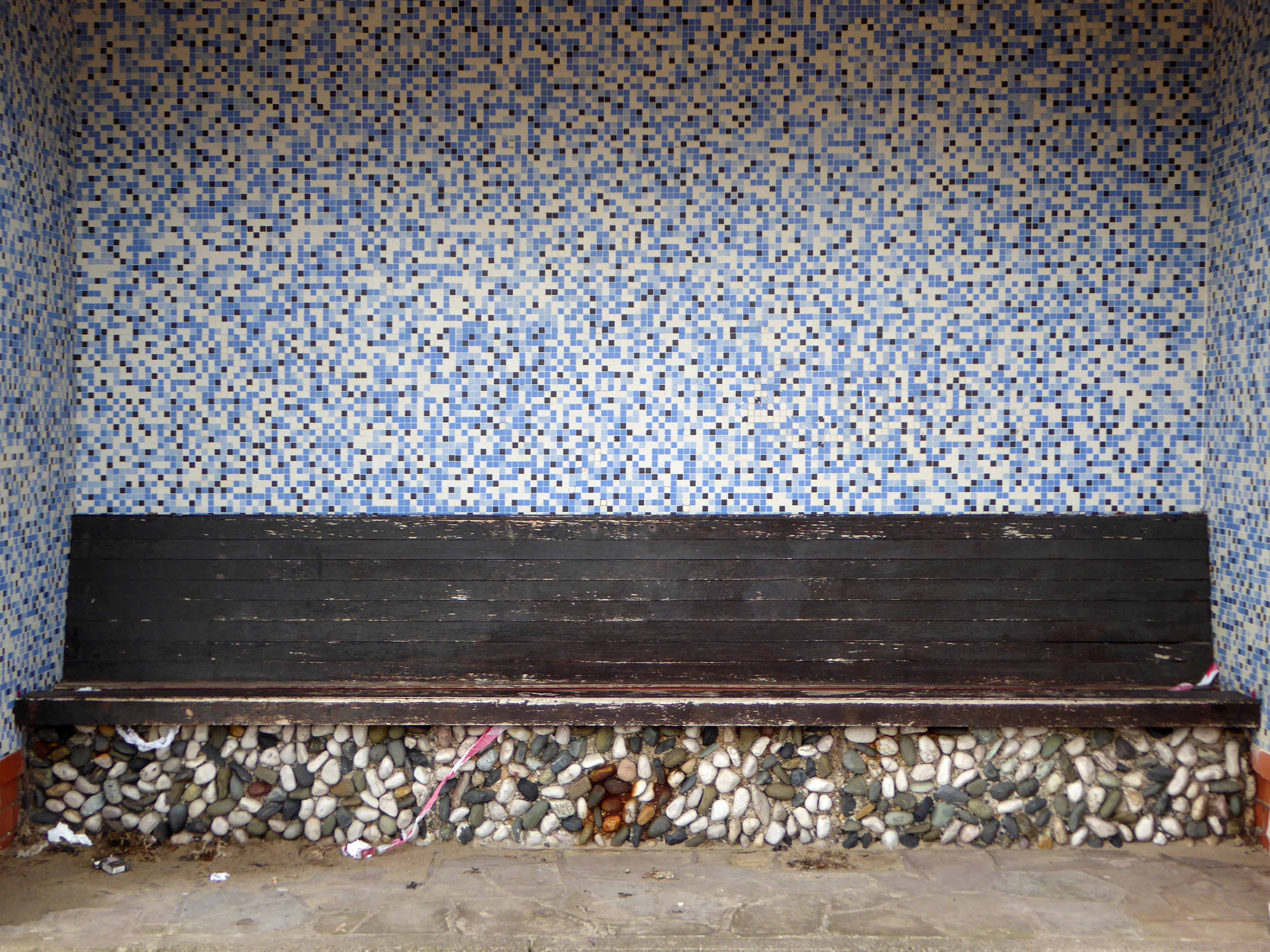
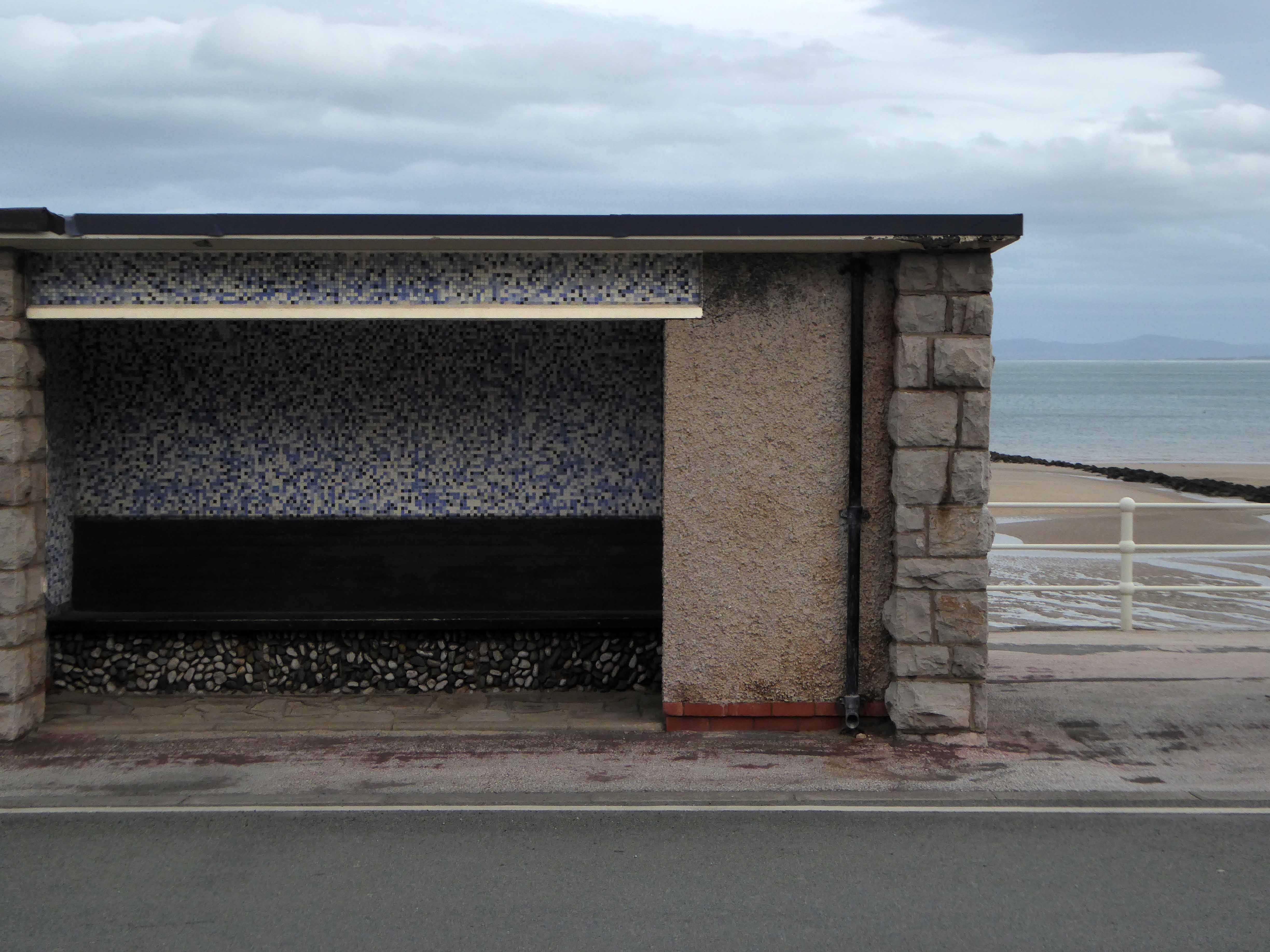
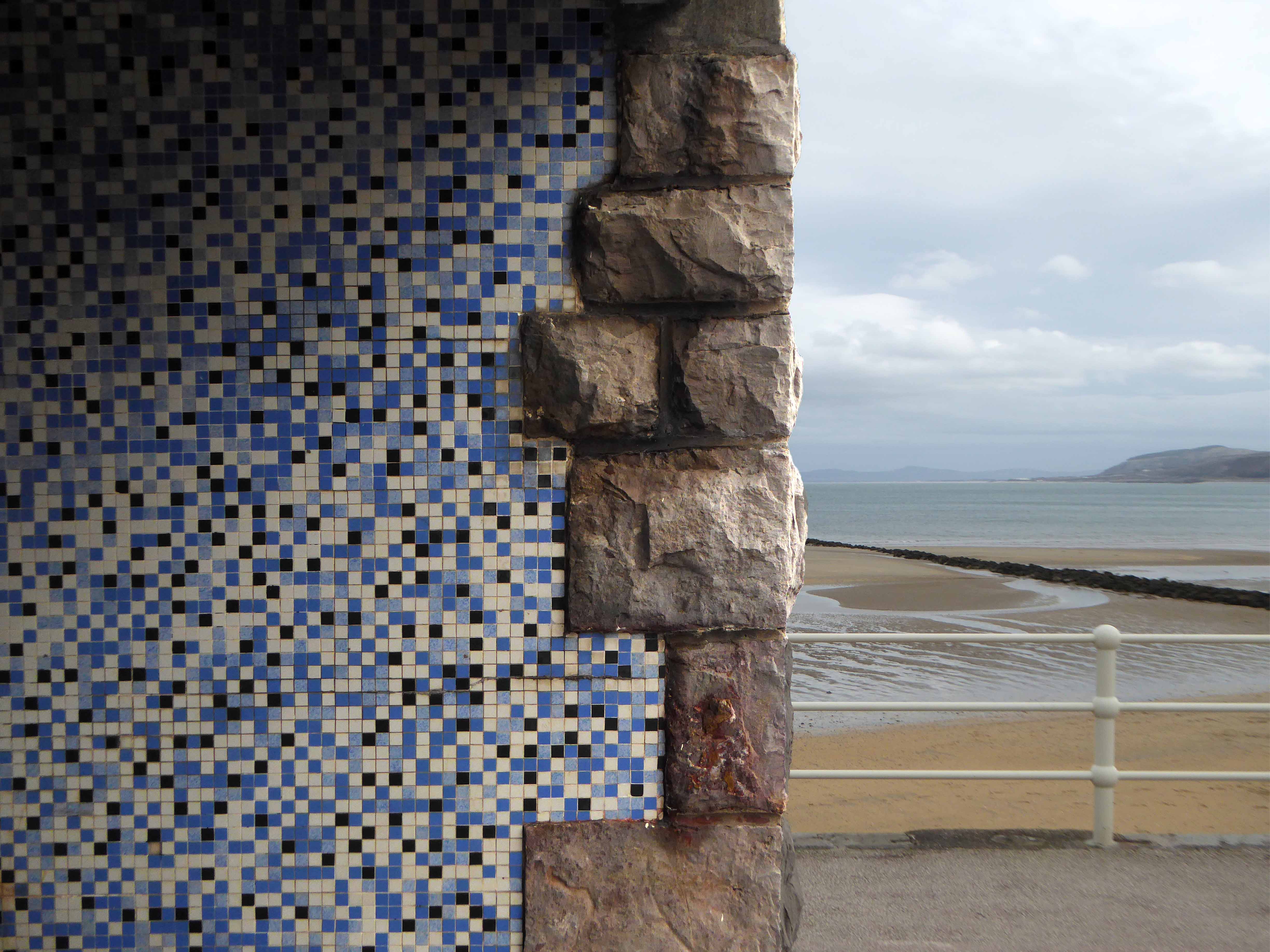
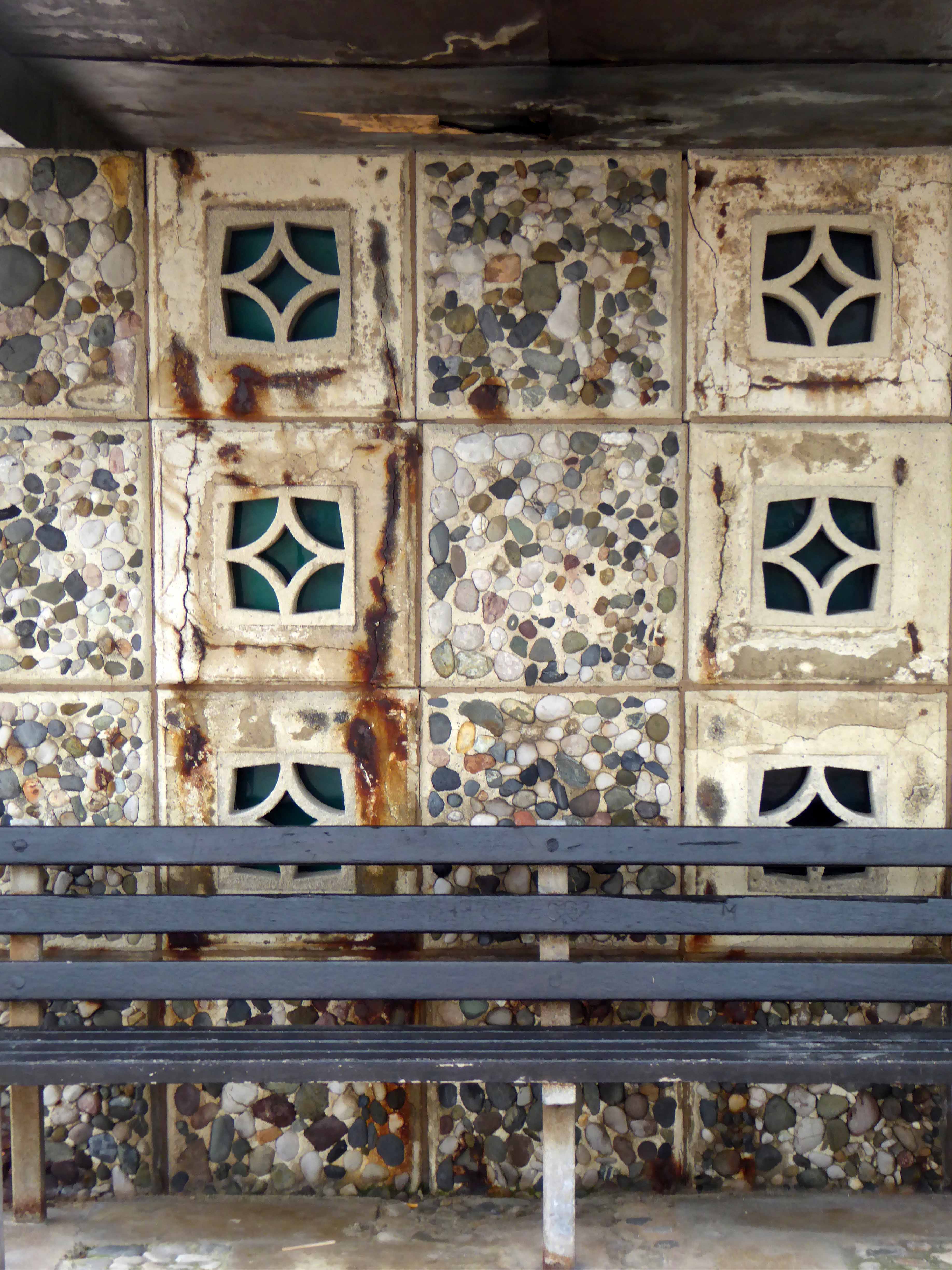
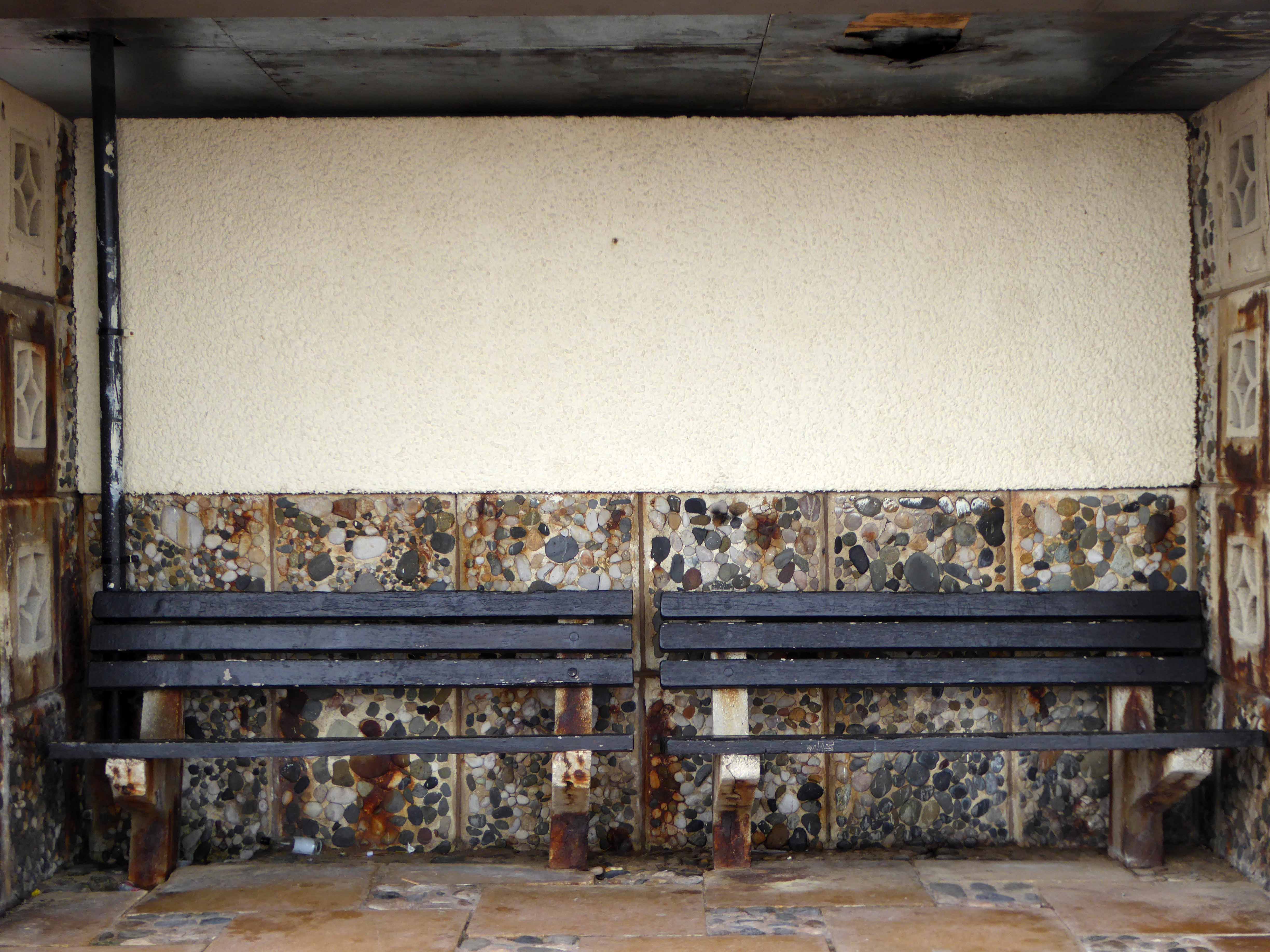
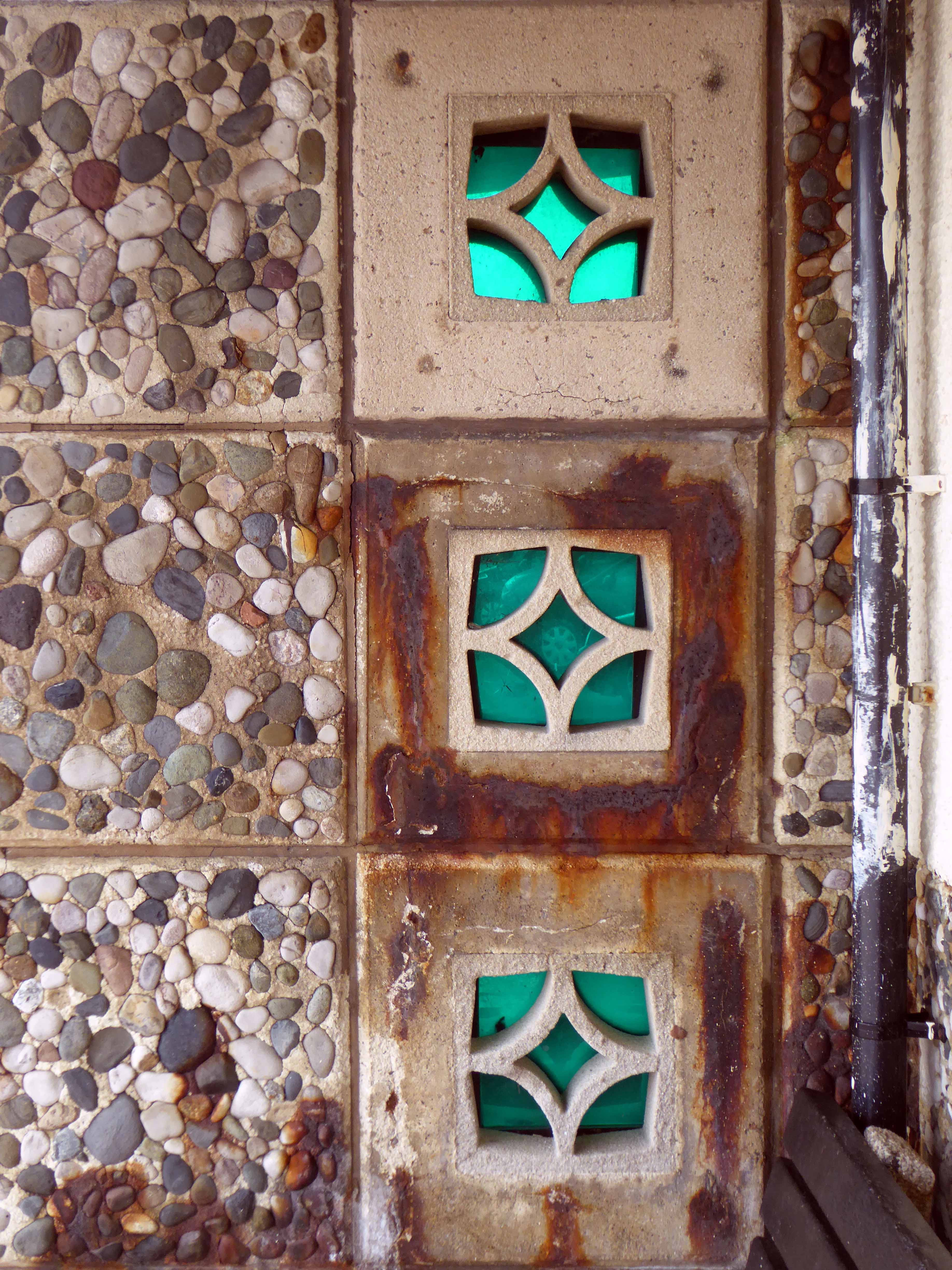
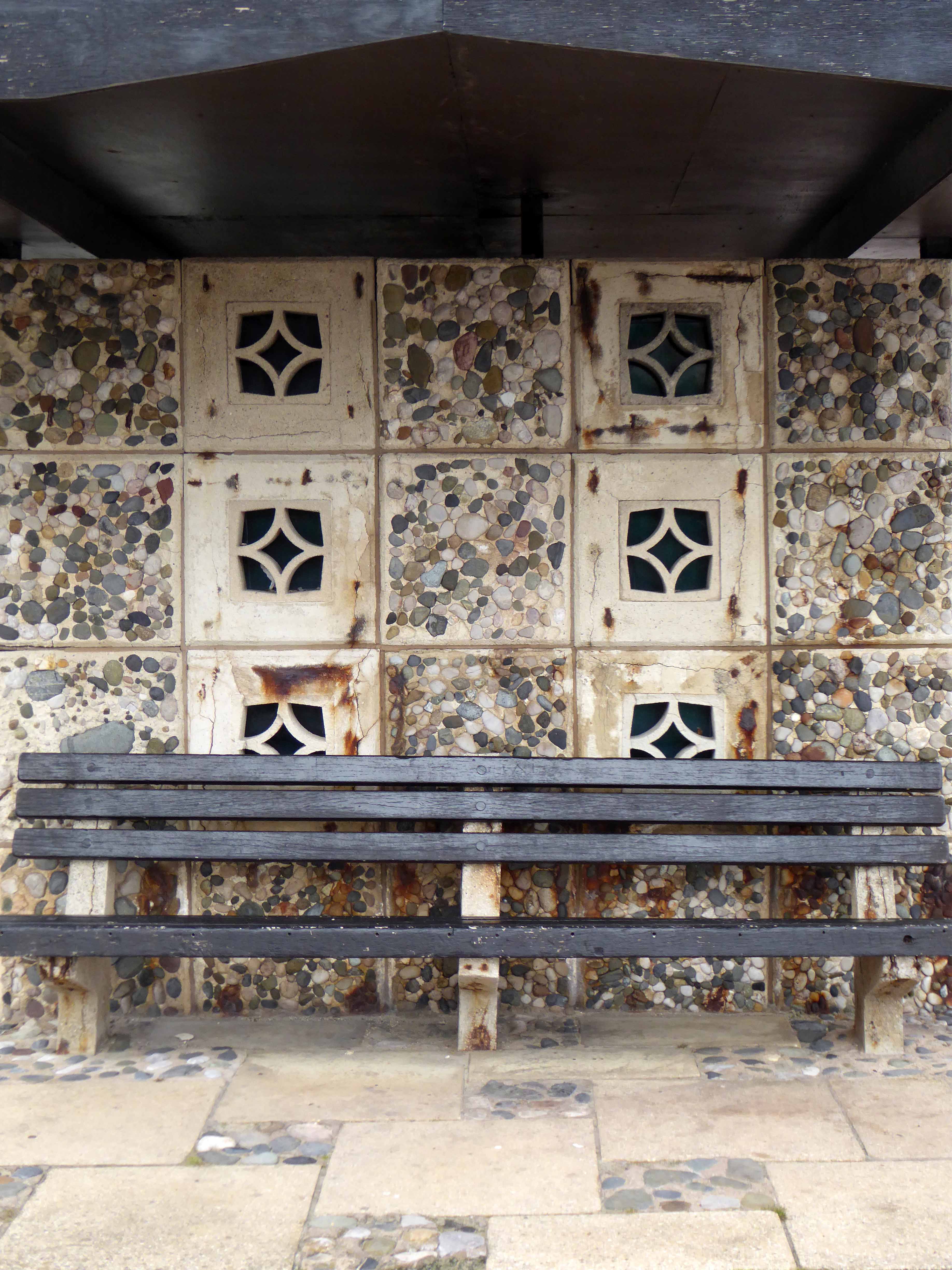
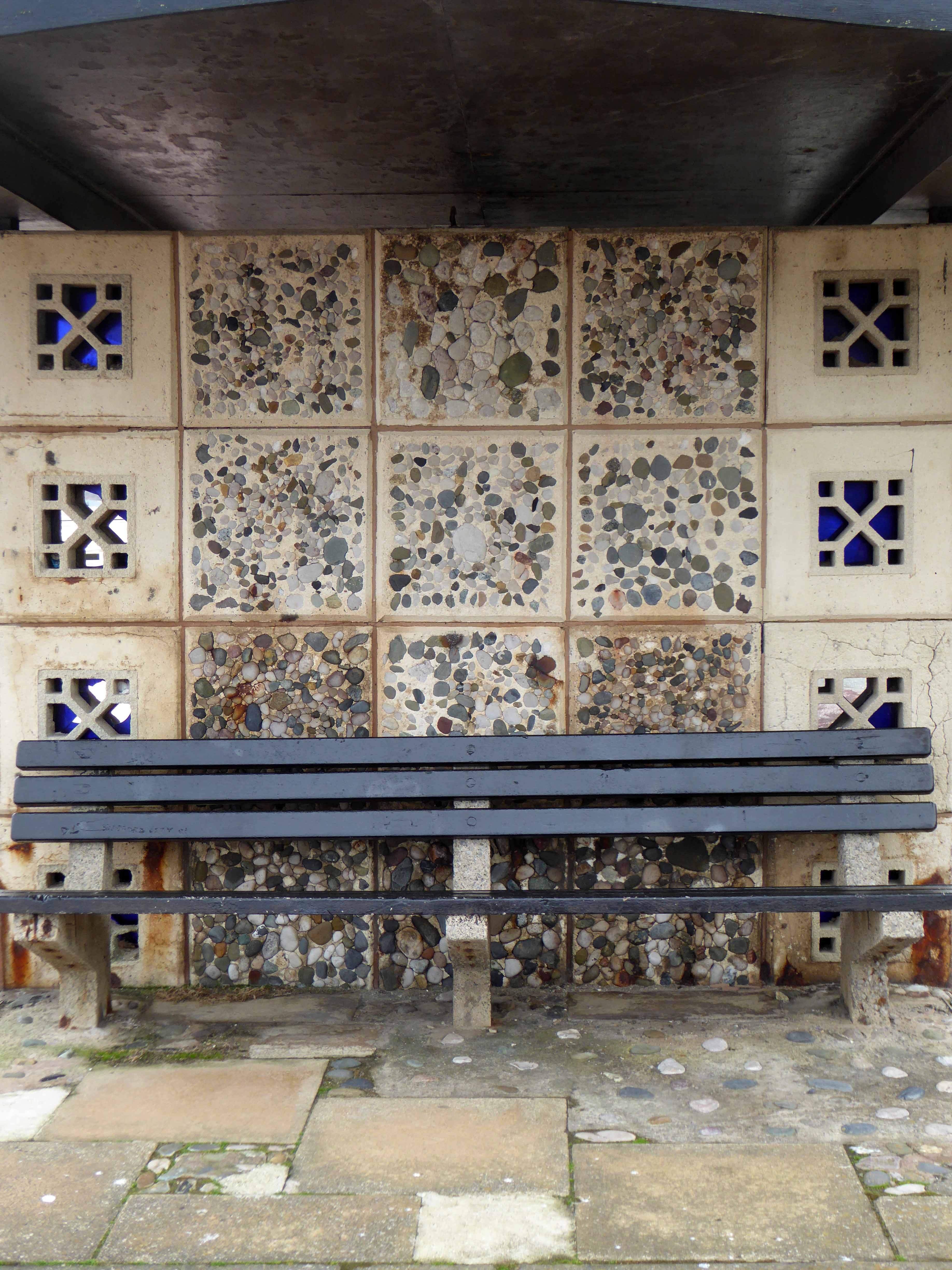
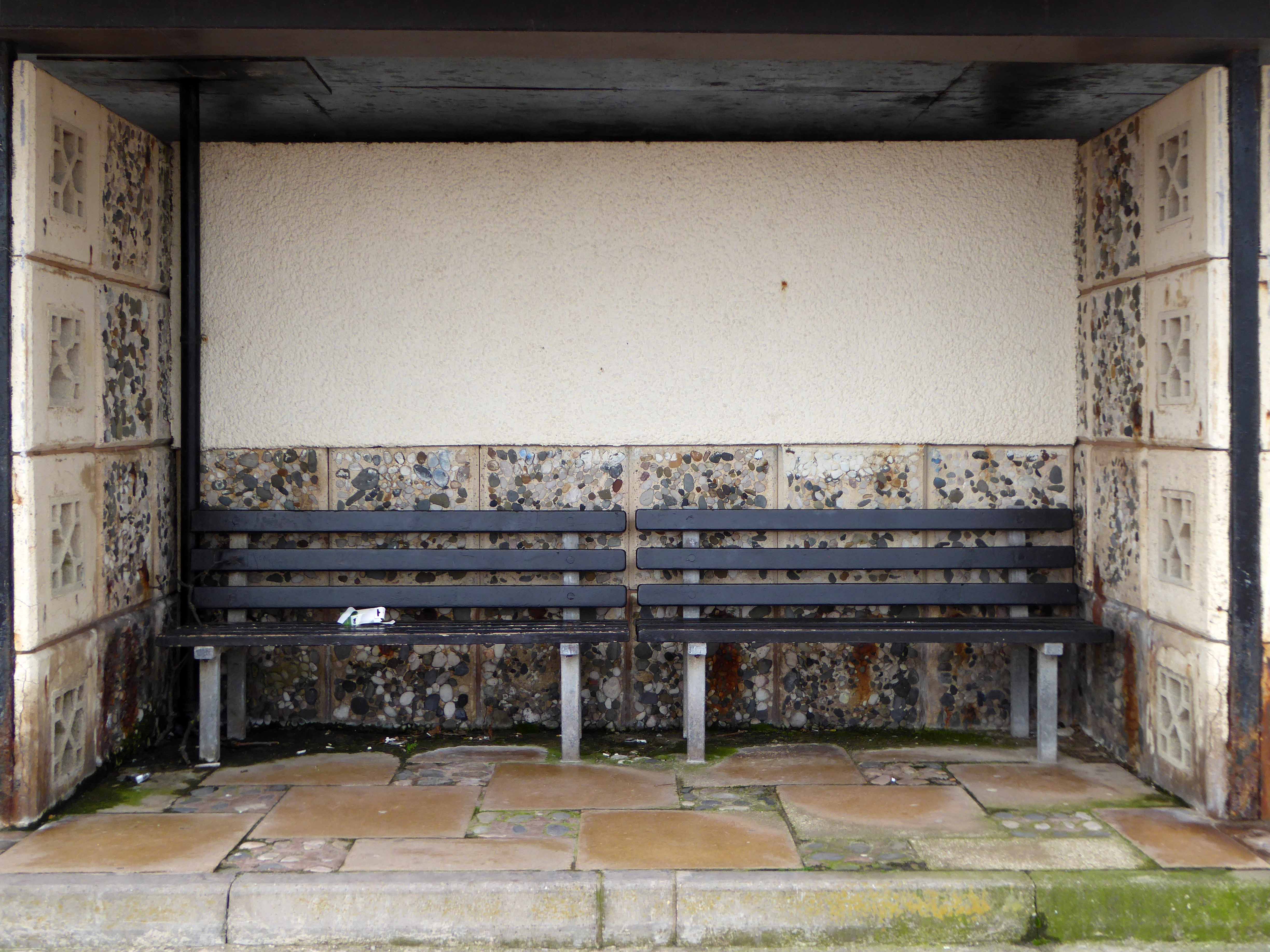
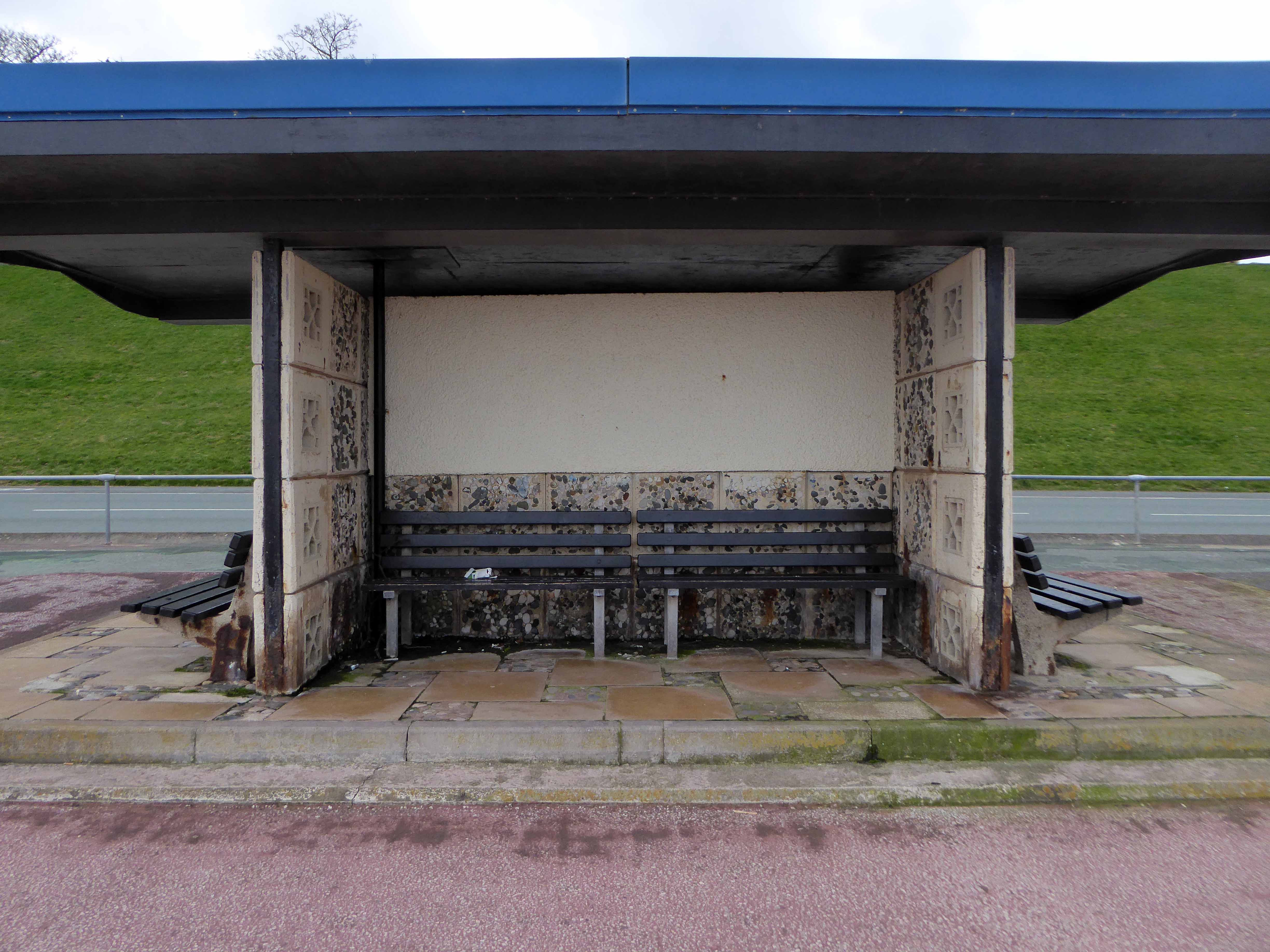
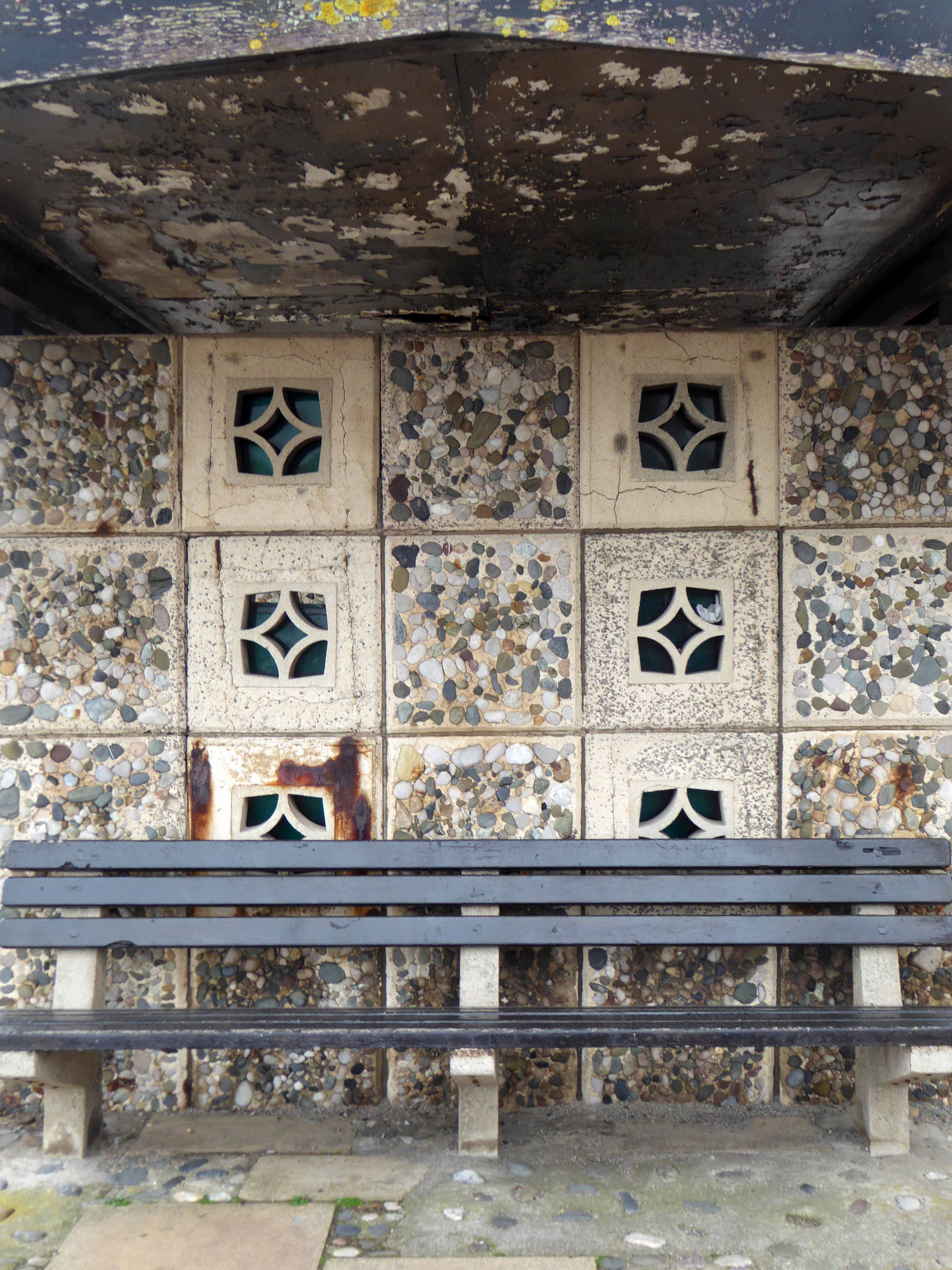
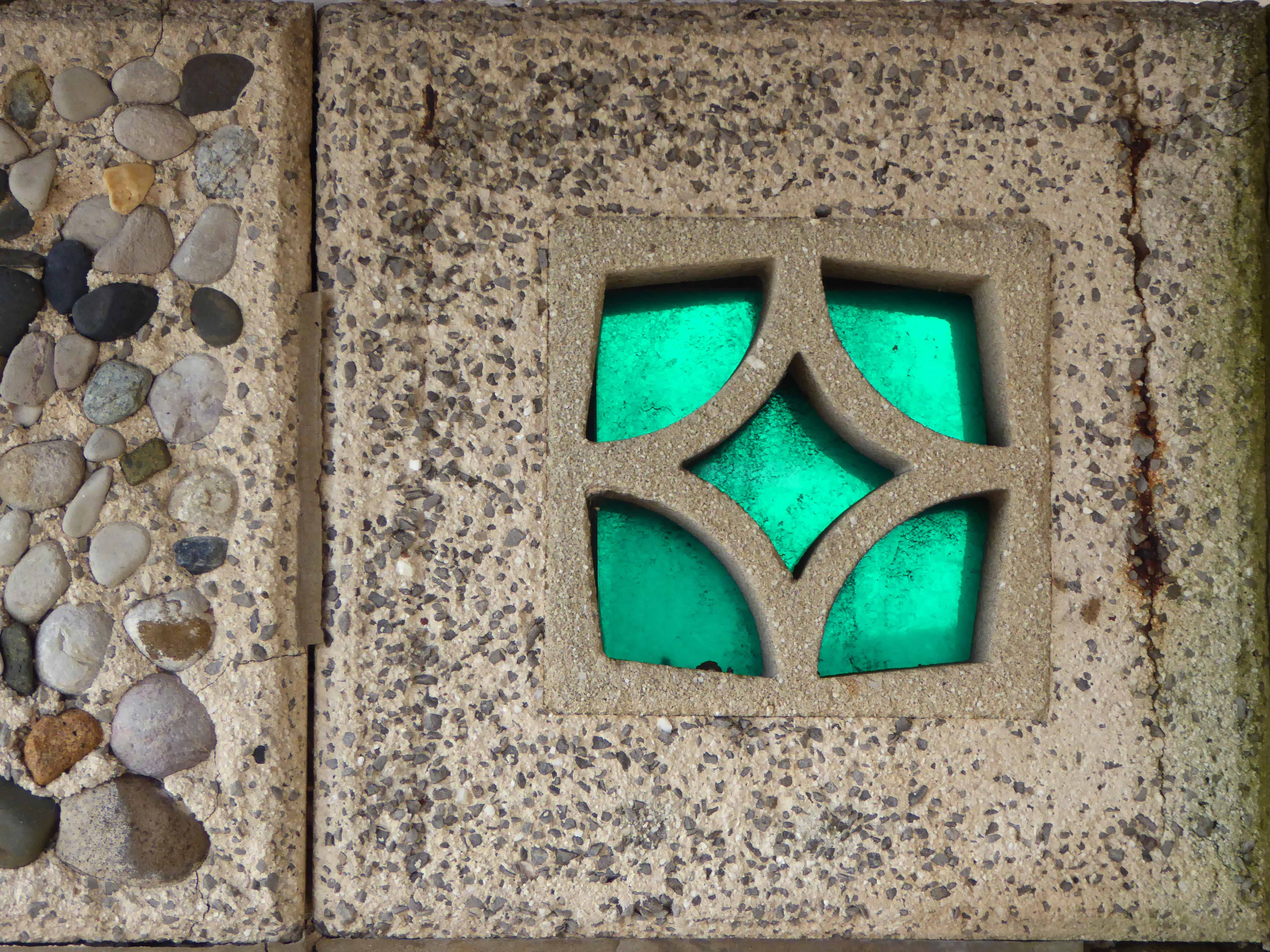
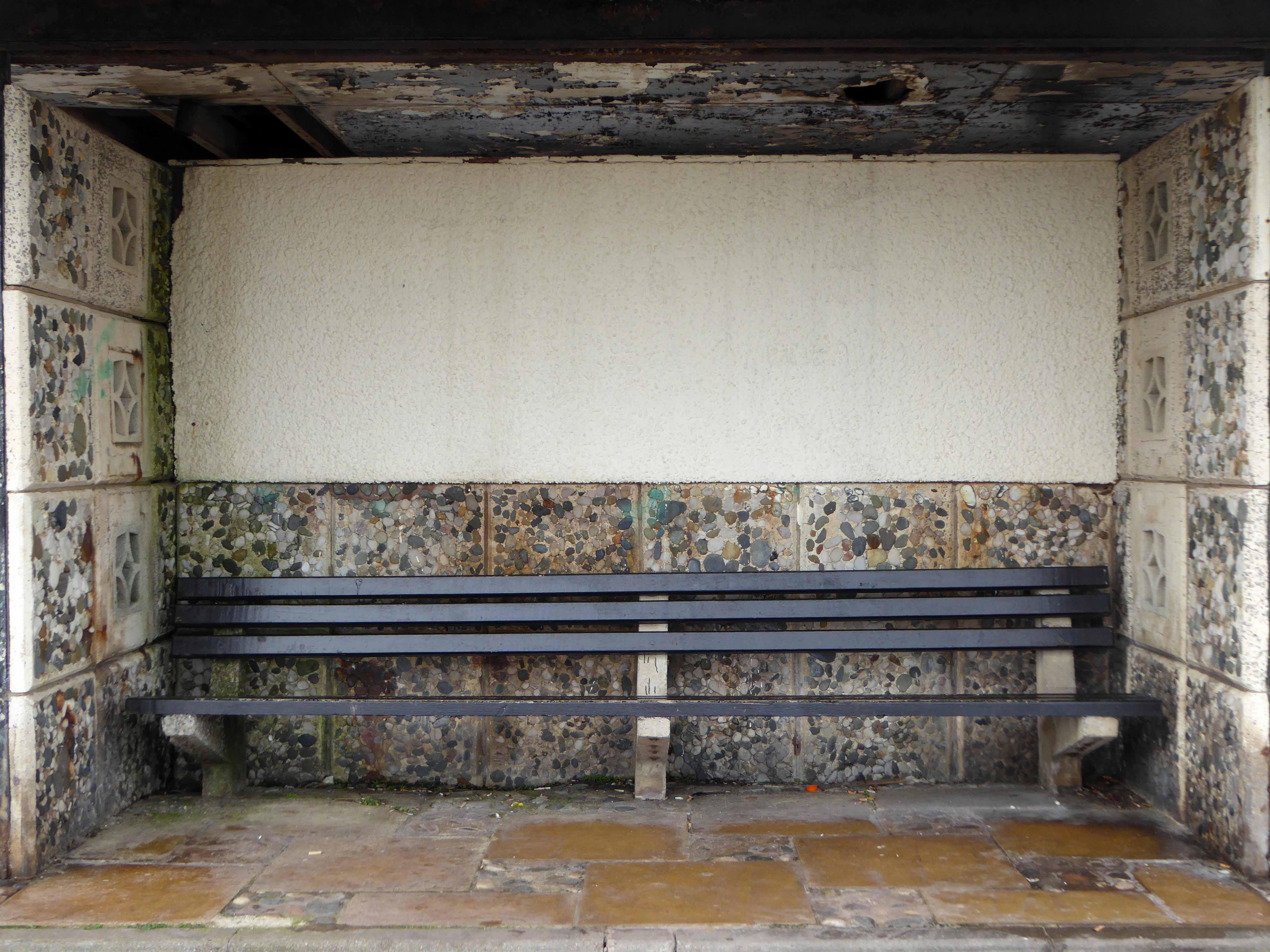
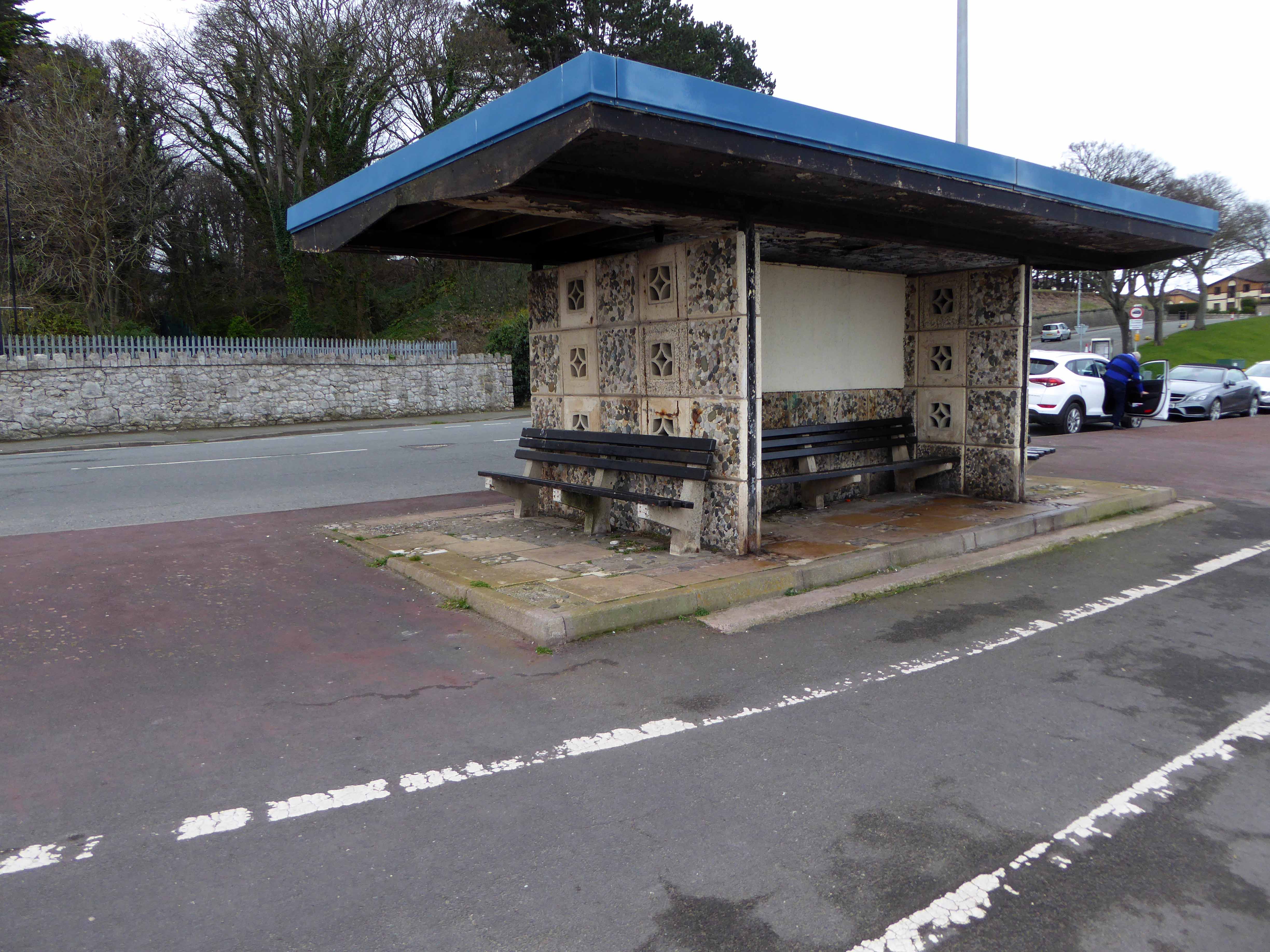
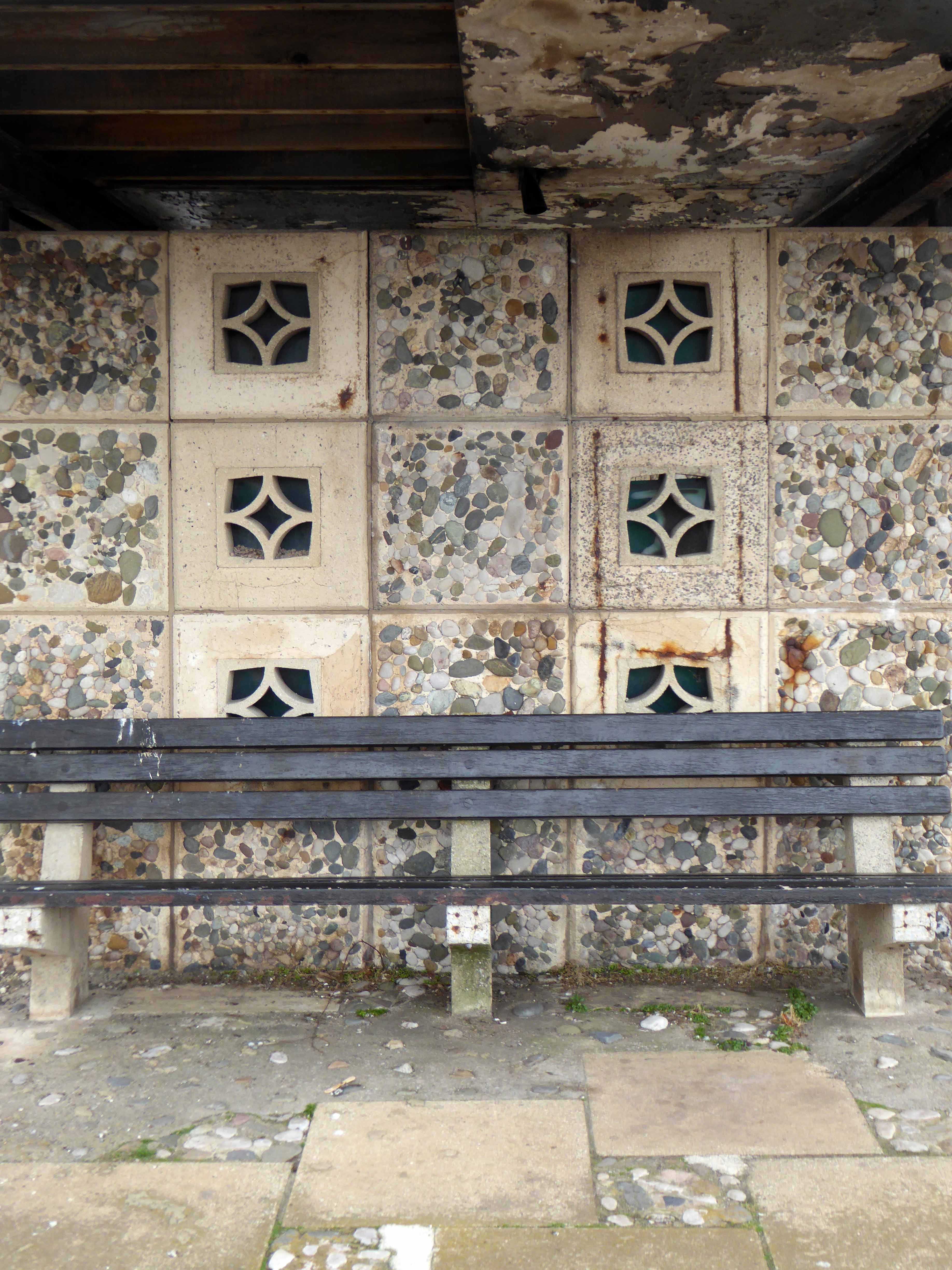
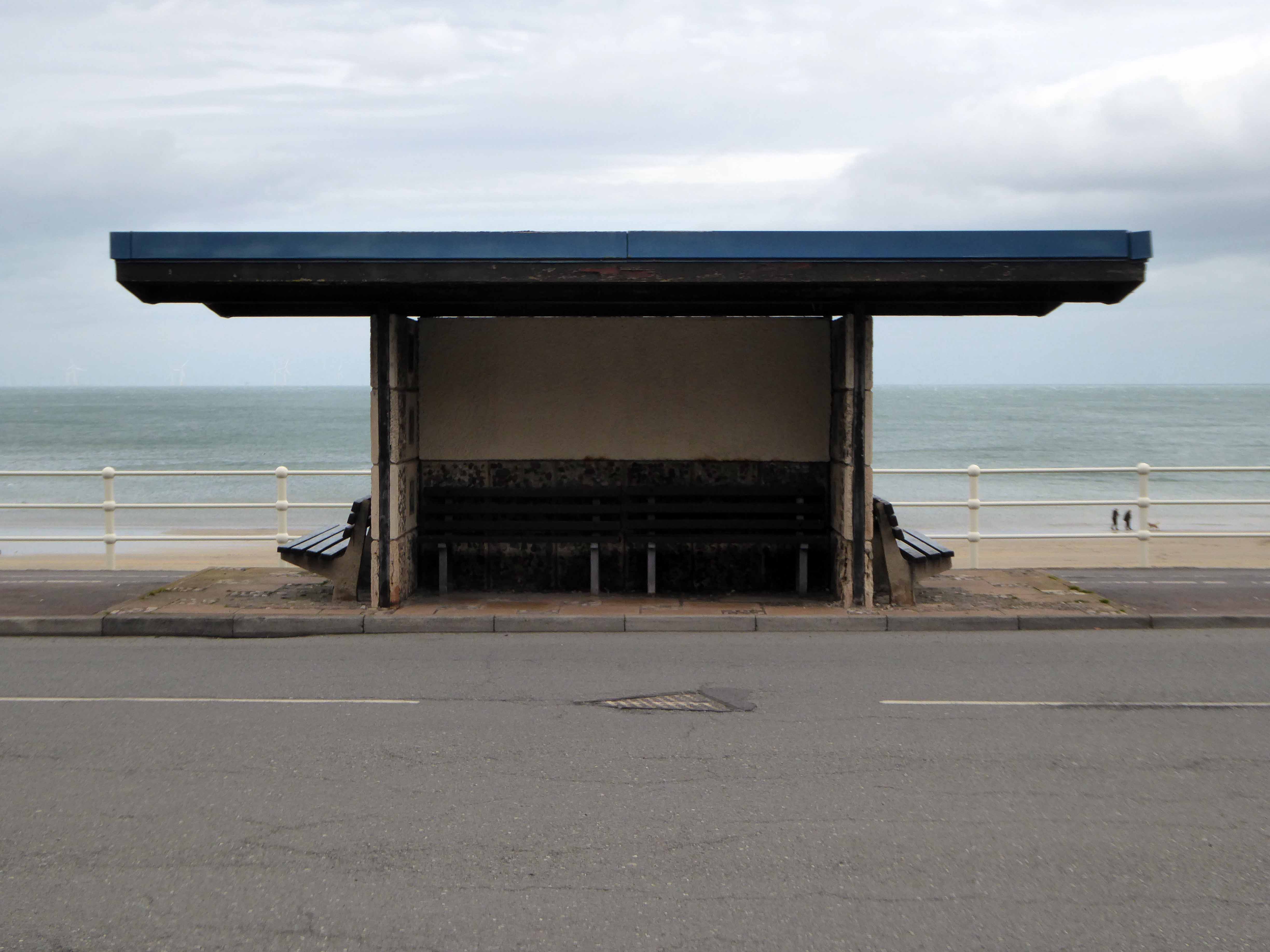
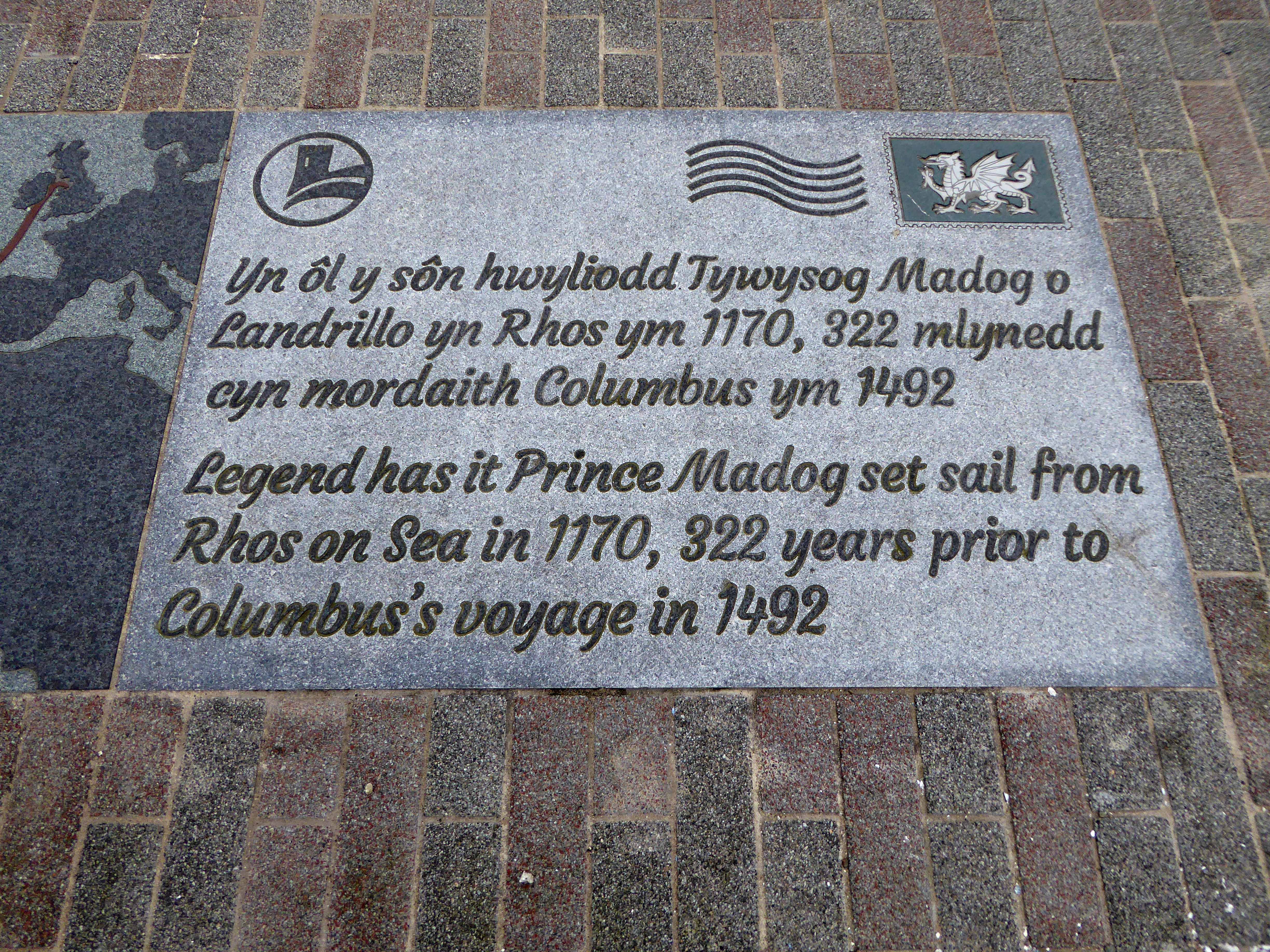
Shelters Rhos to Colwyn

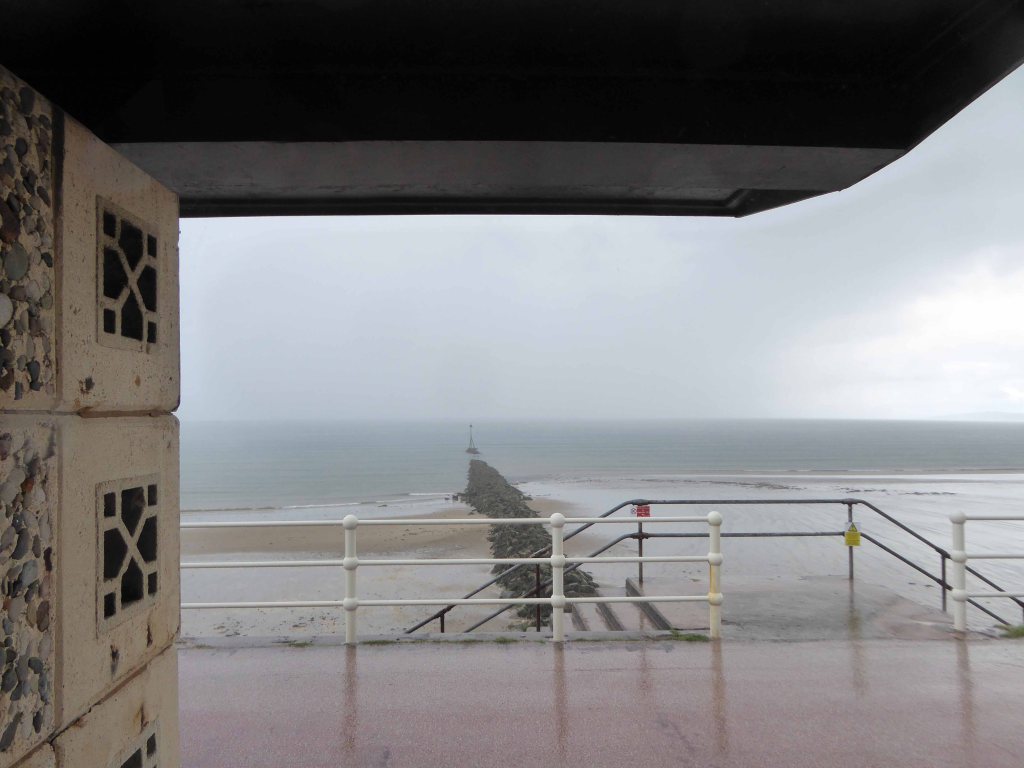
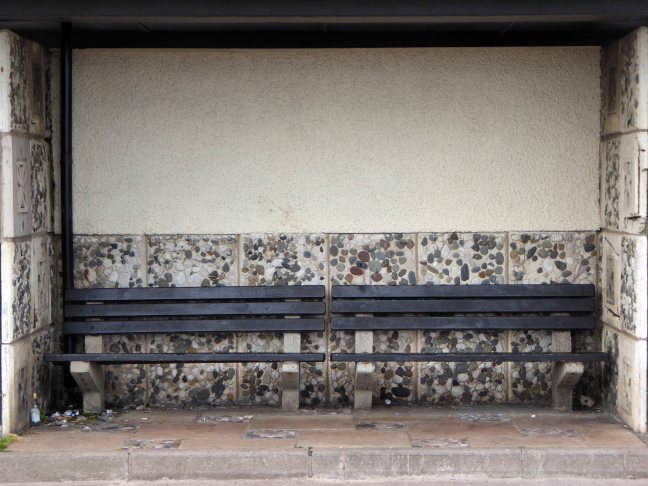
I have previously sought succour in your shady shelters, as unrelenting sheets of steel grey rain peppered the wind whipped Irish sea.

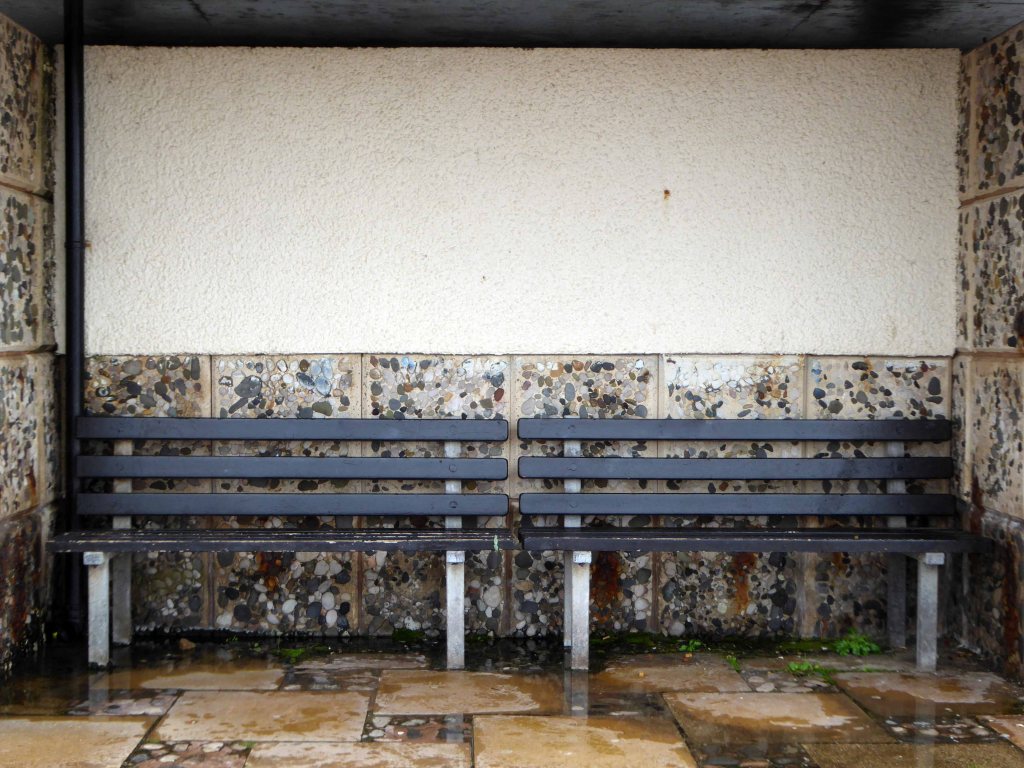
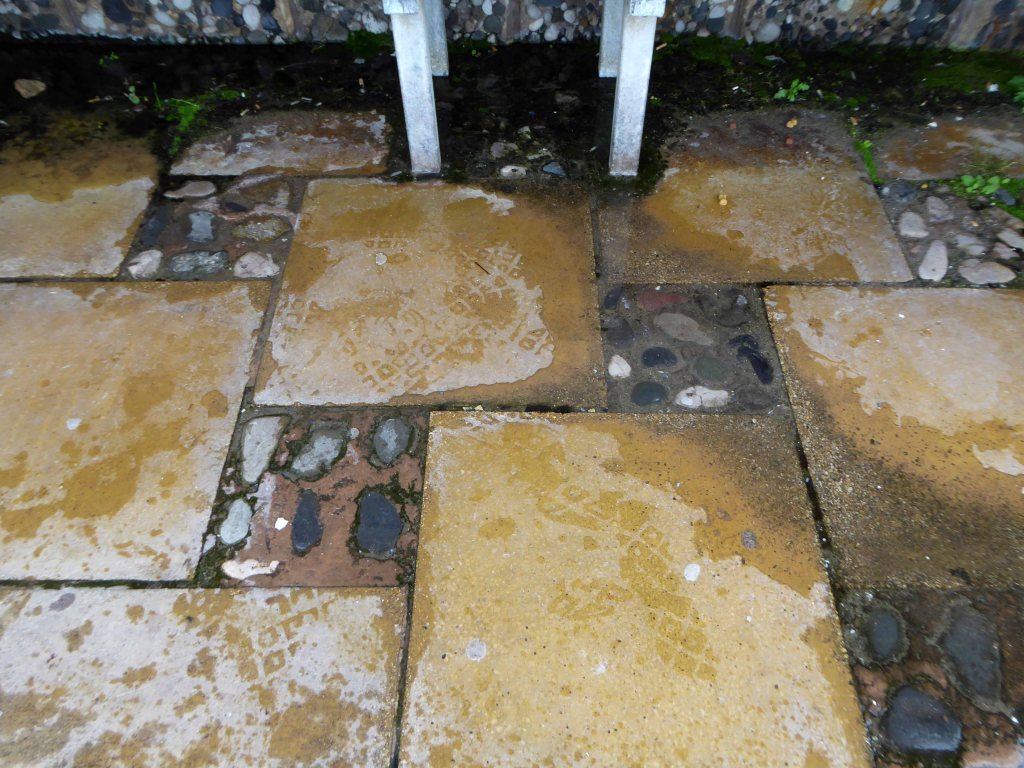
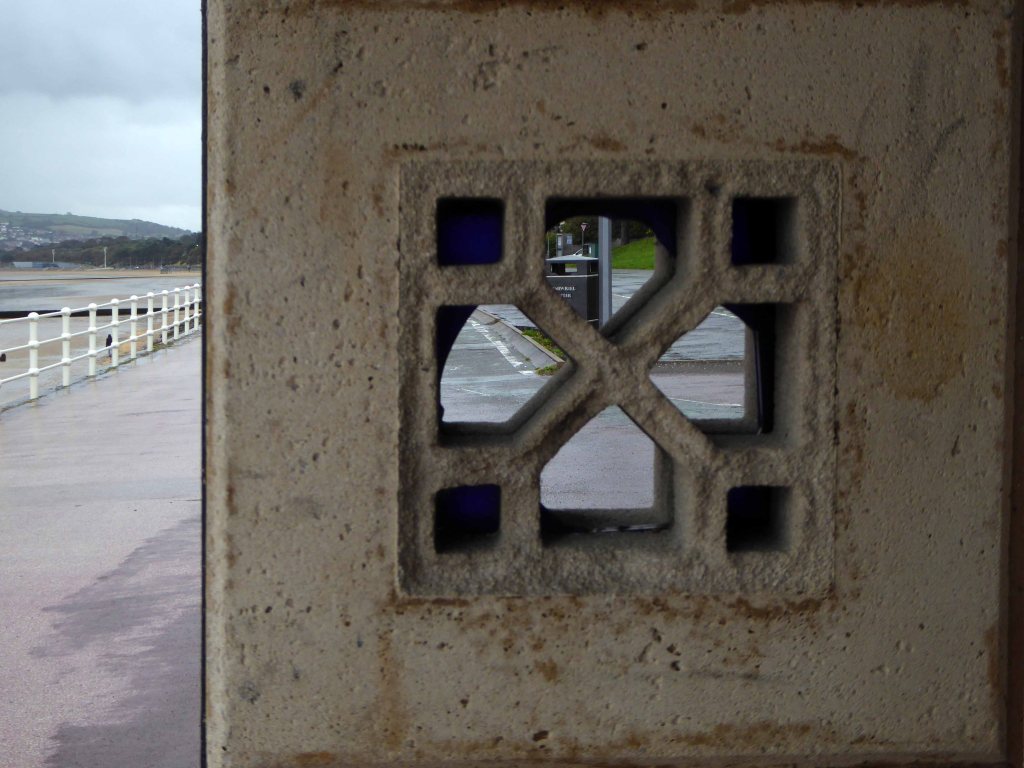
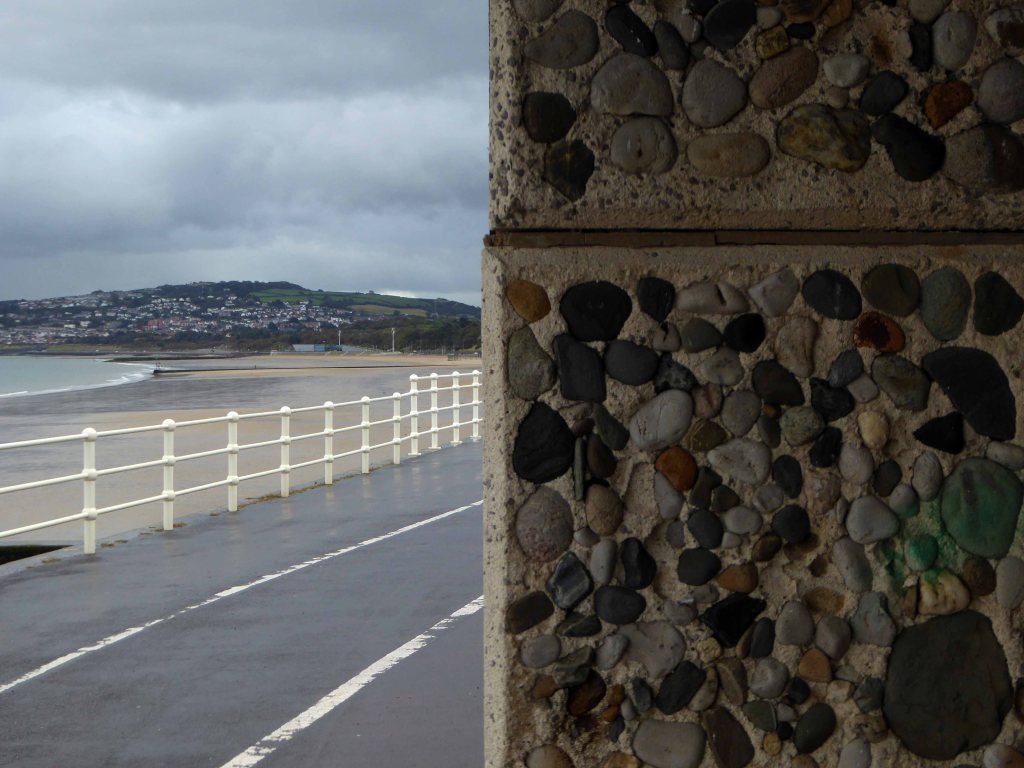
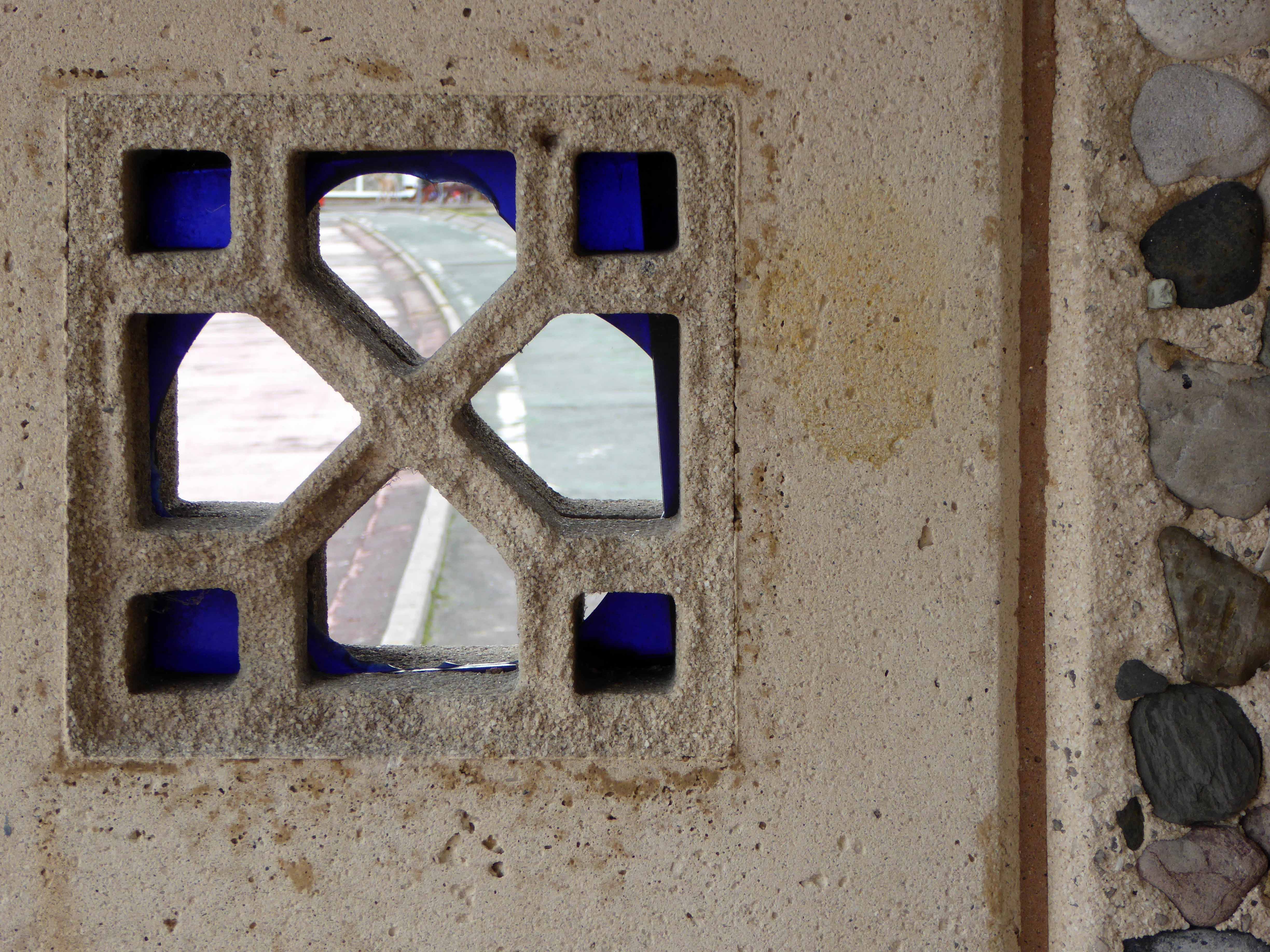
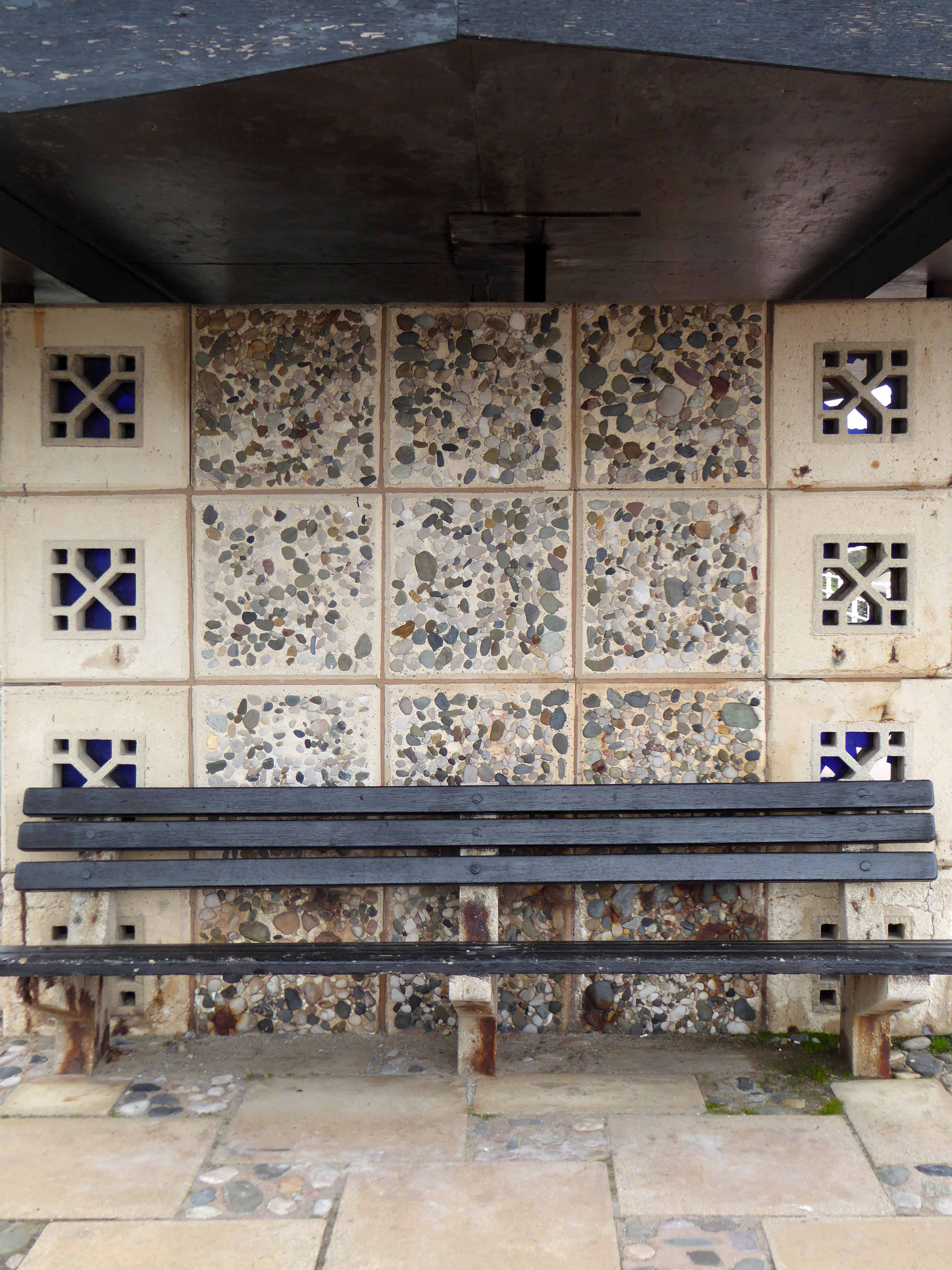
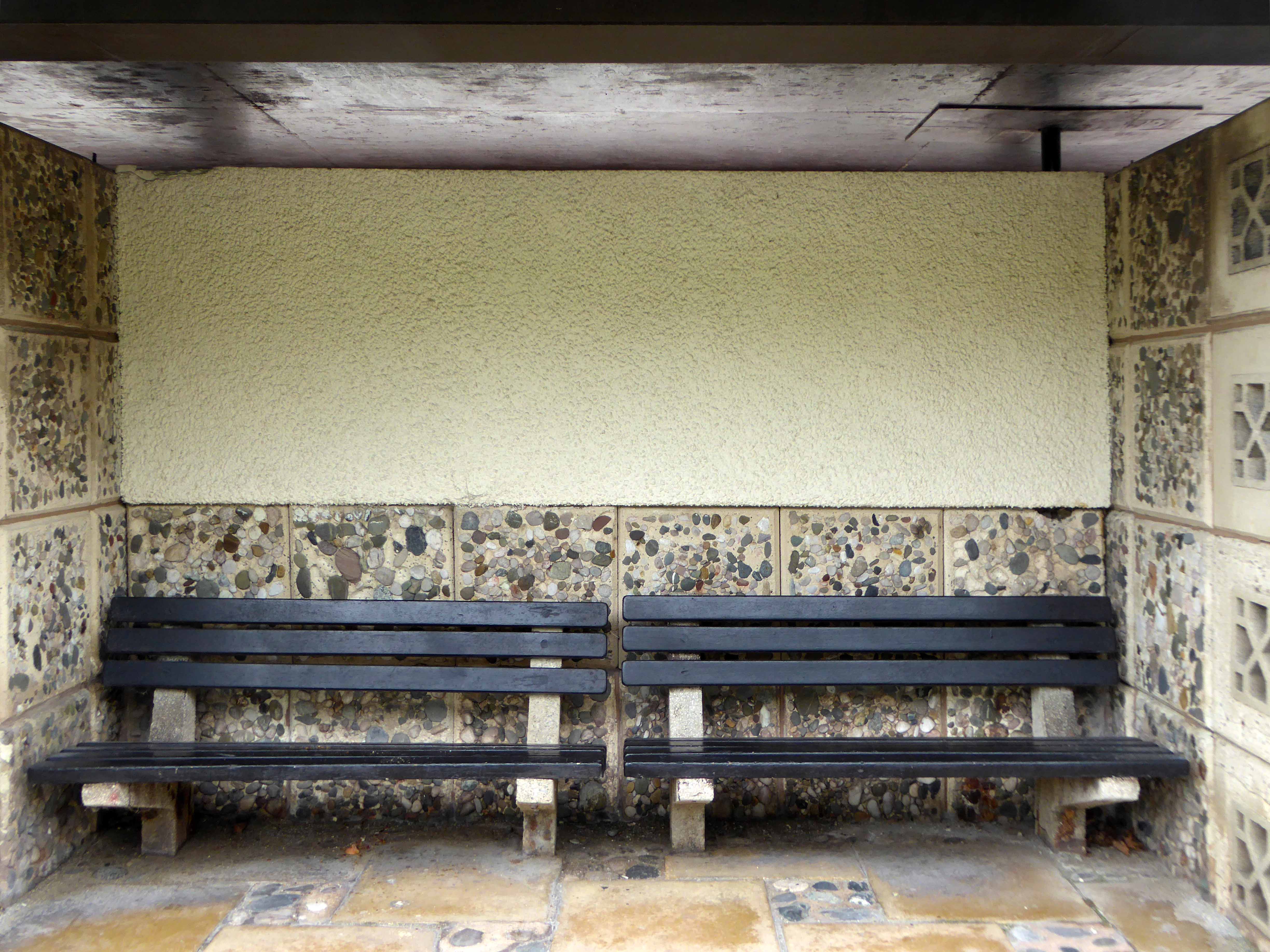
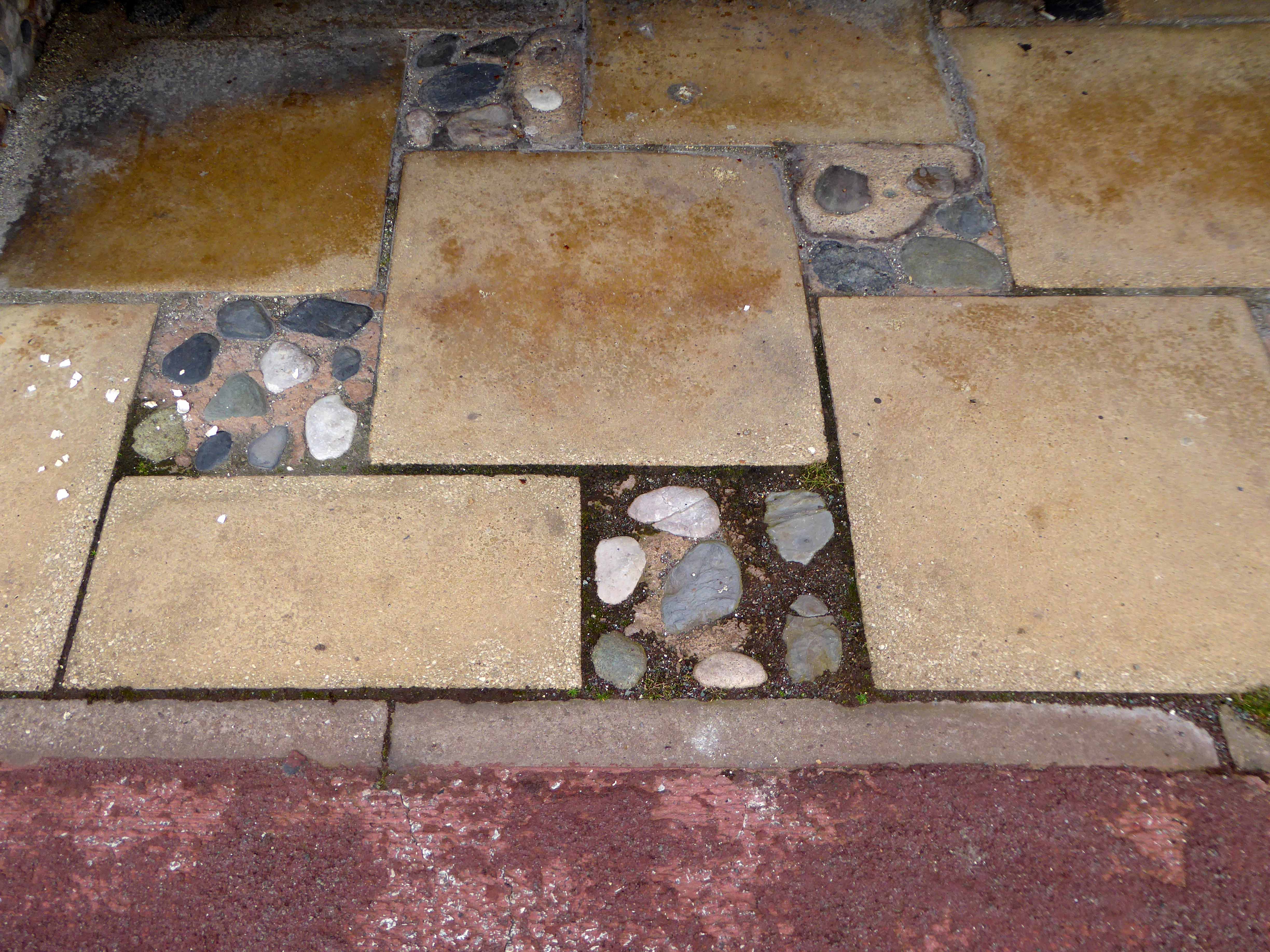
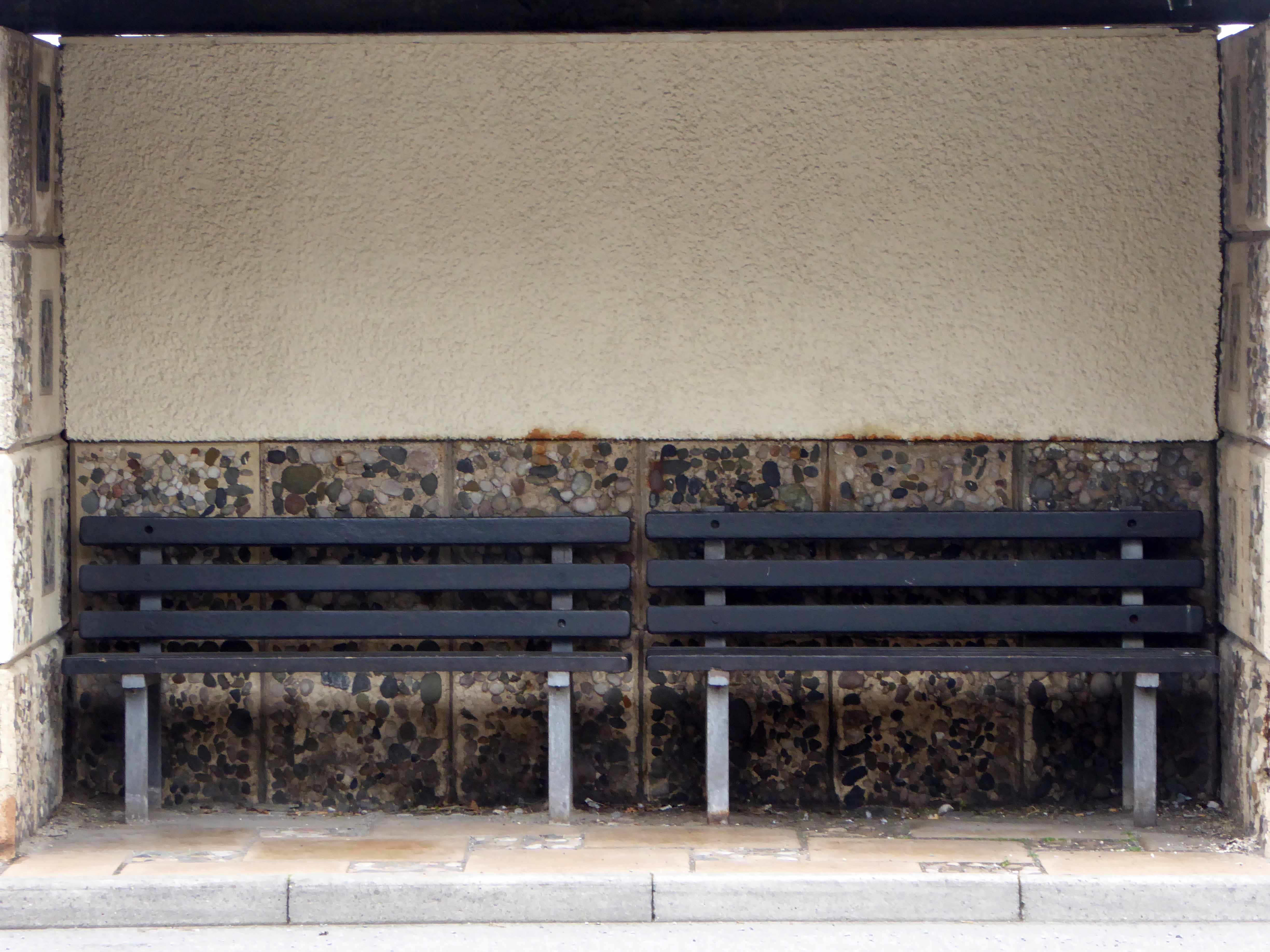
A concrete cornucopia of Californian screen block, glass, pebbledash, mosaic and crazy paving.

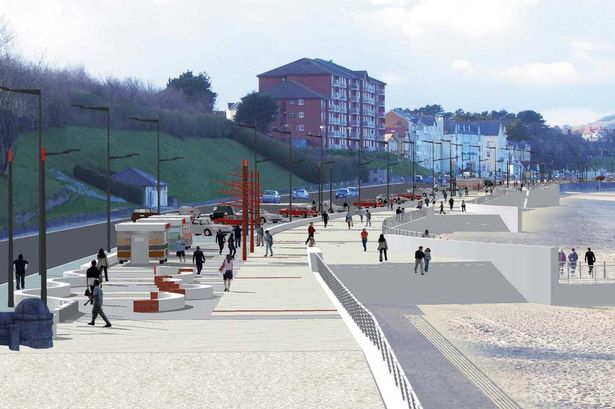
Municipal modernism under threat as the unstoppable force of coastal improvement lumbers on, a pantechnicon of shiny surfaces, sensitive planting, contemporary seating and laser-cut, contextually appropriate historical panels.

As Hardscape introduces a wholesome dose of CGI style medicine to the promenade

I for one will miss you all when you’re gone.

Next time I pass all this will seem as a dream, a tale told by a fool full of sand and fury signifying nothing.

Doncaster – Police Station and Law Courts

I’ll try anything twice or more – including a trip to Doncaster.

Once in the rain two years ago, more recently in broken cloud and sunshine.

In search of the work of Frederick Gibberd .

Son of Coventry – architect, author and leading post-war planner.

From 1949 onwards plans were afoot to develop the Waterdale area of Doncaster – civic buildings, courts, educational provision and the like WH Price the Borough Surveyor at the helm. In 1955 Gibberd was appointed to oversee the site, though many of his designs were unrealised, his Police Station and Law Courts opened in 1969.

The area was also home to the Technical College and Coal – later Council House, both now demolished.

Information Doncaster Civic Trust.

The Courts and Police Station now nestle behind the much newer civic developments, part of much wider regeneration scheme.

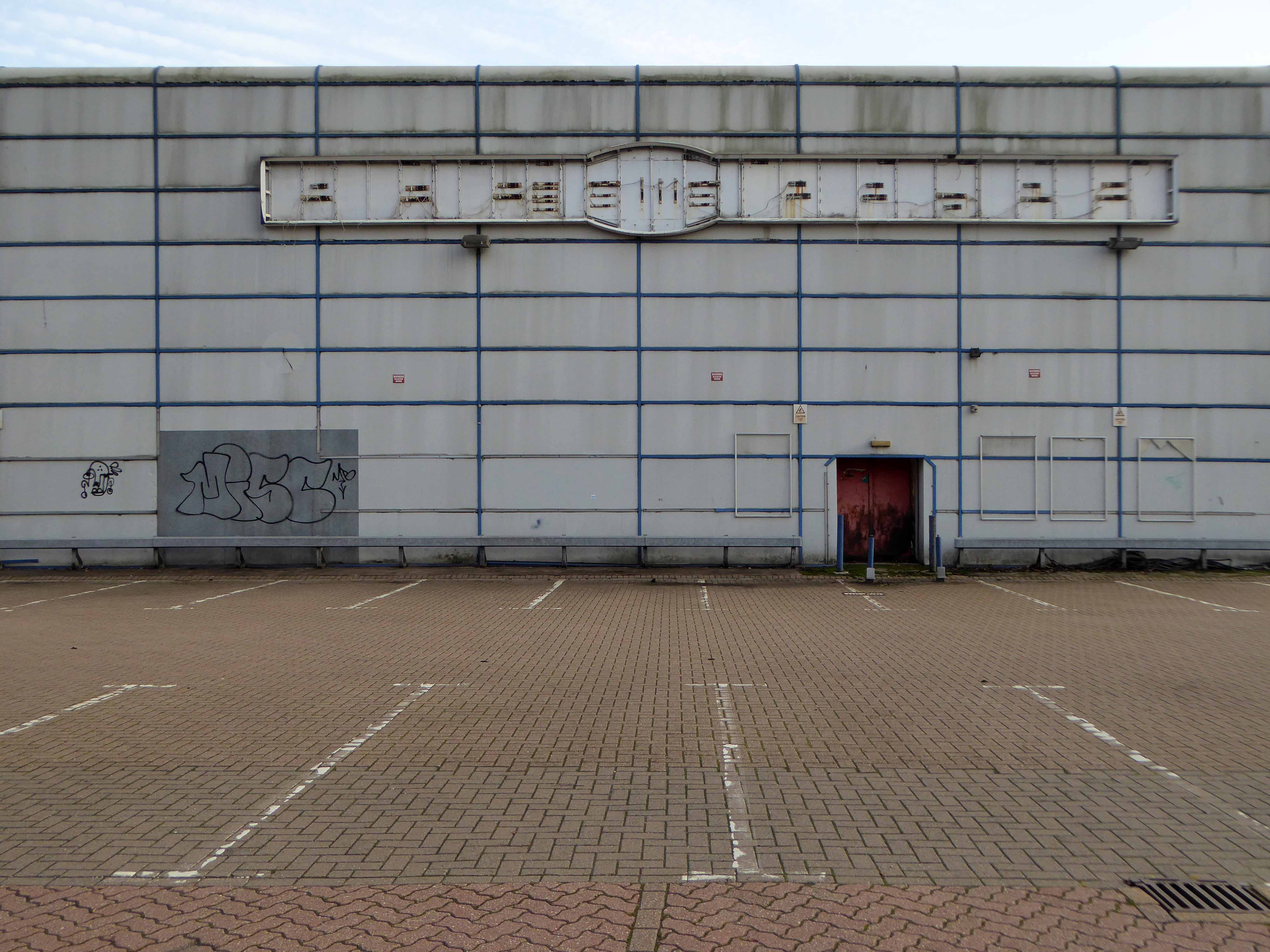
So let’s go back in time to a wet day in 2016 – when first I chanced upon these municipal concrete bunkers of law and order – where Brutalism is embodied in the buildings content and purpose, as well as its style.

This is an architecture that instructs you to avoid wrongdoing at all costs – or suffer the inevitable consequences.

Come and have a go if you think you’re hard enough.

2019 and I’m back again – architecturally little or nothing has changed, still standing – stolid solid pillars of justice. The day is brighter ever so slightly softening the harsh precast panels against a bluer spring sky.

High Street Estate – Pendleton

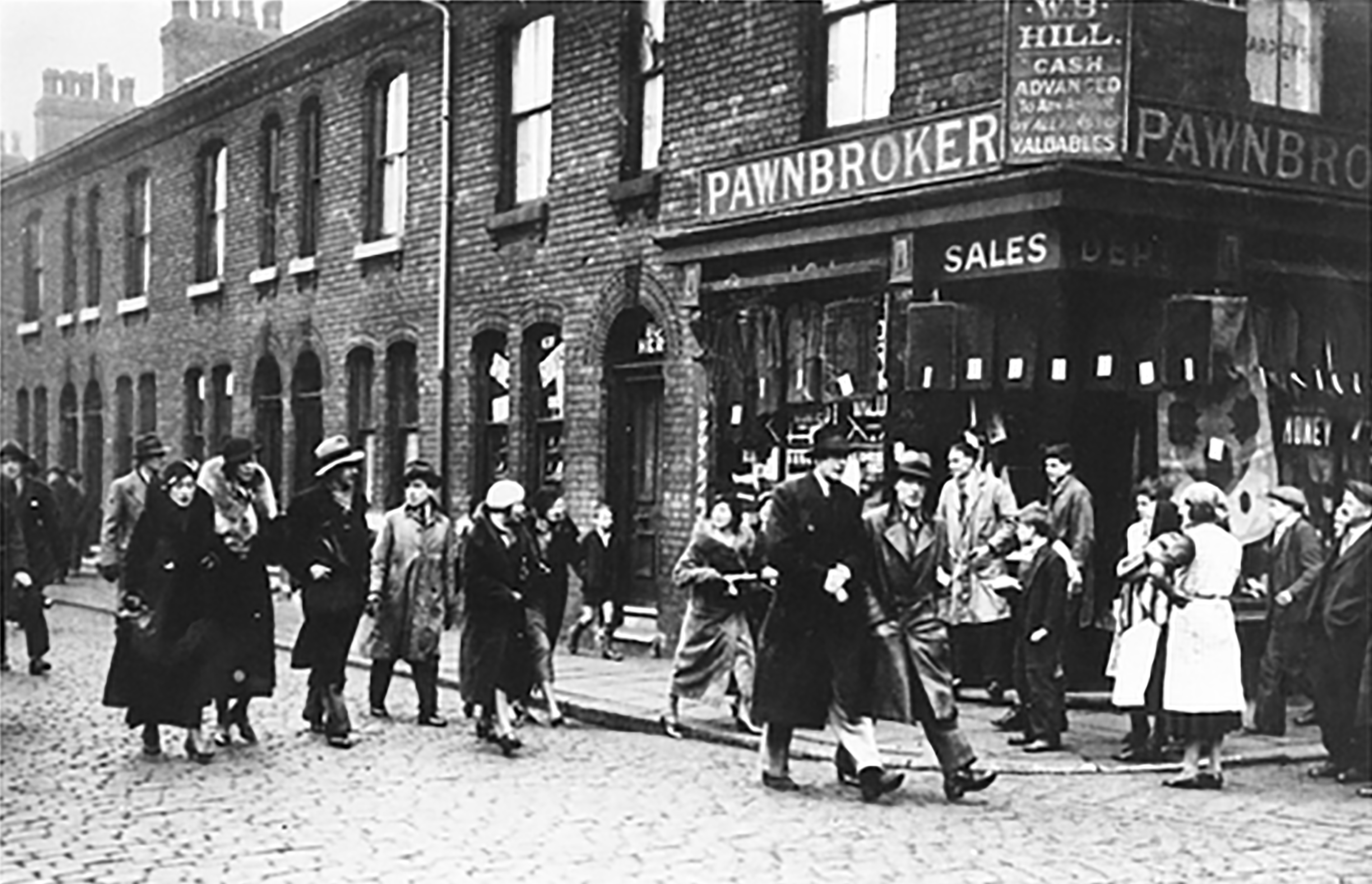
High Street Pendleton 1930s – the cast of Love on the Dole walk down High Street Pendleton, passing Hill’s Pawnbroker, author Walter Greenwood is ninth from the right.

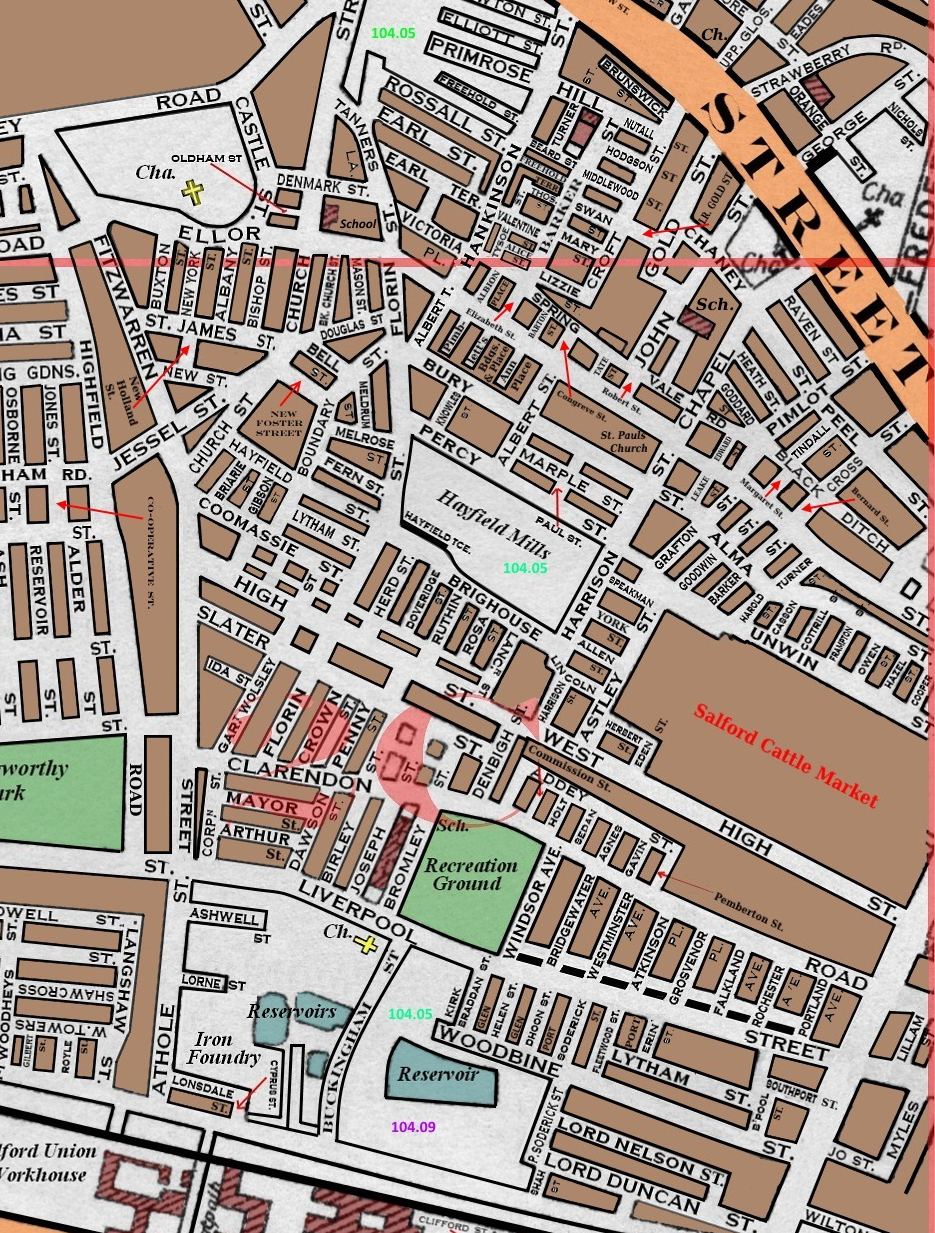
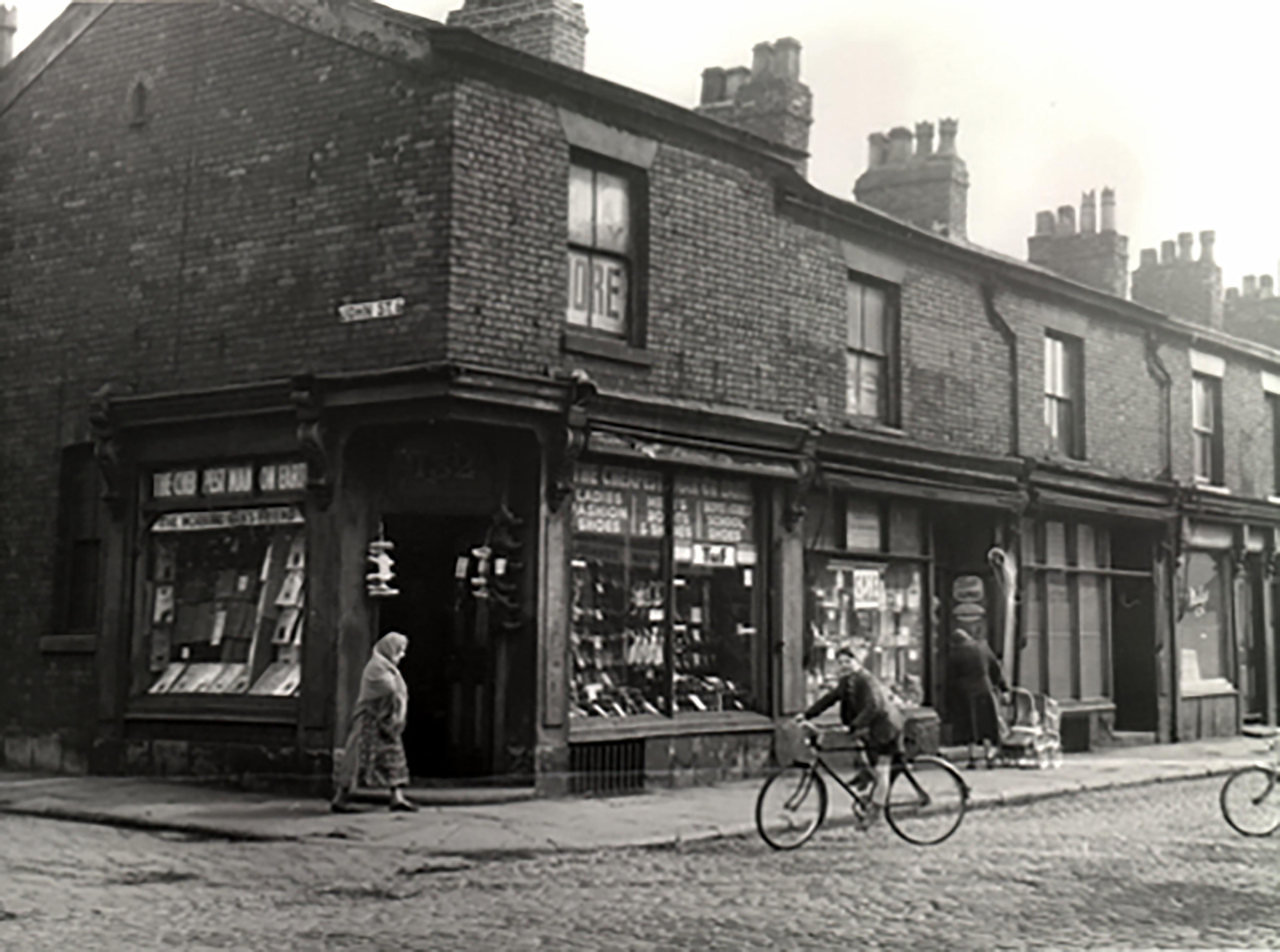
This was a dense area of back to back terraces adjacent to pubs, schools, churches, mills, docks and cattle markets. Communities formed from shared patterns of employment, education, leisure and worship.

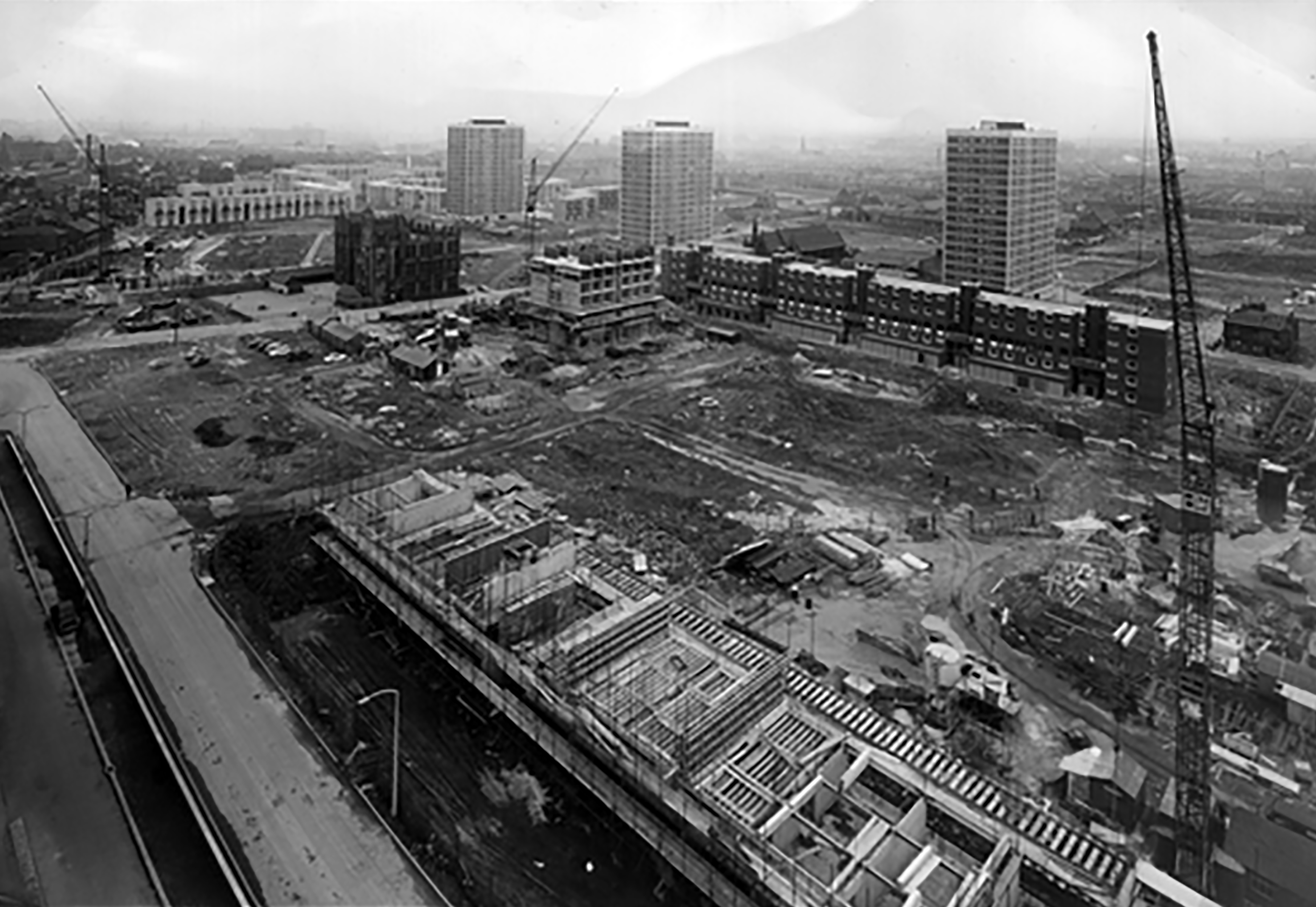
These communities survived into the 1960s and the coming of slum clearance, followed by an intense period of rebuilding in the modern manner.

Archival photographs Digital Salford

Patterns of employment, economic boom and bust, the exponential expansion in higher education, all contribute to the change in character of the area, along with slow and sudden demise in social housing.

2014 and the area begins to be reshaped yet again – this time by former resident Mr Peter Hook, who grew up in the area, the low slung former New Order bass meister described it in a book as – rotten and horrible, like a concrete wasteland

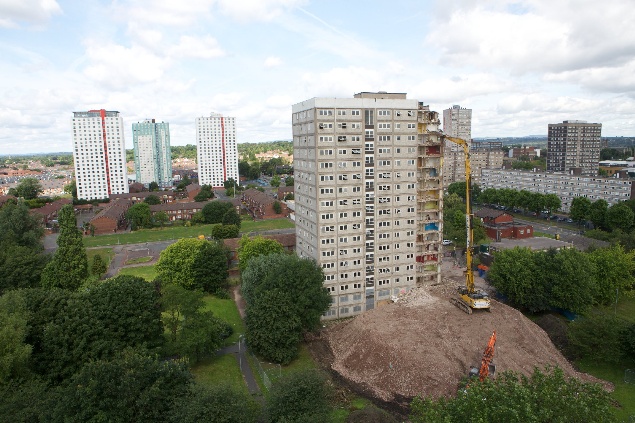
The Orchards tower block, the first of three, is removed piece by piece, each of the 14-storey blocks took around six weeks to be demolished.

The citizens of High Street Estate await the ‘dozers with apprehension and a sense of grim inevitability.

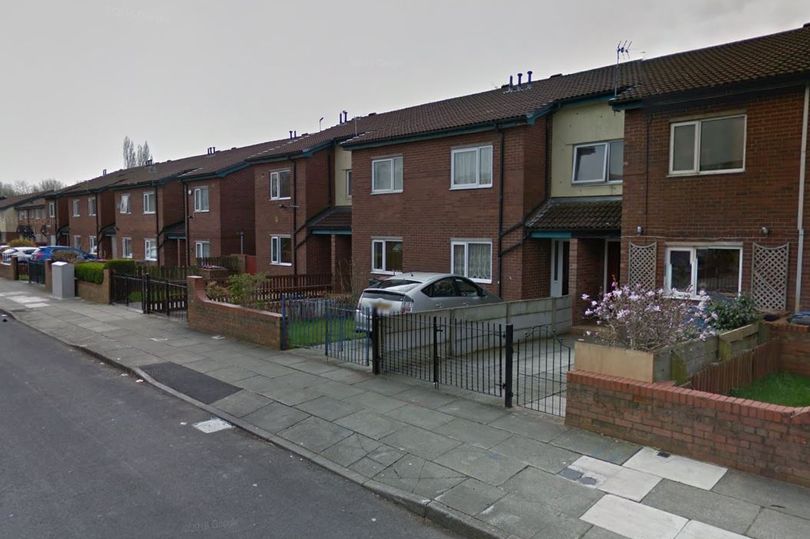
Clearance begins with the promise of new homes, tenants and homeowners are relocated, houses are tinned up or demolished wholesale. – a few remain in situ dissatisfied and afraid.

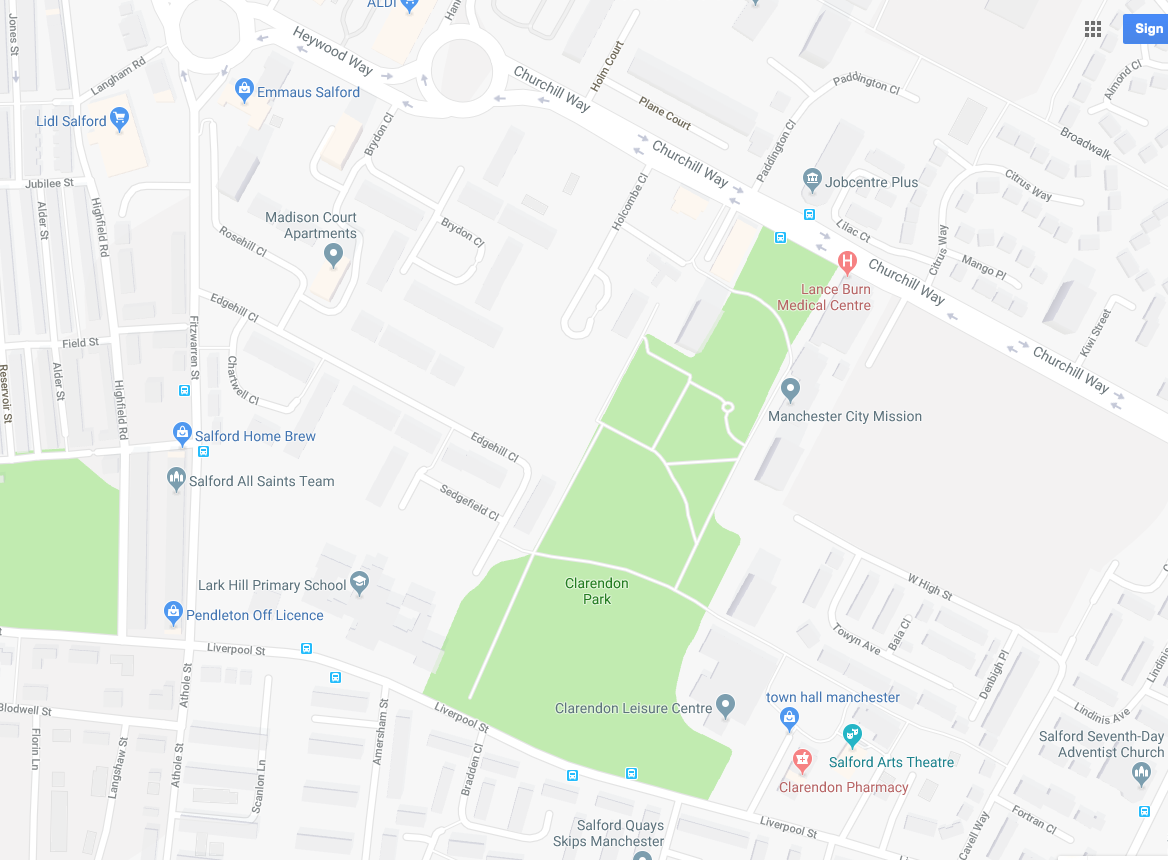
Altogether, 885 houses in Pendleton are being bulldozed and, to date, 584 have already been demolished, including houses on Athole Street and Amersham Street. Over the Pendleton Together project’s £650million thirty year life, only around one third of new houses being built will be affordable.

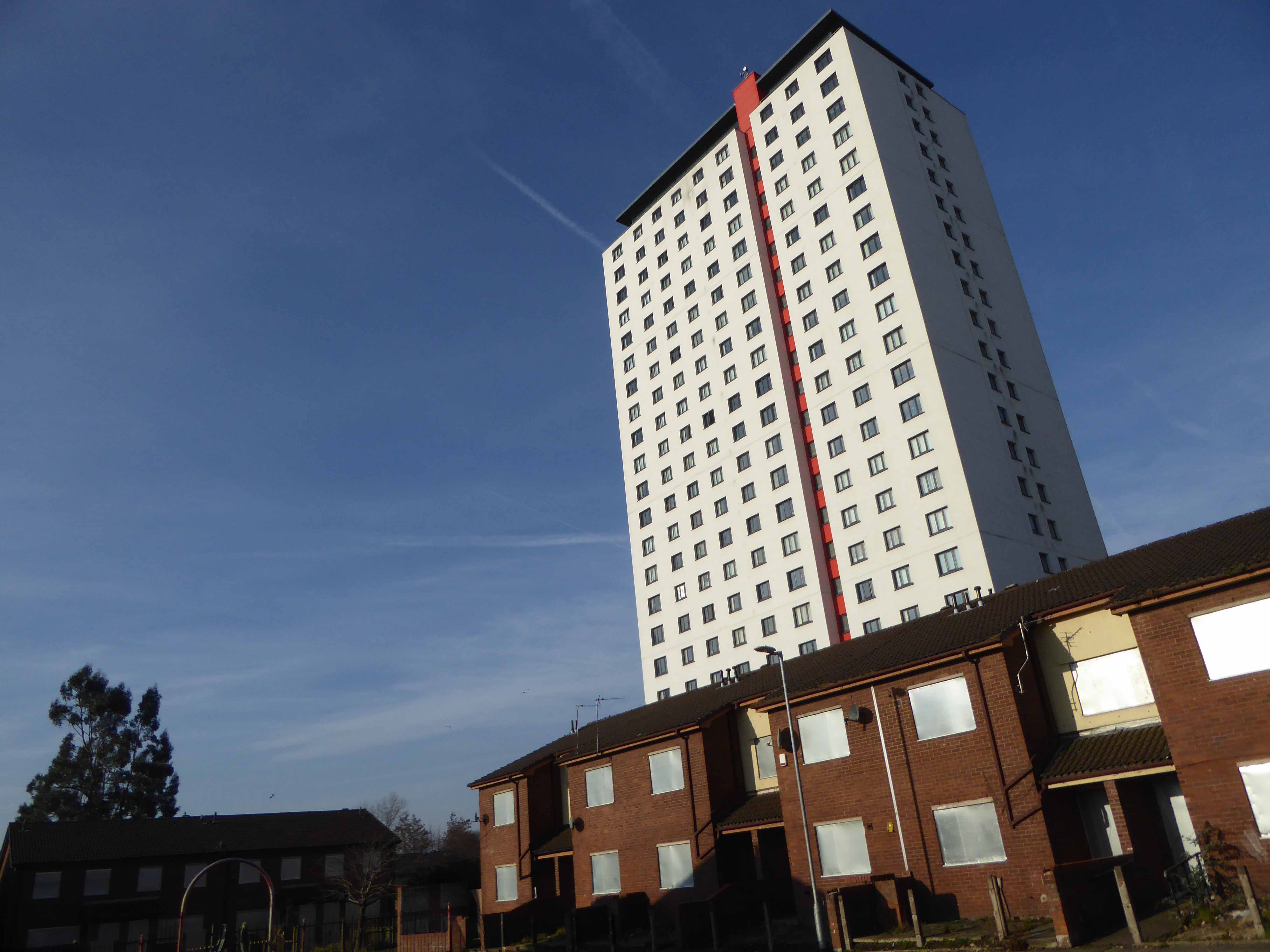
Meanwhile, after years of anguish and uncertainty, Fitzwarren Court and Rosehill Close, previously down for demolition, are being saved. Salix Homes will now bring flats in Fitzwarren Court and houses in its ownership on Rosehill Close up to the Decent Homes Standard

Salford Star

So welcome to Limboland – as financial arrangements shift, shimmy and evaporate – government policy, local authority pragmatists, private partnerships and funding perform a merry dance of expediency, around an ever diminishing circle of demolition, development, stasis and deceit.

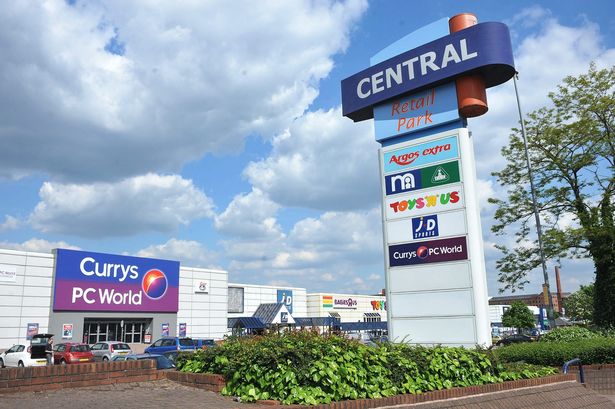
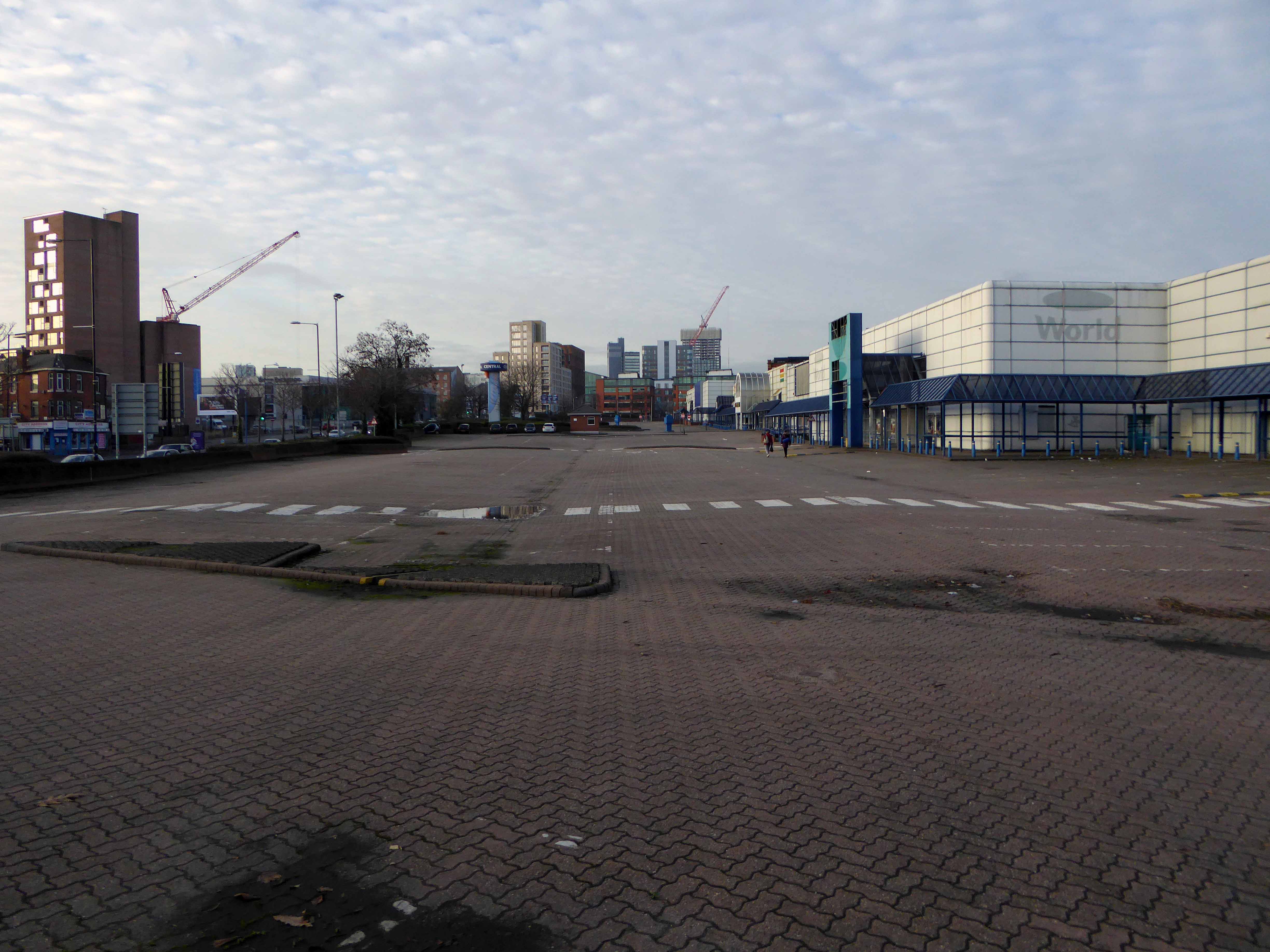
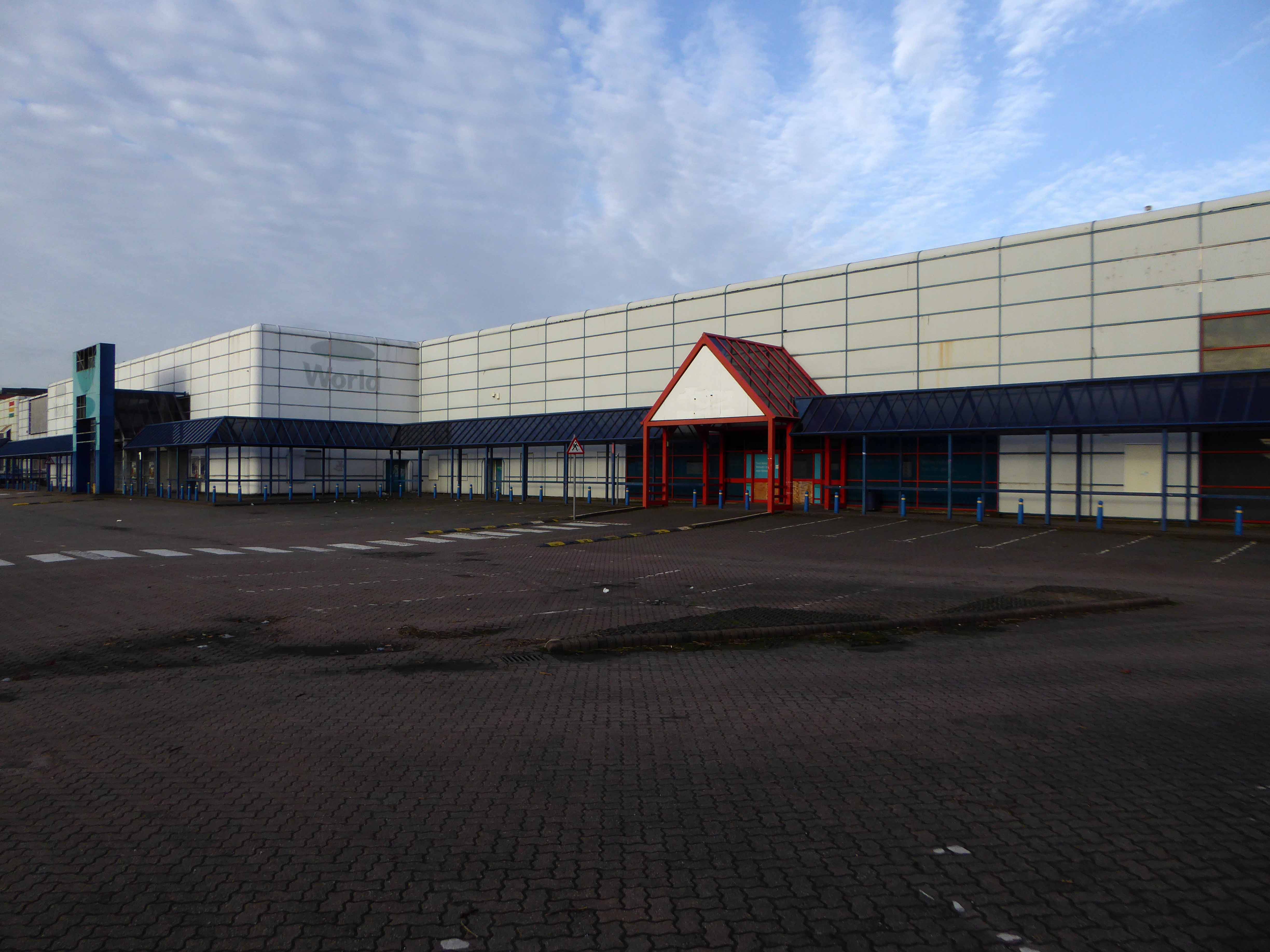
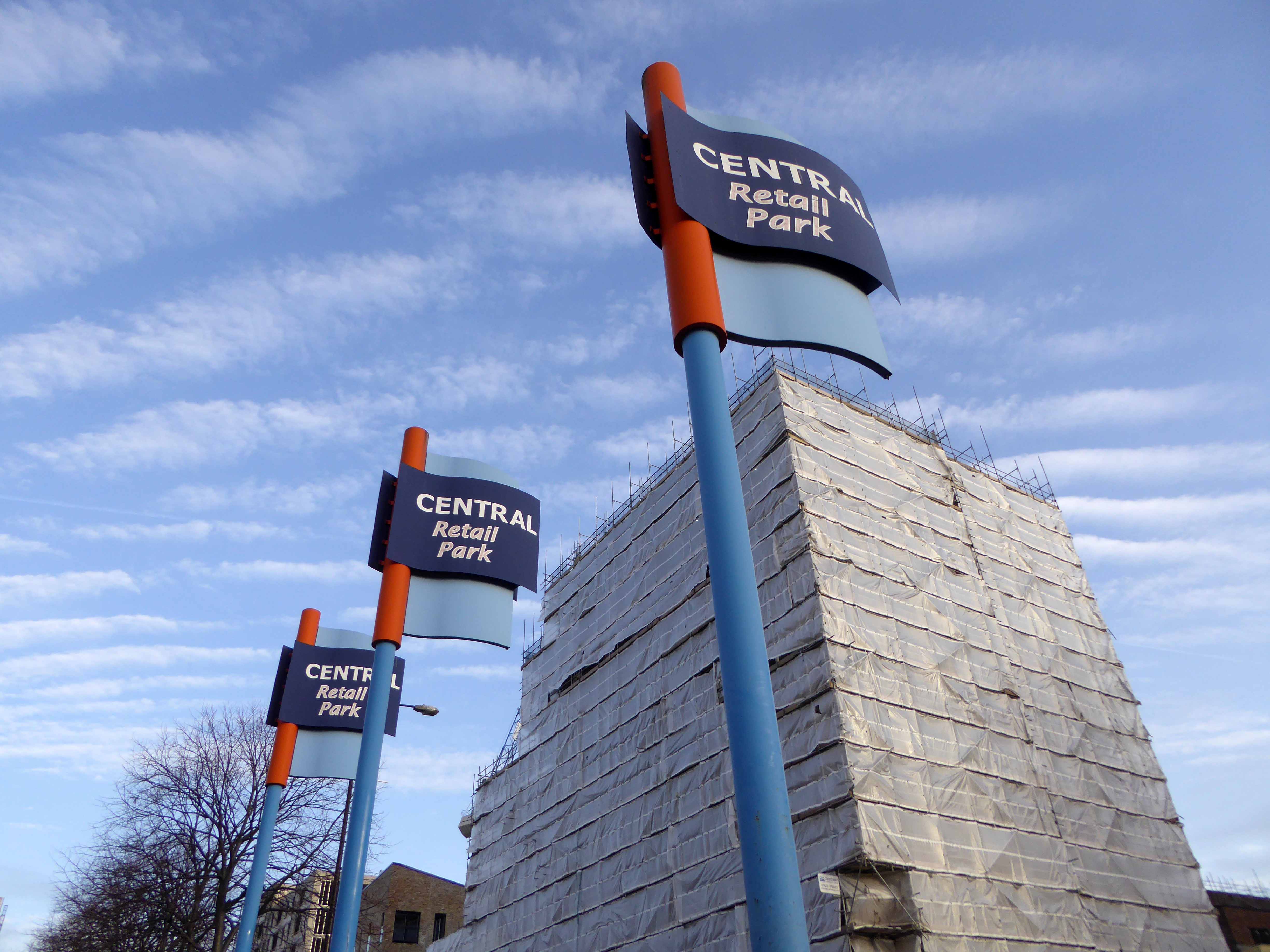
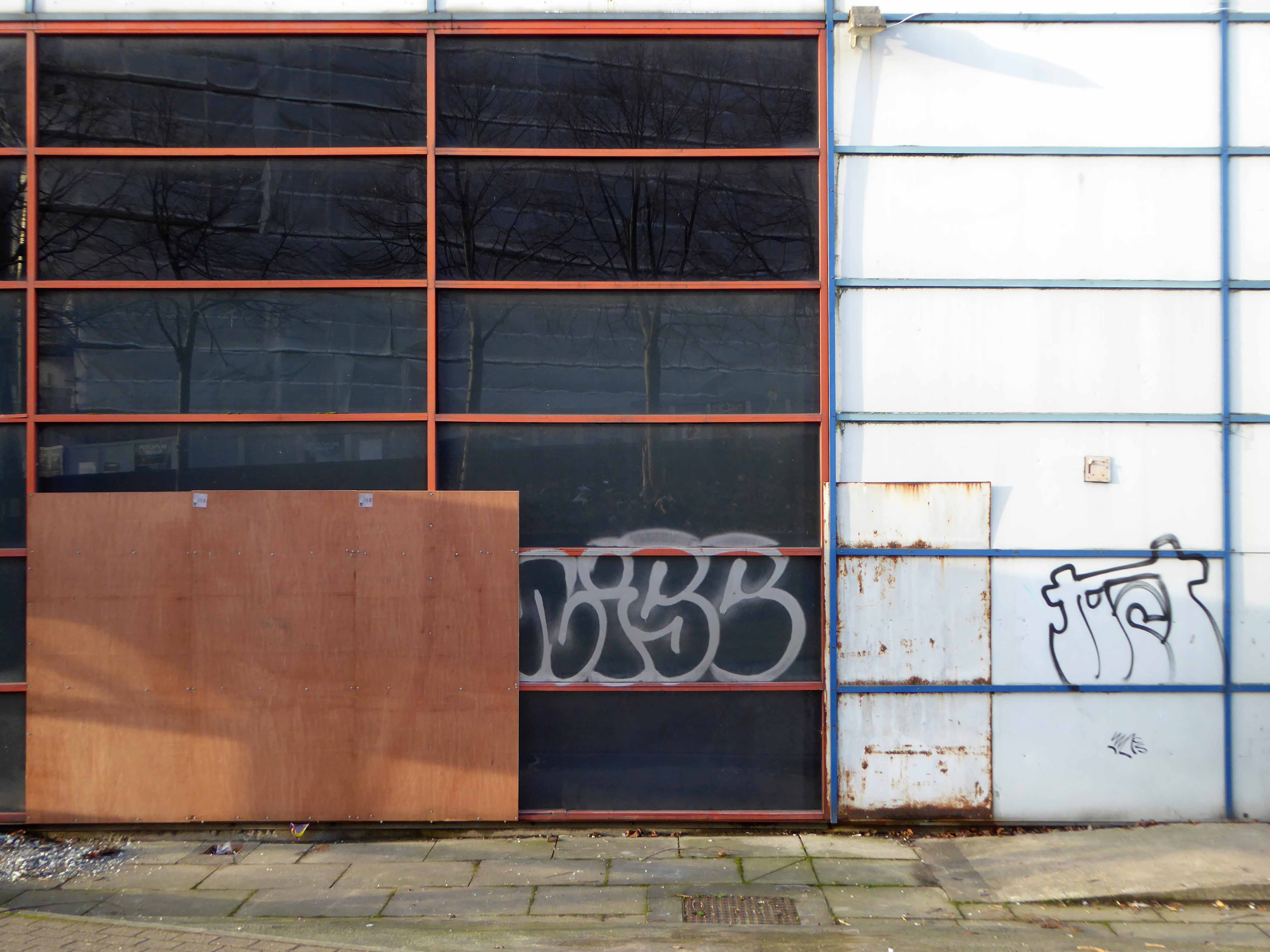
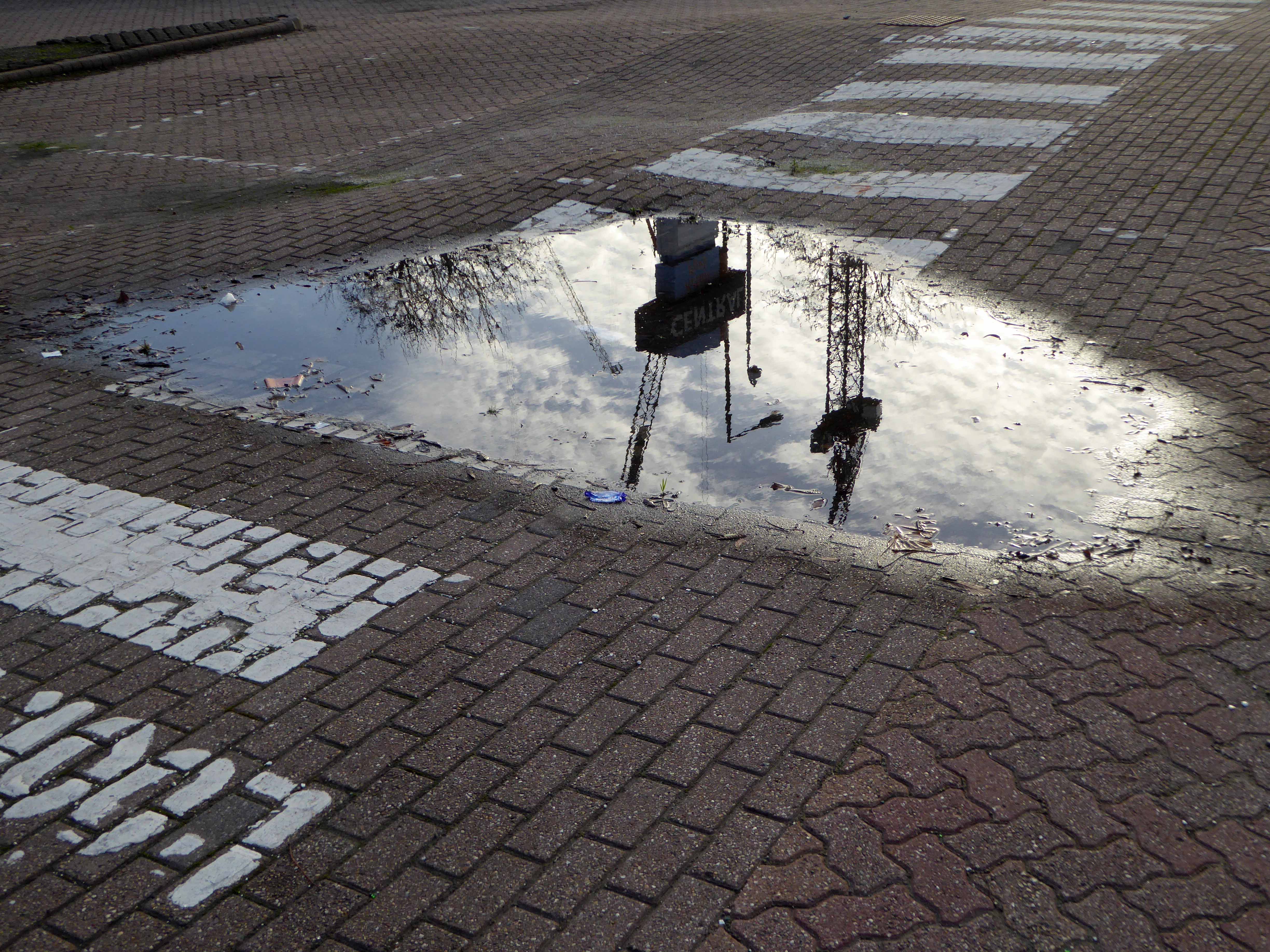
Central Retail Park – Great Ancoats Street Manchester

Way back when, when the city was a maverick mixed up maze of citizens, industry, pubs, shops and places of worship the world looked a lot like this.

Local Image Collection

However the process of clearance and redevelopment radically changed and reduced the population and appearance of Great Ancoats Street and its environs.

The back to backs aren’t coming back and their occupants shifted from pillar to post along with the businesses that served them. Following years of decline Manchester takes a long hard look at itself and decides to modernise.

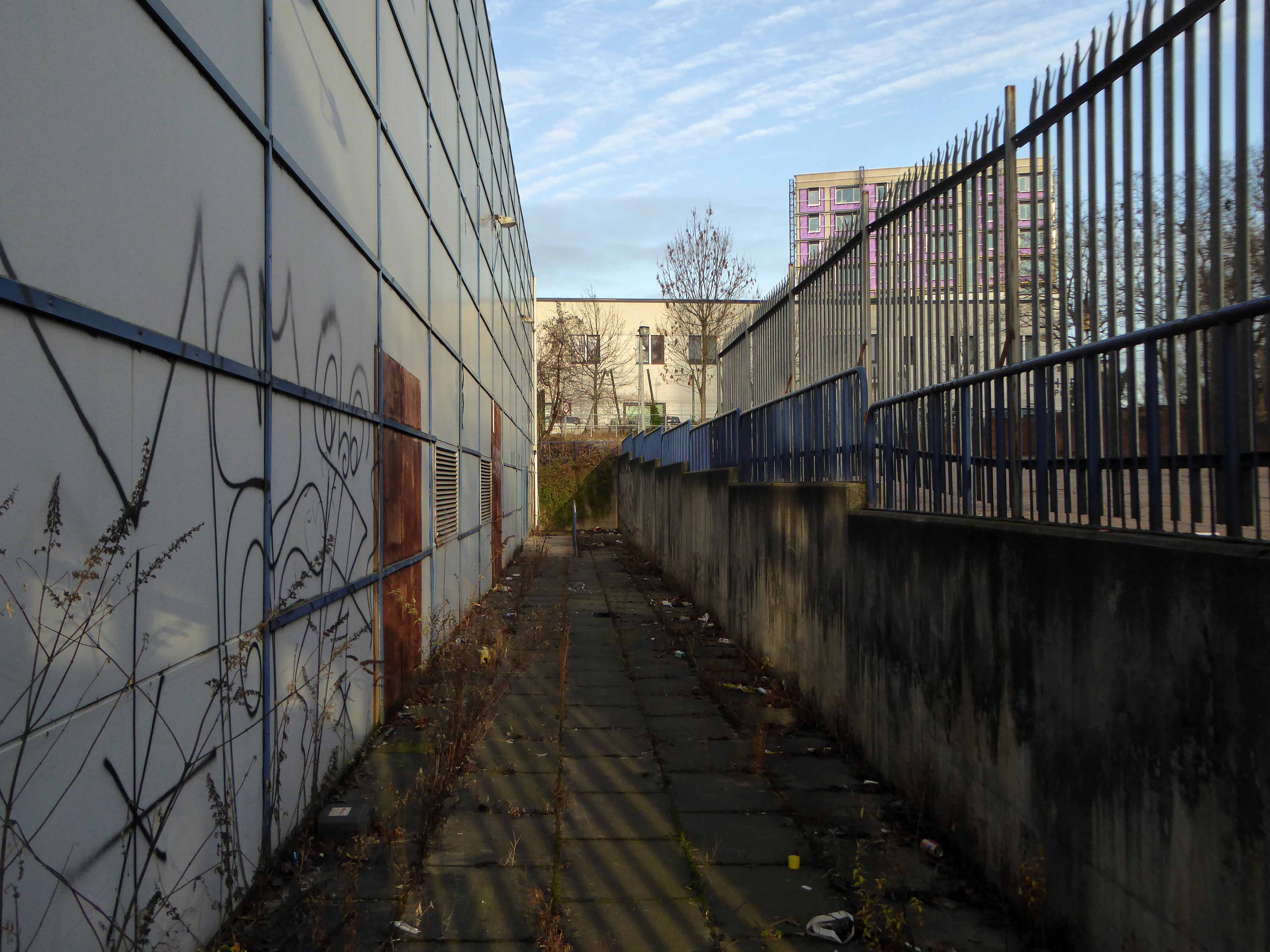
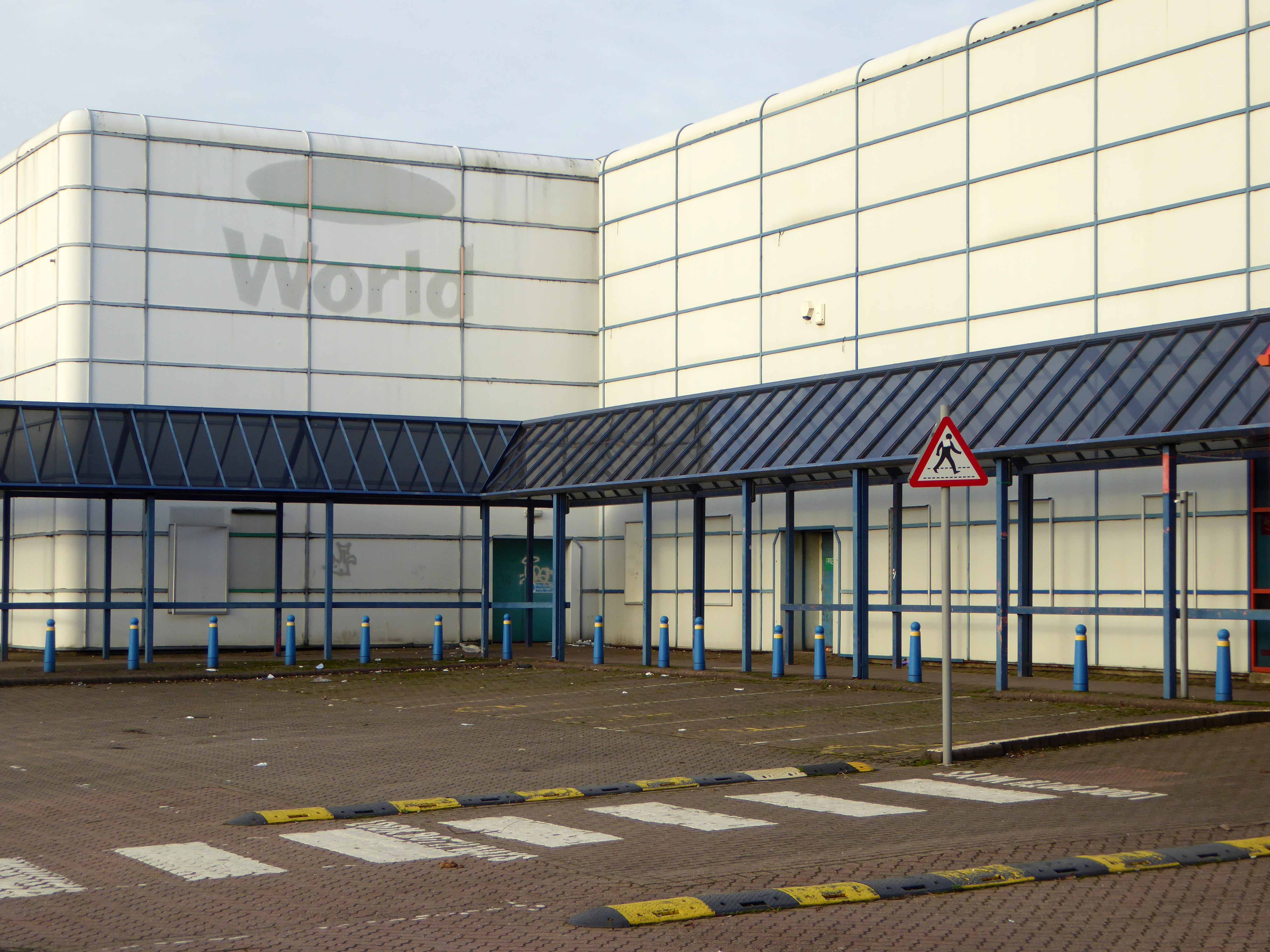
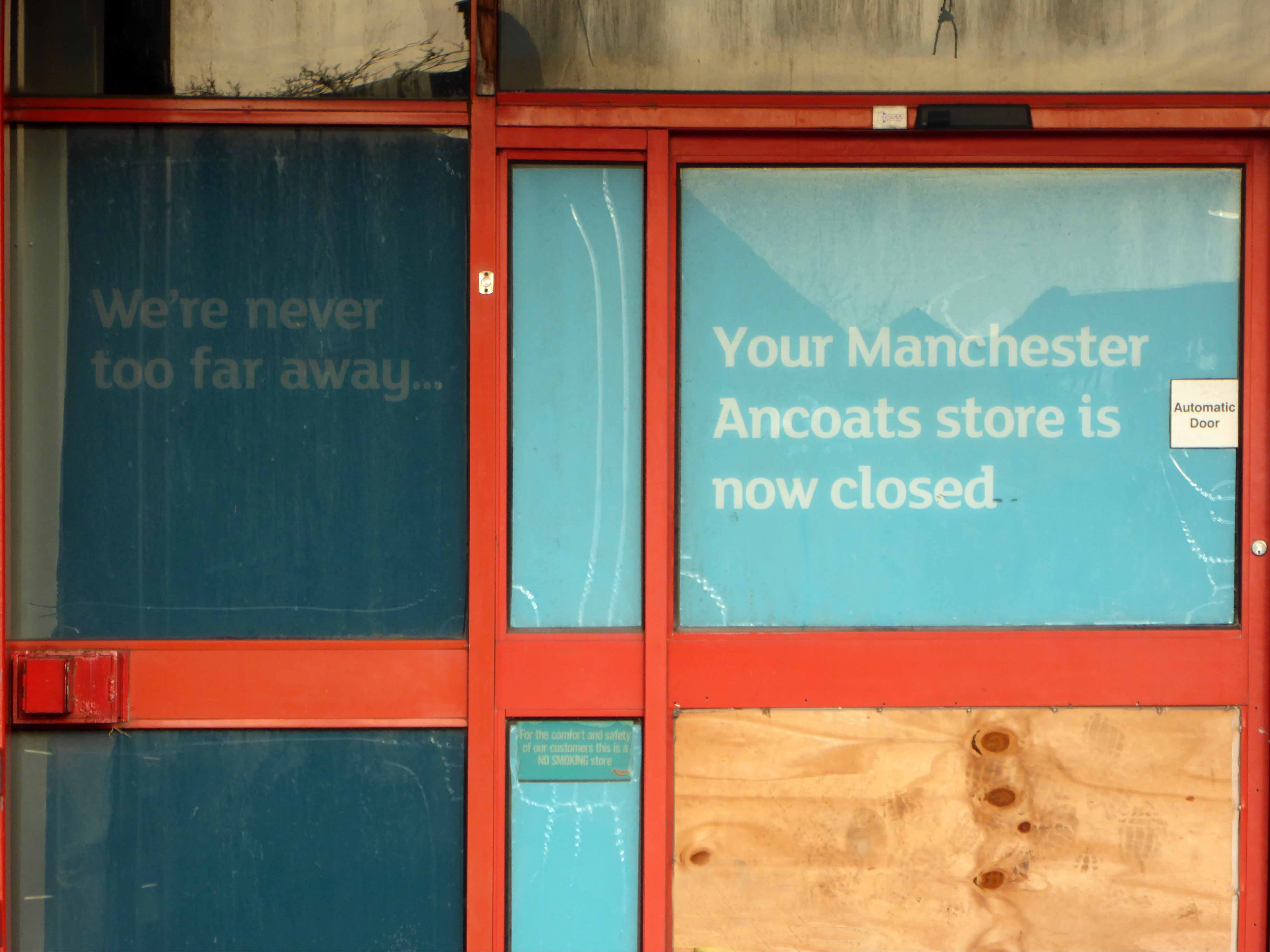
In 1989 an out of town inner ring road shopping centre in the architectural style de jour is built – the anonymous industrial retail hangar appears.

2018 and the nexus of the city has shifted yet again – Ancoats is designated as the hippest place on earth and has no time for an outmoded shopping experience.

All these developers have a certain sensitivity towards this history of the area without neglecting modern tastes. 

So the Central Retail park awaits its fate.

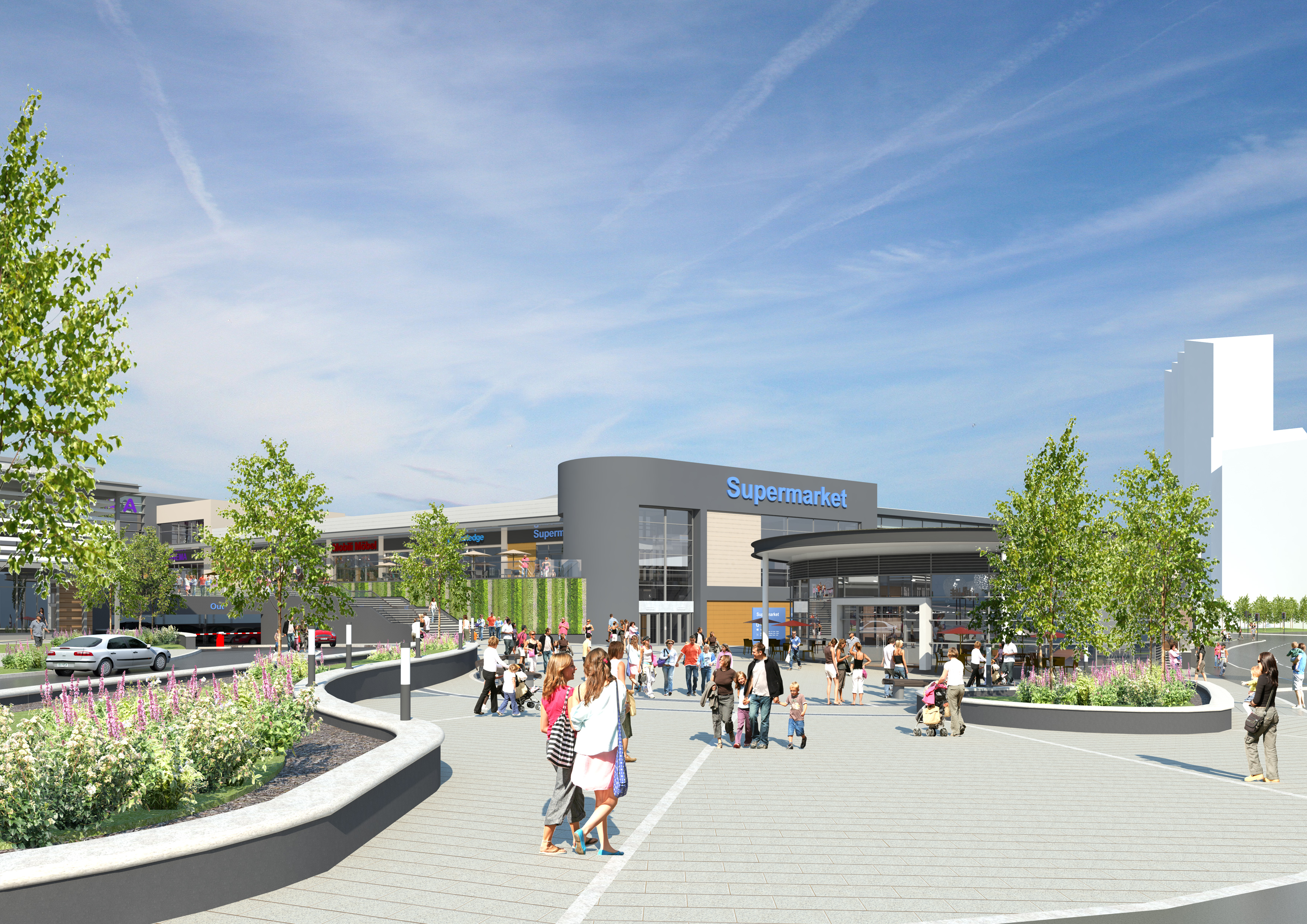
There was to have been another retail complex.

Henderson Global Investors, on behalf of its flagships £1 billion Retail Warehouse Fund, has received detailed planning permission for a food store led regeneration at Central Retail Park, Manchester, investing £40 million in the scheme.

Though nothing lasts forever and the scheme came to nothing.

The latest proposal according to Place North West is for housing – with the attendant heated debate regarding affordable homes.

Of the 61 big residential developments granted planning permission by Manchester city council’s planning committee in 2016 and 2017, not one of the 14,667 planned flats or housesmet the government’s definition of affordable, being neither for social rent nor offered at 80% of the market rate.

Demolition of the former retail units would enable the development of the site by Manchester Life, the city’s joint venture with Abu Dhabi United Group. Previous site owner TH Real Estate, was unable to deliver the project, finally sold the Central Park site to the city council in November 2017.

The long awaited development of the site on Manchester’s inner ring road has edged closer, with site notices posted declaring that demolition is to start on 20 August.

As of last week the lone security guard at home in his brick cabin informs me that demolition has been delayed by the discovery of asbestos on the site.

Watch this forlorn windswept wet space.

All Saints – Grosvenor Square Manchester

Once upon a time there was almost nothing, as there often is.

Green fields, sylvan glades and a pleasant park in Grosvenor Square.
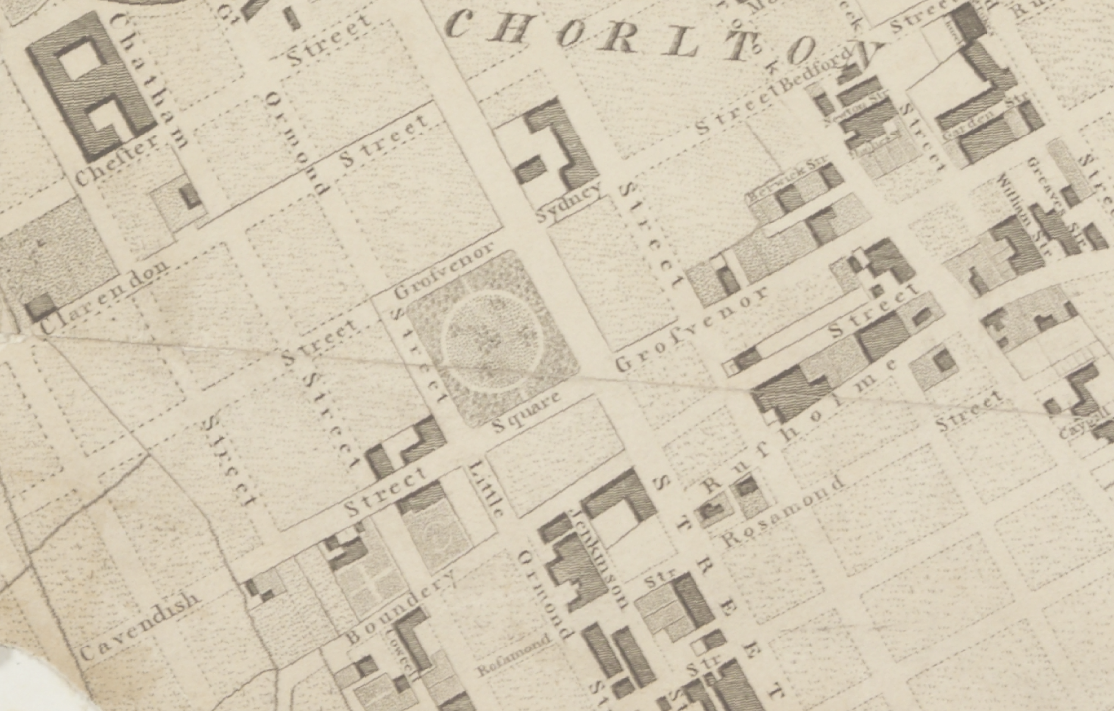
1813

Then all of a sudden, at the heart of the Square sat All Saints Church.

Underneath Manchester’s All Saints Park is a hidden history – an estimated 16,000 bodies. For this was the site of a former Victorian Cemetery, set up to cater for the parishioners of All Saints.
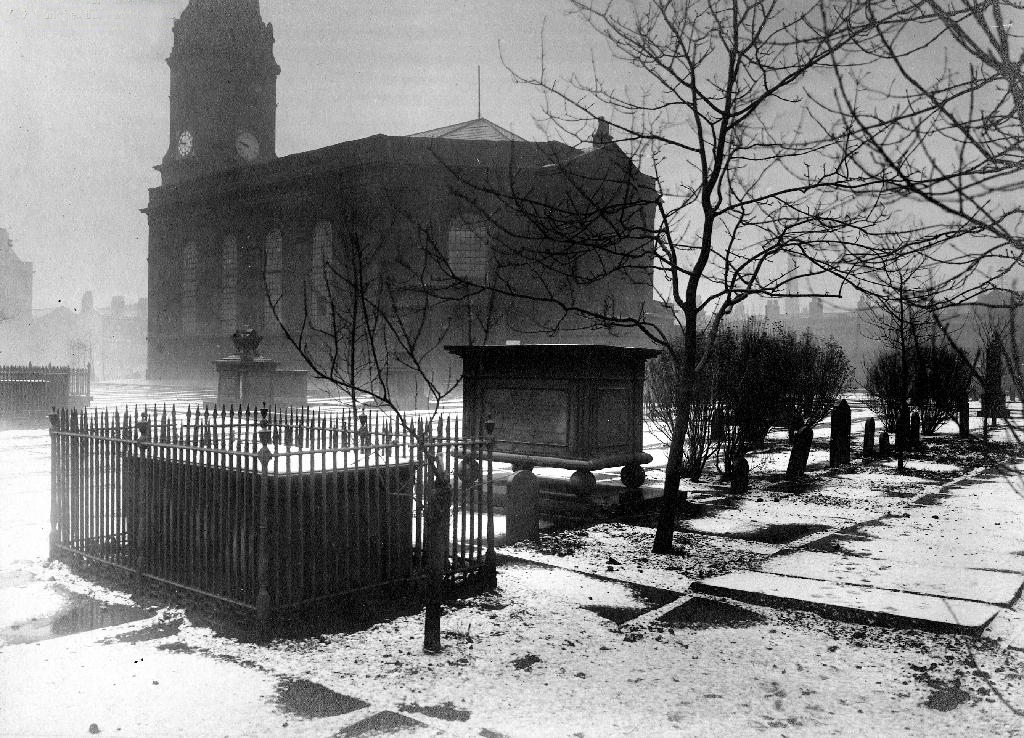
webmedia-10.php

All Saints Burial Ground officially opened on Wednesday 19 April 1820. The first interment was that of twenty-one-year-old Fanny Knowles, who lived on London Road. Her funeral was conducted by the founder himself, Charles Burton. It would be another month before the next interment took place. In the first year burials were slow with only 55 interments, however, by 1851 the number had increased to over 600 per annum. 

Michala Hulme
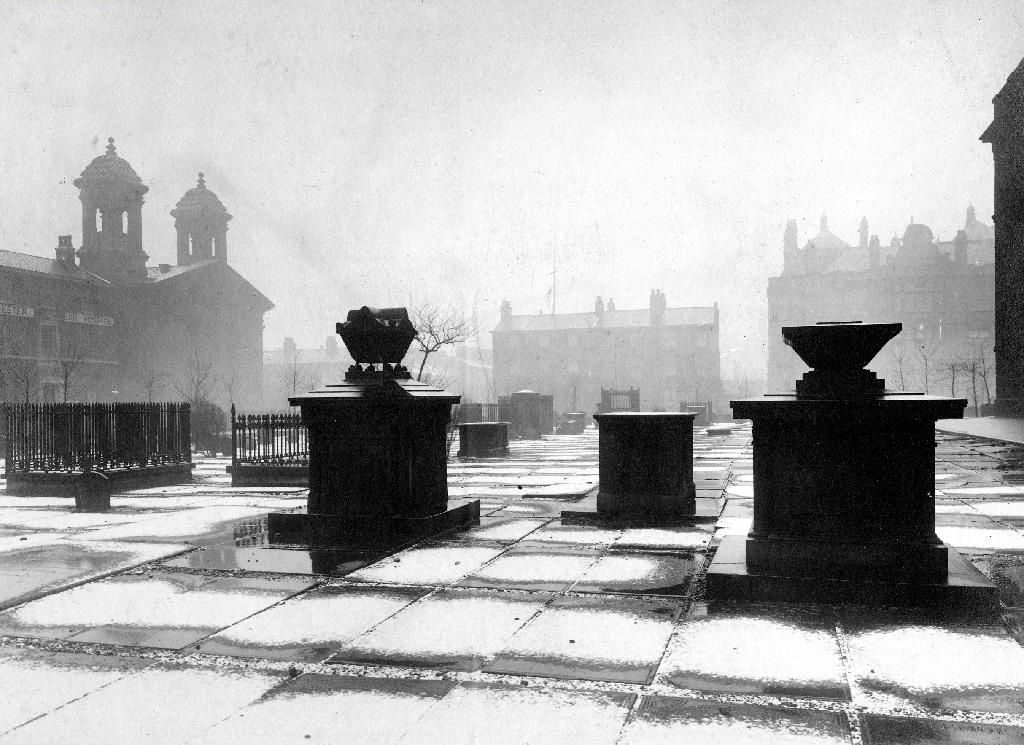
webmedia-9.php

Bombed in the Blitz the damaged structure was demolished – and a play area established which lasted until the 1980s
MMU Visual Resources 

The whole area having been a centre of housing, education, entertainment, commerce, public services and worship, was becoming the fiefdom of first the Polytechnic and subsequently the Manchester Metropolitan University.

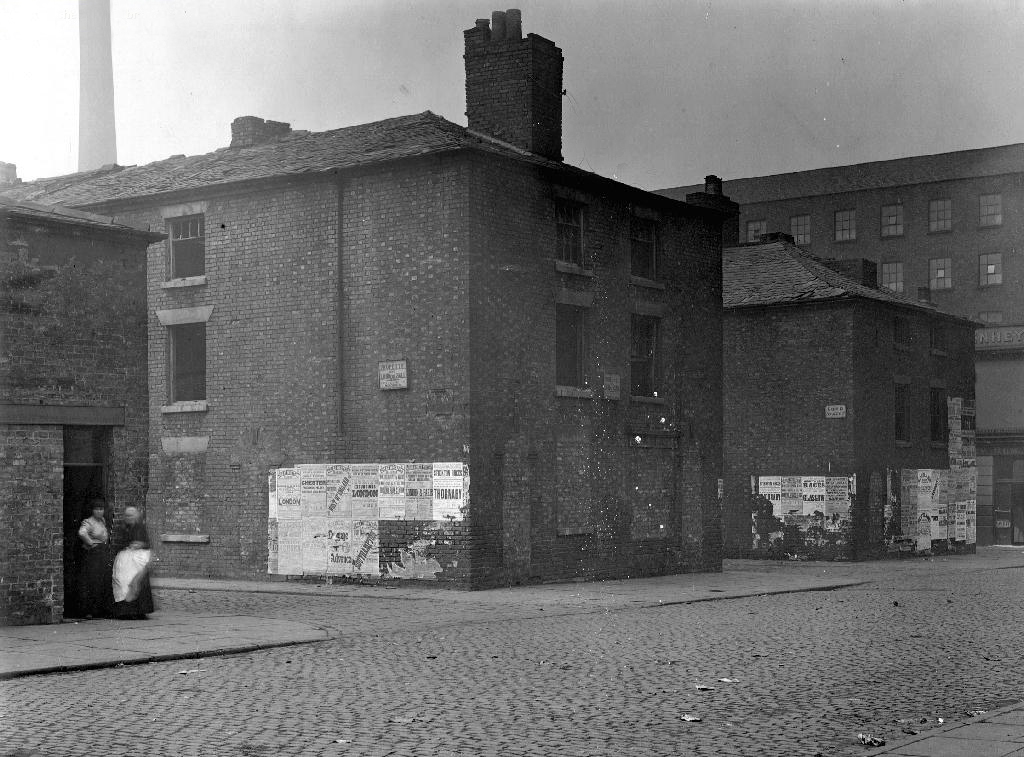
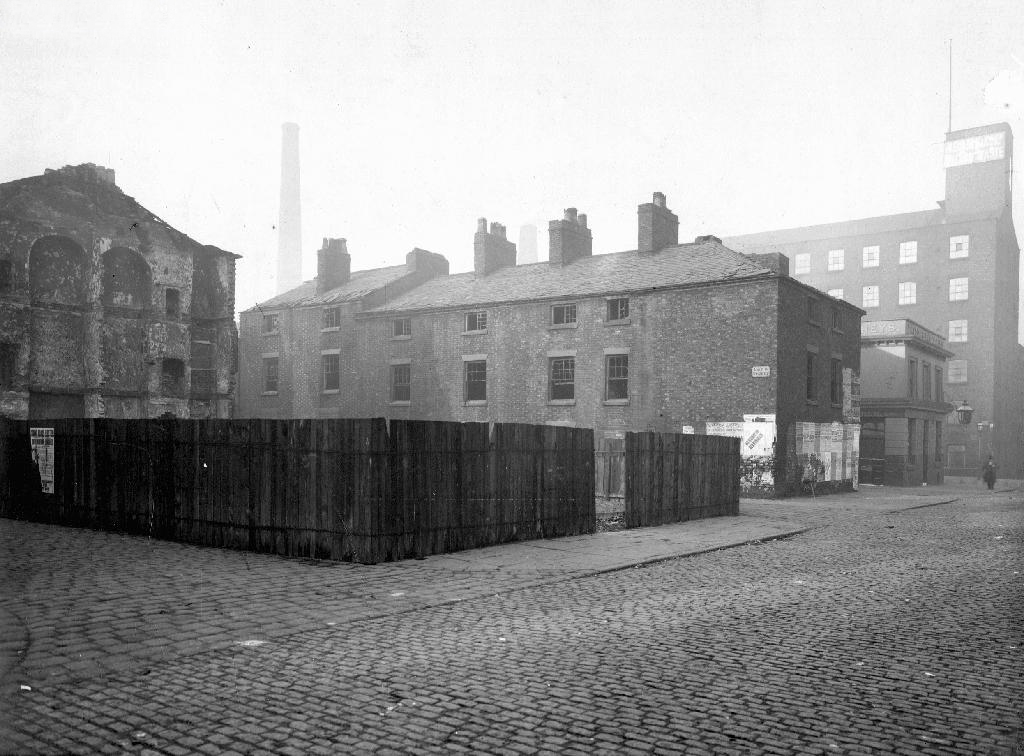
But formerly there were peoples’ homes here.

Then the 1960s saw a huge programme of slum clearance in Manchester and whole communities across the Square and nearby Hulme were moved, rehoused in a thoroughly modern milieu.
webmedia-3.php copy

webmedia-1.php copy

hulme-redevelopment-mid-1960s-c-mmu

Shops came and went.

webmedia-1.php

webmedia-6.php

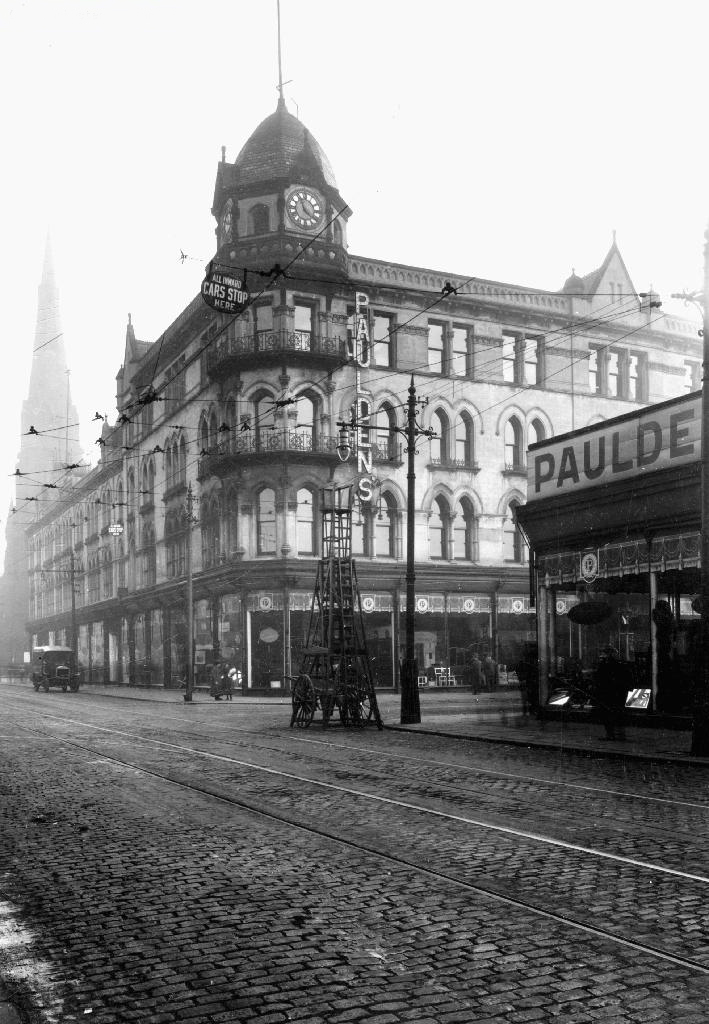
Paulden’s magnificent store was destroyed by fire in 1957
webmedia-4.php

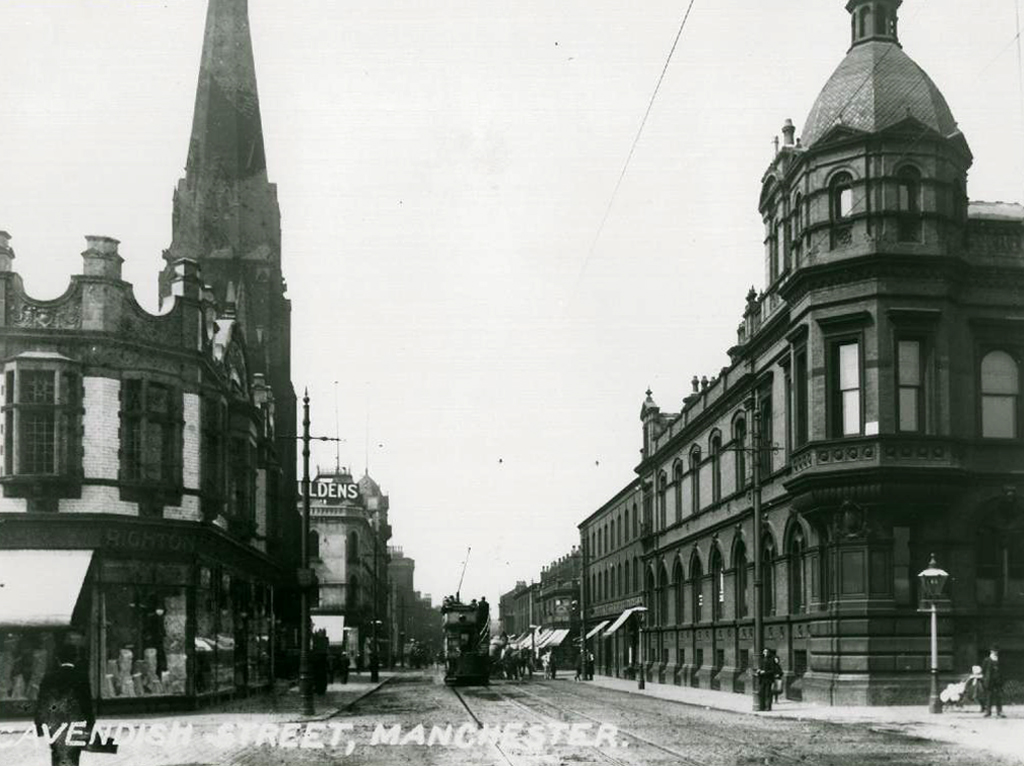
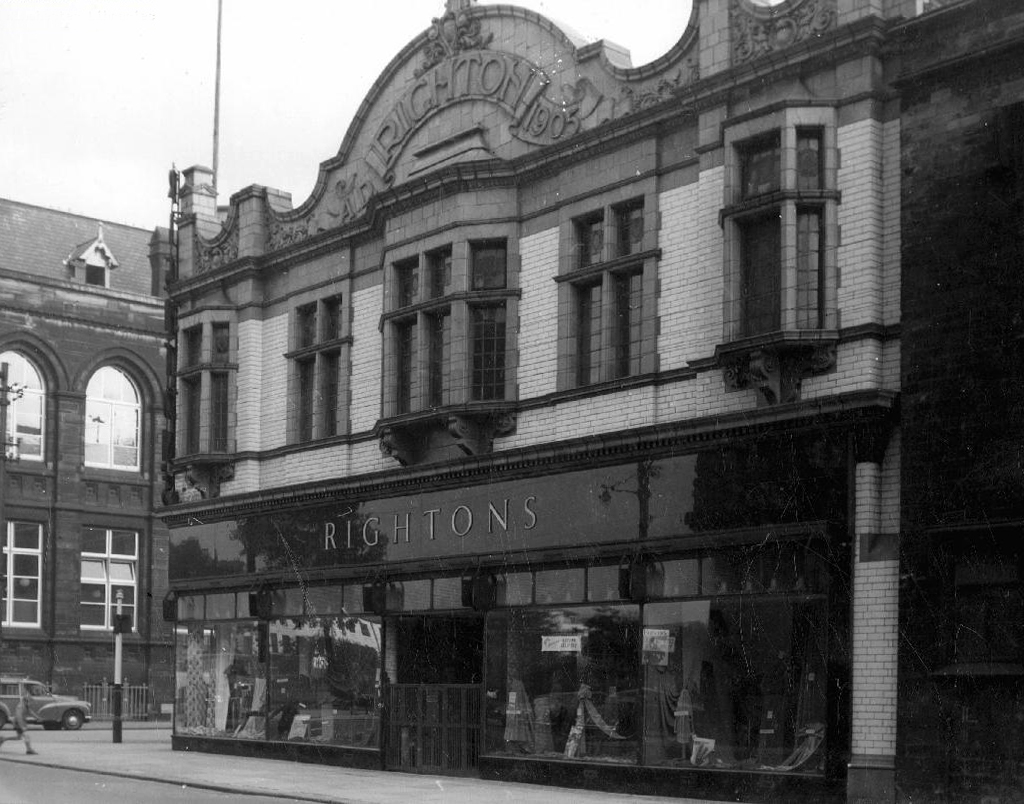
Rightons haberdashers has survived though no longer haberdashing, having been amalgamated into MMU.

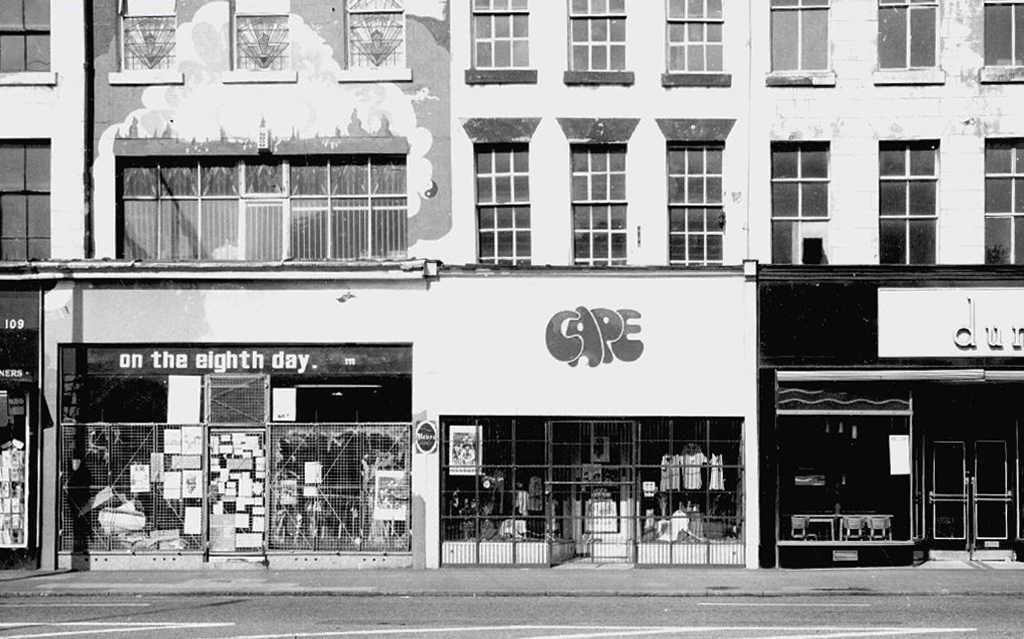
One day On The Eight day moved a little to the left
webmedia-3.php

The Manchester Municipal School of Art was built in Cavendish Street in 1880–81 to the designs of G.T.Redmayne.
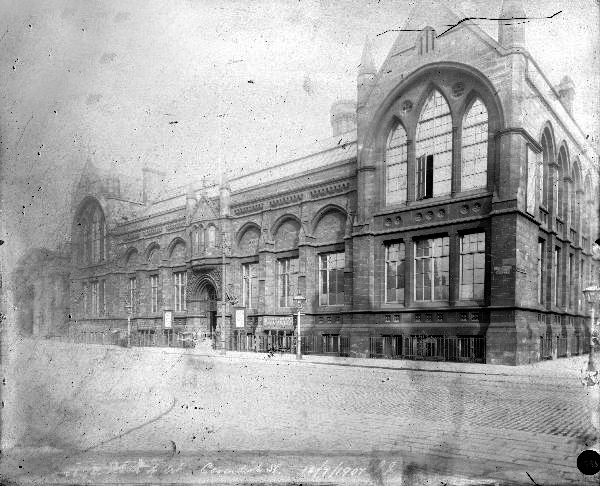
webmedia-7.php

The fascia has been retained but the name has not been changed to protect the innocent.

Next door the Chorlton on Medlock town hall still has its portico in place, the adjacent Adult Education building has been surgically removed.
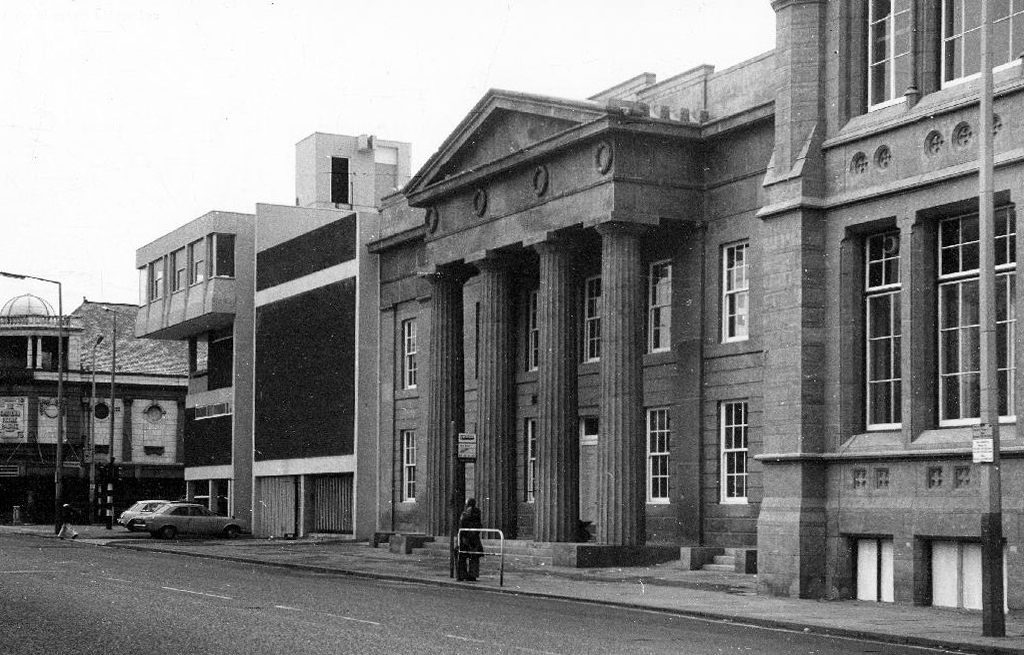
webmedia-10.php

Richard Lane, the architect of the Friend’s Meeting House on Mount Street, designed the Chorlton-on-Medlock Town Hall on Grosvenor Street.  It continued in  that role from 1831 until 1838 when Chorlton-on-Medlock became part of the city of Manchester.  In the years that followed it was used by the local community for a variety of functions but the redevelopment of the area meant that the local population diminshed and the building became redundant.  In 1970, the interior was removed, a new structure added to the rear and it became part of the Polytechnic which became the Manchester Metropolitan University.

The Fifth Pan African Conference was held there between October 15th and 21st in 1945. Ninety delegates from across Africa, Europe and the Caribbean, attended the meeting and among the delegates were a number of men who went on to become political leaders in their countries including: Hastings Banda, Dr Kwame Nkrumah, Obafemi Awolowo and Jomo Kenyatta.

Manchester History
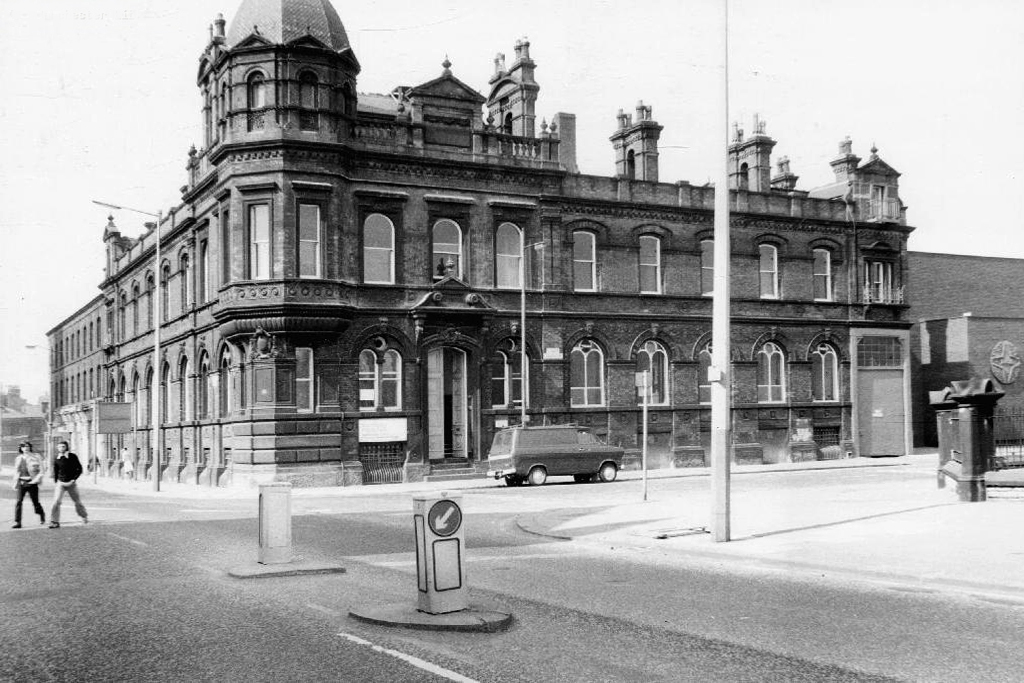
ormond 1972

Former Chorlton Poor Law Guardian’s HQ then Registry Office, now the Ormond Building of Metropolitan University – and at the far right edge St Augustine RC.
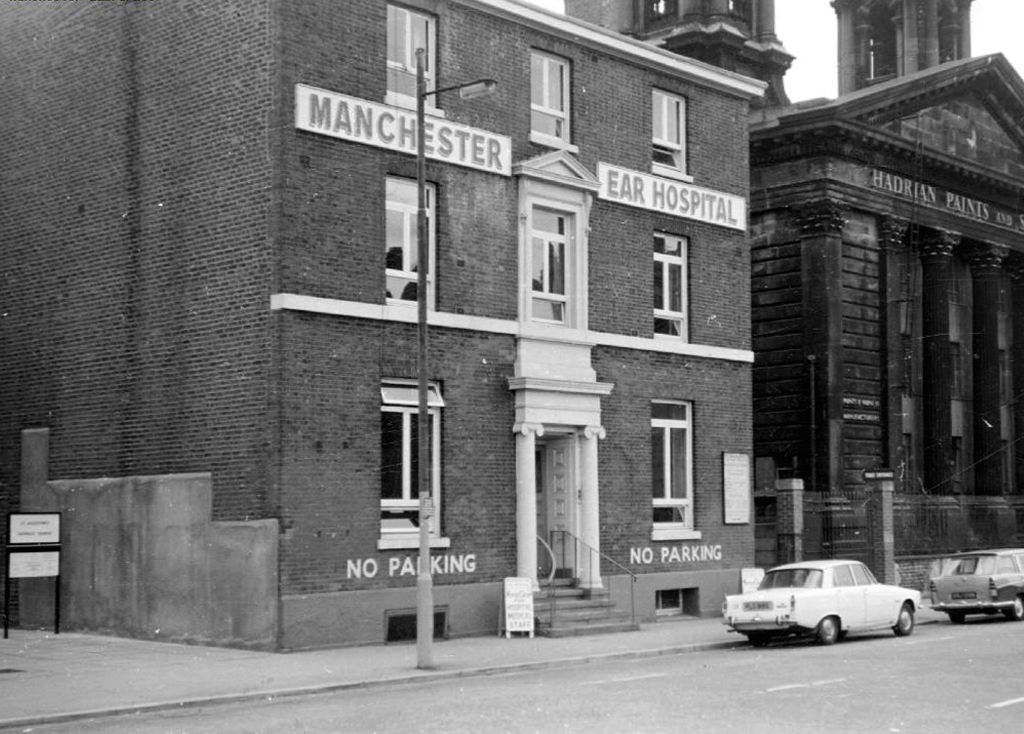
webmedia-3.php

webmedia-2.php

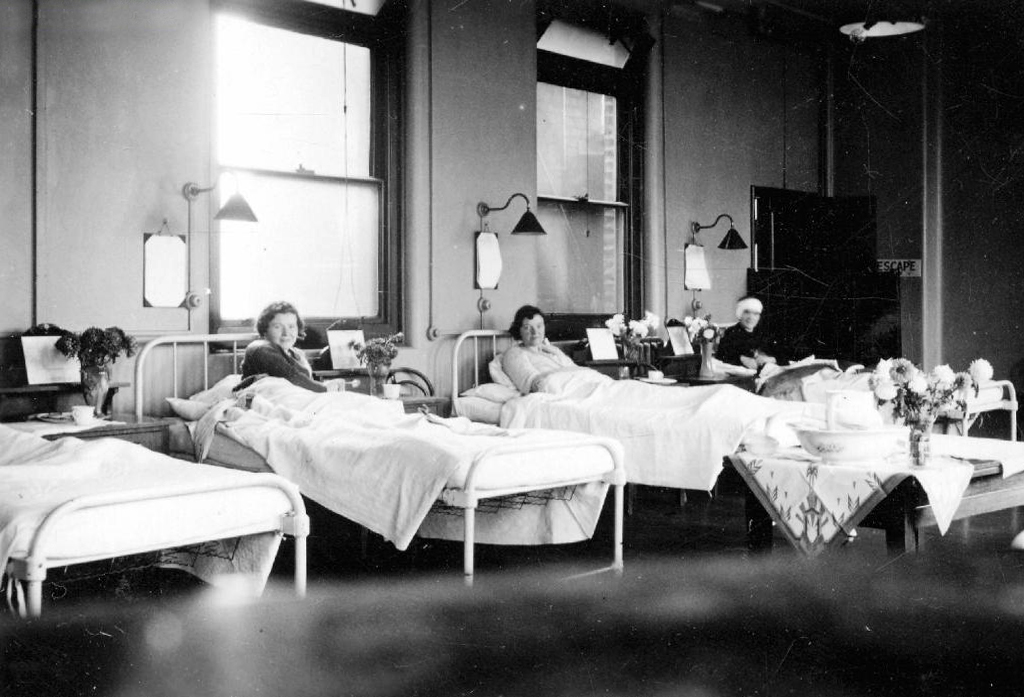
The Manchester Ear Hospital on Lower Ormond Street, shortly before being transferred to Manchester Royal Infirmary. Most of the building was demolished, but the facade retained as part of MMU’s Bellhouse Building.

To the right the Presbyterian Church.
webmedia.php

Cavendish Street School

Screenshot 2018-12-05 at 13.59.22

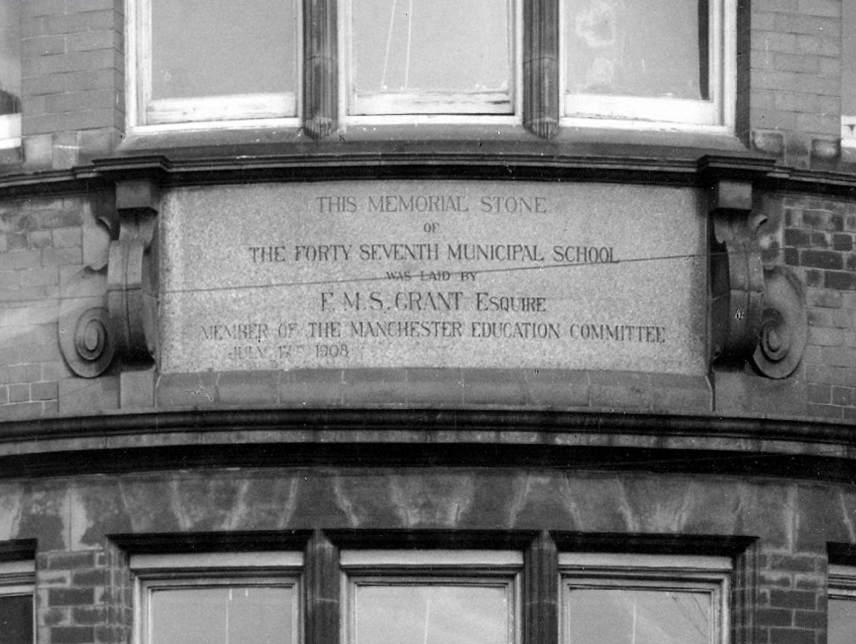
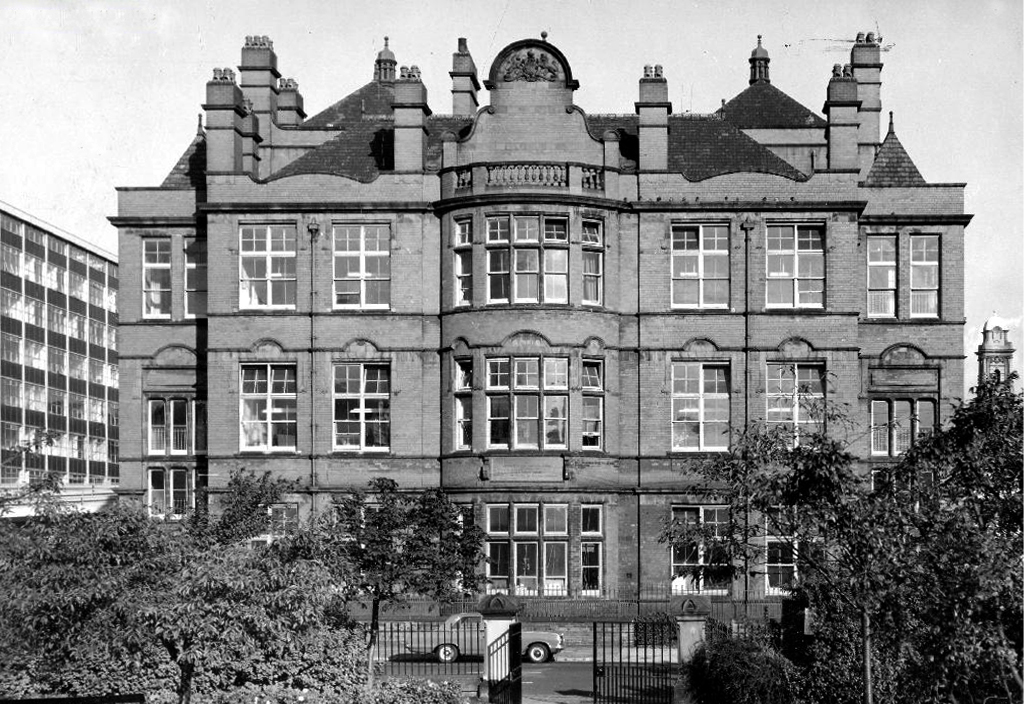
The memorial stone on the front of the school, laid on June 17th, 1908,  declared that it was the Forty Seventh Municipal School.  Strangely, it seems that it was called the Cavendish Street School despite the fact that it wasn’t on Cavendish Street.

Manchester History

It was subsequently utilised by the Polytechnic sculpture department – then demolished to make way for something else of an educational nature.

Some or all of our social and architectural history has been overwritten, lost or swept aside by the tide of history.

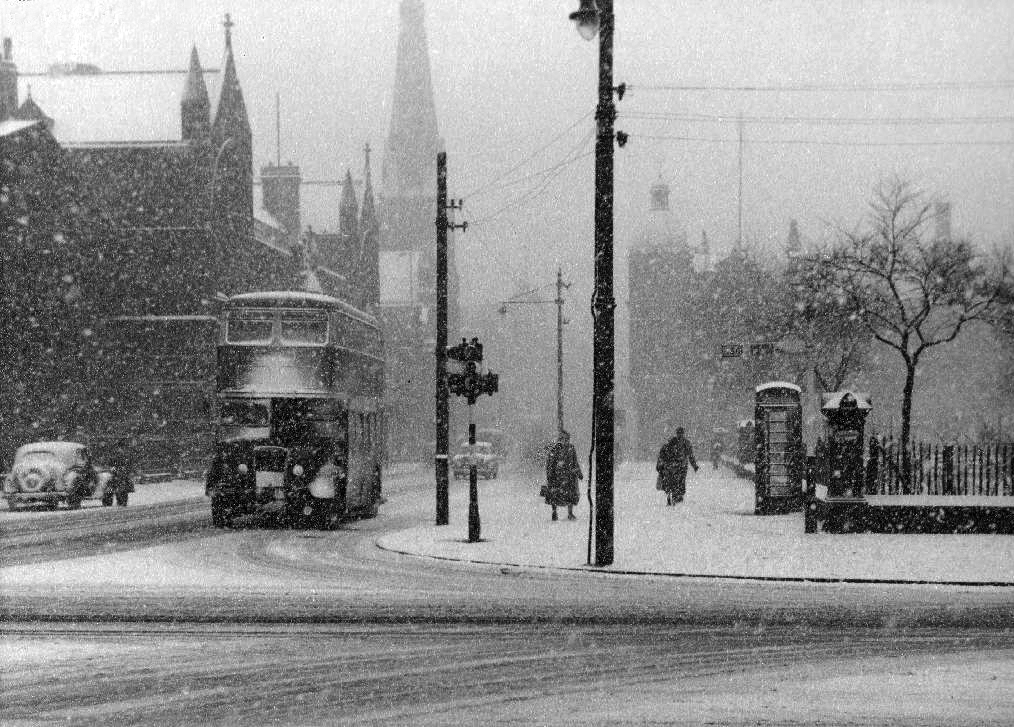
Though on a dark snowy night you can still make out the bright red corporation buses,  passing by in a dark cloud of diesel.

Room on top.
webmedia-5.php

Archive images Local Image Collection

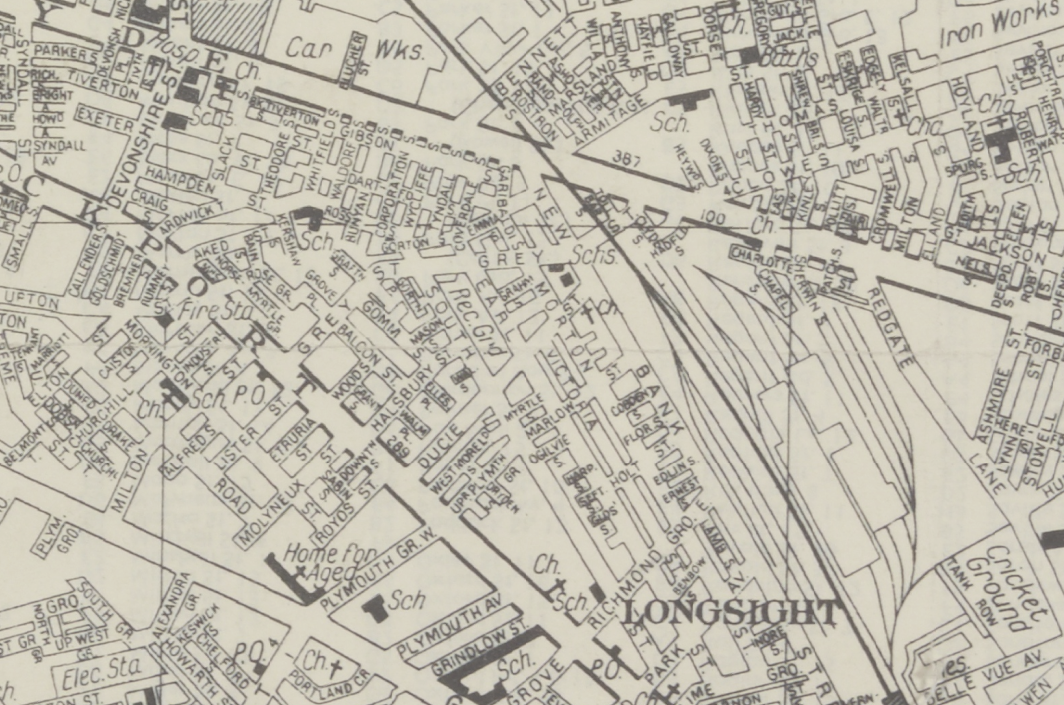
Grey Mare – Longsight

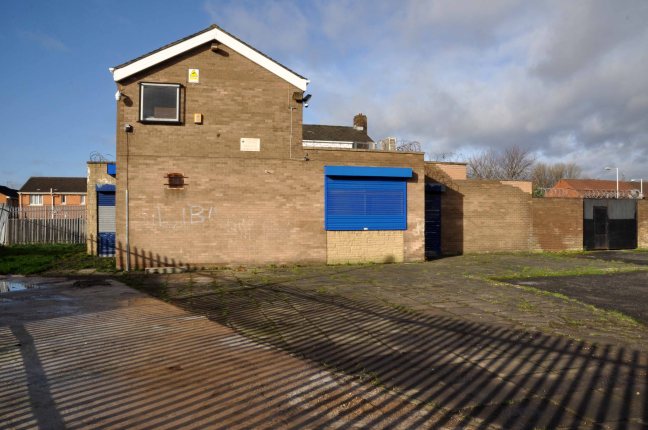
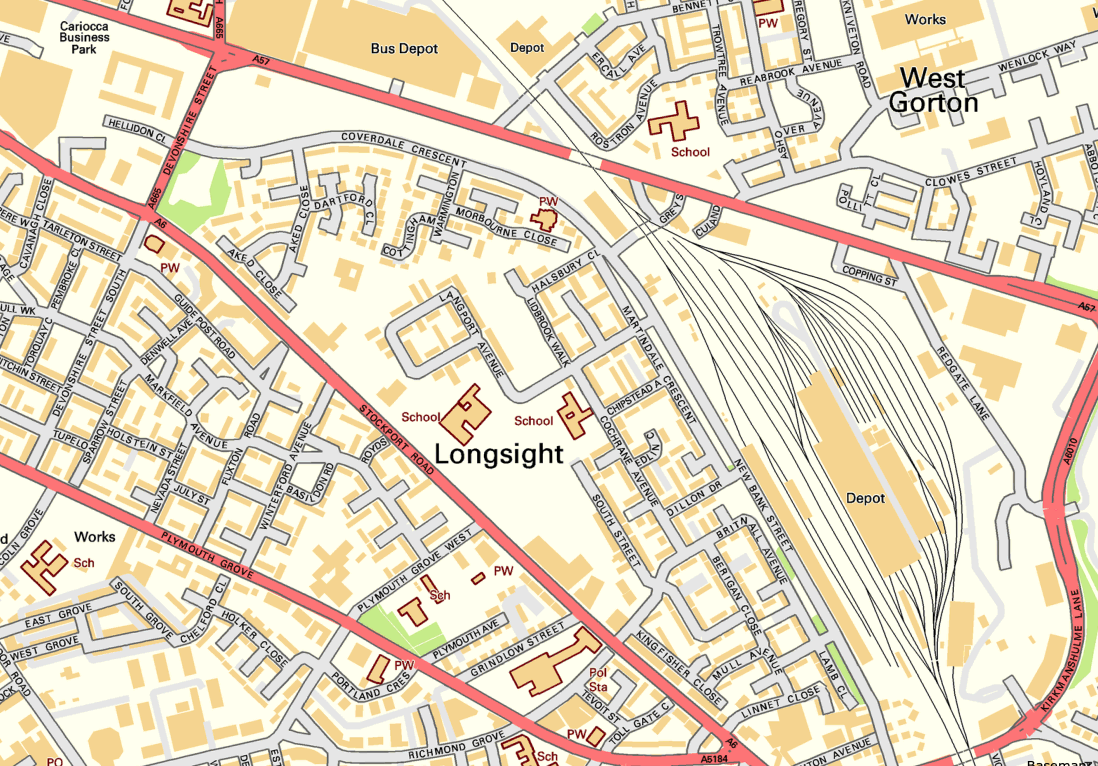
Exeter Close/Warmington Drive Manchester Longsight M12 4AT

Once there was this.

Once there was that.

Then there wasn’t.

That’s just the way of it.

Screenshot 2018-11-12 at 12.57.23.png

A dense web of streets awash with back to backs, jobs for all – in conditions perceived to be unfit for purpose.

Of a total of 201,627 present dwellings in Manchester, some 54,700, or 27.1 per cent., are estimated to be unfit. A comparison of slum clearance action taken by six major local authorities, Manchester, Leeds, Birmingham, Liverpool, Sheffield and Bristol, shows that for the five years ending 30th June, 1965, Manchester was top of the league, both in compulsory purchase orders confirmed and the number of houses demolished or closed.

Manchester’s figures -13,151 houses demolished or closed .

Alfred Morris MP Hansard
webmedia-6.php

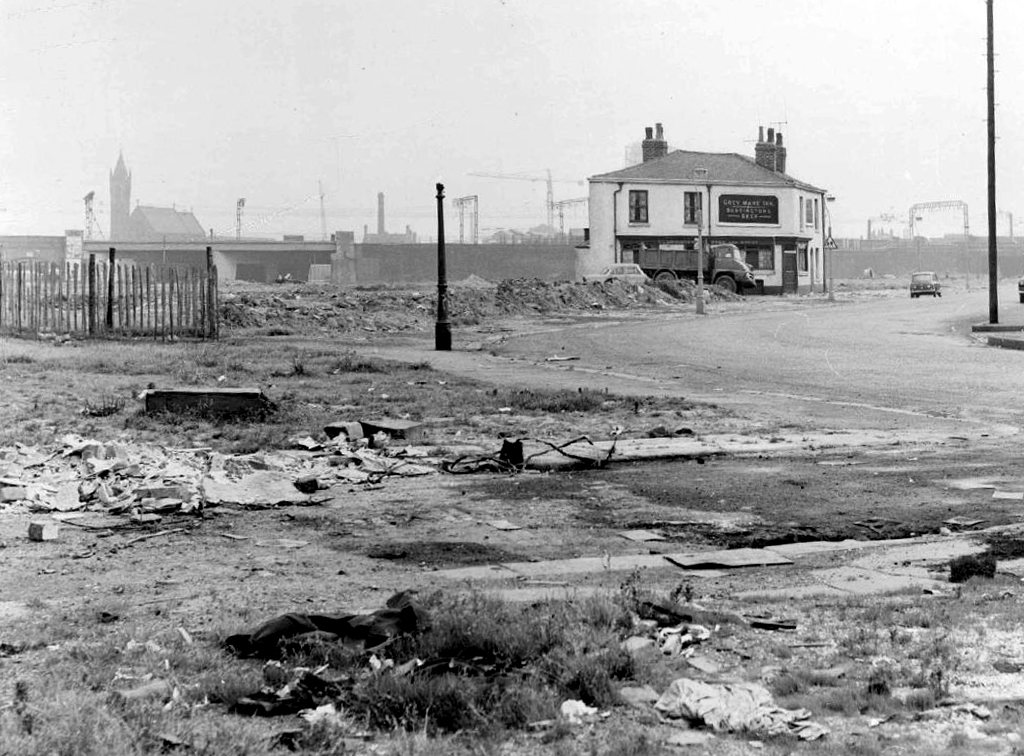
Along came a wrecking ball and left the pub bereft

webmedia-3.php

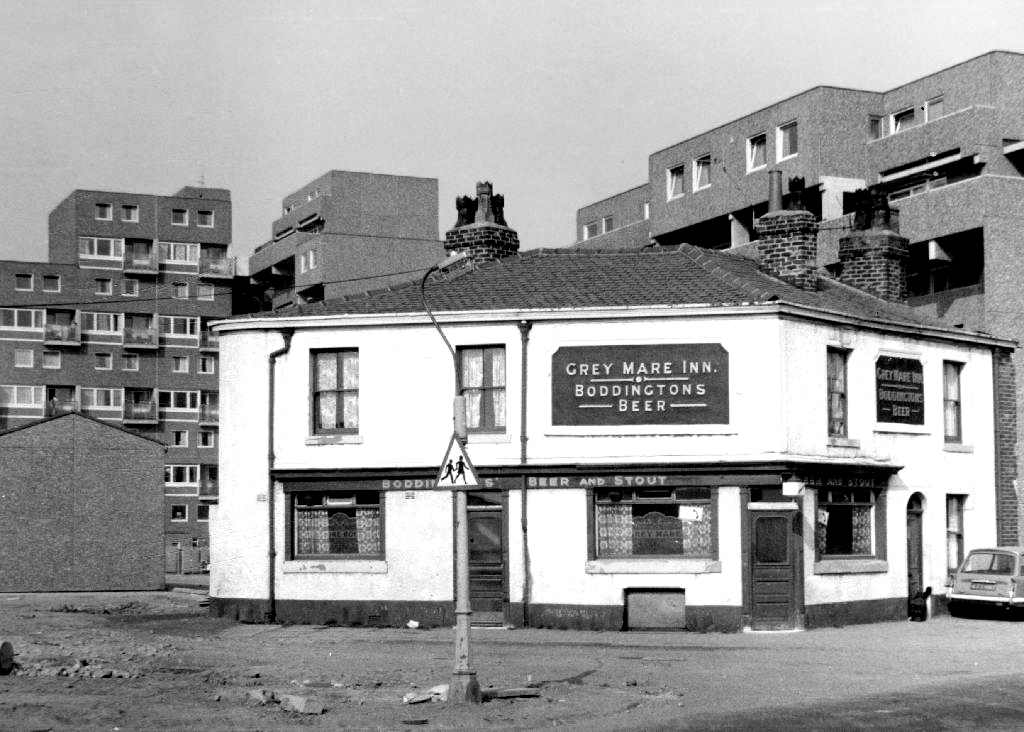
The original Grey Mare on Grey Street

Whenever mass slum clearance was carried out, the pubs tended to remain, often for just a short time  because – the story goes – demolition workers refused to touch them, as they wanted somewhere to drink during and after their shift.

webmedia.php

Then along came the cavalry – the bold boys from Fort Ardwick – Coverdale Crescent Estate

webmedia-1.php

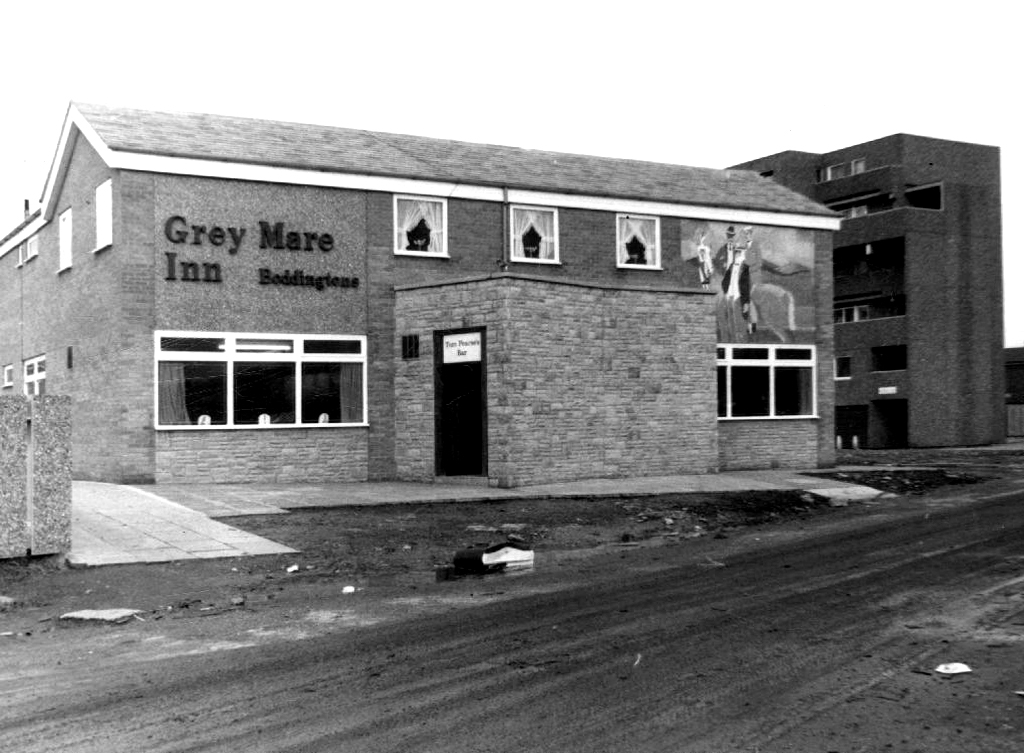
A new dawn – and a new pub.

This vision of municipal modernity was short lived, the estate was demolished in the 1980s and the new Coverdale Estate was constructed on the site in 1994.

Screenshot 2018-11-12 at 13.30.46

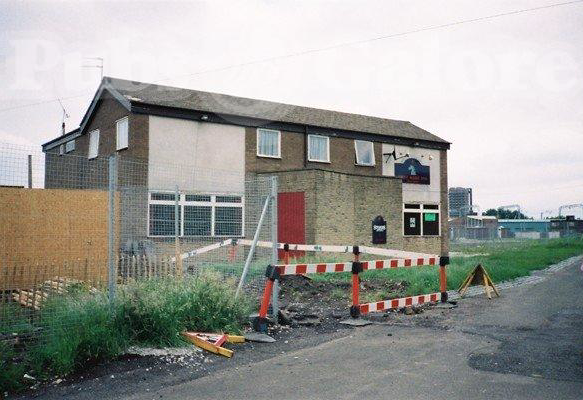
Image – Pubs Galore

Built in 1972 the pub outlived the system built blocks that surrounded it.

Screenshot 2018-11-12 at 12.57.53

Another new gold dream, another day.

DSC_0066

Despite the high hopes embodied by the low rise rebuilding of the new estate.

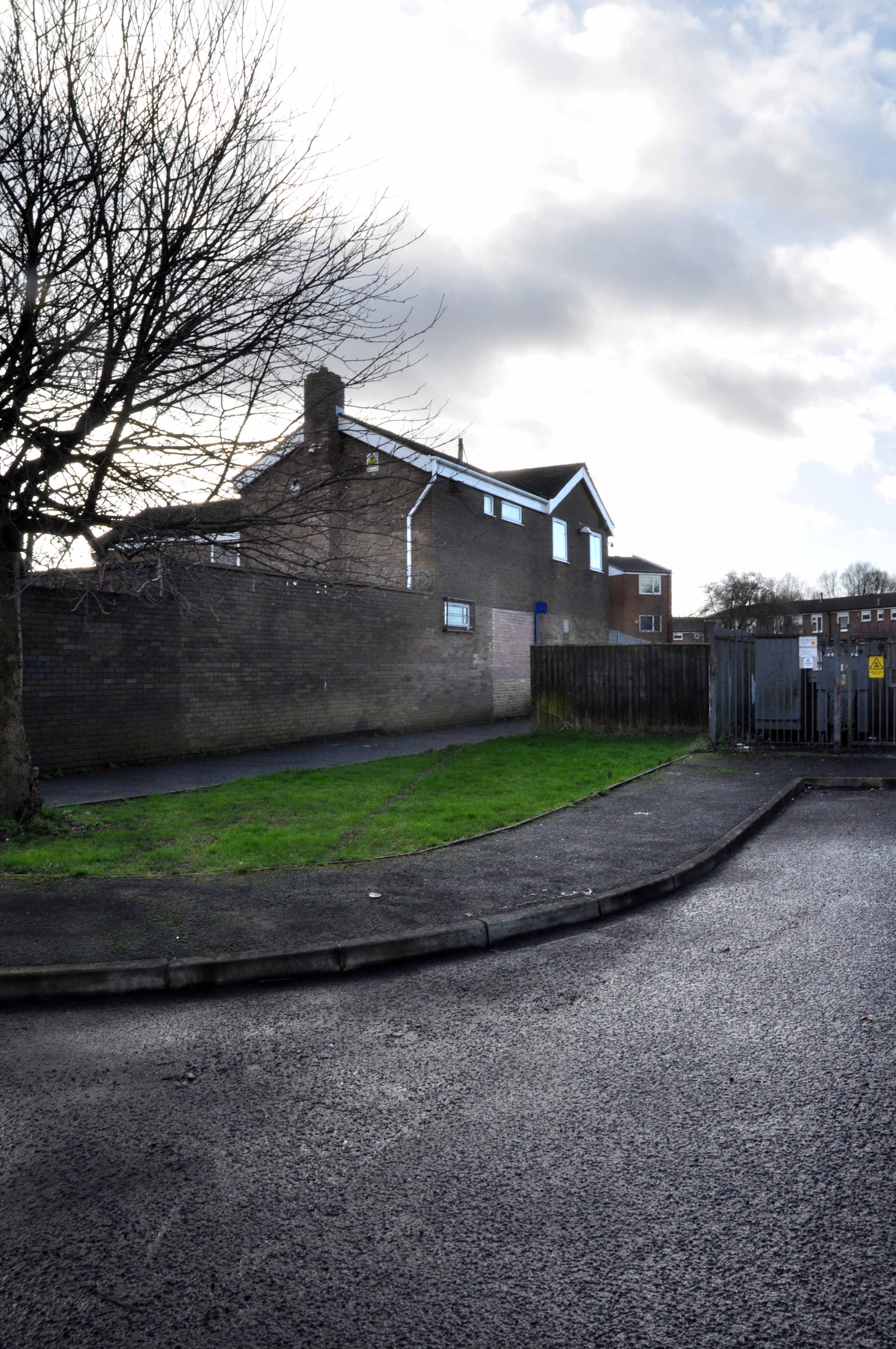
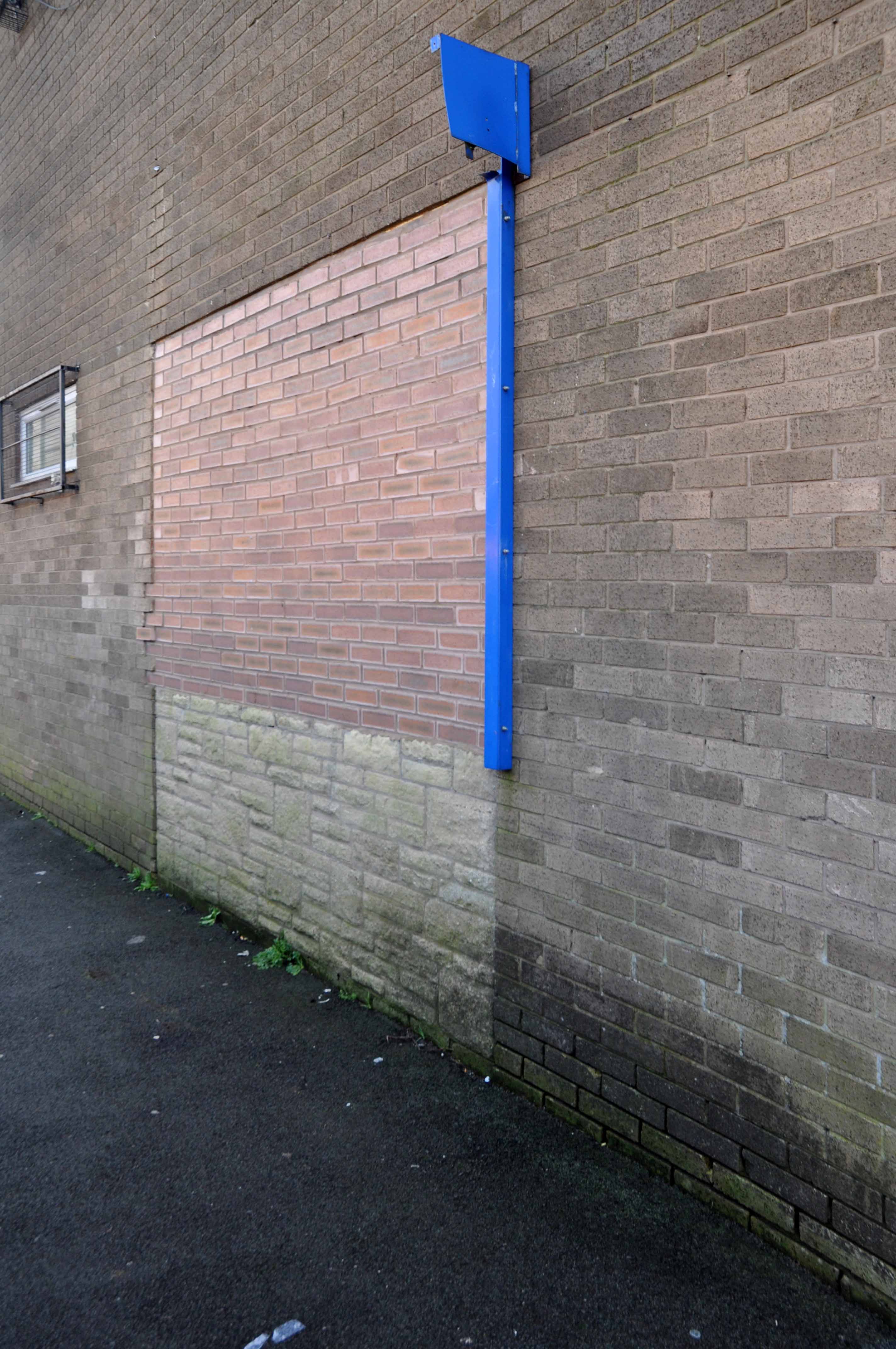
The Grey Mare shuts its doors – forever.

DSC_0039

DSC_0040


DSC_0042

DSC_0043

DSC_0044

DSC_0046

DSC_0047

DSC_0048

DSC_0049

DSC_0050

DSC_0051

DSC_0053

DSC_0054

DSC_0056

DSC_0057

DSC_0058

DSC_0059

DSC_0061

DSC_0062

DSC_0063


Park Hill Pubs – Sheffield

I’m a virtual visitor to the four pubs that served the population of Park Hill Estate.

I arrived late on the scene from not too distant Manchester, sadly much too late to stop and have a pint in The Parkway, Scottish Queen, Link or Earl George.

Built in the 1960s when municipal architecture spoke of optimism and innovation, the story of the estate is an oft told tale of decline and renovation.

Grade II* listed the building’s structure has prevailed, the original social structures, tenants and consequently their pubs have not.

DSC_0049 copy

Bewitched by the fragments which I photographed on my belated visits, I have searched the archives of Picture Sheffield, Postcard Cafe and Little Bits Of Sheffield.

Piecing together photographs and the distant reminiscences of those that lived, breathed and drank in their pubs beneath the streets in the sky.

The Link on Park Hill had some colourful characters.

If you want any info on the Link next time you are in town see the man selling fishing tackle outside Castle Market ,he is called Chris Hardy his dad ran the link in the 60’s they used to have the Sun Inn on South St before Park Hill was built, tell Chris that Alan Betty’s cousin told you about him.

I once did a job outside the Scottish Queen and had a lump of concrete thrown at me! it landed about 2m away, that made me jump!

Joe Fox used to be the landlord in the George in the 70s, didn’t stand for any messing about.

Sheffield Forum

Earl Francis! Of course! That was driving me mad; I was just going to ring my mum and ask her if she could remember what it was called. I think it closed in the early 90s, at the same time as the renovations of Hyde Park Walk and Terrace – 1990/1991, if I remember correctly.

The Earl Francis was still open in 1994 – the last time I went in there, but was dying on its feet.

Park Hill is empty, and due to be refurbished.

It’s amazing to think that each complex had all these pubs and people actually went in them! Drove past Park Hill a few months ago at night and it didn’t look like a soul lived in them.

Not surprised the Tavern has closed down. Don’t know whether people are happy or sad about it…They looked like an absolute dive, but I’ve always wanted to go and have a look around them to see what they’re like close up!

Why is it amazing to think that?

Sheffield Forum

The Parkway

s21979

Picture Sheffield 1965

Picture Sheffield © S Cole 2011

SONY DSC

sdscf0757e

sdscf0759e

The flats and in particular the Parkway Tavern were used in the 2014 film ’71 – which was set in Northern Ireland.  So this photograph showing the bar with a packet of crisps is actually slightly misleading because the crisp bag was only a printed film prop and what looks like broken glass on the bar is fake! – Mr C

sdscf0760e

sdscf0768e

sdscf0773e

sdscf0778e

sdscf0783e

sdscf0789e

© Little Bits of Sheffield

The Scottish Queen

s21985

s24491

s21984

5bf62d22a42f5e6e3bdebc9c073fdacc

a5a522862a866a1f06e484b2716c9ff5

A new pub could open on the site of what was once voted Britain’s second most dangerous watering hole. The Scottish Queen at Park Hill was notorious for violence, with only the most hardy drinkers brave enough to cross its threshold.

ec6d8981fcb209d3058c7f9228f61b919c181421

April 2015 saw the launch of a new exhibition space in Sheffield, housed within the former Scottish Queen pub at the Brutalist icon that is the Park Hill estate. The Scottish Queen hosted a temporary programme of exhibitions, events and residencies in partnership with a range of artists and organisations from across Sheffield supported by S1 Artspace.

Possibly the second toughest art space in Britain.

The Link

s21978

s21976

Picture Sheffield

matt surgeon

© Matt Surgeon

sheffield history

Sheffield History

s_1060819e1

s_1060824e

s_1060825e

s_1060856e

s_1060865e

P1020447.JPG

© Postcard Cafe

The Earl George

s21980

Picture Sheffield

In the 1960s 70s I used to go in the Link pub, I liked the Scottish Queen pub as well.

Do you think they’ll open all the pubs again when all the work is finished?


Al Faisal – Thomas Street Manchester

Things, as we know, come and go – by 1807 Thomas Street had arrived.

roper 1807

At the heart of the new Manchester – providing dwellings, shops, pubs and manufacturing premises for the masses.

One of the earliest architectural complexes of the Industrial Revolution.

1905

1908

2445_l

Pifco – Manchester Manufacturing

1938

1938

1970

The Millstone 1970

bay 70

Bay Horse 1970

Both pubs have survived and the street is home to several relative newcomers, including the Richard Goodall Gallery and celebrated men’s outfitters Oi Polloi.

Also the location of my most favourite shop in the whole wide world.

P1110739 copy

From the 70’s onwards the area had been at the centre of the Asian garment trade – and so it came to pass some 26 years ago the Al Faisal arrived, one of several curry cafés, feeding the faces of the passing parade.

I’ve eaten there for most of that time, fed very well indeed thank you very much, for way less than a king’s ransom.

Yesterday I popped in at teatime, for my tea – posters proclaimed an imminent move.

P1290999

The whole block is to be demolished and a hotel to be built – there is naturally a suspicious resistance to such change, what was a protected area of historical interest, is fast becoming a deregulated playground for the avaricious developer.

A Manchester council spokesman said:

Our building control officers have been engaged with owner of the property on Thomas Street for some time.

The condition of the building means there is an imminent danger of collapse and a potential threat to pedestrians. Unfortunately, the poor weather has only served to add to our concern over the safety of the building.

A conservation specialist will be on site working closely with the building owner to ensure as much of the fabric of the property can be retained as possible, and only parts that are unsalvageable will be removed to ensure public safety.

Manchester Evening News

Rumours have also been rife concerning the fate of the nearby This & That – an essential part of the heartbeat of the city – the affordable independent trader.

I sat and ate happily, and was privileged to be given a tour of the kitchens by owner Tariq, recording for posterity a site of some culinary and social consequence.

Let’s take a look around and look forward to a meal just across the road real soon.

P1300012

P1300013

P1300014

P1300015

P1300016

P1300017

P1300019

P1300020

P1300021

P1300022

P1300023

P1300024

P1290997

P1300008

P1300010


Covent Garden Stockport – Remake Remodel

I’ve been here before to record the beginning the middle and the end of Covent Garden flats – now there is a new beginning, beginning.

If you’re ready to start the next exciting chapter of your life, come and experience Nuvu Living at Covent Garden, Stockport. You will find our stunning new development that sits perfectly in this modern and vibrant community. Ideal for first time buyers and growing families, Covent Garden offers a fantastic collection of 74 spacious and contemporary 2 and 3 bedroom homes and 1 and 2 bedroom apartments.

Screen Shot 2018-09-25 at 17.44.00

Nuvu Living for the nuvu people in the cheerful anonymity of none-architecture.

Lifestyle_01-1920x1080

Replacing the old with bigger, better shiny homes at a cost yet to be disclosed.

Another history overwritten.

1658494_10152745685231600_6897842633724575569_o

Goodnight sweet flats.

With the bustling heart of Stockport just a few minutes’ walk away, this contemporary development sits perfectly in this modern and vibrant community. An ideal location for singles, couples and families, all the amenities you will ever need, including supermarkets, schools, bars, restaurants and more are all close to home. Plus, the centre of Manchester is just 7.5 miles away and easy to get to by road or rail. So, if you are ready to start the next exciting chapter in your life, come and experience Nuvu Living at Covent Garden, Stockport.

P1290745

P1290746

P1290748

P1290749

P1290750

P1290751

P1290752

P1290753

P1290754


P1290757

P1290759

P1290760

P1290761

P1290762

P1290763

P1290764

P1290765


Rochdale Road – Manchester

Each and every time I wandered by, I wondered.

The whys and wherefores of your seemingly unknowable comings and goings.

Standing alone, aloof and unloved on the corner of Rochdale Road and Sudell Street.

Something was missing.

I was missing something.

1813

In 1813 there’s a field

1836

In 1836 something’s there, but not it’s you.

Yet.

1900

By 1900 the days of the two up, two downs are numbered – sanitary dwellings are the order of the day, plans are drawn up, the local council have decreed that workers dwellings are to be built.

webmedia-2.php

1905

1912

1932

back 38

Local Image Collection
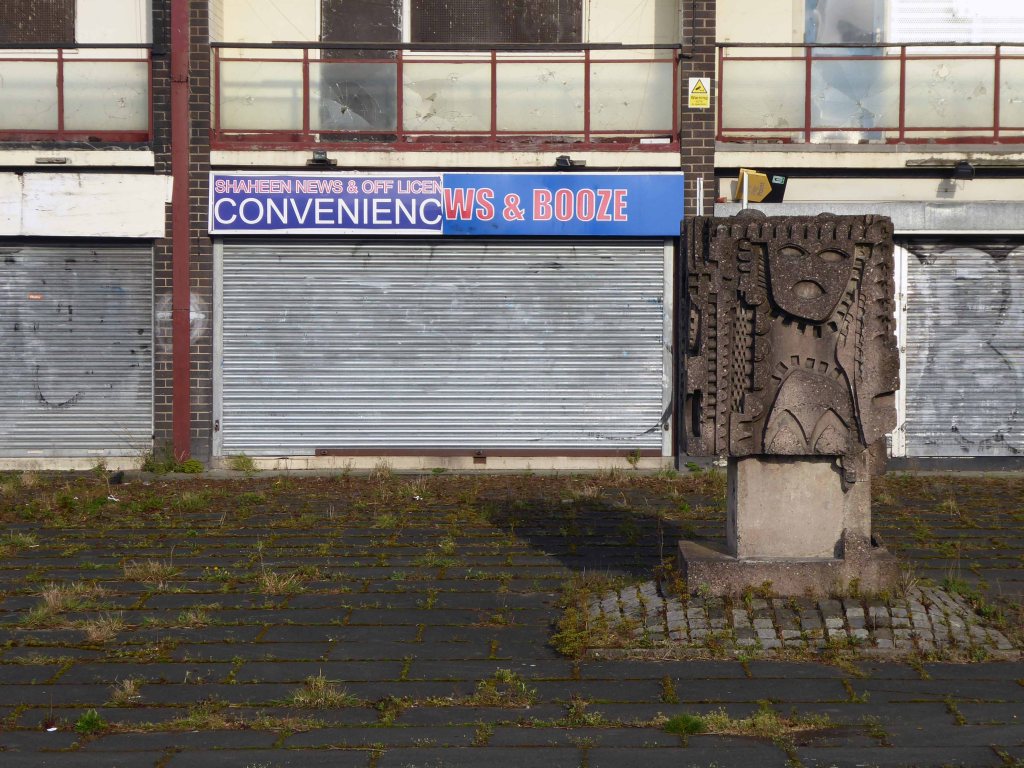
Known as Alexandra Place or The Dwellings.

You must have been home to many too many to recall, then you were gone again.

Save for one old triangle, refusing to jingle jangle to the modern dance.

I do not know what fate awaits you, I only know you must be strong.

A change is gonna come.

P1290088 copy

P1290089 copy

P1290090 copy

P1290357

P1290358

P1290359

P1290360


P1290362

P1290363

P1290364

P1290365

P1290366

P1290367

P1290368


Eva Brothers – Clayton Manchester

Eva Brothers of Crabtree Forge, Crabtree Lane, Clayton, Manchester.

Im1960Ry-Eva

1909  The partnership of James Eva, Archibald William Eva, Victor Eva, Arthur Eva, and Frank Eva, carrying on business as Forge-masters, at Crabtree-lane, Clayton, Manchester, under the style or firm of Eva Bothers was ended. All debts due would be settled by Archibald William Eva, Victor Eva, Arthur Eva, and Frank Eva, who continued the business under the same style.

By 1953 The EVA group of companies was the largest edge tool makers in the world, exporting most of their products. The associated companies included: Chillington Tool Co, Edward Elwell Limited of Wednesbury, A. W. Wills and Son Limited of Birmingham, John Yates and Co Limited of Birmingham, and the Phoenix Shovel Co Limited of Cradley Heath.

1958 Acquired T. Williams Drop forgings and Tools of Small Heath, Birmingham

1959 Planned to convert into a holding company; depressed demand for heavy engineering but continued group prosperity were anticipated.

1960 Eva Brothers paid dividends and made scrip issue; changed the name to Eva Industries as the holding company.

1976: Eva Brothers continued to be a part of Eva Industries.

Graces Guide – for further information.

P1270879

This is where Manchester’s prosperity was created, engineering along with King Cotton, formed the financial foundations of the city. These industries are now all but vanished, along with the communities and skills that created them, work and wealth are elsewhere.

Years of free-market economics, acquisition, asset stripping, amalgamation and monopoly have bequeathed a legacy of loss.
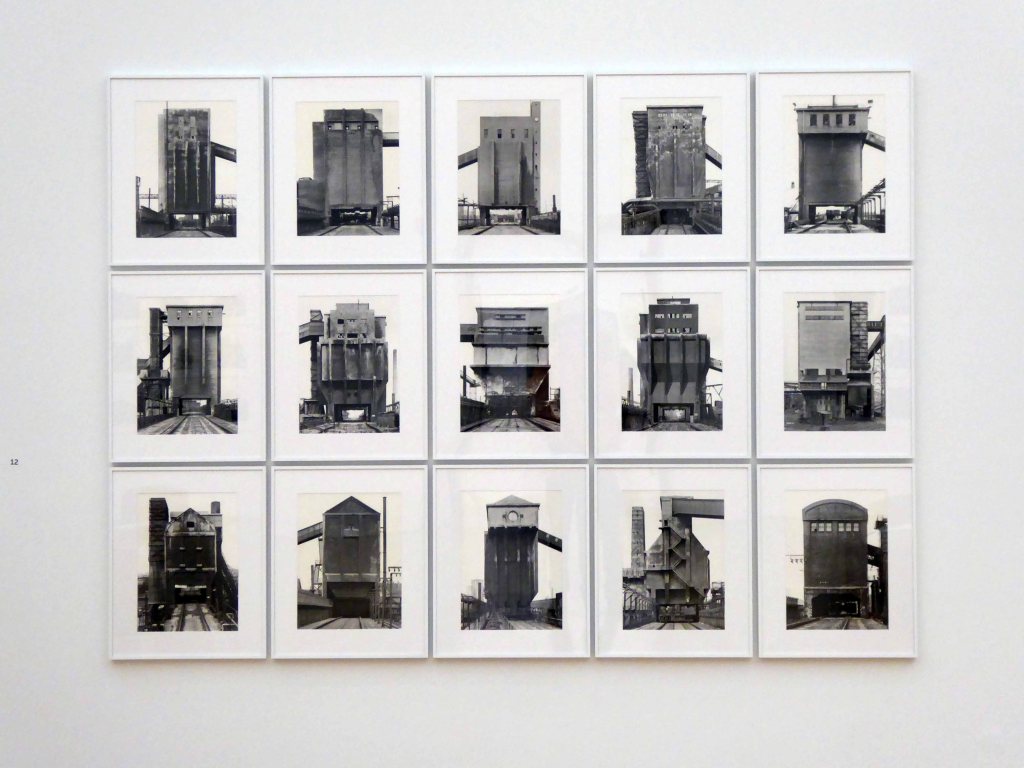
Once bustling and business like sheds and yards, are now forests of buddleia and bramble. The sound of metal on metal, but a dull memory, amidst the wilder side of wildlife and the gentle whisper of peeling paint.

Come with me now to the Kingdom of Rust.

P1270883

P1270882

P1270881

P1270880

DSC_0091

DSC_0086

DSC_0083

DSC_0080

DSC_0079

DSC_0072

DSC_0070

DSC_0066

DSC_0061

DSC_0060

DSC_0058

DSC_0057

DSC_0050

DSC_0056

DSC_0053

DSC_0051

DSC_0047

DSC_0045

DSC_0041

DSC_0040

DSC_0037

DSC_0035

DSC_0033

DSC_0032

DSC_0029

DSC_0028

DSC_0026

DSC_0025

DSC_0022

DSC_0021

DSC_0020

Return To Palmerston Street – Beswick

Having traced a lengthy history of the shortish Palmerston Street – I returned to take a snapshot of the current state of affairs.

So much has gone an Art Museum, Lads Club, churches, homes, schools, industry and pubs – much of this now indistinct scrubland, fenced and walled, neither use nor ornament, save as an unofficial wildlife garden for feather, fowl and flower.

There  are small groups of more recent housing developments with the promise of more on the way, though this as ever is contentious – the story of conflicted interests betwixt and between developer, local authority and the would be affordable homes and their occupants.

The council says – Manchester’s Affordable Housing Programme will ensure more than 2,200 homes by March 2021 through a £250m programme funded through a variety of sources including Homes England grant funding, Council borrowing and land or property sales and Registered Providers. The Council is also backing the programme through the release of suitable council-owned land.

Which seems barely adequate to meet the needs of those on lower incomes.

The Guardian says – Of the 61 big residential developments granted planning permission by Manchester city council’s planning committee in 2016 and 2017, not one of the 14,667 planned flats or houses met the government’s definition of affordable, being neither for social rent nor offered at 80% of the market rate.

Manchester has changed, constantly changed – often overlooking the needs of its citizens to the north and east of the city. The areas crippled by recession, deindustrialisation and demolition have yet to see the benefits of the city’s recent regeneration.
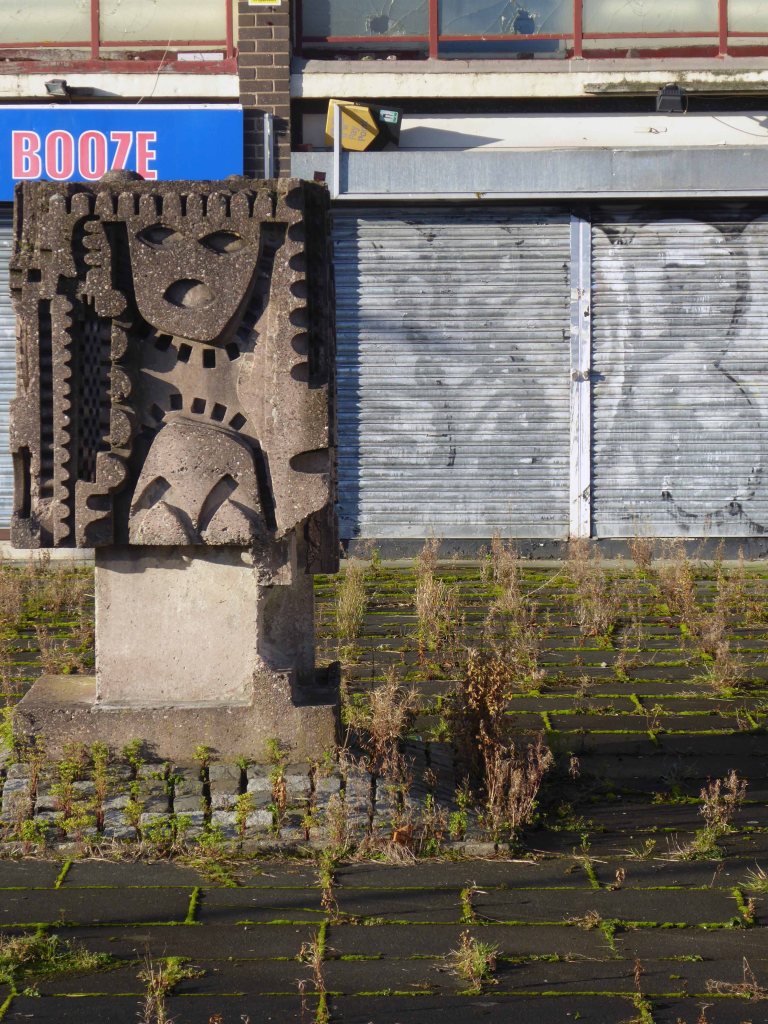
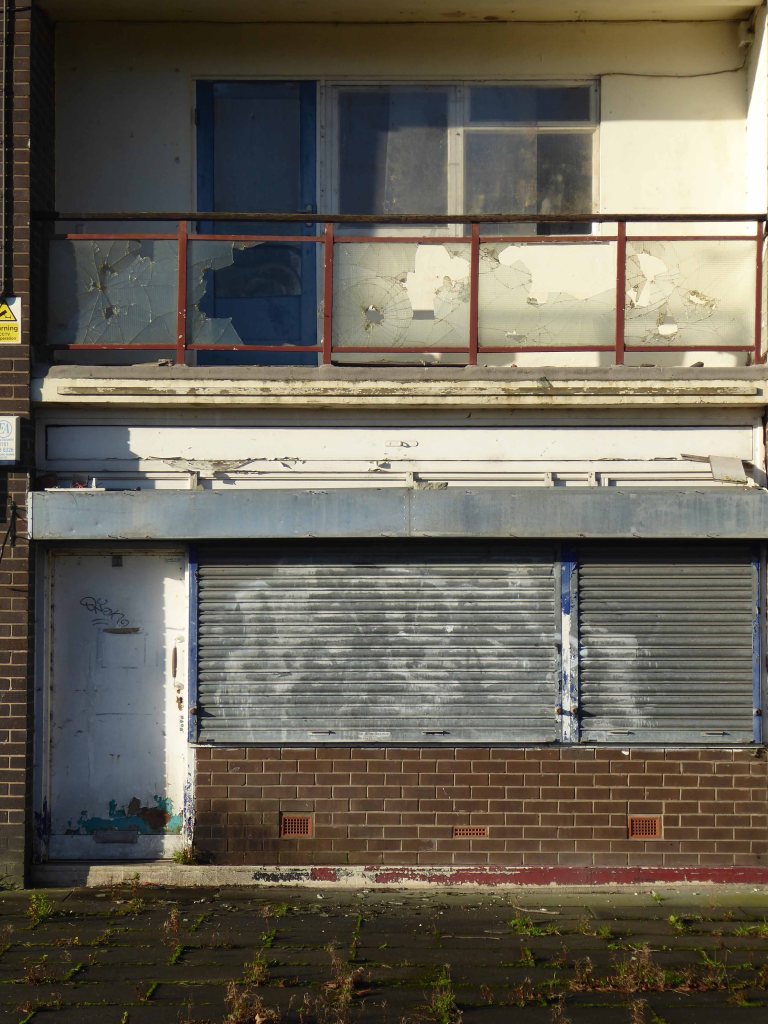
What was once a community overflowing with rough and tumble, hustle and bustle, now seems to have become a contested area for match day parking and non-existent urban renewal.

Let’s take a look down Palmerston Street.
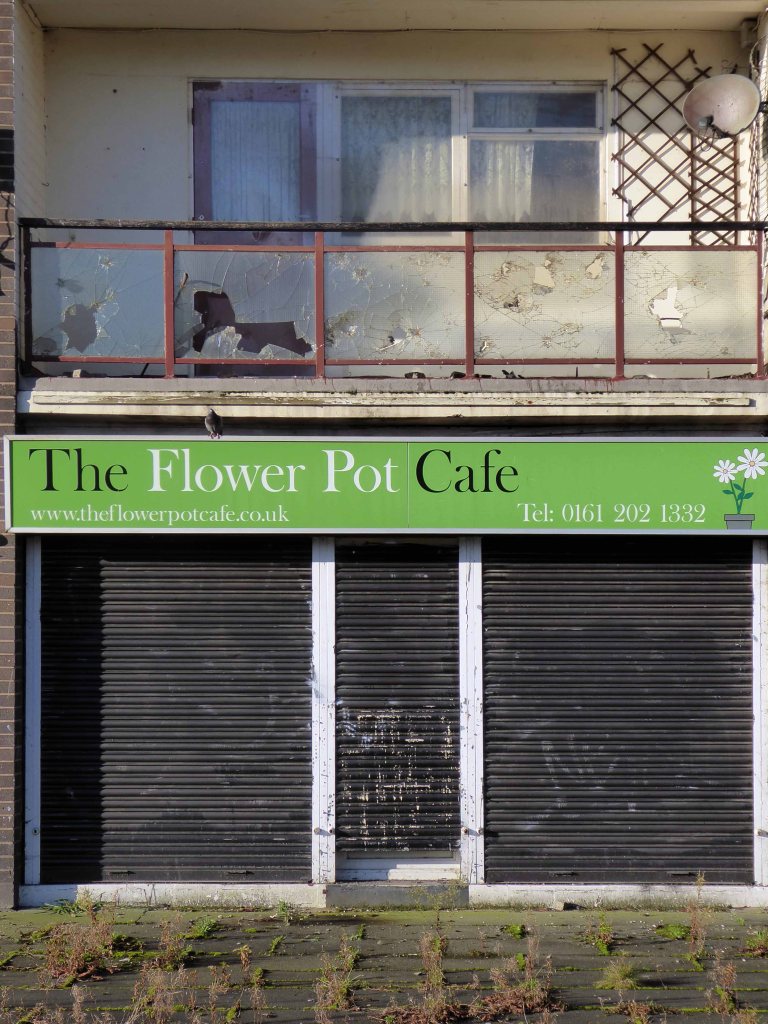
P1280052

P1280053

P1280060


P1280063

P1280064

P1280082

P1280093

P1280096

P1280097

P1280098


P1280103

P1280104

P1280106

P1280108

P1280110

P1280112

P1280114

P1280115

P1280118

P1280119

P1280121

P1280123

P1280127