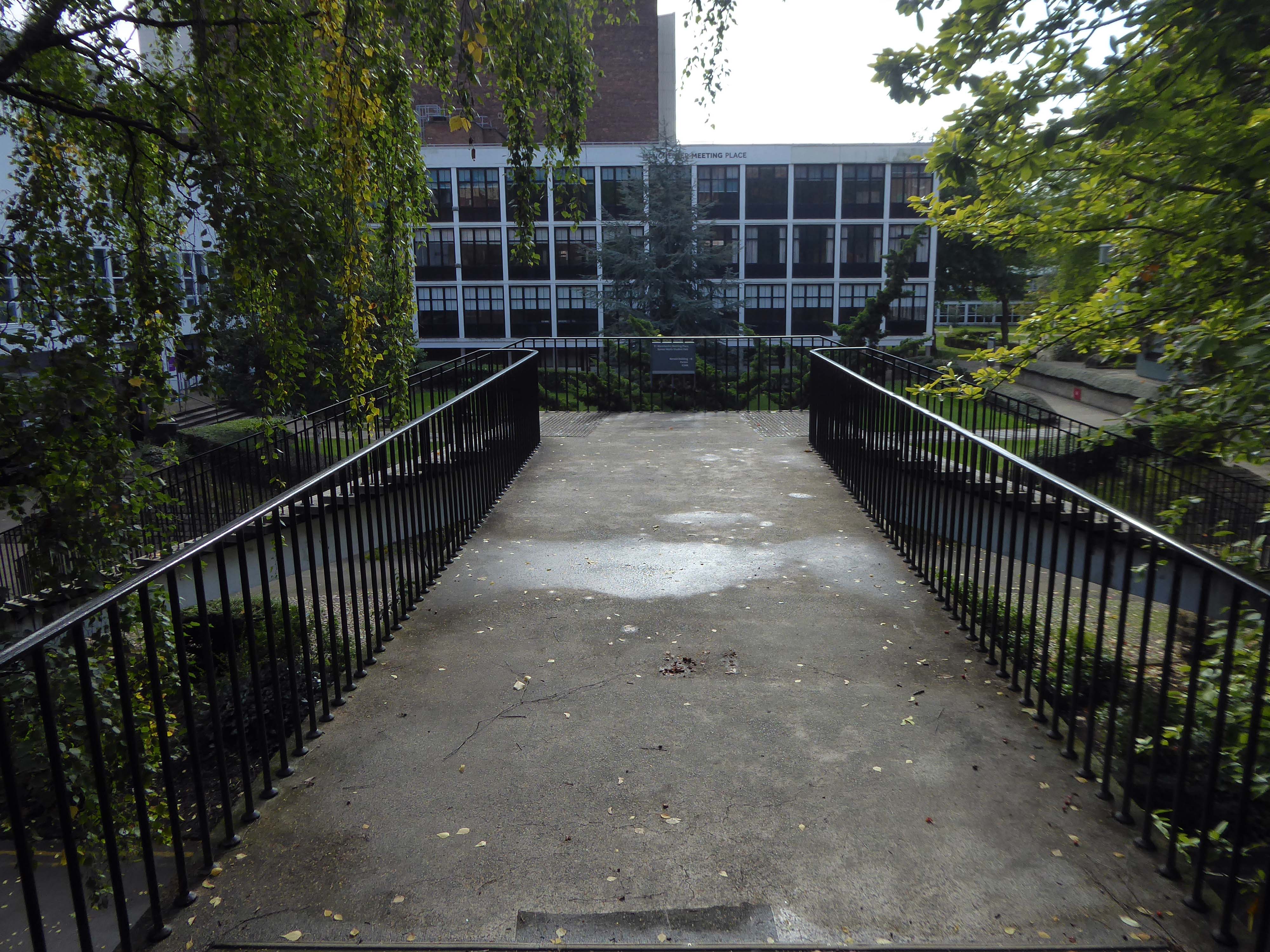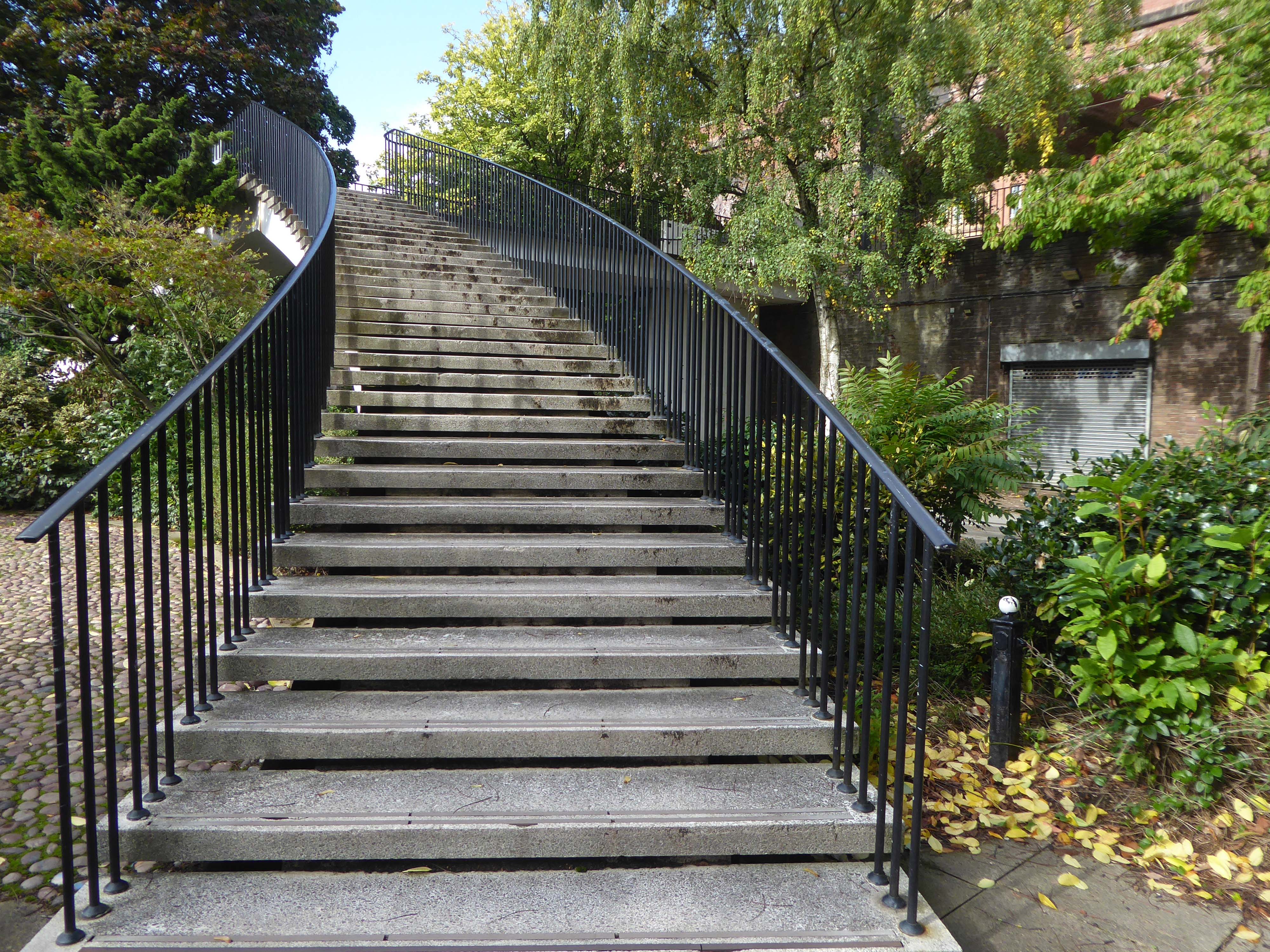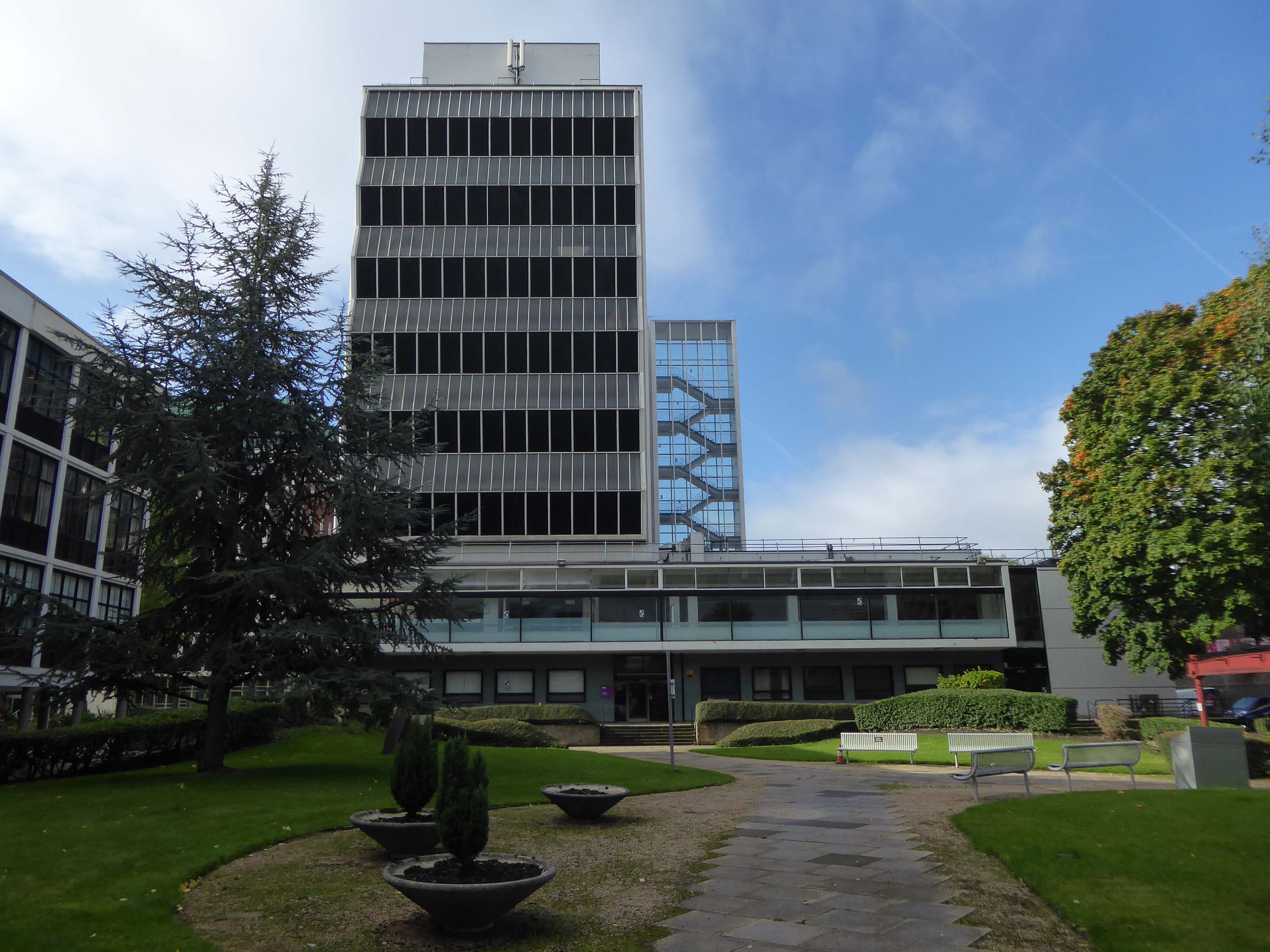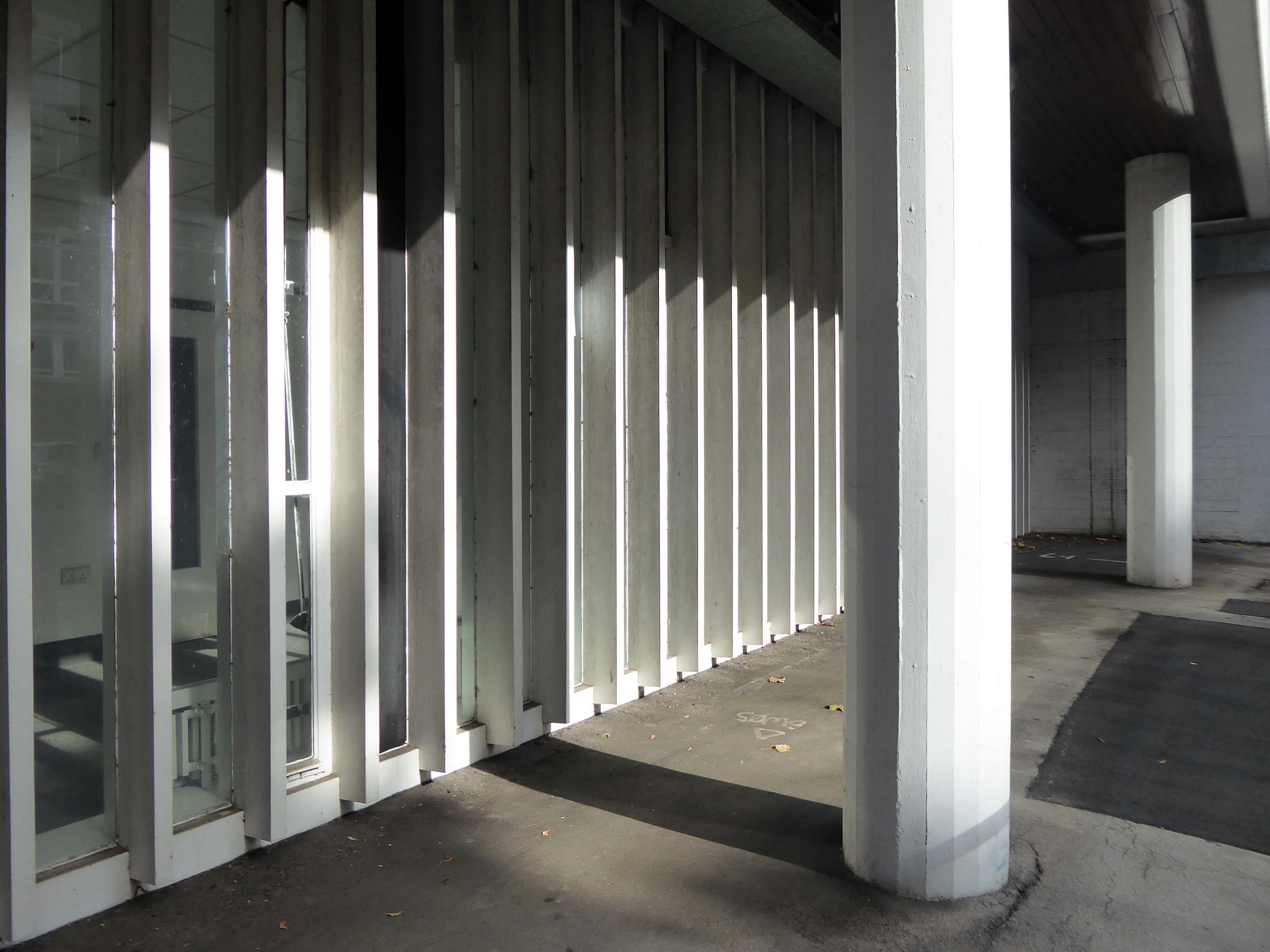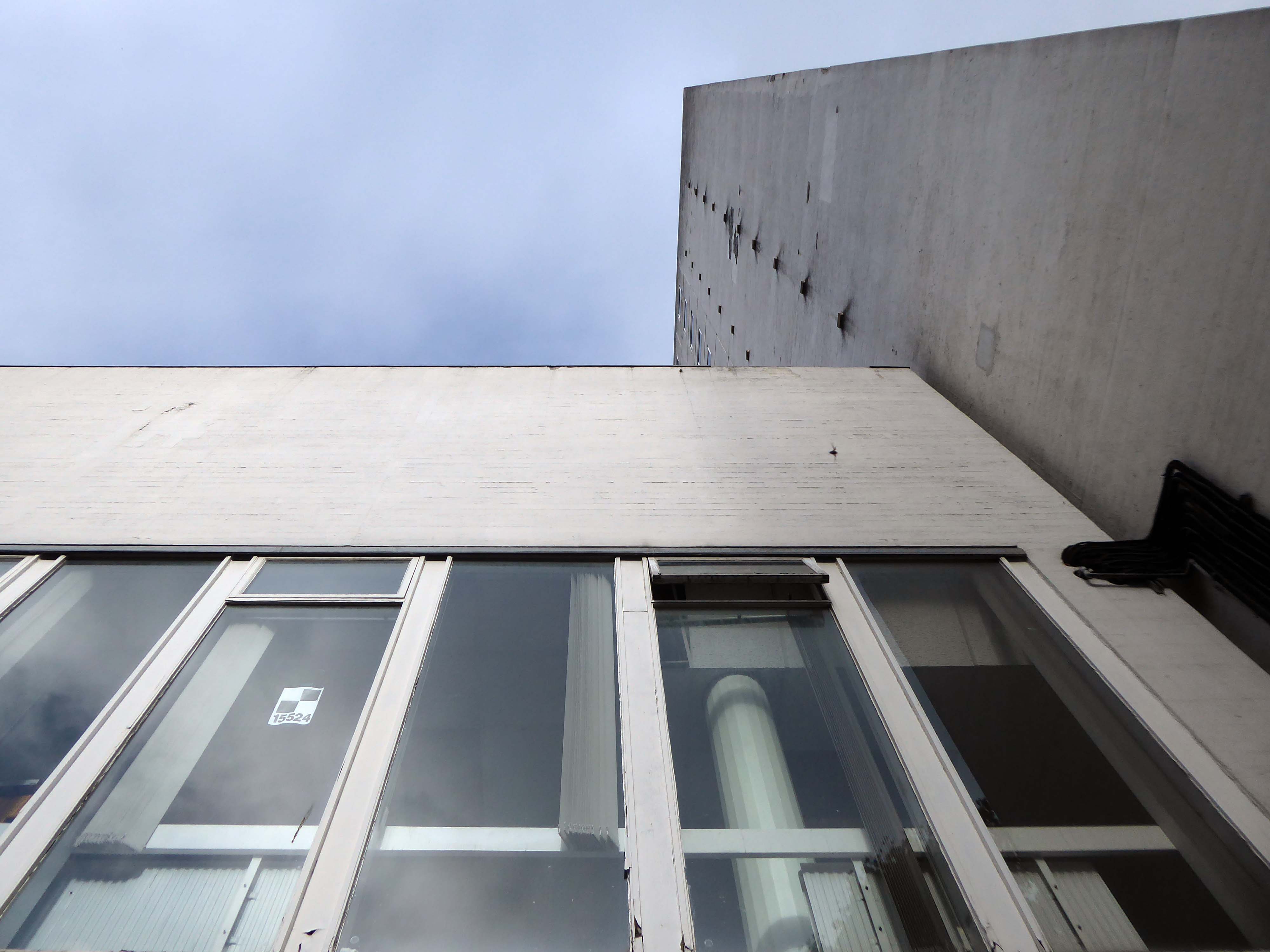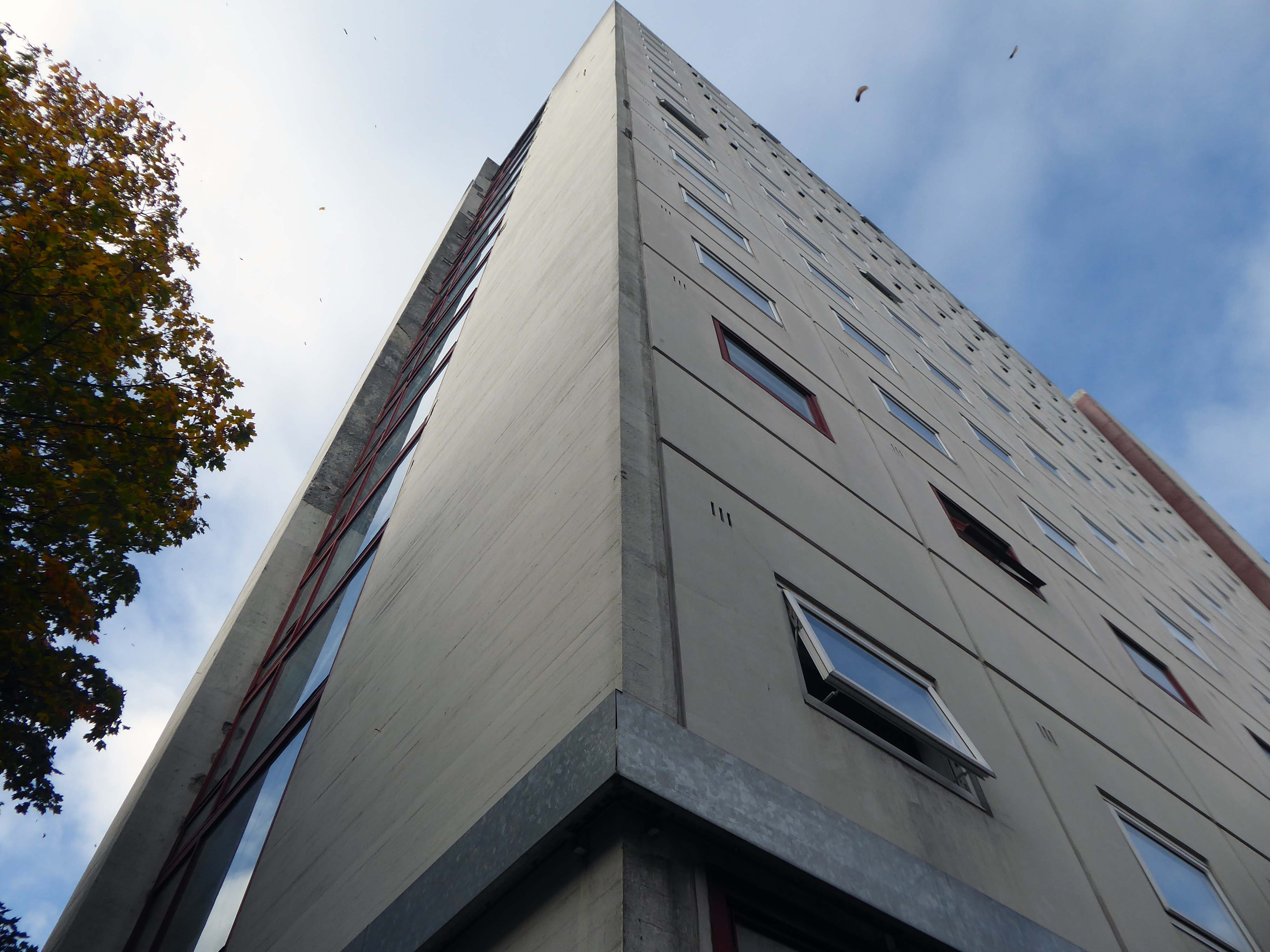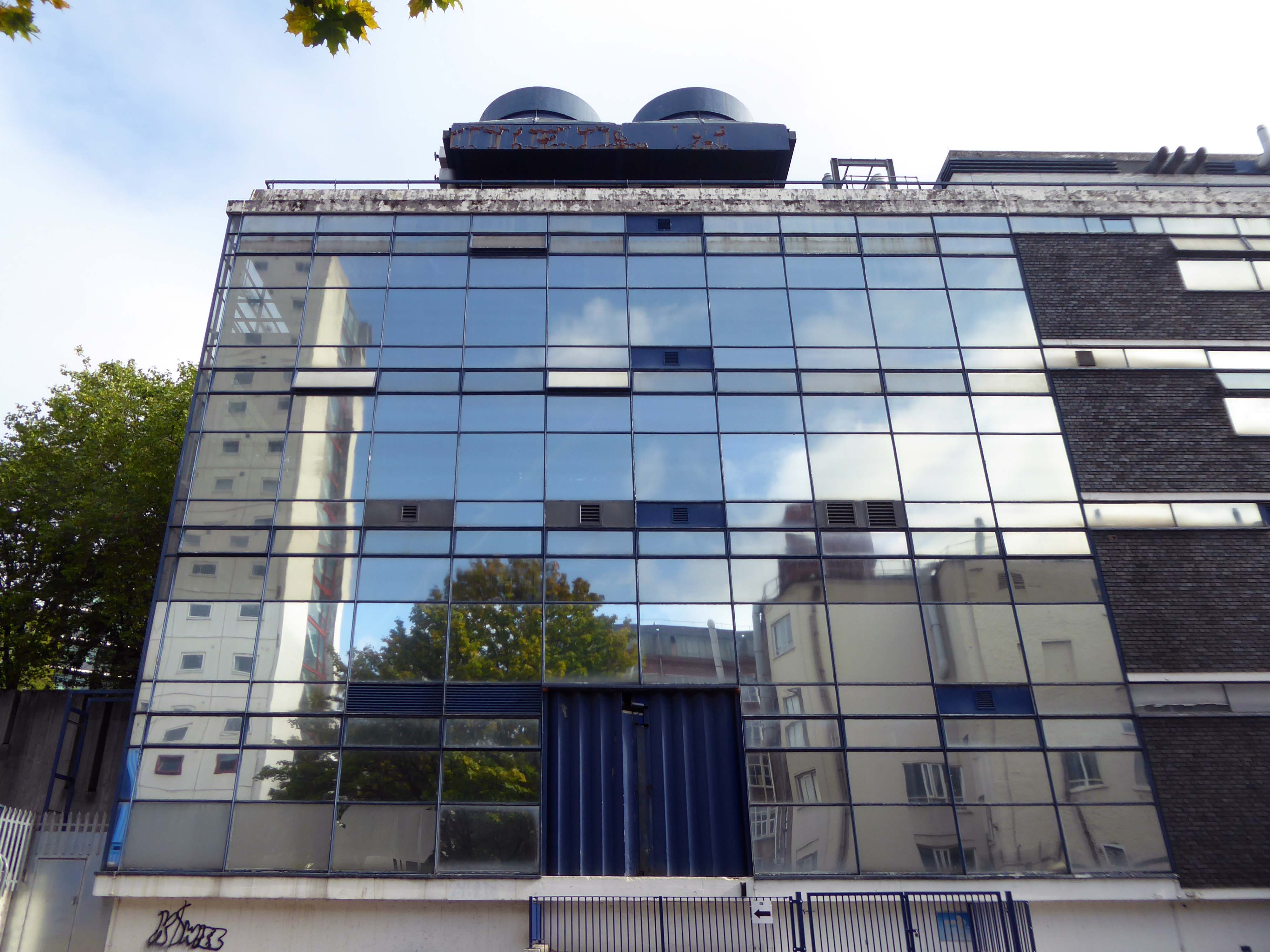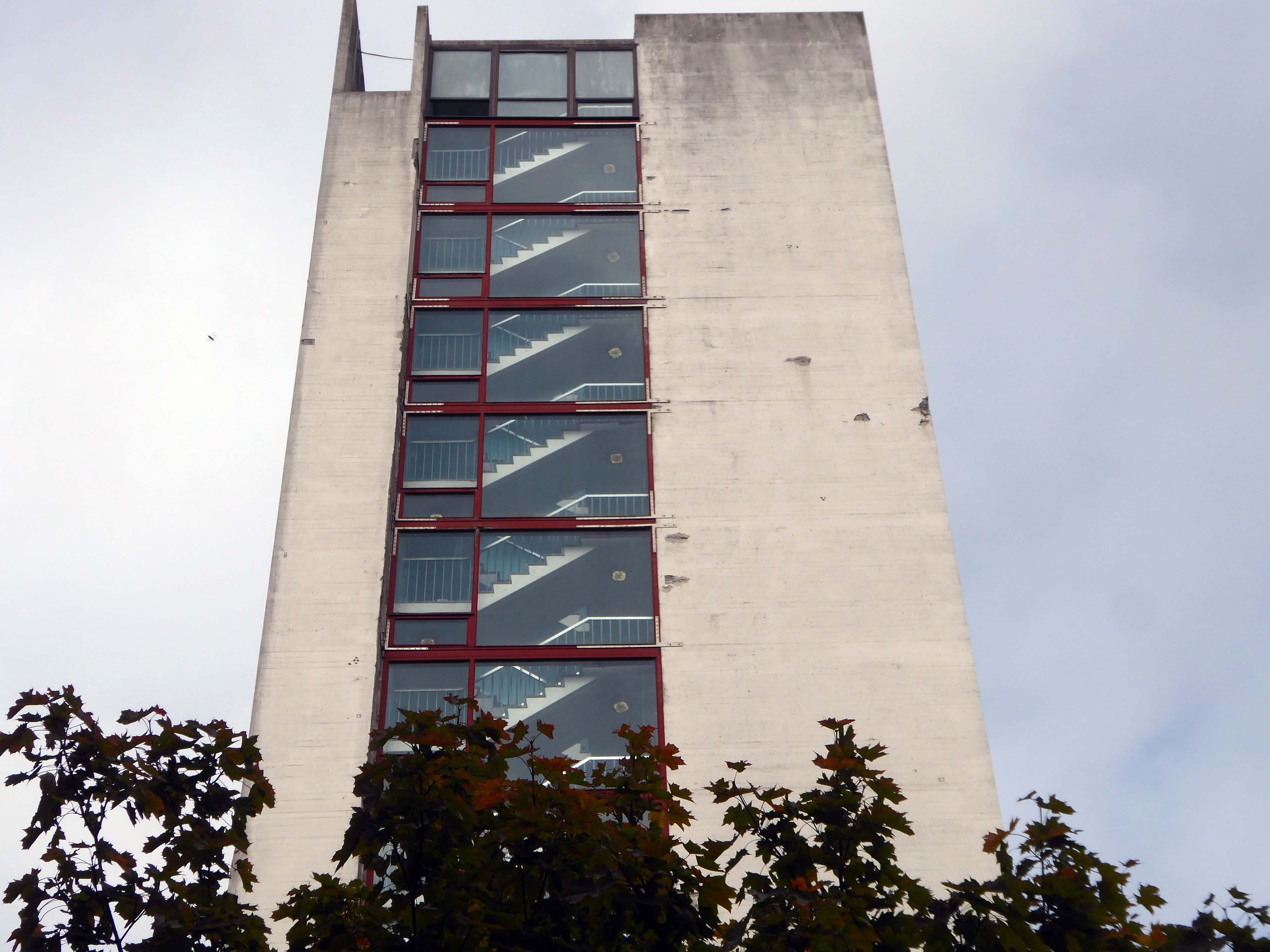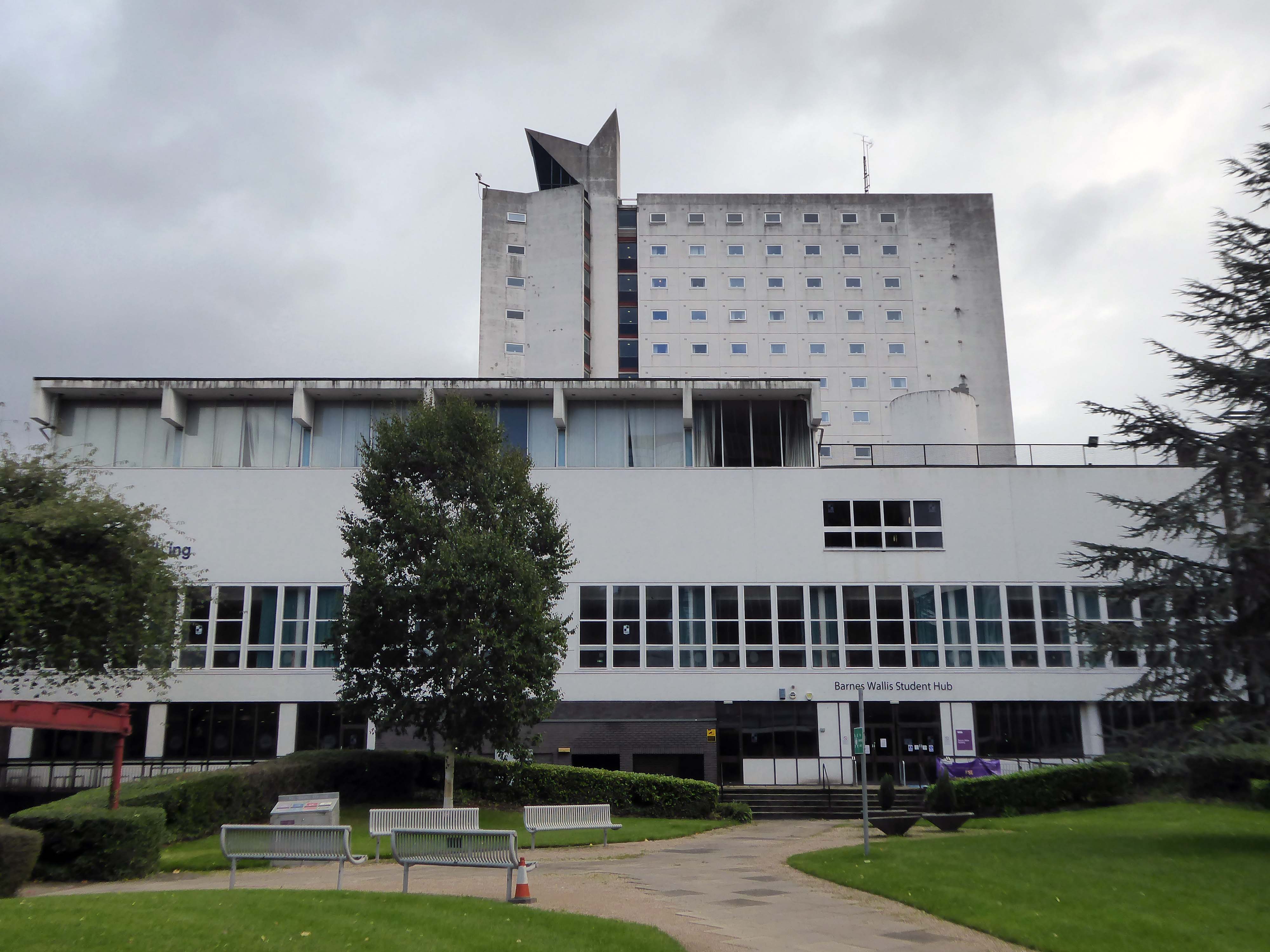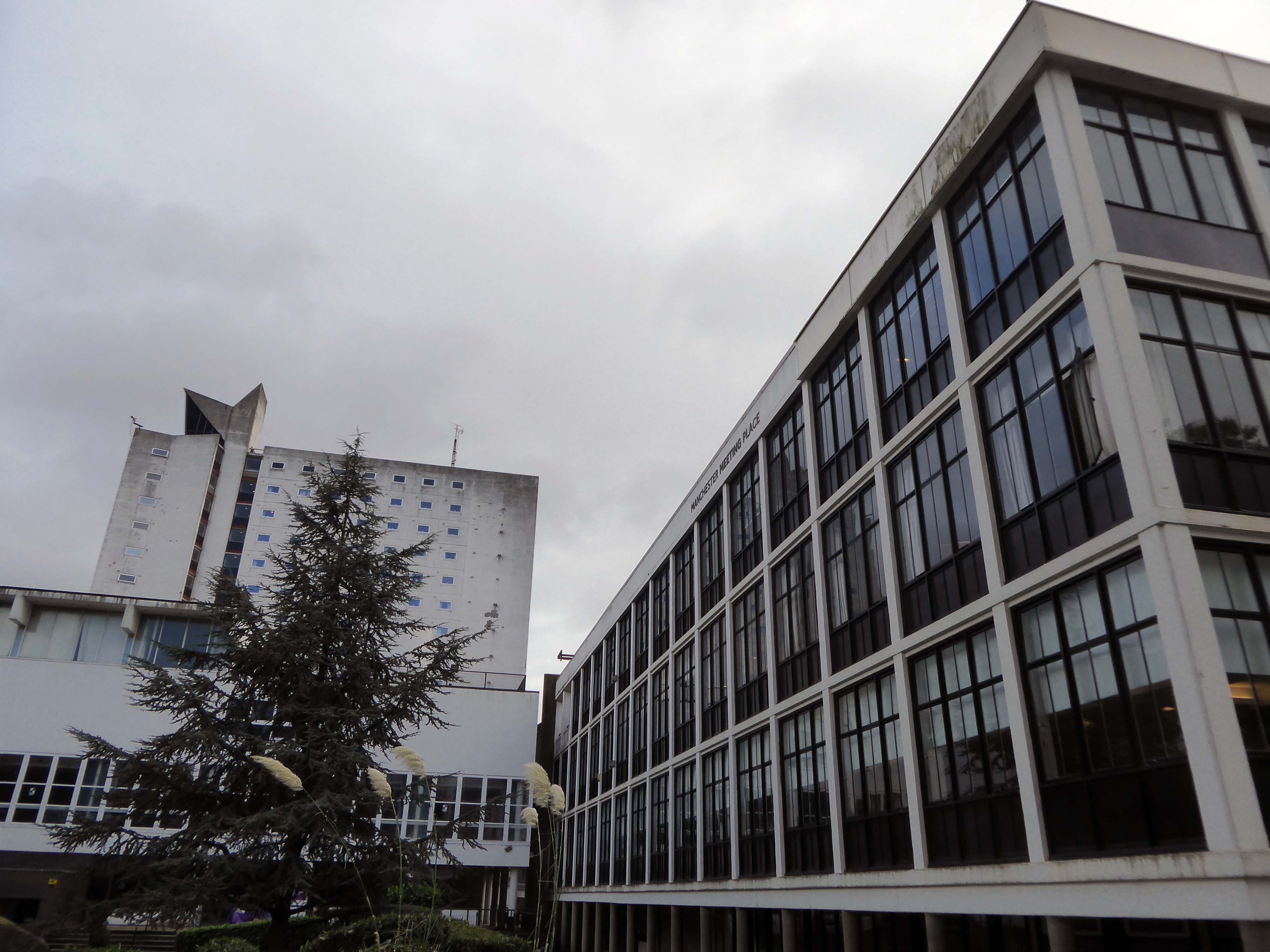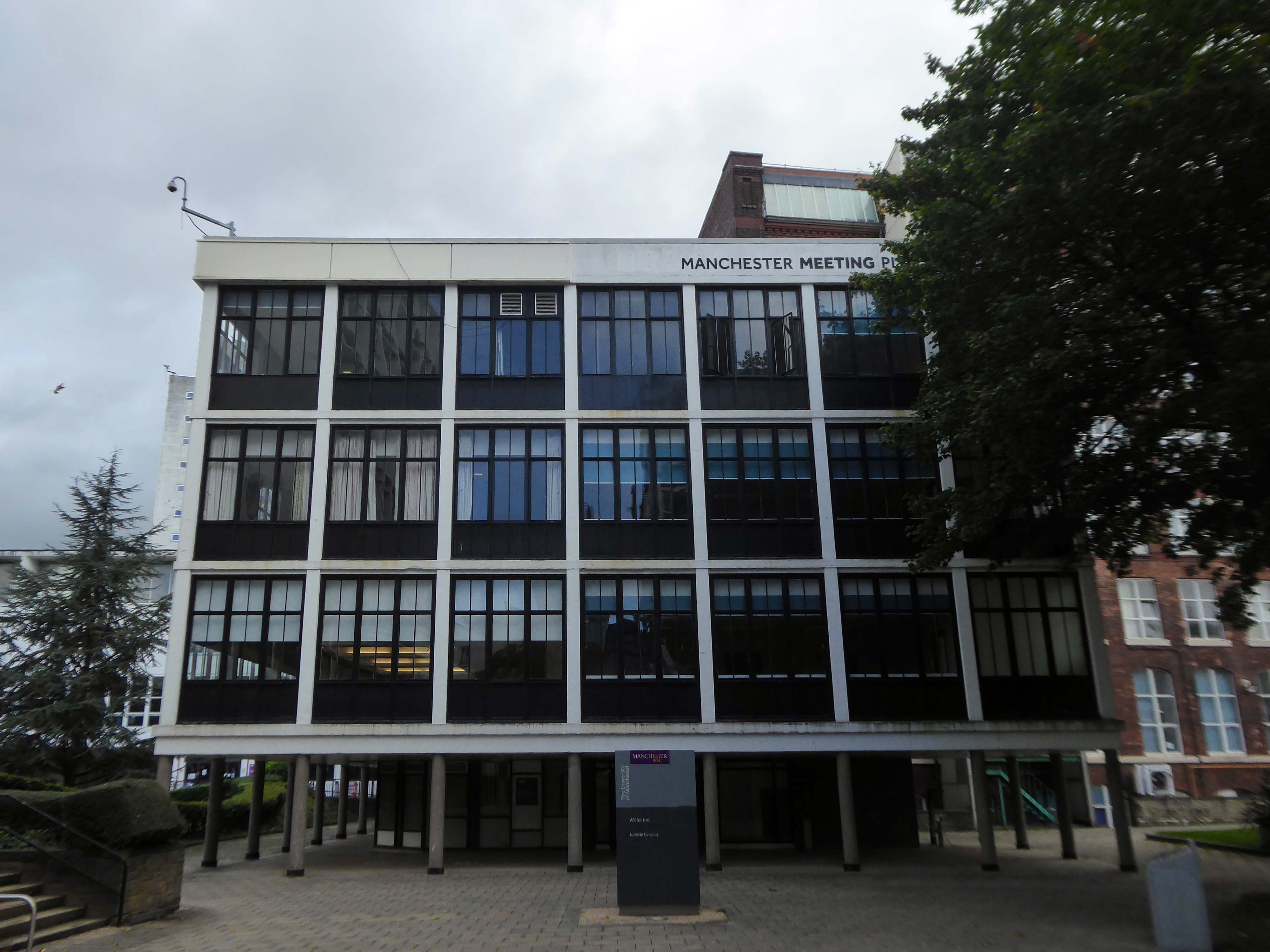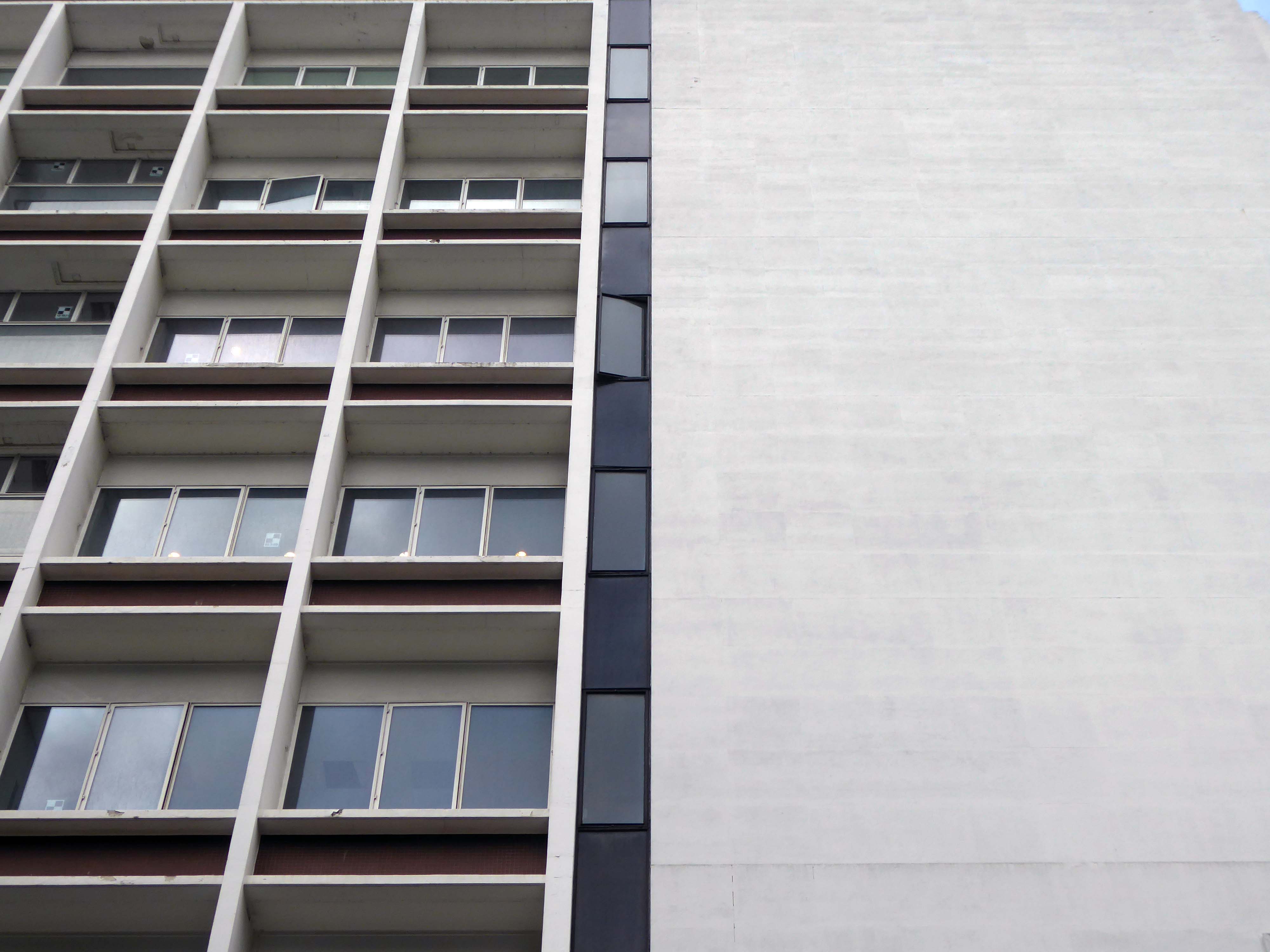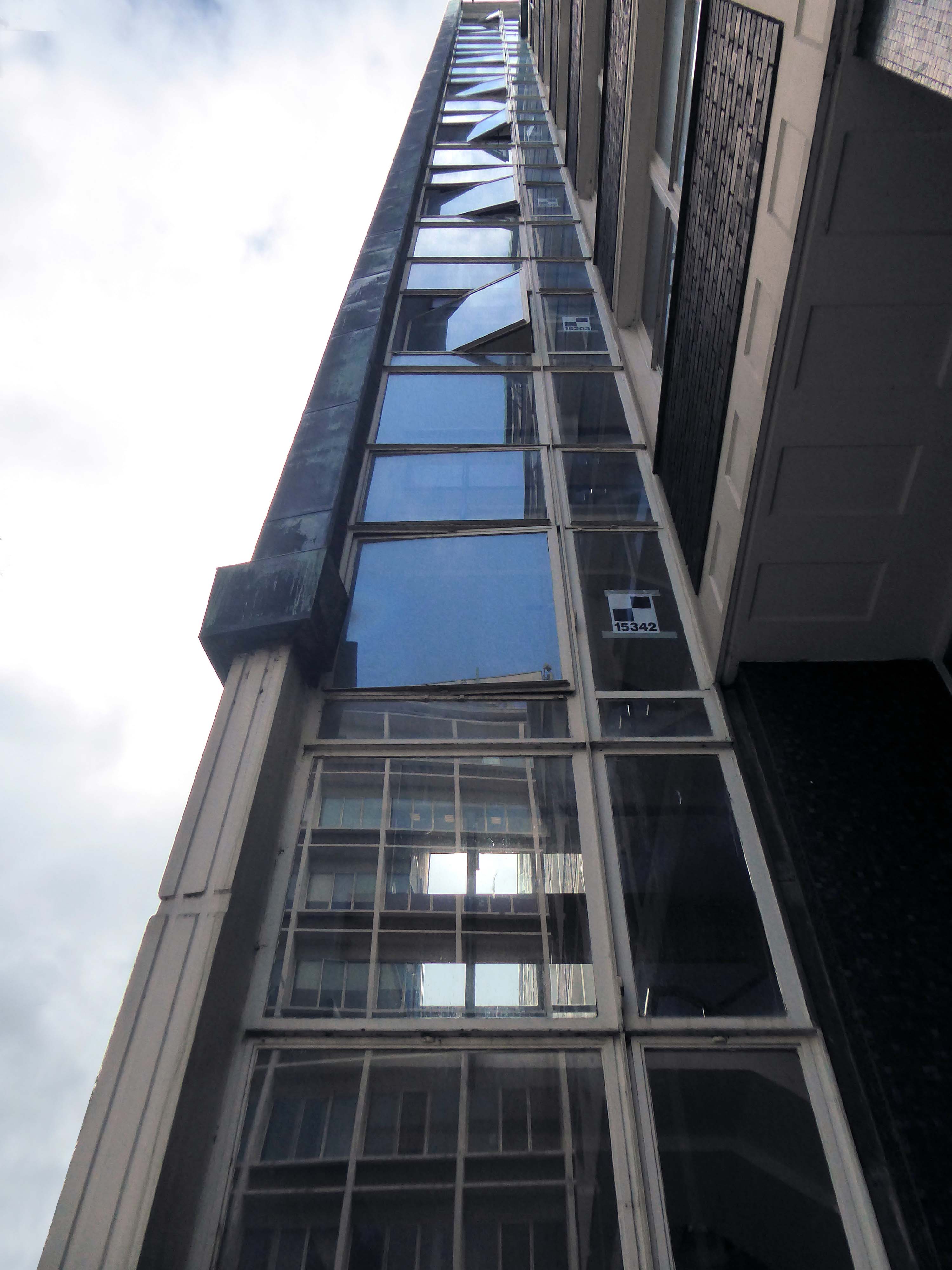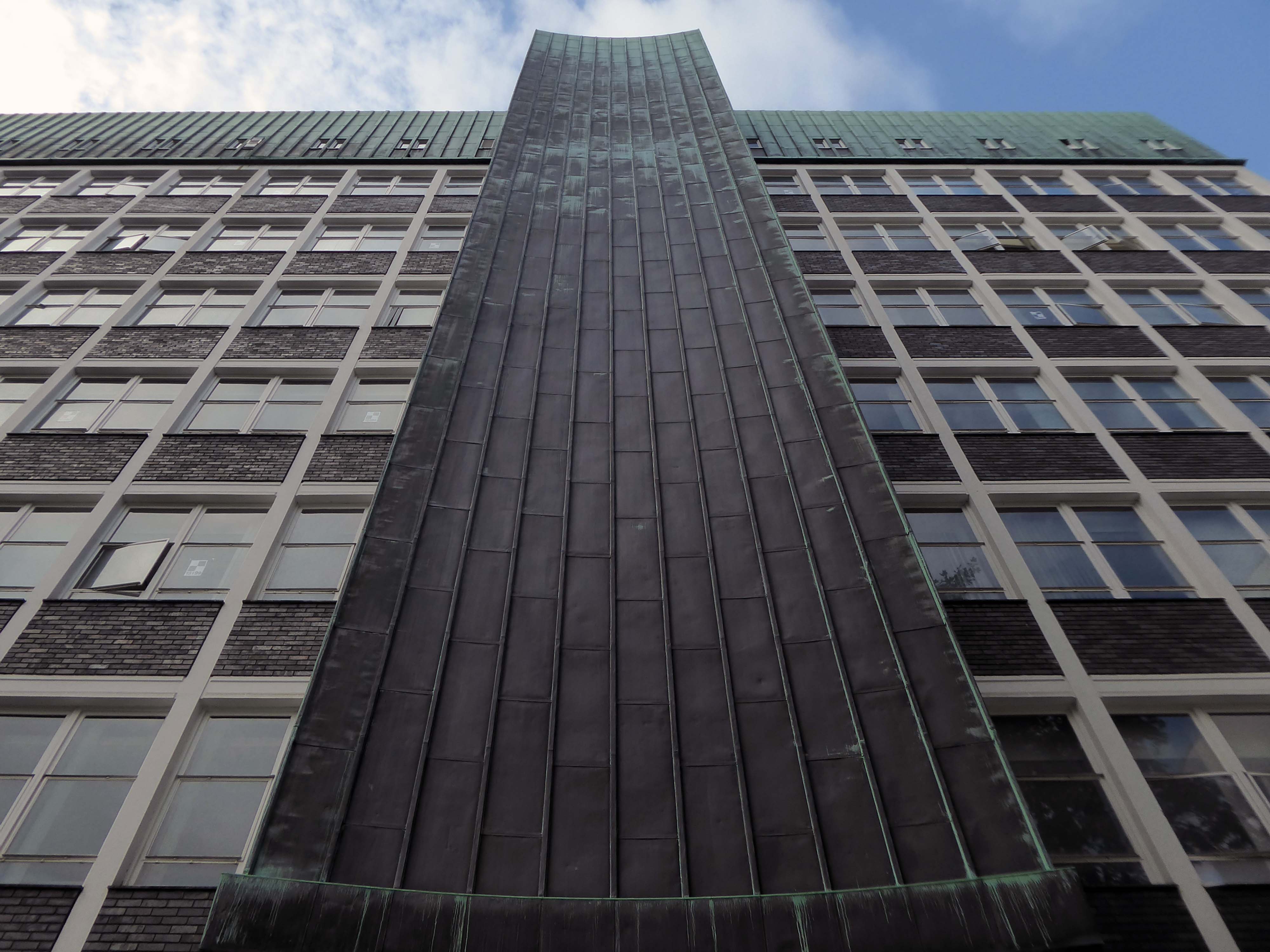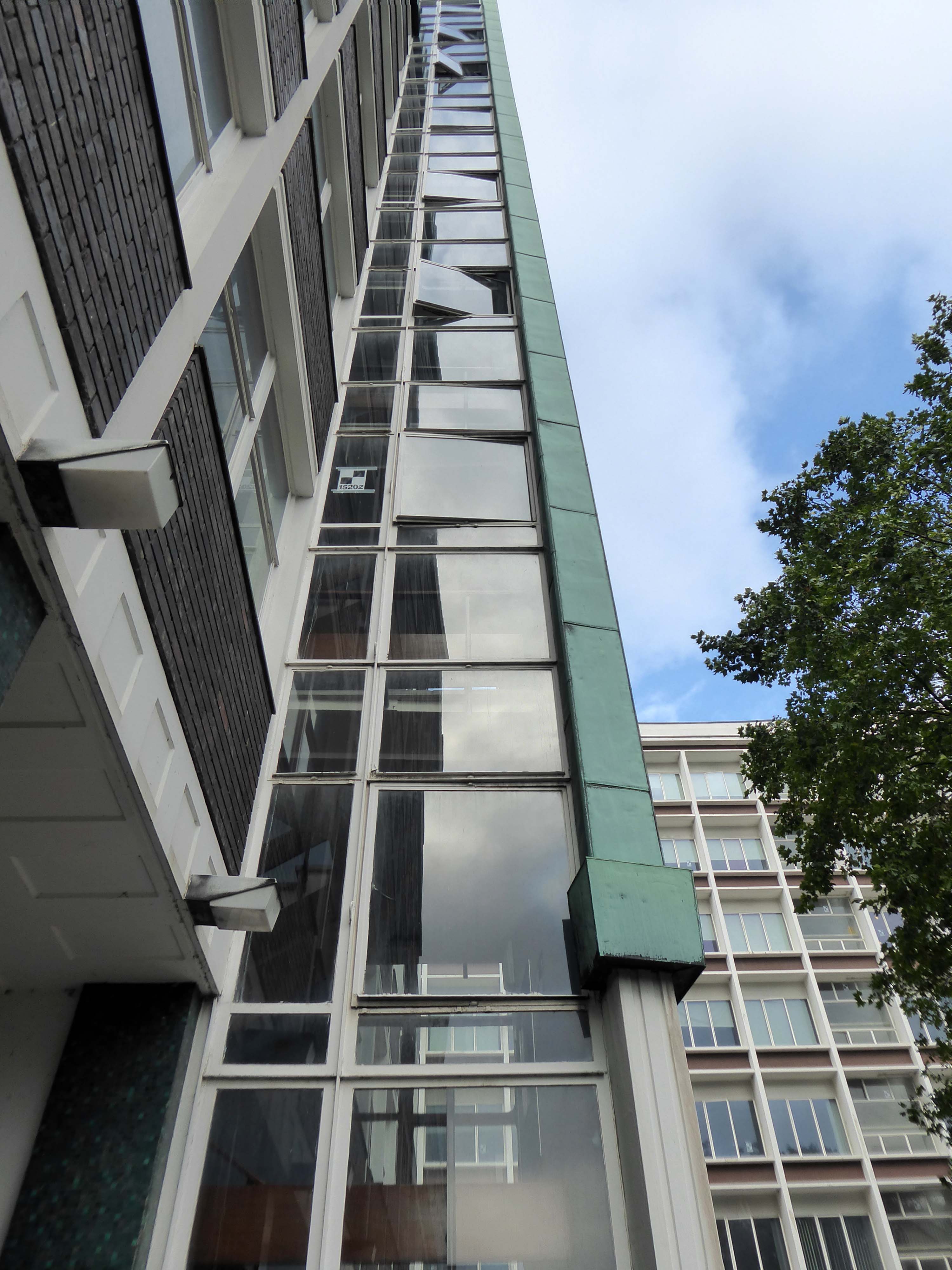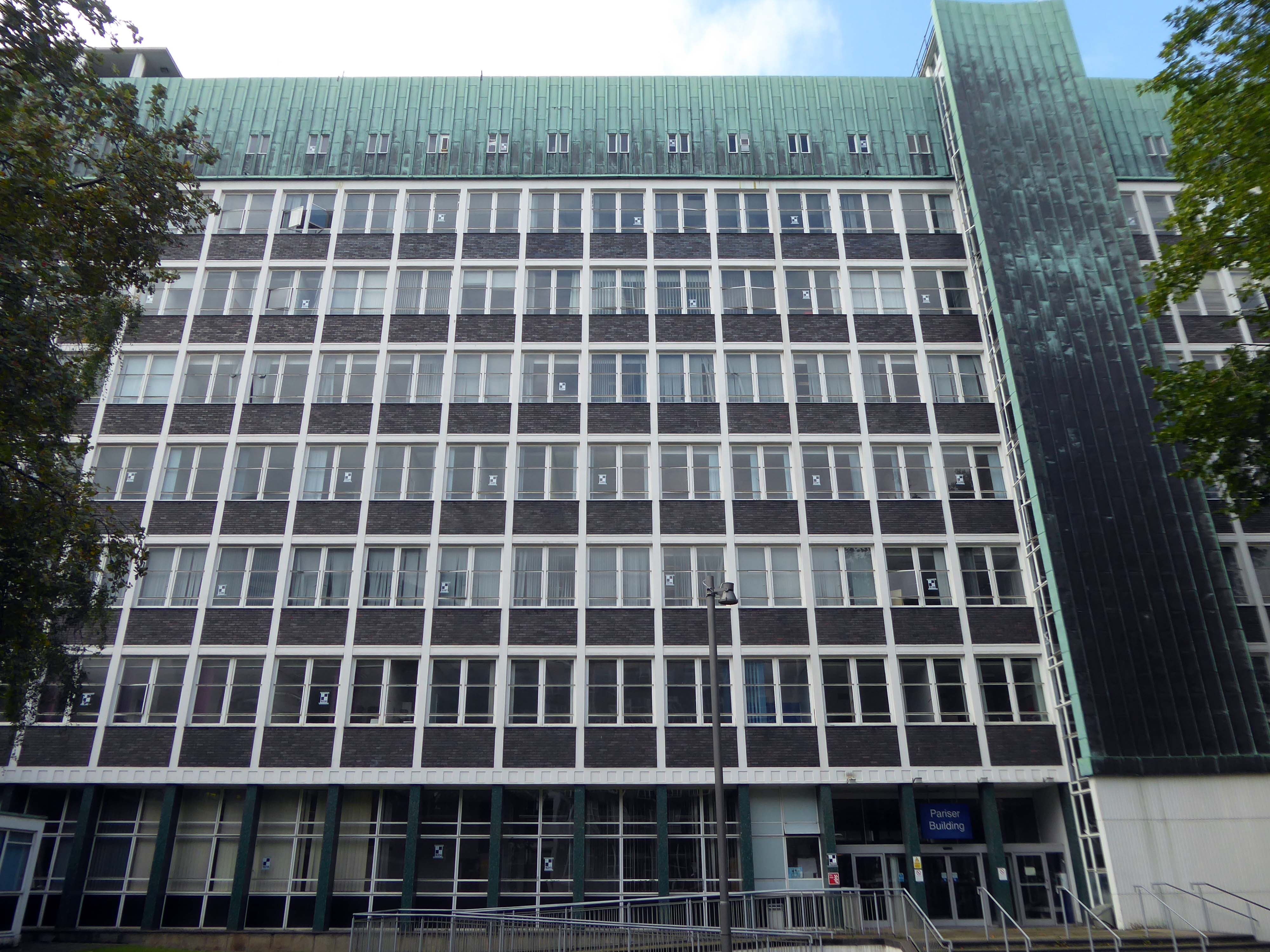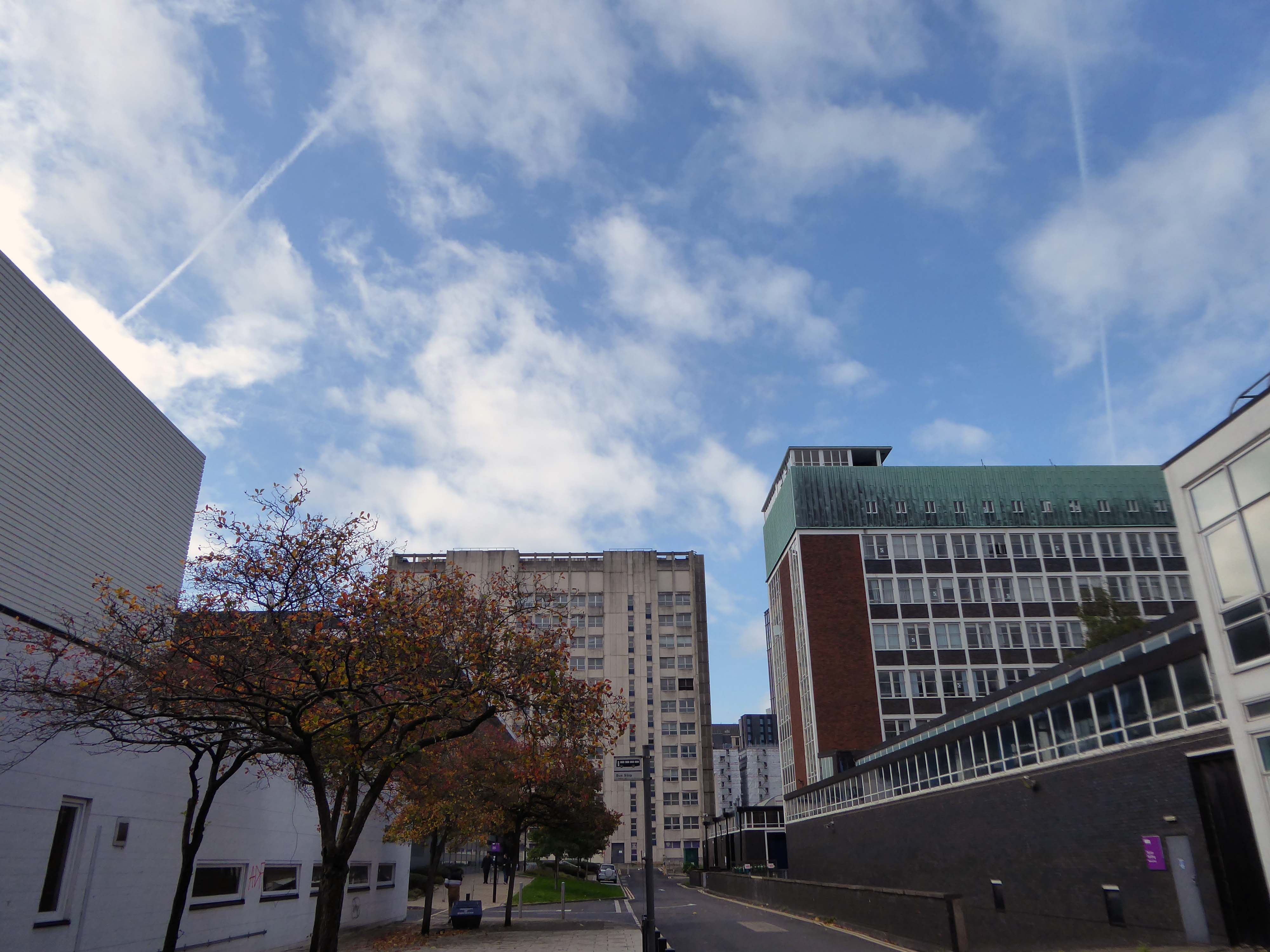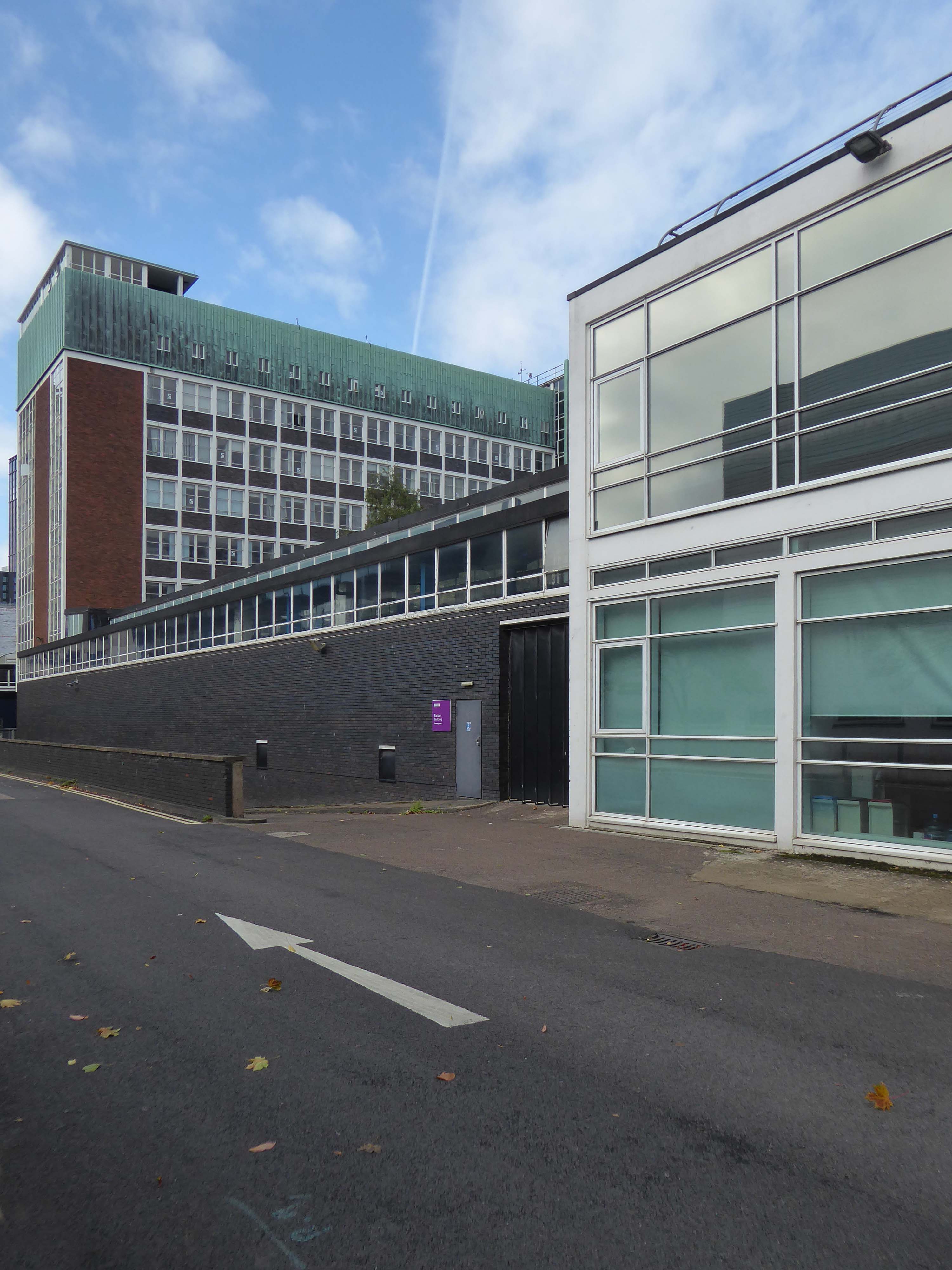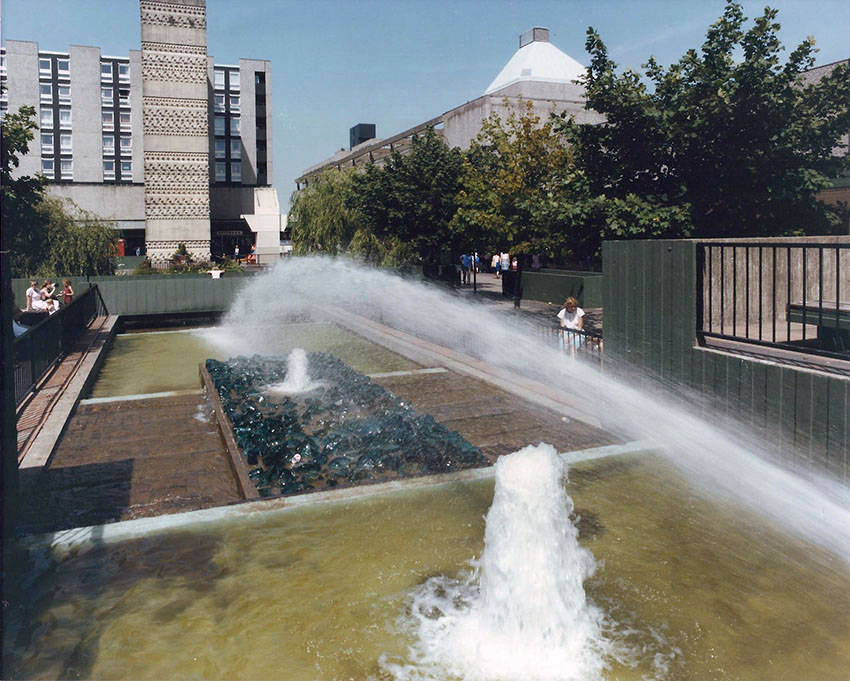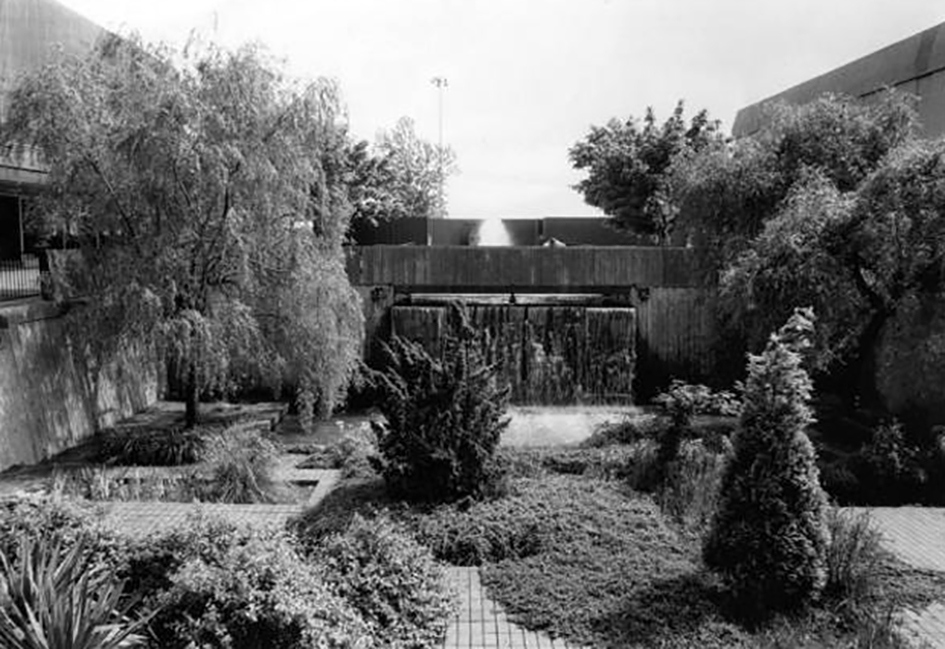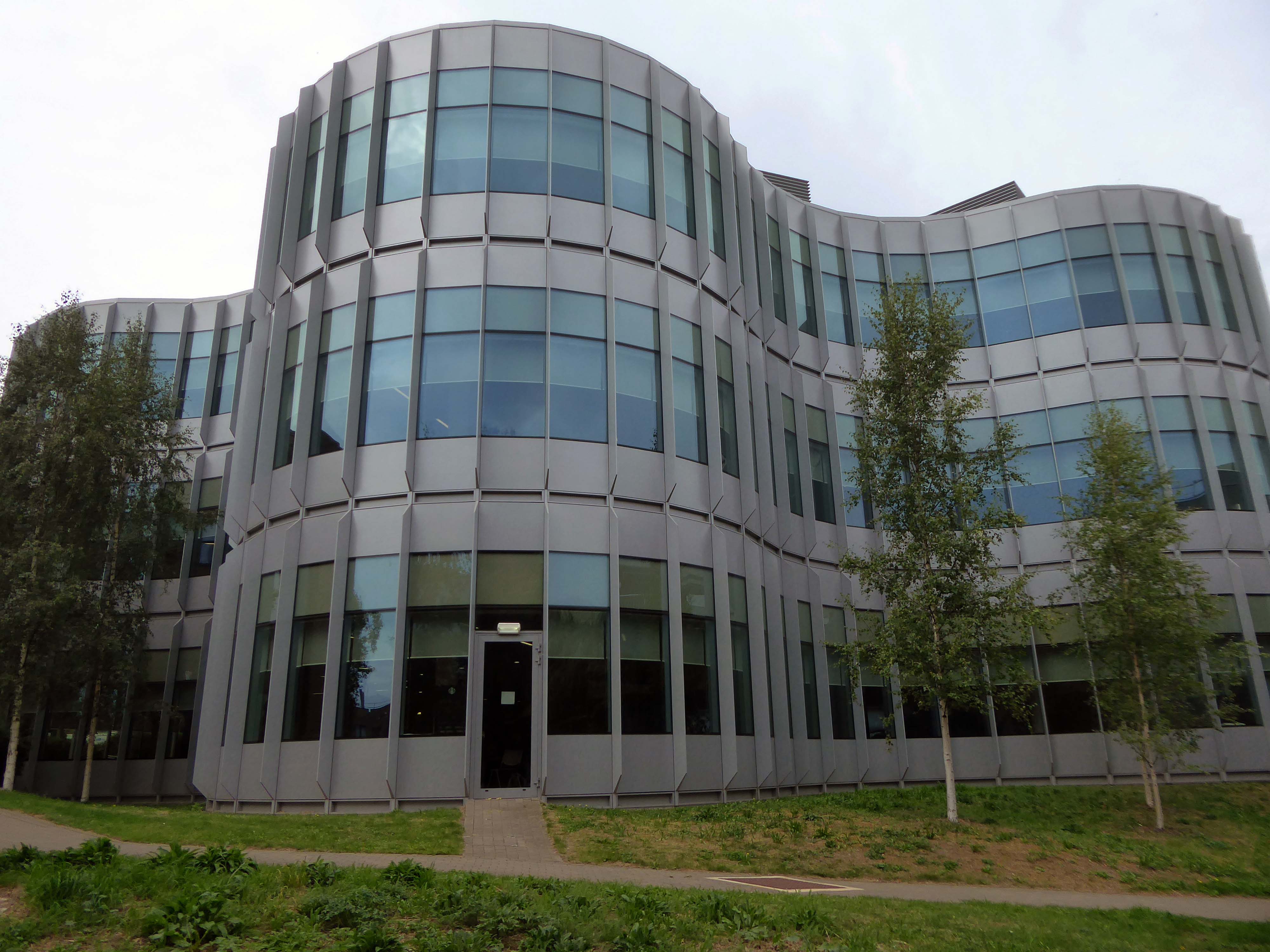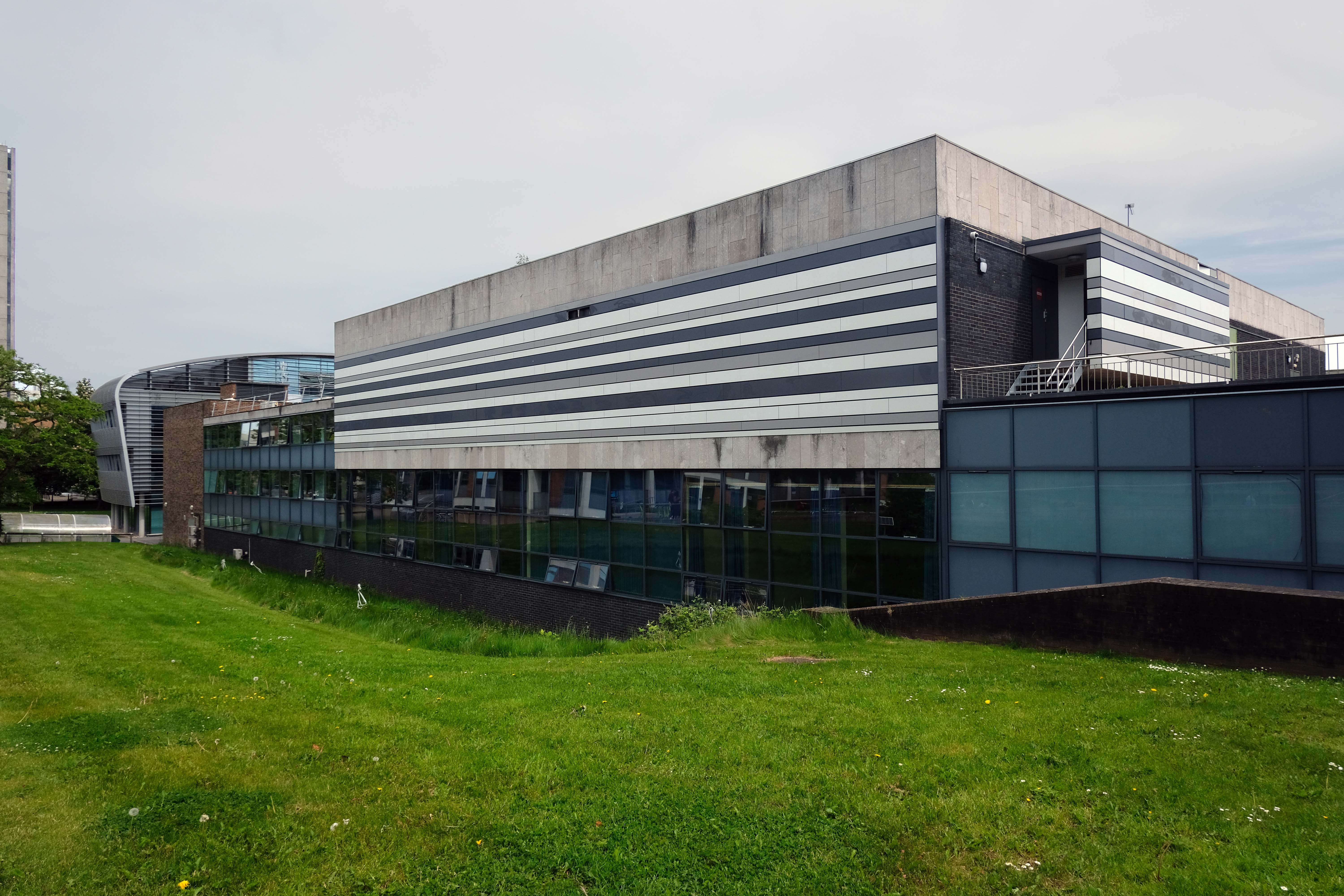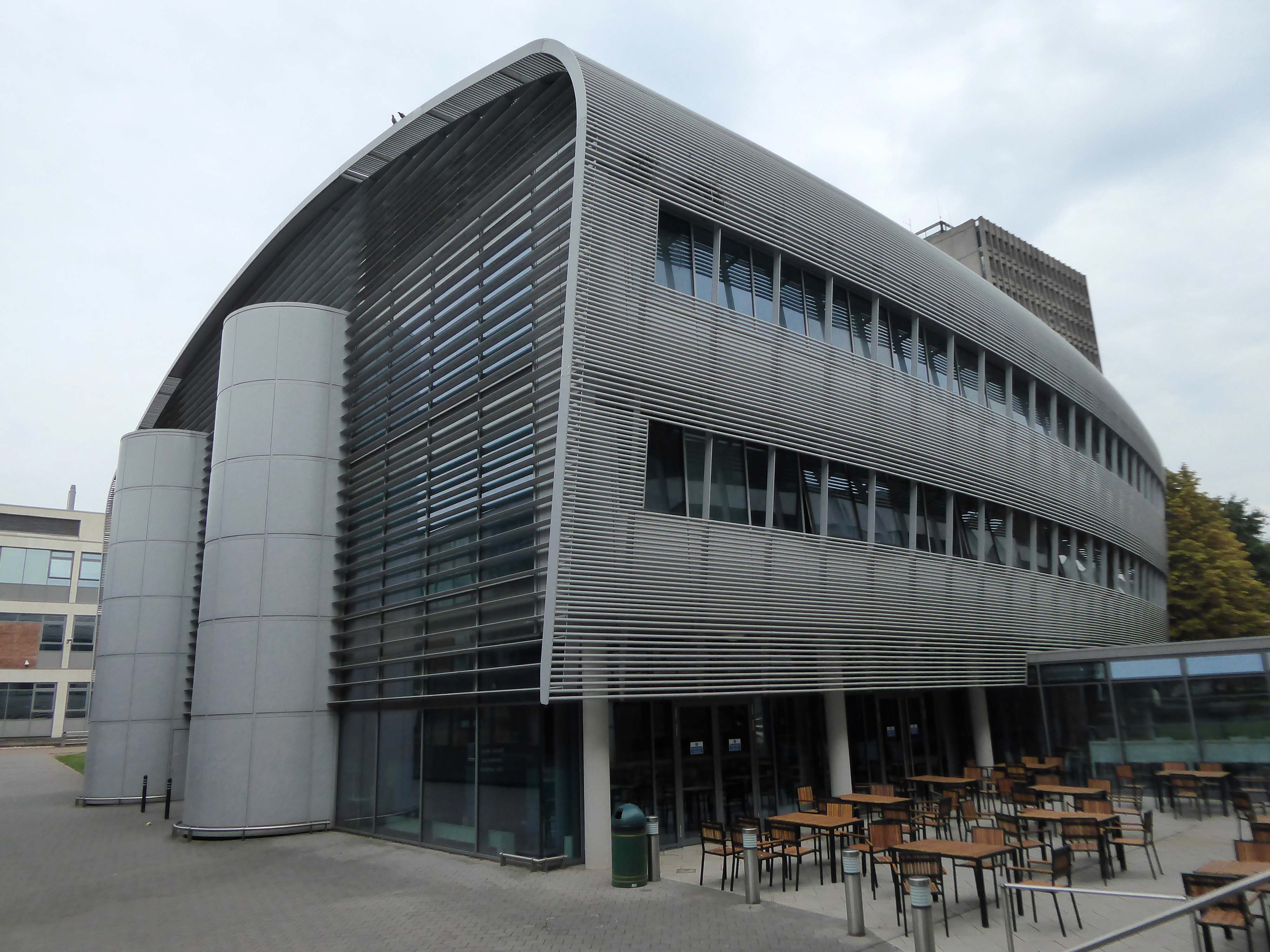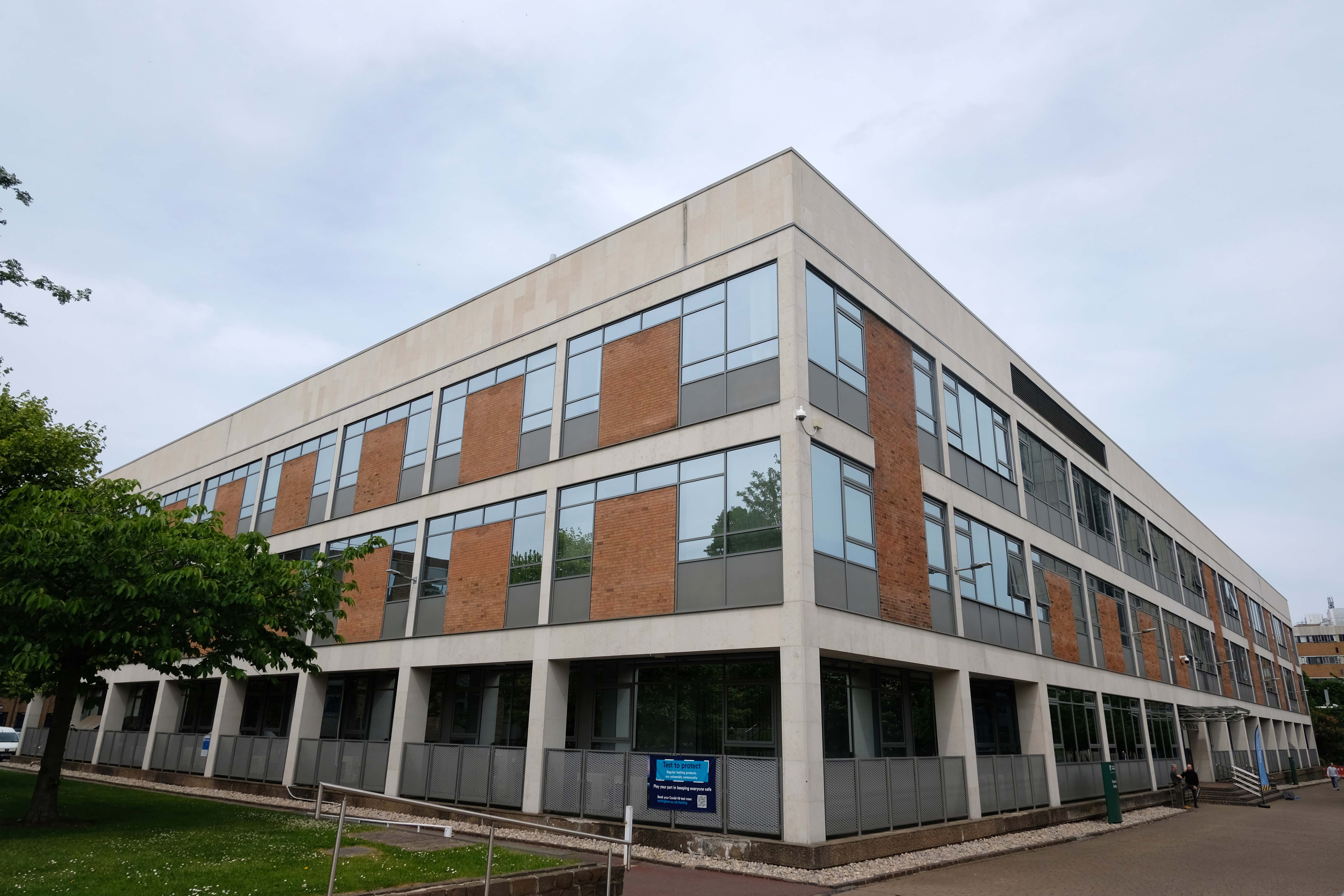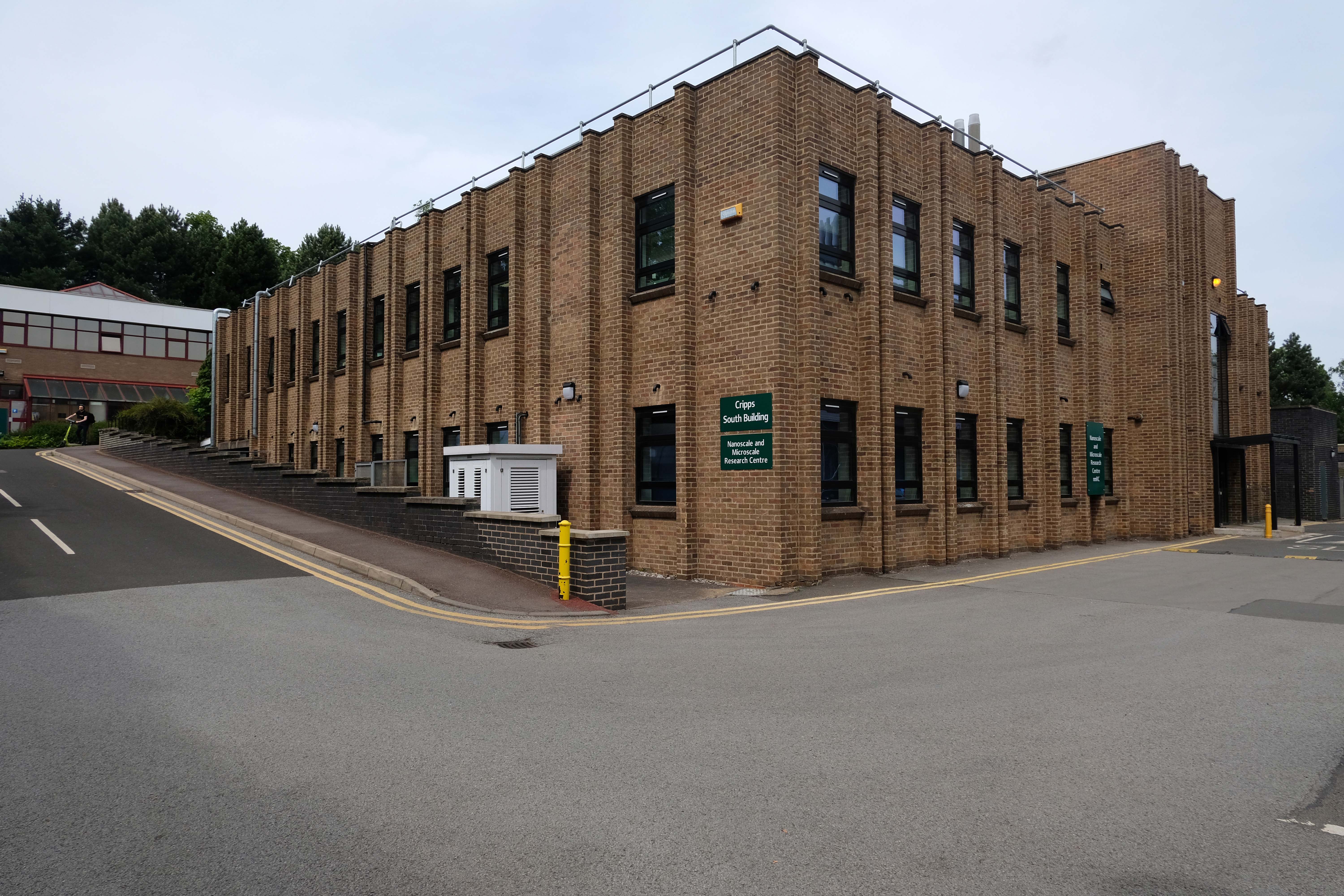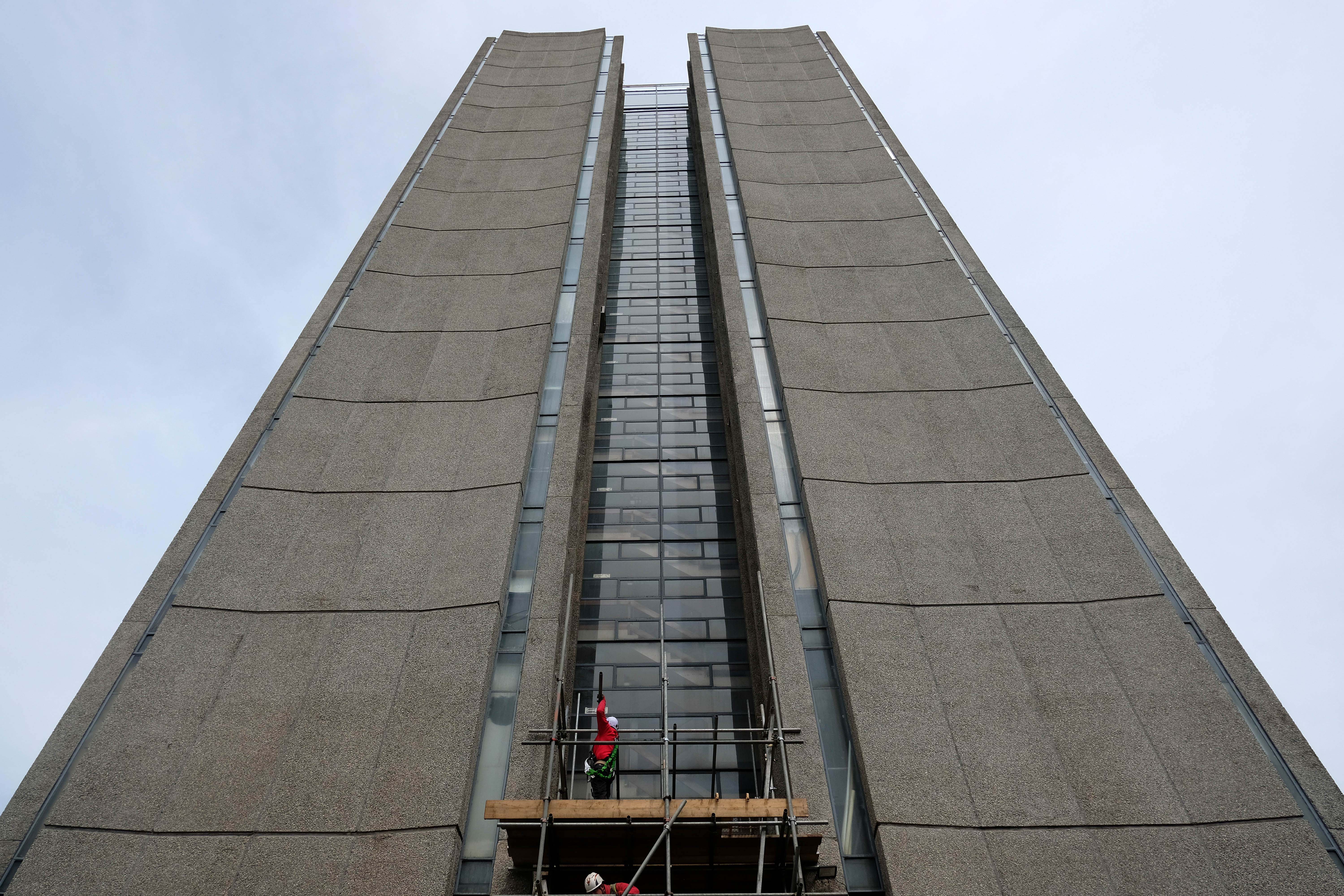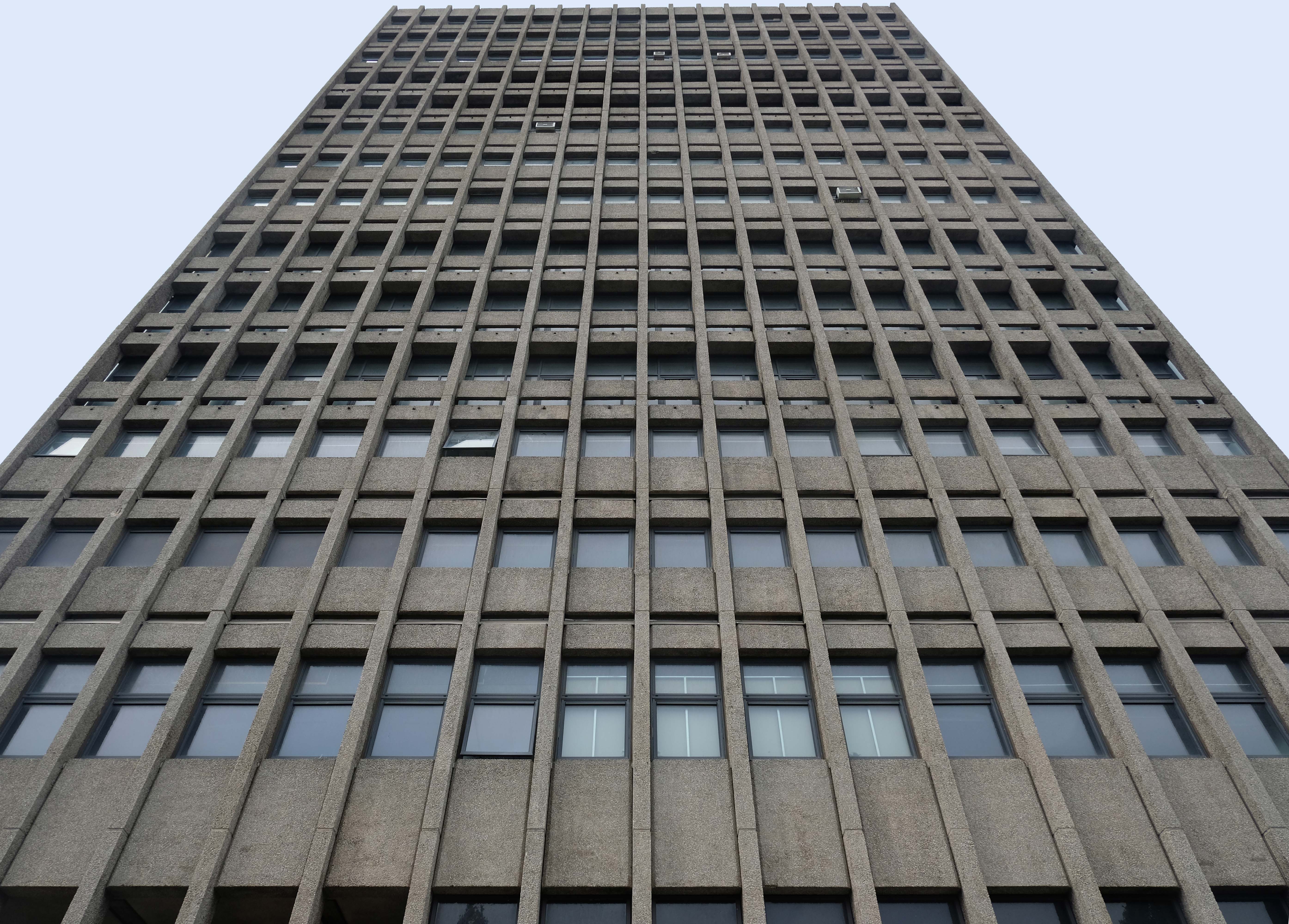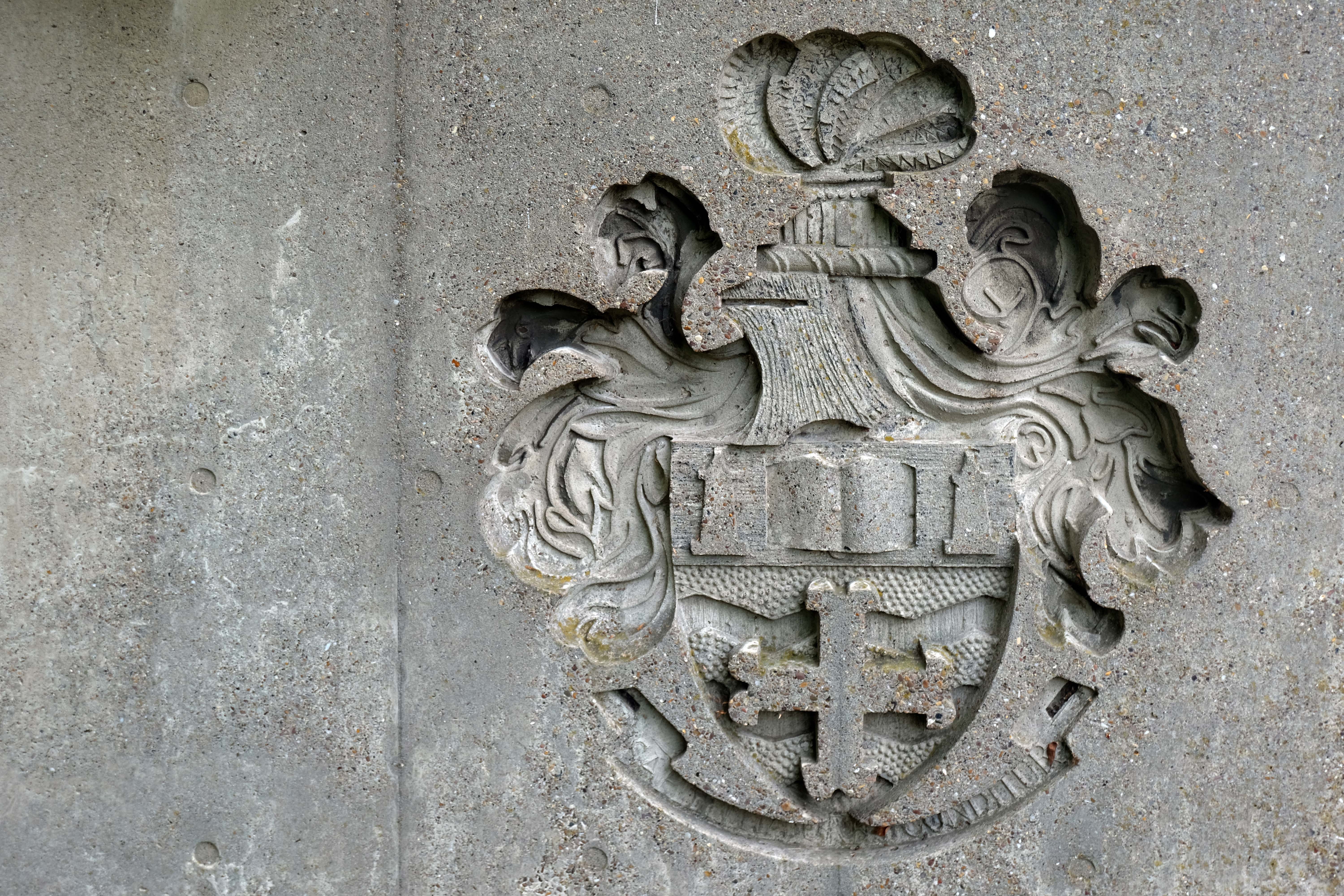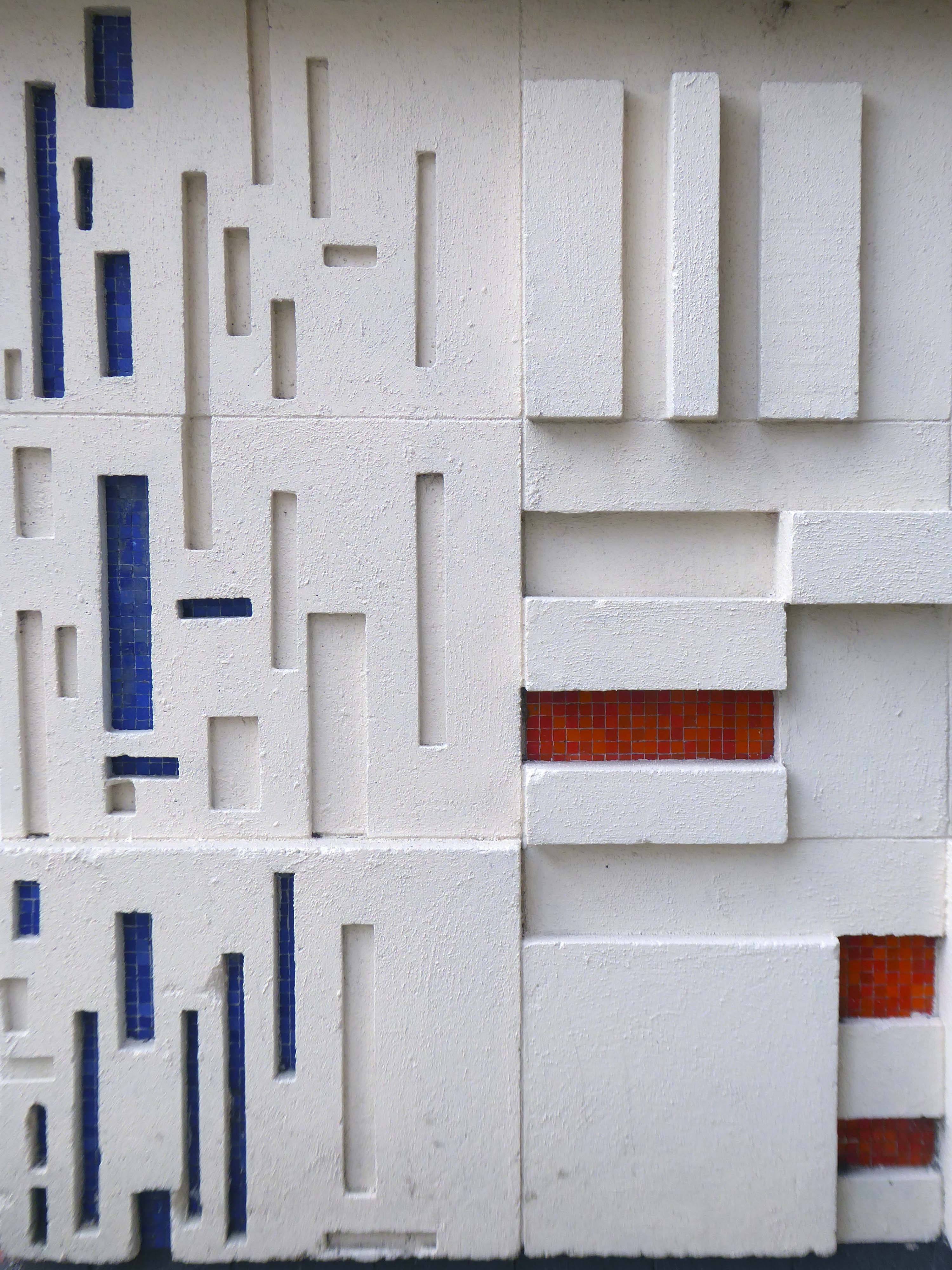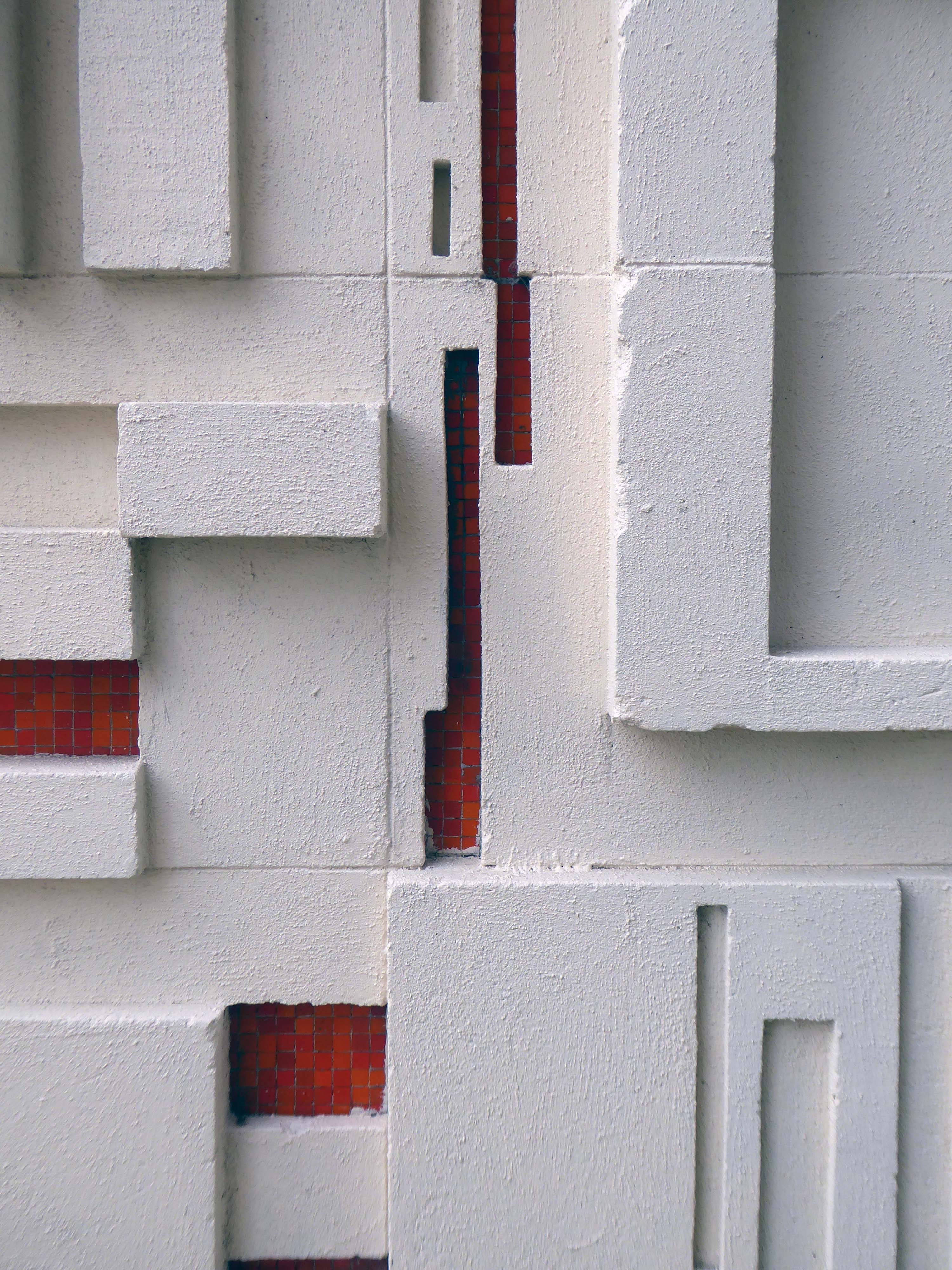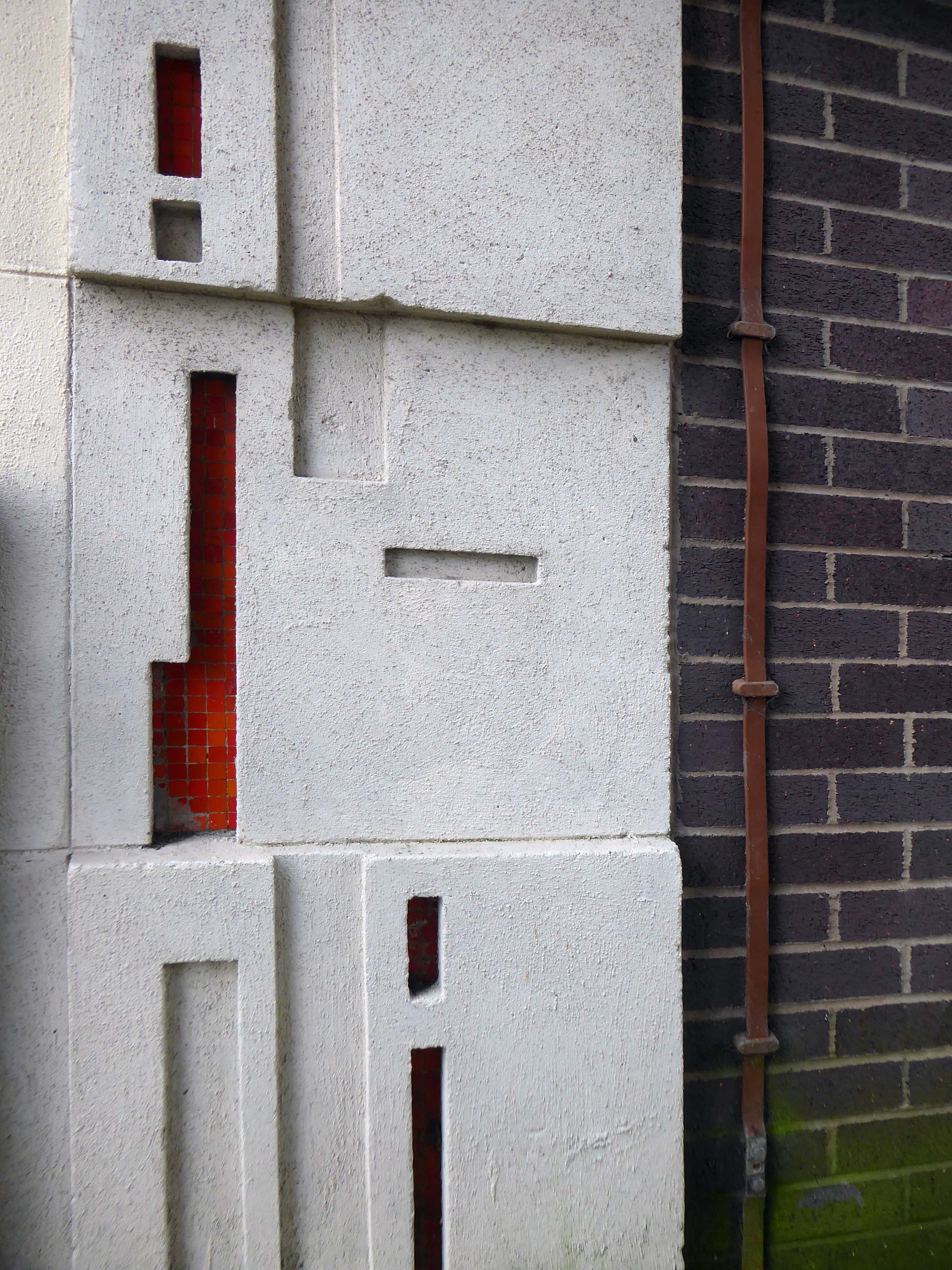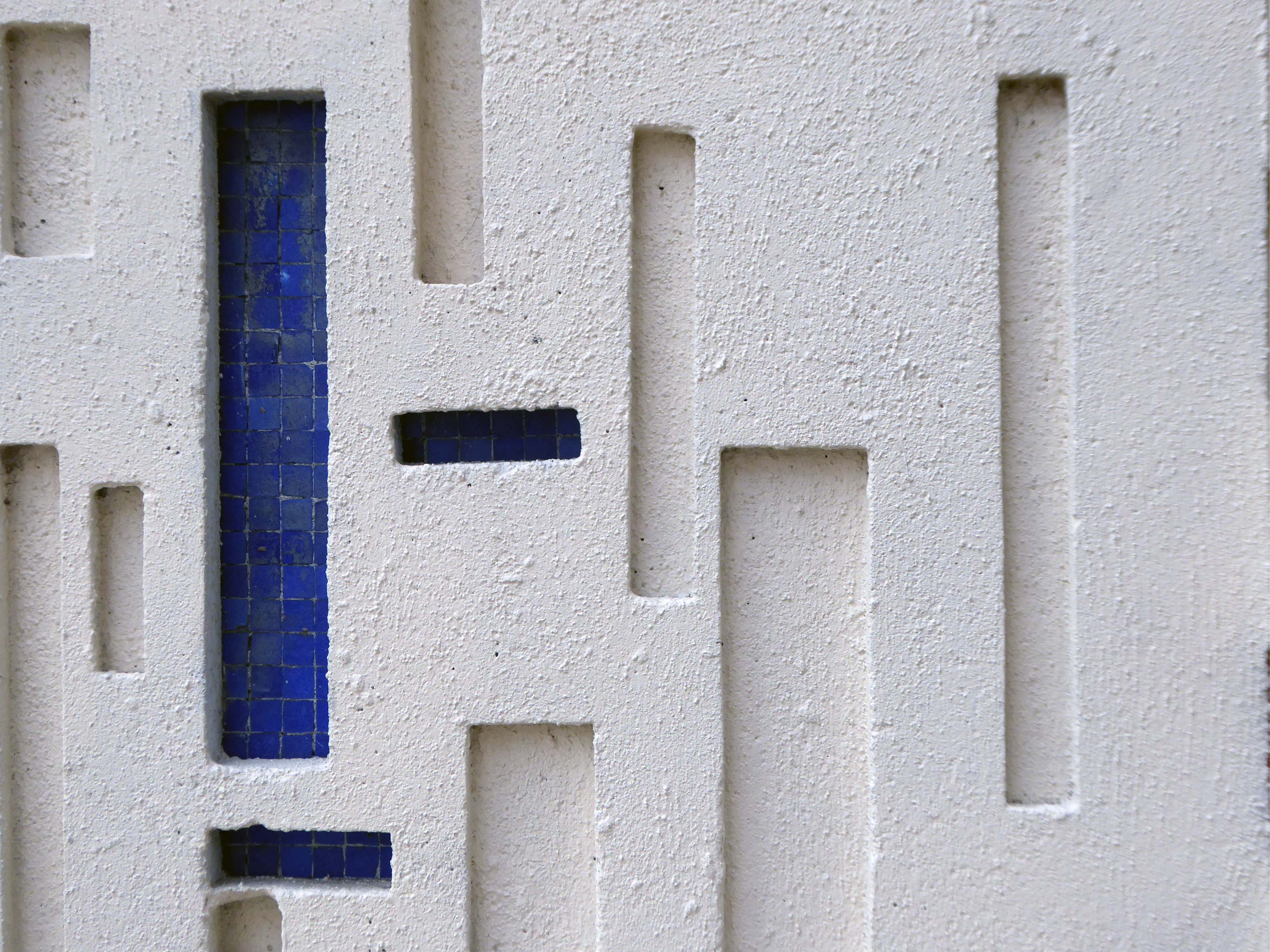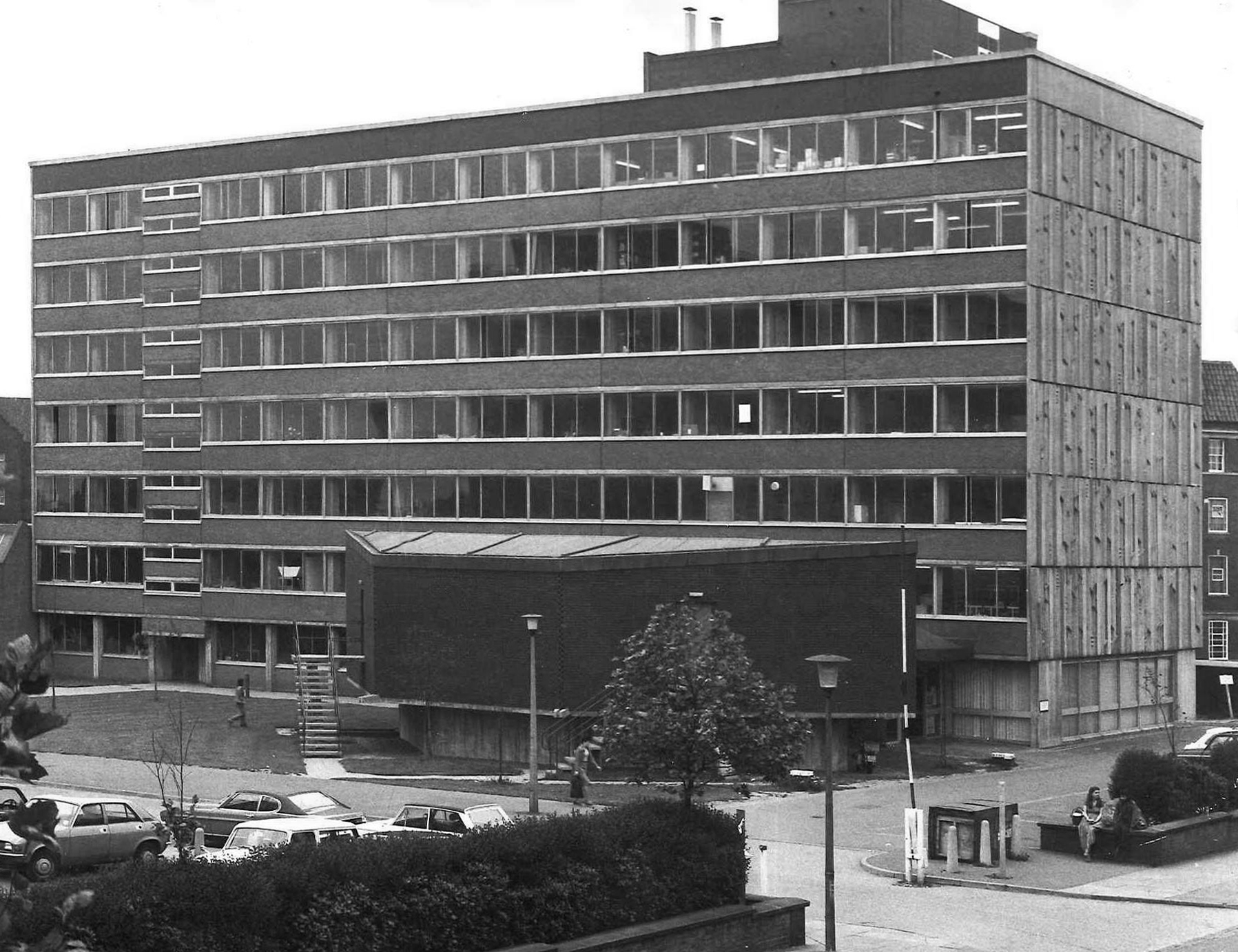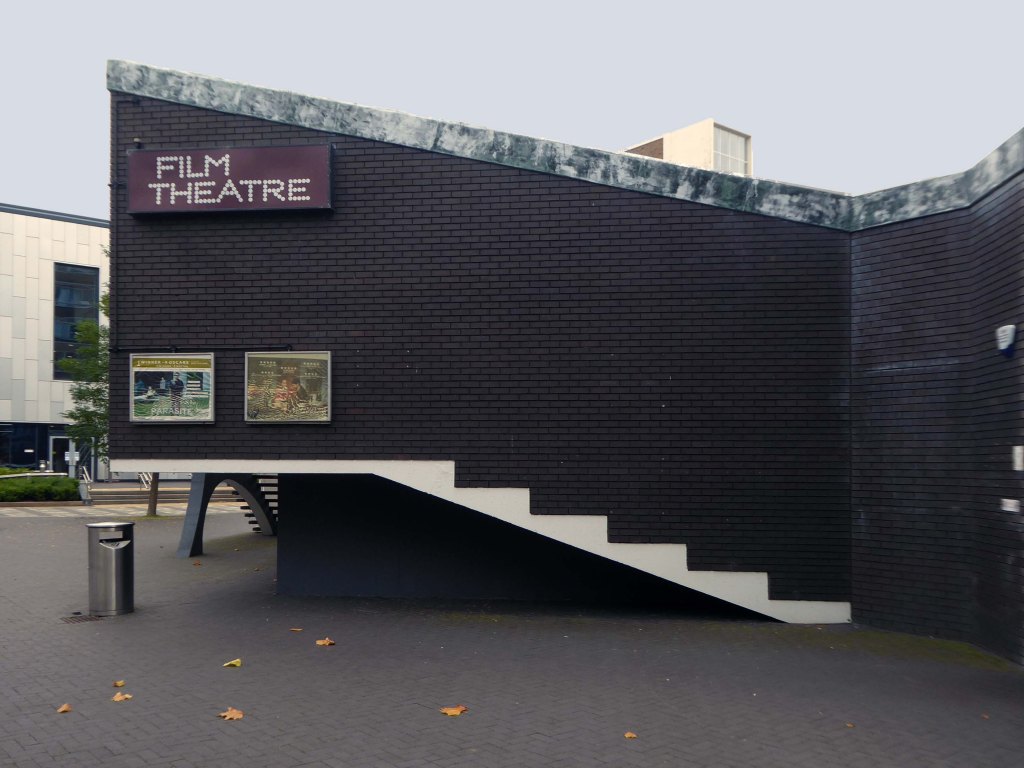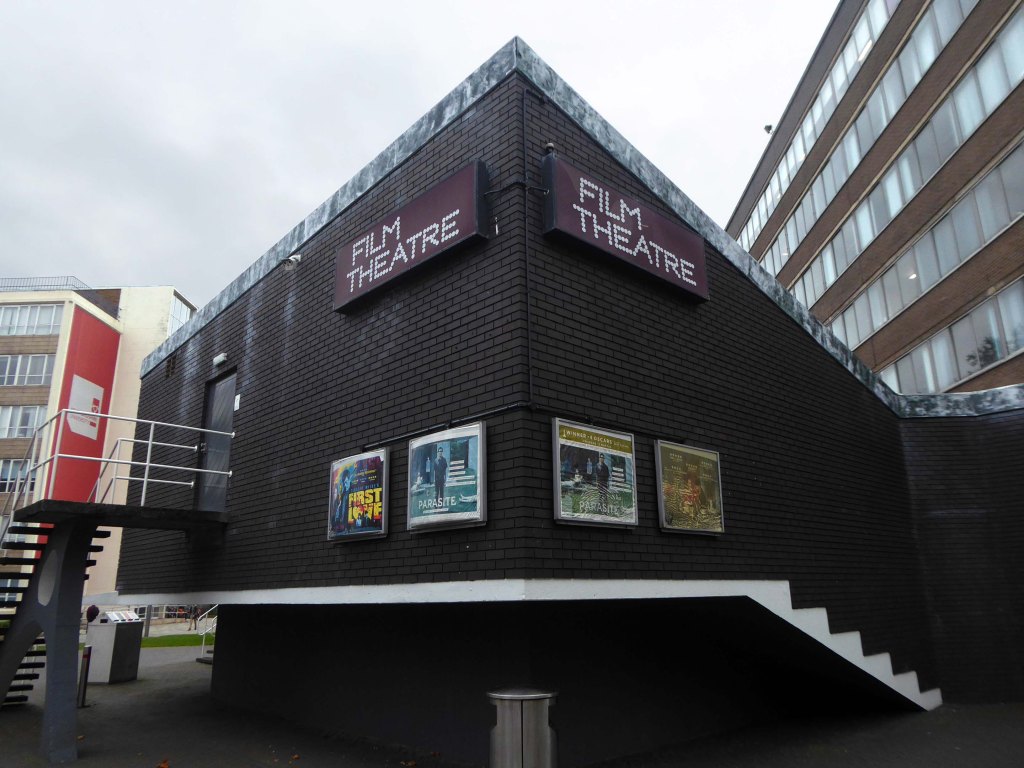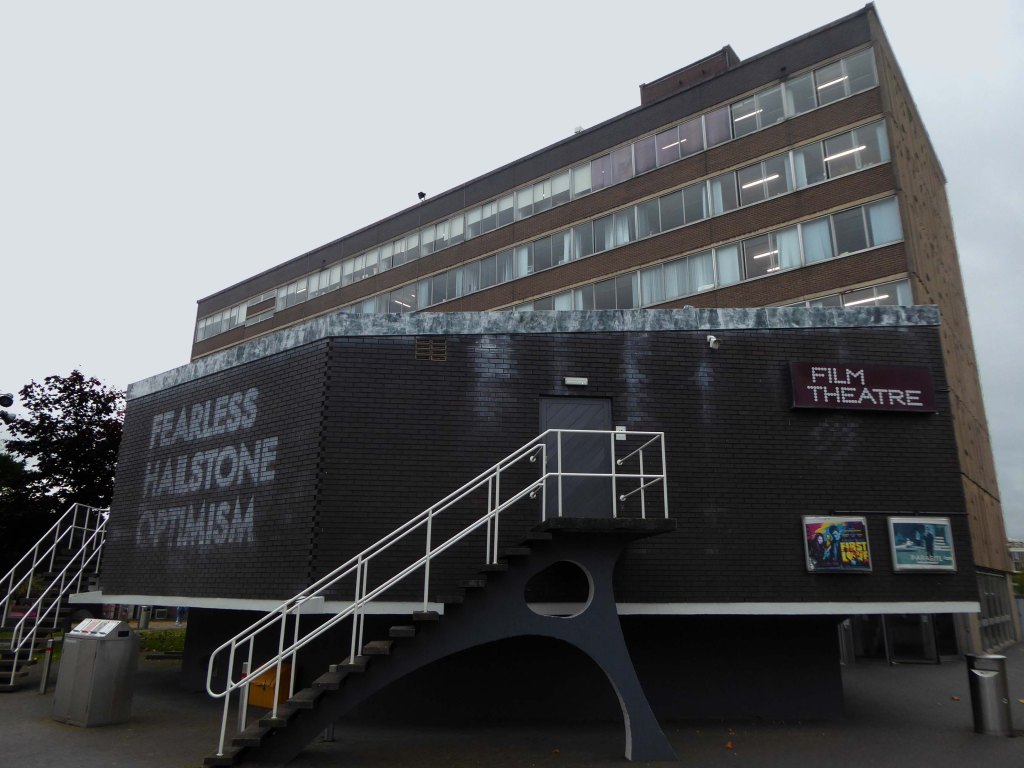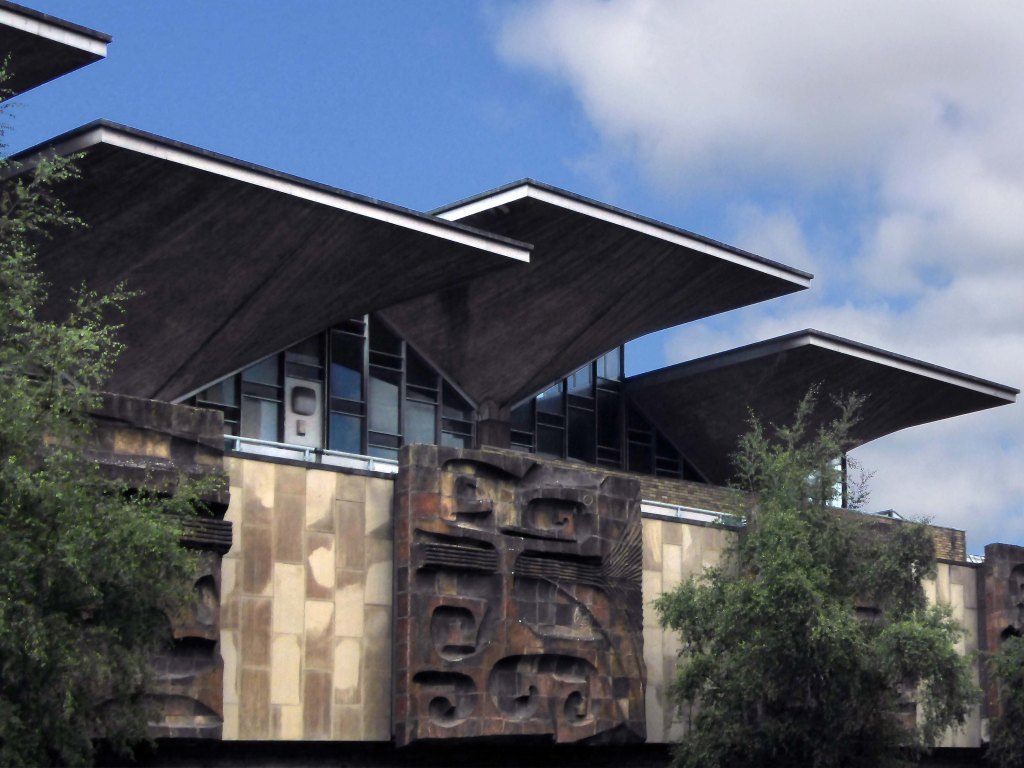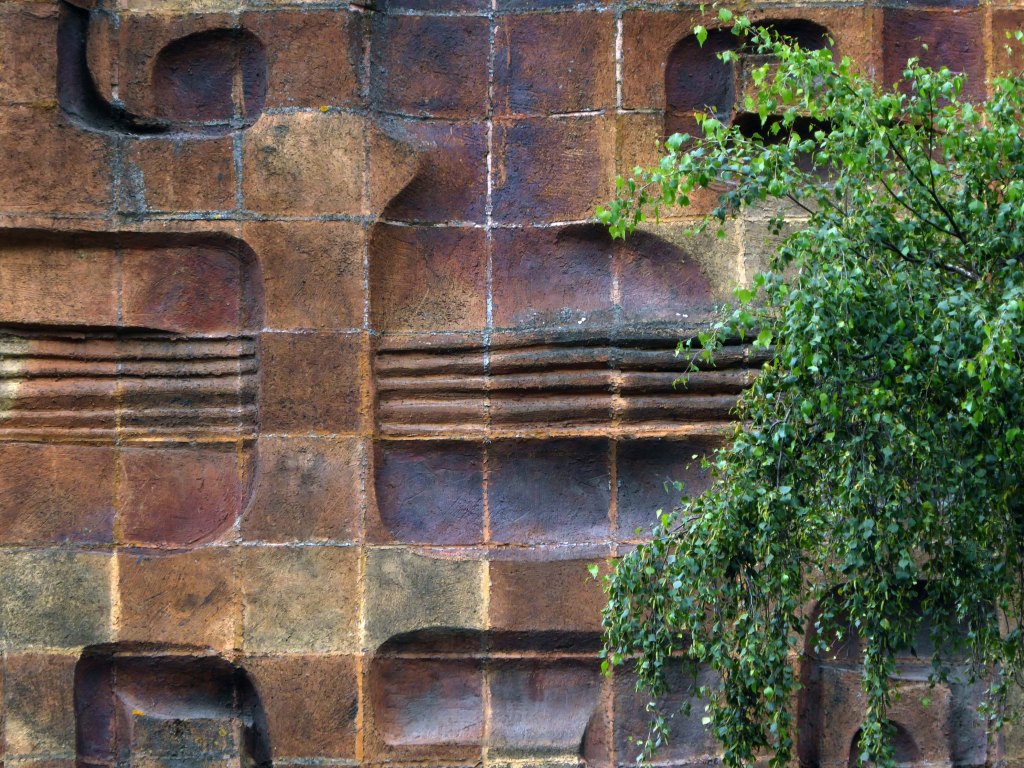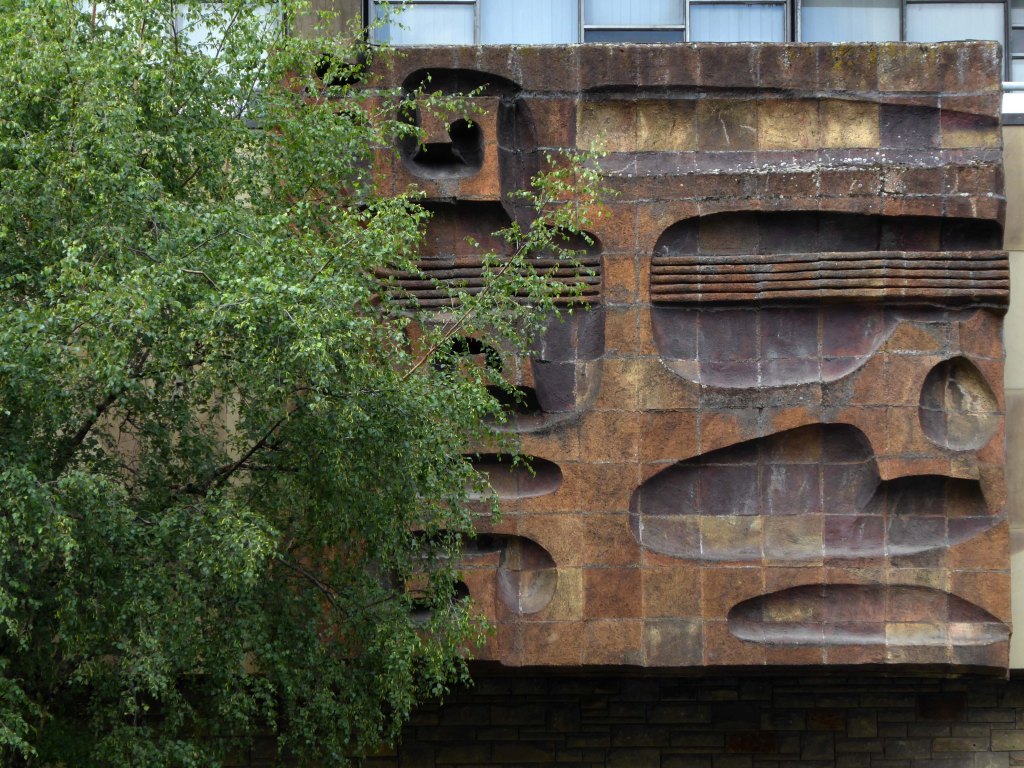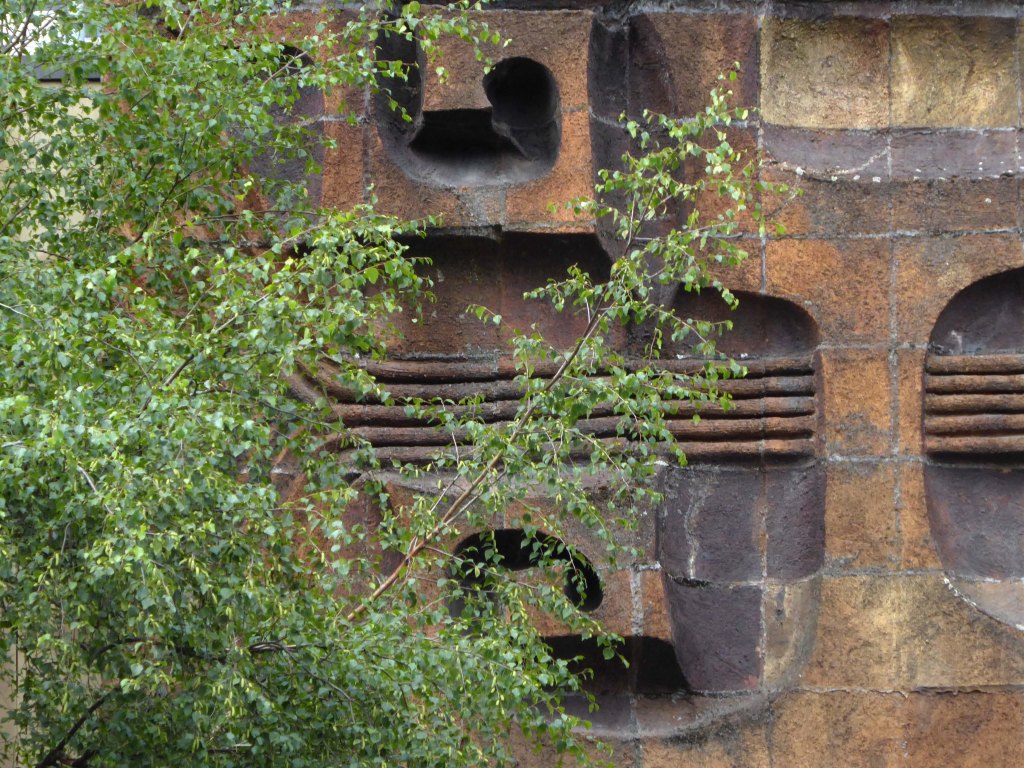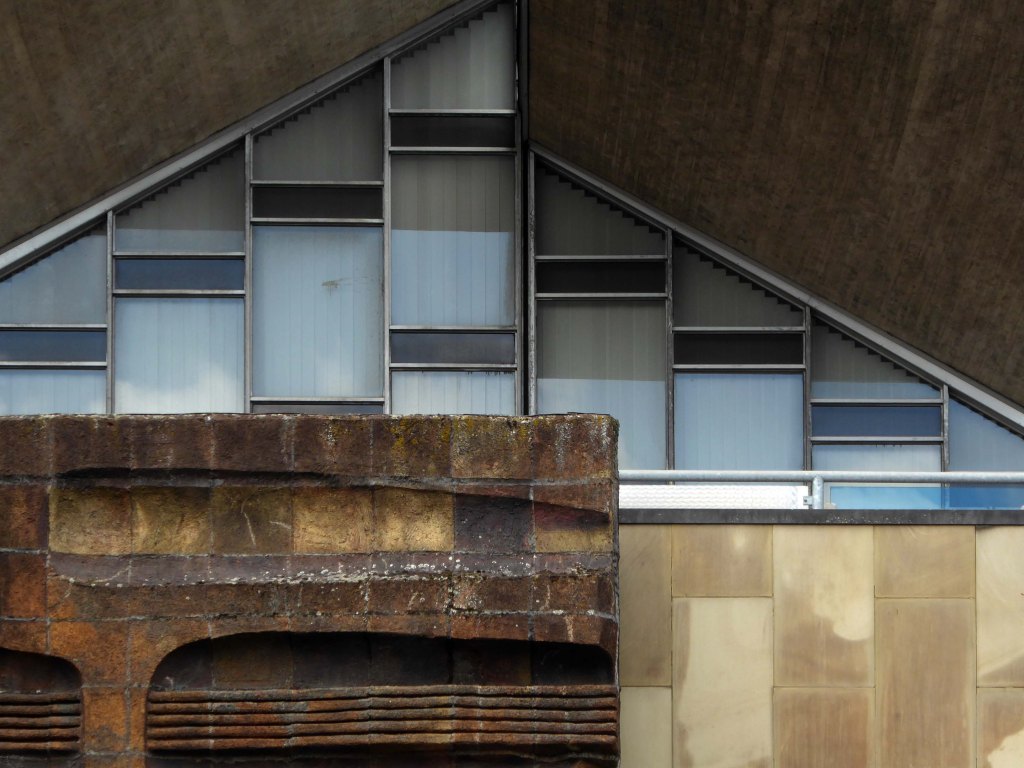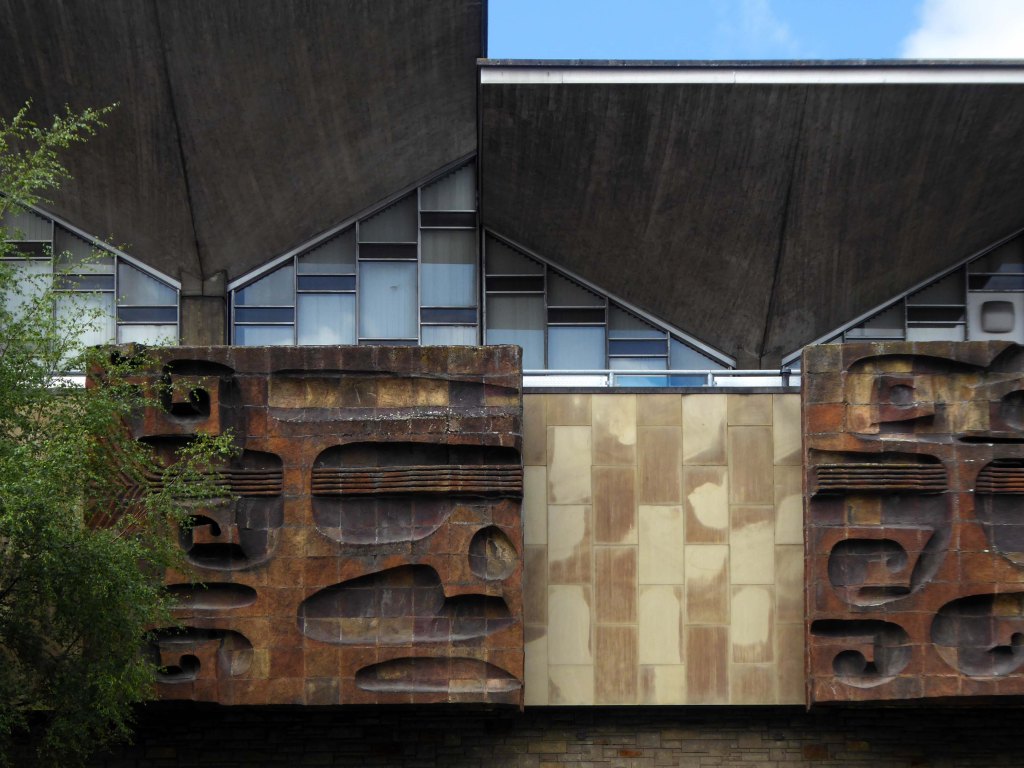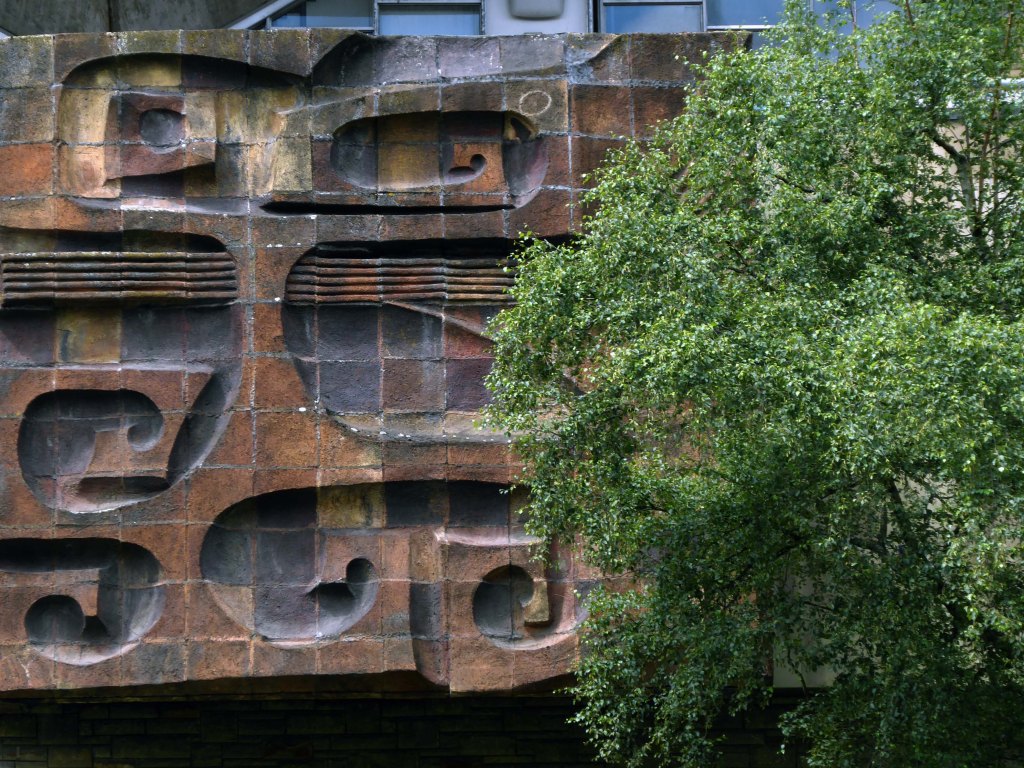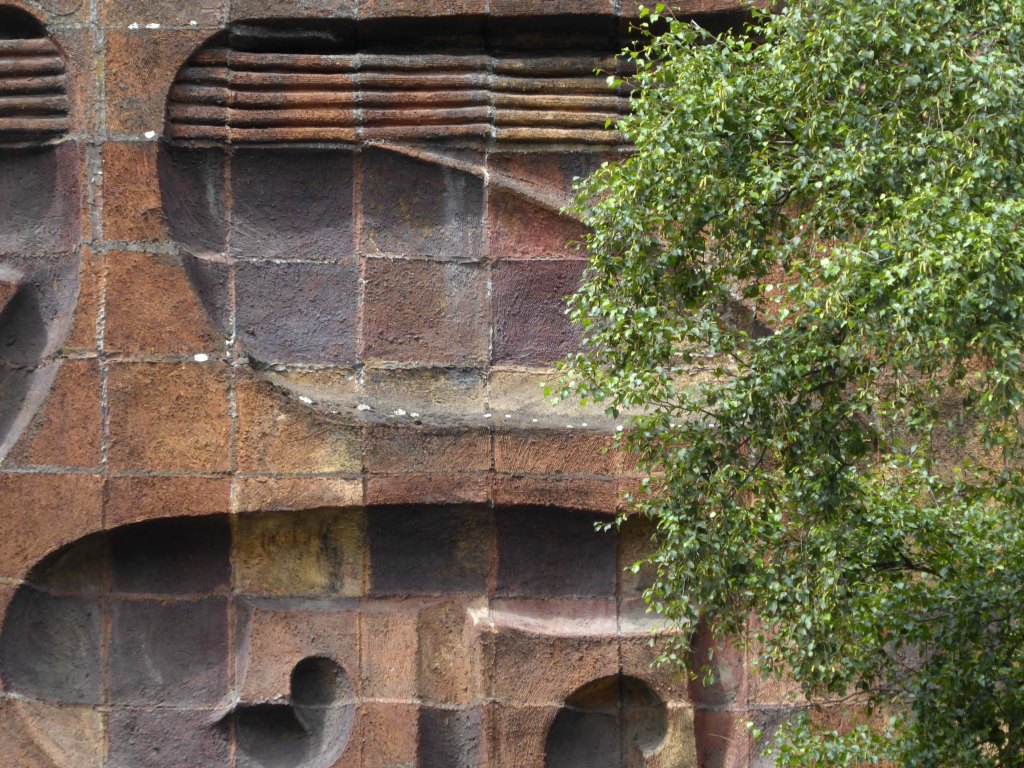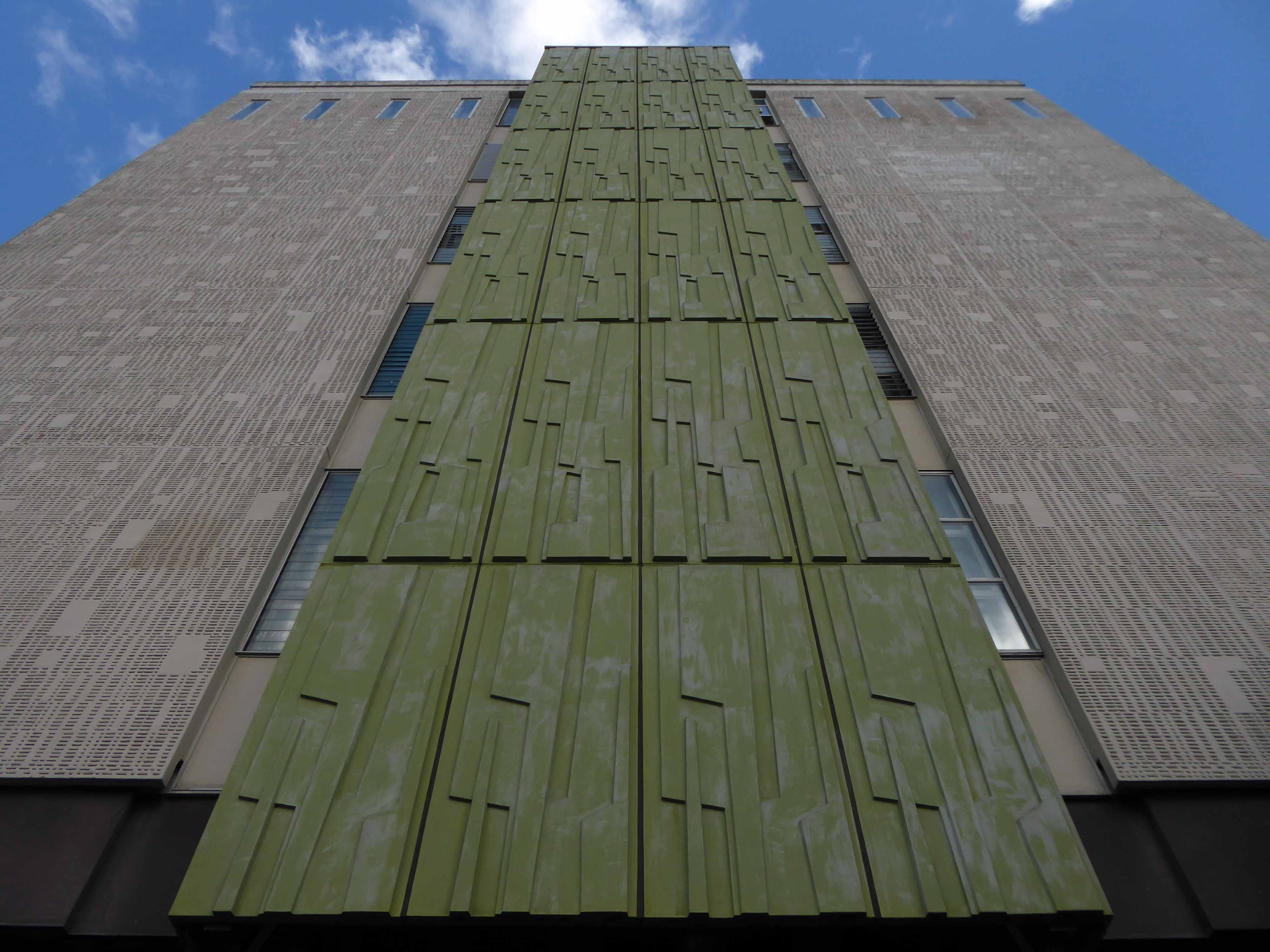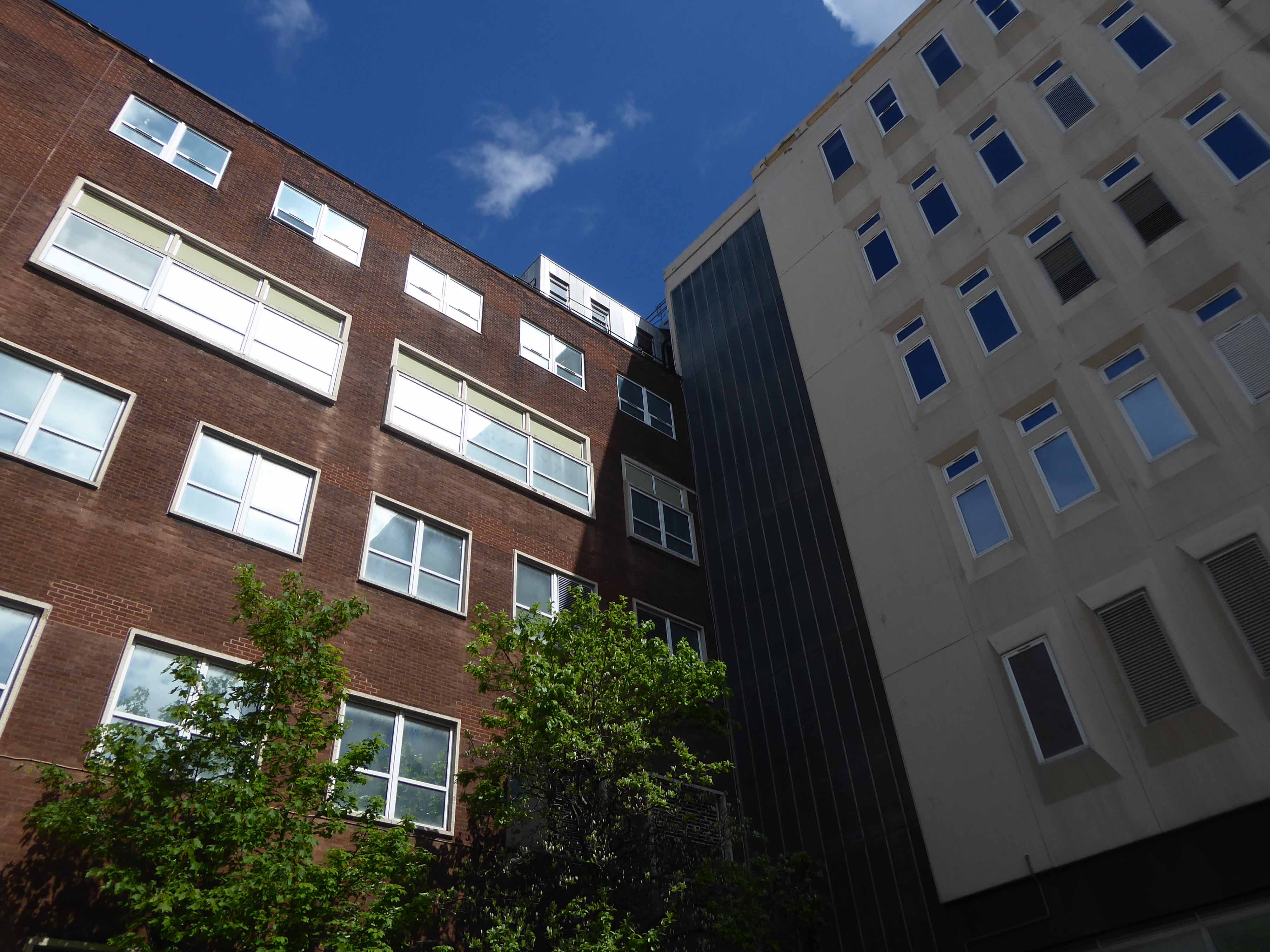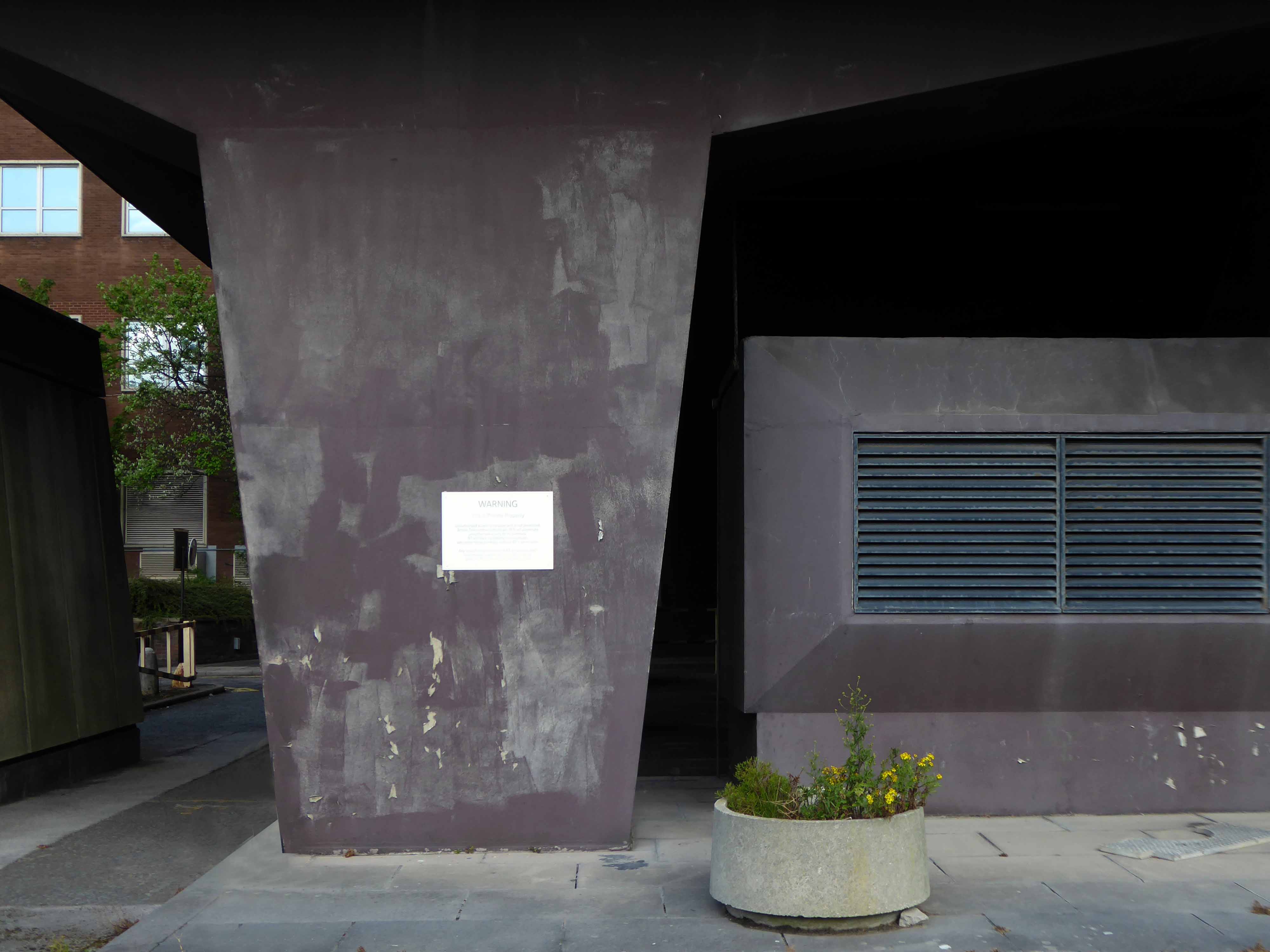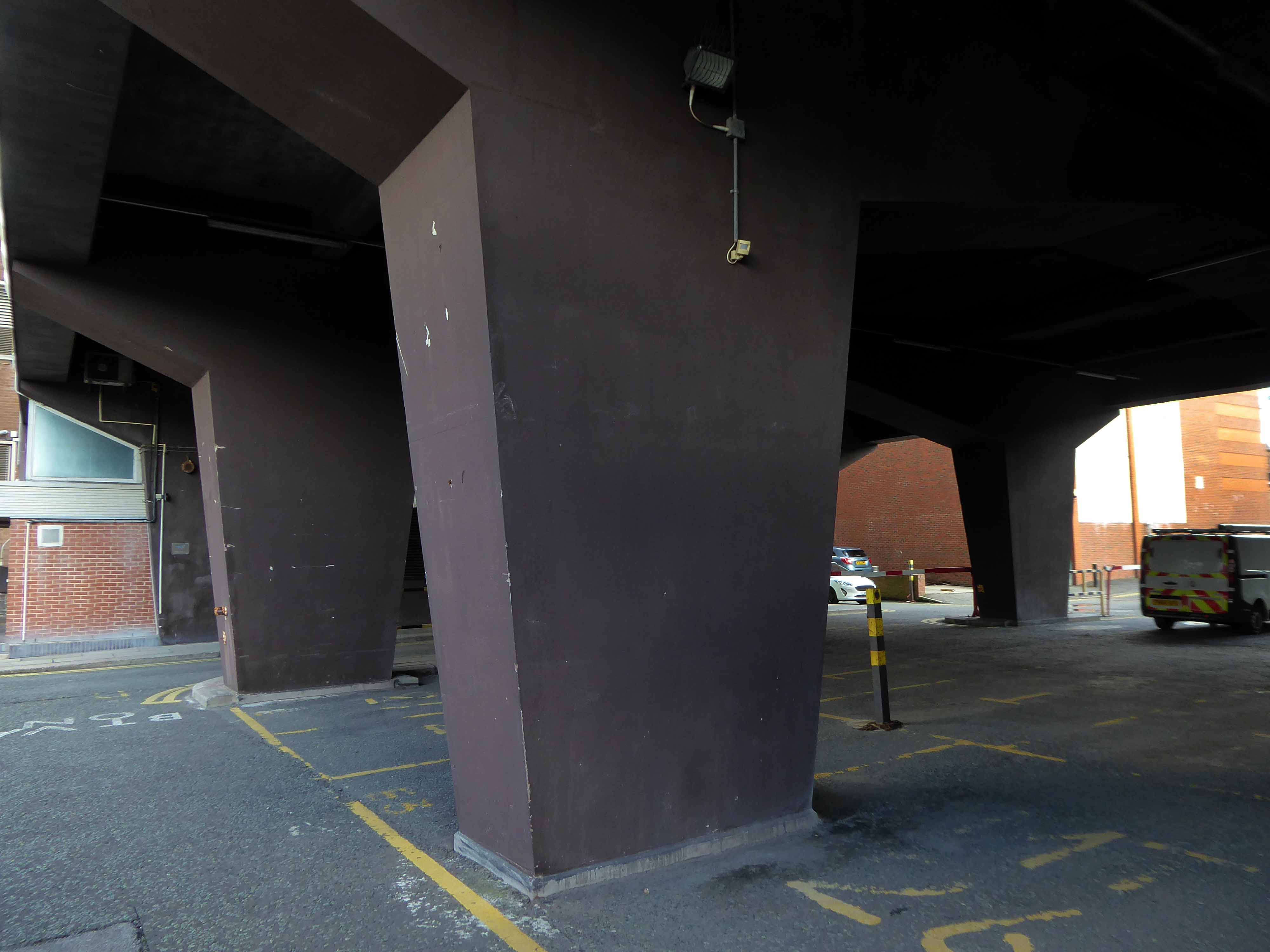
The University of Nottingham

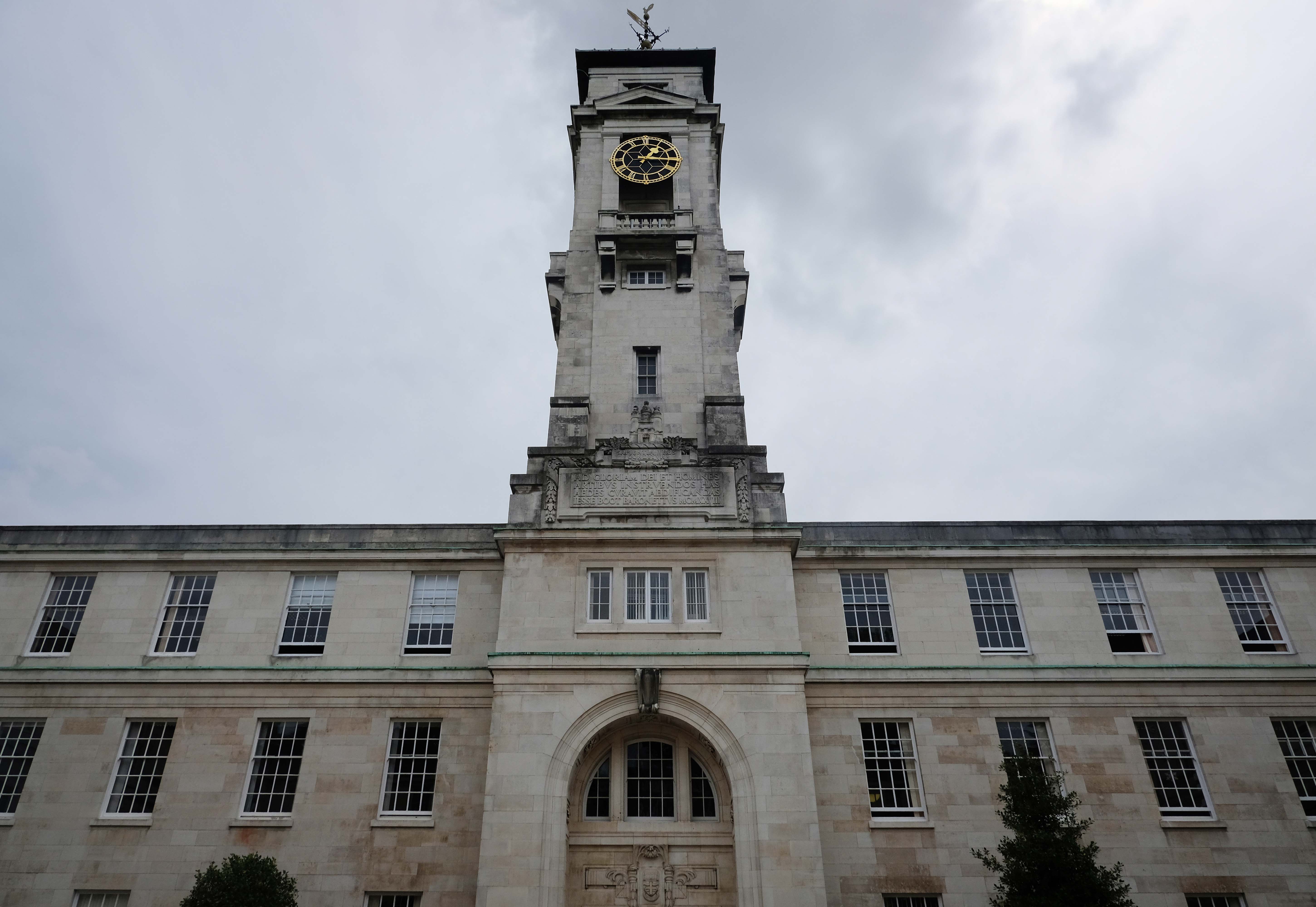
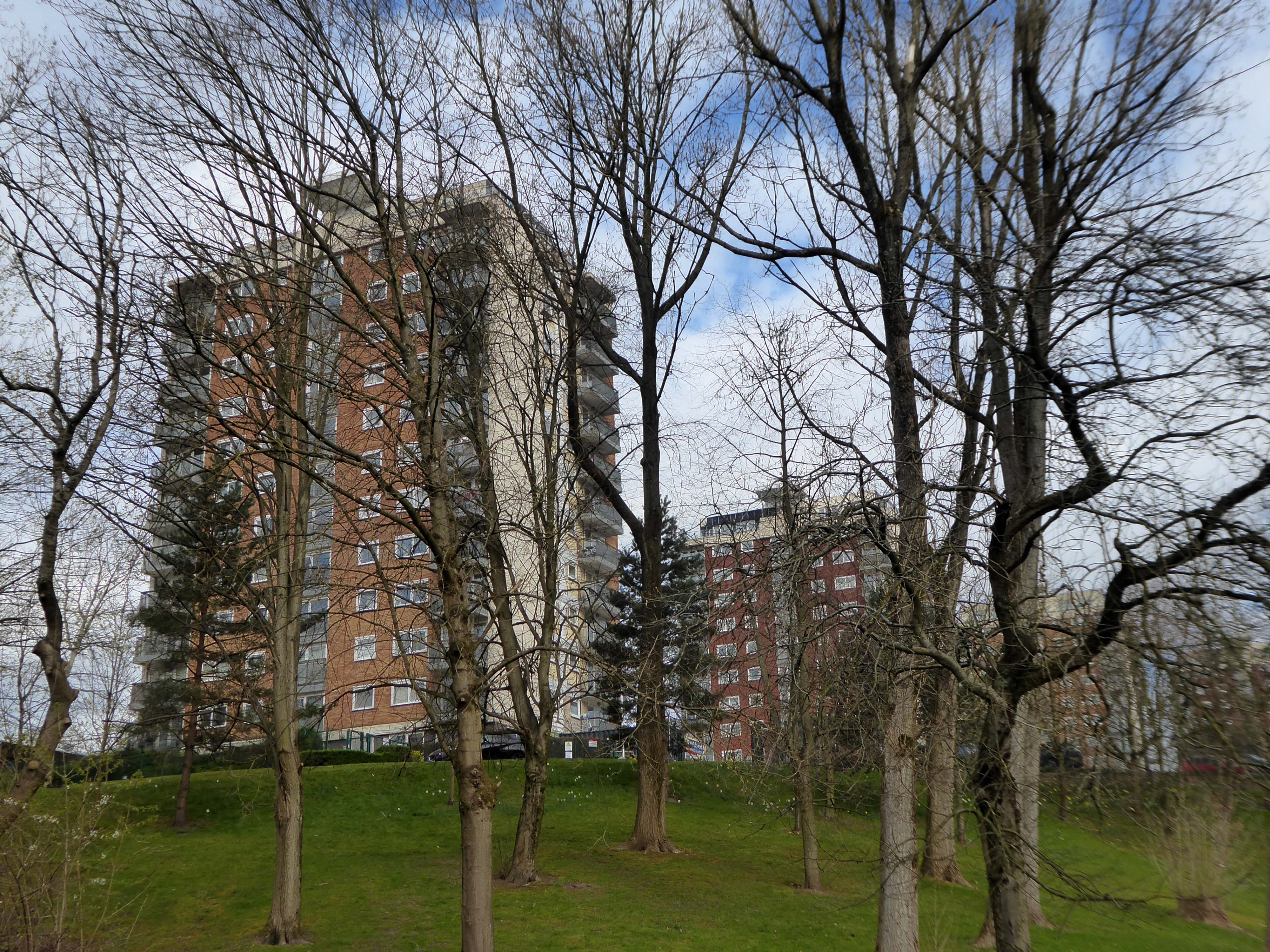
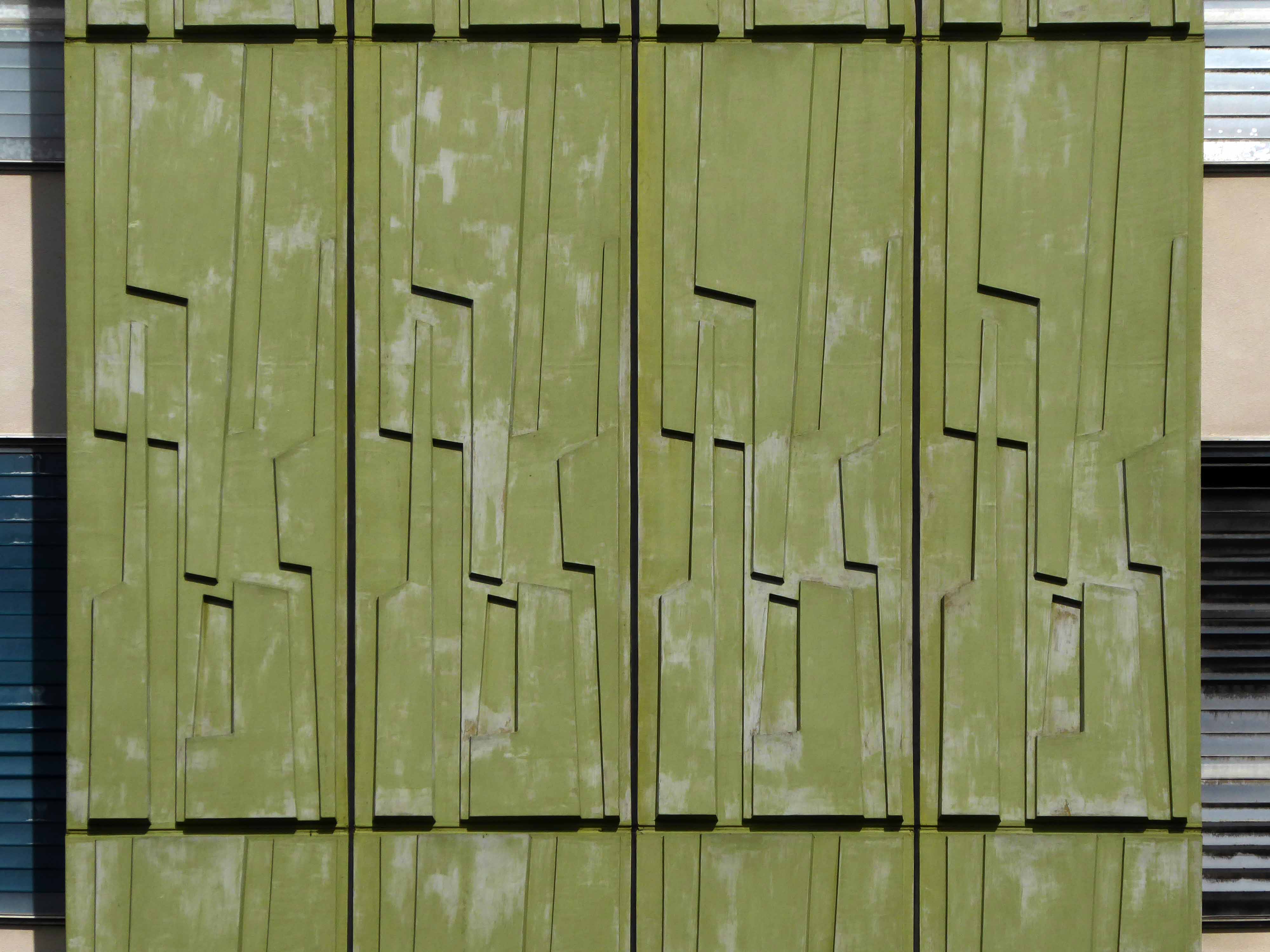
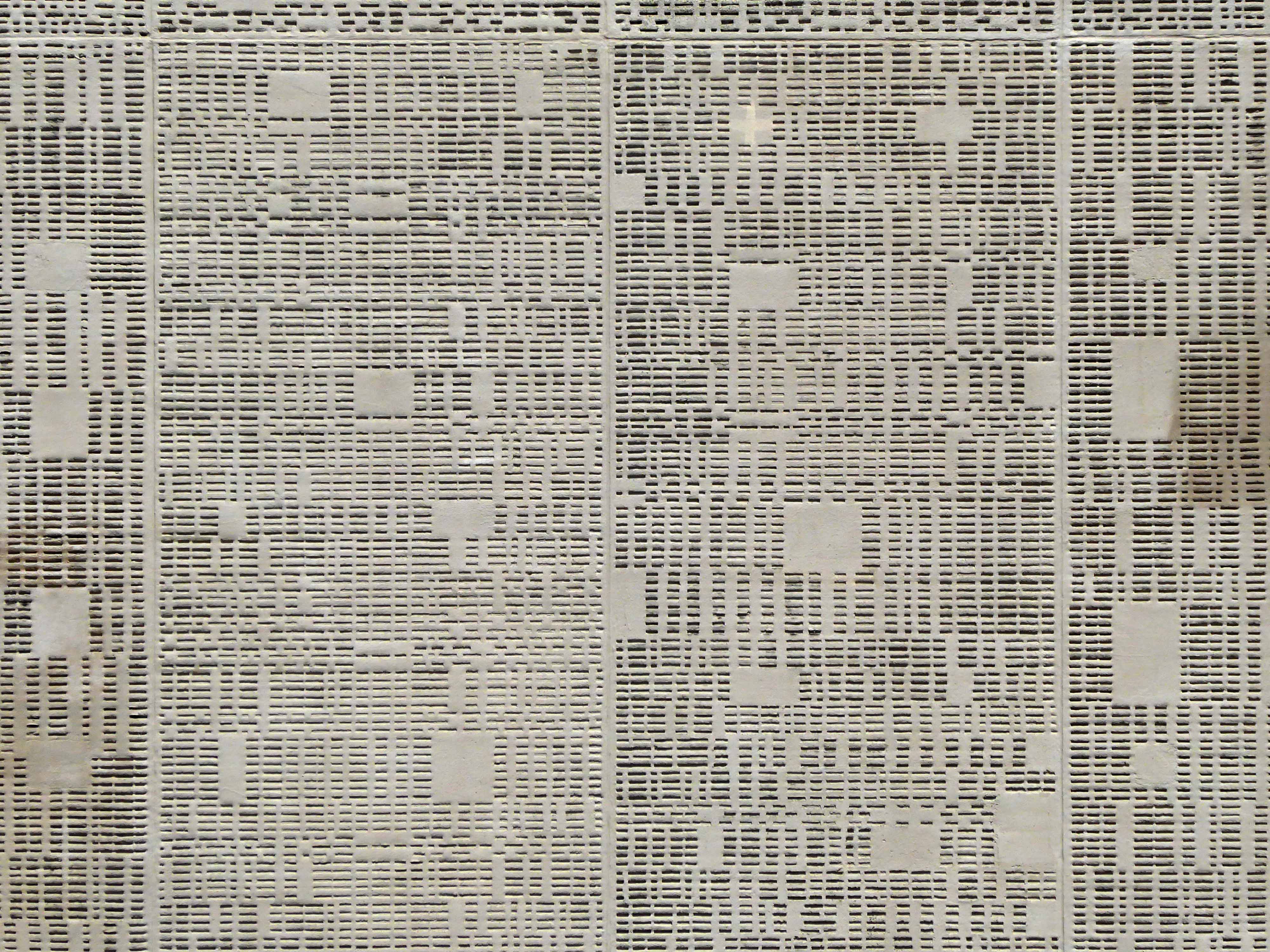
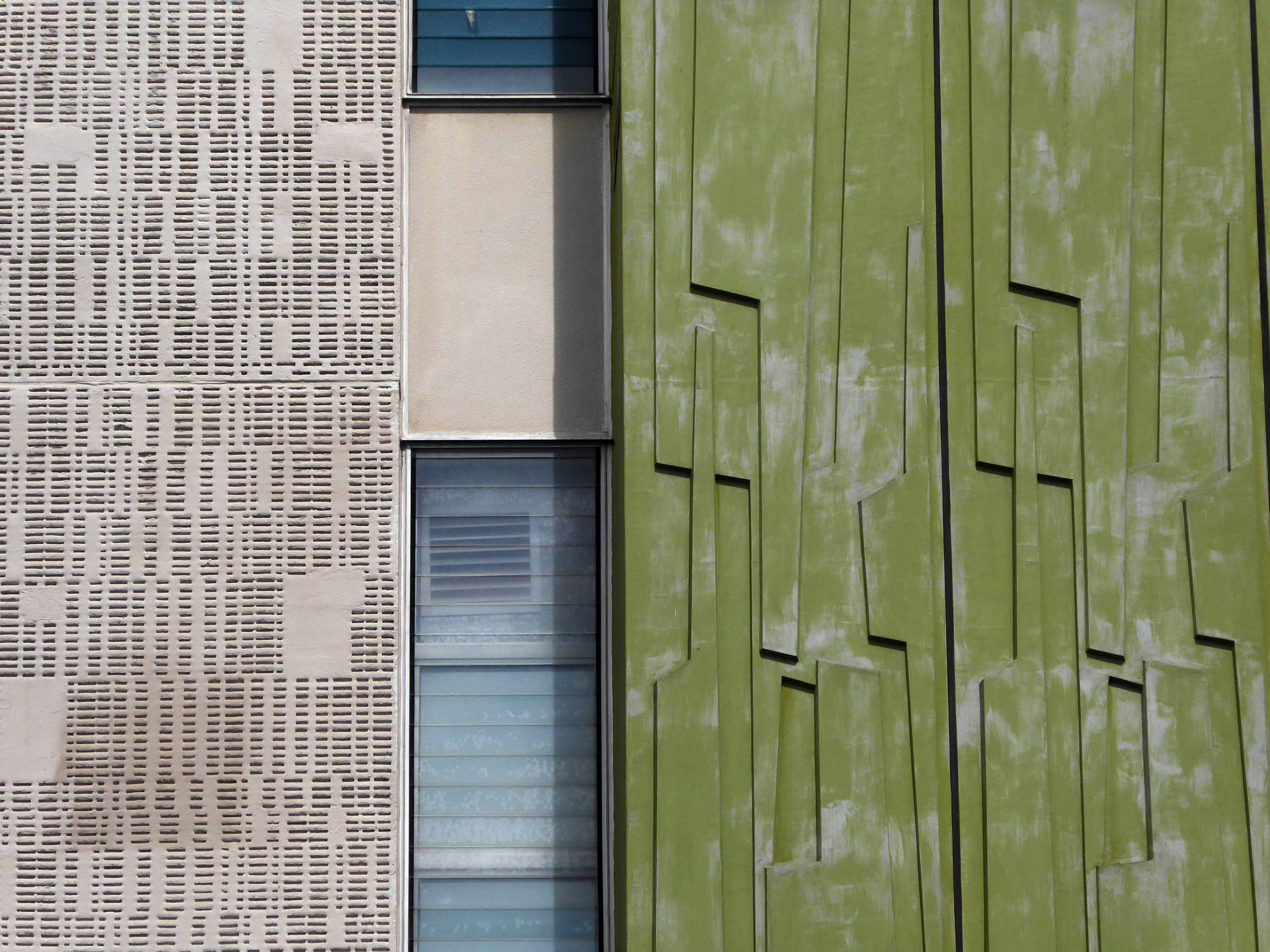
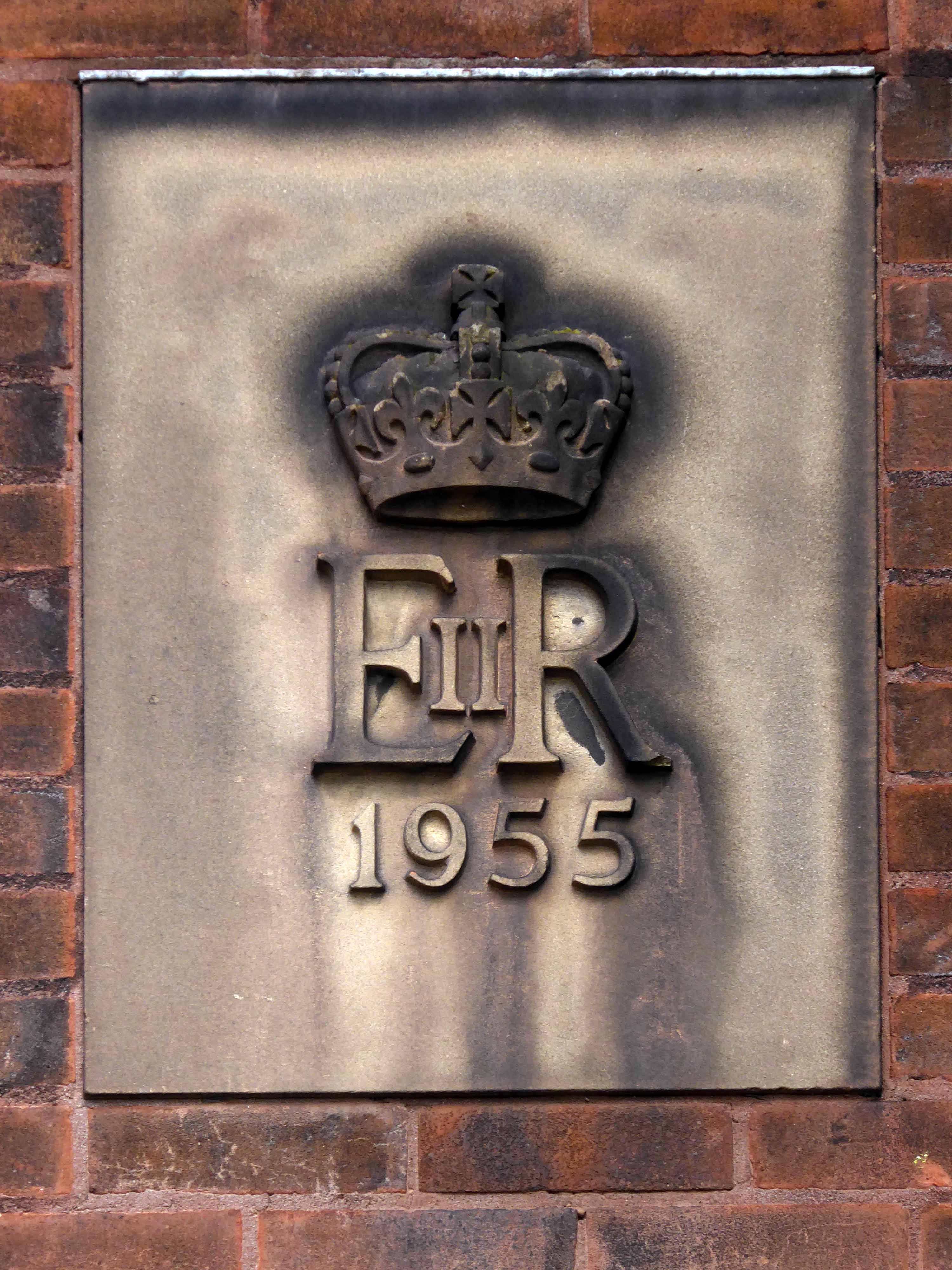
The Main Campus based on Jesse Boot’s Highfield parkland incorporating Lenton House and Lenton Hall. Boot along with his architect Percy Morley Horder developed a building scheme in 1921, achieving university status in 1948.

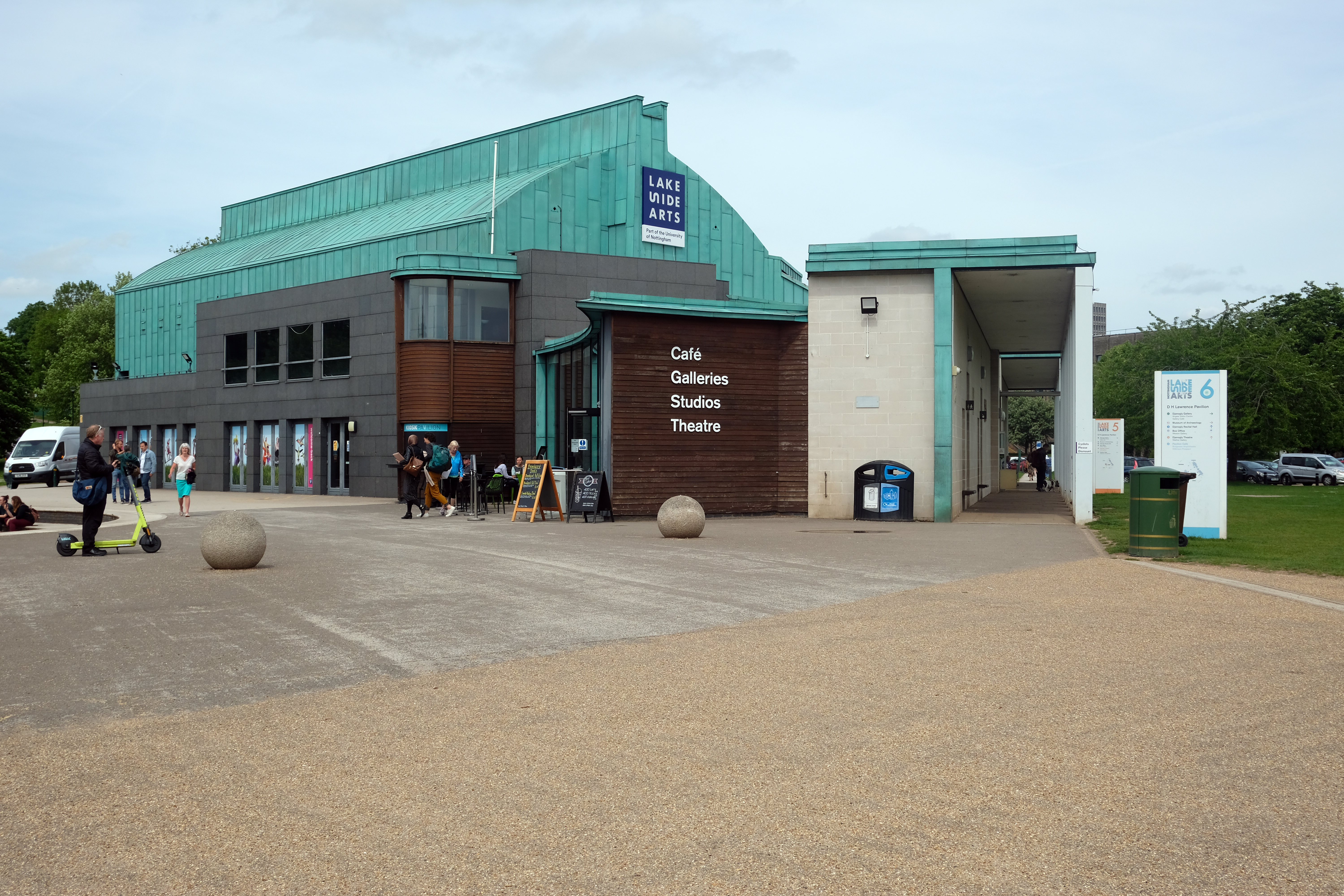
DH Lawrence Pavilion architect Marsh & Grochowski 1998-2001

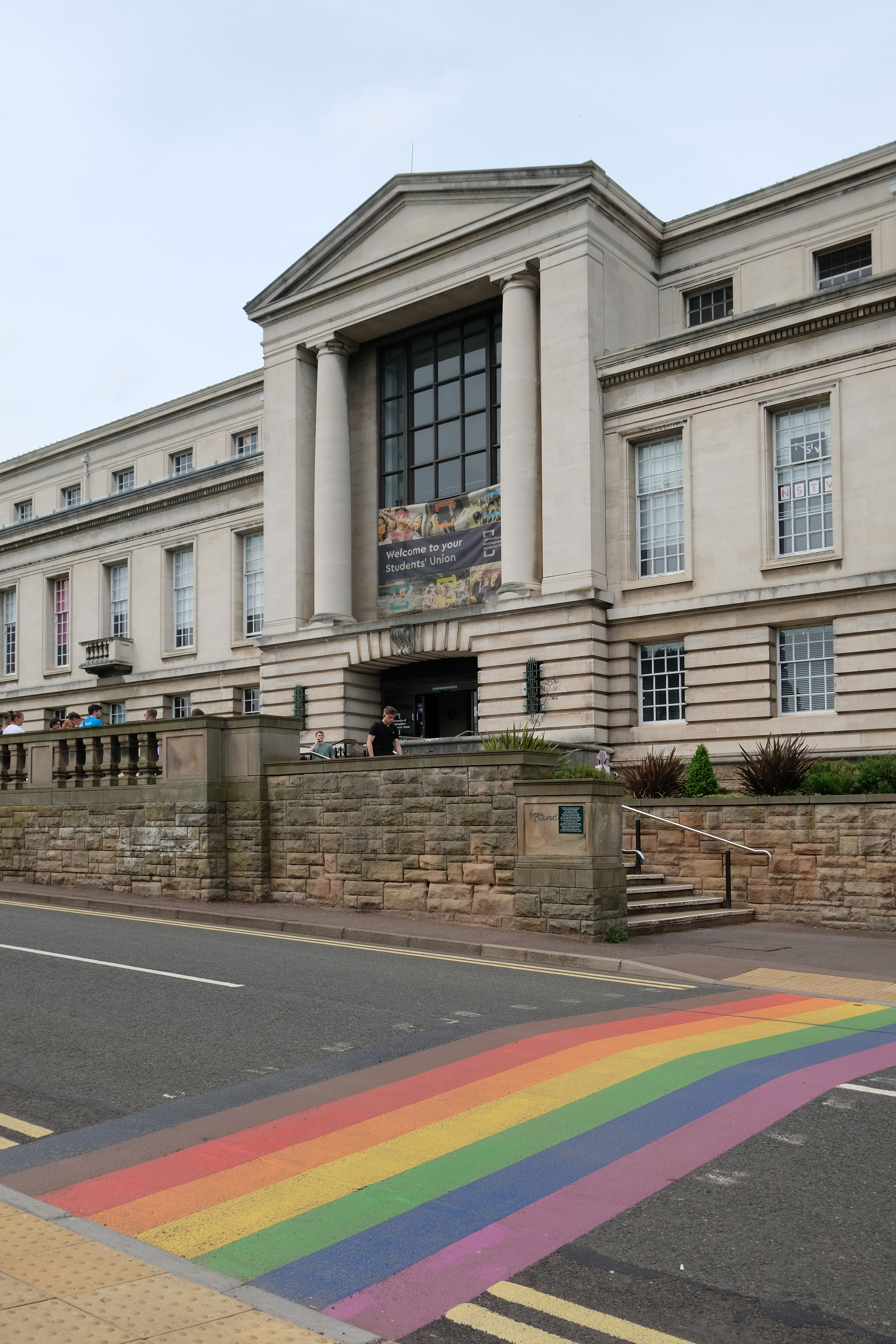
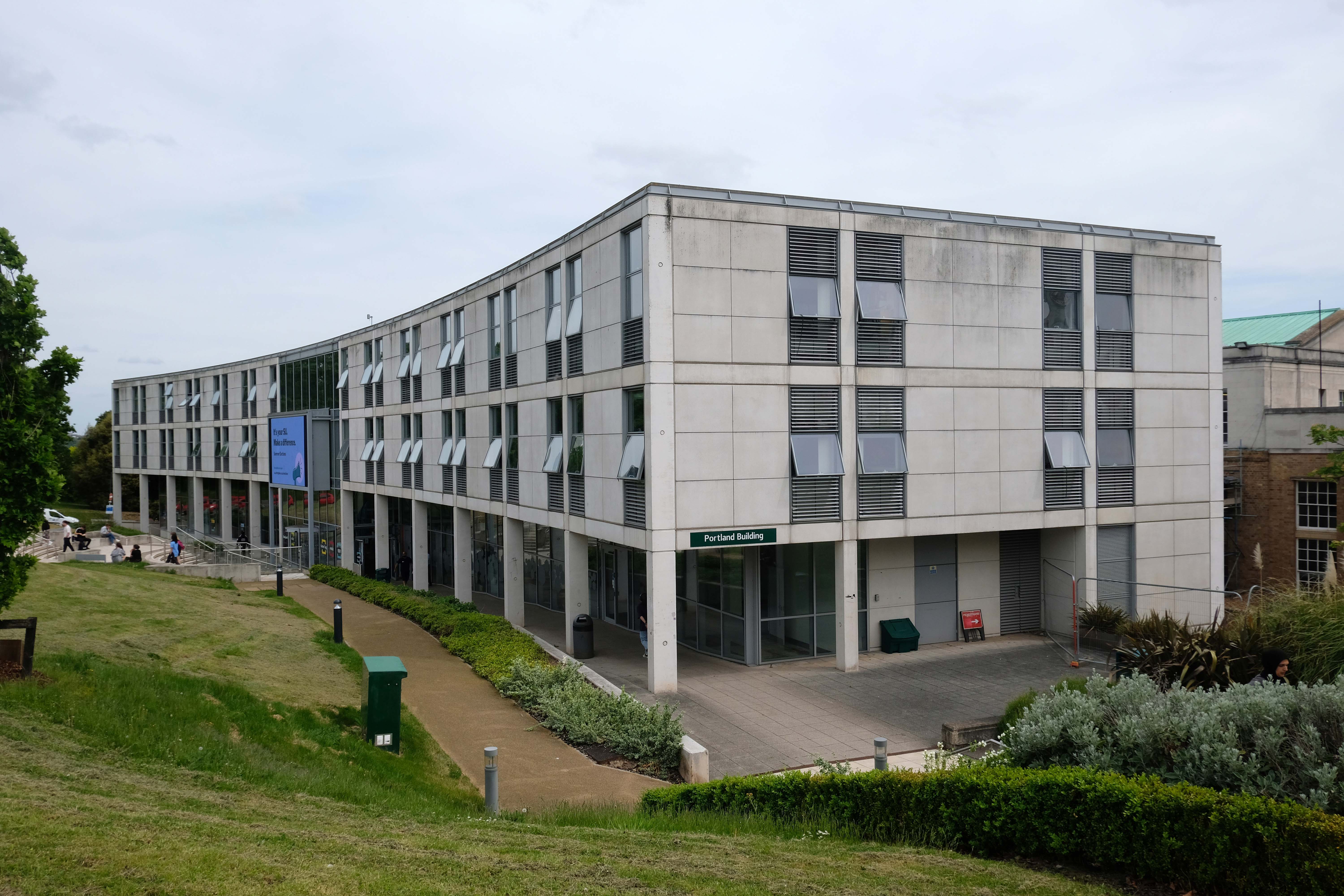
Portland BuildingT Cecil Howitt 1949 -56

Trent Building architect: P Morley Horder 1922-28

Portland Building extended in 2001-3 architects: Michael Hopkins & Partners

Further additions to the rear 2013

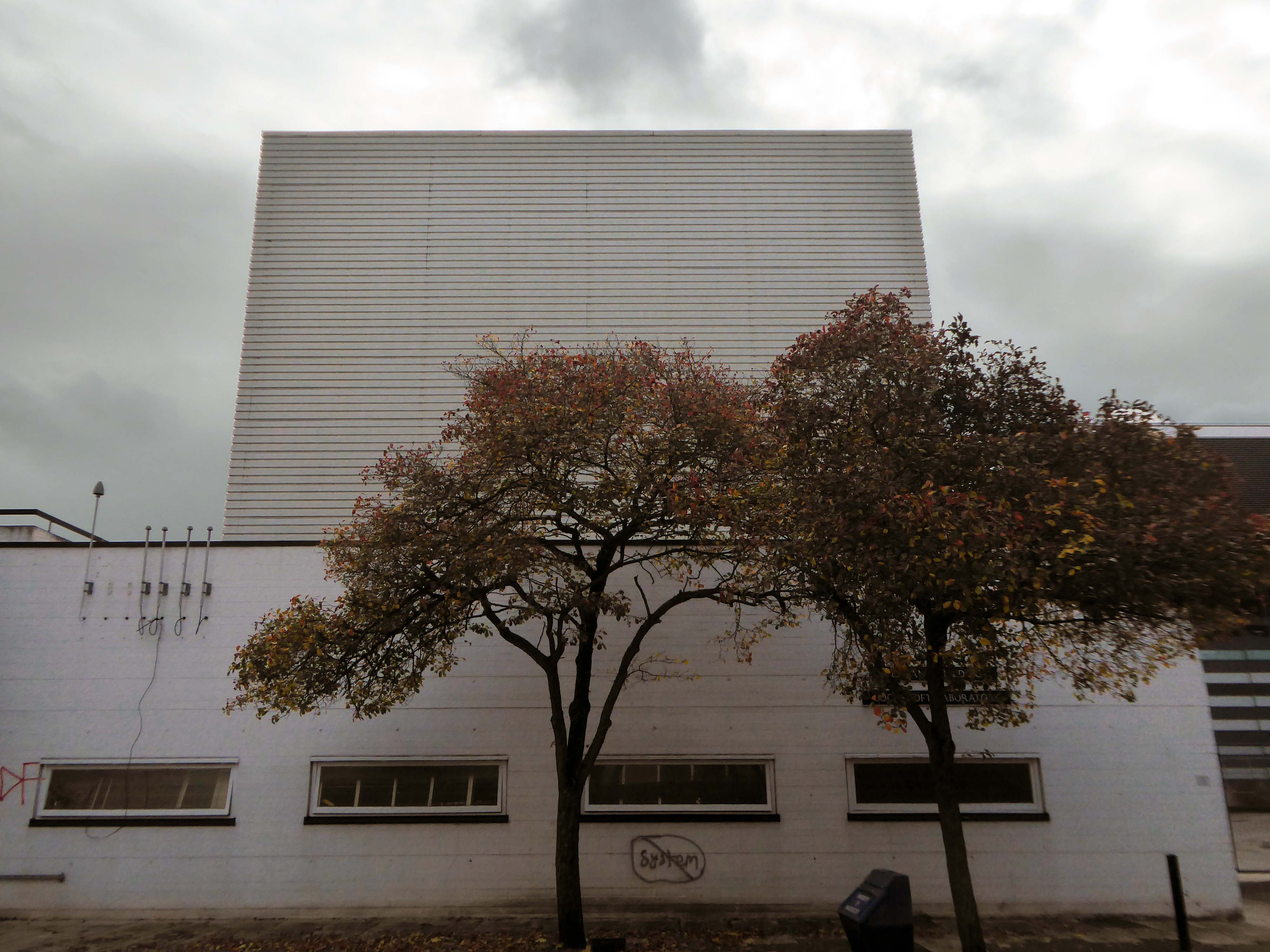
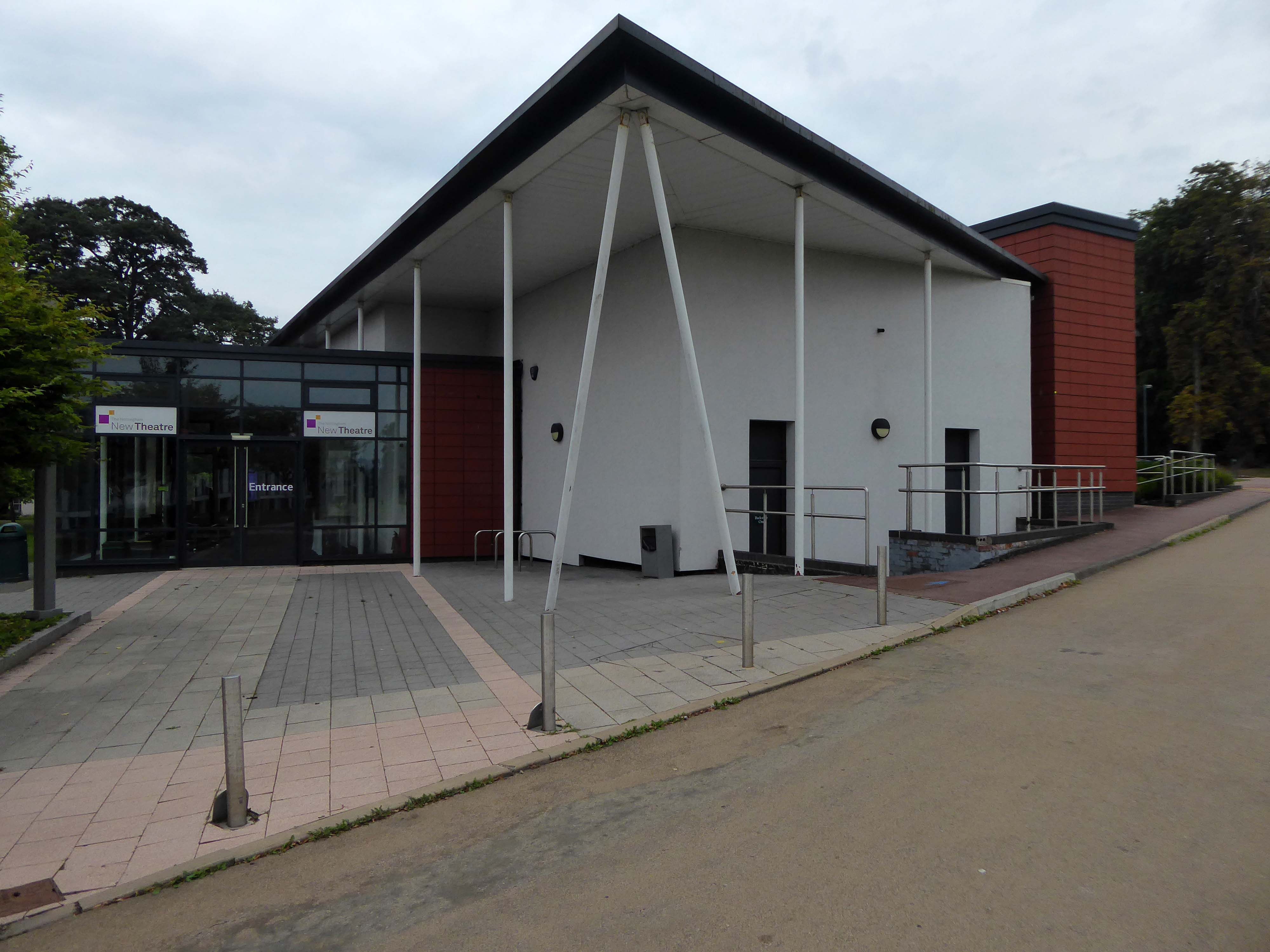
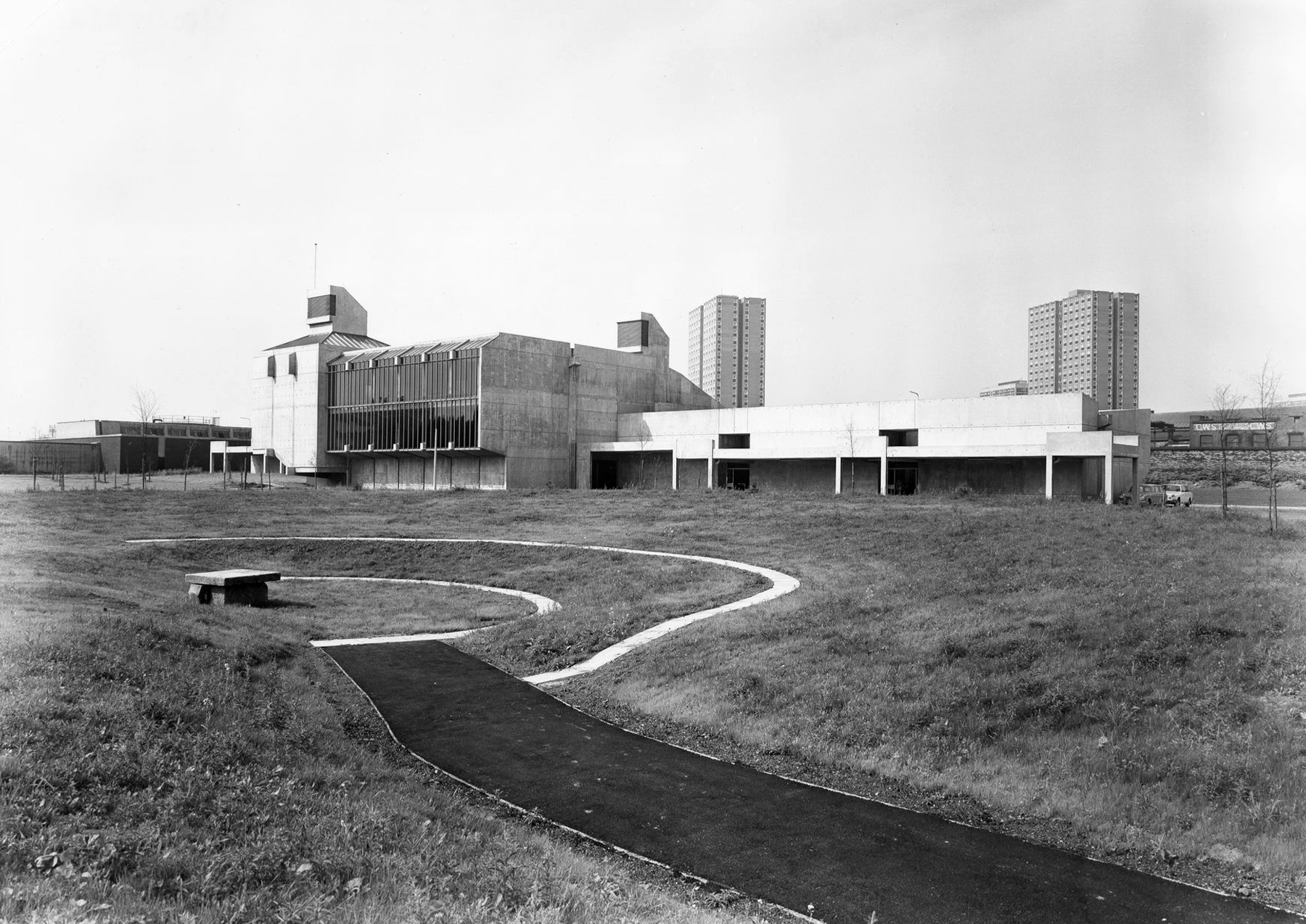
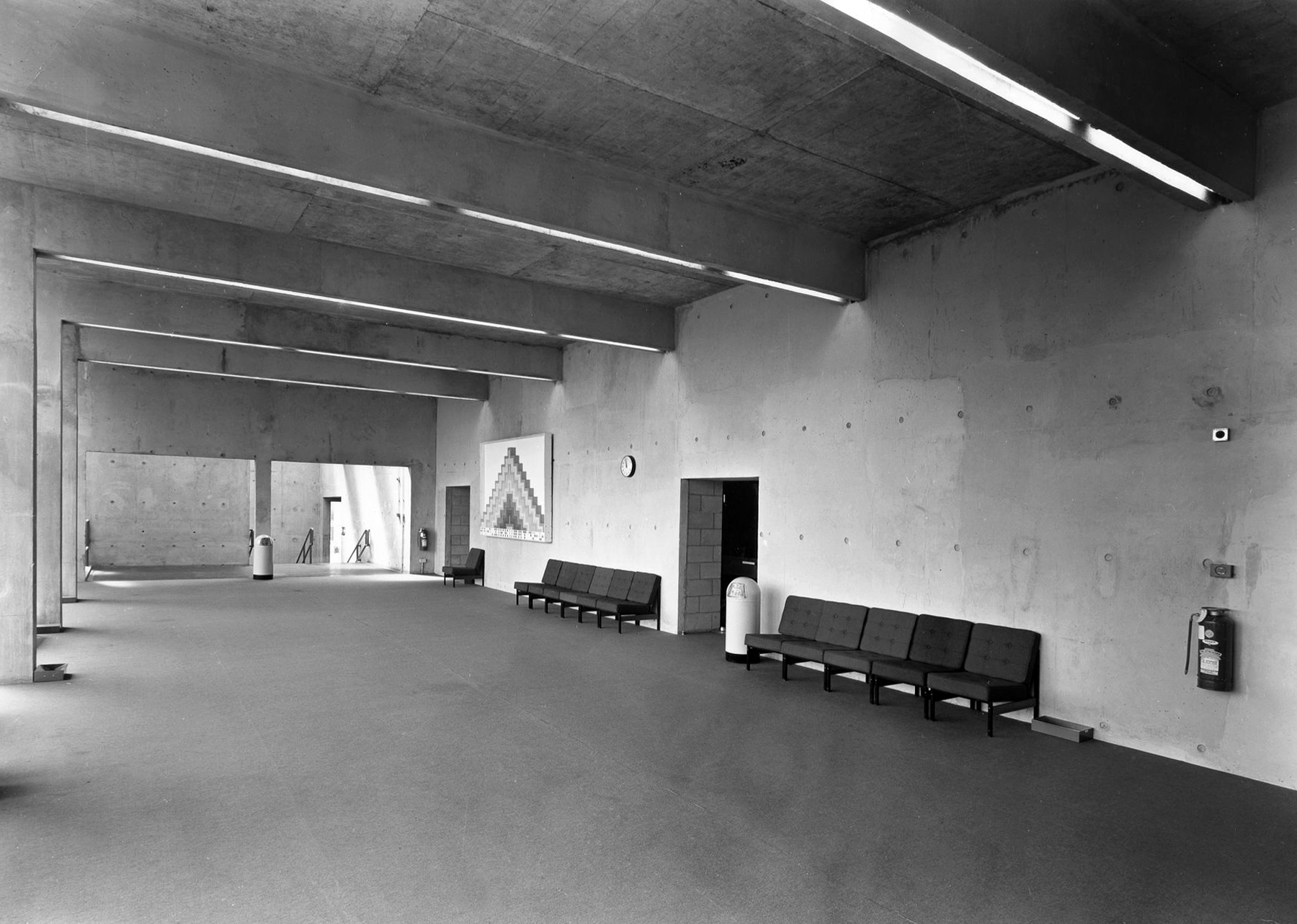
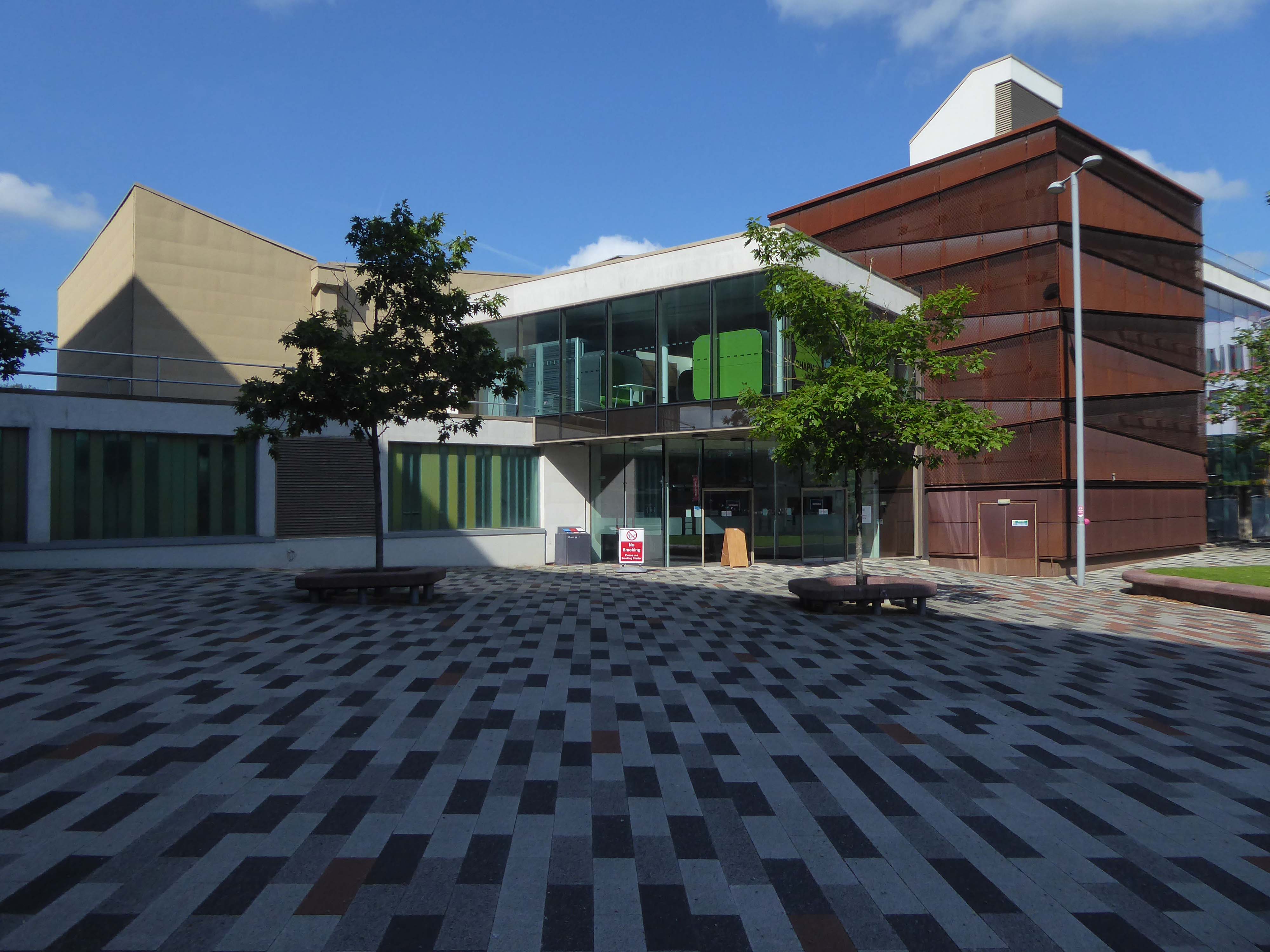
The New Theatre was established in 1969, and was originally housed in the Archaeology and Classics building of the University of Nottingham. In 2001 an extended foyer was added to the building, following a donation from an alumnus of the university.

The summer of 2012 saw an extensive redevelopment of the building housing the New Theatre. The former Archaeology and Classics building was demolished from the site; leaving the New Theatre as a freestanding building. Parts of the old building were retained and repurposed as new rehearsal rooms, and a studio space; as well as a significant remodelling of the dressing room, and extending the foyer.

Architects: Maber

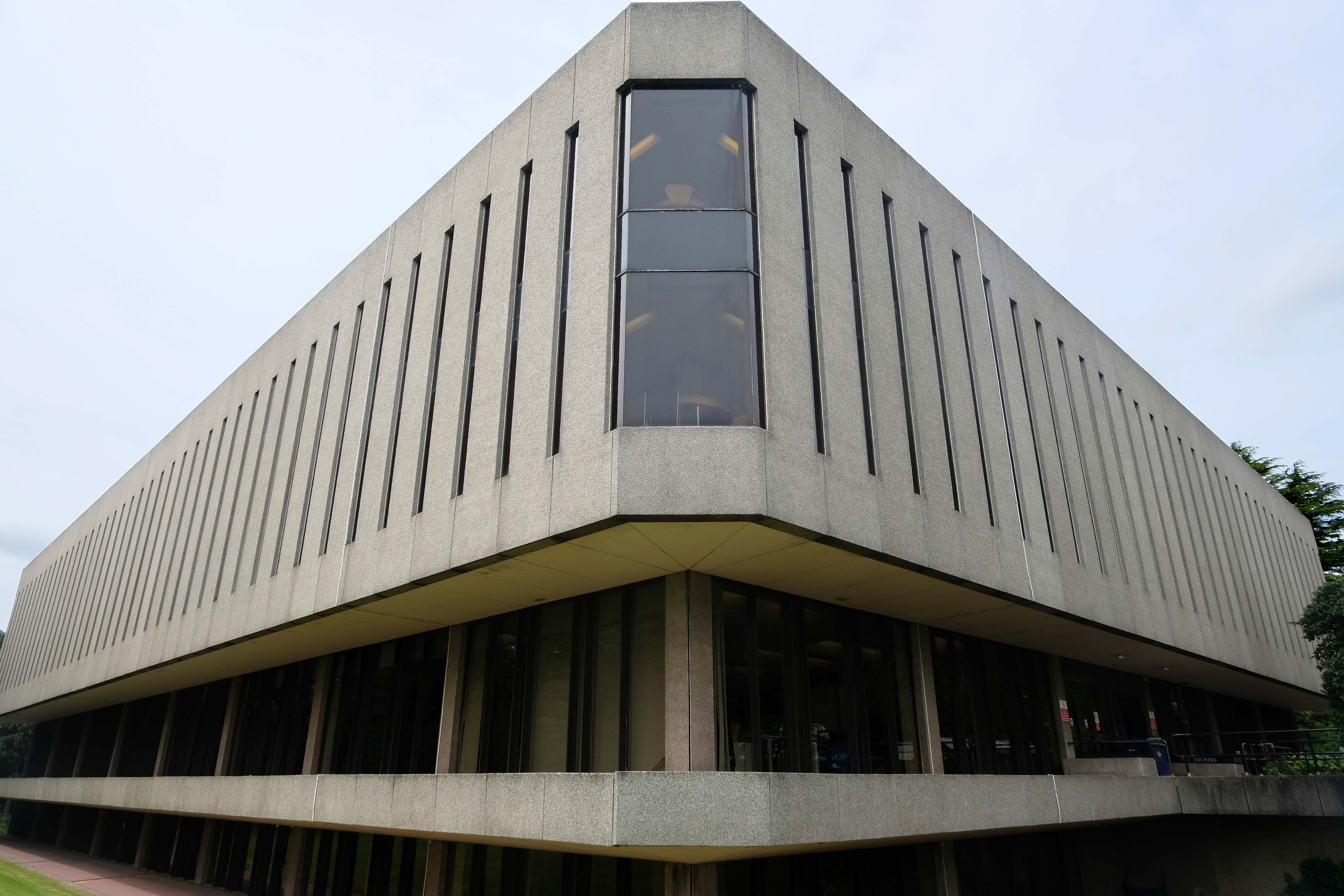
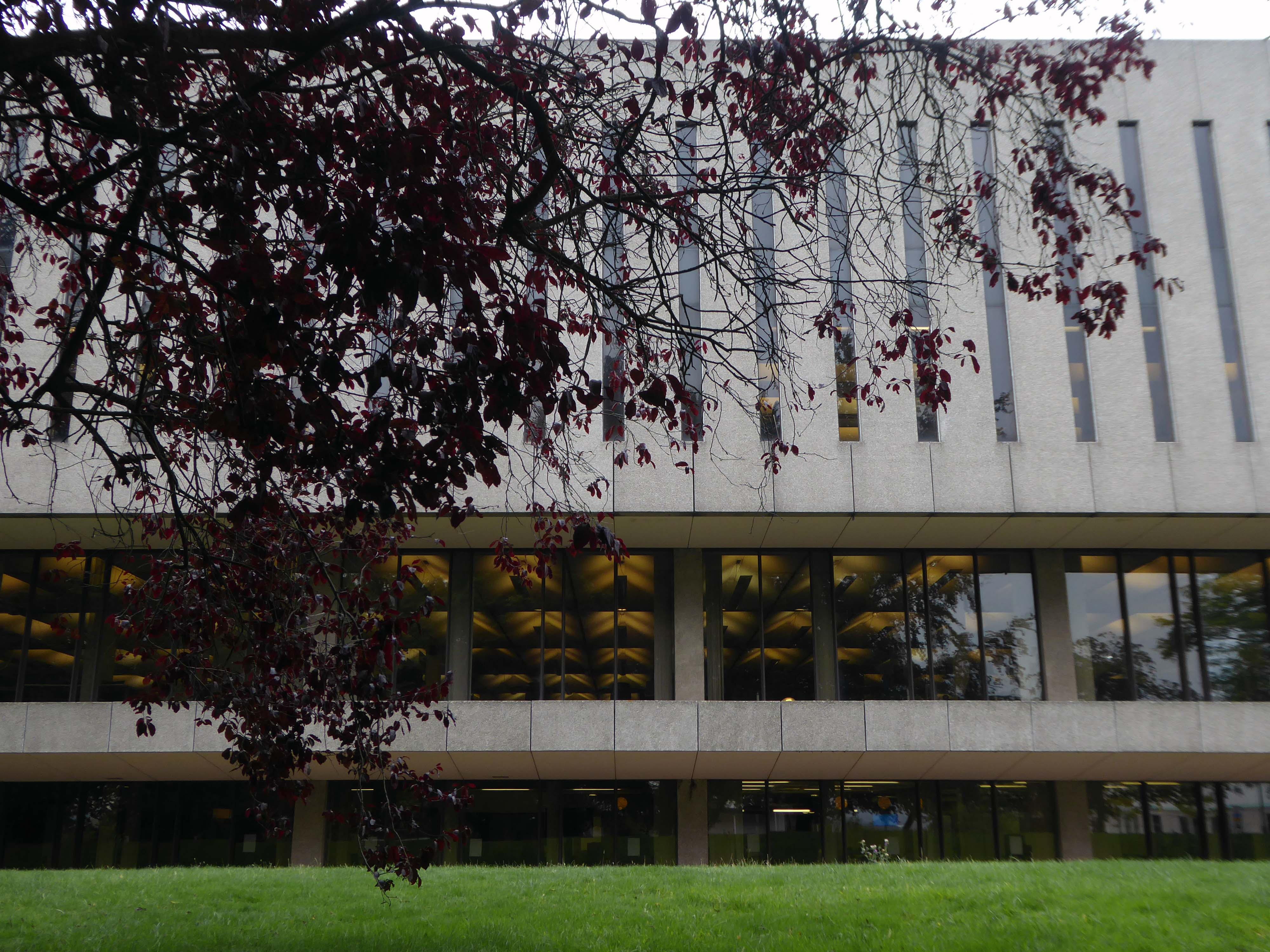
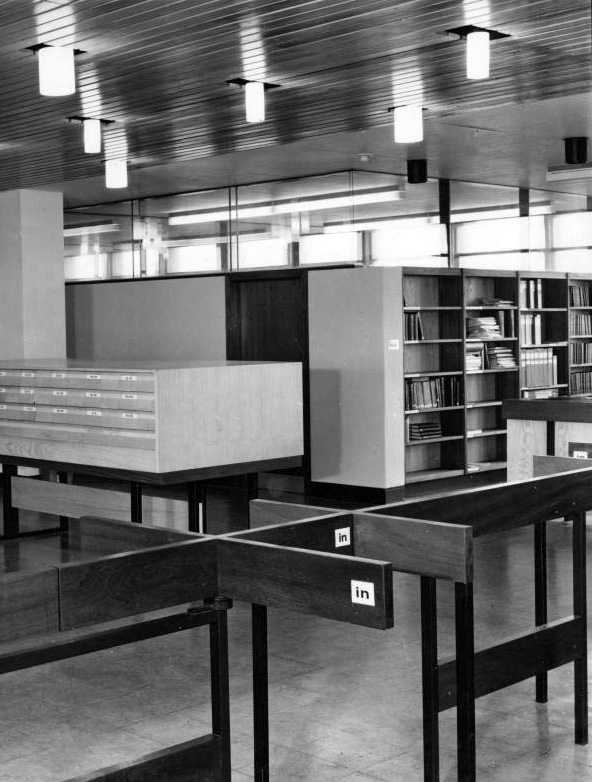
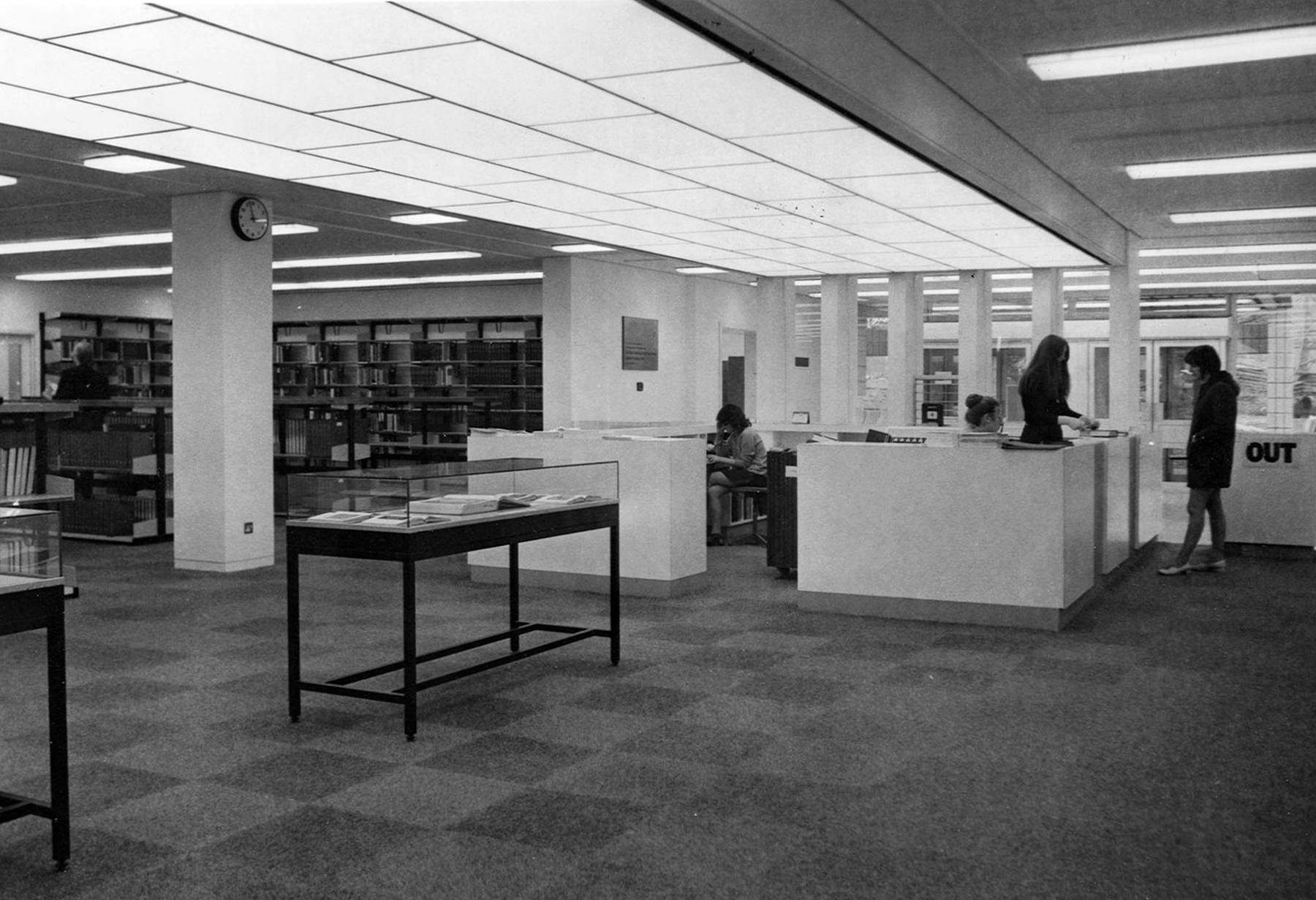
University Library architects: Faulkner Brown, Henry, Watkinson & Stonor 1971-73

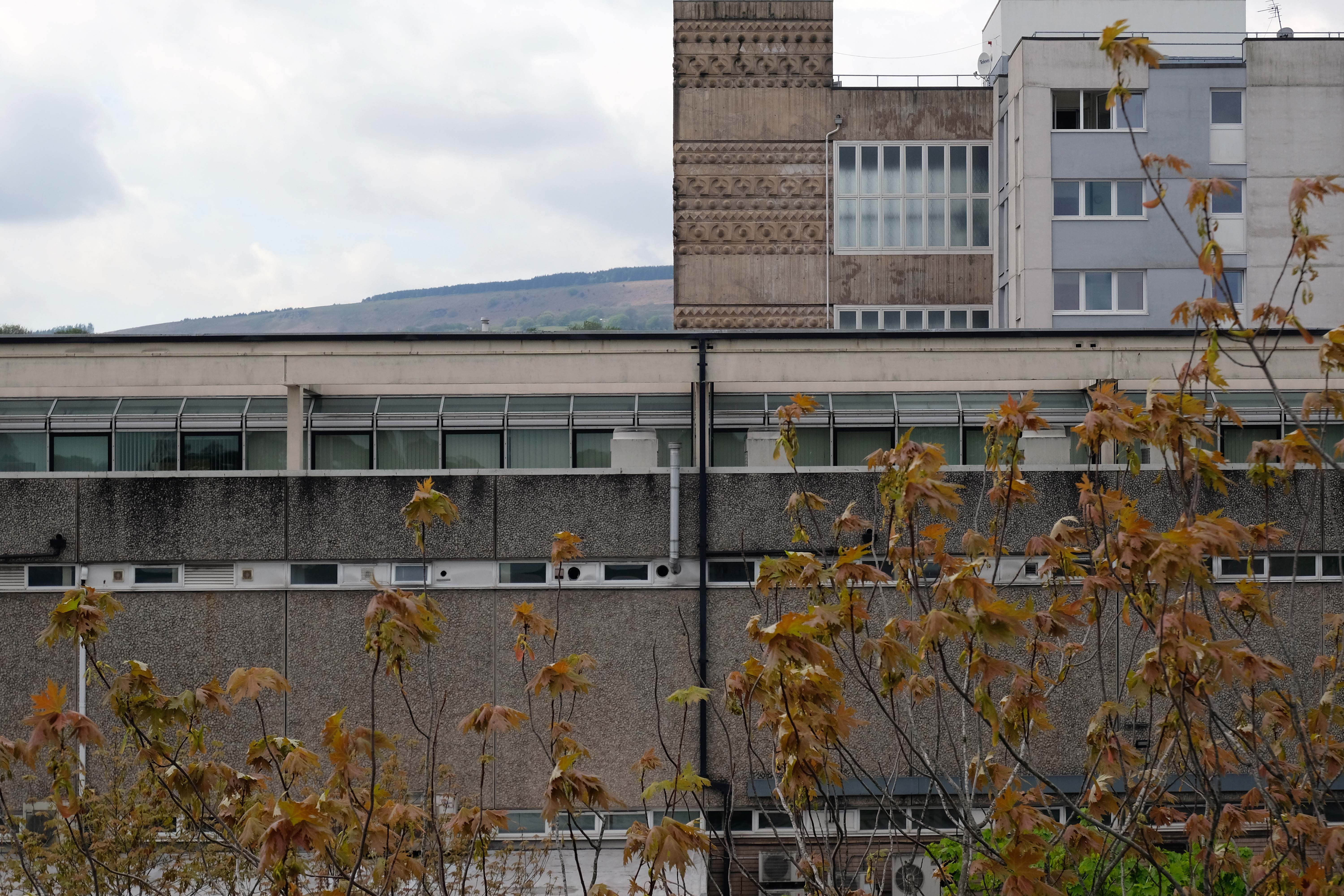
The collection of buildings in University Park Campus, colloquially known as Science City, was first masterplanned by Basil Spence in 1959. His vision was largely realised by Renton Howard Wood Associates during the 1960s. Since then, numerous additions and alterations have been made to suit the ever increasing student numbers and the changing needs of the University.

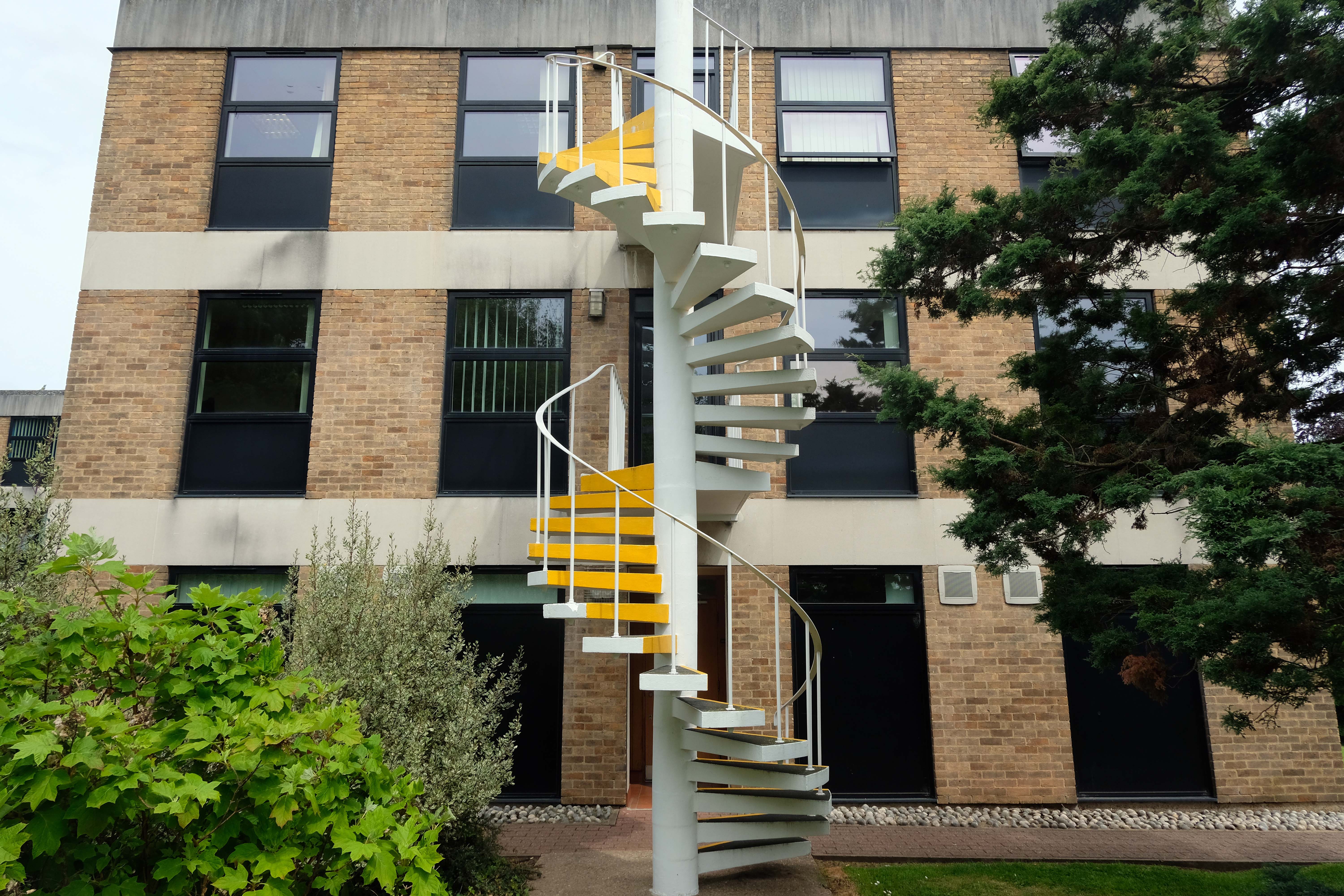
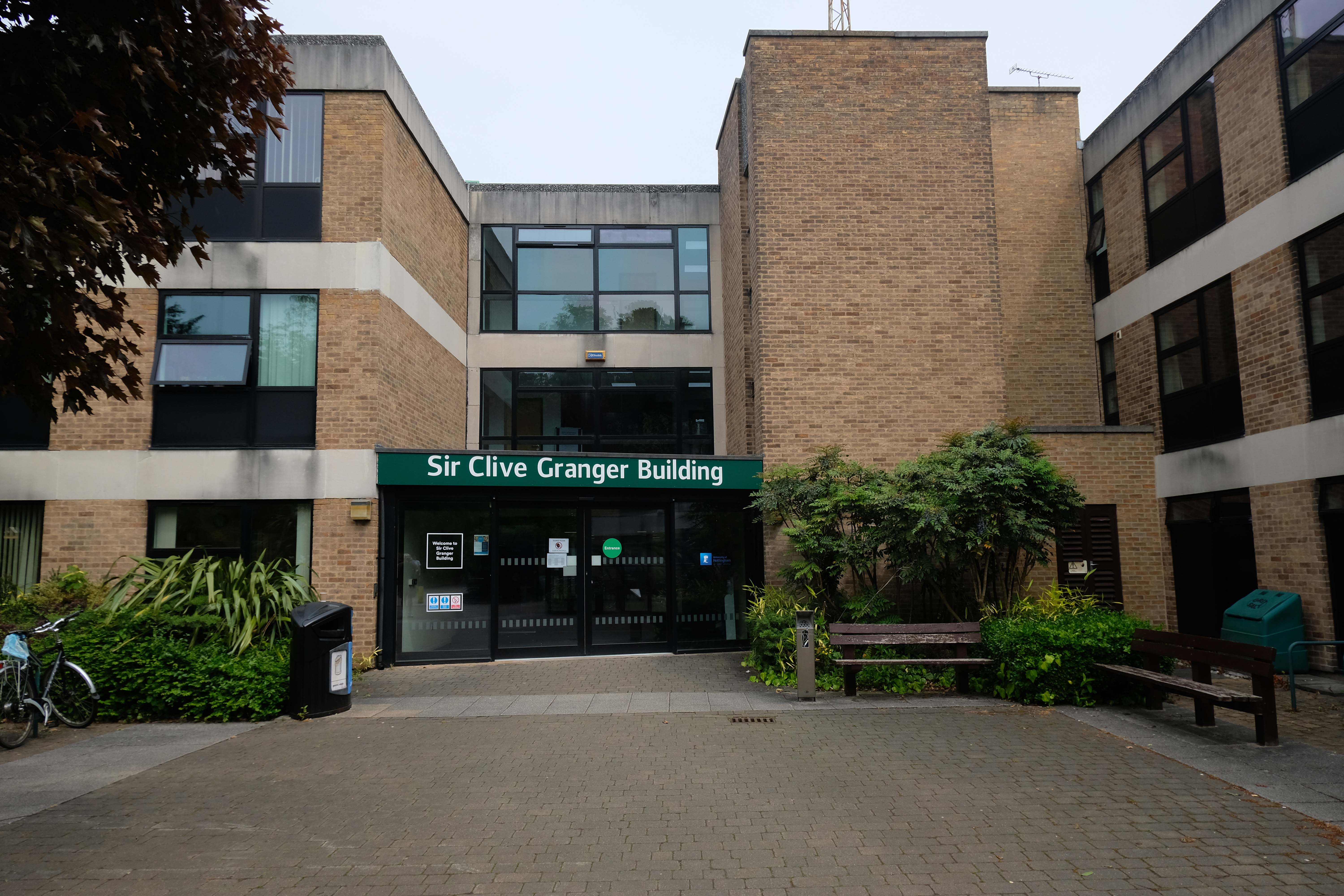
Sir Clive Granger Building

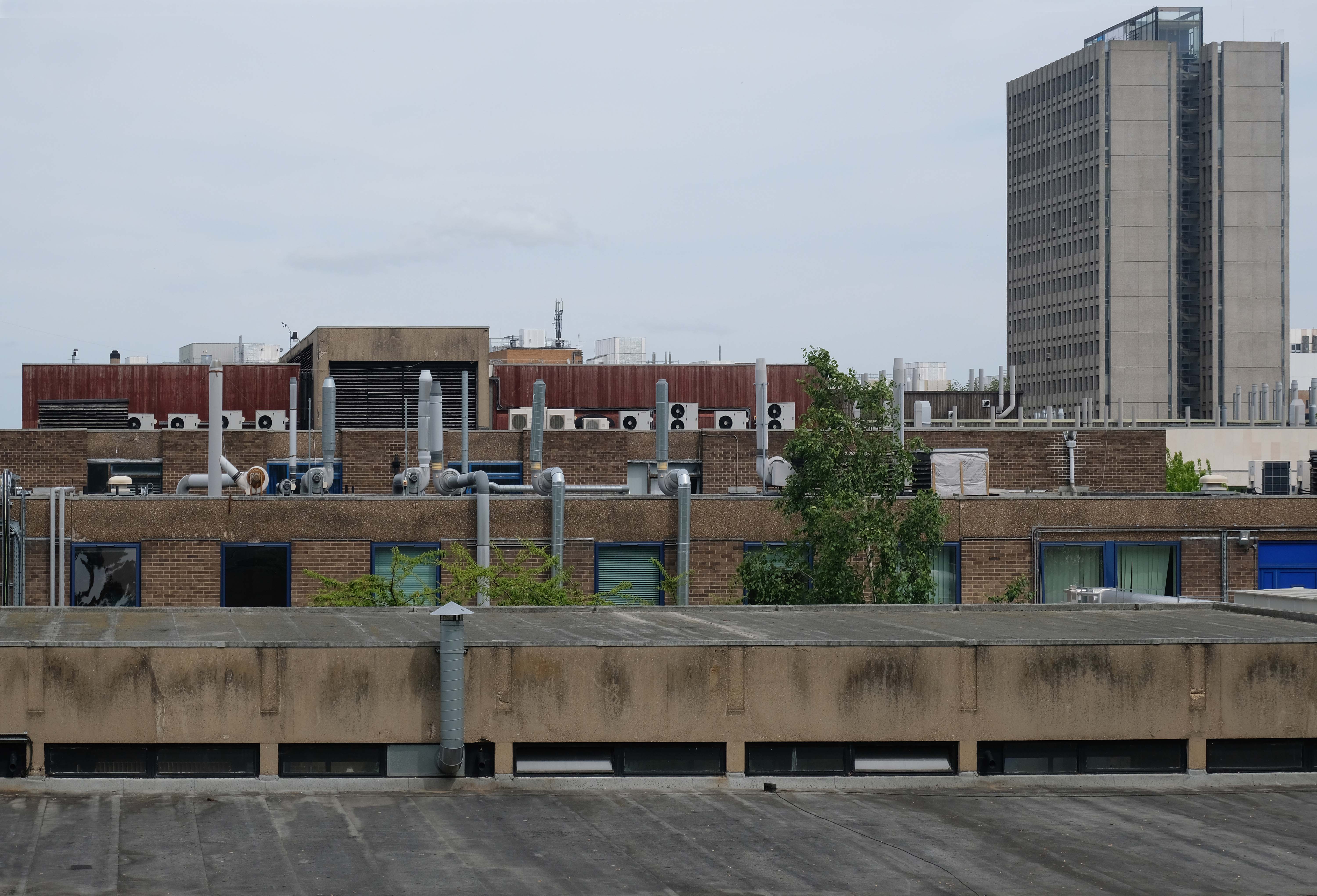
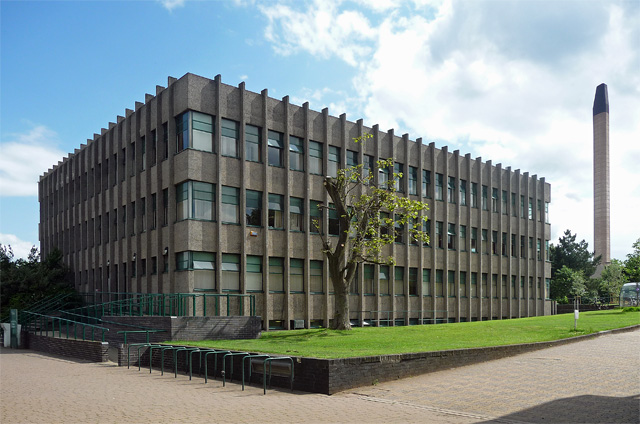
A view over the Science Buildings by Basil Spence 1955 and partner Andrew Renton 1961 onward.

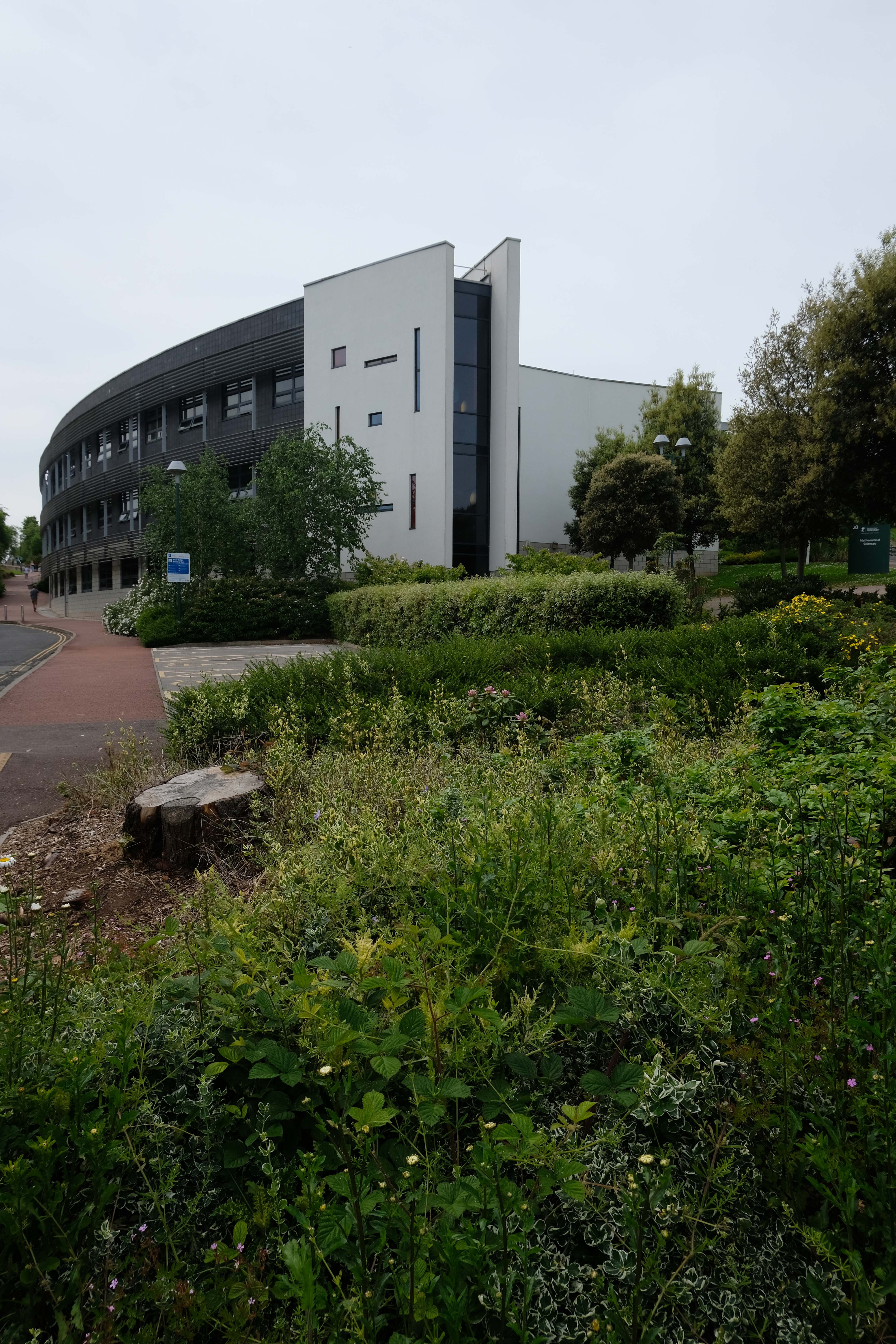
Mathematical Sciences 2012 William Saunders

George Green Library by Hopkins Architects 2017

The University of Nottingham needed to double the size of its existing academic library to cater for an expansion in serious scientific study. Hopkins Architects faced the difficult task of doubling the size of a rather unremarkable 1960’s building – designed by Basil Spence, on a tight sloping site.

Architecture.com

The original turnstiles – a photographic history.

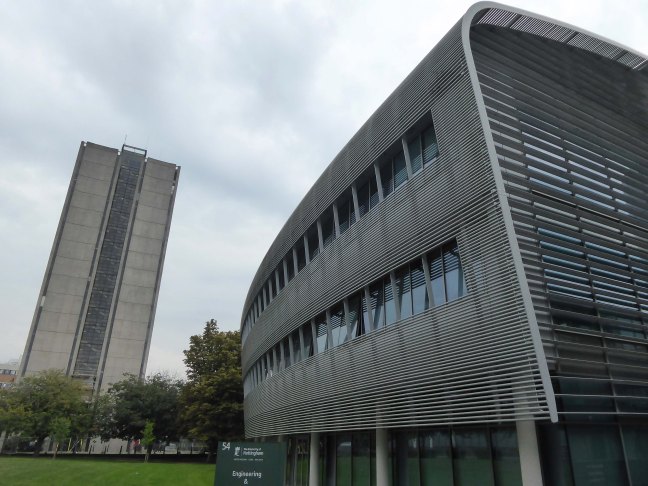
Pope Building leading to the Engineering Science Learning Centre by Hopkins Architects 2011

Chemistry Department

Coates Building by Basil Spence

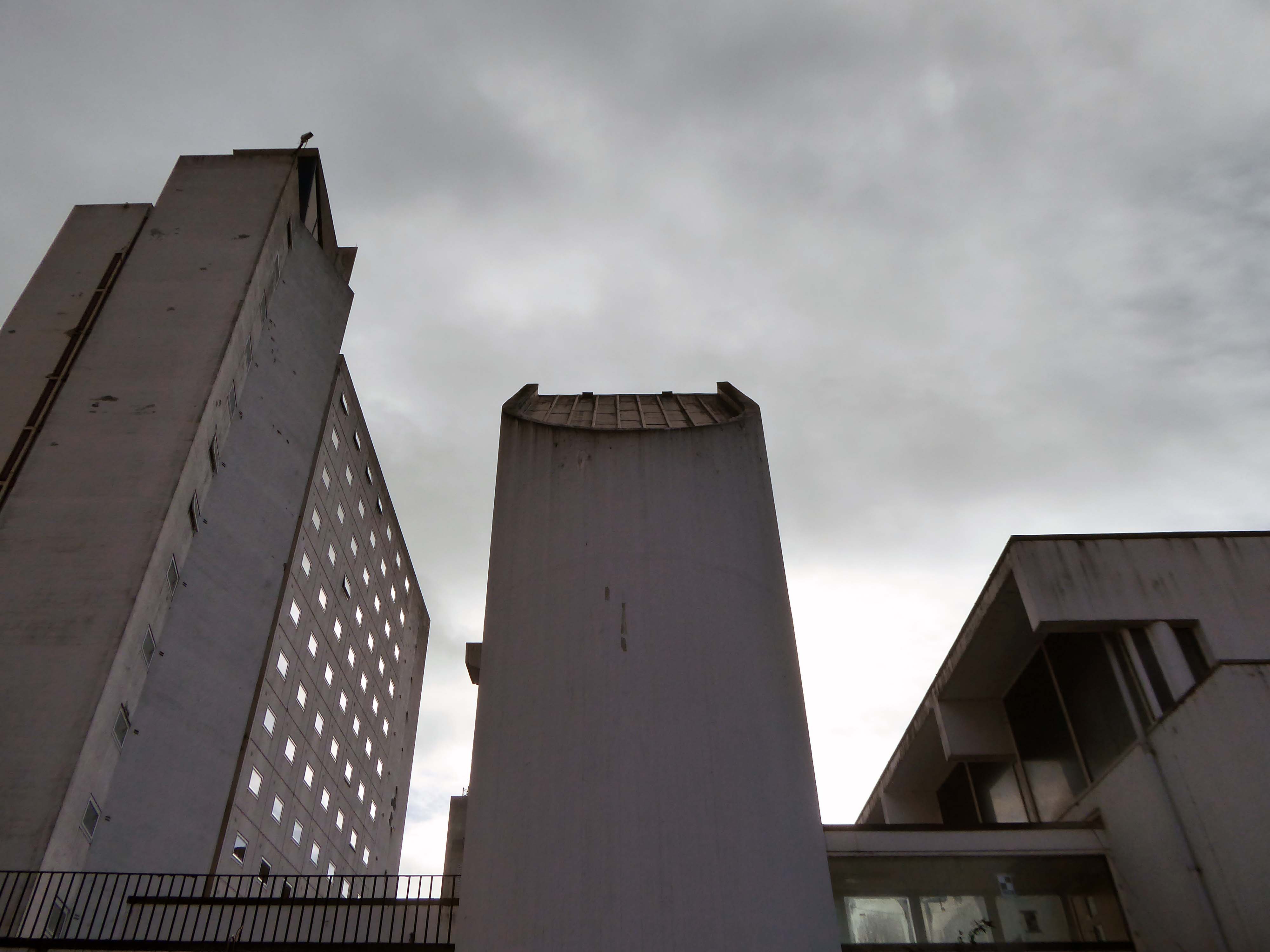
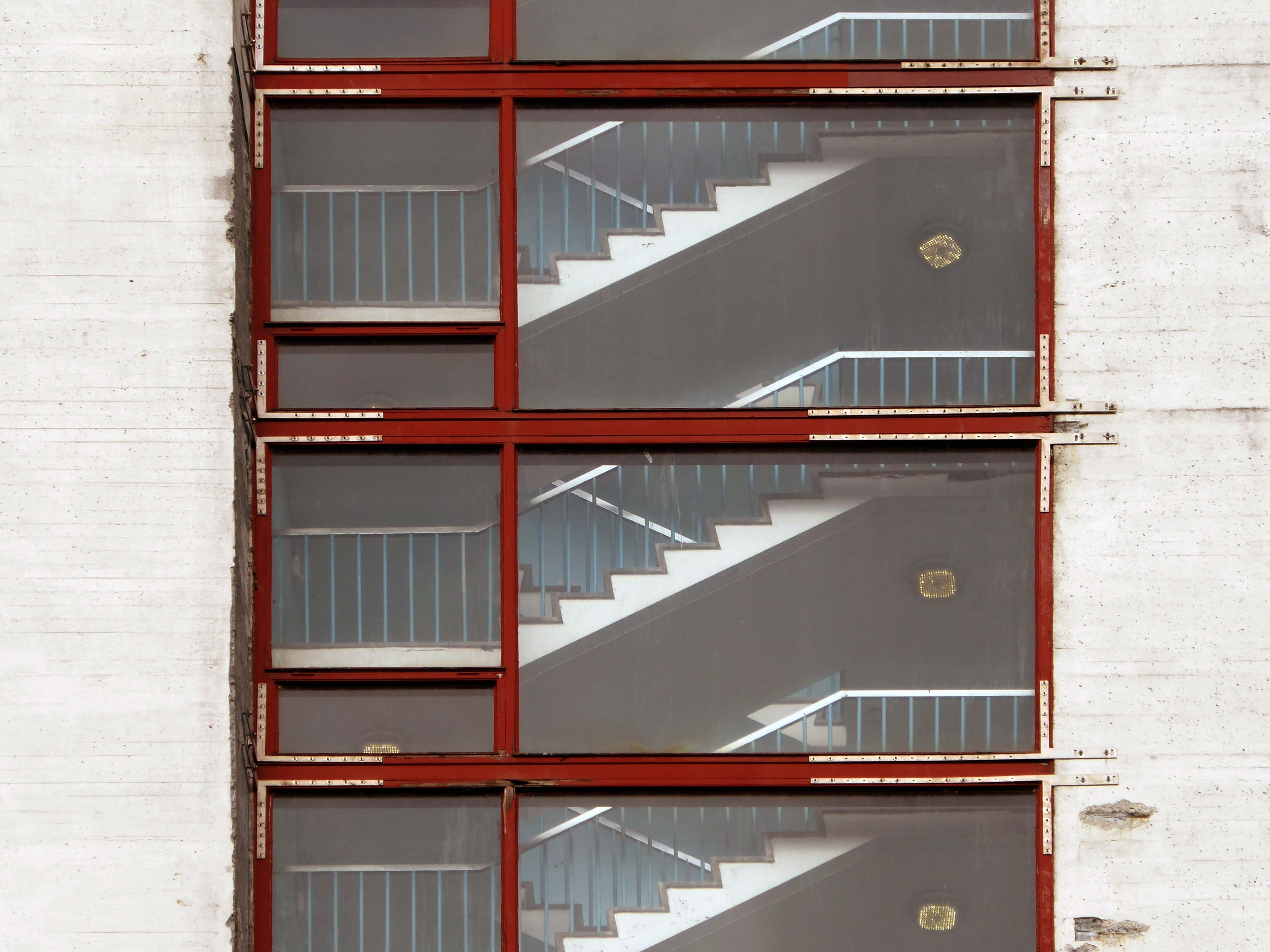
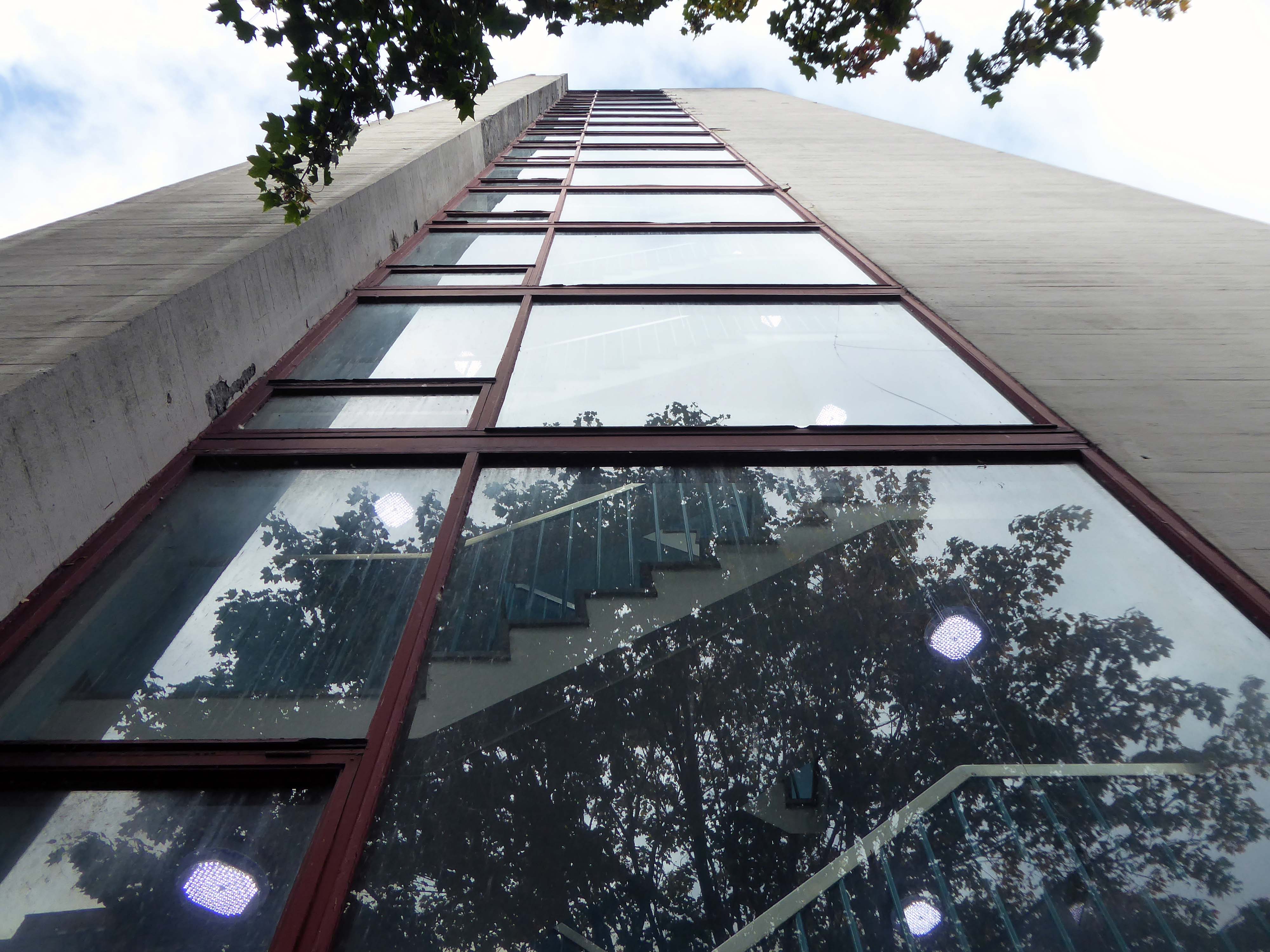
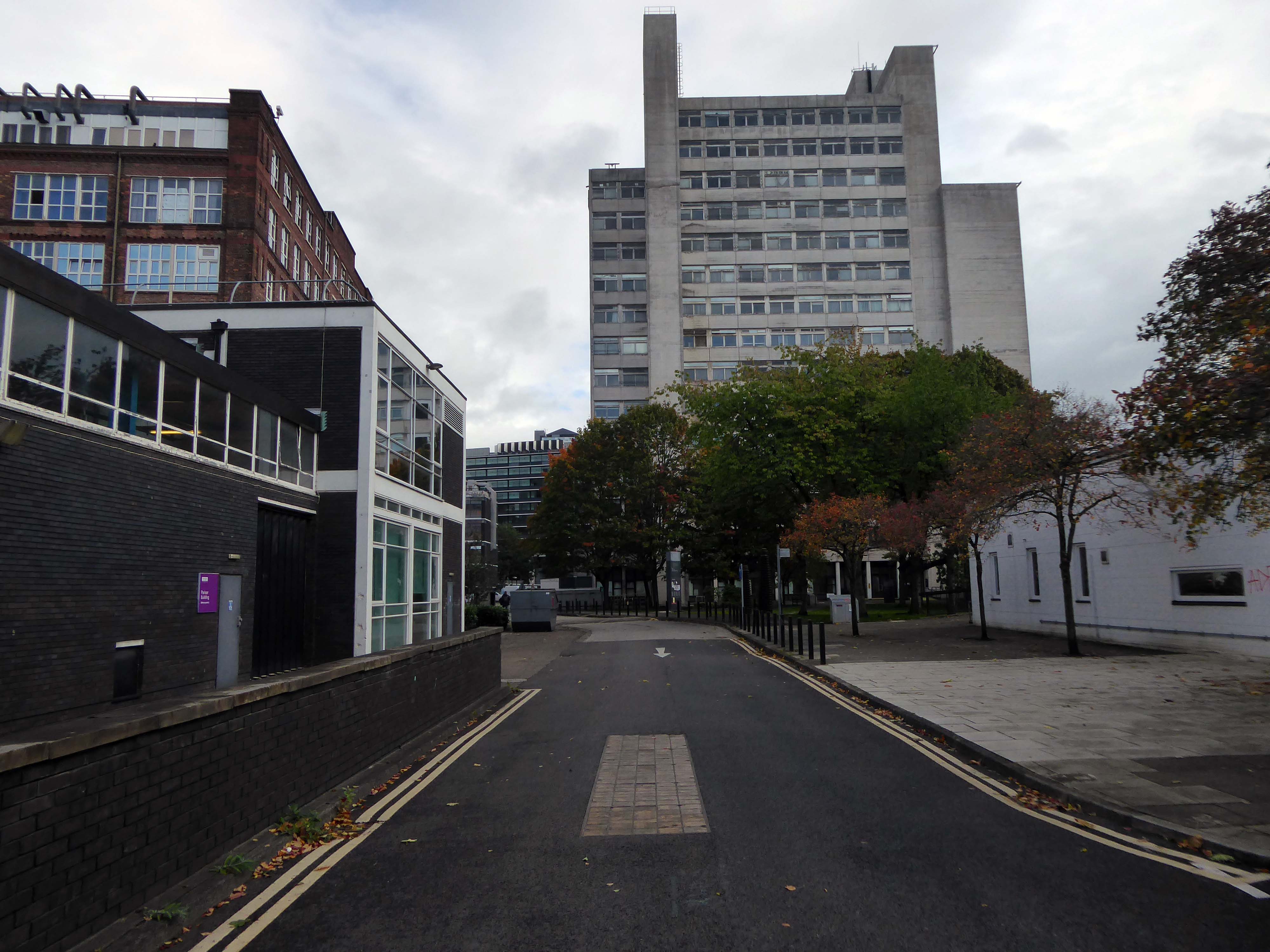
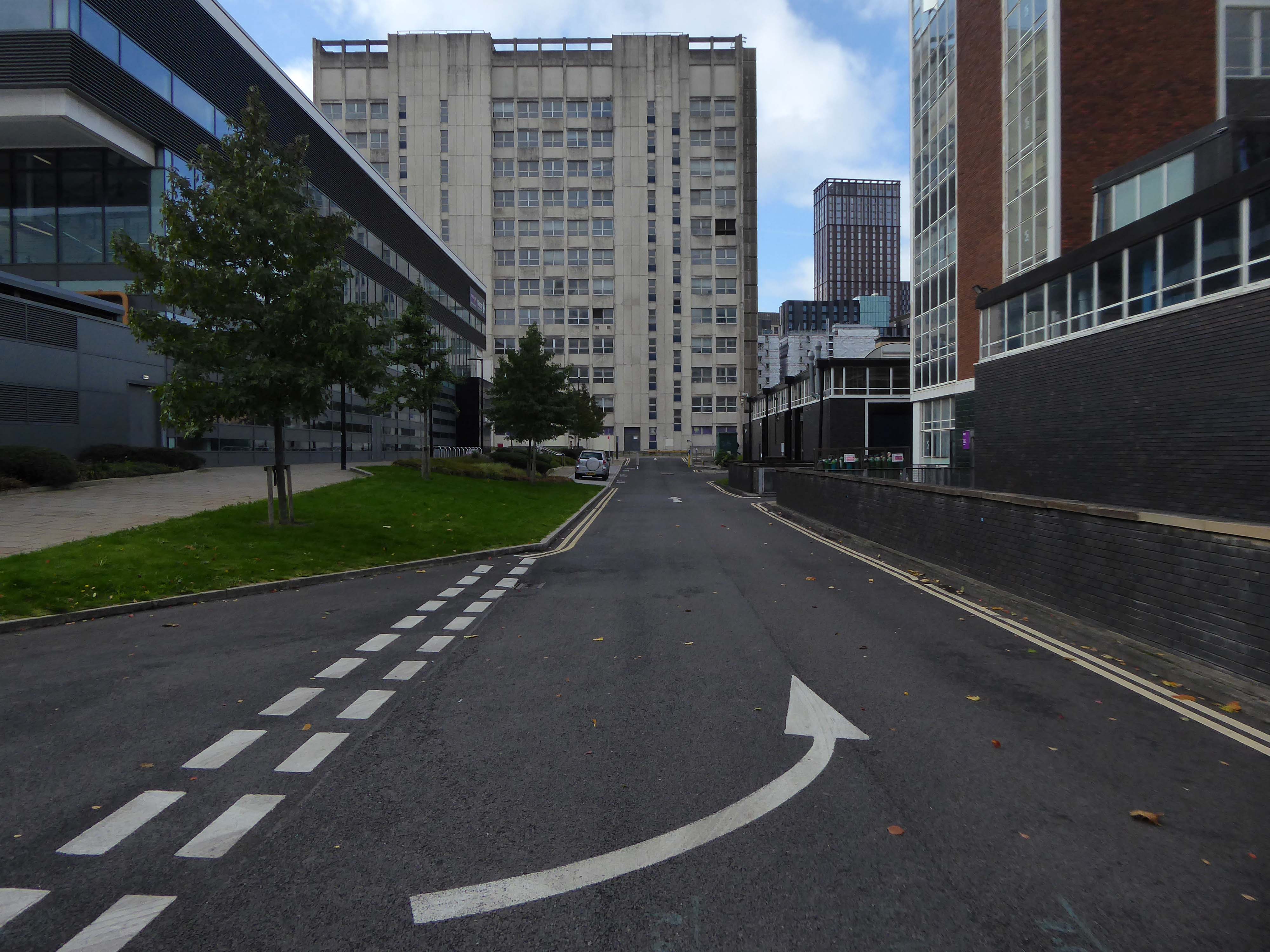
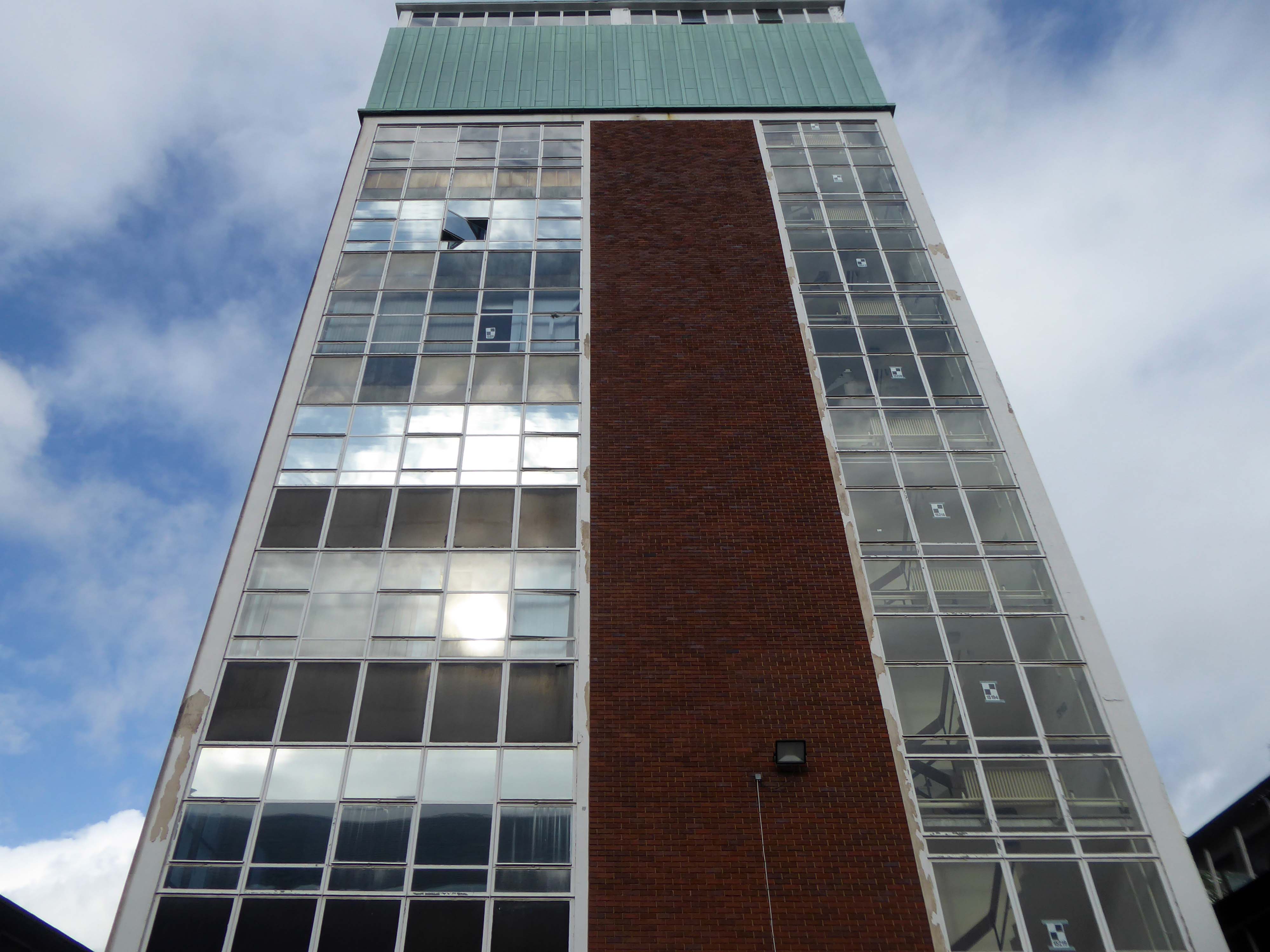
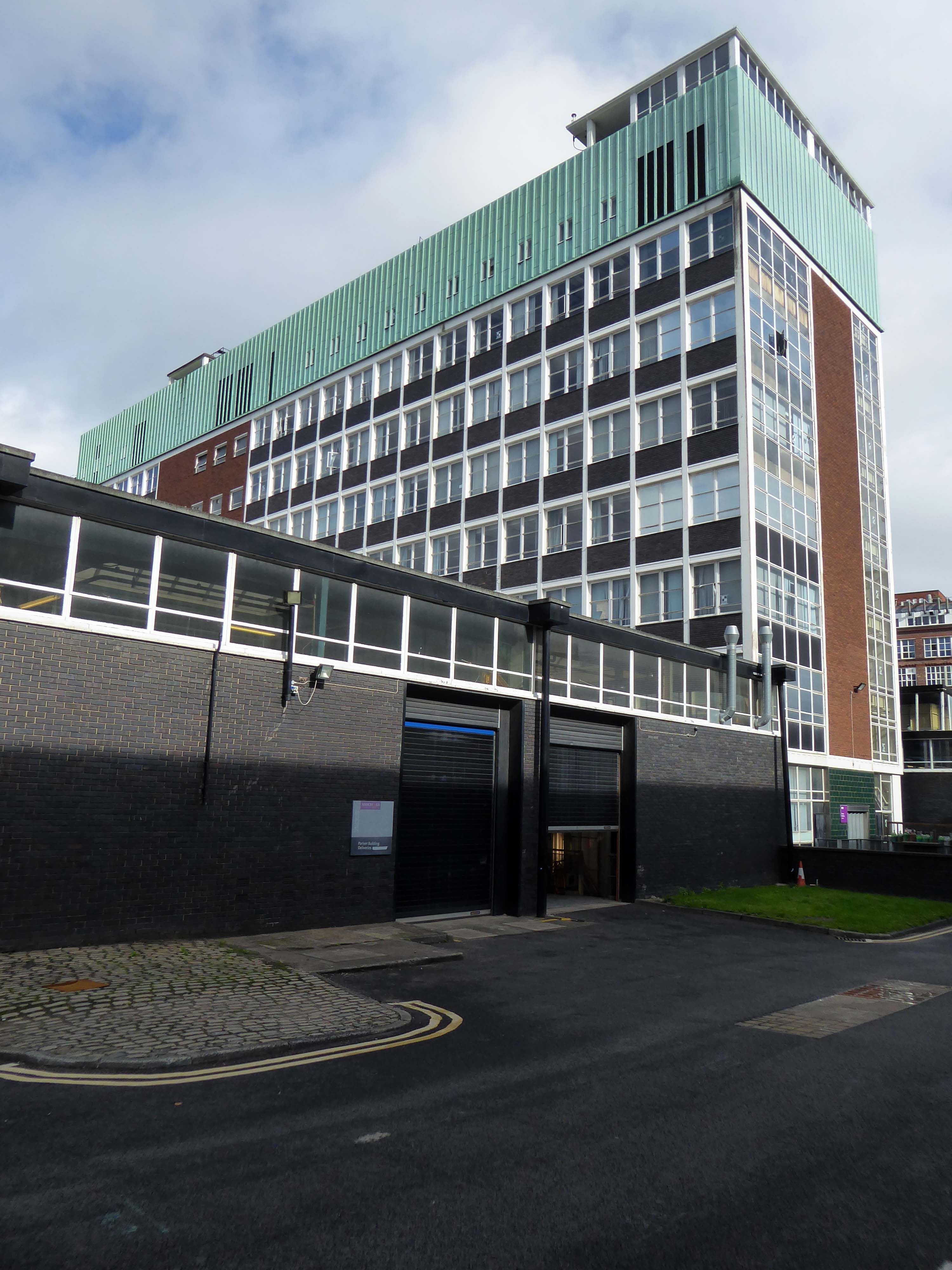
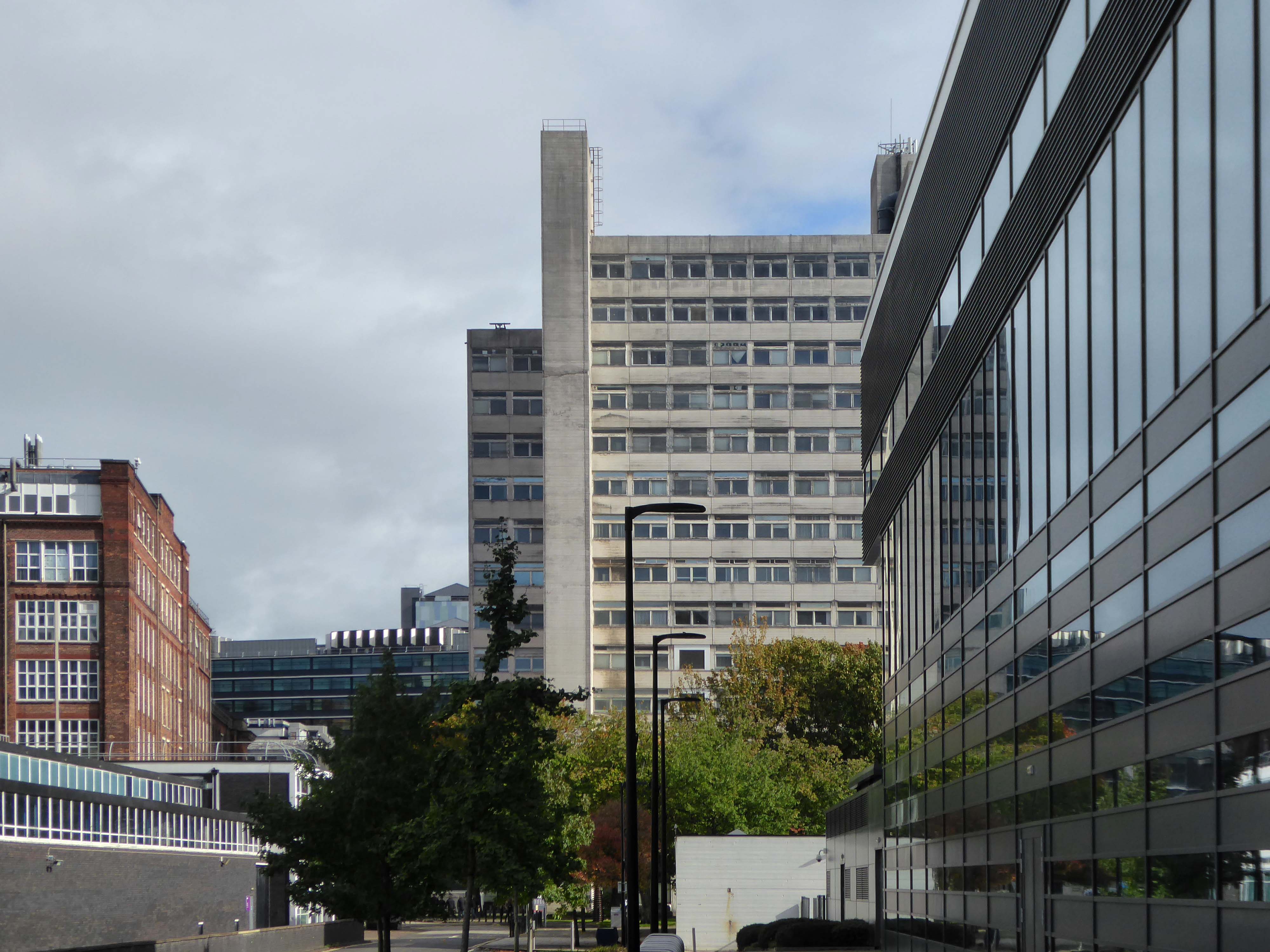
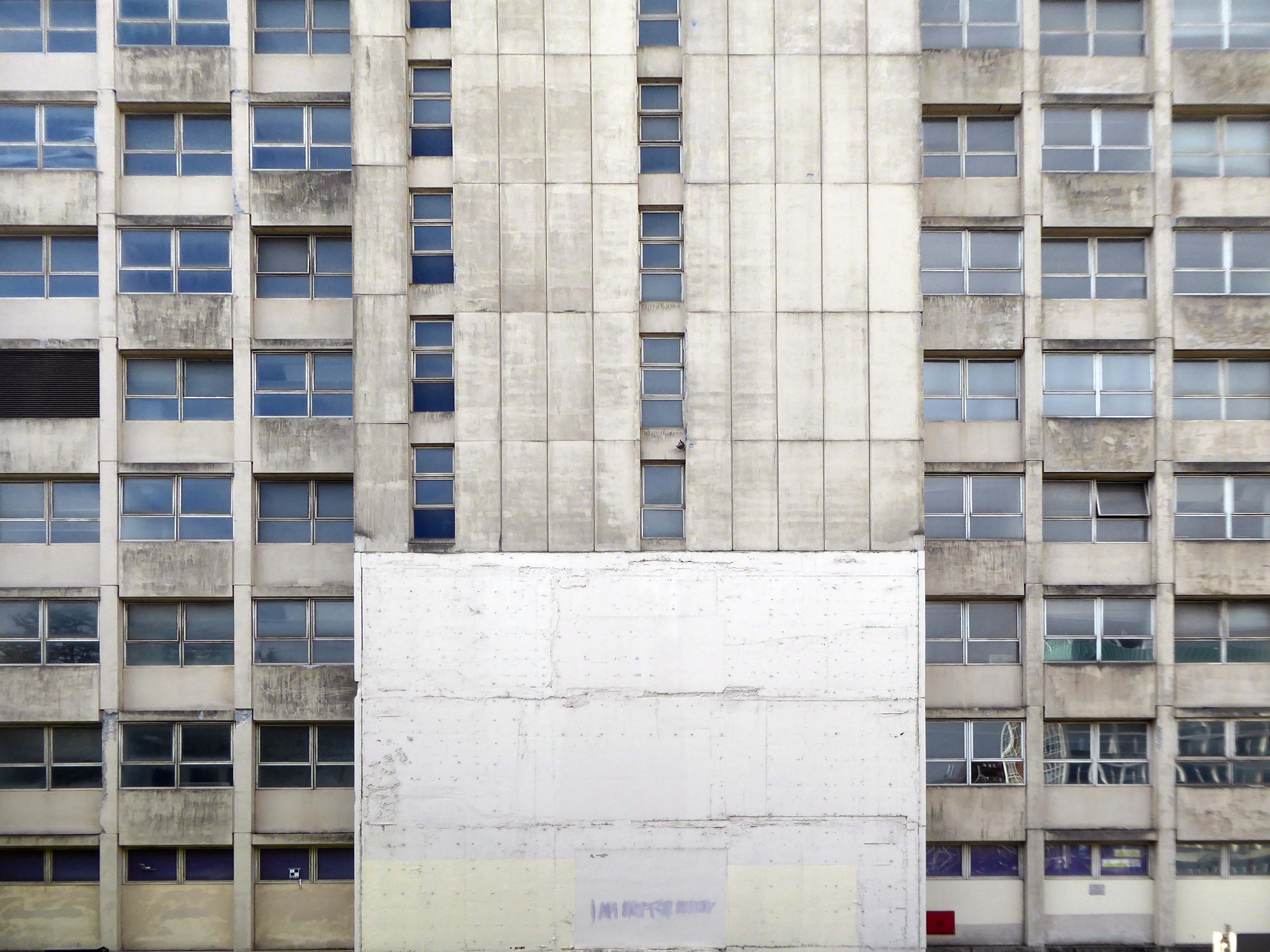
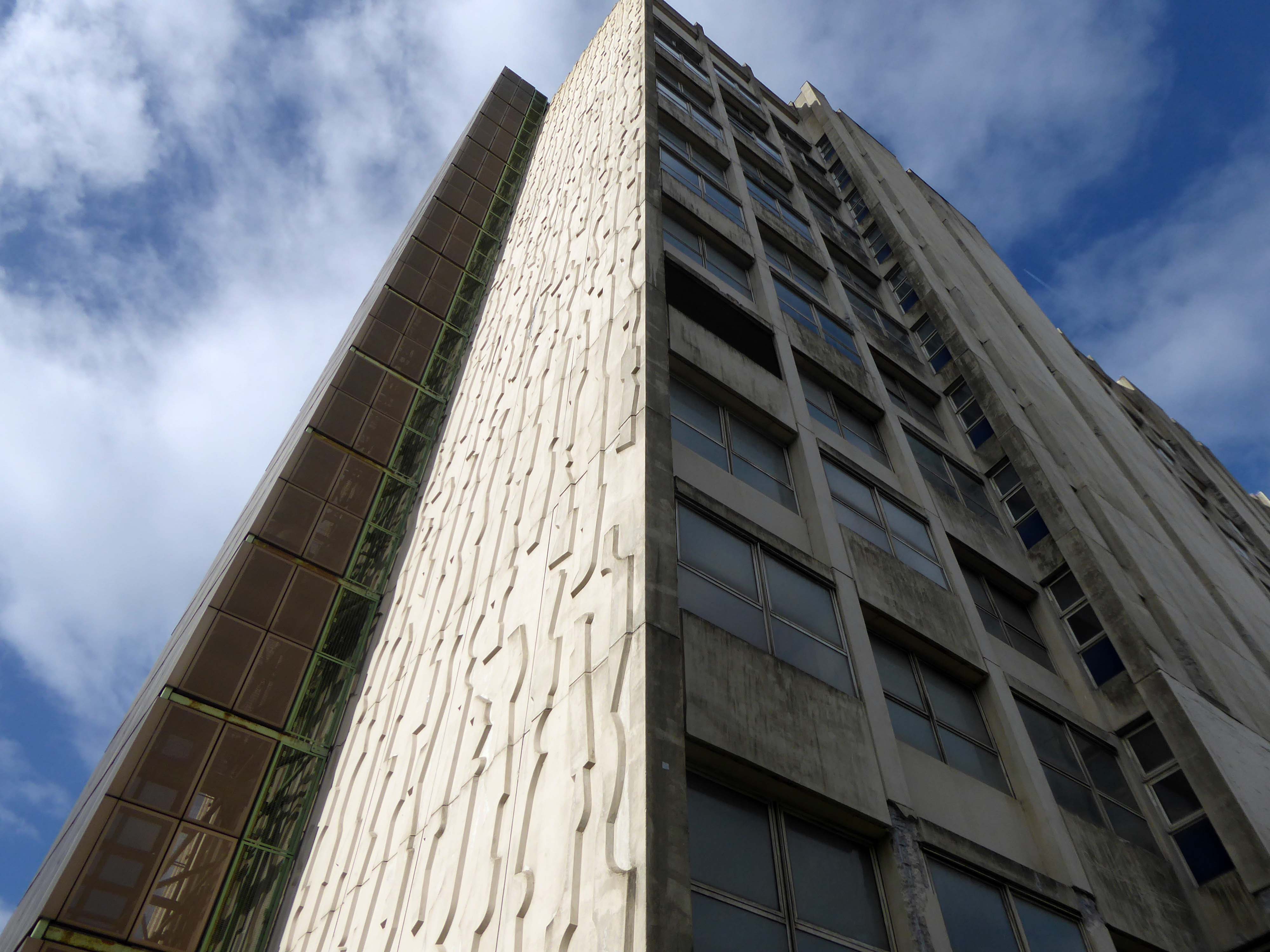
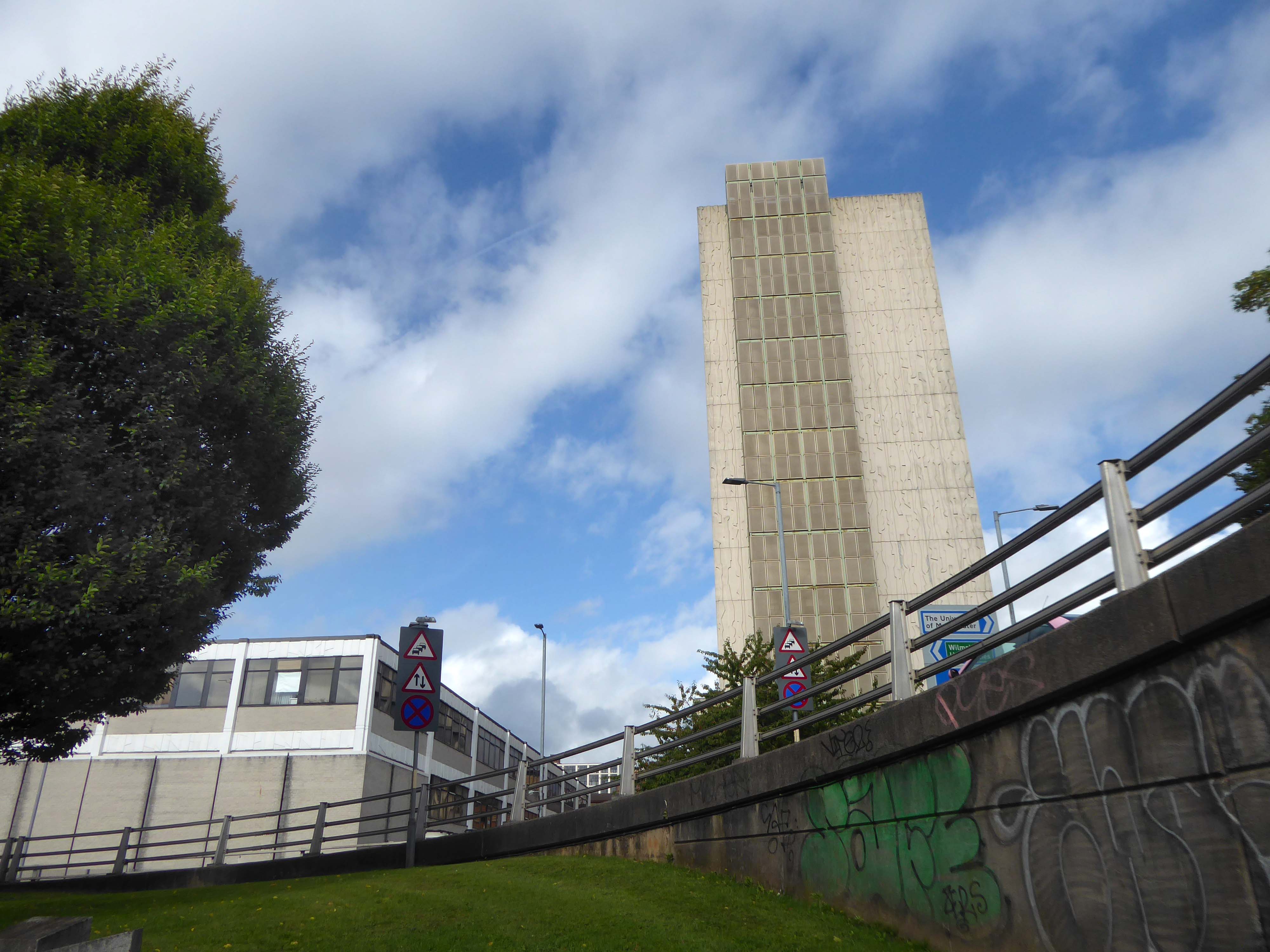
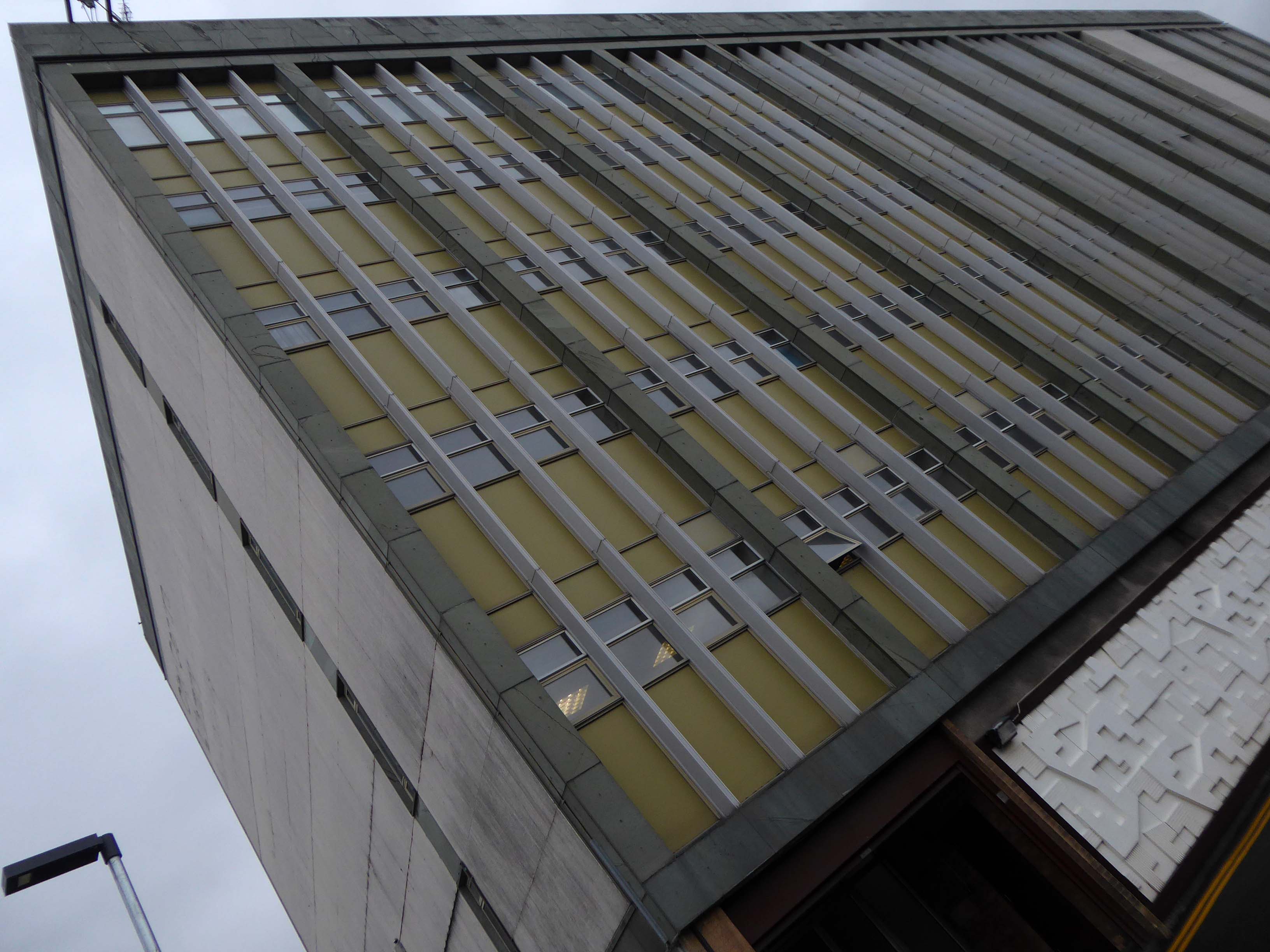
Tower Building by Andrew Renton 1963-65

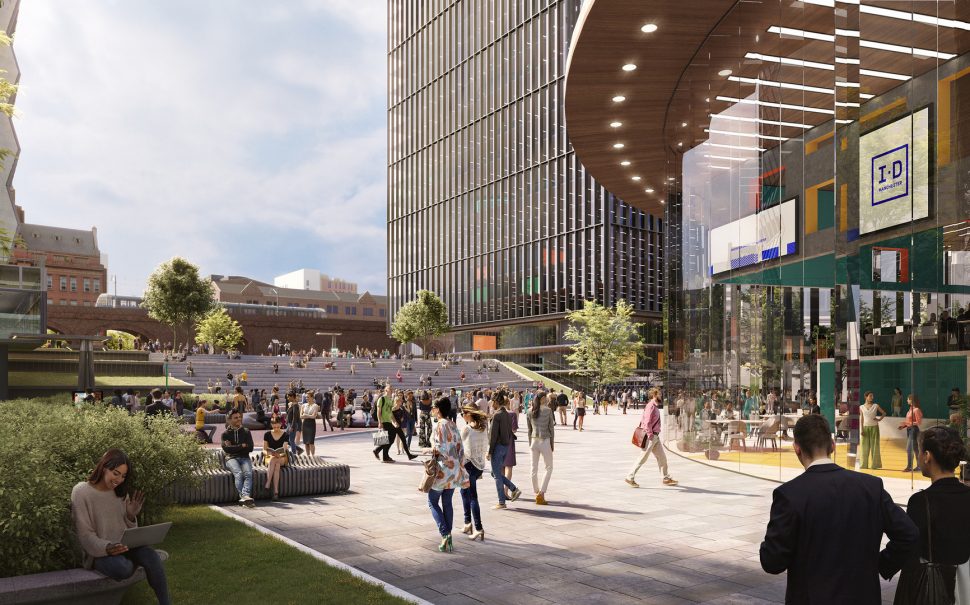
Refurbishment work is taking place to develop flexible workspaces, including offices, conference and meeting rooms, while the building will also accommodate hospitality and events rooms. The university also plans to include a restaurant, coffee bar, a deli-shop and a top-floor sky lounge.

West Bridgford Wire

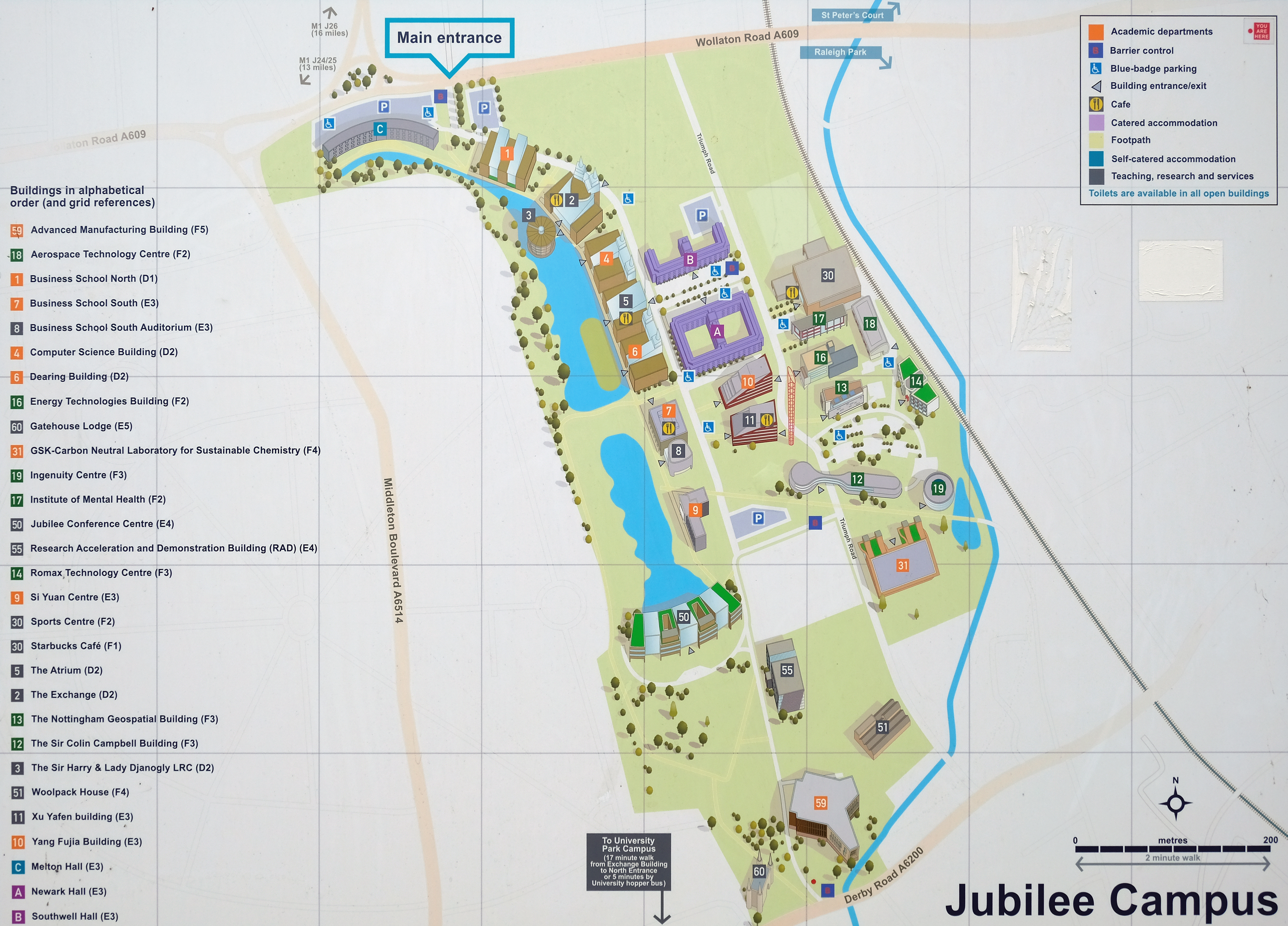
Jubilee Campus

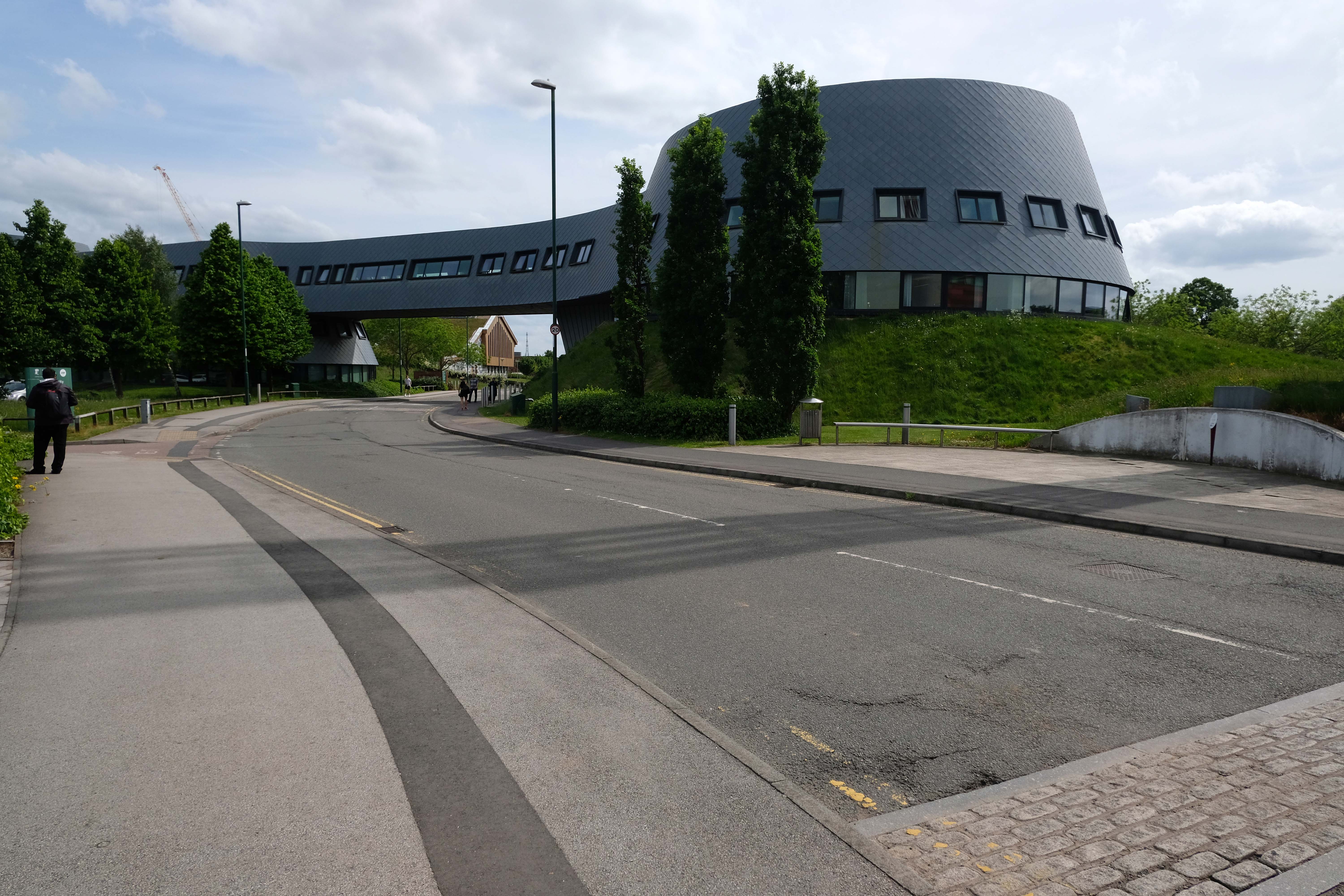
Jubilee Campus is a modern purpose-built campus which now extends to 65 acres and is located only one mile from University Park. The initial phase was opened by Her Majesty the Queen in 1999. The state-of-the-art facilities now include:

  • The Schools of Education – including CELE and Computer Science
  • The Nottingham University Business School
  • The National College for Leadership of Schools and Children’s Services 
  • Sports Centre
  • University of Nottingham Innovation Park
  • 4000 third party purpose-built student residences within half a mile radius of the campus

Central to the development of the site has been the setting of high BREEAM Standards – an holistic approach to achieve ESG, health, and net zero goals. ​It is owned by BRE – a profit-for-purpose organisation with over 100 years of building science and research background.

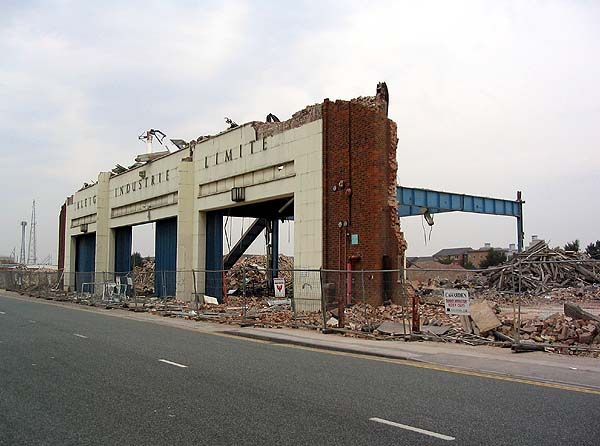
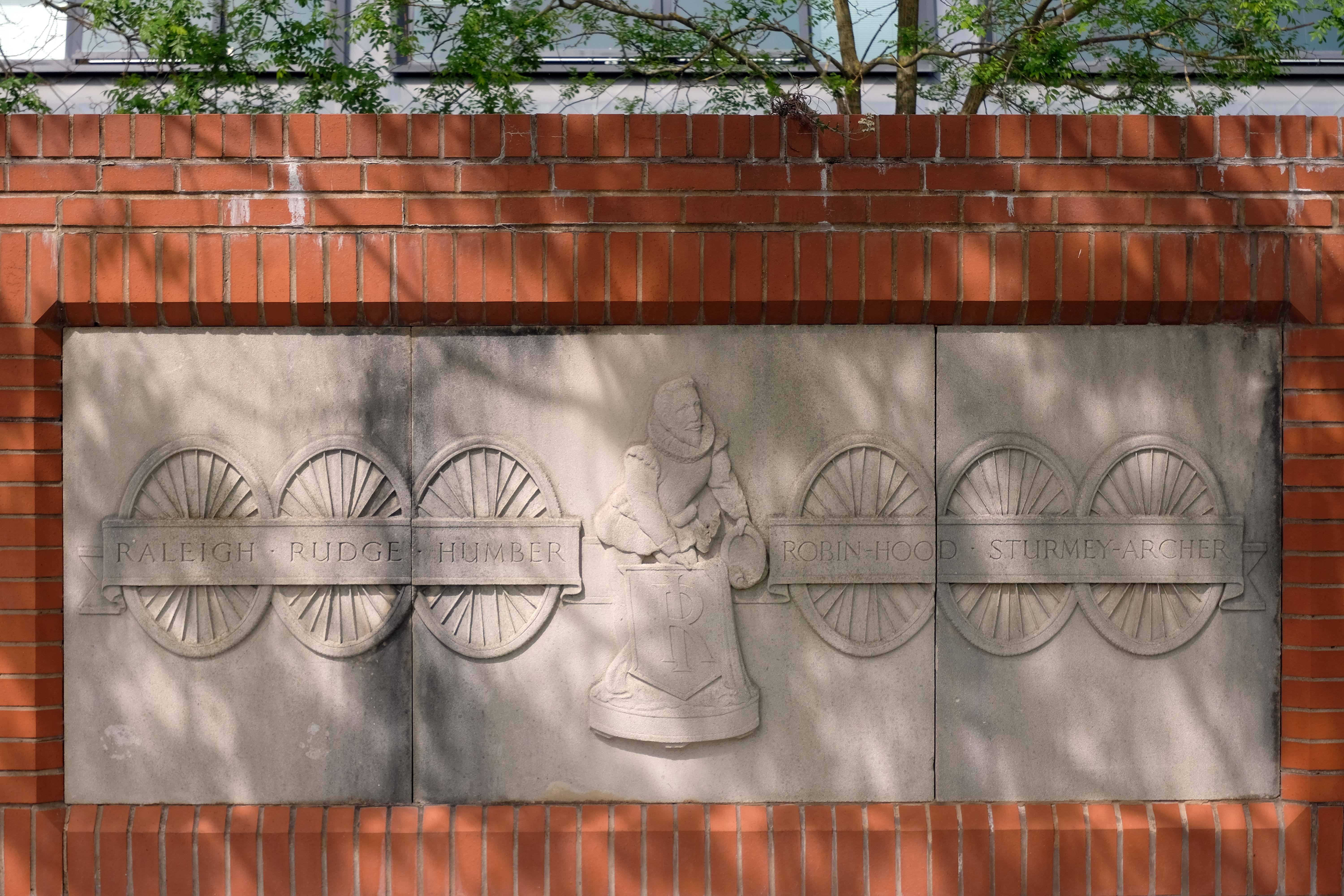
Built on the former site of the immense Number 3 Raleigh Bicycle Factory – which was opened by Field Marshal Lord Montgomery in 1957.

At its peak in the 1950s, Raleigh employed 7000 people on a 40 acre site that covered most of Lenton Boulevard, Triumph Road and Orston Drive.

In May 1999, Raleigh announced that it was to cease volume production of frames in the UK. The frame welding robots, installed in 1996, were auctioned off in December 1999.

Bikebiz

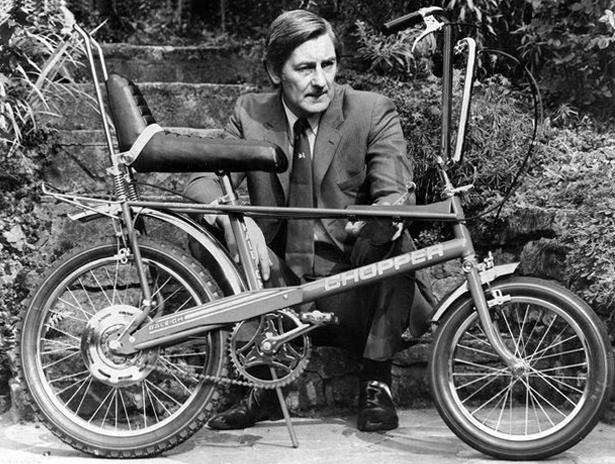
Alan Oakley – who designed the Raleigh Chopper

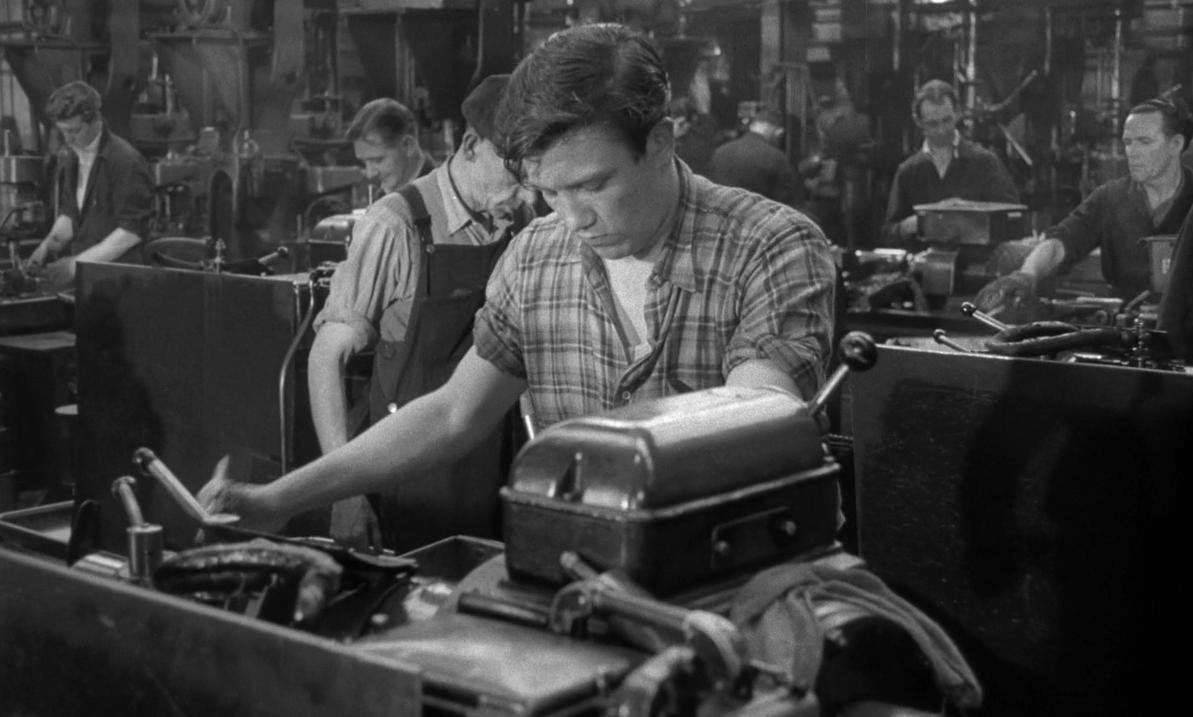
Famously home to Alan Sillitoe/Arthur Seaton/Albert Finney in Saturday Night and Sunday Morning.

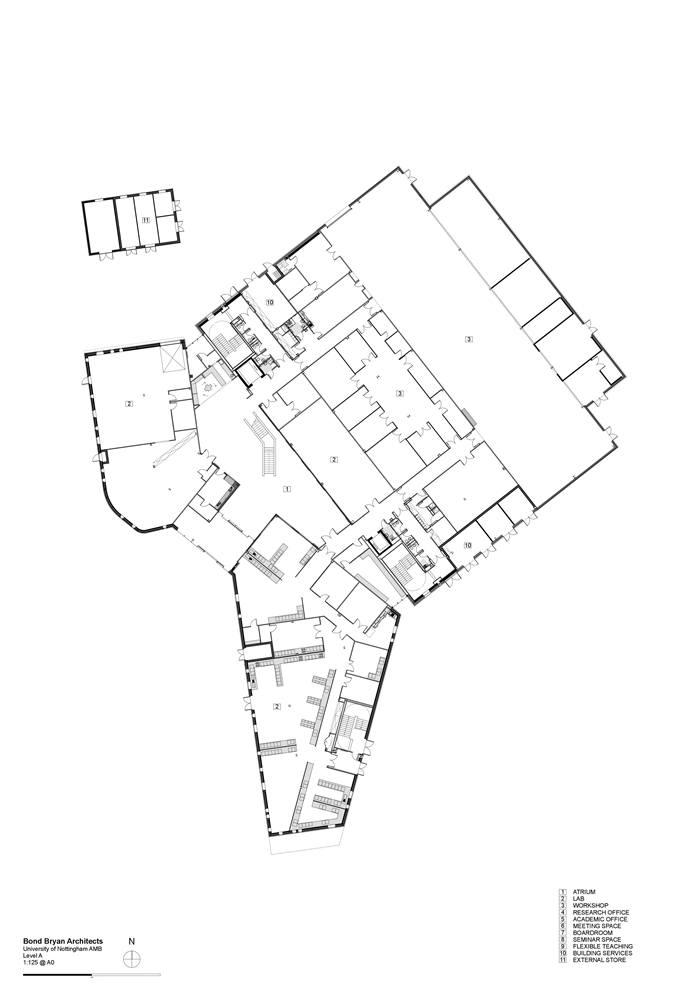
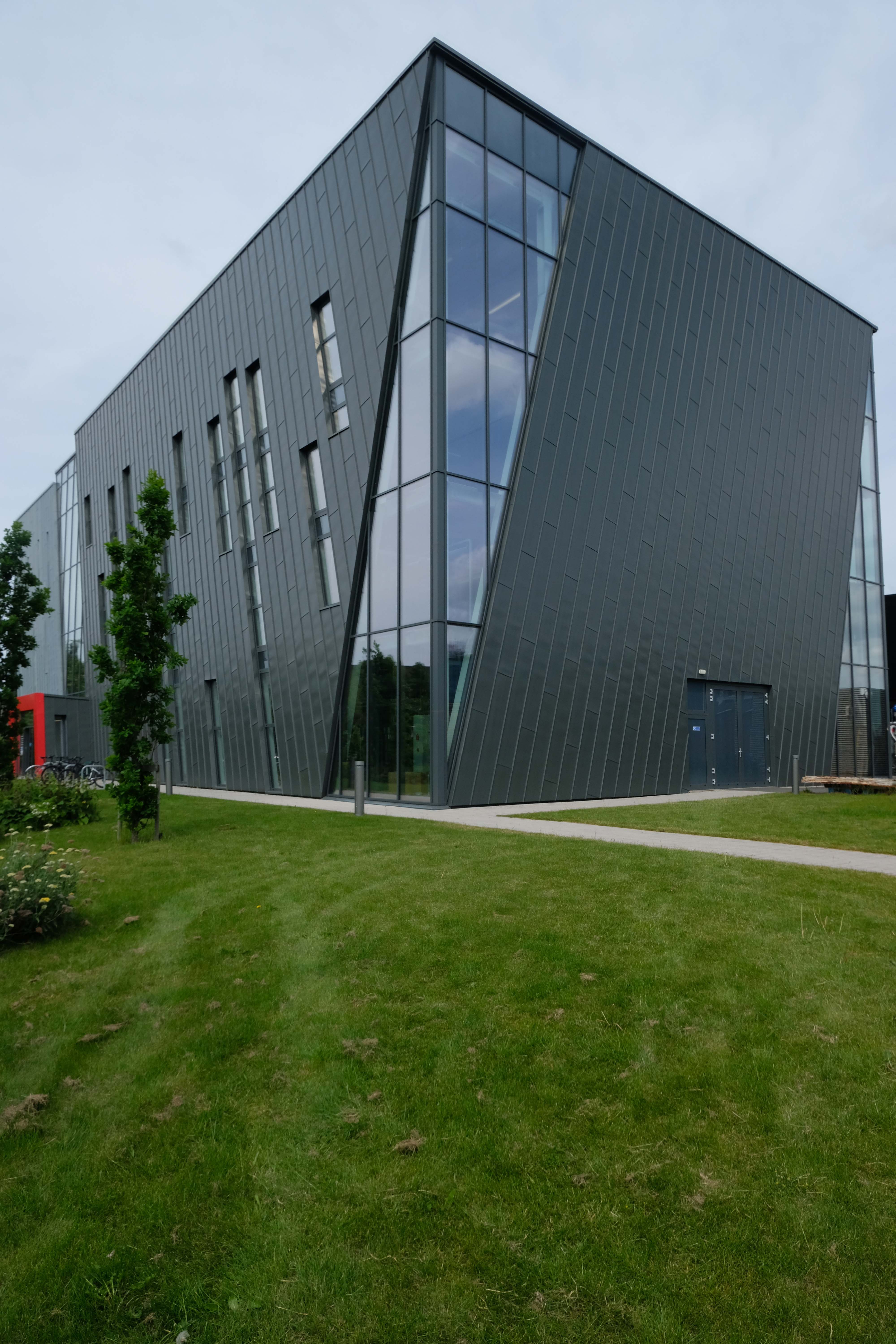
Advanced Manufacturing Building by Bond Bryan Architects 2018

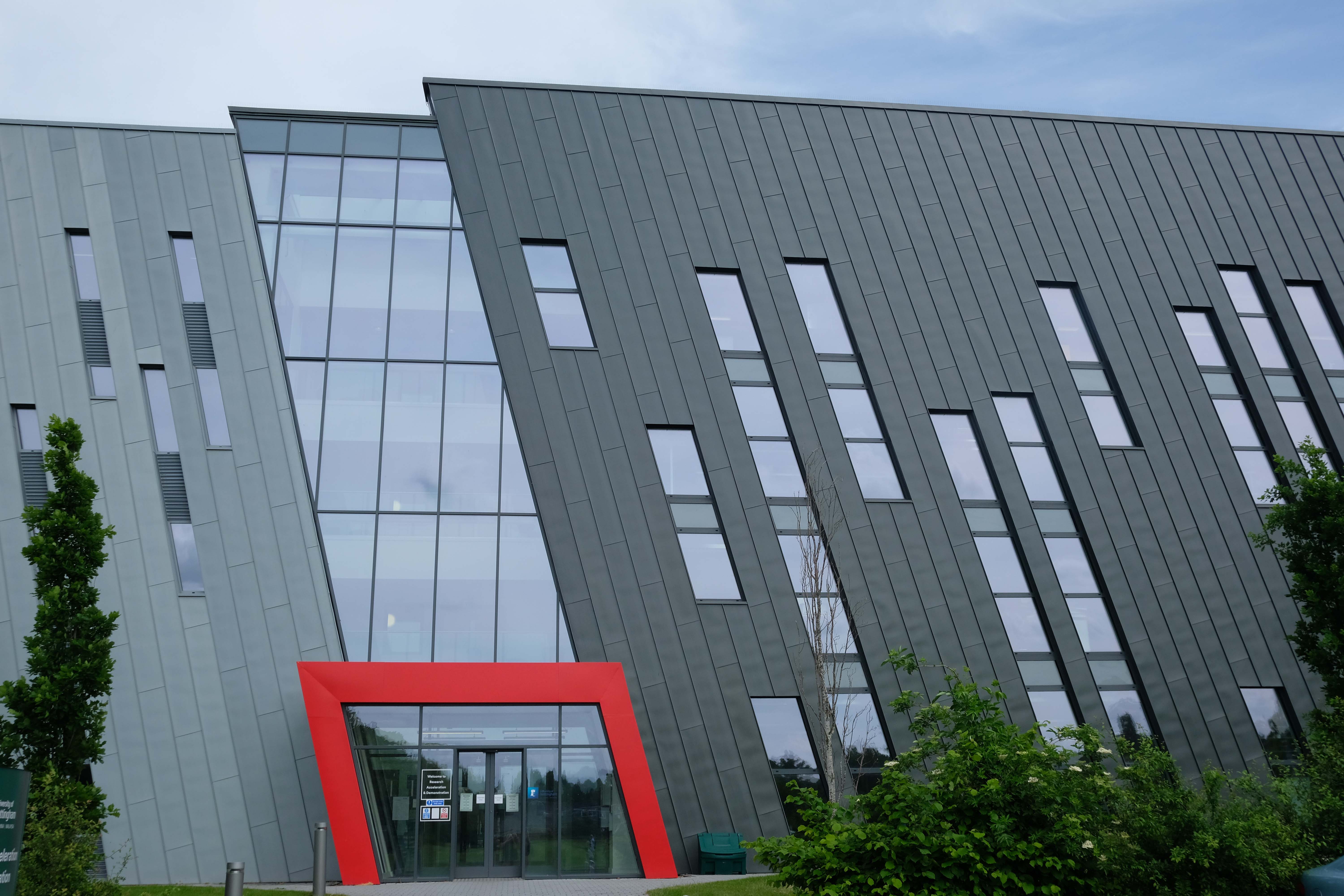
University of Nottingham RAD Building 2017 Lewis & Hickey Ltd

Enjoying a prime location on the University of Nottingham’s Jubilee Campus, the building provides a number of multidisciplinary and specifically designed laboratory spaces, as well as high quality single and multiple occupancy offices, technical support bases and breakout spaces.

RIBA

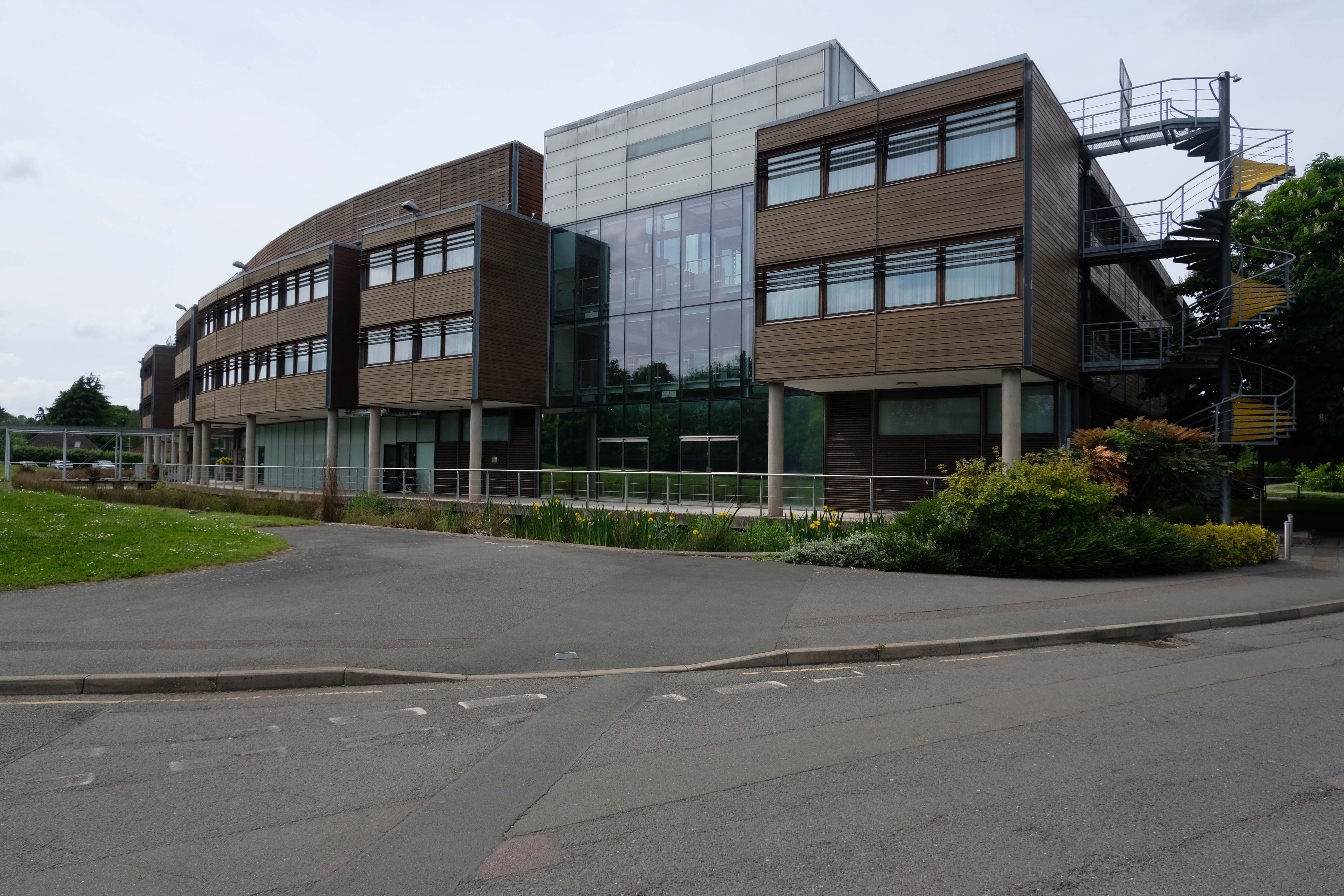
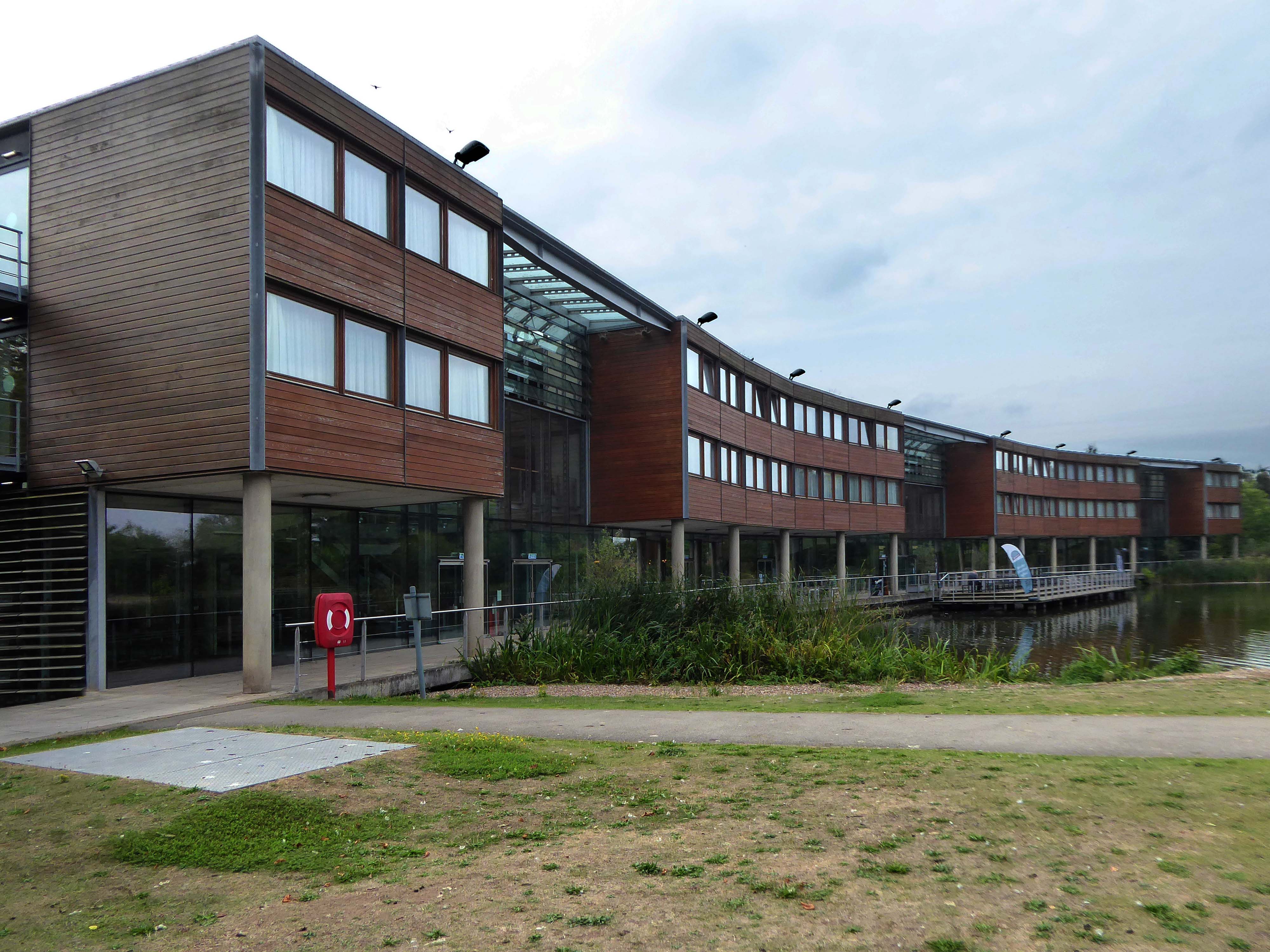
Jubilee Conference Centre 2008 Hopkins Architects

Set within 65 acres of lakeside grounds, close to Nottingham city centre, The Jubilee hotel & conferences offers an innovative setting for events, along with all the comforts of a modern hotel.

If you are looking for sustainable venue hire, look no further. With a range of meetings spaces, breakout areas and bedrooms; The Jubilee is perfect for event and conferences organisers looking for a light, airy and relaxing setting.

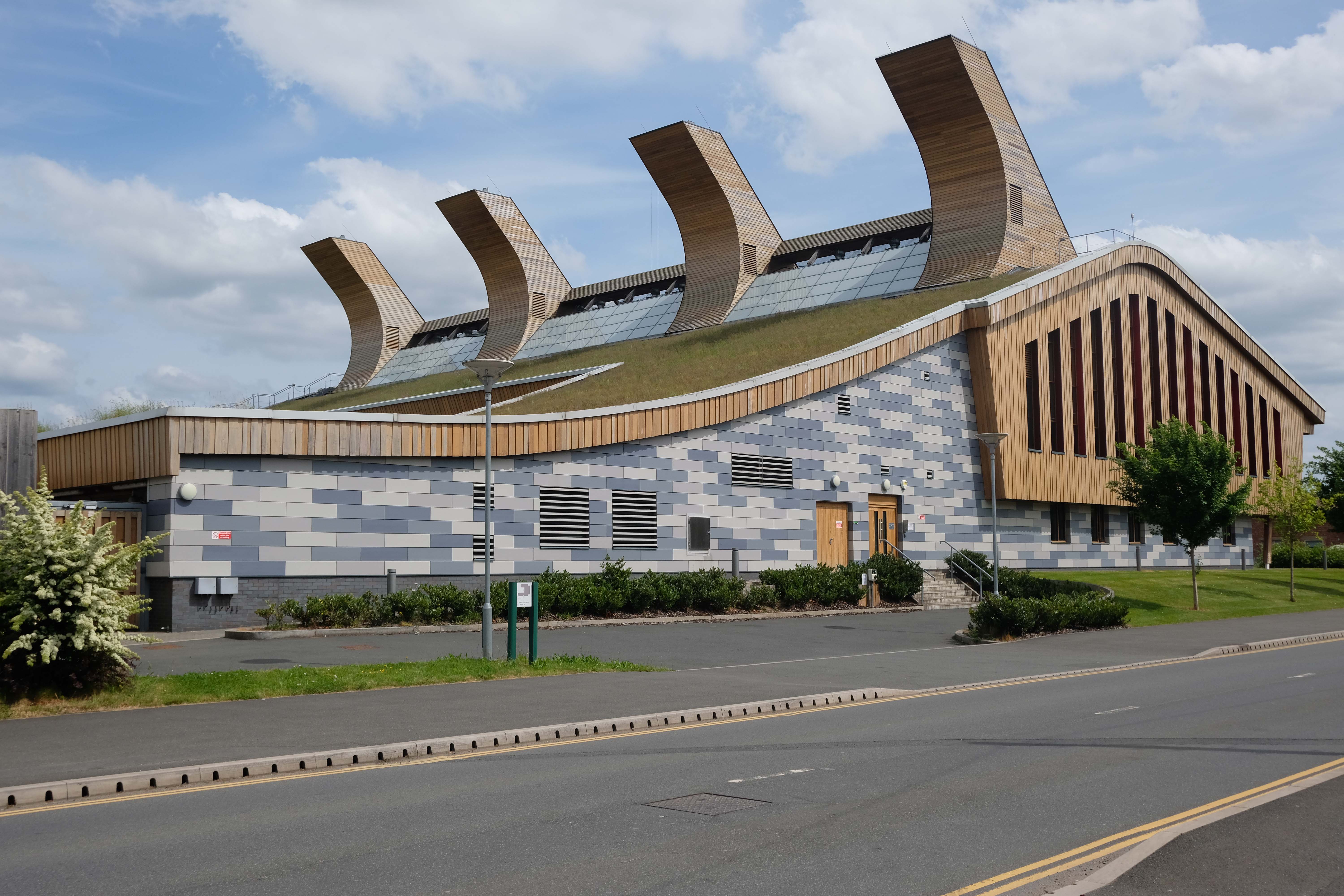
GSK Carbon Neutral Laboratory 2014 by Fairhursts Design Group

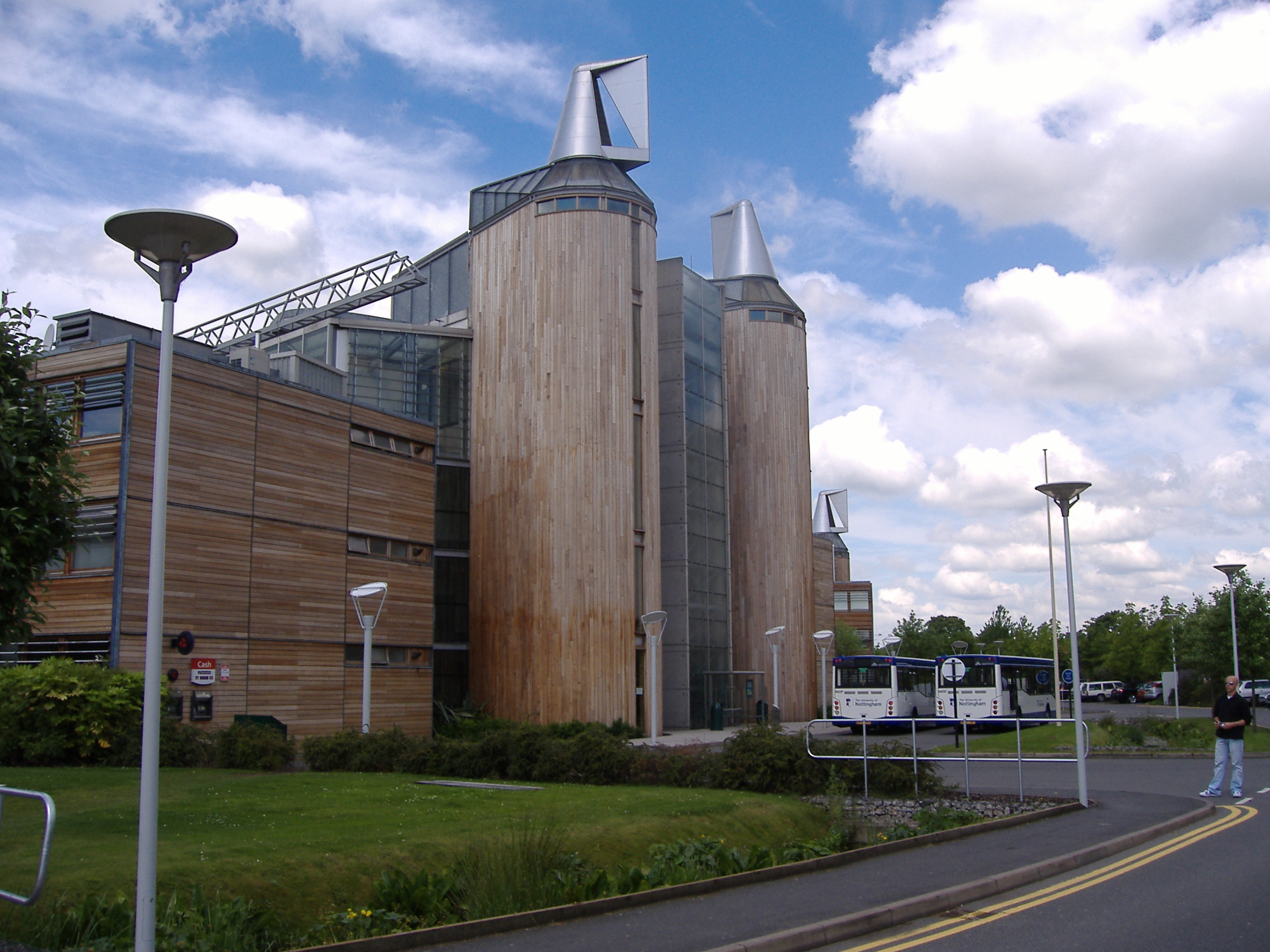
Designed to minimise the impact on the environment of its construction and operation. The design of the building is made up of modules manufactured off-site. The building support pillars and trusses are made from a combination of German spruce, Austrian Spruce, and American red cedar.

The designers used computational fluid dynamics to design the curved roof. This enables ventilation of the building by taking advantage of the prevailing wind. One of the laboratories is also ventilated in this way, to determine the viability of doing so elsewhere. The building also features a green roof, and solar panels that cover 45 per cent of the roof area and provide up to 230.9 kW. The four towers on the roof hide the building’s plant equipment. Additionally, a 125-kilowatt biofuel combined heat and power system was built on-site, providing the majority of heat needed for the buildings.

Wikipedia

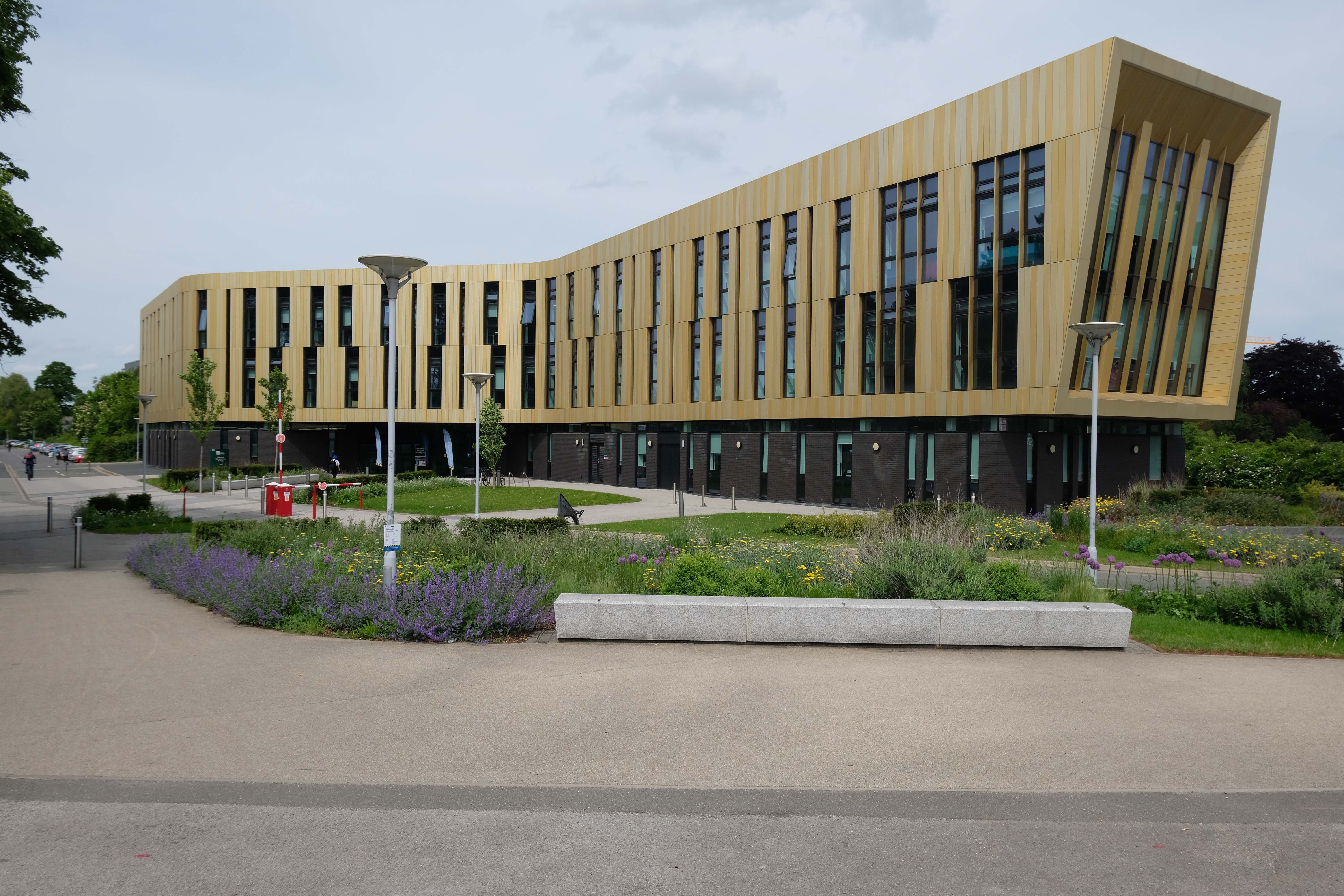
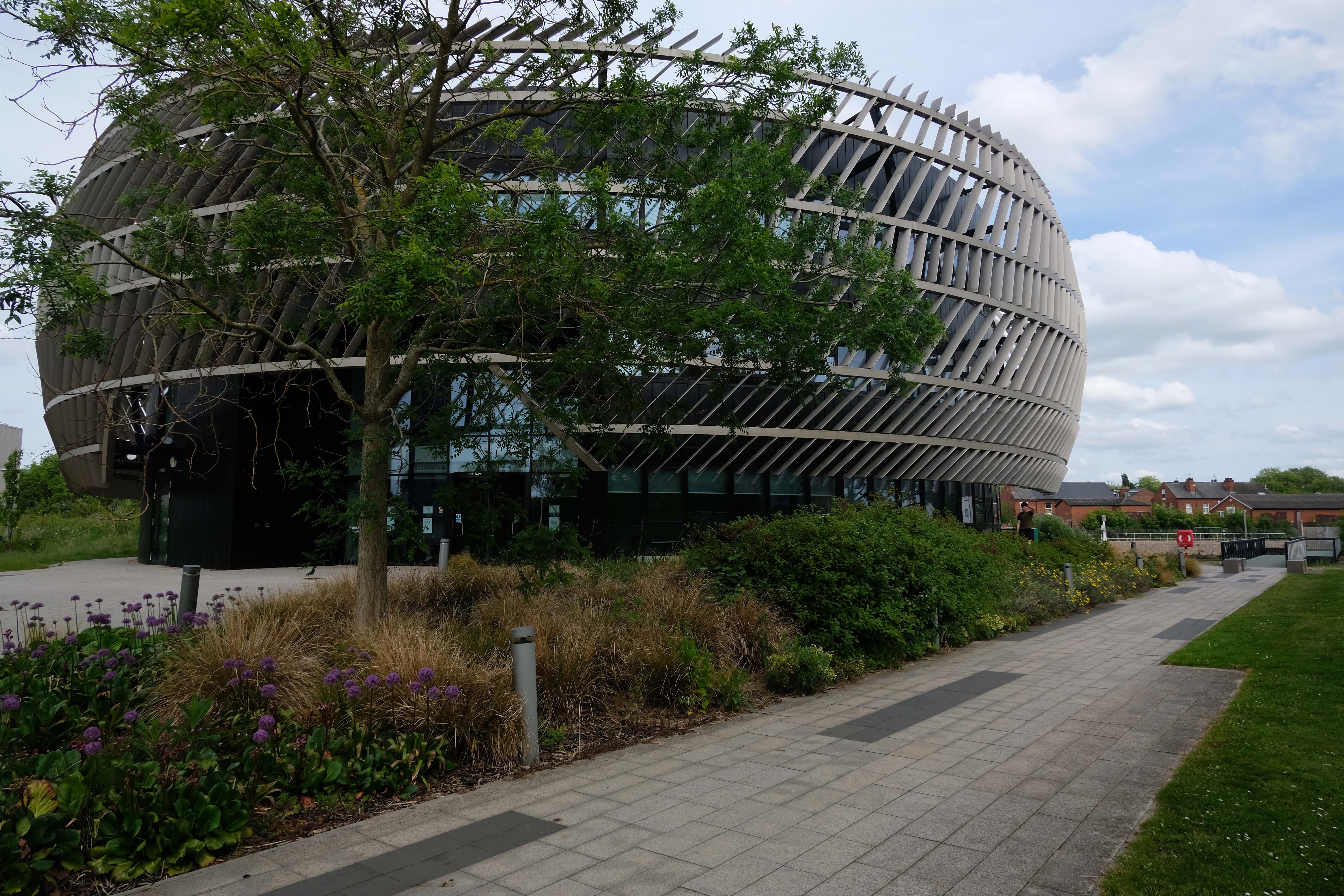
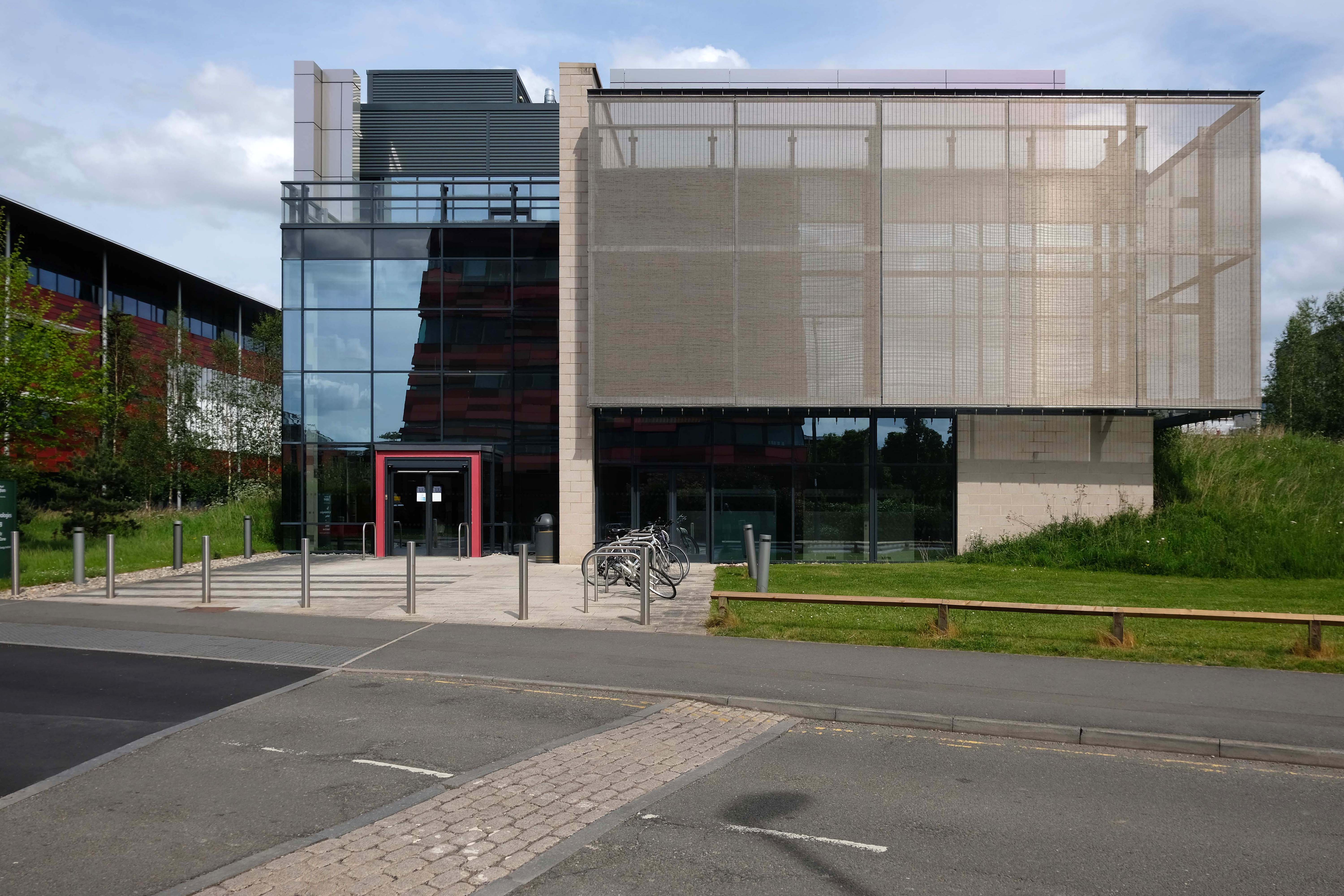
Ingenuity Centre by Bond Bryan 2017

Alucraft designed fabricated and delivered the façade,

At first glance the centre appears to be a hi-tech structure that would not look out of place in a sci-fi movie, with a complex array of metal fins forming a metallic bronze-coloured circular envelope that seems to float around a central core.

Keep looking though and some of the design cues are clearly industrial – the metallic external envelope echoing the form of some finely machined, mechanical component or even the patterned tread of a tyre.

Building Construction Design

Romax Technology Centre by Tomlinson 2015

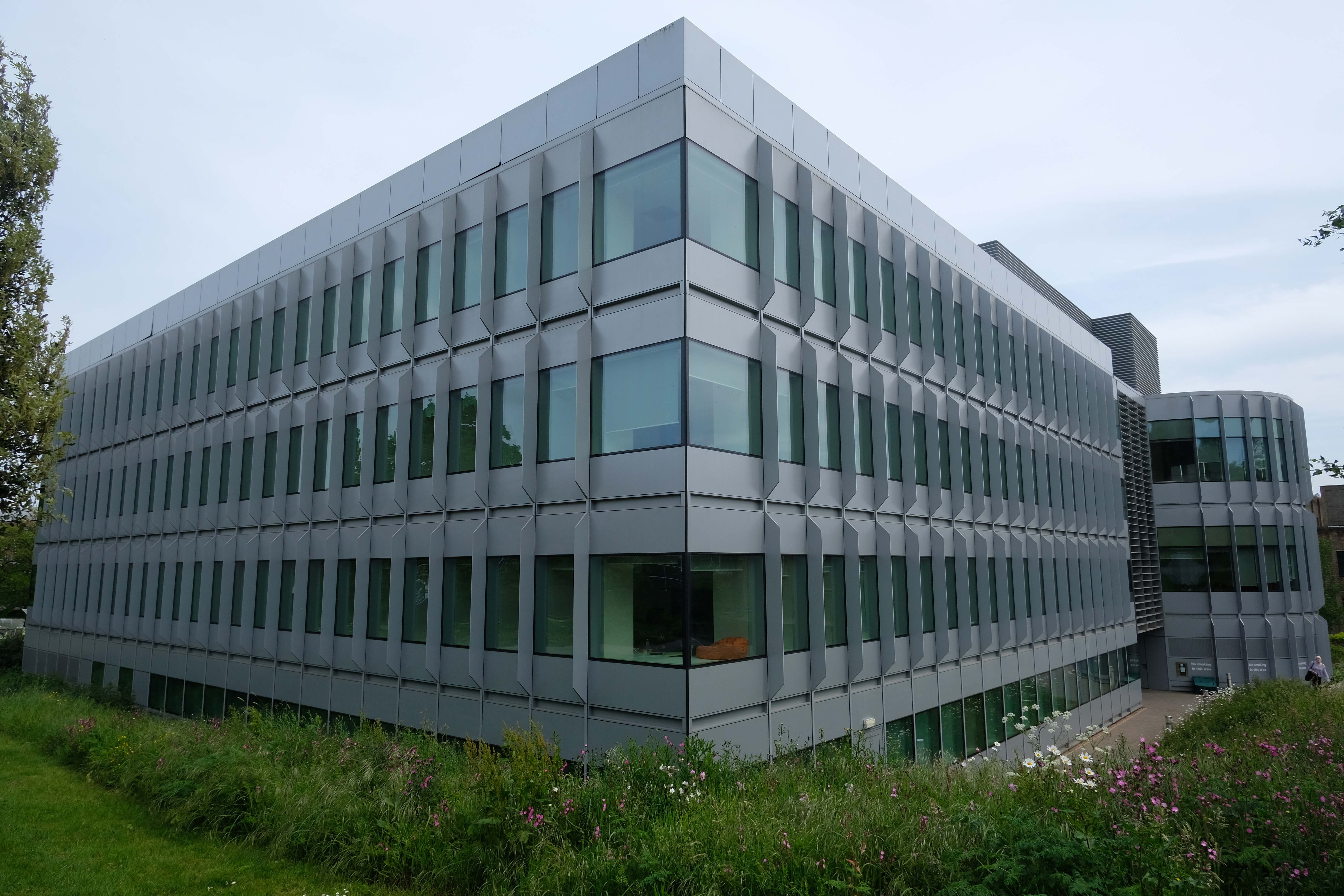
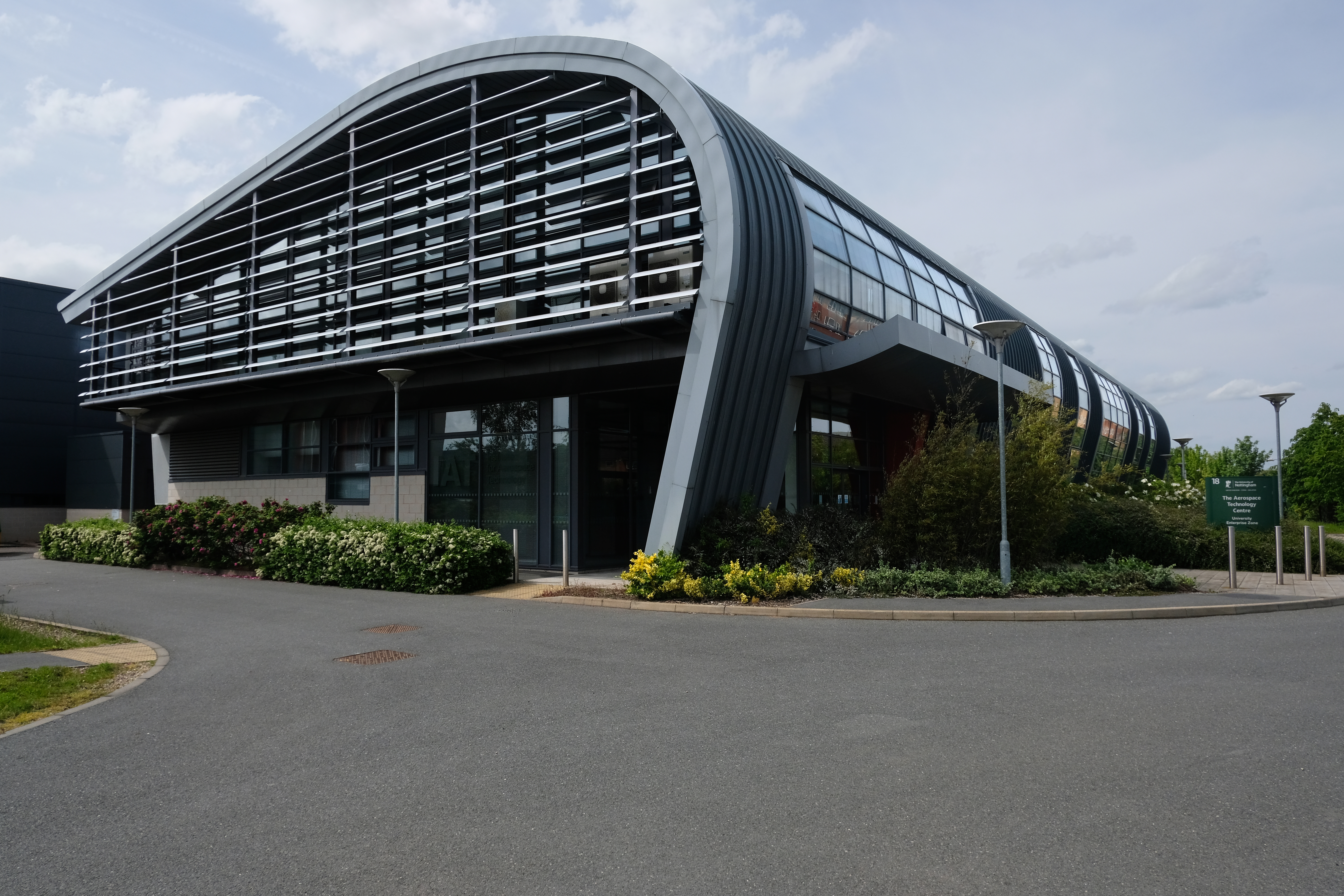
Aerospace Technology Building by William Saunders 2012

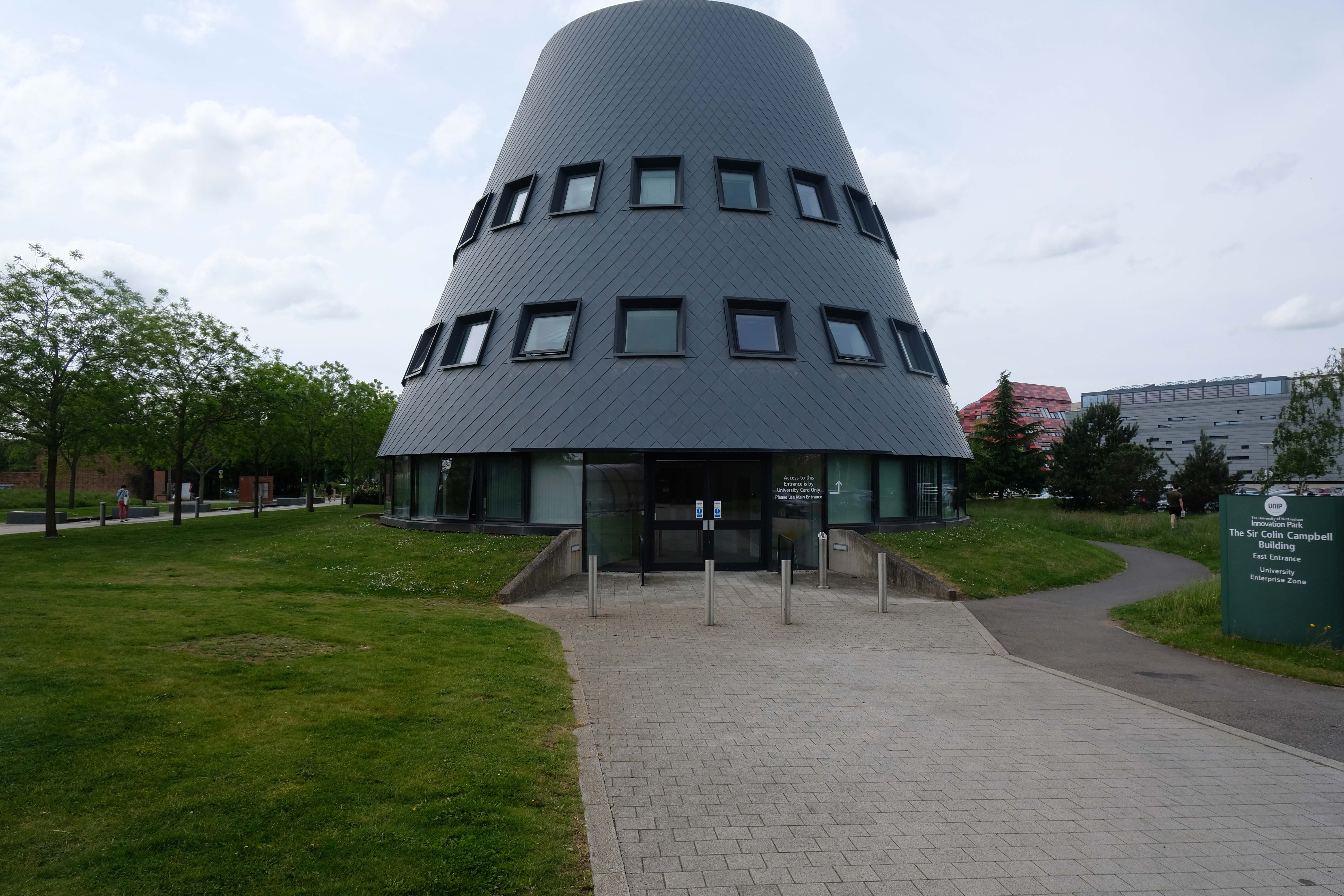
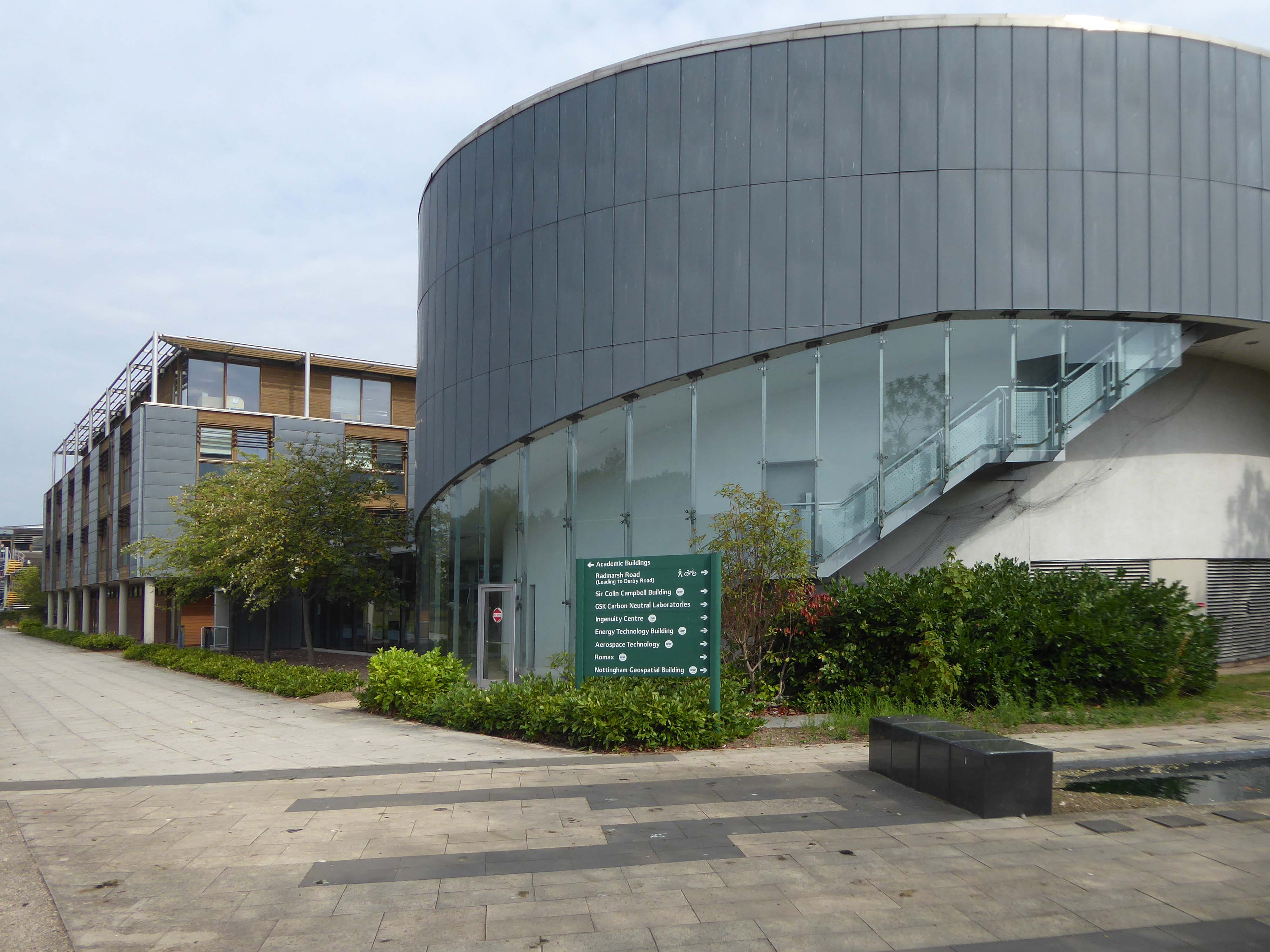
Sir Colin Campbell Building by Bond Bryan 2011 – with Arup acting as structural and services engineer.

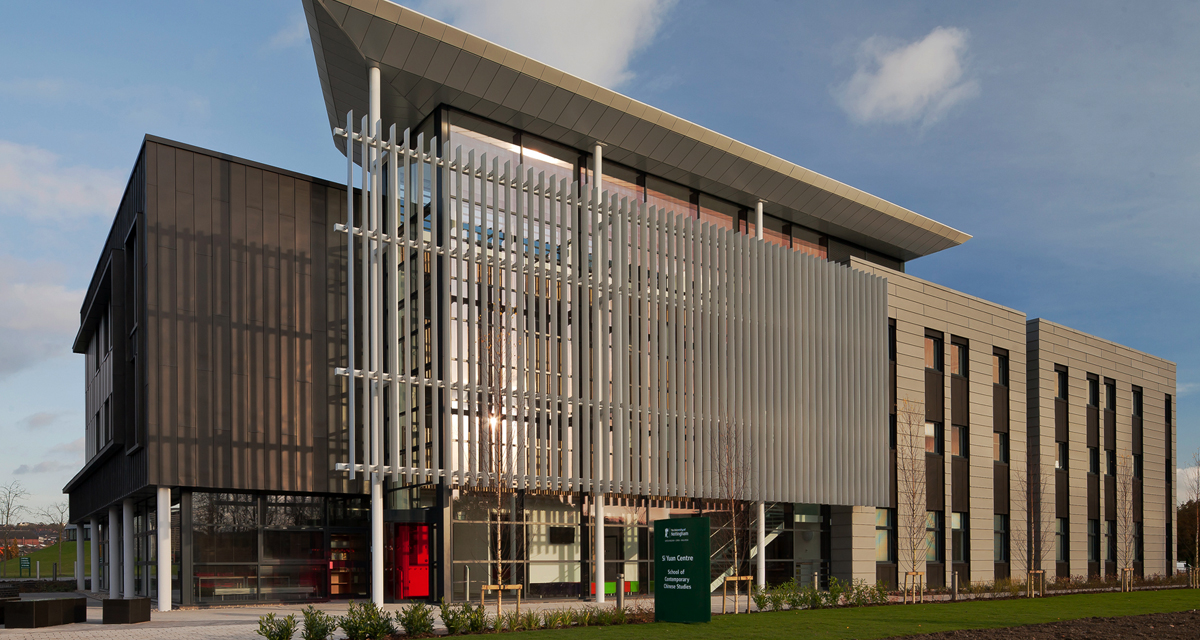
Si Yuan Centre of Contemporary Chinese Studies

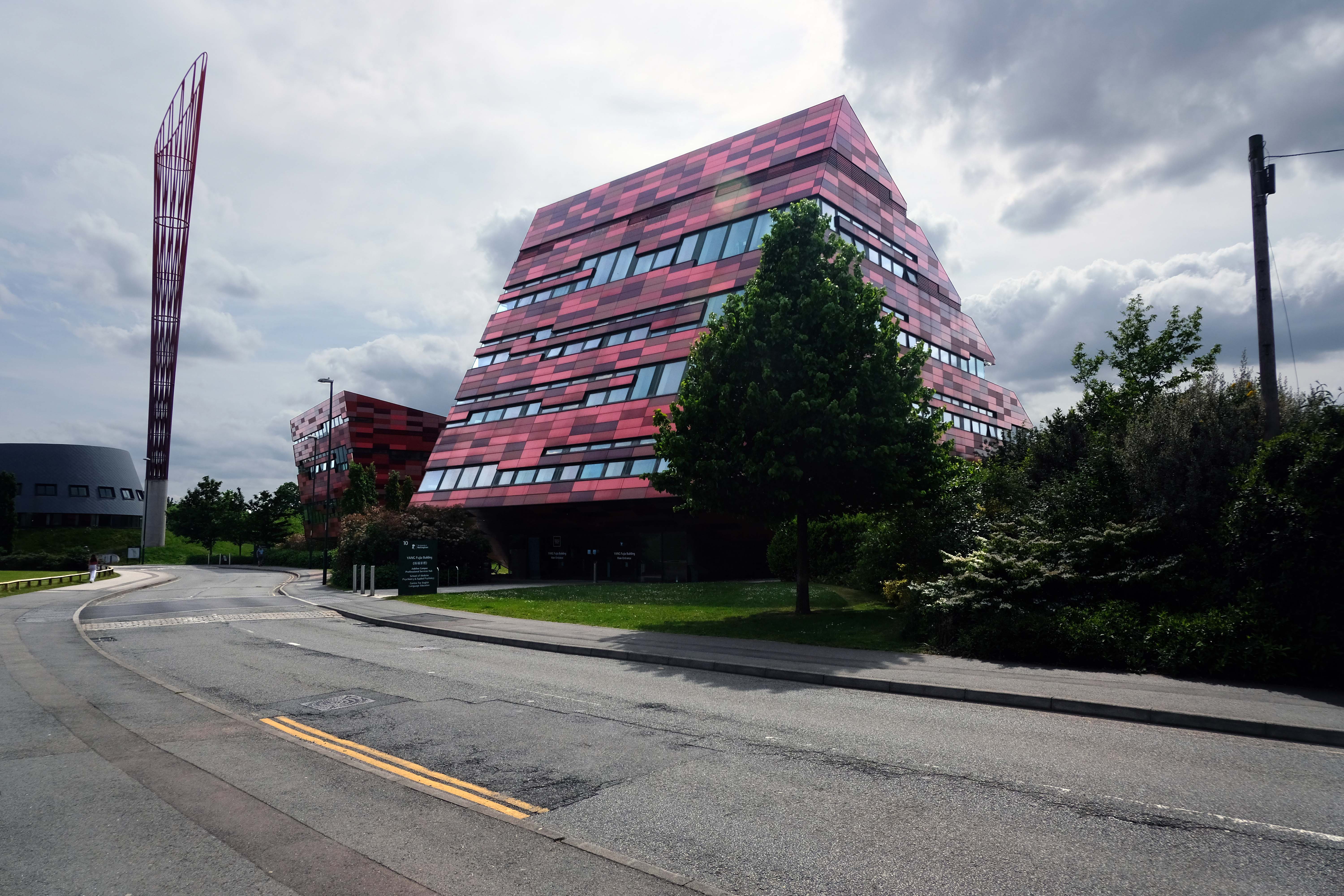
Xu Yafen Building and Yang Fujia Building by MAKE 2008

Aspire is a 60-metre tall, red and orange steel sculpture by Ken Shuttleworth of MAKE, and was, until overtaken by Anish Kapoor’s Orbit, the tallest free standing public work of art in the United Kingdom. It is taller than  Nelson’s Column, the Angel of the North, and the Statue of Liberty  

The name Aspire was chosen after a competition to name the sculpture, which was open to staff and students at the university.

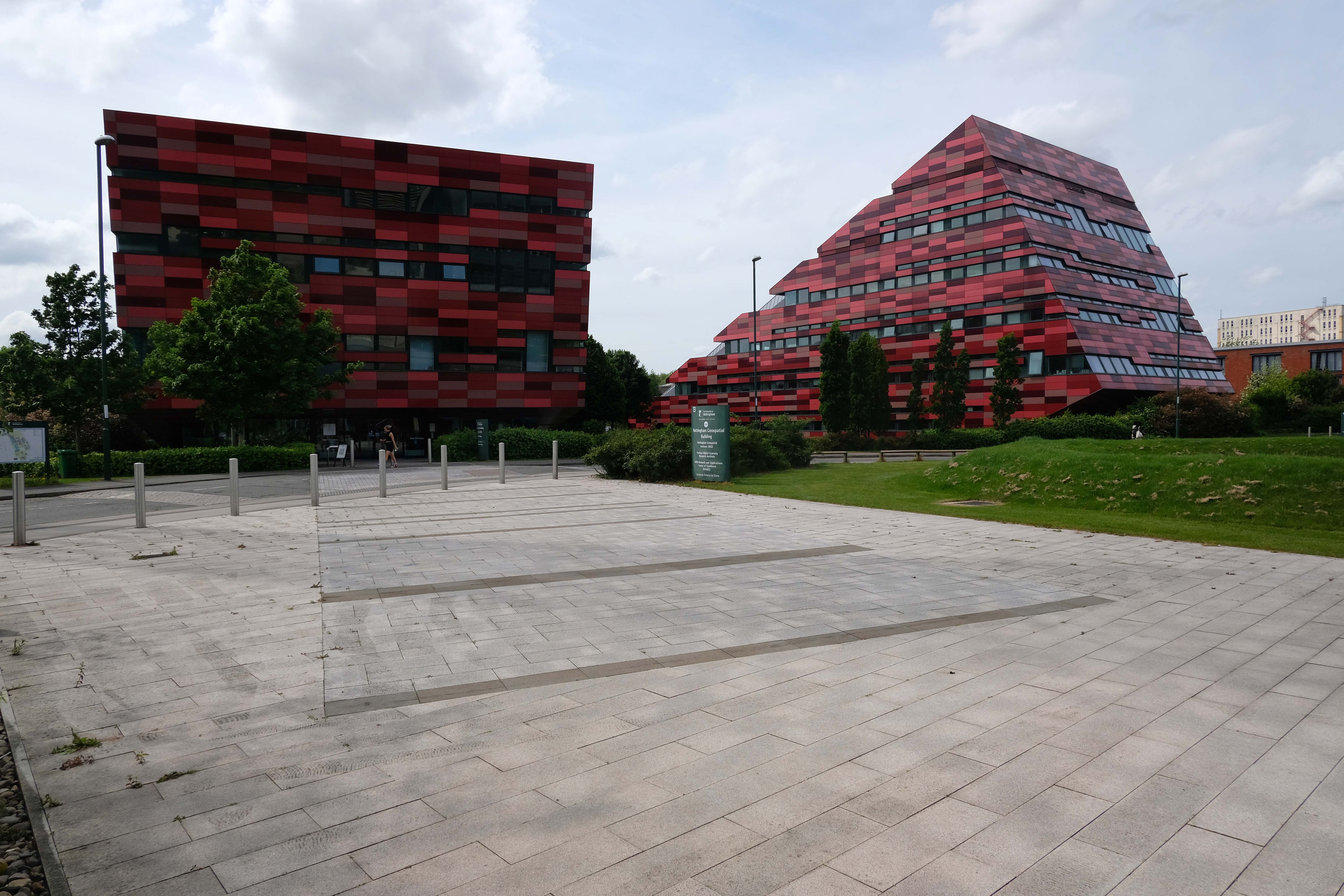
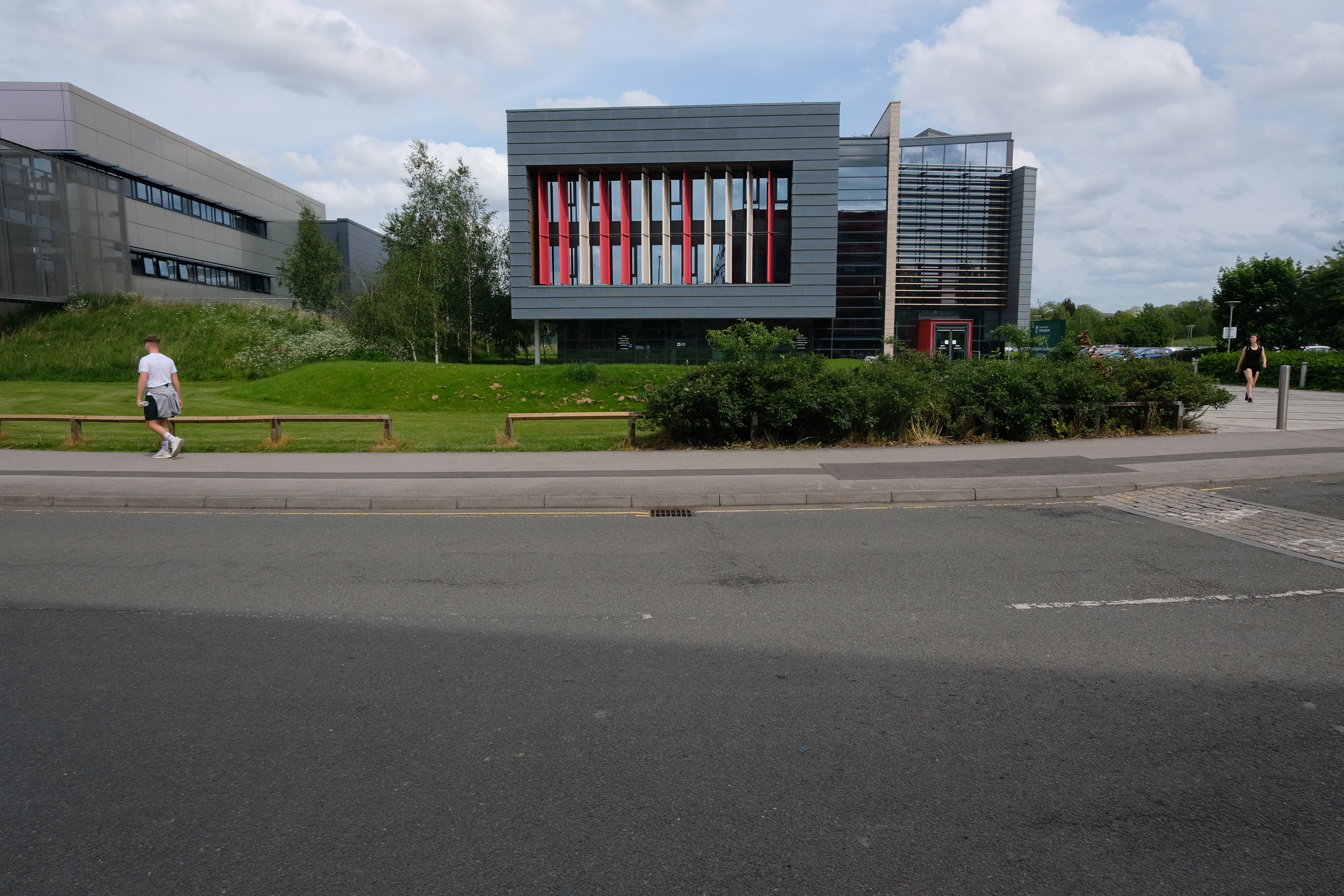
The Nottingham Geospatial Building by Maber Architects 2010

Energy Technologies Building by Maber Architects 2018

A showcase £6.5m research centre, which brings together world-class experts in energy research, has chosen ALUCOBOND® A2 from 3A Composites GmbH, finished in Sakura 917 from its spectra colour series for its cladding.

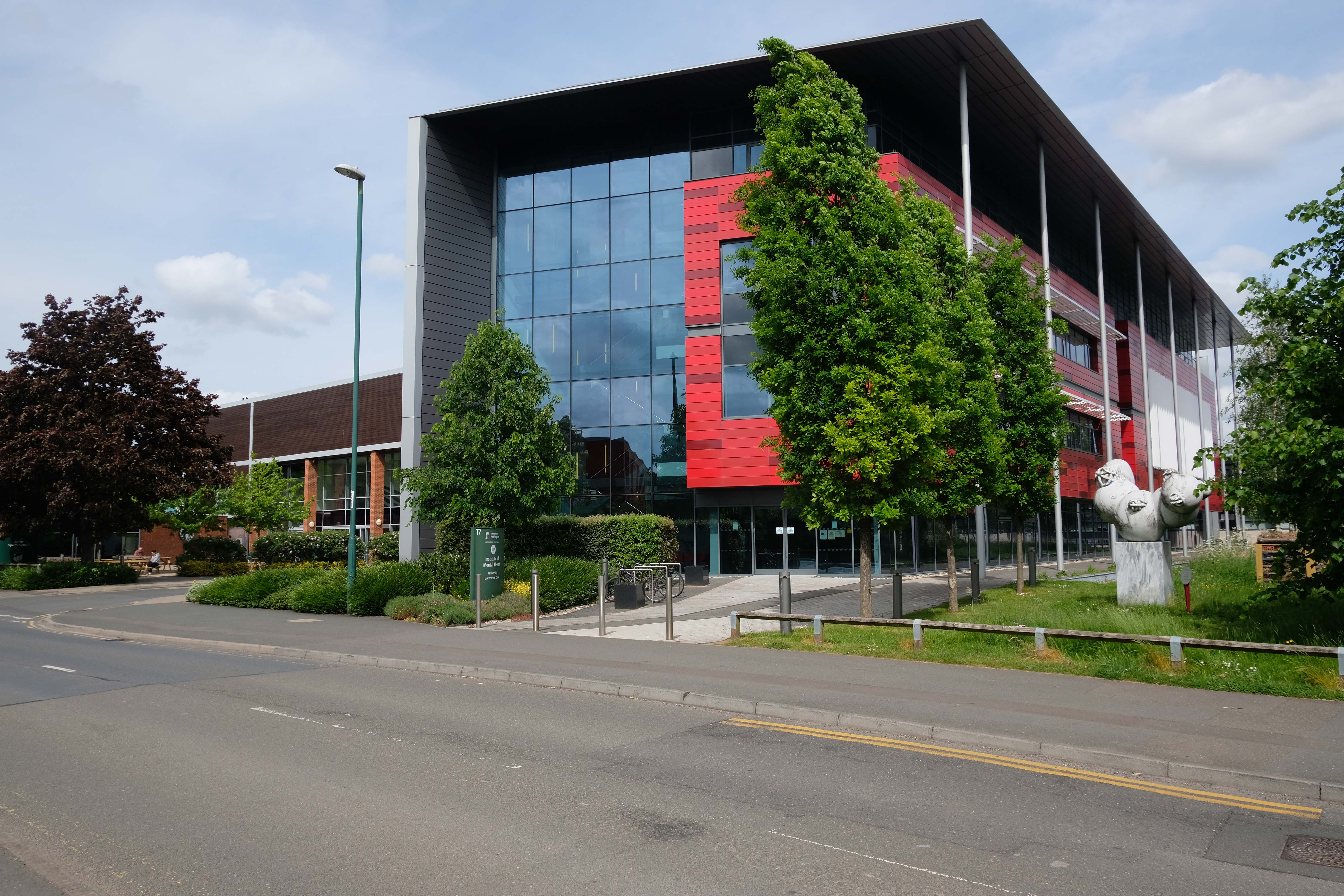
Institute of Mental Health by BENOY 2012

The House for a Gordian Knot by Ekkehard Altenburger

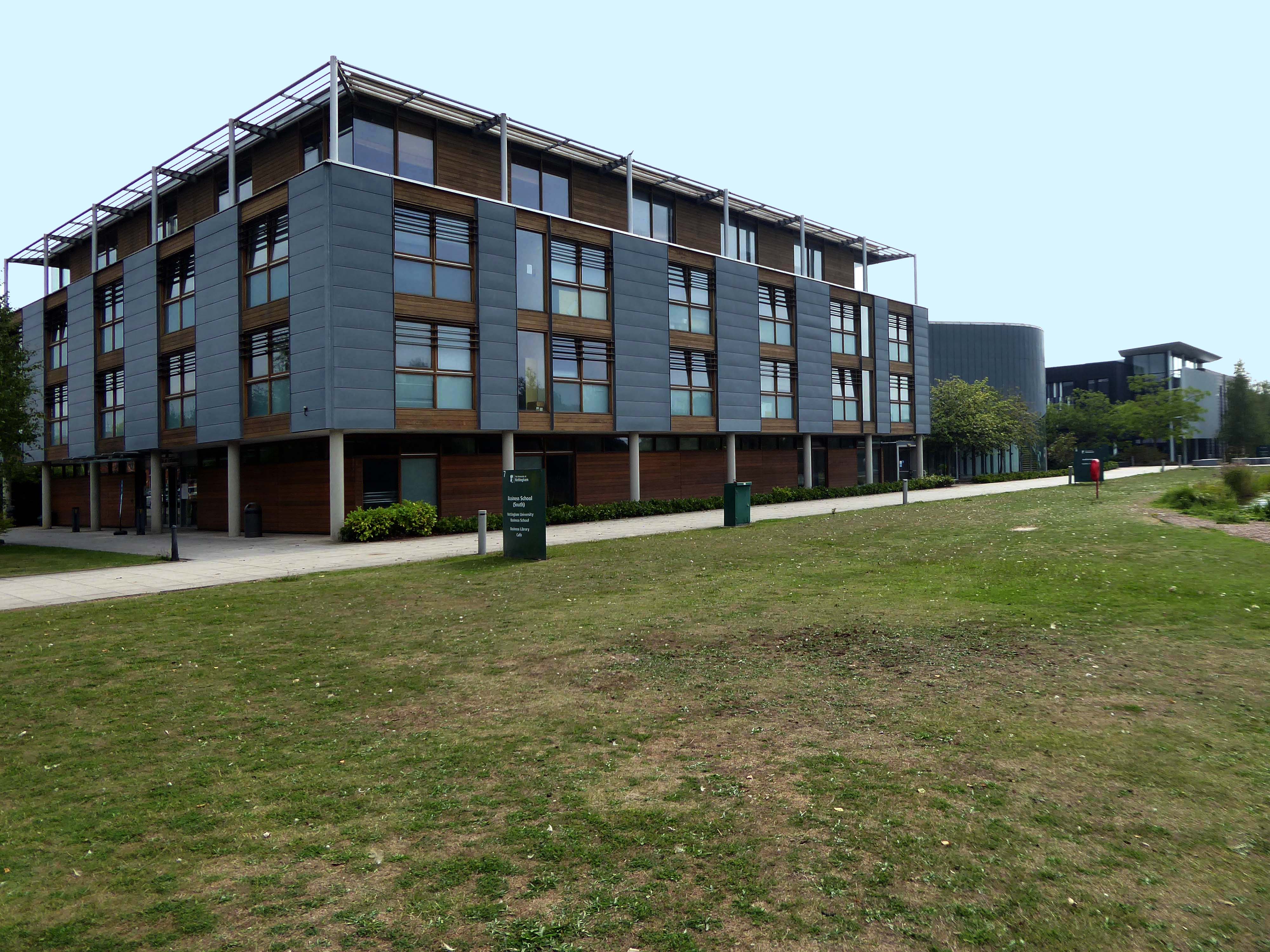
Business School South

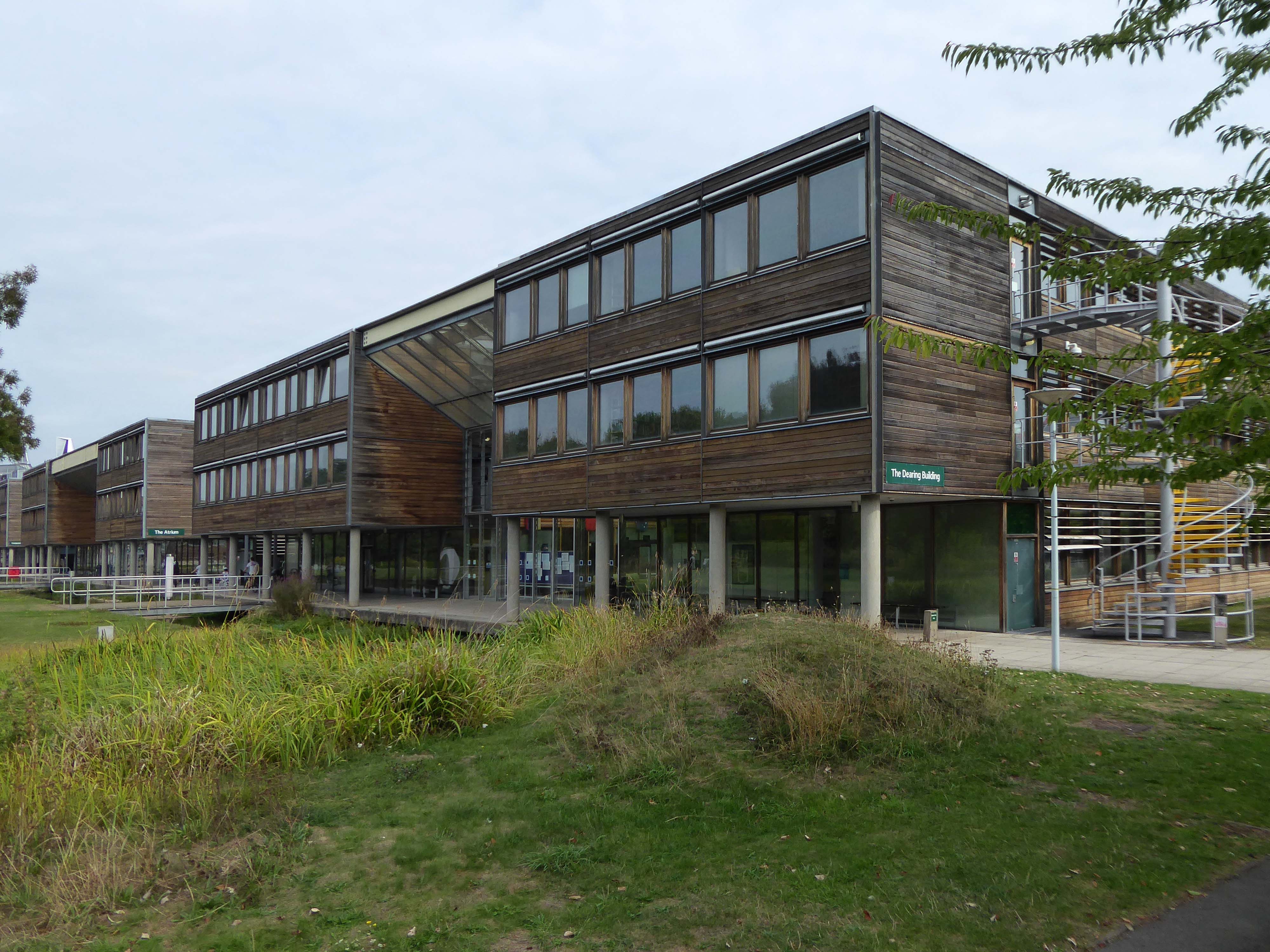
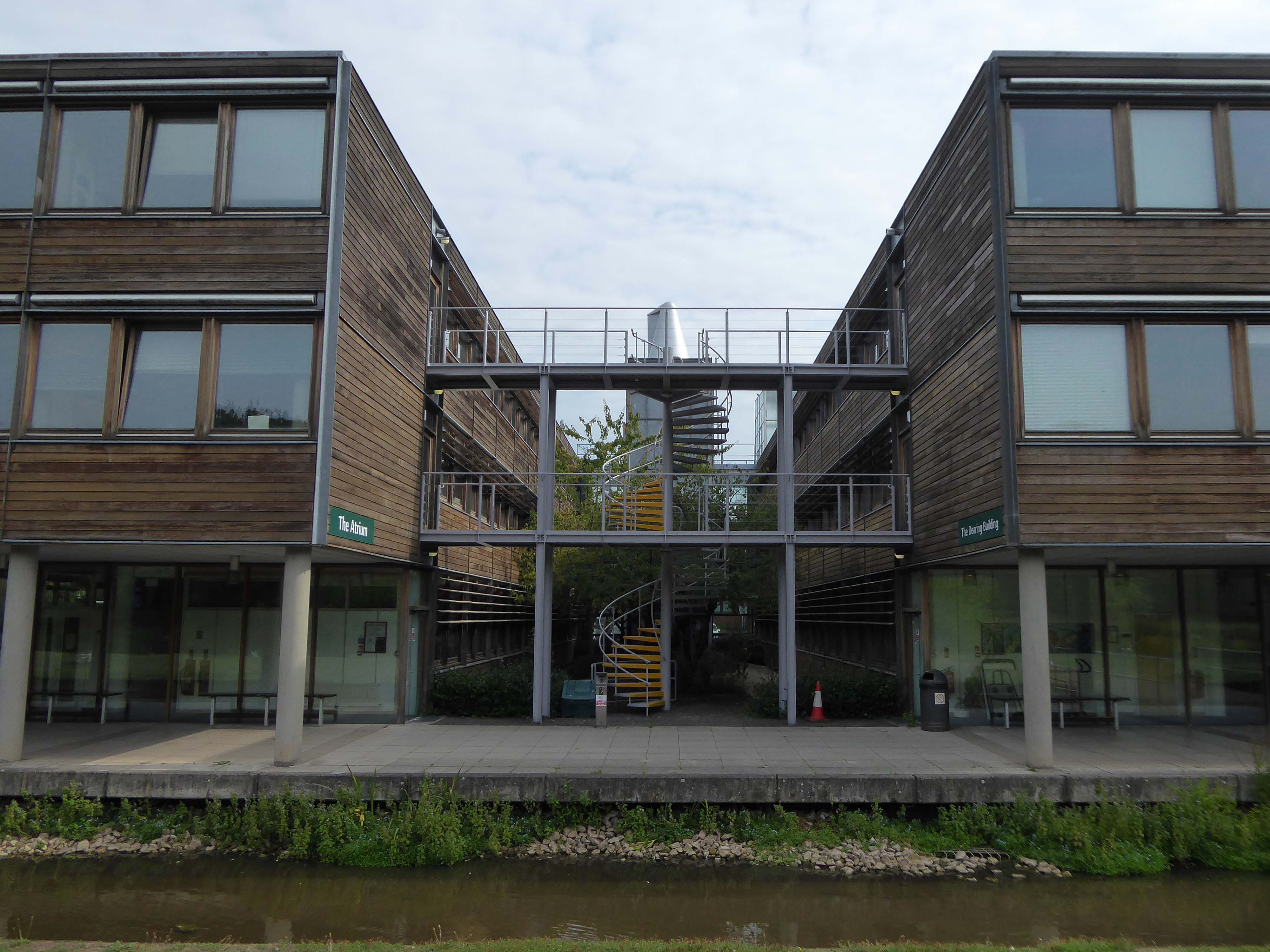
Dearing Building

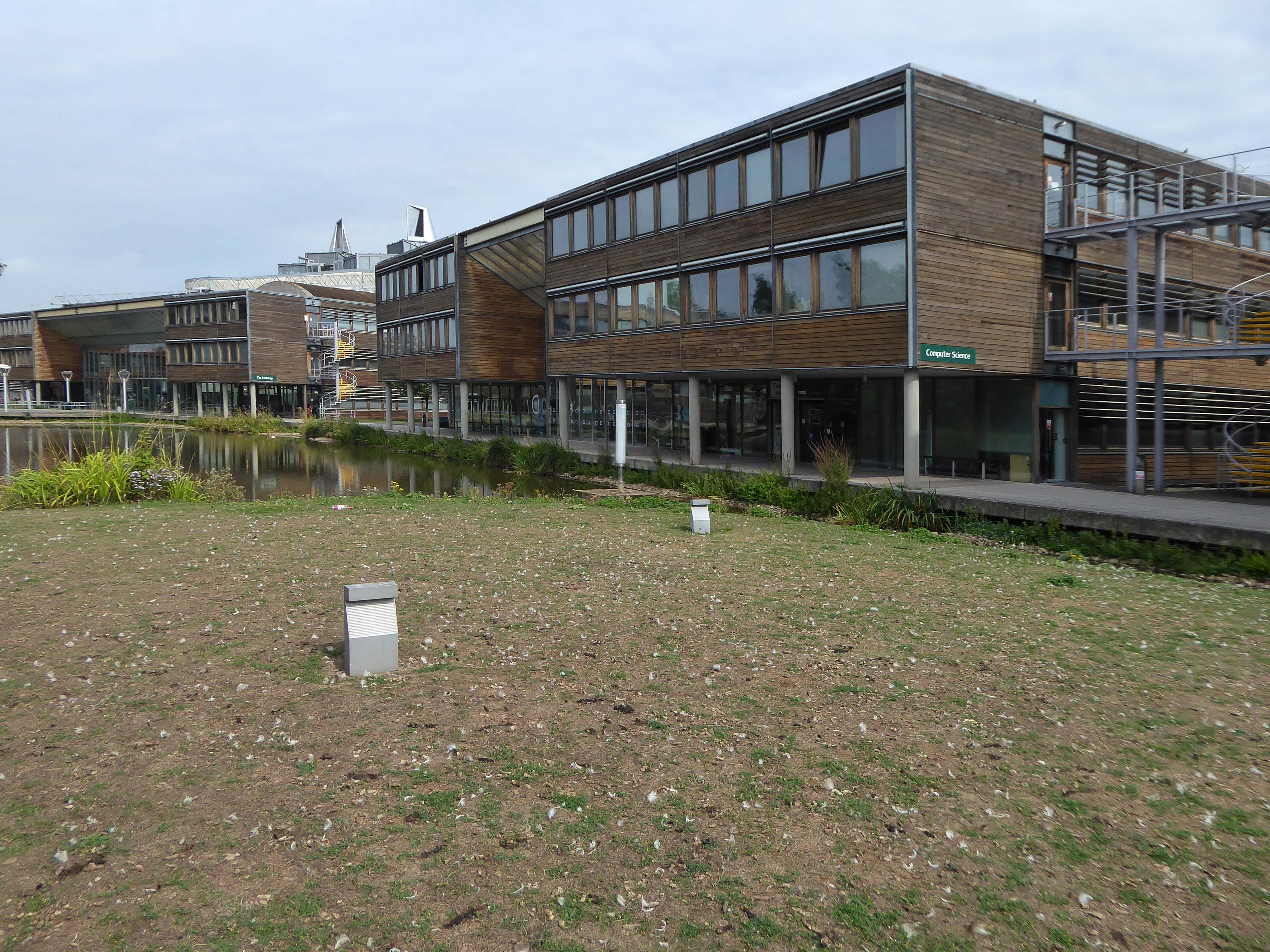
Computer Science Building

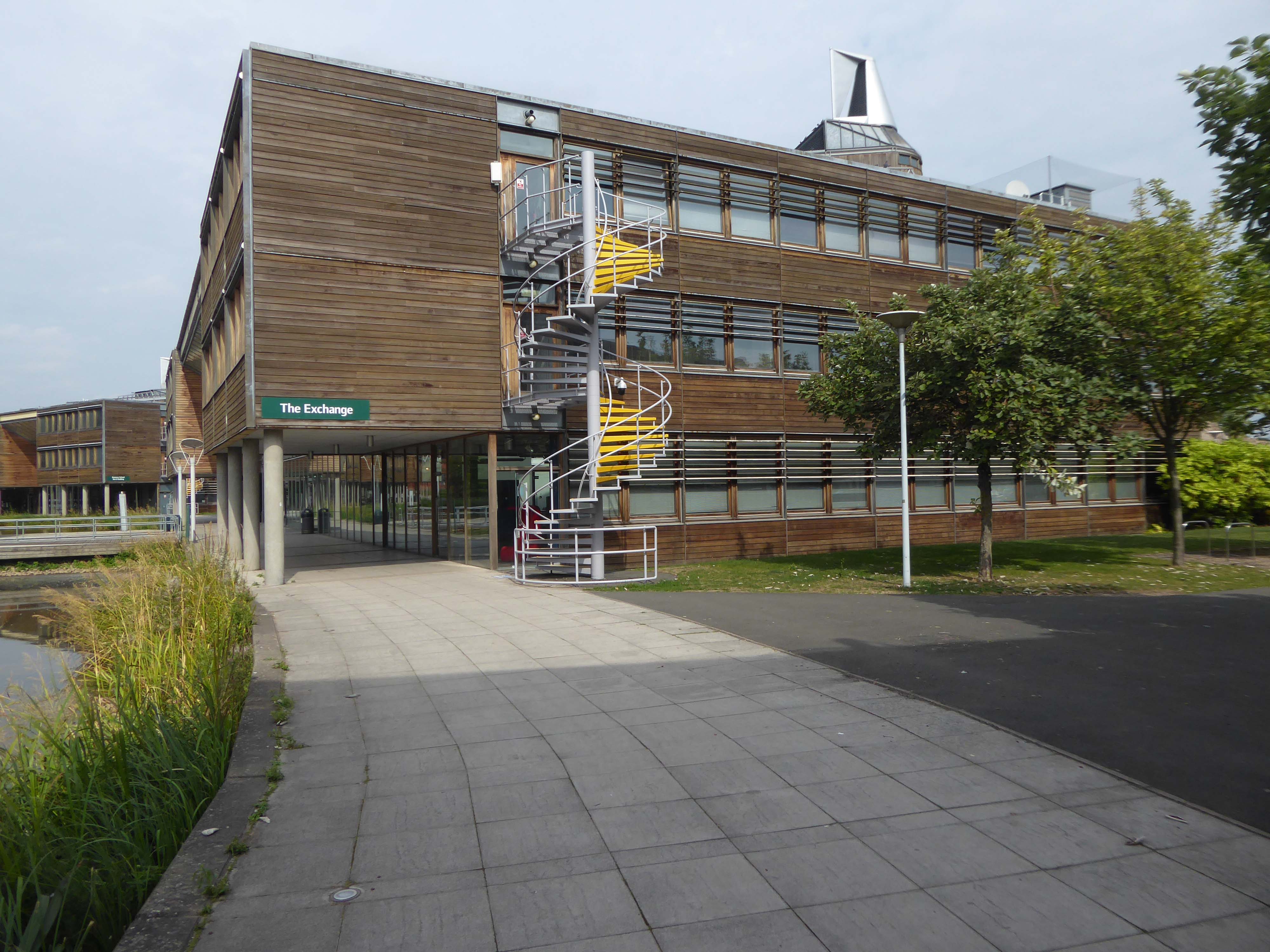
The Exchange Building

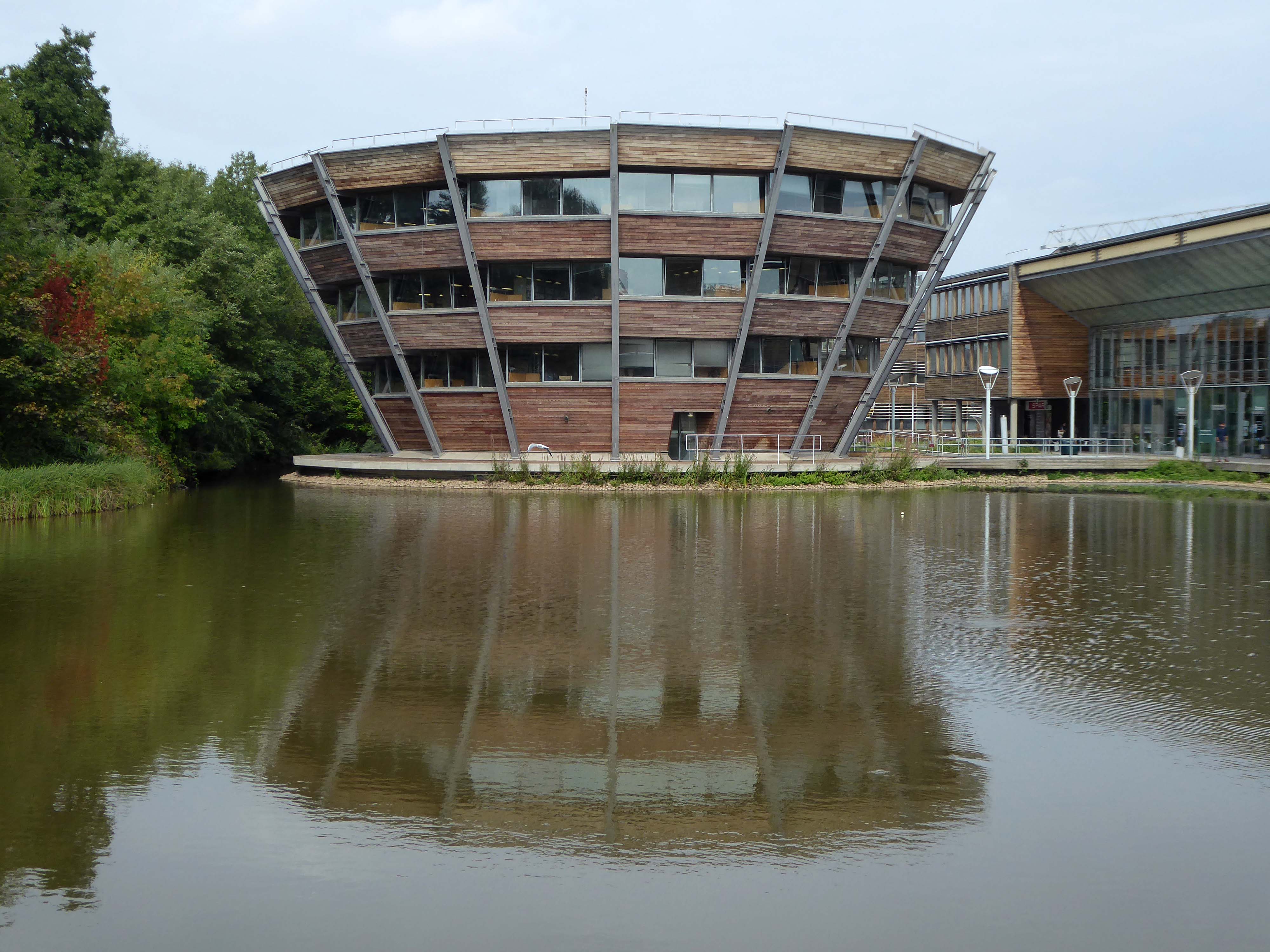
The Sir Harry and Lady Djanogly LRC architect Sir Michael Hopkins 1999

A single floor spirals up through the building in the manner of FL Wright’s Guggenheim Museum

The library was named after the philanthropists Sir Harry and Lady Djanogly who gave a significant contribution towards the cost of its construction. Sir Harry Djanogly is the father of Jonathan Djanogly, who became MP for Huntingdon in 2001.

Wikipedia

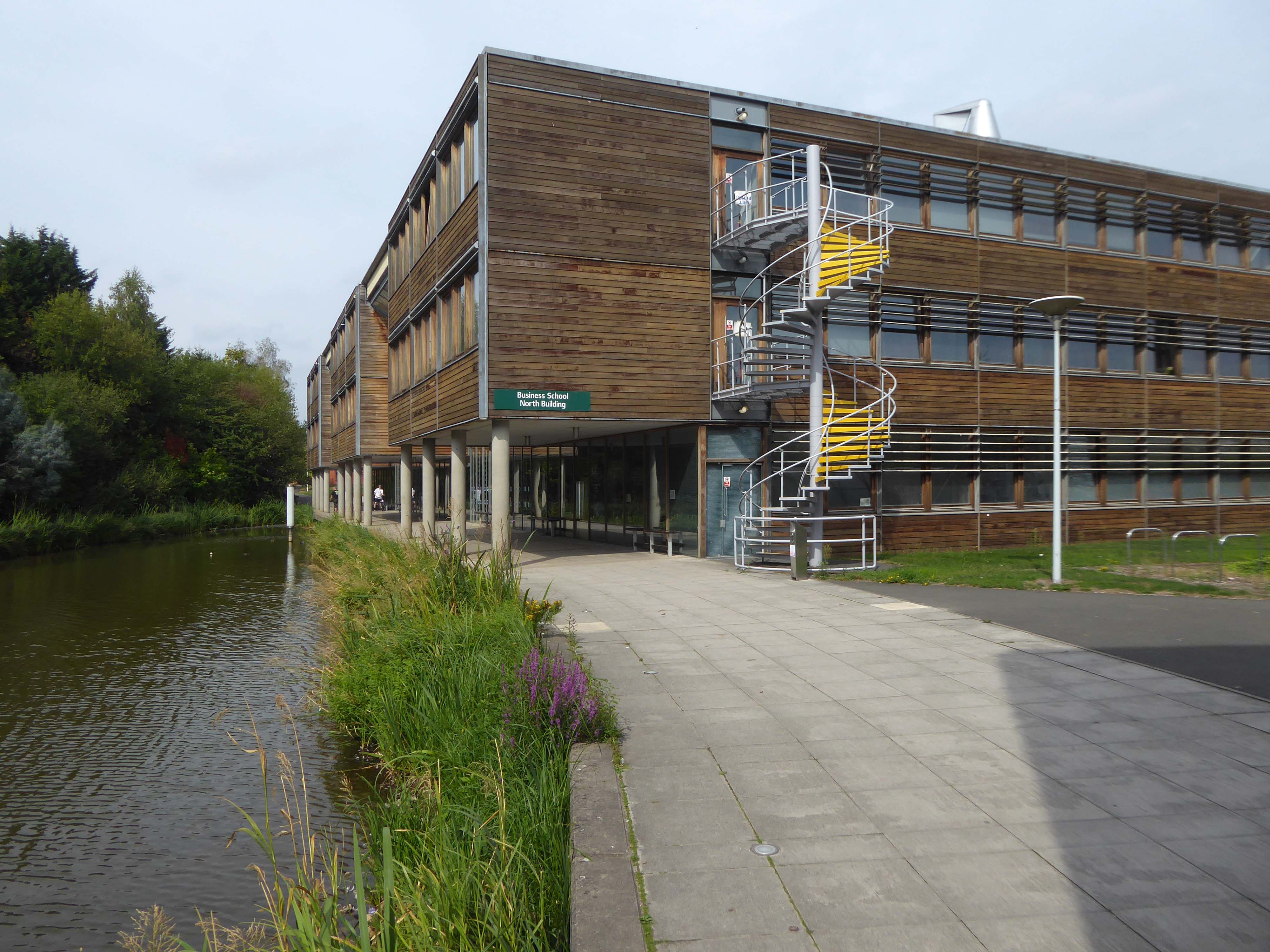
Business School North 2003

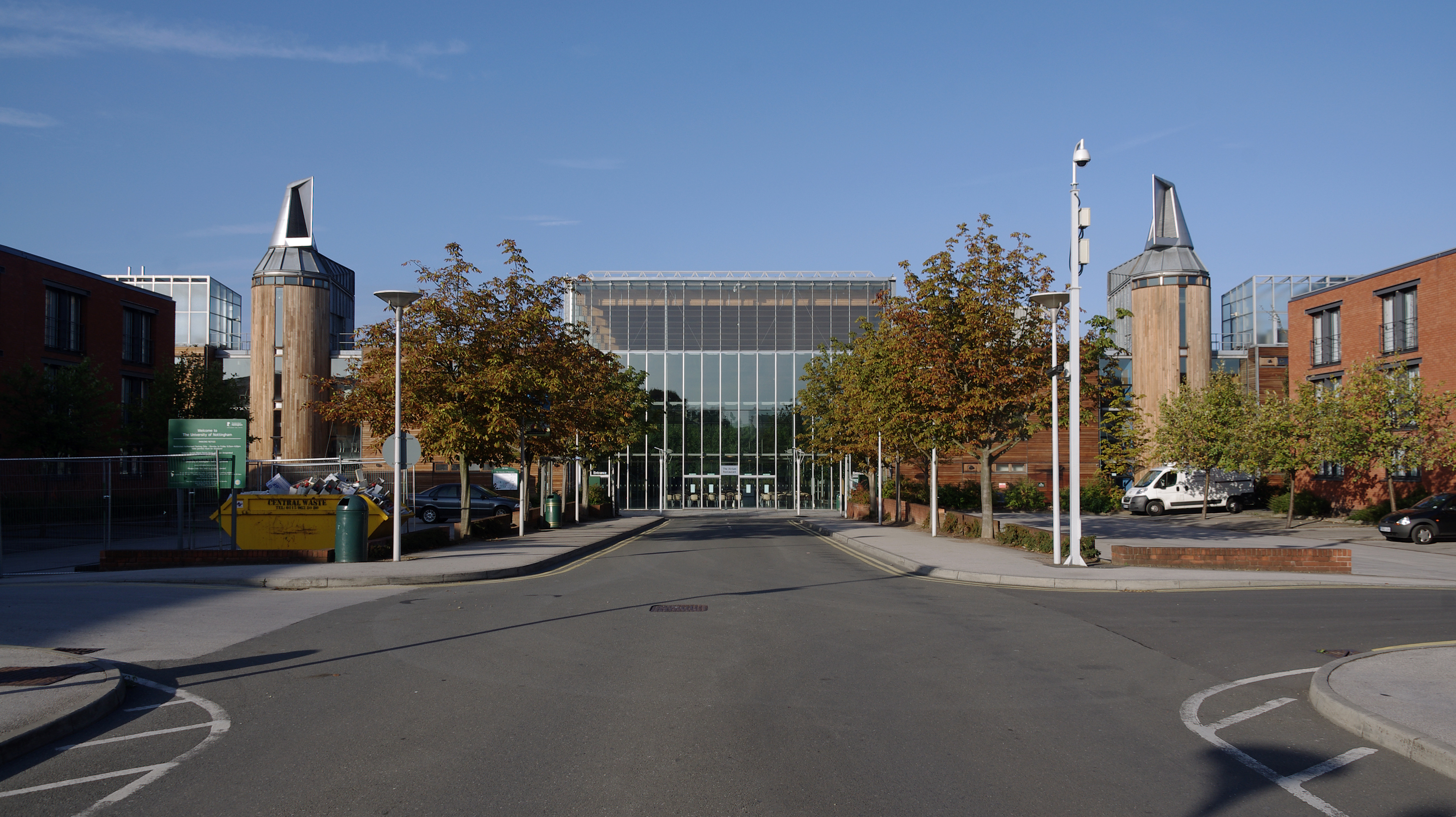
The Atrium

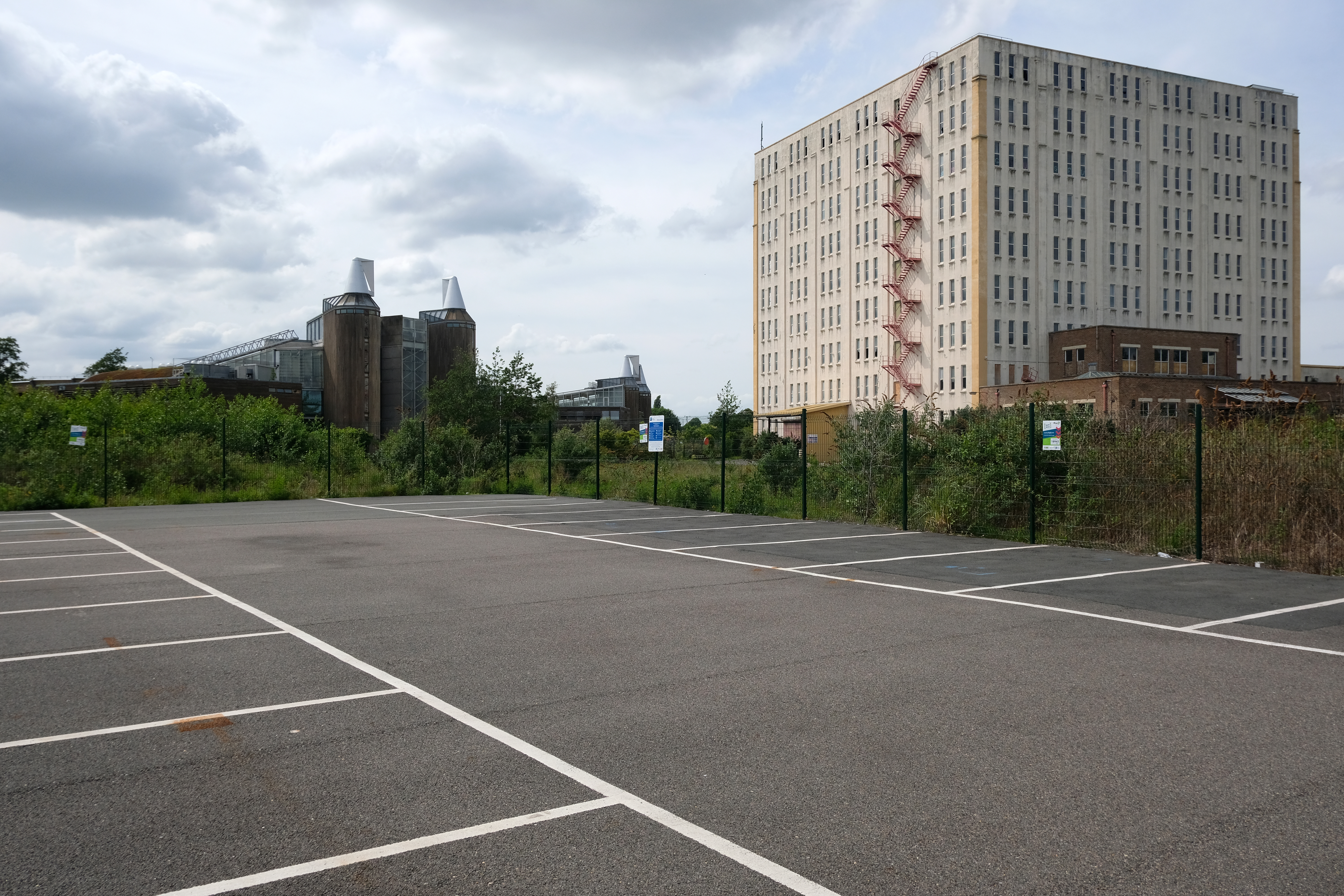
John Player & Sons Bonded Warehouse by William Cowlin and Son 1938-39

Mouchel System concrete construction.

Mouchel’s involvement with the iron industry, and his ties with France, brought him into close proximity with the French engineer François Hennebique (1842-1921), who had been a contractor in Brussels. A self-educated builder, Hennebique had patented an idea of strengthening concrete using iron and steel bars – a forerunner to the widespread modern reinforced-concrete method used in construction today.

Engineering timelines

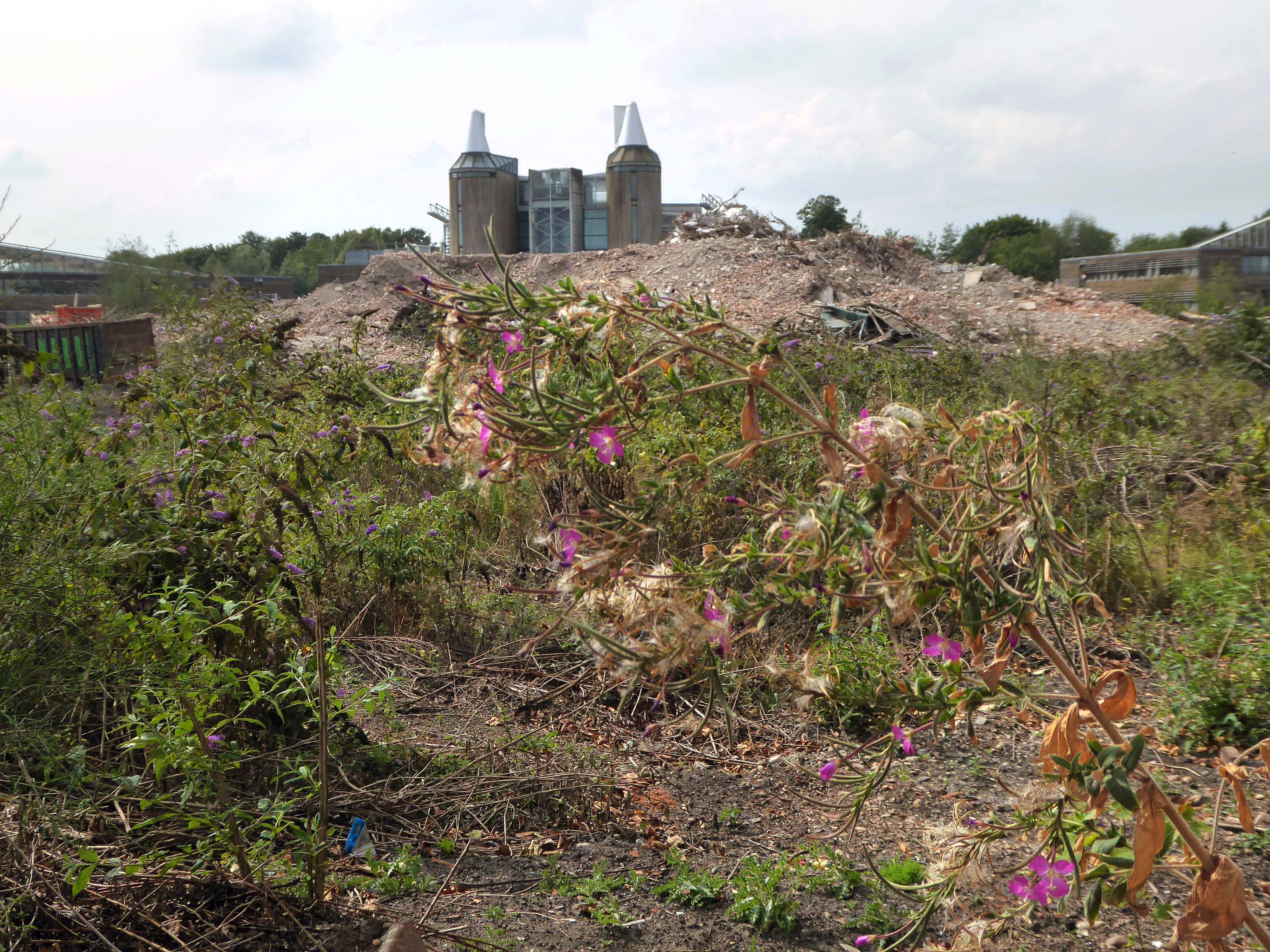
Sadly – returning in September the last building had been recently demolished.

Many thanks to Elain Harwood from whose Pevsner Guide much of the information was garnered

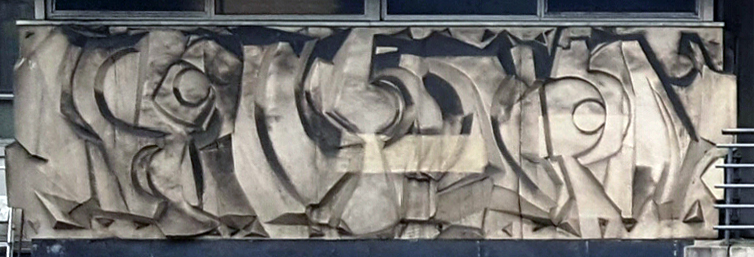
Concrete Relief – Swansea

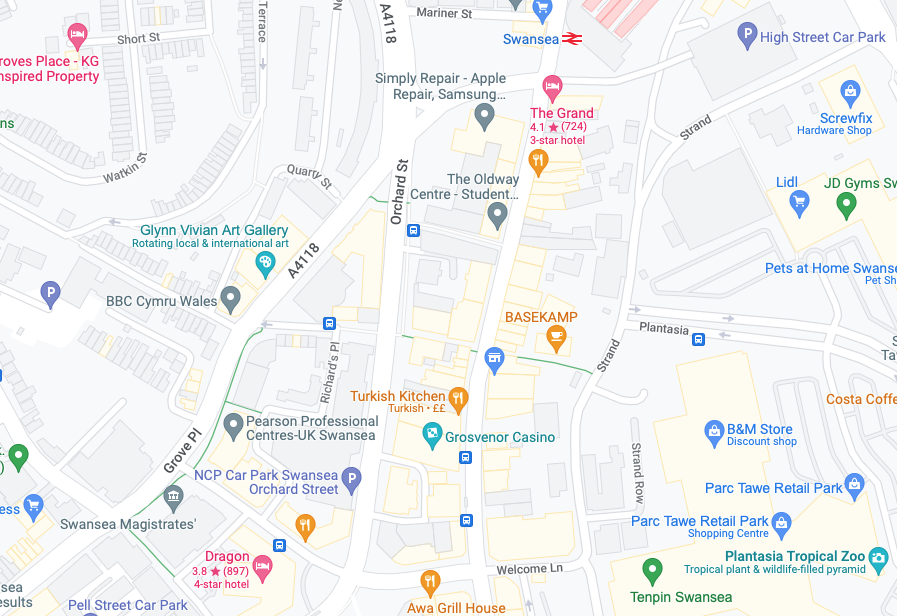
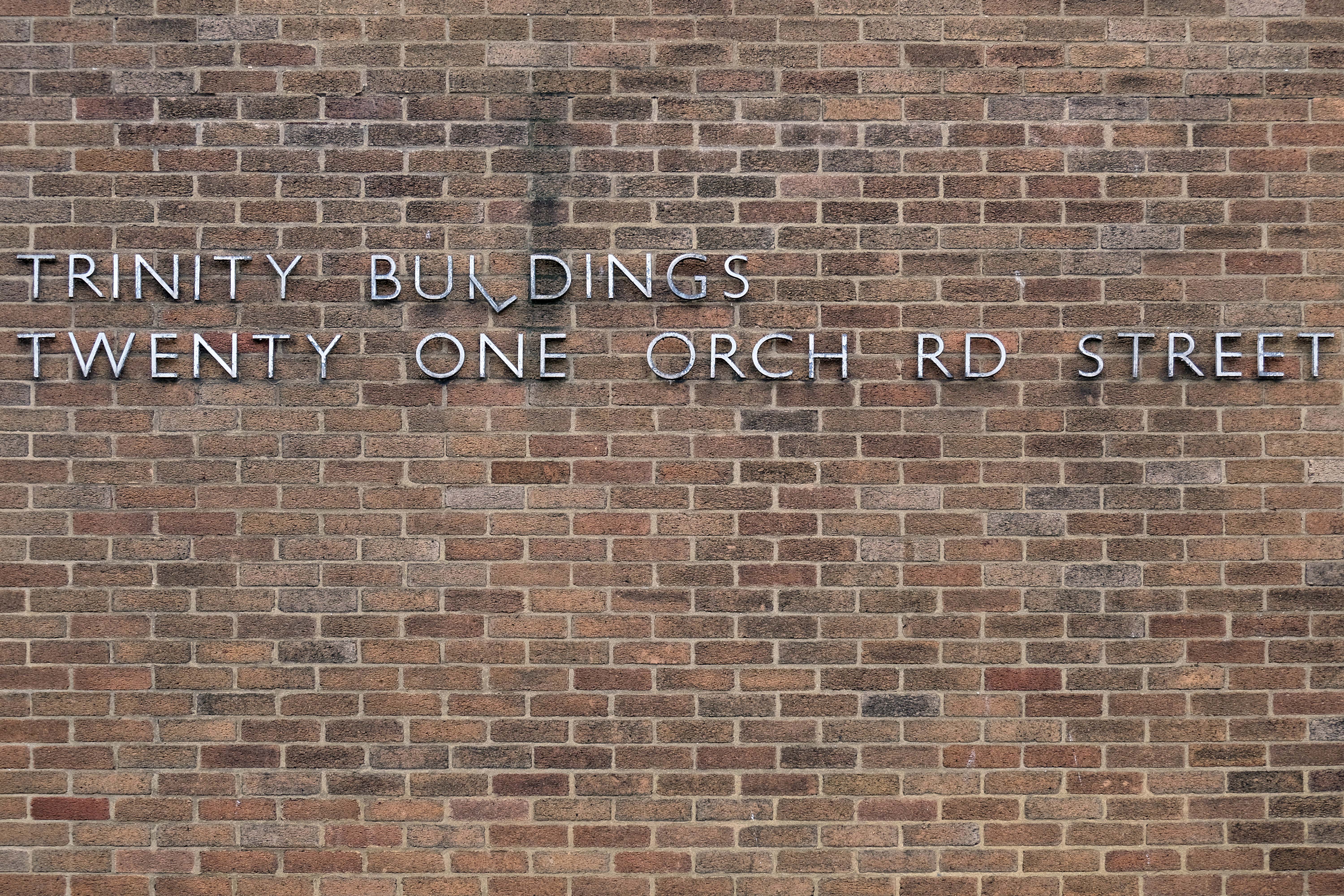
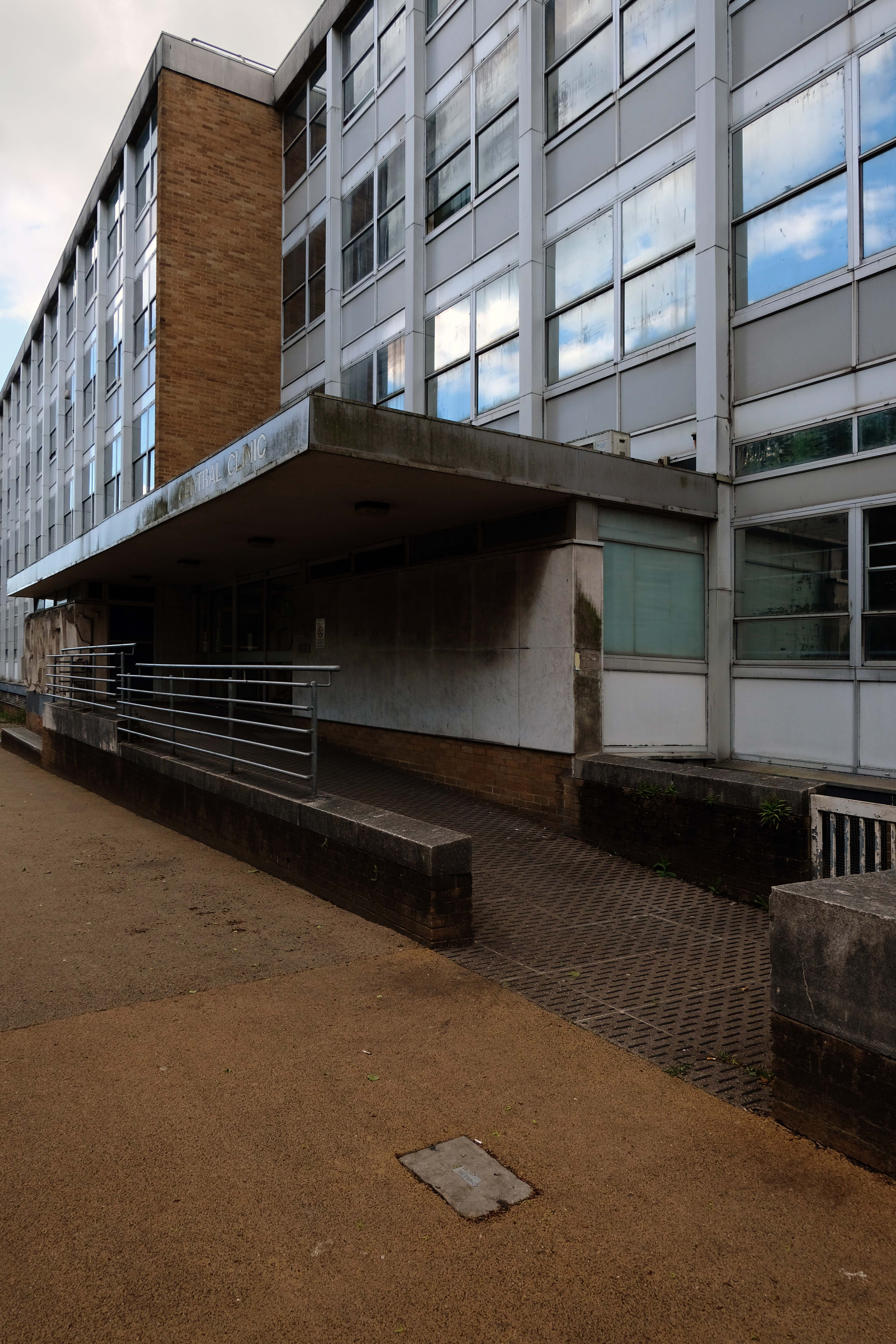
Central Clinic 21 Orchard Street Swansea SA1 5AT

Whisking you back in time!
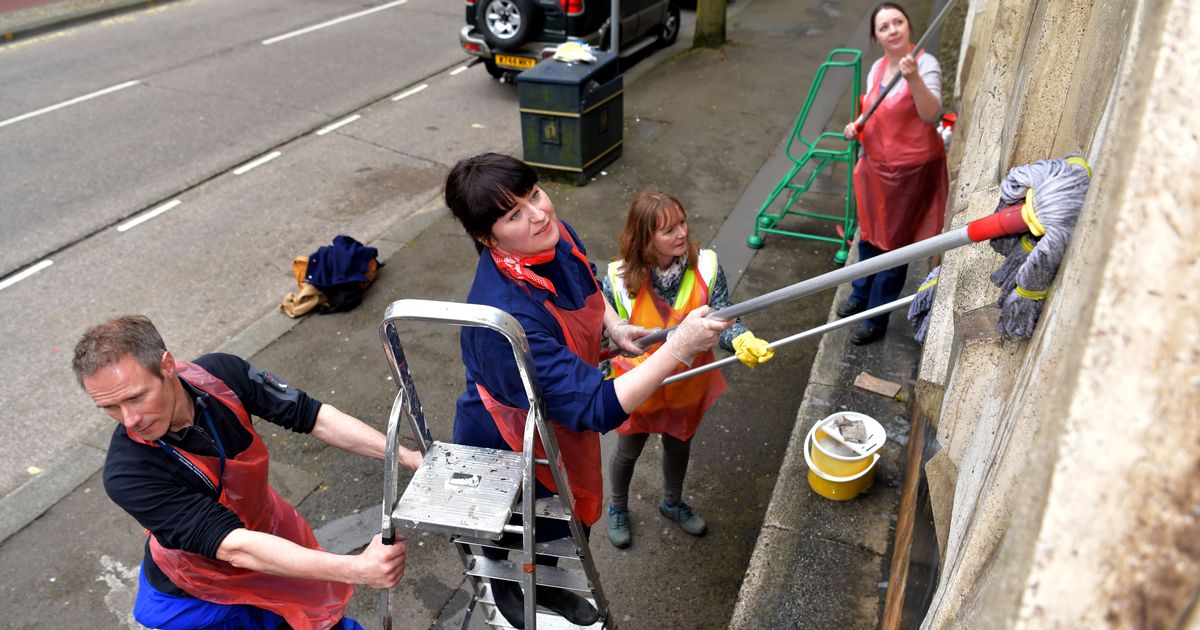
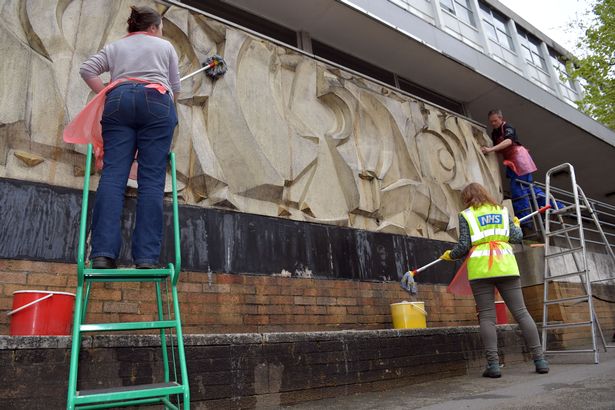
To 2015 when local artist and archivist Catrin Saran James is undertaking a little reverse vandalism by way of guerrilla restoration or adfer gerila if you will.

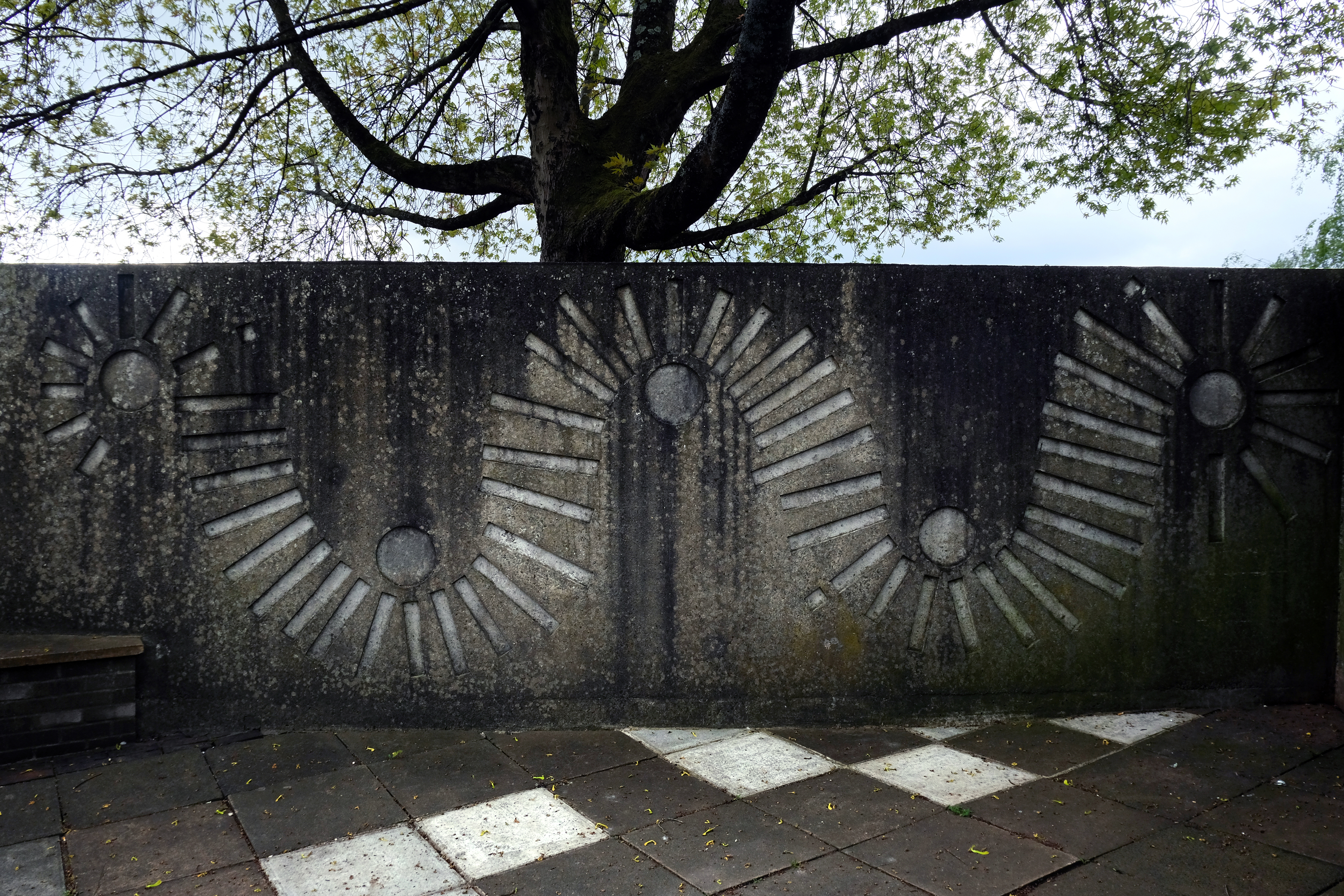
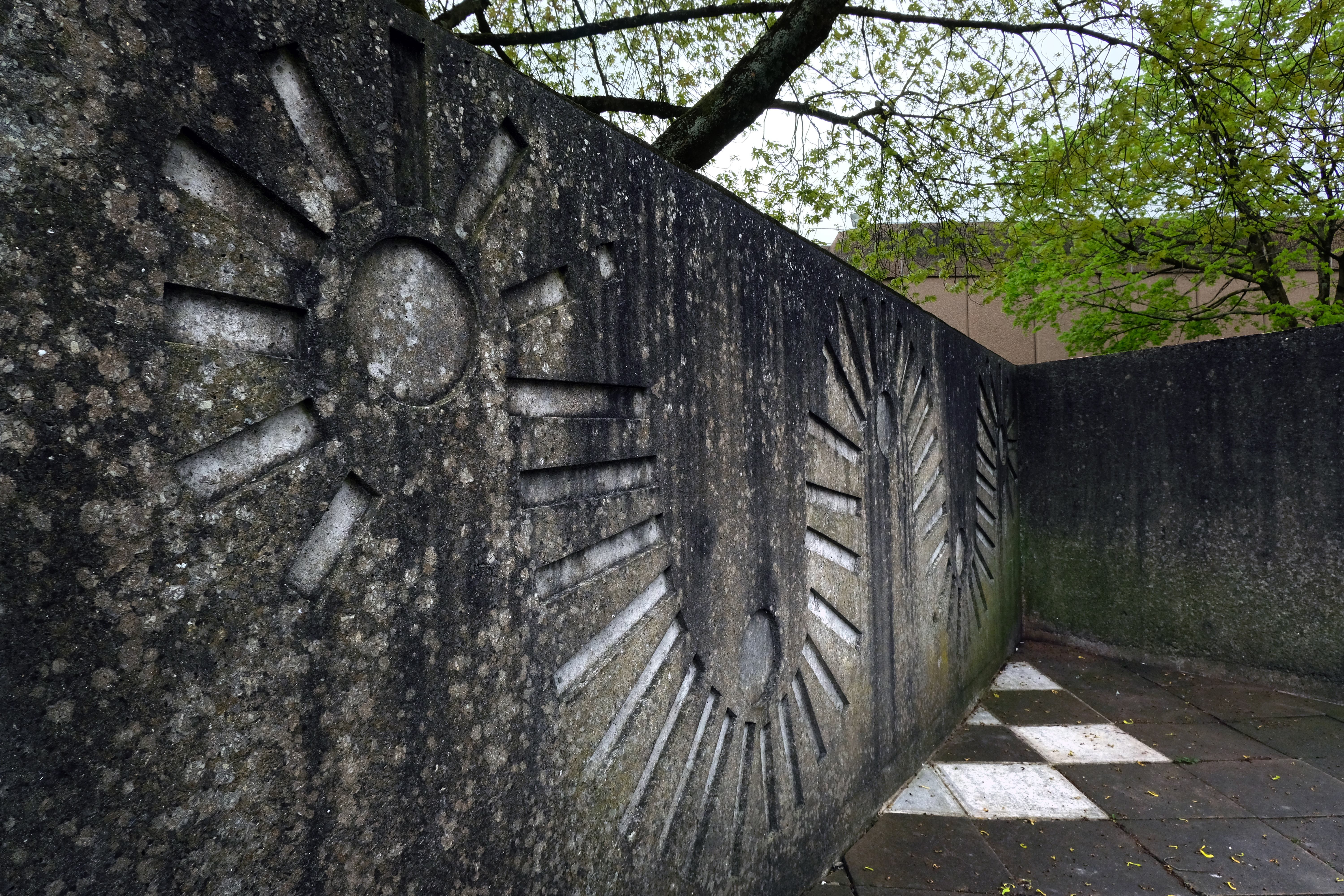
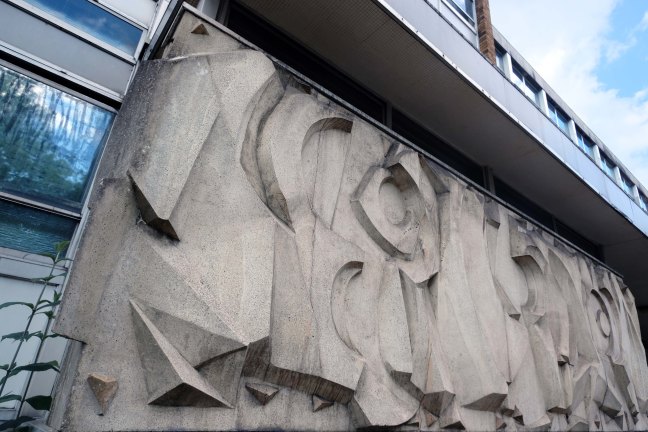
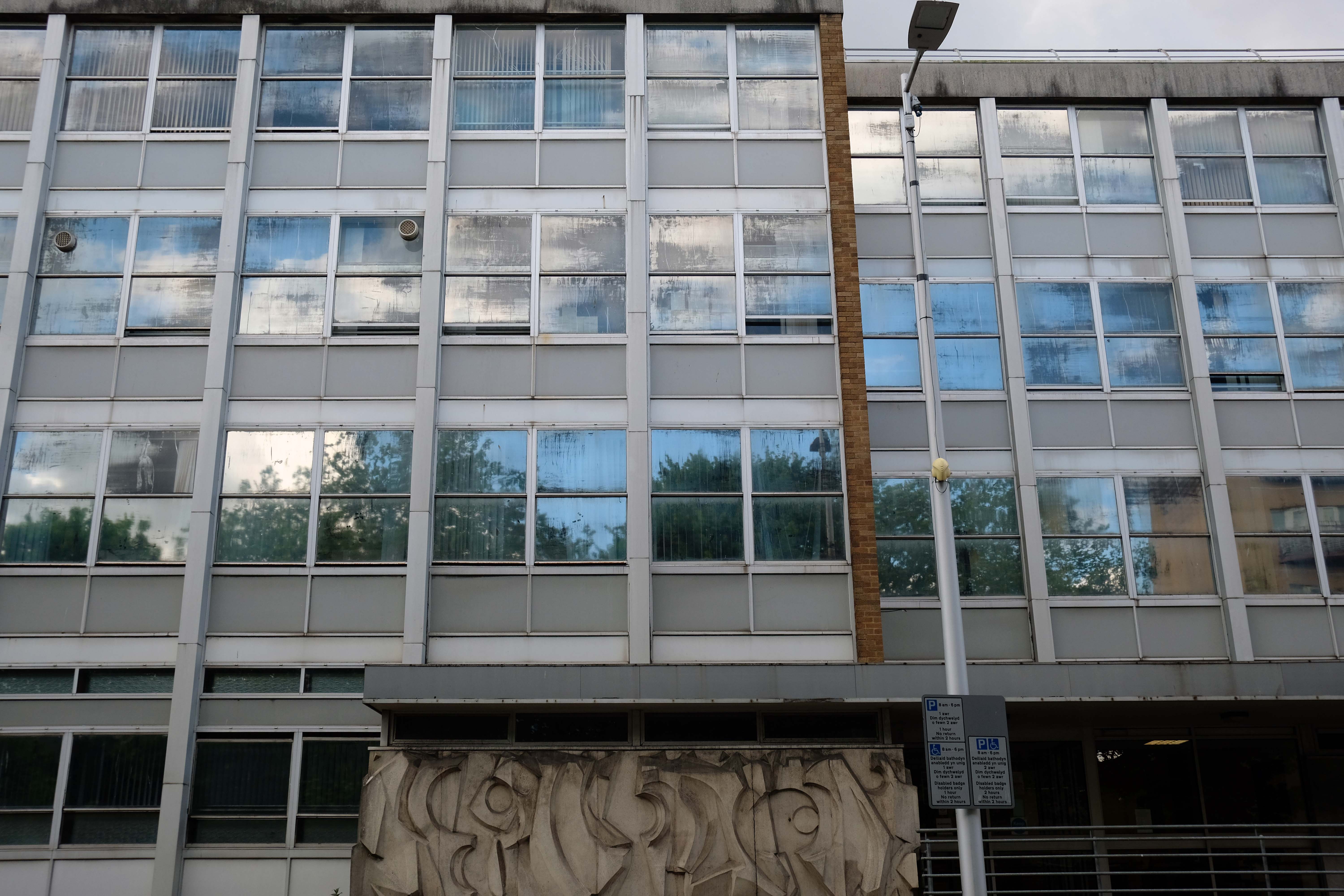
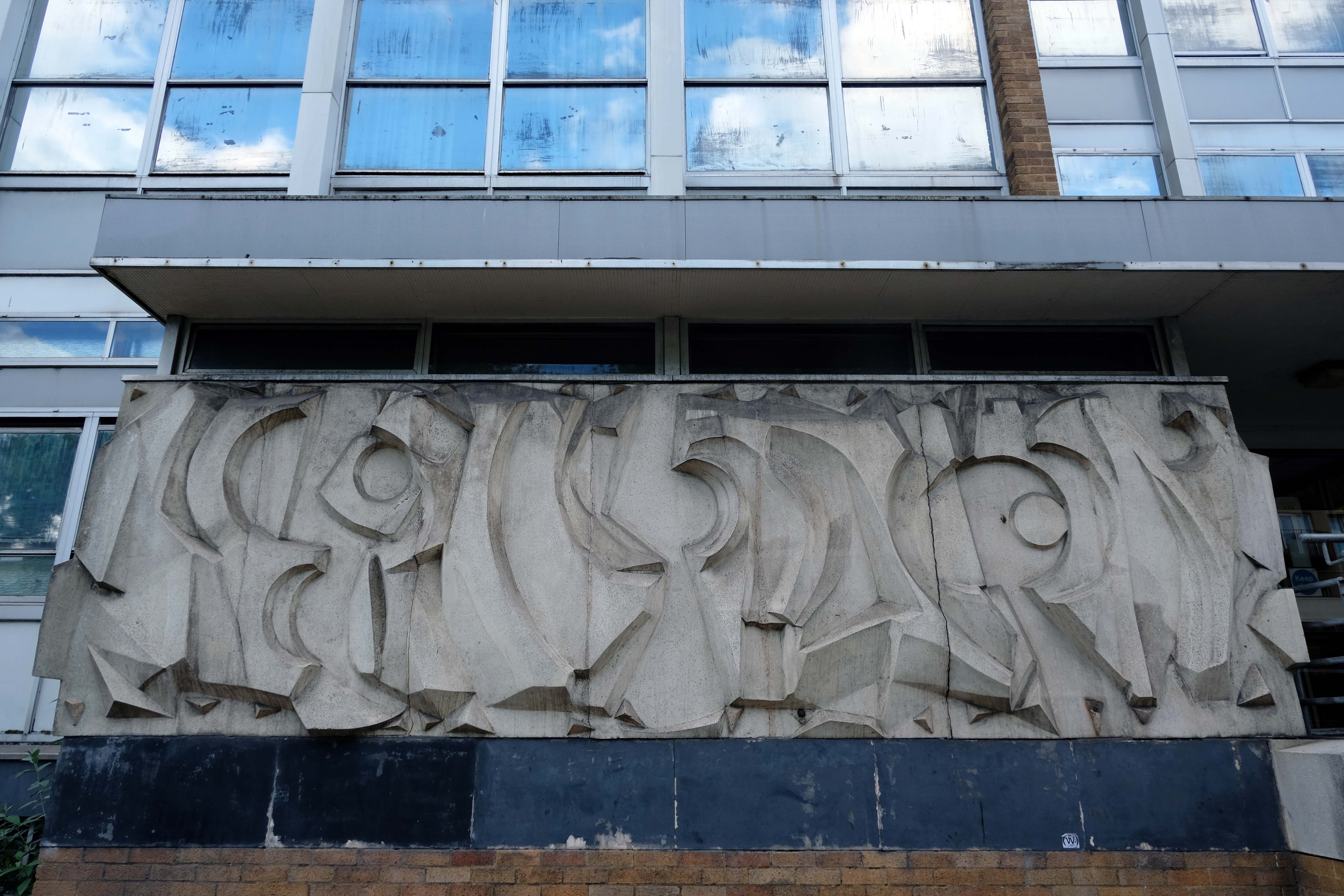
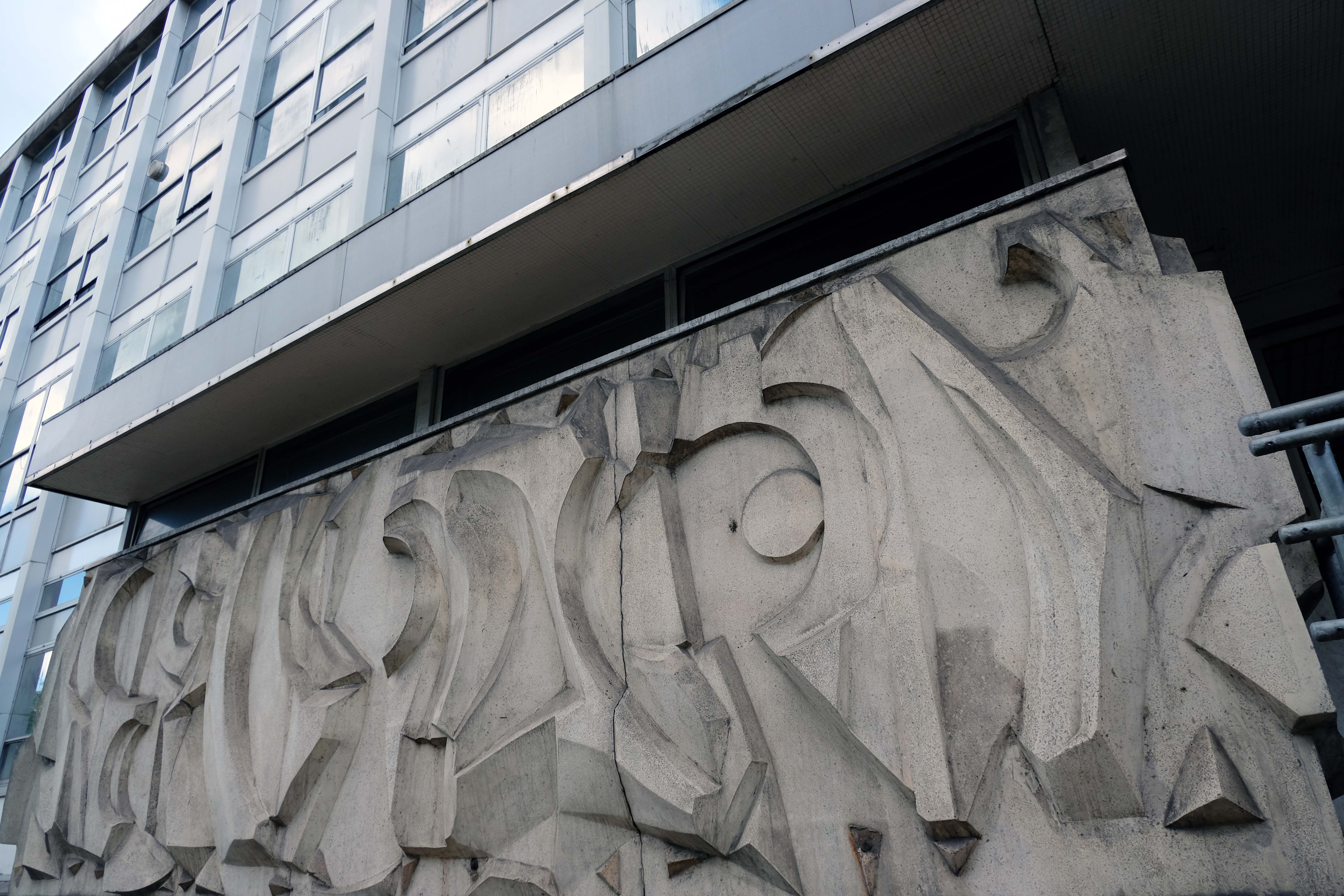
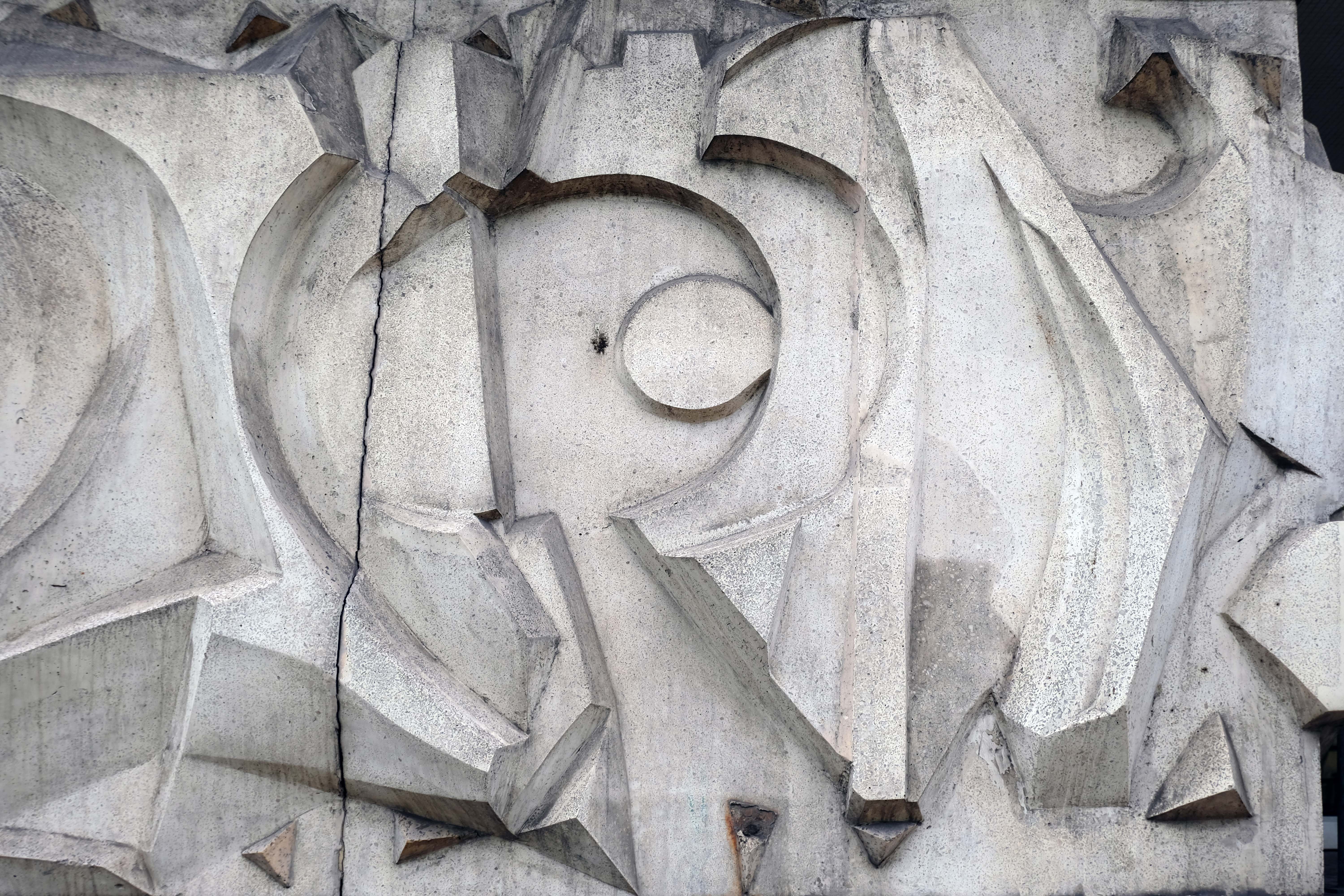
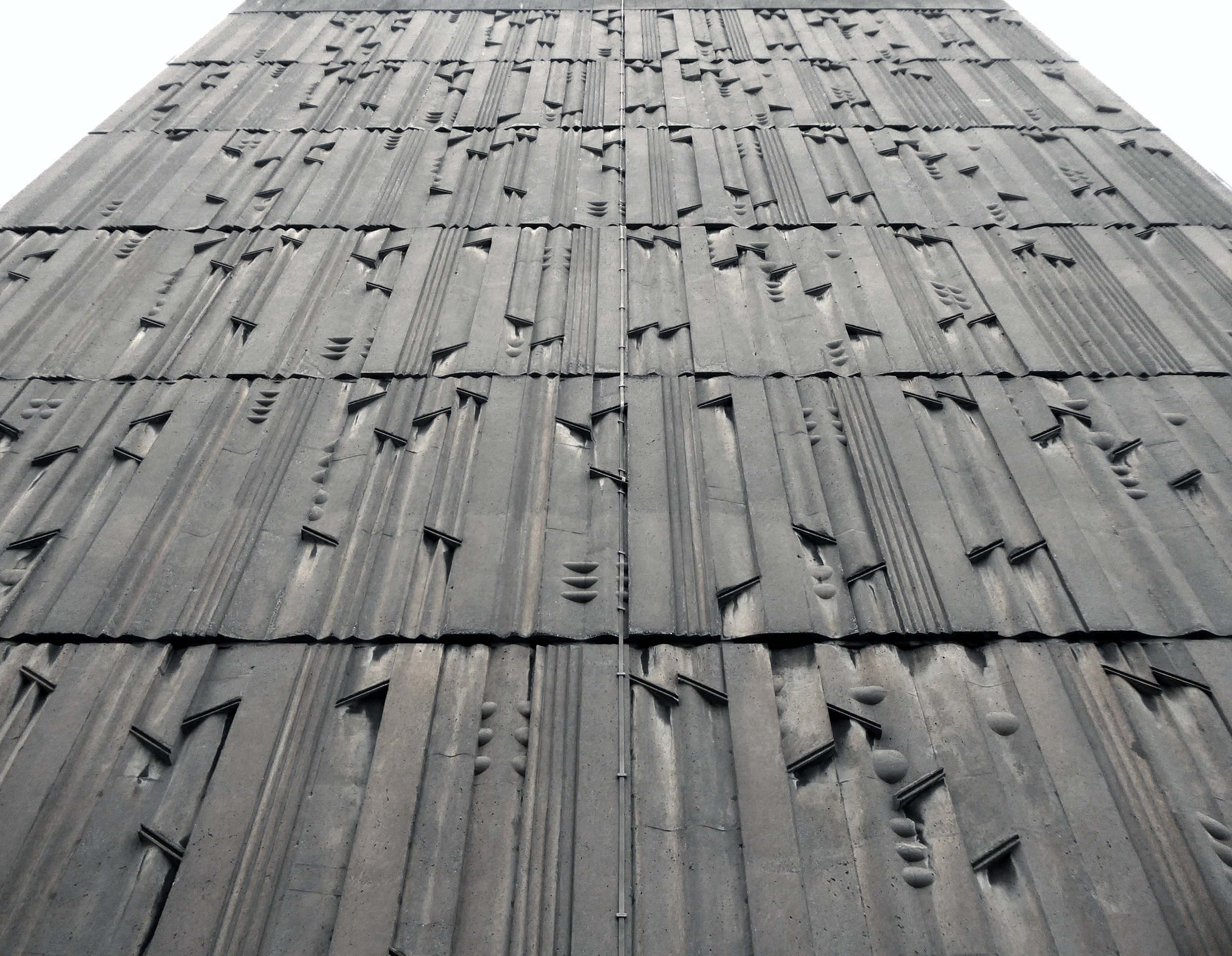
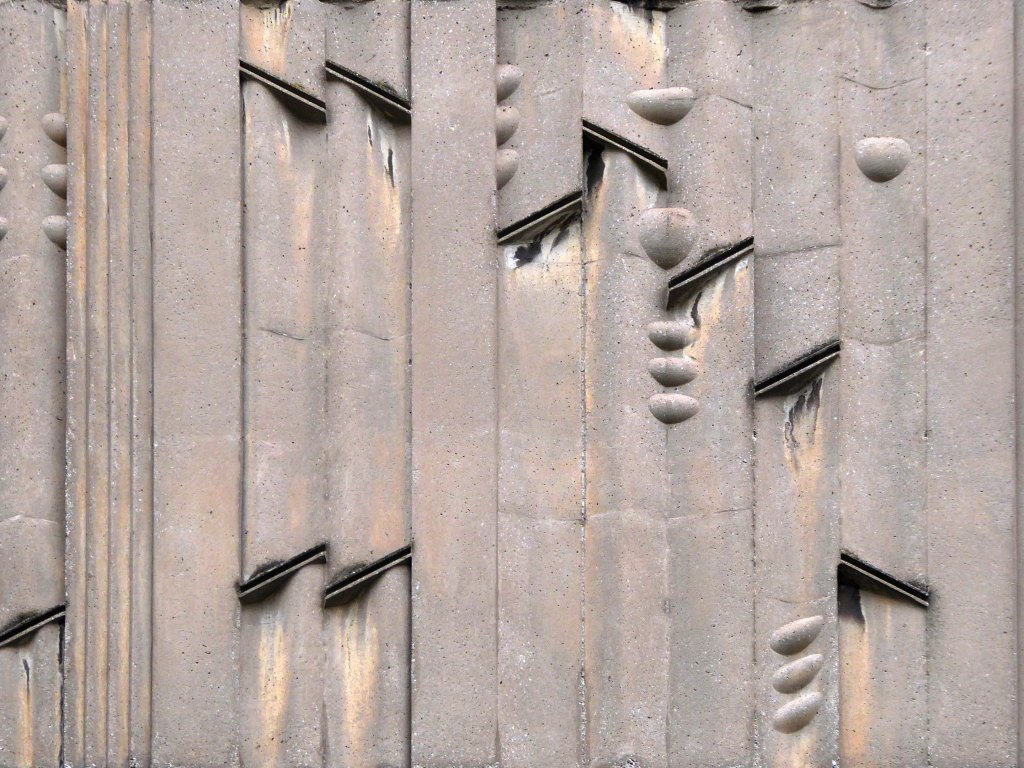
Leading to a full scale cleaning of the Harry Everington 1969 concrete mural adorning the Central Clinic.

It was under Harry’s guidance that students from the Swansea College of Art produced the mural which was put on the building’s exterior back in 1969.

It was fantastic to have had an email from the ABMU Health Board earlier this year.
Martin Thomas who leads the ABMU Heritage Team contacted me as he was researching what public art the health board owned.

Martin came across my Guerrilla Restoration work and the previous work I’d done in highlighting cleaning samples of Harry Everington’s 1969 abstract concrete sculptural mural over the last 5 years.

Taken from the ABMU Heritage blog, here’s what Martin said of the project:

When we started this group we carried out a scoping exercise to see what historical artefacts the health board owned and this mural came up.

When I did more research I found out about Catrin’s project and we thought it would be a good idea to help finish what she had started.

We thought this would be a great opportunity for us to clean a very neglected sculpture.

Catrinsaranjames.com

Subsequently her gallant restoration endeavours made headline news in Wales Online.

Fast forward to Wednesday May 11th 2022 – I am aboard the Transport for Wales train, Swansea bound!
Catrin had kindly forwarded me a clear and comprehensive guide to Swansea’s Modernist architecture.

Characteristically, I promptly got lost, fortunately we had arranged to meet at the National Waterfront Museum – which was clearly signposted. Following a chat and a cuppa we swanned off, visiting the Civic Centre and a lovely array of post-war retail outlets.

We parted and I went on my merry way – I can’t thank you enough for your company and erudition Catrin, diolch yn fawr.

Eventually I arrived at the Clinic, I feel that the best time to visit a medical centre is when you are fighting fit, with an overwhelming interest in cast concrete, rather than plaster casts.

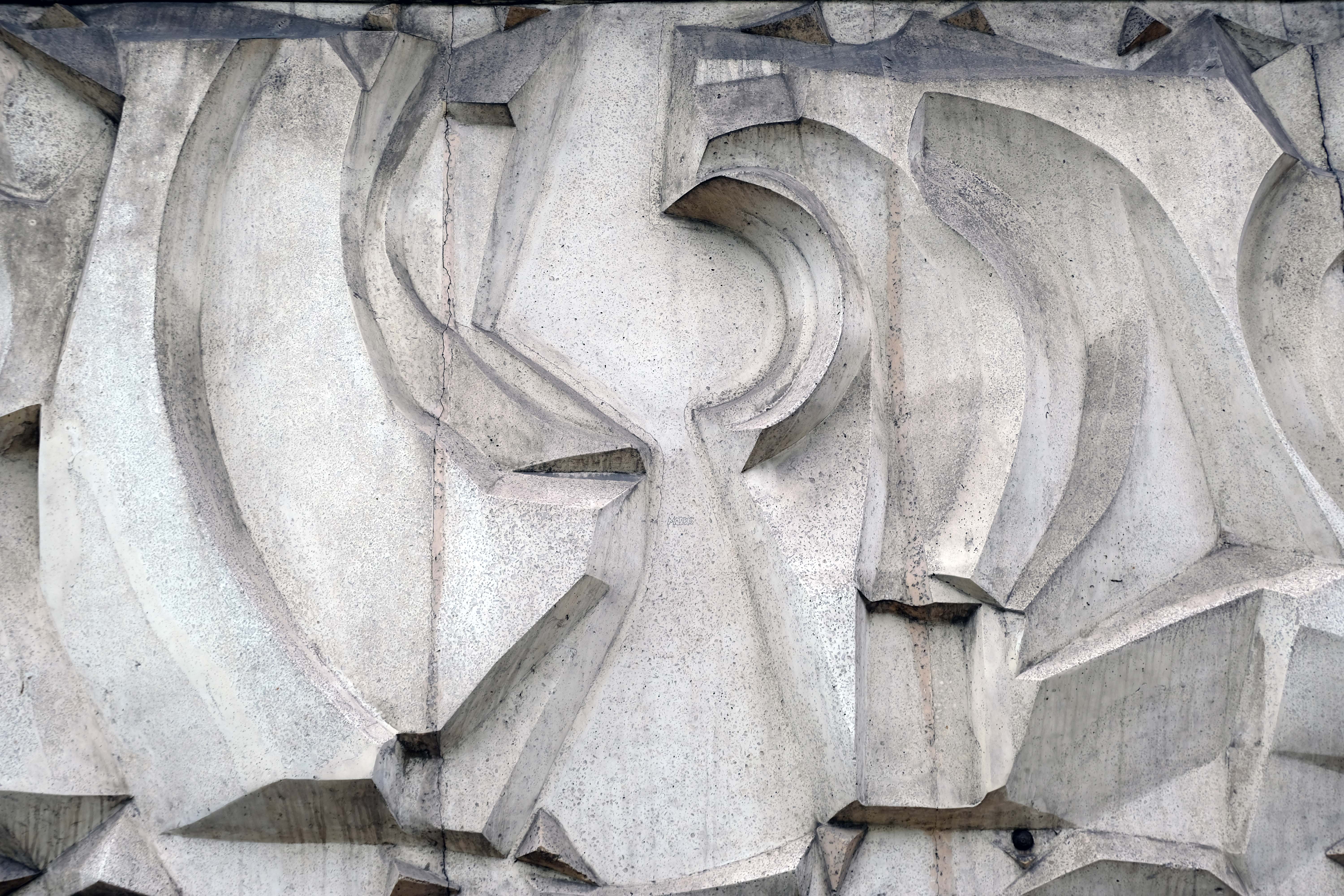
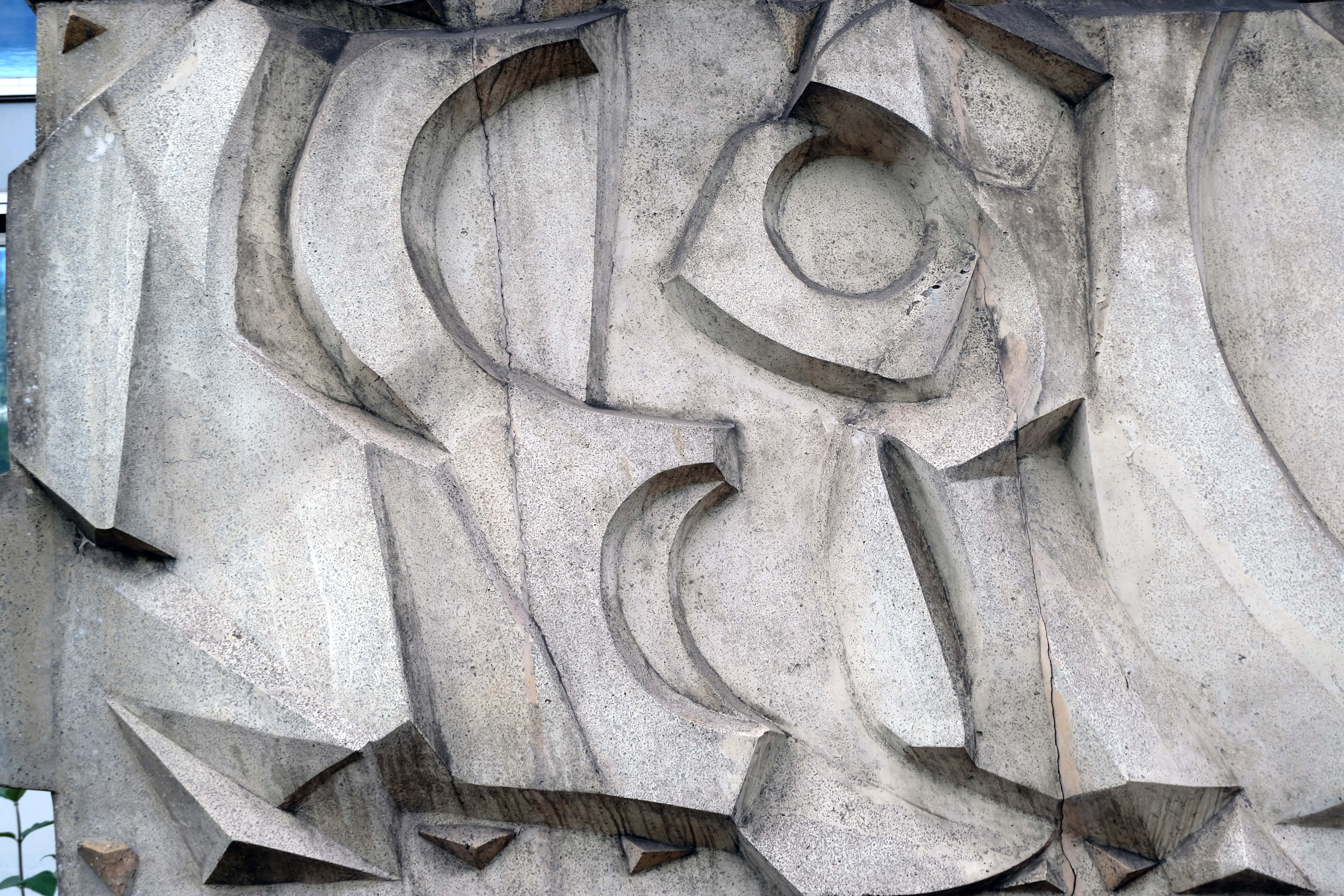
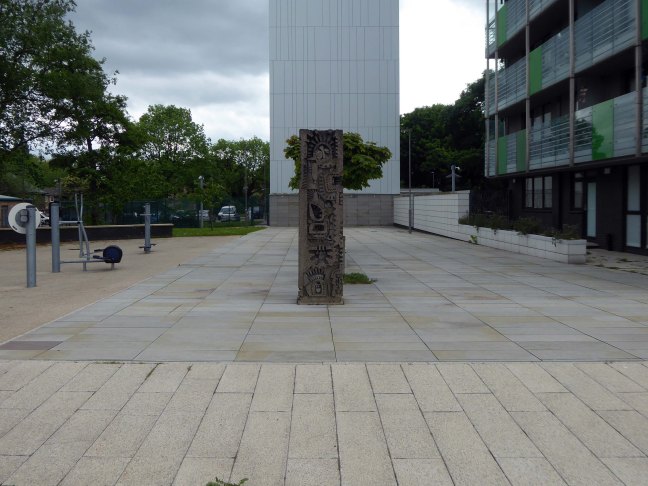
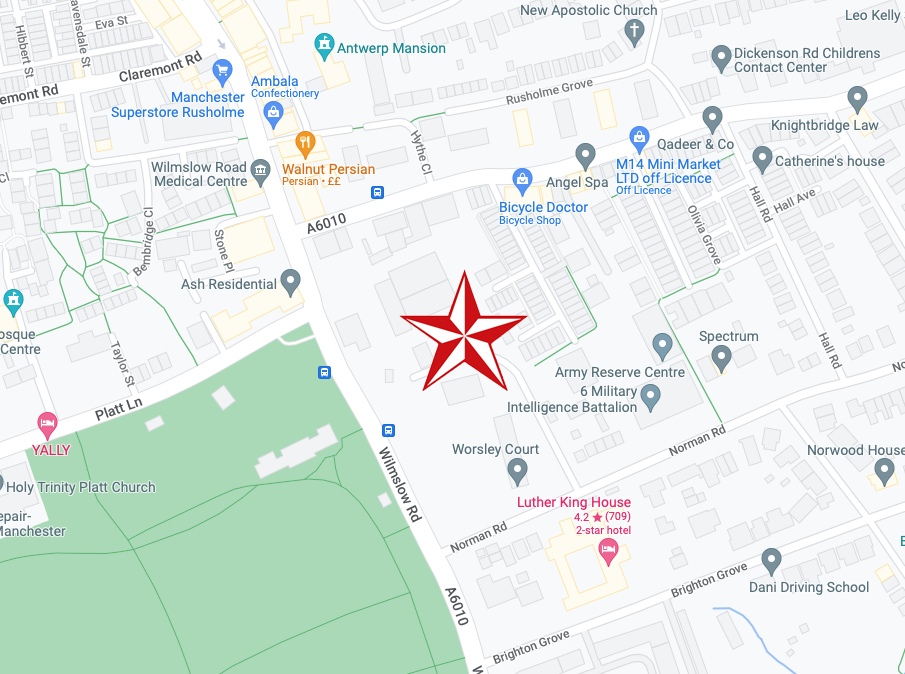
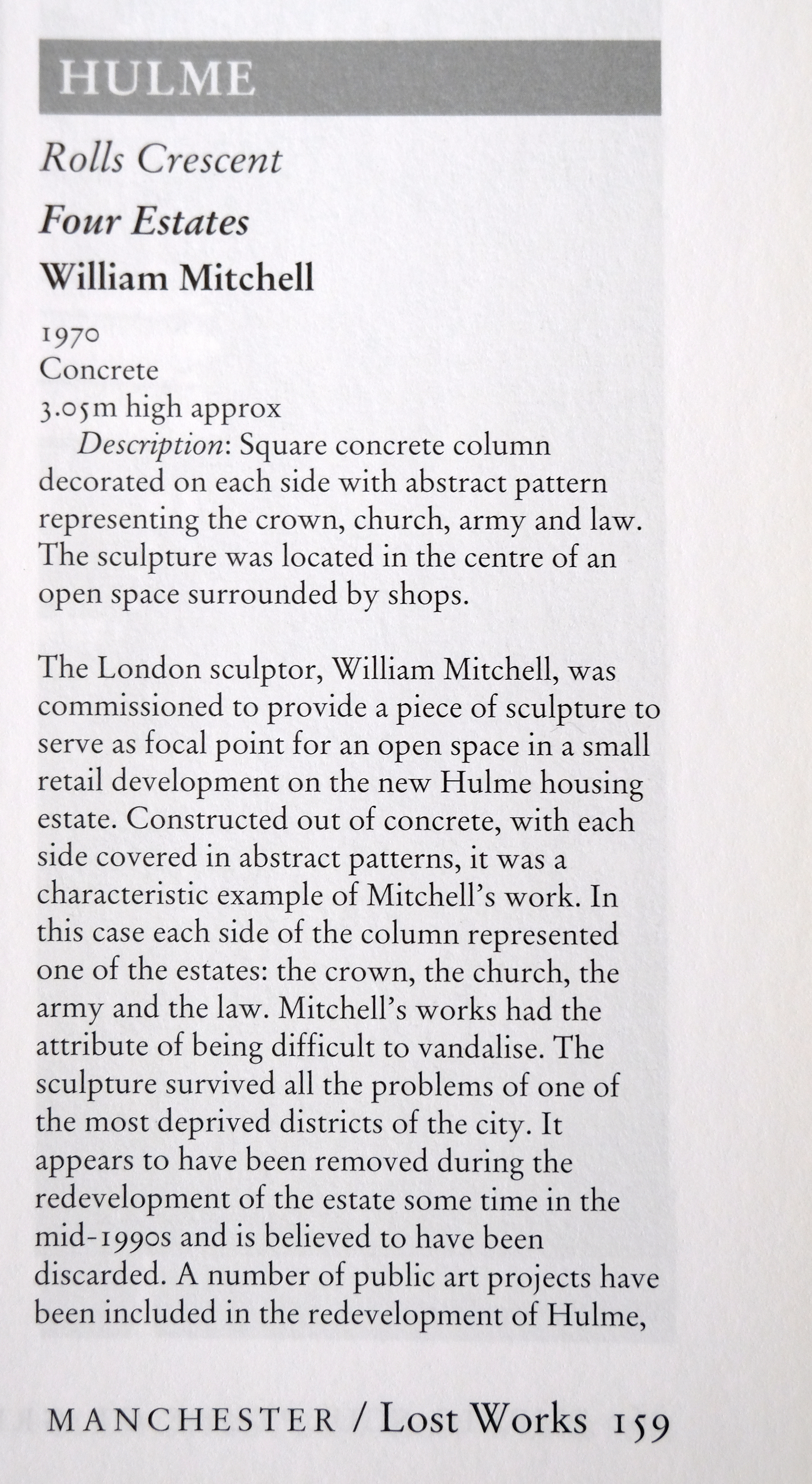
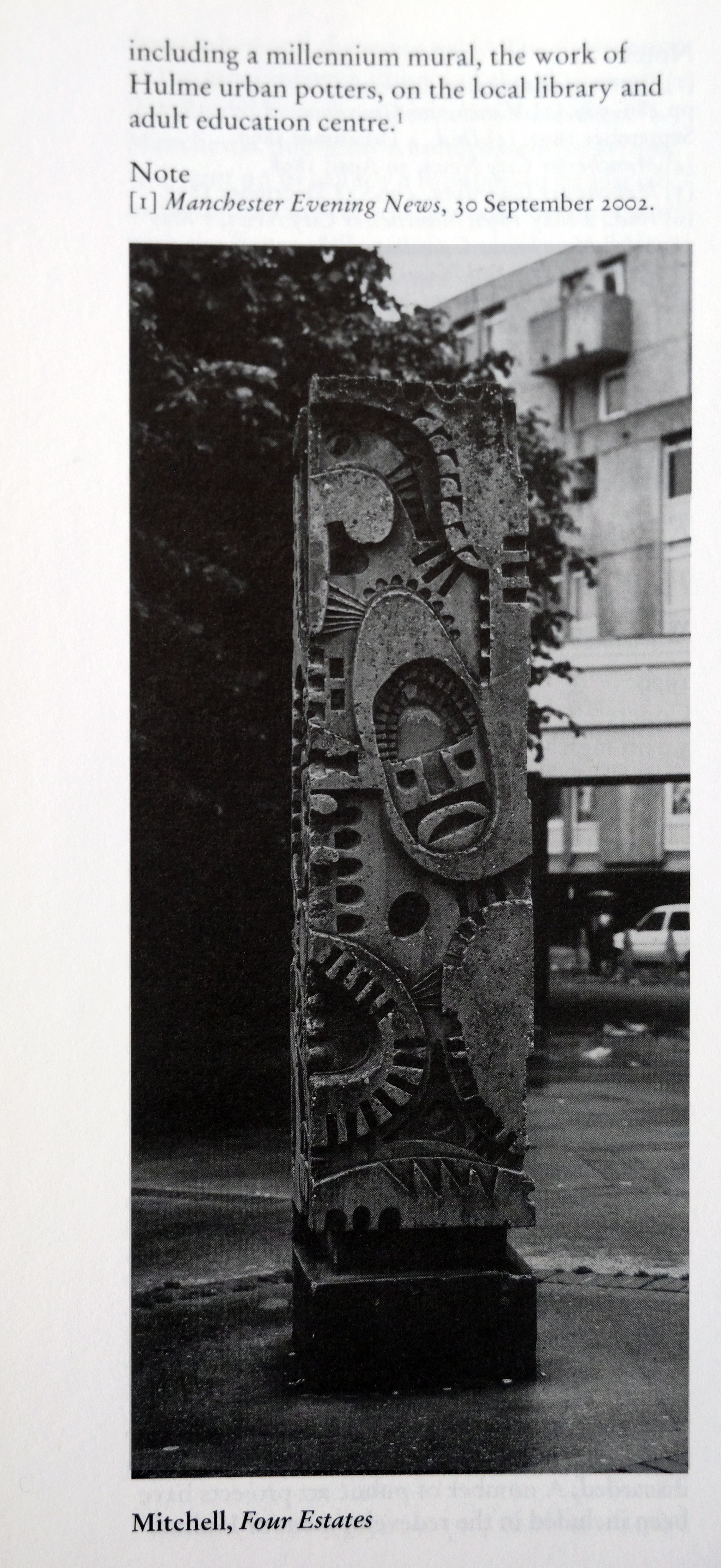
Platt Court – William Mitchell

Wilmslow Rd Manchester M14 5LT

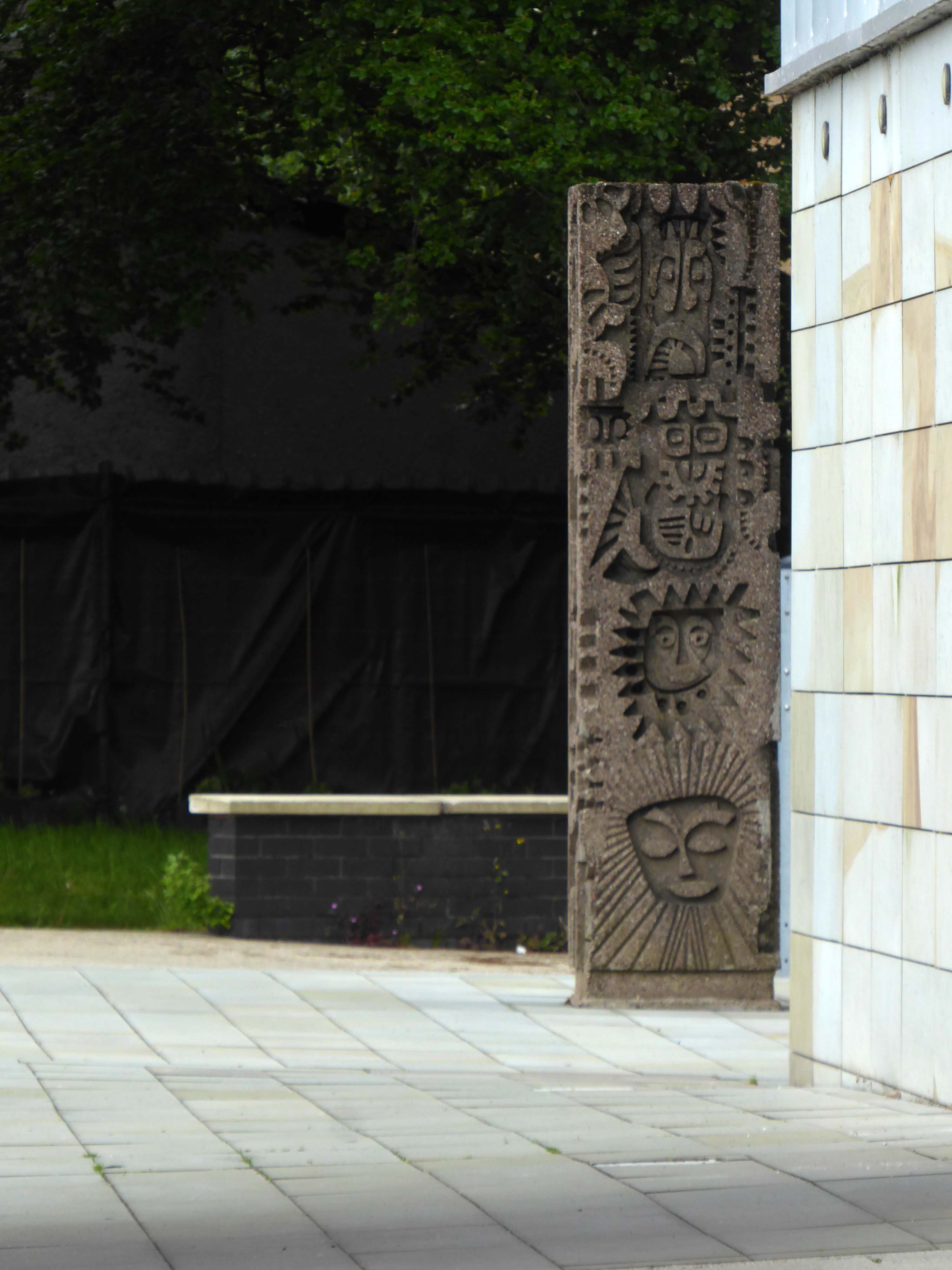
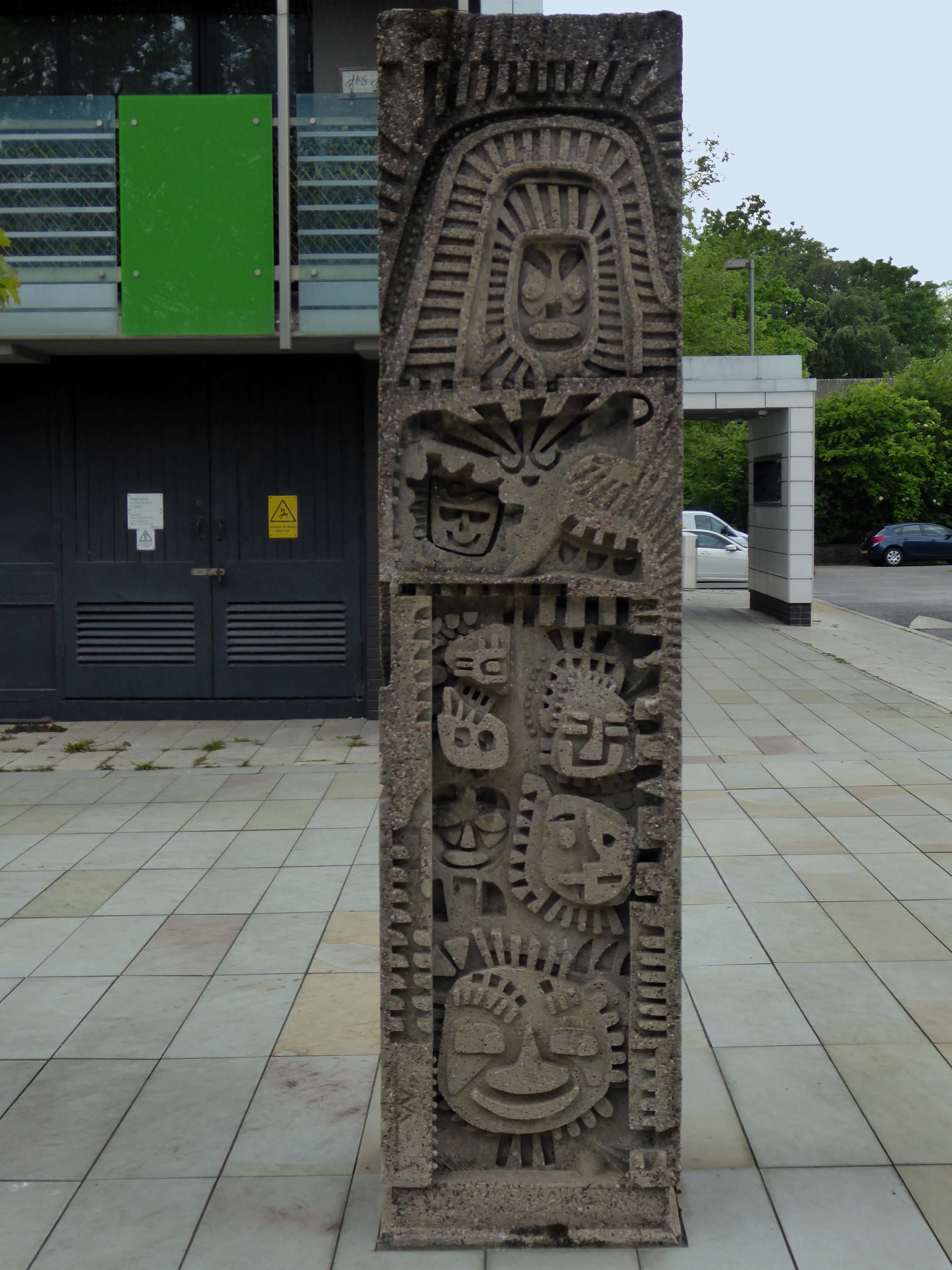
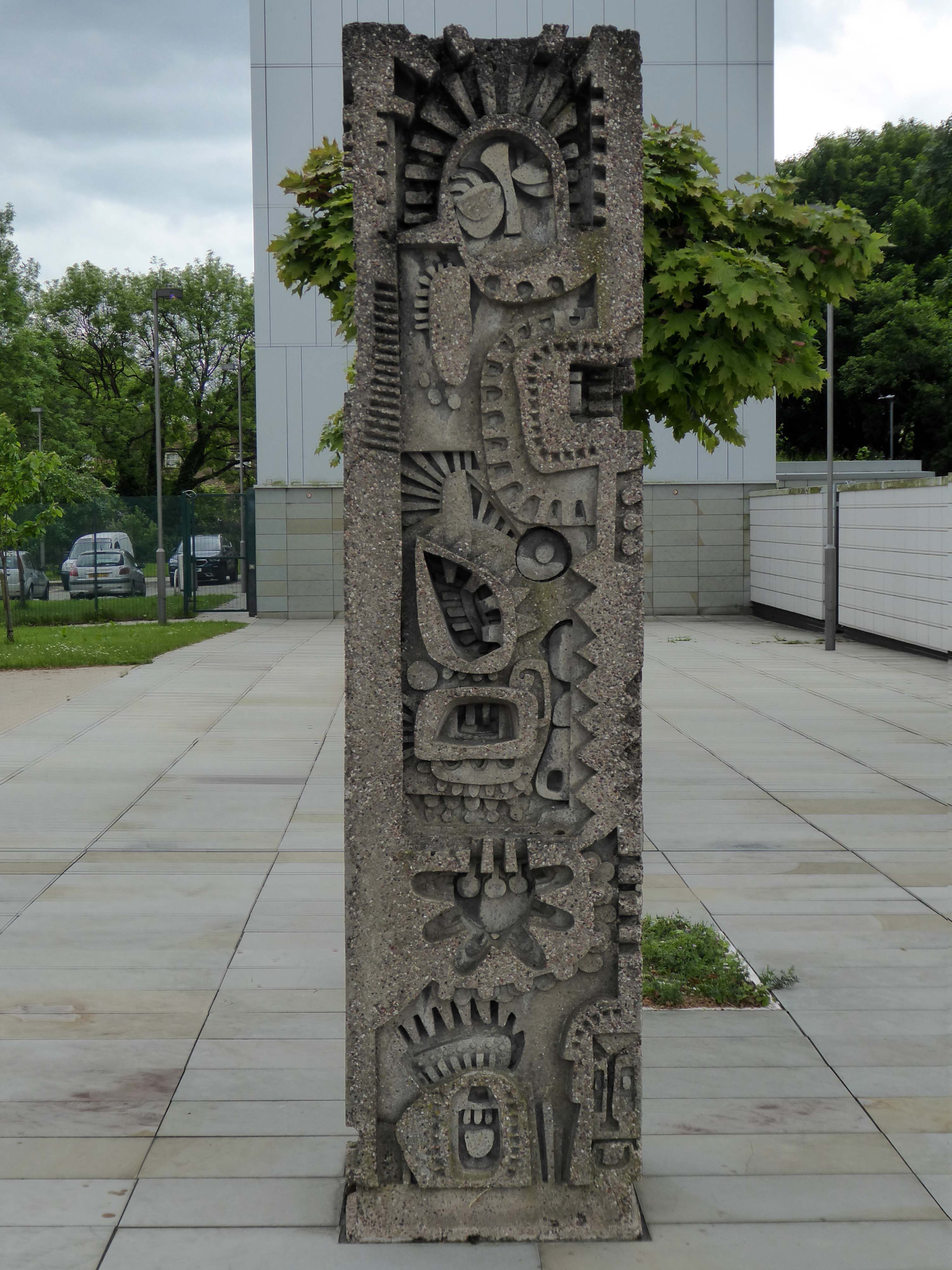
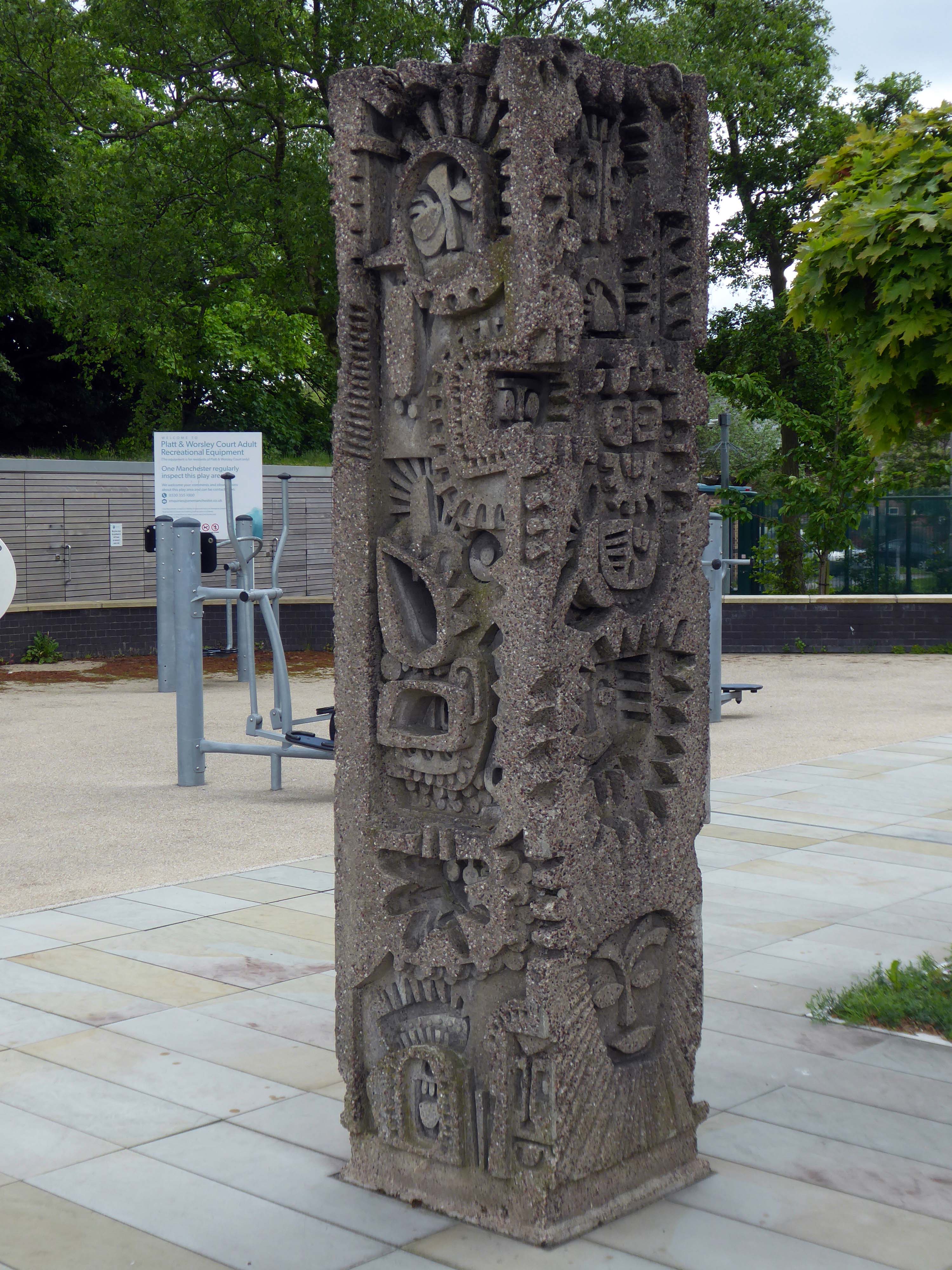
Situated outside Platt Court a third of four William Mitchell totems that I have visited – Eastford Square and Newton Heath still extant.

William Mitchell 1960

The Hulme exemplar has gone walkabout.

Public Sculpture of Greater Manchester – Terry Wyke

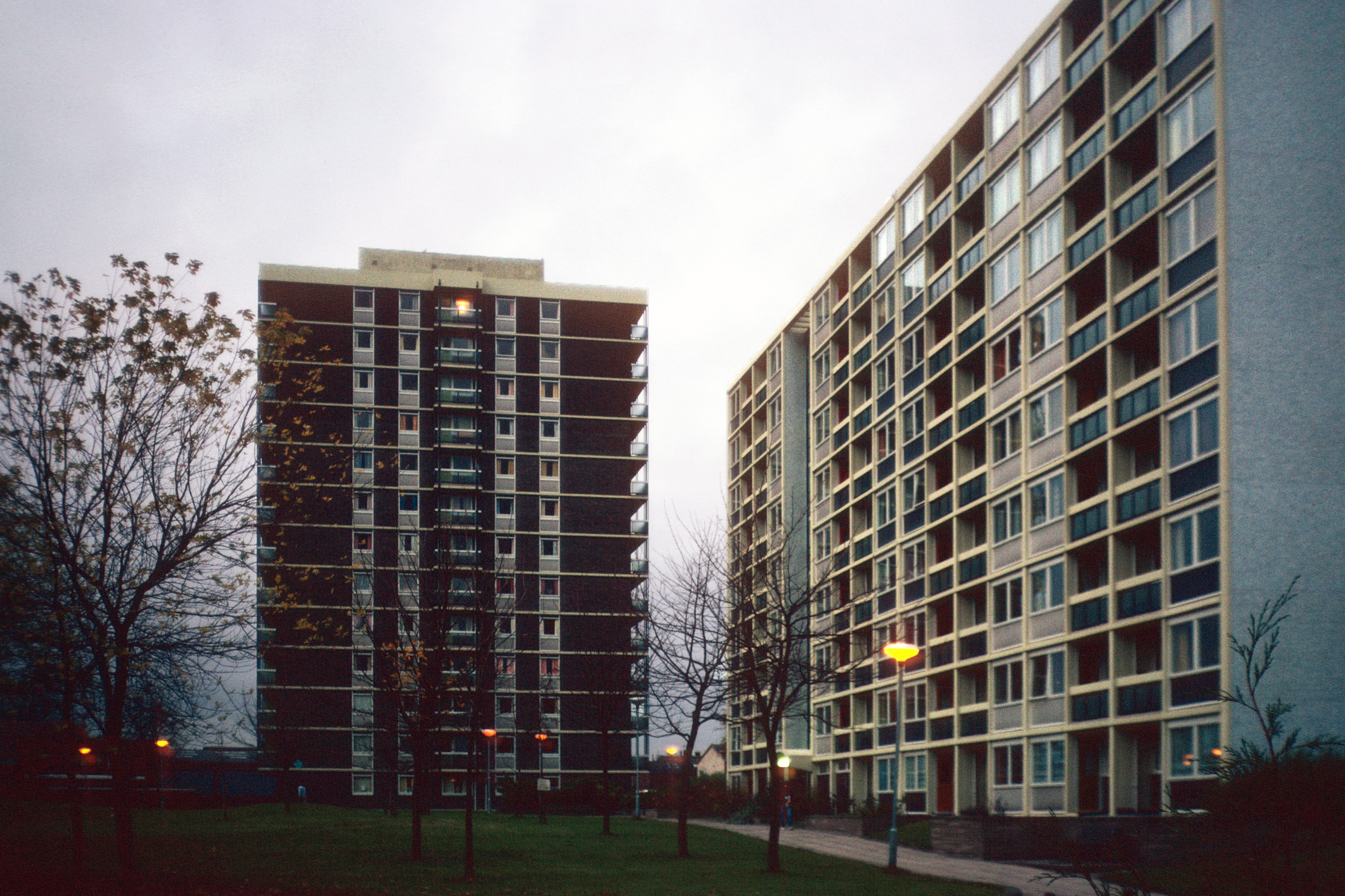
Tower Block tells us this is one 13 storey block containing 62 dwellings along with one 9 storey block containing 70 dwellings.

Built by Direct Labour commissioned by Manchester County Borough Council

Seen here in 1970.

The flats are now gated, so I peeped tentatively through the fencing.

Then chatting to the site’s maintenance gardener I gained access – here is what I saw.

Tower Blocks – Blackley

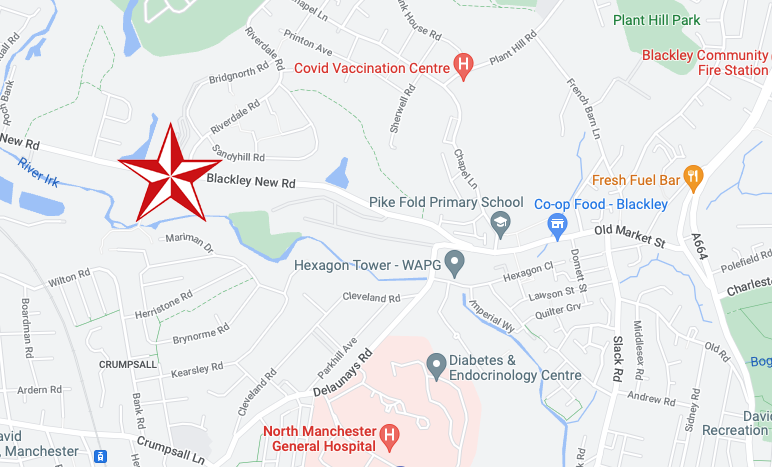
Sandyhill Court Sandyhill Rd Manchester M9 8JS

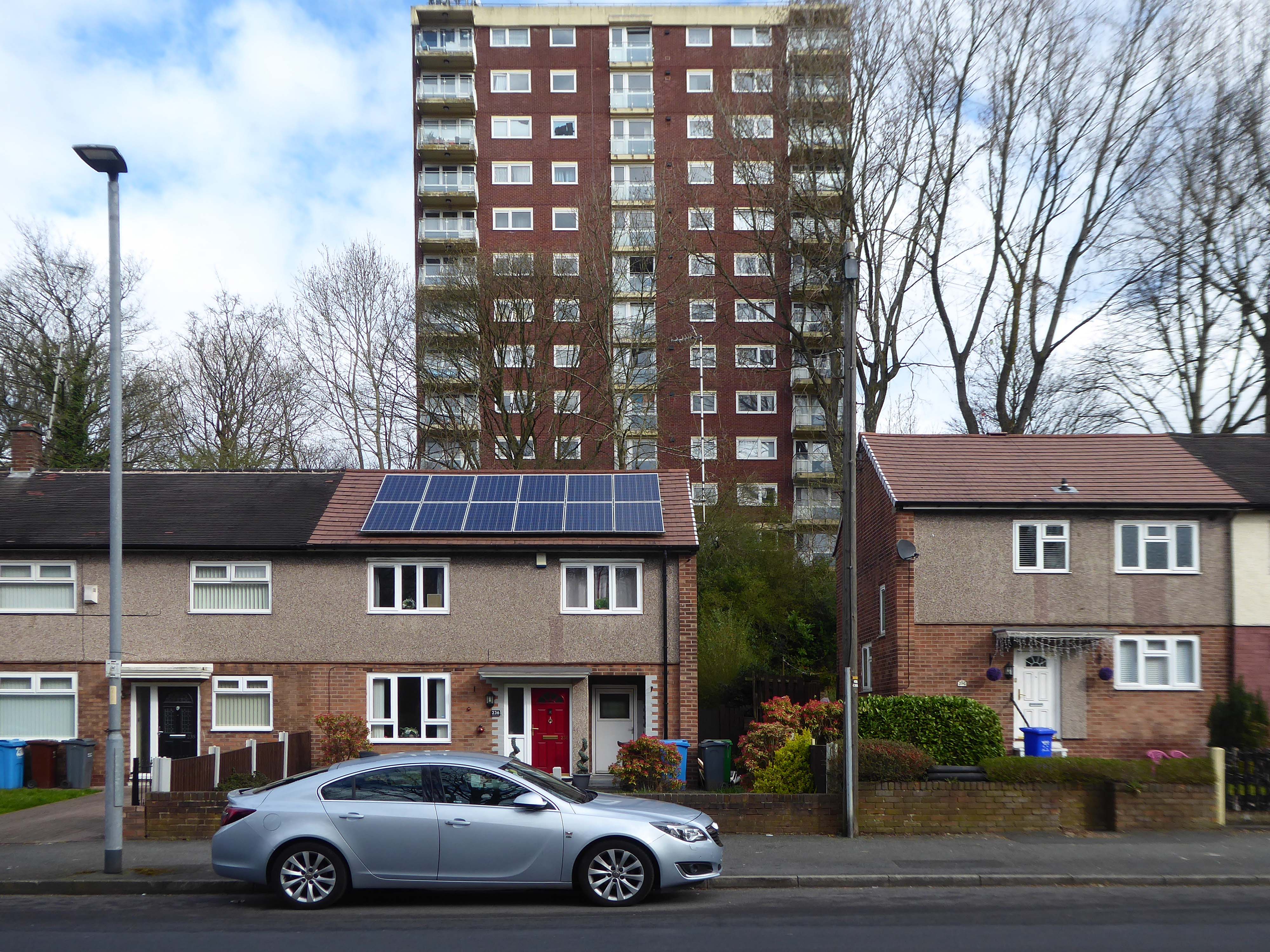
Almost high on a hill stands a lonely tower block.

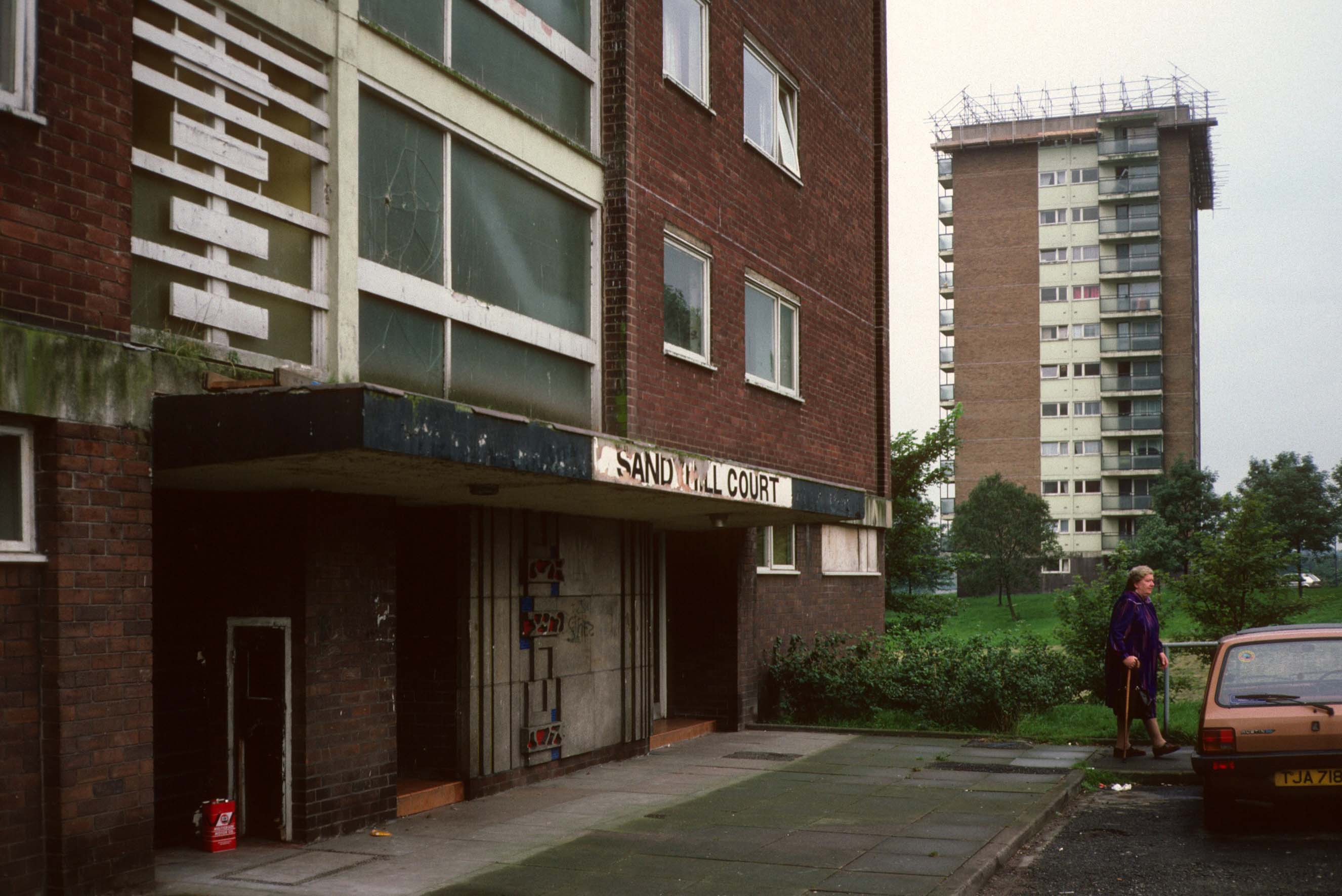
Seen here in 1987.

Tower Block

Sandyhill Court – Stands on the corner of Riverdale Road and Sandyhill Road and is still a local authority block.

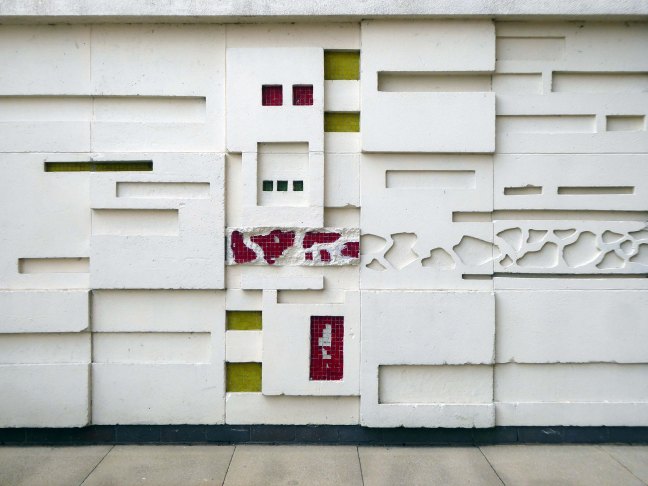
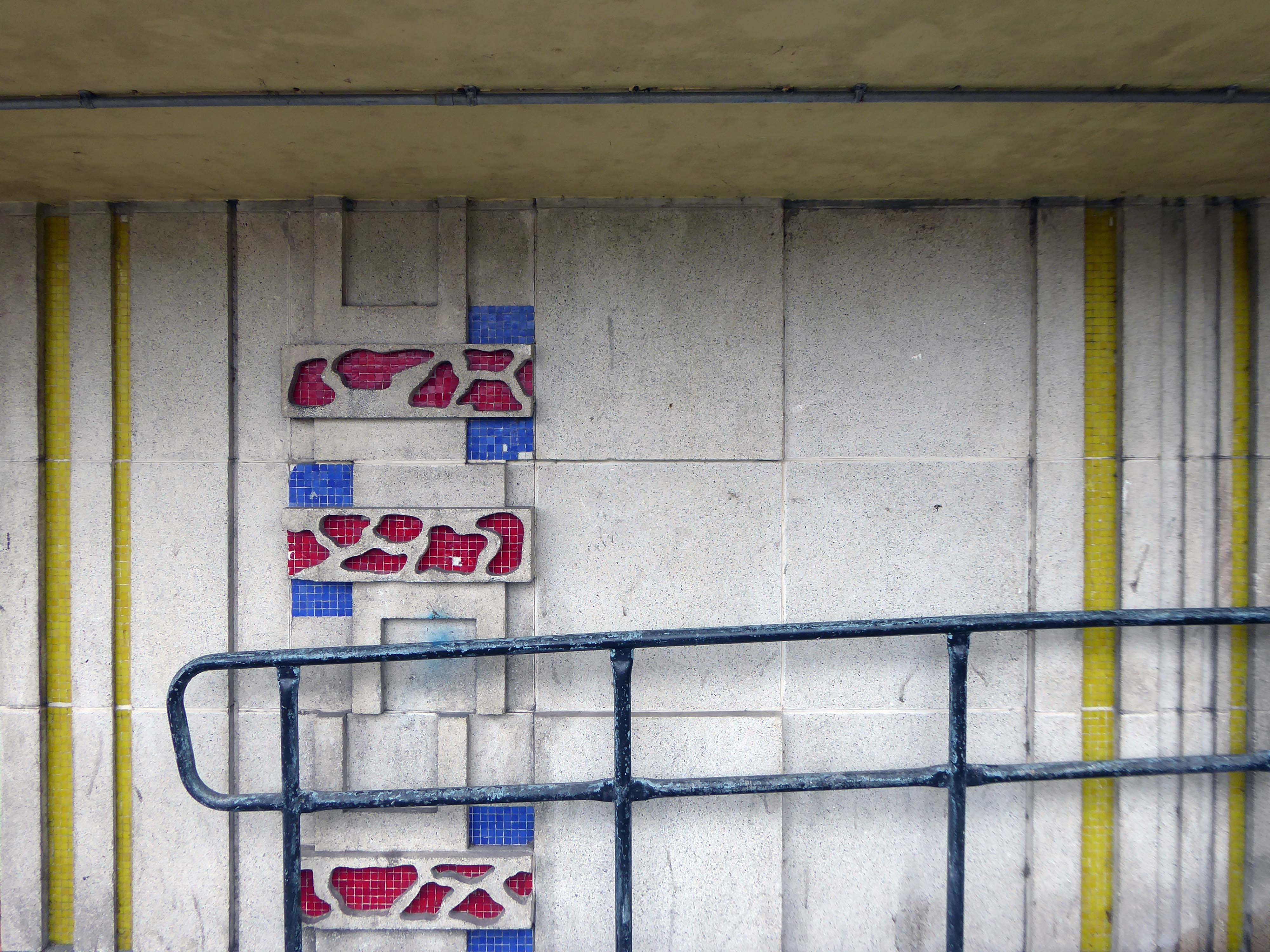
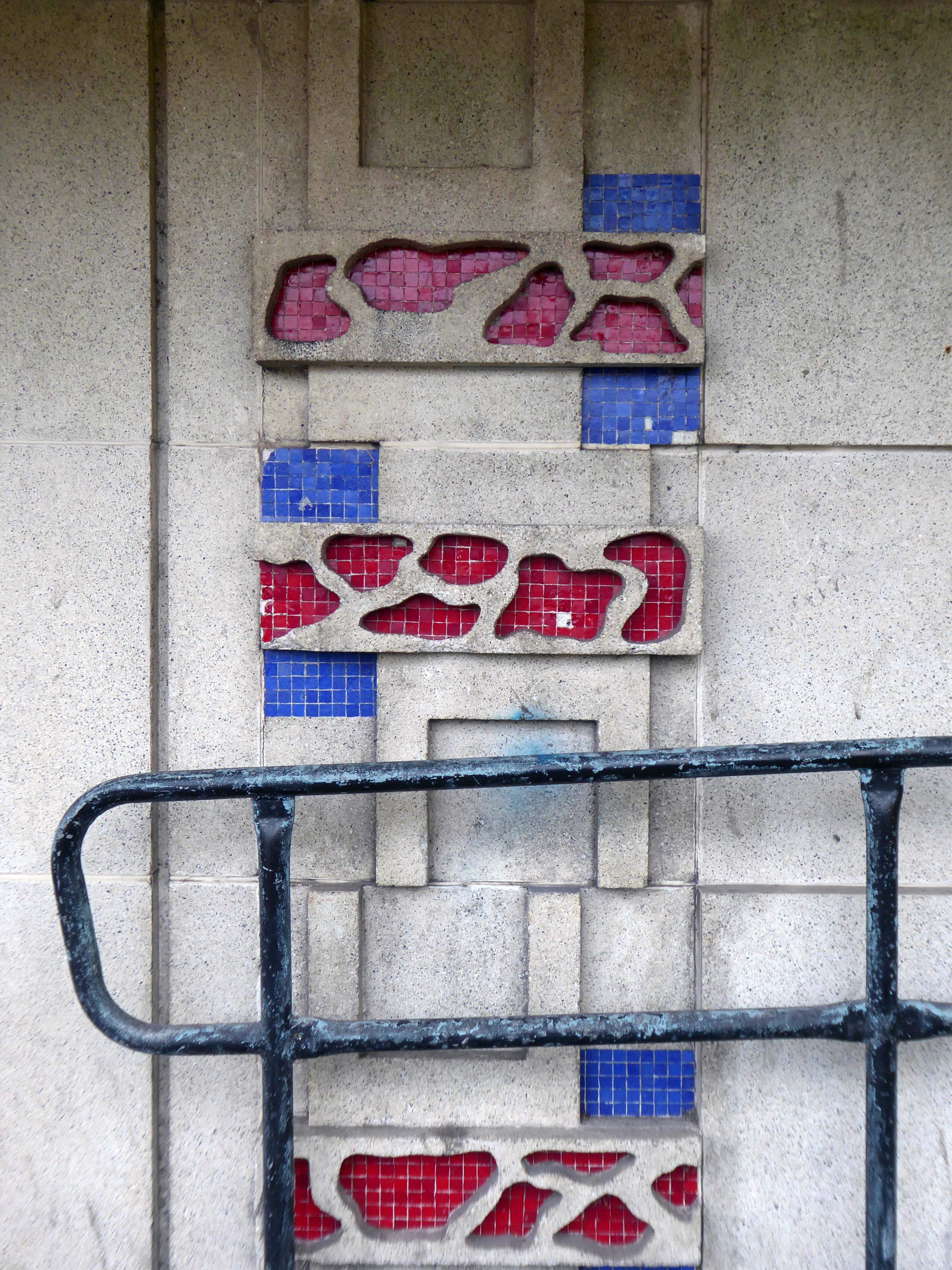
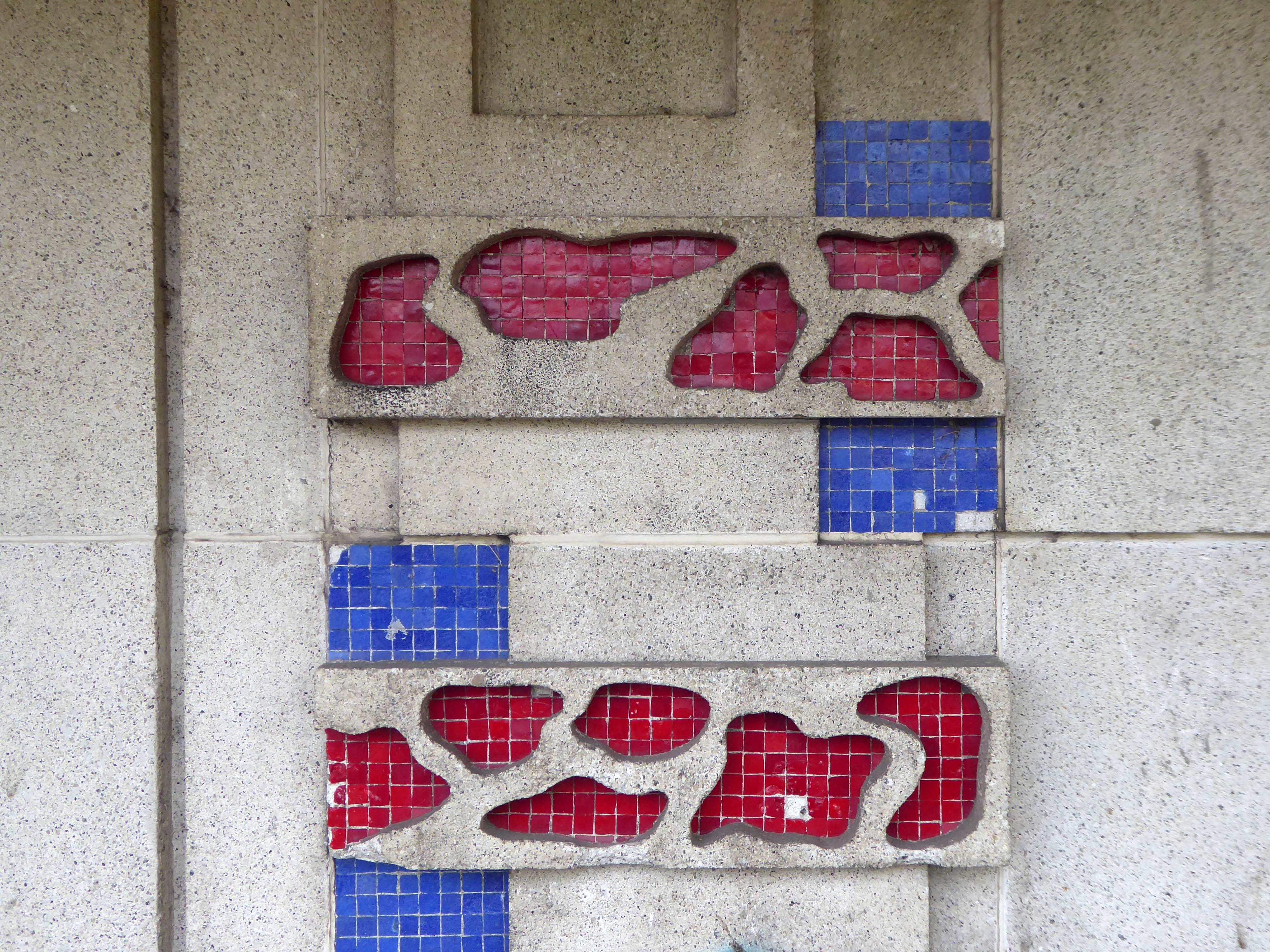
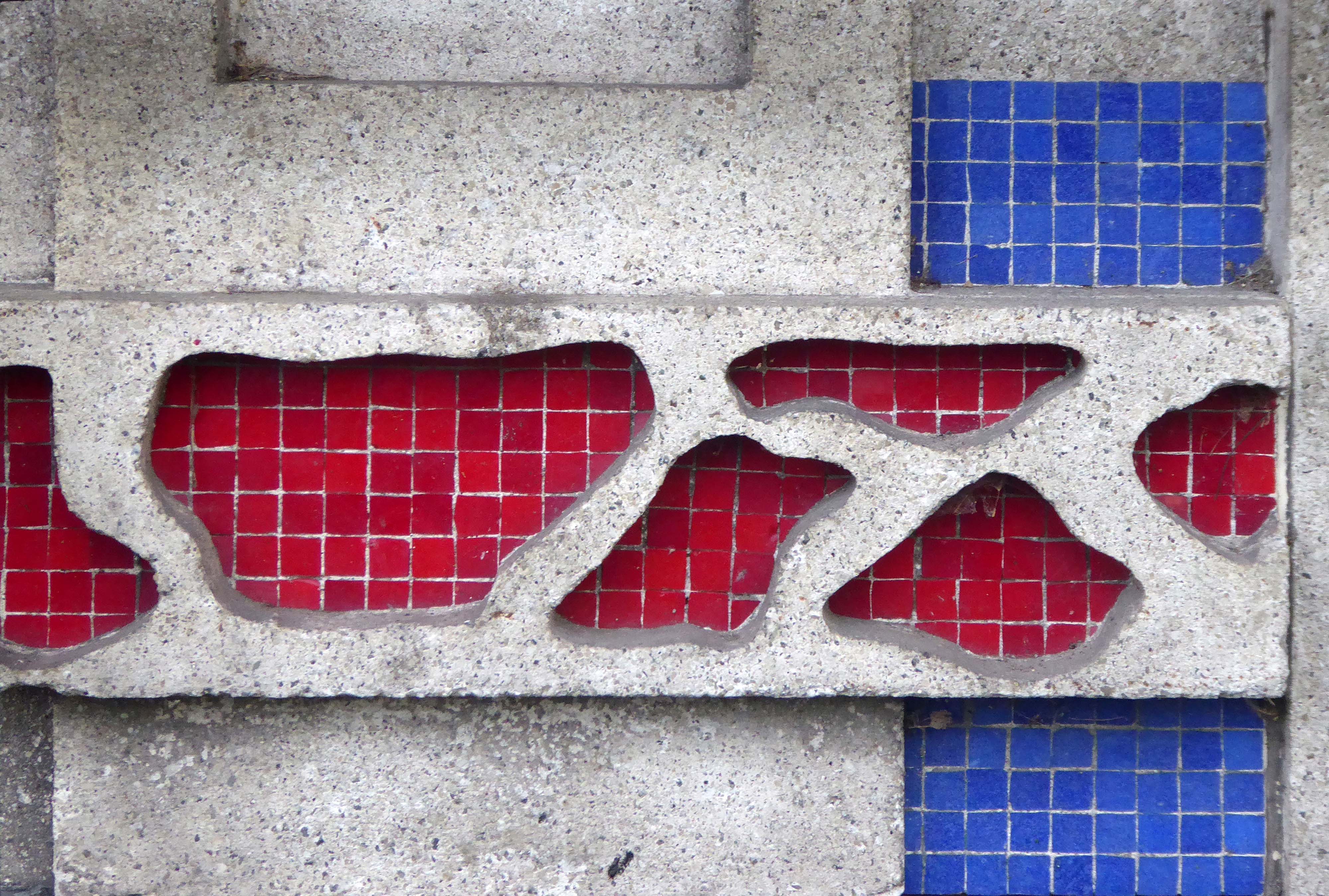
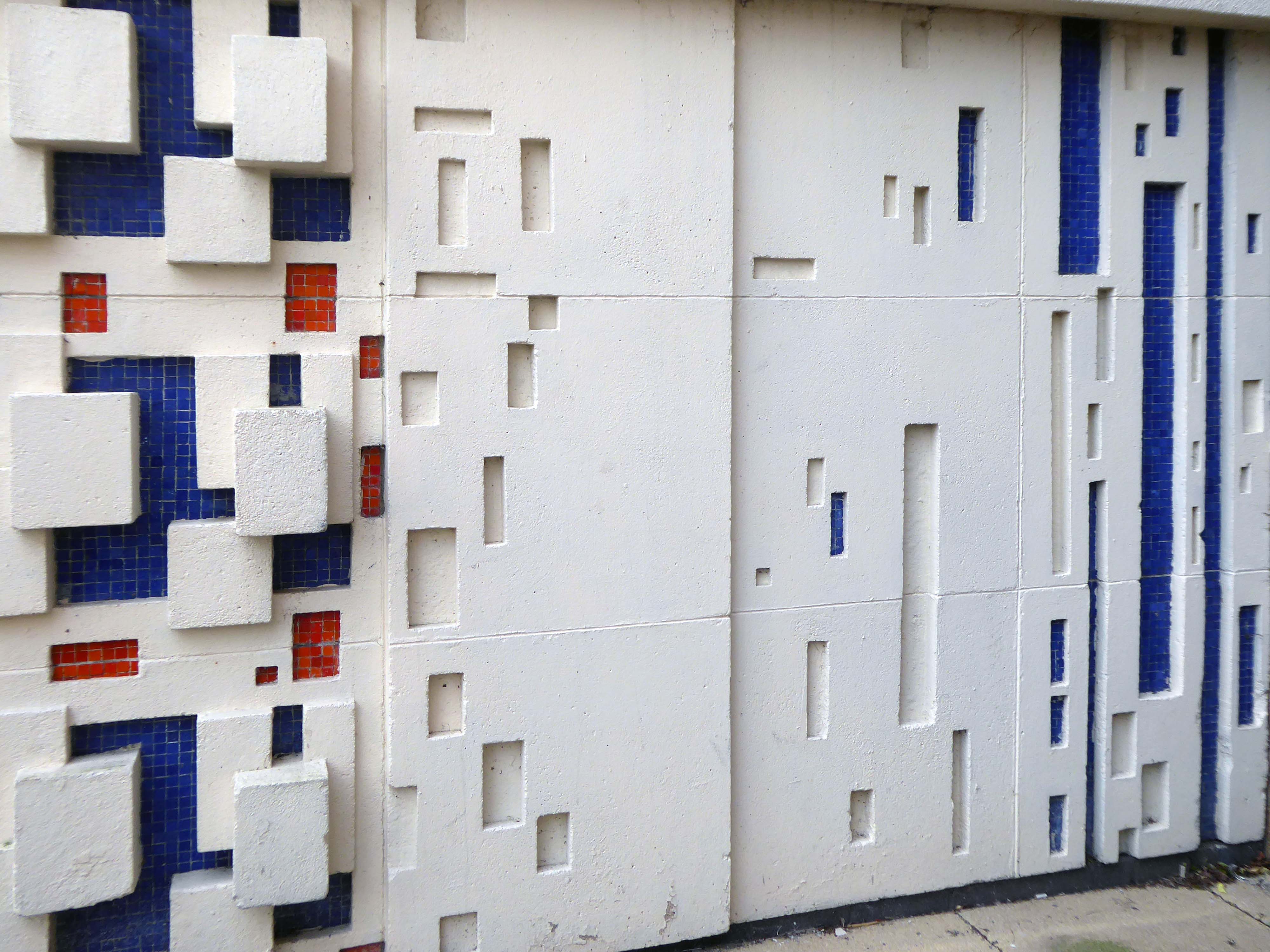
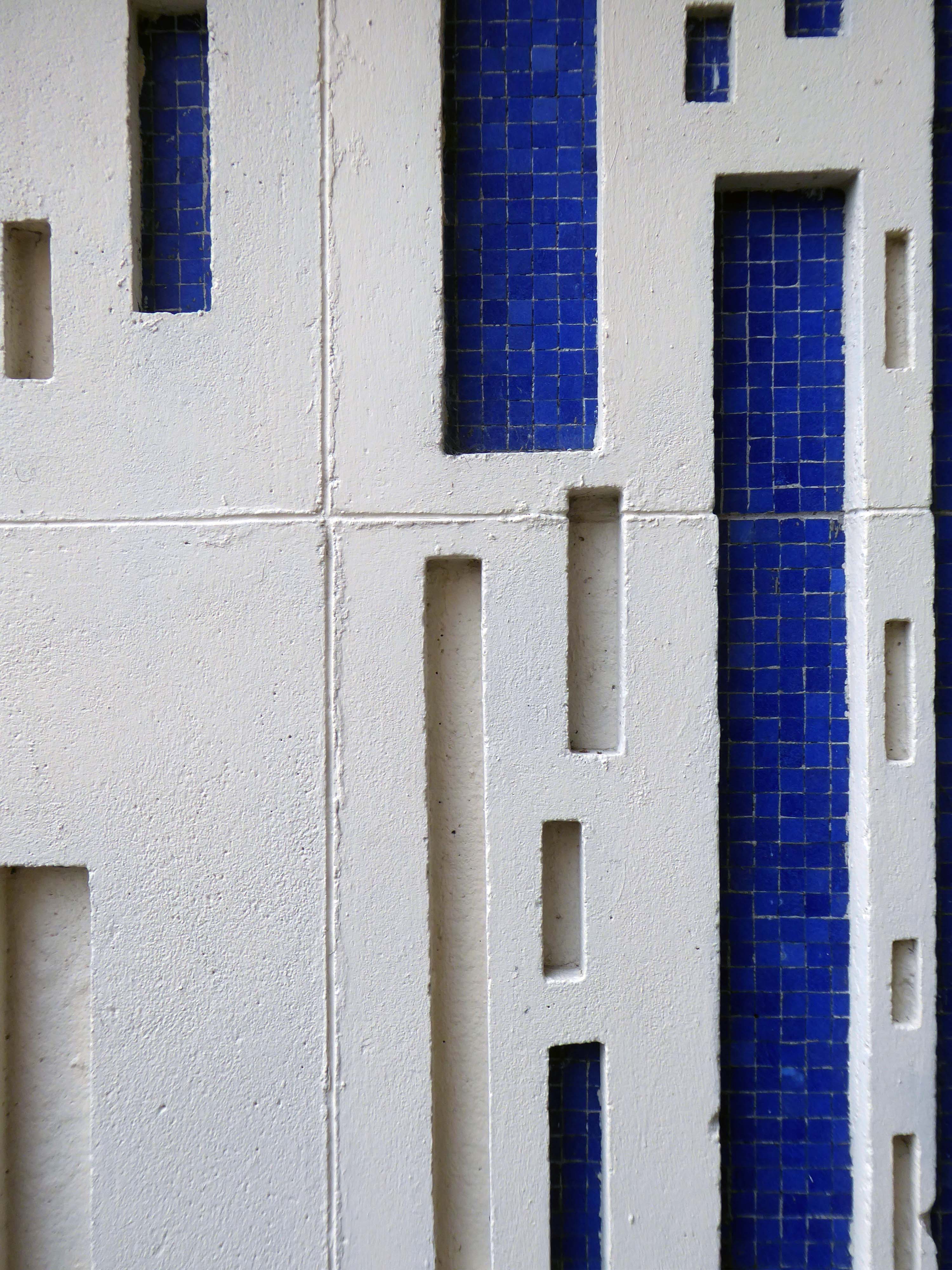
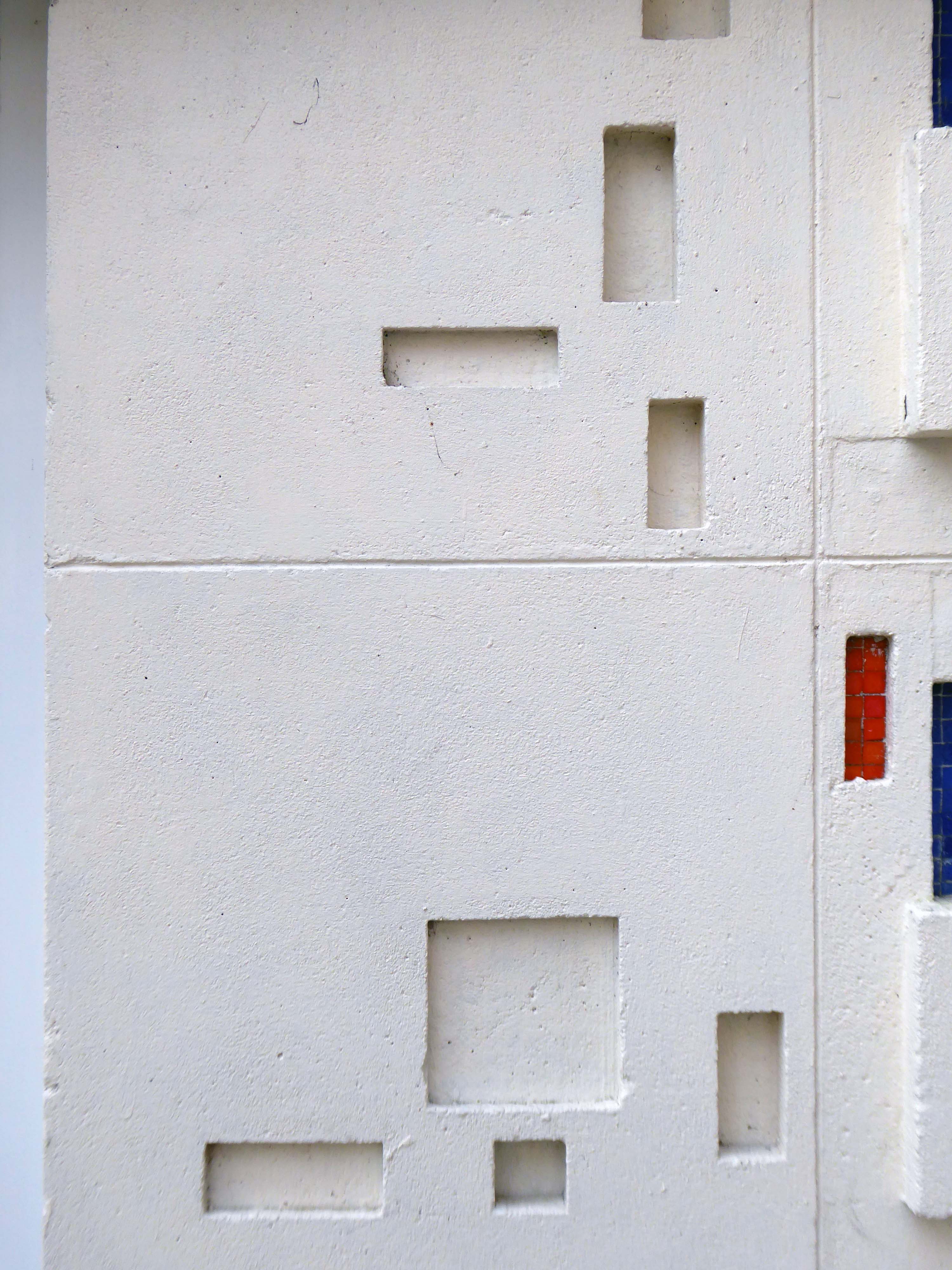
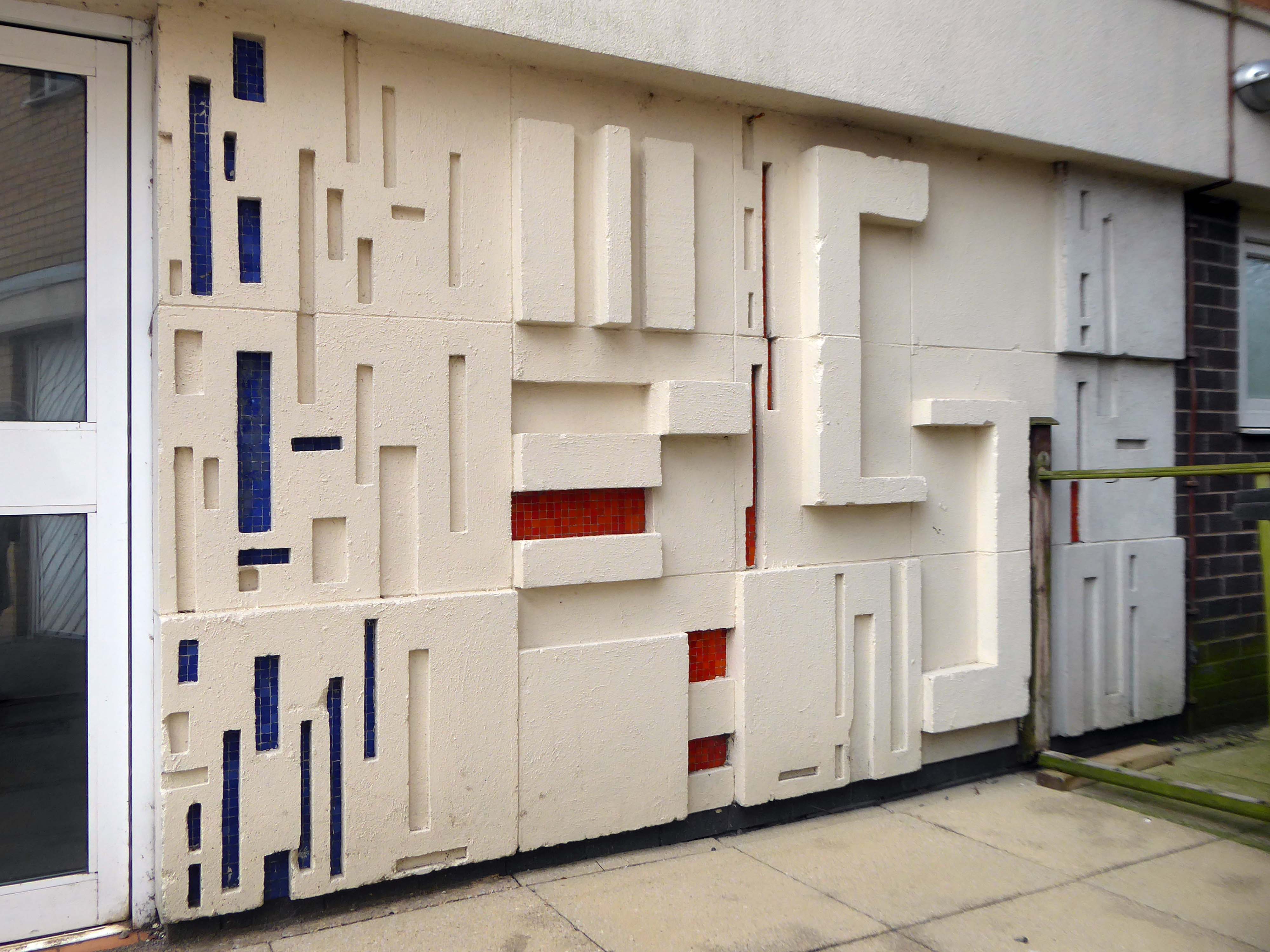
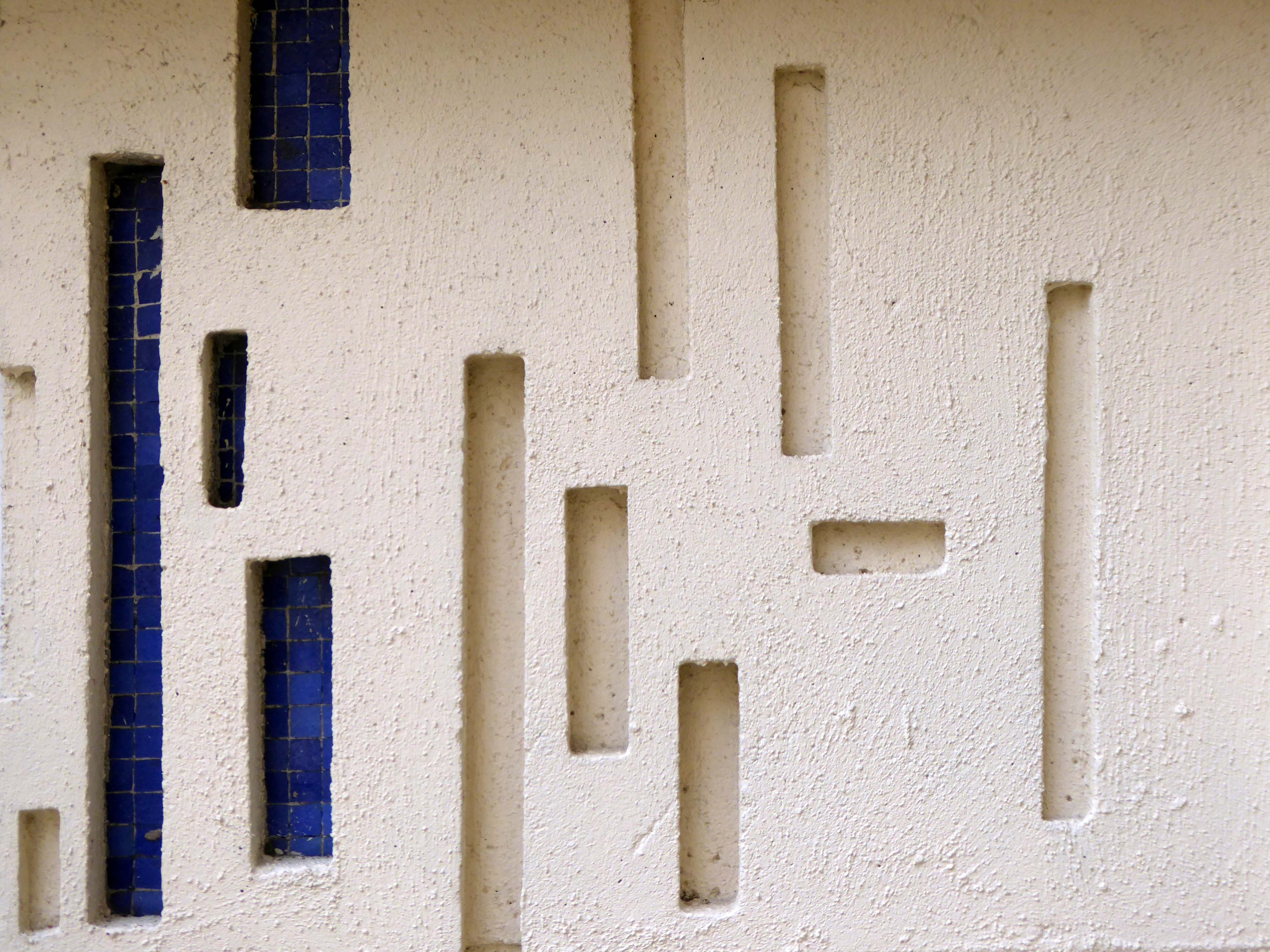
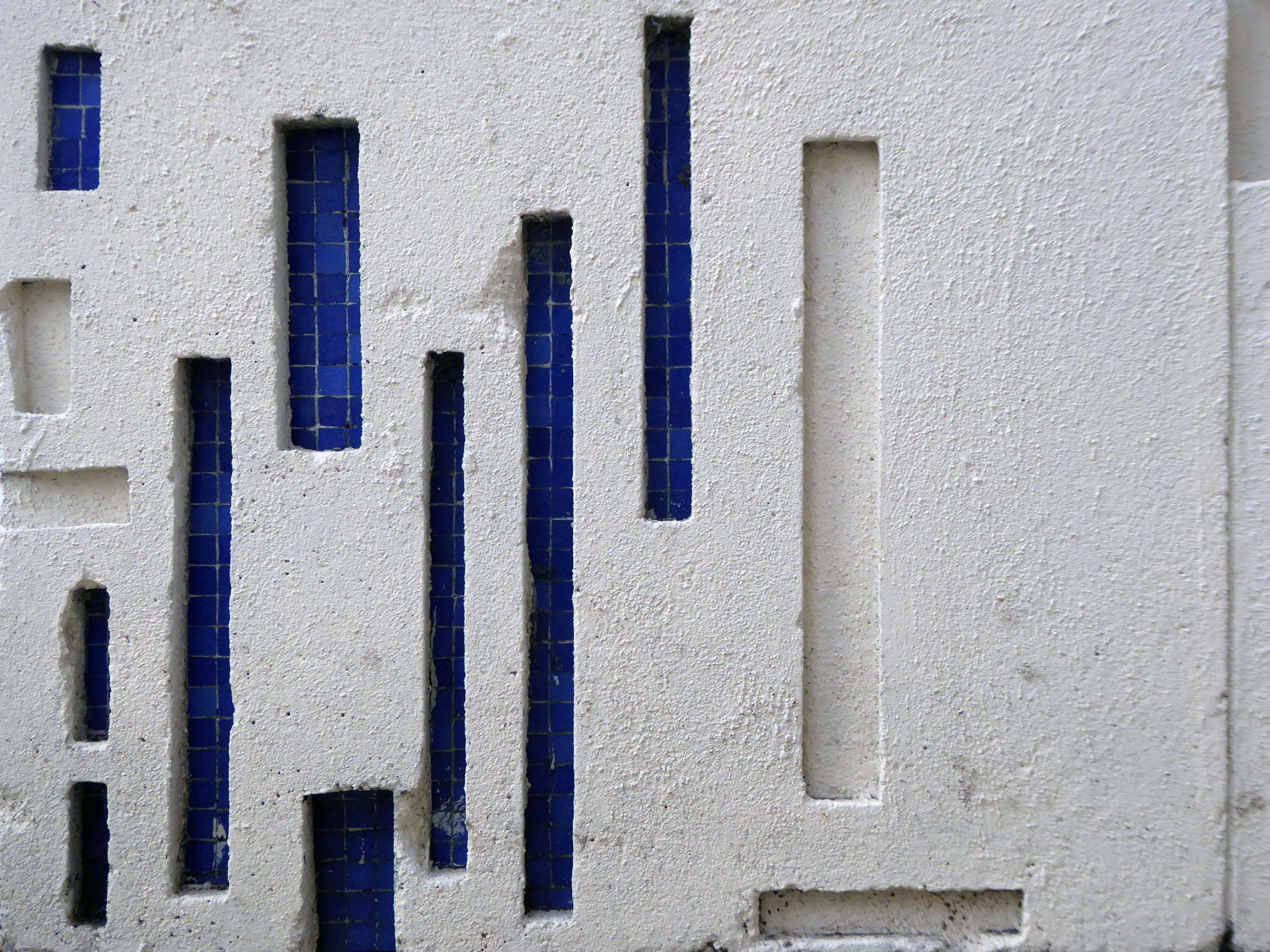
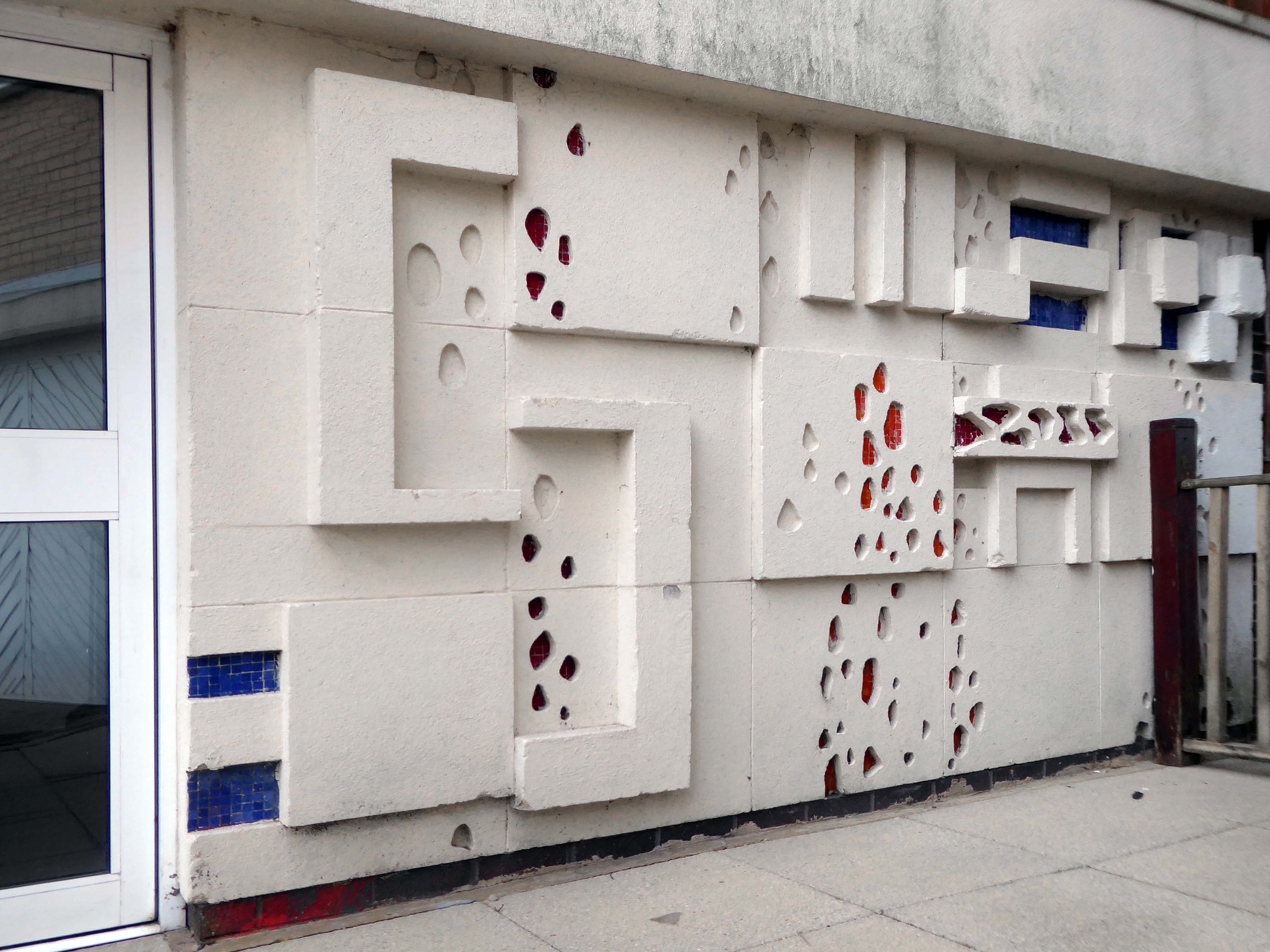
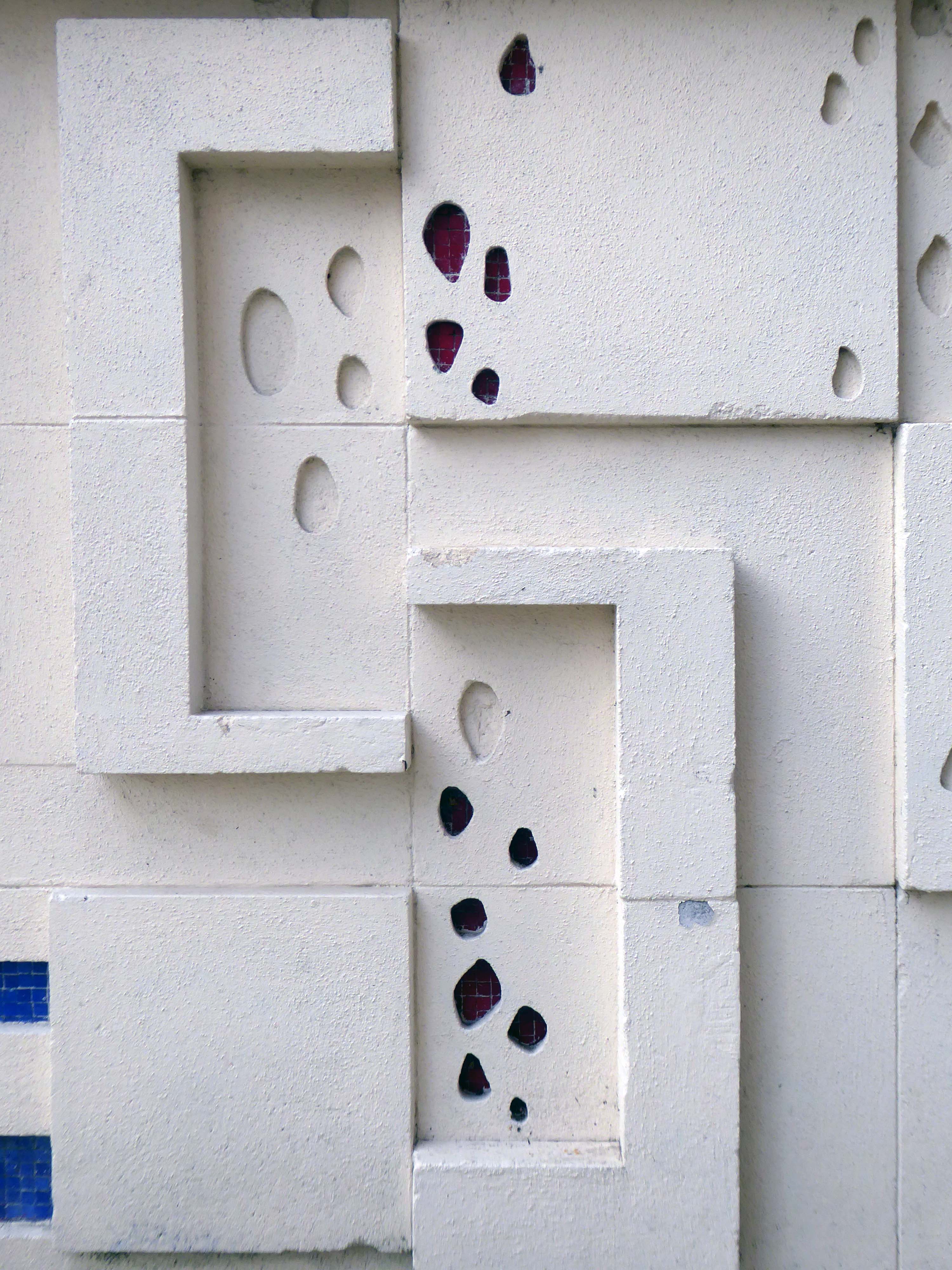
The front entrance has a mosaic and concrete relief, recalling De Stijl particularly Joost Baljeu.

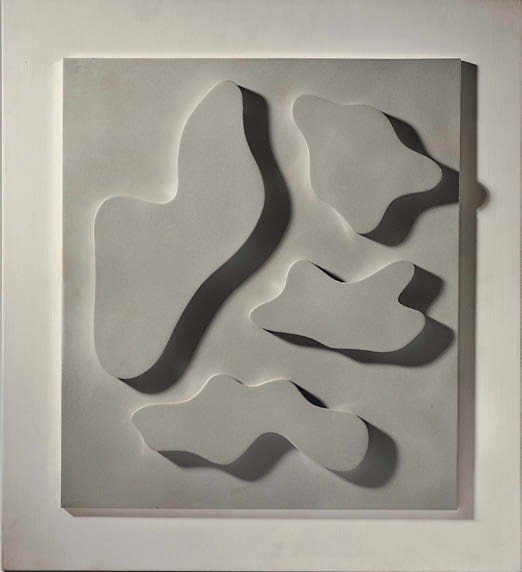
Along with echoes of Jean Arp.

The flats had acquired a stereotypical bad reputation.

Blight flats will soon be high-rise des-res.

Residents on a blighted Blackley estate have been told of plans to deal with the mostly unoccupied high-rise flats that are seen as the cause of the problem.

Manchester Evening News

I entered via the vehicular access – in order to view the four remaining reliefs.

The Lakeside Rise blocks now form part of a private gated community and are accessed from Blackley New Road.

The original blocks and their locations are as follows:

Ashenhurst Court Now Lakeside 1
Heaton Court Now Lakeside 2
Wilton Court Now Lakeside 3
Blackley Court Now Lakeside 4

Bracknell Court demolished – was on the corner of Riverdale Road and Bridgenorth Road adjacent to Heaton Court
Riverdale Court demolished – was on Riverdale Road opposite Bantry Avenue.

Wigan Walk

Arriving at Wigan Wallgate turn left and left and right.

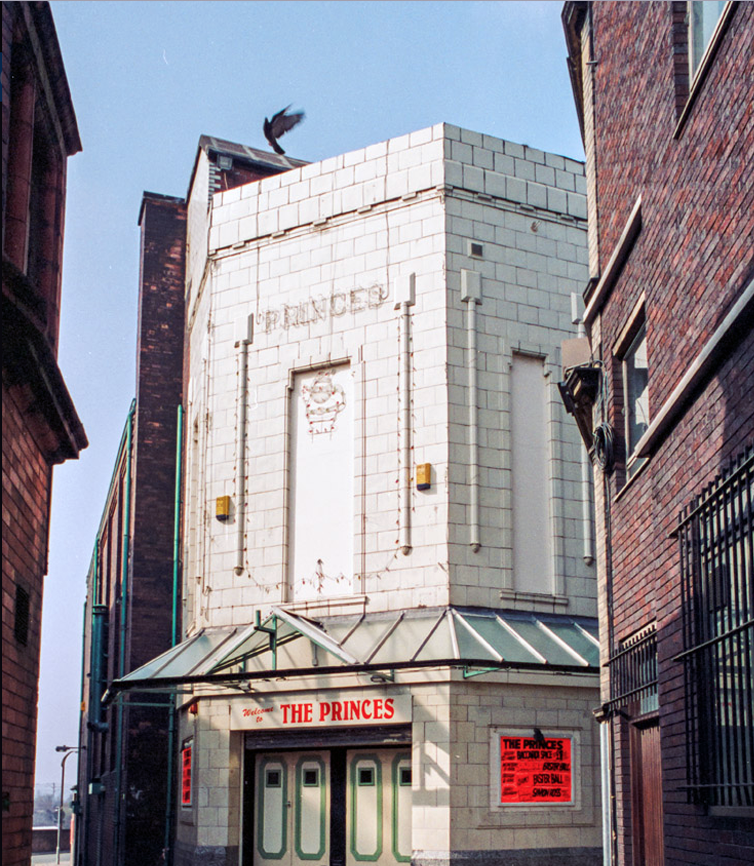
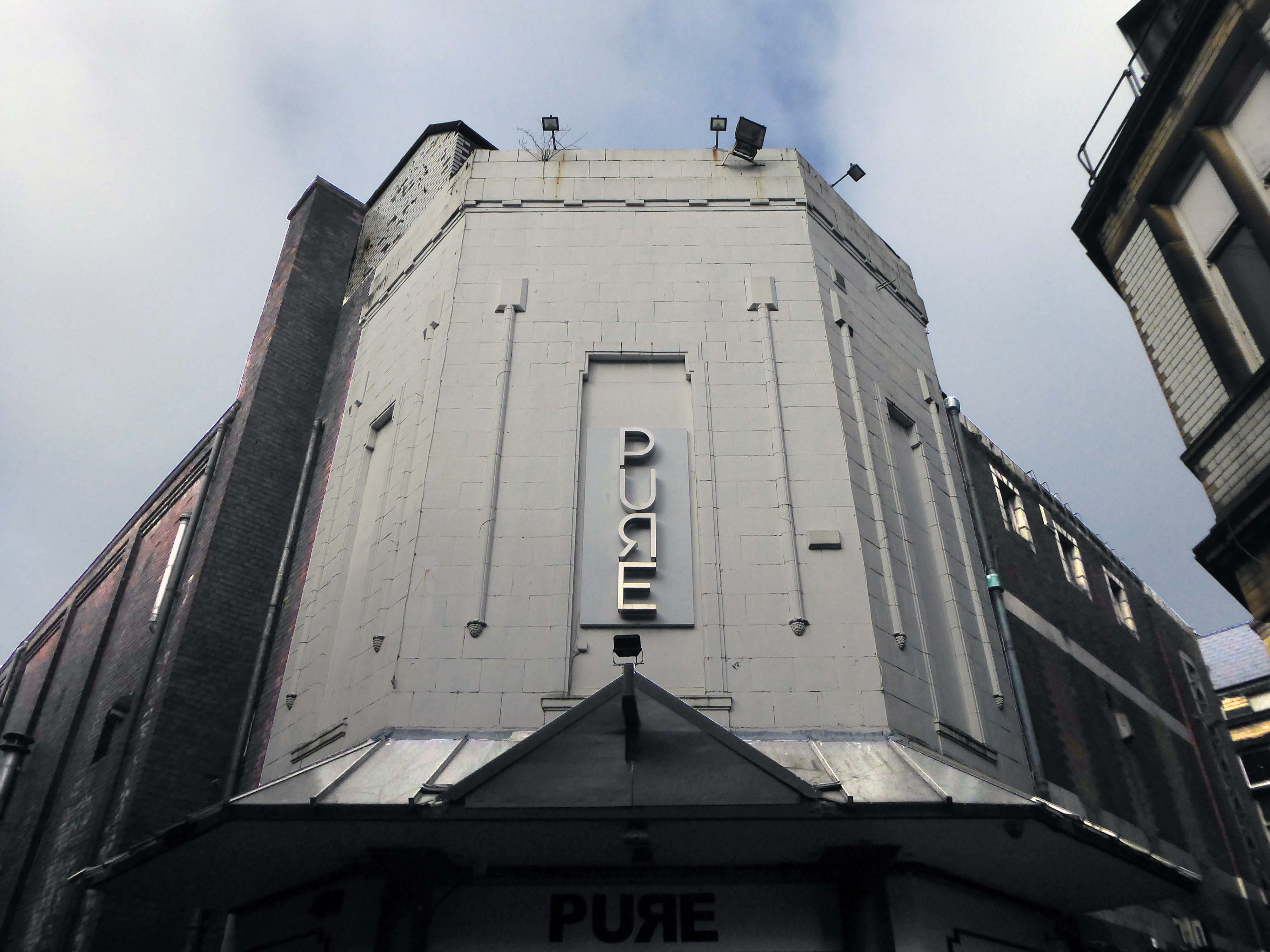
Tucked away along Clarence Yard is the former Princes Cinema.

Photo: Ian Grundy

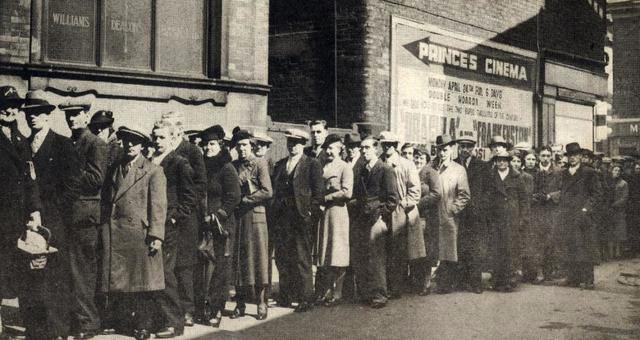
Where once upon a time the flat capped and hatted audience queued at length, for a glimpse of Dracula and Frankenstein.

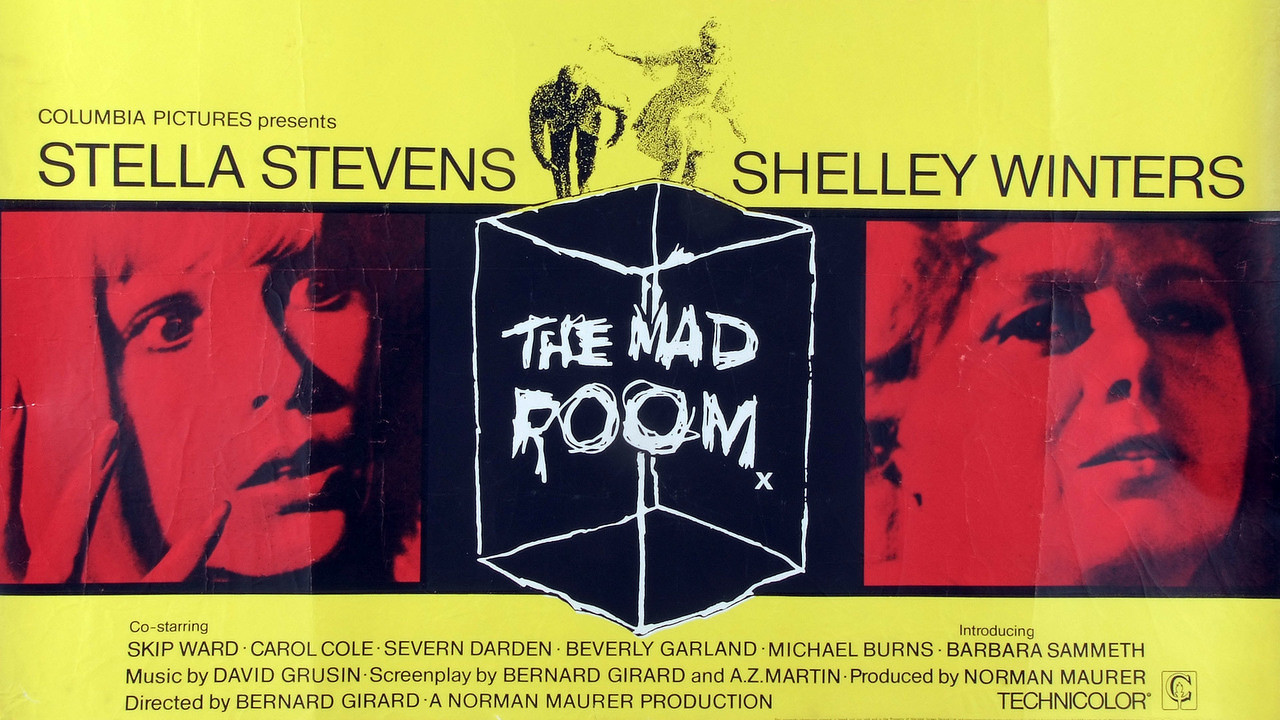
Opened in 1934 and closed on 10th January 1970 with a screening of The Mad Room.

Cinema Treasures

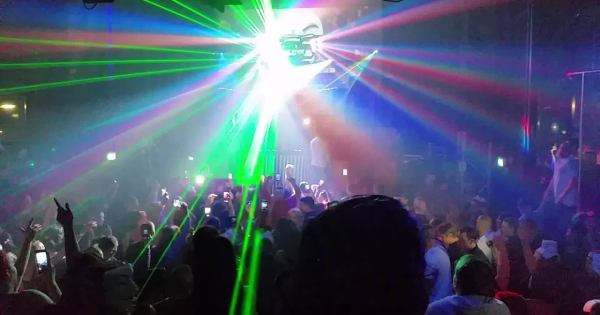
It has subsequently been in use as a nightclub.

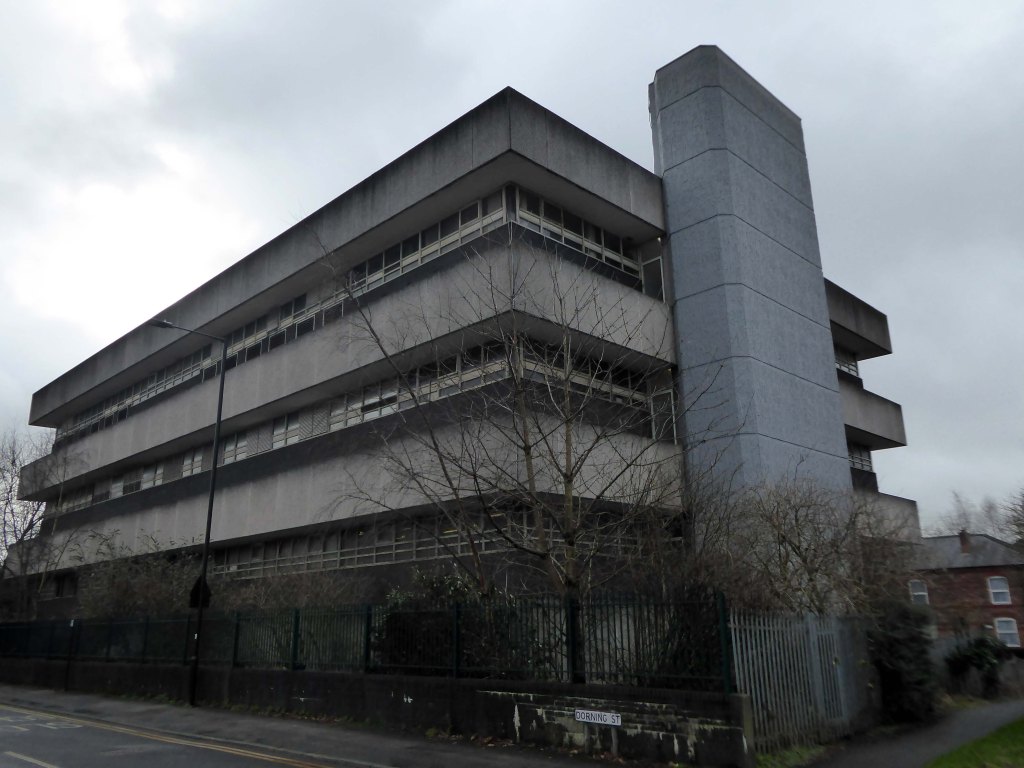
Back out onto Dorning Street in search of telephone exchanges, three telephone exchanges.

Inter-war

Sixties.

Seventies.

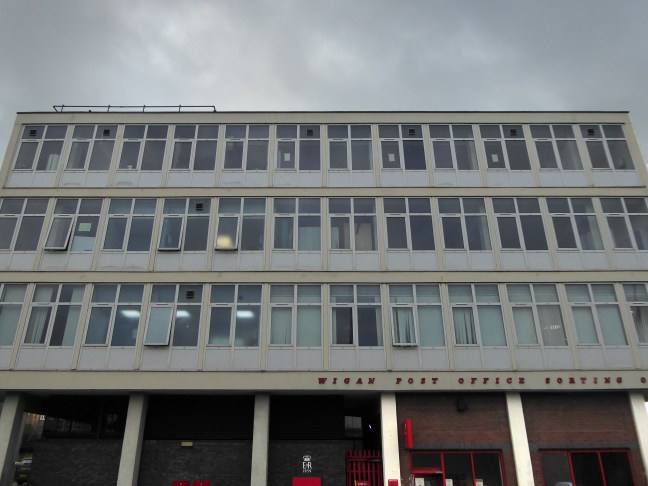
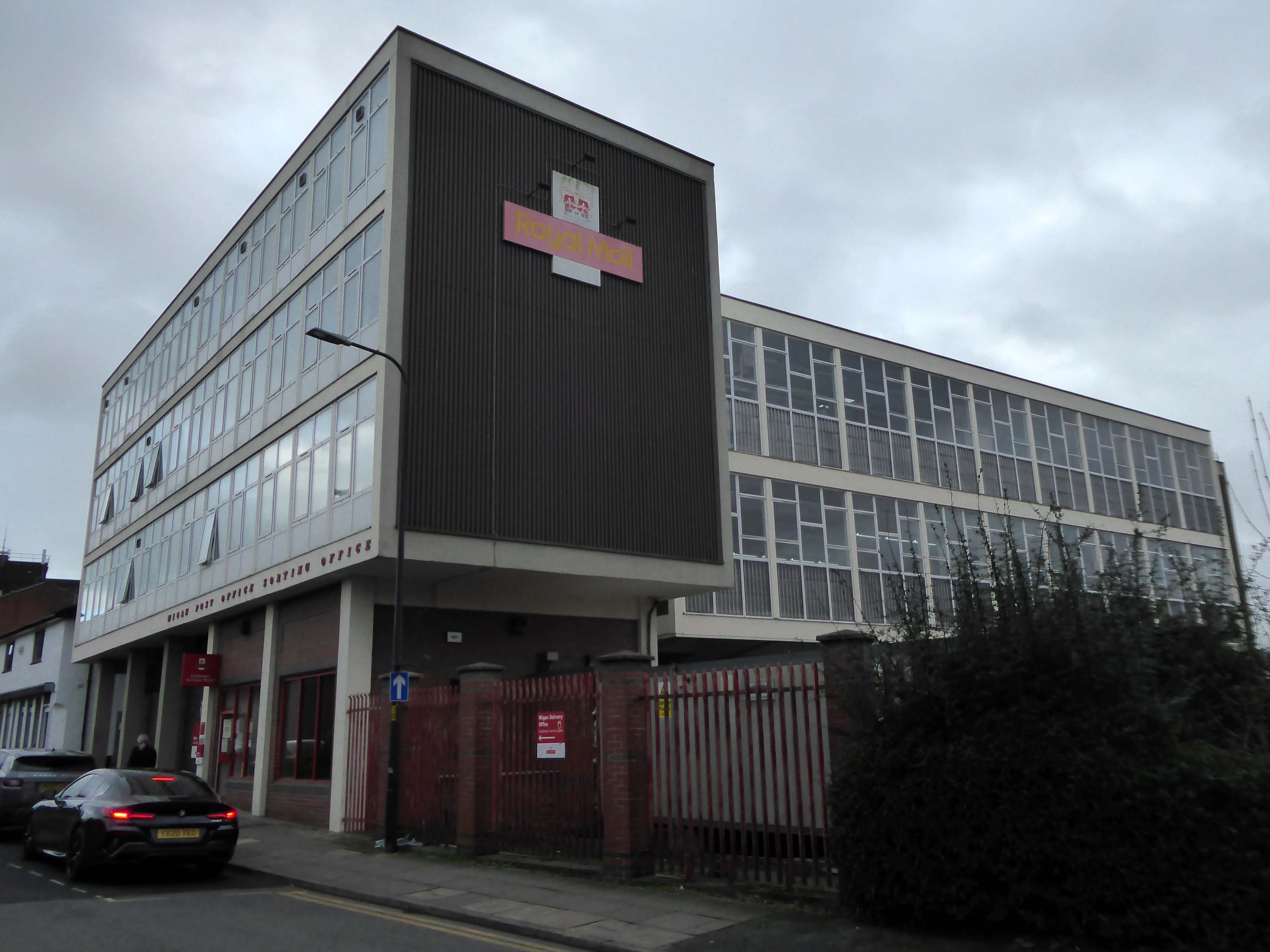
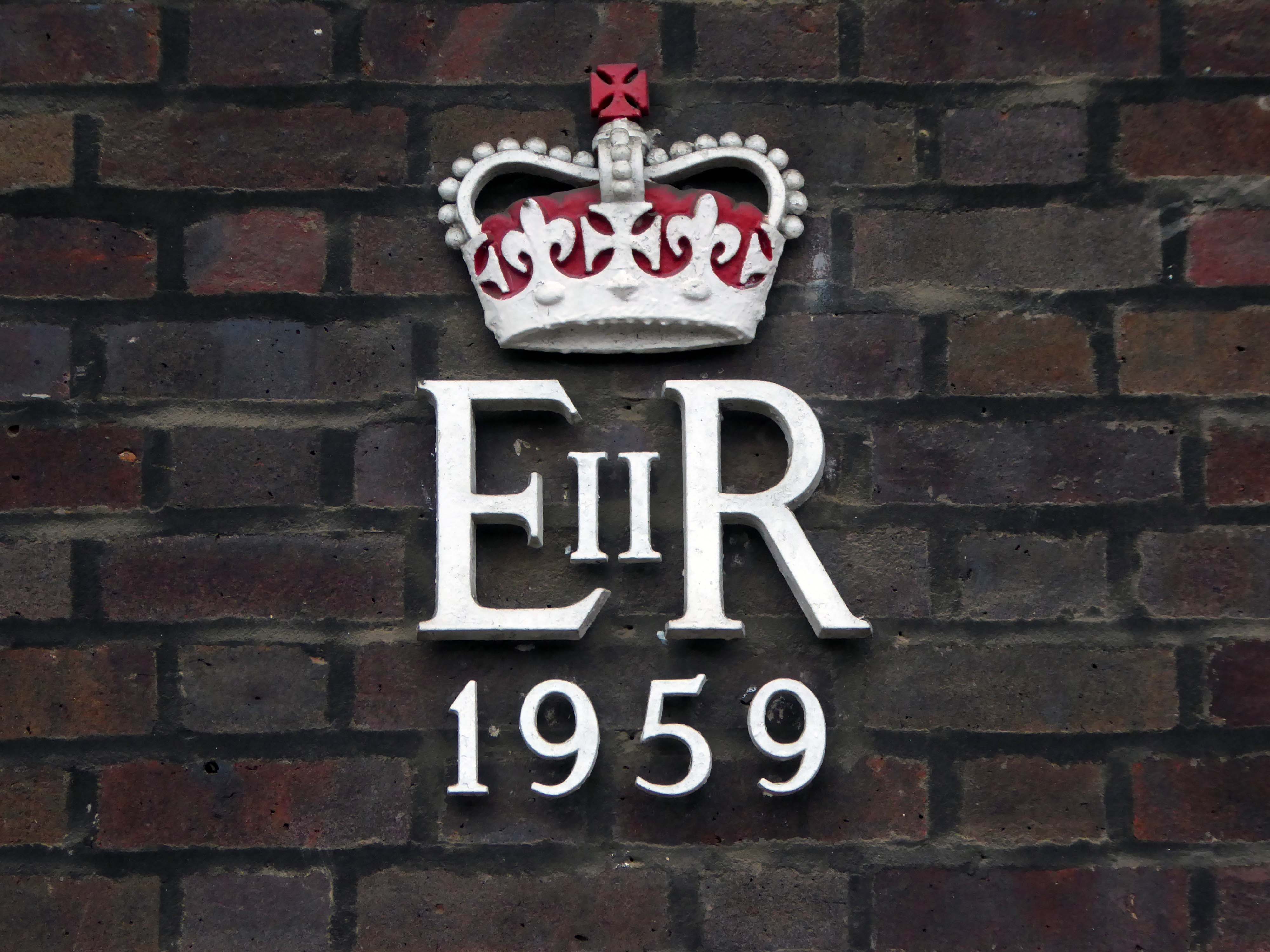
Just around the corner is an expansive GPO Sorting Office of 1959.

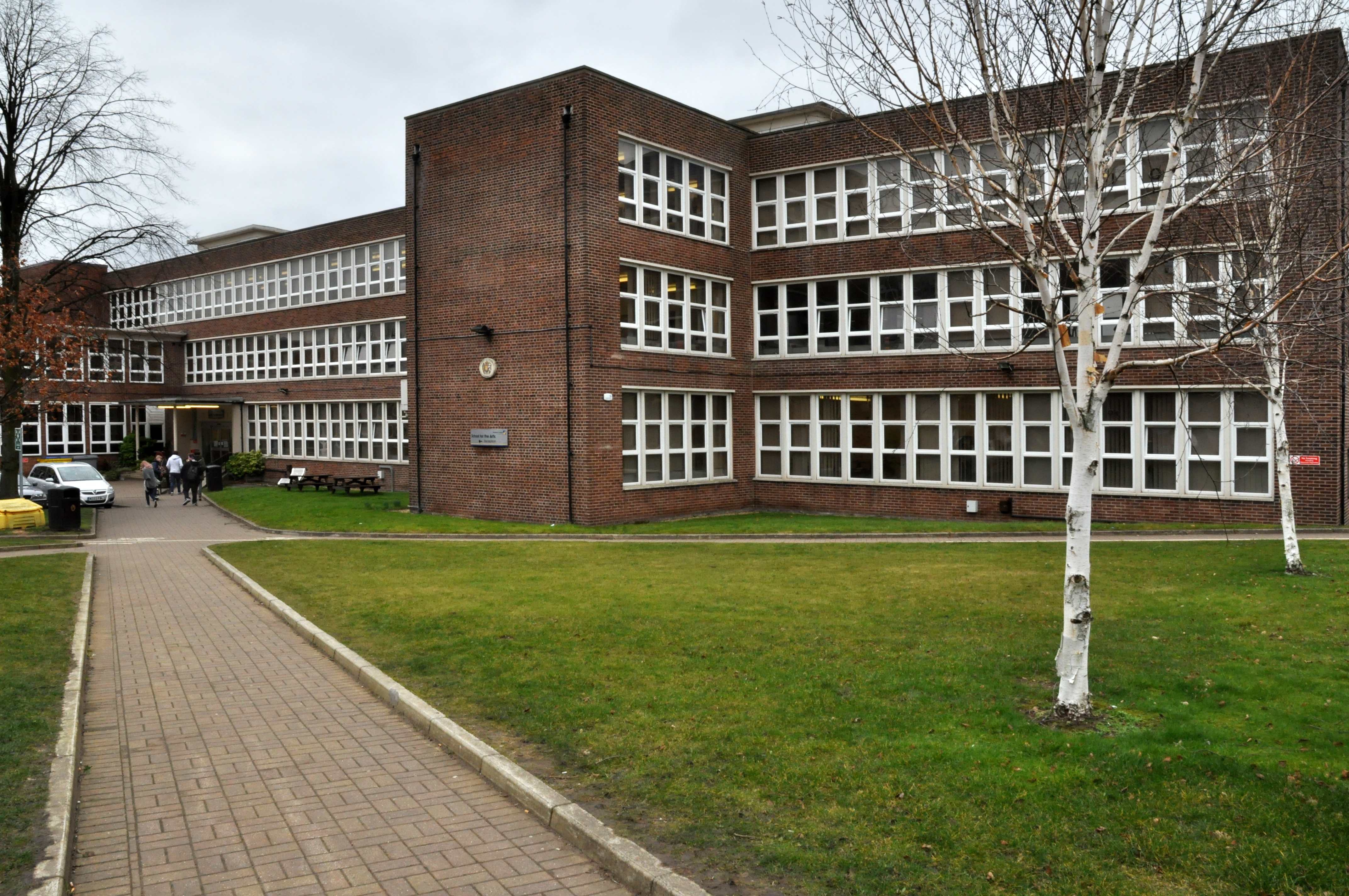
Across the way is the Technical College.

The foundations of Wigan & Leigh College date back to 1857, and the current institution was formed in April 1992 through the merger of Wigan College of Technology and Leigh College.

Partly formed from the Thomas Linacre Technical School.

Architects: Howard V Lobb G Grenfell Bains & Hargreaves 1954

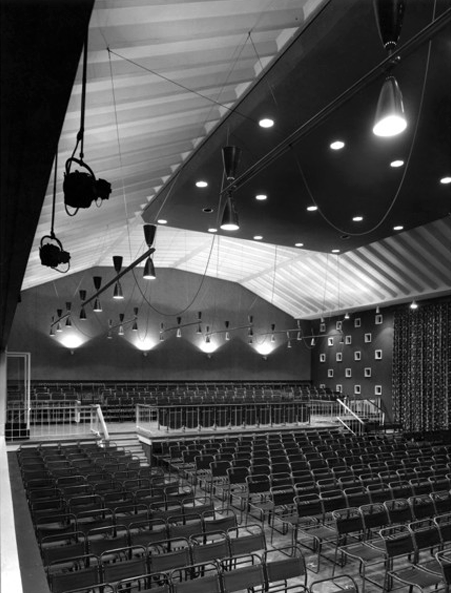
School Hall – RIBA Pix

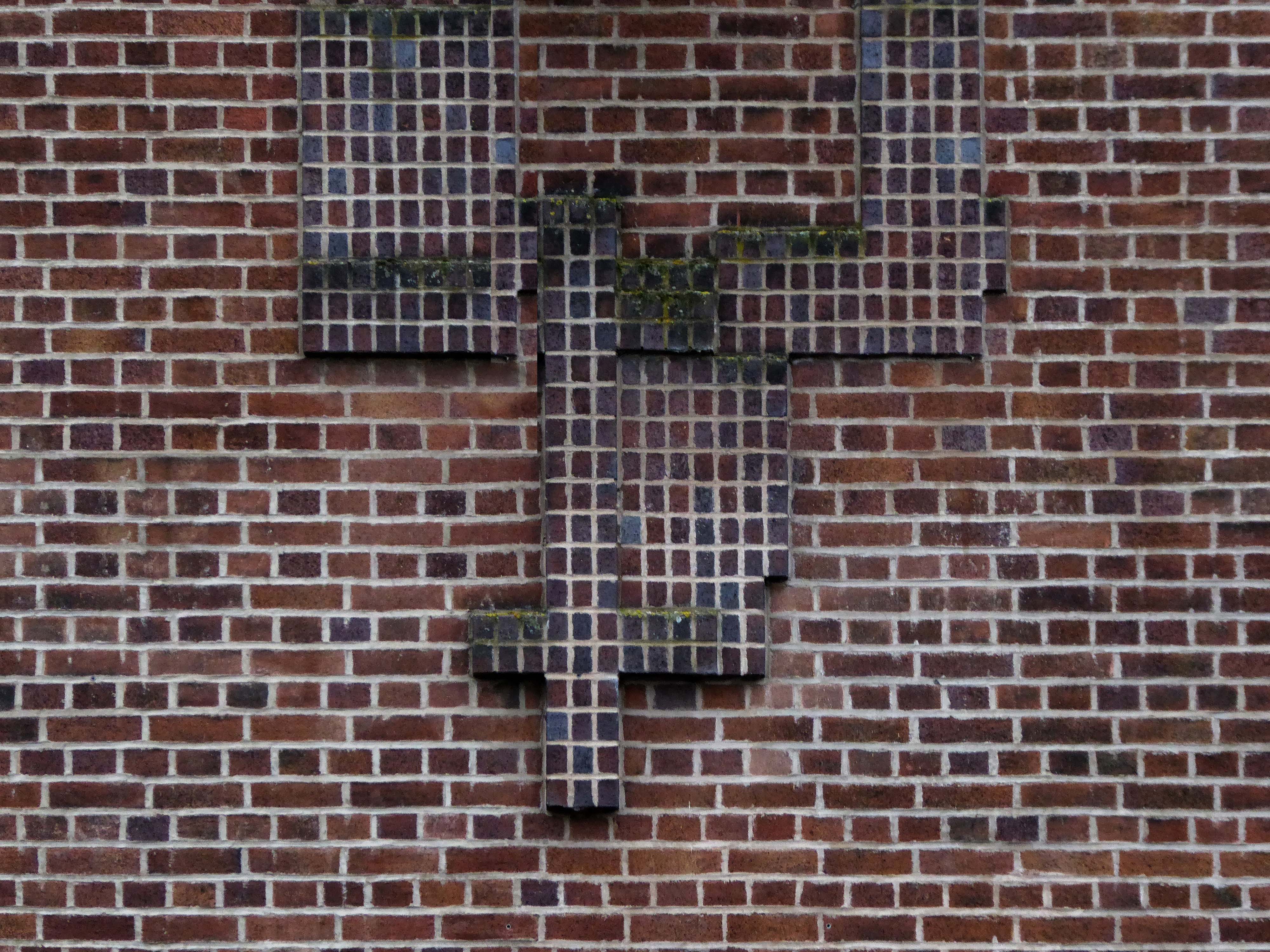
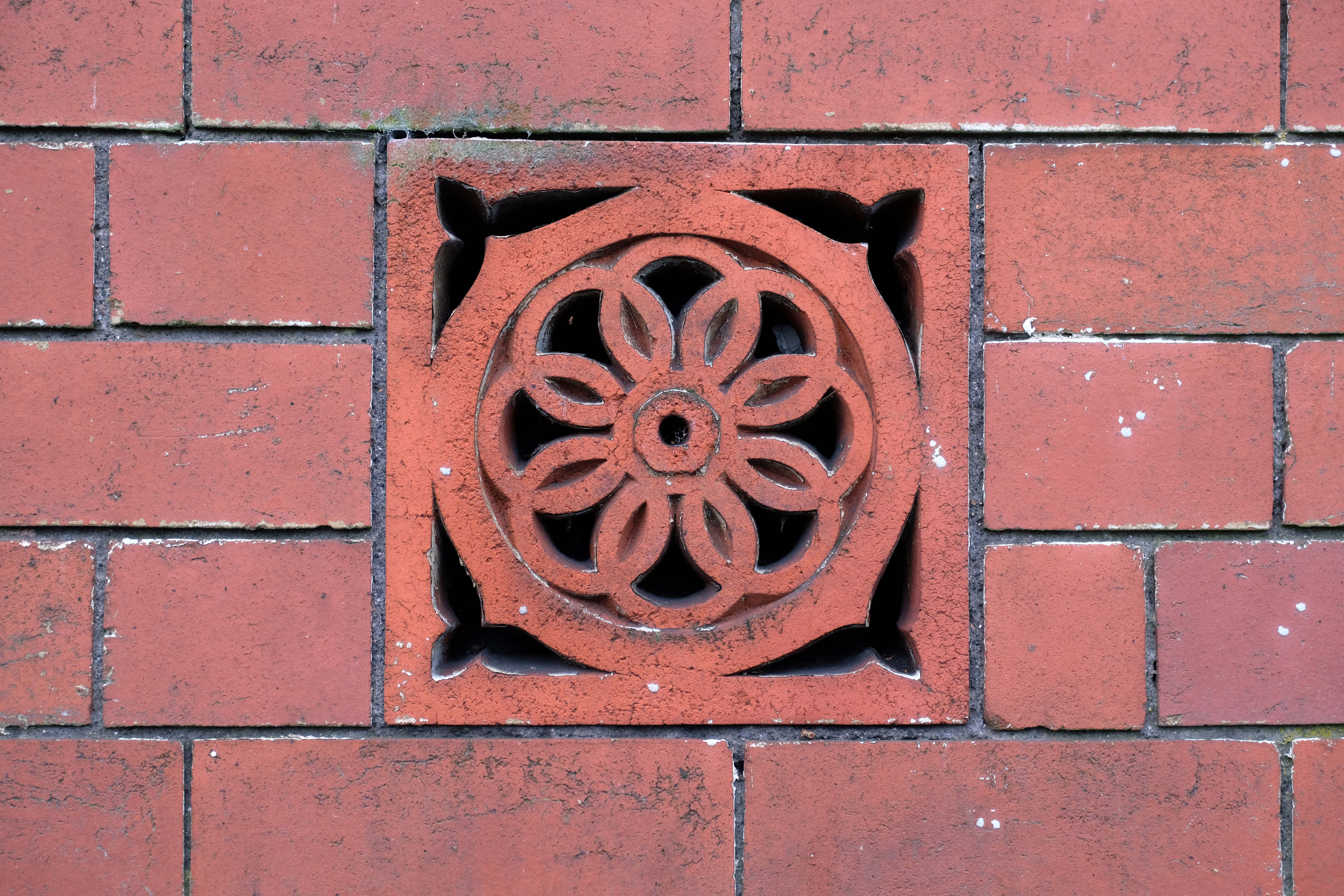
Curious decorative brick motif – a floor plan of the building.

My thanks to Mark Watson for his erudition and insight.

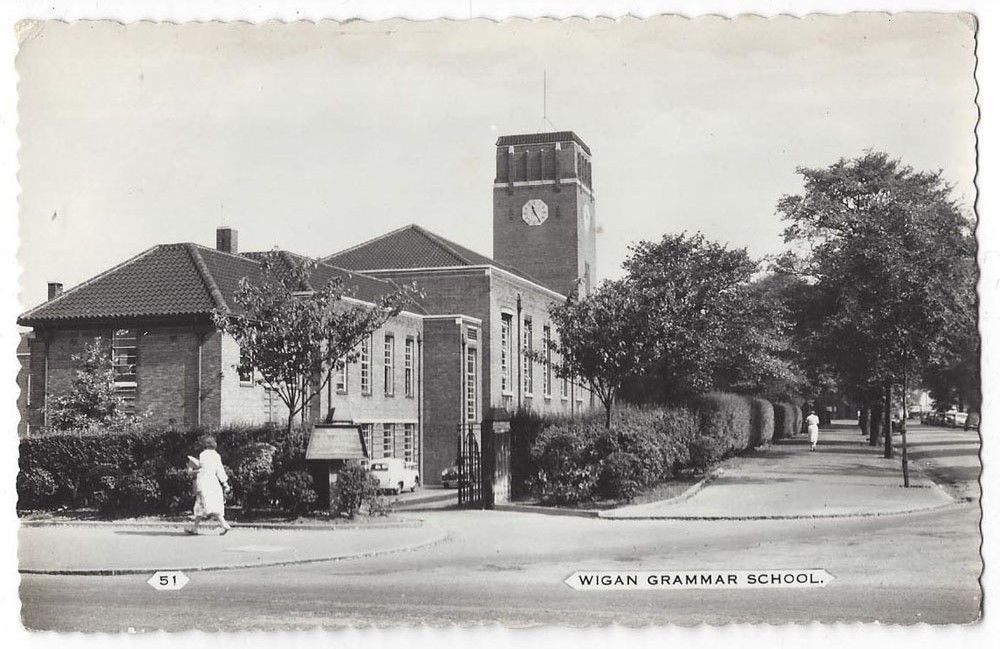
Across the road the former Grammar School now an NHS Centre.

Wigan Grammar School was founded in 1597 and closed in 1972 as part of the comprehensive education movement. it became Mesnes High School until 1989, and then the Mesnes Building of Wigan College.

It was designated a Grade II listed building in 1997.

Architect: A E Munby

Since 2003, it has been known as the Thomas Linacre Centre and is an out-patient department for the Wrightington Wigan and Leigh NHS Trust.

Let’s head back into town and along Standishgate.

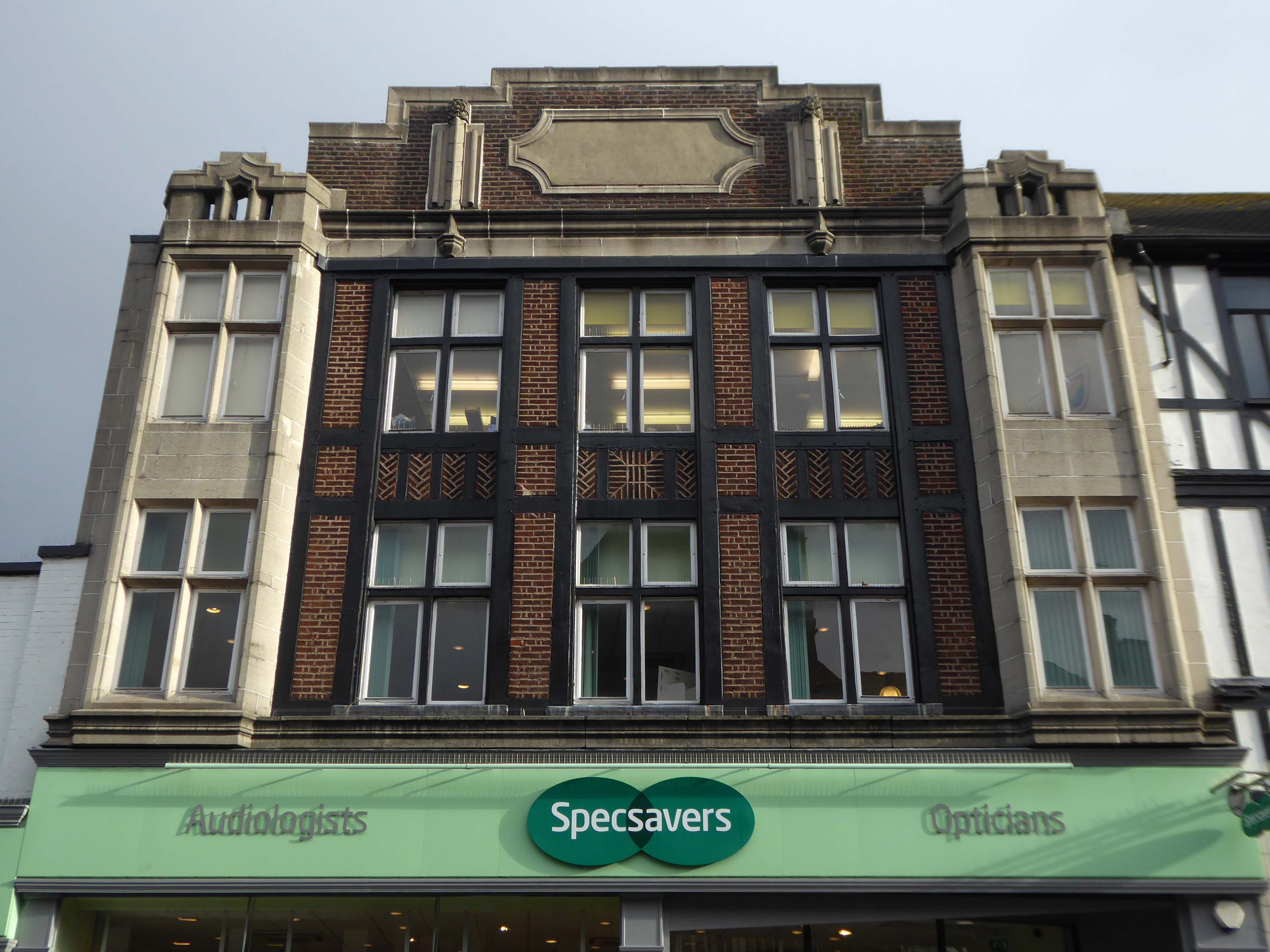
Former Burton Tailors – possibly.

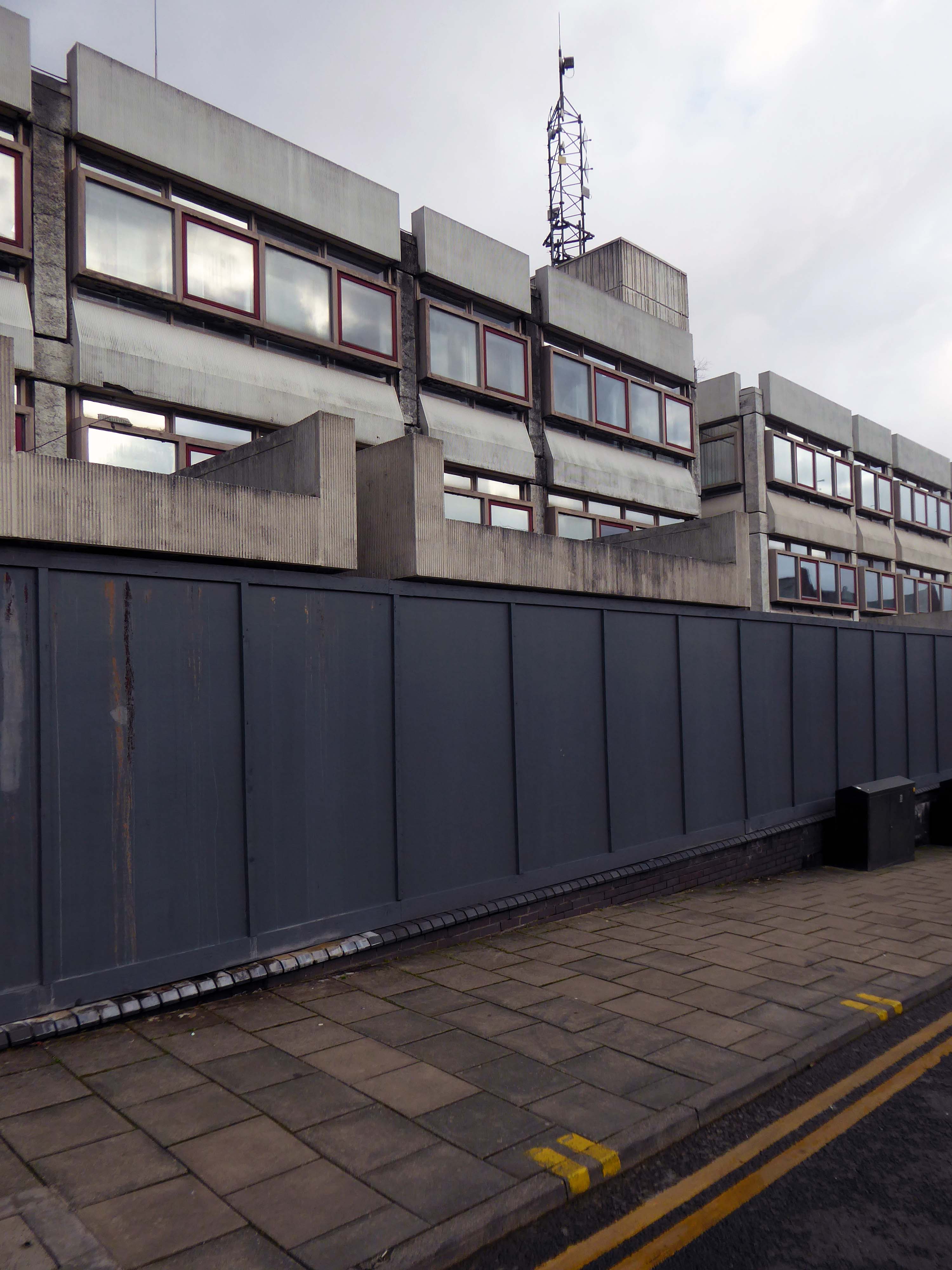
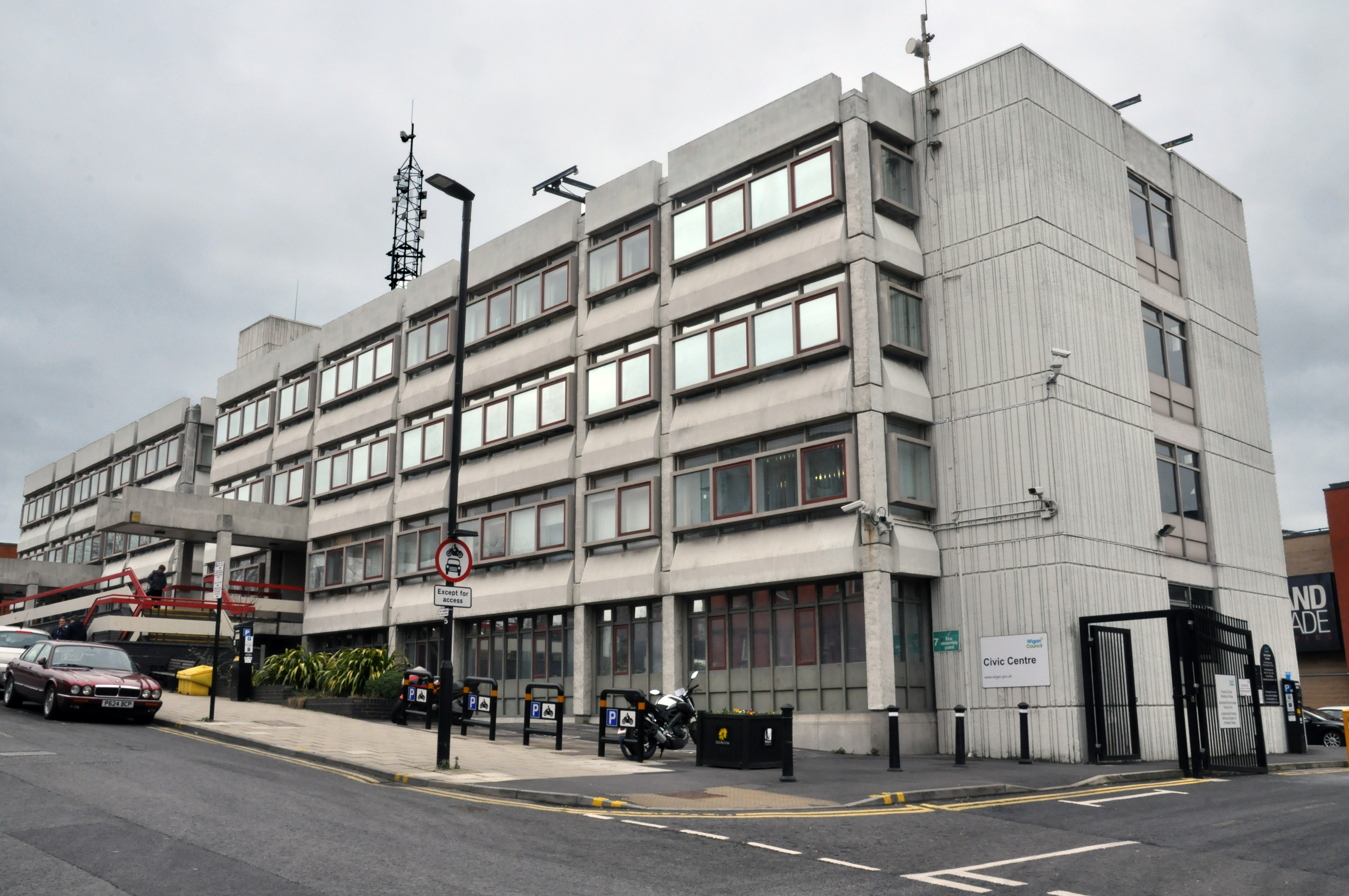
Turn left into Millgate to see the boarded up Civic Centre.

Formerly not boarded up Civic Centre.

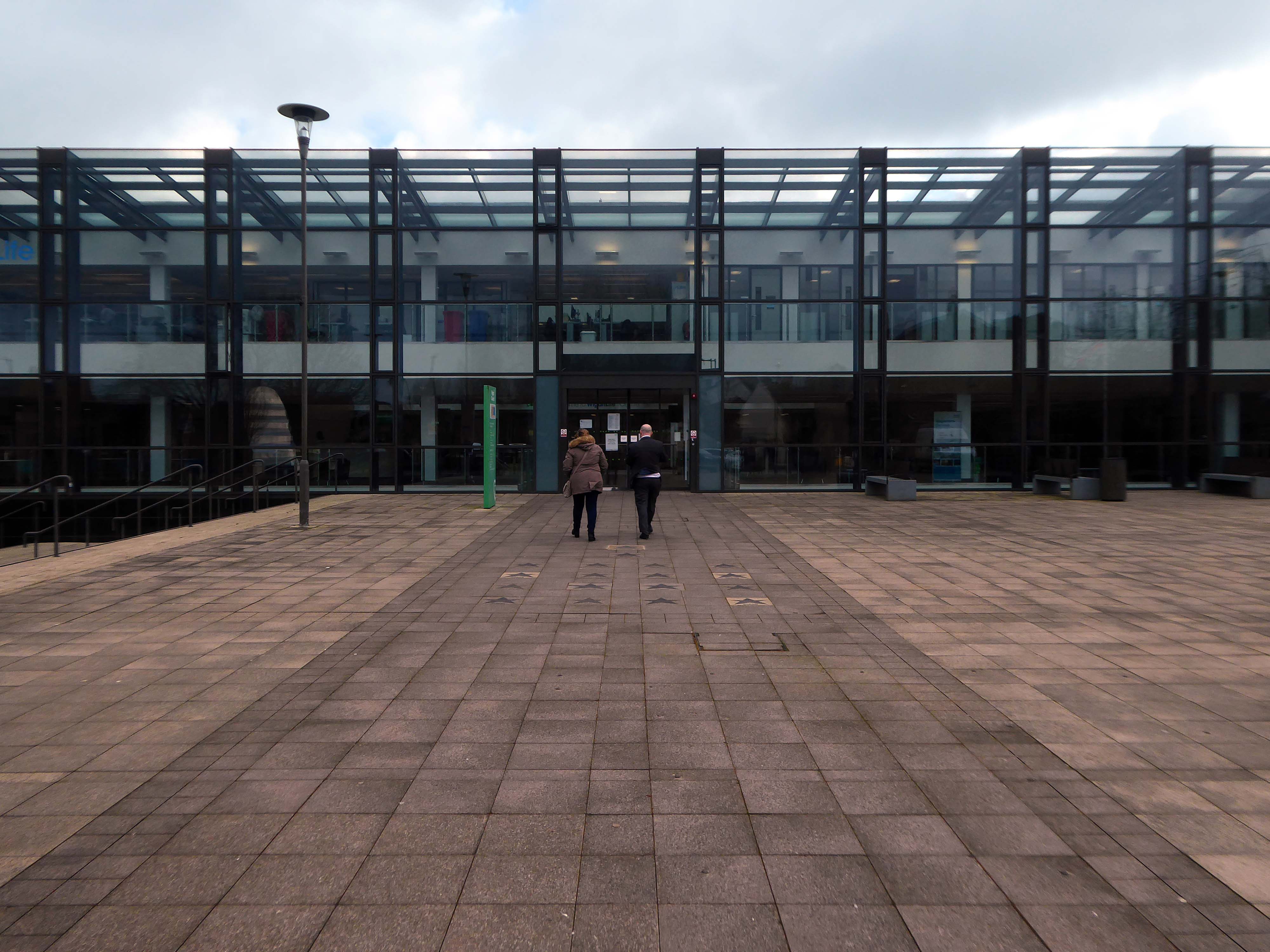
Across the way the new Library and Life Centre by Astudio and LCE Architects

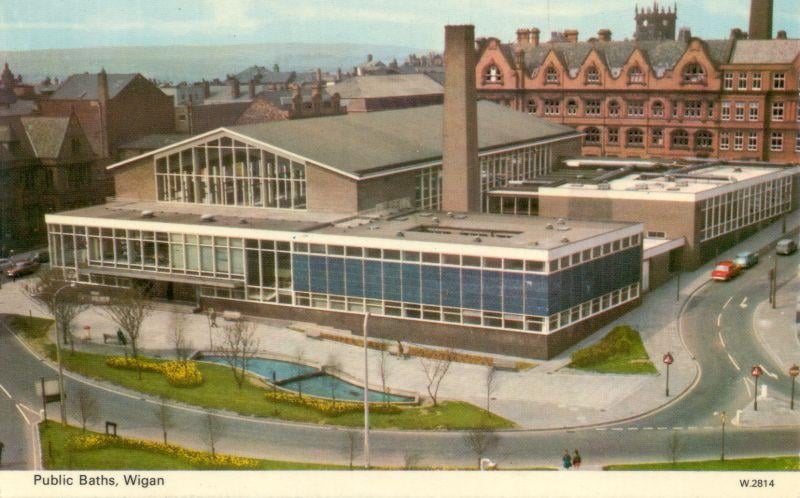
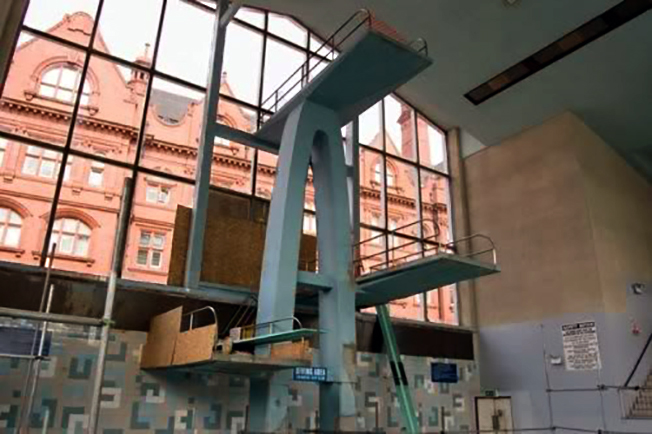
Down the road to where the International Swimming Pool was – opened 1968.

Demolished 2010

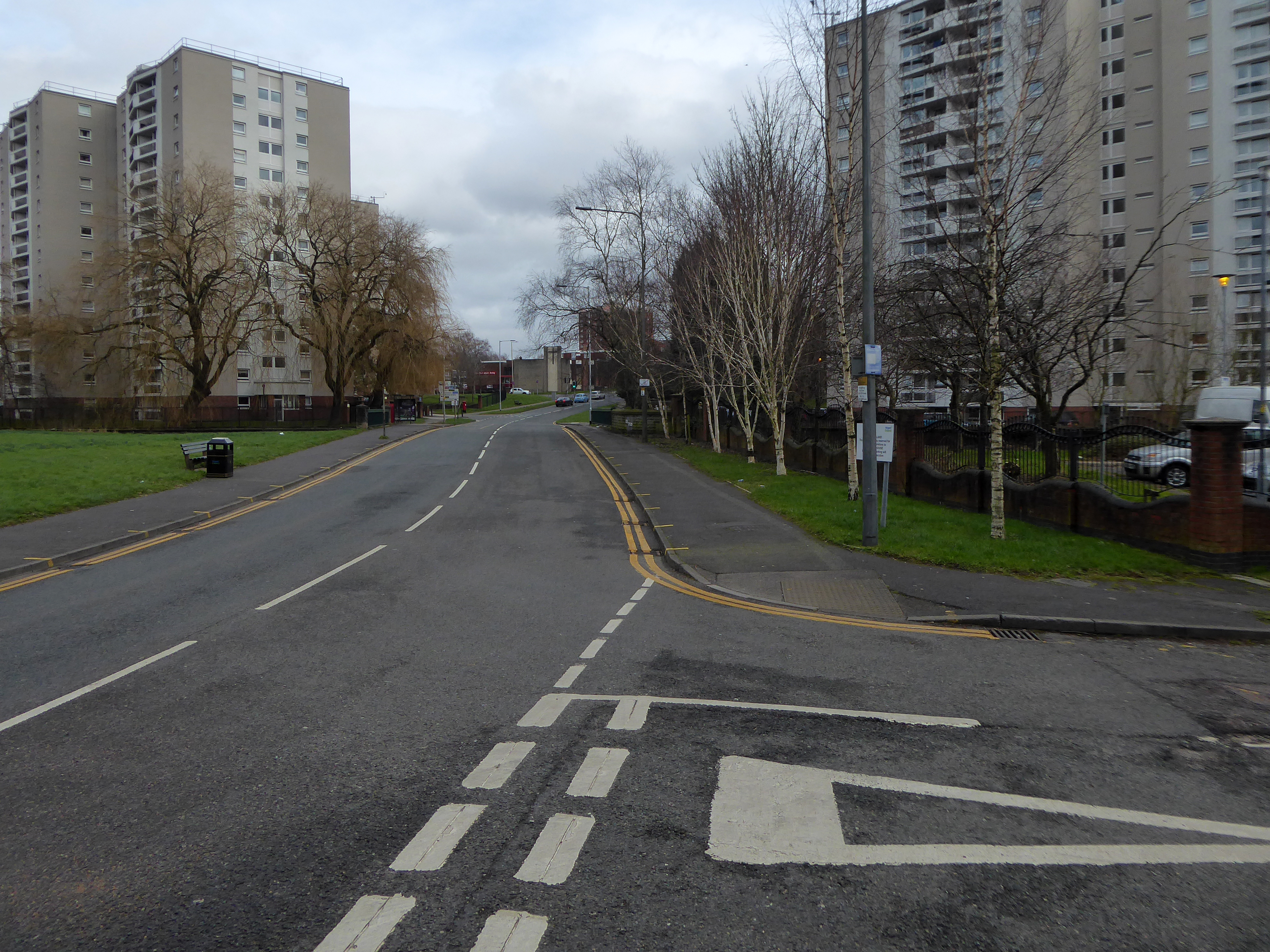
Scholes Comprehensive Development 1964 – five thirteen storey blocks.

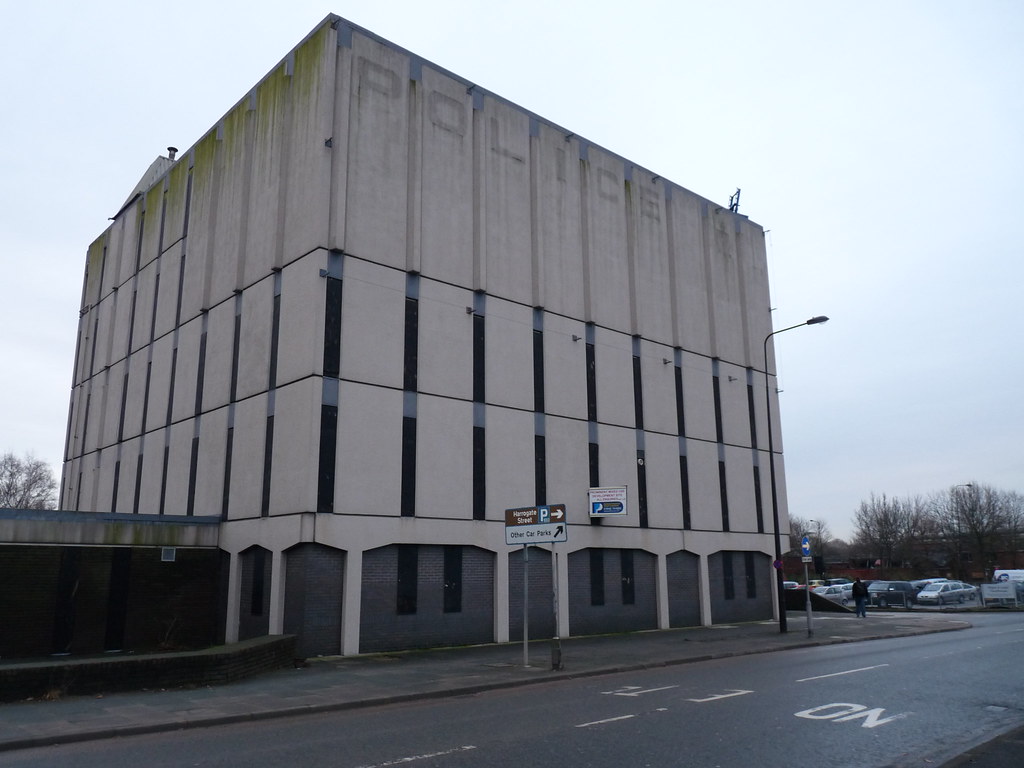
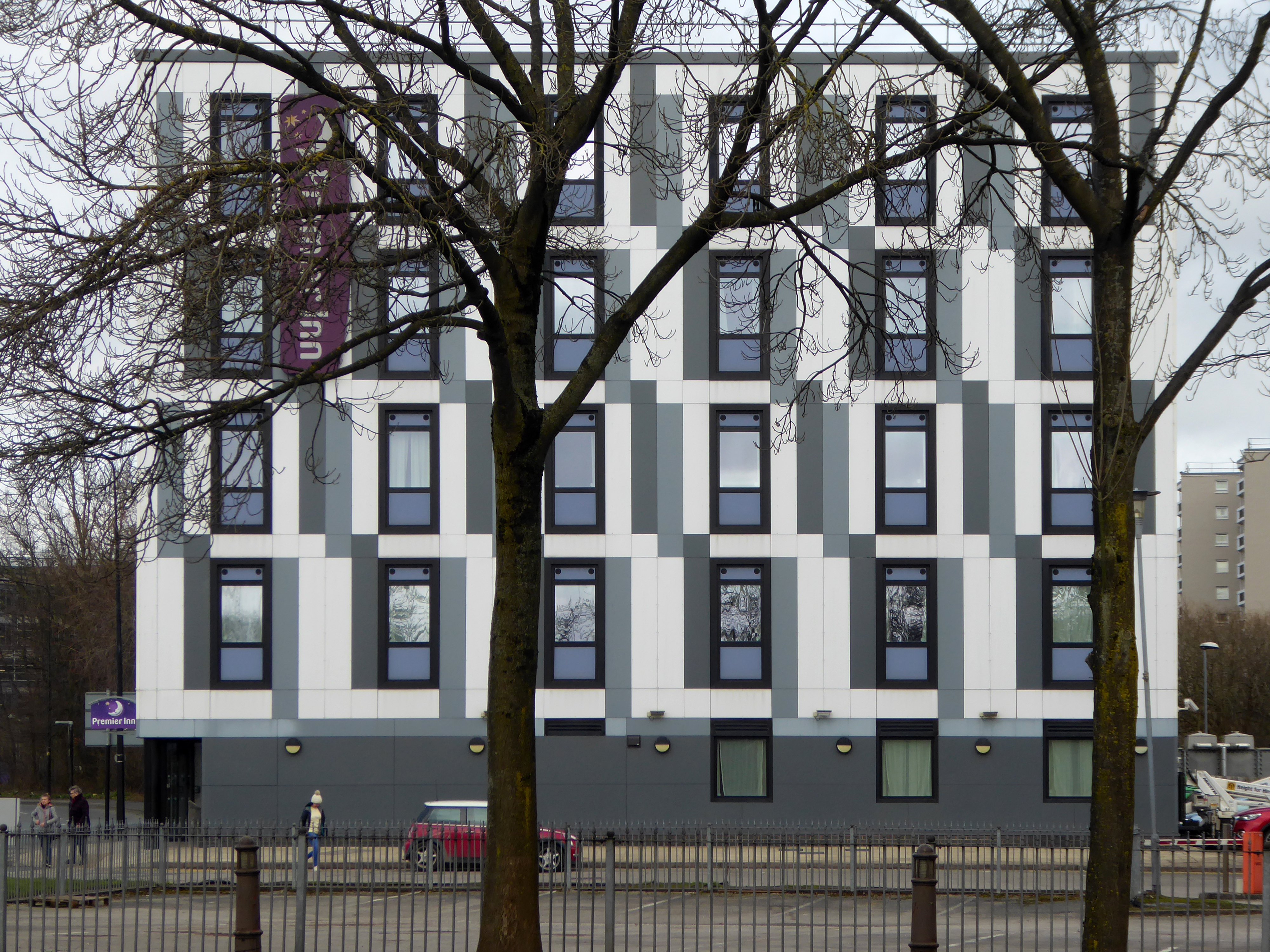
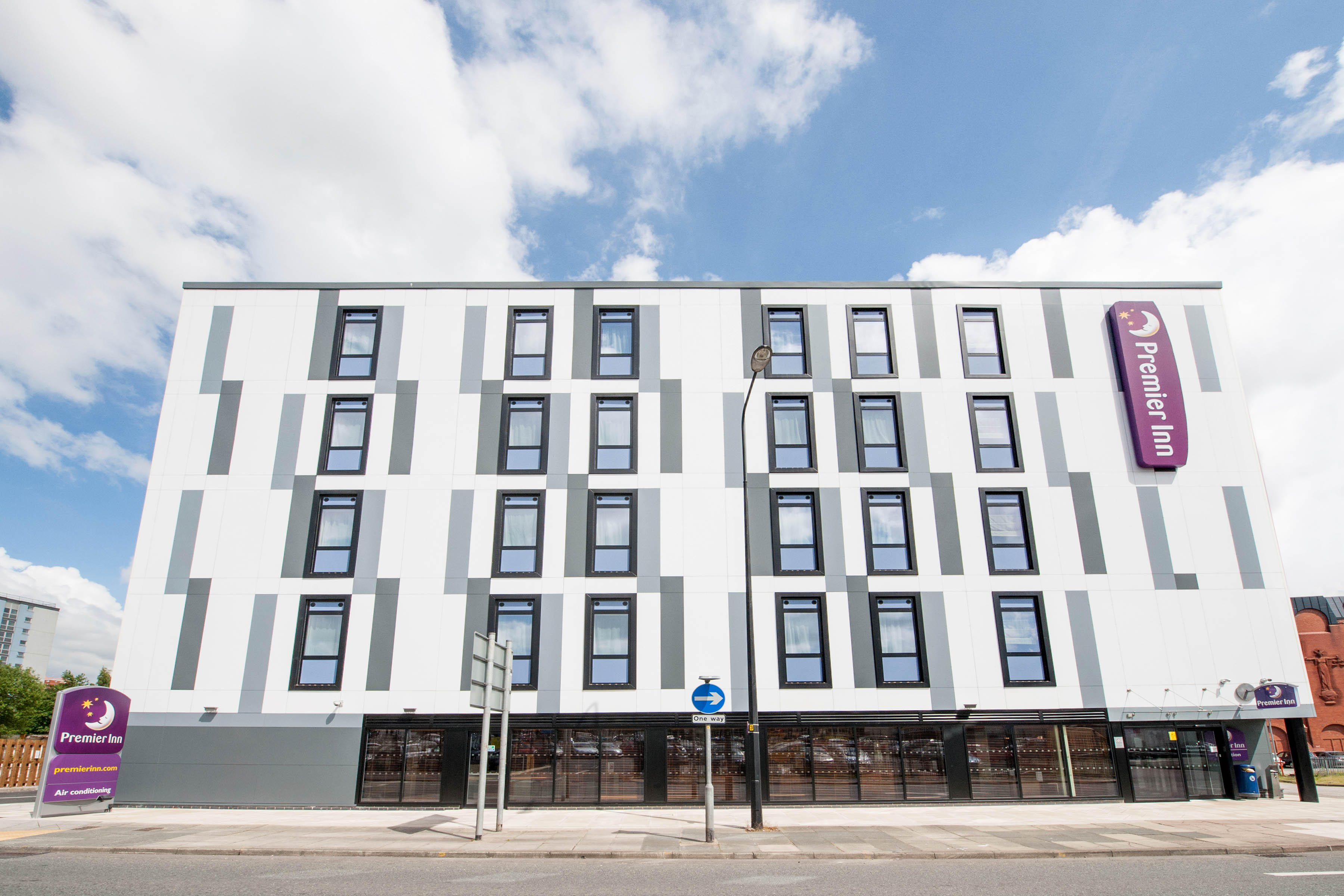
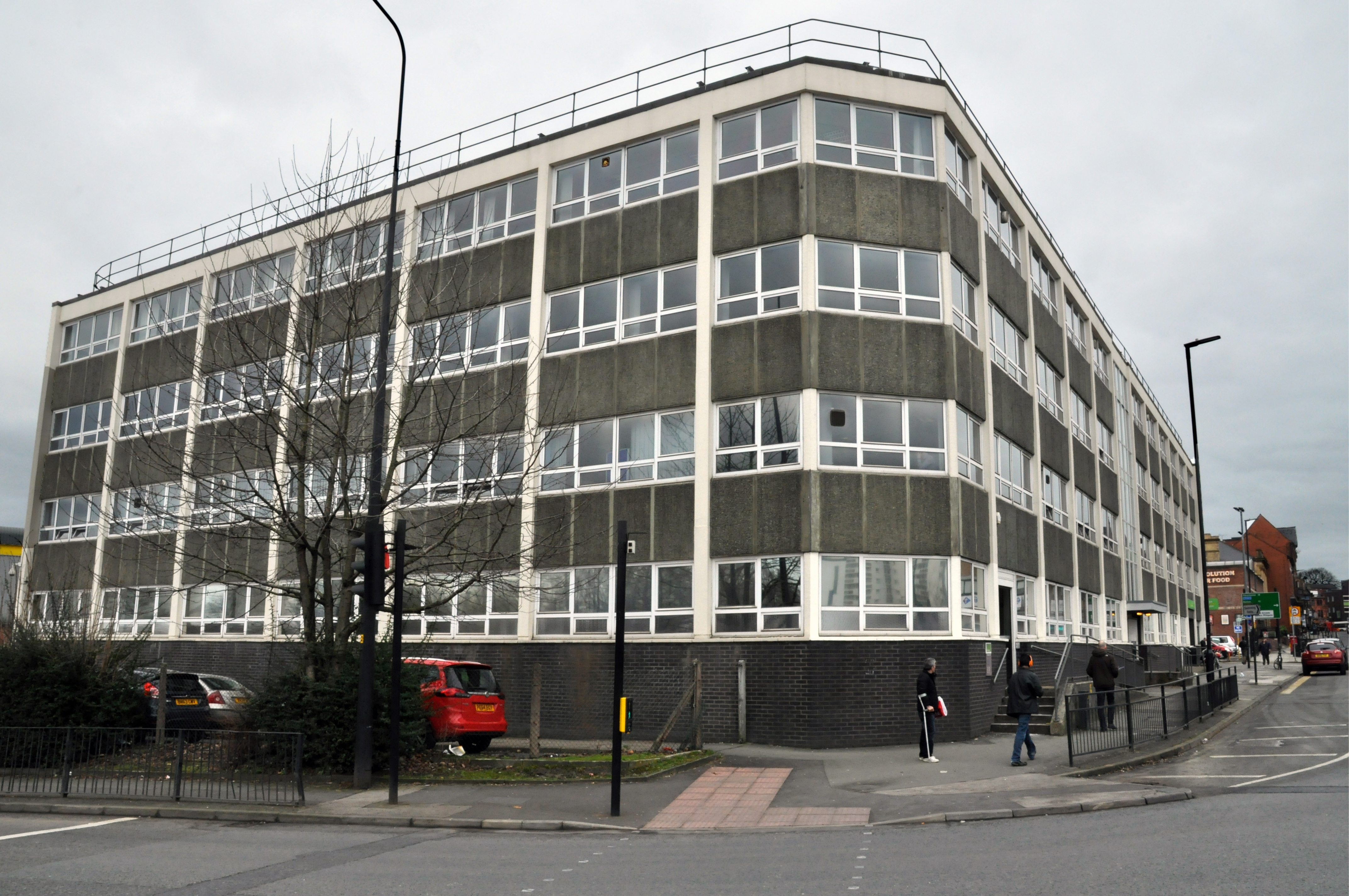
Moving down the street to the former Police Station now Premier Inn on Harrogate Street.

Lancashire County Architect: Roger Booth

Flickr

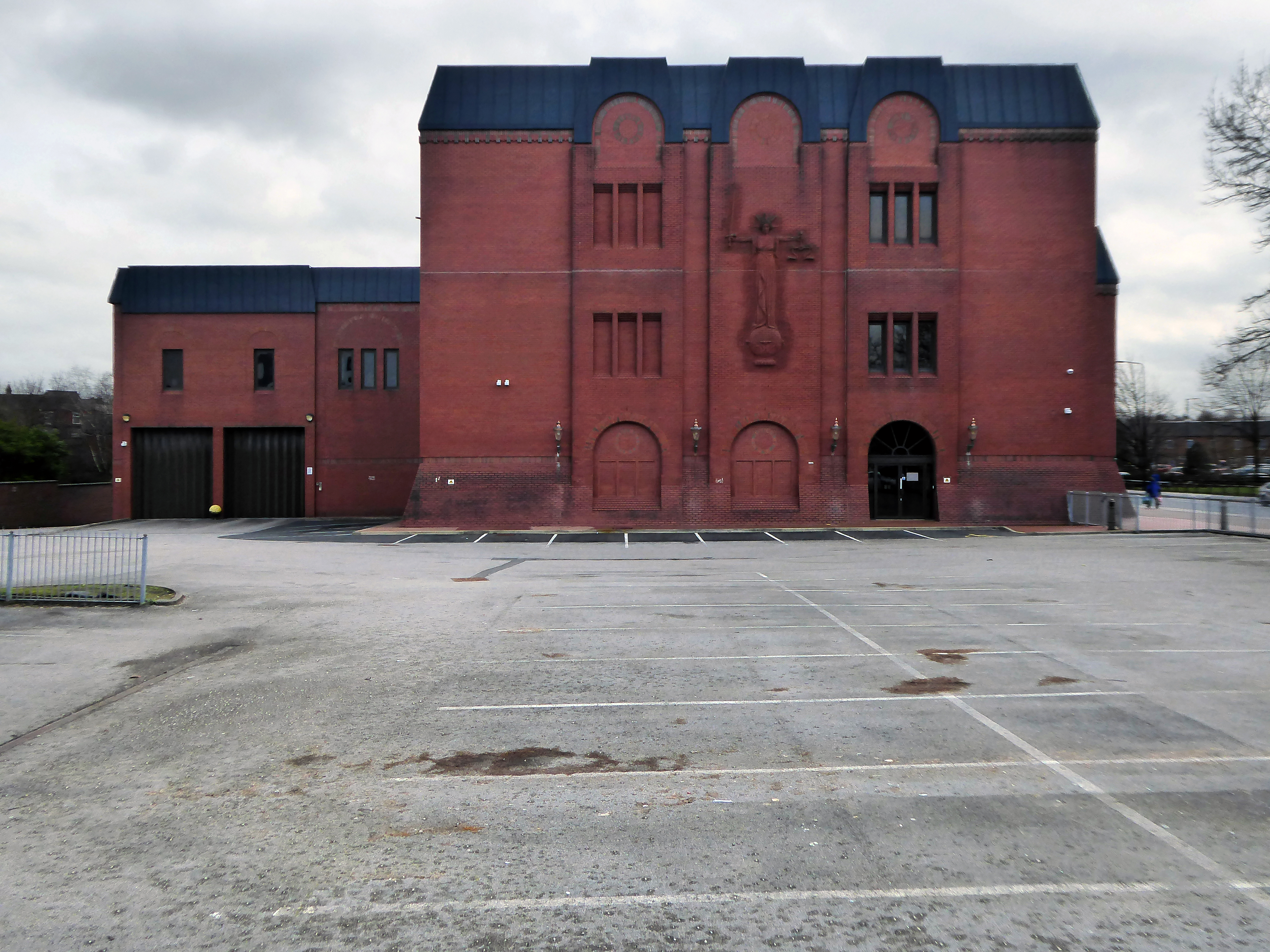
Next door the Post Modern brick monolith of the Wigan and Leigh Courthouse 1990.

Then back up along King Street to visit the Job Centre.

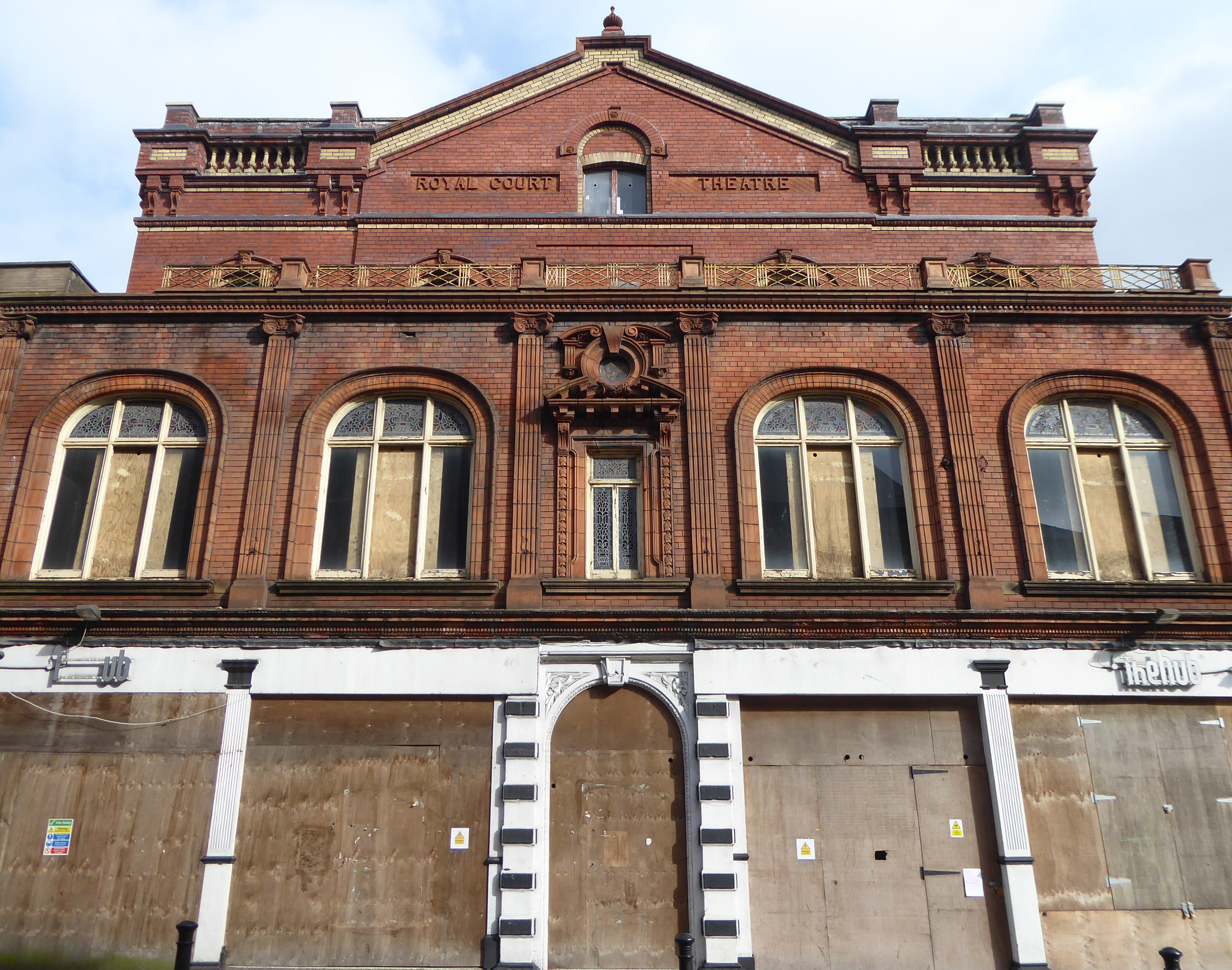
Take a look up at the Royal Court Theatre – 1886 Richard T Johnson

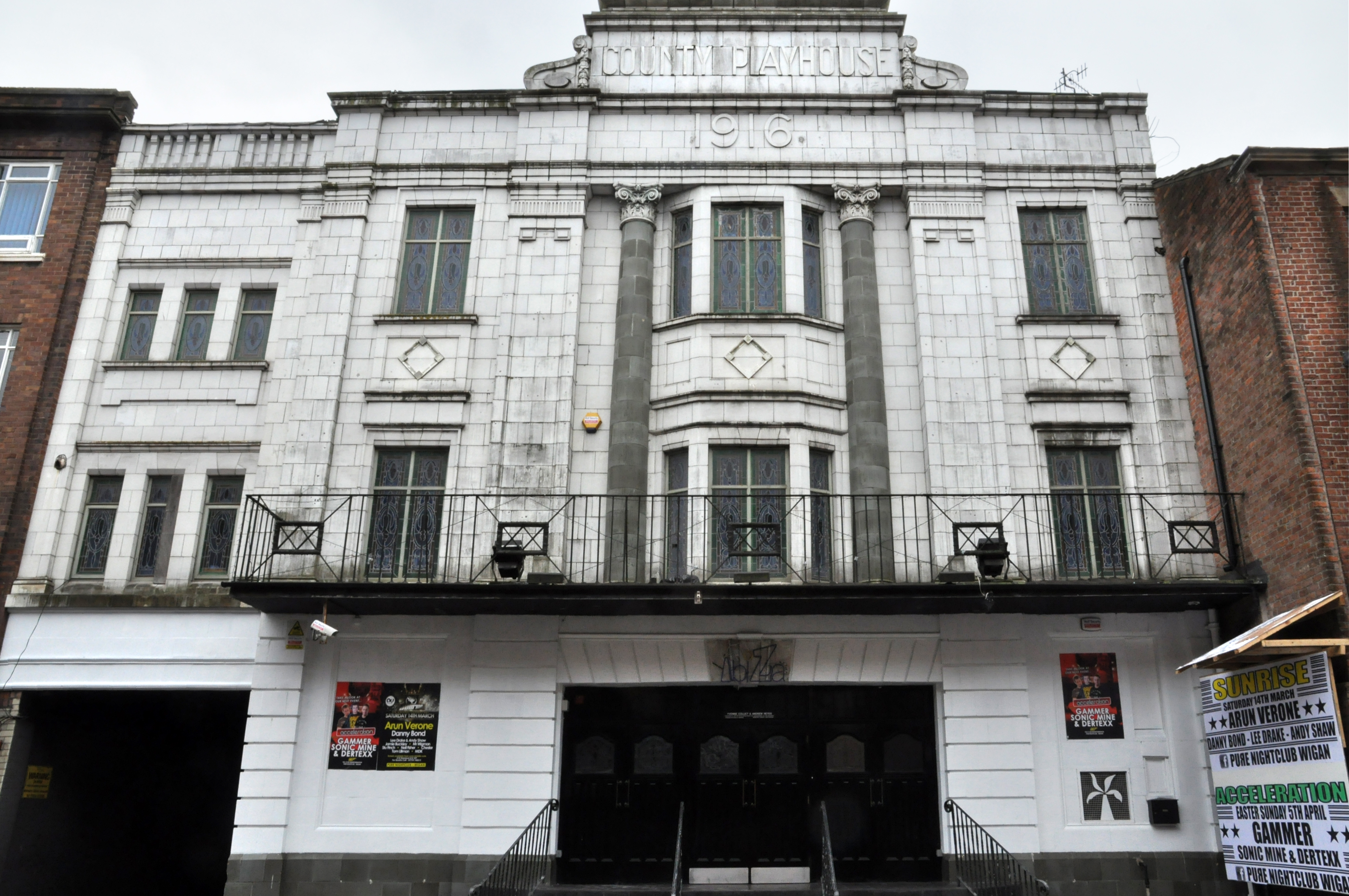
Then back up toward the centre to the County Playhouse.

Construction began on the County Playhouse in 1916. However, due to a shortage of materials and labour during World War I, it was not completed until 1919.

Finally opened on 22nd December 1919 with The Peril Within – starring Dorothy Gish.

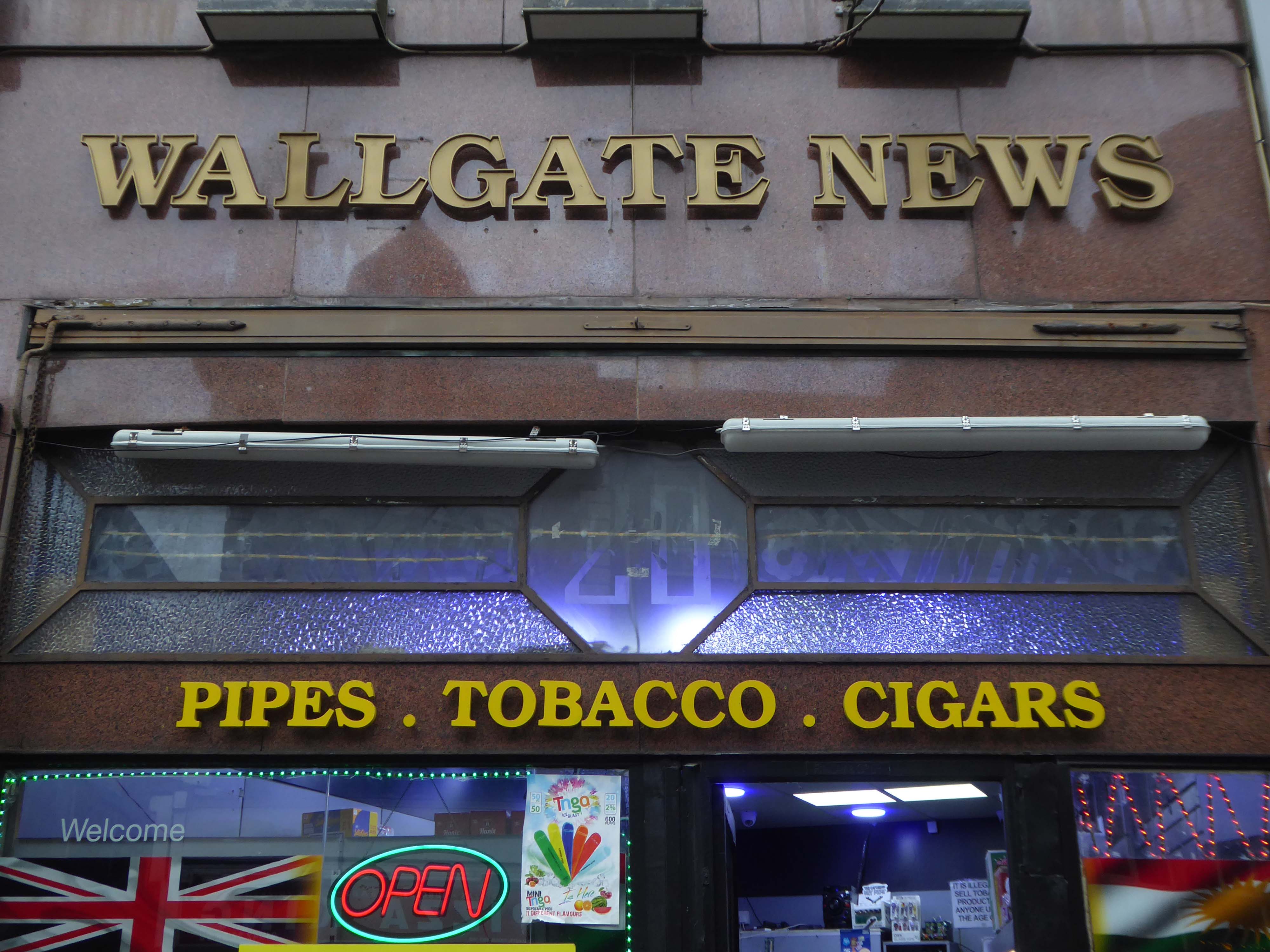
Onwards to the Wallgate News.

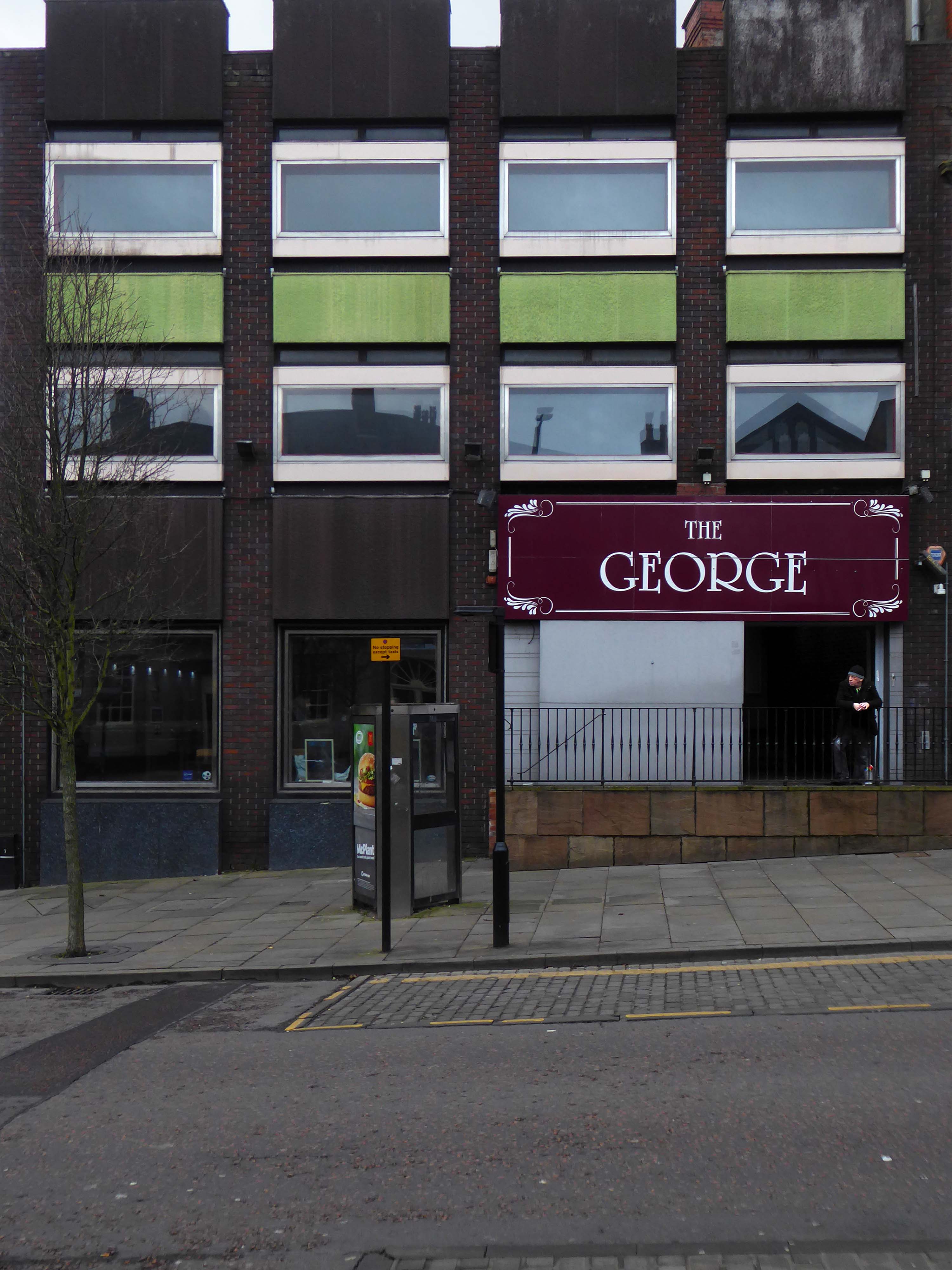
Finally to The George public house.

All ages, all different, all characters all like a bevvy.

The George is all you need.

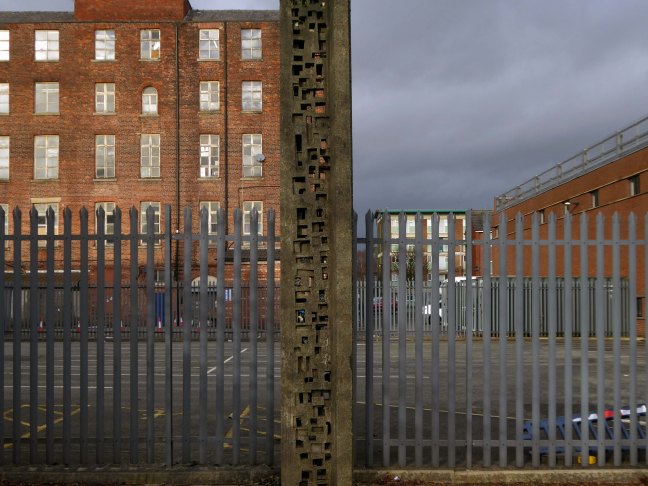
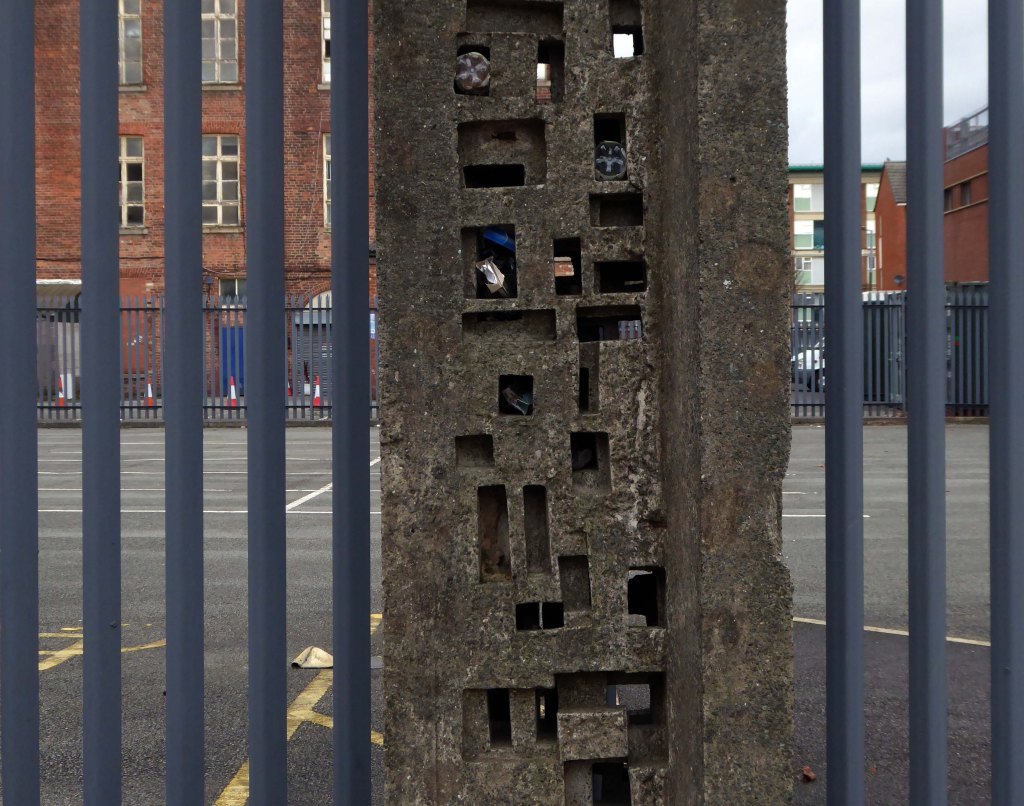
Concrete Totem – Ashton under Lyne

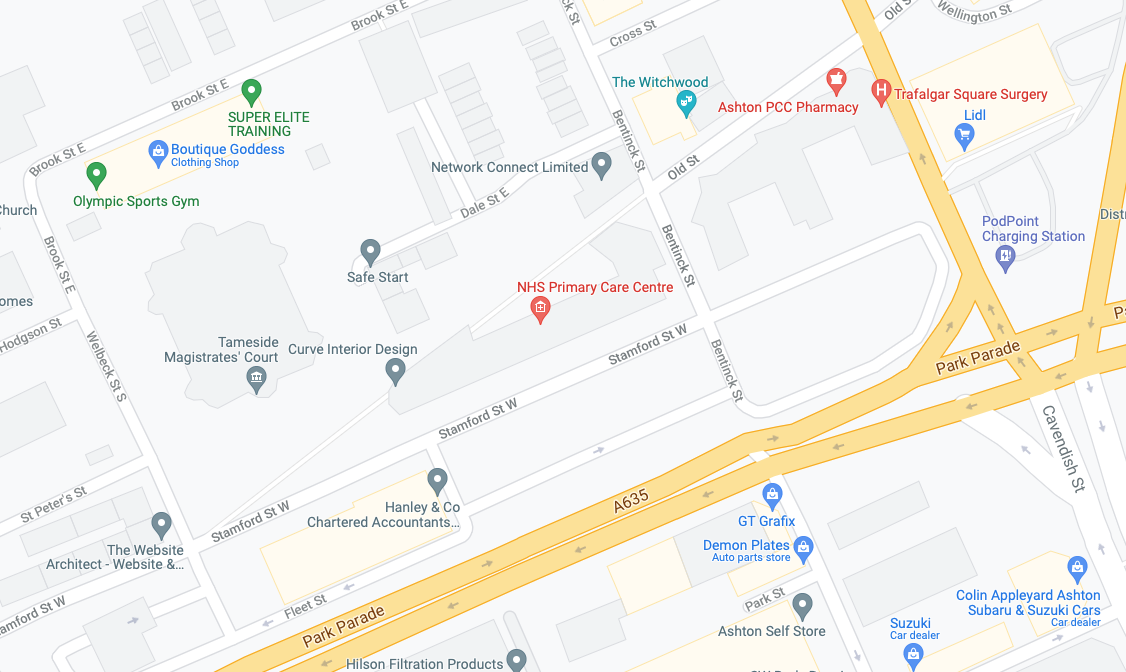
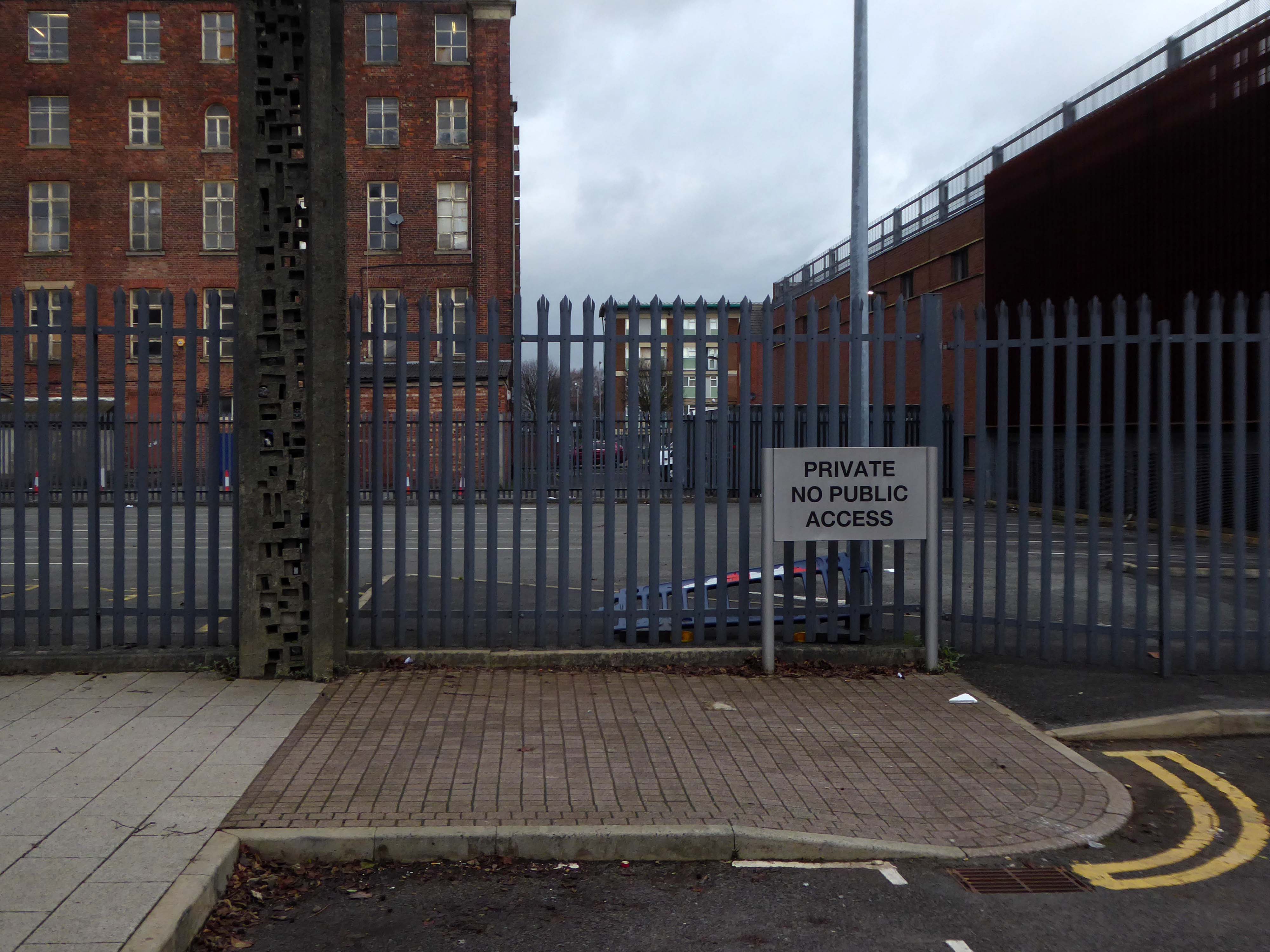
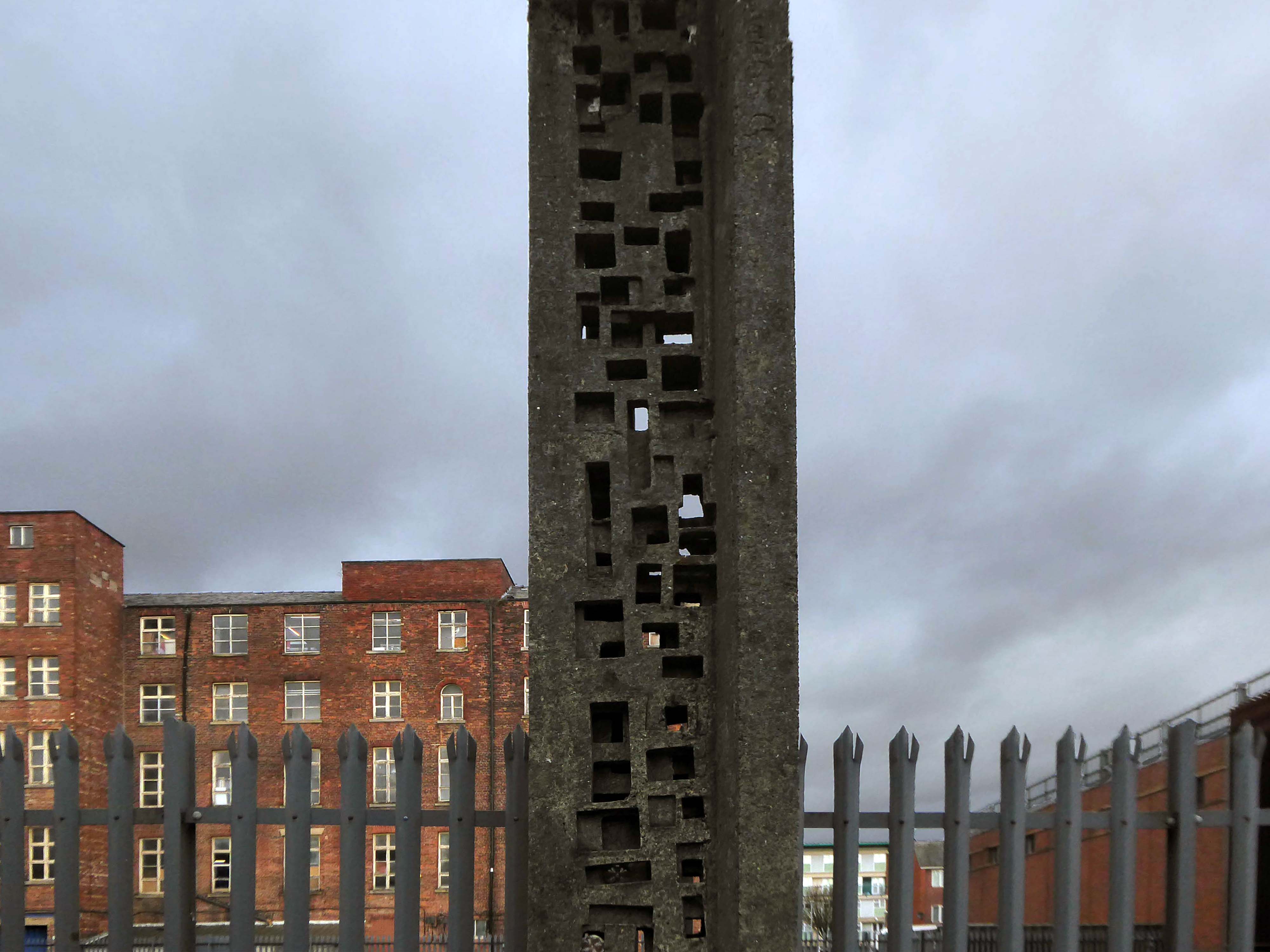
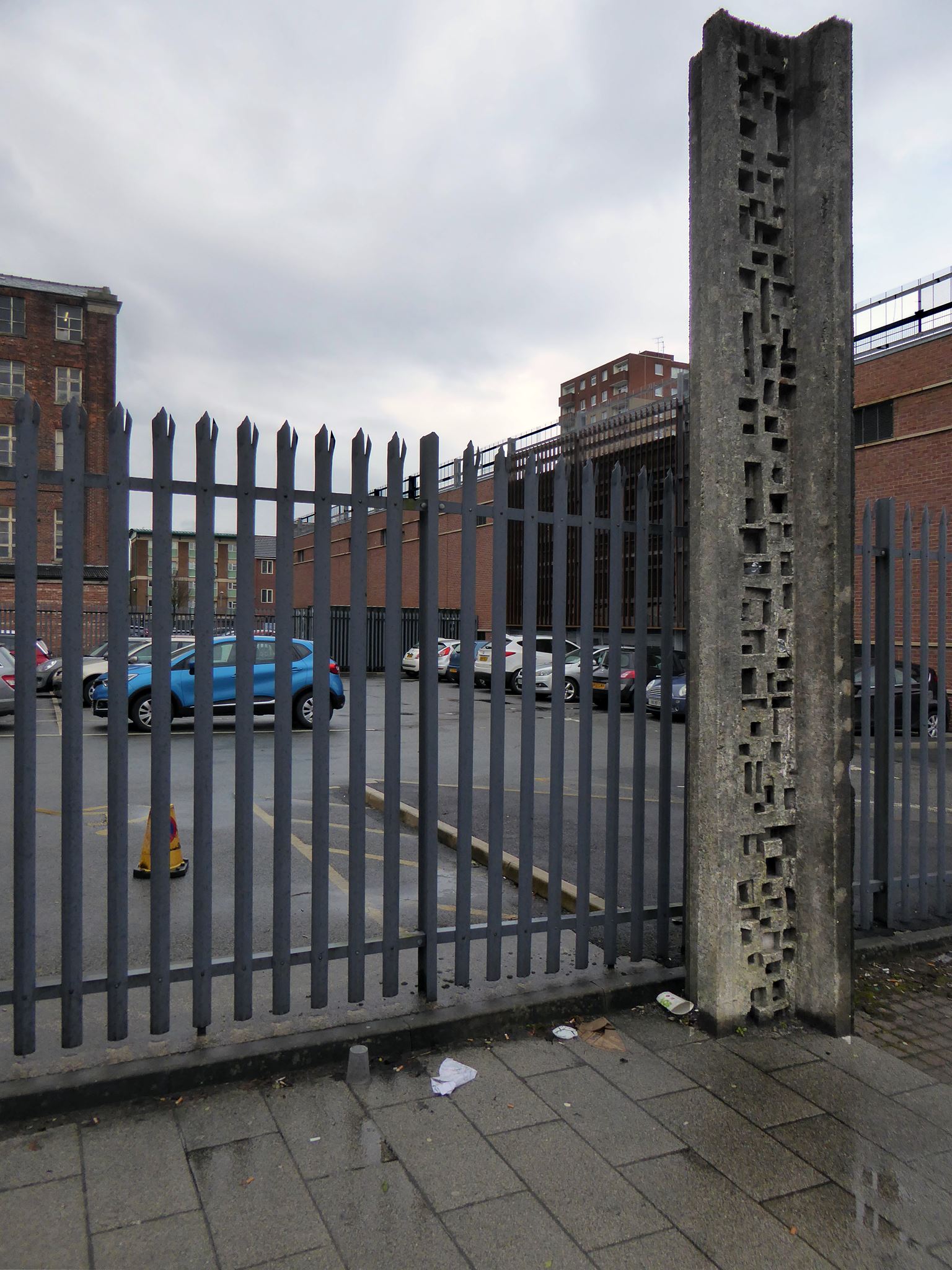
Dale Street East OL6 7ST – behind the Safe Start.

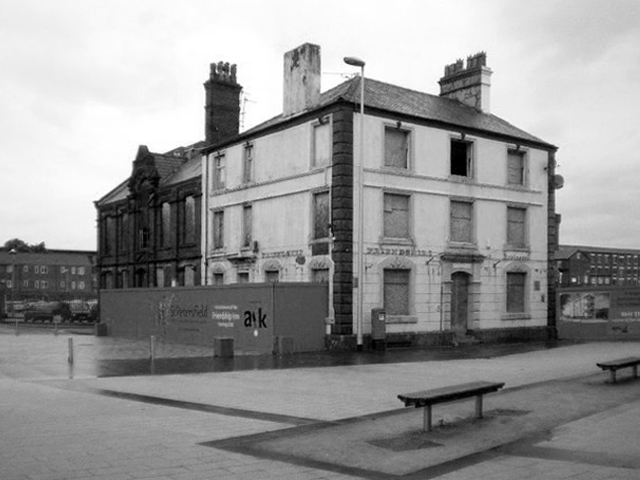
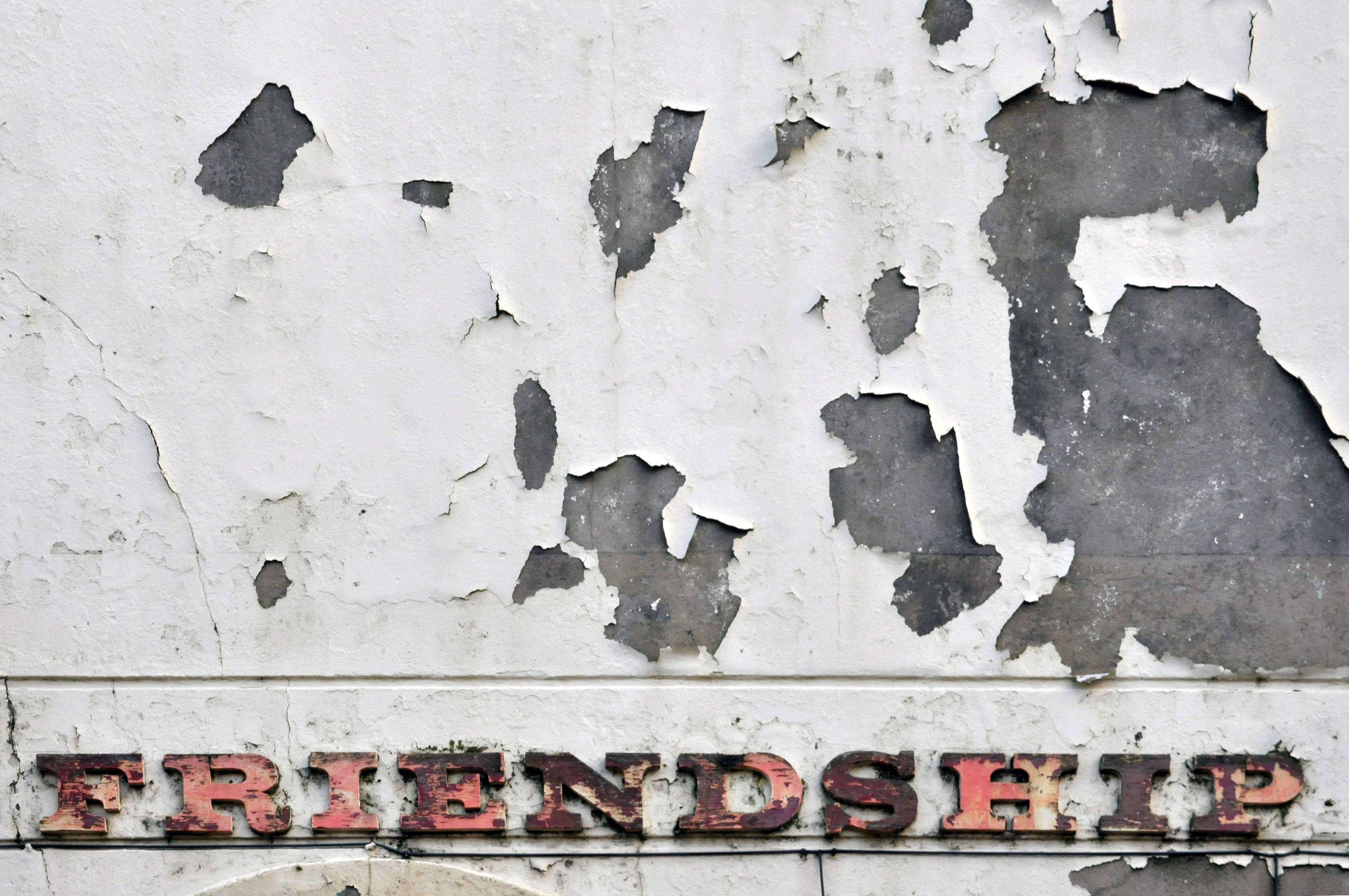
Formerly the Friendship – which suddenly became surplus to requirements, when the Old Street area was redeveloped, and the adjacent Magistrates Courts built.

So far so good, these are the facts we are located.

In an unfamiliar street, in an unfamiliar town.

I myself had the good fortune to grow up here and drink in the Friendship.

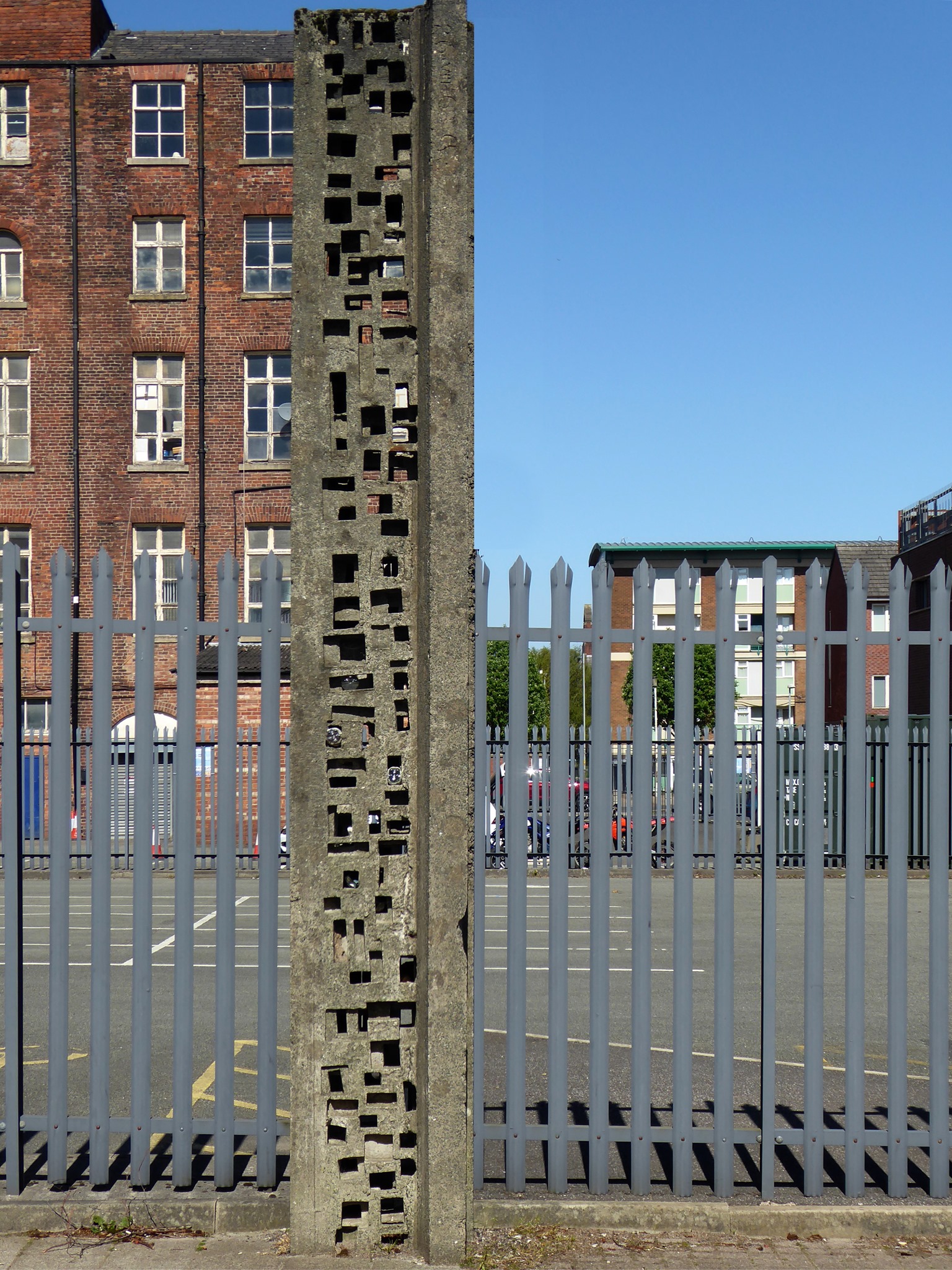
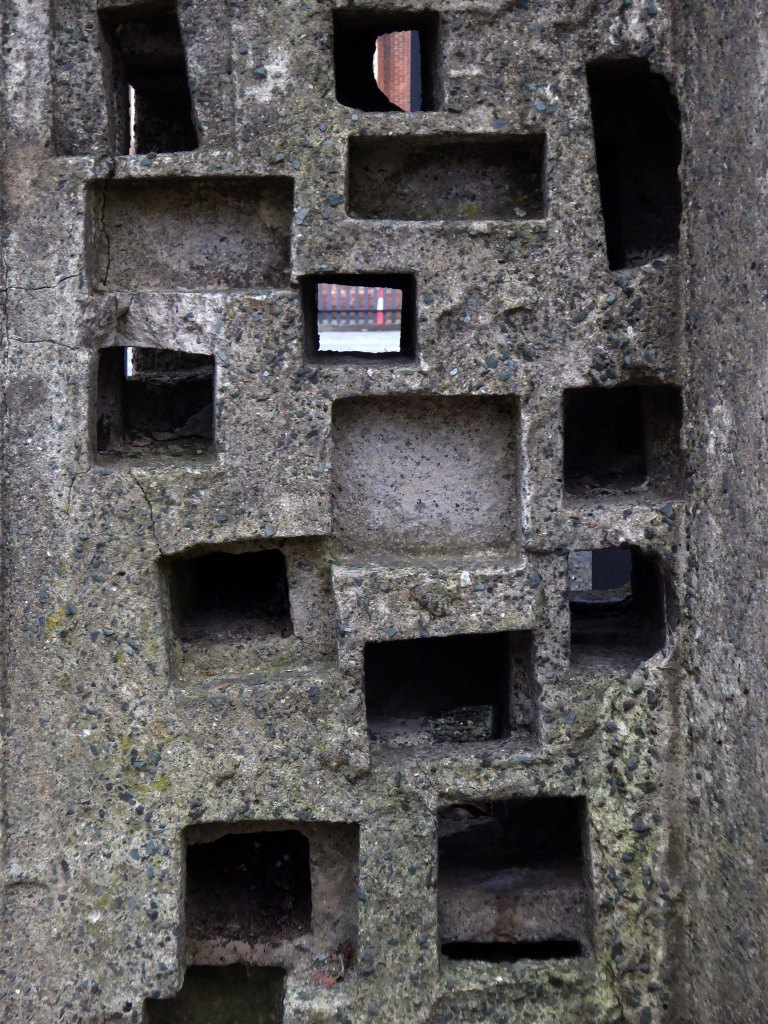
Even so I have no recollection of this distinctive concrete column, neither does the whole of the internet.

Do you?

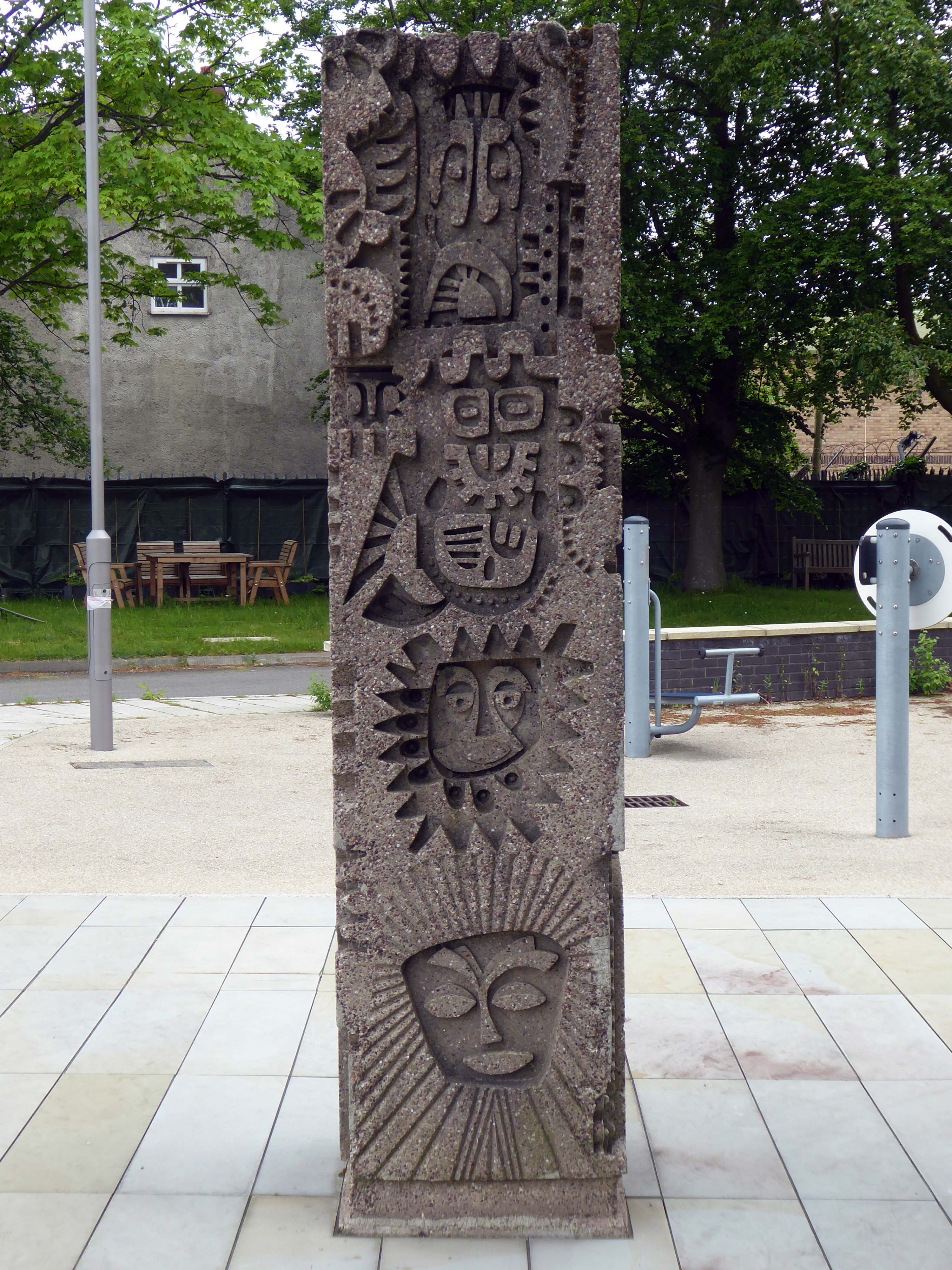
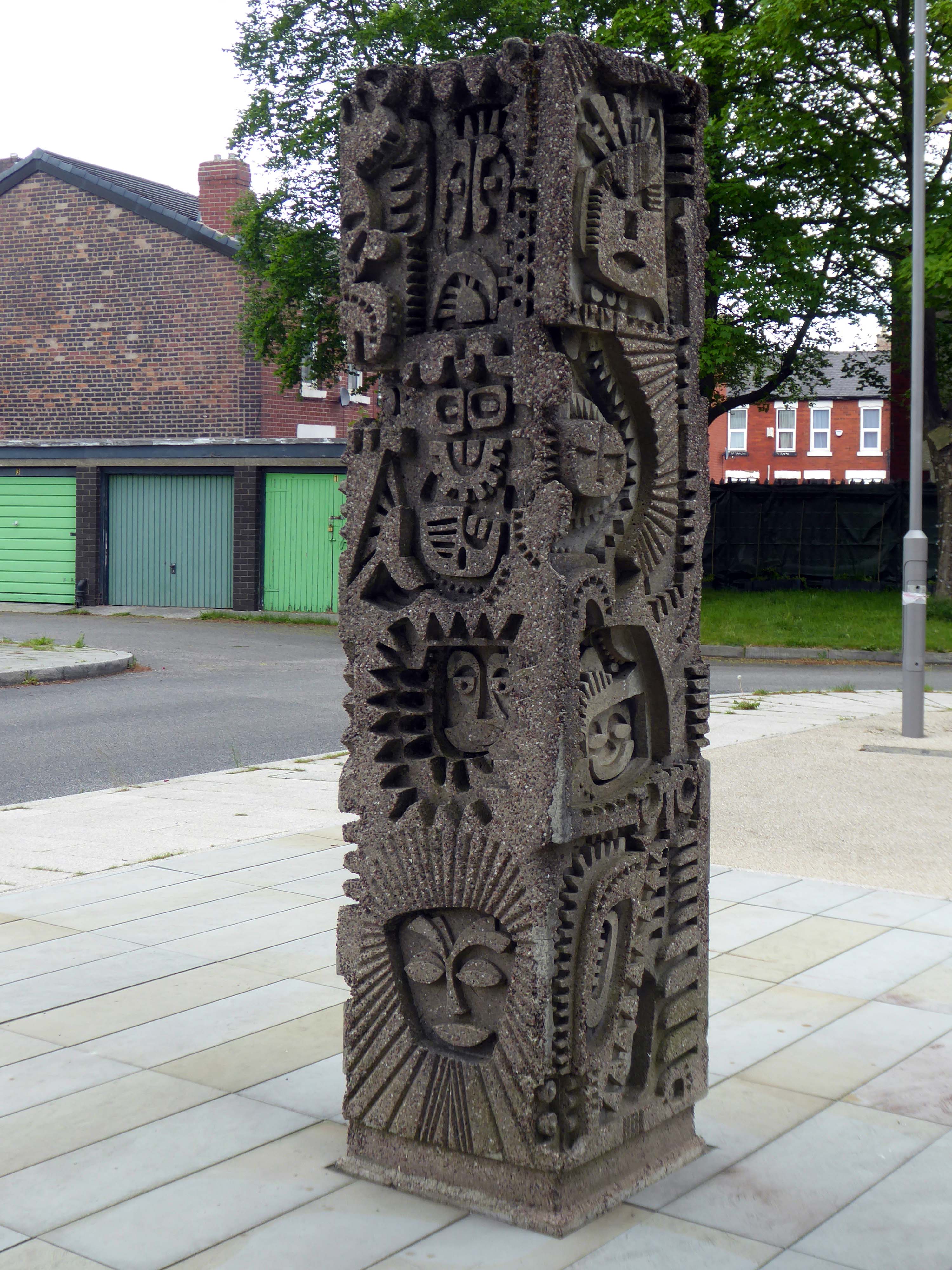
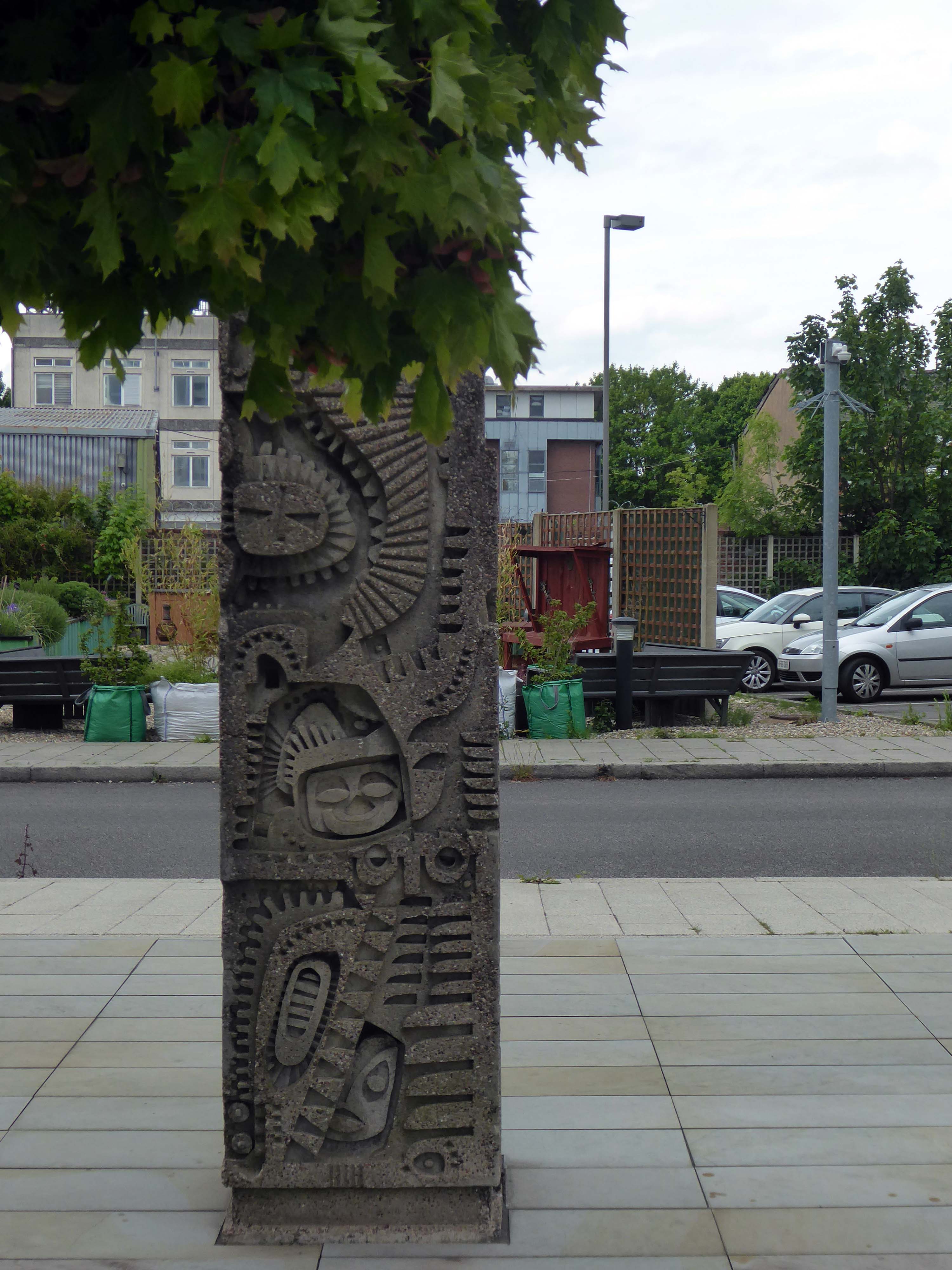
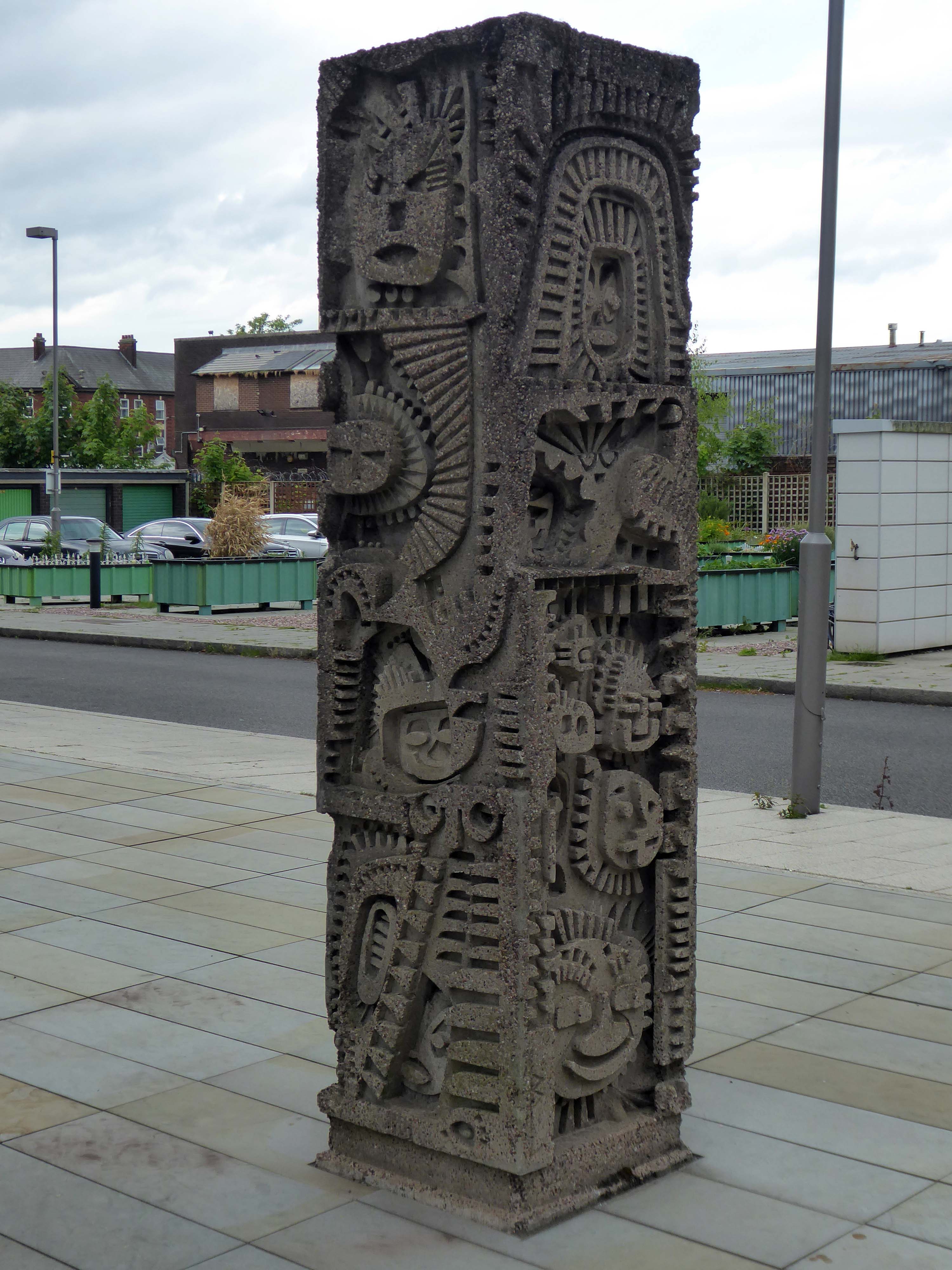
Though very much in the style of the day – exemplified by William Mitchell there is currently no attribution for this work.

Was it at some point relocated, if so from where?

There are more questions than answers.

Stoke Walk

We begin by doffing our caps to Josiah Wedgwood – who along with countless other unsung heroes defined Stoke on Trent as the heart of the pottery industry.

Stoke is polycentric, having been formed by the federation of six towns in 1910.

It took its name from Stoke-upon-Trent where the main centre of government and the principal railway station in the district were located. 

Hanley is the primary commercial centre.

The other four towns are Burslem, Tunstall, Longton, and Fenton.

Wikipedia

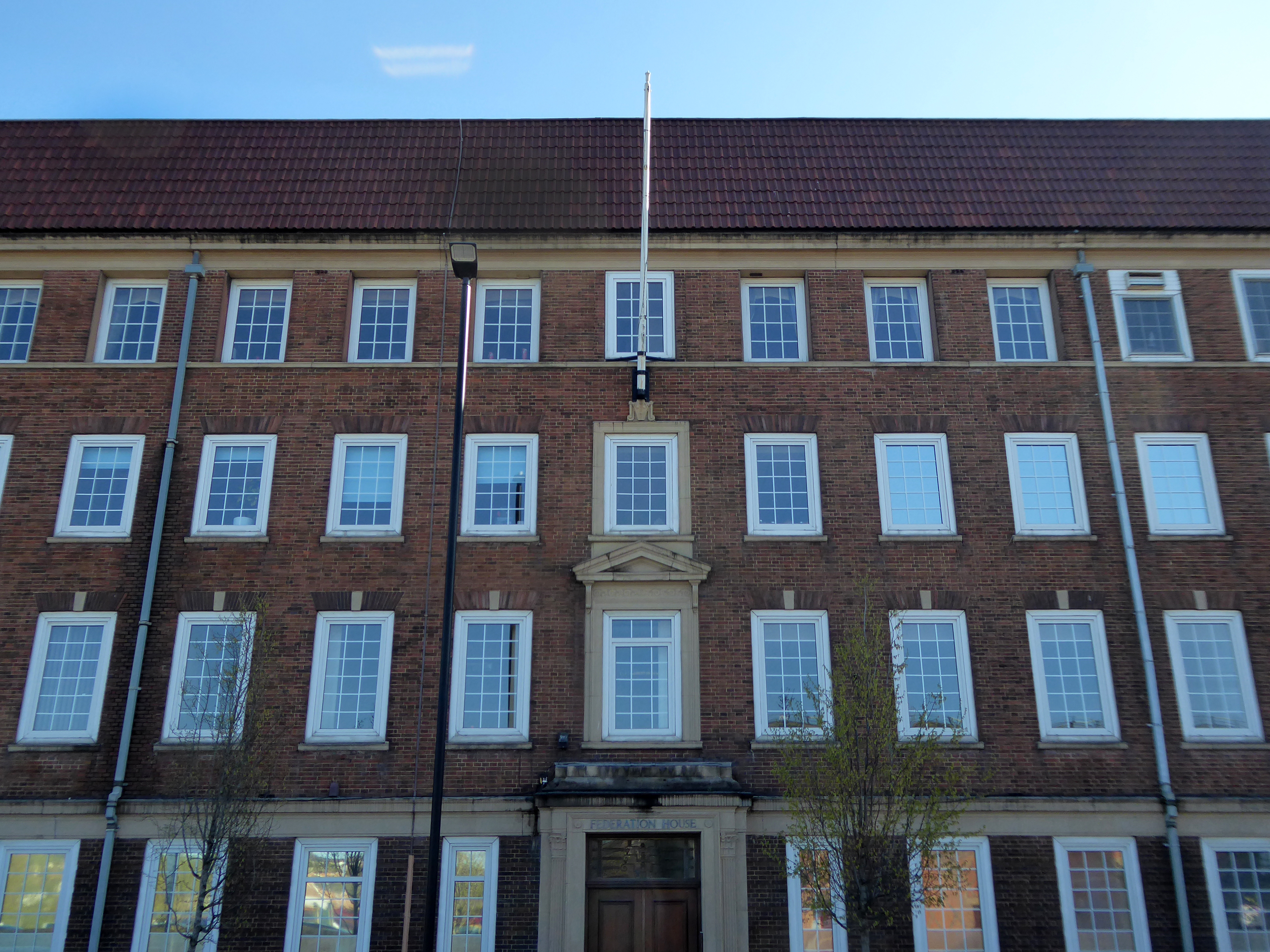
First up Federation House architects: Wood Goldstraw Yorath 1930 – described as Art Deco.

Built to house the British Pottery Manufacturers’ Federation now multiple occupancy.

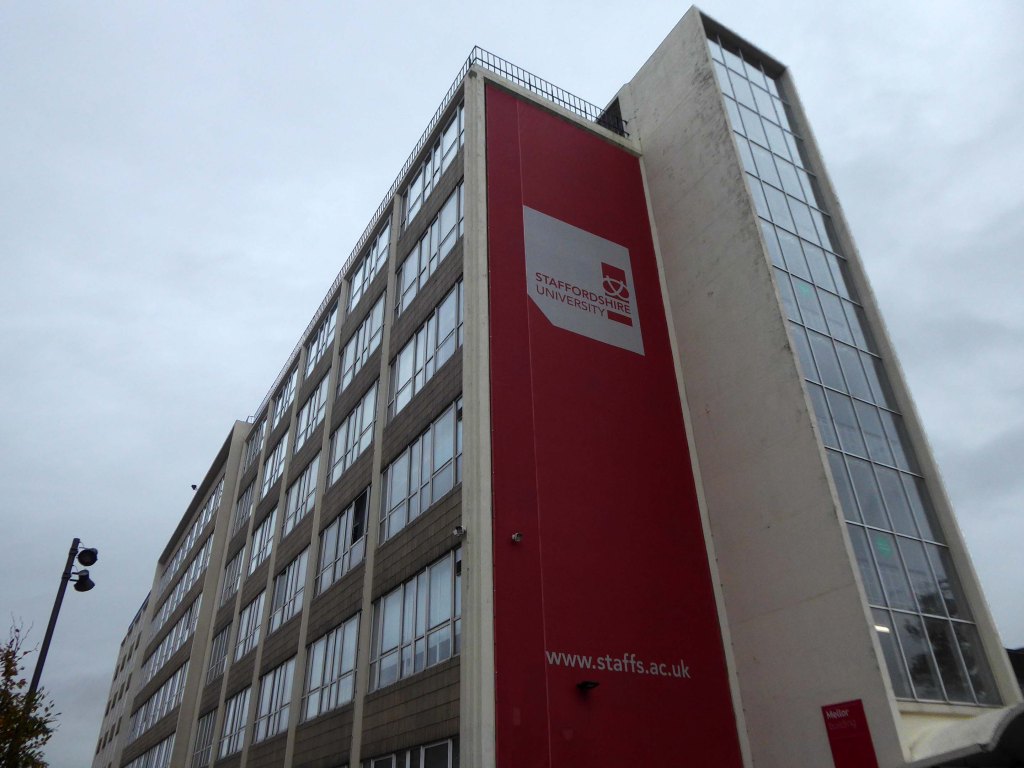
Around the corner to the Staffordshire University.

Staffordshire University was founded in 1914 as a polytechnic intistution, and was officially given University Status on 16 June 1992. Our University is famous for its forward-thinking approach, and has become a figurehead for its vocational and academic teaching, innovative grasp of industry, and student employability.

Although our campus continues to expand to create dynamic opportunities, we are proud of our heritage in the great city of Stoke-on-Trent. Steeped in the history of ceramic manufacture and production, industry in Stoke-on-Trent has been fuelled by Staffordshire University for over 100 years.

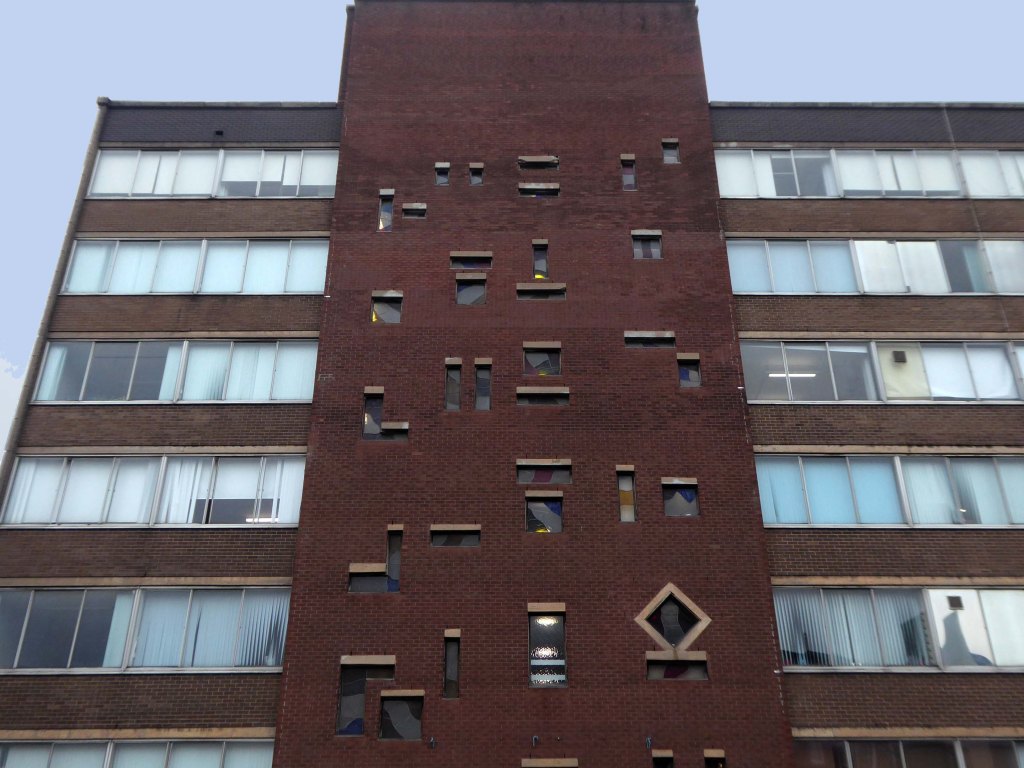
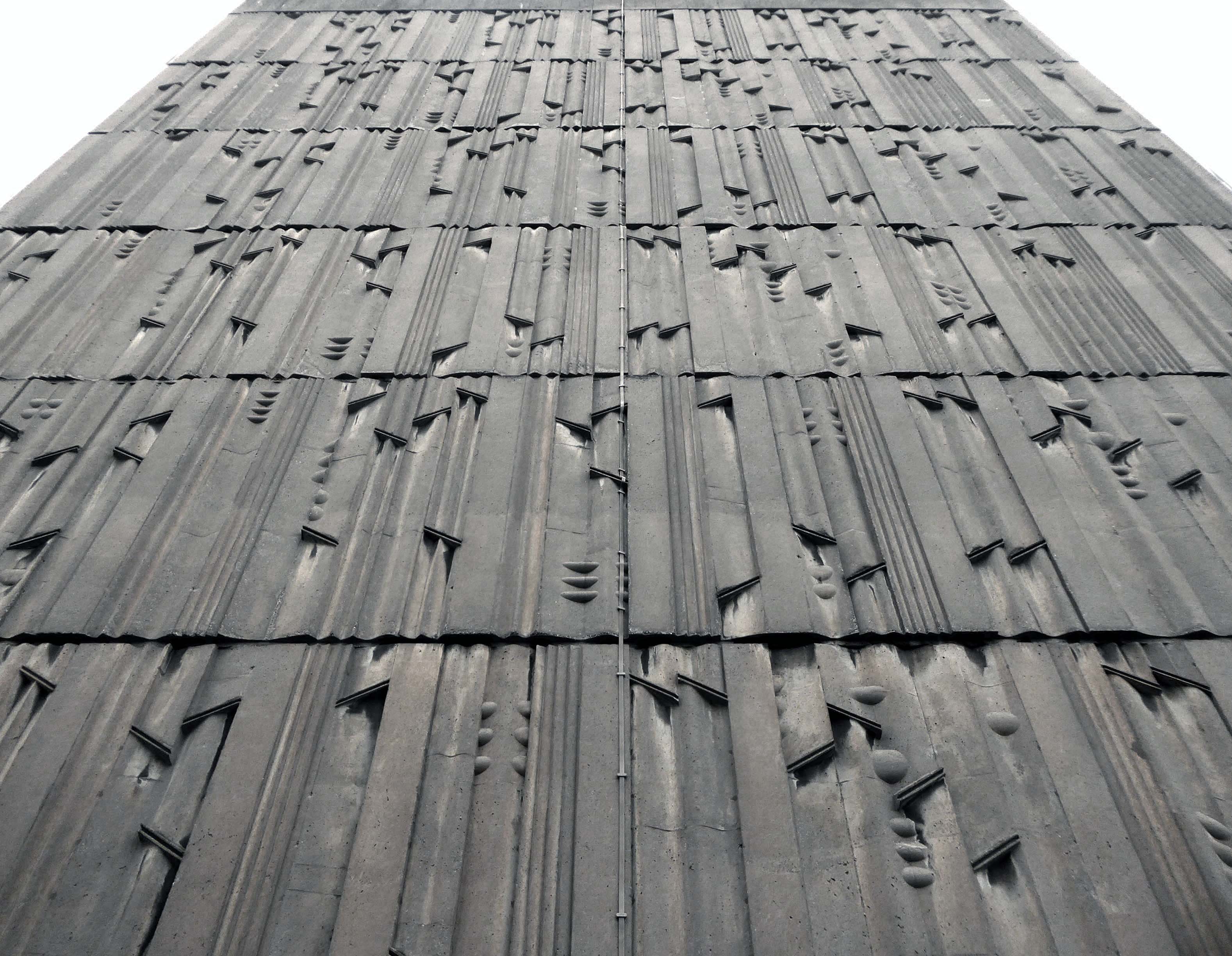
The Flaxman Building 1970 was designed by City Architect Thomas Lovatt and built by the City Works Department – the last public works assignment before competitive tendering opened up public restrictions to private enterprise.

Named for to Wedgwood’s famous modeller the classical artist, John Flaxman RA 1755-1826. 

This concrete is very much in the style of William Mitchell – though there is no record of attribution.

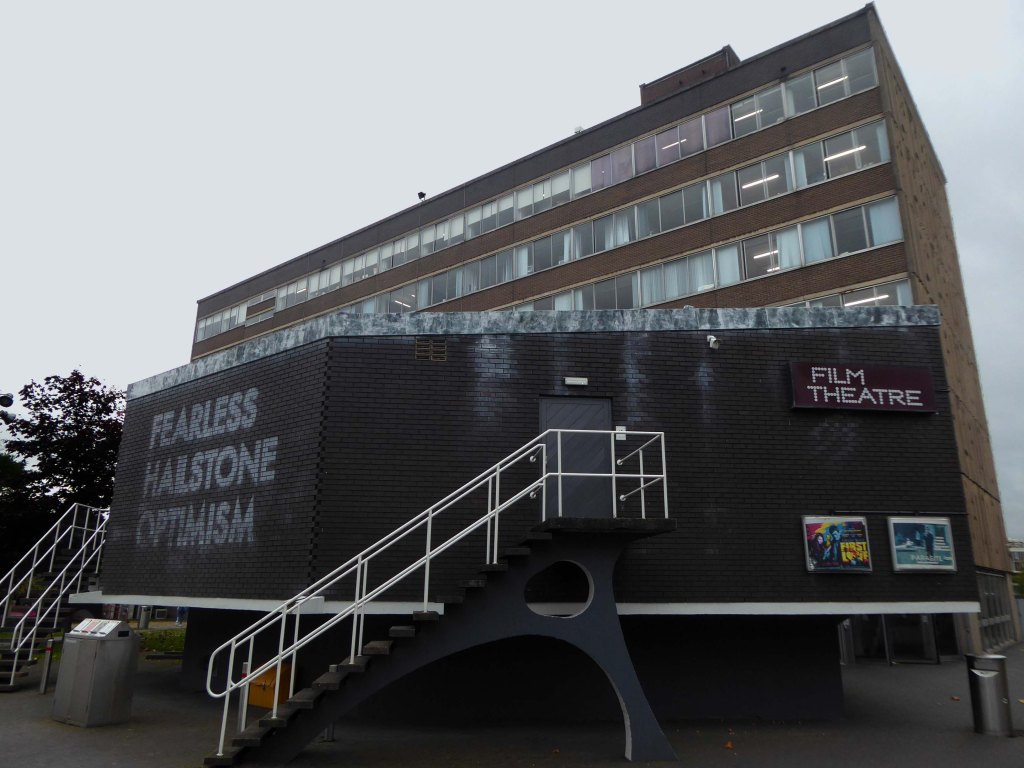
The Regional Film Theatre opened in College Road, on the premises of North Staffordshire Polytechnic now Staffordshire University in 1974.

The North Staffordshire Film Society moved there to screen films one evening a week, while the Film Theatre operated on three nights a week. 

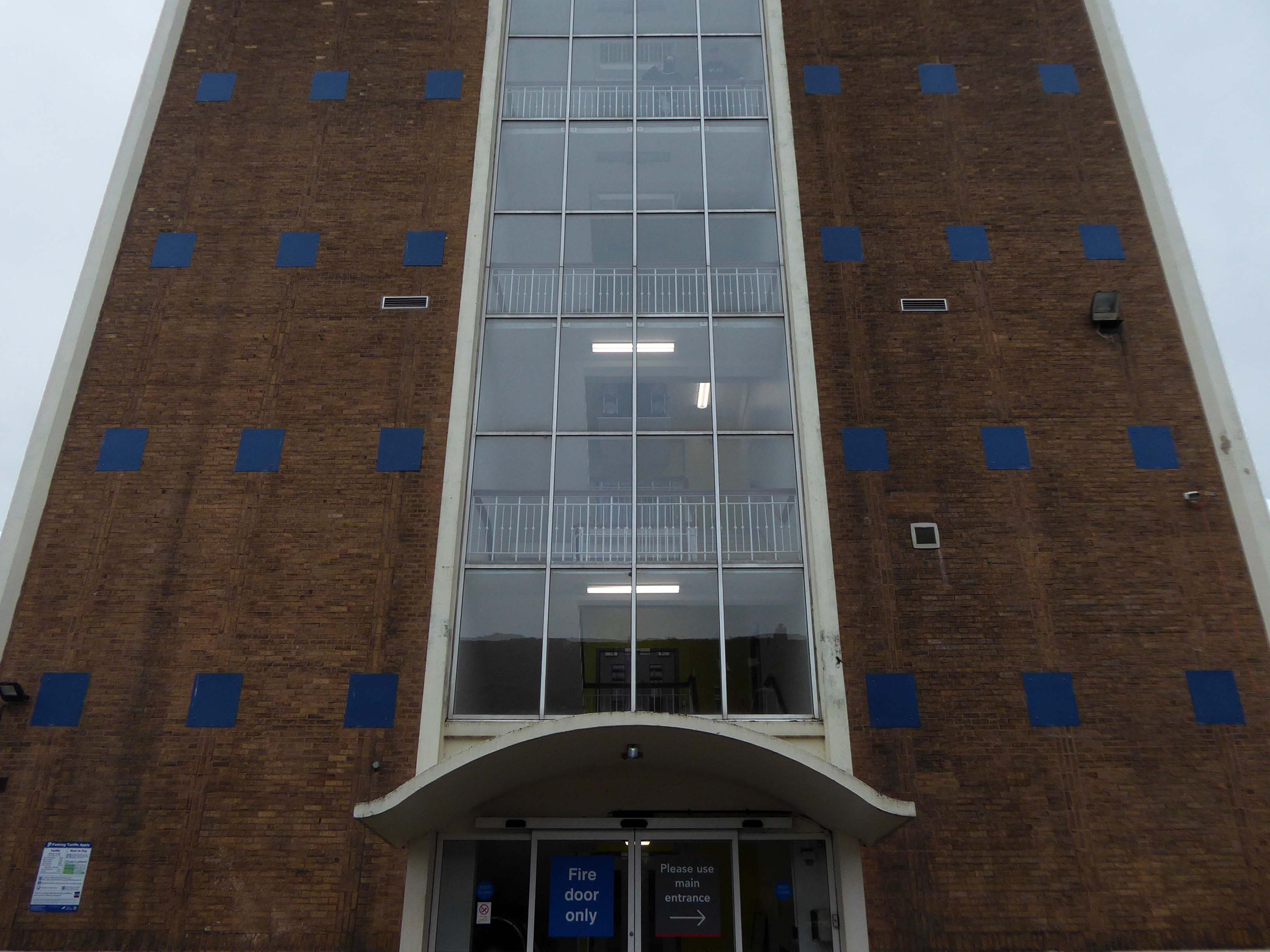
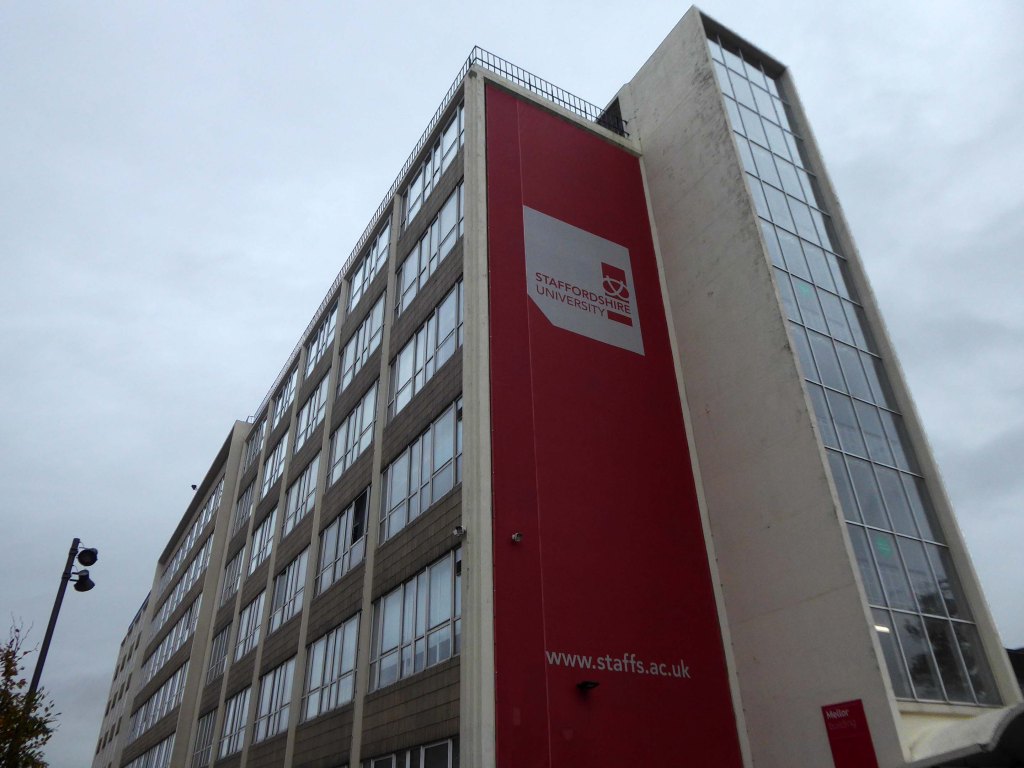
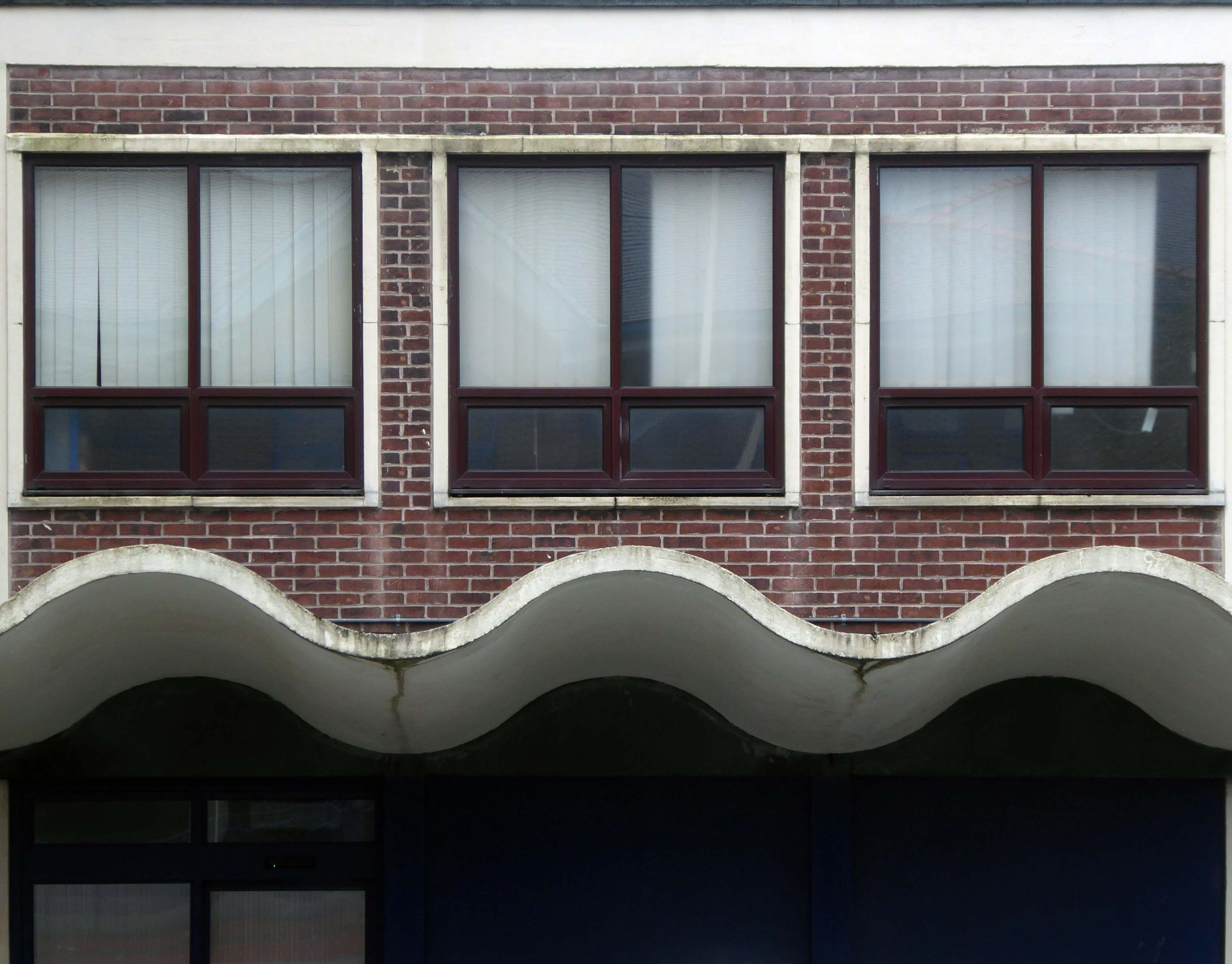
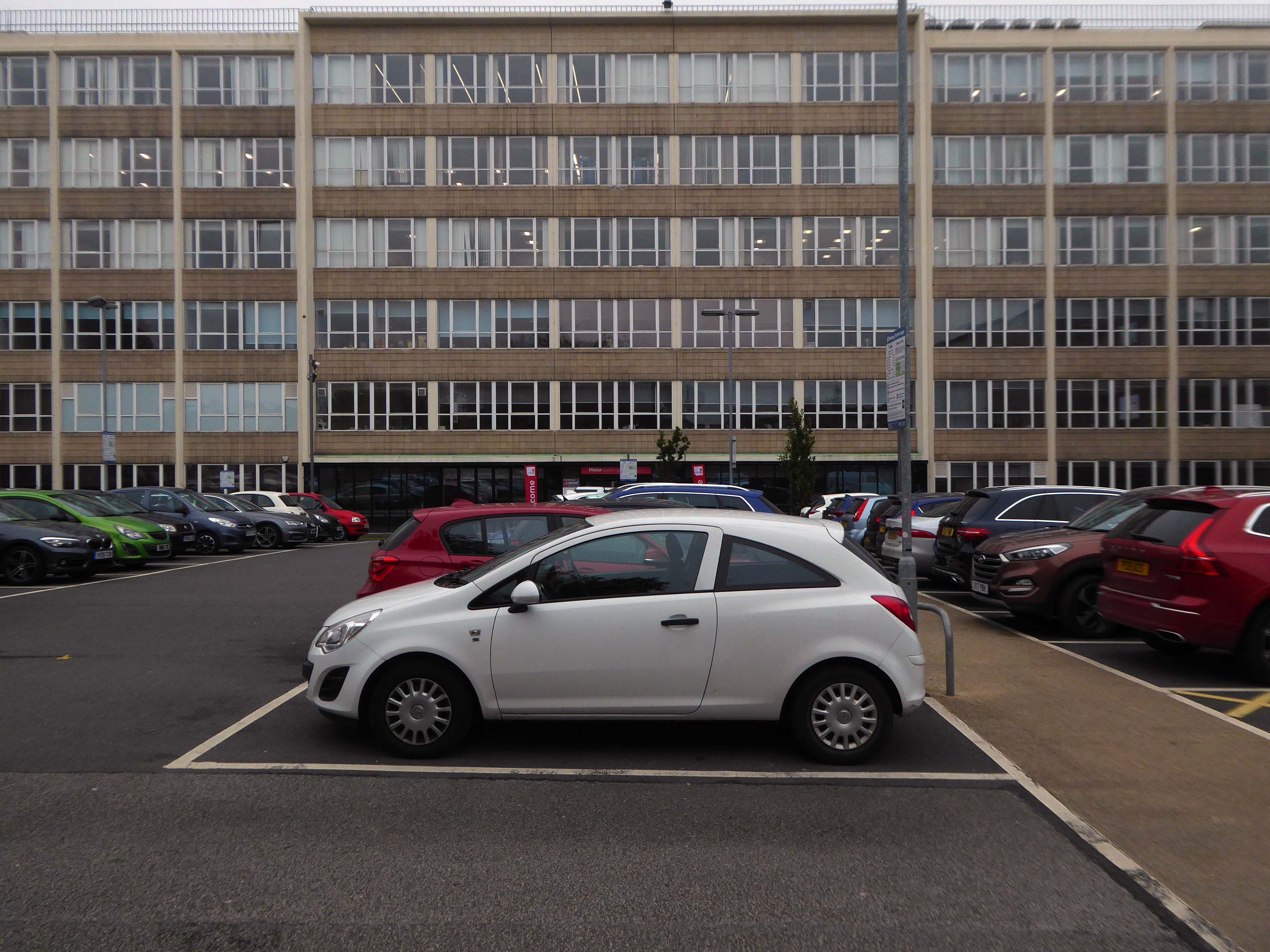
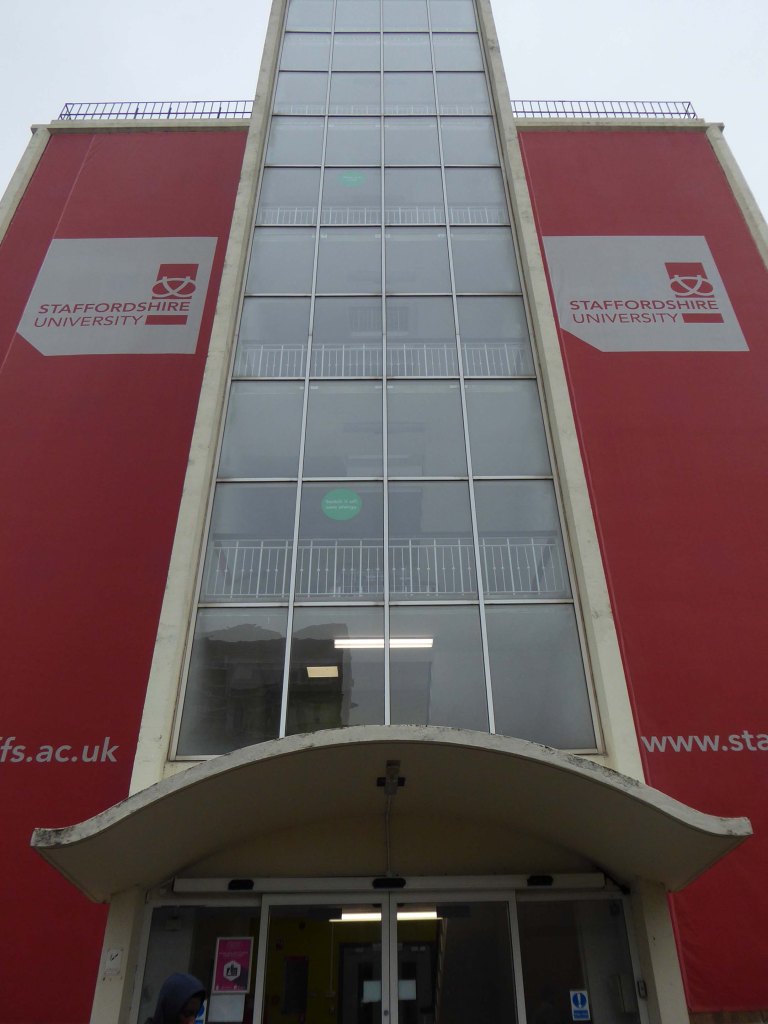
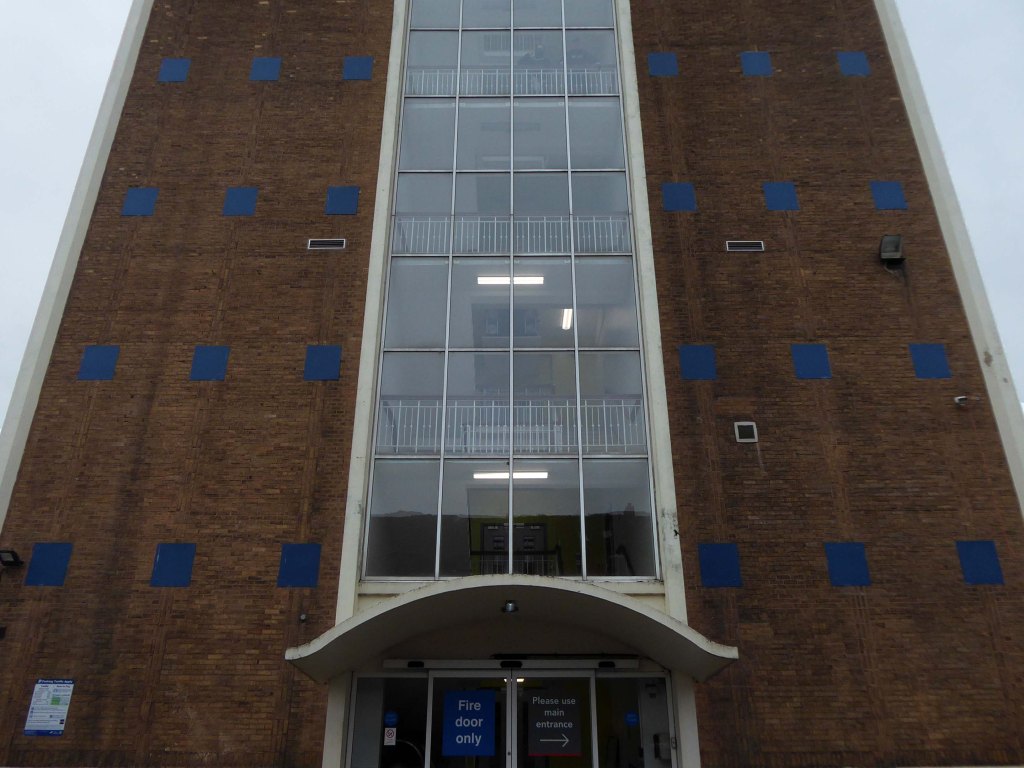
Across the way is the assertive slab tower of the 1950’s Mellor Building with its curvy cantilevered porch cover.

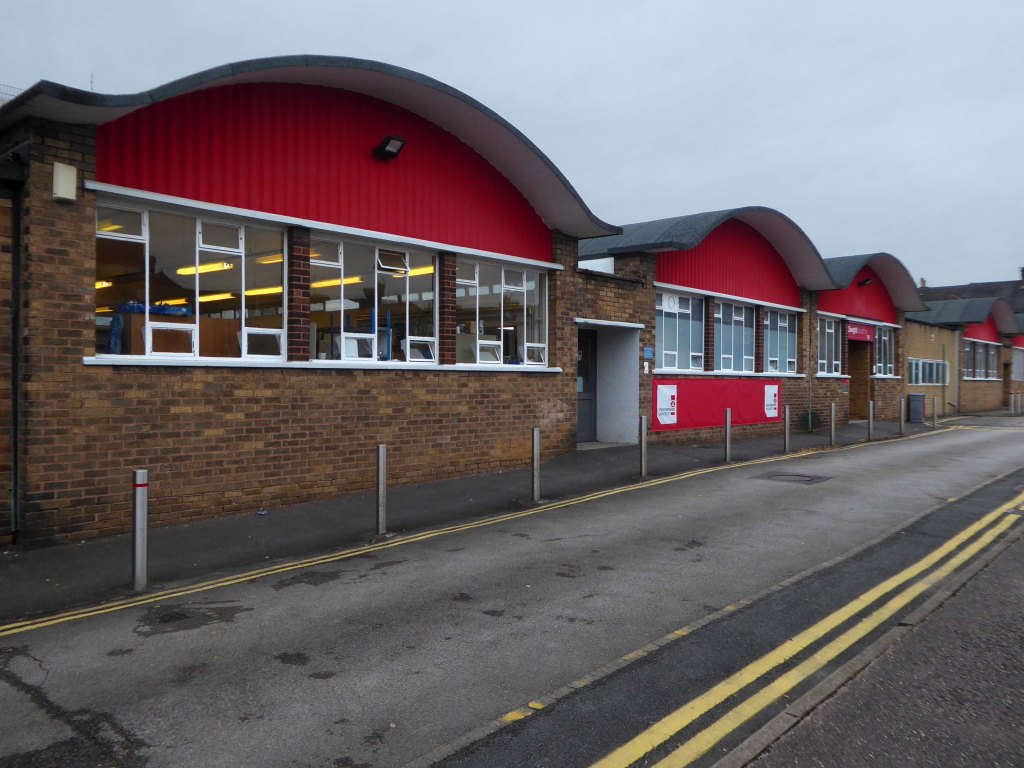
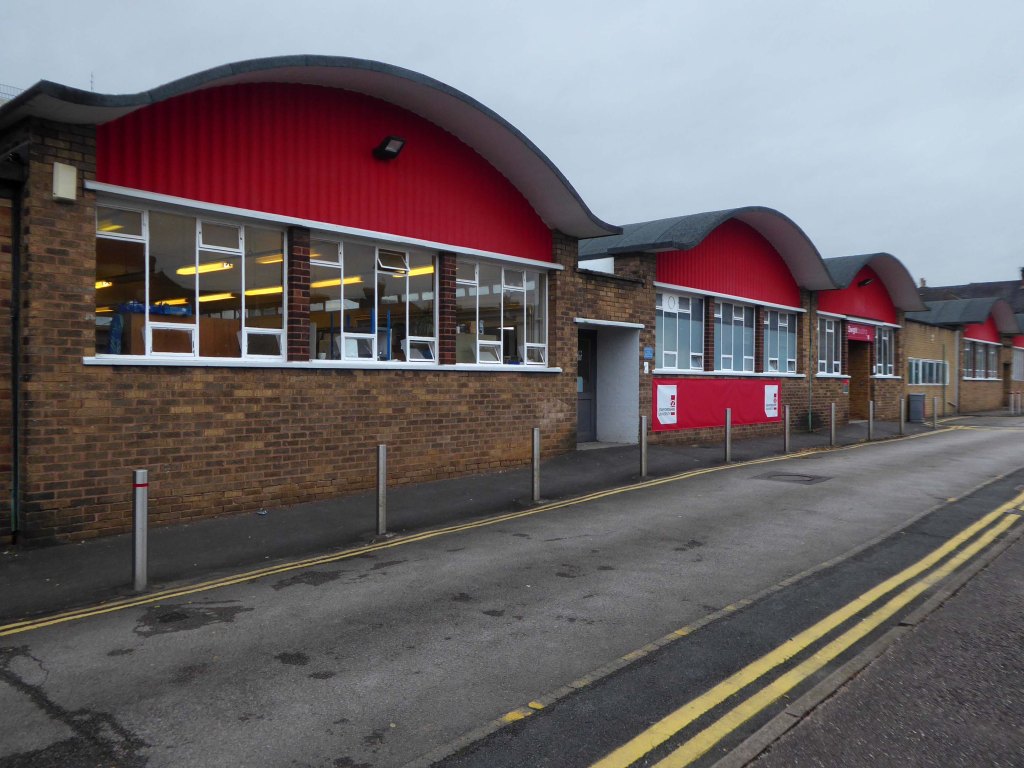
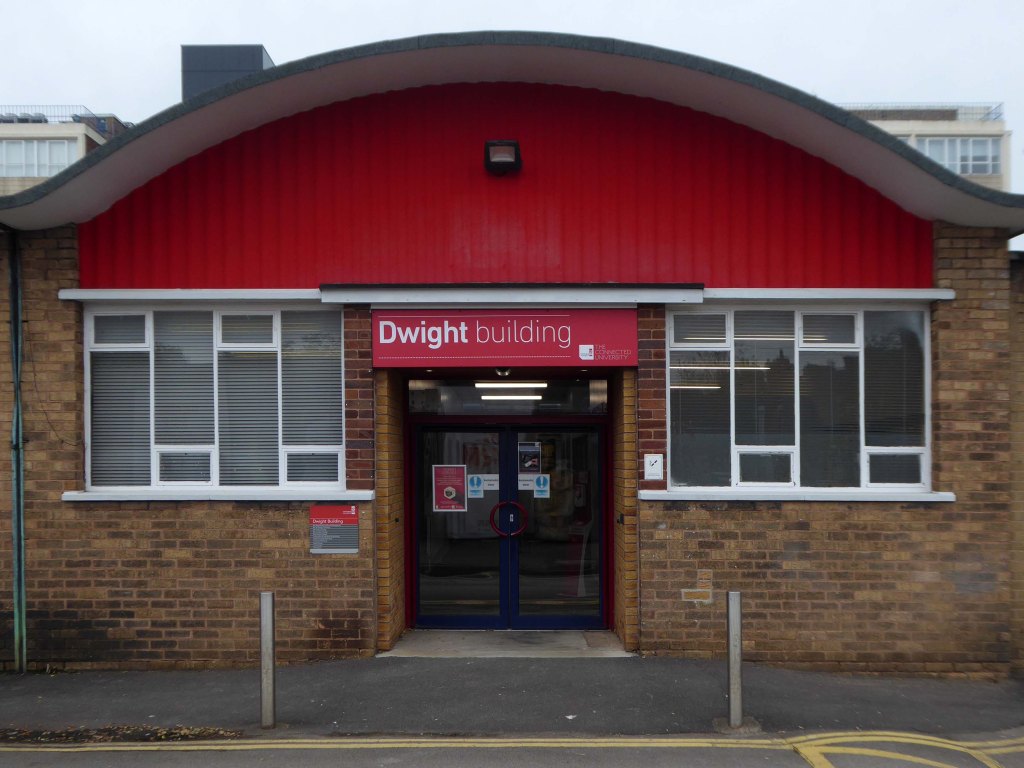
Out back is the wavy roofed Dwight Building.

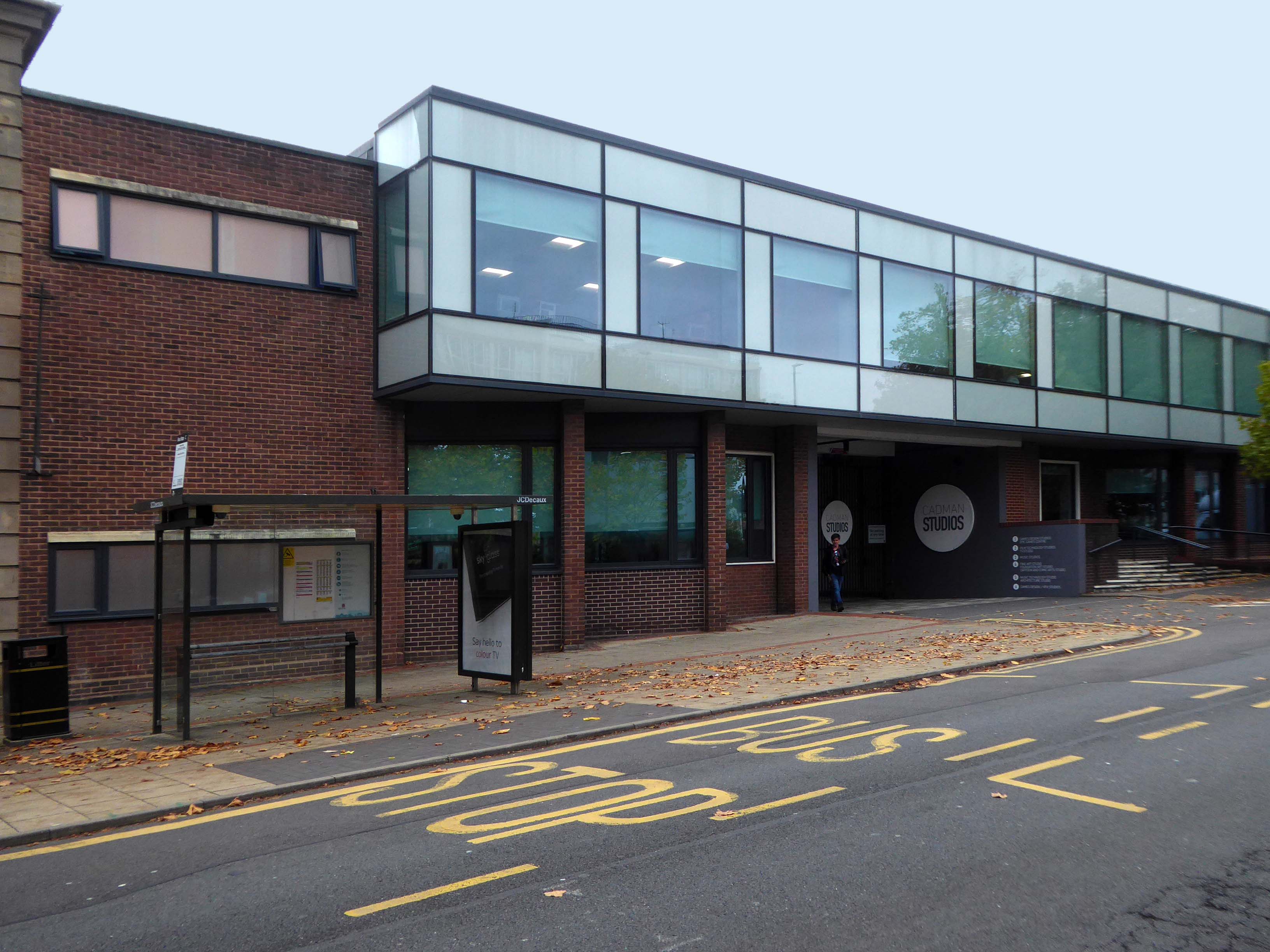
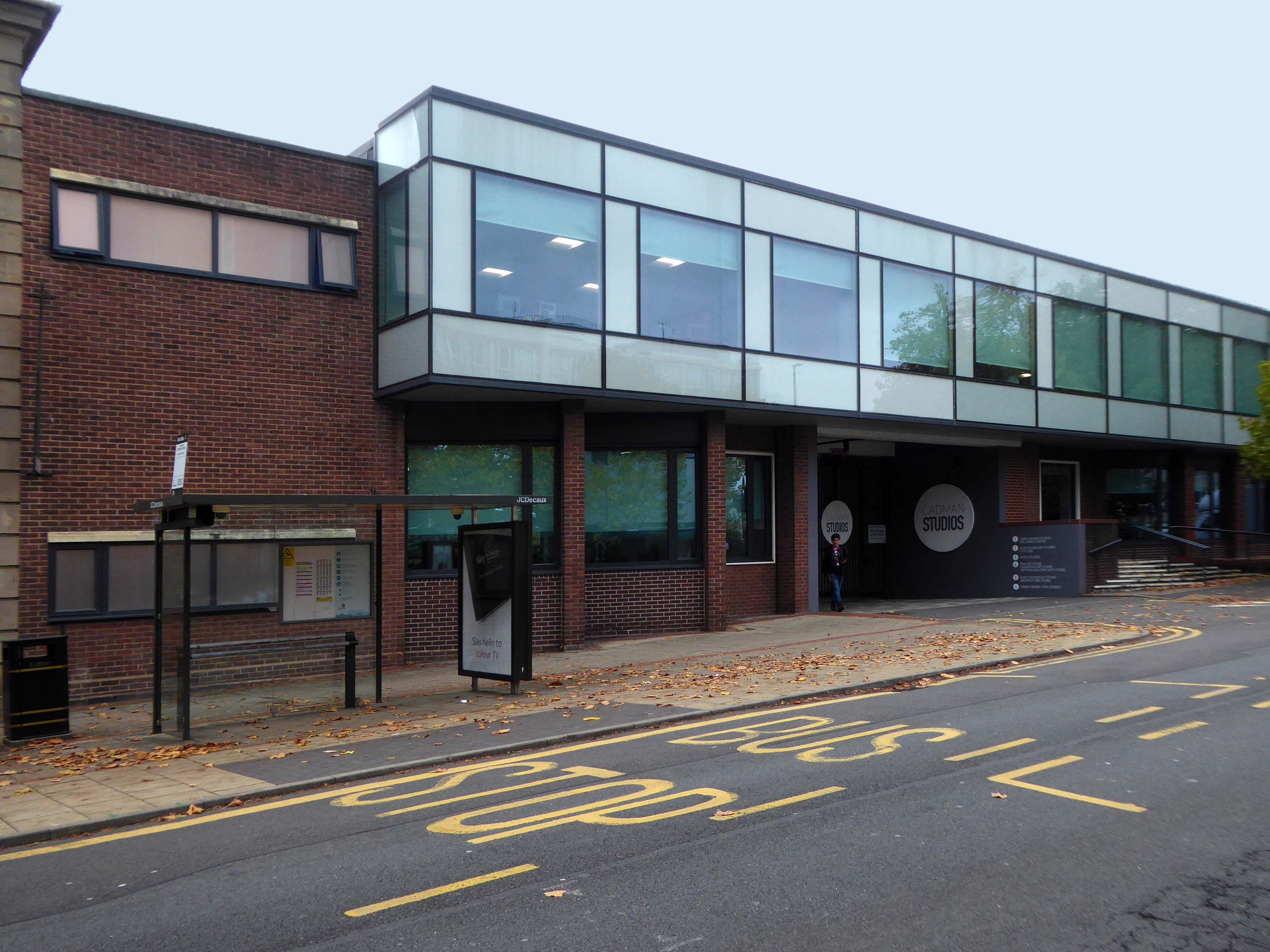
Over the road the new build of the Cadman Studios 2016 ABW Architects.

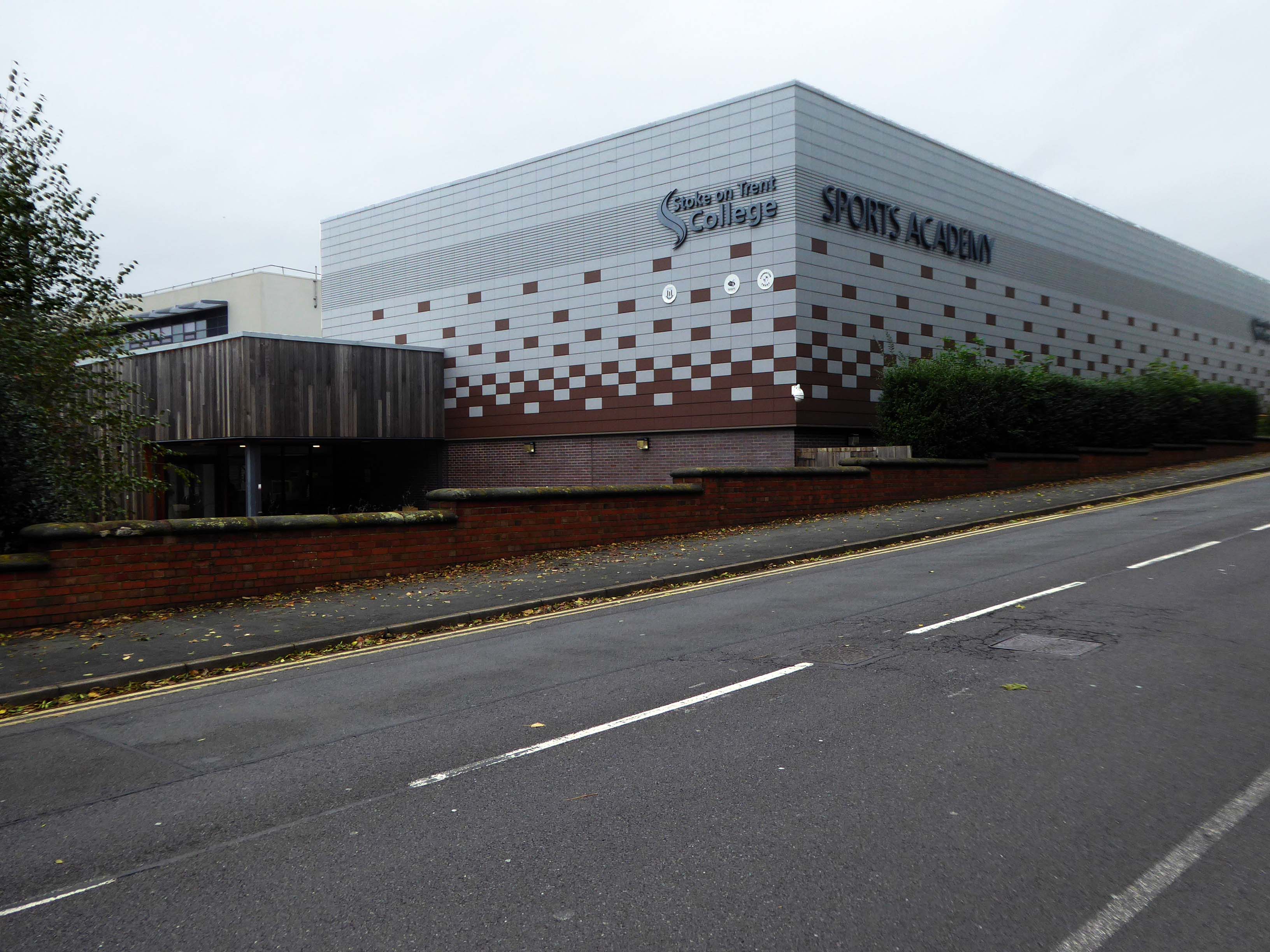
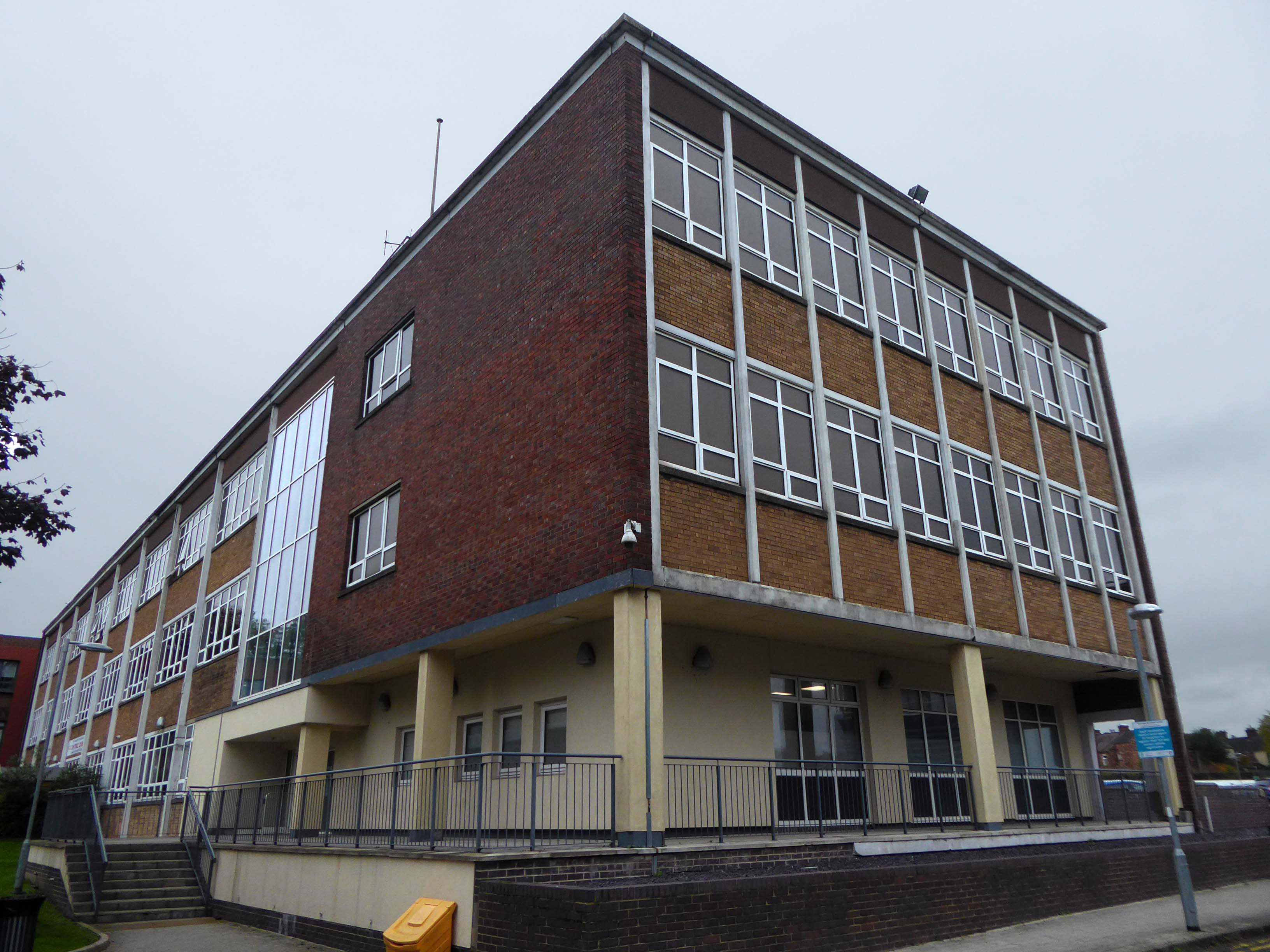
Walking towards Hanley we come upon the newly built Stoke on Trent College and Sports Academy.

Only one block of the original build remains.

Photograph – 28 Days Later

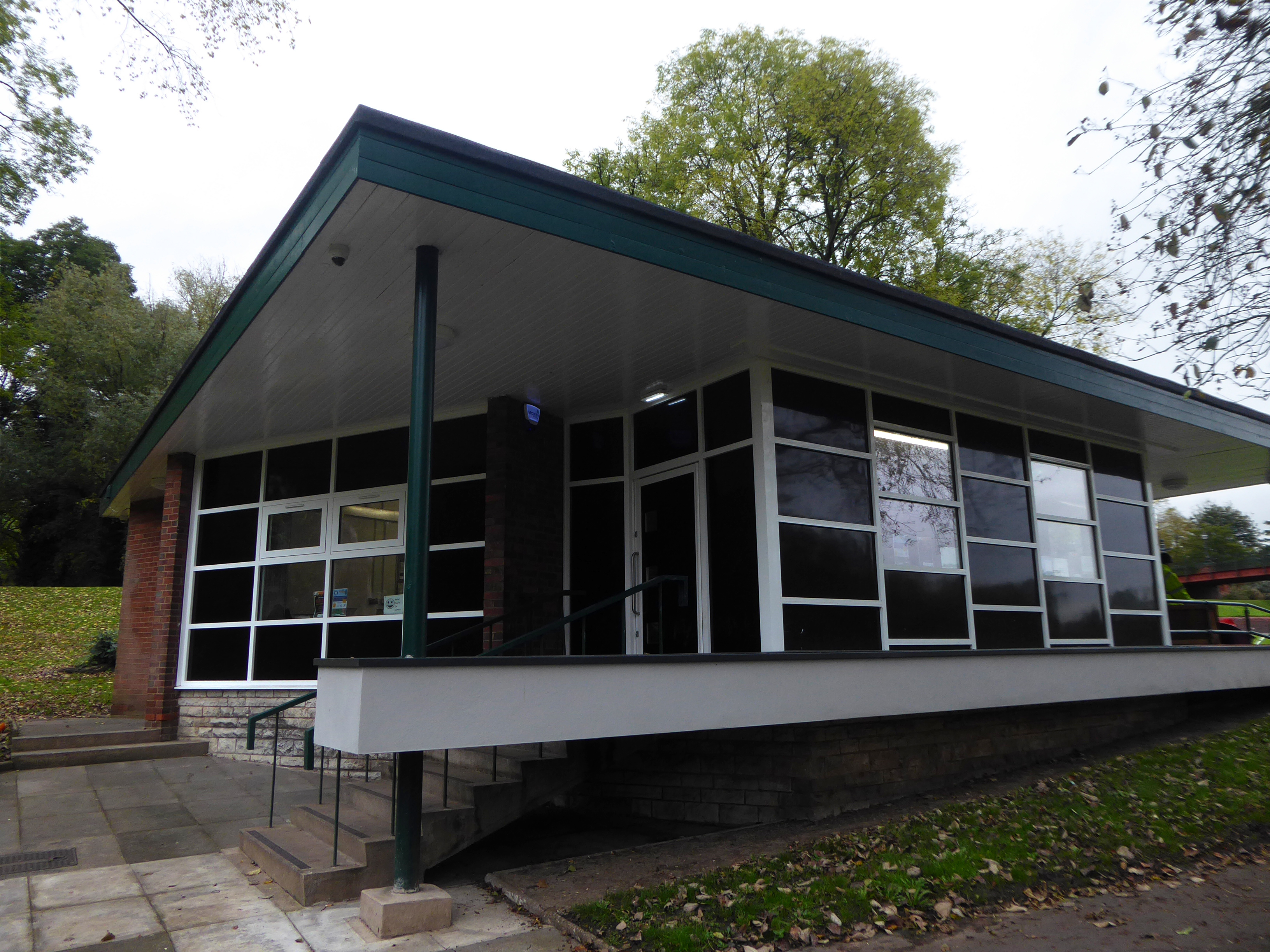
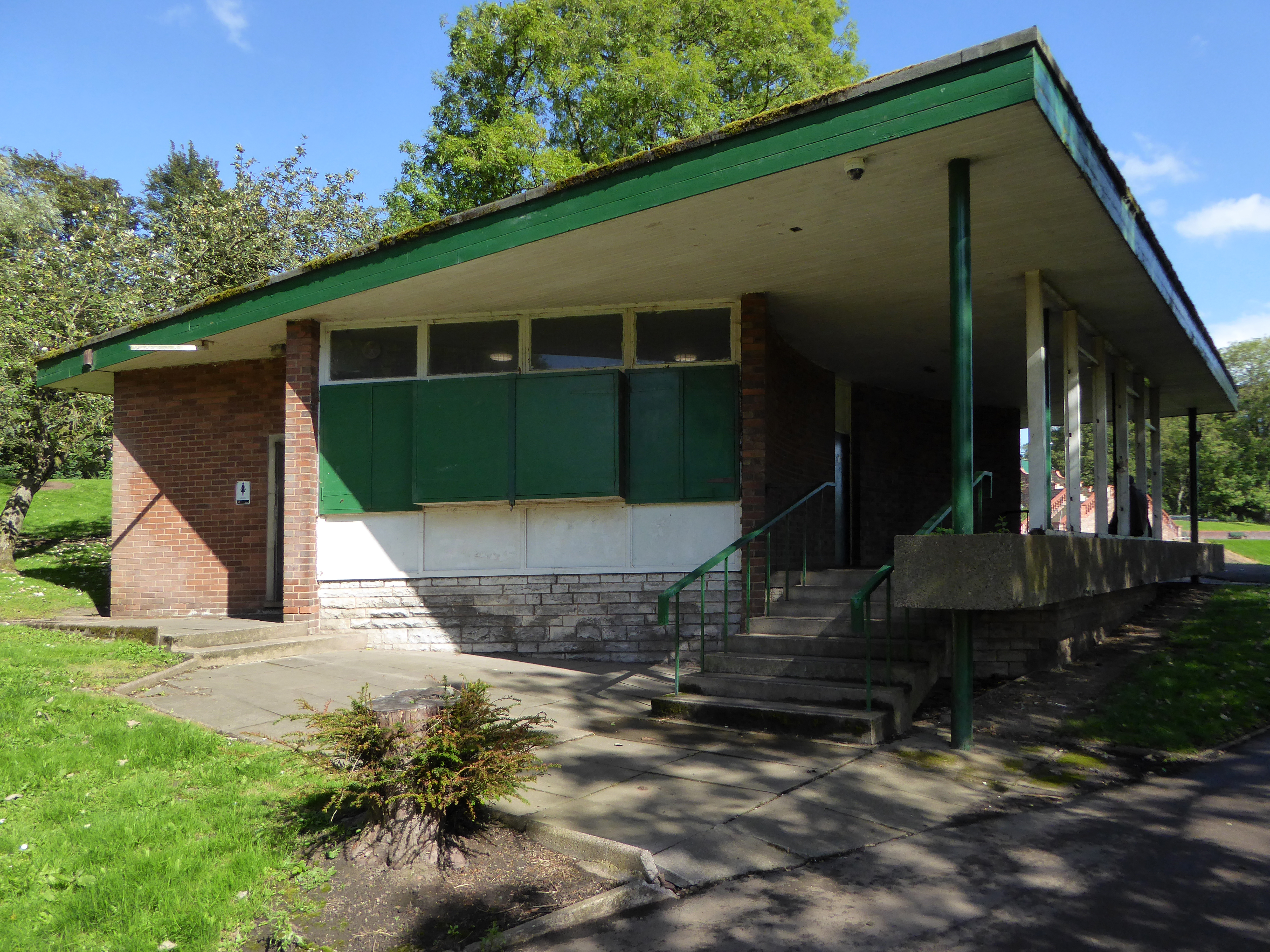
Tucked away in Hanley Park is this period building.

It has been refurbished and the walkway enclosed since my previous visit.

hanley park was laid out in the 1890s by Thomas Hayton Mawson the pavilion of 1896 is by his associate Dan Gibson.

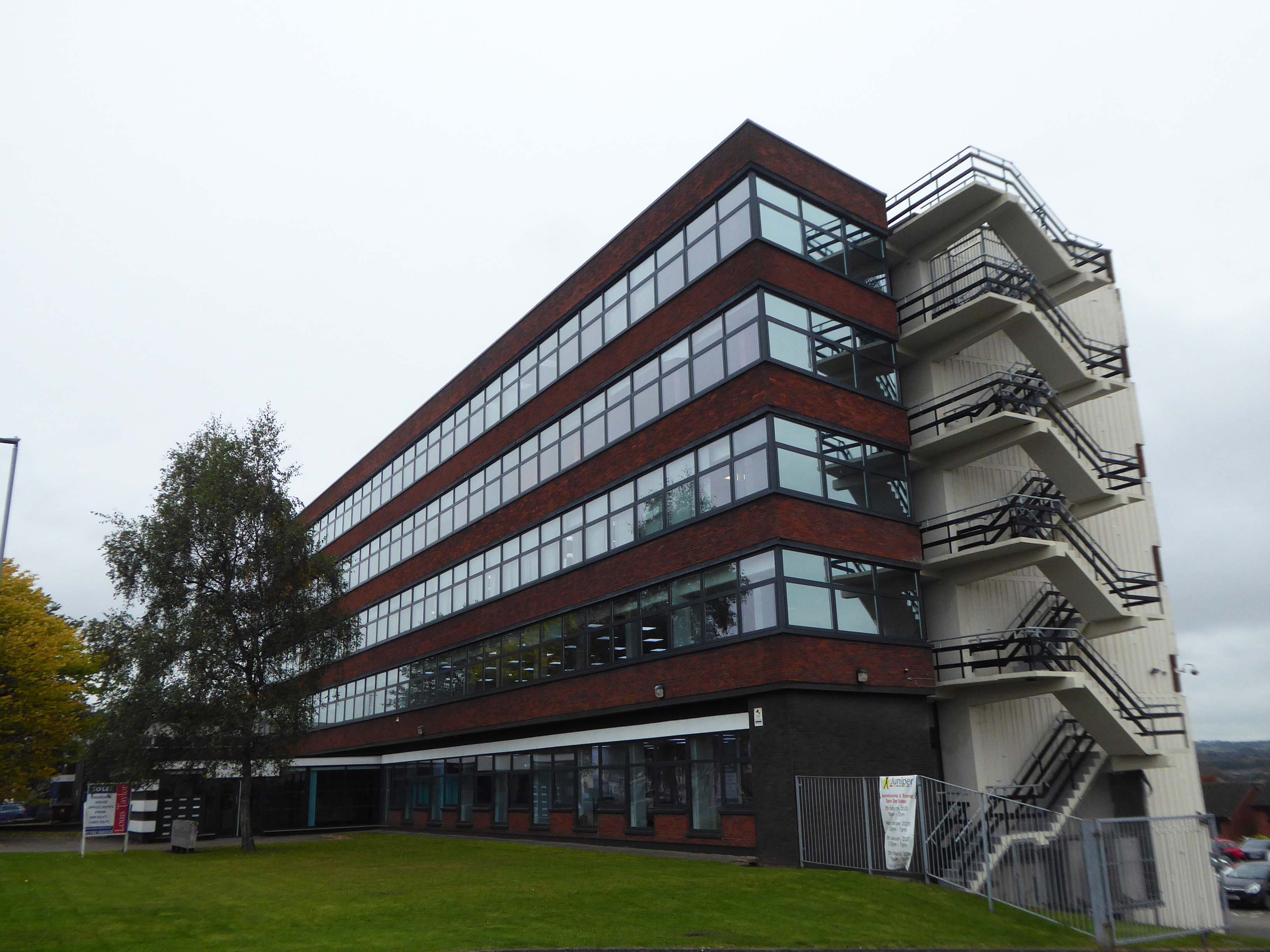
Further along the way we come upon Churchill House with its distinctive fire escape.

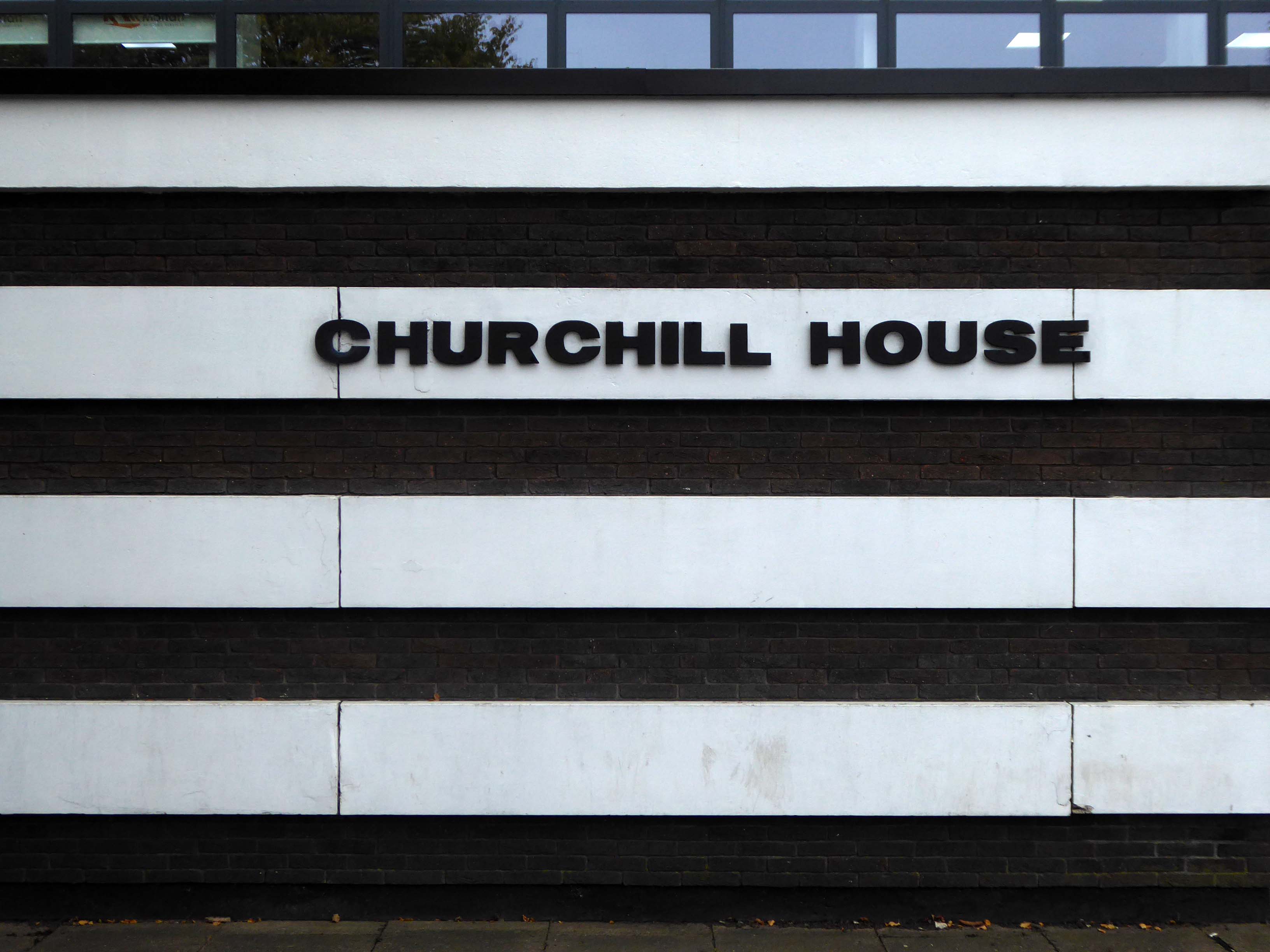
And original architectural signage.

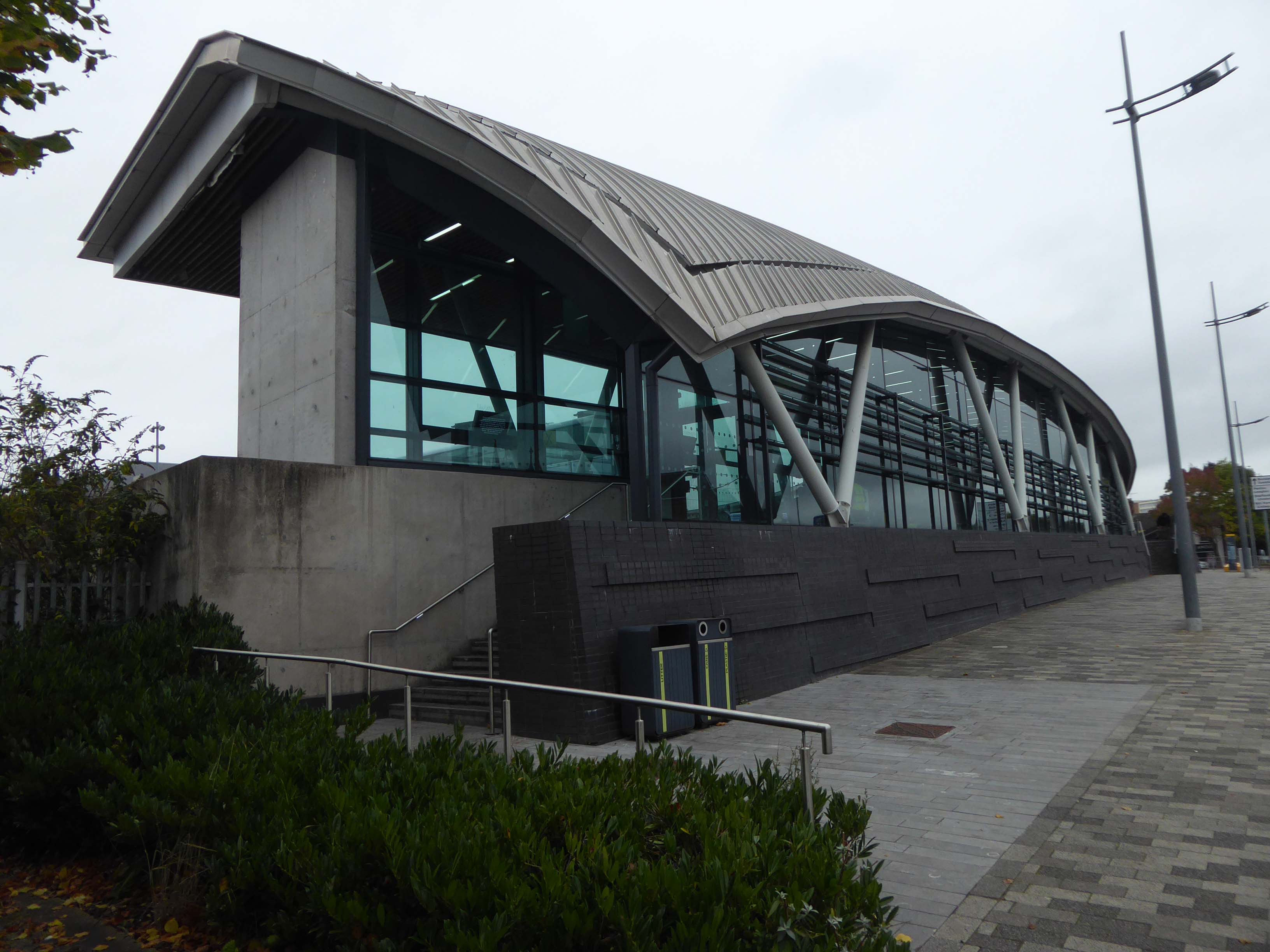
Crossing the inner ring road to the sweeping canopy of the Hanley Bus Station Architects Grimshaw engineers Arup.

Wrapping a corner site, the canopy rises and falls to create a mutable form: appearing as a shimmering, contemporary shield to the south, and a welcoming timbered environment to the north with sweeping views to Victorian Hanley.

Tapered down at the ends to shelter waiting passengers from the prevailing wind, the roof extends beyond the station edge to connect with the neighbouring public plaza.

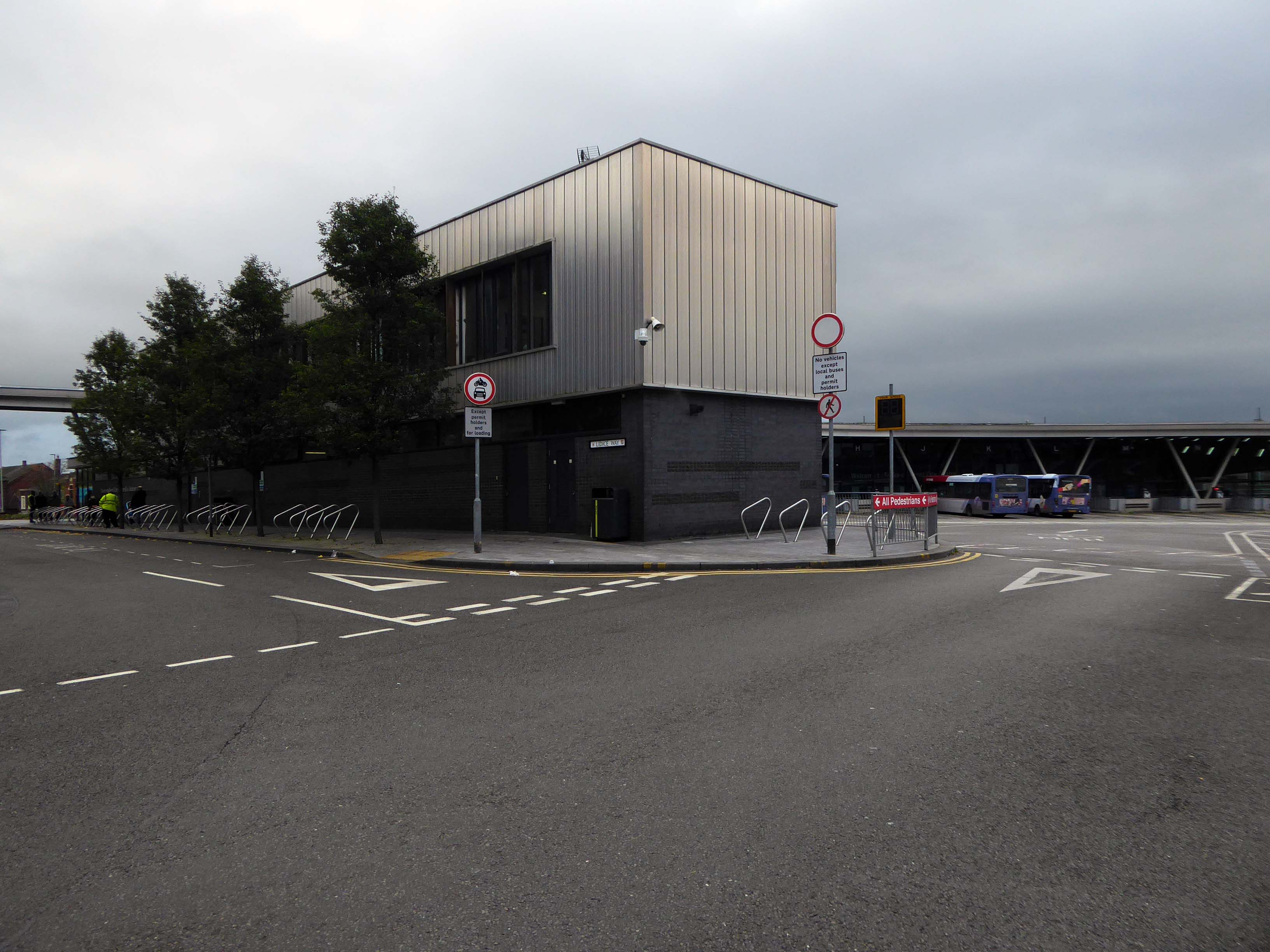
Sitting atop a Staffordshire blue brick plinth with a Carlow blue limestone concourse, the station adopts materials that are resonant in this area. Its gracefully sweeping canopy belies the challenging site constraints, which were carefully resolved to accommodate the difficult routing of buses, the creation of a safe, sheltered environment for passengers and drivers, and a sloping site underpinned by clay and coal.

The former bus station and precinct long gone.

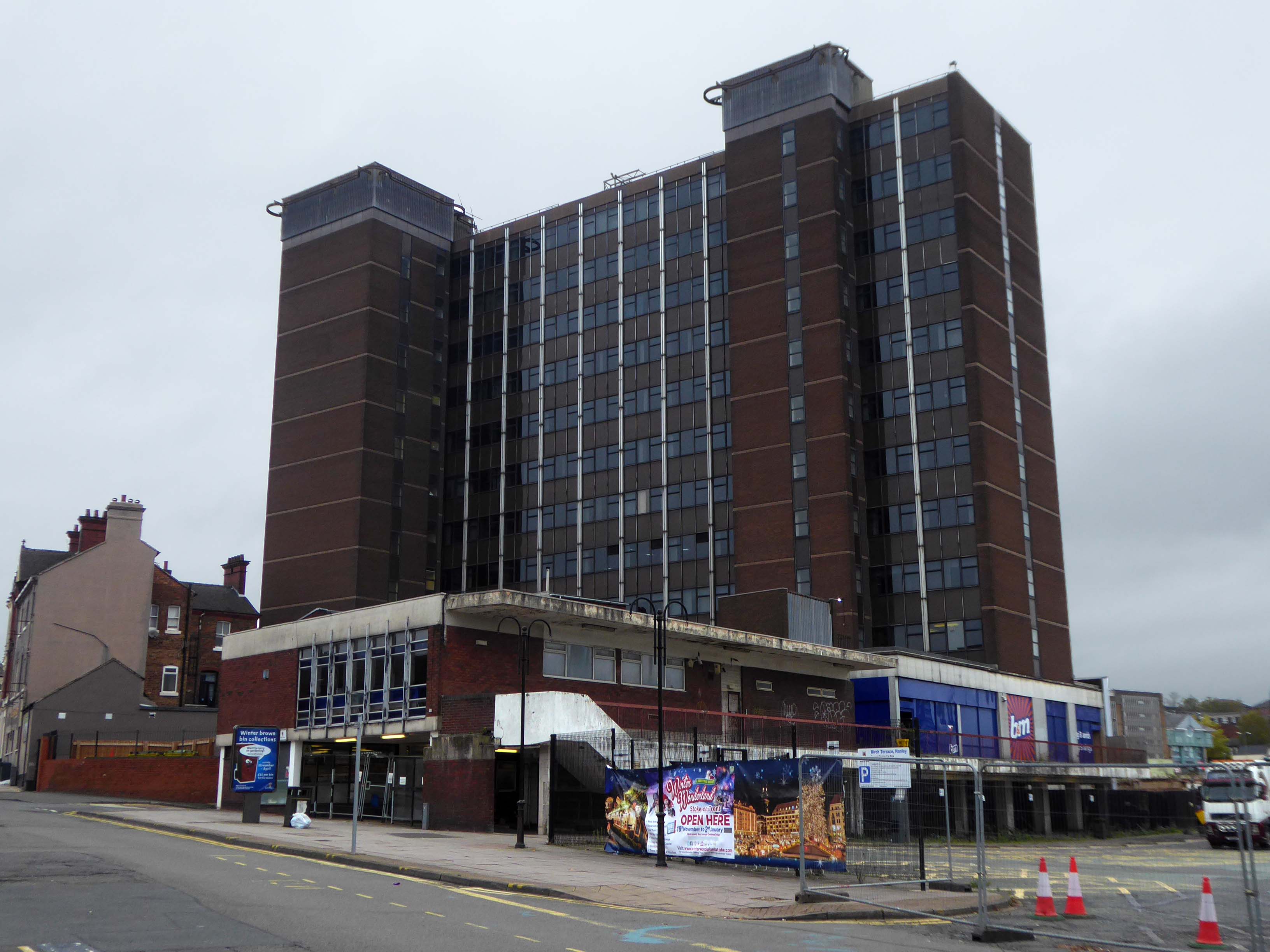
Above the former bus station looms Blackburn House home to HMRC, an imposing brown brick behemoth.

Photo James Morgan

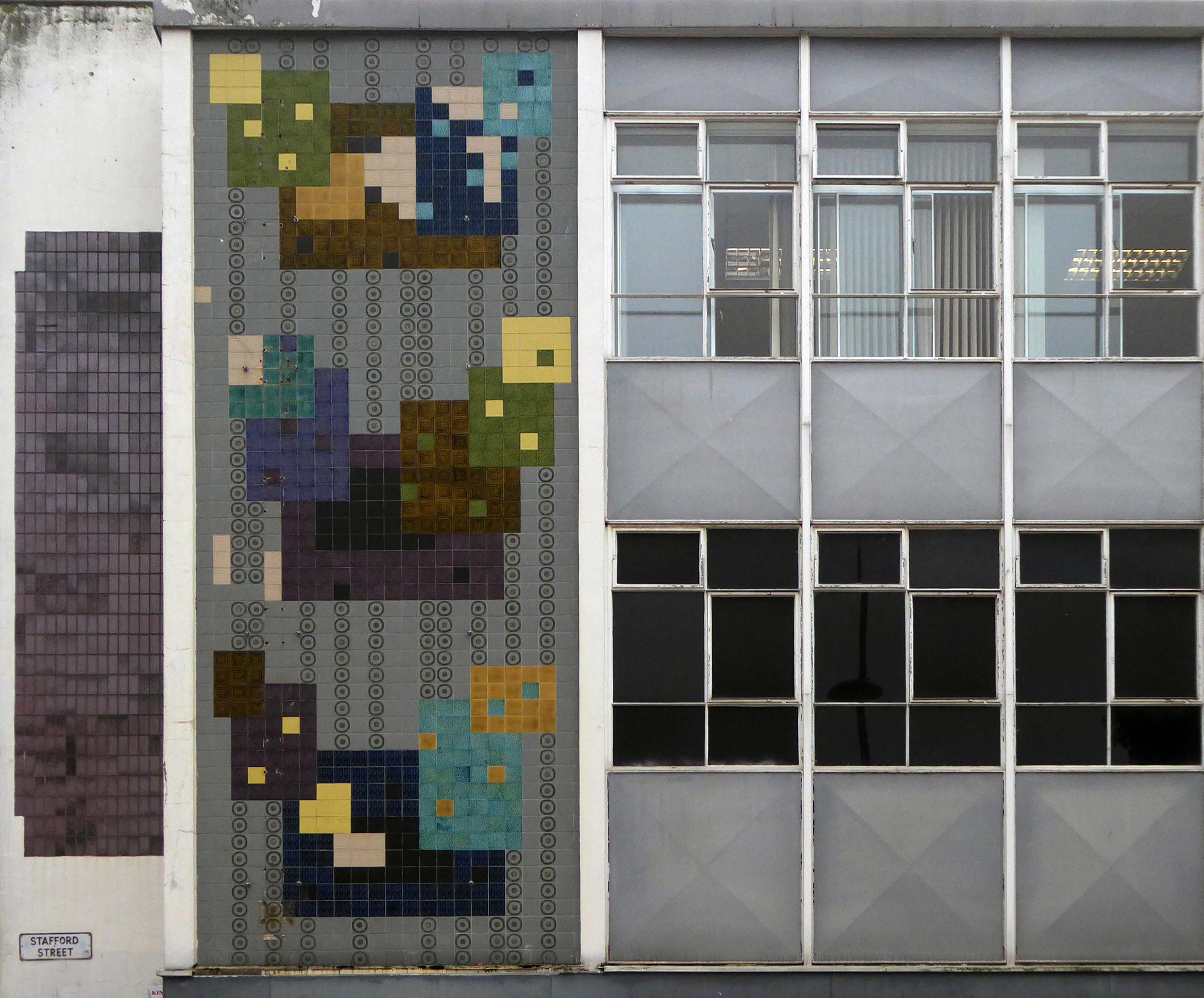
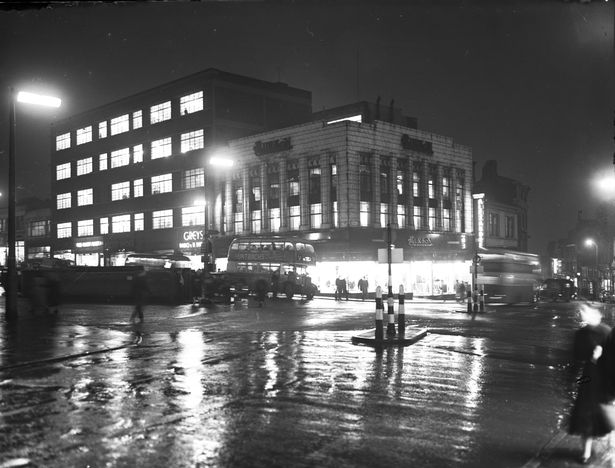
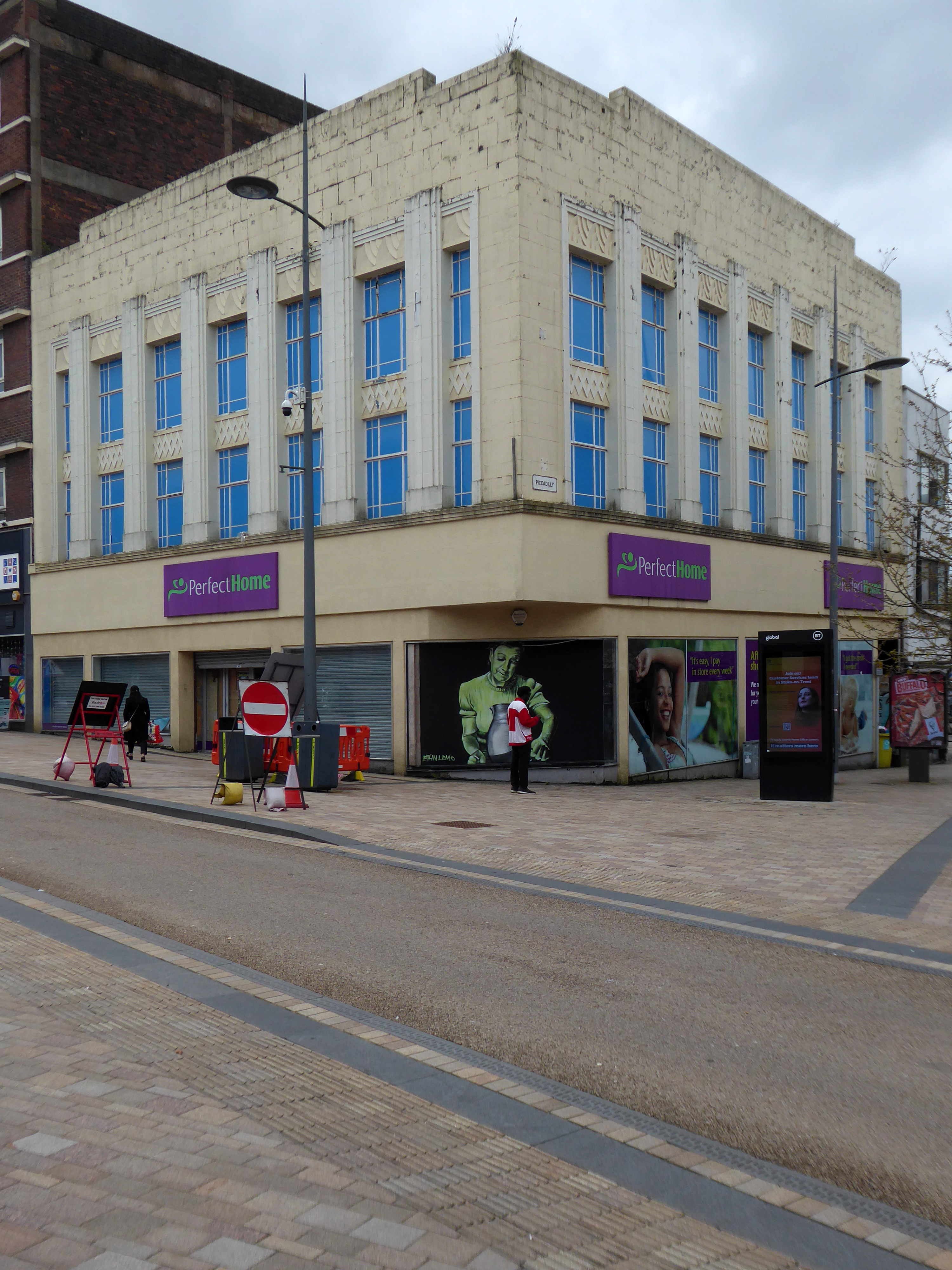
Previously C&A currently Wilko – adorned with these enchanting Tiles.

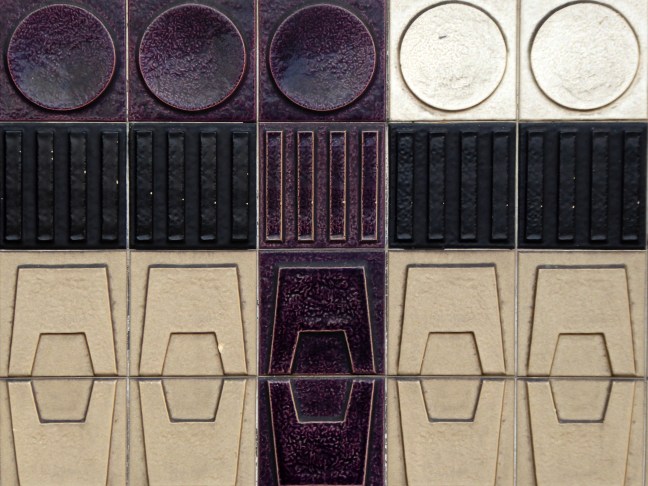
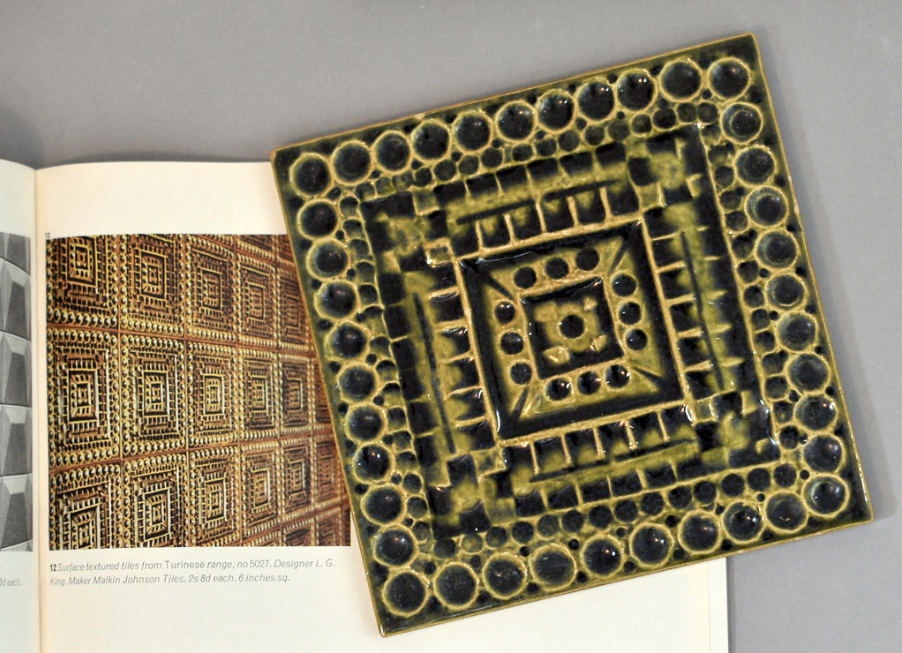
This little-noticed panel is composed of six inch surface-textured tiles in a variety of muted tones, mainly greens, purples and blues, some with geometric reliefs. The mural is unusual because it is one of the few surviving installations produced by Malkin Tiles; at least one of the motifs is from their ‘Turinese’ range marketed during 1961-8 and designed by Leonard Gladstone King, Malkin’s art director.

Tile Gazetteer

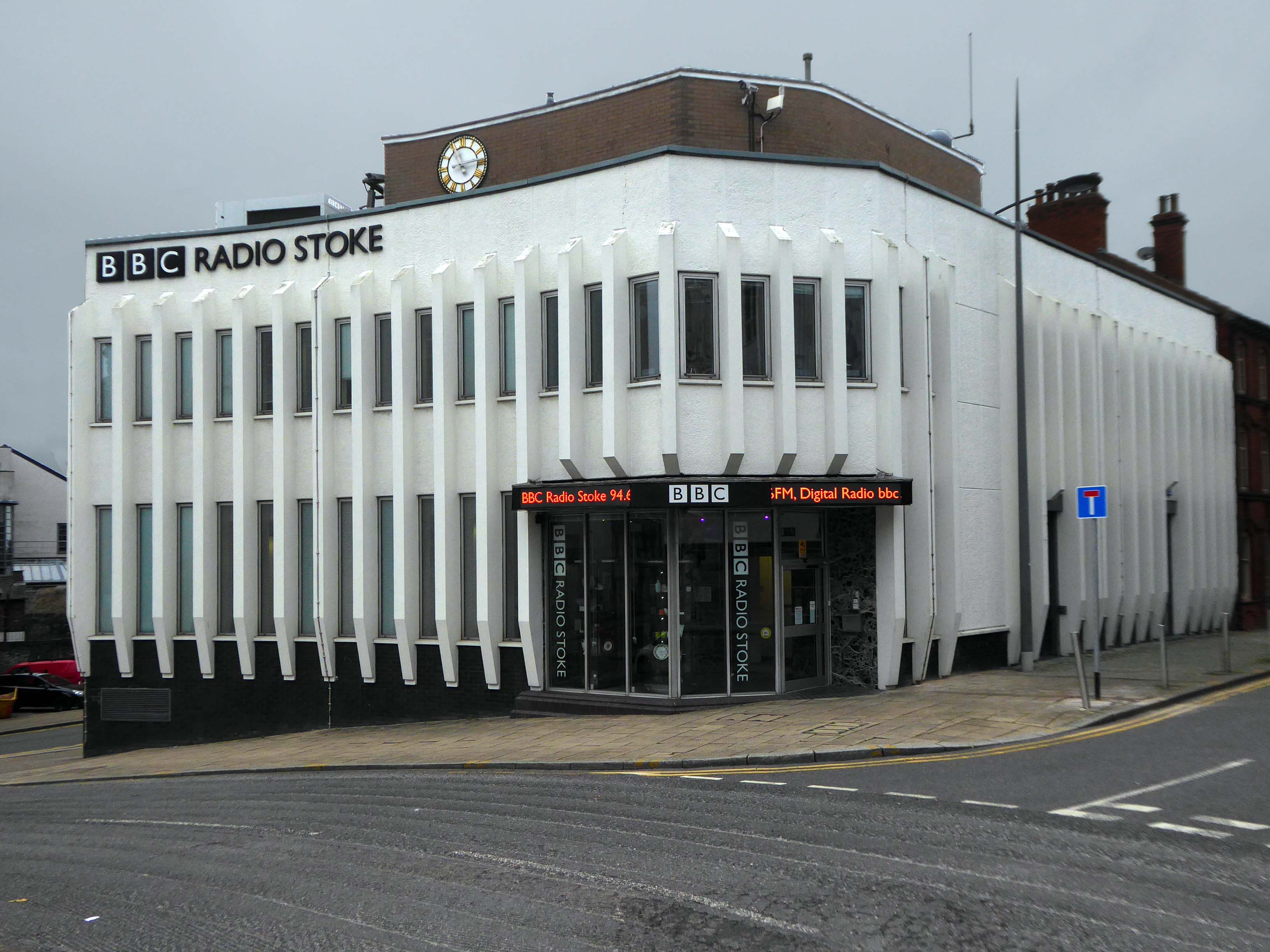
Over the road Radio Stoke HQ 1968 – formerly home to Hanley Economic Building Society.

Crossing back through town and over the ring road to look at some tiles.

Malkin Tiles of Burslem

Attached to some towers.

Surrounded by housing.

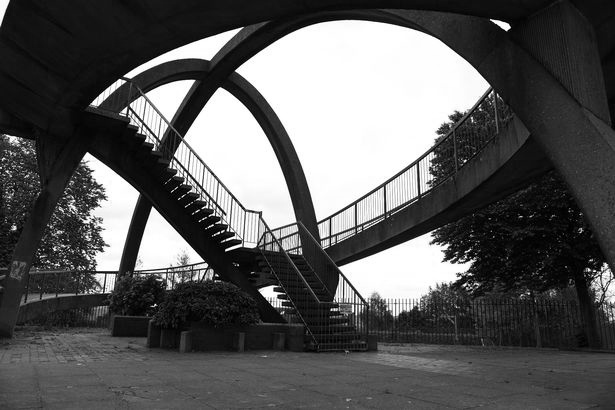
But missing this bridge – which was demolished in 2020.

Back into town again to look at the Burton’s.

Photo: Stoke Sentinel

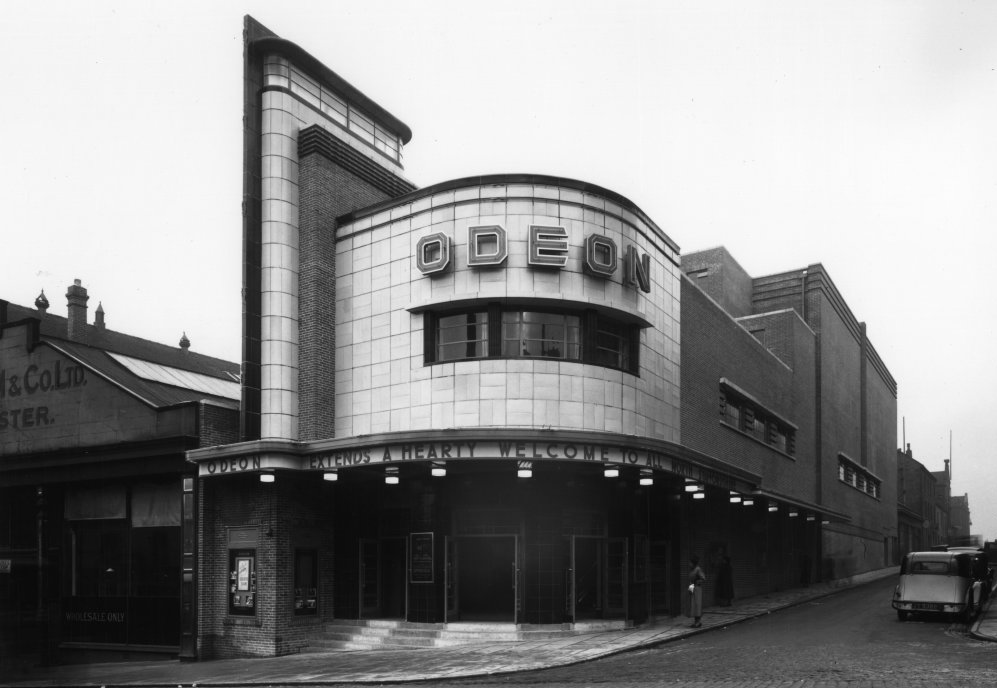
Odeon Cinema – architects: Arthur J Price and Harry Weedon 1938

The Odeon was one of the original cinemas in the Oscar Deutsch chain of Odeon Theatres Ltd. It was opened on 13th February 1938 with Max Miller in “Educated Evans”. It had a very small entrance at the corner of Trinity Street and Foundry Street, with a slender fin tower on the left side, and clad in cream faience tiles. The bulk of the auditorium was along Foundry Street, and seating was provided for 1,036 in the stalls and 544 in the circle. Decoration was in a typical Odeon style, with several troughs across the ceiling containing concealed lighting.

The Odeon was closed by the Rank Organisation on 15th November 1975 with Roger Daltrey in Tommy. The auditorium decoration was stripped out in the early-1980’s, and by 1982 it was used for storage, when on 4th August 1982, it was partially damaged in a fire, although the main shell of the building was not damaged. By 1991, the building was standing derelict.

By 1999, a bar was operating in the former foyer area. By 2003, the former auditorium had been brought back to use as a Chicago Rock Café. In 2008, the building had become a bar & nightclub named Revolution, with the former foyer in use as a bar named The Base.

In December 2021 plans were announced to demolish part of the former Odeon Theatre to build flats.

Cinema Treasures

Photo: RIBA Pix 1937

Next door the former Stoke Sentinel newspaper offices.

You simply cannot miss the BT Hanley Tower.

And its elderly listed relation of 1900.

Up toward the Potteries MuseumJR Piggott City Architect 1956.

It has undergone extensive exterior reworking by Wood Goldstraw Yorath

Including the brick mural Industries of the Potteries 1981 Sculptor: G H Downing Designer: Frank Murrier

And recent extension of 2021.

Designed by Glancy Nicholls Architects, the team worked collaboratively through the SCAPE framework to design a 3,800 square foot extension. The facility includes bespoke structural glazing, which enables the Spitfire to be viewed from outside of the museum.

Morgan Sindall Construction

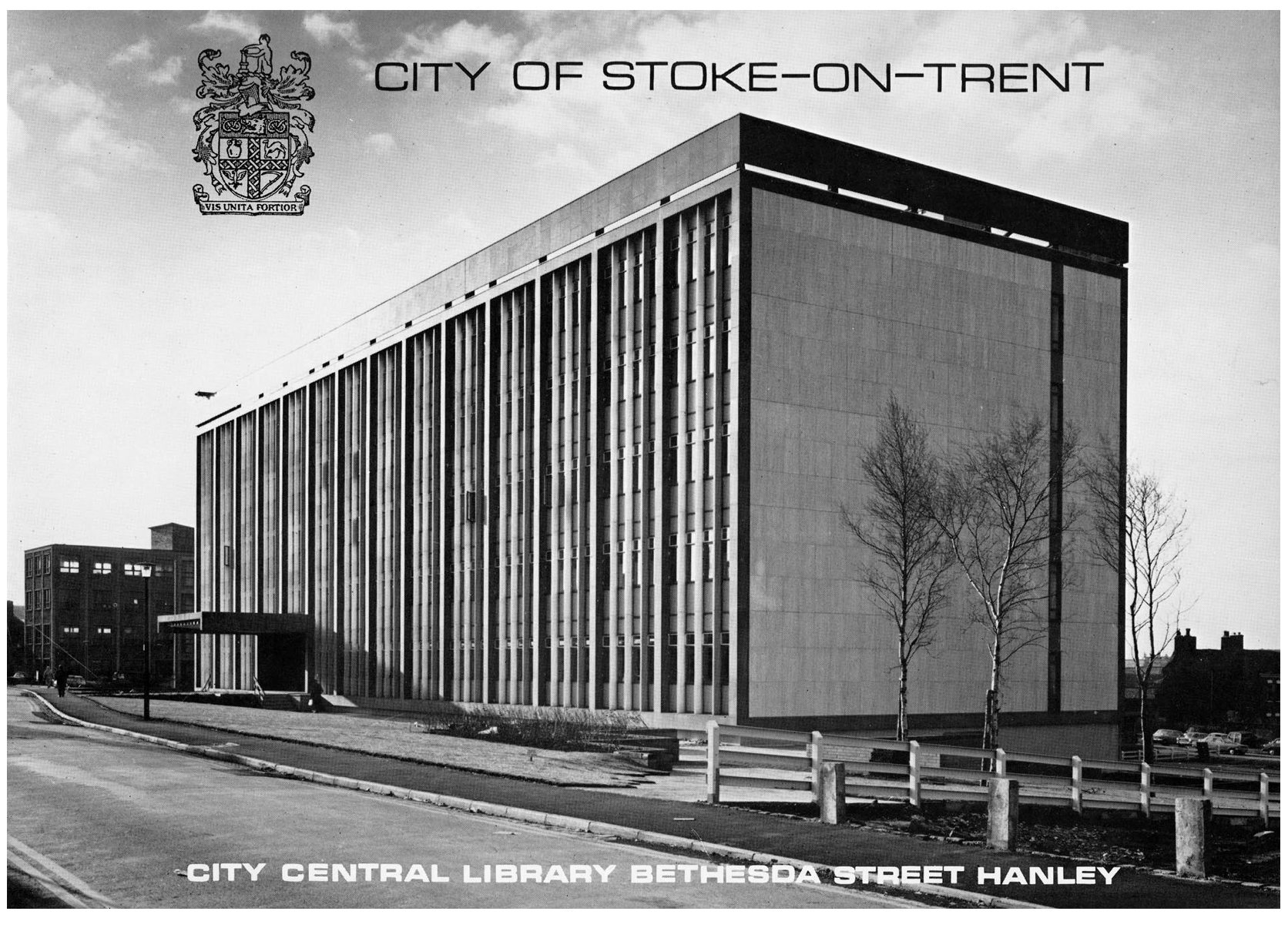
Next door the City Library and Archive 1968-70 by JW Plant City Architect.

The Archive is moving next door to the Museum.

With its its ultra smart relief out back and around the front cantilevered canopy.

Next door the former Cop Shop with the final wavy feature of the day – all yours for a cool £1,500,000

Staffordshire University

Moments from Stoke Station lies the central campus.

Staffordshire University was founded in 1914 as a polytechnic intistution, and was officially given University Status on 16 June 1992. Our University is famous for its forward-thinking approach, and has become a figurehead for its vocational and academic teaching, innovative grasp of industry, and student employability.

Although our campus continues to expand to create dynamic opportunities, we are proud of our heritage in the great city of Stoke-on-Trent. Steeped in the history of ceramic manufacture and production, industry in Stoke-on-Trent has been fuelled by Staffordshire University for over 100 years.

The Flaxman Building 1970 was designed by City Architect Thomas Lovatt and built by the City Works Department – the last public works assignment before competitive tendering opened up public restrictions to private enterprise.

Named for to Wedgwood’s famous modeller the classical artist, John Flaxman RA 1755-1826. 

Fred Hughes

The Regional Film Theatre opened in College Road, on the premises of North Staffordshire Polytechnic now Staffordshire University in 1974.

The North Staffordshire Film Society moved there to screen films one evening a week, while the Film Theatre operated on three nights a week. 


Across the way is the assertive slab tower of the 1950’s Mellor Building with its curvy cantilevered porch cover.

Currently Pozzoni are undertaking posed refurbishment.

Out back is the wavy roofed Dwight Building.

Over the road the new build of the Cadman Studios 2016 ABW Architects.

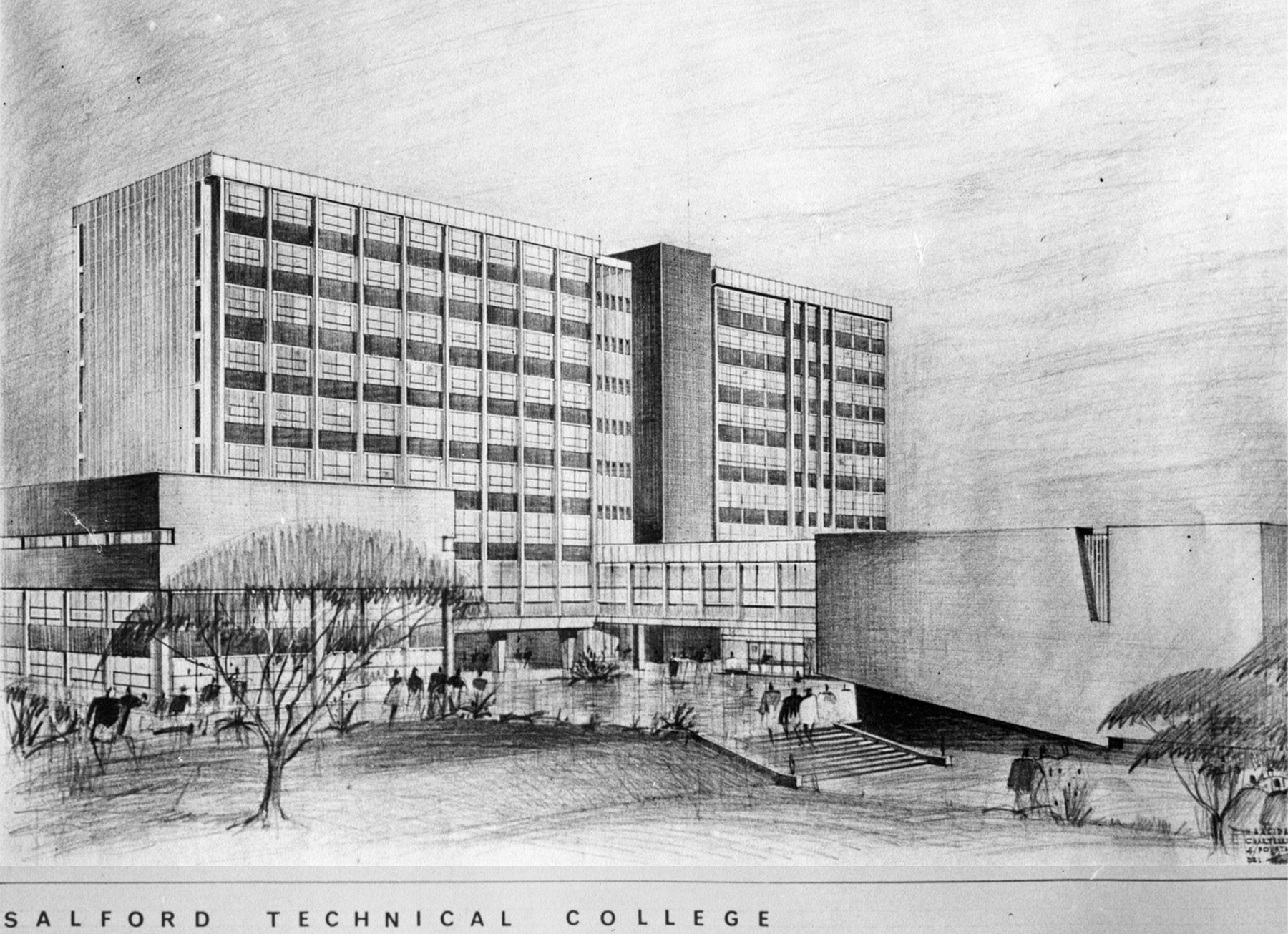
Salford Walk

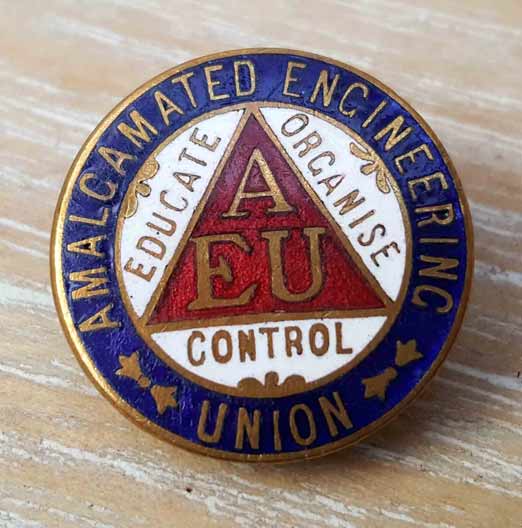
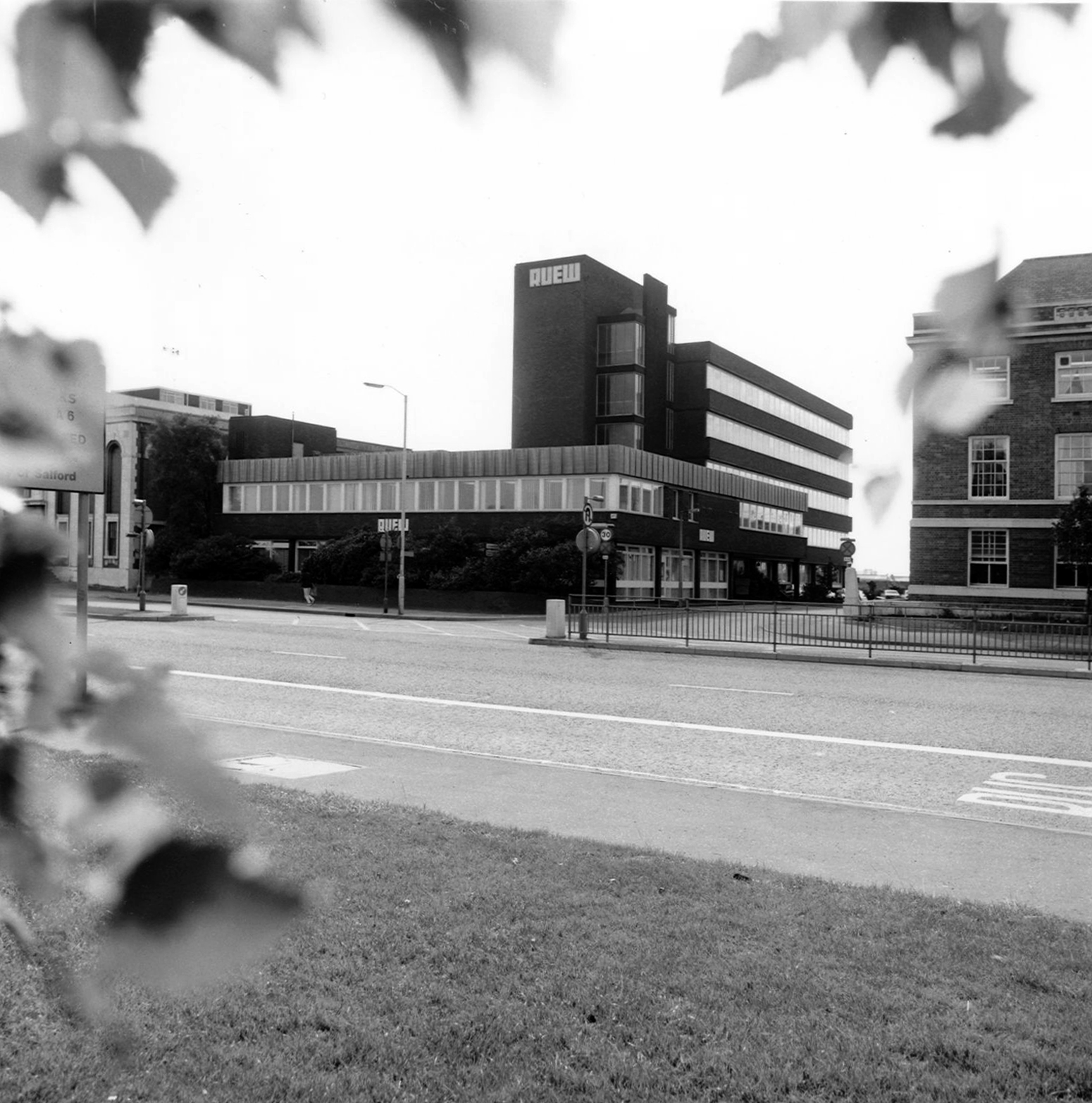
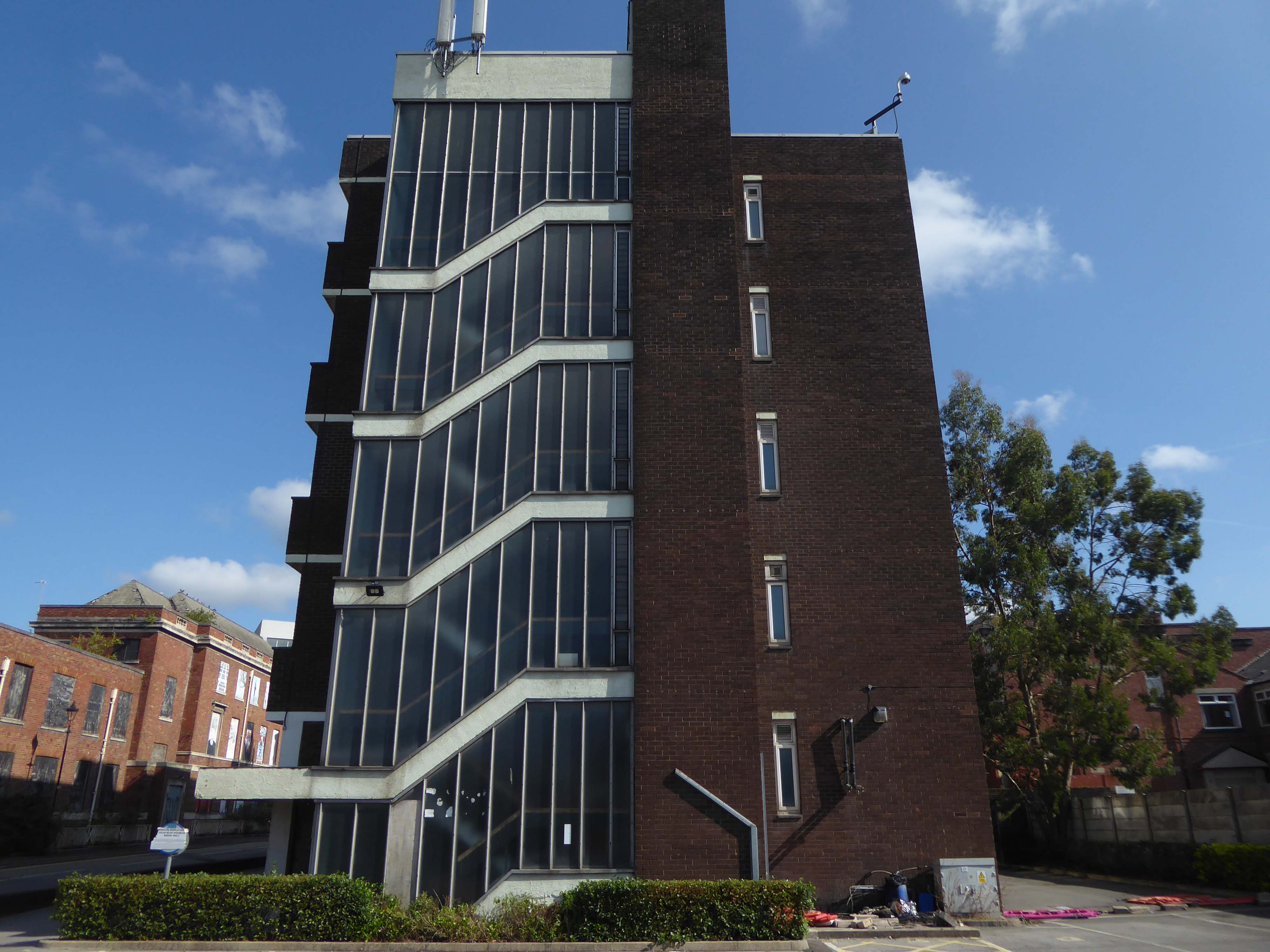
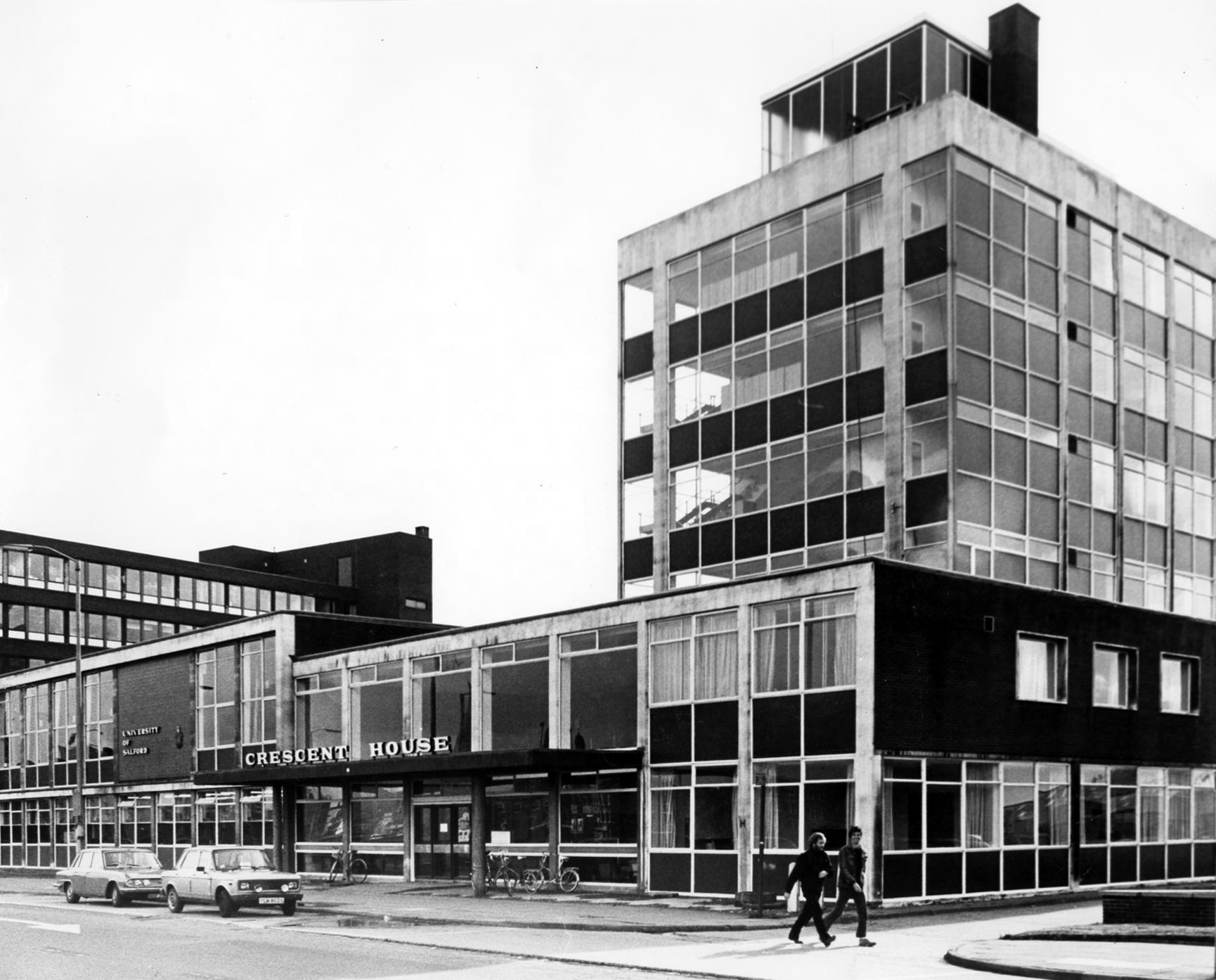
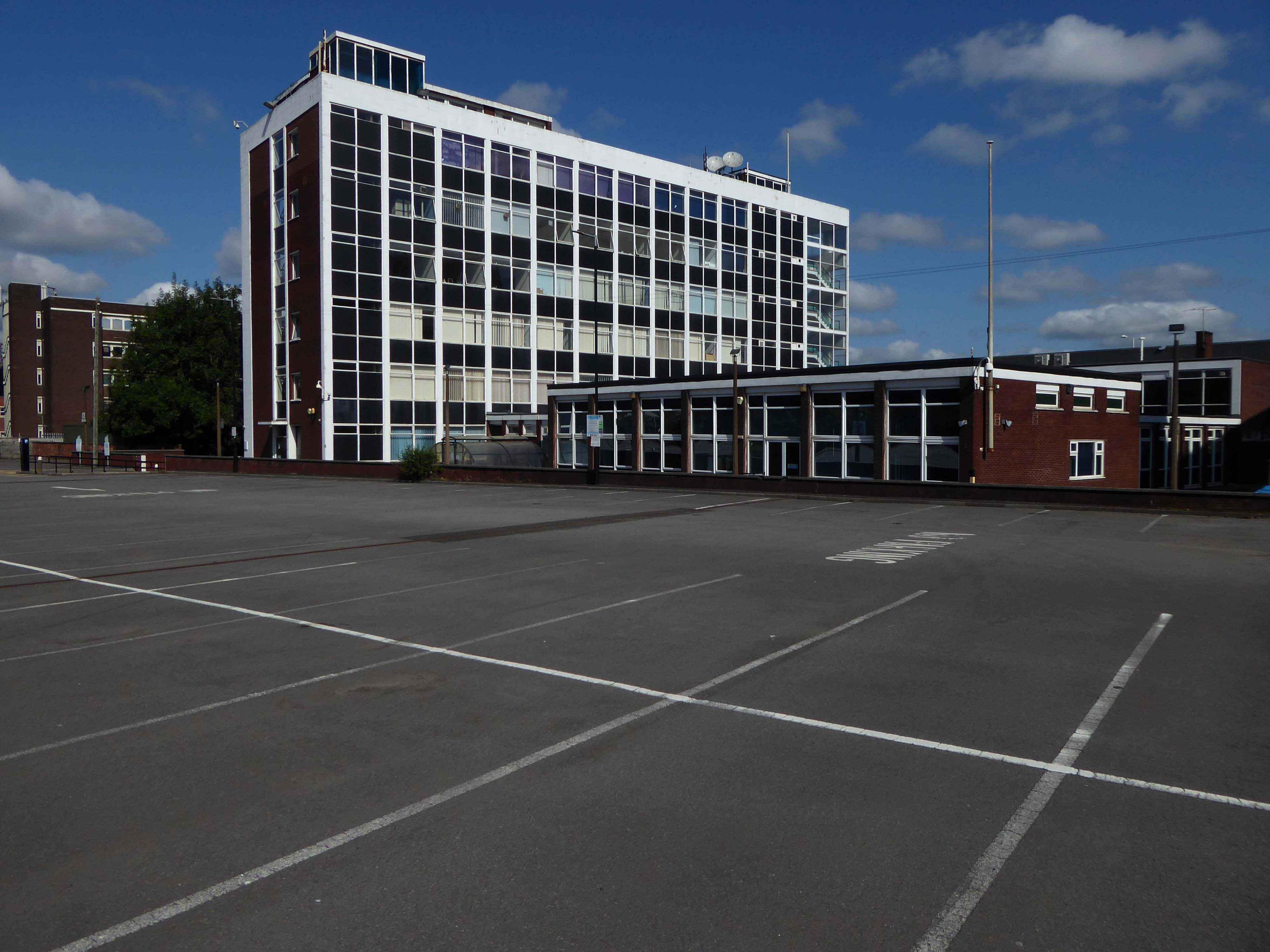
We begin on the Crescent – taking in the former AUEW Building.

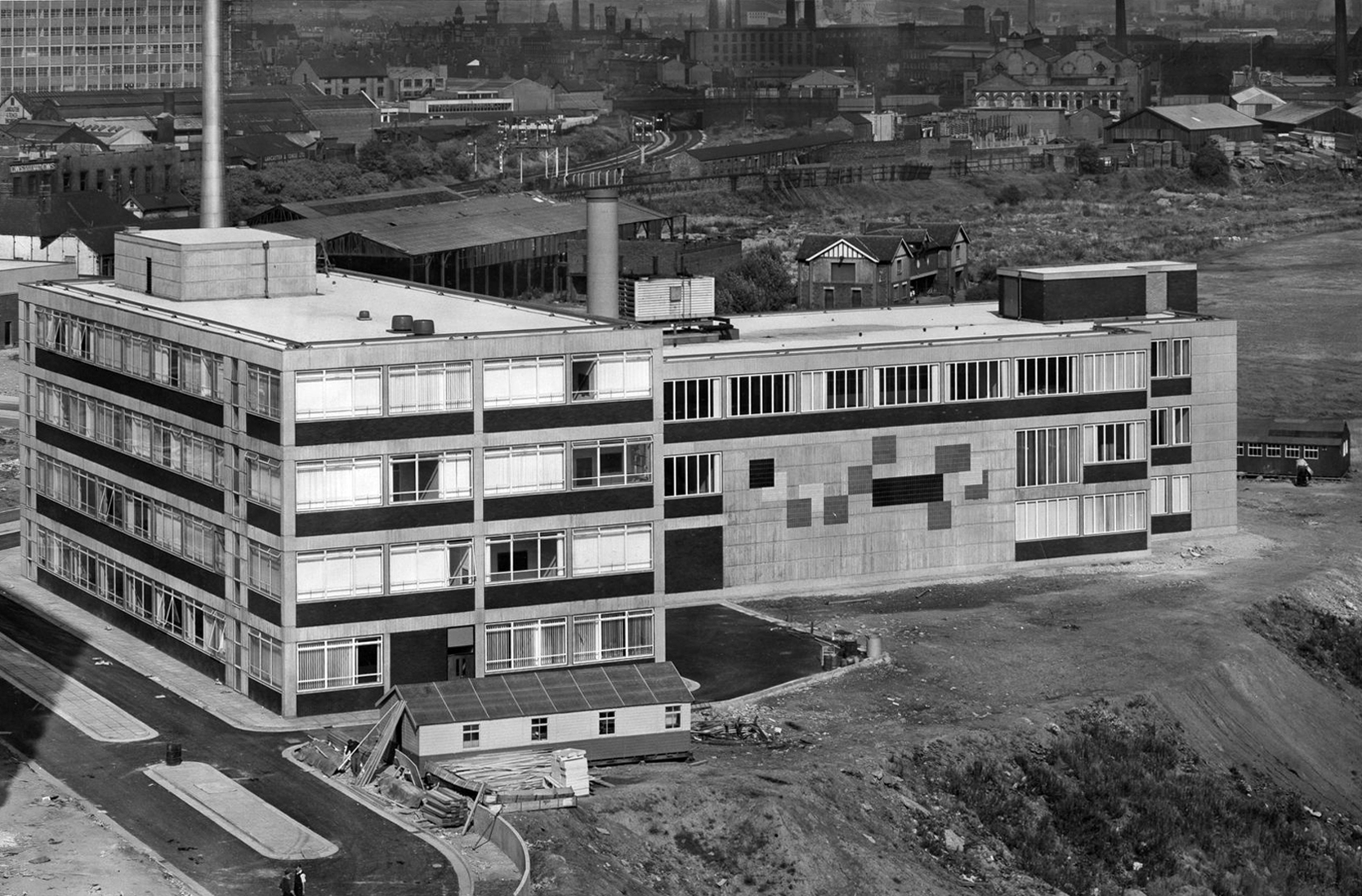
B&W images copyright USIR Archives

It became part of Salford University’s estate, renamed the Faraday Building.

It is currently unoccupied.

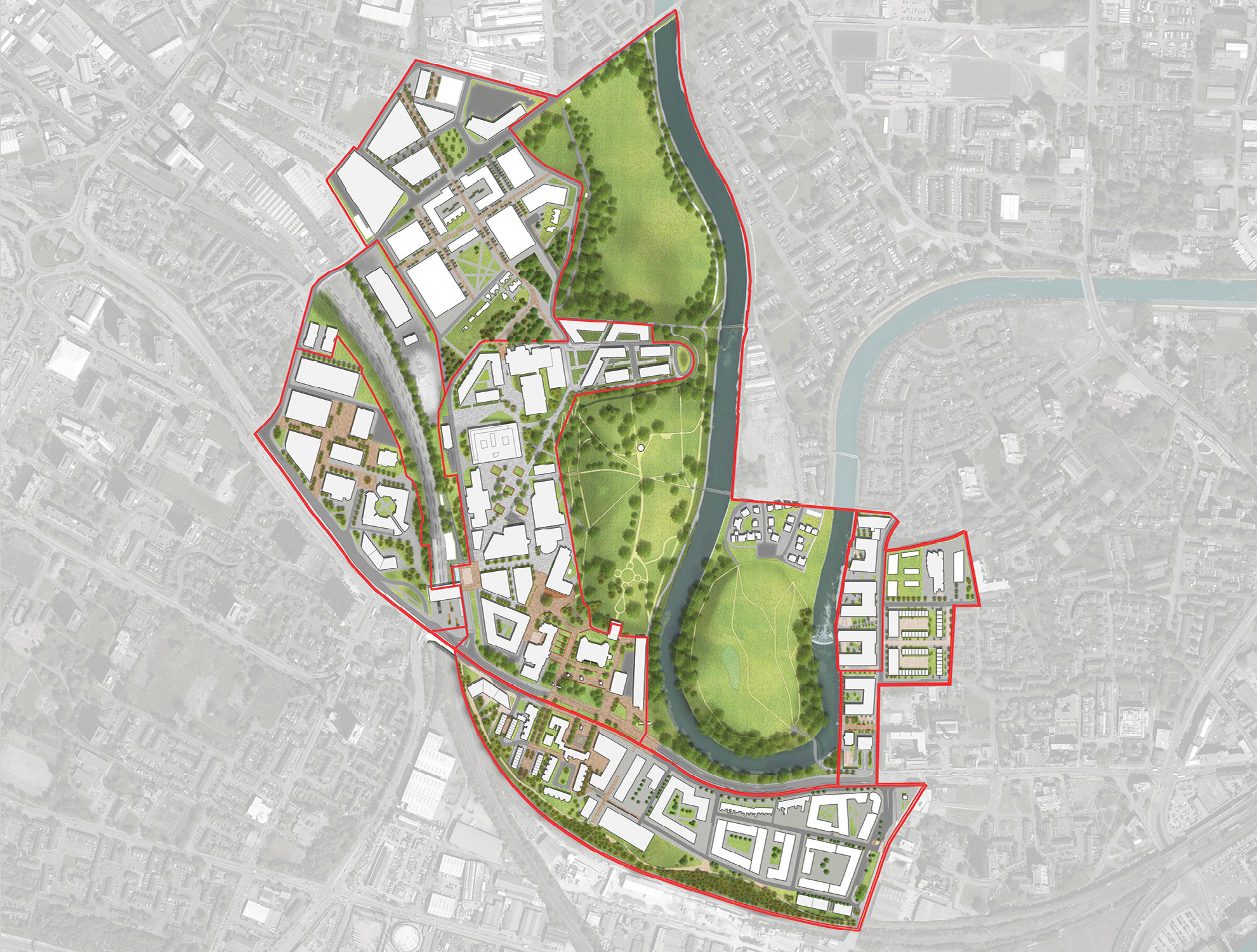
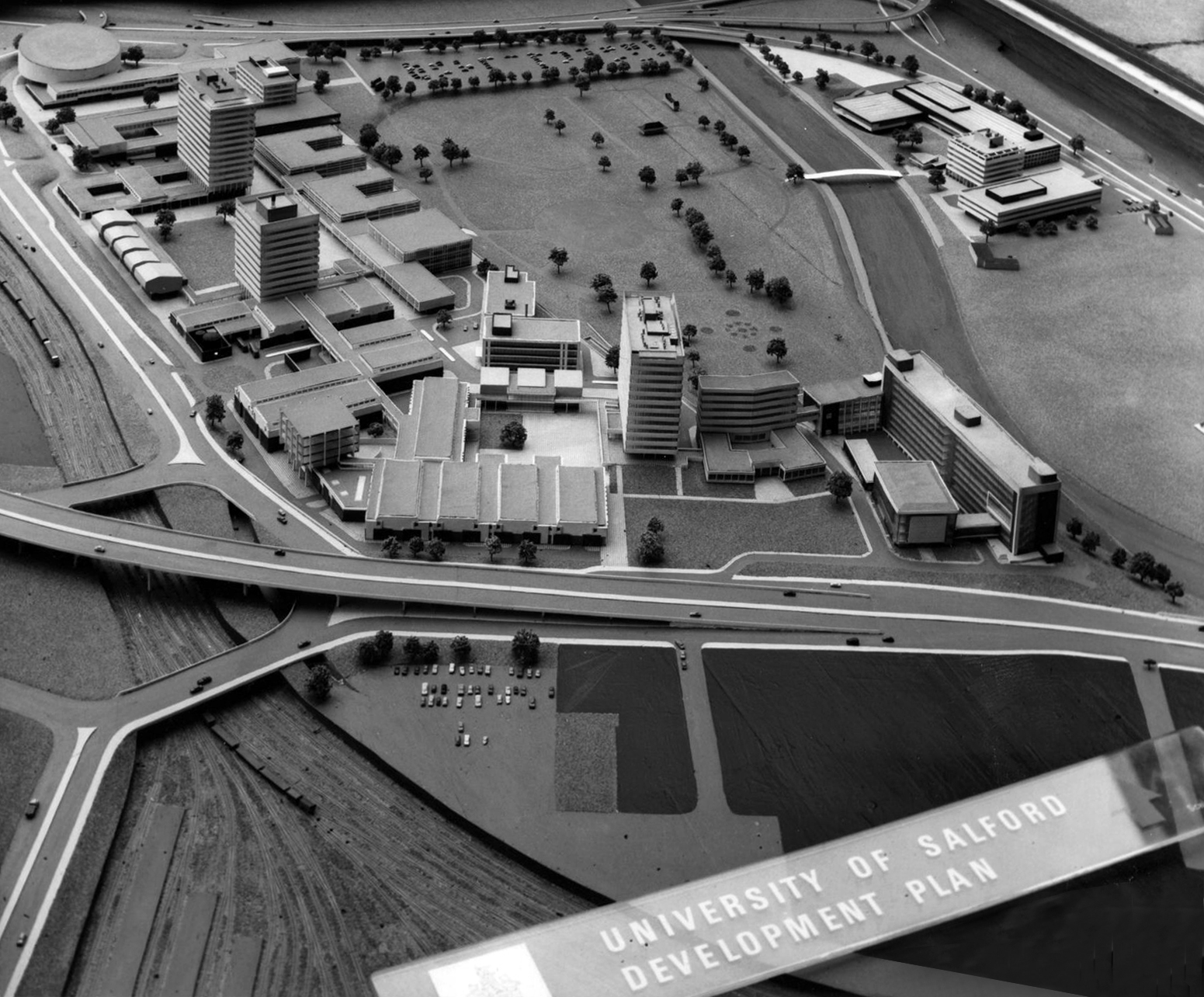
The University’s Masterplan is shifting emphasis to the Peel Park and Media City sites.

Also leaving Crescent House in limbo.

The original master plan would have swept away the Victorian Technical Institute and Salford Art Gallery.

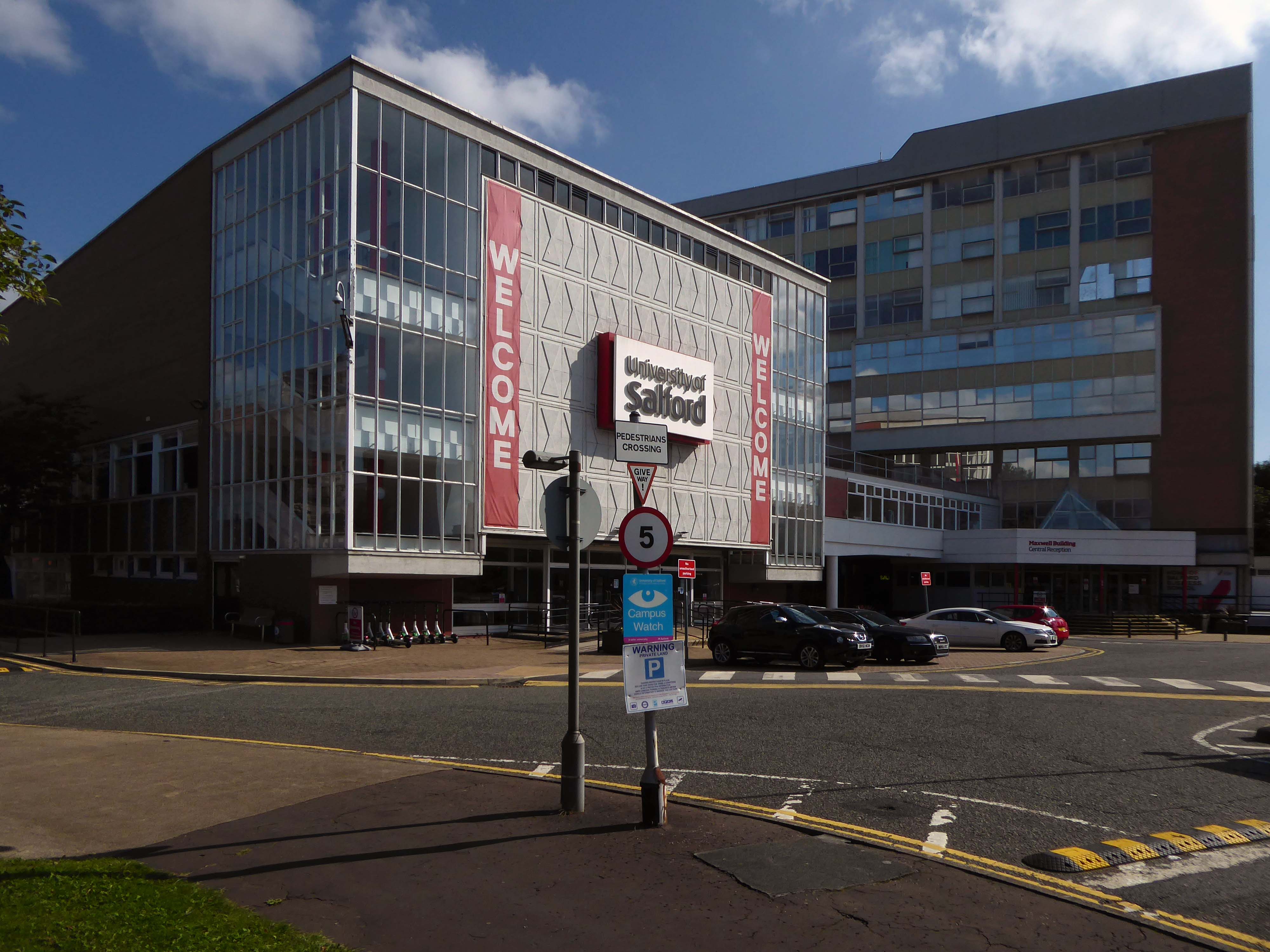
Across the road are the Maxwell Buildings.

They were built between 1959 and 1960 to a design by the architect C H Simmons of the Lancashire County Architects Department.

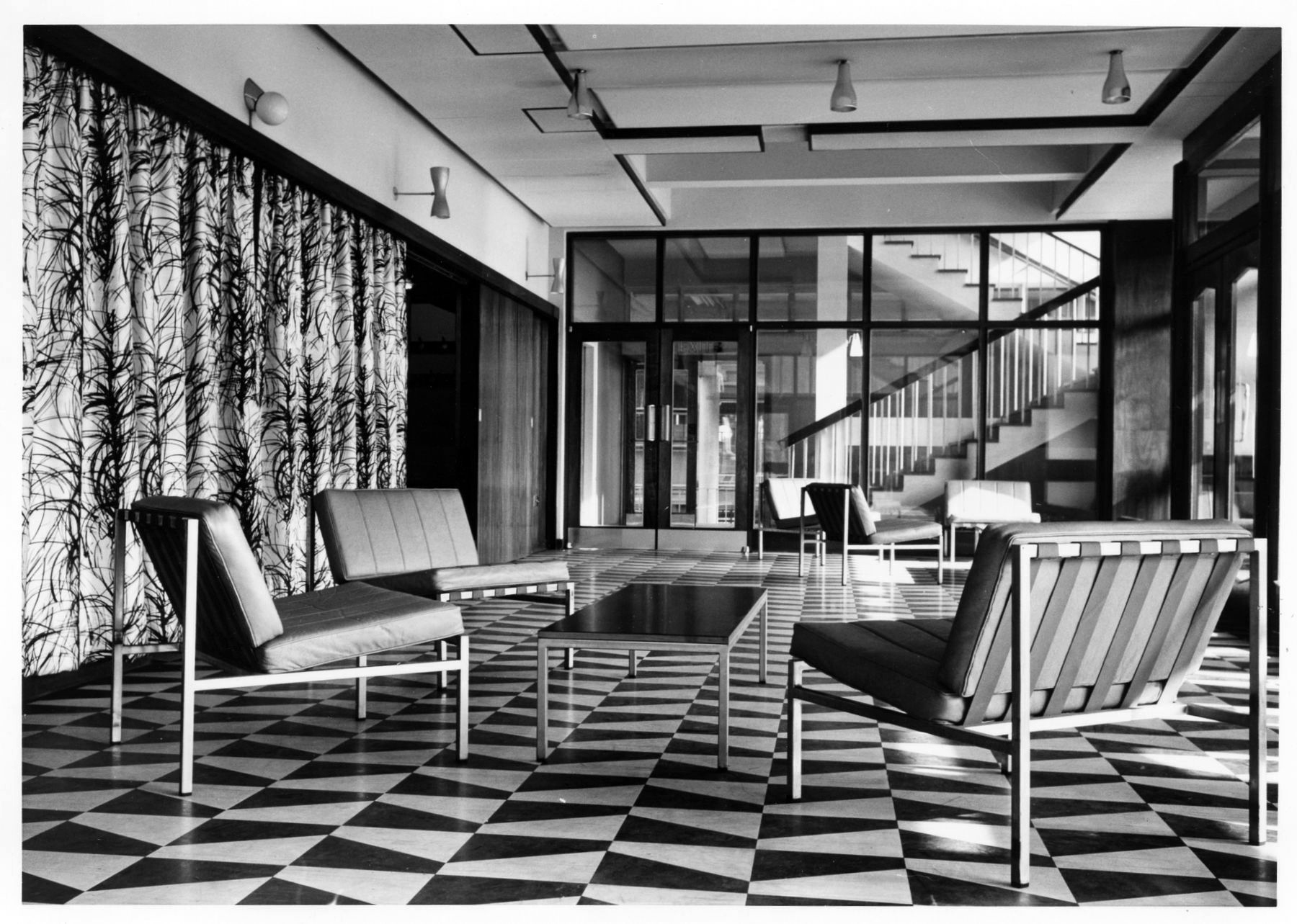
The interior decorative order of Sixties’ institutions was integral to the architectural design, sadly this is no longer so.

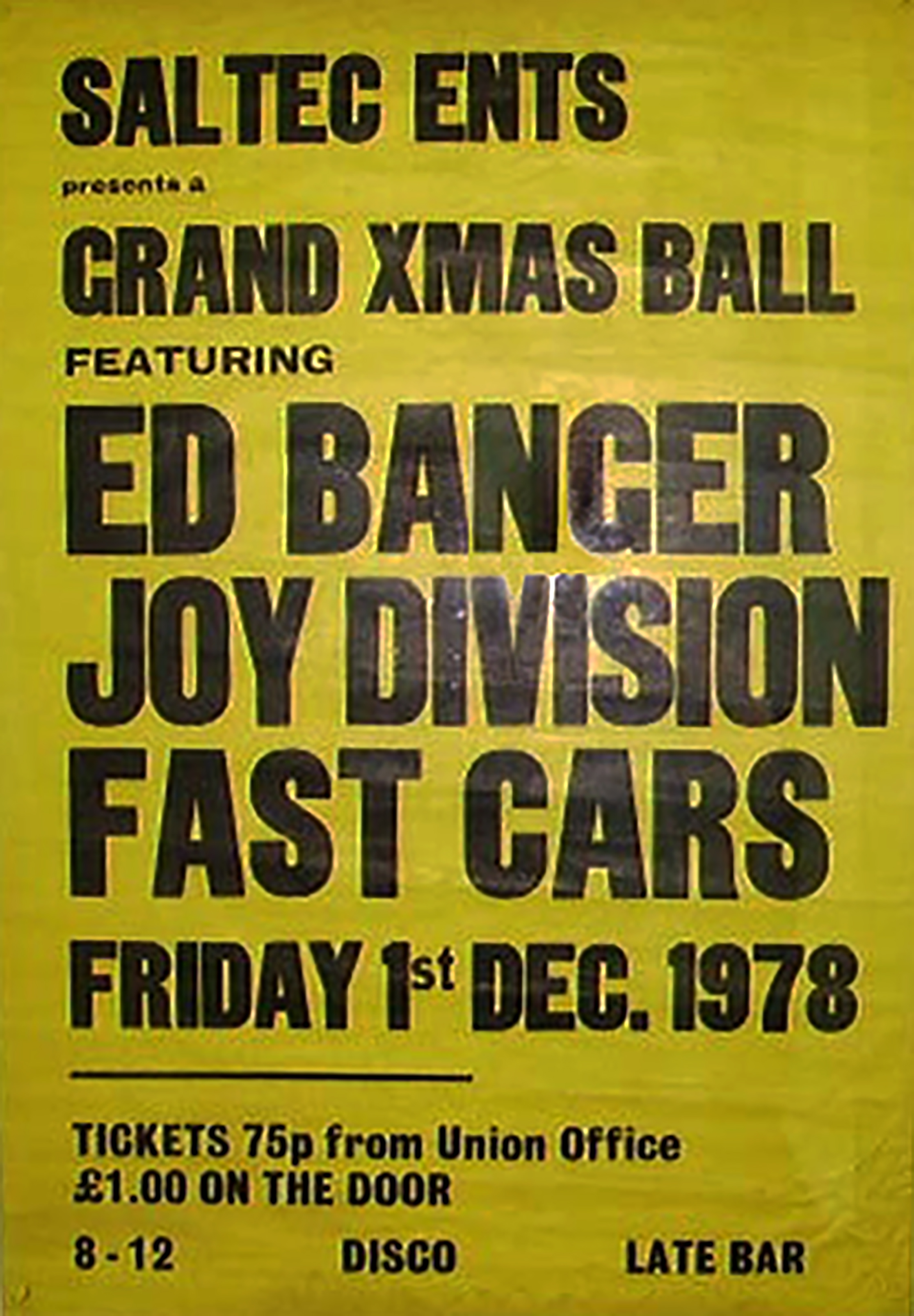
The hall has a great musical heritage.

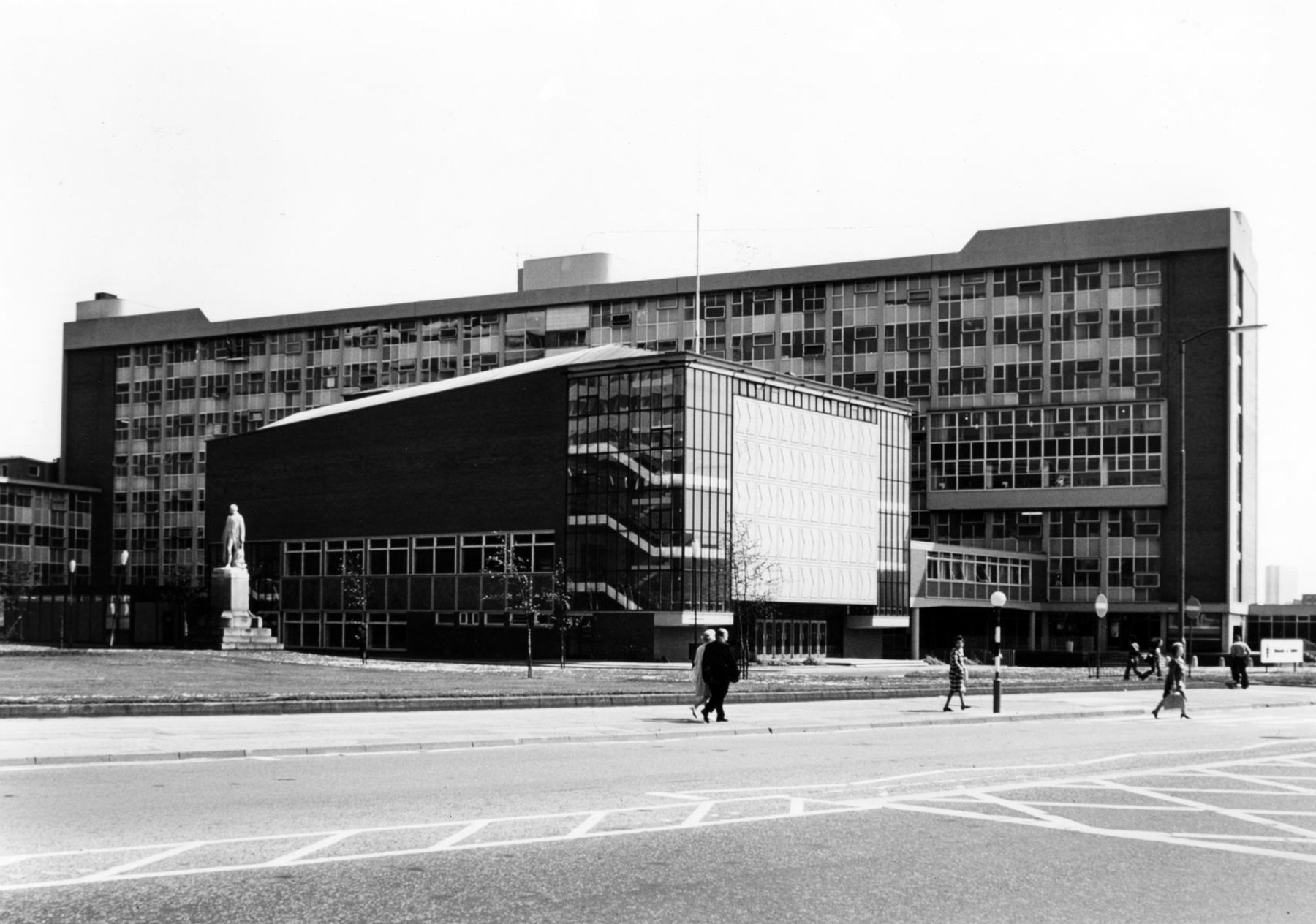
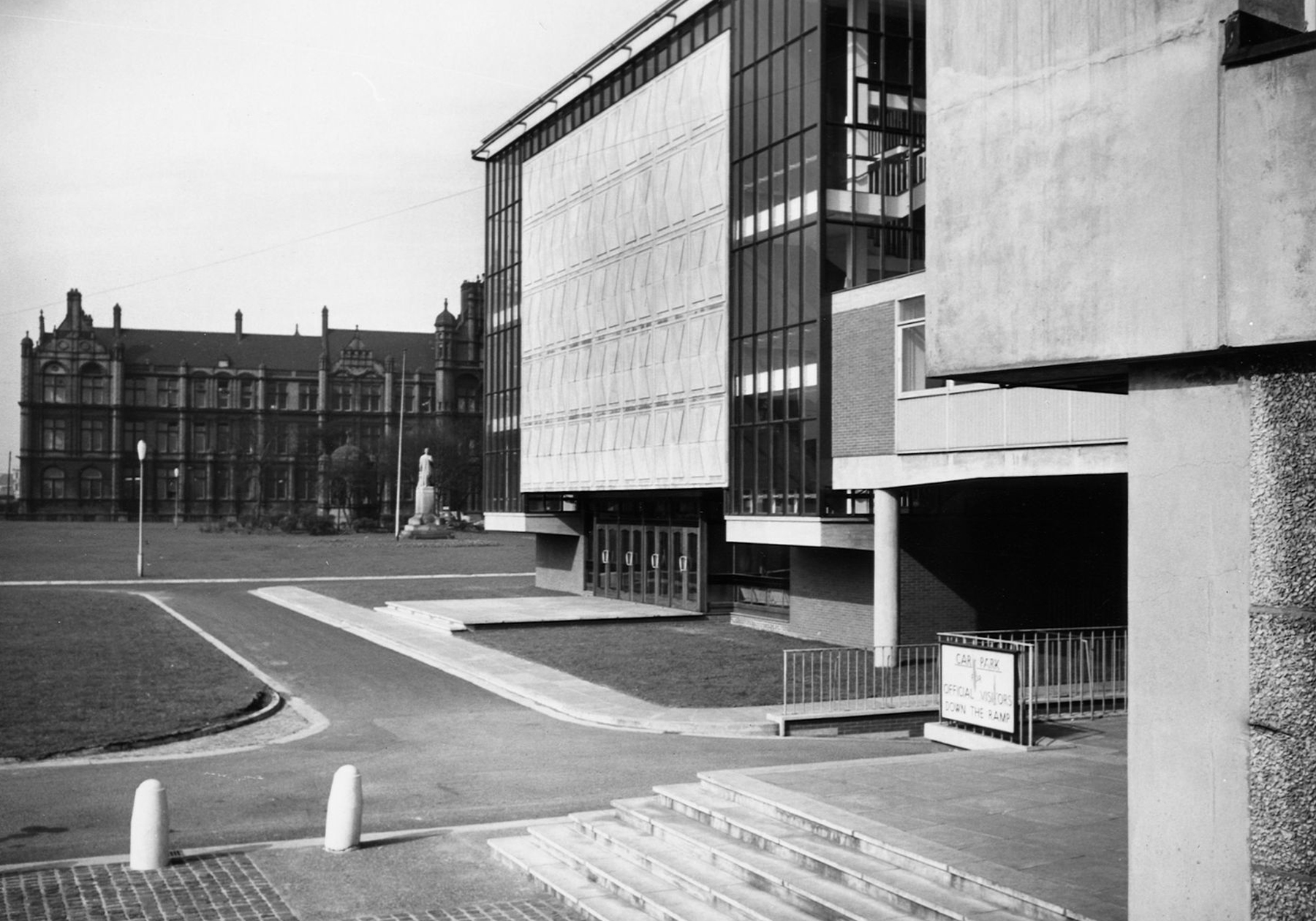
Featuring the Fast Cars who we have previously encountered in Swinton at the Lancastrian Hall.

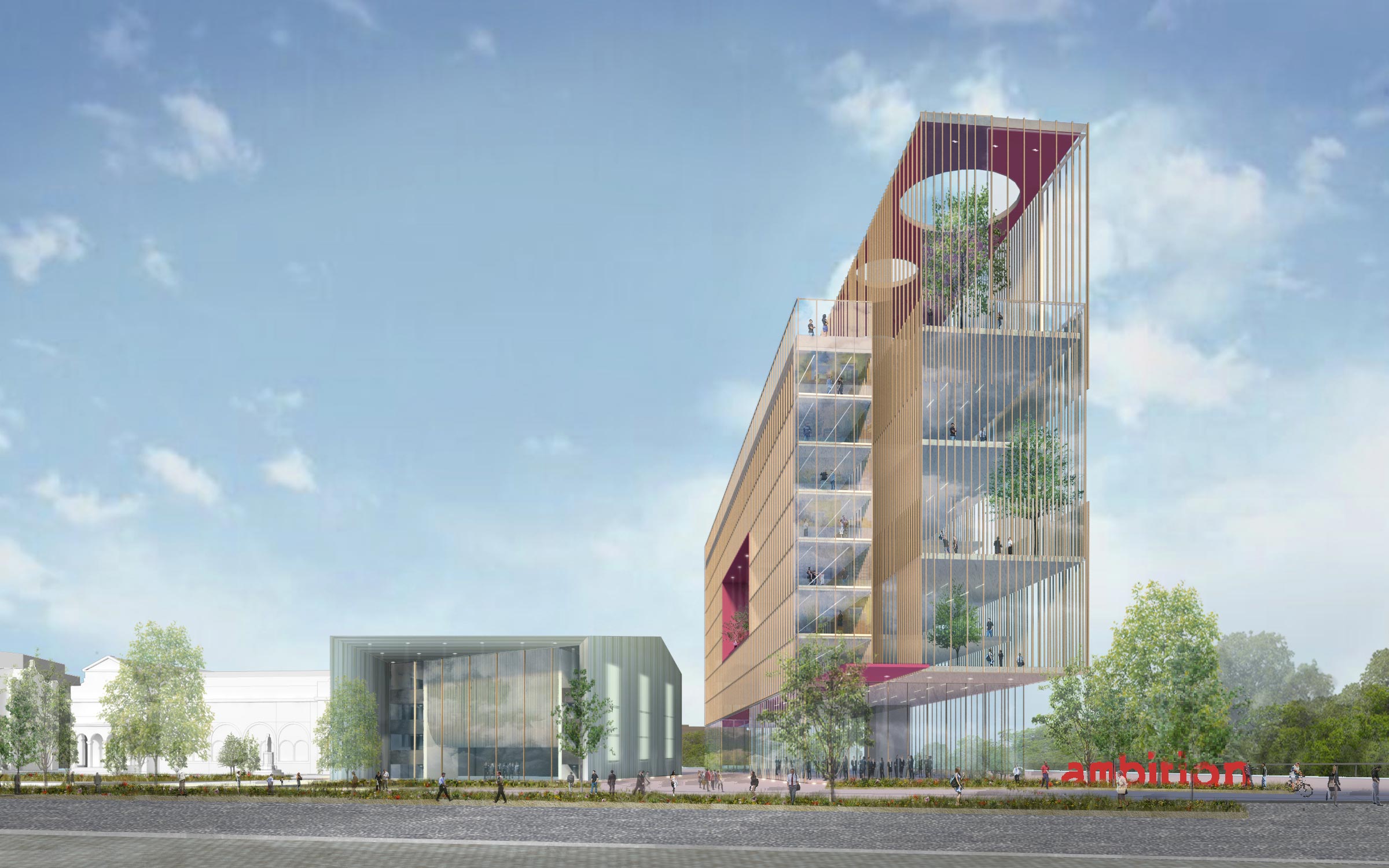
Which may be the subject of ambitious redevelopment.

Take a turn around the corner to the Cockcroft Building.

The east facing mural painted out and obscured by retrofitted infrastructure.

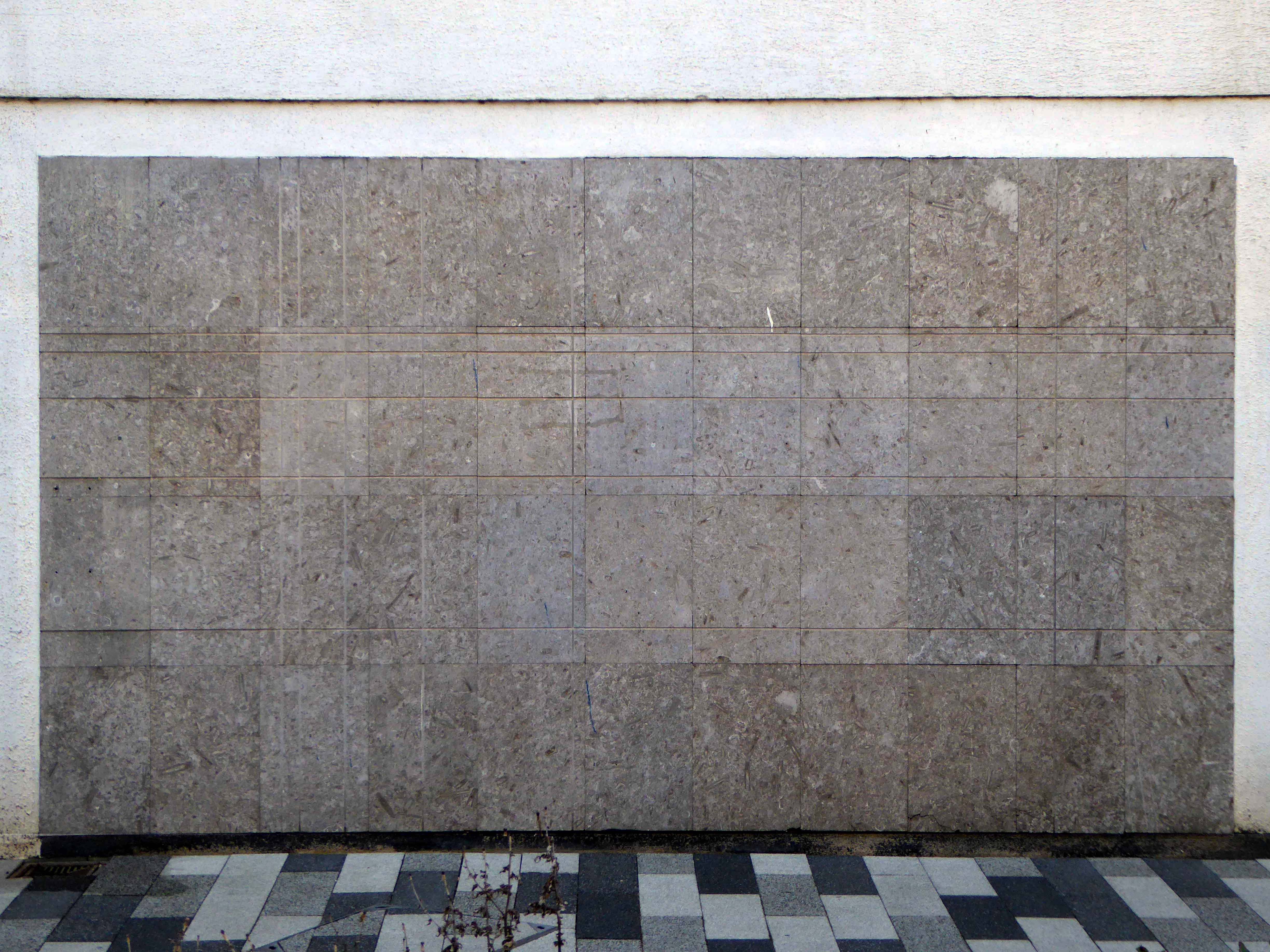
These incised stone panels obscured by plants.

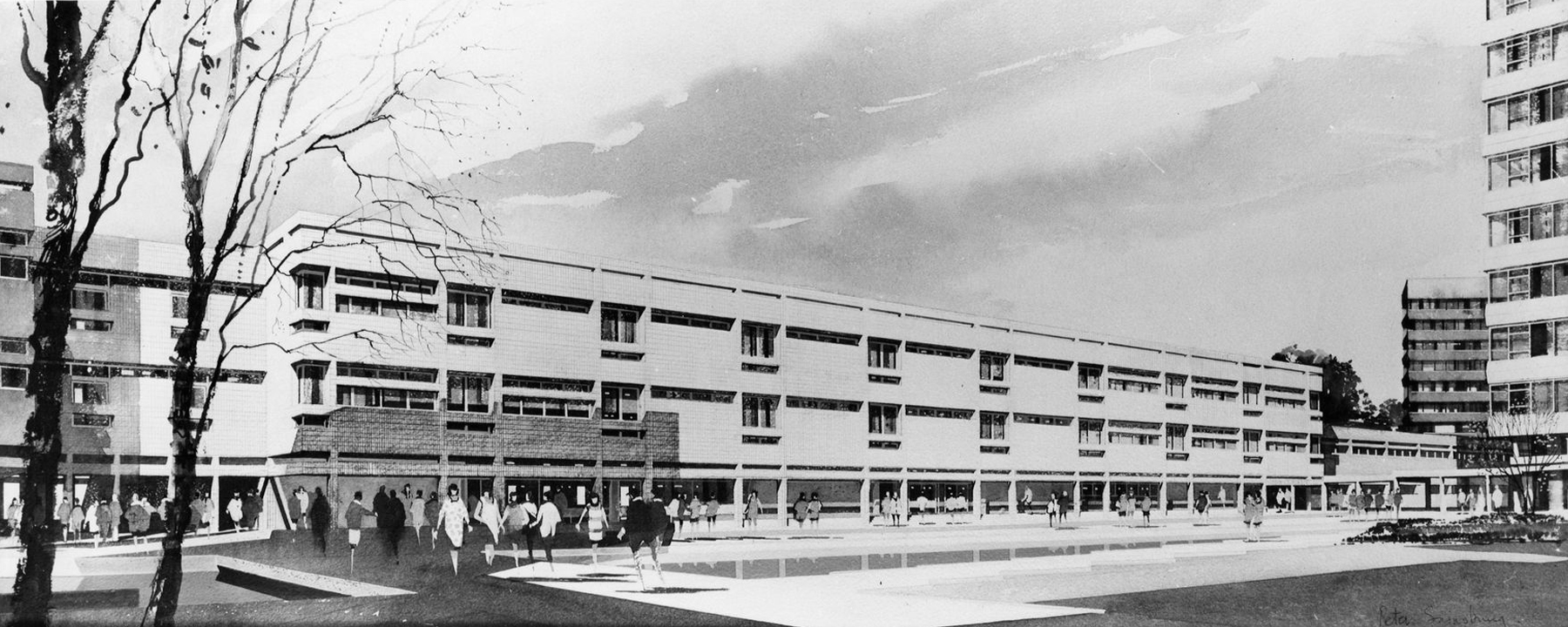
To the left is the Clifford Whitworth Library – this is the original architectural impression – signed Peter Sainsbury.

The original fascia was tile clad.

Subsequently replaced by uPVC boards.

Yet again the original interior was integral too the architectural scheme and period.

Across the way the Chapman Building.

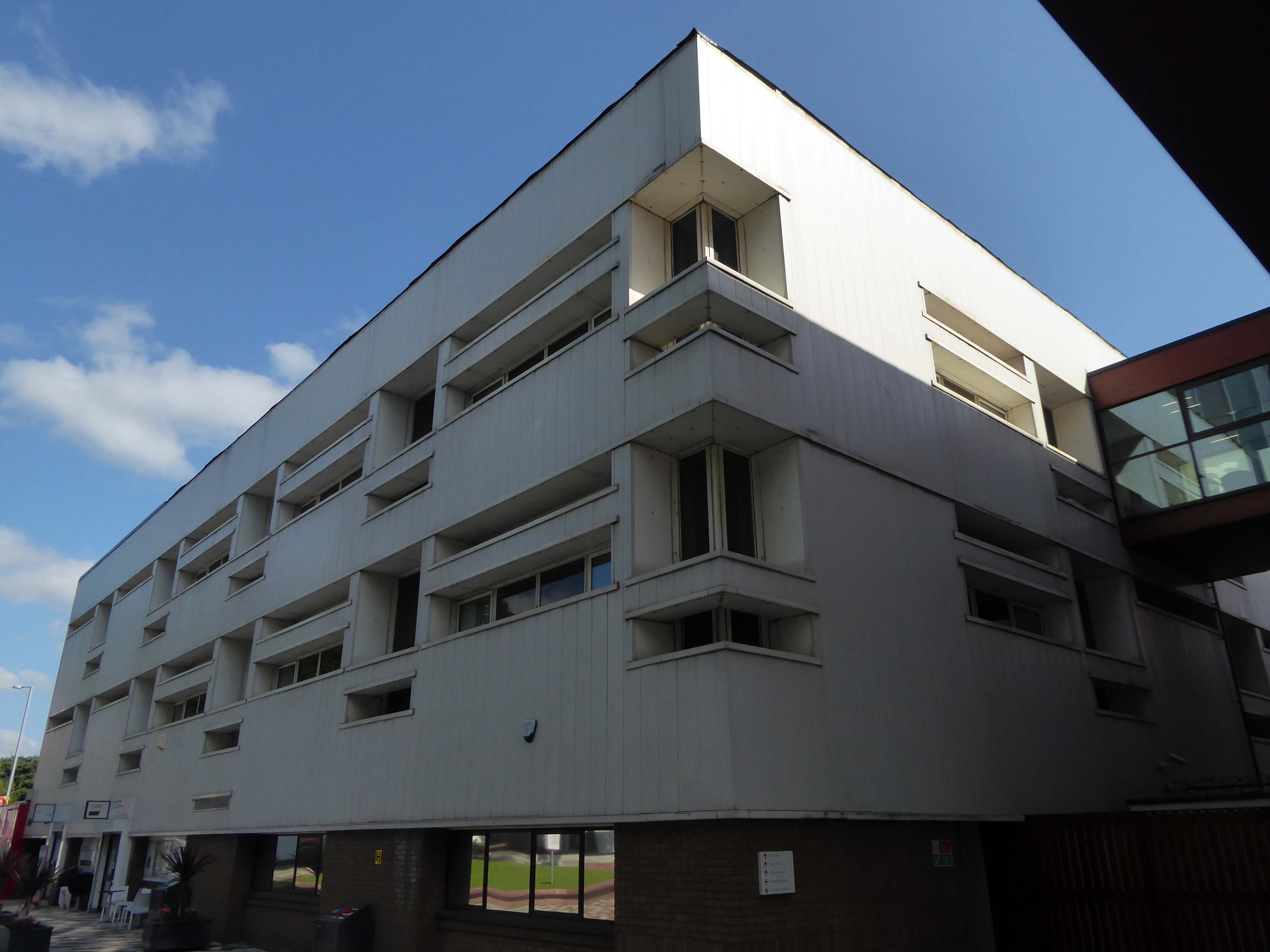
It was designed by WF Johnson and Partners of Leamington Spa, as a lecture theatre block and gallery. It sits with its long axis running parallel to the railway behind. The series of grey volumes, occasionally punctuated by colourful floods of red and green trailing ivy, hang together in a less than convincing composition. The orientation and access to the building seem confused and detached from any cohesive relationship to the rest of the campus, but there is something perversely attractive about the right essay in the wrong language. The reinforced concrete building contained five lecture theatres, communal spaces, an art gallery, AV support areas and basement plant rooms. Following a major refurbishment in 2012, several additions were made to the exterior and its total concrete presence somewhat diminished. It still houses lecture theatres and a number of other learning and social spaces.

Mainstream Modern

To the rear of the building there are some of the original details, now painted a series of funny colours.

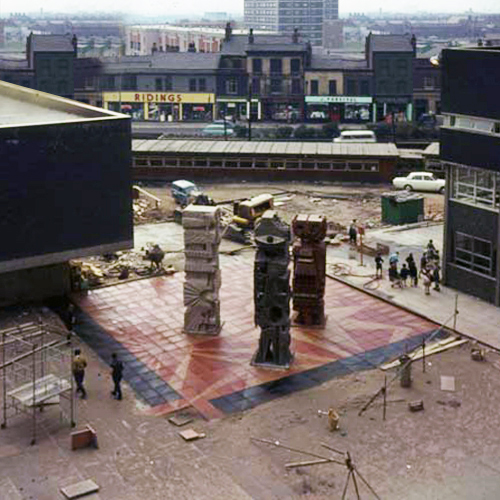
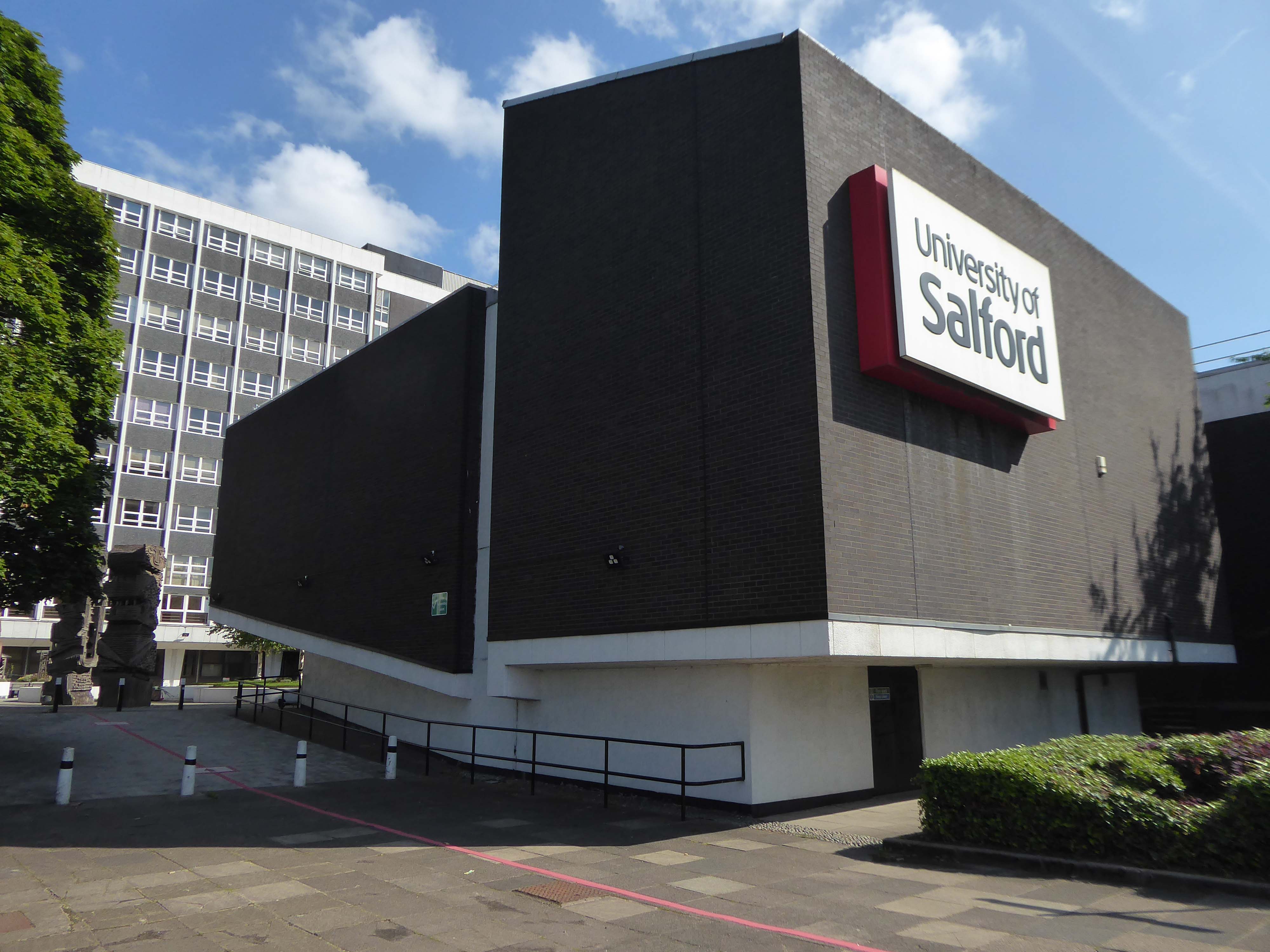
A ways down the road the former Salford Technical College.

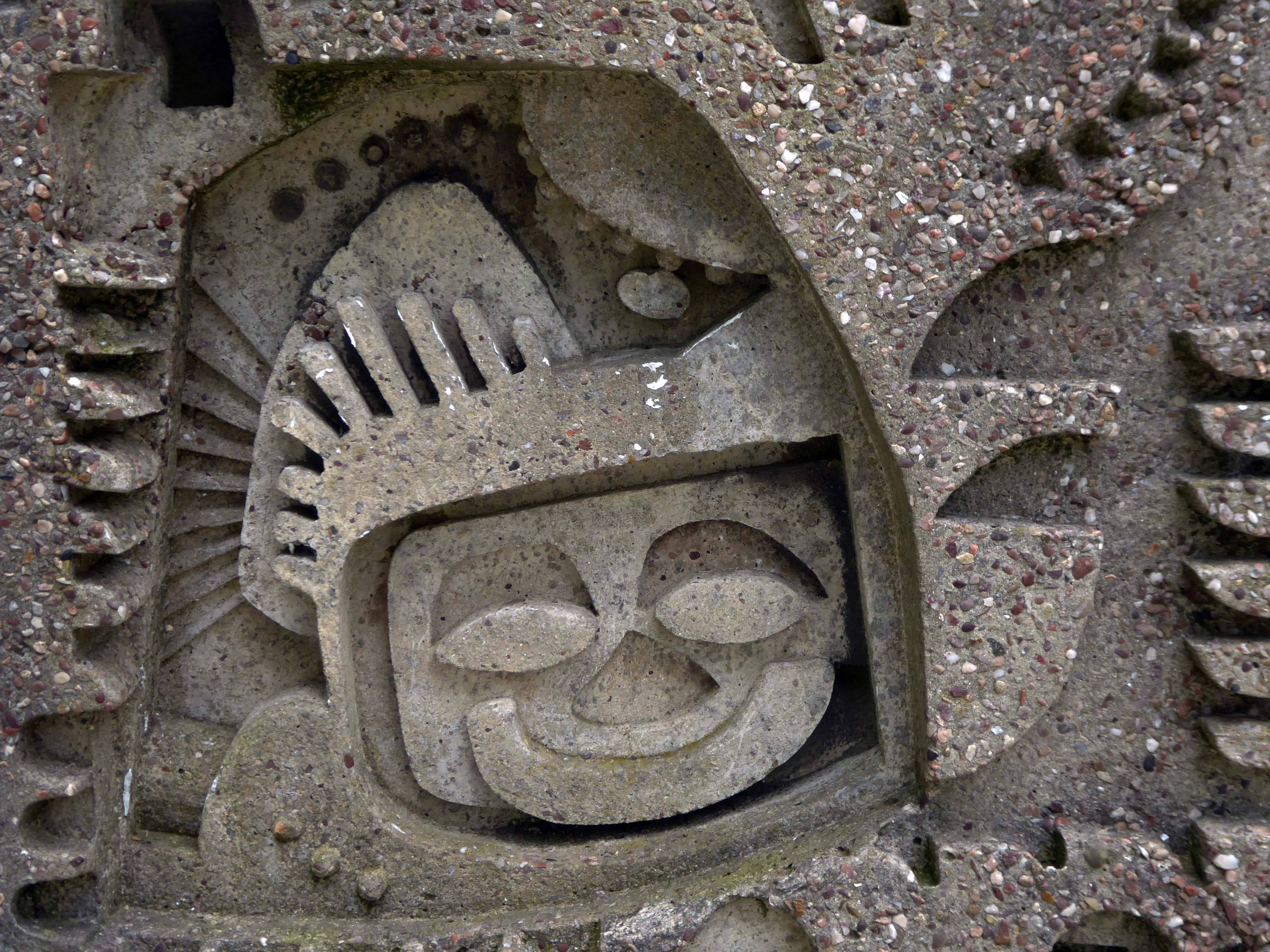
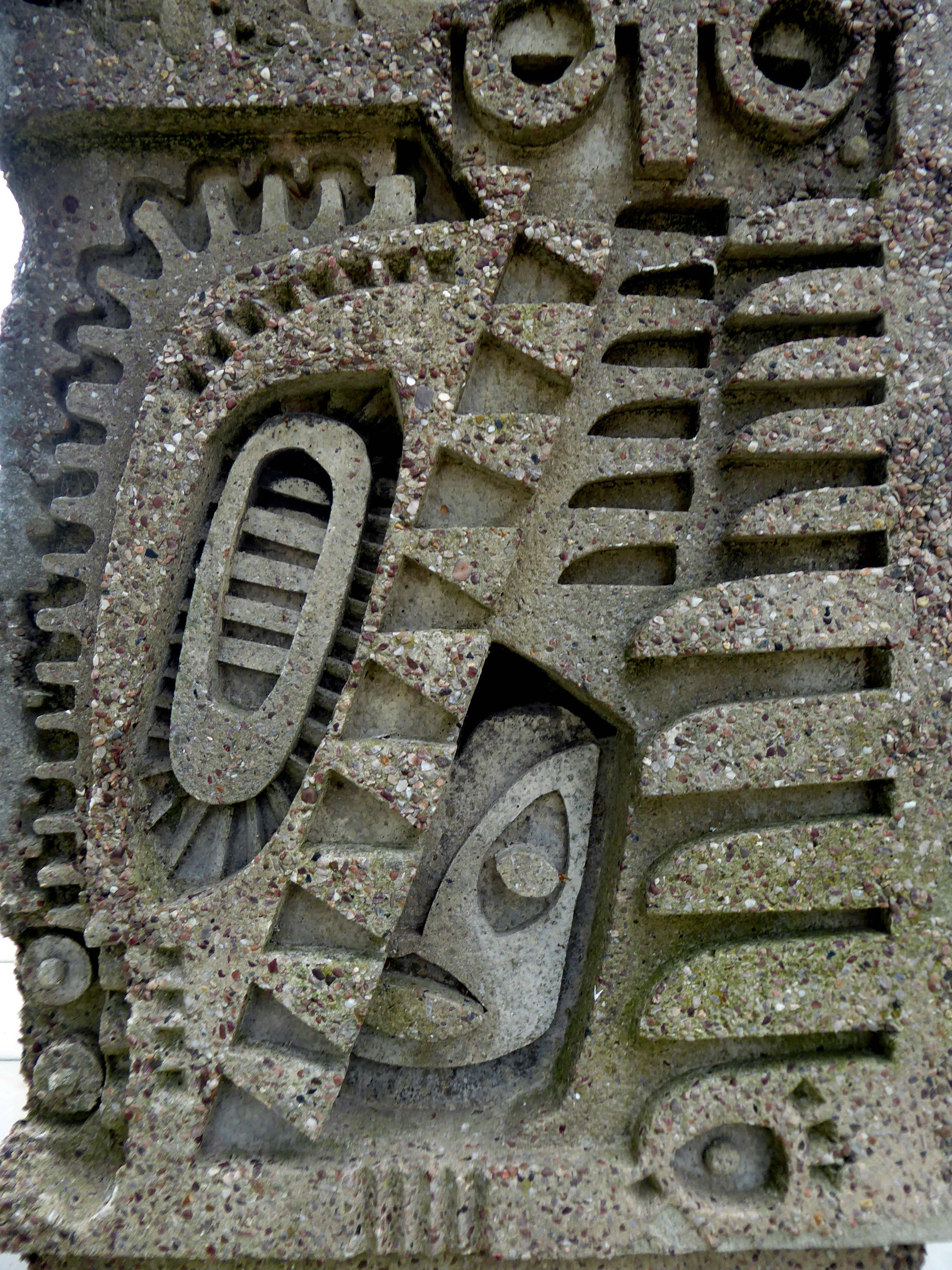
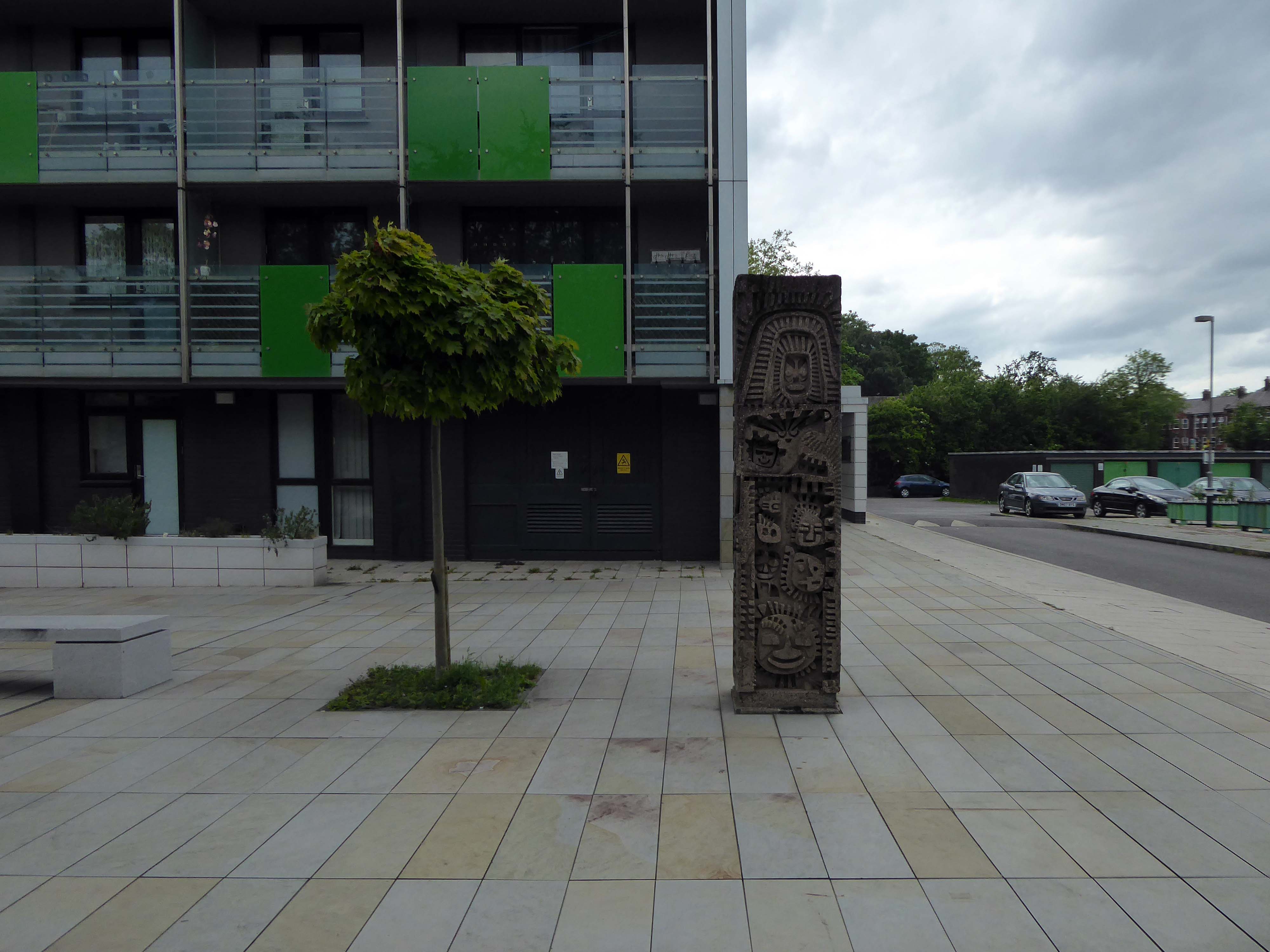
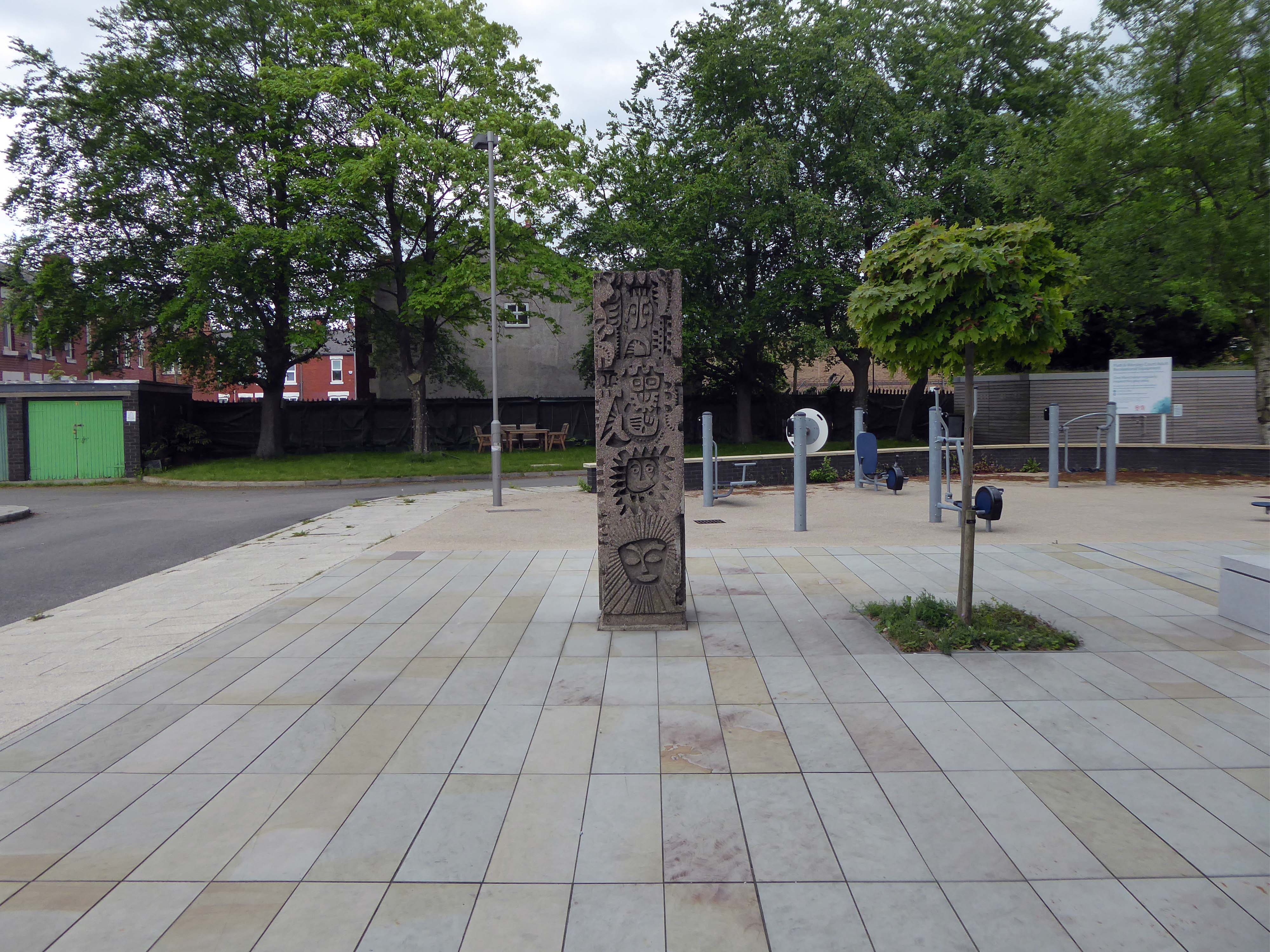
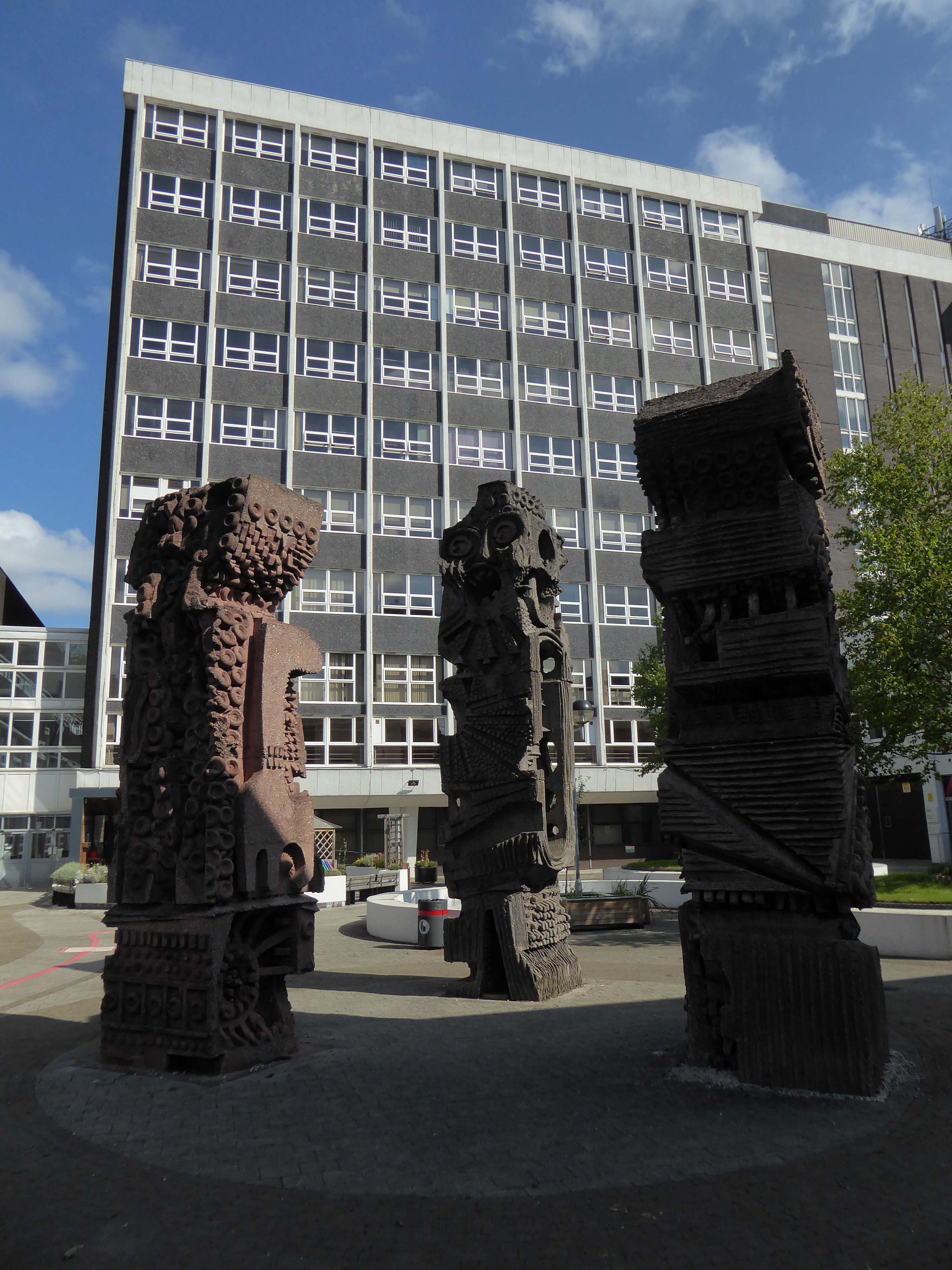
Now the part of the University of Salford, this grouping is probably the most significant work by Halliday Meecham during this period. The blocks wrap to almost enclose a courtyard and they step up in height towards the rear of the site. To the front is a lecture theatre block in dark brick. The multi-storey elements are straightforward in their construction and appearance and have had their glazing replaced. Perhaps the richest elements here are the three totemic structures by artist William Mitchell, which were listed at Grade II in 2011. Mitchell was actively engaged with the experiments of the Cement and Concrete Associations during the 1960s and produced a wide variety of works for public and private clients; other works regionally include the majority of the external art and friezes at Liverpool Metropolitan Cathedral and the Humanities Building at Manchester University. These textured concrete monoliths appear to have an abstract representation of Mayan patterns and carry applied mosaic. They were made on site using polyurethane moulds. There is another Mitchell work hidden behind plasterboard in the inside of the building.

Mainstream Modern

Subsequently assimilated into the University.

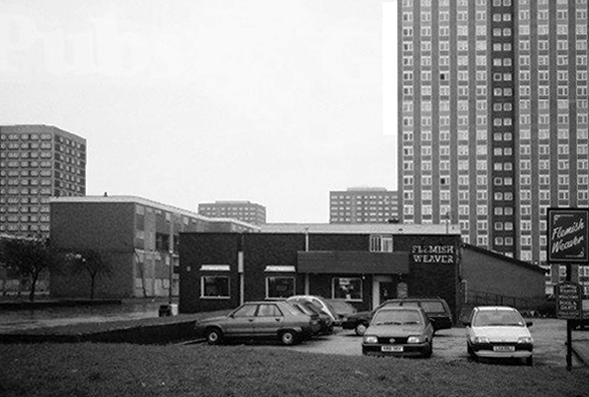
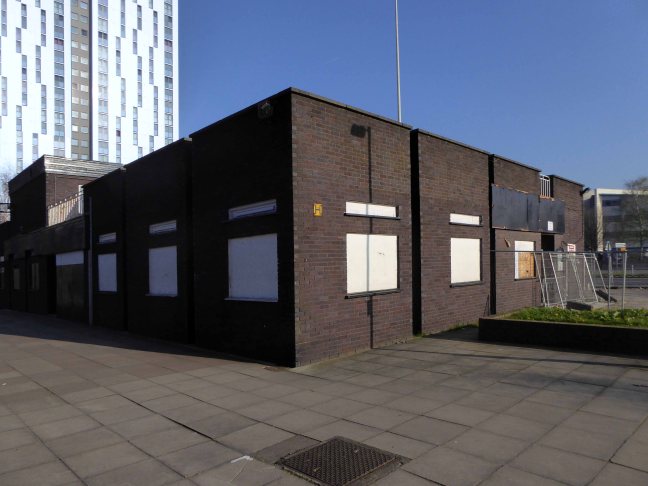
Across the A6 the former estate pub the Flemish Weaver is currently shrouded in particle board and in use as a base for construction workers.

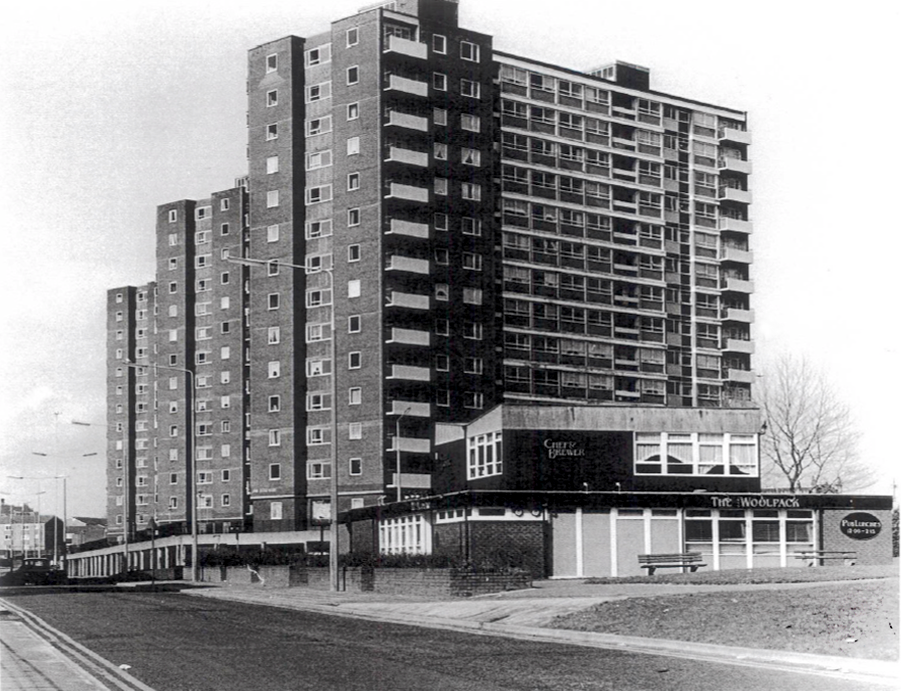
Just down the way The Woolpack is no more.

April 1965 saw the Salford City Reporter proudly boast in an article that

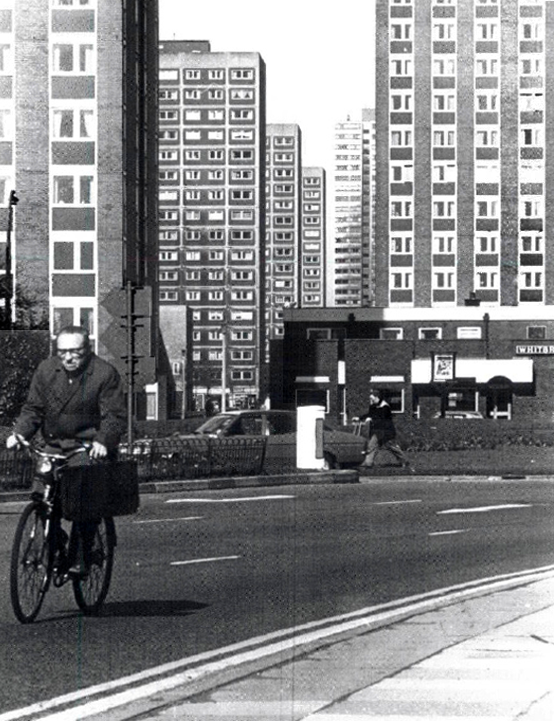
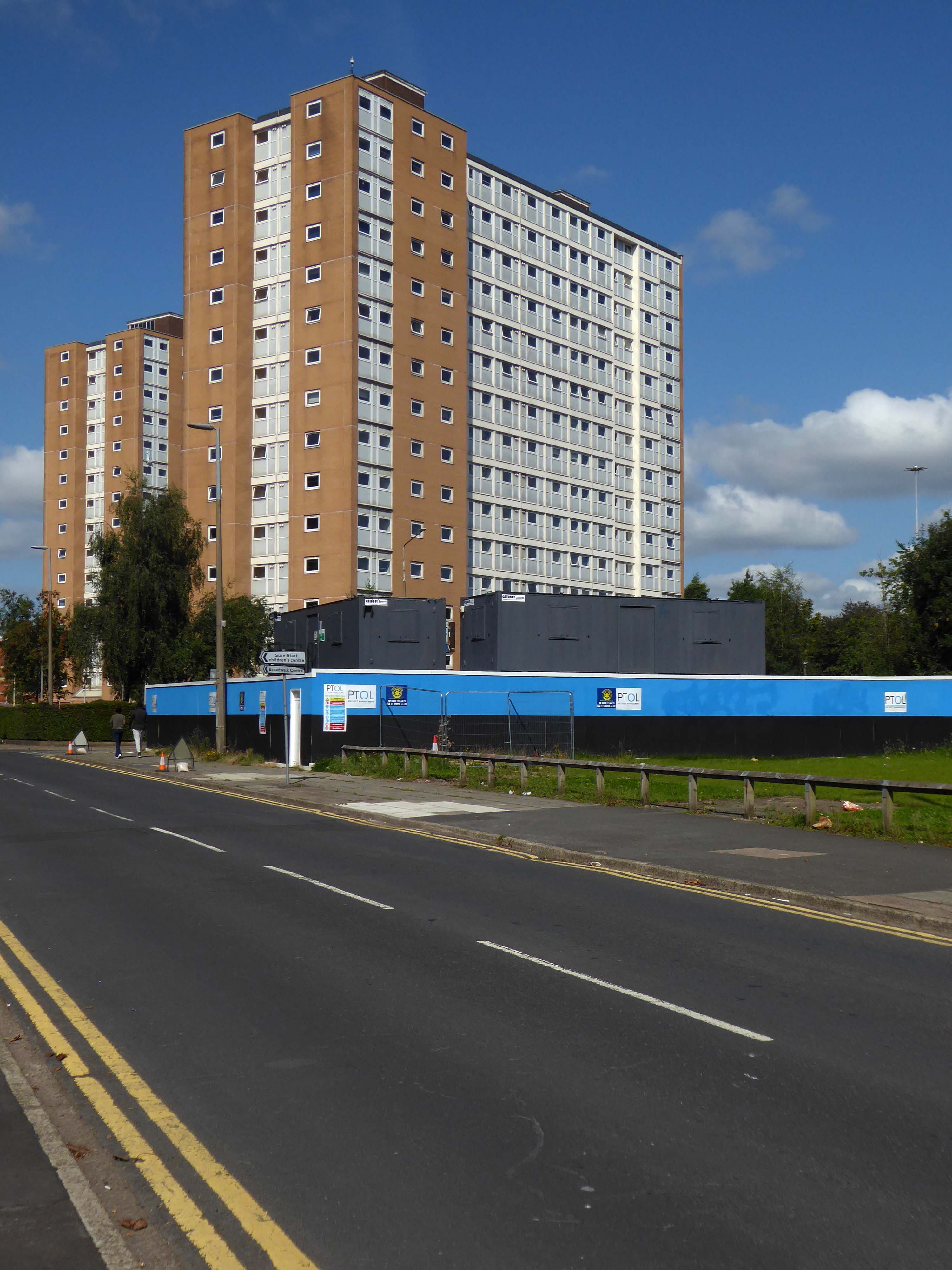
The Ellor Street dream begins to come true – complete with interviews with residents of the newly constructed Walter Greenwood, Eddie Colman and John Lester Courts all which towered some 120 feet above the Hanky Park skyline.

These particular blocks of flats were of special significance because their completion was the end of the first stage of the Ellor Street redevelopment scheme which was to provide 3,000 new homes, the £10 million pound Salford Shopping Precinct and a new civic centre – which never got built – making this A Salford of the Space Age.

Salford Online

The tower blocks are now clad and the site a construction base for cladders.

Full details of Salford’s complex and extensive redevelopment can be found here at Tower Block.

Walter Greenwood Court was demolished in 2000/2001, whilst Eddie Colman and John Lester Court are now student accomodation for the nearby Salford University.

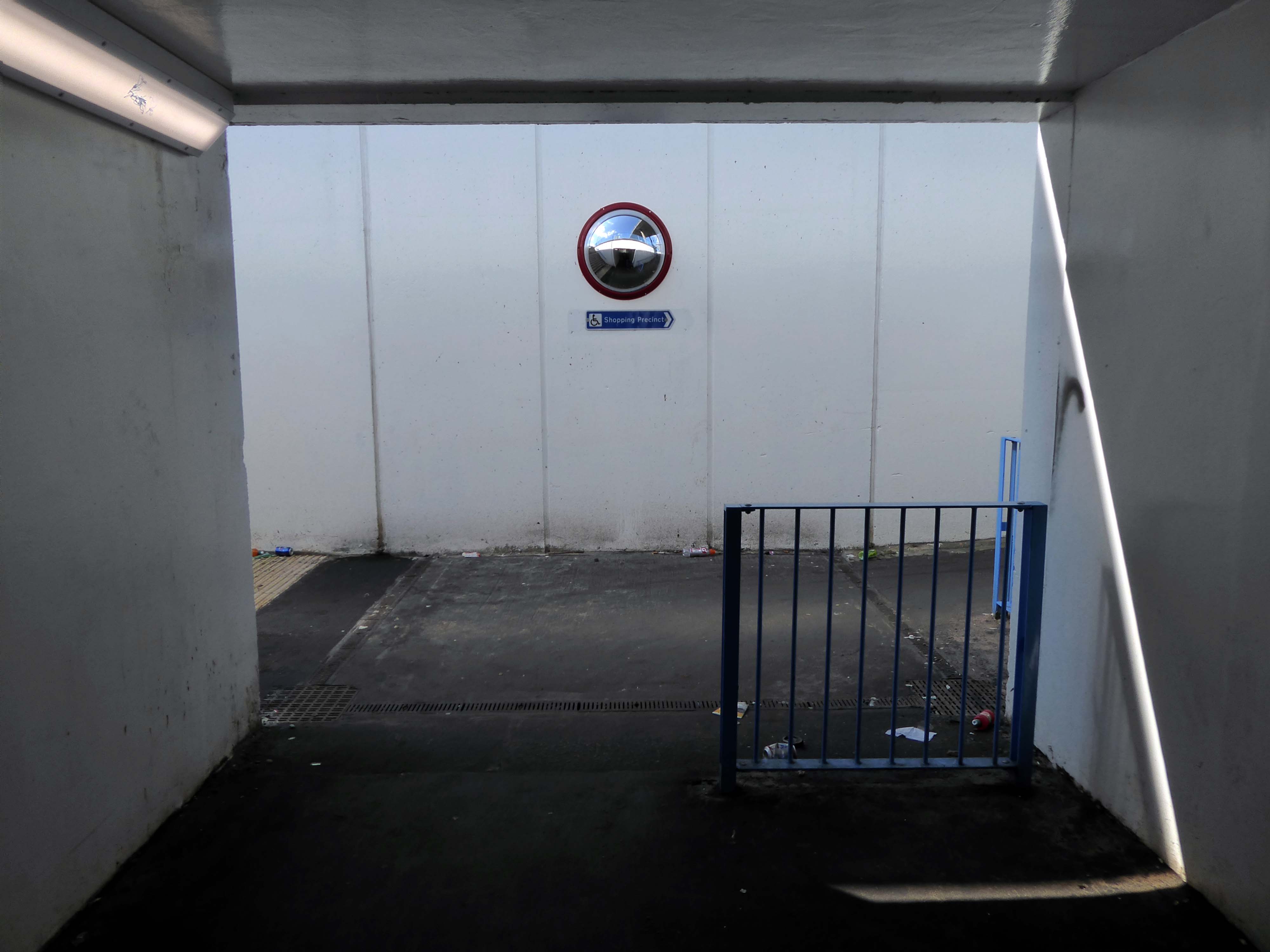
Onwards and underwards towards Salford Shopping City.

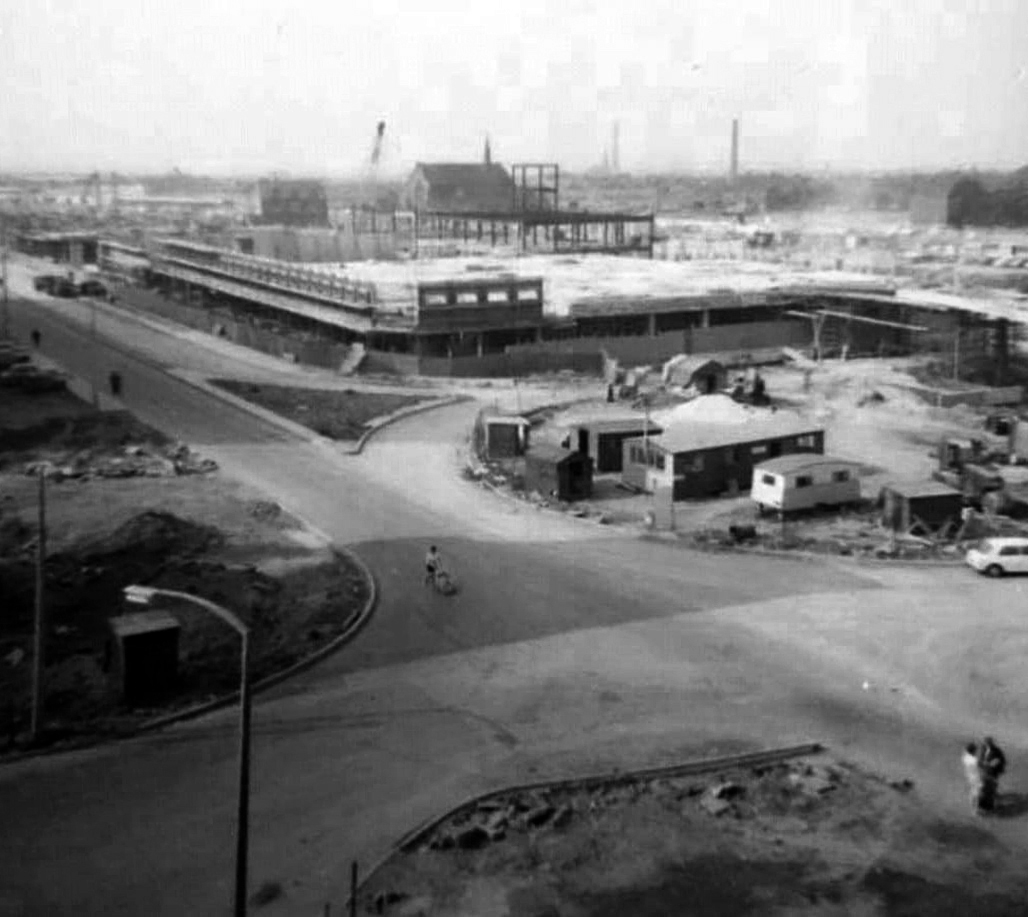
The construction of the shopping centre and surrounding areas continued and on 21 May 1970 the new Salford Market officially opened. From 1971 onwards new shops inside the precinct itself began to open.

However, due to a lack of funds and a political scandal which saw chairman Albert Jones jailed for eight months construction of Salford Precinct was halted. The site had only 95 shop units compared to the proposed 260, the hotel and two storey car park were never built.

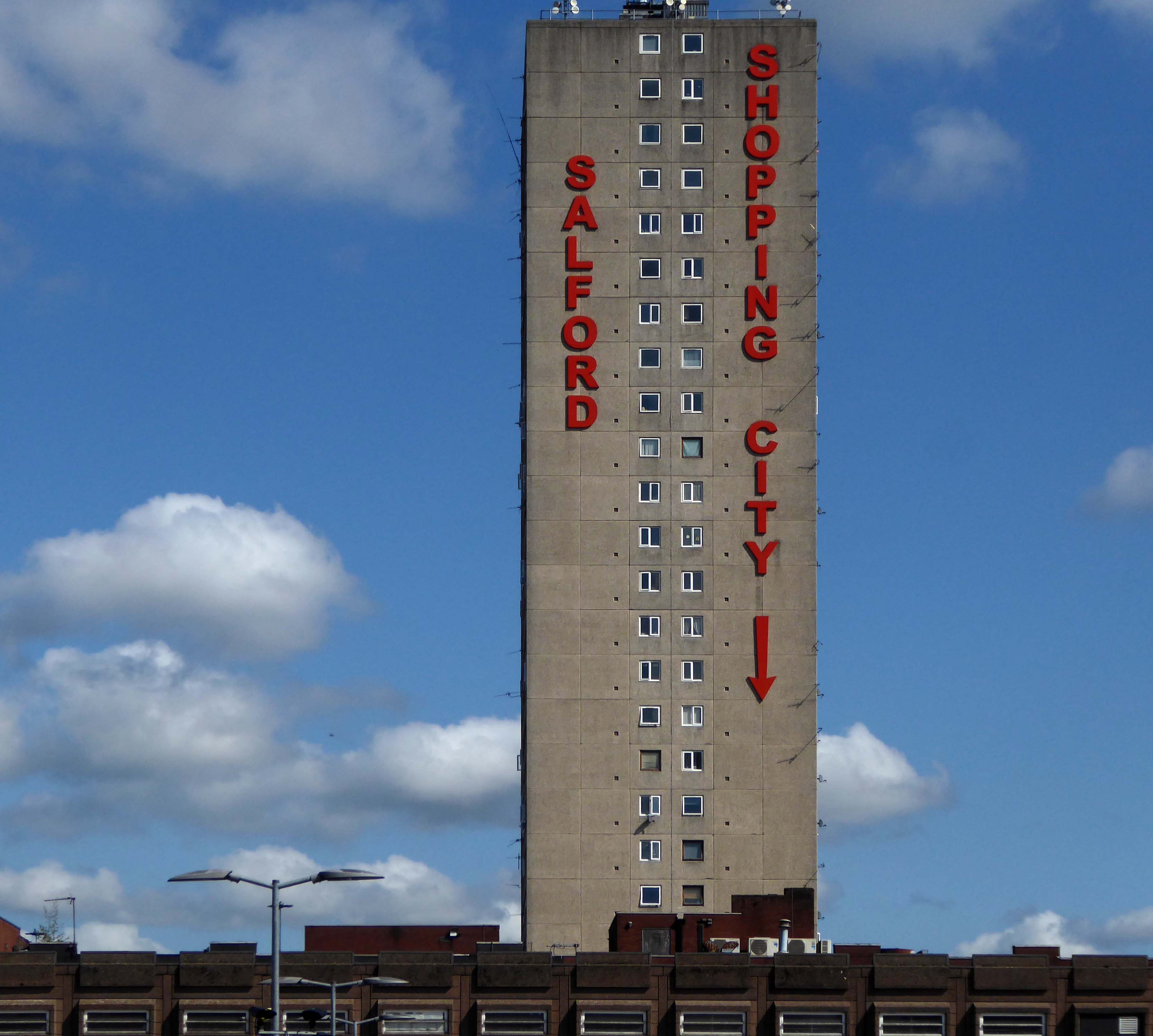
The architectural core of the site has been retained, including the 23 storey Briar Court residential tower.

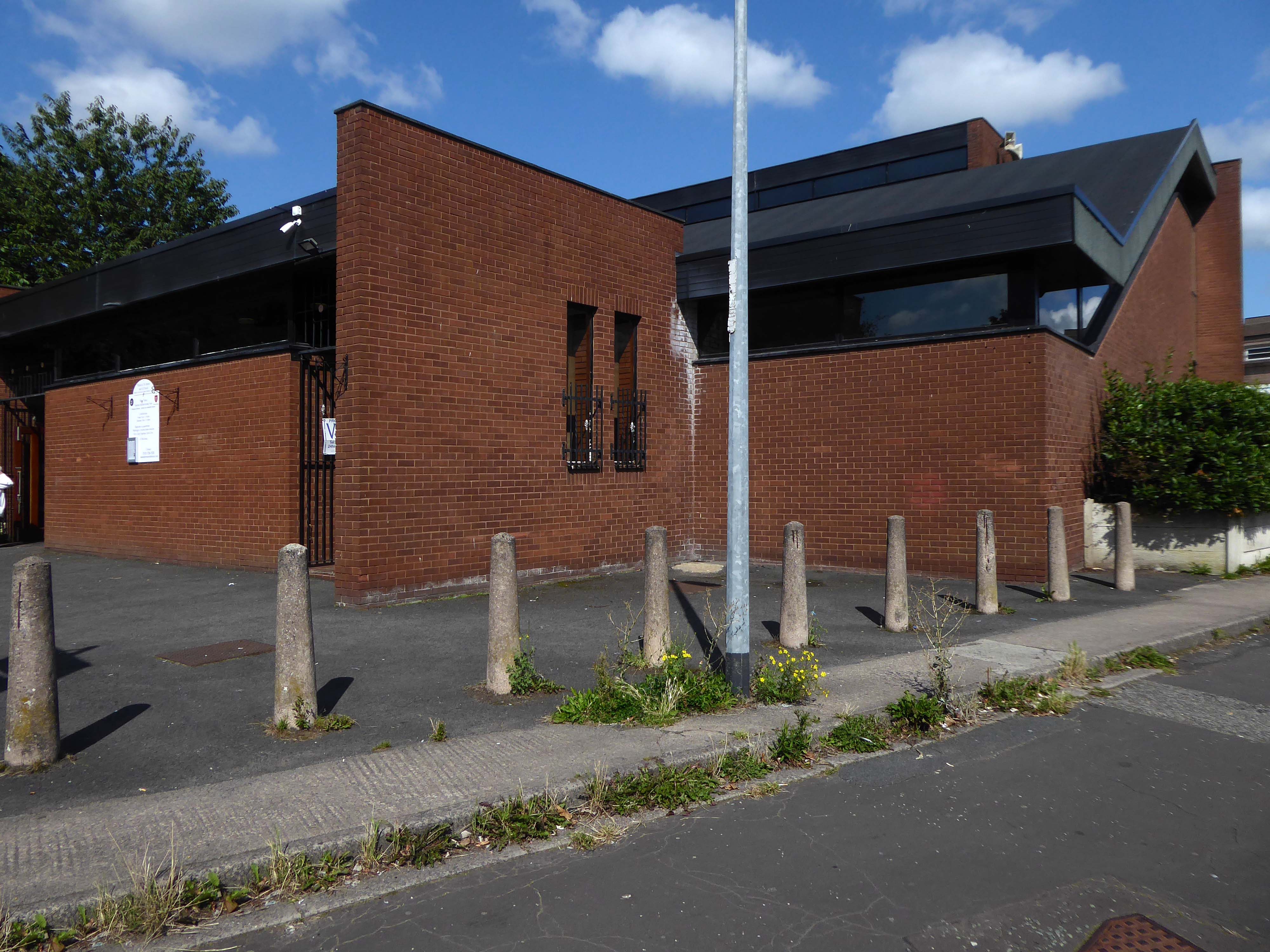
Tucked in behind is Mother of God and St James RC Church.

Clearances took place from the middle of the twentieth century and new high-rise housing blocks were built, as well as a shopping centre.

There was a Catholic presence in the area from 1854, when schools were built. What was described in The Tablet as a beautiful church, an Early English Gothic design by M. Tijou – presumably Herbert Tijou, architect of the chapel to Loreto College, Manchester, was opened by Cardinal Manning, Archbishop of Westminster in 1875.

One hundred years later this church was demolished and replaced by the present building.

The architects were Desmond Williams & Associates, the design bearing some similarity to their St Sebastian, Salford. In 2010 the church of All Souls, Weaste, was closed, and the marble sanctuary furnishings brought to the church.

Description

All orientations given are liturgical. The church is steel framed with brick walls and a monopitch roof (originally covered with copper, now with felt).  Bold brick forms create a presence, and the design is somewhat defensive, with few windows. The building is entered from a lower porch which forms a narthex. The slope of the roof and the stepped clerestory lighting create a striking impression inside, and full-height windows towards the east end incorporate stained glass figures said to have originated in the previous church. Marble sanctuary furnishings are presumably those from the church in Weaste and appear to be of later twentieth century date, while the font is of traditional type with a clustered stem and may have come from the earlier church.

Taking Stock

Returning to The Crescent the High Street Estate is all but demolished, save for one resident and their row.

This is an area which has seen a succession of clearances, redevelopment and shifts in demographics during a relatively short and intense period of change.

That process of change continues to hastily unfold.

Queensgate Market Huddersfield

We have of course been here before – to have a general look around and on a Modernist Mooch.

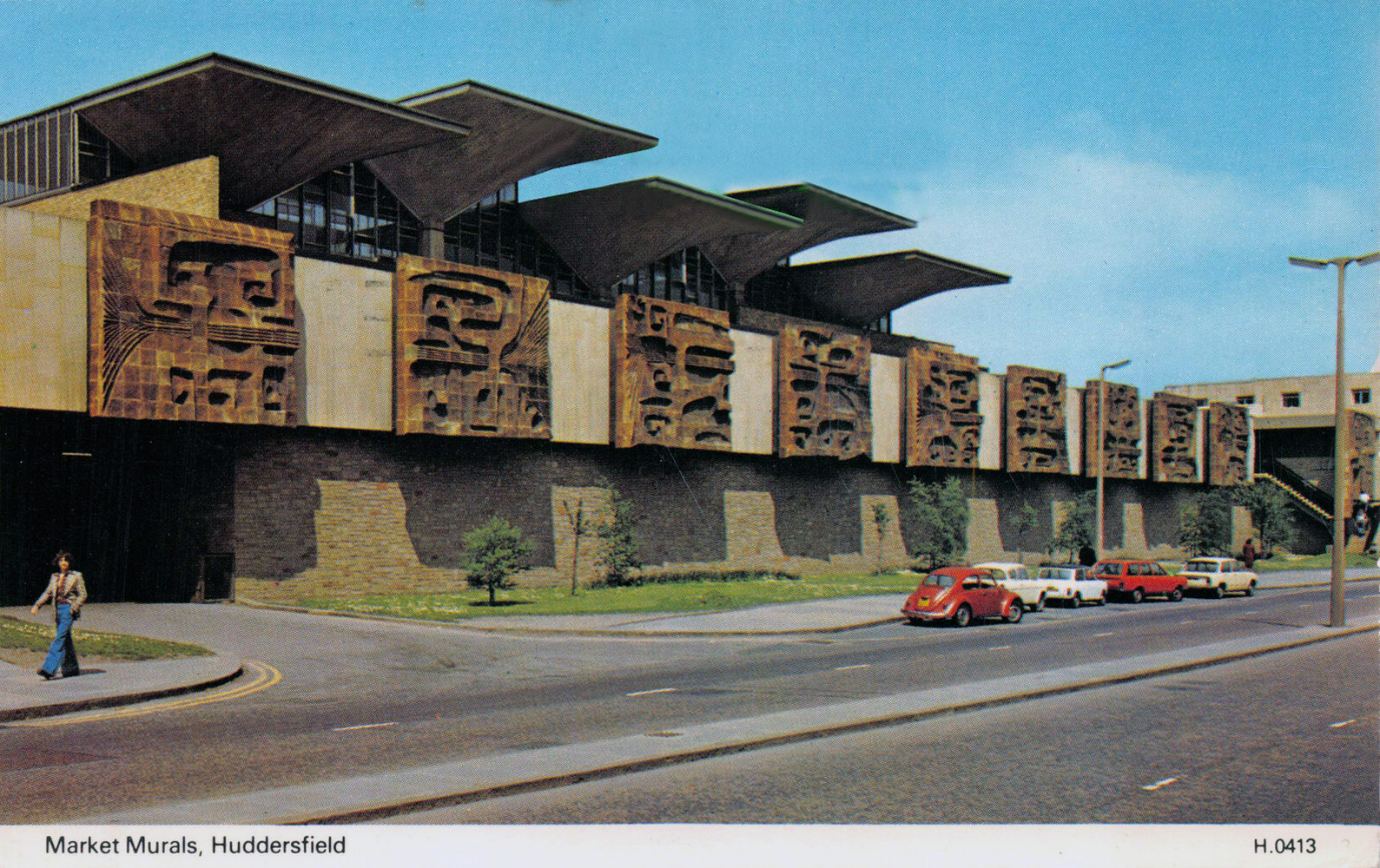
Now I want to look in detail at the exterior ceramic art.

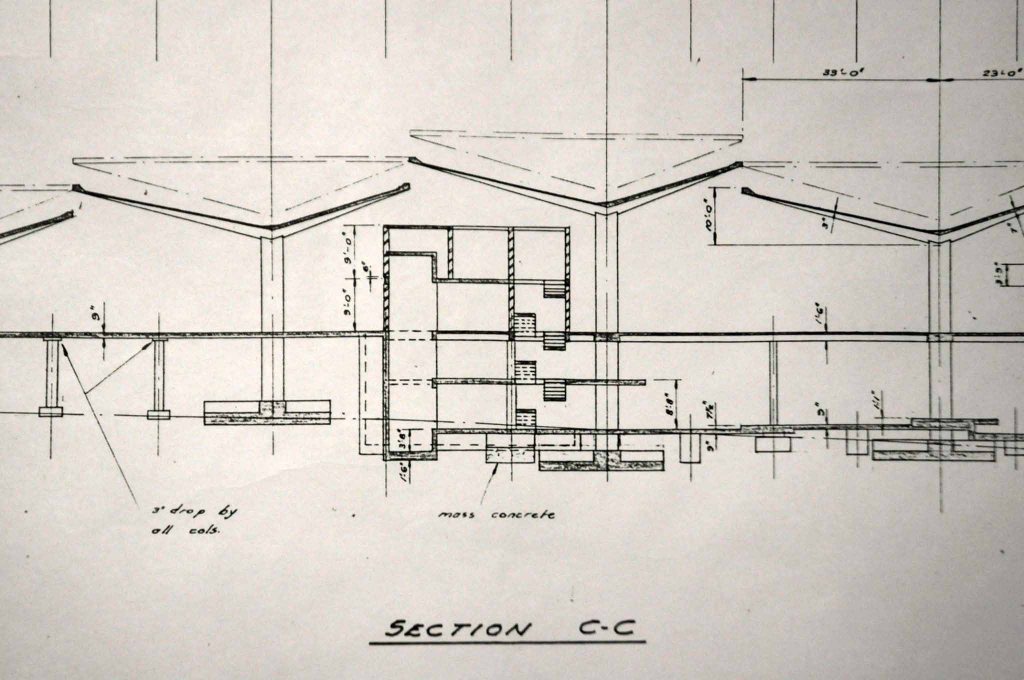
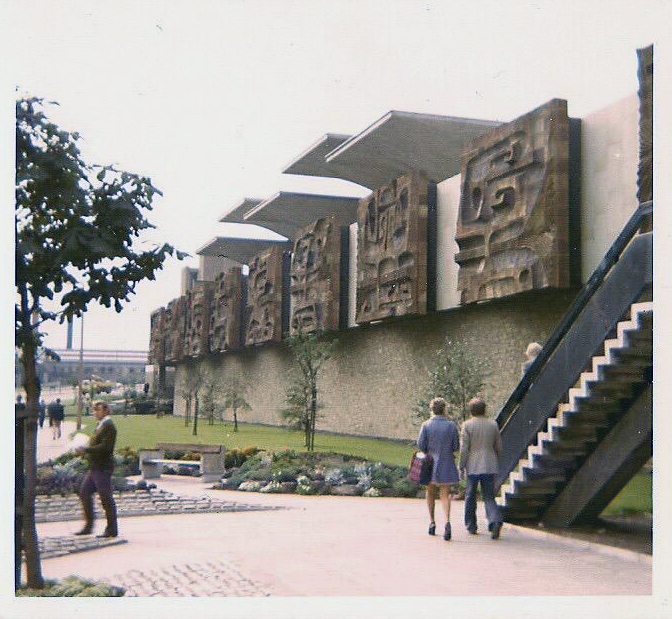
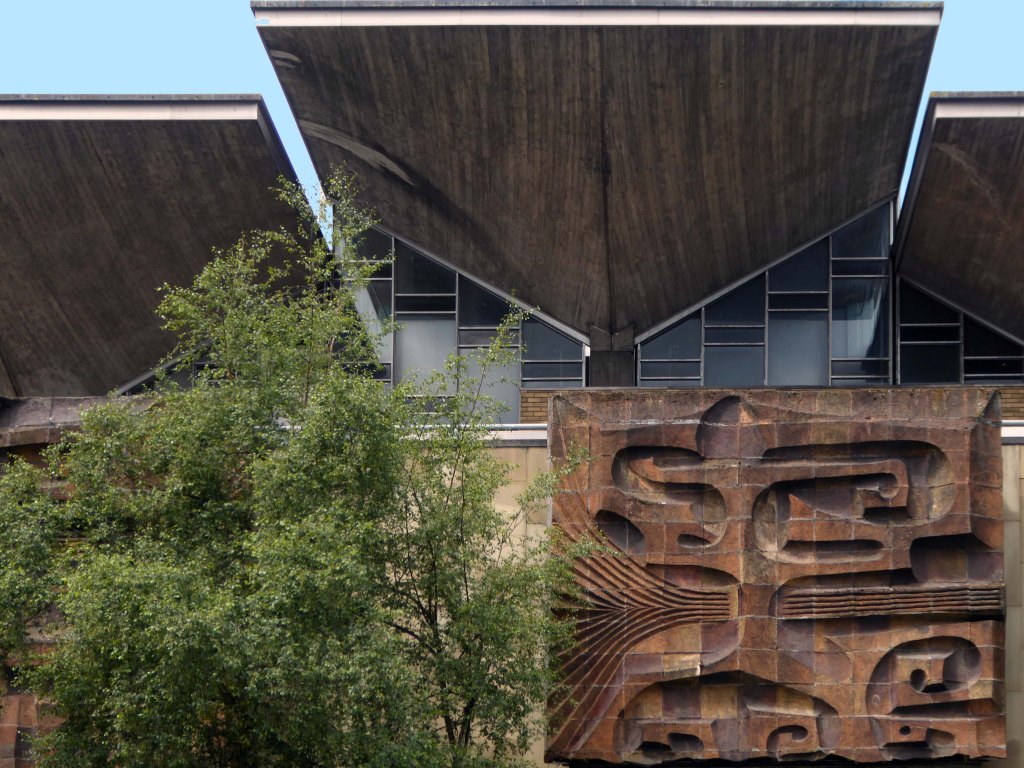
The façade of the market hall on Queensgate incorporates five roof sections with patent glazing and is decorated with square ceramic panels by Fritz Steller, entitled Articulation in Movement, set over natural stone cladding.

These continue across the façade of the adjoining shops, to make nine panels in all, with a tenth larger panel added in 1972, pierced by stairs and an entrance to the market hall from Queensgate.

They have representations of the mushroom shells of the market hall, turned through 90 degrees, with abstract representations of the goods available within.

The enormous abstract art panels weigh almost 50 tons.

Historic England

Seen here in the 1970s when the trees and cars were smaller – though trousers and lapels were considerably wider.

Fritz Steller

1941 Born in Dresden, Germany. 

1959-1964 Studied sculpture and architecture at Birmingham College of Art, Birmingham, UK. Specialised in sculpture. 

Until 1969 Head of Art at Sebright School, Wolverley, near Kidderminster, Worcestershire, UK. 

1969-1977 Established and led the Square One Design Workshop and Transform Ceramic Company, Snitterfield, near Stratford-Upon-Avon, Warwickshire, UK. 

1977 -1980 Established and led ceramic production in Isithebe- Mandini, Kwazulu, South Africa. 

1980 Left South Africa due to basic fundamental differences of opinion over the apartheid regime. Established and led an art centre and gallery in Ewzulwini Valley near Mbabane, Swaziland. 

1992 After the destruction of the art centre and gallery moved to Germany. 

Since 1993 has set up a new business in Empangeni, KwaZulu-Natal. 

Fritz now lives and works in South Africa and Germany as an internationally recognised artist.

Monocular Times

Designed by the J Seymour Harris Partnership – now Seymour Harris Architects, the building was opened on 6 April 1970 and features a roof structure based on 21 asymmetric paraboloid shells.

The practice was inspired by Mexican Felix Candela for the innovative, lightweight concrete roof sections.

Steller met the project’s lead architect Gwyn Roberts while they were both at college in Birmingham.

Roberts was never to see his masterpiece listed, the architect, who left the practice to set up on his own in the early ’70s, died in 2004.

Architects Journal

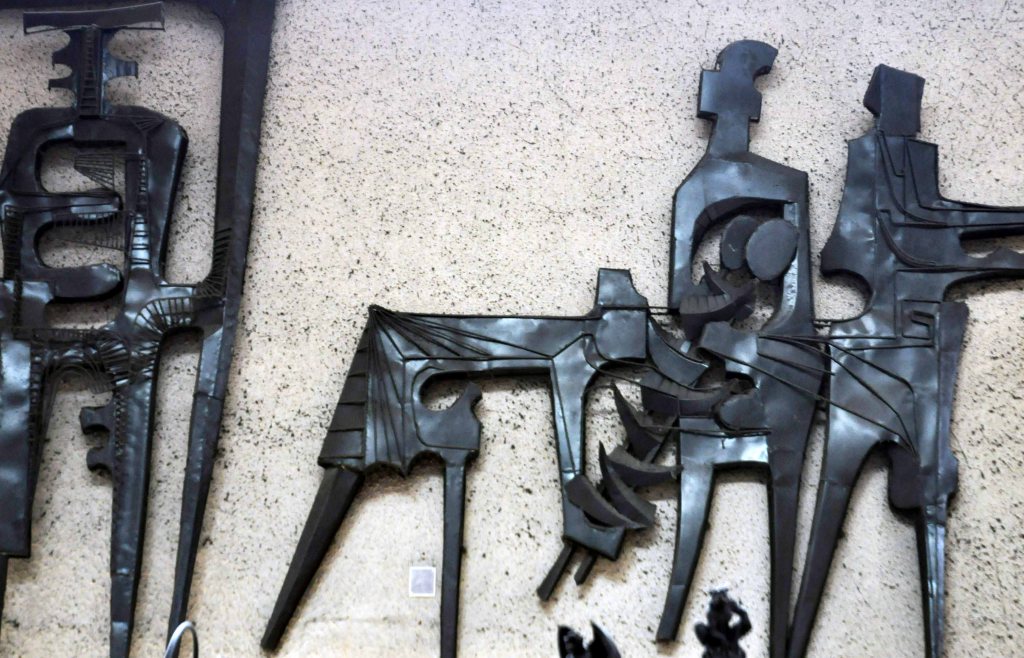
Along the north wall of the hall is a relief sculpture entitled Commerce, in black painted metal with semi-abstract figures representing agriculture, trade and products, also by Fritz Steller.

So let’s have a look at the largest ceramic sculpture in the world – partially obscured by trees.

Newcastle to Amble

Well here we are heading north for a fourth day – having bidden farewell to Hull, Scarborough and Redcar.

Passing a few familiar sights.

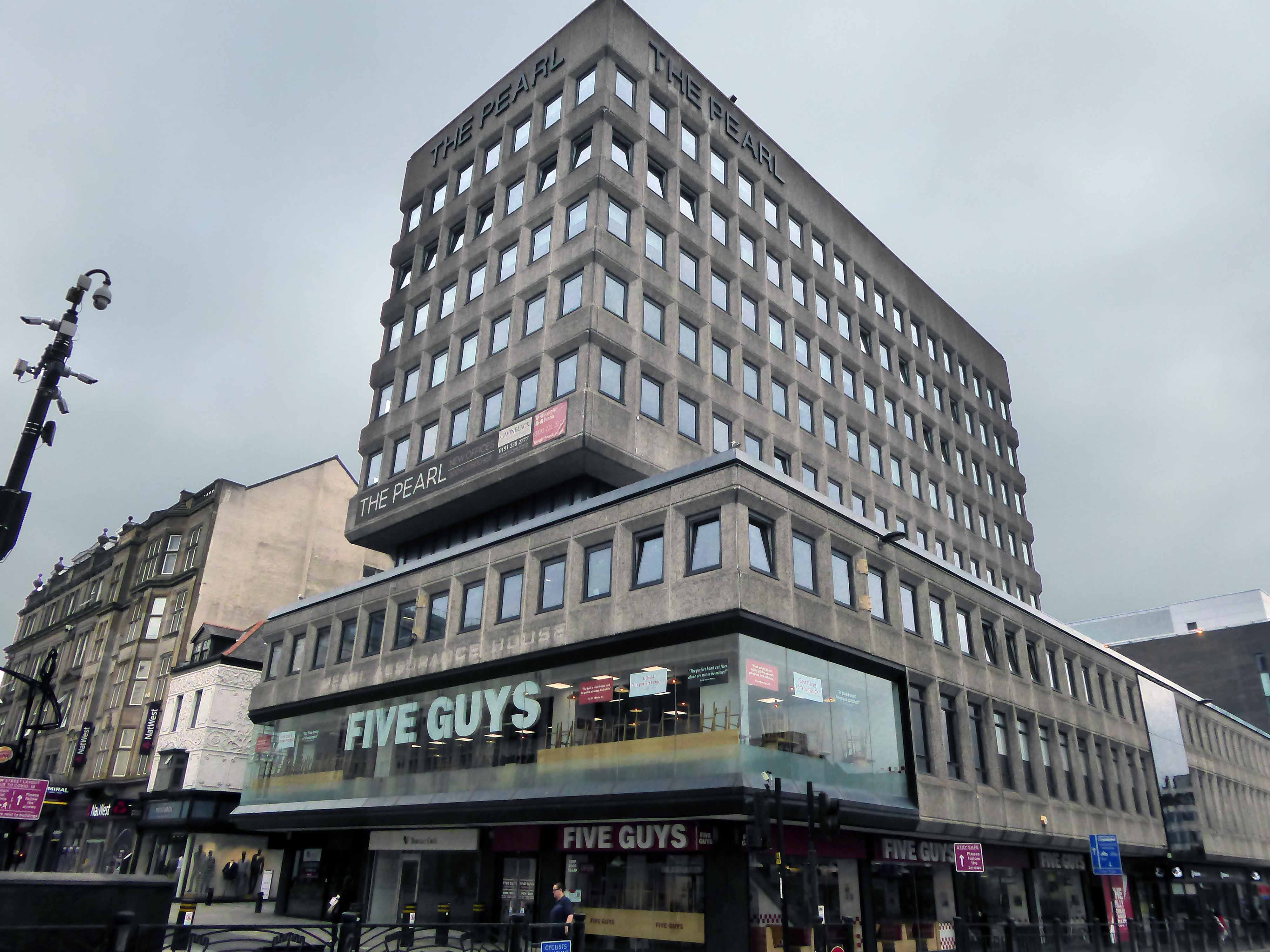
Pearl Assurance House Architect: T P Bennetts

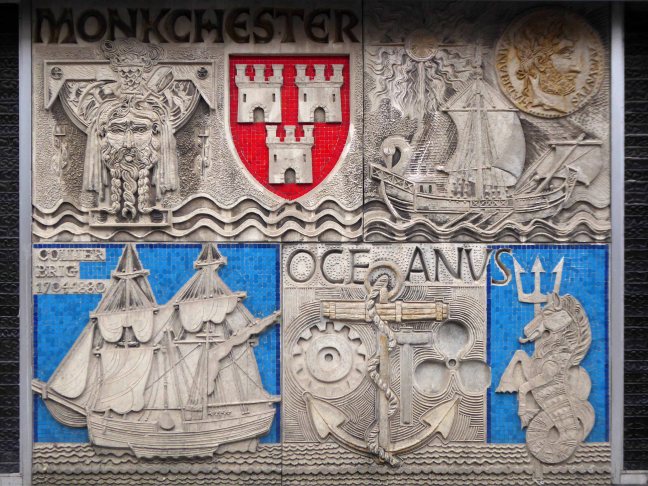
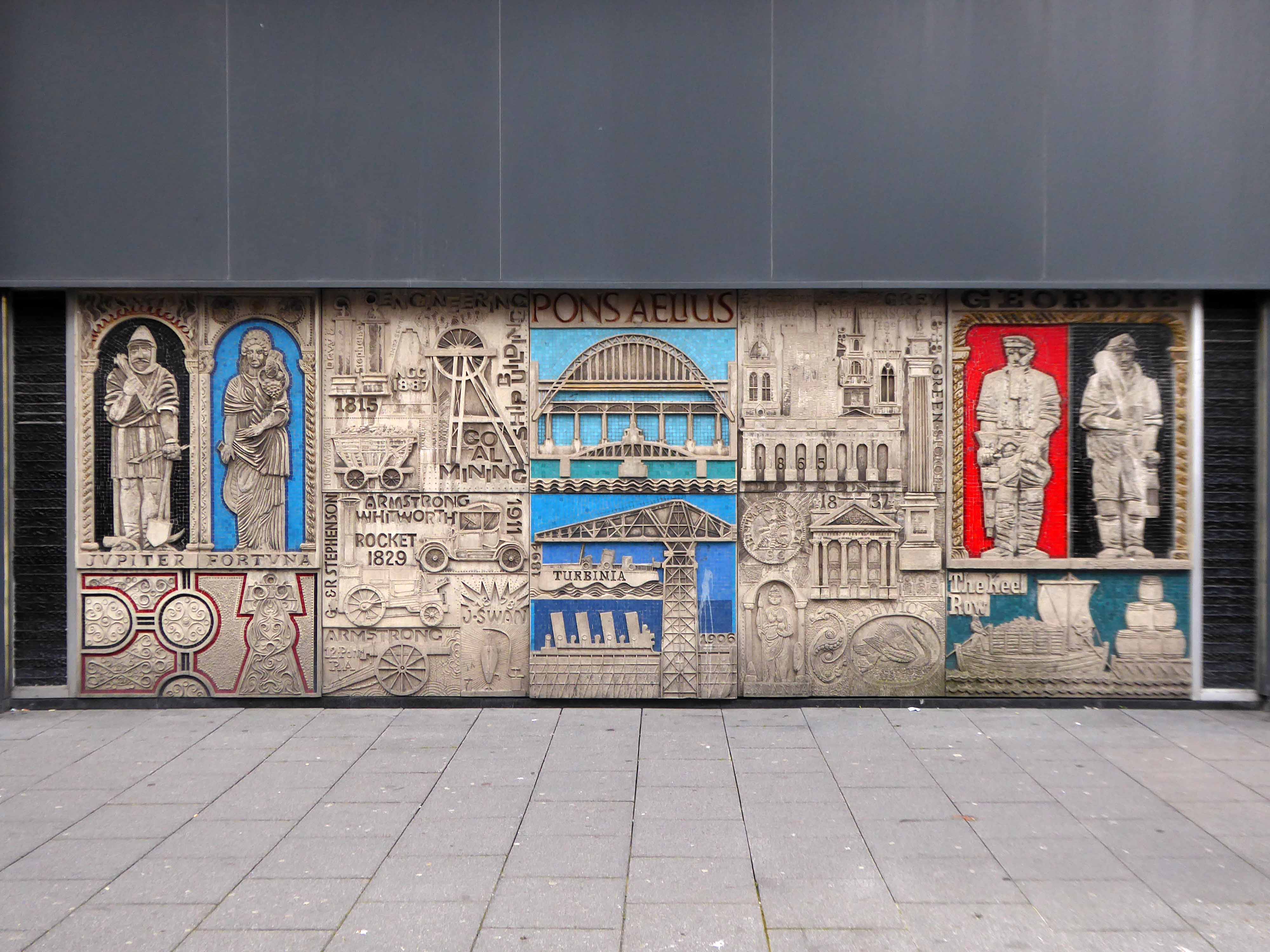
BHS Murals Joyce Pallot and Henry Collins.

The building was originally developed by C&A and it is thought that funding for the reliefs might have been provided by the store and/or Northern Arts. It became BHS which subsequently closed, the building is now occupied by Primark, C&A estates still own the site. 

Civic Centre entrance to the Council Chamber.

Taking a bold leap into the unknown I left the city centre, unwisely following unfamiliar roads, predictably becoming very lost.

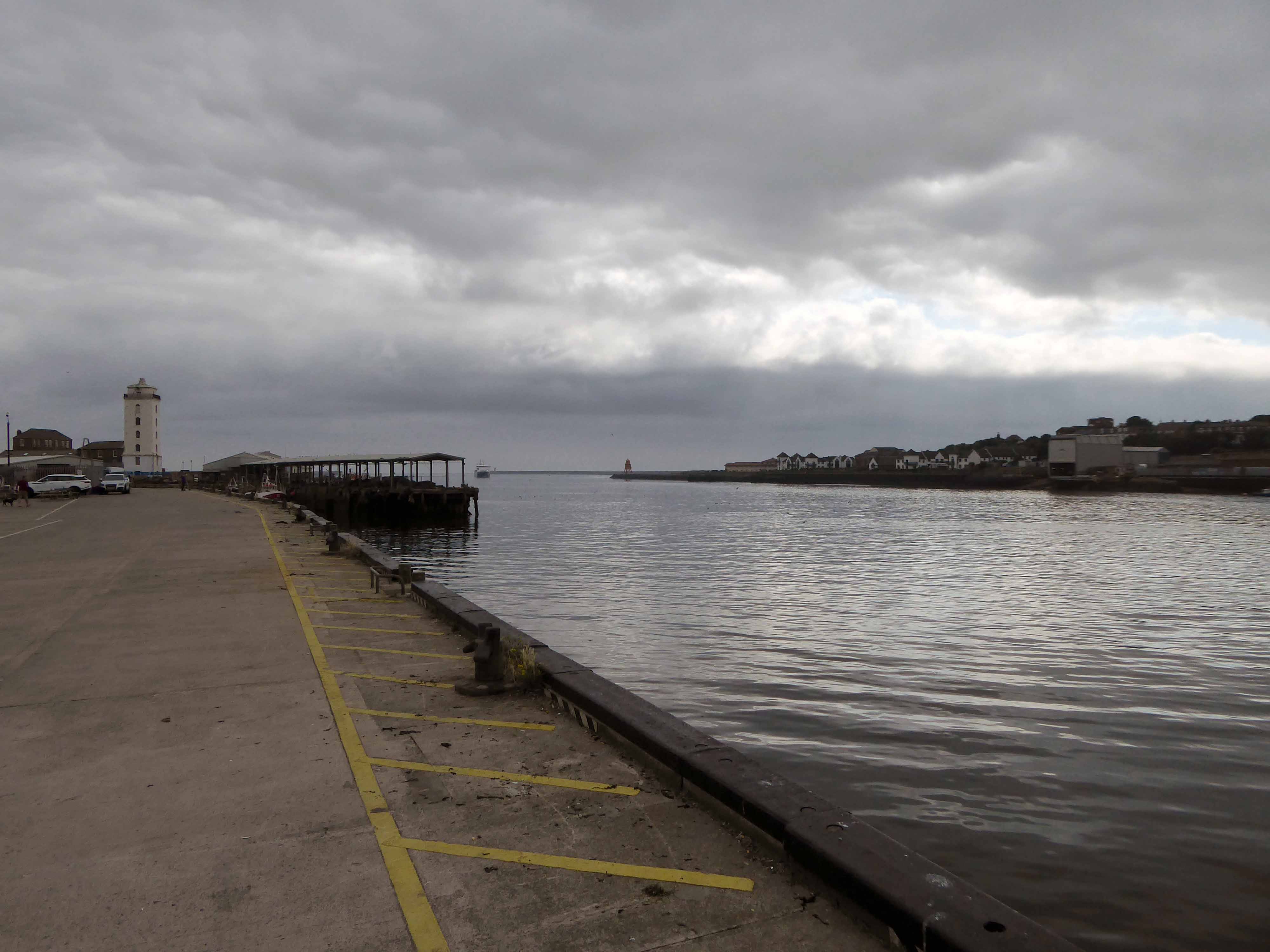
I sought assistance from a passing fellow cyclist, very kindly he guided me to Tynemouth, following a mysterious and circuitous course across the undulating terrain – thanks.

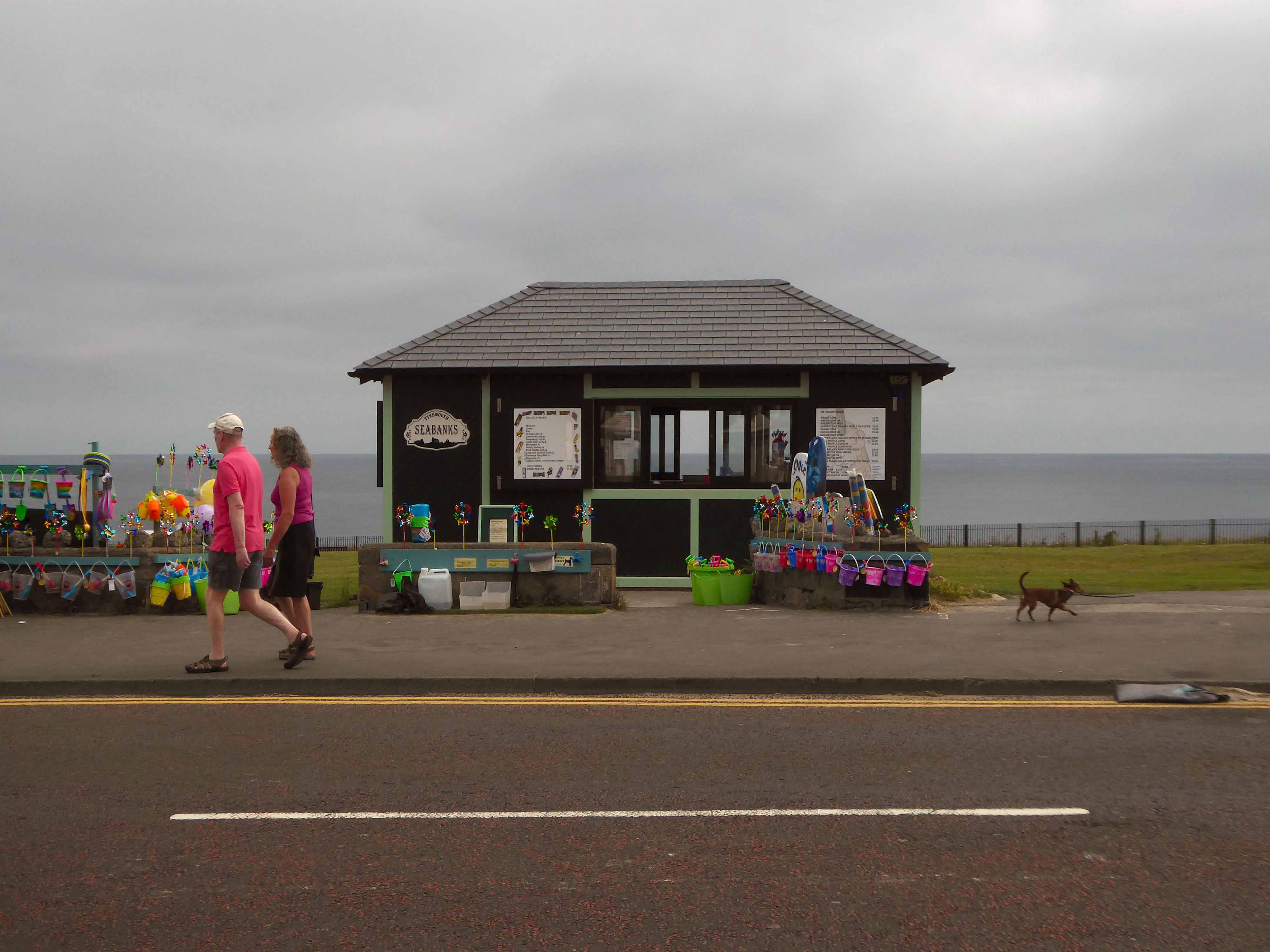
The city quickly becomes the seaside with its attendant retail bricolage.

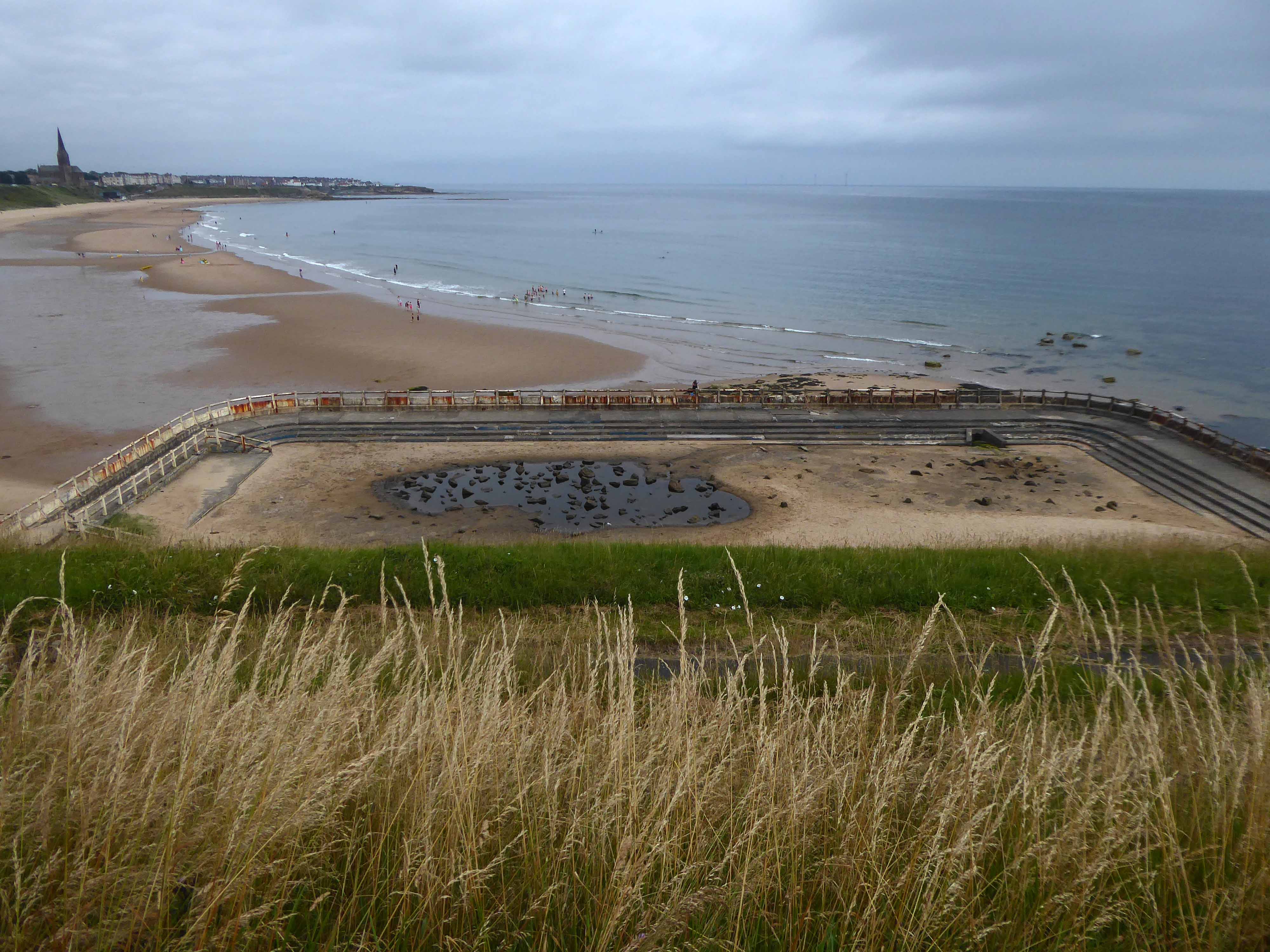
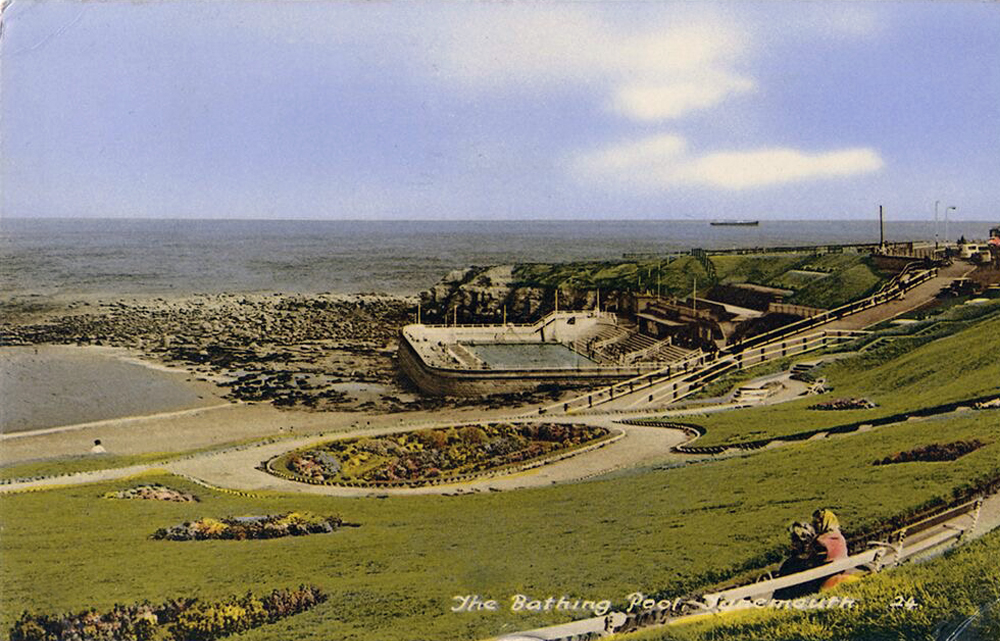
An all too familiar redundant Lido – opened in 1925 and closed in the mid 90’s – but a Friends Group aims to breathe new life into the site.

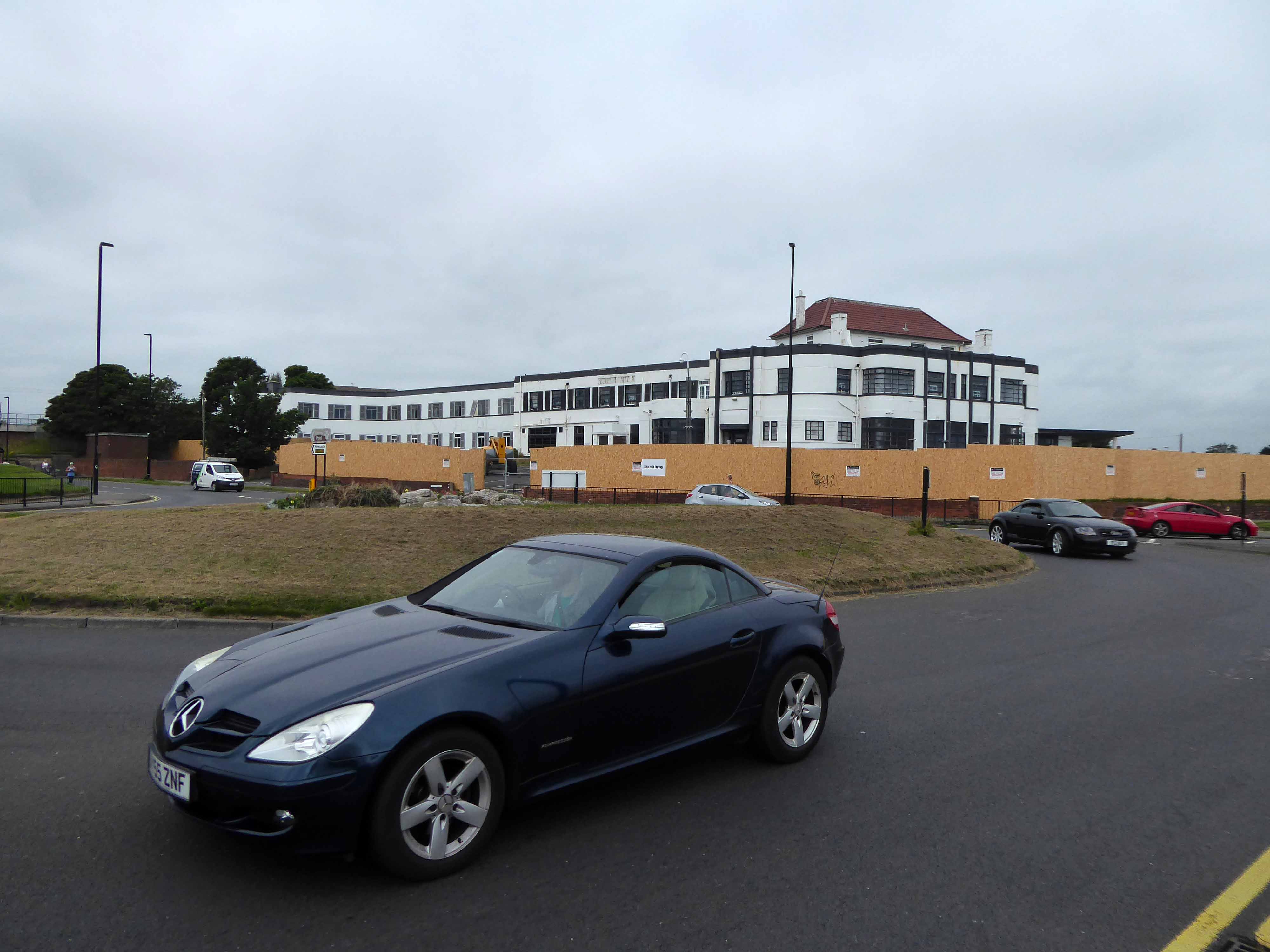
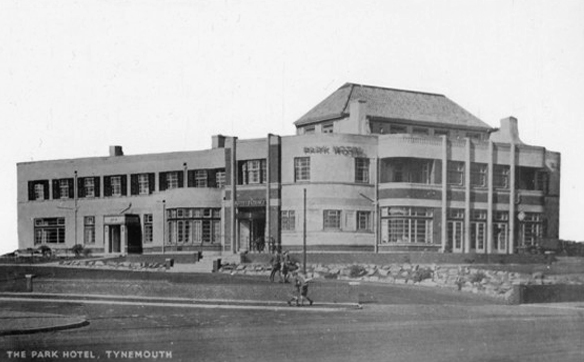
The Park Hotel built in the 1930’s and recently refurbished has been bought by The Inn Collection Group.

Chronicle Live

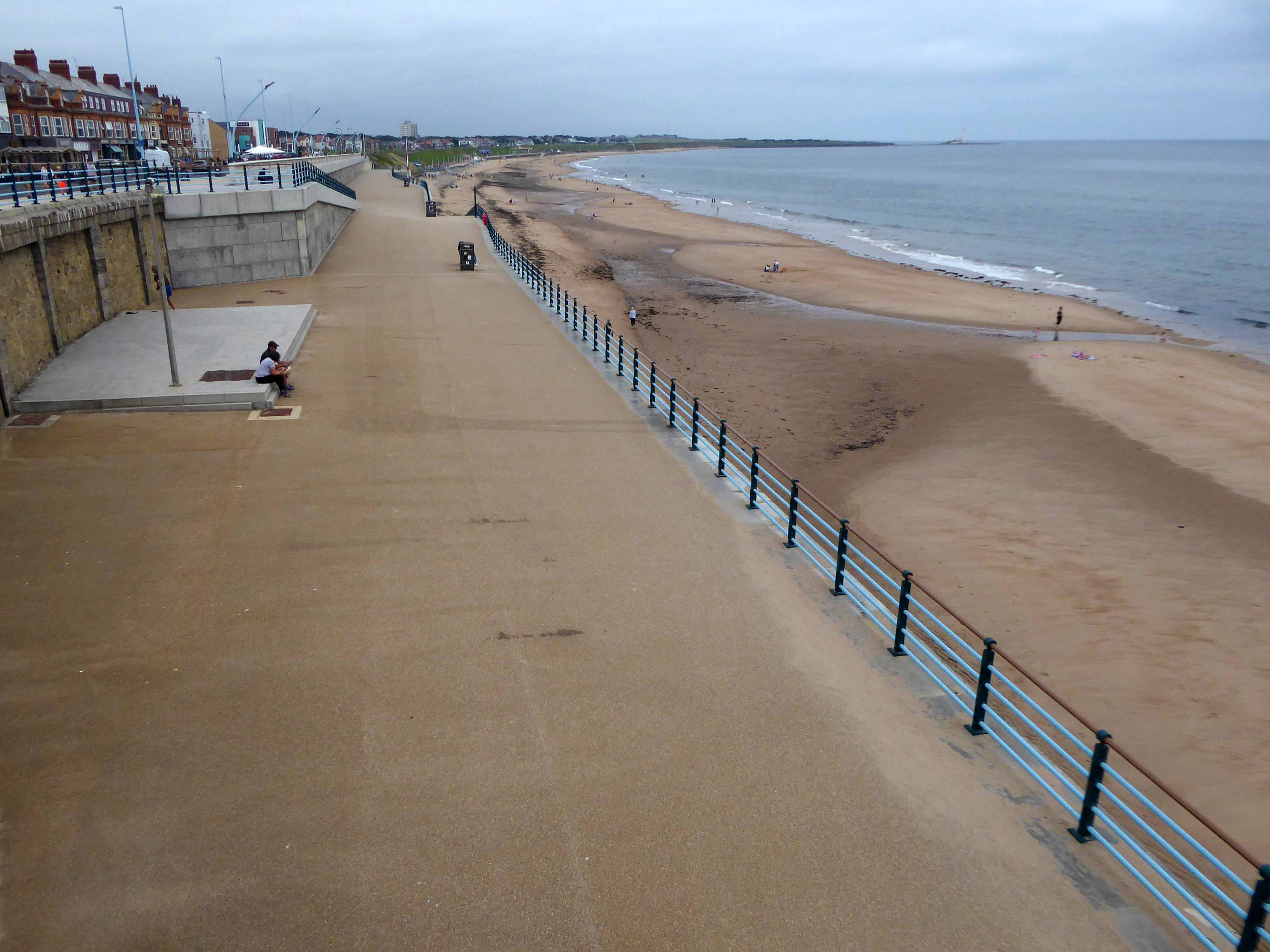
Much has been done to improve the promenade at Whitley Bay

The Whitley Bay Seafront Master Plan sets out our ambitious plans to regenerate the coastline between St Mary’s Lighthouse and Cullercoats Bay.

The proposals are a mix of council and private sector developments and involve more than £36m of new investment at the coast.

North Tyneside Gov

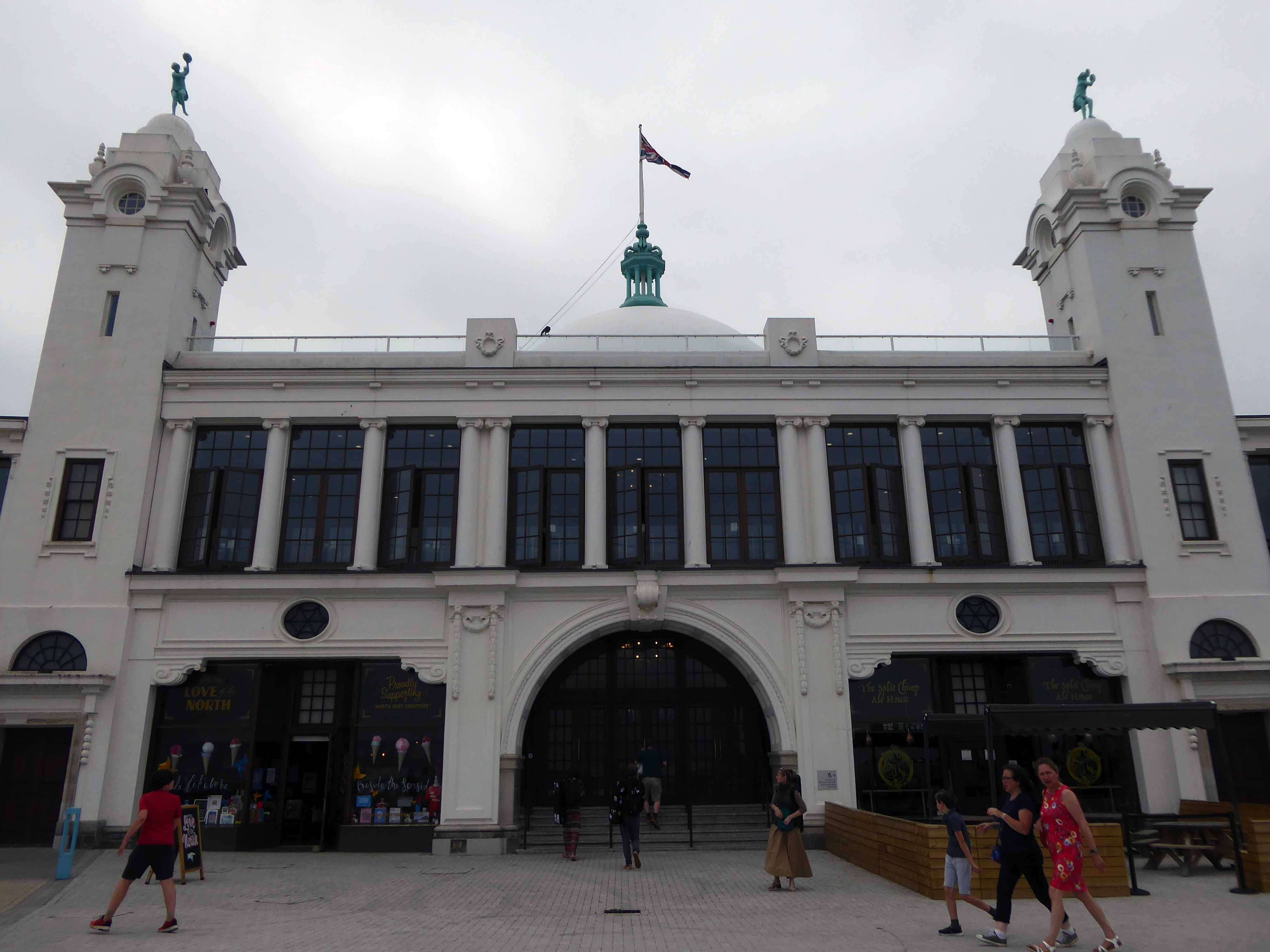
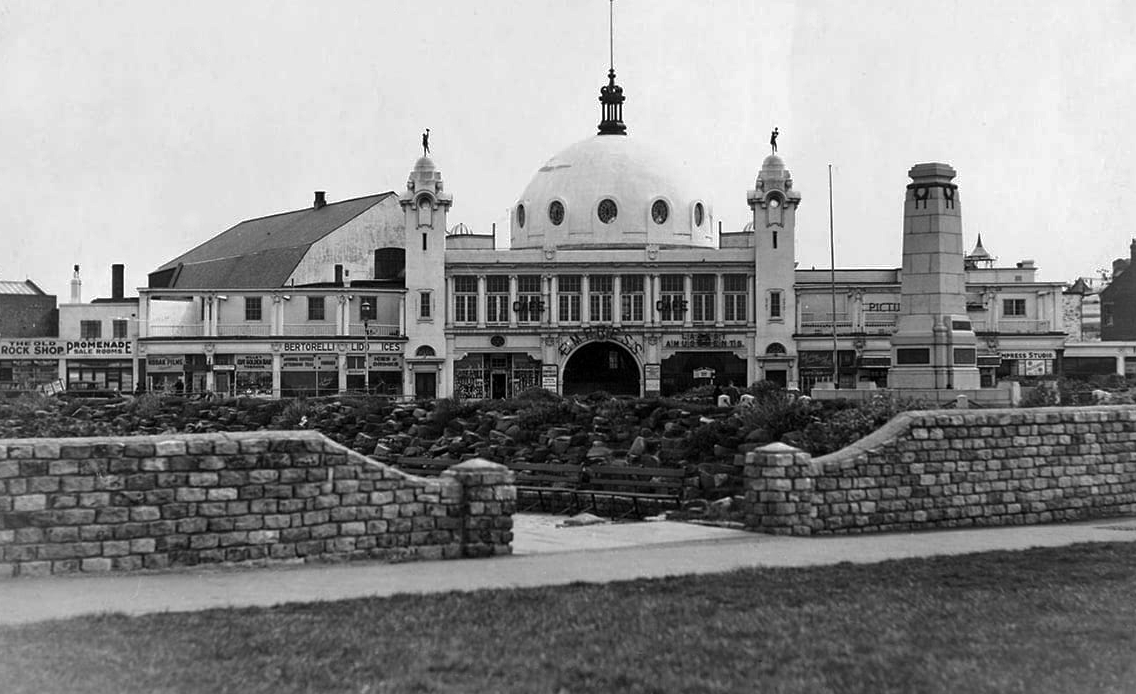
In 1908 the Spanish City was officially opened.

A simple three-arched entrance had been built facing the seafront and the area was now completely enclosed within a boundary. In 1909, large rides appeared, including a Figure Eight rollercoaster and a Water Chute. Elderton and Fail wanted to make a statement and create a new, grand entrance to the fairground. They hired the Newcastle architects Cackett& Burns Dick to survey the site and begin drawing up plans for new Pleasure Buildings.

Building began in February 1910 and the construction was completed by builders Davidson and Miller 60 days later. The use of the revolutionary reinforced concrete technique pioneered by Francois Hennebique was perfect for the job, being cheap and fast. The Dome and surrounding buildings – a theatre and two wings of shop units – opened on 14 May 1910 to great fanfare. Visitors marvelled at the great Spanish City Dome, the second largest in the country at the time after St. Paul’s Cathedral in London, which provided a spectacular meeting place with uninterrupted views from ground level to its ceiling, 75 feet above.

Telegraph-wire cyclists, acrobatic comedians, singing jockeys, mermaids, they all appeared at the Spanish City during its first decade. One of the wings hosted the menagerie, where visitors could see hyenas, antelopes and tigers! This was converted into the Picture House cinema in 1916.

Spanish City

Eventually the Master Plan will be fully implemented.

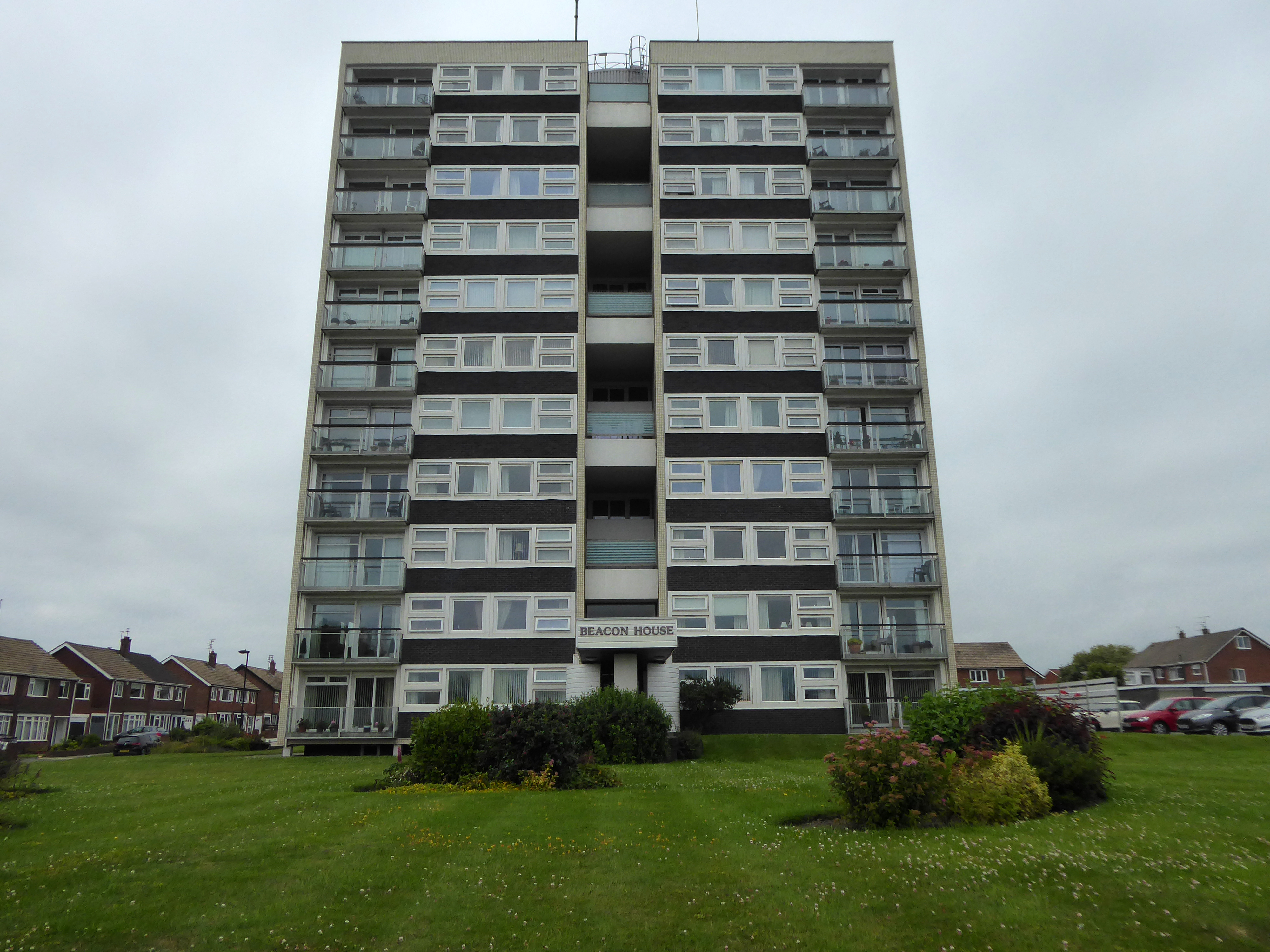
Beacon House beckoned and I took time to have a good old look around.

Ryder and Yates 1959

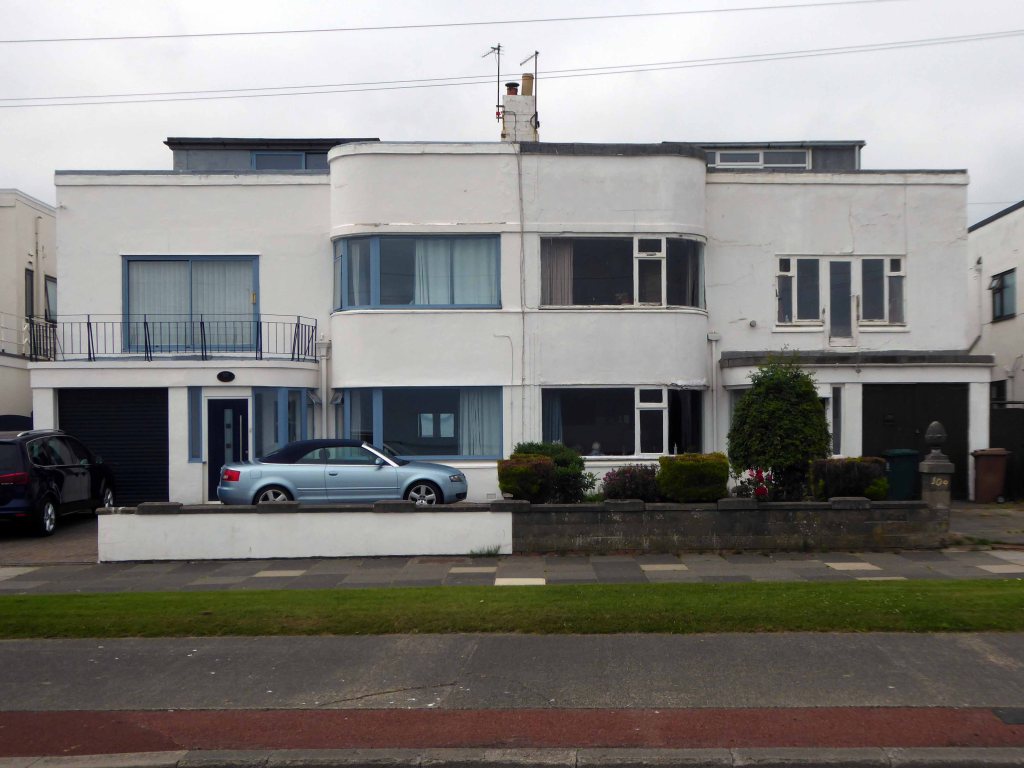
A little further along, a selection of Seaside Moderne semis in various states of amendment and alteration.

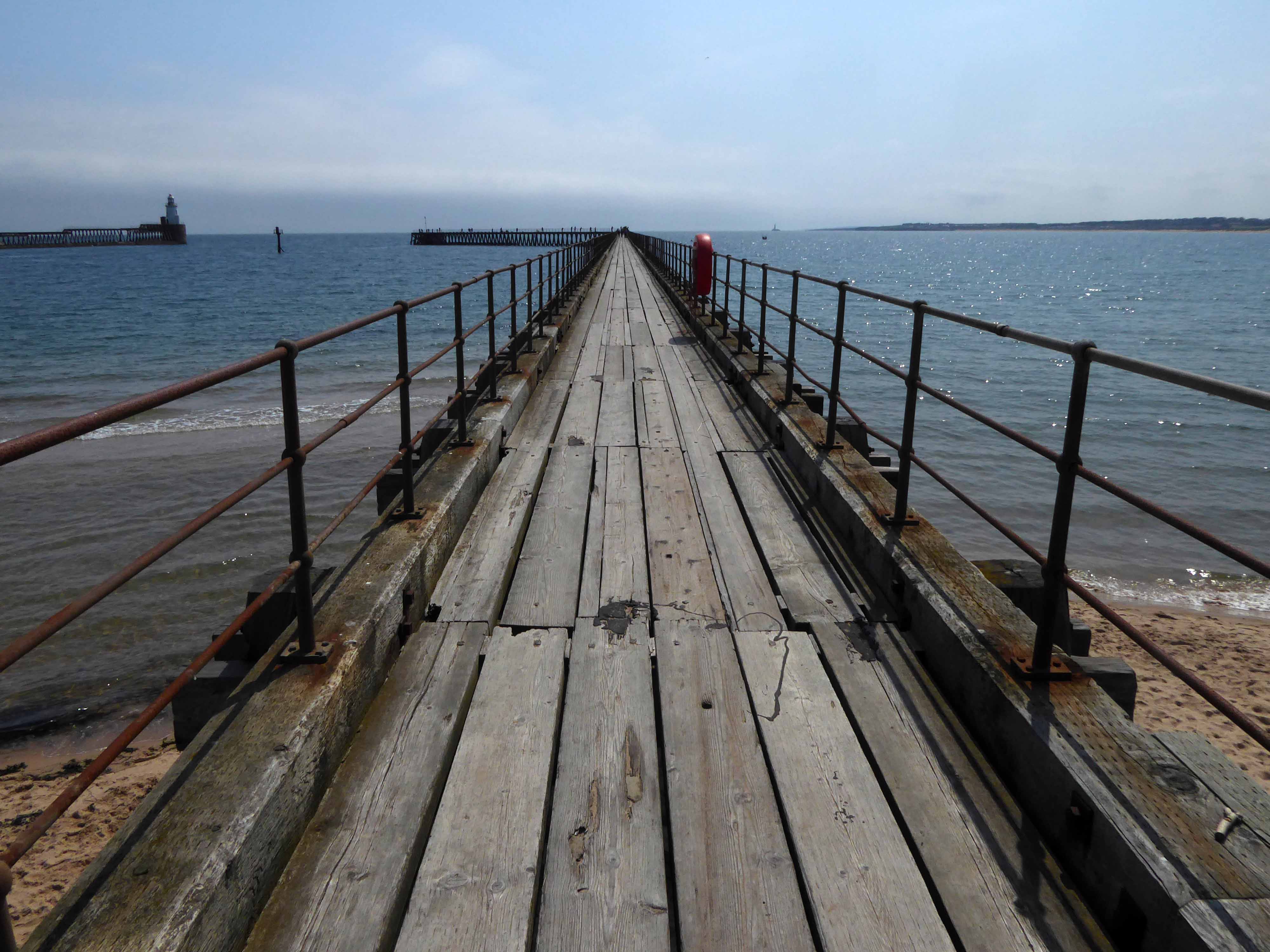
Before I knew it I was in Blyth.

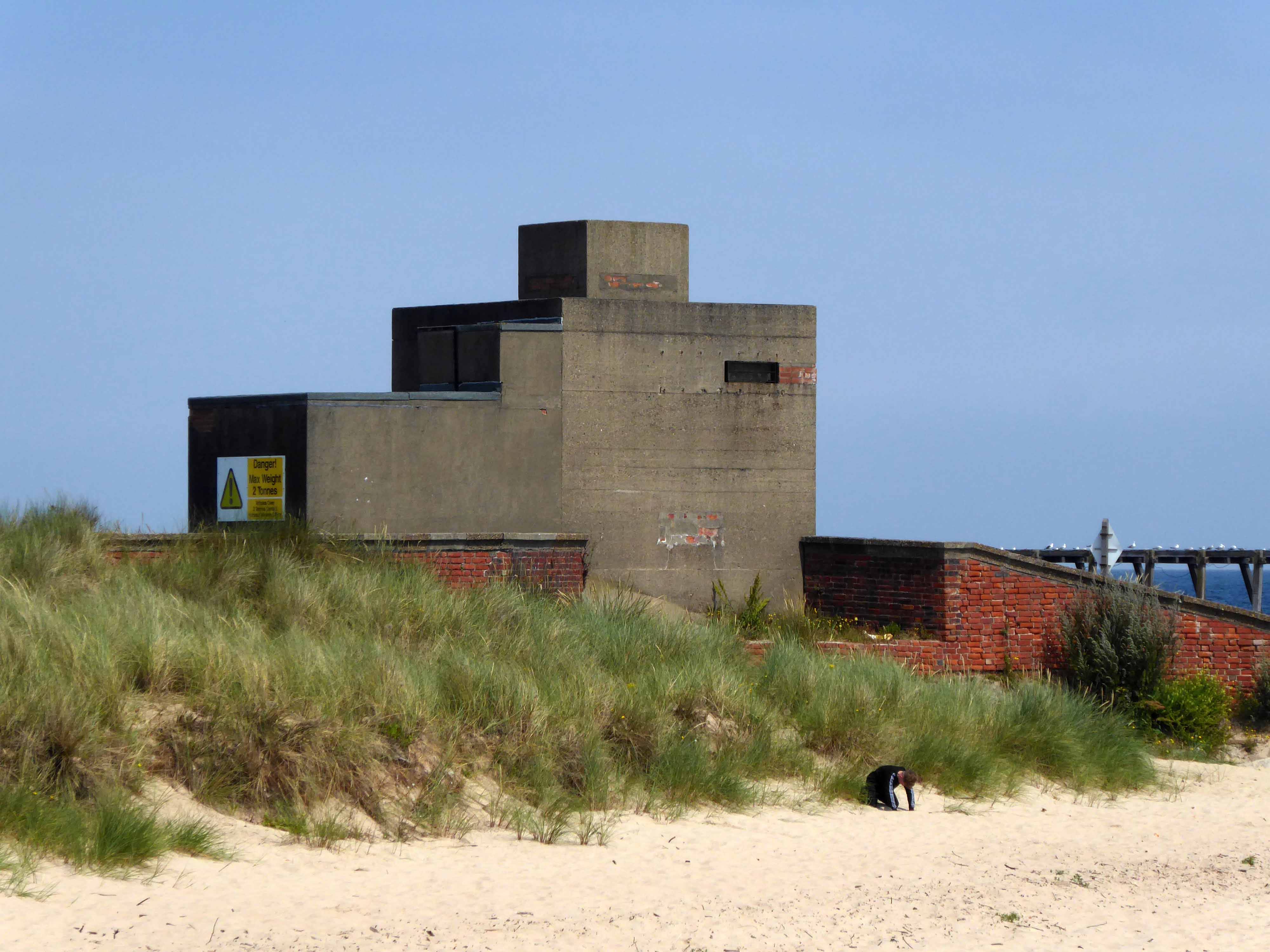
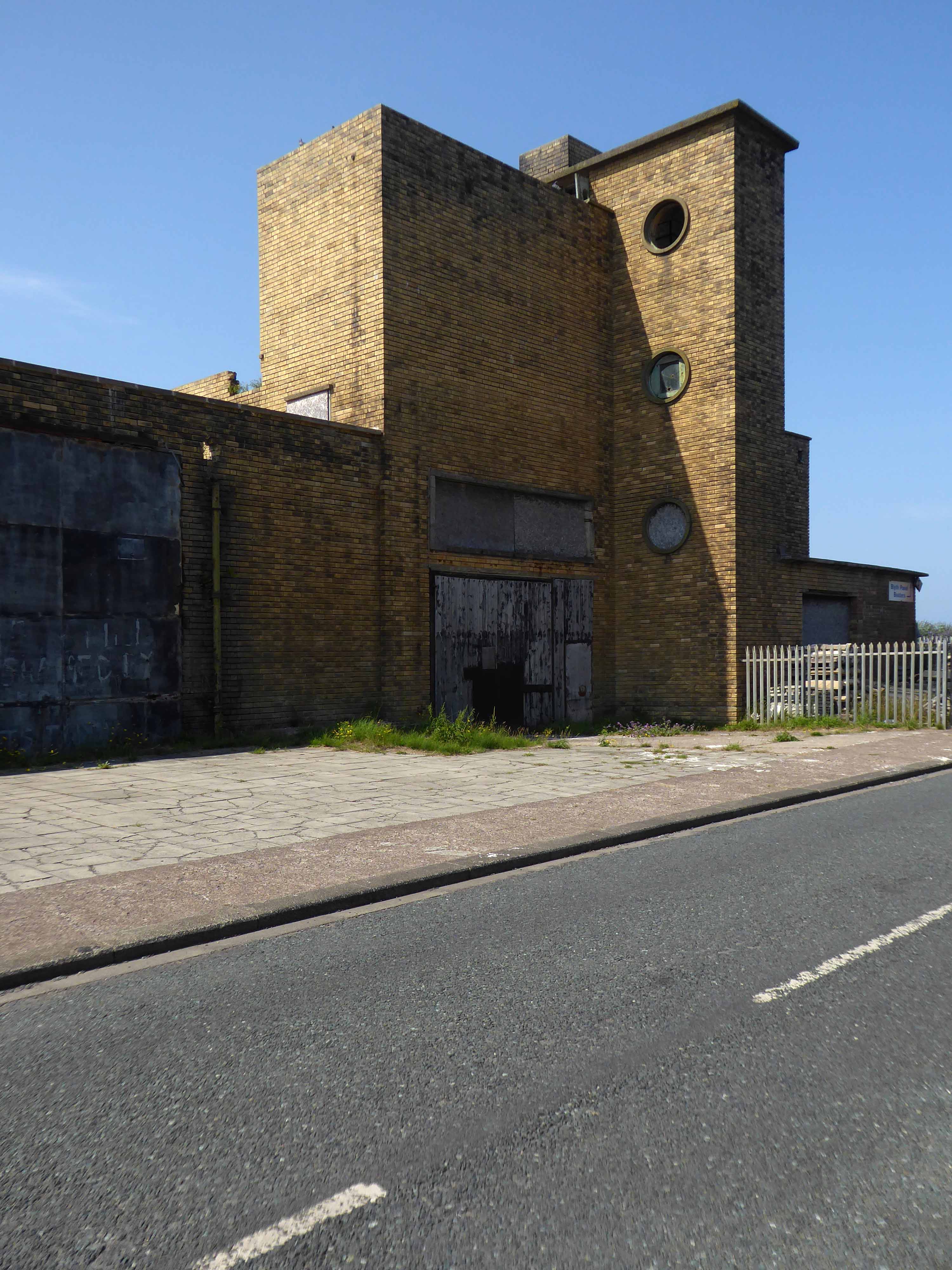
The town edged with military installations

Gloucester Lodge Battery includes the buried, earthwork and standing remains of a multi-phase Second World War heavy anti-aircraft gun battery and radar site, as well as a Cold War heavy anti-aircraft gun and radar site. The battery occupies a level pasture field retaining extensive rig and furrow cultivation.

Historic England

During WW2 Blyth Harbour was used as a major submarine base and that combined with the heavy industry in the area it made a very good target for the Luftwaffe.

Derelict Places

827 men of the 225th Antiaircraft Artillery Searchlight Battalion of the U.S. Army, arrived at this location in early March 1944 and were attached to the 30th British AAA Brigade. Here they sharpened their skills in the high-altitude tracking of aircraft.

Skylighters

I headed into town.

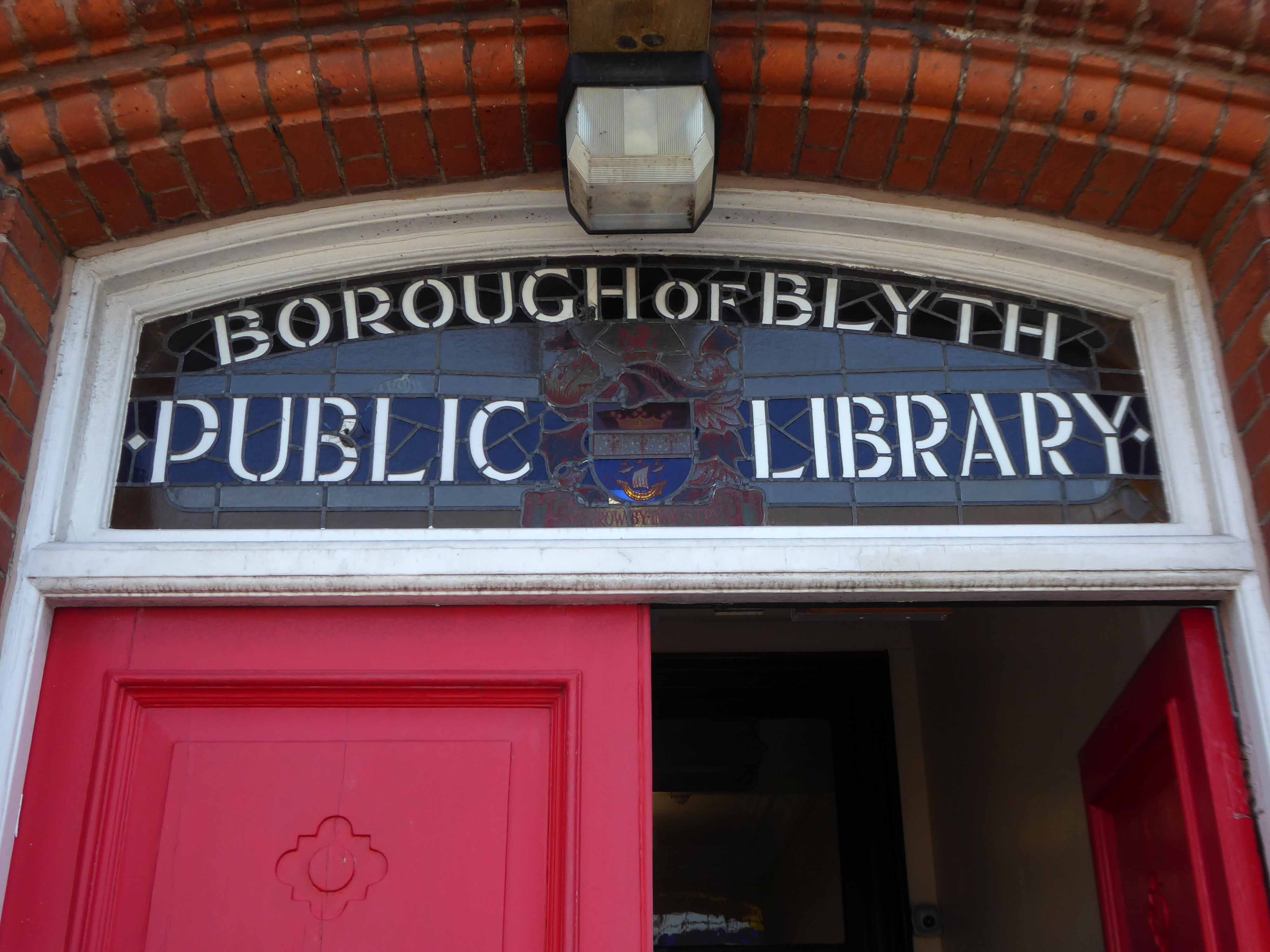
Uncovered this gem in the library porch.

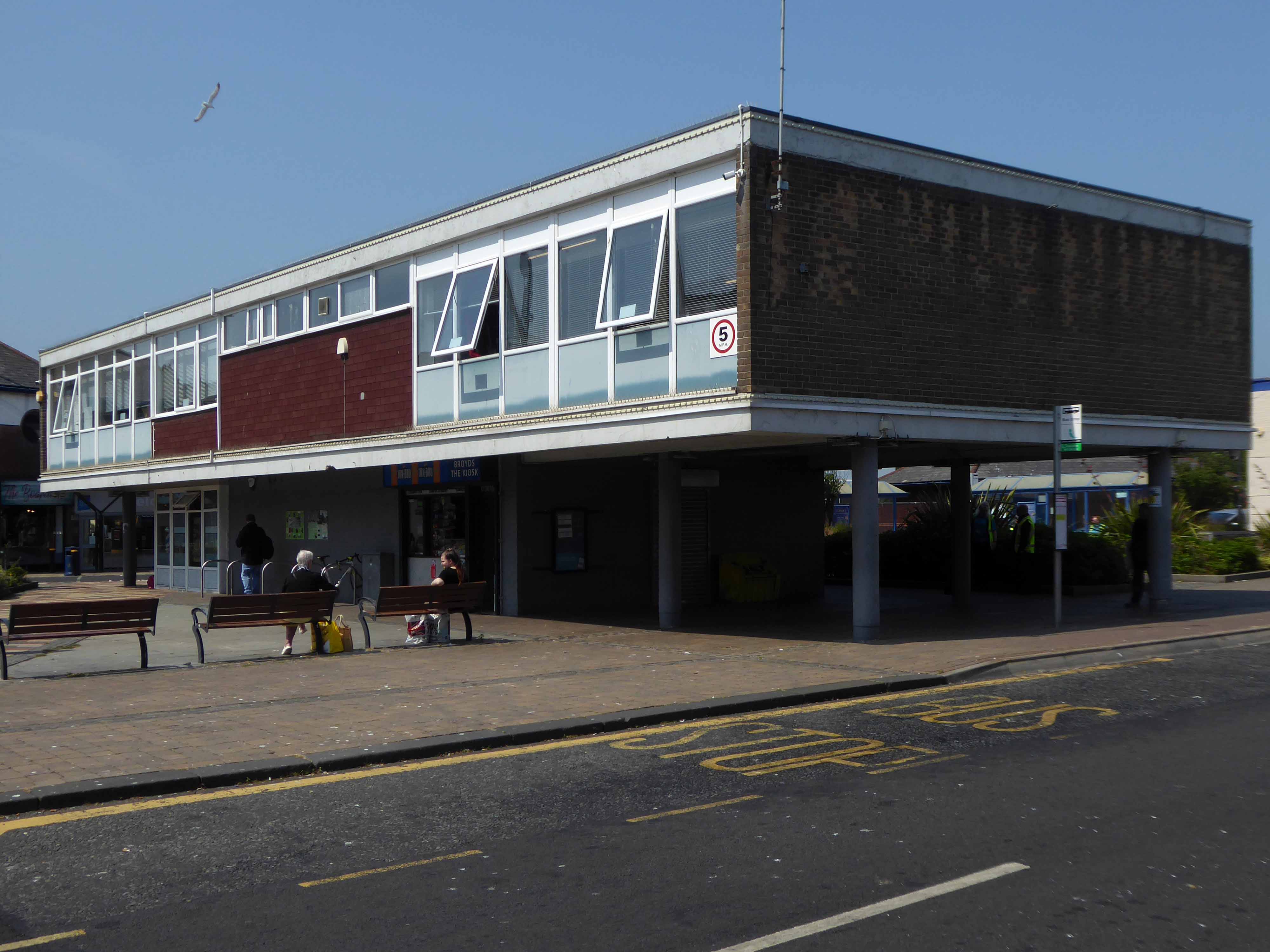
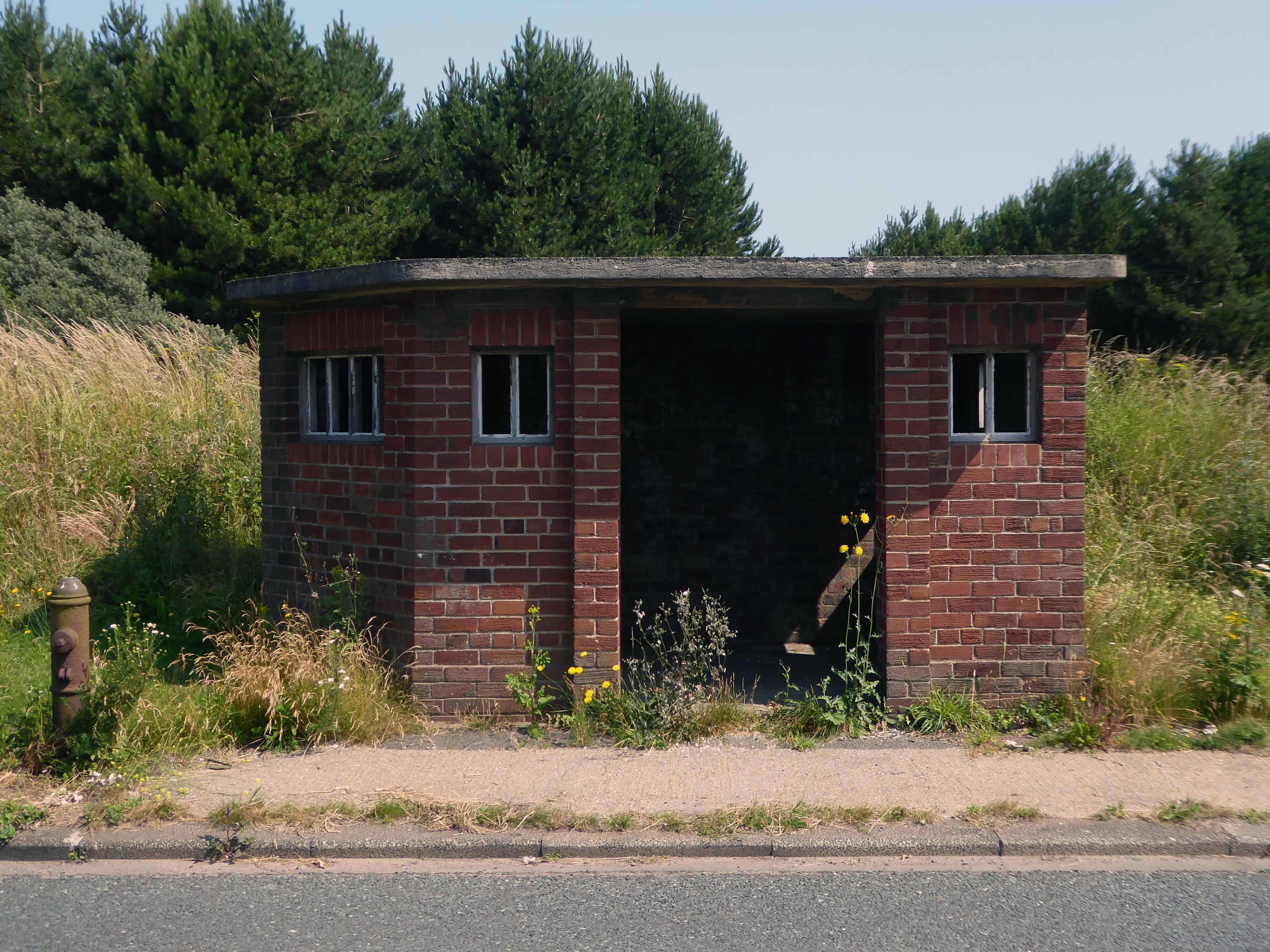
Stopped to admire the bus station.

And found a post box marked Post Box.

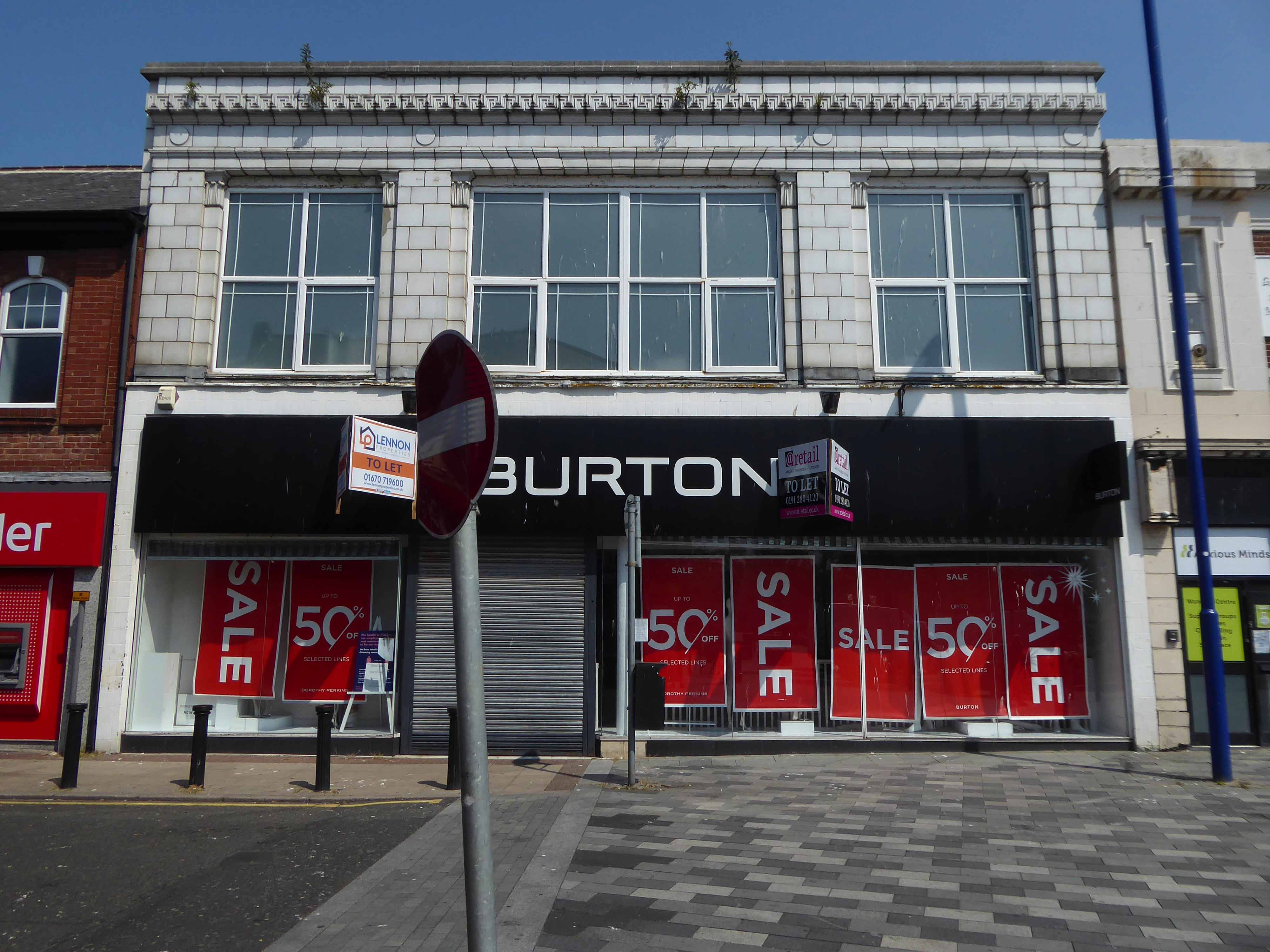
Burton’s gone for a Burton.

The cycle route took me off road along the estuary and under the flyover.

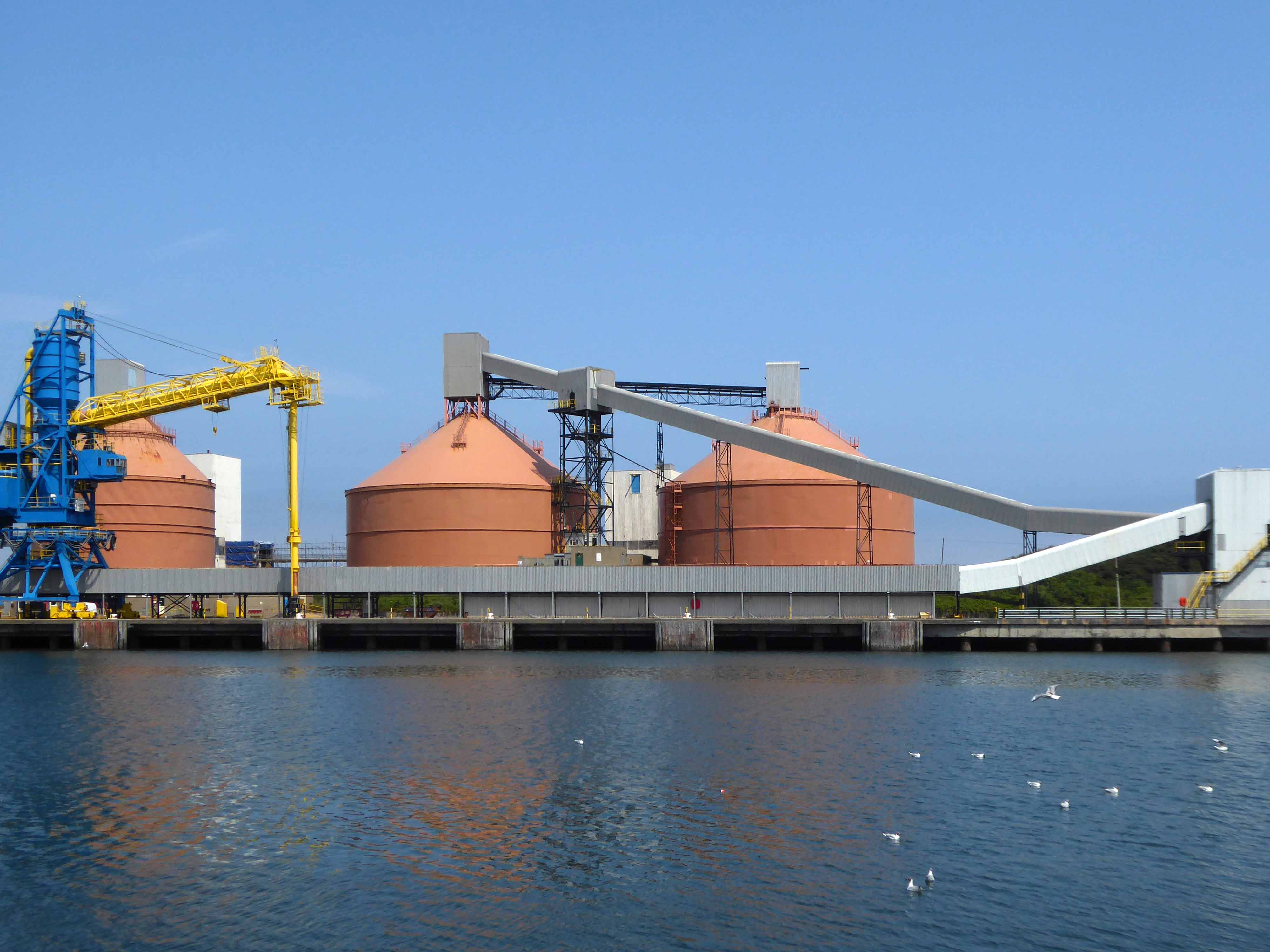
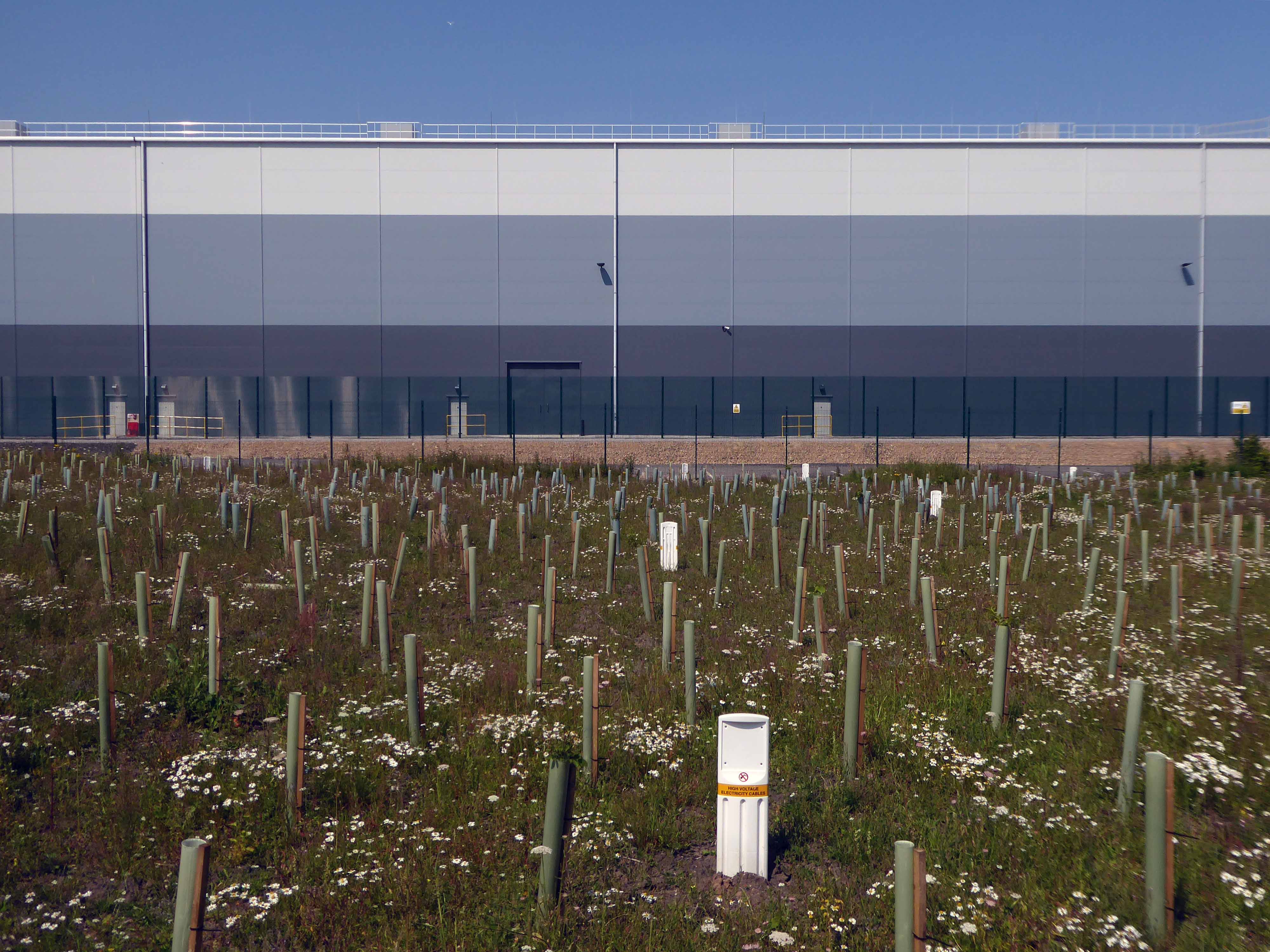
Encountering a brand new factory.

And the remnants of the old power station.

Blyth Power Station – also known as Cambois Power Station, refers to a pair of now demolished coal-fired power stationsThe two stations were built alongside each other on a site near Cambois in Northumberland, on the northern bank of the River Blyth, between its tidal estuary and the North Sea. The stations took their name from the town of Blyth on the opposite bank of the estuary. The power stations’ four large chimneys were a landmark of the Northumberland skyline for over 40 years.

After their closure in 2001, the stations were demolished over the course of two years, ending with the demolition of the stations’ chimneys on 7 December 2003.

Wikipedia

UK battery tech investor Britishvolt has unveiled plans to build what is claimed to be Britain’s first gigaplant at the former coal-fired power station in Blyth in Northumberland.

The £2.6 billion project at the 95-hectare Blyth Power Station site will use renewable energy from the UK and possibly hydro-electric power generated in Norway and transmitted 447 miles under the North Sea through the ‘world’s longest inter-connector’ from the North Sea Link project.

By 2027, the firm estimates the gigaplant will be producing around 300,000 lithium-ion batteries a year.

The project is predicted to create 3,000 new jobs in the North East and another 5,000 in the wider supply chain.

Energy News

Long gone is the Cambois Colliery, its pit head baths and the buses that bused the workers in and out.

One hundred and eleven men died there.

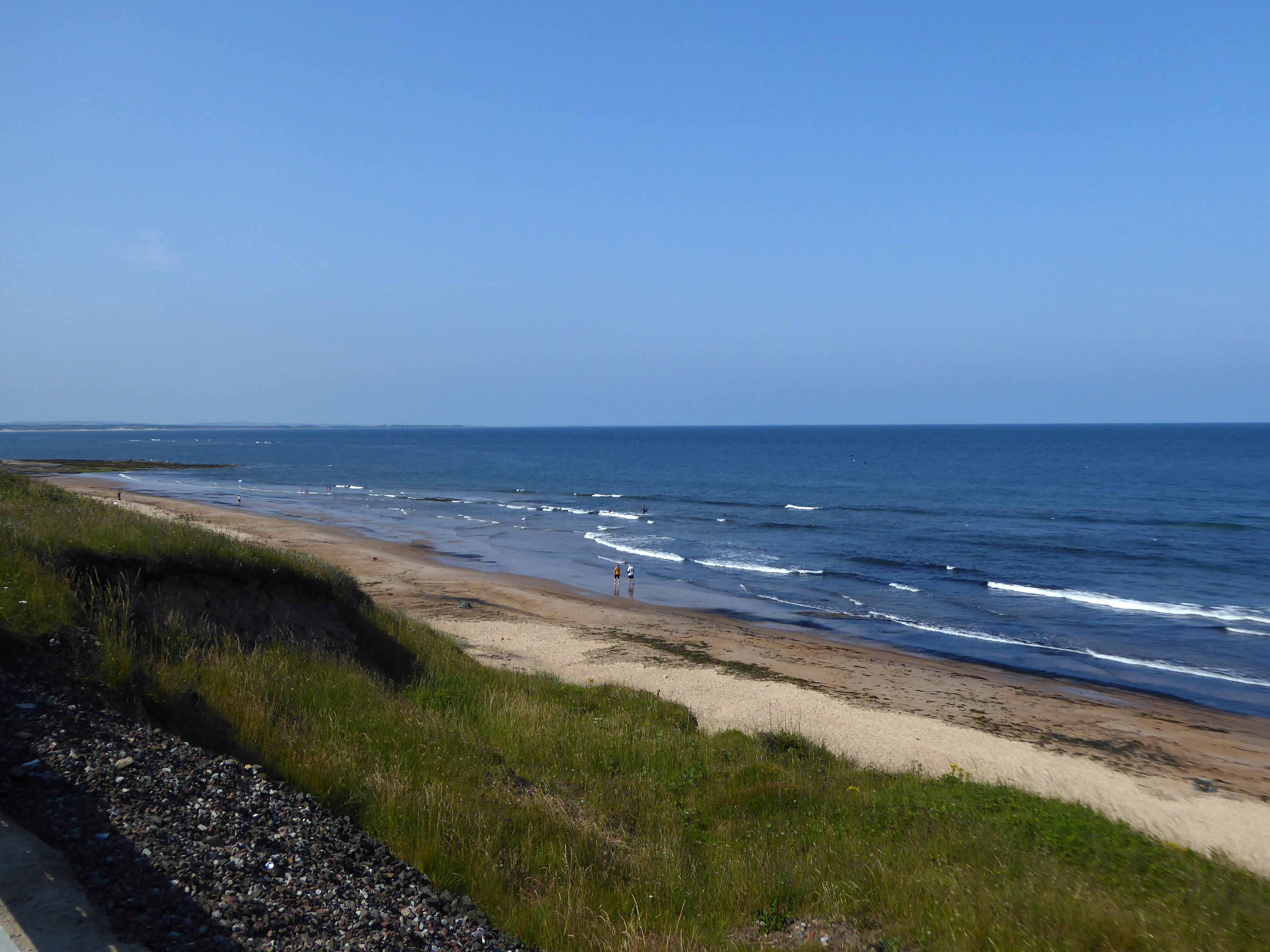
The route headed along the coast on unmade roads and paths, I bypassed the Lynemouth Pithead Baths – having visited some ten years ago.

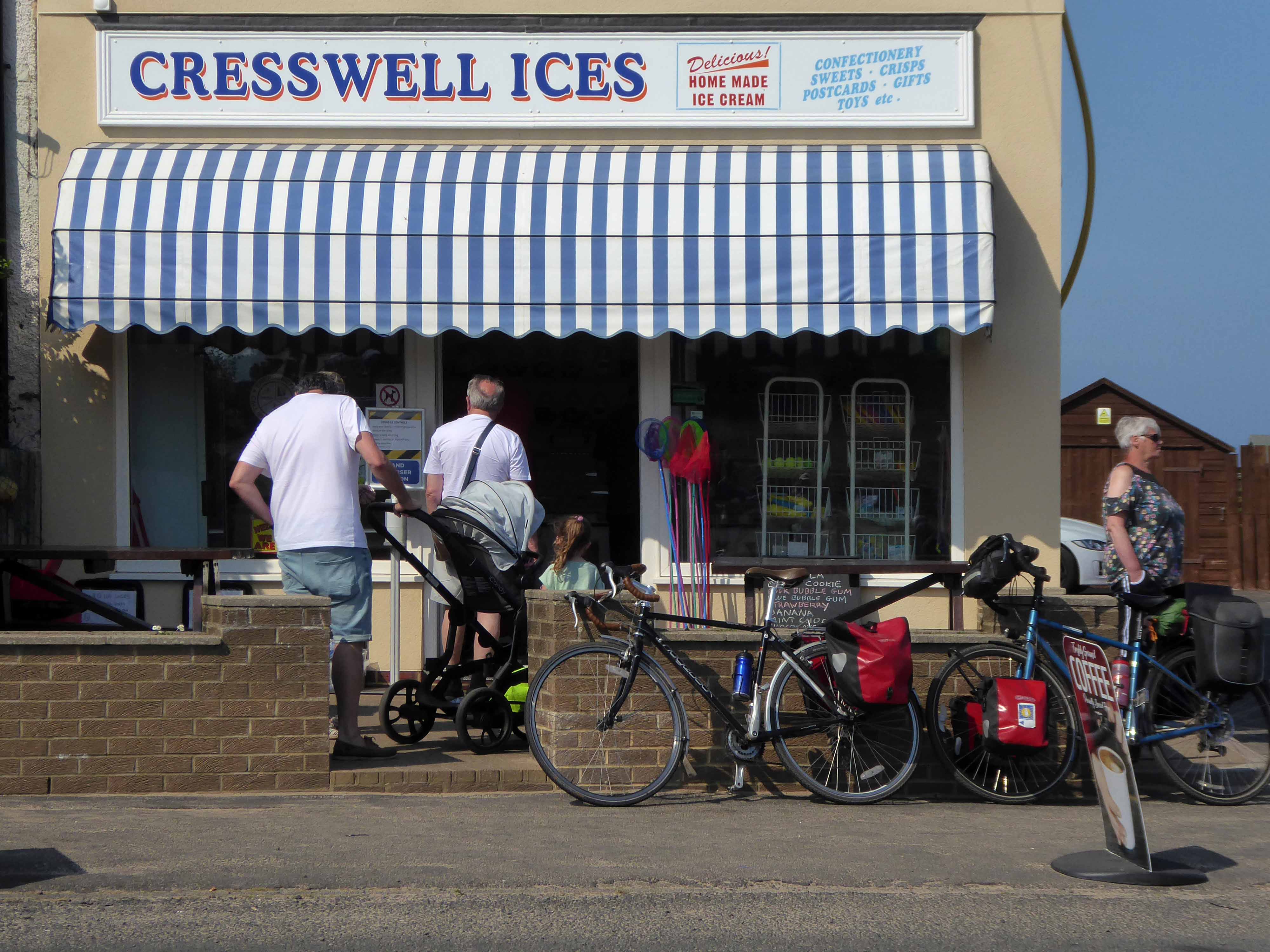
I was delighted to find that Creswell Ices were still in business and my temporary partner Adrian treats me to a tub.

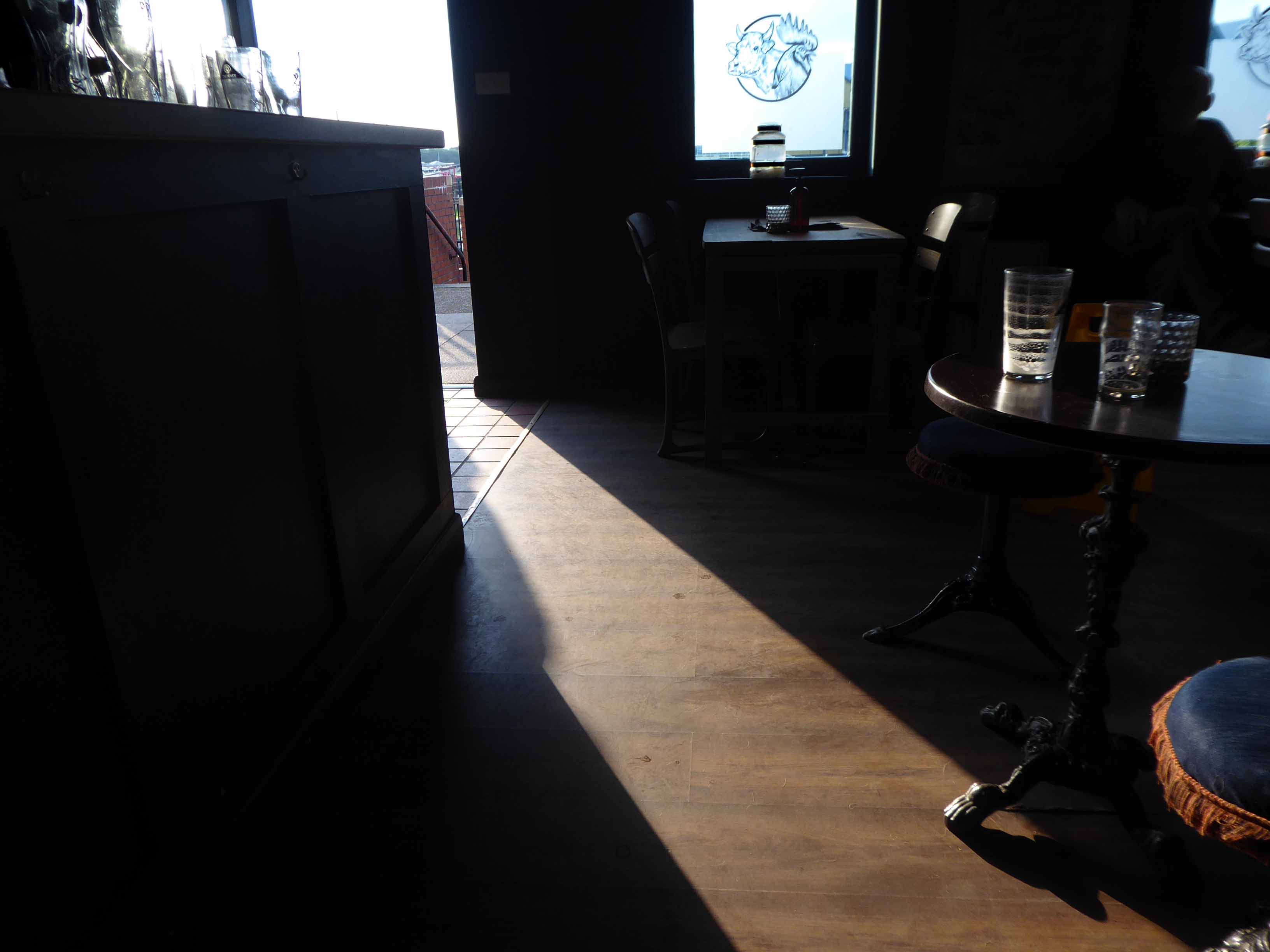
Having arrived in Amble I was delighted to find the Cock & Bull.

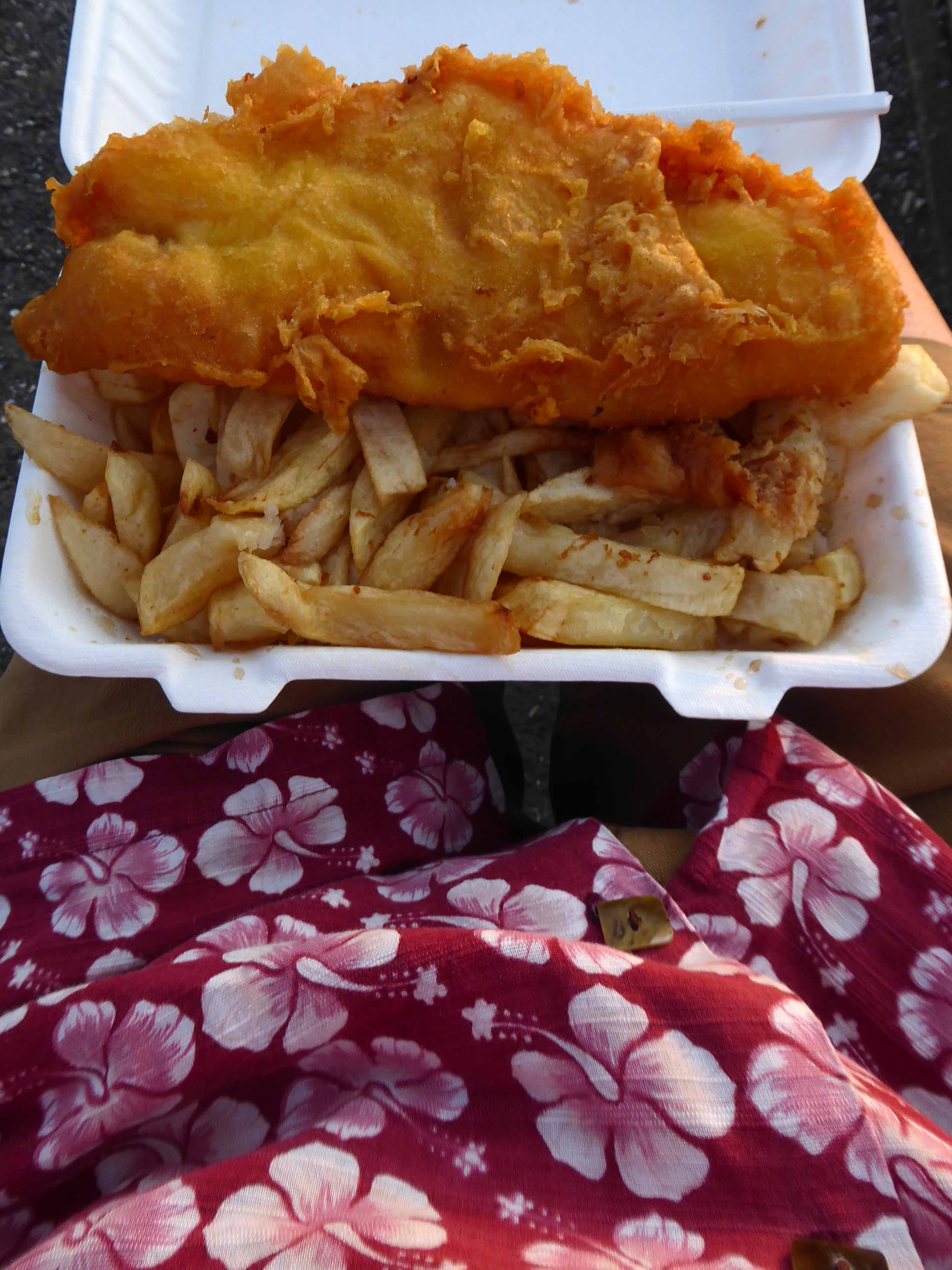
Following a few pints I feasted on fish and chips.

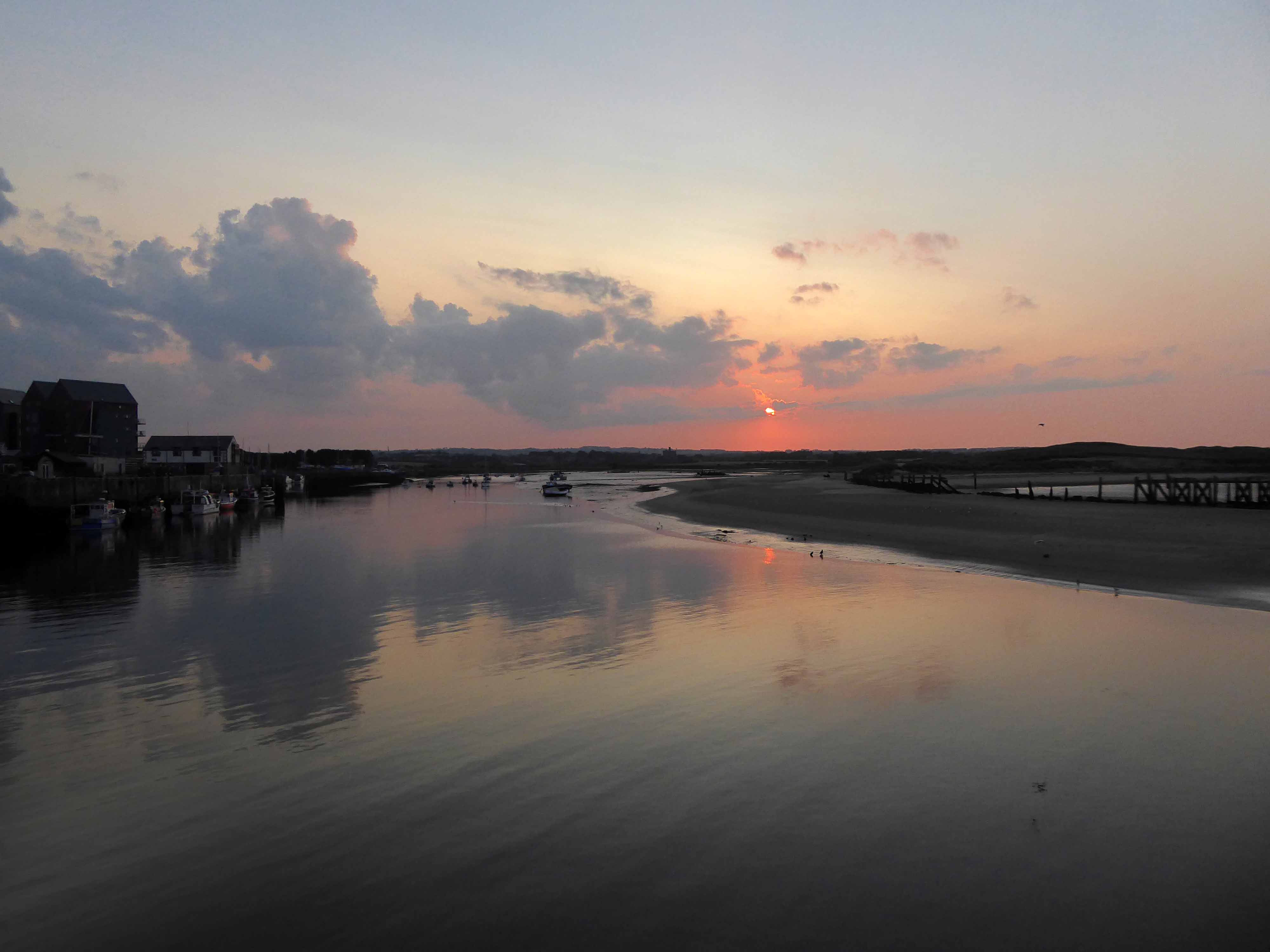
Then watched the sun set over the harbour.
Good night all.

BT Building – Warrington

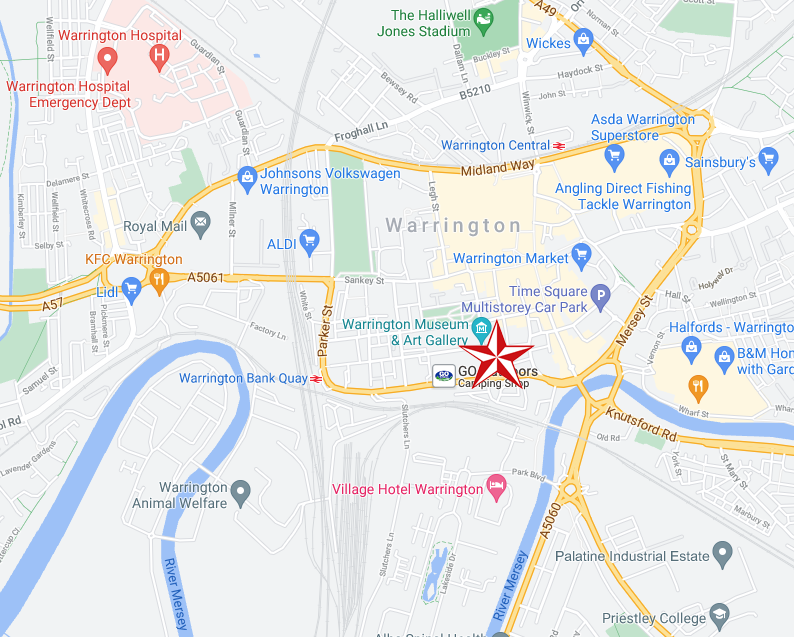
Wilson Patten street Warrington Cheshire WA1

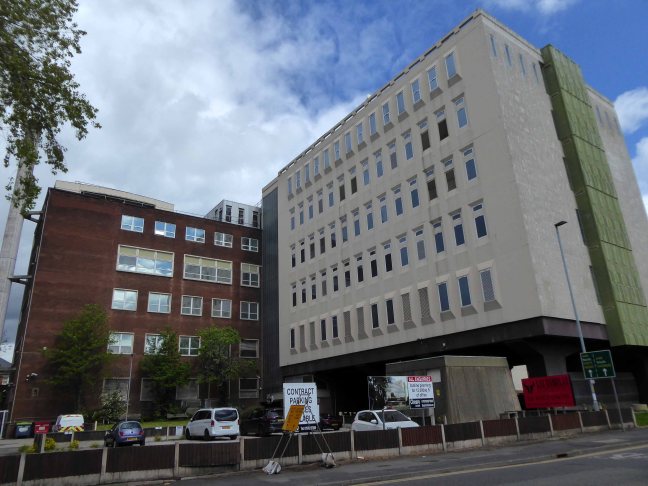
A forgotten part of Warrington town centre could be turned into plush new affordable flats.

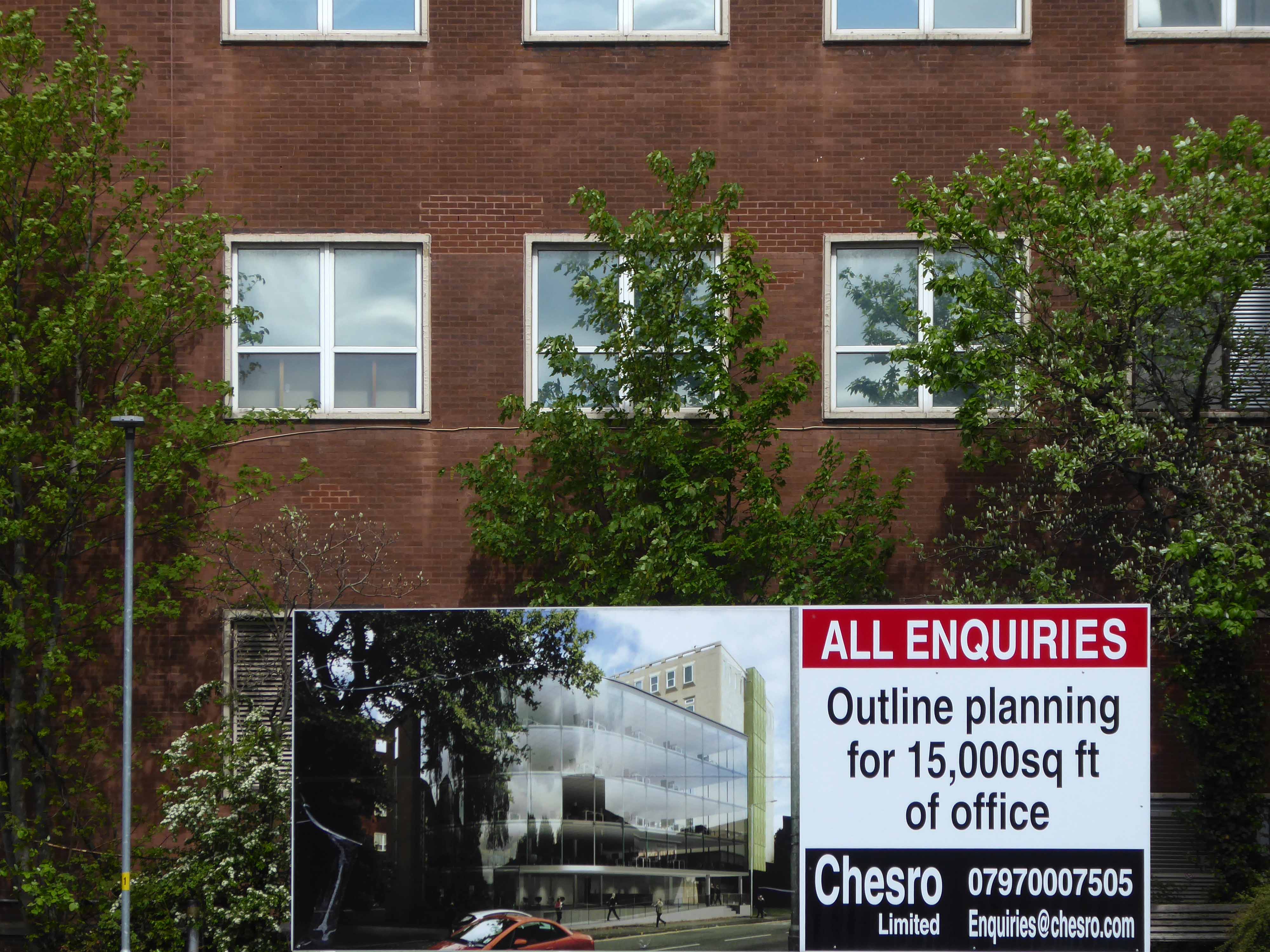
Developers are looking to put an eight-storey apartment block off Wilson Patten Street close to the former BT telephone exchange building – described in the planning application as an:

ugly concrete monolith

It would be home to a mix of forty one, two and three bed flats on the spare land which is currently used as a car park.

Warrington Guardian

Typically the architecture of Twentieth Century infrastructure is reviled and ridiculed – simply swept away by contemporary, anonymous design and construction.

At least in this instance the developers intend to retain the ugly concrete monolith.

For me it is an essay in confident construction and decoration, the marriage of 1955’s brick utilitarianism, with a later concrete structure.

Poised on massive grey piloti, rising elegantly above the town.

Adorned with a simple articulation of surface.

East Park Gates Hull – Concrete Walls

Holderness Rd Hull HU8 8JU

At the entrance to the park on Holderness Road are eight concrete walls.

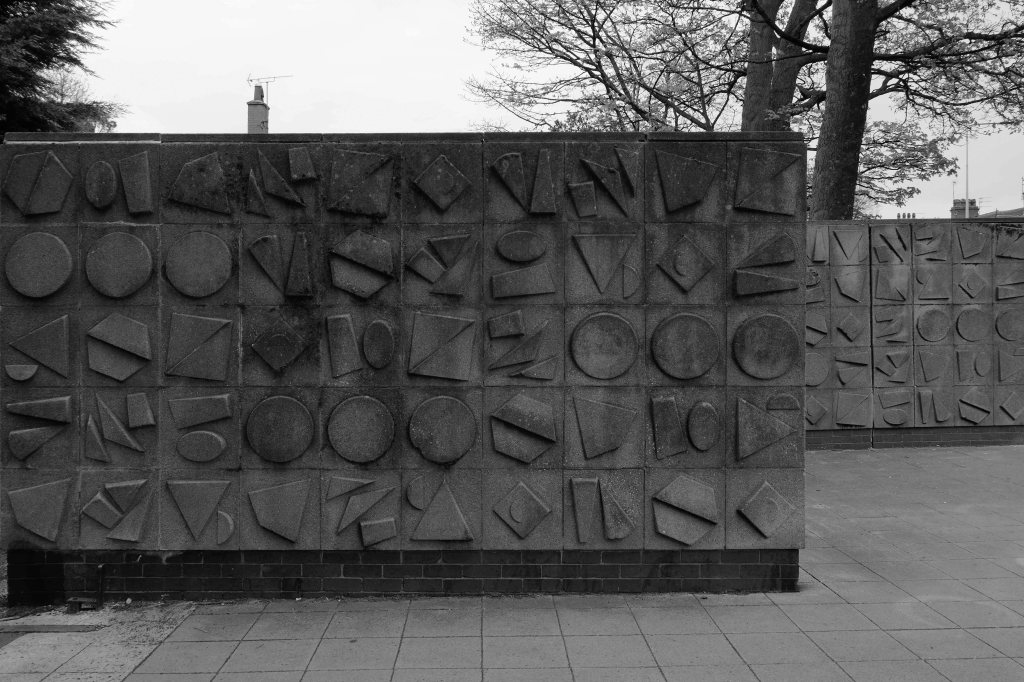
They are covered in square, cast concrete modular panels.

Said to be the work of the City Architect in 1964.

Municipal Dreams lists the City Architect at that time to be JV Wall, having replaced David Jenkin in that same year.

My money’s on Wall – well it makes sense don’t it?

I had taken the bus from Hull Interchange on a chill April morning.

The driver obligingly giving me a shout at the appropriate stop – right outside the gates.

They are not universally loved:

A further testament to the concrete pourer’s art is to be found adorning the entrance to East Park. They are so horrible that I could find nothing on the net to indicate who designed them, shame is a powerful motive for reticence. So here they stand to welcome the visitor; after this the actual park couldn’t be any worse.

Hull and Hereabouts

I can only assume that the actual park is held in much higher regard, listed and adored by all.

To my mind they are a bold addition to the park’s entrance, very much of their time, yet at the same time, ever so very now!

The has been a gentle patination to the raw surfaces and limited external intervention from the local Tyke taggers.

Take a look make up your mind – yay or nay?

It looks like they’re here to stay.

If you like this then you’ll like this and possibly this.

From Huyton to Hull and back to UMIST – it’s concrete walls all the way.

Droylsden Library

Built in 1937 – very much in the civic style of the day, an inter-war classical moderne utilitarian low-rise in brick, steel, stone and concrete.

A three level, level headed essay in resolute local pride, when Droyslden was an independent UDC, prior to the creation of Tameside.

Furnished in the finest manner.

Computerised and digitised – the first library in Tameside to go live.

Home to local art displays and reading corners.

Droylsden Library Carnival entry – first prize winner in its category.

Closed on March 17th it now faces demolition.

Archive photos Tameside Image Archive

The rising cost of repairs, combined with ‘a desire to progress’ with the regeneration of Droylsden town centre and the inaccessibility of the library’s T shape, three-floor configuration means that a ‘solution for the future of the library’ is now needed, according to the town hall.

Manchester Evening News

Of note are its curved cantilevered concrete balconies, complete with attractive steel balustrades.

Along with its carved relief above the door.

Decorative grille.

Commemorative Communist plaque

Drainpipes

Architectural Type.

And handrail.

I sure will miss the Library – I have walked cycled and bused by for over fifty years.

You are to be replaced by housing and relocated to the new development next door.

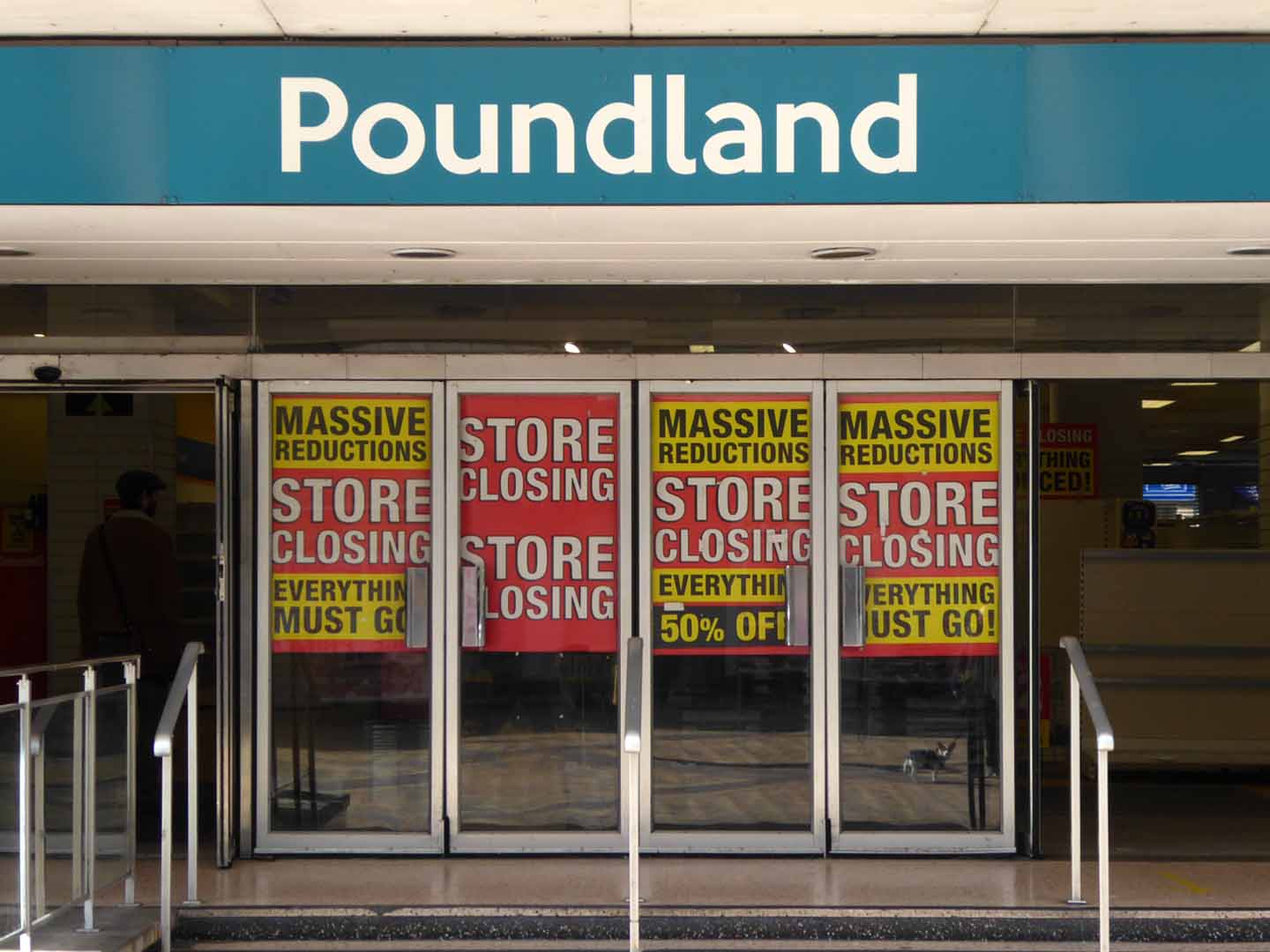
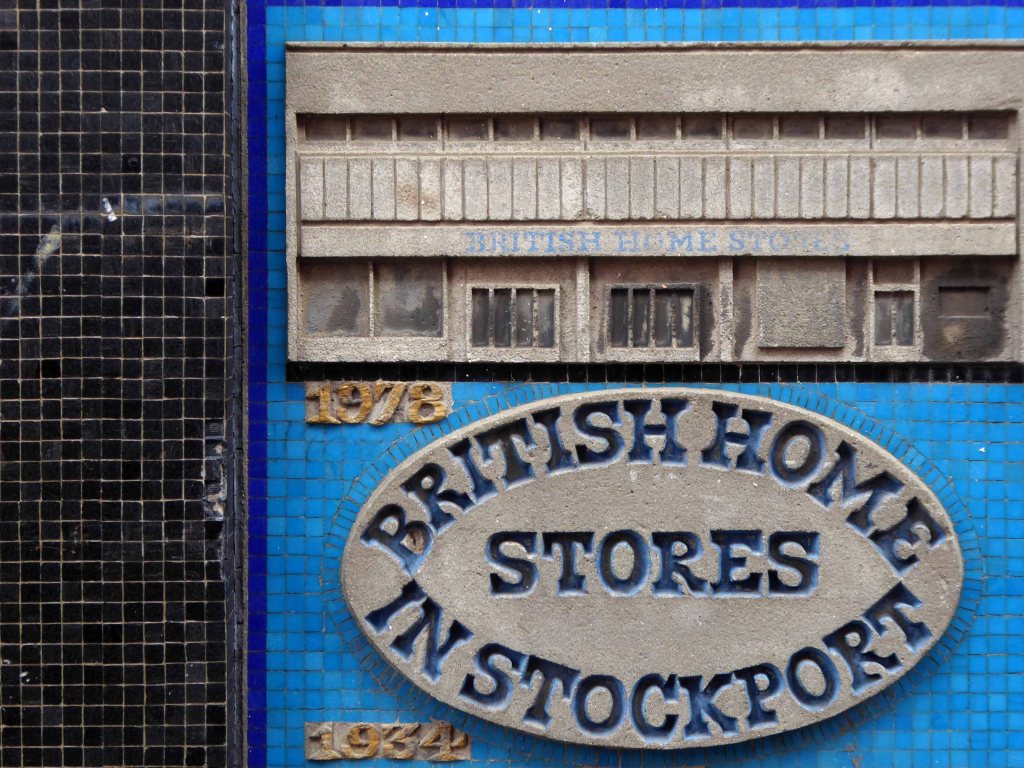
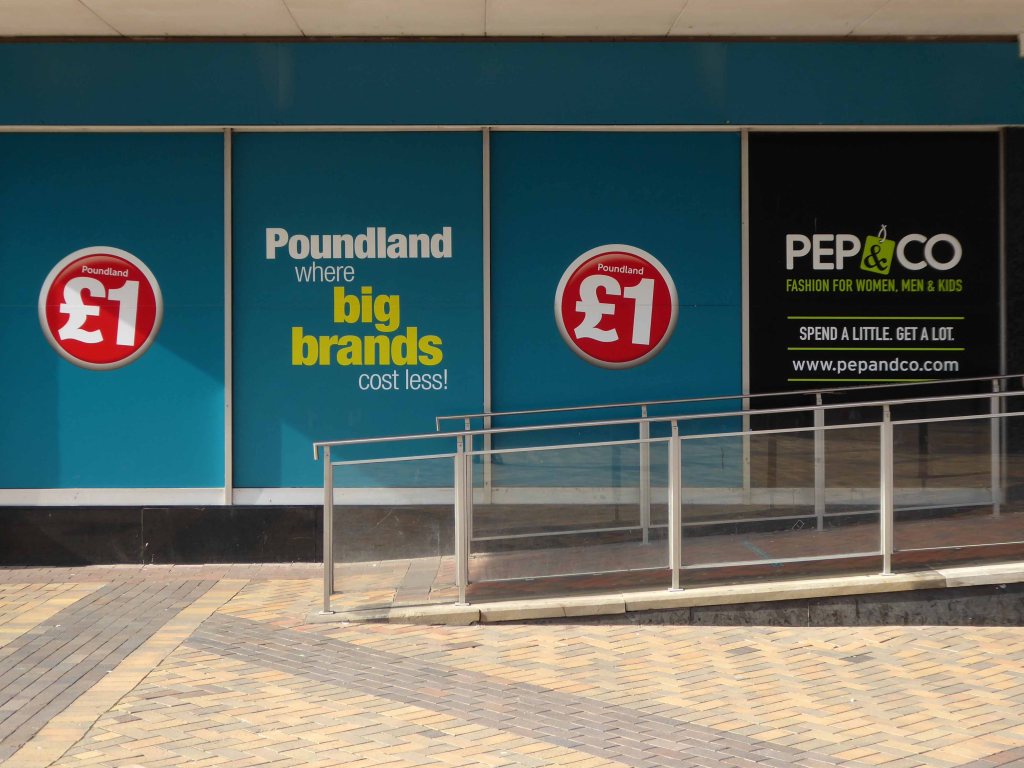
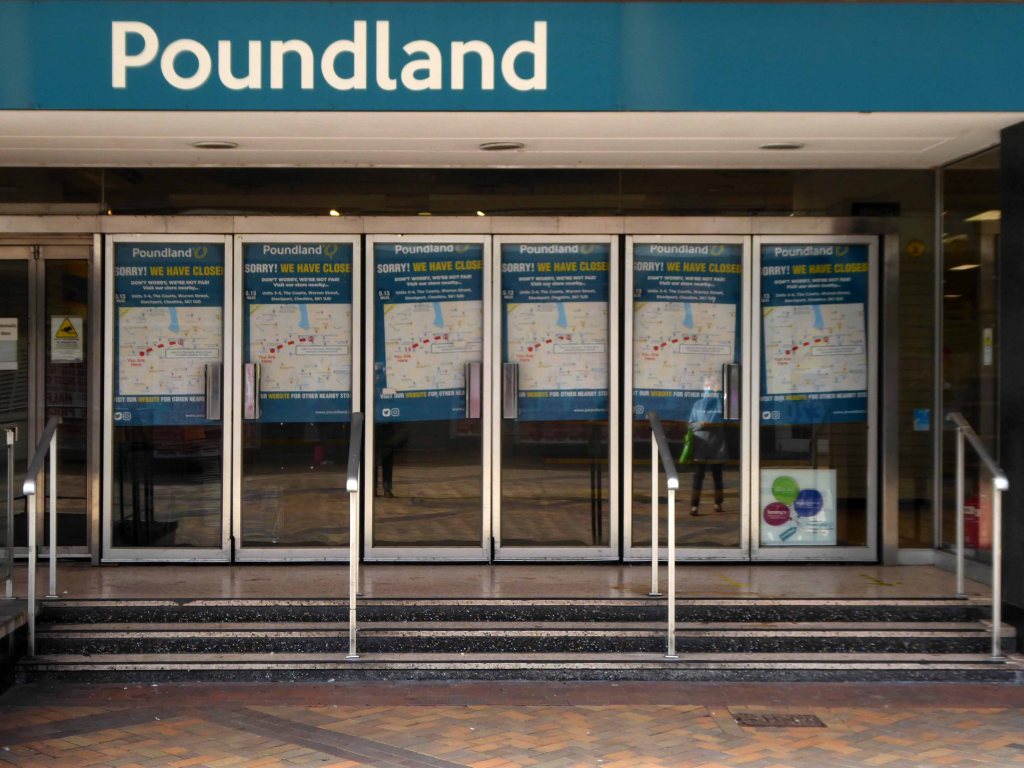
Poundland née BHS – Stockport

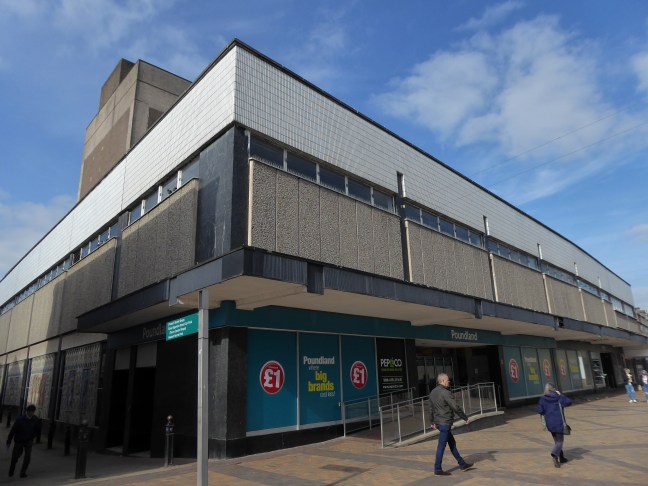
Stockport council bought the building in 2019 following the collapse of BHS three years earlier.

The report says the store is now in a poor condition, looks ‘dated and tired’ and ‘contributes to negative perceptions’ of Merseway.

MEN

You were conceived as an integral part of the Merseyway development, which on its inception, was held in the highest regard.

Innovative architecture with confidence, integrity and a clear sense of purpose.

The failure of BHS was a national disgrace, venal management, asset stripping, avaricious, grasping rodents ruled the day.

Dominic Chappell, who had no previous retail experience, bought the high street chain from the billionaire Sir Philip Green for £1 in March 2015. The company collapsed with the loss of 11,000 jobs 13 months later, leaving a pension deficit of about £571m.

Guardian

A sad end for a company with a long history and presence on the high street.

With an architectural heritage to match:

BHS’s chief architect at this time was G. W. Clarke, who generally worked alongside W. S. Atkins & Partners, as consulting engineers. The stores – like Woolworth’s buildings – were composite structures, with steel frames and concrete floors. Clarke sometimes appointed local architects.

At first, like C&A, BHS retained the narrow vertical window bays and margin-light glazing that had characterised high street façades in the 1930s, but by the end of the 1950s Clarke had embraced a modified form of curtain-walling.

This architectural approach became firmly associated with BHS, with framed curtain wall panels – like giant TV screens – dominating the frontages of many stores.

Building Our Past

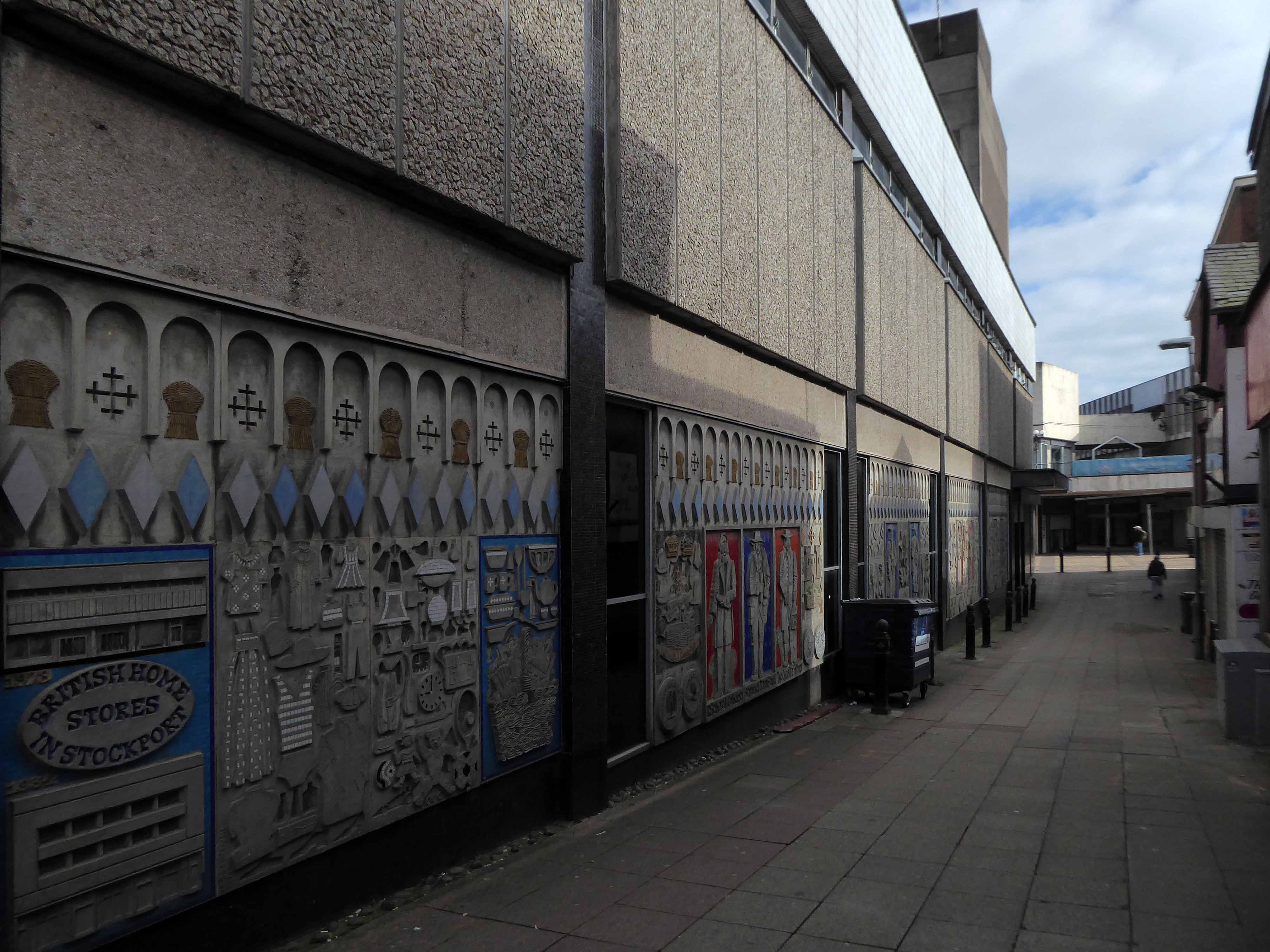
Of note are the Joyce Pallot and Henry Collins concrete panels on the Deanery Row elevation.

There have been moves to have the work listed, without success.

Of late the store has been home to Poundland – though time has now been called.

Poundland’s retailing concept is extremely simple: a range of more than three thousand – representing amazing value for money.

Our pilot store opened in the Octagon Centre, Burton-upon-Trent, in December of 1990, followed by new stores in High Street, Meadowhall and other quality trading locations.  Shoppers loved the concept and so did fellow retailers and landlords.  The stores proved to be a huge success. Meadowhall’s success was repeated by further stores opening by the end of the year.

The store has been a success even during COVID restrictions, let us hope that the planned return goes ahead.

So here is my record of the building as is, a tad tired, but in its day a simple and authoritative amalgam of volumes and materials.

Mixing variegated grades of concrete, tiling, mosaic, brick, steel and glass.

St Cuthbert’s Miles Platting Manchester

Junction of Fir Road and Oldham Road

One fine day, I chanced to walk by just as the service was finishing.

I asked Assistant Curate Rev. Peter Scott if it would be possible to photograph the interior of the church, he kindly consented.

Here are the results, along with shots of the excitingly angular exterior.

The church’s exterior is home to a dramatic concrete relief.

Let’s take a look inside, complex volumes and multiple window-lighting points, along with simple decorative order.

Of particular note – the organ pipes located above the main entrance.

Once again I can’t thank Rev. Peter Scott enough for giving us access to this beautiful church, serving the parishioners of Miles Platting.

Three Tuns – Coventry

At the heart of the Precinct – I found the former Three Tuns pub stood standing – still.

Subsequently imaginatively reimagined as Roosters.

The exterior – and interior for that matter, adorned with the decorative concrete work of William Mitchell.

The area also being blessed with his cast panels and modular tower block fascia.

The precinct is currently, yet again, being considered for constructive rehabilitation, as part of the city’s City of Culture concatenations.

The threat to Modernism is no new thing, and the hurried scrabble for progress, ever so often erases the recent history of that progress.

I popped in way back in 2016, and Mr and Ms Rooster were more than happy, if not a tad perplexed, to have me snap around their chicken shack.

Sufficiently satiated, why not take a stroll around town, whilst it’s still there.

Take in the Cathedral – soon to be become the Kwik-Fit National Museum of Tyre Fitting.

The Indoor Market, Upper Precinct and Co-op

Above the current market office is an impressive painted mural by art students from Dresden commissioned especially for the market in the 1950s in a Socialist Realist manner, depicting farming and industrial scenes. 

The Gordon Cullen tiles have been renovated and re-sited within the exit corridor.

Still in clear view the stone relief work of John Skelton November 1956. Three of the eight column have incised Hornston stone works, depicting the activities of the CWS.

Get yourself there pronto – current restrictions considered of course.

You just might be in time to see the Station.

Coventry forever changes.

Fountains Café – Bradford

17 John St Bradford BD1 3JS

I first came here some twenty years ago or so and on each subsequent visit little seems to change.

The exterior signage and fascia remain intact.

The orange light shades are still hanging limp and bright from the suspended ceiling.

The furniture and scarlet carpet unmoved, as the cheery waiting staff weave merrily in, out and round about with meals and drinks.

The distinctive white relief sits in the same place on the wall.

Almost inevitably I order a mug of tea.

Along with a plate of eggs chips and peas.

Eat and drink the lot and leave happy and contented – who can resist a well run, well appointed classic café?

I can’t.

A well-known and respected figure in the Bradford business world, Mr Paul Georgiou ran Fountains Coffee House in John Street for just shy of 50 years alongside his wife Mary, and has run cafés and other businesses in the city for almost six decades.

Other ventures created by Mr Georgiou include the Hole in the Wall nightclub, which was one of the first underground nightclubs in the city centre. It hosted acts including Sir Tom Jones and rockers Thin Lizzy as they rose to fame in the late 1960s and early 1970.

Sadly he passed away in 2019.

His main business Fountains Coffee House is now managed by his son Michael, but when it opened it was one of the first businesses to open in the John Street Market, as the Oastler centre was known then.

Telegraph and Argus

Maxine Peake was a recent visitor – filming a sequence for the film Funny Cow, along with Alun Armstrong.

I pop in every time I hit town – often whilst hosting a Modernist Mooch.

So here they are my own observations, brews and grub from the last few years.

Do yourself a favour pop in, if and when you pass, you won’t be disappointed.

William Mitchell – Bradford

This is one of many visits to the Kirkgate Market in Bradford, in order to take a look at the William Mitchell murals.

Positioned above the entrance/exit and either side of the exit/entrance.

They have had over time various companions to keep them company.

They are currently friendless – the Kirkgate Market is to be closed, its future uncertain – and by inference Big Bill’s public art is under threat too.

The Council has announced to its traders in Kirkgate Market and the Oastler Centre that it will not be carrying out the proposed refurbishment of Kirkgate Market as the new market in Darley Street will now accommodate non-food sales on one trading floor with the other trading floor being dedicated to fresh foods and the 1st floor for hot food and beverage sales.

The Telegraph and Argus

We don’t want to eliminate existing customers, or the low income customers who use the existing markets.

Mr Wolstenholme

Do they however wish to eliminate the murals?

As per they are unlisted, largely unnoticed and as such very vulnerable, get it while you can, take a trip to Bradford real soon.

Mention must also be made of the tiled ceramic mosaics which adorn one wall and the three panels on the raised area above the stalls.

Authorship unknown.

I was most intrigued by these tiles – I have not seen this type before – they have a resemblance to to Transform tiles that were produced in Staffordshire in the 1970s, but they are different in several ways.

The November 1973 T&A microfilm appears to have been stolen from Bradford Library so I can’t check reports and features from the time of the opening of the market on November 22 1973.

I would be grateful for any memories and news.

Christopher Marsden 2012

Rotherham Modernism

There comes a time in everyone’s life, when one simply must go to Rotherham, at least once – so I did.

To keep company with my personal town guide, Sheffield Modernist and local resident, Helen Angell.

I arrived early at Rotherham Central, so went for a solo wander.

The station was originally named Rotherham, becoming Rotherham and Masborough in January 1889 and finally Rotherham Central on 25 September 1950.

The newish Rotherham Central station was opened to passengers on 11 May 1987, the present iteration on Friday 24 February 2012, as part of the Rotherham Renaissance plans for the regeneration of the town.

Wikipedia

Opened 22 December 1934 as the Regal Cinema with Leslie Howard in Girls Please. Sandy Powell, the famous comedian attended opening night this 1,825 seat. It was designed by the Hull based architectural firm Messrs Blackmore & Sykes for local exhibitor Thomas Wade and was leased to the Lou Morris chain.

By 1937 it was operated by the London & Southern Super Cinemas Ltd. chain. The Regal Cinema was leased to the Odeon circuit in 1946 and was re-named Odeon. It was sold by the Rank Organisation to an independent operator in 1975 and renamed Scala Cinema, by 1981 using the circle only.

Closed 23rd September 1983 with the film Porky’s.

Became a bingo hall initially named Ritz but now Mecca. On 20th February 2020 the building was put up for sale by auction at an asking price of £600,000+, but failed to sell, with the maximum reached £590,000. Mecca bingo continues in the building.

Cinema Treasures

Curious corner retail development and sculpture of the Sixties – with pub archeology.

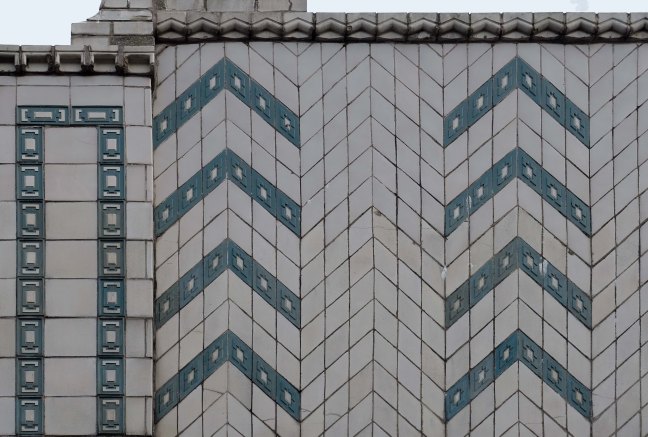
Art Deco detail and tiling.

Royal Mail Sorting Office.

Retail detail.

Beeversleigh Flats – built between 1968-71. 

Main contractors J. Finnegan it’s thirteen storeys high – housing forty eight dwellings.

Interwar Technical College – Howard Building

From the 1930s, it provided technical-orientated education from the Howard Building on Eastwood Lane, Rotherham. In 1981, three neighbouring colleges of arts, technology and adult education were merged into one. As a result, the college became known as Rotherham College of Arts and Technology.

Revised plans to convert the historic Howard Building in Rotherham town centre into self-contained studios and apartments have been approved by the planning board at Rotherham Council.

The prominent former college building was sold prior to going to auction last September after it was advertised as a development opportunity and given a guide price of £250,000 by local auctioneers, Mark Jenkinson & son.

2015

28 Days Later

A group of rogue property directors with links to a prominent derelict building in Rotherham have been banned for a total of 54 years. The six, of Absolute Living Developments, were found to have misled more than 300 people to invest at least £12 million in residential properties.

The firm was linked through a lender to Avro Developments, which had plans passed in 2015 to renovate former college block the Howard Building in Rotherham town centre.

Rotherham Advertiser 2019

Clifton Building

Next to the market.

With a strident high tech canopy, very recently added – though Rotherham’s history stems back 800 years when it is thought that the original royal market charter was granted by King John in the year 1207.

There are traces of the 1970’s rebuild.

Bunker-like The Trades former music venue/pub, which replaced the former riverside Trades Club.

The PA now silenced.

This was an amazing event. The bands were really good and the drinks offers, while limited, were good. The ceiling in the ladies toilets had fallen through and was dripping, presumably there had been a leak from all the rain, but this didn’t lessen the awesome experience.

October 2019

The cooling towers and flats are long gone – the coal-fired power station operated from 1923 until October 1978.

The Prince of Wales Power Station in Rotherham was located on Rawmarsh Road and was opened by the Prince of Wales – the future King Edward VIII.

The former Grattans catalogue offices can be seen to the left.

Renamed Bailey House and still in use by the local authority, its days it seems are numbered.

The building is named after Rotherham-born engineer Sir Donald Bailey whose ingenious bridge designs played a key role in shortening World War II, the house in which Bailey was born, 24 Albany Street is still standing.

Sadly no longer home to the Harlem Shuffle

No big names – just big sounds.

There are some surviving power station buildings.

Along with electrical infrastructure.

Up the road next, to the former fire station, which now houses J E James Cycles.

It is surrounded by typically atypical inter war housing.

I could make the wild assumption, that these flat roofed maisonettes were originally homes fit for firefighters.

A passing nod towards a former Methodist Chapel.

Further on up the road to Peck House.

And the attendant tiles.

Just around the corner Backer Heating – still trading.

Returning toward town and enchanted by a giant 13 amp plug.

Under the underpass.

Then the other underpass.

Finally through the last underpass.

With a final notable note regarding Rotherham’s hand painted council commissioned signage – I’d like to think that they have a sign writer in their employ.

Many thanks to my learned companion Helen – thanks for a fine day out, so much to see and do!