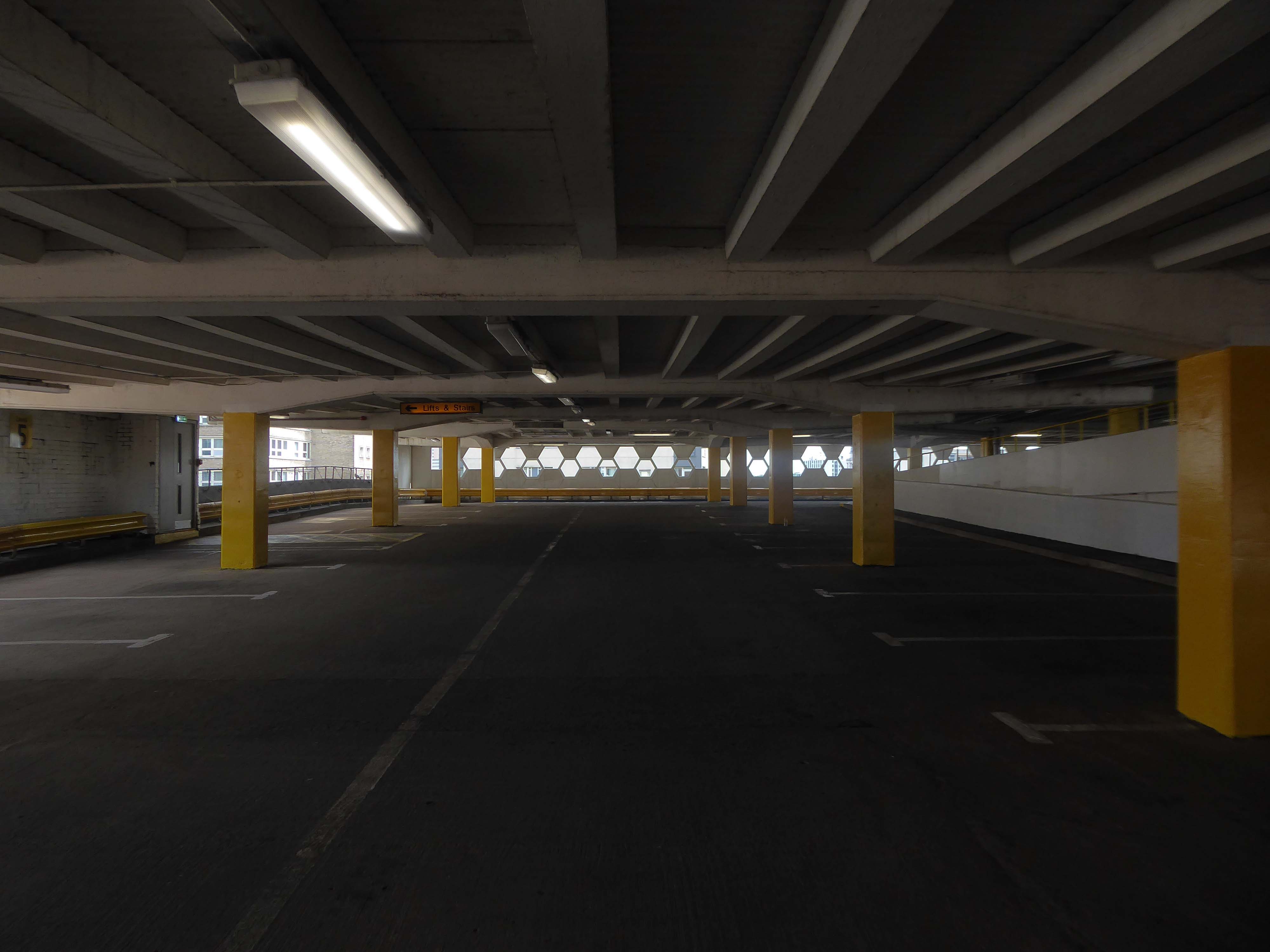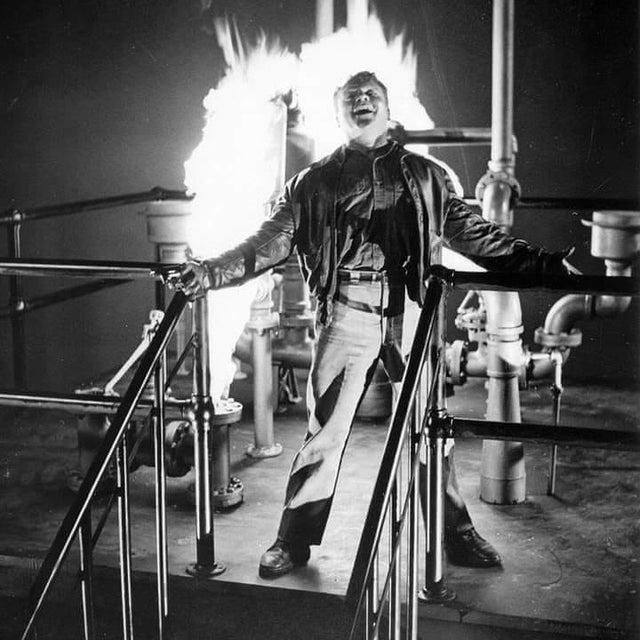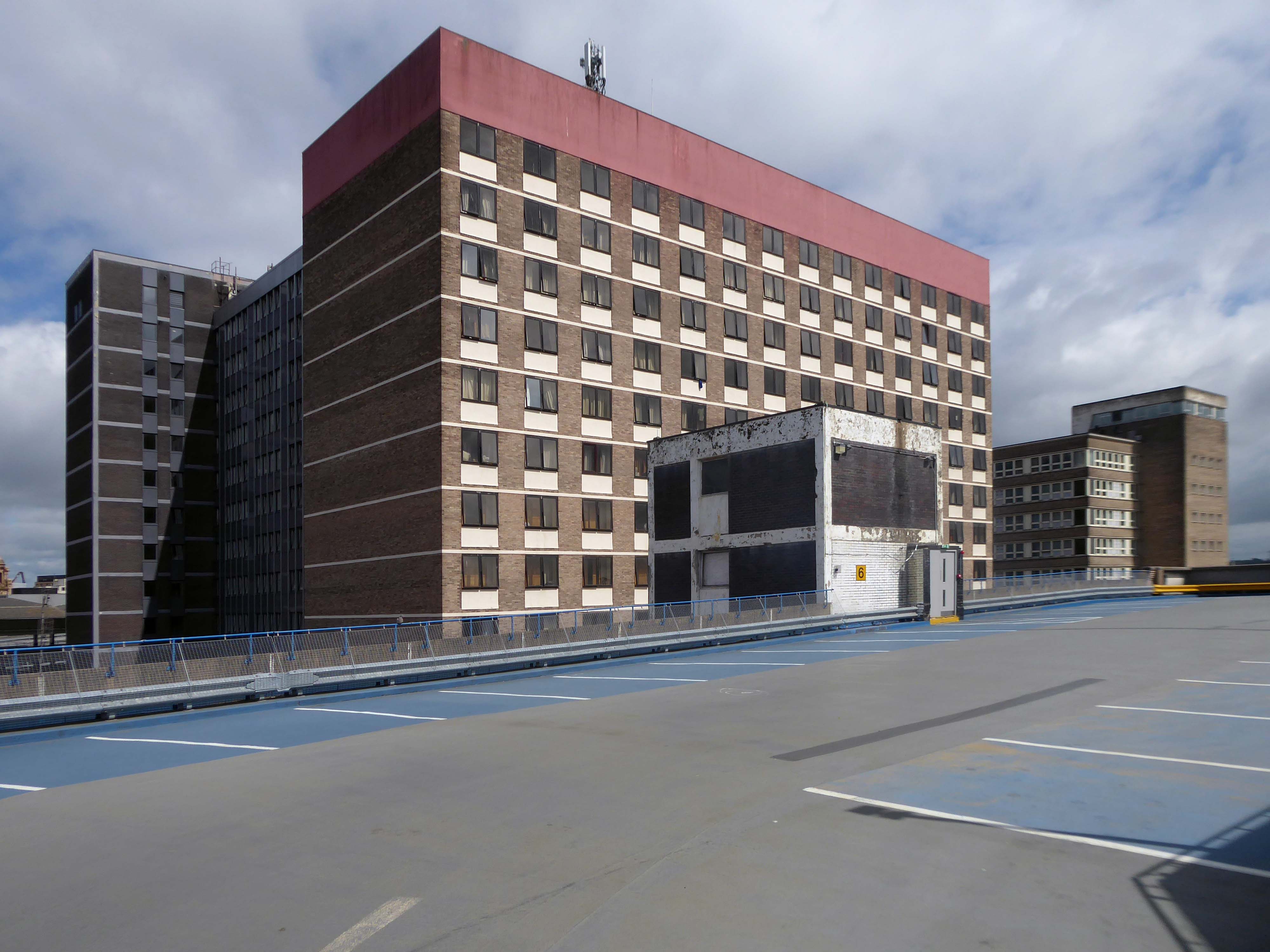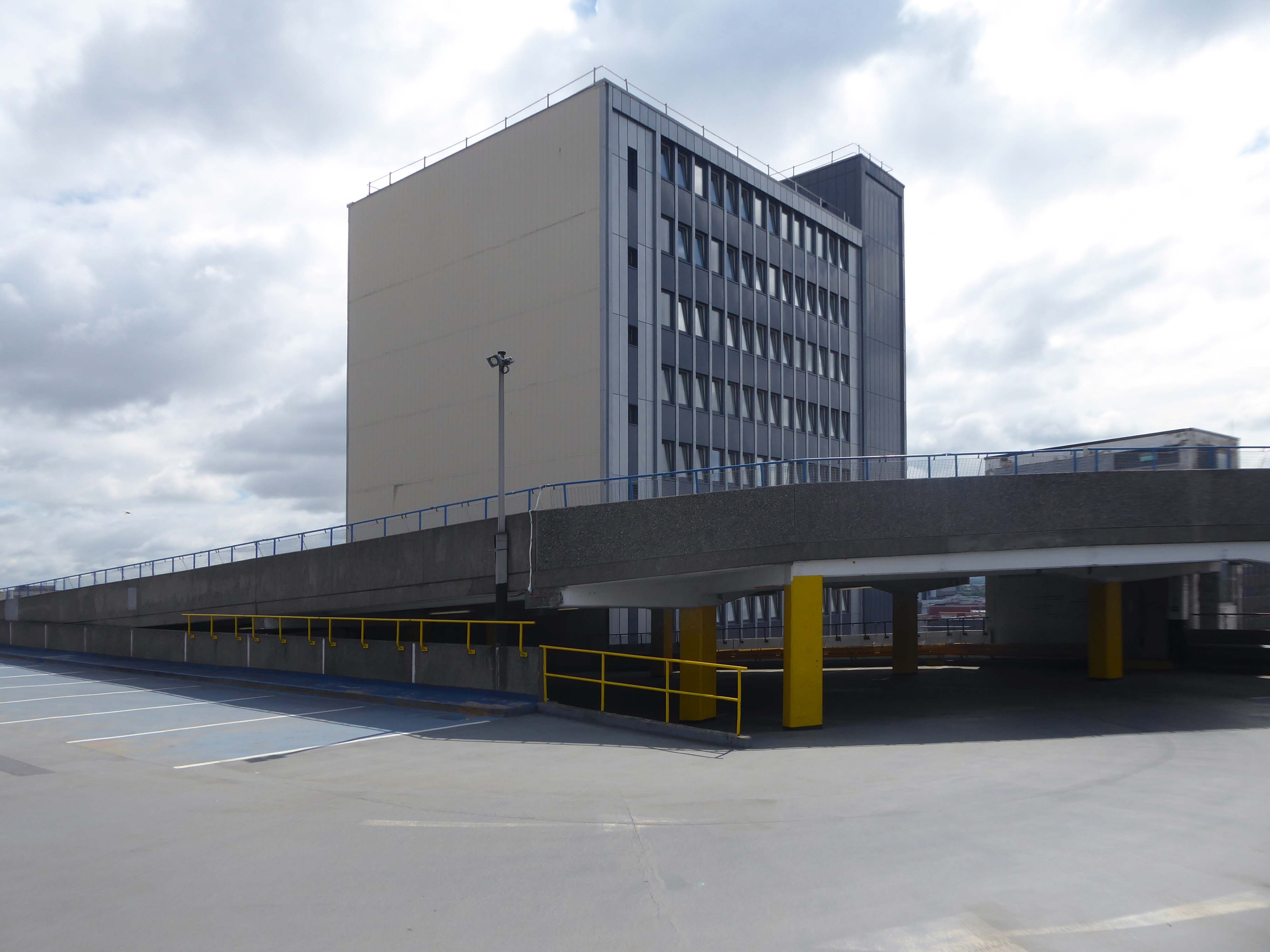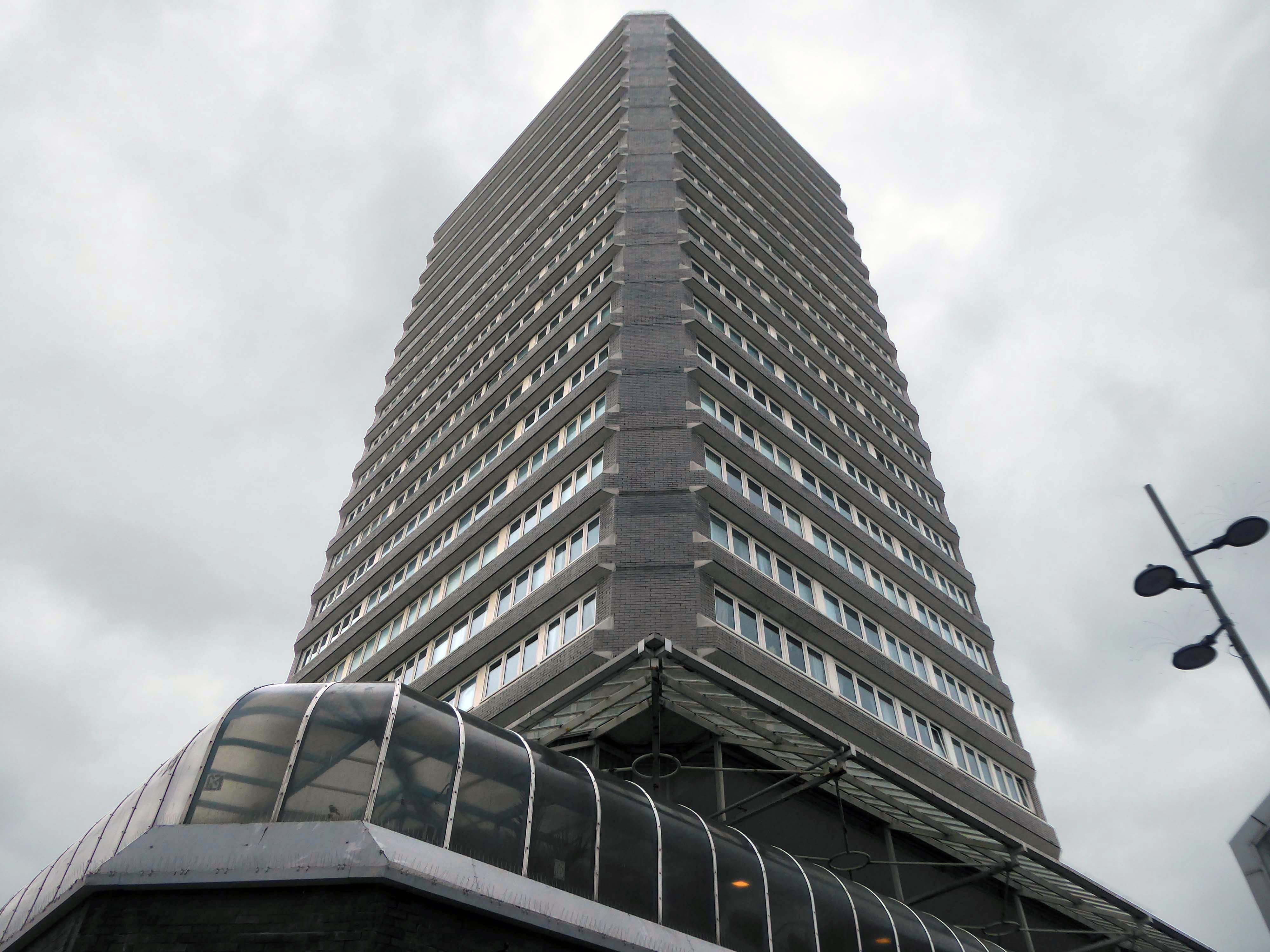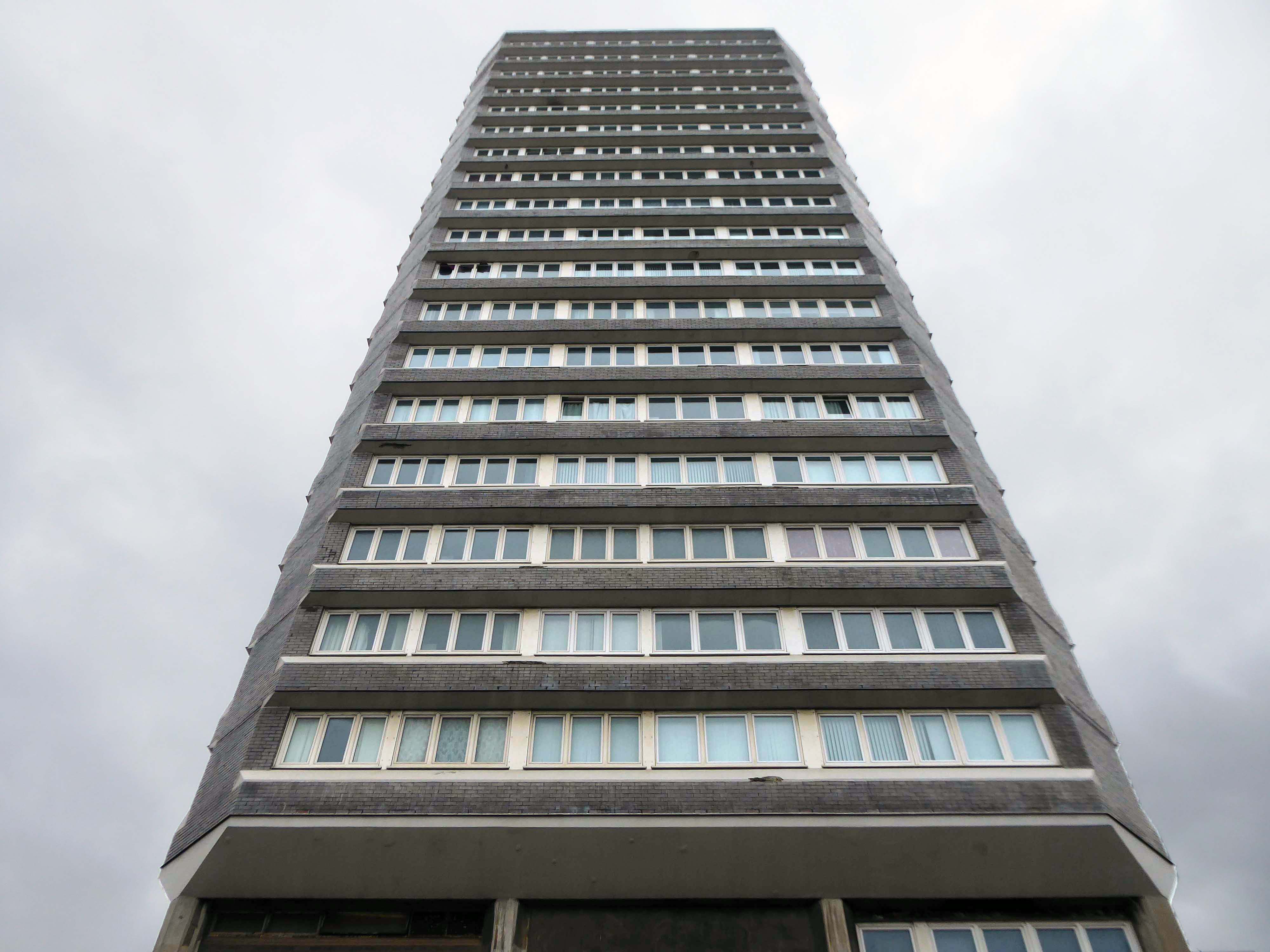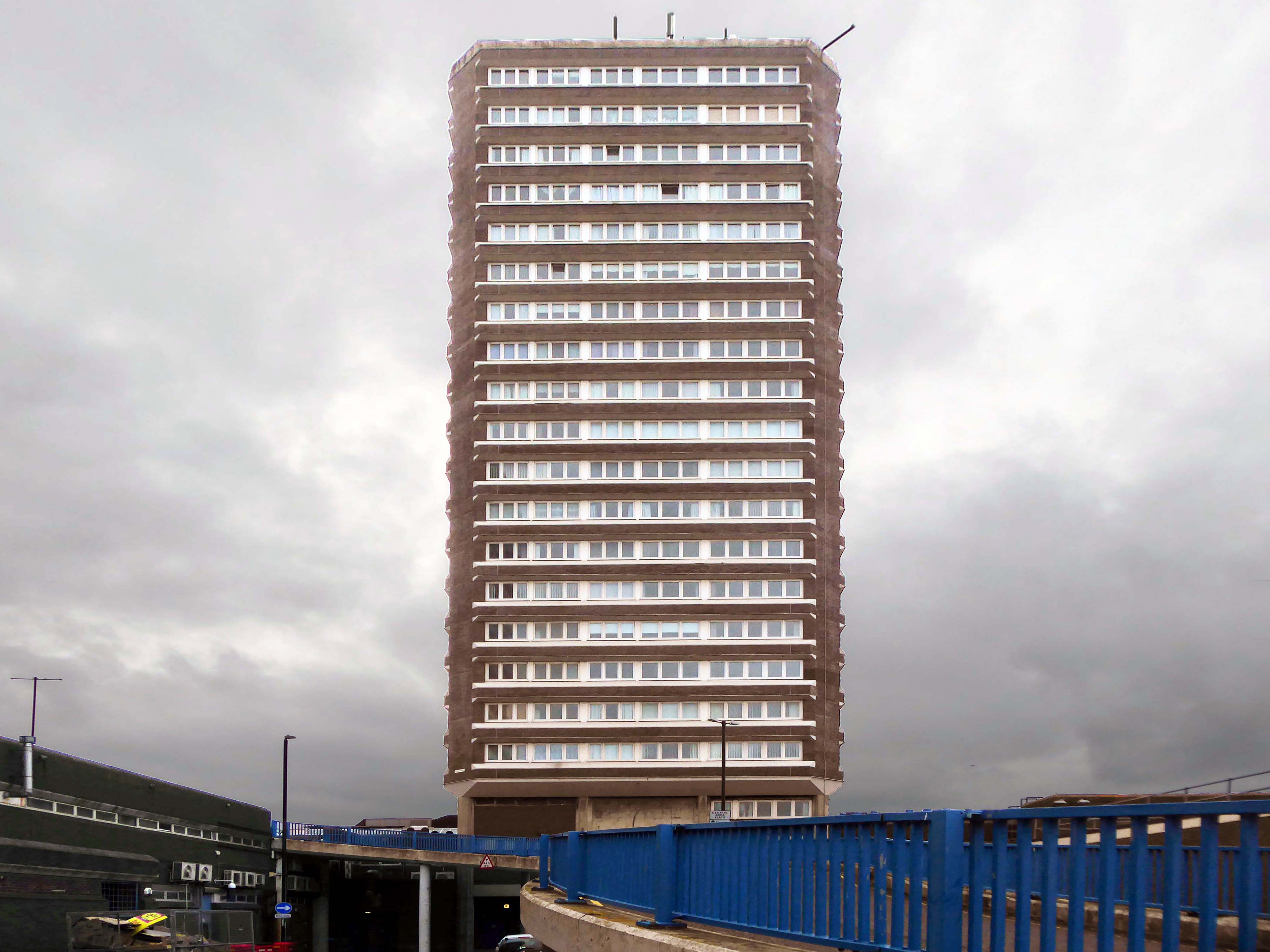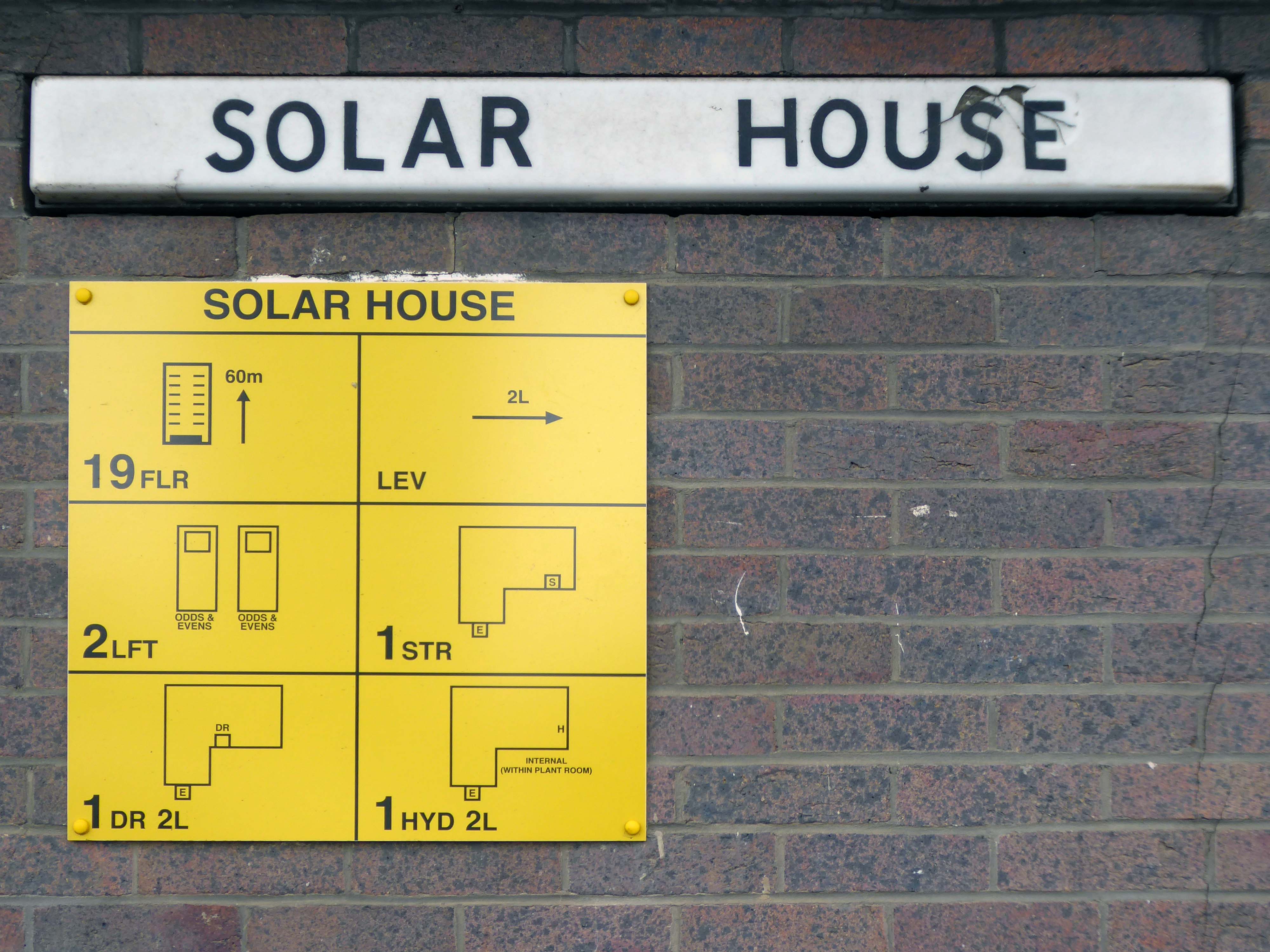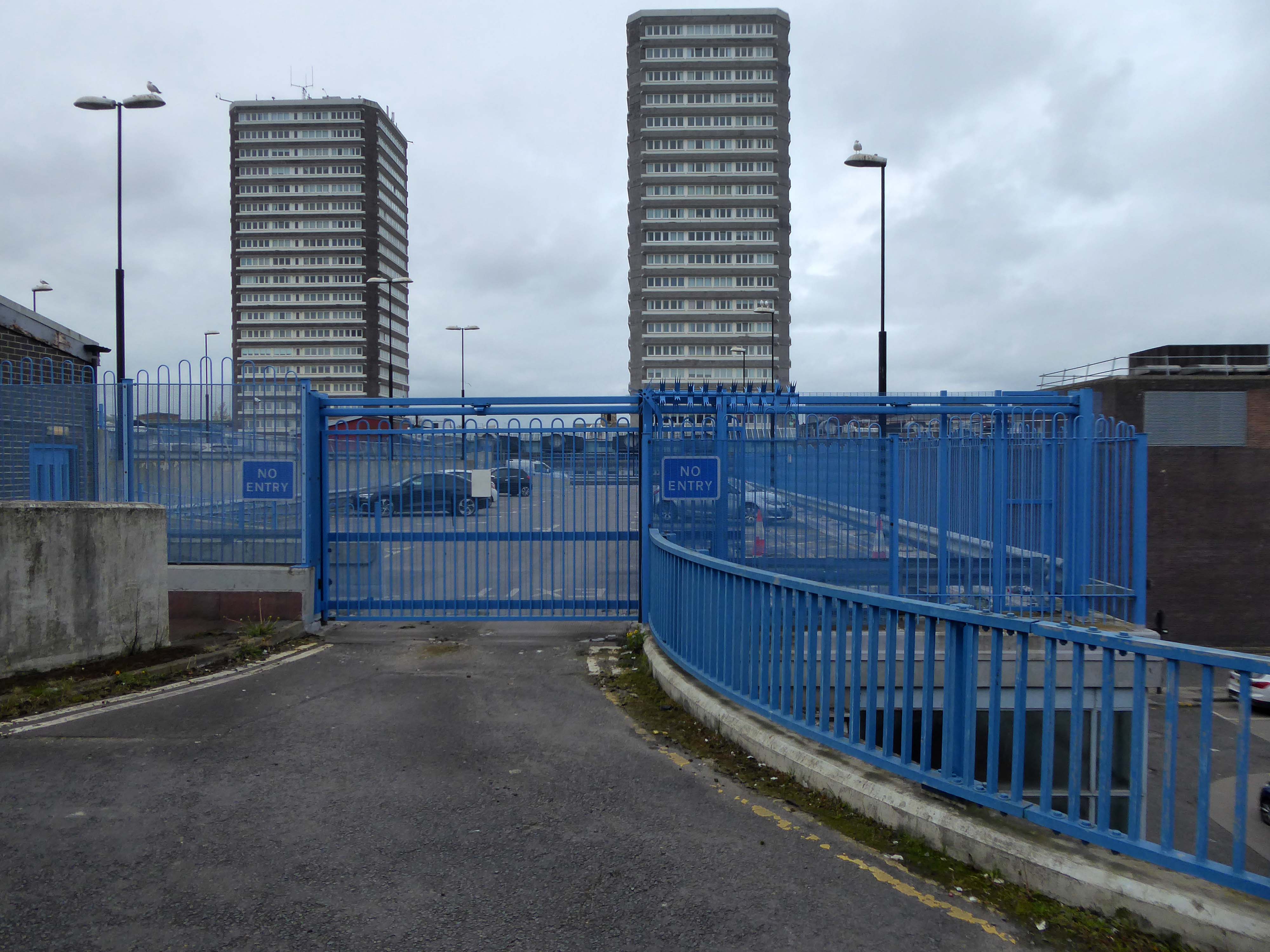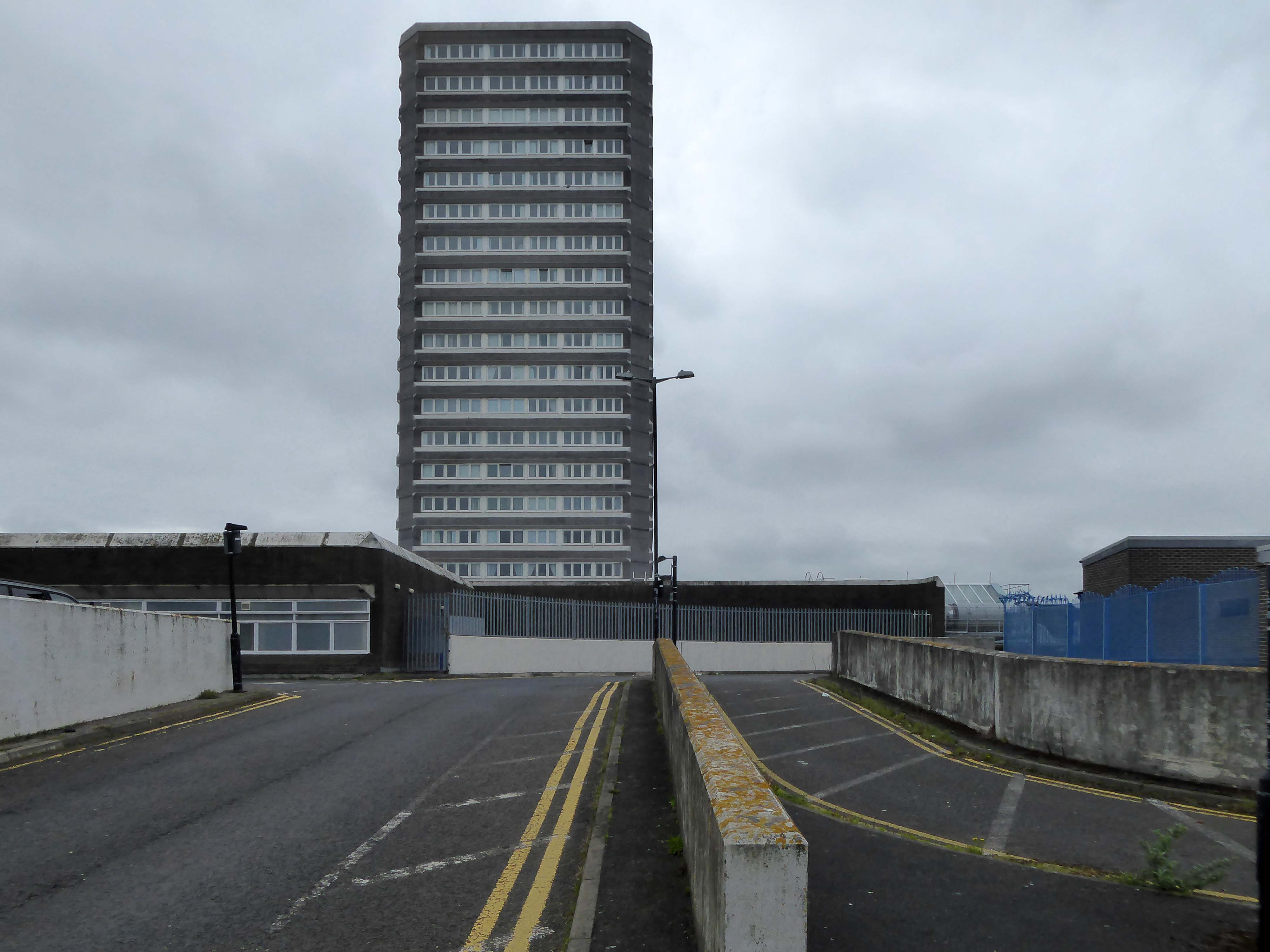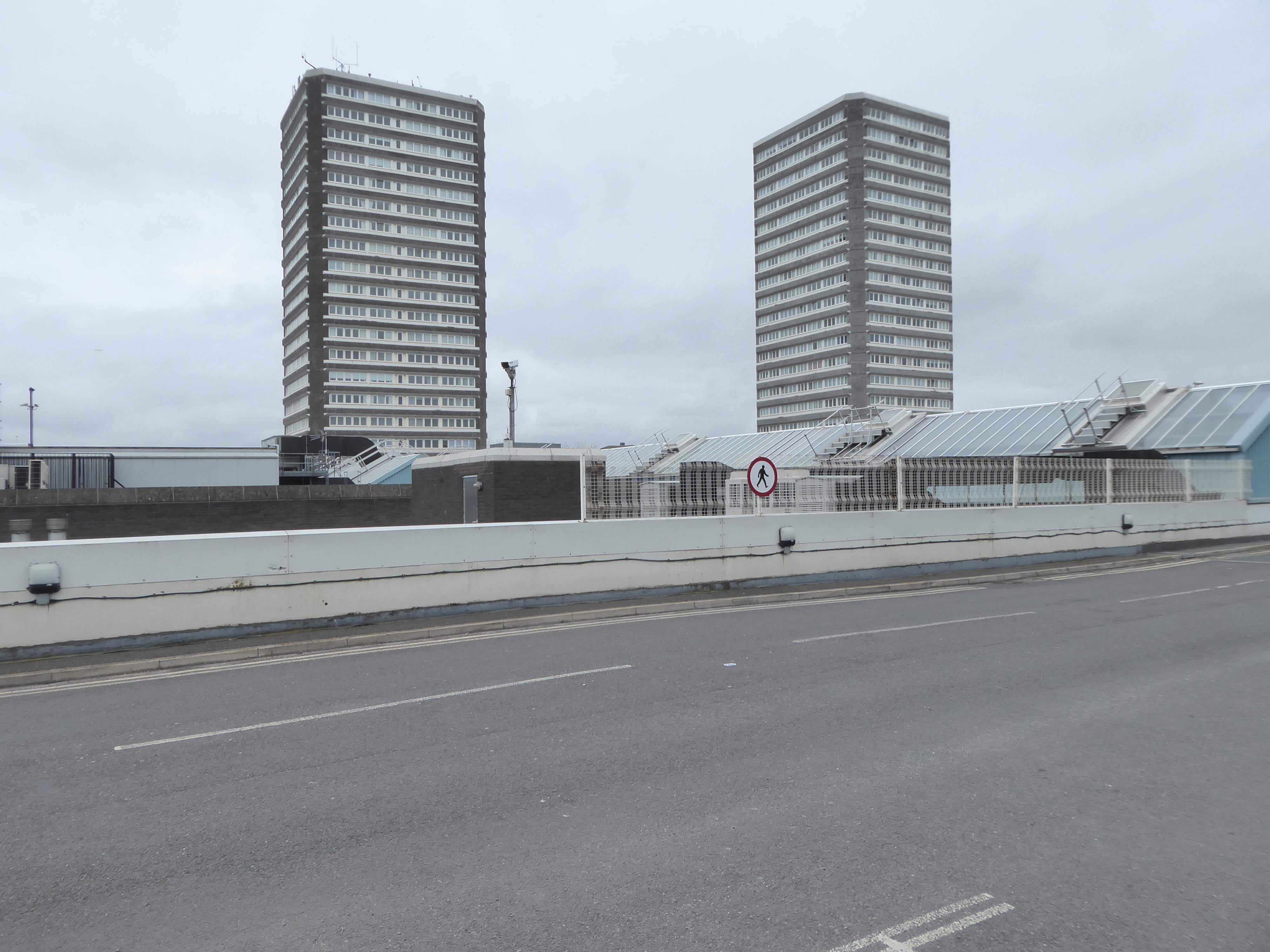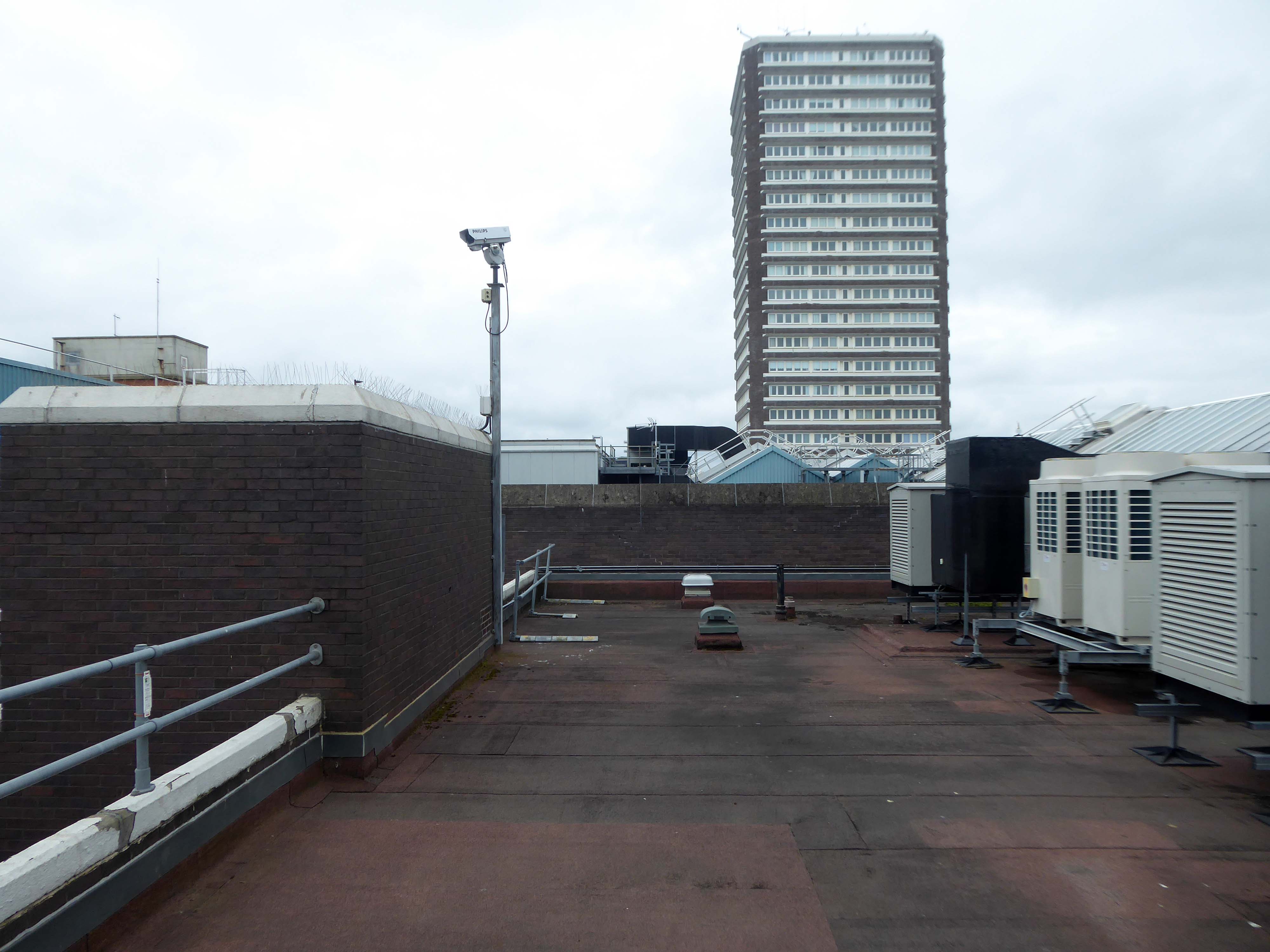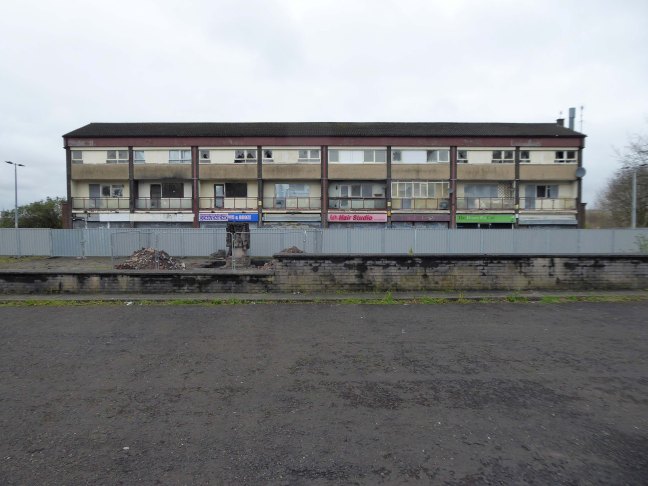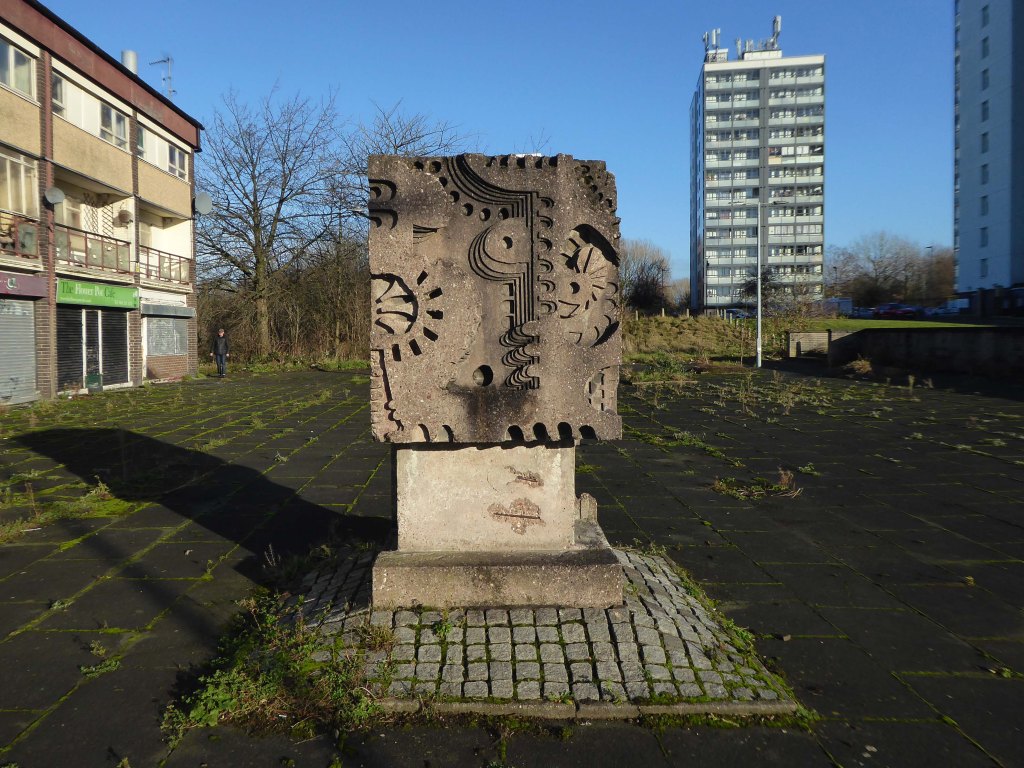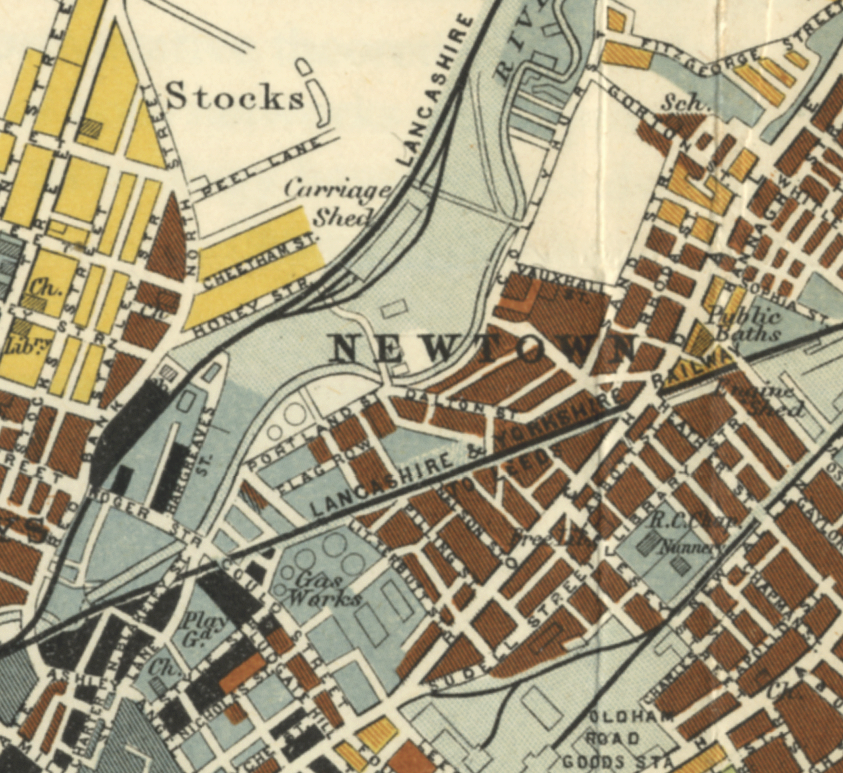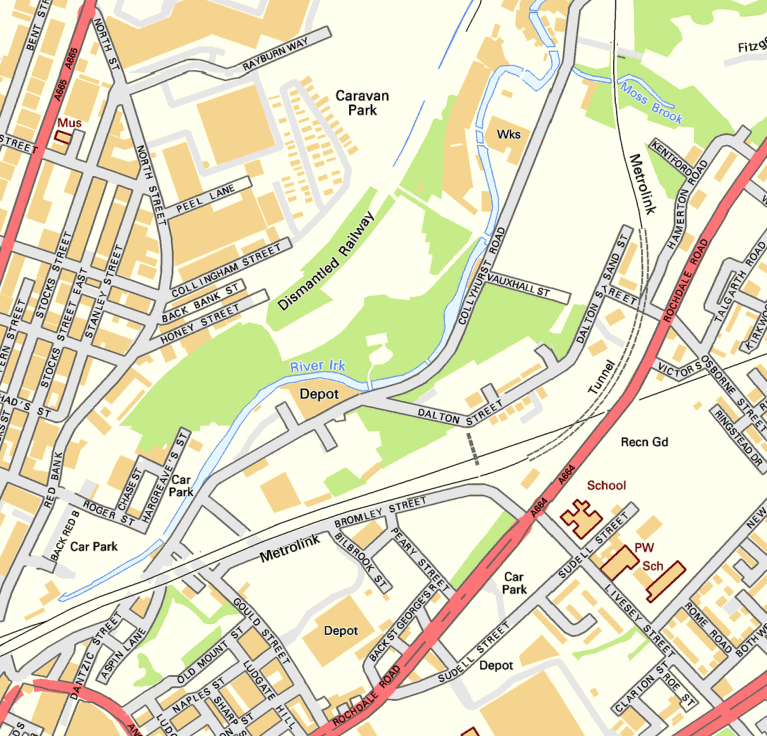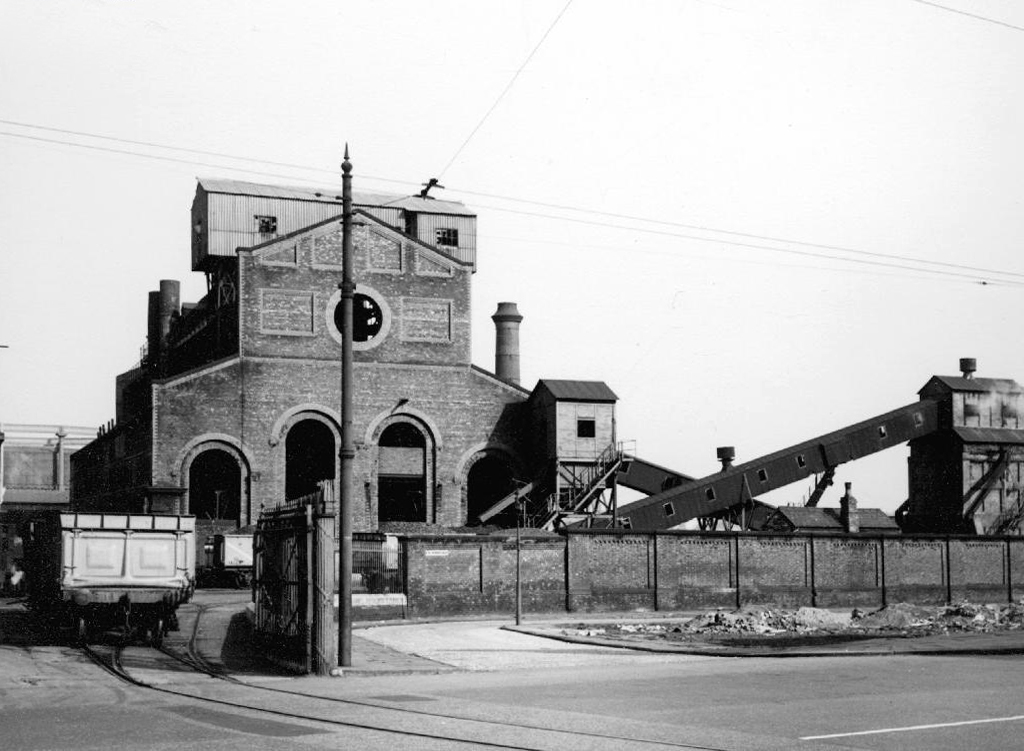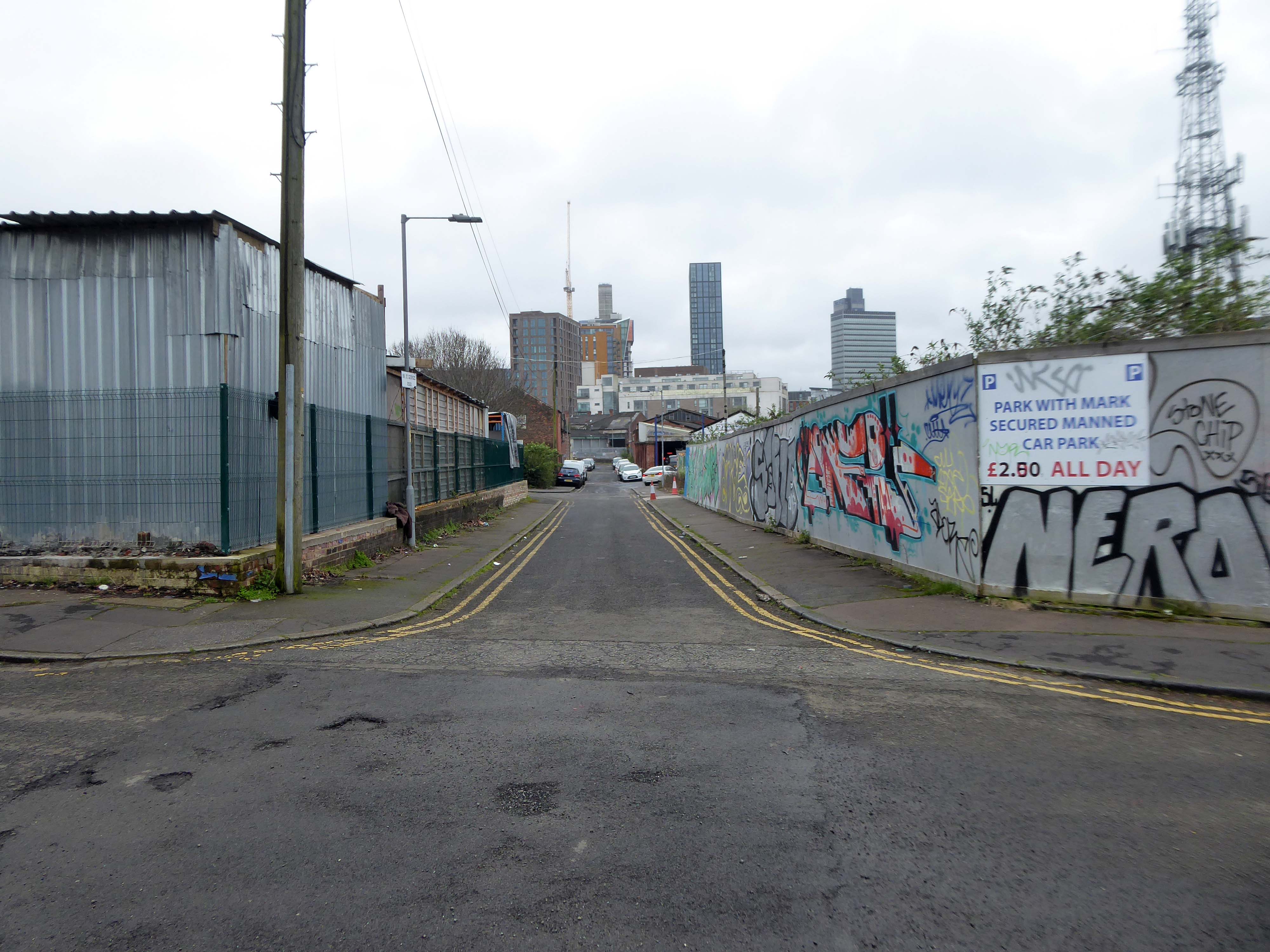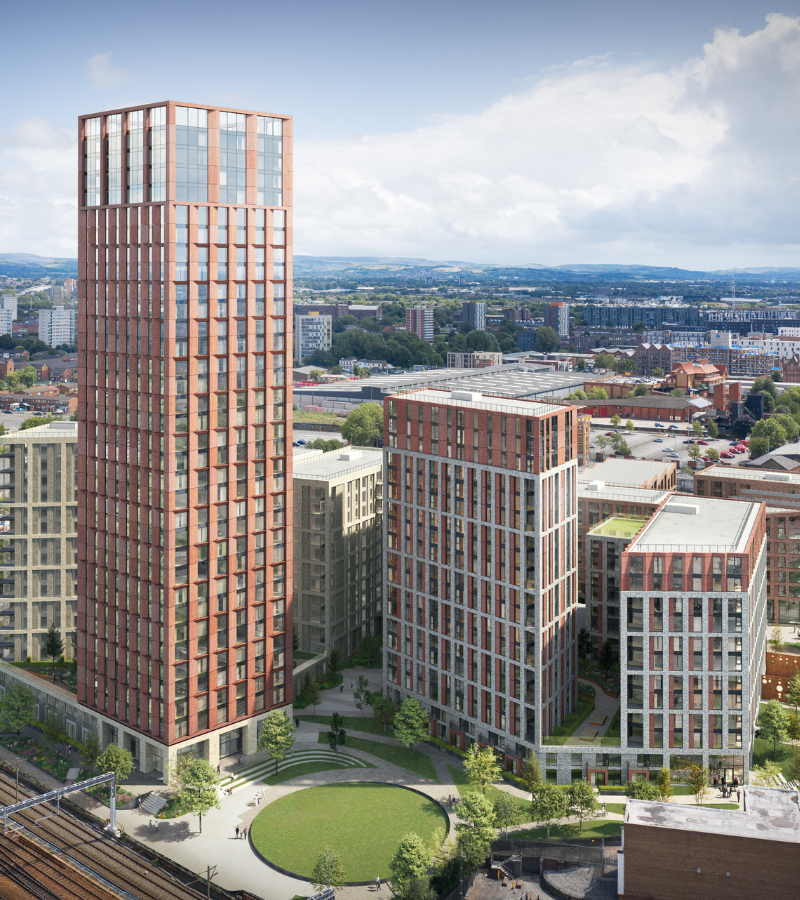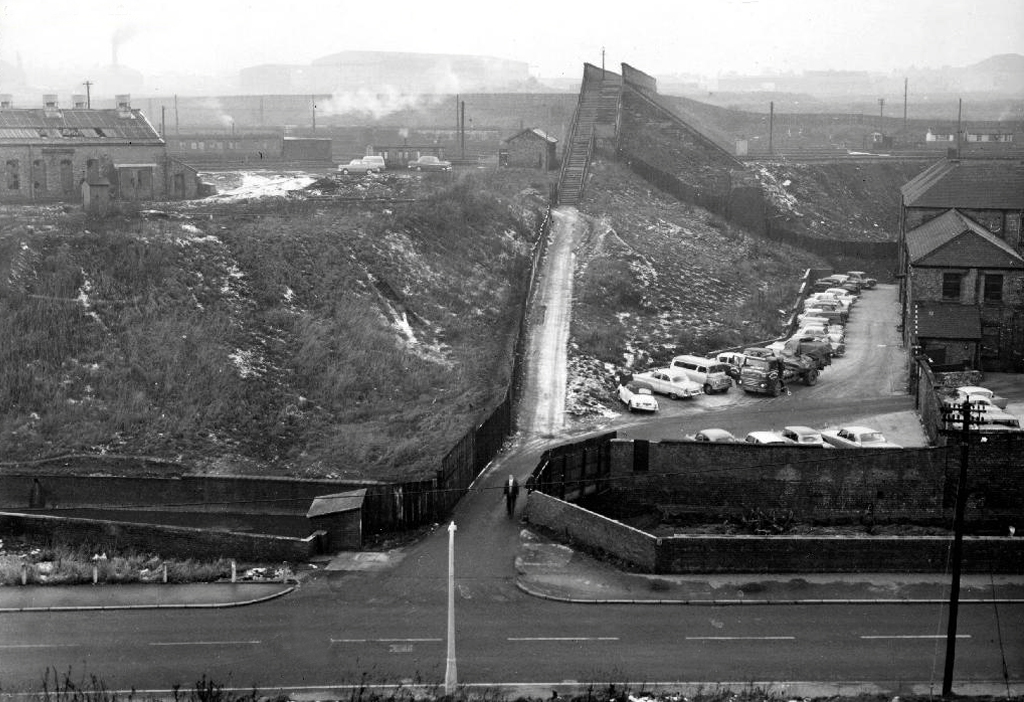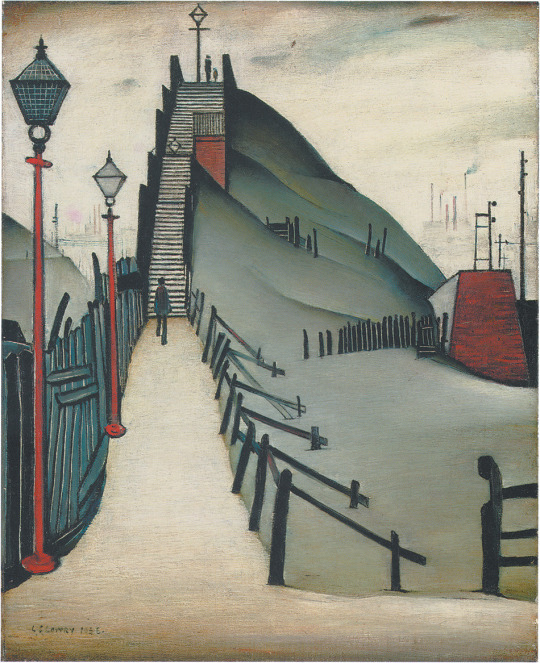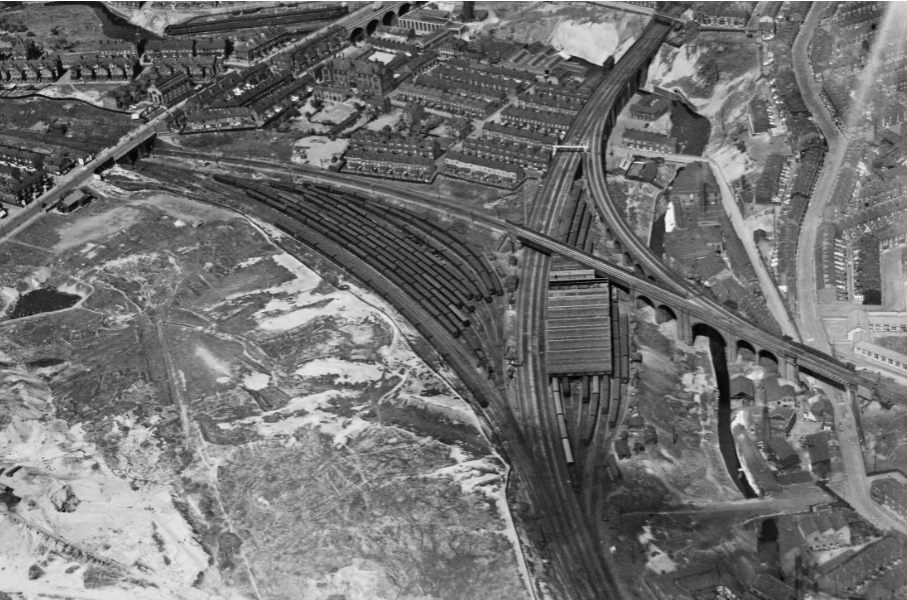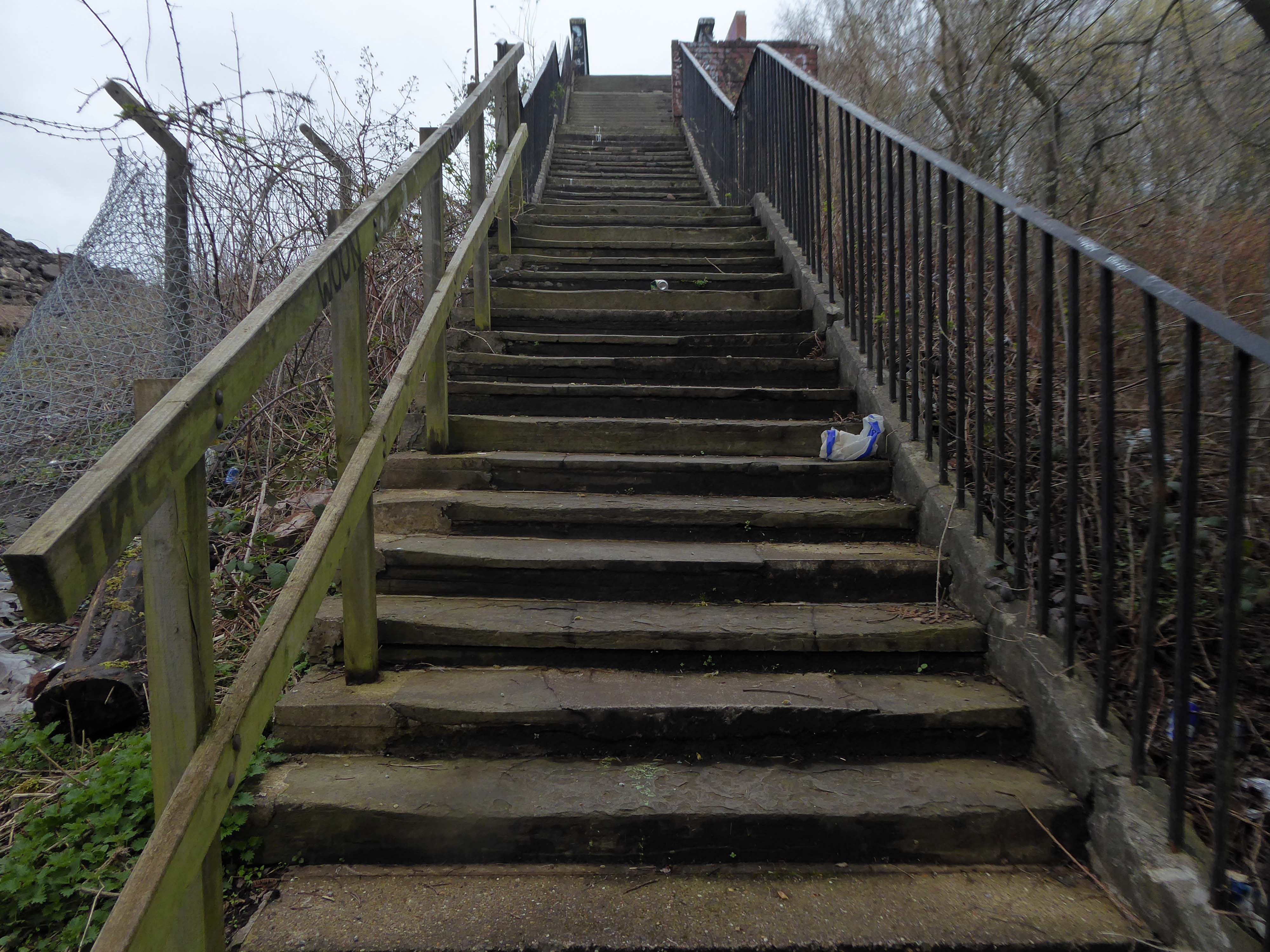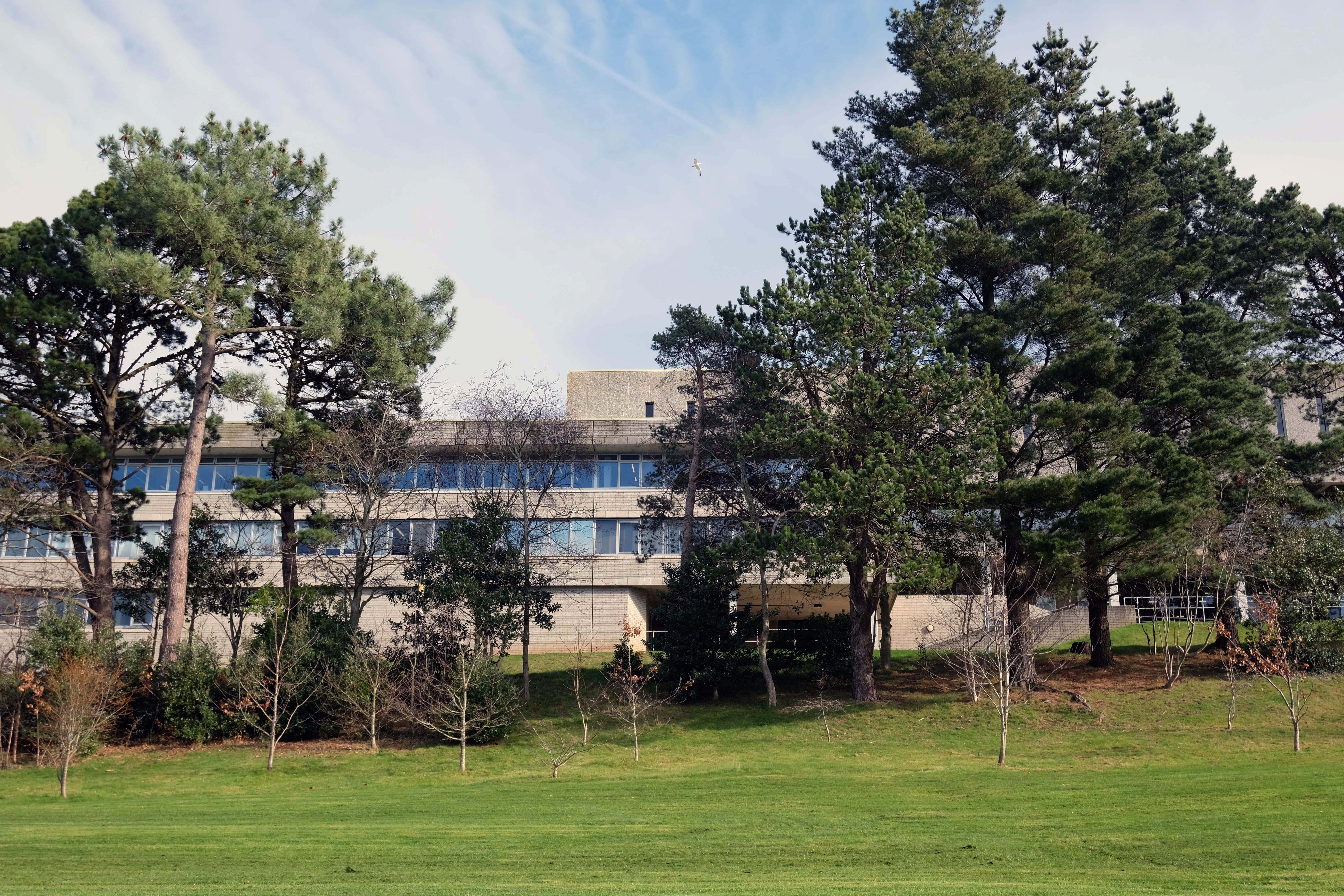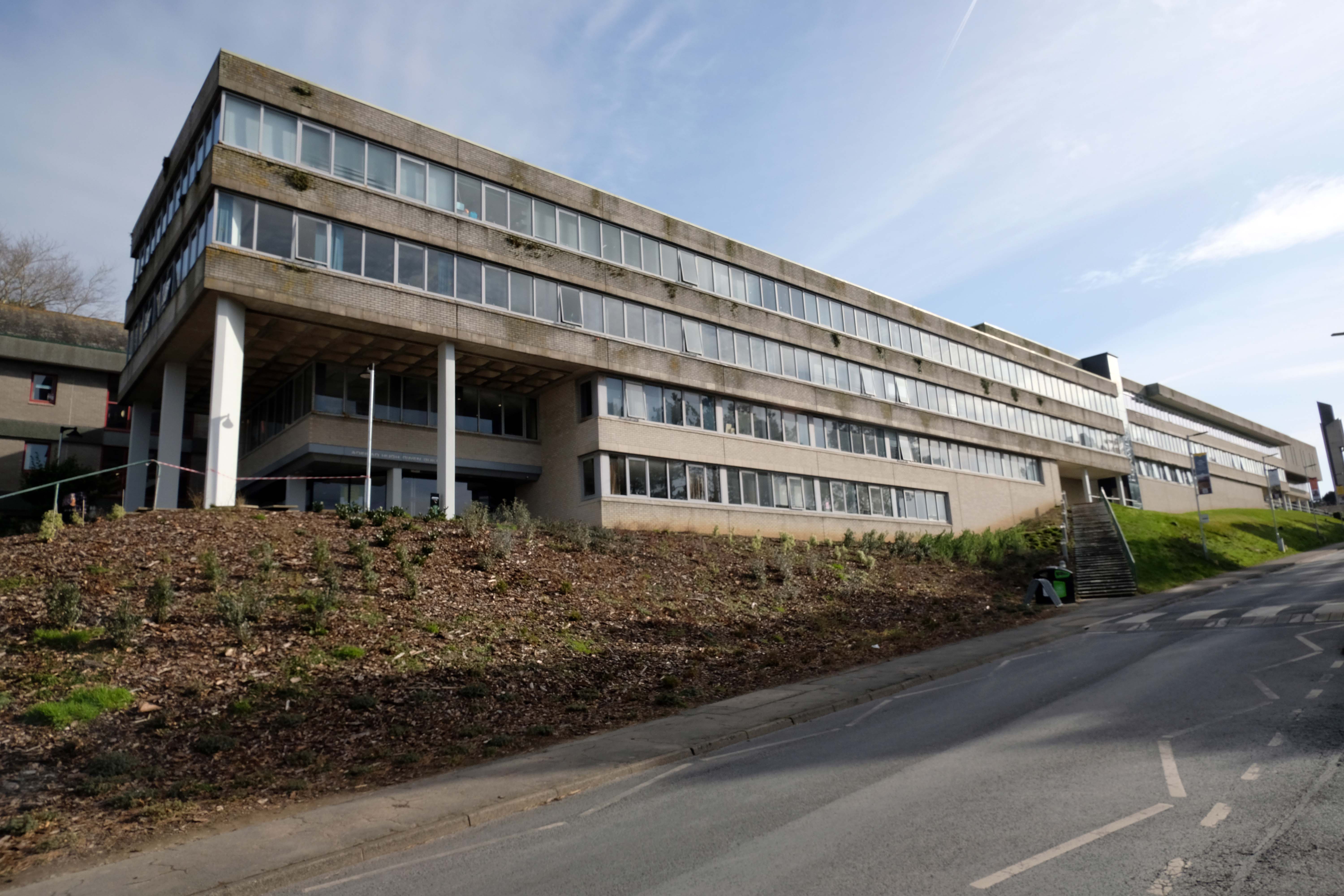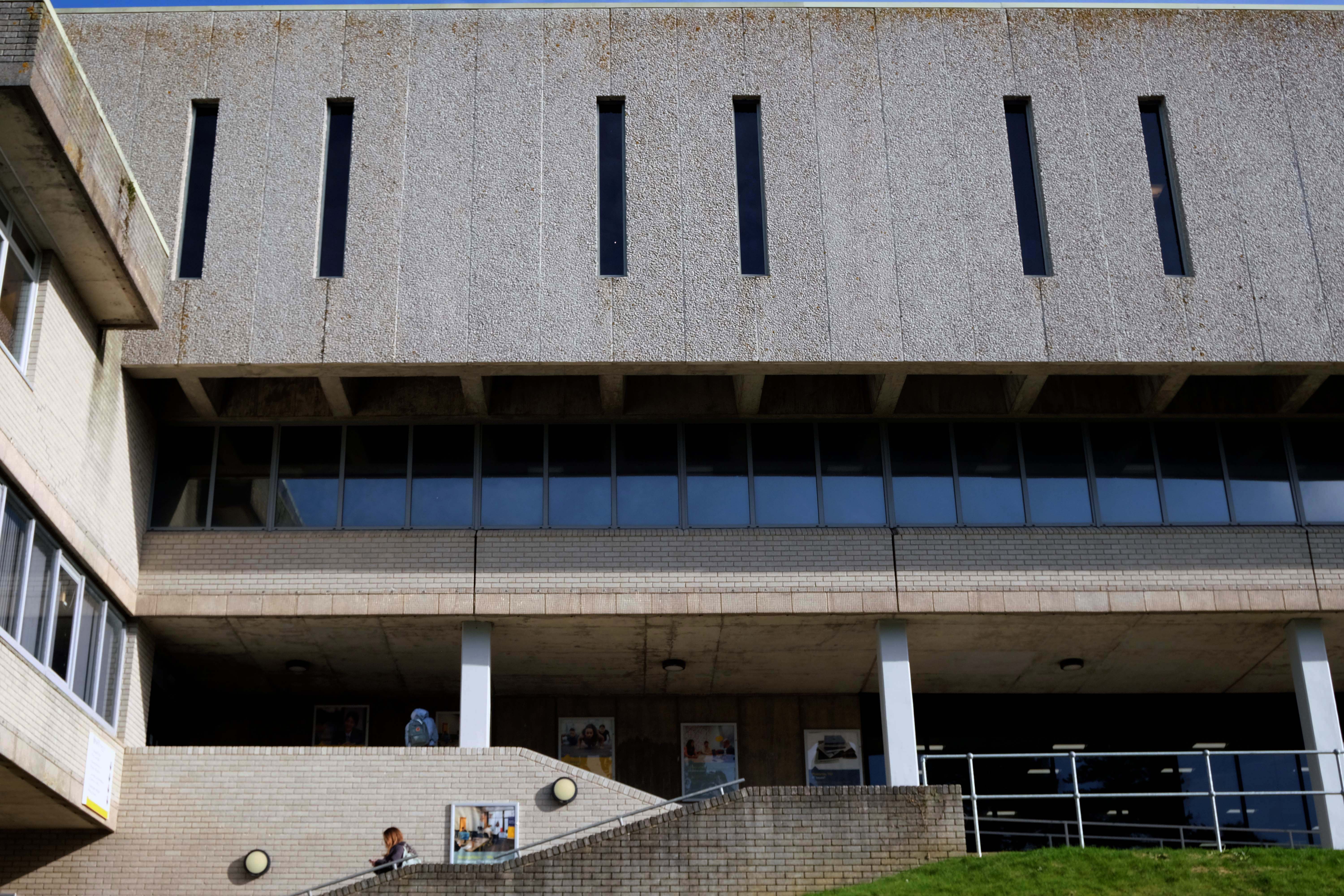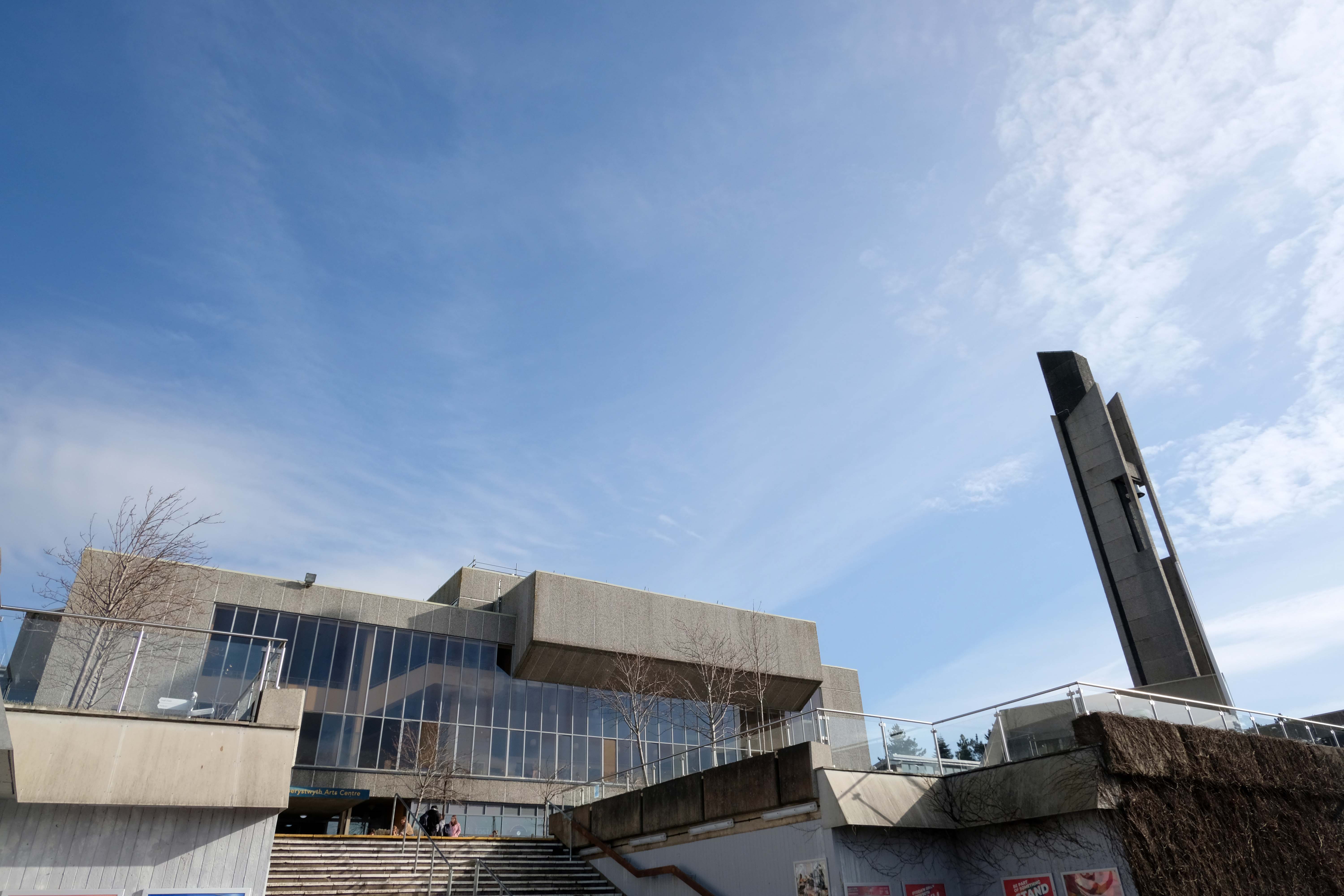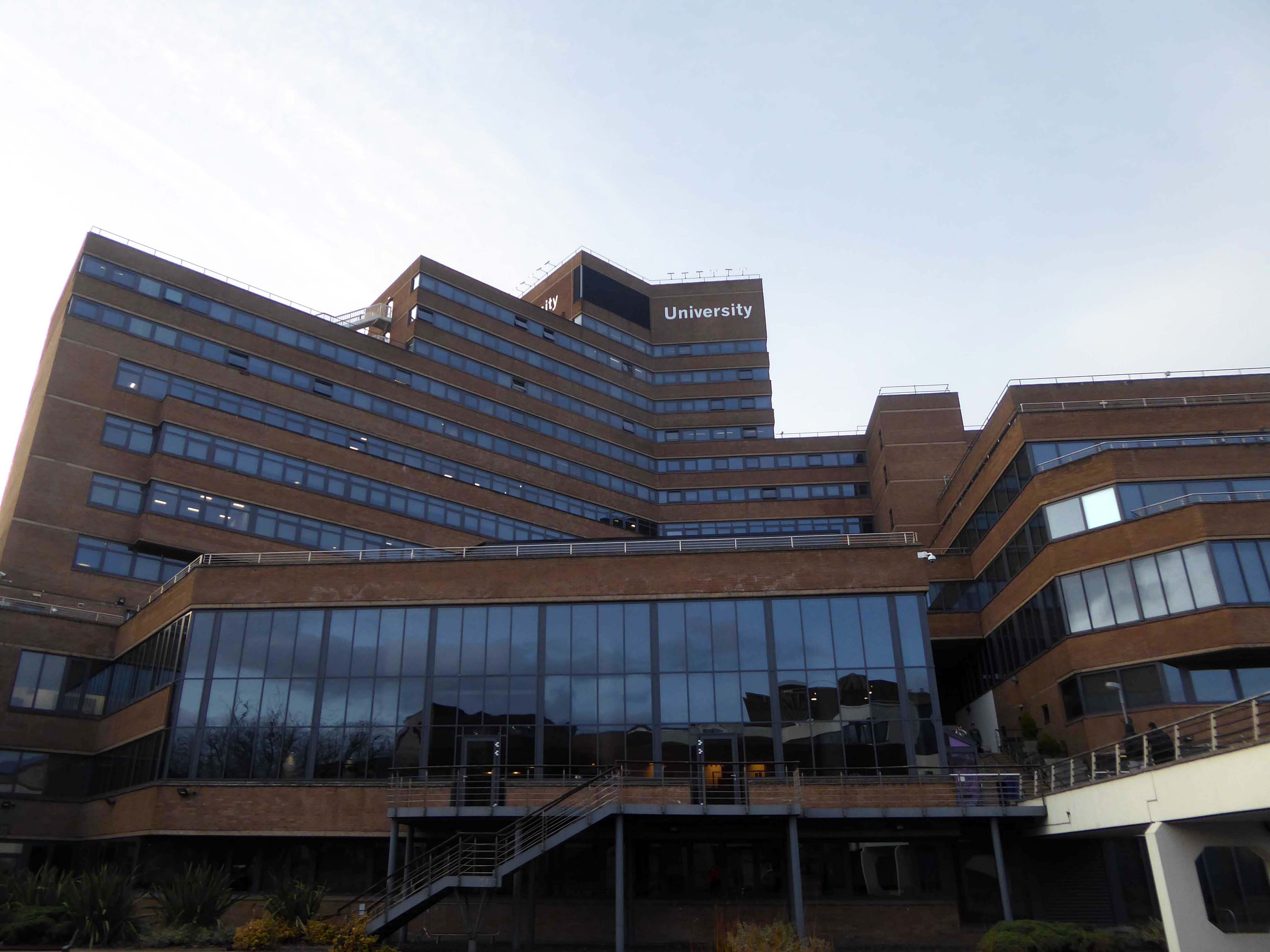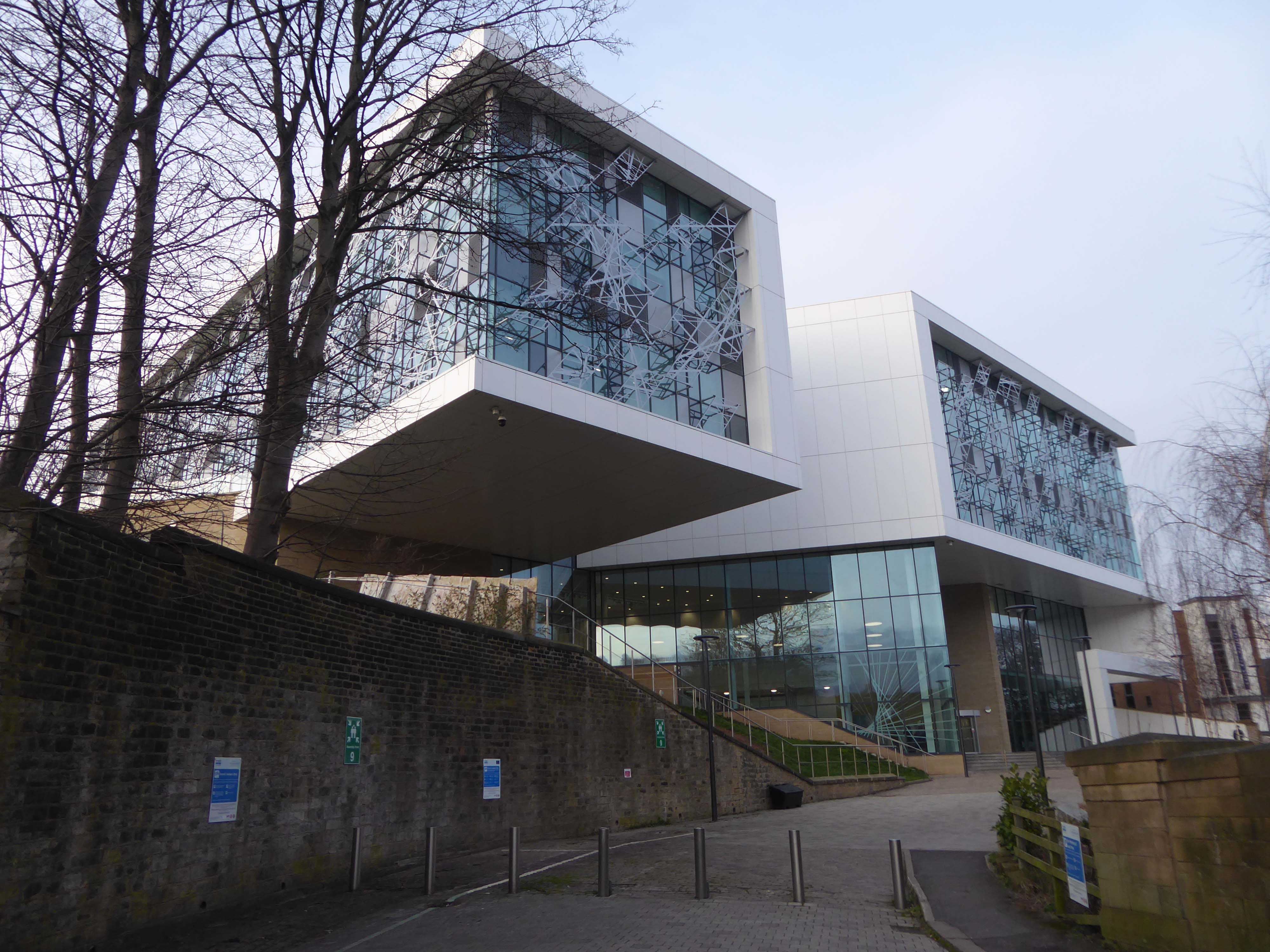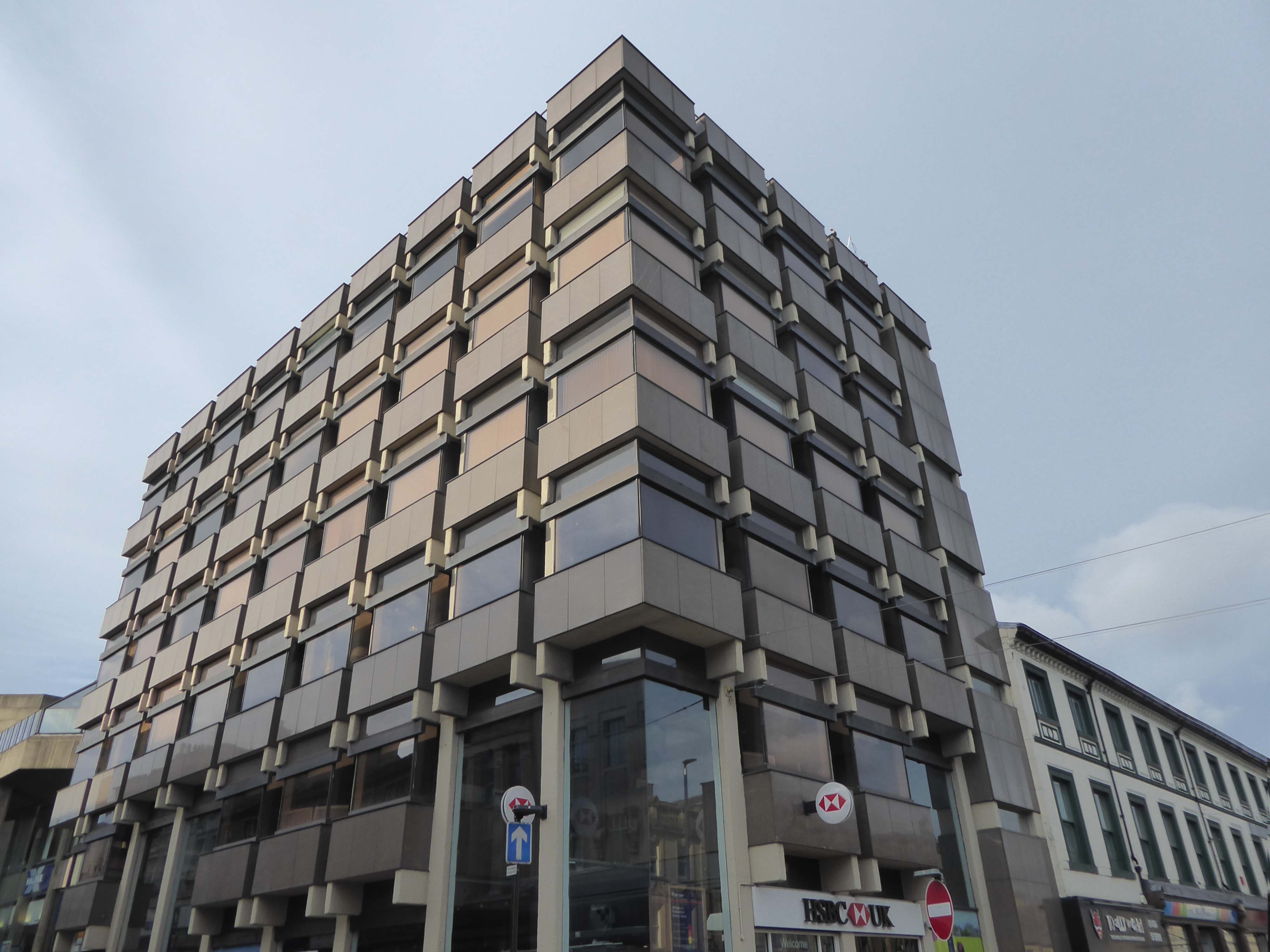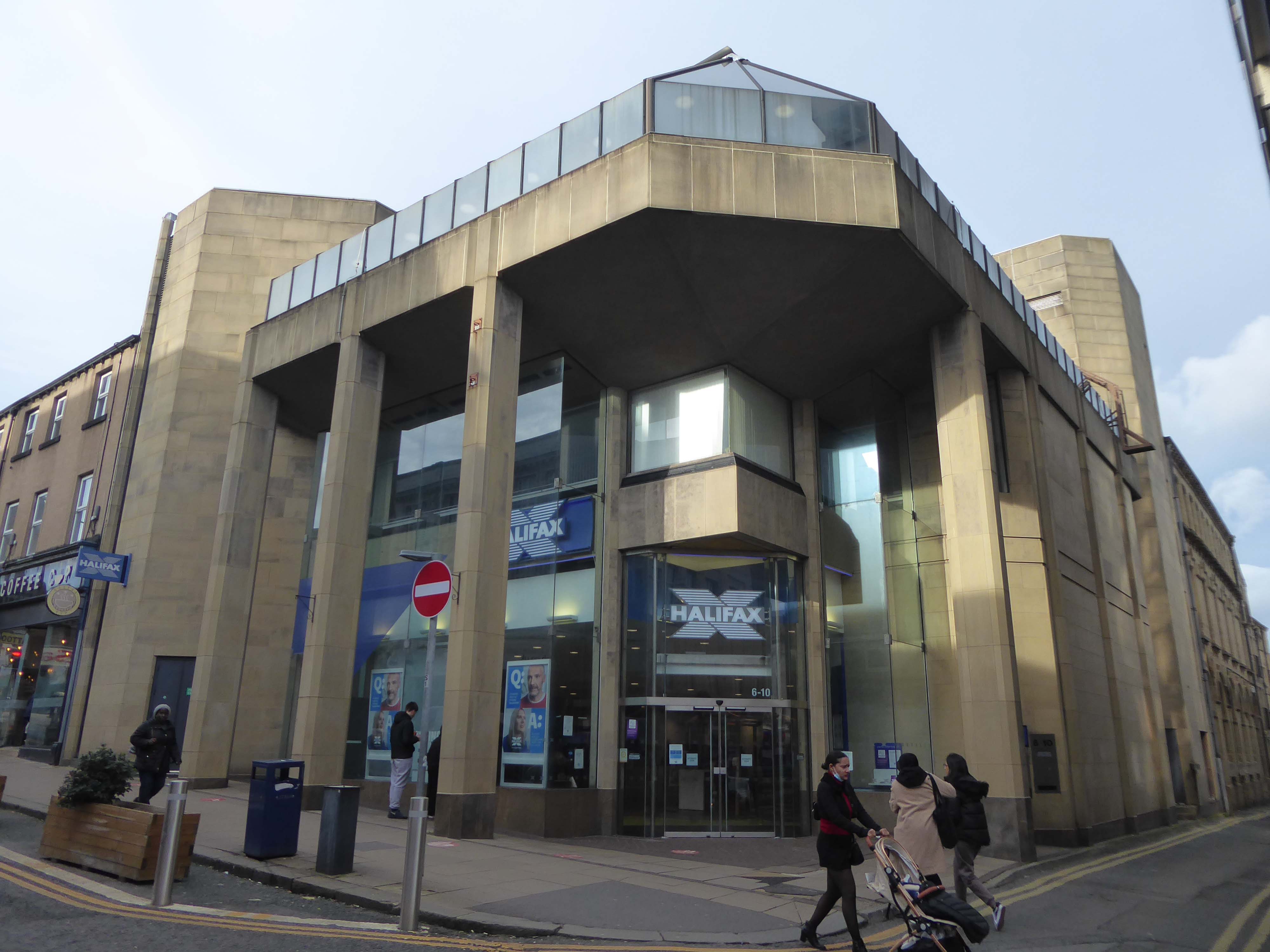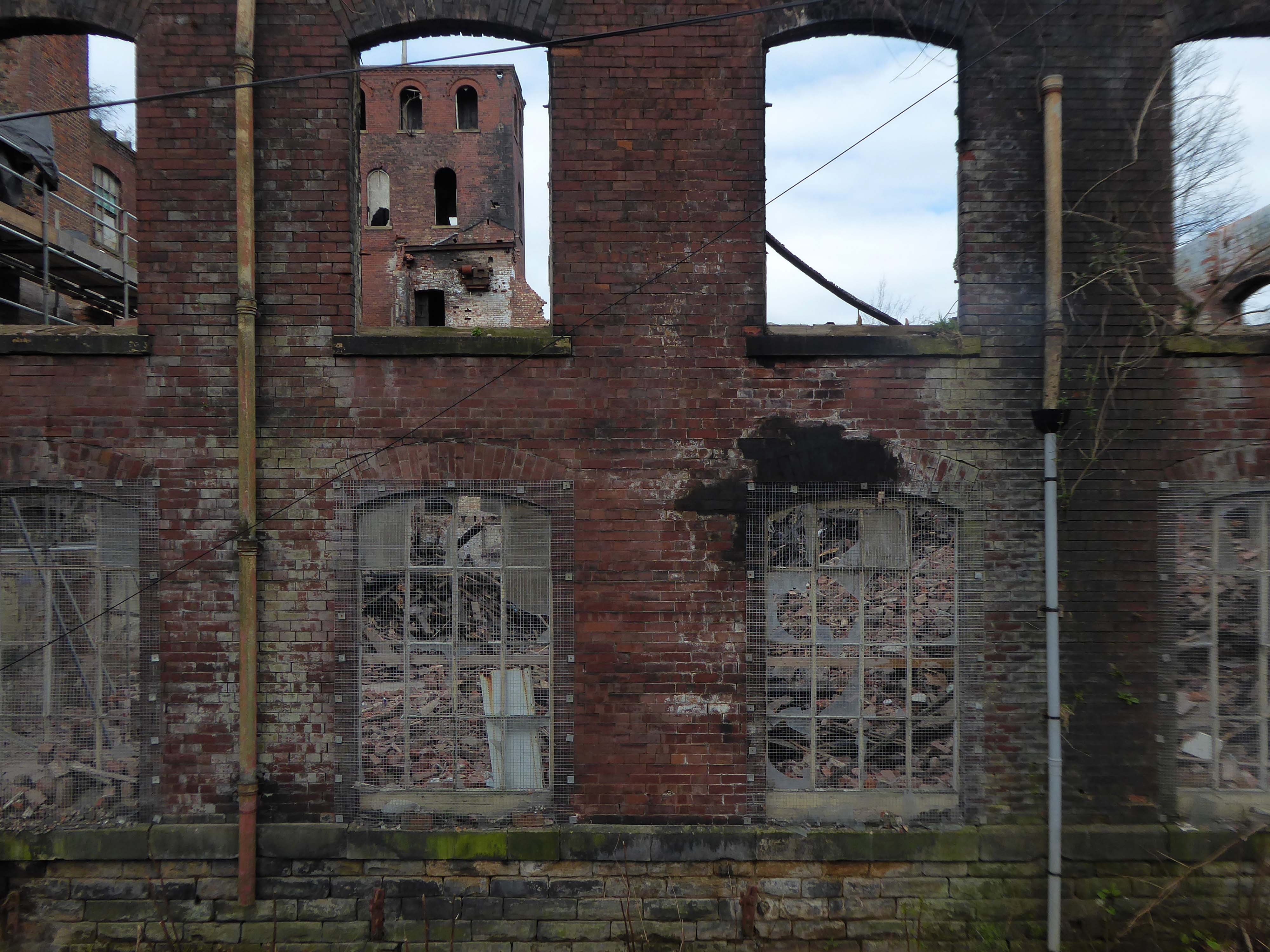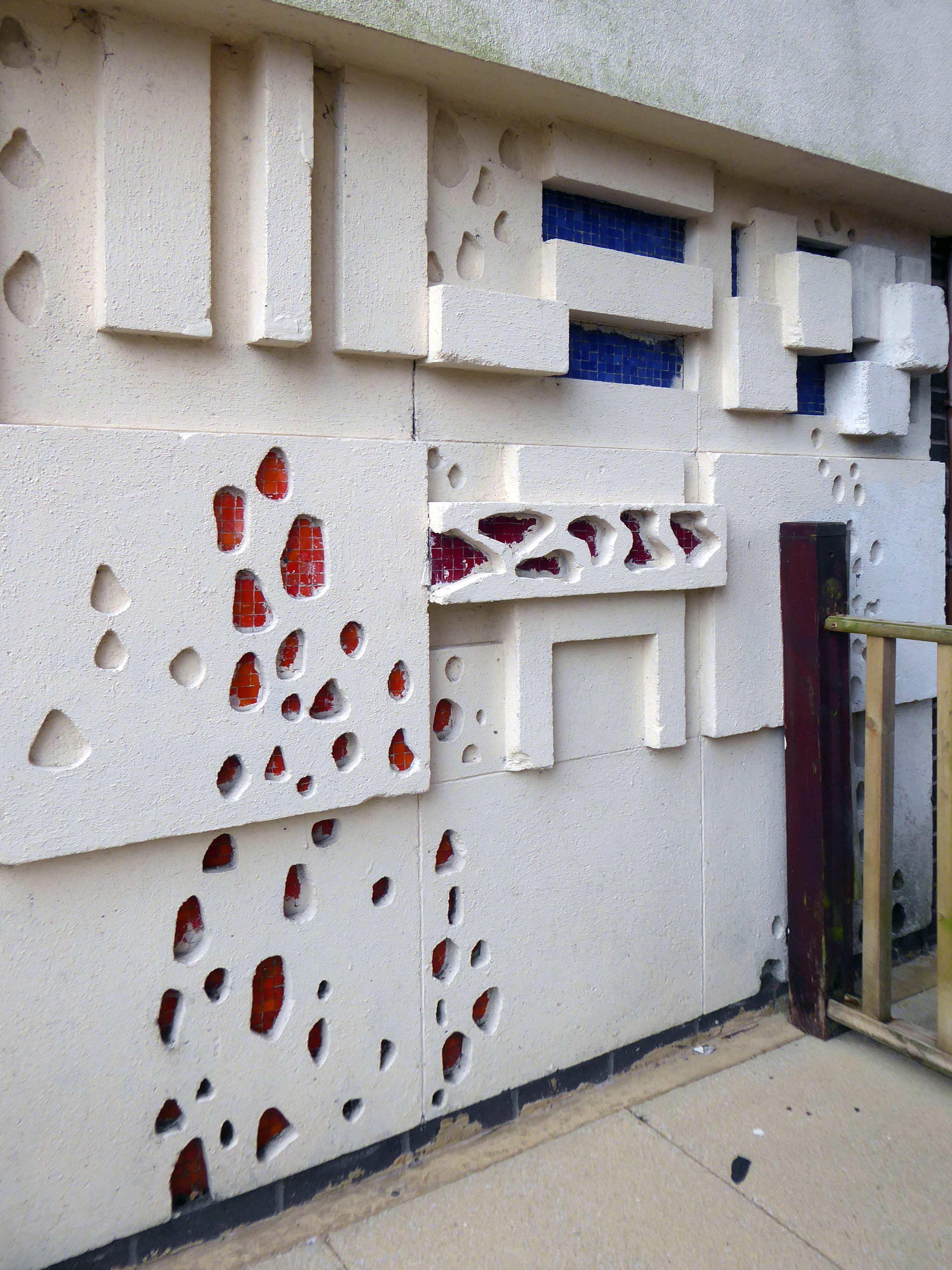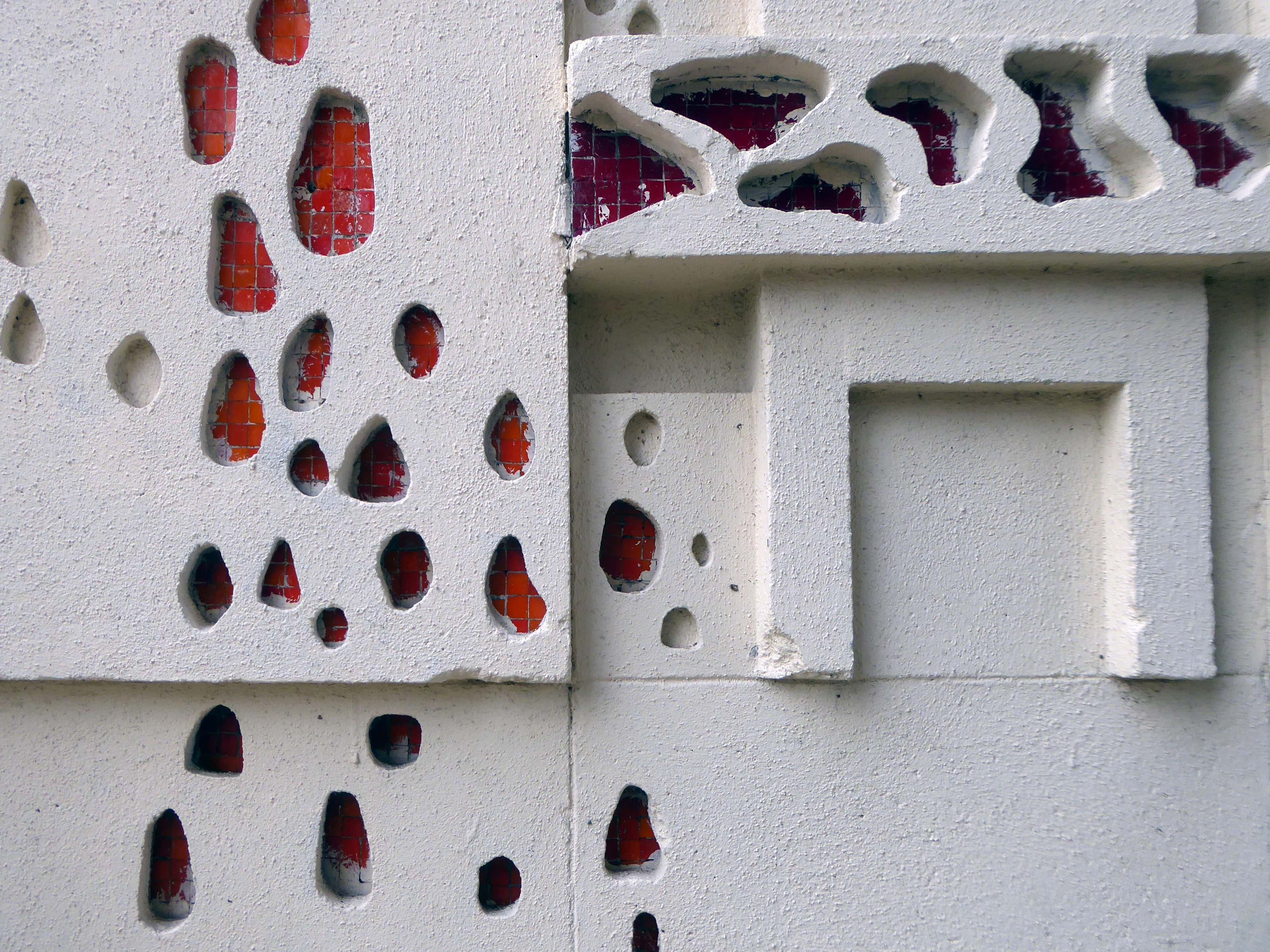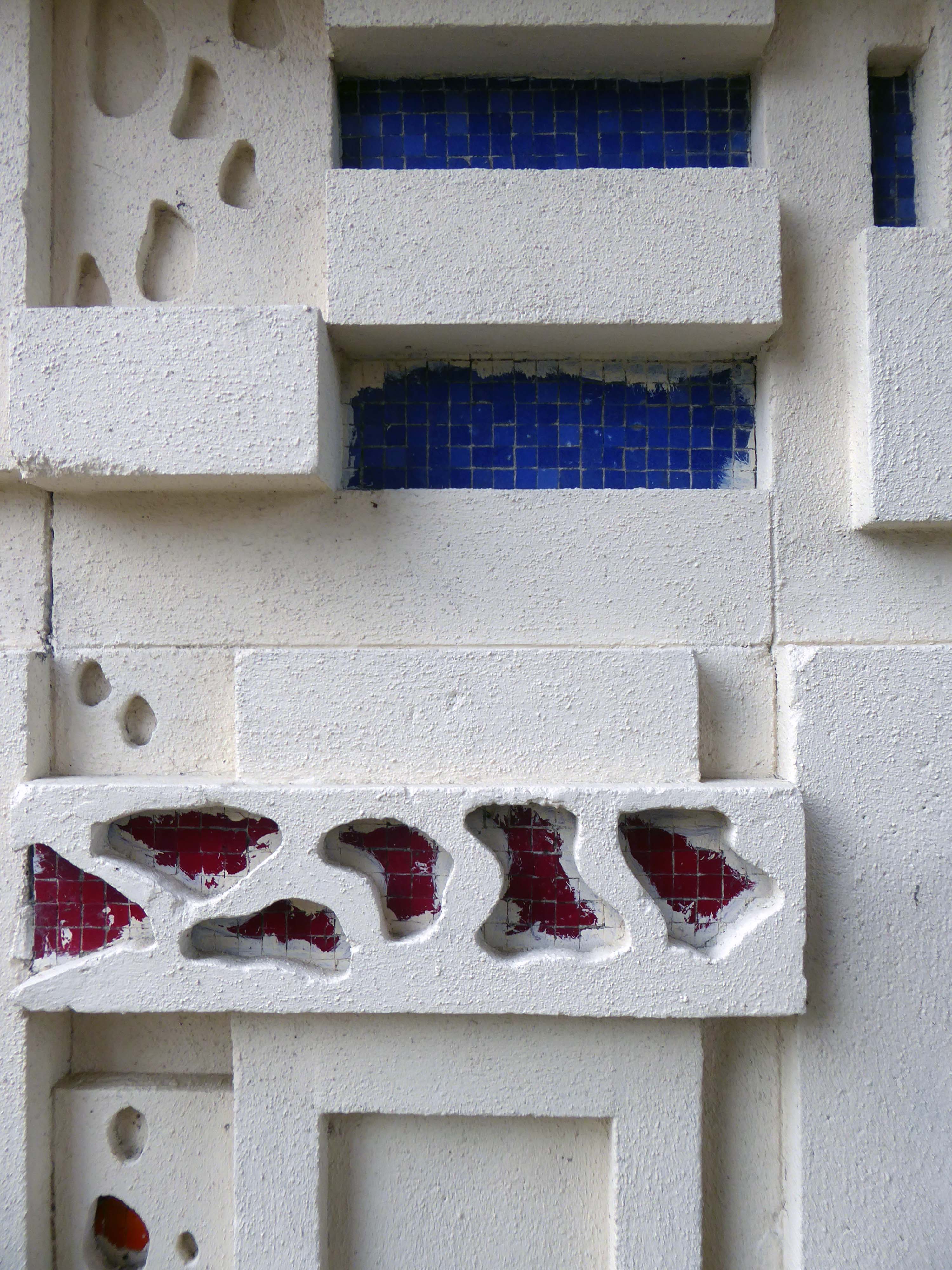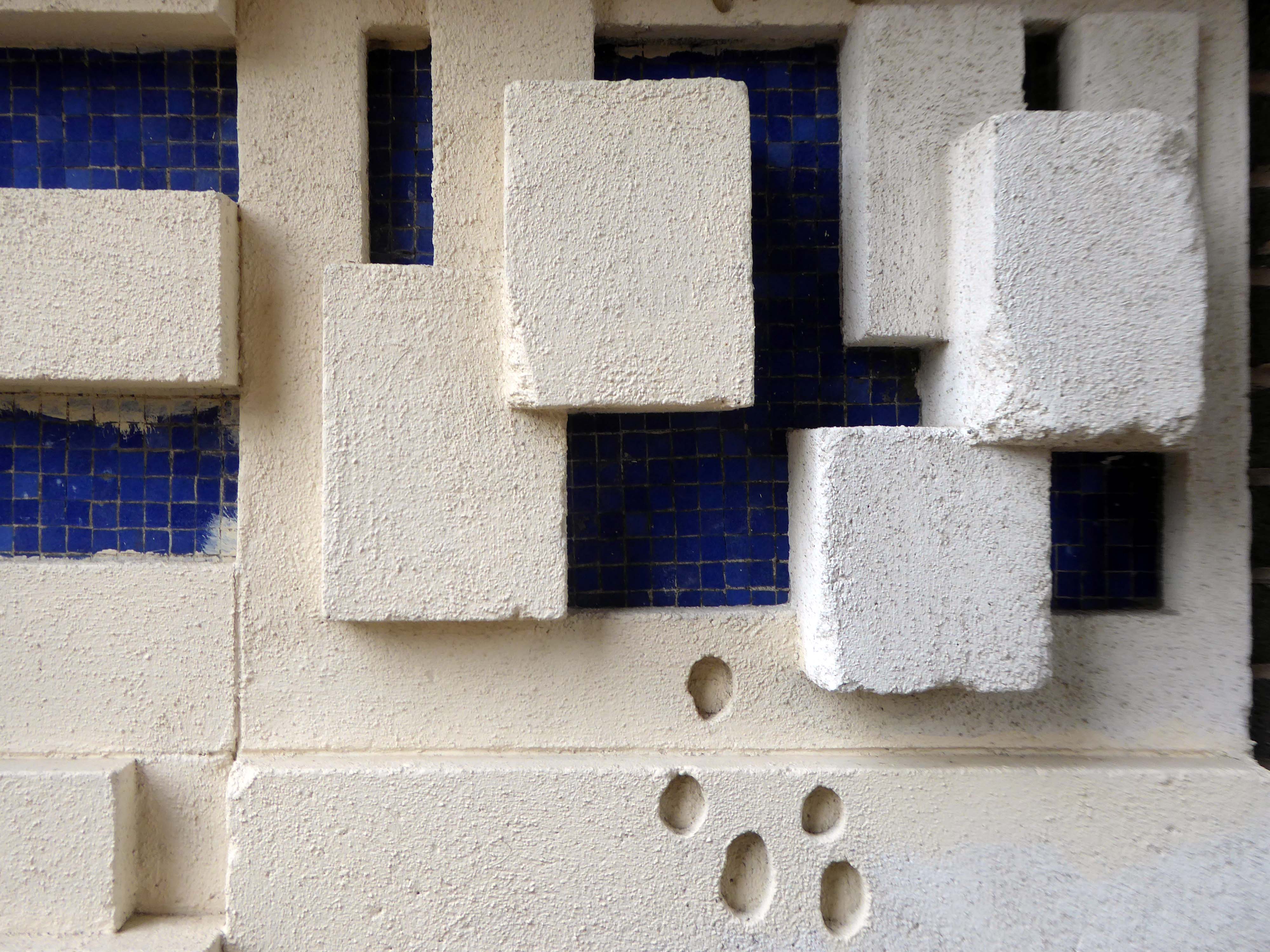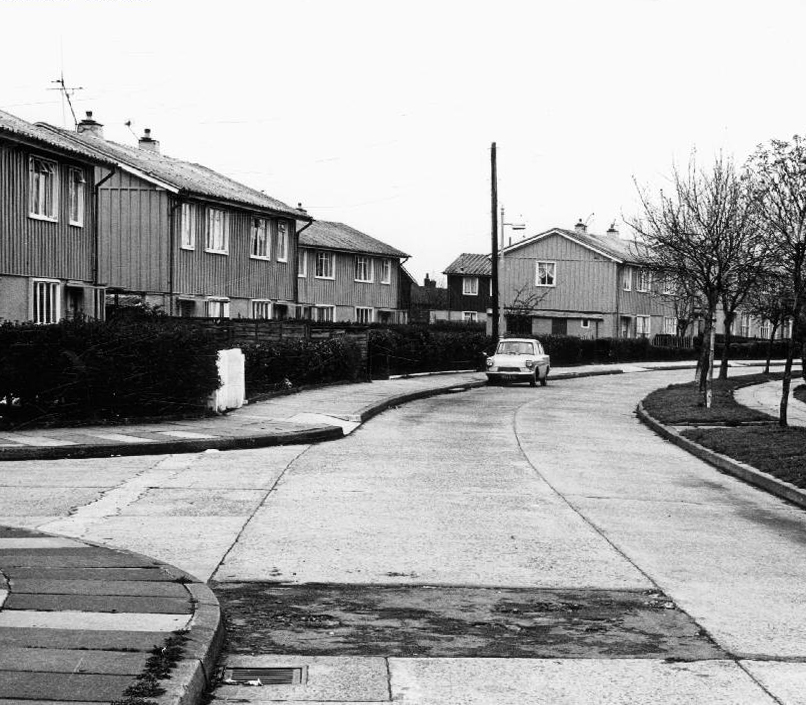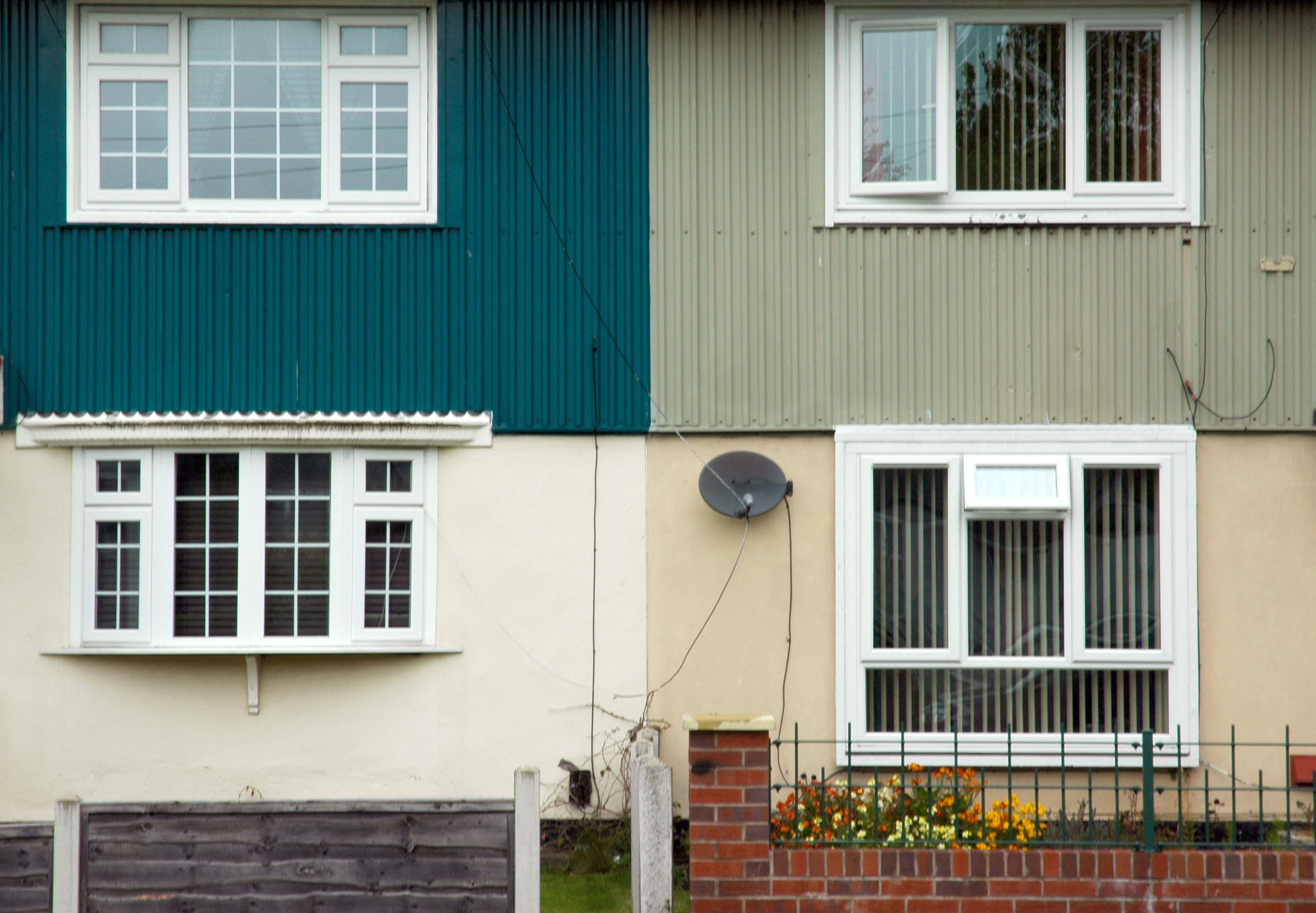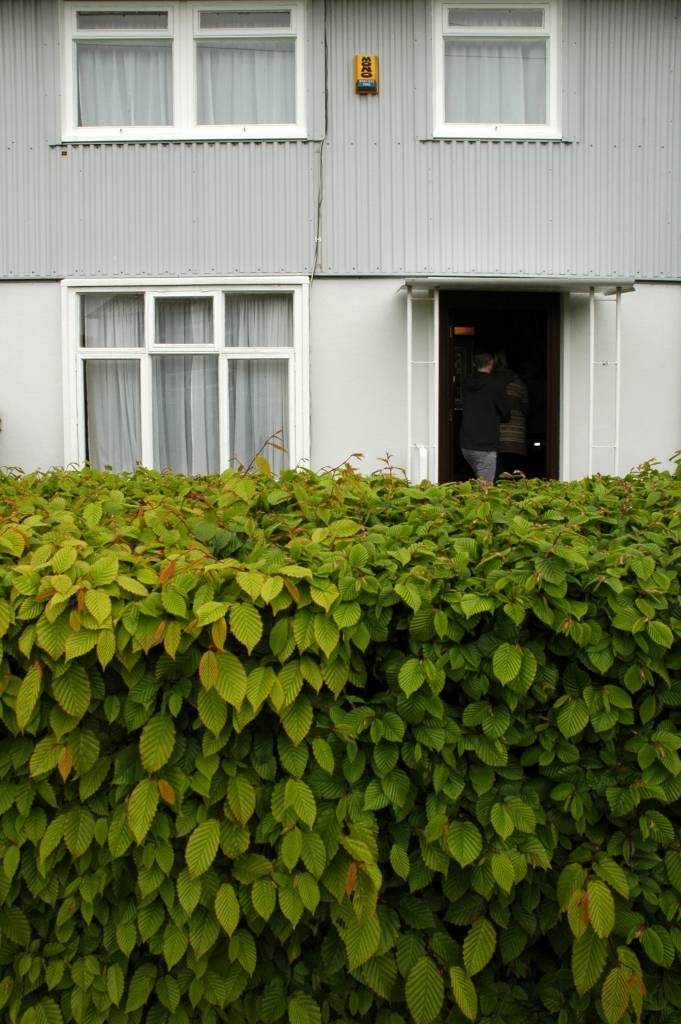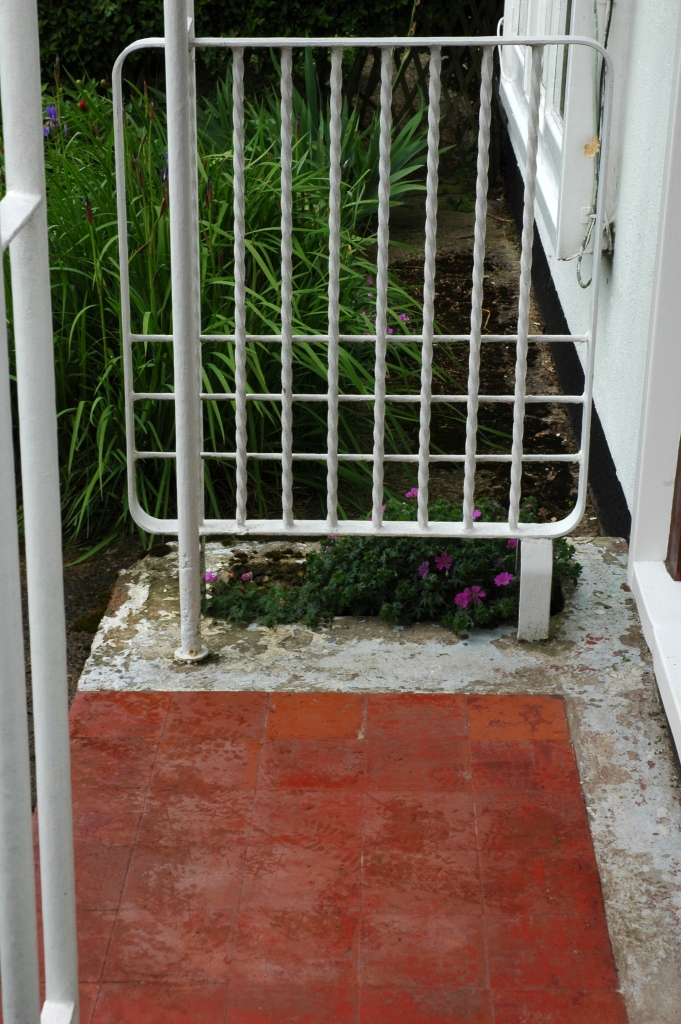
Huddersfield Re-walked

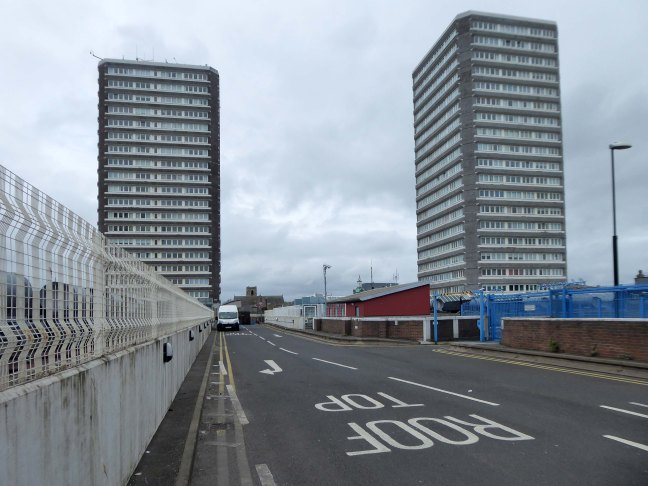
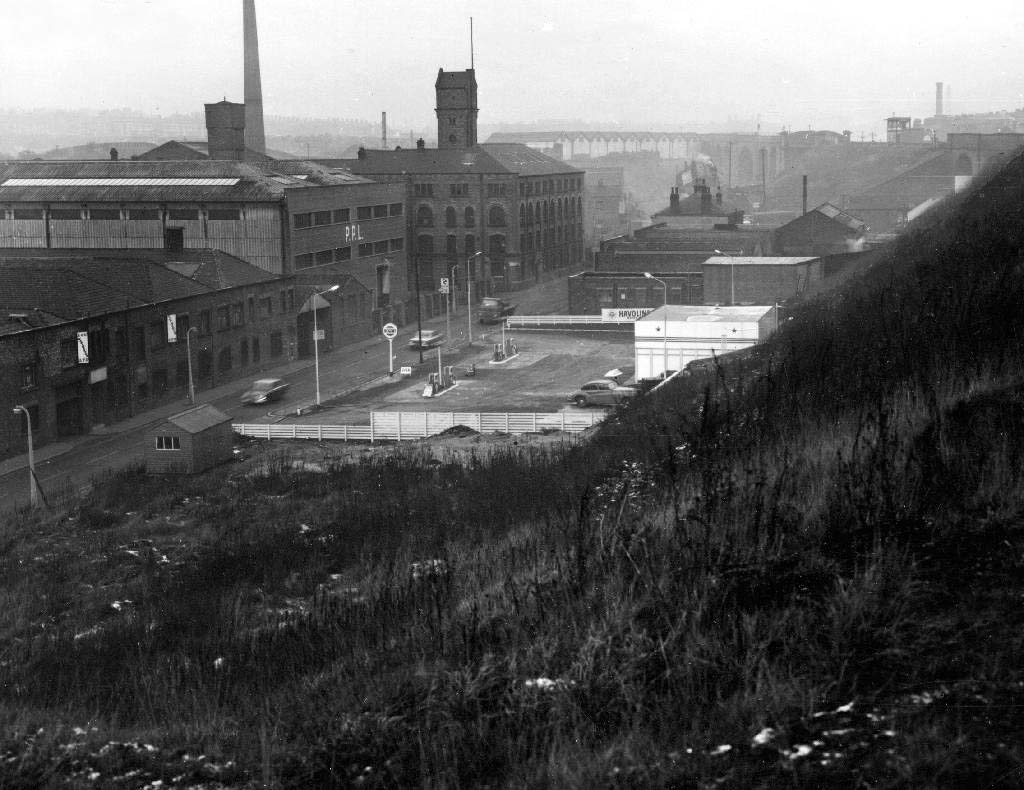
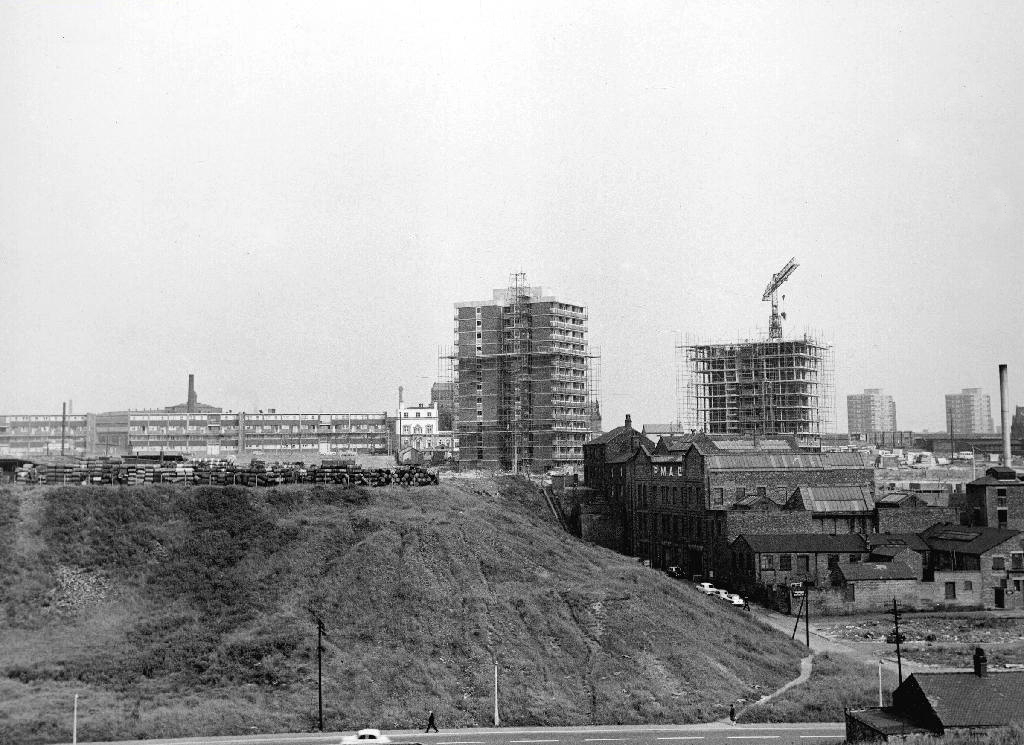
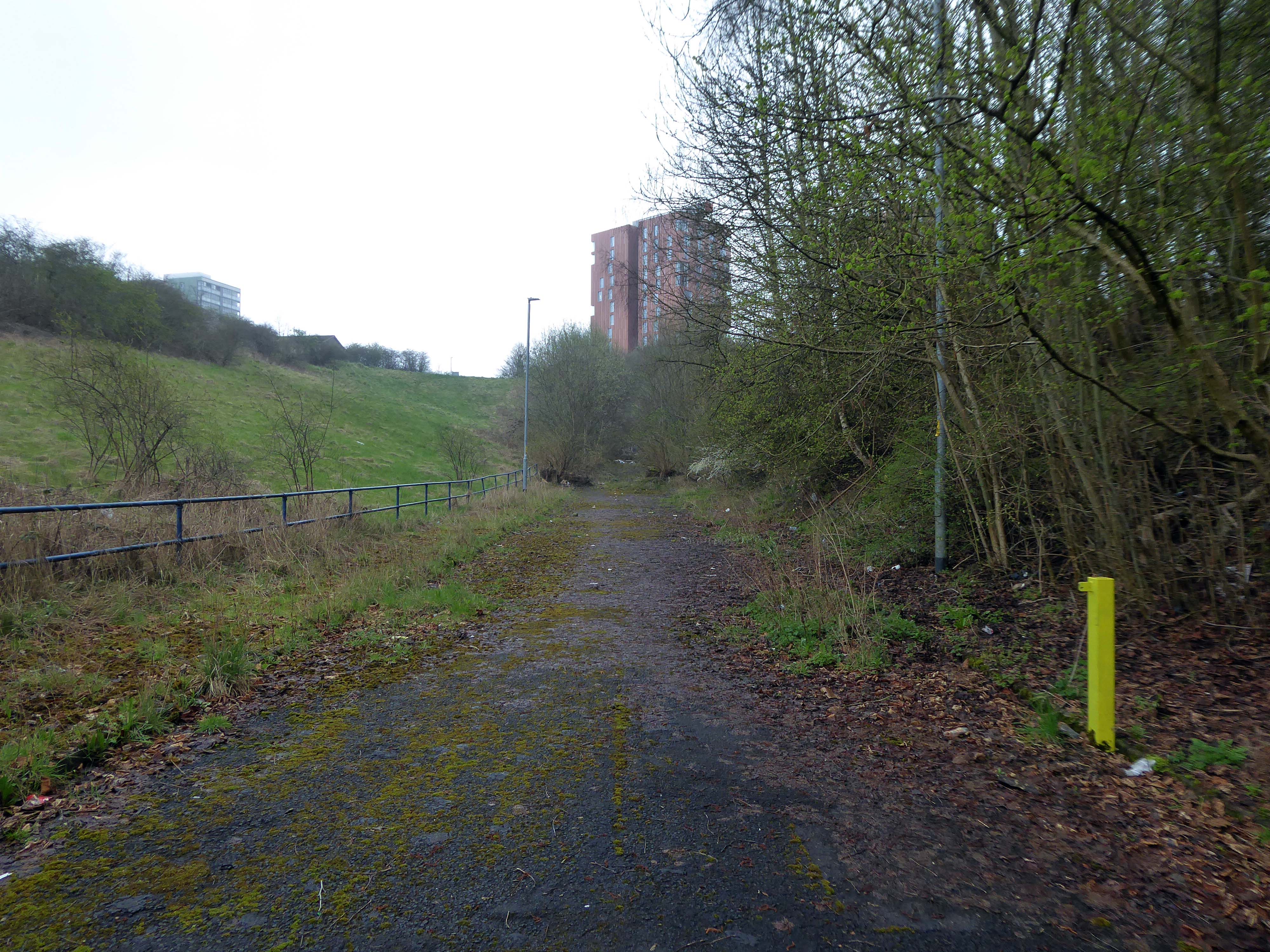
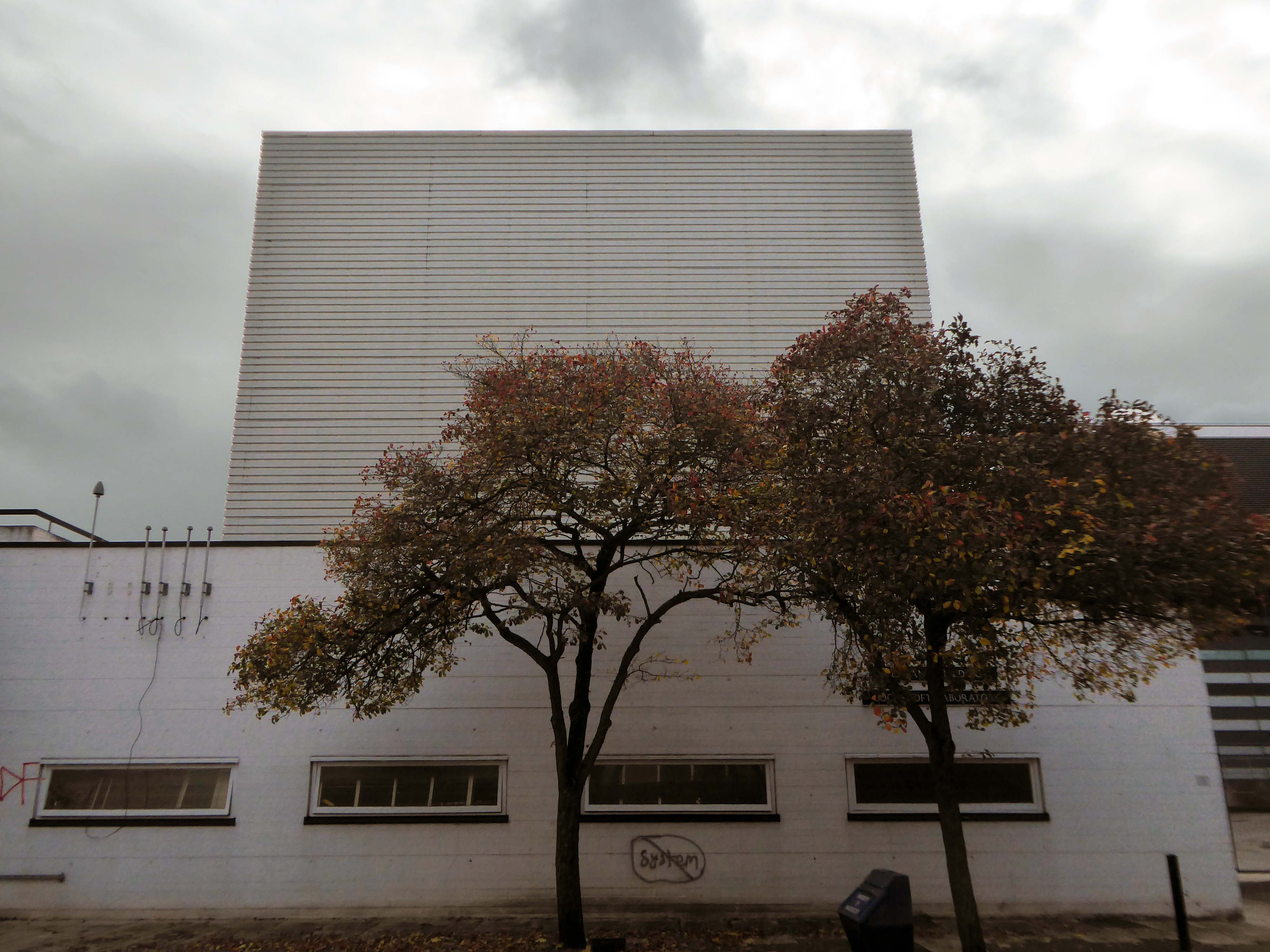
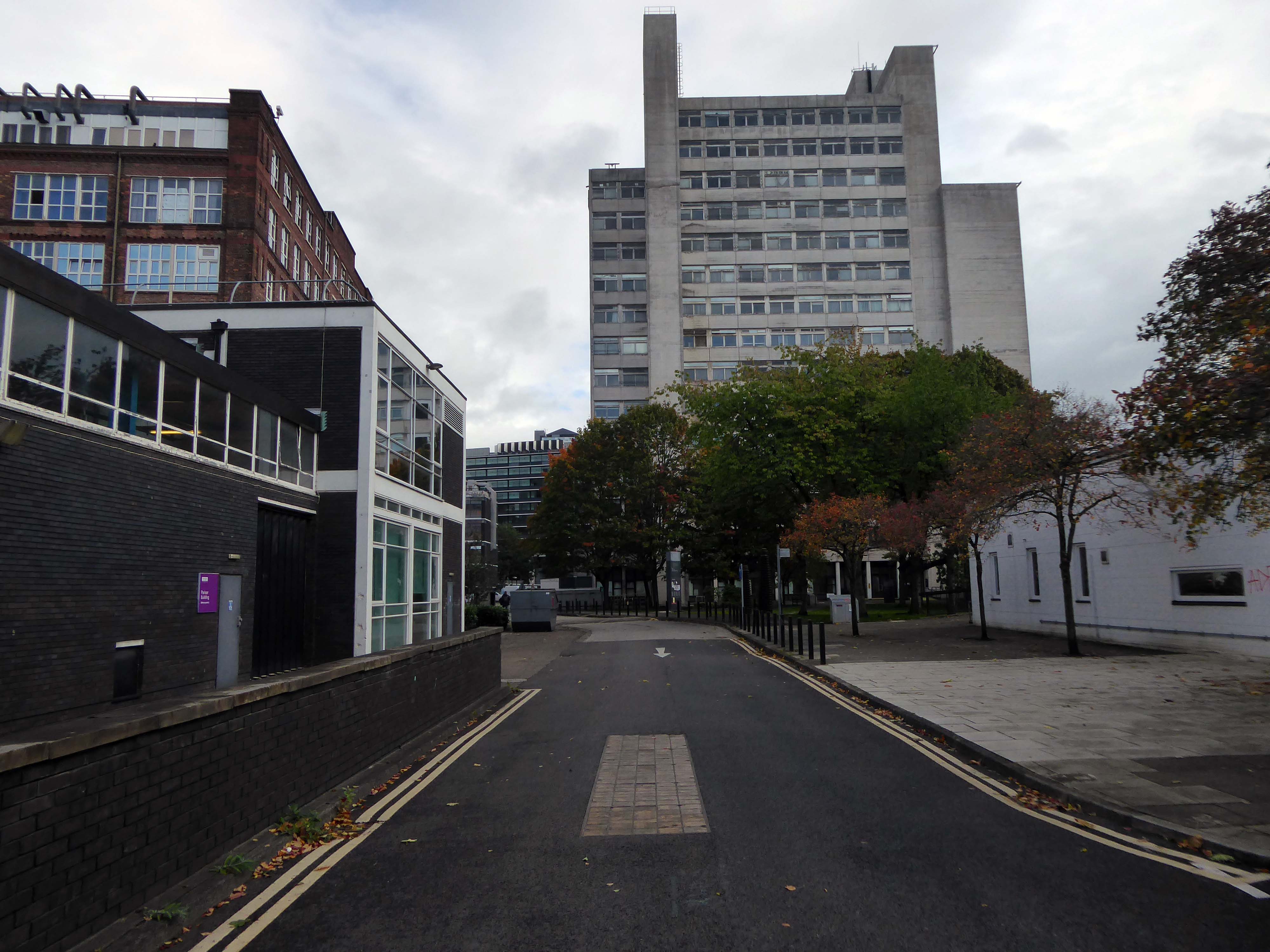
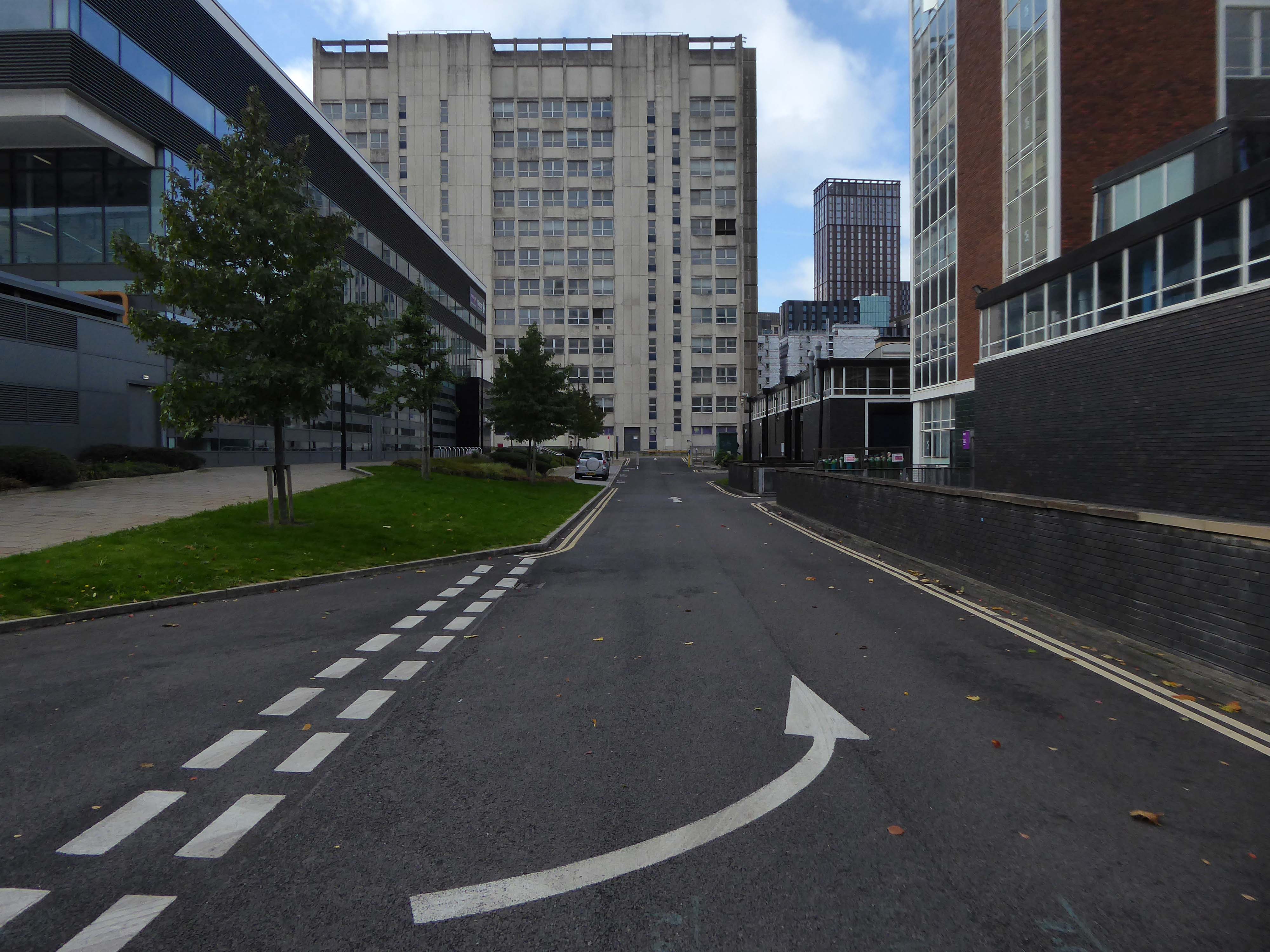
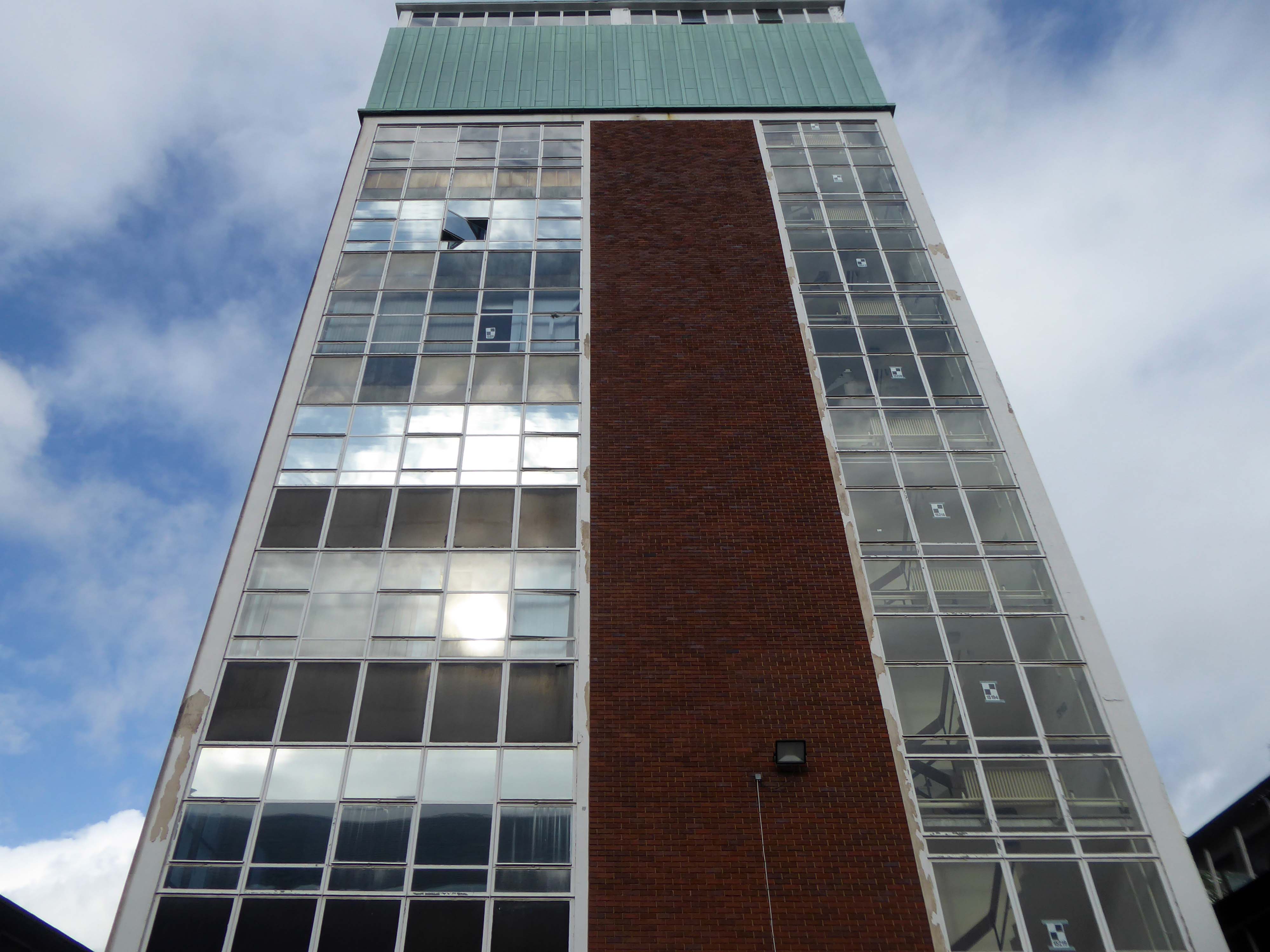
I have walked this way before.

More than once, though that’s no reason not to do so again – so I did.

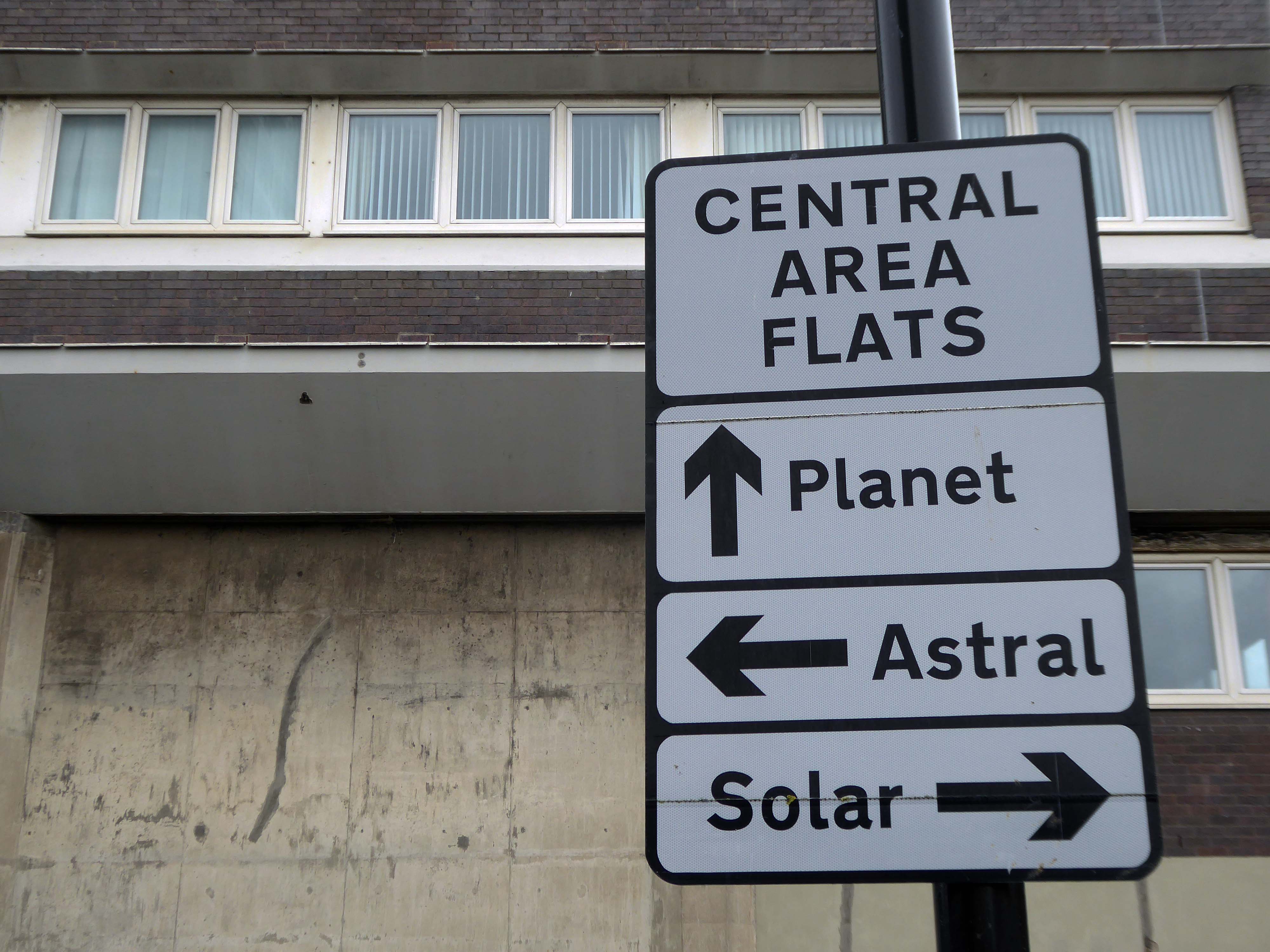
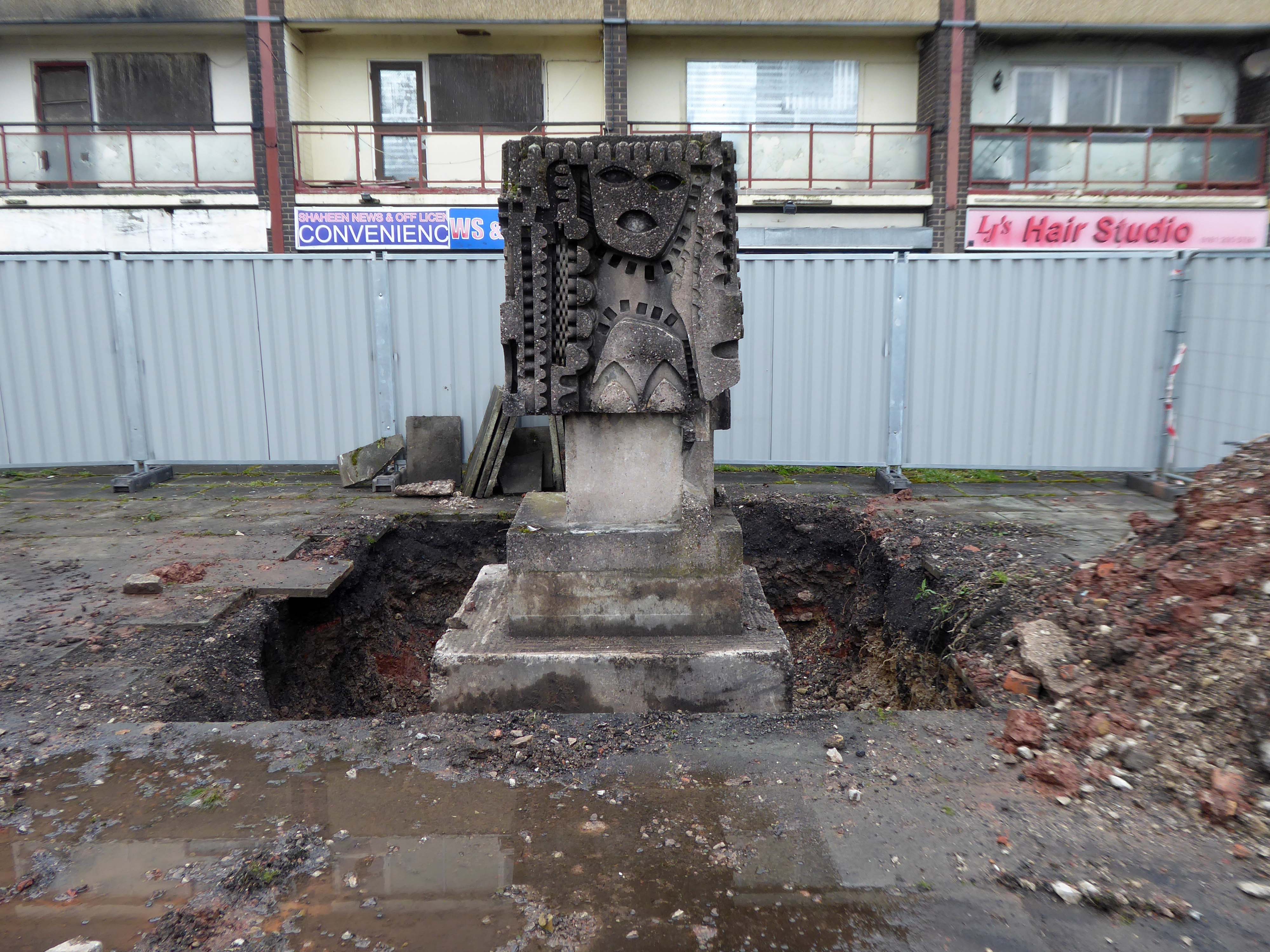
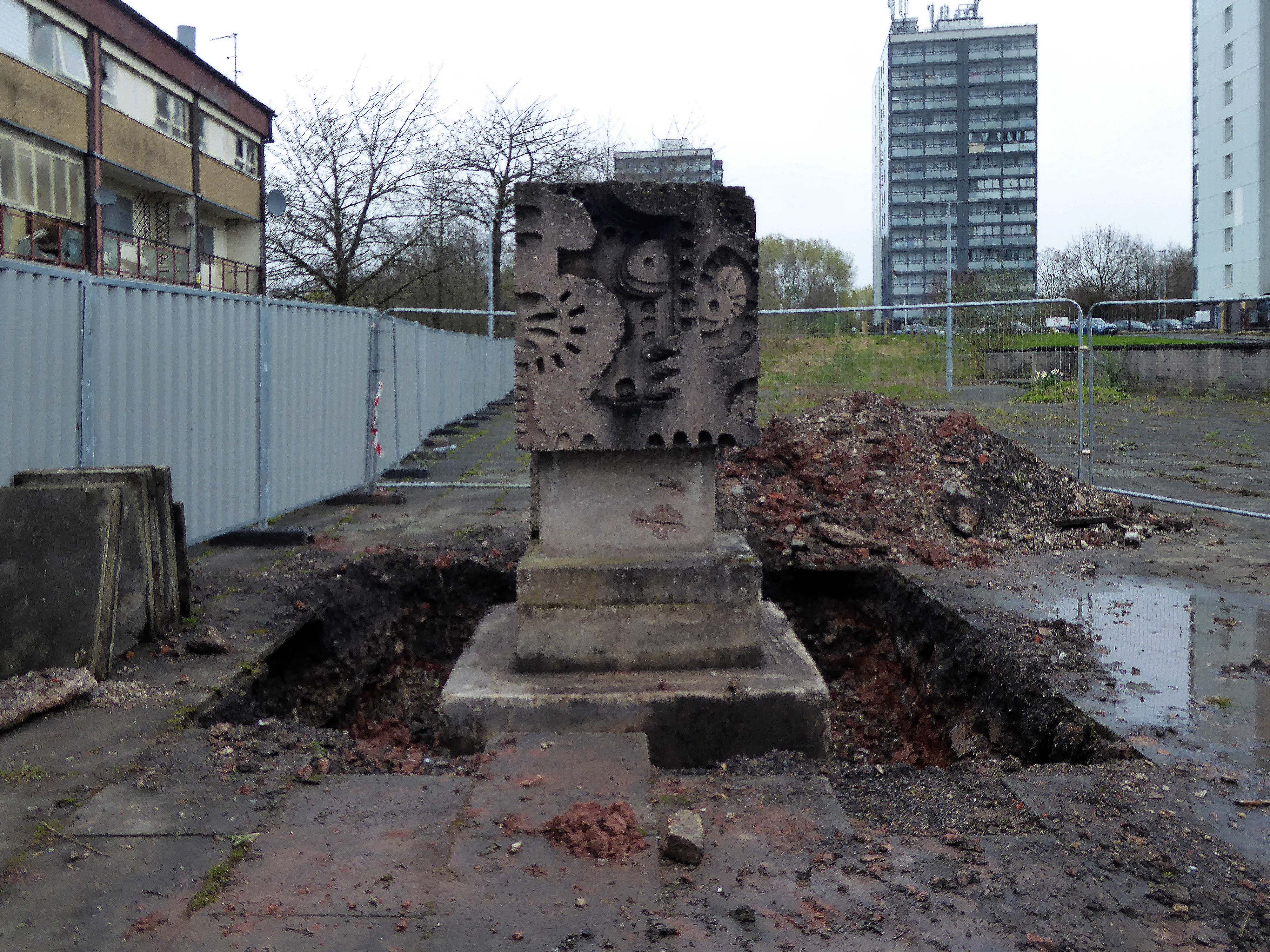
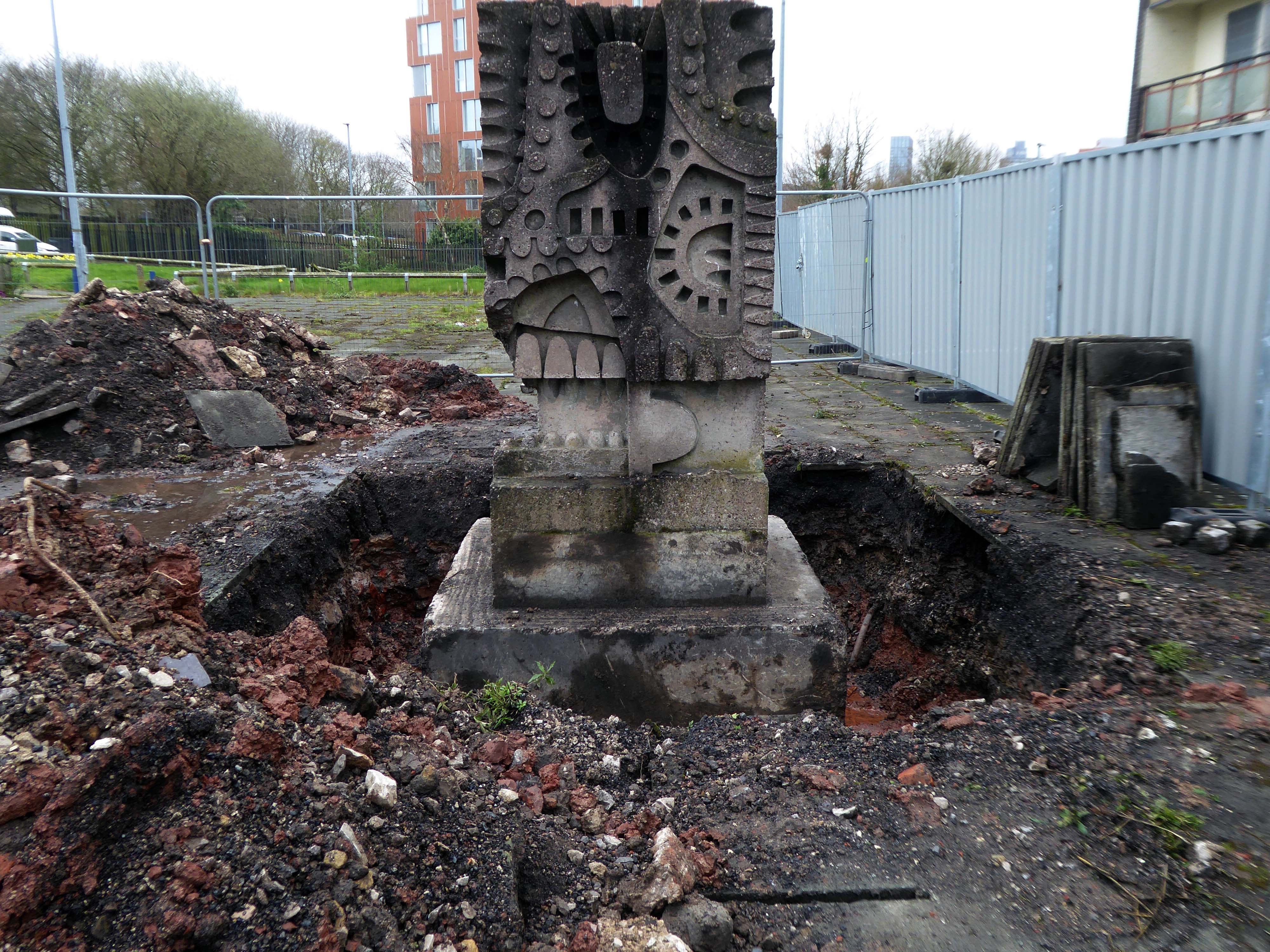
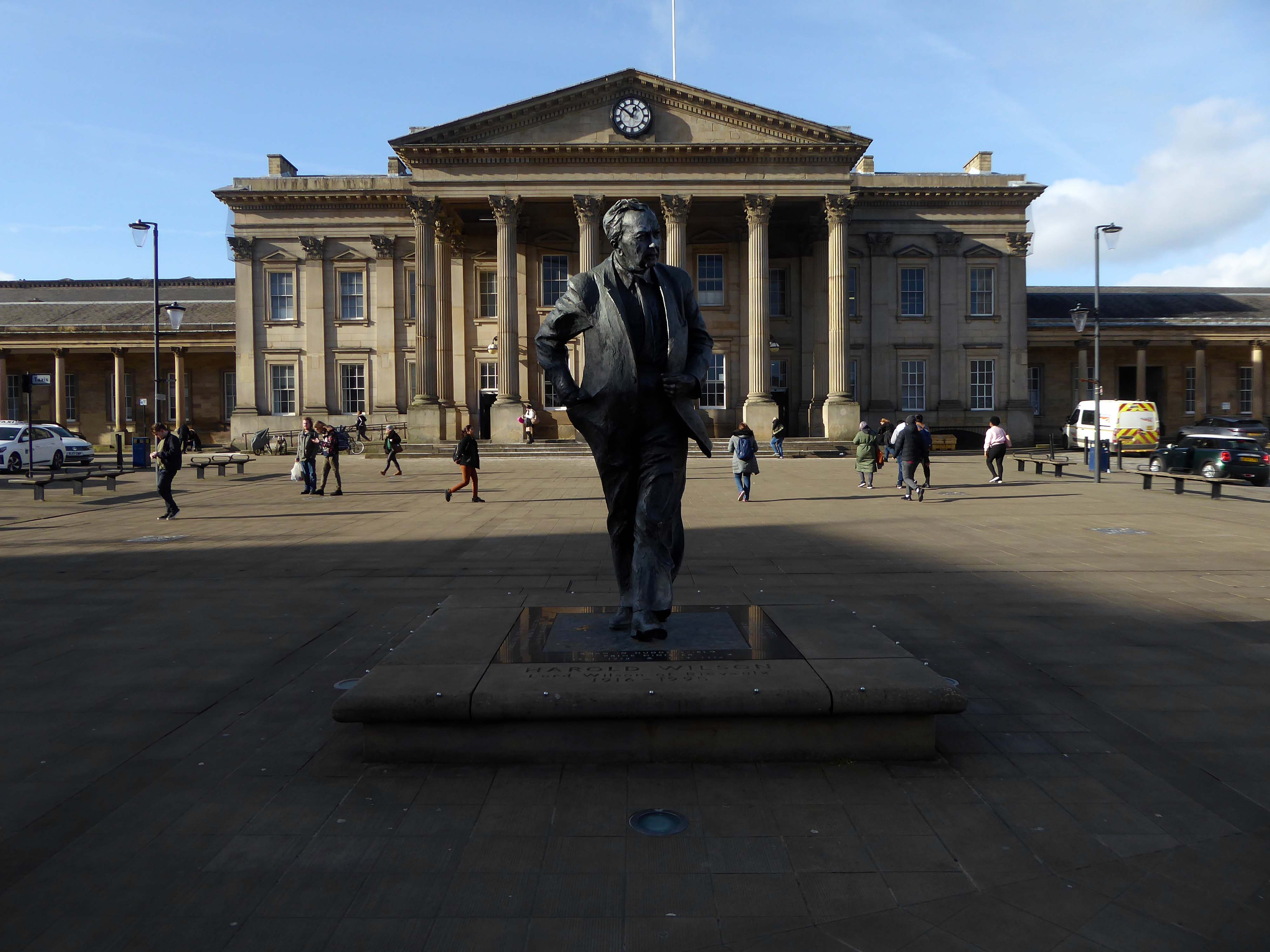
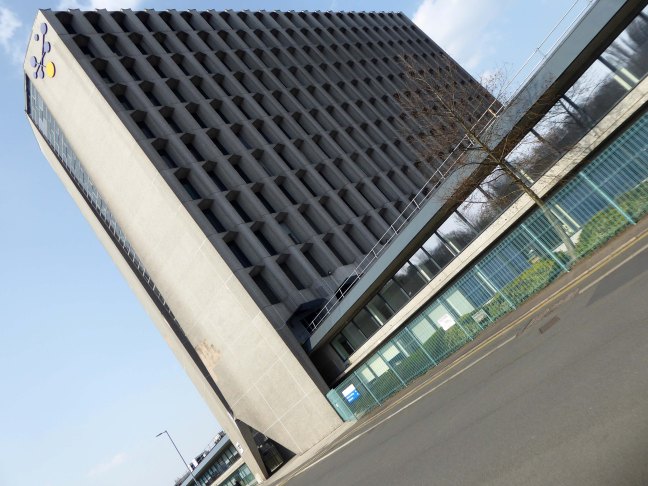
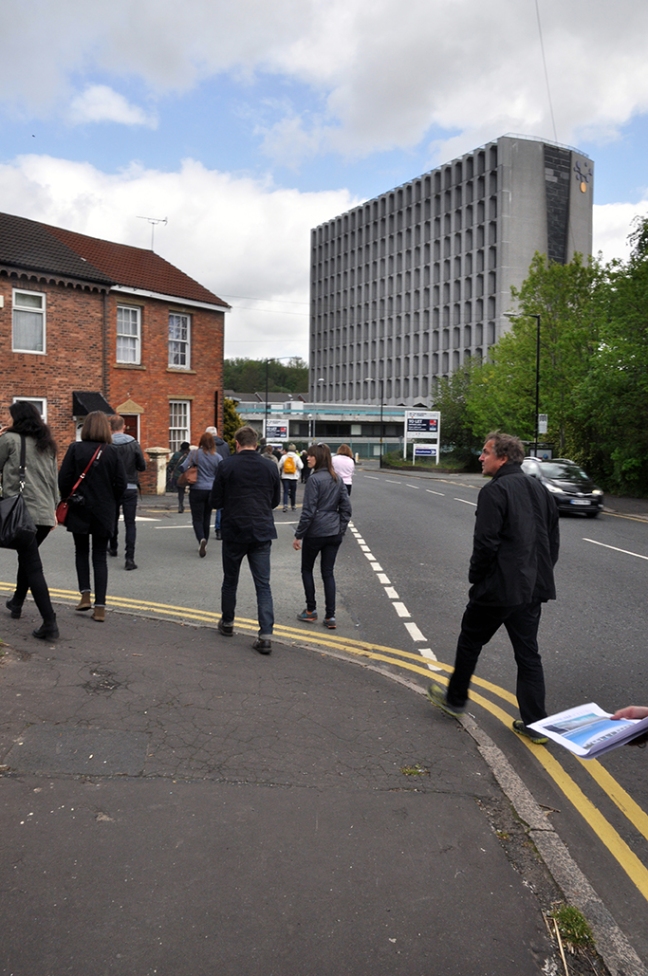
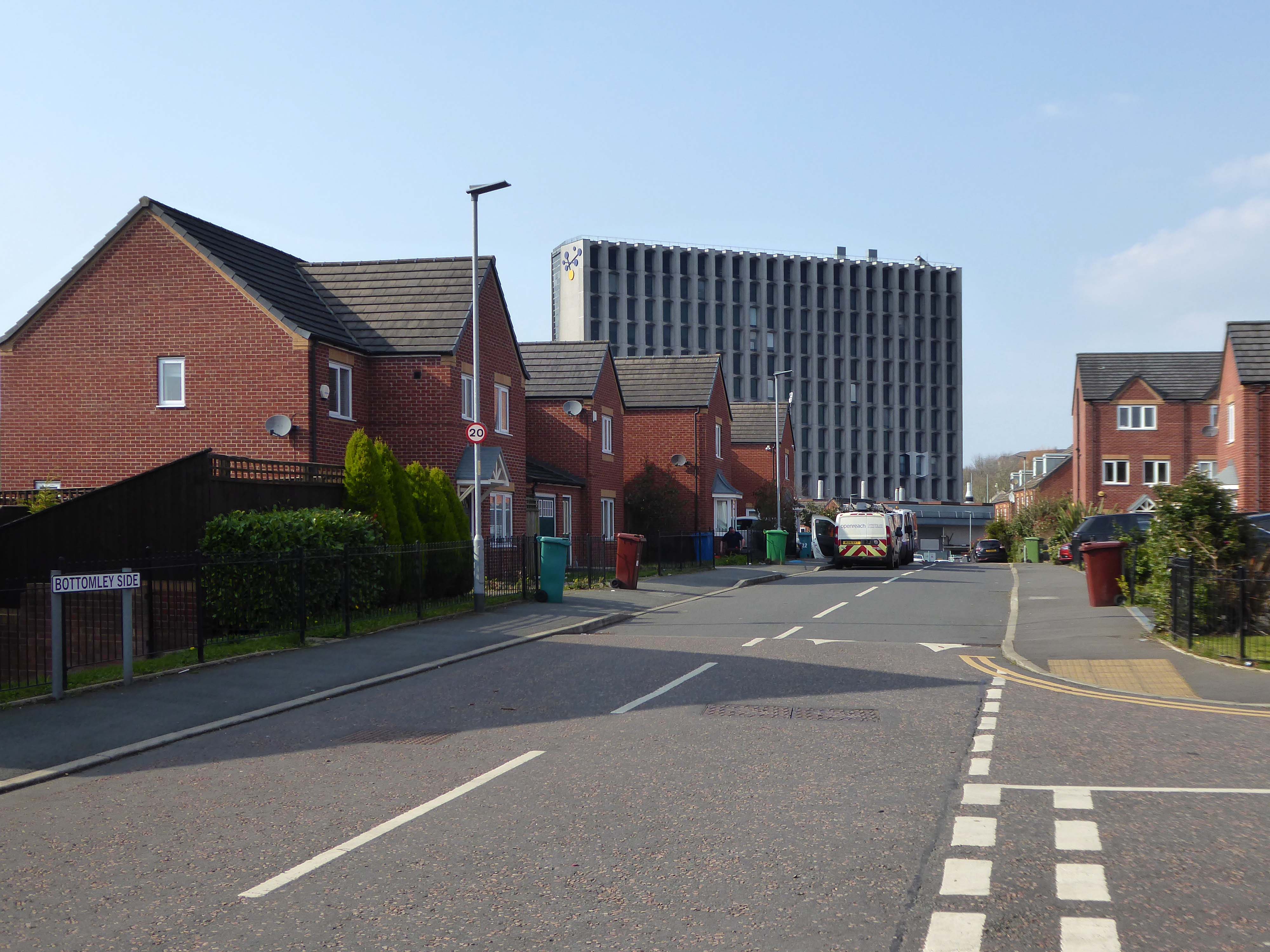
Saying hello to Harold.

Harold saying hello to us:

Nostalgia won’t pay the bills; the world doesn’t owe us a living; and we must harness the scientific revolution to win in the years to come. This scientific revolution is making it physically possible, for the first time in human history, to conquer poverty and disease, to move towards universal literacy, and to achieve for the whole people better living standards than those enjoyed by tiny privileged classes in previous epochs.

He warned change would have to reach every corner of the country; The Britain that is going to be formed in the white heat of this revolution will be no place for the restrictive practices or for outdated methods on either side of industry.

Fabian Society

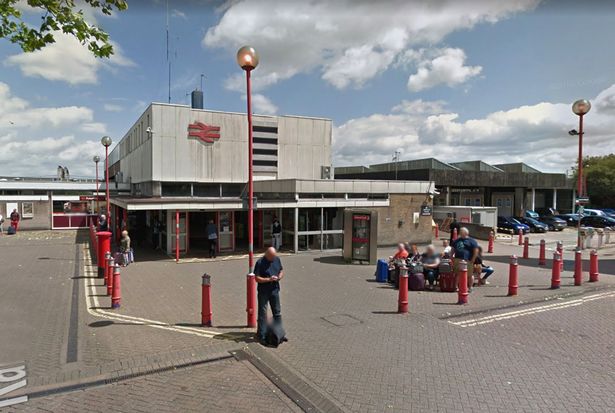
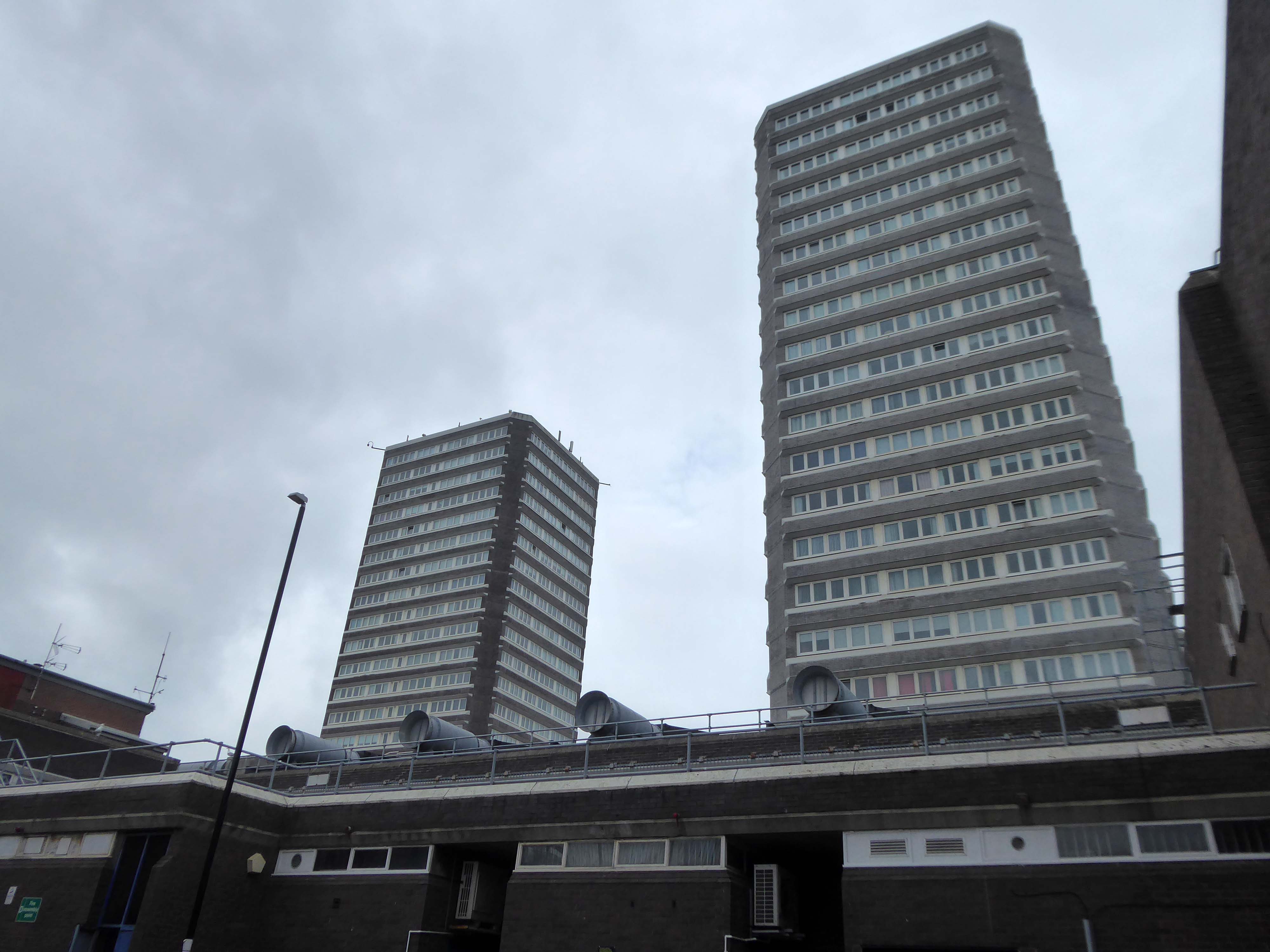
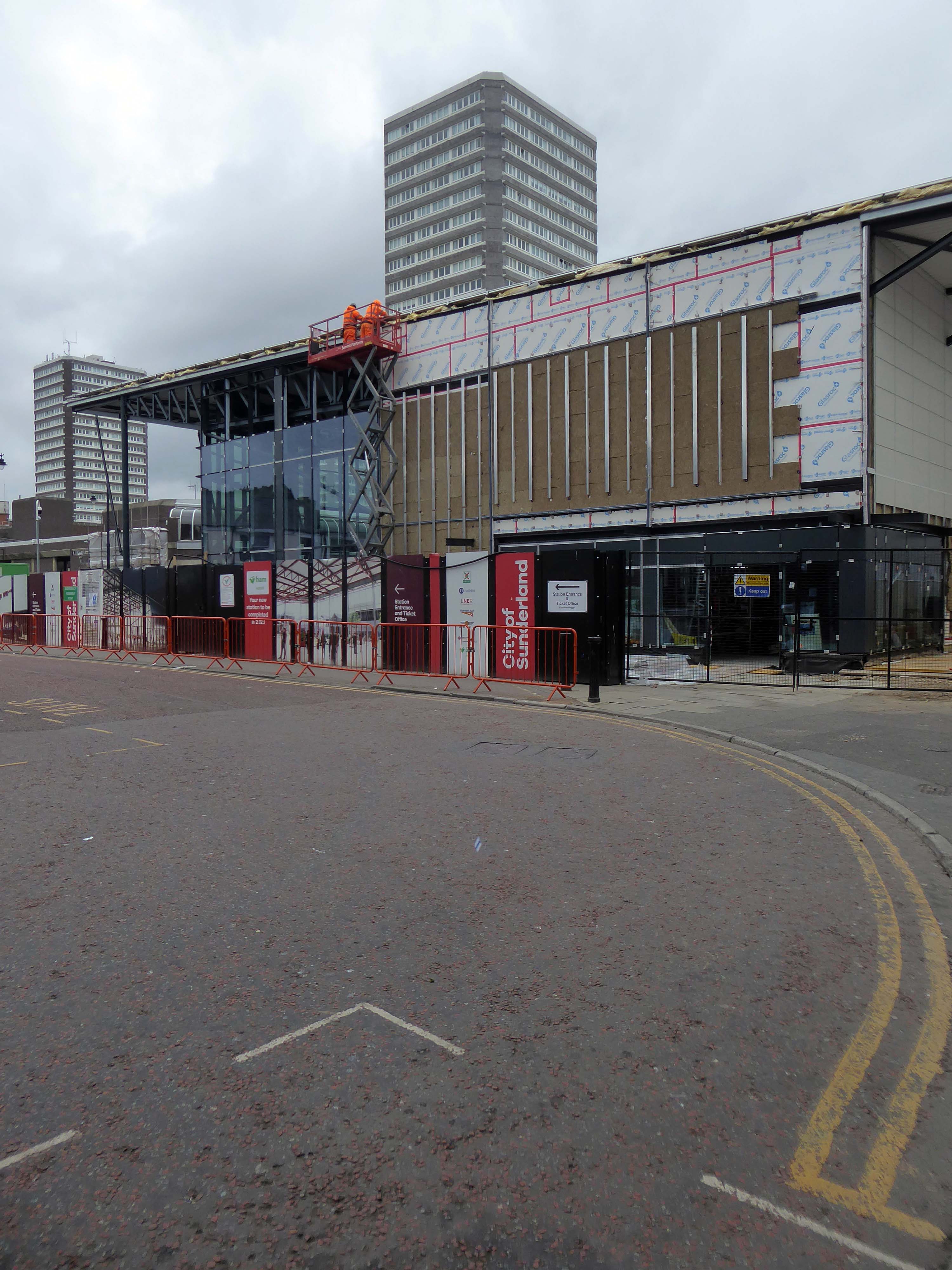
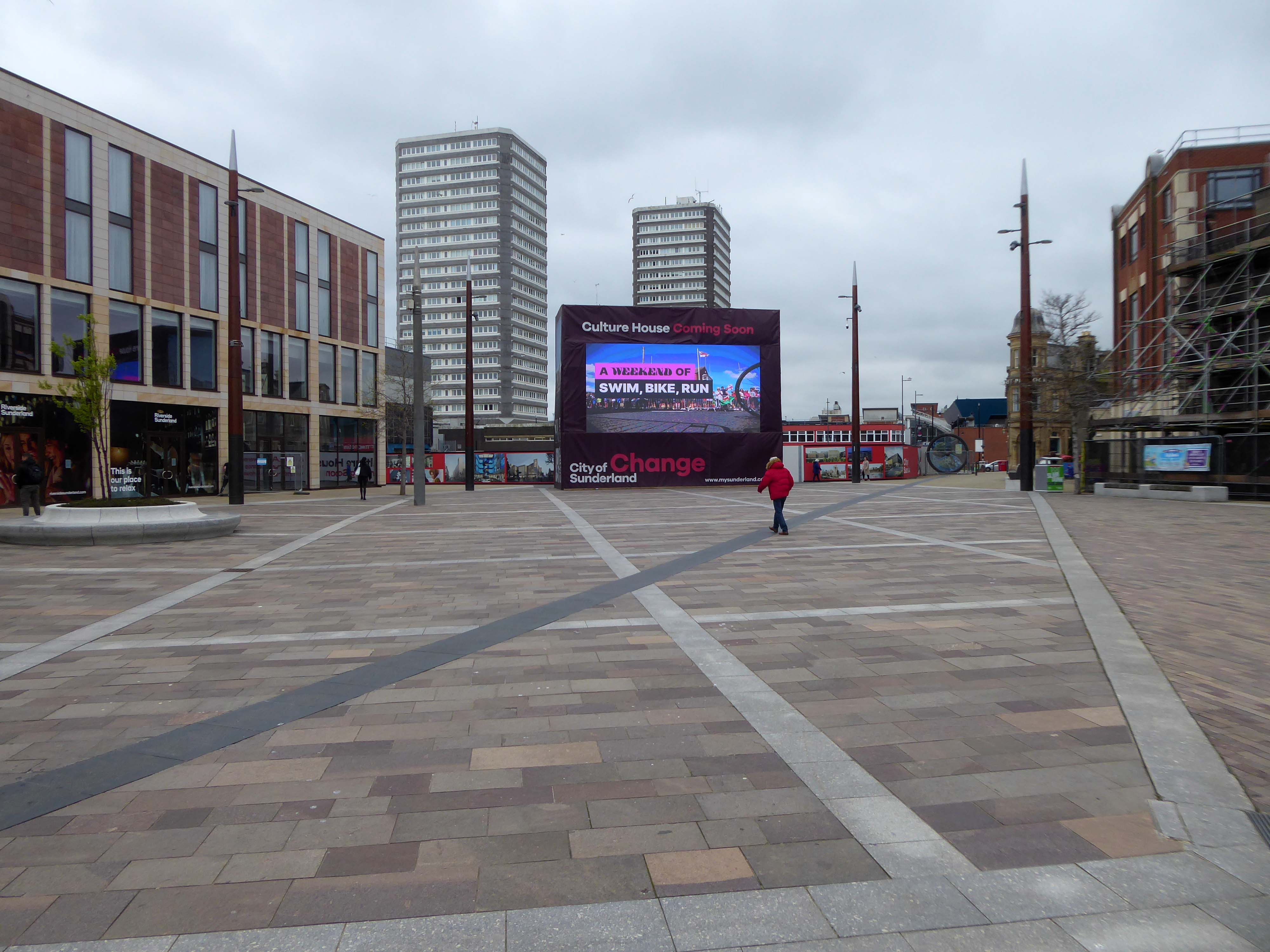
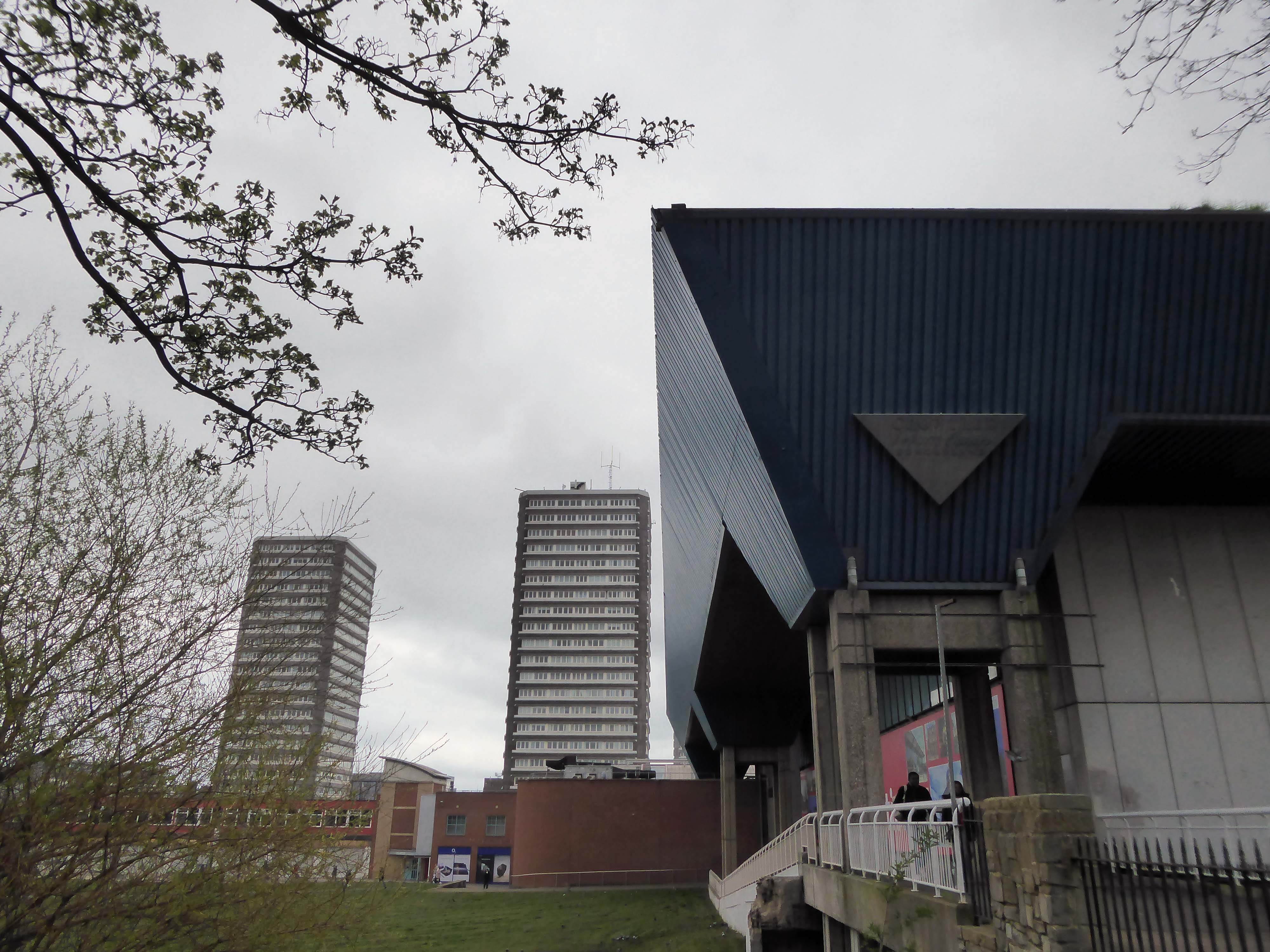
Standing sentinel over one of Nikolaus Pevsner and John Betjeman’s favourite railway station front elevations.

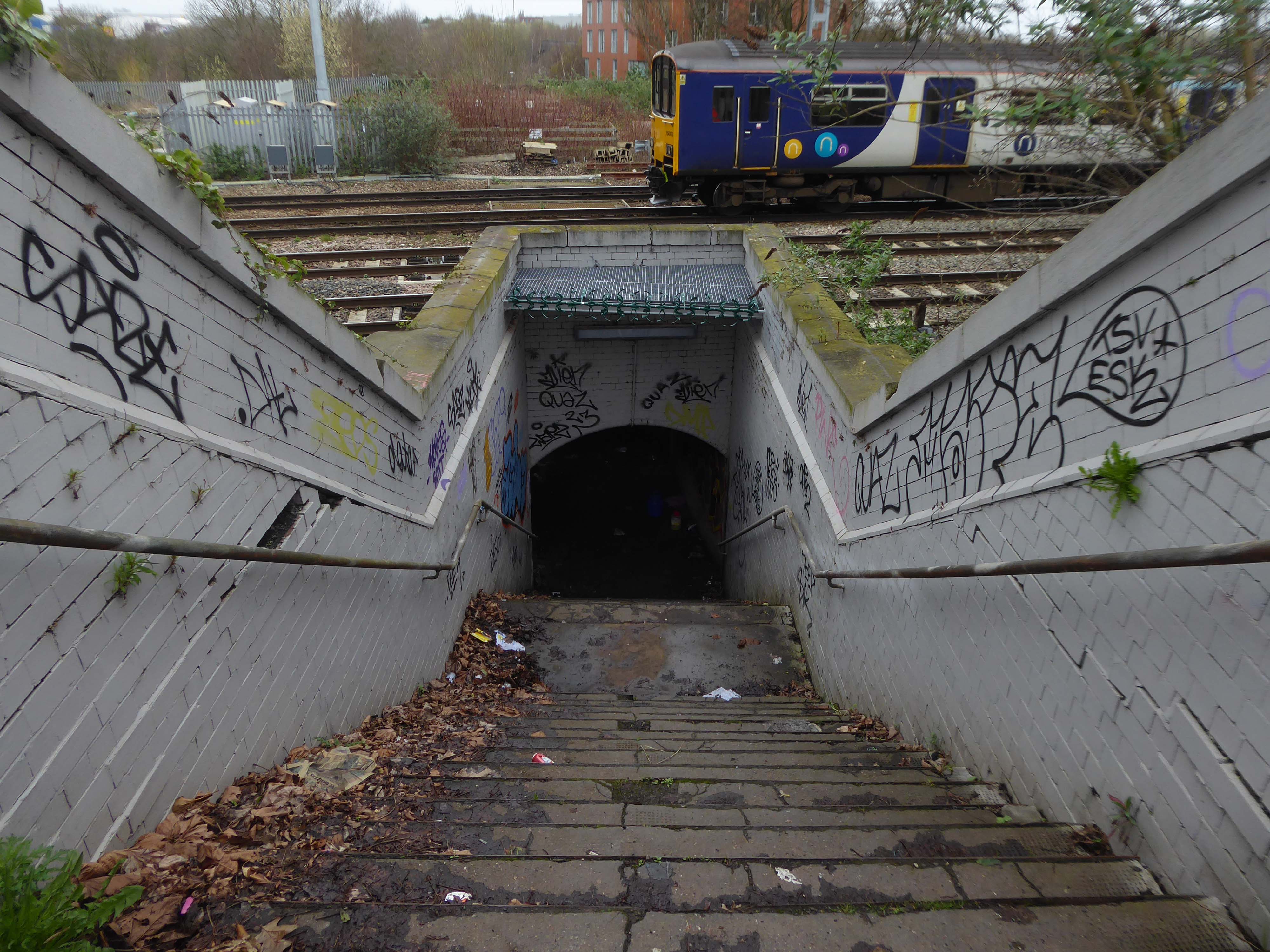
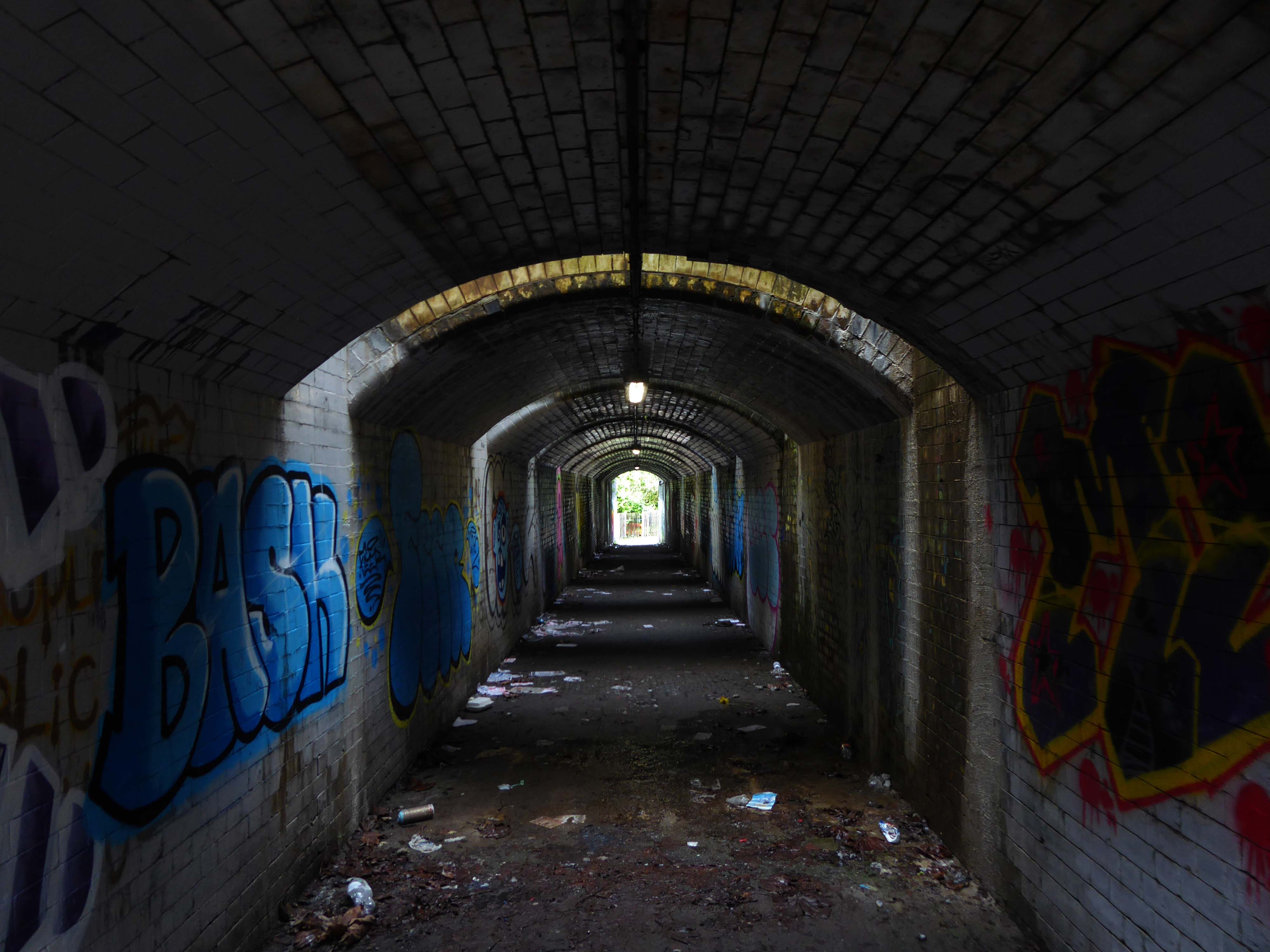
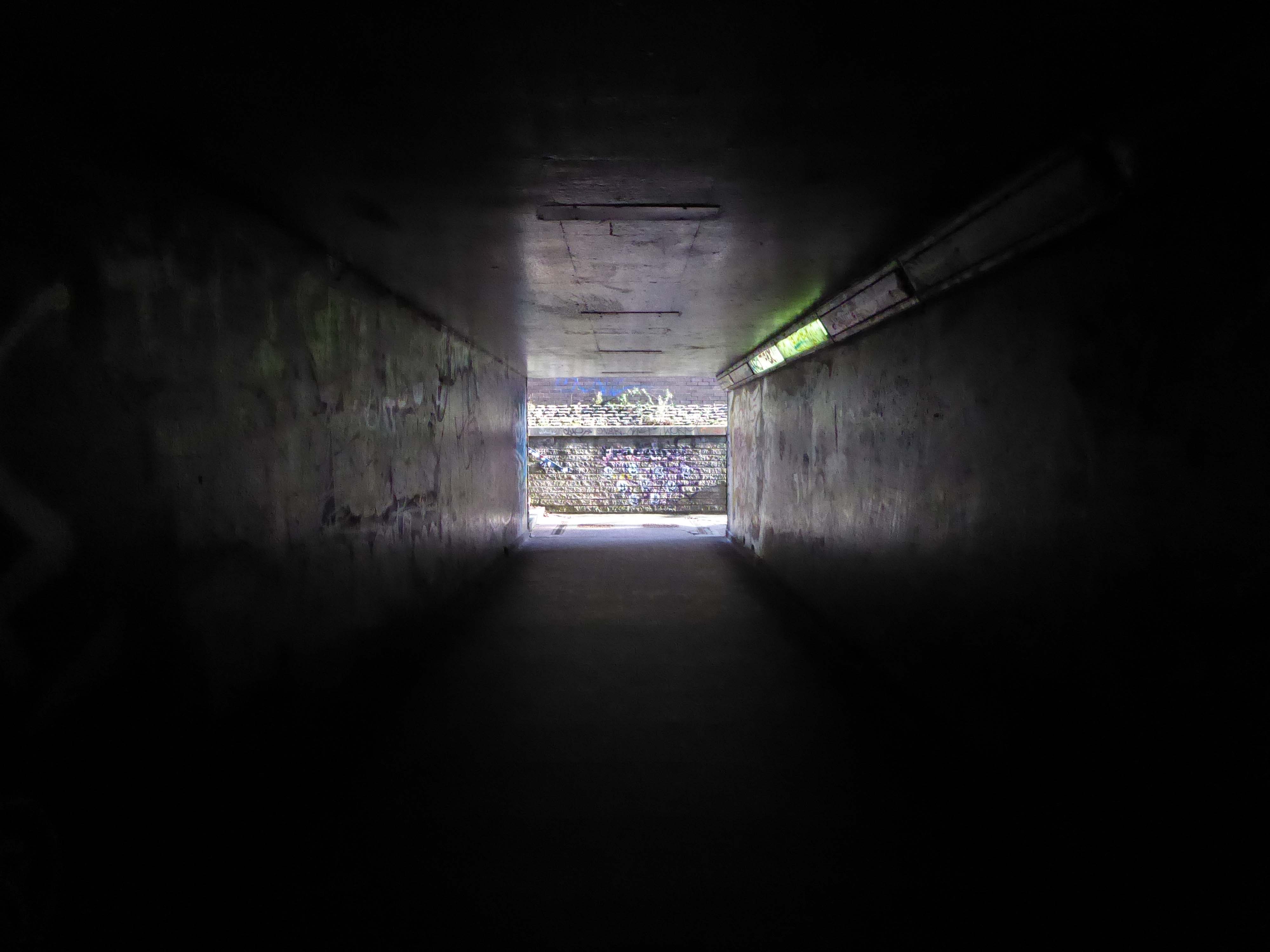
Through a passage darkly.

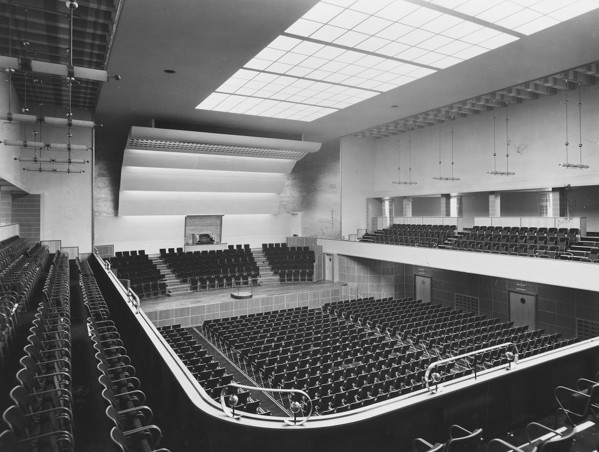
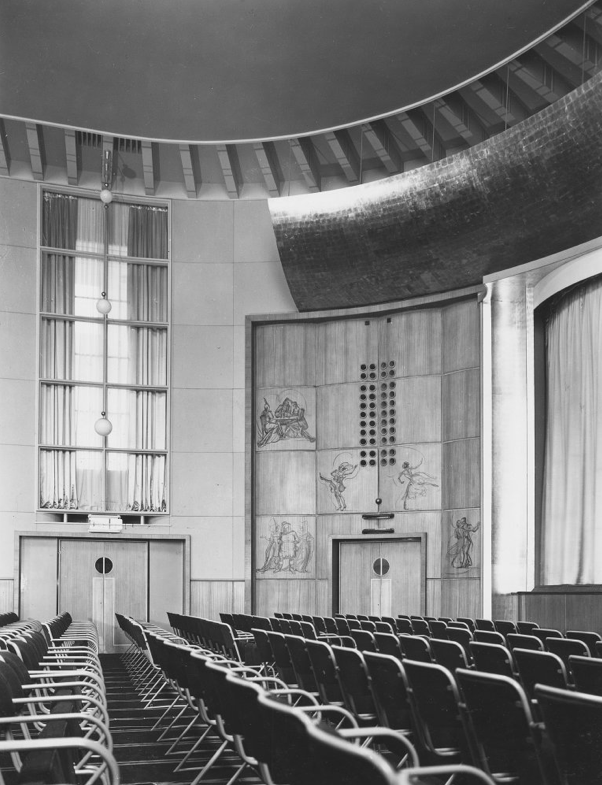
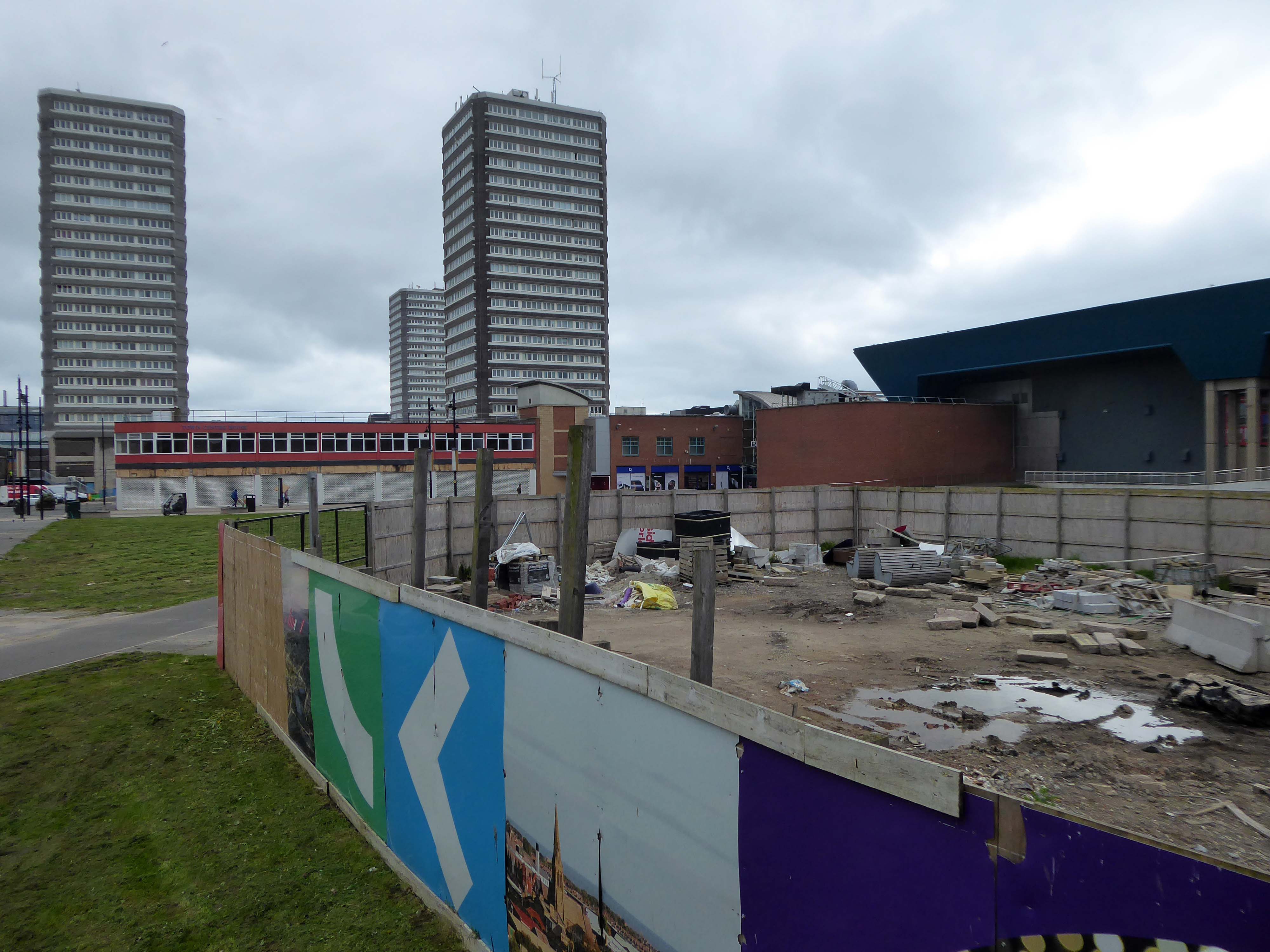
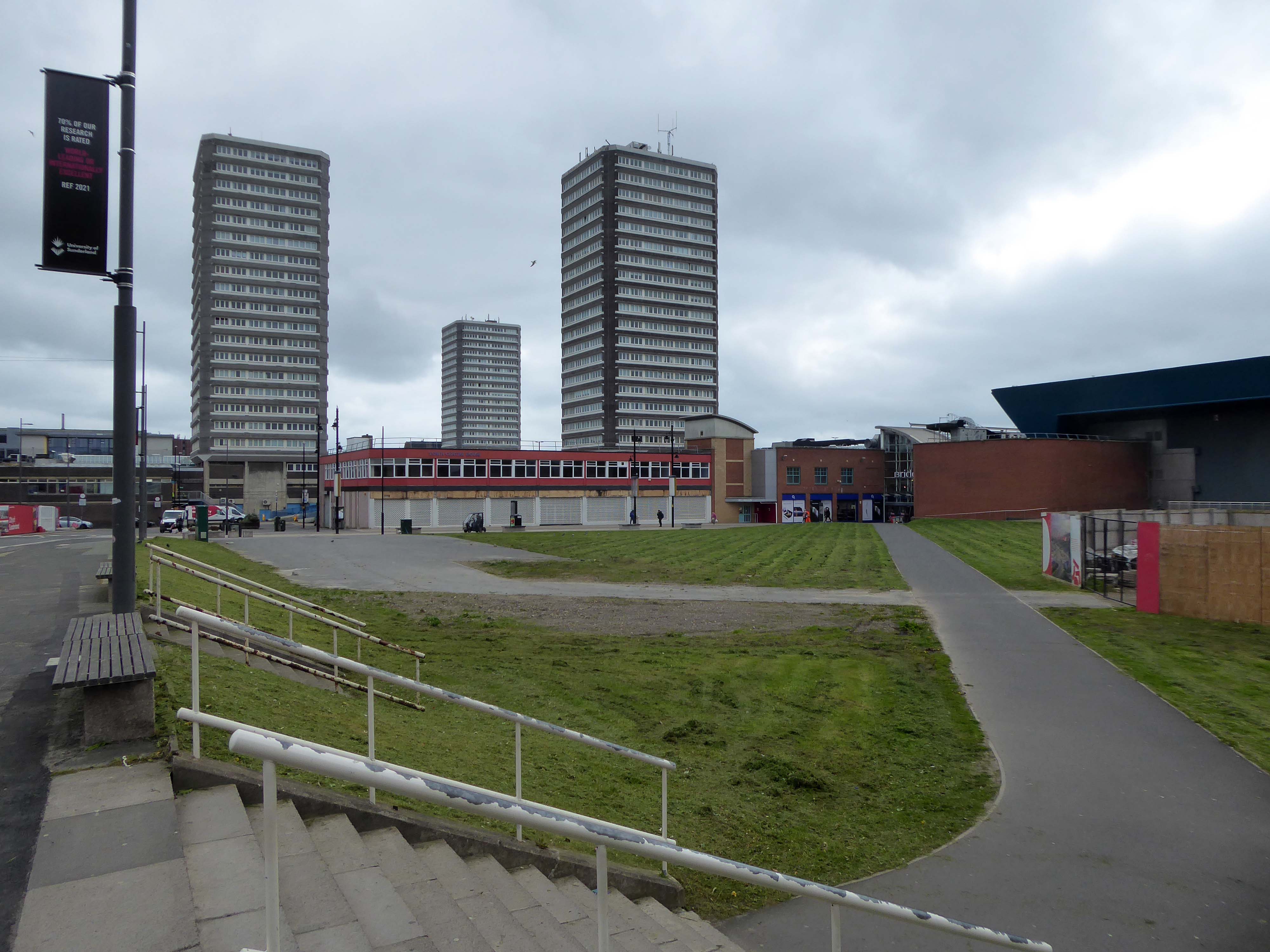
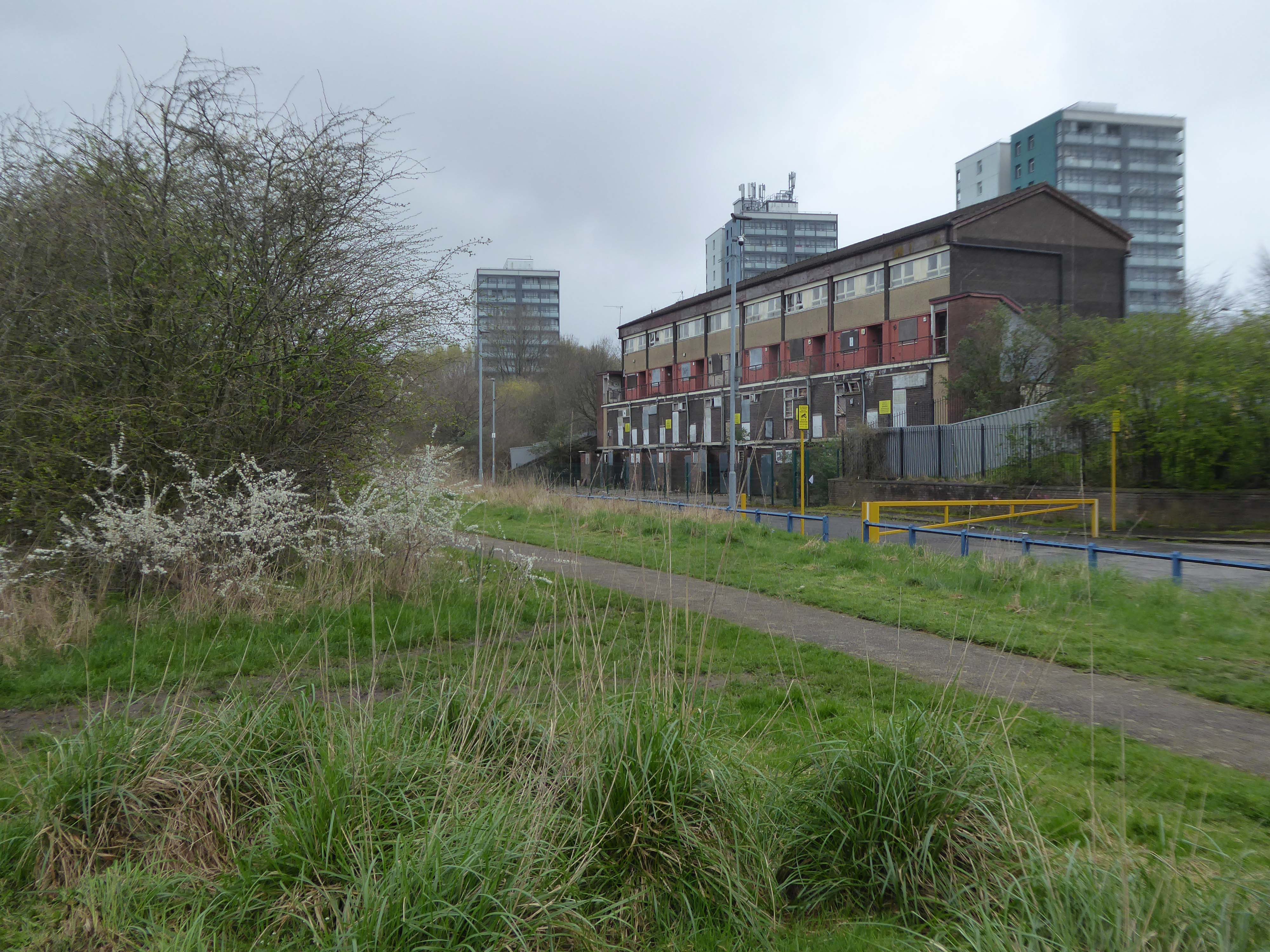
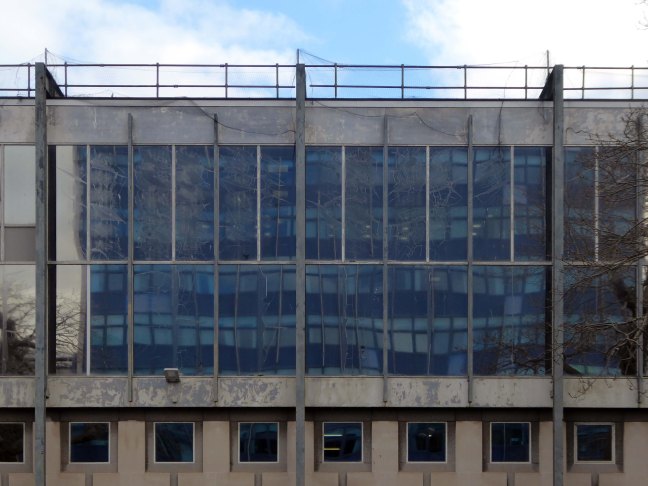
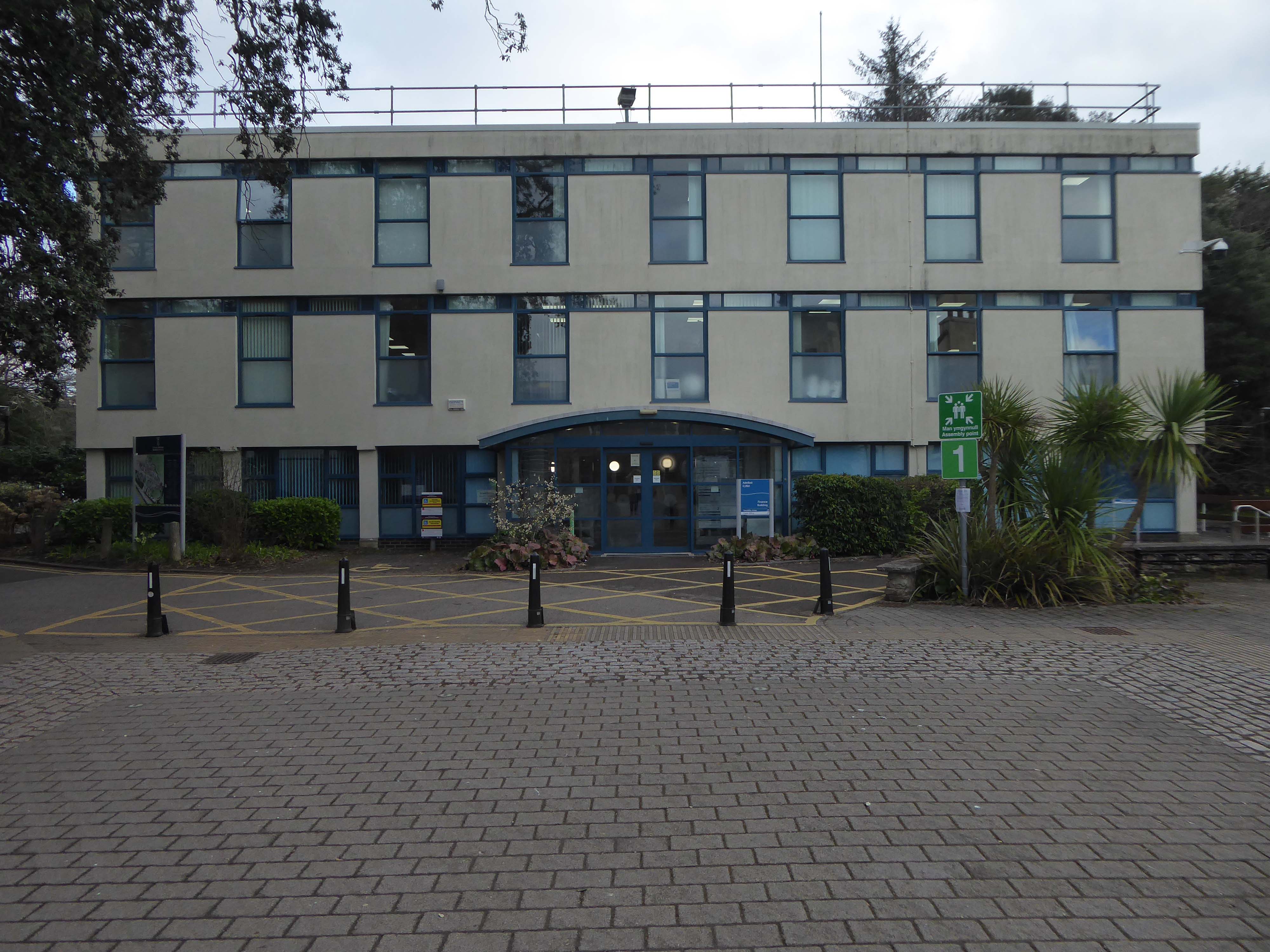
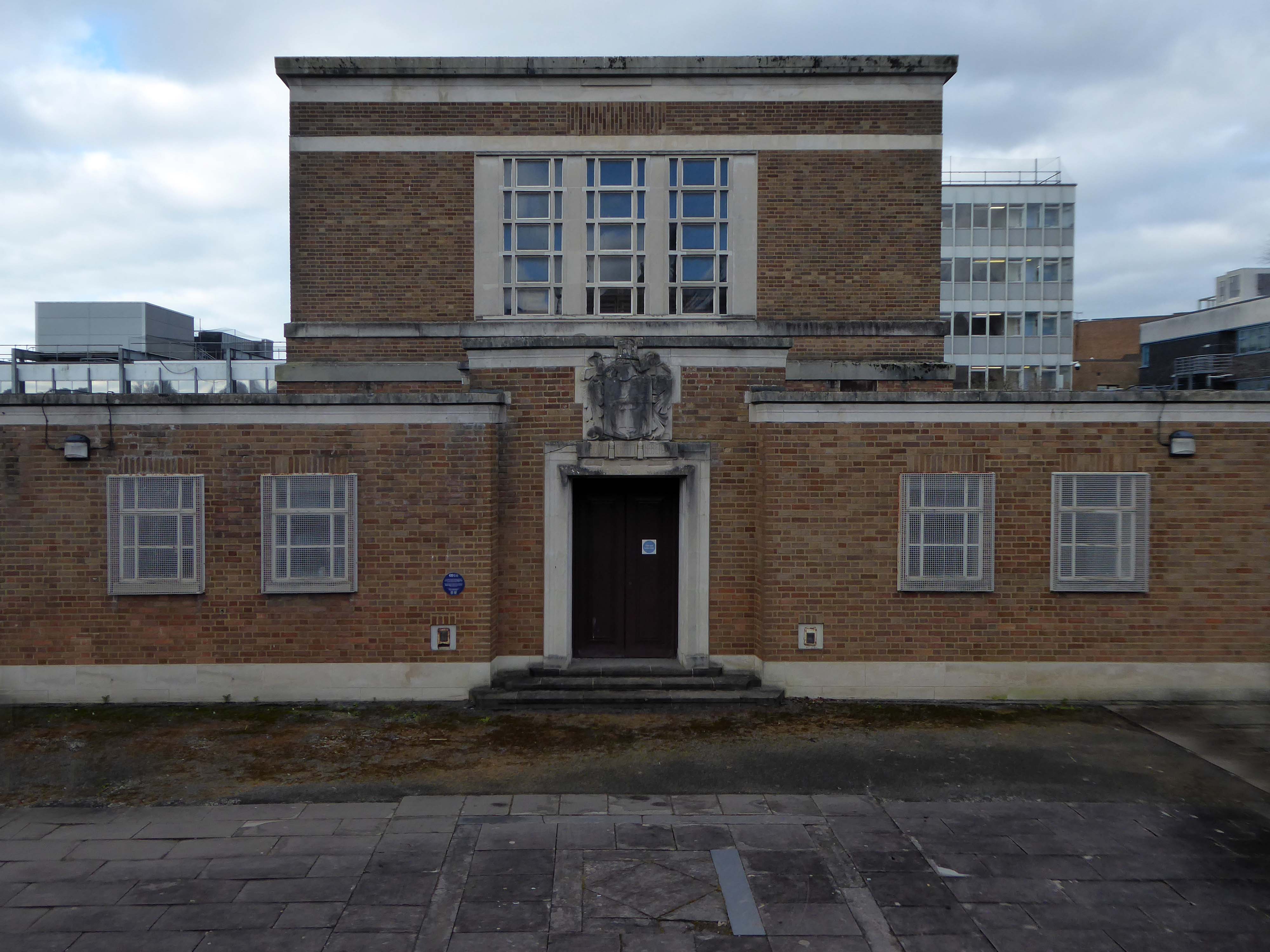
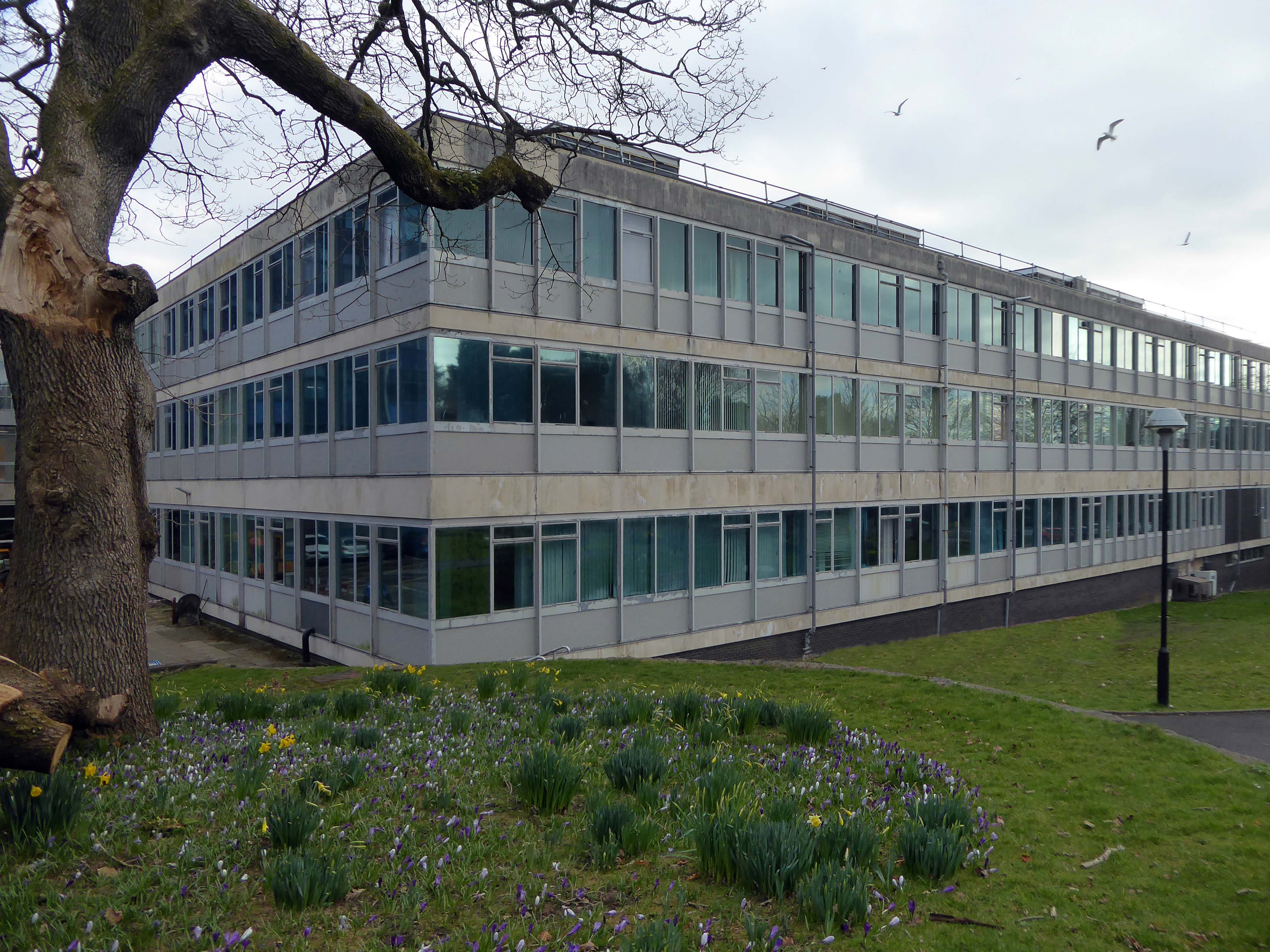
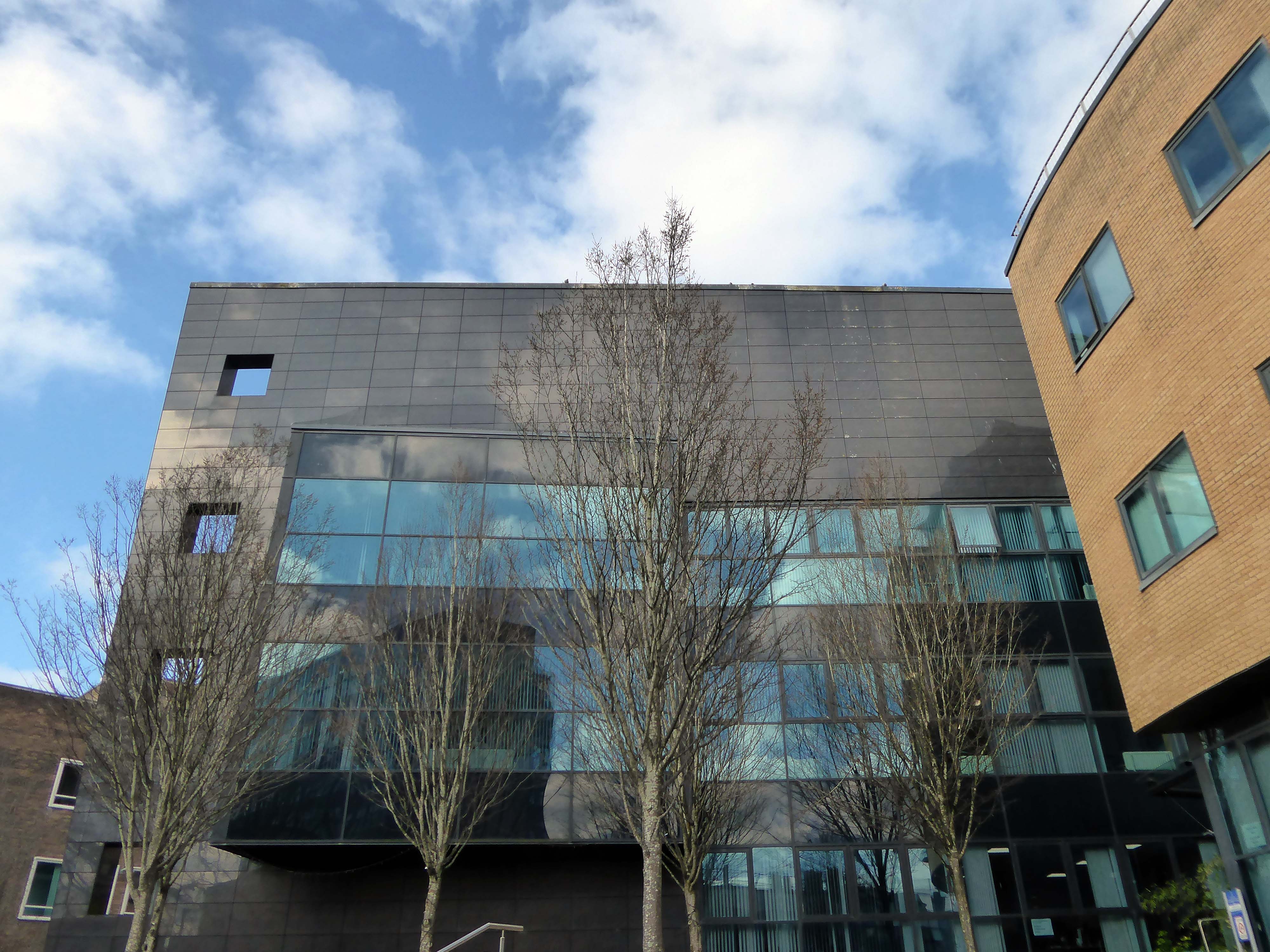
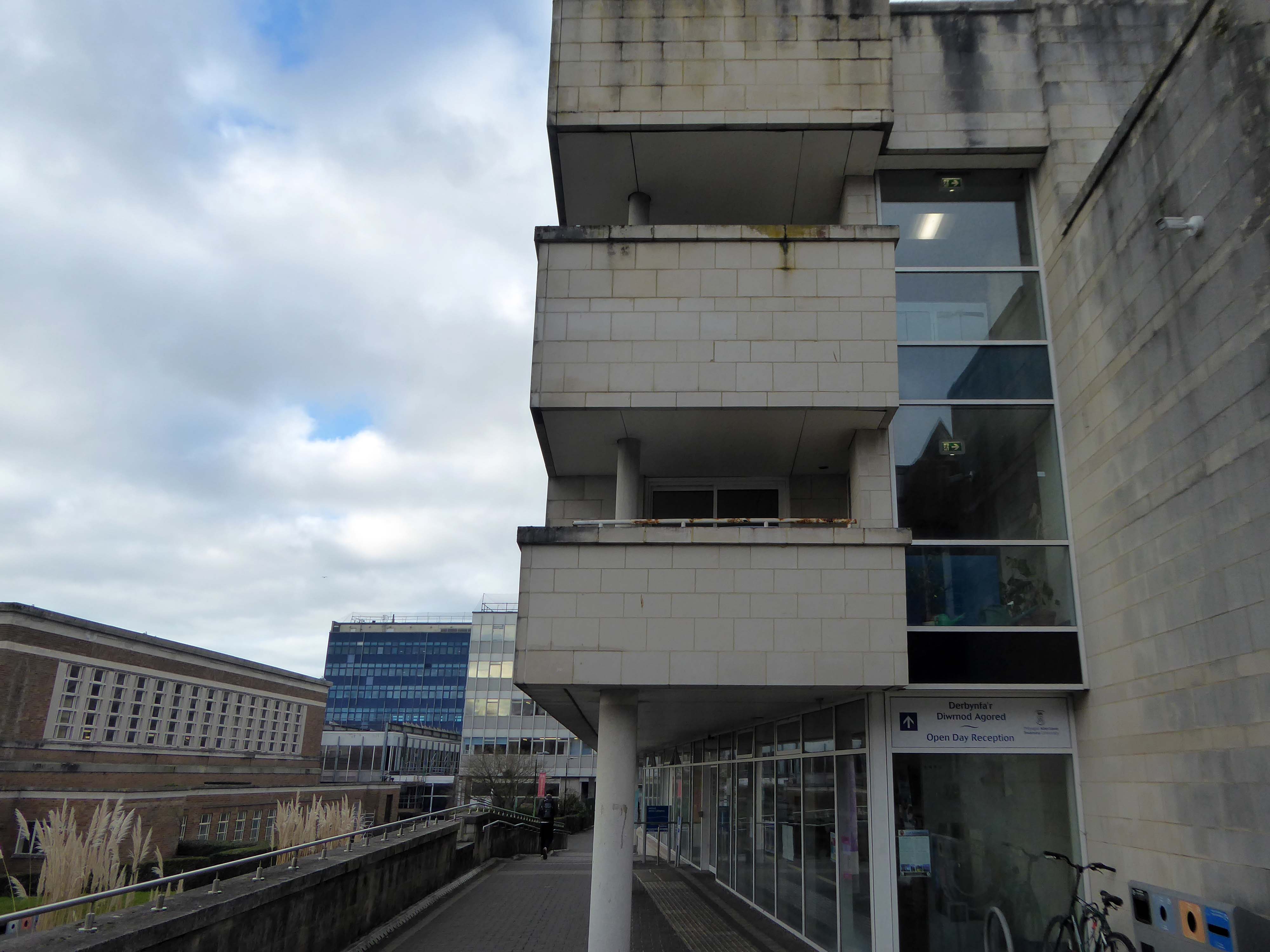
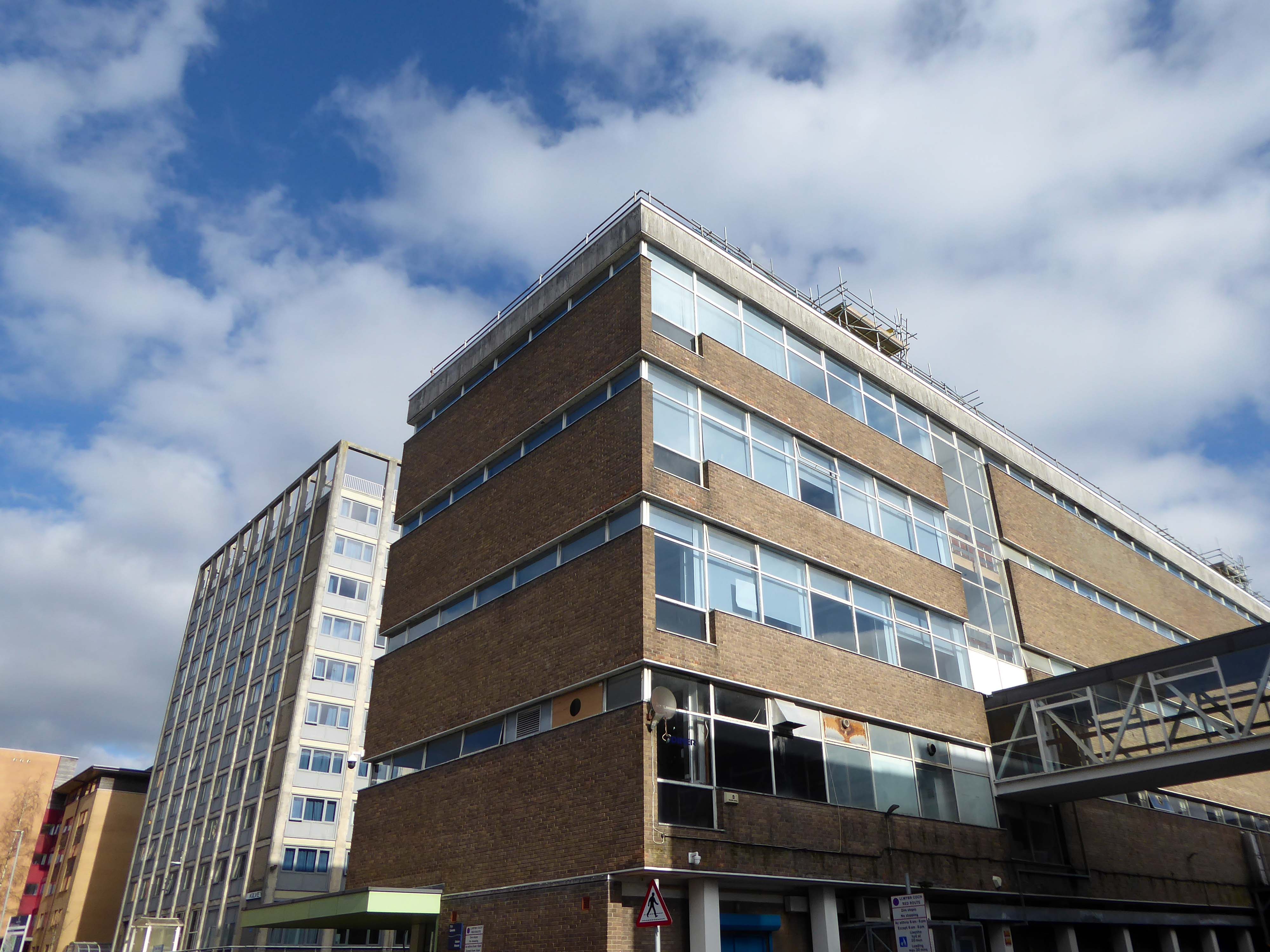
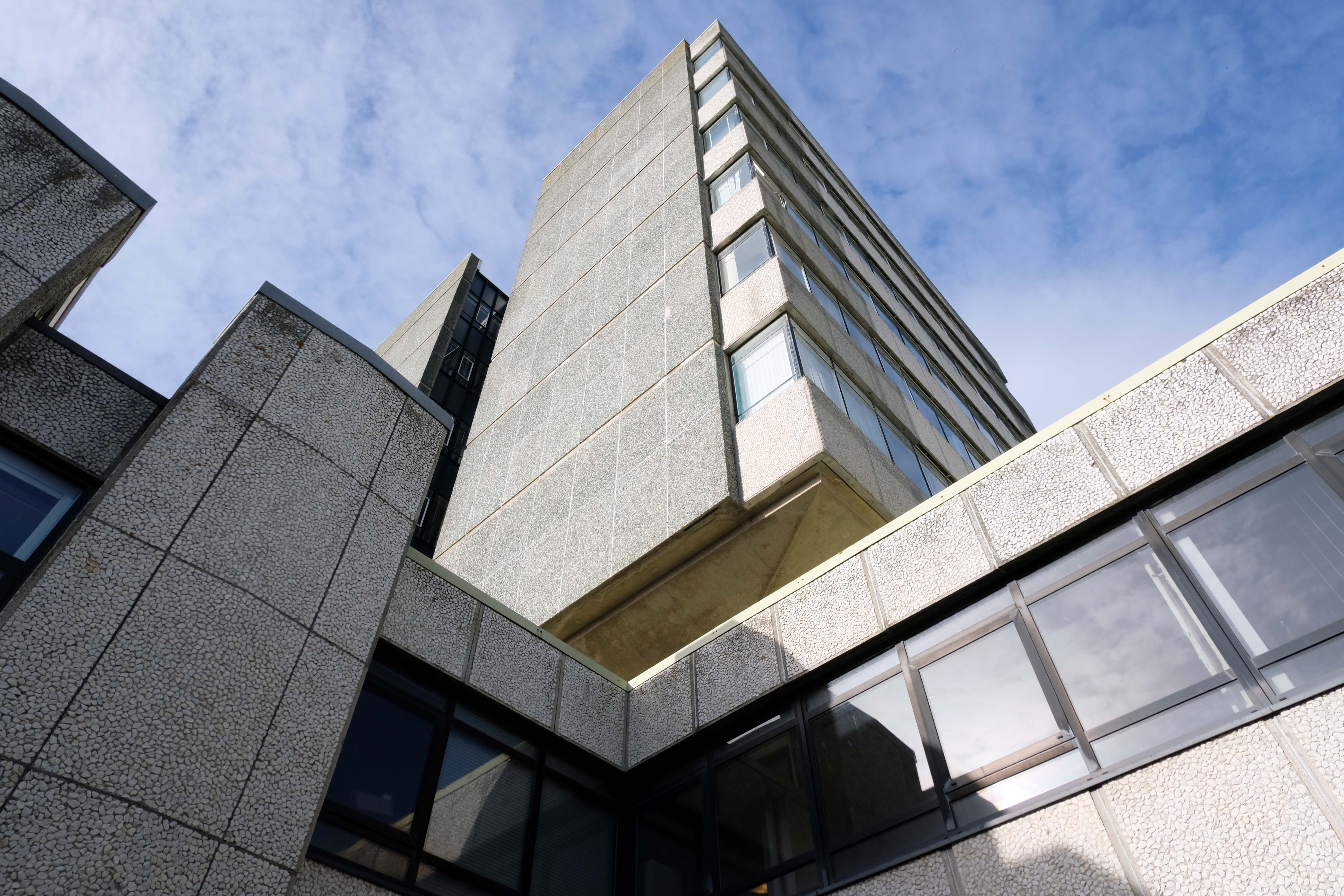
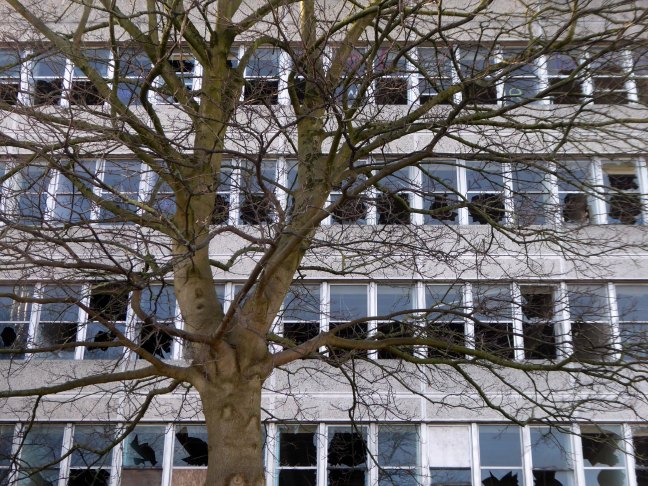
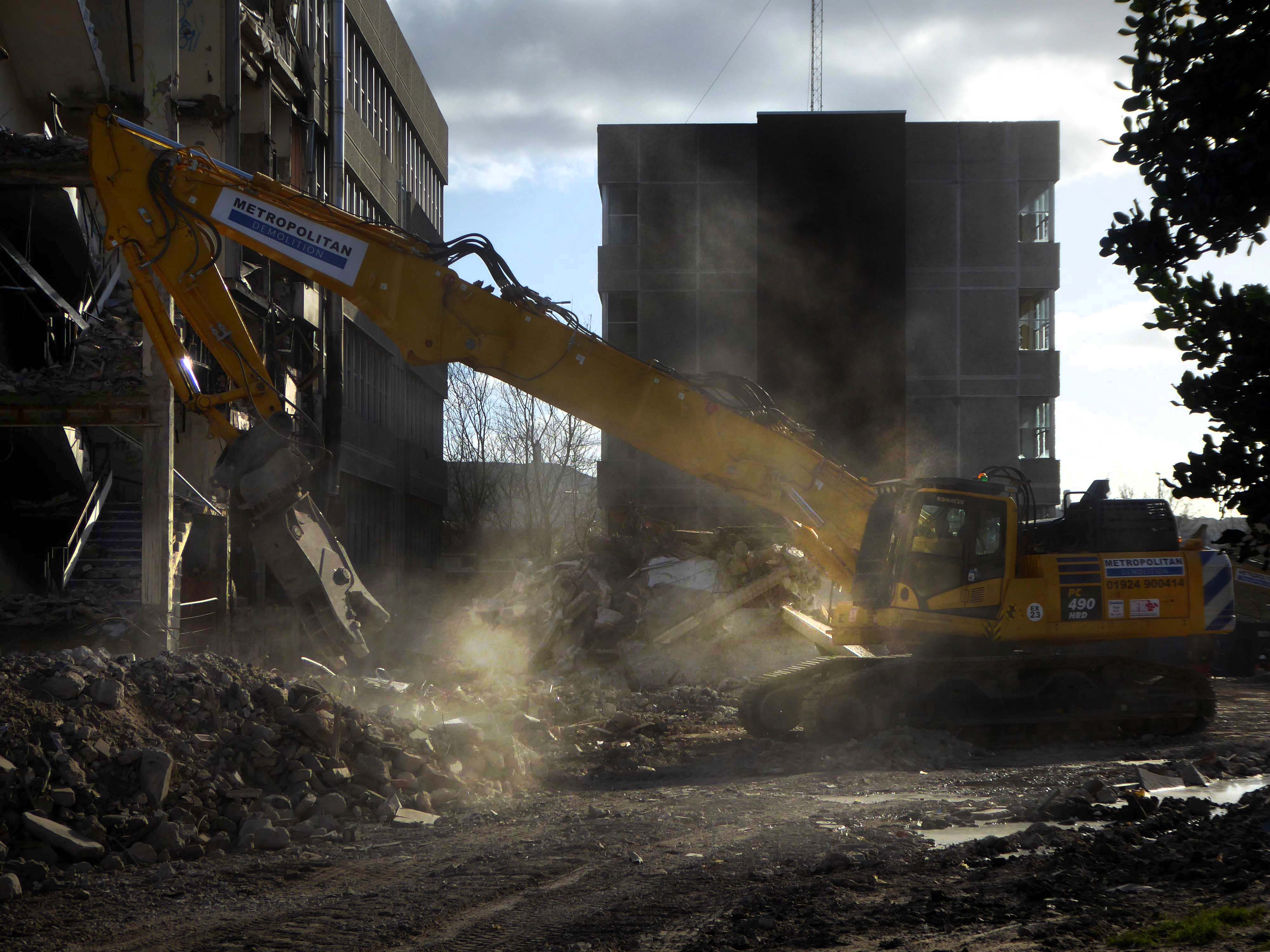
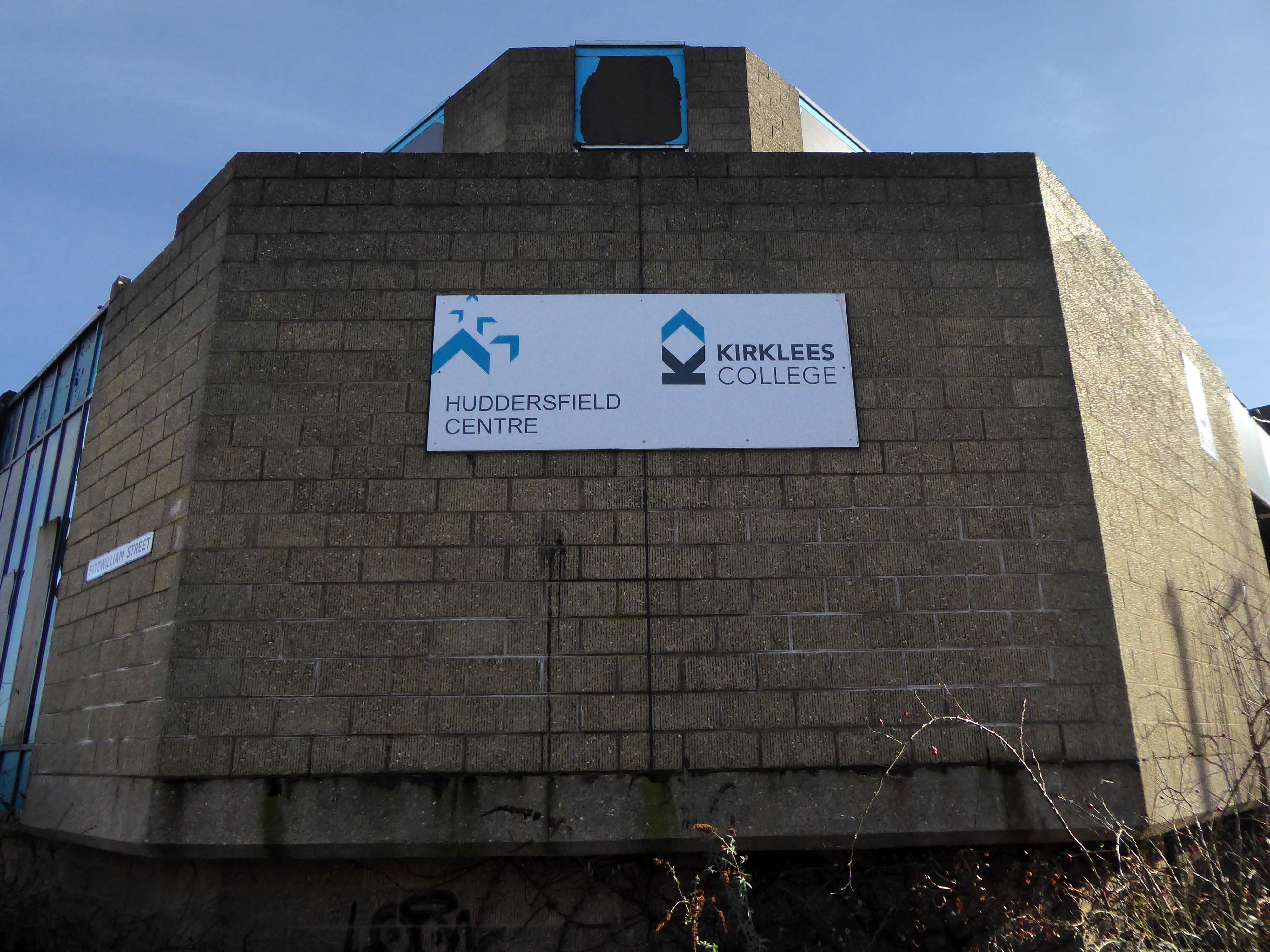
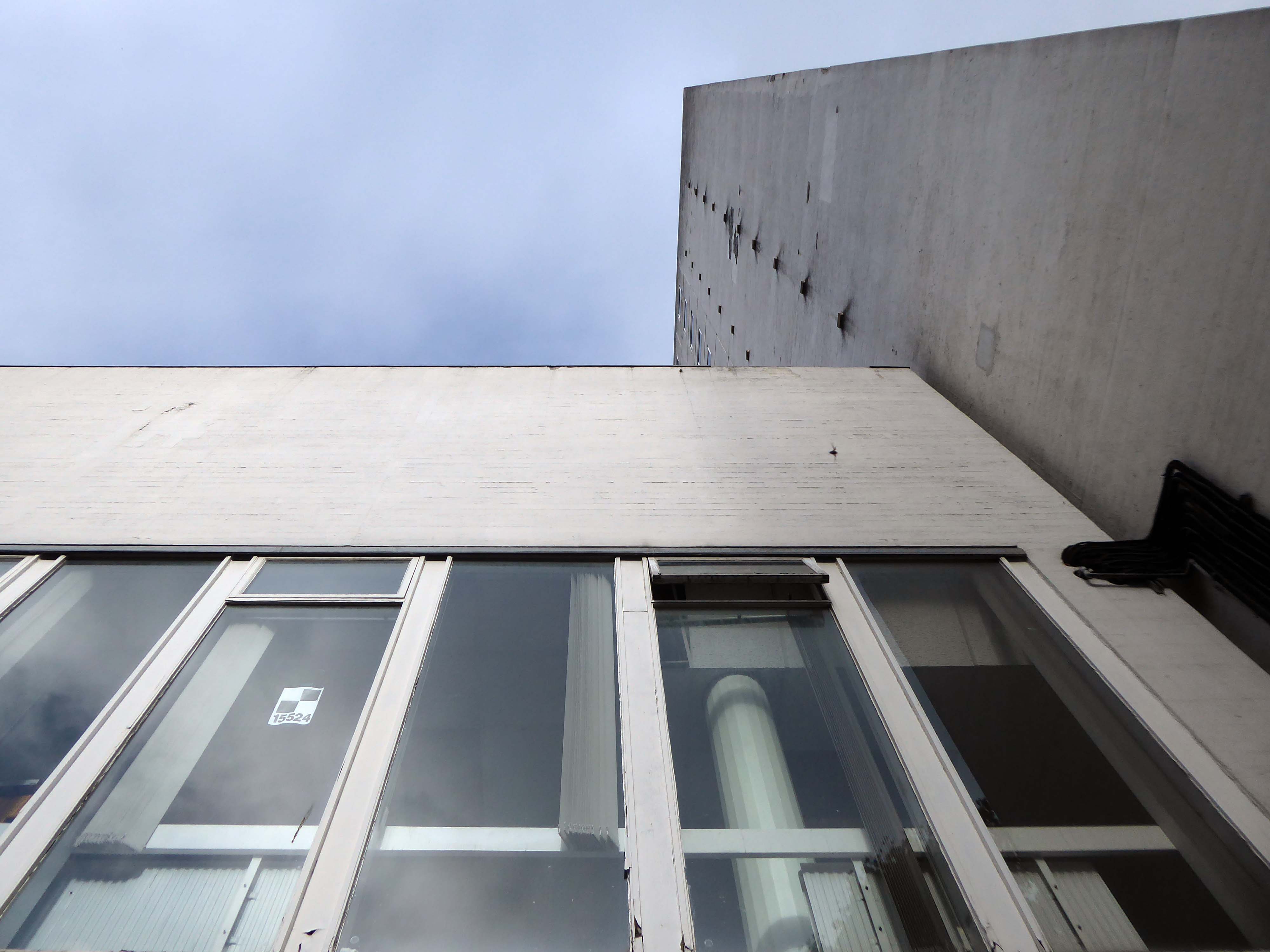
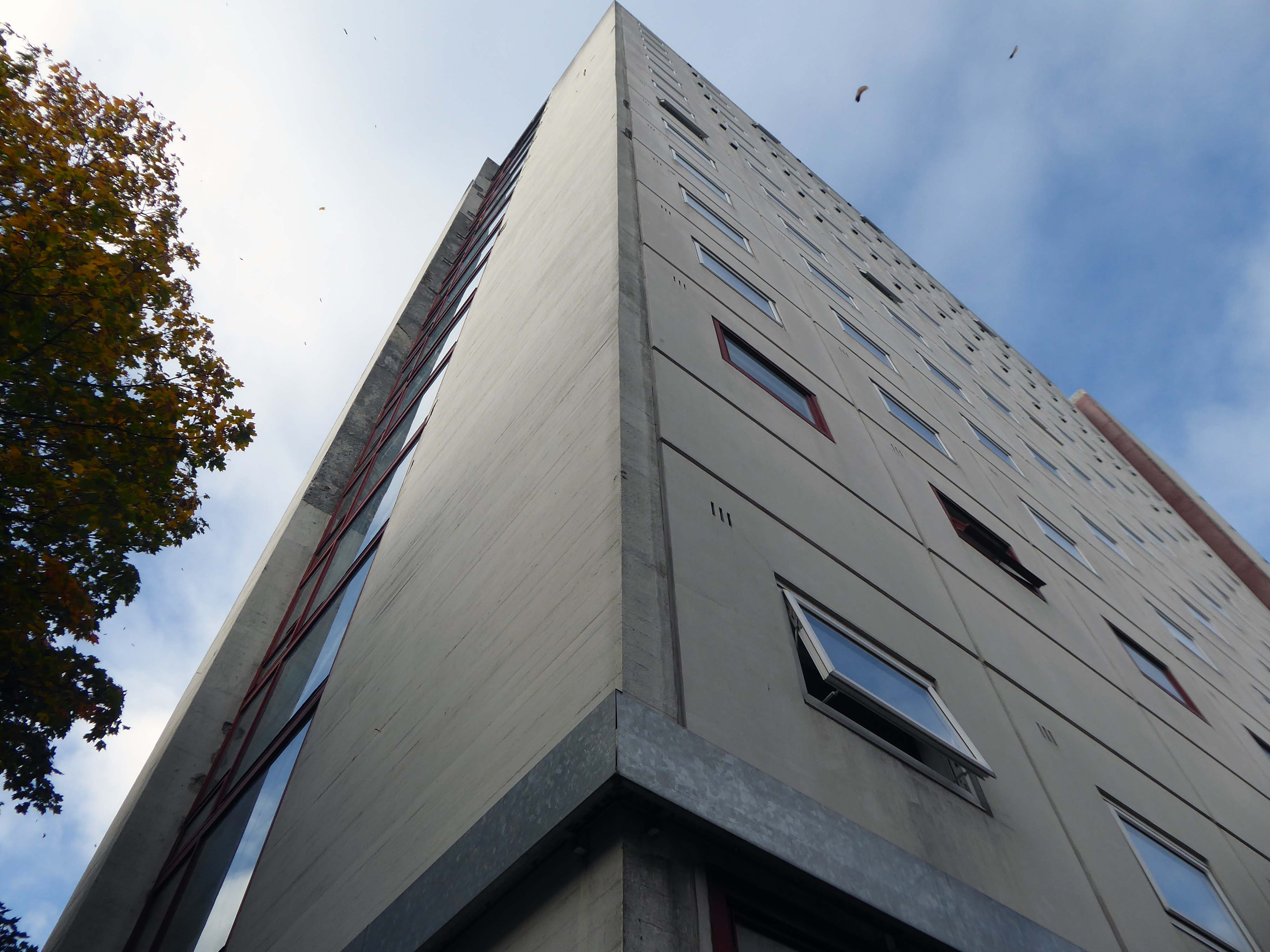
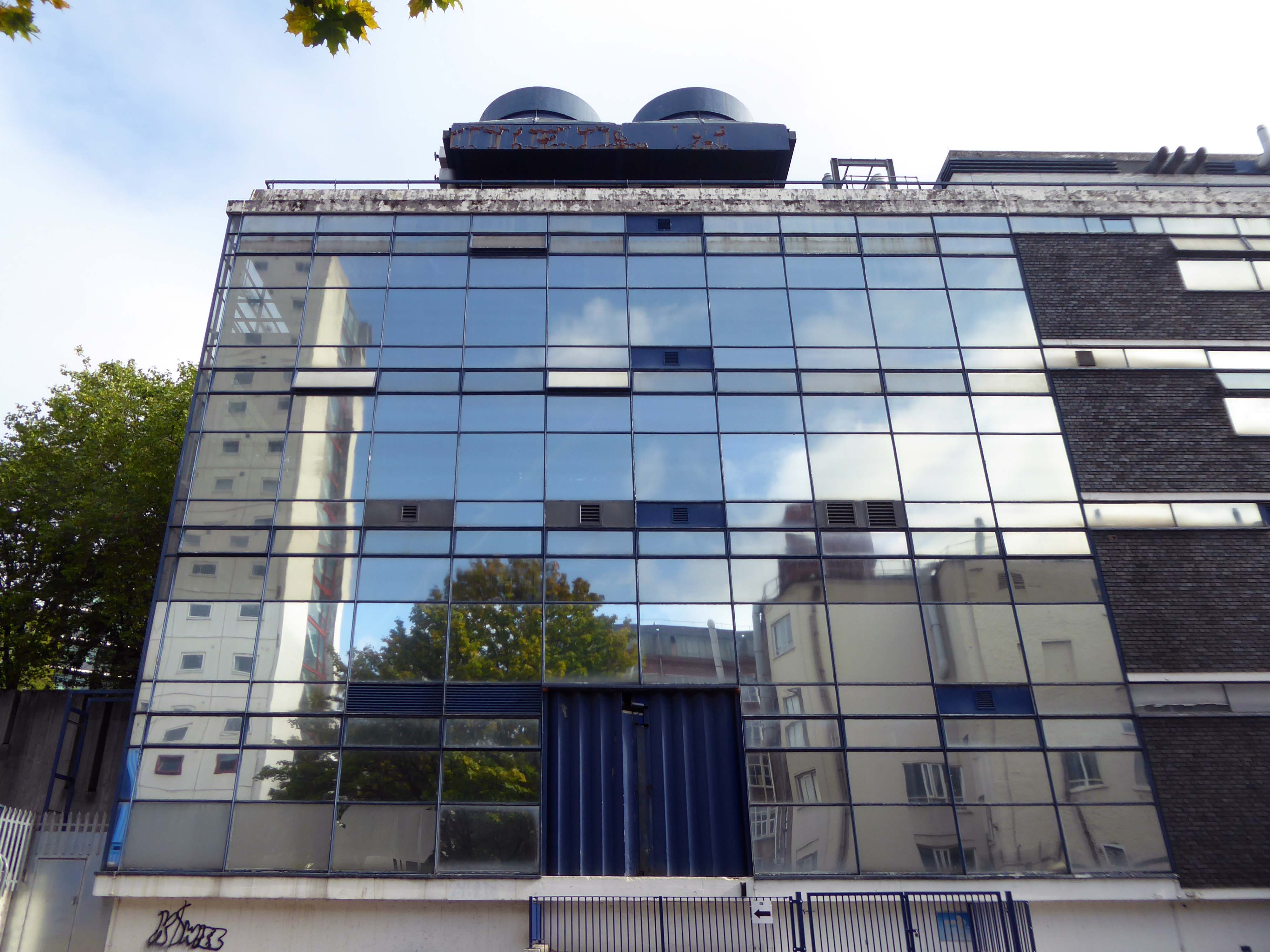
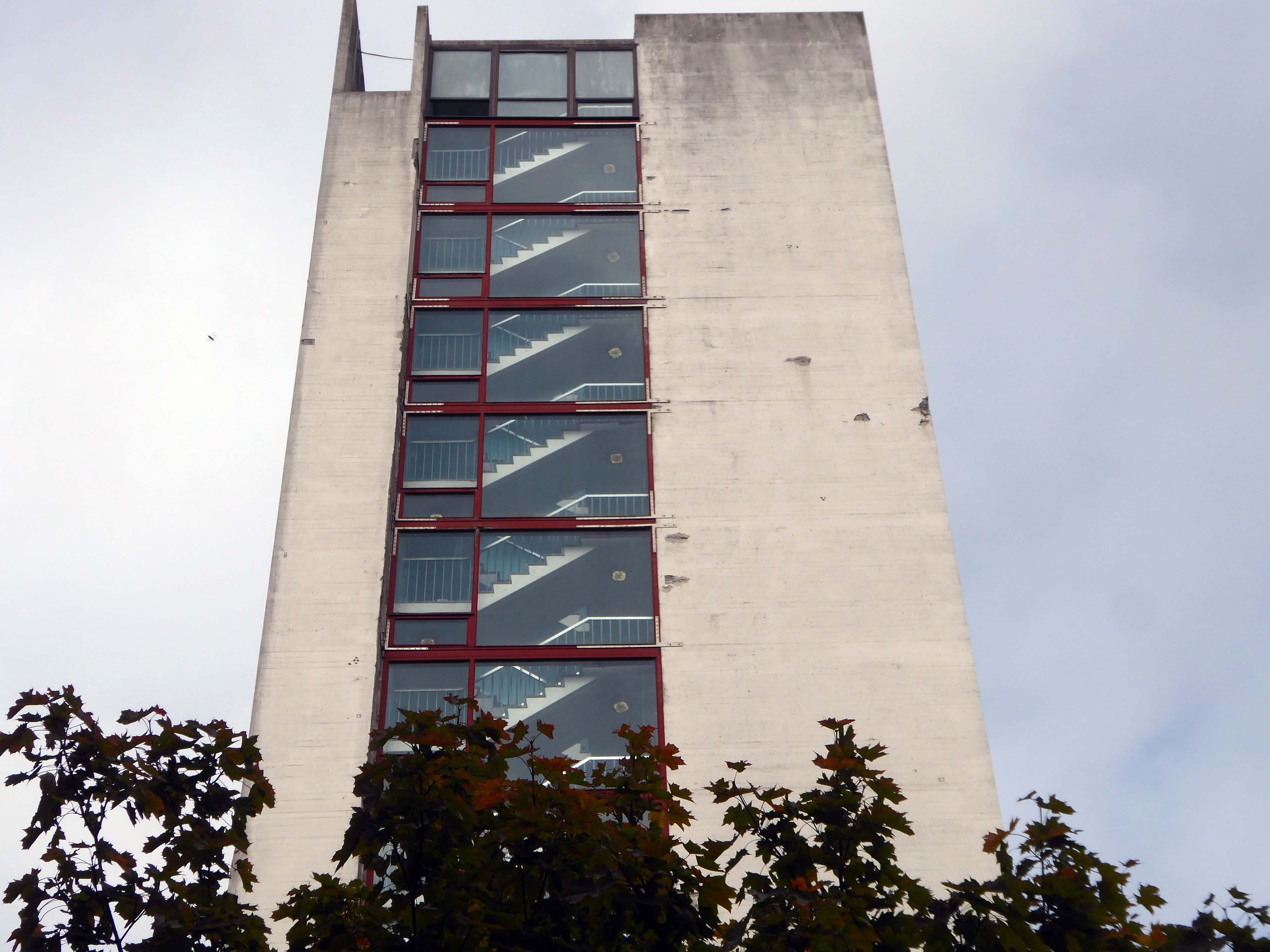
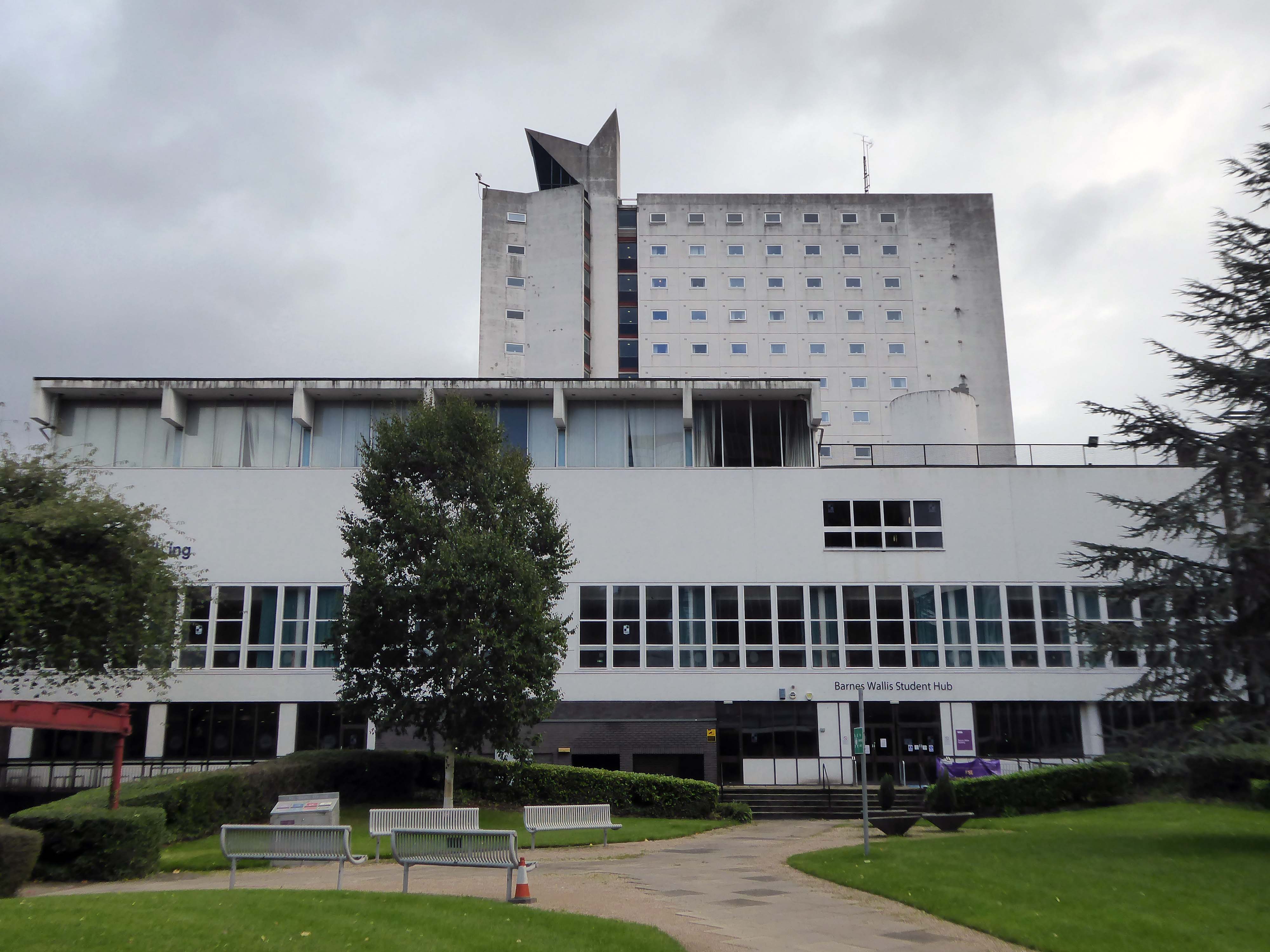
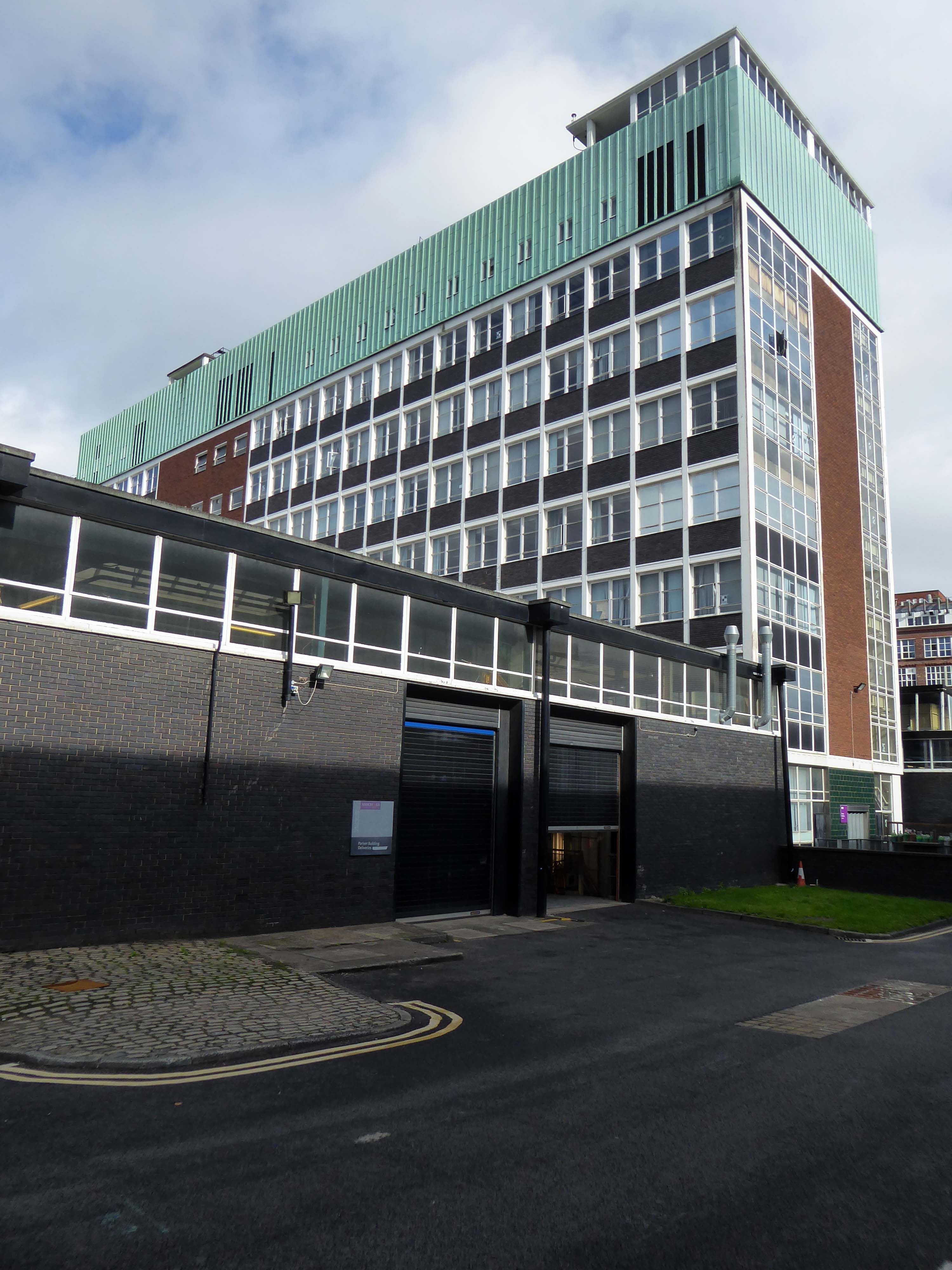
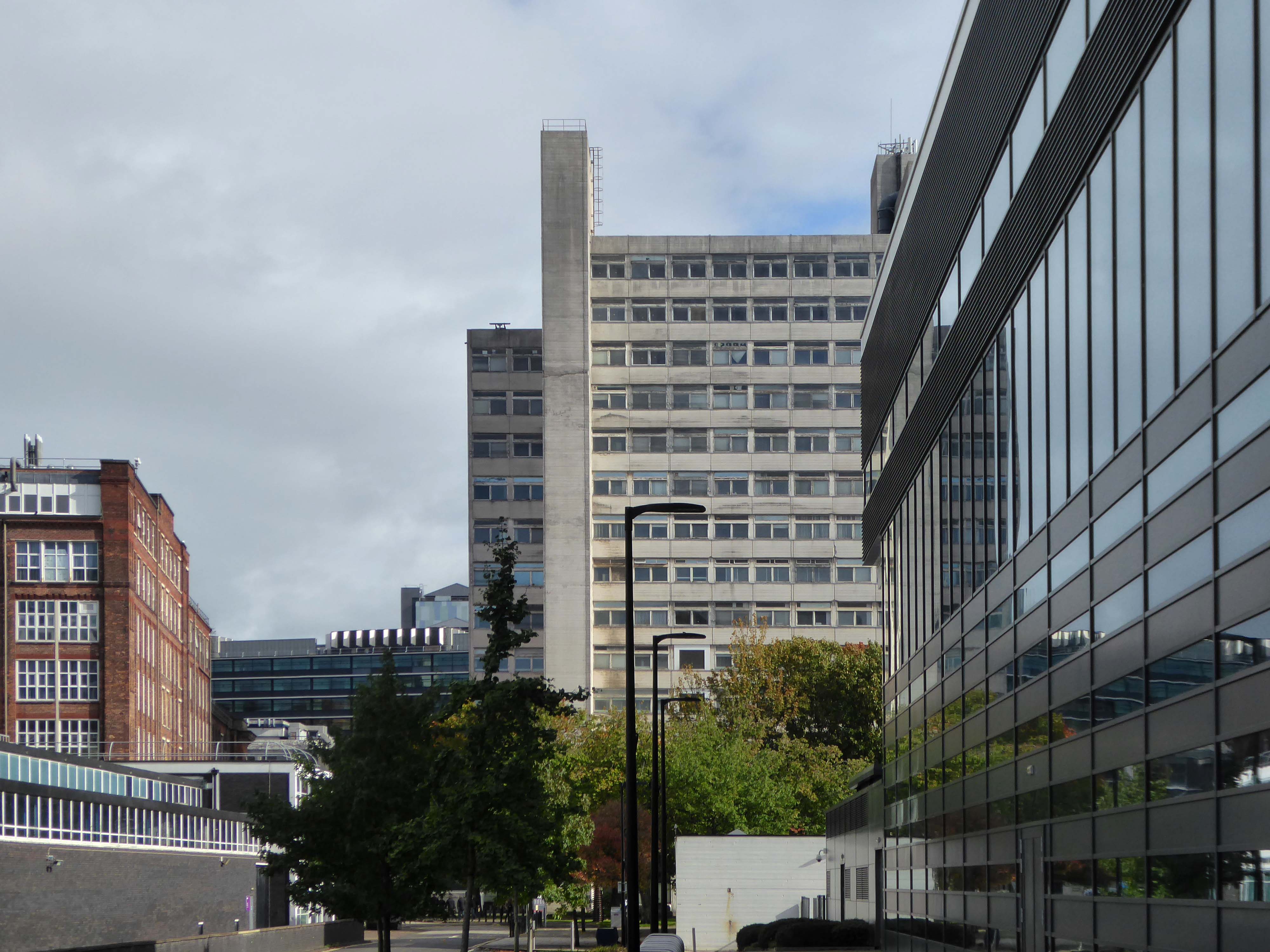
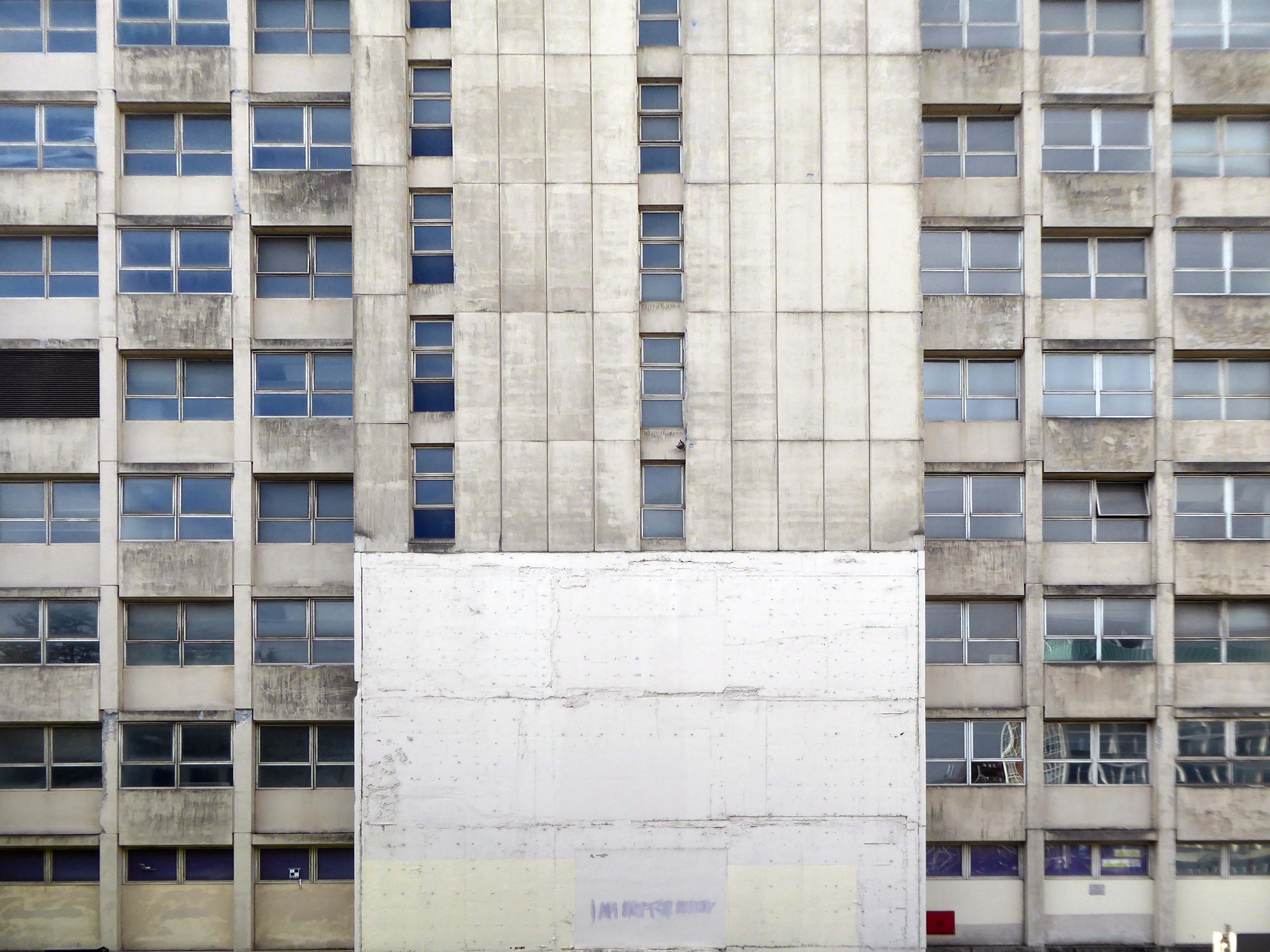
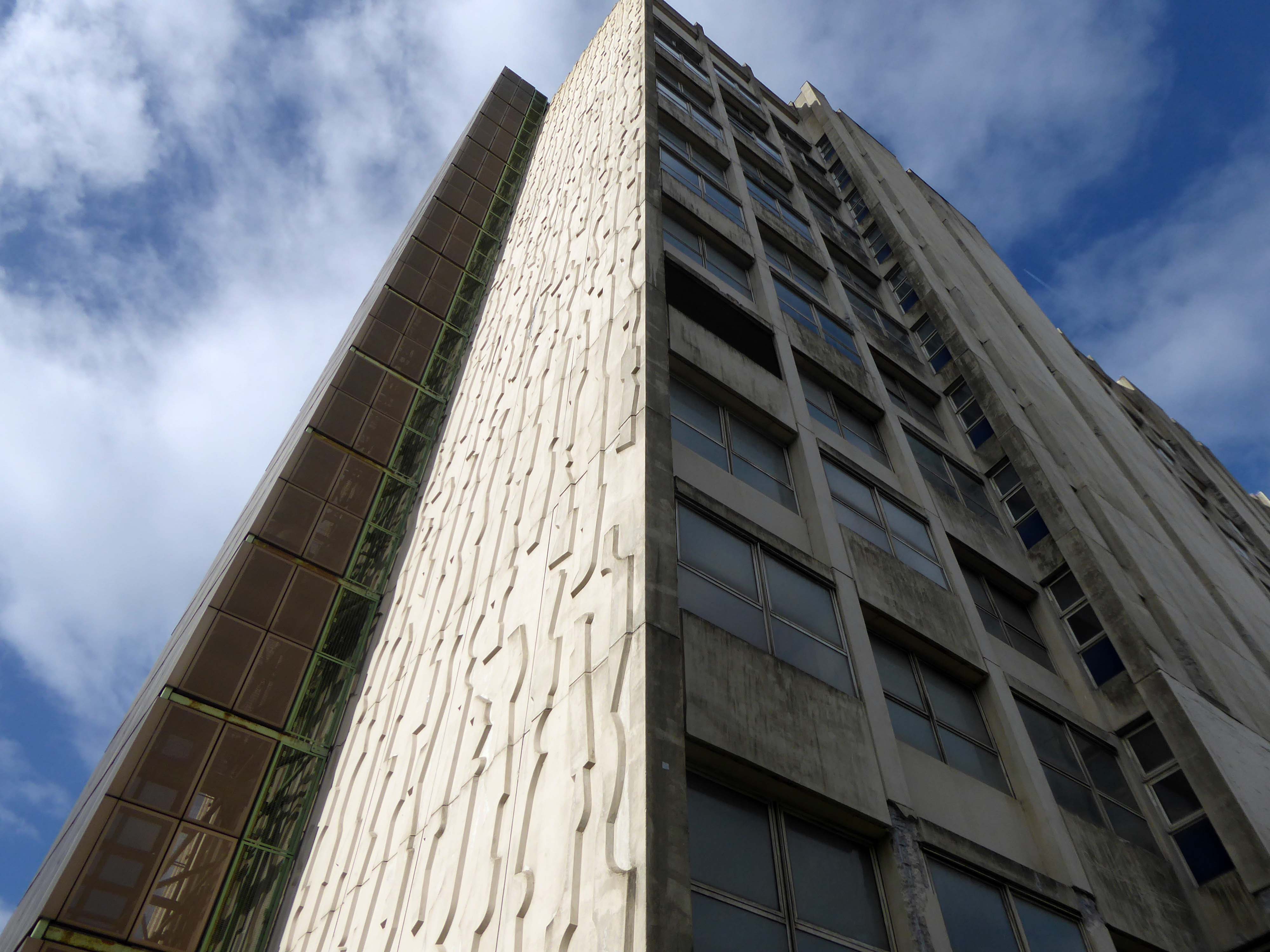
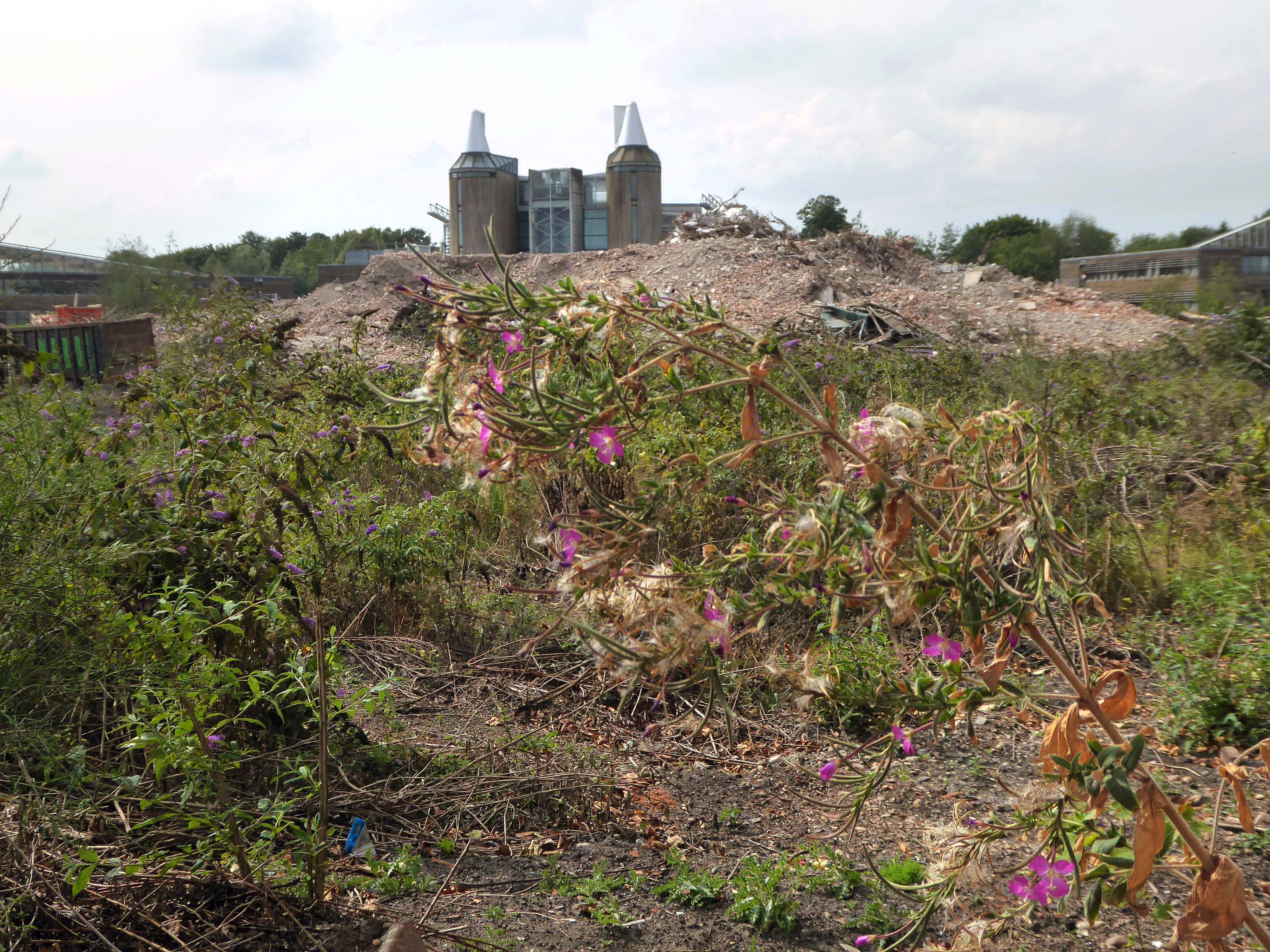
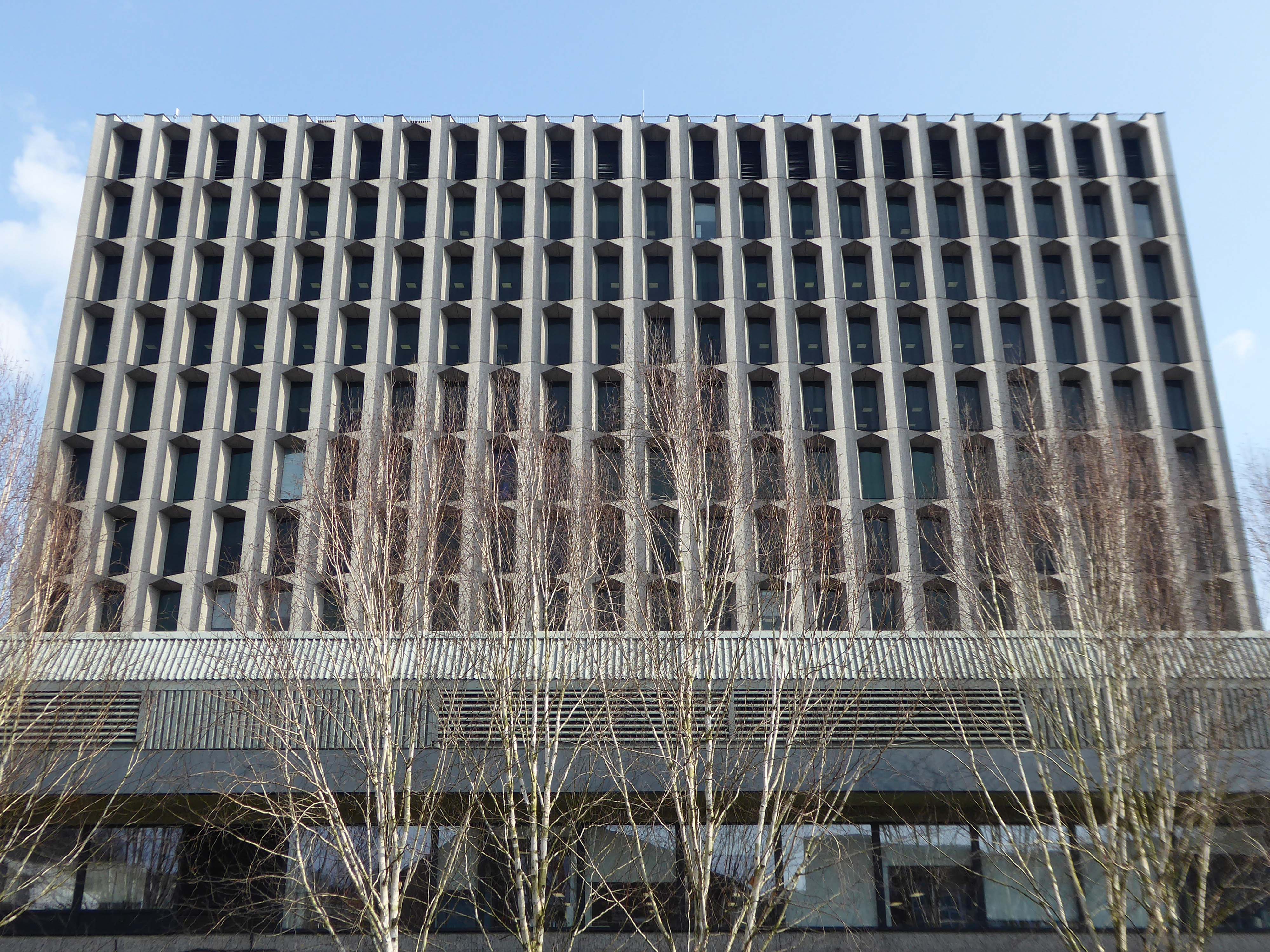
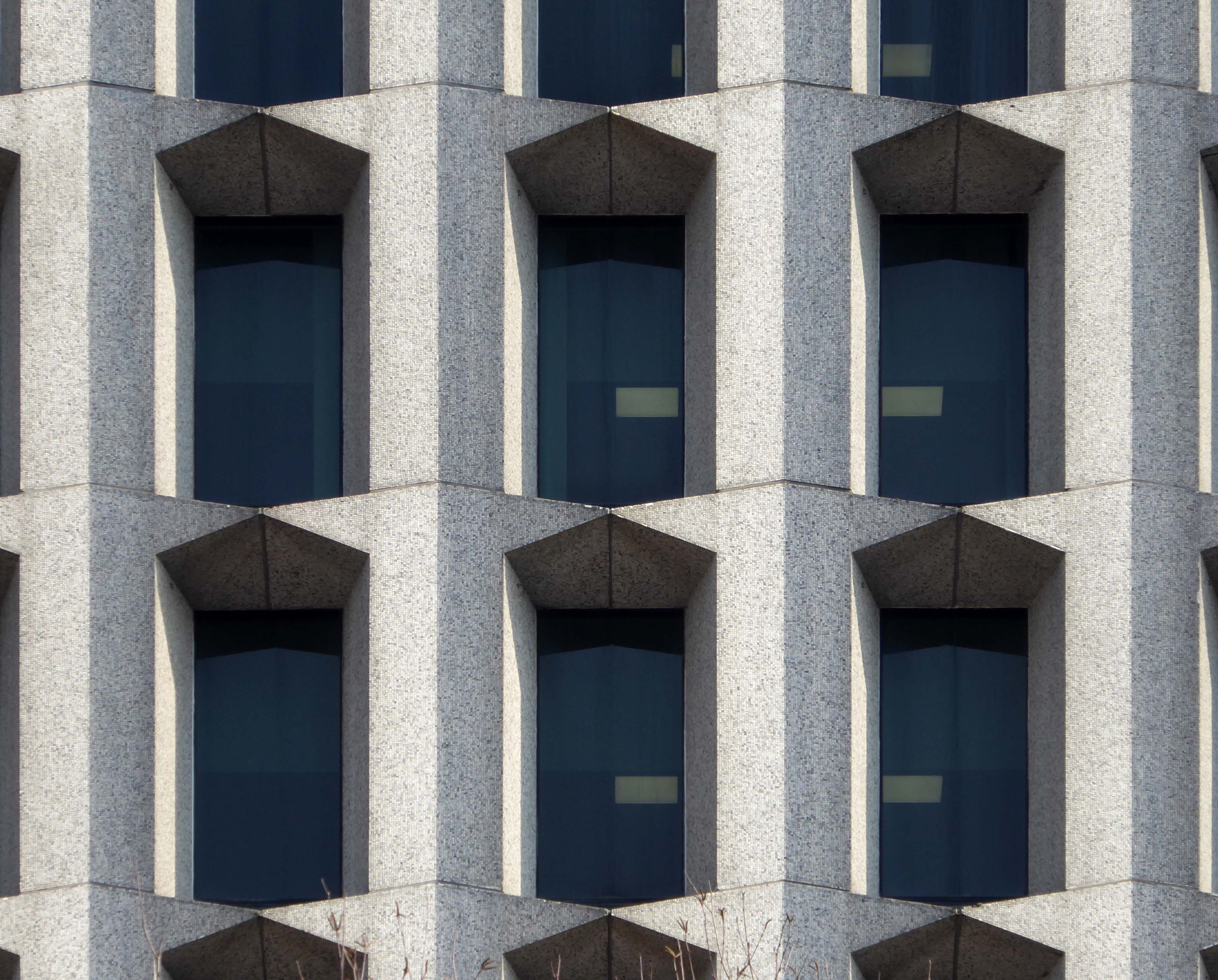
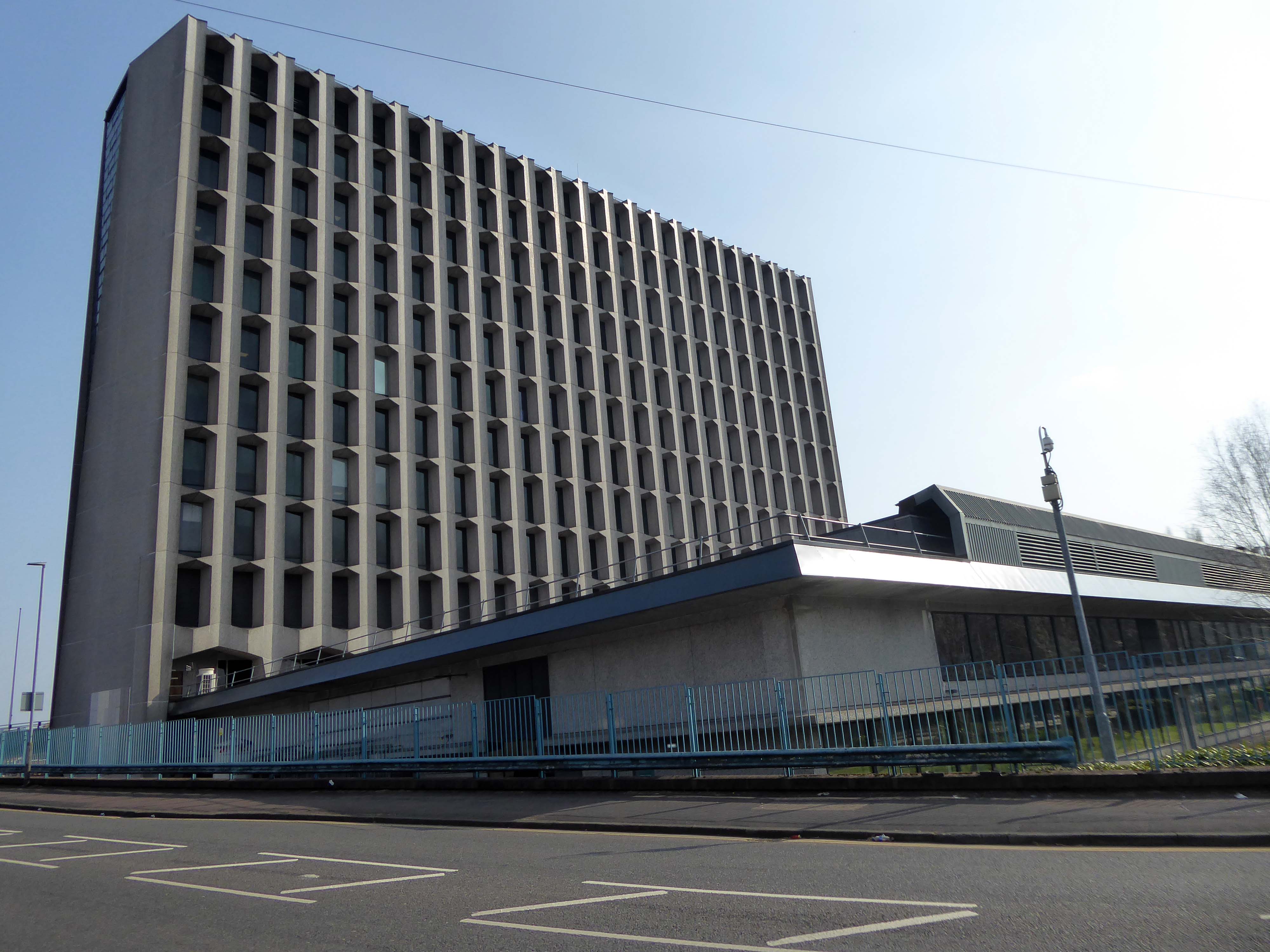
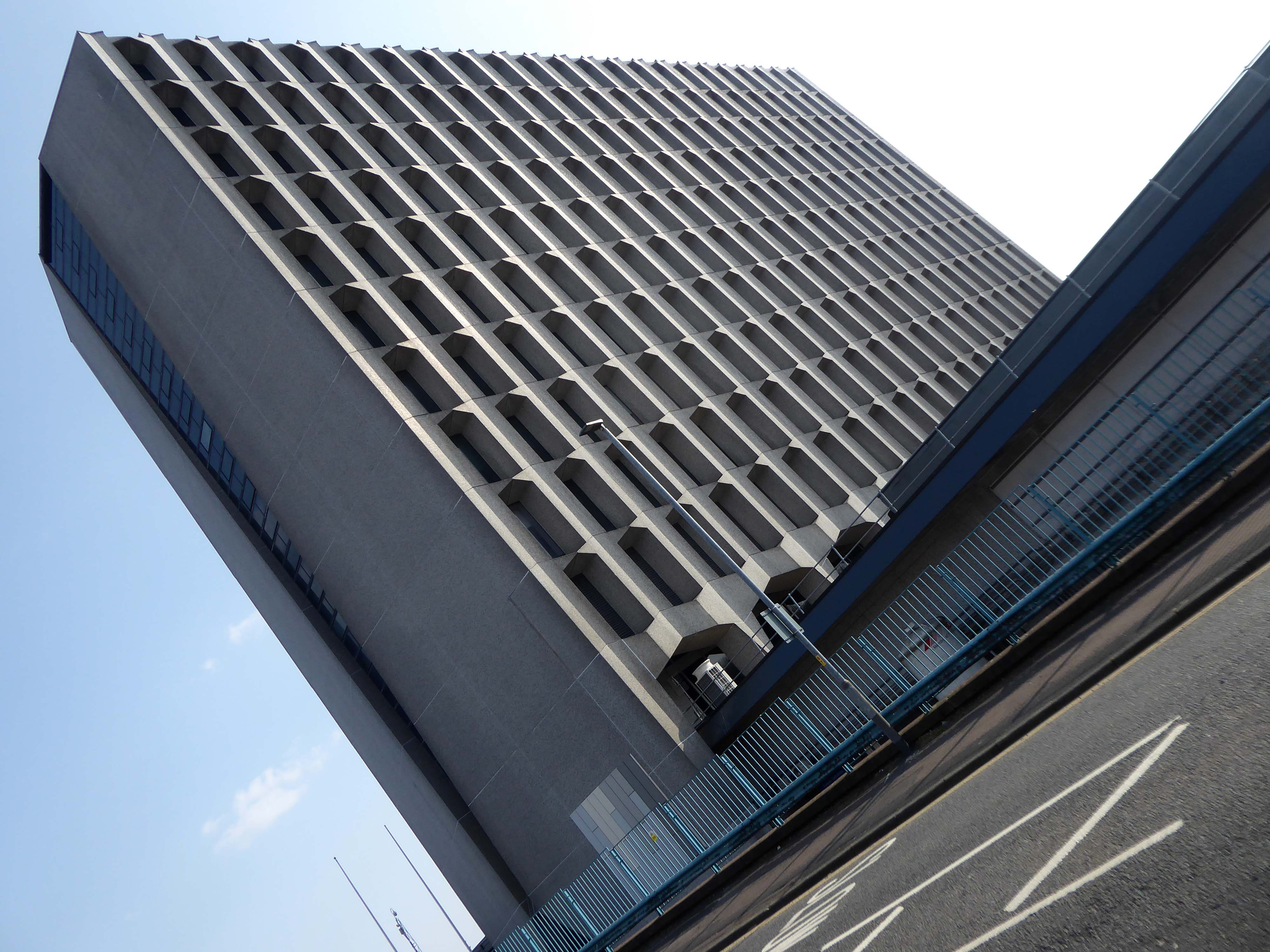
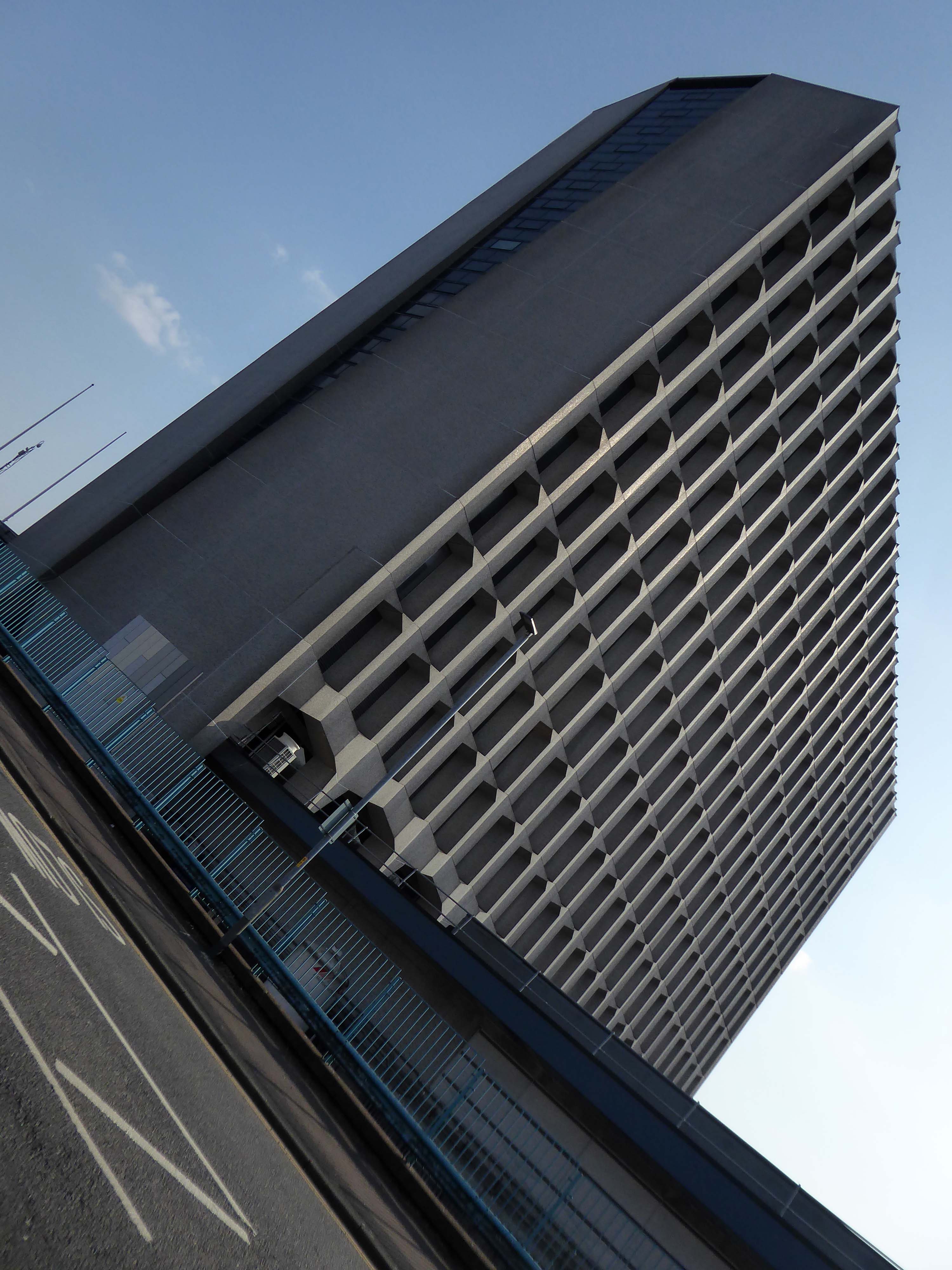
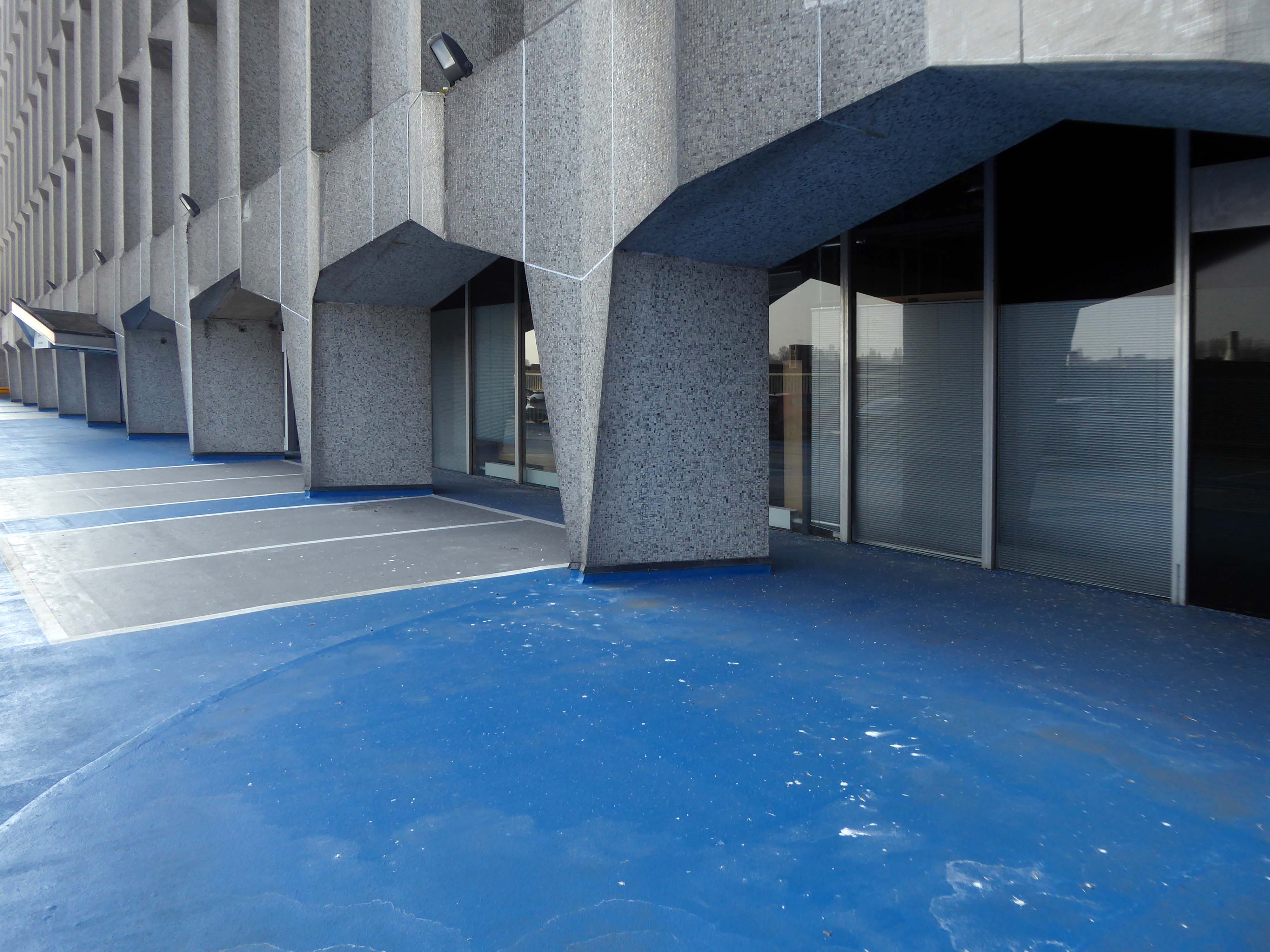
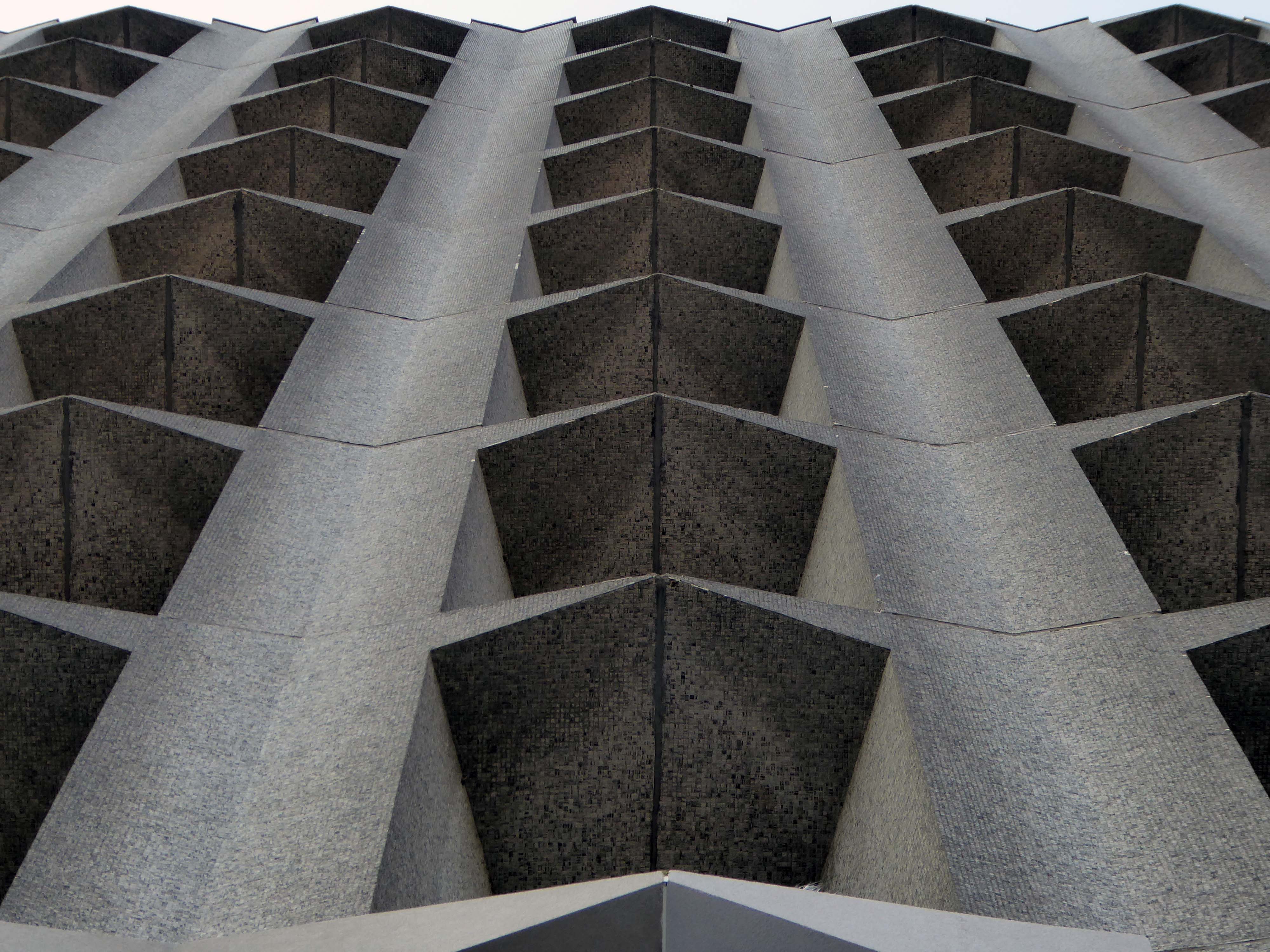
Emerging into the light of day and the demolition of the Kirklees College 1969-72 by Borough Architect Charles Edmund Aspinall.

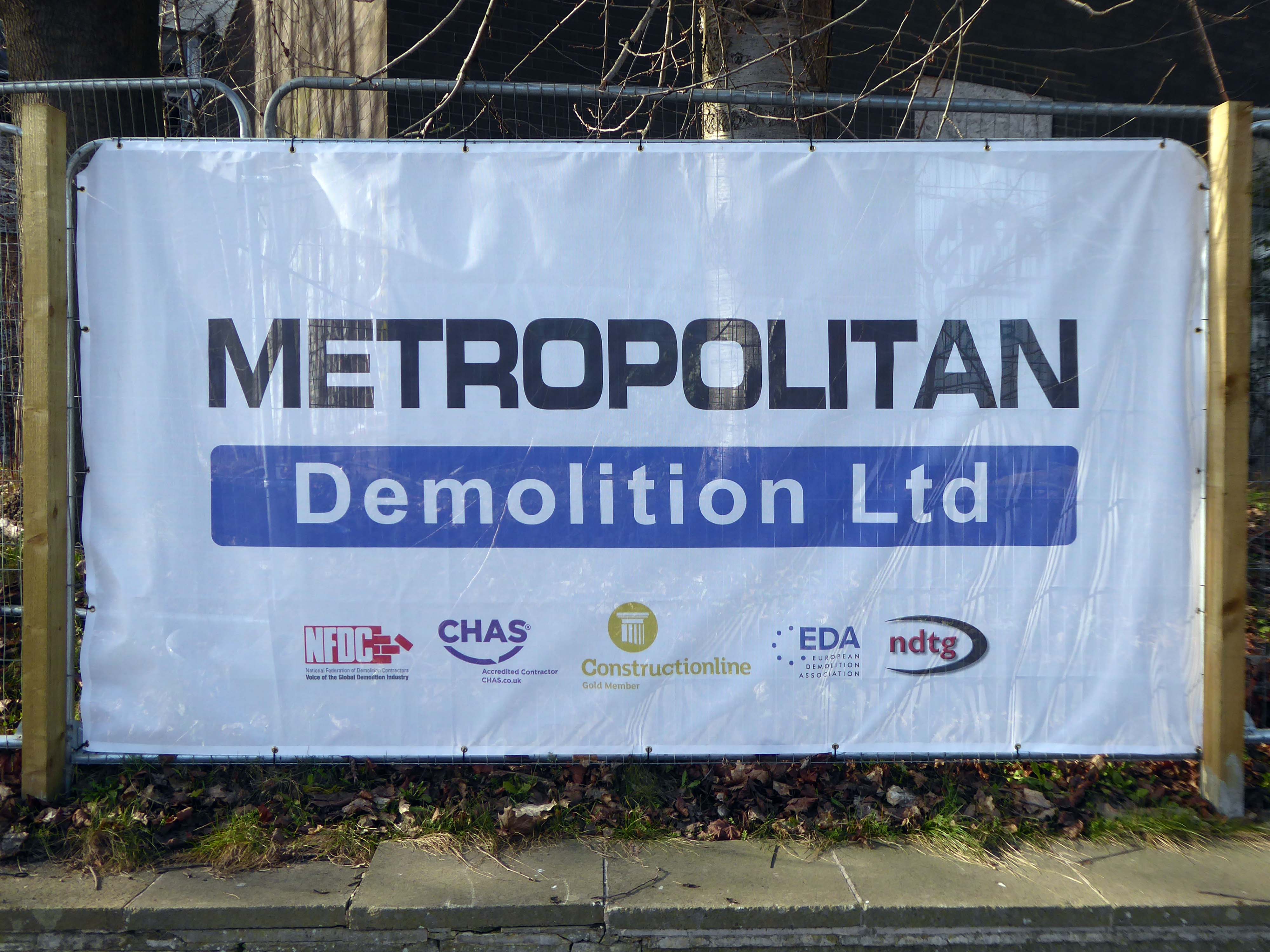
My thanks to the Metropolitan team who invited me in beyond the barriers.

We provide safe and efficient demolition services across a broad range of projects, from the small domestic dwelling to  large scale industrial units – we offer the complete solution. With excellent communication and impeccable health and safety standards, we can project manage the decommissioning a structure on time and on budget.

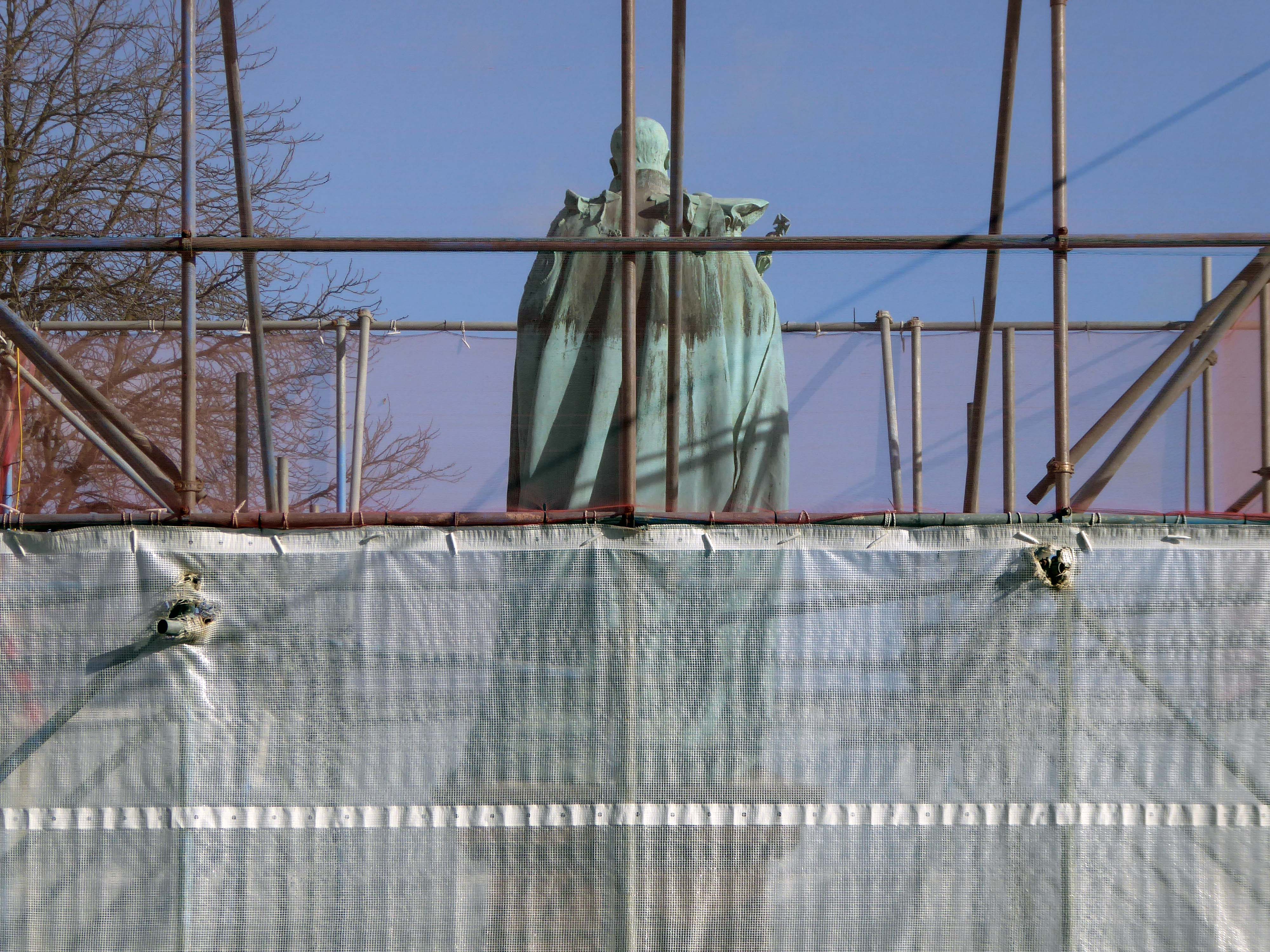
Edward VII is under wraps.

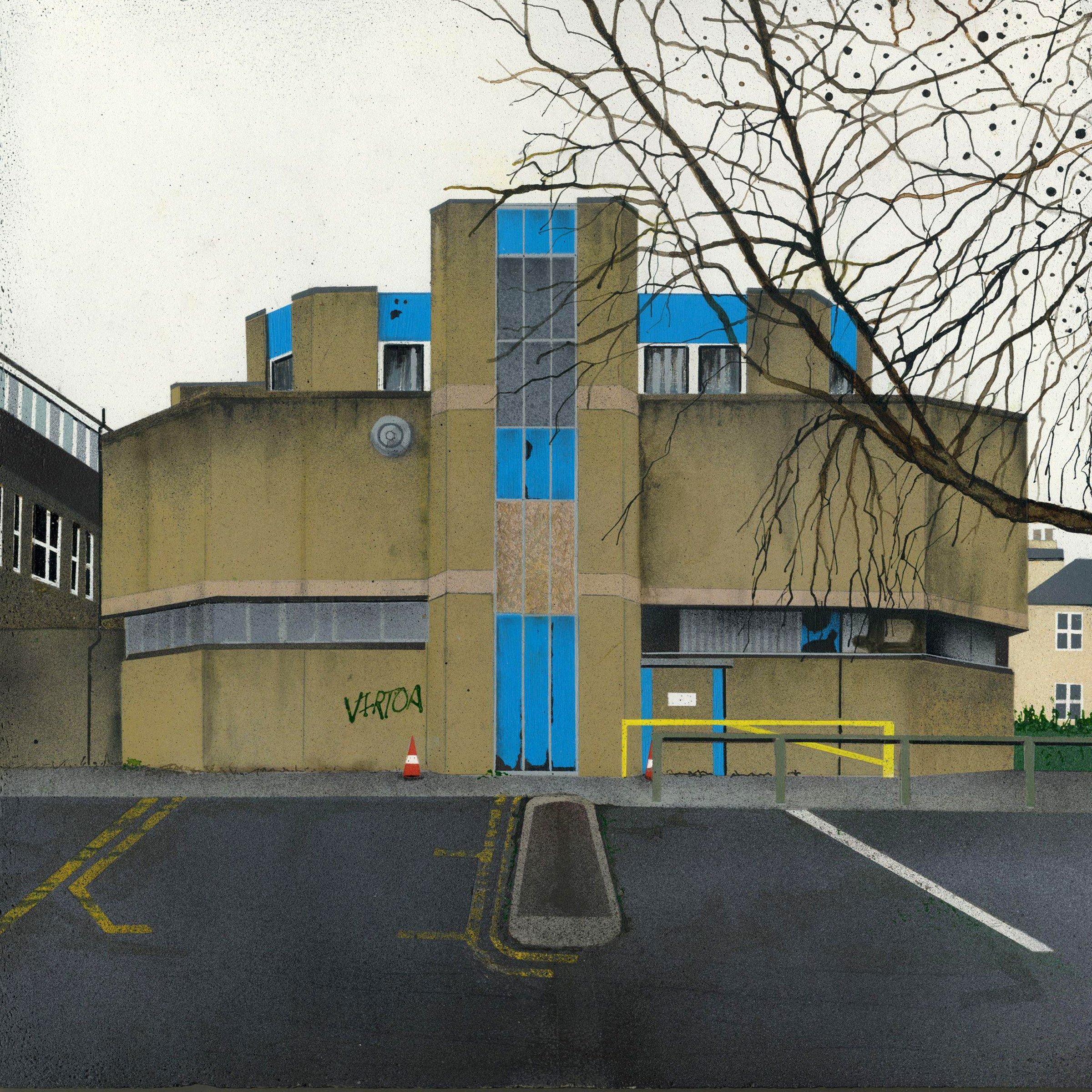
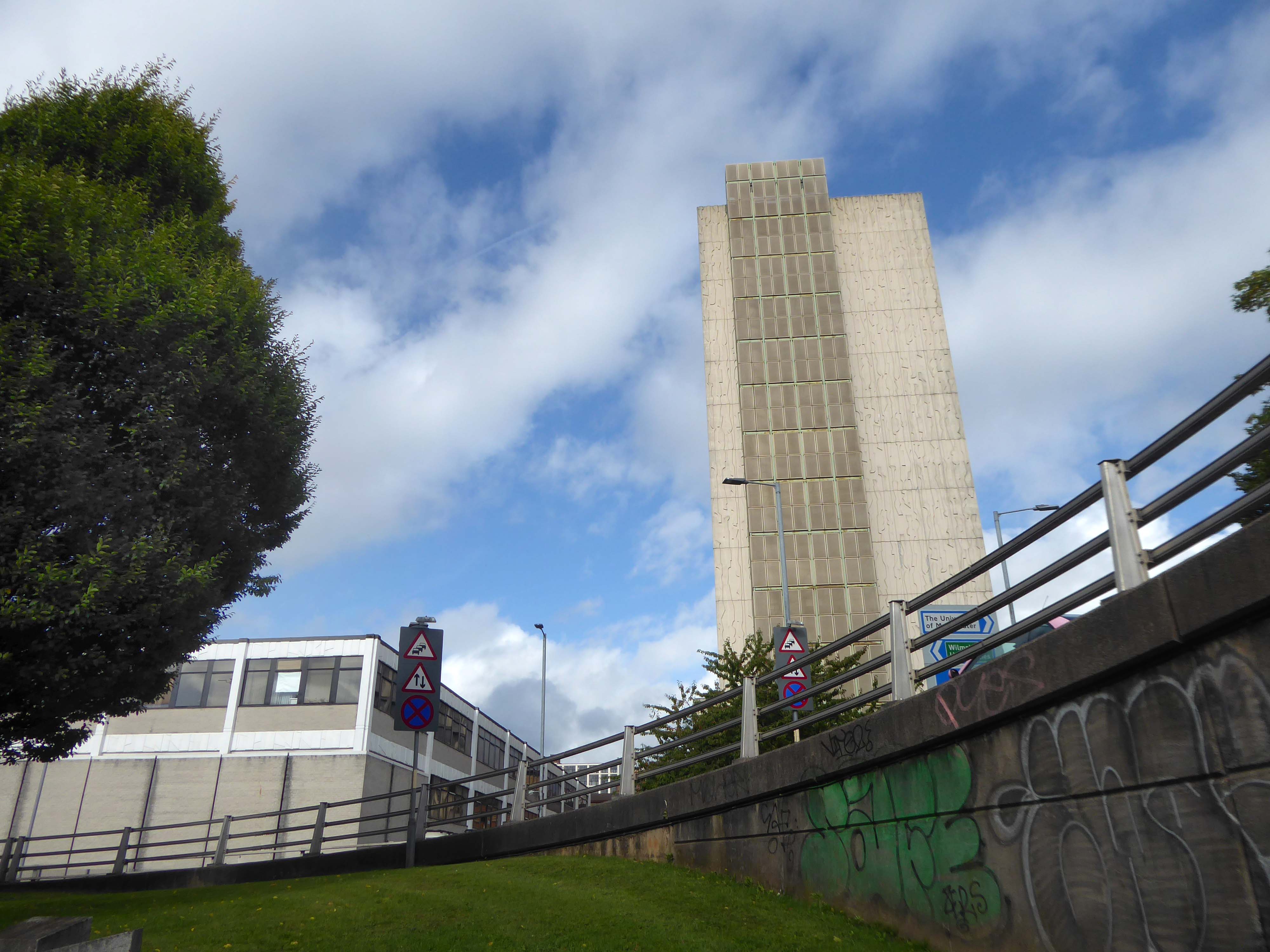
Everything else is up for smash and grab – including the later concrete block immortalised by Mandy Payne.

LIDL is coming – and some homes

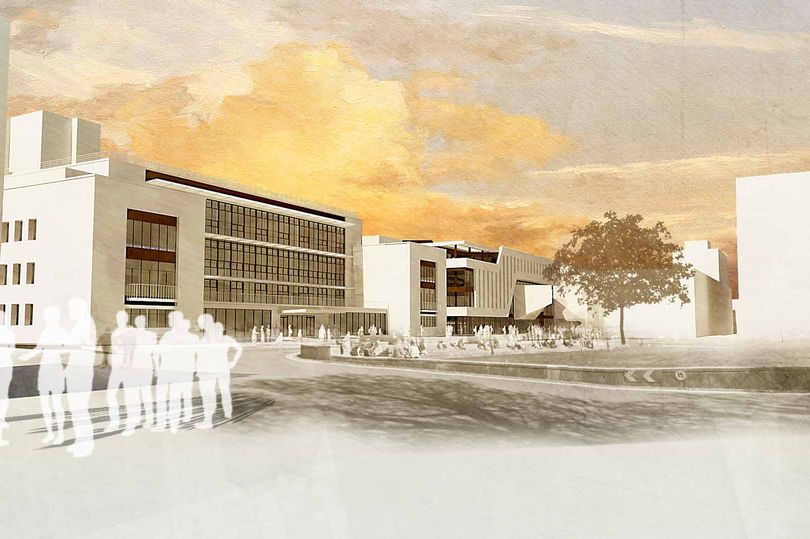
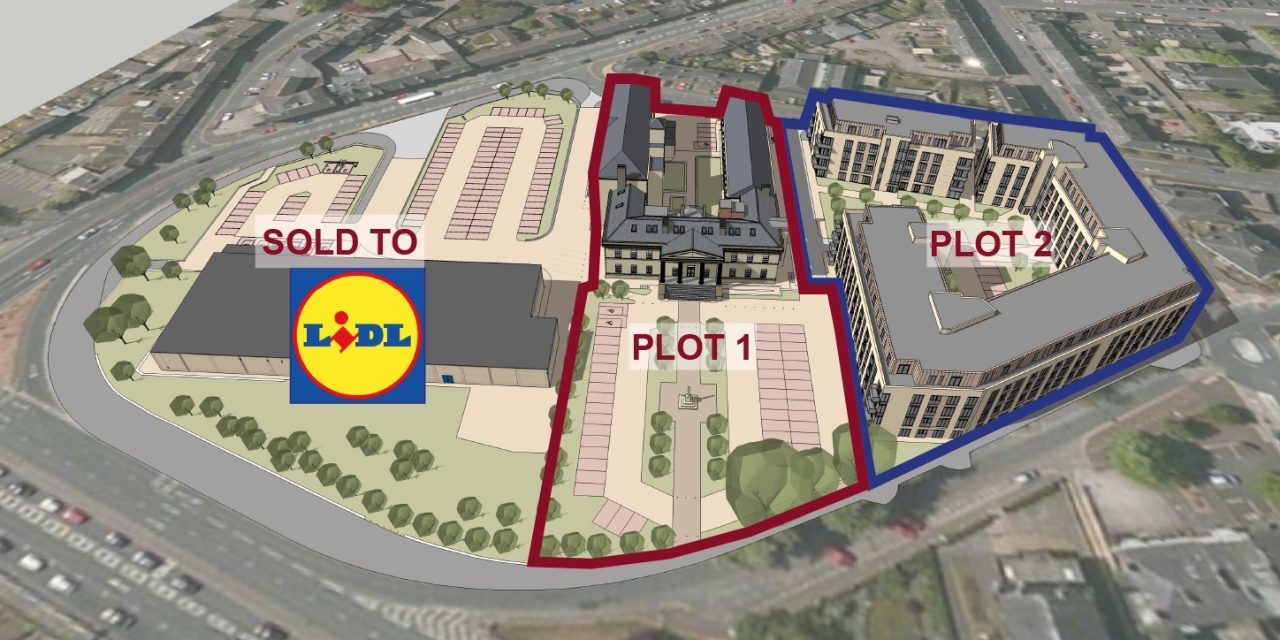
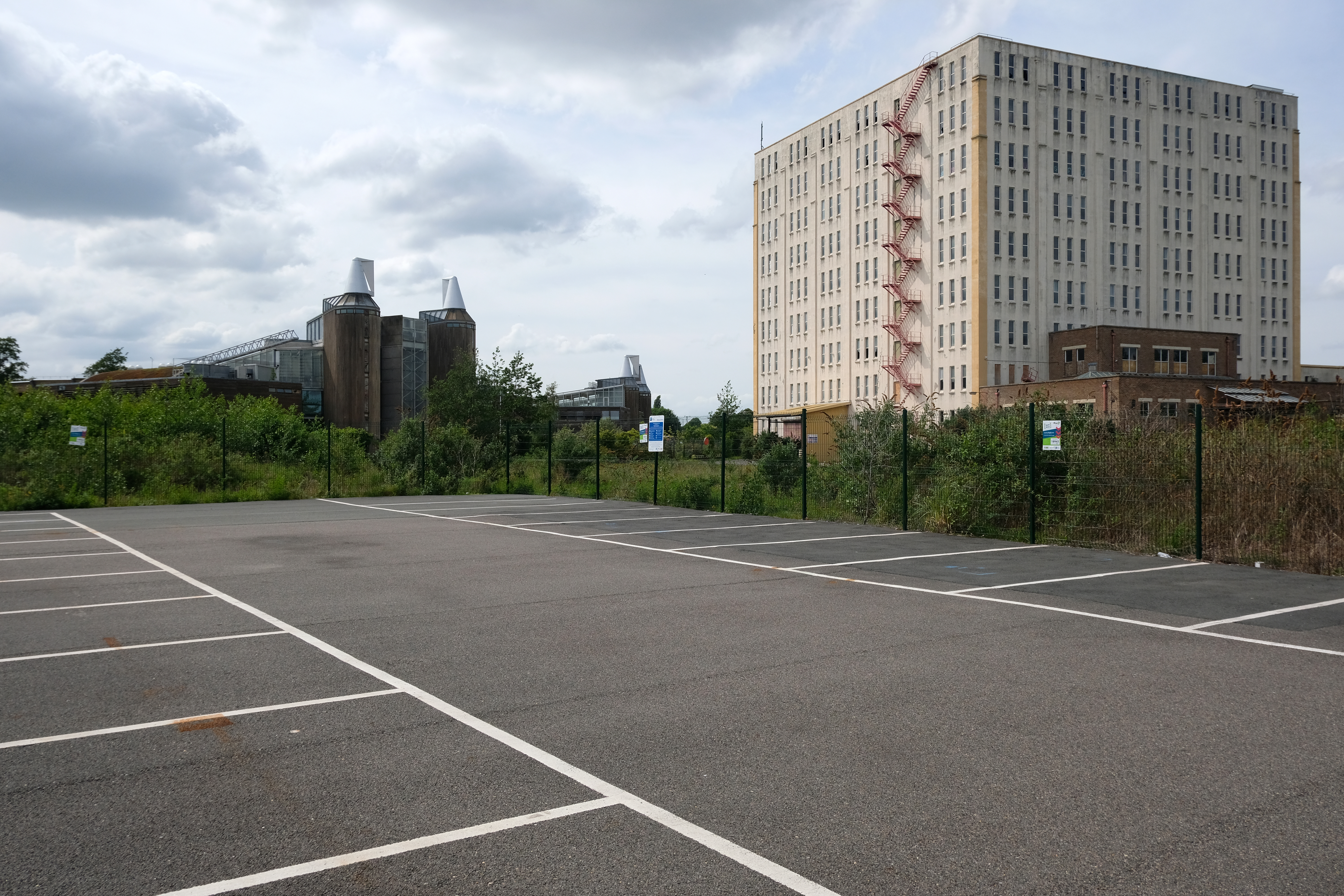
The final details have now been signed off by the council and work on the six-acre site – which includes the Grade II-listed original Huddersfield Royal Infirmary – can now begin.

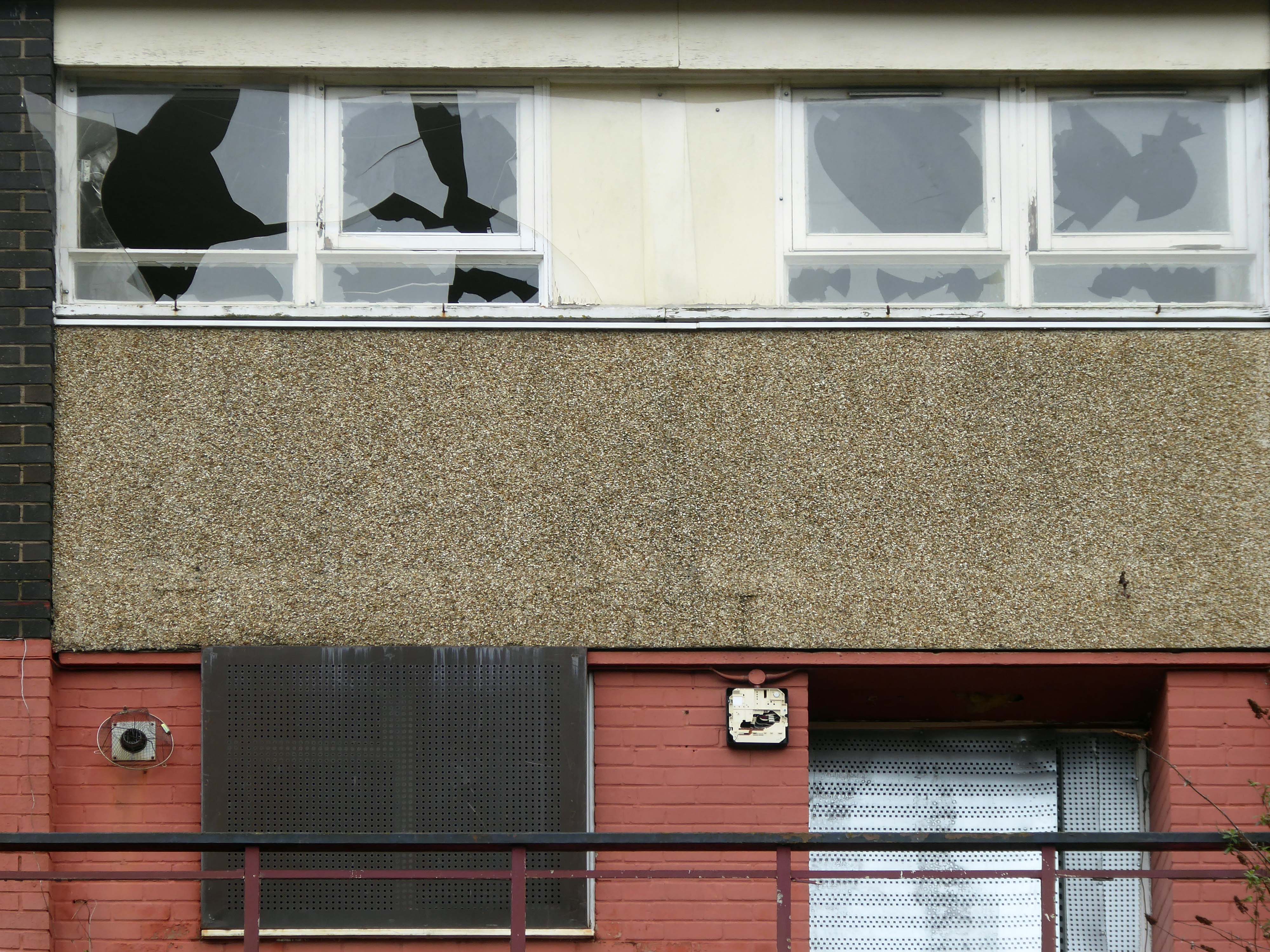
The vandal-hit and fire-damaged late 1960s and early 1970s college buildings are to be demolished and Lidl will build a new supermarket with a 127-space car park. The store will eventually replace the store on Castlegate.

The former hospital will be retained and the site will see 229 apartments and an office complex. The apartments are expected to be for older or retired people.

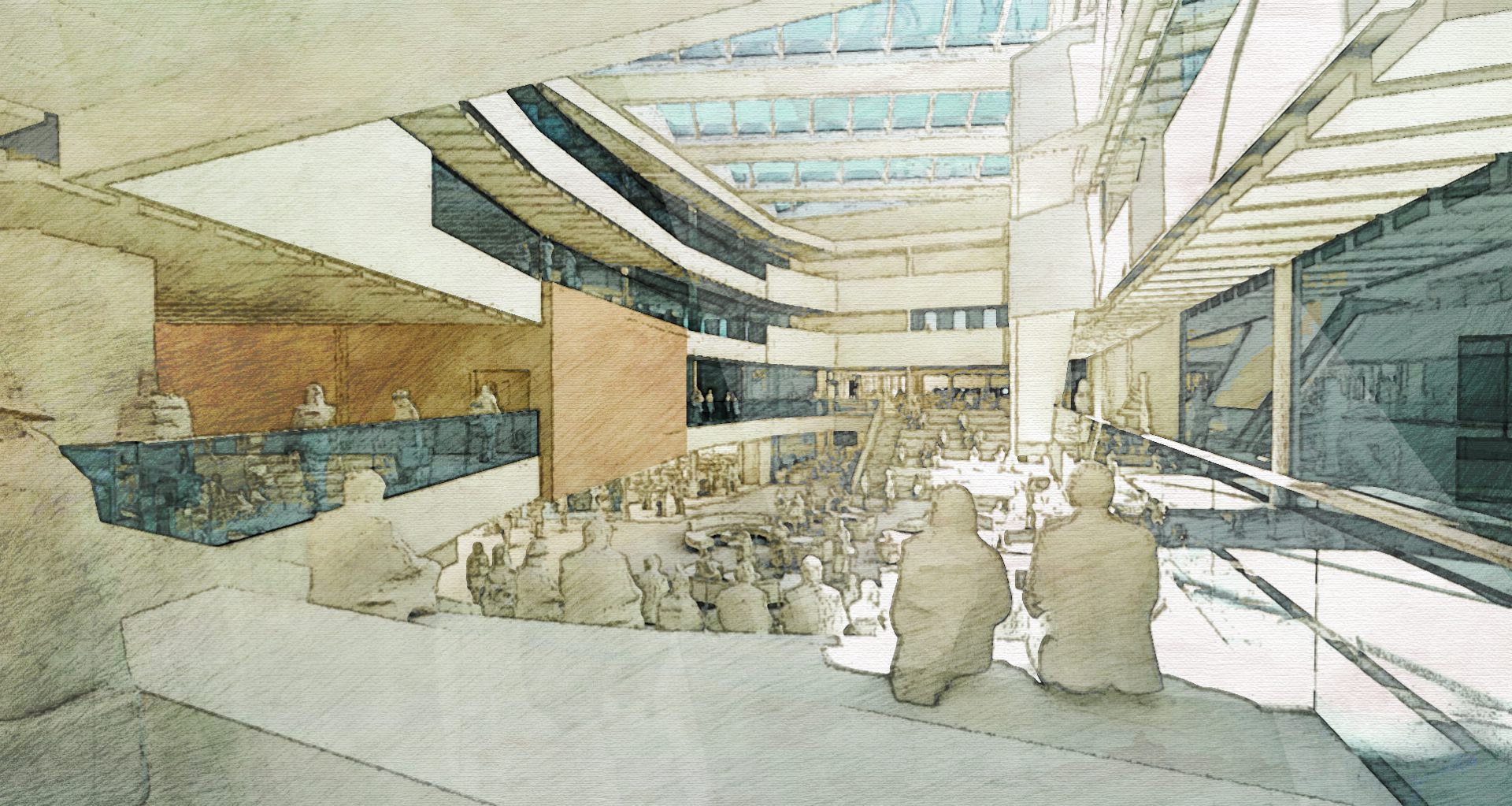
Huddersfield Hub

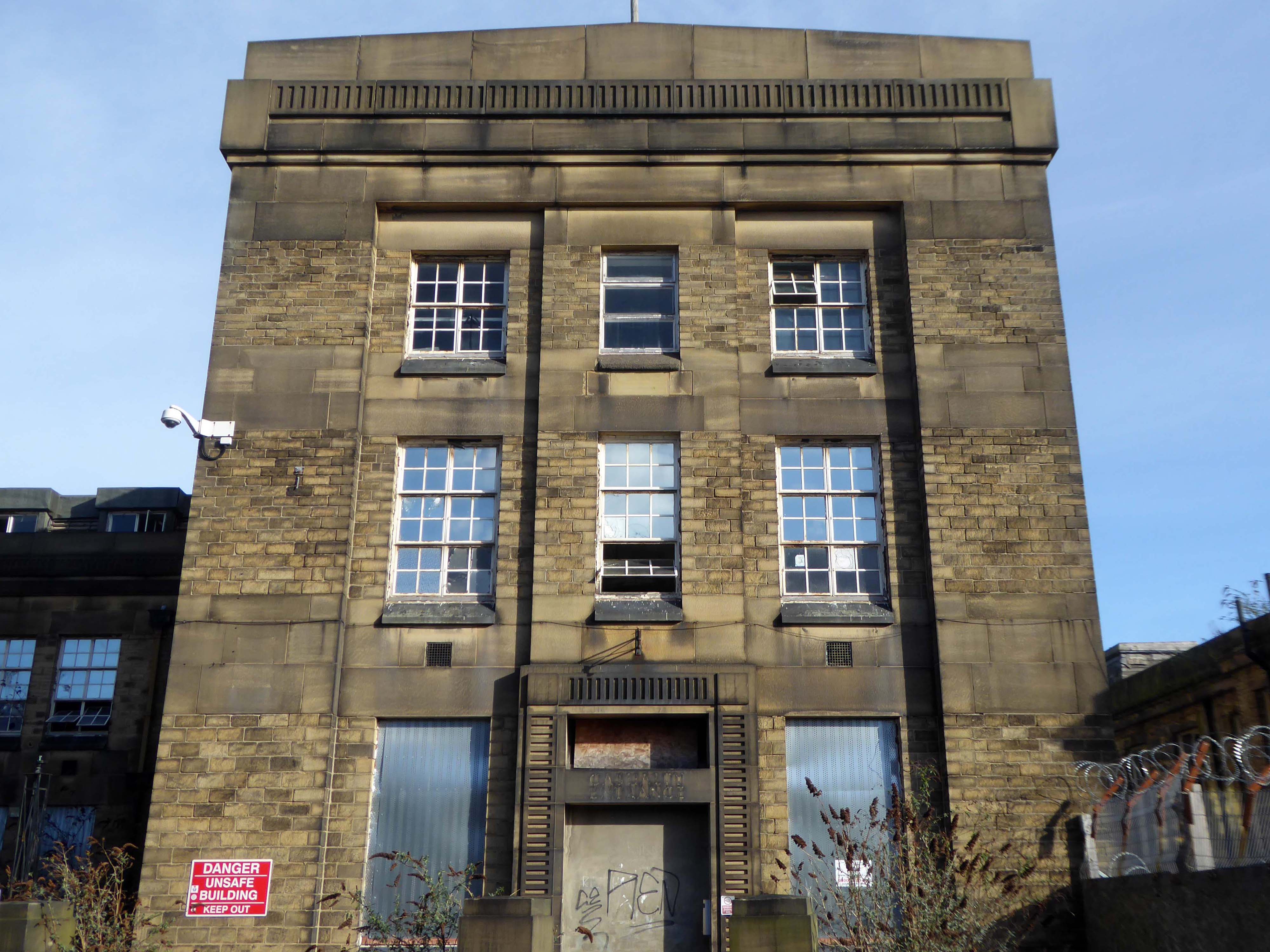
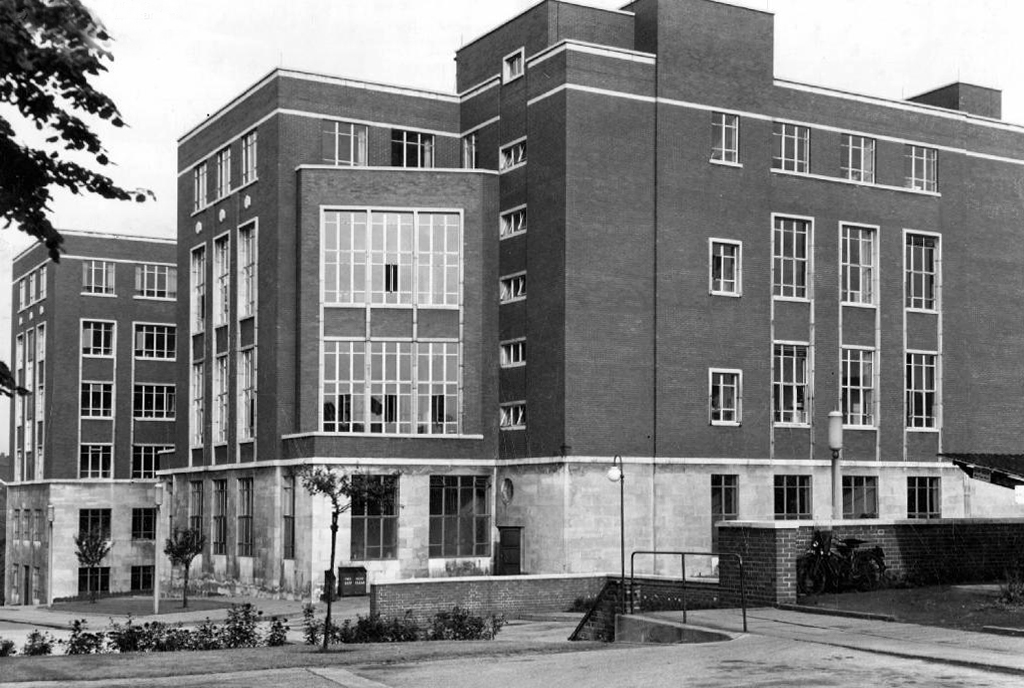
The inter-war infirmary is also destined for an imminent demise.

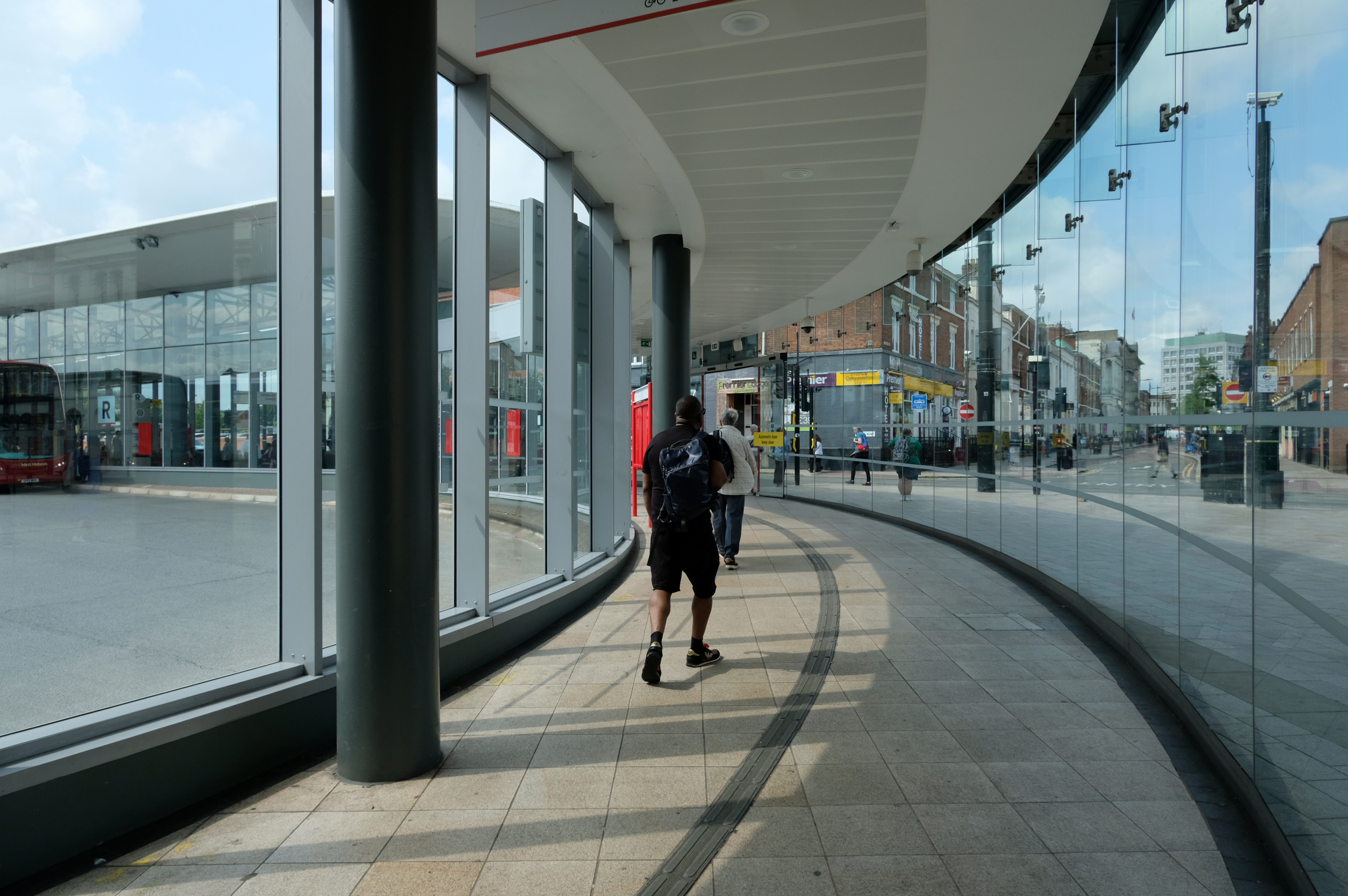
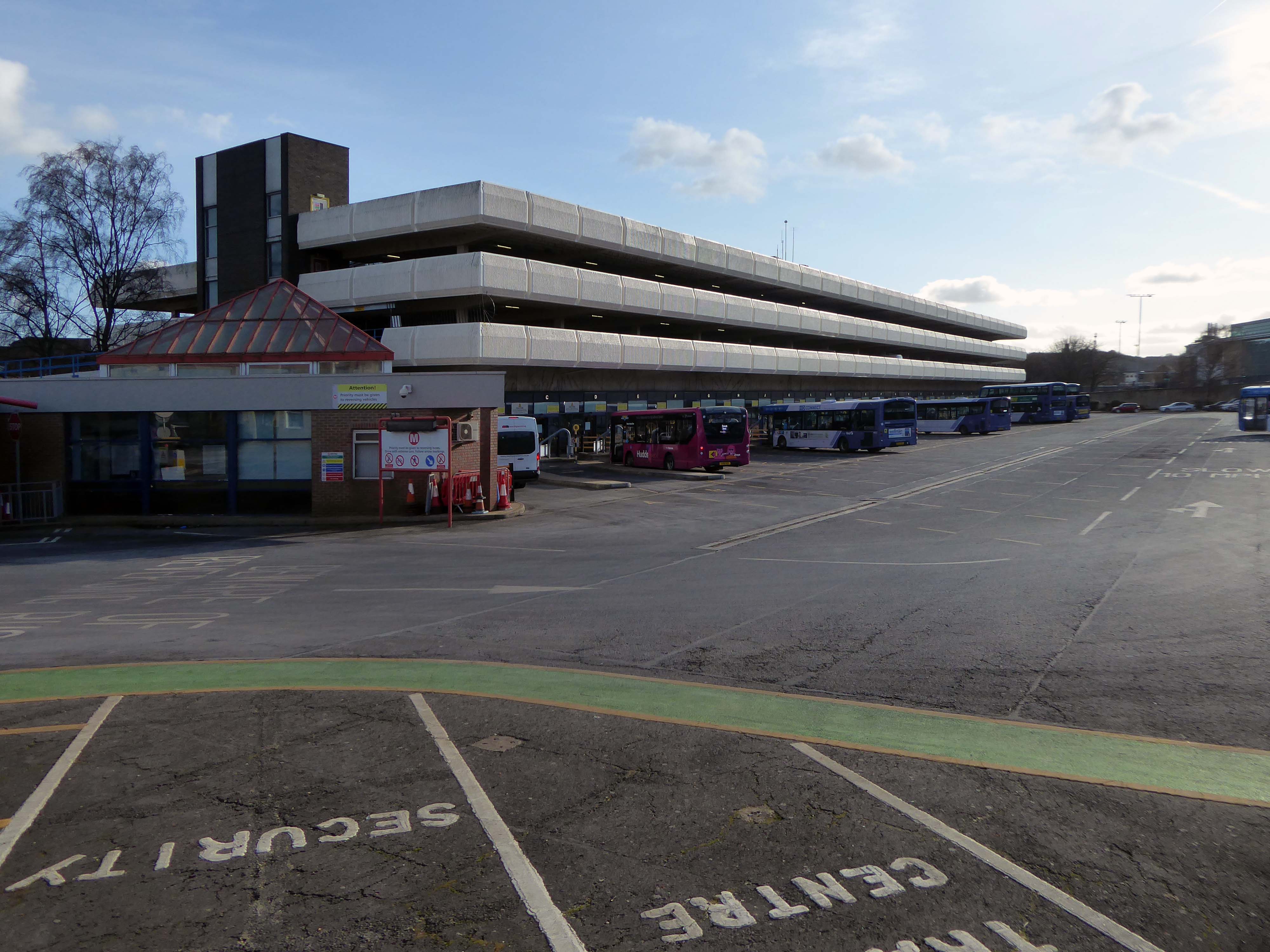
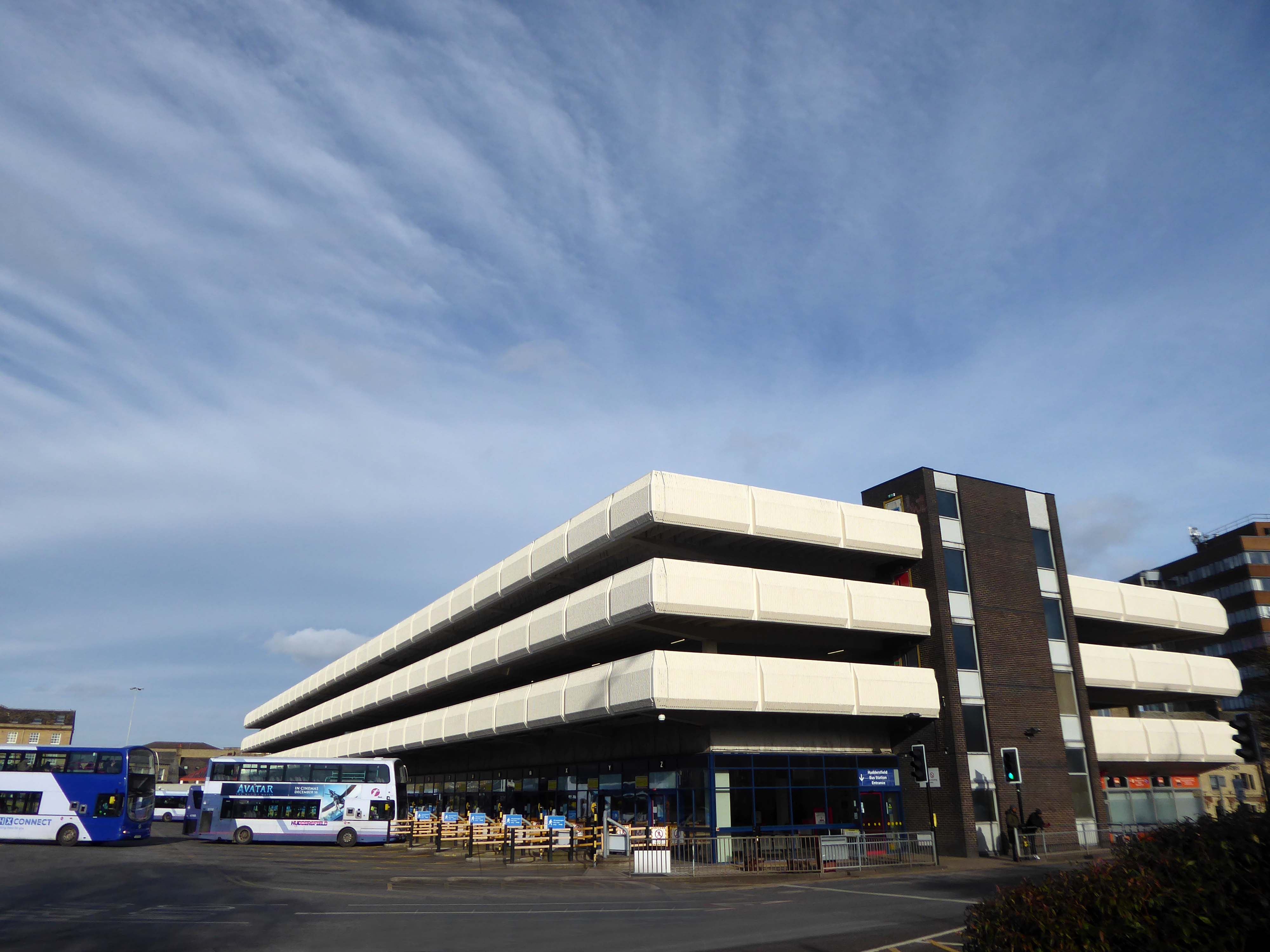
Next we take a turn around the bus station.

Changes are afoot for the buses.

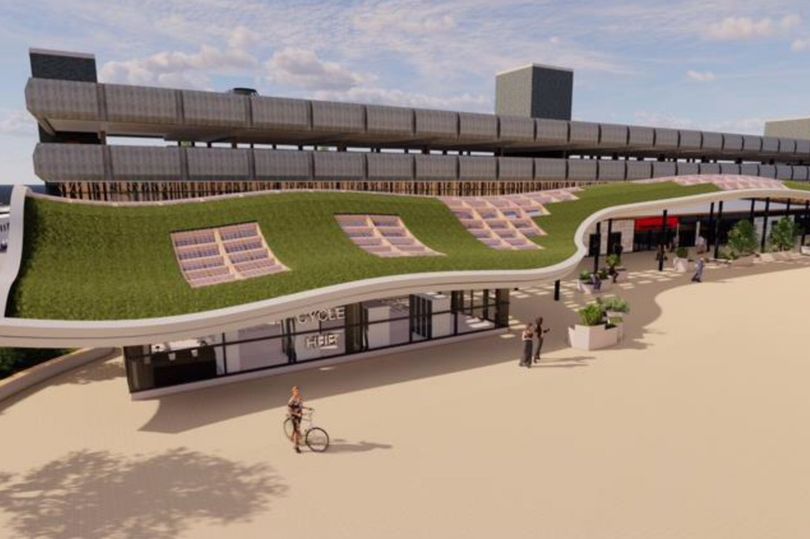
Huddersfield’s £20M game-changing bus station is set to be completed by the end of 2025 with a living grass roof, sixty bike cycle hub, upgraded shops and new facilities

The project between West Yorkshire Combined Authority and Kirklees Council aims to transform one of West Yorkshire’s busiest bus stations, and uplift the area that surrounds it.

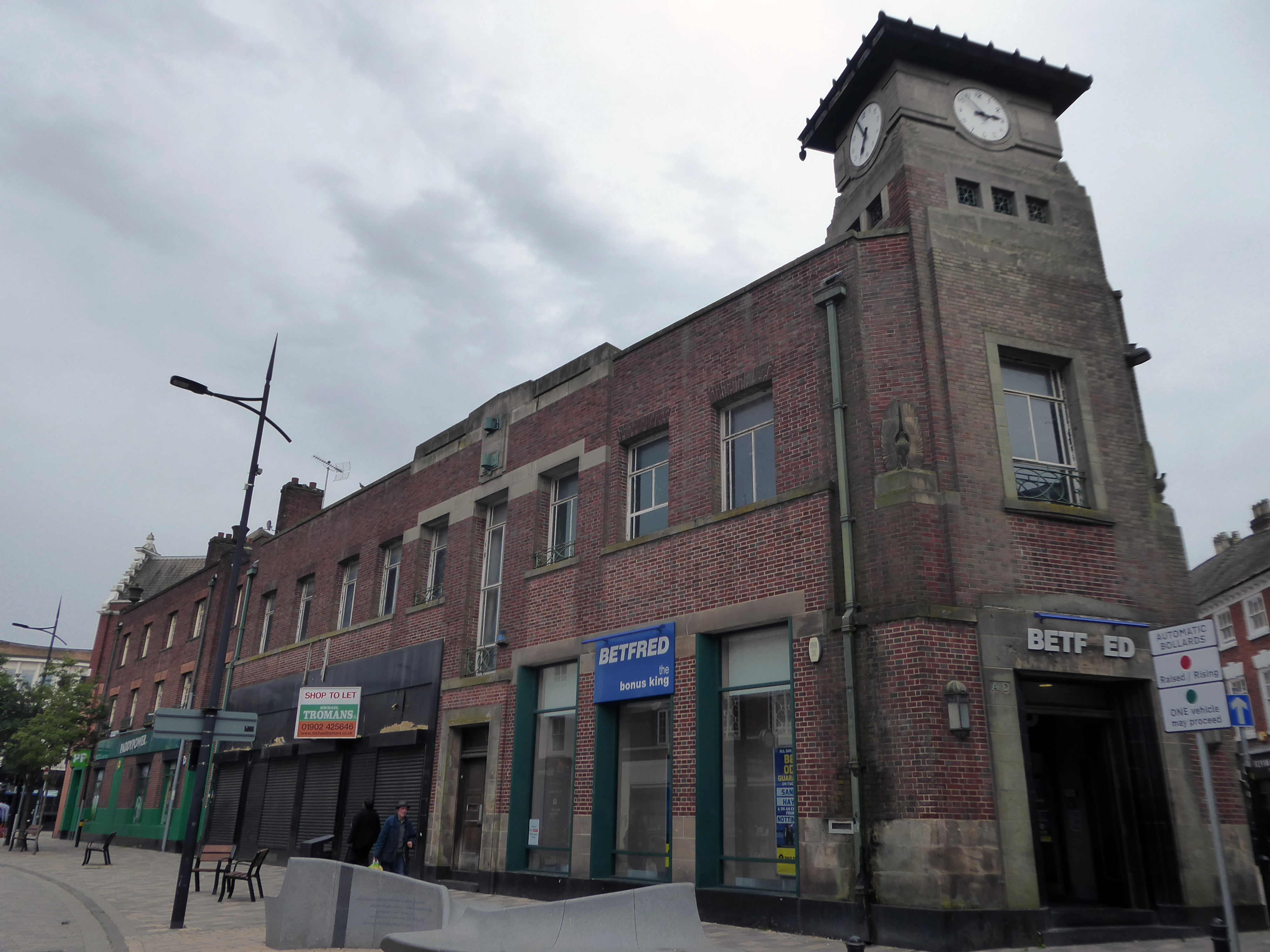
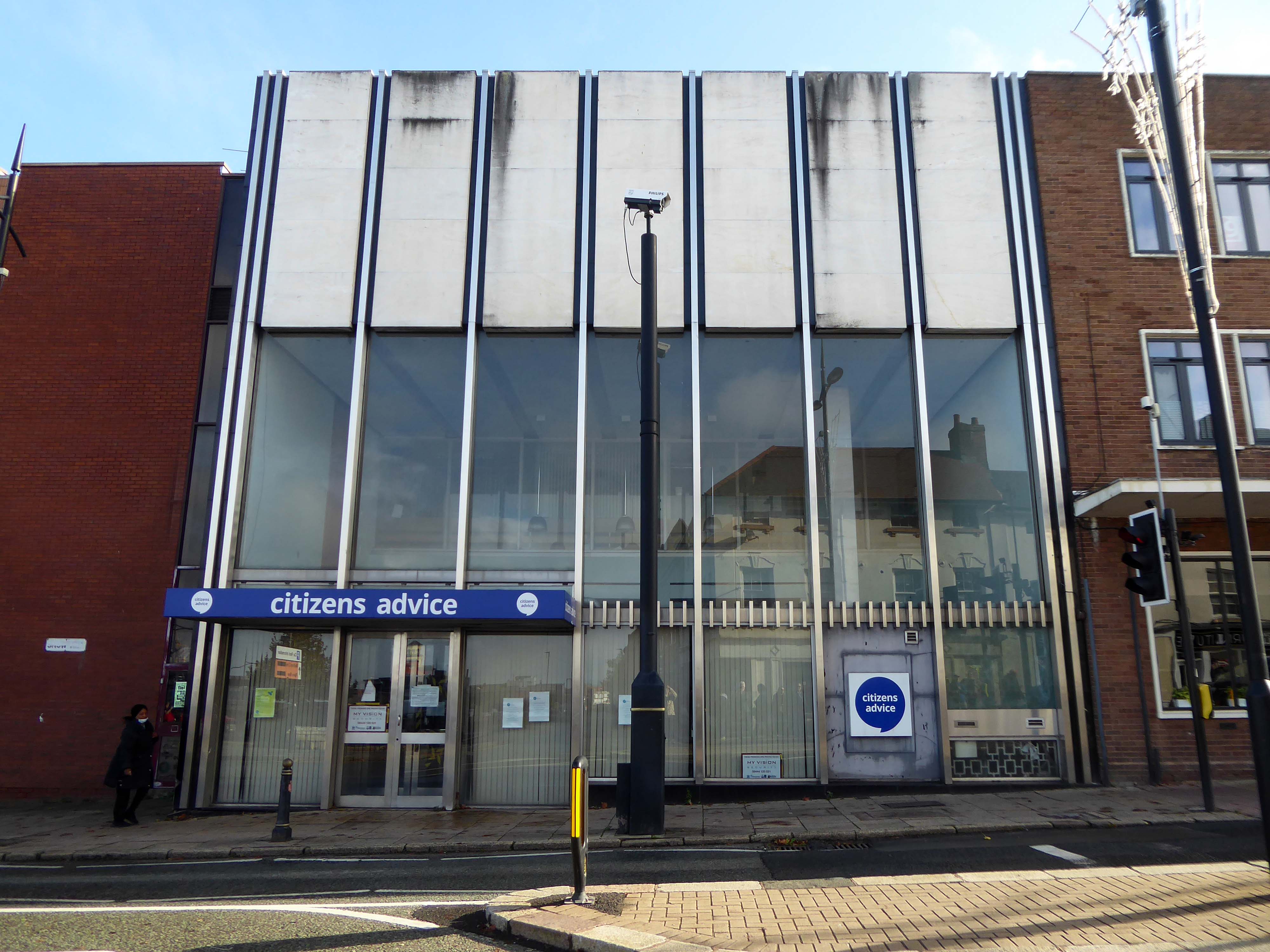
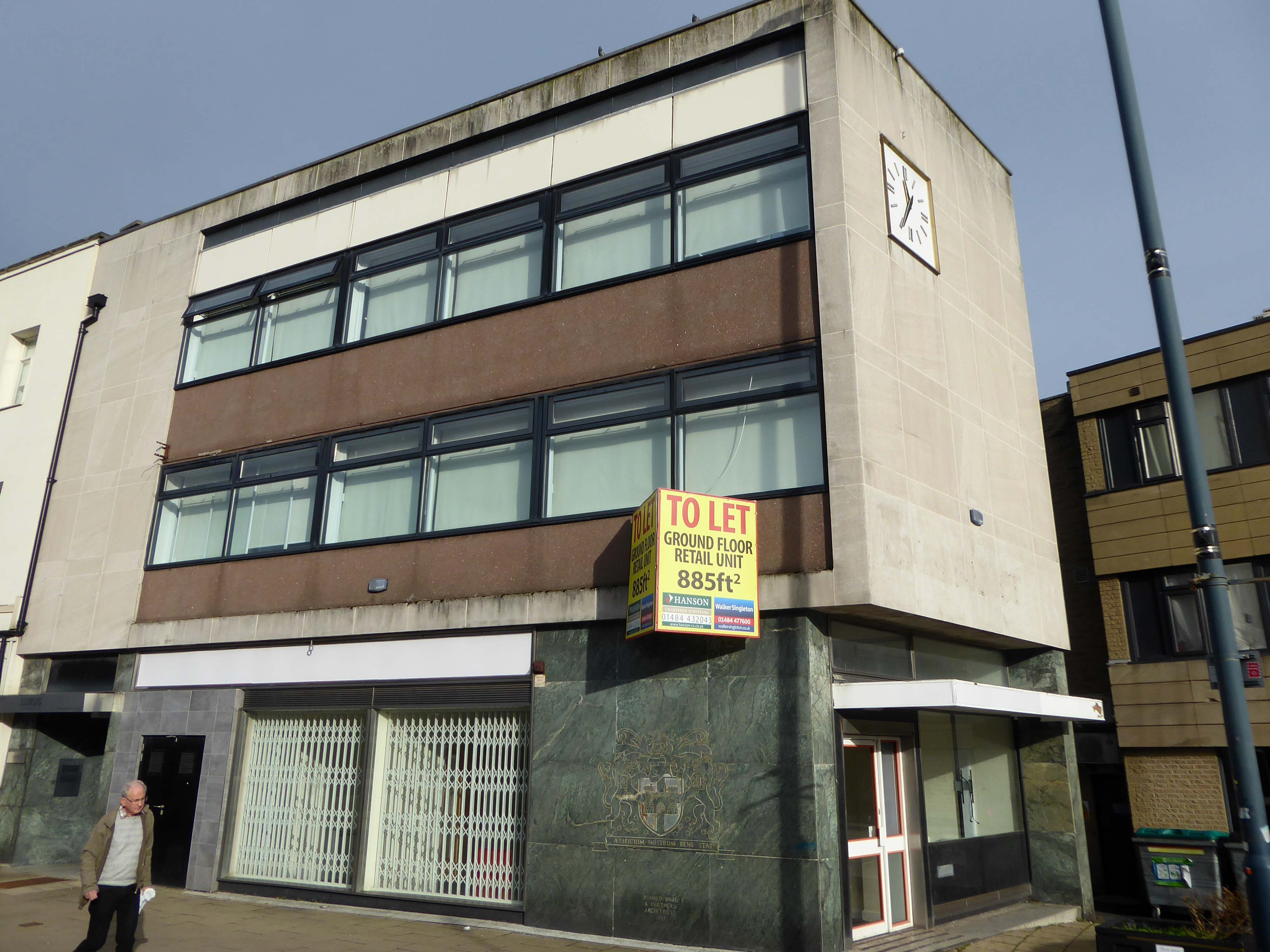
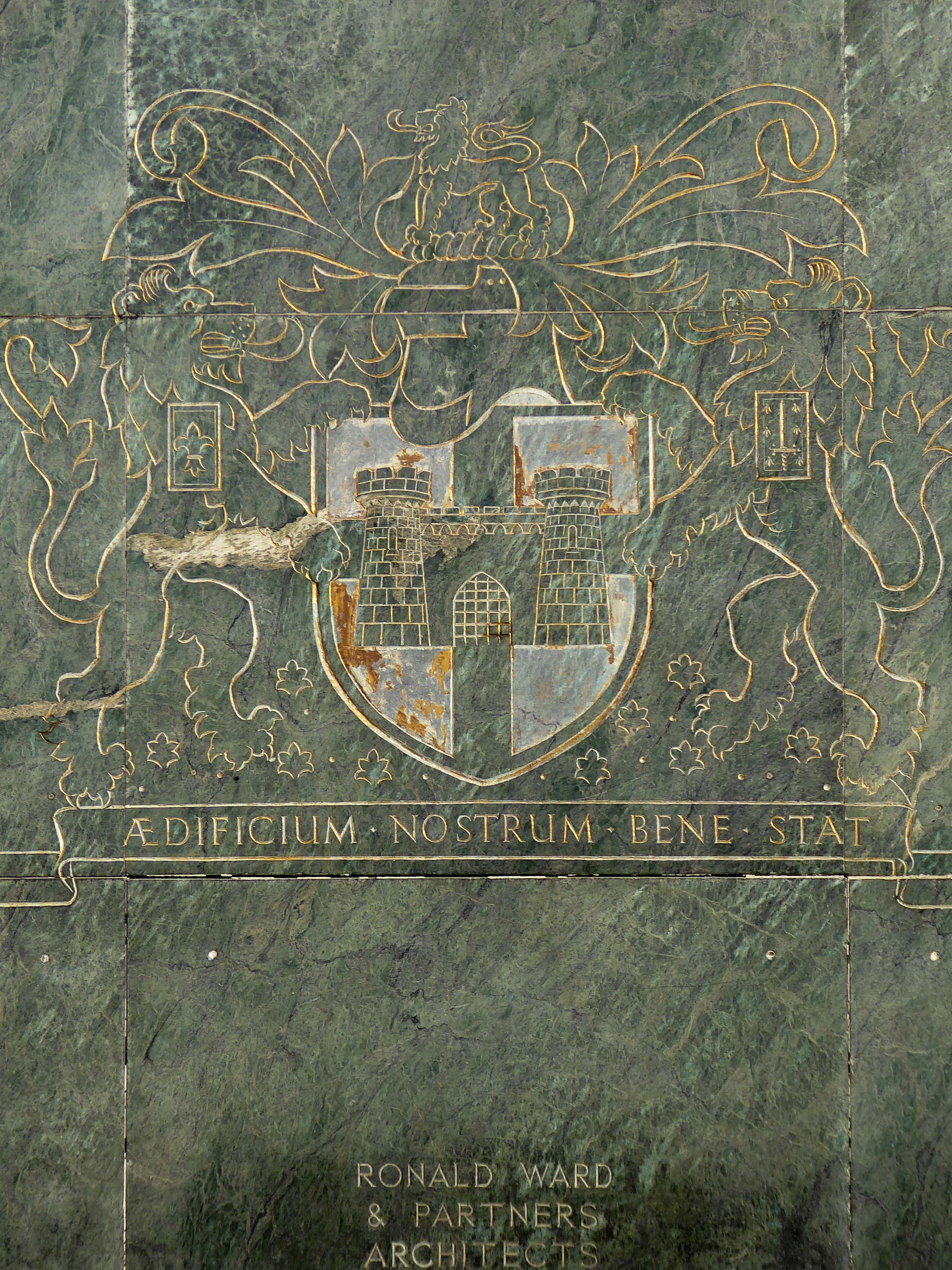
Over the way this diminutive commercial building – with a distinctive rectangular stopped clock and boldly incised gold leaf heraldic device.

Architects: Ronald Ward & Partners.

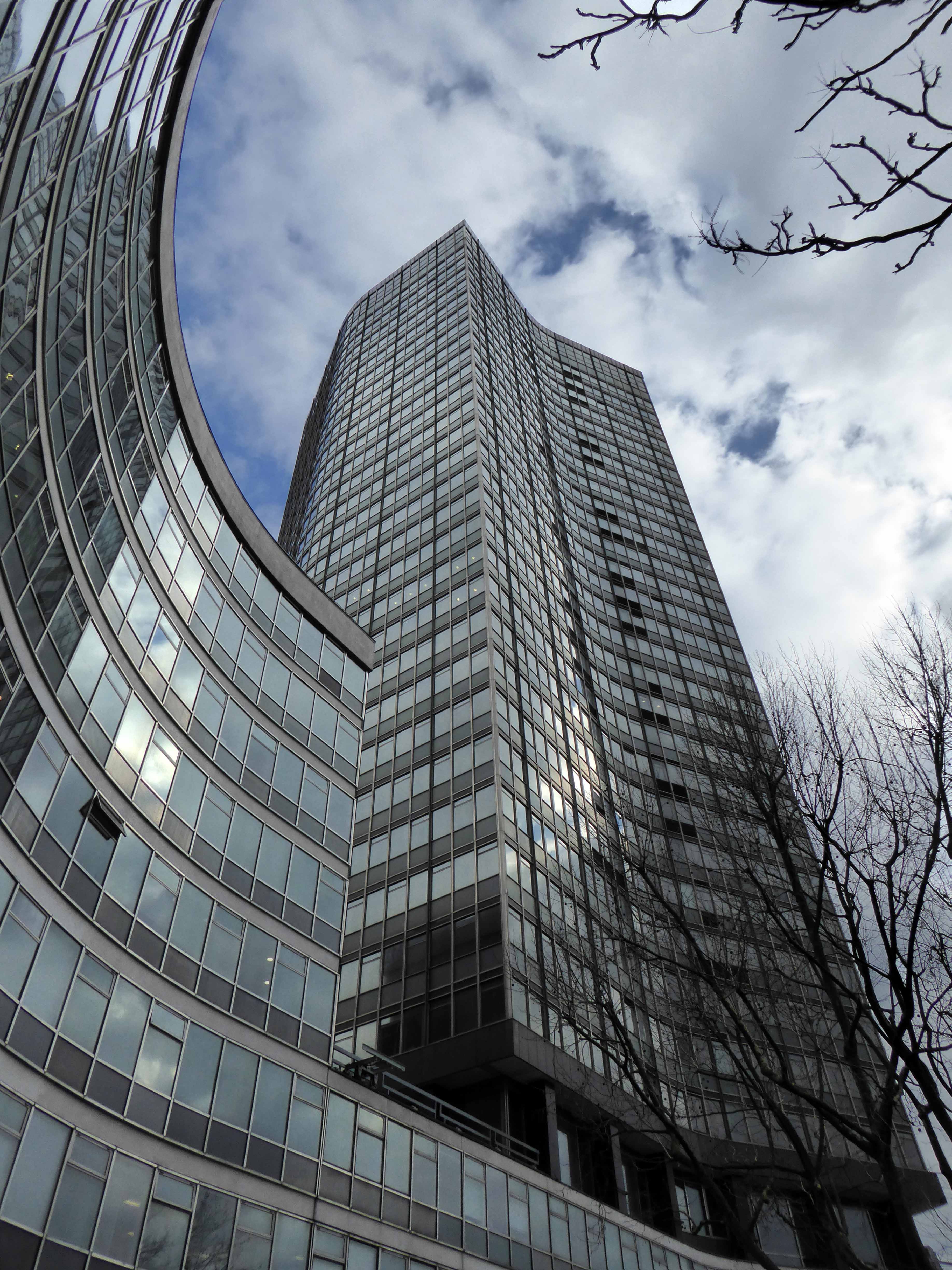
The same crew were also responsible for Millbank Tower

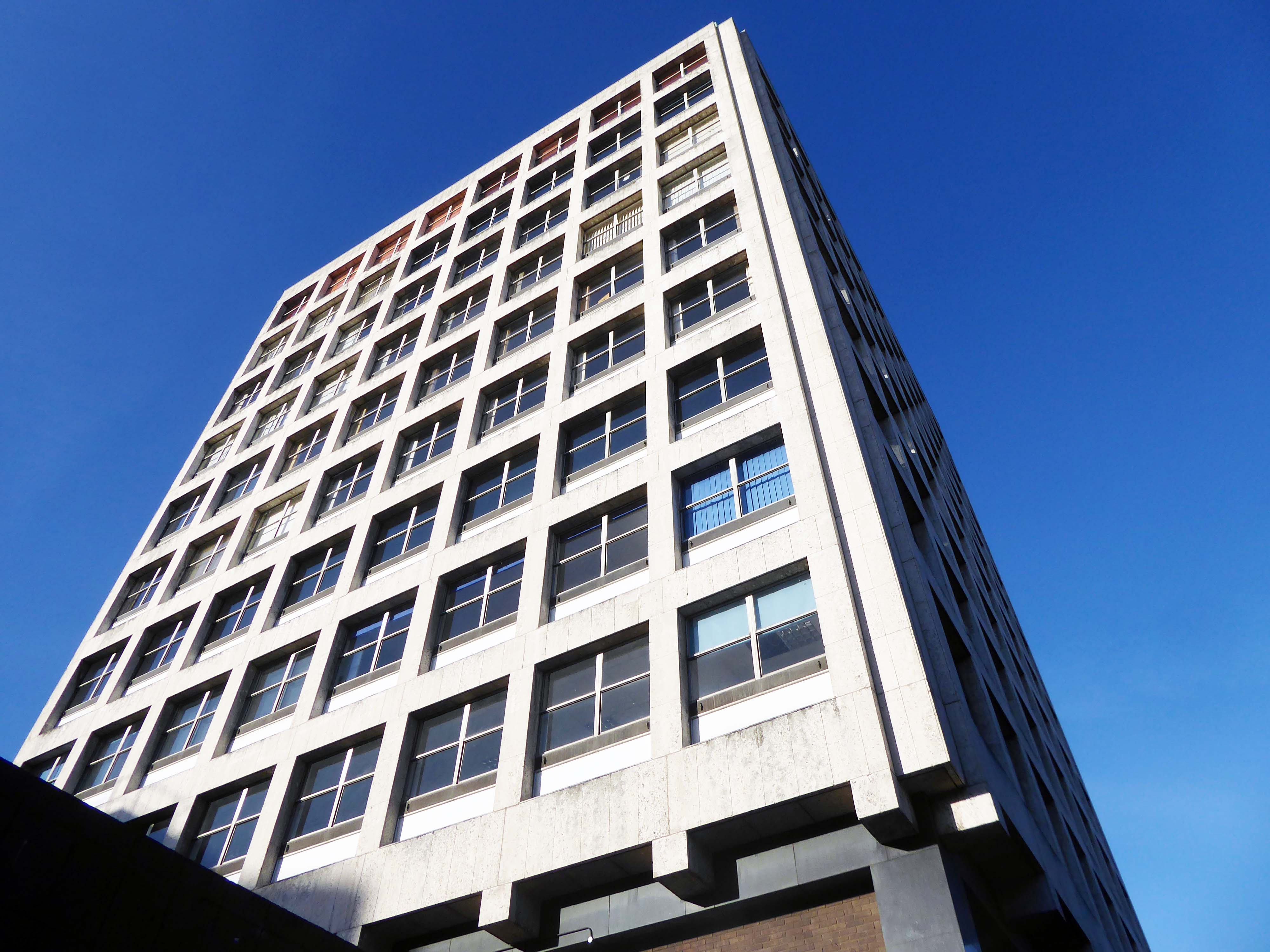
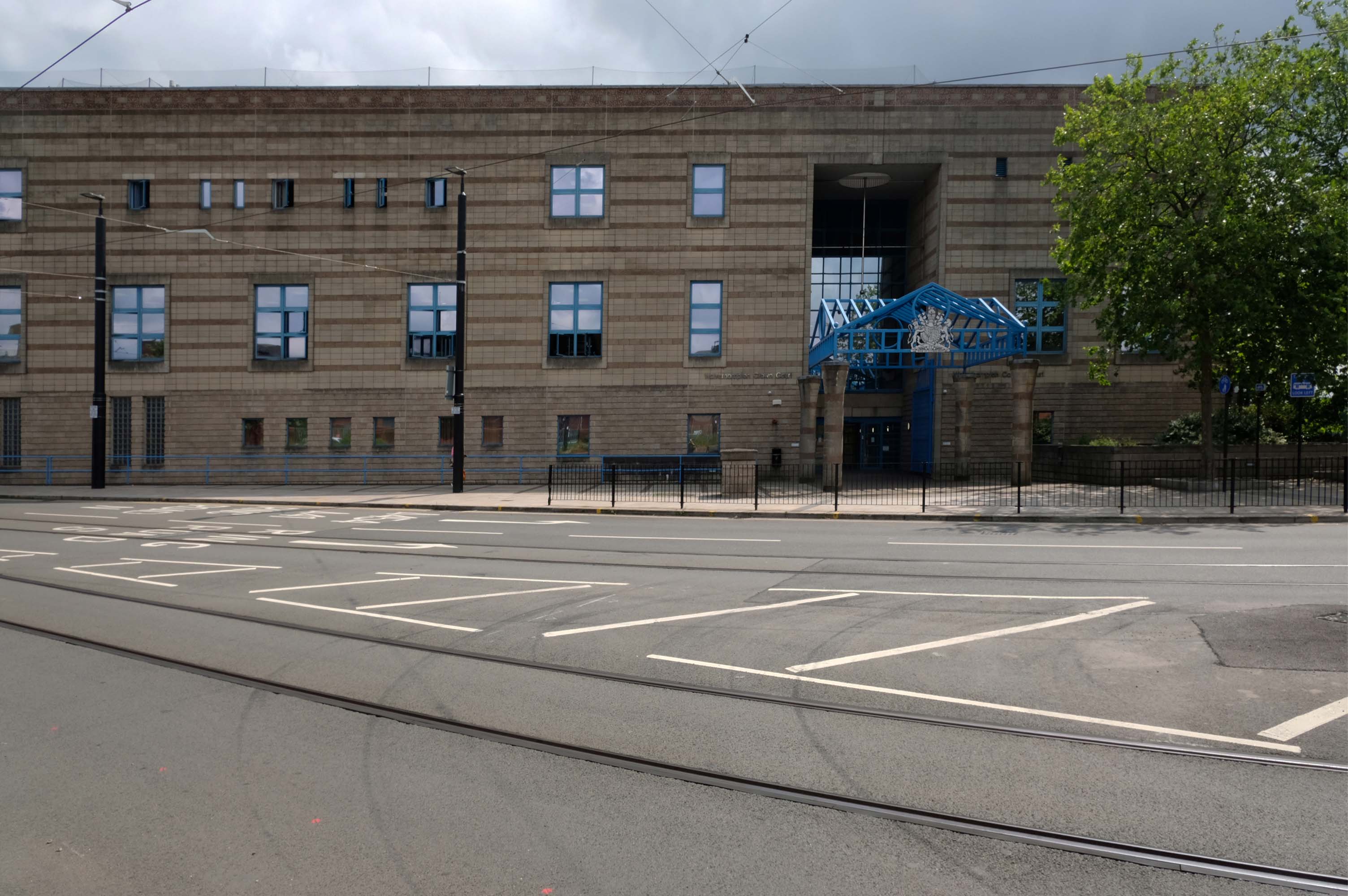
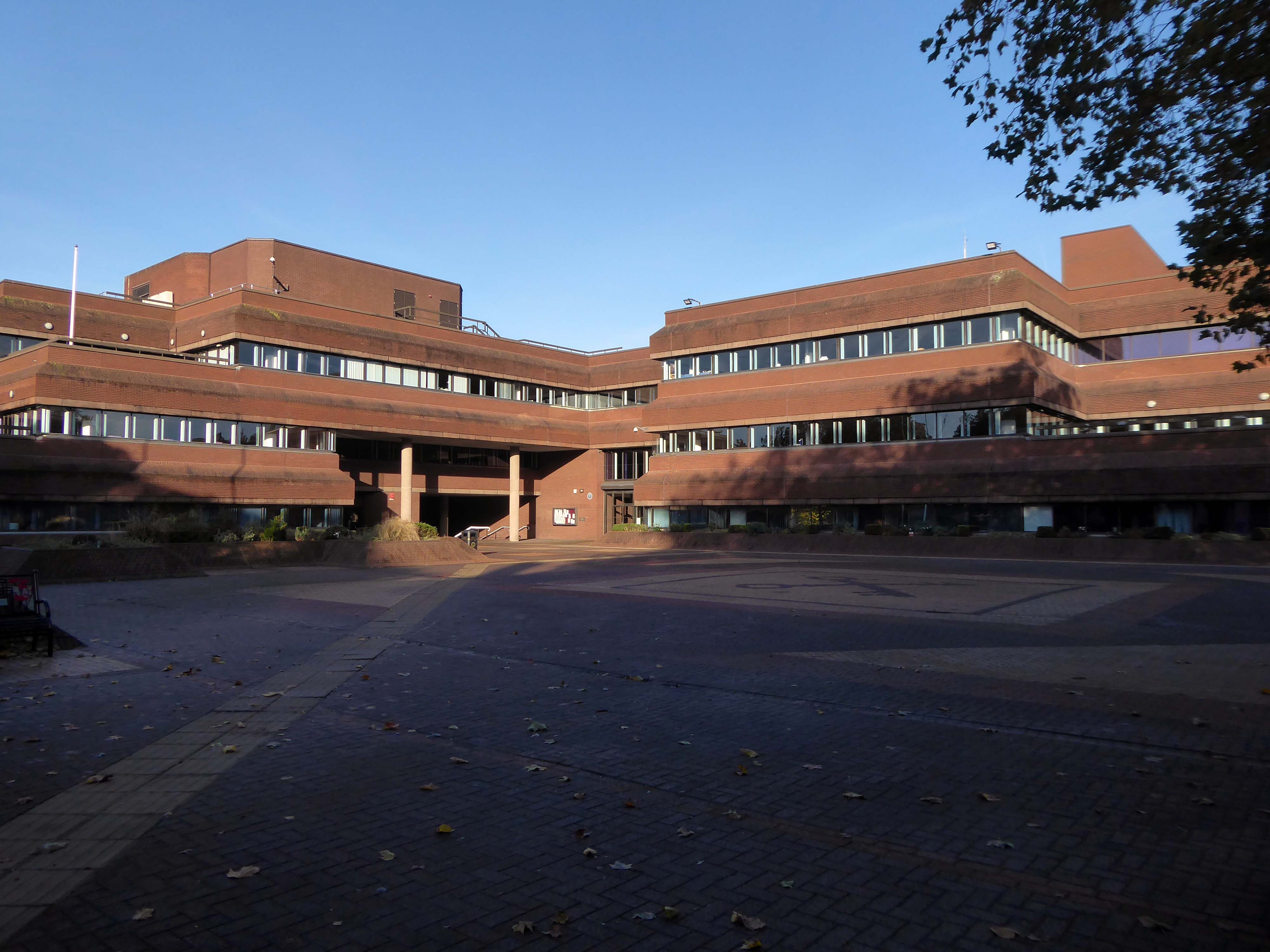
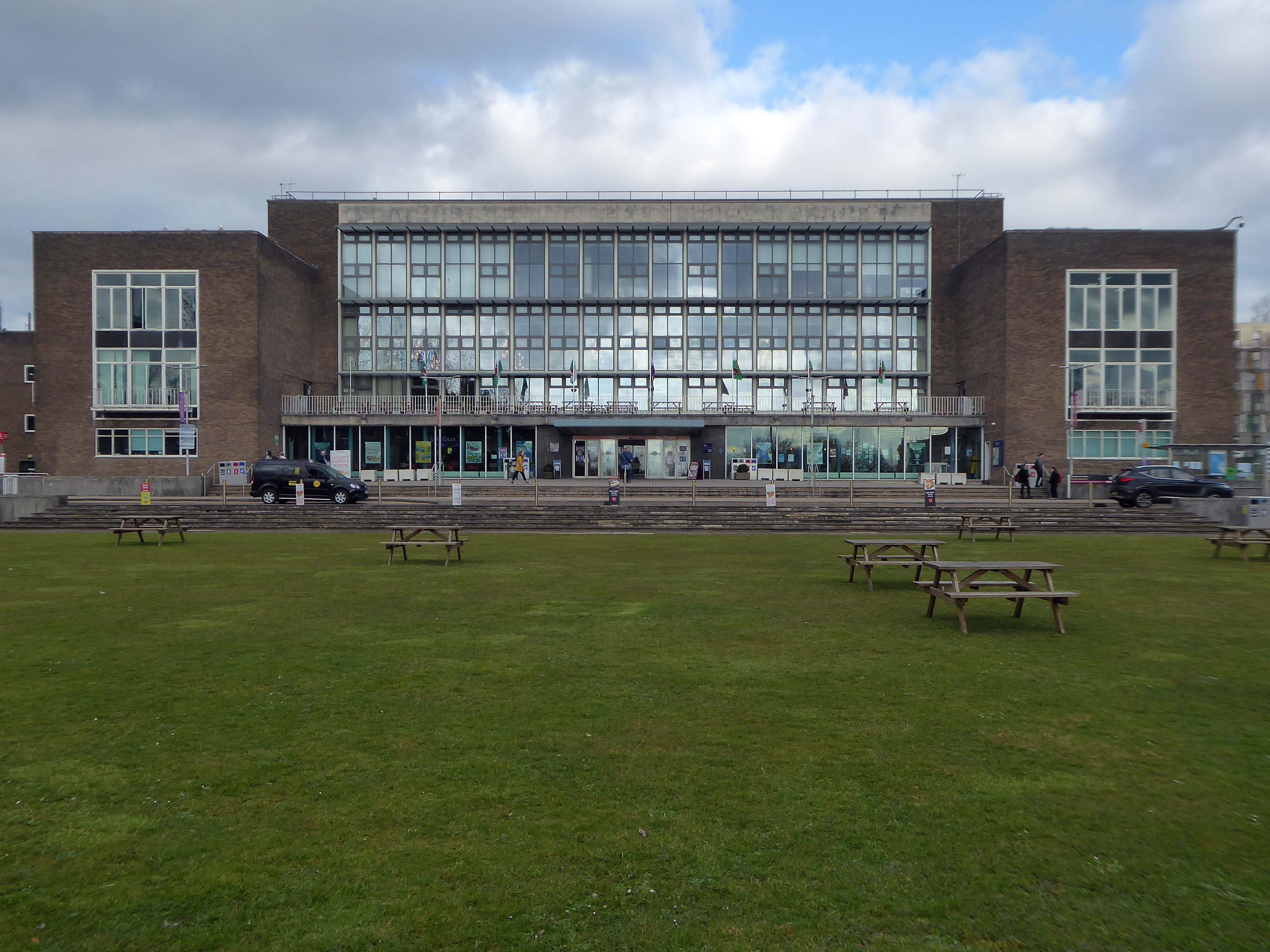
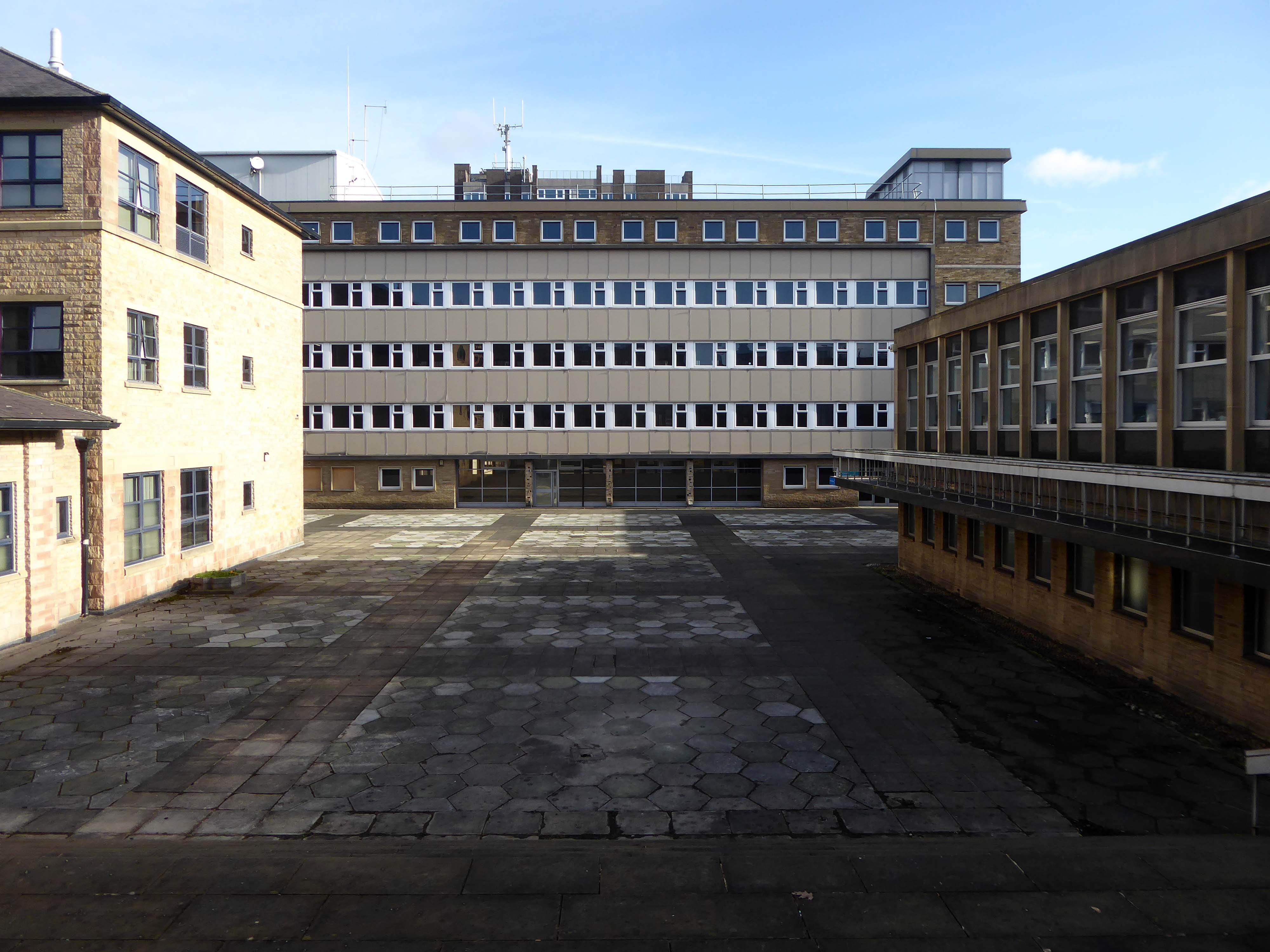
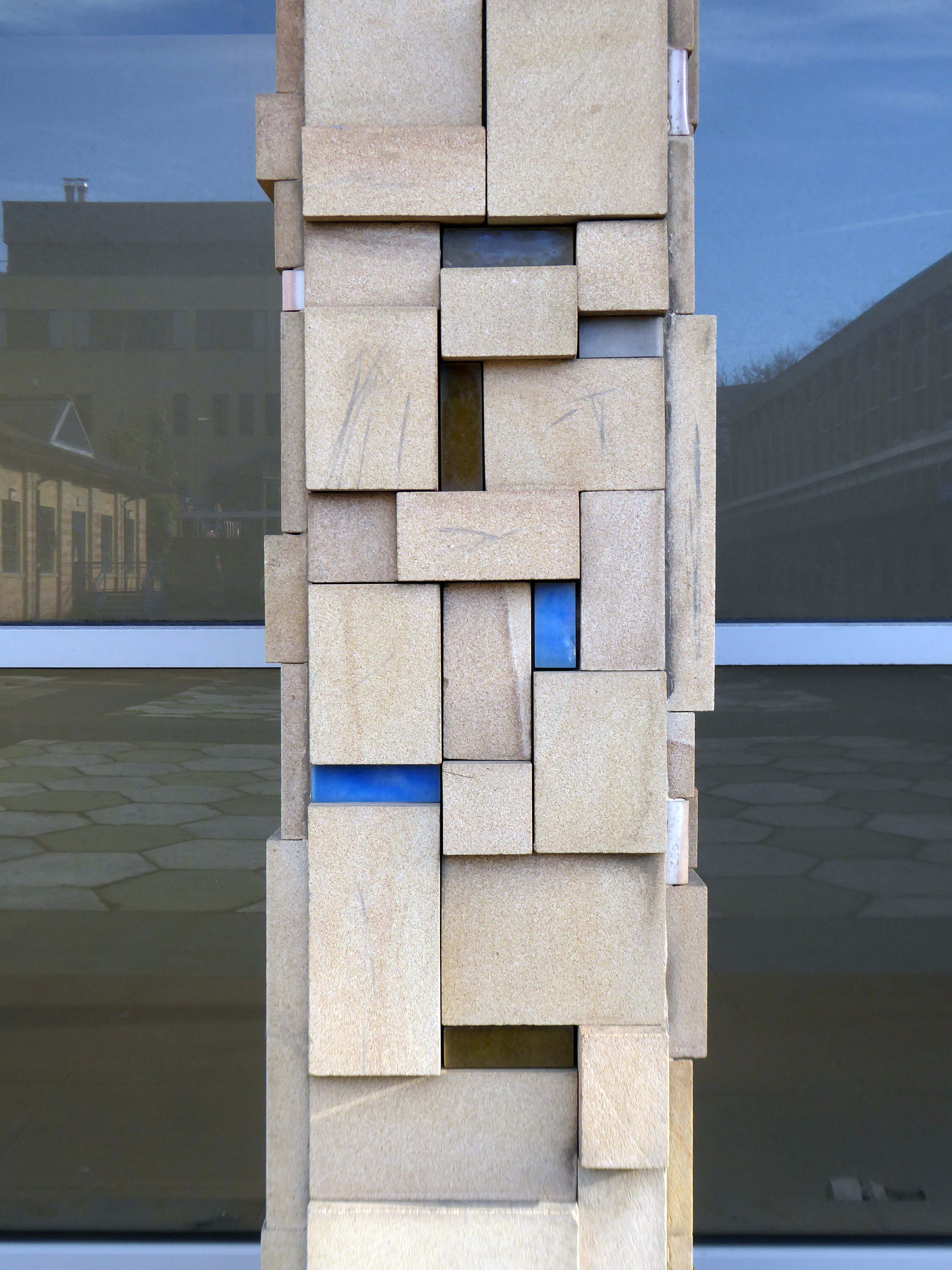
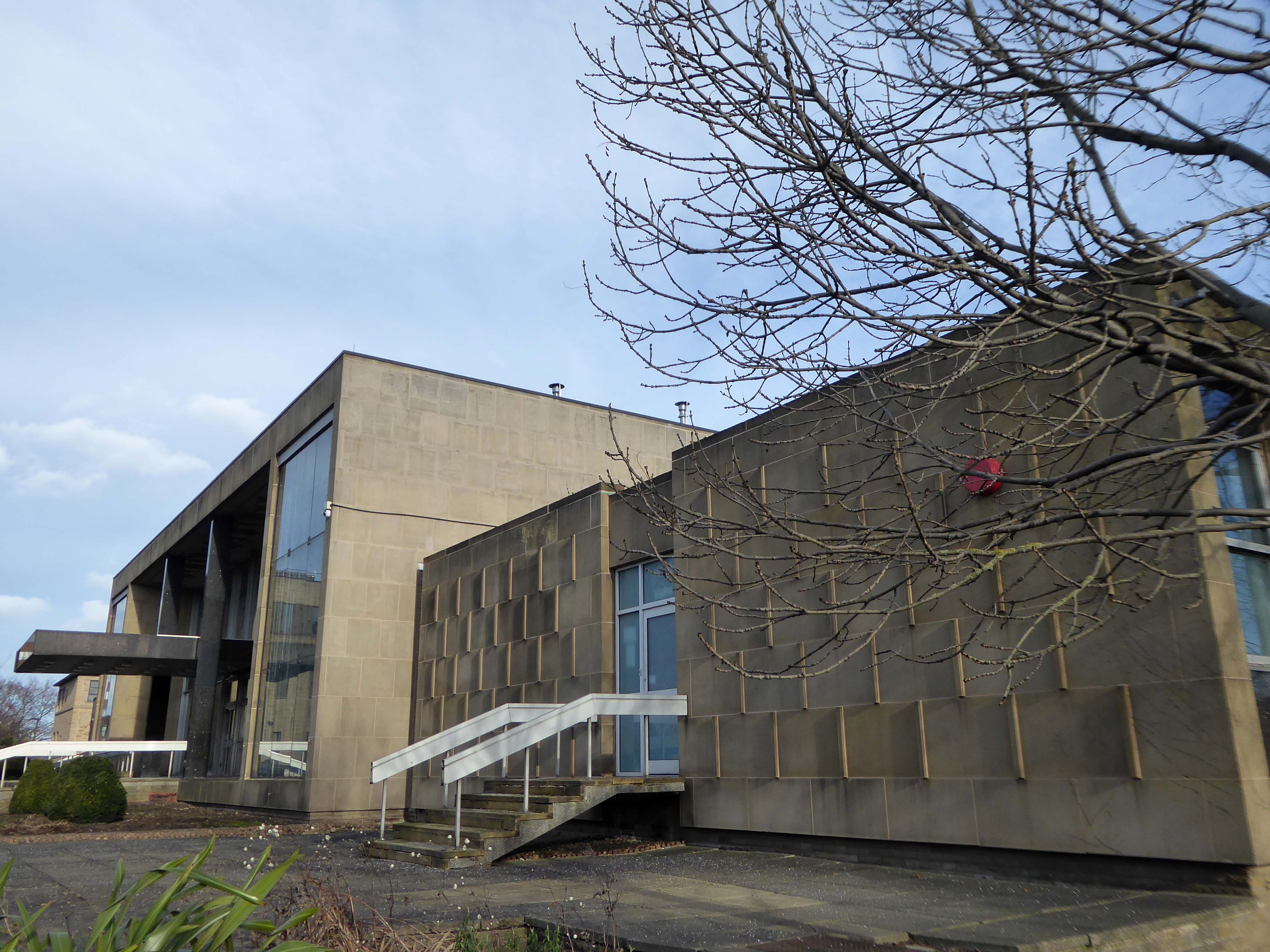
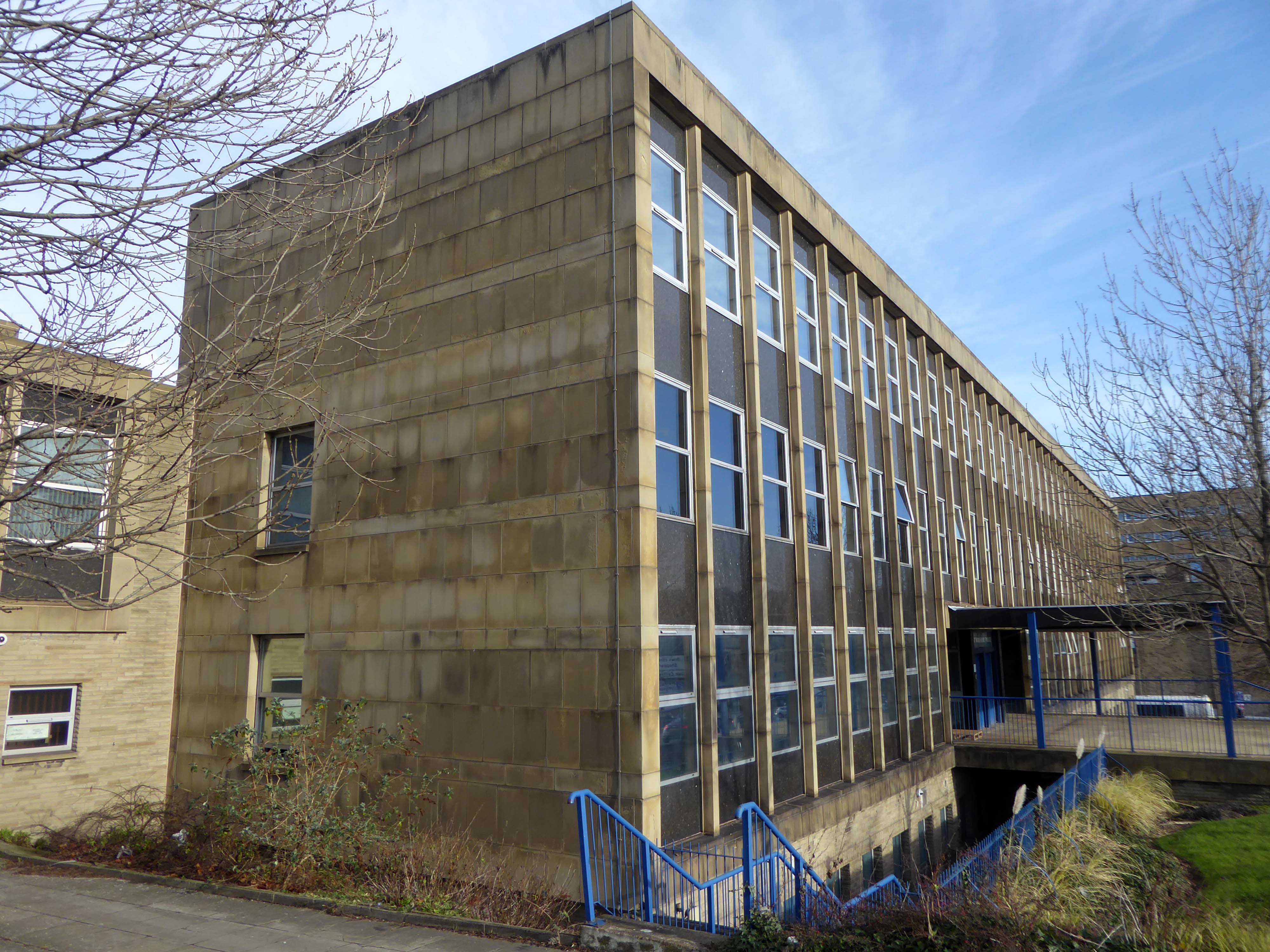
Crossing the road to the Civic Centre and the perennially empty piazza which along with the Magistrates Courts and Police Station was the work of the Borough Architects team – led by Charles Edmund Aspinall.

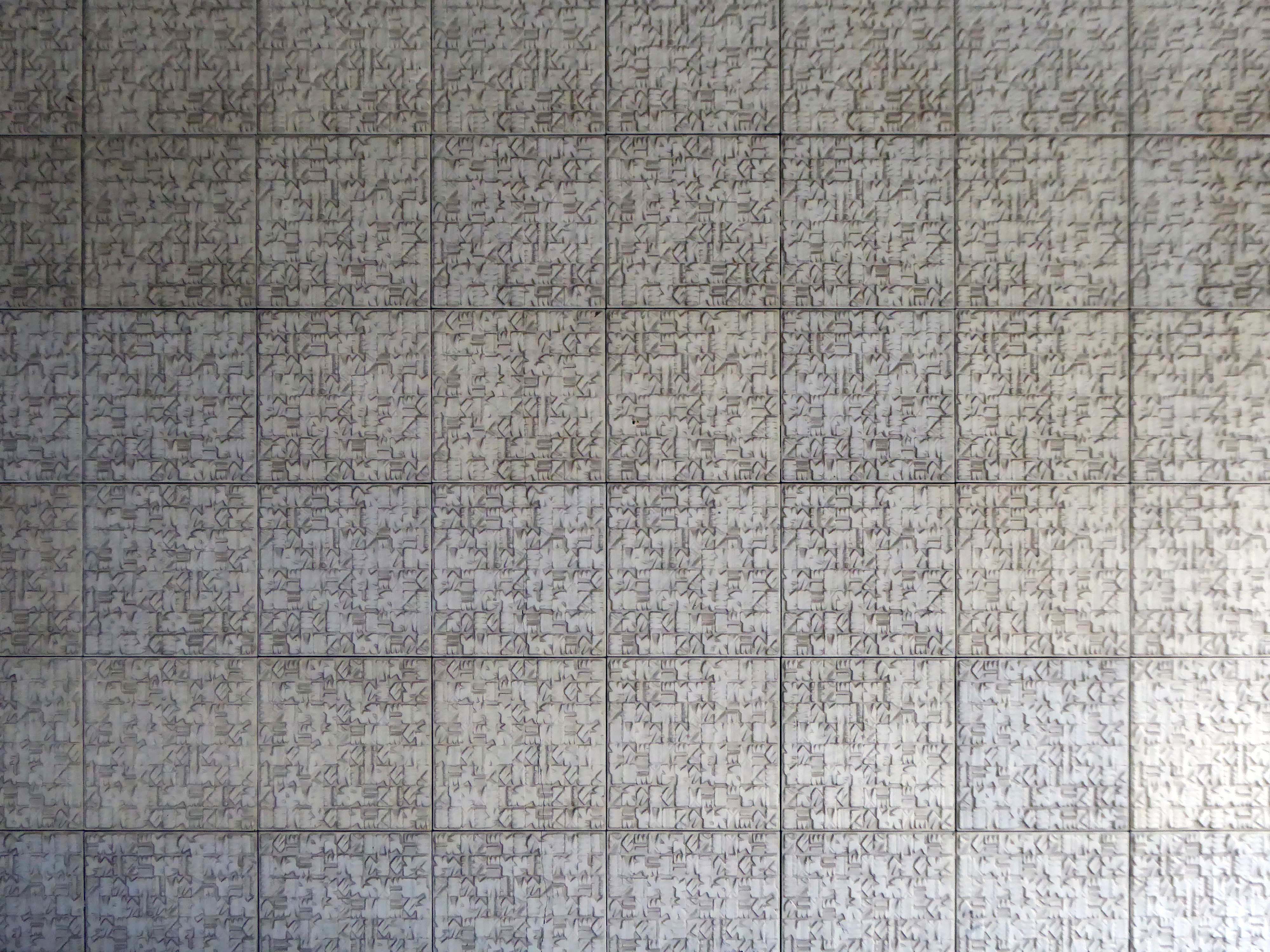
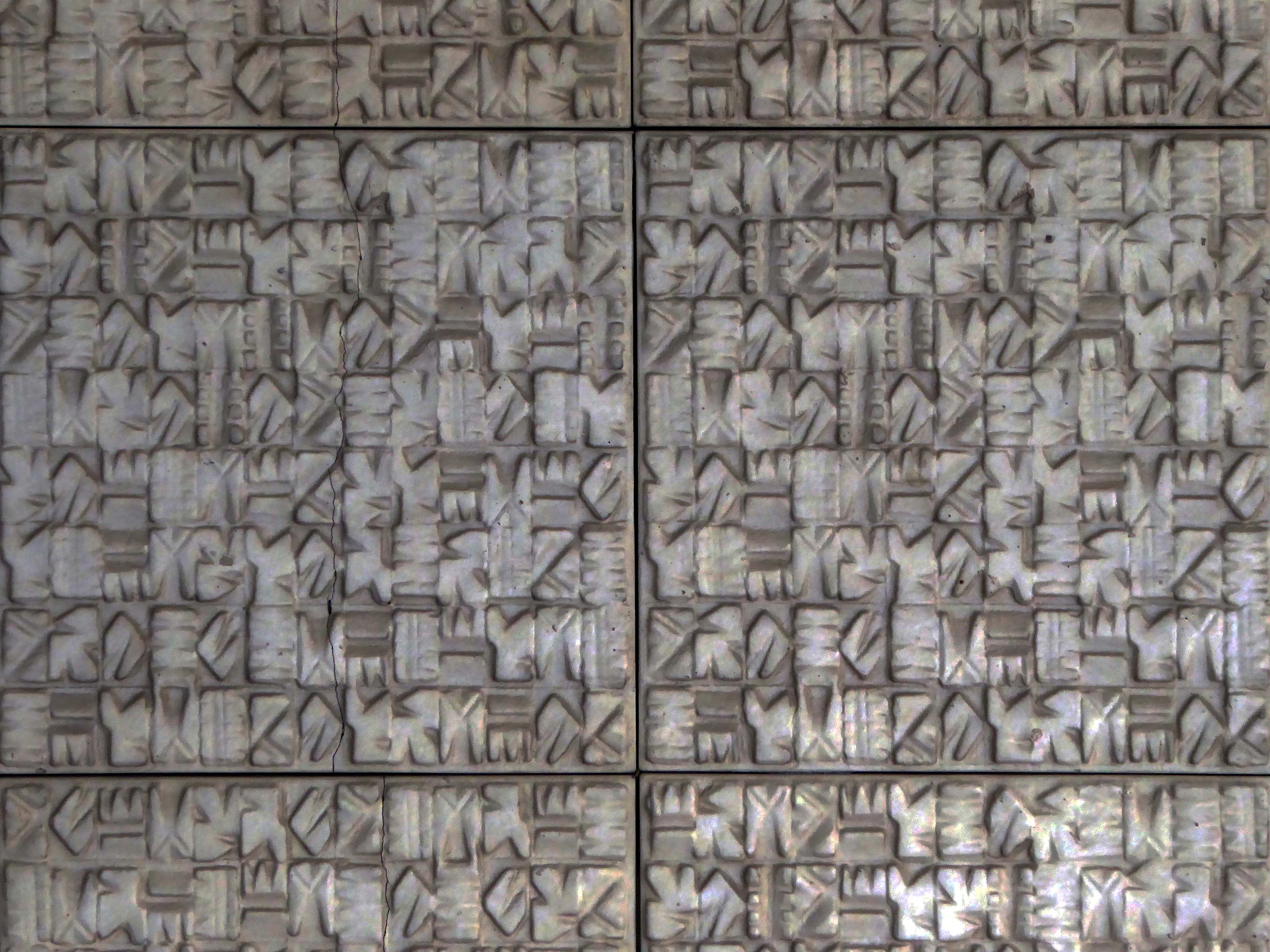
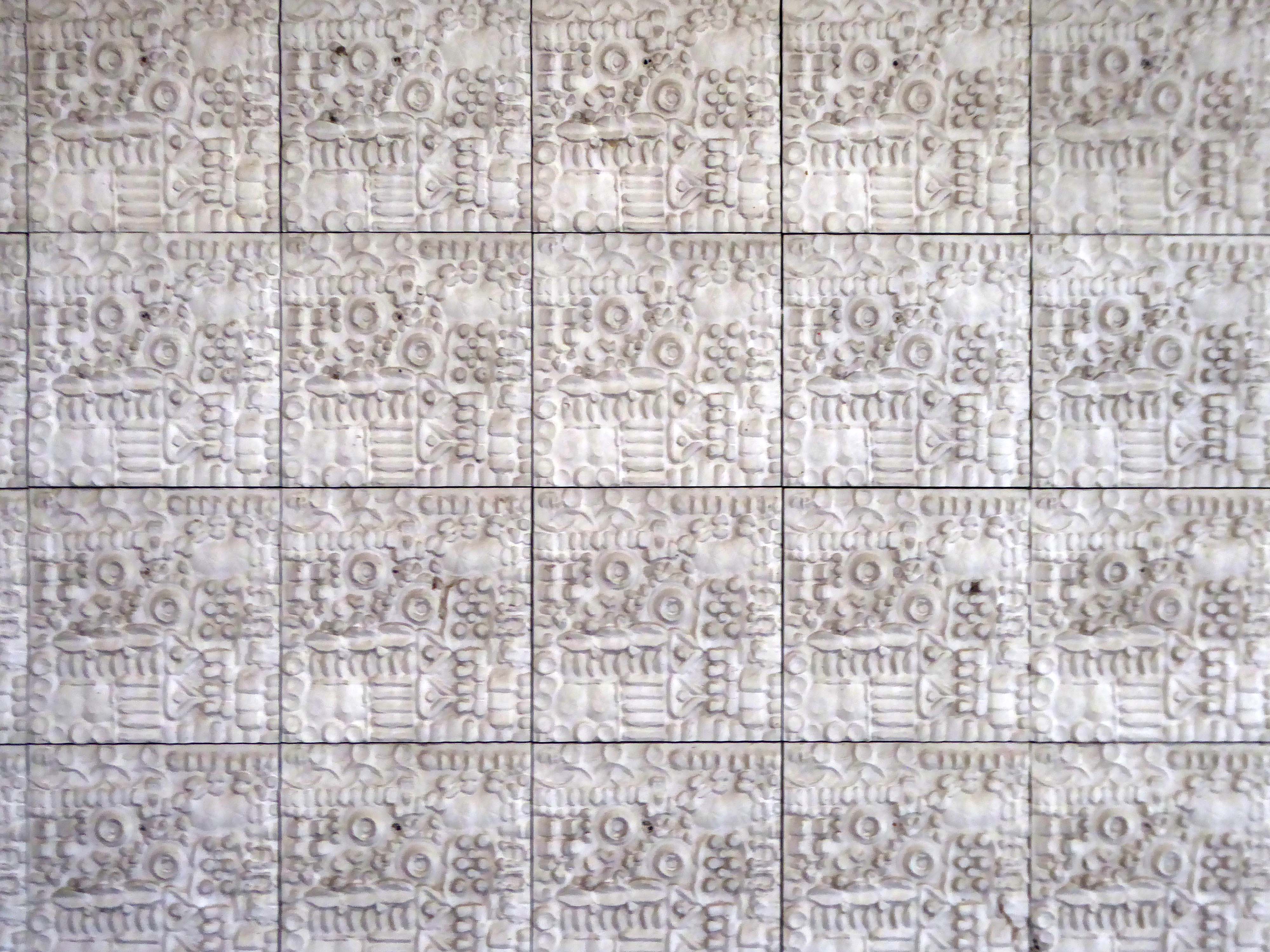
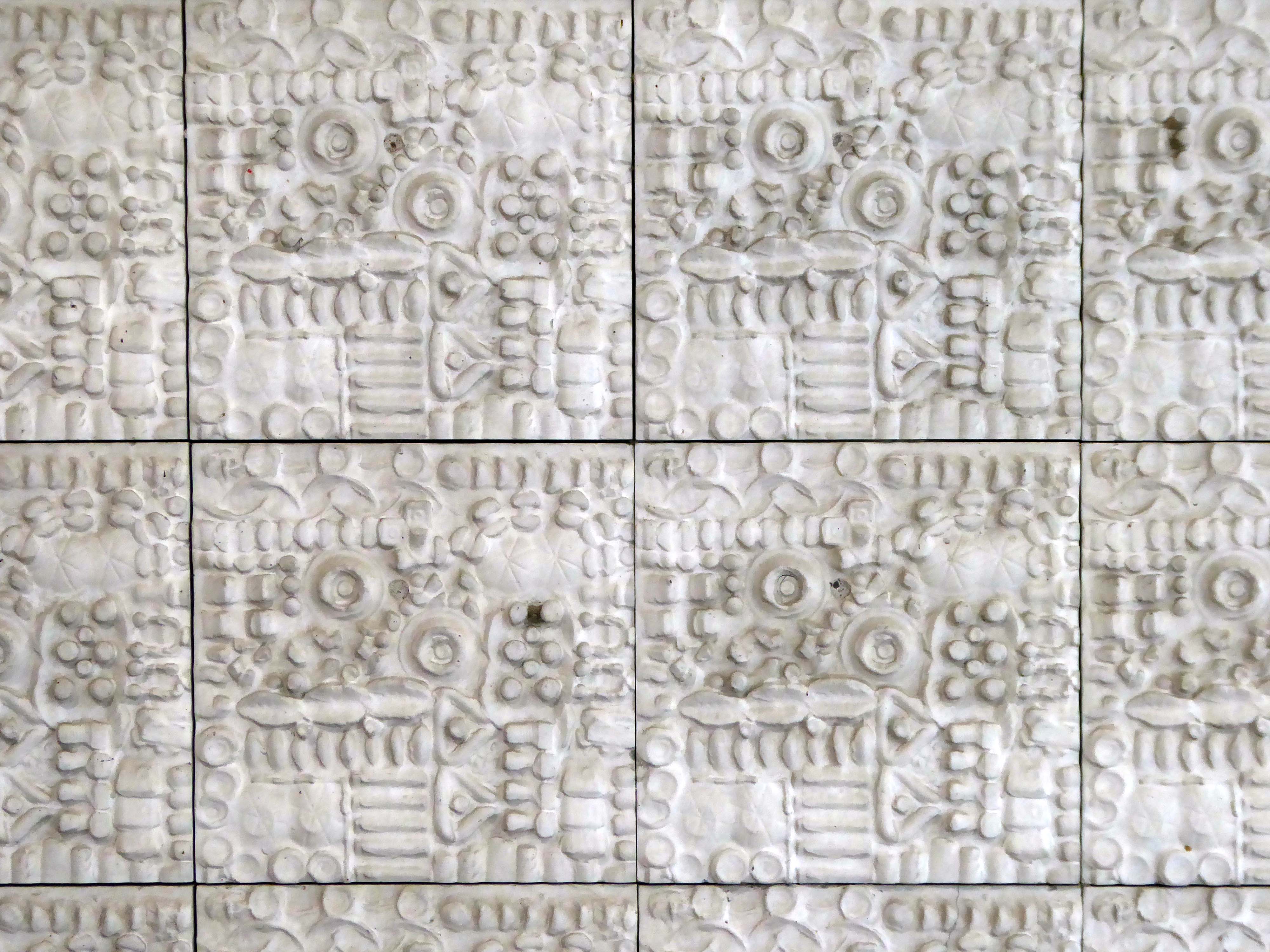
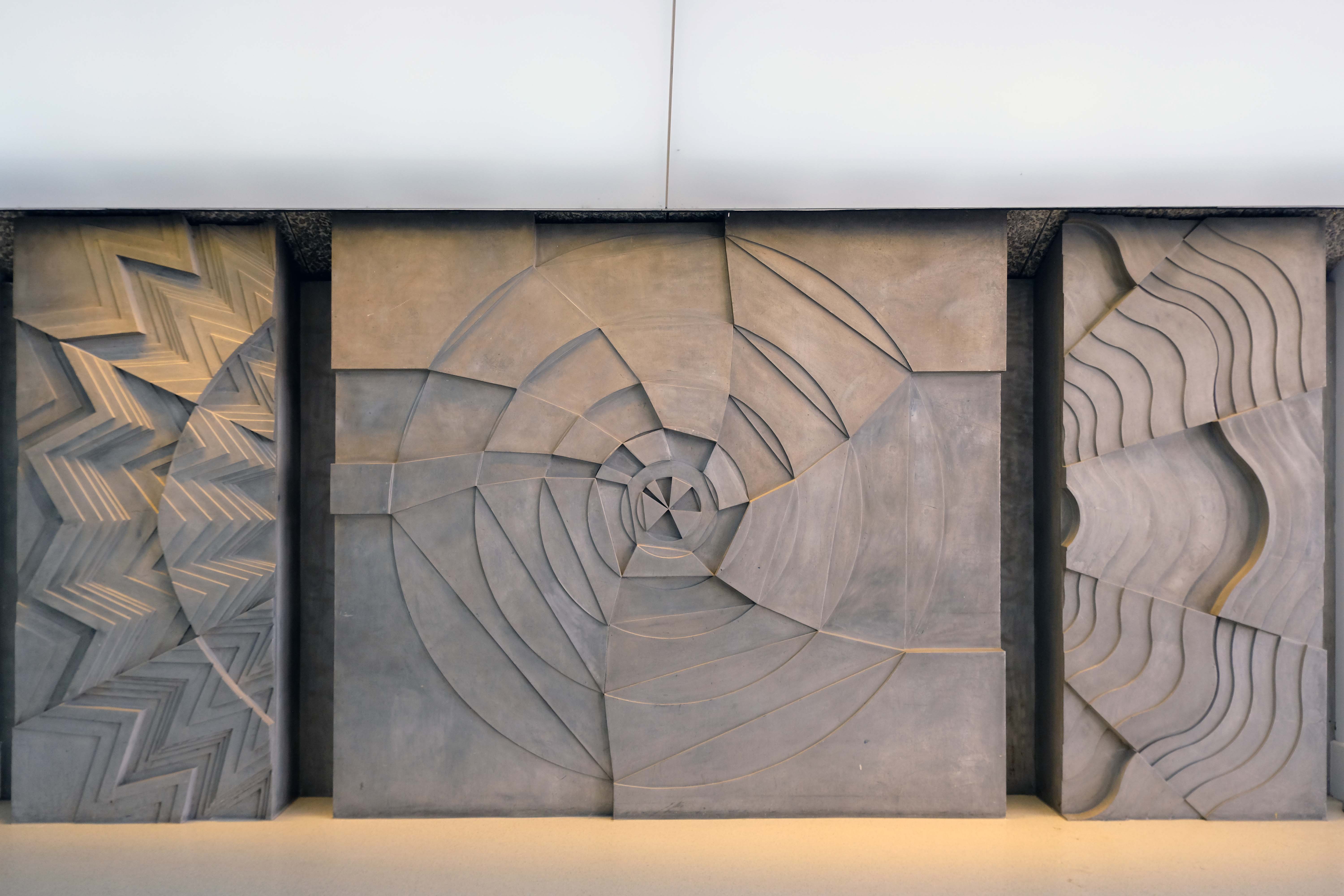
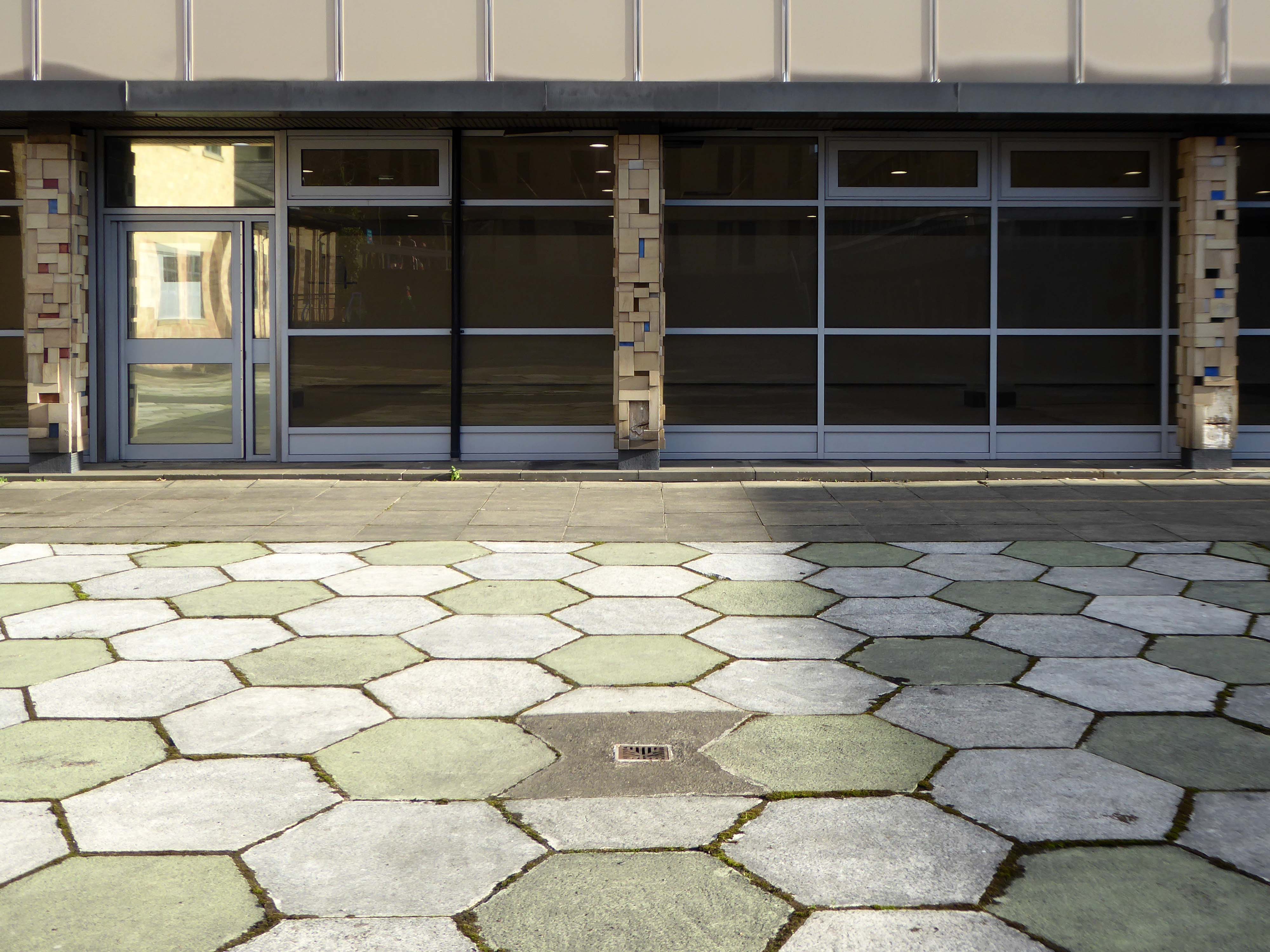
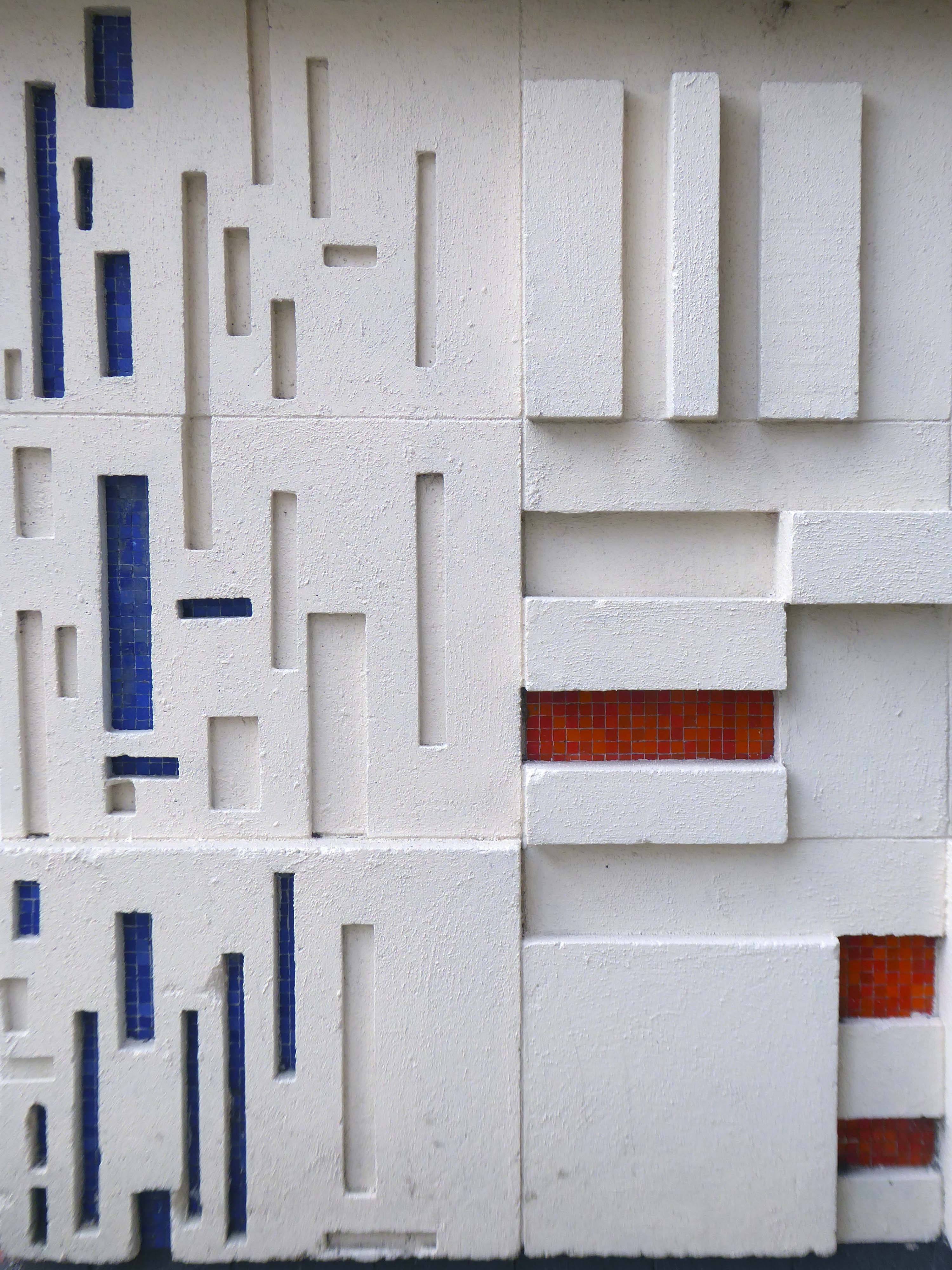
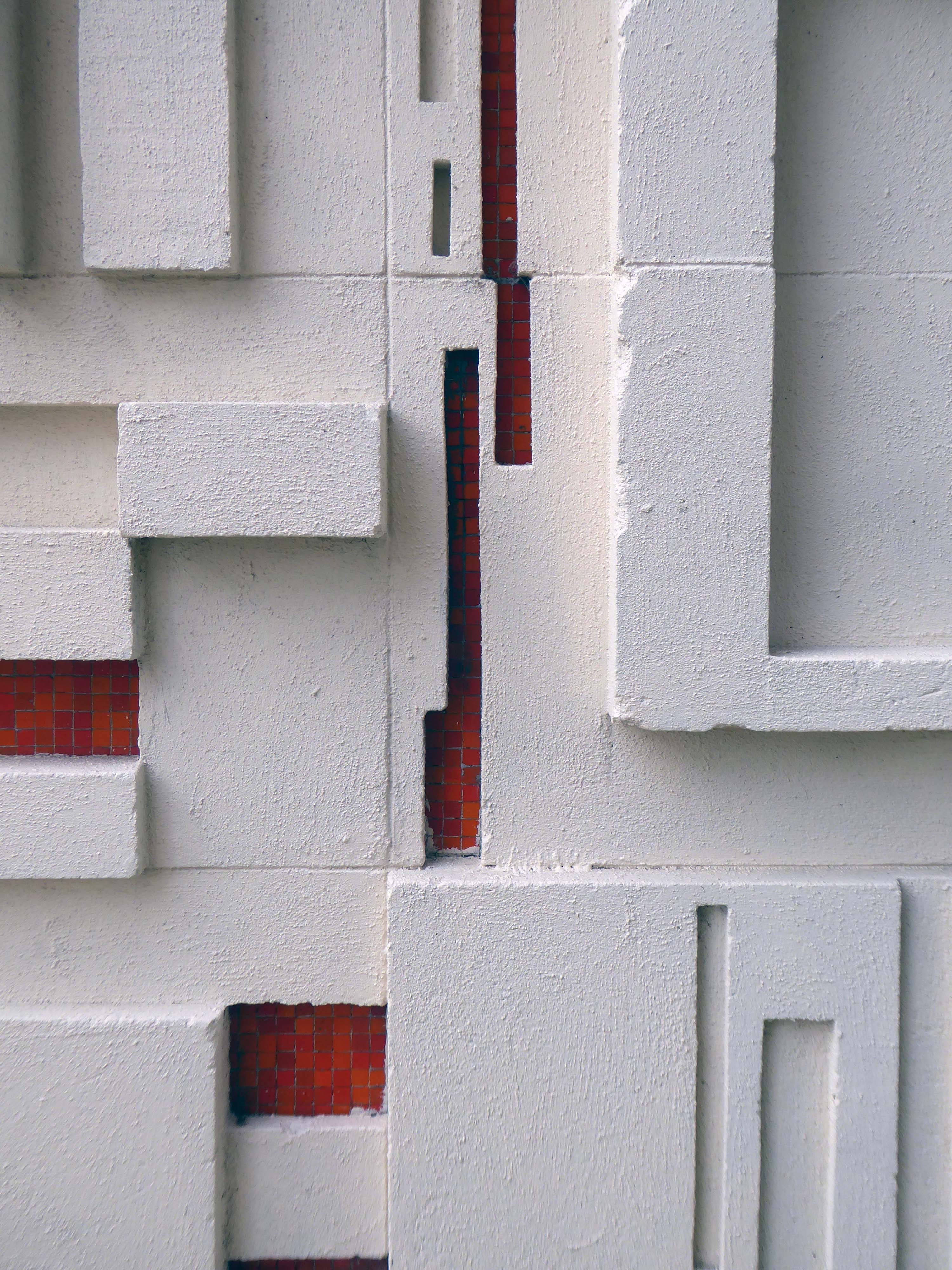
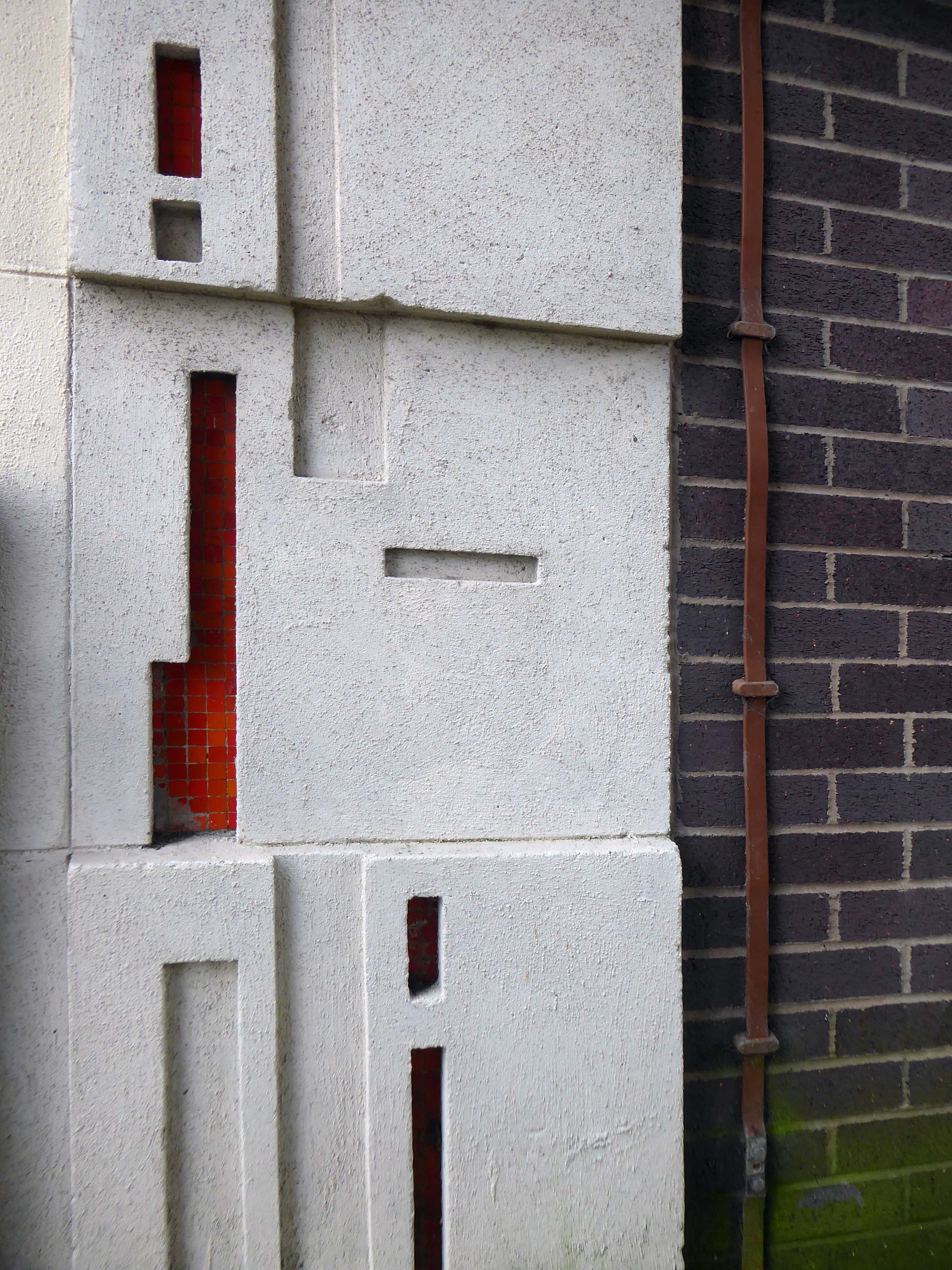
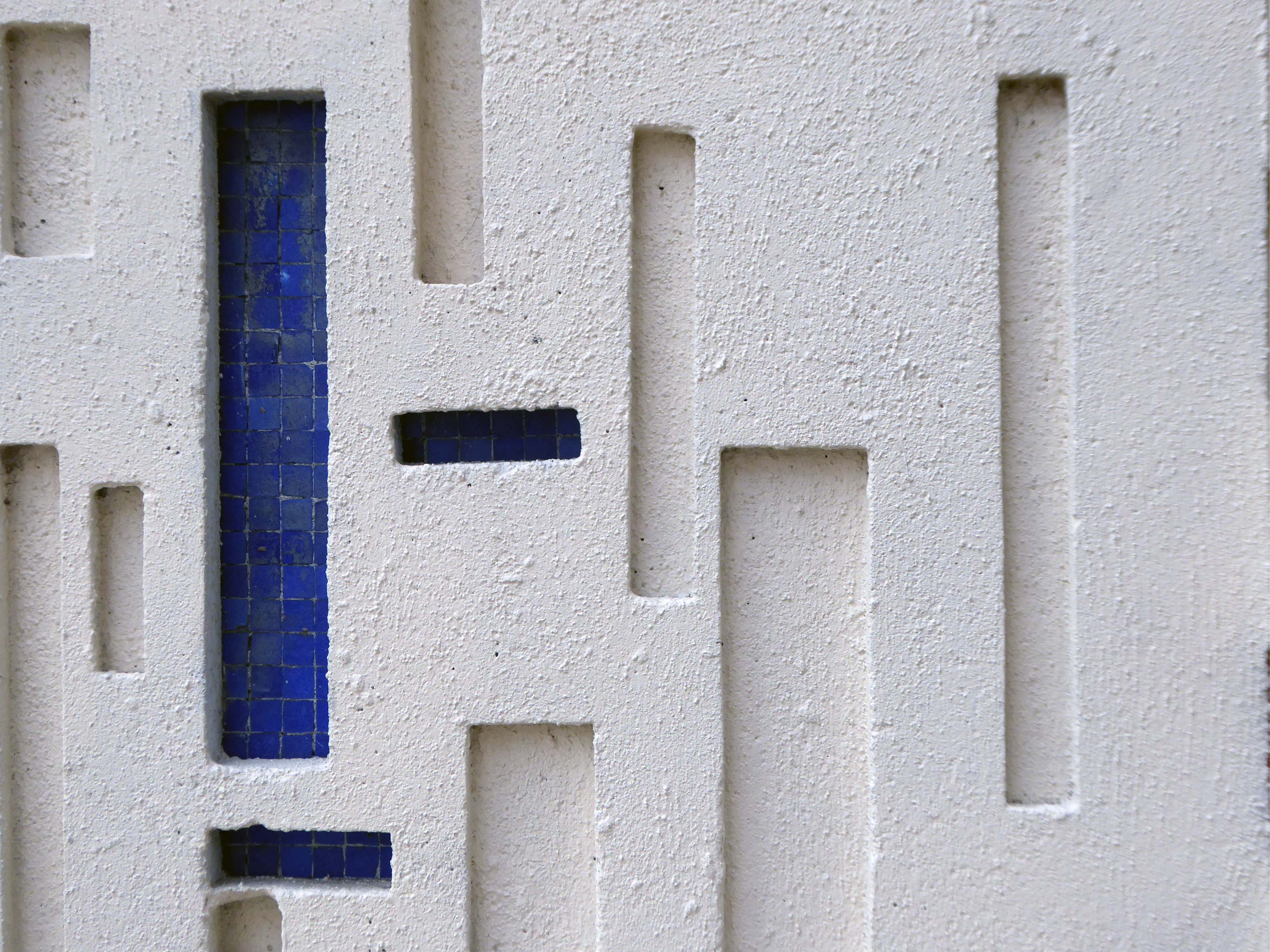
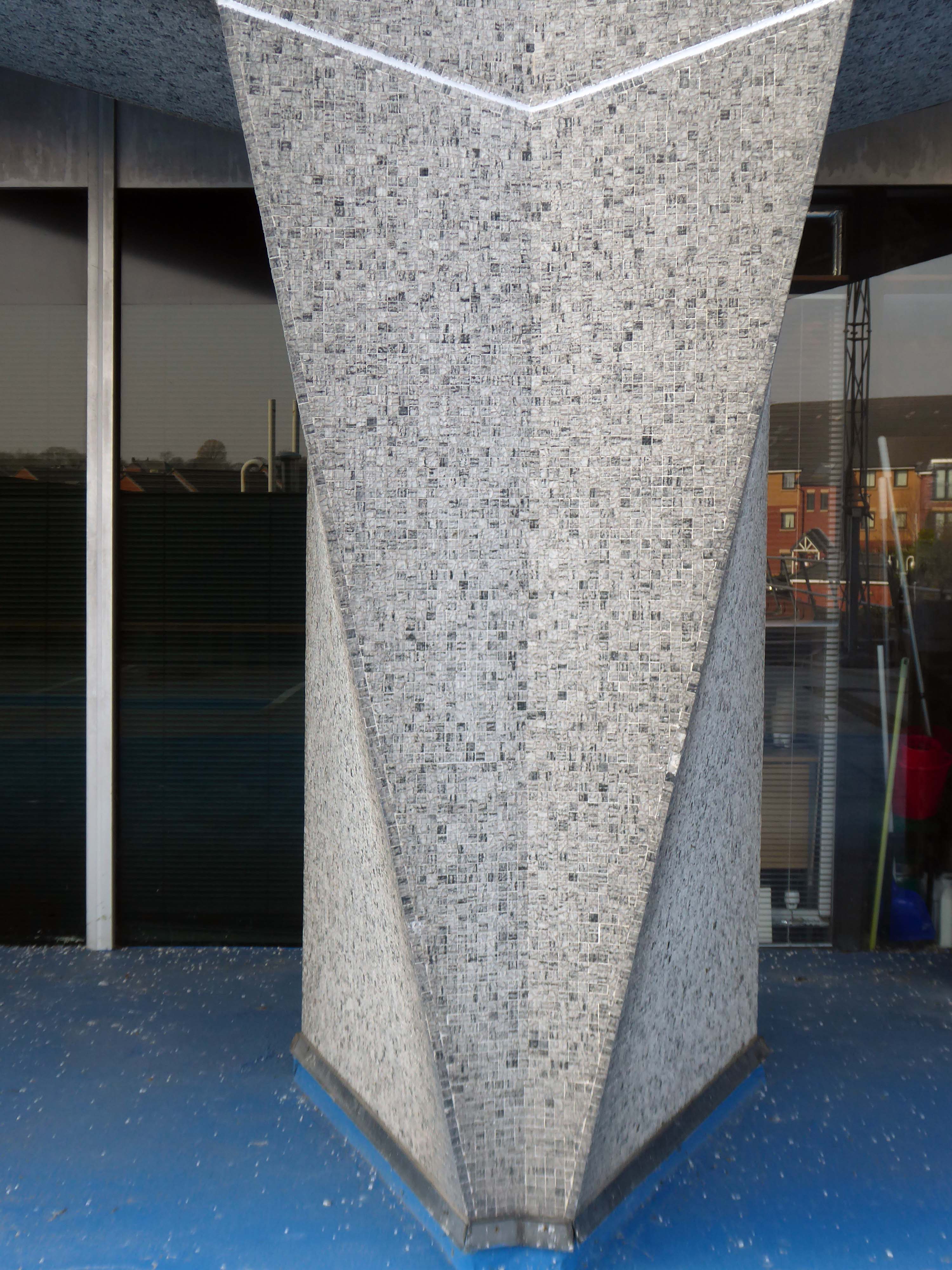
Walking excitedly toward the Exsilite panels set in the stone faced columns – a brand name for a synthetic, moulded, artificial marble.

Magistrates Courts

Police Station

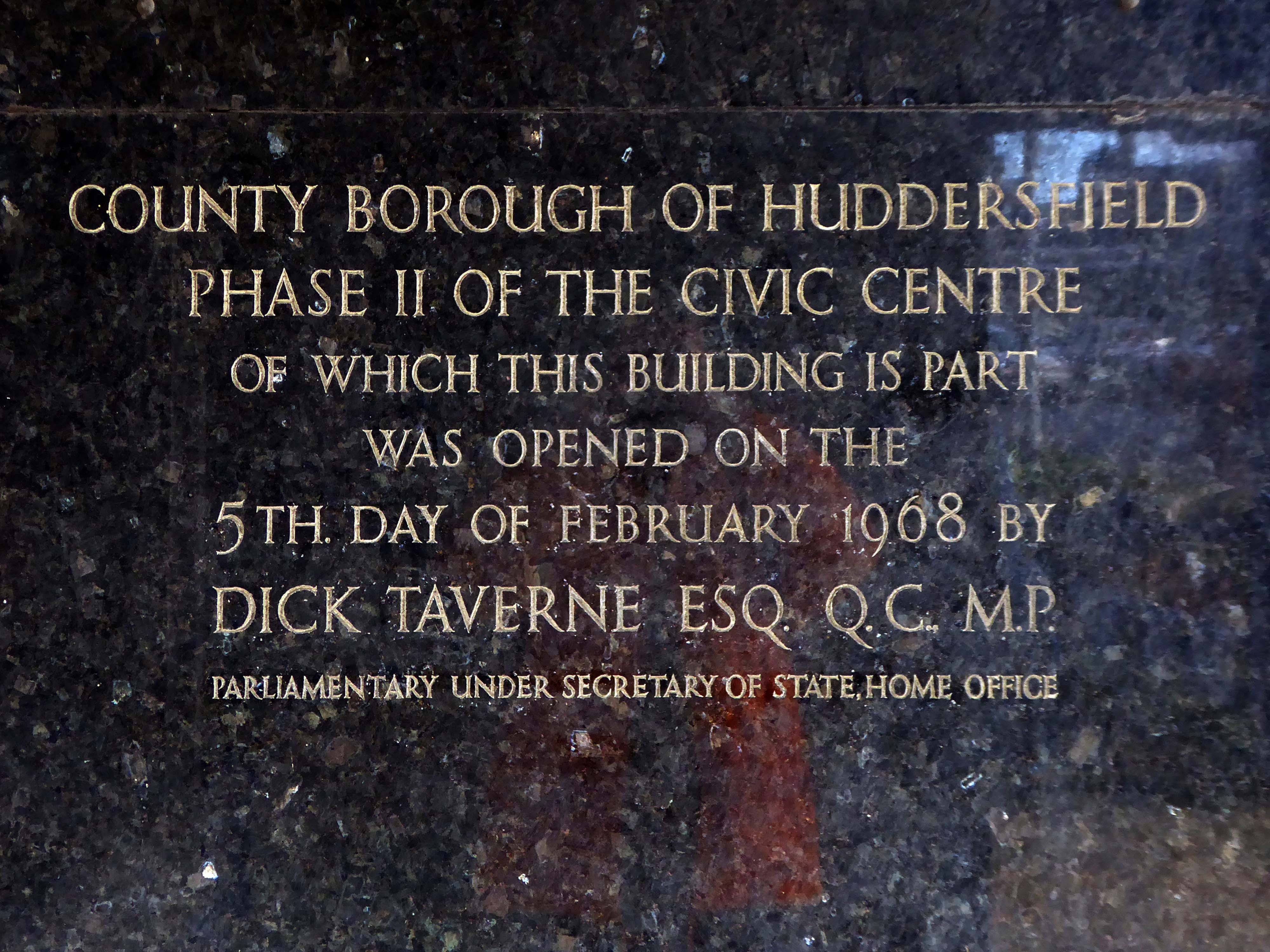
Dick Taverne served under Harold Wilson’s premiership in the 1960s, he served as a Home Office Minister from 1966 to 1968, Minister of State at the Treasury from 1968 to 1969 and then as Financial Secretary to the Treasury from 1969 to 1970.

In 1970, he helped to launch the Institute for Fiscal Studies, now an influential independent think tank and was the first Director, later chairman.

Wikipedia

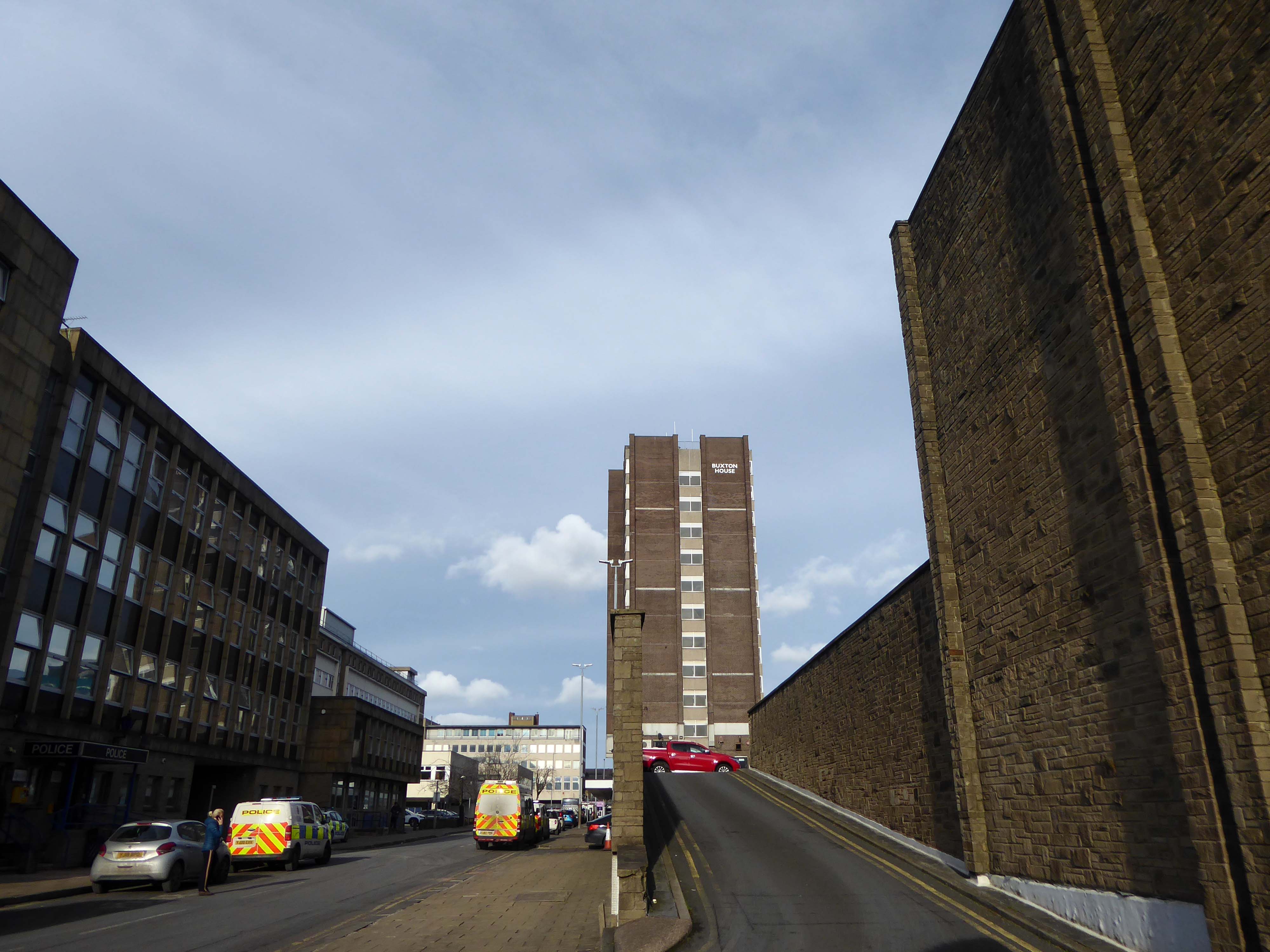
A view up the road to Buxton House – Contractor J Gerrard.

J Gerrard & Sons Ltd’s tender for the contract was £146,210. 

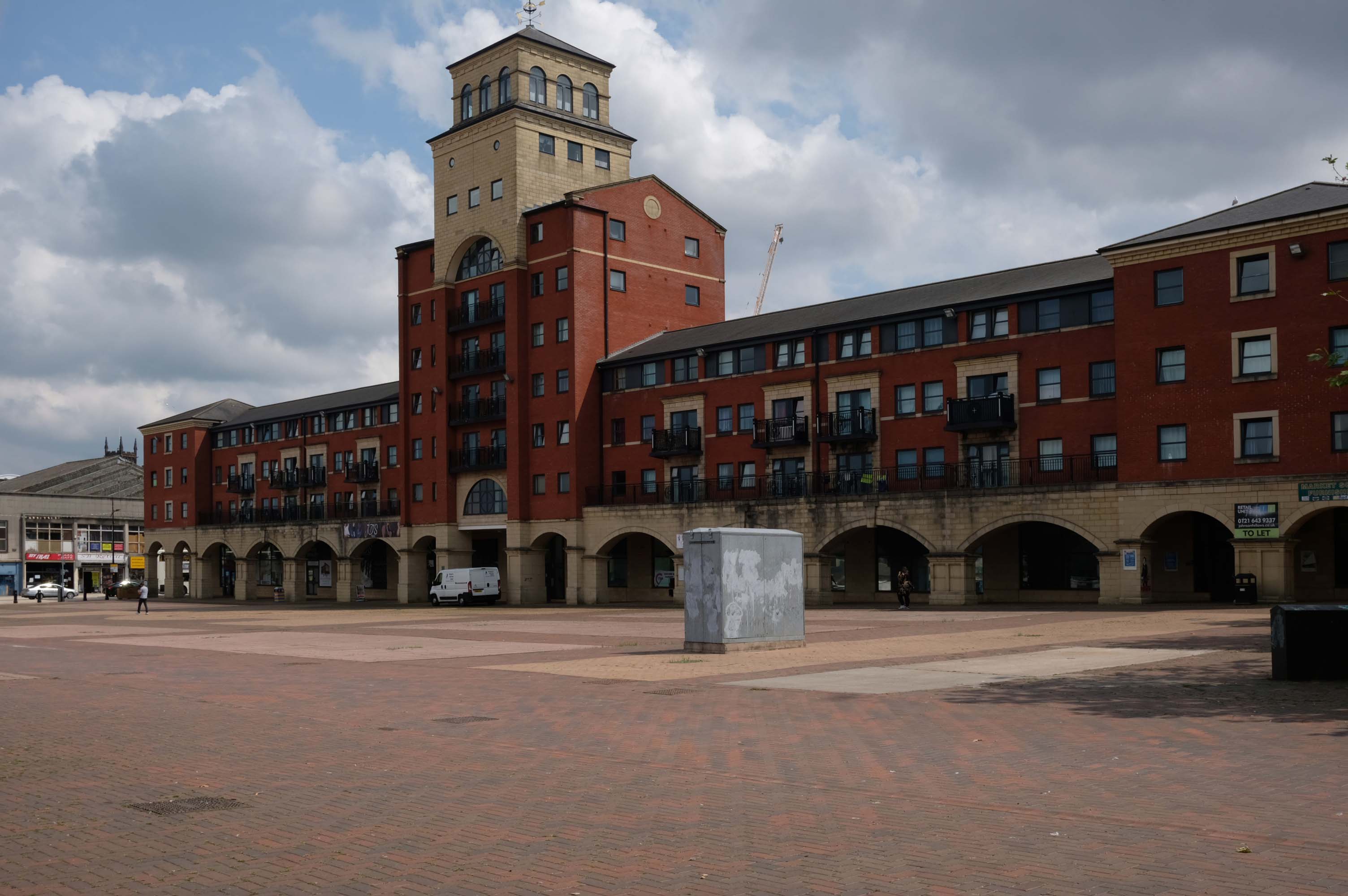
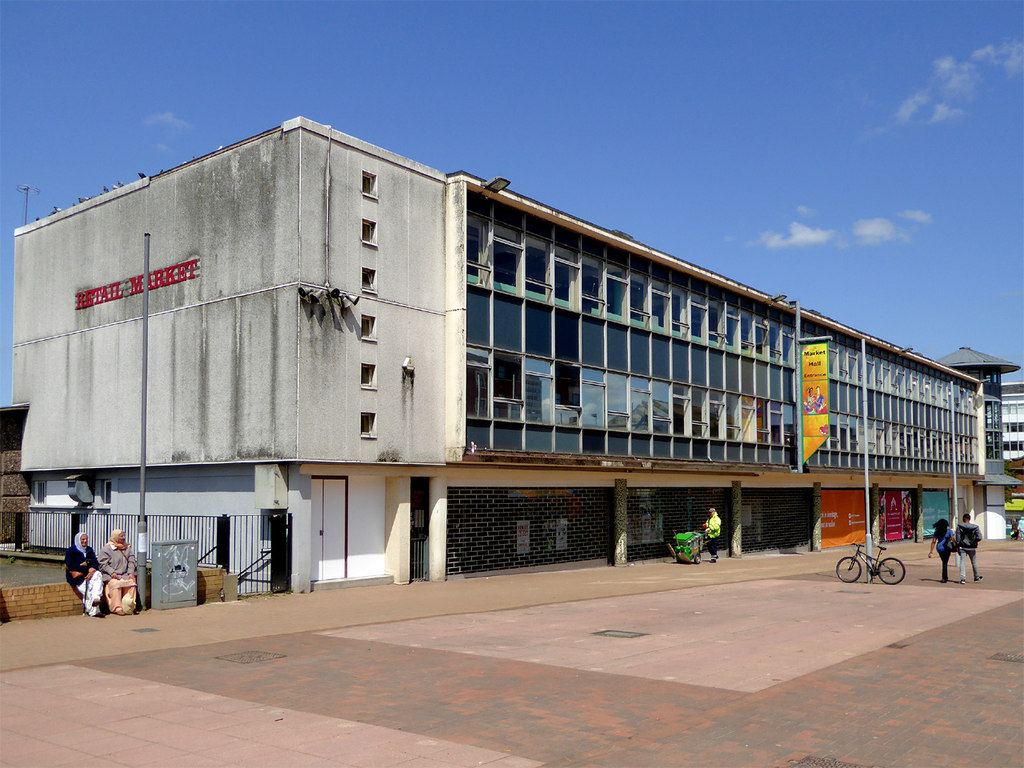
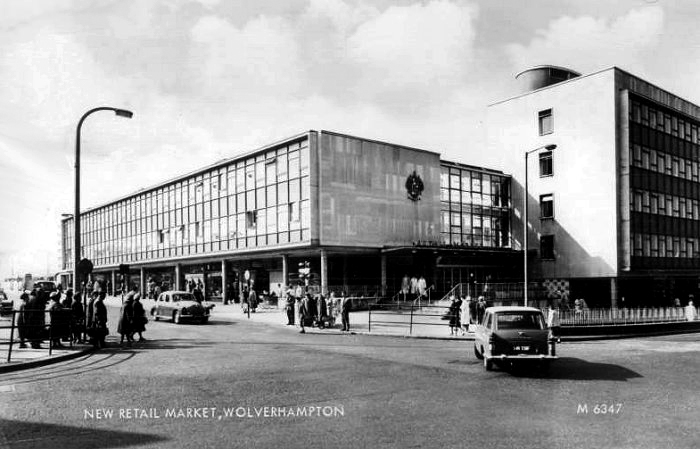
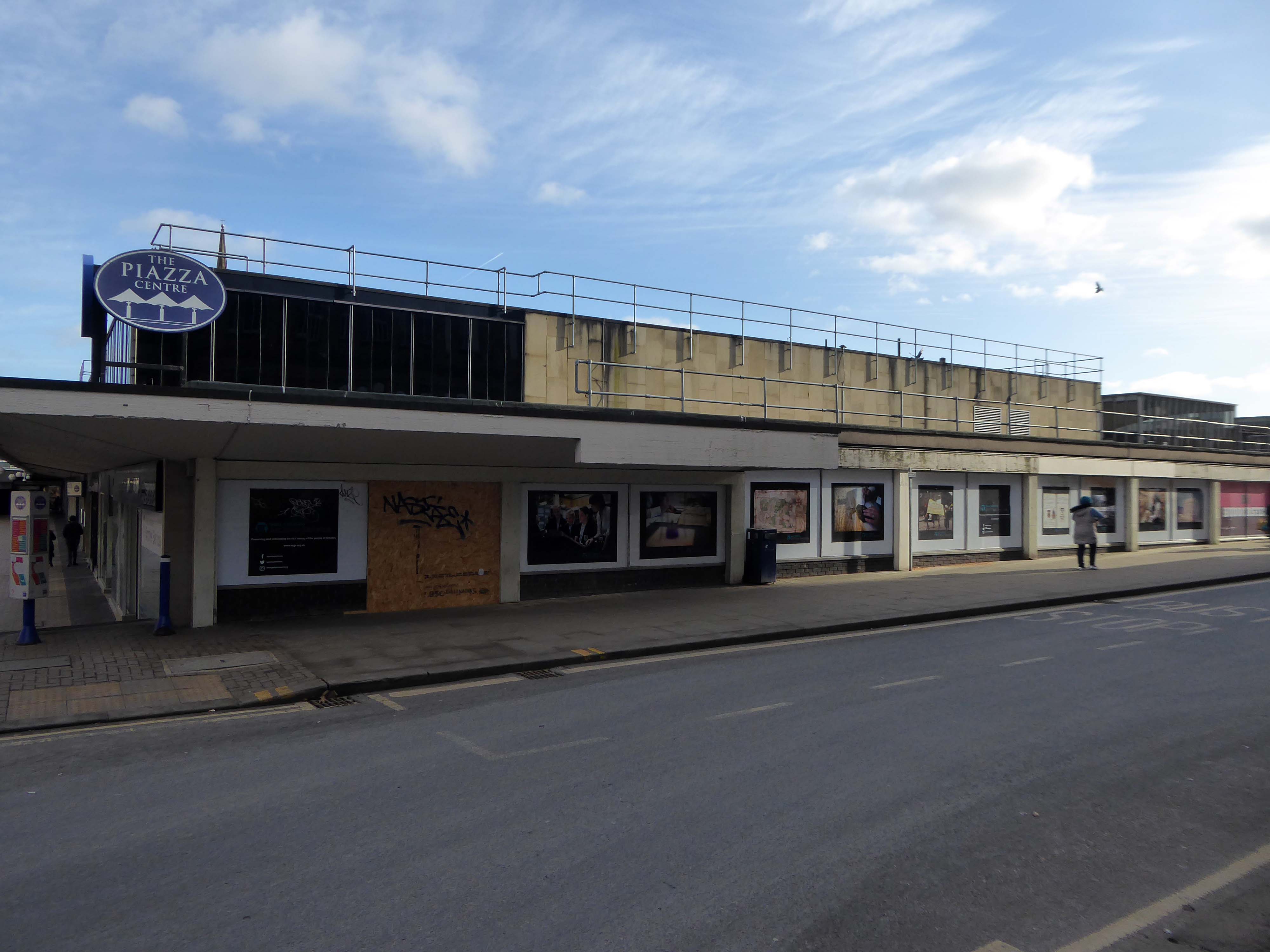
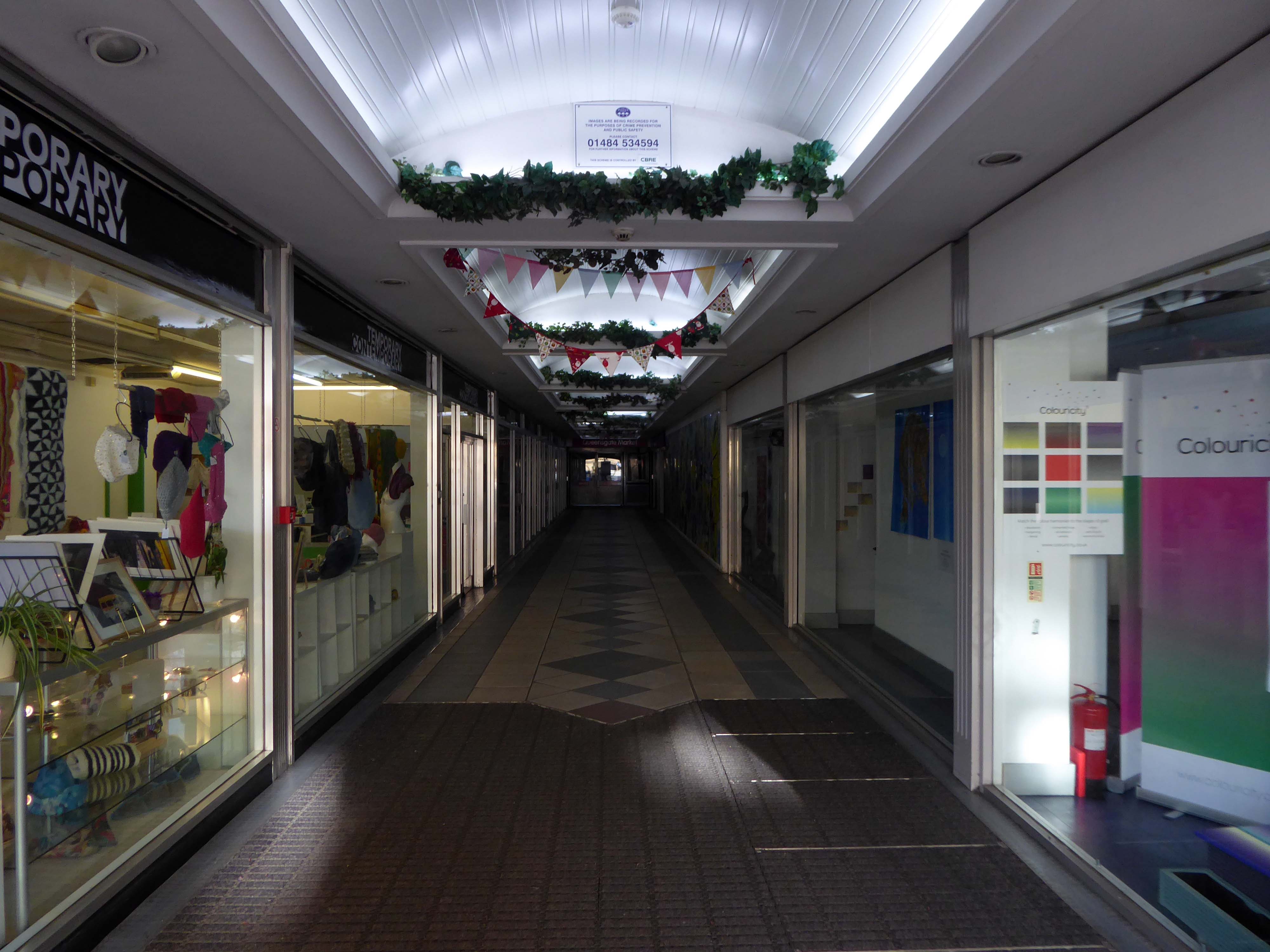
The Queensgate Market and Piazza Centre is at the heart of redevelopment plans.

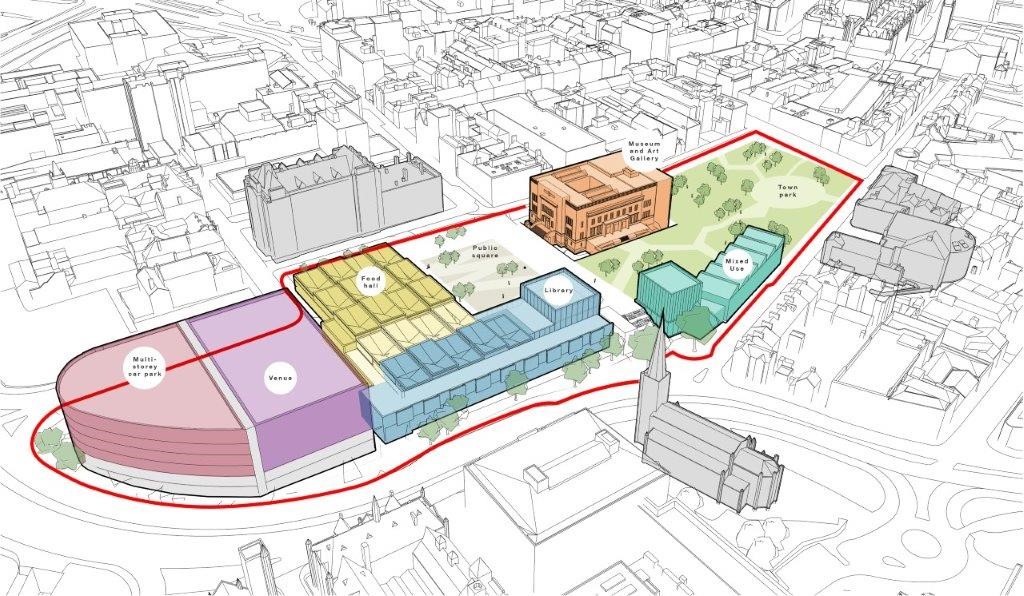
The vision is to create an inclusive space where families, residents and visitors can enjoy a vibrant mix of music, arts, food and more in one central area, overlooking a stunning new urban park.

Kirklees Together

The Market is currently closed.

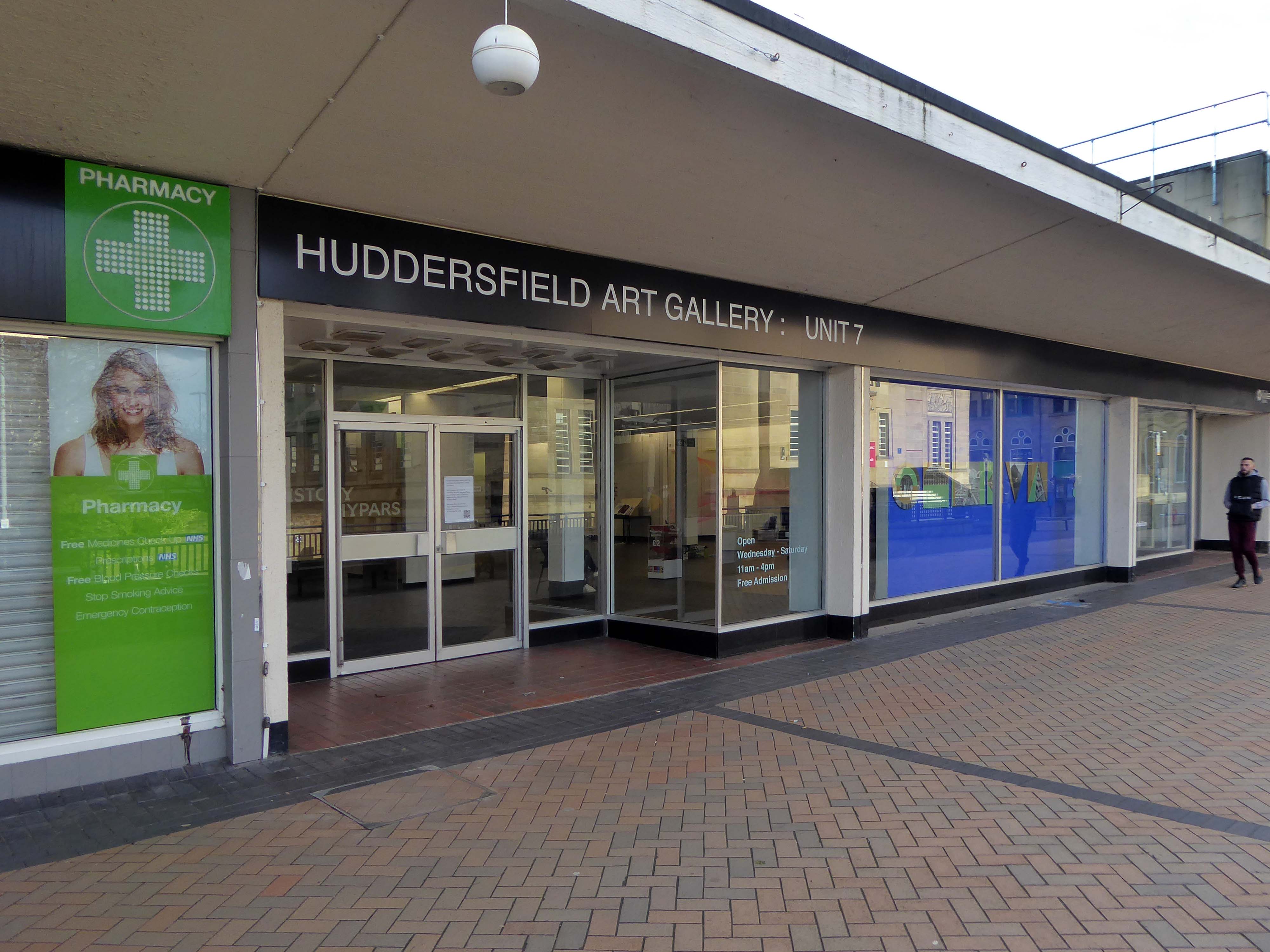
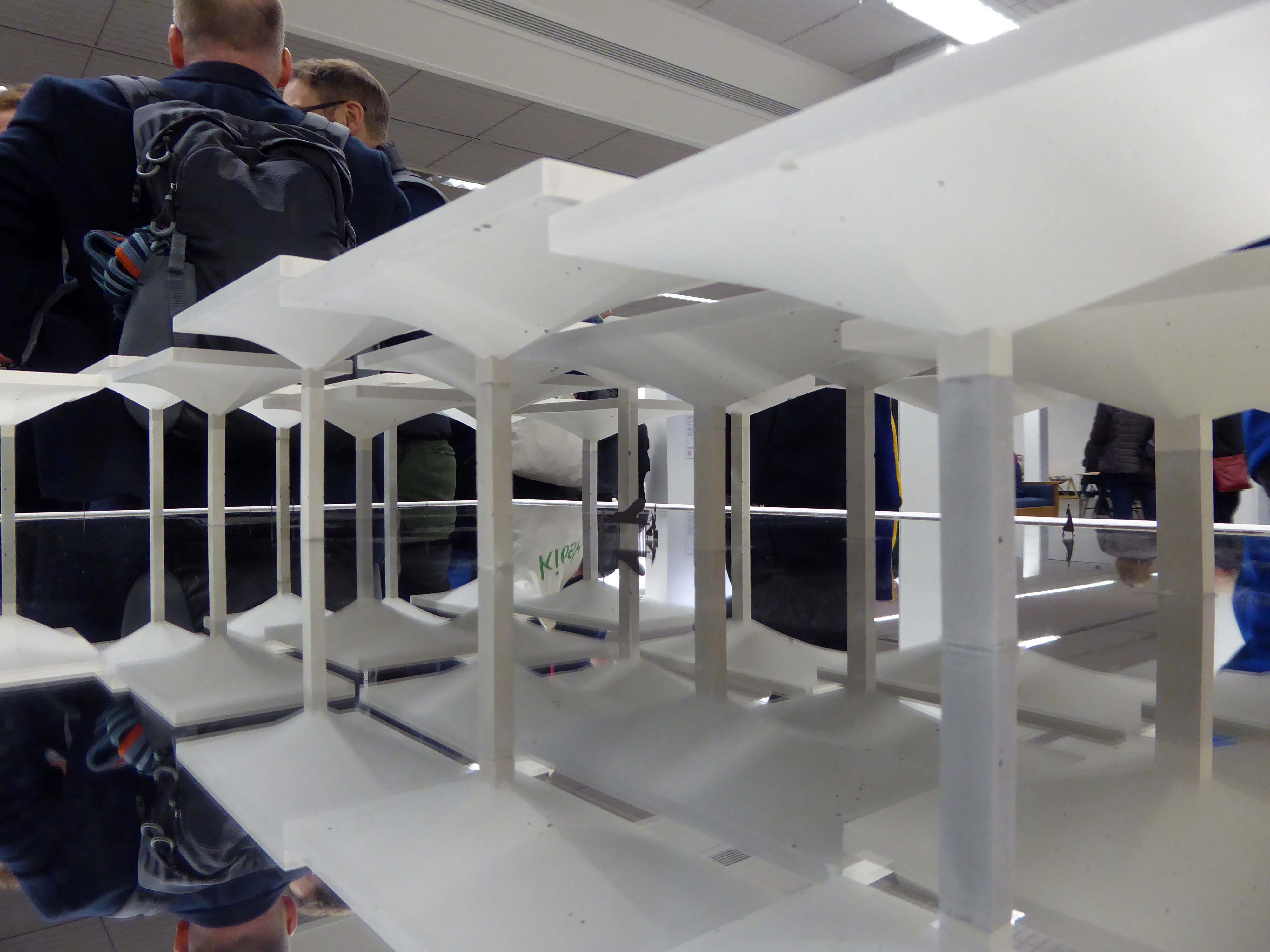
The Piazza repurposed – currently housing the regeneration exhibition.

The council plans to demolish the Piazza Centre and create a new events/live music venue, a food hall, a museum and art gallery, a new library and a new multi-storey car park, all centred around a new Town Park.

Huddersfield Hub

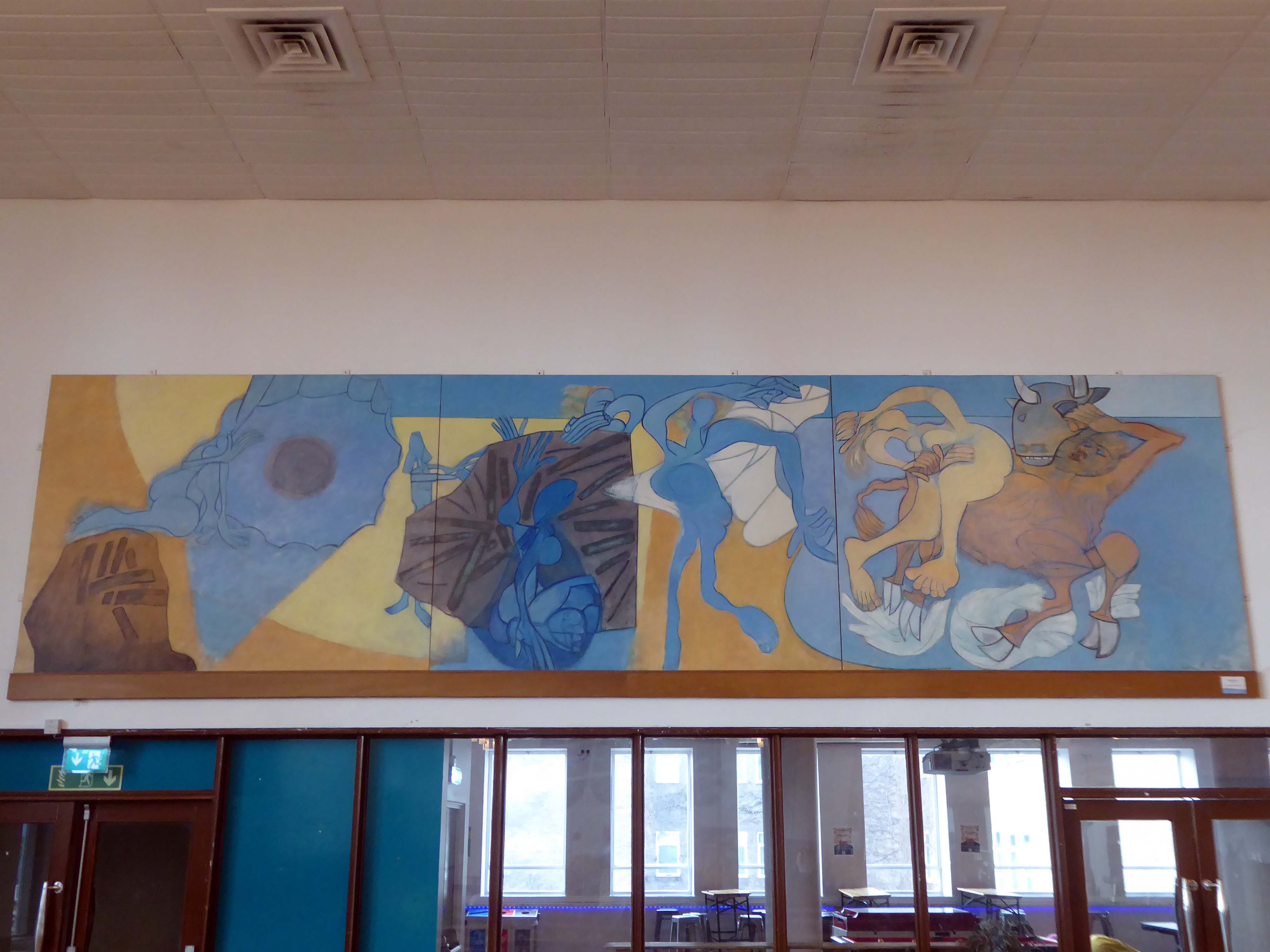
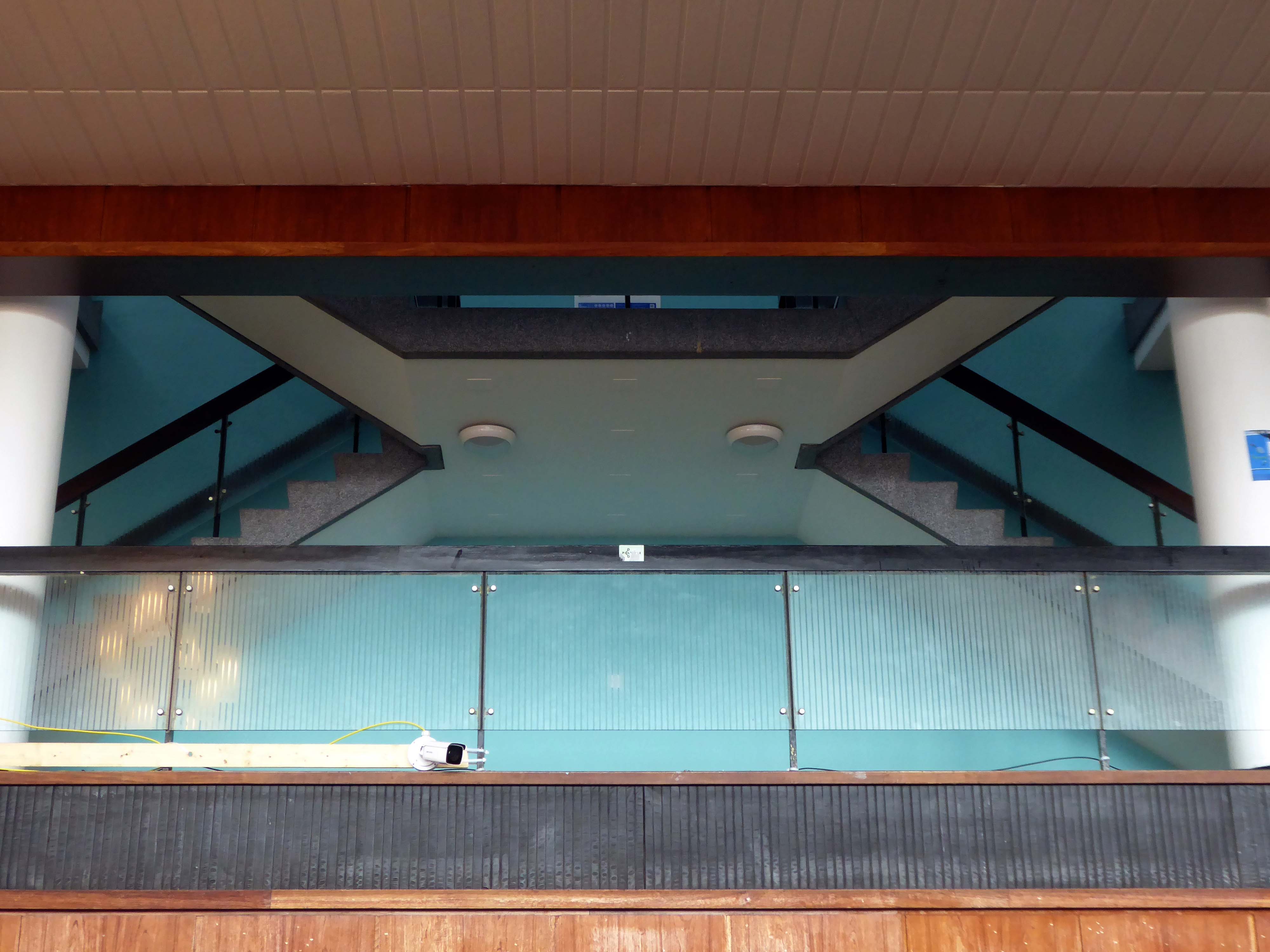
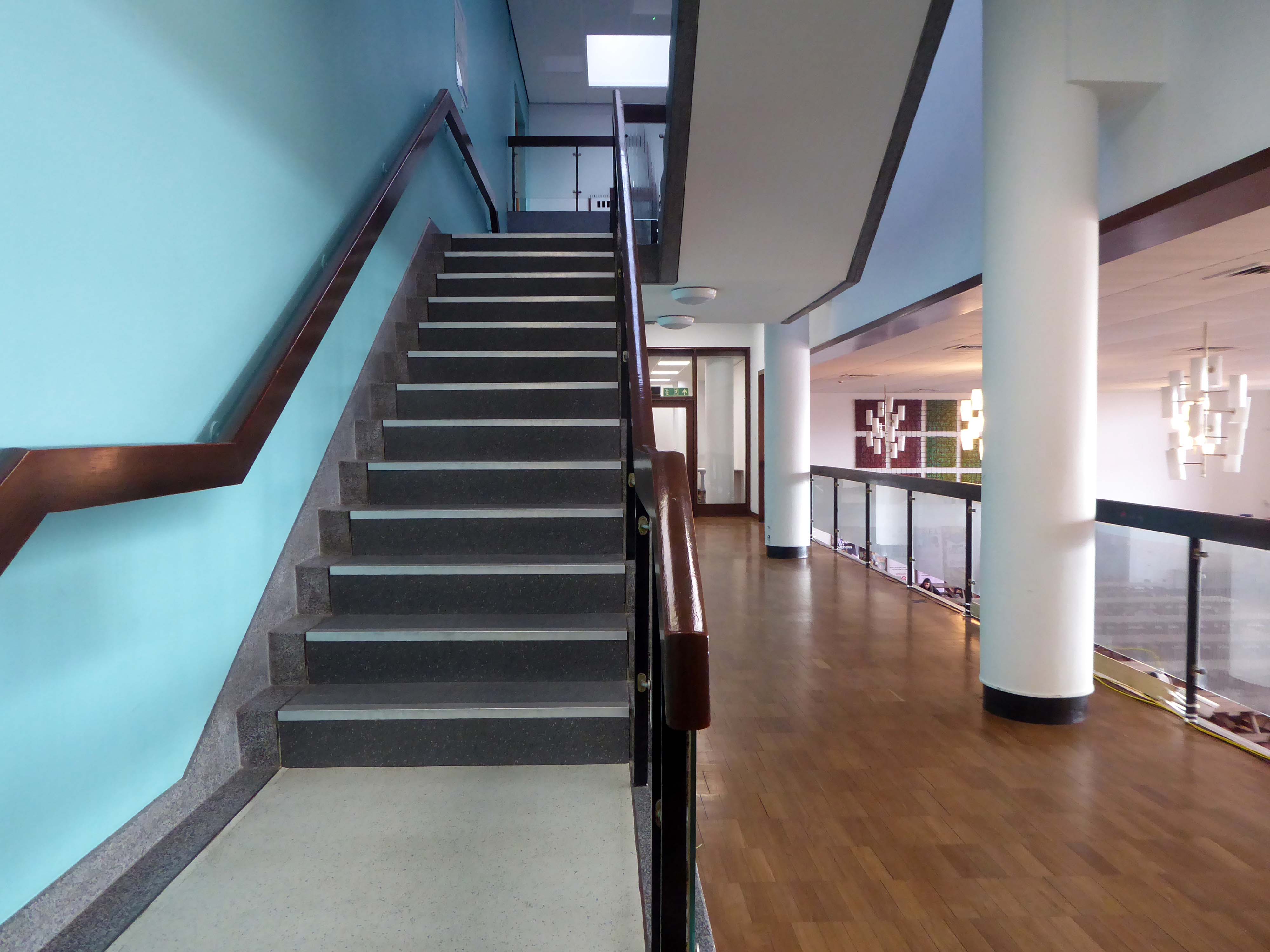
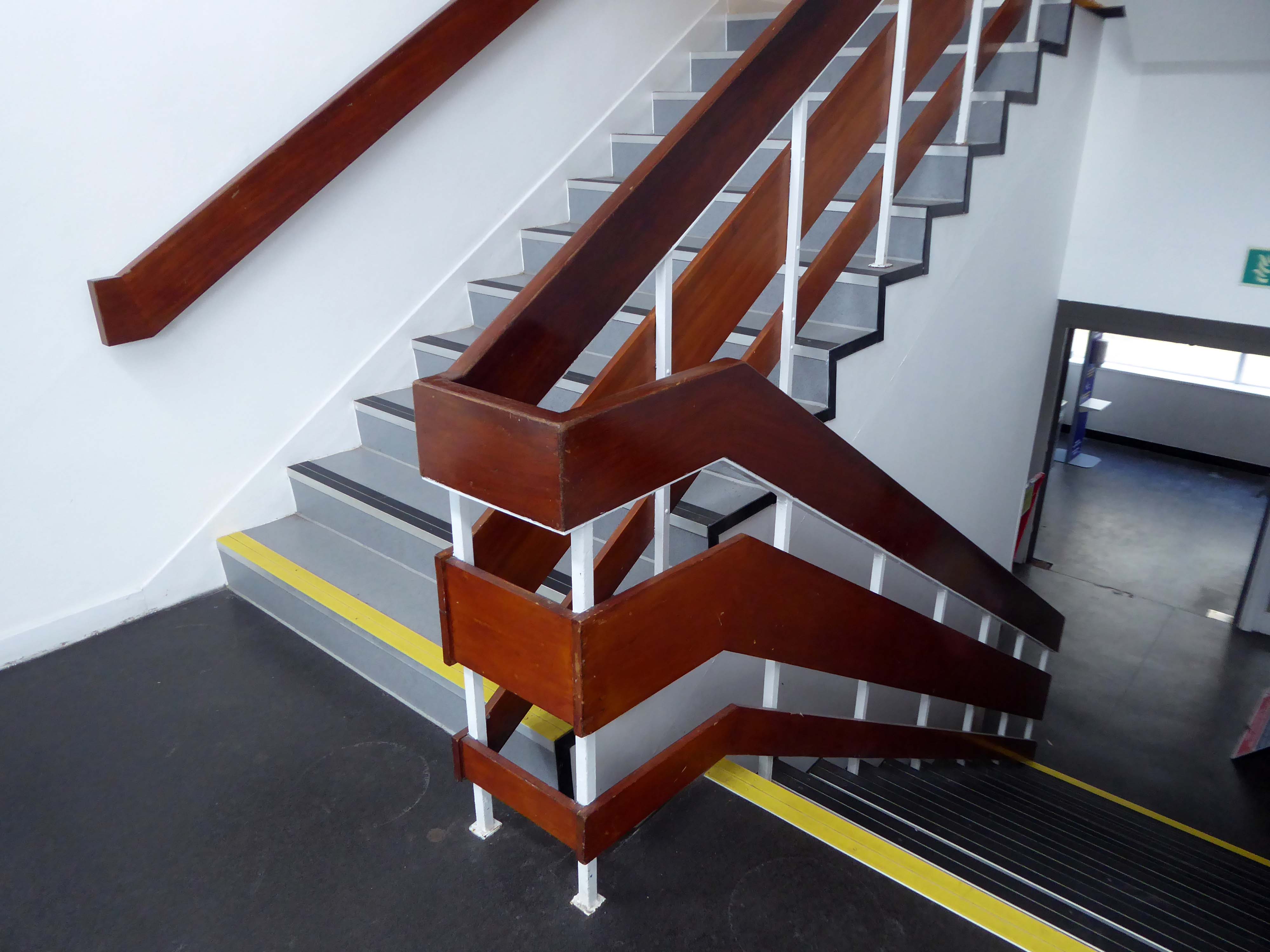
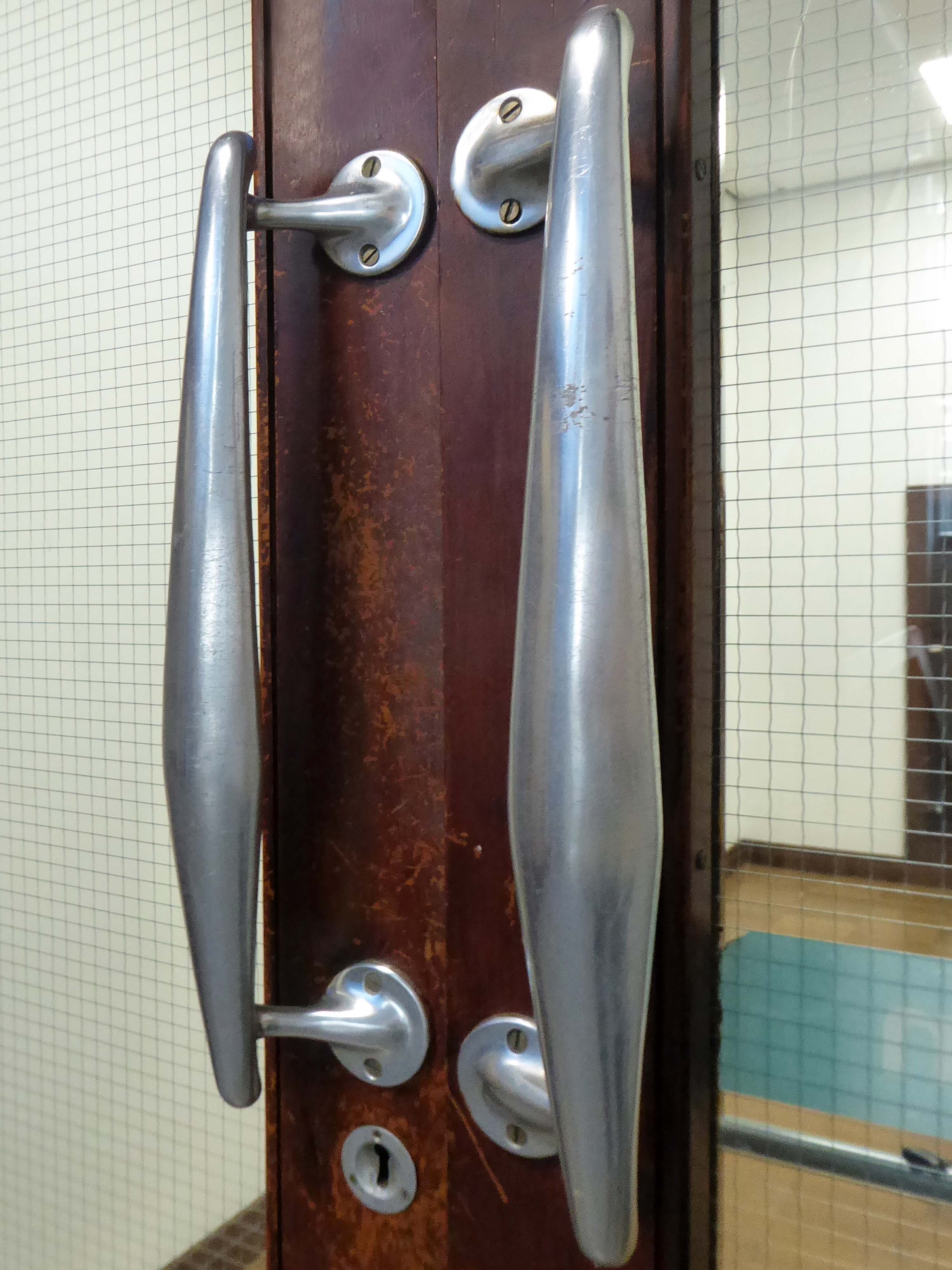
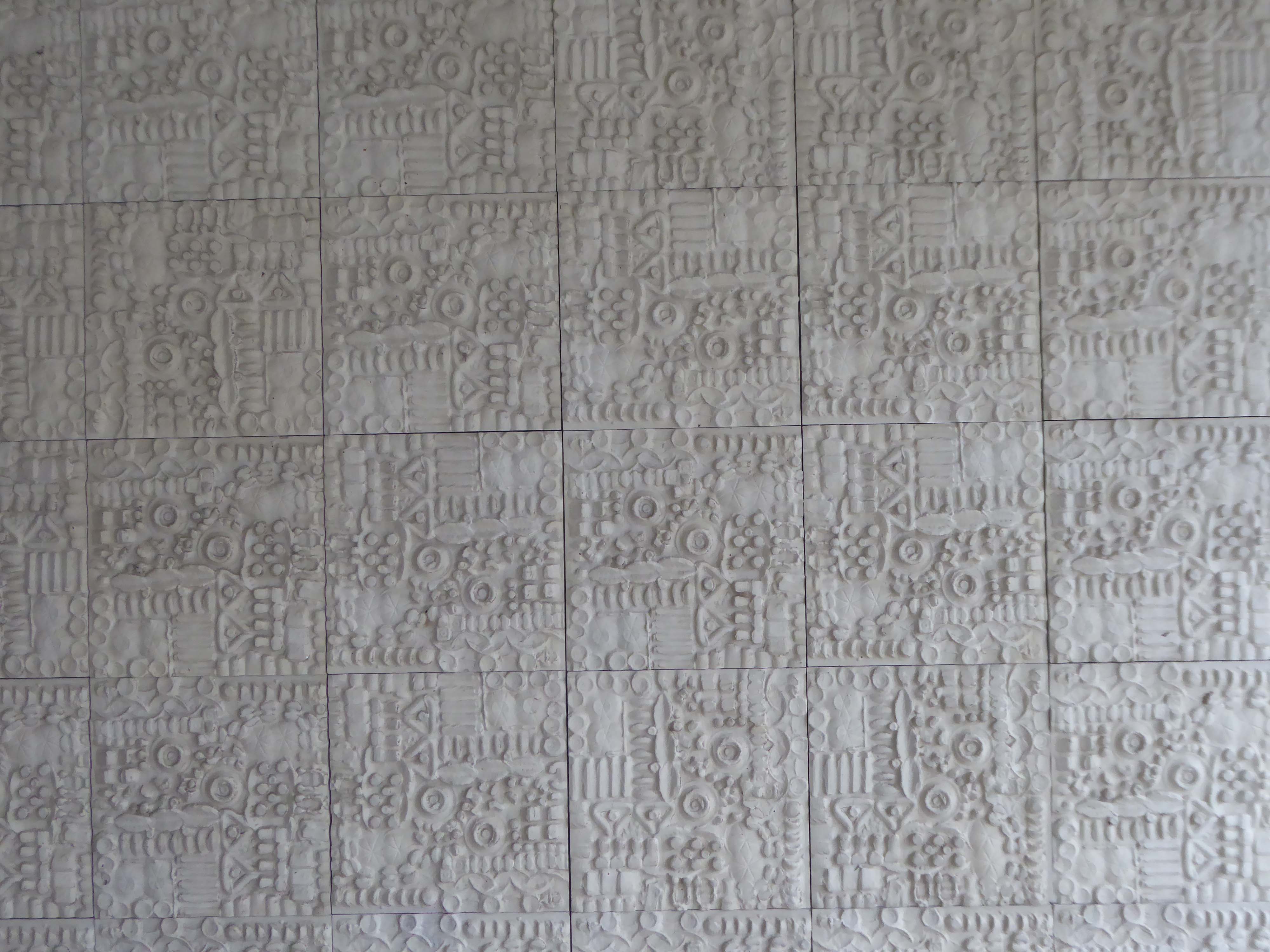
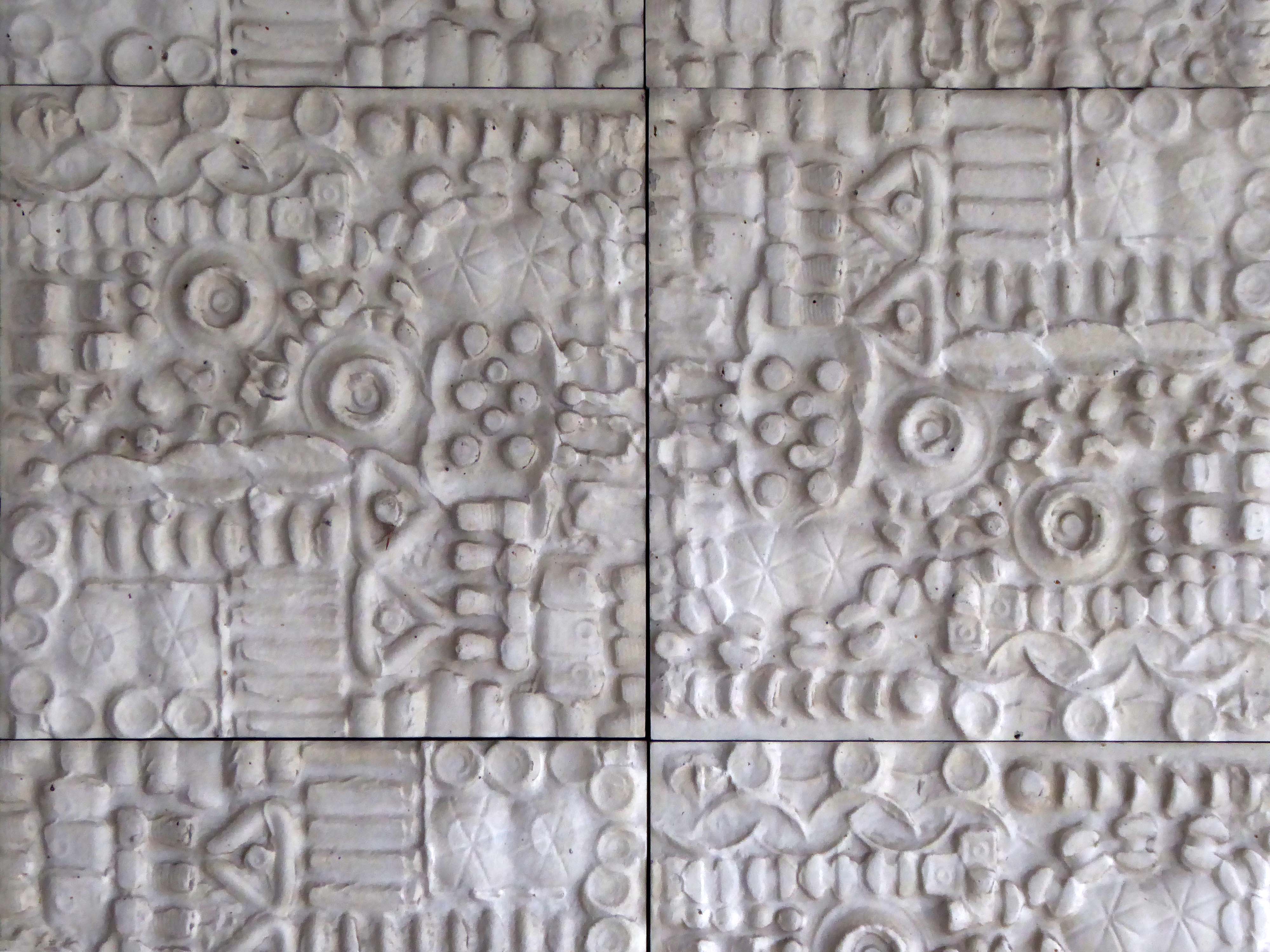
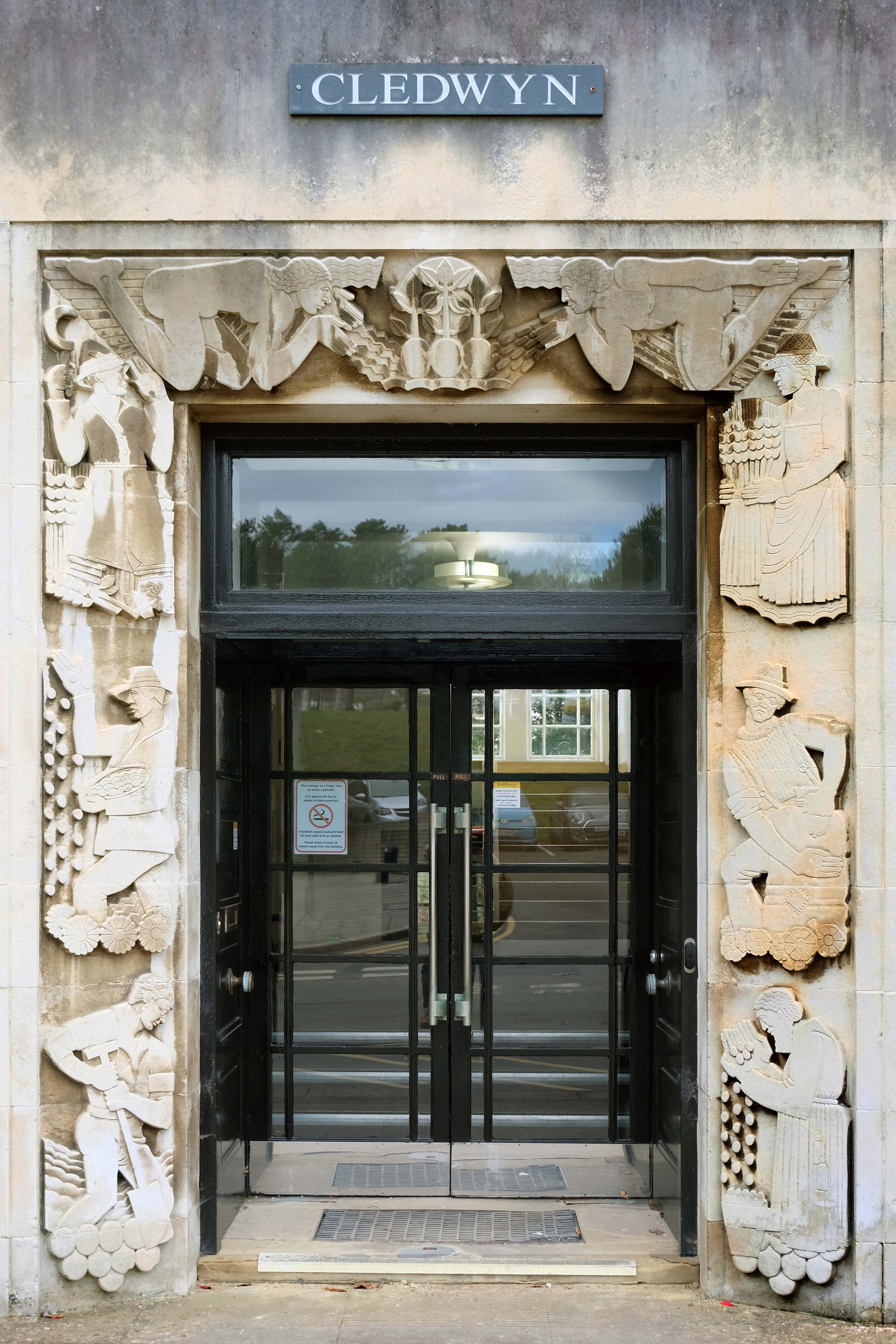
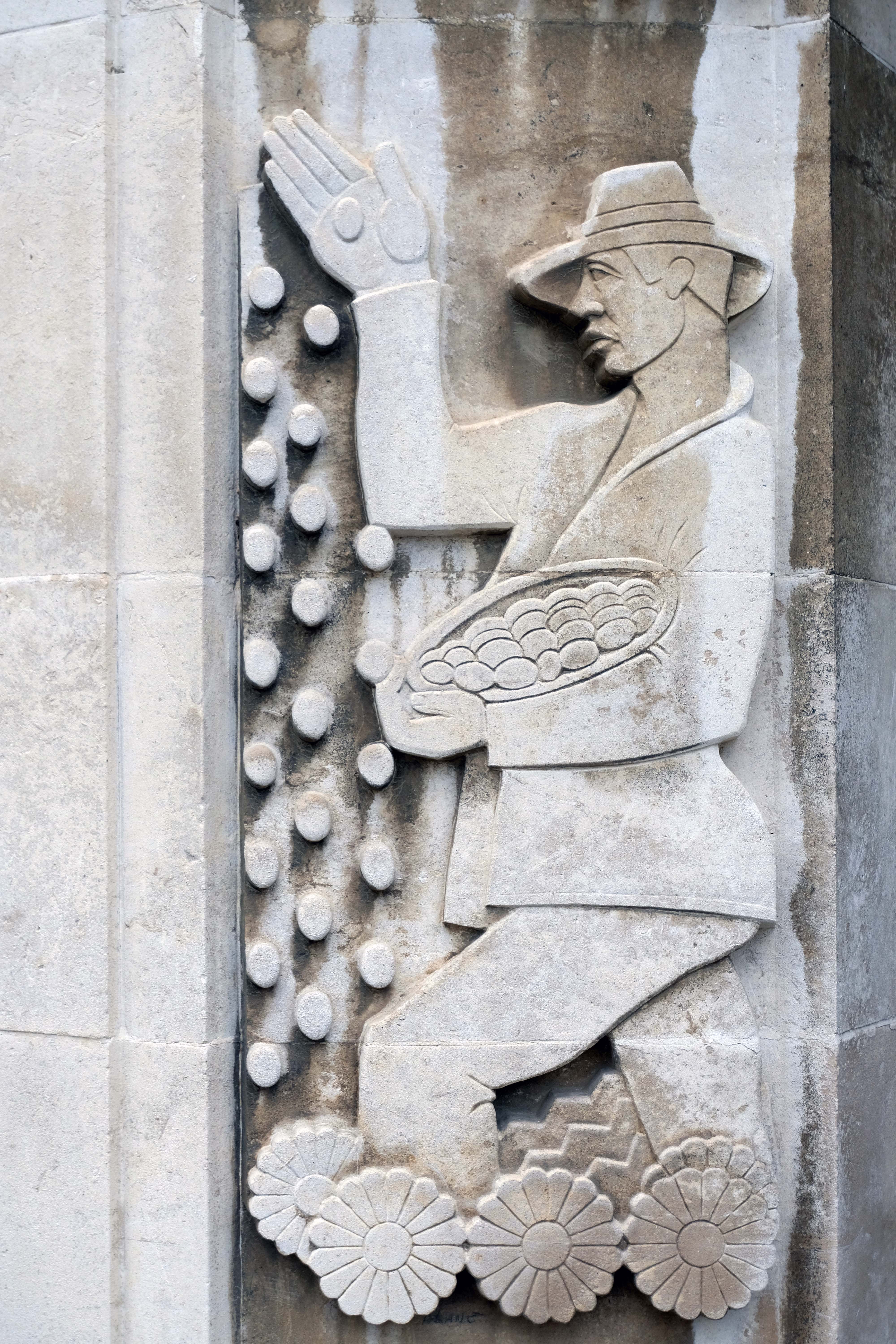
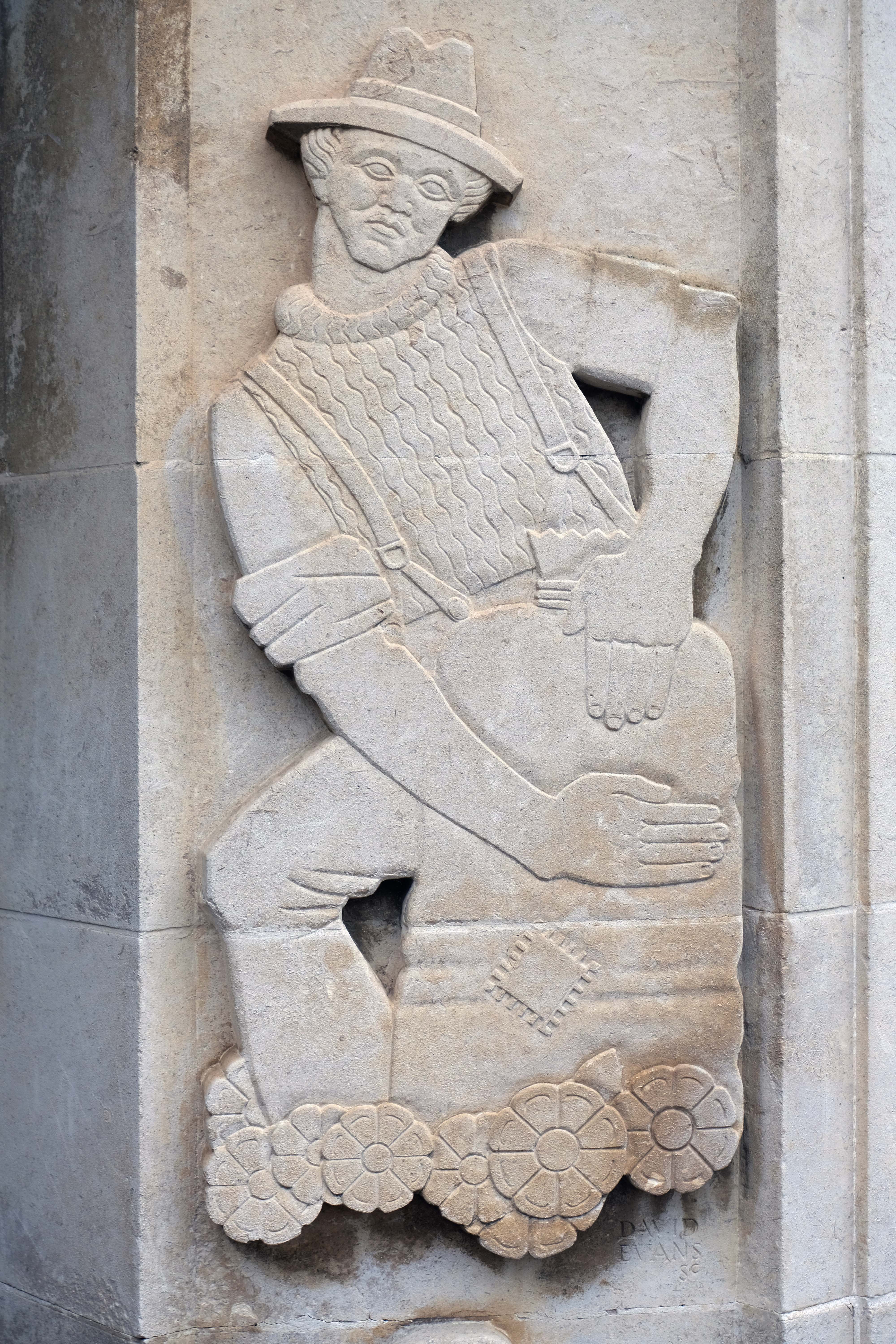
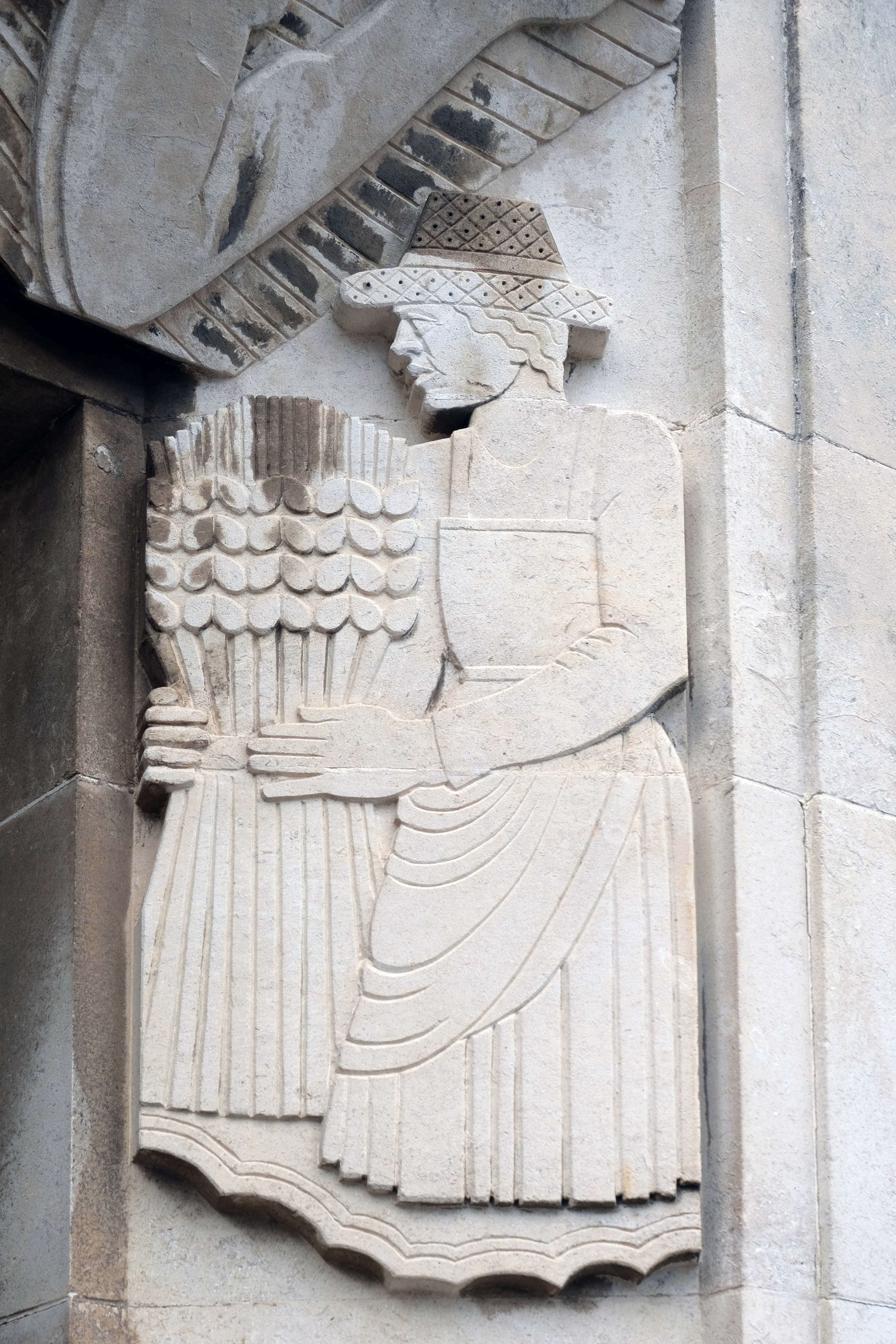
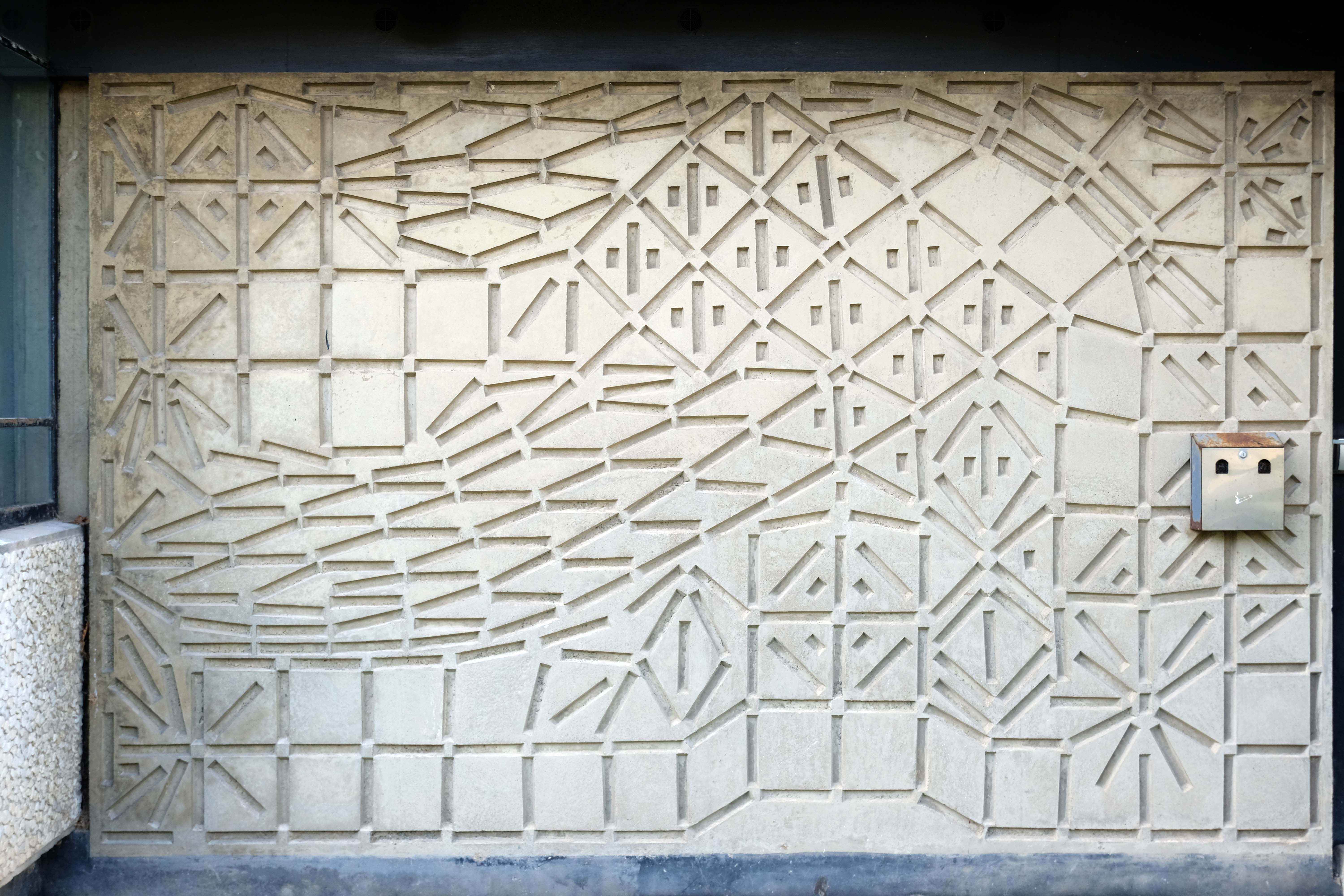
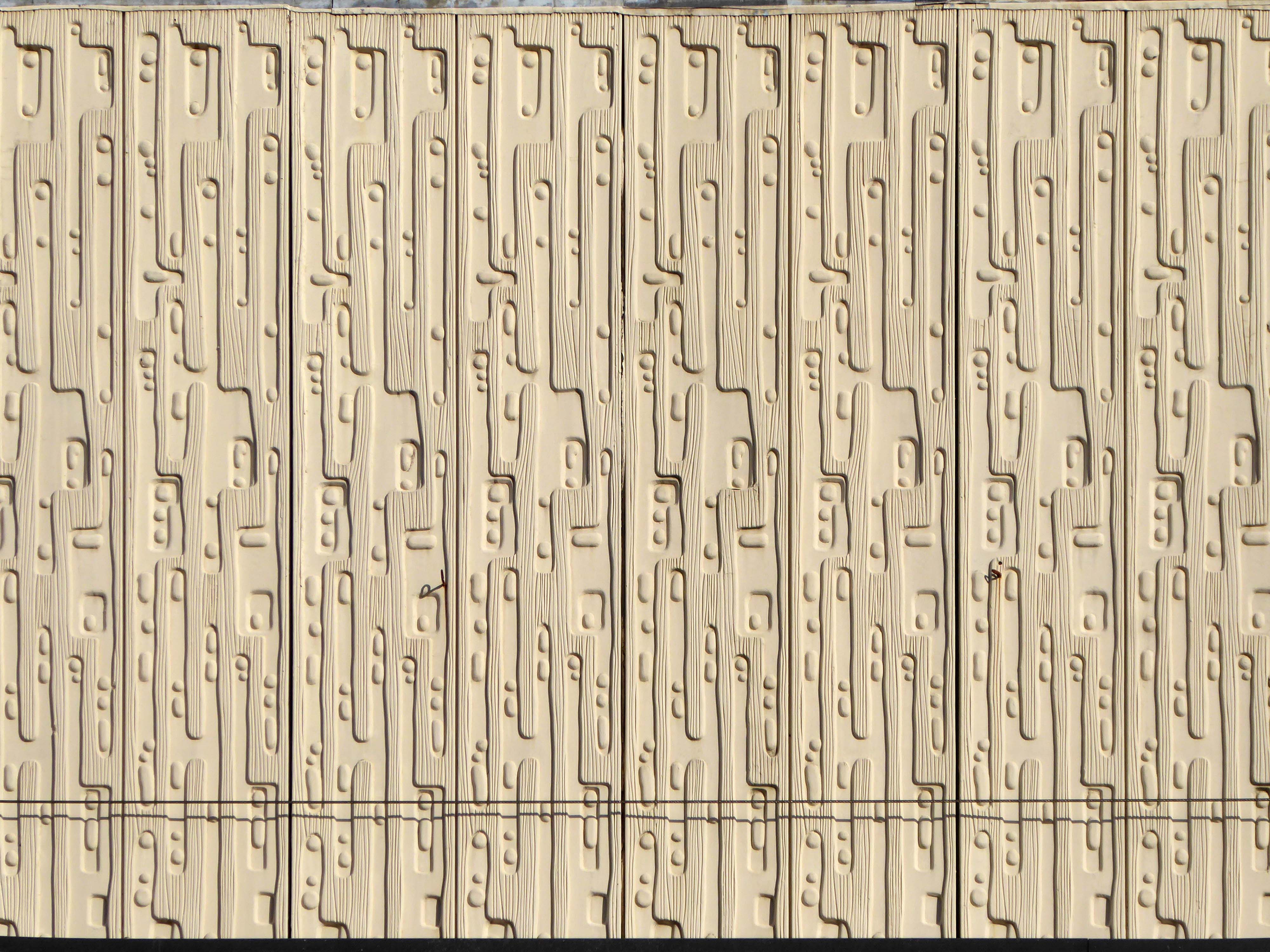
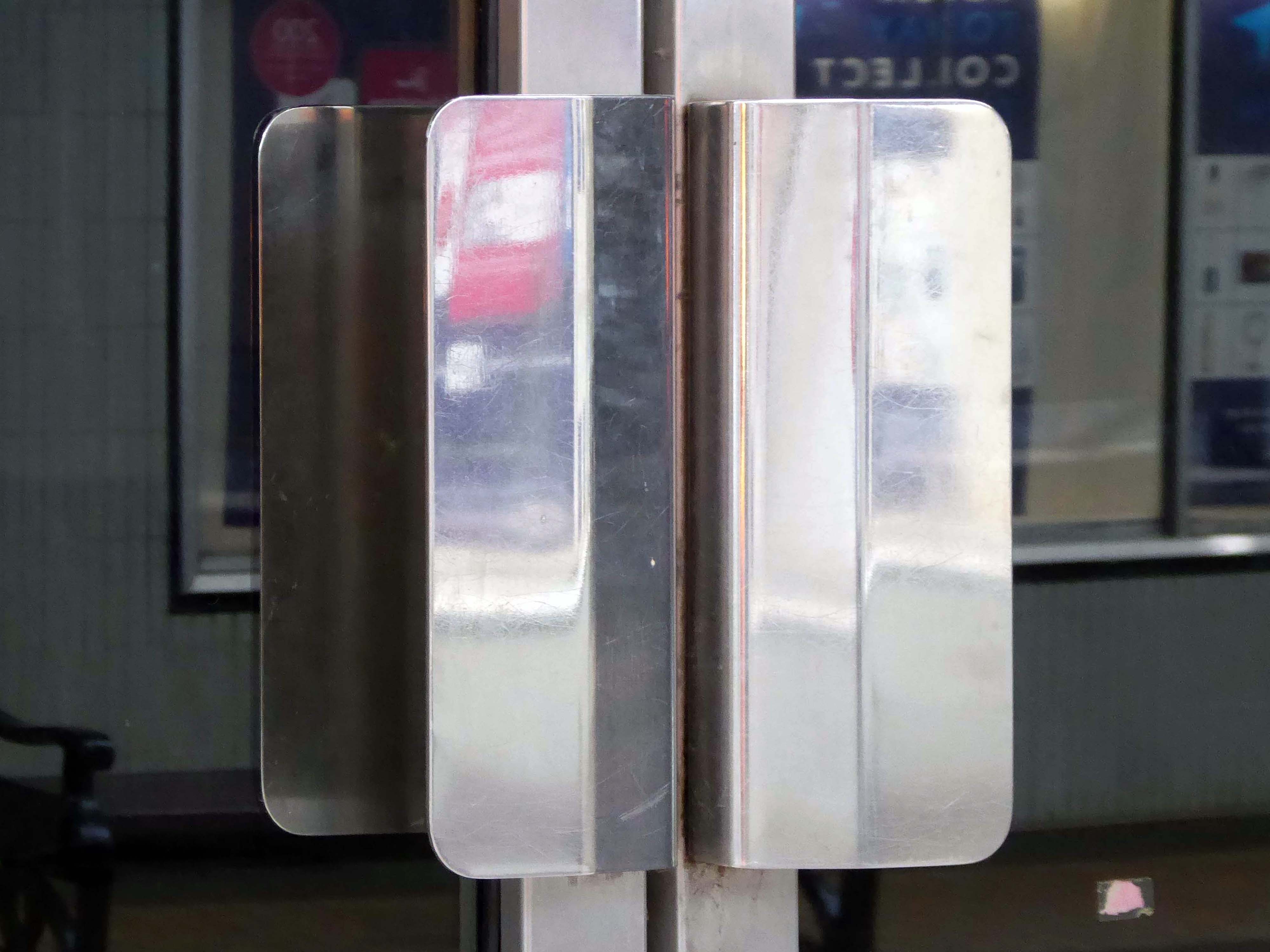
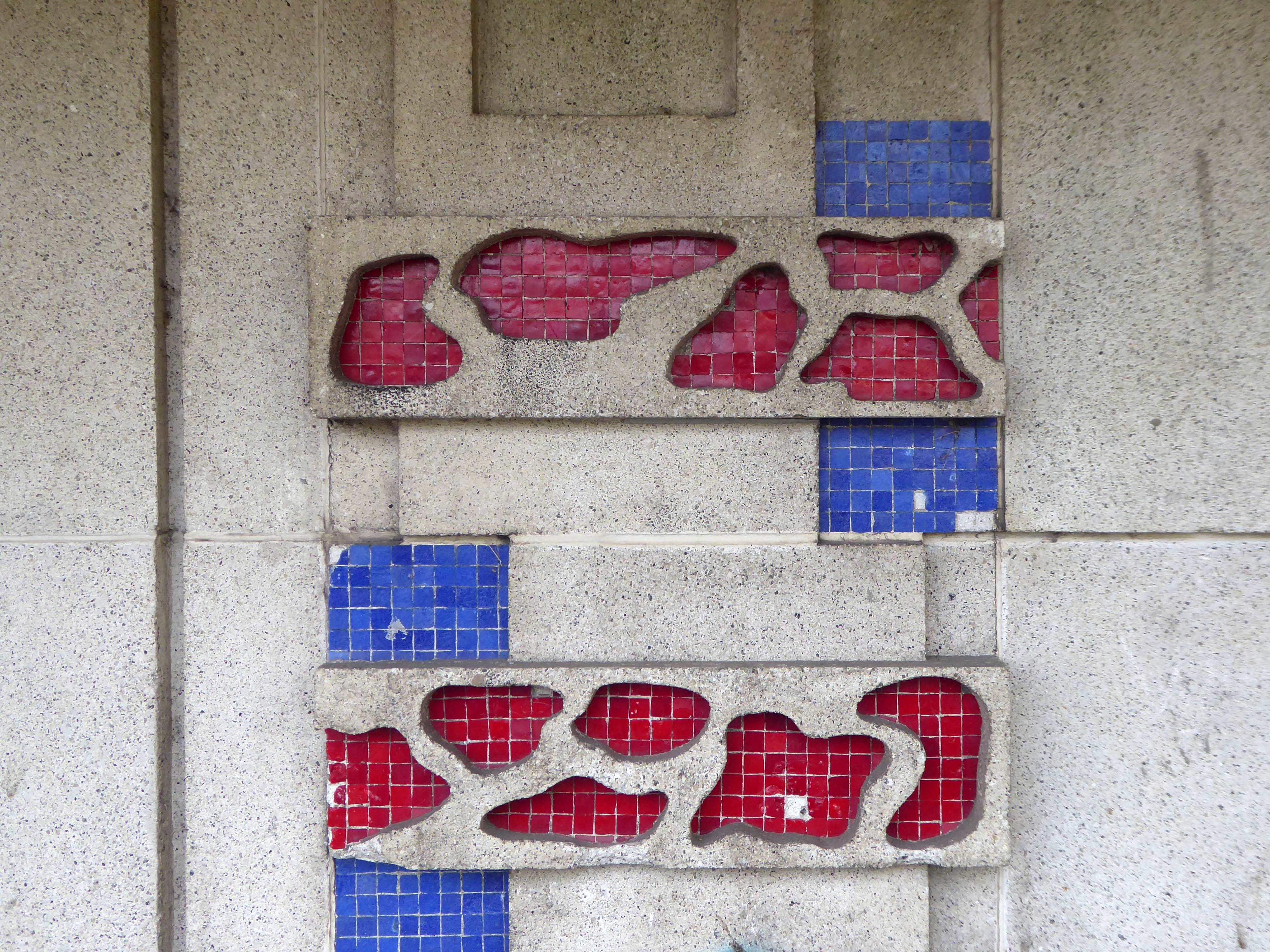
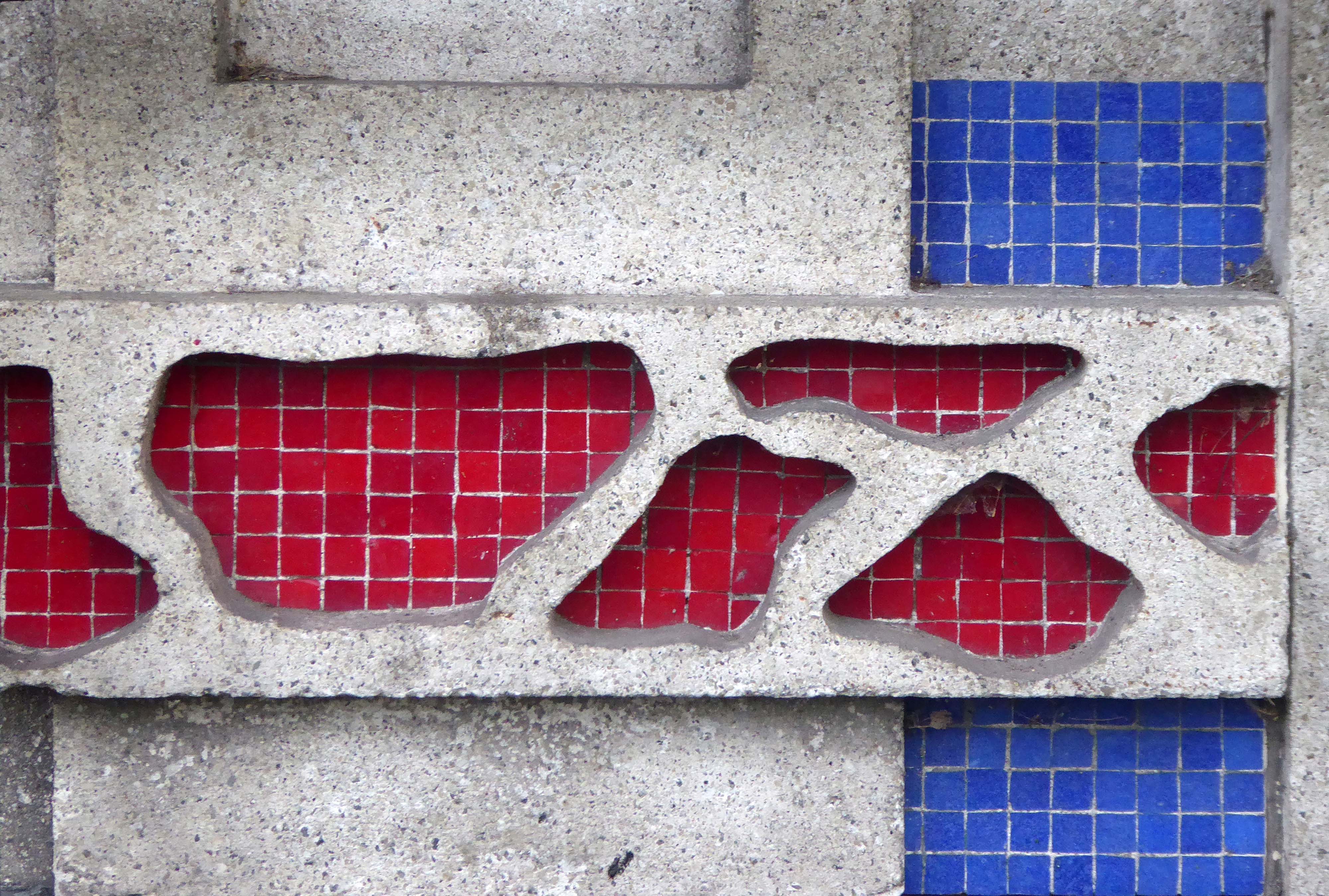
I do hope that the decorative panels and door handles survive.

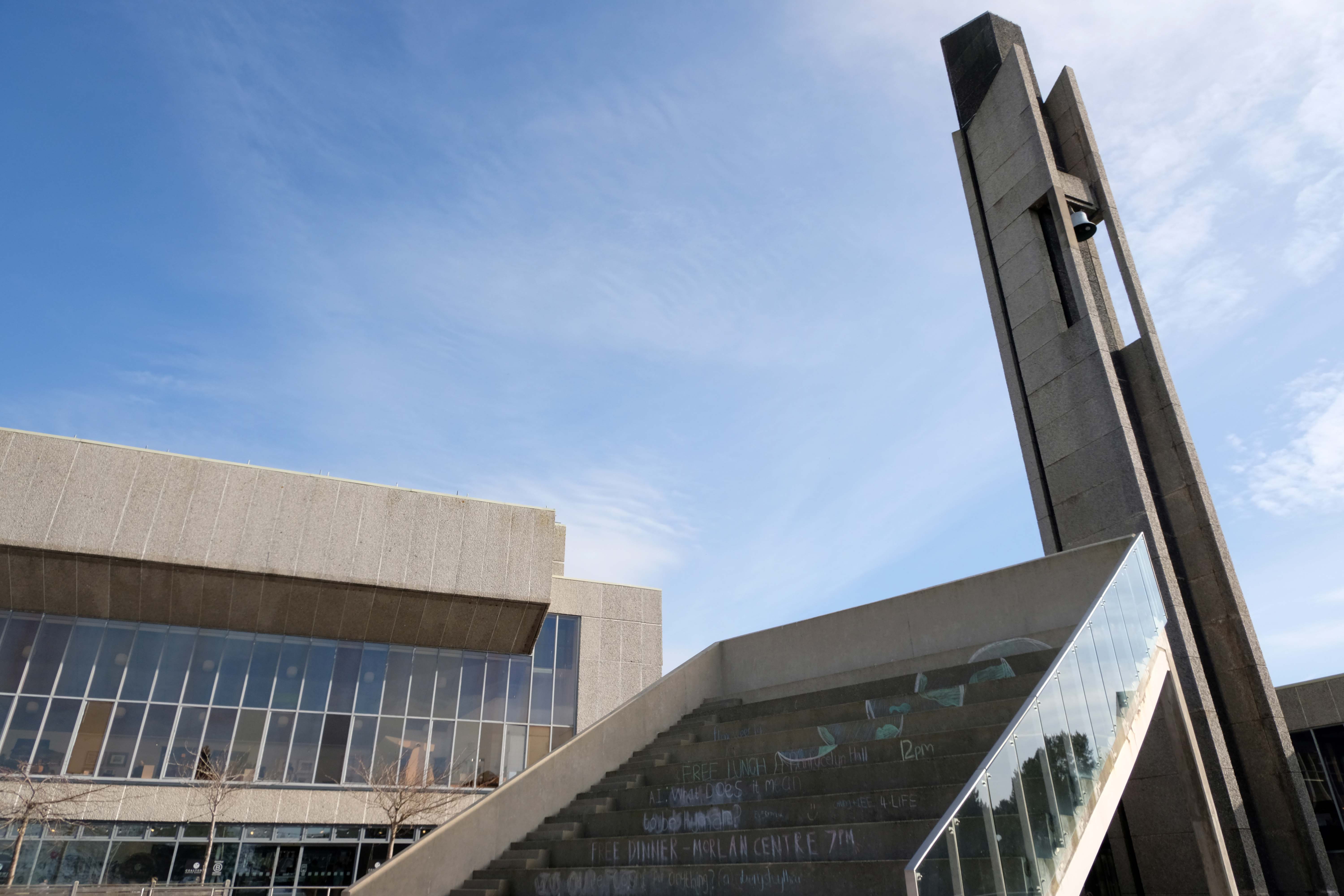
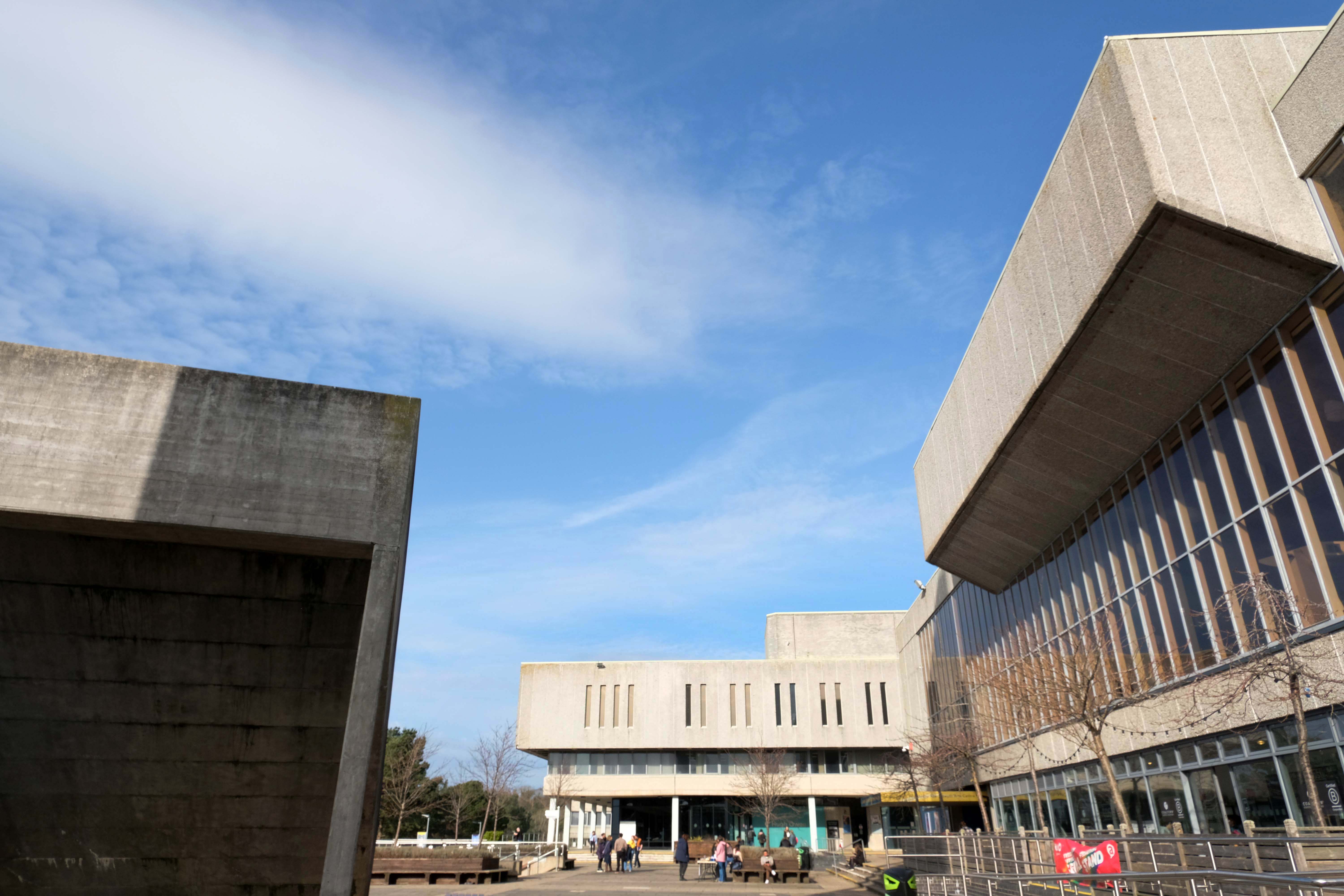
Wandered around the University Campus as the light faded.

Barbara Hepworth Building Architects: AHR

Named after one of the Twentieth Century’s finest artists, the space nurtures a new and inspired generation of designers. Through visual and physical connection, the environment encourages students to work together, stimulating communication and ingenuity, the ingredients of successful collaboration.

Take that to the bank/s

Keep savin’, keep buildin’
That interest for our love
Take that to the bank
Keep savin’, keep buildin’
That interest for our love
Take that to the bank

Shalamar

HSBC was designed by Peter Womersley, who also designed the thoroughly modern private house, Farnley Hey, near Castle Hill, which won the RIBA Bronze Medal in 1958.

Halifax Building Society

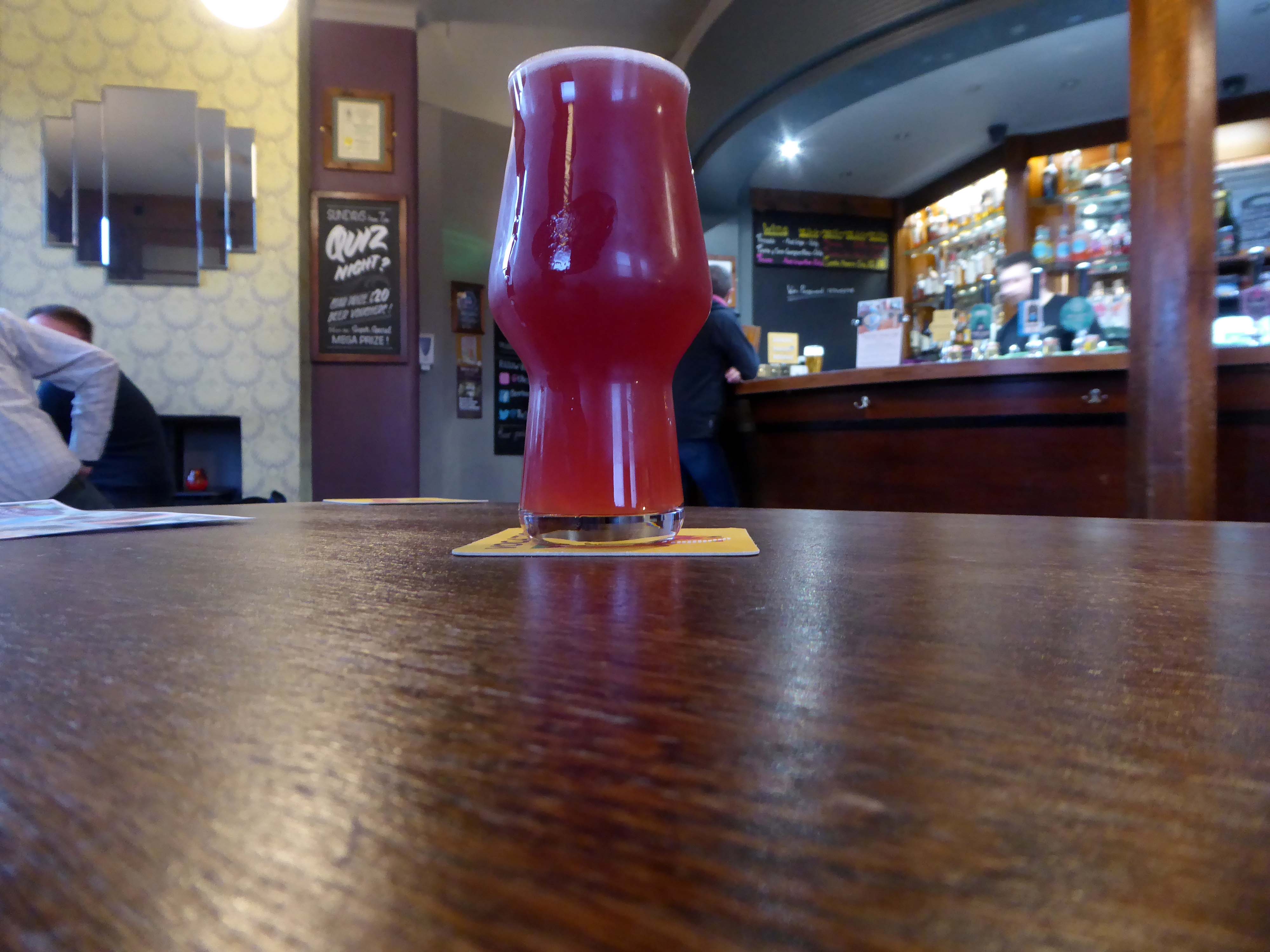
Having walked around town for more hours than enough I sought respite in The Sportsman and a glass of Squawk multi-berry fruited sour

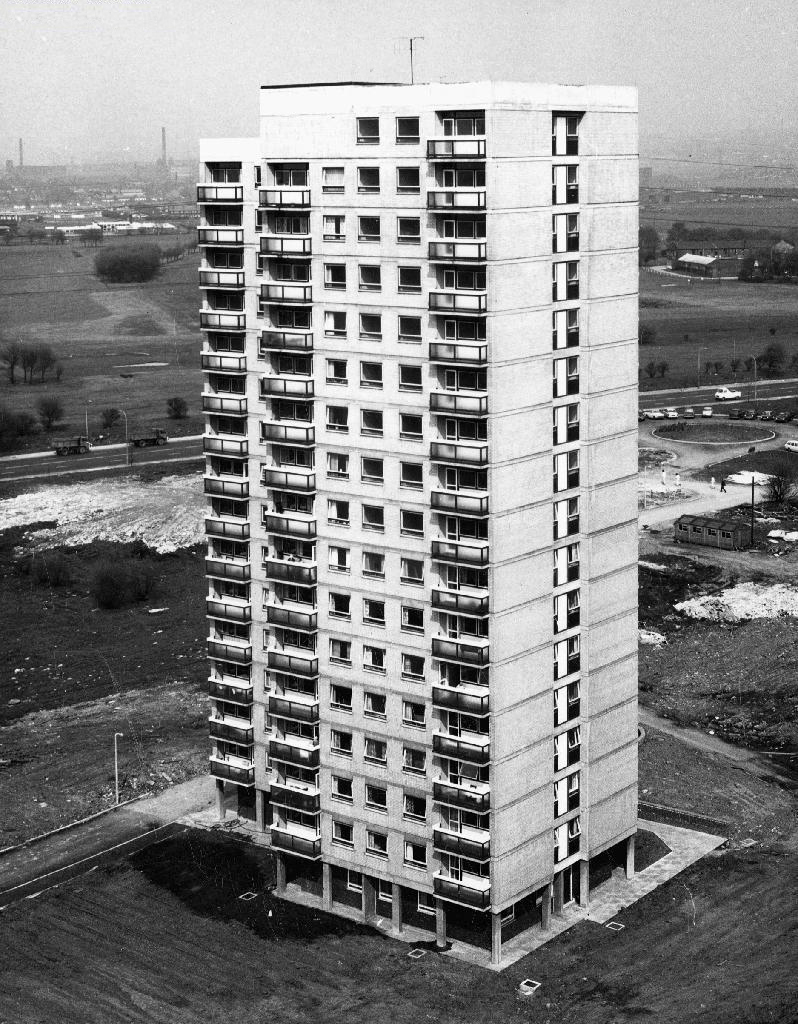
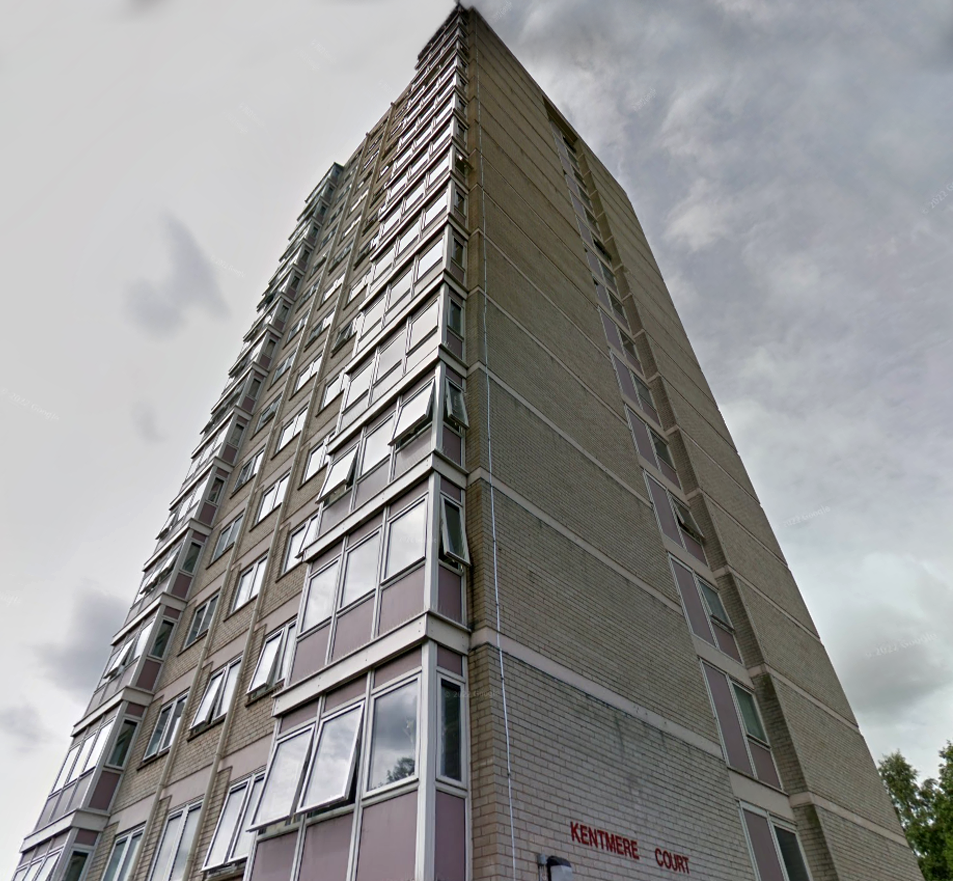
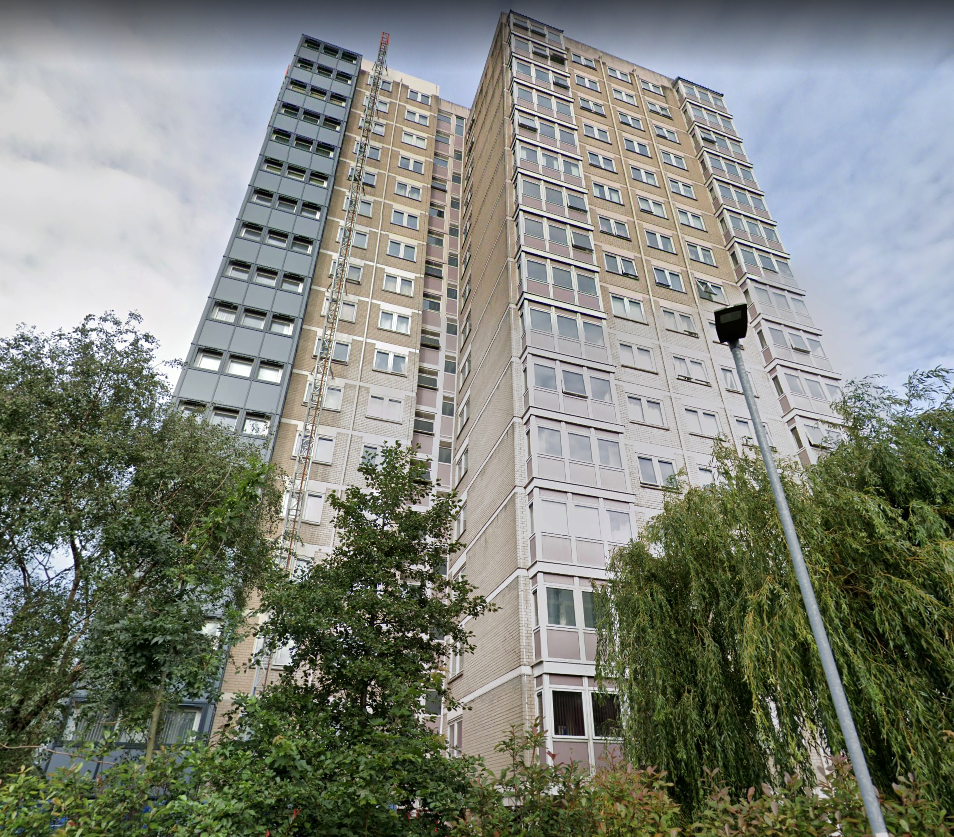
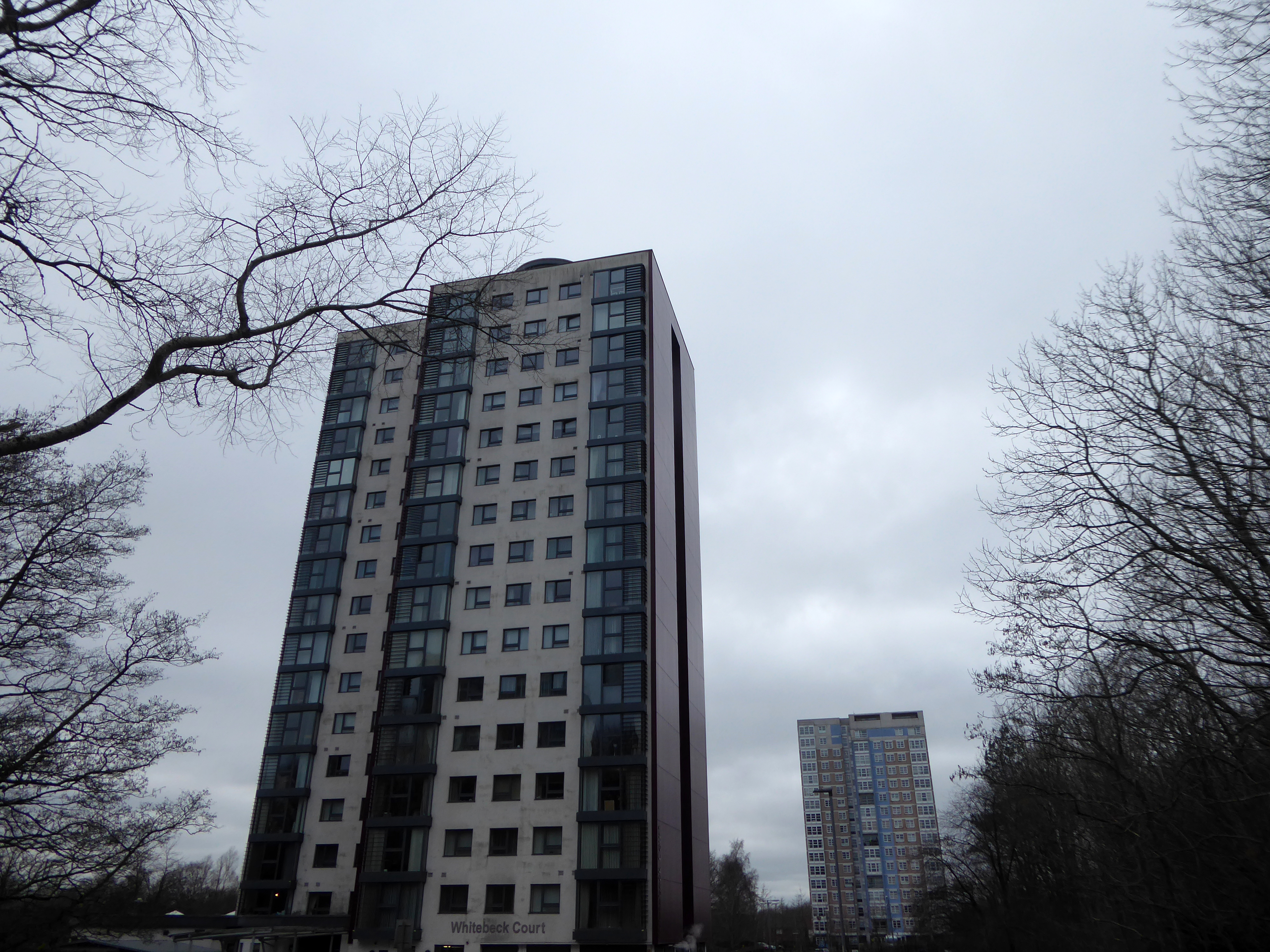
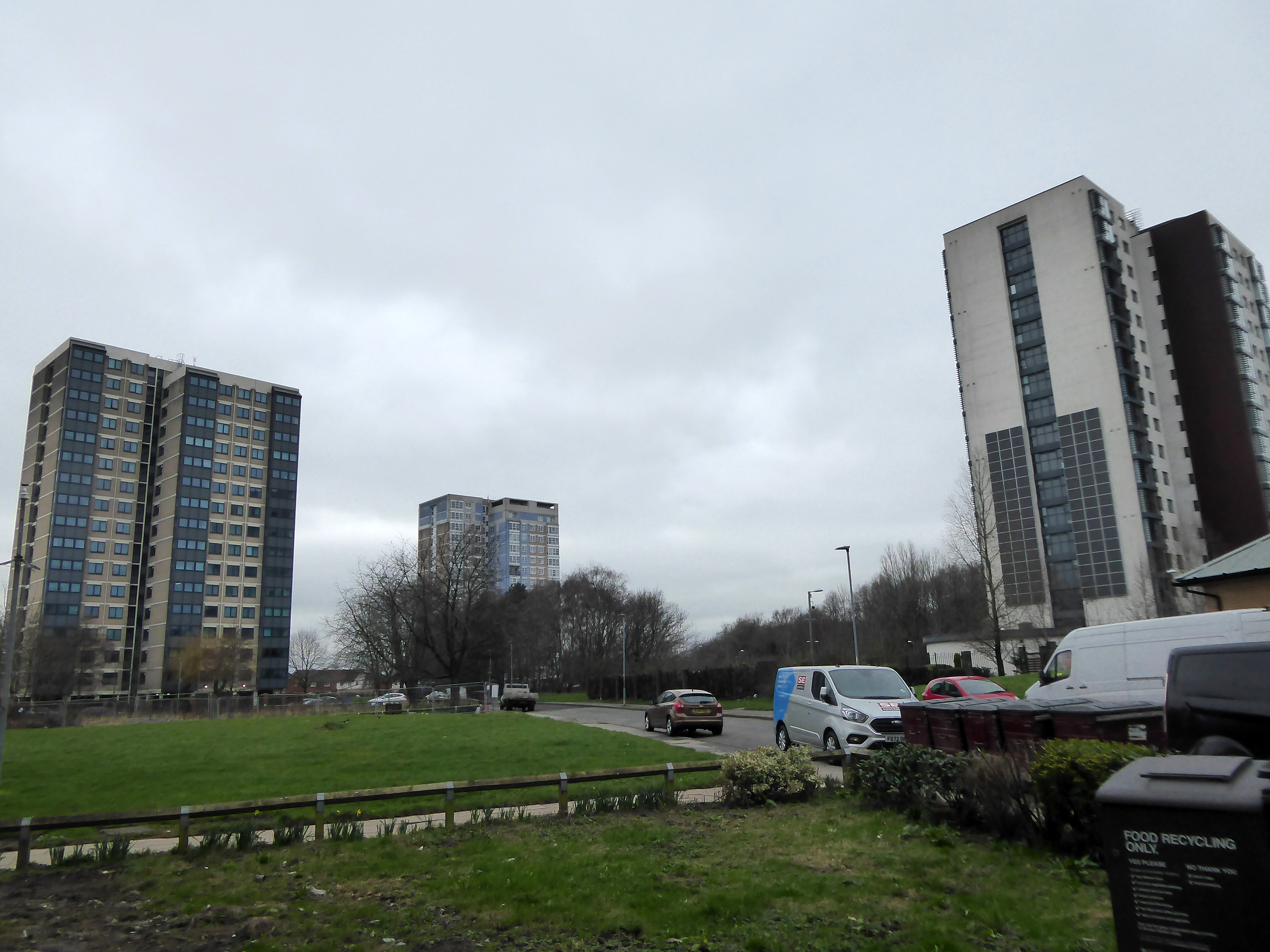
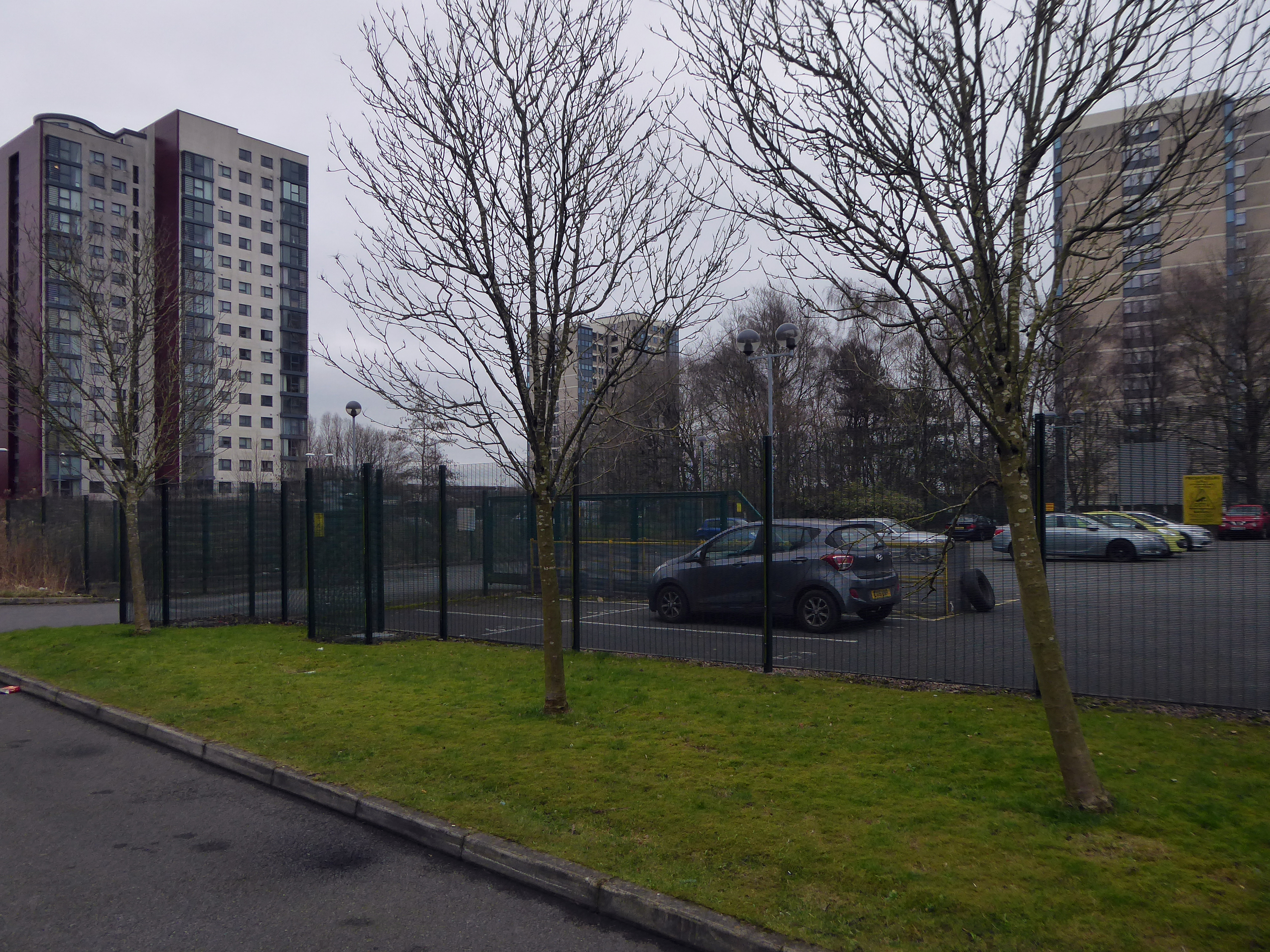
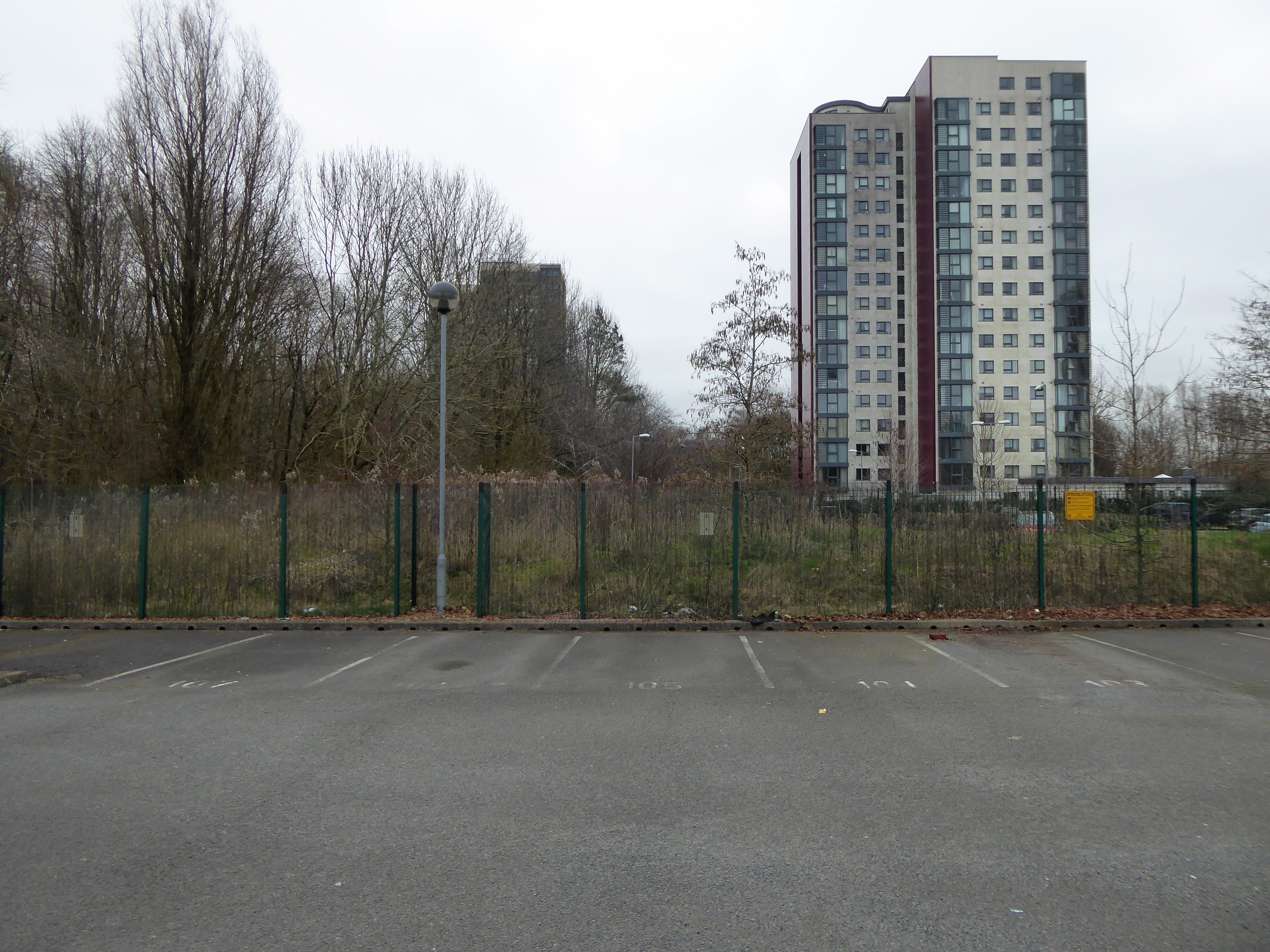
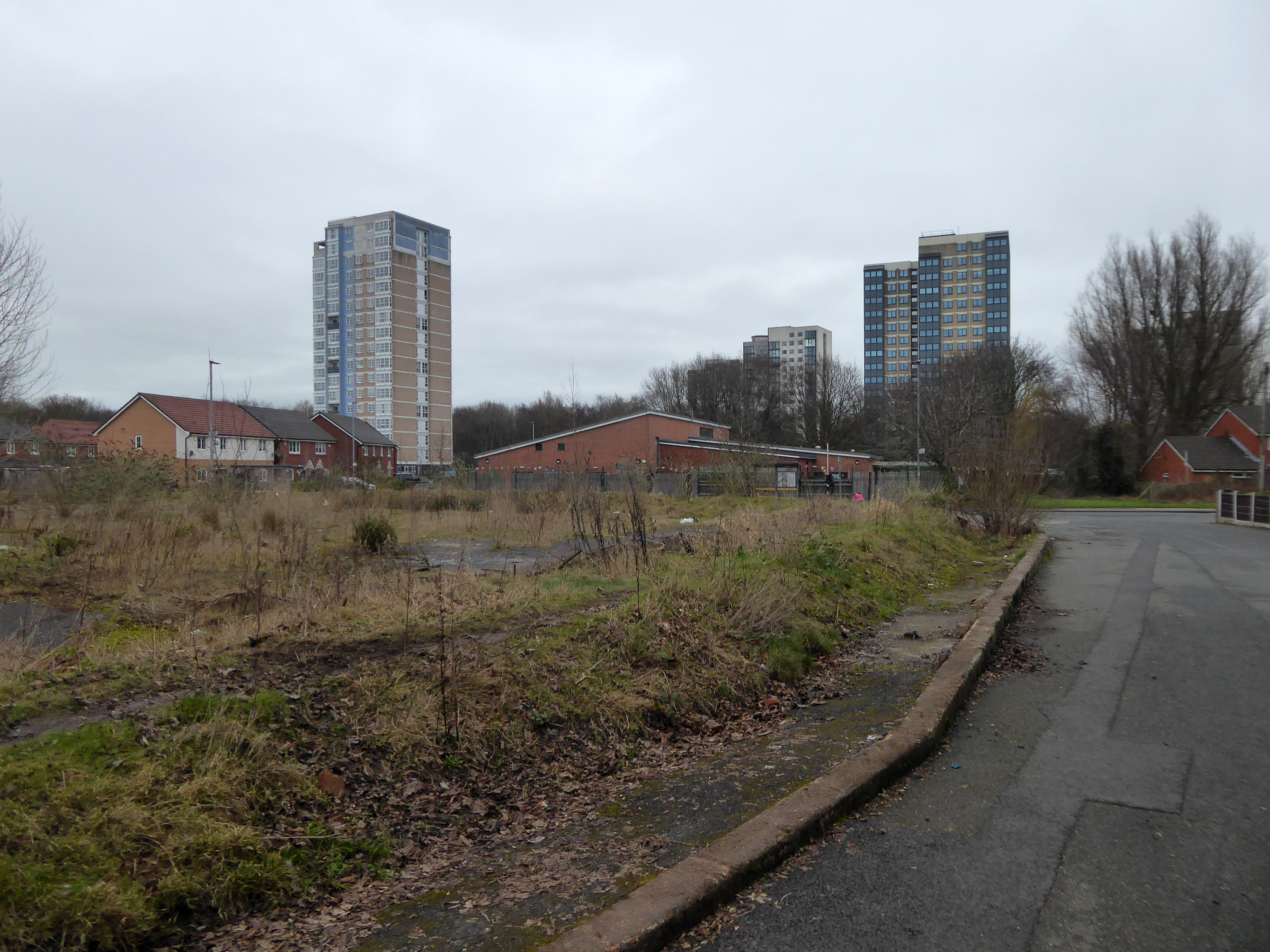
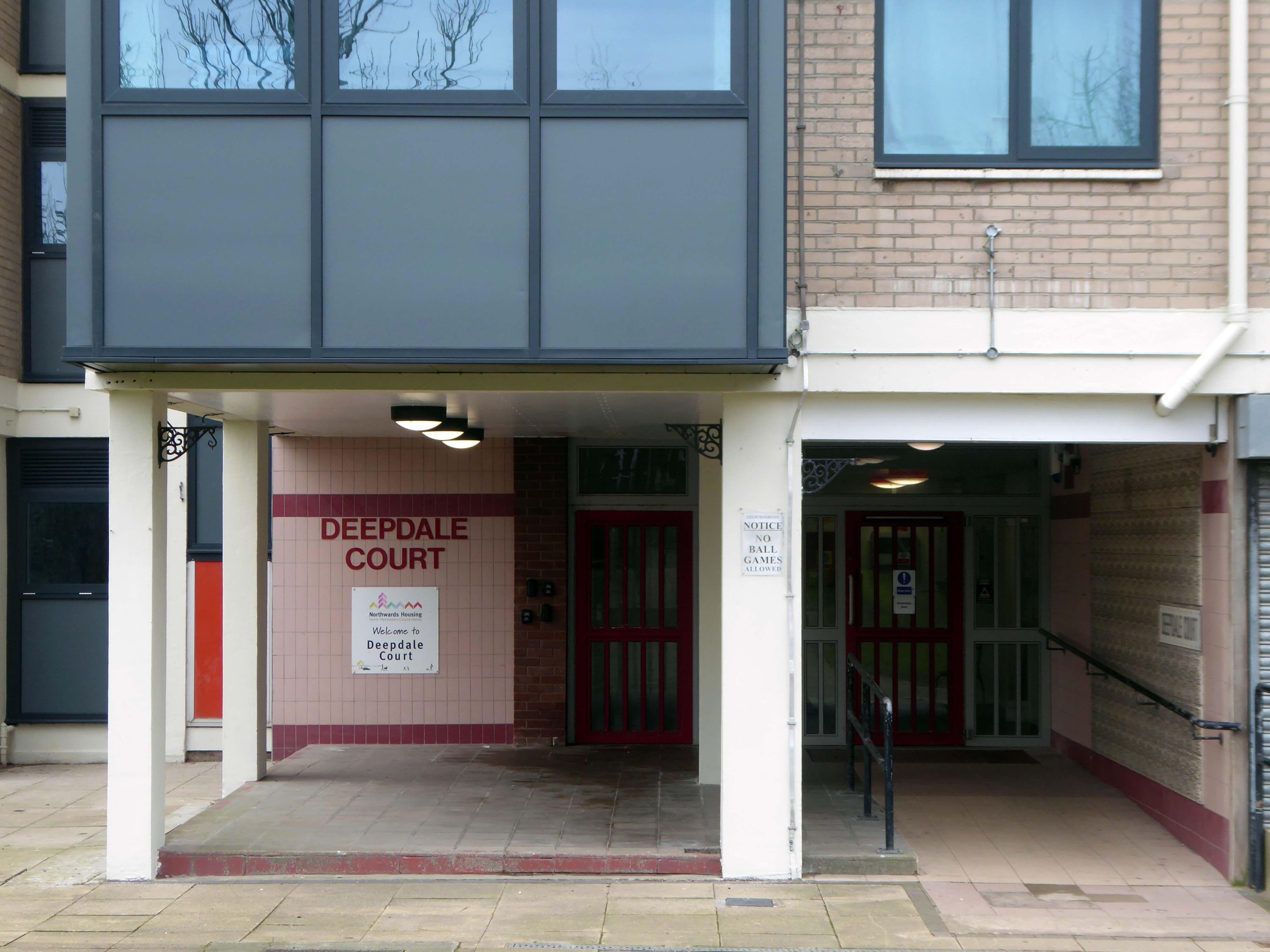
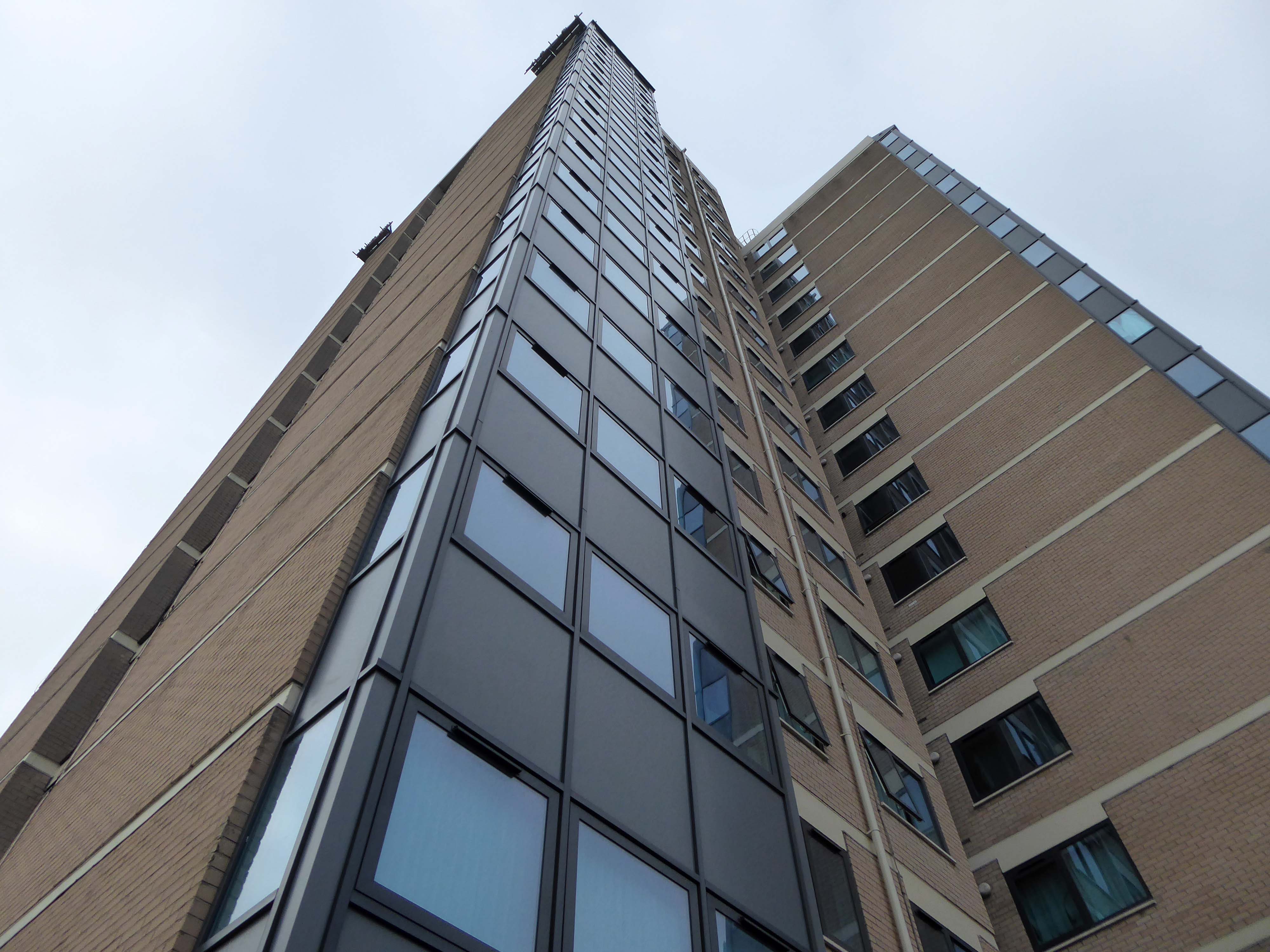
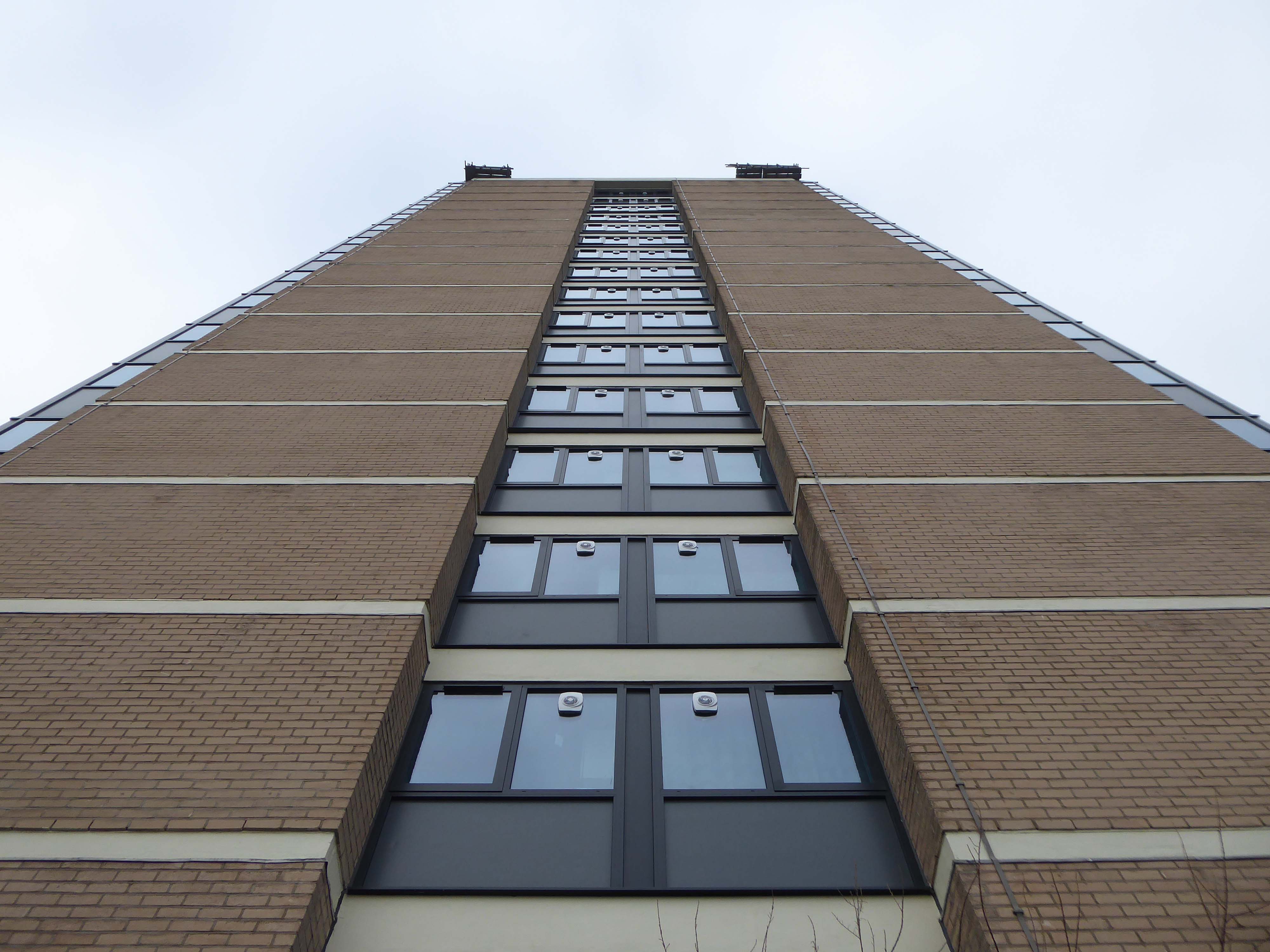
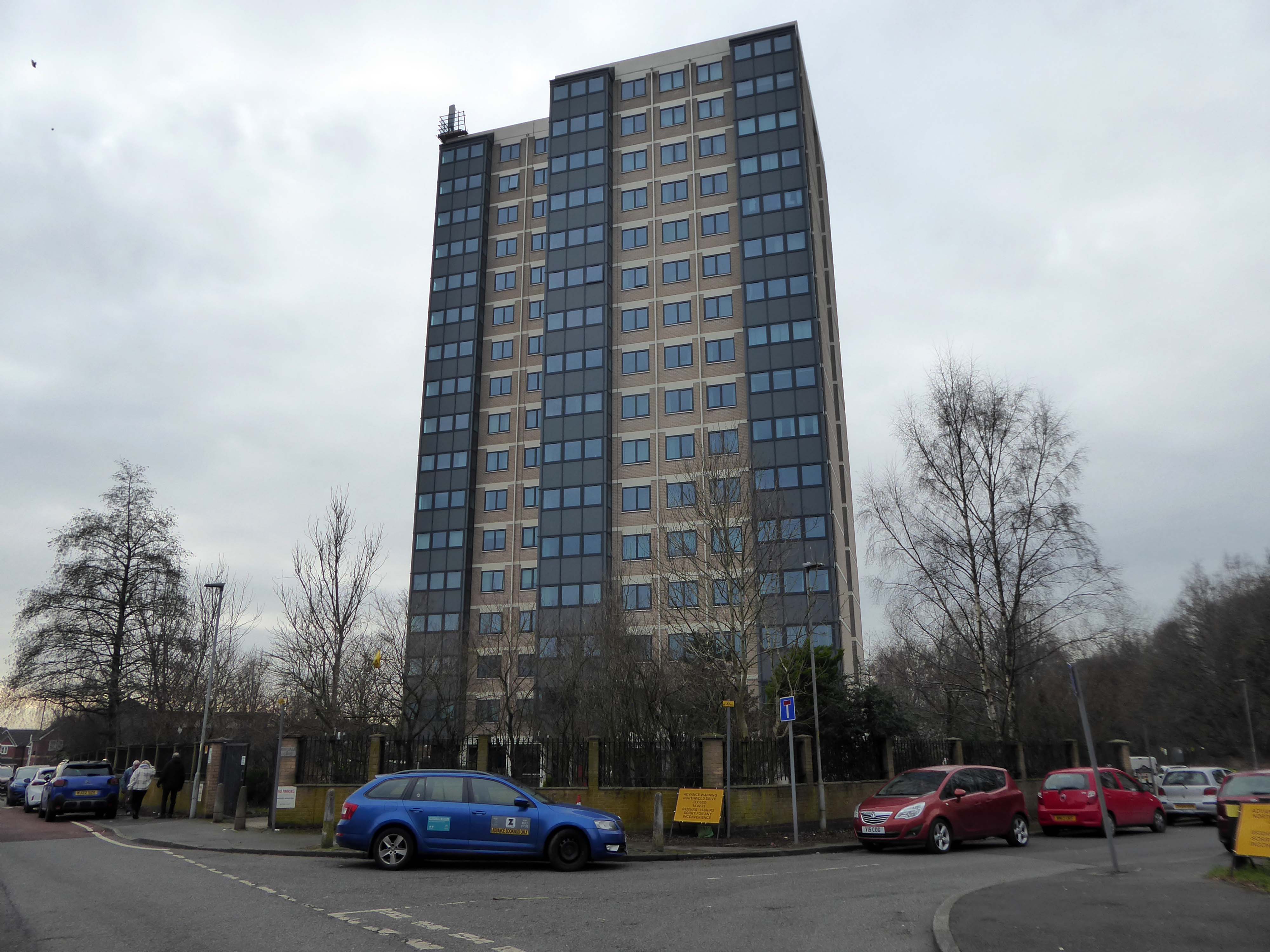
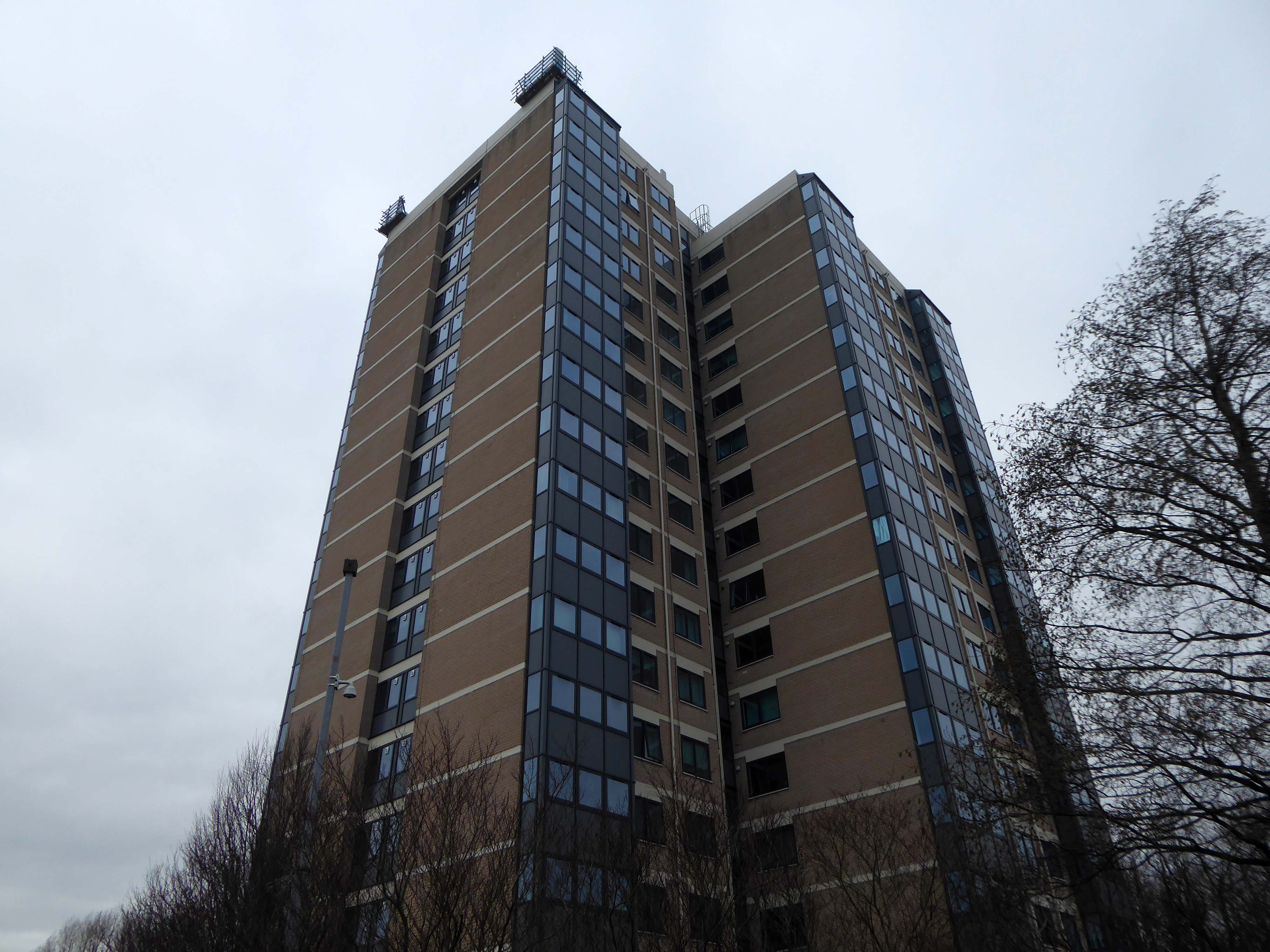
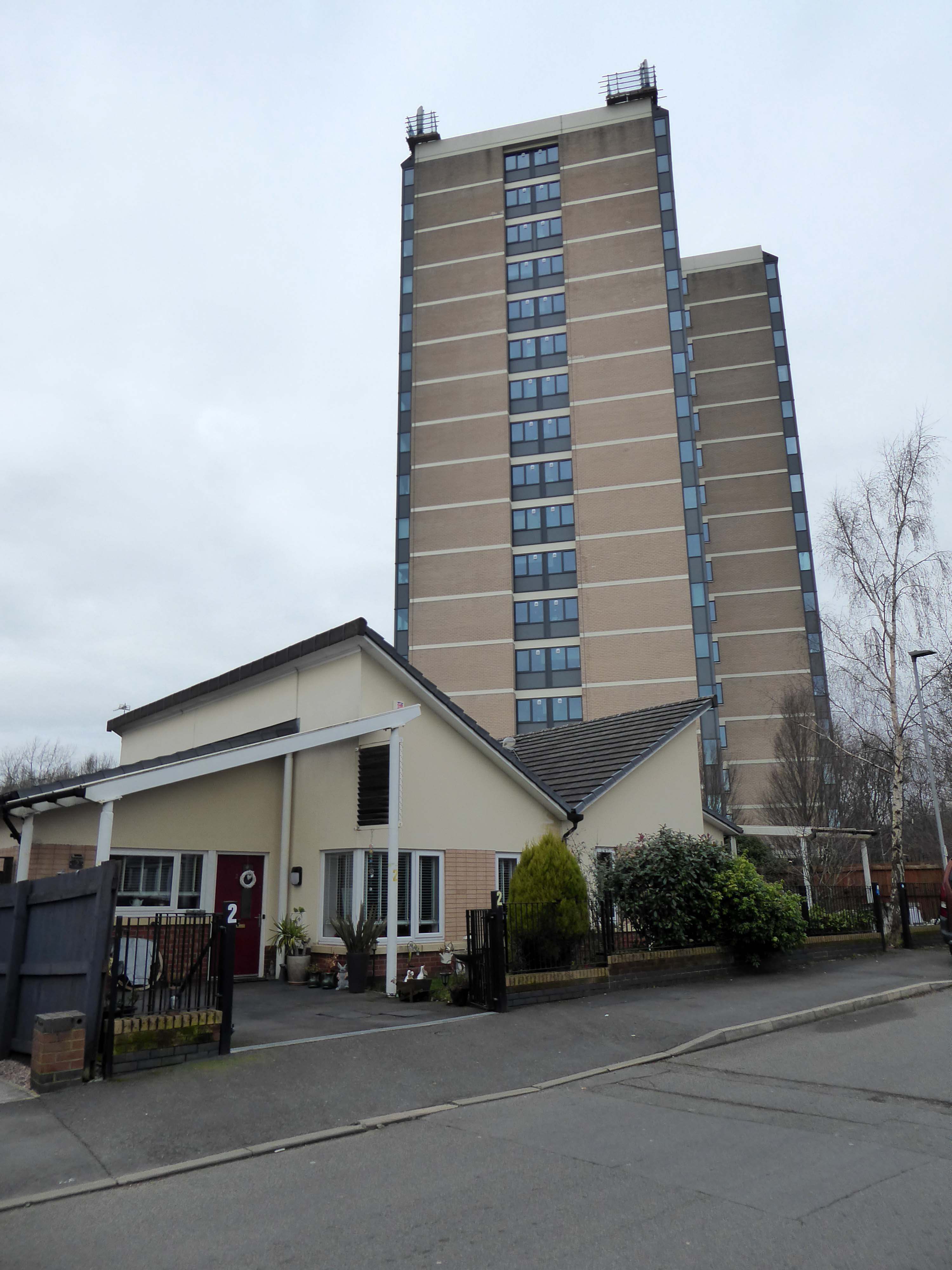
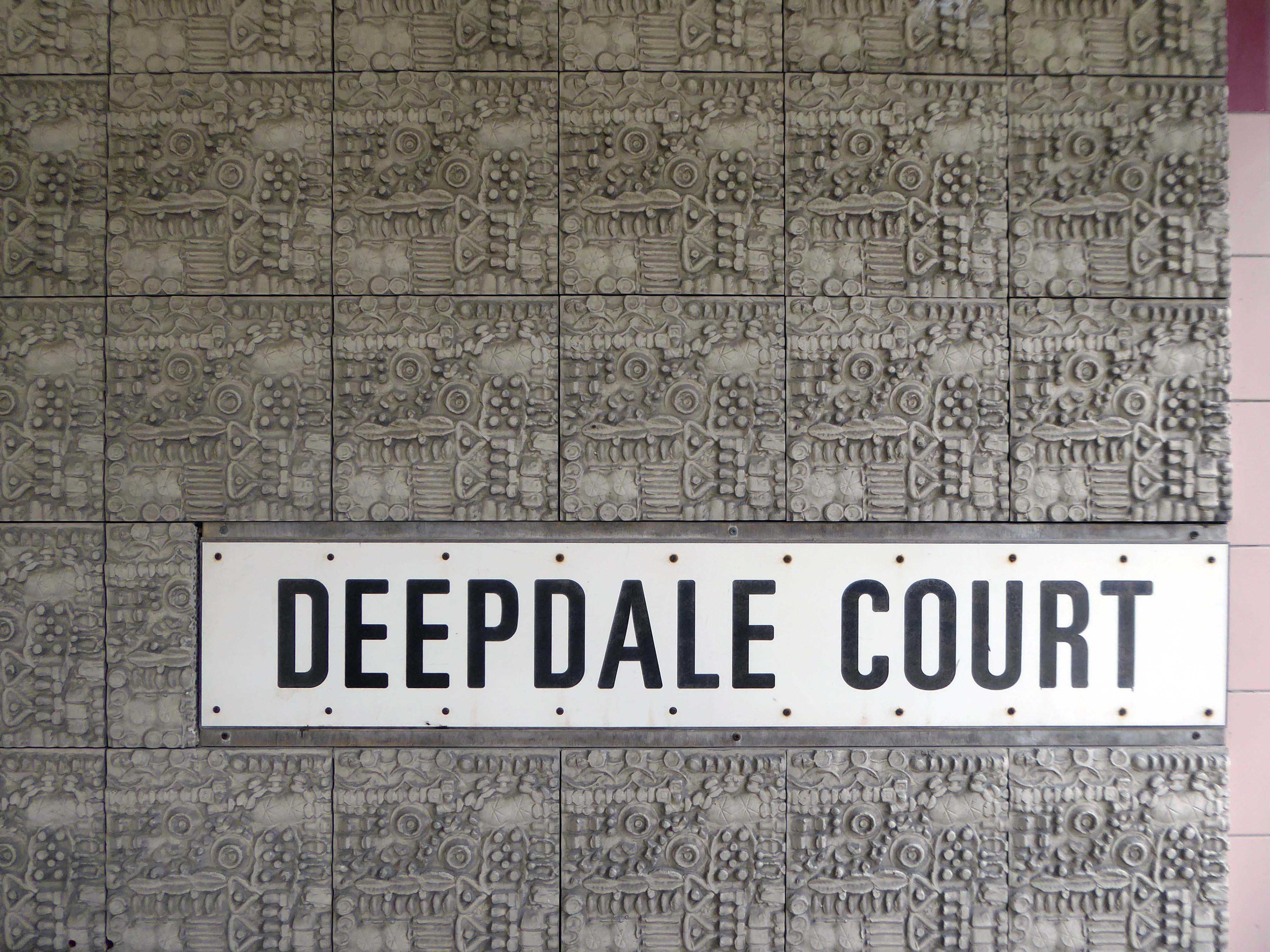
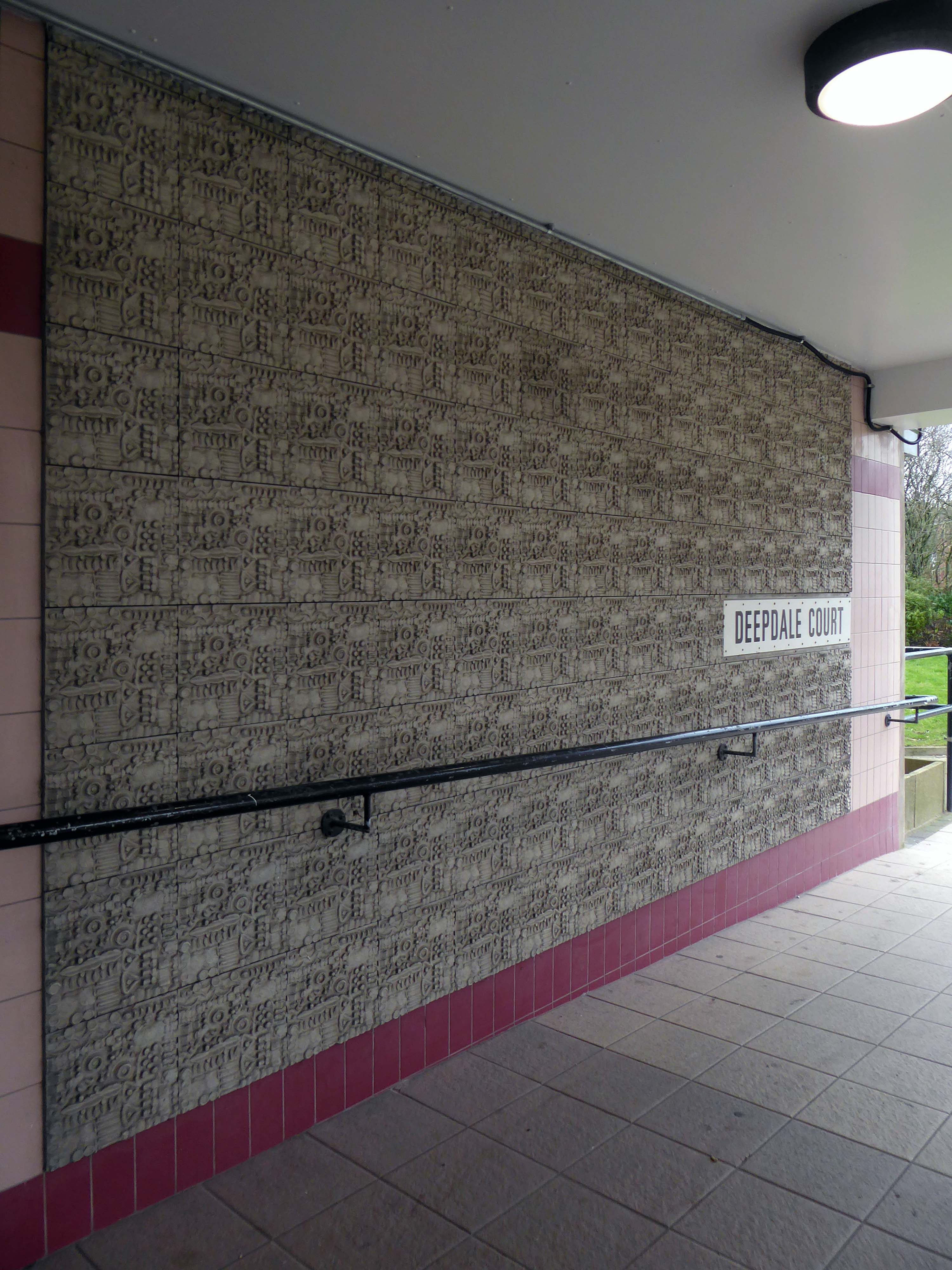
Deepdale Court – Blackley

Deepdale Court Northwold Drive Manchester M9 7HX

On the way betwixt somewhere and there I took time to come here.

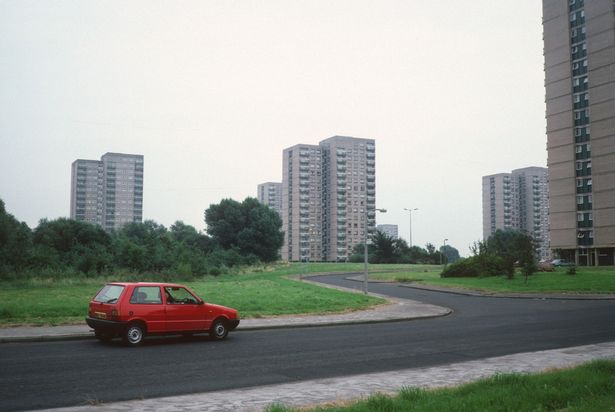
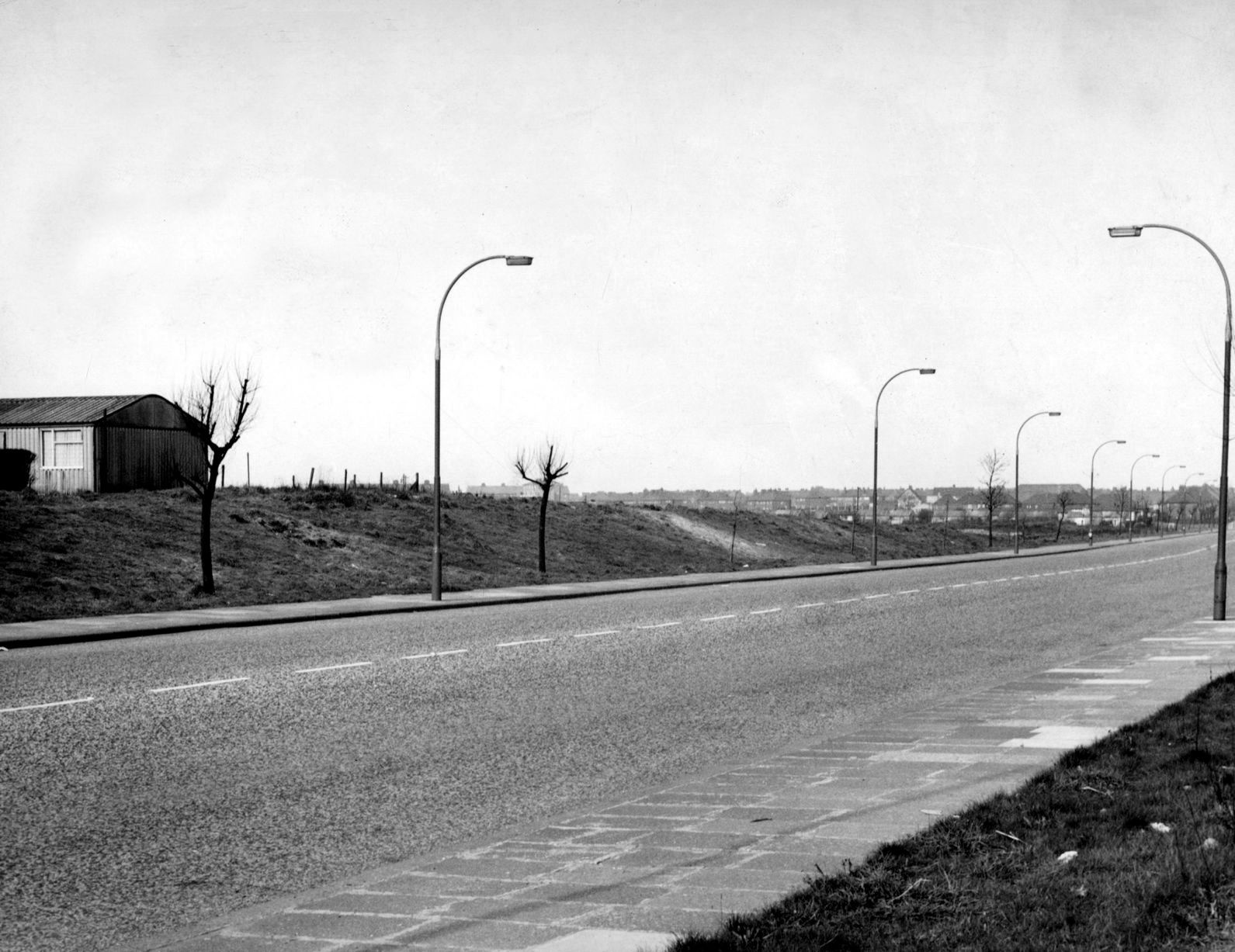
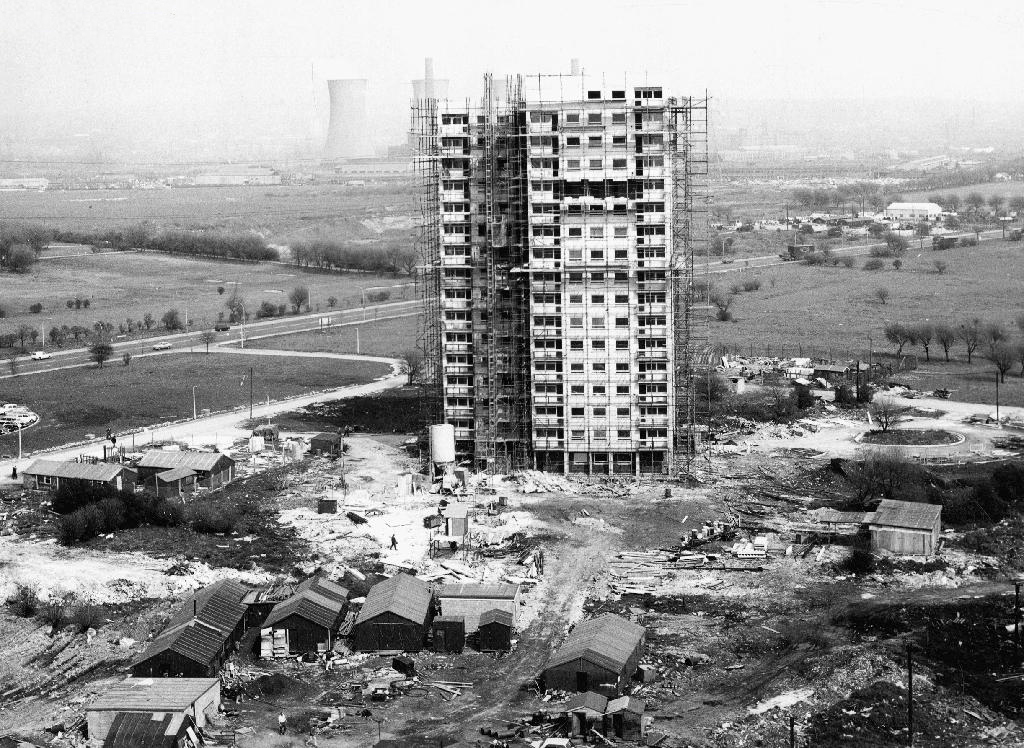
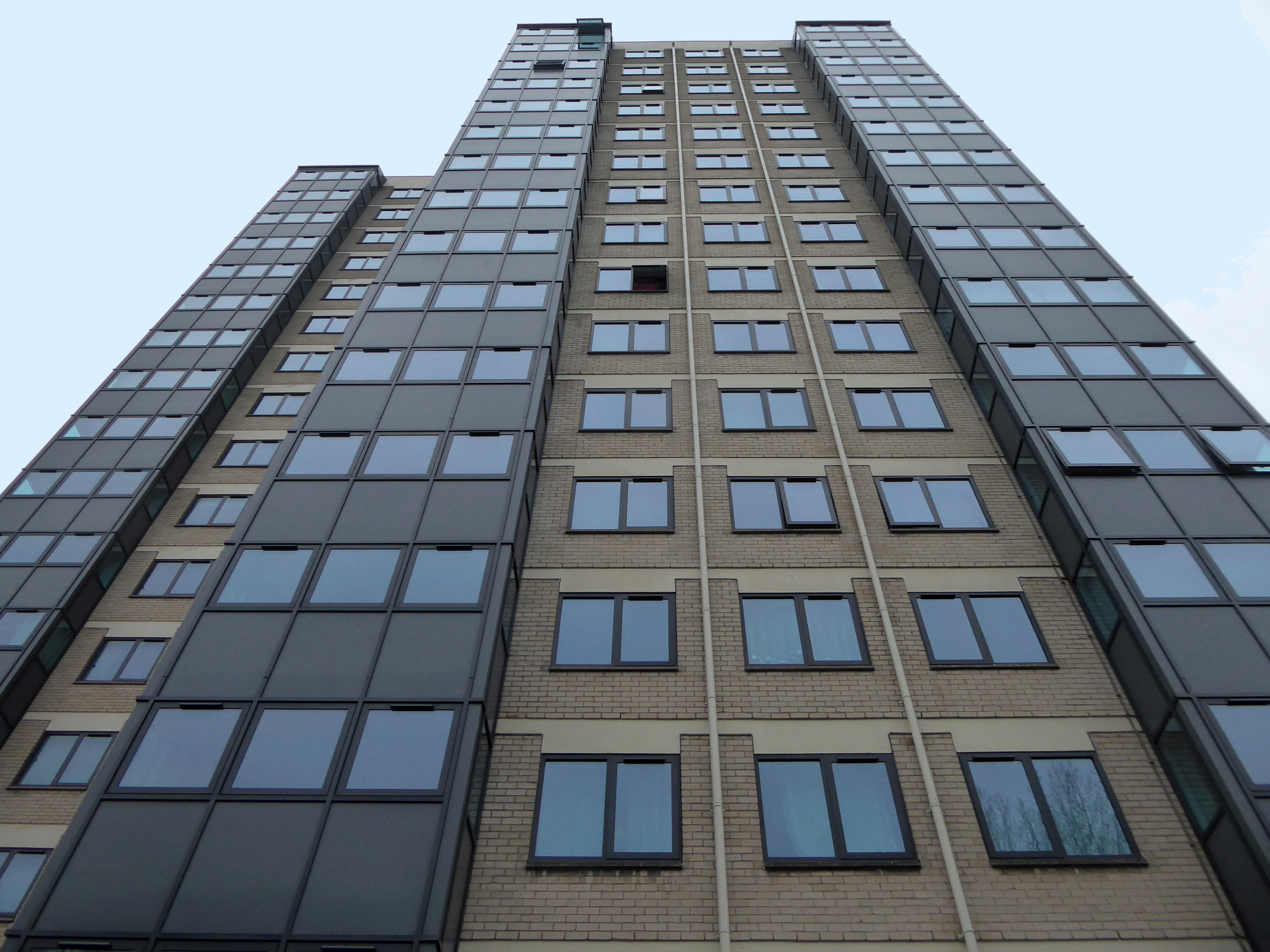
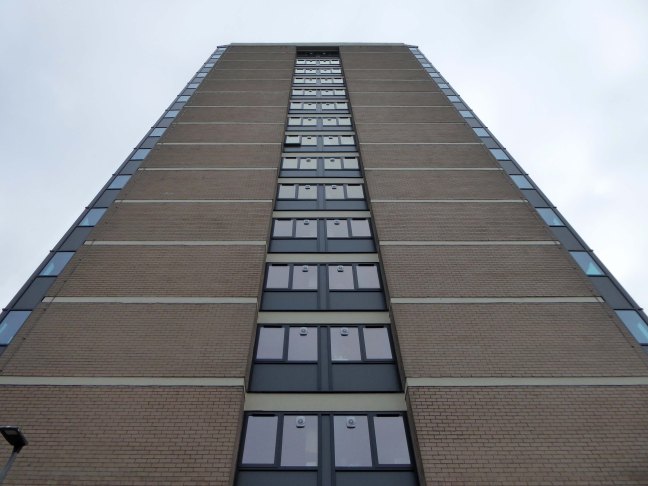
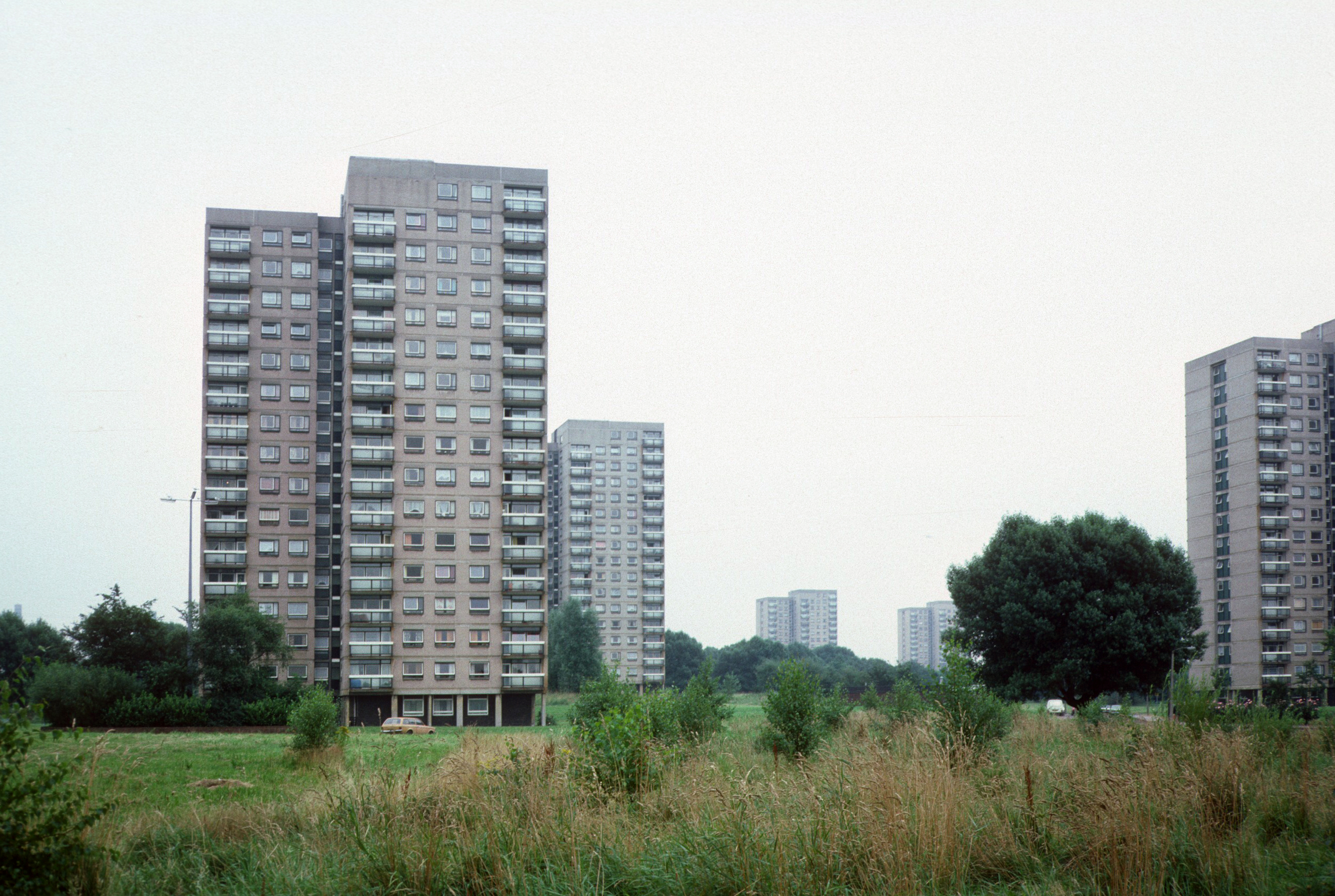
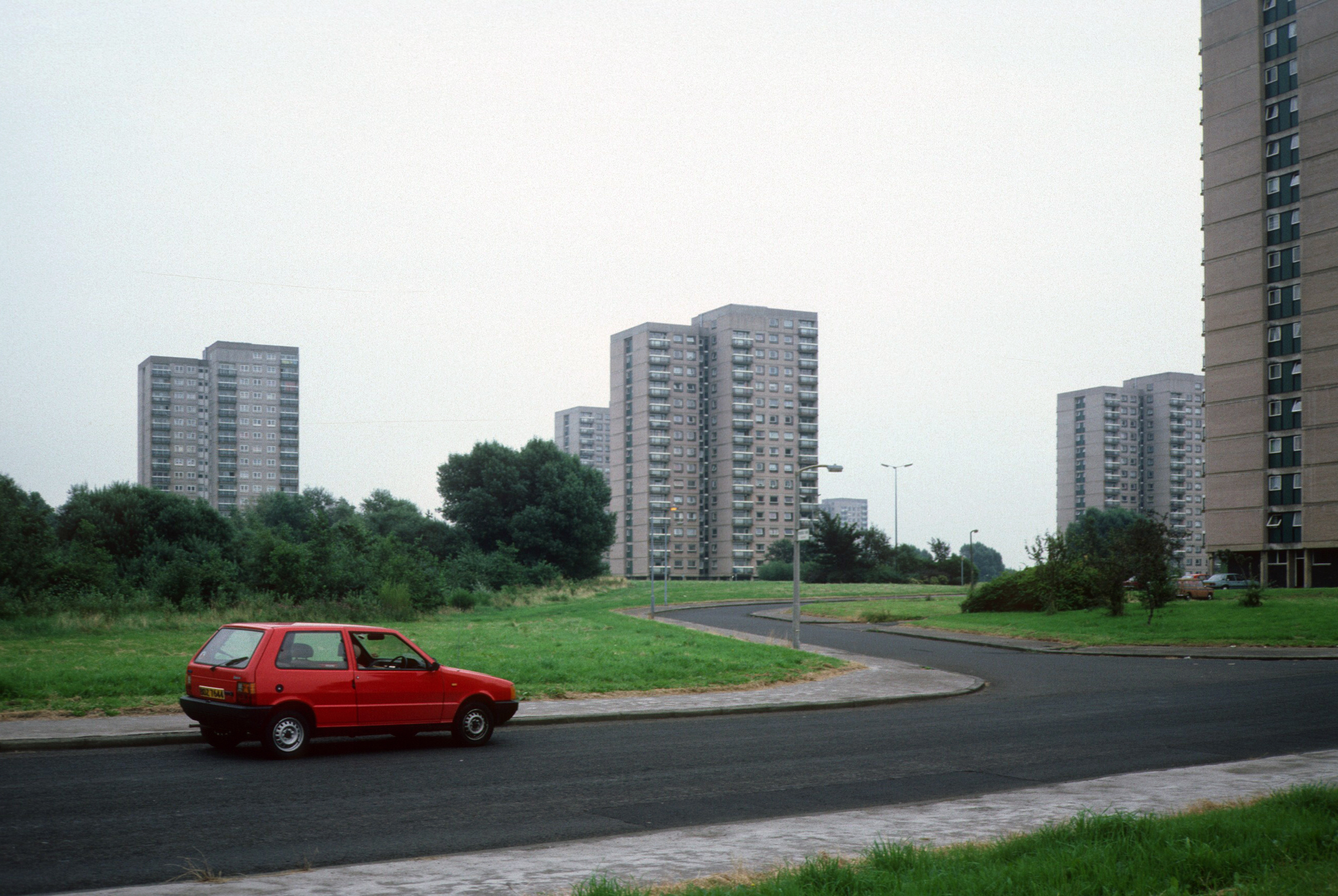
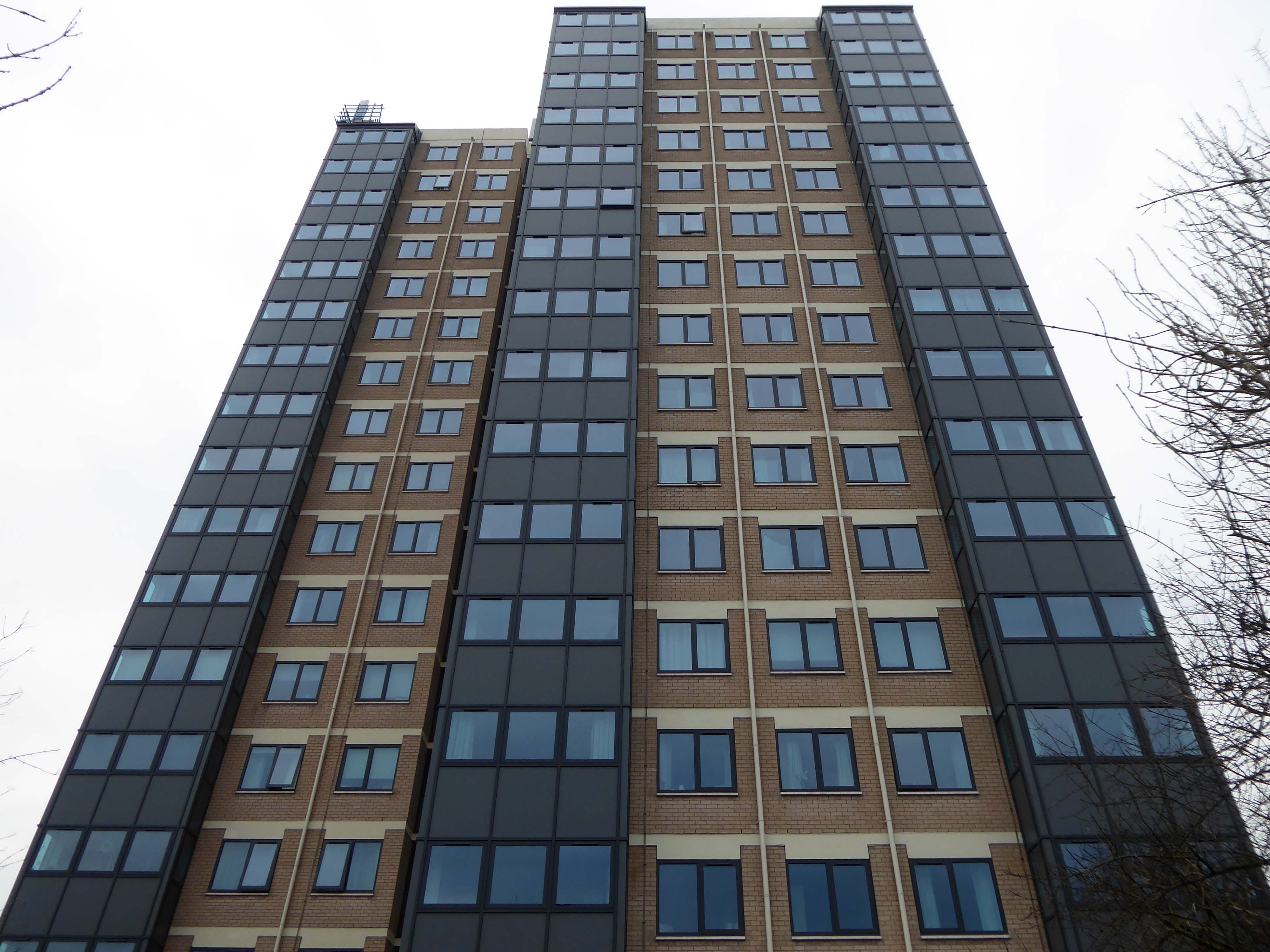
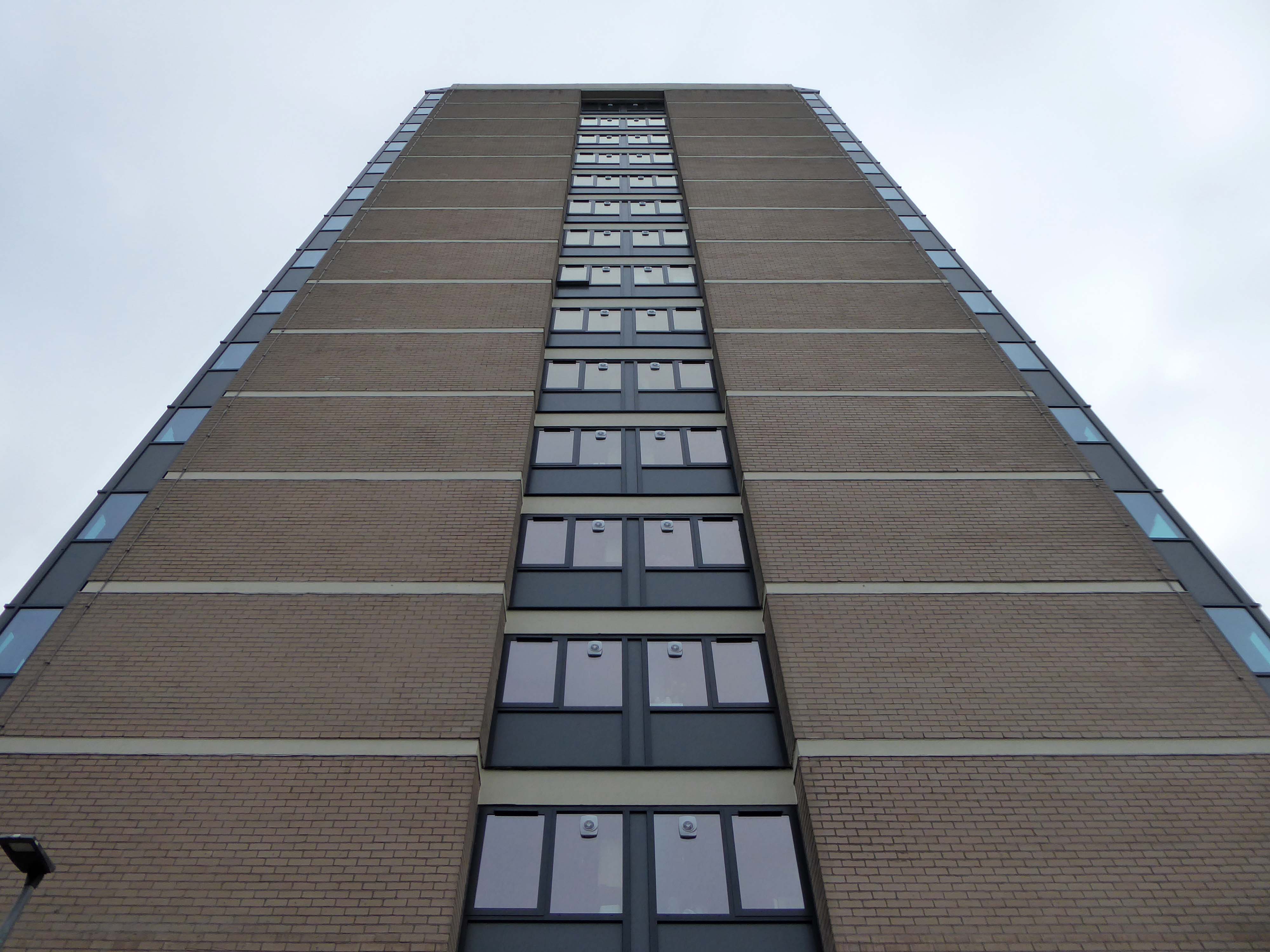
A tower block on high ground on the edge of Blackley.

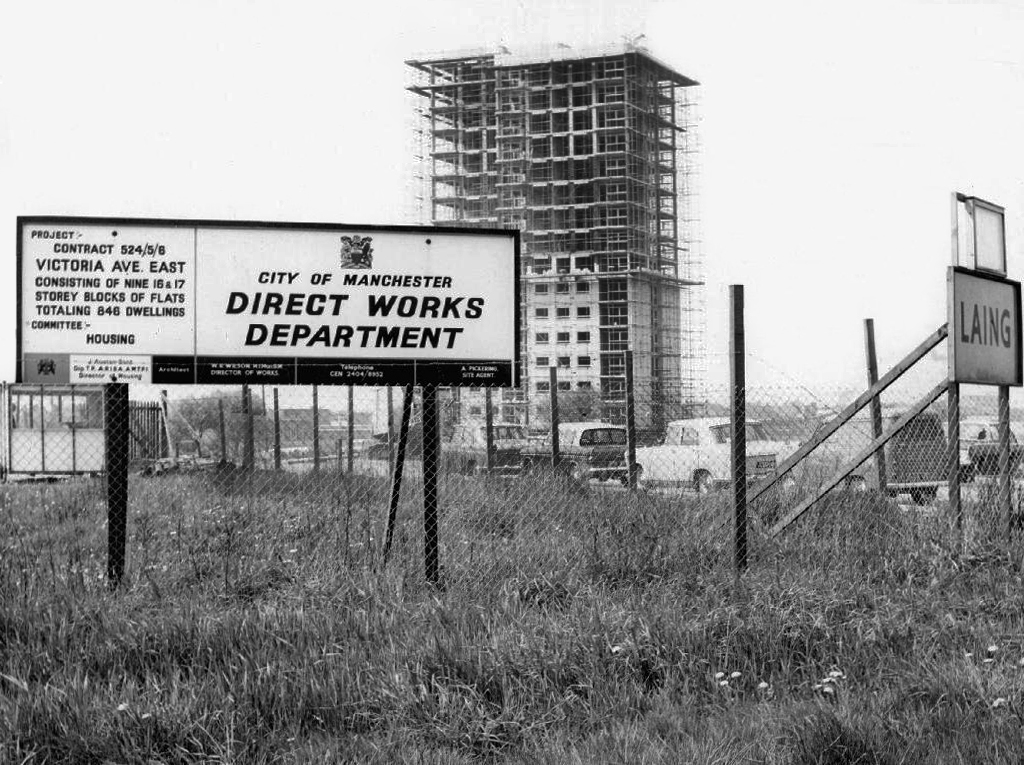
One of nine seventeen-storey blocks containing eight hundred and forty six dwellings.

Committee approval date: 1967

Building contractor: Direct Municipal Labour

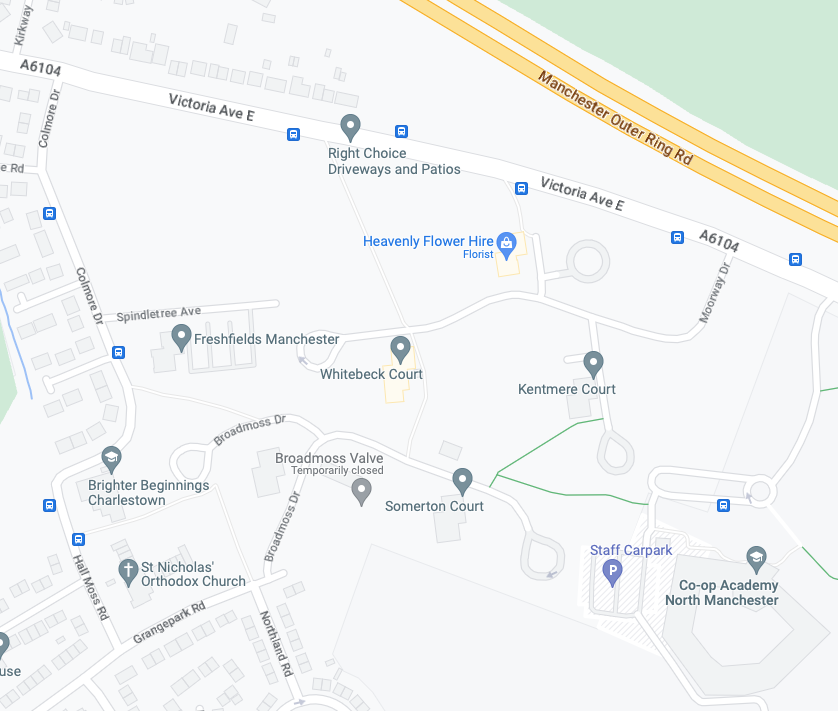
The two blocks that were demolished were Tunstall Court and Skelton Court.


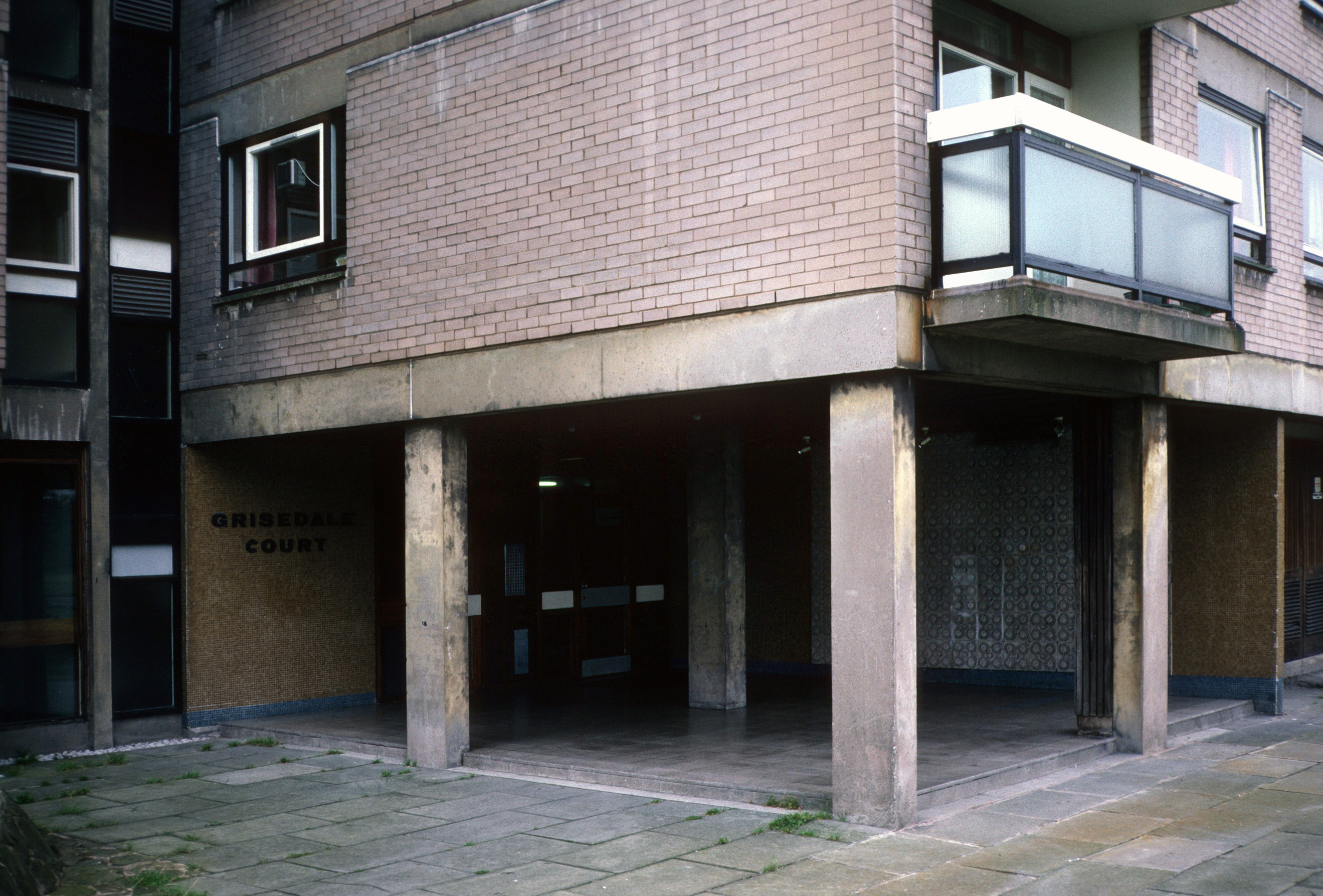
Freshfields as listed is the new name for Grisedale Court as was sold by council and now private flats.

There are 16 floors in each block, 15 on one side and 16 on the other side

This area is known as the Charlestown Towers.

Tower Block

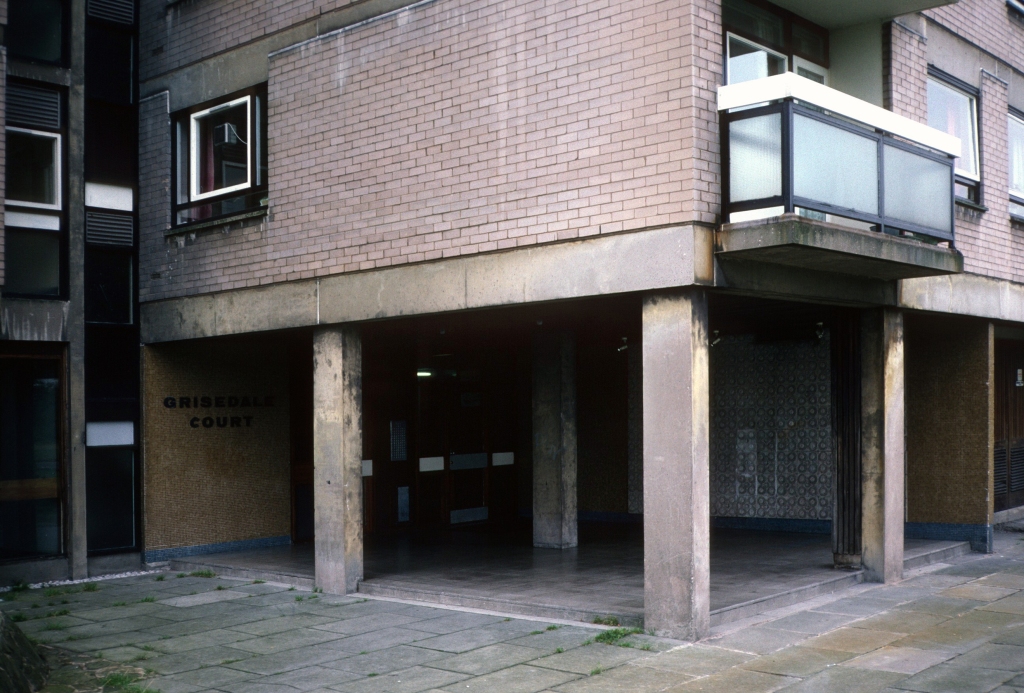
1987 – Grisedale Court with circular tiles in the entrance.
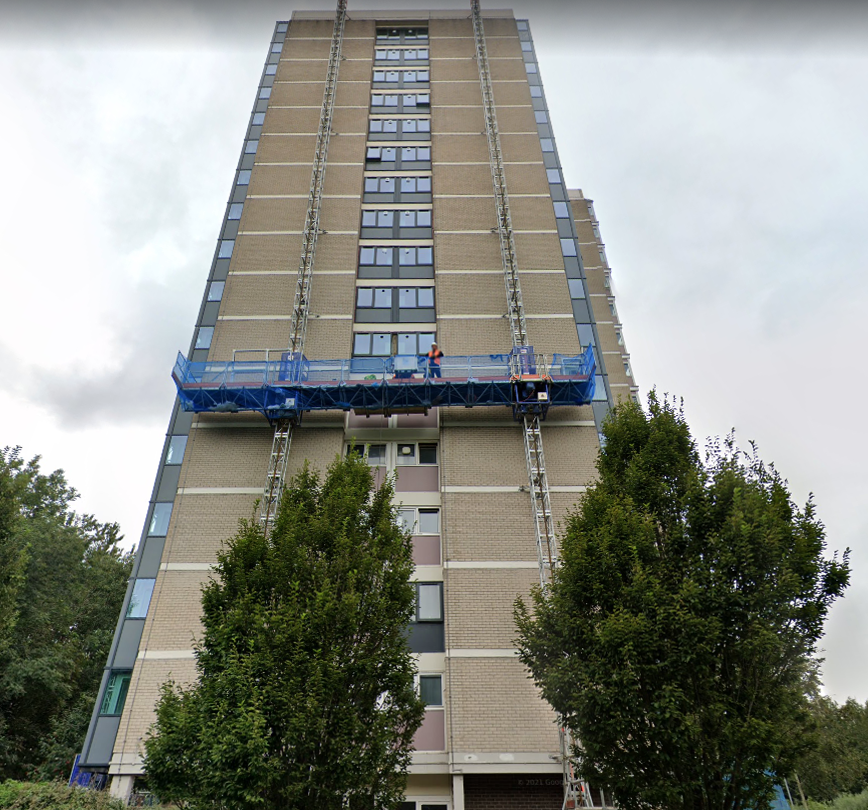
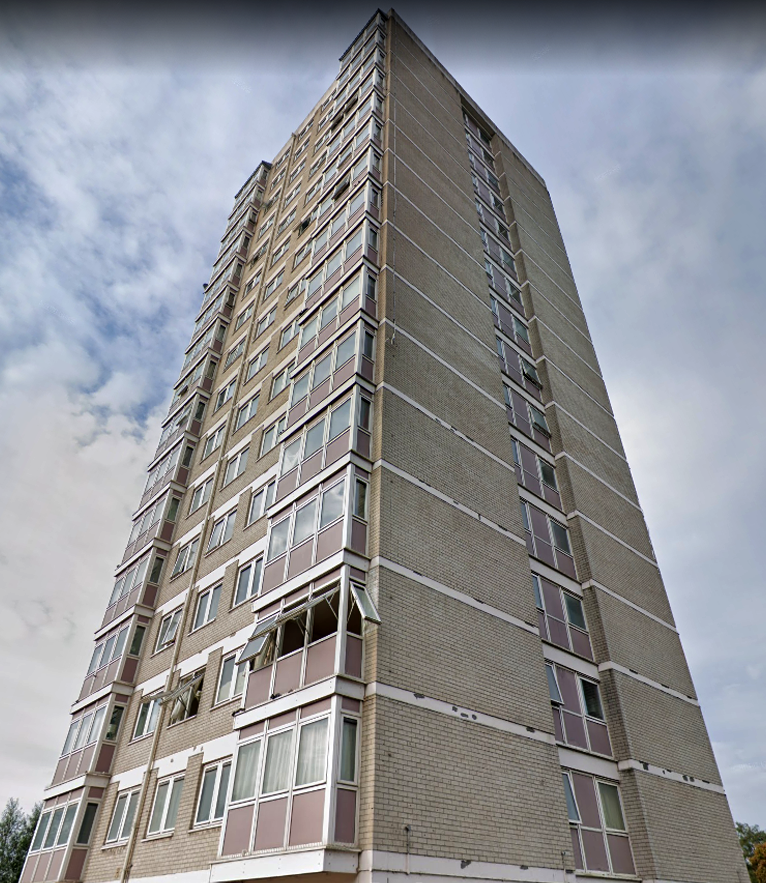
Over time the balconies have been boxed in and more recently the glazing replaced.

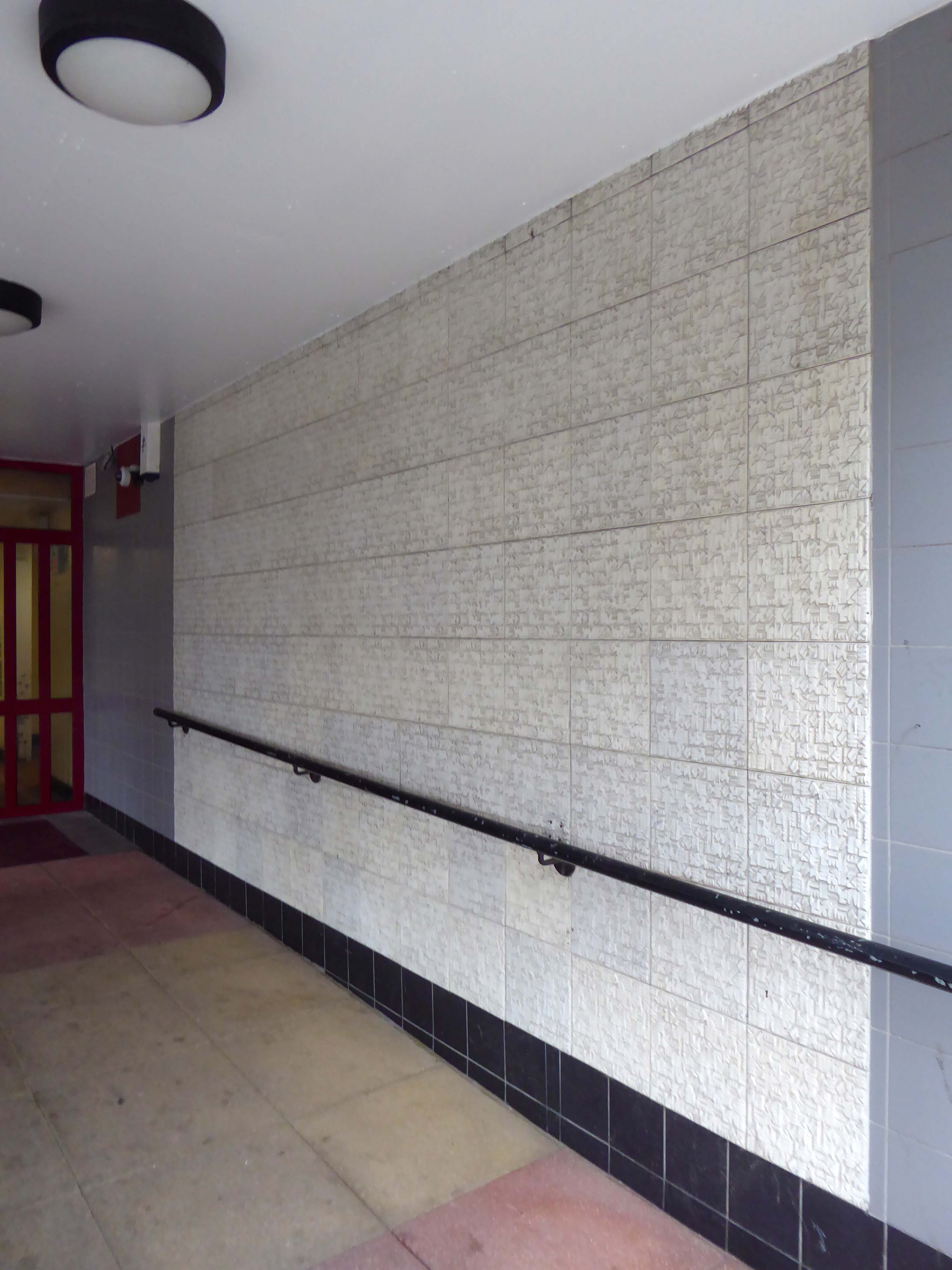
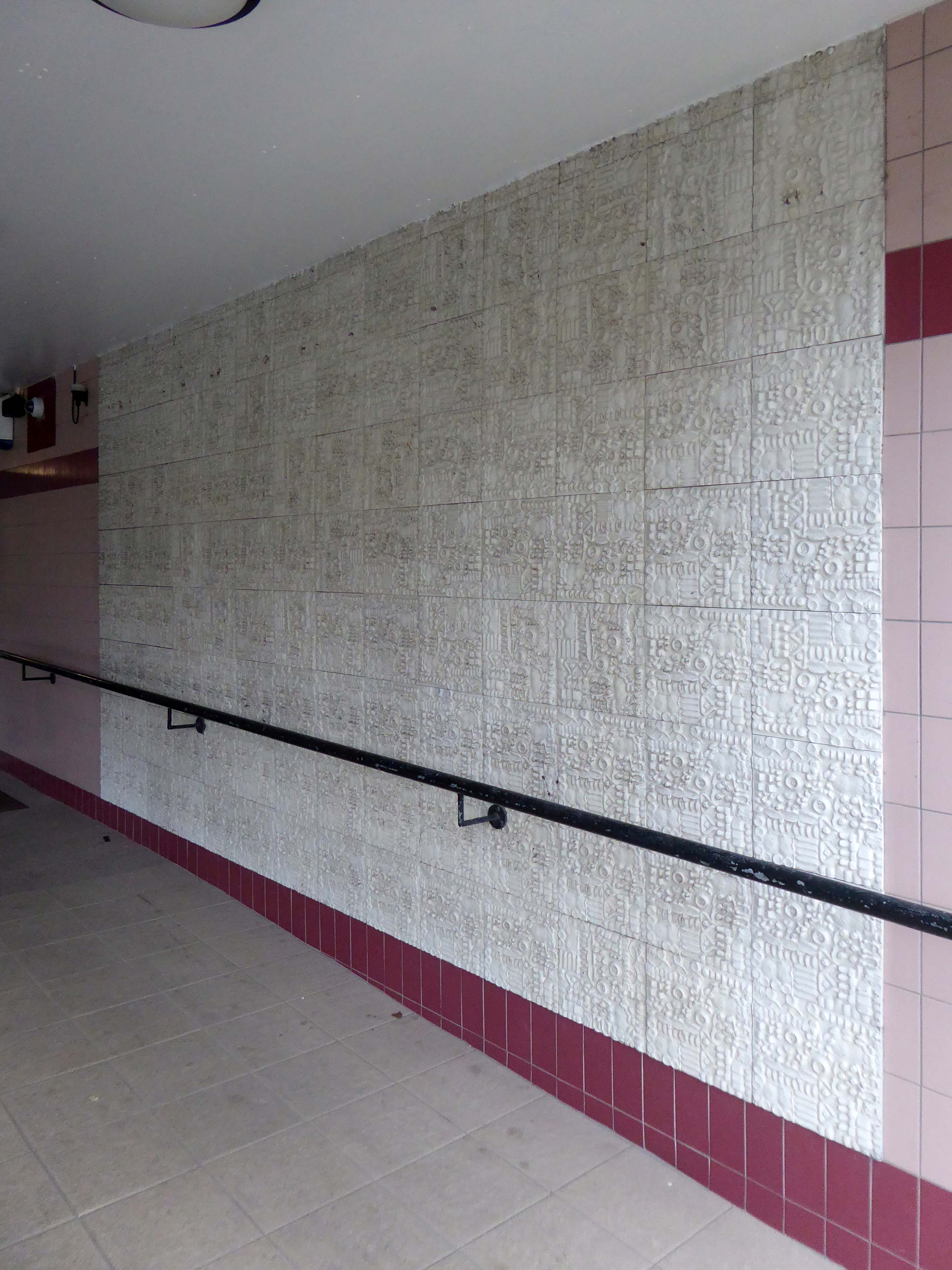
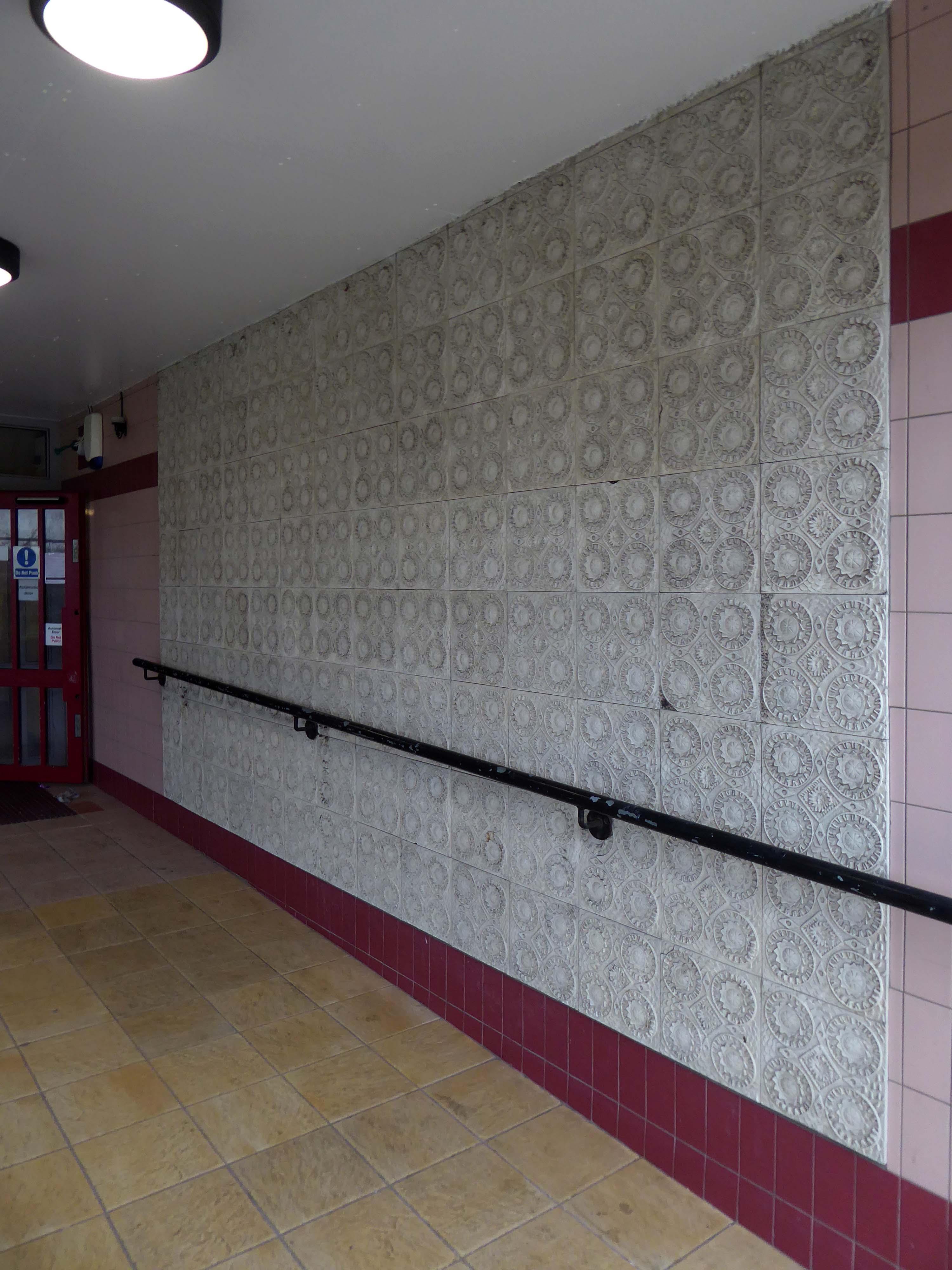
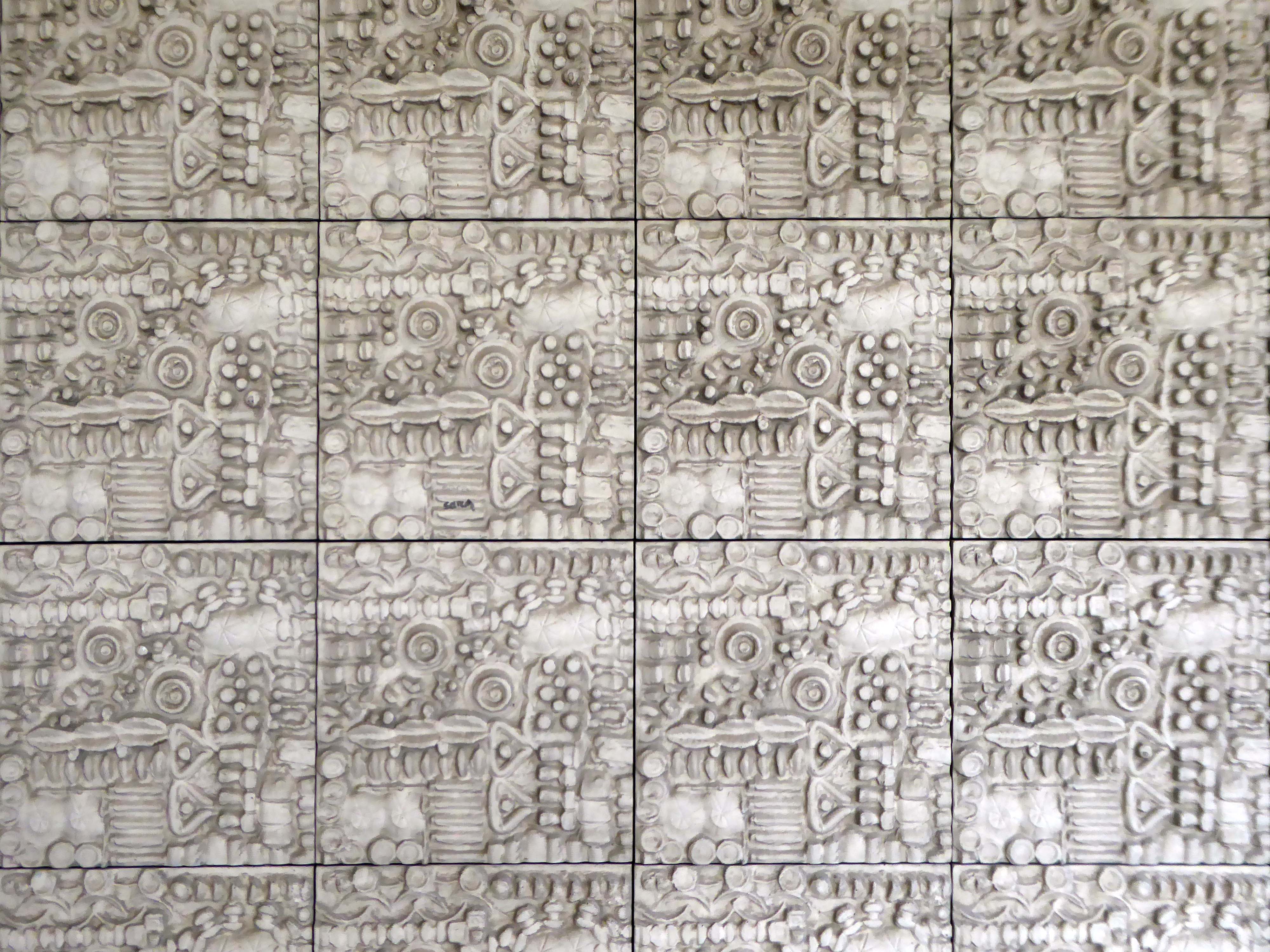
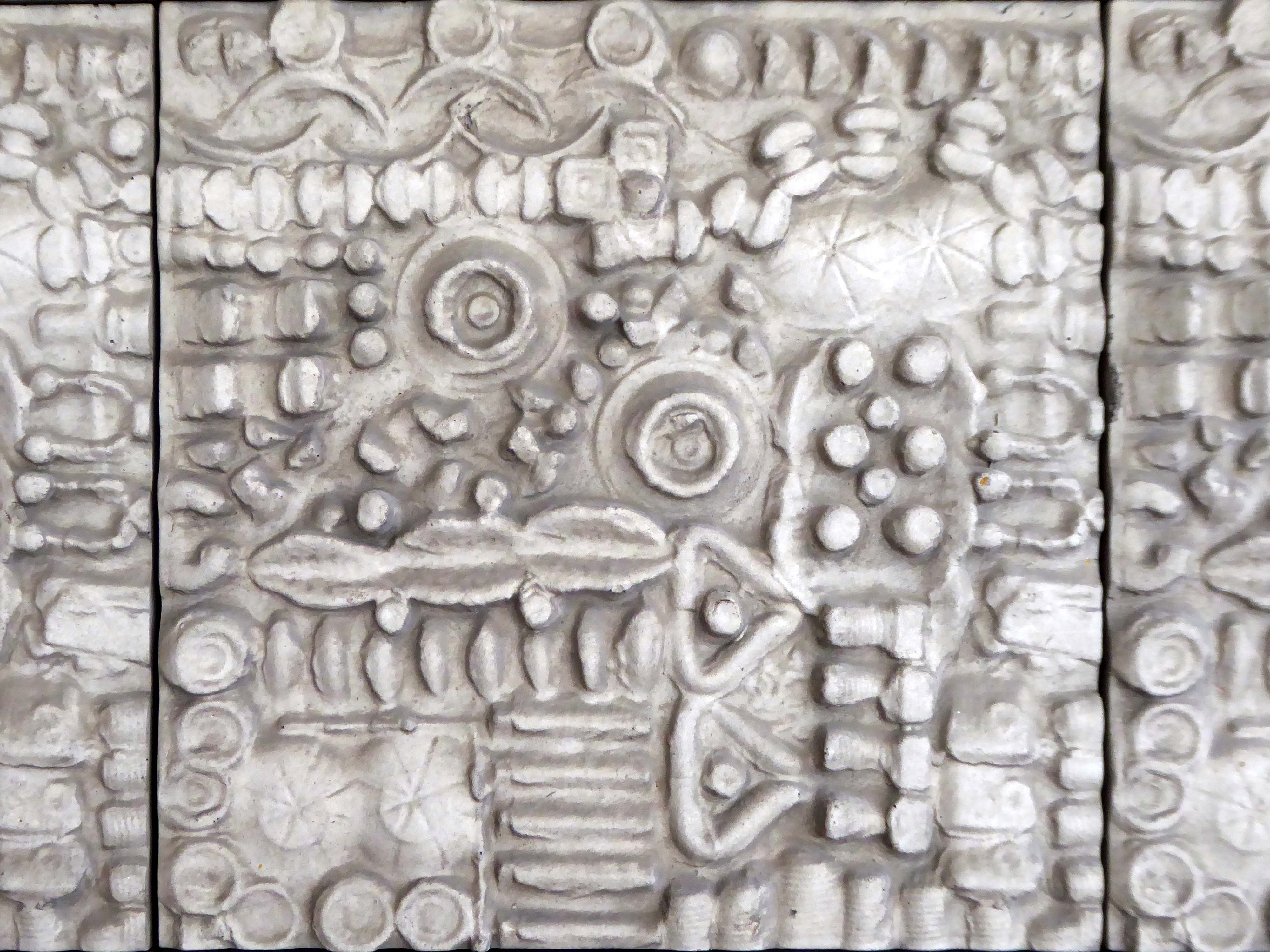
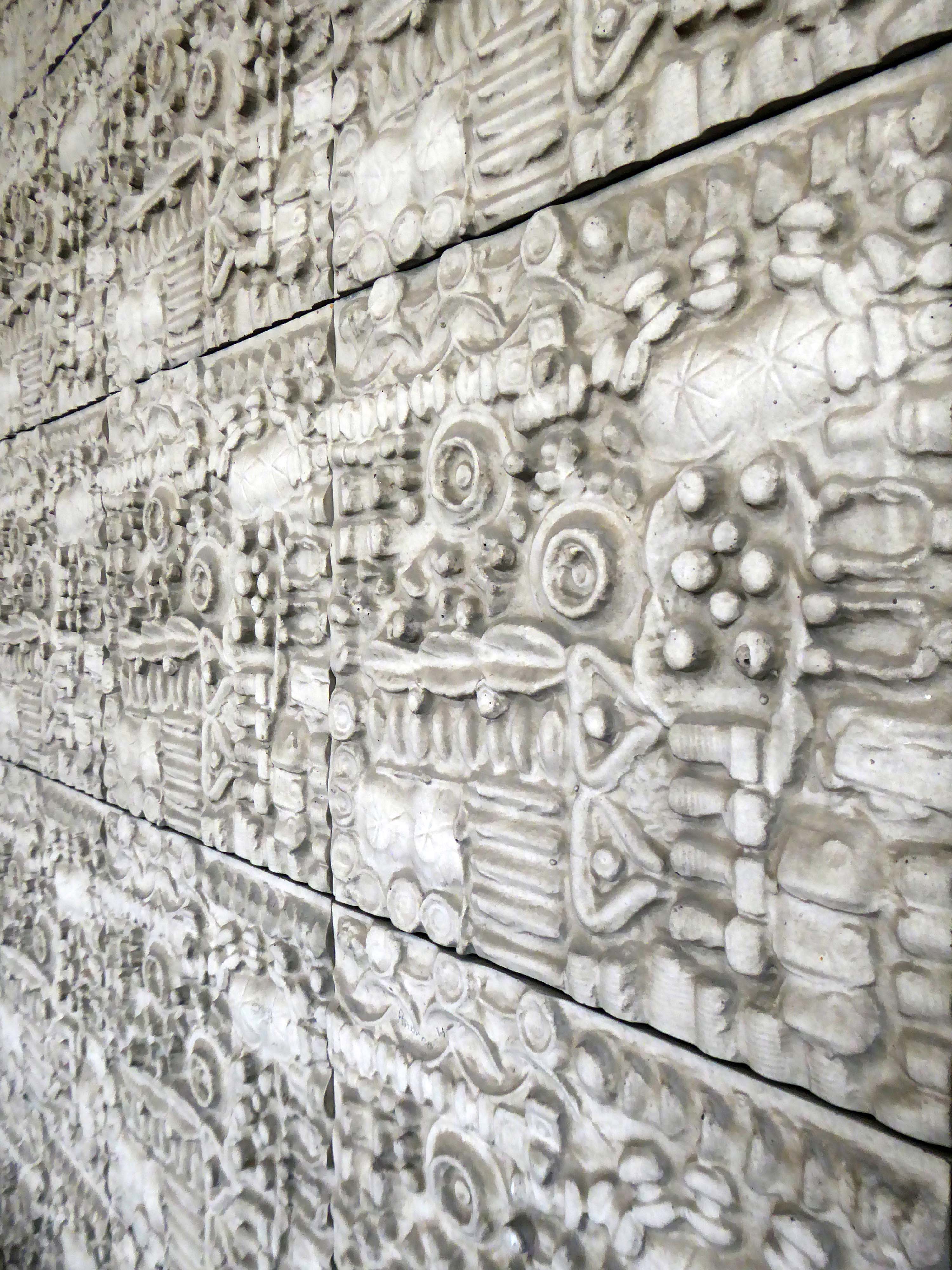
I was particularly interested in the hand made tiles inside the entrance – very much in the style of William Mitchell.

Portwood – 2023

Where are we?

We once were lost, but are we saved?

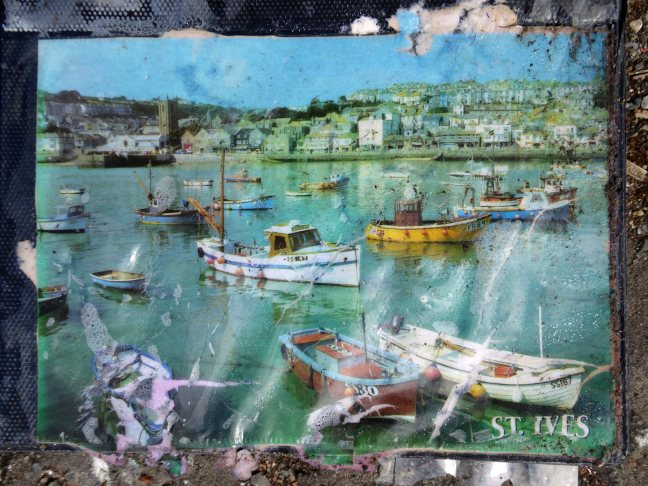
A remnant from a discarded photographic album locates us in Cornwall.

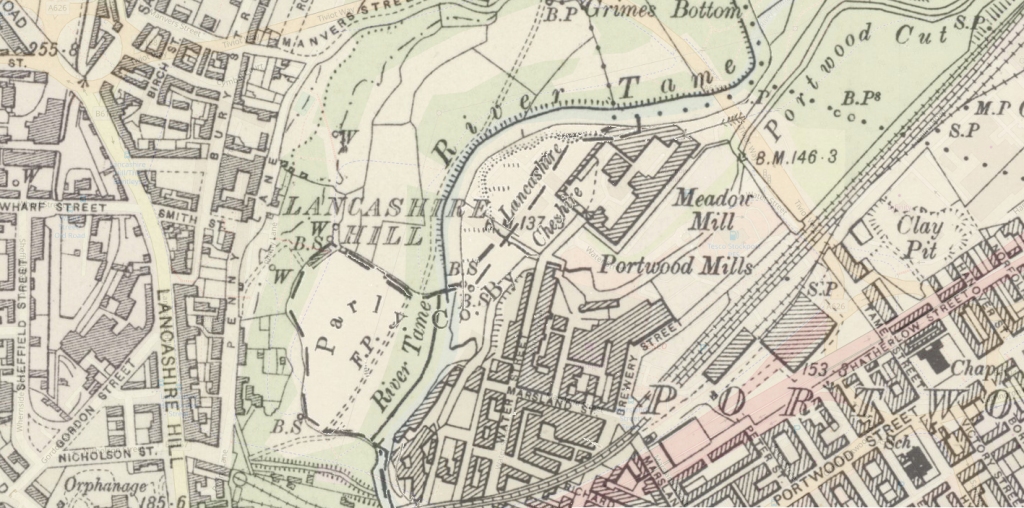
The Ordnance Survey places us at the heart of the Industrial Revolution.

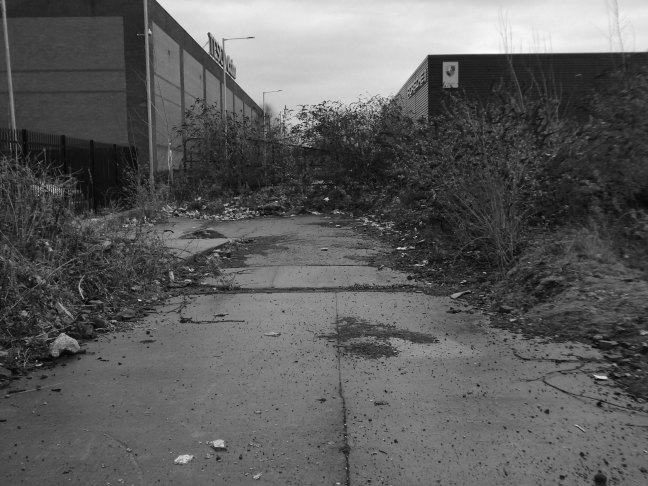
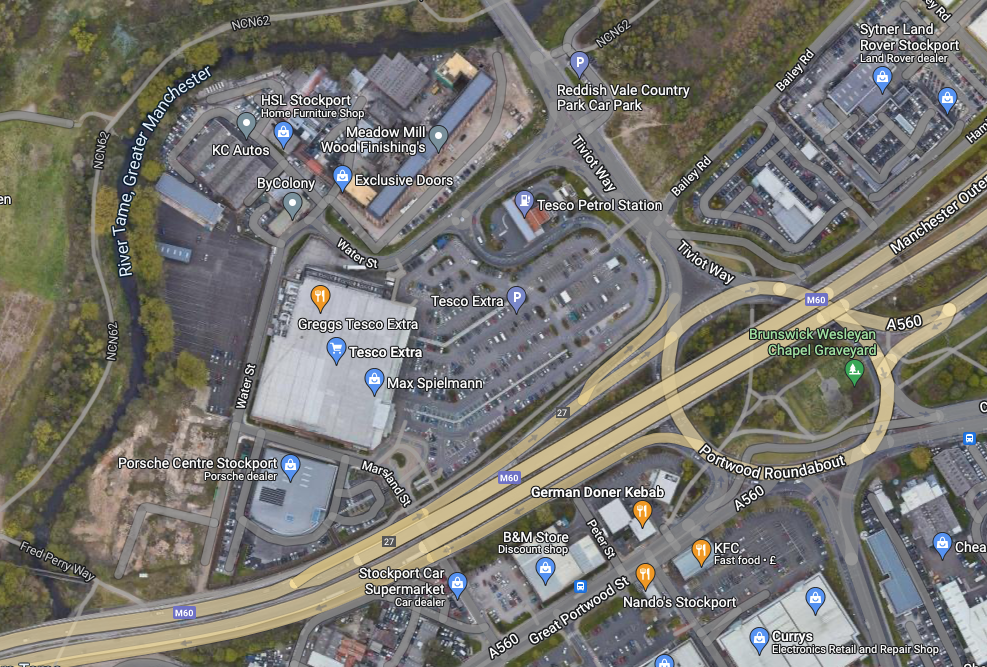
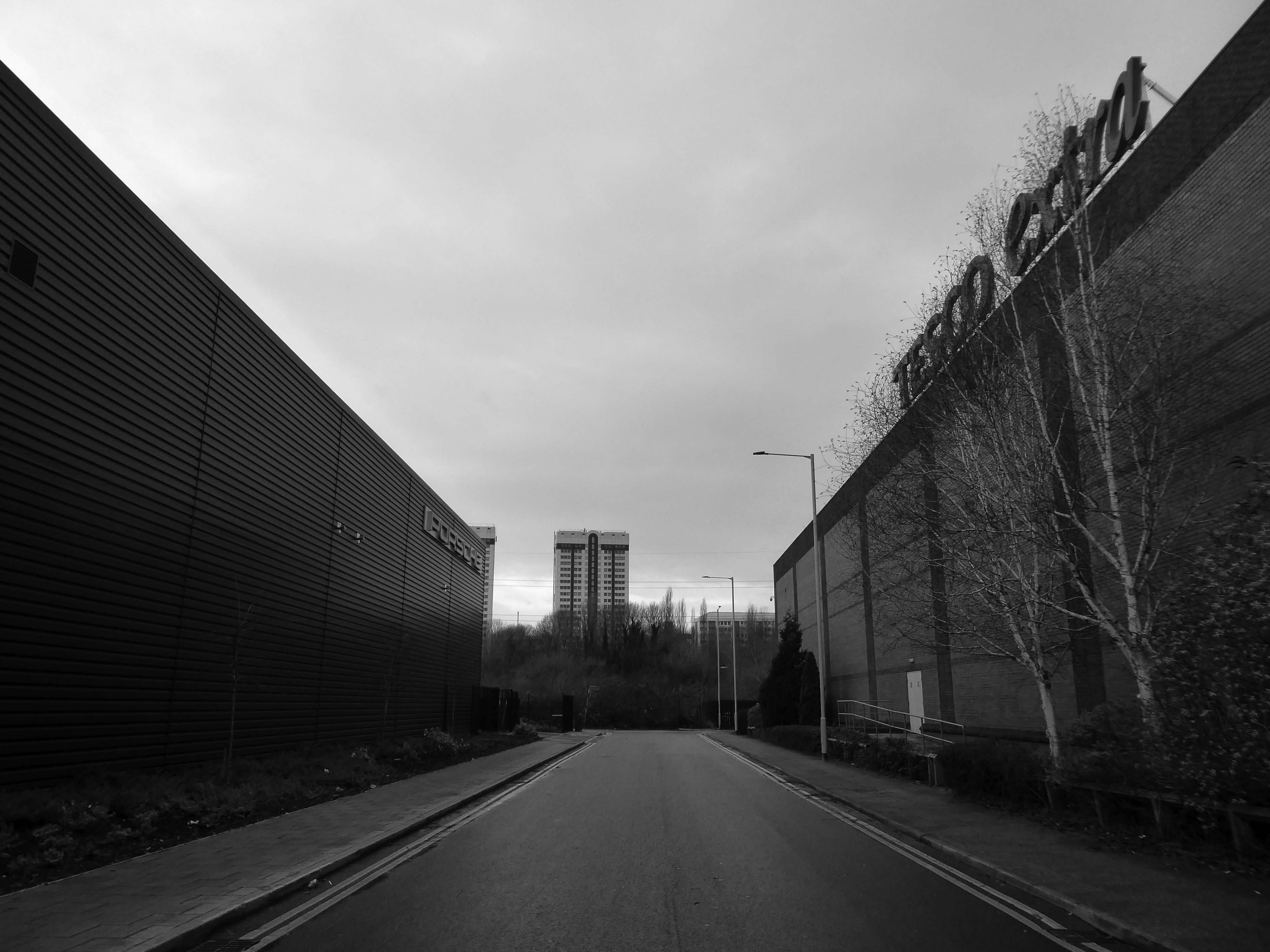
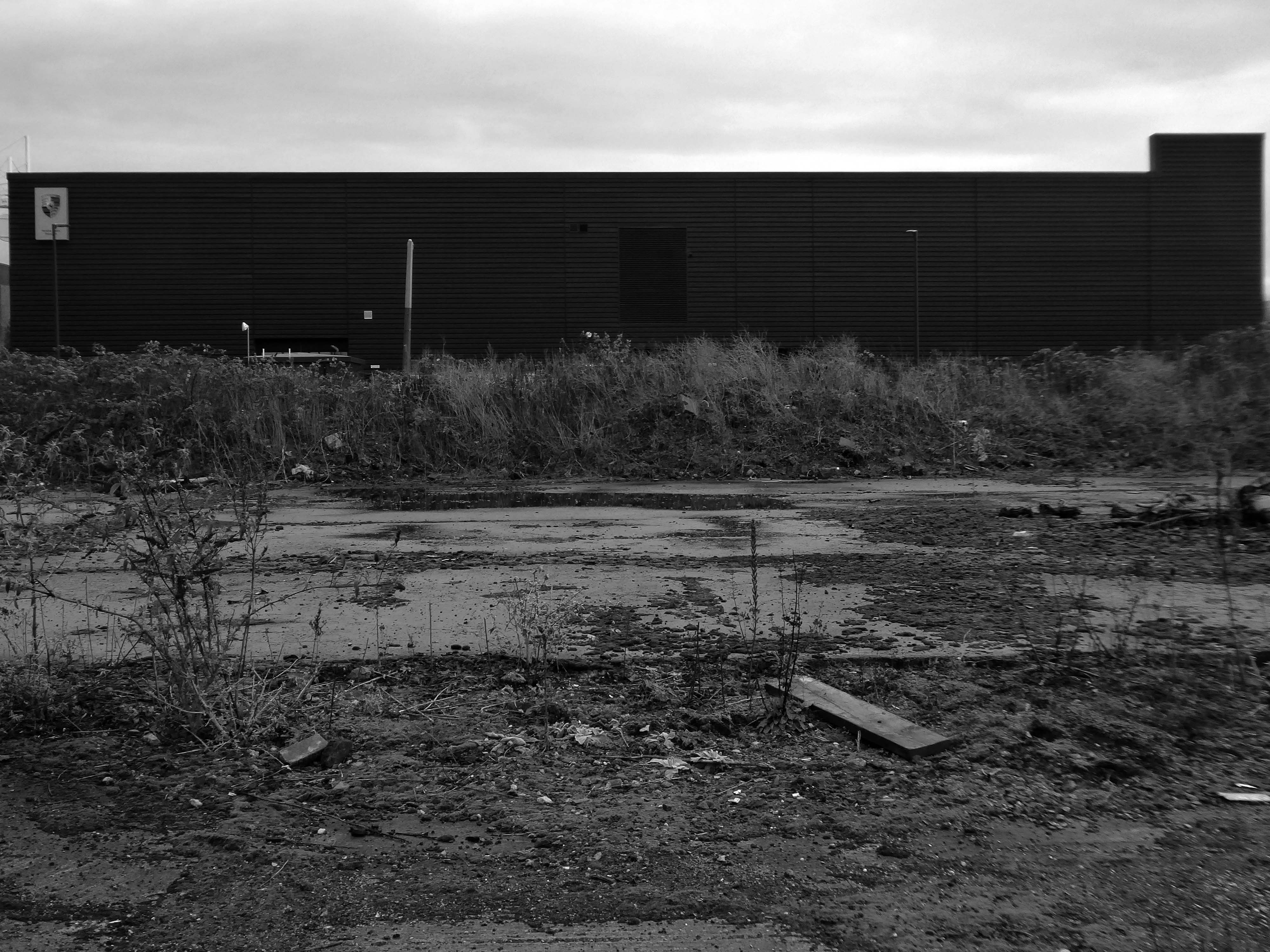
Now we are in the shadow of Tesco Extra and a recently opened Porsche dealership.

As of 2022, the supermarket chain had a brand value of roughly 9.91 billion US dollars.

Porsche Automobile Holding SE net worth as of January 2023 is 16.51 US dollars.

By the side of the River Tame and the M60 Motorway

The 19th-century industrial concentrations in the above-named urban areas resulted in the Tame being a much polluted waterway. As well as industrial pollution from the dyes and bleaches used in textile mills, effluent from specialised paper-making cigarette papers, engineering effluents, including base metal washings from battery manufacture, phenols from the huge coal-gas plant in Denton, rain-wash from roads and abandoned coal spoil heaps there was also the sewage effluent from the surrounding population. Up to two-thirds of the river’s flow at its confluence with the Goyt had passed through a sewage works. The anti-pollution efforts of the last thirty years of the 20th century have resulted in positive fauna distributions.

Wikipedia

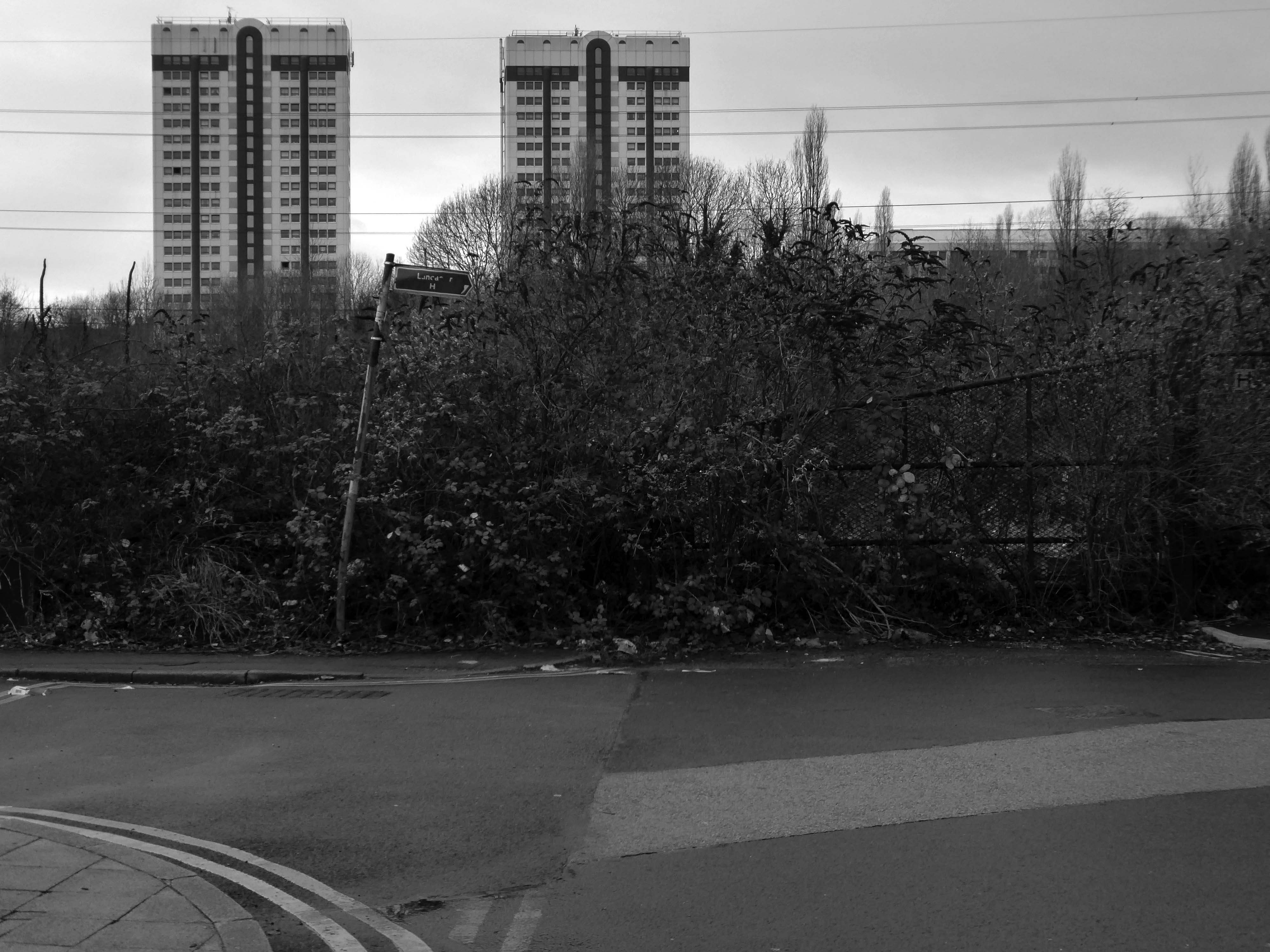
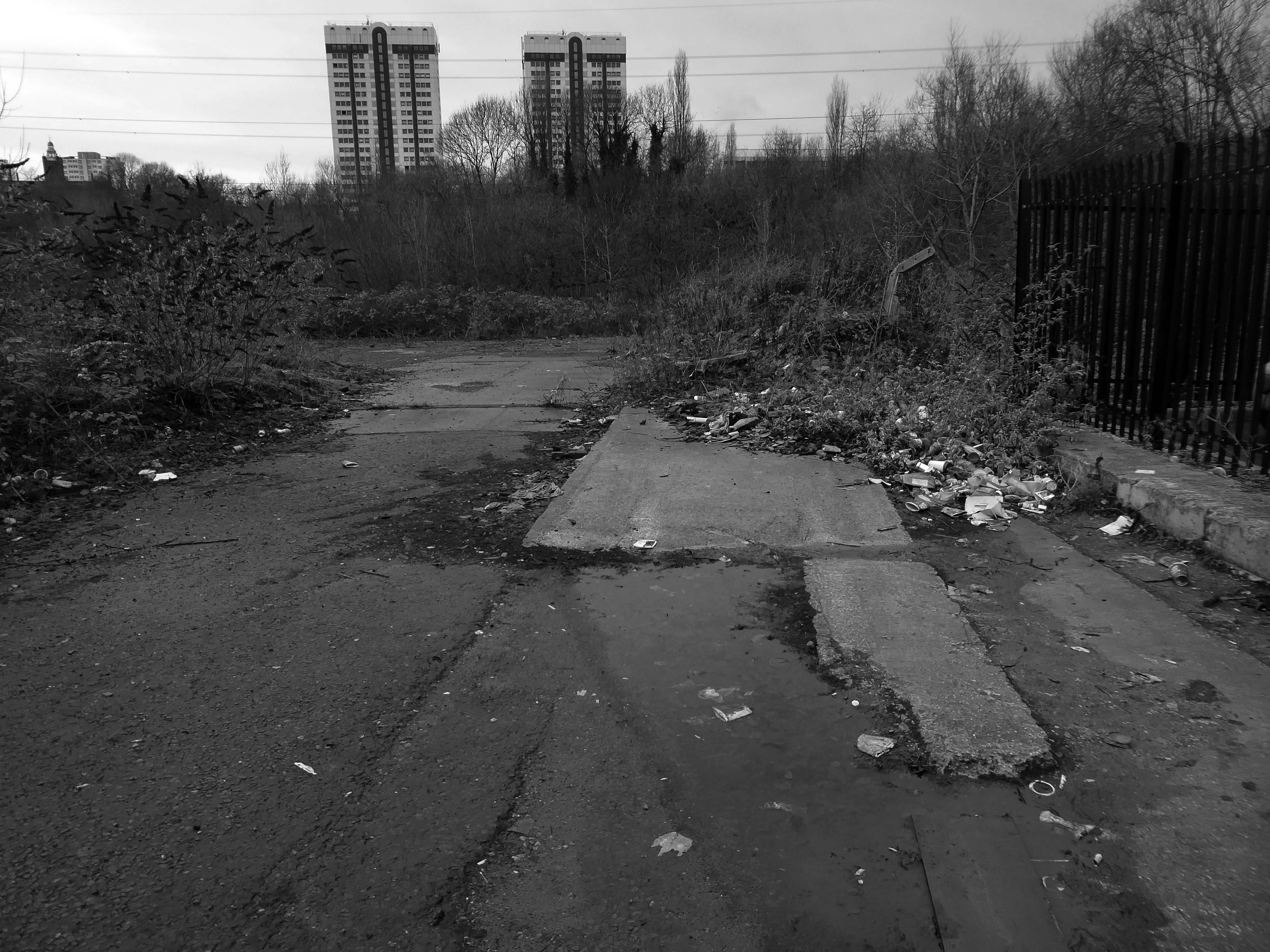
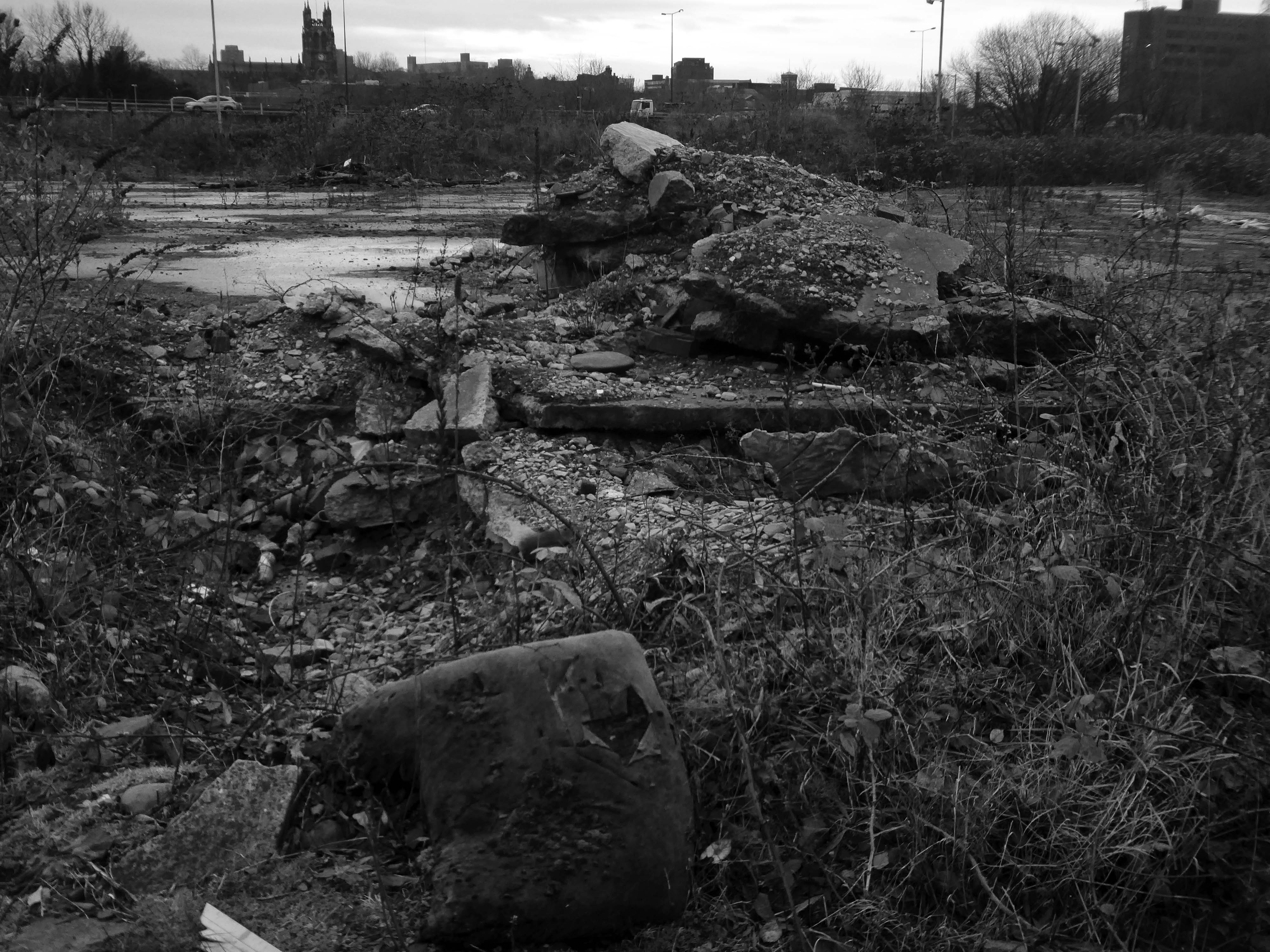
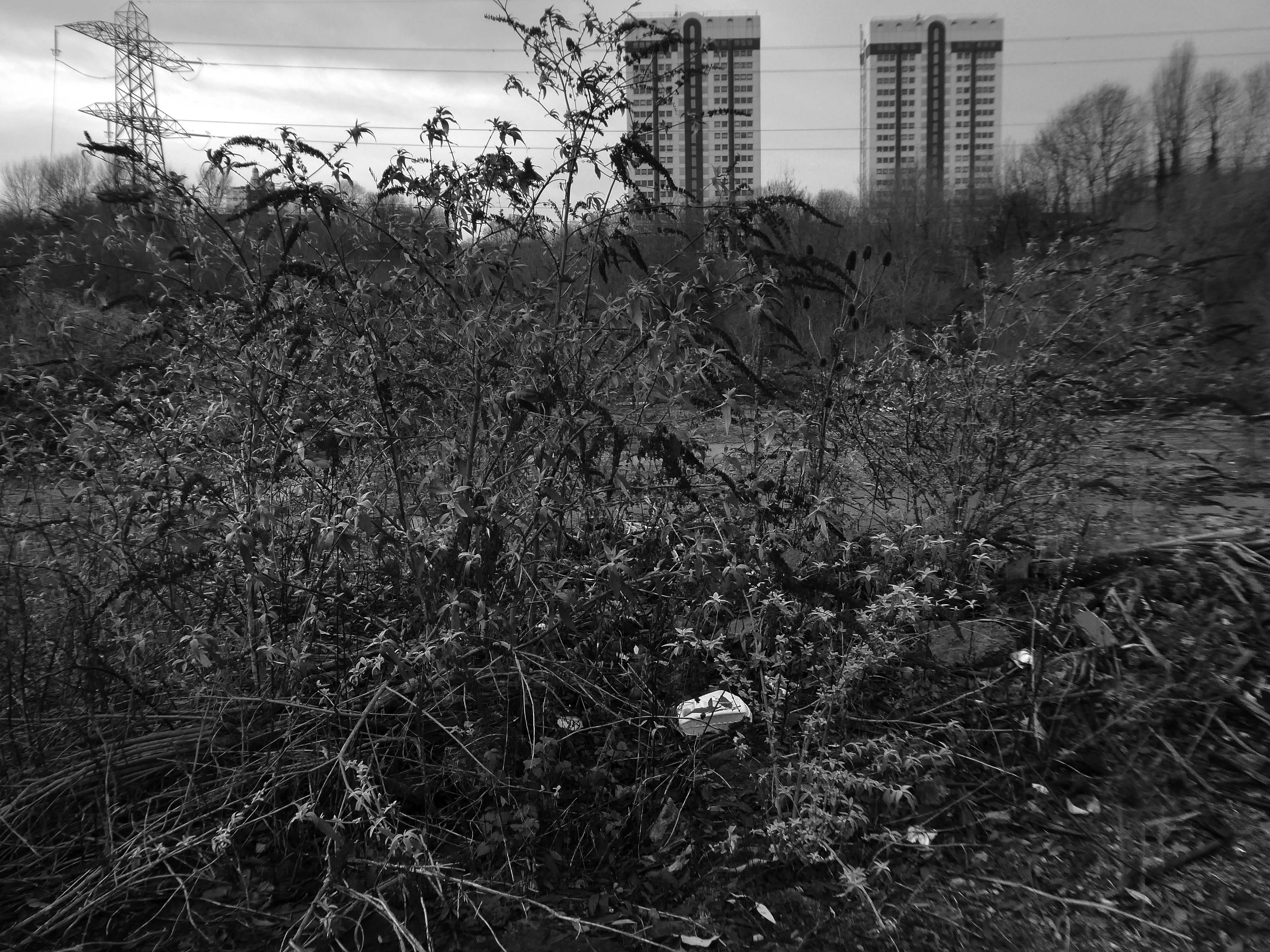
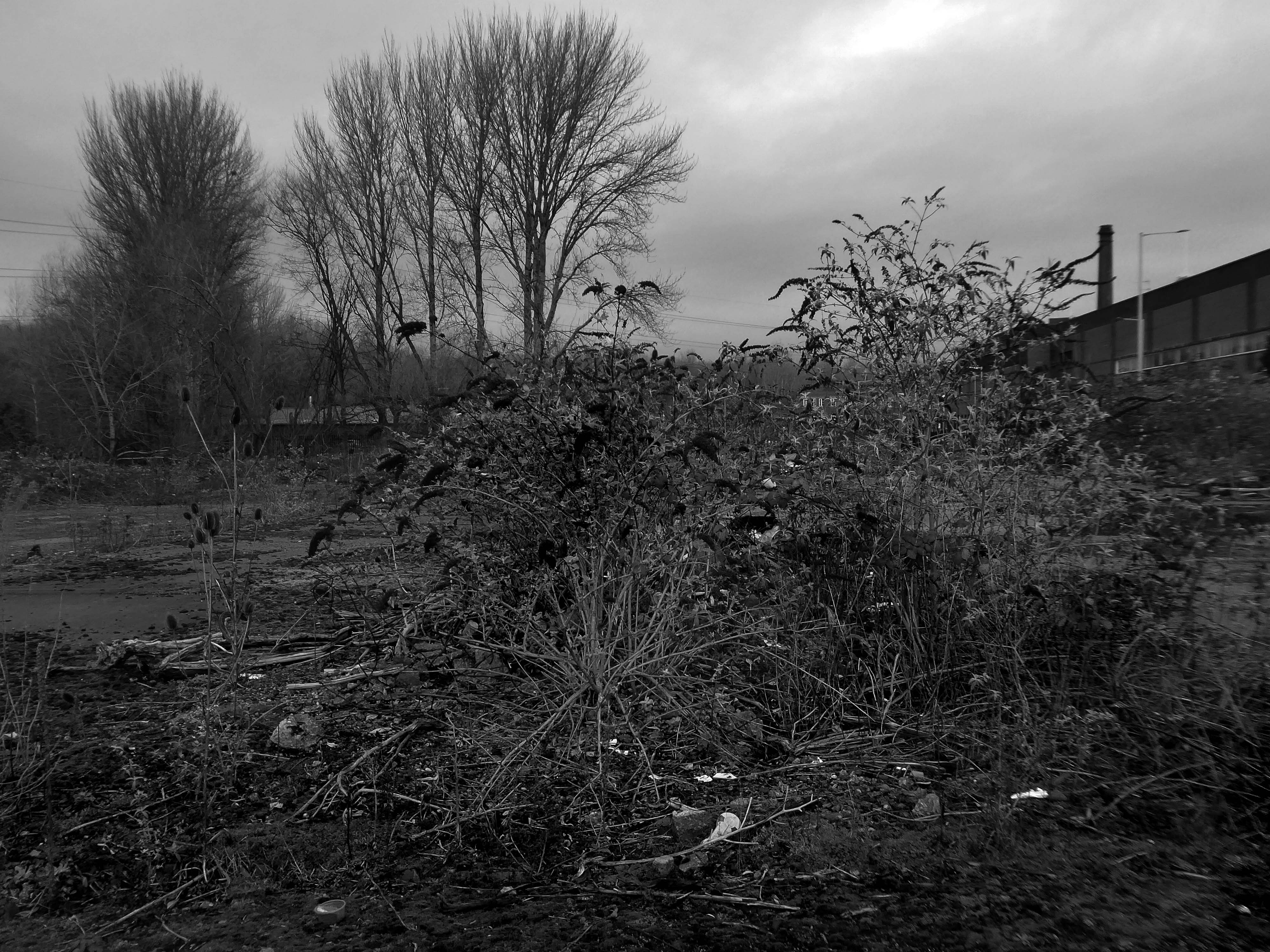
There is a plot of land to the left of Porsche which remains undeveloped, I often walk around this area, what would have once been for myself and others the place of childhood high jinx.

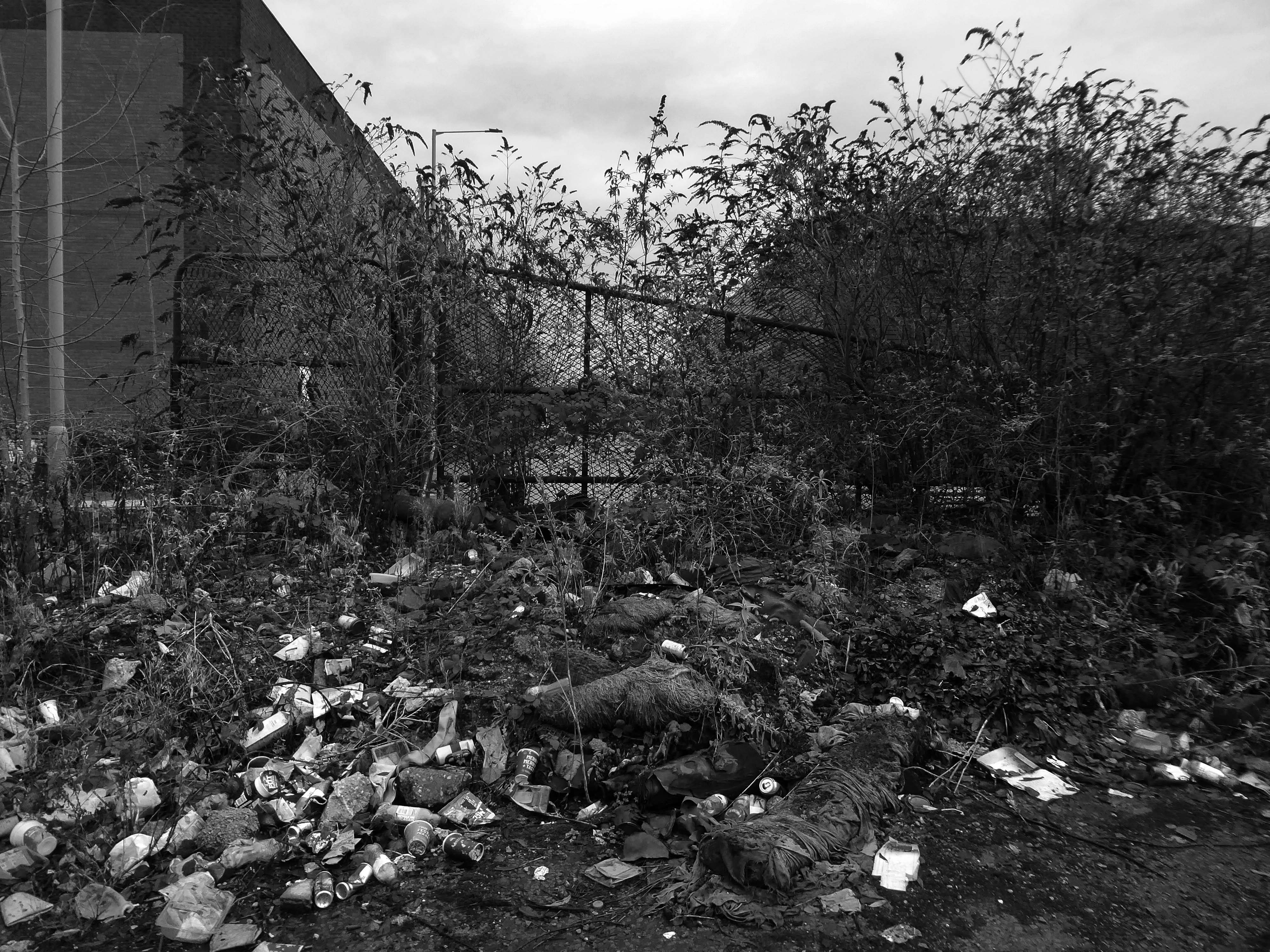
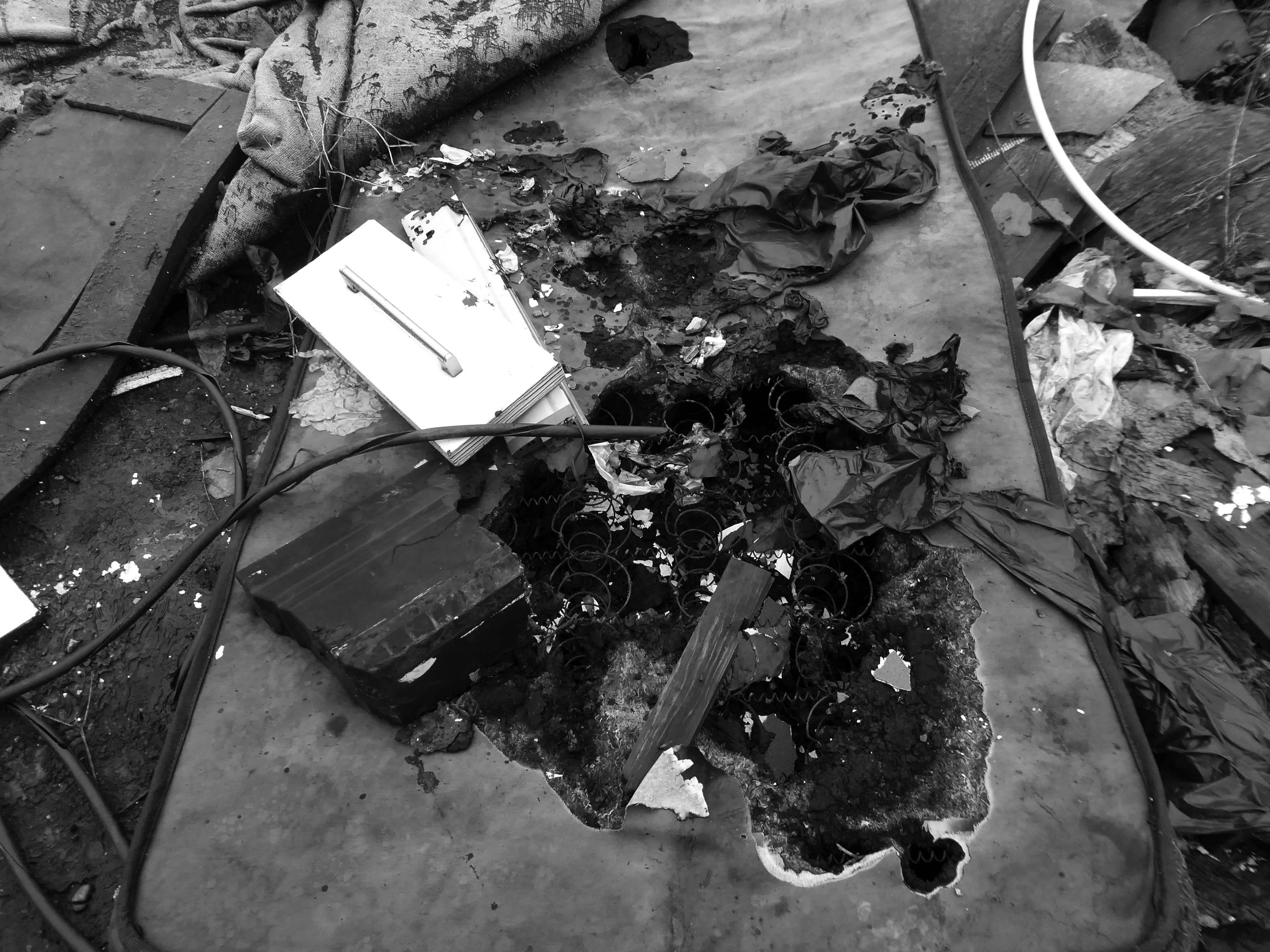
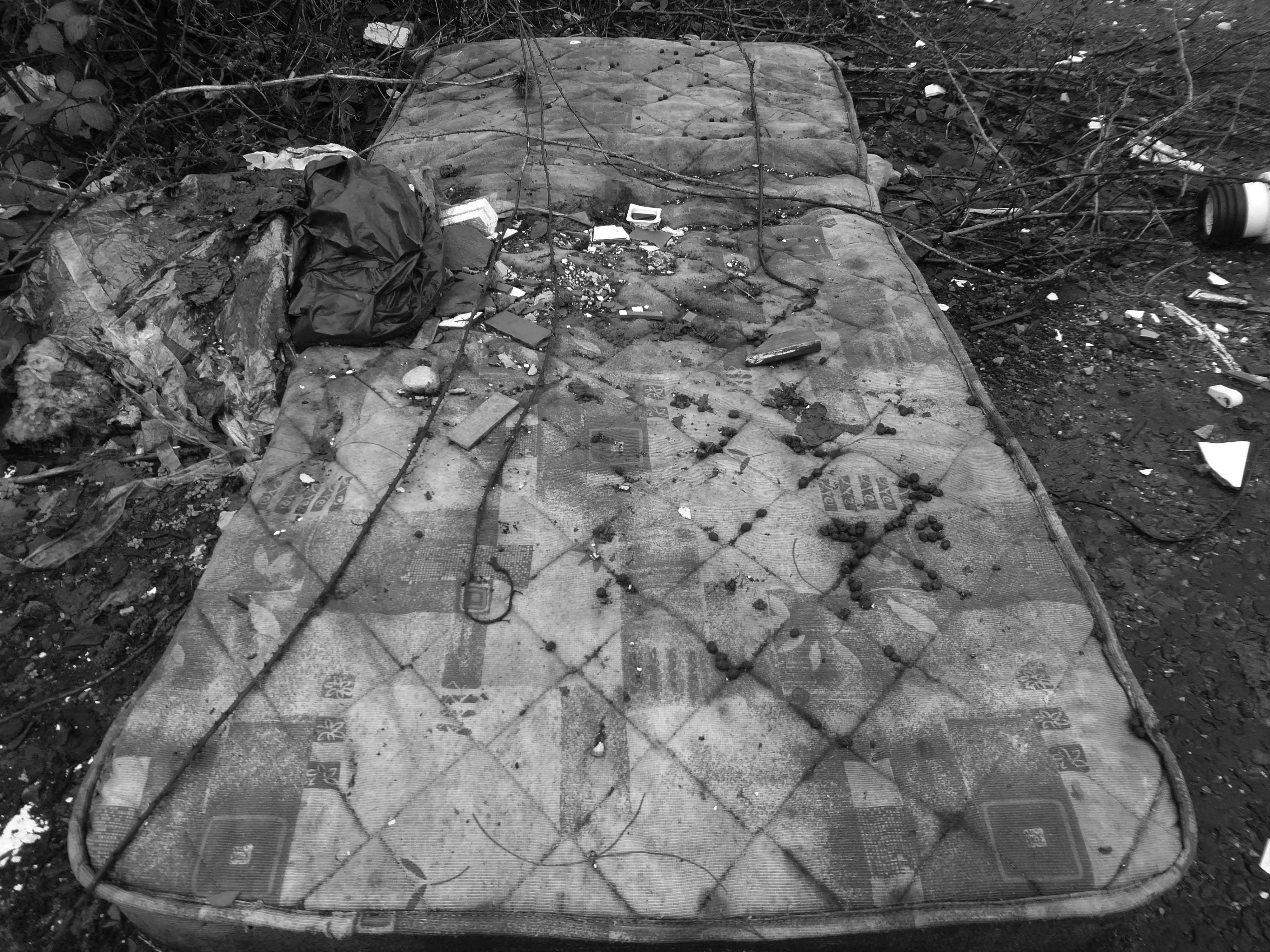
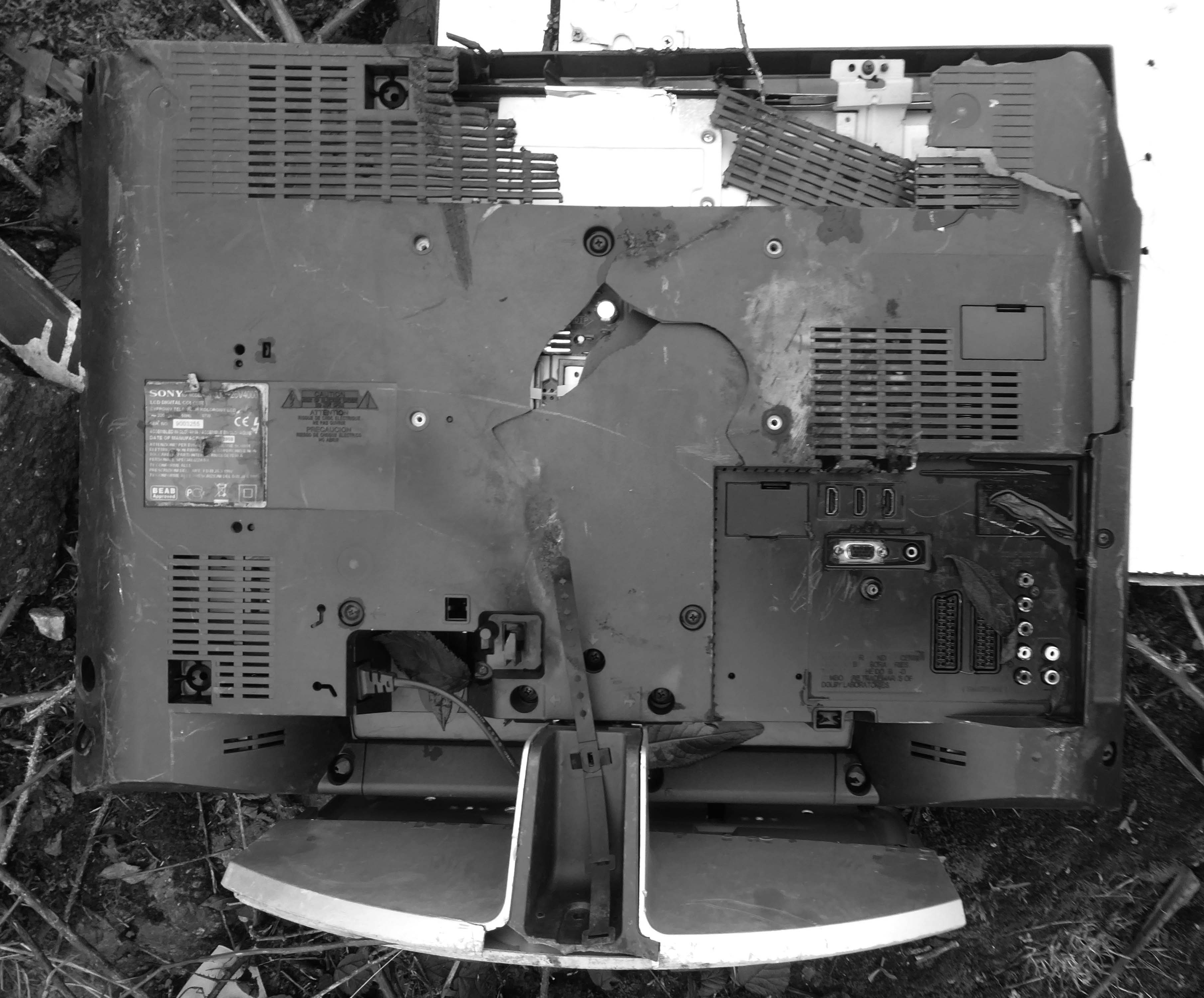
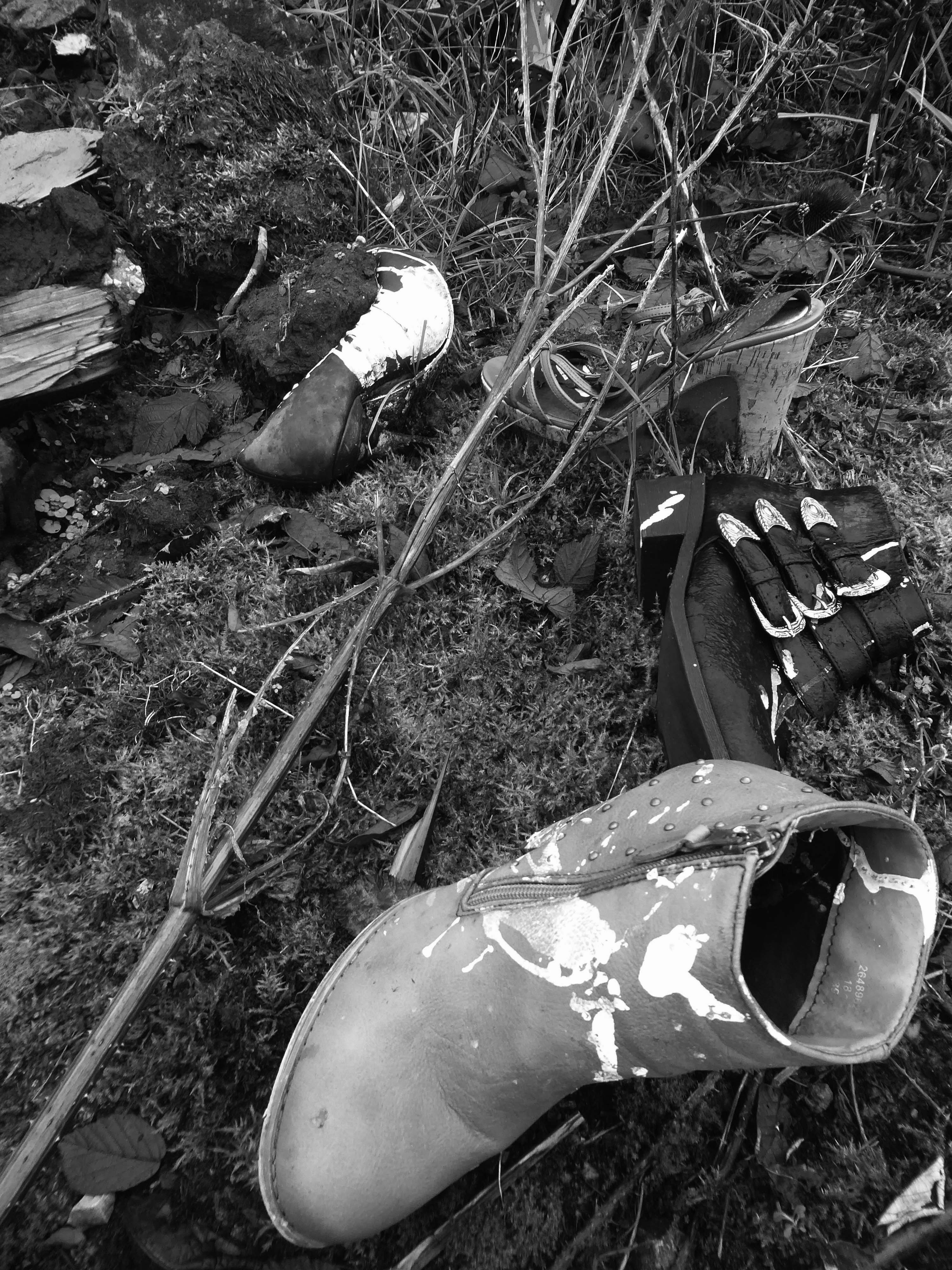
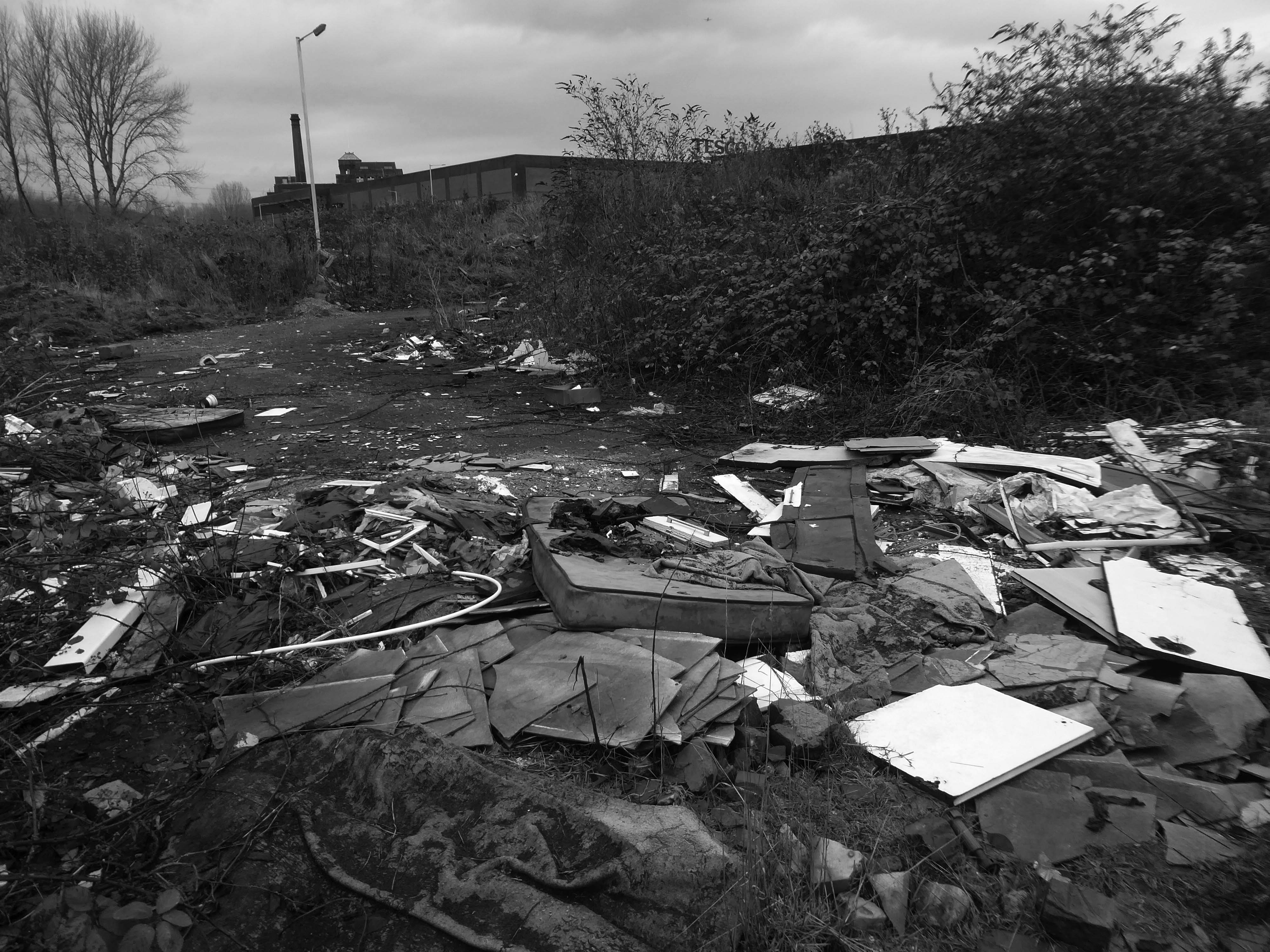
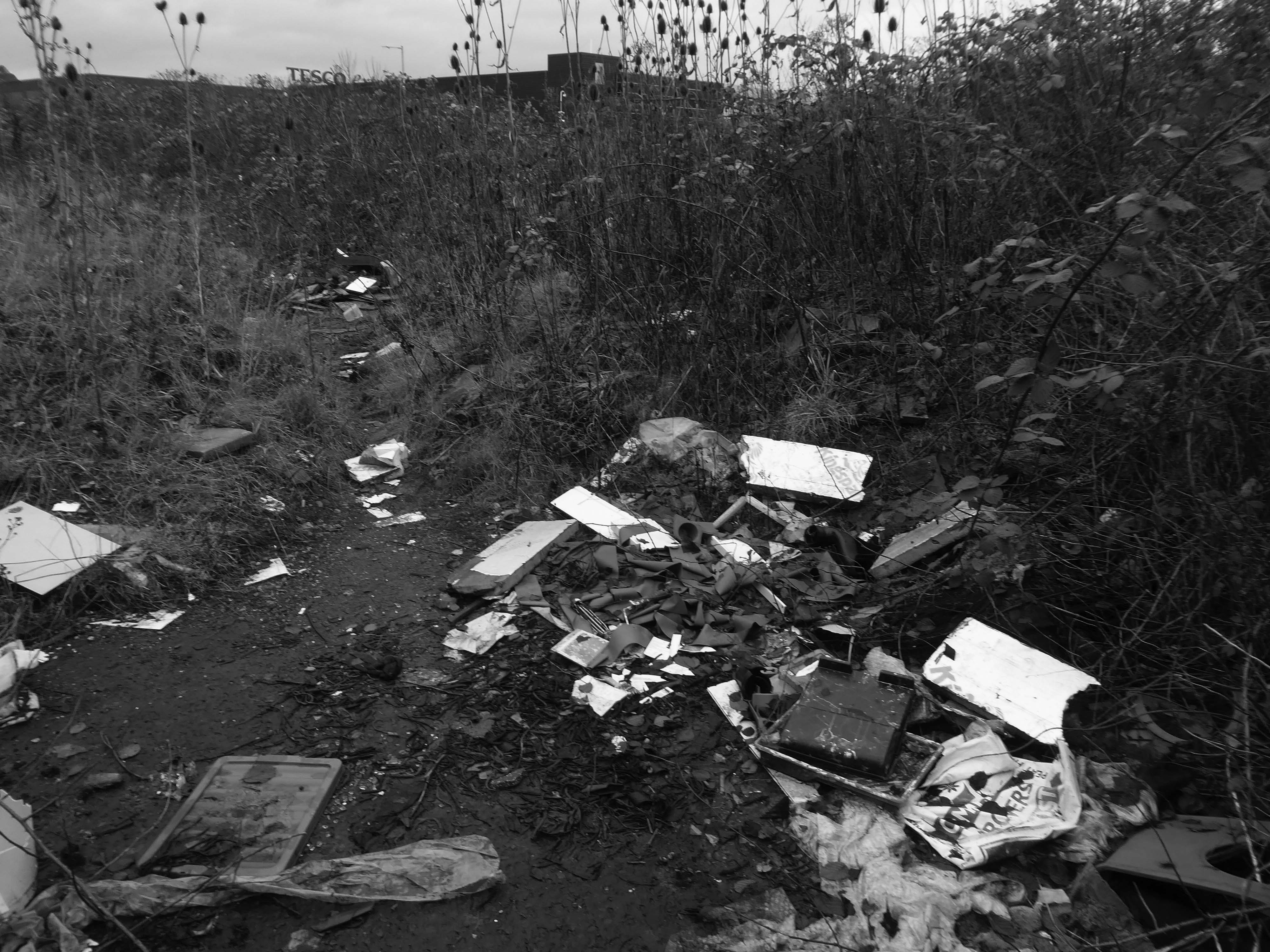
Now it is the domain of the fly-tipper, the home of the homeless, a war zone for a species which has declared war upon itself.

A desert of detritus, interpolated with tangles of brambles, seas of teasels and the ubiquitous buddleia.

This is the unofficial showroom for the unofficial Anthropocene Epoch – always crashing in a different car, during increasingly unseasonal weather, the superabundance of abundance.
It seems that the sun may set on us, before the sun finally sets.

Let’s take a peep at Portwood.

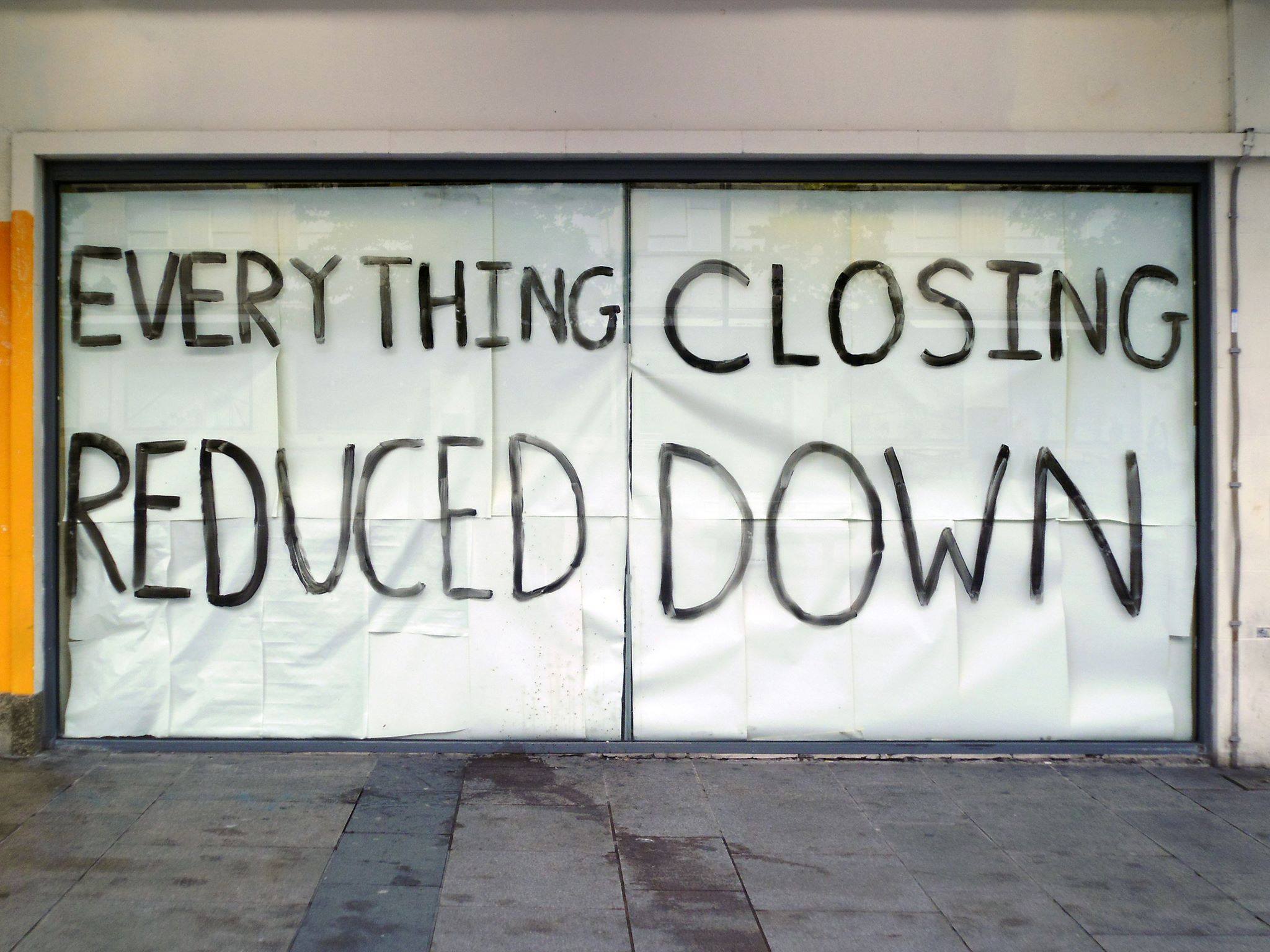
Game over.

Vehicle use affects our whole quality of local life. Traffic can be dangerous and intimidating, dividing communities and making street life unpleasant, whilst air pollution and traffic noise can make urban living uncomfortable.

Environmental Protection UK

The impacts of mass consumption are: Misuse of land and resources, exporting pollution and waste from rich countries to poor countries, obesity due to excessive consumption, a cycle of waste, disparities and poverty.

Global Issues

Chorley Police Station and Magistrates’ Court

St Thomas’s Road Chorley PR7 1RZ

The police station and magistrates’ court at Chorley was designed to replace a building from 1896 – a weights and measures plaque from the original building was retained and remounted at the foot of the new building.

The two buildings were set adjacent one another and around a newly formed square with one side made up of the rear of the existing town hall. This small civic group was intended to relate to one another in scale, but was markedly contrasting in its material make-up.

County Architect’s Report: 1963-64.

The design team was Roger Booth, Lancashire County Architect; C.A. Spivey, Assistant County Architect; D.B. Stephenson, Design Architect; and D.G. Edwards, A.G. Gass, responsible for the detailed design and construction. The seven-storey in-situ concrete framed main block was the last bespoke police station to be built in Lancashire, following this the department developed a systemised concrete construction method which was deployed across the county. The dramatic cantilevers gave the new building a stature and presence that signalled authority. The lower levels were accessed by ramps and provided space for police vehicles. To enter the police station one ascended a set of external stairs across a pool that once contained koi carp – fittingly, one boy described the new building as a ‘fishtank’ upon its completion. The magistrates’ court was finished externally in a grey brick and carried the signature pyramid rooflights that were synonymous with the Department.

Many thanks to Richard at Mainstream Modern

This is one of many Roger Booth police stations I have visited – Bonny Street Blackpool under threat, Bury long gone and the extant variant in Morecambe

The Magistrates’ Court is up for sale:

Coun Alistair Bradley, Leader of Chorley Council, confirmed that the council had enquired to take ownership of the building but that this was knocked back.

He said: We’ve enquired about taking the building on but the owners, the Ministry of Justice, has said they want to take it to market.

Lancashire Post

The building is being advertised as a potential site for a future office, residential, restaurant and bar, leisure, entertainment, and hotel.

Asked about its future, Chorley councillor Aaron Beaver told Lancs Live he had heard no news of developments but desperately wanted to see something happen with the building, he said:

It’s a perfect location. There’s lots of things it could be used for. 

If you were to knock it down, there’s all sorts of things which could be built there. If you were to convert it to something like flats, it could be tricky because there’s not many windows.

Commenting on the progress of the sale since it’s closure, he added:

I wouldn’t say it’s slow moving, I’d say it’s not moving.

Lancs Live

We eagerly await any possible developments.

Whilst walking around the adjoining Police Station.

UMIST Missed

Whilst Oxford Road echoes to the sound of Freshers fleet of foot.

UMIST is only home to fallen leaves and a palpable air of melancholia.

The last of the students have left and a crew of hi-vis workers are busy stripping the remains of days long gone.

We have all walked on by before and will again – though with heavier heart, into an all too uncertain future – for only the Holloway Wall is listed.

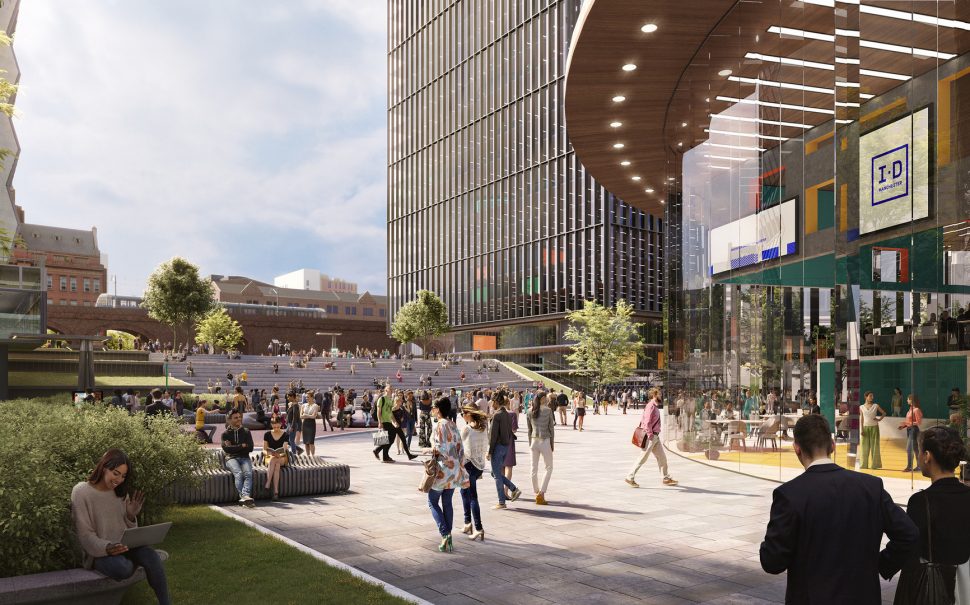
Now a grand redevelopment project has been unveiled to tend to that. According to the developer’s website, the plan promises to accelerate growth, partnership and collaboration.

Christened ID Manchester, the plans could see the area hacked into a glass maze of ultra-modern offices, apartments and hotels. 

Mancunian Matters 2021

Liverpool – Cathedral to Cathedral

Beginning at Frederick Gibberd’sMetropolitan Cathedral of Christ the King.

Walking toward Giles Gilbert Scott’sAnglican Cathedral via the University Campus.

We are greeted by William Mitchell’s sliding door panels.

Let’s take a look inside.

Above is the tower with large areas of stained glass designed by John Piper and Patrick Reyntiens in three colours – yellow, blue and red, representing the Trinity. 

On the altar, the candlesticks are by RY Goodden and the bronze crucifix is by Elisabeth Frink. Above the altar is a baldachino designed by Gibberd as a crown-like structure composed of aluminium rods, which incorporates loudspeakers and lights. Around the interior are metal Stations of the Cross, designed by Sean Rice. Rice also designed the lectern, which includes two entwined eagles. In the Chapel of Reconciliation, the stained glass was designed by Margaret Traherne. Stephen Foster designed, carved and painted the panelling in the Chapel of St. Joseph. The Lady Chapel contains a statue of the Virgin and Child by Robert Brumby and stained glass by Margaret Traherne. In the Blessed Sacrament Chapel is a reredos and stained glass by Ceri Richards and a small statue of the Risen Christ by Arthur Dooley. In the Chapel of Unity is a bronze stoup by Virginio Ciminaghi, and a mosaic of the Pentecost by Hungarian artist Georg Mayer-Marton which was moved from the Church of the Holy Ghost, Netherton, when it was demolished in 1989. The gates of the Baptistry were designed by David Atkins.
On now to the University.

Vine & Chestnut Houses by Gerald Beech 1967-70

Computing Services Electrical Engineering & Electronics by Yorke, Rosenberg & Mardall 1962-74

Harold Cohen Library 1938 – Harold A Dod of Willink & Dod

Learning by Eric Kennington 1938

Sherrington Buildings 1951-57 – Weightman & Bullen.

These days of peace foster learning

Let There be light!

Dental Hospital 1965-69 Anthony Clark Partnership

Royal Liverpool Hospital 1978 Holford Associates.

Designed by NBBJ and HKS – The Royal Hospital is one of the national infrastructure schemes being delivered under a Government PFI contract, with work having started in 2014 led by now-collapsed contractor Carillion.

After Carillion went into administration, further issues were uncovered during a structural review by Arup in 2018, including that the cladding on the building was unsafe and the project had to be reviewed and re-costed as a result. The targeted completion date is now five years later than planned.

Place Northwest

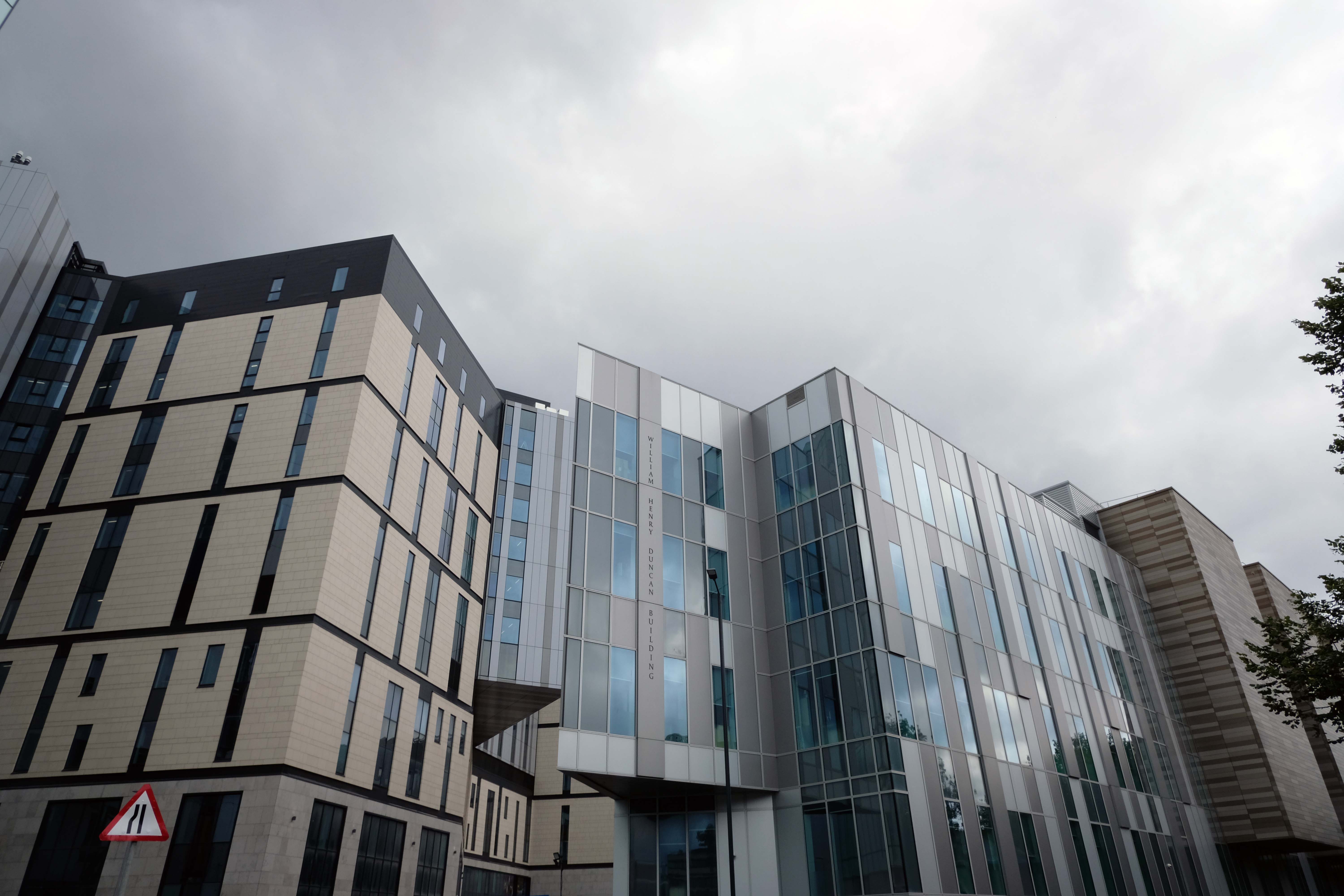
William Henry Duncan Building 2017 by AHR Architects

Life Sciences Building

Mathematics and Oceanography Building 1961 by Bryan & Norman Westwood & Partners

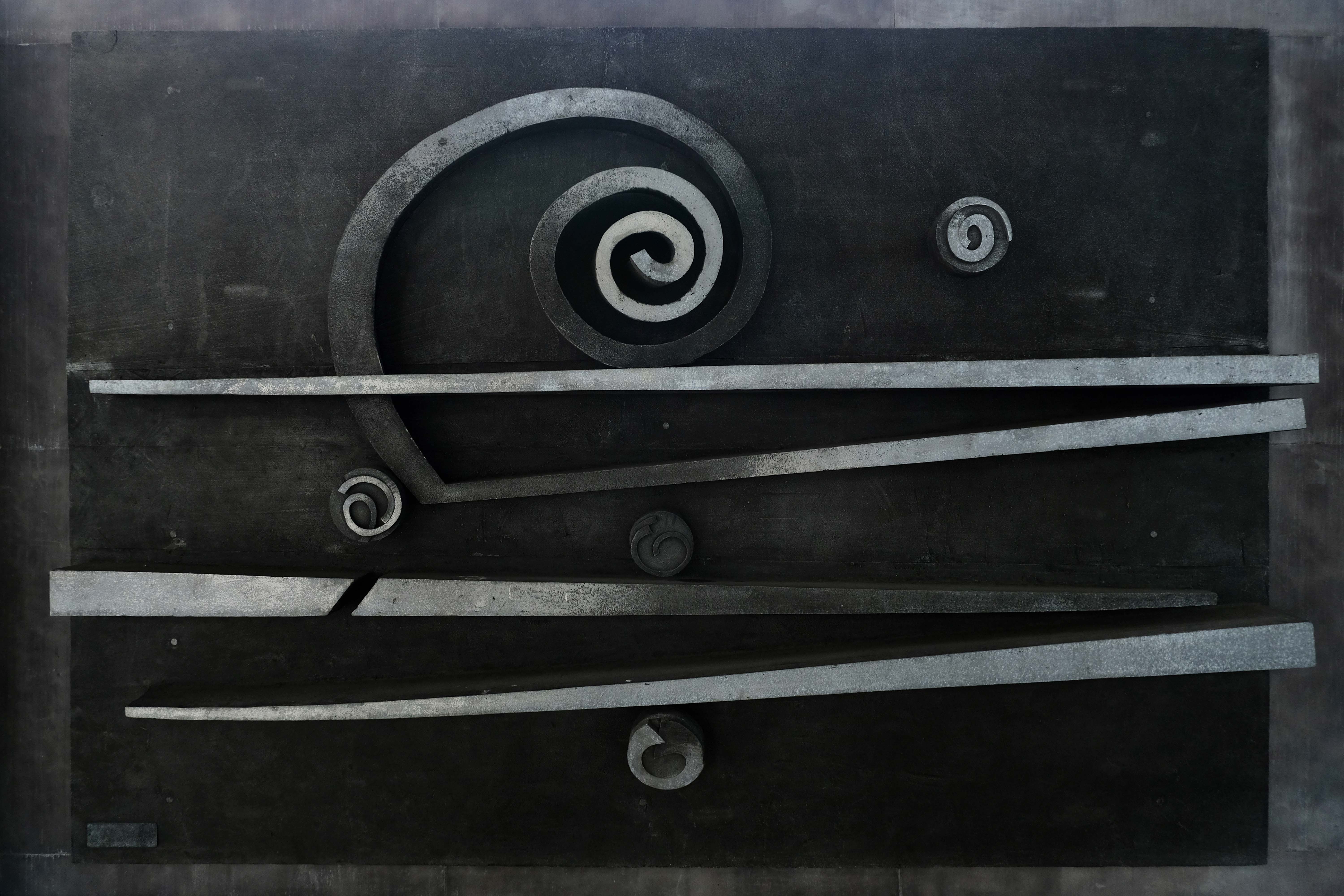
Metal screen 1961 by John McCarthy also responsible for the Concrete Wall at the New Century Hall Manchester.

The History and Essence of Mathematics 1961 terrossa ferrata panes by John McCarthy.

Central Teaching Hub by Robert Gardner-Medwin in association with Saunders Boston and Brock 1965-67

Abstract Reliefs by David Le Marchant Brock in collaboration with Frederick Bushe.

Big Bird 1964 by Sir Frank Rowling

Square with Two Circles by Barbara Hepworth 1964

Re-sited from its original setting.

Just around the corner a Relief by Hubert Dalwood aka Nibs

Senate House by Tom Mellor & Partners 1966-68

Chadwick Building by Sir Basil Spence 1963-68

Abstract mosaic Geoffrey Clarke.

Three Uprights by Hubert Dalwood 1960

Materials Innovation Factory by Fairhursts Design Group 2016

Muspratt Lecture Theatre

Bubble Chamber Tracks by Geoffrey Clarke 1968

Donnan and Robert Robinson Building

Oliver Lodge Building by Tom Mellor & Partners 1966-68

Sports Centre by Denys Lasdun 1963-66

Bedford House by Gerald Beech 1965-66

Gordon Stephenson Building by Gordon Stephenson 1950-51

Door handles by Mitzi Solomon-Cunliffe.

Rendall Building by Bryan & Norman Westwood, Piet & Partners 1964-6

Between the concrete is glass by Gillian Rees-Thomas – she was also responsible for the side chapel windows at St Mark’s Broomhill Sheffield.

Within the courtyard site Mitzi Solomon Cunliffe’sQuickening 1951

Roxby Building by Bryan & Norman Westwood, Piet & Partners 1961-66

South Teaching Hub by Bryan & Norman Westwood, Piet & Partners 1961-66

Sydney Jones Library by Sir Basil Spence

Further Reading: Liverpool Campus Built Heritage

Onward now taking in some sites along the way.

Philharmonic Hall by Herbert J Rowse 1936-69

Federation House by Gilling Dod and Partners 1965-66

Relief Decoration by William Mitchell

The University of Nottingham

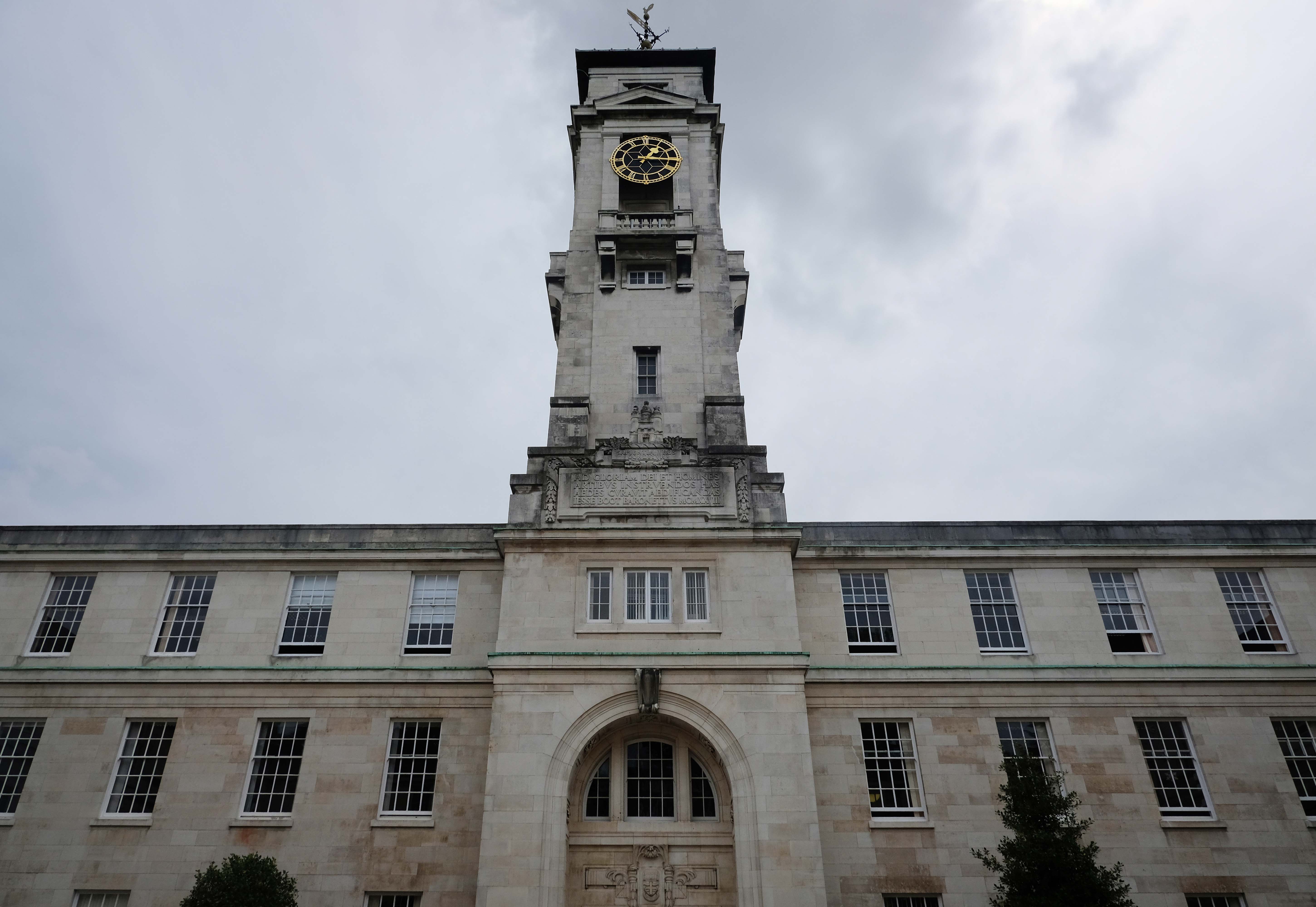
The Main Campus based on Jesse Boot’s Highfield parkland incorporating Lenton House and Lenton Hall. Boot along with his architect Percy Morley Horder developed a building scheme in 1921, achieving university status in 1948.

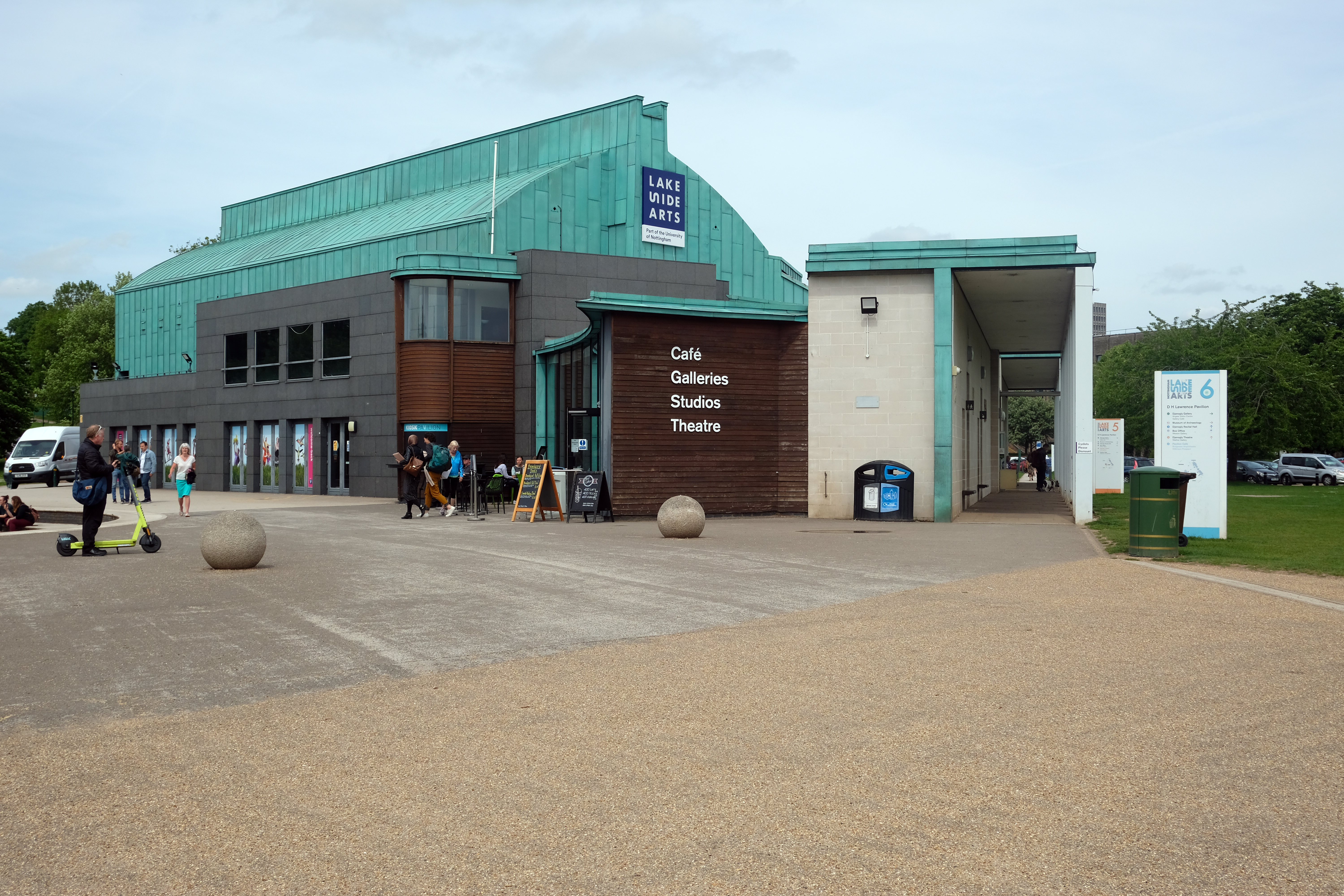
DH Lawrence Pavilion architect Marsh & Grochowski 1998-2001

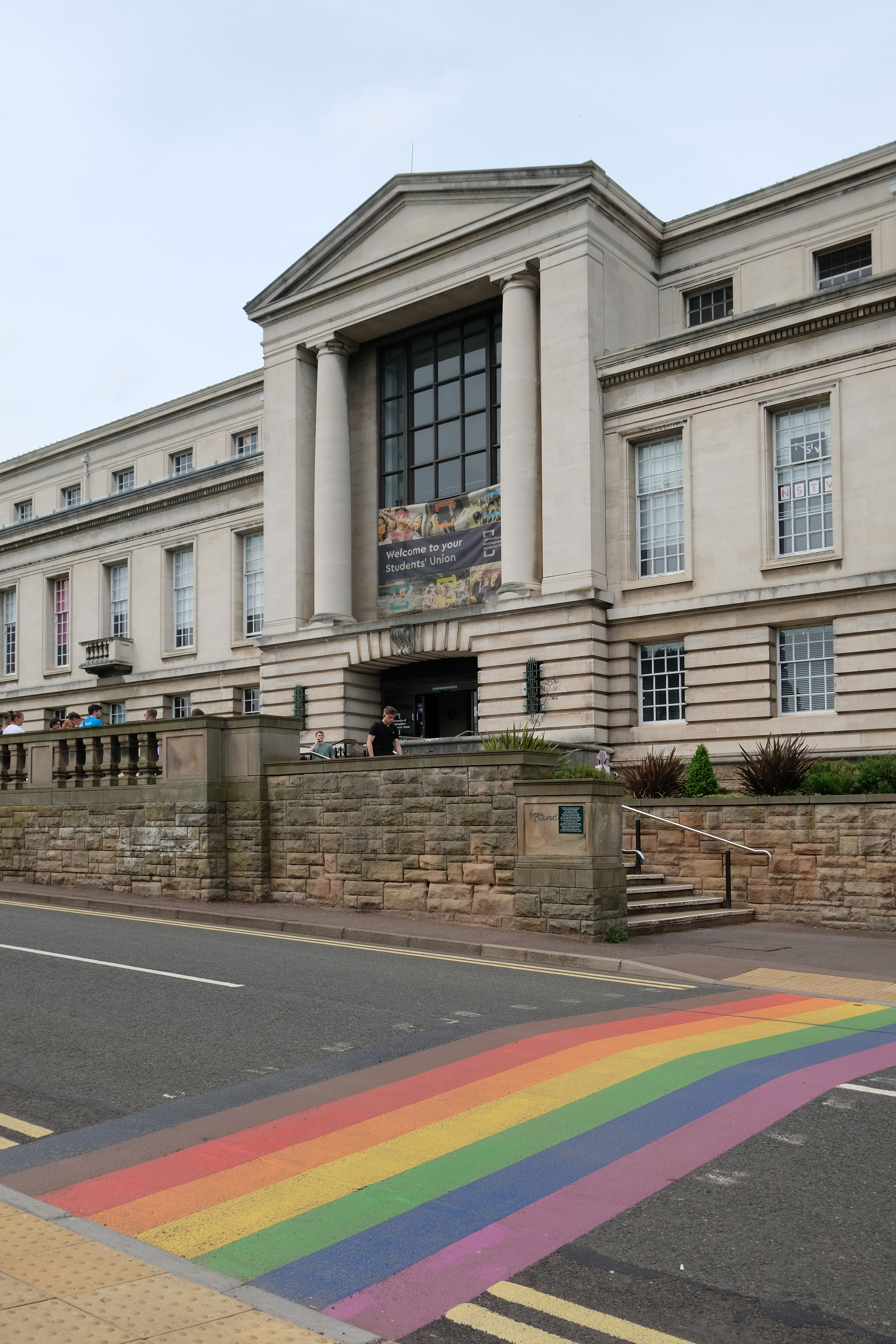
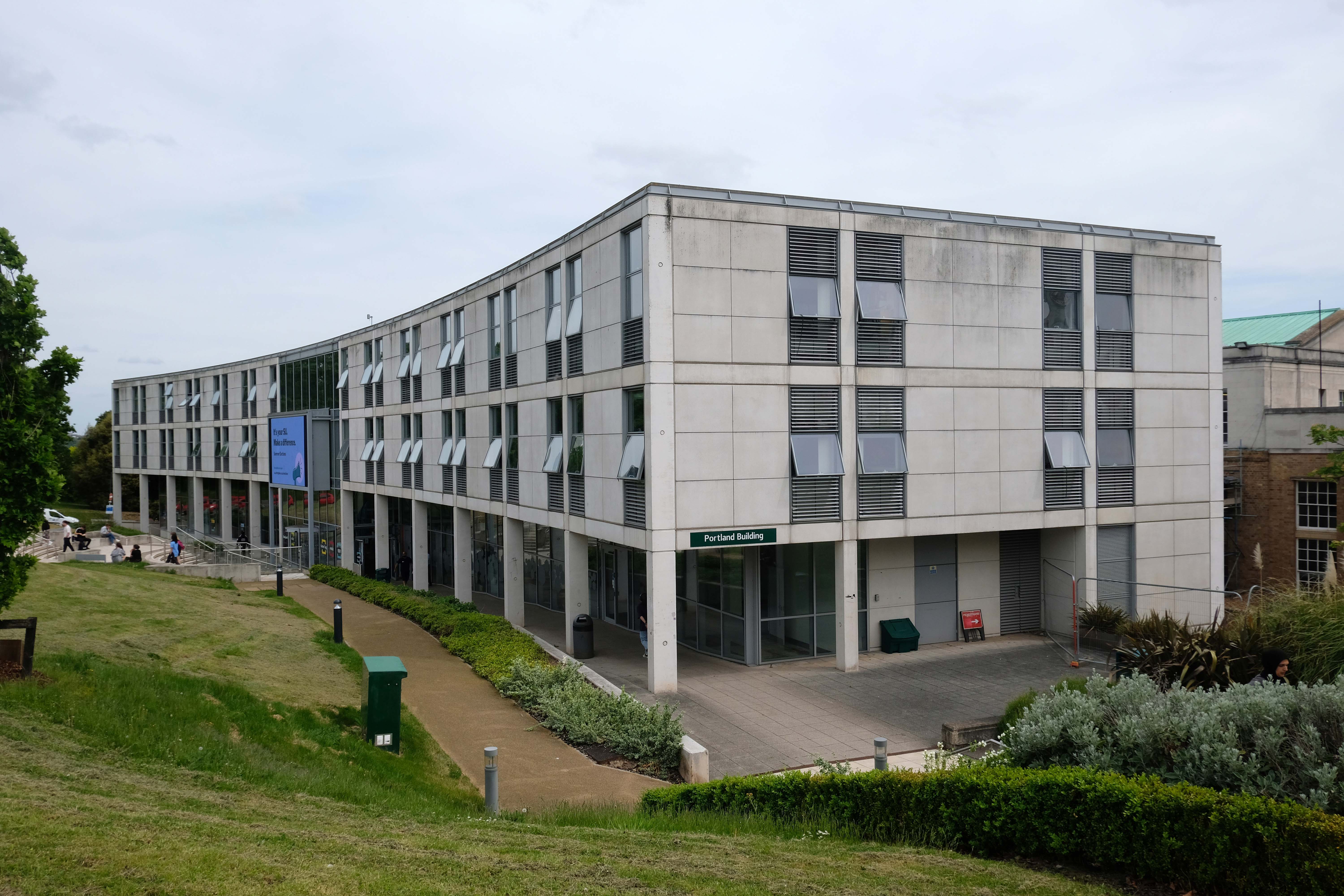
Portland BuildingT Cecil Howitt 1949 -56

Trent Building architect: P Morley Horder 1922-28

Portland Building extended in 2001-3 architects: Michael Hopkins & Partners

Further additions to the rear 2013

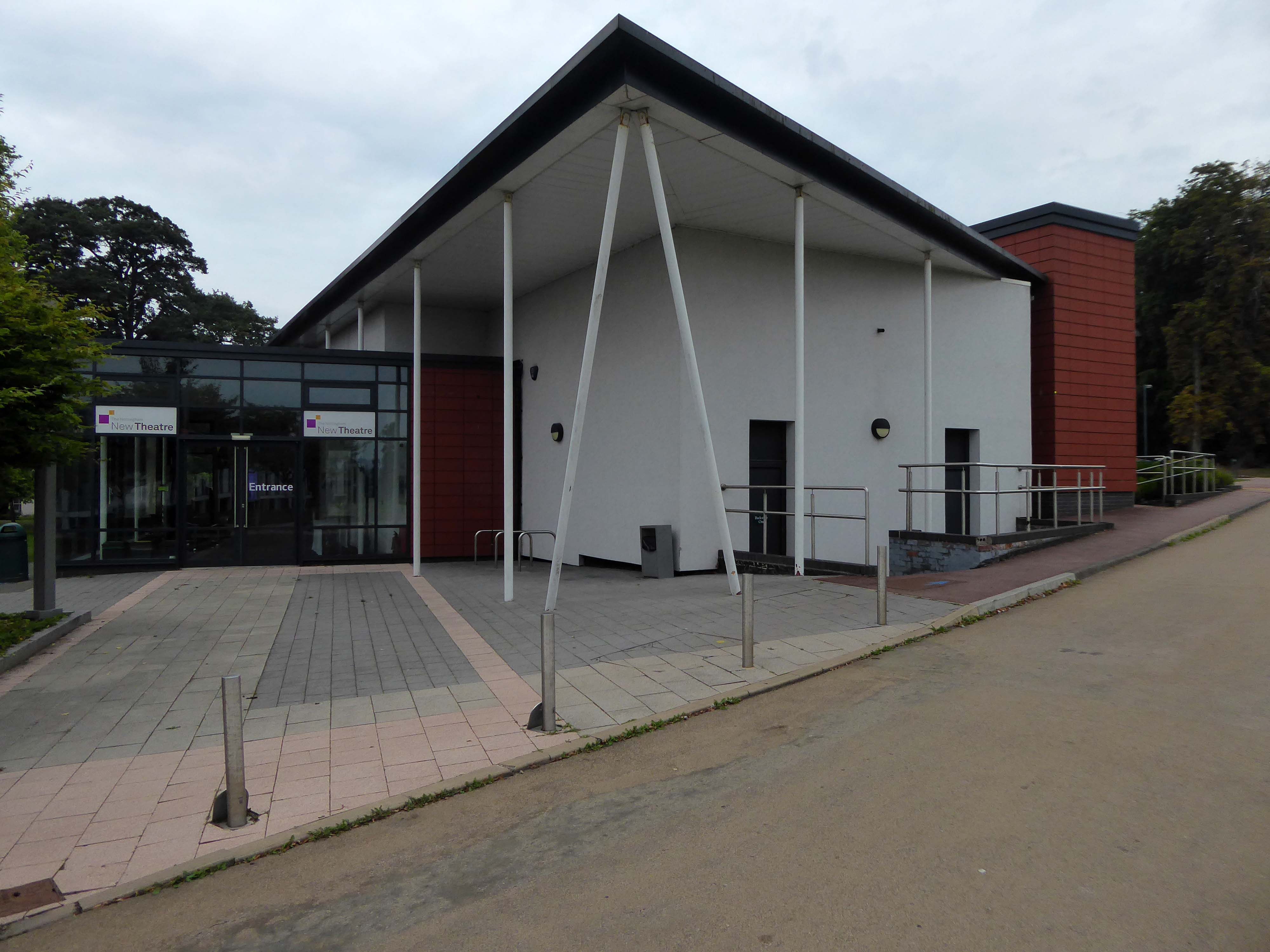
The New Theatre was established in 1969, and was originally housed in the Archaeology and Classics building of the University of Nottingham. In 2001 an extended foyer was added to the building, following a donation from an alumnus of the university.

The summer of 2012 saw an extensive redevelopment of the building housing the New Theatre. The former Archaeology and Classics building was demolished from the site; leaving the New Theatre as a freestanding building. Parts of the old building were retained and repurposed as new rehearsal rooms, and a studio space; as well as a significant remodelling of the dressing room, and extending the foyer.

Architects: Maber

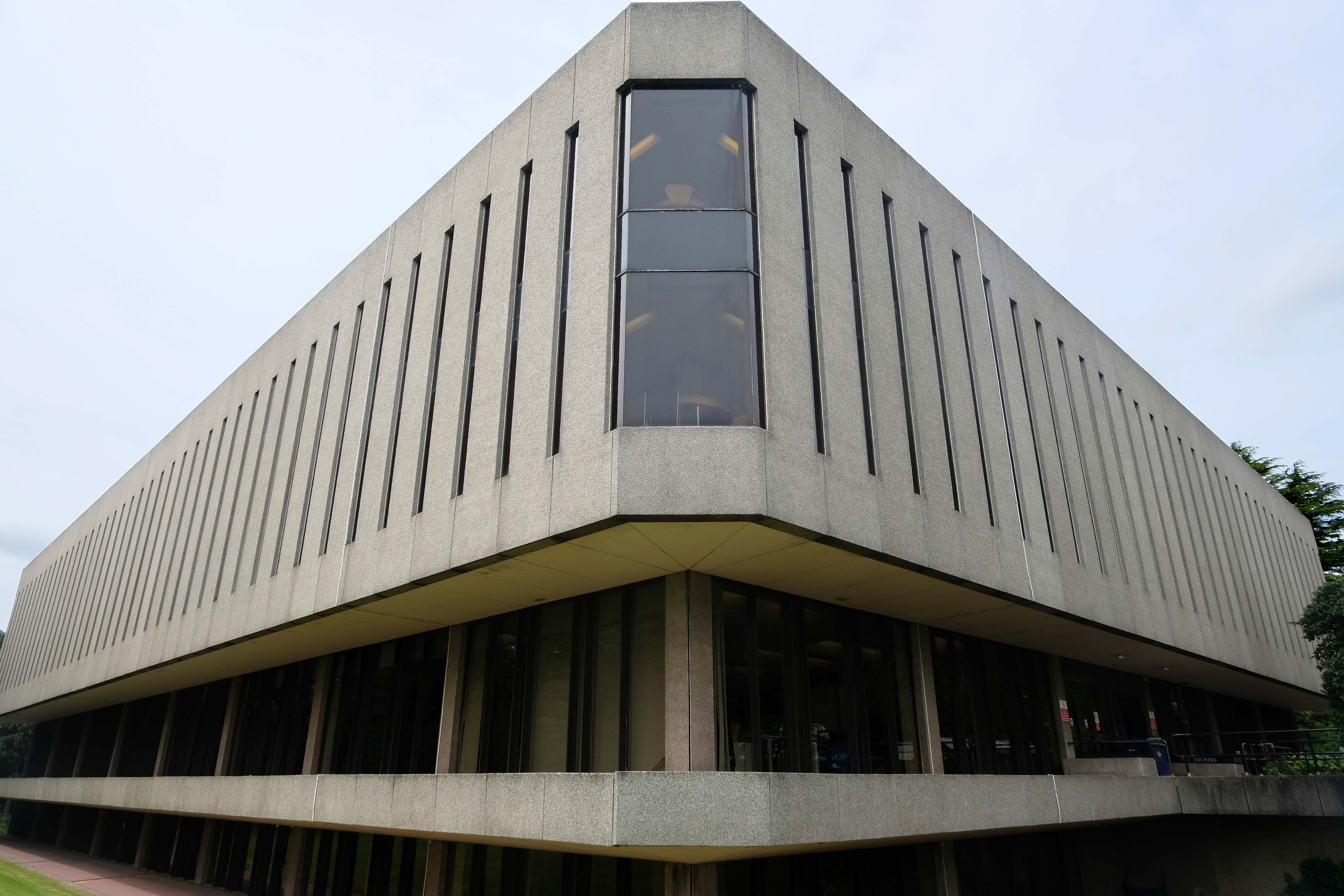
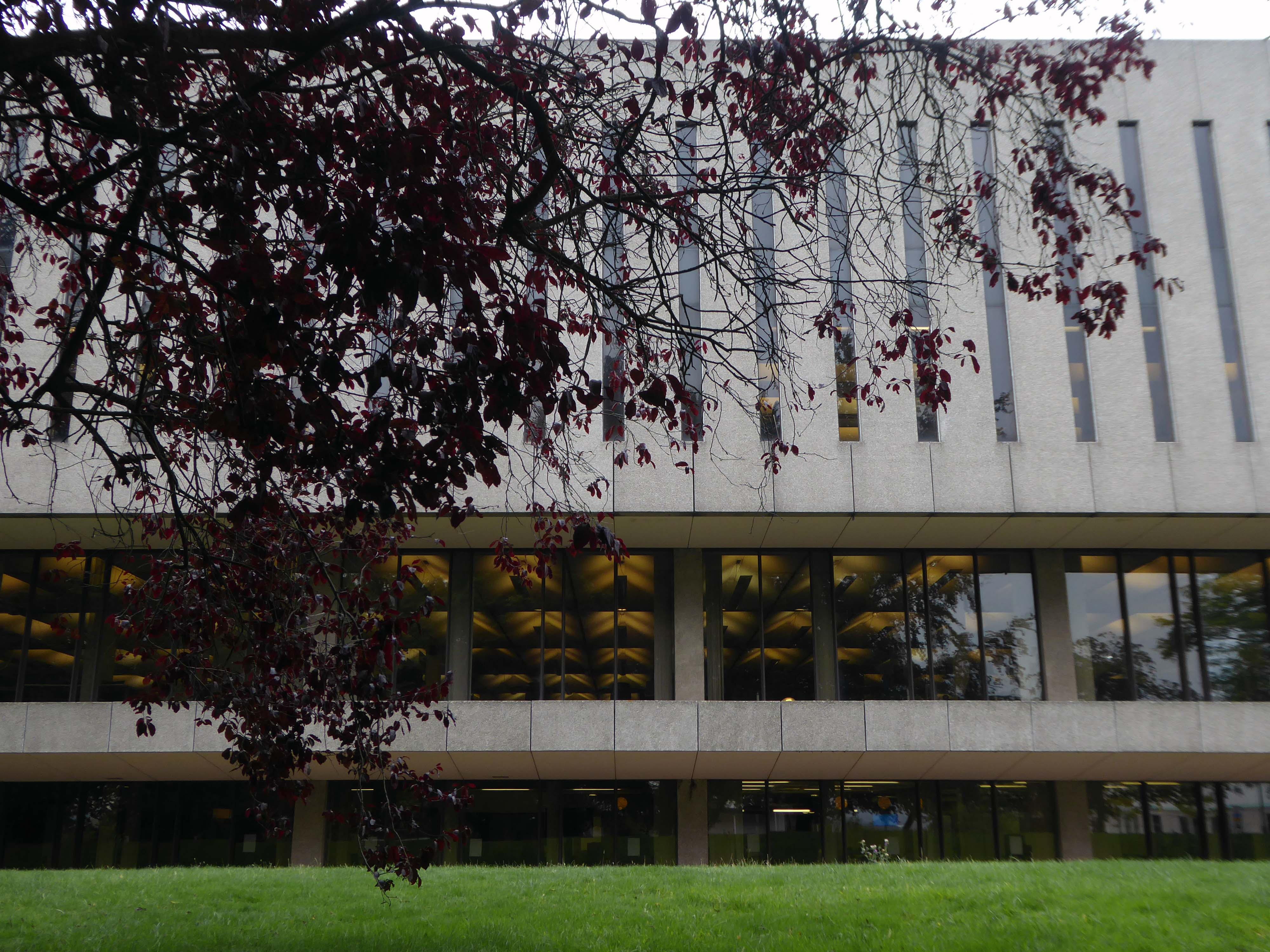
University Library architects: Faulkner Brown, Henry, Watkinson & Stonor 1971-73

The collection of buildings in University Park Campus, colloquially known as Science City, was first masterplanned by Basil Spence in 1959. His vision was largely realised by Renton Howard Wood Associates during the 1960s. Since then, numerous additions and alterations have been made to suit the ever increasing student numbers and the changing needs of the University.

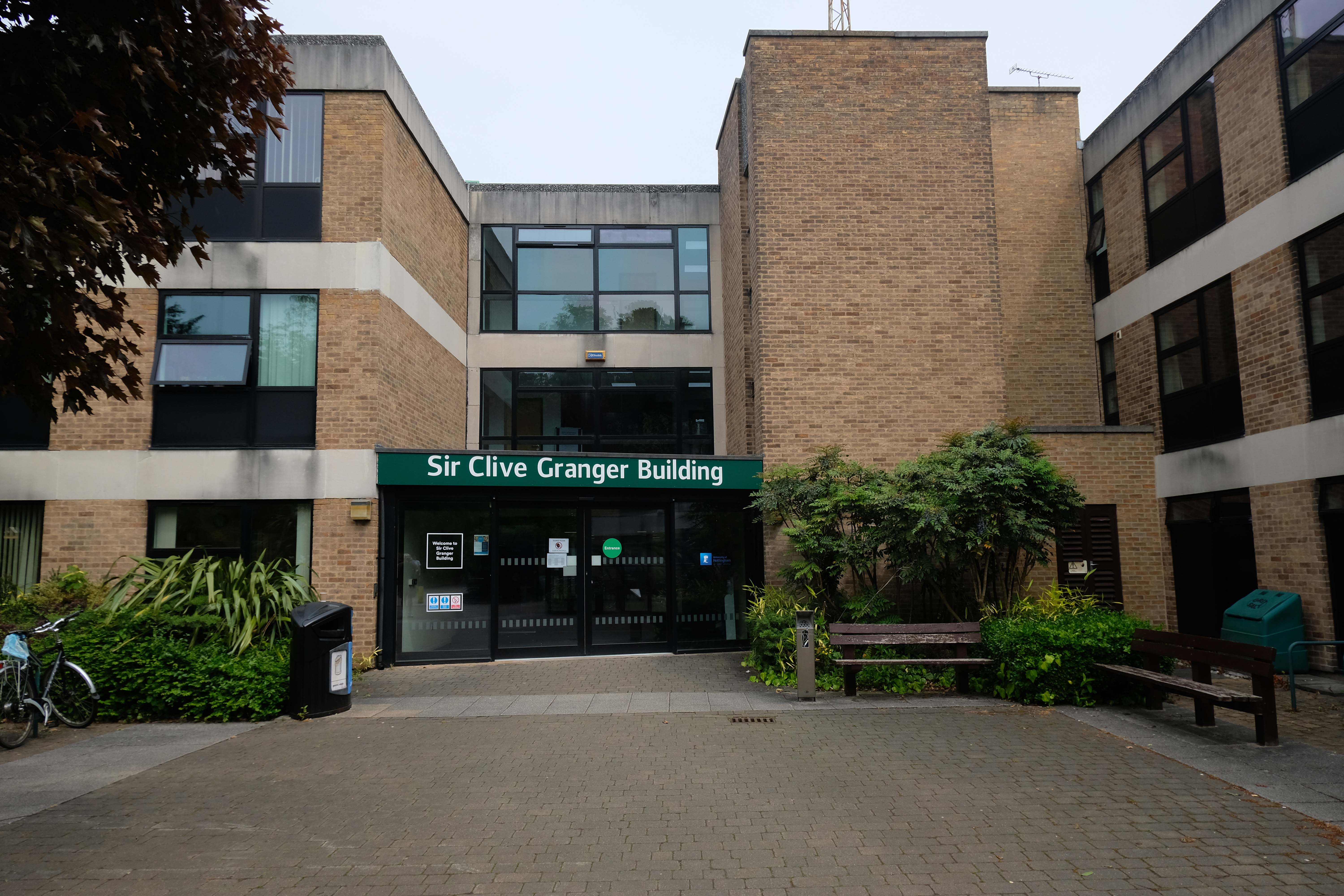
Sir Clive Granger Building

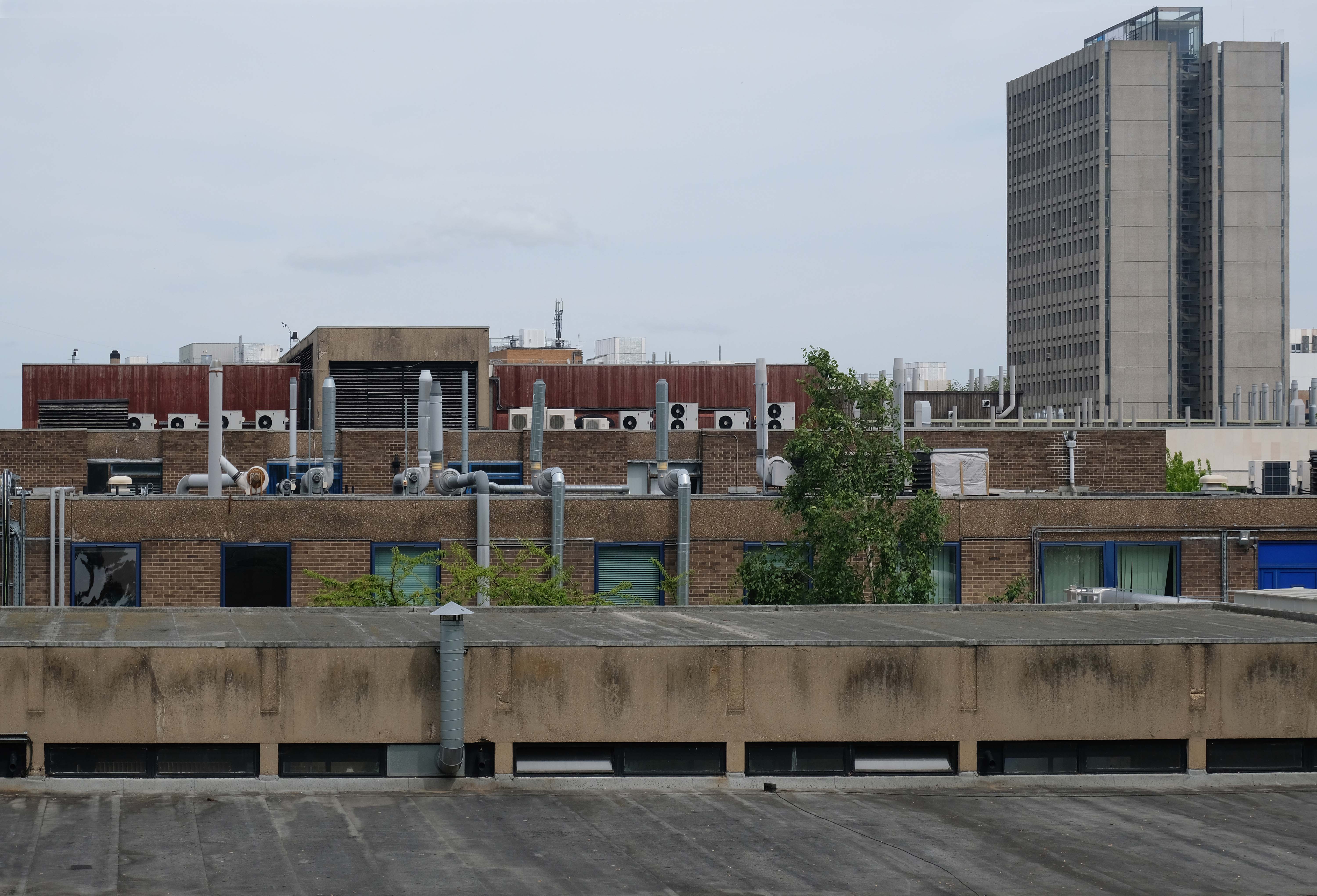
A view over the Science Buildings by Basil Spence 1955 and partner Andrew Renton 1961 onward.

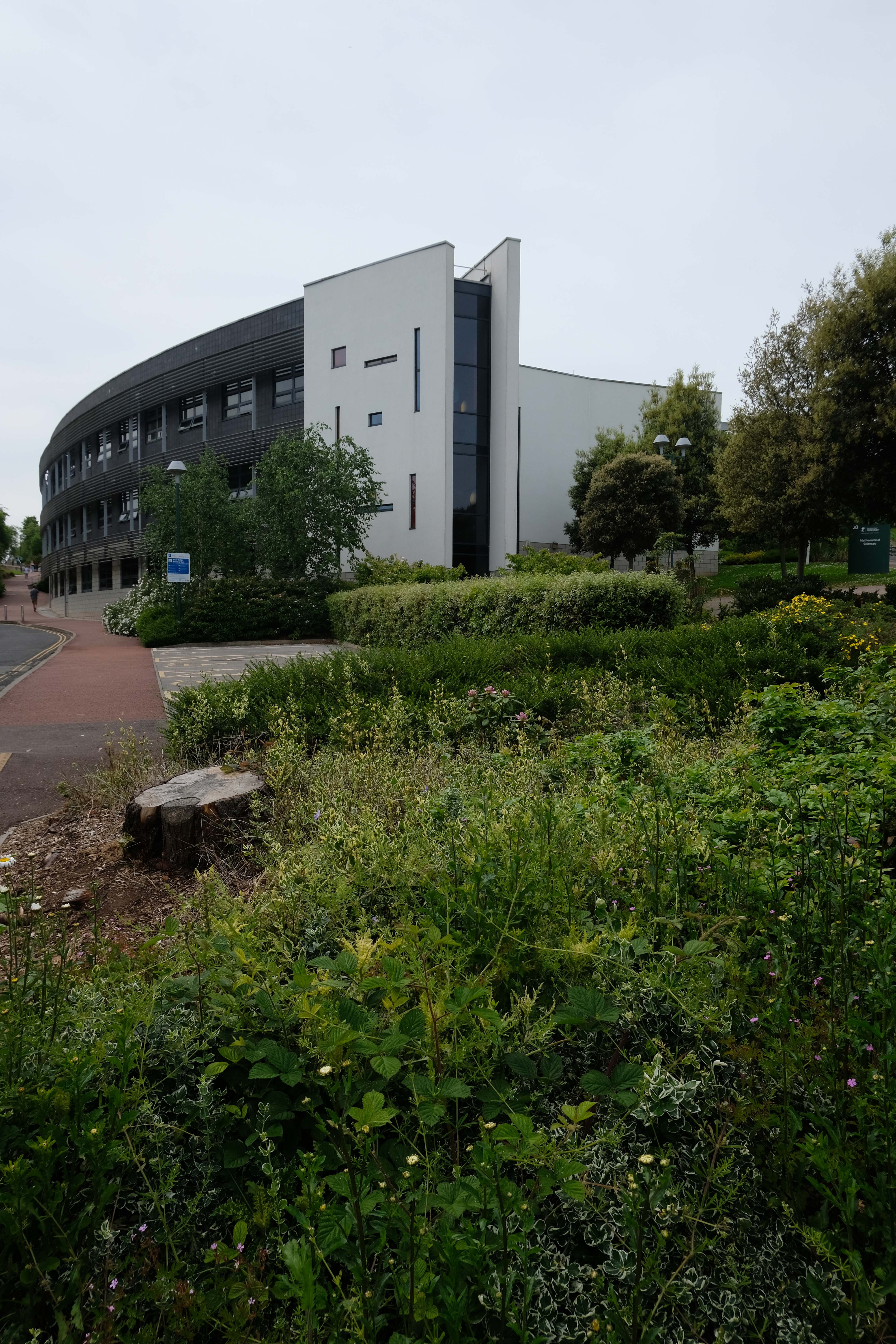
Mathematical Sciences 2012 William Saunders

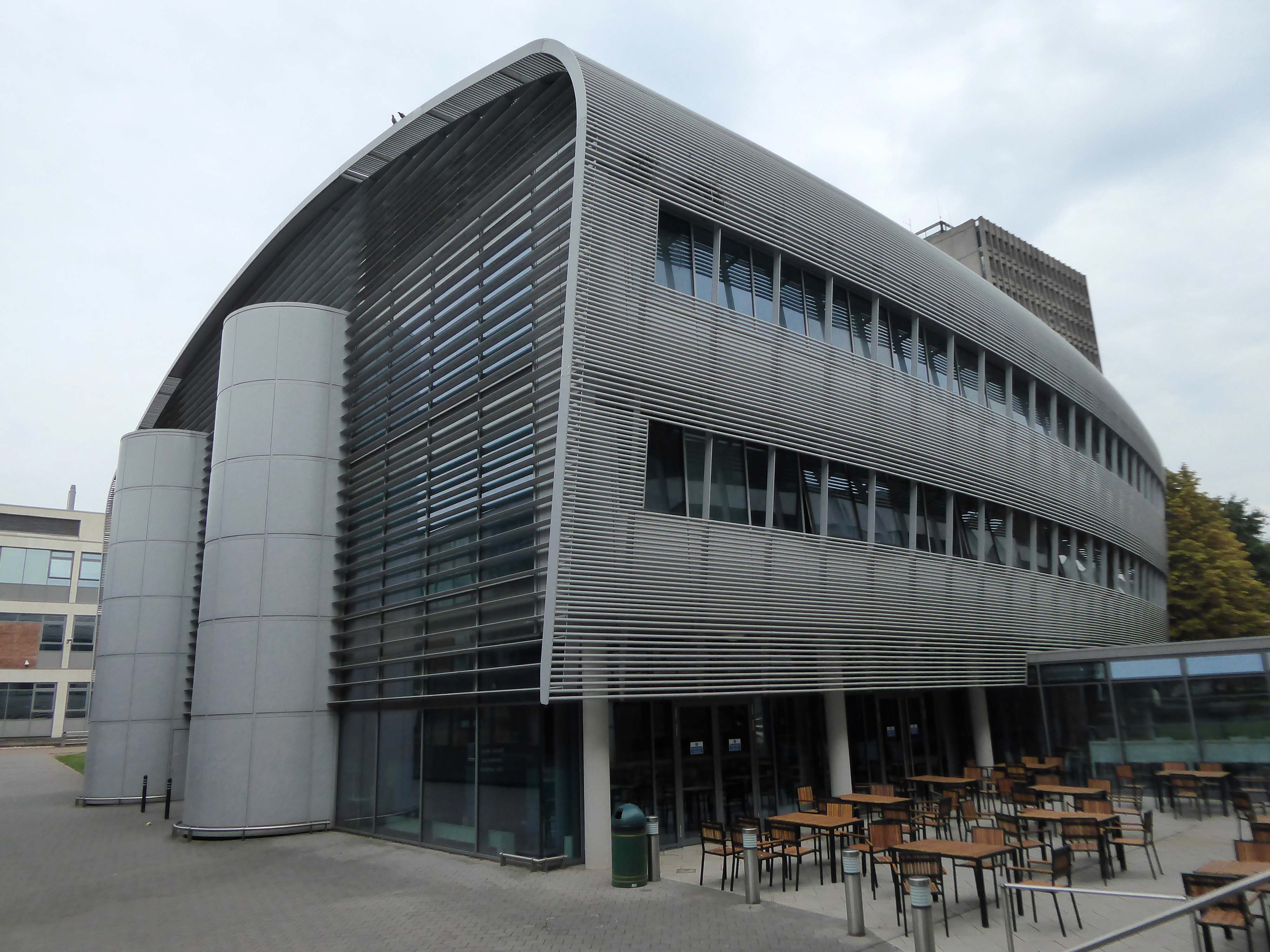
George Green Library by Hopkins Architects 2017

The University of Nottingham needed to double the size of its existing academic library to cater for an expansion in serious scientific study. Hopkins Architects faced the difficult task of doubling the size of a rather unremarkable 1960’s building – designed by Basil Spence, on a tight sloping site.

Architecture.com

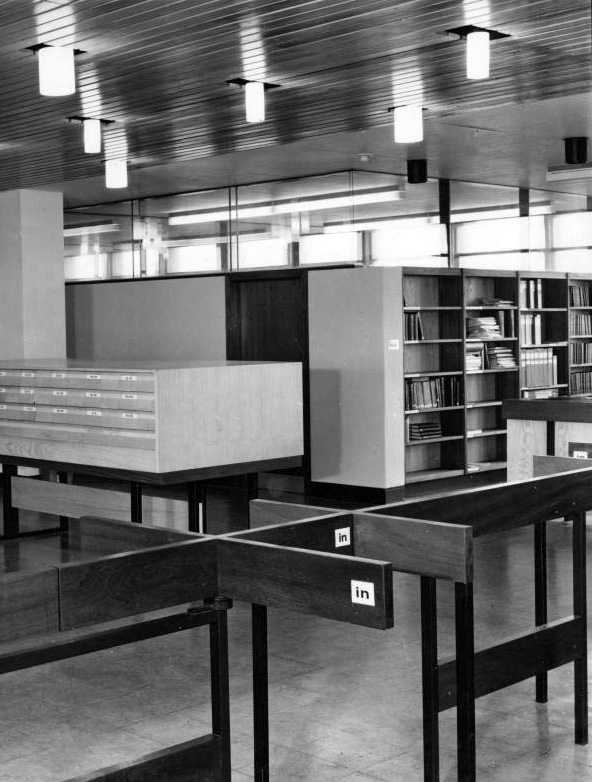
The original turnstiles – a photographic history.

Pope Building leading to the Engineering Science Learning Centre by Hopkins Architects 2011

Chemistry Department

Coates Building by Basil Spence

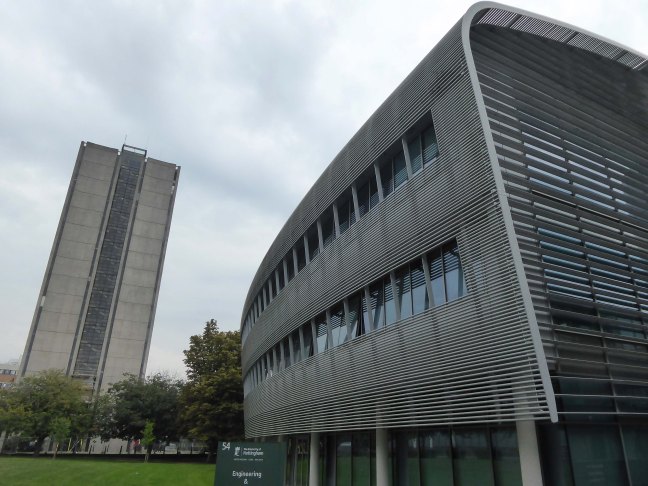
Tower Building by Andrew Renton 1963-65

Refurbishment work is taking place to develop flexible workspaces, including offices, conference and meeting rooms, while the building will also accommodate hospitality and events rooms. The university also plans to include a restaurant, coffee bar, a deli-shop and a top-floor sky lounge.

West Bridgford Wire

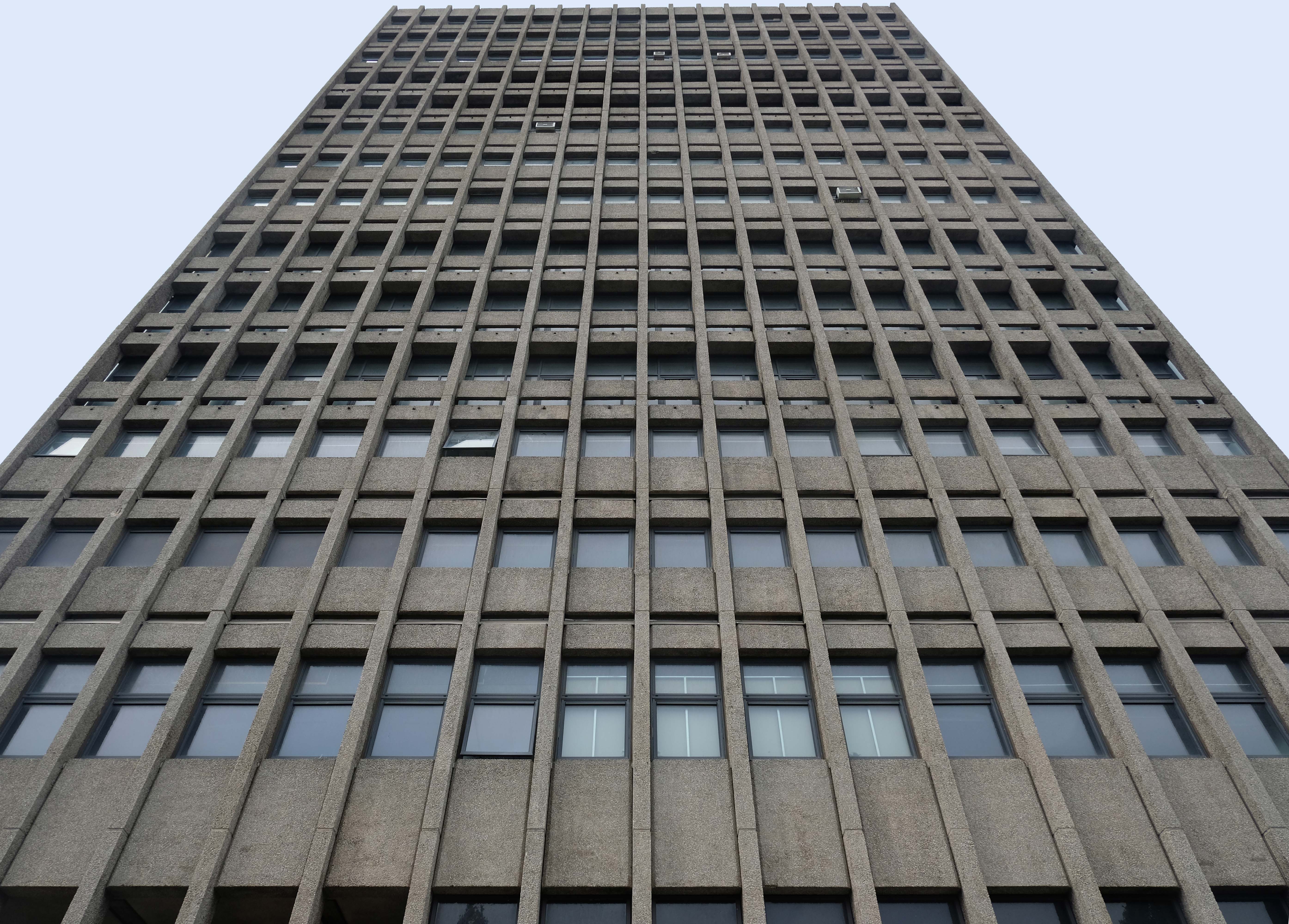
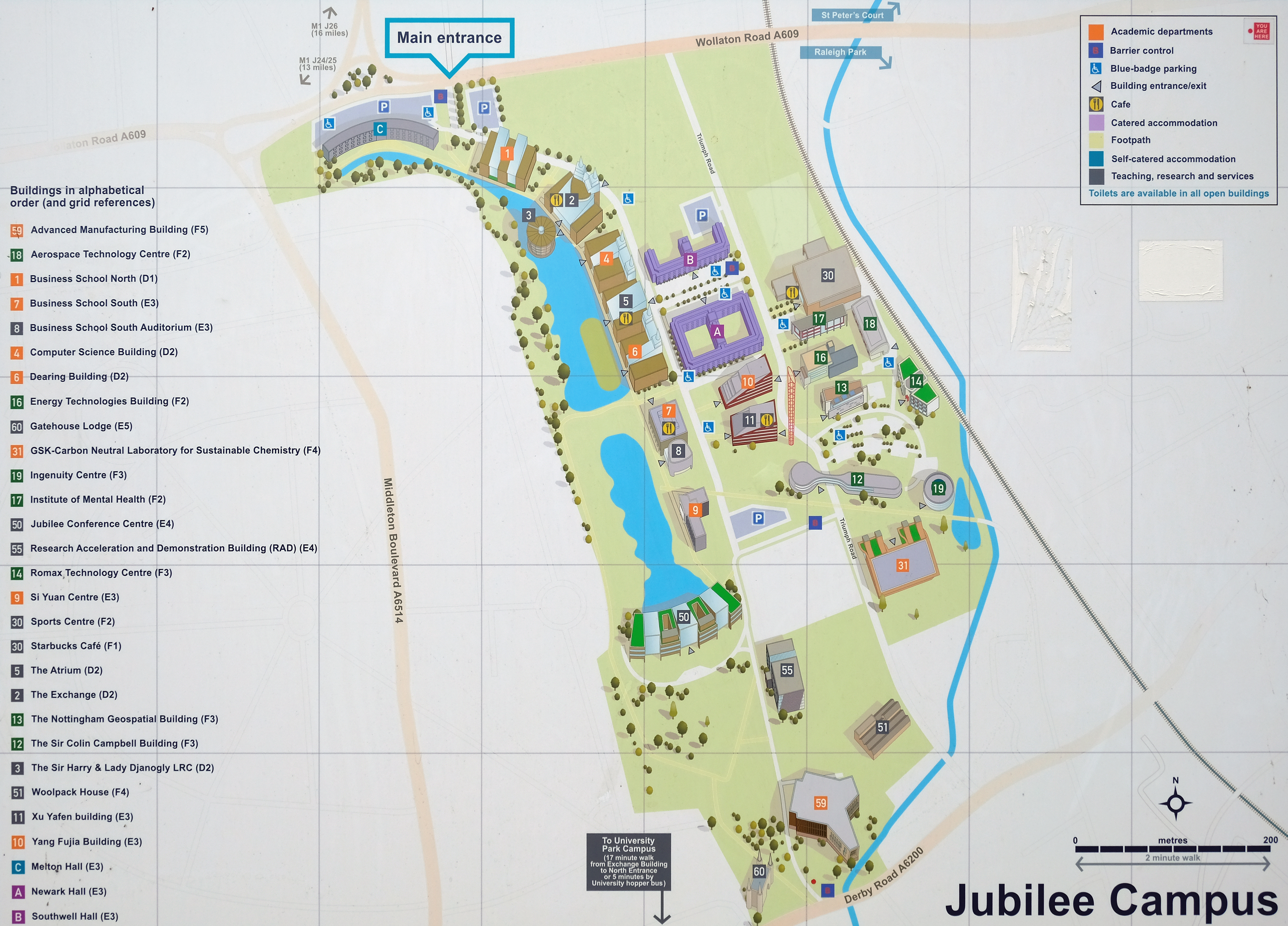
Jubilee Campus

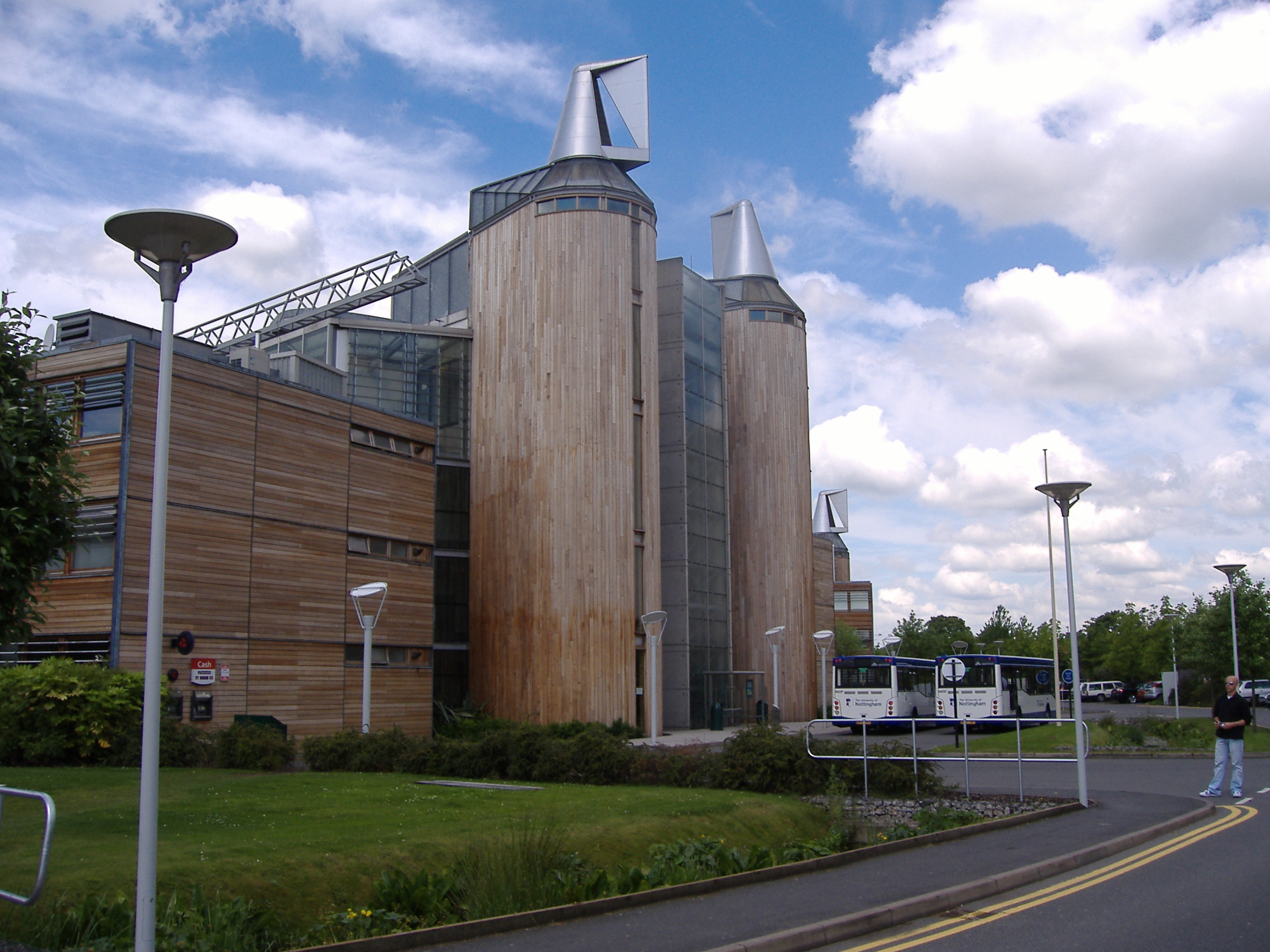
Jubilee Campus is a modern purpose-built campus which now extends to 65 acres and is located only one mile from University Park. The initial phase was opened by Her Majesty the Queen in 1999. The state-of-the-art facilities now include:

  • The Schools of Education – including CELE and Computer Science
  • The Nottingham University Business School
  • The National College for Leadership of Schools and Children’s Services 
  • Sports Centre
  • University of Nottingham Innovation Park
  • 4000 third party purpose-built student residences within half a mile radius of the campus

Central to the development of the site has been the setting of high BREEAM Standards – an holistic approach to achieve ESG, health, and net zero goals. ​It is owned by BRE – a profit-for-purpose organisation with over 100 years of building science and research background.

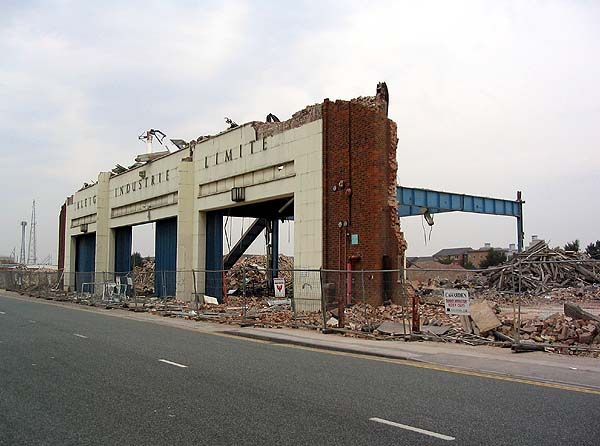
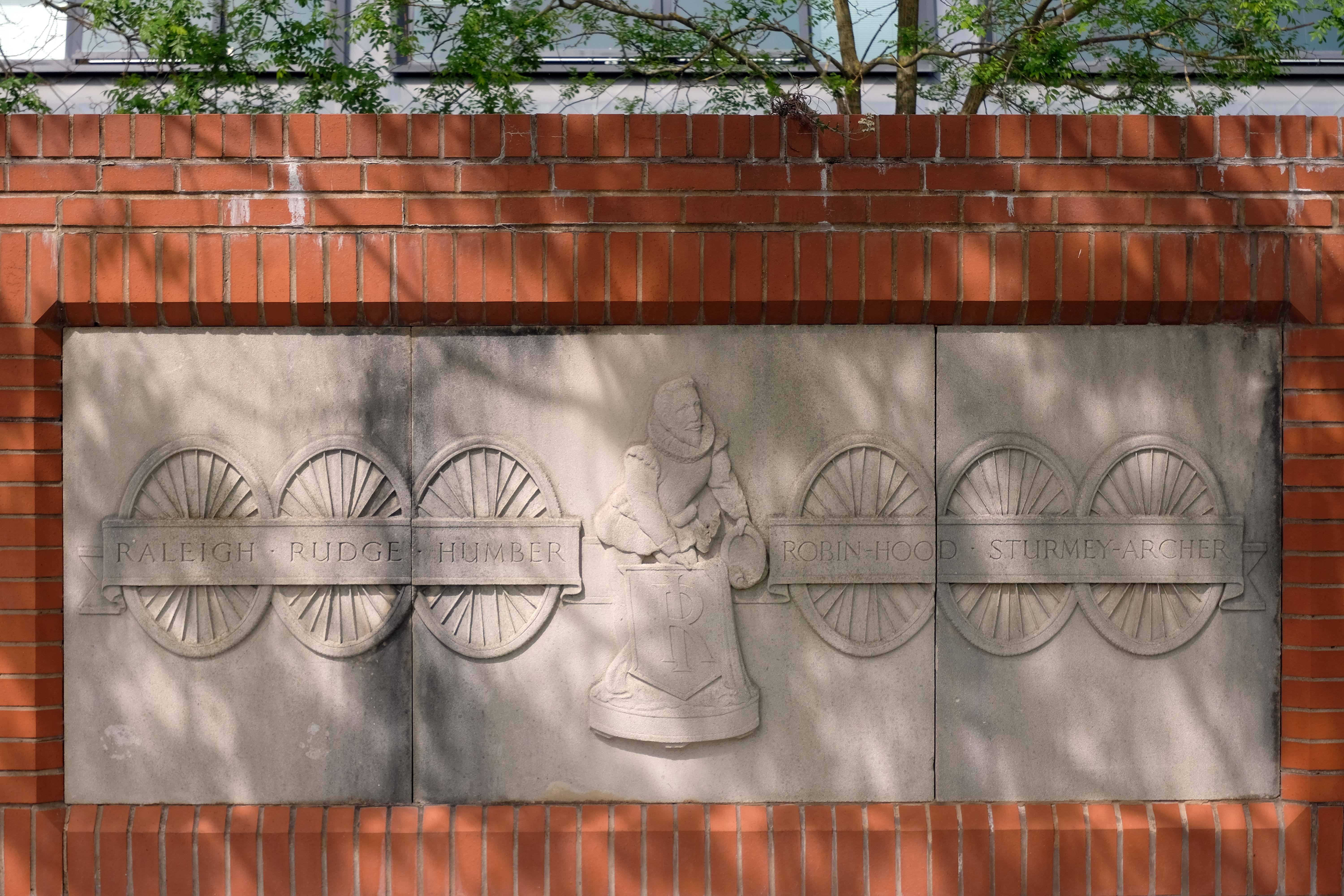
Built on the former site of the immense Number 3 Raleigh Bicycle Factory – which was opened by Field Marshal Lord Montgomery in 1957.

At its peak in the 1950s, Raleigh employed 7000 people on a 40 acre site that covered most of Lenton Boulevard, Triumph Road and Orston Drive.

In May 1999, Raleigh announced that it was to cease volume production of frames in the UK. The frame welding robots, installed in 1996, were auctioned off in December 1999.

Bikebiz

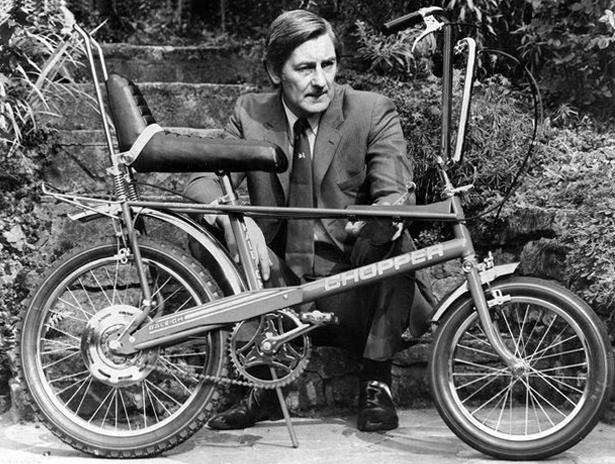
Alan Oakley – who designed the Raleigh Chopper

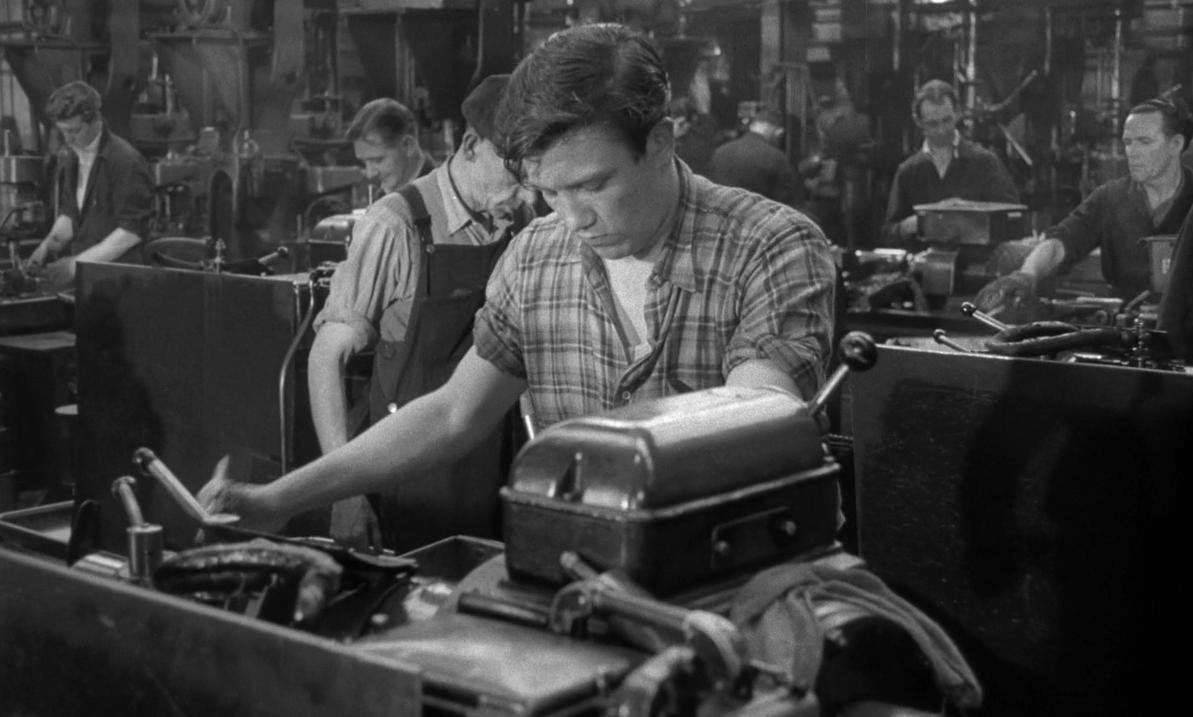
Famously home to Alan Sillitoe/Arthur Seaton/Albert Finney in Saturday Night and Sunday Morning.

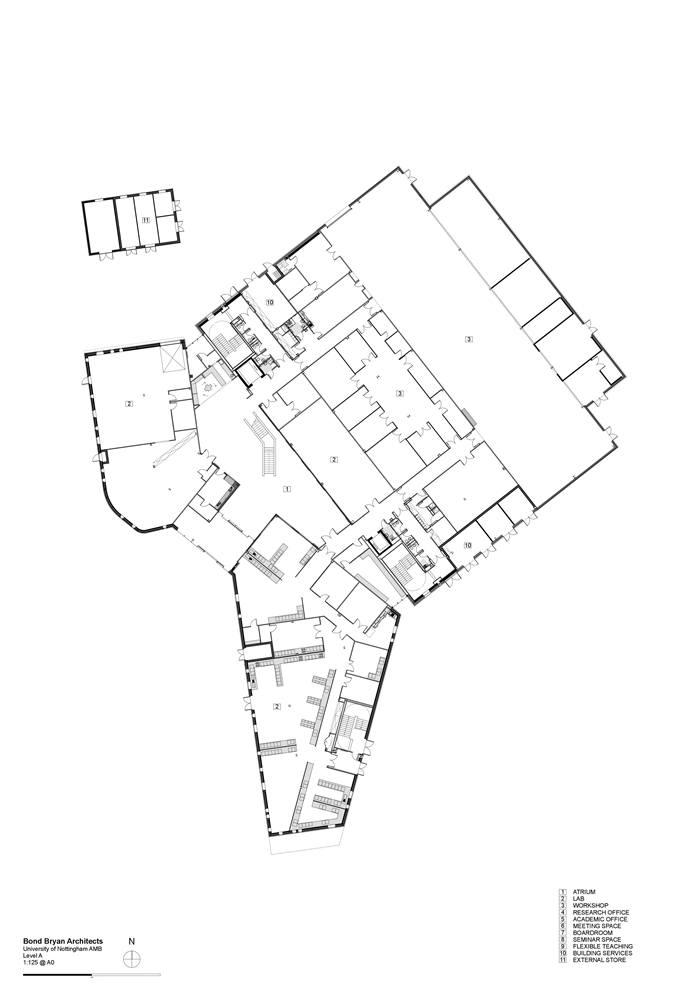
Advanced Manufacturing Building by Bond Bryan Architects 2018

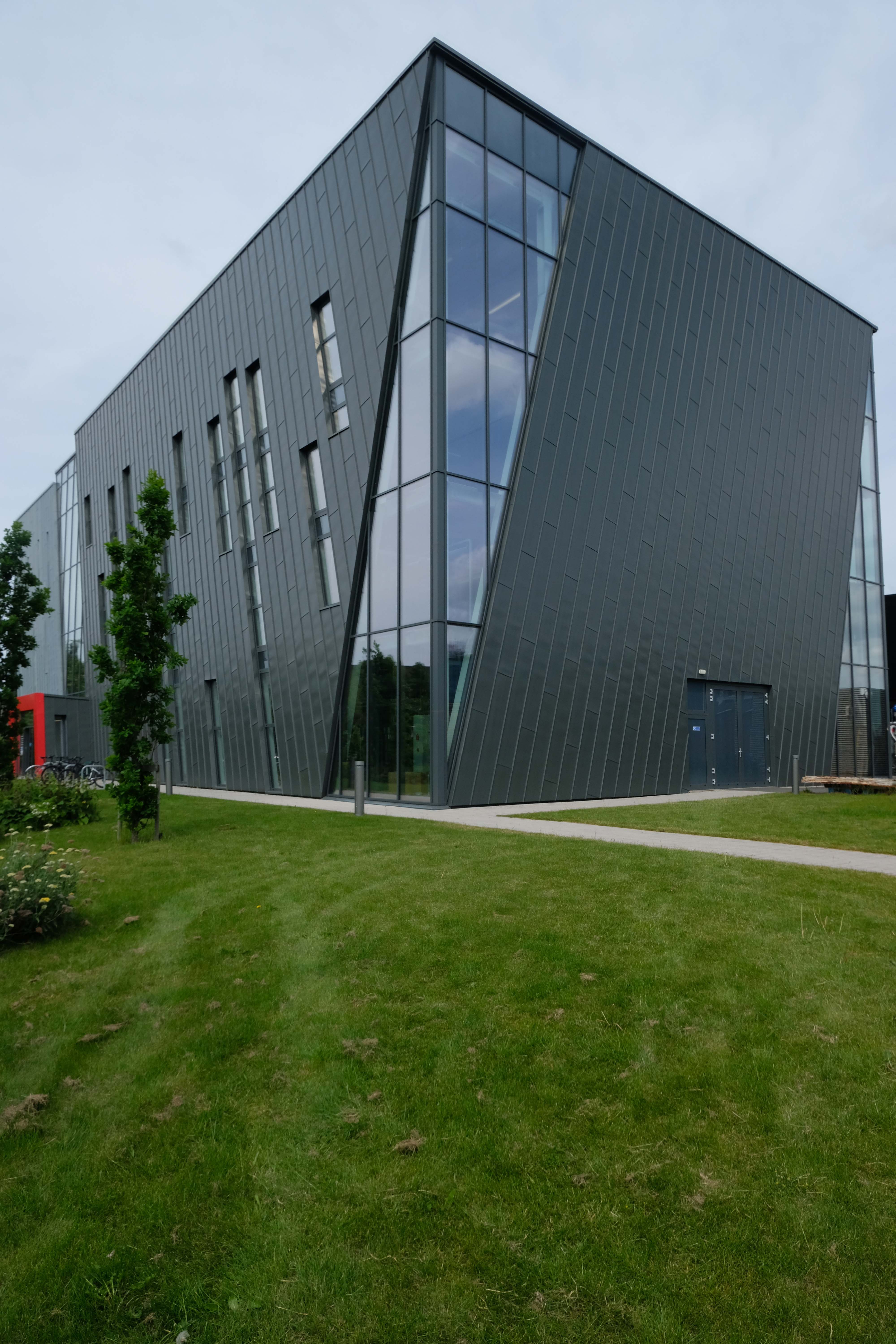
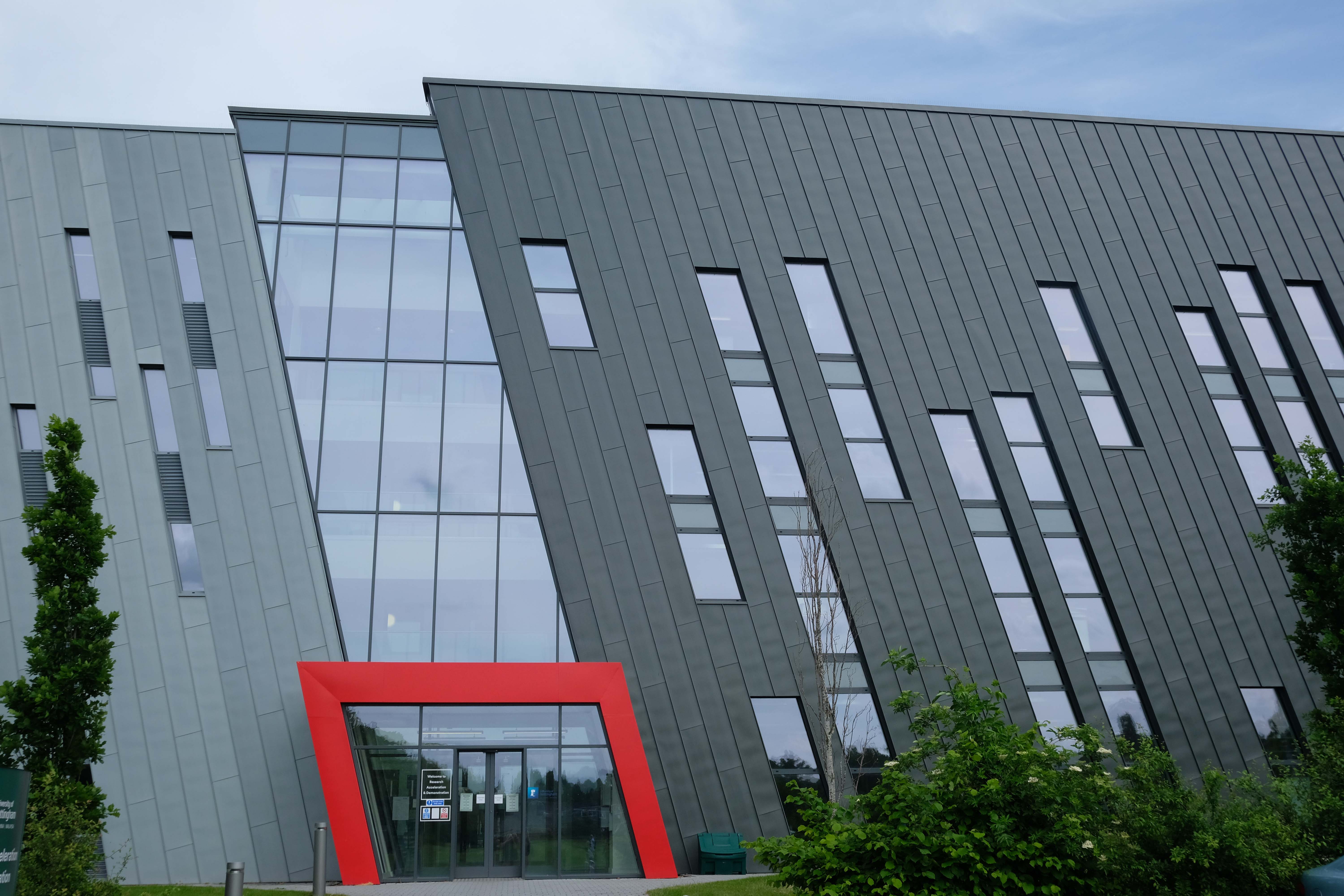
University of Nottingham RAD Building 2017 Lewis & Hickey Ltd

Enjoying a prime location on the University of Nottingham’s Jubilee Campus, the building provides a number of multidisciplinary and specifically designed laboratory spaces, as well as high quality single and multiple occupancy offices, technical support bases and breakout spaces.

RIBA

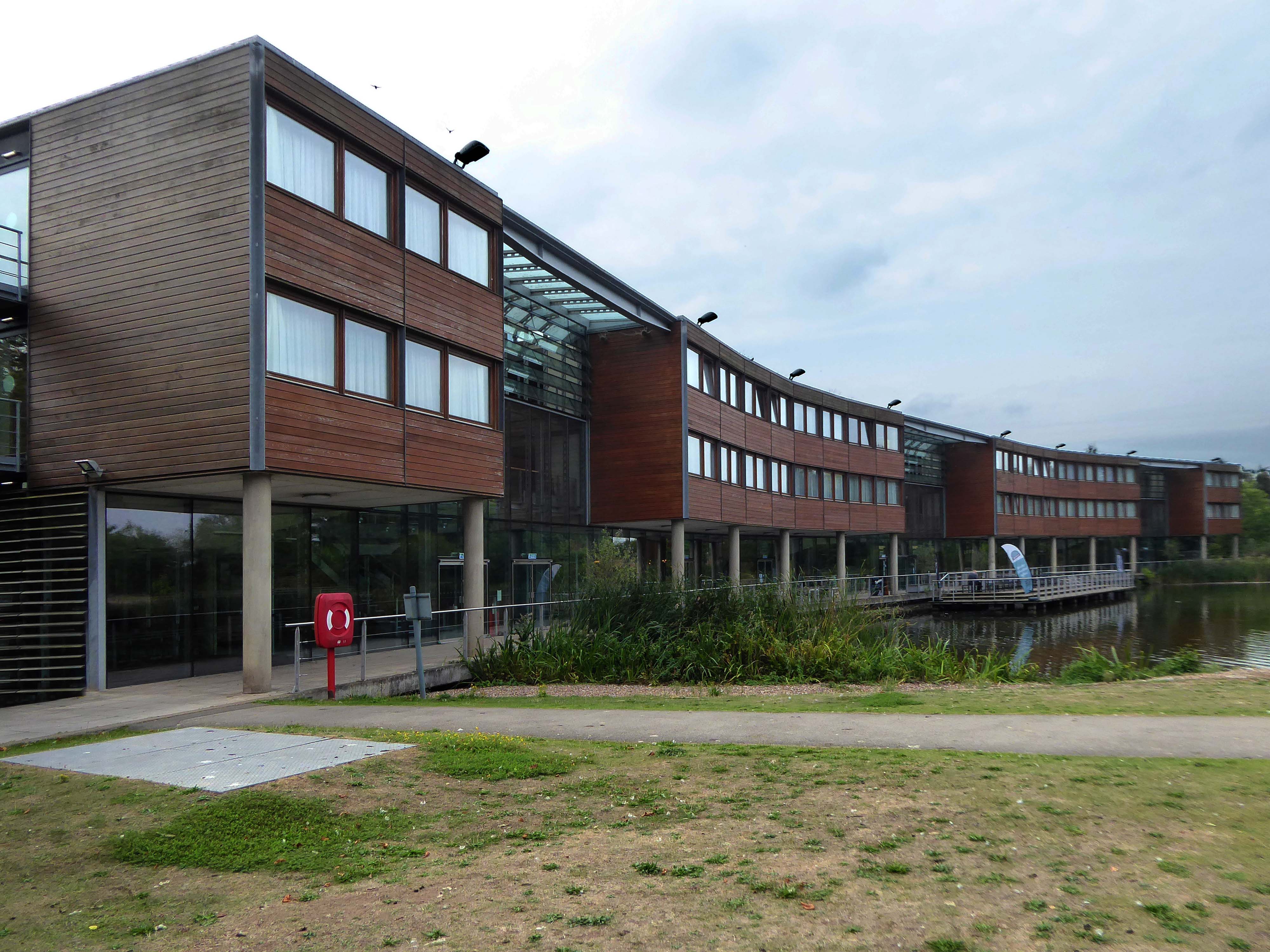
Jubilee Conference Centre 2008 Hopkins Architects

Set within 65 acres of lakeside grounds, close to Nottingham city centre, The Jubilee hotel & conferences offers an innovative setting for events, along with all the comforts of a modern hotel.

If you are looking for sustainable venue hire, look no further. With a range of meetings spaces, breakout areas and bedrooms; The Jubilee is perfect for event and conferences organisers looking for a light, airy and relaxing setting.

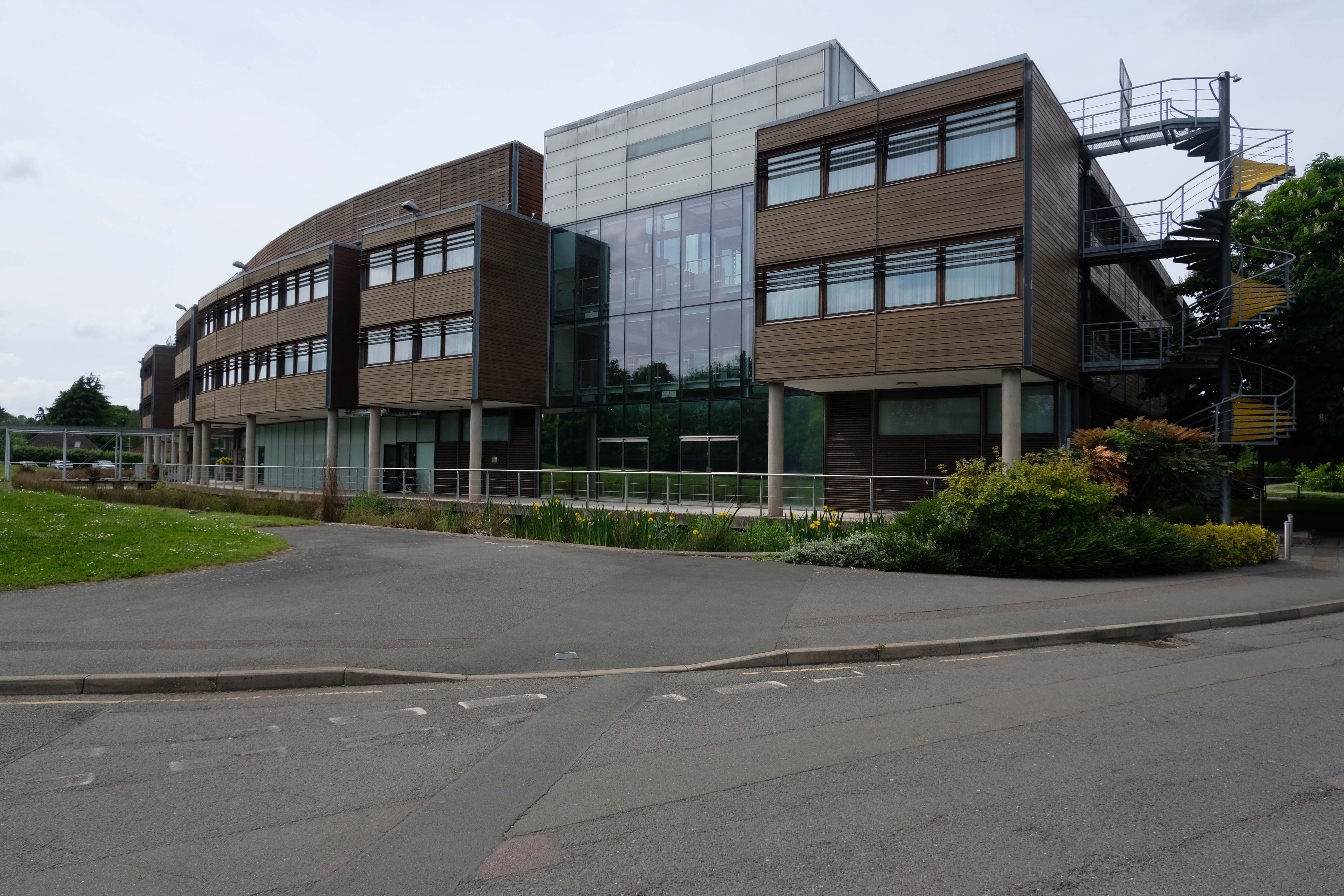
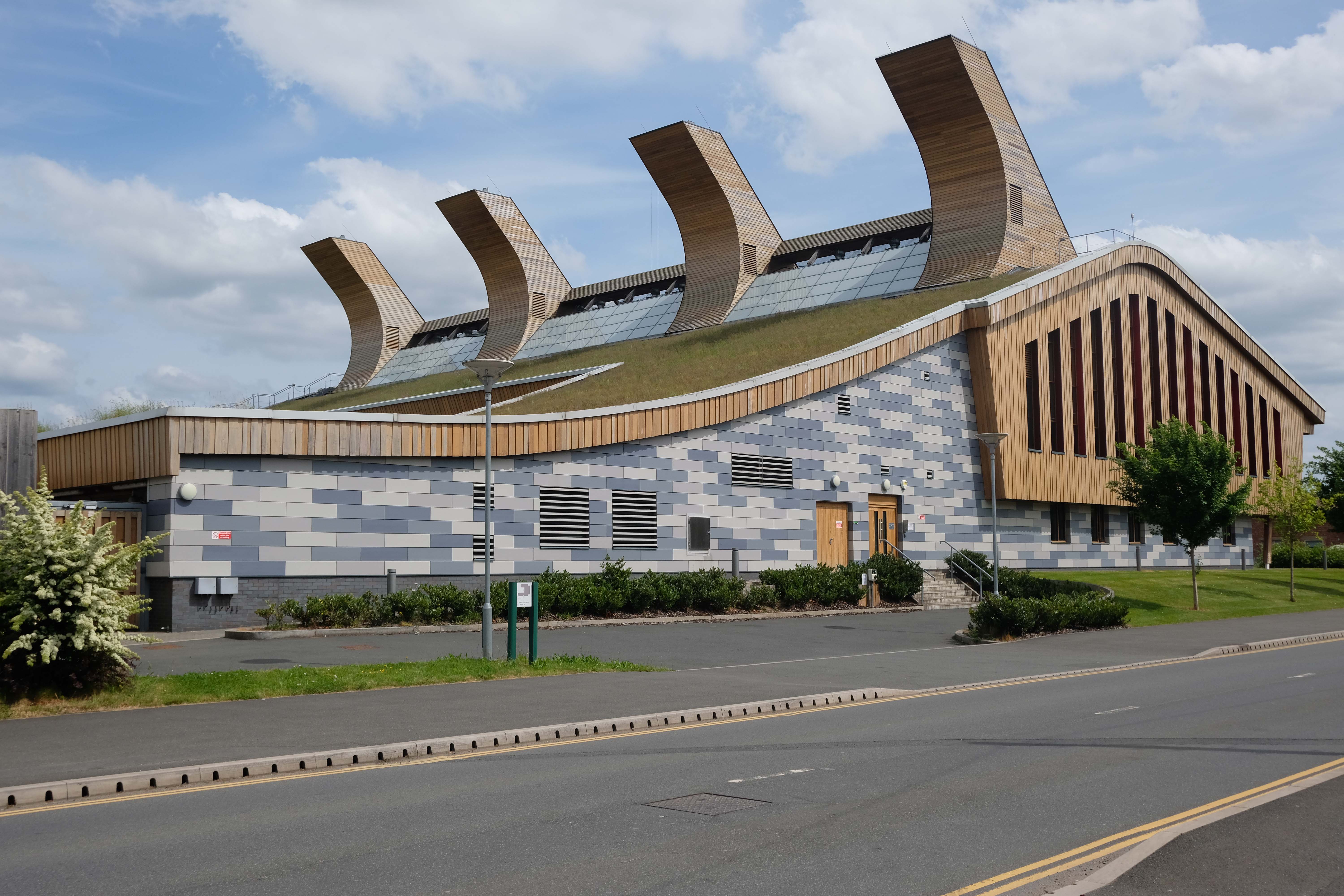
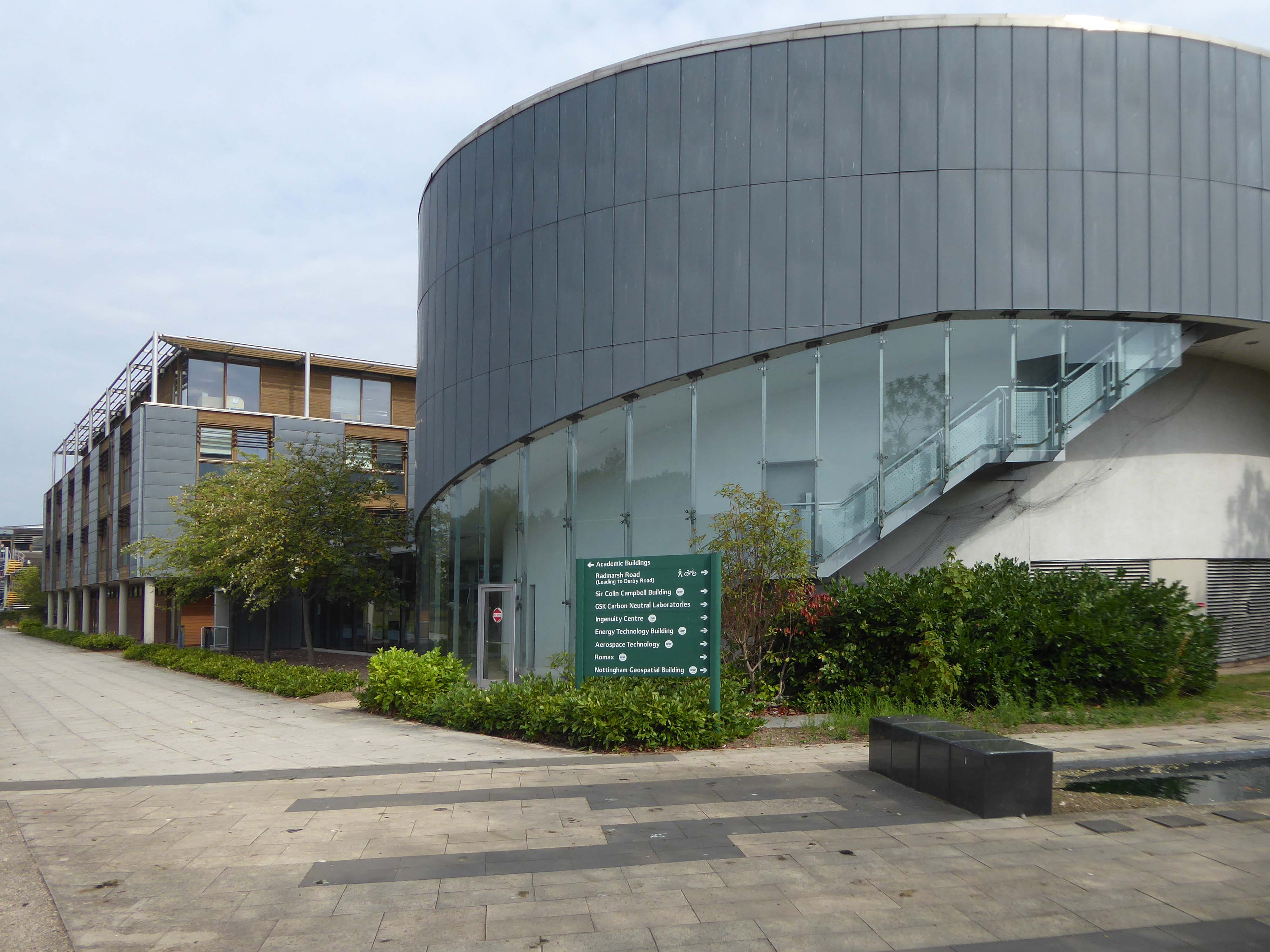
GSK Carbon Neutral Laboratory 2014 by Fairhursts Design Group

Designed to minimise the impact on the environment of its construction and operation. The design of the building is made up of modules manufactured off-site. The building support pillars and trusses are made from a combination of German spruce, Austrian Spruce, and American red cedar.

The designers used computational fluid dynamics to design the curved roof. This enables ventilation of the building by taking advantage of the prevailing wind. One of the laboratories is also ventilated in this way, to determine the viability of doing so elsewhere. The building also features a green roof, and solar panels that cover 45 per cent of the roof area and provide up to 230.9 kW. The four towers on the roof hide the building’s plant equipment. Additionally, a 125-kilowatt biofuel combined heat and power system was built on-site, providing the majority of heat needed for the buildings.

Wikipedia

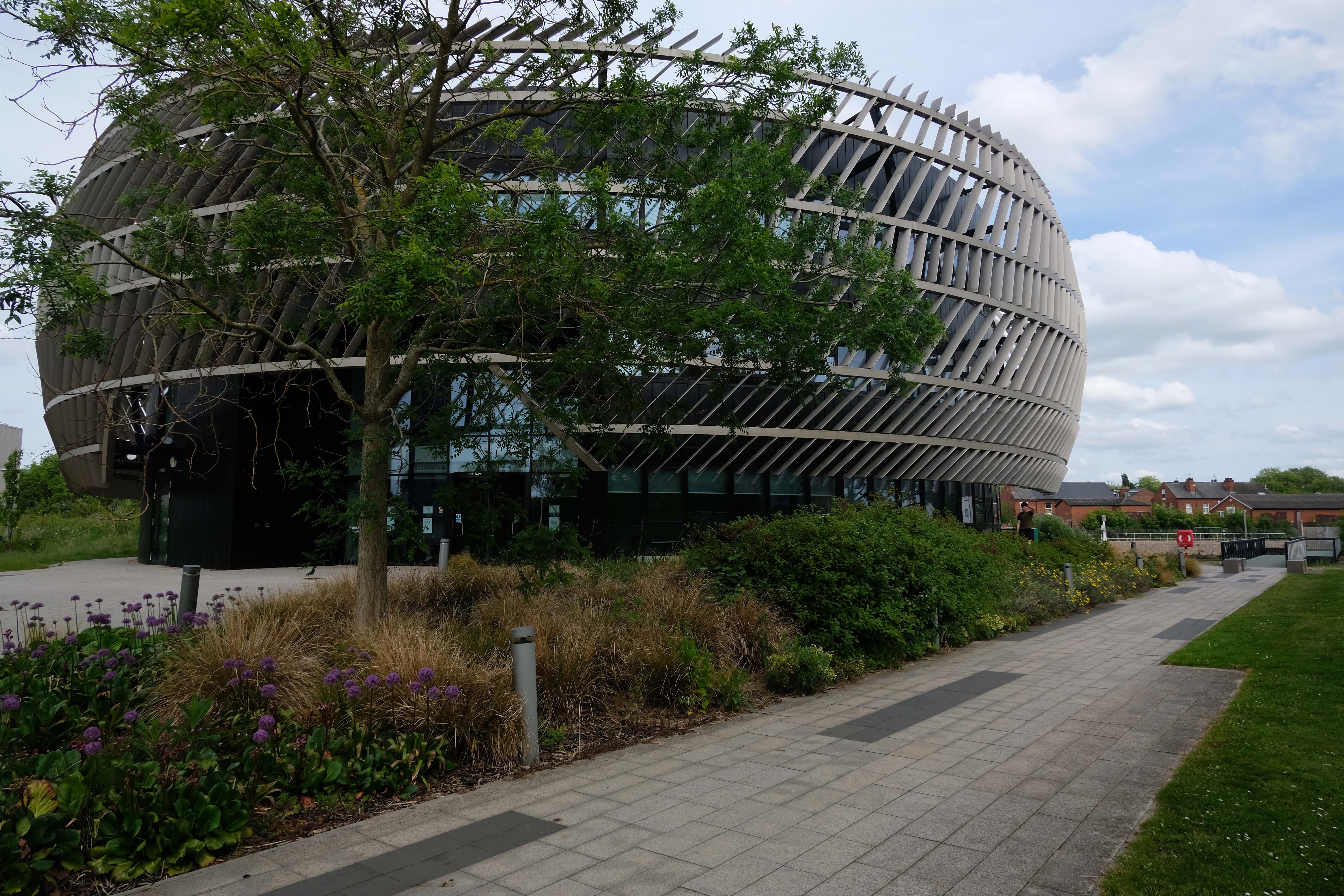
Ingenuity Centre by Bond Bryan 2017

Alucraft designed fabricated and delivered the façade,

At first glance the centre appears to be a hi-tech structure that would not look out of place in a sci-fi movie, with a complex array of metal fins forming a metallic bronze-coloured circular envelope that seems to float around a central core.

Keep looking though and some of the design cues are clearly industrial – the metallic external envelope echoing the form of some finely machined, mechanical component or even the patterned tread of a tyre.

Building Construction Design

Romax Technology Centre by Tomlinson 2015

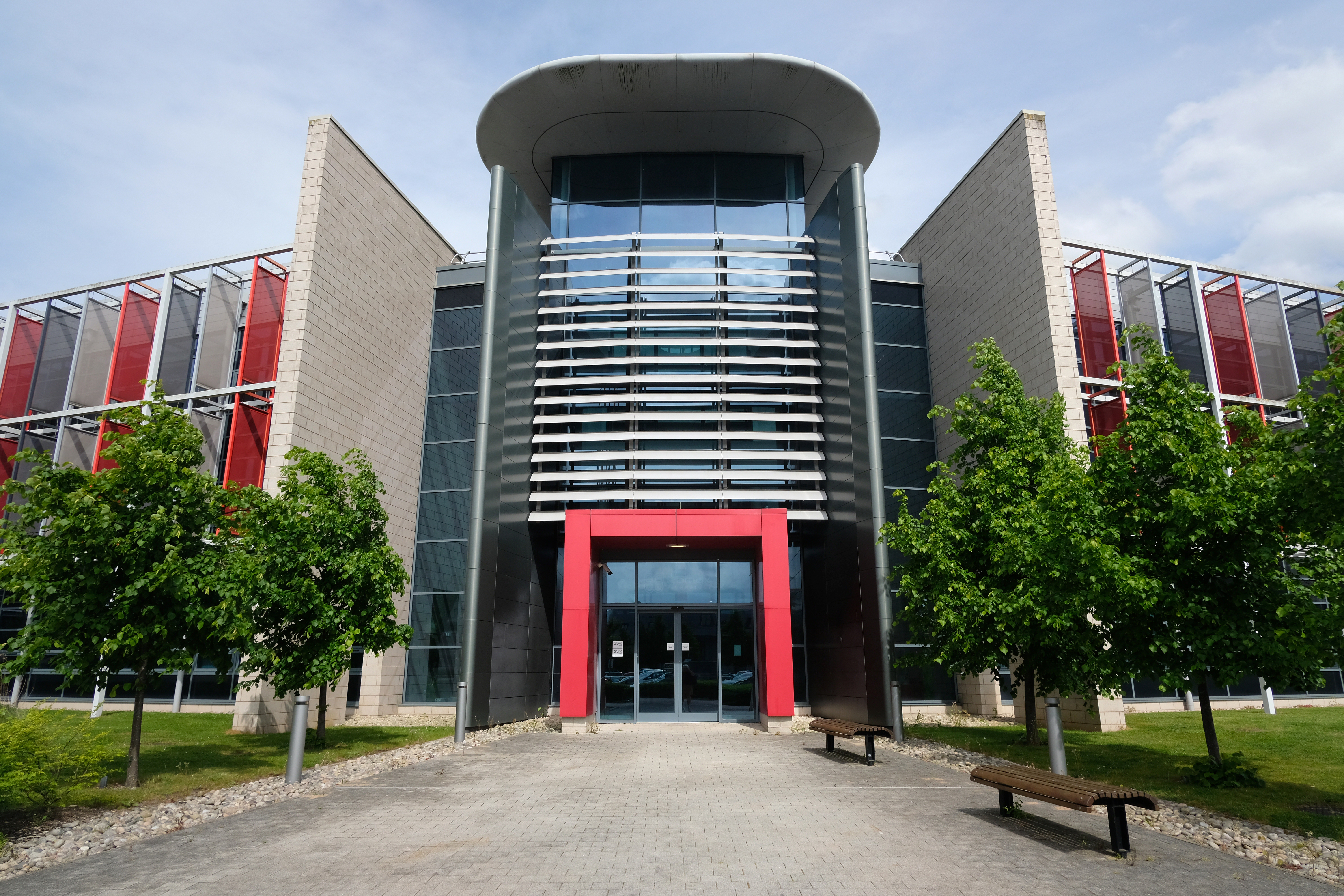
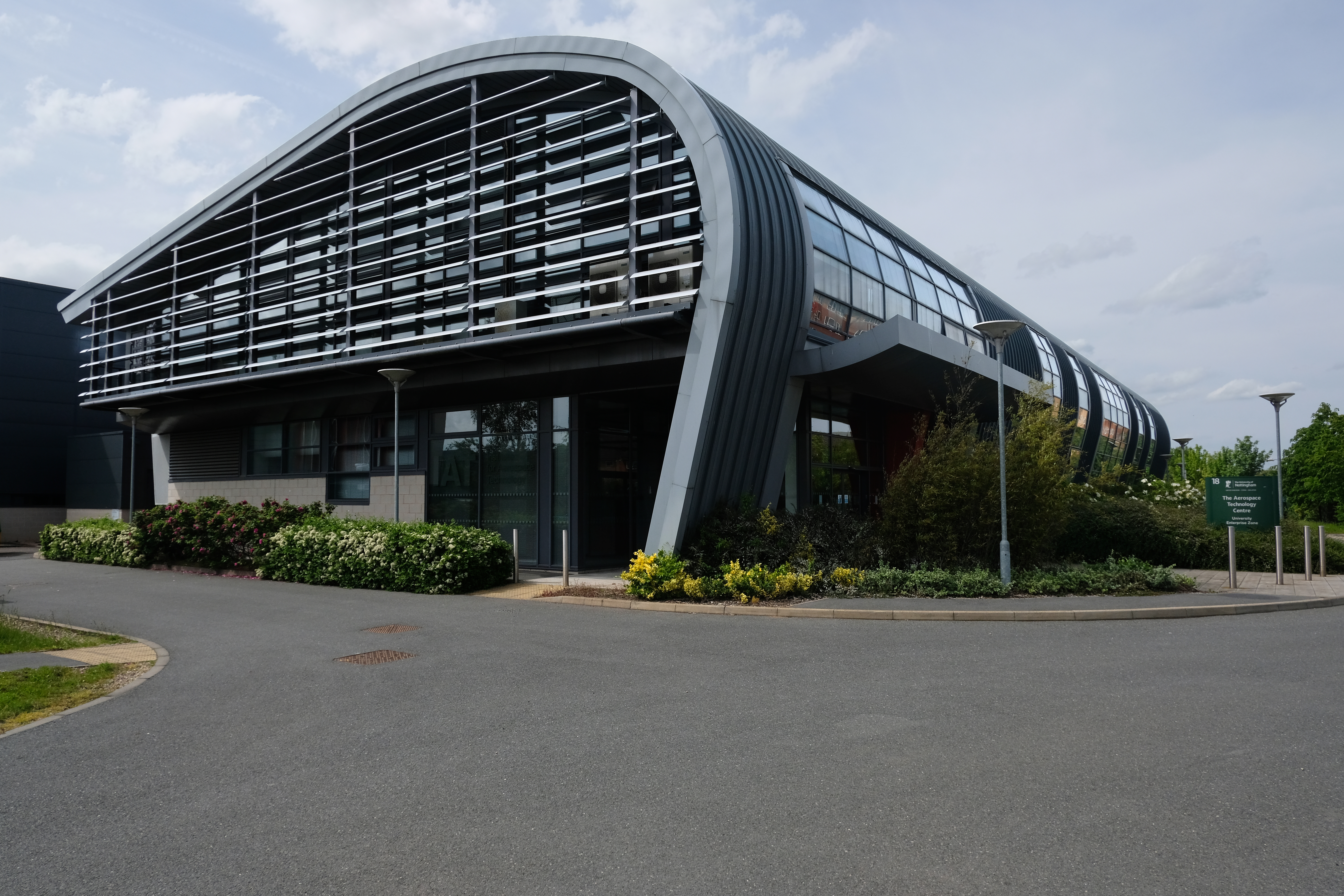
Aerospace Technology Building by William Saunders 2012

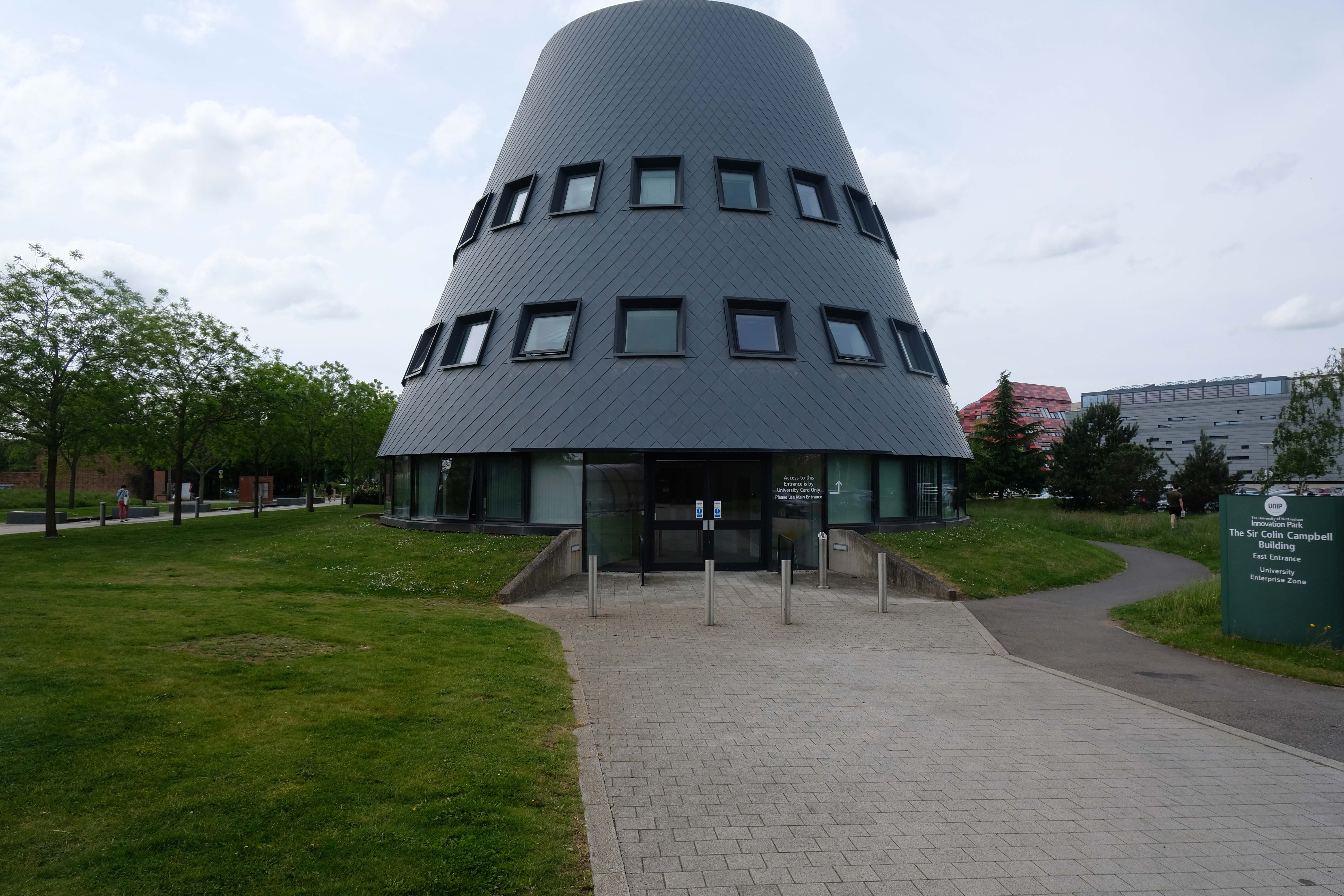
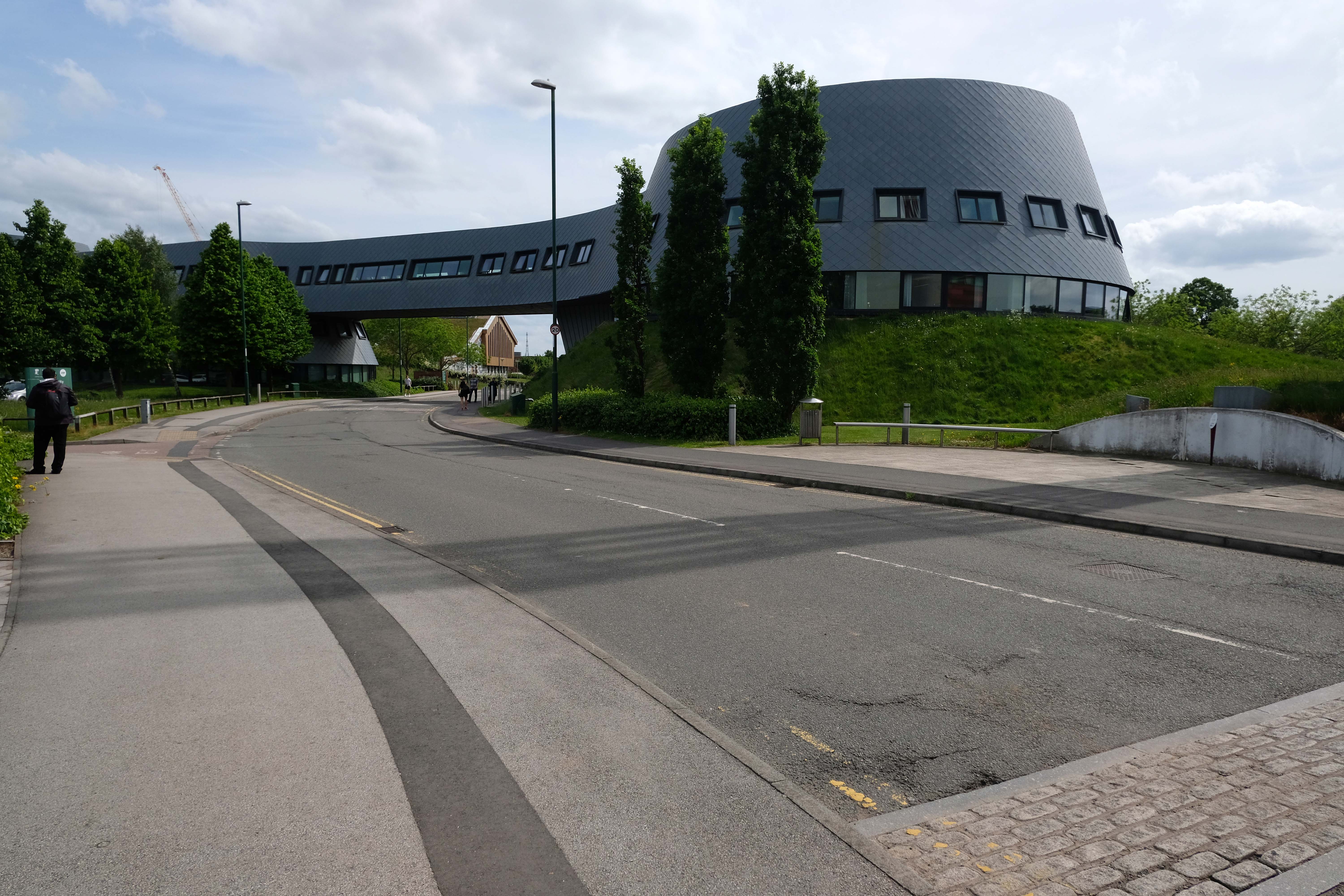
Sir Colin Campbell Building by Bond Bryan 2011 – with Arup acting as structural and services engineer.

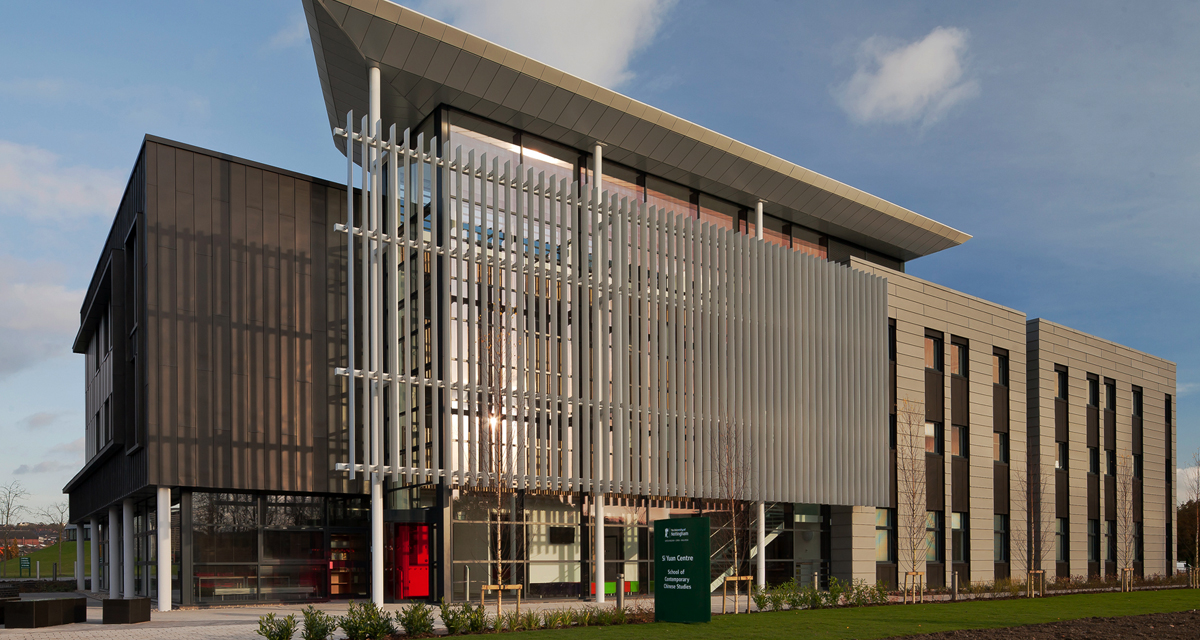
Si Yuan Centre of Contemporary Chinese Studies

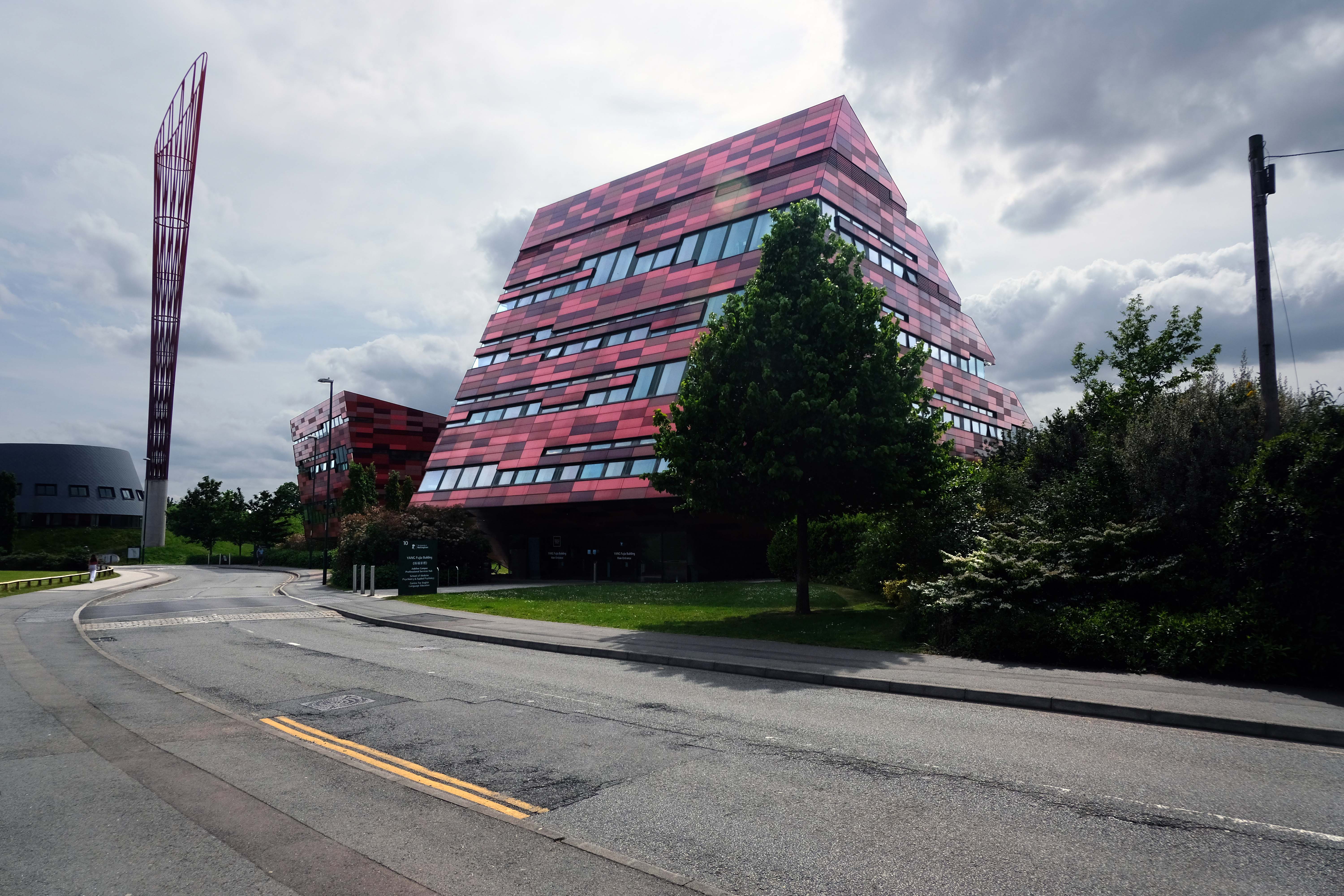
Xu Yafen Building and Yang Fujia Building by MAKE 2008

Aspire is a 60-metre tall, red and orange steel sculpture by Ken Shuttleworth of MAKE, and was, until overtaken by Anish Kapoor’s Orbit, the tallest free standing public work of art in the United Kingdom. It is taller than  Nelson’s Column, the Angel of the North, and the Statue of Liberty  

The name Aspire was chosen after a competition to name the sculpture, which was open to staff and students at the university.

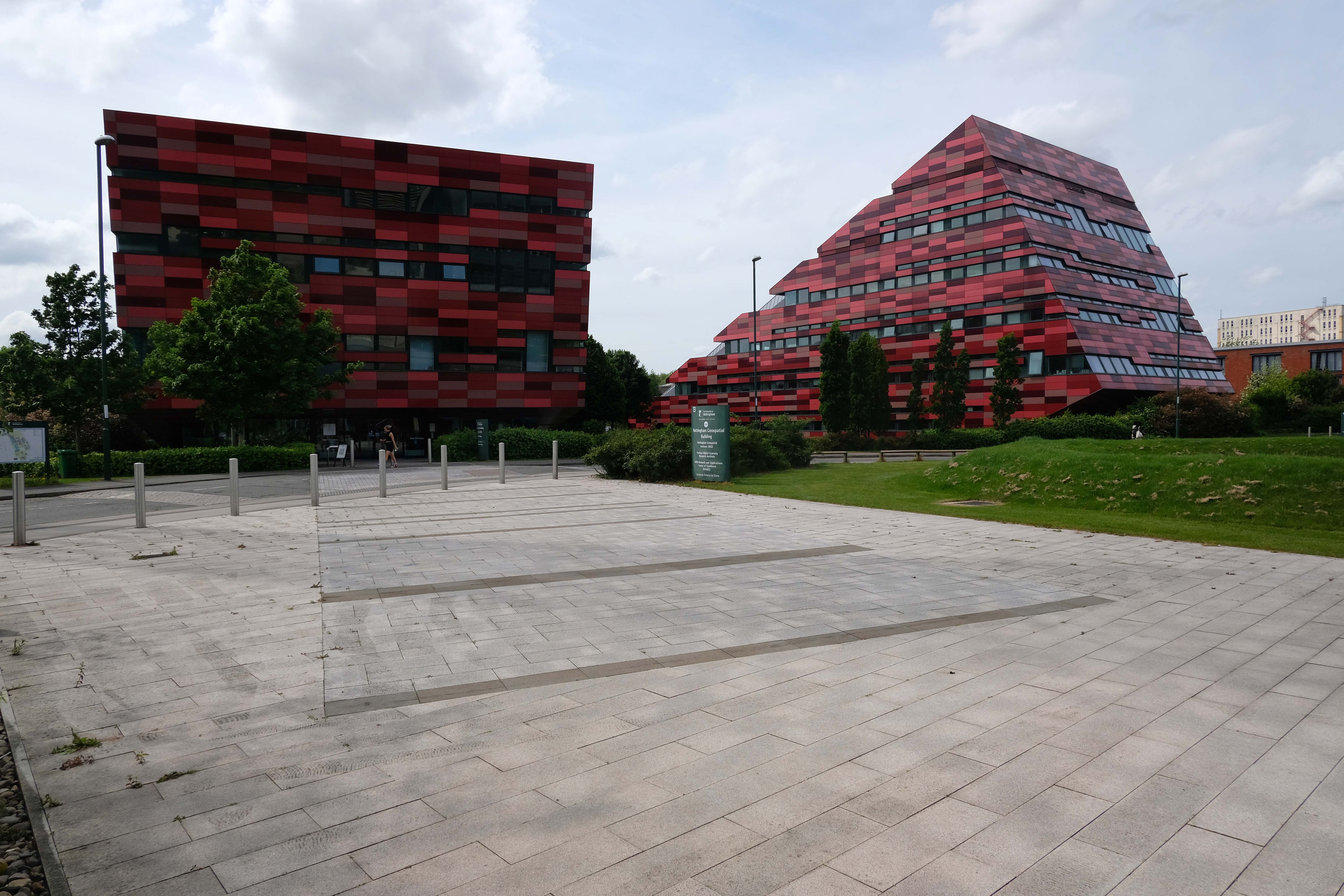
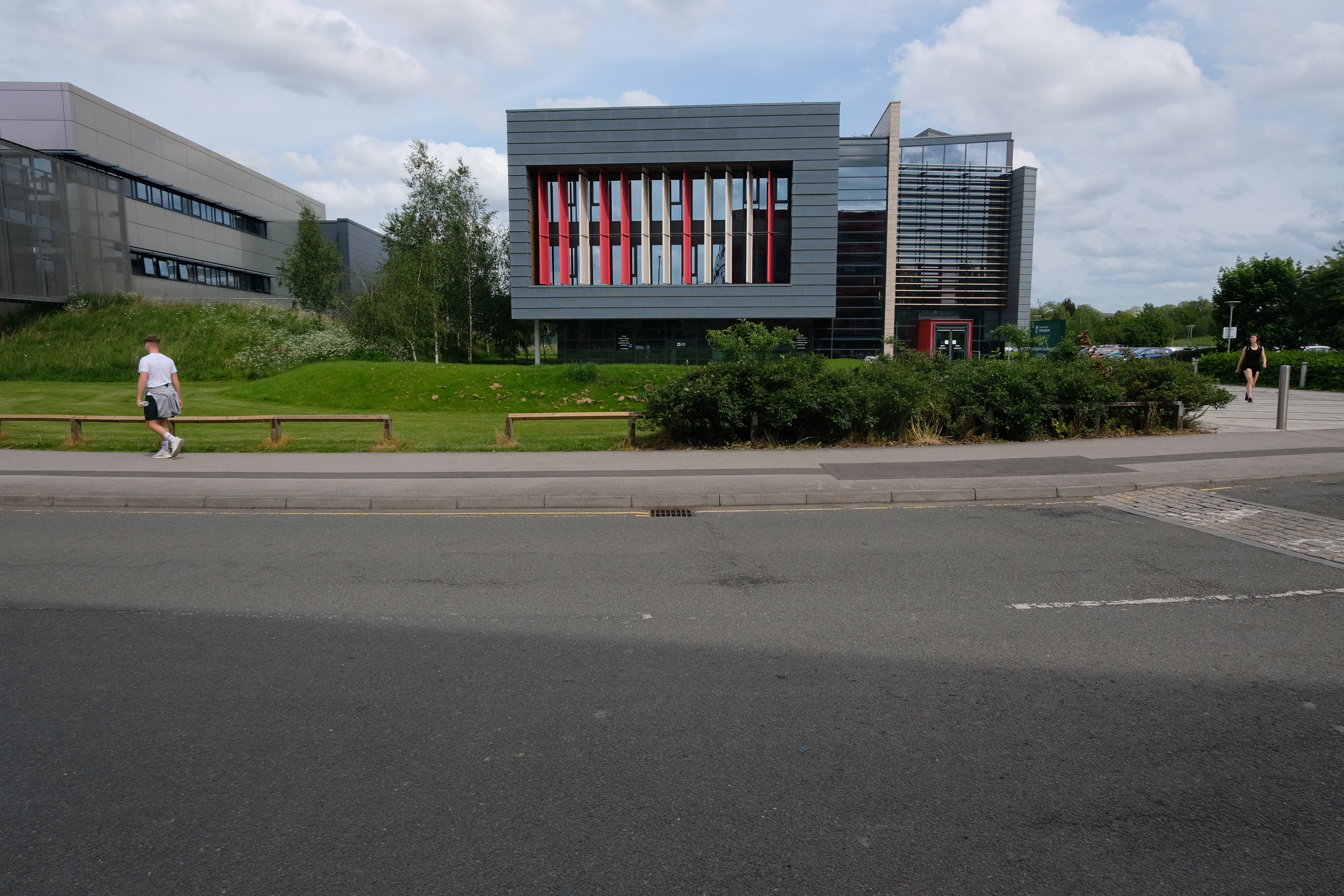
The Nottingham Geospatial Building by Maber Architects 2010

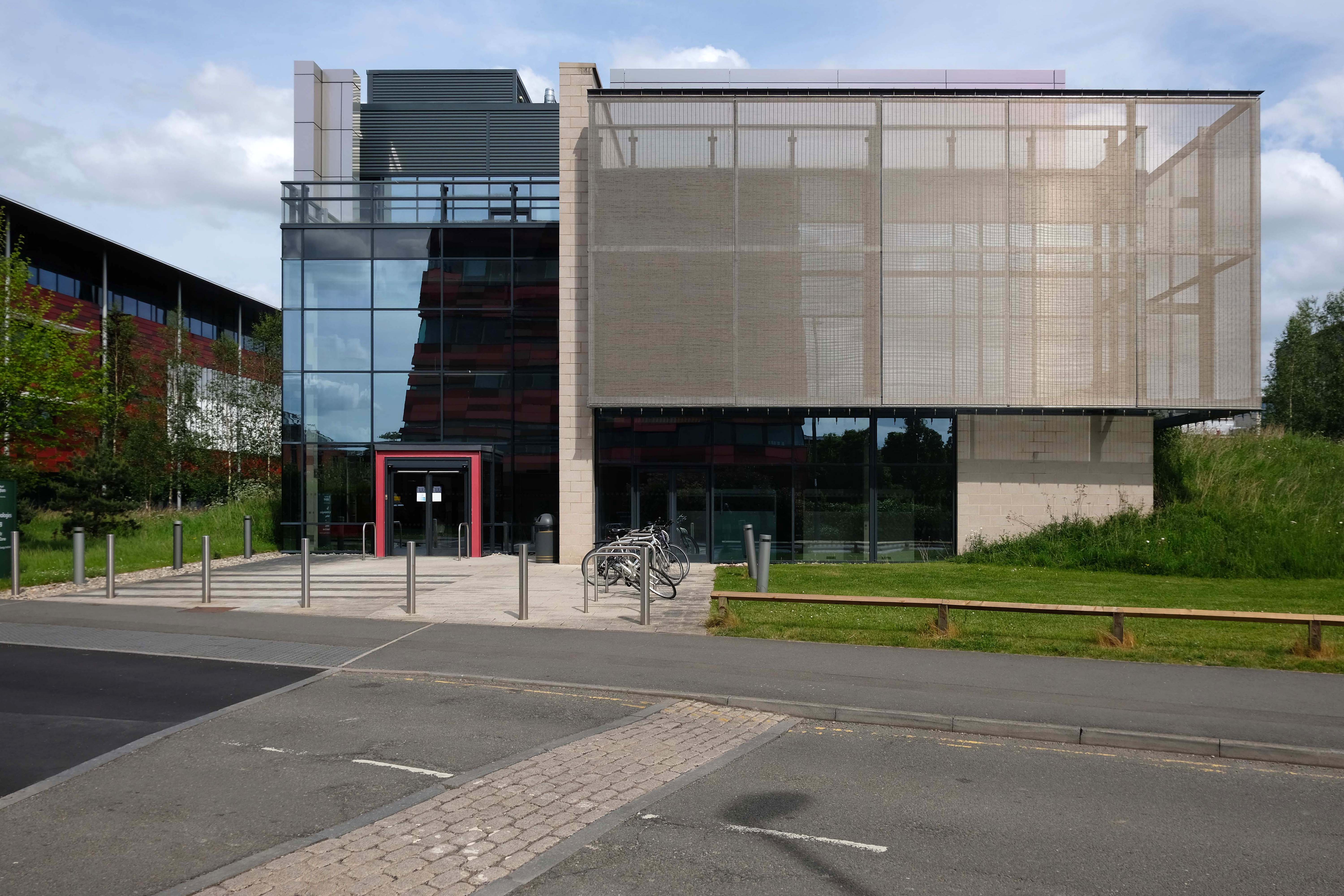
Energy Technologies Building by Maber Architects 2018

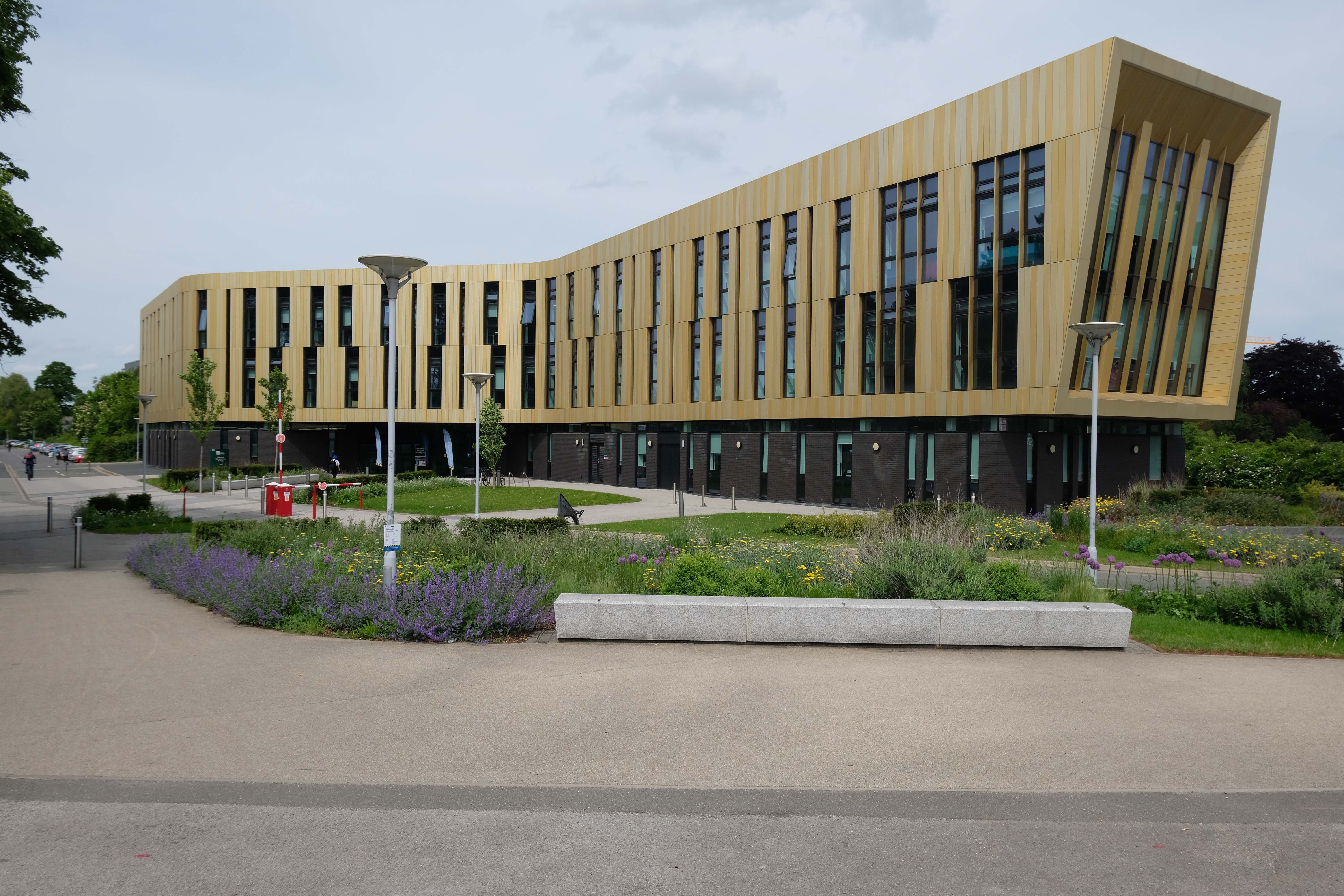
A showcase £6.5m research centre, which brings together world-class experts in energy research, has chosen ALUCOBOND® A2 from 3A Composites GmbH, finished in Sakura 917 from its spectra colour series for its cladding.

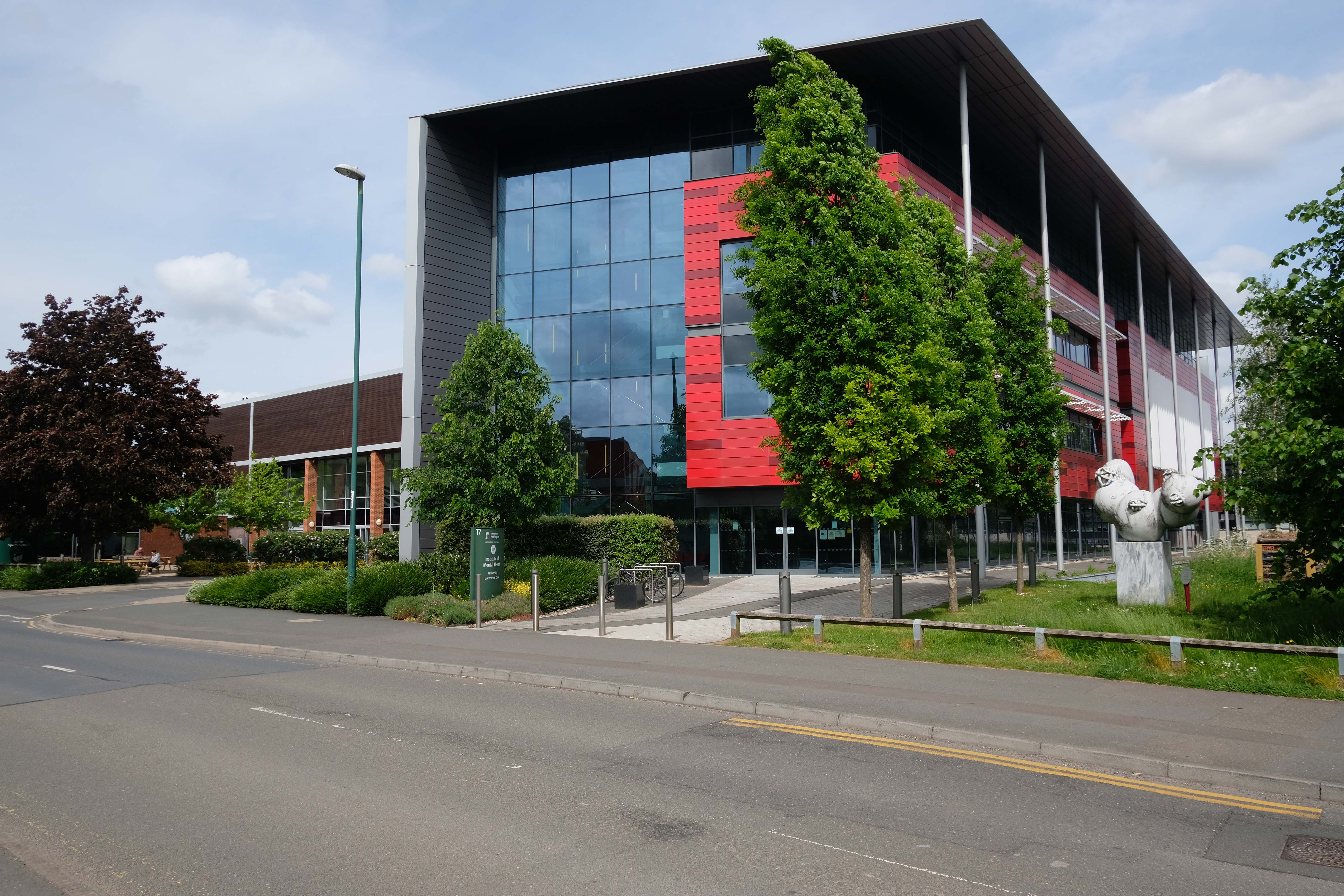
Institute of Mental Health by BENOY 2012

The House for a Gordian Knot by Ekkehard Altenburger

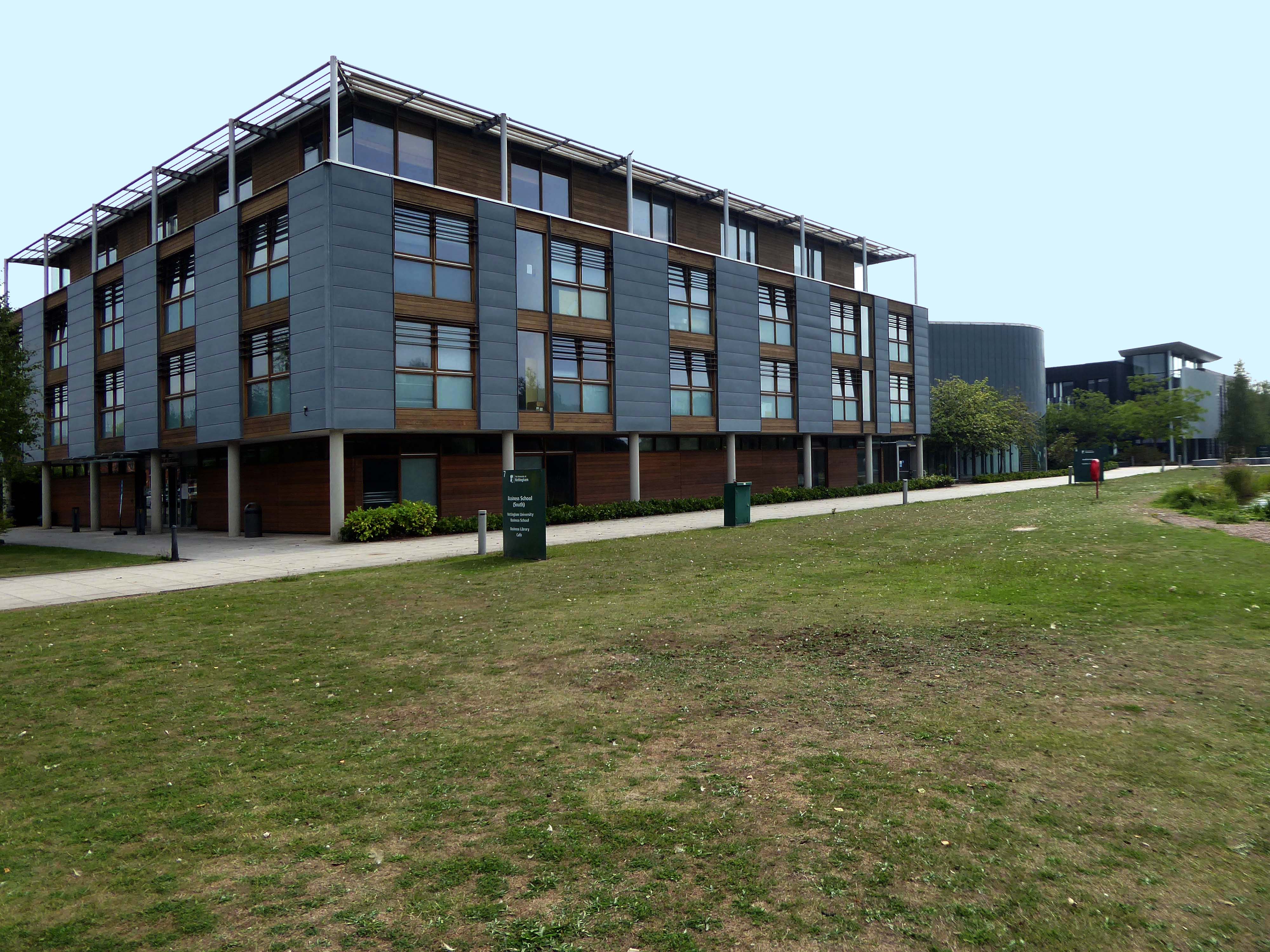
Business School South

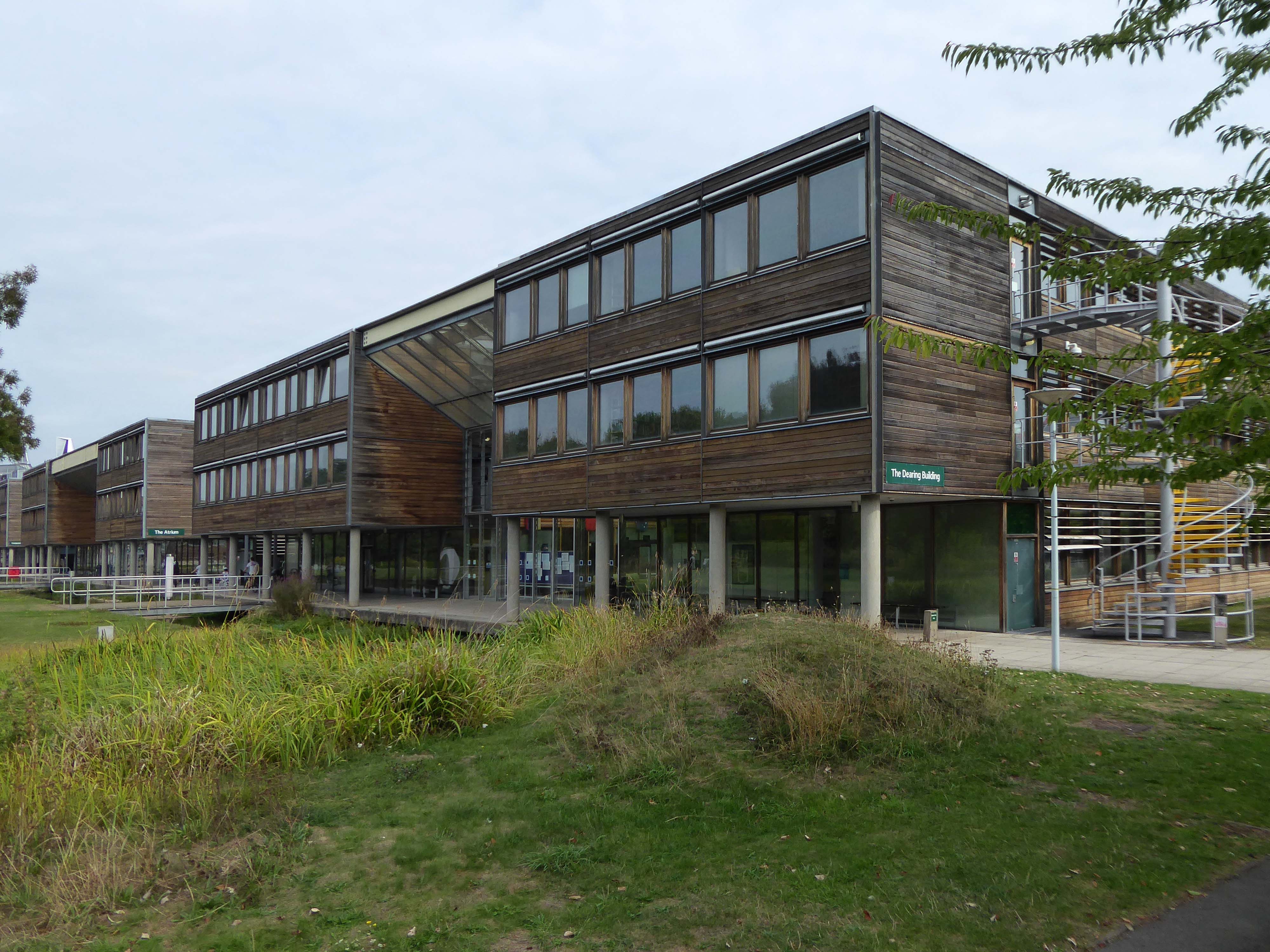
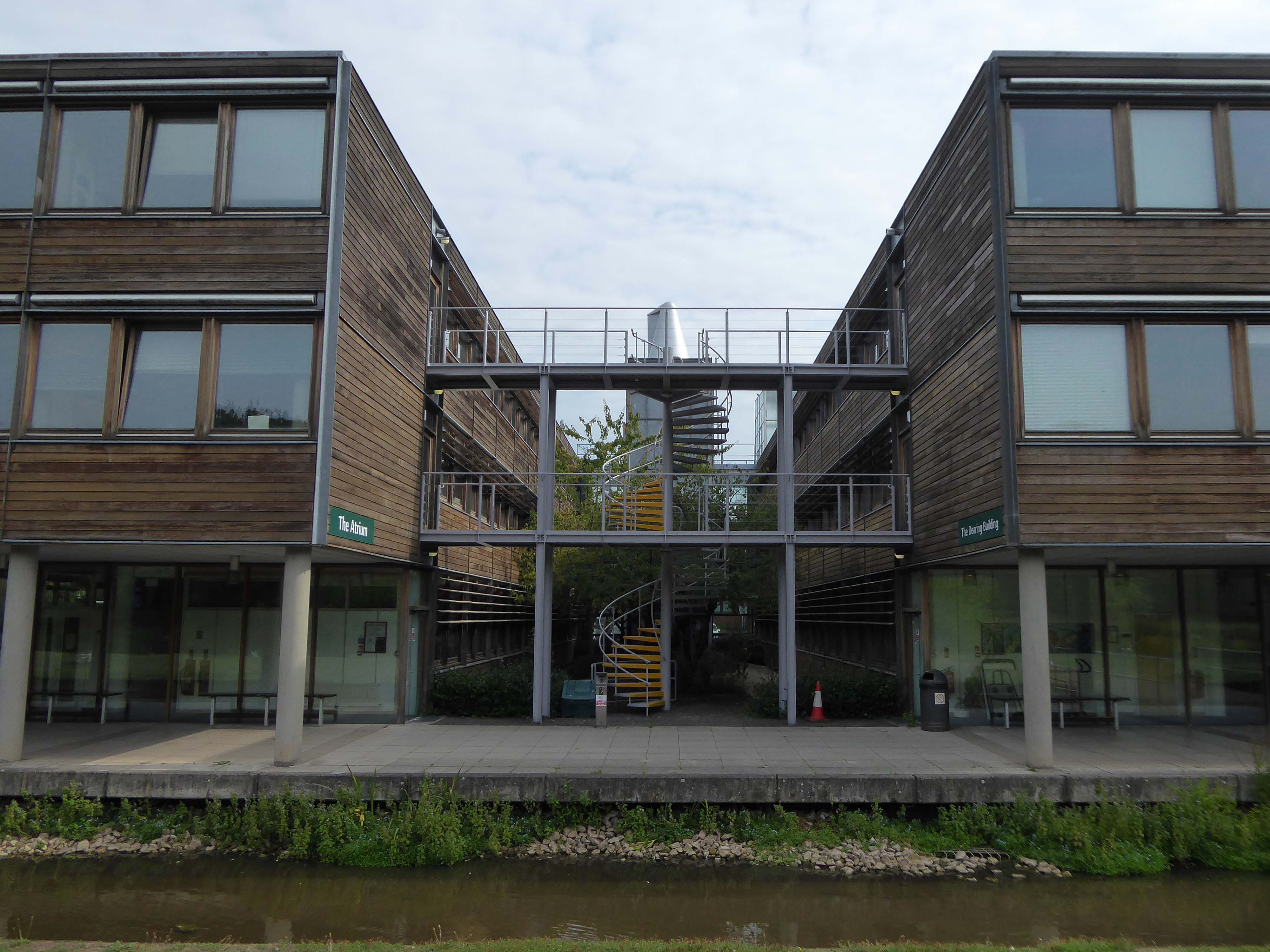
Dearing Building

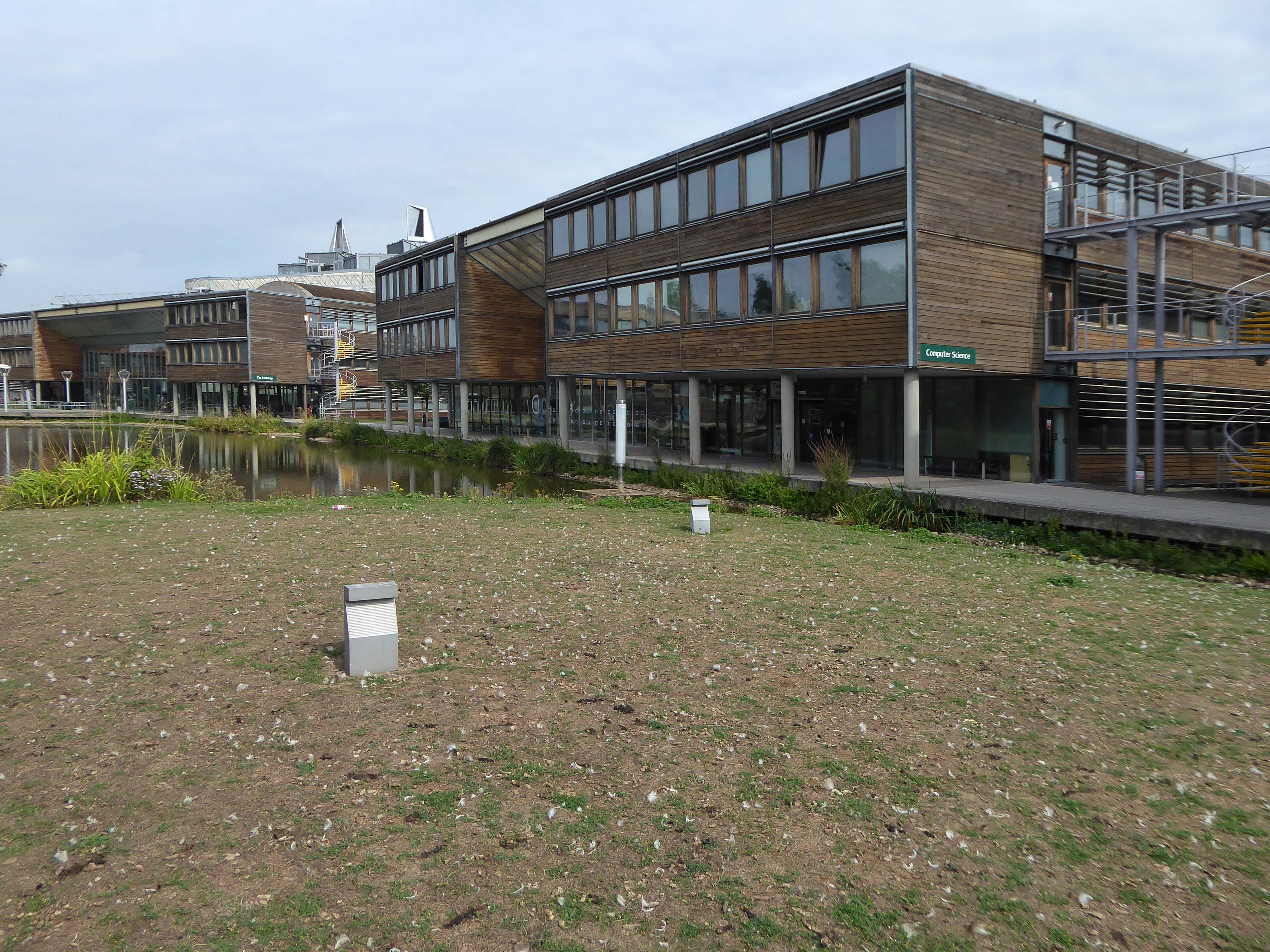
Computer Science Building

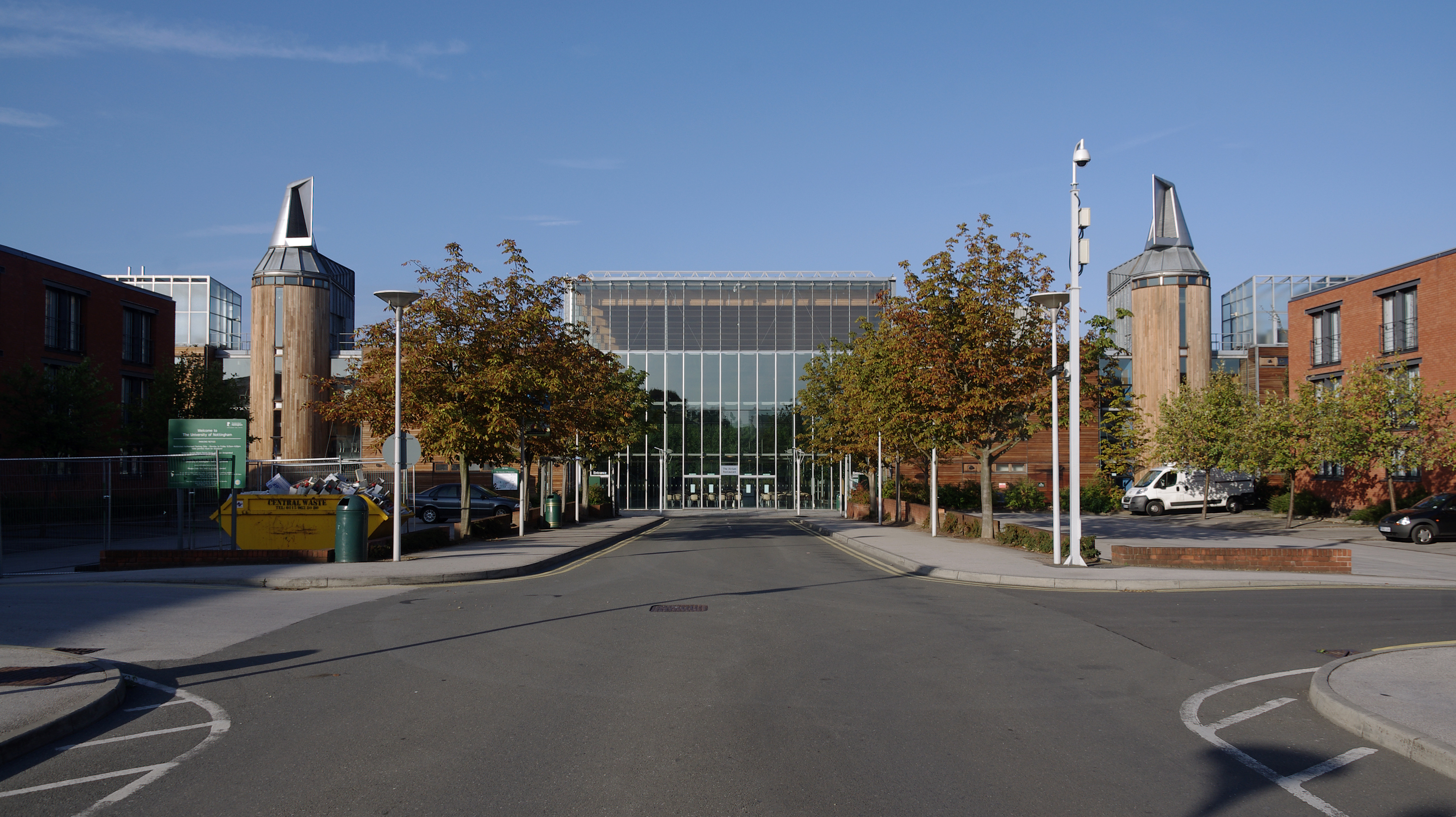
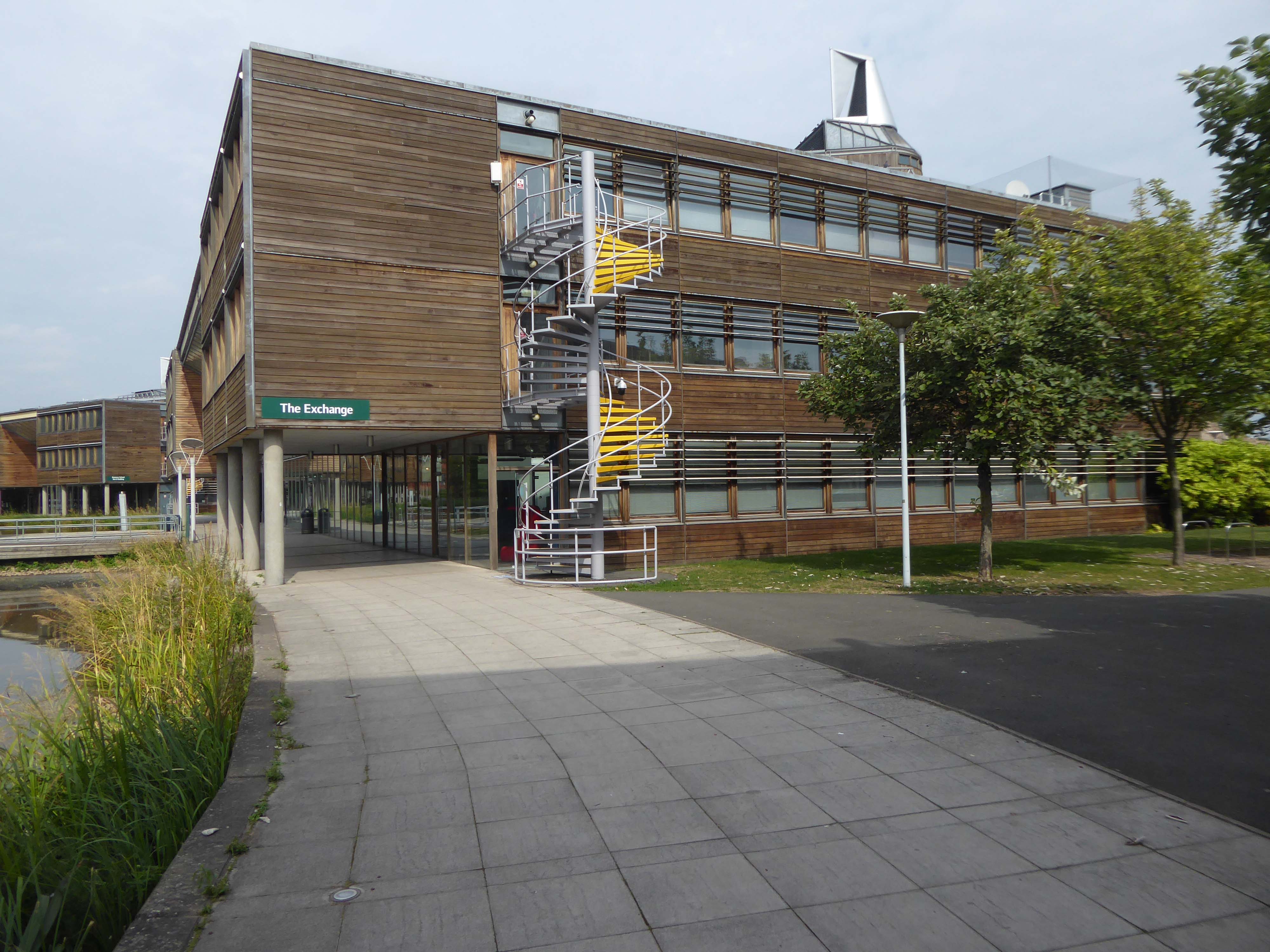
The Exchange Building

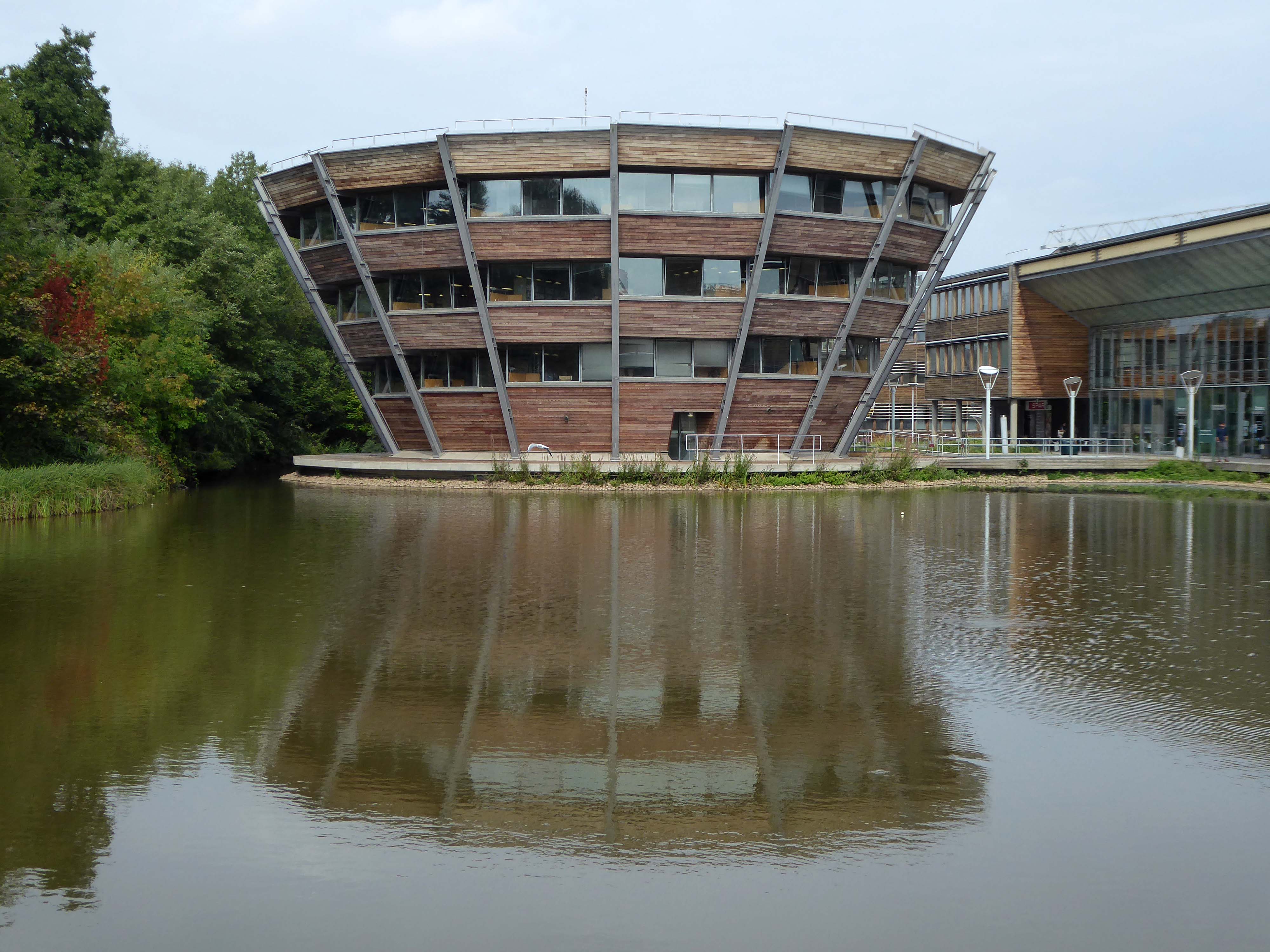
The Sir Harry and Lady Djanogly LRC architect Sir Michael Hopkins 1999

A single floor spirals up through the building in the manner of FL Wright’s Guggenheim Museum

The library was named after the philanthropists Sir Harry and Lady Djanogly who gave a significant contribution towards the cost of its construction. Sir Harry Djanogly is the father of Jonathan Djanogly, who became MP for Huntingdon in 2001.

Wikipedia

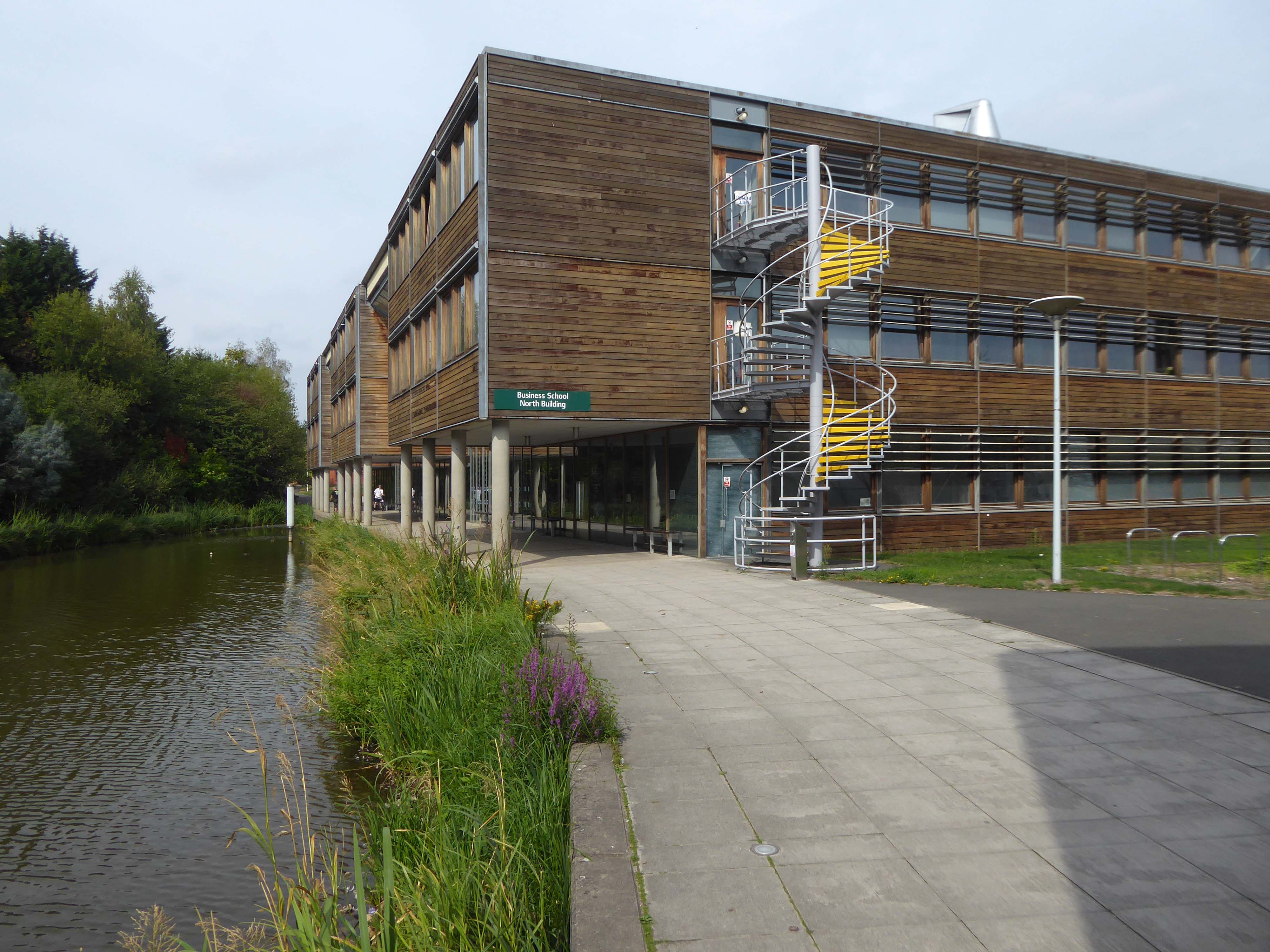
Business School North 2003

The Atrium

John Player & Sons Bonded Warehouse by William Cowlin and Son 1938-39

Mouchel System concrete construction.

Mouchel’s involvement with the iron industry, and his ties with France, brought him into close proximity with the French engineer François Hennebique (1842-1921), who had been a contractor in Brussels. A self-educated builder, Hennebique had patented an idea of strengthening concrete using iron and steel bars – a forerunner to the widespread modern reinforced-concrete method used in construction today.

Engineering timelines

Sadly – returning in September the last building had been recently demolished.

Many thanks to Elain Harwood from whose Pevsner Guide much of the information was garnered

IRK VALLEY #TWO

Having walked and cycled twixt Victoria Station and Blackley, I returned once more to the Hexagon Tower to resume my explorations towards the source in Royton.

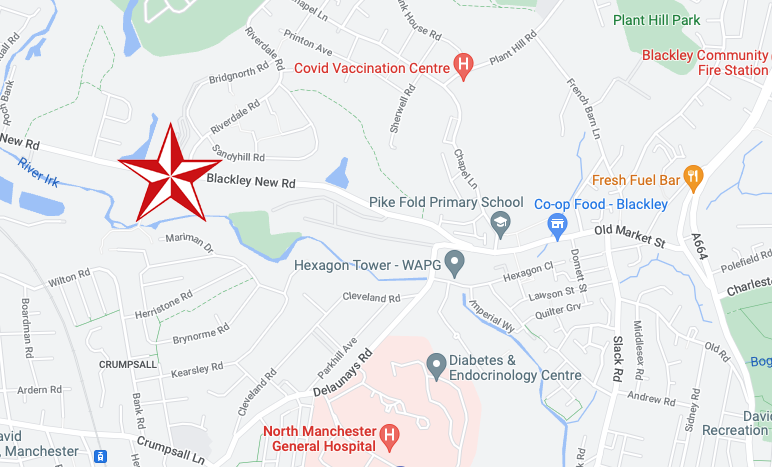
Beginning on Delaunays Road and onwards along Blackley New Road.

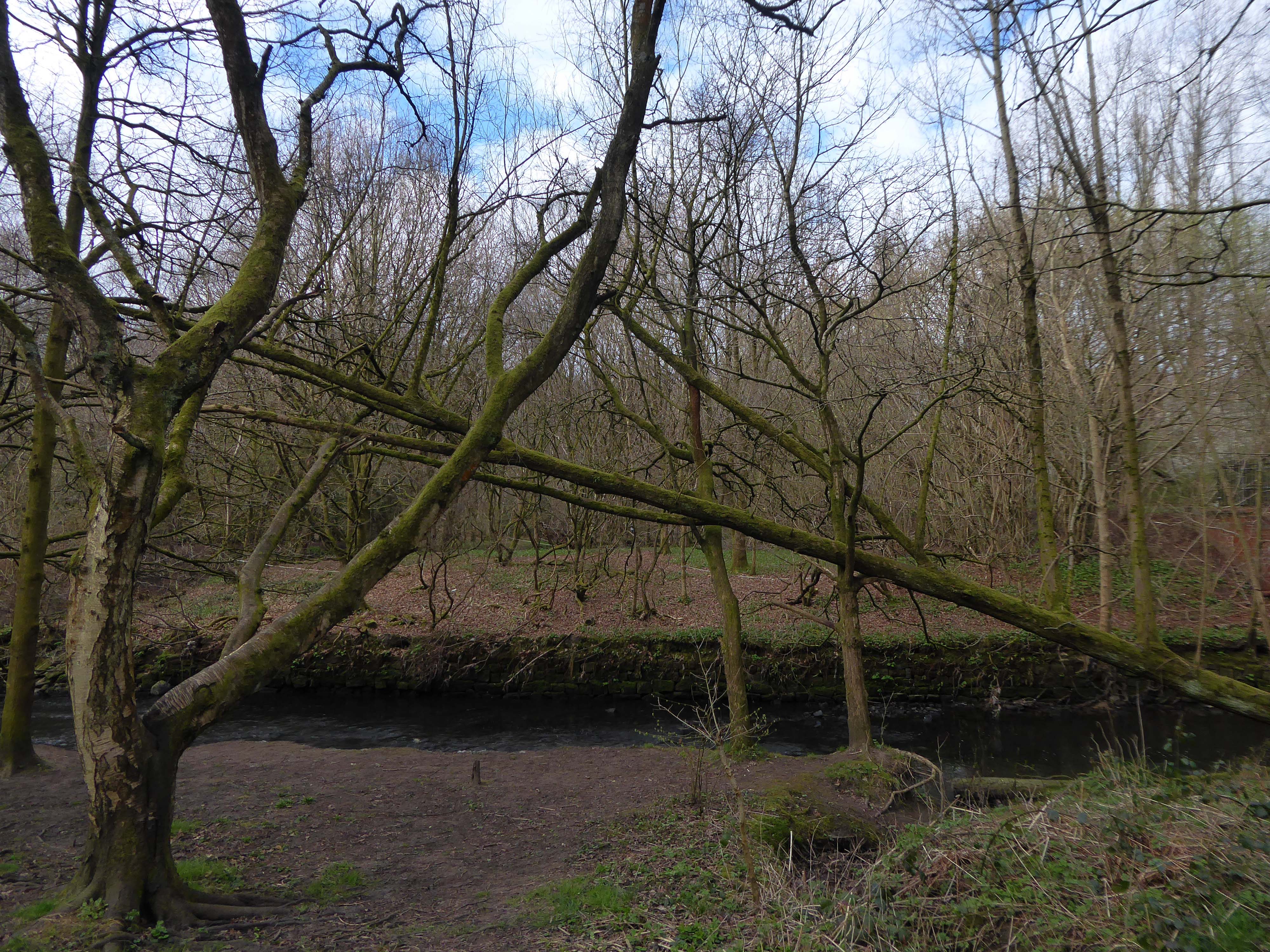
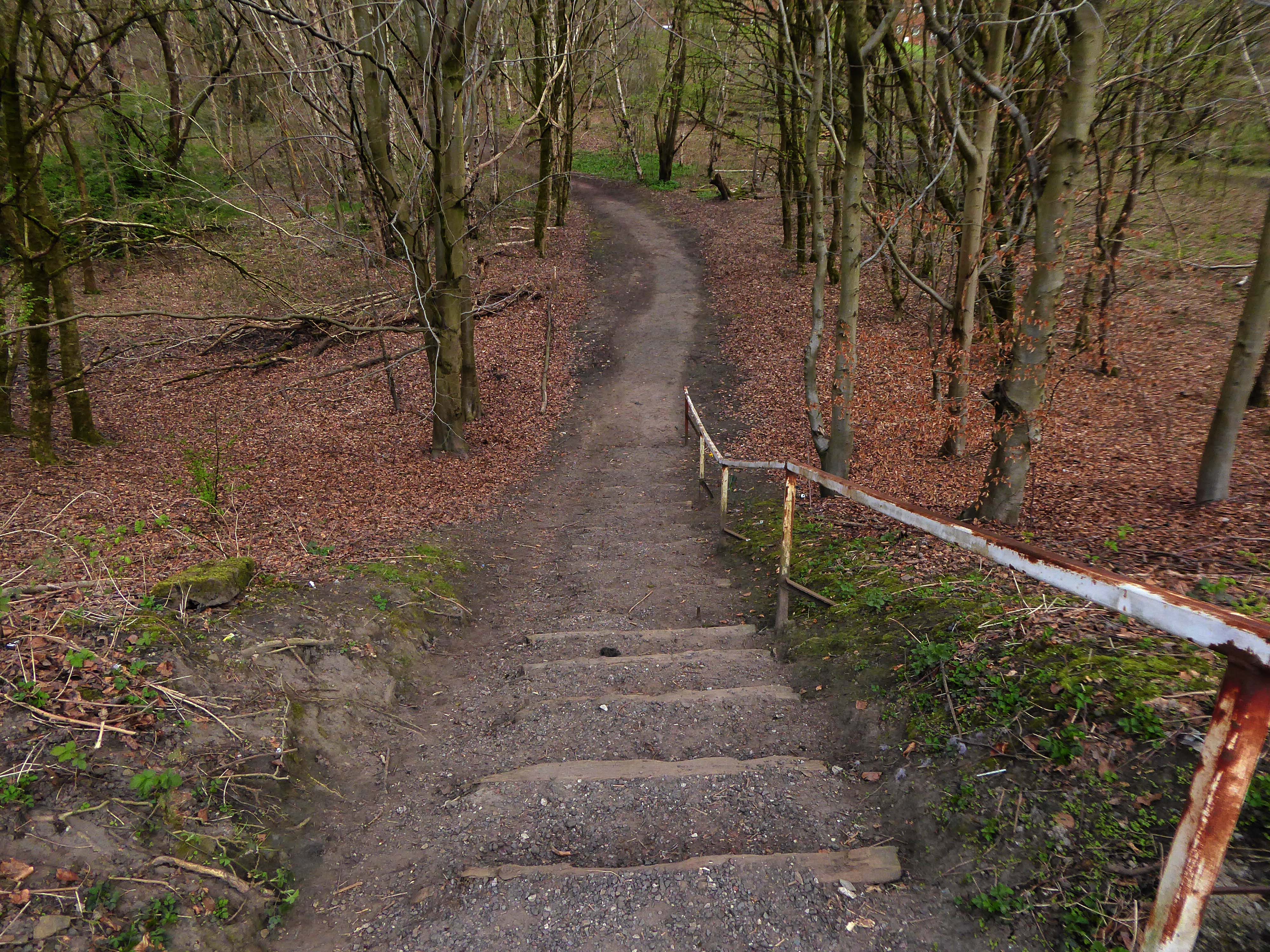
The footpath falls away from the main road to the wooded valley.

Returning to the road I was distracted by Sandyhill Court and the reliefs which I discovered there.

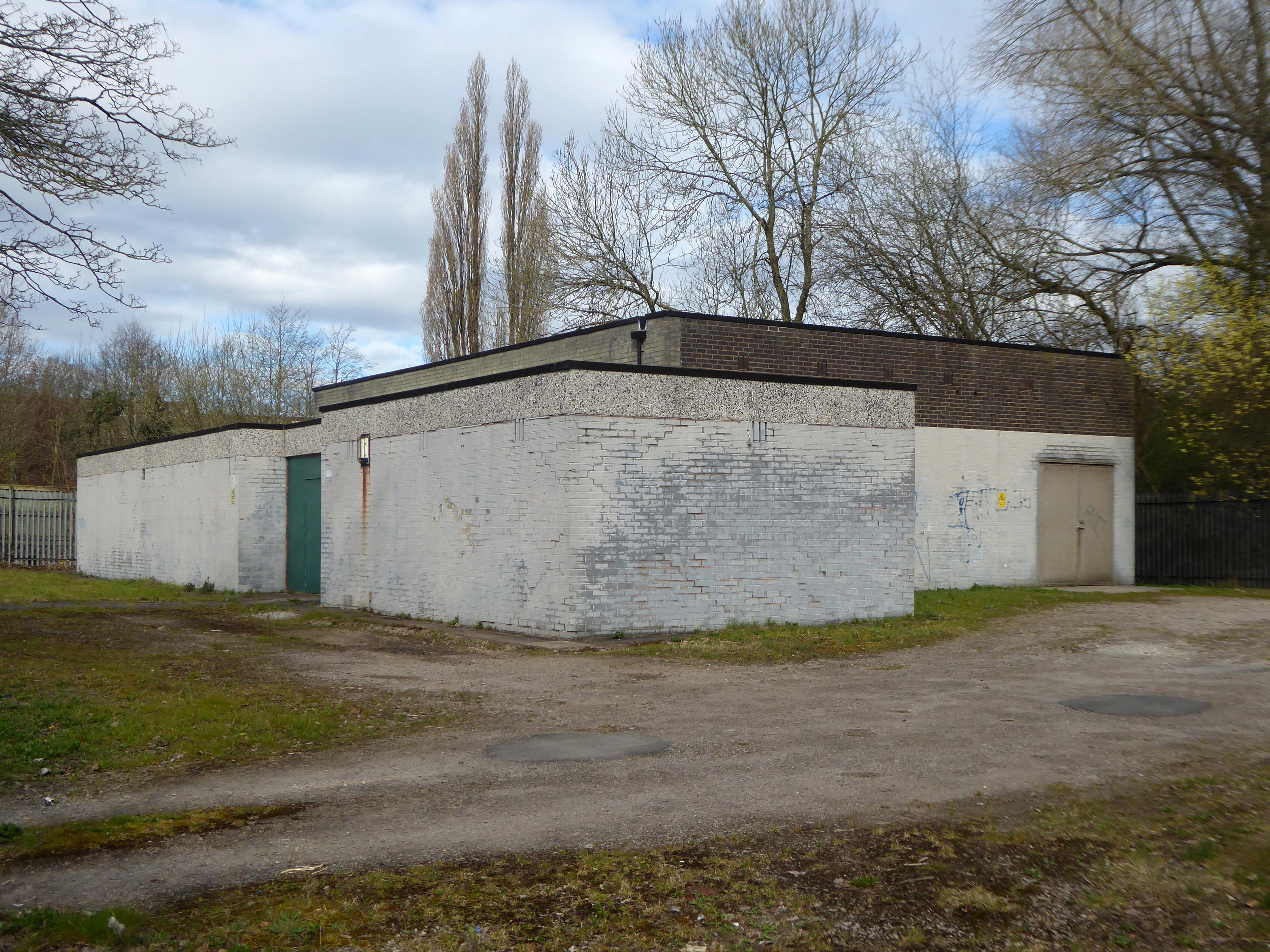
I was also taken with with this electrical substation.

We are encouraged to be wild about Blackley Vale a reclaimed landfill site.

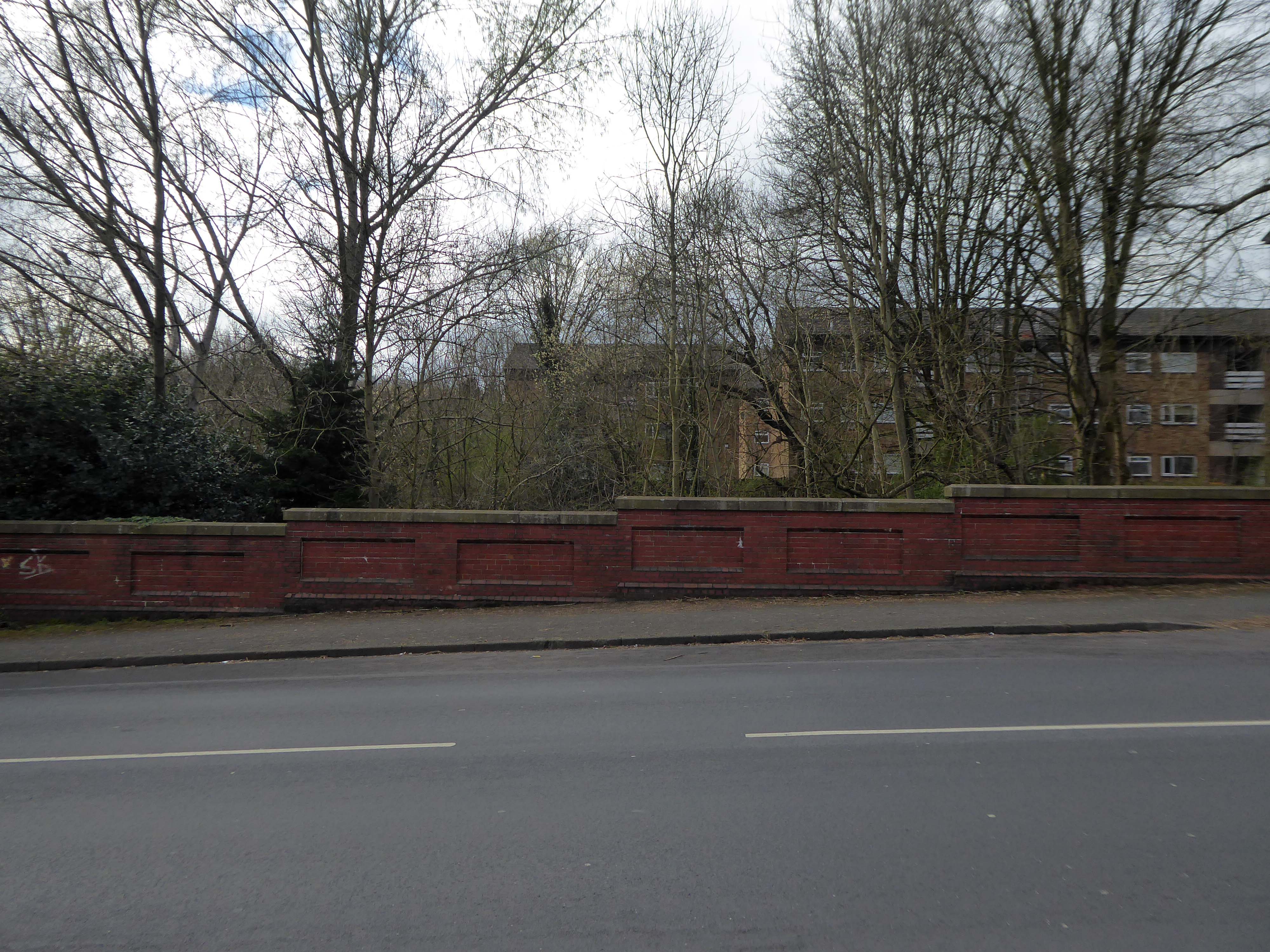
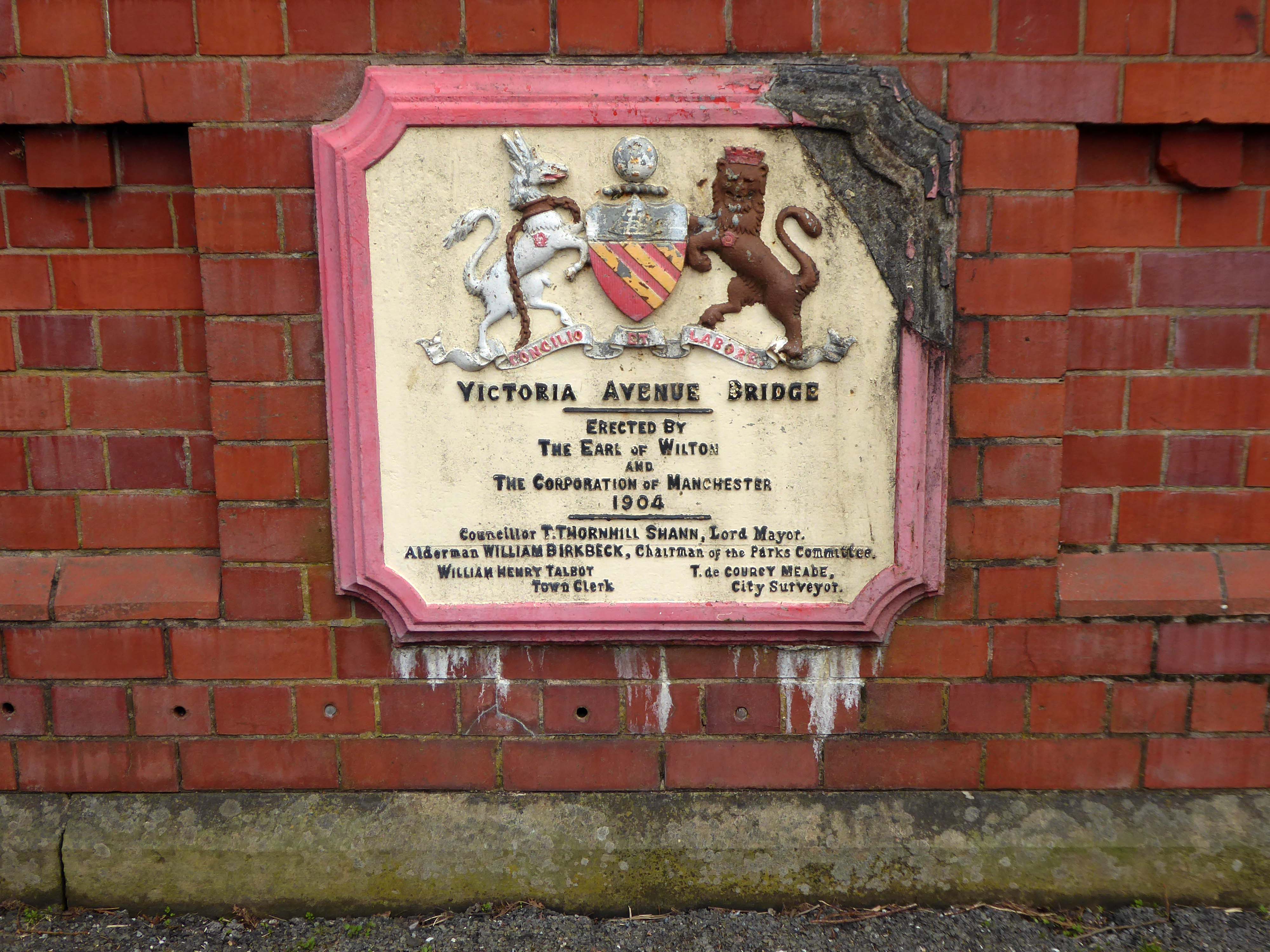
Across the Victoria Avenue Bridge and down the other side.

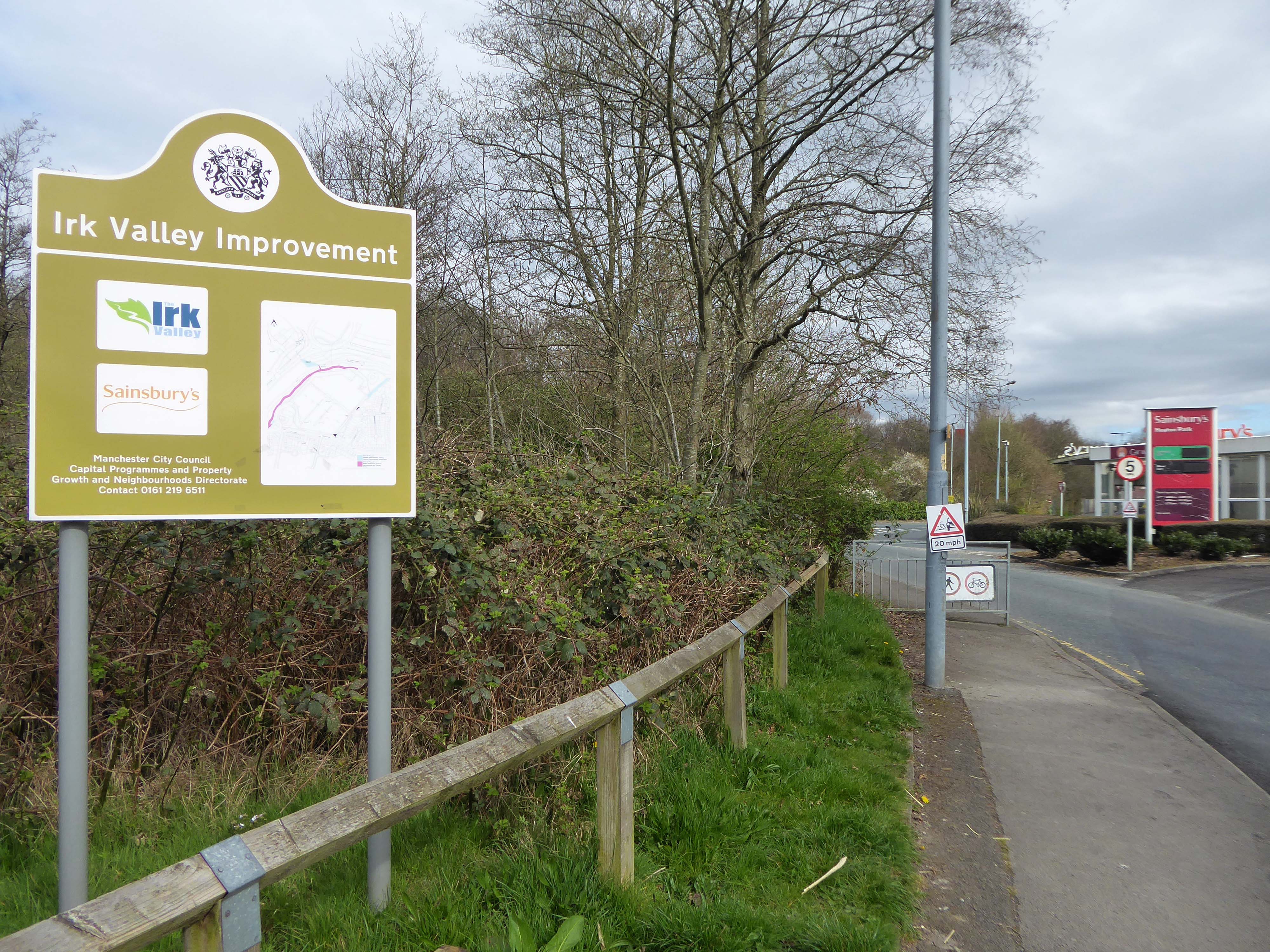
Emerging by Sainsbury’s and picking up the path again.

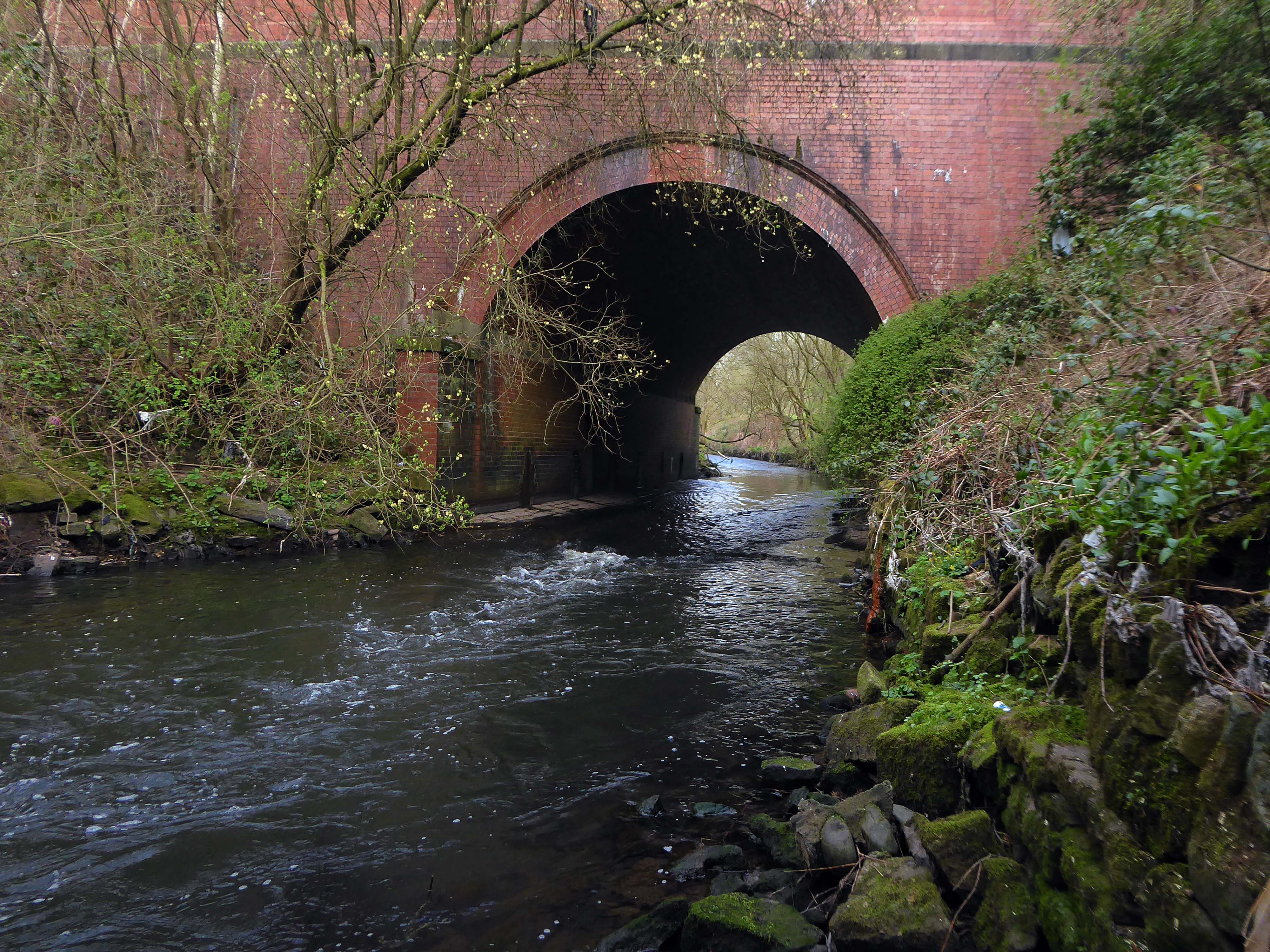
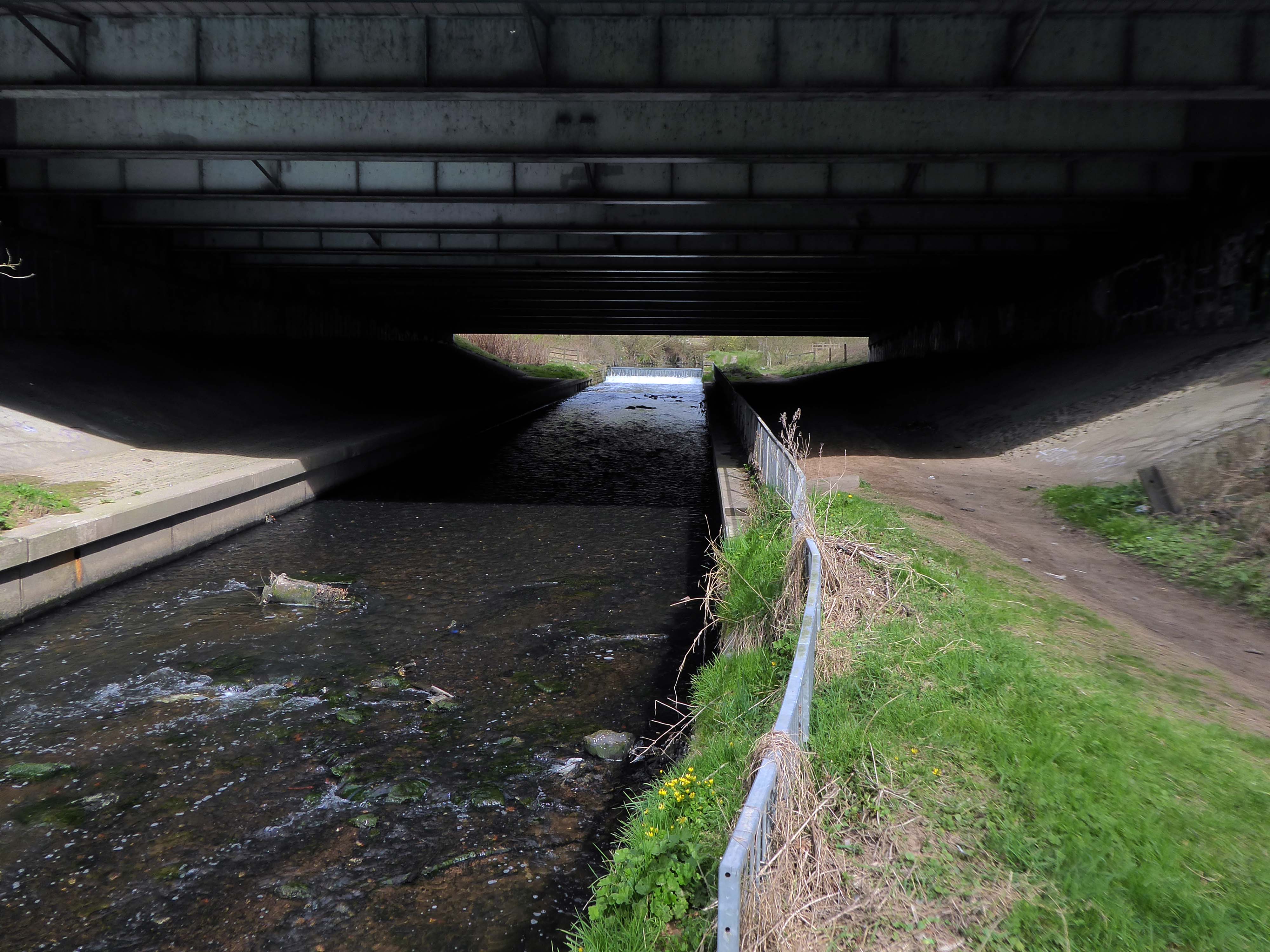
Onwards under the M60 Motorway.

The M60 was developed by connecting and consolidating the existing motorway sections of the M63M62, and an extended M66. It came into existence as the M60 in 2000, with the completion of the eastern side opening in October.

The original plan called for a completely new motorway, but policy change led to the plan which created the current motorway. As soon as it opened, the motorway got close to its projected maximum volume on significant sections.

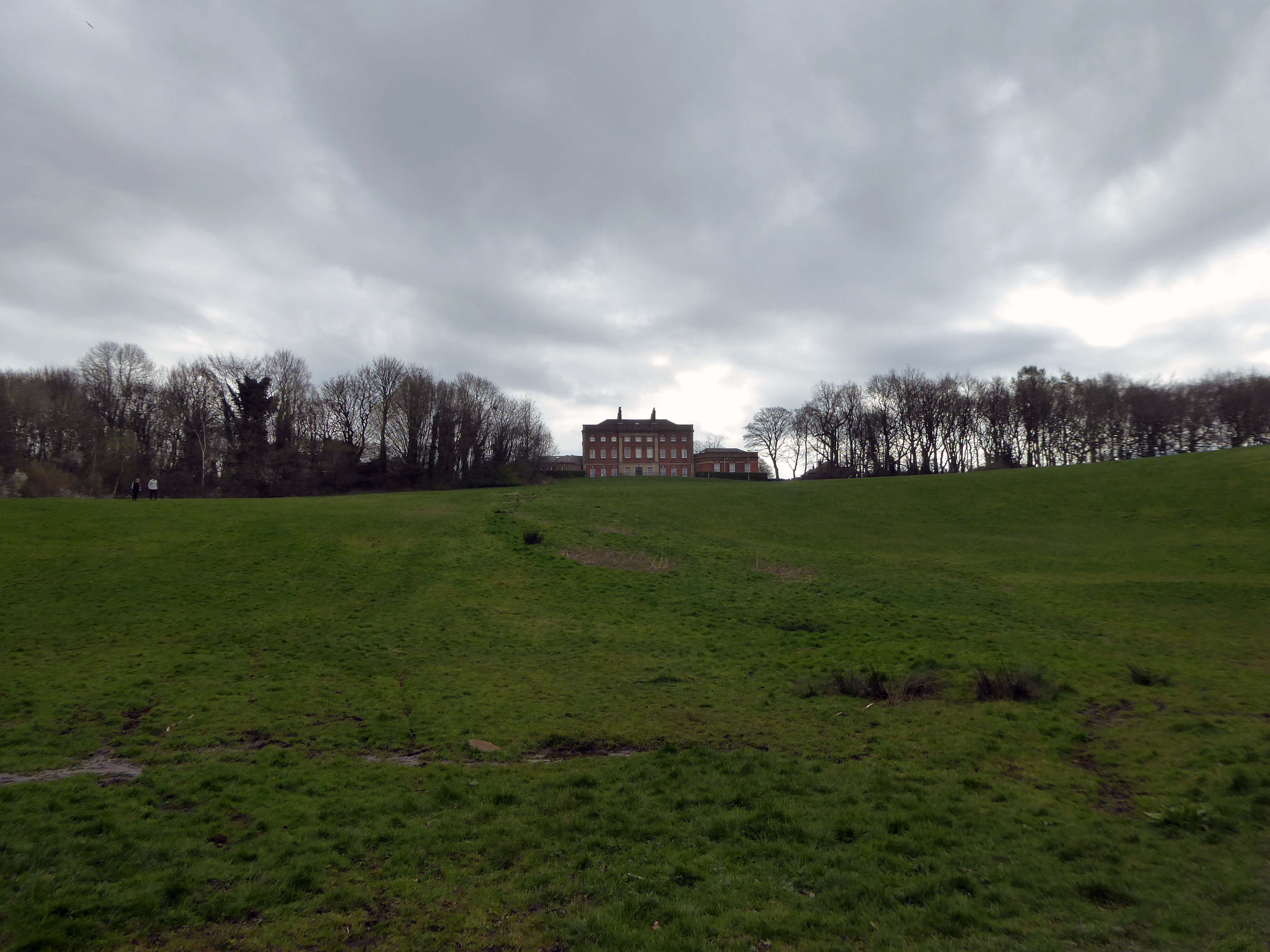
Hey look there’s Alkrington Hall!

This Palladian mansion was designed and built in 1736 by renowned architect, Giacomo Leoni, who had also been responsible for significant alterations to Lyme Hall during the same period.  

Offering an infusion of historical significance coupled with an abundance of living space throughout, Alkrington Hall East, simply must be viewed to be appreciated in full.  

During the early 1770’s, the Hall became the largest museum outside of London, when the Hall’s owner, Sir Ashton Lever, exhibited his private collection of natural objects, including live animals. Remaining as an imposing symbol of Leoni’s work, Alkrington Hall remains one of only a few surviving examples throughout England.  

In modern times, the Hall has since been carefully and sympathetically separated into 4 sections, and we are pleased to be offering for sale the largest portion of the Hall, with a total floor area comprising of over 7500 SQFT, and living accommodation spread over 4 floors.  

Sold for £825,00 in 2021 Savills

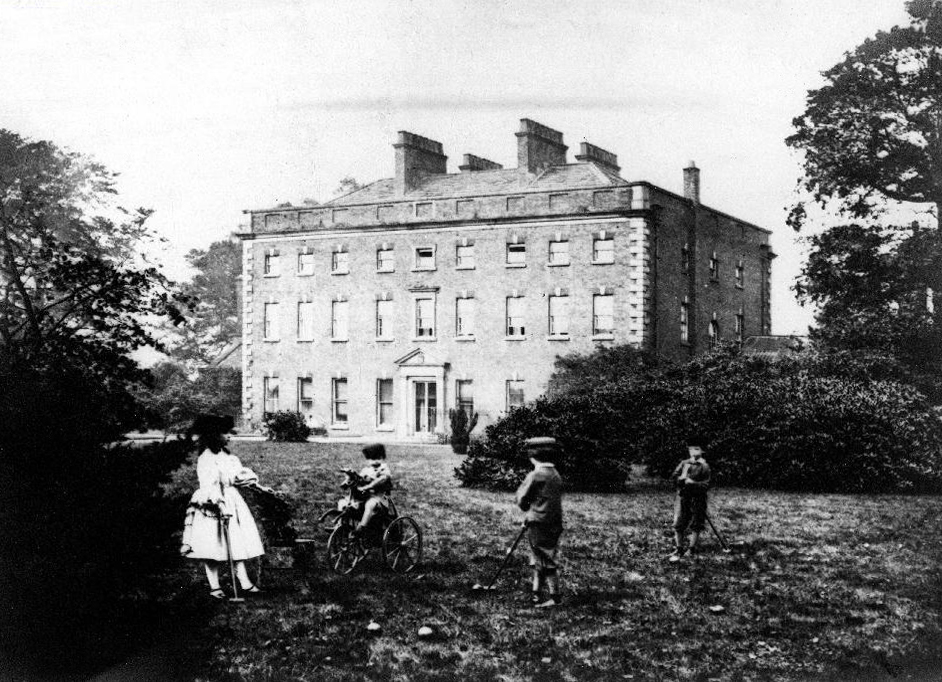
Seen here in 1870

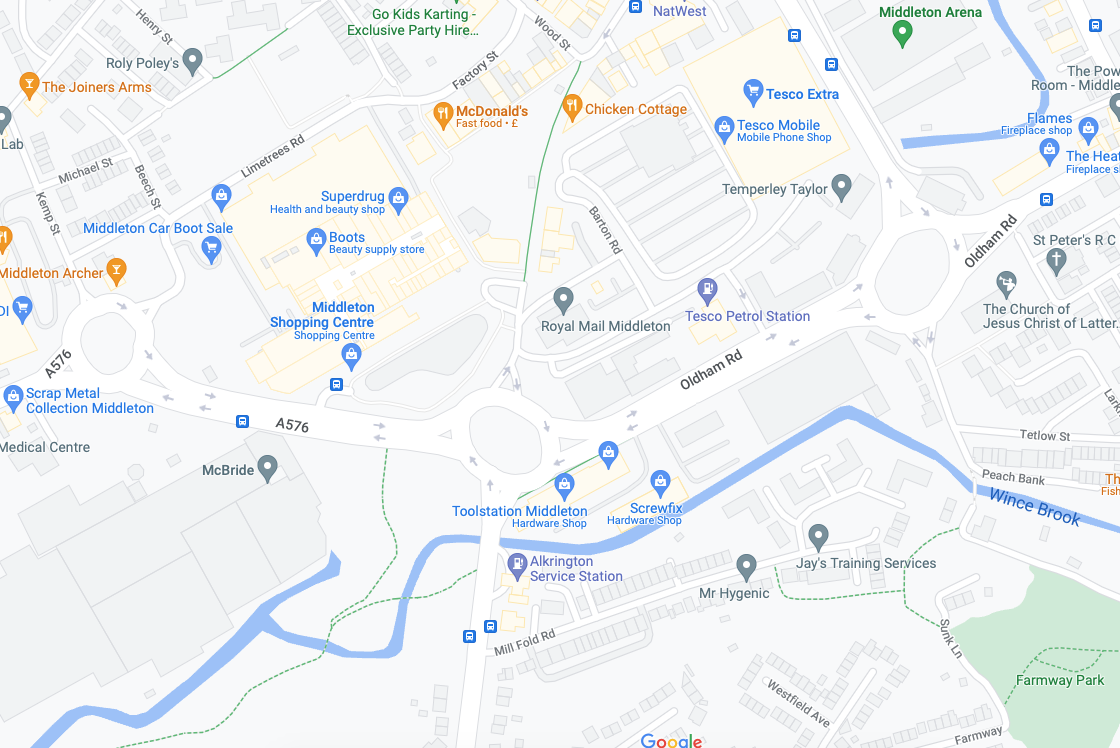
Next thing you know you find yourself in Middleton, where the Irk sort of disappears – you sort of get lost and sort of follow the wrong track, eventually ending up back where you should have been in the first place.

Don’t follow Wince Brook – it’s so far from right that it’s wrong – right?

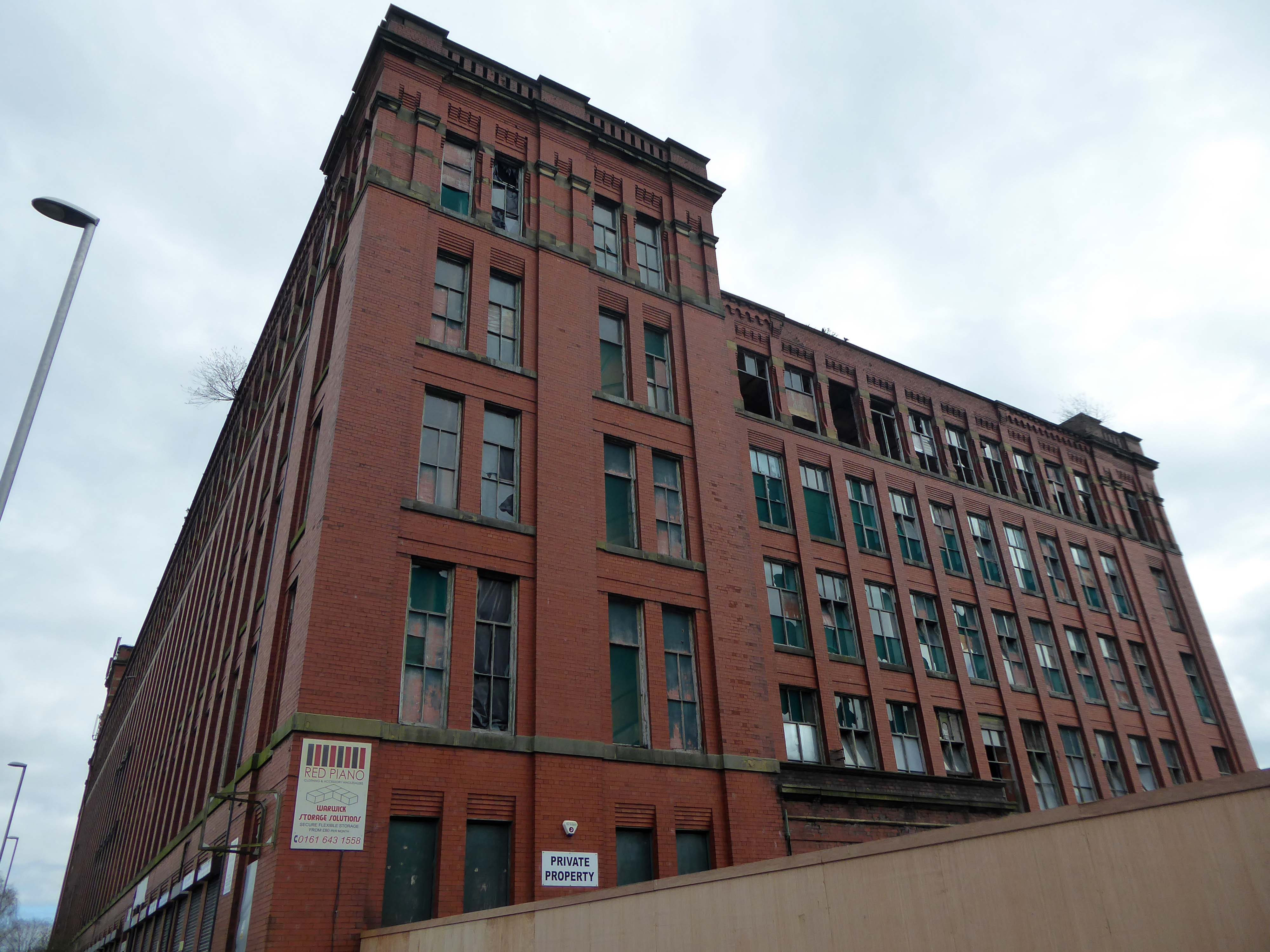
Take a walk up Oldham Road to see Warwick Mill instead.

1907 by G Stott of J Stott and Sons – Red brick with internal cast-iron frame.

Grade II Listed

There was and Oval Partnership planning for a retail development in 2014 which failed to materialise.

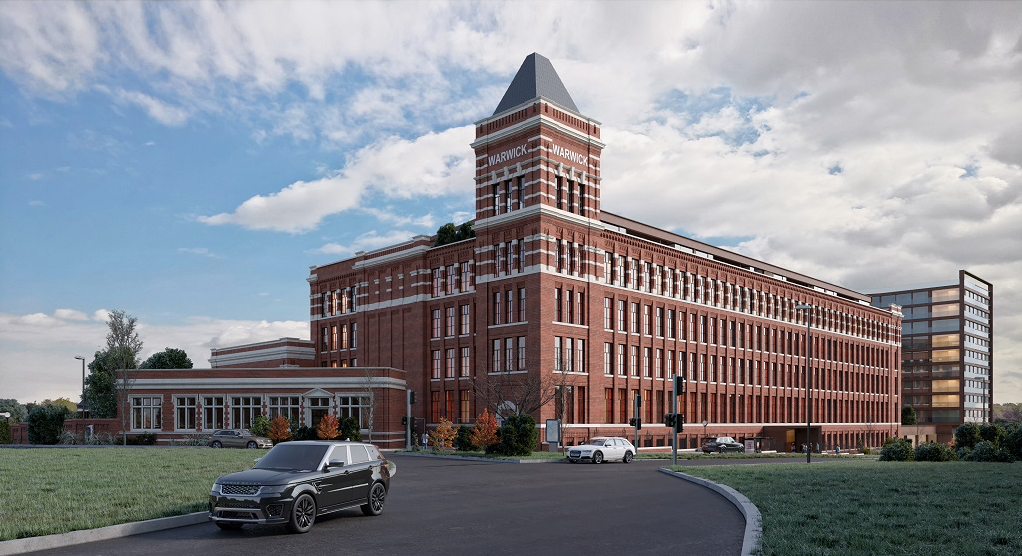
The converted building will provide a showcase for Chinese manufacturers of construction-related products looking to enter the UK and wider European markets. Products on display will include tiles, lighting, furniture, kitchenware, sanitary ware and curtains. A second phase will see the construction of a new building alongside effectively doubling the floor space. In addition the brief includes a range of restaurant, leisure, culture and entertainment facilities threaded through the building. The conversion will open up the existing building in a dramatic way, maximizing permeability and providing a strong visual connection back into the town, promoting public access through the building to the attractive south-facing waterside of the mill.

Permeability failed to be maximised, sadly.

Ambitious plans to refurbish Grade II listed Warwick Mill to create new homes and breathe life into an important building and part of Middleton’s history have been drawn up. 

Warwick Mill has recently changed ownership and the new owners, Kam Lei Fong (UK) Ltd, have been working with Rochdale Borough Council over the last nine months to develop proposals to redevelop the site.

Rochdale Council

So far so CGI good- the town eagerly awaits a surfeit of high end SUV owners.

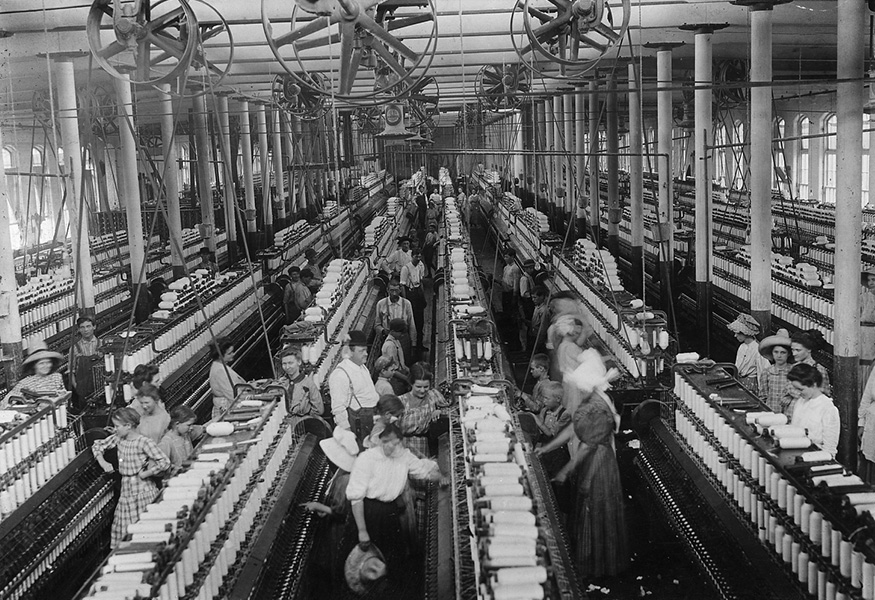
Former clog wearing mill workers remain silent on such matters.

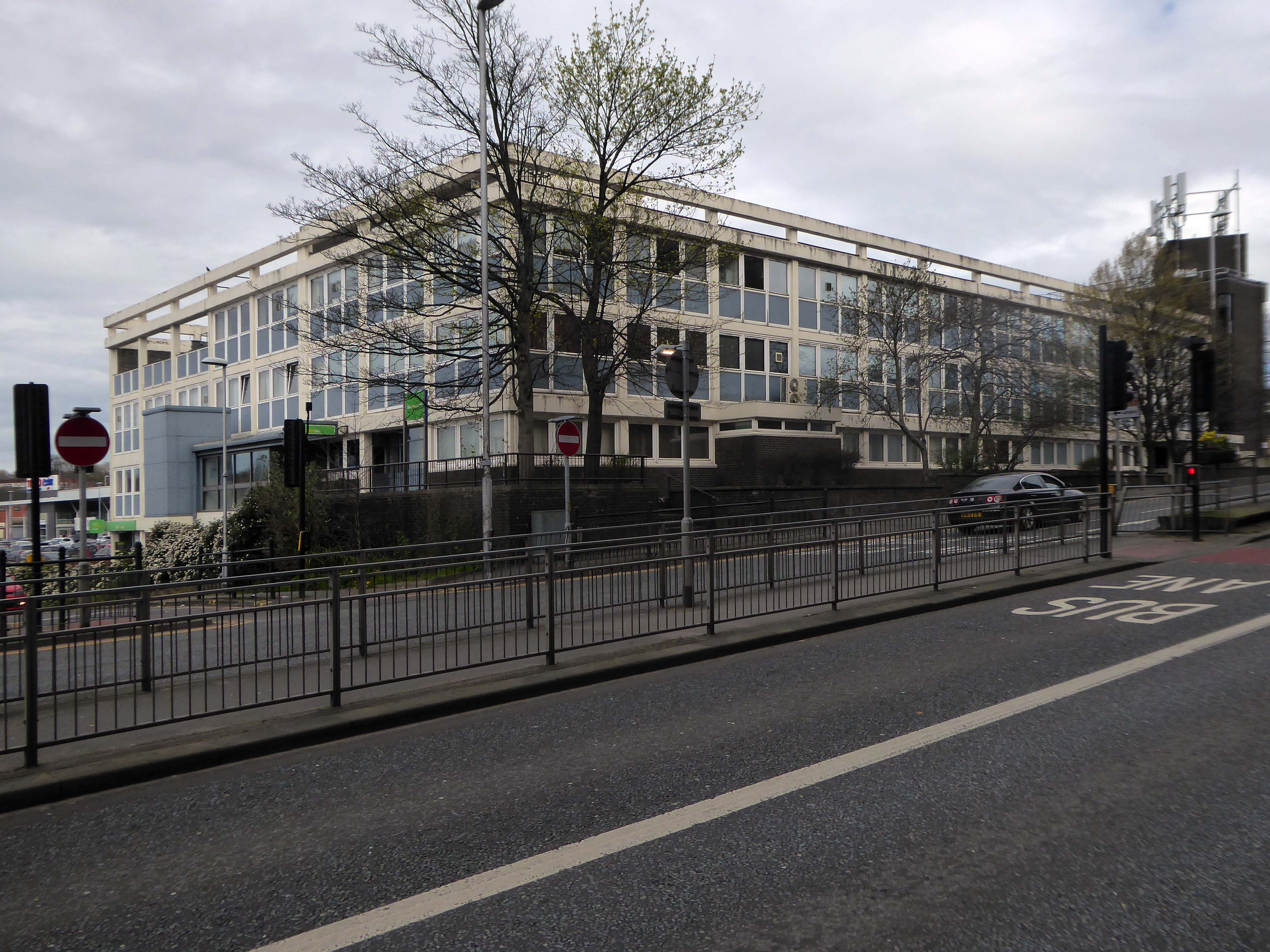
The Job Centre steadfastly remains a Job Centre.

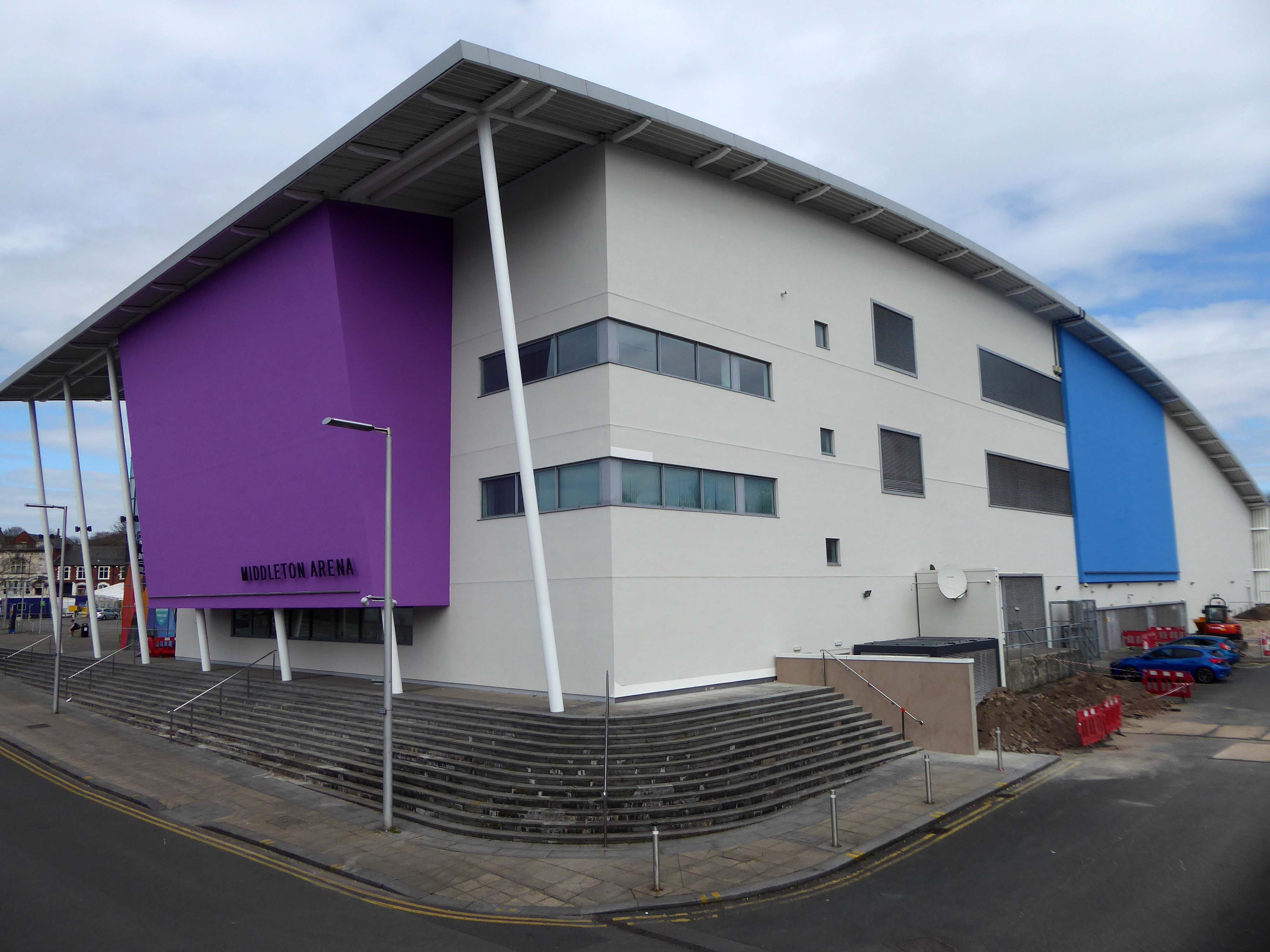
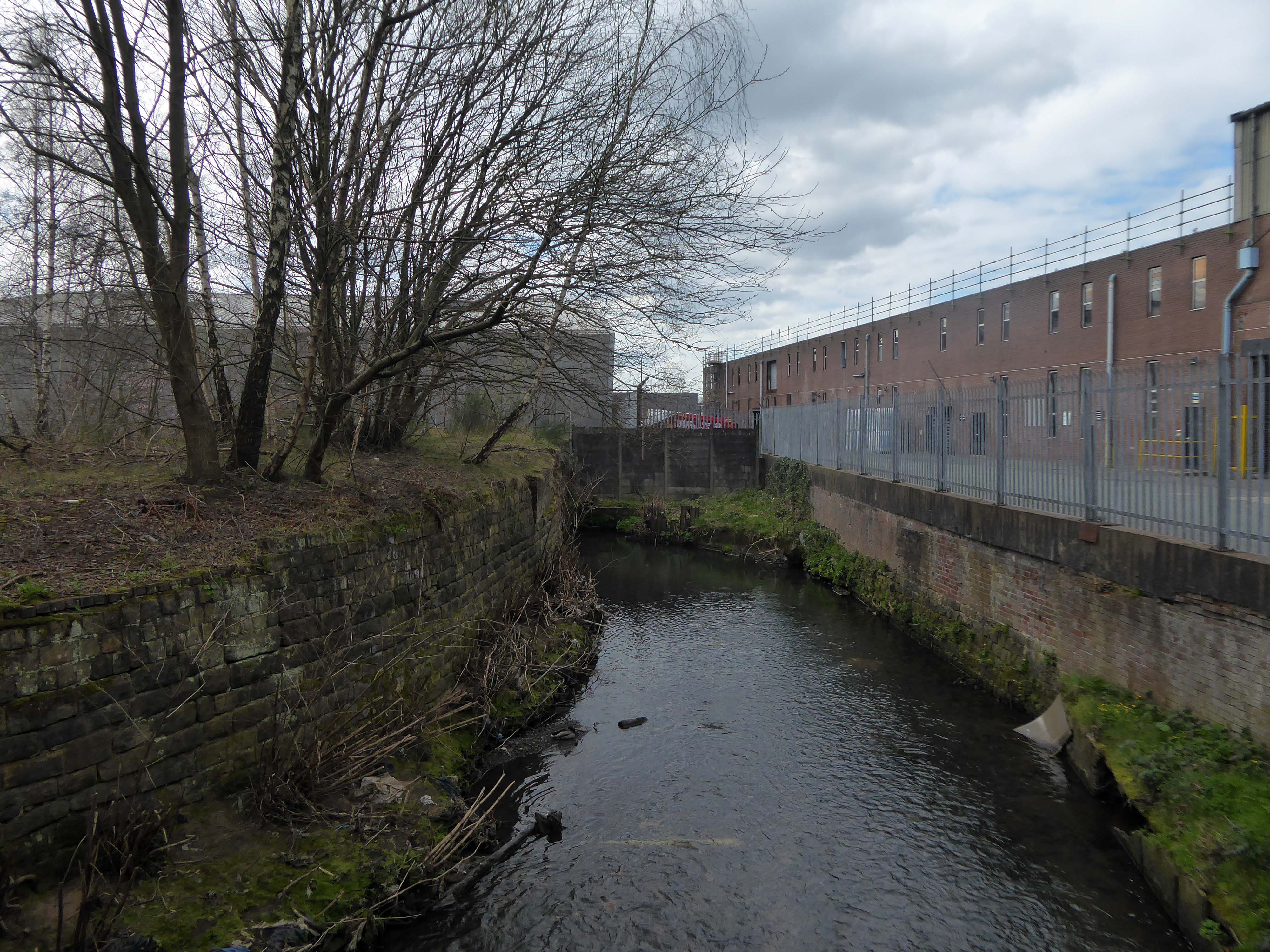
The river reappears here in back of the Middleton Arena.

Proceeding in a disorderly manner.

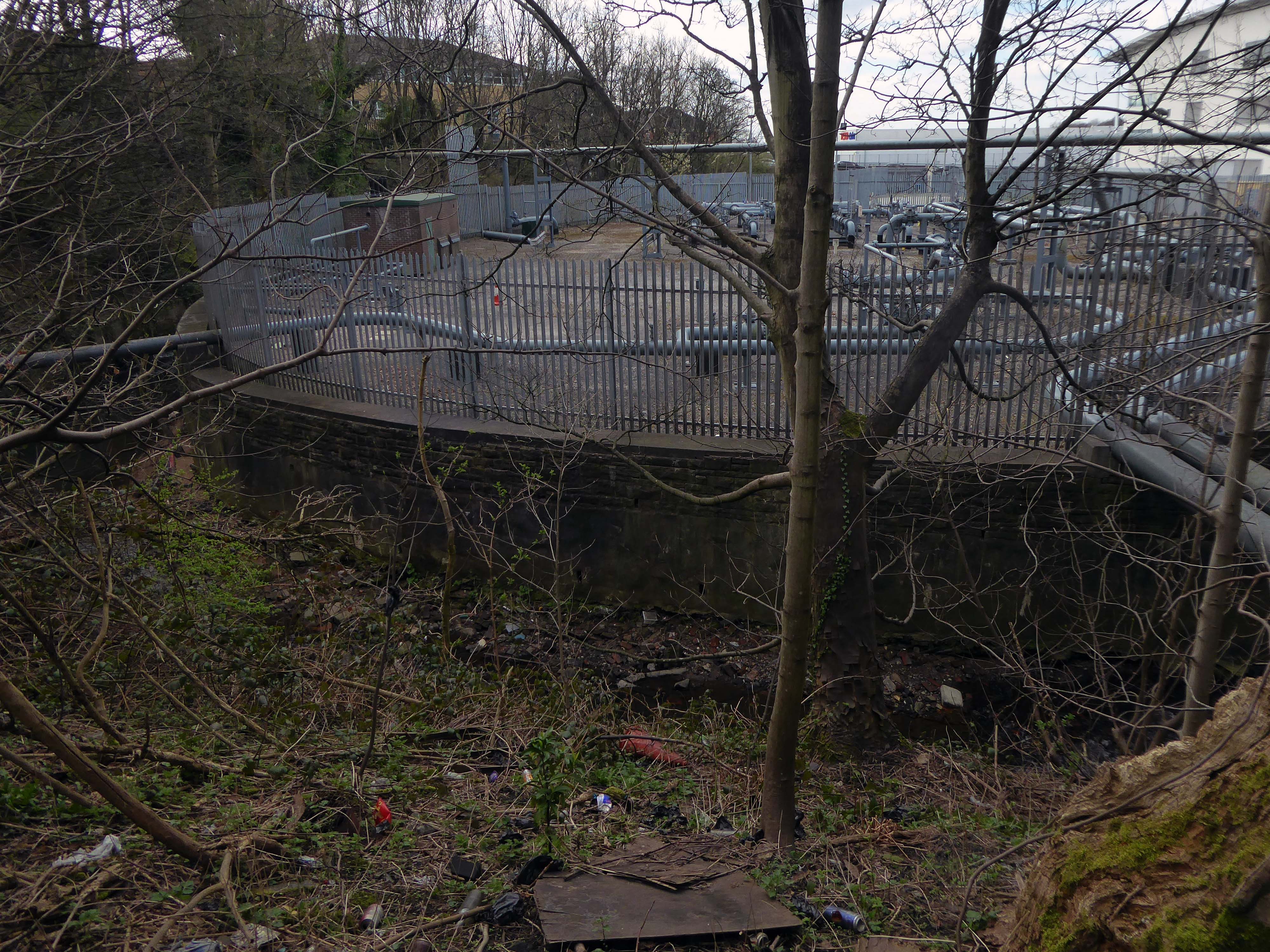
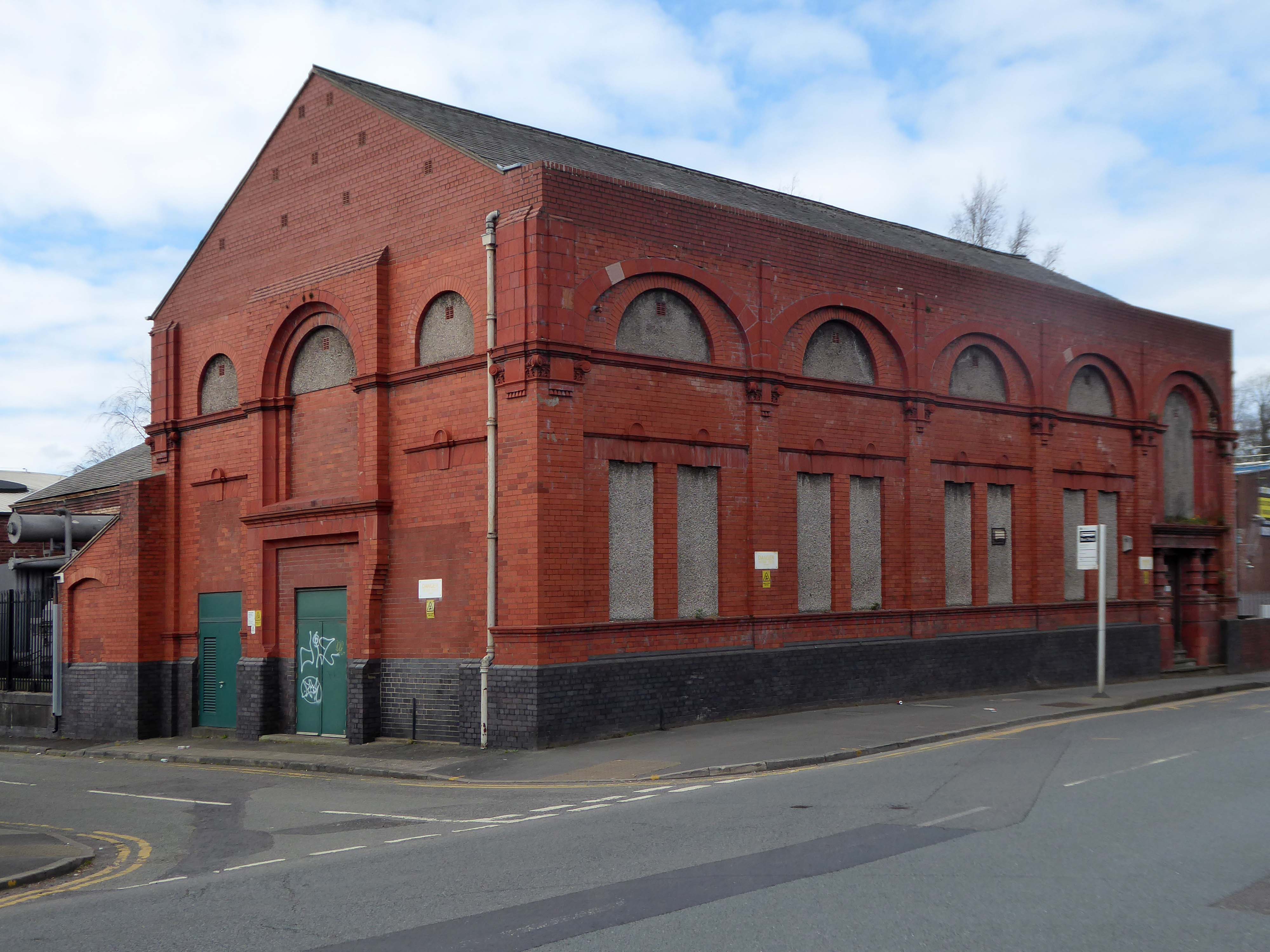
Emerging by this substantial substation.

Across the way is Lodge Mill.

A Middleton couple has saved the oldest surviving mill in the town after a two-year renovation project.

Located on Townley Street, Lodge Mill was built in the mid-1800s and was originally a silk weaving mill. It went on to cotton weaving and cloth dying, then to a home for many different small local businesses. Sadly, in the early 2000s, it fell into disrepair and became derelict.

Martin Cove and Paula Hickey bought Lodge Mill on 1 April 2019 and immediately set about replacing and repairing the roof. They also installed a 19.4kw solar PV system so the mill became its own little power station that summer.

In August 2019, the couple opened a small ice cream shop on the ground floor of the mill – named the Ice Cream Shop at Lodge – selling locally-made ice cream from Birch Farm, Heywood.

The ice cream is made using cream from Tetlow Farm’s dairy herd at Slattocks – Martin explained.

Rochdale Online

It was £2.25 for two scoops and a flake – a welcome oasis on a warmish day.

Sadly in December 2021 there was a serious fire, work has since been done to repair the roof.

A poorly signed footpath takes you back riverside by way of assorted industrial debris.

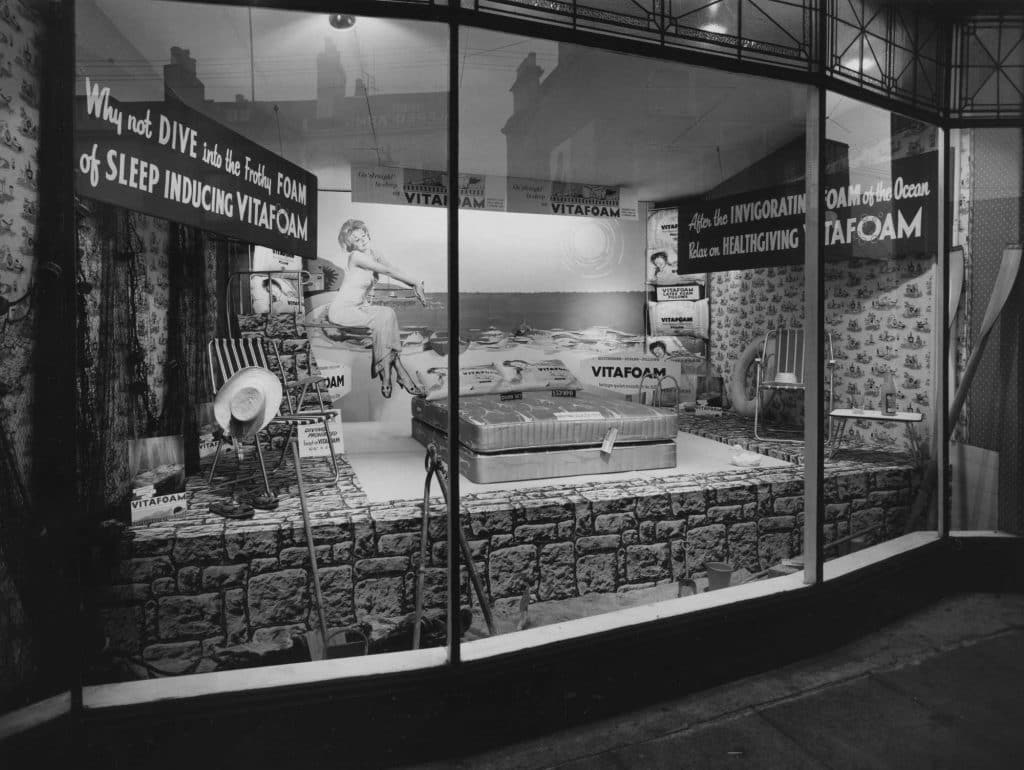
Still very much in use the Vitafoam Mill

Founded in 1949 on £100 capital, Vitafoam started its original operation manufacturing latex foam products in Oldham, Greater Manchester.

After establishing the business, the company made a major move to its current site in Middleton, Manchester in 1955, acquiring two empty former cotton mills to cope with increased demand.

By 1963, Vitafoam had added the manufacture of polyurethane foam to its business and was providing product speciality for upholstery and bedding markets.

As Vitafoam entered the new millennium the company had made great strides in supplying external foam converters. These rely on Vitafoam to be their business partner and provide their foam needs. This trend continues to grow from strength to strength and is supplemented by our own group conversion companies.

Regaining the river at Chadderton Hall Park.

Its roots stretch back to the 13th century being the land on which Chadderton Hall once stood. It contains a large field area with a small football pitch, a playground area, several flower gardens and a small café situated next to the Park’s bowling green.

Chadderton Hall was first built in the 13th century by Geoffrey de Chadderton, this first hall was in Chadderton Fold slightly to the east of the current park. In 1629 a new hall was built at the site of the current park and was present there until the 20th century when it was demolished in 1939. It was at the end of the 19th Century that the area surrounding Chadderton Hall began to be used for public recreation. A boating lake and a menagerie, including a kangaroo and a lion, were established as part of a Pleasure Garden. These features have long since been demolished but evidence of the boating lake can be seen by the hollowed out area where the playing fields now stand.

Wikipedia

Diminishing now the river thin and shallow, as we rise into the hills on the outskirts of Greater Manchester.

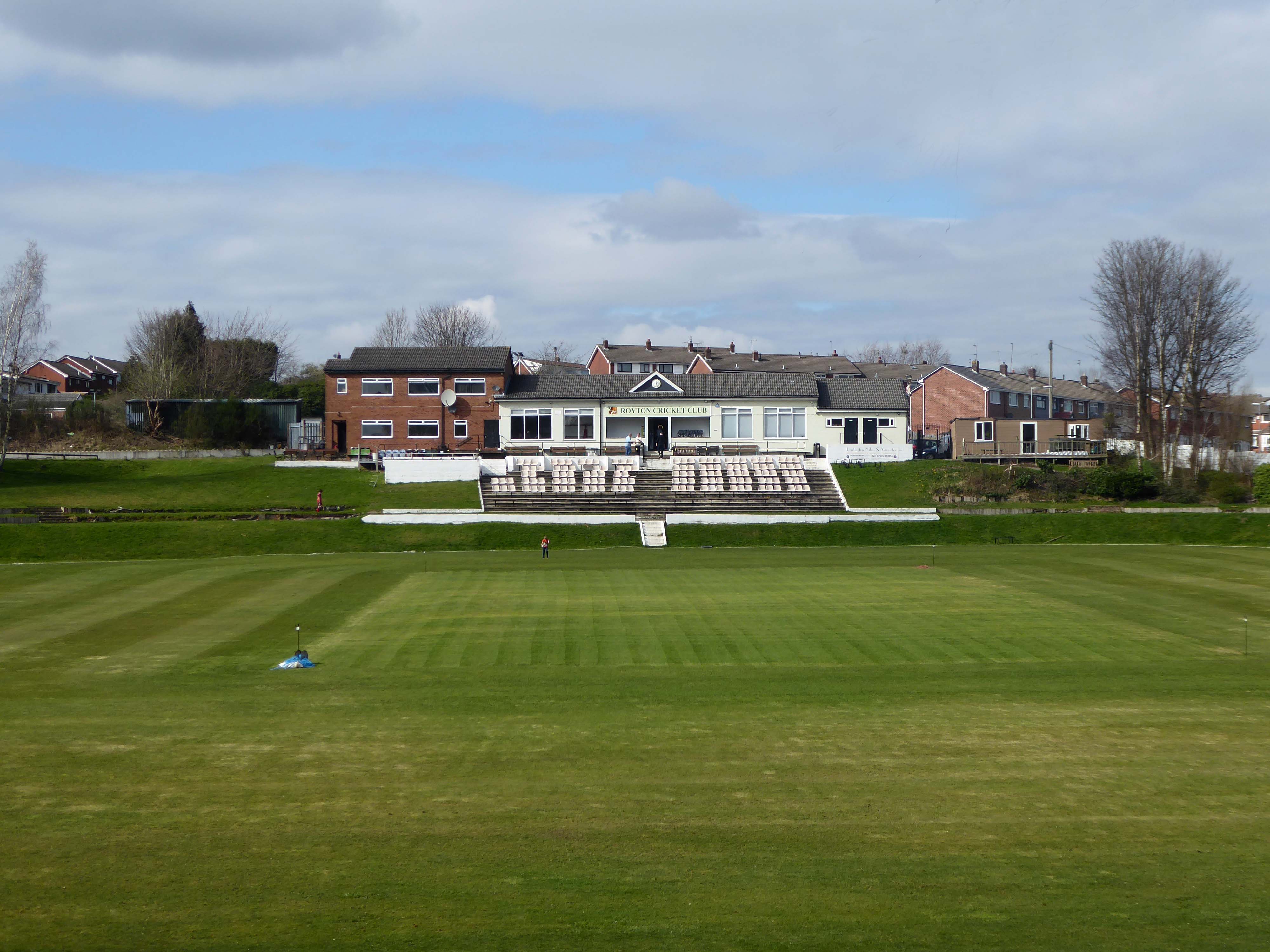
Passing by Royton Cricket Club as the river disappears again.

Based in the heart of Thorpe Estate – Royton Cricket, Bowling & Running Club offers a family friendly environment whilst hosting strong, competitive cricket throughout the summer. Bowling throughout the summer along with a Running section – Royton Road Runners, who operate all year round. Along with seasonal events such as our well known firework display along with St Georges Day celebrations – with plans in the pipeline for improvements on current events as well as new exciting projects – it’s a great time to be apart of the club & community!

I have very fond memories of visiting with my dad Eddie Marland as he followed Ashton in the Central Lancashire League – both watching cricket and seeing my dad crown green bowling here.

The river has gone underground again.

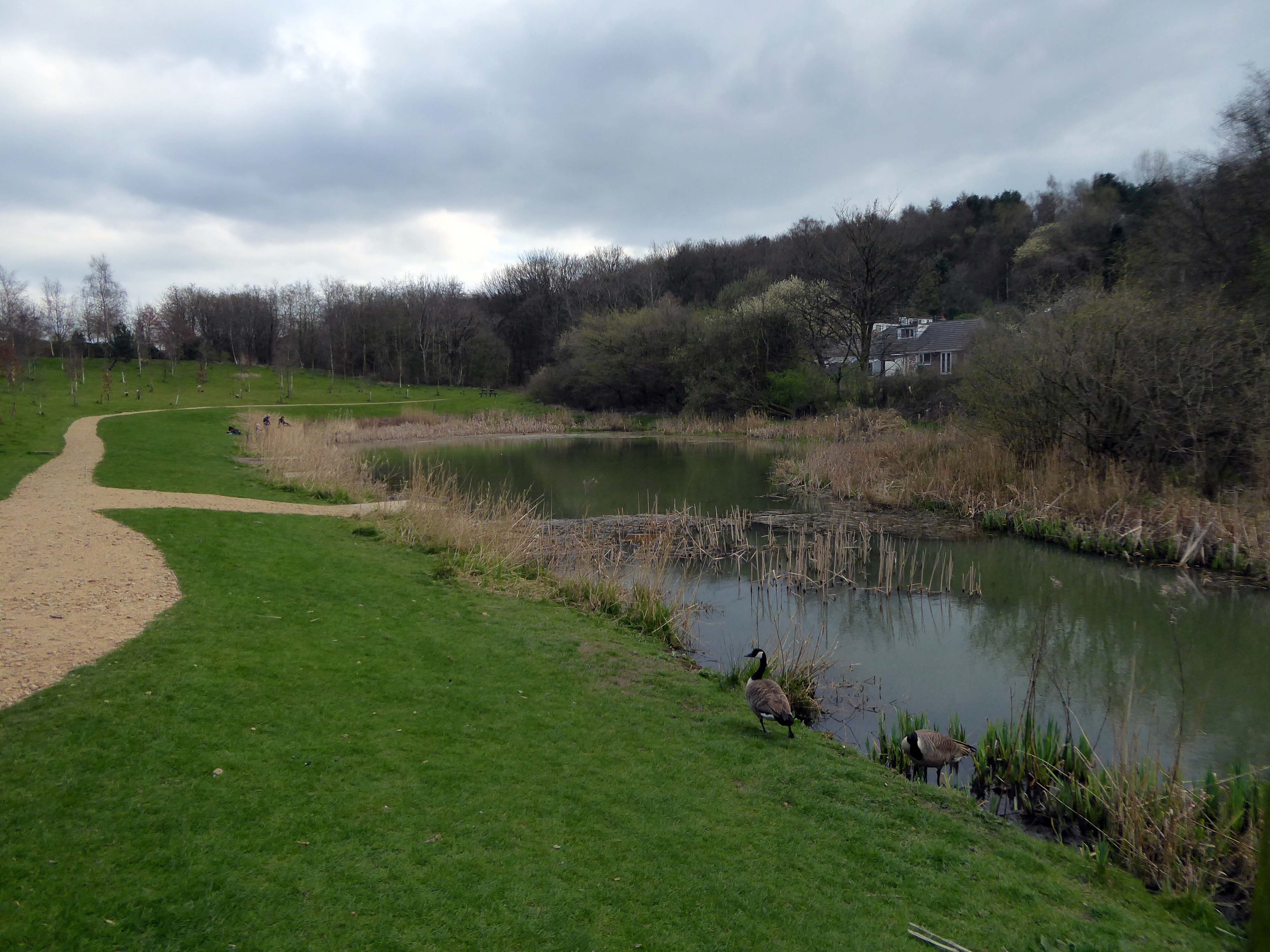
To be found on Salmon Fields – in pool form.

Site of a Life for a Life Memorial Forest

These now full memorial forests were originally donated to Life for a Life by Oldham Metropolitan Borough Council. Salmon Fields meadow sits adjacent to a lovely pond that is used regularly by fishing enthusiasts and is frequently used as a breeding site for Canadian Geese.

Life for a Life planting areas are natural environments where we encourage wildlife and plantlife to flourish, as such additional items should not be added to the tree or the space around it, especially as they can cause damage to the tree. 

Please be aware that any prohibited items left on or around memorial trees will be removed. 

Although these sites are now full to the planting of new memorial trees if you have an existing memorial tree dedicated you can still upgrade memorial plaques, add additional ashes to a memorial tree, order memorial keepsakes etc.

Tower Blocks – Blackley

Sandyhill Court Sandyhill Rd Manchester M9 8JS

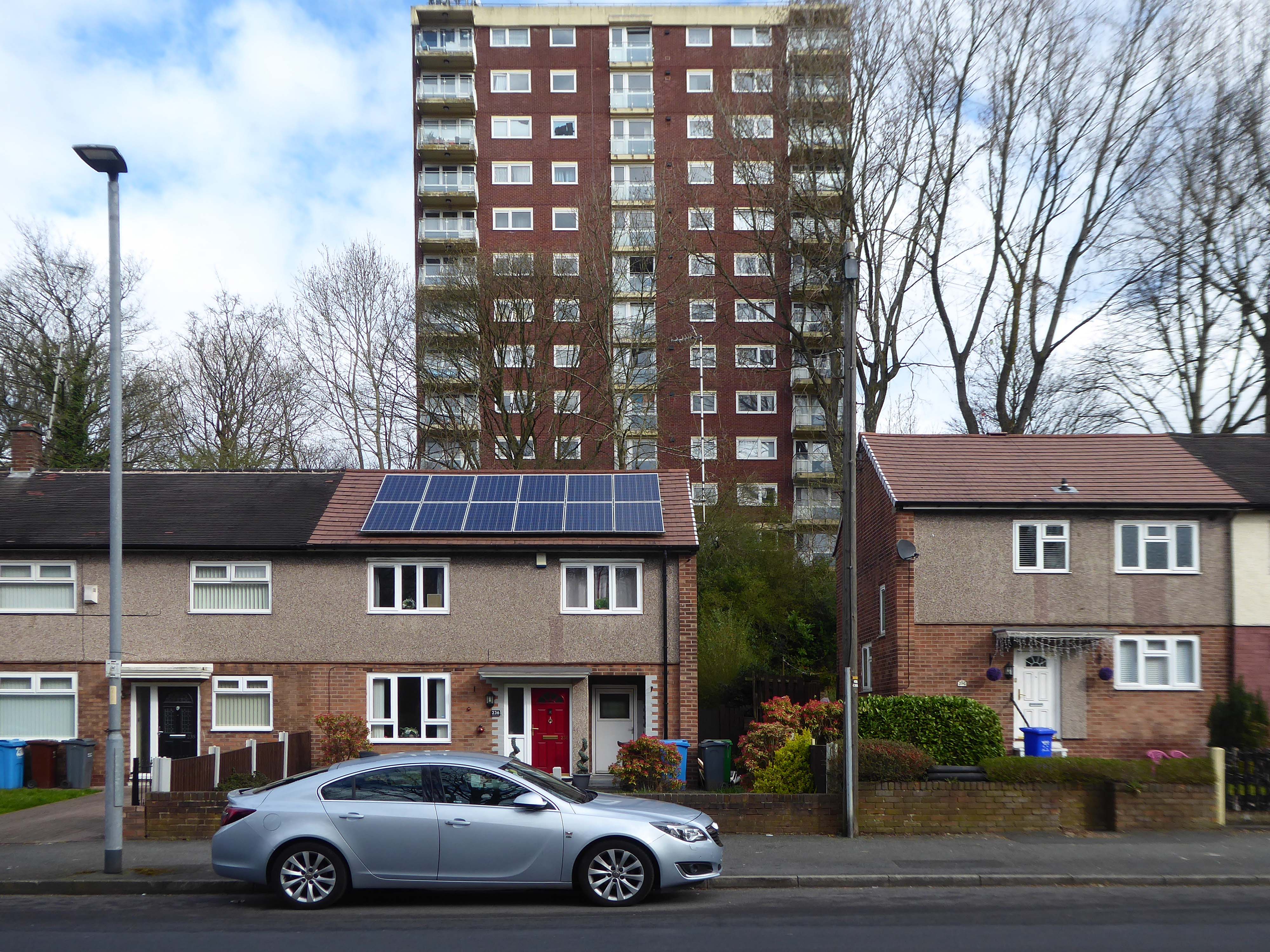
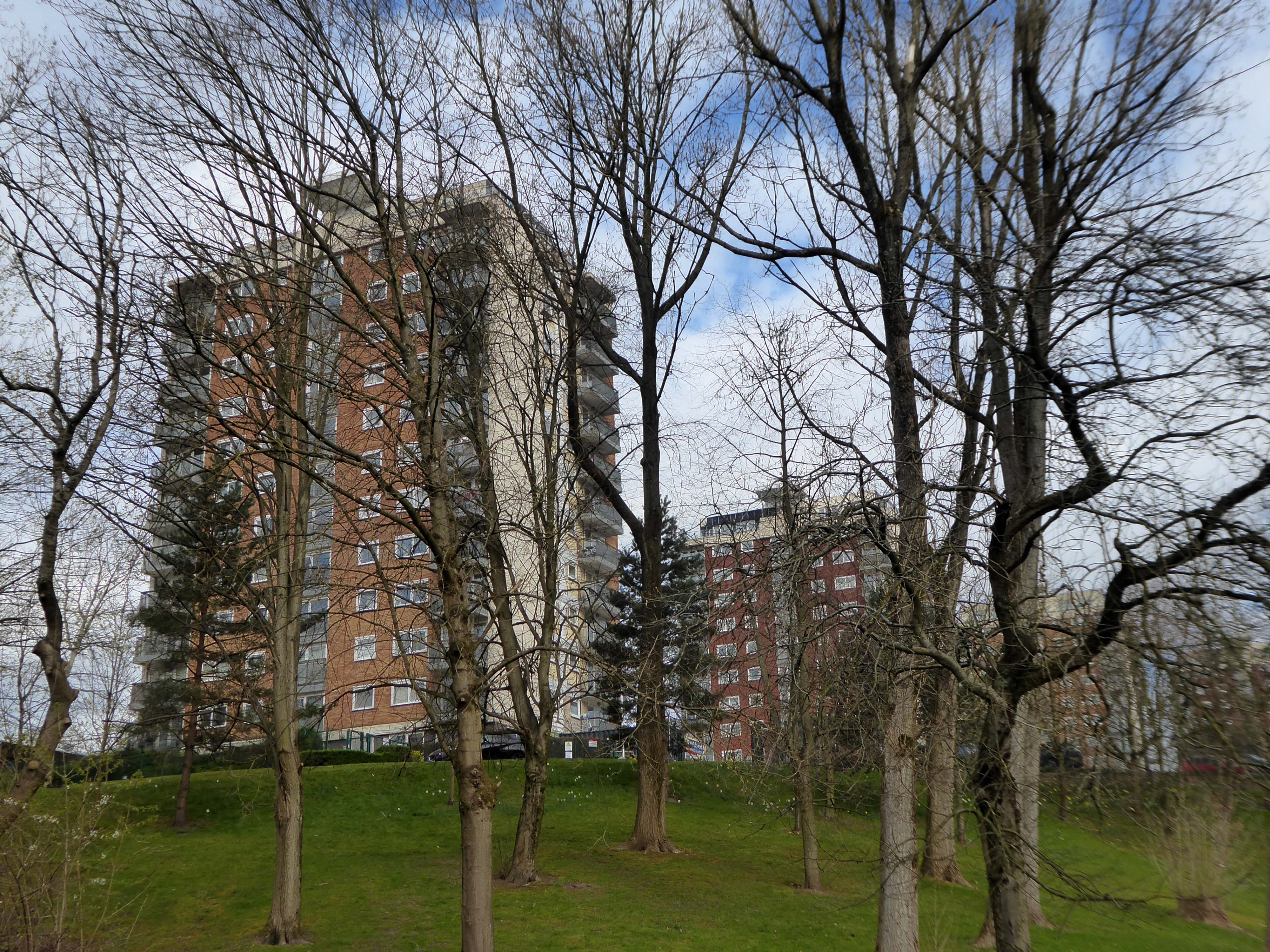
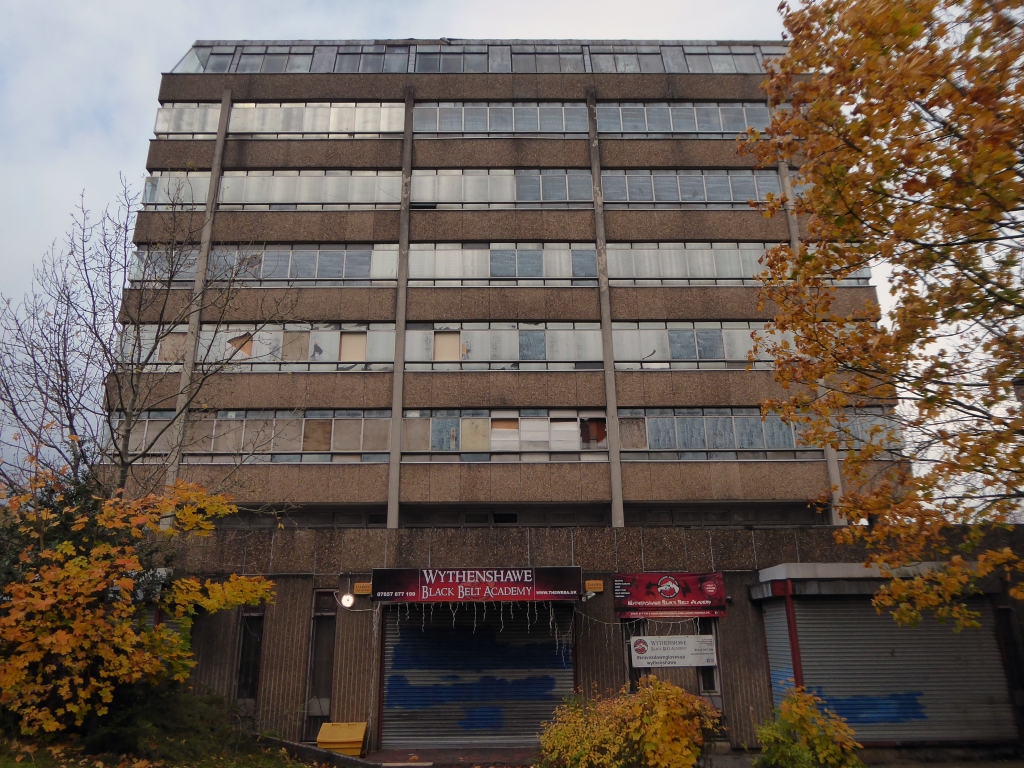
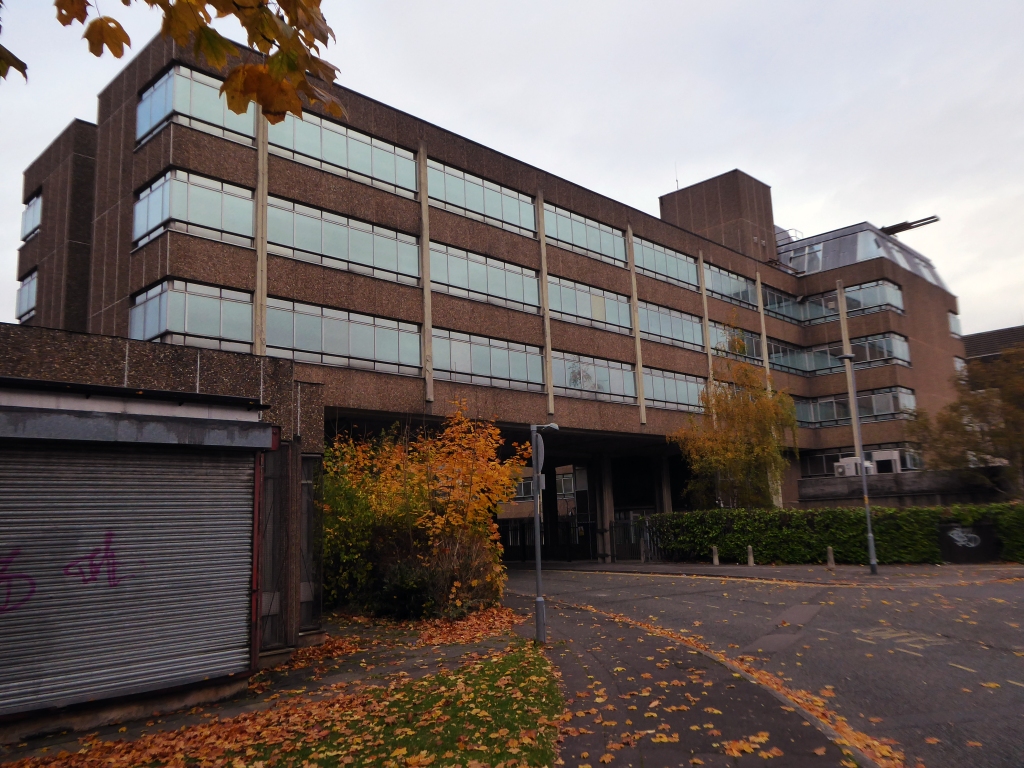
Almost high on a hill stands a lonely tower block.

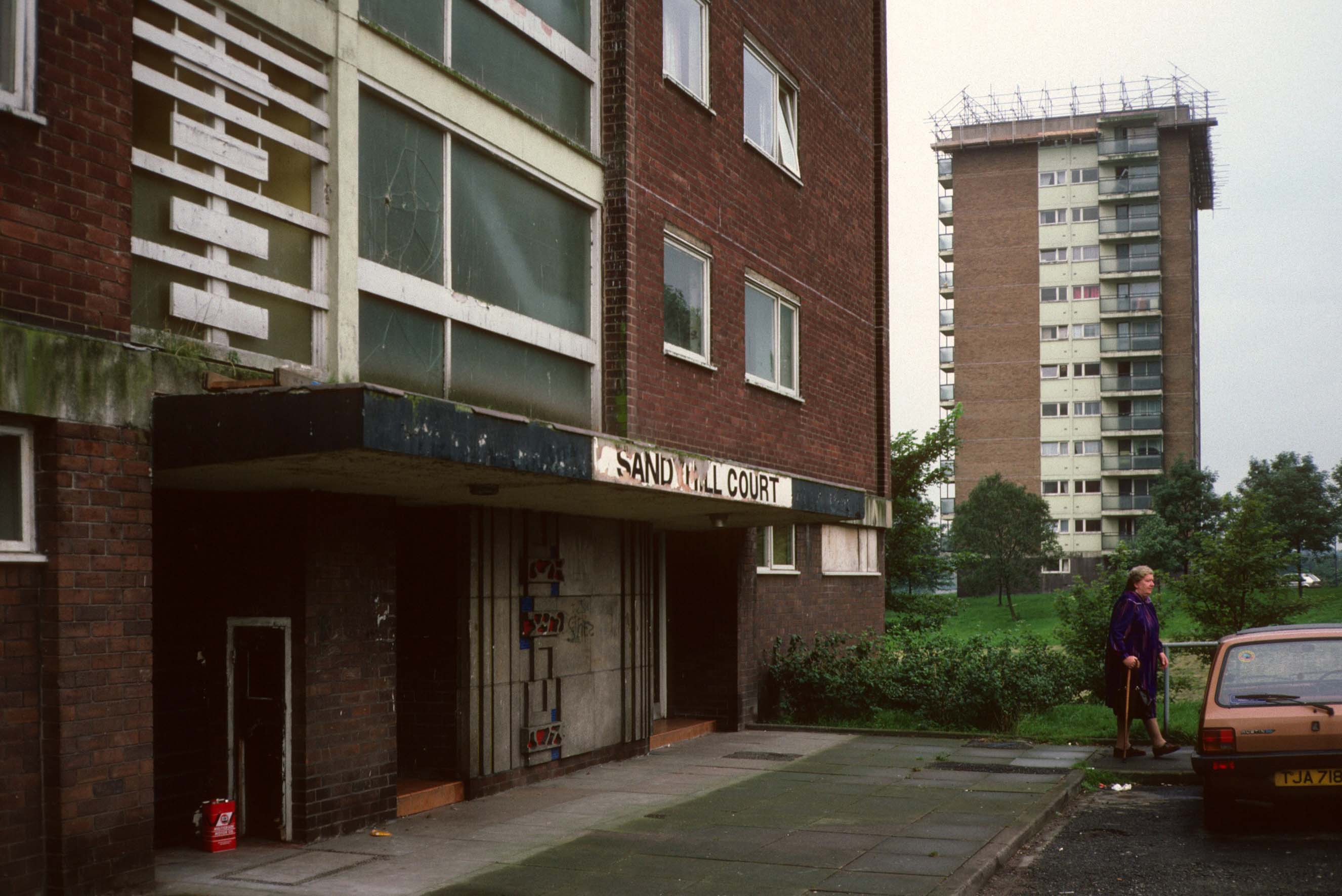
Seen here in 1987.

Tower Block

Sandyhill Court – Stands on the corner of Riverdale Road and Sandyhill Road and is still a local authority block.

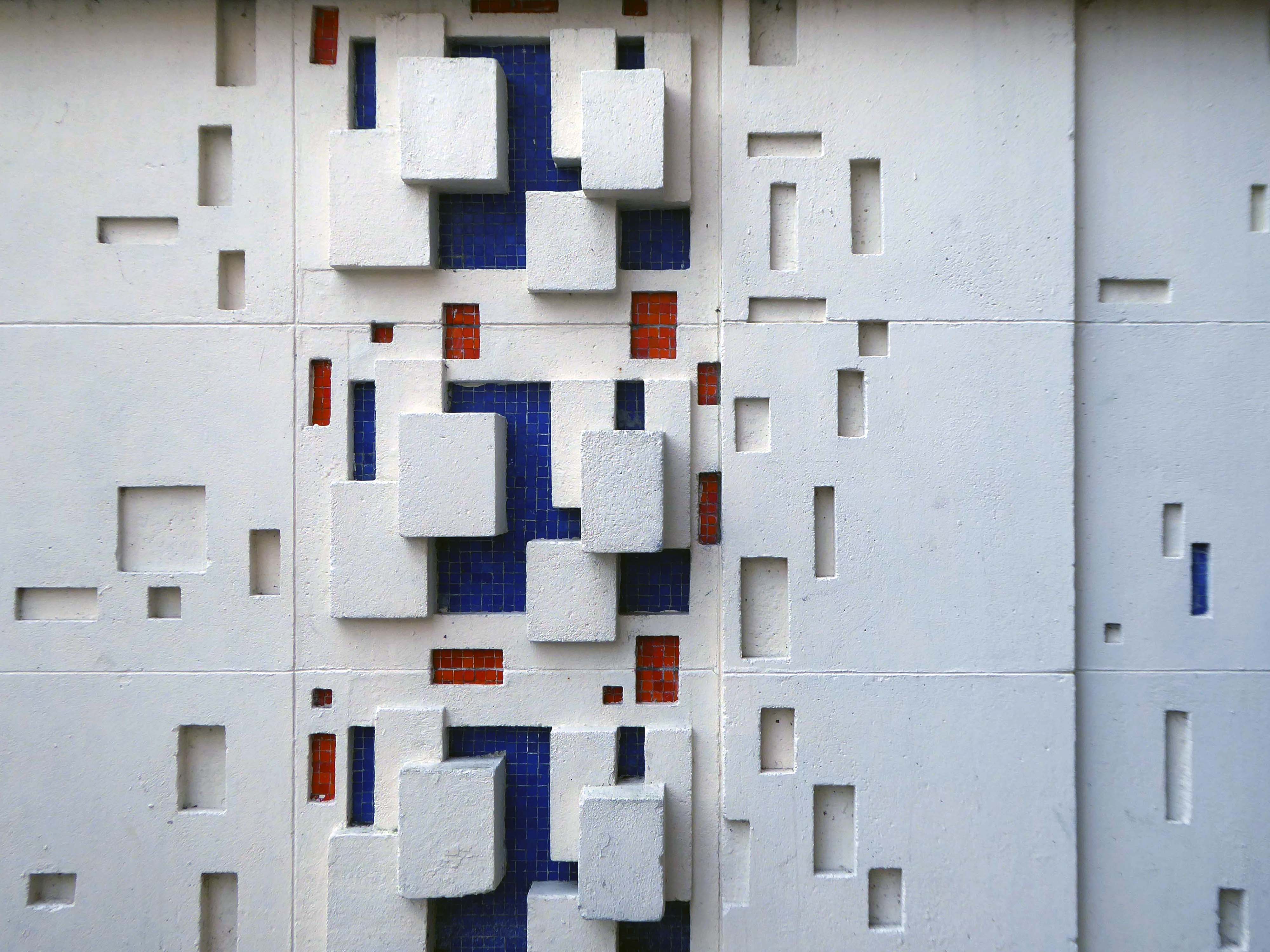
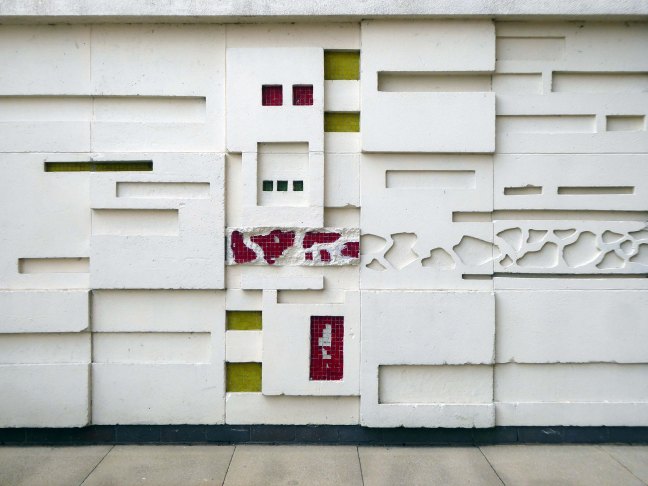
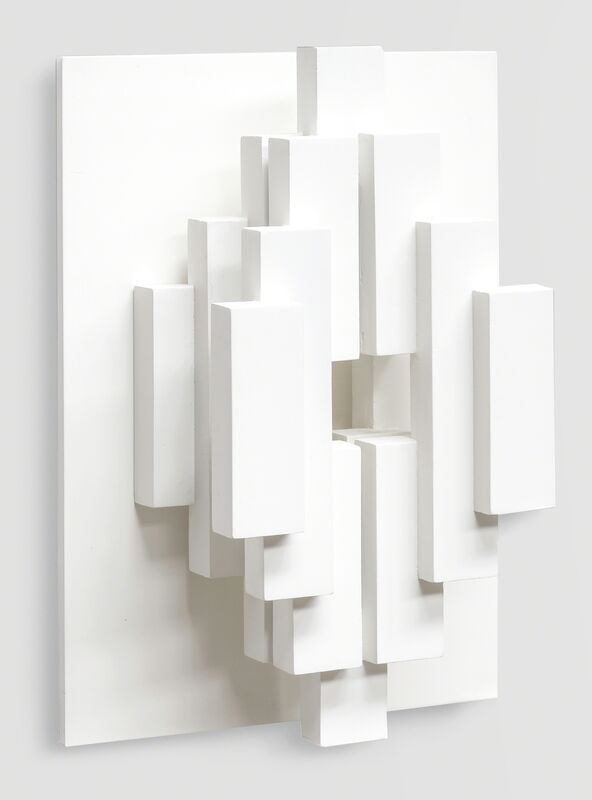
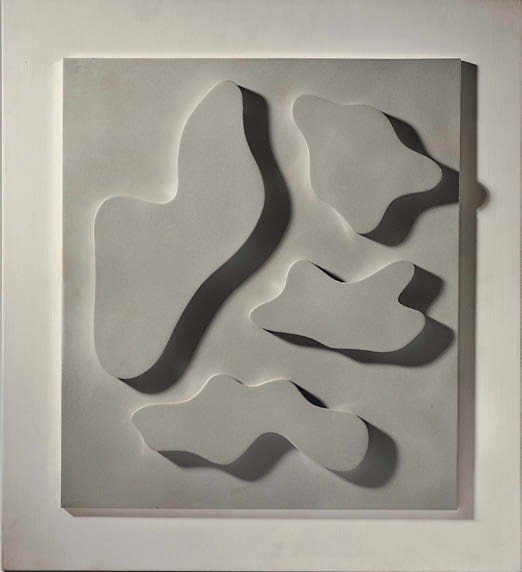
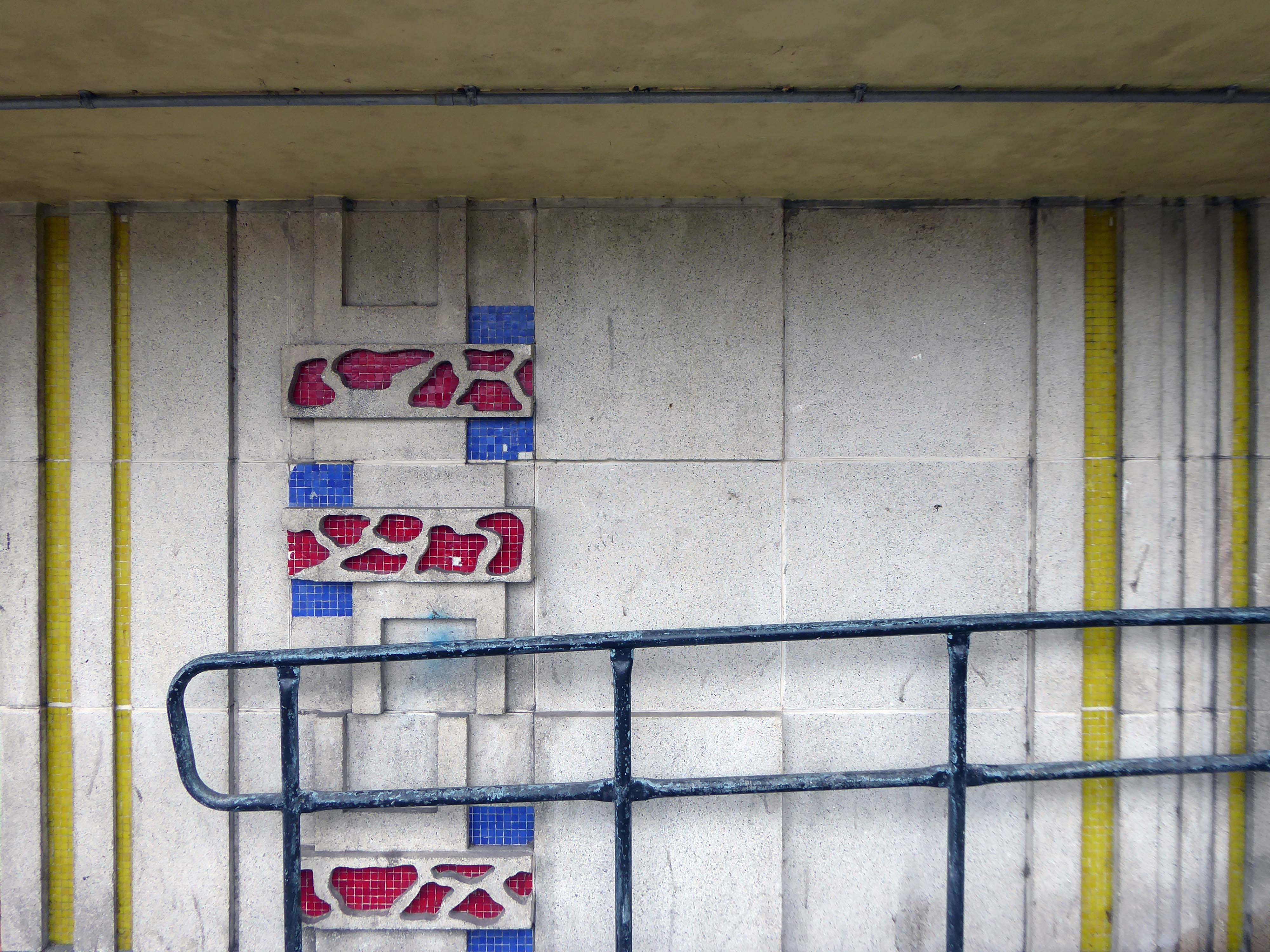
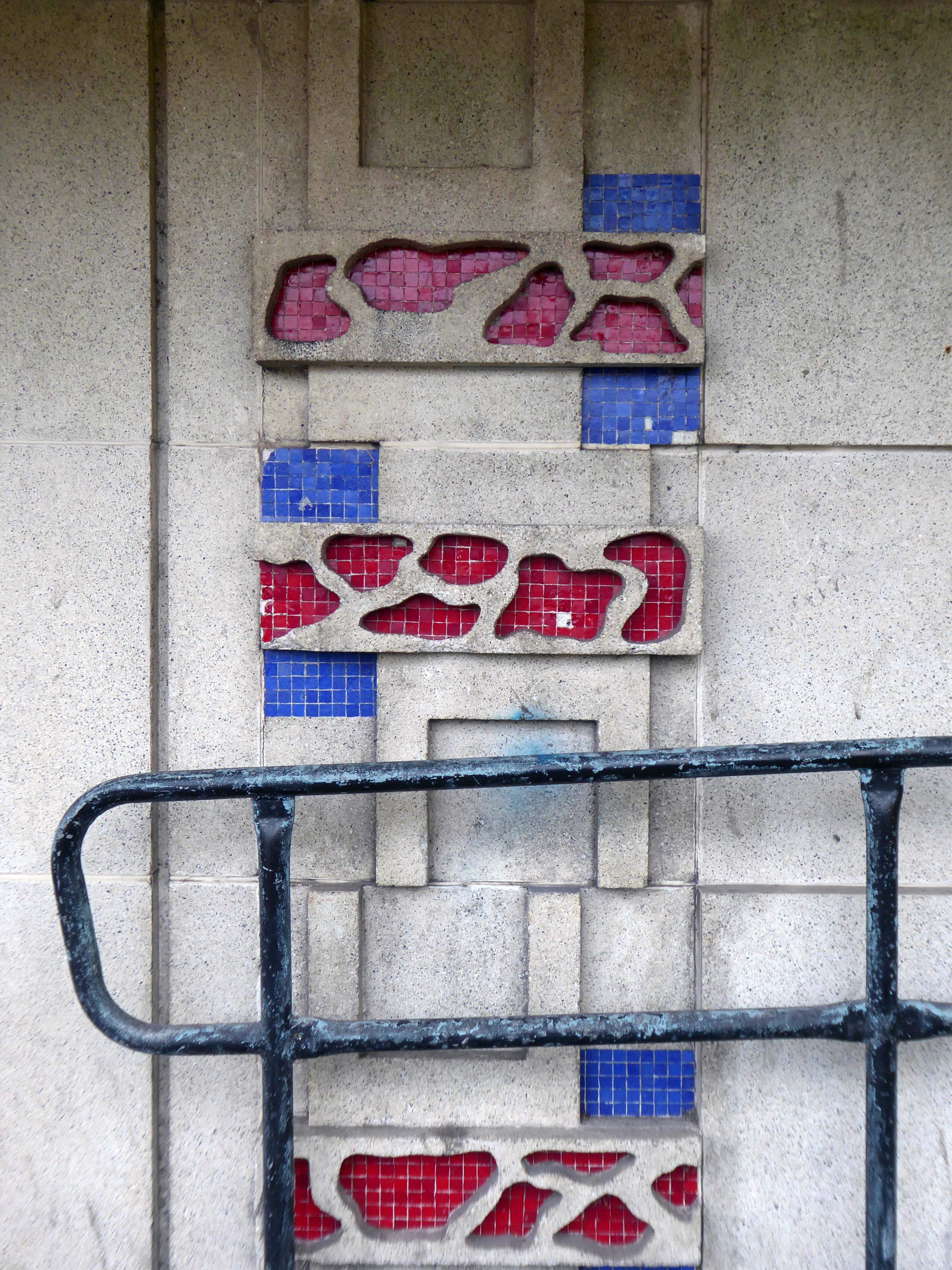
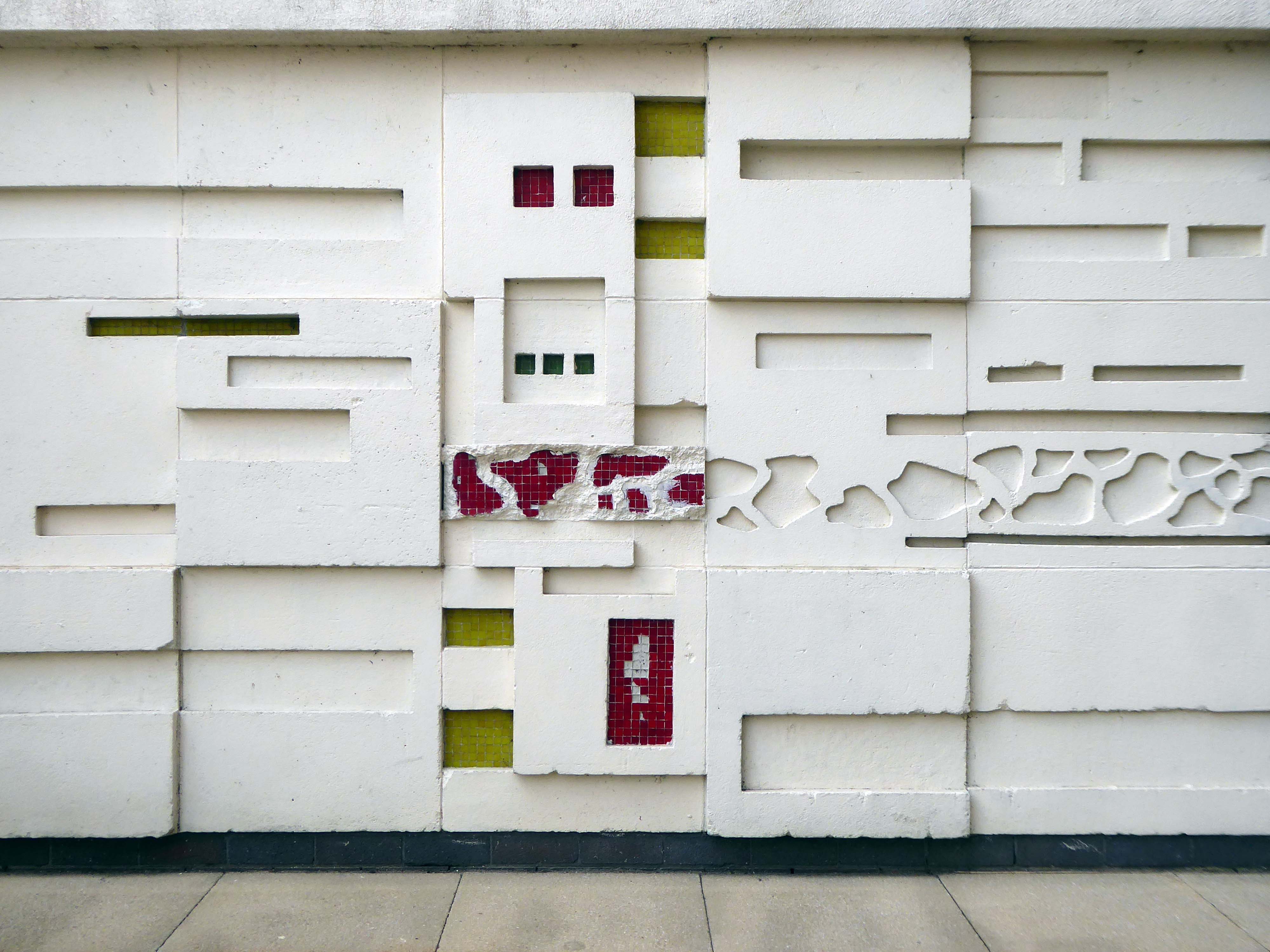
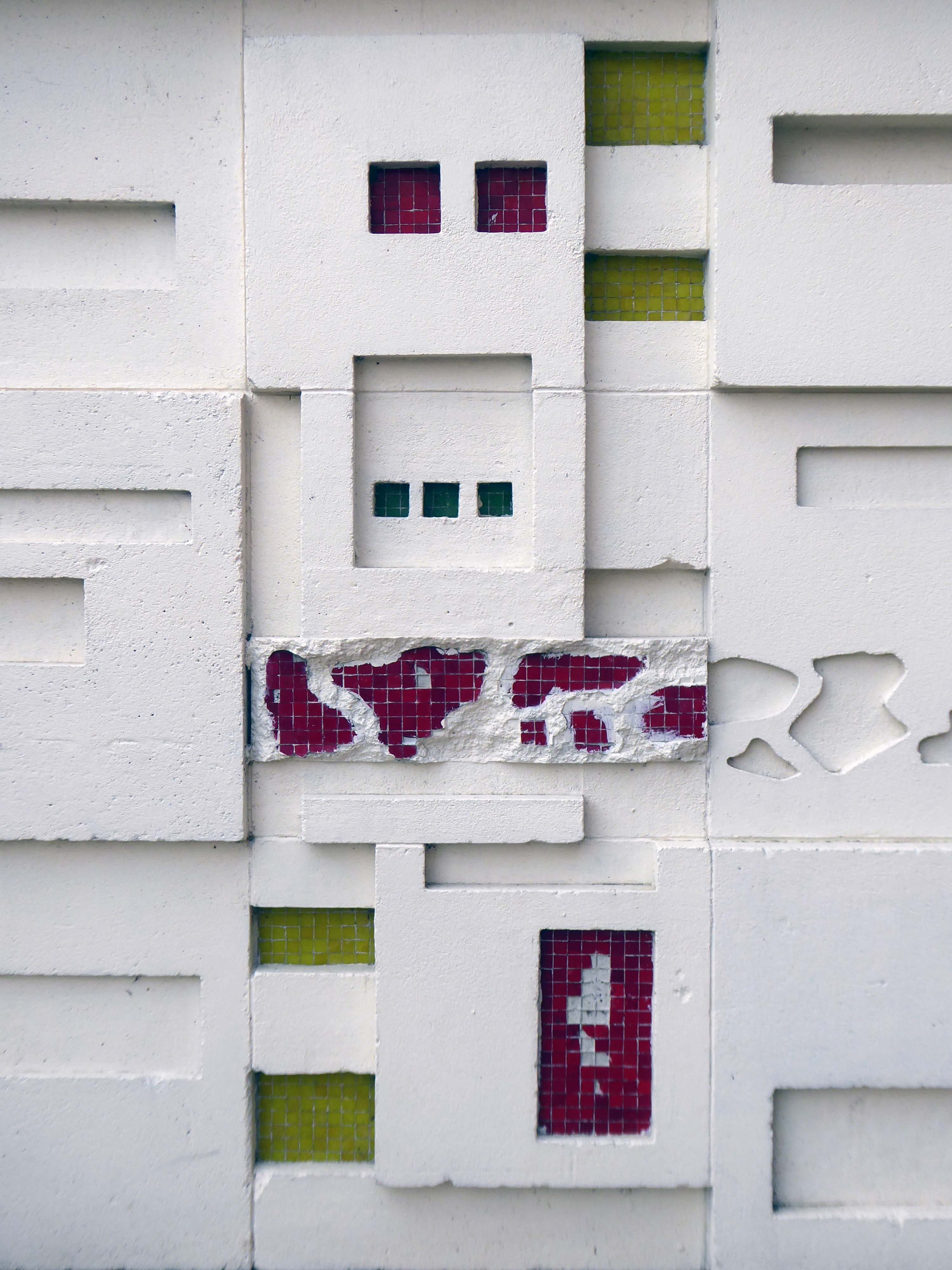
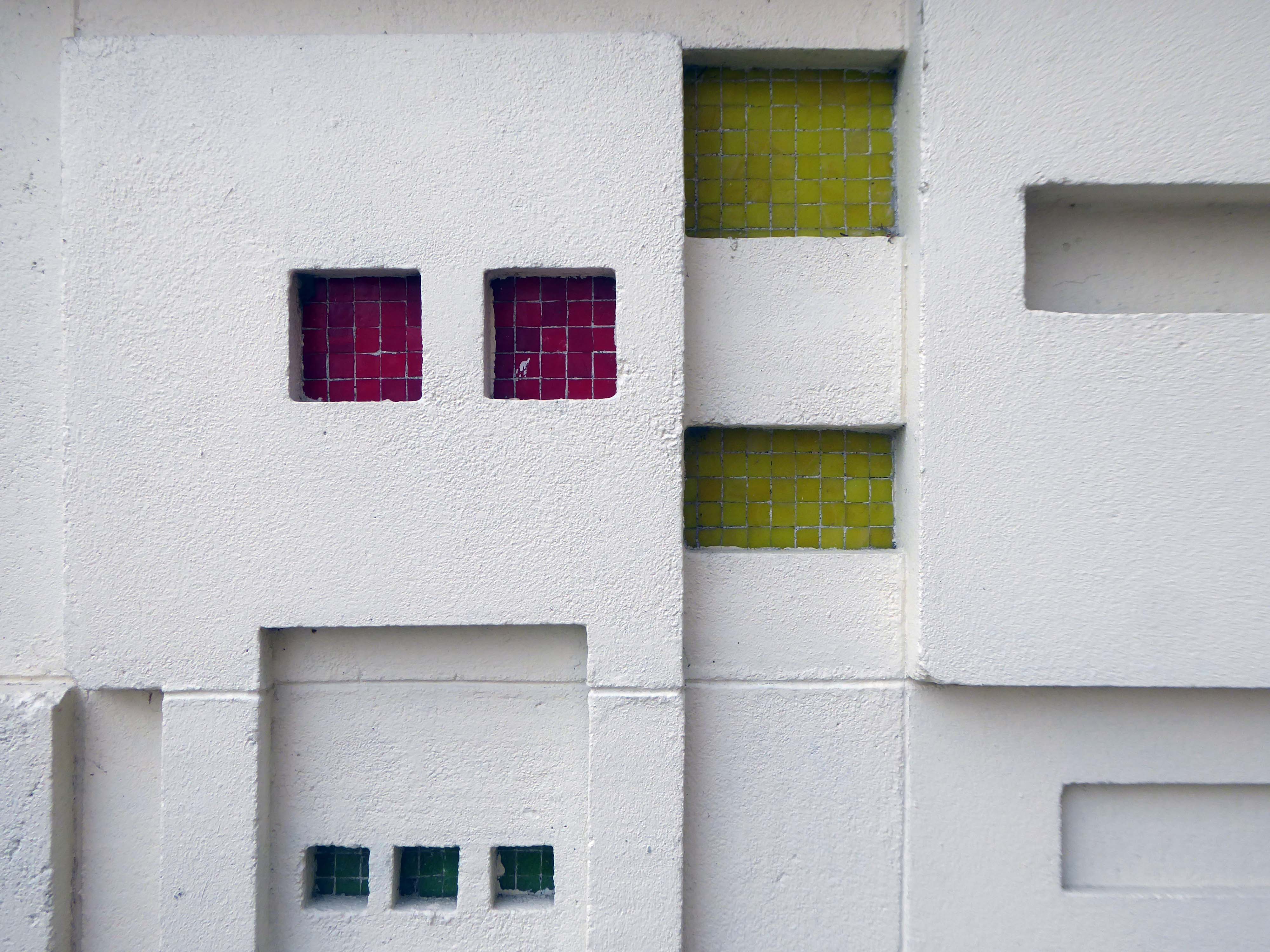
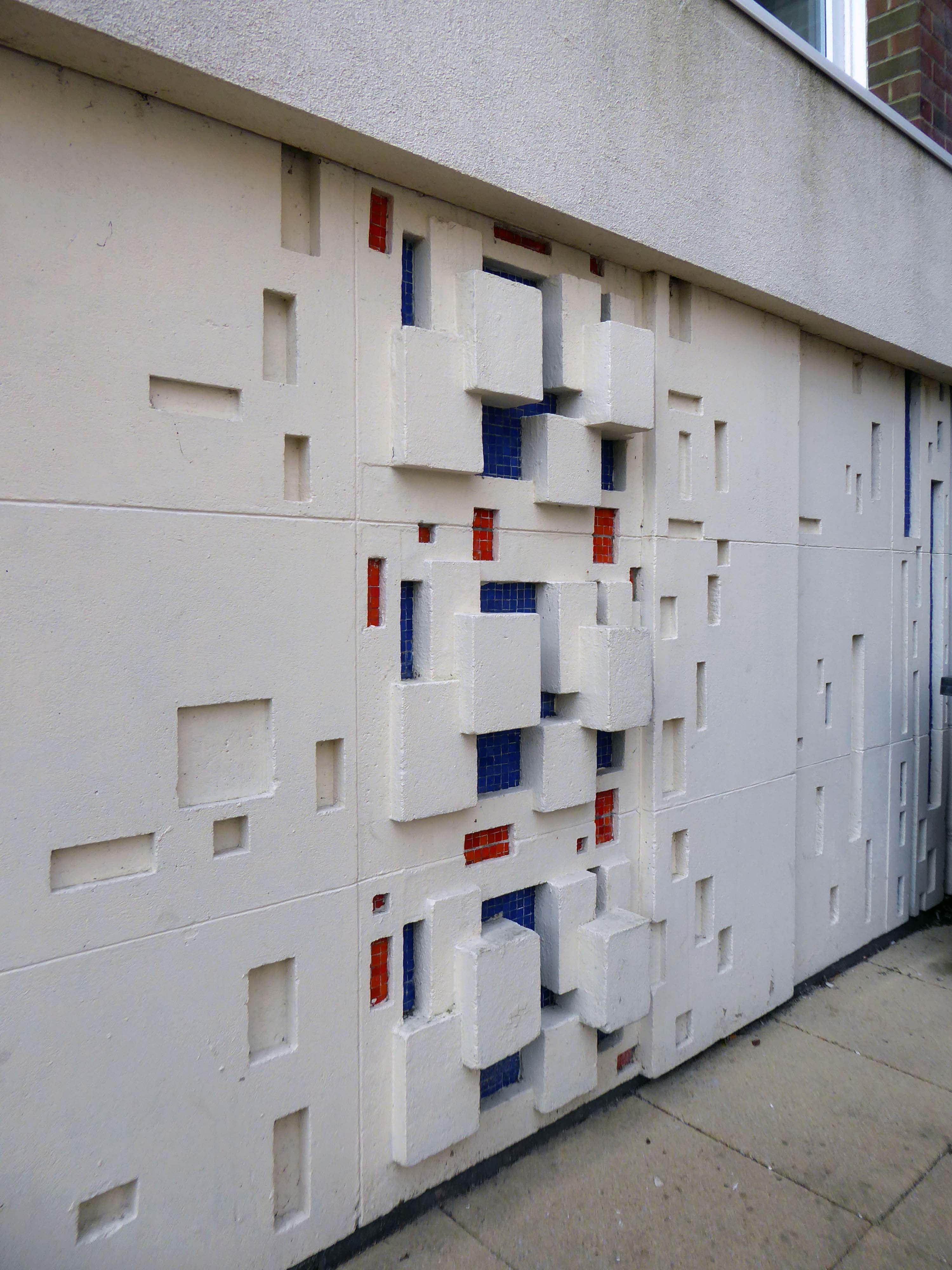
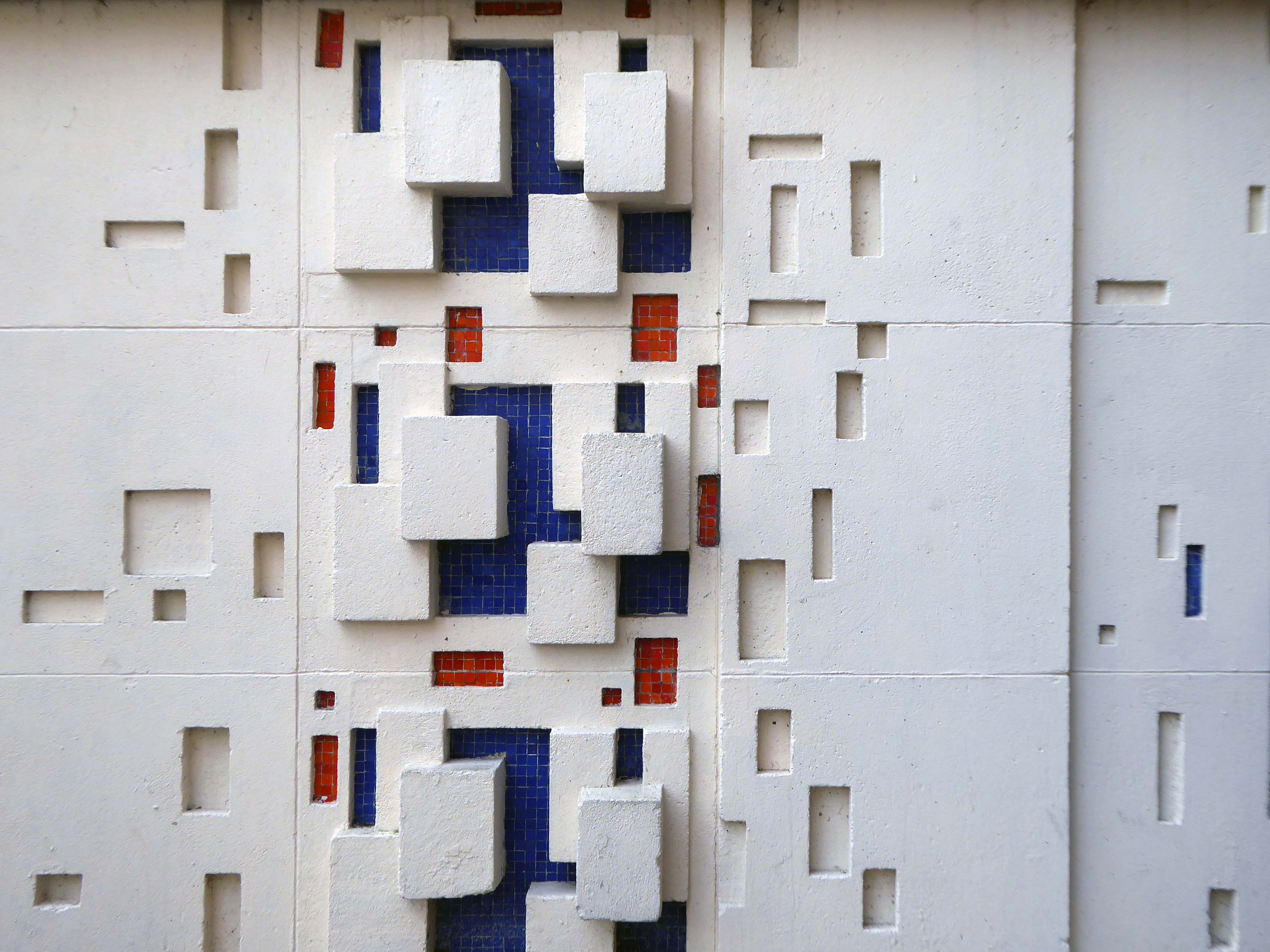
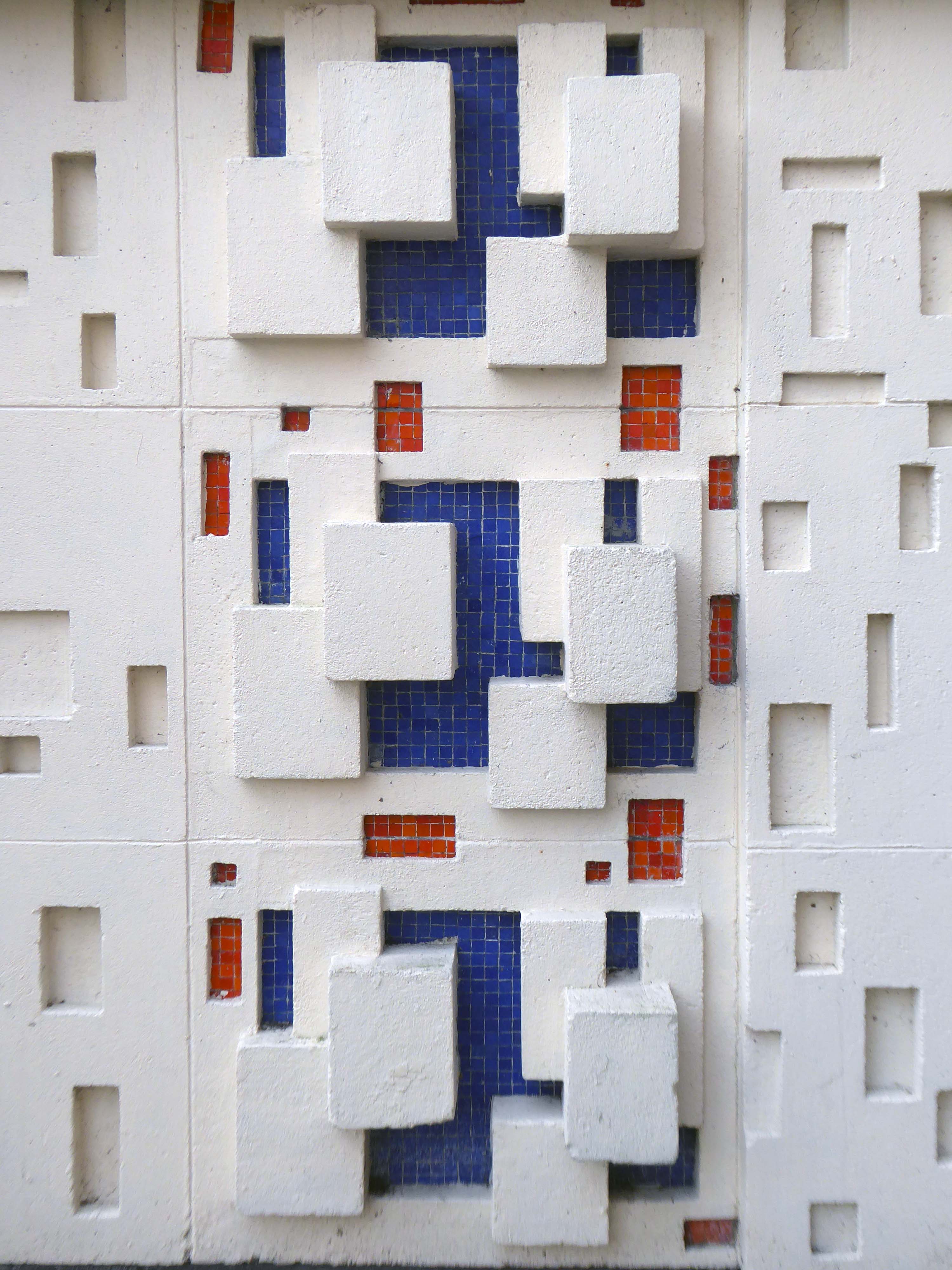
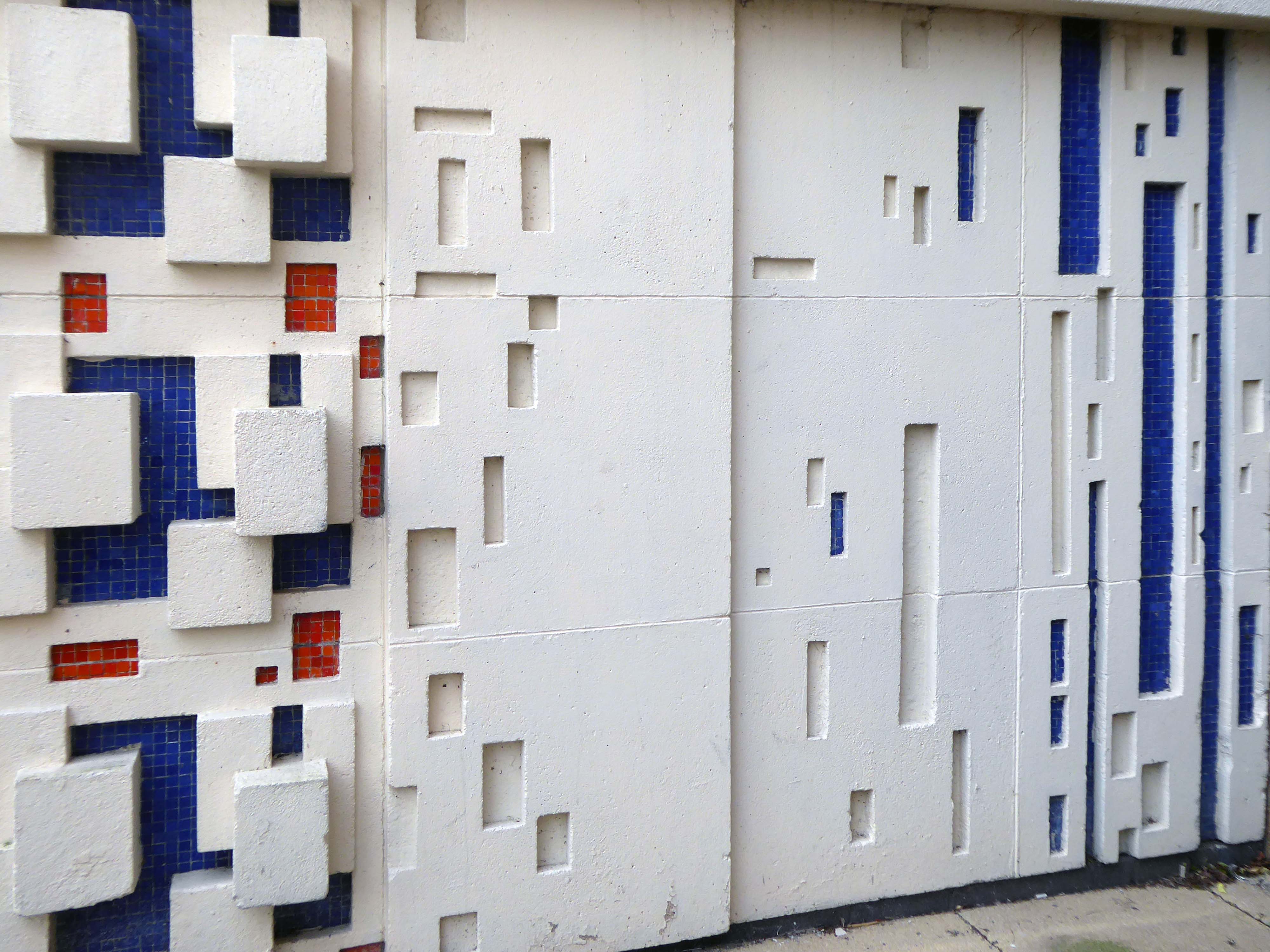
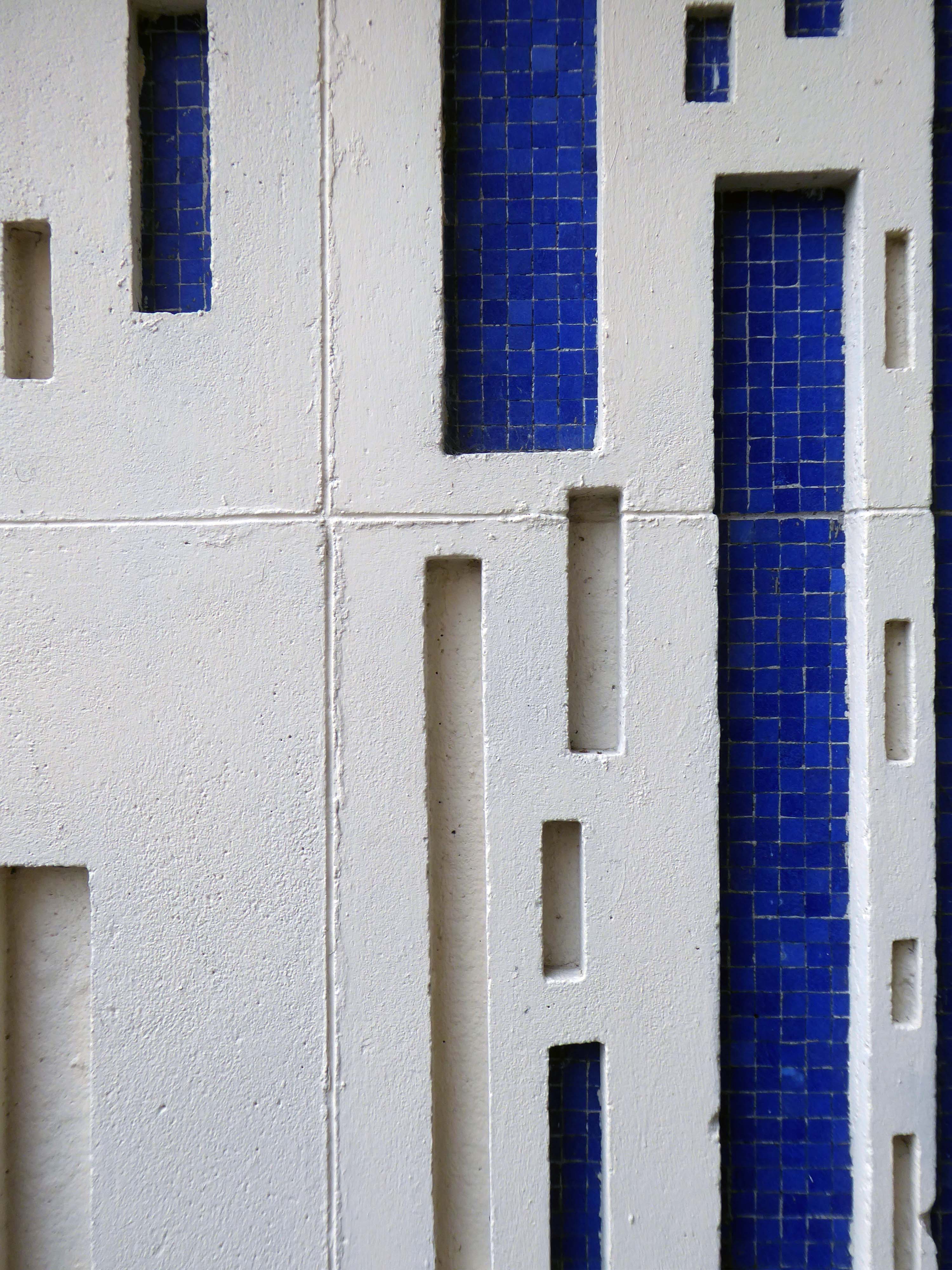
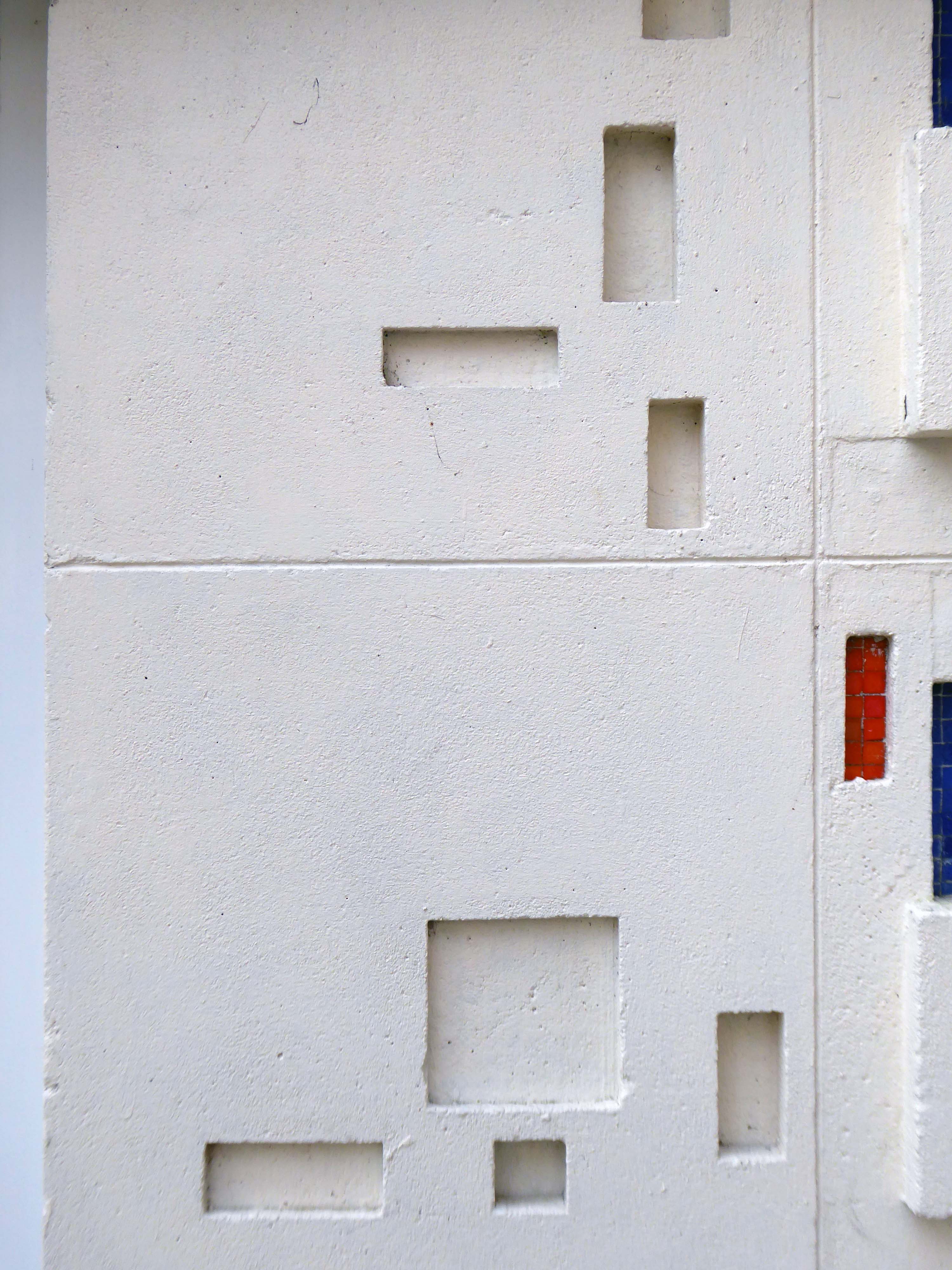
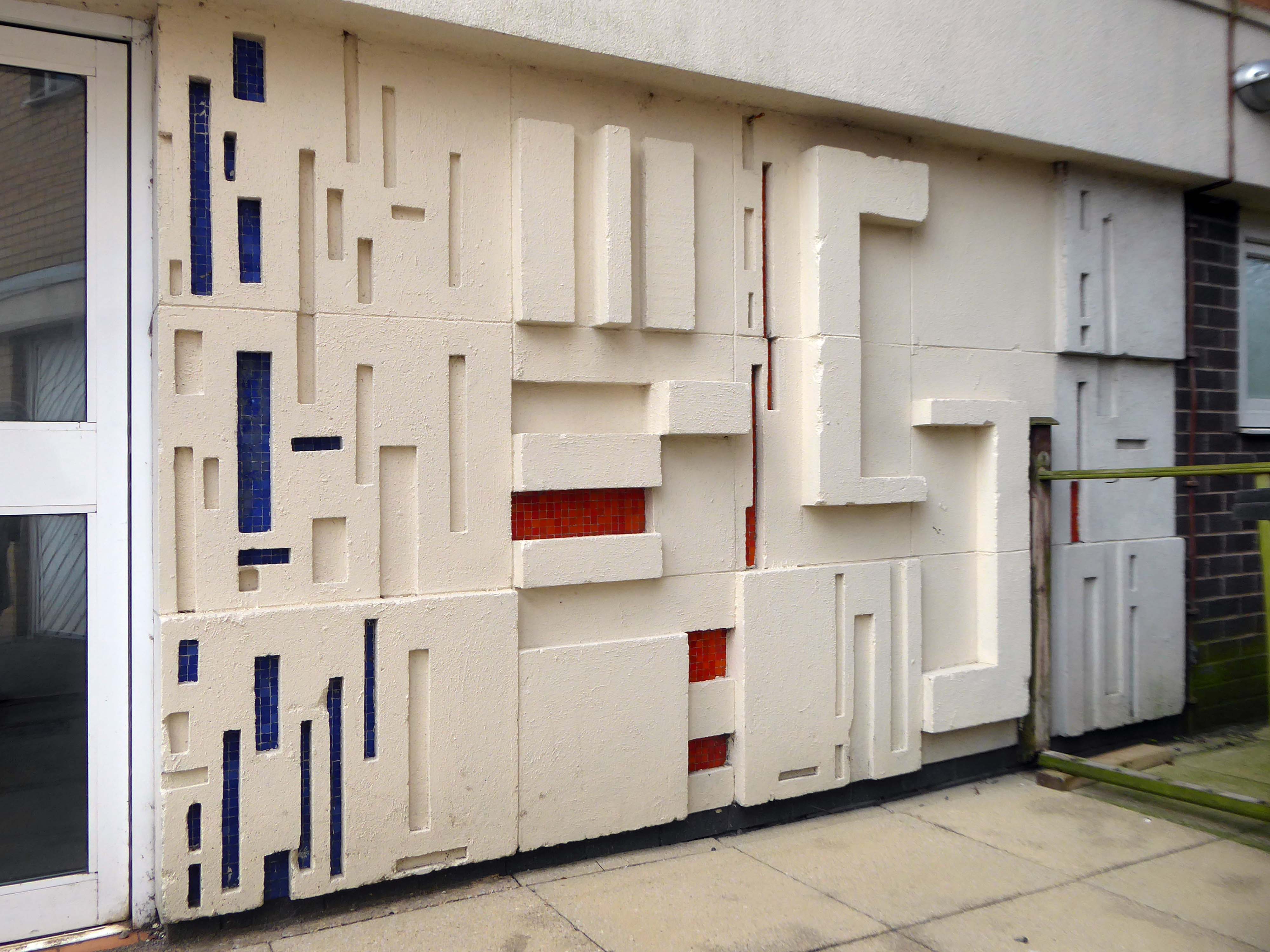
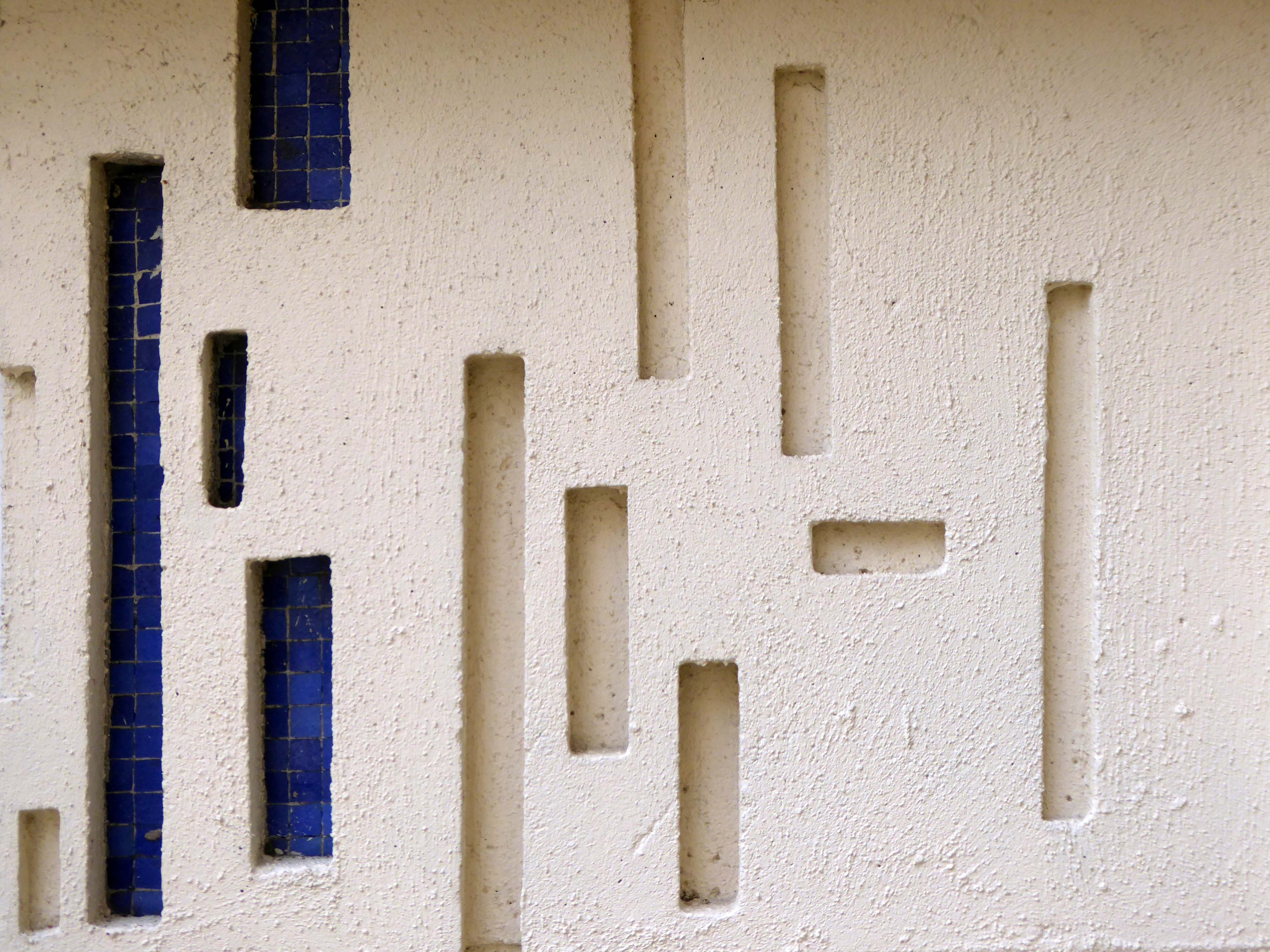
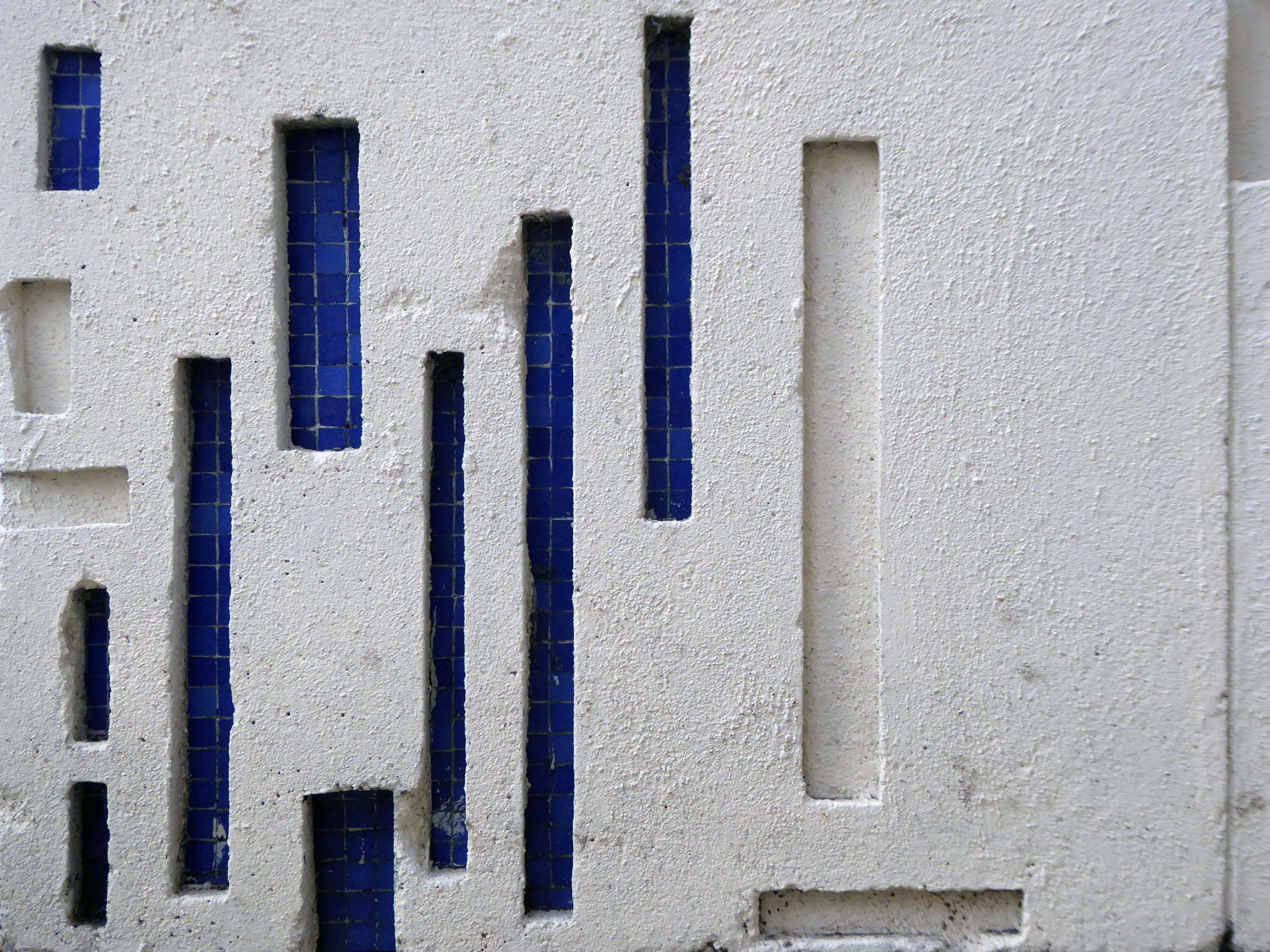
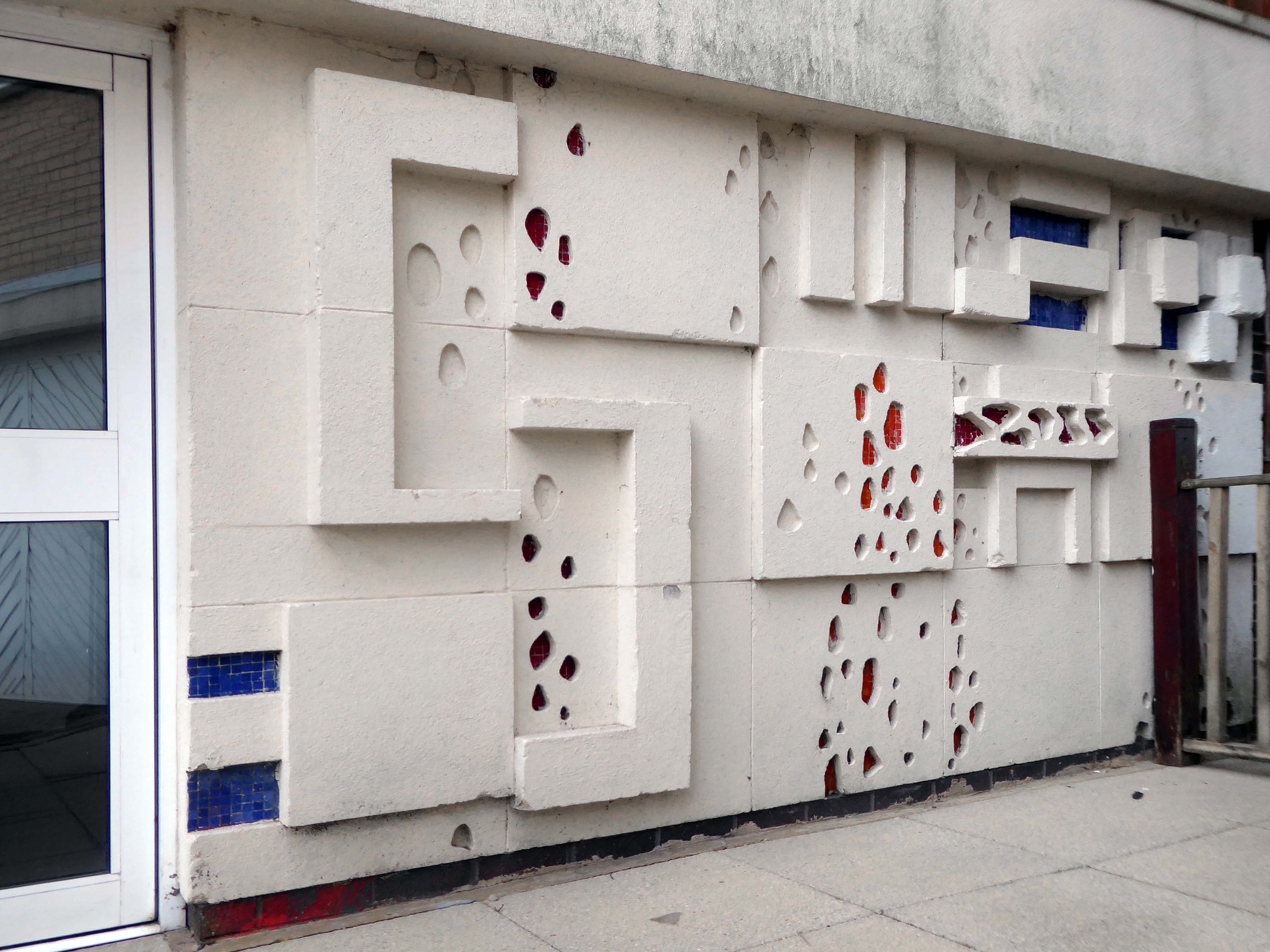
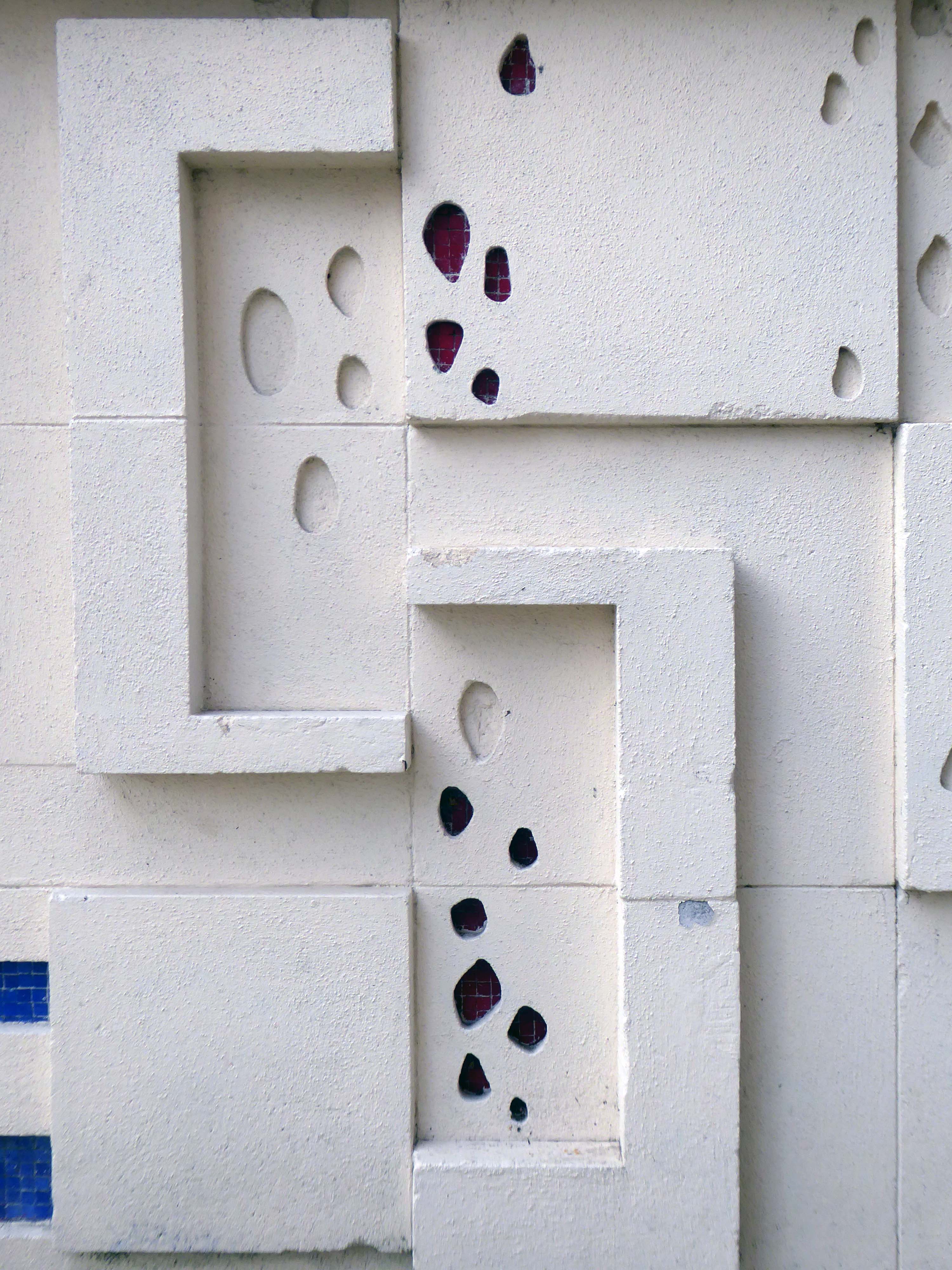
The front entrance has a mosaic and concrete relief, recalling De Stijl particularly Joost Baljeu.

Along with echoes of Jean Arp.

The flats had acquired a stereotypical bad reputation.

Blight flats will soon be high-rise des-res.

Residents on a blighted Blackley estate have been told of plans to deal with the mostly unoccupied high-rise flats that are seen as the cause of the problem.

Manchester Evening News

I entered via the vehicular access – in order to view the four remaining reliefs.

The Lakeside Rise blocks now form part of a private gated community and are accessed from Blackley New Road.

The original blocks and their locations are as follows:

Ashenhurst Court Now Lakeside 1
Heaton Court Now Lakeside 2
Wilton Court Now Lakeside 3
Blackley Court Now Lakeside 4

Bracknell Court demolished – was on the corner of Riverdale Road and Bridgenorth Road adjacent to Heaton Court
Riverdale Court demolished – was on Riverdale Road opposite Bantry Avenue.

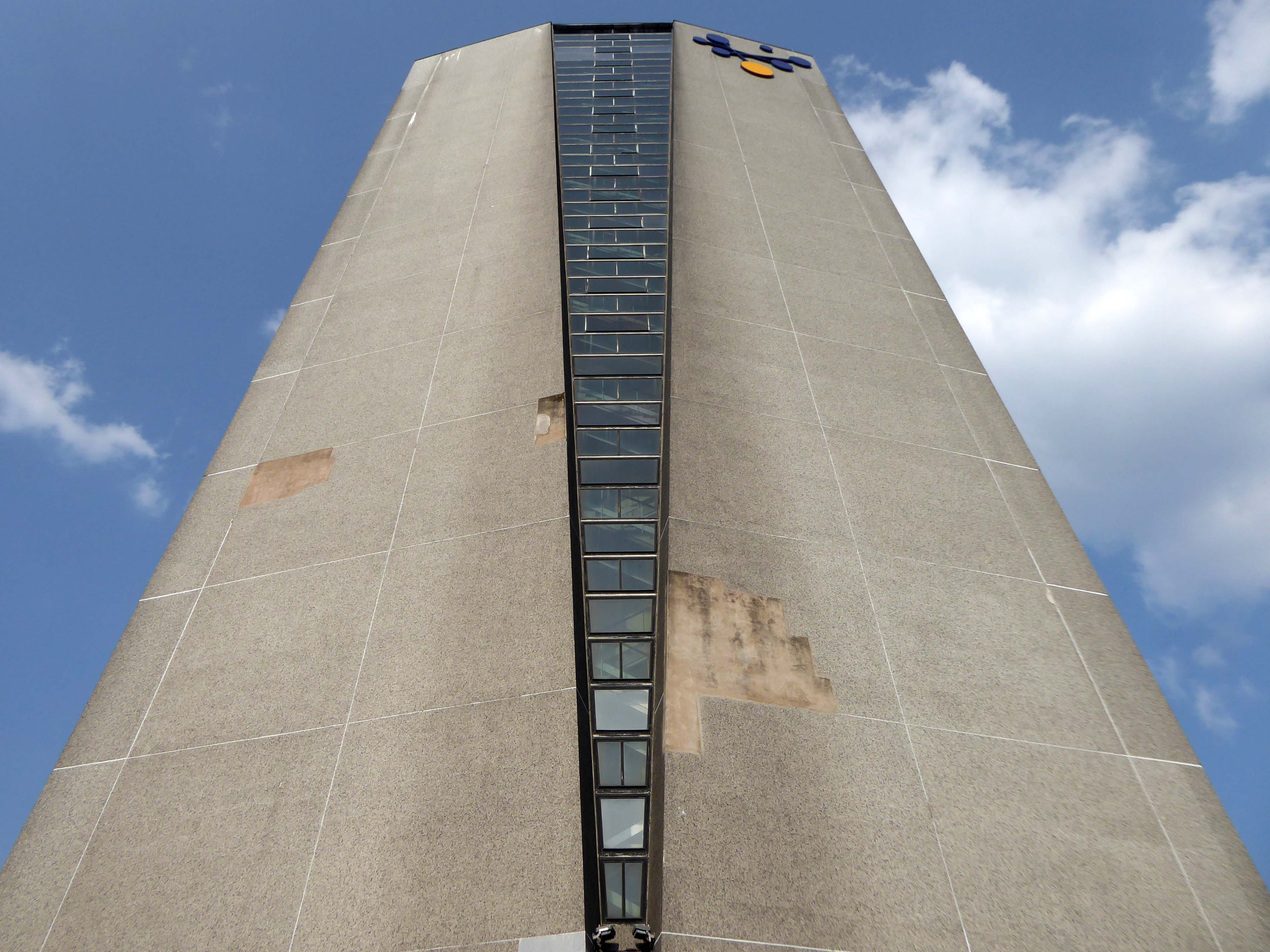
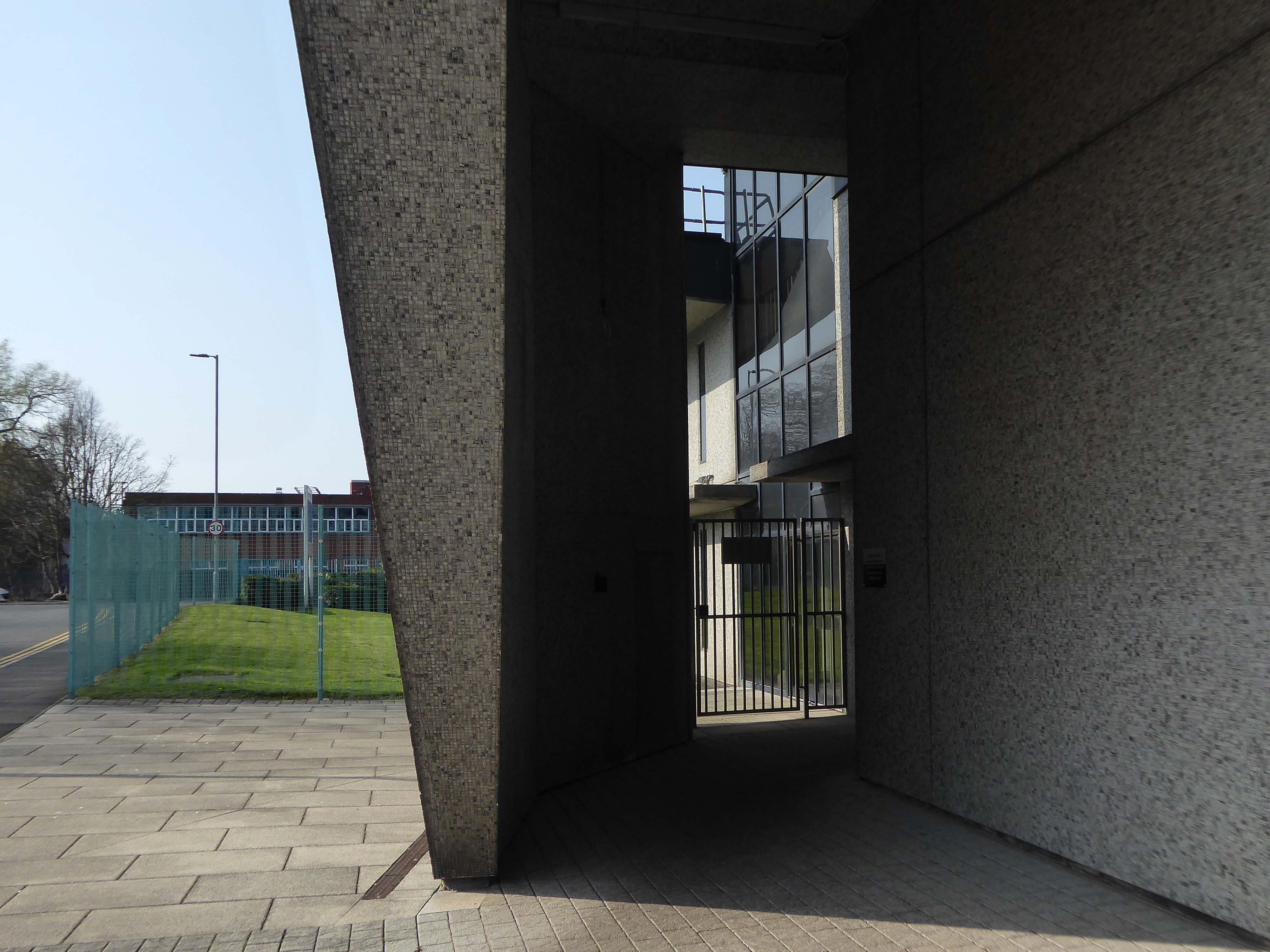
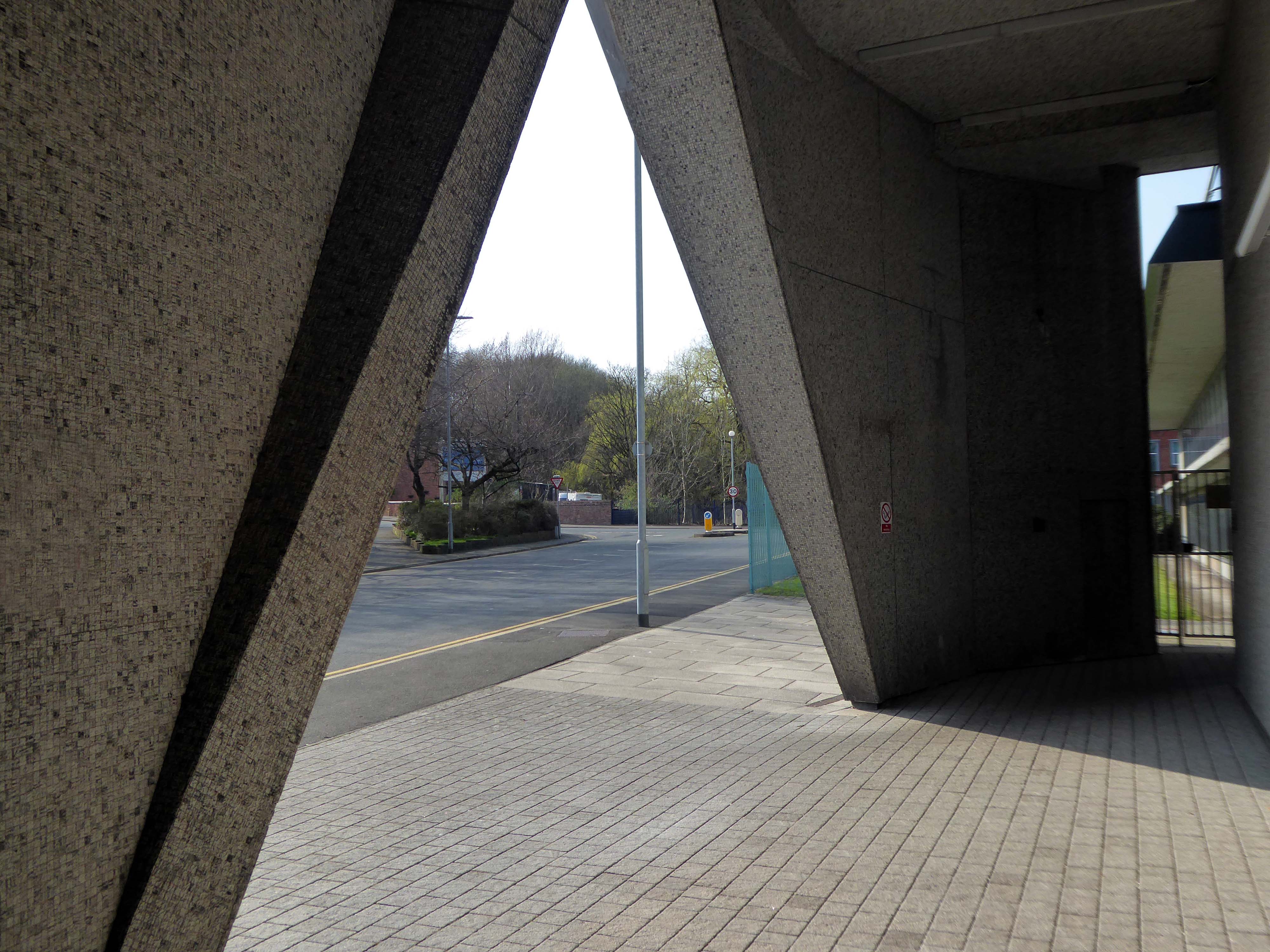
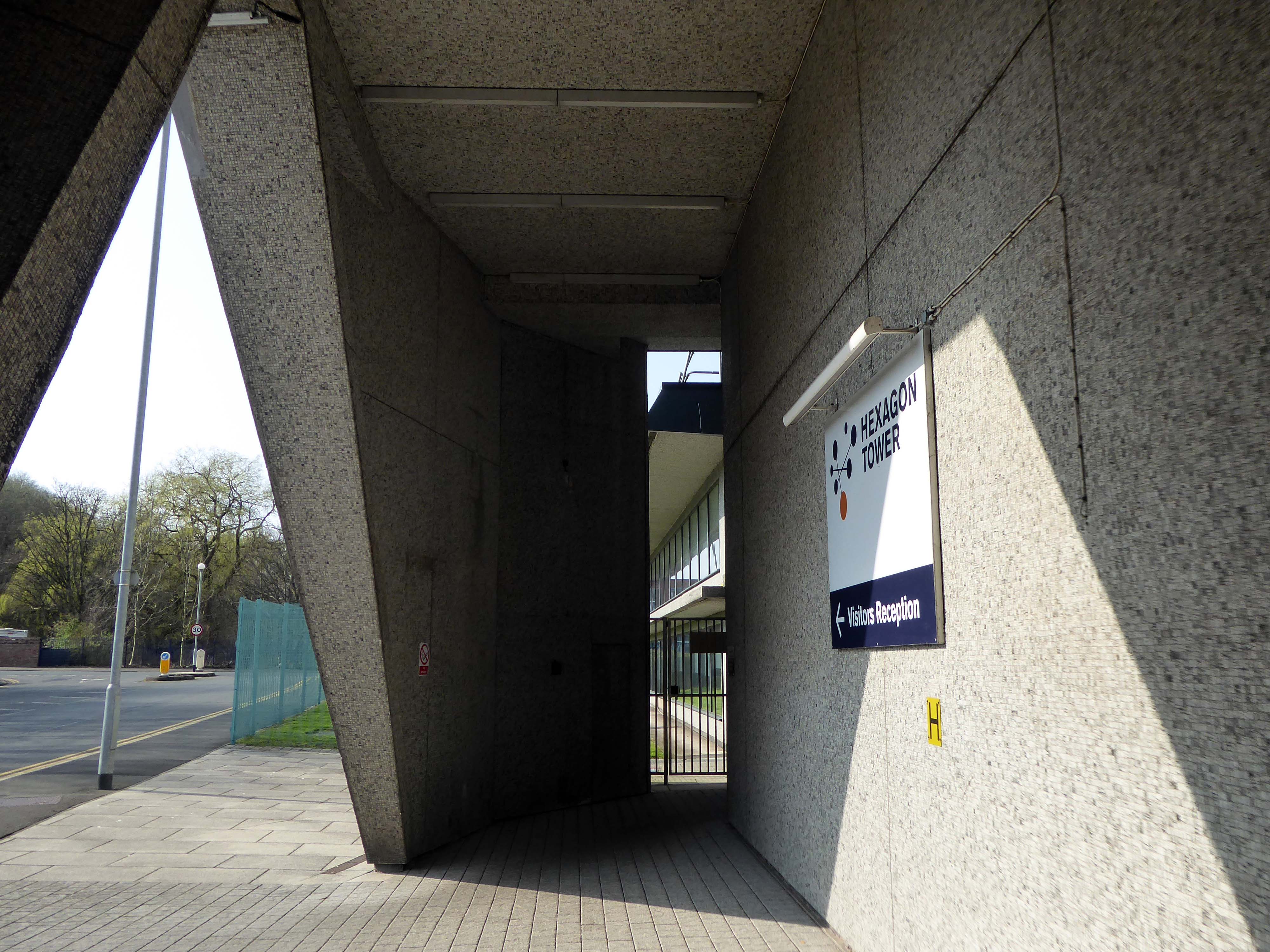
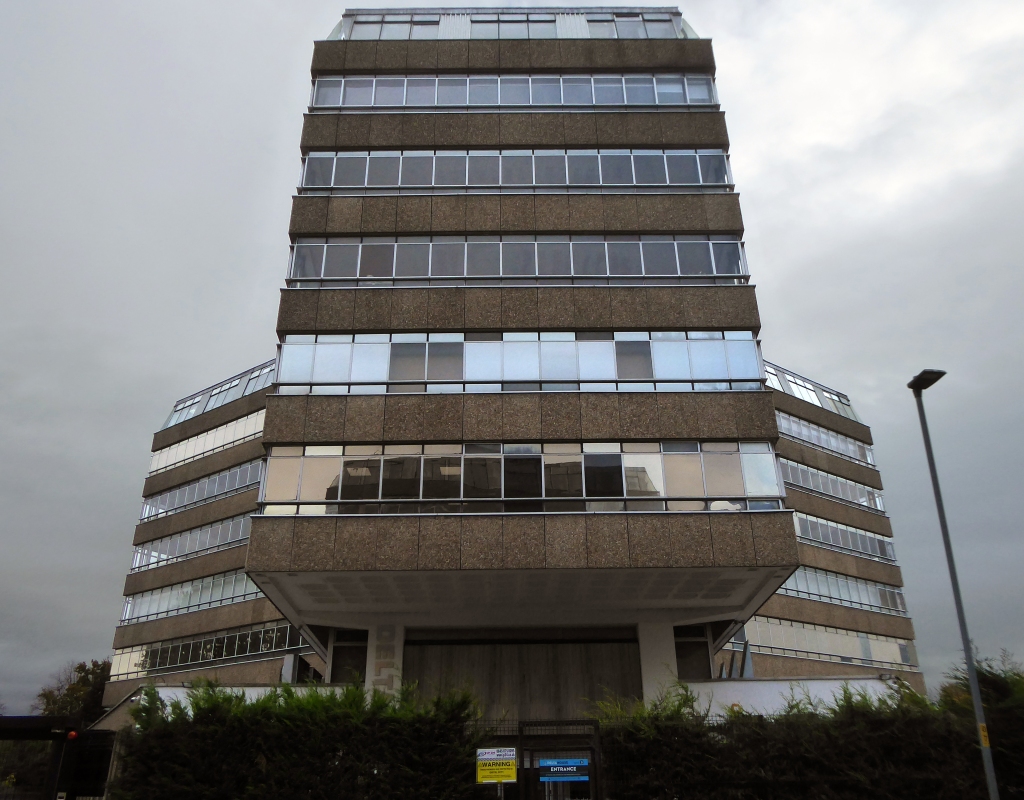
Hexagon Tower – Blackley Manchester

Crumpsall Vale Blackley Manchester M9 8GQ

I was last here at the Hexagon Tower in 2015 – on a Manchester Modernist Society magical Orbital Bus Tour.

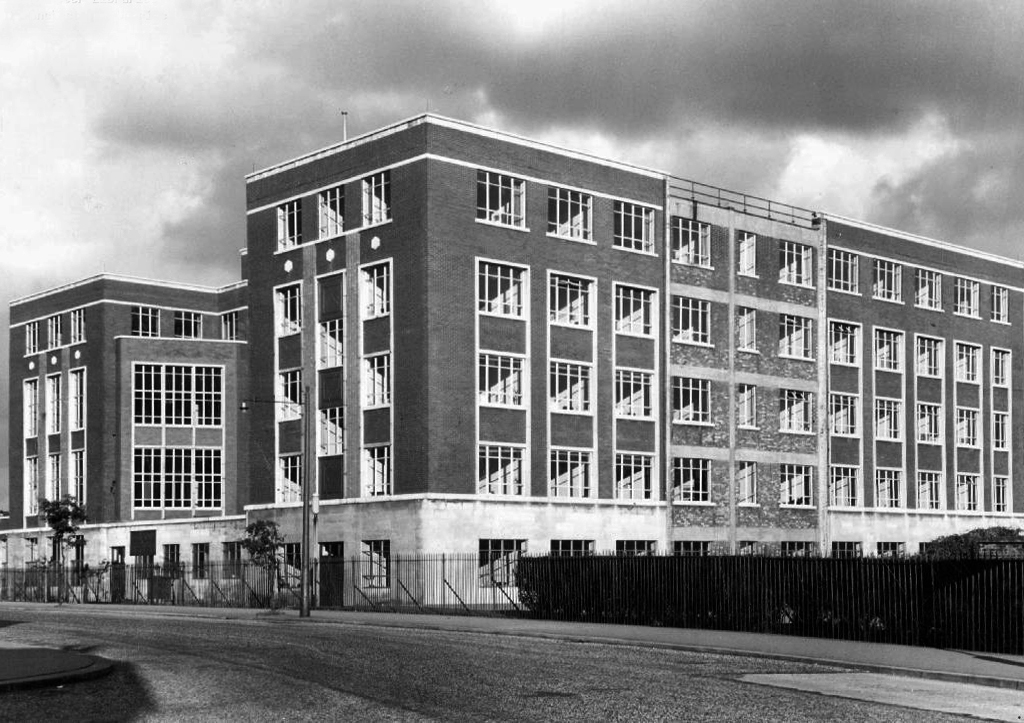
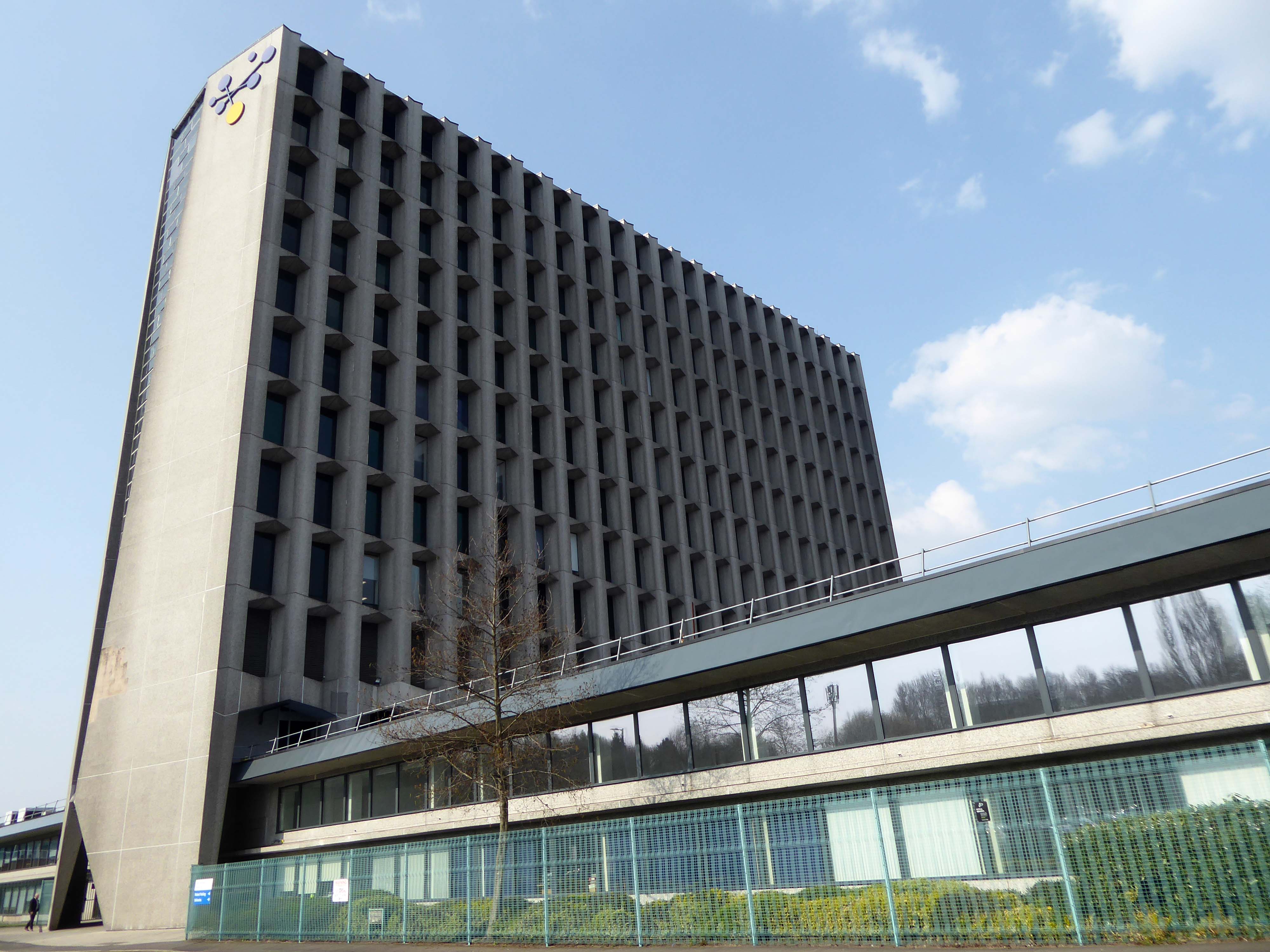
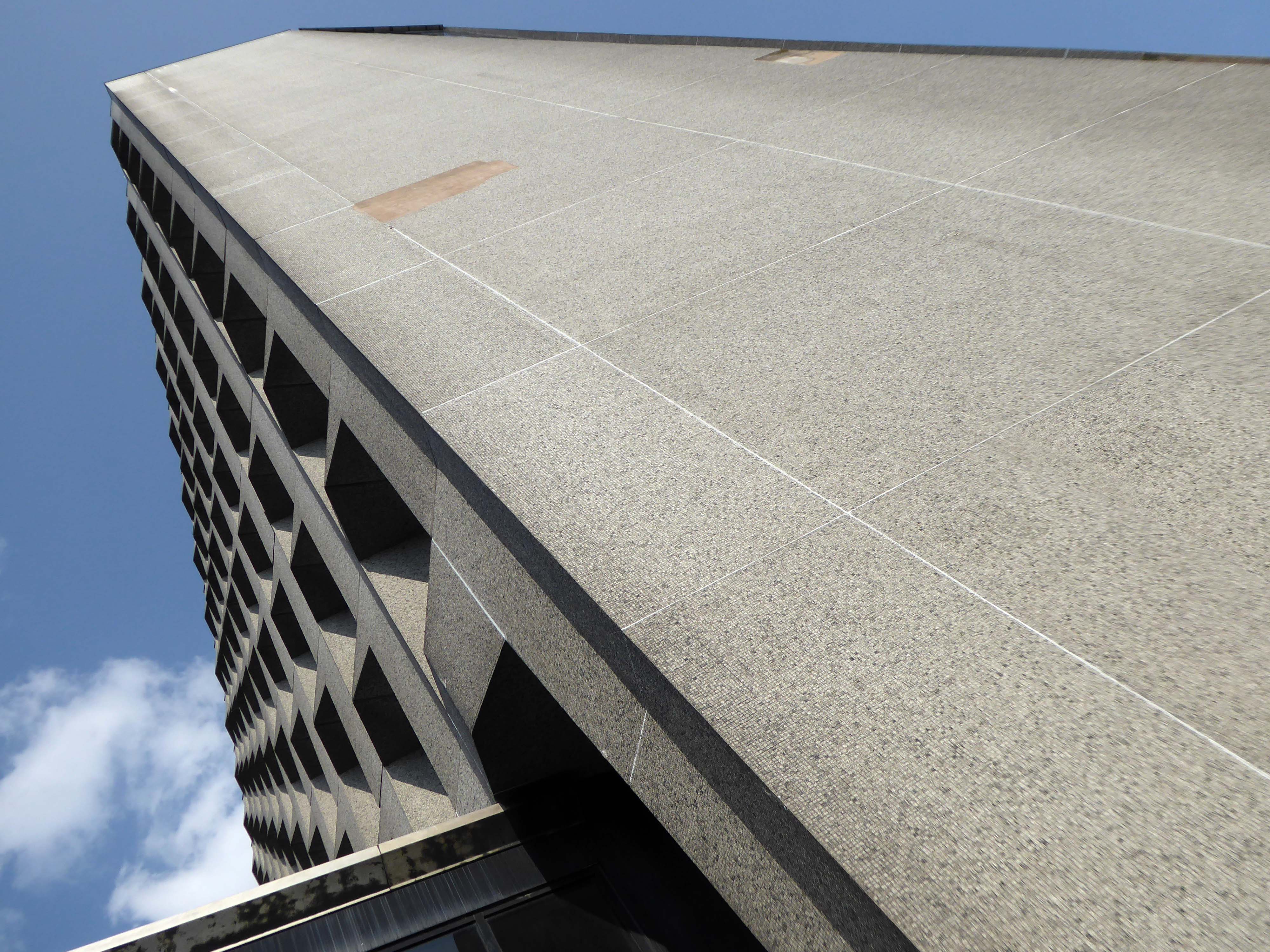
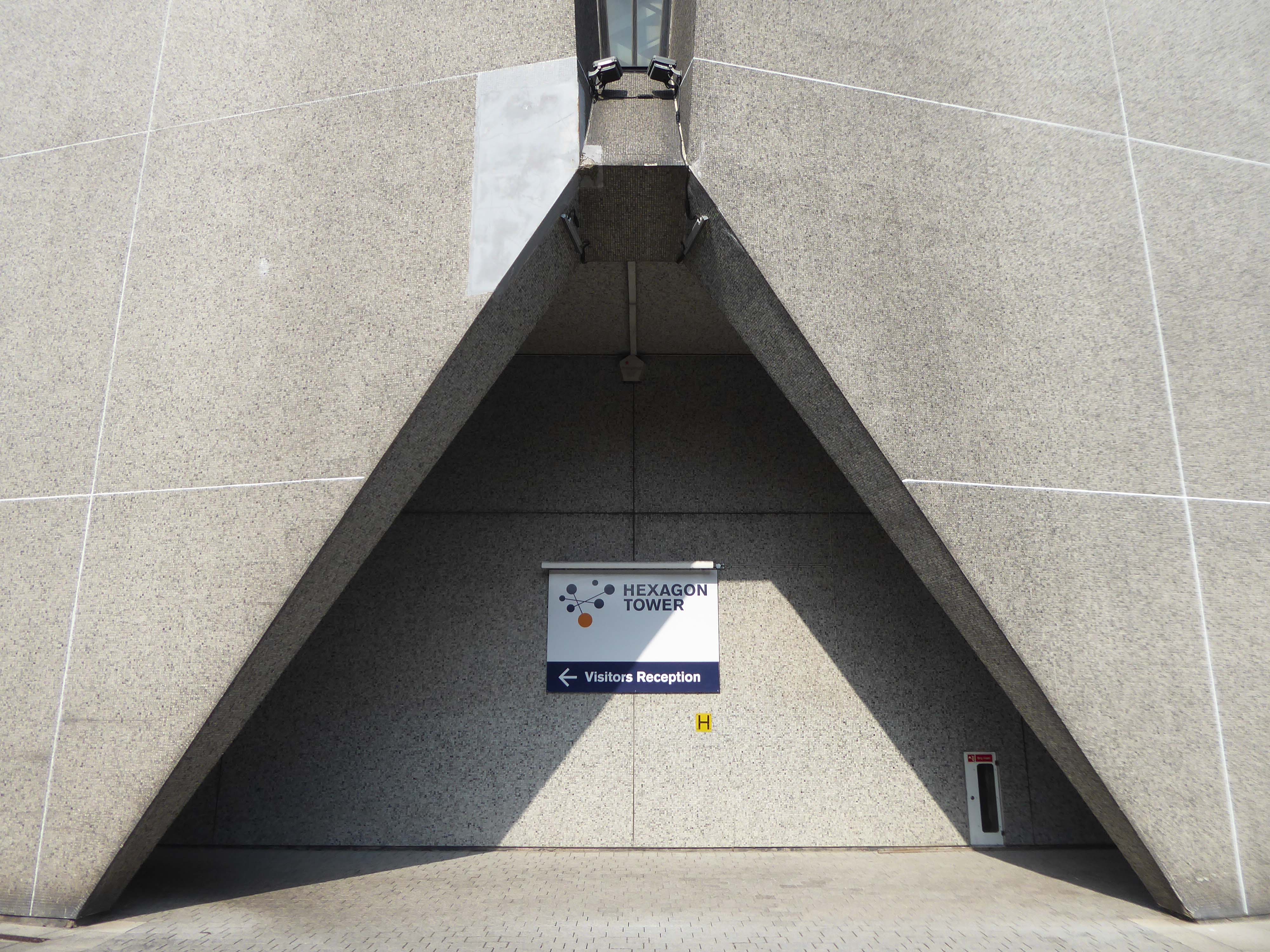
ICI commissioned the building from Richard Seifert in September 1969, as a research, development and production centre.

I returned in 2022 whilst cycling/walking the River Irk.

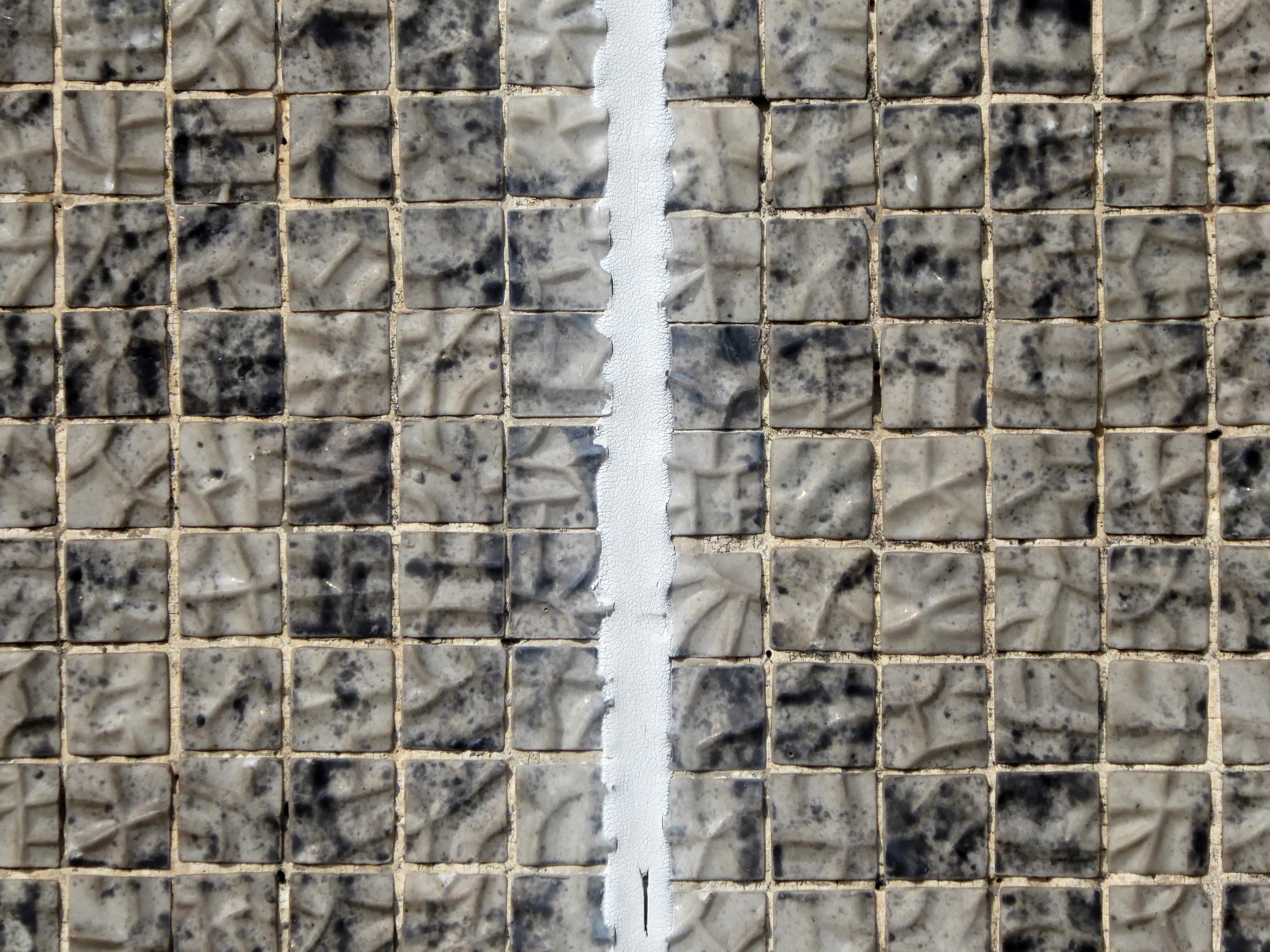
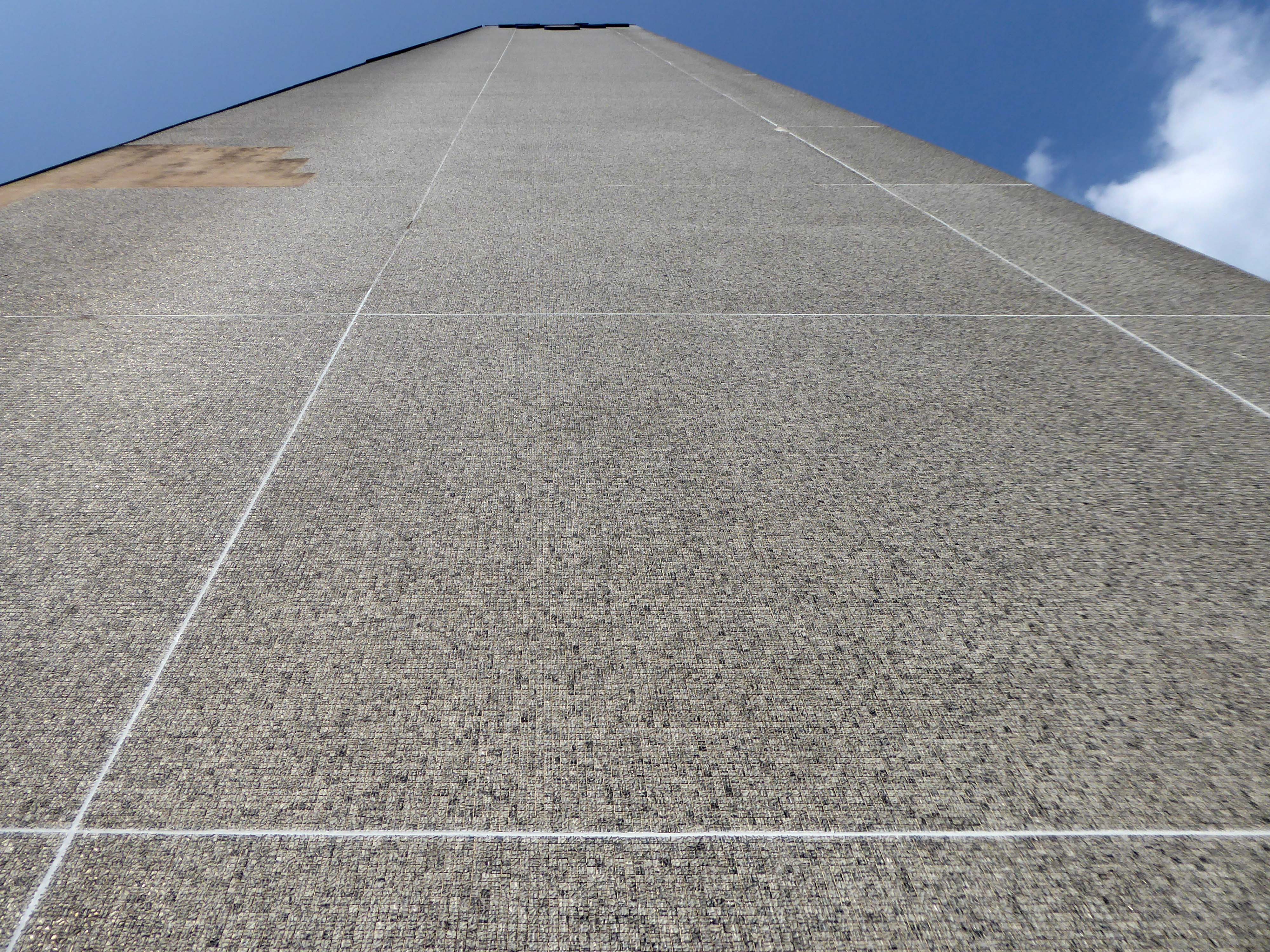
Since my previous visit the tower has been made good – after a fashion.

It looked splendid in the late March sun, as I approached along Imperial Way.

Imperial Way named for its progenitor ICI – the Imperial Chemical Industries.

ICI’s Dyestuffs Division had its headquarters at Blackley in north Manchester, in a complex known as the Hexagon, which included its main R & D labs, and an experimental manufacturing plant.

John Rylands Library

New Hexagon House 1958 architect: Harry Fairhurst

Manchester Local Image Collection.

Now I find myself outside the new Hexagon Tower 2022.

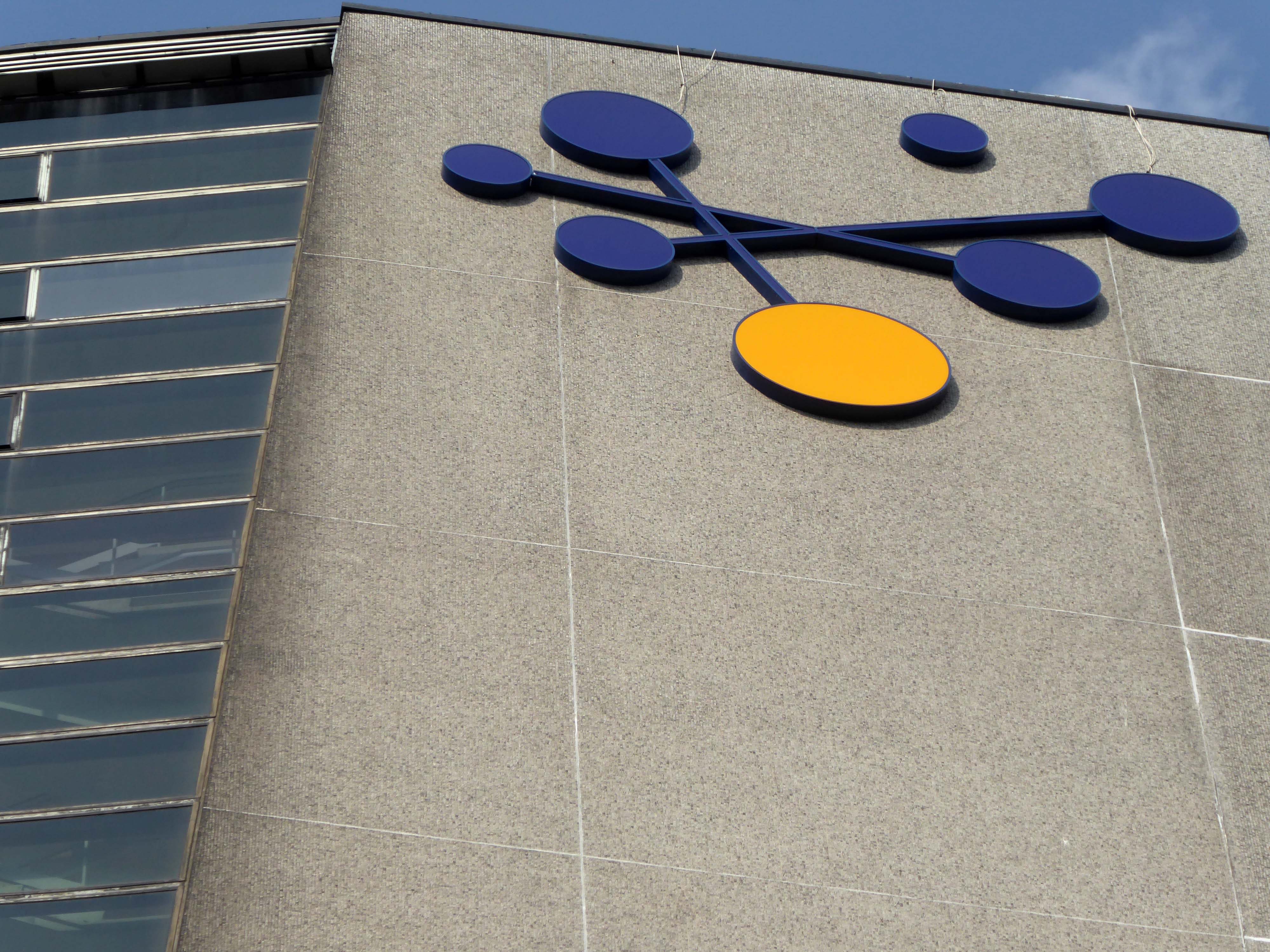
Now home to multiple chemical users under the auspices of WAPG.

Travellers Site – Dantzic Street Manchester

The Irk Valley – the damp, dark and dank Irk Valley.

The south bank of the Irk is here very steep and between fifteen and thirty feet high. On this declivitous hillside there are planted three rows of houses, of which the lowest rise directly out of the river, while the front walls of the highest stand on the crest of the hill in Long Millgate. Among them are mills on the river, in short, the method of construction is as crowded and disorderly here as in the lower part of Long Millgate. Right and left a multitude of covered passages lead from the main street into numerous courts, and he who turns in thither gets into a filth and disgusting grime, the equal of which is not to be found – especially in the courts which lead down to the Irk, and which contain unqualifiedly the most horrible dwellings which I have yet beheld. In one of these courts there stands directly at the entrance, at the end of the covered passage, a privy without a door, so dirty that the inhabitants can pass into and out of the court only by passing through foul pools of stagnant urine and excrement. This is the first court on the Irk above Ducie Bridge – in case any one should care to look into it. Below it on the river there are several tanneries which fill the whole neighbourhood with the stench of animal putrefaction.

Below Ducie Bridge the only entrance to most of the houses is by means of narrow, dirty stairs and over heaps of refuse and filth. The first court below Ducie Bridge, known as Allen’s Court, was in such a state at the time of the cholera that the sanitary police ordered it evacuated, swept and disinfected with chloride of lime. Dr. Kay gives a terrible description of the state of this court at that time. Since then, it seems to have been partially torn away and rebuilt; at least looking down from Ducie Bridge, the passer-by sees several ruined walls and heaps of debris with some newer houses. The view from this bridge, mercifully concealed from mortals of small stature by a parapet as high as a man, is characteristic for the whole district. At the bottom flows, or rather stagnates, the Irk, a narrow, coal-black, foul-smelling stream, full of debris and refuse, which it deposits on the shallower right bank.

Friedrich Engels

This is the street parallel to the River Irk, Dantzic Street, an anglicised version of former German city Danzig, currently Gdansk in Poland.

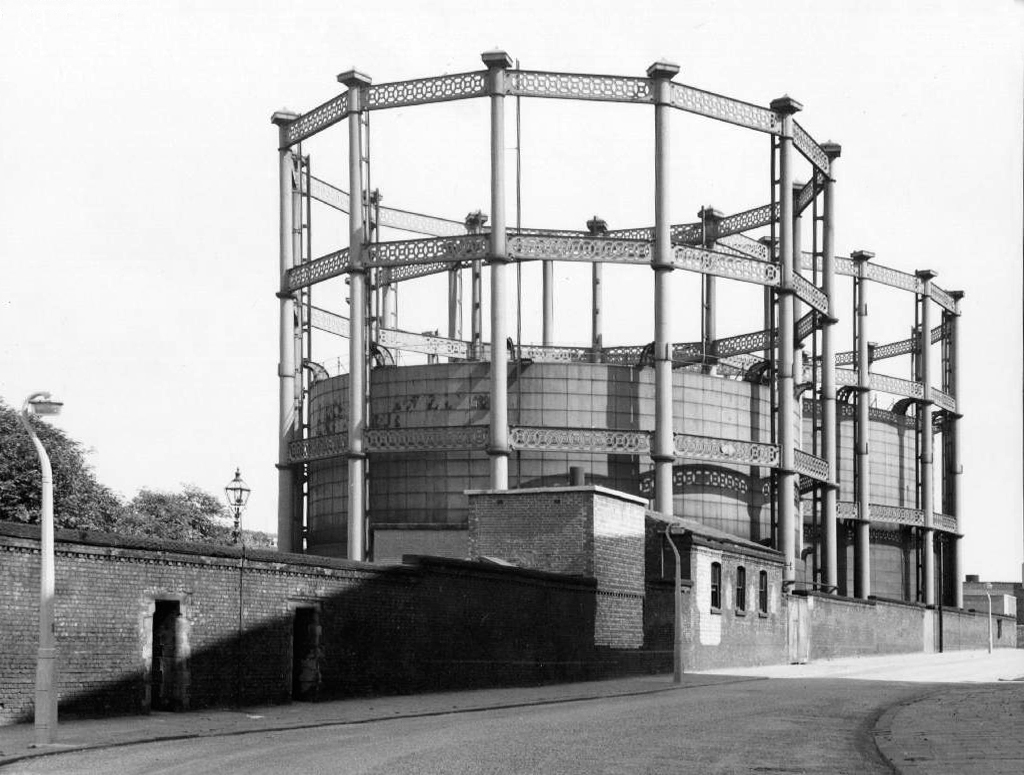
Gas works, works and a hole in the wall public convenience.

This has all gone.

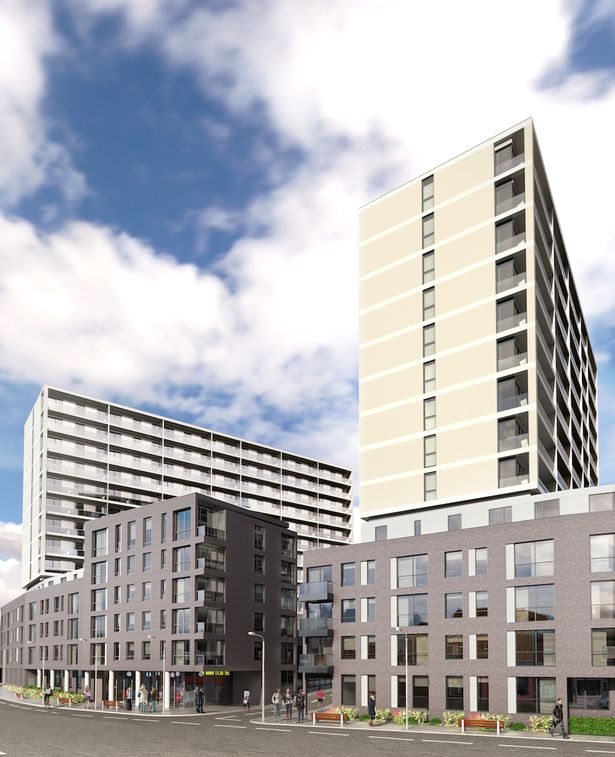
Once home to putative homes.

The stylishly designed living areas and carefully considered external finishes within the new buildings, have been designed to compliment the rich industrial architectural style of the area.

They were never built

Pinnacle Alliance plans to build 344 luxury apartments on a site near Dantzic Street, as part of the ‘Northern Gateway’. Dozens of investors have paid up to £350,000 for the off-plan apartments in the proposed scheme. But two years since many first paid out for their home, no work has actually begun on the £30m scheme.

The dispute has led to a demonstration in Hong Kong, where around 50 buyers took to the streets over Christmas urging local authorities to take up their concerns. And in an unusual twist, protestors even recorded their own campaign song – to the tune of Jingle Bells – criticising Pinnacle.

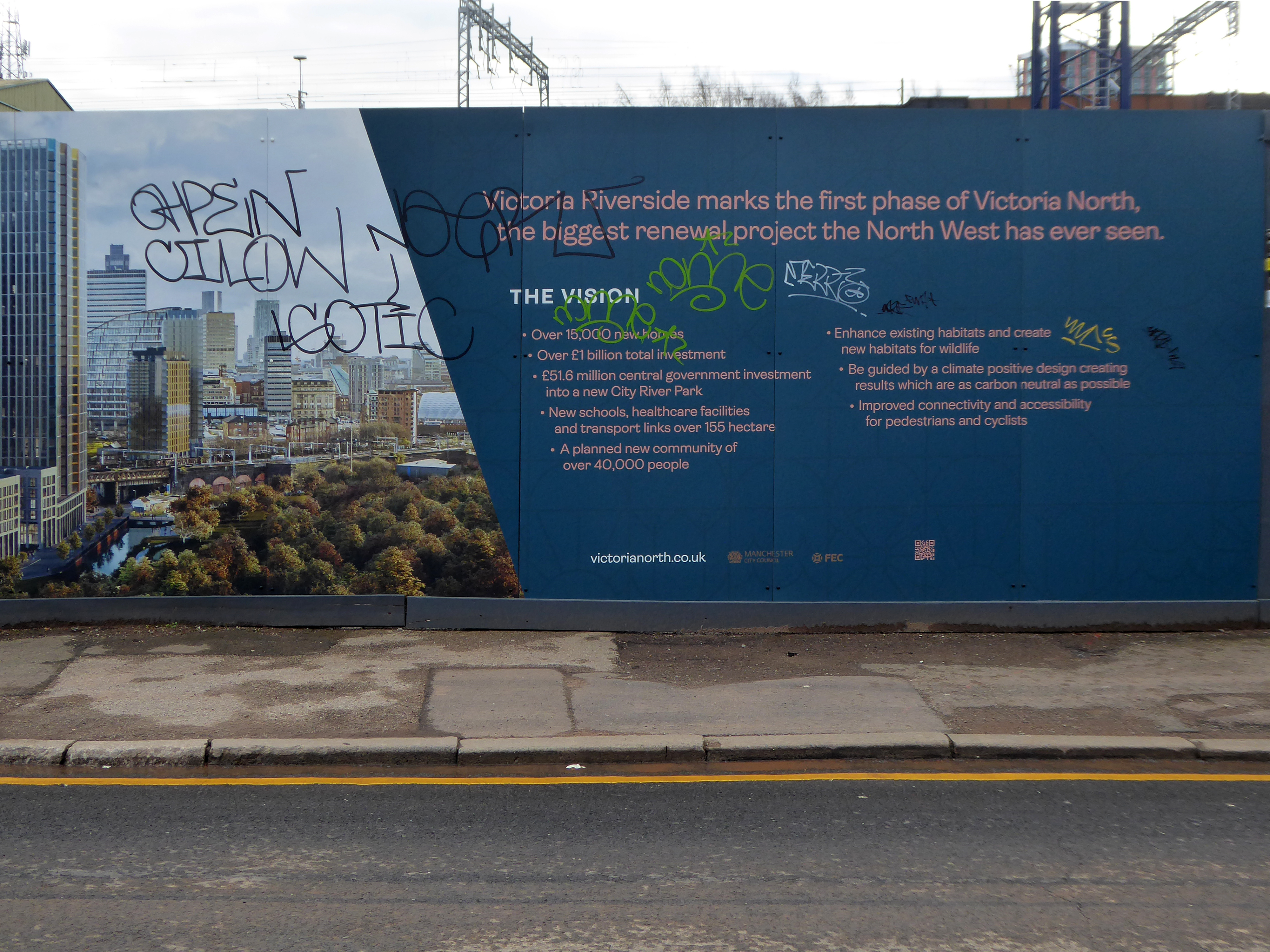
Now Victoria North is on the way.

On the way out are the Travellers’ homes on the other side of the road, adjoining the Irk valley.

Thought to be in danger of flooding, they were condemned, yet there are plans to build on the site for less contentious or socially inclusive usage.

For centuries the commons of England provided lawful stopping places for people whose way of life was or had become nomadic. Enough common land survived the centuries of enclosure to make this way of life sustainable, but by section 23 of the Caravan Sites and Control of Development Act 1960 local authorities were given power to close the commons to Travellers. This they proceeded to do with great energy, but made no use of the concomitant power given to them by section 24 of the same Act to open caravan sites to compensate for the closure of the commons. By the Caravan Sites Act 1968, therefore, Parliament legislated to make the section 24 power a duty…for the next quarter of a century there followed a history of non-compliance with the duties imposed by the Act of 1968, marked by a series of decisions of this court holding local authorities to be in breach of their statutory duty; but to apparently little practical effect. The default powers vested in central government, to which the court was required to defer, were rarely if ever used.

Gypsy Traveller

The Home Secretary, Priti Patel, said yesterday, that the new laws will target trespassers – who intend to reside on any private or public land in vehicles without permission, and where they are causing significant disruption, distress or harm to local communities.

This new offence will enable the police to fine or arrest those residing without permission on private or public land in vehicles in order to stop significant disruption, distress or harm being caused to the law-abiding majority – she added.

The new law also gives the police the powers to seize and impound vehicles whose owners fail to comply with the new law and who refuse or can’t leave.

You are criminalising a problem that has been created by the failings of a political will to deliver appropriate accommodation.

Joseph P Jones from the Gypsy Council

Travellers Times

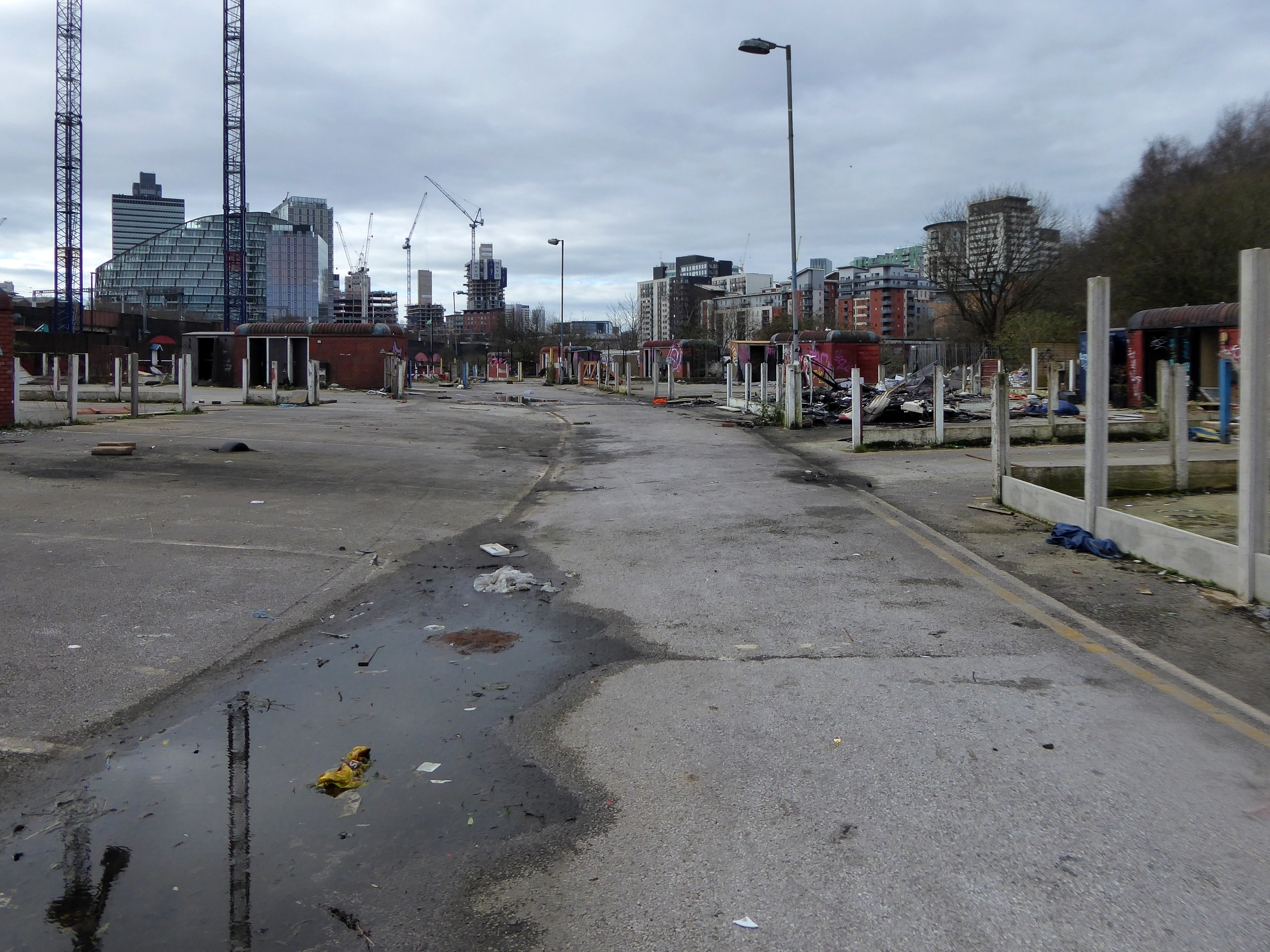
So here we are – in the shadow of the ever expanding New Manchester – no homes for those who choose their own traditional way of life.

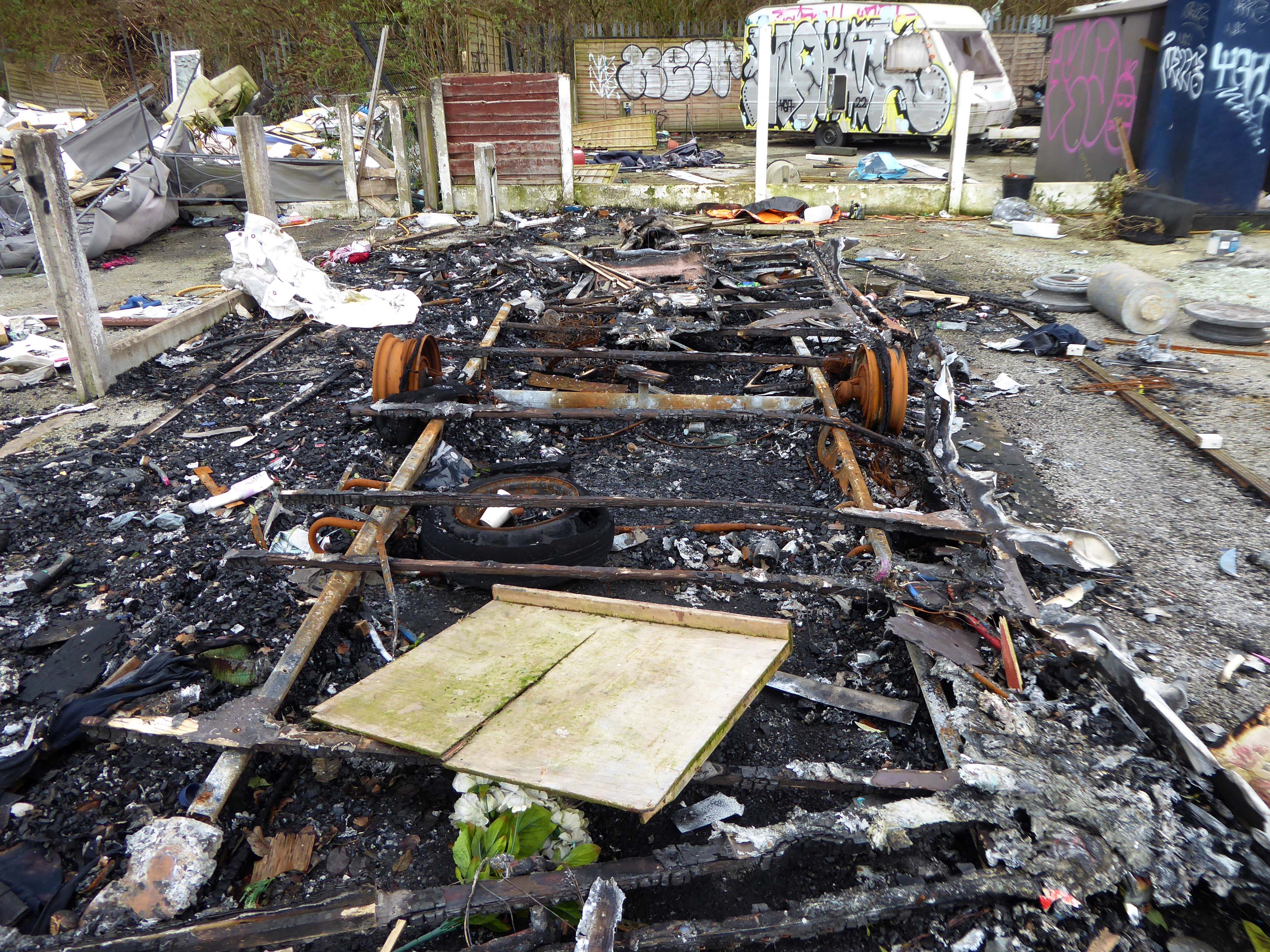
Burnt out shells, discarded toys and a population of ghosts.

Today, we live in a political economy that has been dominated by neoliberalism as a consolidation of the role that capital has in accumulation by dispossession. It has been written extensively elsewhere that contemporary neoliberal land policy affects seemingly disparate groups within the urban population. Less explored, however, is how this logic affects GRT communities in particular.

The traveller site on Dantzic Street lies within the forthcoming Red Bank neighbourhood, on the meander of the Irk, this particular neighbourhood will consist of:

A landmark thirty seven storey building as well as two sister towers, Park View and City View.

Given its proximity to the Green Quarter and other luxury residences, we can expect the rent gap produced by speculative land values to be fully exploited on this patch of land. As for a new traveller site to replace the one on Dantzic Street, the future remains unclear. Having reached out to an Executive Member for Housing and Employment within MCC about ecological concerns alongside the worries concerning lack of land access to travellers, the first question was responded to with misplaced enthusiasm whilst the latter was yet to be briefed at all.

GM Housing Action

Wythenshawe Walk

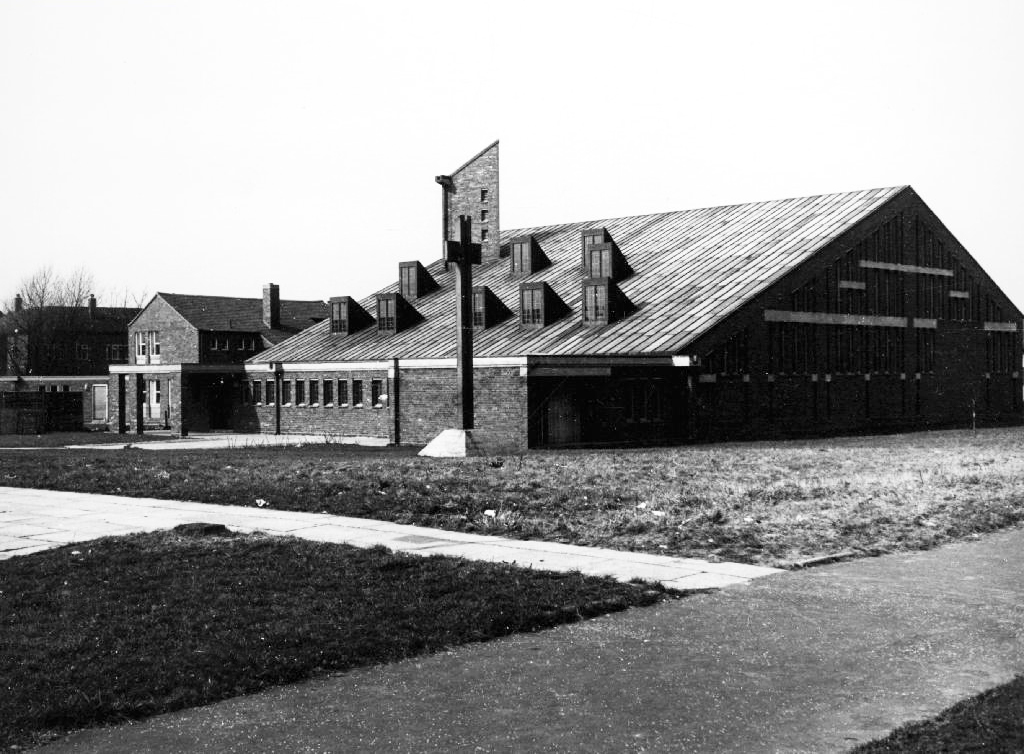
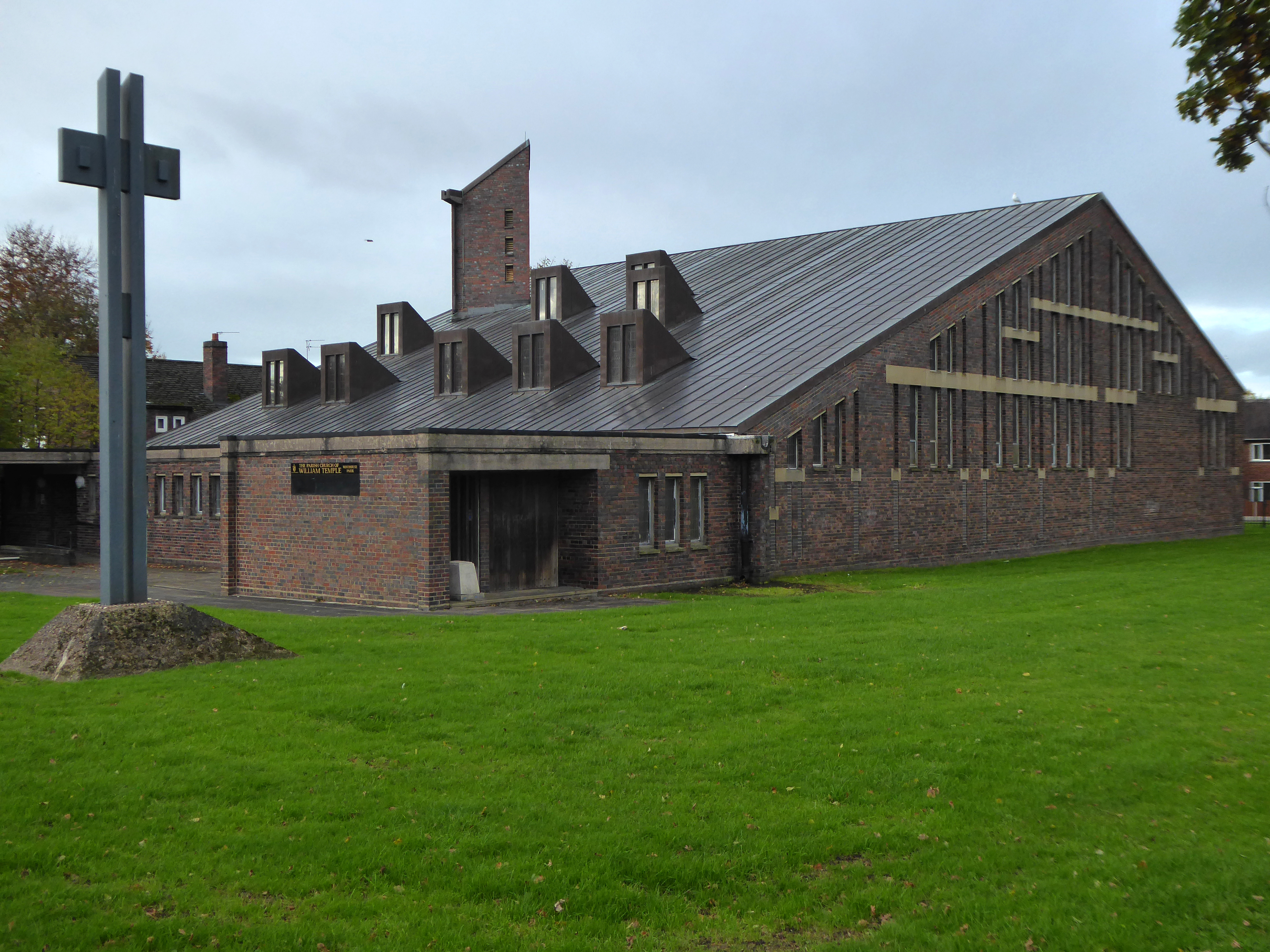
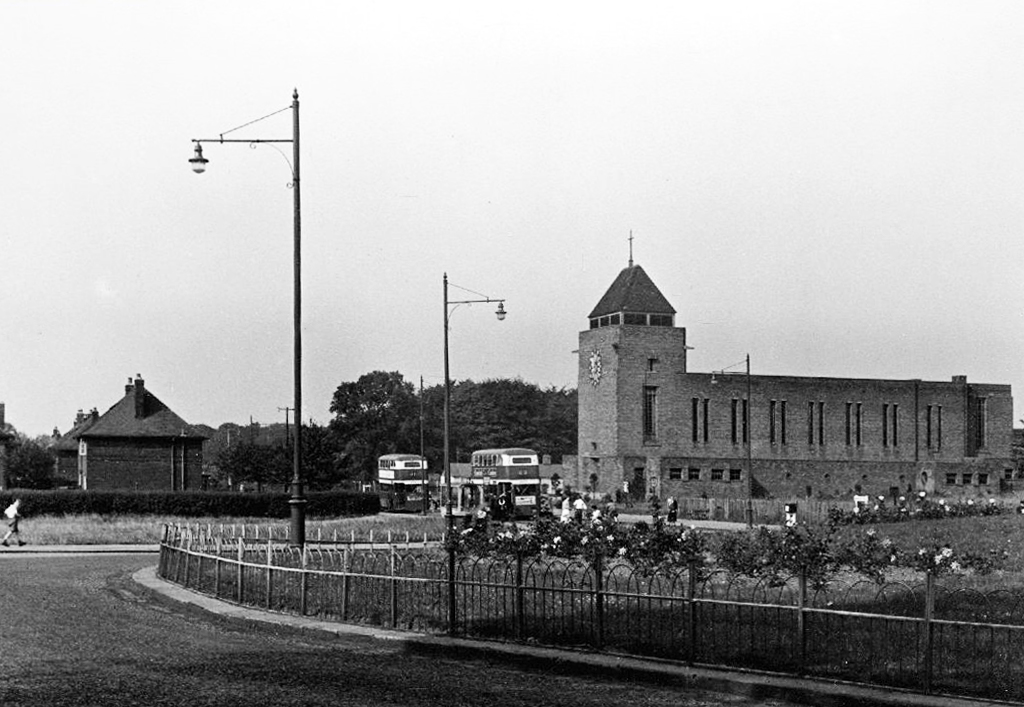
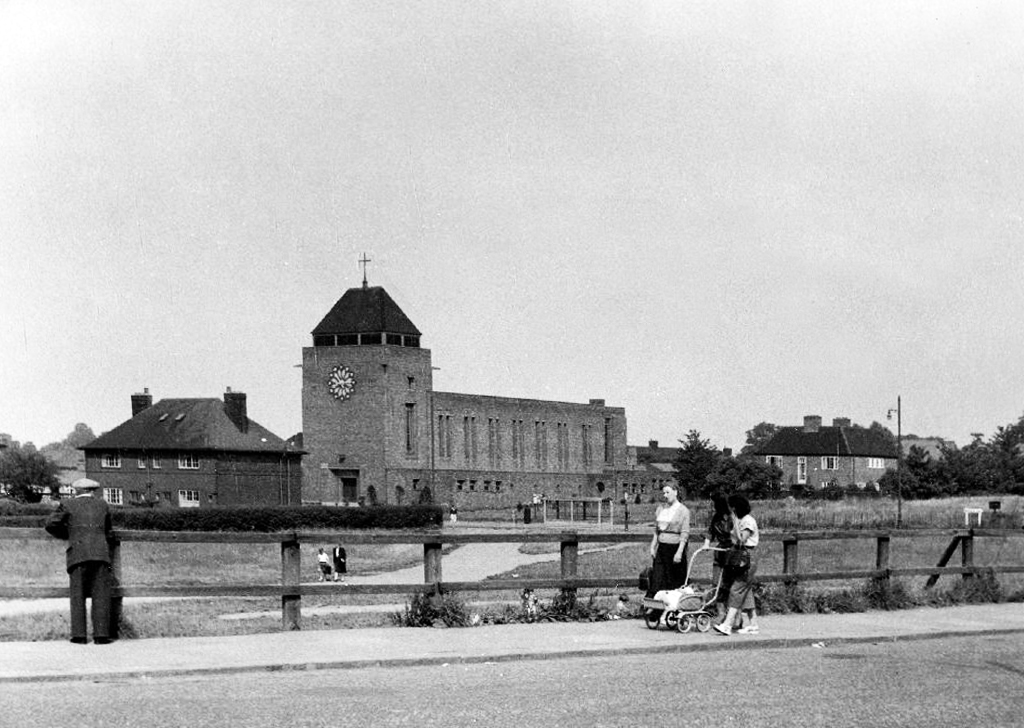
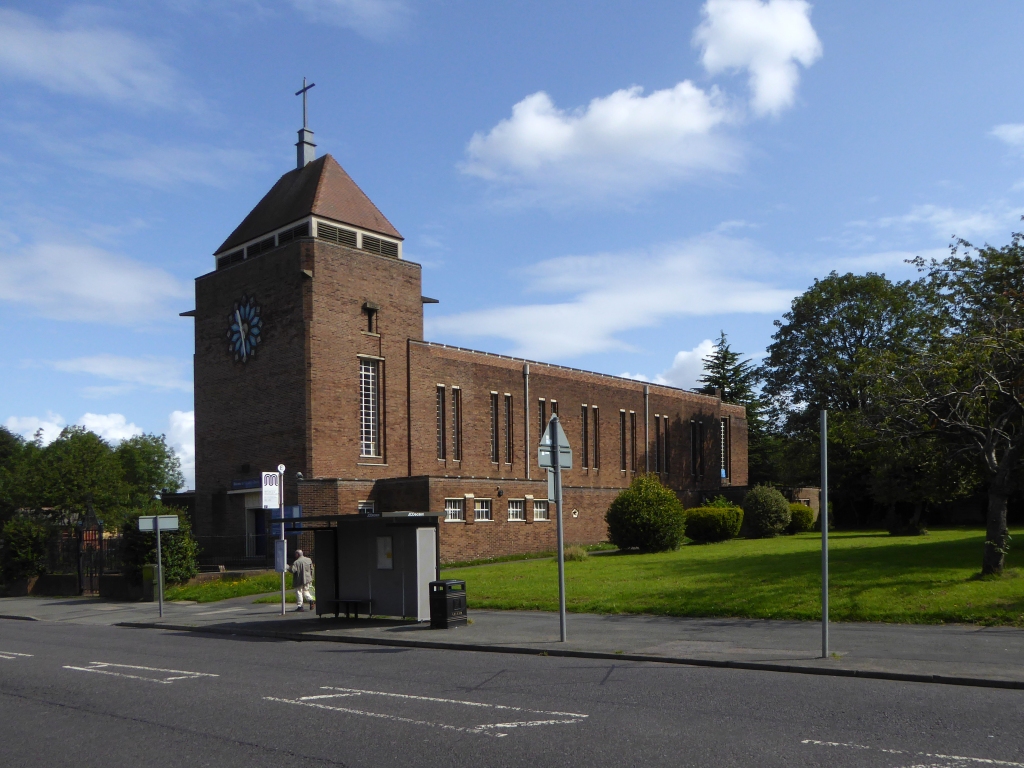
We begin at the William Temple Church

1970

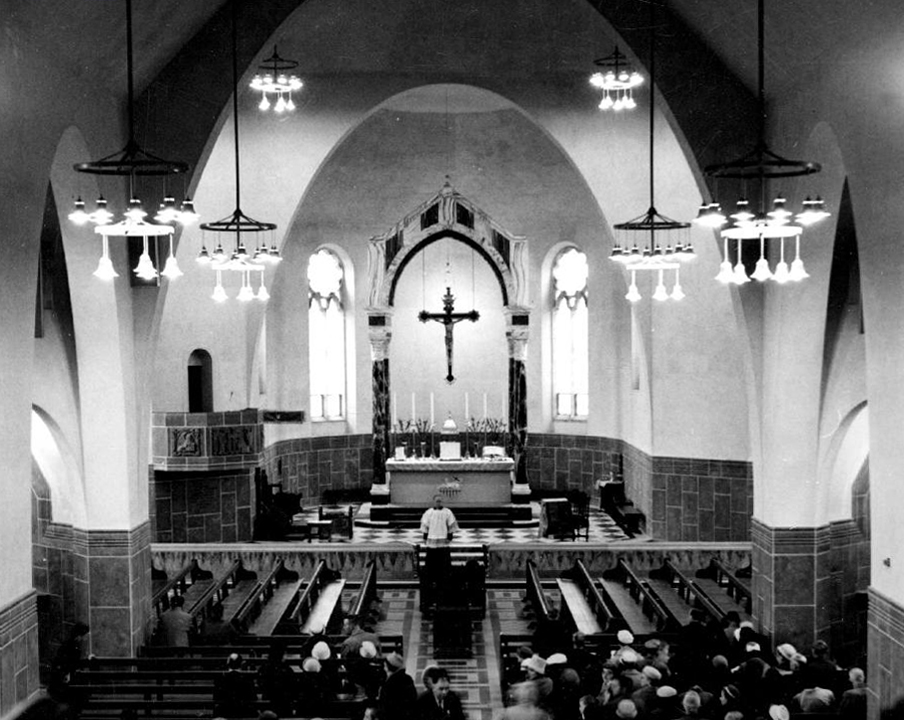
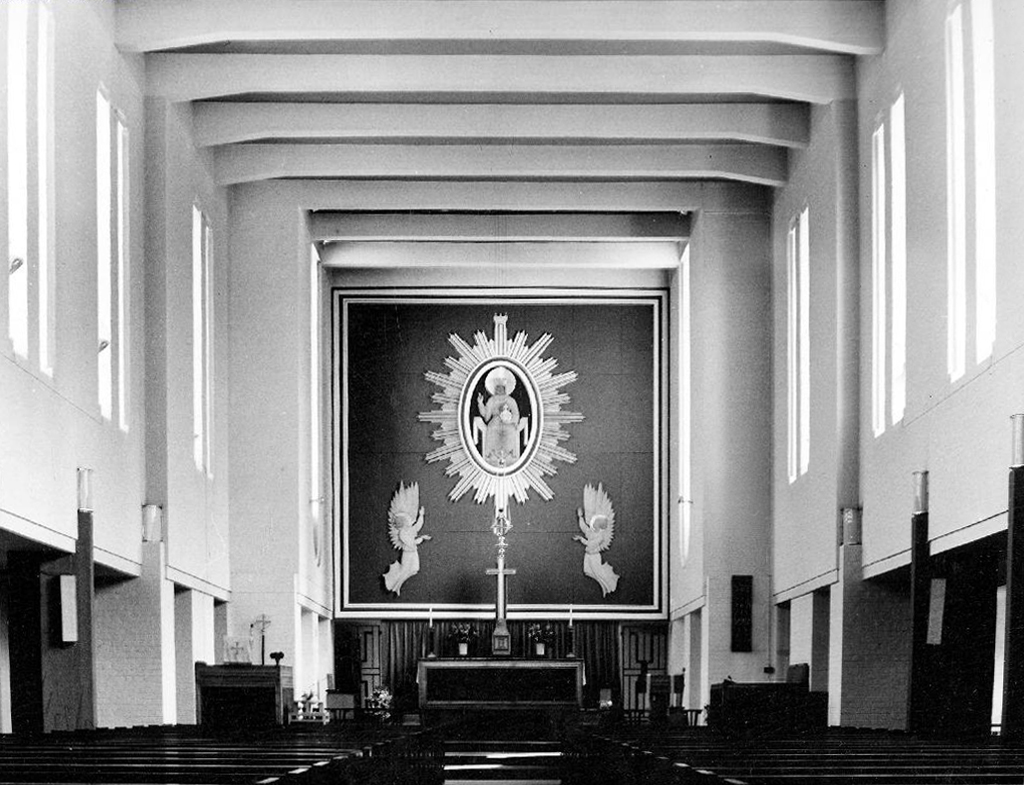
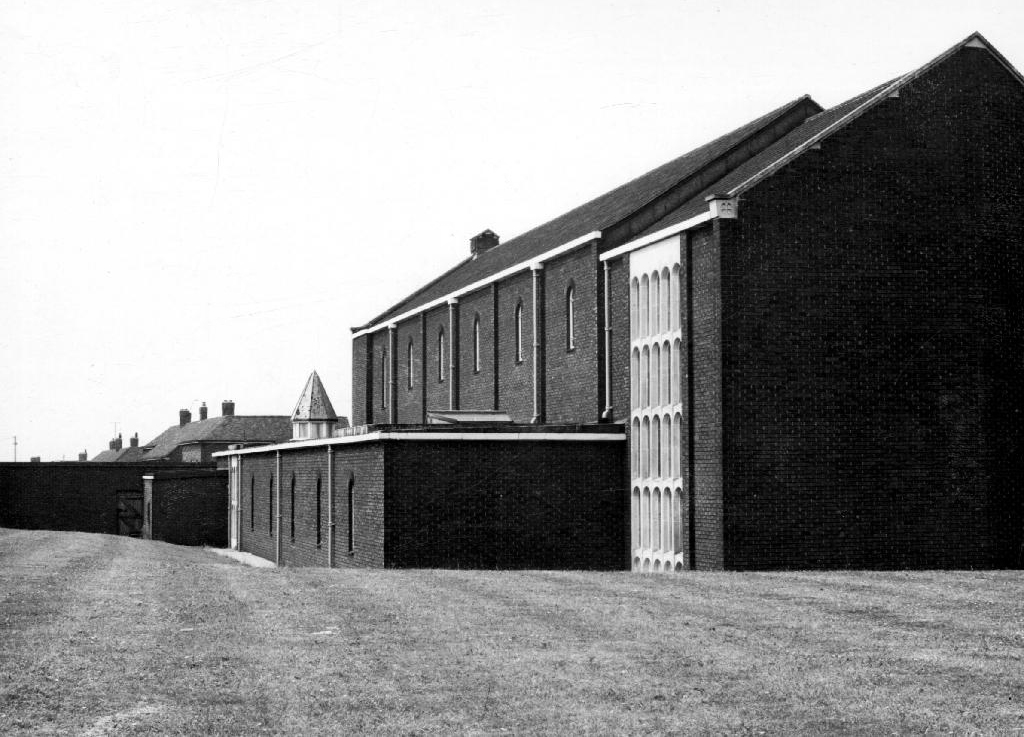
The Anglican Church of William Temple was opened in 1965 on the corner of Robinswood Road and Simonsway as the church of the Civic Centre. The mission was already well-established, having begun many years previously in Shadow Moss School Room, latterly operating in a dual-purpose building on Simonsway. The architect, George Pace, agreed with the proviso that he should not design a ‘pseudo’ building, but that it should be modern in concept. This he did and particular attention was paid to the acoustics with a view to music and drama being performed there. One of Pace’s stipulations was that, as with all the churches he designed, there must be no plaques attached to the walls commemorating the dedication of the church or in memory of anyone, for he said he built his churches to the Glory of God. The only lettered stone is on the back wall of the church and it has on it the date of the consecration and a symbol, which is Pace’s original sign for William Temple Church.

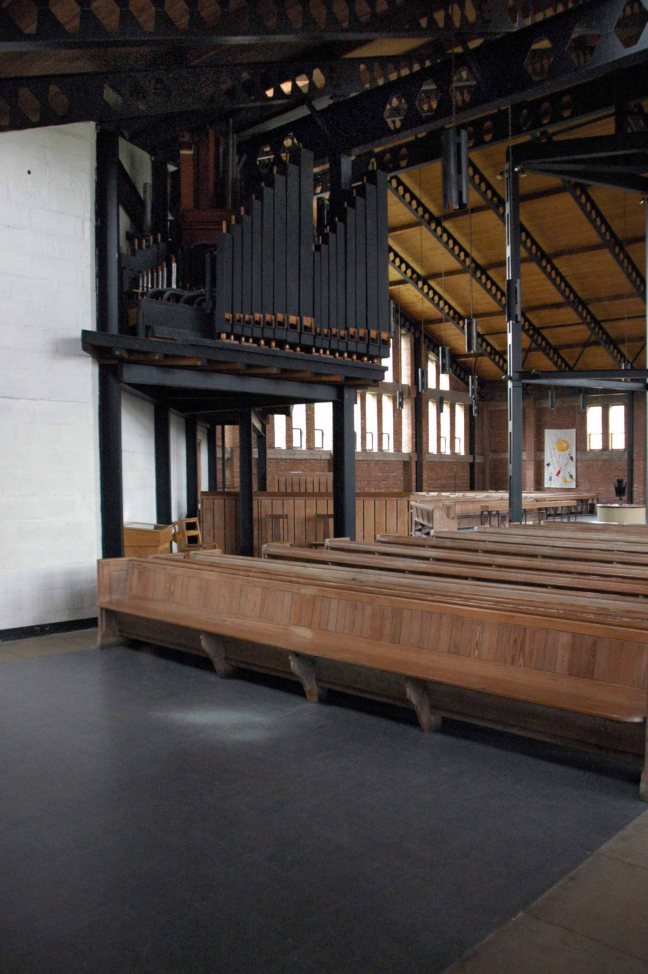
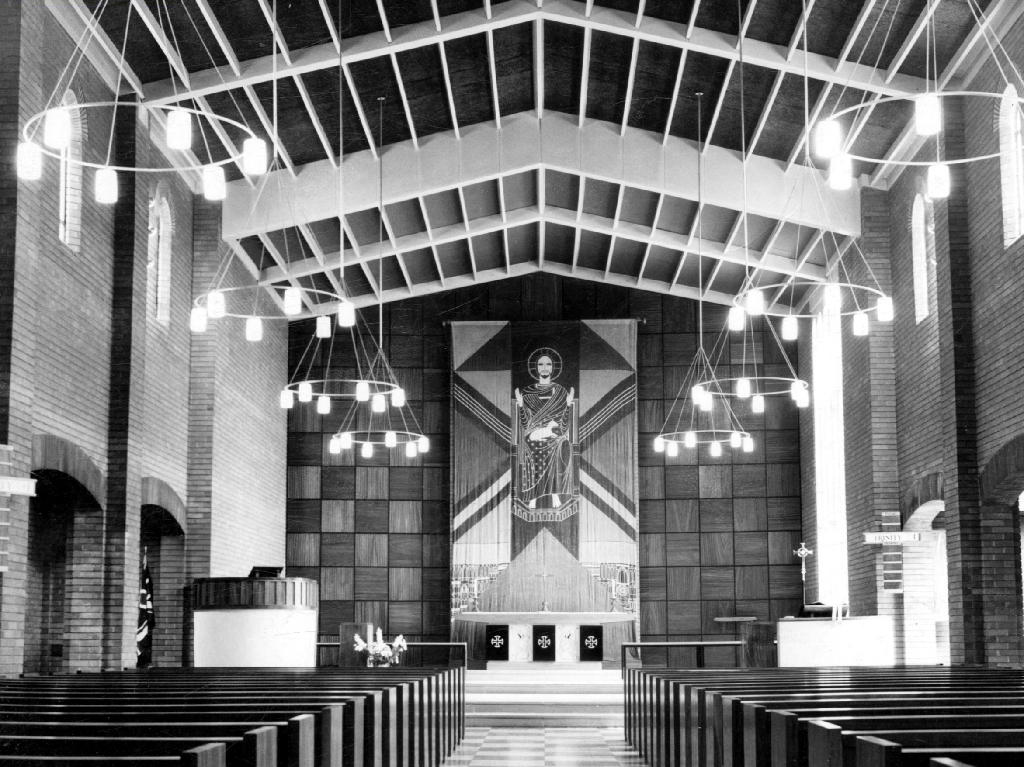
The internal supports of the church are black-painted steel girders, not romantically symbolising the industry of the area, as it is sometimes said, but because when it was discovered that the church had been built on swampy ground an extra £2,000 was needed for foundations; the wooden beams of the original design had to be changed for cheaper steel ones. There is symbolism, however, in the placing of the font between and beneath the three main weight-bearing supports of the church.

The pews have an interesting history, having been brought from derelict churches in and around Manchester. 

The present lady churchwarden said:

“whenever we heard of a church being demolished we borrowed Mr. Owen’s coal cart and went off to see if we could buy any of the pews. Many times I’ve sat on the back of the wagon, in the pouring rain, with the pews, bringing them back to Wythenshawe to be stored until our church building was completed!”

Some time after the building was opened, a fire damaged some of the pews. With the insurance money all the pews were stripped and bleached, giving an element of uniformity and a bright welcoming atmosphere in the church generally. An interesting thought was voiced that as many people living in Wythenshawe now had their origins near to the centre of Manchester they may be sitting in the same pews in which their ancestors once sat.

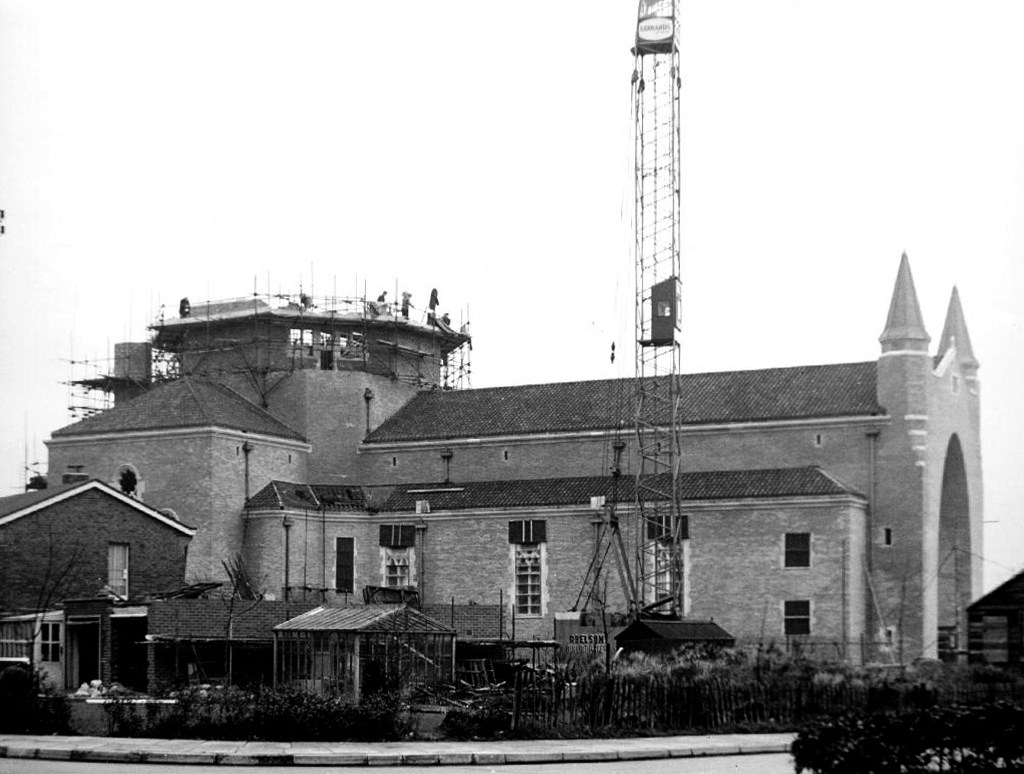
Onwards to St Anthony’s RC – seen here under construction.

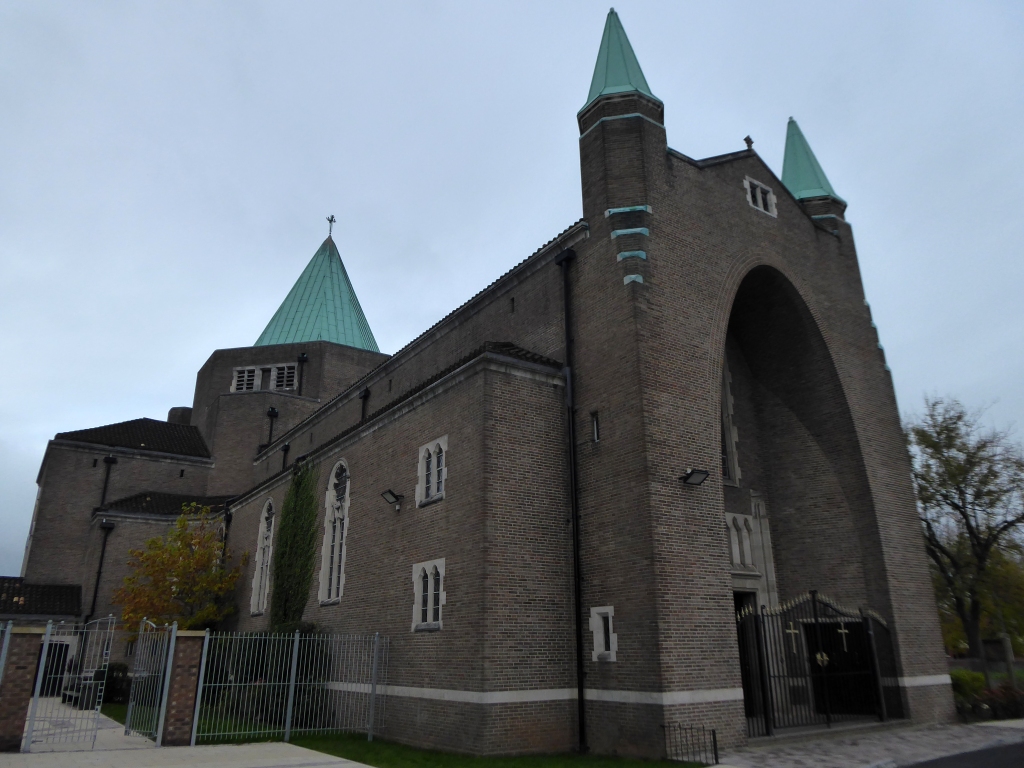
An imposing and monumental building by Adrian Gilbert Scott.

The church has a rich, little-altered interior with strong architectural qualities and notable furnishings. The church is described as ‘one of the few real landmarks of Wythenshawe’ and ‘beautifully built’, by Hartwell, Hyde and Pevsner 2004

The church was listed Grade II in 2014.

Taking Stock

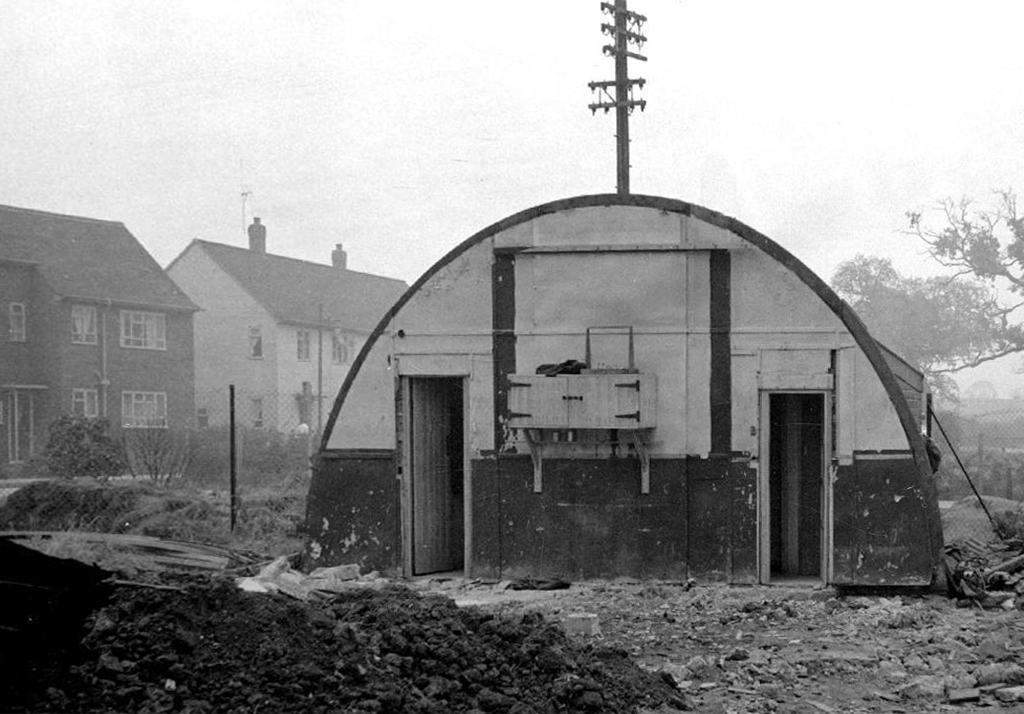
It replaced the Green Hut.

Backtrack to St Andrews Architects JCG Prestwich and Son 1960 – as seen by Comrade Yuri Gagarin 12th July 1961 – detailed here.

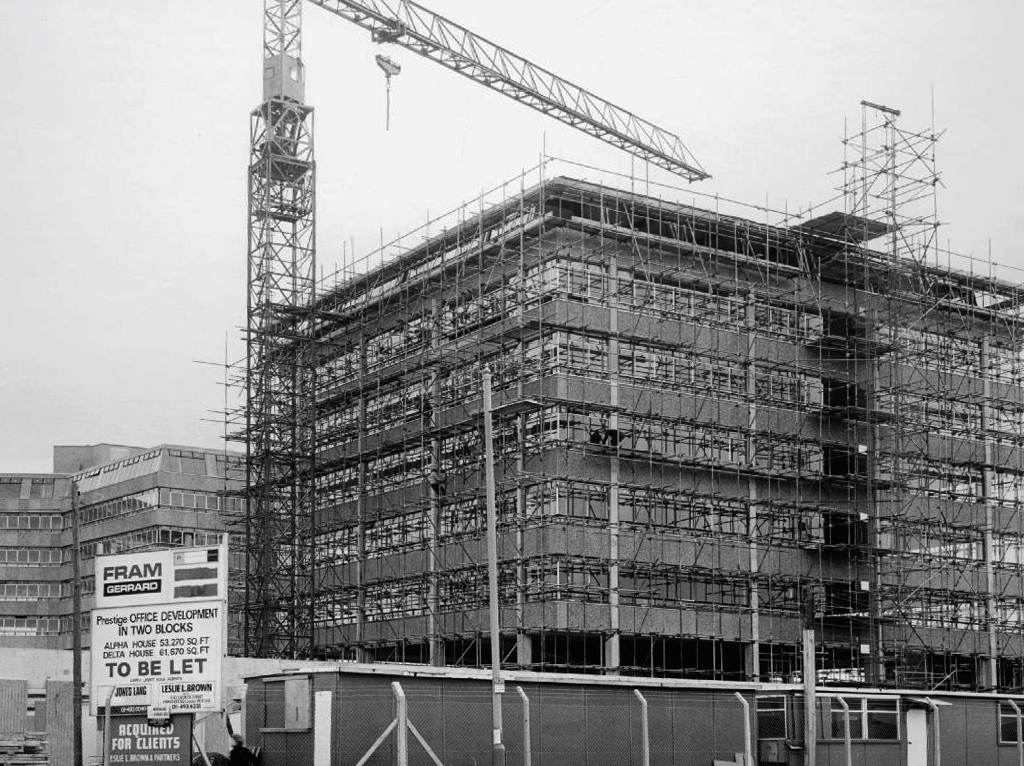
We now take a secular route around the back of the Civic Centre to look at Centron and Delta House.

Built in 1972 to encourage white collar jobs into the area, formerly occupied by Shell and the TSB, currently partially unoccupied.

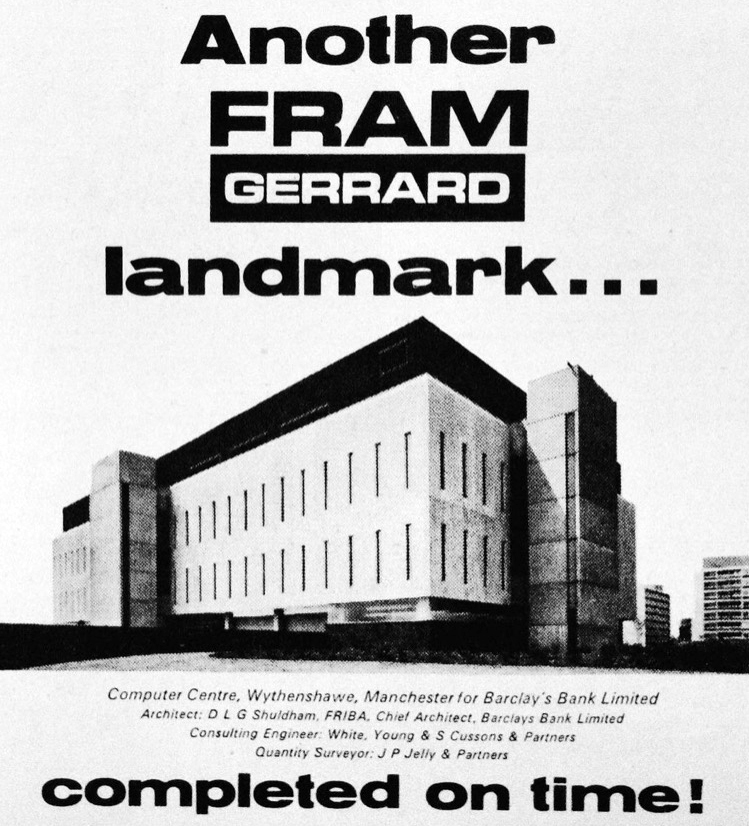
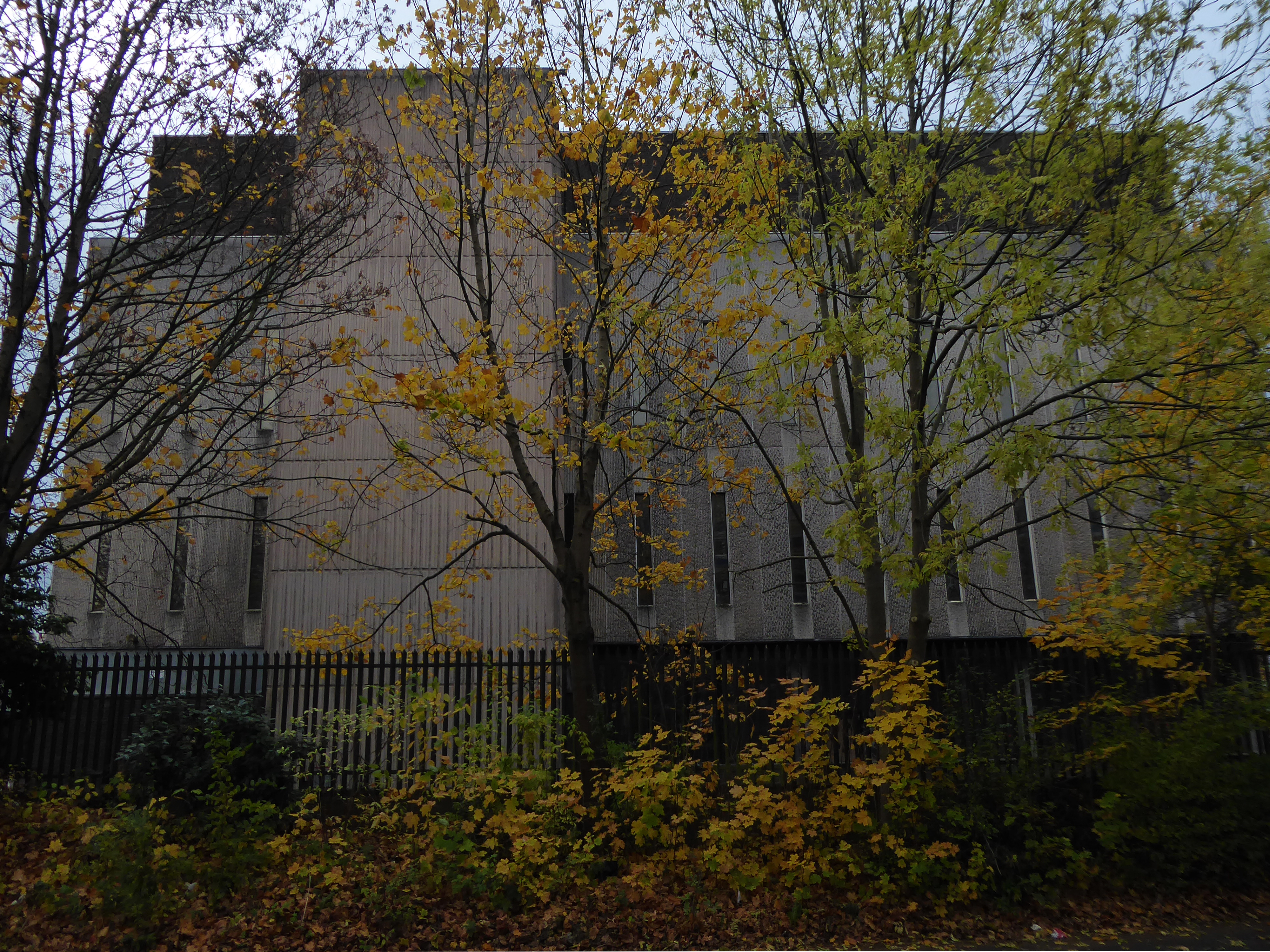
Across the way the former Barclay’s Bank IT HQ by DLG Shuldham the bank’s chief architect.

Just around the corner.

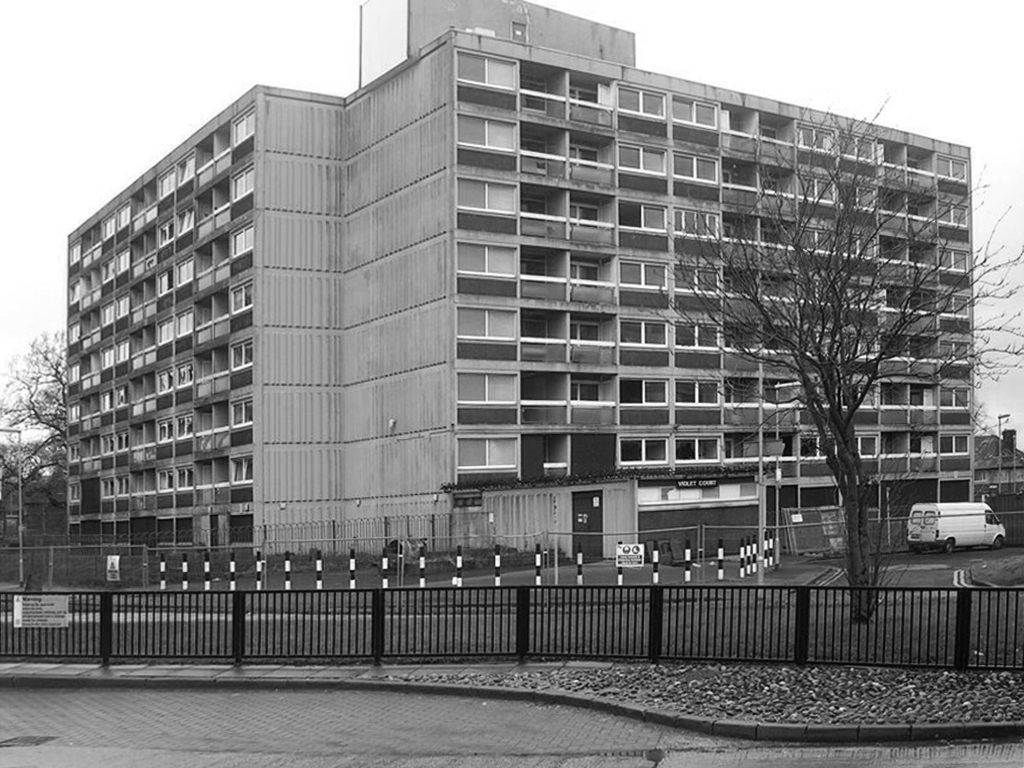
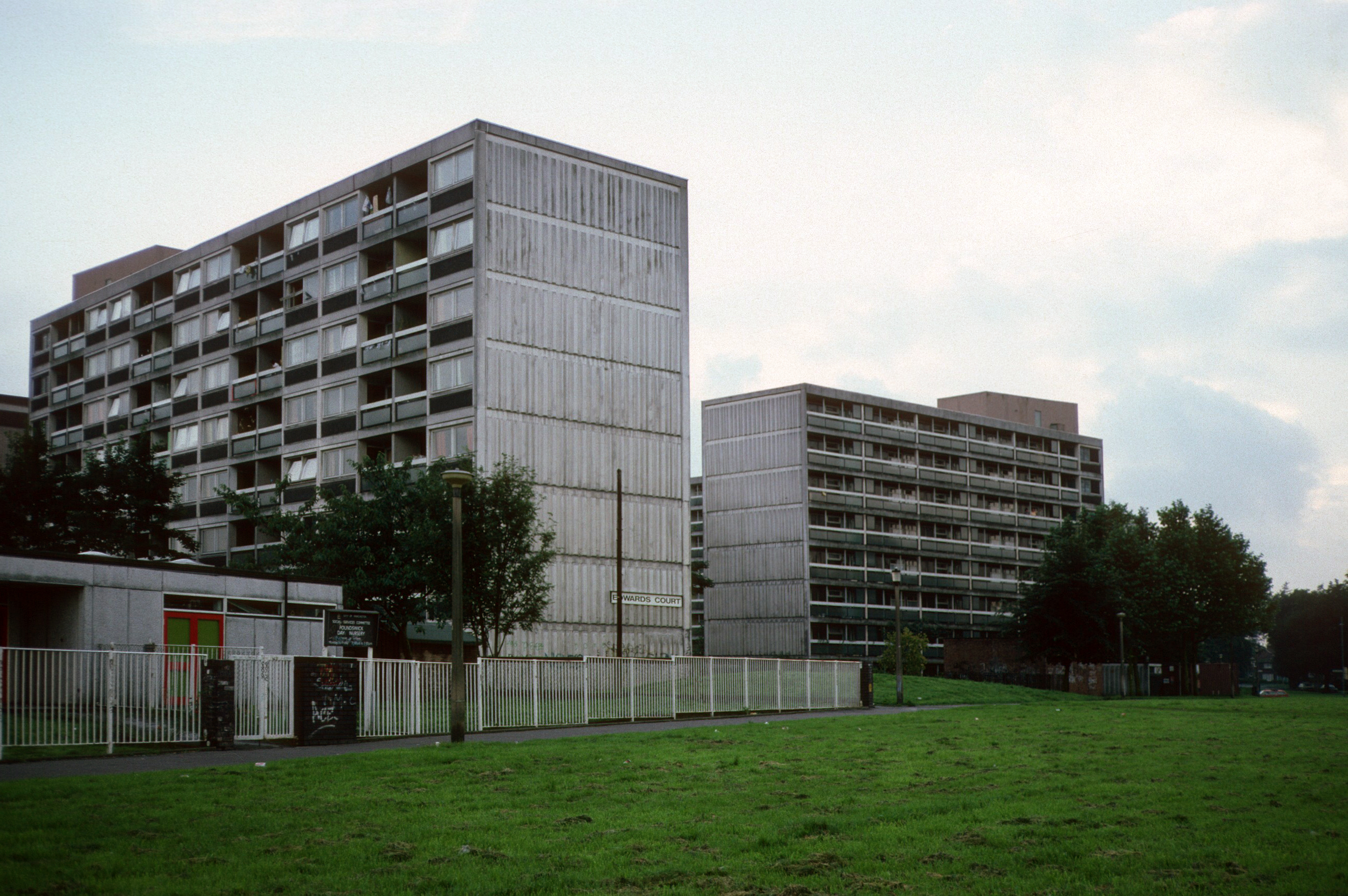
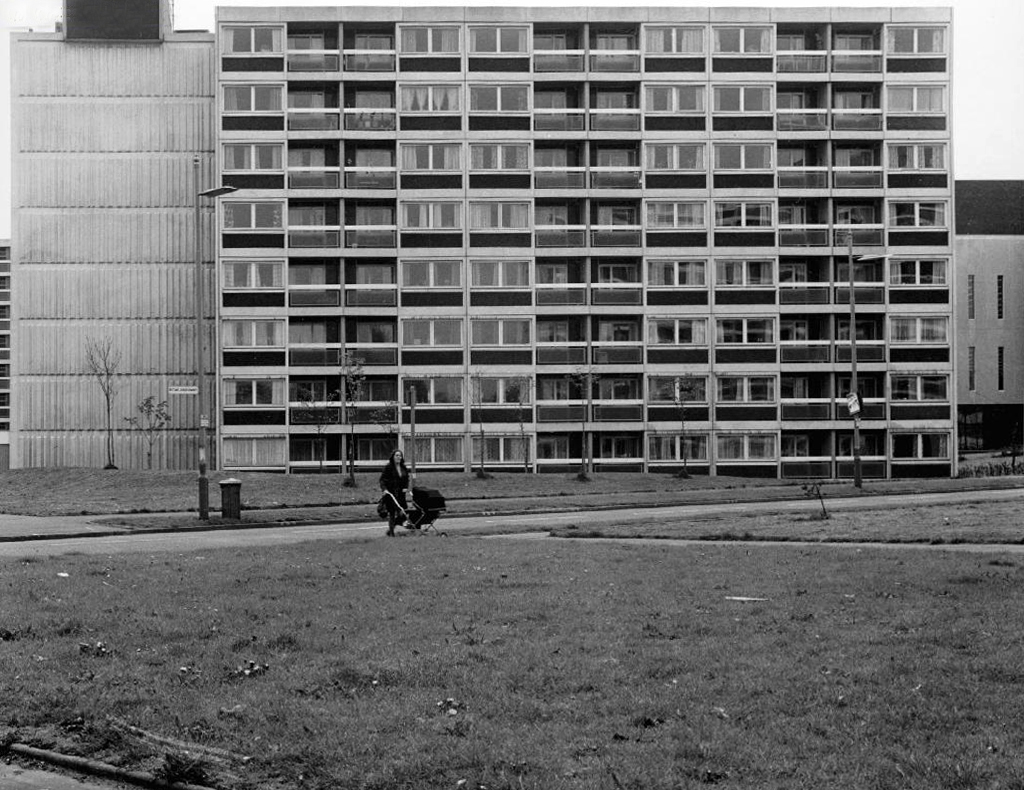
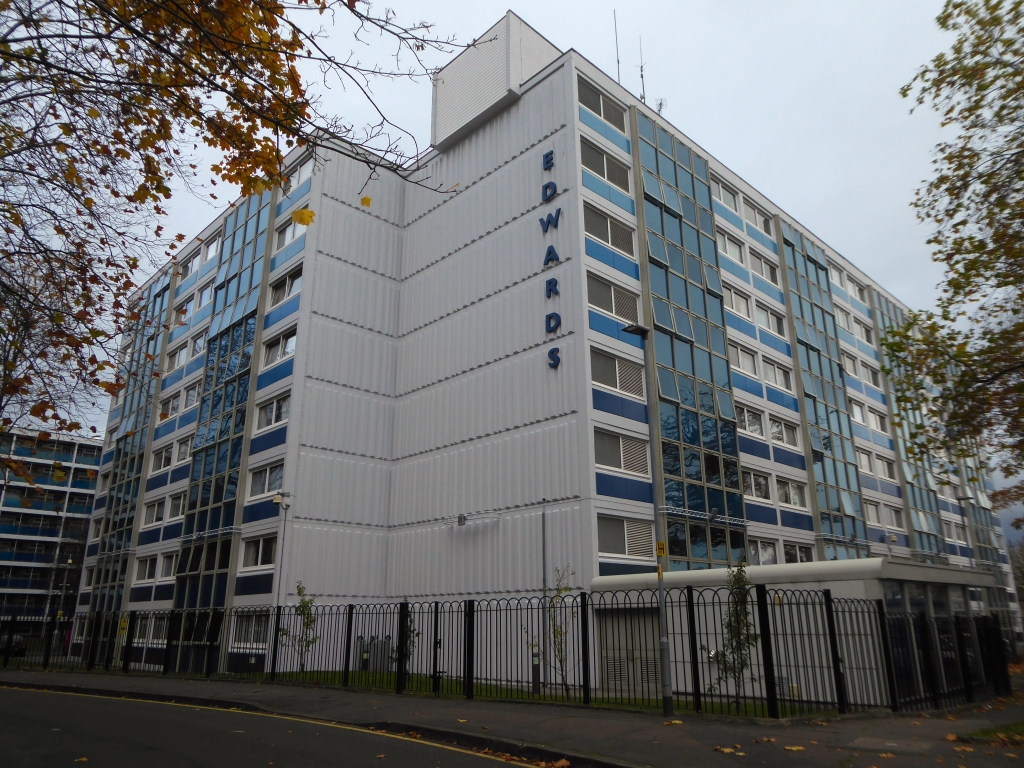
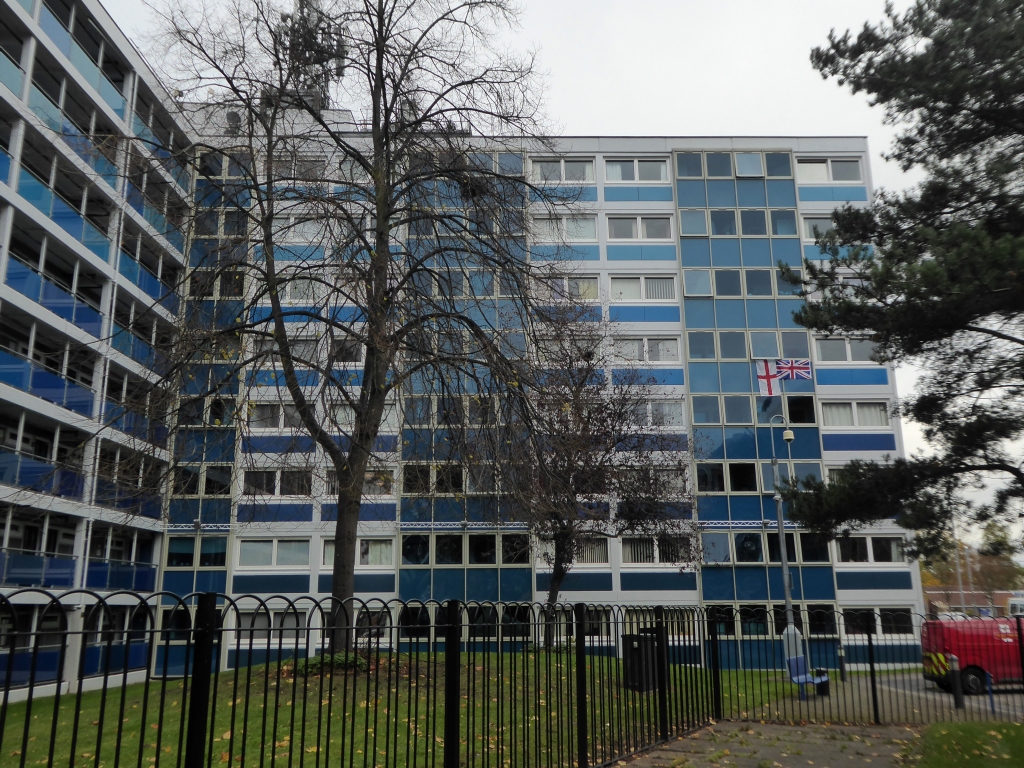
There were four eight-storey blocks of ‘Sectra’ flats that Laing built in Wythenshawe for Manchester County Borough Council, completed in 1967. The blocks were described by Laing in their monthly newsletter ‘Team Spirit’ in January 1968 as four blocks of specially designed eight-storey flats for elderly people.

Showing skeleton cladding, patterned end wall units and access balcony.

They were named Park Court, Violet Court, Birch Tree Court and Edwards Court.

Park Court and Violet Court have since been demolished to make way for retail space.
Violet Court

Tower Block 1987

Architect J Austen Bent

Local Image Collection 1972

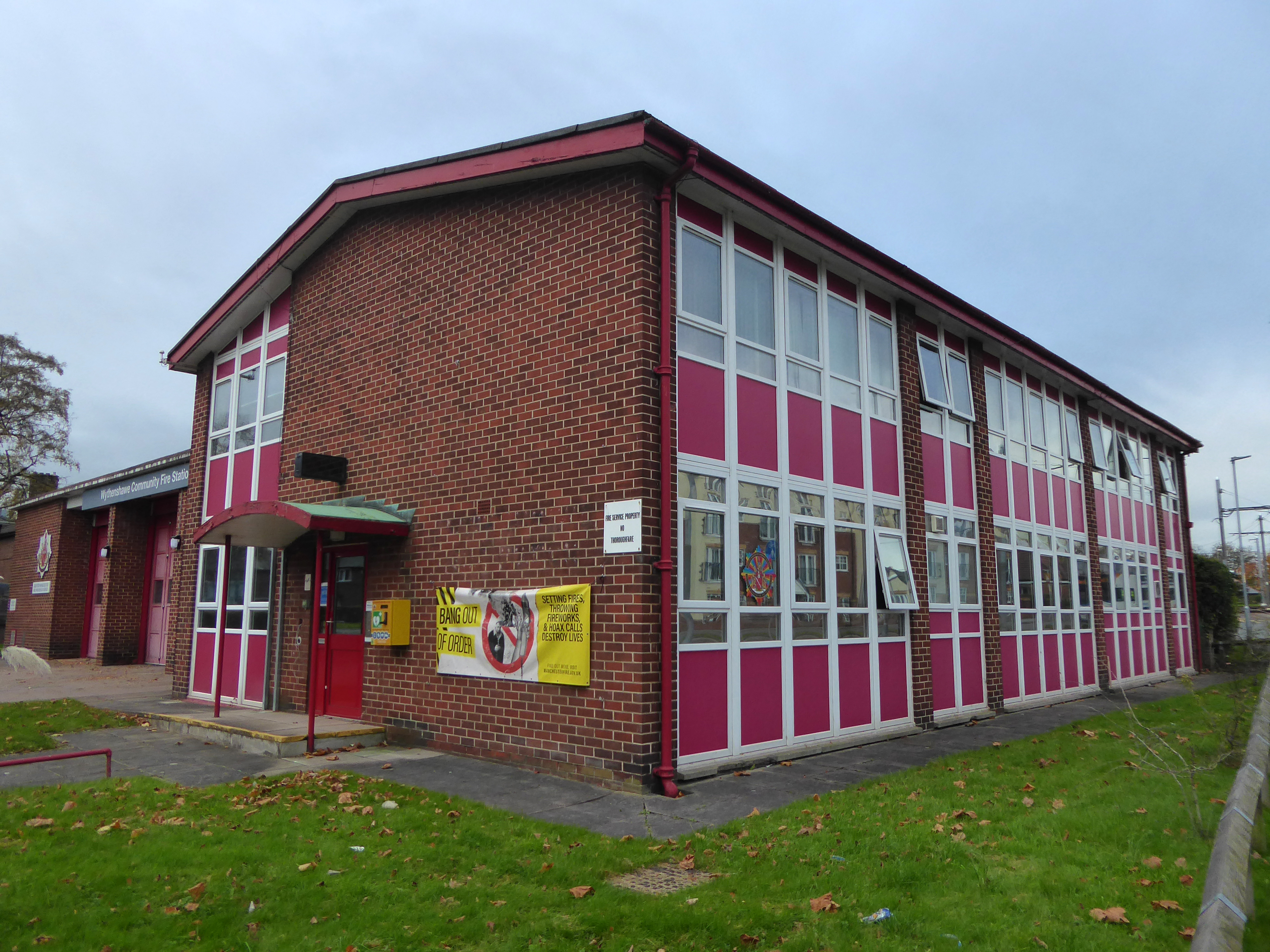
Onwards to the most exotic magenta fire station.

Then down the road to St Luke’s 1939 by W Cecil Young of Taylor and Young.

No striving after sensational effect is strived at – Pevsner.

Down the road we go to St Martin’s.

The church is the the work of Harry Fairhurst Architects 1958.

Opened 21st March 1959.

Across the road to Tin Town.

A mini-estate of impeccably kept, neat steel-framed prefabs, designed in 1946 by Frederick Gibberd. We got a tour around one, home to former Durutti Column drummer Bruce Mitchell. The space standards and architectural quality are, as Phil Griffin points out, way above those of contemporary central Manchester luxury loft living. 

Owen Hatherley – The Guardian

New residents were given the choice of an apple or pear tree.
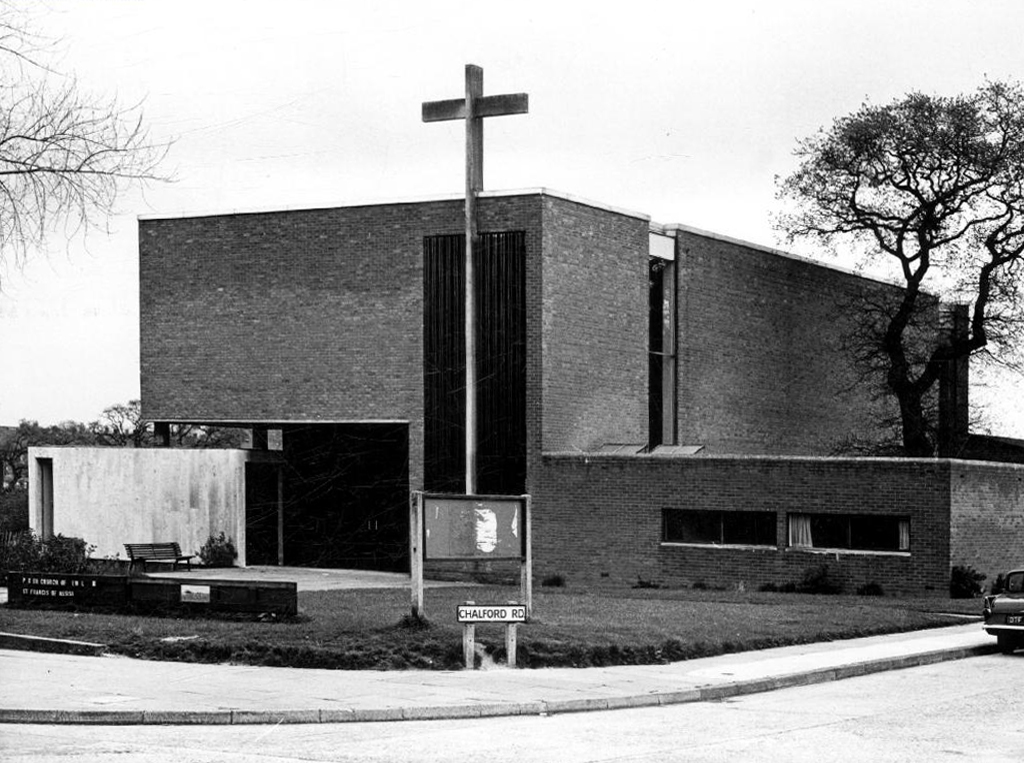
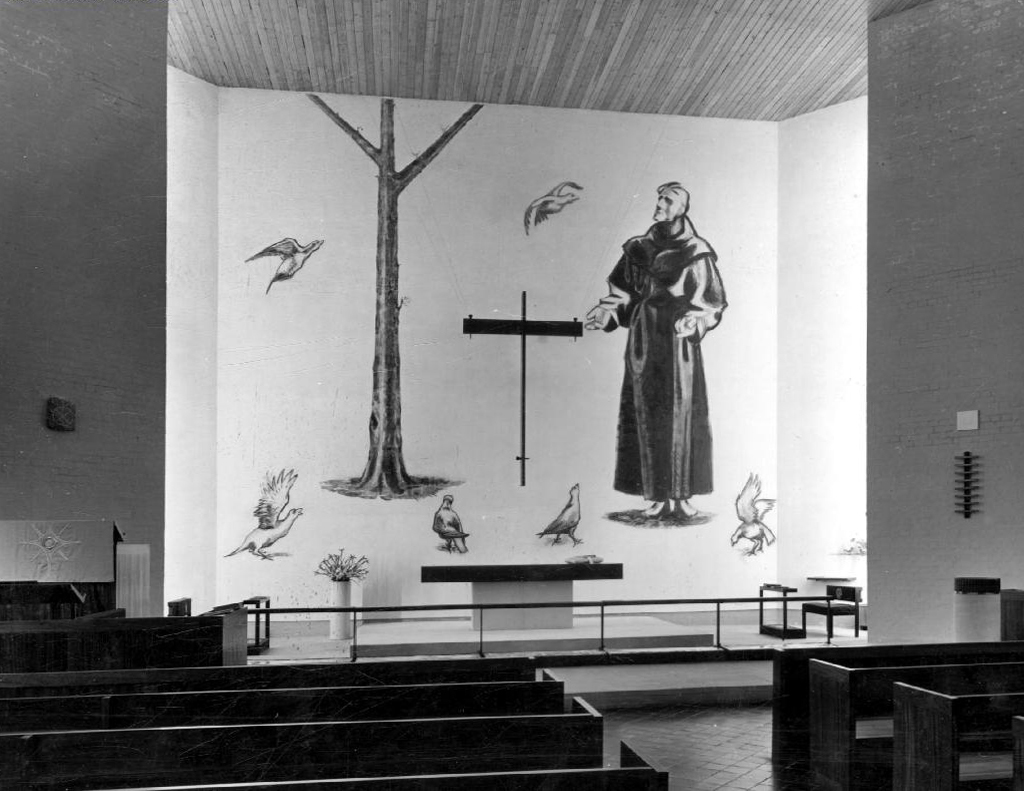
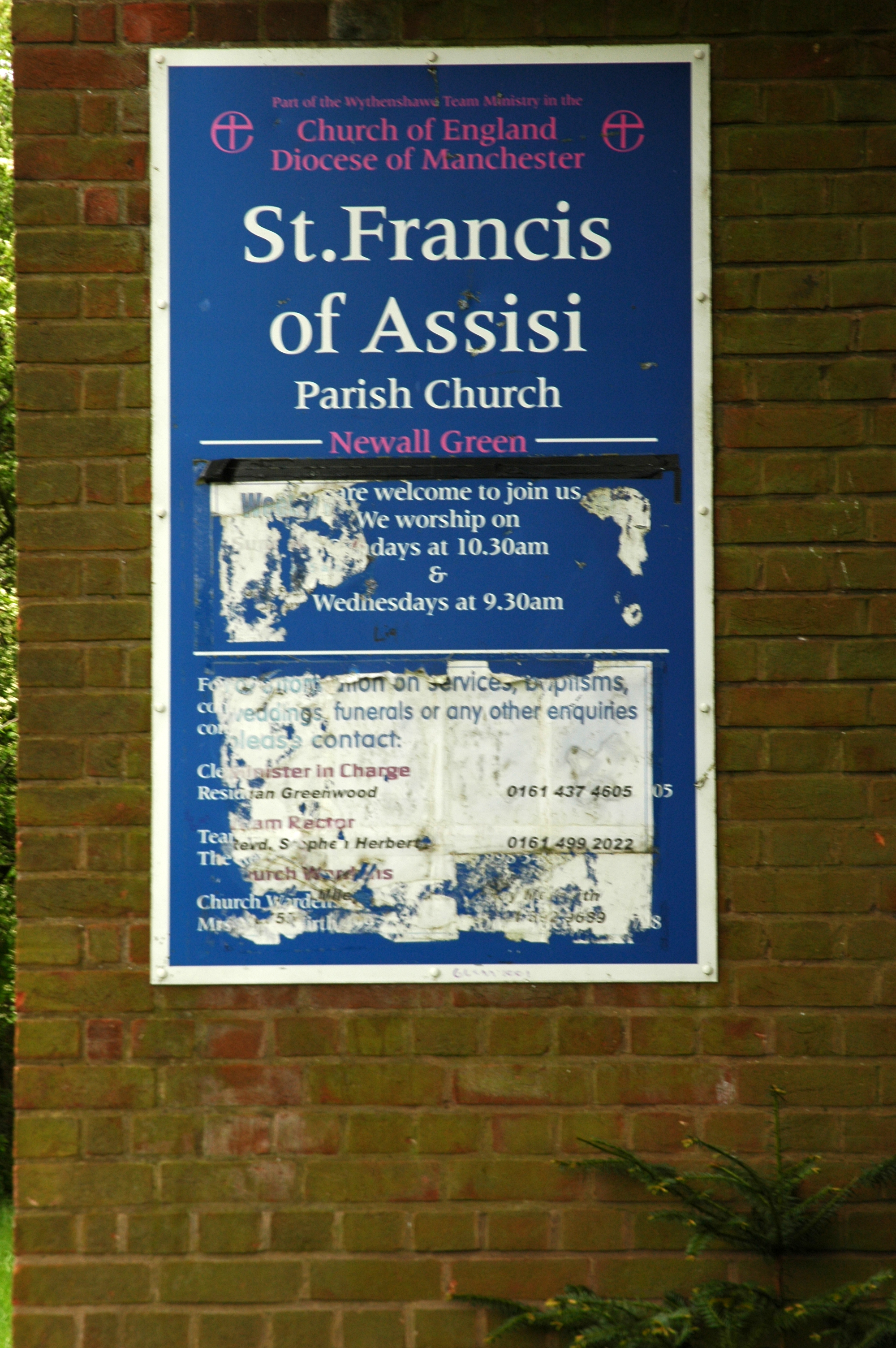
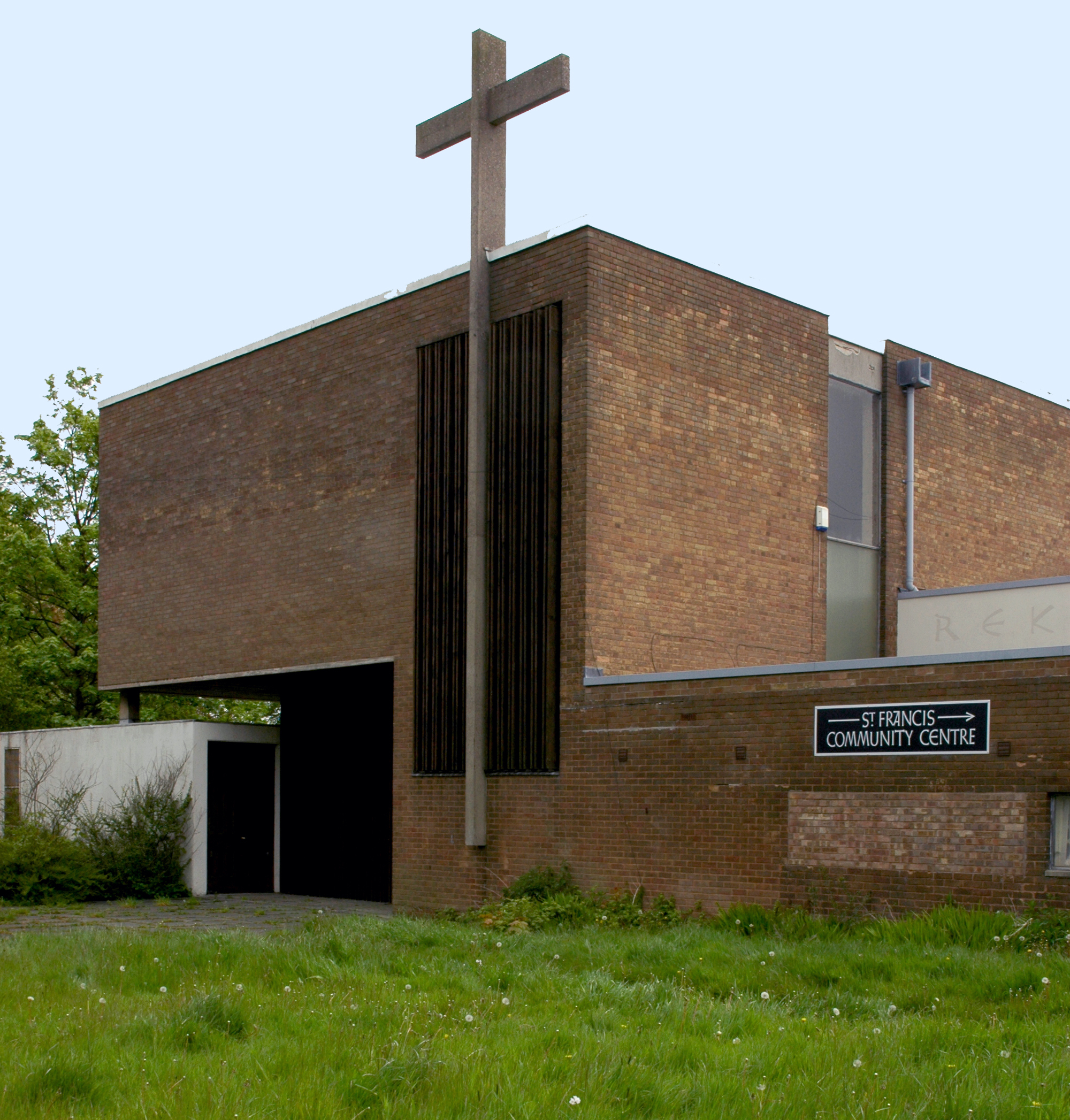
Finally arriving at Sir Basil Spence’s St Francis of Assisi.
2012

In December 1956 Basil Spence and Partners were commissioned to design St Francis Church in Wythenshawe, Greater Manchester. The project was part of a large building programme by the Manchester Diocese and was to service the new post-war housing estate at Newall Green. The site housed an existing hall that had been serving a dual-purpose as church and church hall but which reverted to use as a church hall once the new church was opened. The foundation stone was laid by Colin Skinner CBE on 23 April 1960 and the church was consecrated on 25 March 1961 by the Bishop of Manchester, W D L Greer.

The main building is predominantly brick; it is set back from the road by a landscaped courtyard that includes a brick tower and 73ft concrete cross. Another large cross rises from the front wall of the church itself making it highly visible from the surrounding neighbourhood.

The church can hold a congregation of 250. A small chapel is separated from the main church by a sliding screen and can be used independently for private prayer and mid week-services. On busy days the screen can be retracted to provide additional seating to the main church. A gallery over the entrance porch houses two organs and the choir.

Stoke Walk

We begin by doffing our caps to Josiah Wedgwood – who along with countless other unsung heroes defined Stoke on Trent as the heart of the pottery industry.

Stoke is polycentric, having been formed by the federation of six towns in 1910.

It took its name from Stoke-upon-Trent where the main centre of government and the principal railway station in the district were located. 

Hanley is the primary commercial centre.

The other four towns are Burslem, Tunstall, Longton, and Fenton.

Wikipedia

First up Federation House architects: Wood Goldstraw Yorath 1930 – described as Art Deco.

Built to house the British Pottery Manufacturers’ Federation now multiple occupancy.

Around the corner to the Staffordshire University.

Staffordshire University was founded in 1914 as a polytechnic intistution, and was officially given University Status on 16 June 1992. Our University is famous for its forward-thinking approach, and has become a figurehead for its vocational and academic teaching, innovative grasp of industry, and student employability.

Although our campus continues to expand to create dynamic opportunities, we are proud of our heritage in the great city of Stoke-on-Trent. Steeped in the history of ceramic manufacture and production, industry in Stoke-on-Trent has been fuelled by Staffordshire University for over 100 years.

The Flaxman Building 1970 was designed by City Architect Thomas Lovatt and built by the City Works Department – the last public works assignment before competitive tendering opened up public restrictions to private enterprise.

Named for to Wedgwood’s famous modeller the classical artist, John Flaxman RA 1755-1826. 

This concrete is very much in the style of William Mitchell – though there is no record of attribution.

The Regional Film Theatre opened in College Road, on the premises of North Staffordshire Polytechnic now Staffordshire University in 1974.

The North Staffordshire Film Society moved there to screen films one evening a week, while the Film Theatre operated on three nights a week. 

Across the way is the assertive slab tower of the 1950’s Mellor Building with its curvy cantilevered porch cover.

Out back is the wavy roofed Dwight Building.

Over the road the new build of the Cadman Studios 2016 ABW Architects.

Walking towards Hanley we come upon the newly built Stoke on Trent College and Sports Academy.

Only one block of the original build remains.

Photograph – 28 Days Later

Tucked away in Hanley Park is this period building.

It has been refurbished and the walkway enclosed since my previous visit.

hanley park was laid out in the 1890s by Thomas Hayton Mawson the pavilion of 1896 is by his associate Dan Gibson.

Further along the way we come upon Churchill House with its distinctive fire escape.

And original architectural signage.

Crossing the inner ring road to the sweeping canopy of the Hanley Bus Station Architects Grimshaw engineers Arup.

Wrapping a corner site, the canopy rises and falls to create a mutable form: appearing as a shimmering, contemporary shield to the south, and a welcoming timbered environment to the north with sweeping views to Victorian Hanley.

Tapered down at the ends to shelter waiting passengers from the prevailing wind, the roof extends beyond the station edge to connect with the neighbouring public plaza.

Sitting atop a Staffordshire blue brick plinth with a Carlow blue limestone concourse, the station adopts materials that are resonant in this area. Its gracefully sweeping canopy belies the challenging site constraints, which were carefully resolved to accommodate the difficult routing of buses, the creation of a safe, sheltered environment for passengers and drivers, and a sloping site underpinned by clay and coal.

The former bus station and precinct long gone.

Above the former bus station looms Blackburn House home to HMRC, an imposing brown brick behemoth.

Photo James Morgan

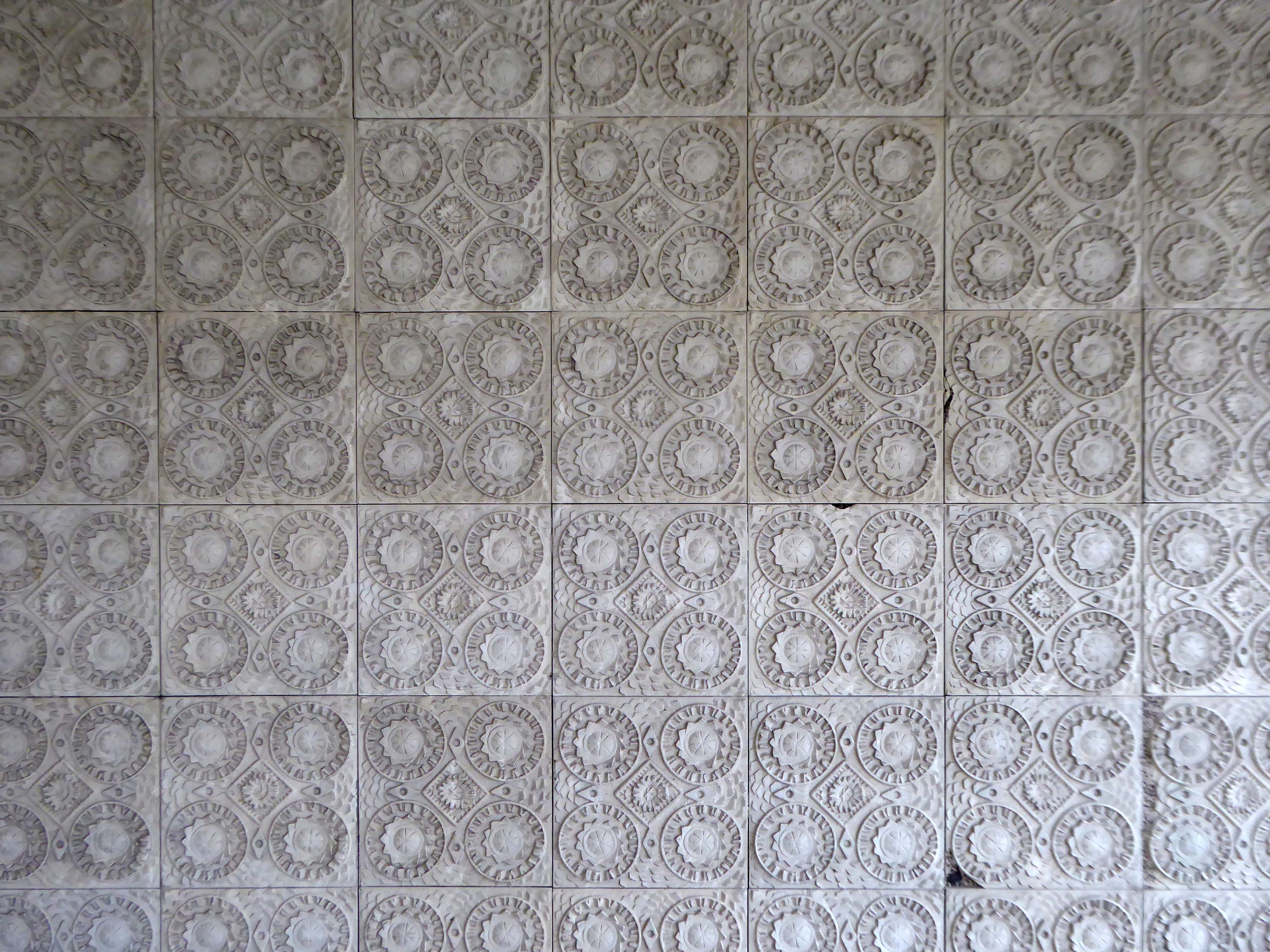
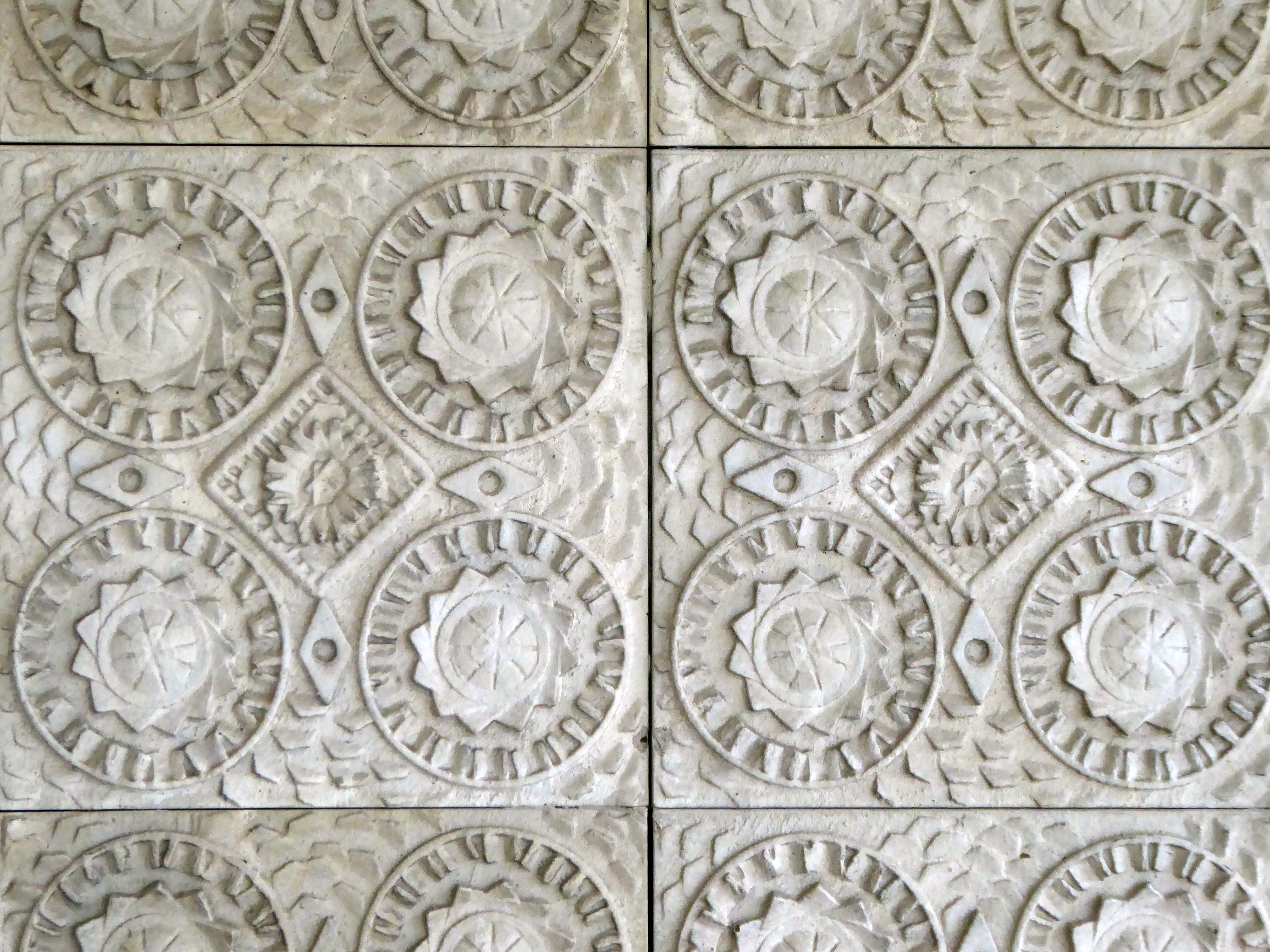
Previously C&A currently Wilko – adorned with these enchanting Tiles.

This little-noticed panel is composed of six inch surface-textured tiles in a variety of muted tones, mainly greens, purples and blues, some with geometric reliefs. The mural is unusual because it is one of the few surviving installations produced by Malkin Tiles; at least one of the motifs is from their ‘Turinese’ range marketed during 1961-8 and designed by Leonard Gladstone King, Malkin’s art director.

Tile Gazetteer

Over the road Radio Stoke HQ 1968 – formerly home to Hanley Economic Building Society.

Crossing back through town and over the ring road to look at some tiles.

Malkin Tiles of Burslem

Attached to some towers.

Surrounded by housing.

But missing this bridge – which was demolished in 2020.

Back into town again to look at the Burton’s.

Photo: Stoke Sentinel

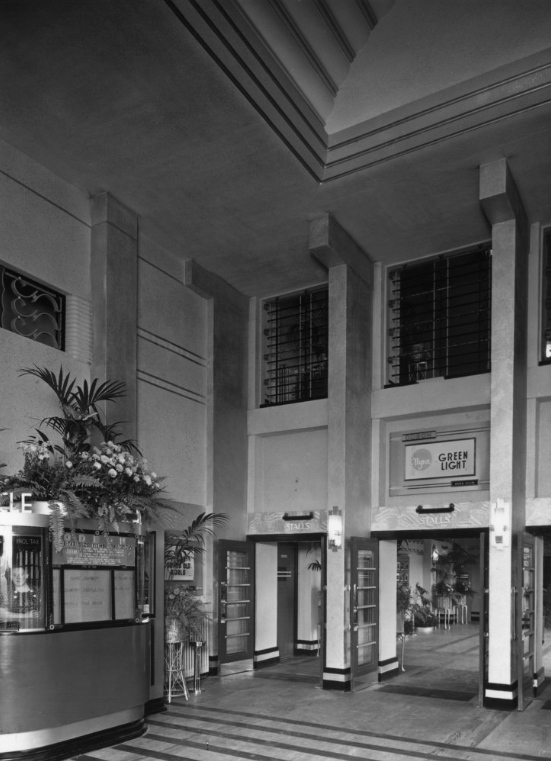
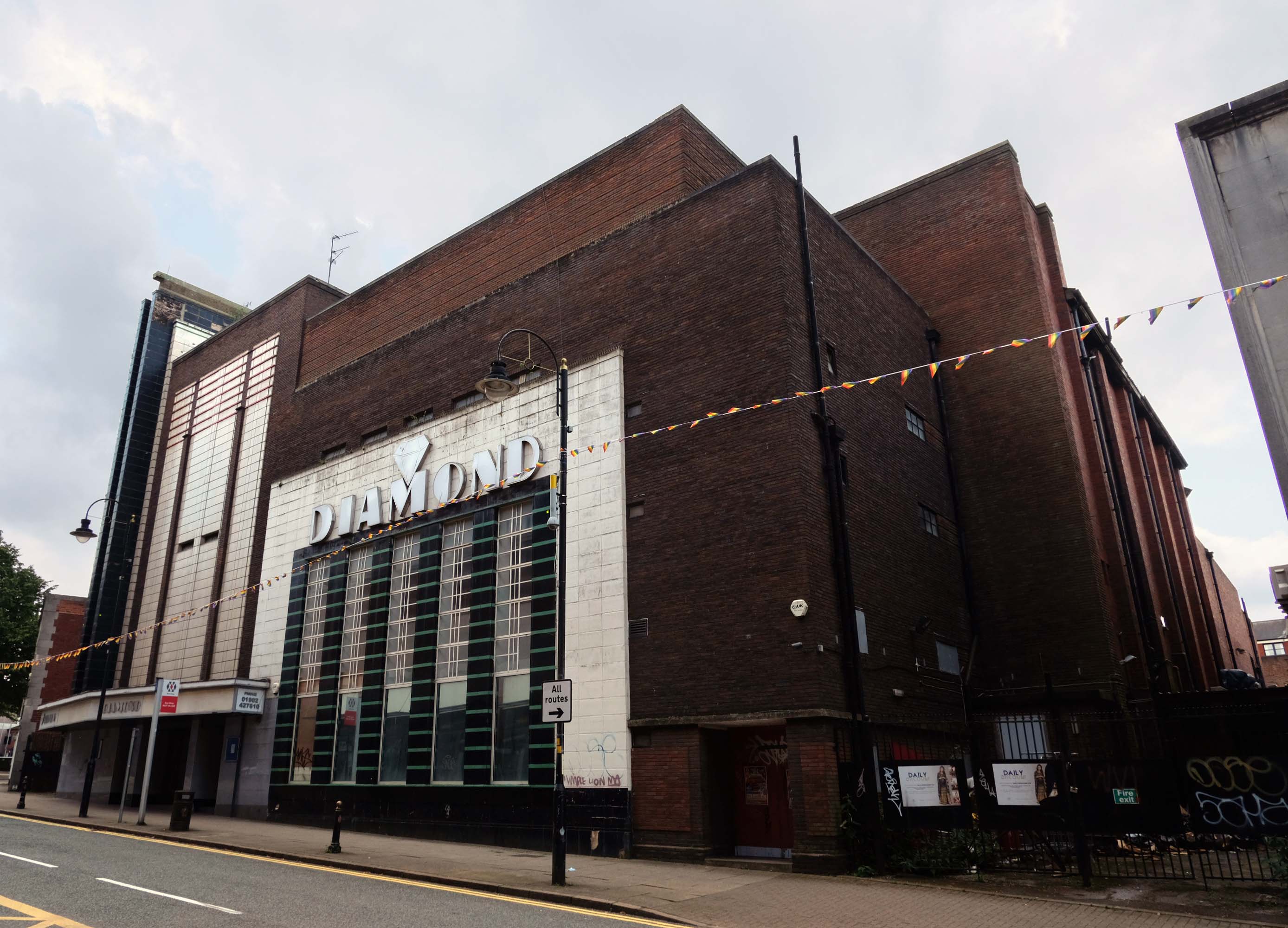
Odeon Cinema – architects: Arthur J Price and Harry Weedon 1938

The Odeon was one of the original cinemas in the Oscar Deutsch chain of Odeon Theatres Ltd. It was opened on 13th February 1938 with Max Miller in “Educated Evans”. It had a very small entrance at the corner of Trinity Street and Foundry Street, with a slender fin tower on the left side, and clad in cream faience tiles. The bulk of the auditorium was along Foundry Street, and seating was provided for 1,036 in the stalls and 544 in the circle. Decoration was in a typical Odeon style, with several troughs across the ceiling containing concealed lighting.

The Odeon was closed by the Rank Organisation on 15th November 1975 with Roger Daltrey in Tommy. The auditorium decoration was stripped out in the early-1980’s, and by 1982 it was used for storage, when on 4th August 1982, it was partially damaged in a fire, although the main shell of the building was not damaged. By 1991, the building was standing derelict.

By 1999, a bar was operating in the former foyer area. By 2003, the former auditorium had been brought back to use as a Chicago Rock Café. In 2008, the building had become a bar & nightclub named Revolution, with the former foyer in use as a bar named The Base.

In December 2021 plans were announced to demolish part of the former Odeon Theatre to build flats.

Cinema Treasures

Photo: RIBA Pix 1937

Next door the former Stoke Sentinel newspaper offices.

You simply cannot miss the BT Hanley Tower.

And its elderly listed relation of 1900.

Up toward the Potteries MuseumJR Piggott City Architect 1956.

It has undergone extensive exterior reworking by Wood Goldstraw Yorath

Including the brick mural Industries of the Potteries 1981 Sculptor: G H Downing Designer: Frank Murrier

And recent extension of 2021.

Designed by Glancy Nicholls Architects, the team worked collaboratively through the SCAPE framework to design a 3,800 square foot extension. The facility includes bespoke structural glazing, which enables the Spitfire to be viewed from outside of the museum.

Morgan Sindall Construction

Next door the City Library and Archive 1968-70 by JW Plant City Architect.

The Archive is moving next door to the Museum.

With its its ultra smart relief out back and around the front cantilevered canopy.

Next door the former Cop Shop with the final wavy feature of the day – all yours for a cool £1,500,000

Hanley Tiles

What a pleasant surprise to visit the flats adjoining Wellington Street and find two of the 1967 tower block tiled walls intact.

The blocks were designed by JW Plant – City Architect

Two colour ways in Modernist geometric order, displaying the Malkin Tiles to full effect.

As seen in Eastbourne.

Hanley Housing

A tale of tower blocks and low rise terraces and maisonettes.

The first group of 1965, the work of City Architect JW Plant grouped around Westwood, Wellington and St Lukes Courts three 12-storey blocks containing 138 dwellings named Bucknall New Road Stage I.

Photographs Tower Block

From a time when civic pride celebrated the development of social housing with a small plaque.

Two blocks have retained their distinctive tiles.

Similar to the Burslem produced Malkin Tiles I have seen in both Eastbourne and Halifax.

The second group Bucknall New Road Stage II 1968 – also the work of JW Platt Seddon, Northwood and Lindop Courts.

There are plans afoot awaiting finance to demolish and replace some of the terraces, as part of a wider plan for the City’s social housing.

The project would see the council join up with a social property investor and apply for government funding for the works.

The plans would see 226 apartments at Bucknall New Road, and 51 flats and 62 houses at Pyenest Street.

A total of 155 low rise flats and maisonettes at Bucknall New Road would be cleared, creating a net gain of 224 new affordable homes.

Cllr Randy Conteh, cabinet member for housing, communities and safer city, said: “This is a major initiative for the city and the first time a scheme of this scale and ambition has been developed.

Insider Media LTD

Staffordshire University

Moments from Stoke Station lies the central campus.

Staffordshire University was founded in 1914 as a polytechnic intistution, and was officially given University Status on 16 June 1992. Our University is famous for its forward-thinking approach, and has become a figurehead for its vocational and academic teaching, innovative grasp of industry, and student employability.

Although our campus continues to expand to create dynamic opportunities, we are proud of our heritage in the great city of Stoke-on-Trent. Steeped in the history of ceramic manufacture and production, industry in Stoke-on-Trent has been fuelled by Staffordshire University for over 100 years.

The Flaxman Building 1970 was designed by City Architect Thomas Lovatt and built by the City Works Department – the last public works assignment before competitive tendering opened up public restrictions to private enterprise.

Named for to Wedgwood’s famous modeller the classical artist, John Flaxman RA 1755-1826. 

Fred Hughes

The Regional Film Theatre opened in College Road, on the premises of North Staffordshire Polytechnic now Staffordshire University in 1974.

The North Staffordshire Film Society moved there to screen films one evening a week, while the Film Theatre operated on three nights a week. 


Across the way is the assertive slab tower of the 1950’s Mellor Building with its curvy cantilevered porch cover.

Currently Pozzoni are undertaking posed refurbishment.

Out back is the wavy roofed Dwight Building.

Over the road the new build of the Cadman Studios 2016 ABW Architects.

Salford Walk

We begin on the Crescent – taking in the former AUEW Building.

B&W images copyright USIR Archives

It became part of Salford University’s estate, renamed the Faraday Building.

It is currently unoccupied.

The University’s Masterplan is shifting emphasis to the Peel Park and Media City sites.

Also leaving Crescent House in limbo.

The original master plan would have swept away the Victorian Technical Institute and Salford Art Gallery.

Across the road are the Maxwell Buildings.

They were built between 1959 and 1960 to a design by the architect C H Simmons of the Lancashire County Architects Department.

The interior decorative order of Sixties’ institutions was integral to the architectural design, sadly this is no longer so.

The hall has a great musical heritage.

Featuring the Fast Cars who we have previously encountered in Swinton at the Lancastrian Hall.

Which may be the subject of ambitious redevelopment.

Take a turn around the corner to the Cockcroft Building.

The east facing mural painted out and obscured by retrofitted infrastructure.

These incised stone panels obscured by plants.

To the left is the Clifford Whitworth Library – this is the original architectural impression – signed Peter Sainsbury.

The original fascia was tile clad.

Subsequently replaced by uPVC boards.

Yet again the original interior was integral too the architectural scheme and period.

Across the way the Chapman Building.

It was designed by WF Johnson and Partners of Leamington Spa, as a lecture theatre block and gallery. It sits with its long axis running parallel to the railway behind. The series of grey volumes, occasionally punctuated by colourful floods of red and green trailing ivy, hang together in a less than convincing composition. The orientation and access to the building seem confused and detached from any cohesive relationship to the rest of the campus, but there is something perversely attractive about the right essay in the wrong language. The reinforced concrete building contained five lecture theatres, communal spaces, an art gallery, AV support areas and basement plant rooms. Following a major refurbishment in 2012, several additions were made to the exterior and its total concrete presence somewhat diminished. It still houses lecture theatres and a number of other learning and social spaces.

Mainstream Modern

To the rear of the building there are some of the original details, now painted a series of funny colours.

A ways down the road the former Salford Technical College.

Now the part of the University of Salford, this grouping is probably the most significant work by Halliday Meecham during this period. The blocks wrap to almost enclose a courtyard and they step up in height towards the rear of the site. To the front is a lecture theatre block in dark brick. The multi-storey elements are straightforward in their construction and appearance and have had their glazing replaced. Perhaps the richest elements here are the three totemic structures by artist William Mitchell, which were listed at Grade II in 2011. Mitchell was actively engaged with the experiments of the Cement and Concrete Associations during the 1960s and produced a wide variety of works for public and private clients; other works regionally include the majority of the external art and friezes at Liverpool Metropolitan Cathedral and the Humanities Building at Manchester University. These textured concrete monoliths appear to have an abstract representation of Mayan patterns and carry applied mosaic. They were made on site using polyurethane moulds. There is another Mitchell work hidden behind plasterboard in the inside of the building.

Mainstream Modern

Subsequently assimilated into the University.

Across the A6 the former estate pub the Flemish Weaver is currently shrouded in particle board and in use as a base for construction workers.

Just down the way The Woolpack is no more.

April 1965 saw the Salford City Reporter proudly boast in an article that

The Ellor Street dream begins to come true – complete with interviews with residents of the newly constructed Walter Greenwood, Eddie Colman and John Lester Courts all which towered some 120 feet above the Hanky Park skyline.

These particular blocks of flats were of special significance because their completion was the end of the first stage of the Ellor Street redevelopment scheme which was to provide 3,000 new homes, the £10 million pound Salford Shopping Precinct and a new civic centre – which never got built – making this A Salford of the Space Age.

Salford Online

The tower blocks are now clad and the site a construction base for cladders.

Full details of Salford’s complex and extensive redevelopment can be found here at Tower Block.

Walter Greenwood Court was demolished in 2000/2001, whilst Eddie Colman and John Lester Court are now student accomodation for the nearby Salford University.

Onwards and underwards towards Salford Shopping City.

The construction of the shopping centre and surrounding areas continued and on 21 May 1970 the new Salford Market officially opened. From 1971 onwards new shops inside the precinct itself began to open.

However, due to a lack of funds and a political scandal which saw chairman Albert Jones jailed for eight months construction of Salford Precinct was halted. The site had only 95 shop units compared to the proposed 260, the hotel and two storey car park were never built.

The architectural core of the site has been retained, including the 23 storey Briar Court residential tower.

Tucked in behind is Mother of God and St James RC Church.

Clearances took place from the middle of the twentieth century and new high-rise housing blocks were built, as well as a shopping centre.

There was a Catholic presence in the area from 1854, when schools were built. What was described in The Tablet as a beautiful church, an Early English Gothic design by M. Tijou – presumably Herbert Tijou, architect of the chapel to Loreto College, Manchester, was opened by Cardinal Manning, Archbishop of Westminster in 1875.

One hundred years later this church was demolished and replaced by the present building.

The architects were Desmond Williams & Associates, the design bearing some similarity to their St Sebastian, Salford. In 2010 the church of All Souls, Weaste, was closed, and the marble sanctuary furnishings brought to the church.

Description

All orientations given are liturgical. The church is steel framed with brick walls and a monopitch roof (originally covered with copper, now with felt).  Bold brick forms create a presence, and the design is somewhat defensive, with few windows. The building is entered from a lower porch which forms a narthex. The slope of the roof and the stepped clerestory lighting create a striking impression inside, and full-height windows towards the east end incorporate stained glass figures said to have originated in the previous church. Marble sanctuary furnishings are presumably those from the church in Weaste and appear to be of later twentieth century date, while the font is of traditional type with a clustered stem and may have come from the earlier church.

Taking Stock

Returning to The Crescent the High Street Estate is all but demolished, save for one resident and their row.

This is an area which has seen a succession of clearances, redevelopment and shifts in demographics during a relatively short and intense period of change.

That process of change continues to hastily unfold.

Haley Hill Flats – Halifax

The New Bank Development – aka Range Lane or Haley Hill.

Built in 1964 – Architects Leonard Vincent and Ray Gorbing.

Tower Block 1987

Forming part of my Halifax Walk.

Having seen Mandy Payne’s pictures over on Instagram – I hastened to Halifax.

Intrigued by the Oscar Niemeyer style stairs.

Here are my pictures.

Beacon House – Whitley Bay

Granada Way
The Guardian

Beacon House Whitley Bay completed 1959.

Client: JM Liddell

Photograph: David Bilbrough

Cycling twixt Newcastle and Amble, I espied a tower block upon the horizon.

Leaving the coastal path I came upon Beacon House.

Research lead me to the work of Ryder and Yates Architecture.

Two pioneering young entrepreneurial architects who worked with Le Corbusier and Ove Arup first met in the office of Berthold Lubetkin. In 1953, they formed Ryder and Yates in Newcastle upon Tyne. That Le Corbusier, Lubetkin and, to no less extent Newcastle born Arup, had a powerful influence on the subsequent design philosophy of Gordon Ryder and Peter Yates can still be seen in any evaluation of Ryder’s work today.

Their work celebrated in this RIBA publication.

Beacon House is and elegant eleven storey tower, modest in scale yet rich in detail.

Two tiled elevations to the north and south.

Elegant balconies of a refined construction.

Plus a curious curved shell surrounding the entrance, along with a cantilevered covering.

Sadly this Peter Yates mural Procession of Shells is now lost.

Billingham

Whilst cycling twixt Redcar and Newcastle one sunny Monday morn, I espied a tower on the distant horizon.

I pedalled hurriedly along and this is what I found.

Dawson House aka Kingsway.

A fifteen-storey circular tower block of 60 one-bedroom flats and 29 two-bedroom flats, making 89 dwellings in total. The block was built as public housing at the western fringe of the Town Centre development that began in 1952. Approved in 1973, the block is of triangular concrete-beam construction.

The architects were Elder Lester Associates.

The block was built by Teeside County Borough Council.

Stanley Miller Ltd.’s tender for the contract was £778,850.

The tower block was opened on 3rd April 1975 by the Mayor of Stockton Borough Council, John Dyson.

The block is described as ‘gimmicky circular tower block’ in The Buildings of England: County Durham by N. Pevsner.

Historic England

Across the way the cosmically named Astronaut pub known locally as the Aggy.

Though all it seems, is not well in outer space:

Locals say punters are creating a giant toilet next to a Billingham pub – and performing sex acts.

I wouldn’t disregard what they say, and I can’t say that didn’t happen, said boss Jordan Mulloy.

I know urinating goes on from time to time but people do it outside every pub – anyone I catch doing it will be barred.

Teeside News

The pub stands at the outer edge of the West Precinct.

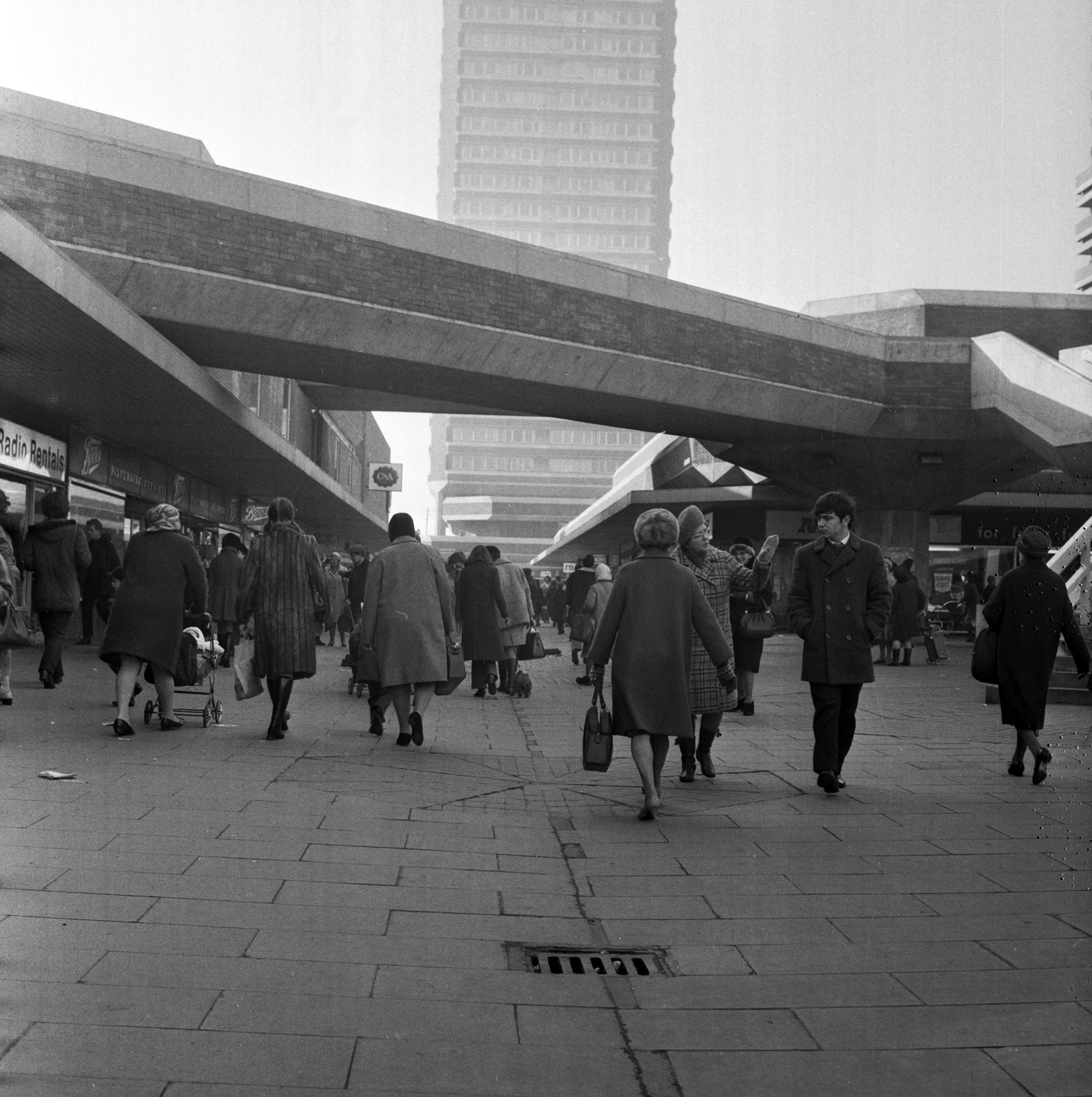
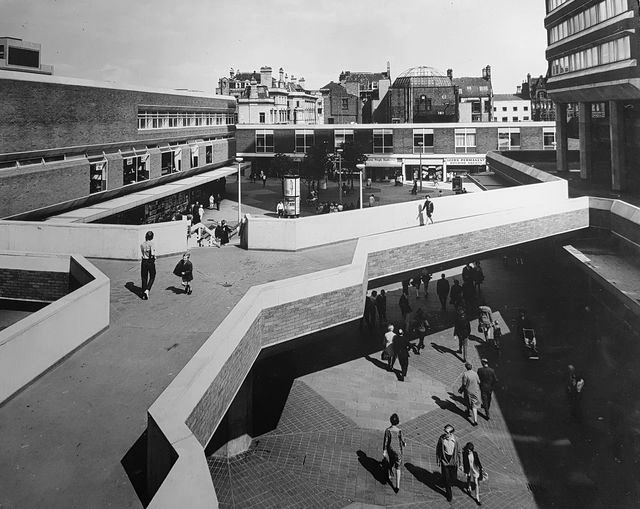
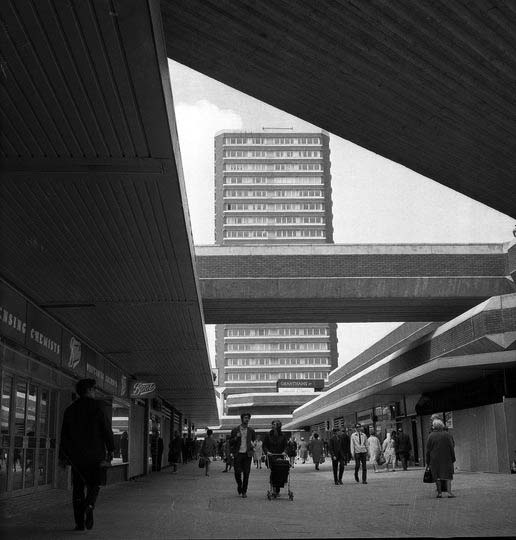
The precinct sits beneath the Civic Offices.

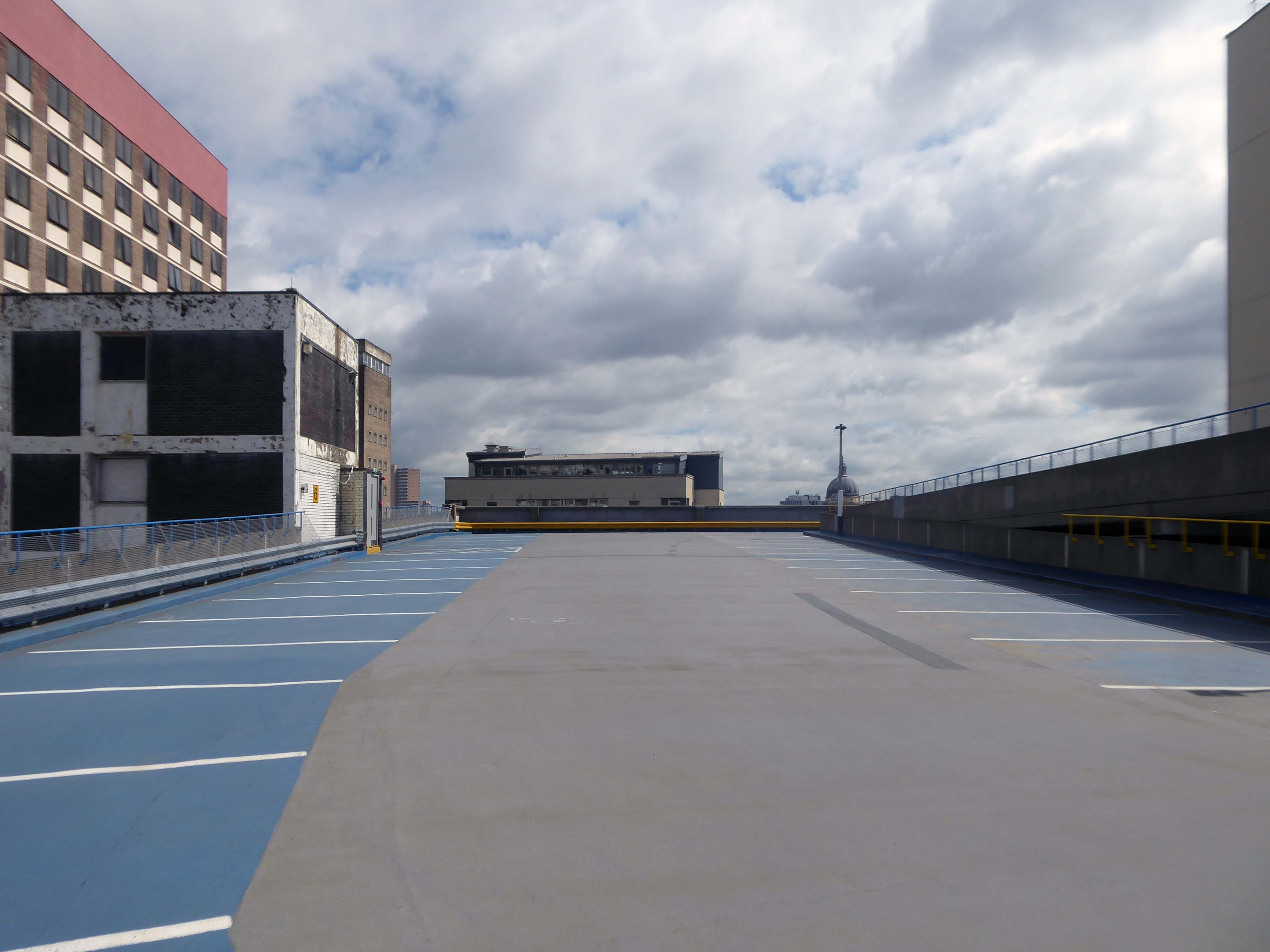
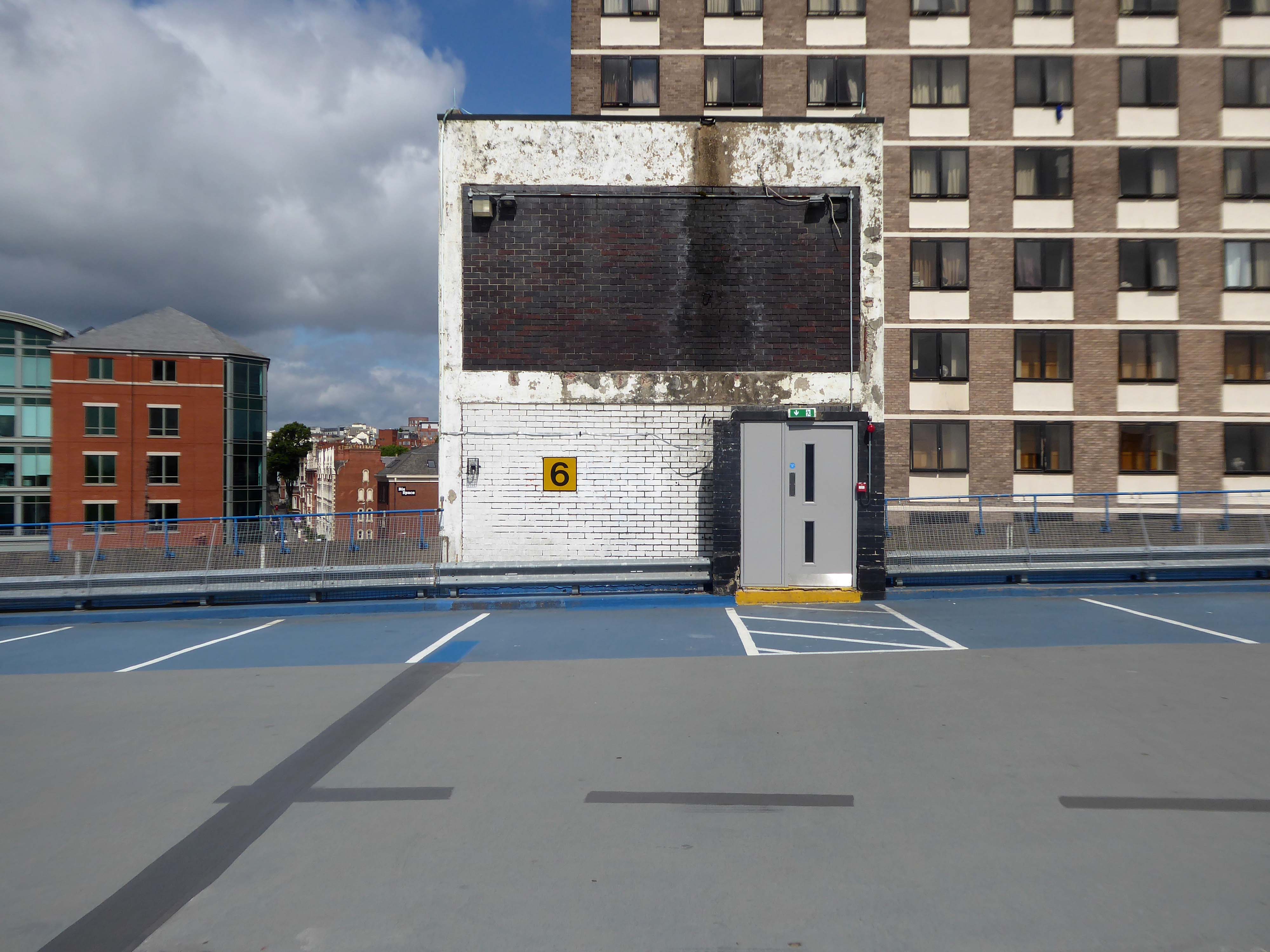
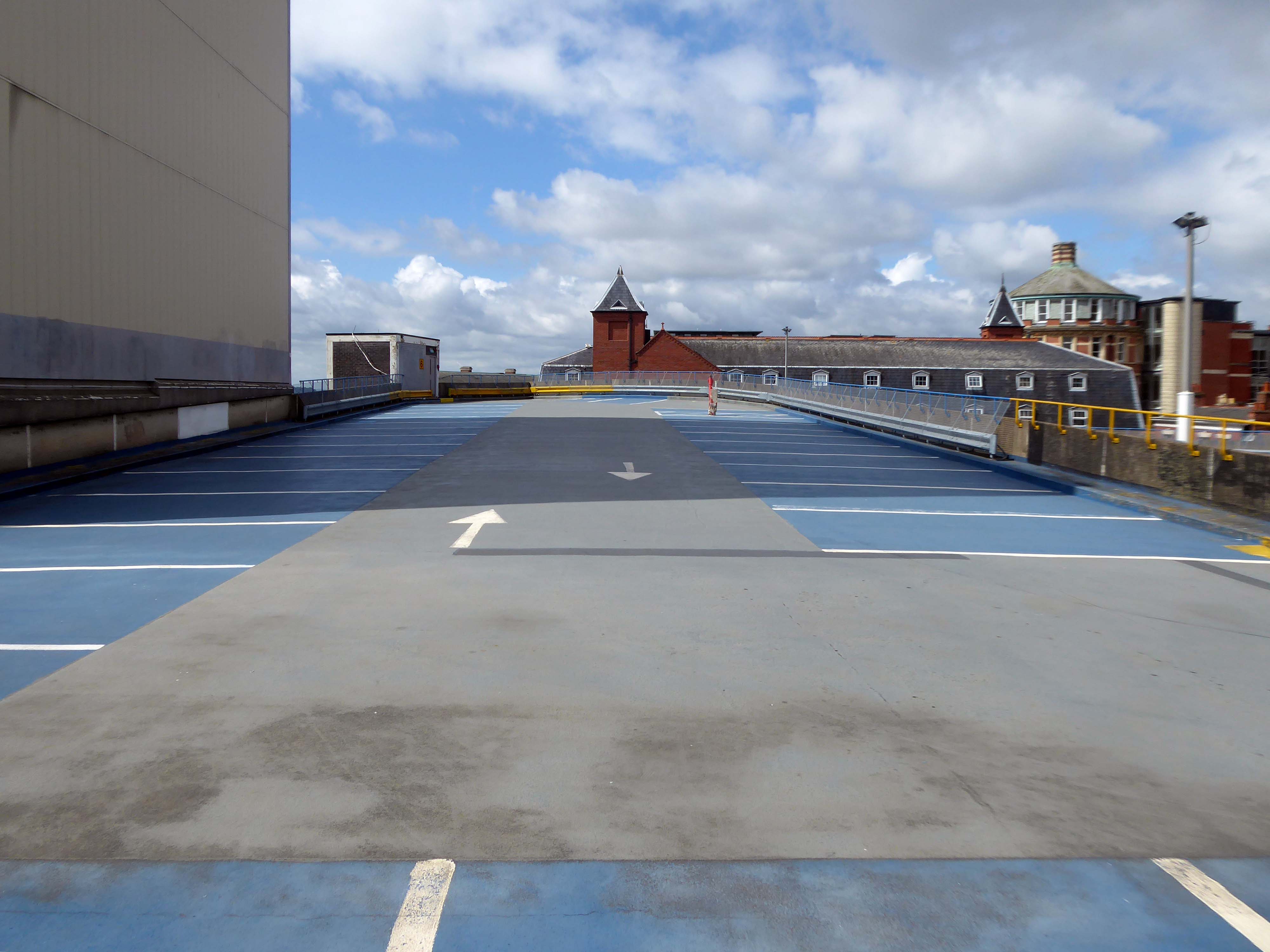
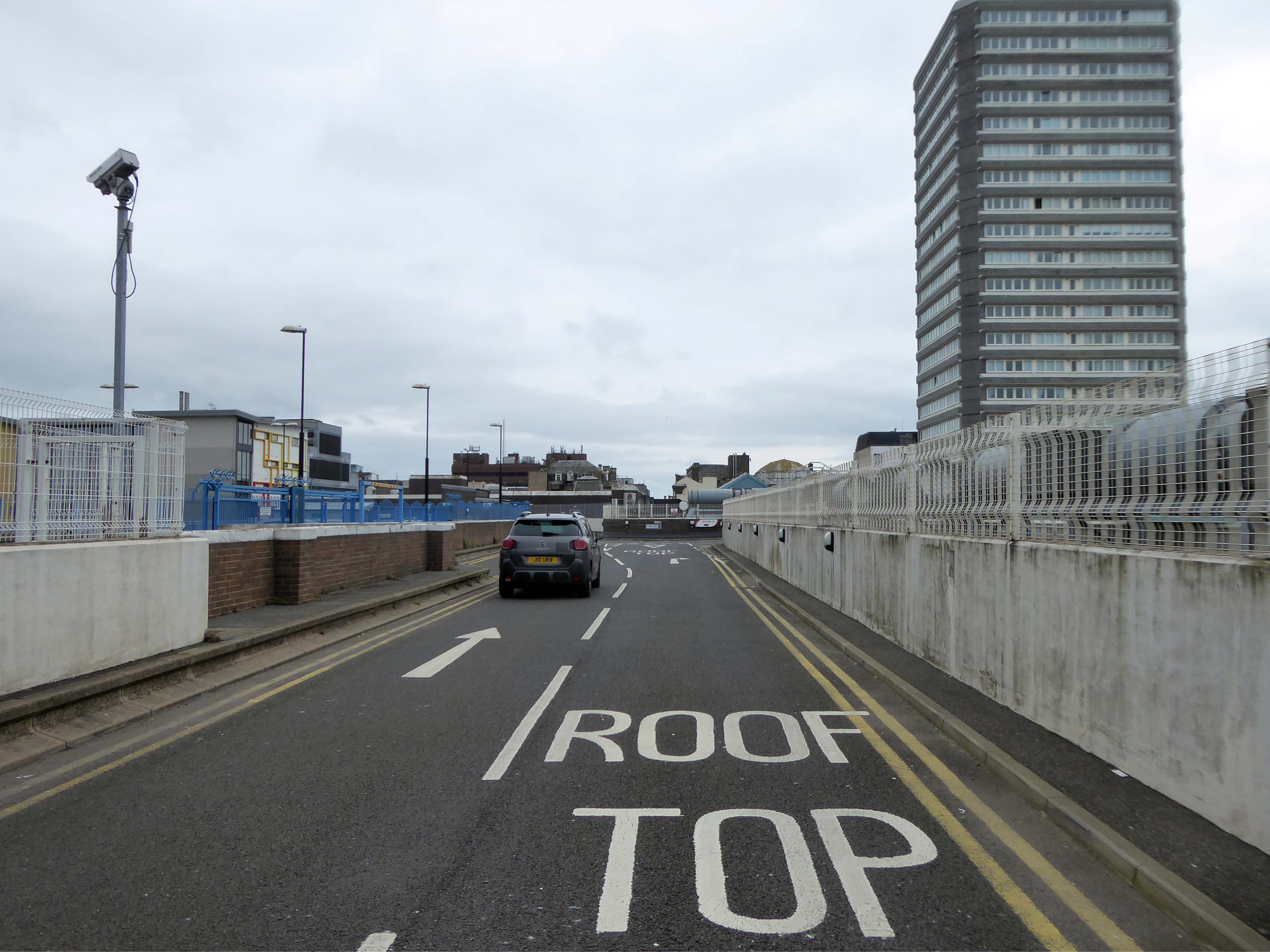
And has a ramp leading to the roof top parking.

Next door the earlier Queensway Centre.

The Family unveiled by HRM Queen Elizabeth II in 1967 the country’s first pedestrianised precinct.

Edward Bainbridge Copnall 

In November 2013, a time capsule was buried in front of The Family, under a stone with the inscription Forever Forward 30 11 2013.

The capsule is not to be unearthed until the year 2078.

Twenty million pound bid to take back control of the centre of Billingham.

The council says: Proposals include addressing the physical condition of Billingham town centre in support the Council’s ambition to take back control of the centre. Redevelopment would solve the challenges of changing retail trends that are contributing towards excess retail space and high vacancy rates.

This includes exploring options for mixed-use redevelopment and high-quality public spaces that improve accessibility within the town centre and a modern retail offering.

Hartlepool Mail.

Missing in action – La Ronde aka Eleanor Rigby’s.

Built in 1968 by local architects Elder Lester and Partners as part of the expansive plans for the town centre along with the Forum, La Ronde nightclub was to form part of the expansive plans for Billingham focused on the pursuit of increased leisure time.

La Ronde’s distinct cylindrical form comes from the car park access ramp that winds around the stair core to the upper floors of the club. The elevated drum-like form inset with cross latticed concrete webs was cast entirely in-situ.

In 2006, the council demolished La Ronde and Forum House at the cost of £500,000 to make way for a supermarket.

The Forum

In 1960, Billingham Urban District Council, began one of the most ambitious new leisure centres in Europe. The Forum was funded by the district’s new-found wealth – a product of the local petrochemical industry.  It was designed by local architects Elder Lester and Partners and brought together a variety of recreational activities including an ice rink, swimming pool, sports centre, theatre, and bar all under one roof. The Forum opened in July 1967 to great enthusiasm.  Weekly attendance over the first six months was between 20 000 and 30 000 people, far exceeding all expectations.

The inclusion of the theatre alongside the sports facilities broke new ground in recreational planning and in the shift from sport to the broader notion of ‘leisure’, the Forum predated architectural thinking of the time by nearly a decade.  The building’s form is derived from the functions within, expressed in a variety of bulbous elements.  The most distinctive is the canopy of the ice rink roof which is hung using steel cables running the length of the roof and cross-braced to achieve a clear 73m span.

Something Concrete and Modern