We awoke, we dawdled around Deal, prior to our delightful breakfast.
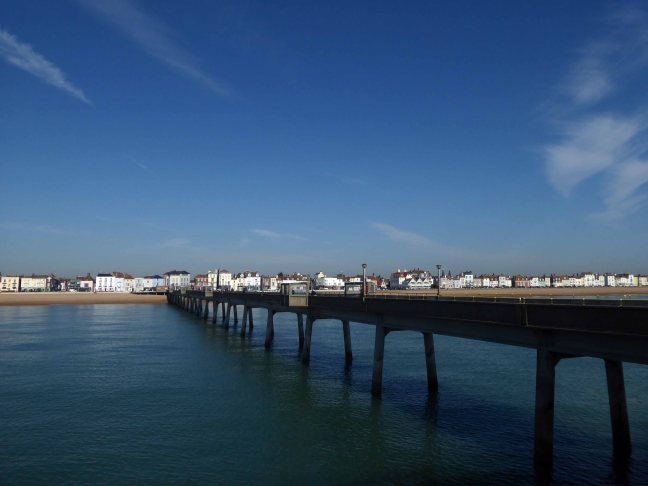
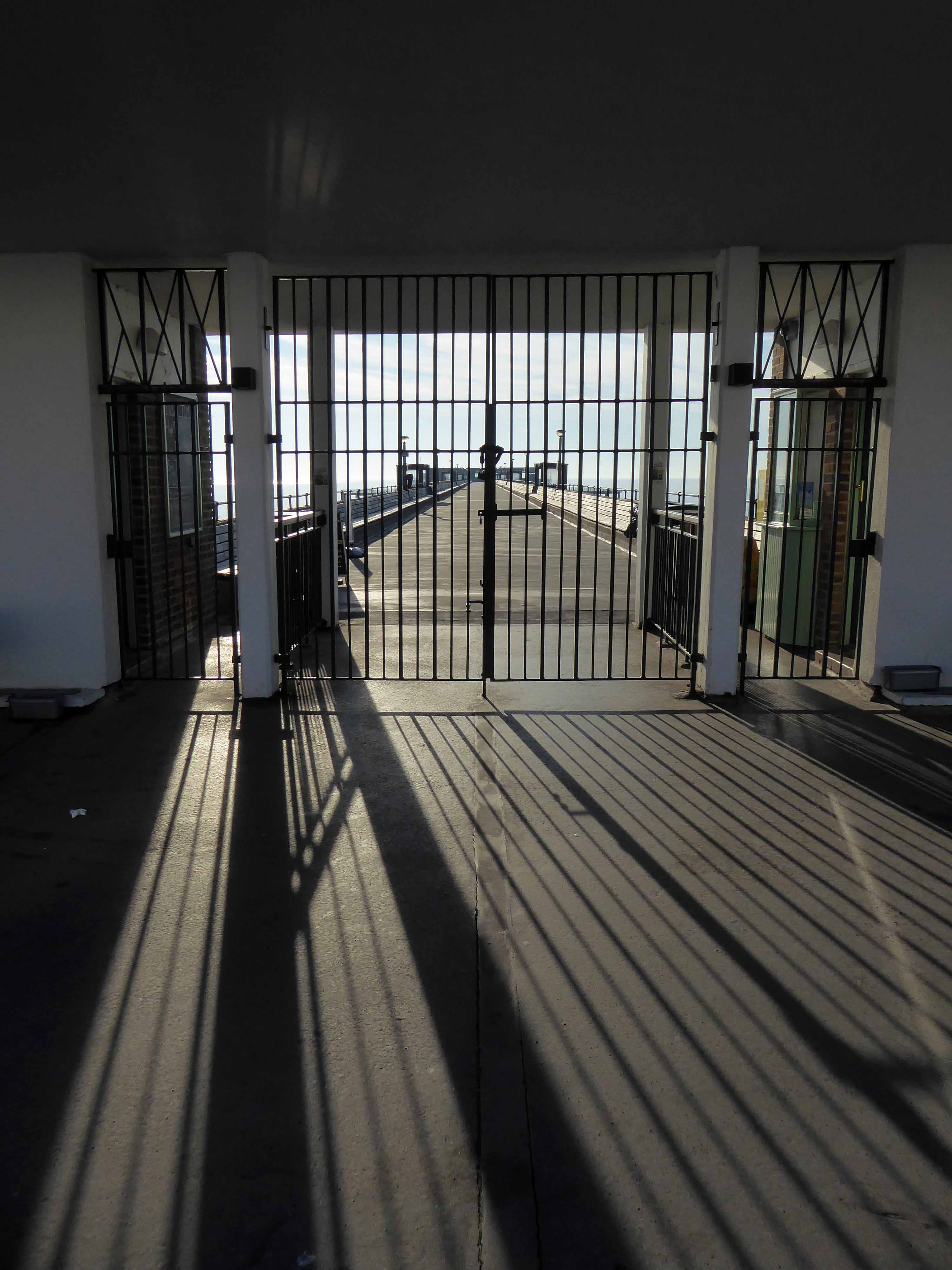
Though the pier appeared to be closed.
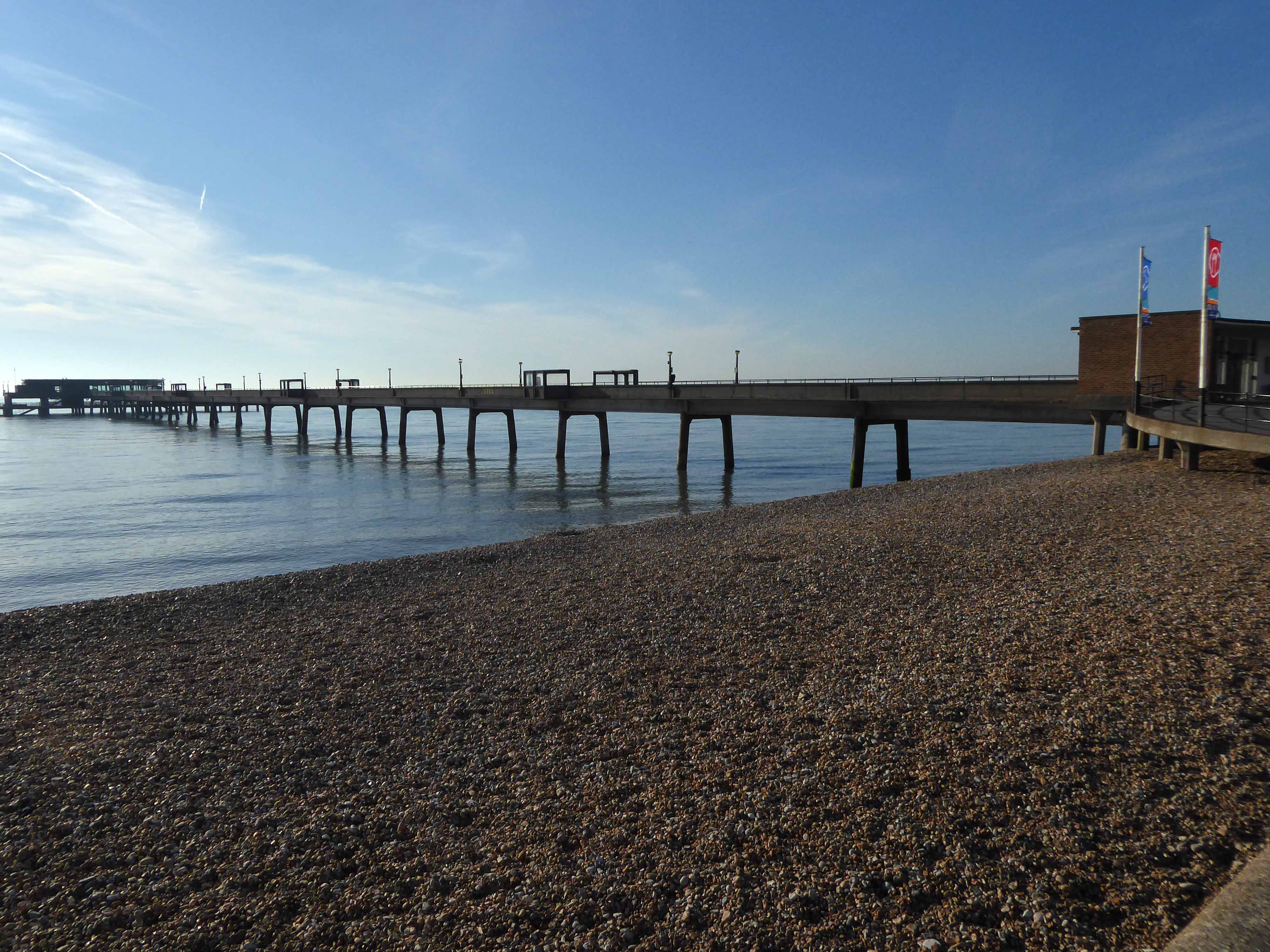
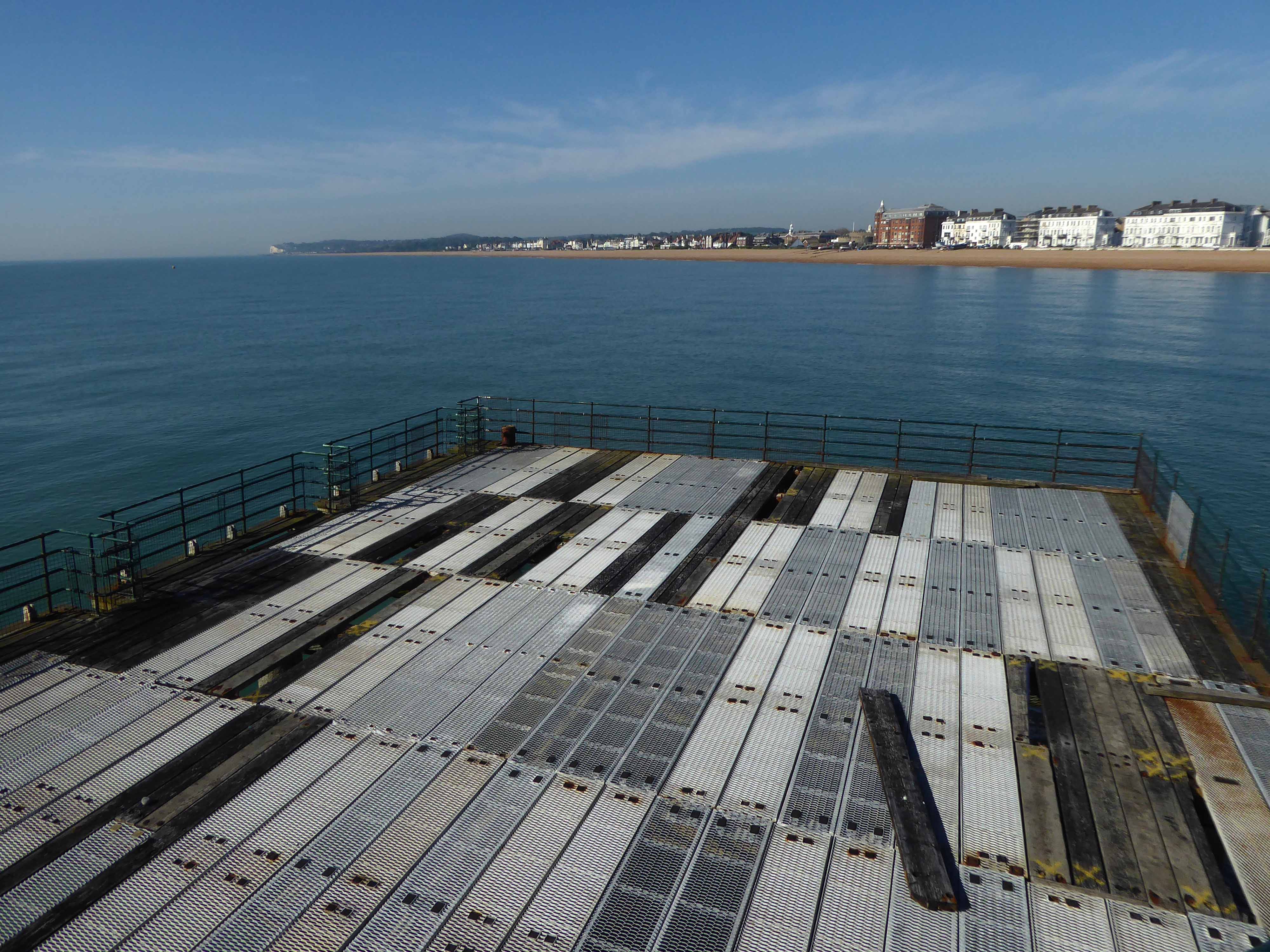
Extending elegantly over a still, still sea.
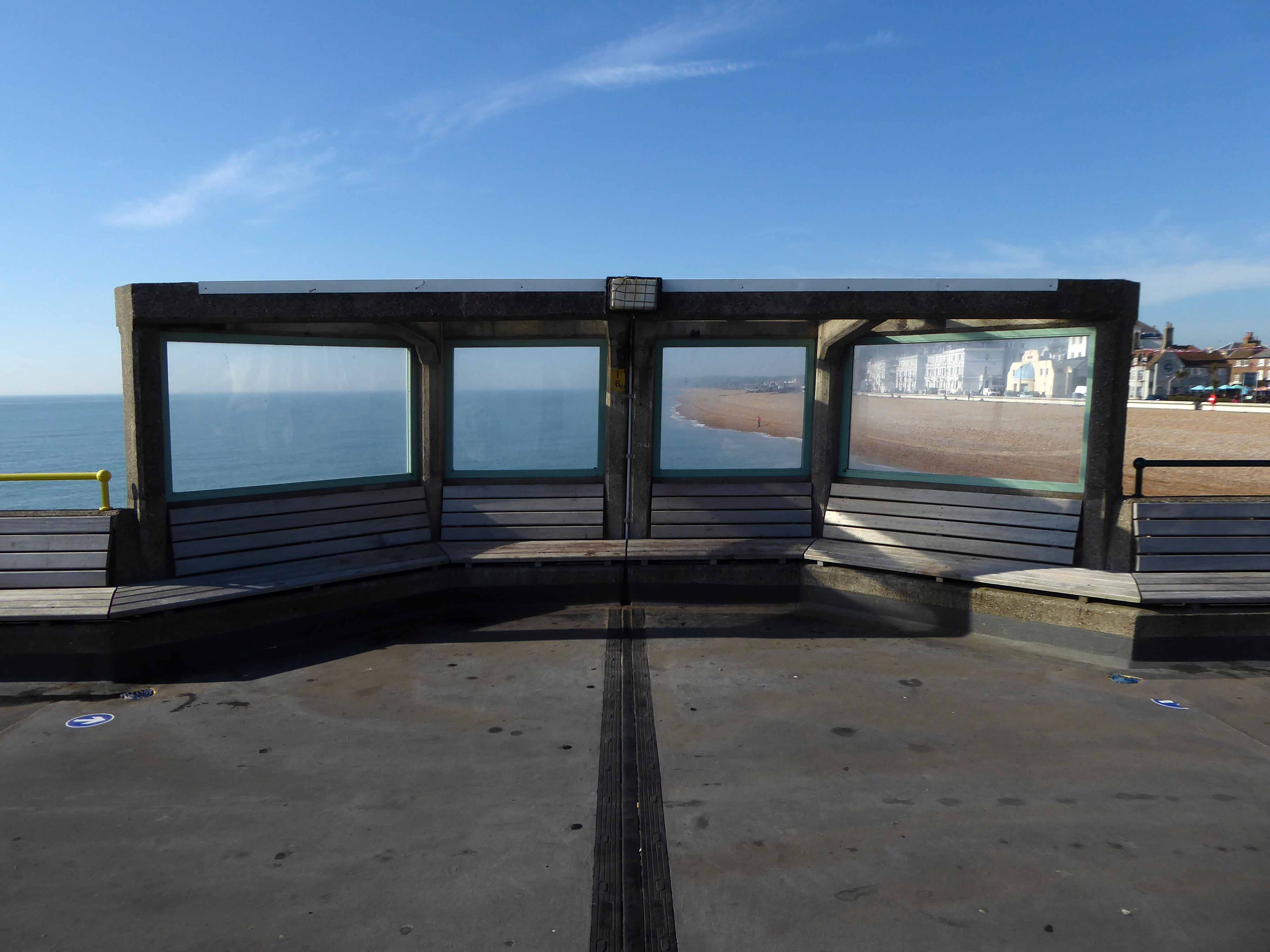
The present pier, designed by Sir W. Halcrow & Partners, was opened on 19 November 1957 by the Duke of Edinburgh. Constructed predominantly from concrete-clad steel, it is 1,026 ft in length – a notice announces that it is the same length as the RMS Titanic, but that ship was just 882 feet, and ends in a three-tiered pier-head, featuring a cafe, bar, lounge, and fishing decks.
The lowest of the three tiers is underwater at all but the lowest part of the tidal range, and has become disused.
Pausing in Ramsgate to admire Edward Welby Pugin’s Grade II Listed – Granville Hotel.
The Granville development, so named after George Leverson Gower, second Earl Granville (1815-1891), was a venture undertaken by Edward Welby Pugin, together with investors Robert Sankey, George Burgess and John Barnet Hodgson on land acquired from the Mount Albion Estate in 1867. The scheme was to be an important new building in the eastward expansion of the town and the emergence of a fashionable new suburb. At the outset, the intention was to build a relatively restrained speculative terrace of large townhouses with some additional facilities. However, as the scheme progressed and it became apparent that buyers could not be secured, revised plans for an enlarged hotel complex were adopted in 1868 and brought to completion in 1869. These plans, which added a series of grand rooms including a banqueting hall, receptions rooms and an entrance hall in addition to a tunnel to connect to the railway line on the seafront, gardens, a complex of Turkish baths and a vast landmark tower (originally 170ft high, although truncated at a relatively early date), were remarkably ambitious. Ultimately, as it would transpire, the scheme was rather too ambitious on Pugin’s part; with his increasing reliance on loans eventually culminating in bankruptcy in October 1872, an event which precipitated his demise as an architect, tragically followed by his death just three years later.
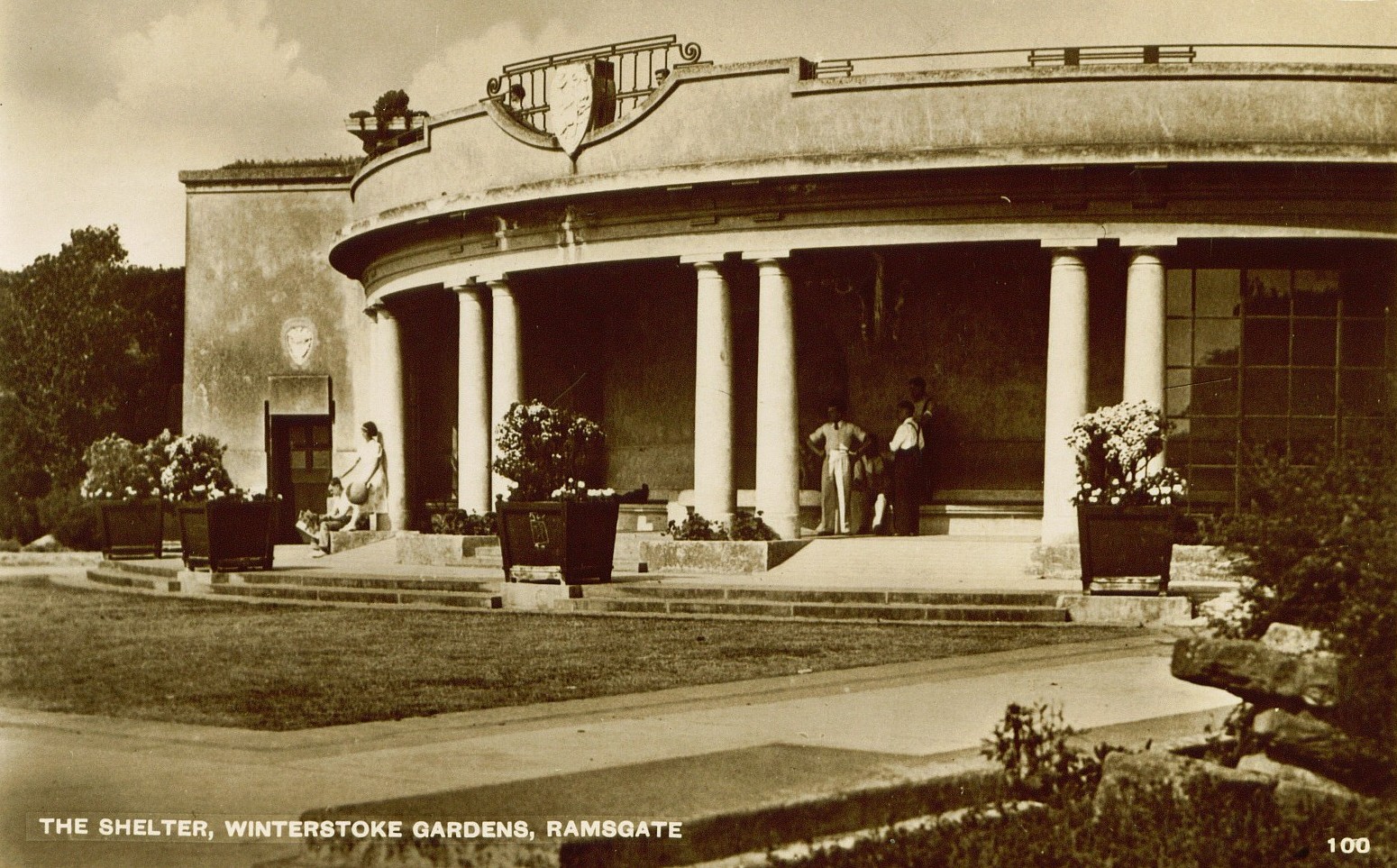
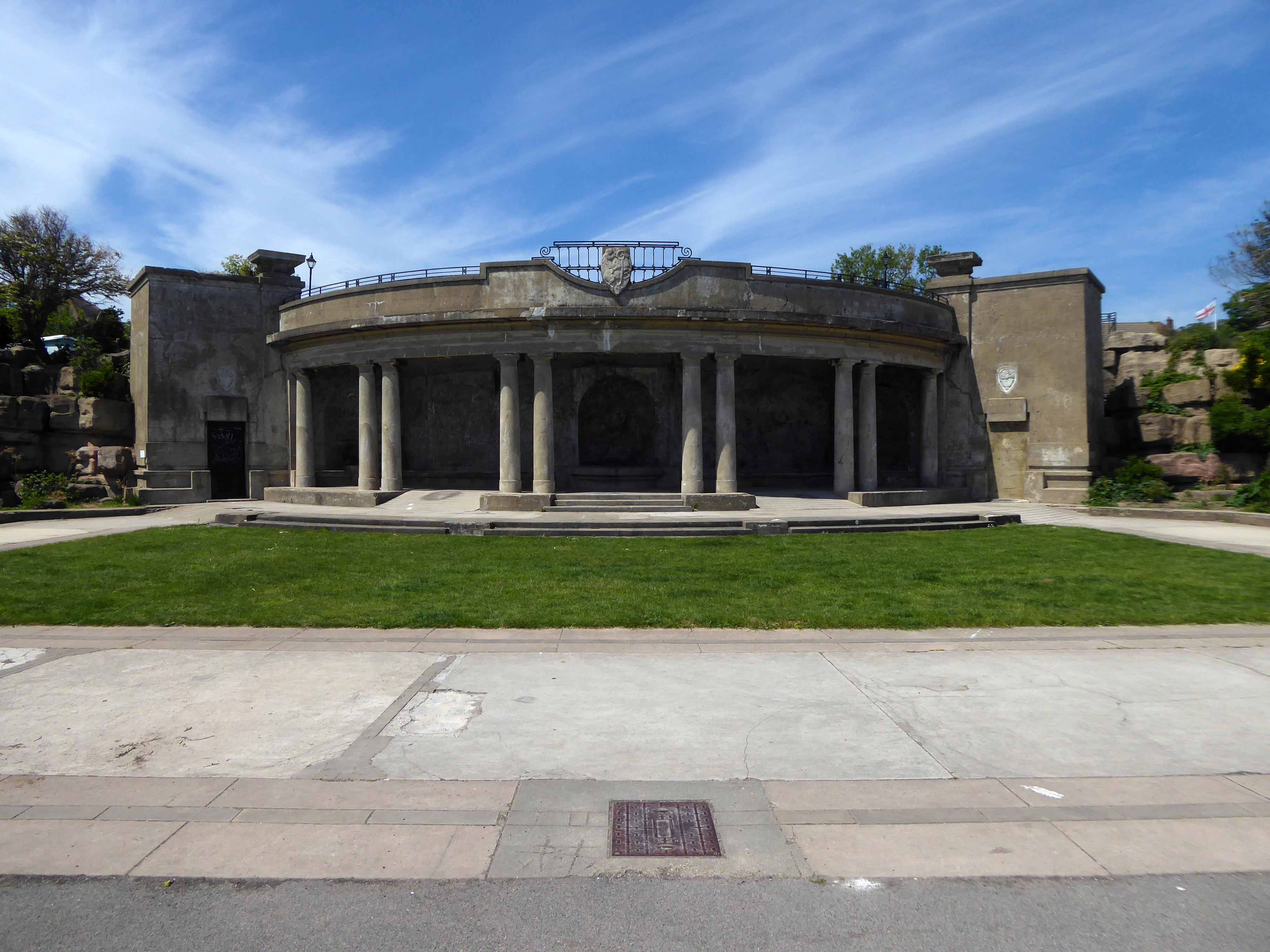
Overlooking the sea, the ornamental gardens were laid out and presented to the Borough of Ramsgate by Dame Janet Stancomb-Wills in 1920 and opened to the public in June 1923 by the Mayor of Ramsgate Alderman A. W. Larkin. They are maintained by Thanet District Council and were Grade II listed on 4 February 1988.
The gardens were designed by the architects Sir John Burnet & Partners, and constructed by Pulham and Son. The main feature of the gardens, is a semi-circular shaped colonnade carved into the pulhamite recess.
On the upper terrace, approached by broad flights of steps, the gardens proper are reached. In the centre, and immediately over the shelter, is a circular pool enclosed on the north side by a semi-circular Roman seat.
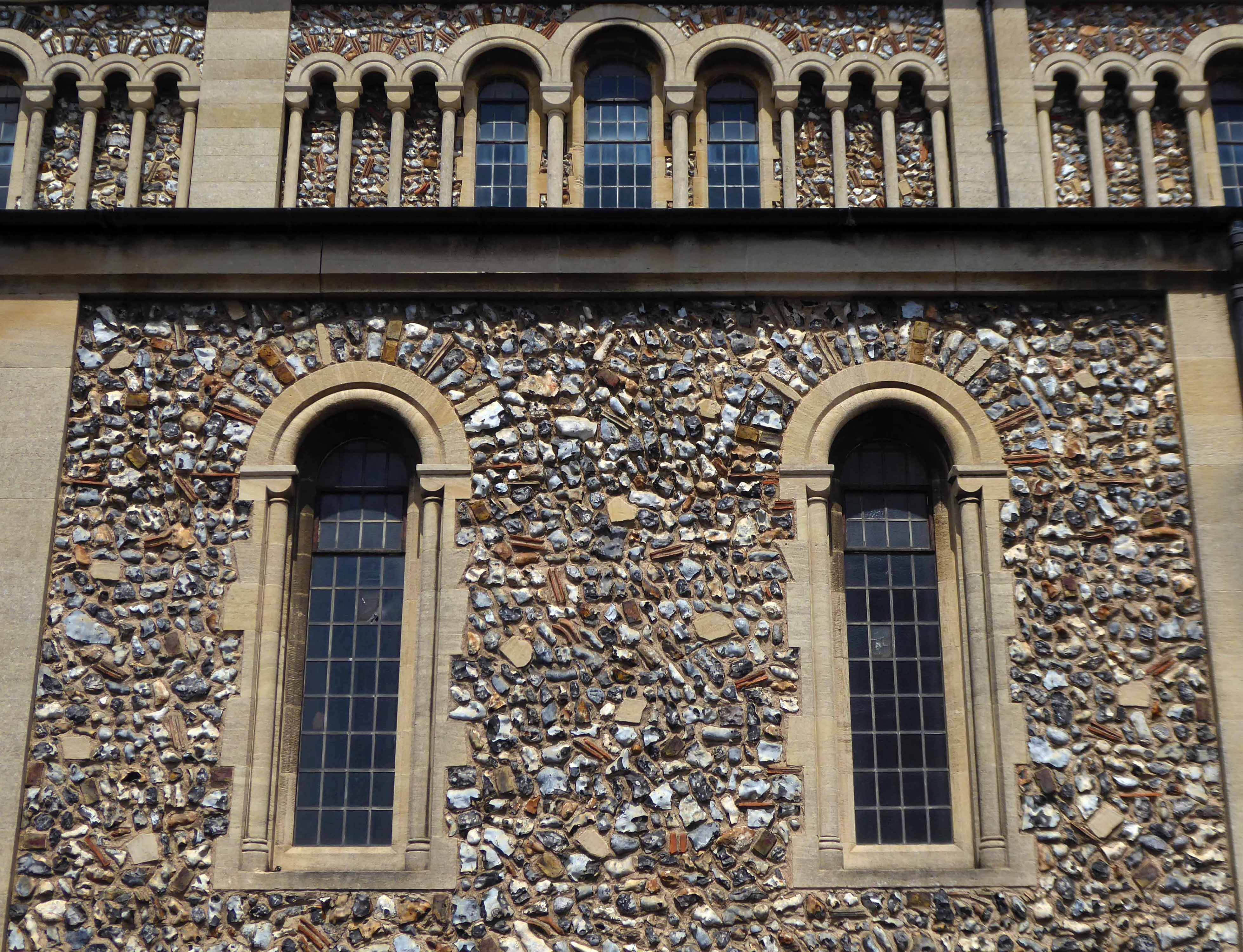
On leaving the town we encounter this engaging flint church – Holy Trinity
Erected 1829-1830. David Barnes Architect, extended 1925.
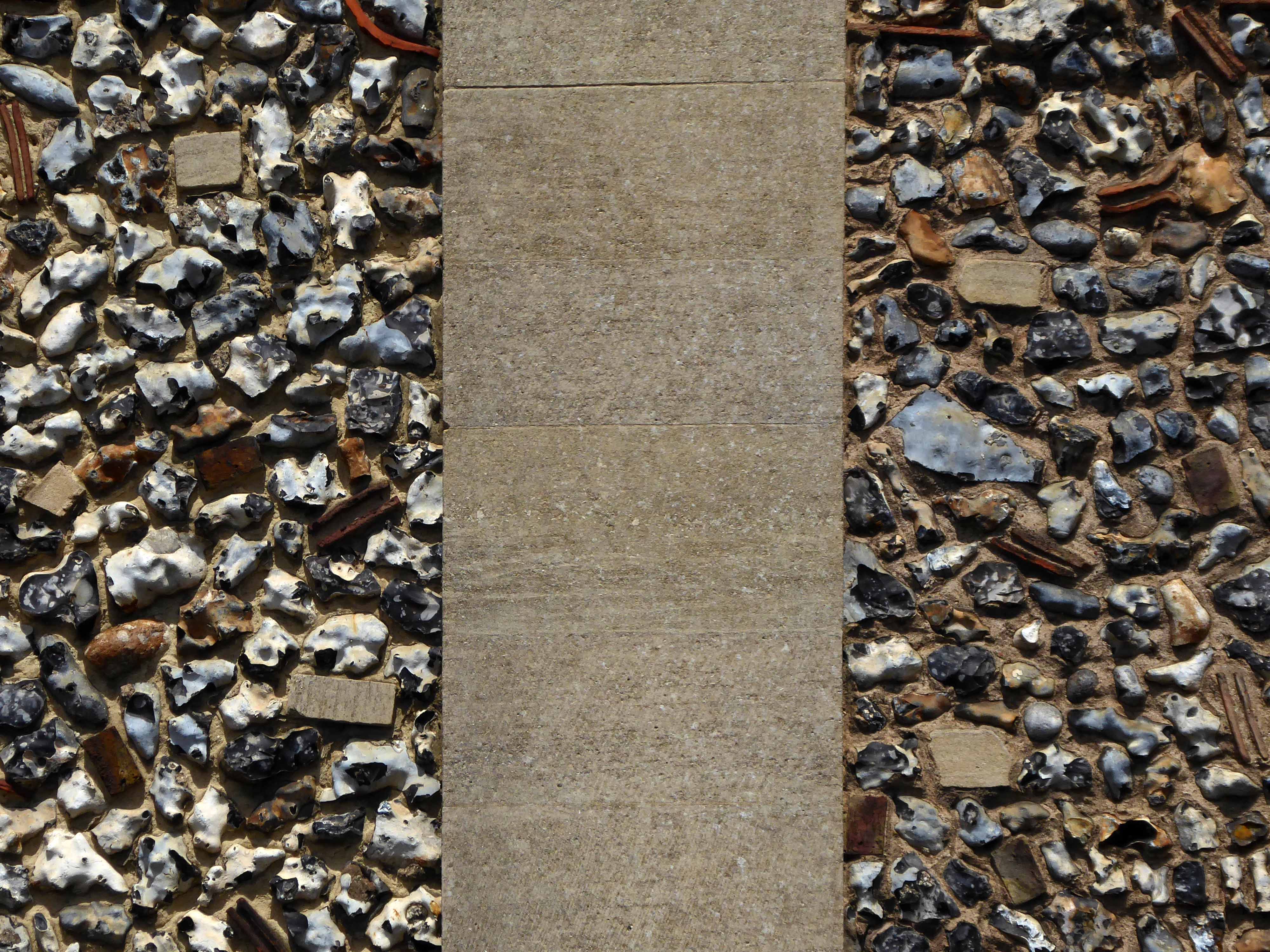
Built of flint and rubble.
One of the first visitors to this church was Charles Dickens who offered a very unflattering description in his work, Our English Watering Place:
We have a church, by the bye, of course – a hideous temple of flint, like a petrified haystack. Our chief clerical dignitary, who, to his honour, has done much for education, and has established excellent schools, is a sound, healthy gentleman, who has got into little local difficulties with the neighbouring farms, but has the pestilent trick of being right.
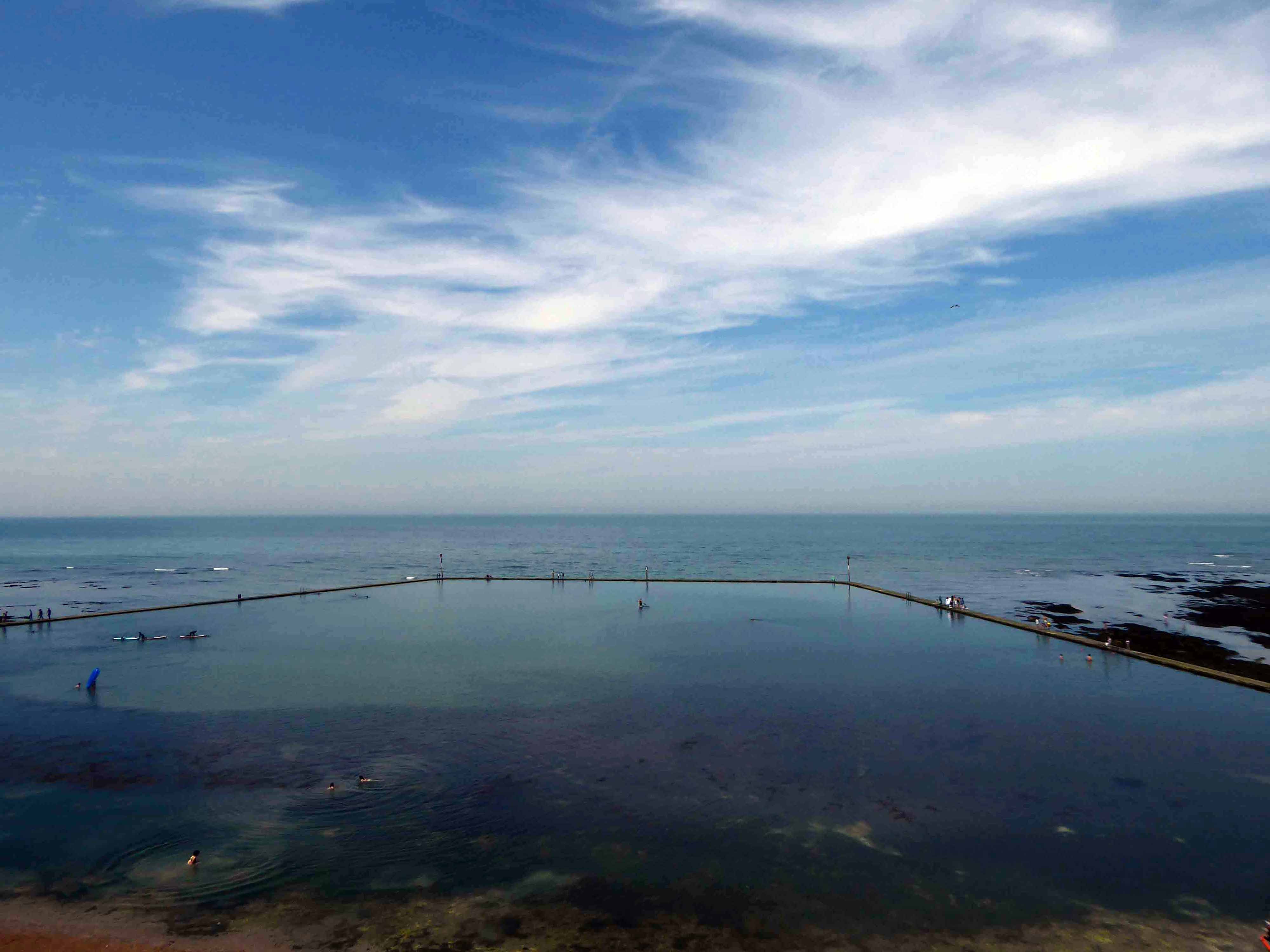
In Margate the tidal pools are full of waveless sea water and kiddy fun.
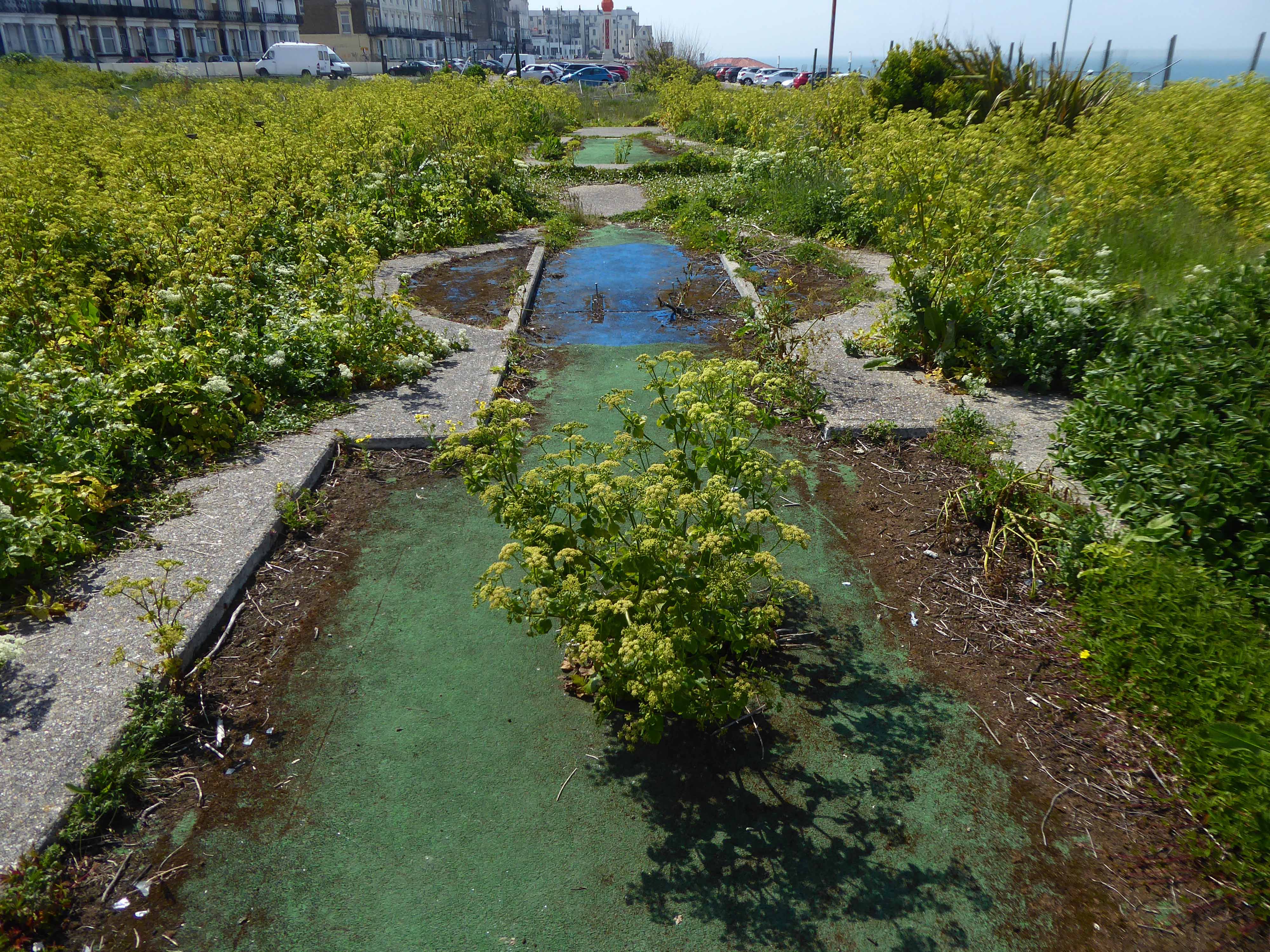
The former crazy golf course is undergoing an ongoing programme of involuntary rewilding.
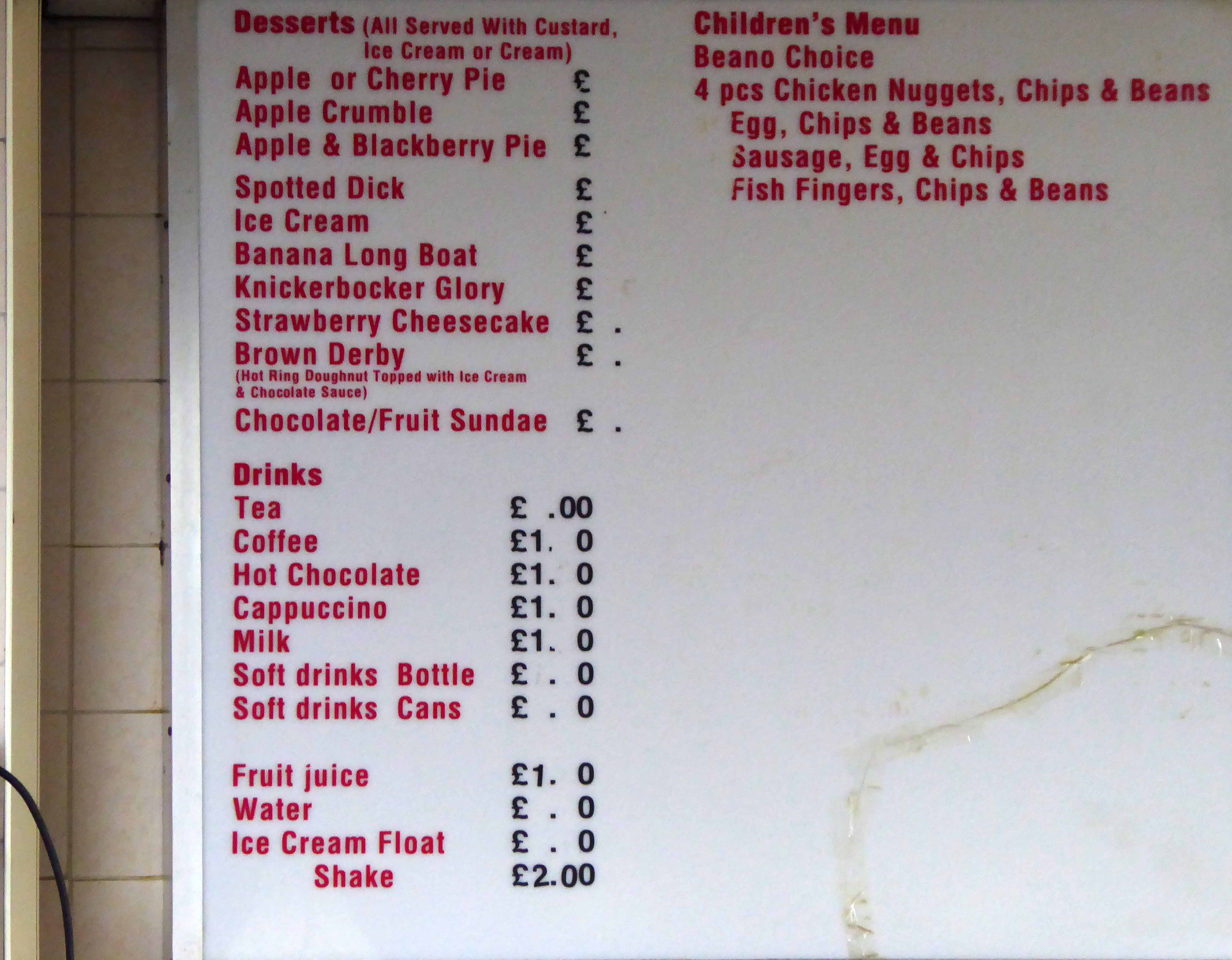
Time now for tea and a welcome plate of chish and fips at the Beano Cafe.
I miss my haddock and chips from Beano in Margate, brought to you with a smile and he remembers everyone.
Great customer service and friendly staff, see you soon.
The food is awful and the customer service is even worse: when we complained about the food the staff argued with us and wouldn’t do anything to change the food or refund, avoid at all costs!
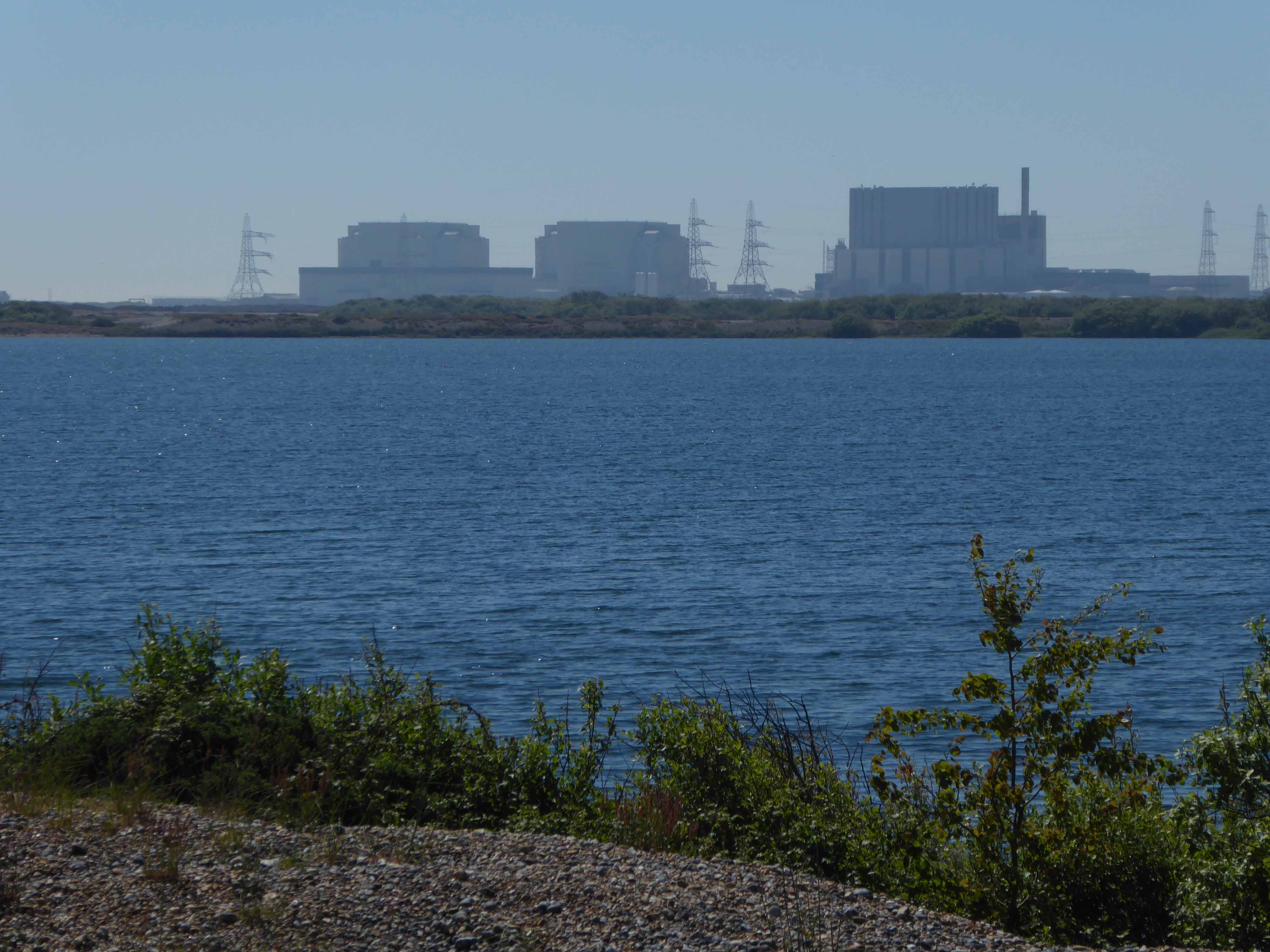
Dungeness nuclear power station comprises a pair of non operational nuclear power stations, located on the Dungeness headland in the south of Kent. Dungeness A is a legacy Magnox power station that was connected to the National Grid in 1965 and has reached the end of its life. Dungeness B is an advanced gas-cooled reactor (AGR) power station consisting of two 1,496 MWt reactors, which began operation in 1983 and 1985 respectively, and have been non-operational since 2018 due to ongoing safety concerns.
There were many problems during construction of the second power station, which was the first full-scale AGR. It was supposed to be completed in 1970, but the project collapsed in 1969. The CEGB took over project management and appointed British Nuclear Design and Construction (BNDC) as main contractor. There were more problems and by 1975 the CEGB was reporting that the power station would not be completed until 1977 and the cost had risen to £280 million. By completion the cost had risen to £685 million, four times the initial estimate in inflation-adjusted terms.
In March 2009, serious problems were found when Unit B21 was shut down for maintenance, and the reactor remained out of action for almost 18 months. In 2015, the plant was given a second ten-year life extension, taking the proposed closure date to 2028. In September 2018, both units were shut down and were expected to restart in December 2020. On 7 June 2021, EDF announced that Dungeness B would move into the defuelling phase with immediate effect.
Wikipedia
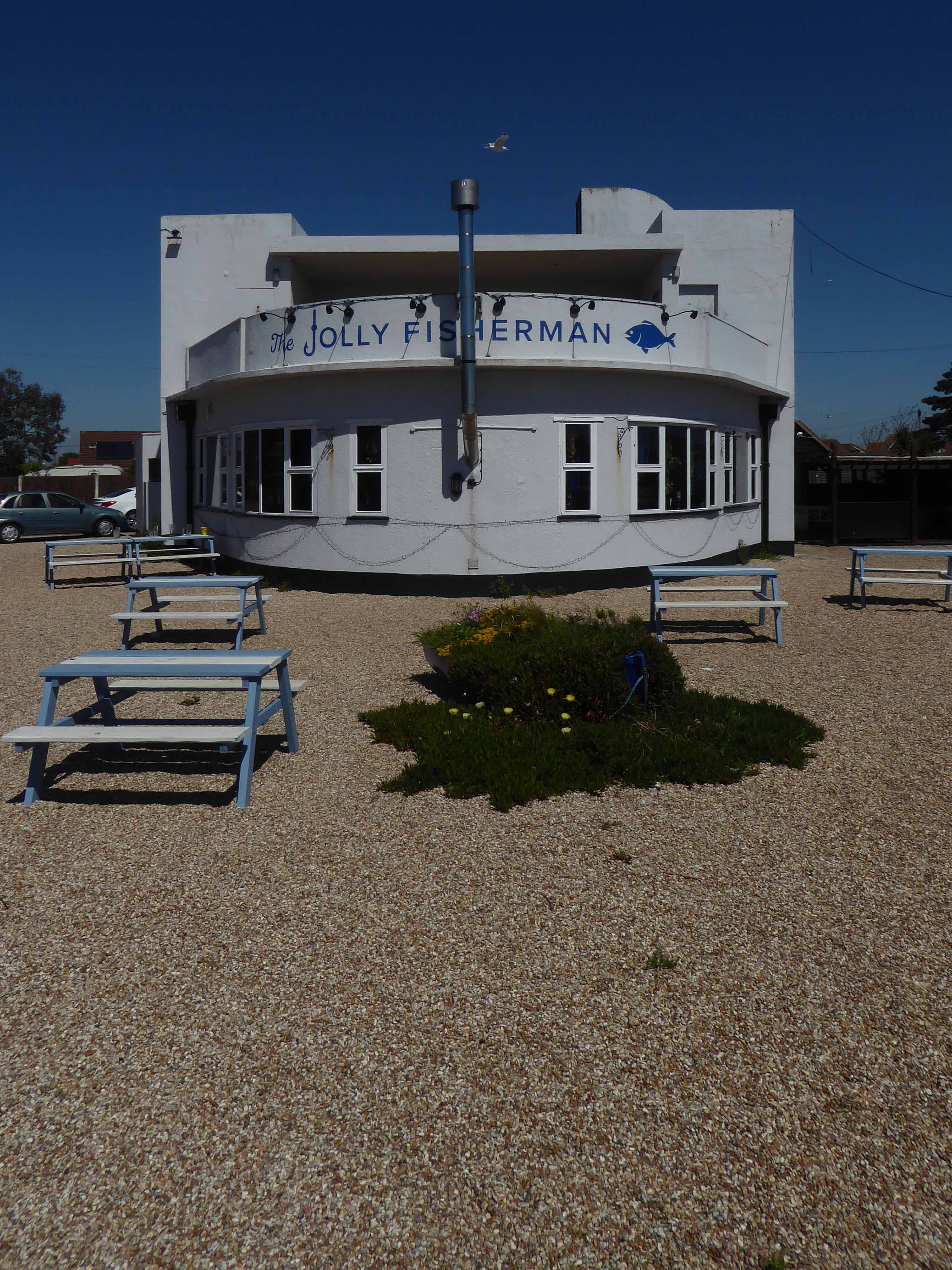
Pausing for a moment to take a drink, sadly not a drink in the Jolly Fisherman – unlike another comical pair.
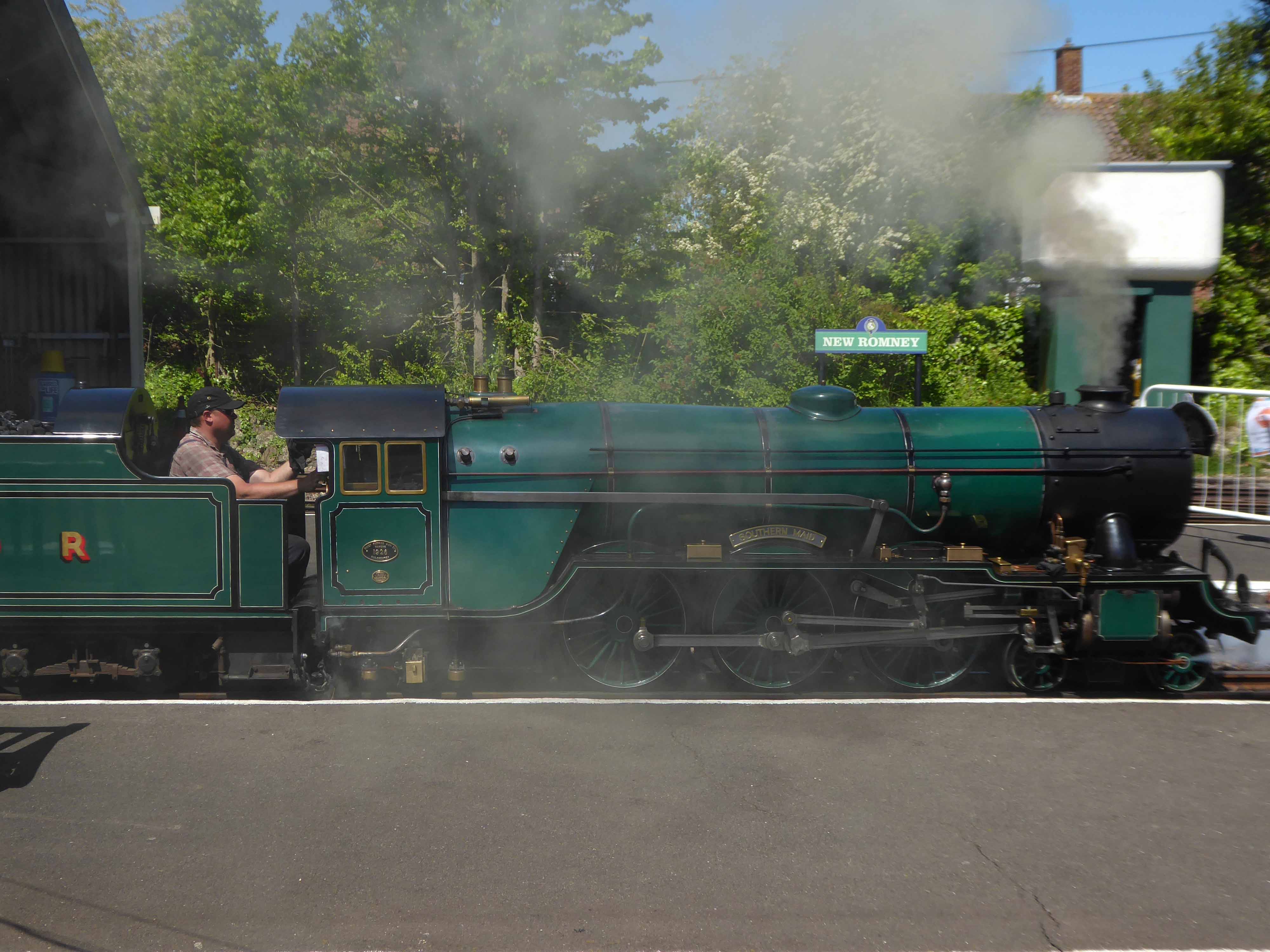
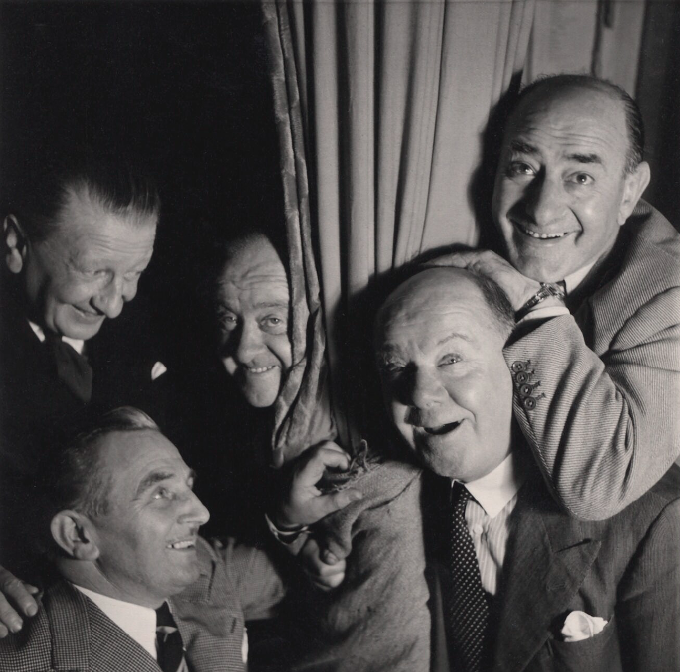
During their 1947 UK tour, Stan Laurel and Oliver Hardy were invited to re-open the Romney, Hythe and Dymchurch Light Railway.
After travelling down by regular train, the pair performed a couple of skits to entertain the crowds – and the gathered news crews – before riding the light railway.
The duo then lunched with dignitaries at the Jolly Fisherman, before returning for tea at the railway’s restaurant at Hythe.
On Monday and inquest was held on the body of Mr. John Adams, landlord of the “Jolly Fisherman,” who was found drowned in a well near his house.
From the evidence it appeared that the deceased left home on Saturday morning for the purpose, according to his usual custom, of walking to New Romney, to see if there were any letters for Dungeness. Not returning at the usual time, his wife became alarmed, and a messenger was dispatched to Romney to see if he had been to the Post-office. It was ascertained he had not, and the search was forthwith made.
About 2 o’clock one of the coastguardsmen, Edward Hooker, bethought him to look into the well, which is about 250 yards from the deceased’s house. In doing so he was horrified to find the poor fellow head downwards, partly immersed in water. Assistance was at once procured, and he was removed to his house, quite dead. There was about 4 feet of water in the well.
In the absence of any testimony to establish the inference of suicide, and open verdict of Found Drowned was returned. The deceased was about 50 years of age.
It has been stated that the deceased had of late, been rather abstracted, but no evidence was adduced to establish the truth of this assertion.
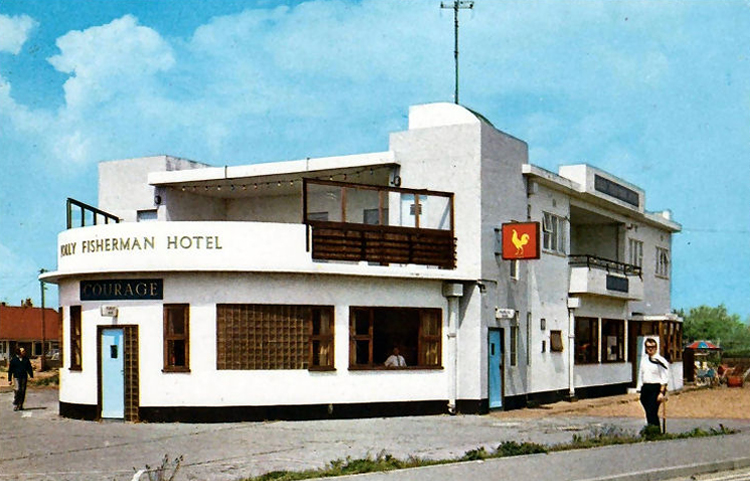
The present Jolly Fisherman pub is located in the centre of Greatstone at the junction of Dunes Road and The Parade.
This was built by the brewers Style and Winch Ltd, who owned the old Jolly Fisherman, in about 1935 as a pub and hotel.
The RH&DR was the culmination of the dreams of Captain J. E. P. Howey — a racing driver, millionaire land owner, former Army Officer and miniature railway aficionado and Count Louis Zborowski — eminently well-known racing driver of his day – famous for owning and racing the Chitty Bang Bang Mercedes.
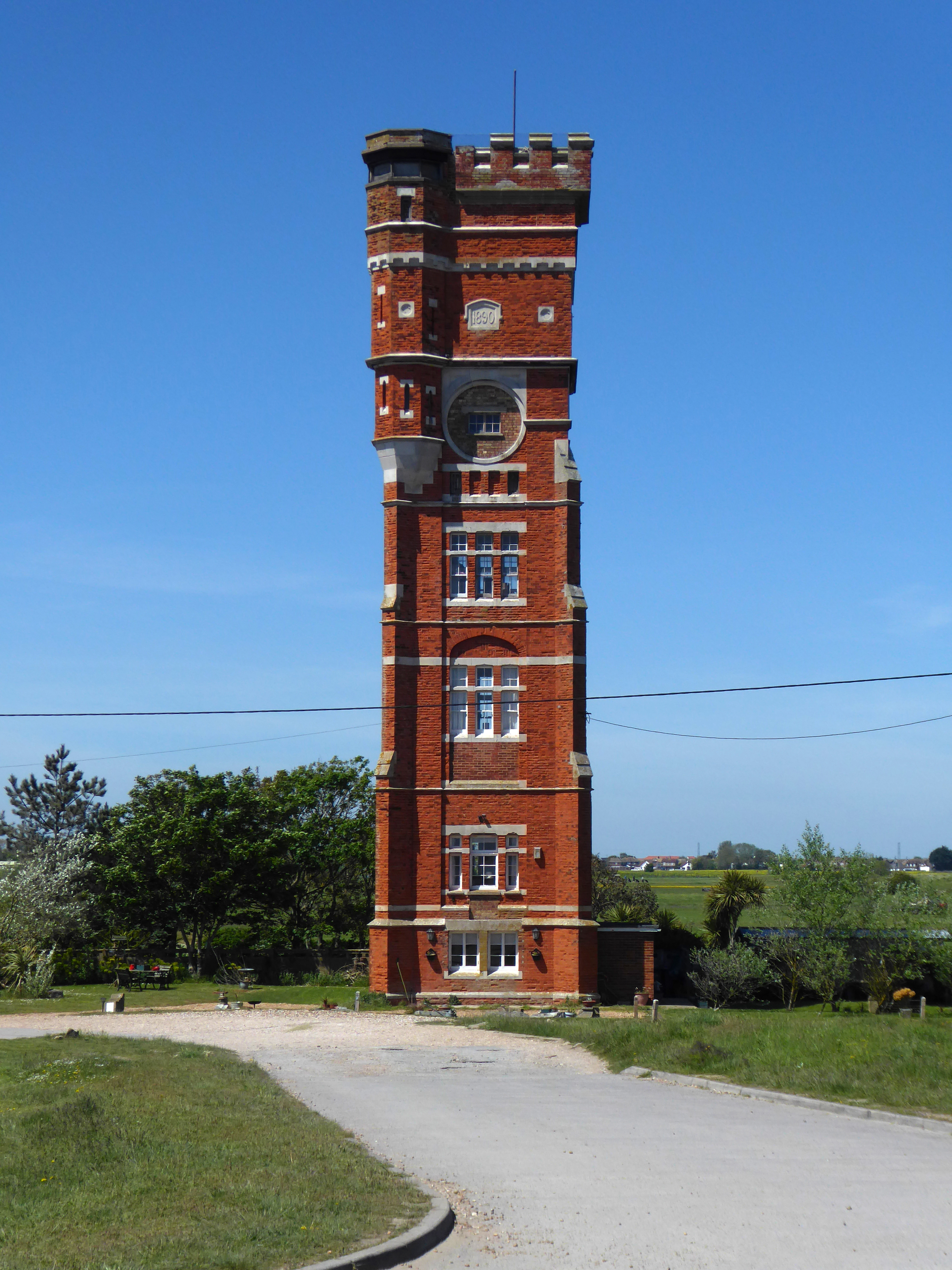
The 120ft Grade II Listed water tower at Littlestone was built in 1890 by Henry Tubbs to supply water to his properties in Littlestone, including Littlestone Golf Club and his proposed housing development.
Henry Tubbs wanted to turn Littlestone into a major resort, and embarked on an ambitious building programme, including the Marine Parade and Grand Hotel. His plans for a pier were not realised, however, and it was eventually built at Eastbourne instead.
The tower is constructed in red brick which shows the external features of the tower very well. It narrows at about the third story and its appearance changes depending on your viewpoint. At the top there is a sort of turret, giving the building a slightly military look.
The military used the Tower during World War Two as a lookout post and they made some changes to the structure, partly the reason for its slightly wobbly look. The Army also added a substantial concrete stairway inside.
Unfortunately the water tower didn’t function properly and the water was found to contain too much salt to be of any use. In 1902 the Littlestone and District Water Company built a tower at Dungeness to supply all of New Romney, Littlestone, Greatstone and Lydd. The tower at Littlestone fell into disuse, but now serves as a residence.
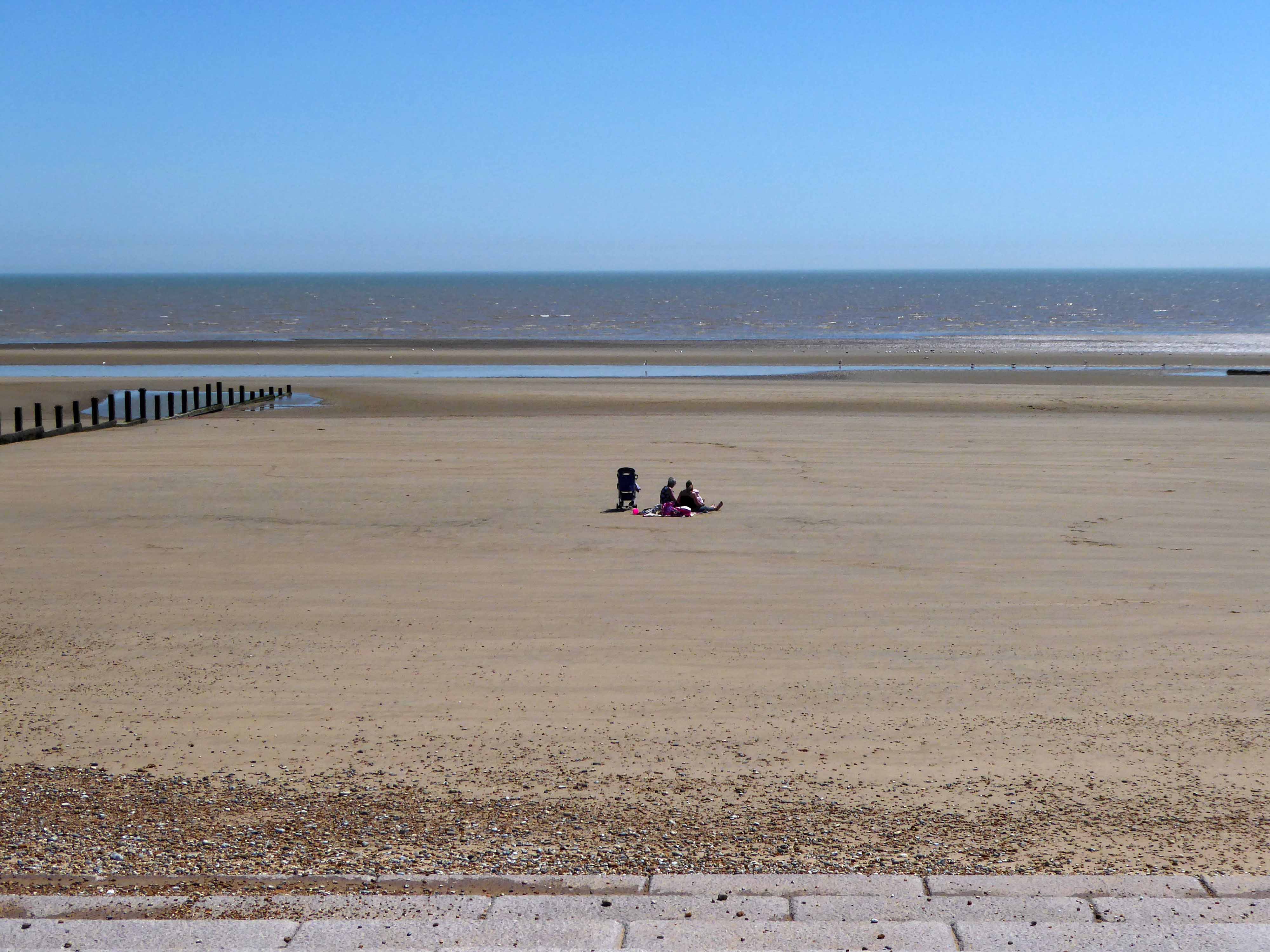
The failed resort of Littlestone continues to fail.
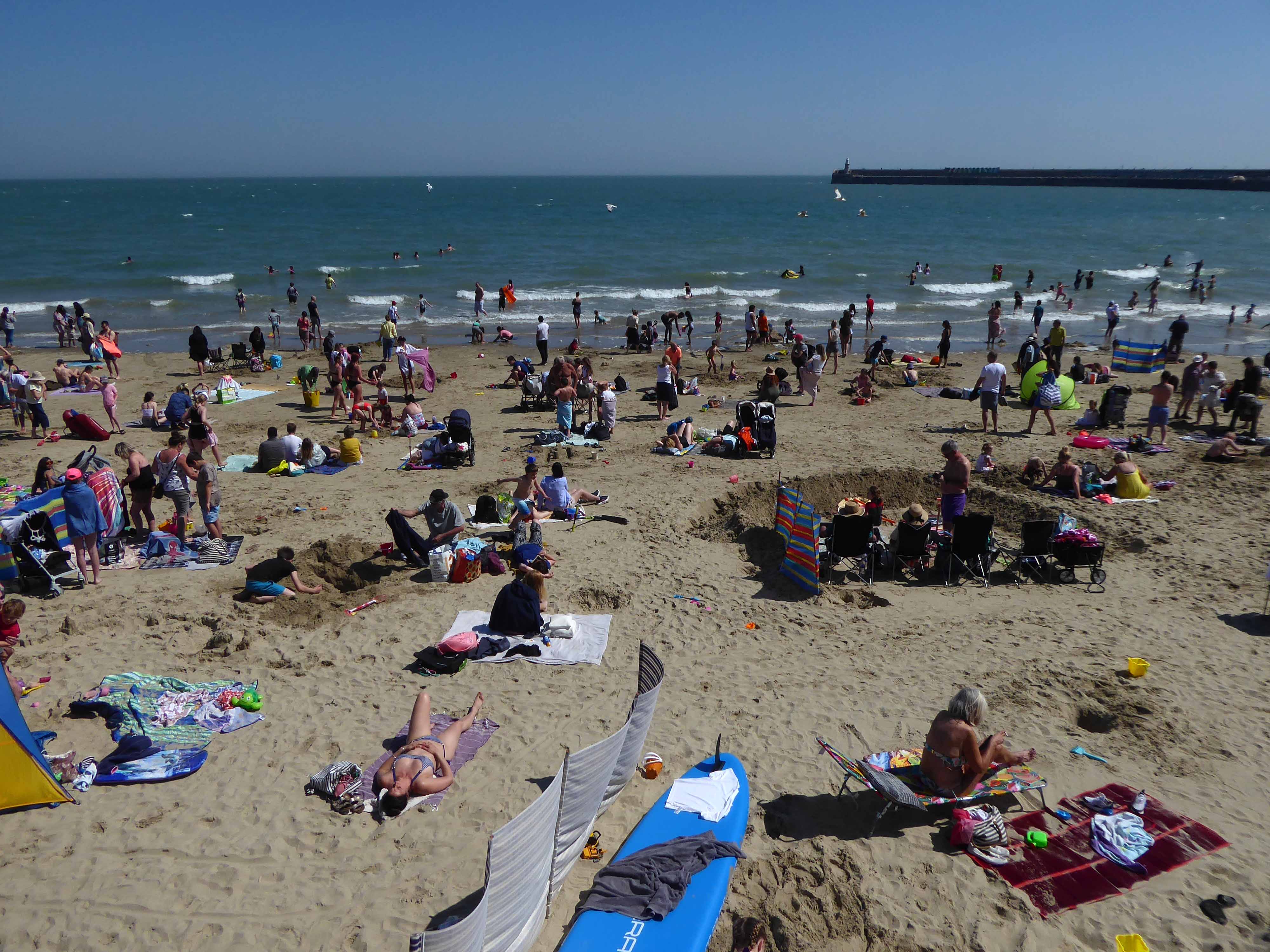
Whilst Folkestone thrives.
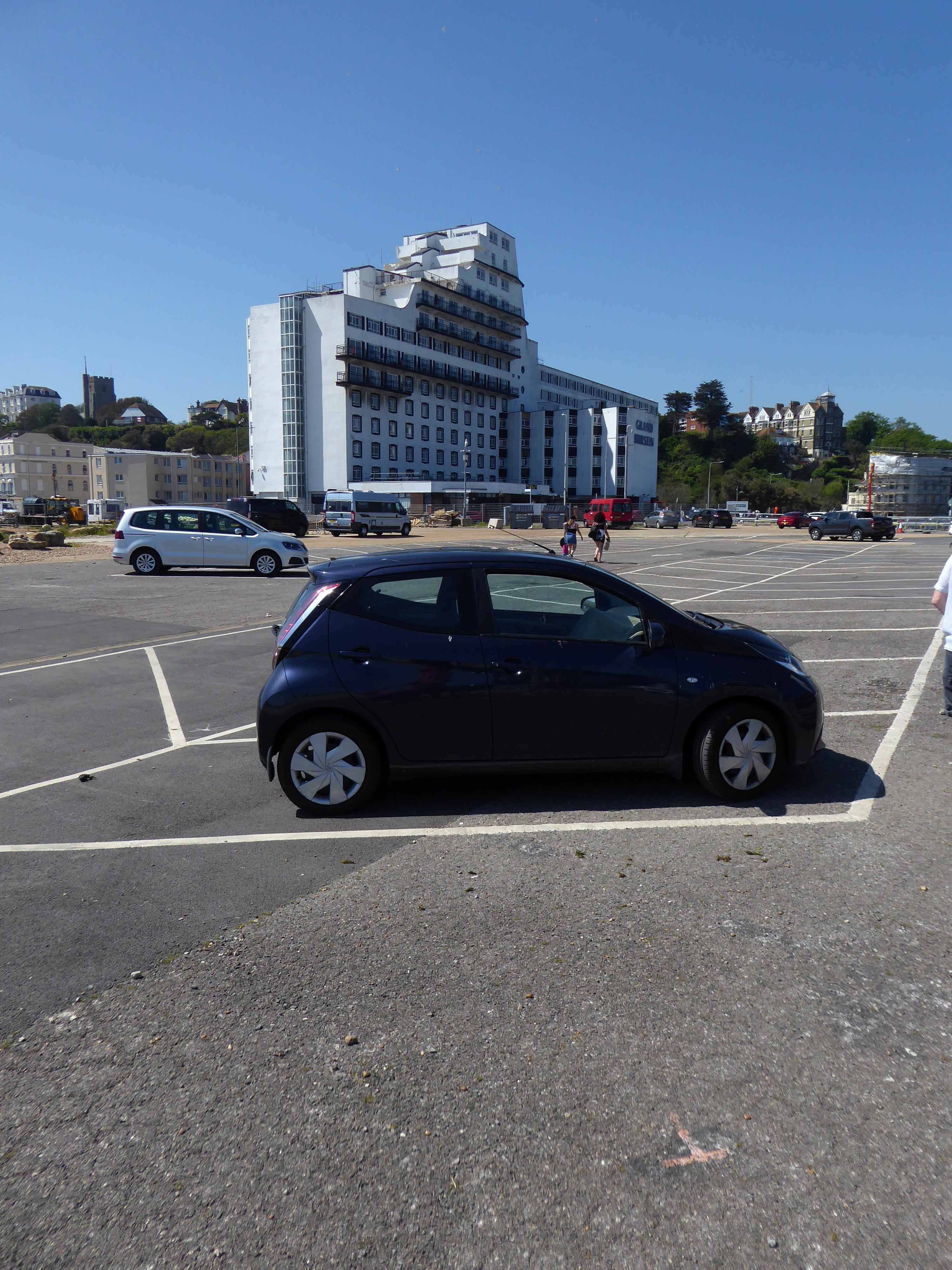
Even the Grand Burstin has been improved.
23 November 2009
This place has got to be up for Worst Hotel in the UK.
We made the mistake of staying there for our first anniversary, and we sorely regretted it. First, after the initial shock that awaits anyone entering the lobby, we were given probably the filthiest room in hotel history.
It reeked of smoke and urine.
The management’s disorganisation landed us free meals, even if they paid us £10 per person to eat that stuff it wouldn’t be worth it:
Canned fruits, red meat galore with no other option, greasy bacon, value bread, omelet made with the least real eggs possible, all served with the same urine smell in the restaurant and by the most apathetic staff ever.
We left as soon as possible.
Seeing that place in the rear-view mirror was the highlight of our visit.
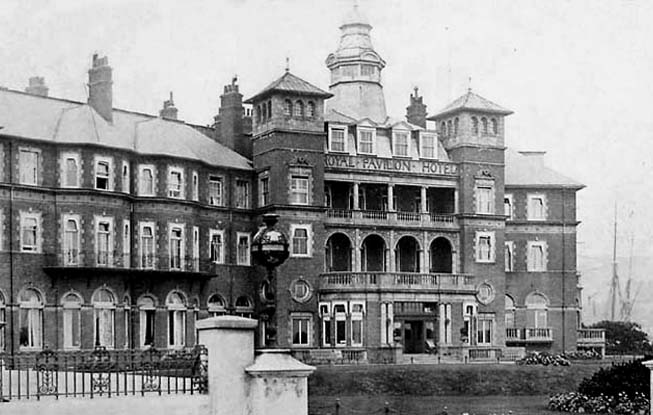
The current hotel was built in 1984 from the foundations of the Royal Pavilion Hotel, originally built in 1843, parts of which form the new Burstin Hotel, such as the Victorian restaurant.
It’s along climb out of Folkestone, there are no snaps – simply memories of a weary ascent.
Eventually we top out and roll along over the white cliffs of Dover.
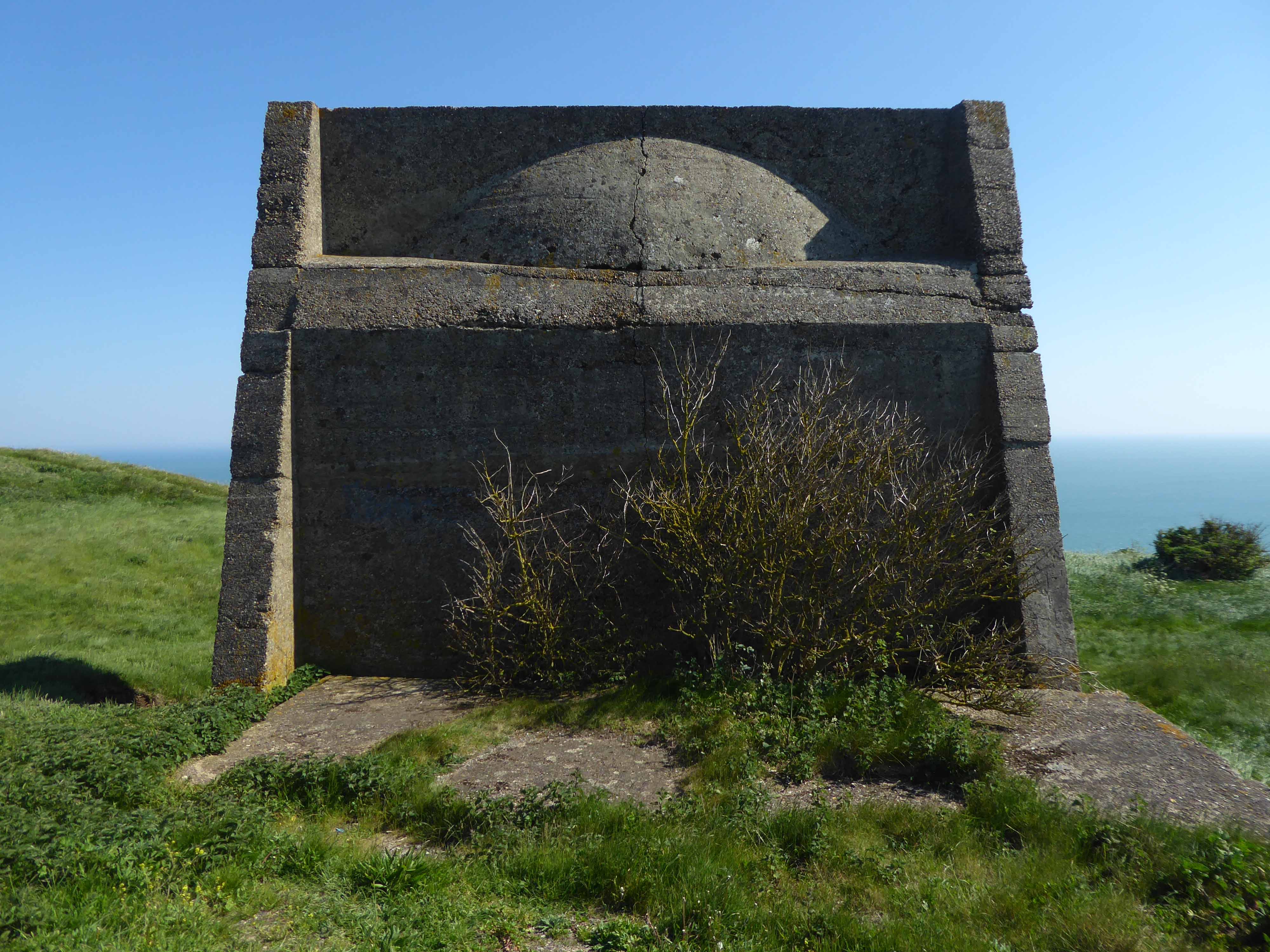
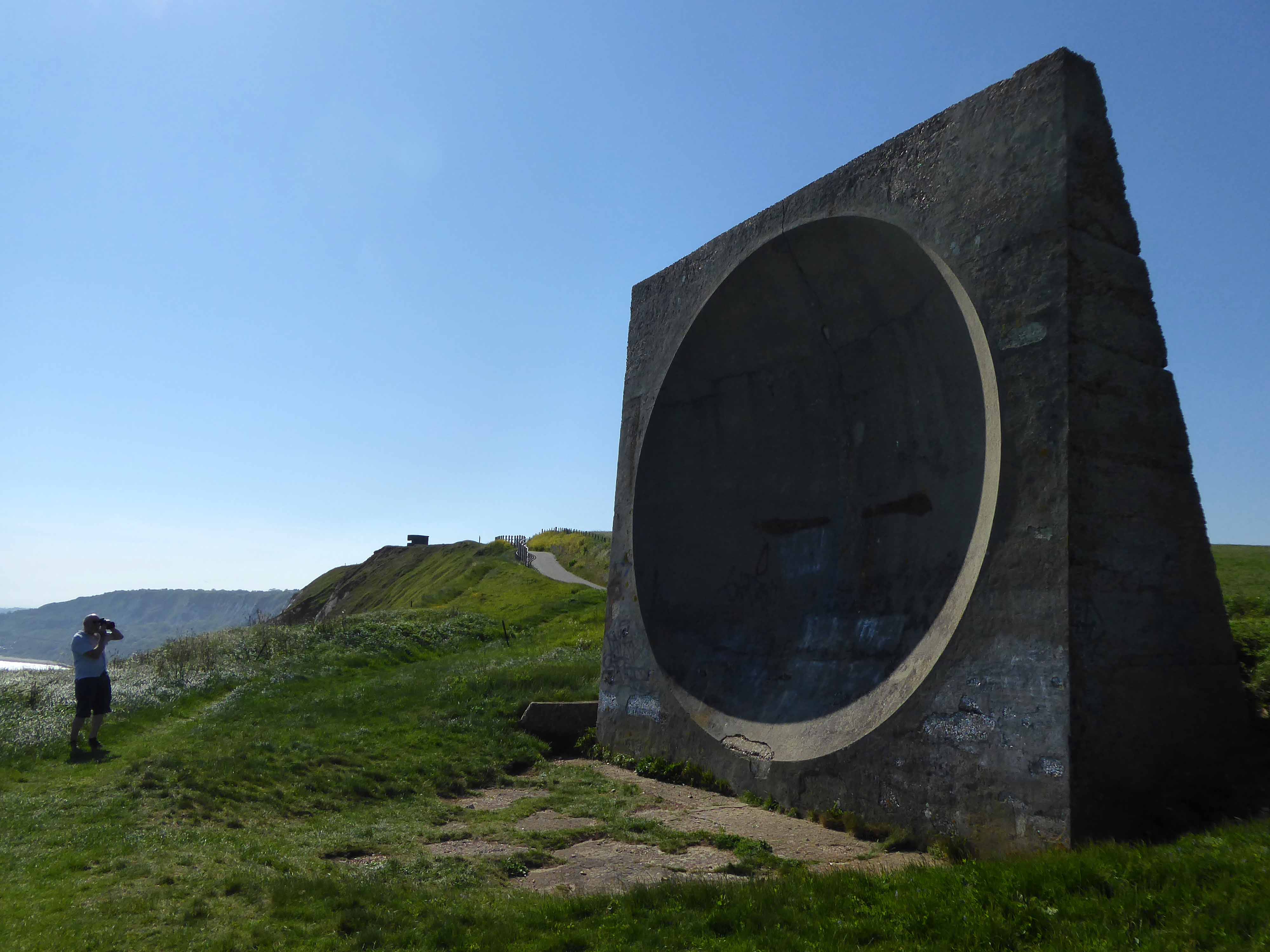
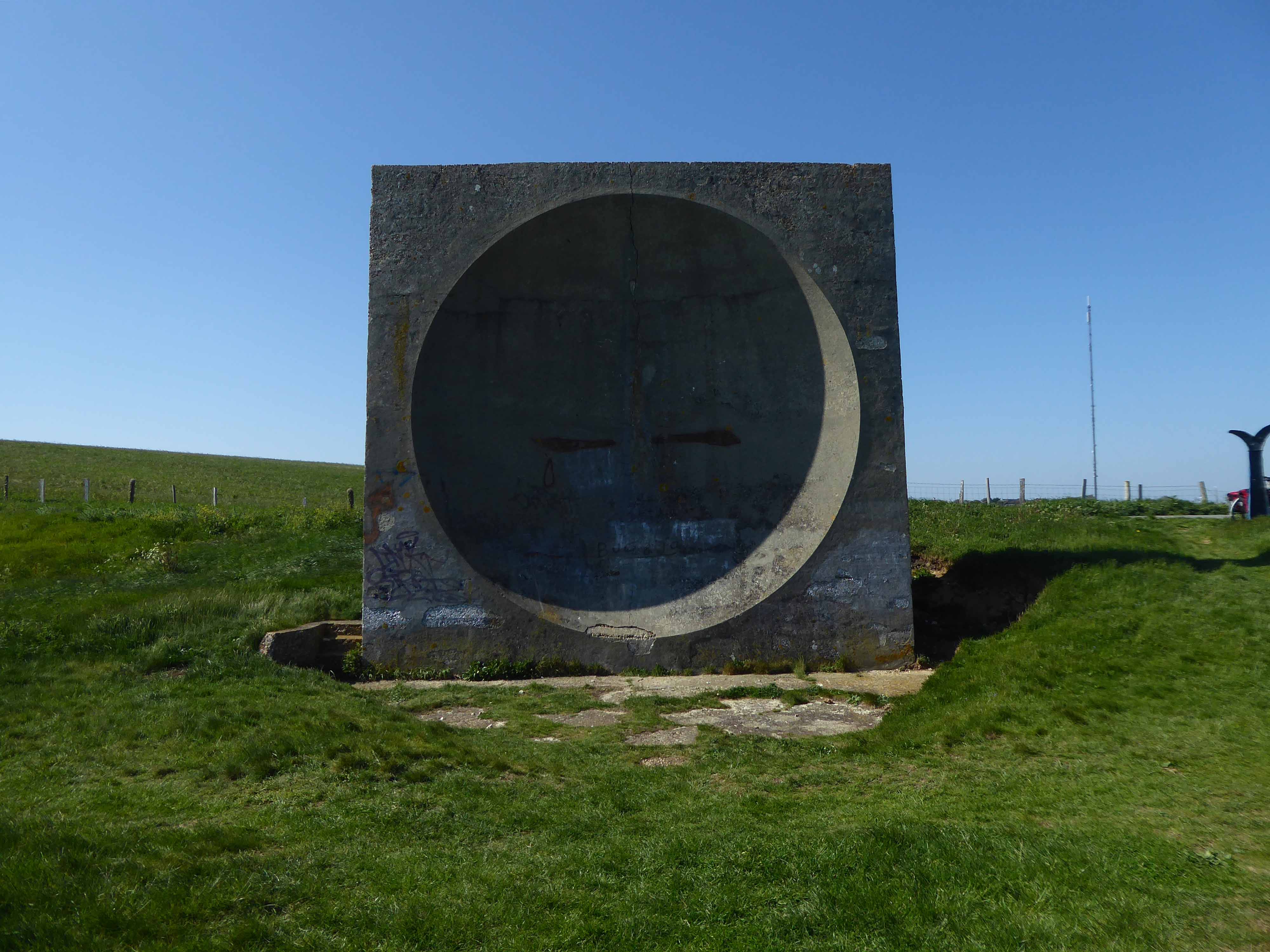
Where we discover this delightful concrete listening post.
Abbot’s Cliff Acoustic Mirrors
Before the advent of radar, there was an experimental programme during the 1920s and 30s in which a number of concrete sound reflectors, in a variety of shapes, were built at coastal locations in order to provide early warning of approaching enemy aircraft. A microphone, placed at a focal point, was used to detect the sound waves arriving at and concentrated by the acoustic mirror. These concrete structures were in fixed positions and were spherical, rather than paraboloidal, reflectors. This meant that direction finding could be achieved by altering the position of the microphone rather than moving the mirror.
Descending into Dover, ascending again, hot and weary.
Appreciating the slow traffic free drag down to St Margarets Bay – sadly no photos, suffice to say one of the most elegant lanes of the trip, once home to Sir Noël Pierce Coward.
In Coward’s seven years in the Bay he entertained a large array of famous friends from the arts, film and stage. Katherine Hepburn stayed here with Spencer Tracey and swam daily from the shore. Daphne Du Maurier, Ian Fleming, Gertrude Lawrence and John Mills all came to relax, play Canasta and Scrabble or join Coward in his painting studio where he produced oils of the Bay.
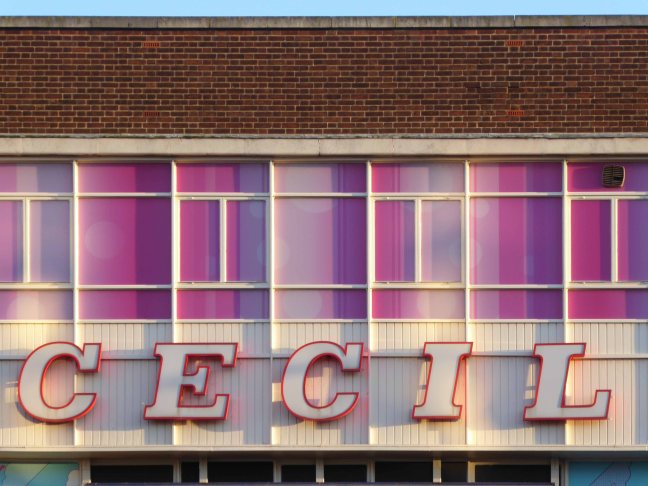
Turn right out of the station toward the Cecil Cinema.
The Theatre De-Luxe was built in 1911 at the corner of Anlaby Road and Ferensway with its entrance in Anlaby Road and its auditorium along the side of the pavement in Ferensway. Kinematograph Year Book of 1914 lists 600 seats and the owners as National Electric Picture Theatres Ltd.
In 1925, the theatre was rebuilt to a radically altered ground-plan and renamed the Cecil Theatre.
The Cecil Theatre’s demise came during bombing on the night of 7/8 May 1941 when German incendiary bombs reduced the building to a shell; and it remained like that until demolition in 1953.
Work on the new Cecil Theatre was begun in April 1955 and it was opened on 28th November 1955 with 1,374 seats in the stalls and 678 in the balcony.
Architects: Gelder and Kitchca
At the time of opening it had the largest CinemaScope screen in the country measuring 57 feet wide, and the first film shown was Marilyn Monroe The Seven Year Itch.
In the 1980’s it was taken over by the Cannon Cinemas chain. The cinema operation was closed on 23rd March 1992 and the cinemas were ‘For Sale and/or Lease. It was taken over by Take Two Cinemas and renamed Take Two Cinema. It was closed on 27th February 1997 and the two screens in the former circle were stripped out and converted into a snooker club.
Whilst bingo continues in the former stalls area of this post war cinema, the former mini cinemas in the circle still contain the snooker tables, but the space is unused. The screen in the former restaurant/cafe area remains basically intact, but is unused.
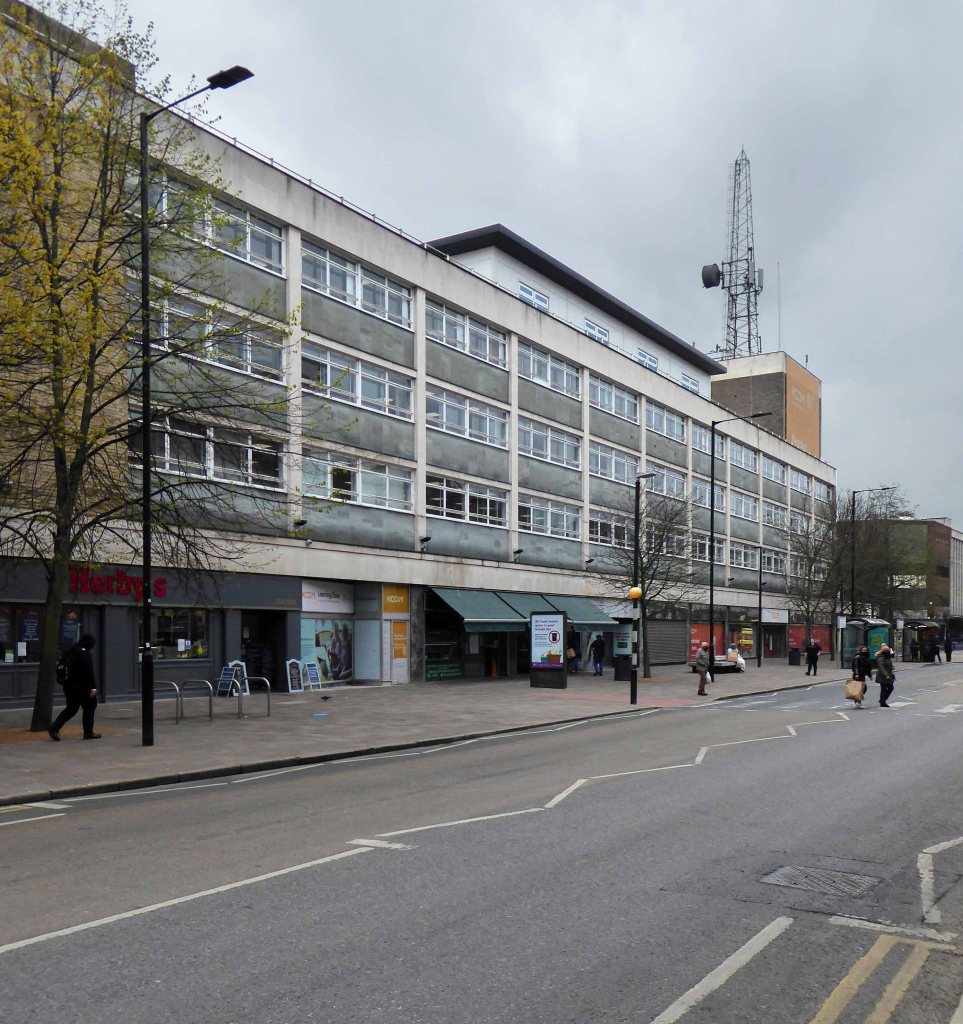
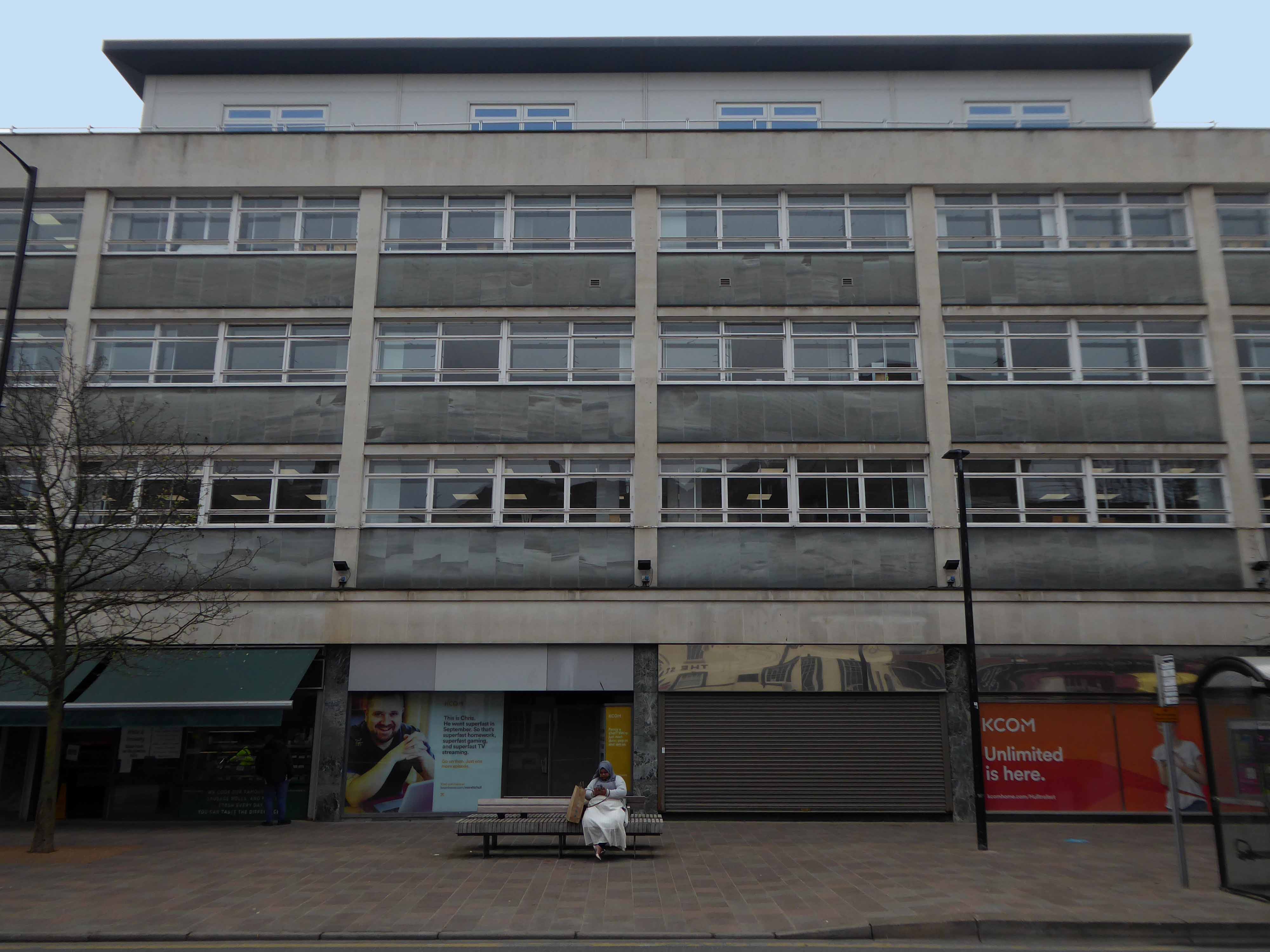
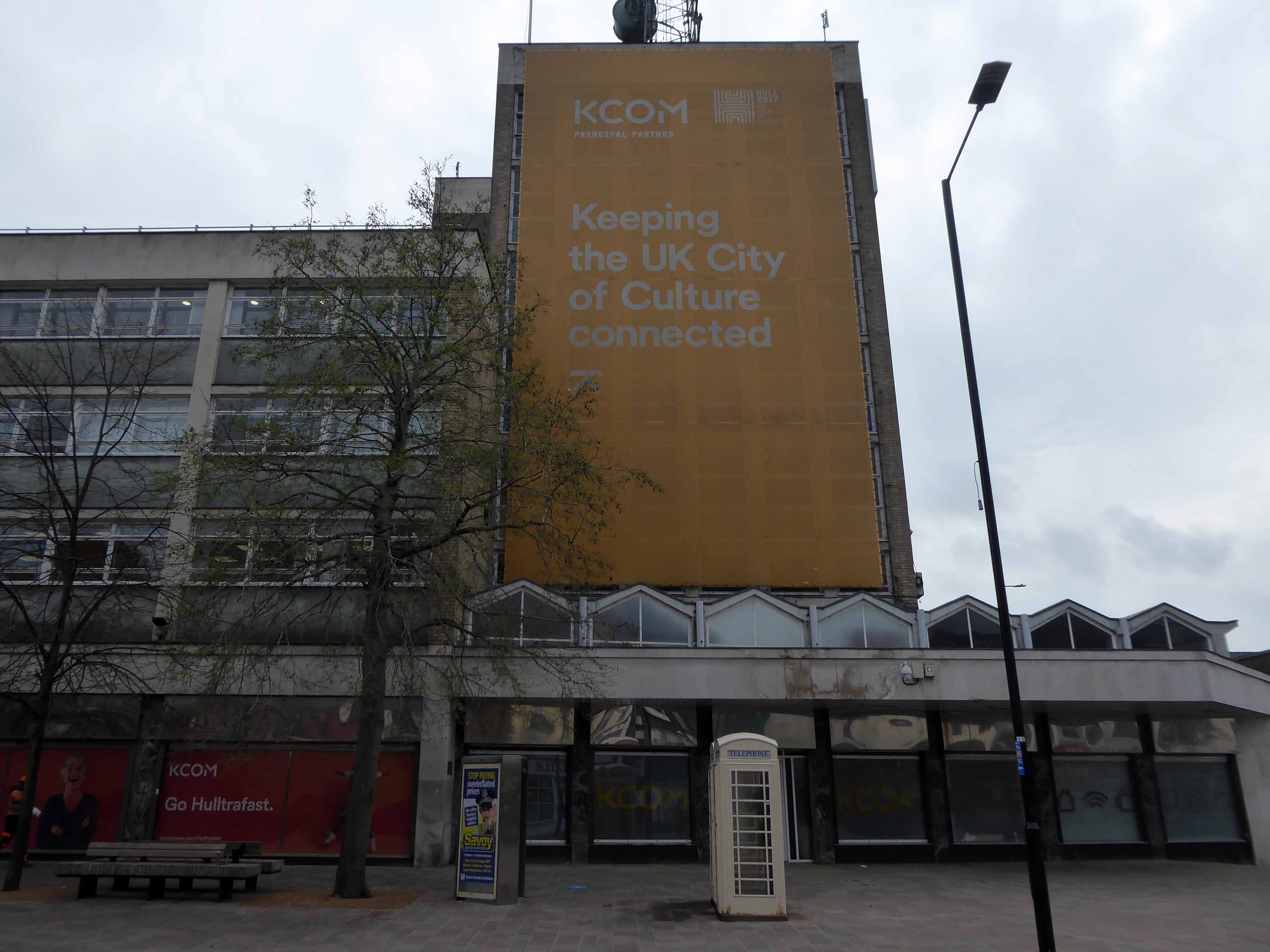
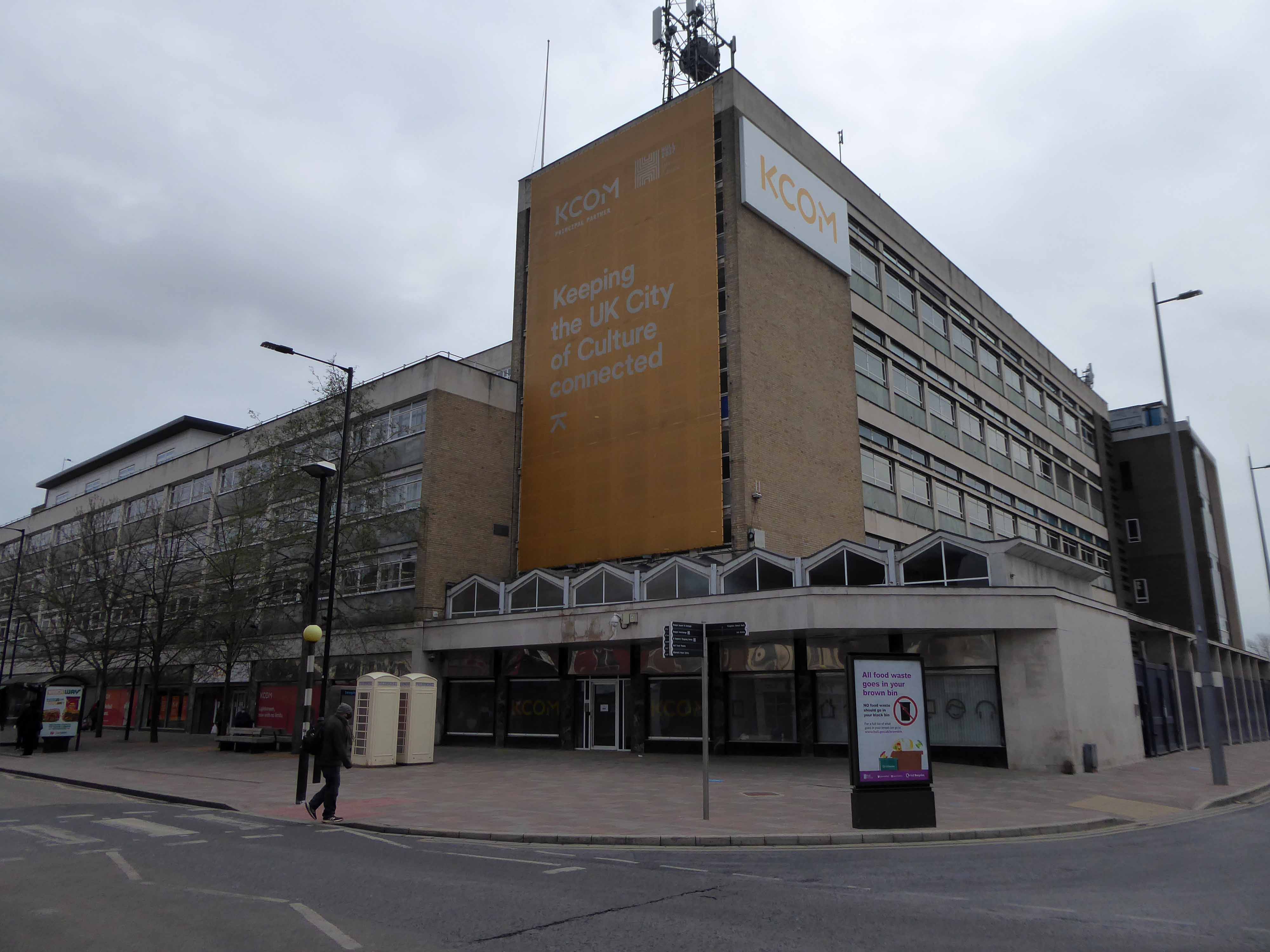
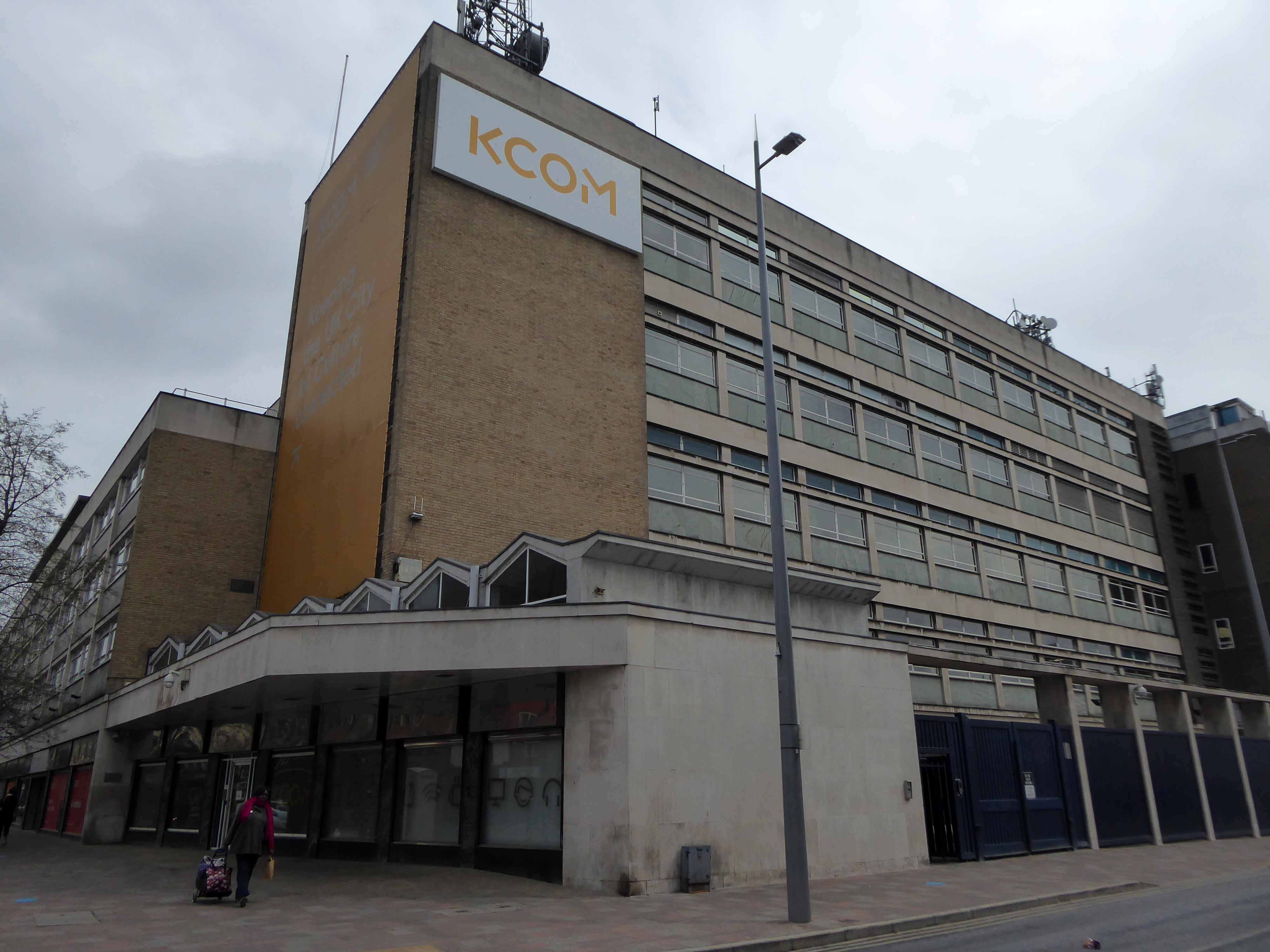
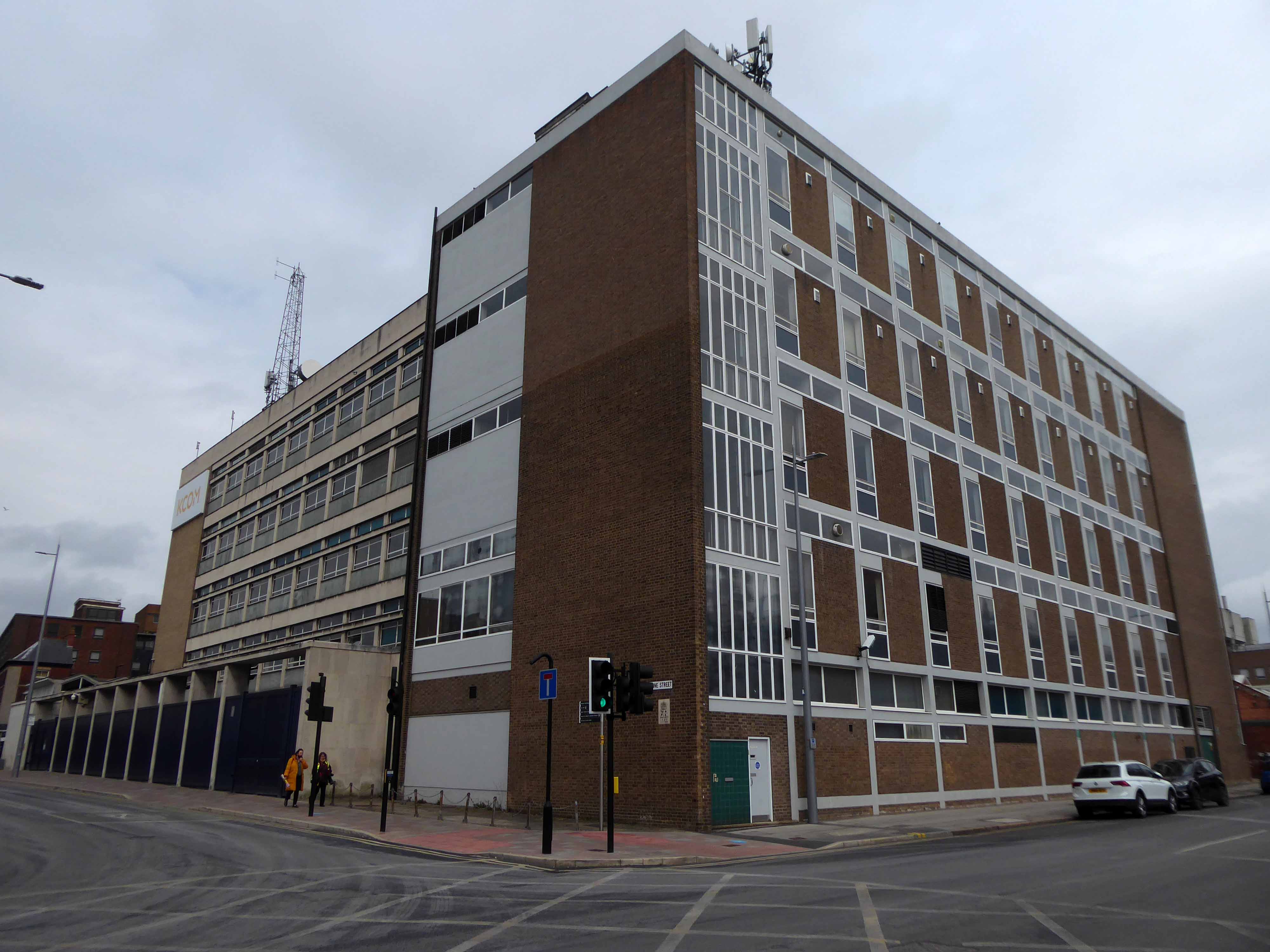
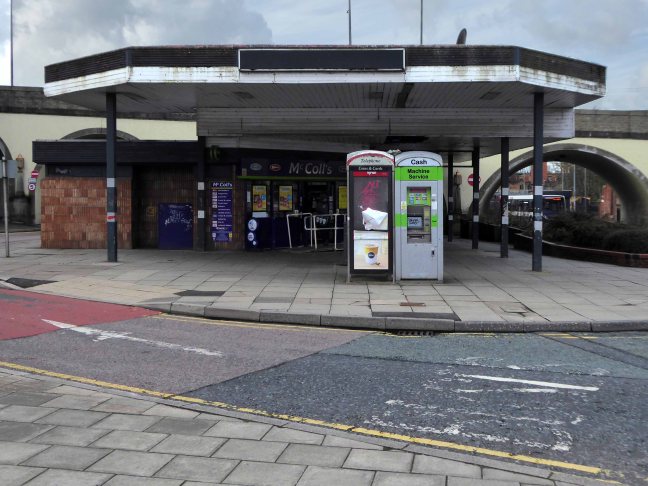
Whilst circumnavigating the Cecil one can’t help but notice the KCOM HQ – and its distinctive white telephone kiosks.
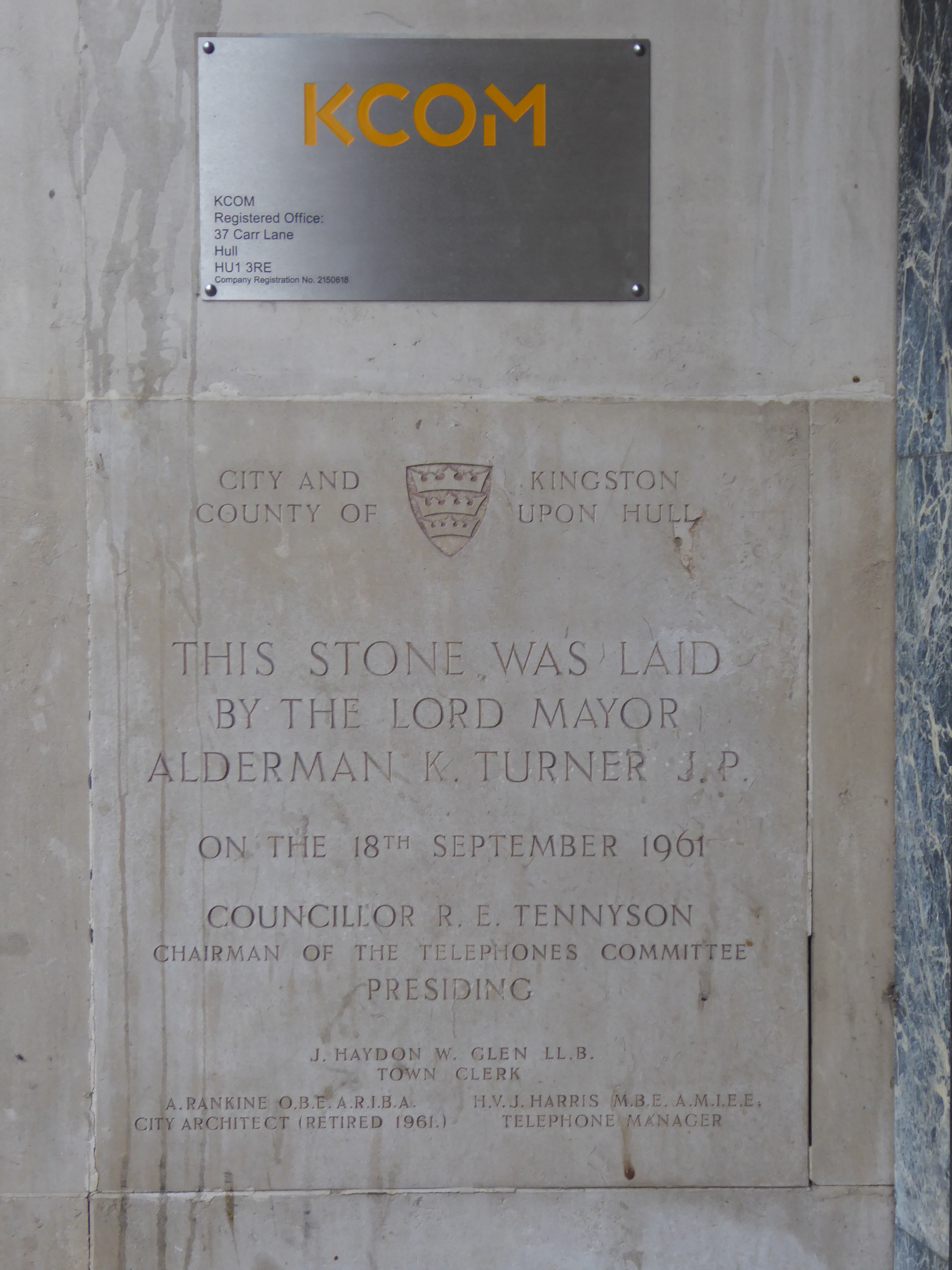
The work of City Architect A Rankine OBE RIBA
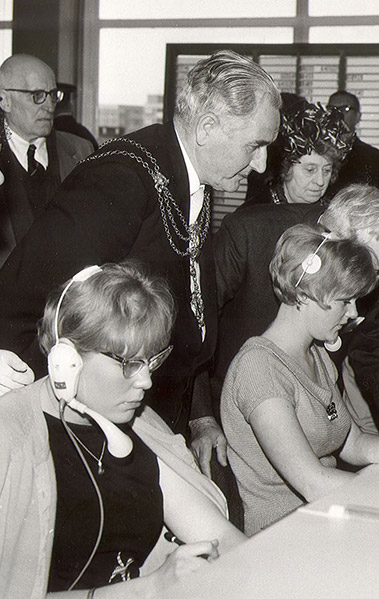
When Hull City Council founded KCOM back in 1904, as Hull Telephone Department, it was one of several local authorities across the country granted a licence to run its own phone network.
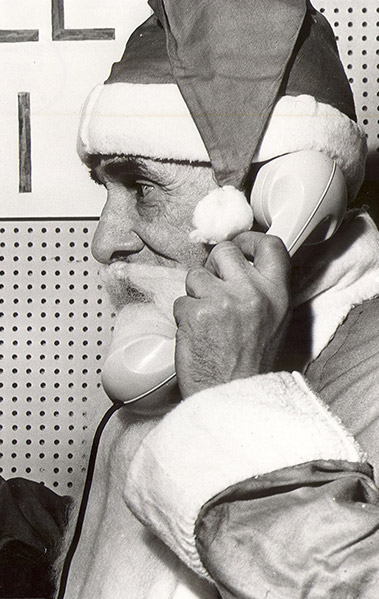
1952 Call Father Christmas service was introduced.
Having heard of a recorded message service in Scandinavia, Hull Councillor J M Stamper suggested the idea of putting Father Christmas on the telephone. The Call Father Christmas service was introduced shortly afterwards, the first of its kind in the UK. By dialling a Hull Central number children could hear recordings of a Christmas story and carol singing.
The success of the Father Christmas service led to the creation of other recorded information lines, such as Bedtime Stories, Teledisc and Telechef.
This recipe line was introduced in 1950s and was still going strong until the 1990’s, with 50s recipes such as meat loaf and corned beef with cabbages being replaced by dishes such as Italian Chicken Bake.
Sea trade created a large Danish community which Hull’s very own Amy Johnson was descended from. Her grandfather was Anders Jorgensen, who anglicised his name to the more pronounceable Andrew Johnson. A Danish pastor was appointed and an old chapel in Osborne Street was purchased in 1841.
It was on May 9, 1954, that the present church, with its now familiar separate bell tower, was consecrated by the Bishop of Copenhagen.
Hull was the most severely damaged British city or town during the Second World War, with 95 percent of houses damaged. It was under air raid alert for one thousand hours. Hull was the target of the first daylight raid of the war and the last piloted air raid on Britain.
Of a population of approximately three hundred and twenty thousand at the beginning of the war, approximately one hundred and fifty two thousand were made homeless as a result of bomb destruction or damage.
Overall almost one thousand two hundred people were killed and three thousand injured by air raids.
Despite the damage the port continued to function throughout the war.
The earliest housing was built just after World War II, starting with what is known locally as Australia Houses.
A circular five storey housing block off Porter and Adelaide Streets, with a communal garden in the middle. These flats consist of deck access flats and some traditional style Art Deco tenements. Some are three bedroom, and have been refurbished over the years.
Porter Street – three six-storey blocks containing seventy dwellings of 1954
Contractor J Mather
New Michael Street and Melville Street aka Upper Union Street one hundred and eight dwellings in three nine-storey blocks of 1958
Contractor Truscon
The designer behind Hull’s tower blocks was Andrew Rankine RIBA, who from 1939 remained City Architect until his retirement in 1961.
Just around the corner:
Over the last three years both companies have worked on undertaking the complex development of an off-site constructed, low carbon, Code 5 housing product. Working with Hodson Architects on the design the project will provide 3-bed family houses on the Thornton Estate in Hull. The scheme will increase provision of suitably sized accommodation in the area for families.
The project will see Premier Interlink manufacture the steel framed modules at the factory in Brandesburton East Yorkshire starting this March. The five houses are to be prefabricated off-site, with each house comprising of four separate units which are then assembled on site. This offers the benefit of reducing construction time, improving efficiency, reducing material wastage and offering an improved thermal envelope.
The Goodwin Trust, a brilliant and pioneering community group, decided the new version of pre-fab, or ‘modular’ housing, was exactly what was needed to provide affordable housing for the people it also cares for in so many other different ways.
Back toward the station and Hammonds of Hull/House of Fraser – soon to be a food court, artisan everything outlet.
Built in 1952 on Paragon Square to designs by T. P. Bennett, with extensions added in 1954 and 1957. Within a couple of years the business had grown again by opening its own hairdressing salon, and in 1960 added a new warehouse to accommodate their furniture workshops and stock rooms. This itself was extended within four years, while a fourth floor was added to the main store.
On the right a civic building Festival House of 1951.
Apprenticed to Lutyens‘ assistant Oswald Milne and later working with Charles Cowles-Voysey
With his good friend, John Betjeman, he helped found the Victorian Society in 1958.
On 1st May 1951, the foundation stone of Festival House was laid, to commemorate the first permanent building to be built in the city centre since the 1941 Blitz. Placed under the stone was a time capsule containing coins, stamps, a Festival of Britain programme, a copy of that day’s Hull Daily Mail, and a booklet about the city. Festival House was owned by Hull Corporation on behalf of the people of Hull.
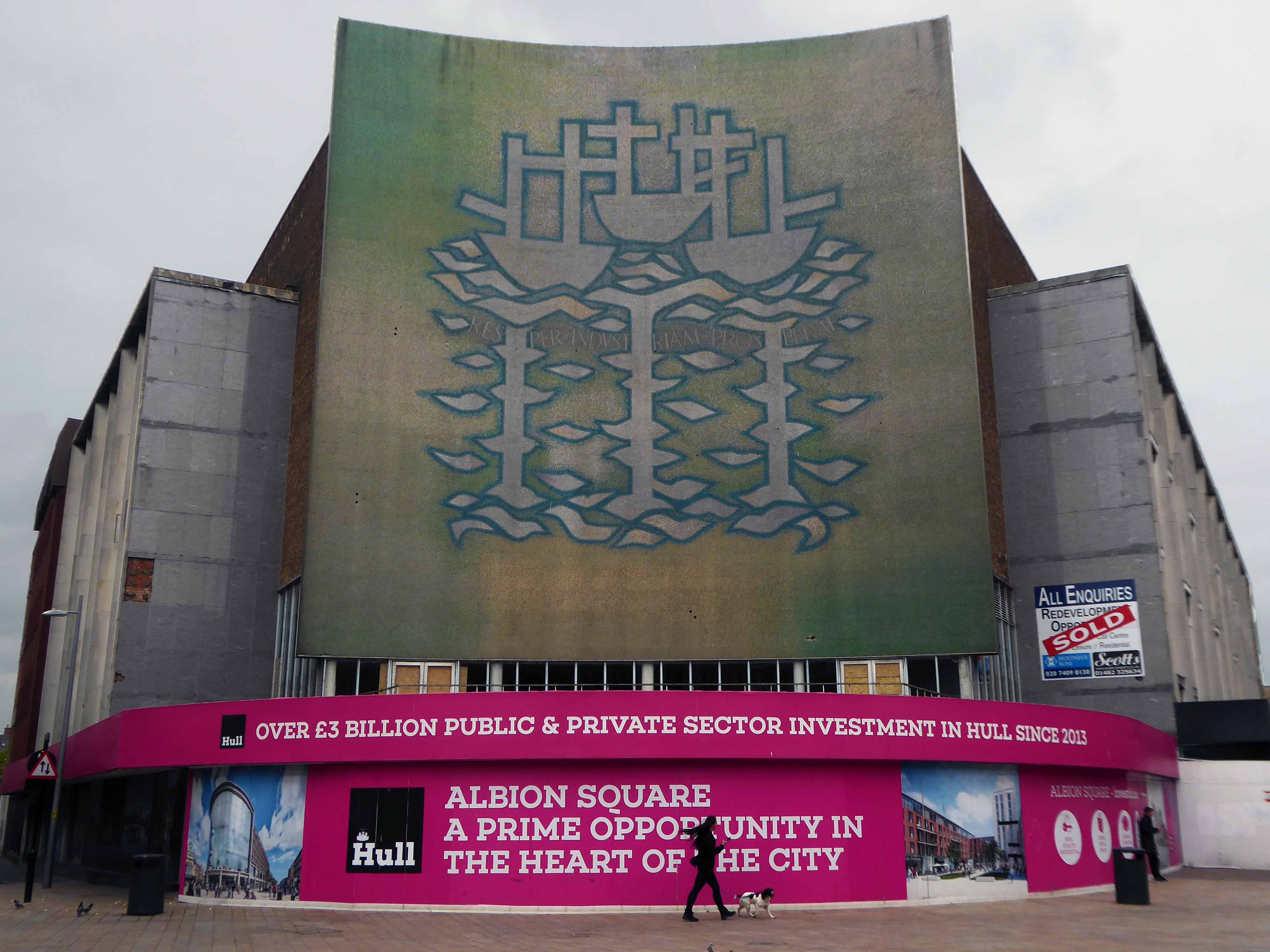
Before us Alan Boyson’s Three Ships – now listed and set for preservation.
The fate of the attached former CO-OP/BHS is less secure.
Architect: Philip Andrew
Onward to the Queens Gardens the almost filled in former Queens Dock – forever fourteen feet below sea level.
We encounter Tonkin Liu’s Solar Gate – a sundial that uses solar alignment to mark significant times and dates in Hull. The super-light innovative two-shell structure is place-specific, responding to pivotal historic events and to the cultural context of its location in Hull’s Queens Gardens adjacent to the ancient site of Beverley Gate.
Carved stone panels Kenneth Carter1960 – Ken’s art career began as an inspiring teacher, first at his alma mater, Hull College of Art, and later as principal lecturer at Exeter College of Art.
A number of decorative fountains featured in the ponds; those at the eastern end designed as part of the sculptured panels of 1960, byRobert Adams, described by Herbert Read as belonging to:
The iconography of despair. Here are images of flight, of ragged claws, scuttling across floors of silent seas, of excoriated flesh, frustrated sex, the geometry of fear.
And behind we glimpse Frederick Gibberd’s fine Technical College.
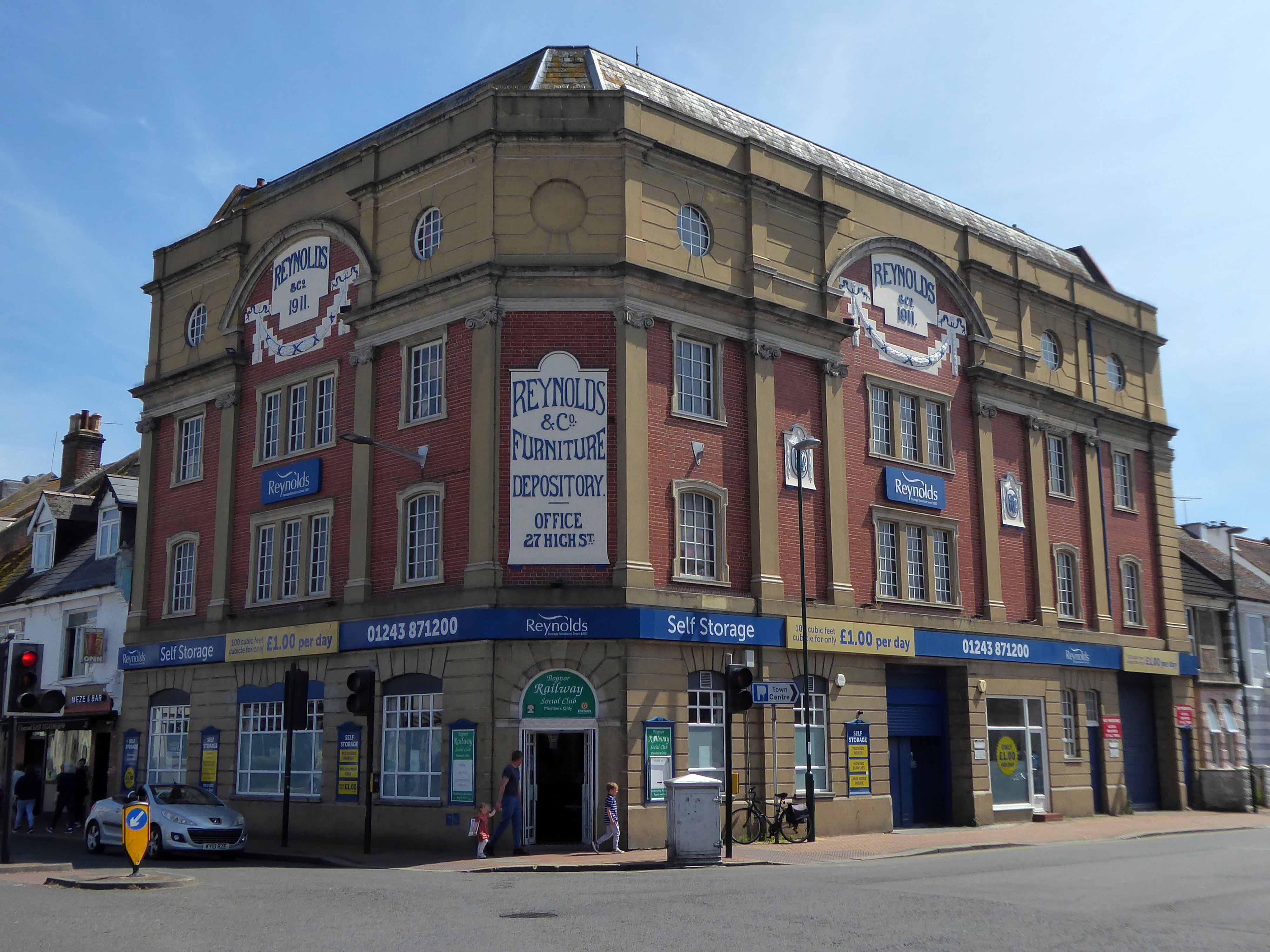
Since 1867 Reynolds has grown from a small shop to the largest furniture store in Sussex, with over 30,000 sq ft on four floors.
The Funeral Service now has three offices in Bognor Regis, Chichester and Littlehampton and the purpose built storage facility in Canada Grove continues to thrive.
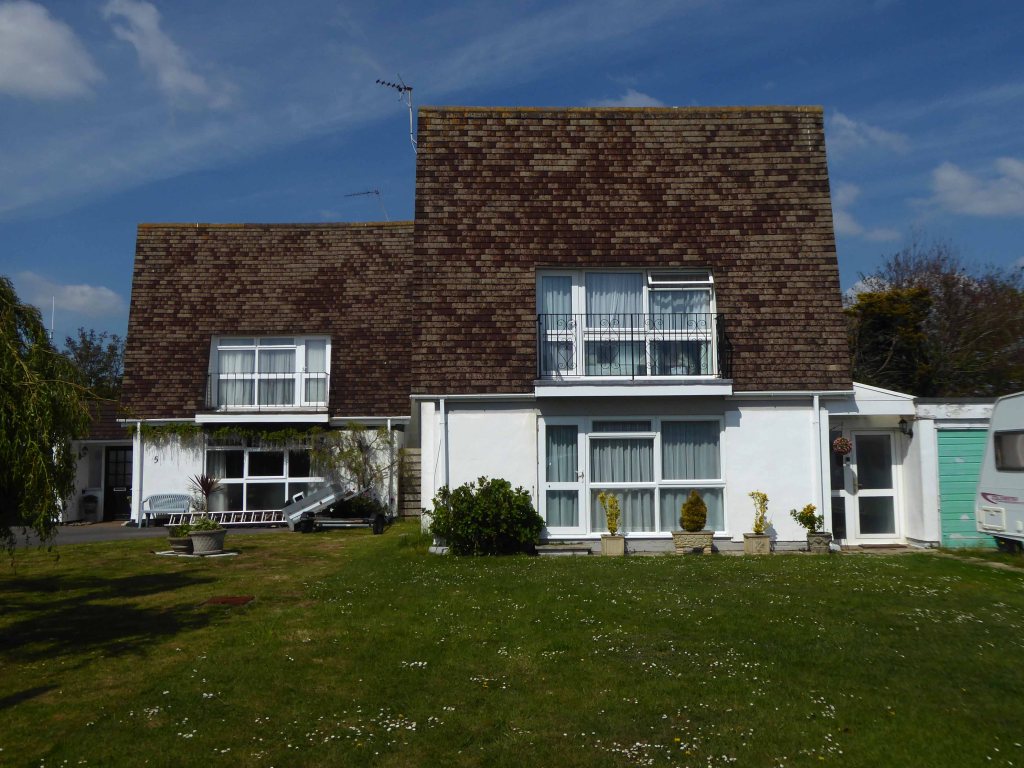
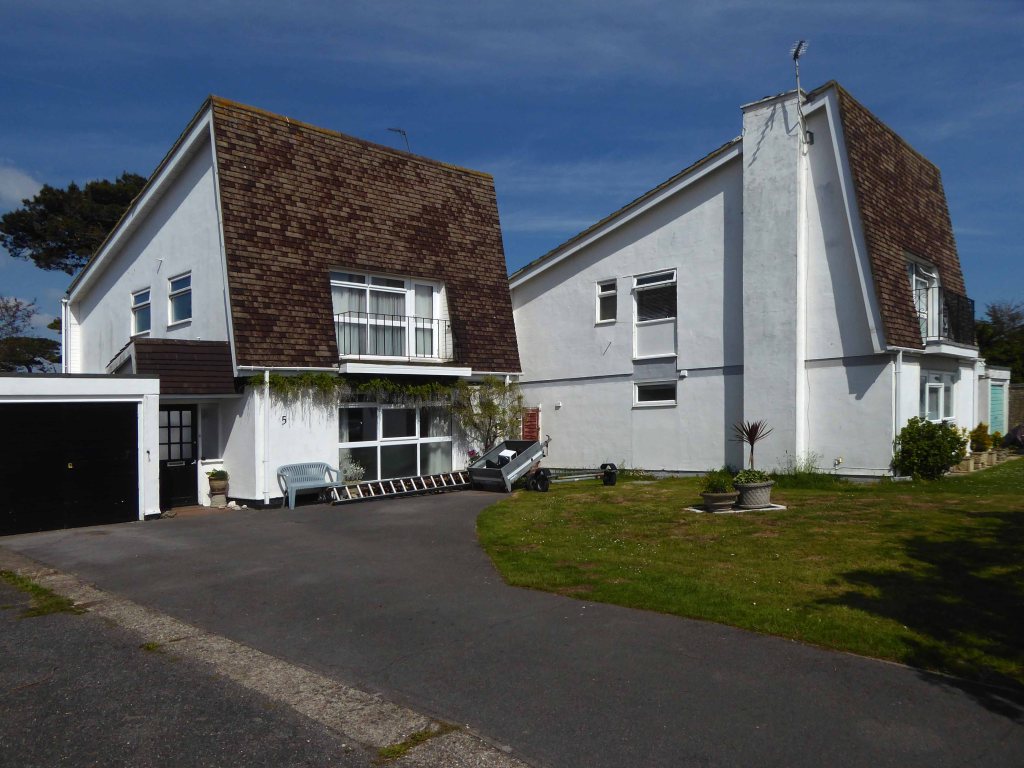
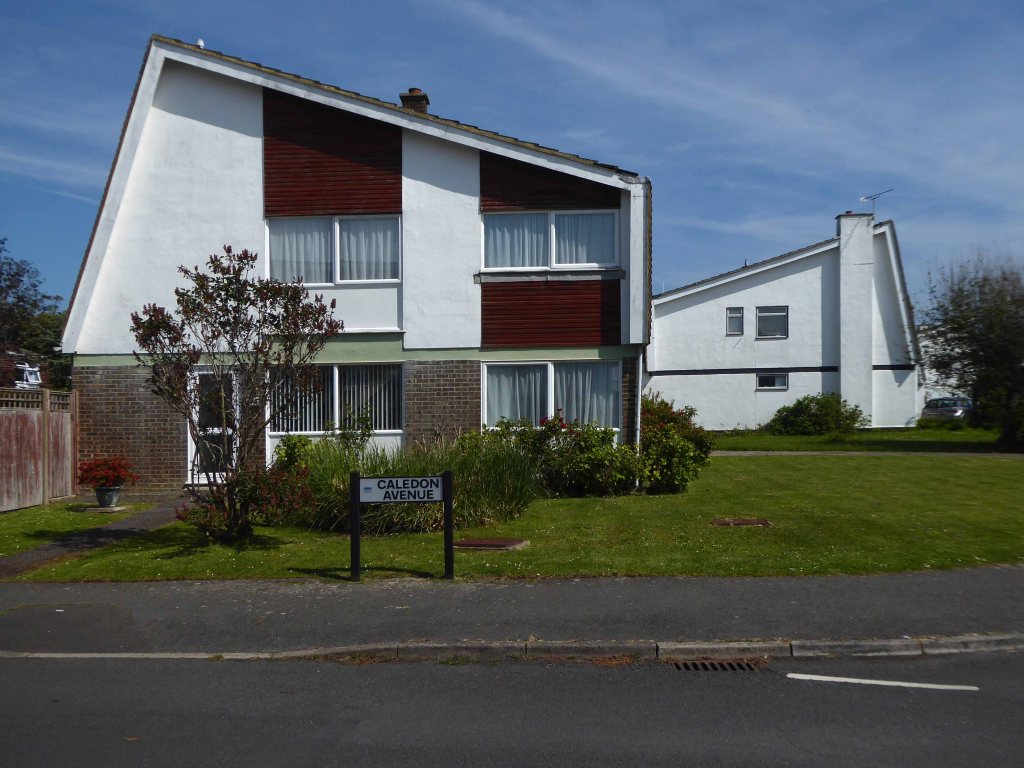
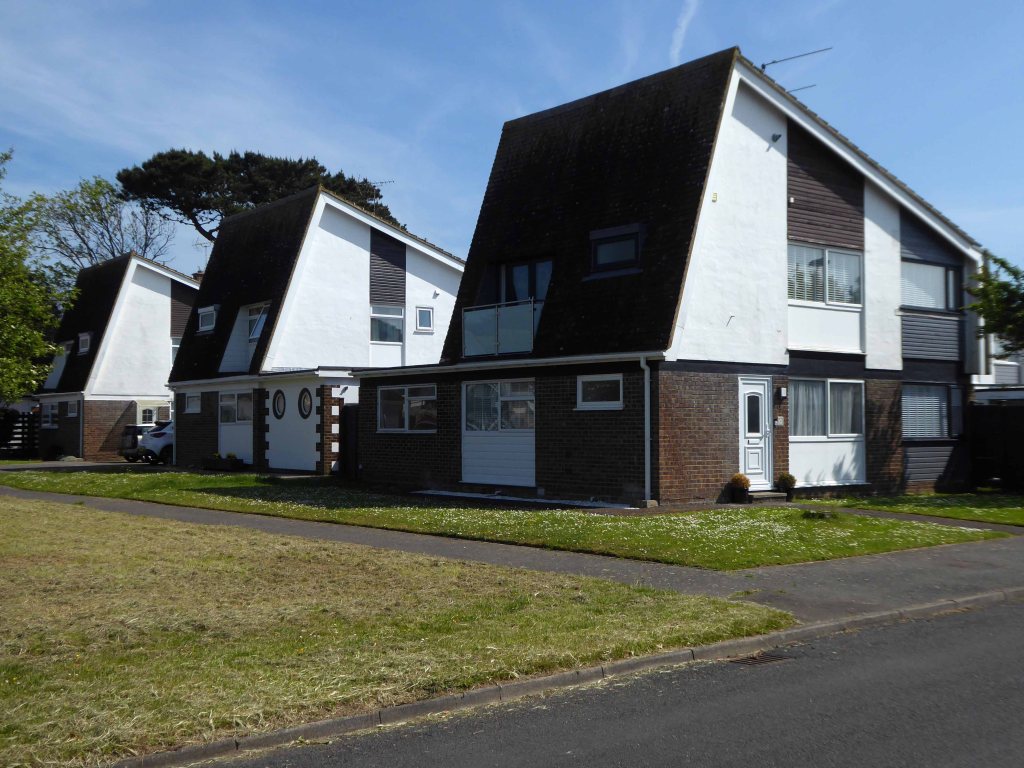
We soon found ourselves in Felpham, amongst yet more interesting housing.
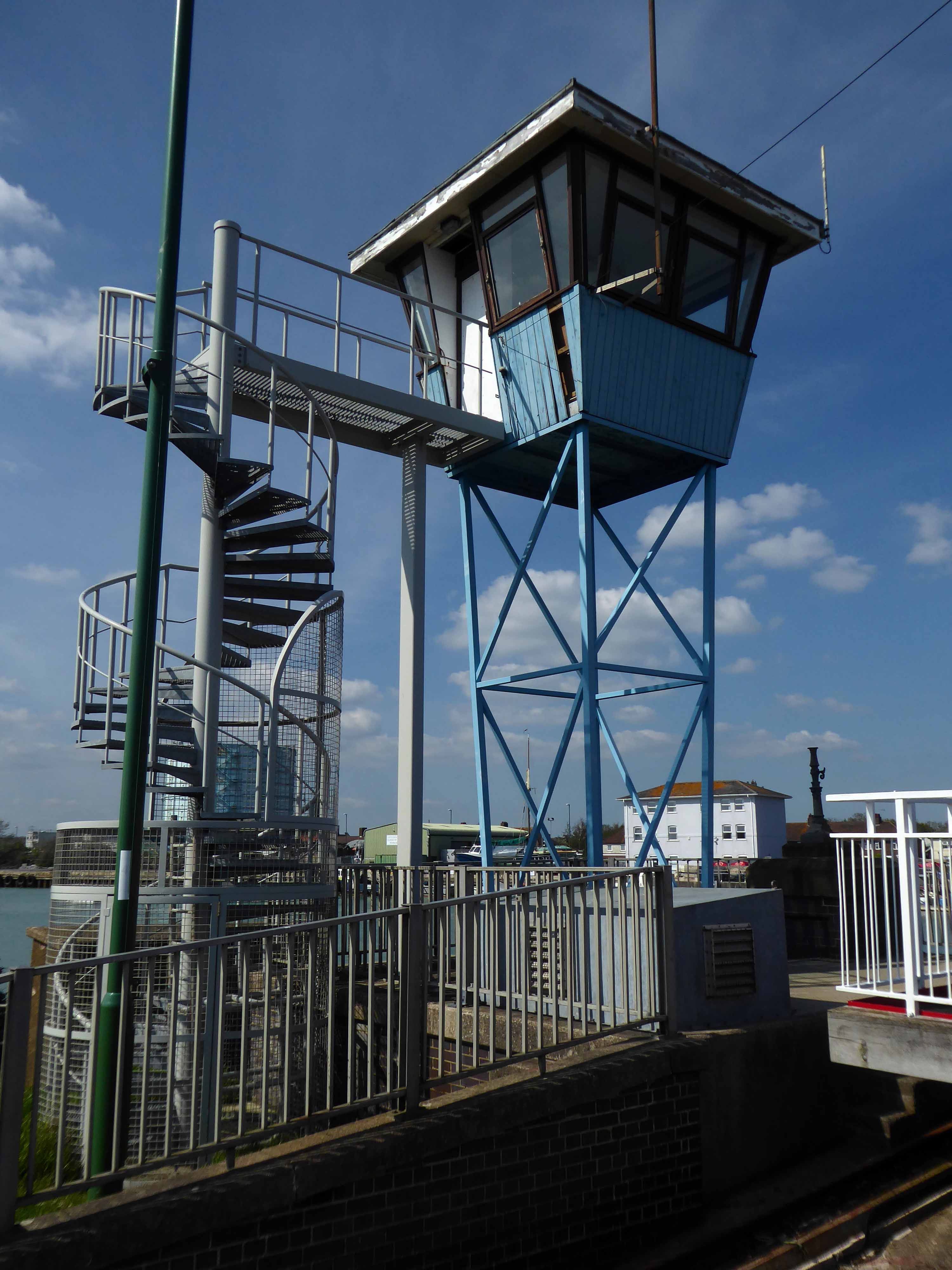
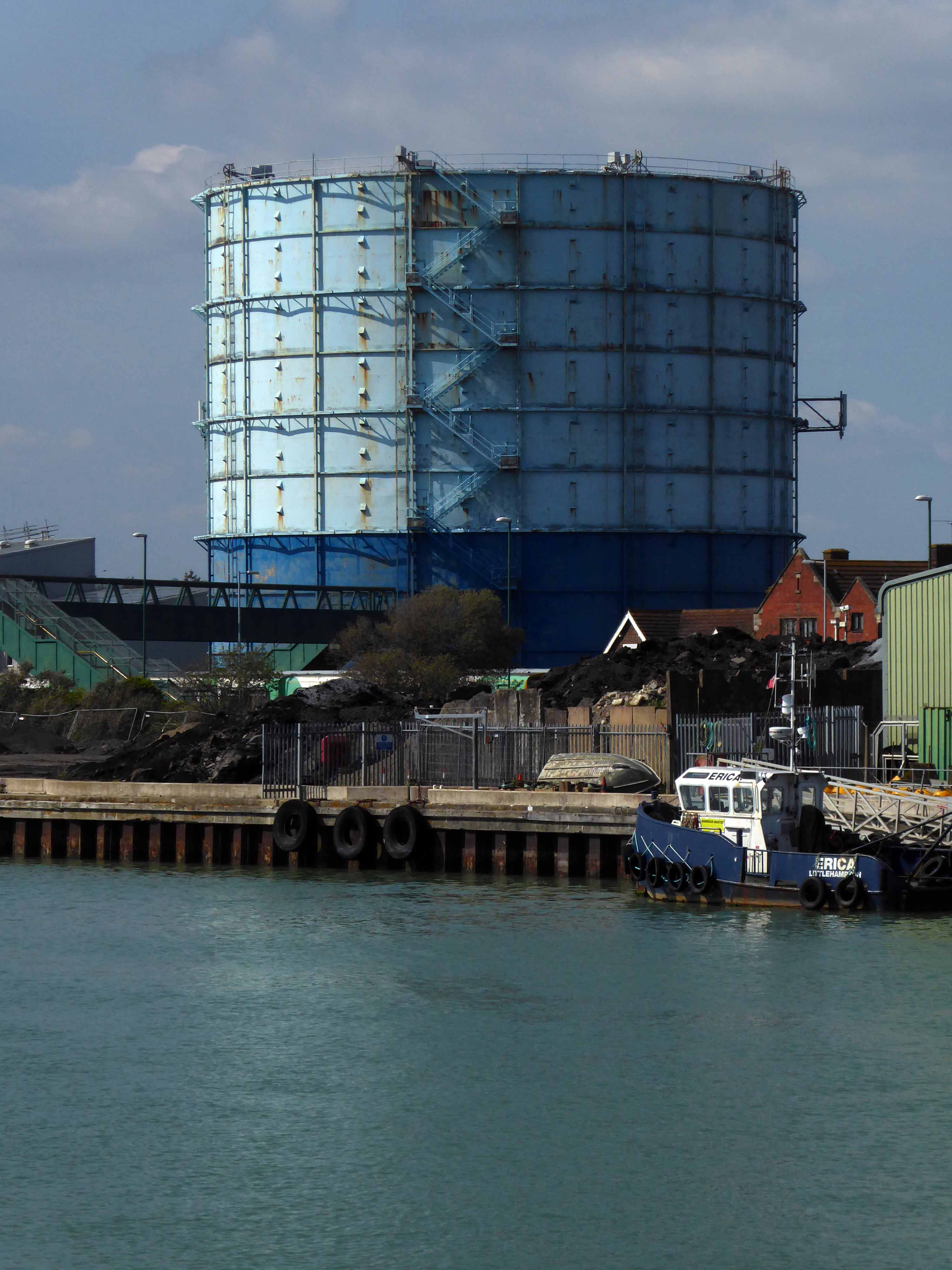
We traversed the River Arun at Littlehampton.
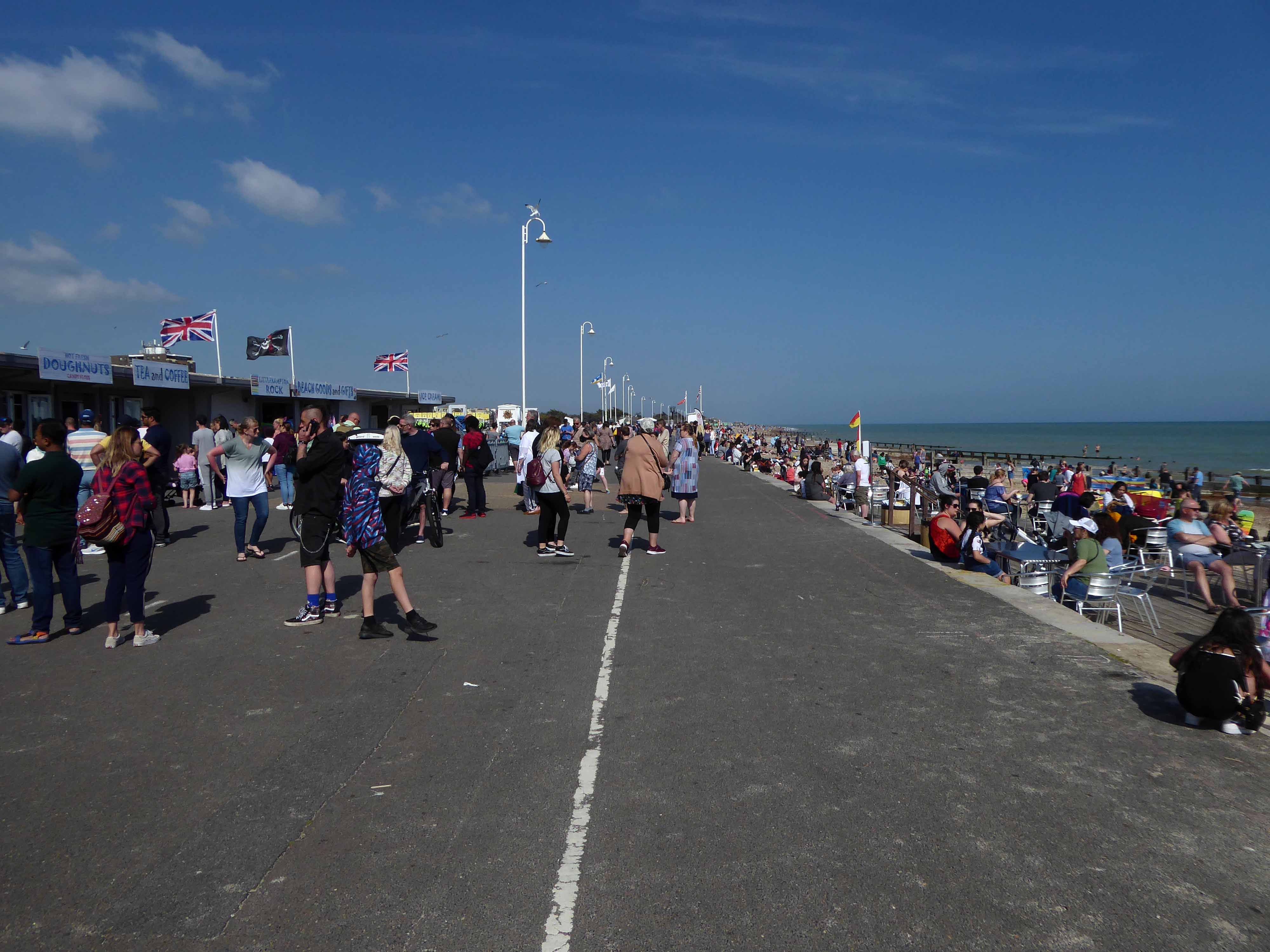
Then meshed with the milieu on the prom.
The day grew much hotter and we grew ever so slightly loster.
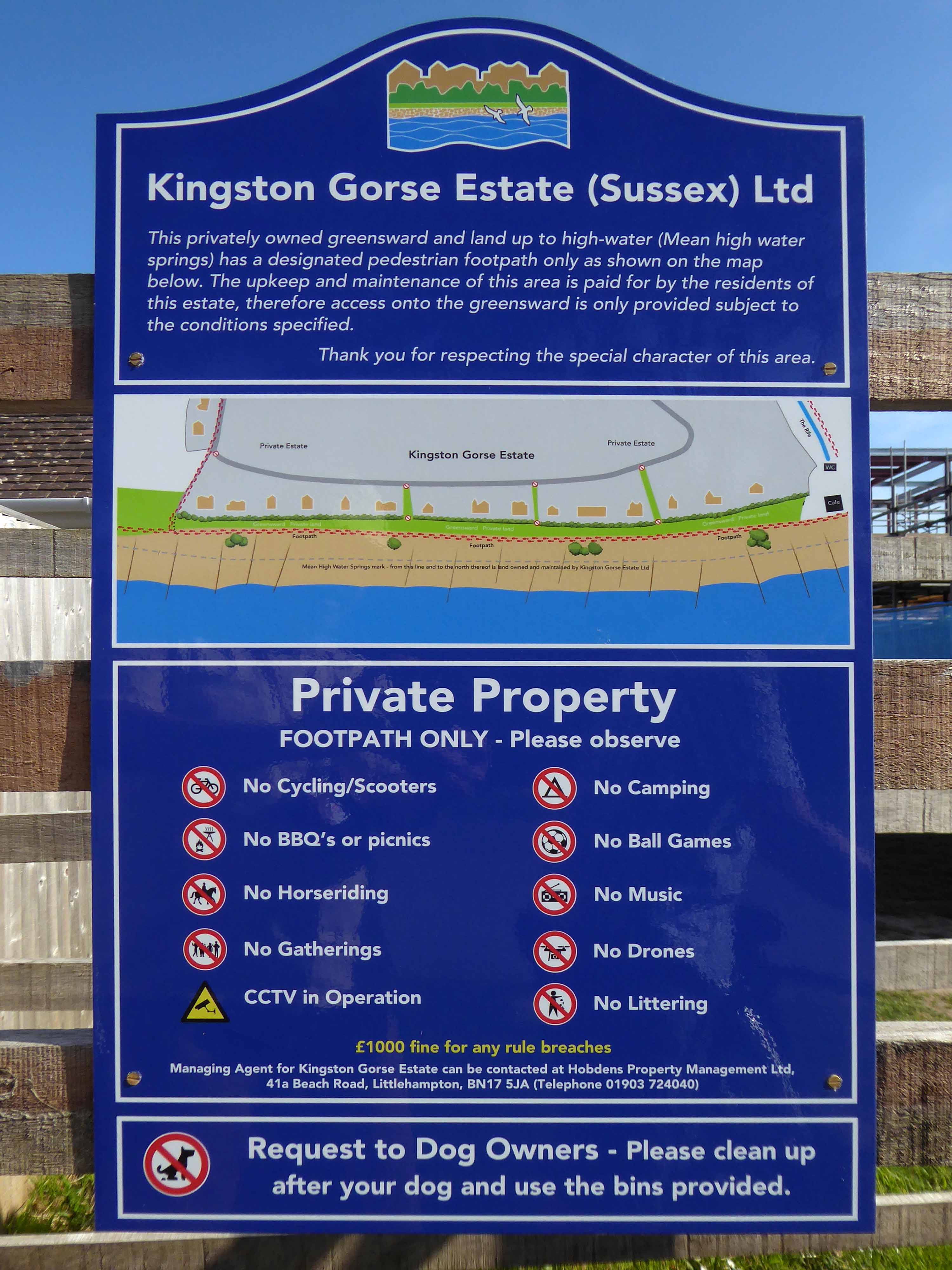
Finding our way back to the coast through the Kingston Gorse Estate – where almost everything is comprehensively prohibited.
Kingston Gorse is a beautiful seaside location close to Goring-by-Sea in West Sussex. In Kingston Gorse, there is a gorgeous housing development with a number of three, four and five bedroom homes.
In 1918 JA Candy, who owned East Kingston Farm, sold the land on which Kingston Gorse now stands to the local builder G Pesket.
In the 1920s he constructed the infrastructure and developed approx. 30 plots including Imray, which he occupied.
We arrived safely by train from Stockport at Southampton Central.
Following lengthy consideration we headed off on our bikes.
Whilst halting to review our progress, I realised that I had lost the map, a map vital to our further progress.
Returning to the station I found it nestled against the kerb.
Further assessment of our onward journey resulted in yet another retracing of steps.
In the shadow of Southampton Station dwarfed by Norwich House.
Resolute, we confront the fact that we are unsure of the route and following close scrutiny of the map, our environs and the surrounding signage, we proceed eastward towards our destination.
Wyndham Court – architects Lyons Israel Ellis, E.D. Lyons being the partner in charge along with Frank Linden and Aubrey Hume.
Leaving the city and heading along the Weston Shore – Southampton Water.
To our right several Seaside Moderne shelters
Tim feasts on a Mint Club biscuit.
To our left are the tower blocks of Weston Farm Foreshore – L. Berger City Architect 1963
In the distance Canberra Towers Ryder and Yates 1967
Residents living on the second floor of 24-floor block Canberra Towers, on Kingsclere Avenue in Weston, were told to evacuate as flames erupted inside a kitchen.
The Daily Echo spoke to the residents of the affected flat, who said the cat knocked paper that was on top of the microwave, which then fell onto the toaster.
Tracey Long said:
I’ve got two cats, and Sponge was the one who knocked the paper.
He knocked paper off the microwave and into the toaster, it was quite scary.
I lost him in the flat but now I’ve found him again.
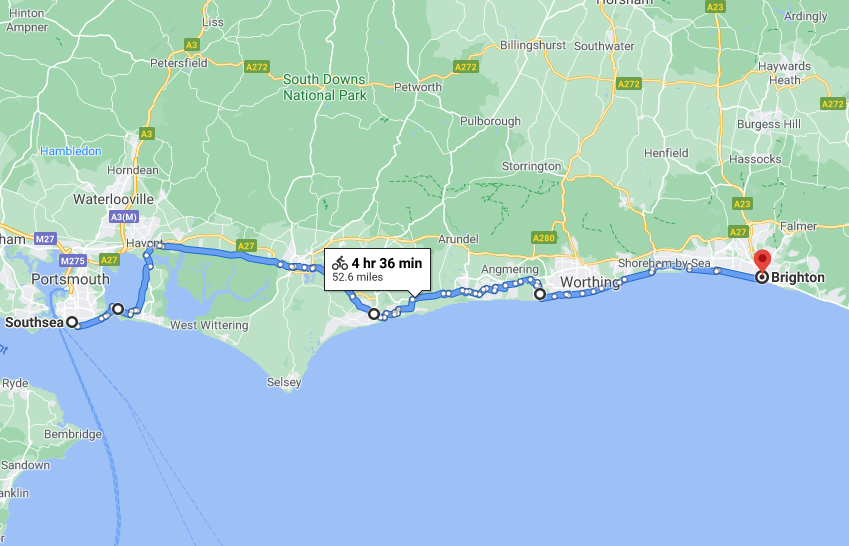
Arriving just in time to be too late, next thing you know we’re bobbing along on the Hamble Warsash Ferry.
The obliging ferry folk having taken us across the estuary, despite our tardiness.
The village and the River featured in the 1980s BBC television series Howards’ Way.
Sadly little evidence of the successful TV show remains, however happily Henry VIII’s Dock and an Iron Age Fort have prevailed.
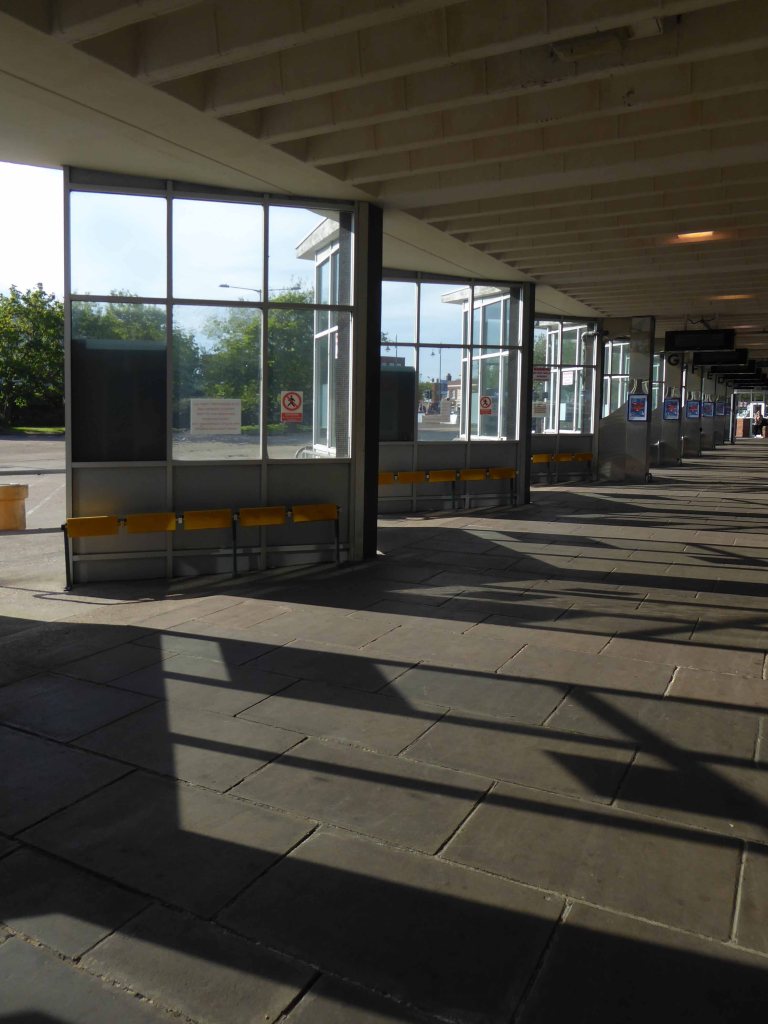
Onward to Gosport where we happen upon a diminutive yet perfectly formed Bus Station.
Originally built in the 1970s, the bus station was described in 2012 as knackered by the council chief executive at the time, Ian Lycett, and an investment plan was drawn up.
Talk of redevelopment then resurfaced in 2015, before the site was put on the market in 2016.
Keith Carter, retiring owner of Keith’s Heel Bar in Gosport Precinct, has described the bus station as a missed opportunity.
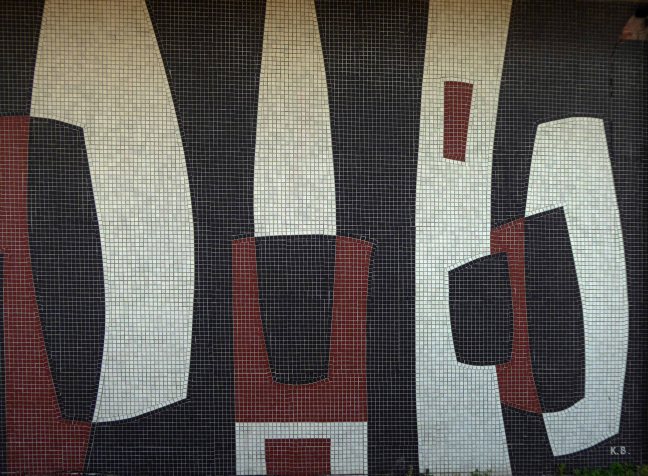
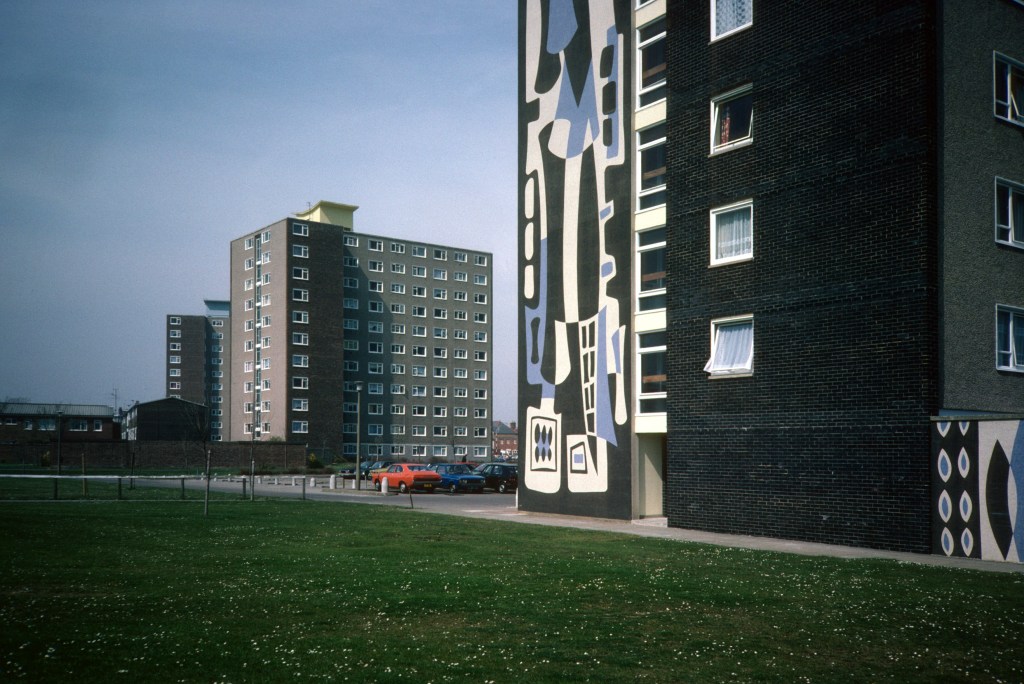
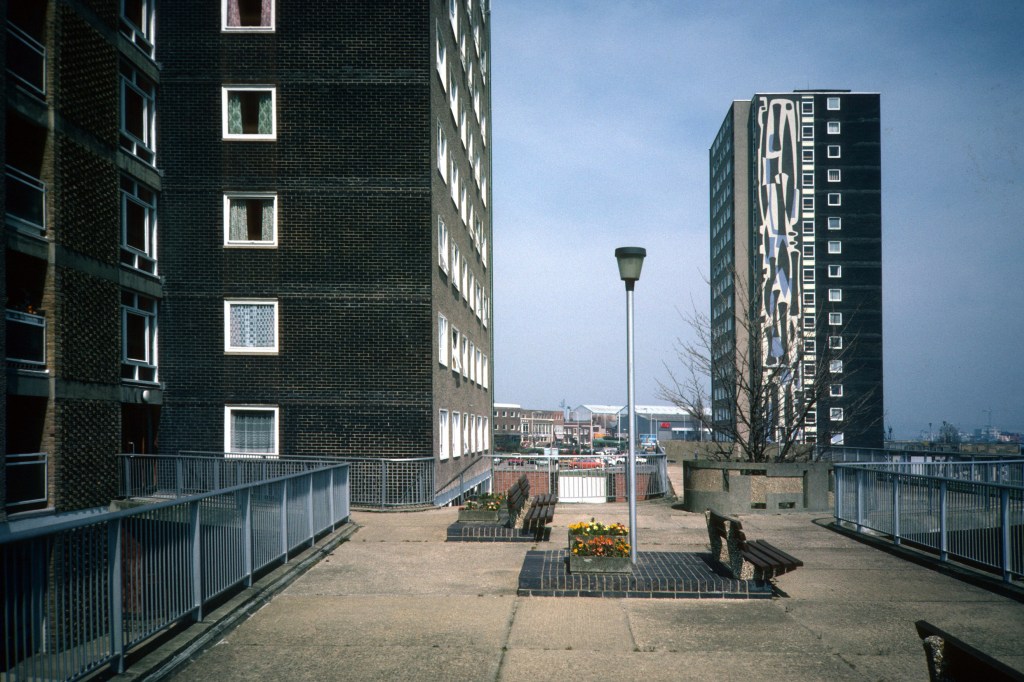
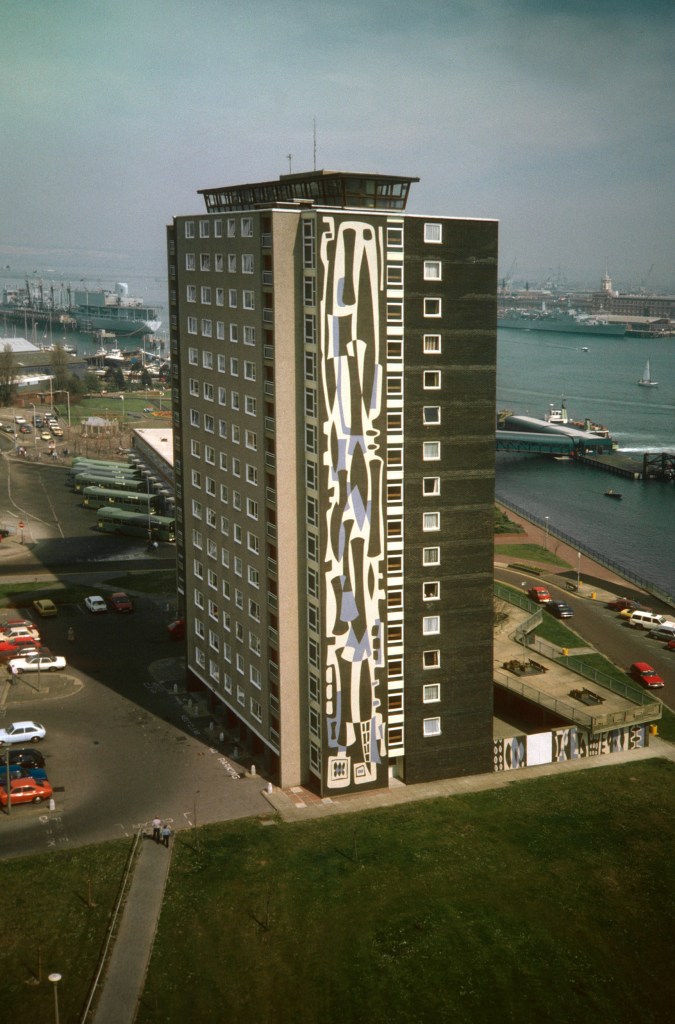
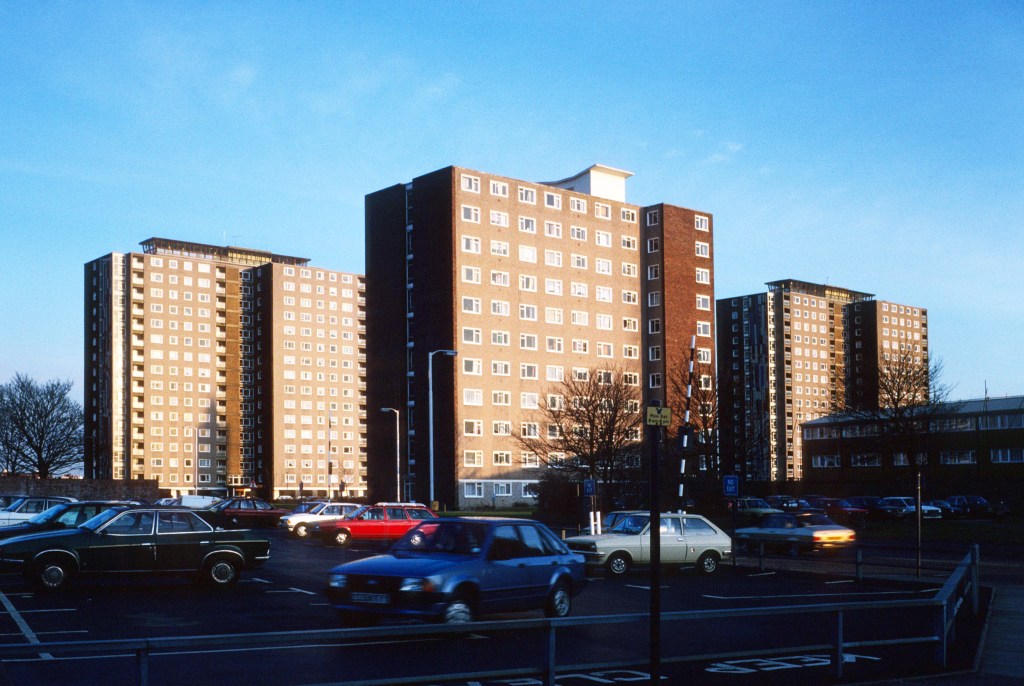
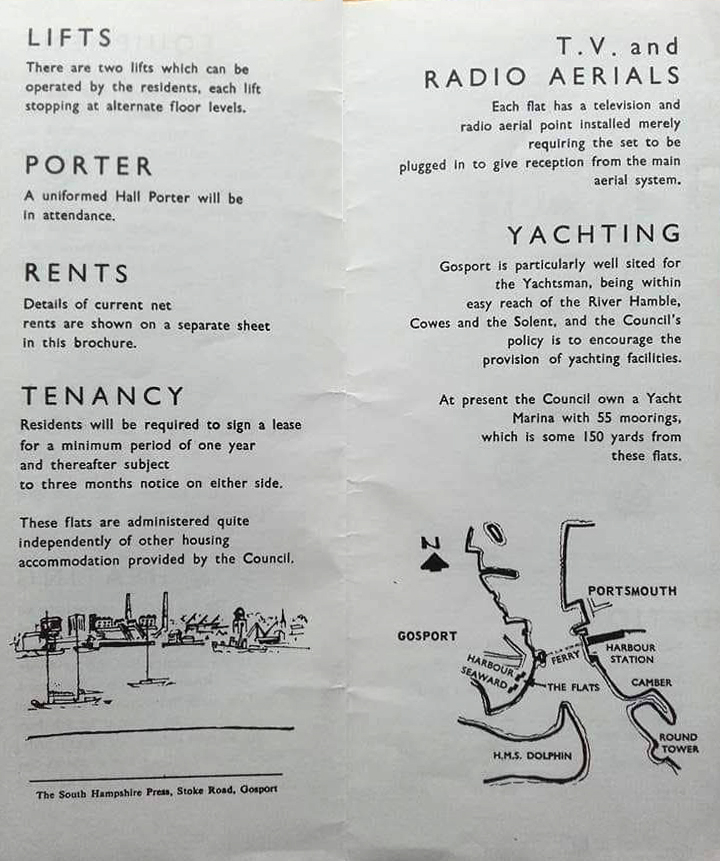
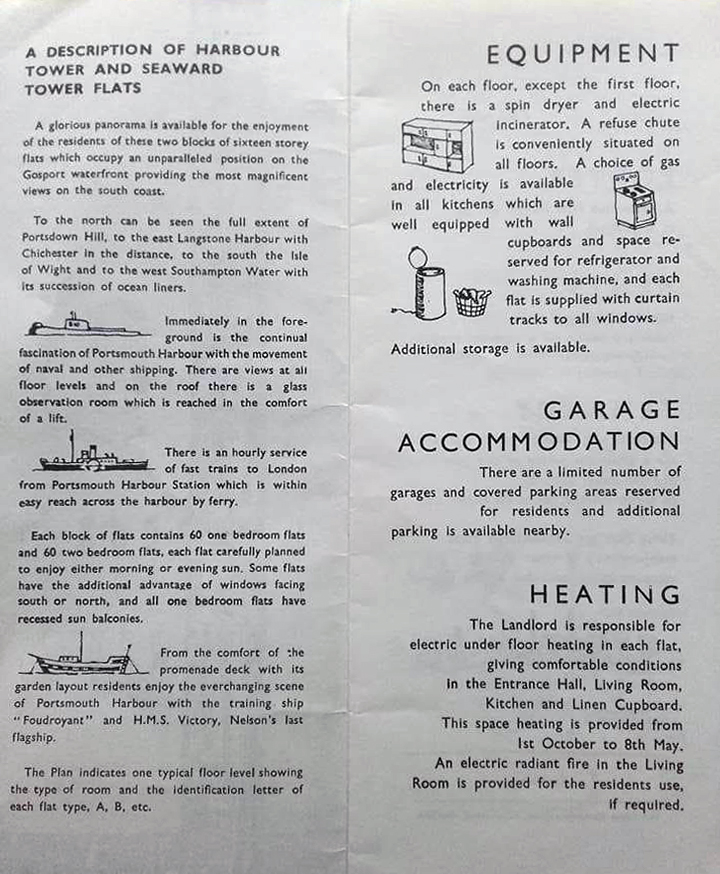
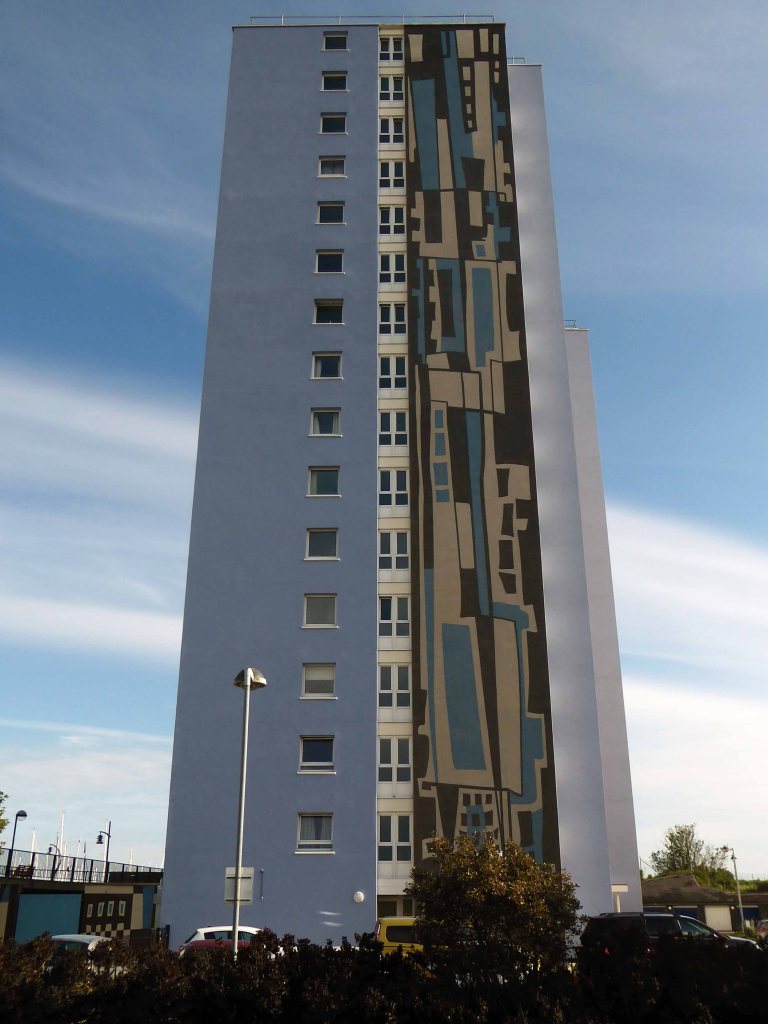
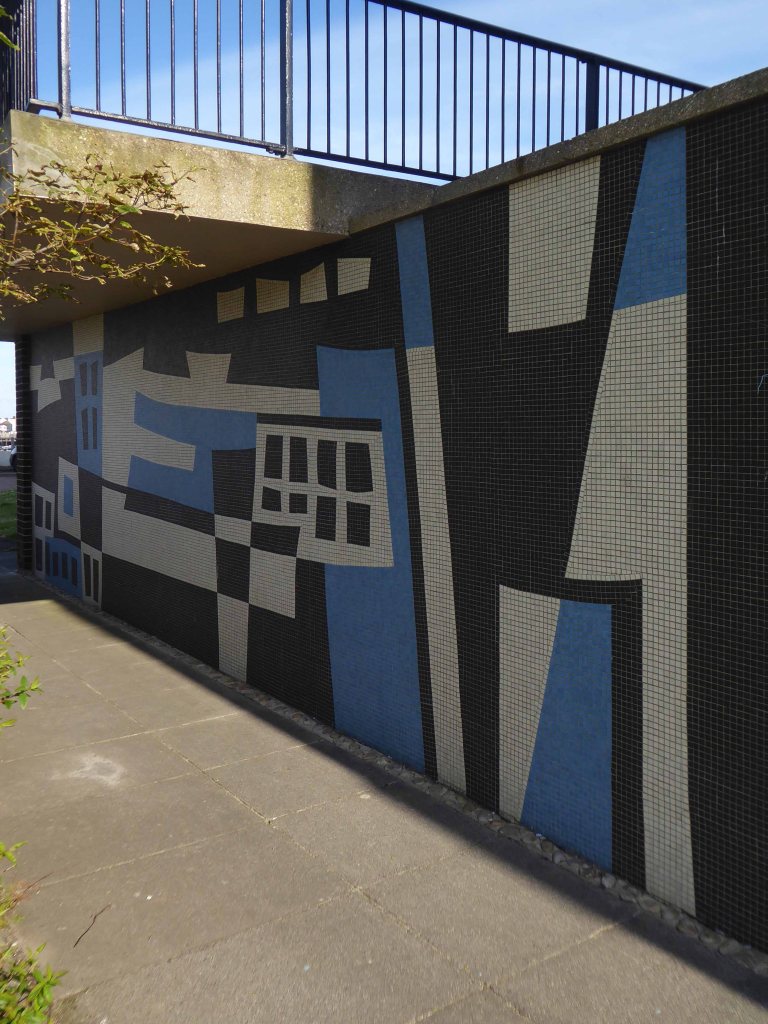
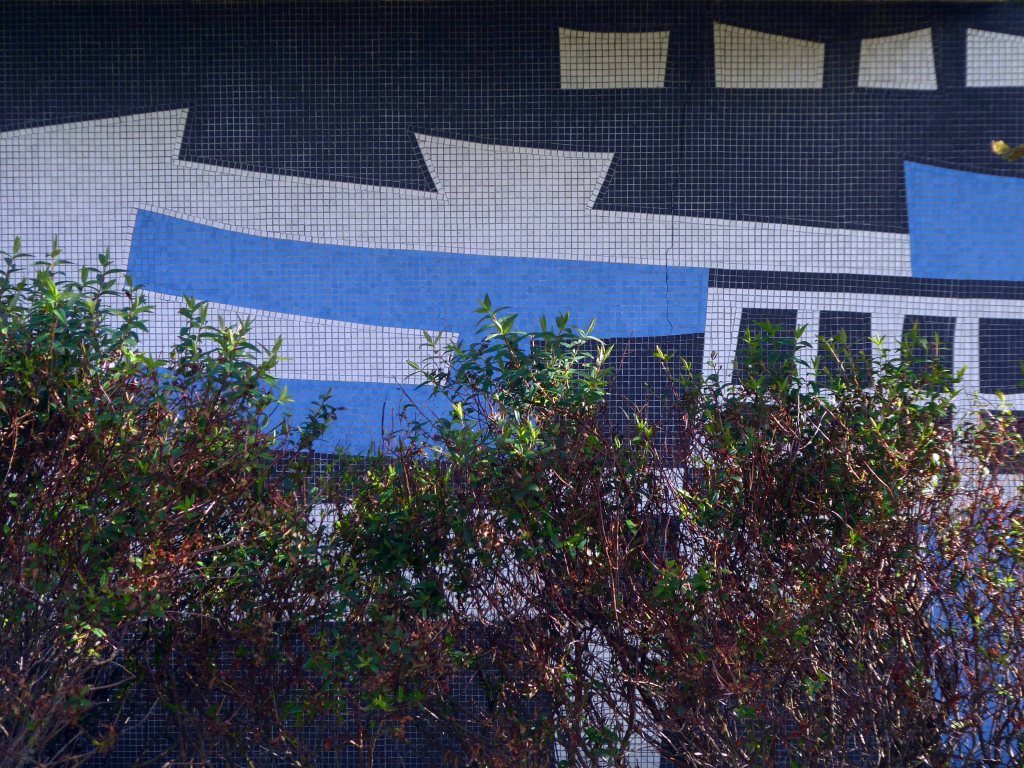
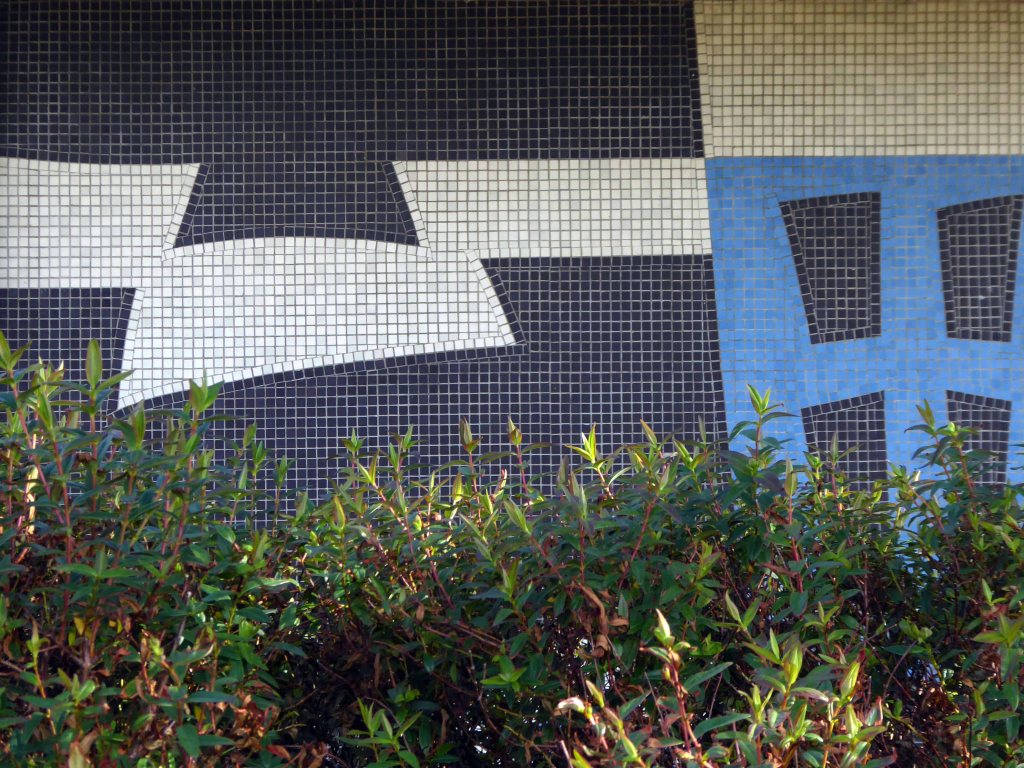
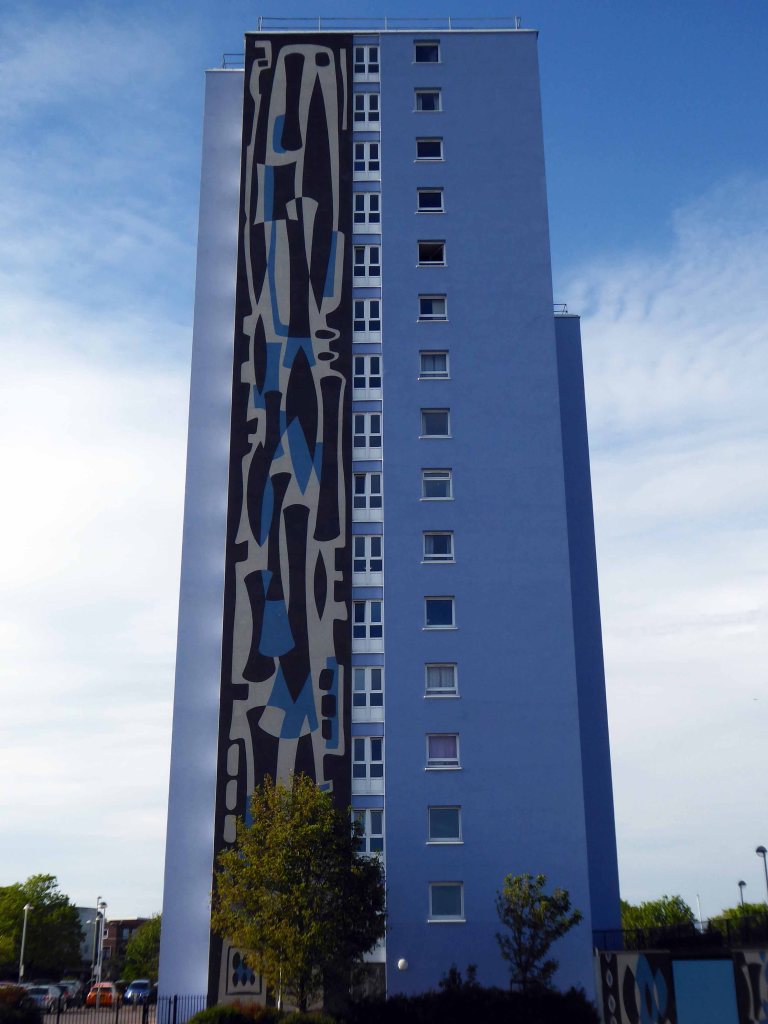
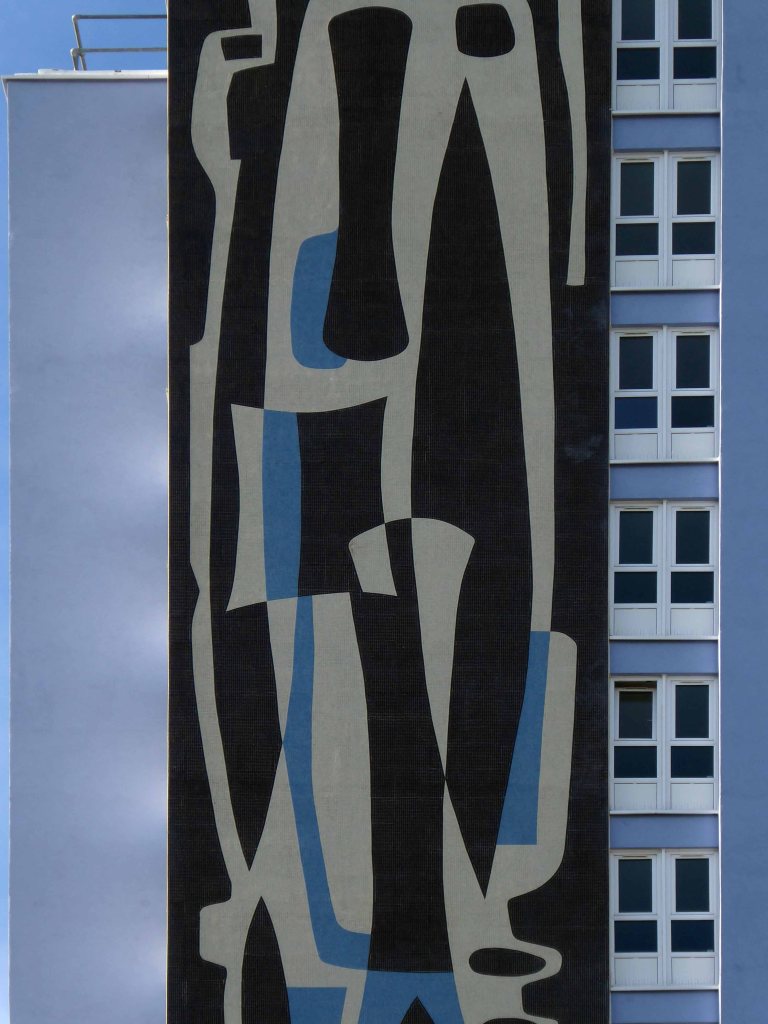
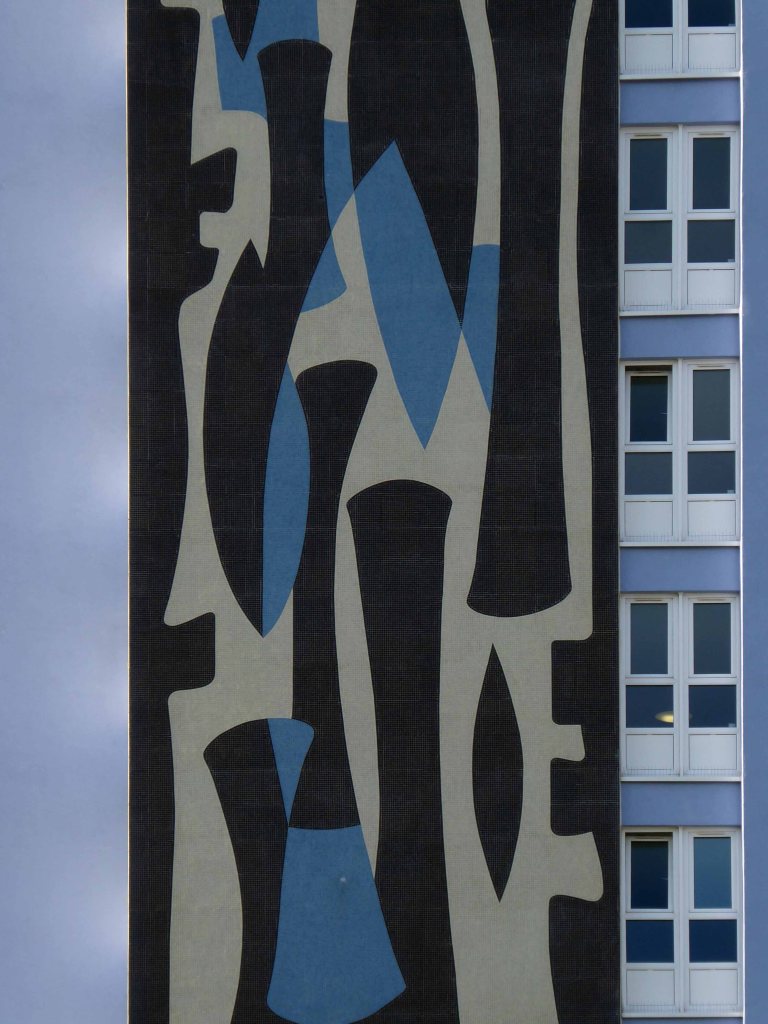
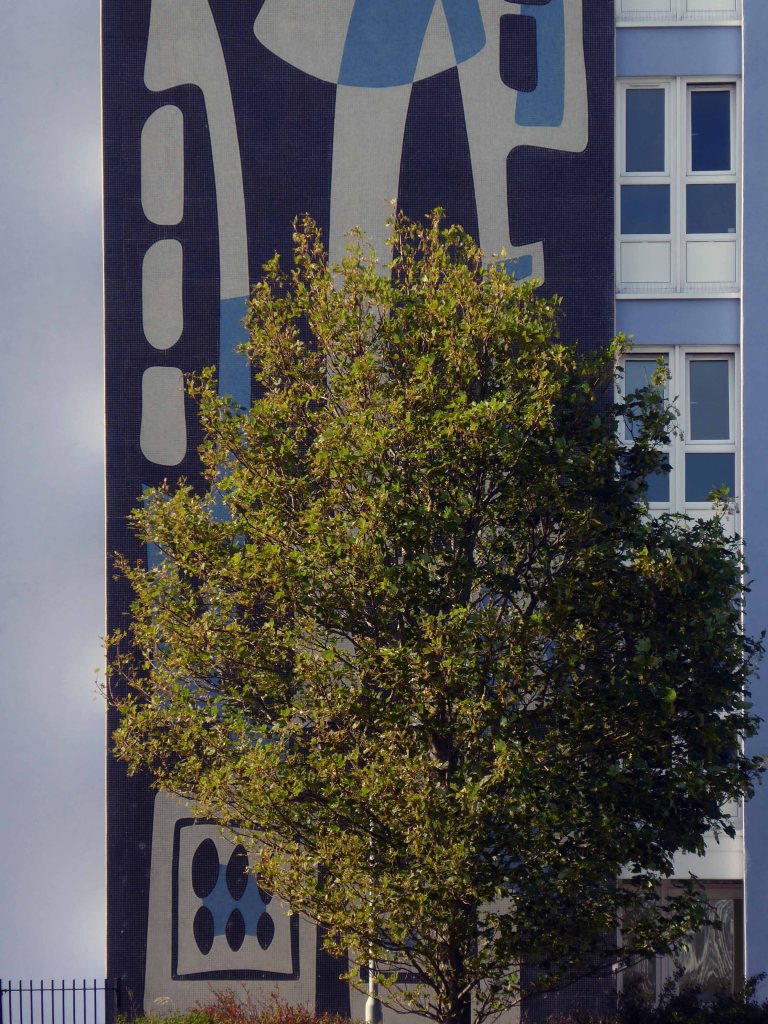
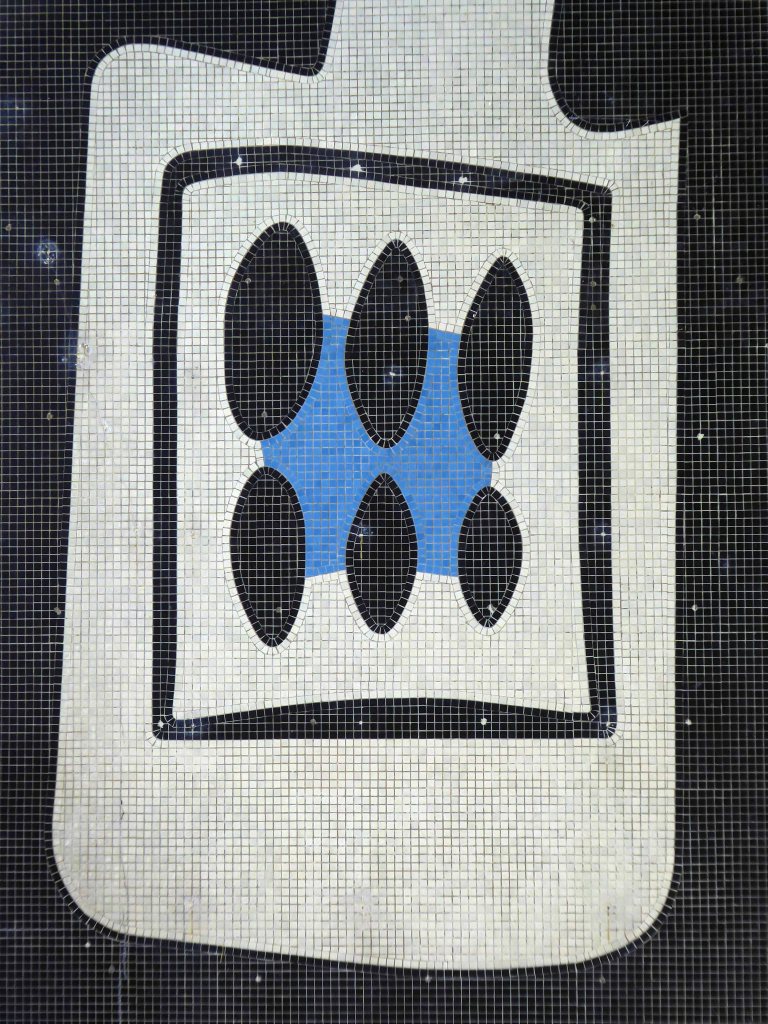
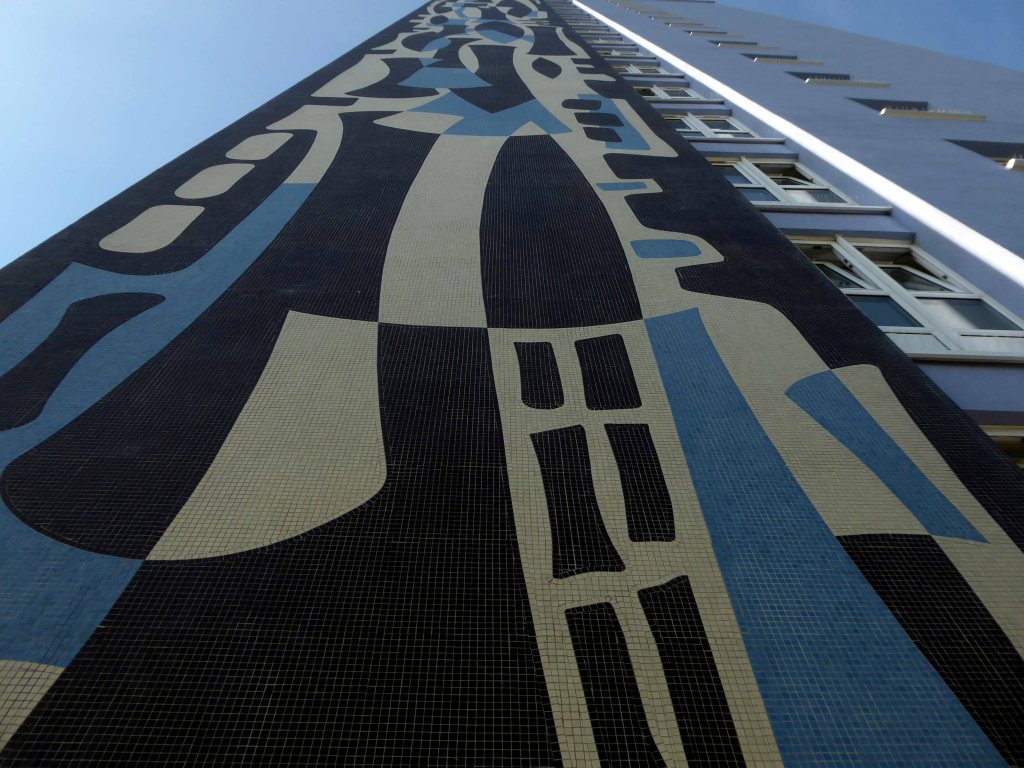
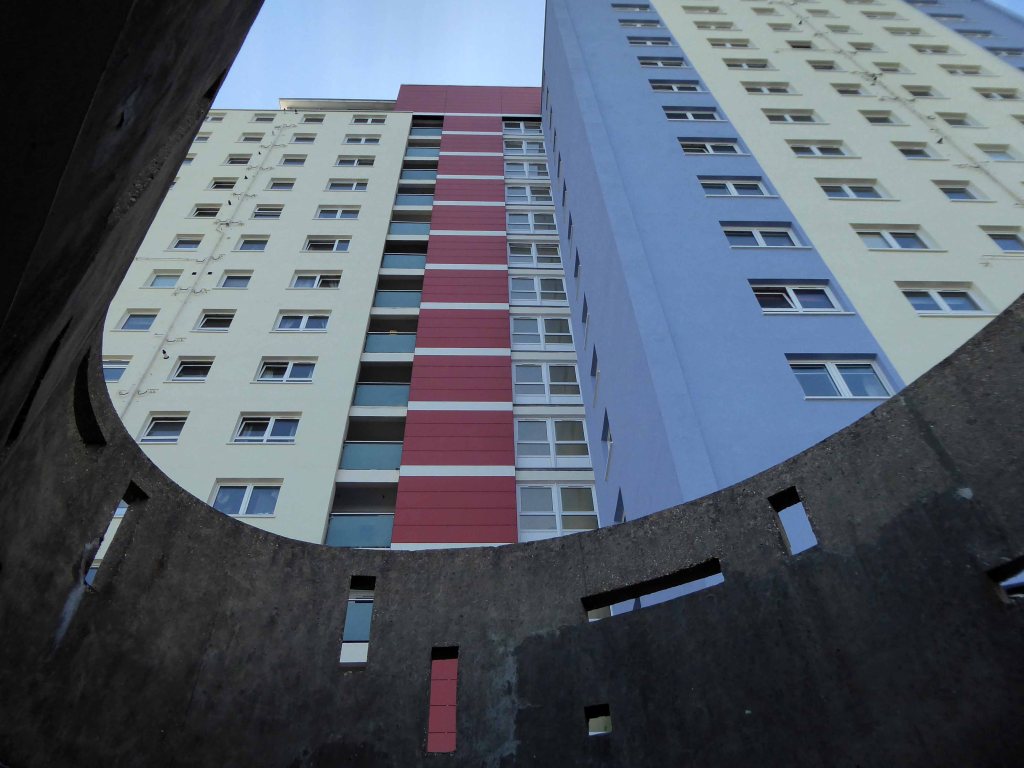
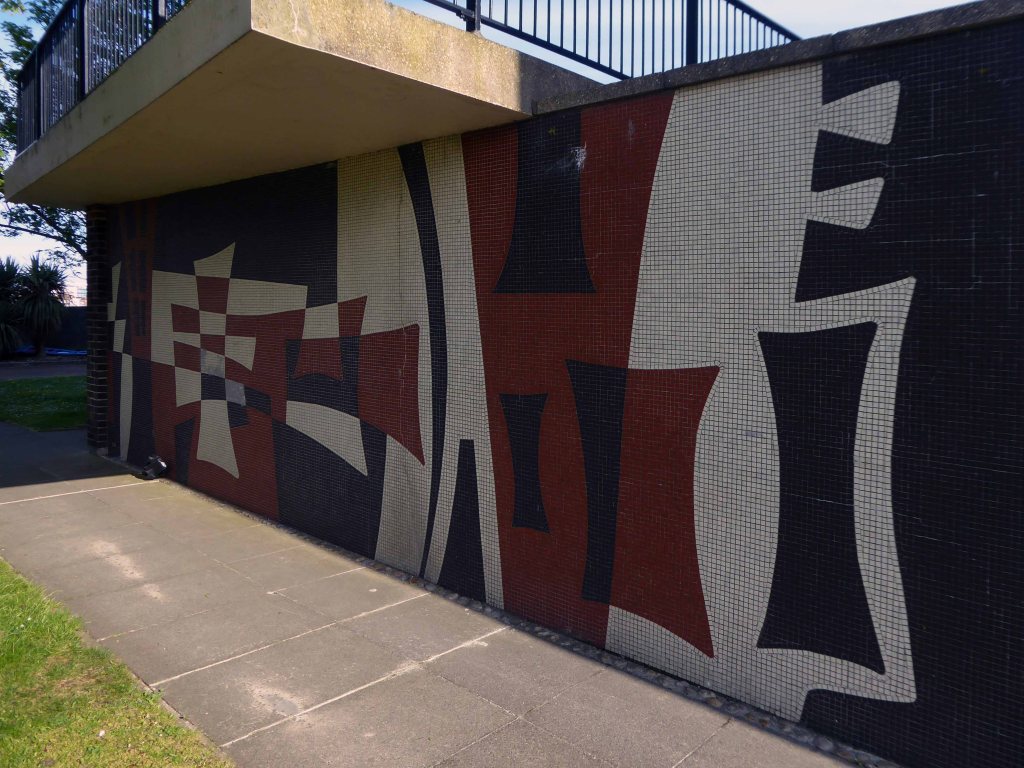
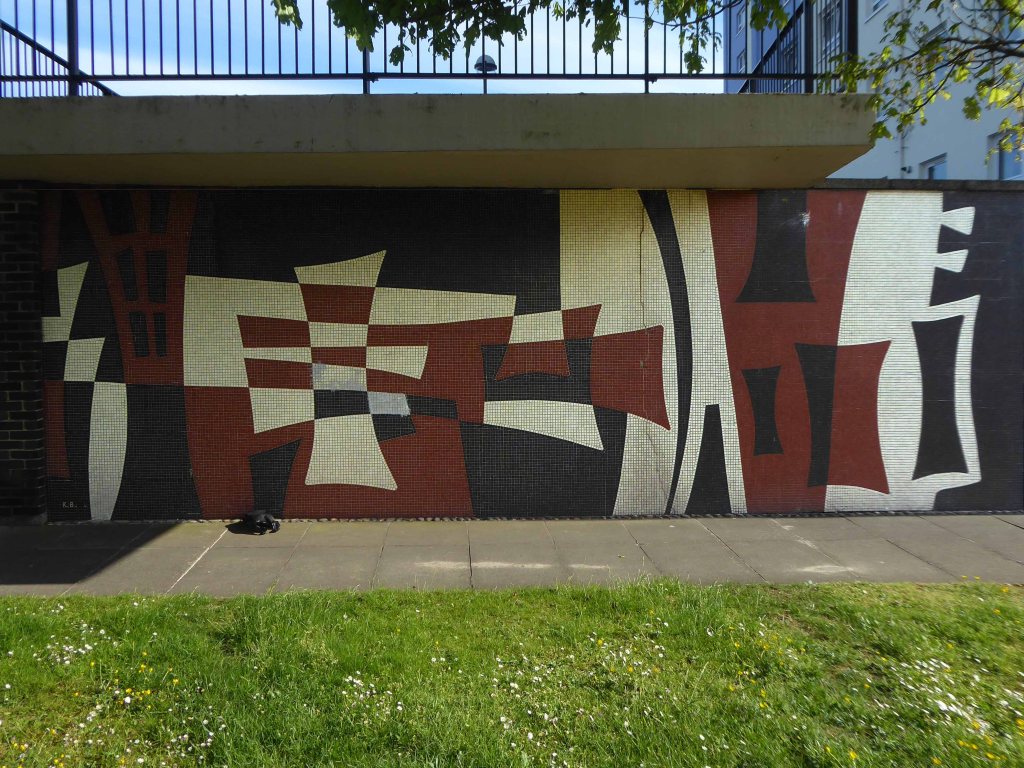
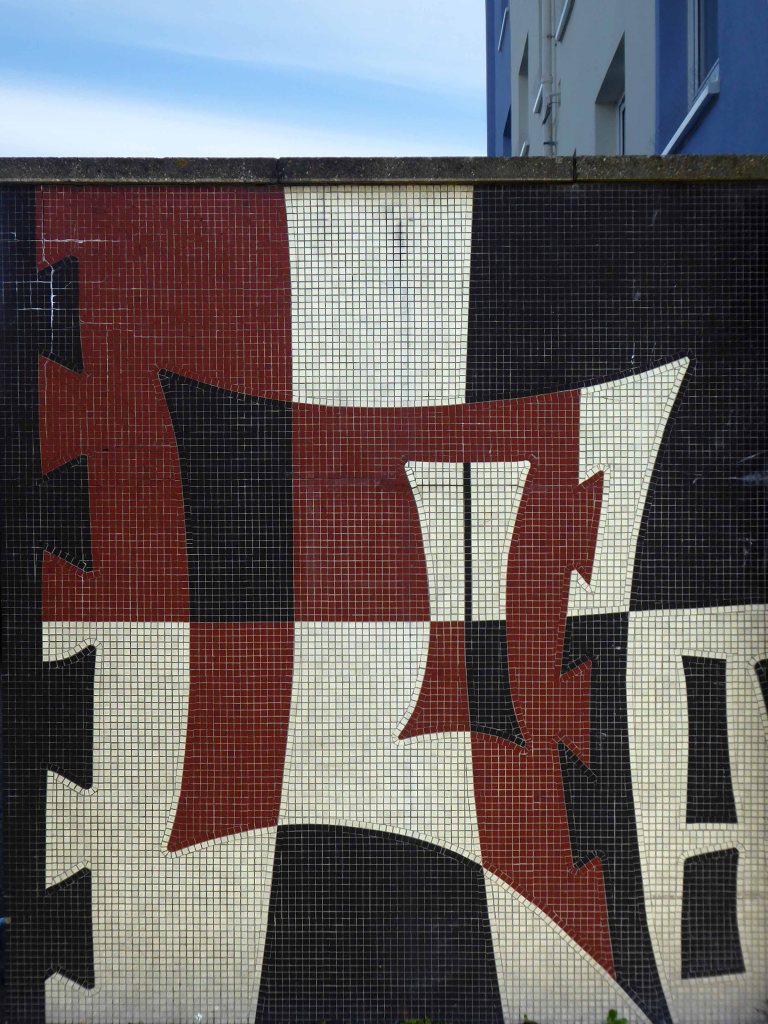
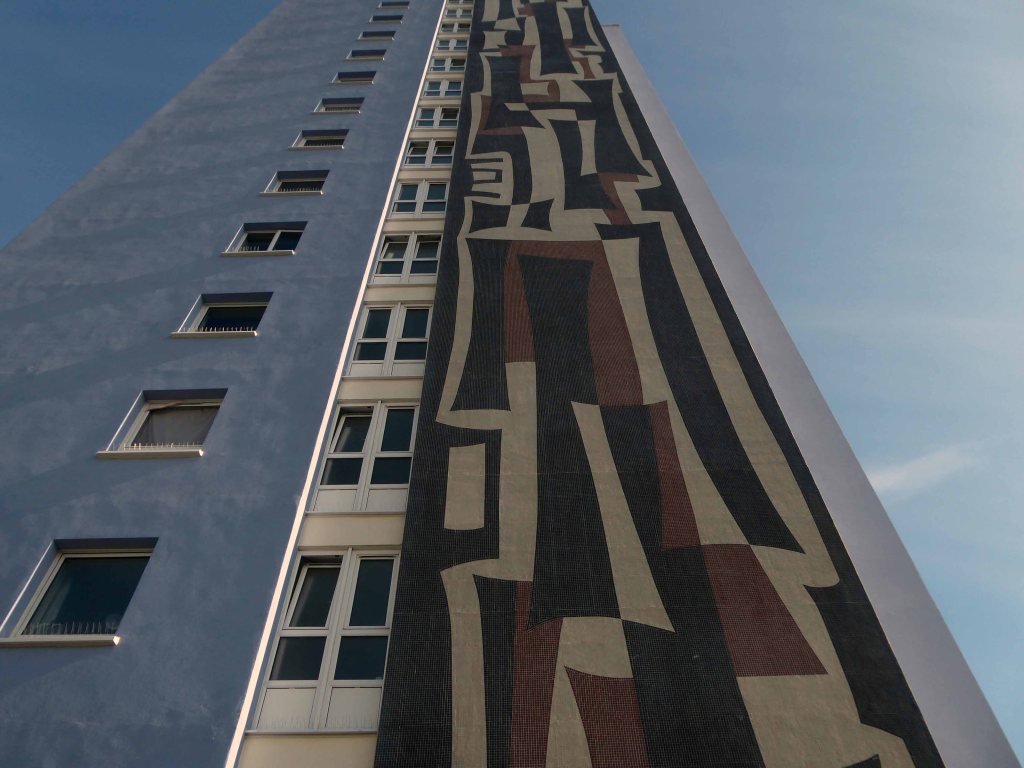
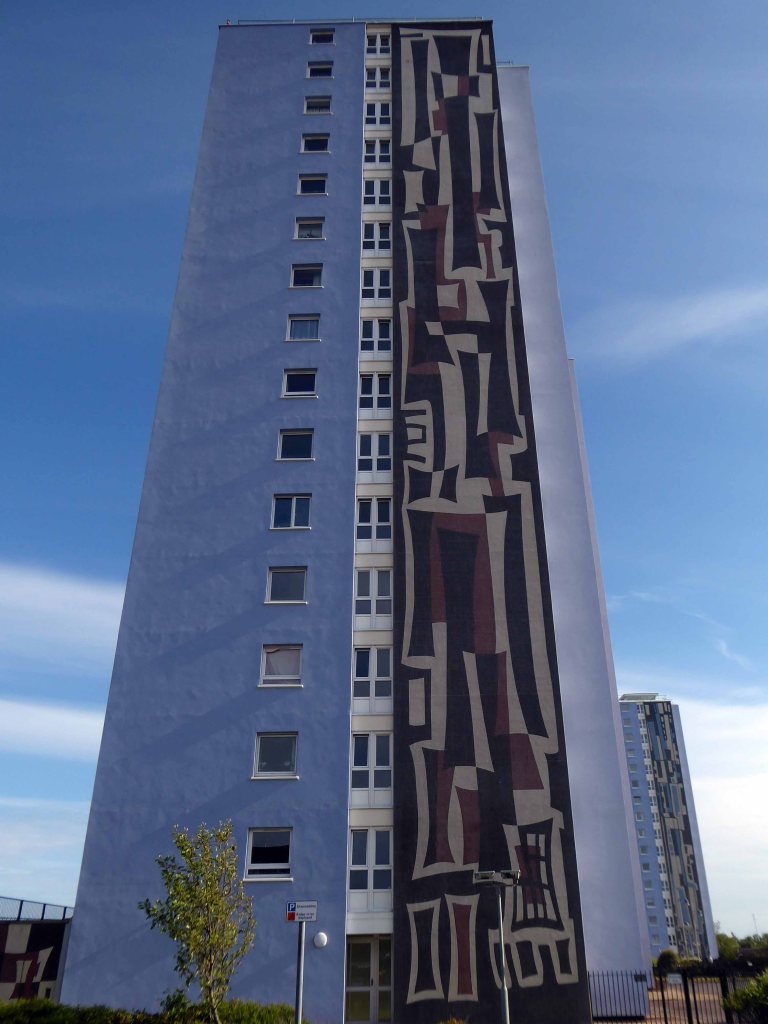
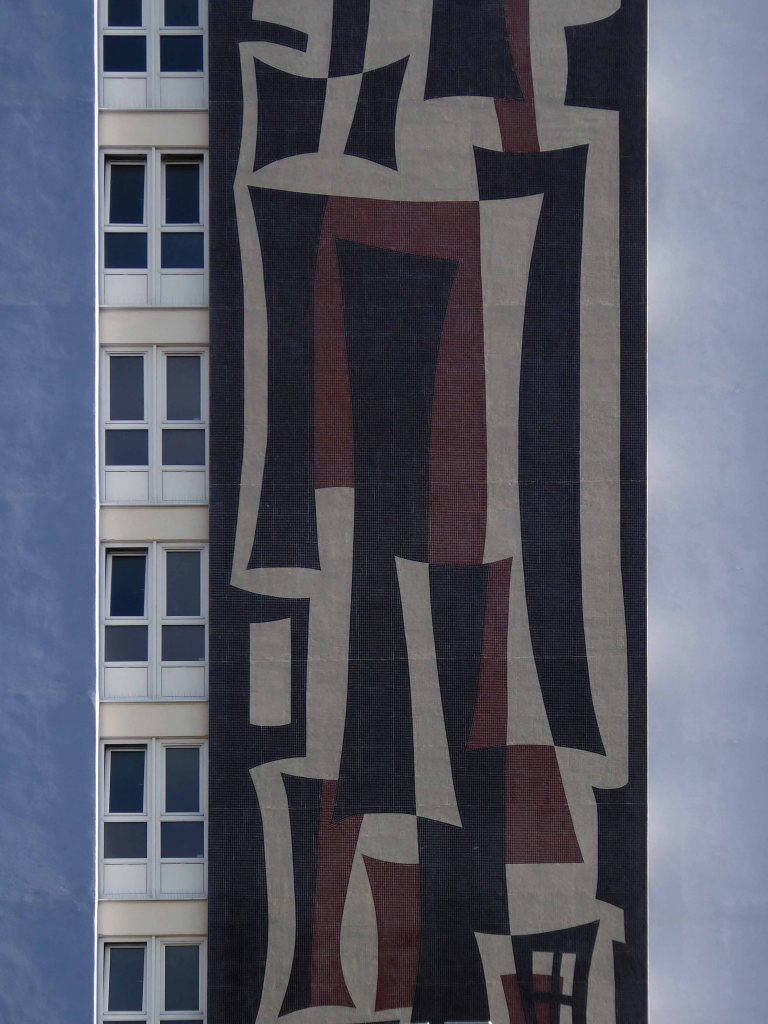
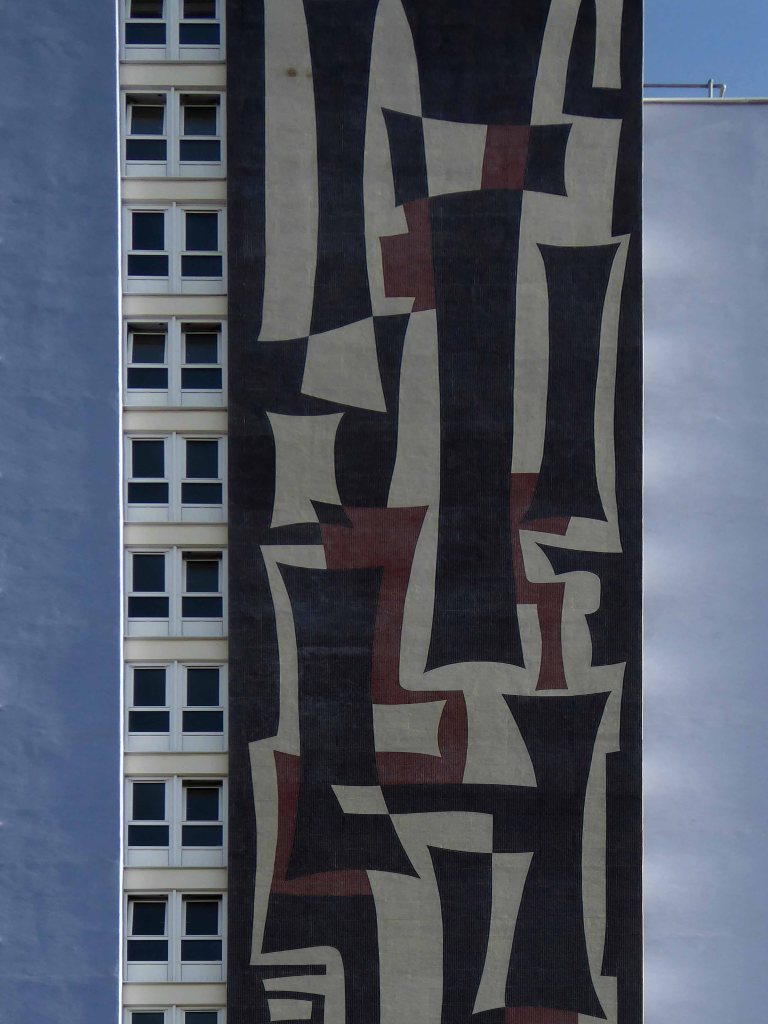
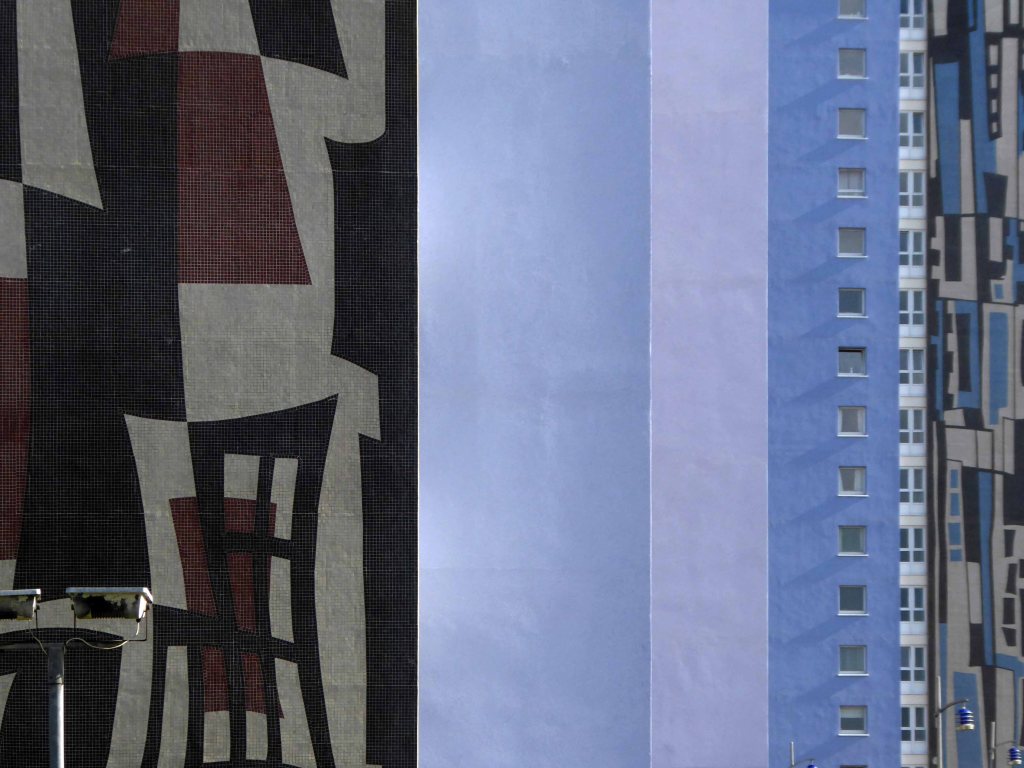
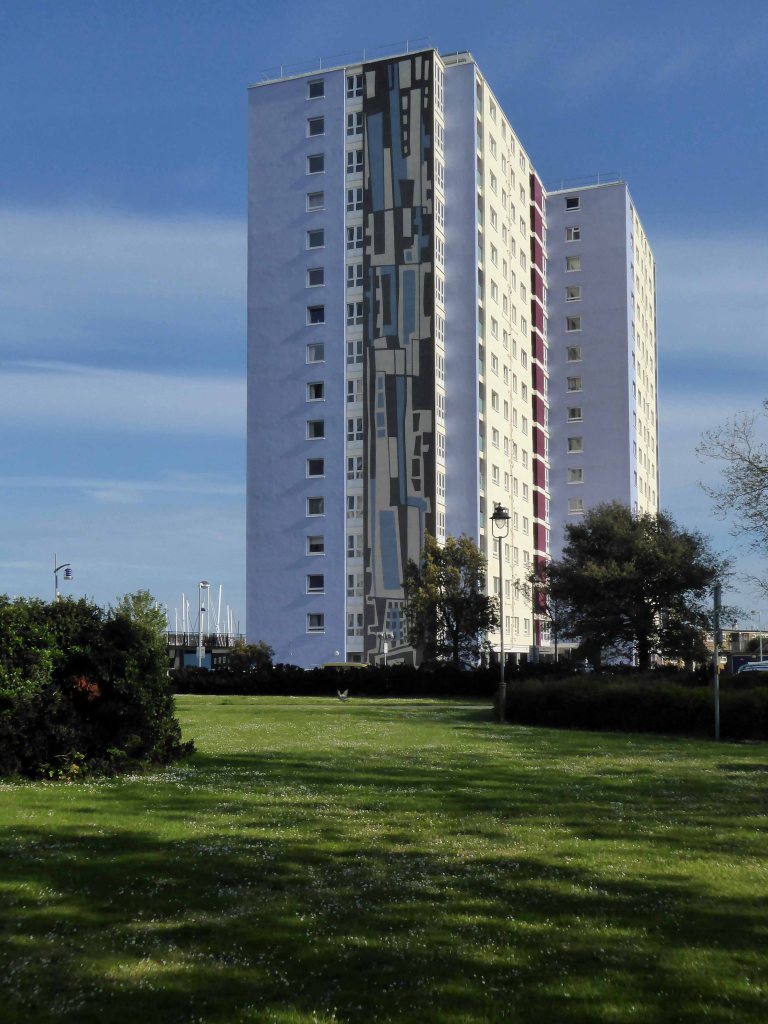
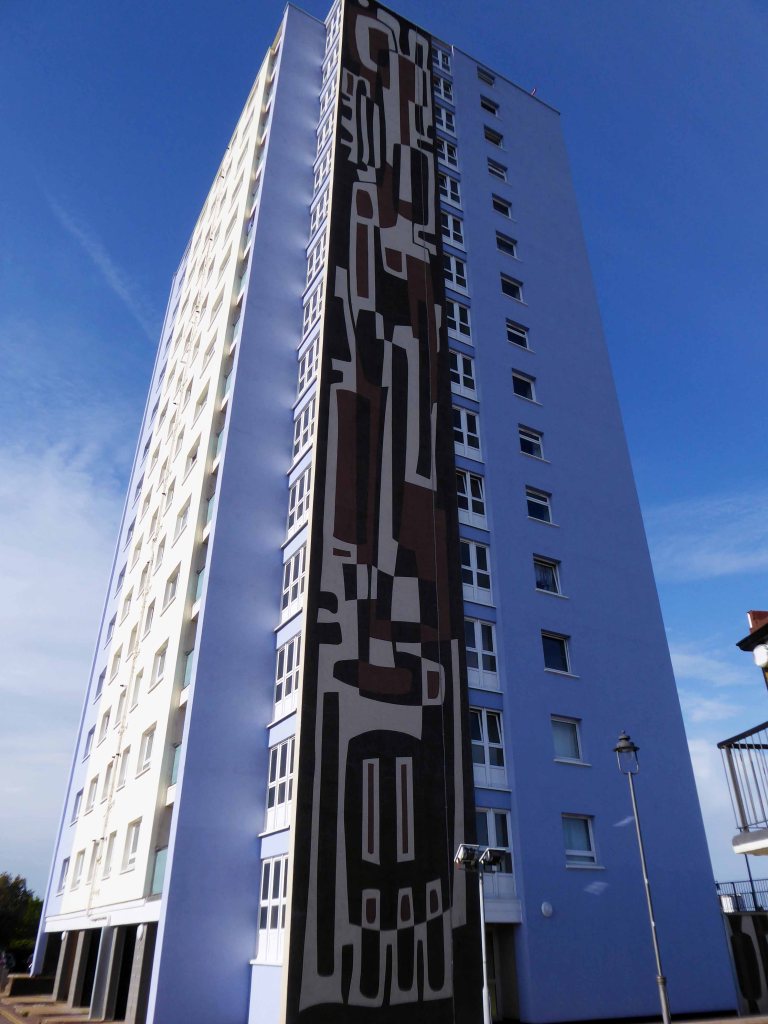
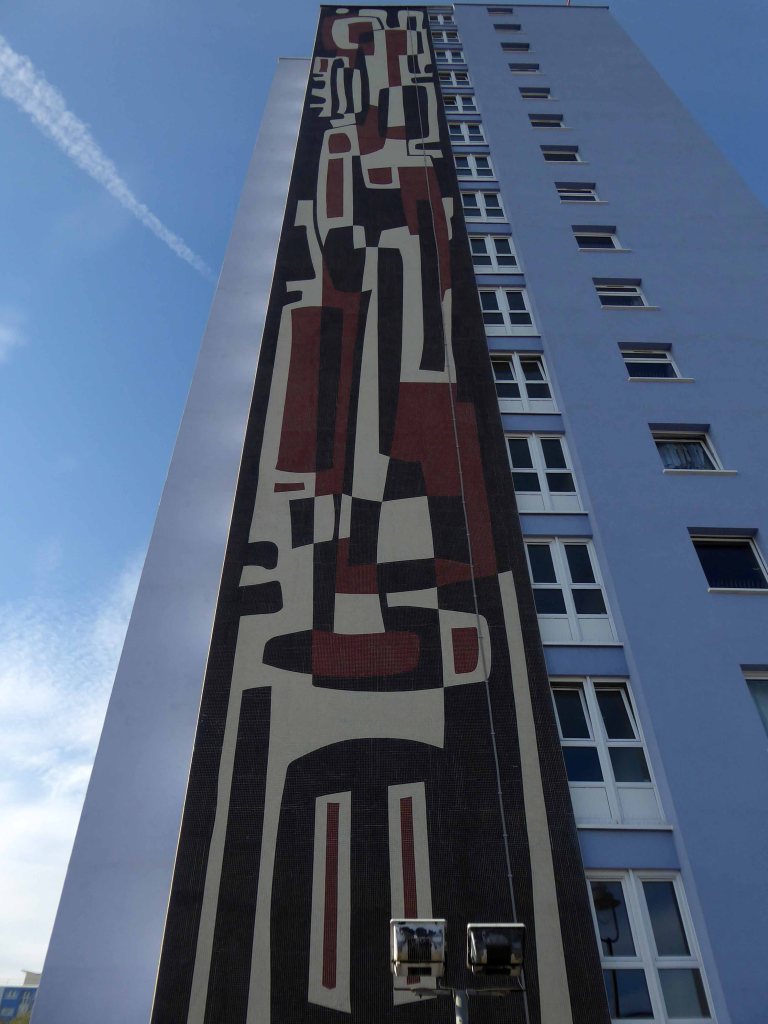
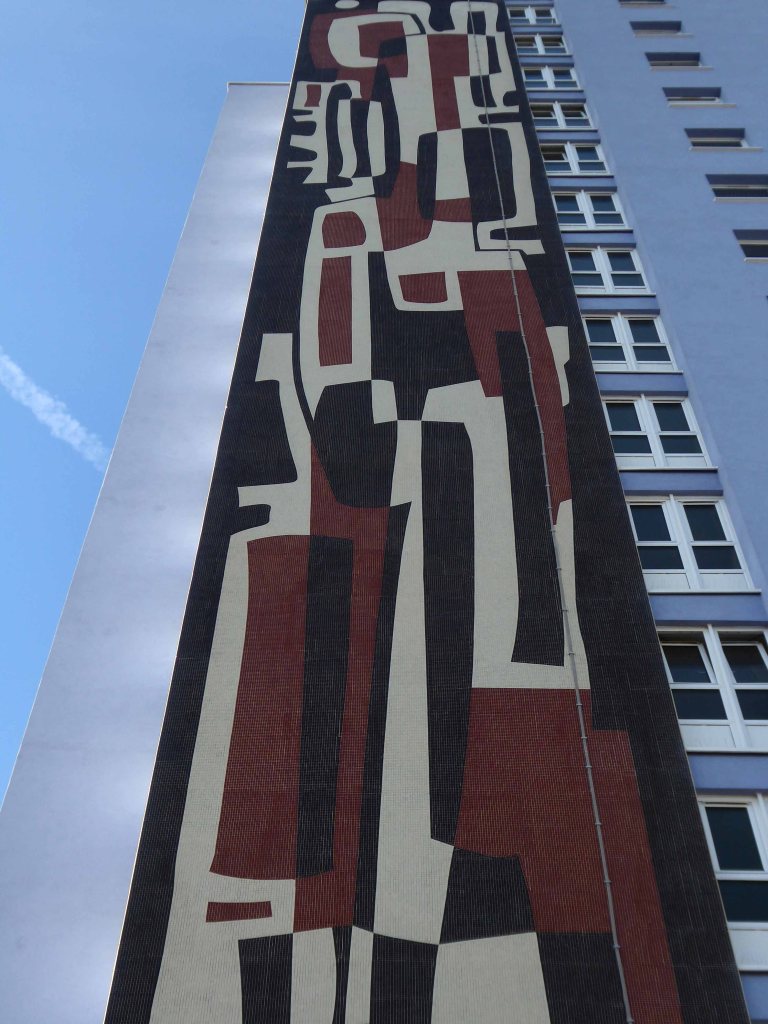
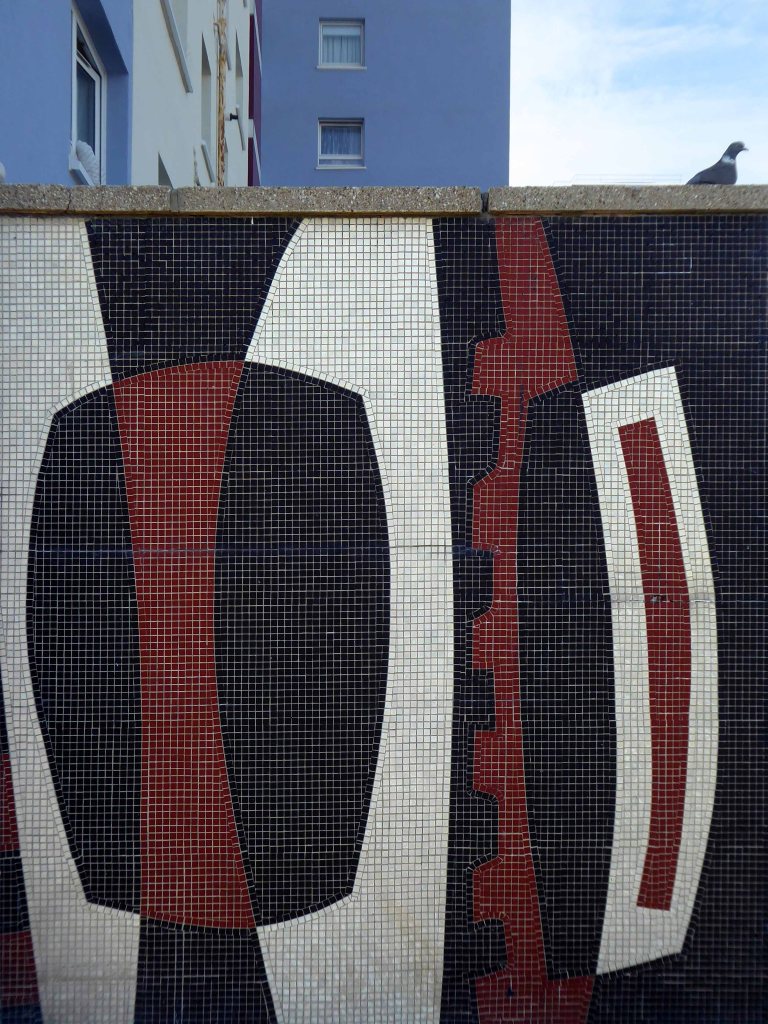
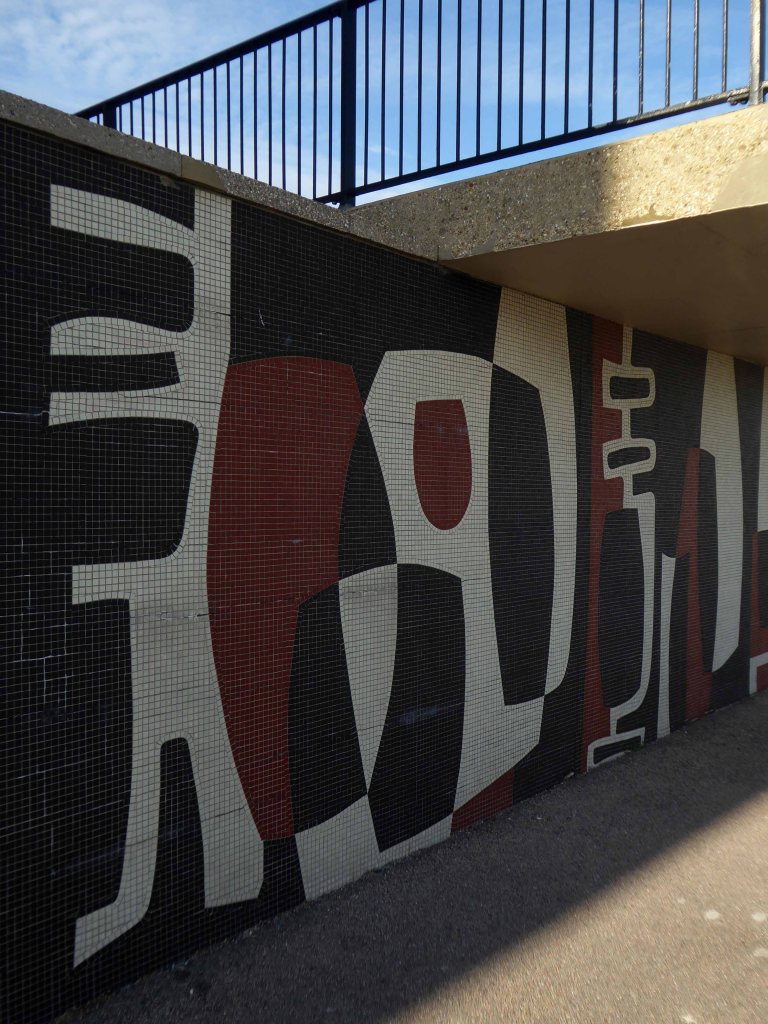
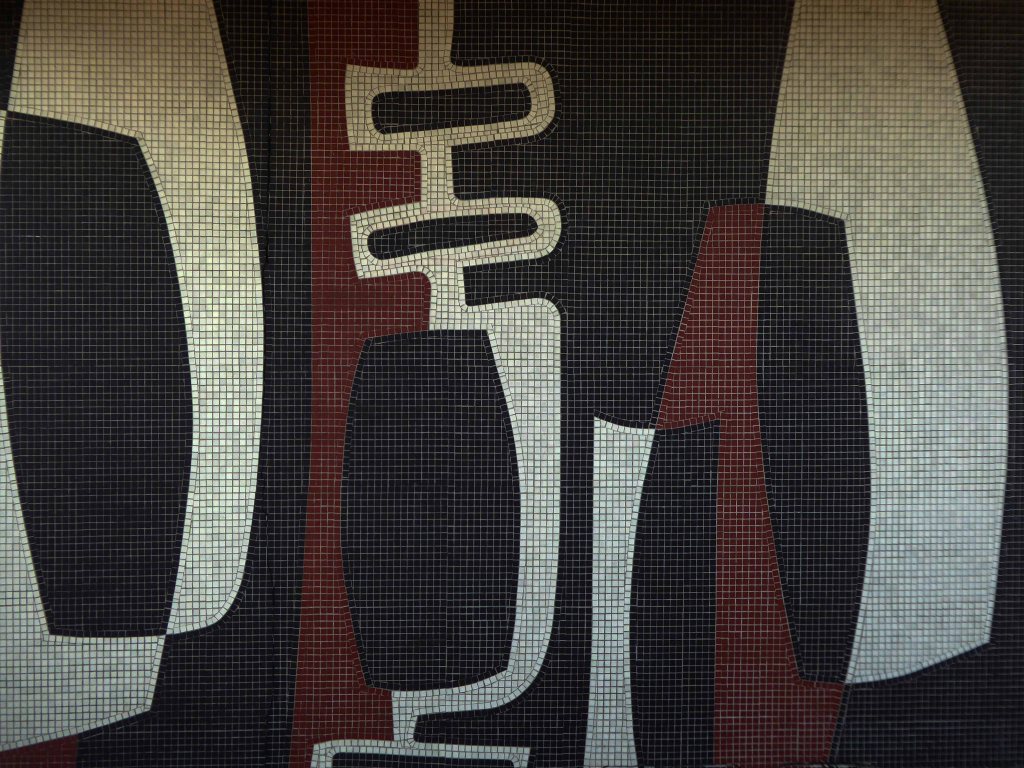
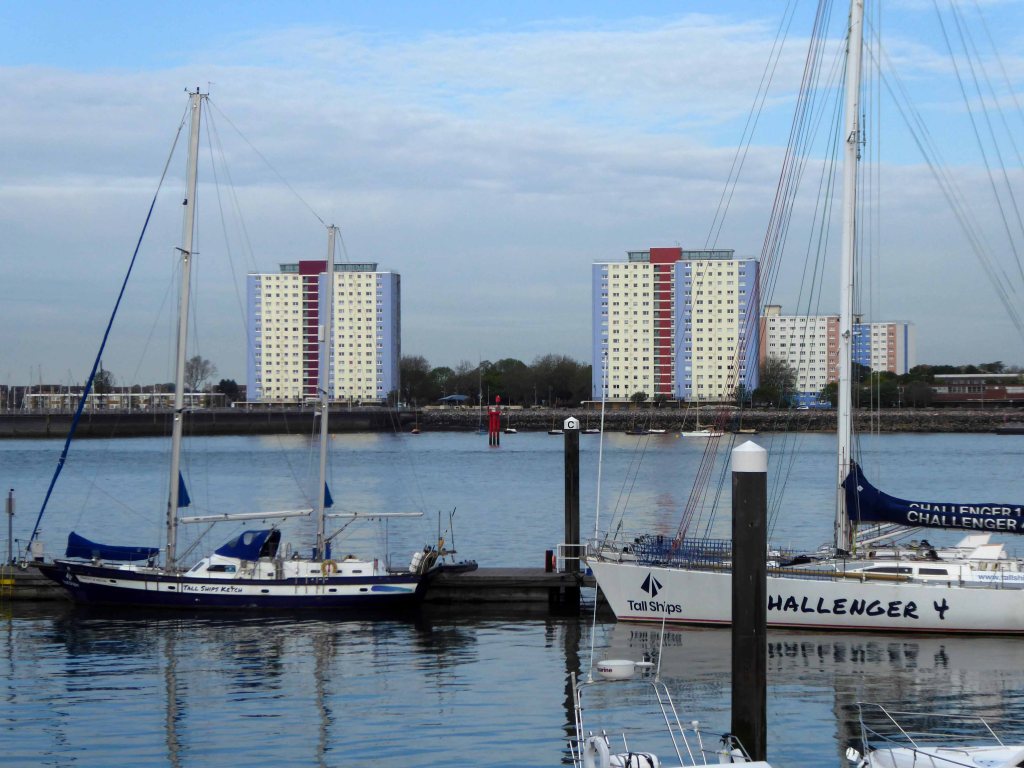
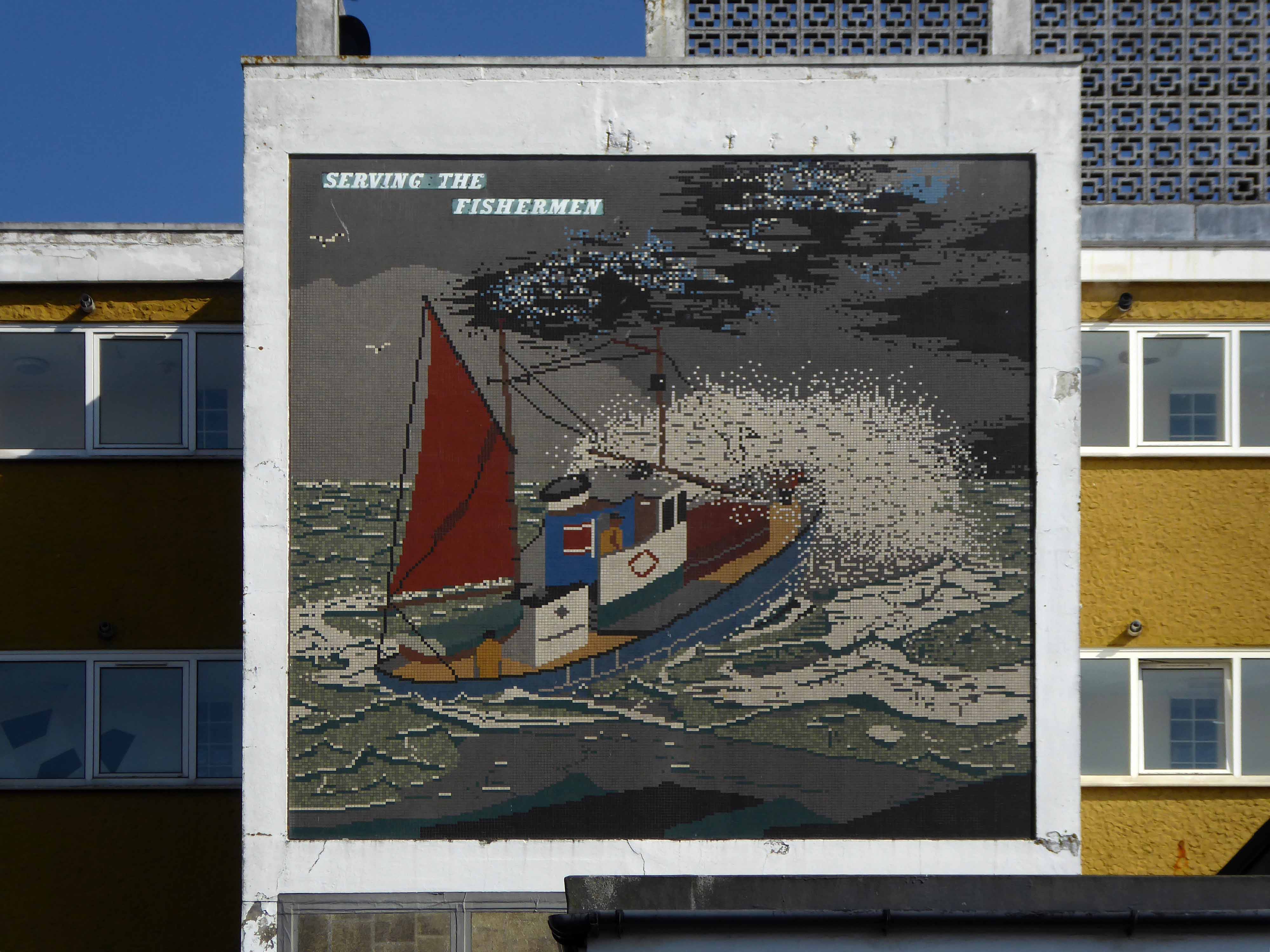
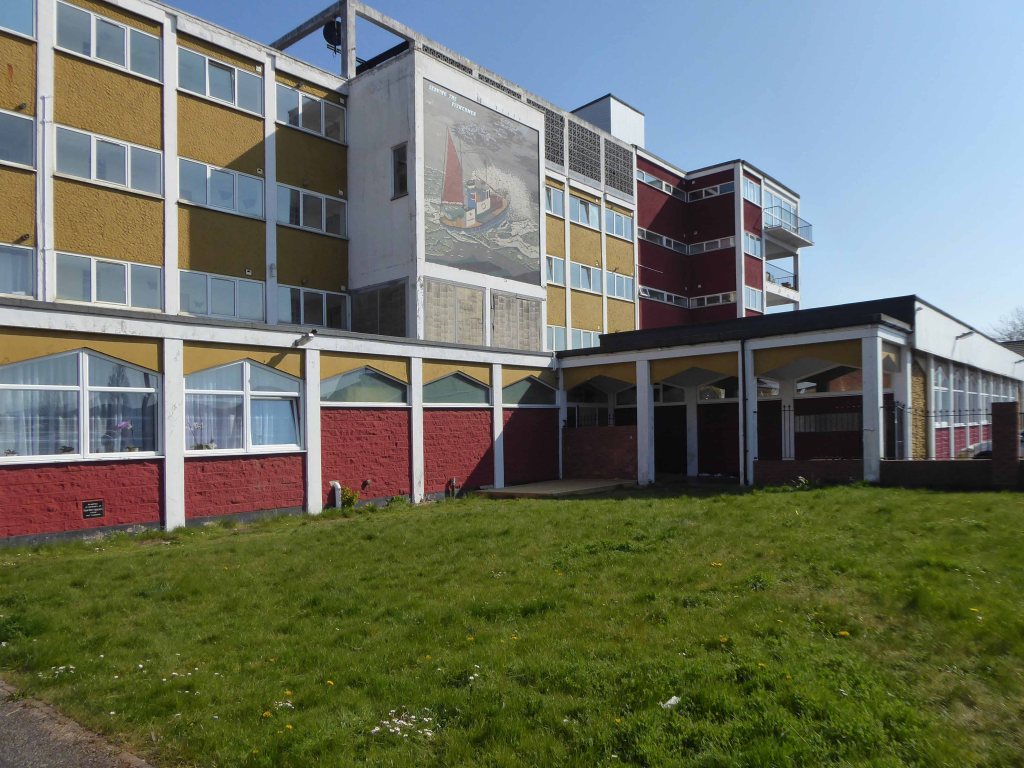
The nearby Harbour and Seaward Towers have faired a little better, newly clad and their tiled murals intact.
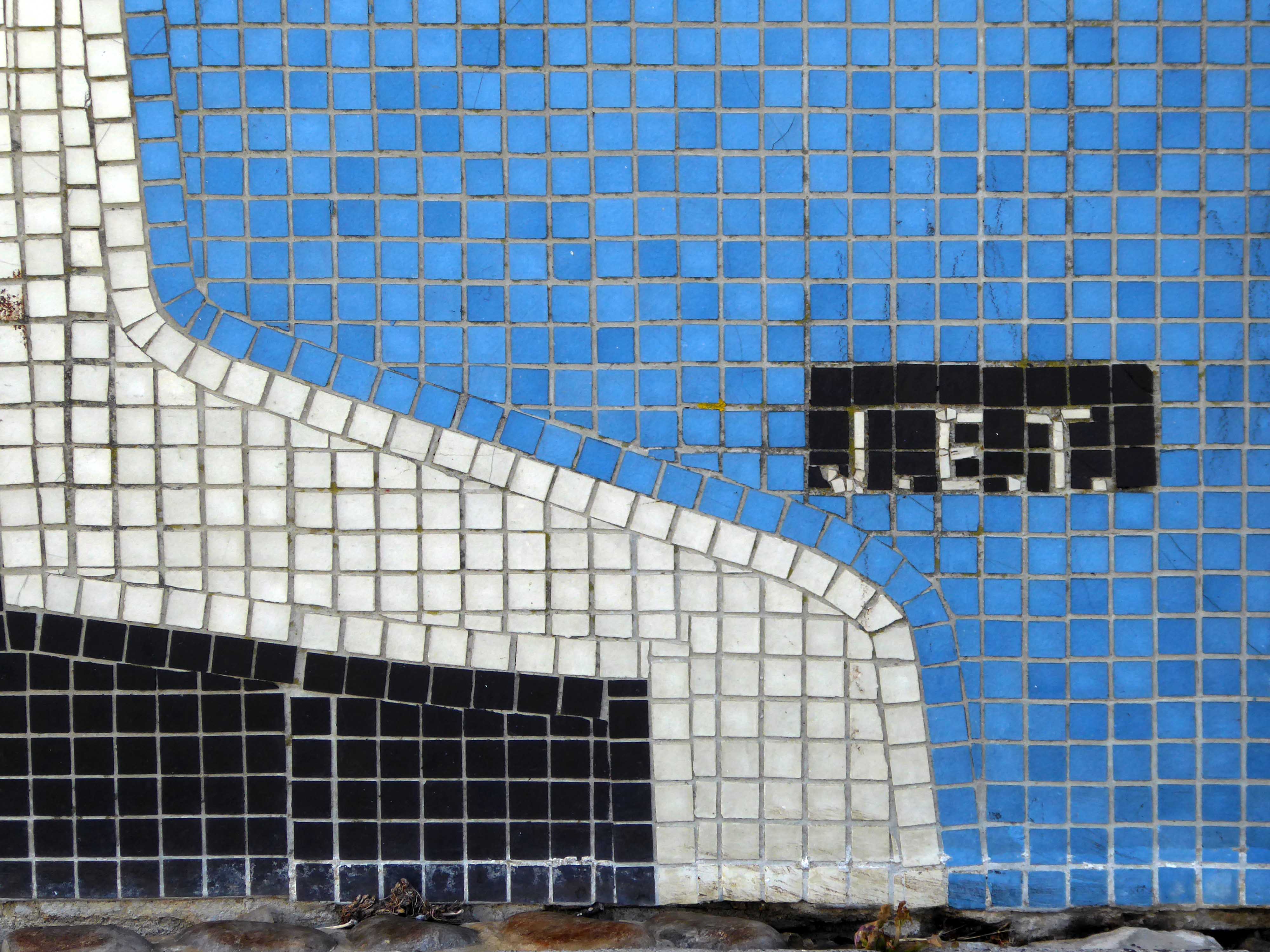
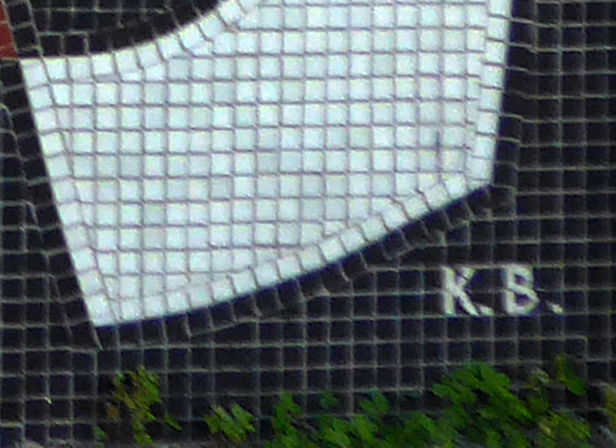
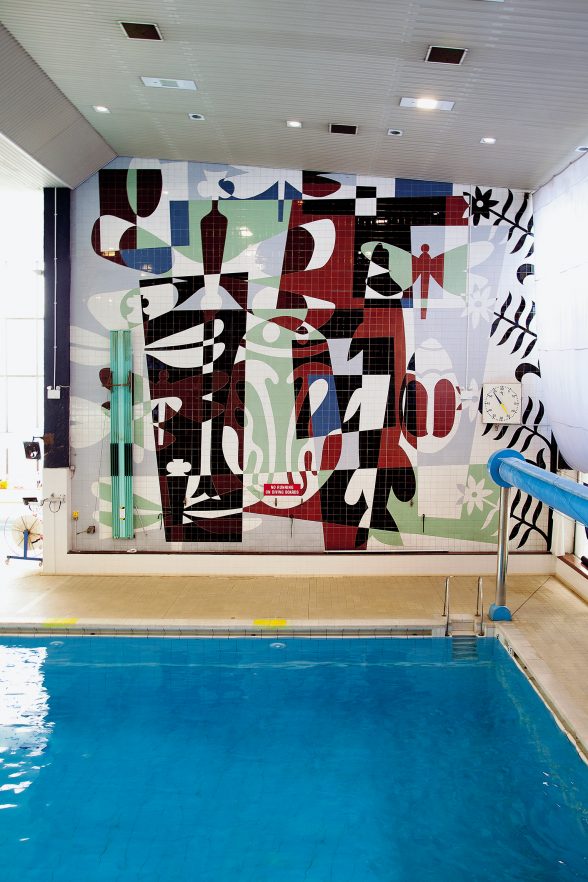
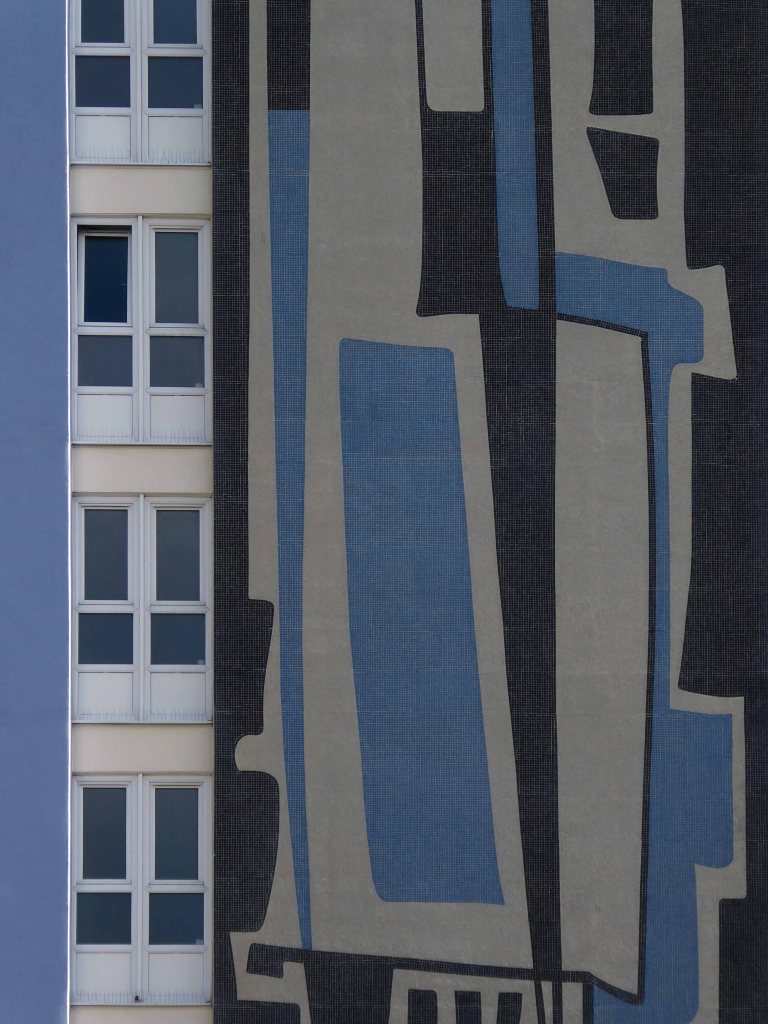
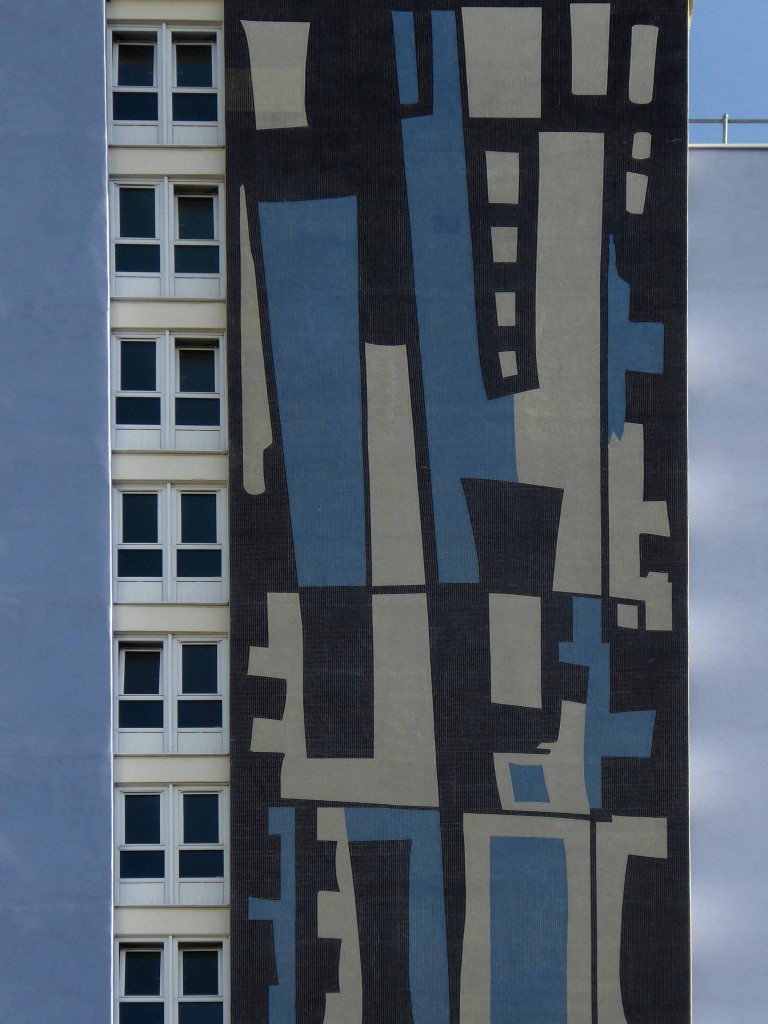
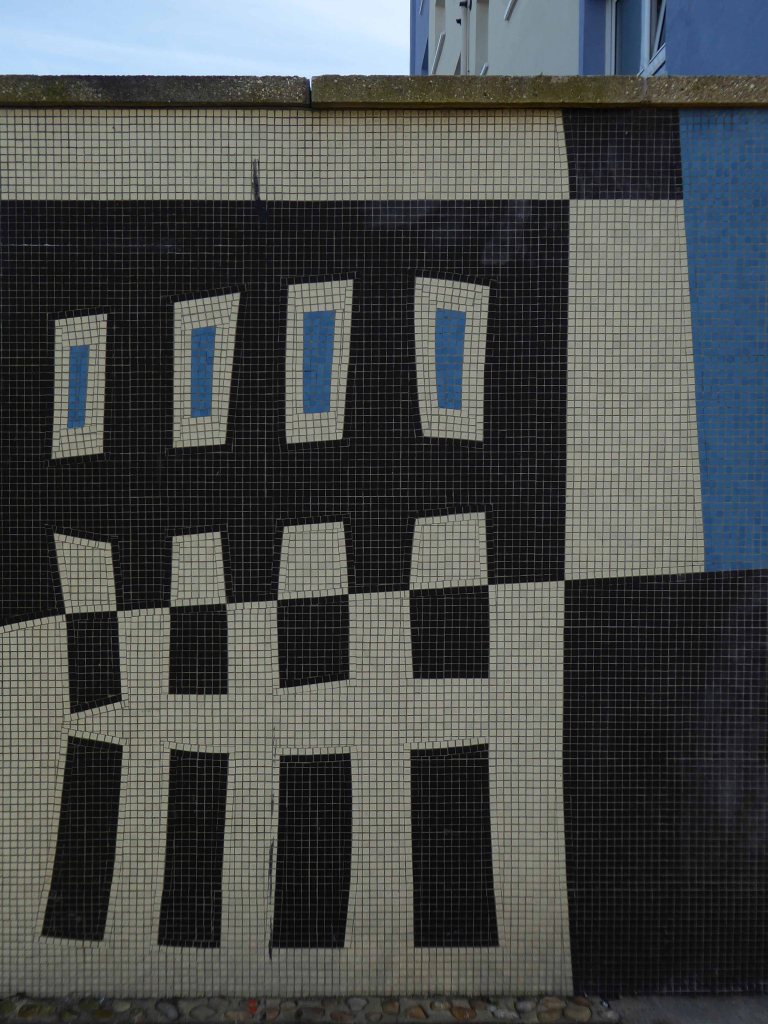
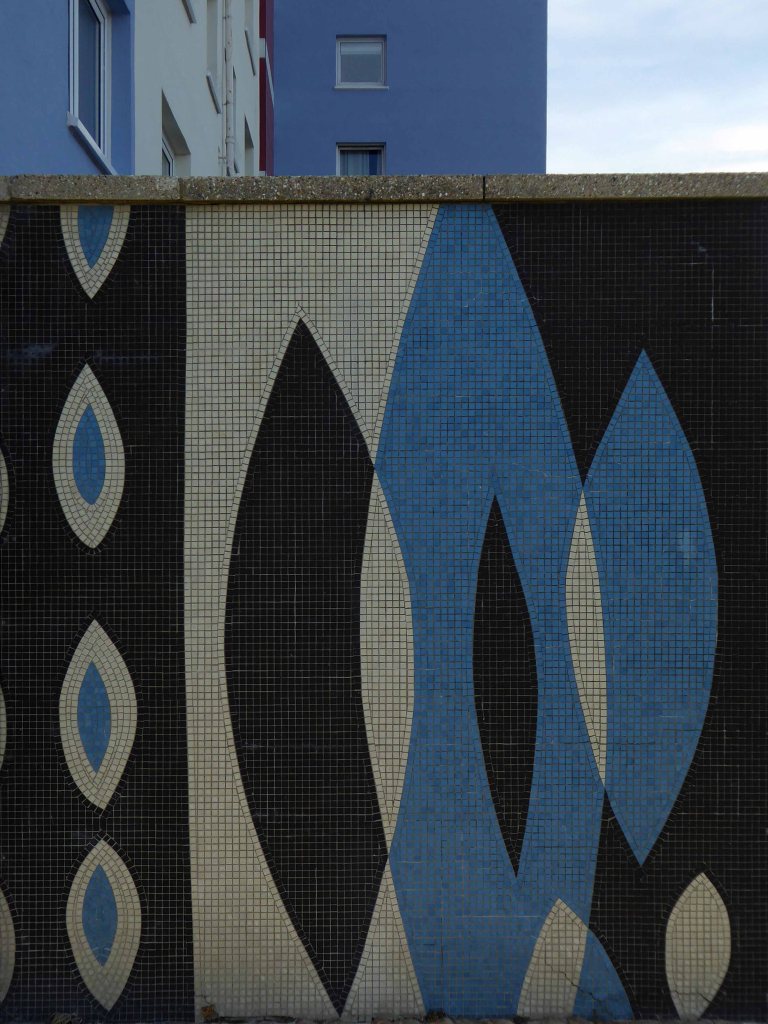
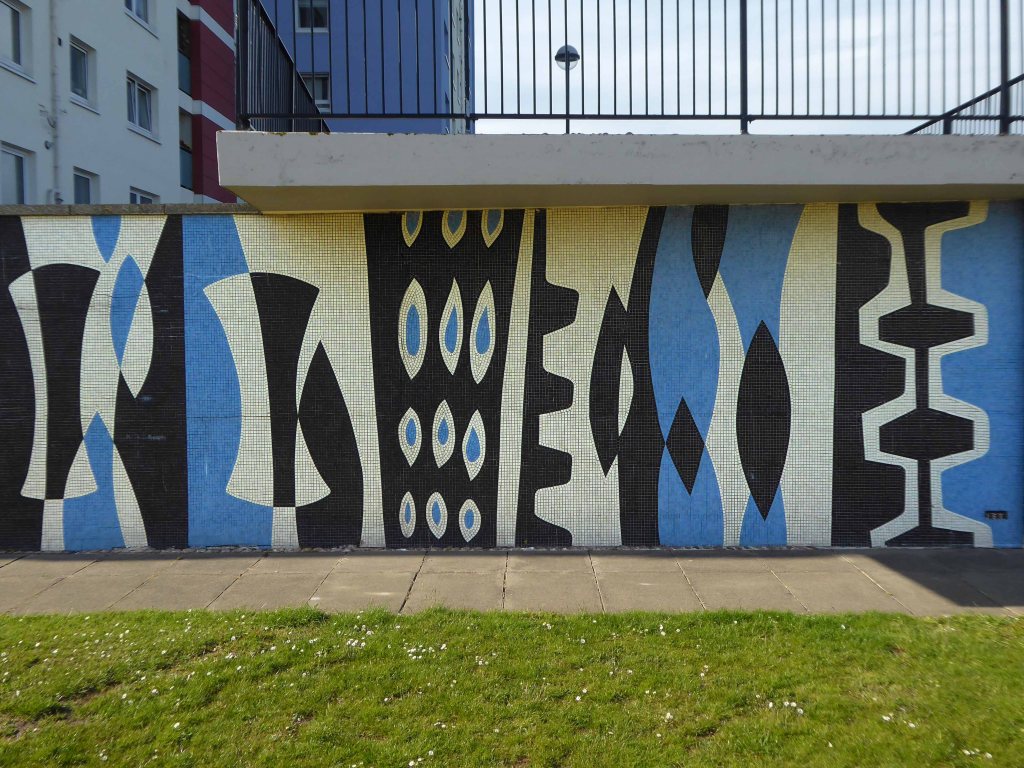
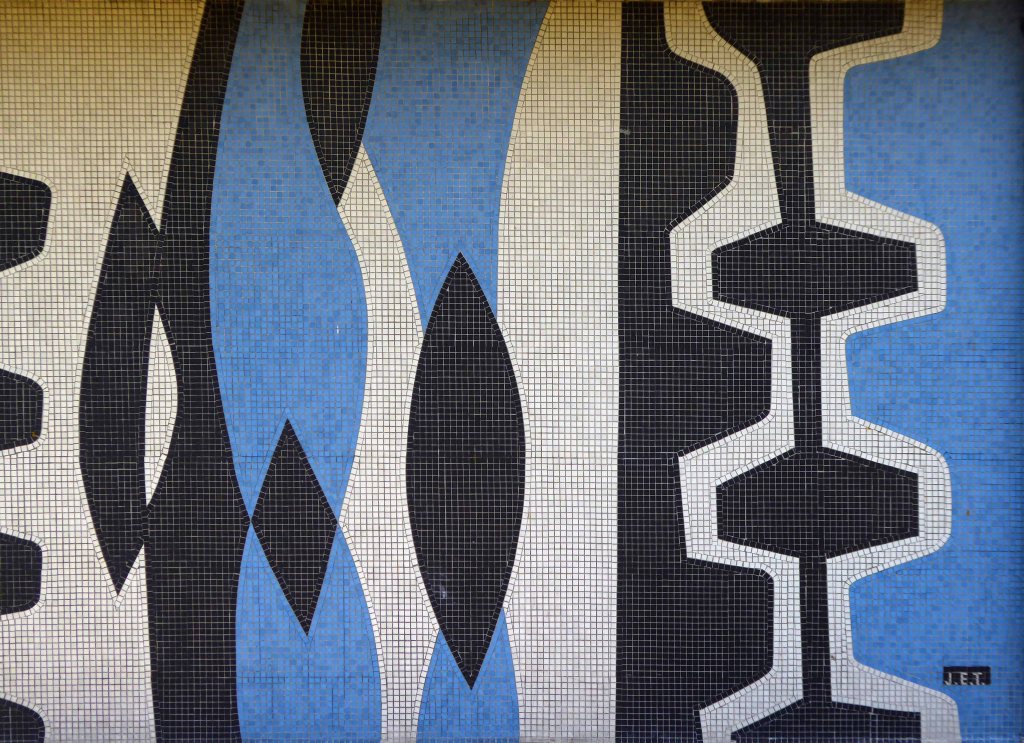
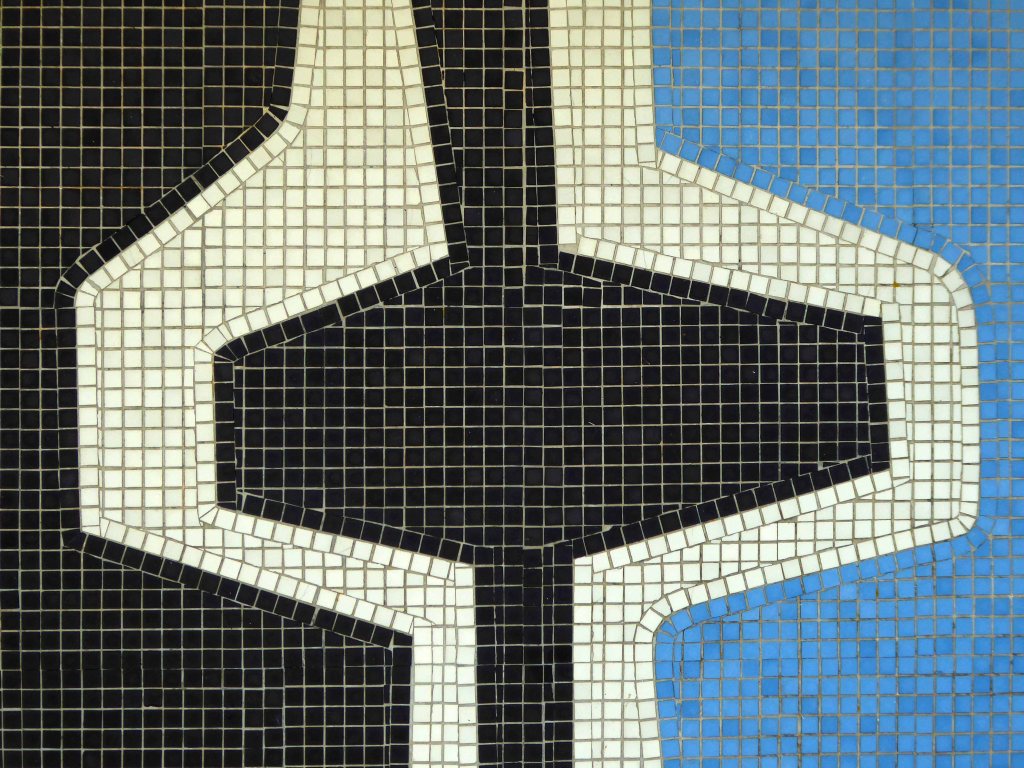
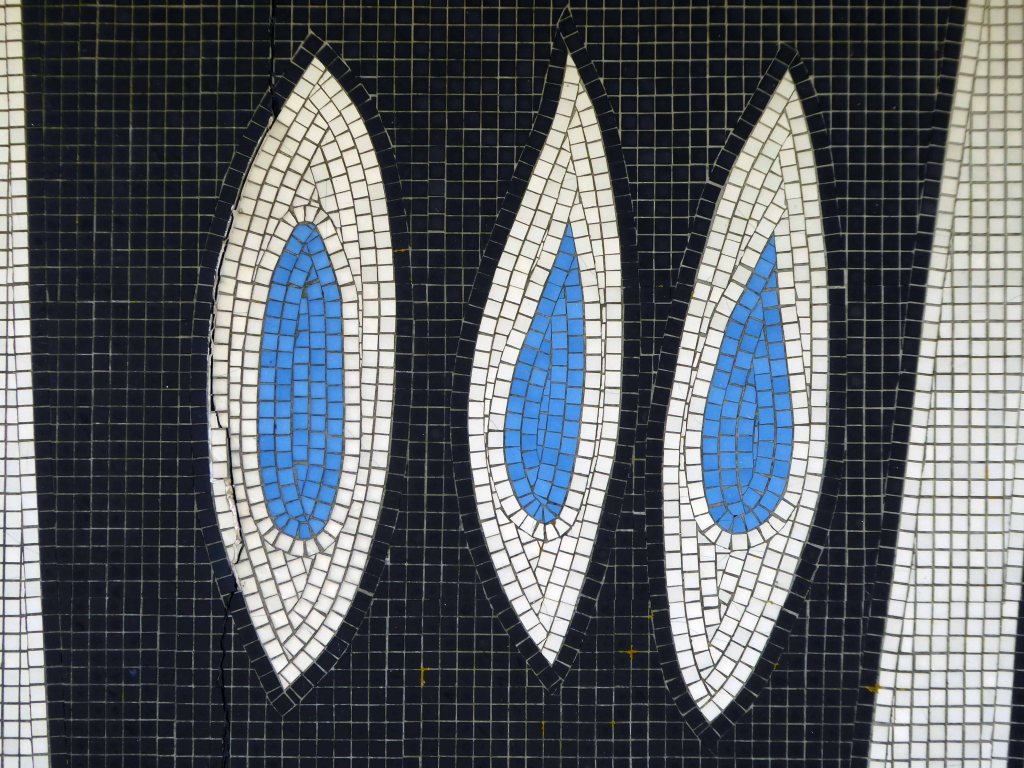
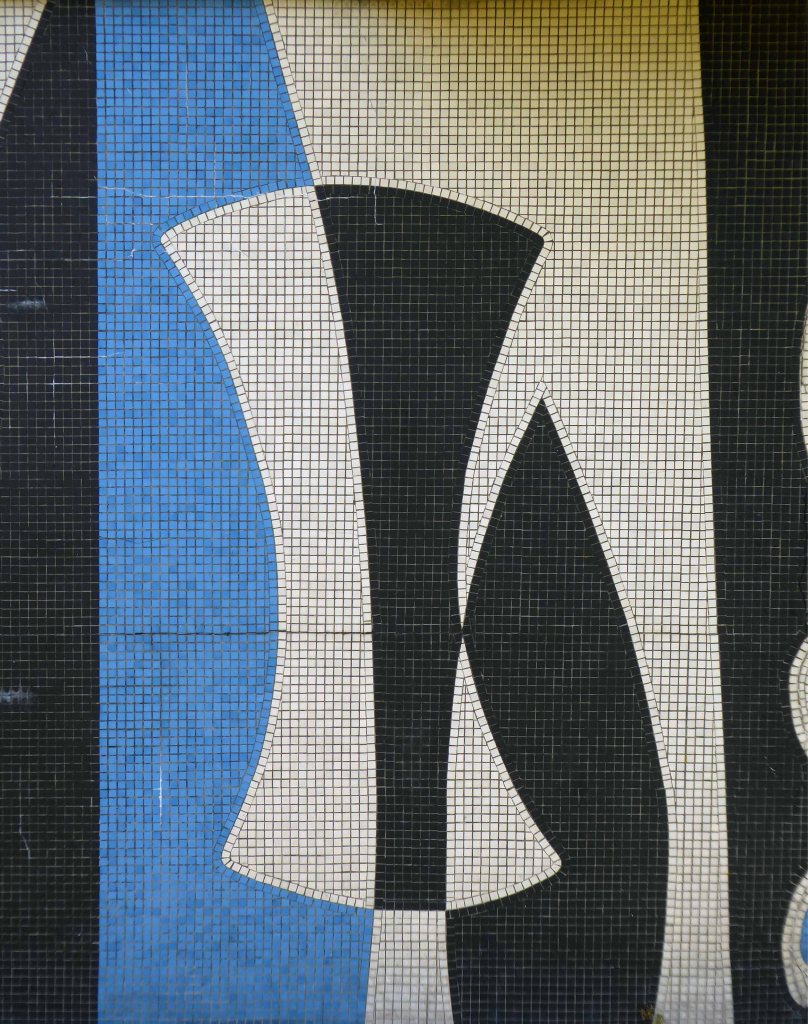
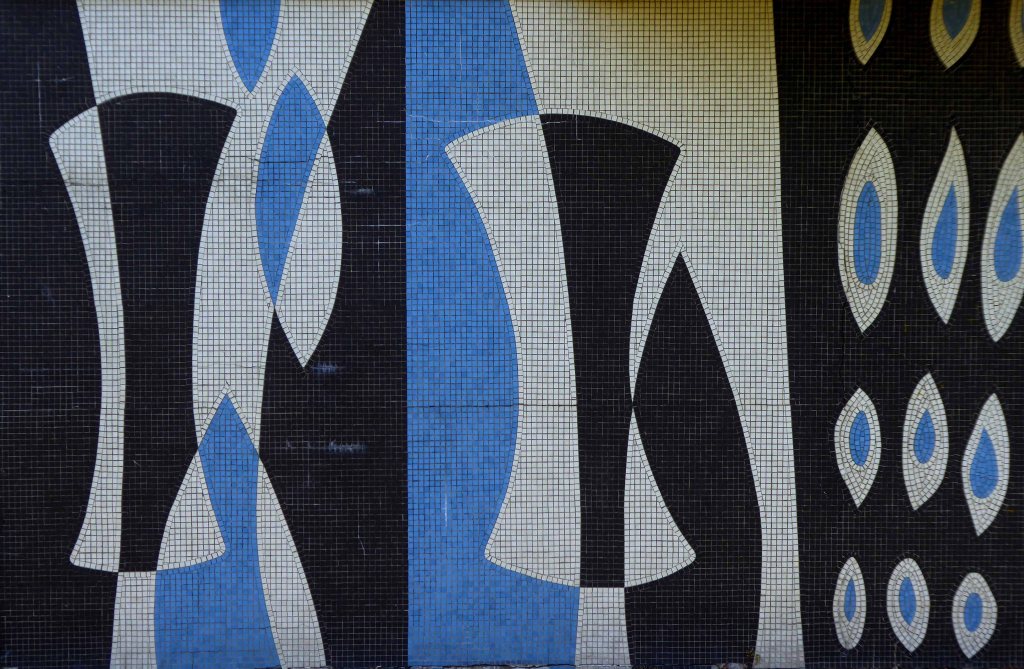
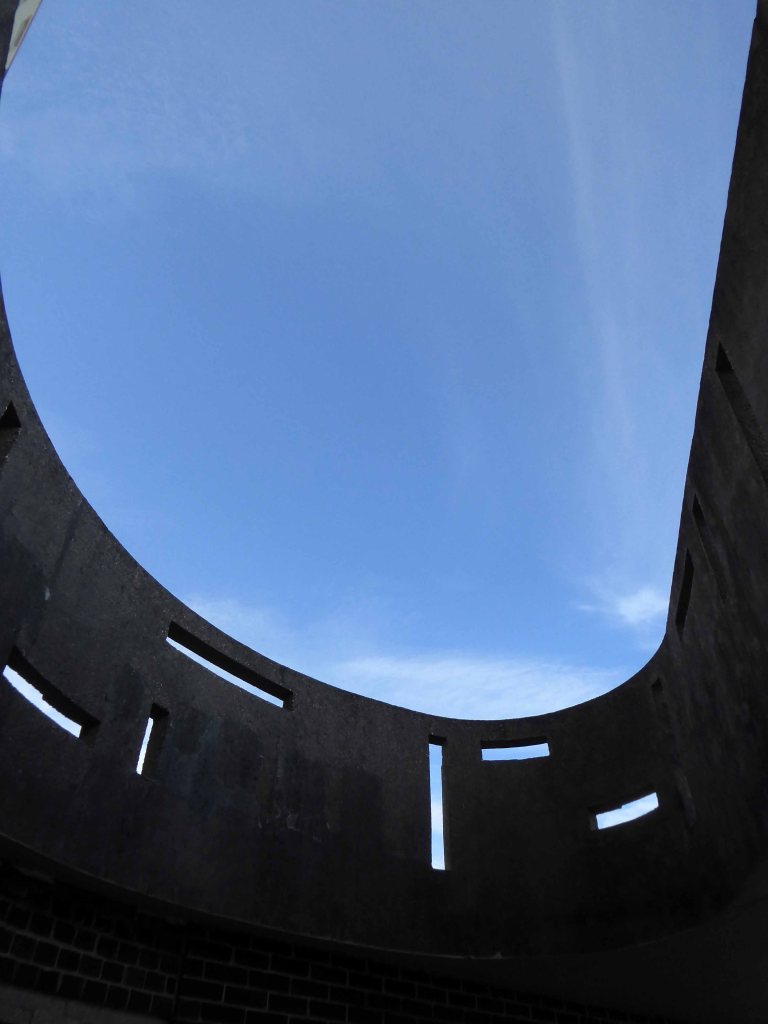
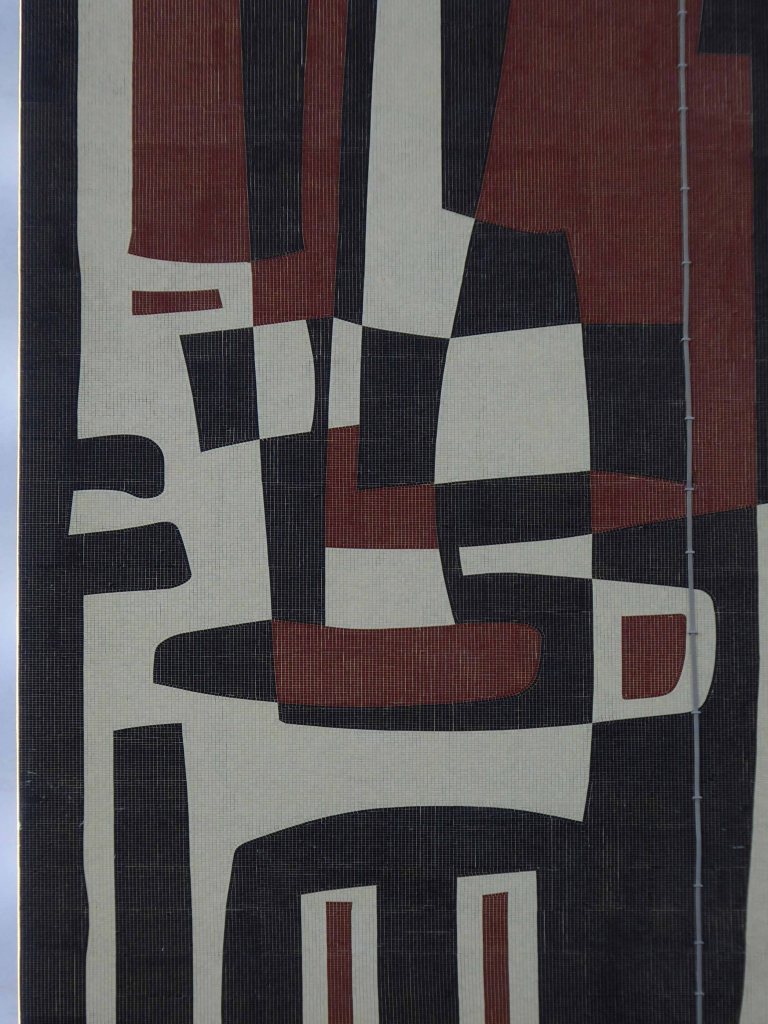
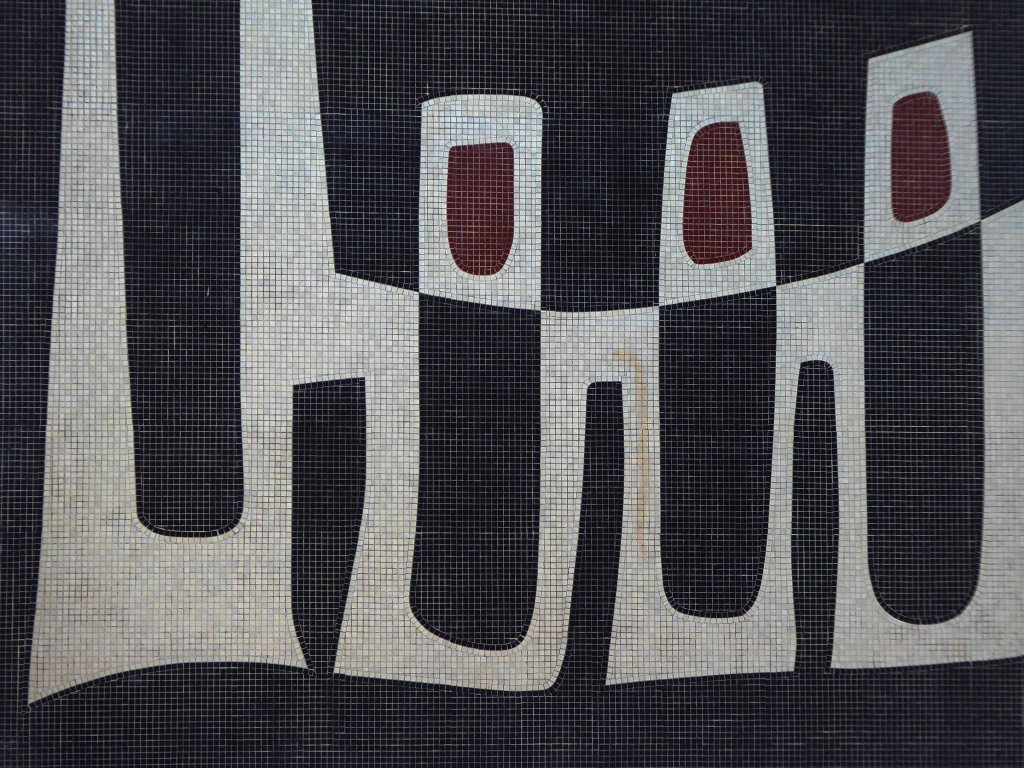
While working for George Wimpey and Co. Ltd, and together with J E Tyrrell, Chief Architectural Assistant to Gosport Borough Council, Kenneth Barden was responsible for tiled murals on Seaward Tower and Harbour Tower, two sixteen-storey tower blocks built in 1963 on the Esplanade in Gosport.
They really are something they really are.
And so following a ride on the Gosport Ferry we arrive at Portsmouth Harbour.
The land where British Rail signage refuses to die!
I have passed this way before on a Bournemouth to Pompey trip and both Tim and I were students at the Poly here in the 70s – more of which later.
While working for George Wimpey and Co. Ltd, and together with J E Tyrrell, Chief Architectural Assistant to Gosport Borough Council, Kenneth Barden was responsible for tiled murals on Seaward Tower and Harbour Tower, two sixteen-storey tower blocks built in 1963 on the Esplanade in Gosport.
The surfaces of the tower blocks are covered in mosaic murals designed by Barden that rise the full 135 foot height of the buildings. They were controversial initially but are now a tourist attraction.
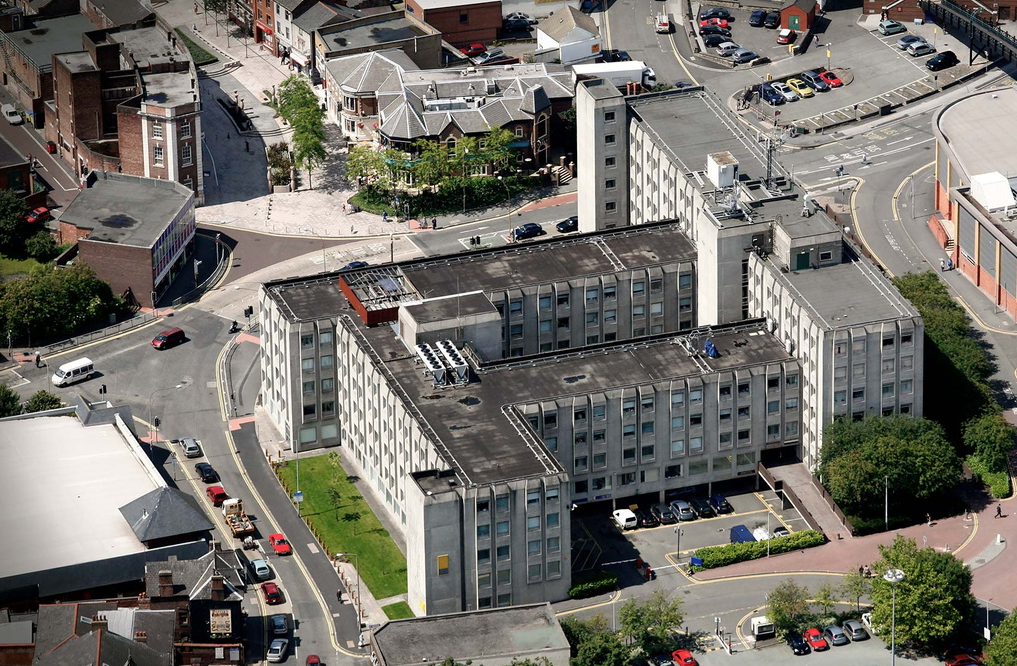
The weary workers are already rehoused in One Time Square.
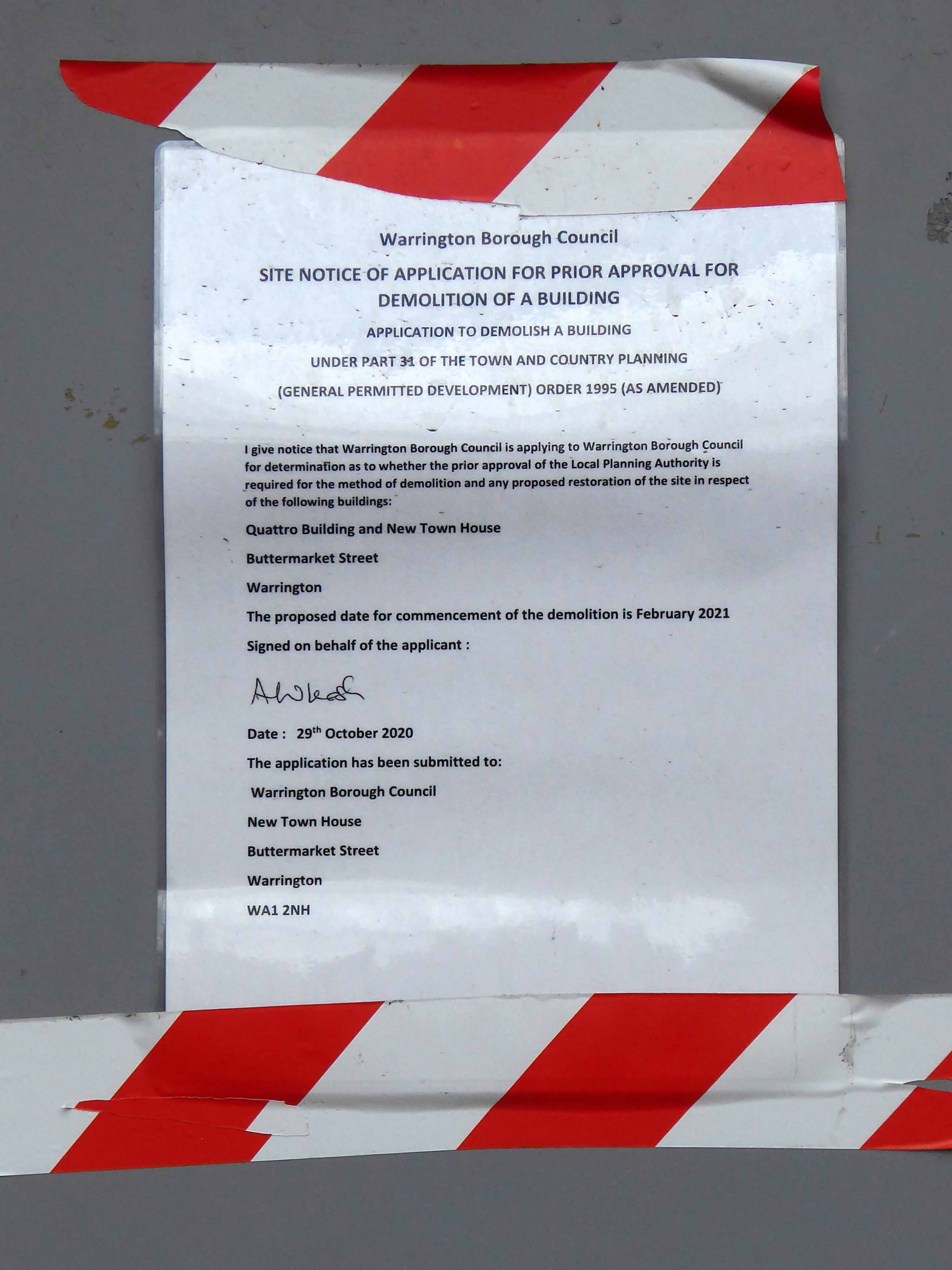
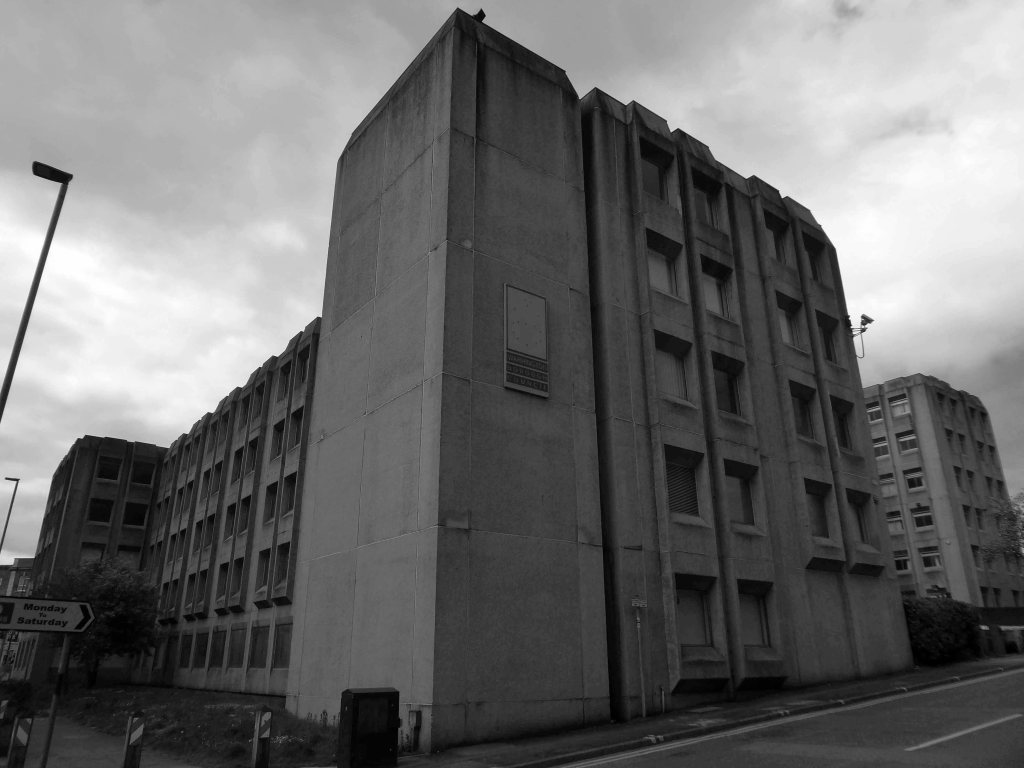
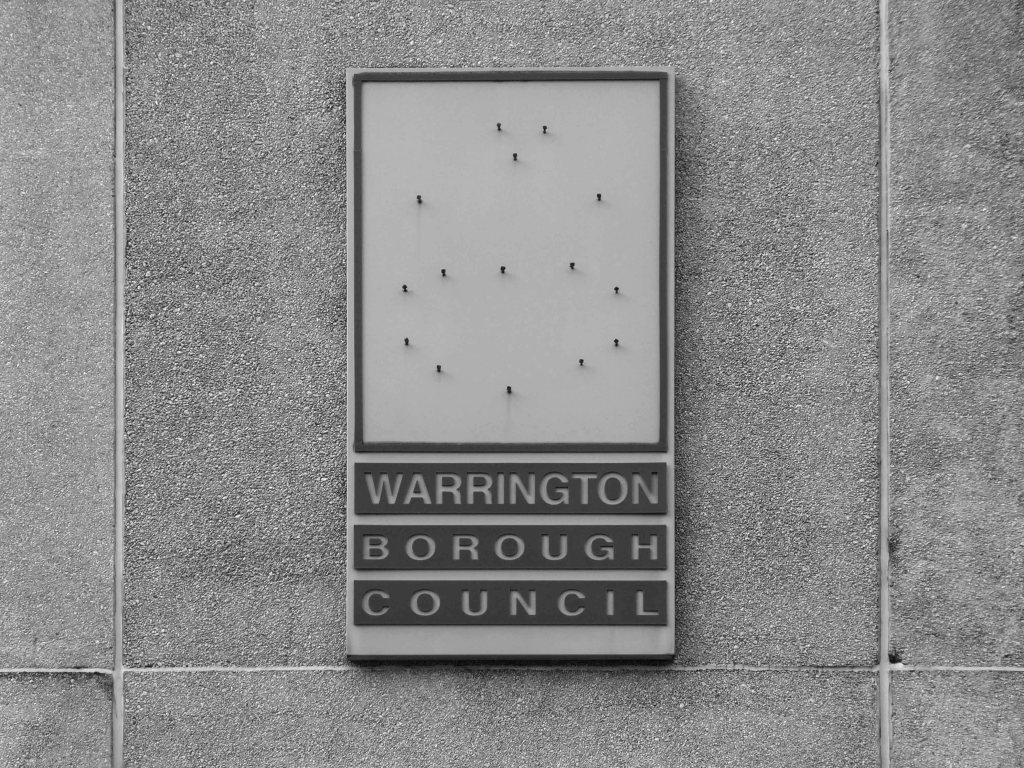
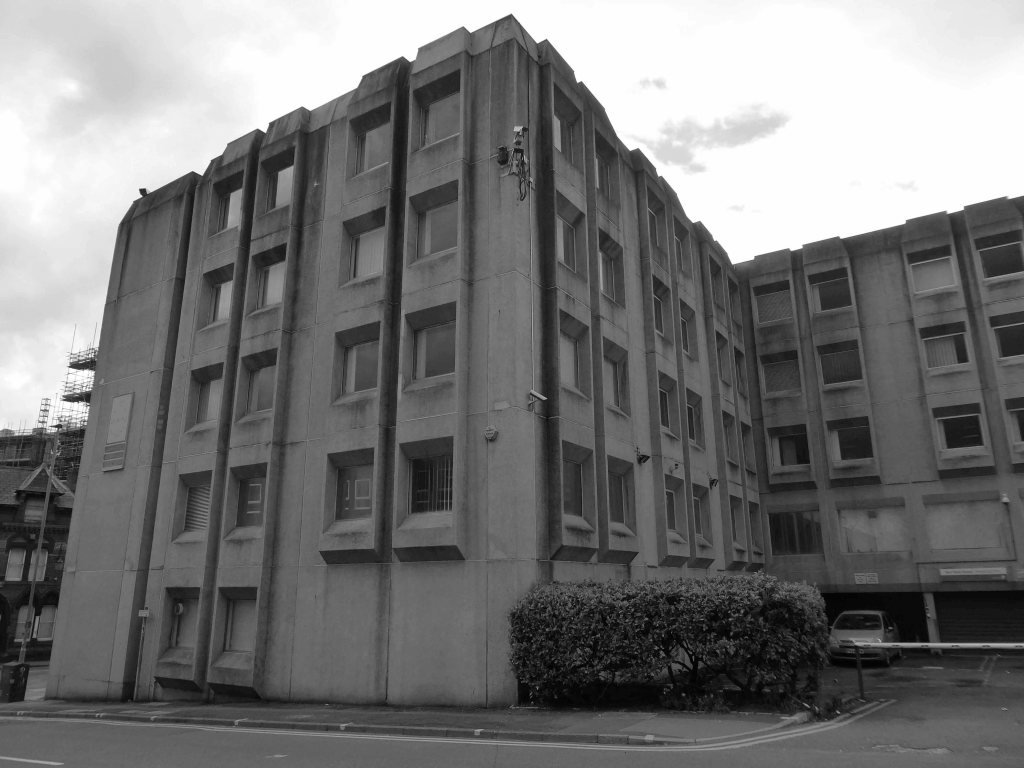
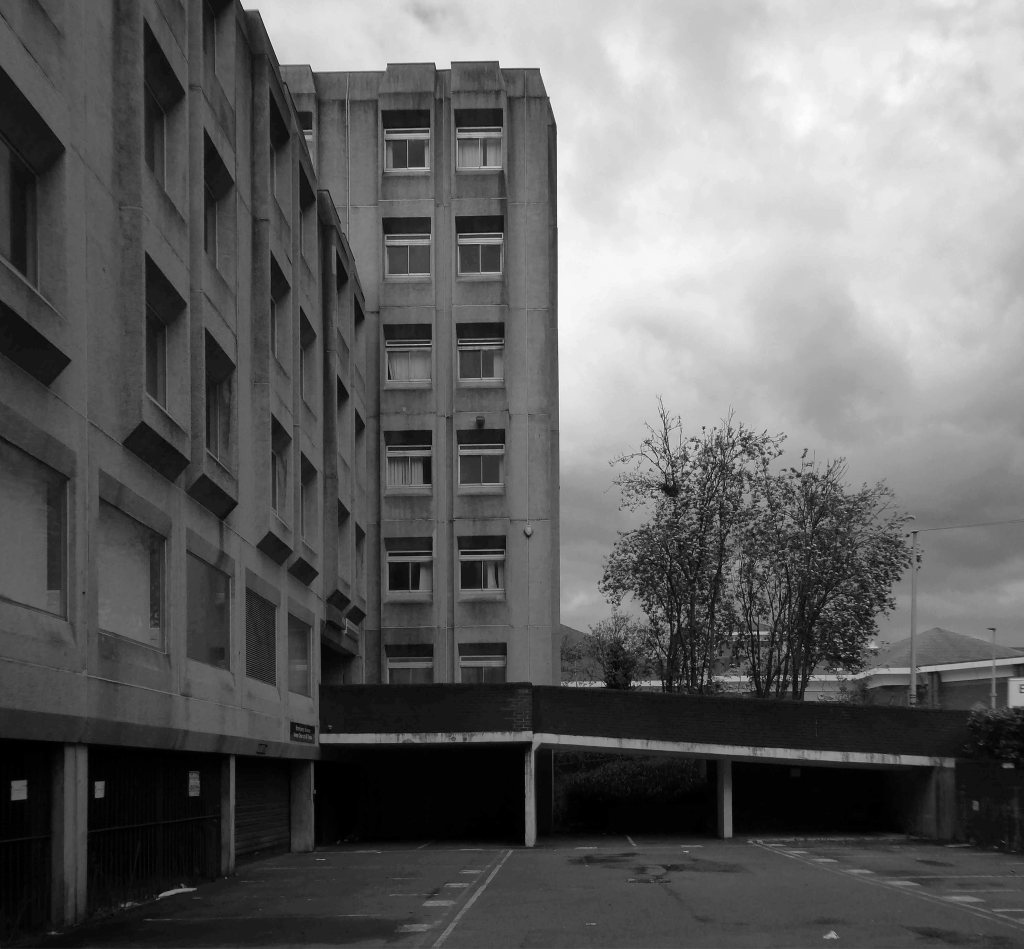
So I went to take a walk around, before the wrecking ball arrives.
The council said there were:
No operational reasons to keep the building in council use or occupied beyond this point, allowing the site to be cleared for redevelopment.
Justifying the demolition, Warrington said the building has poor energy efficiency, high service costs, and is inflexible for modern office and business working
Cost estimates for refurbishment, M&E installation, and energy efficiency measures to keep the building in office use stand at £5m; even if this is actioned, the building would still have limitations for flexible modern working practices and energy efficiency.
The council had explored renting the building out but said: there was no demand for office space of this scale and quality; a sale was also considered but the council found market demand was not significant.
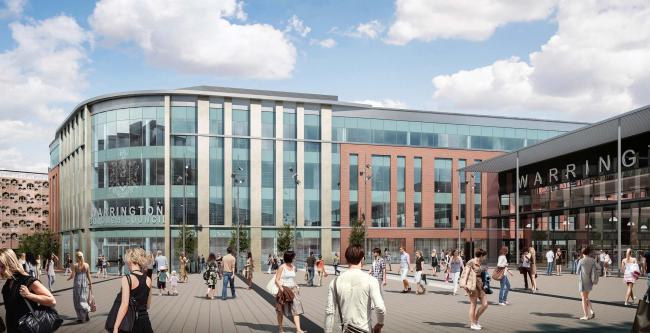
Residential is the most likely outcome for the site, and it will be built into a masterplan for an area including Scotland Road, Town Hill, and Cockhedge. The council said it would look to sell the site in future.
A forgotten part of Warrington town centre could be turned into plush new affordable flats.
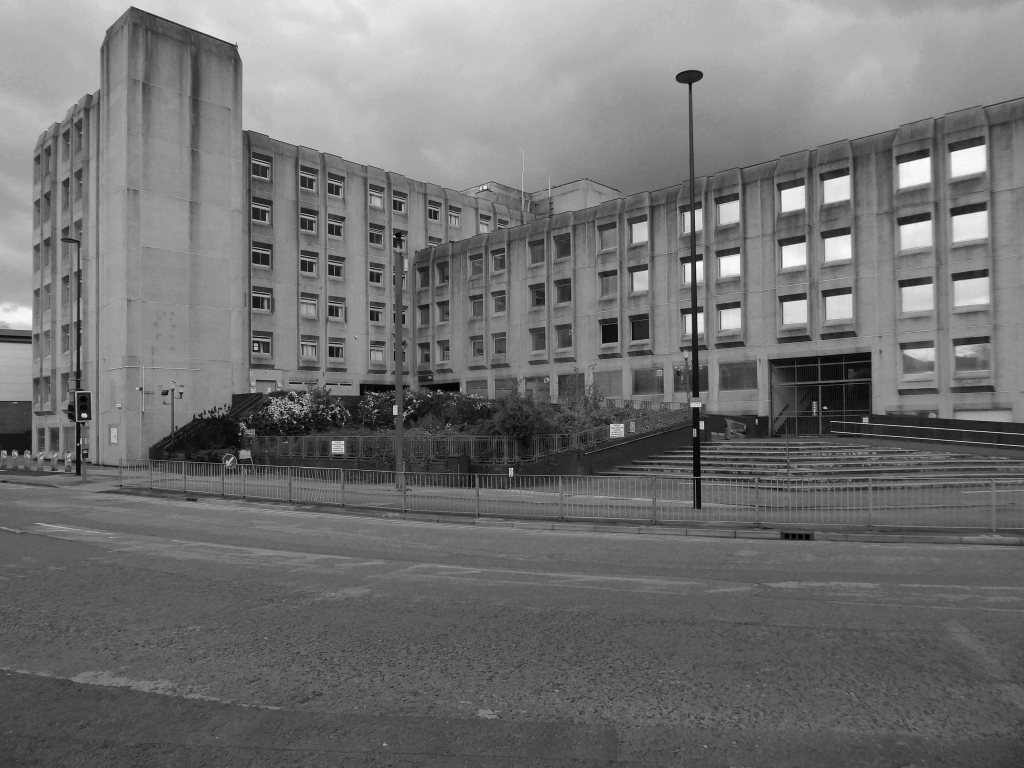
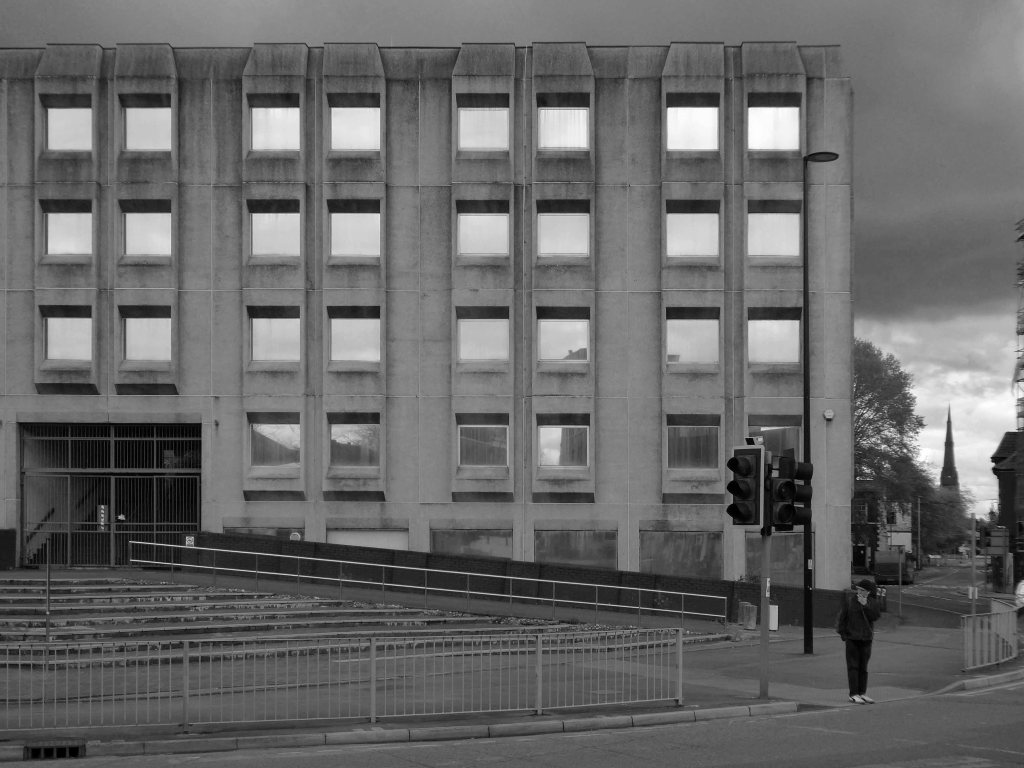
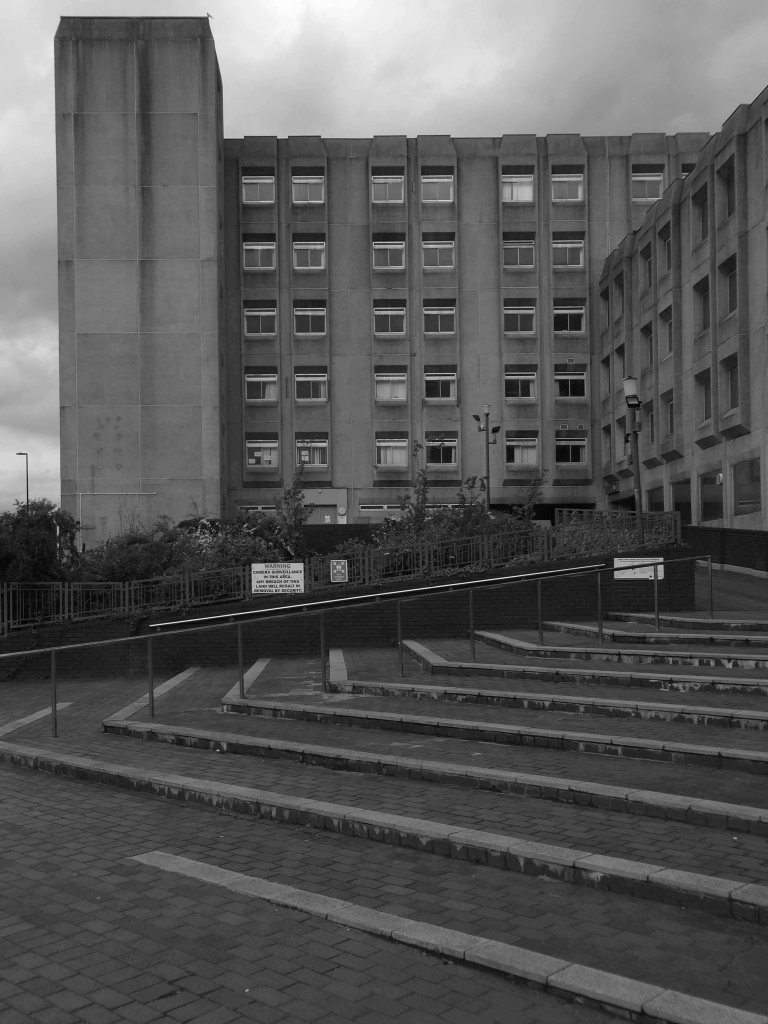
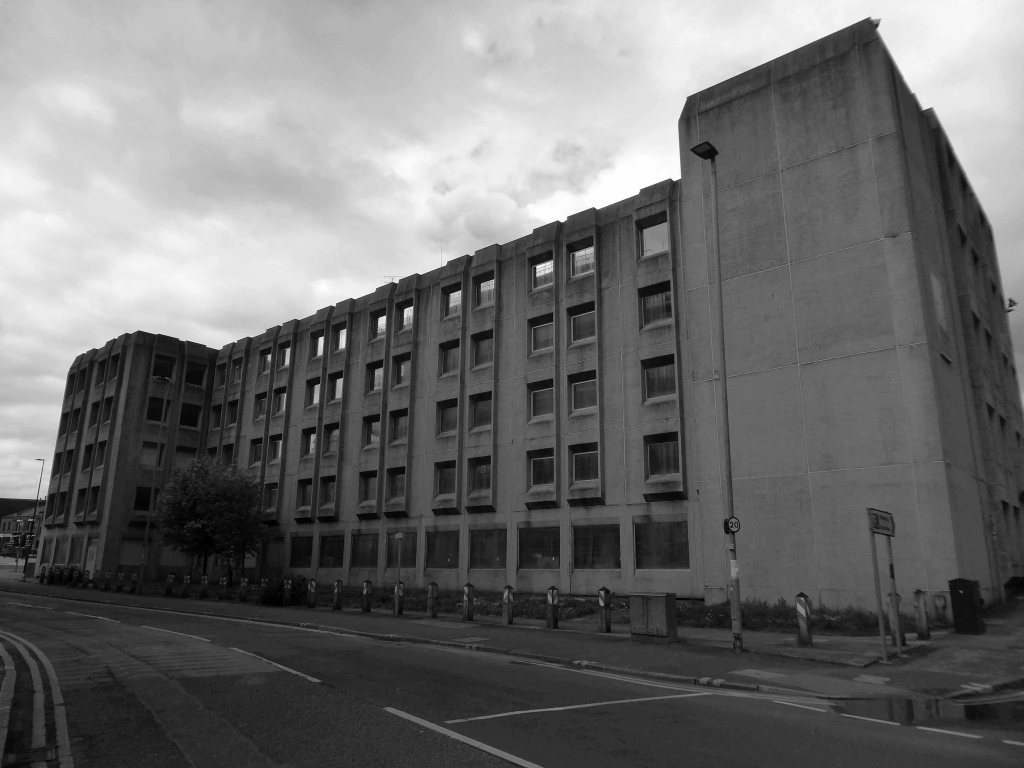
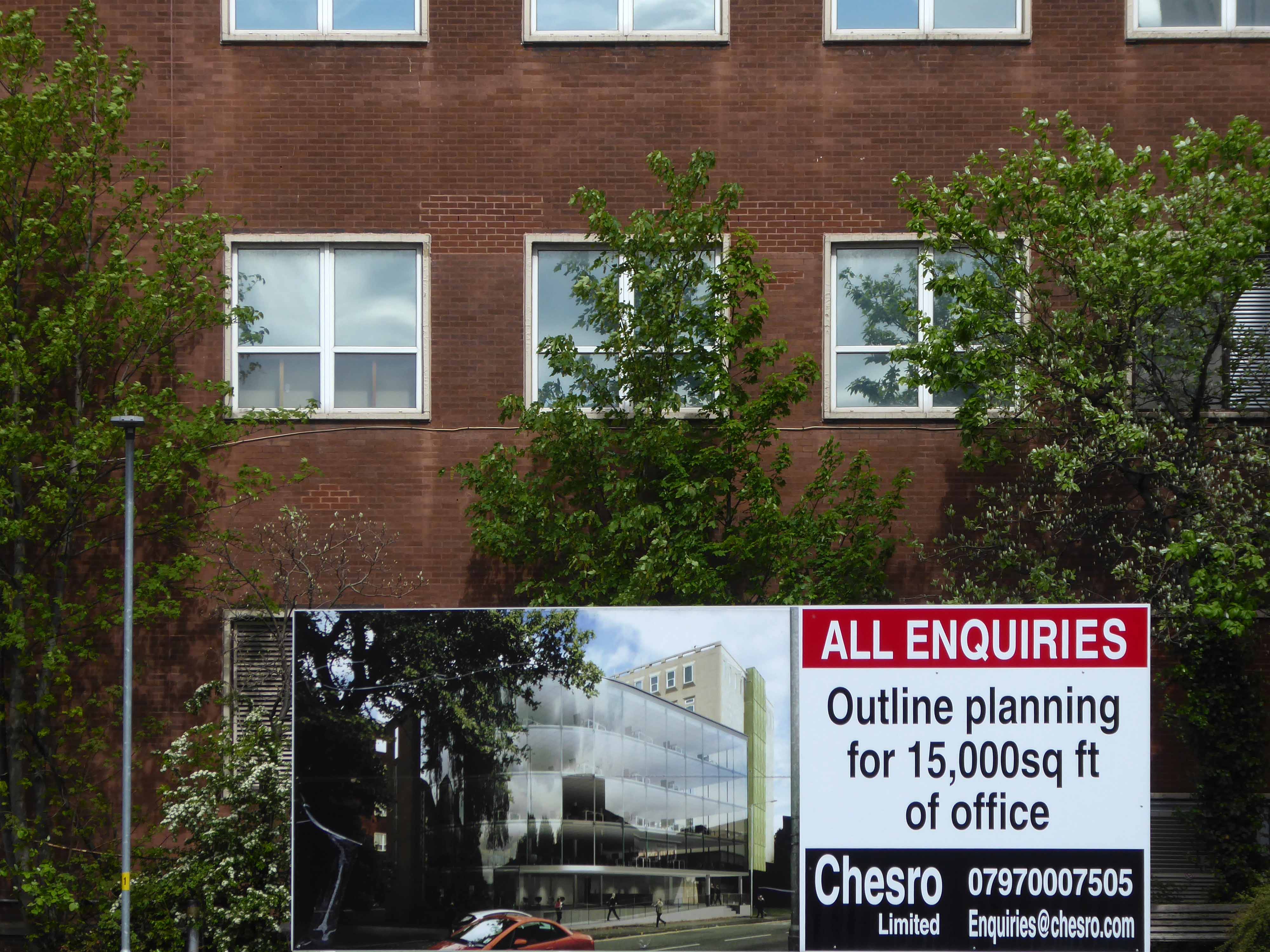
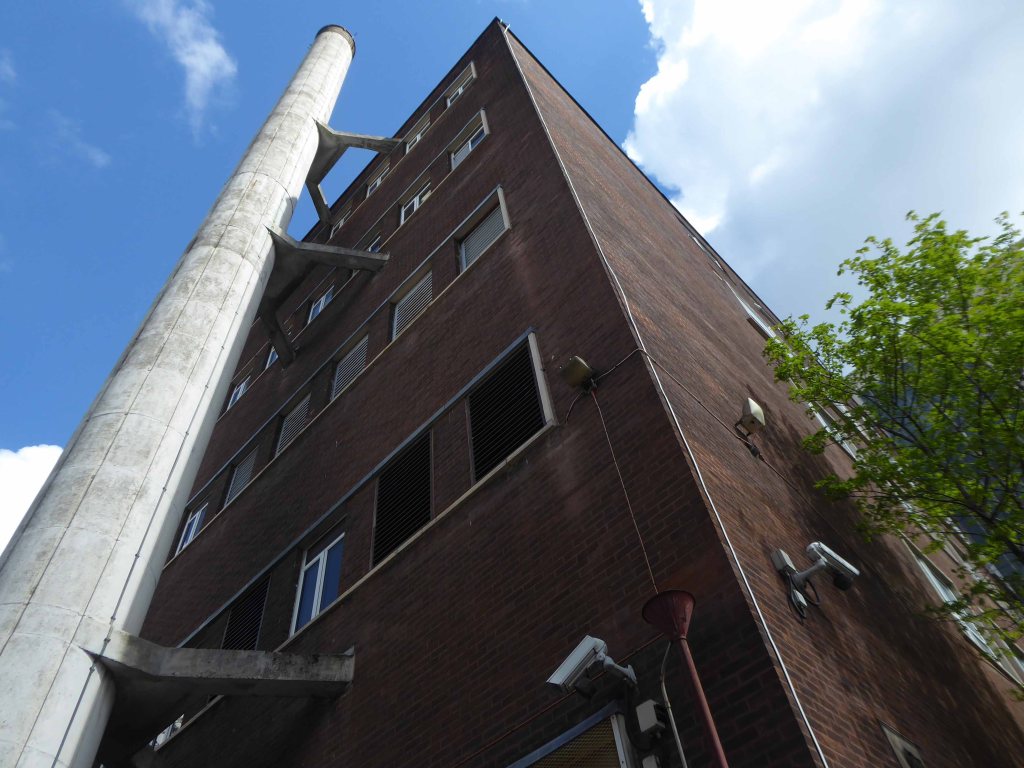
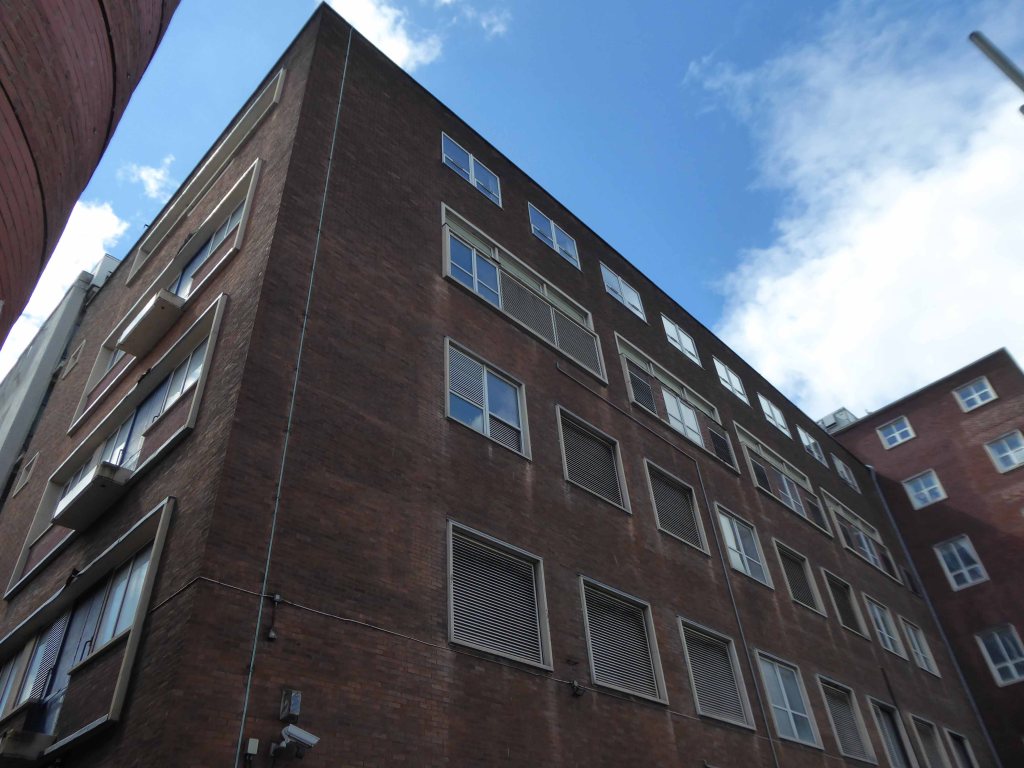
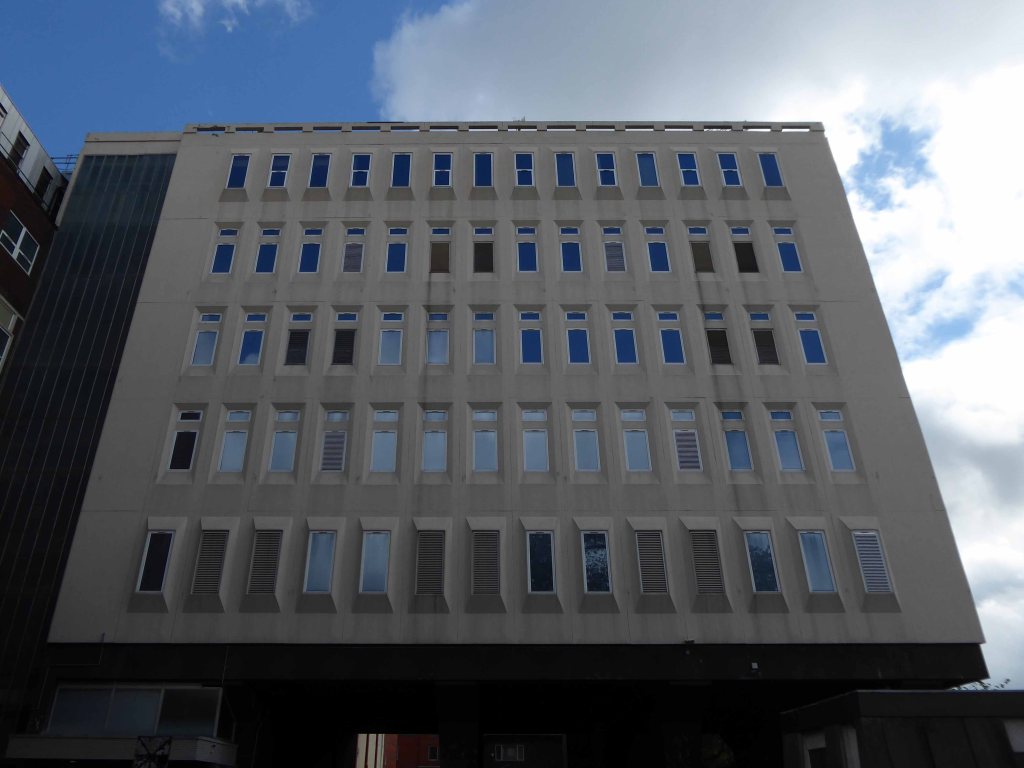
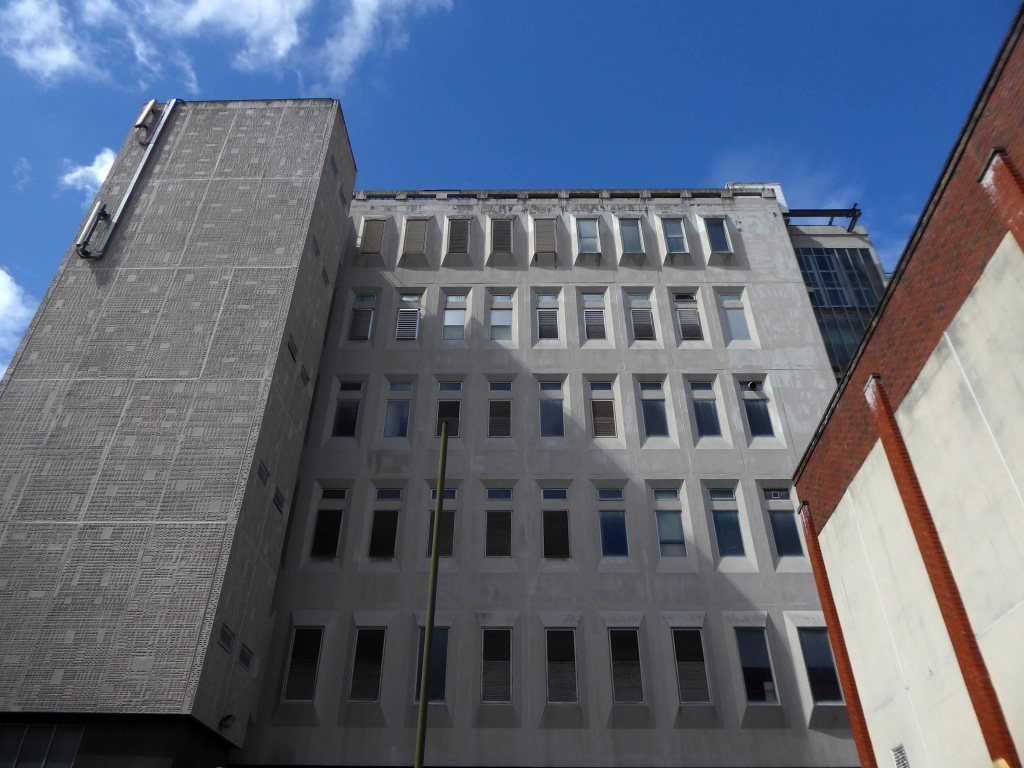
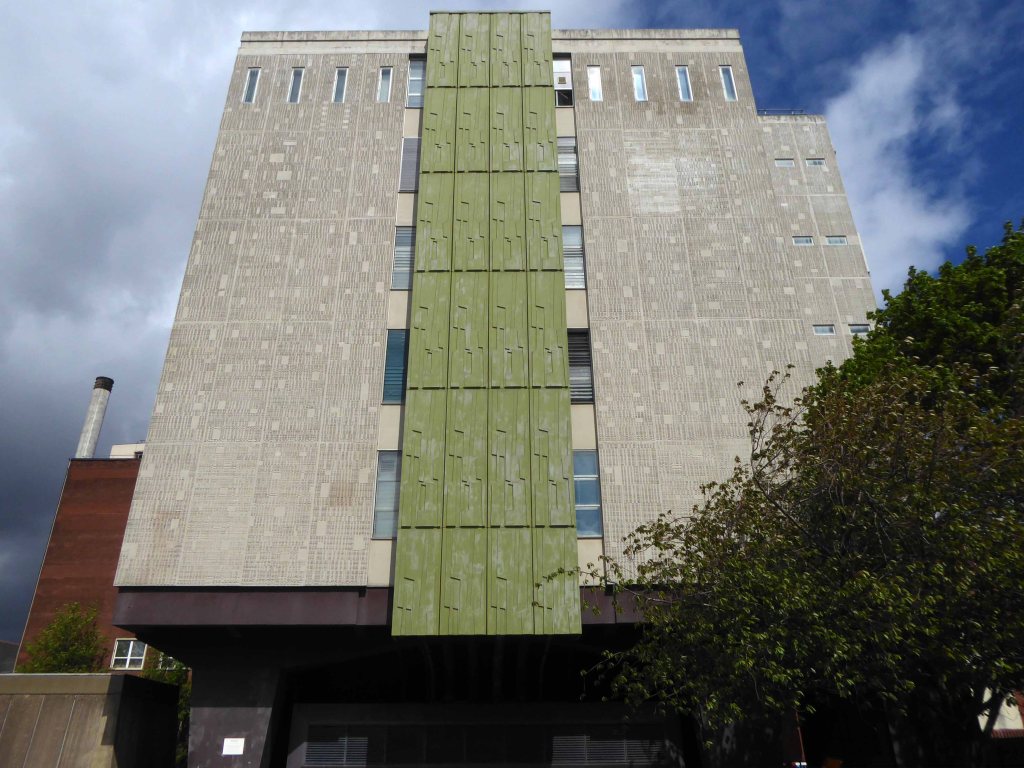
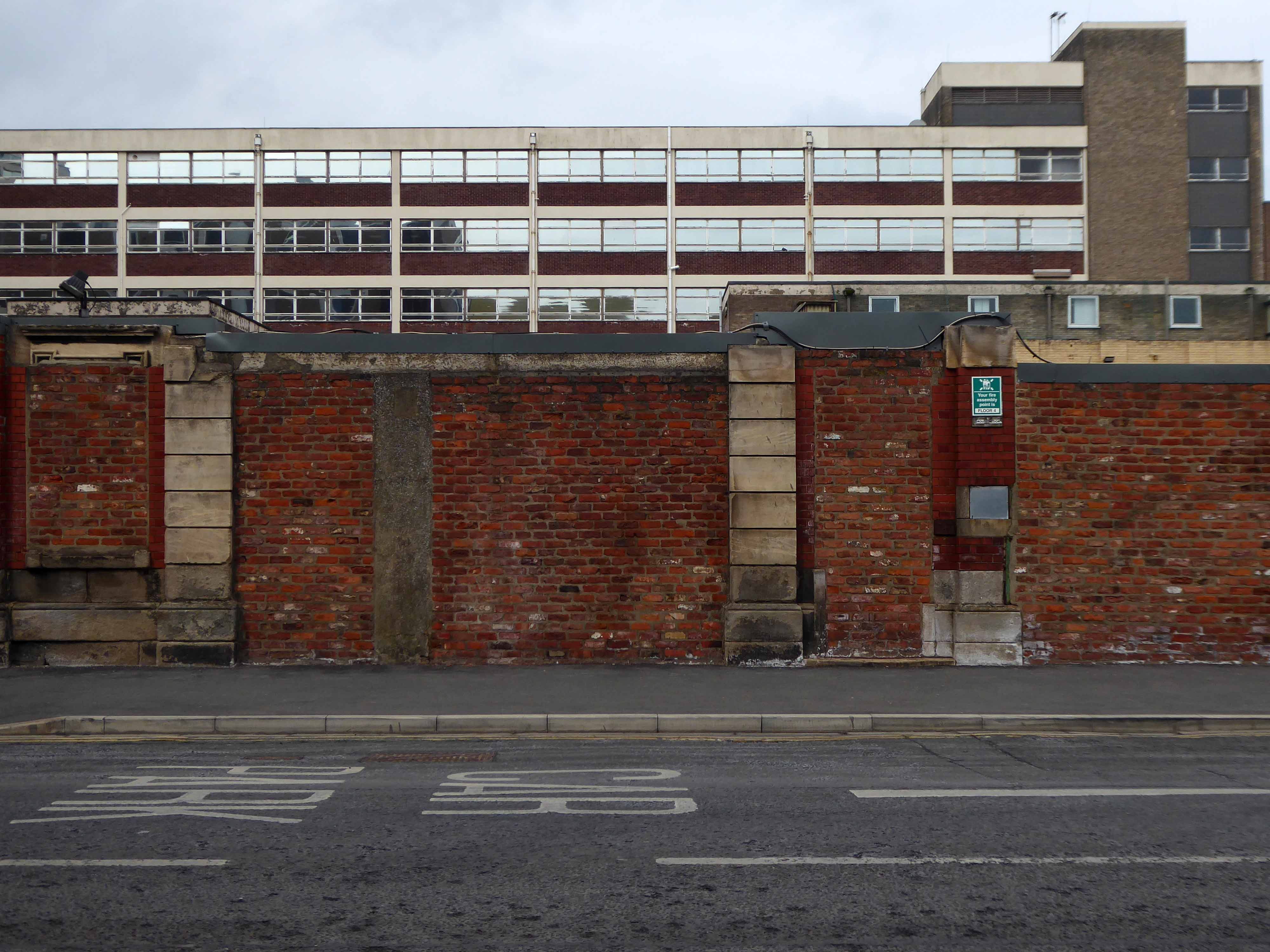
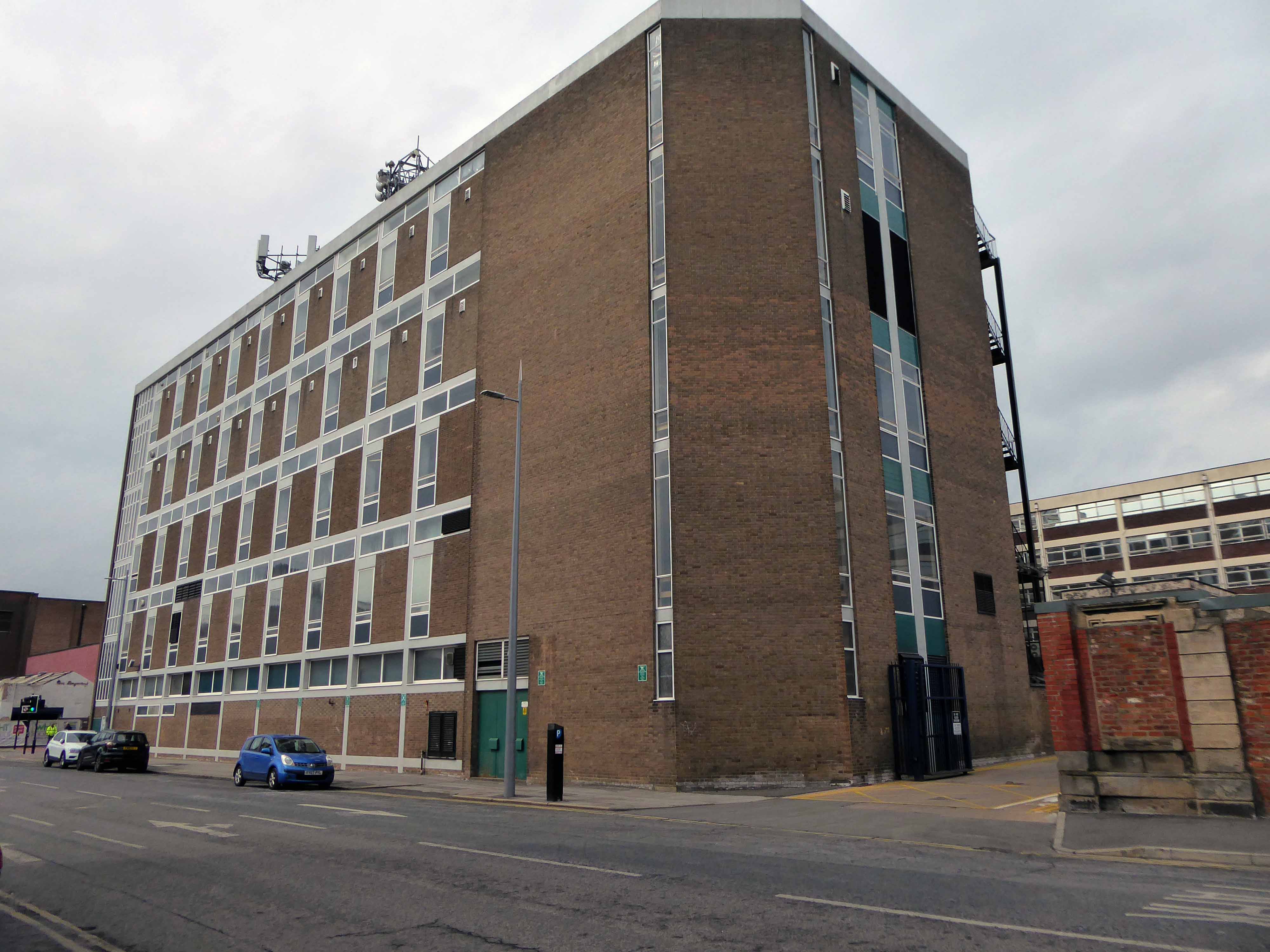
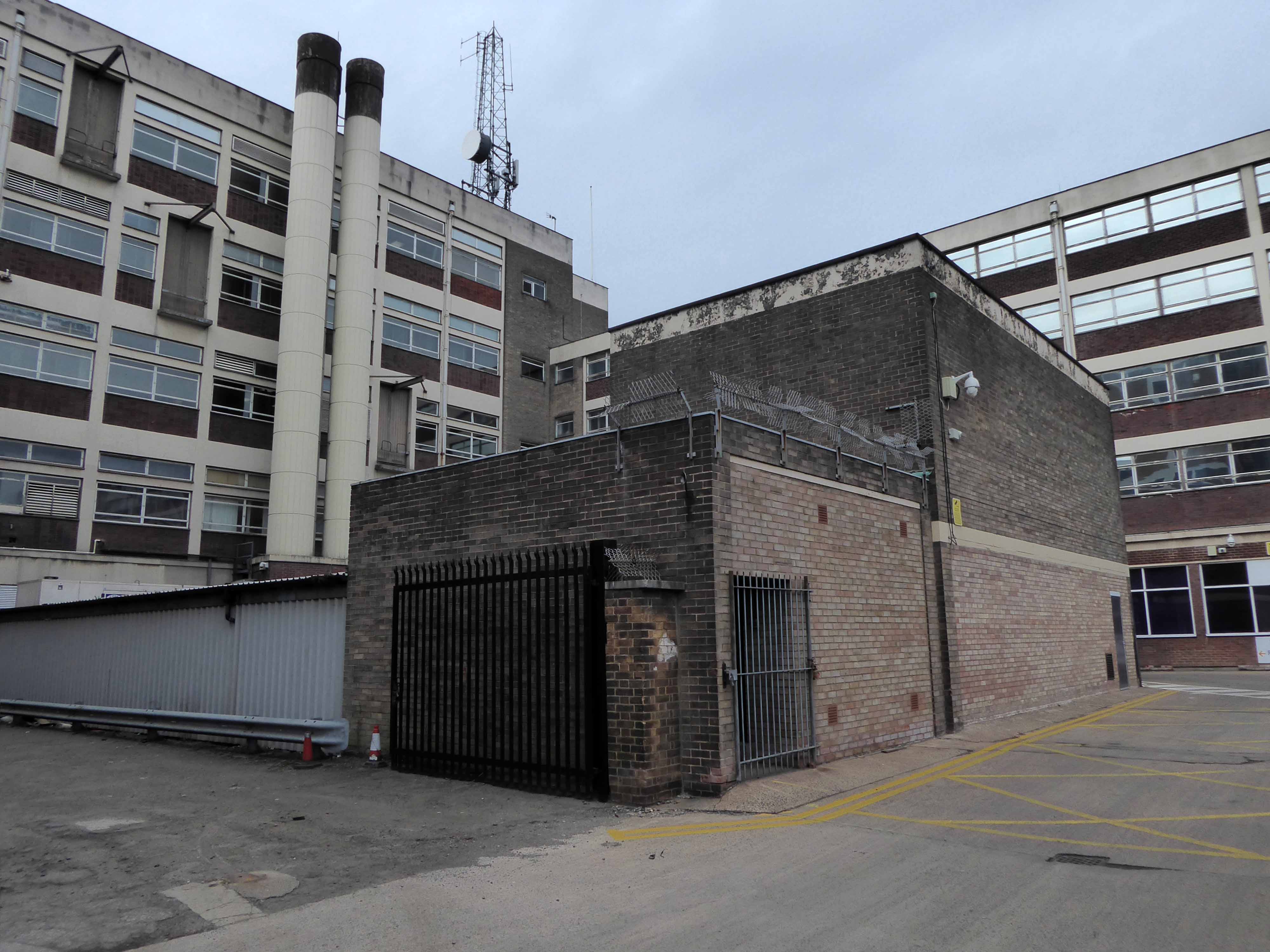
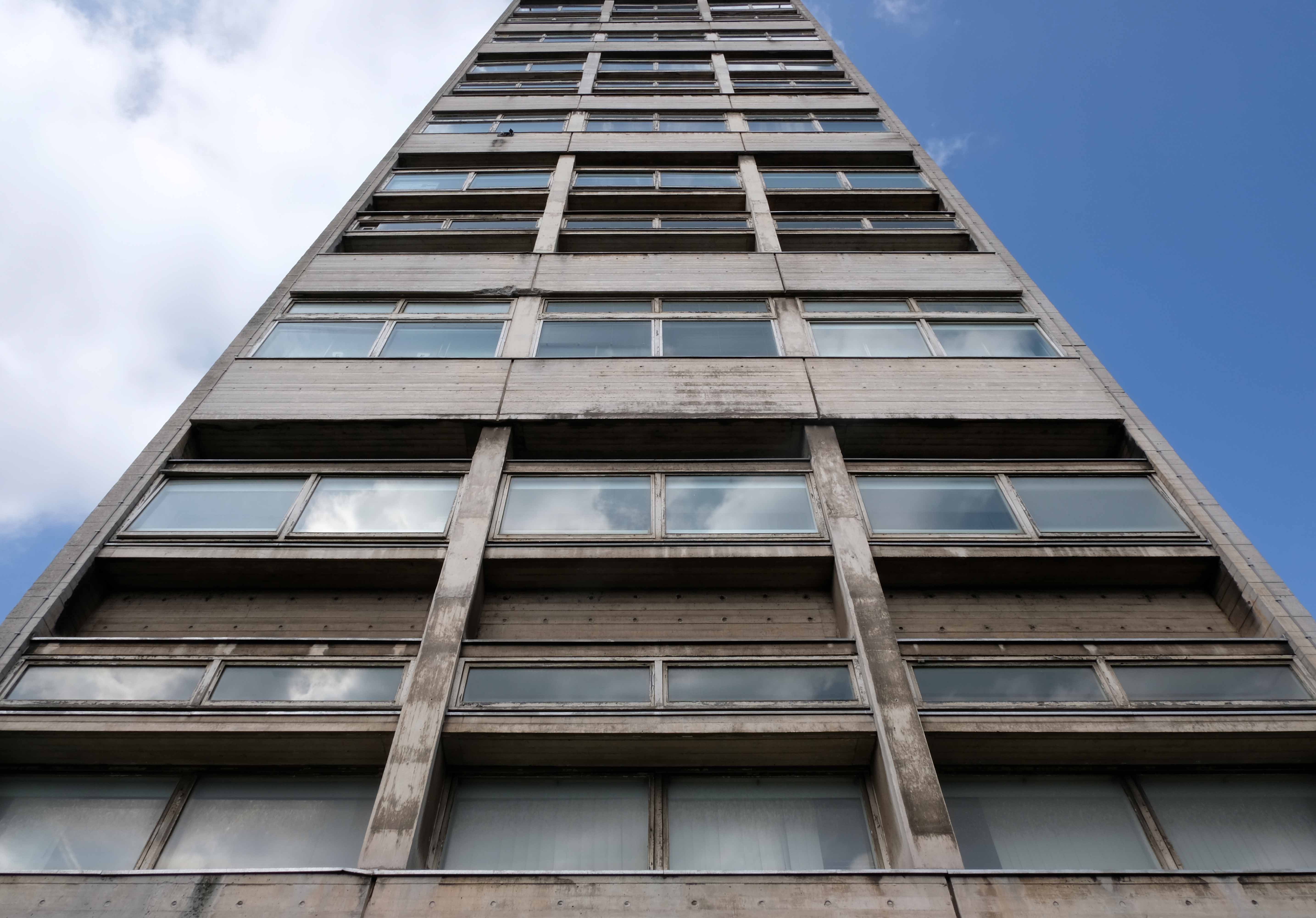
Developers are looking to put an eight-storey apartment block off Wilson Patten Street close to the former BT telephone exchange building – described in the planning application as an:
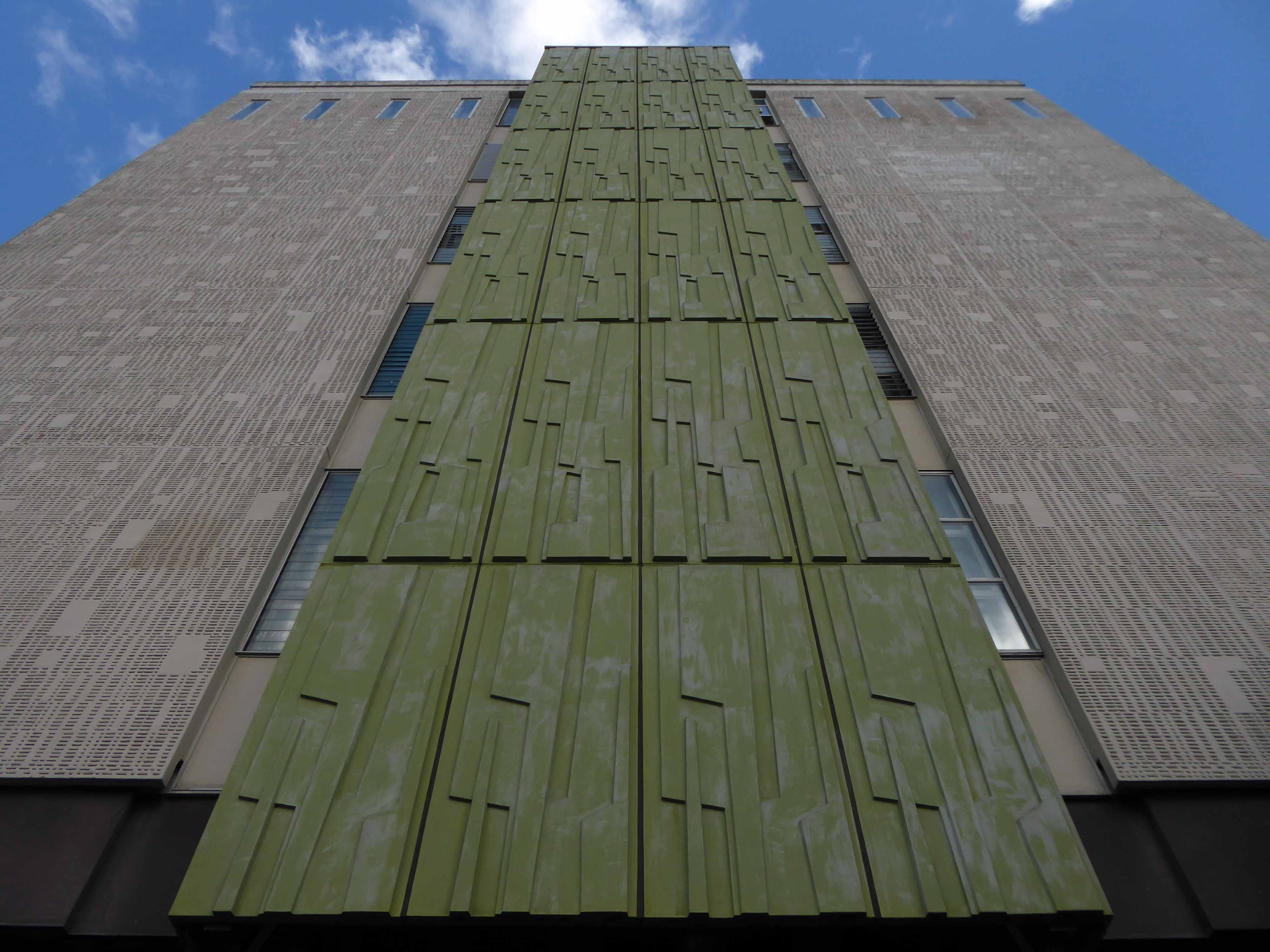
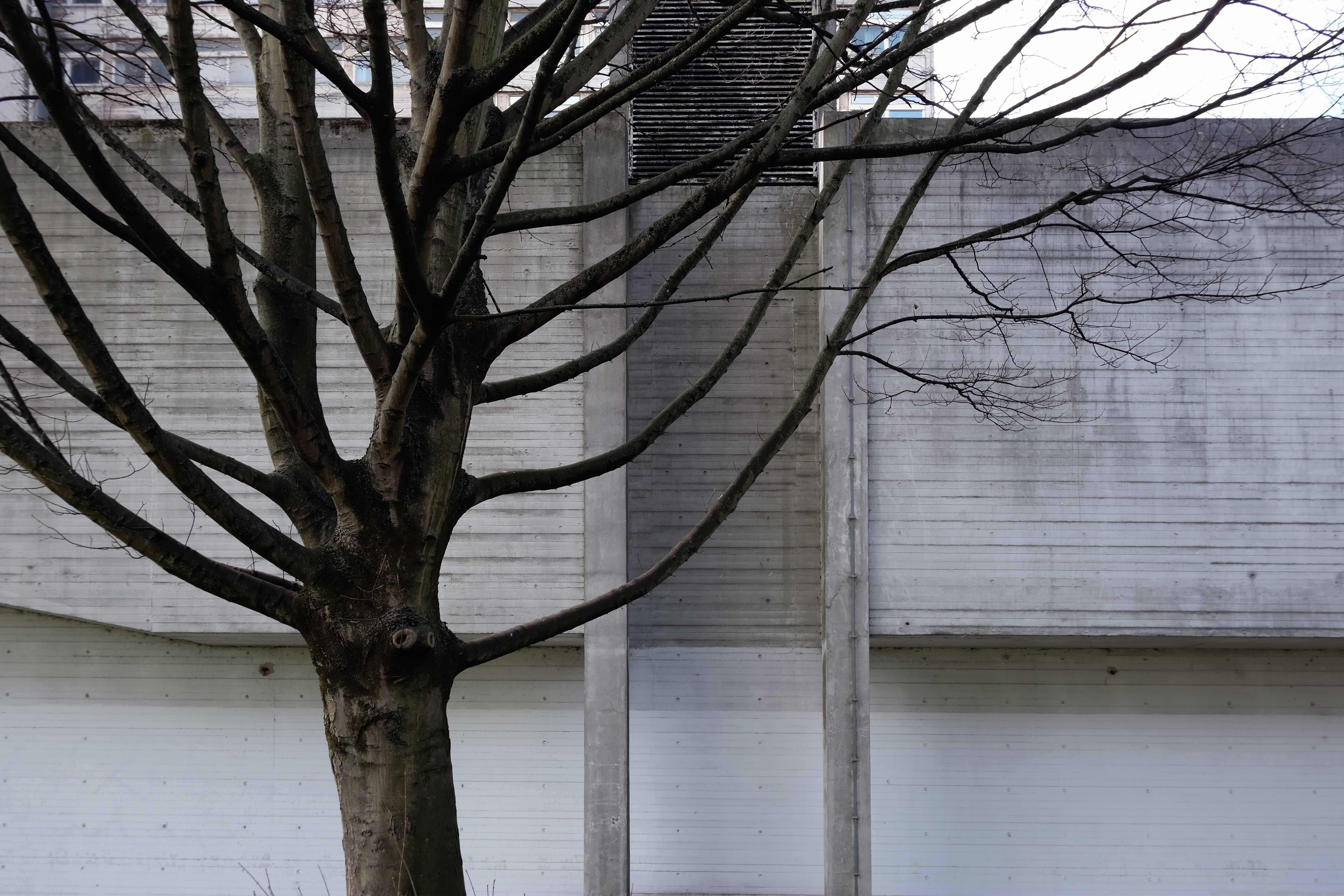
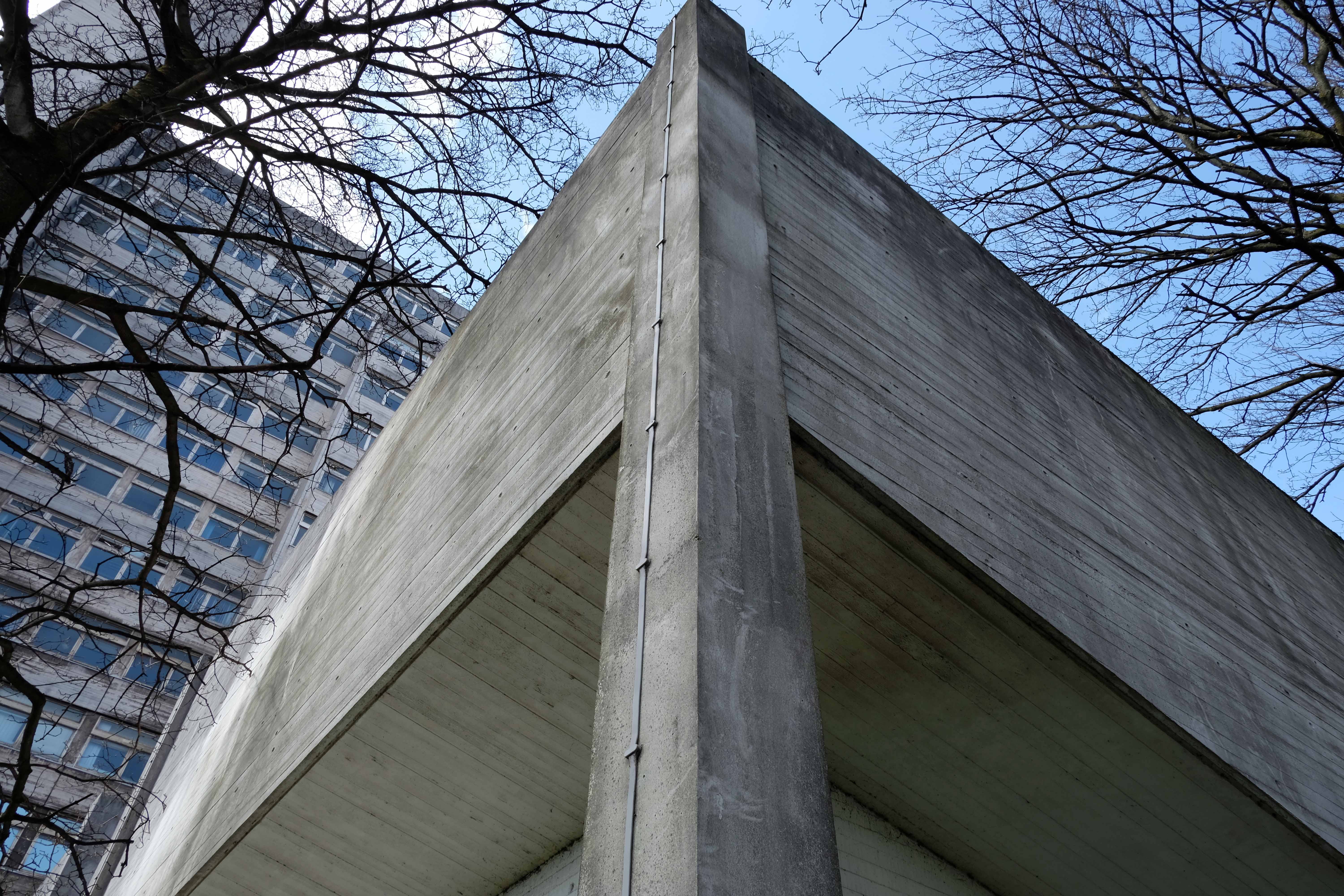
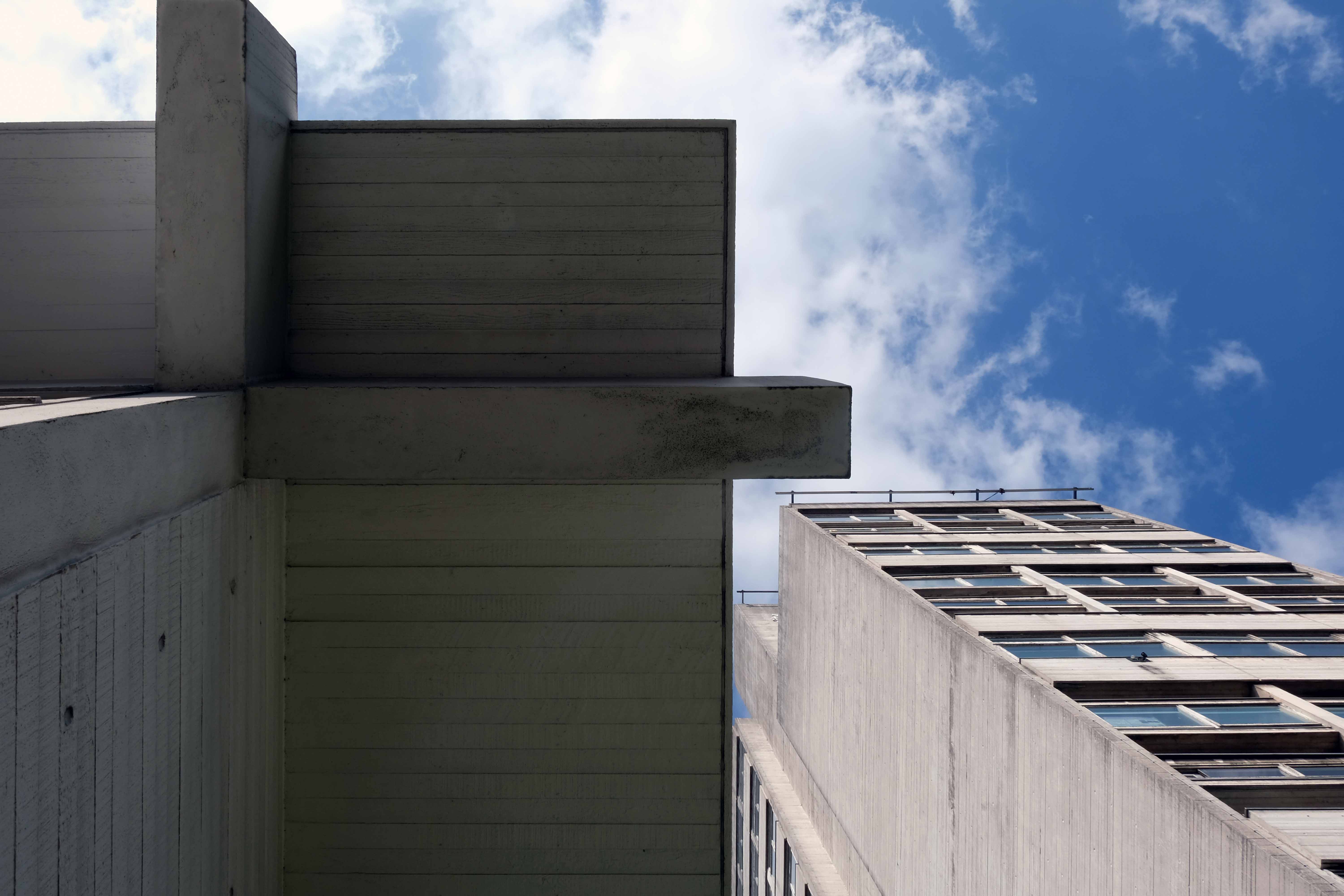
ugly concrete monolith
It would be home to a mix of forty one, two and three bed flats on the spare land which is currently used as a car park.
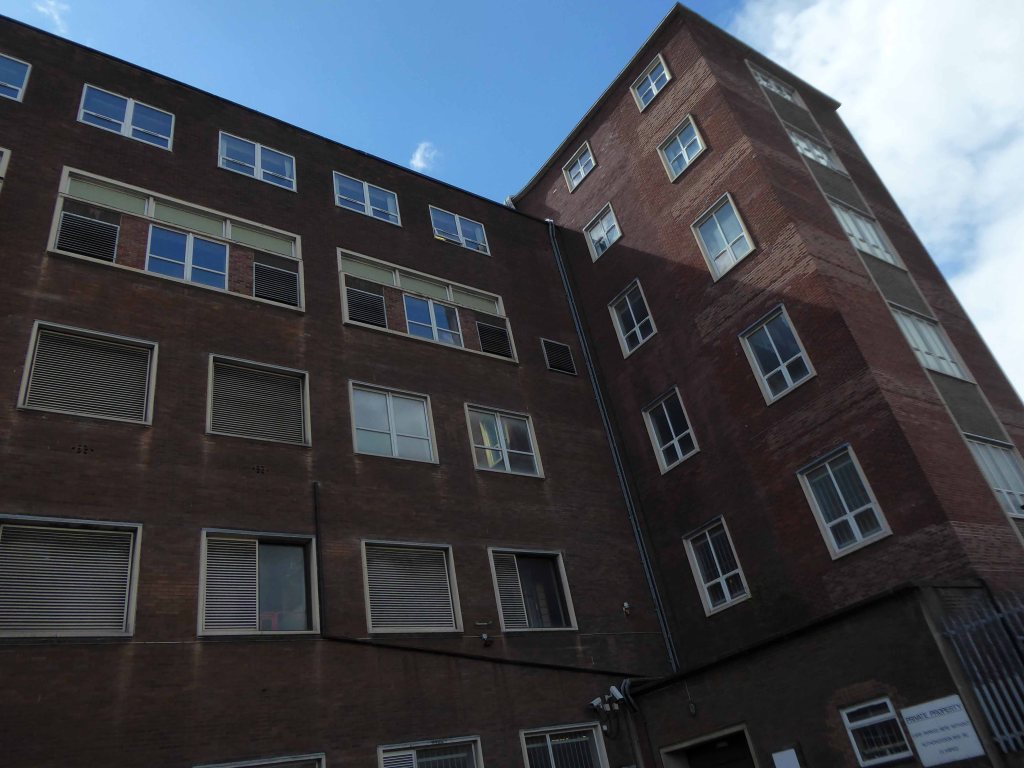
Typically the architecture of Twentieth Century infrastructure is reviled and ridiculed – simply swept away by contemporary, anonymous design and construction.
At least in this instance the developers intend to retain the ugly concrete monolith.
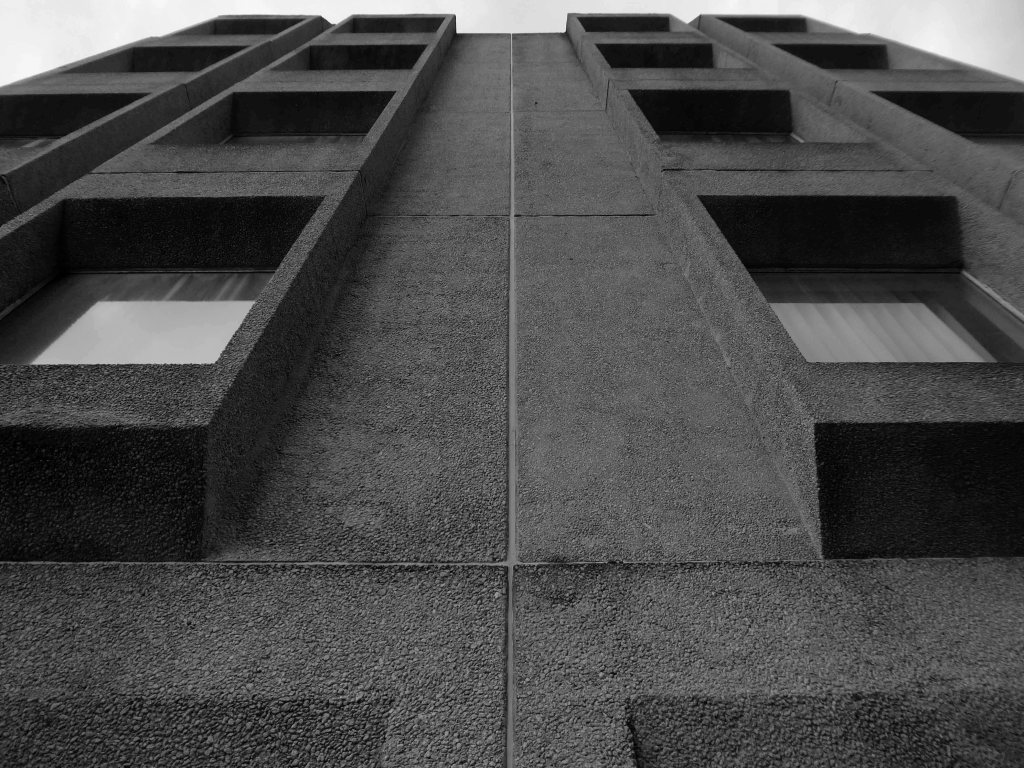
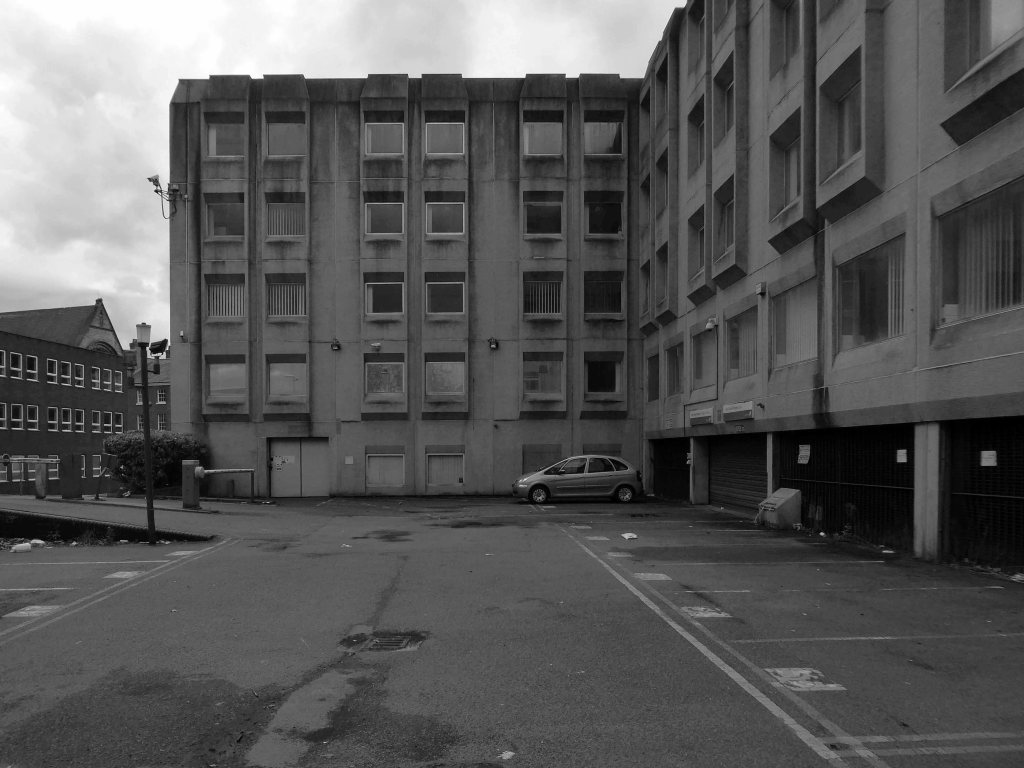
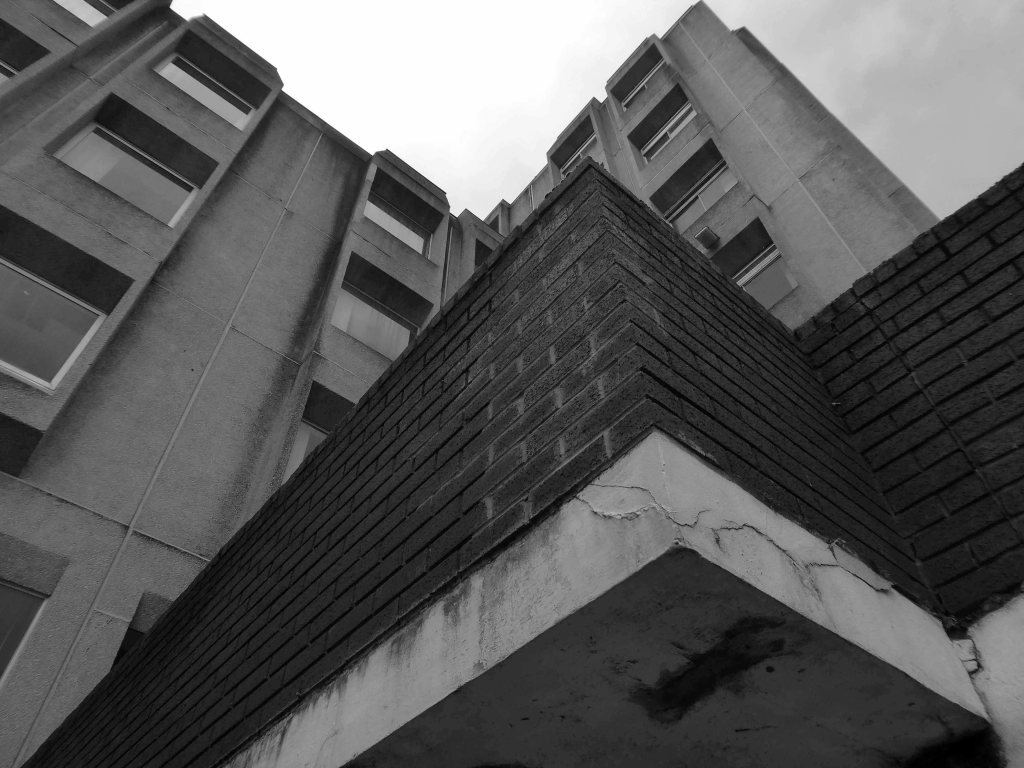
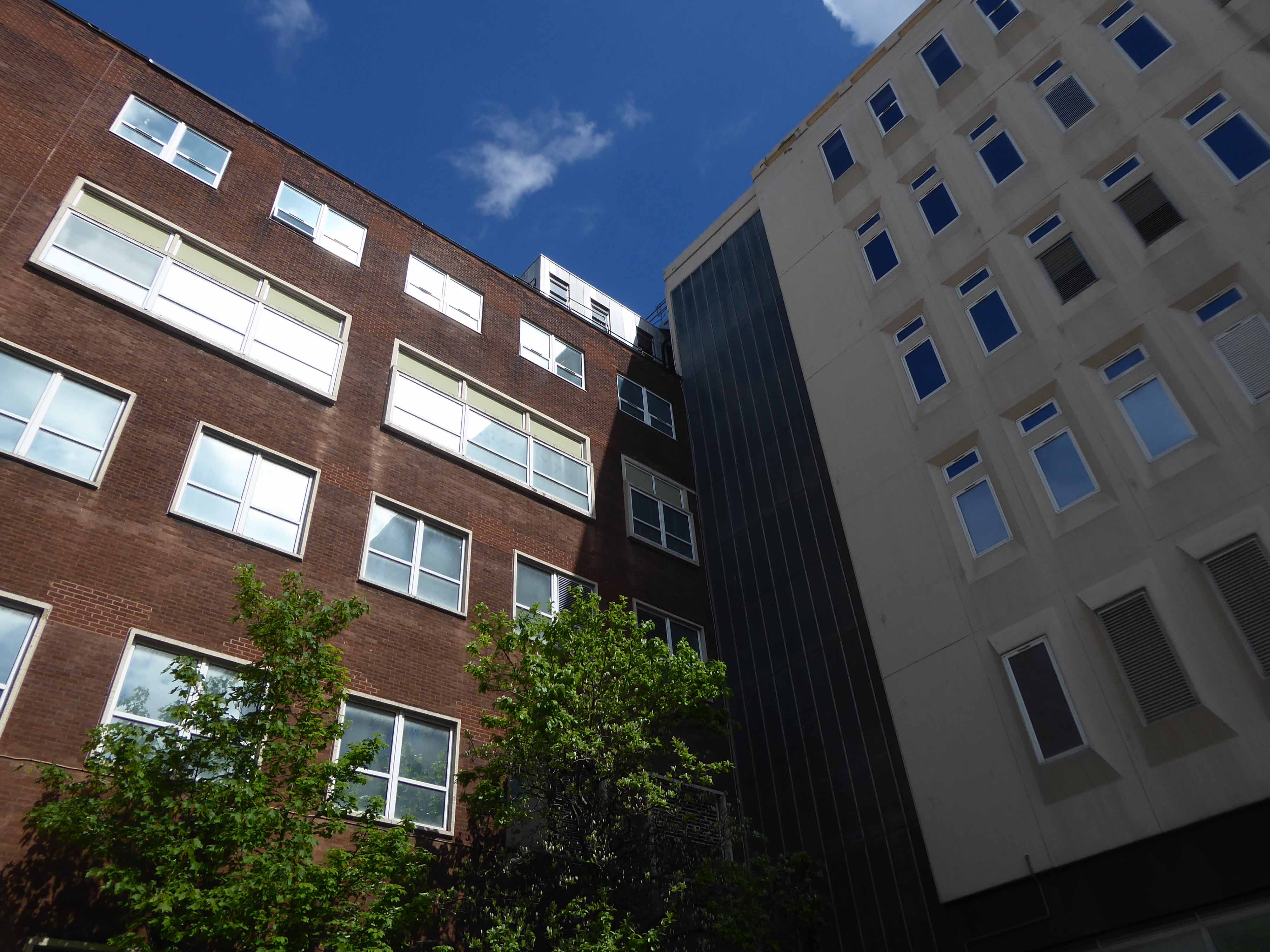
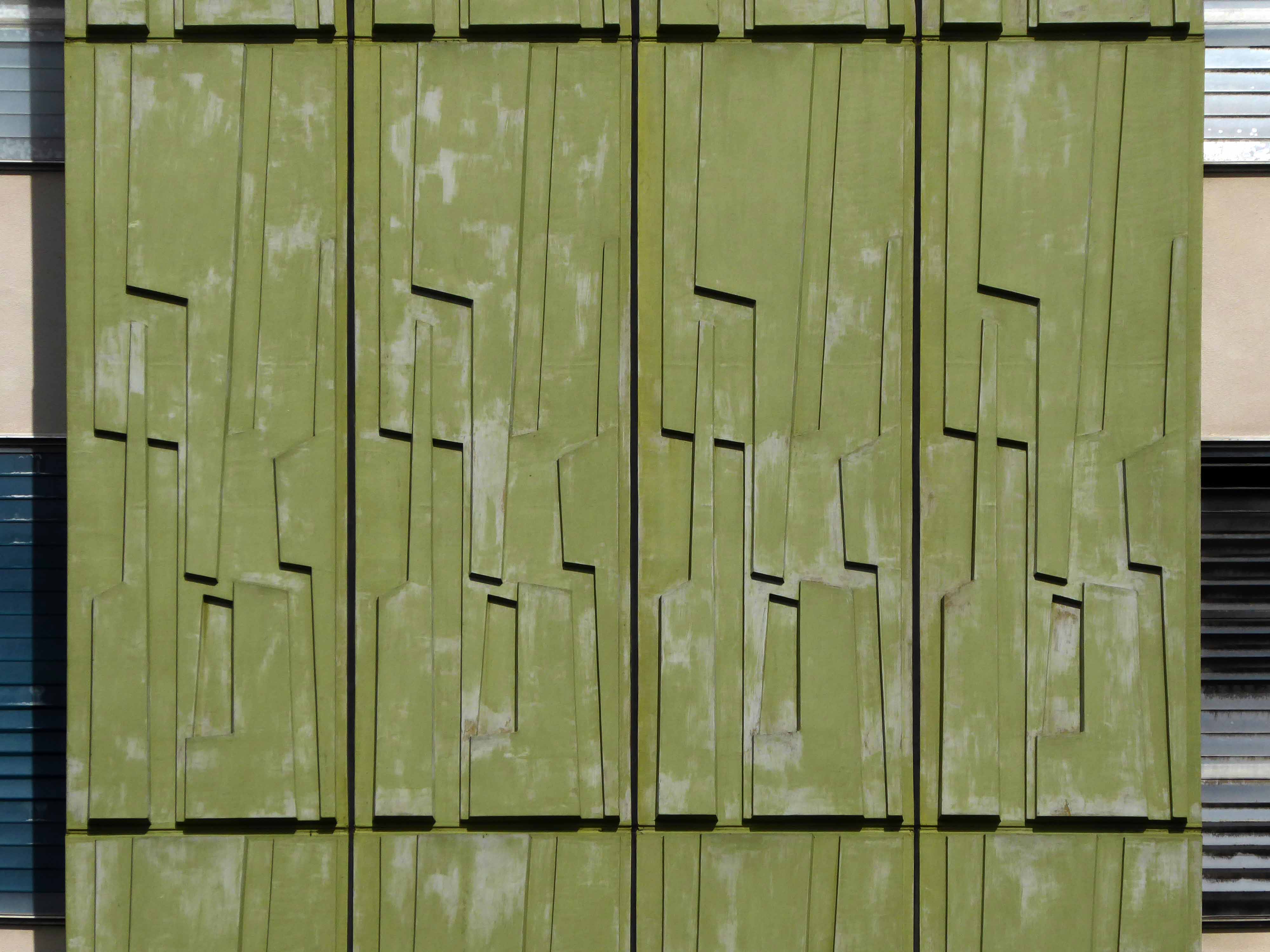
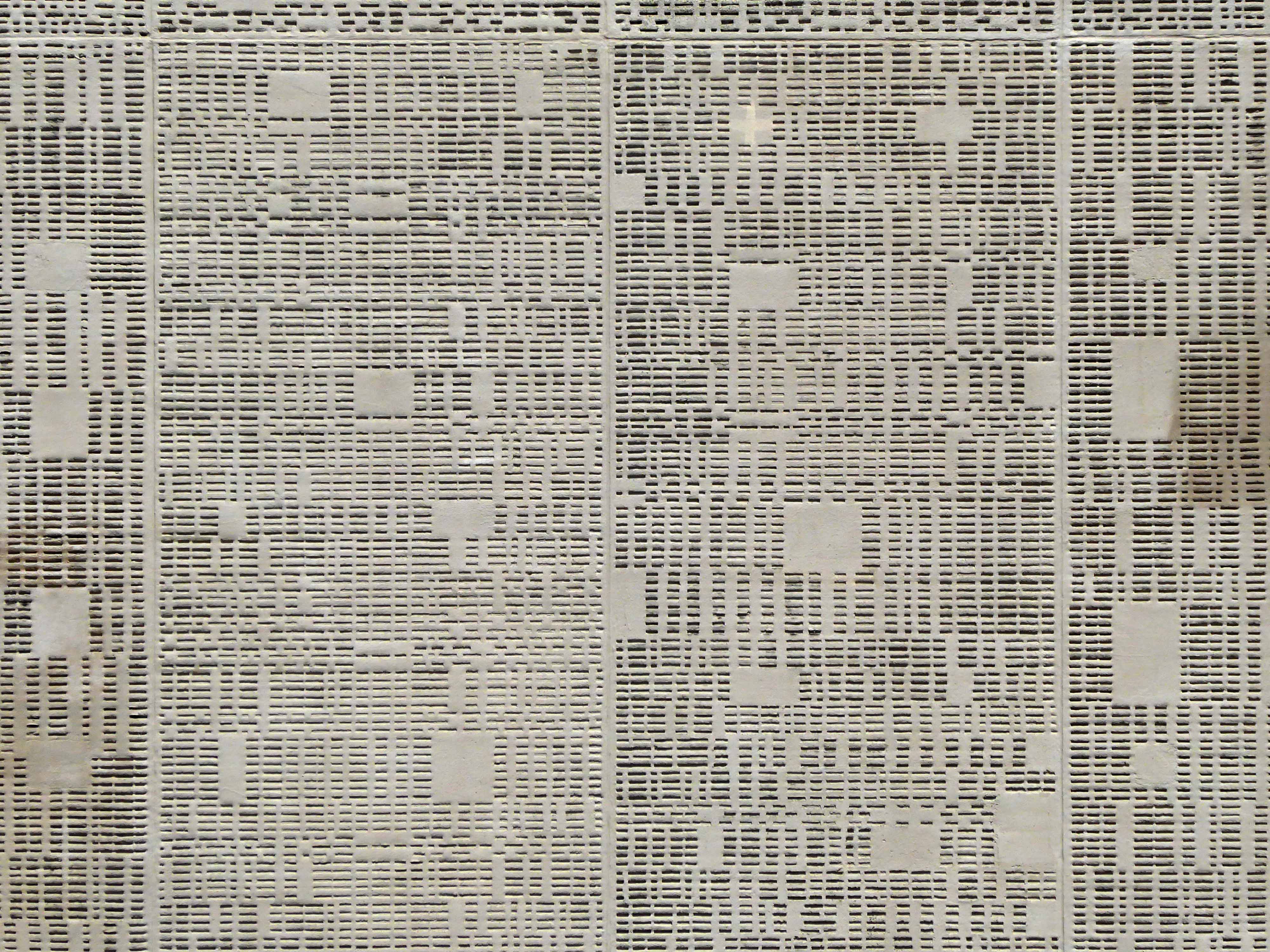
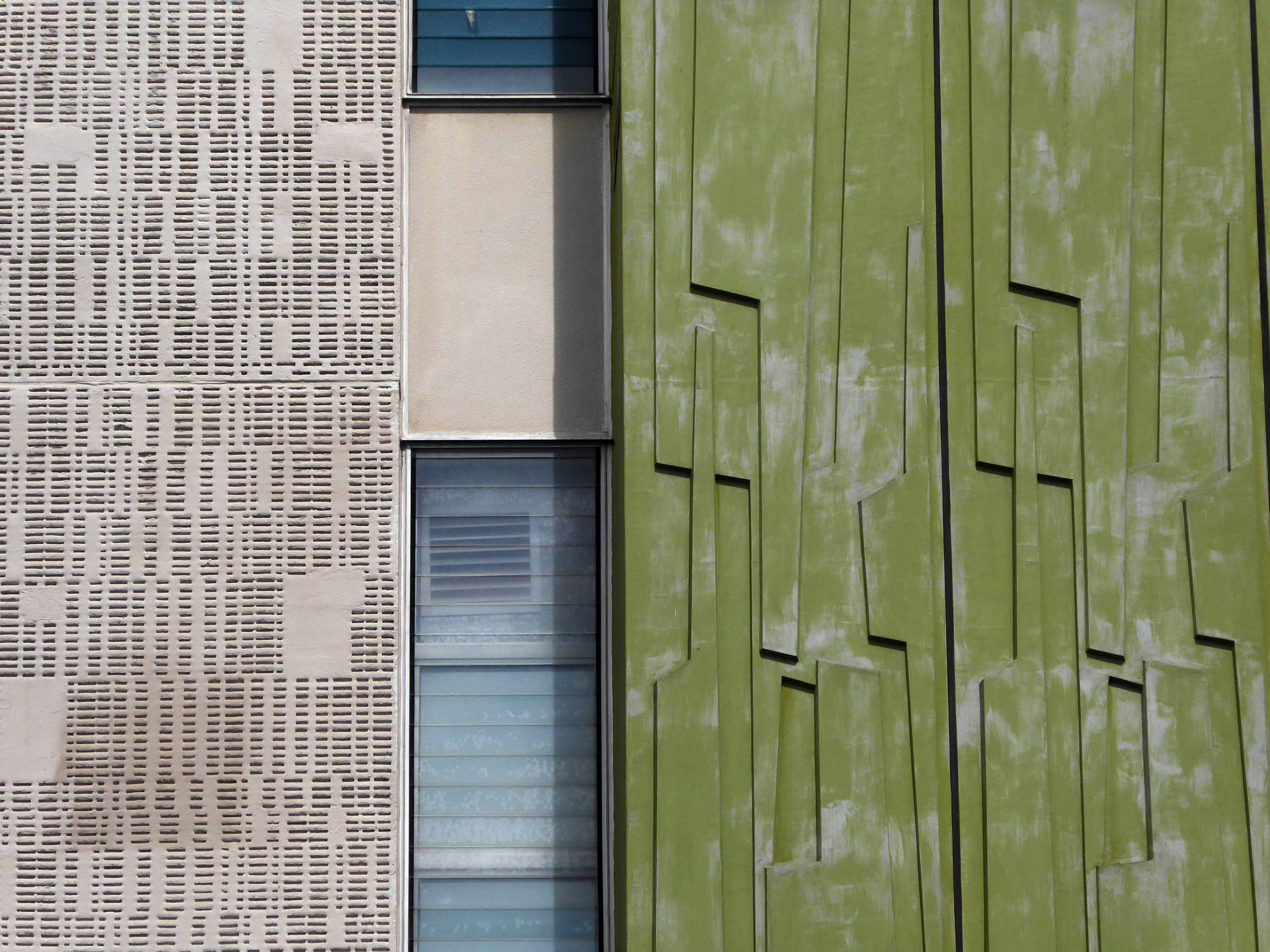
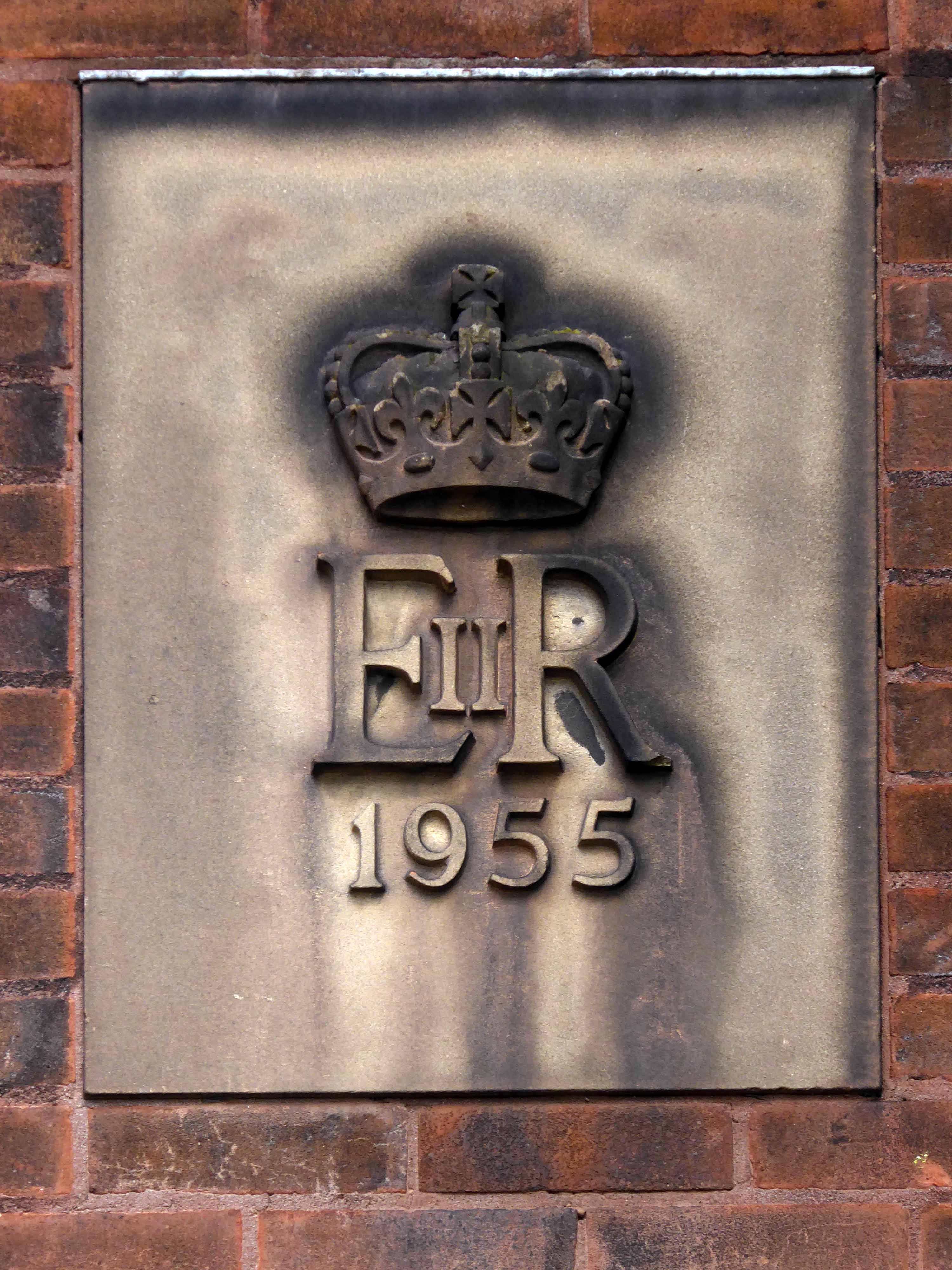
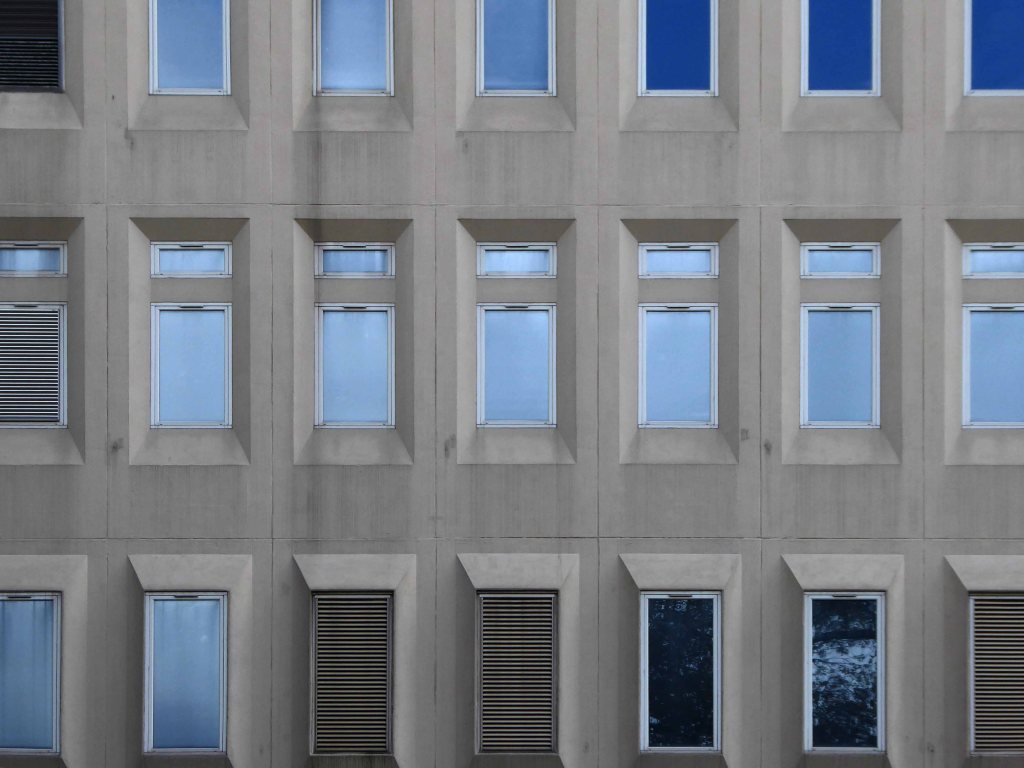
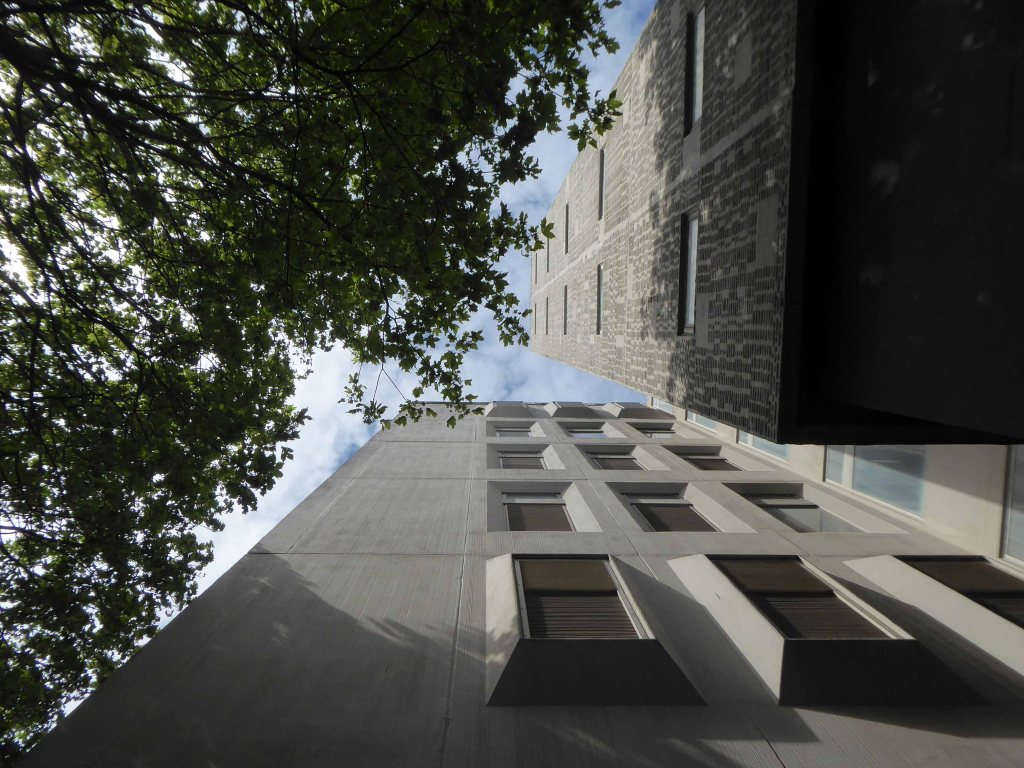
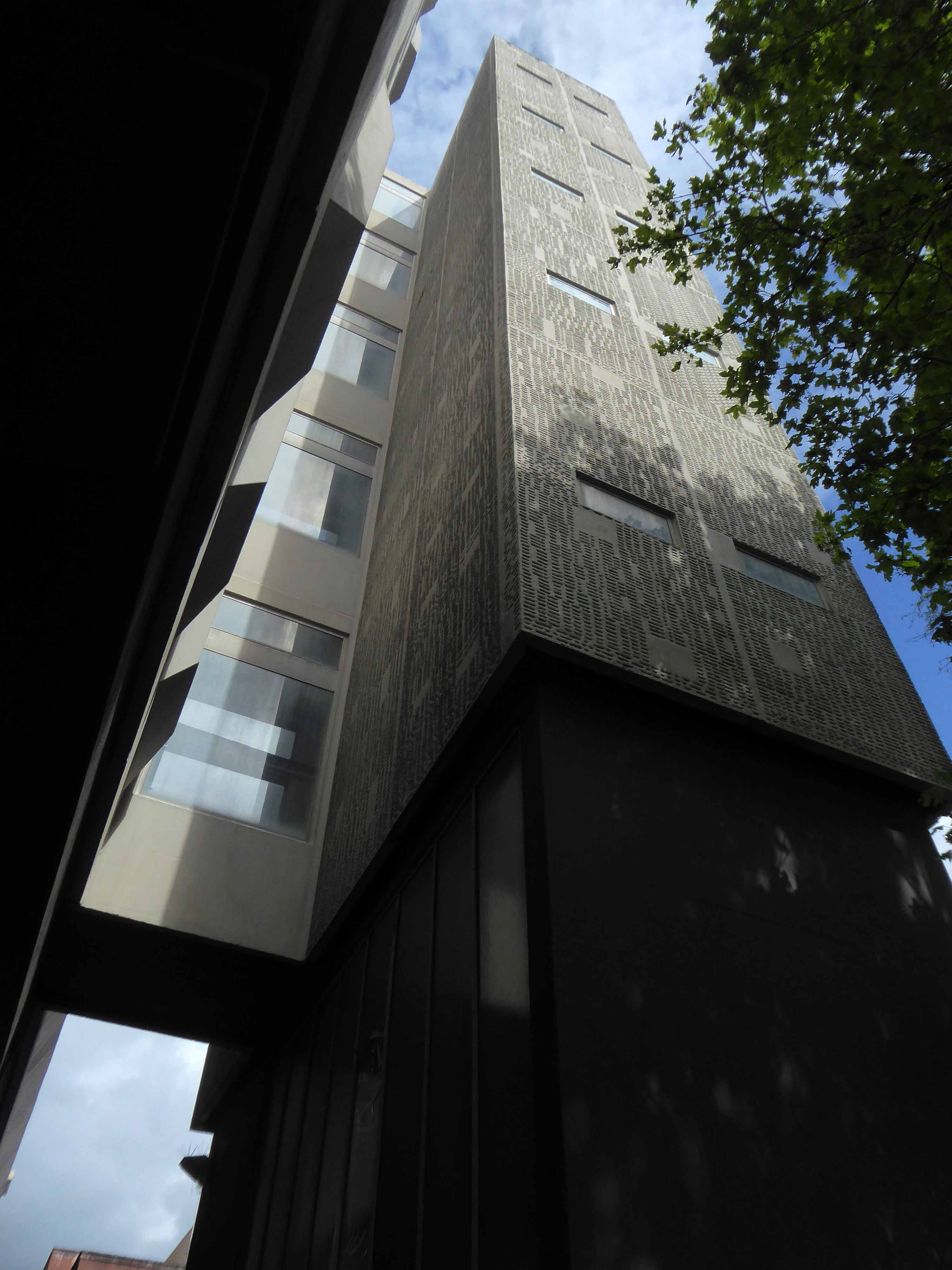
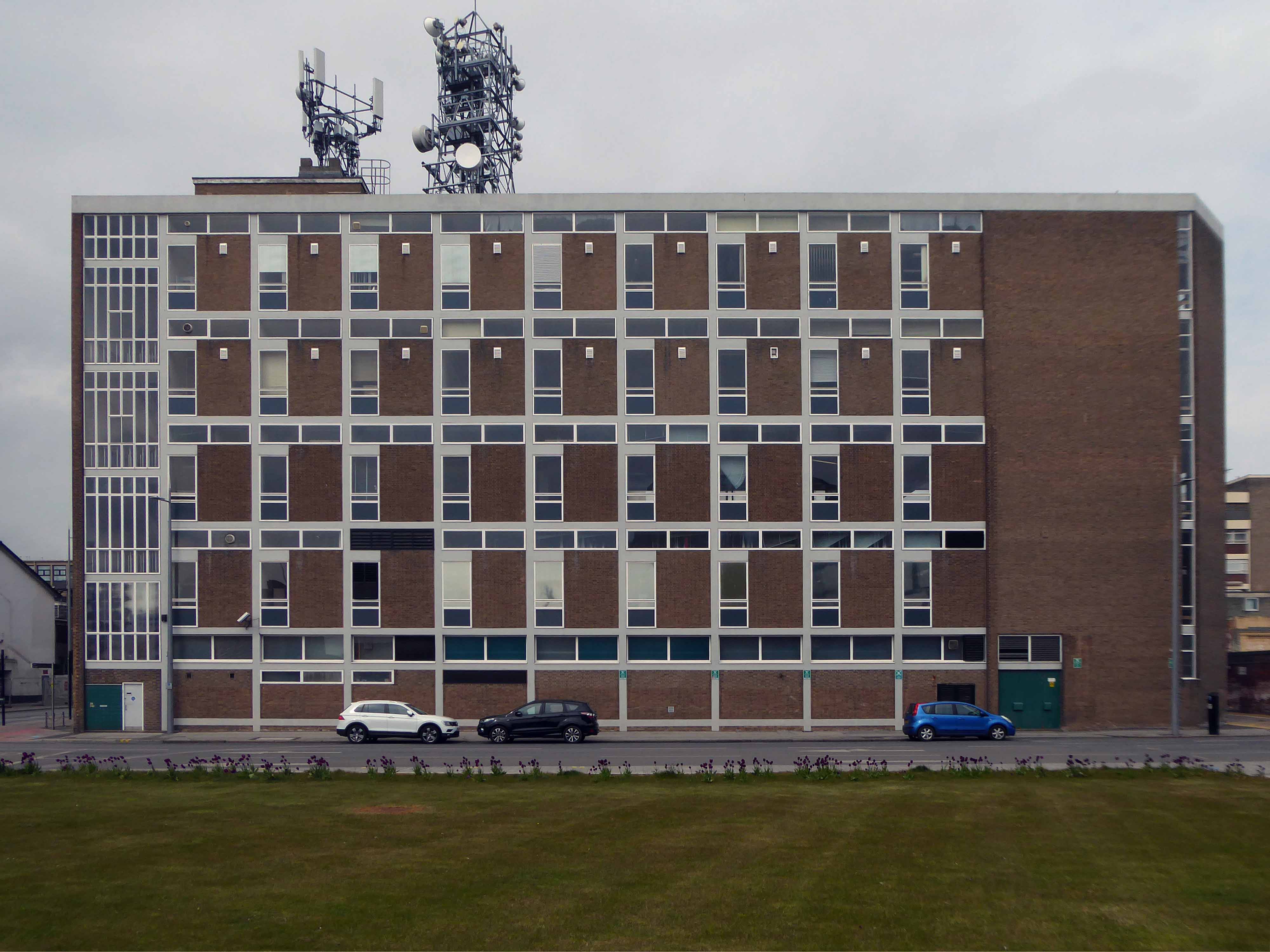
For me it is an essay in confident construction and decoration, the marriage of 1955’s brick utilitarianism, with a later concrete structure.
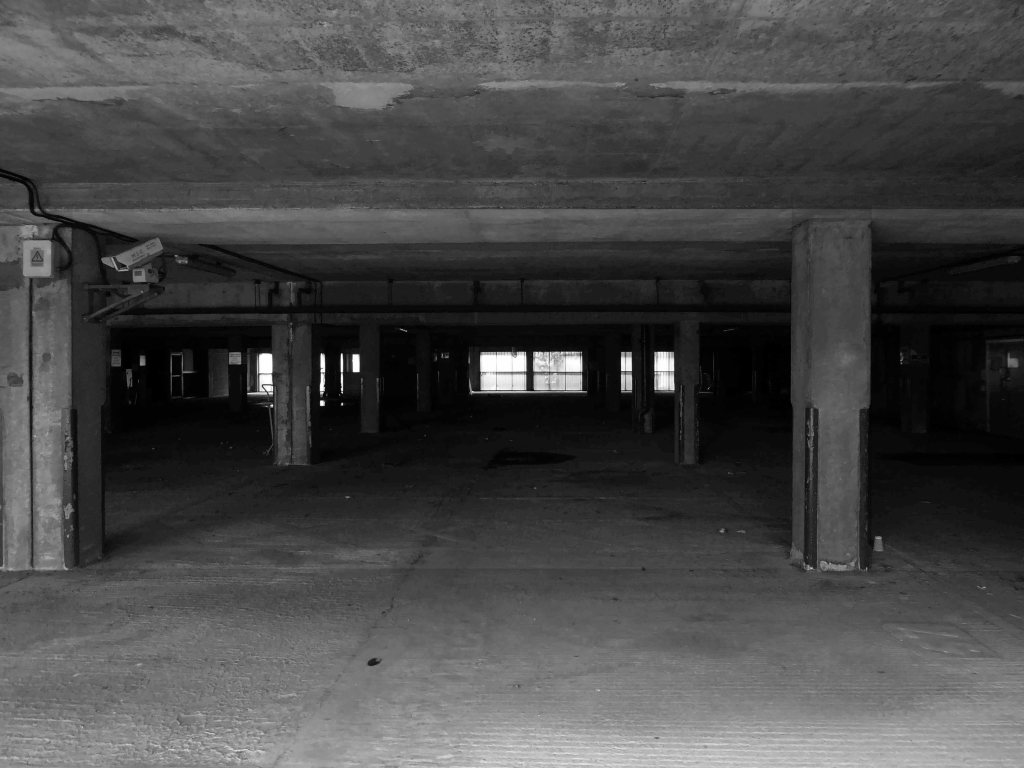
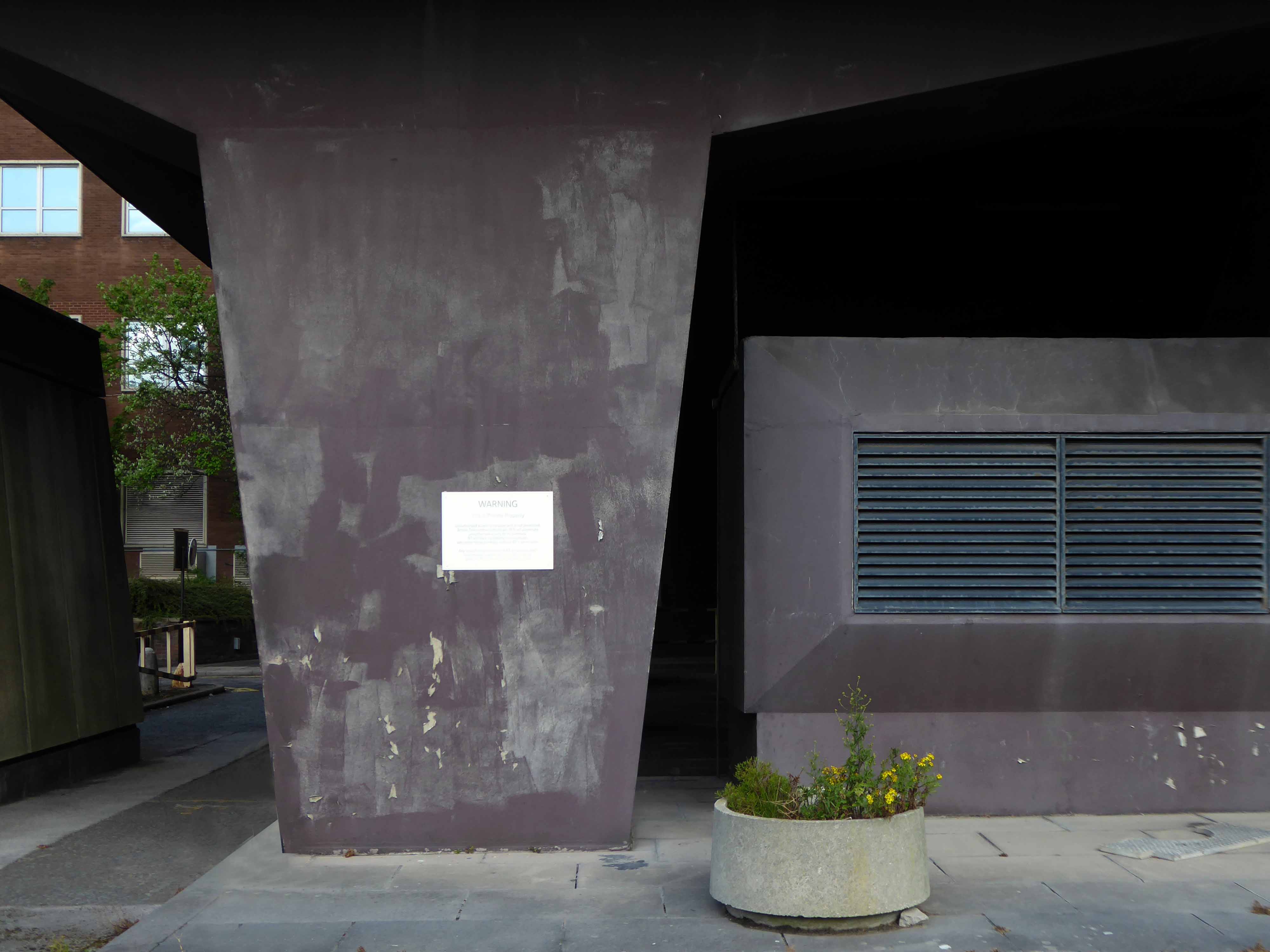
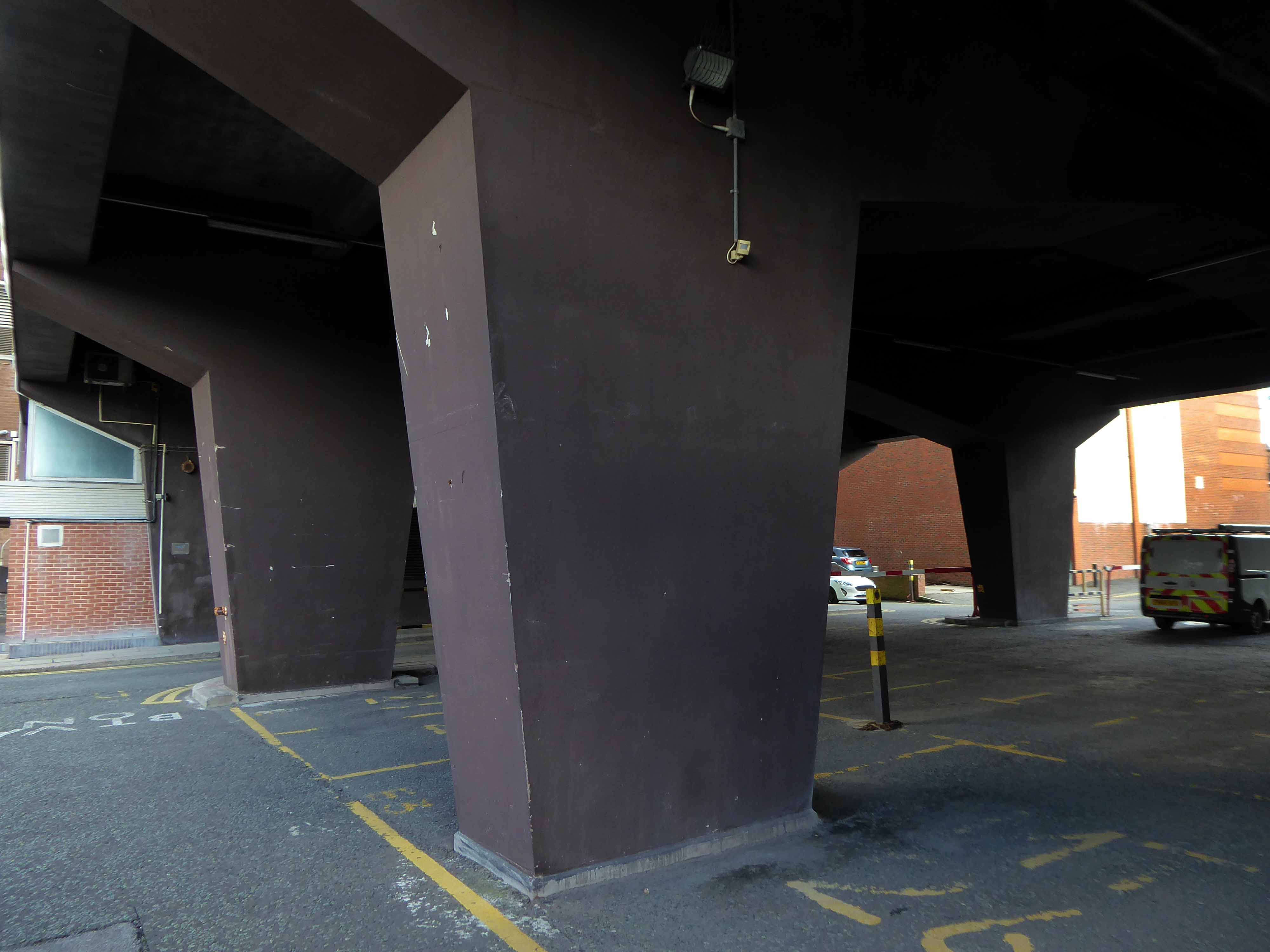
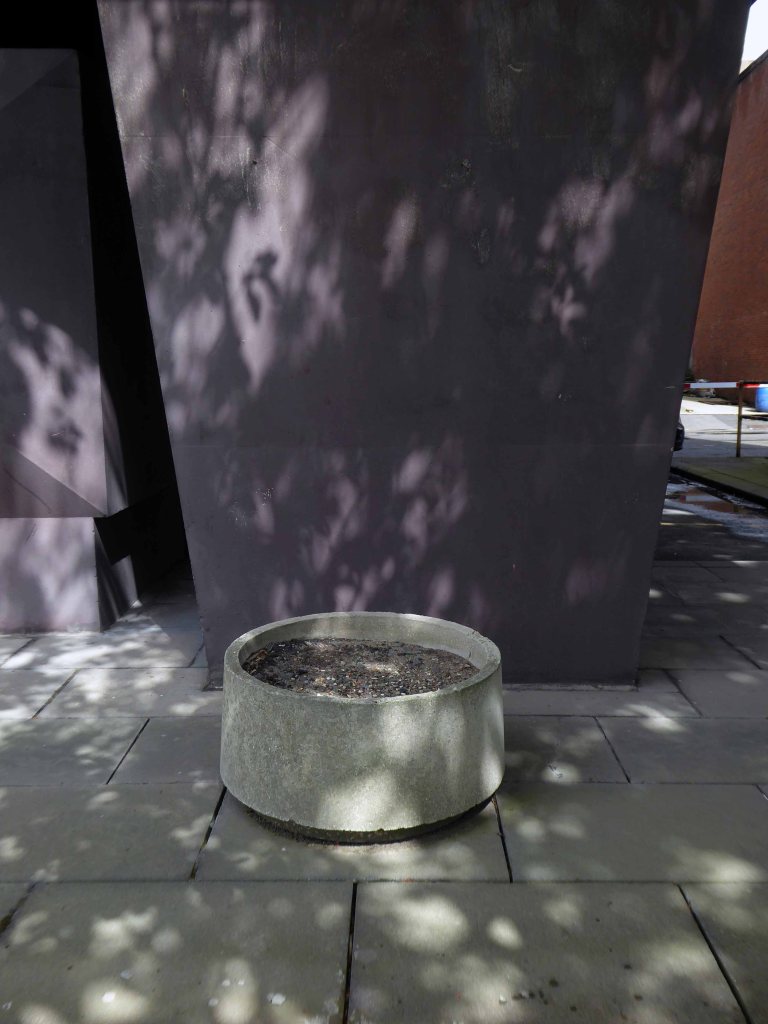
Poised on massive grey piloti, rising elegantly above the town.
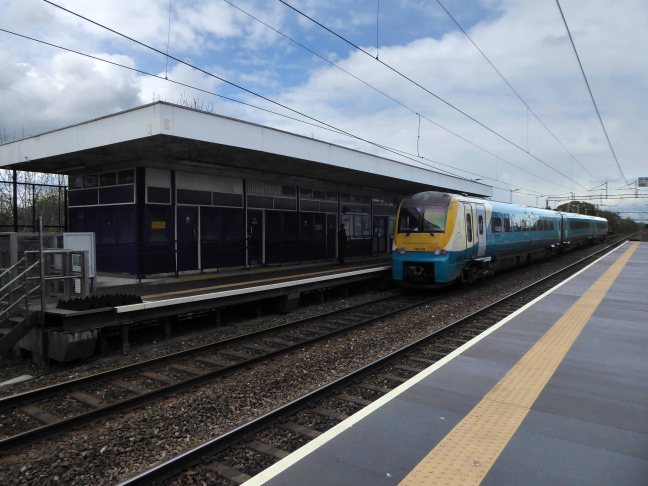
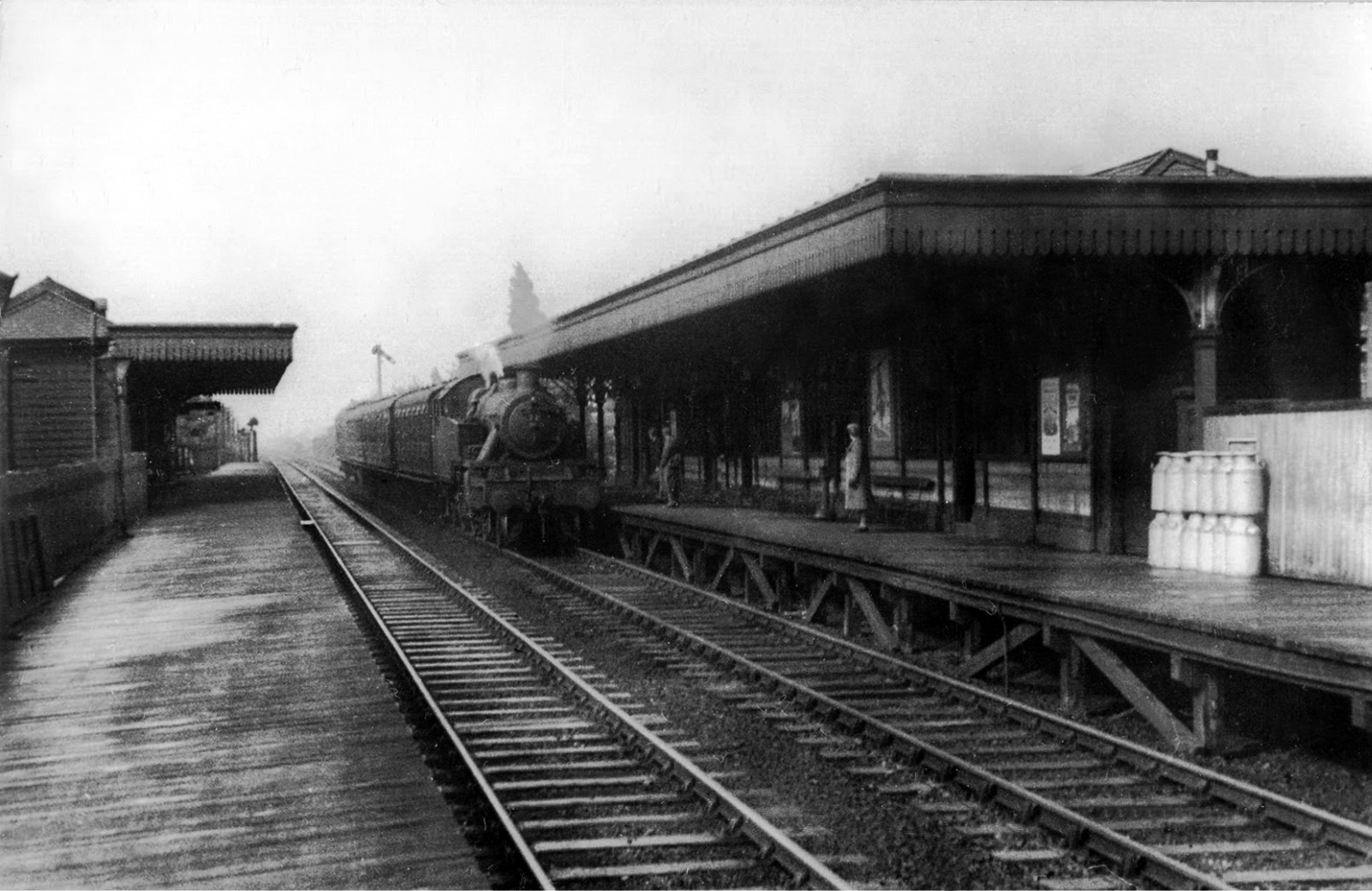
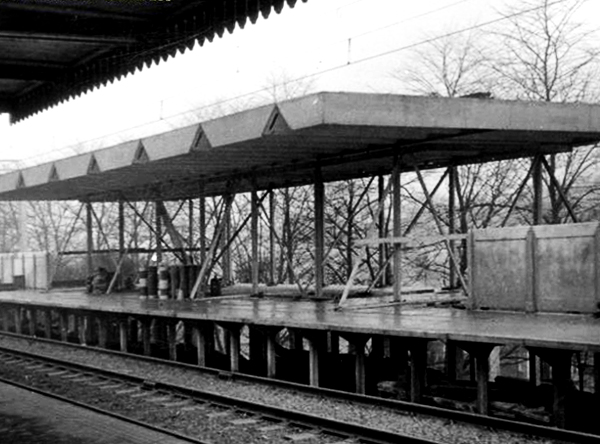
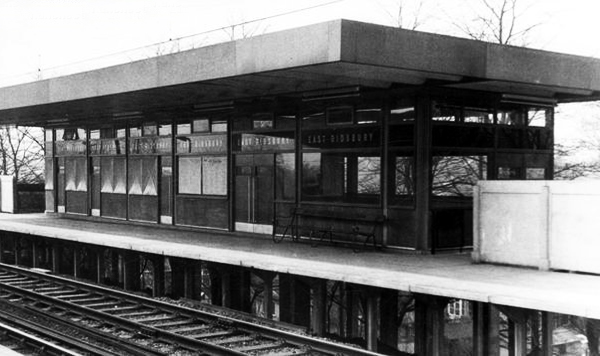
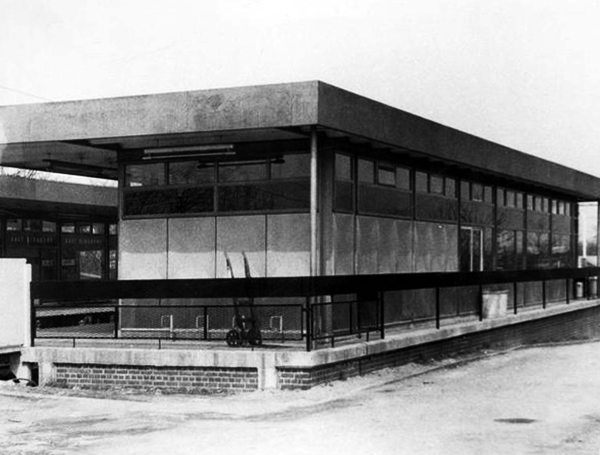
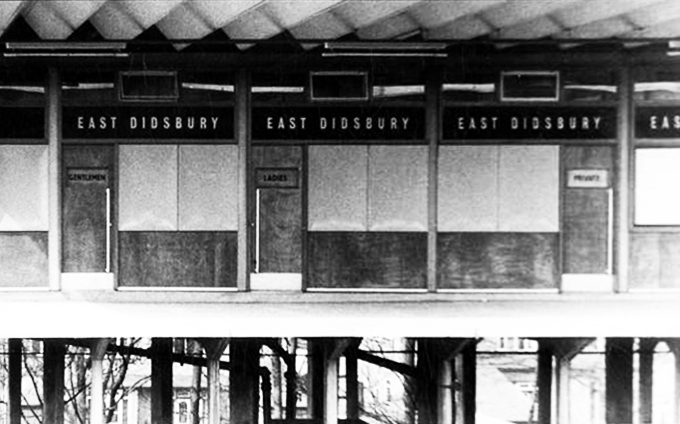
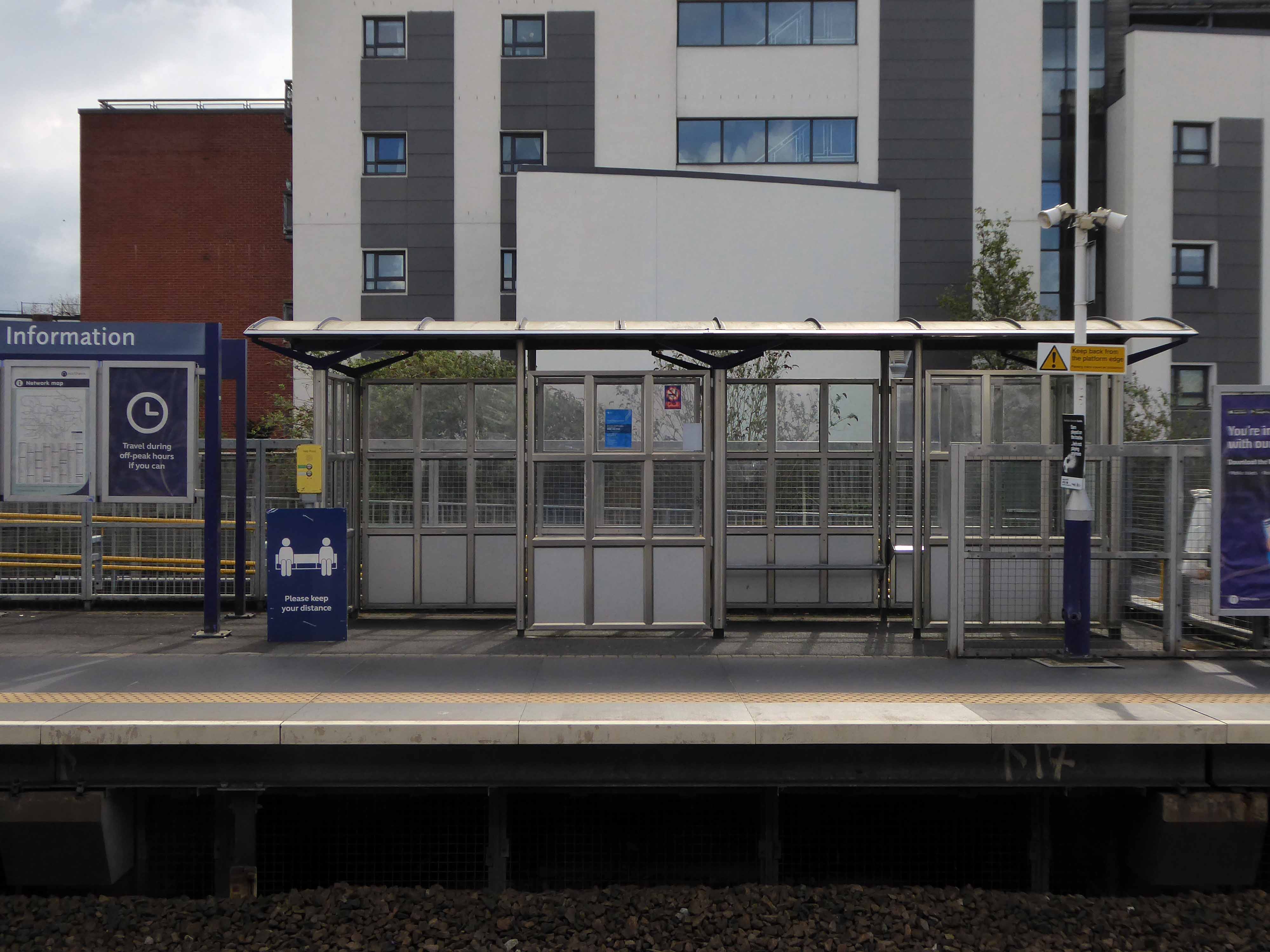
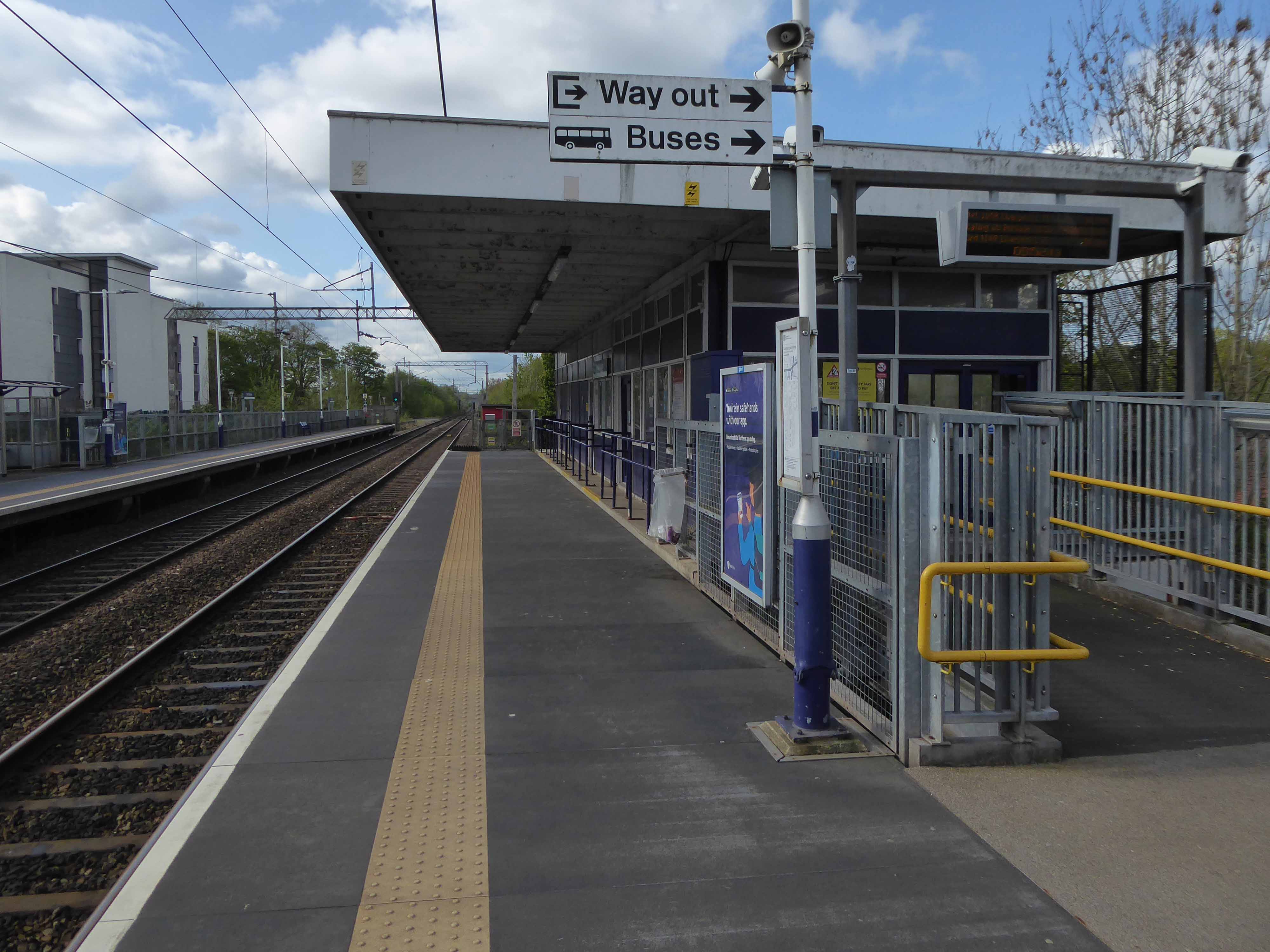
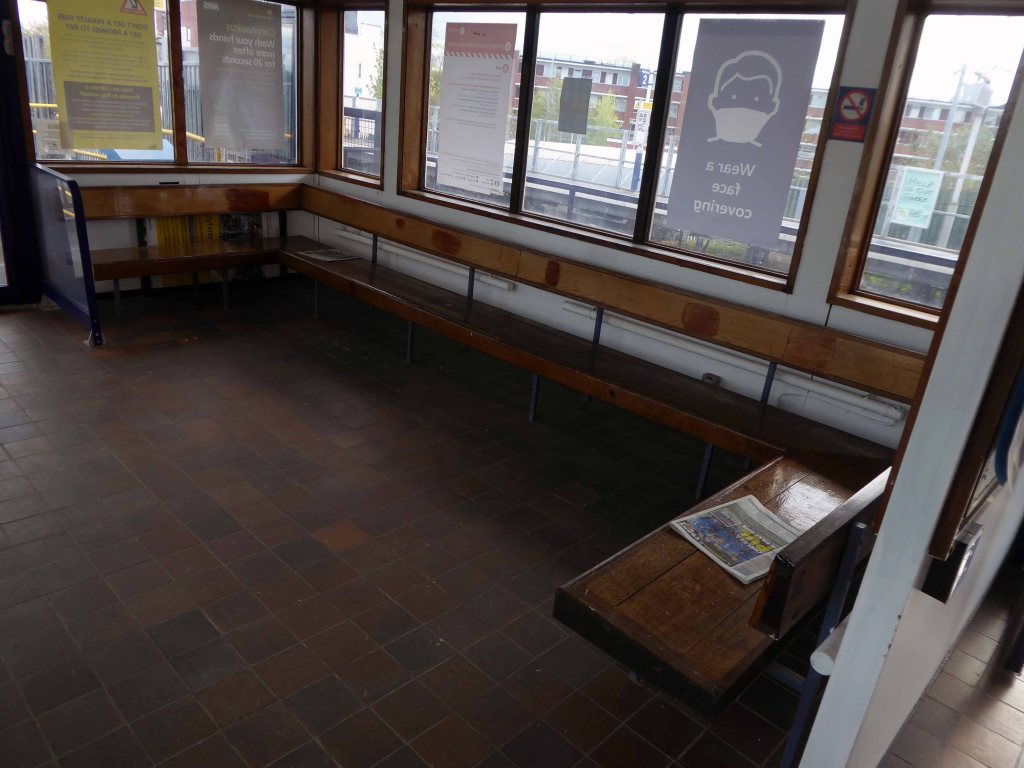
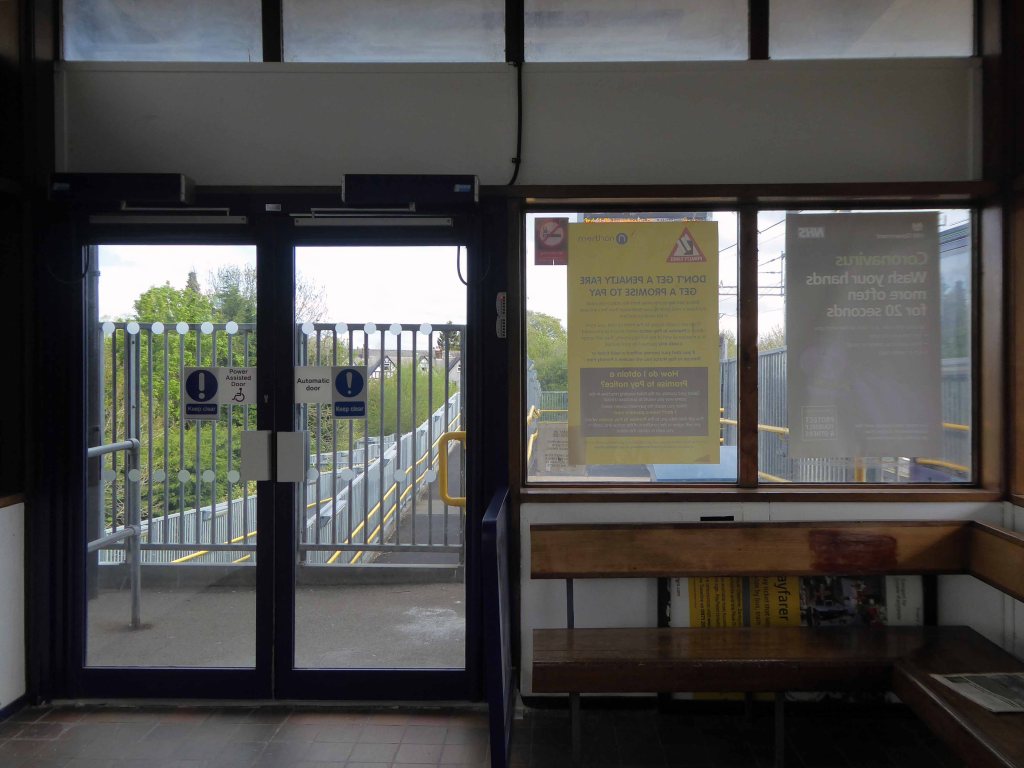
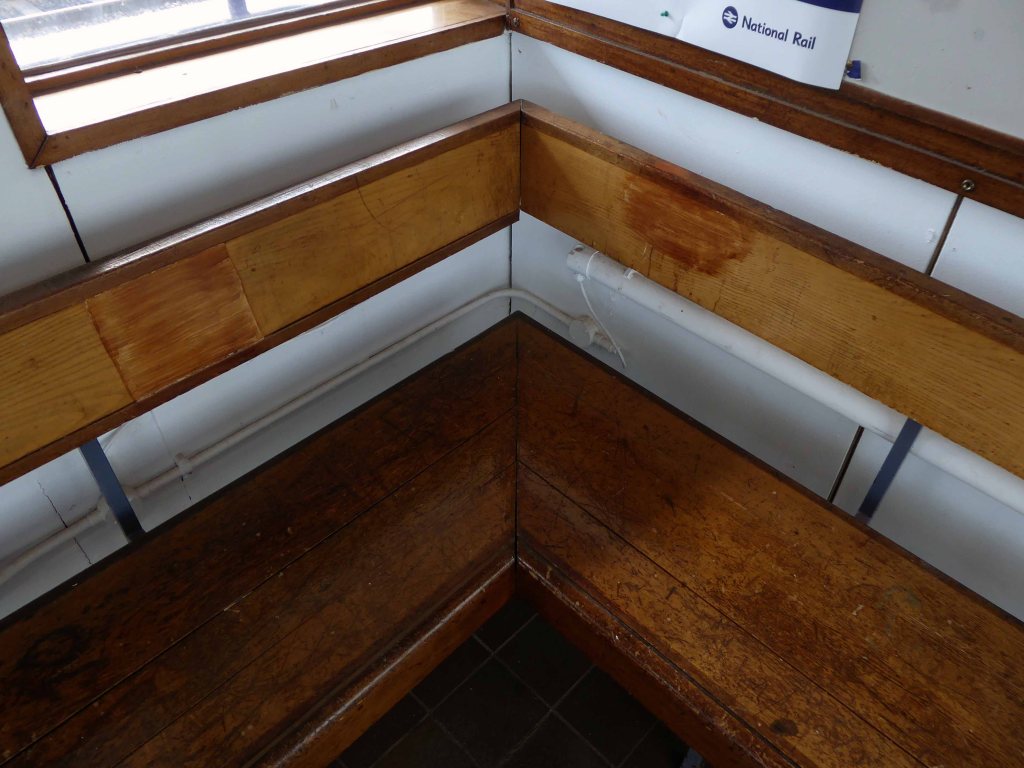
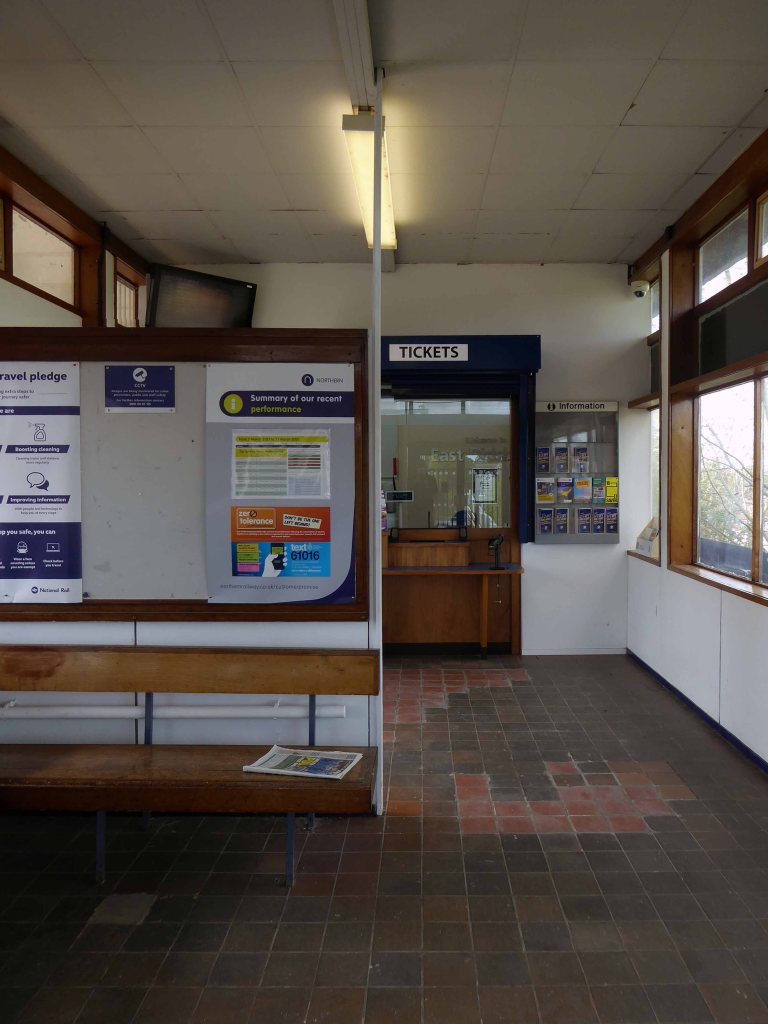
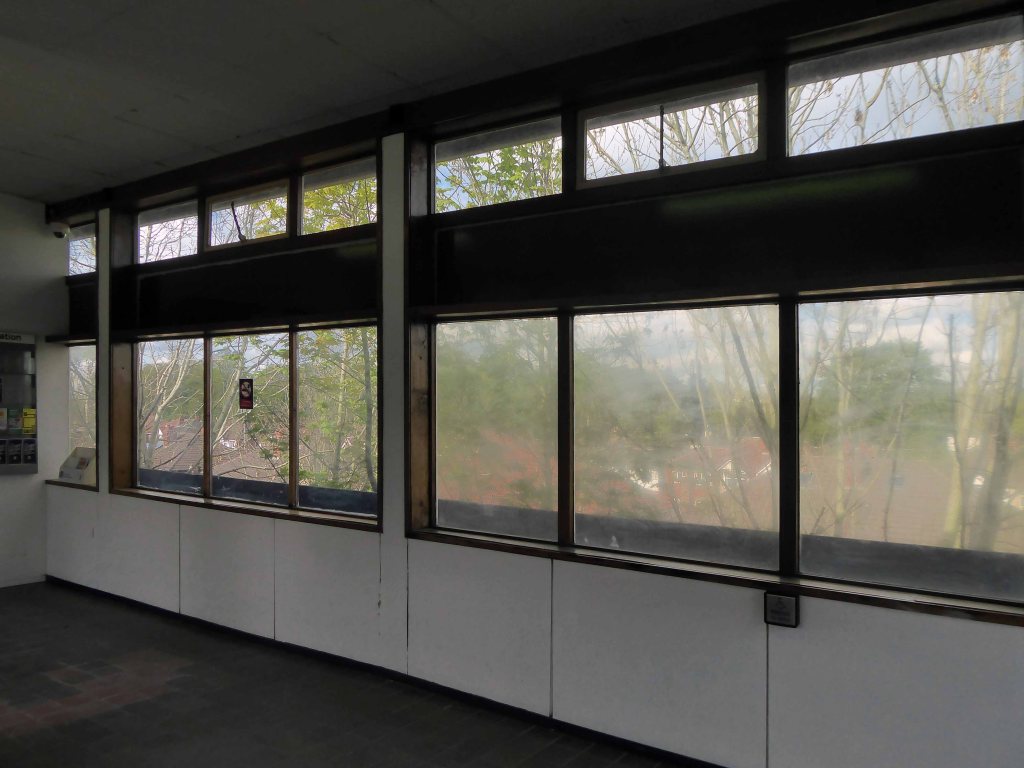
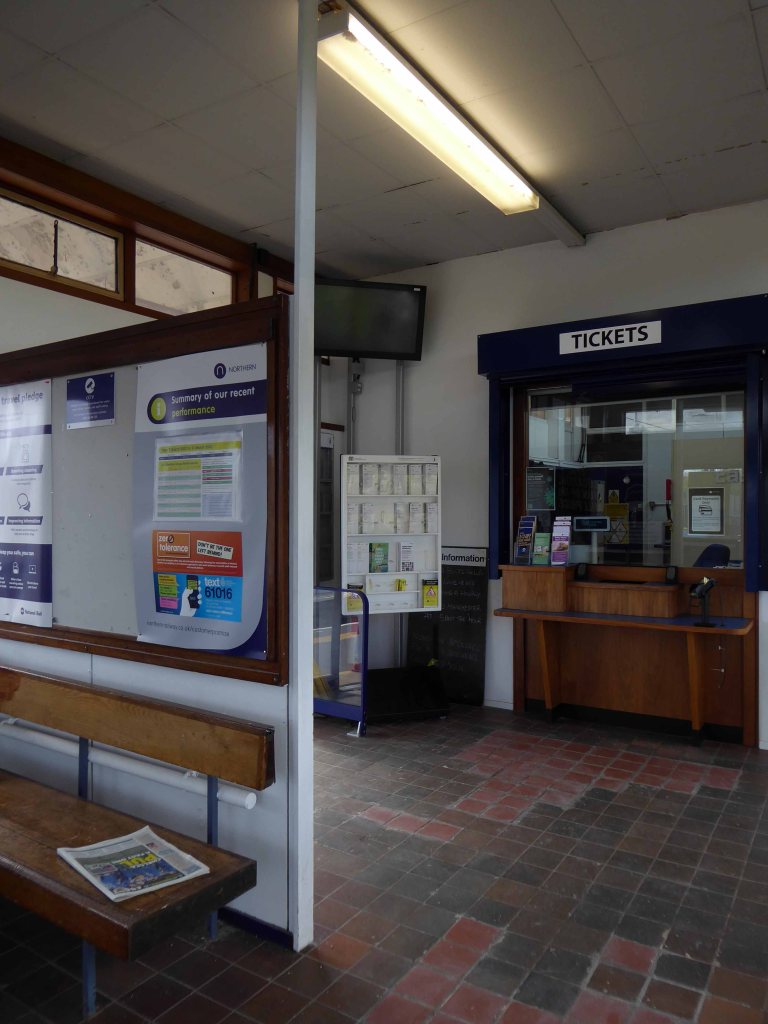
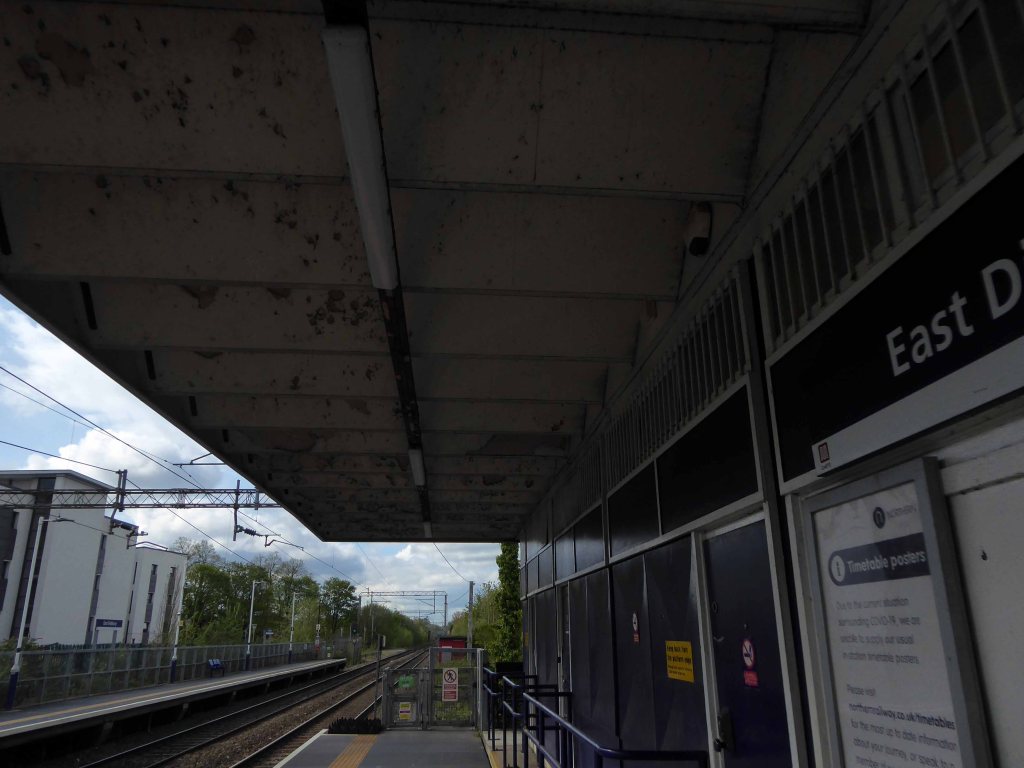
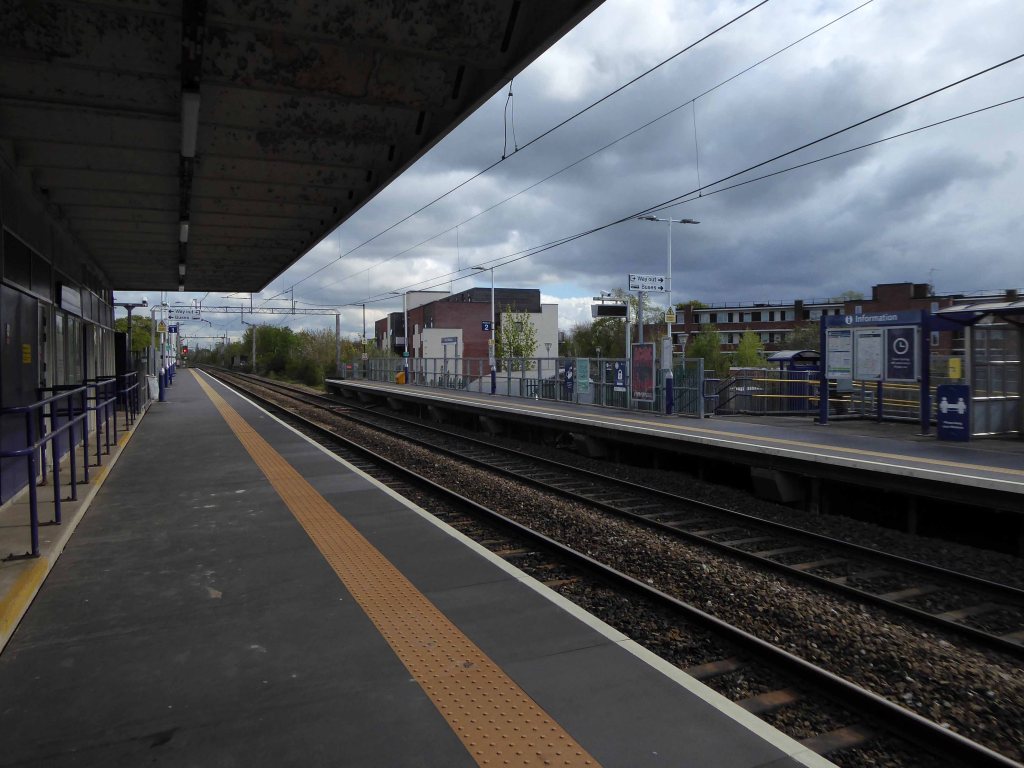
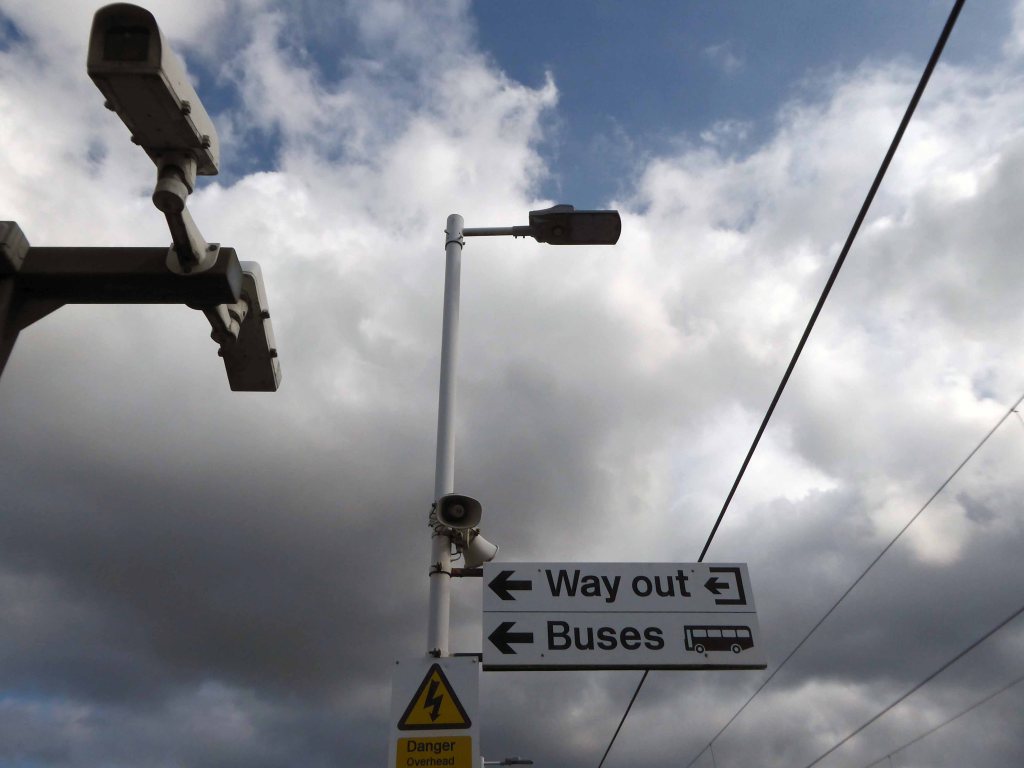
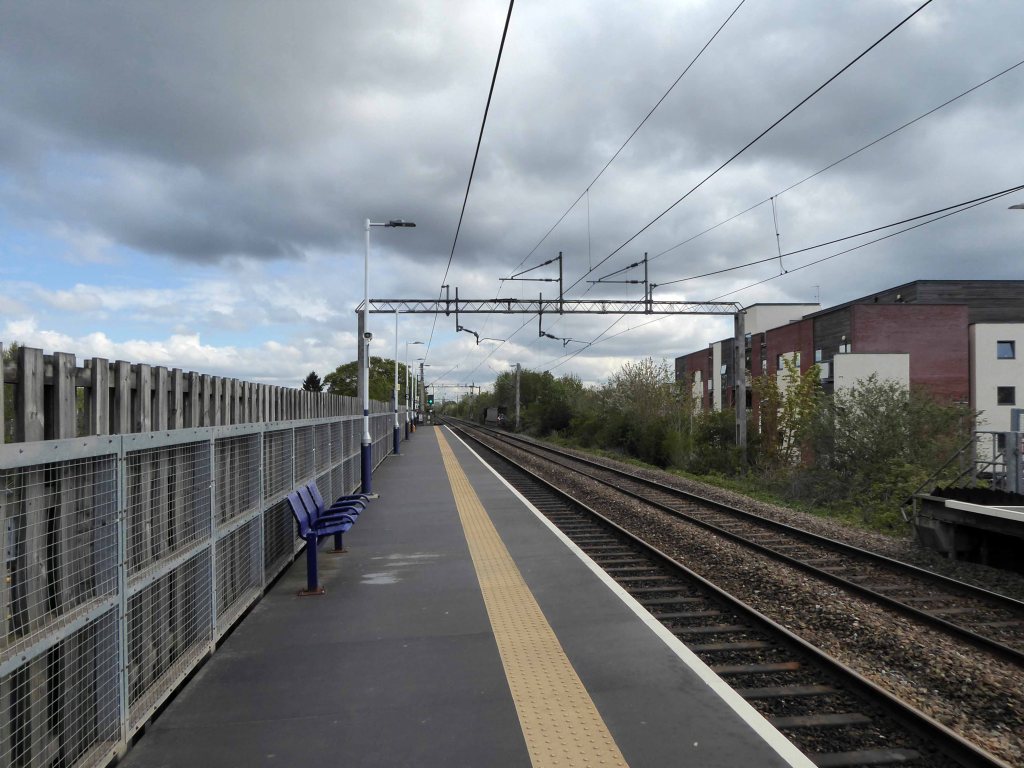
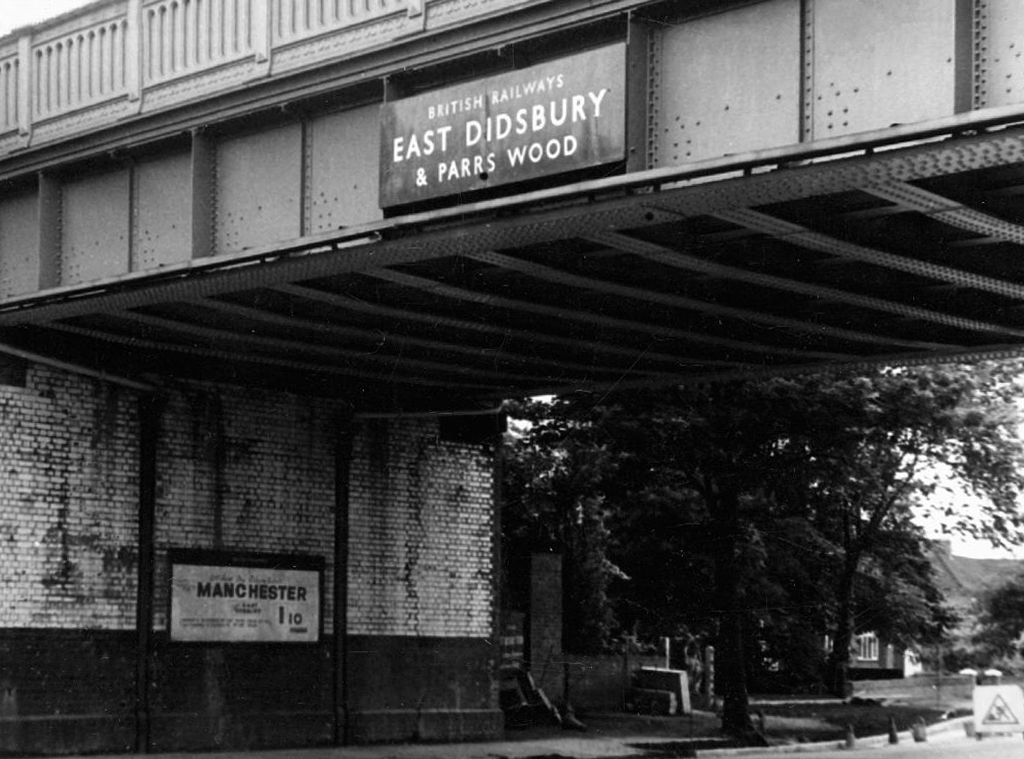
East Didsbury Station was opened in 1909 by the London and North Western Railway and, until 6 May 1974, was called East Didsbury and Parrs Wood.
From 1923, the line was operated by the London Midland and Scottish Railway. Following the formation in 1948 of British Rail, rail services were operated by the London Midland Region of British Railways, then North-Western Regional Railways.
When Hull City Council founded KCOM back in 1904, as Hull Telephone Department, it was one of several local authorities across the country granted a licence to run its own phone network.
Gradually, over time other authorities gave up control of their networks to the Post Office which wanted to create a single national service, but Hull City Council decided to keep its network and continue to go it alone.
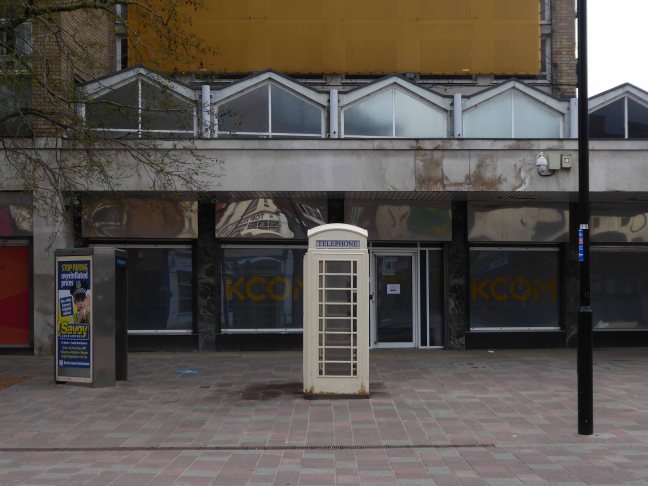
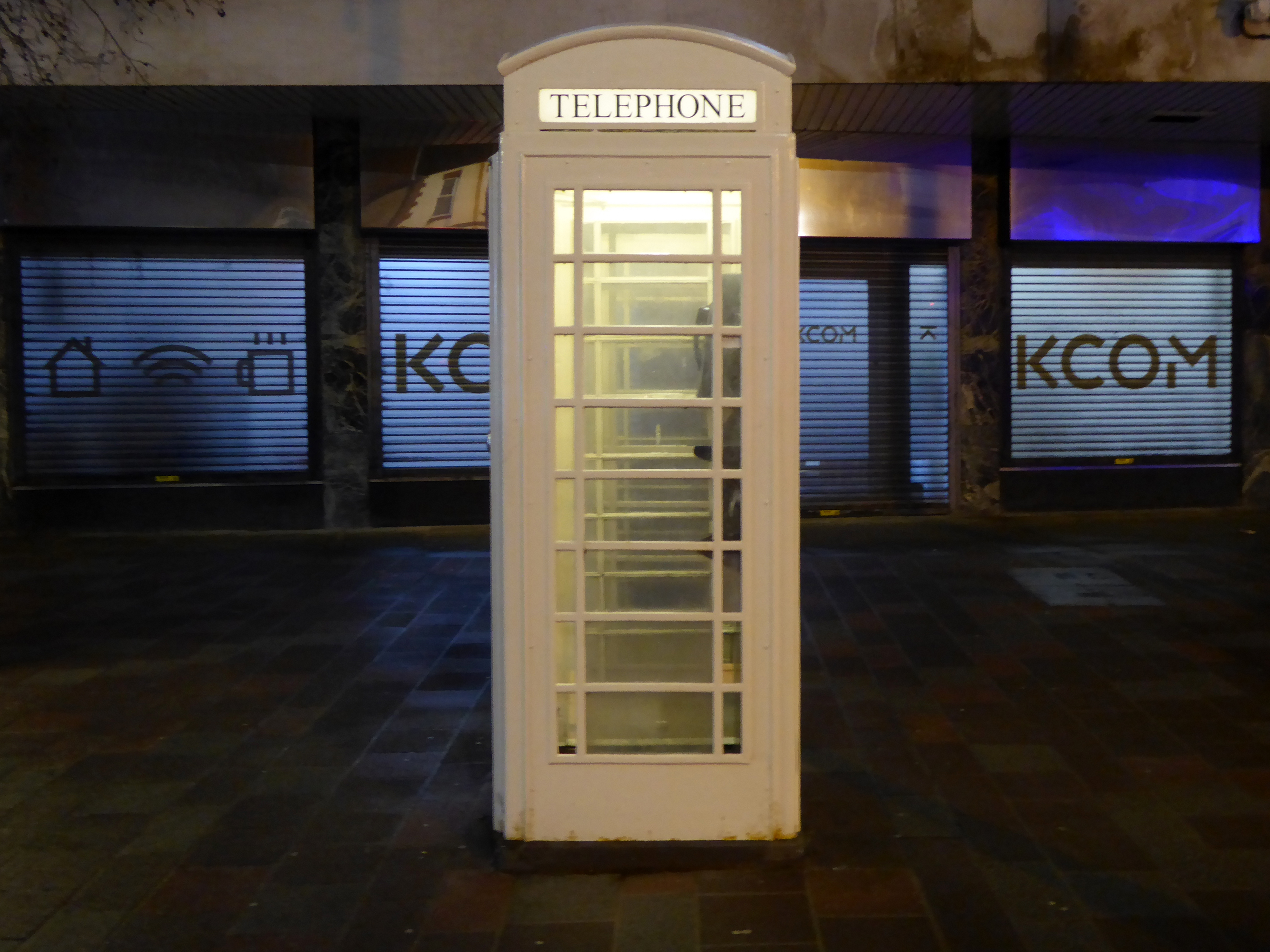
While the Post Office network eventually became BT, Hull’s network, like the city itself, remained fiercely independent. That’s why today Hull has its own distinct cream phone boxes in contrast to the red ones you’ll find elsewhere.
1952 Call Father Christmas service was introduced.
Having heard of a recorded message service in Scandinavia, Hull Councillor J M Stamper suggested the idea of putting Father Christmas on the telephone. The Call Father Christmas service was introduced shortly afterwards, the first of its kind in the UK. By dialling a Hull Central number children could hear recordings of a Christmas story and carol singing.
The stories were written and performed by Hull Telephone employees.
The first story attracted 20,000 callers, with 35,000 customers the following year with calls and media interest received nationally and internationally.
The success of the Father Christmas service led to the creation of other recorded information lines, such as Bedtime Stories, Teledisc and Telechef.
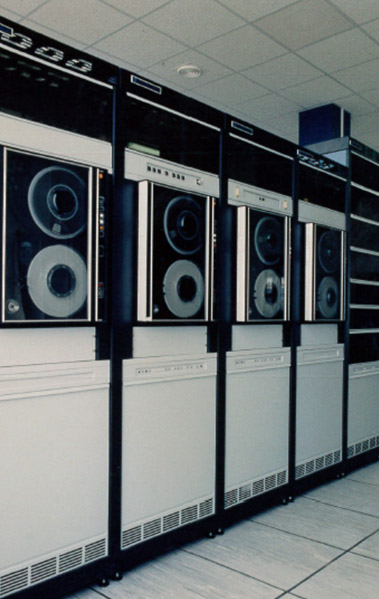
This recipe line was introduced in 1950s and was still going strong until the 1990’s, with 50s recipes such as meat loaf and corned beef with cabbages being replaced by dishes such as Italian Chicken Bake.1964Celebrating our Diamond Jubilee with the official opening of the new Central Exchange and Head Office – Telephone House in Carr Lane Hull.
The work of City Architect A Rankine OBE RIBA2007 New company name as Hull City Council sell remaining stake.
The shareholders of Kingston Communications HULL PLC voted to change the company name to KCOM Group PLC to more accurately reflect the changing shape and geographic reach of the company.
Hull City Council sell remaining stake-holding in the business.
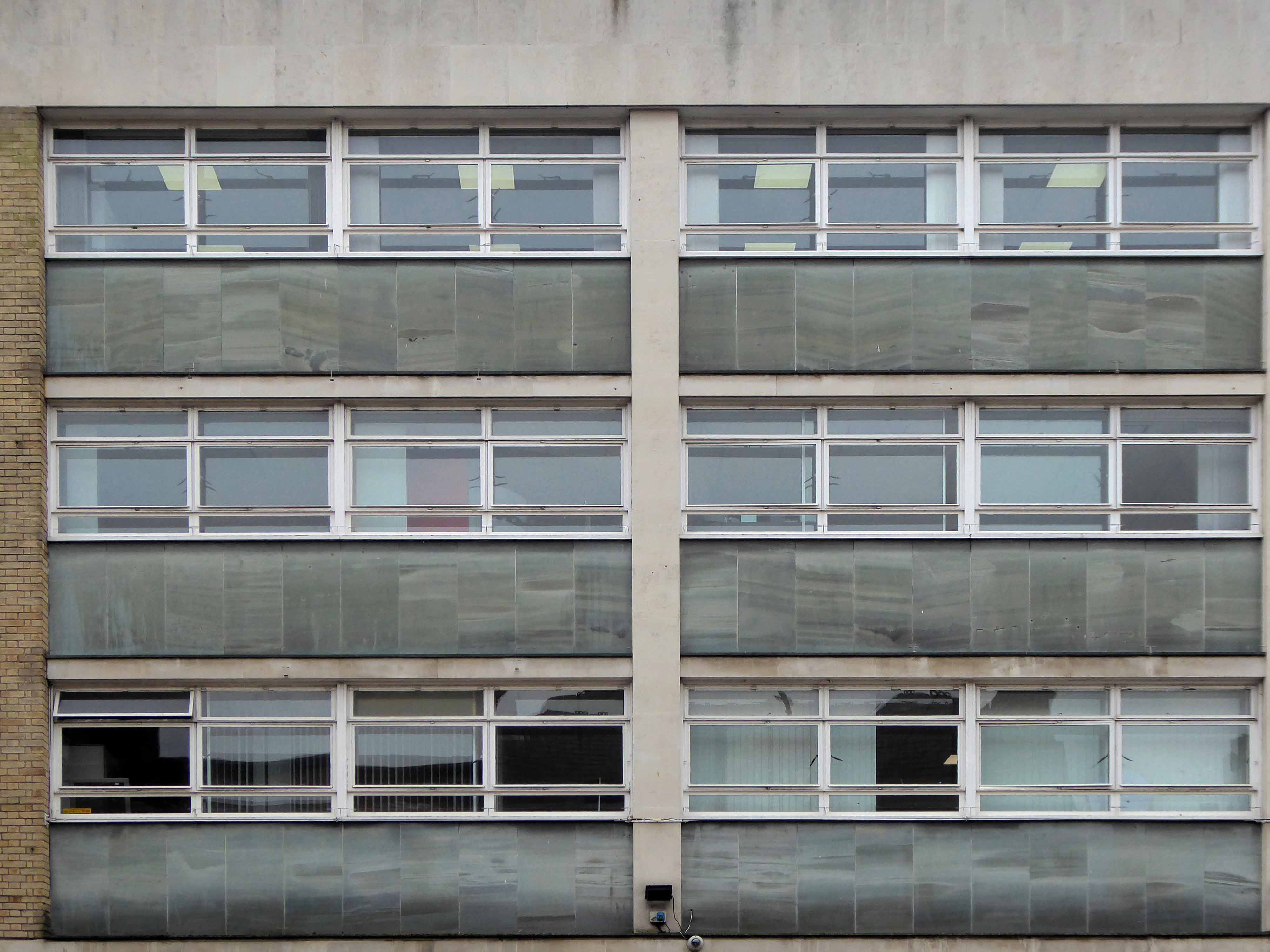
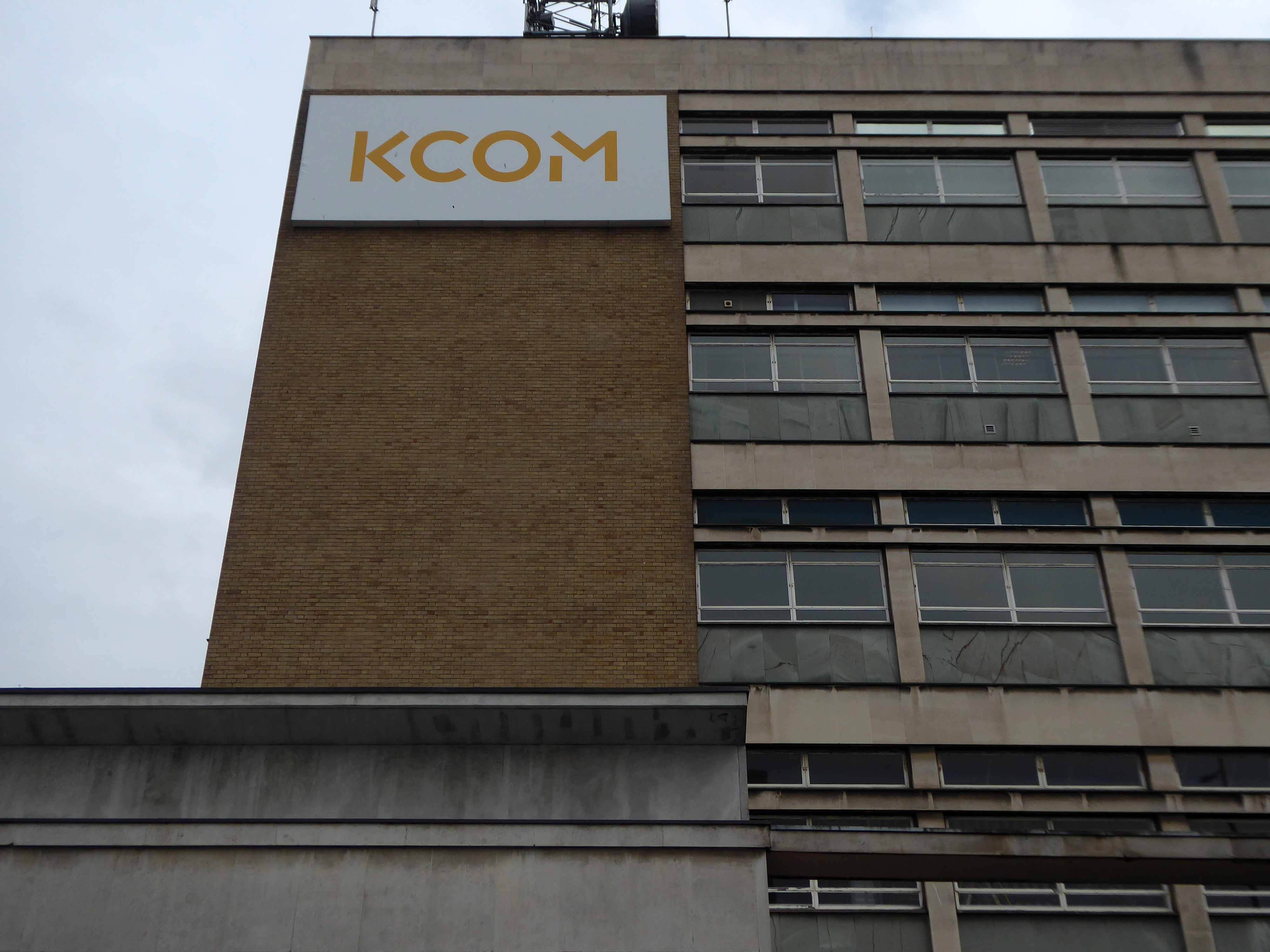
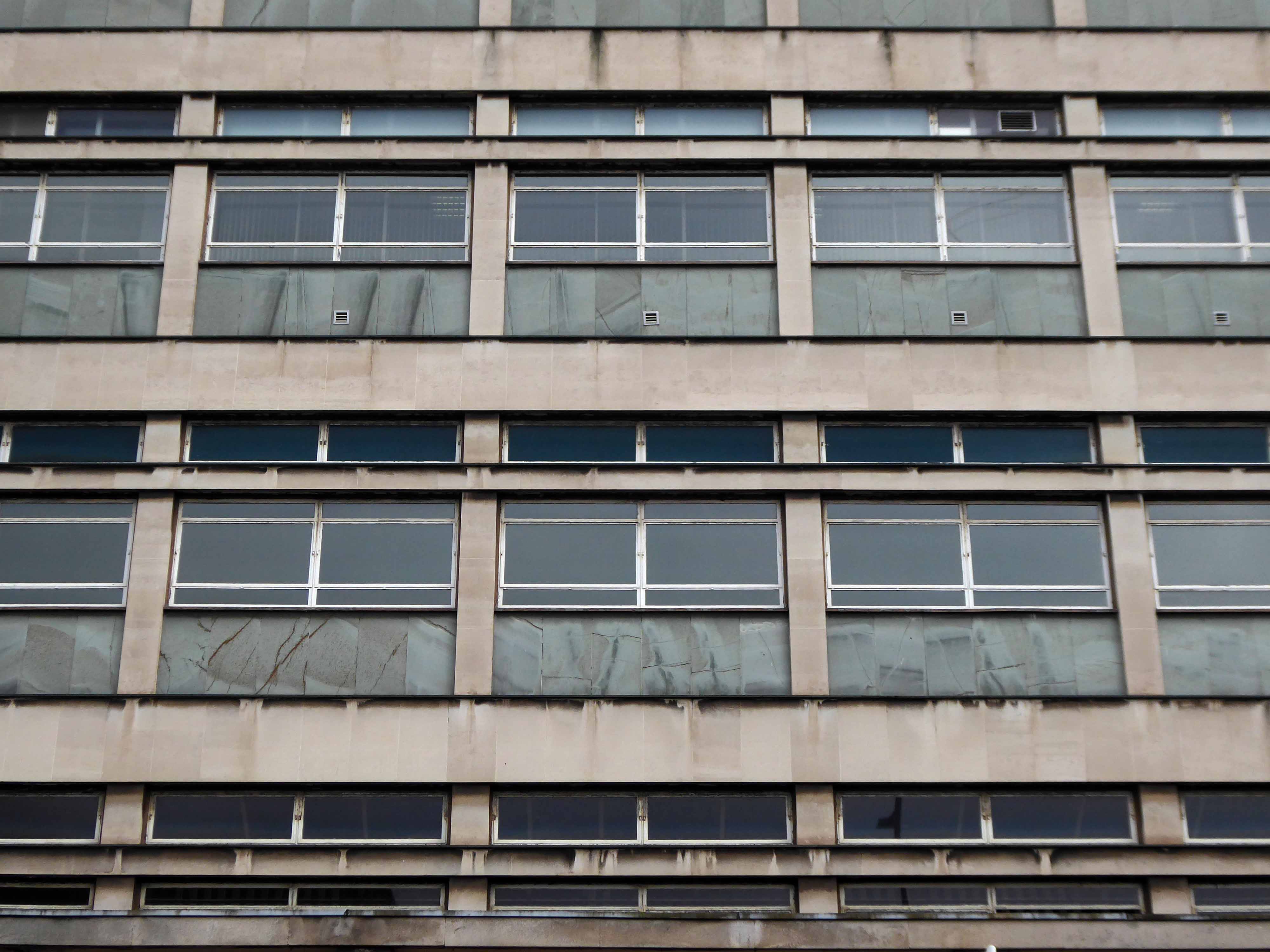
This is a fine building of brick, concrete, stone and steel, a restrained palette and commanding volumes, which asserts itself within the framework of the surrounding post-war architecture.
Well worth a walk around – let’s circumnavigate right now!
Good night all, sweet dreams and don’t forget to call Santa – hope that you all enjoyed your corned beef and cabbage.
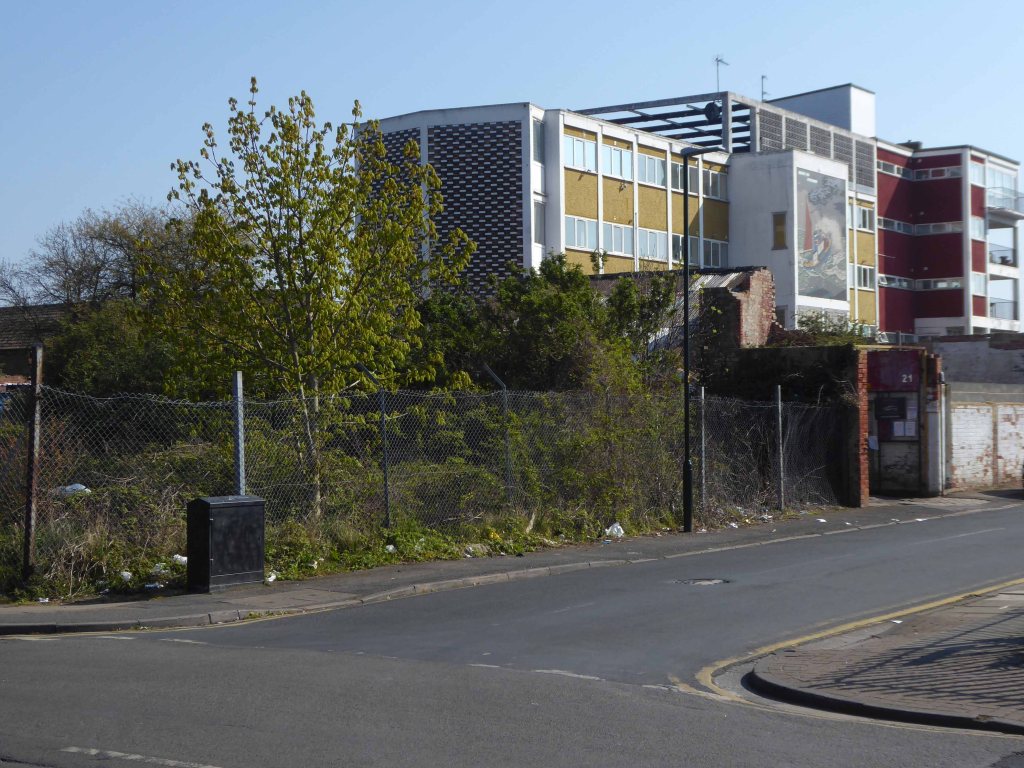
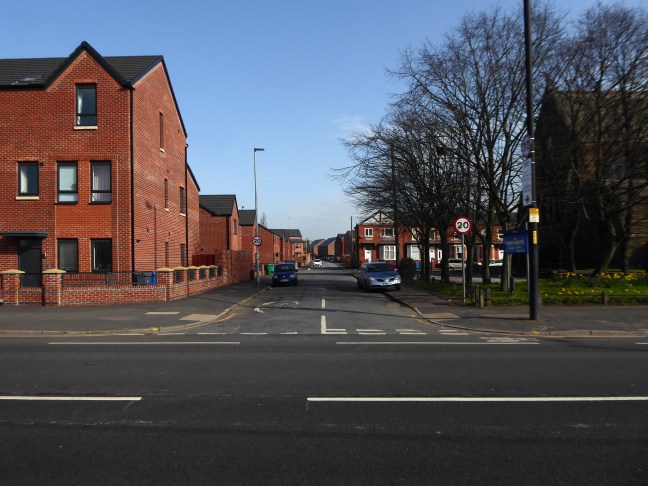
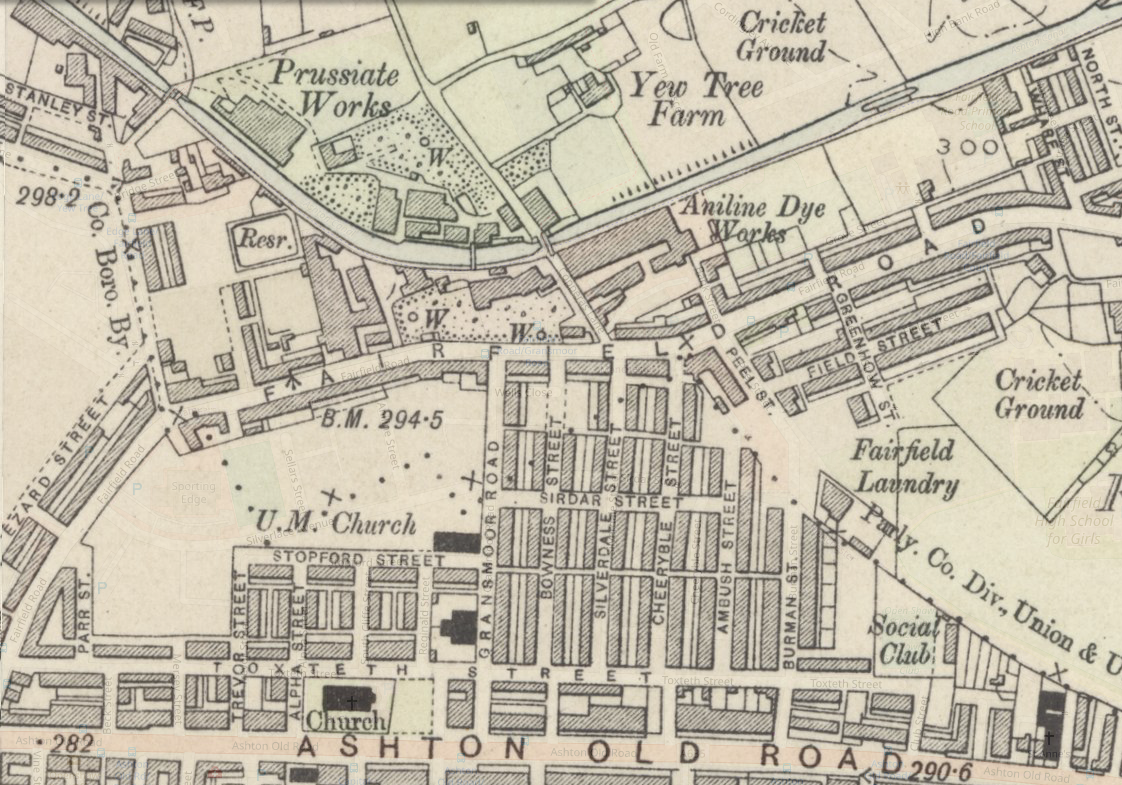
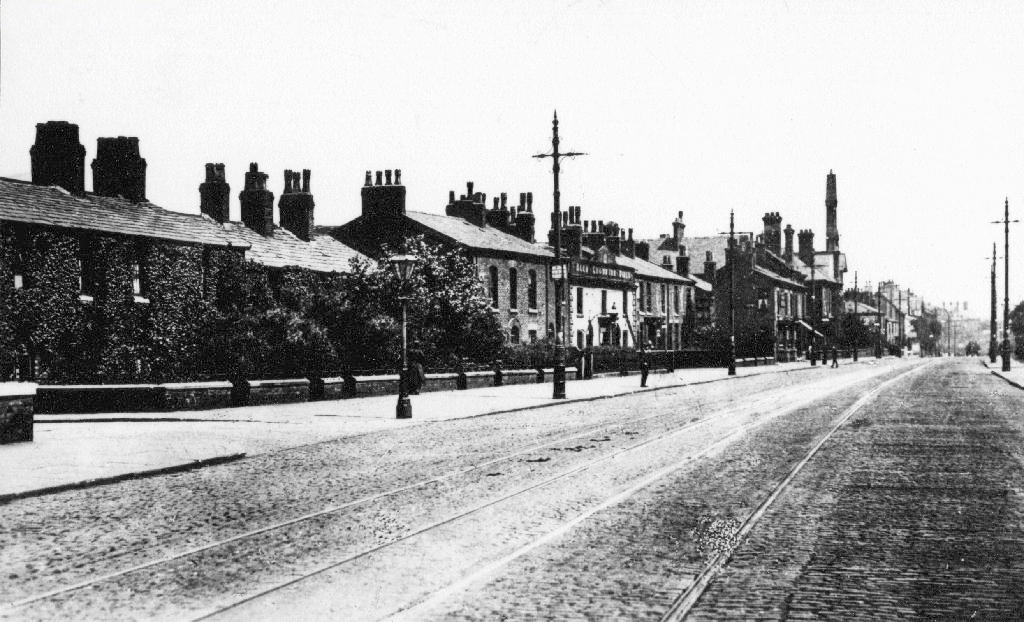
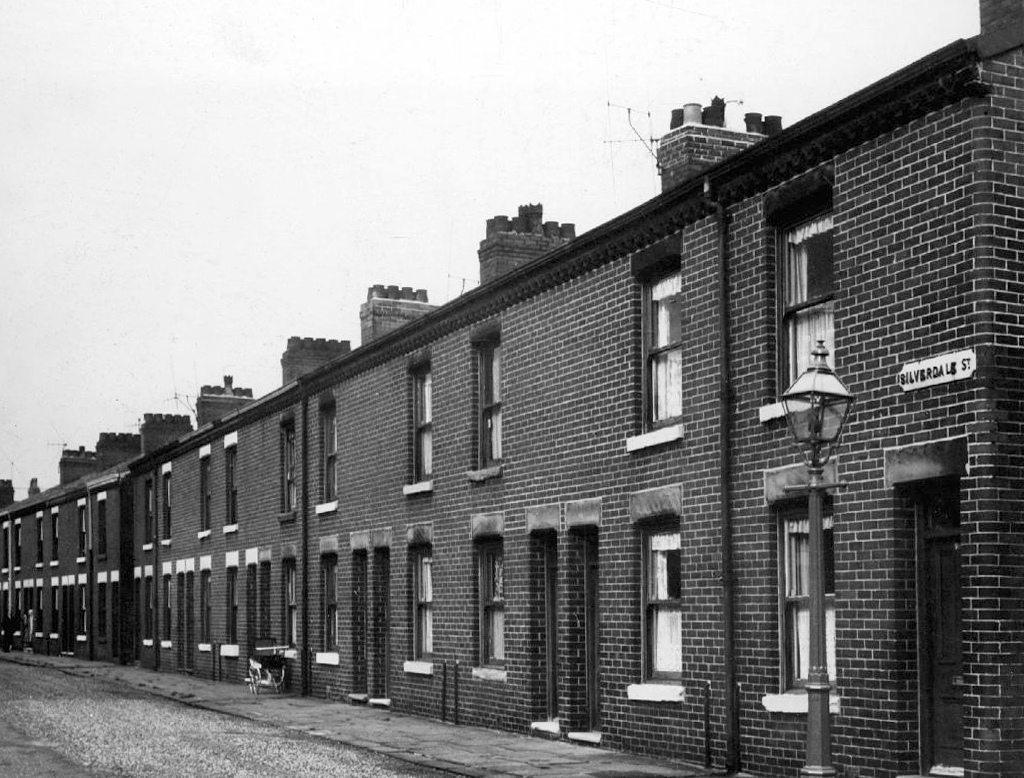
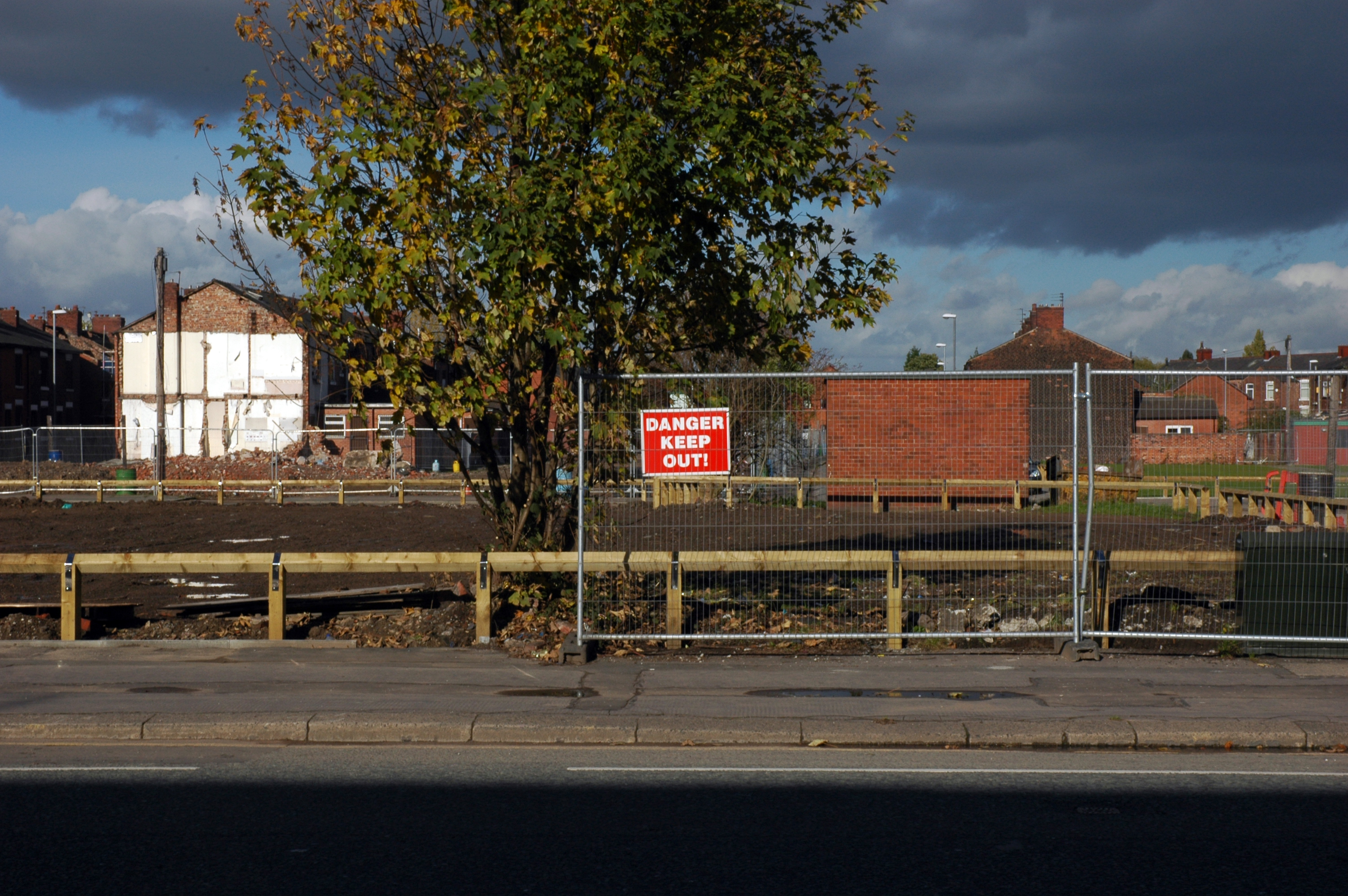
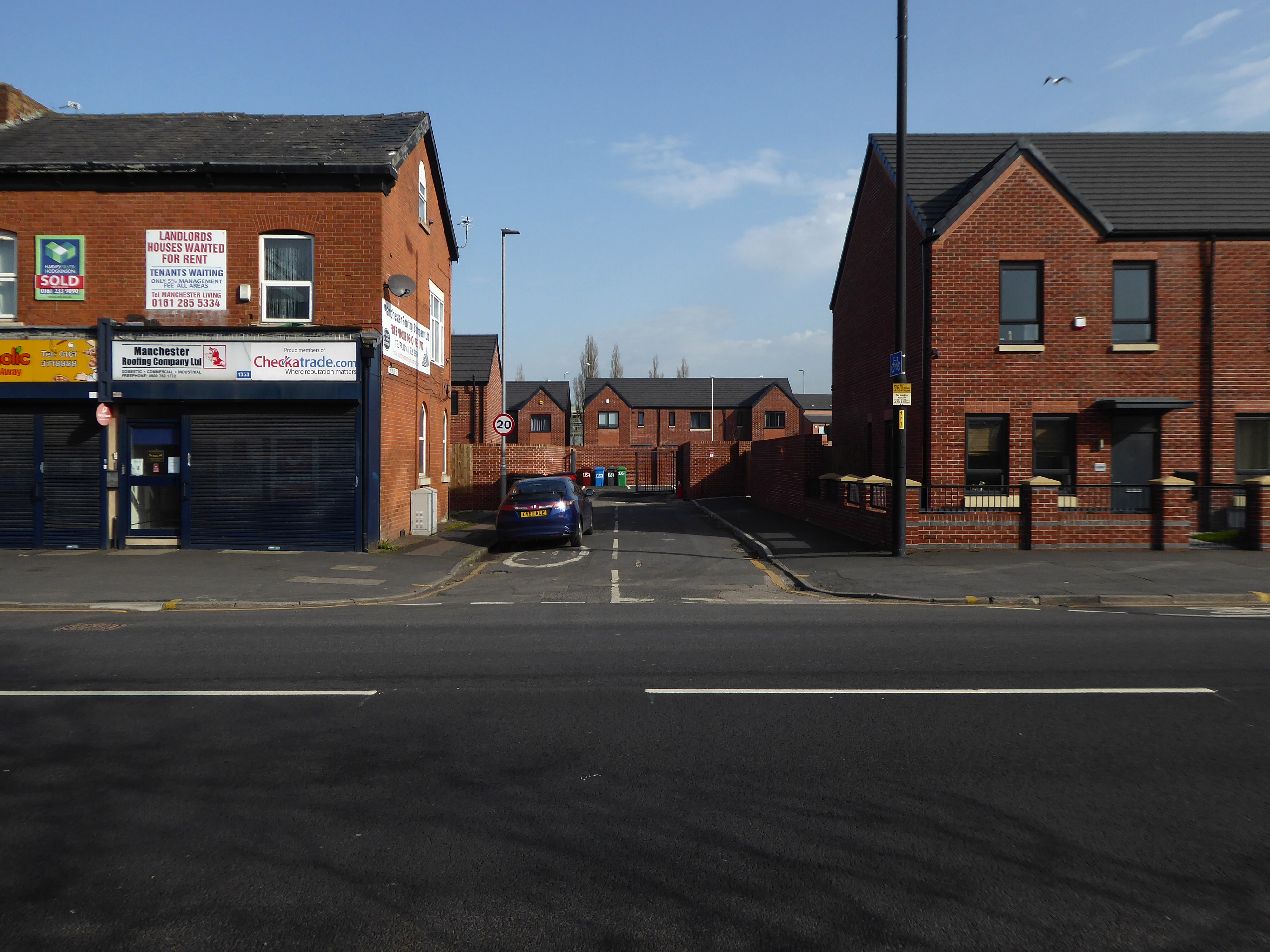
There’s been more than a few comings and goings along Ashton Old Road.
1906
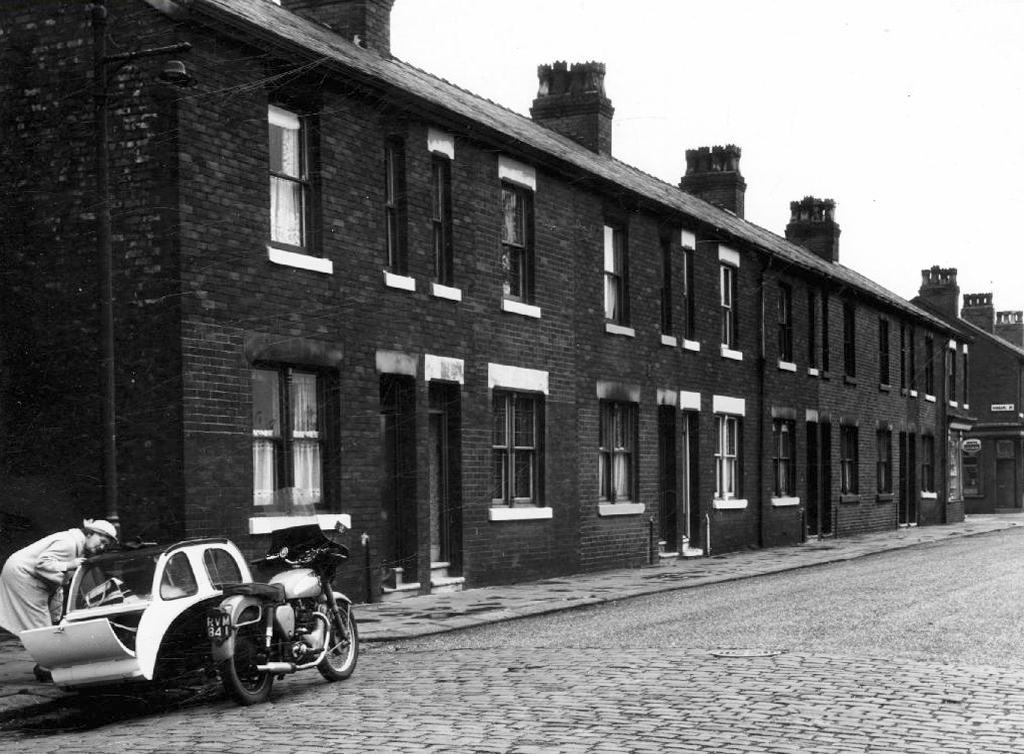
Where once there were fields, homes and industry arrive, as the Industrial Revolution is in full swing.
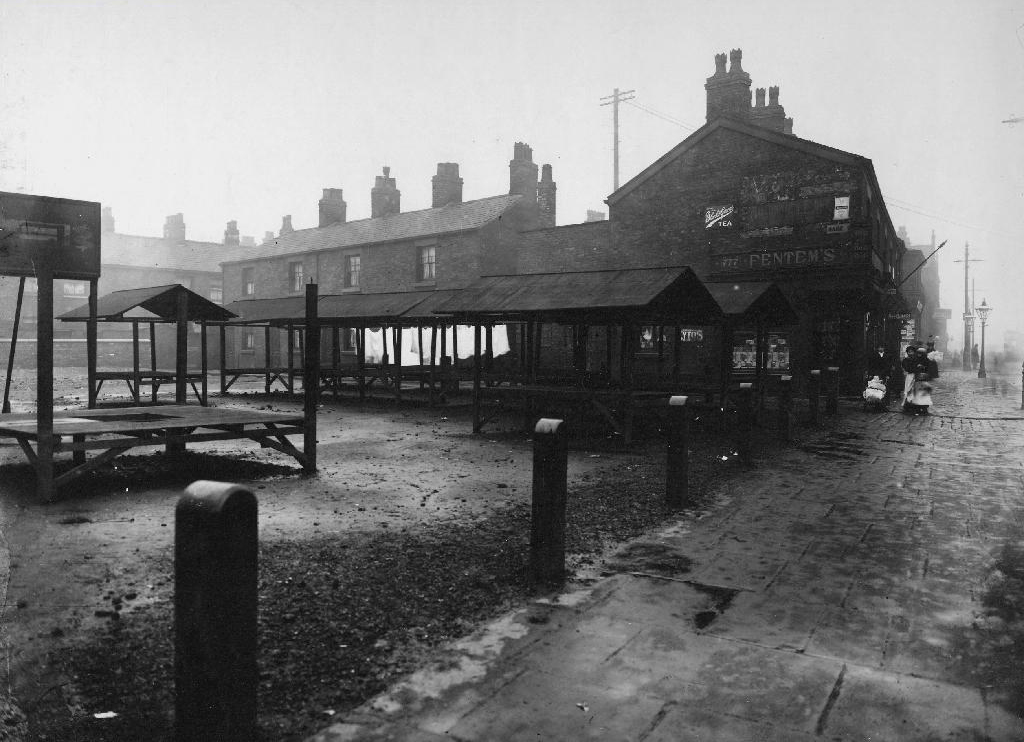
1908
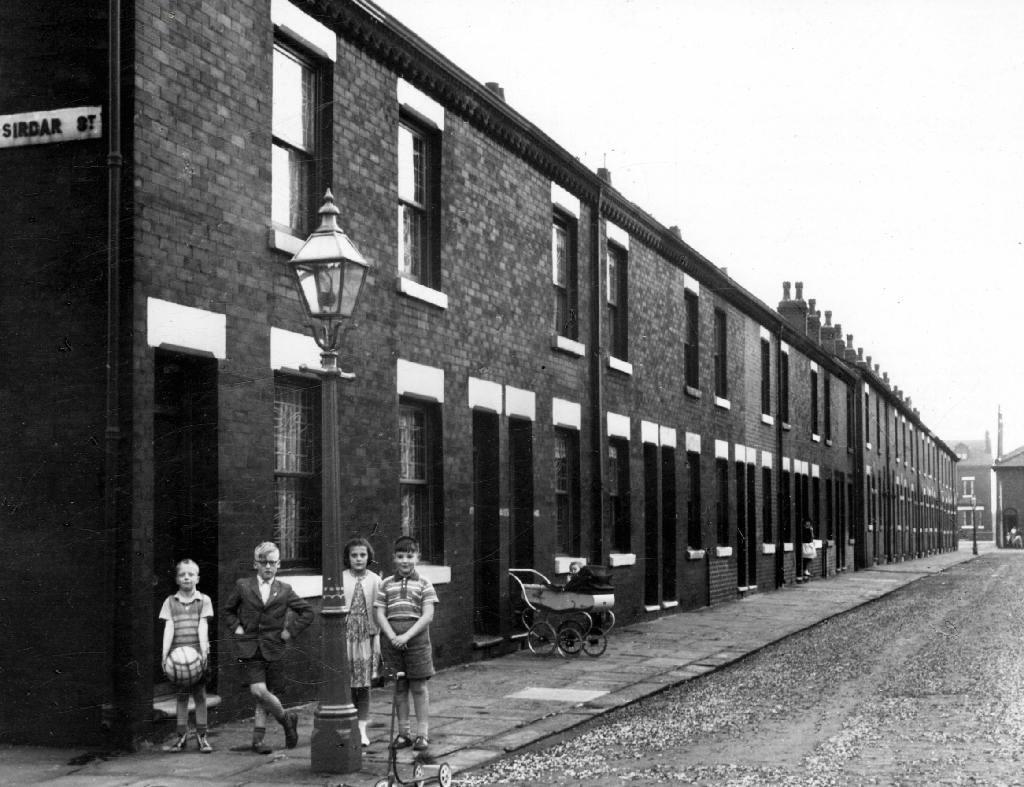
The streets to the north of Ashton Old Road are alive with shops, homes, people and prams.
Along with the occasional motor car.
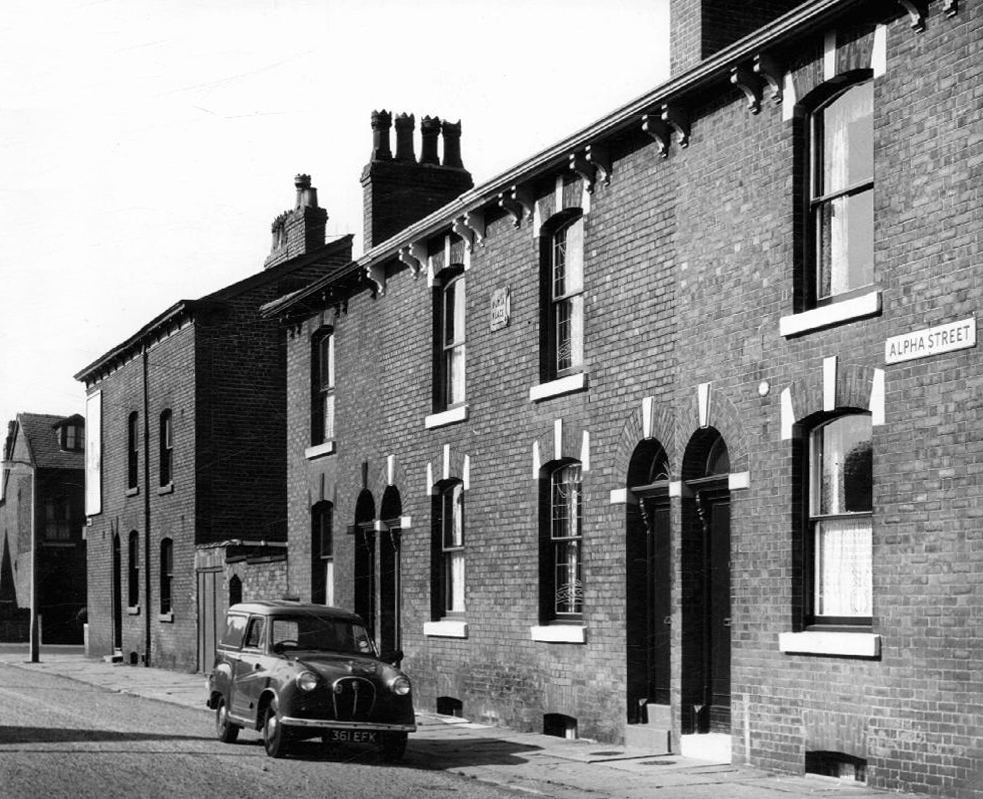
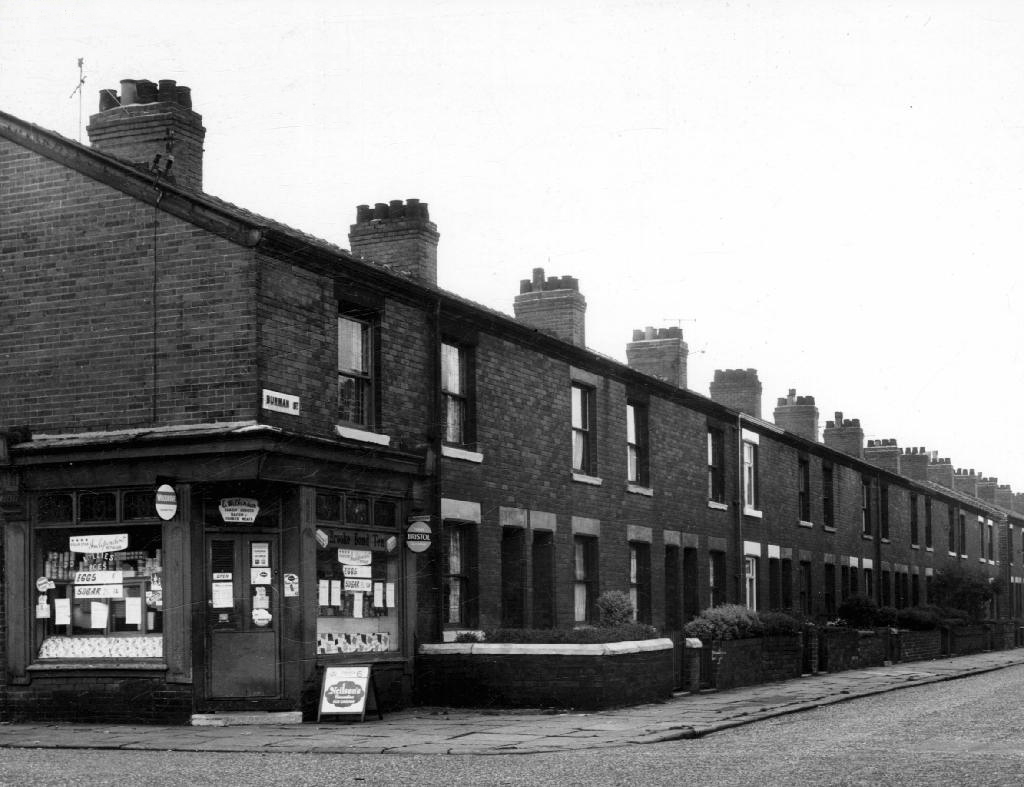
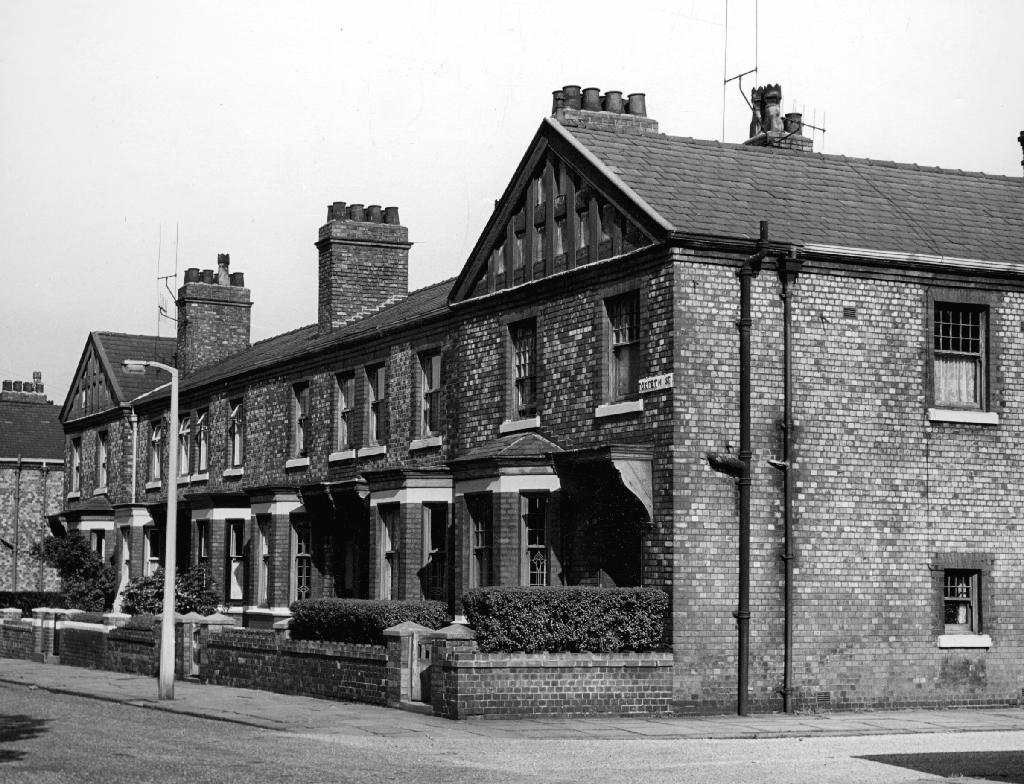
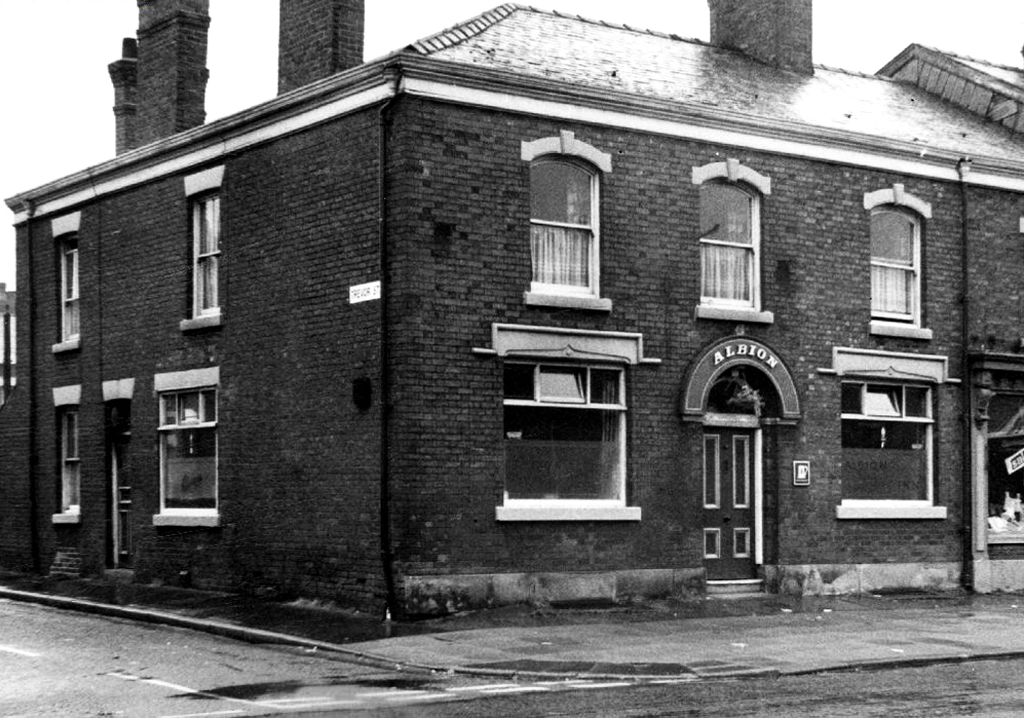
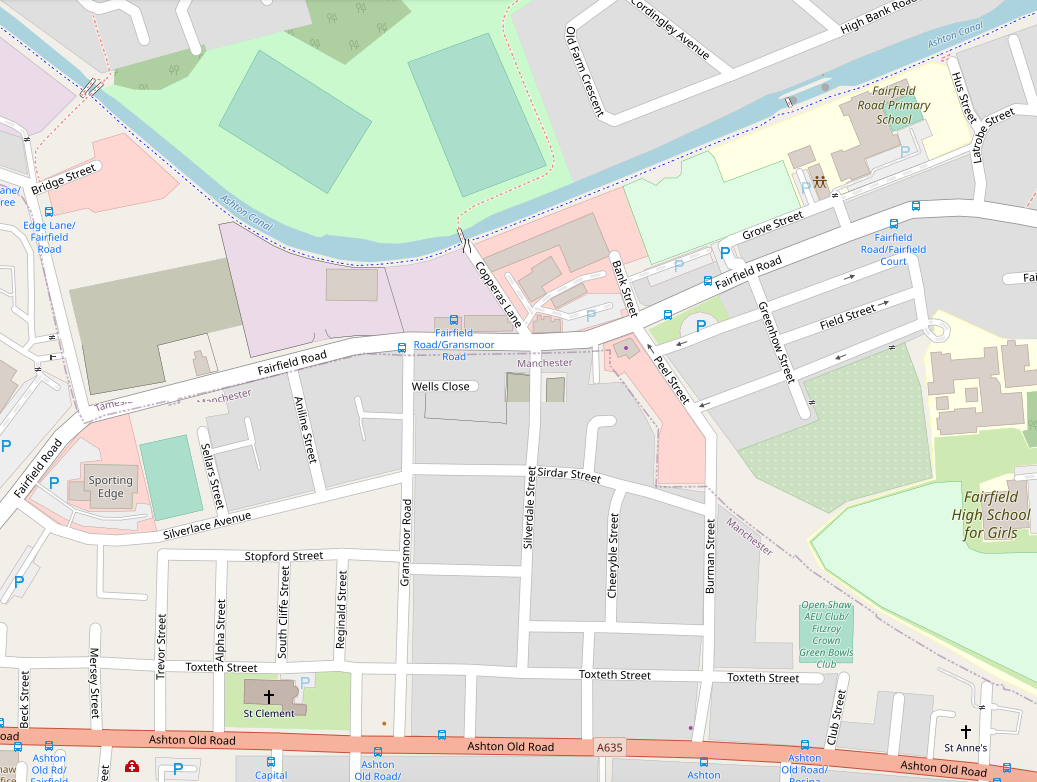
Alpha StreetBowness StreetBurman StreetSilverdale StreetToxteth StreetTrevor Street
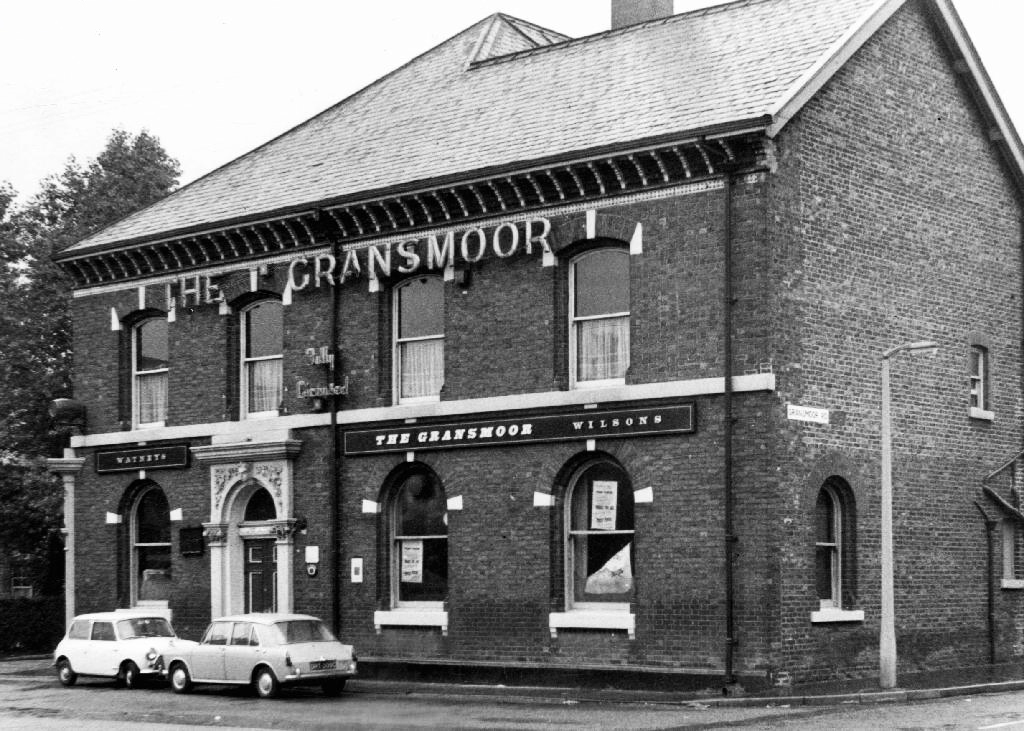
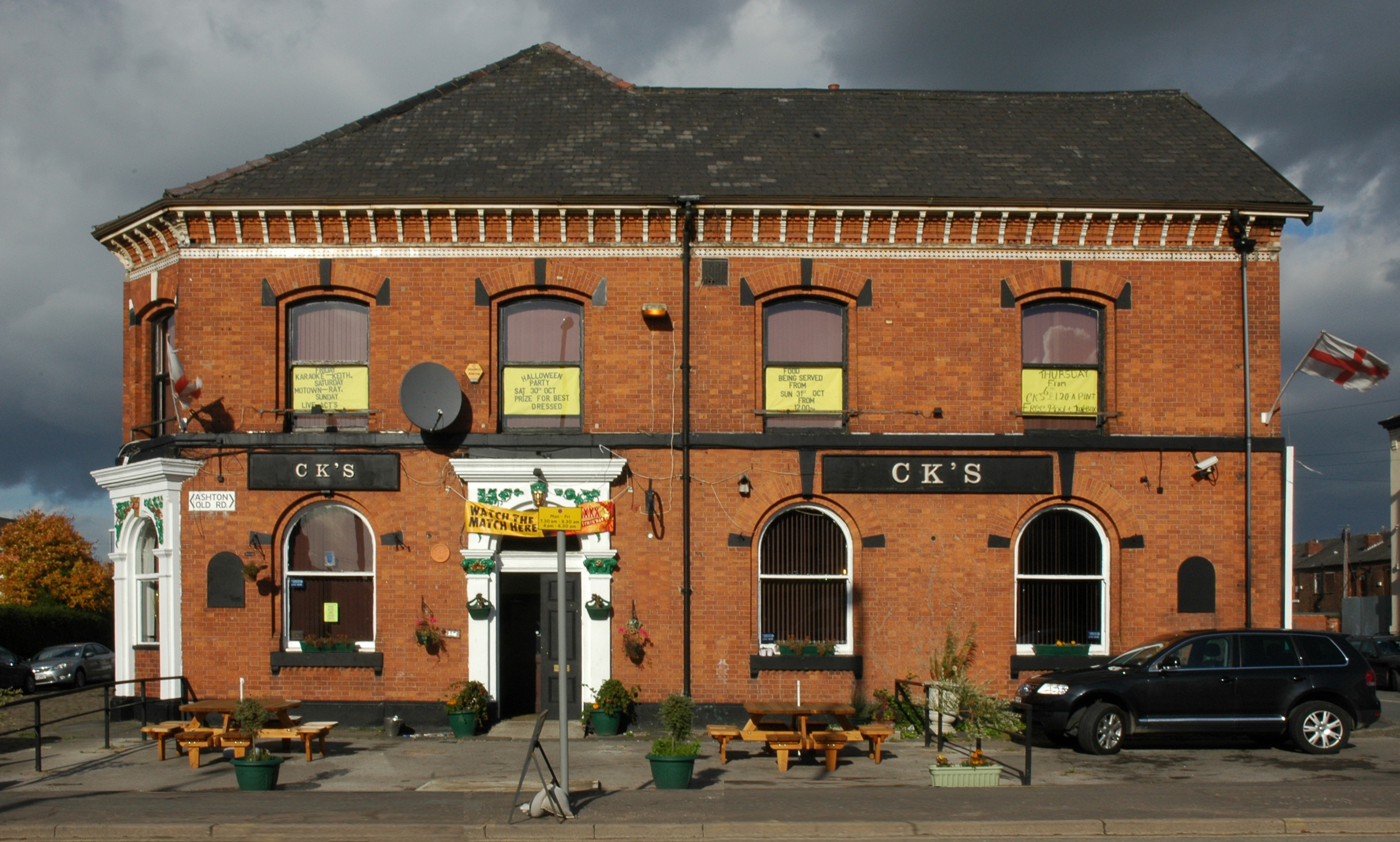
The Old Road boasted some fine busy boozers.
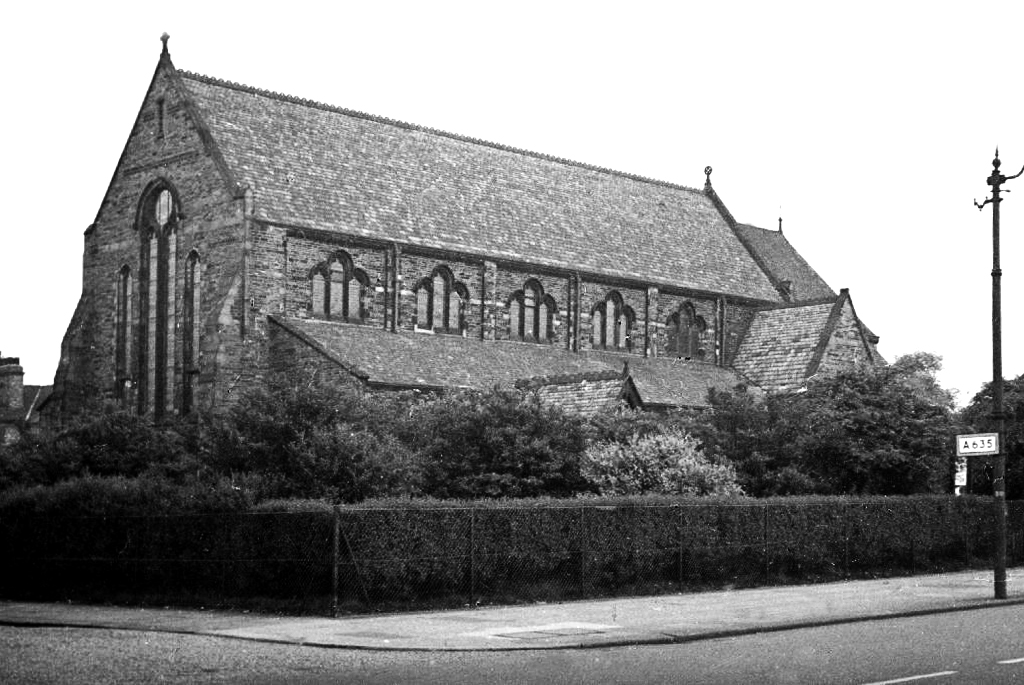
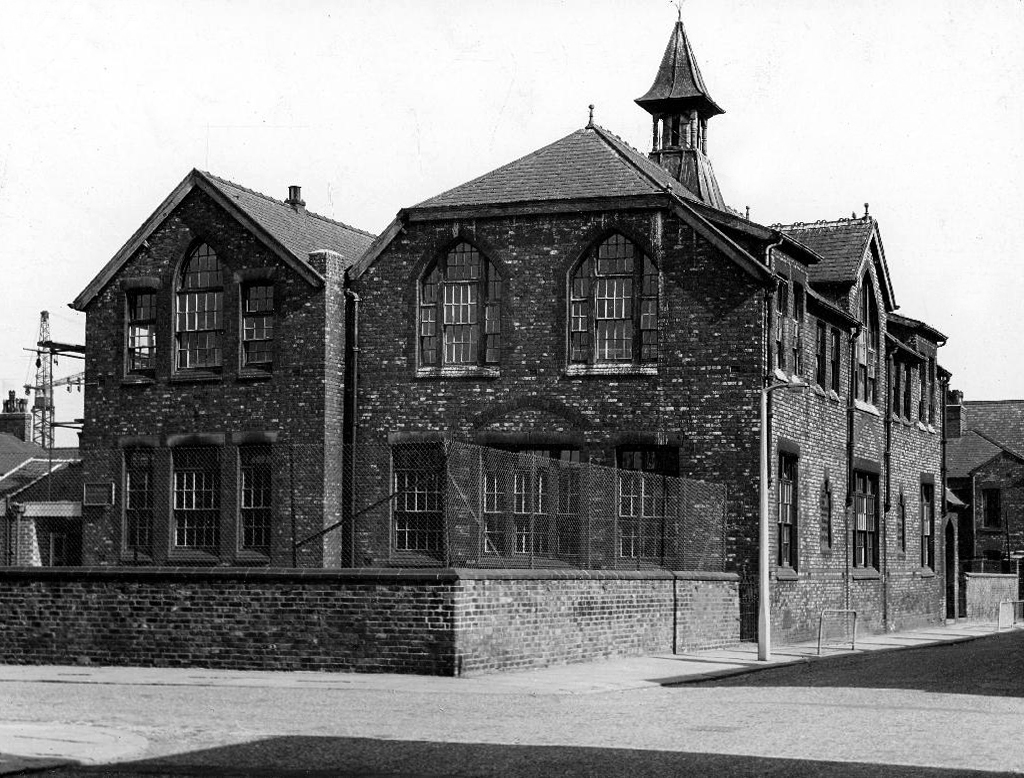
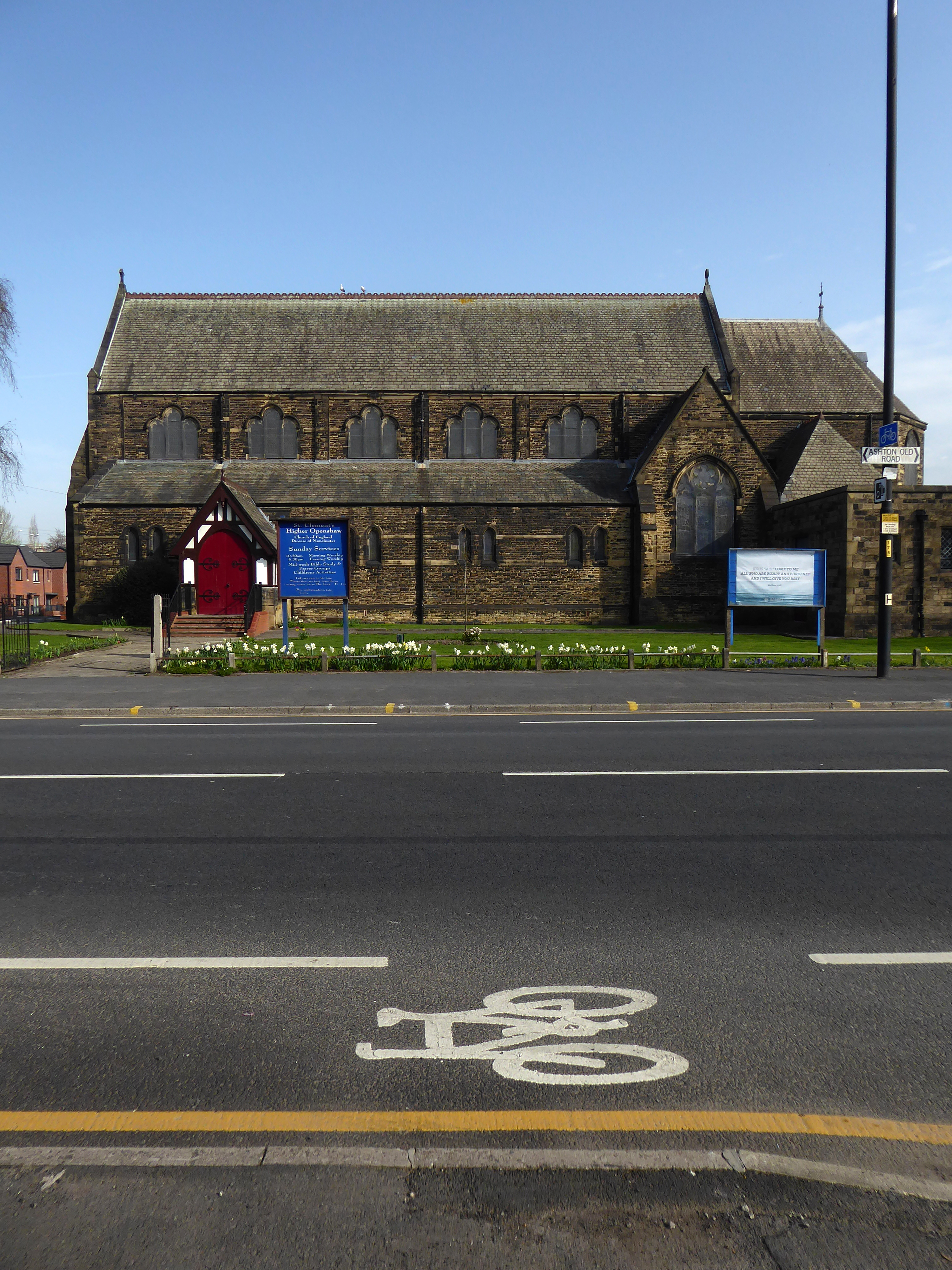
And a splendid church and school.
St Clements
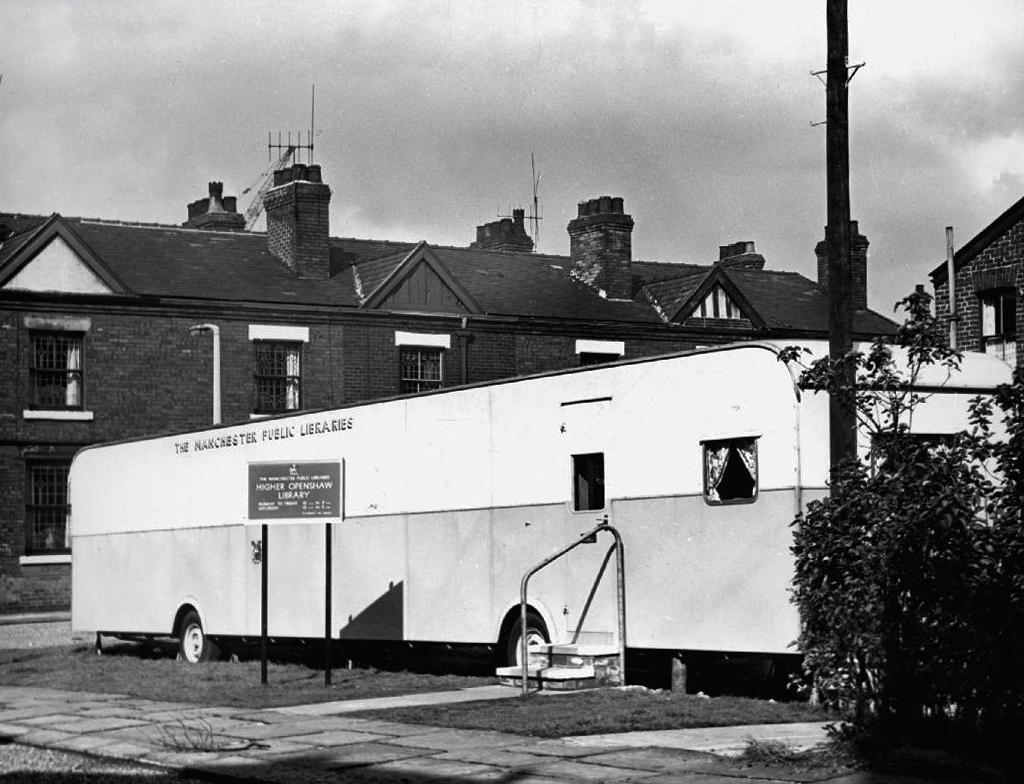
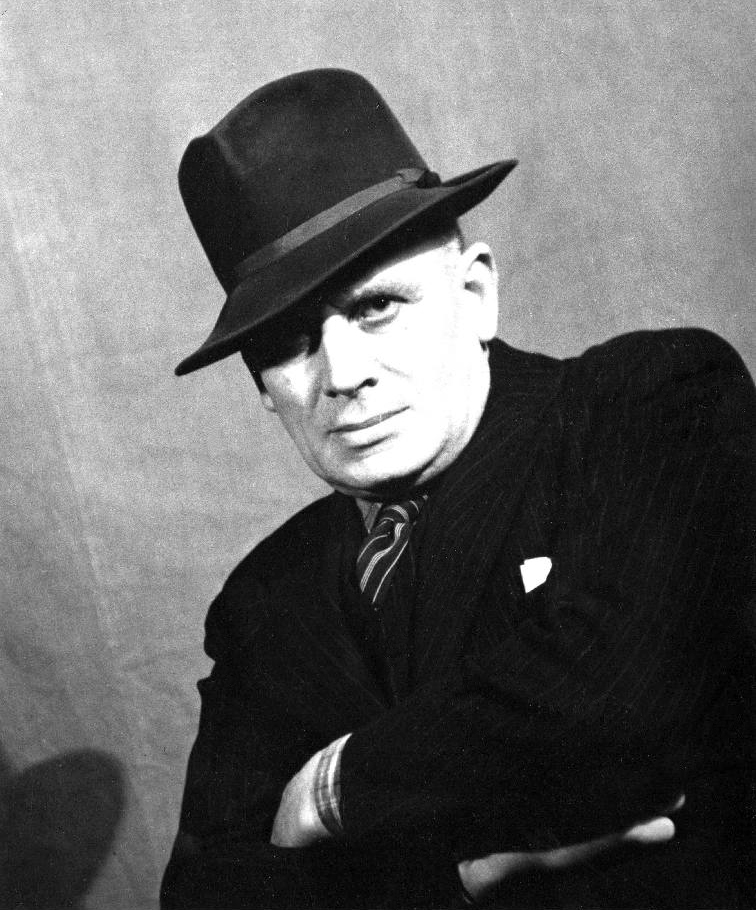
The man responsible for the majority of these archive photographs is Tommy Brooks of 56 Gransmoor Road.
He is my hero, a member go the Manchester Amateur Photographic Society, cycling the streets of Manchester to produce a unique record of life in the Sixties.
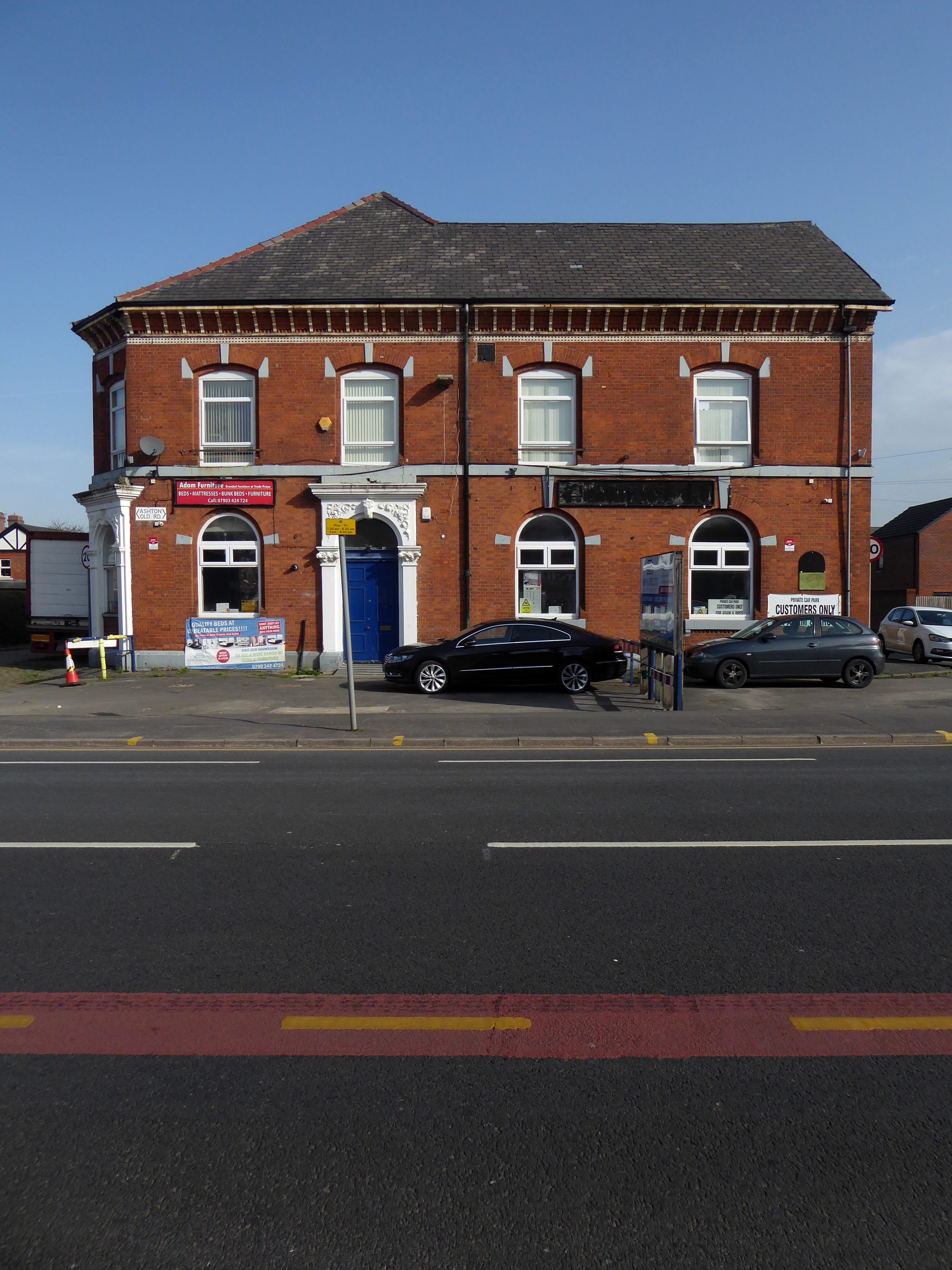
Converted to retail use 24th September 2012 after closure. This interesting Victorian building stands back from the road with what may well be a coach road in front. Inside the high ceilings and glorious plasterwork gave the impression of a gentlemen’s club. Though it previously sold cask Banks’s beers in its earlier years, its final days were seen out with only keg beers being available.
The rising cost of repairs, combined with ‘a desire to progress’ with the regeneration of Droylsden town centre and the inaccessibility of the library’s T shape, three-floor configuration means that a ‘solution for the future of the library’ is now needed, according to the town hall.
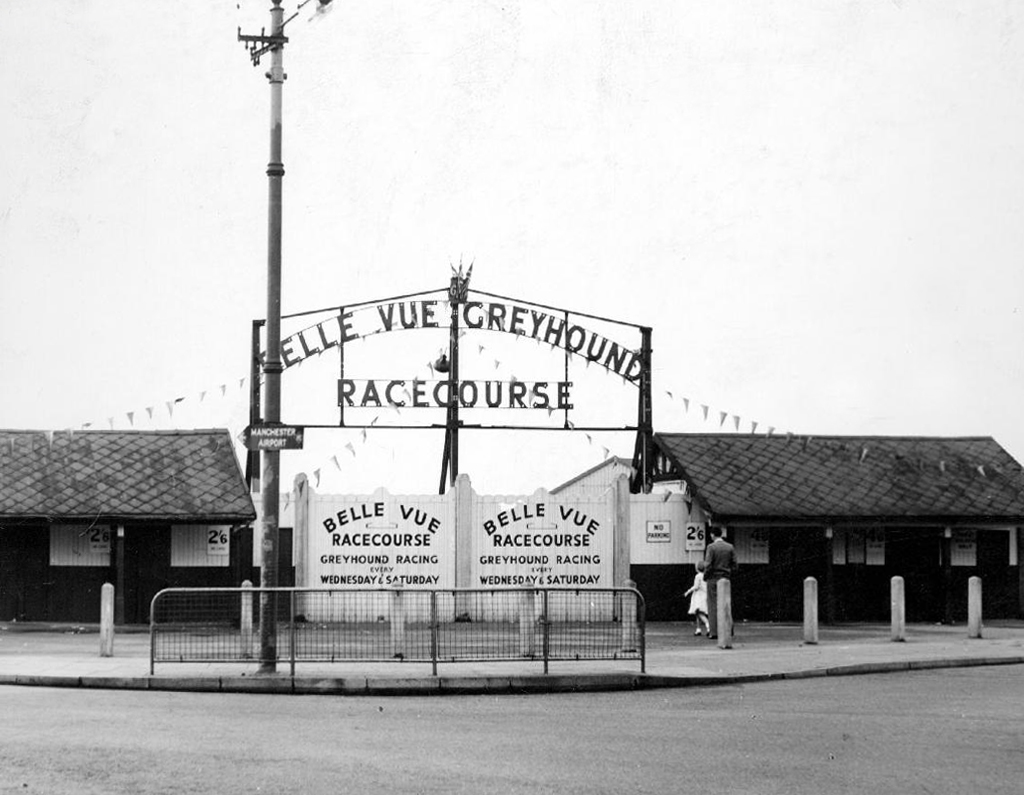
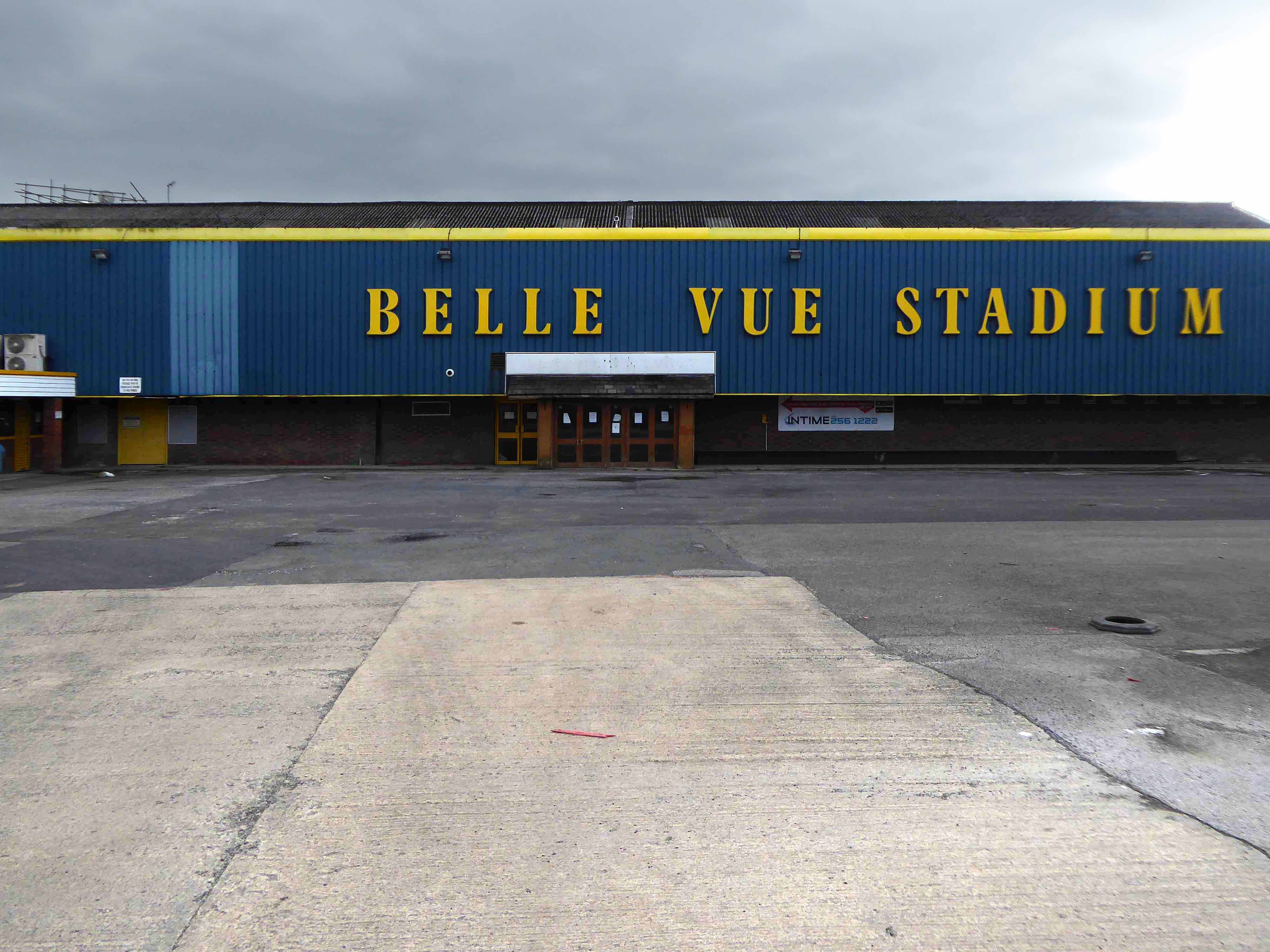
The stadium opened on July 24th 1926 – 7.30 prompt.
In 1925, Charles A. Munn, an American businessman, made a deal with Smith and Sawyer for the rights to promote the greyhound racing in Britain.
Smith and Sawyer met Brigadier-General Alfred Critchley, who in turn introduced them to Sir William Gentle JP. Between them they raised £22,000 and formed the Greyhound Racing Association Ltd. When deciding where to situate their new stadium, Manchester was considered to be the ideal place because of its sporting and gambling links. Close to the city centre, the consortium erected the first custom-built greyhound stadium and called it Belle Vue. The name of the stadium came from the nearby Belle Vue Zoological Gardens that had been built in 1836 and the land on which the stadium was to stand had been an area of farmland known as Higher Catsknowl and Lower Catsknowl.
By June 1927, the stadium was attracting almost 70,000 visitors a week.
1958
In October 2019 GRA Acquisition sold the lease to the Arena Racing Company and just two months later on 19 December housing planning permission was passed resulting in a probable closure in 2020.
The imminent closure came following an announcement on 1 August 2020, with the last race being run on 6 June, won by Rockmount Buster – trained by Gary Griffiths.
Going to the dogs was an institution for many, whole families enjoying the spectacle, possibly having a bet, bite and a pint.
Time changes everything social habits, views on animal welfare and gambling.
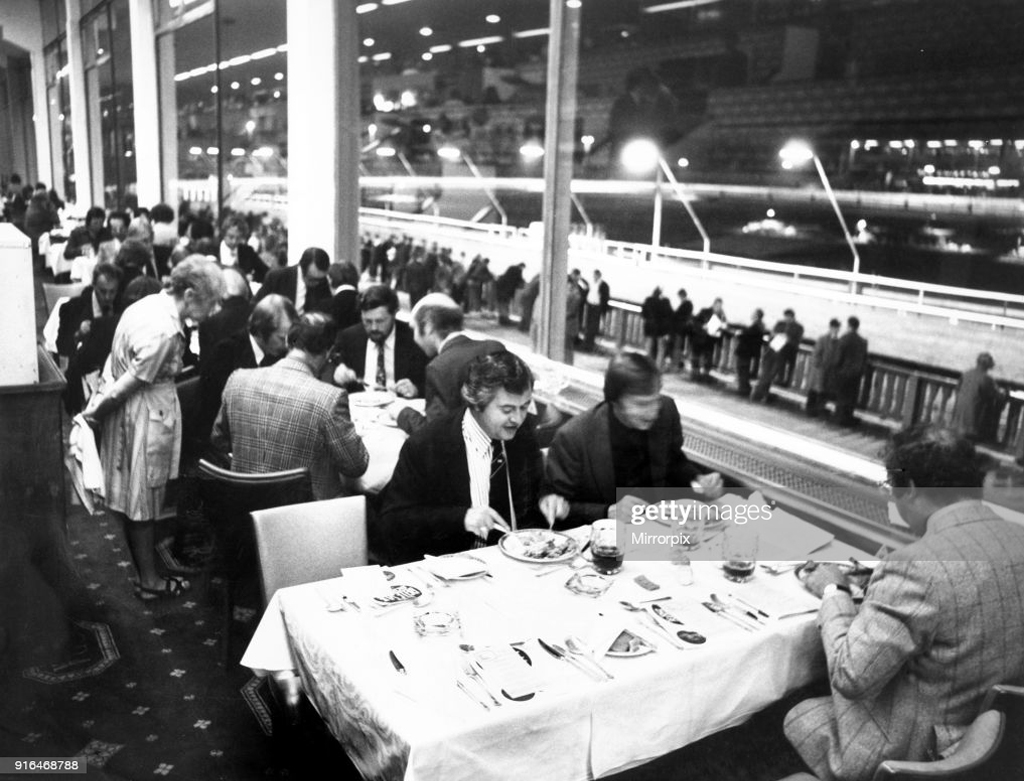
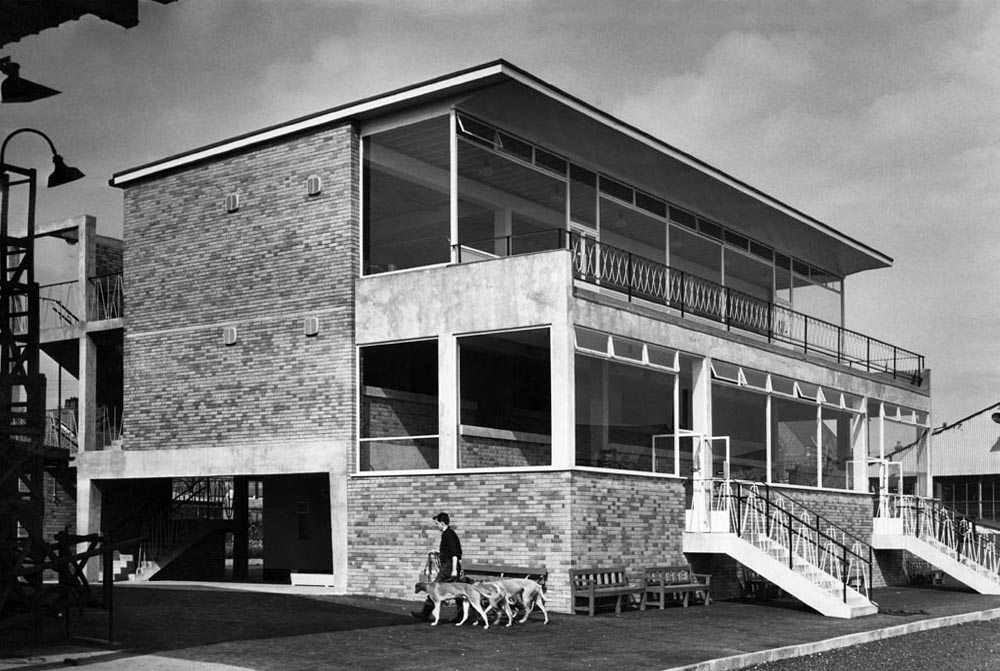
Diners enjoying their meal at Belle Vue Greyhound stadium while punters line trails outside waiting for the next race, 23rd September 1976.
The hare no longer courses electronically around the oval track, the traps no longer flap and the Tote has taken the last of your change, for the very last time.
Drink up and go home.
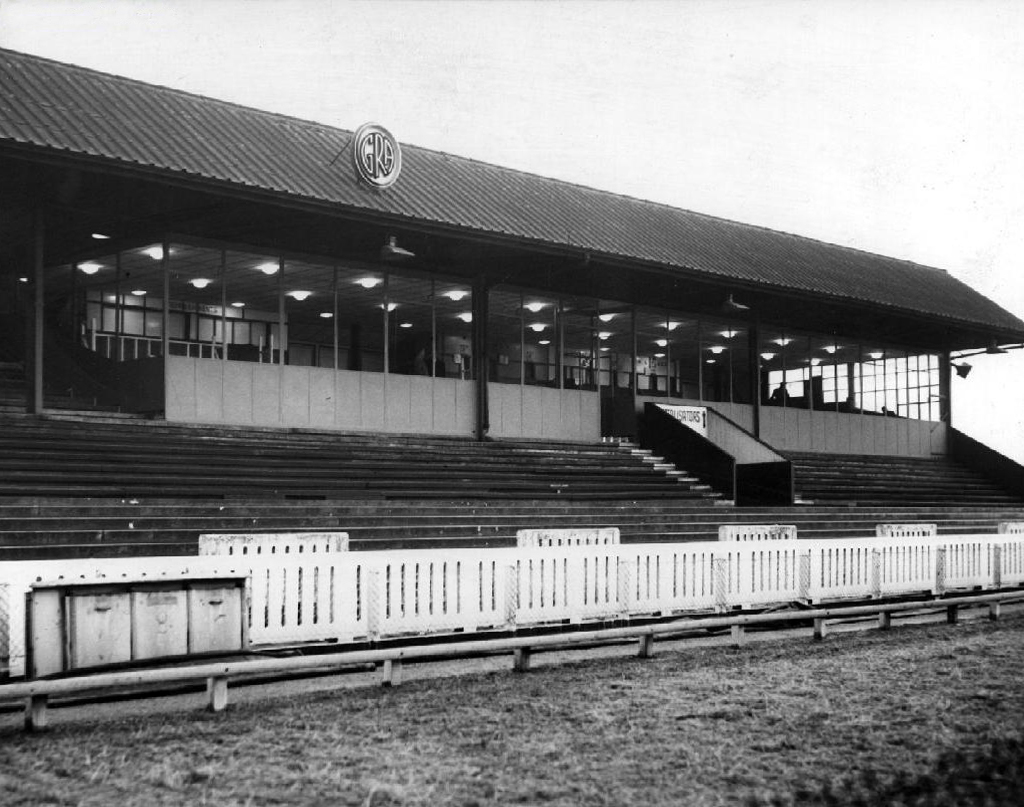
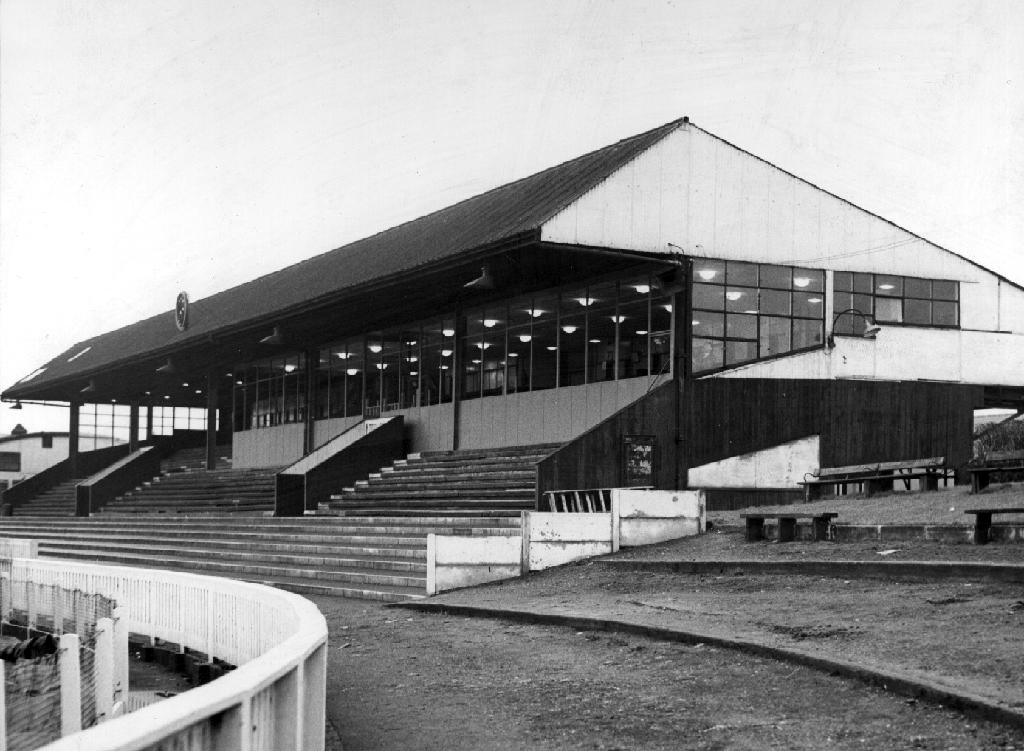
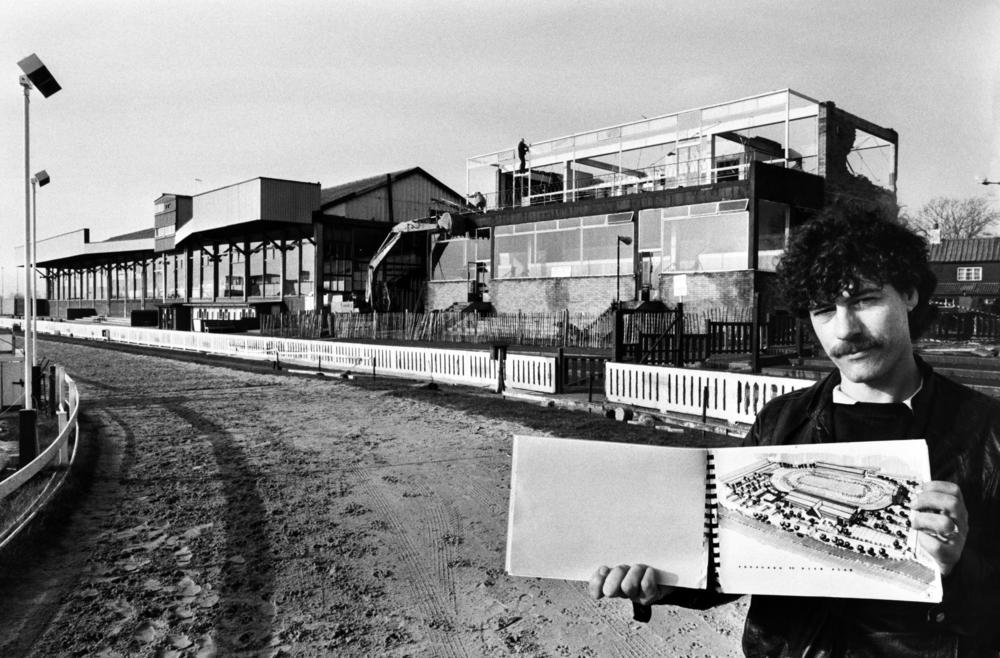
The new £30,000 stand that has just been completed 29th April 1960.The track’s Assistant General Manager Colin Delaney with the plans for the new stadium complex. 1989.
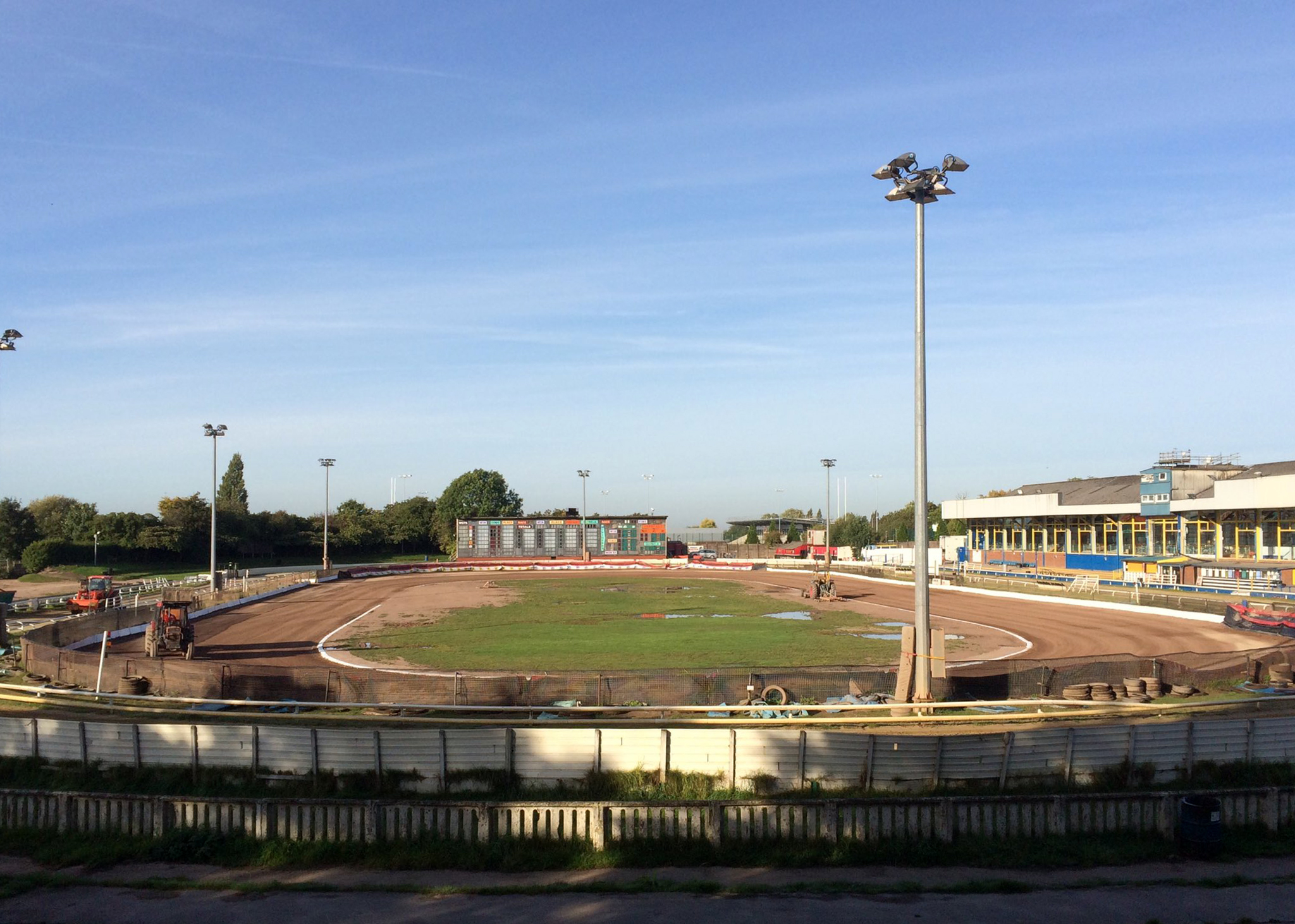
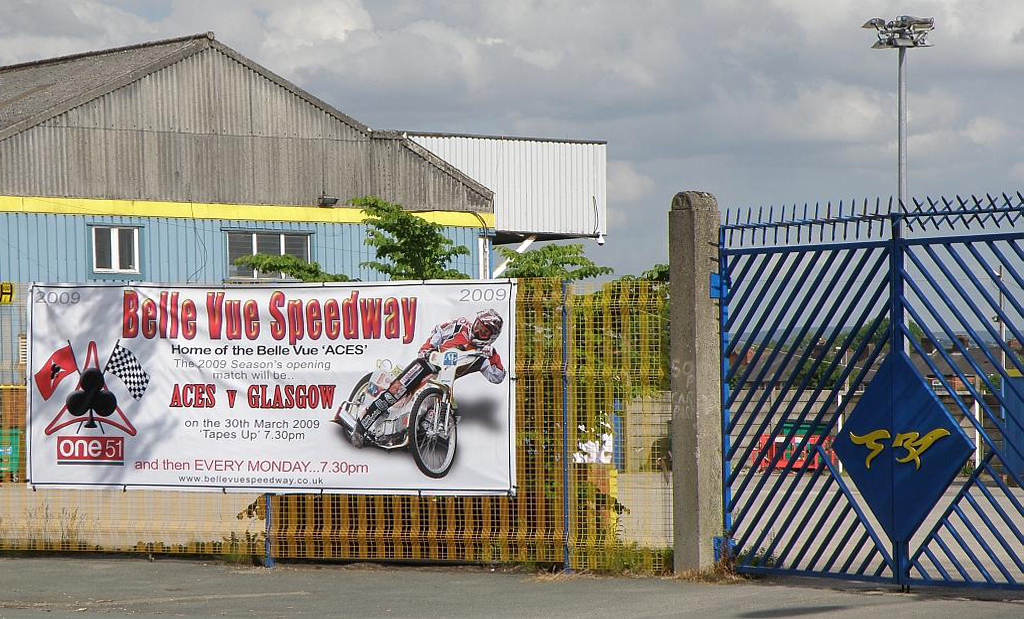
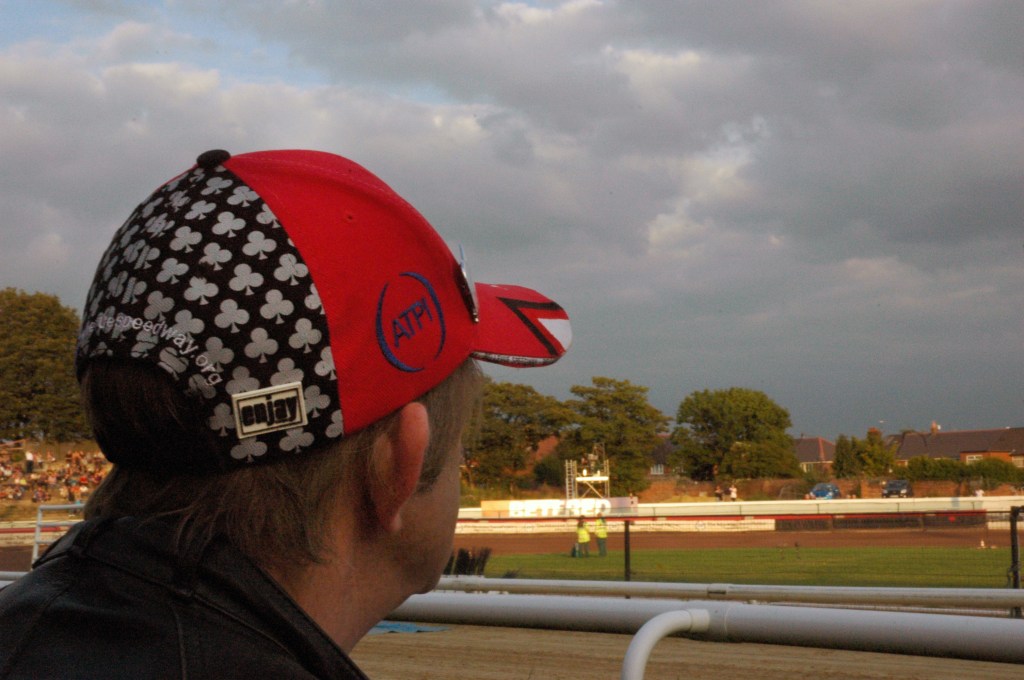
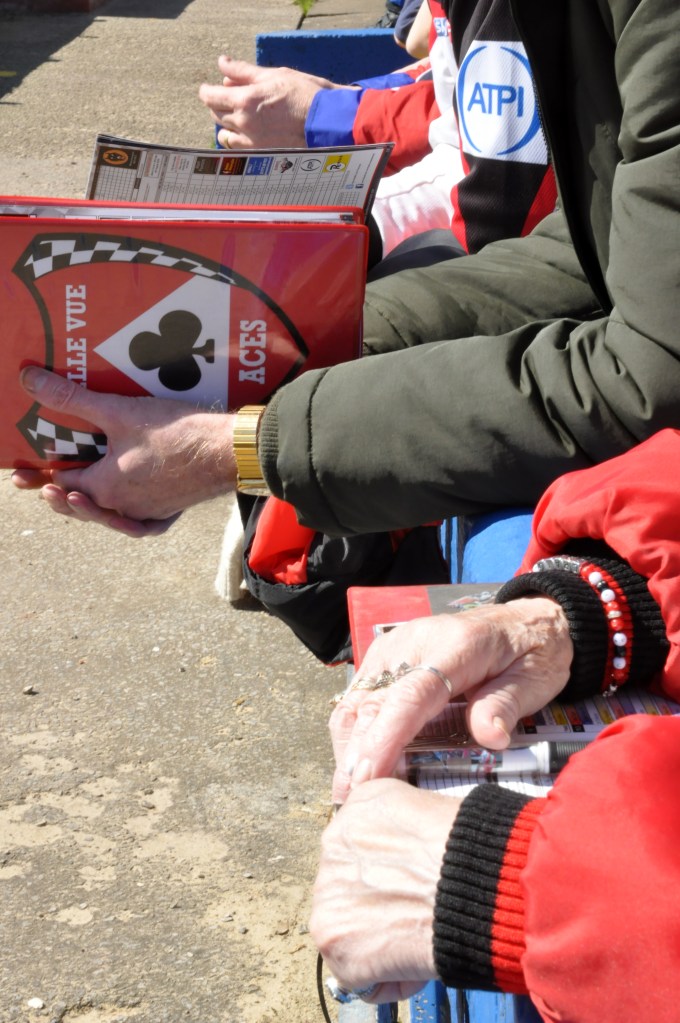
Speedway was first held at the stadium during 1928 but was not held again until 1 April 1988, when the Belle Vue Aces returned to the stadium. The team departed Kirkmanshulme Lane at the end of the 2015 season, prior to moving to the new National Speedway Stadium for the 2016 campaign.
The shale speedway track was 285 metres in length.
I was a regular of a Monday evening cheering on The Aces.
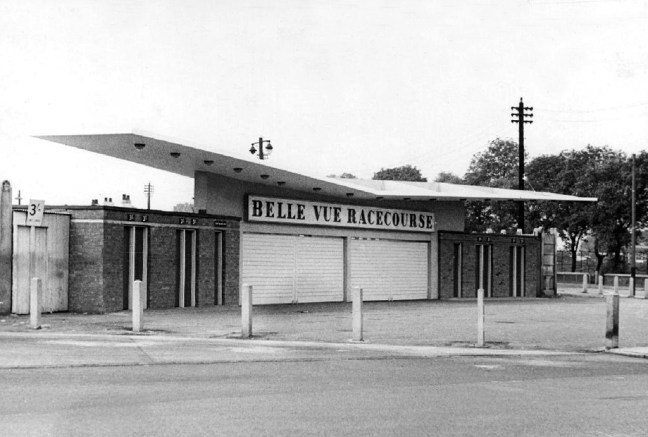
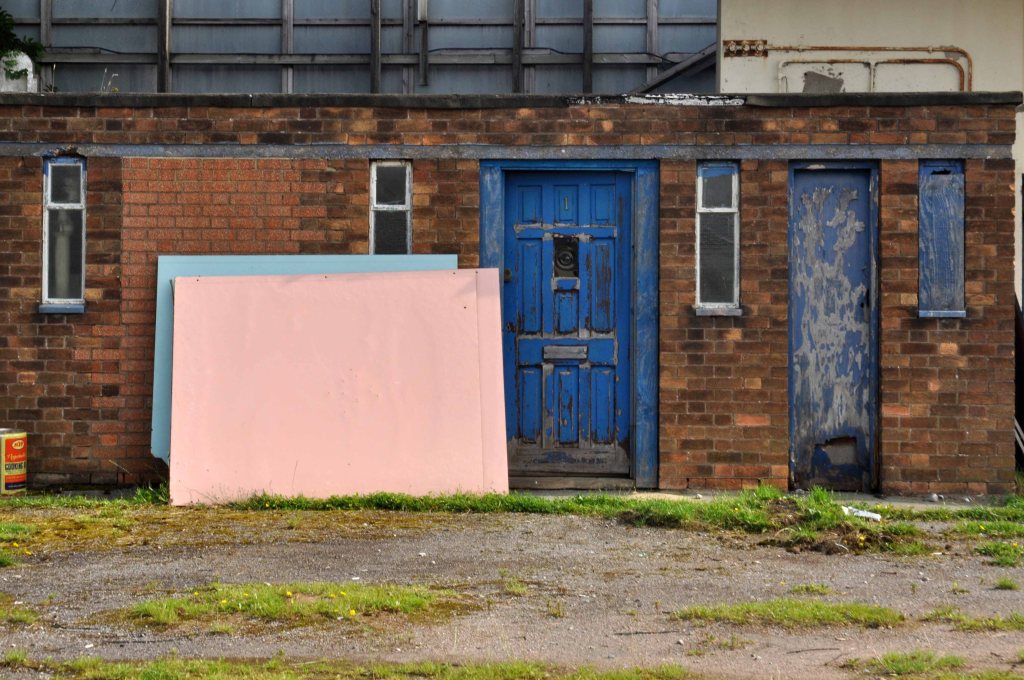
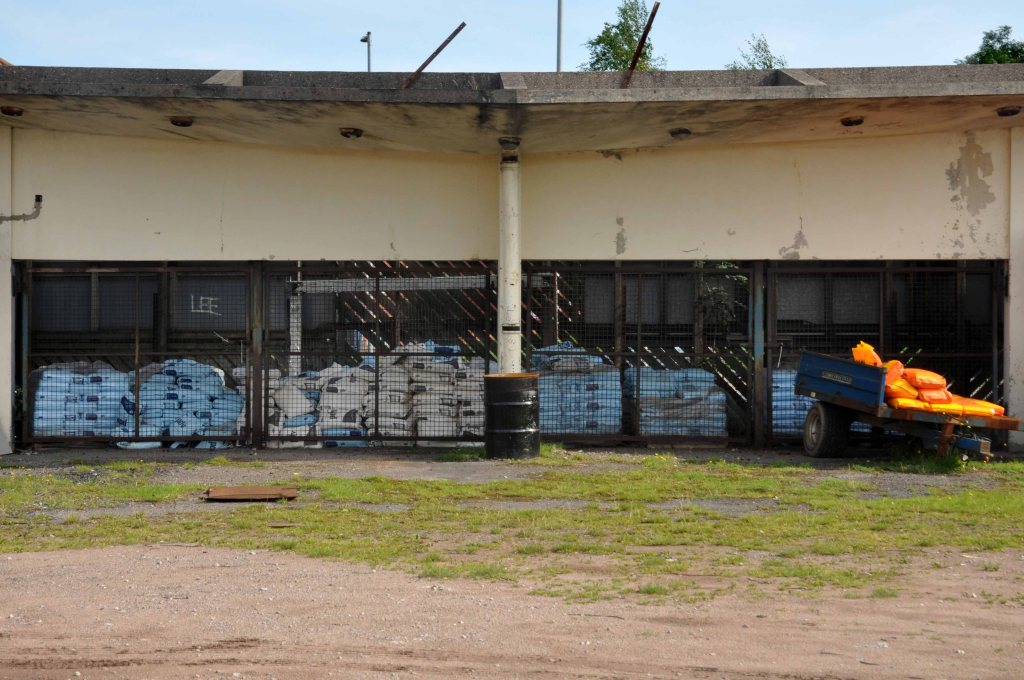
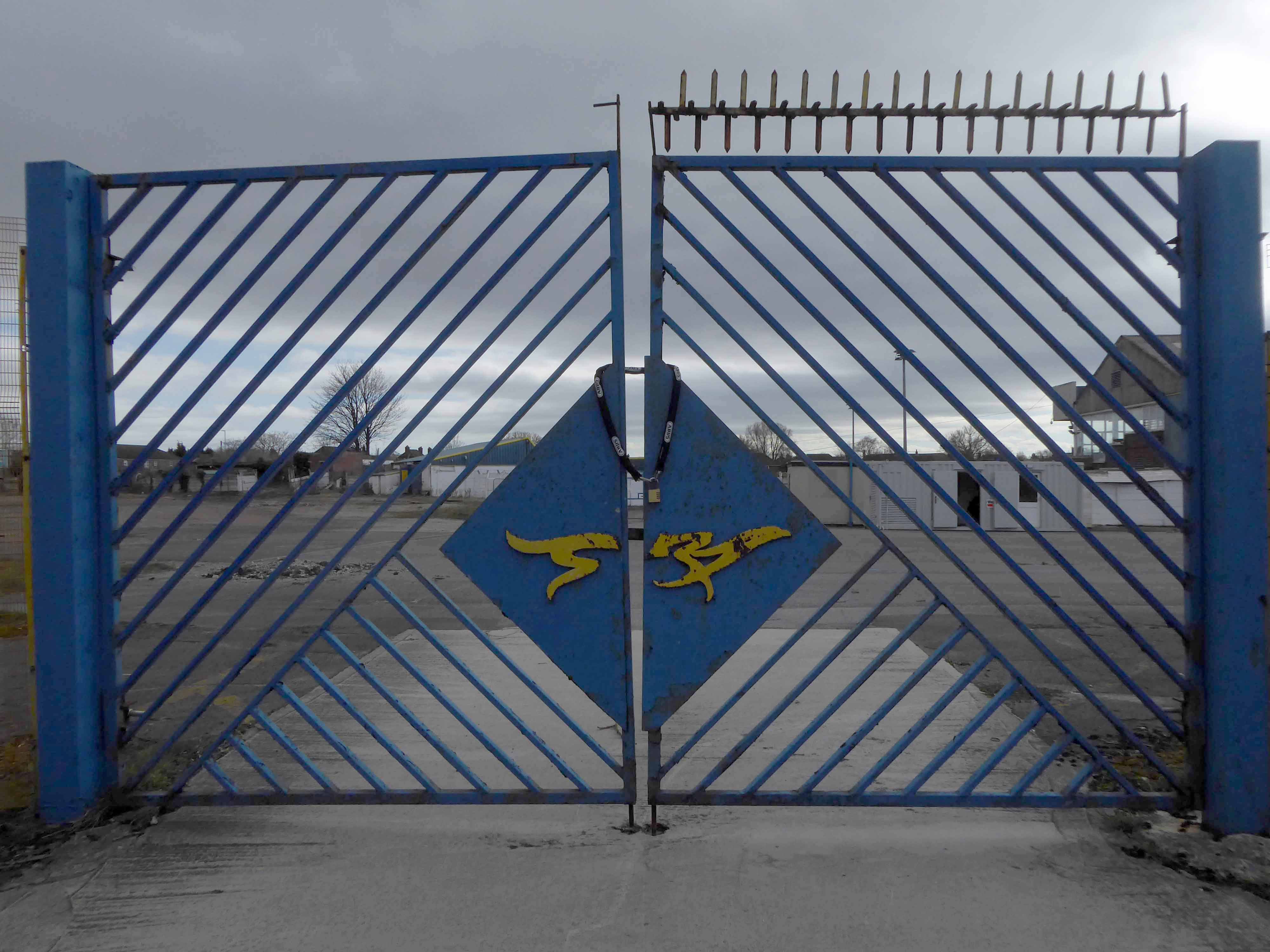
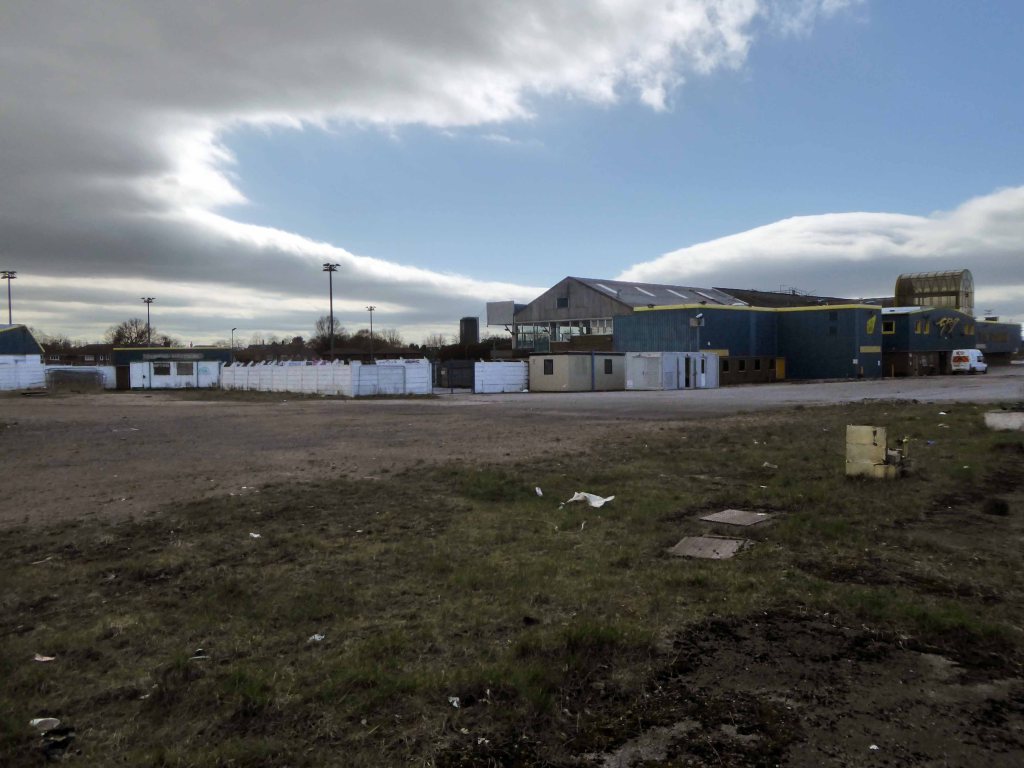
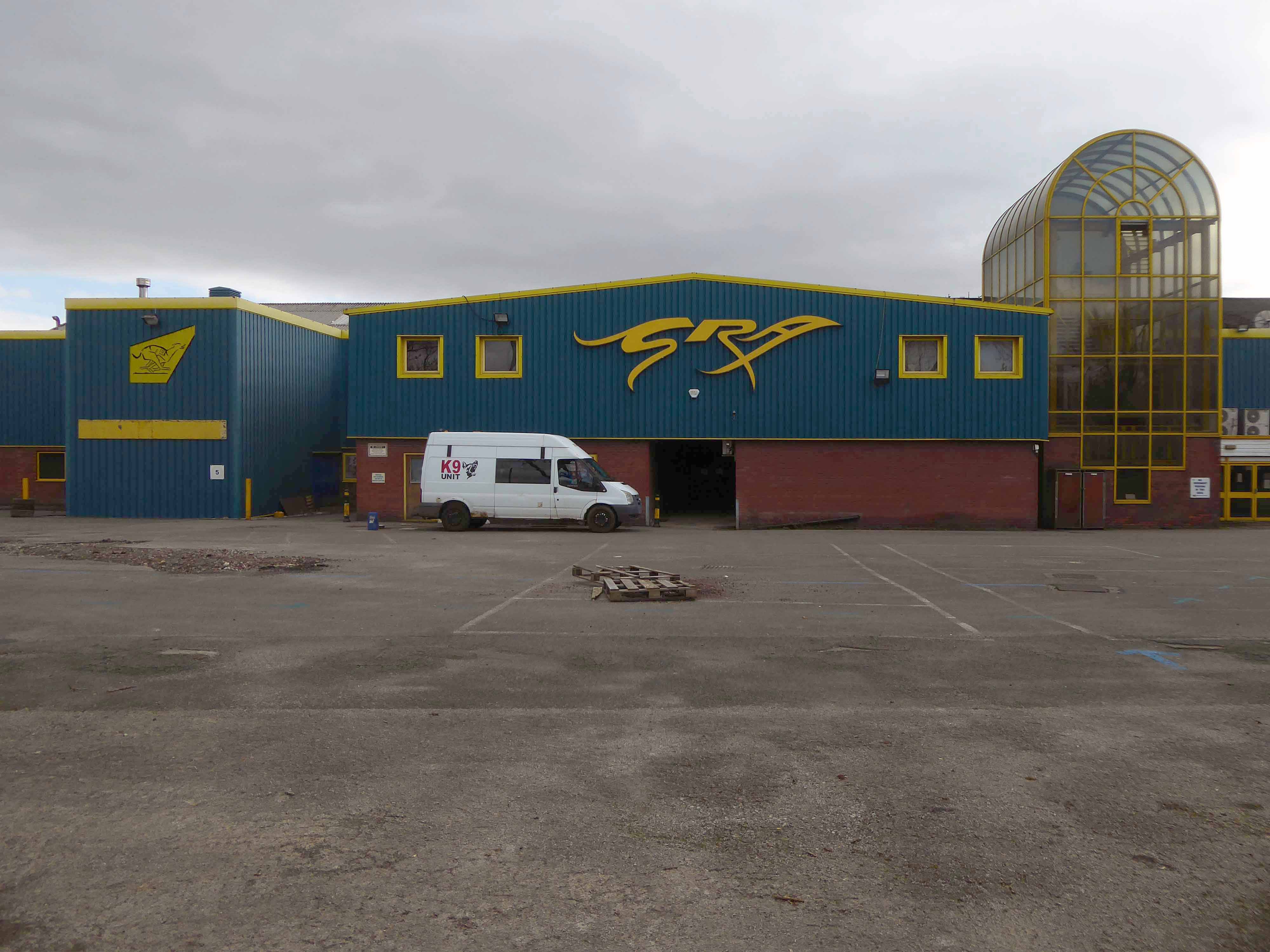
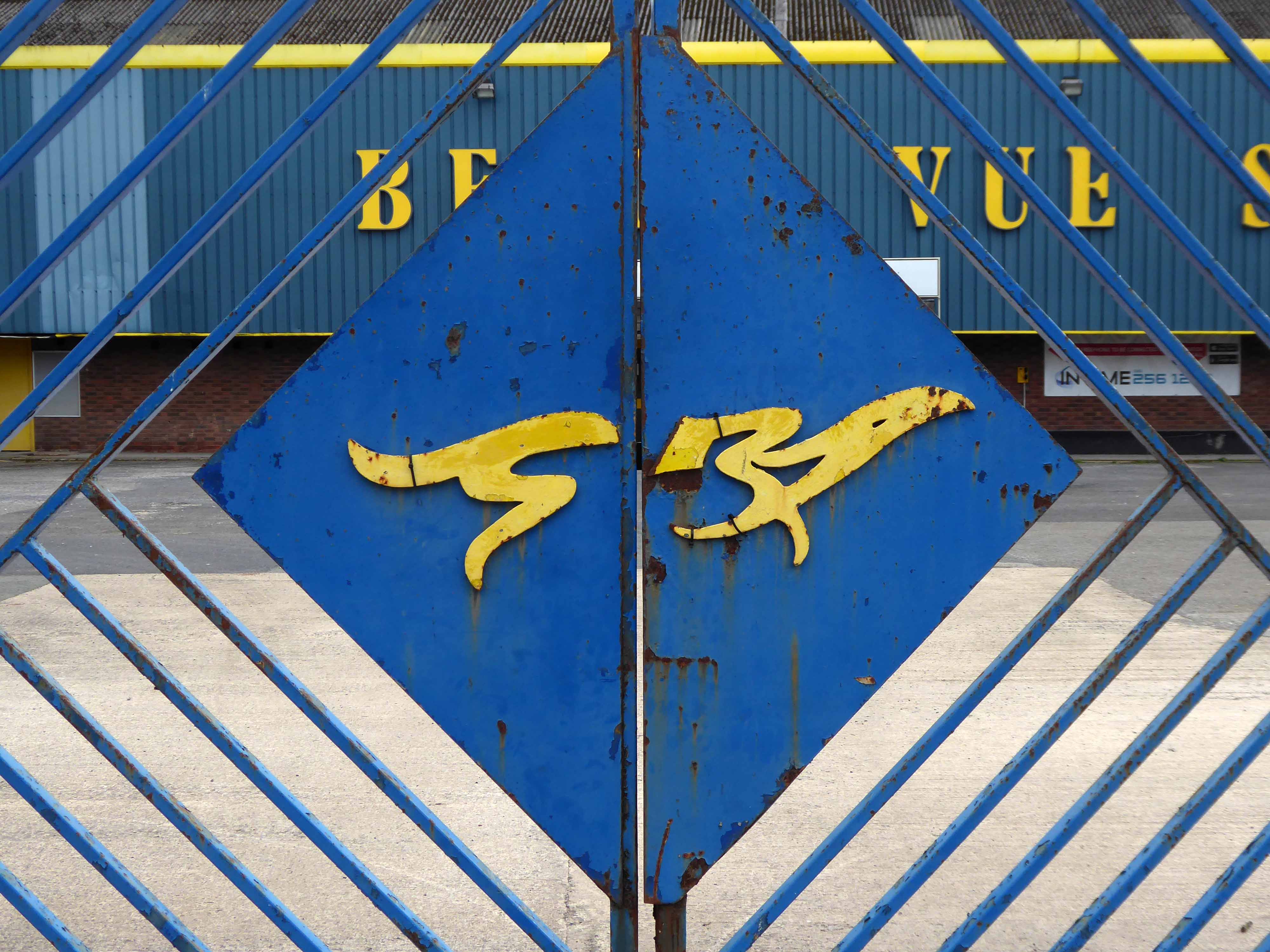
When I cycled by in 2015 the stadium was already looking tired – the dramatic concrete cantilevered gull-wing turnstiles a neglected storage area.
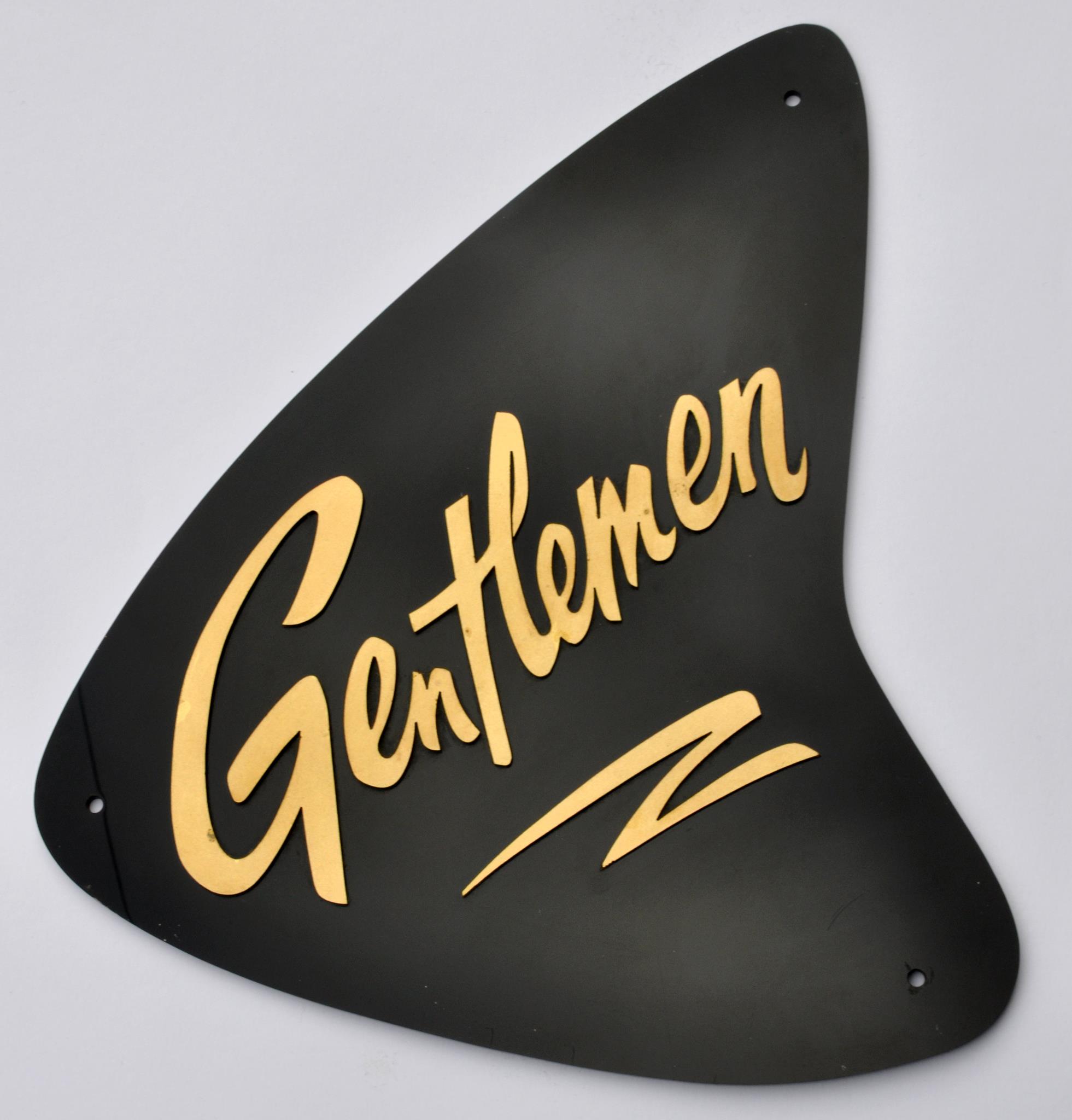
Last week I had to dodge behind the hoardings to take some snaps.The site is secured and demolition imminent.The stadium will soon be gone – as a footnote I have at home a 50s sign, appropriated on a work’s night out and later gifted to me by my dear departed pal – Dave Ballans.
I’ll always treasure the perspex shark’s fin, Dave’s memory and going to the dogs.
So what of the future?
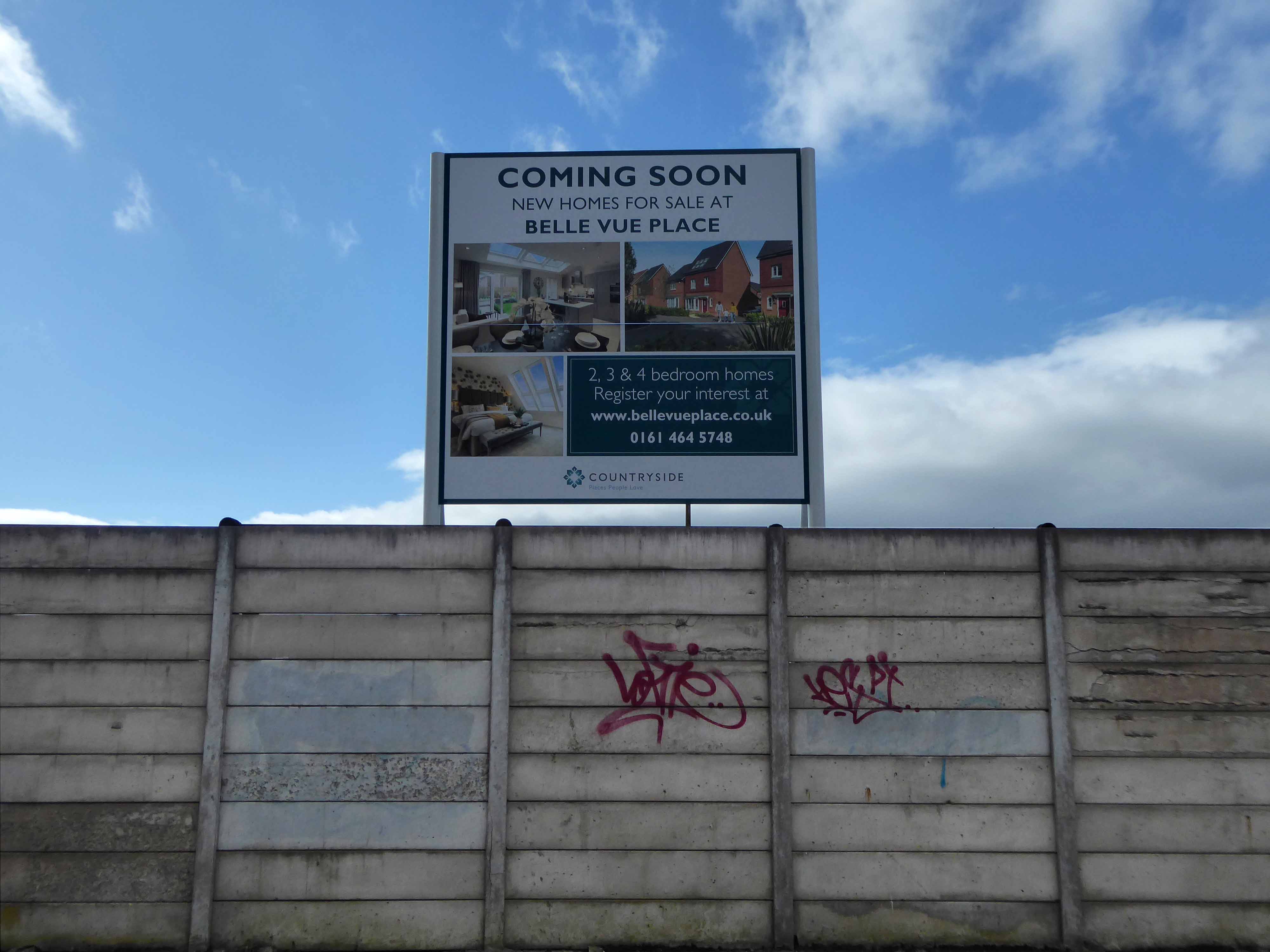
Belle Vue Place – the name lingers on long after the fun has gone.
Countryside are proud to showcase our stunning collection of 114 new homes at Belle Vue Place, featuring a choice of stunning 3 & 4 bedroom homes all designed and finished to the highest standard.
And very handy for the speedway just up the road on Kirky Lane!
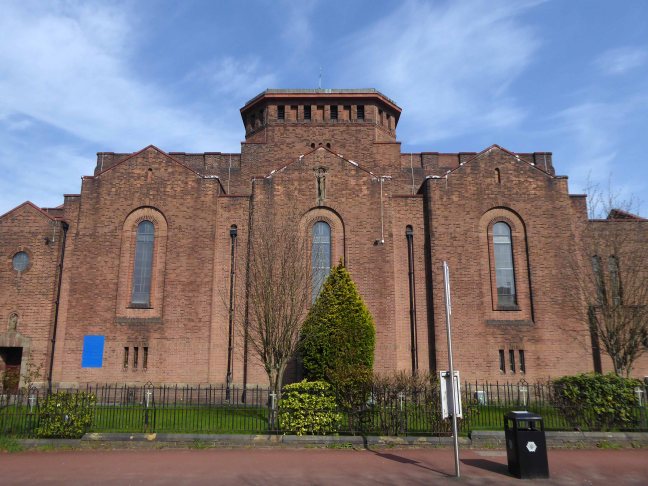
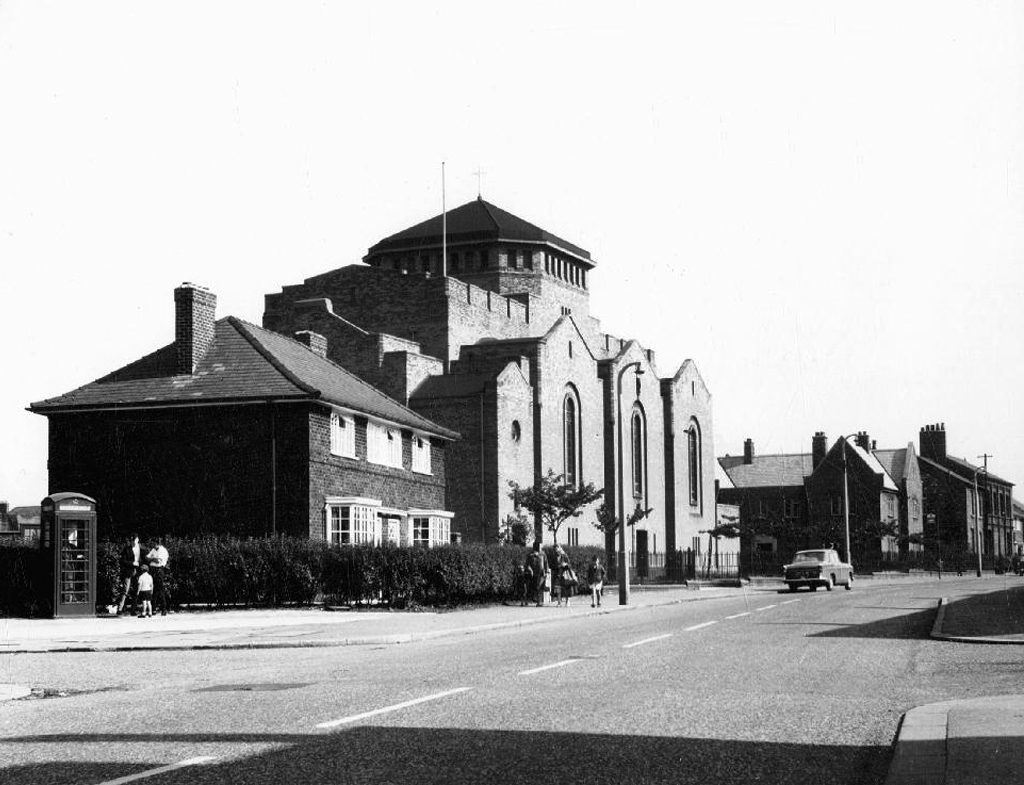
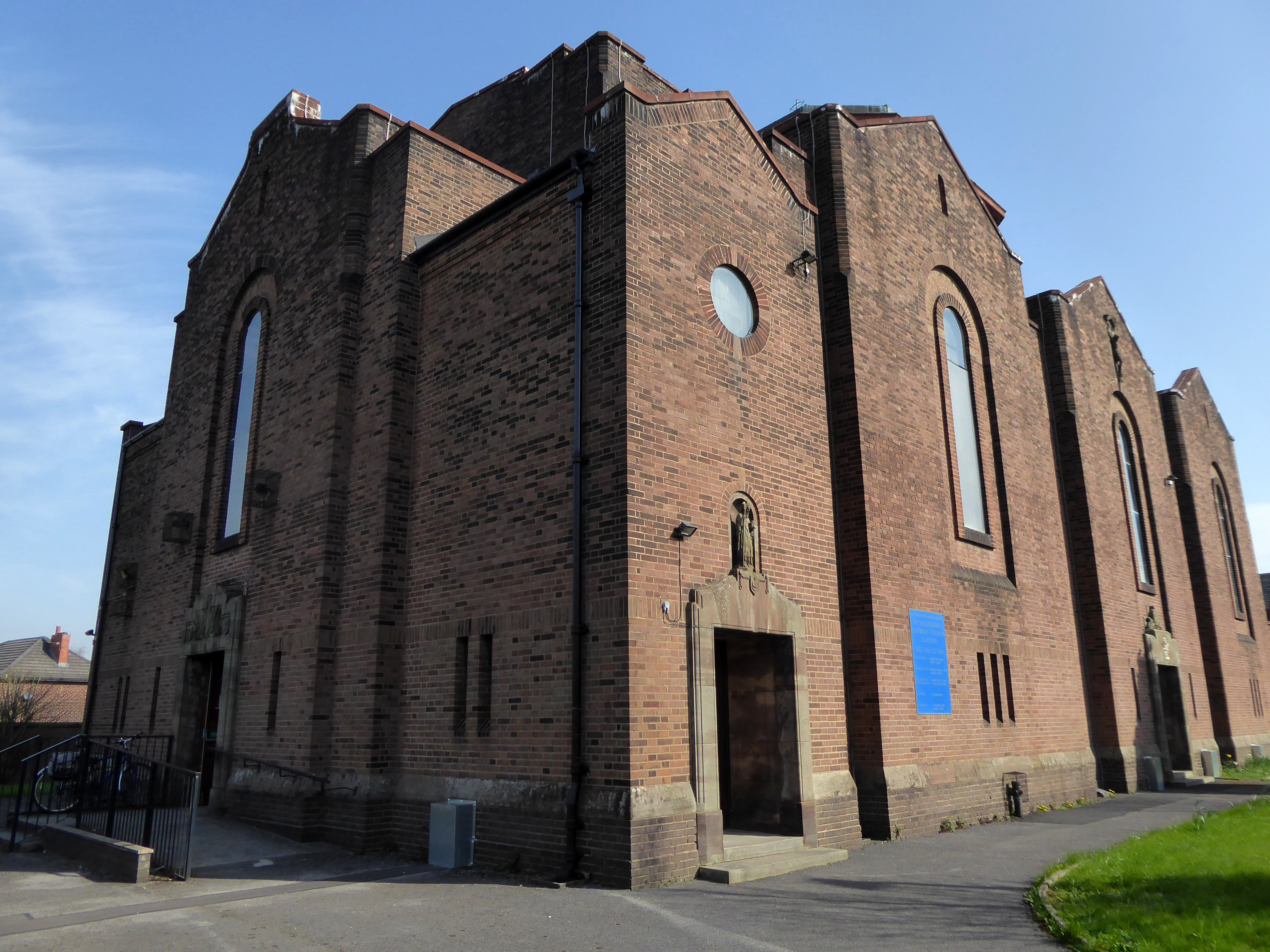
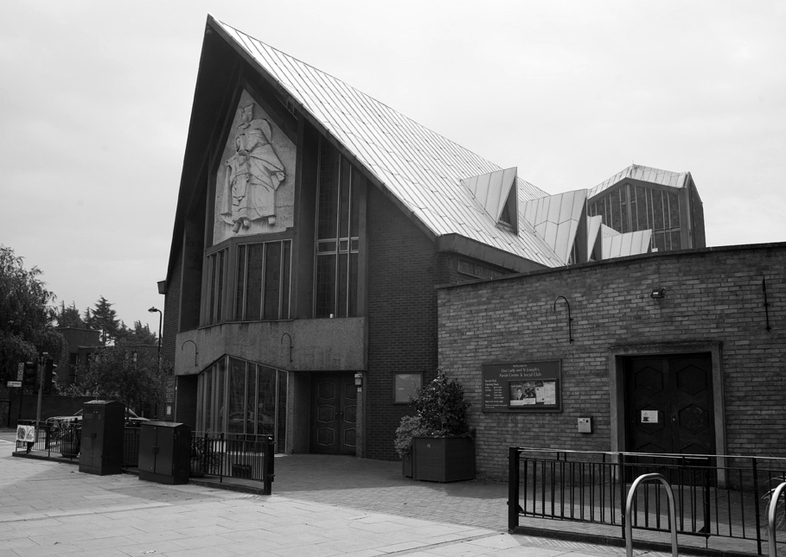
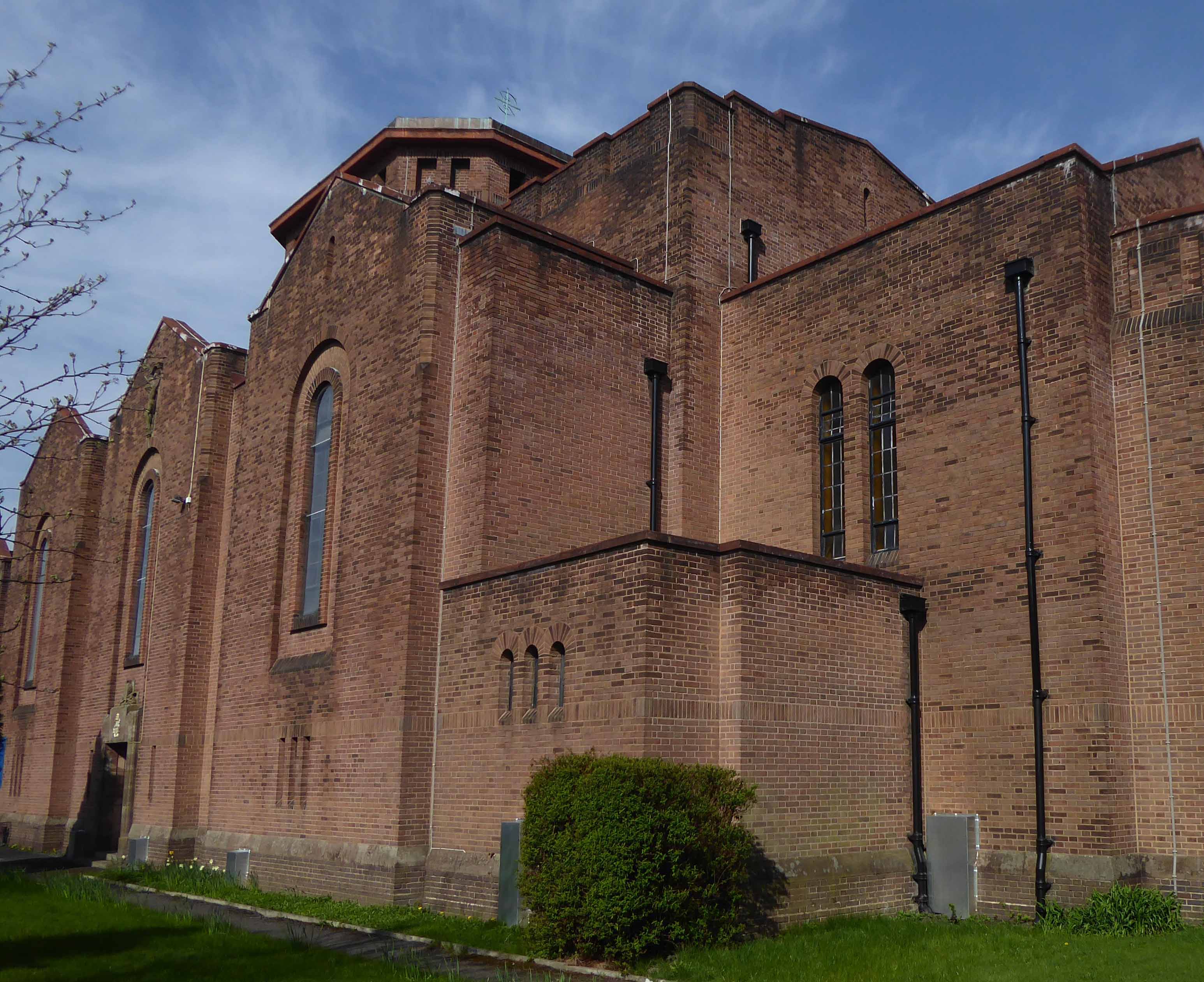
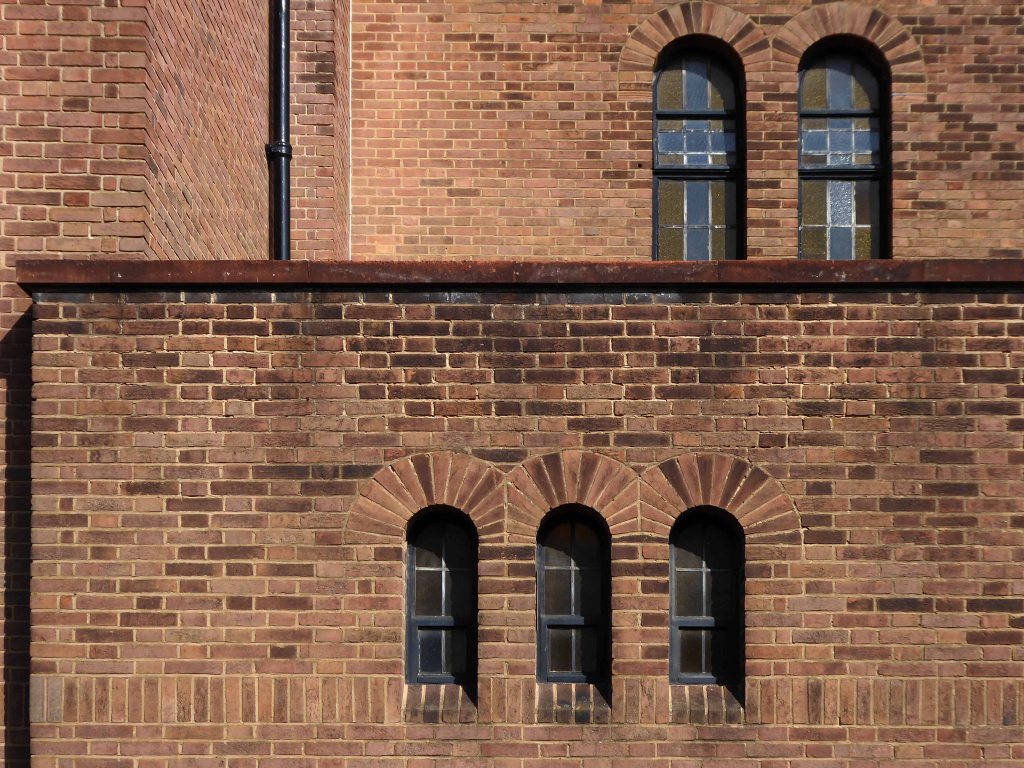
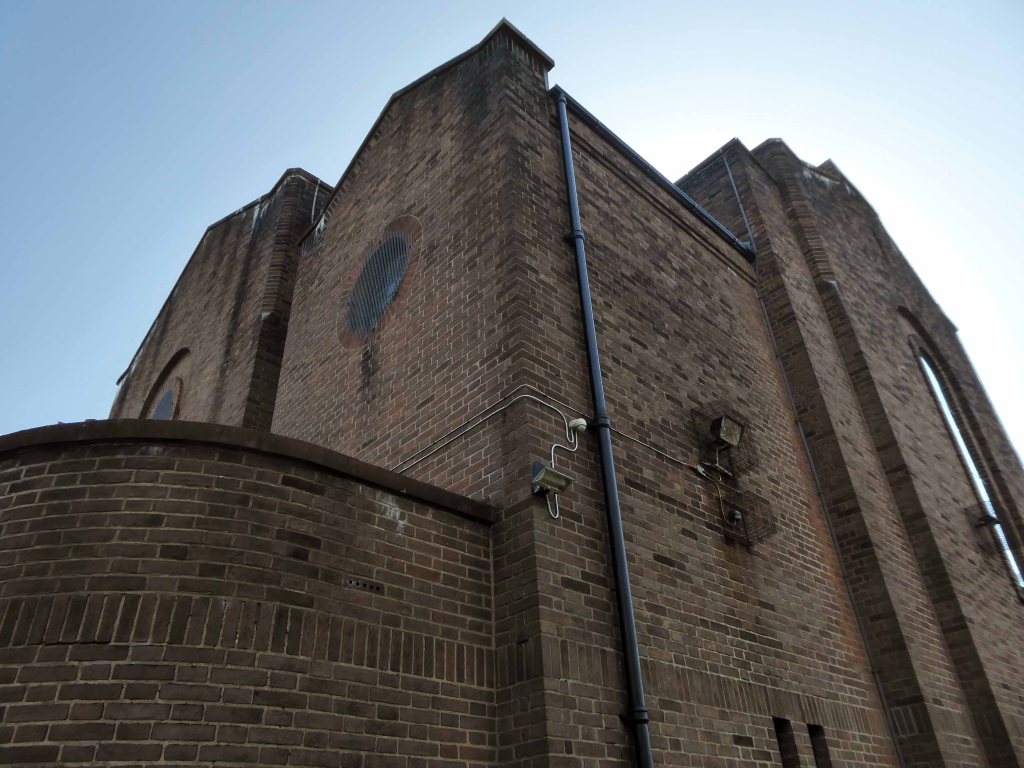
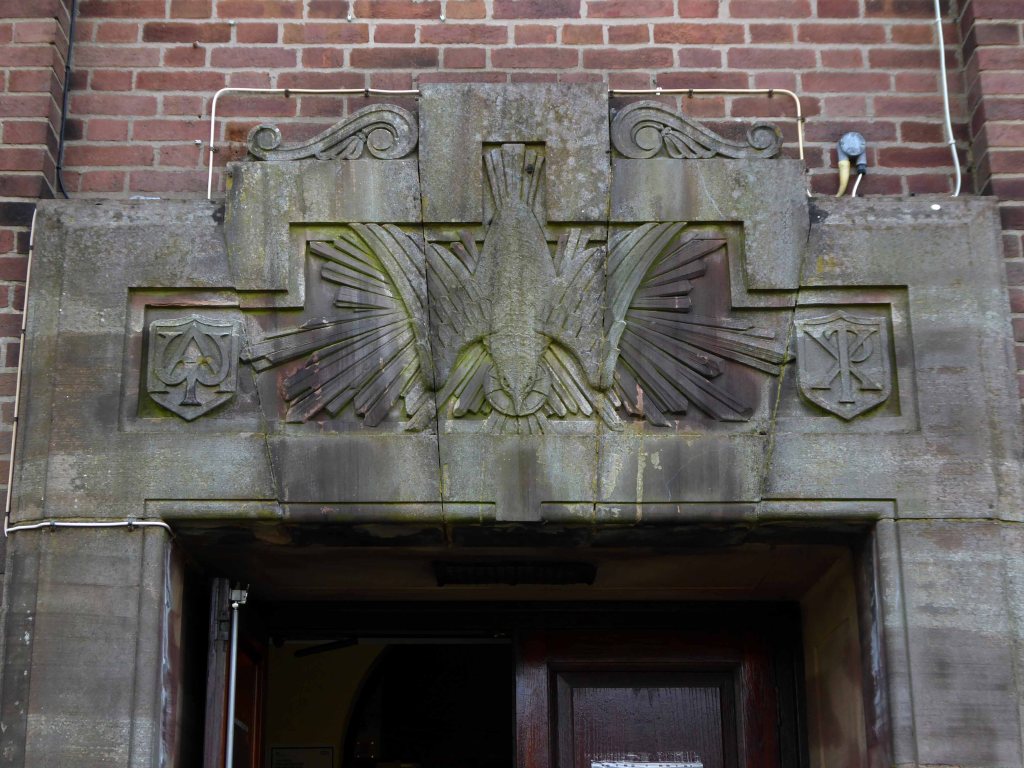
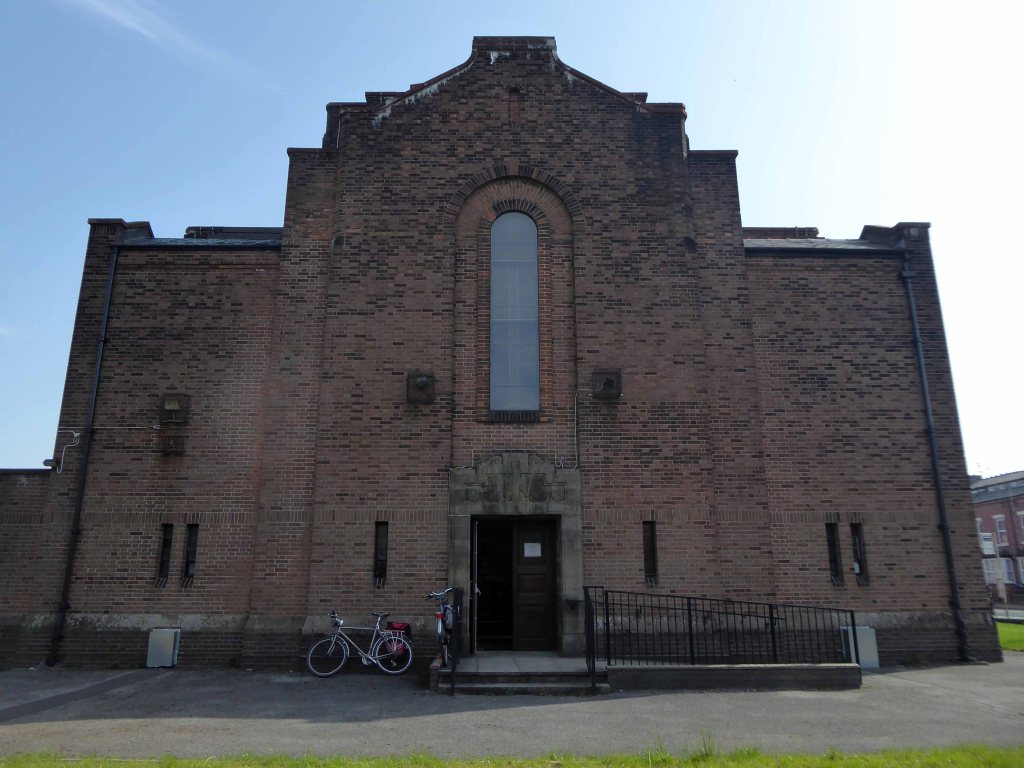
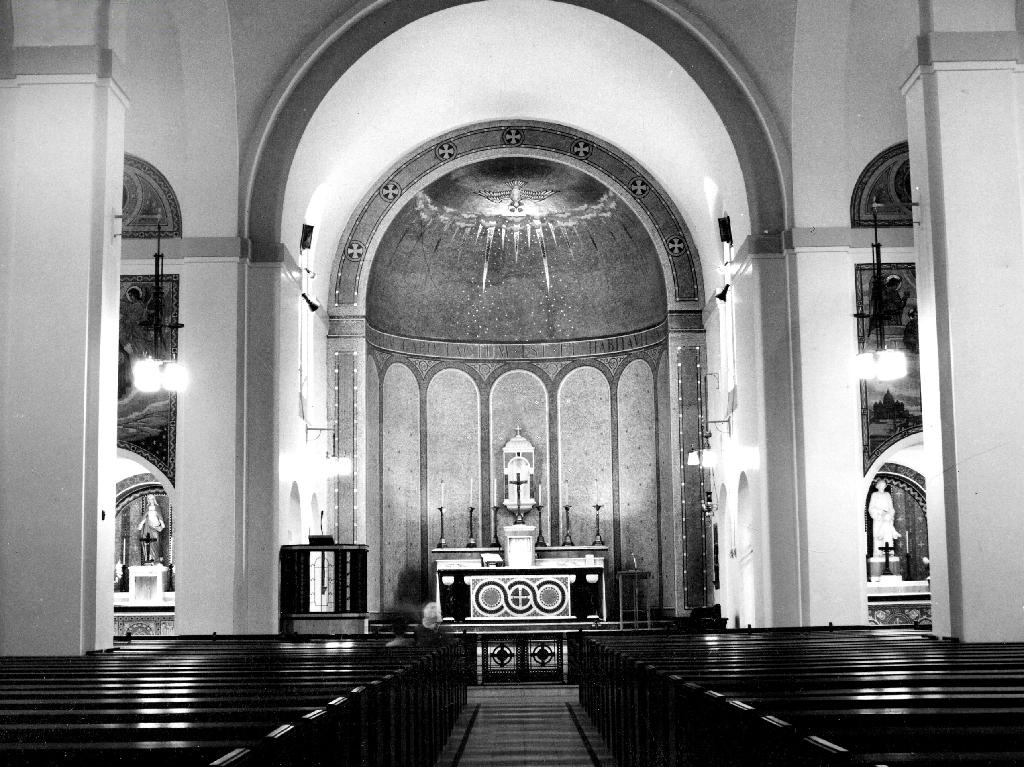
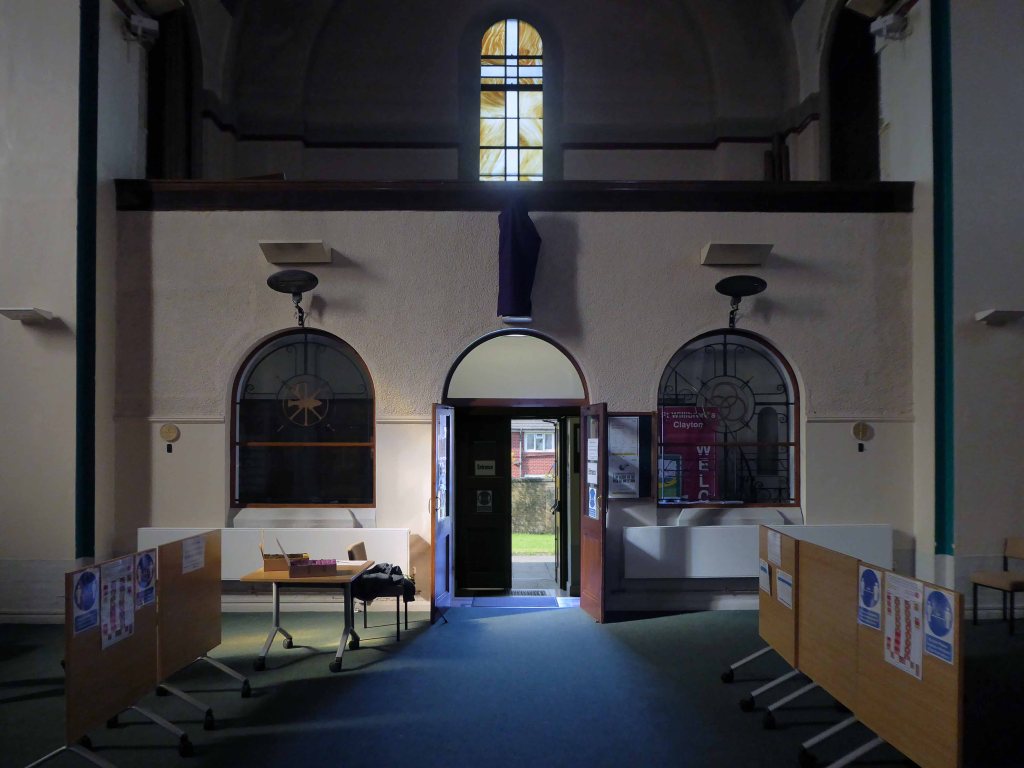
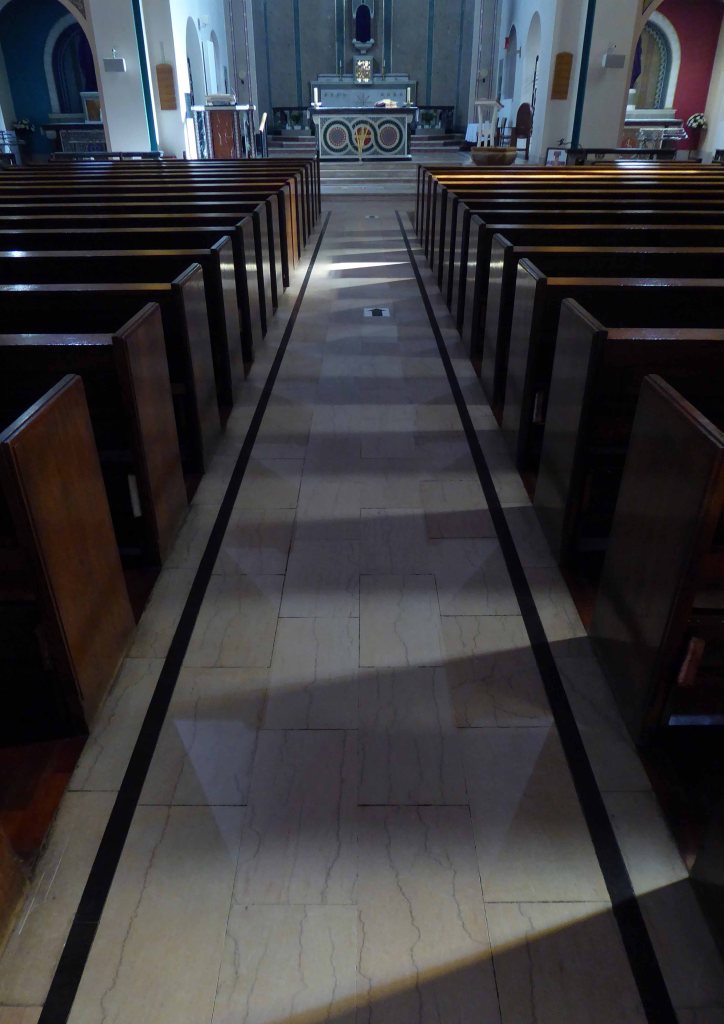
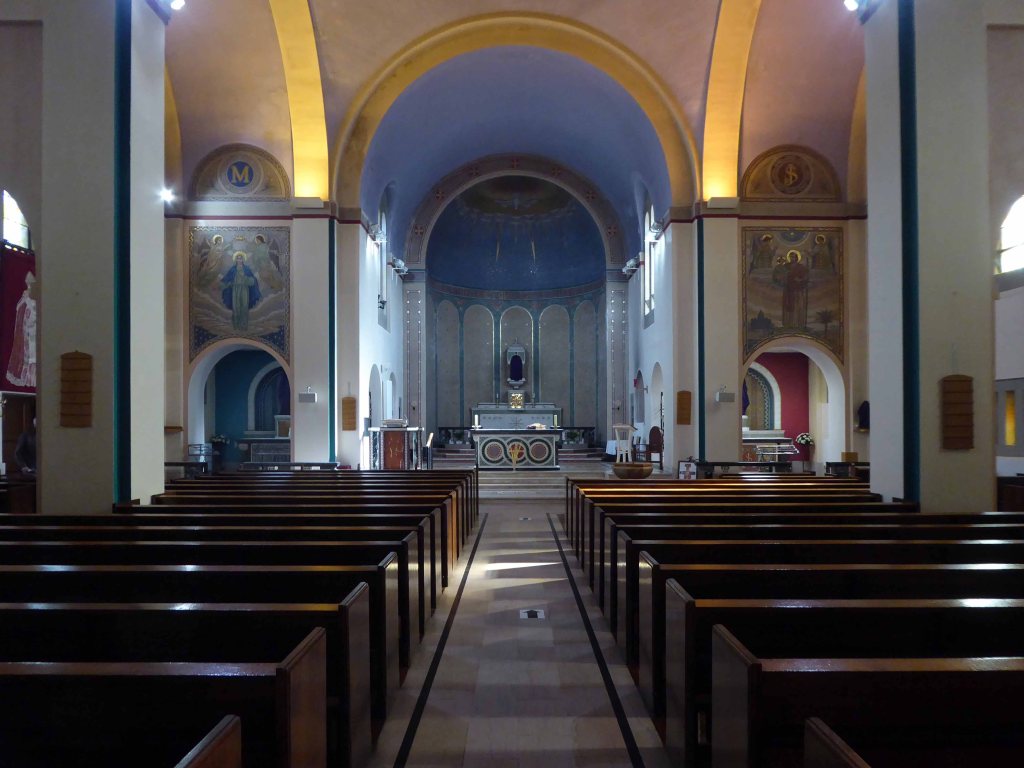
1937-38 by Reynolds and Scott built in buff brick of a Modernist Byzantine style.
The choice of the Apostle of Holland as a patron saint for the parish was that of a Dutch priest, Fr. Sassen, who bought land for the parish from St. Brigid’s in 1905. The new parish was opened in 1906.
Fr. Charles Hanrahan developed the mission in its infancy and was followed by Fr. Richard Mortimer, who laboured here for a long period, devoting most of his priestly life to the parish.
Fr. Patrick Dillon supervised the building of the magnificent new church of unusual design, which was opened in 1938.
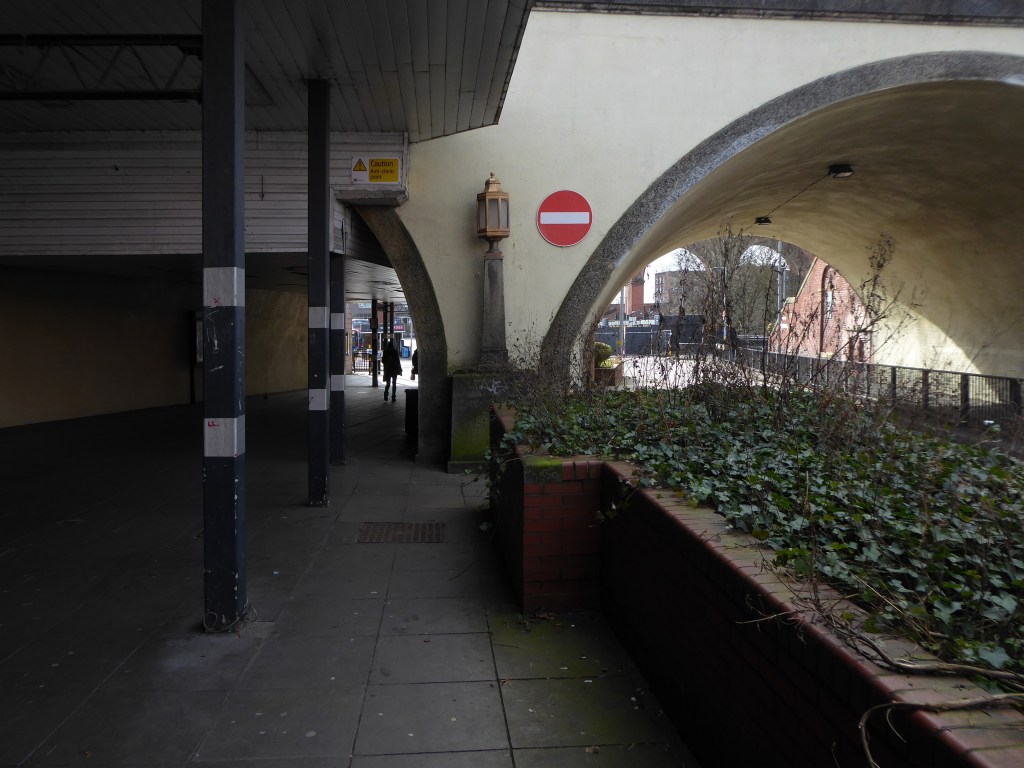
It’s addictive passing the no access signs, onwards into the abyss.
He hated all this, and somehow he couldn’t get away.
Joseph Conrad – Heart of Darkness
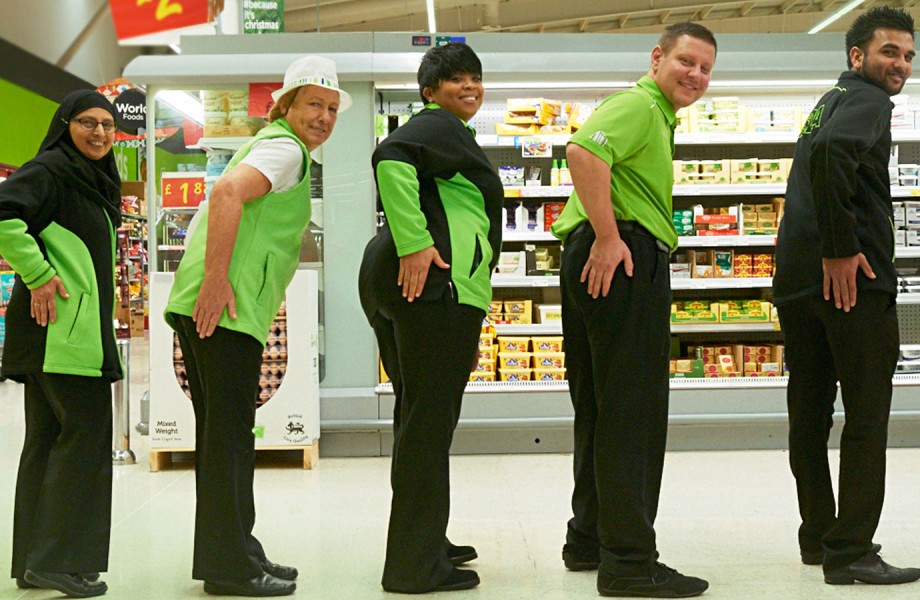
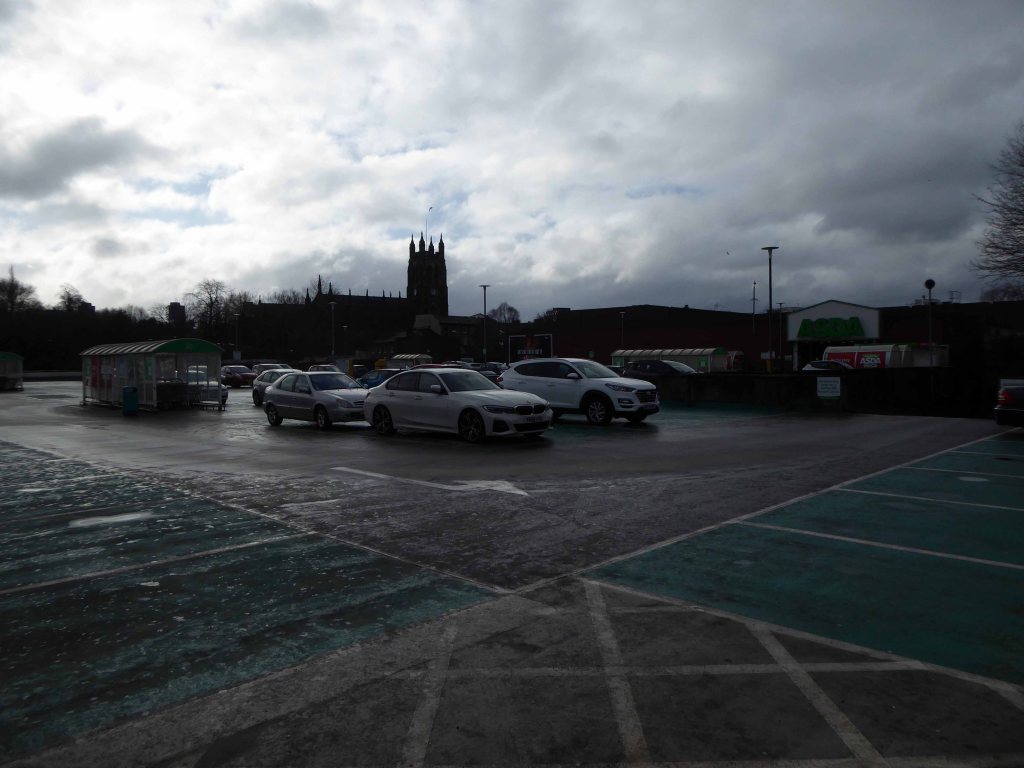
Asda Stores Ltd is a British supermarket chain. It is headquartered in Leeds. The company was founded in 1949 when the Asquith family merged their retail business with the Associated Dairies company of Yorkshire.
It was listed on the London Stock Exchange until 1999 when it was acquired by Walmart for £6.7 billion.
In February 2021, EG Group – led by the Issa brothers and TDR Capital, acquired Asda.
The company was fined £850,000 in 2006 for offering 340 staff at a Dartford depot a pay rise in return for giving up a union collective bargaining agreement. Poor relations continued as Asda management attempted to introduce new rights and working practices shortly thereafter at another centre in Washington, Tyne and Wear.
Let’s hope that the new owners having been ruled against in an equal pay dispute, attempt to forge better labour relations.
In March 2021 the employees won a Supreme Court ruling upholding an earlier court ruling permitting the action, and enabling employment tribunal action to decide equal value claims.
Asda stated: This ruling relates to one stage of a complex case that is likely to take several years to reach a conclusion.
The claim could lead to about £500 million of compensation to lower paid employees.
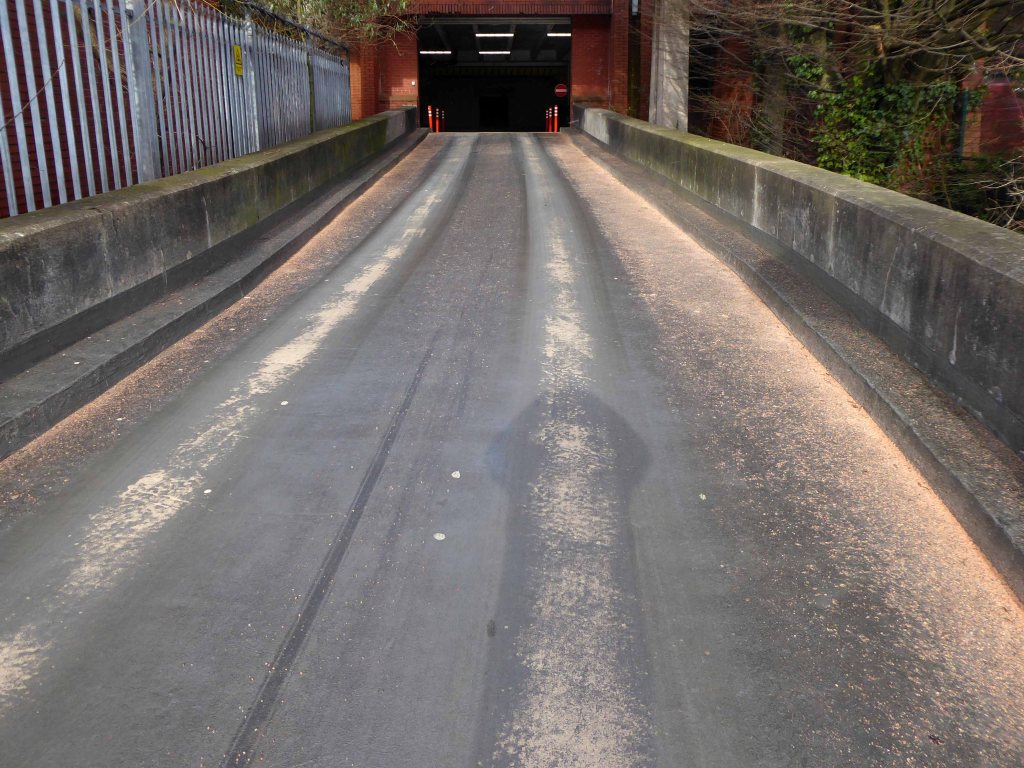
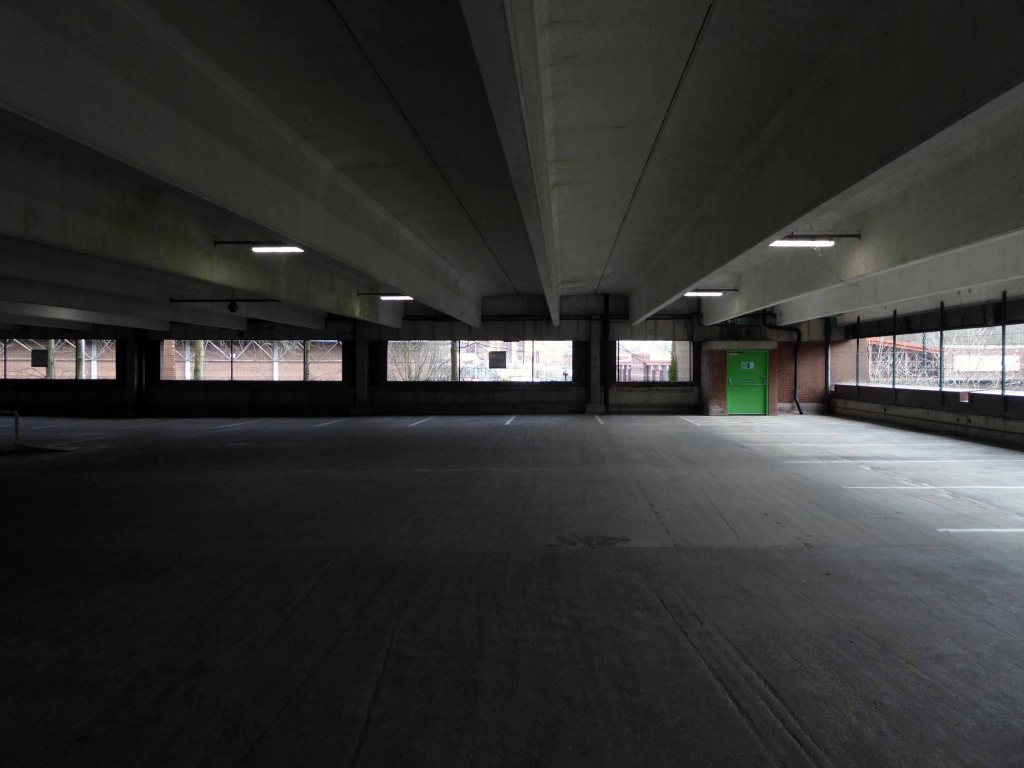
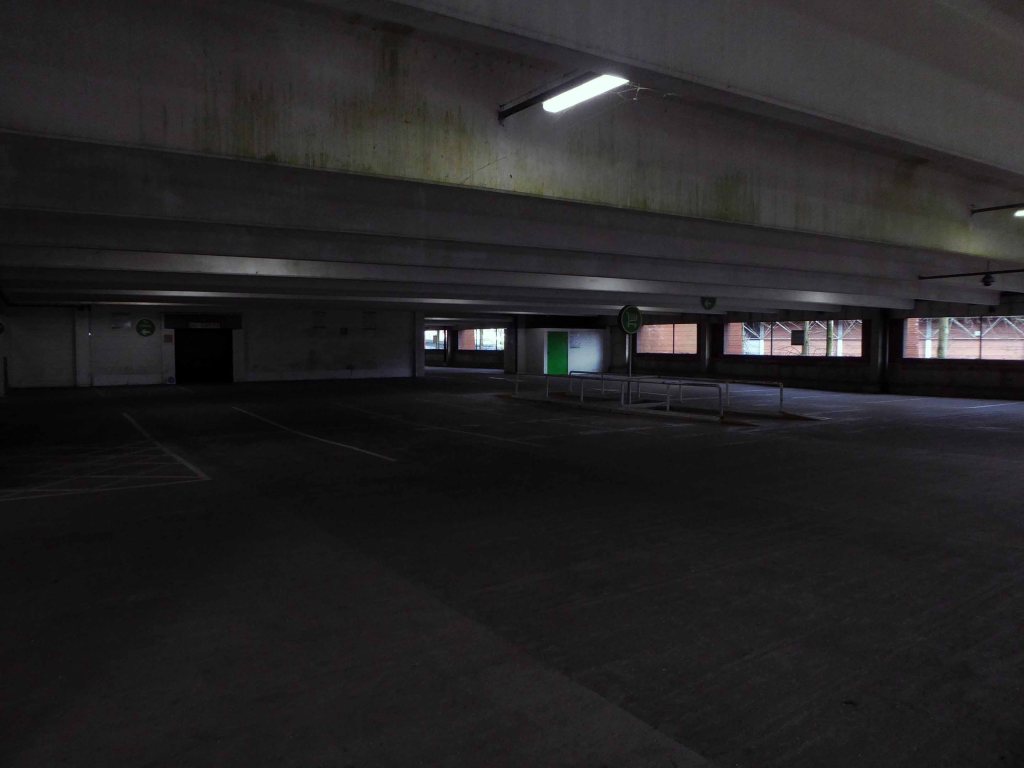
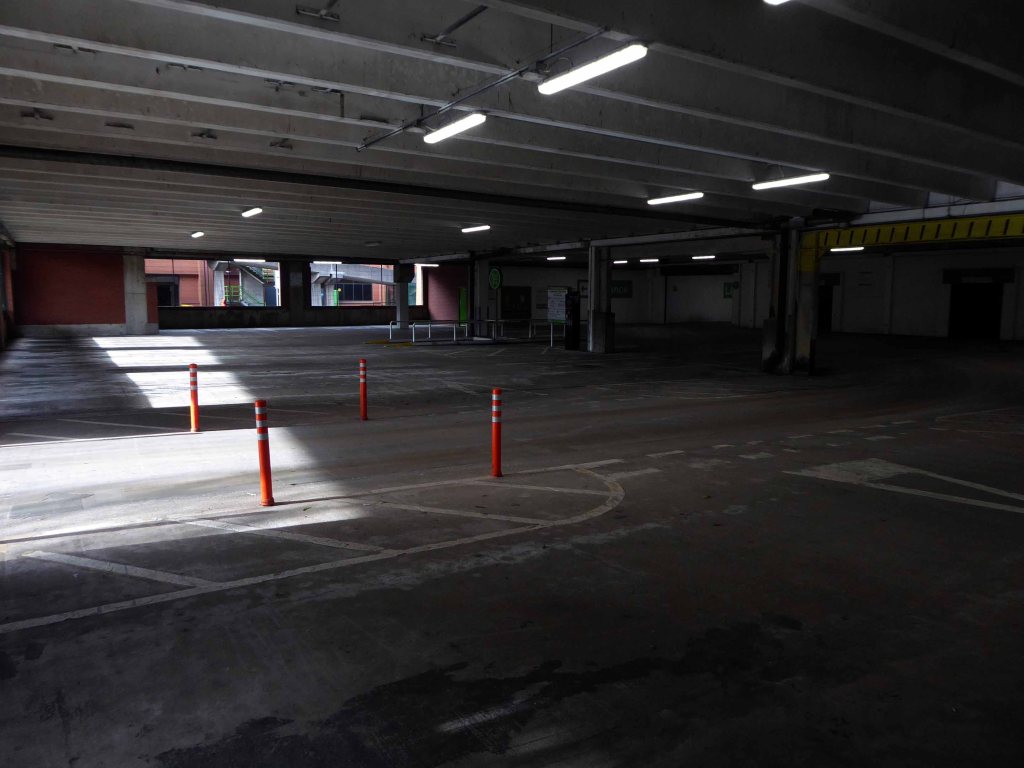
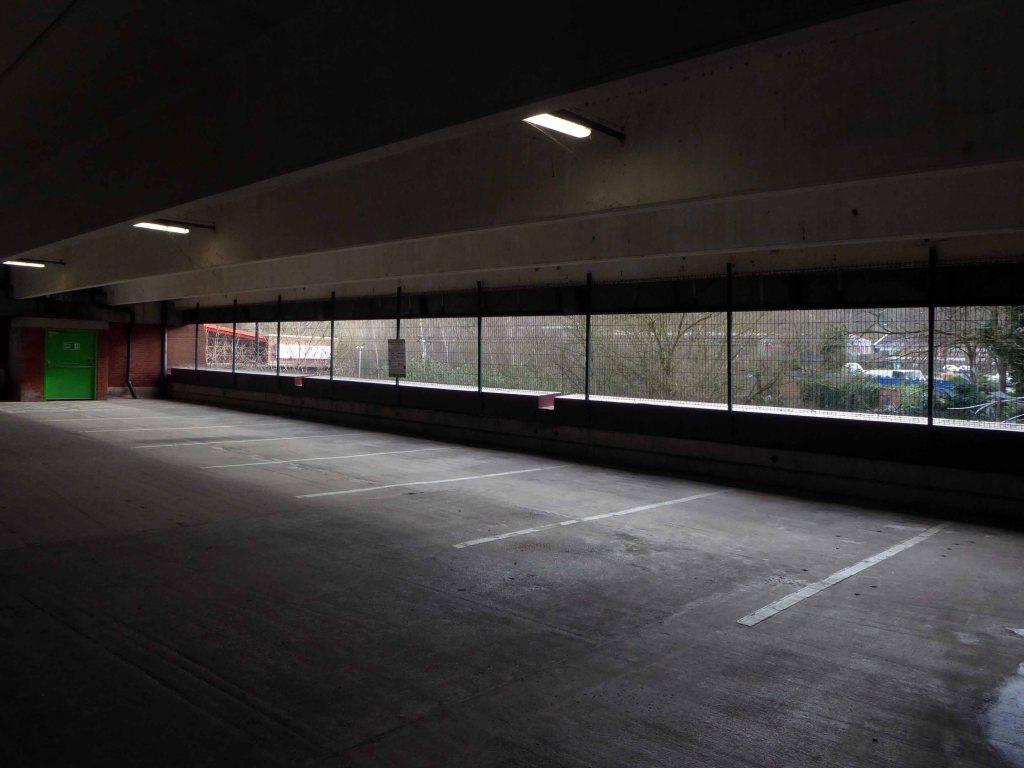
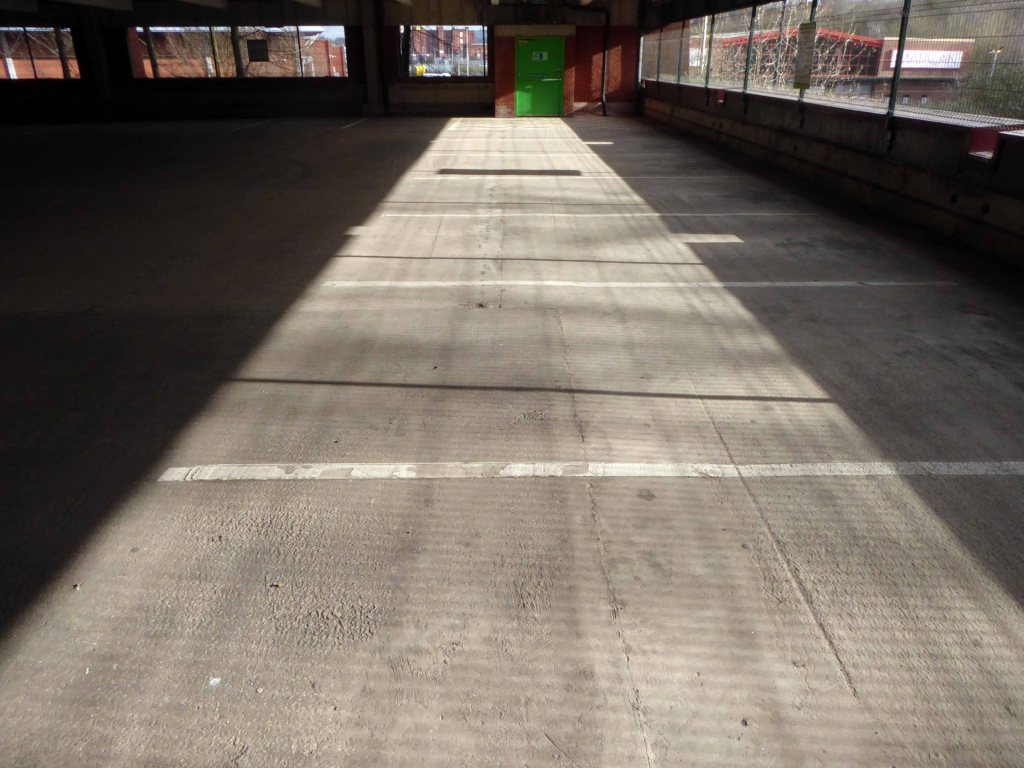
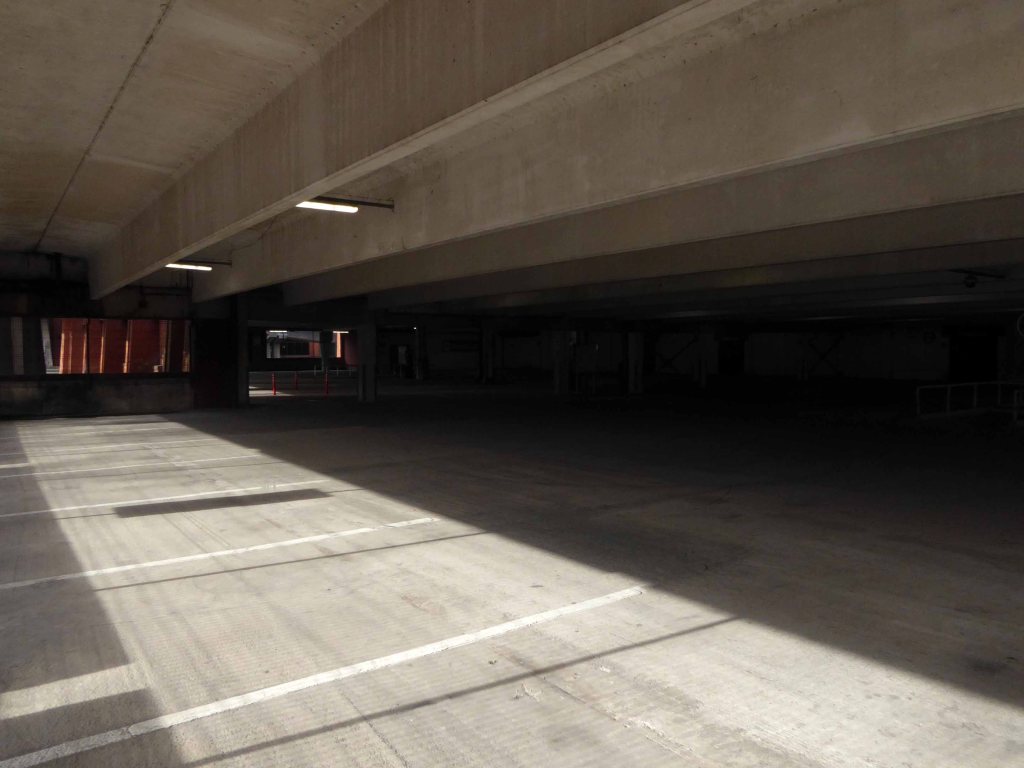
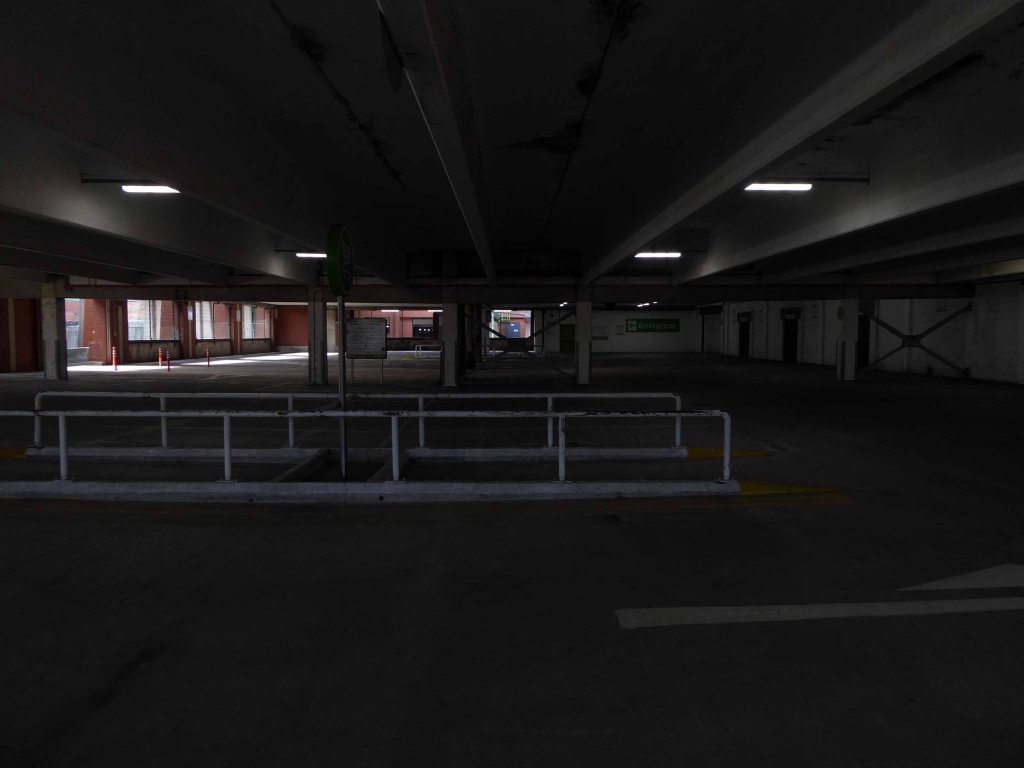
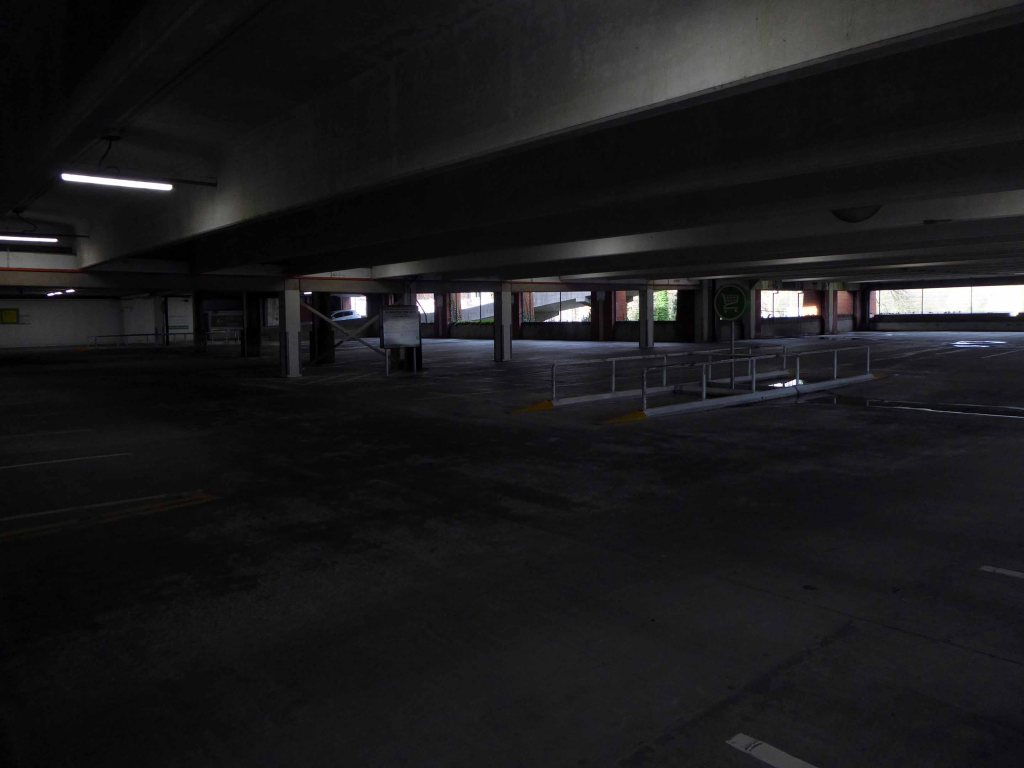
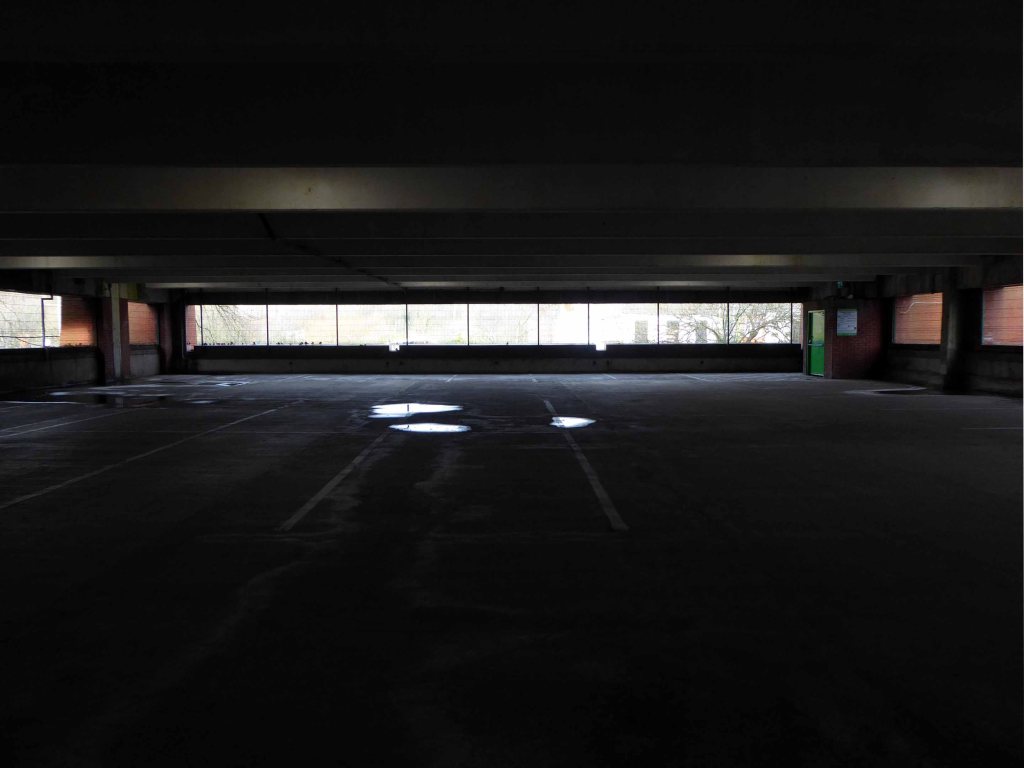
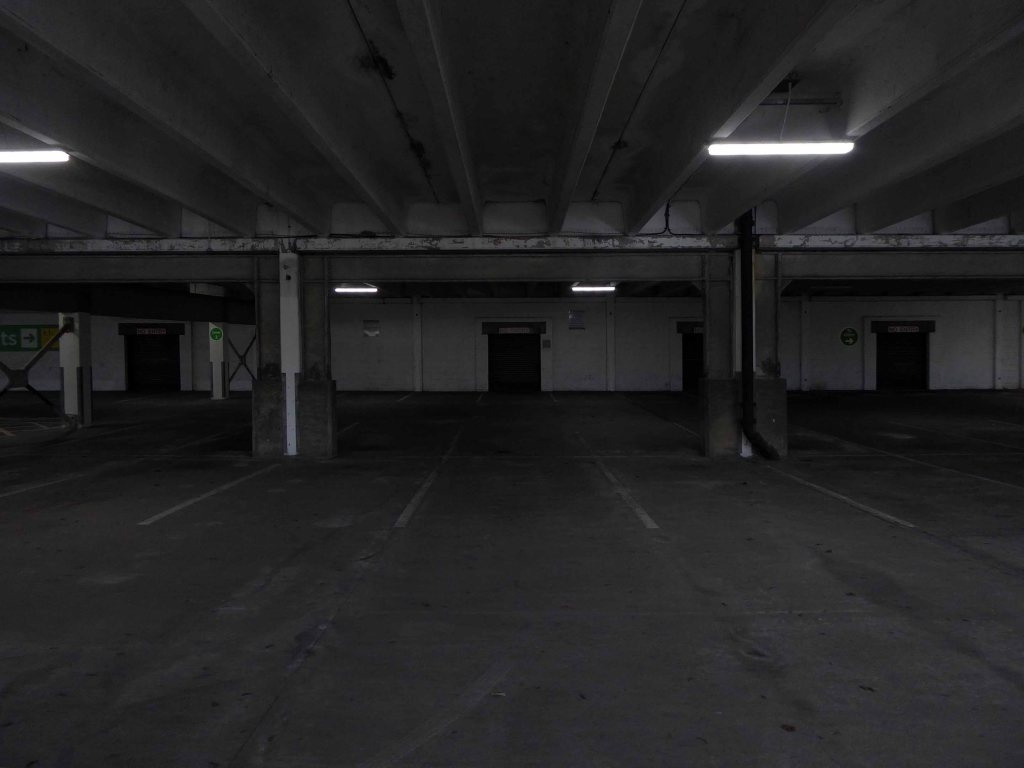
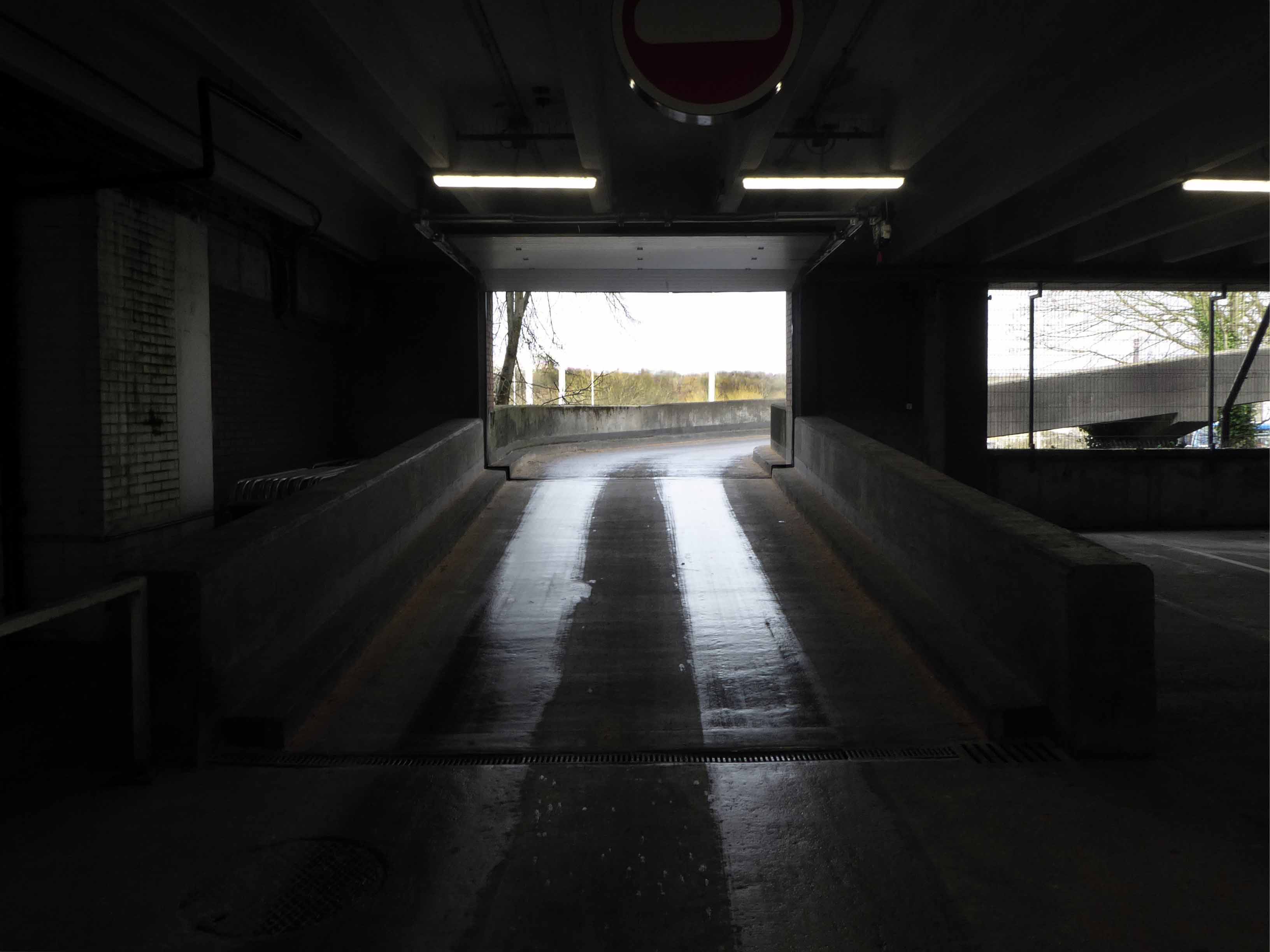
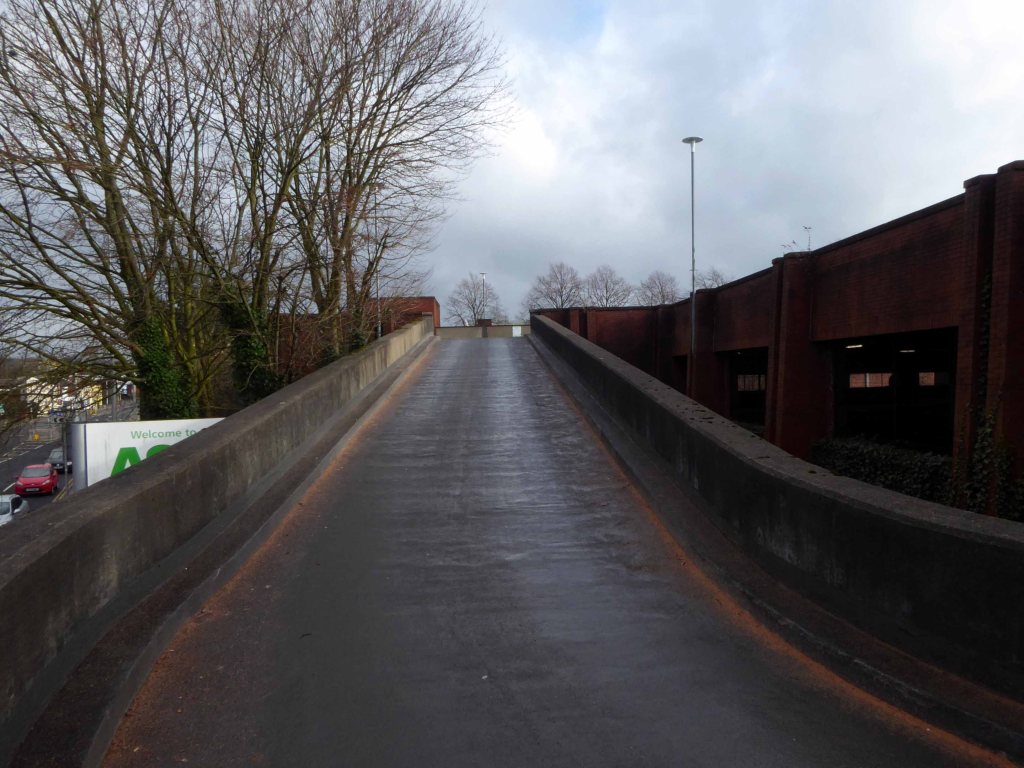
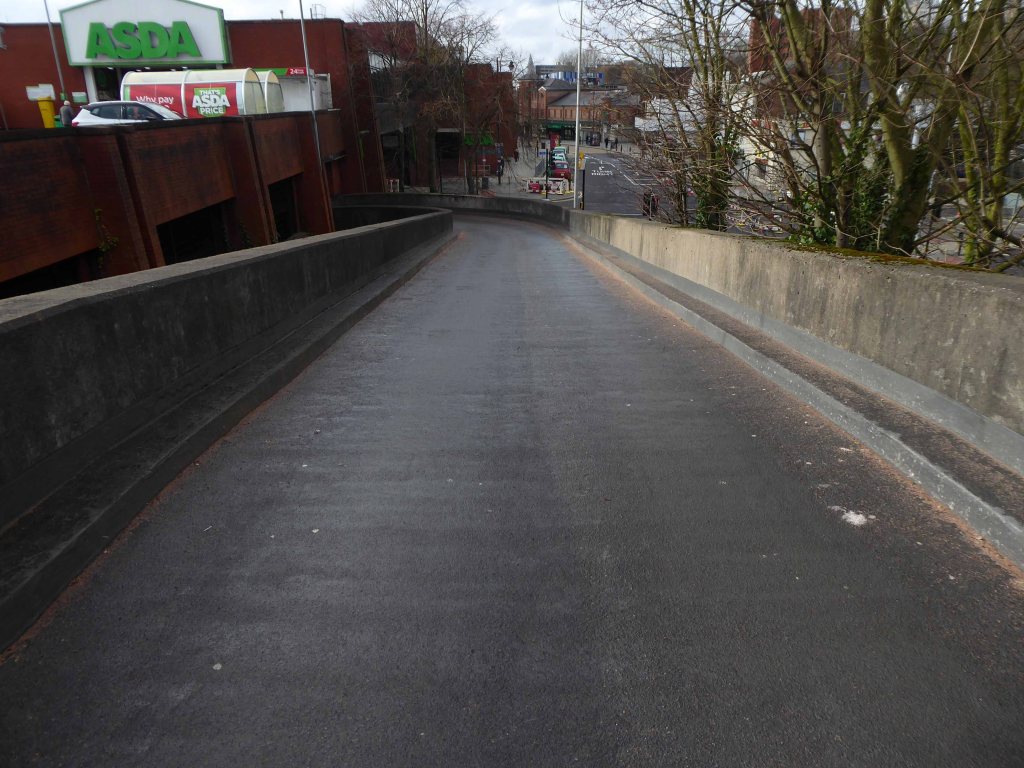
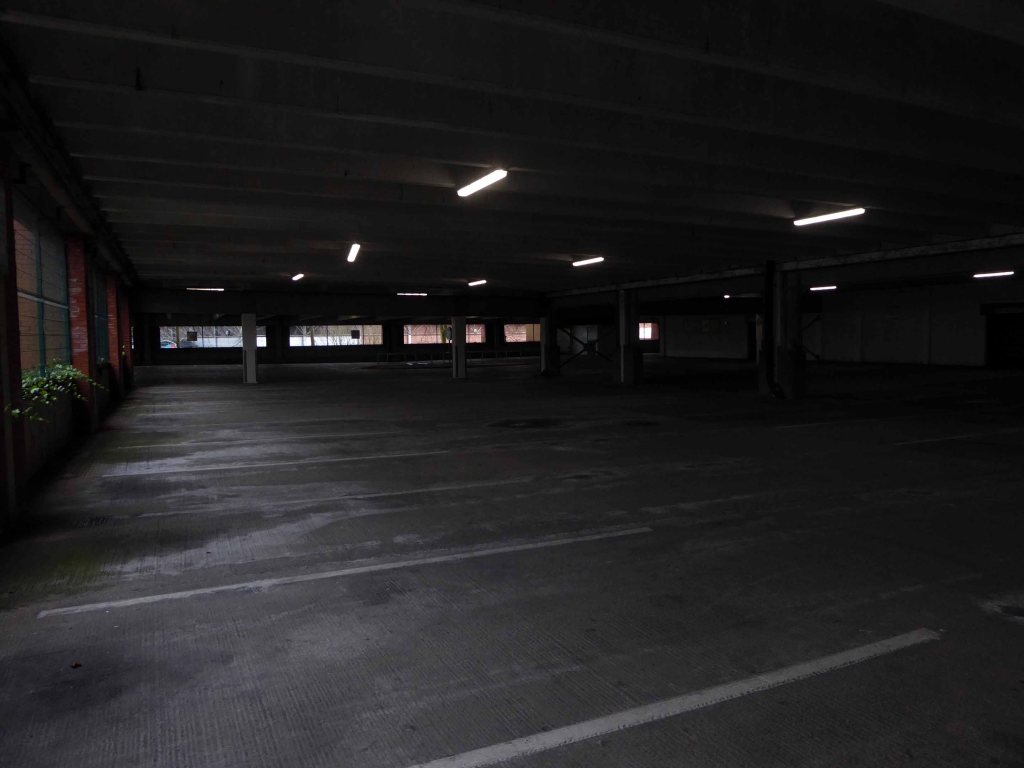
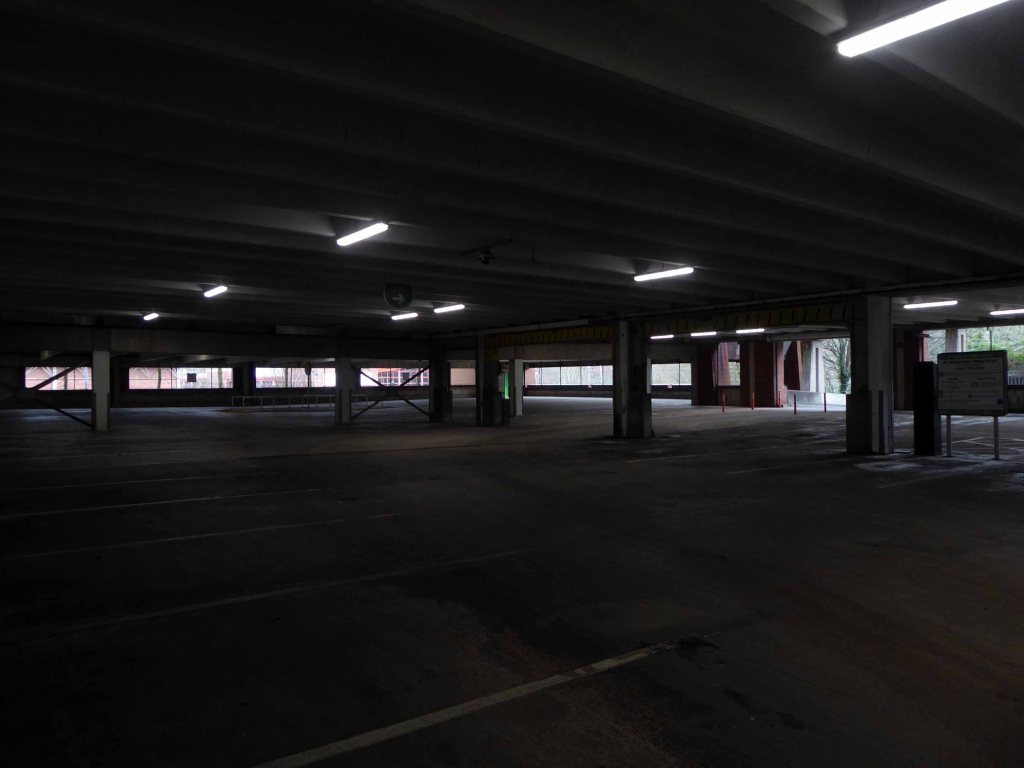
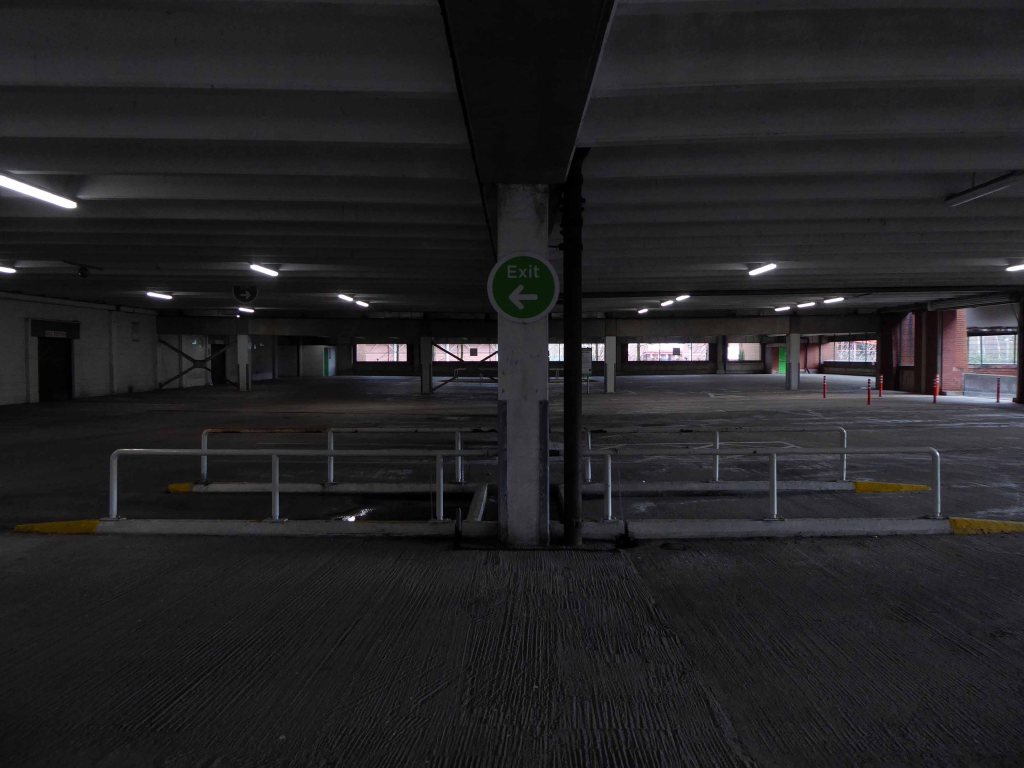
All that aside, let’s have a look at what the car park is like.
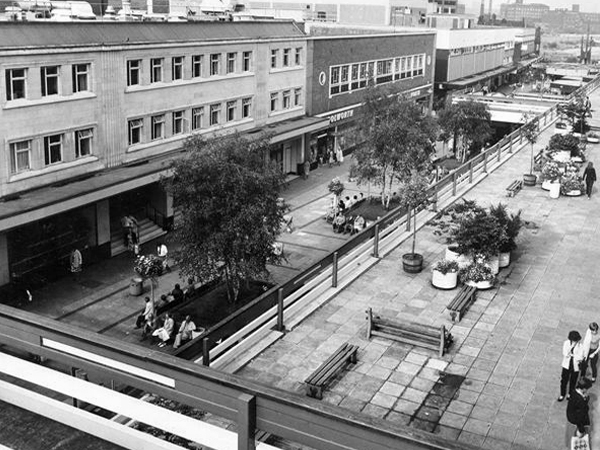
You were conceived as an integral part of the Merseyway development, which on its inception, was held in the highest regard.
Innovative architecture with confidence, integrity and a clear sense of purpose.
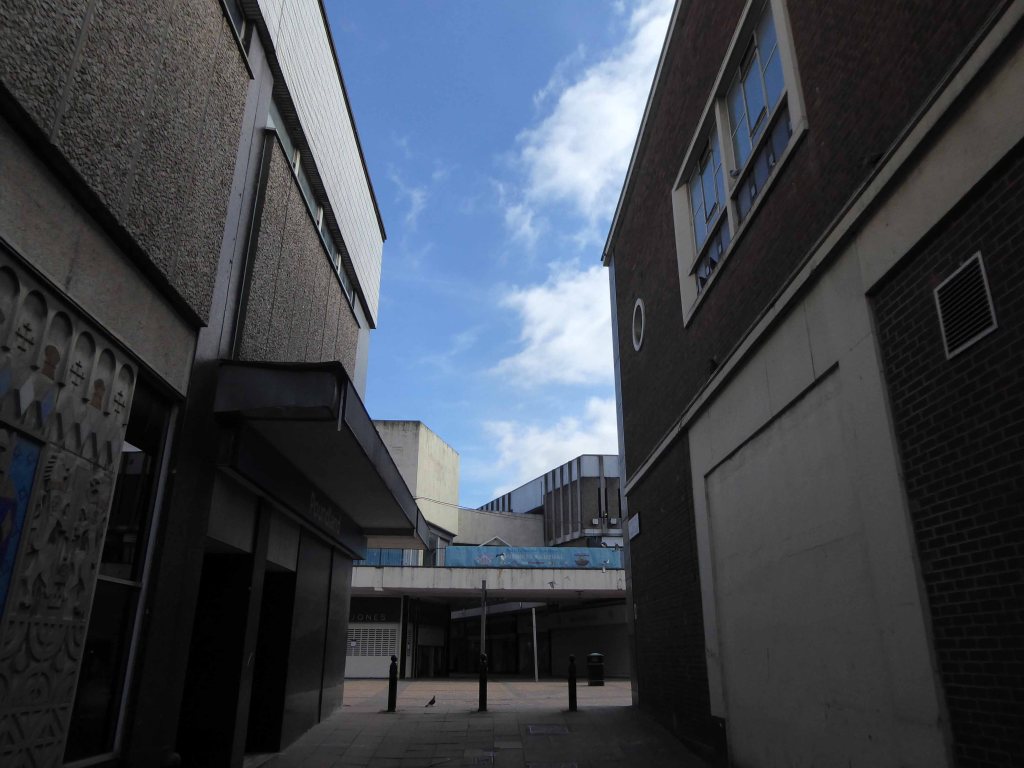
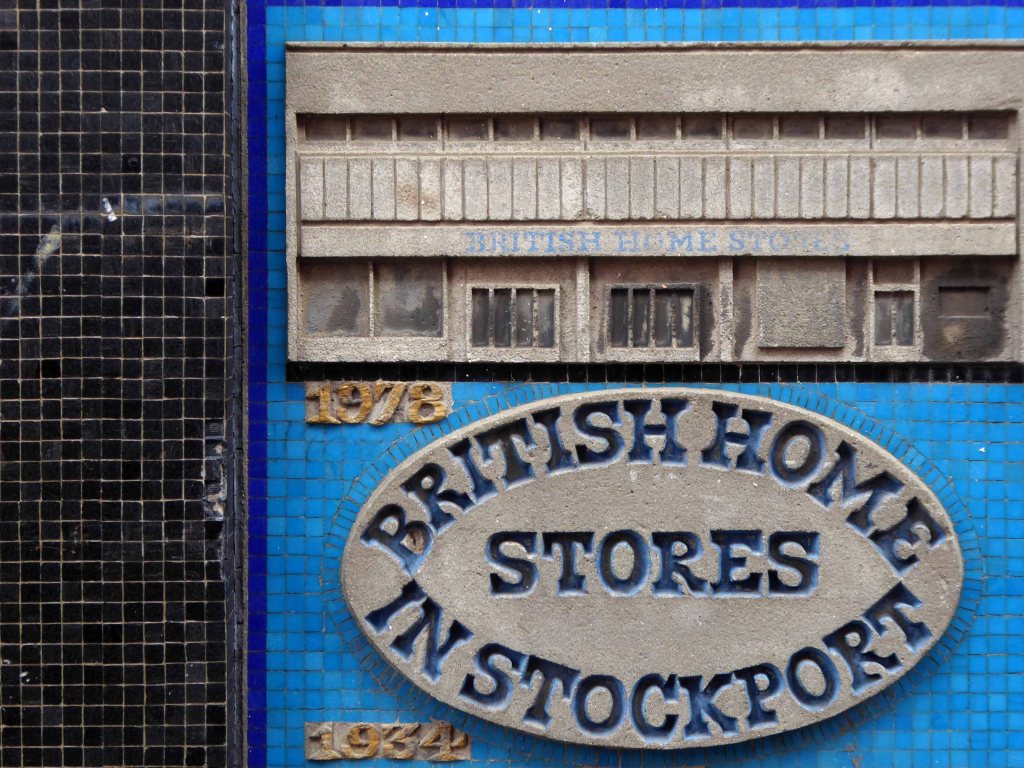
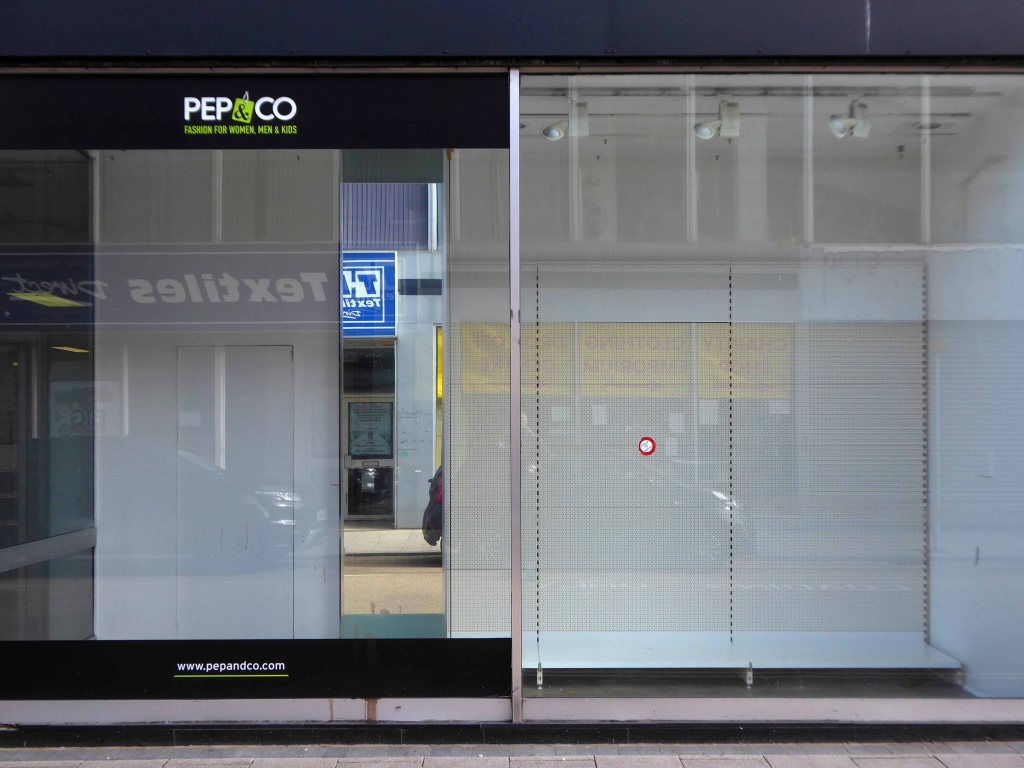
The failure of BHS was a national disgrace, venal management, asset stripping, avaricious, grasping rodents ruled the day.
Dominic Chappell, who had no previous retail experience, bought the high street chain from the billionaire Sir Philip Green for £1 in March 2015. The company collapsed with the loss of 11,000 jobs 13 months later, leaving a pension deficit of about £571m.
A sad end for a company with a long history and presence on the high street.
With an architectural heritage to match:
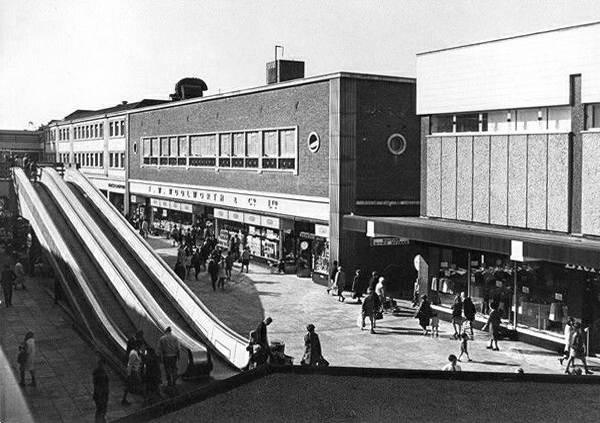
BHS’s chief architect at this time was G. W. Clarke, who generally worked alongside W. S. Atkins & Partners, as consulting engineers. The stores – like Woolworth’s buildings – were composite structures, with steel frames and concrete floors. Clarke sometimes appointed local architects.
At first, like C&A, BHS retained the narrow vertical window bays and margin-light glazing that had characterised high street façades in the 1930s, but by the end of the 1950s Clarke had embraced a modified form of curtain-walling.
This architectural approach became firmly associated with BHS, with framed curtain wall panels – like giant TV screens – dominating the frontages of many stores.
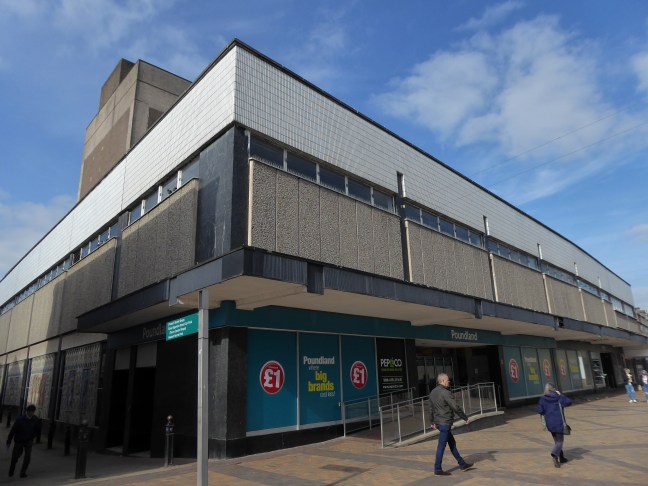
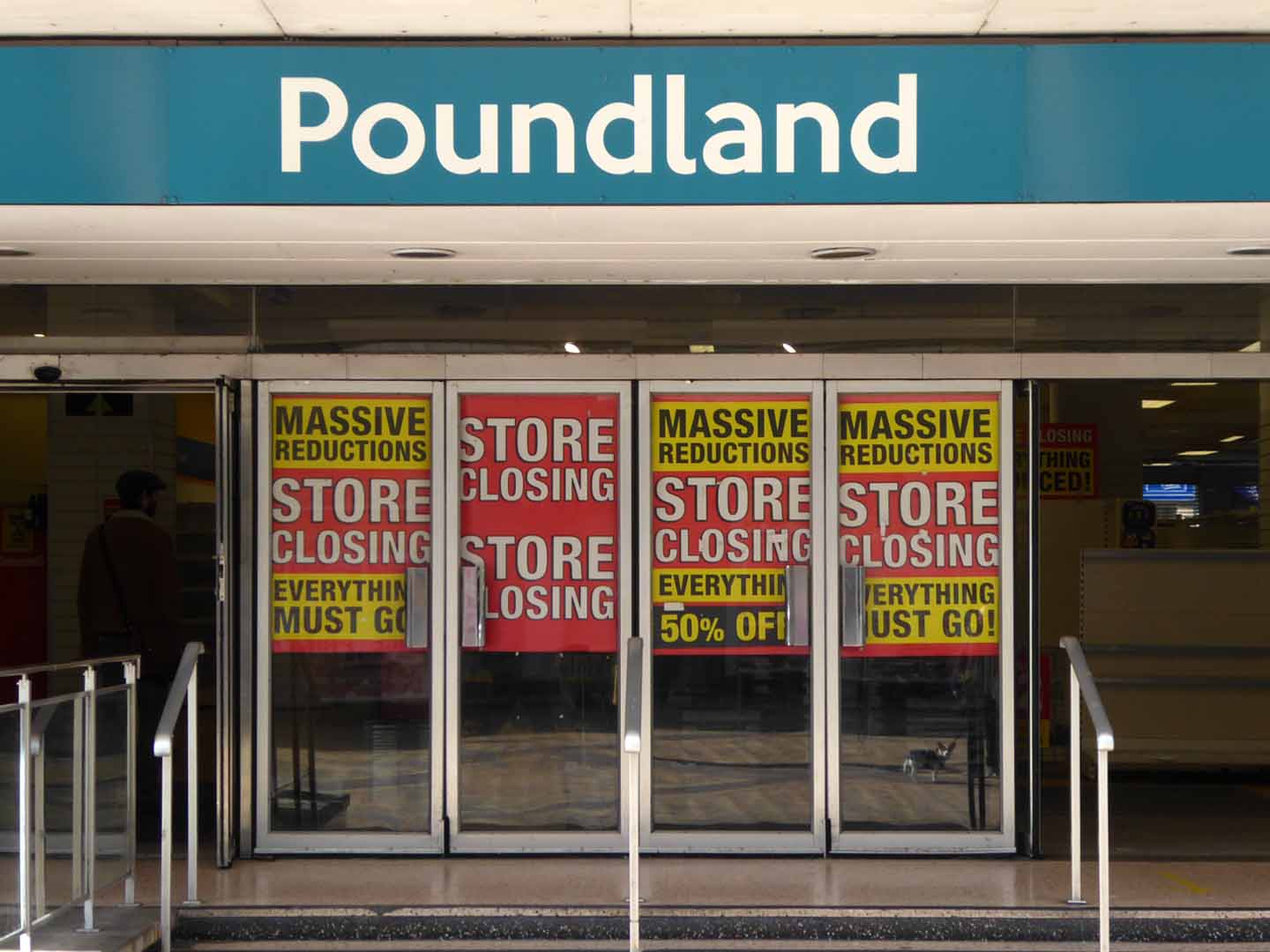
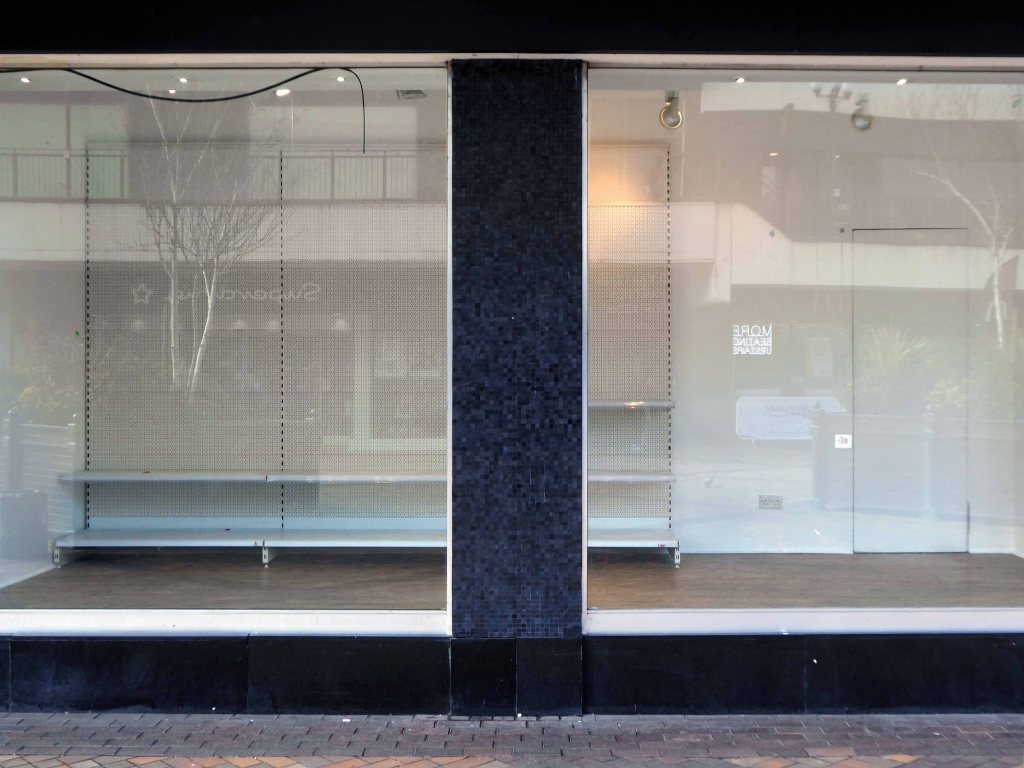
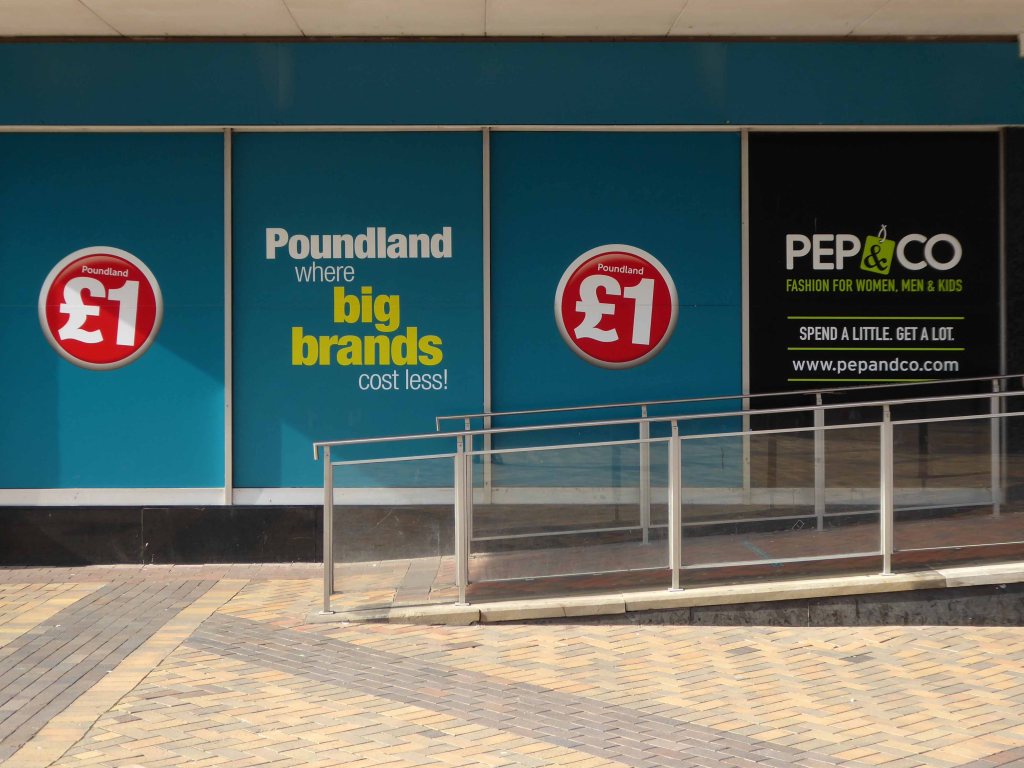
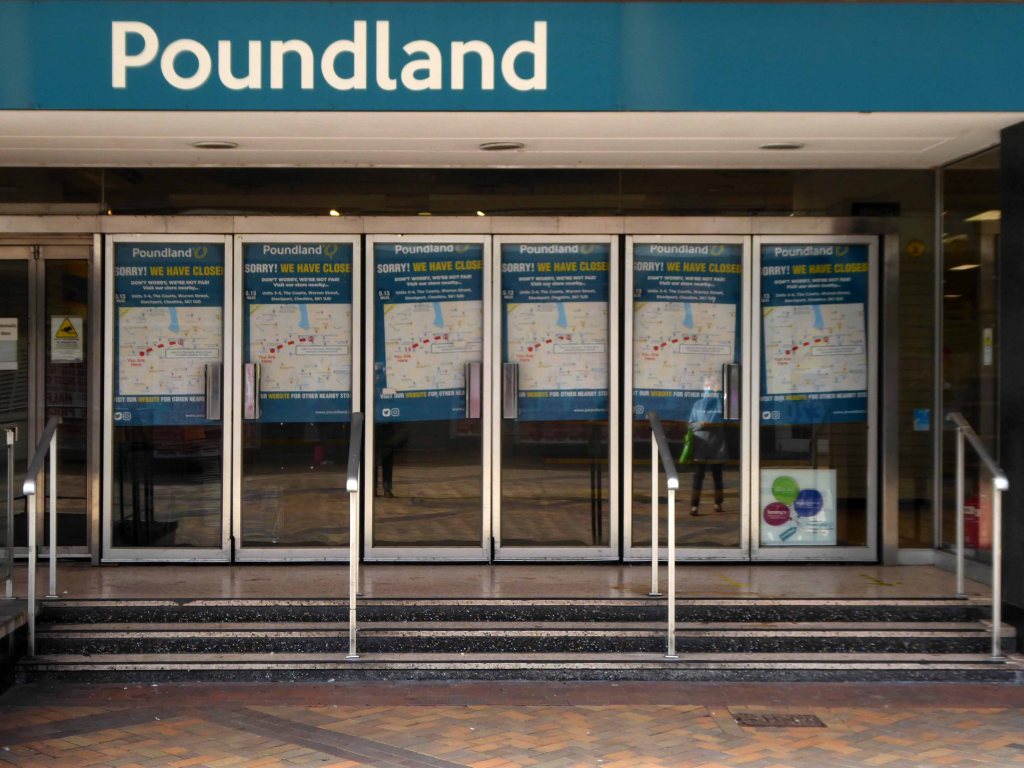
Of late the store has been home to Poundland – though time has now been called.
Poundland’s retailing concept is extremely simple: a range of more than three thousand – representing amazing value for money.
Our pilot store opened in the Octagon Centre, Burton-upon-Trent, in December of 1990, followed by new stores in High Street, Meadowhall and other quality trading locations. Shoppers loved the concept and so did fellow retailers and landlords. The stores proved to be a huge success. Meadowhall’s success was repeated by further stores opening by the end of the year.
The store has been a success even during COVID restrictions, let us hope that the planned return goes ahead.
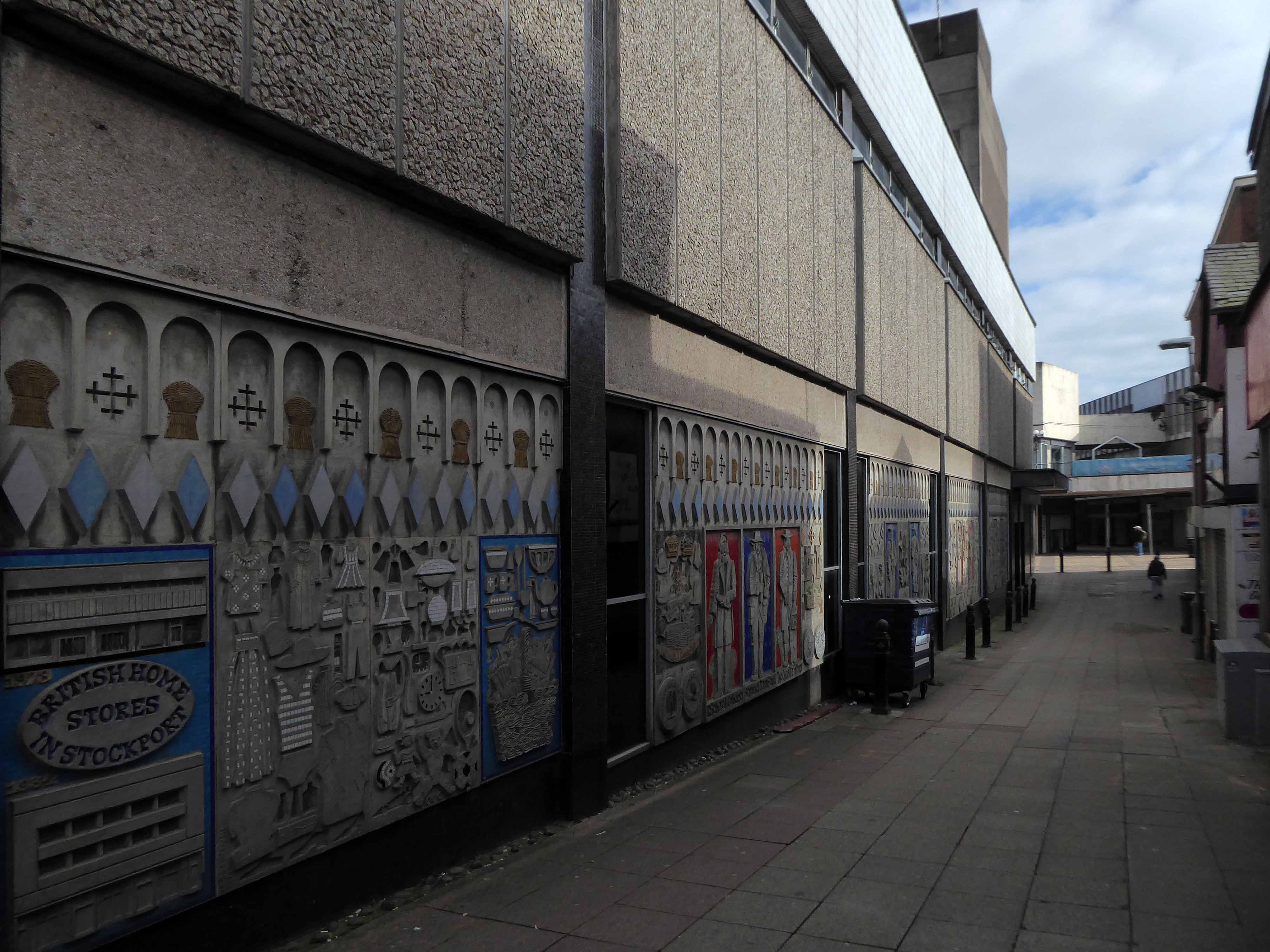
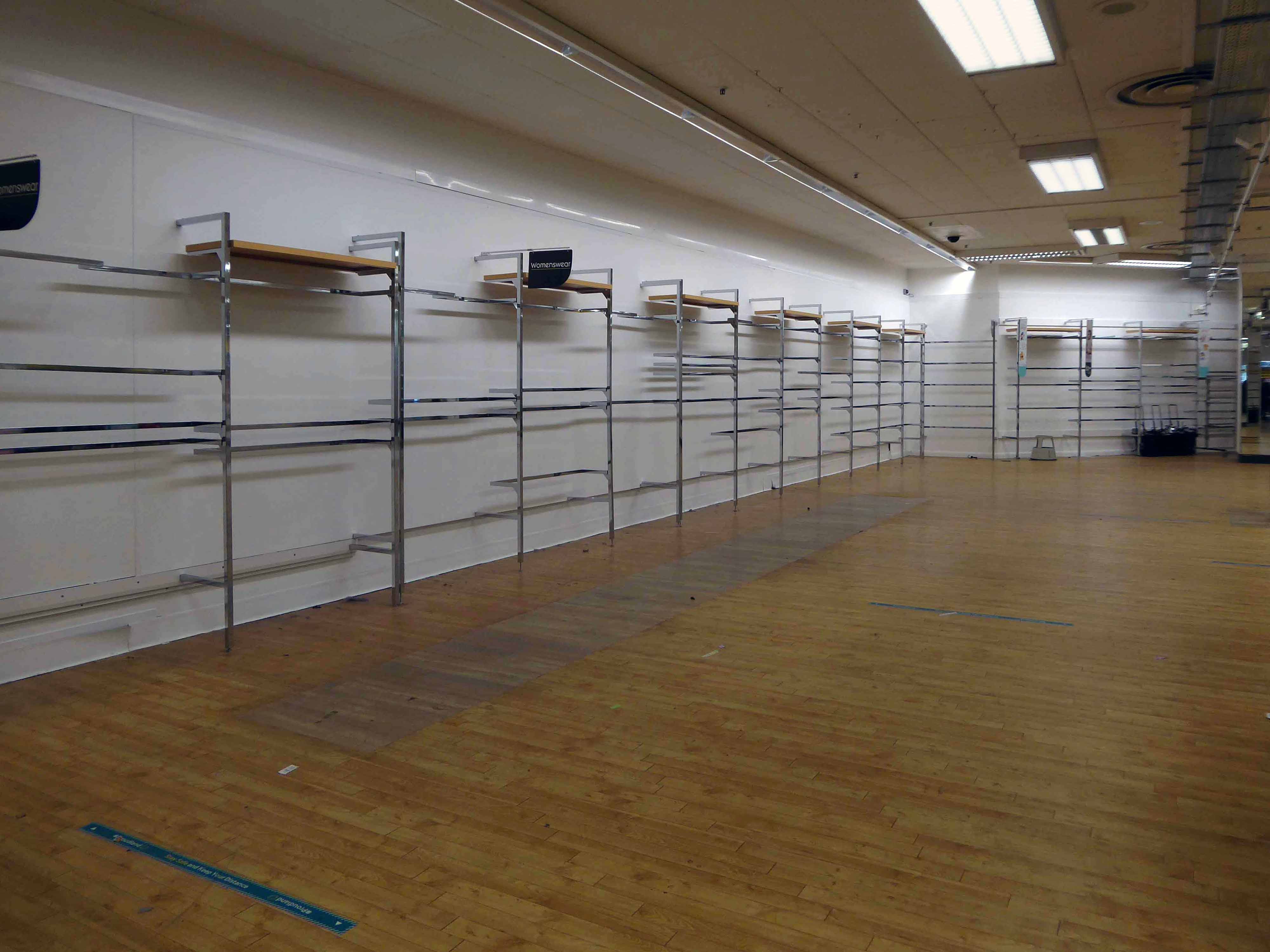
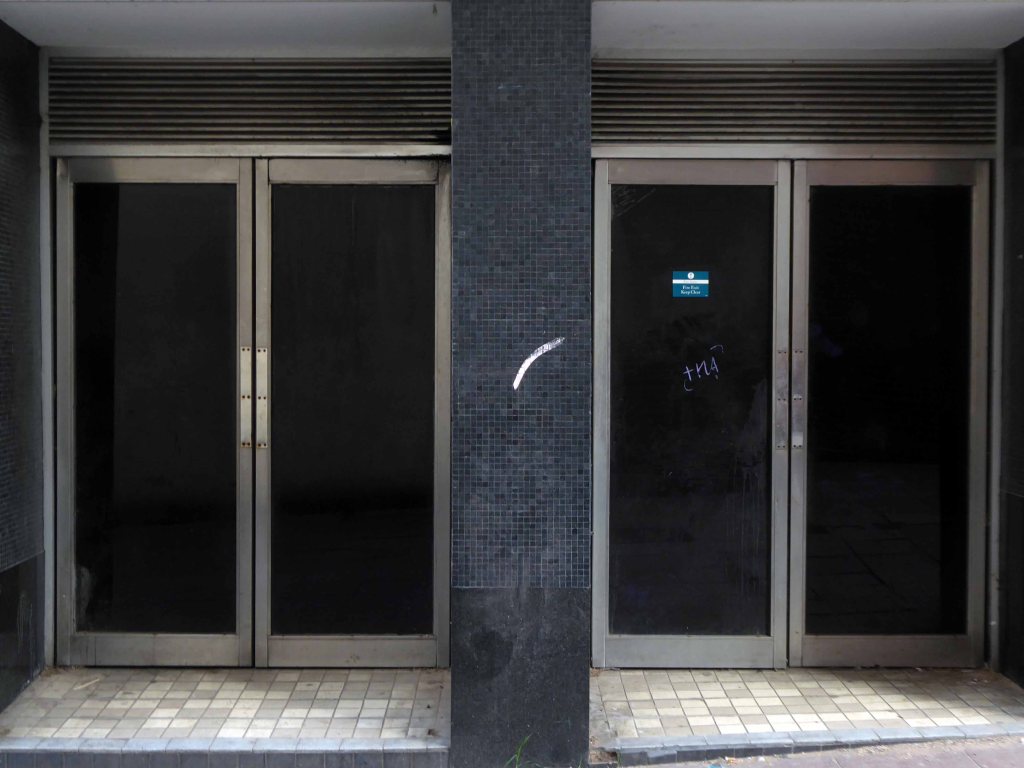
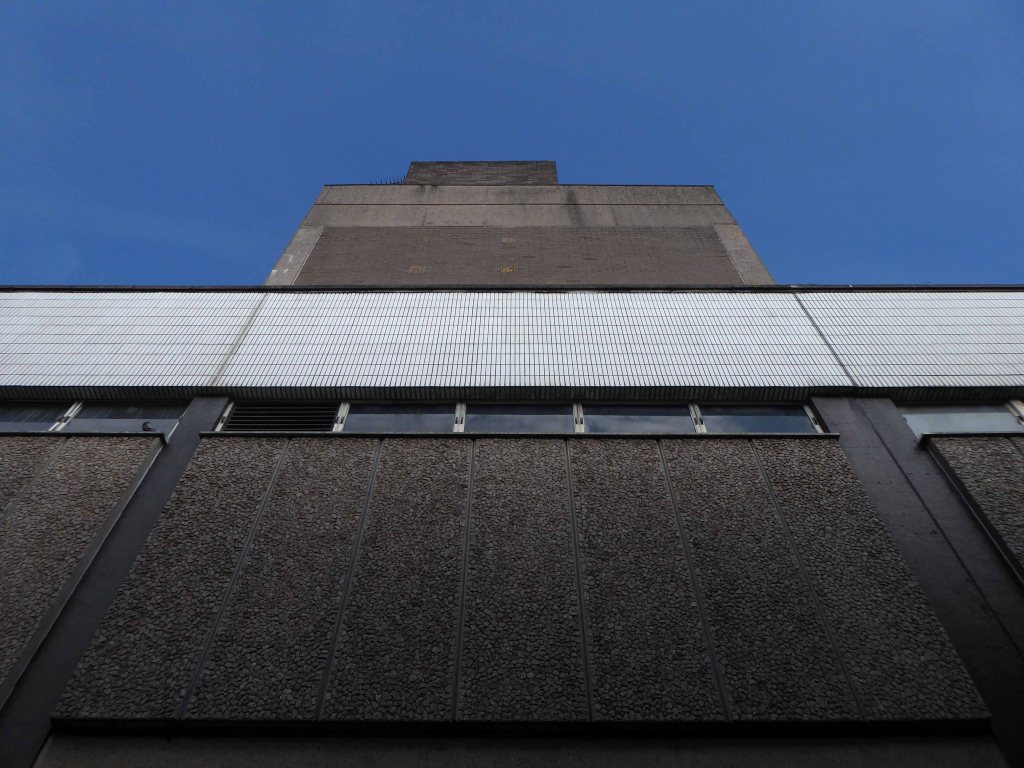
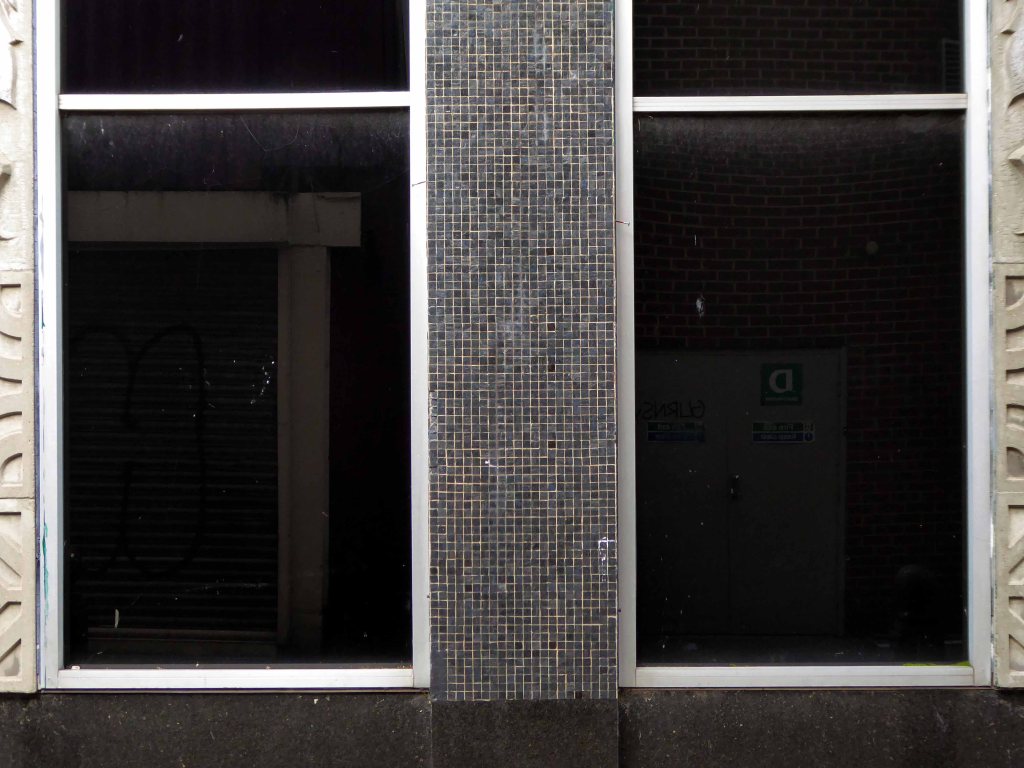
So here is my record of the building as is, a tad tired, but in its day a simple and authoritative amalgam of volumes and materials.
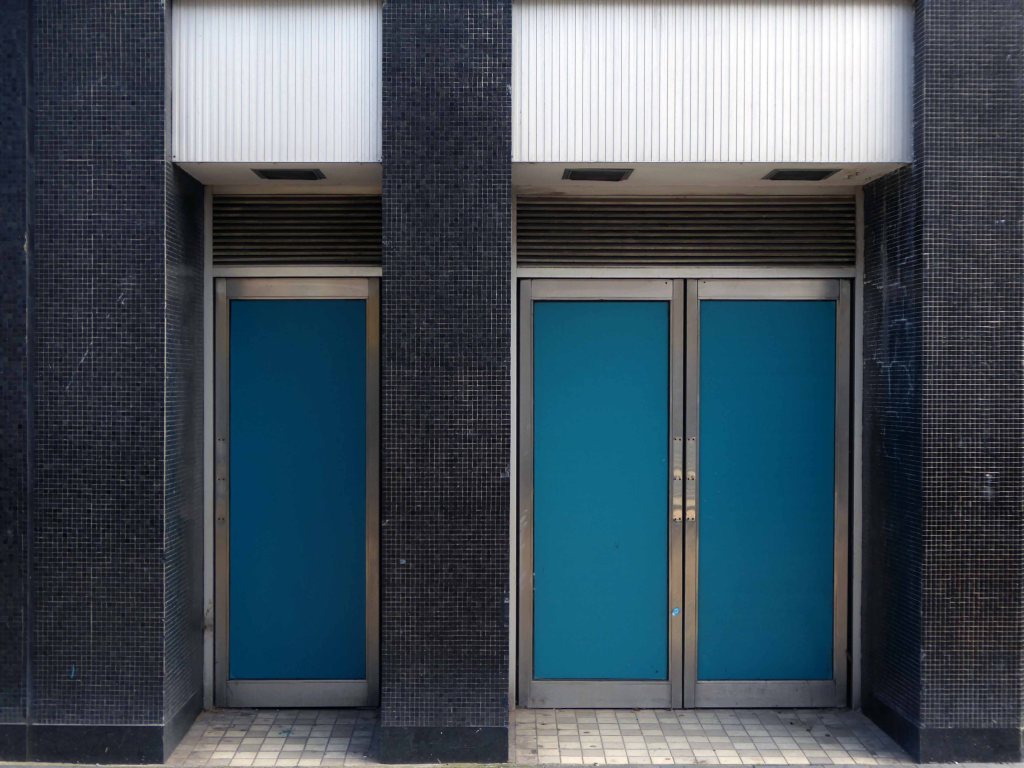
Mixing variegated grades of concrete, tiling, mosaic, brick, steel and glass.
When the figures say crime is falling, why are we more frightened than ever? Could our towns and cities be creating fear and mistrust? More property is being built in Britain than at any time since the Second World War – but it’s owned by private corporations, designed for profit and watched over by CCTV. From the Docklands boom to cities such as Manchester, gated apartment developments, gleaming business districts and plazas have sprung up over the country.
Has this ‘regeneration’ really made our lives better?
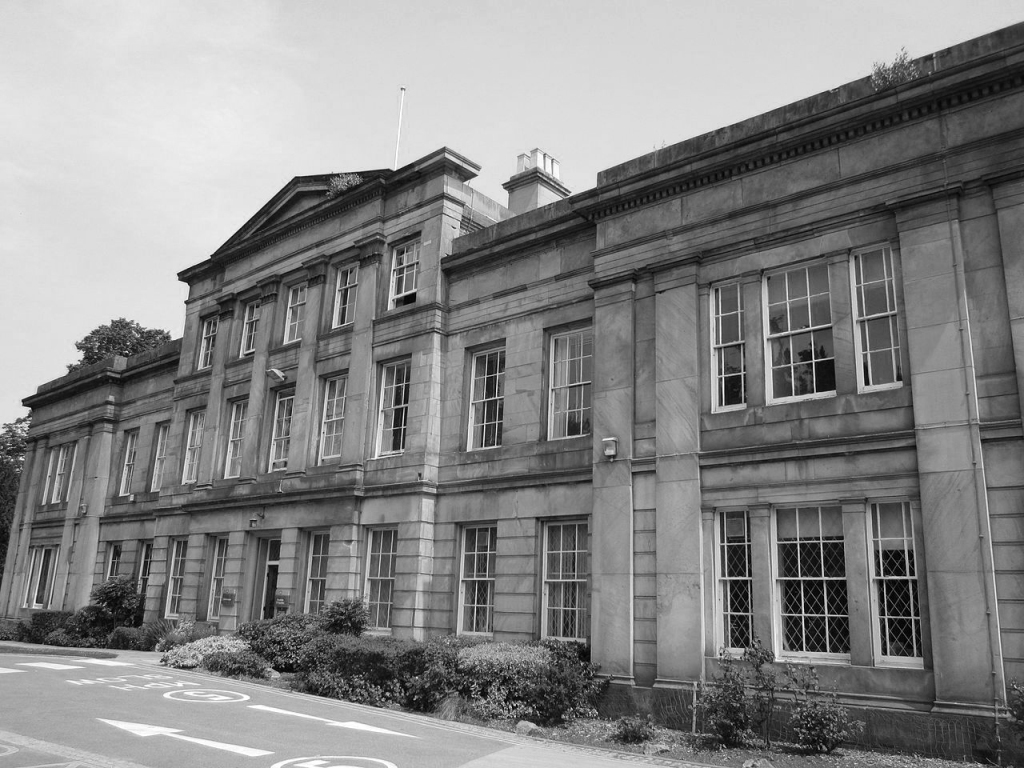
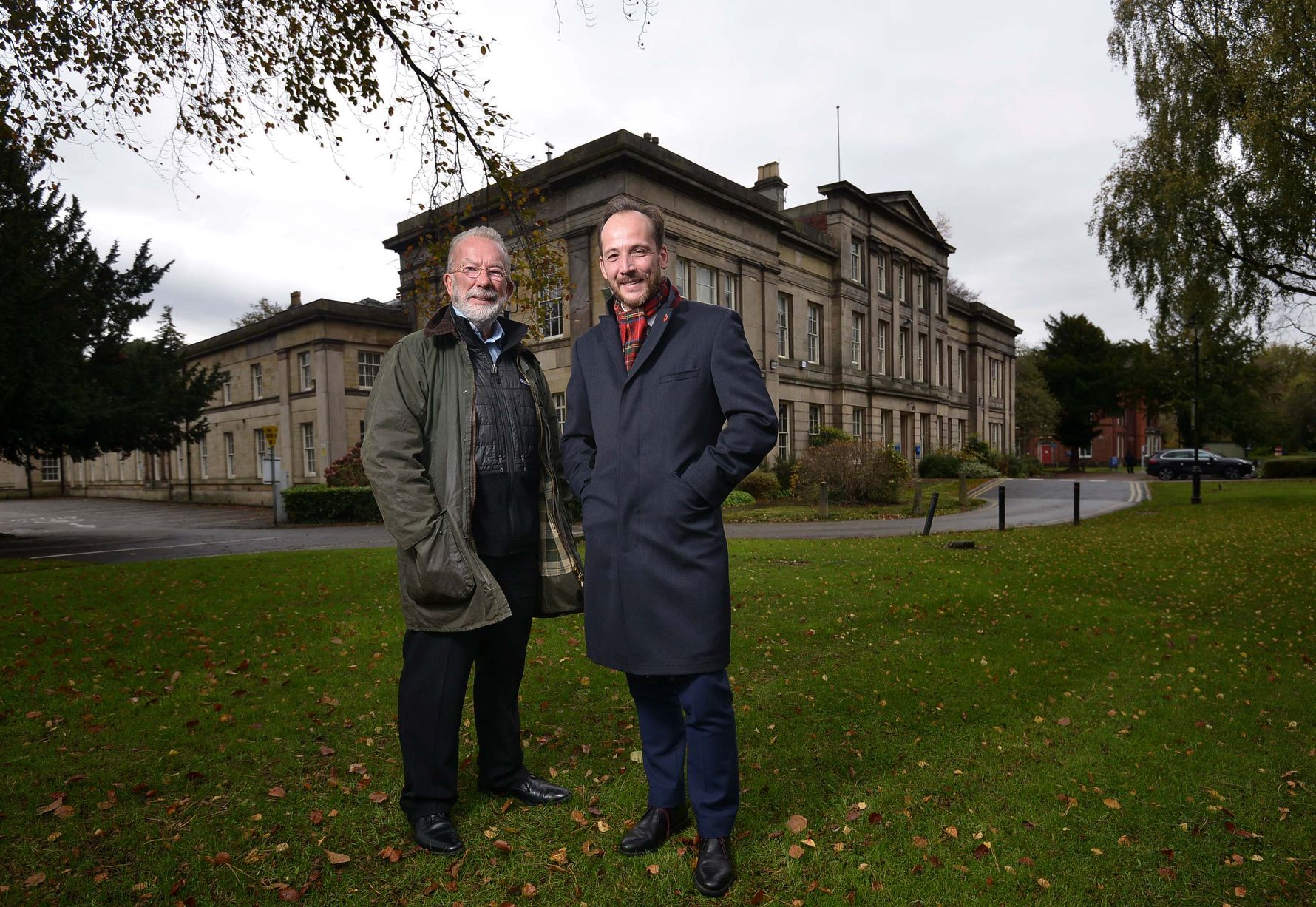
I’m returning to the MMU Didsbury Campus, the site began life as a baronial deer park and estate, in 1740 the site was purchased by the Broome family, and a new house was constructed after 1785 by William Broome, from 1812 owned by Colonel Parker. Following a succession of uses and owners the School of Education is established.
I studied for a PGCE in Art there in 1984.
Subsequently, fun and fashionable free-market economics, have increasingly governed the management of education and its assets.
MMU sold the site for an undisclosed sum to the developers PJ Livesey.
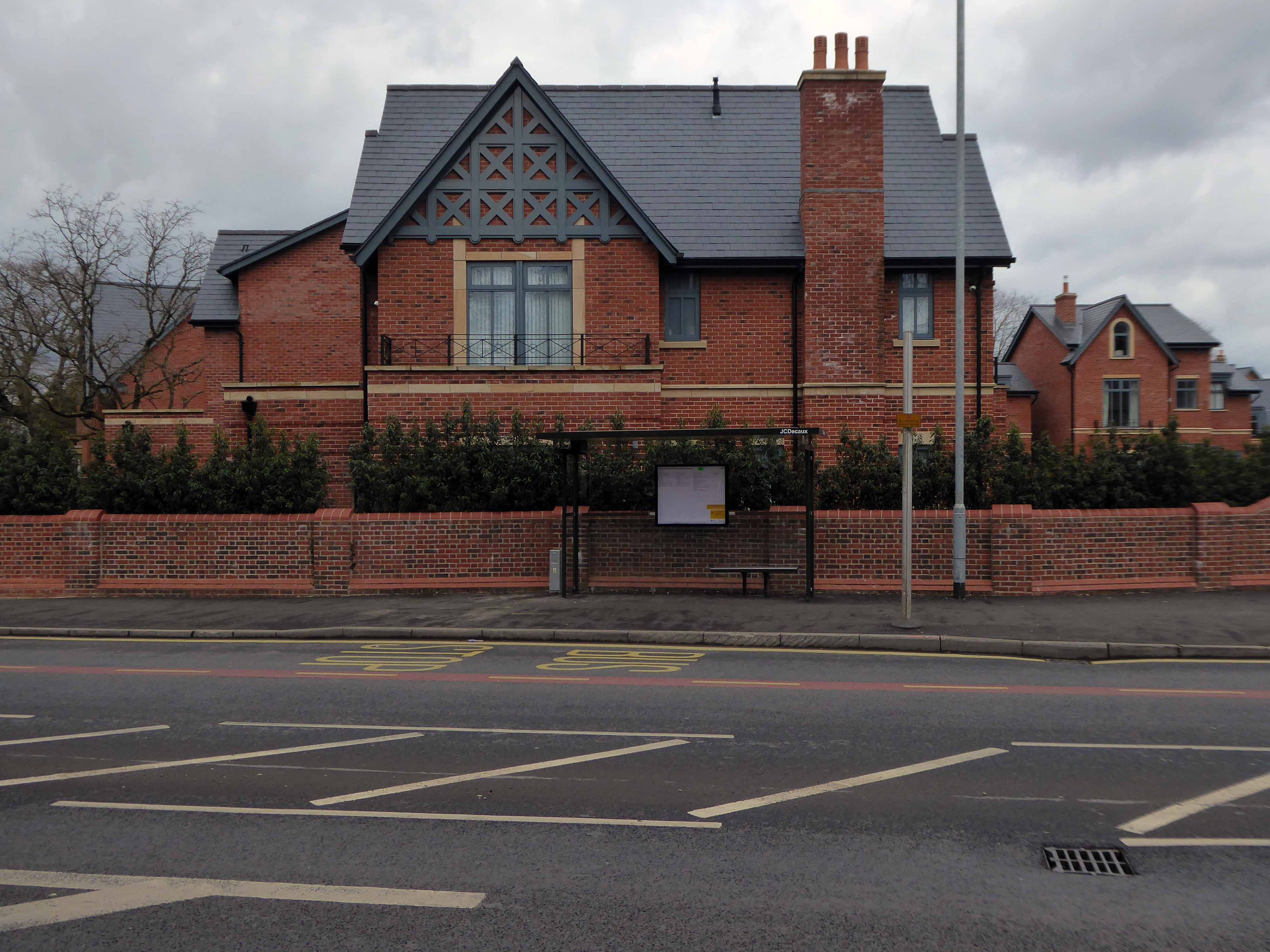
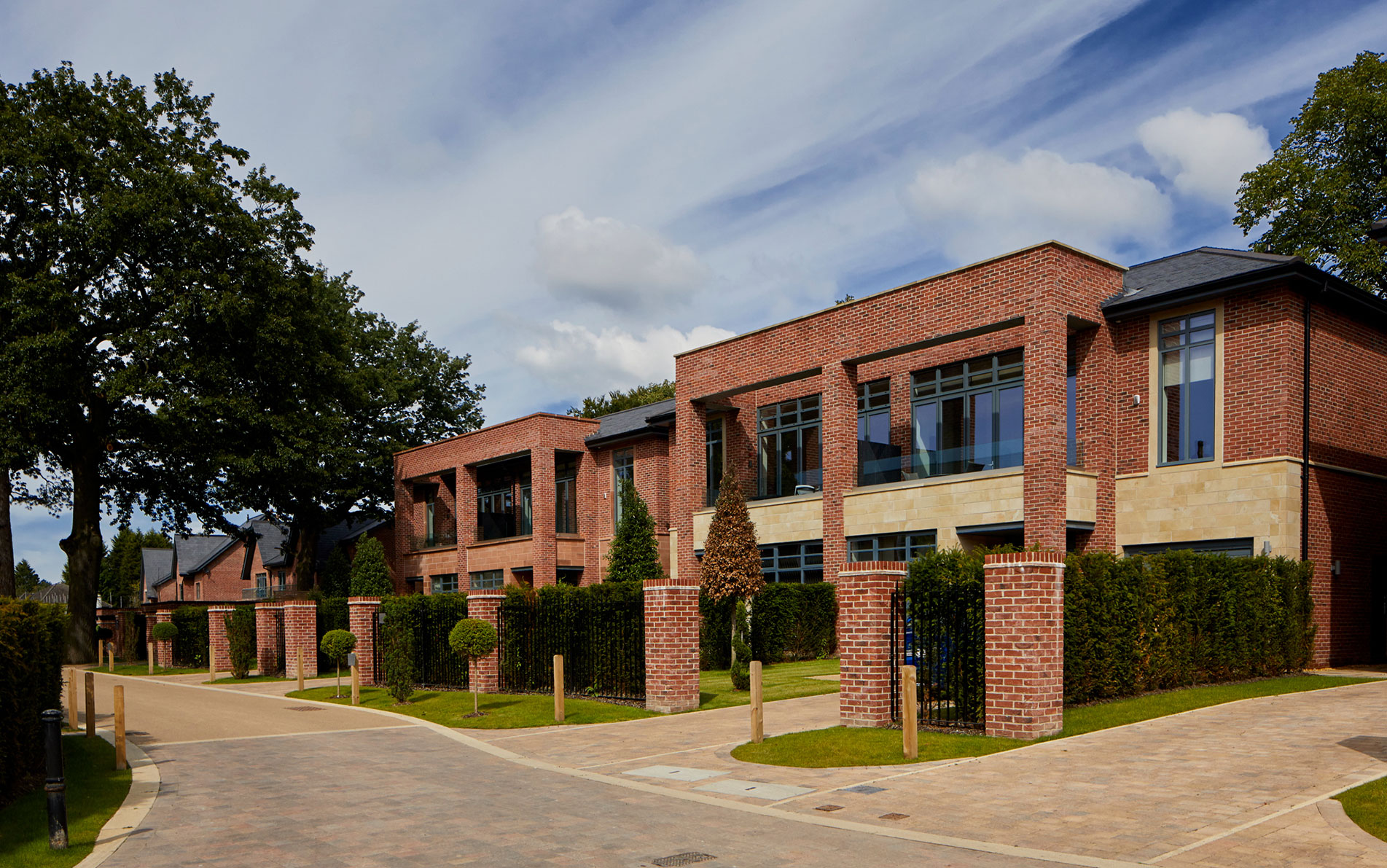
This is Sandown House, formerly the administrative block, redeveloped as private homes, each valued at £675,000 and upwards.
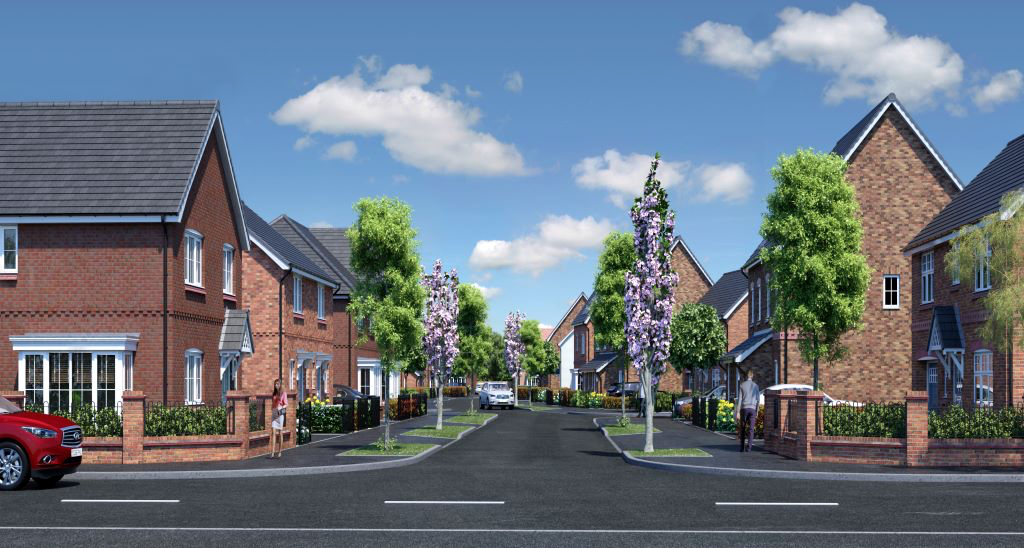
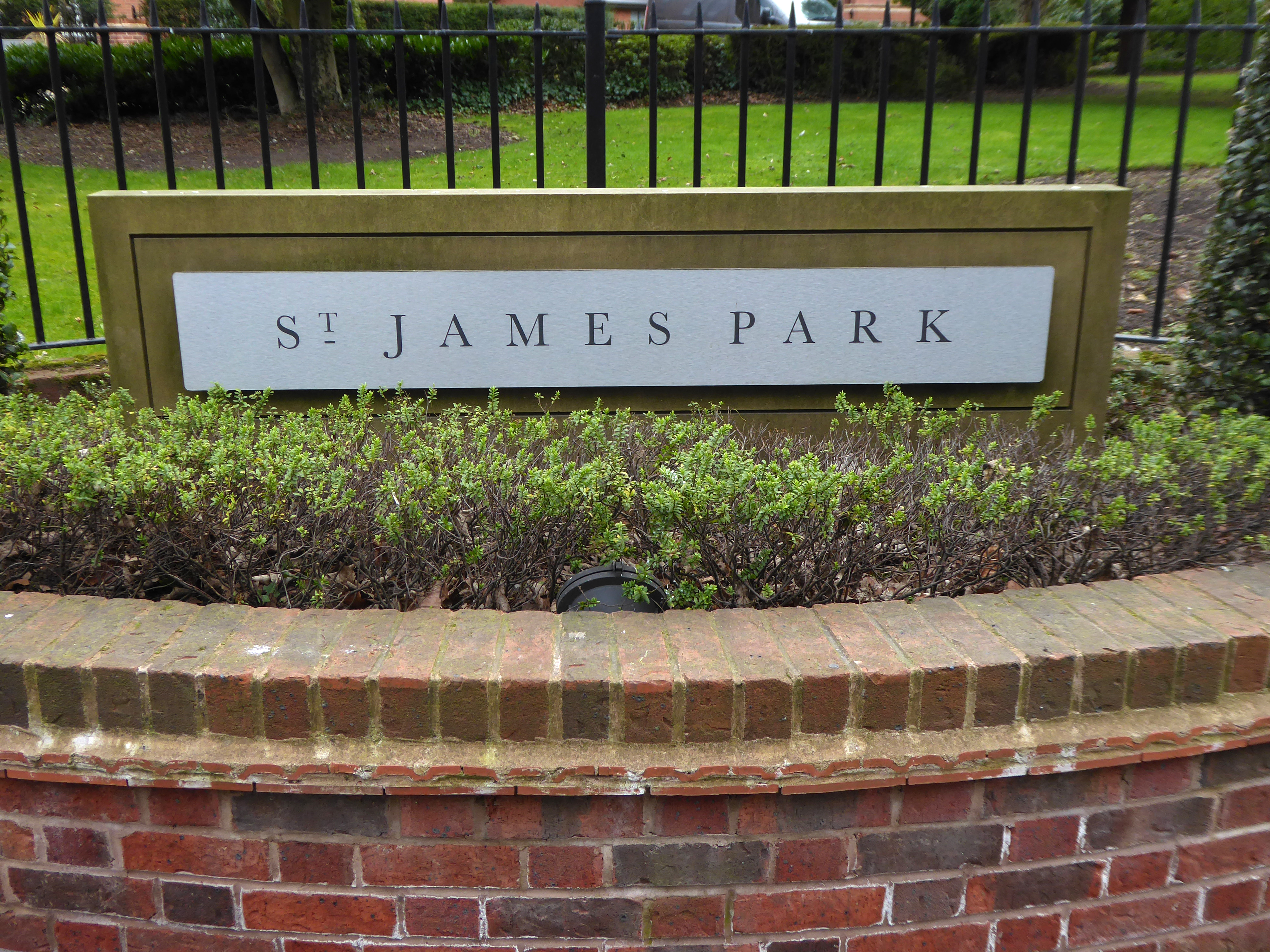
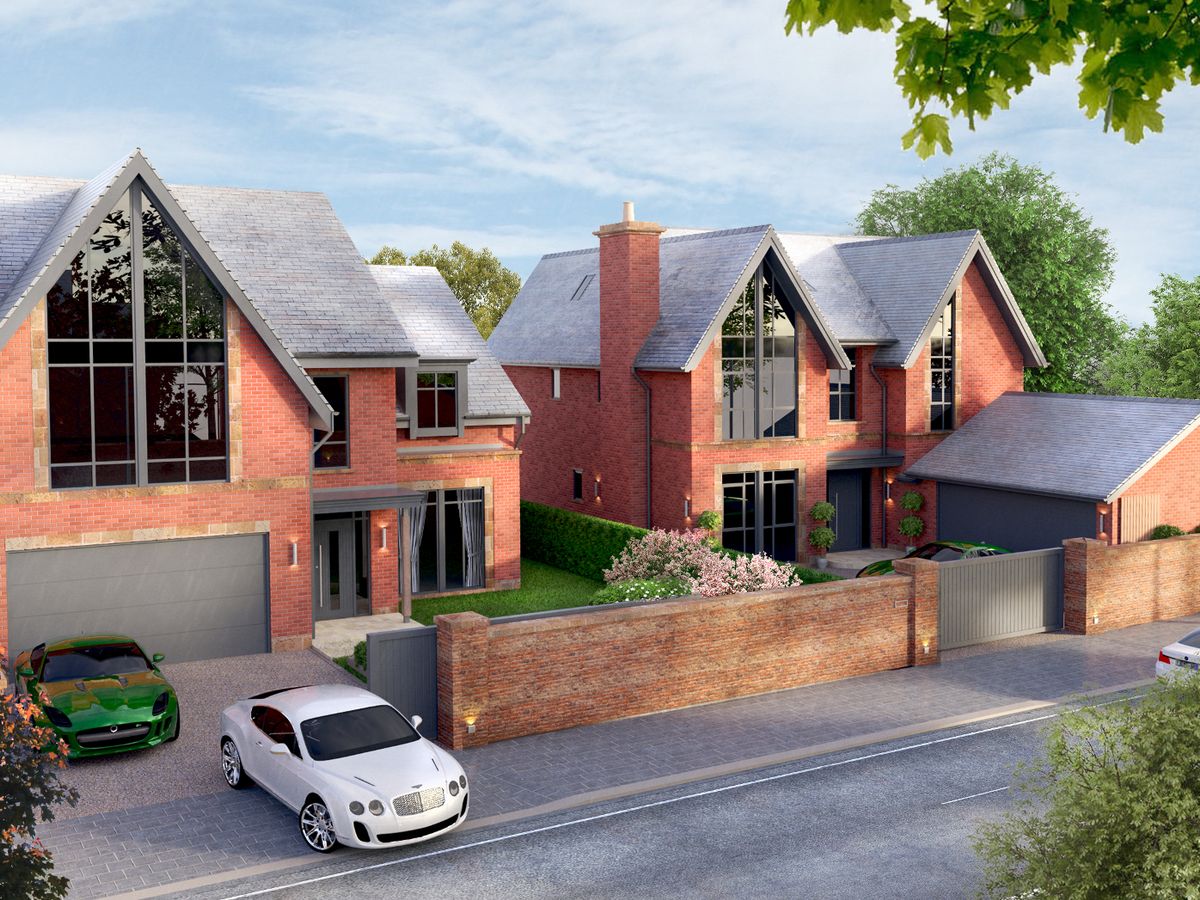
St James Park is an exclusive collection of beautifully converted heritage buildings and individually designed luxury homes offering opulent living accommodation finished to an uncompromising specification. Beautifully styled and perfectly connected, this gated development is located moments away from the heart of Didsbury Village.
So why choose a gated community?
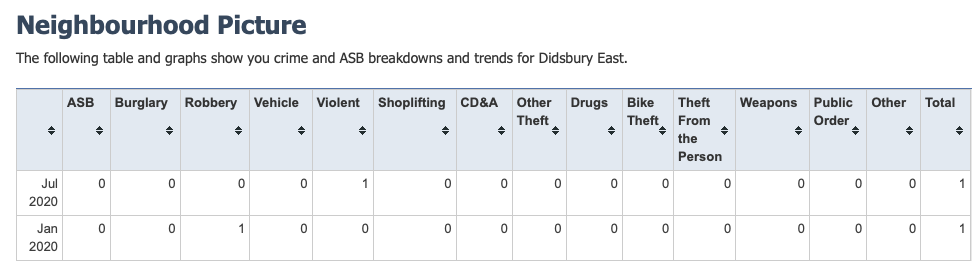
The fear of fear it would seem, is on the increase, whilst crime itself is decreasing.
Royal Institute of Chartered Surveyors says that although residents feel safer in gated communities, it is more of a perception than a reality. Research in the US suggests that gating may not deter criminals and initial studies in the UK suggest the same.
If they are allowed to develop unchecked, it will breed hostility and threaten the social cohesion of the UK’s cities, the surveyors warn.
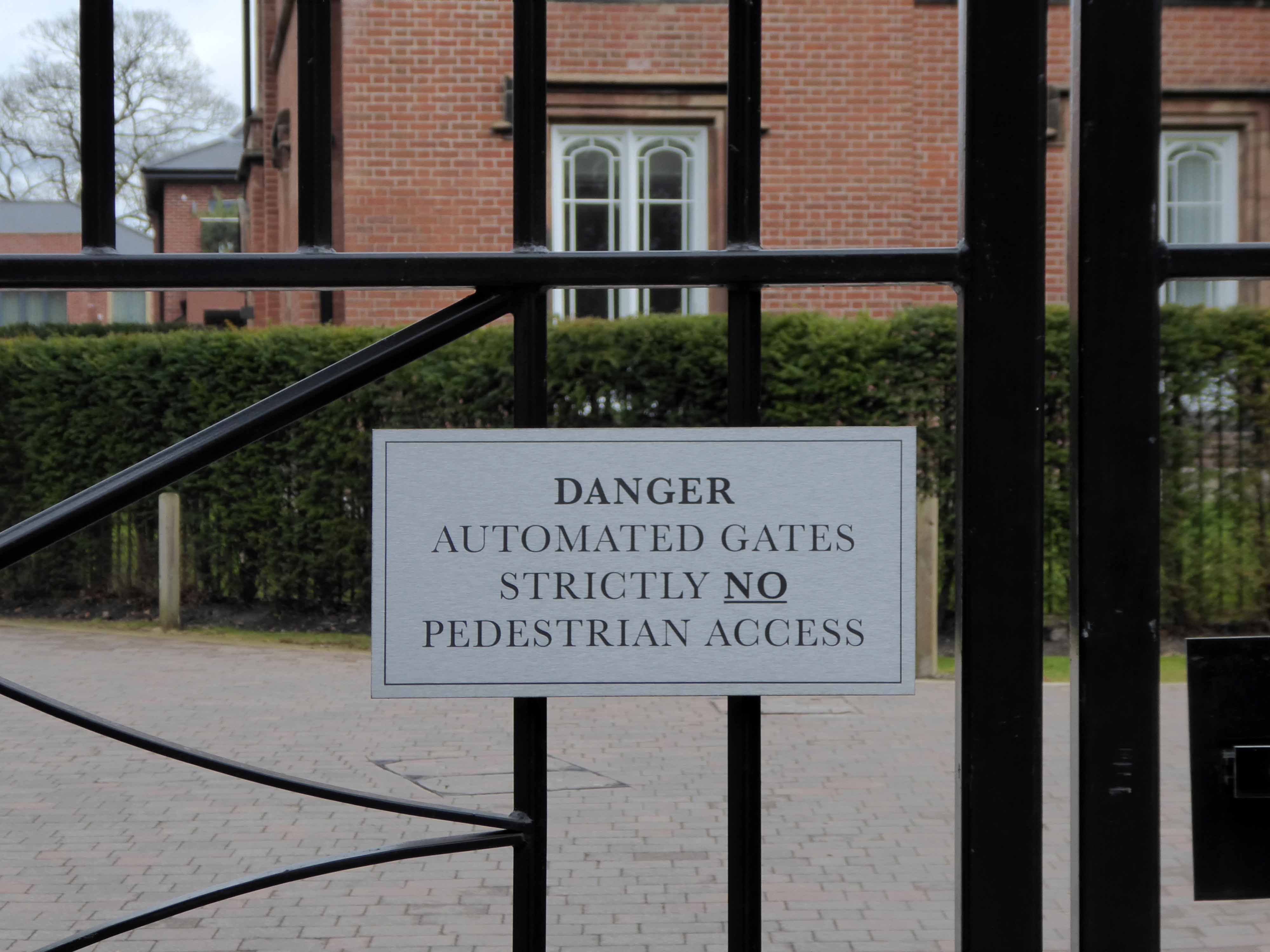
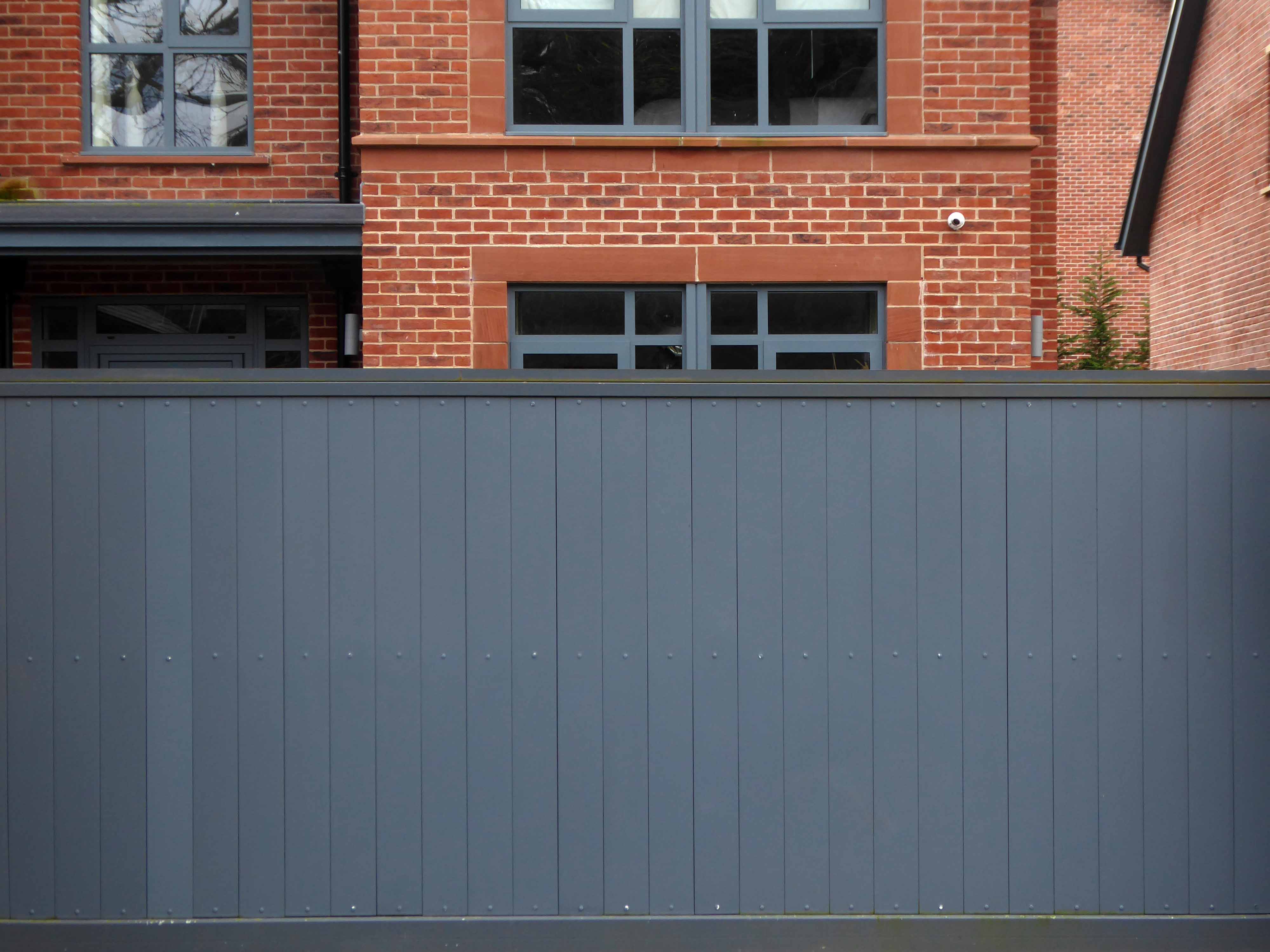
Social exclusion, the bitter taste of economic apartheid is obviously the plat du jour here in St James Place – there is limited pedestrian access and secure gates to inhibit unwanted automotive ingress.
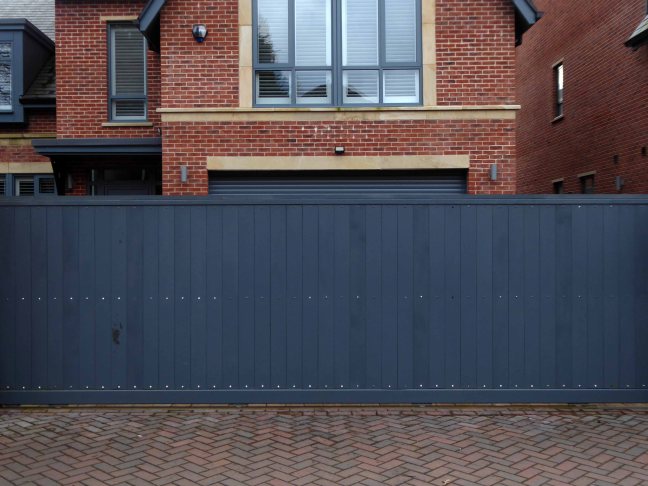
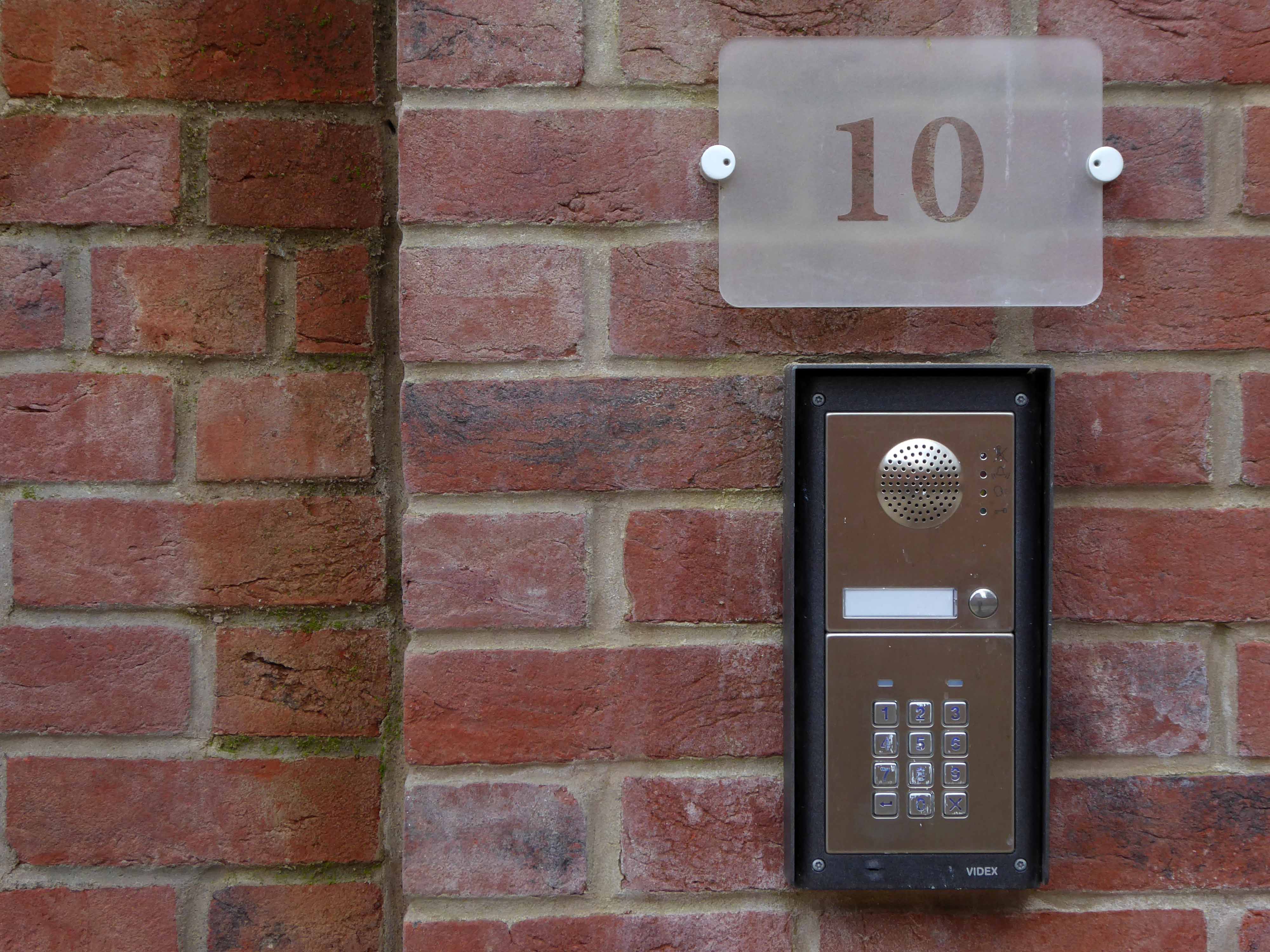
There is an exciting array of CCTV devices, encoded gates and doors, ever higher railings in evidence.
Security for the terminally insecure.
It is possible to live in an open environment in East Didsbury, here on Ford Lane folks come and go, hopefully interacting with friends, neighbours. family and strangers passing idly by.
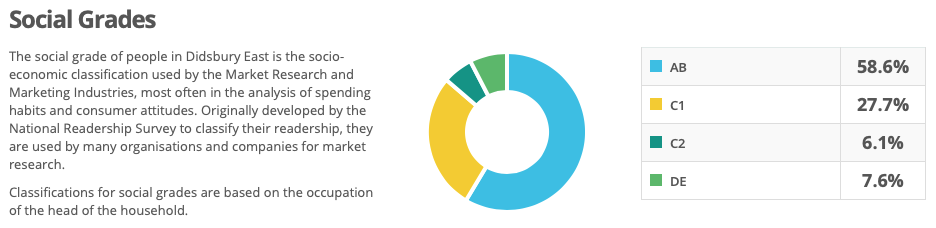
Though this is one of the most affluent areas of Manchester, and happily one is unlikely to find oneself with an unemployed collier as a neighbour.
Community minded, demographically diverse cities, will produce safe, secure, healthy places to live.
There is no evidence that gated communities are in any way safer, in fact they may well be socially divisive – this is the never never land of smoked glass Range Rover windows and mirrored wardrobes.
Architectural critic Ian Nairn makes a convincing case for a socially mixed residential development, which still maintains a regard for the area’s heritage.
I visited Lillington Gardens Estate in August 2018 – now a mature development, where those residents I spoke with, seemed happy and content with their homes.
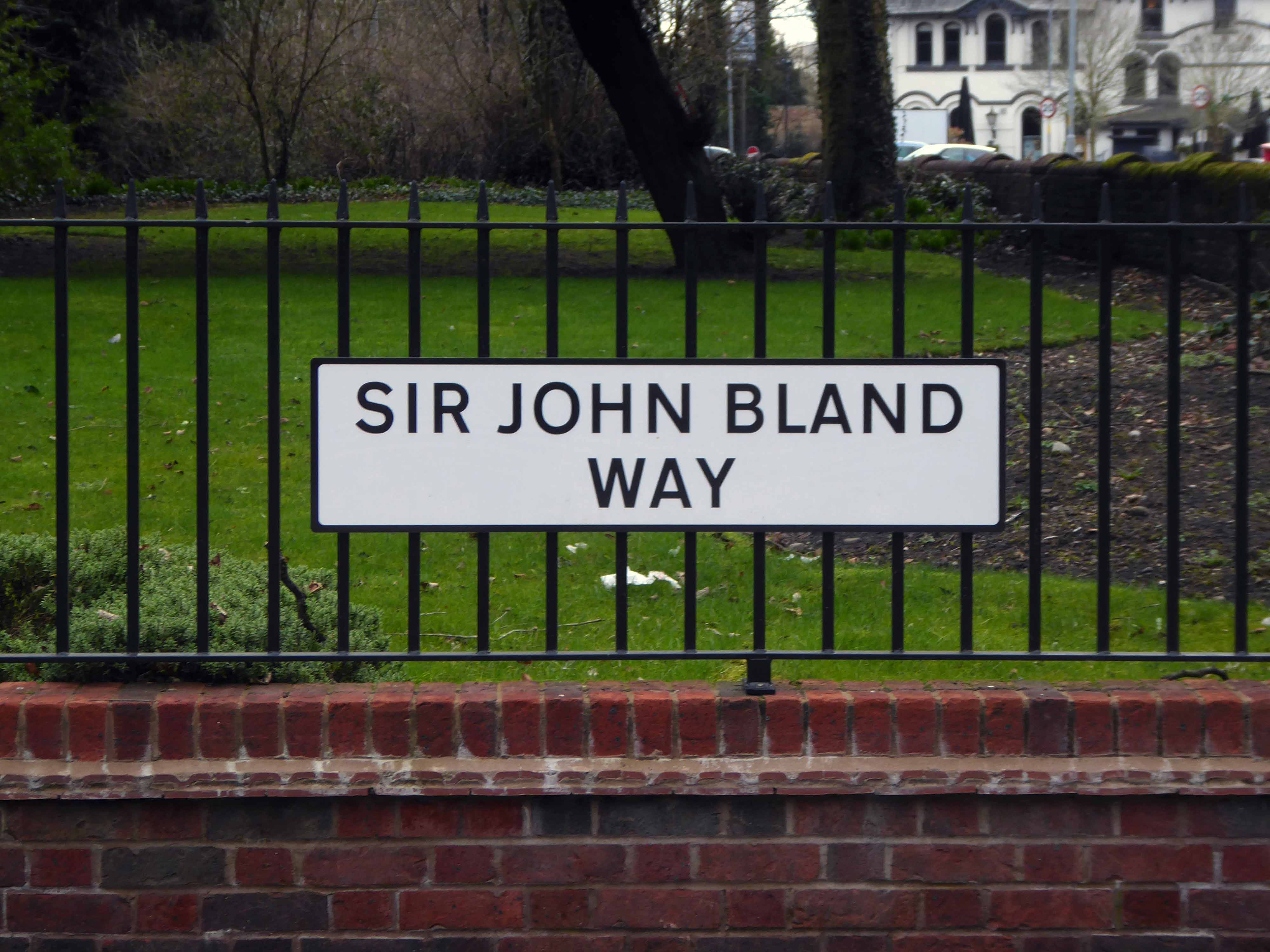
Sir John Bland 5th Baronet 1691 – 1743 of Kippax Park and Hulme Hall, was a British landowner and politician who sat in the House of Commons from 1713 to 1727.
His mother was Anne Mosley, daughter of Sir Edward Mosley of Hulme.
He retired from Parliament aged 35 and moved the focus of his local political activity from Yorkshire to Lancashire, where his mother had inherited Hulme Hall and the Lancashire estates which covered most of Manchester.
This is the celebration of privilege, power and property in pressed aluminium and print, saluting the progenitors of the Mosely Family, who once upon a time, were Manchester’s wealthiest landowners.
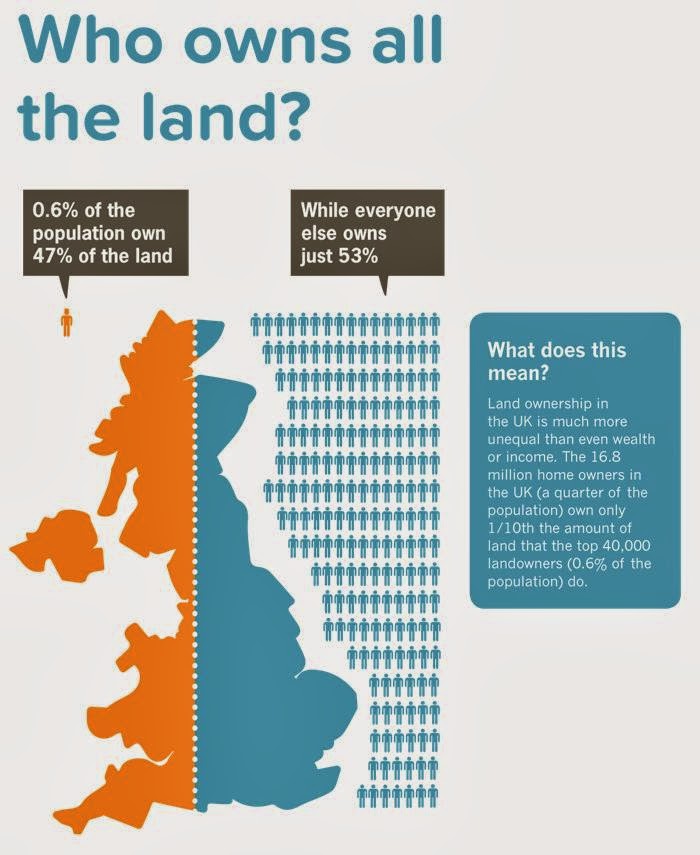
We live in an owned landscape where access is an issue.
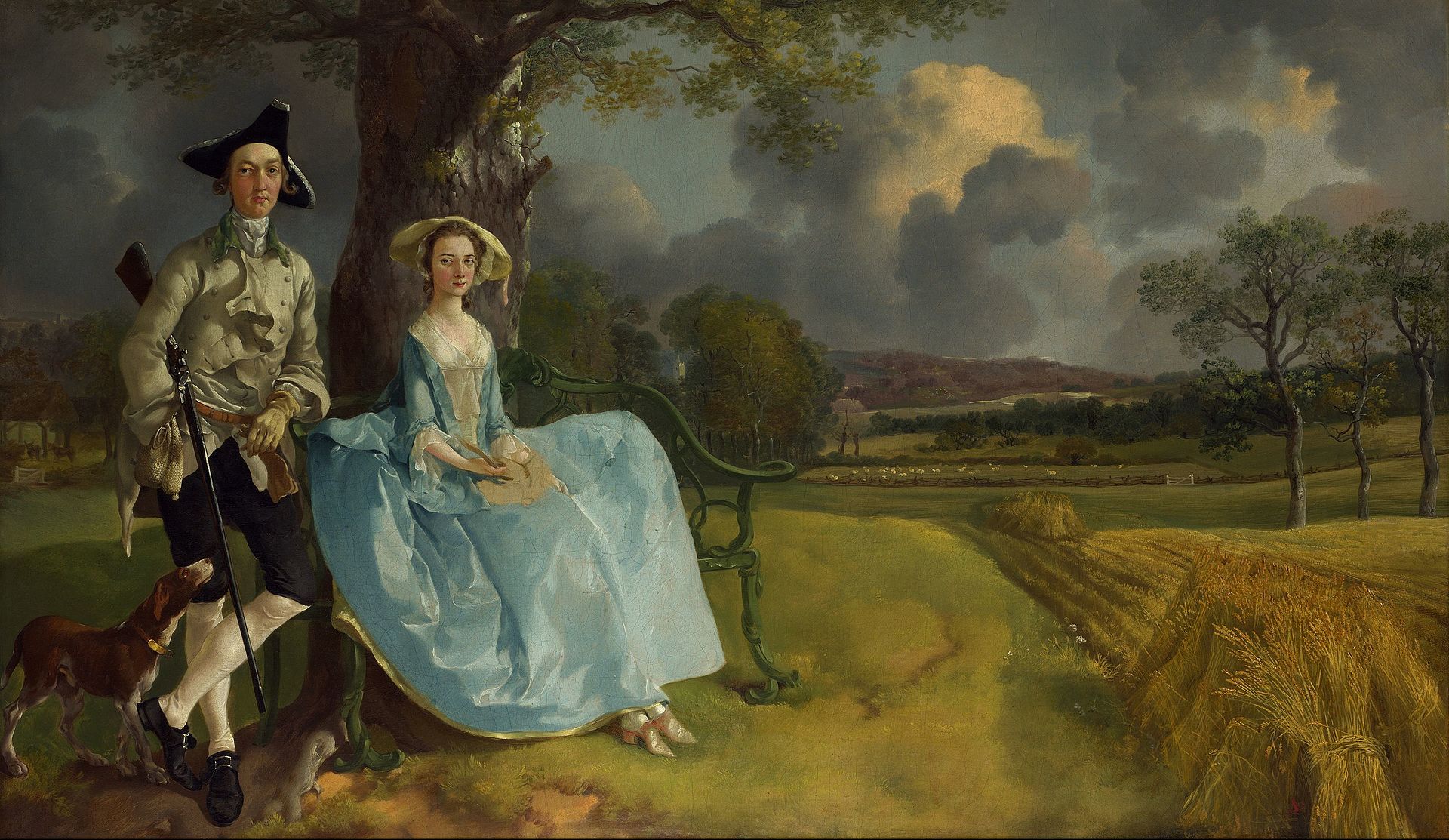
Mr and Mrs Andrews would note, that little or nothing has changed, since Gainsborough’s time.
Completed shortly after Mr. Andrews’ marriage to the daughter of a neighbouring gentry, a marriage that enhanced his estate, the image captures the unchanging power of property relations in pre-industrial England.
“They are not a couple in nature as Rousseau imagined nature,” John Berger comments. “They are landowners and their proprietary attitude to what surrounds them is visible in their stance and their expressions.”
The first thing I’d say is this is going to be an aspirational site within an aspirational area – PJ Livesey
So how did we get here?
Baroness Thatcher makes massive tax cuts for the wealthy, funded by North Sea Oil revenues, impoverishing the public purse, undervaluing the privatisation of public assets, encouraging the right to buy, yet inhibiting the building of social housing, hot housing the property owning democracy.
The term ‘property-owning democracy’ emerges from a discursive history of use. Coined by British MP Noel Skelton in 1920, the concept compounded the terms ‘property-owning’ and ‘democracy’ as a conservative response to left-leaning ideas of liberalism and socialism. At this stage, the term represented the necessity of protecting property rights from democratic organisation.
More recently stamp duty holidays, houses as speculative assets not homes, low interest rates, massive middle-class inheritances, deregulation in the financial sector, all fuel the upwardly mobile housing boom.
Whilst for the lower orders years and years of pay freezes, attacks upon trade unions, the continued decline in manufacturing, small state austerity, zero hour contracts, rent hikes, attacks on the unemployed, universal credit and indexed benefits, have all fuelled reduced social mobility.
Looks like we have a schism on our hands.
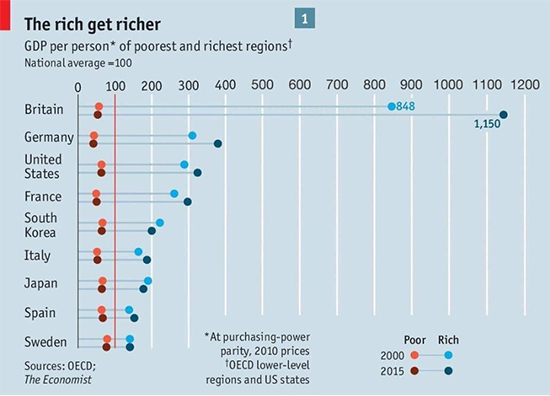
The UK became a much more equal nation during the post-war years. The data available shows that the share of income going to the top 10% of the population fell over the 40 years to 1979, from 34.6% in 1938 to 21% in 1979, while the share going to the bottom 10% rose slightly.
Since 1979 this process of narrowing inequality has reversed sharply, inequality rose considerably over the 1980s, reaching a peak in 1990.
Come, now, you rich men, weep and wail over the miseries that are coming upon you. Your riches have rotted, and your clothing has become moth-eaten. Your gold and silver have rusted away, and their rust will be a witness against you and will consume your flesh. What you have stored up will be like a fire in the last days. Look! The wages you have withheld from the workers who harvested your fields keep crying out, and the cries for help of the reapers have reached the ears of Jehovah of armies. You have lived in luxury and for self-gratification on the earth. You have fattened your hearts on the day of slaughter.
St James Park is an exclusive collection of beautifully converted heritage buildings and individually designed luxury homes offering opulent living accommodation finished to an uncompromising specification. Beautifully styled and perfectly connected, this gated development is located moments away from the heart of Didsbury Village, where residents can enjoy an abundance of independent café bars, restaurants and boutiques, as well as Didsbury Park on the doorstep.
Alderman Moss bequeathed the house and gardens to the City of Manchester on his death in 1919 because he wanted the house and its contents to remain, as far as possible, intact “to show what a comfortable house of the olden times was like”.
Everything’s gone grey, in the aspirational race for the neutral high ground of individualism, they have painted you into a corner of dull, monochromatic conformity.
Welcome to the professional world of self interested, low-interest, the get rich quick deregulated go-getter.
Now get out.
I dreaded walking where there was no path And pressed with cautious tread the meadow swath And always turned to look with wary eye And always feared the owner coming by; Yet everything about where I had gone Appeared so beautiful I ventured on And when I gained the road where all are free I fancied every stranger frowned at me And every kinder look appeared to say “You’ve been on trespass in your walk today.” I’ve often thought, the day appeared so fine, How beautiful if such a place were mine; But, having naught, I never feel alone And cannot use another’s as my own.
John Clare
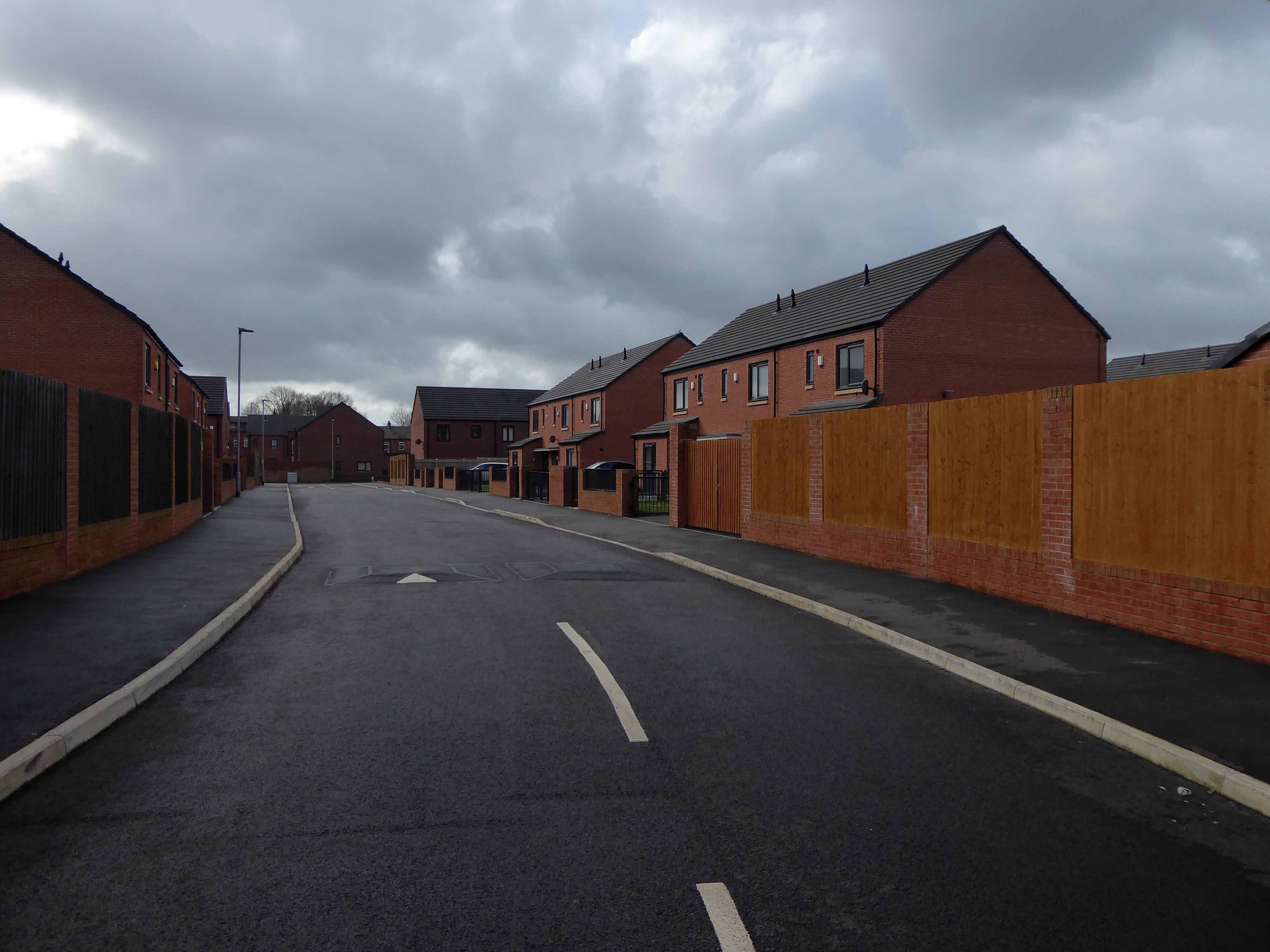
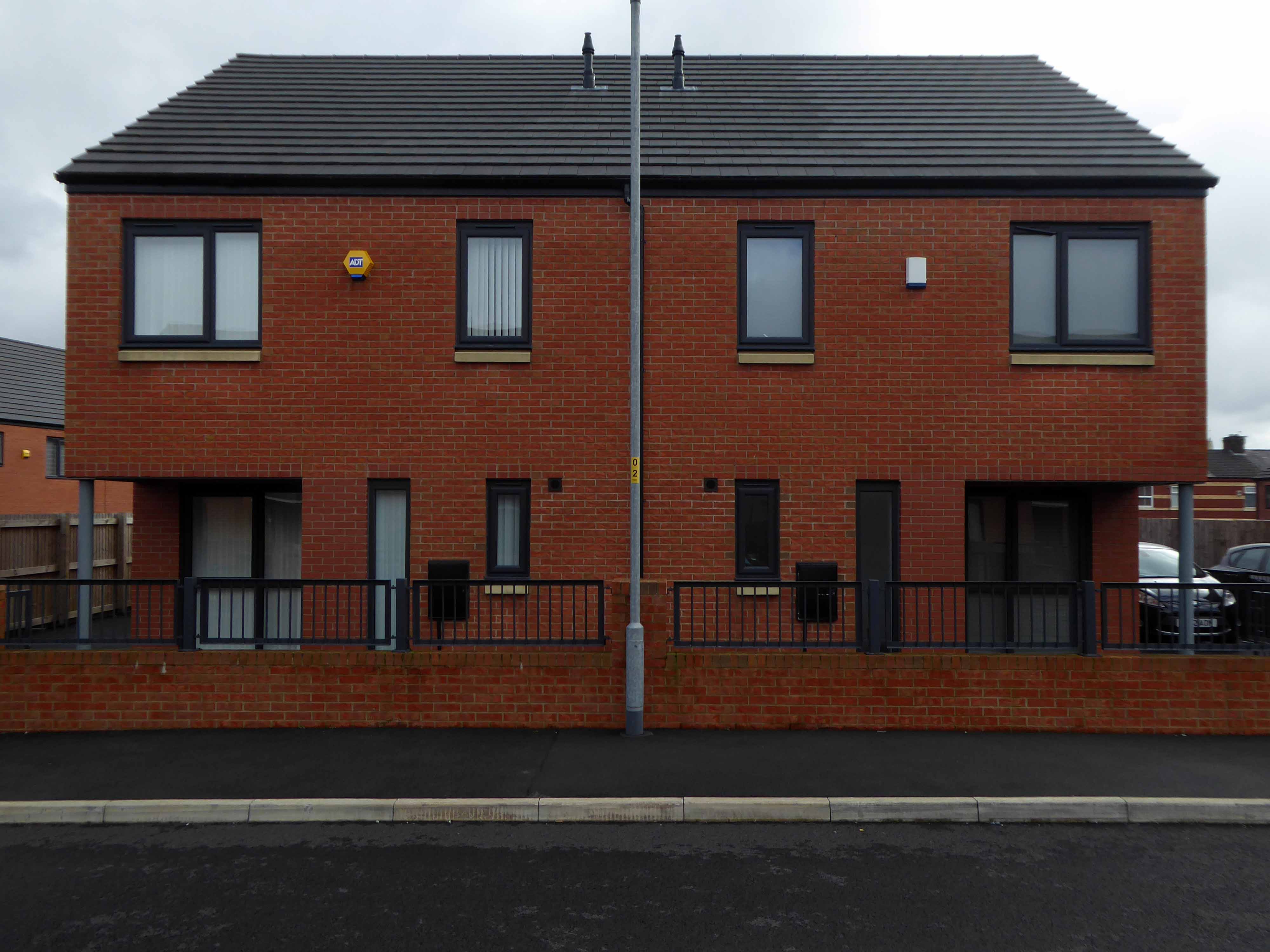
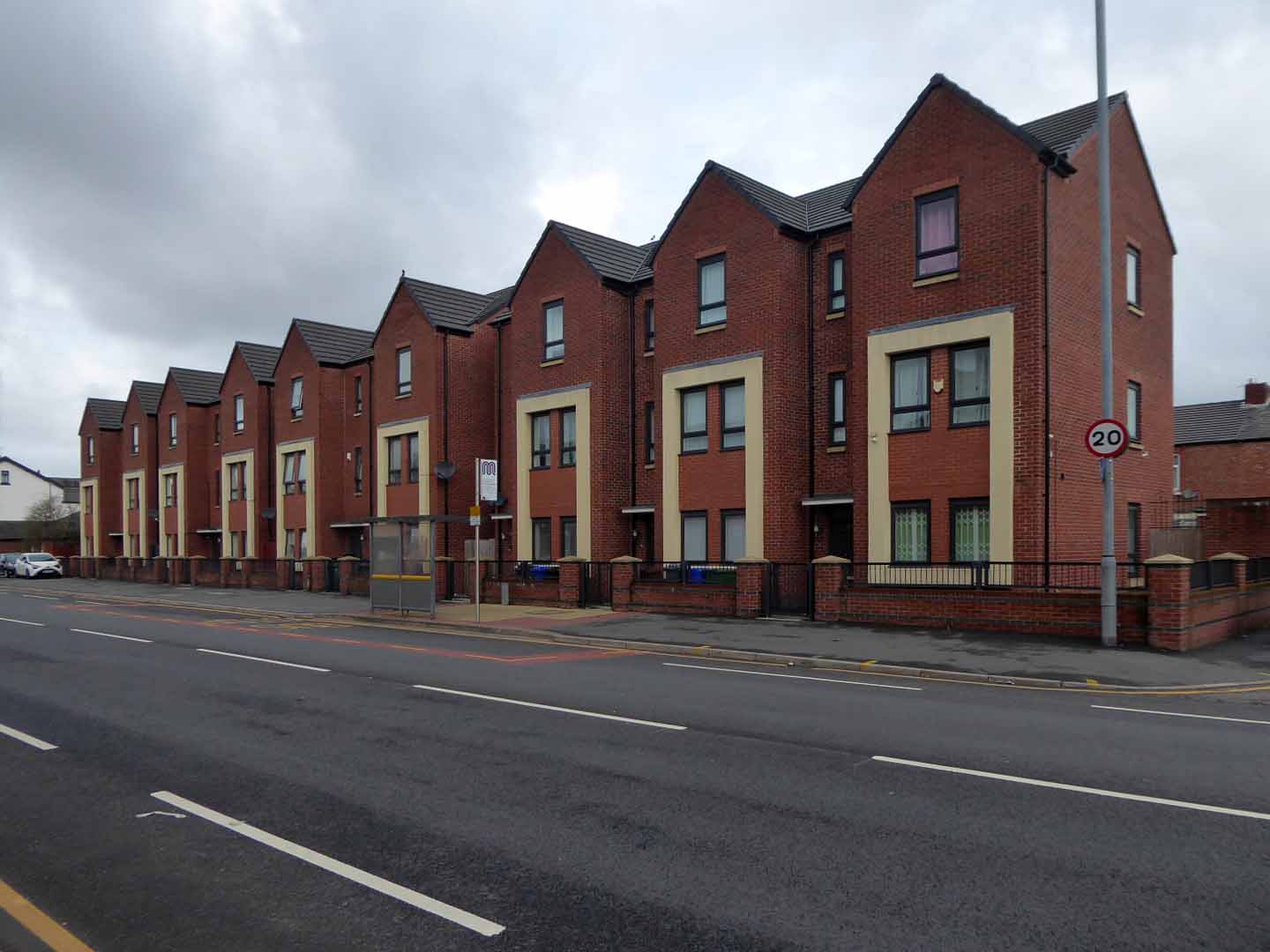
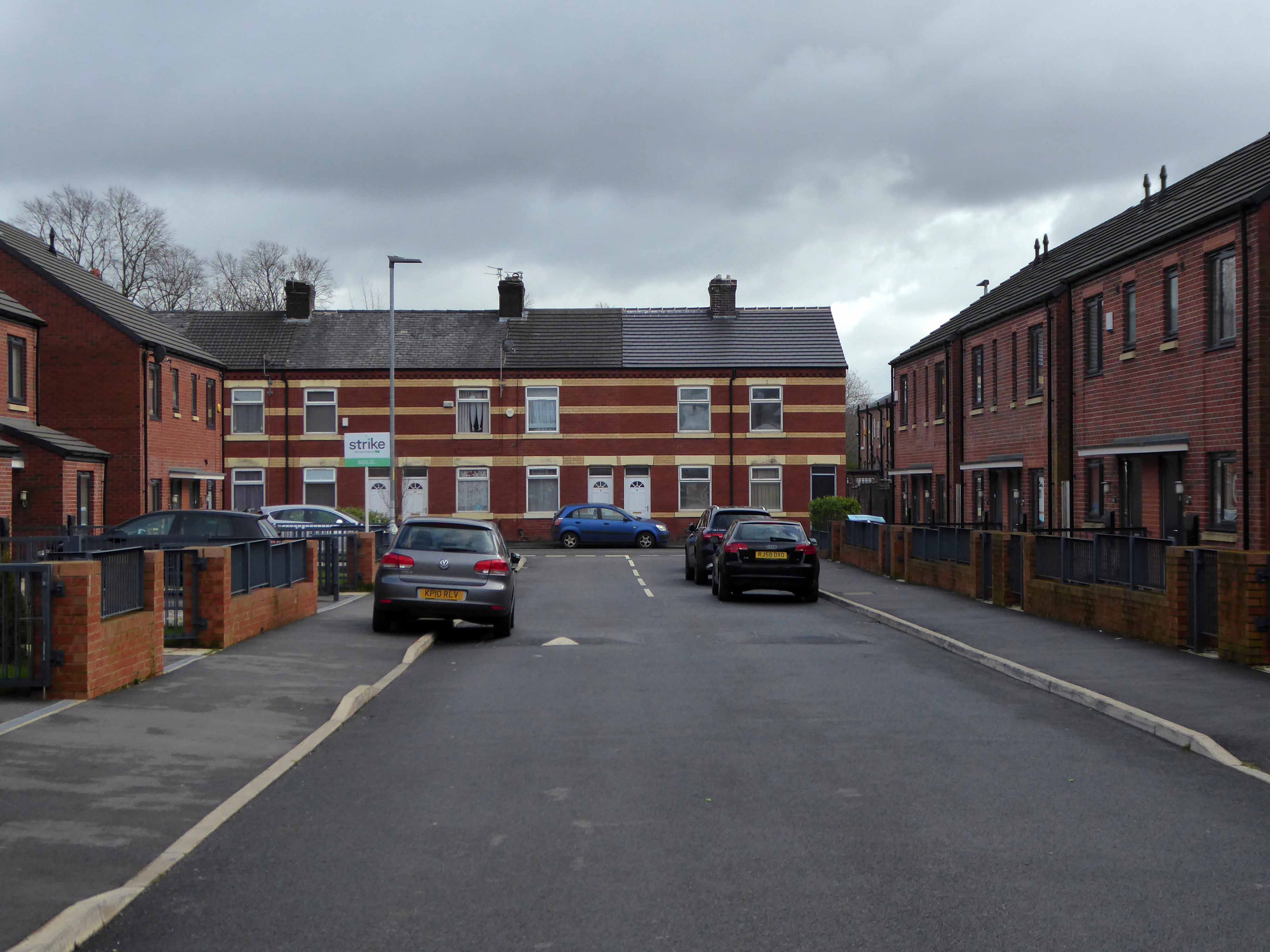
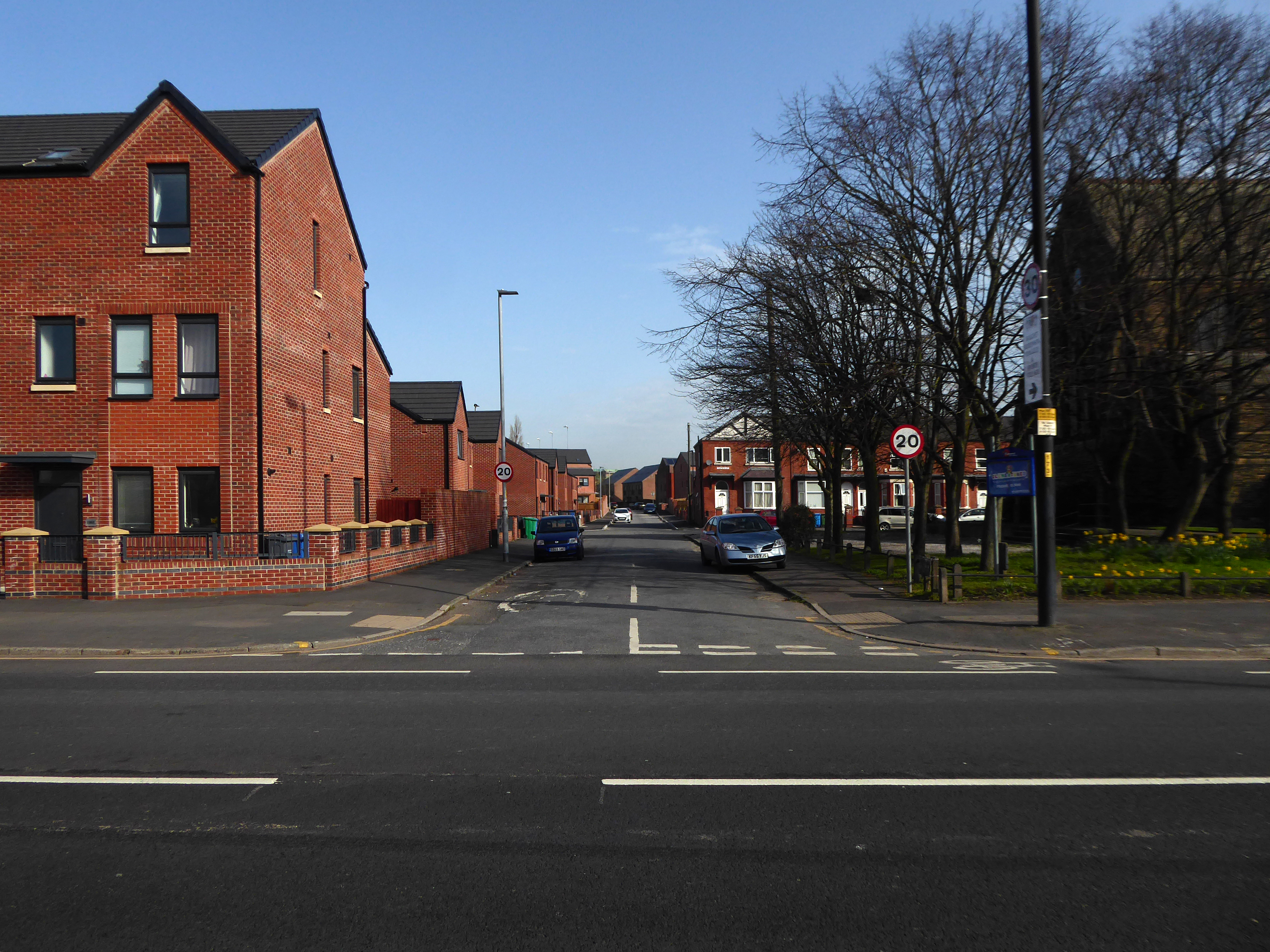
This is a revamped version of my original post, I was contacted by residents, who had reservations concerning the photographs that I had taken of their homes, whilst on their private roads, without their permission, in contravention of current legislation.
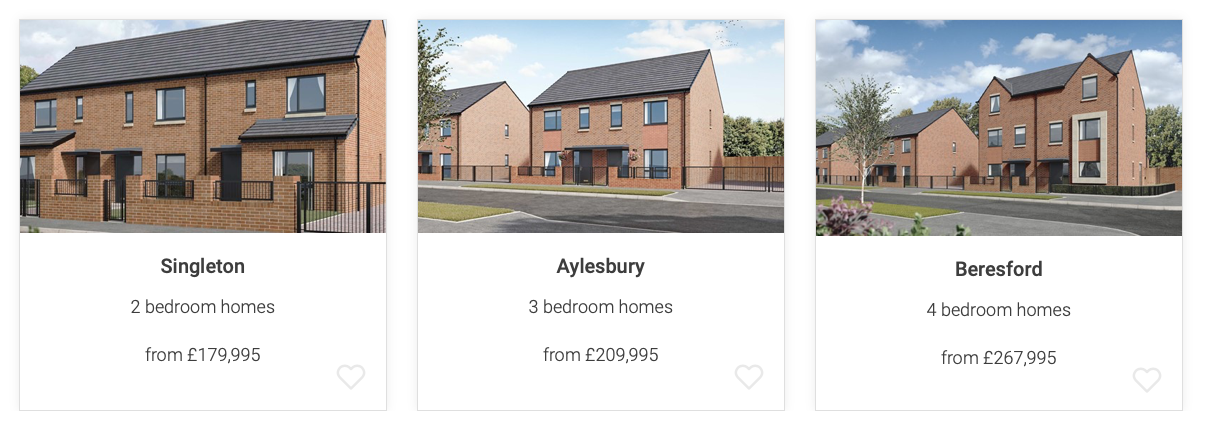
I have replaced these with photographs taken from public roads and also from pictures found on the developer’s website.
Places are different: Subtopia is the annihilation of the difference by attempting to make one type of scenery standard for town, suburb, countryside and wild. So what has to be done is to maintain and intensify the difference between places. This is the basic principle of visual planning. It is also the end to which all the other branches of planning – sociology, traffic circulation, industry, housing hygiene – are means. They all attempt to make life more rewarding, more healthy, less pointlessly arduous.



































 Modern Mooch