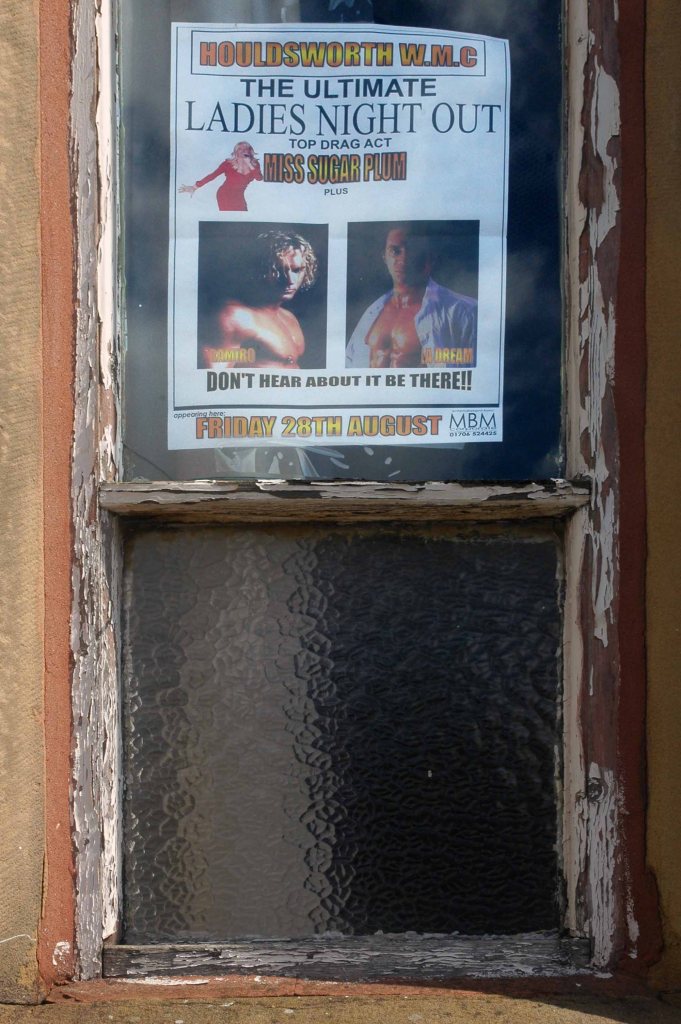
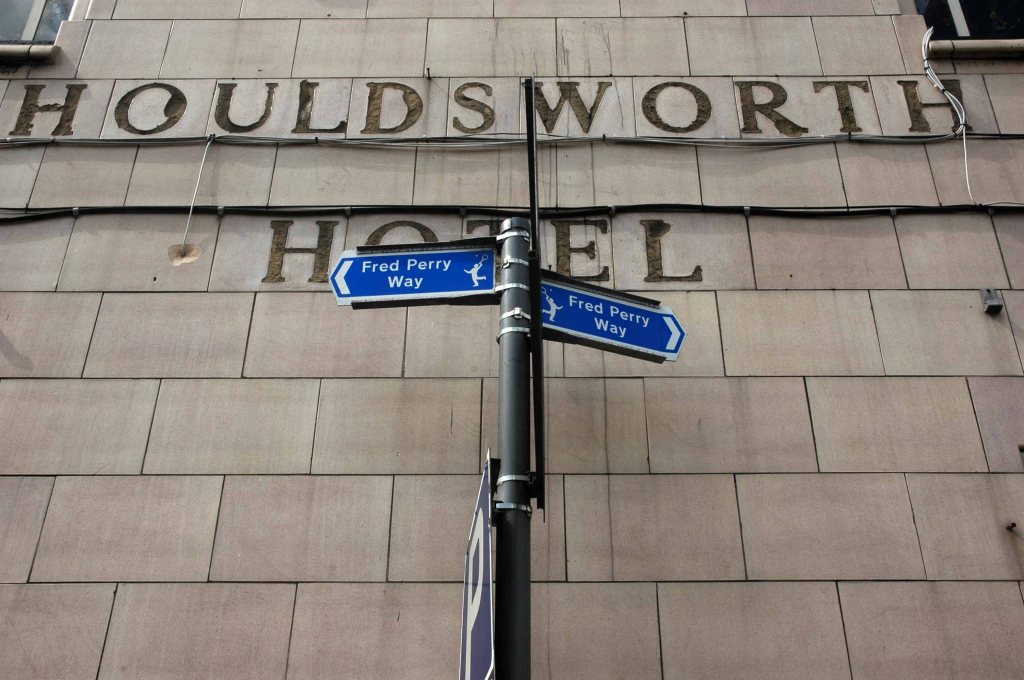
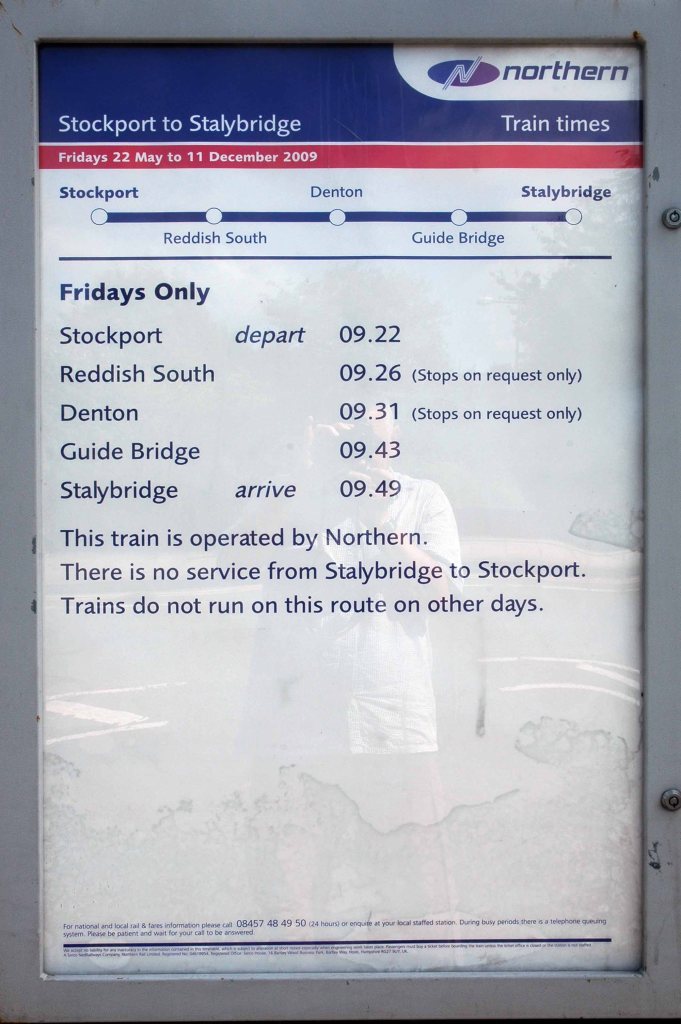
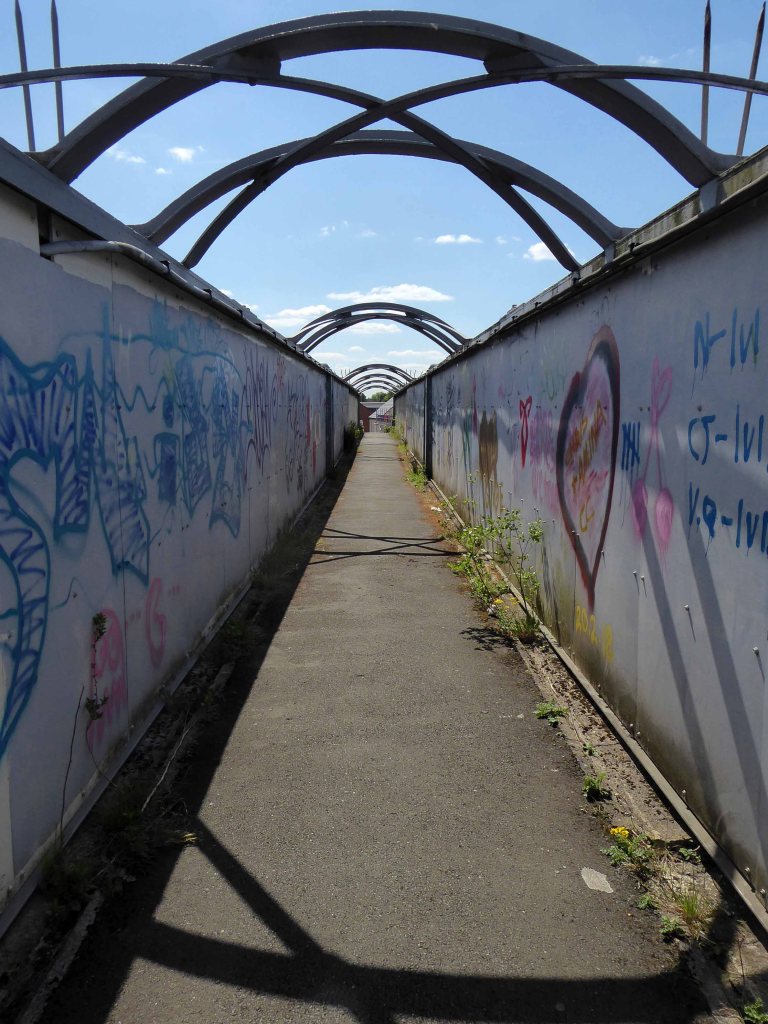
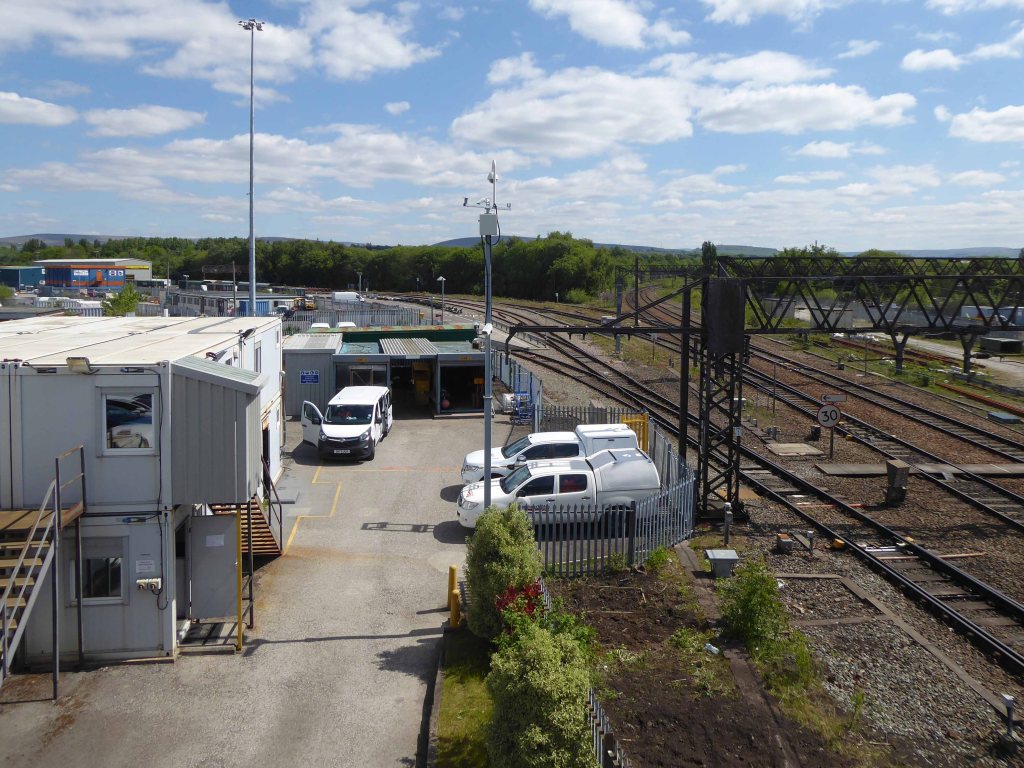
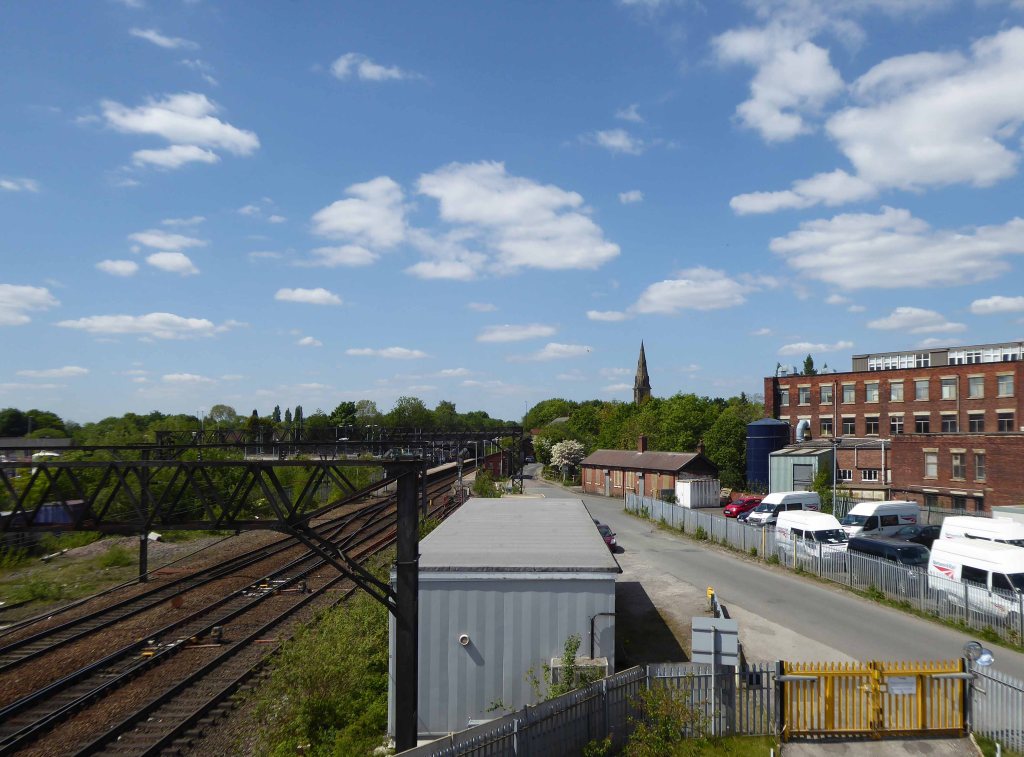
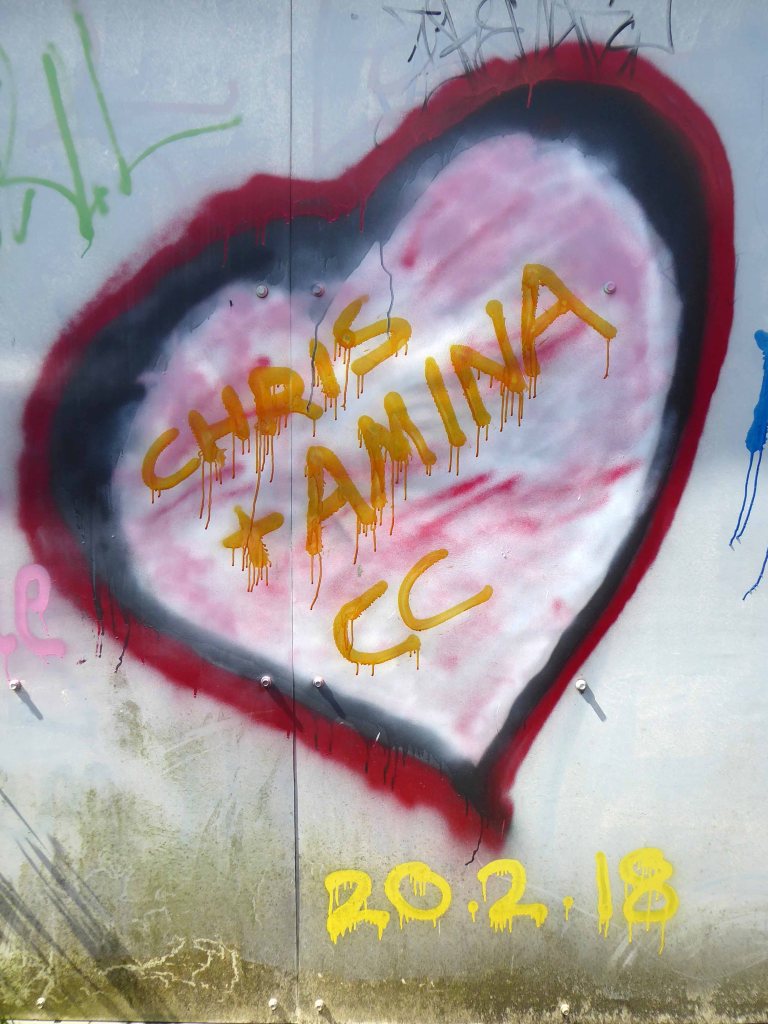
Fred Perry Way – Stockport To Hazel Grove

Second time around – having once cycled the whole way in 2009.

I’ll do anything twice or more – so here we are again, this time on foot.

Let’s start at the very beginning, a very good place to start – in the middle, the section from the town centre to Hazel Grove.
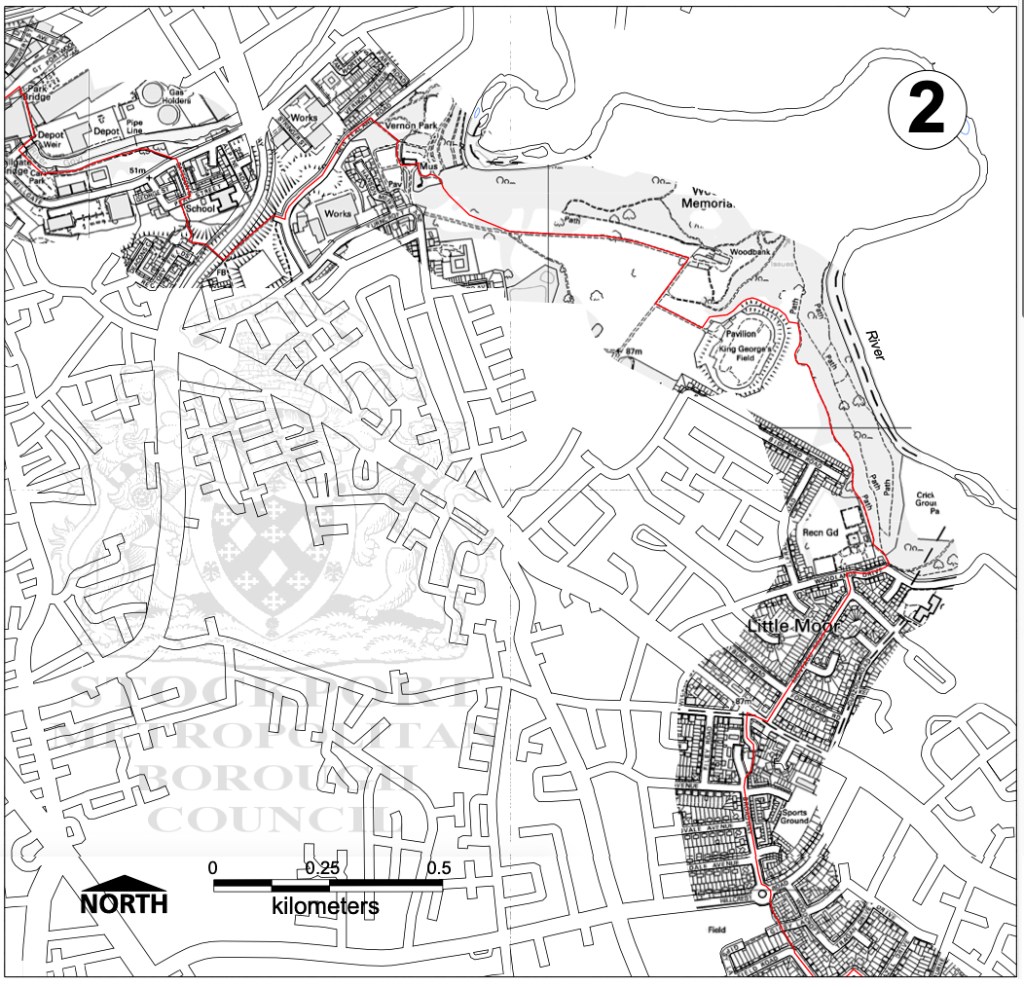
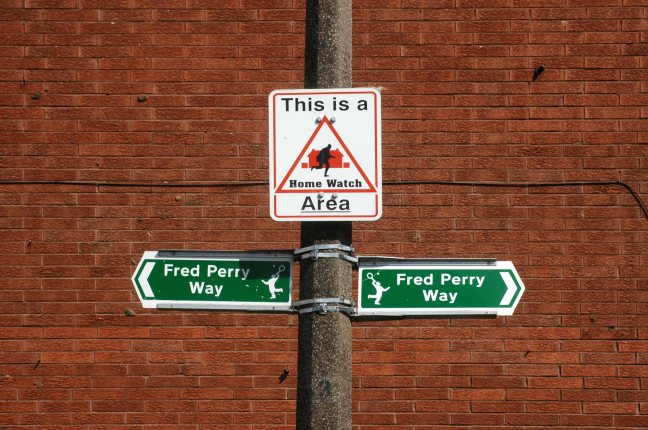
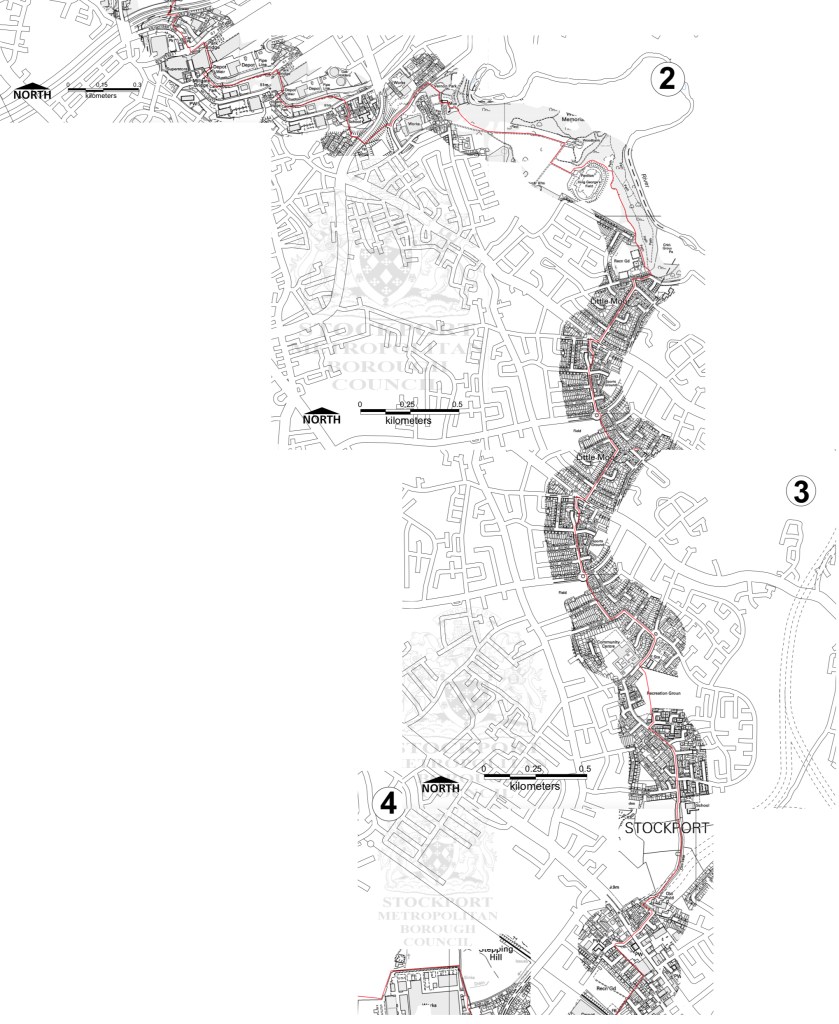
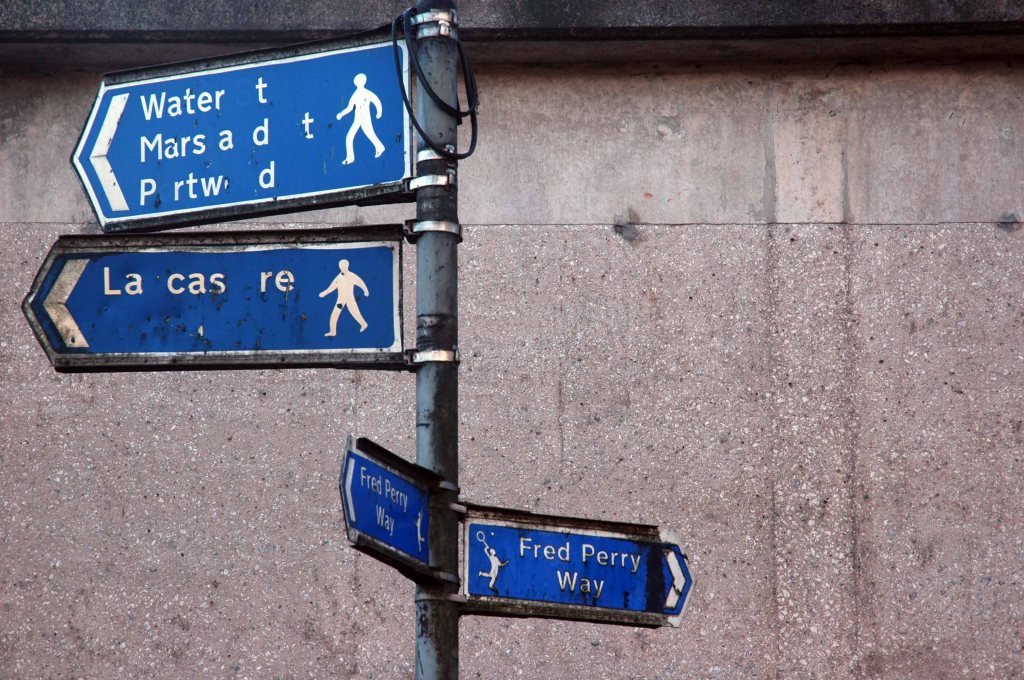
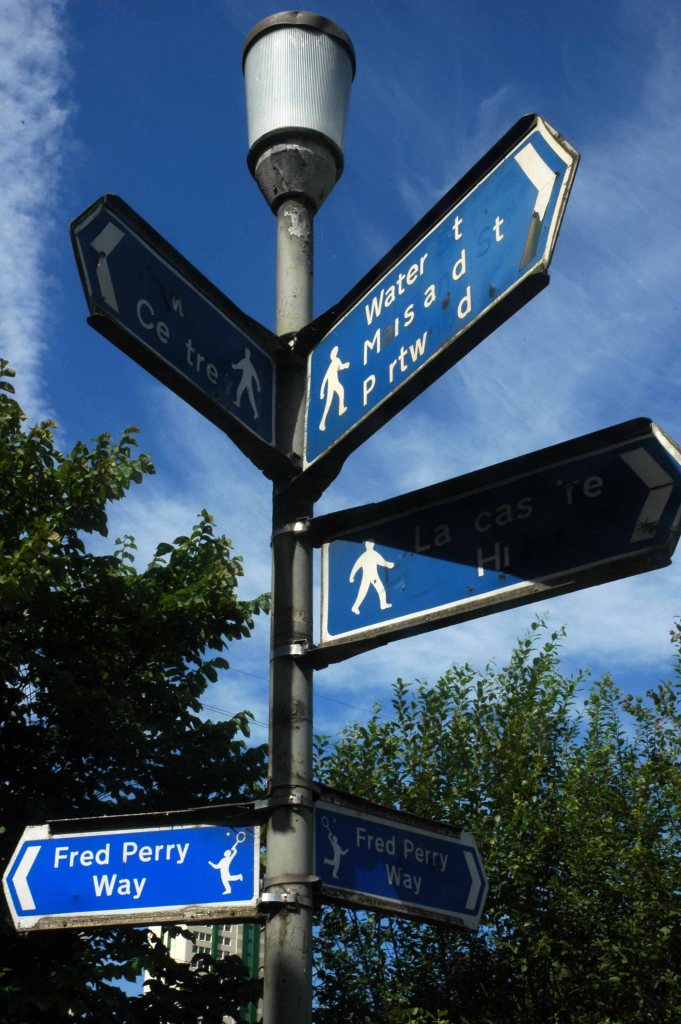
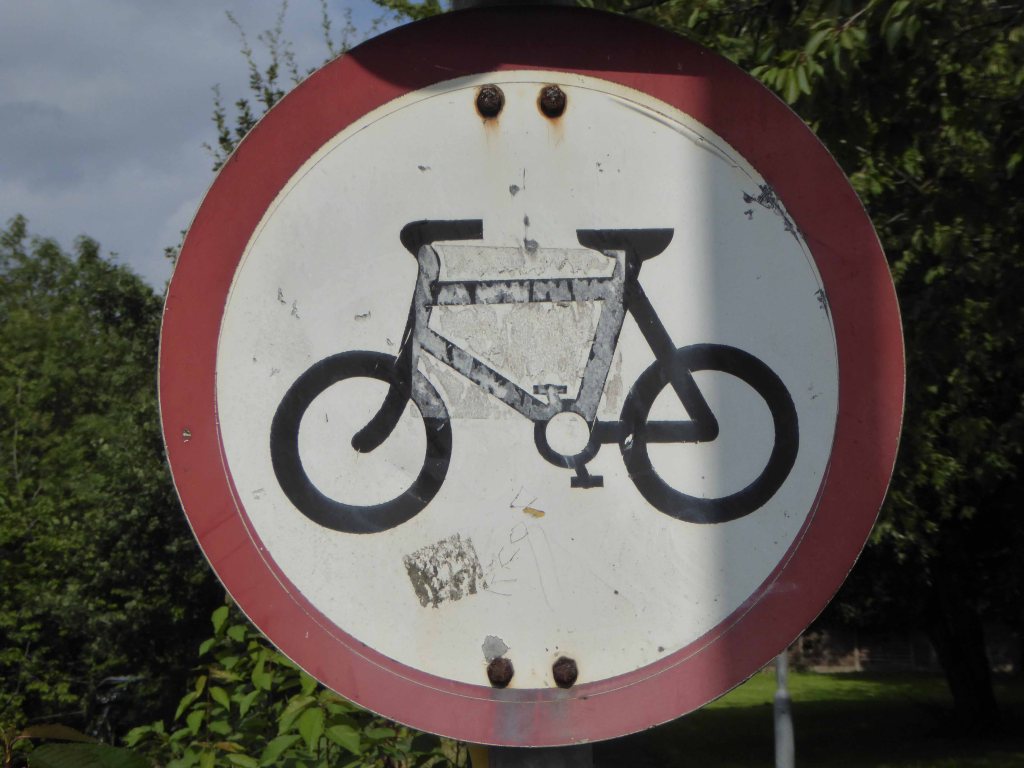
Maps are available here for free – we declined the offer, deciding to follow signs instead, many of which were missing or rotated, the better to misinform and redirect – such is life.

We are mostly lost most of the time, whether we like it or know it or not.

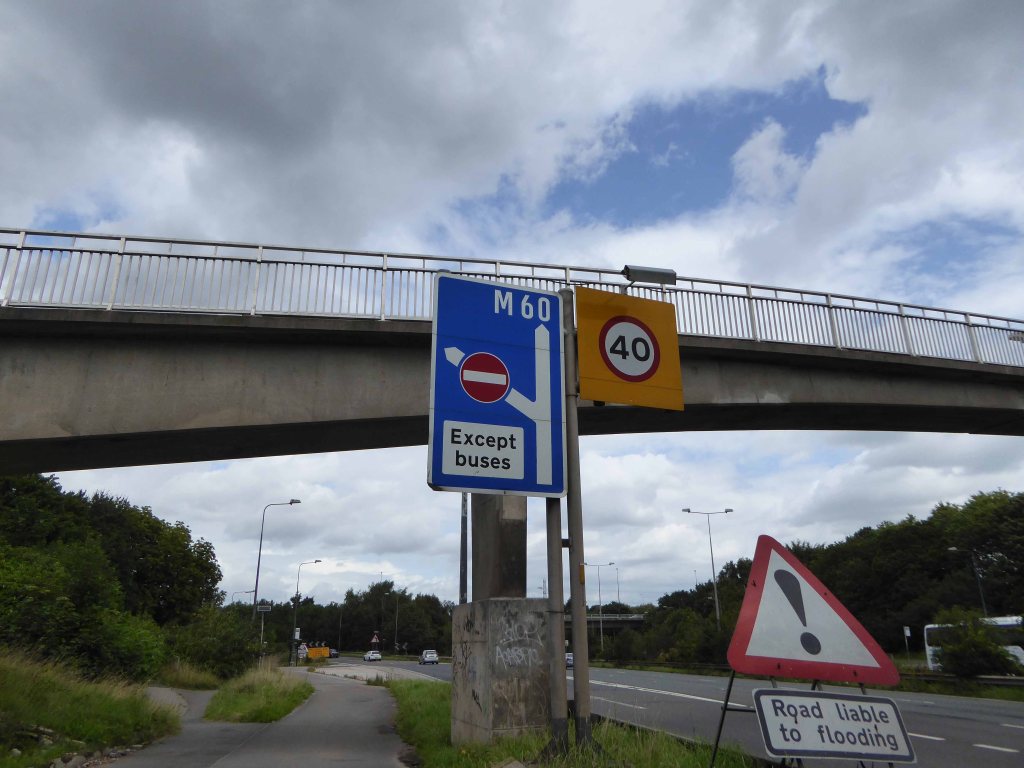
We begin at the confluence of the rivers Mersey and Goyt – which no longer seems to be a Way way, the signs having been removed, and proceed down Howard Street, which seems to have become a tip.
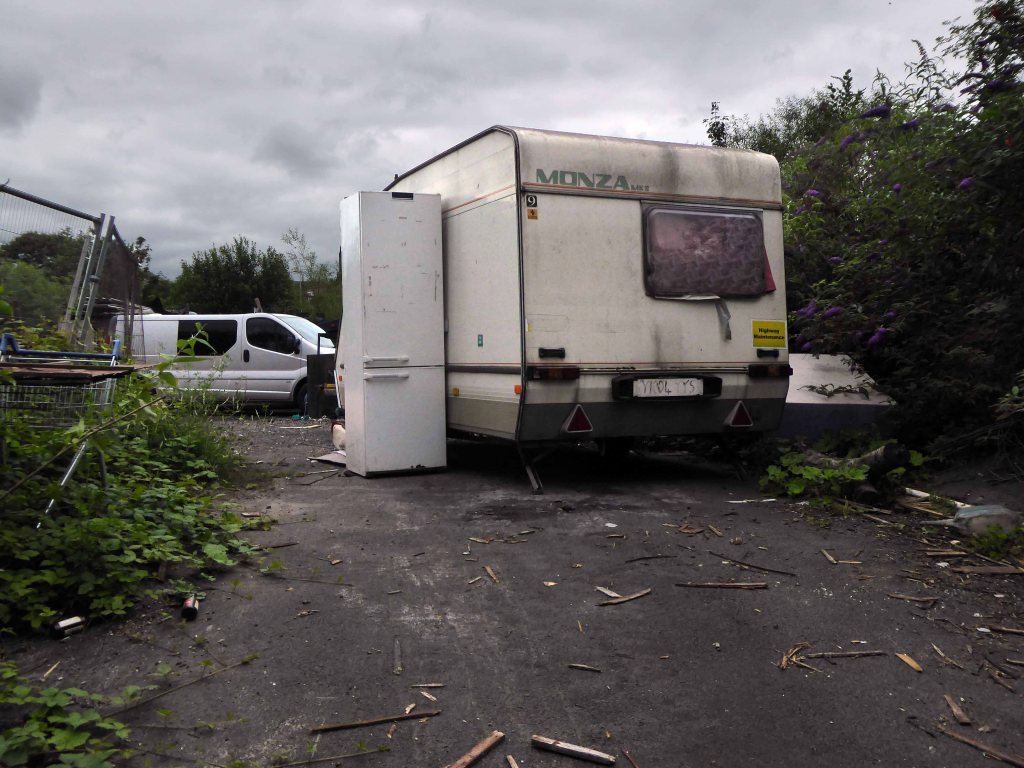
The first and last refuge for refuse.
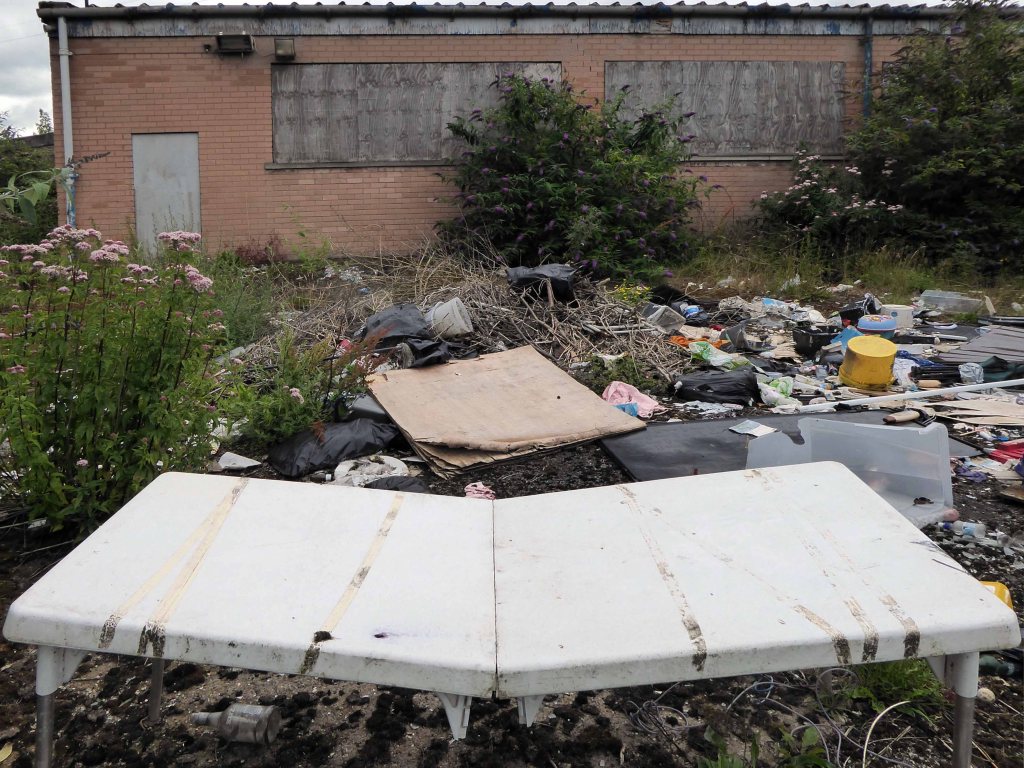
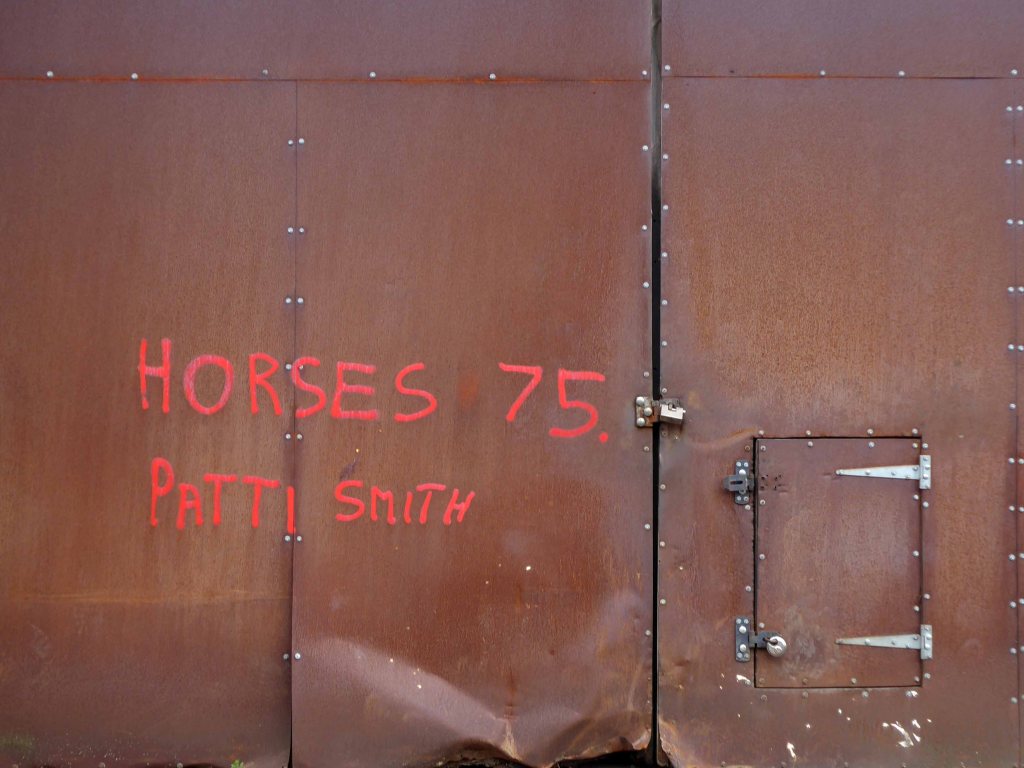
Passing by the kingdom of rust – Patti Smith style.

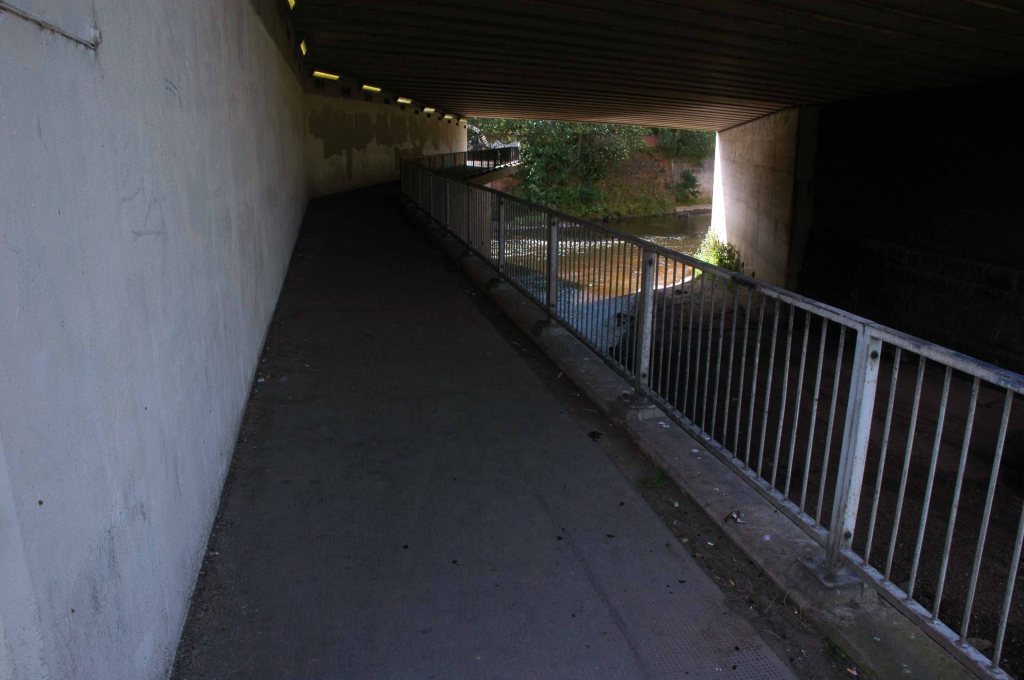
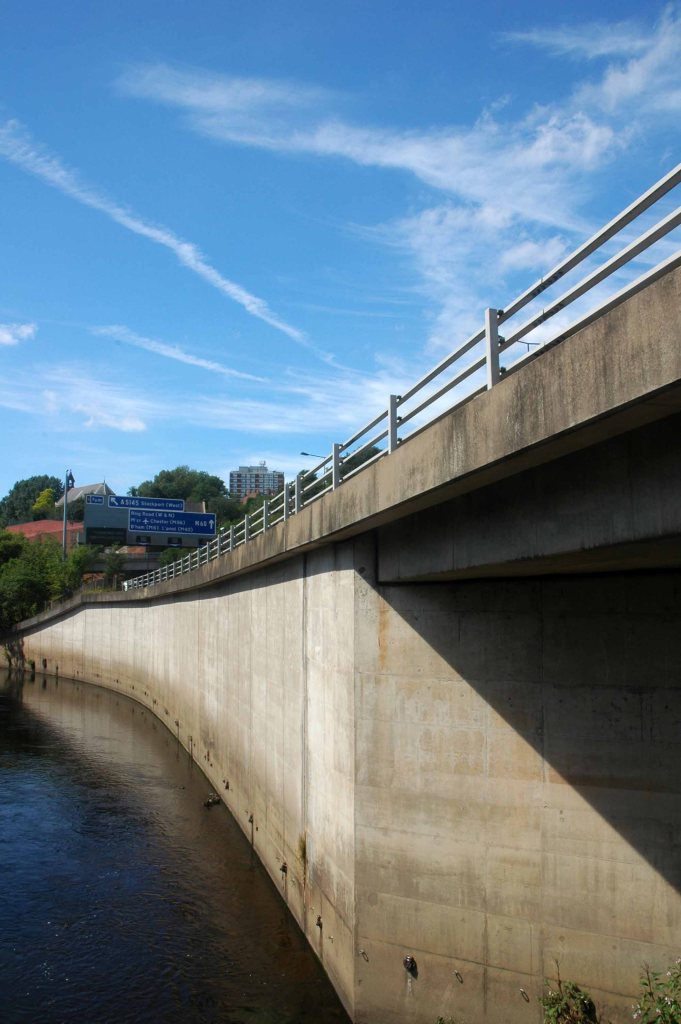
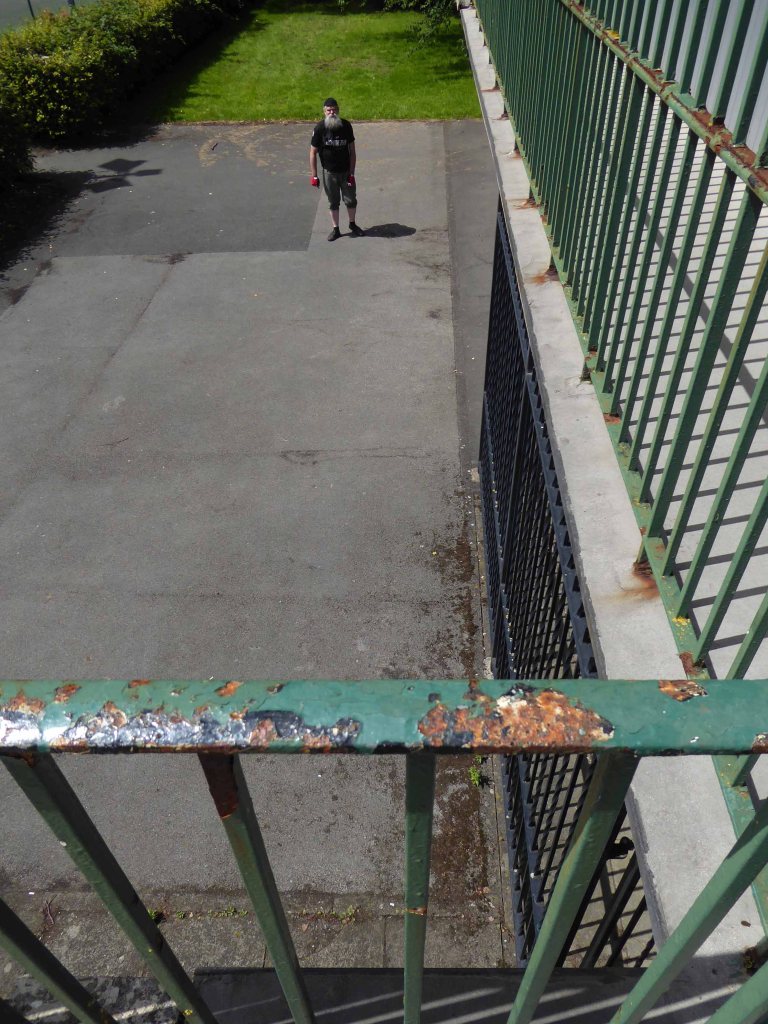
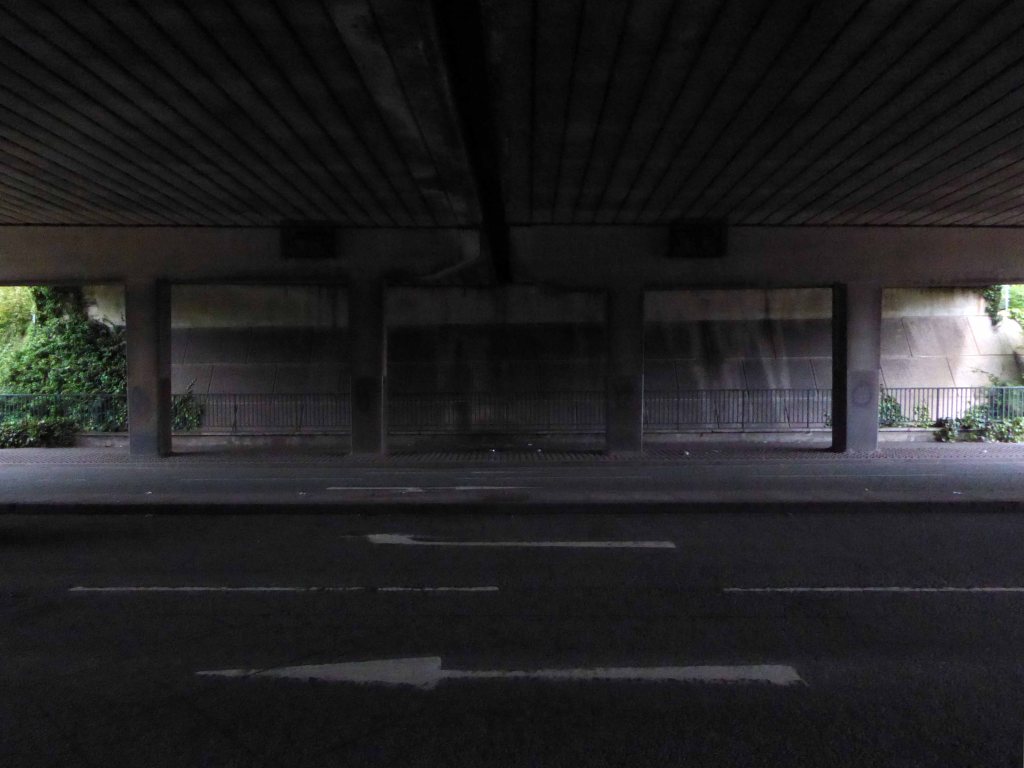
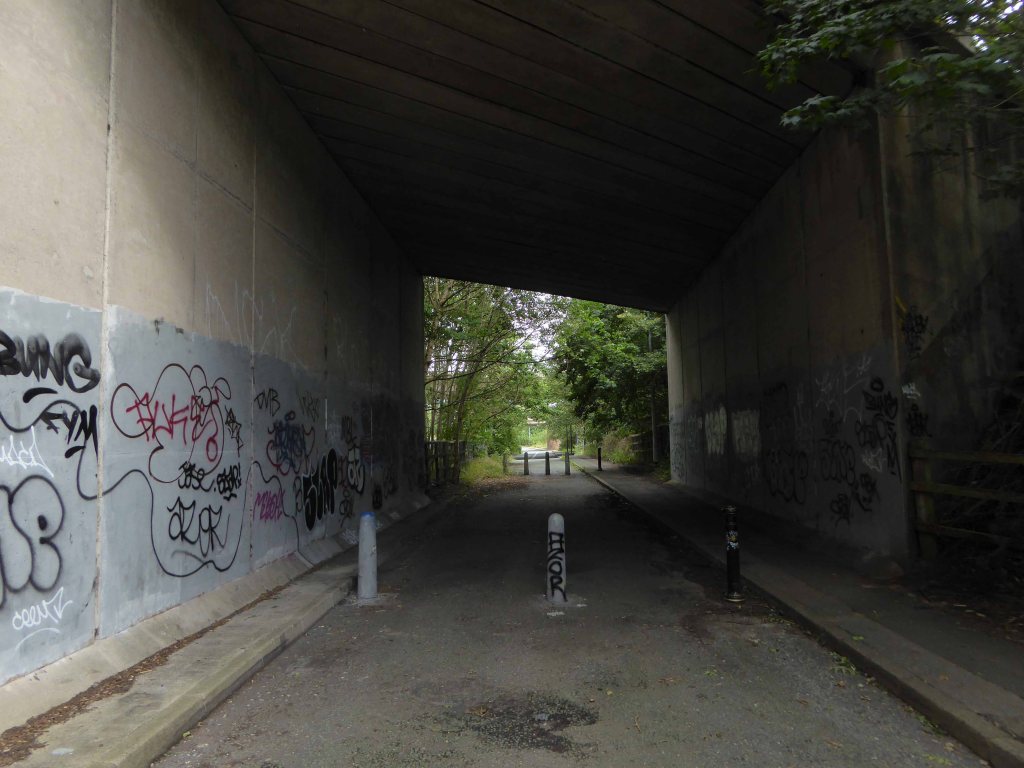
Passing under the town’s complex internal motorway system by underpass.

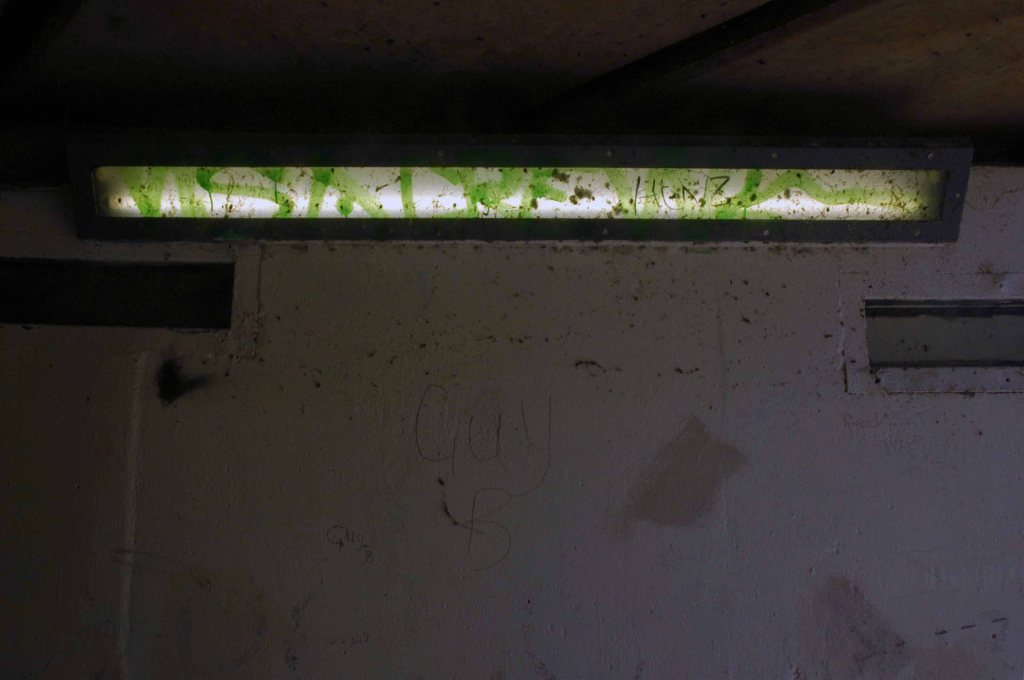
Where help is always handily at hand.
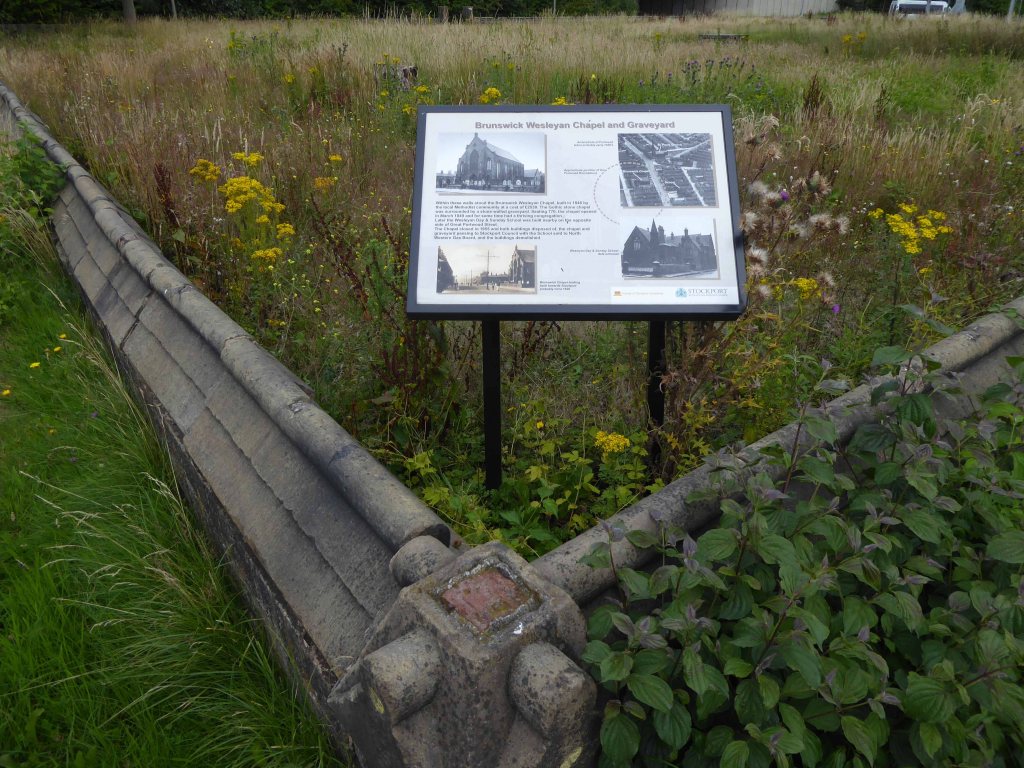
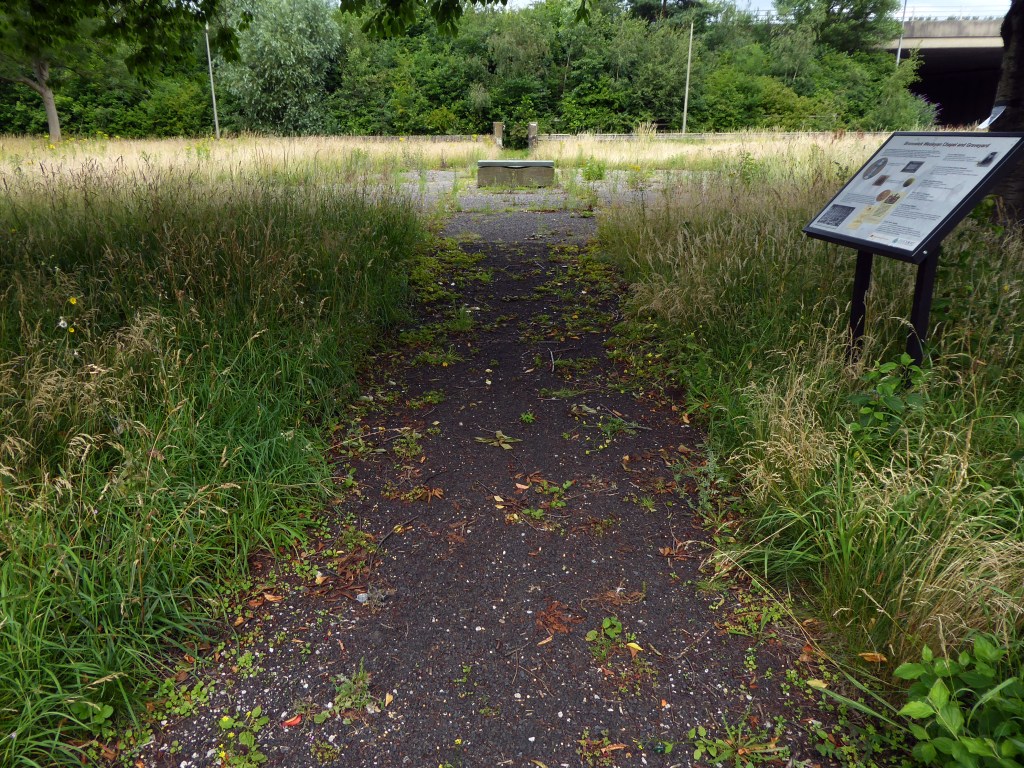
Whistling past the graveyard – the site of the former Brunswick Chapel where one and hundred and fifty souls lay lying.

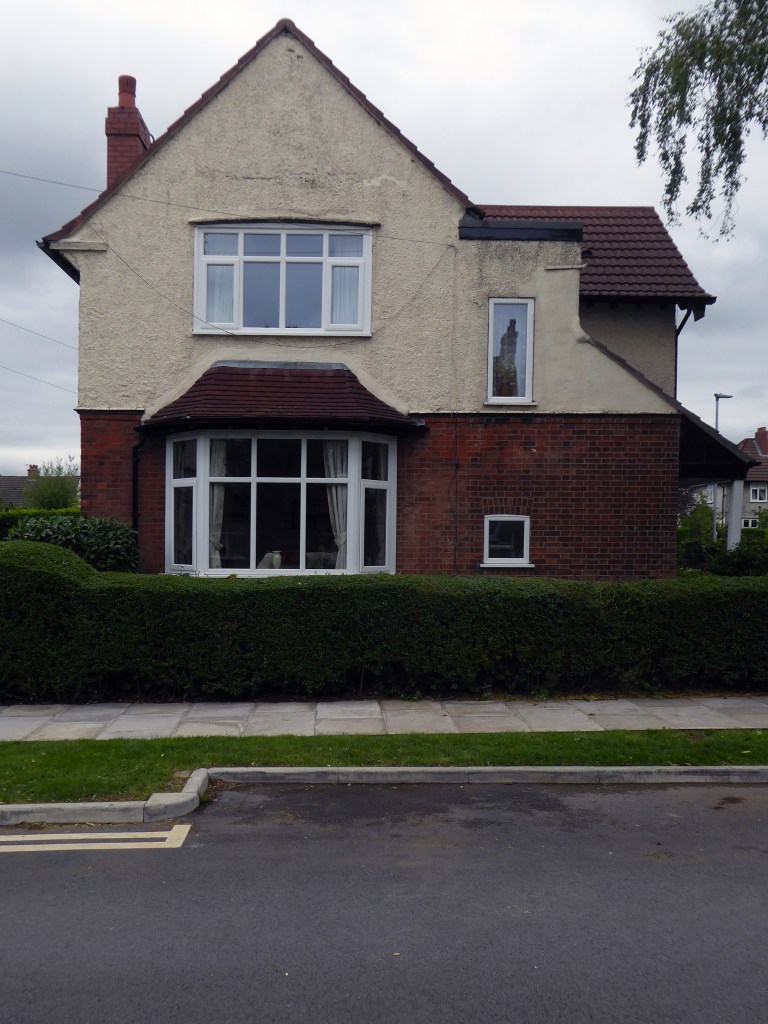
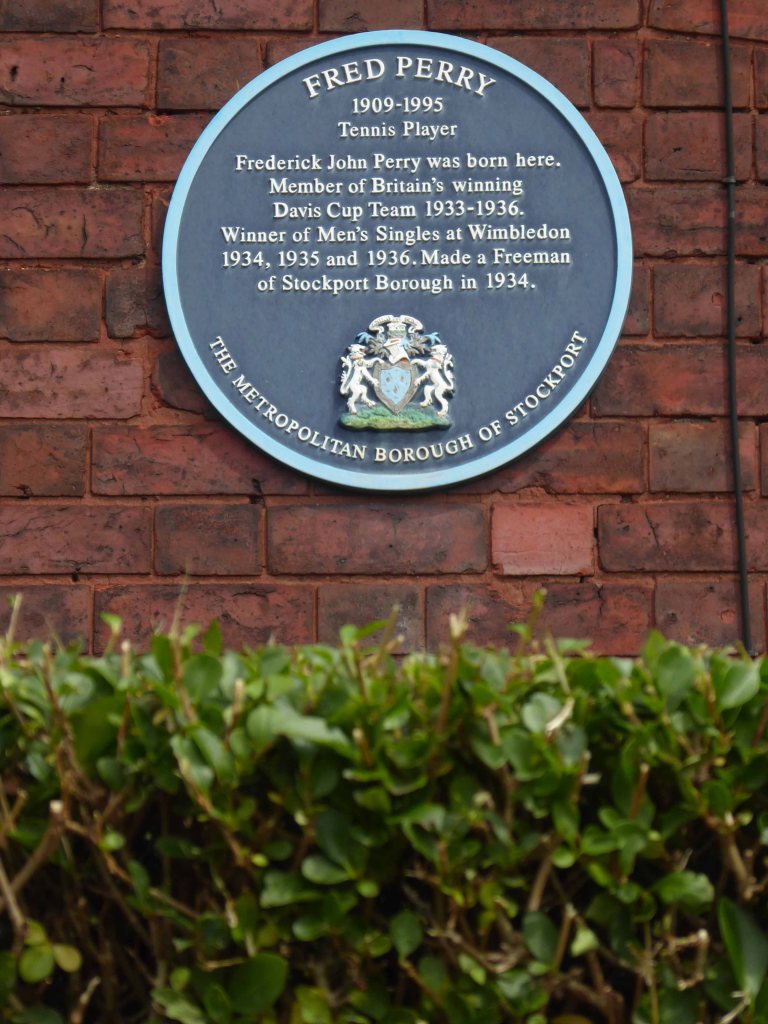
Onward down Carrington Road to Fred’s house.
Through Vernon Park to Woodbank Park – with its heroic erratic.

Almost opposite the entrance to the museum, now set in shrubbery, are the foundations, laid in September 1860, of what was to be a forty metre high Observatory Tower. Despite a series of attempts, funds for the tower could not be raised and the ‘Amalgamated Friendly Societies of Stockport’ eventually had to abandon the idea.

Historic England

Out east and passing alongside the running track.
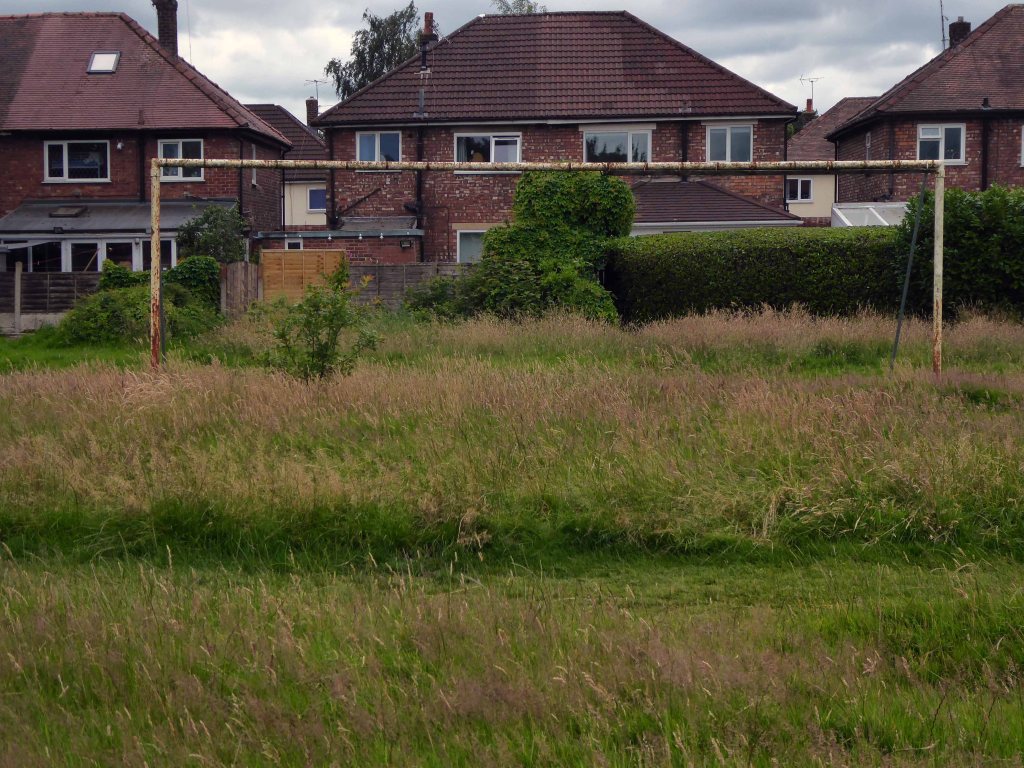
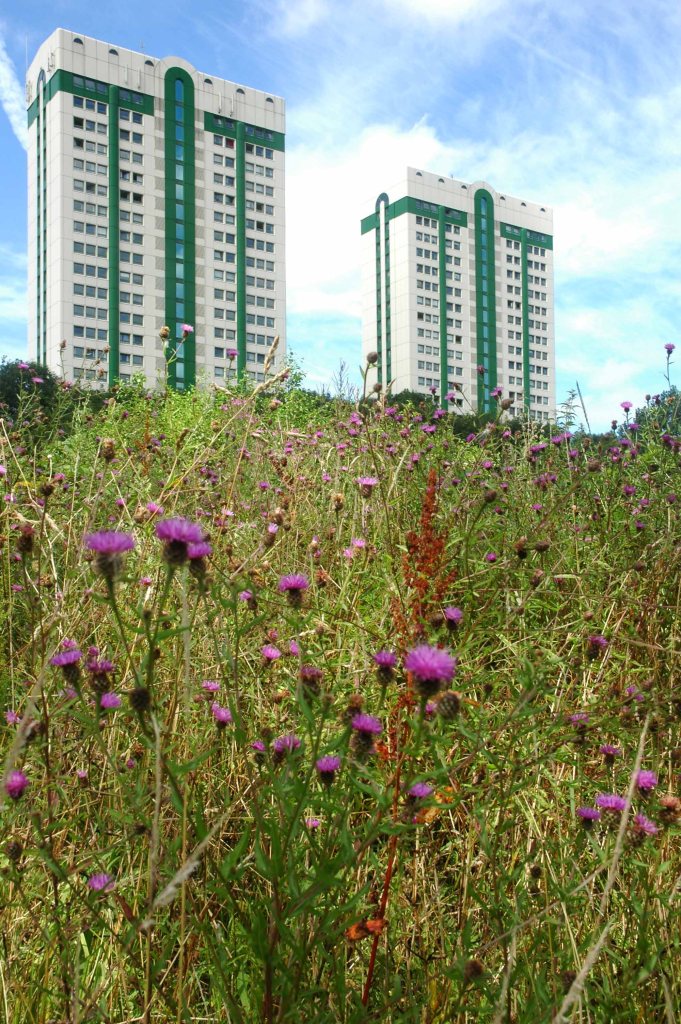
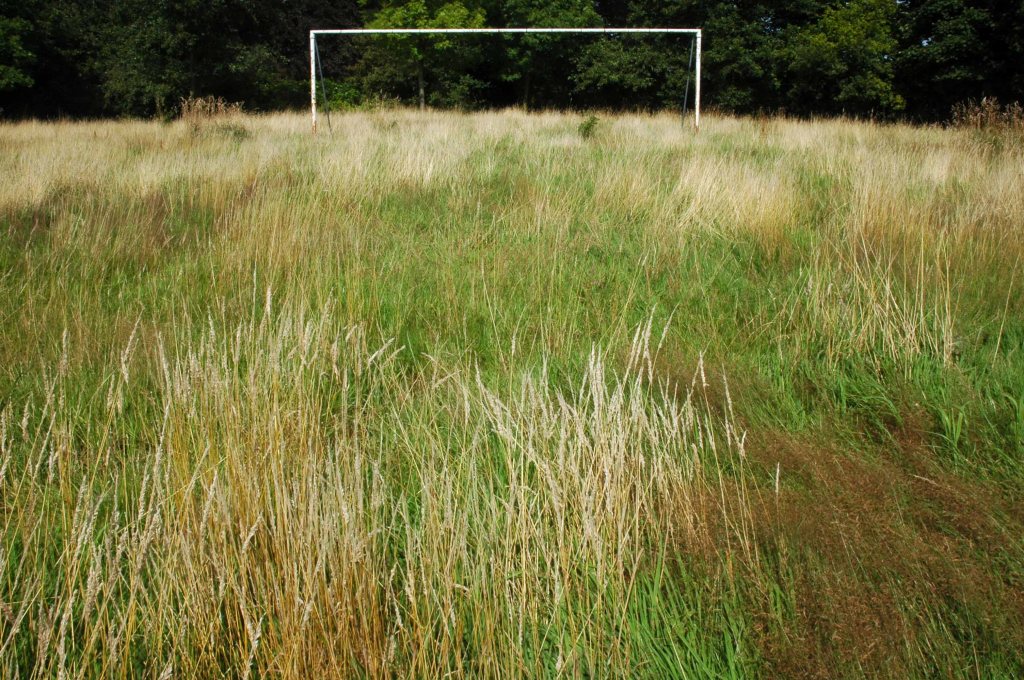
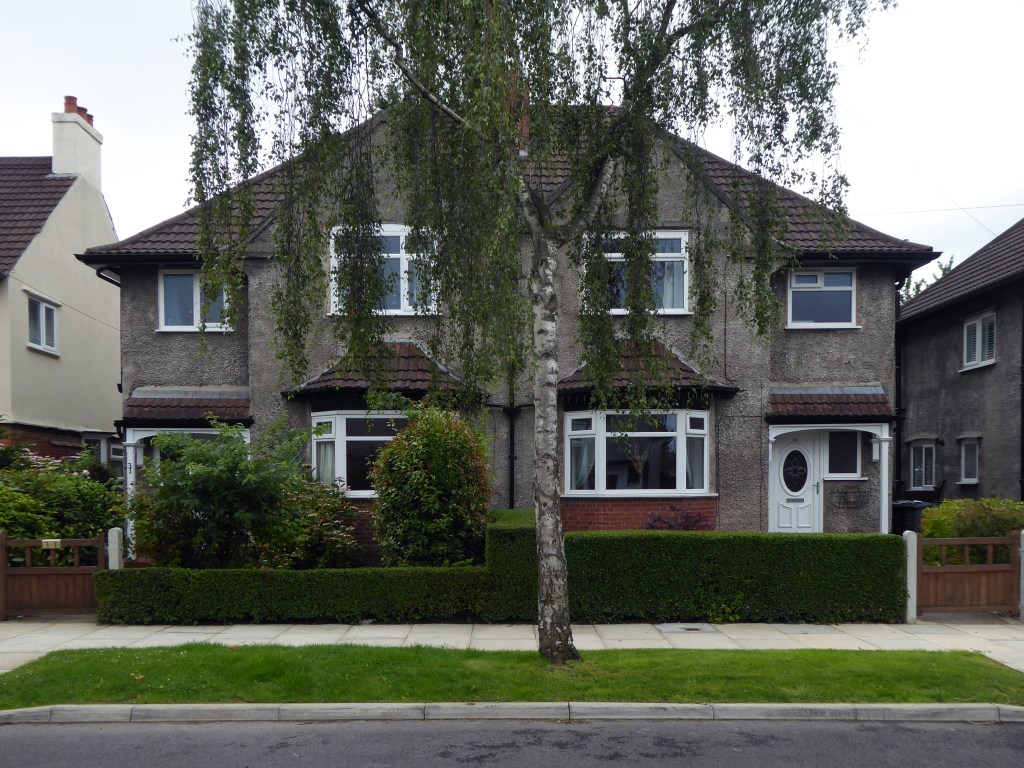
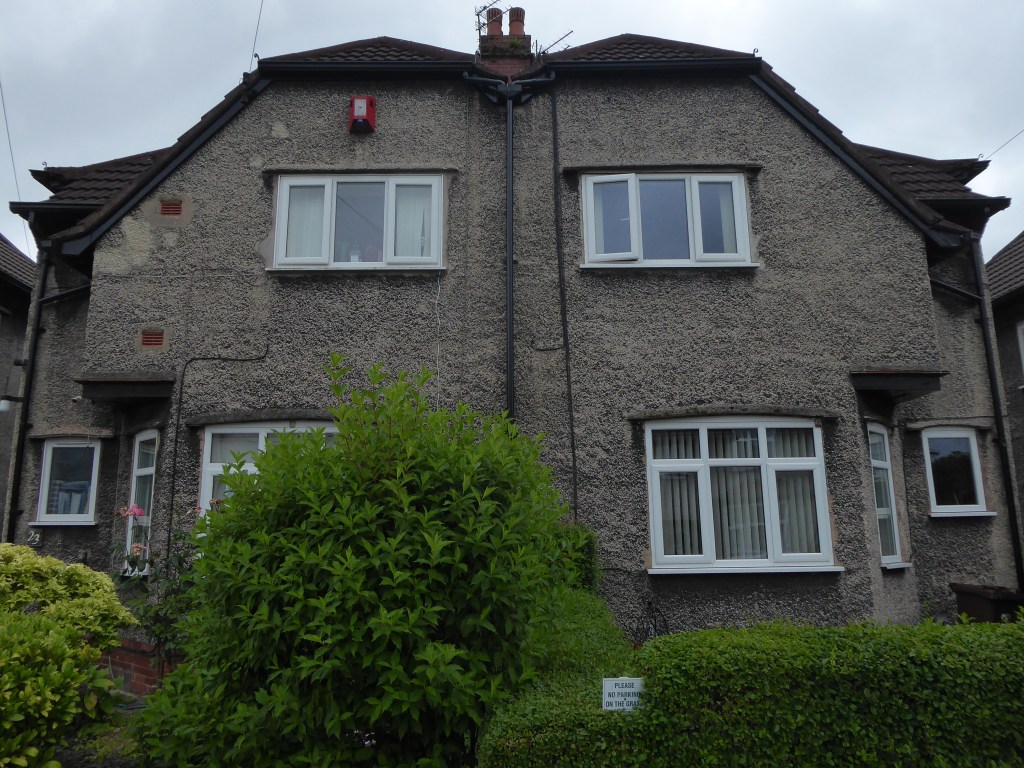
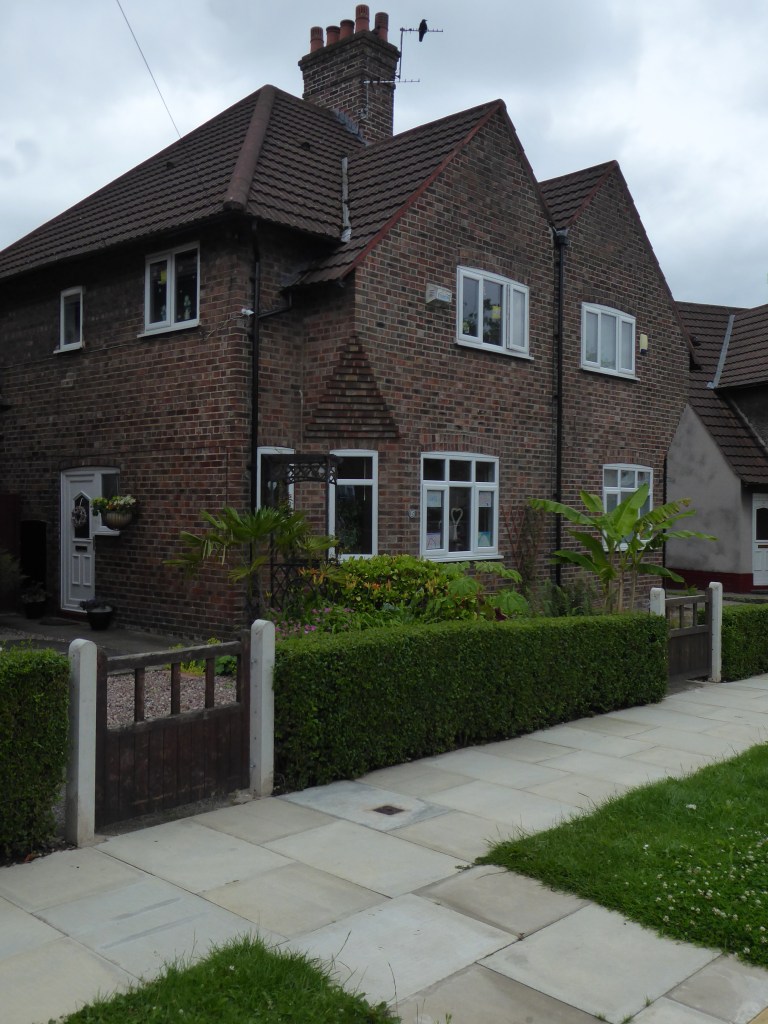
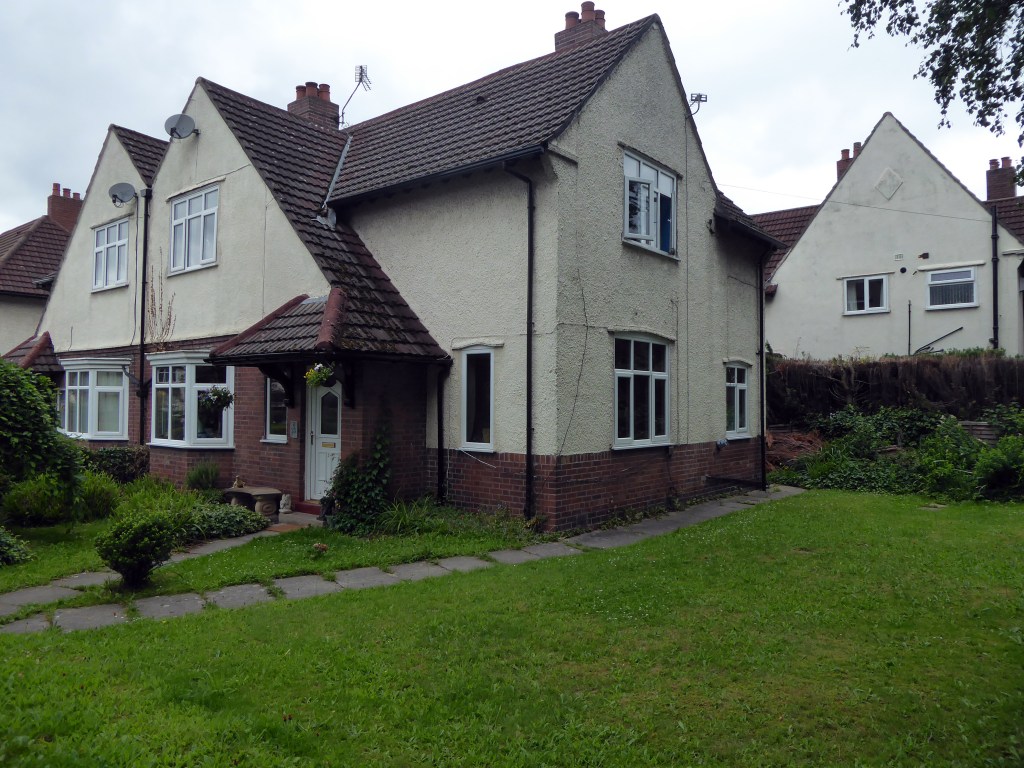
Lush meadows now occupy the former football field, twixt inter-war semis and the woodland beyond.

Out into the savage streets of Offerton where we find a Buick Skylark, incongruously ensconced in a front garden.

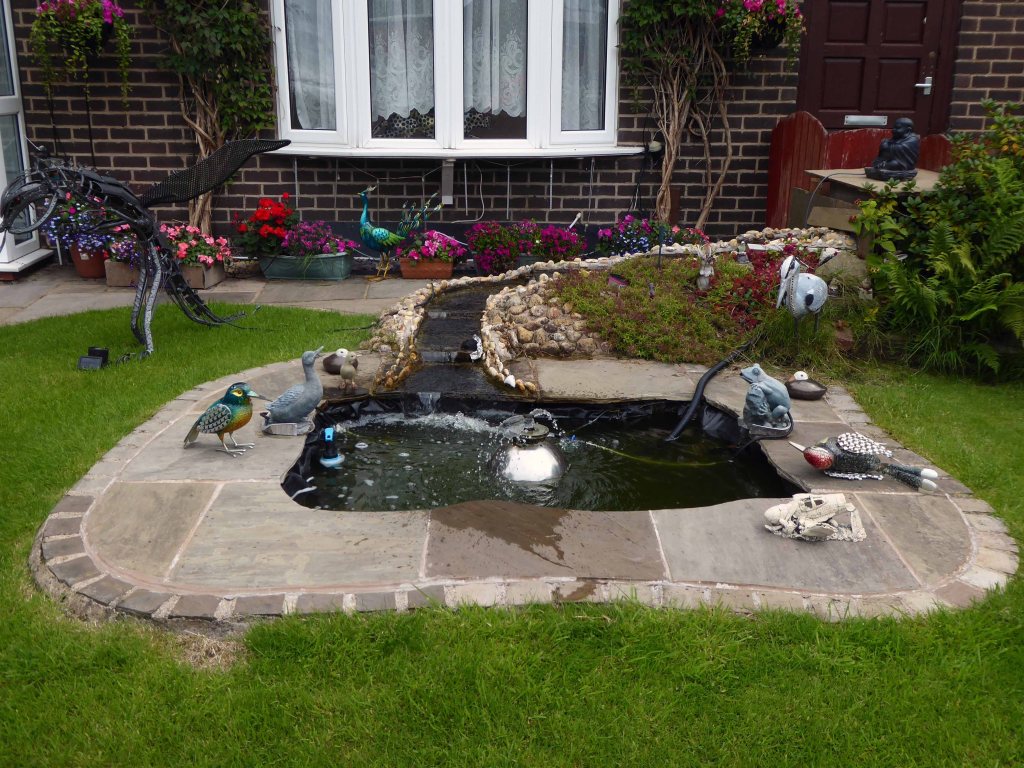
The only too human imperative to laugh in the face of naturalism.
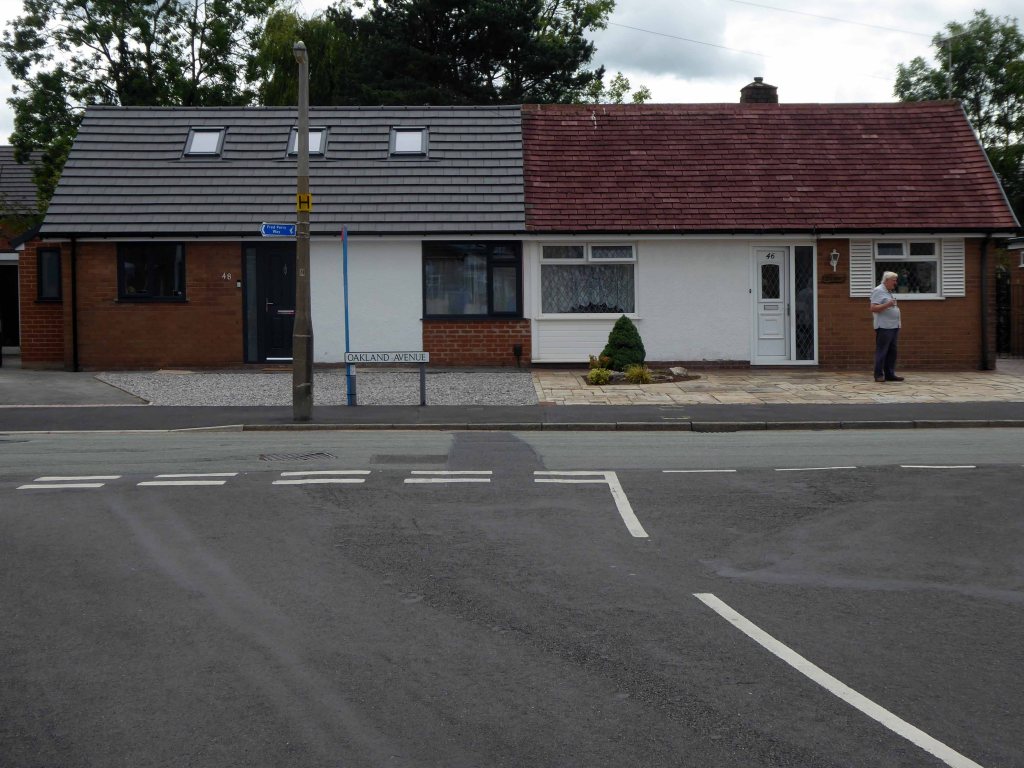
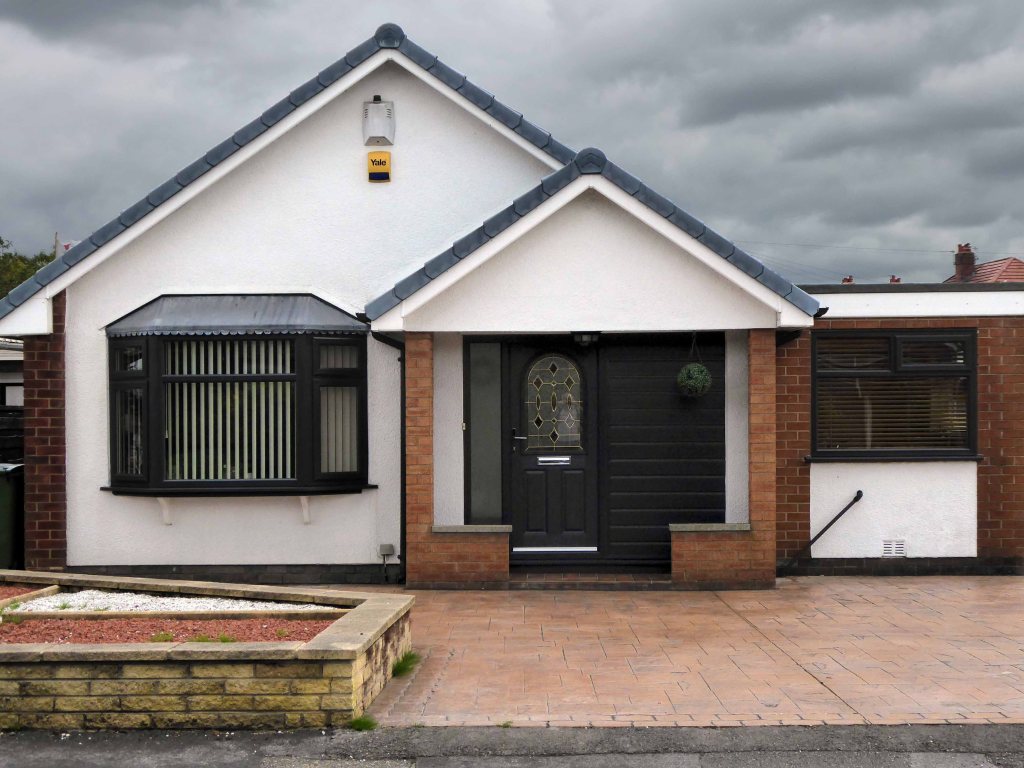
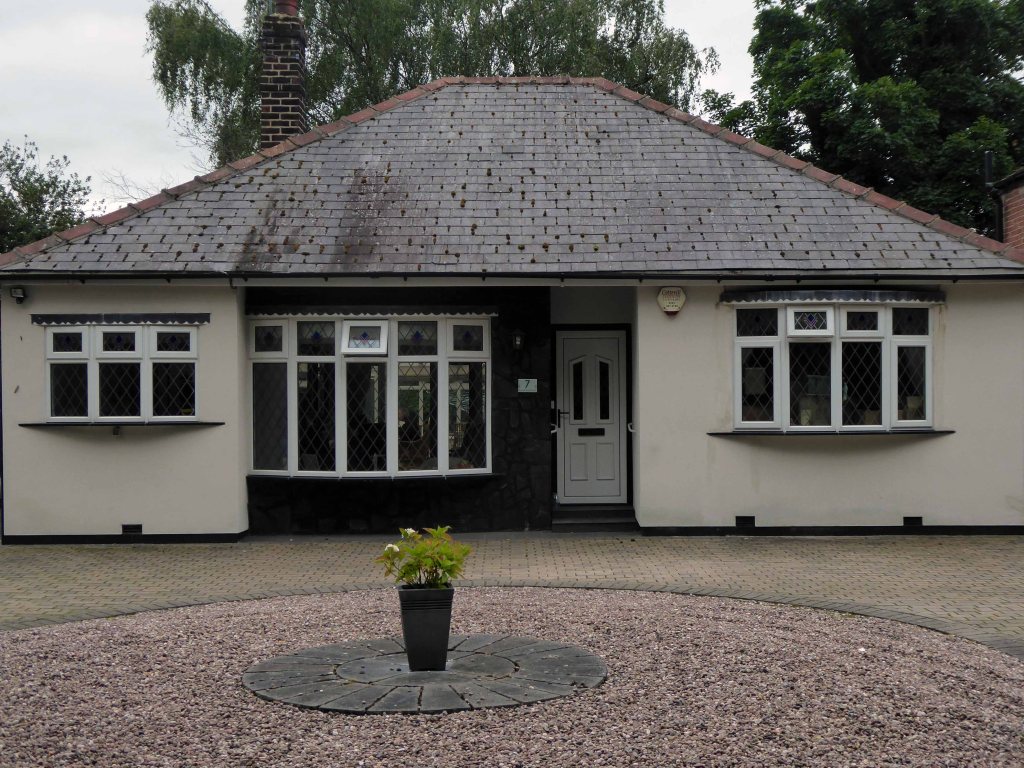
We have crossed over Marple Road and are deep in the suburban jungle of mutually exclusive modified bungalows.

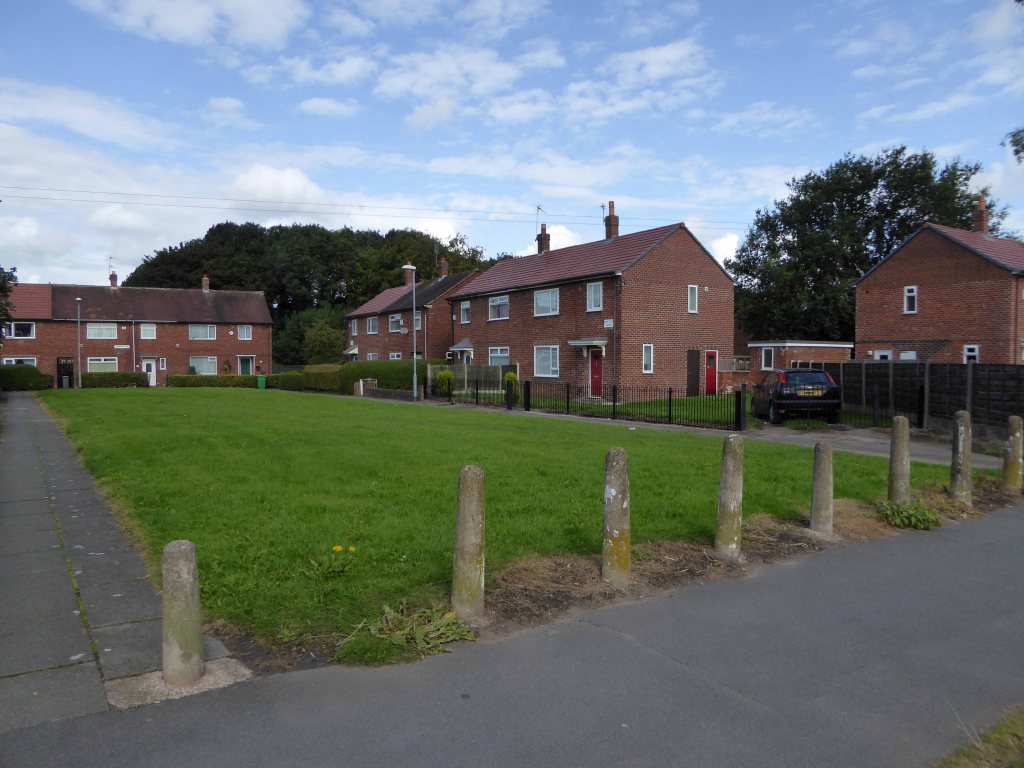
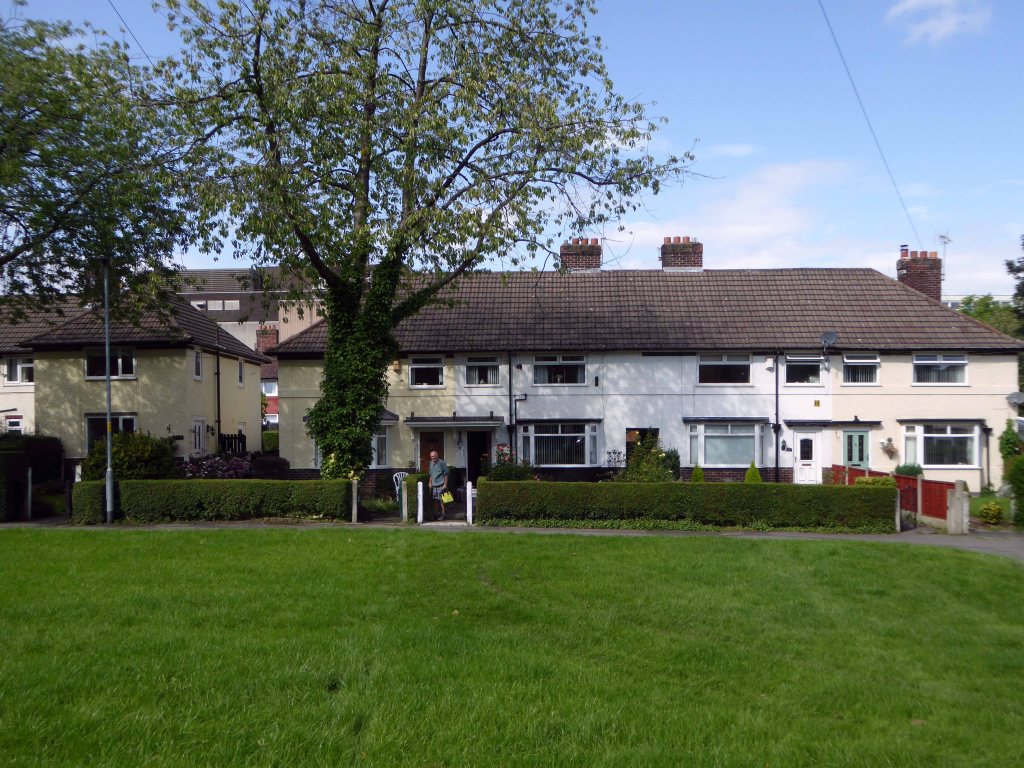
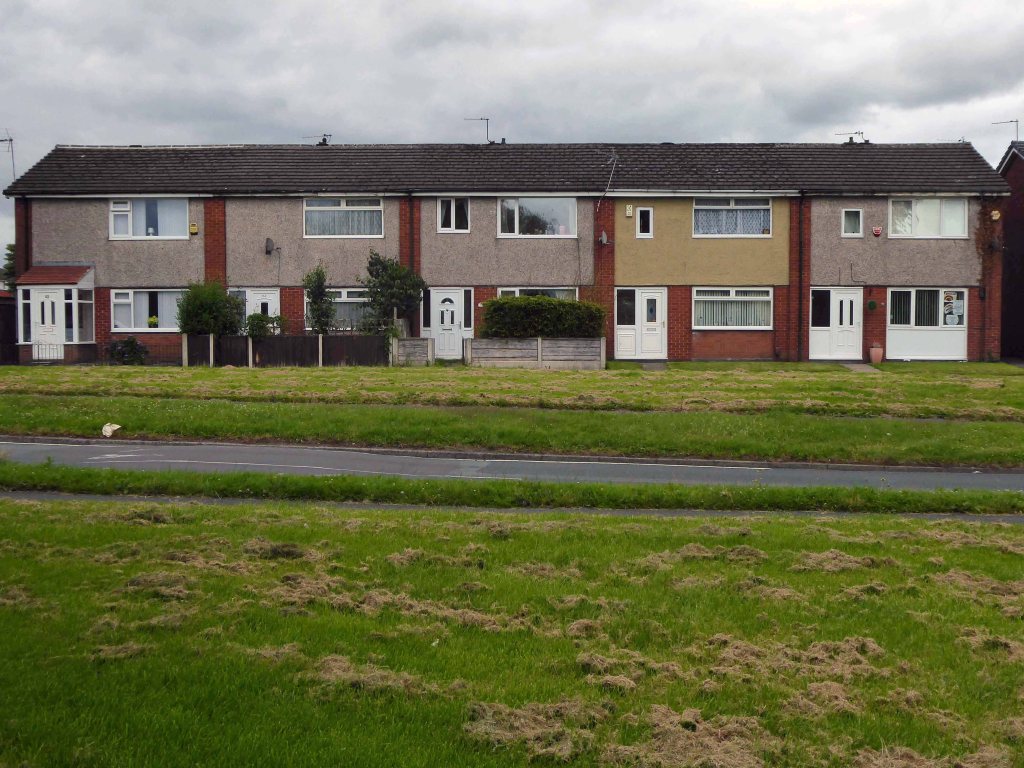
Off now into the wide open spaces of the Offerton Estate – the right to buy refuge of the socially mobile, former social housing owning public.

People living on Offerton Estate have been filmed for a programme entitled ‘Mean Streets’ which aims to highlight anti-social behaviour in local communities.
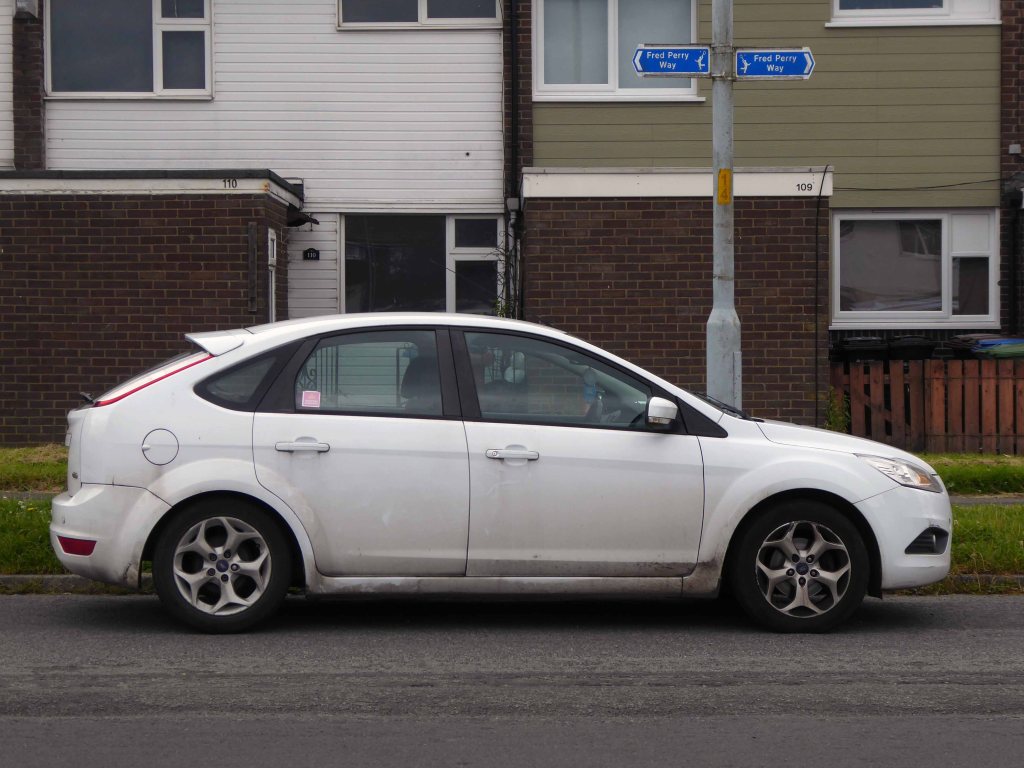
MEN 2007

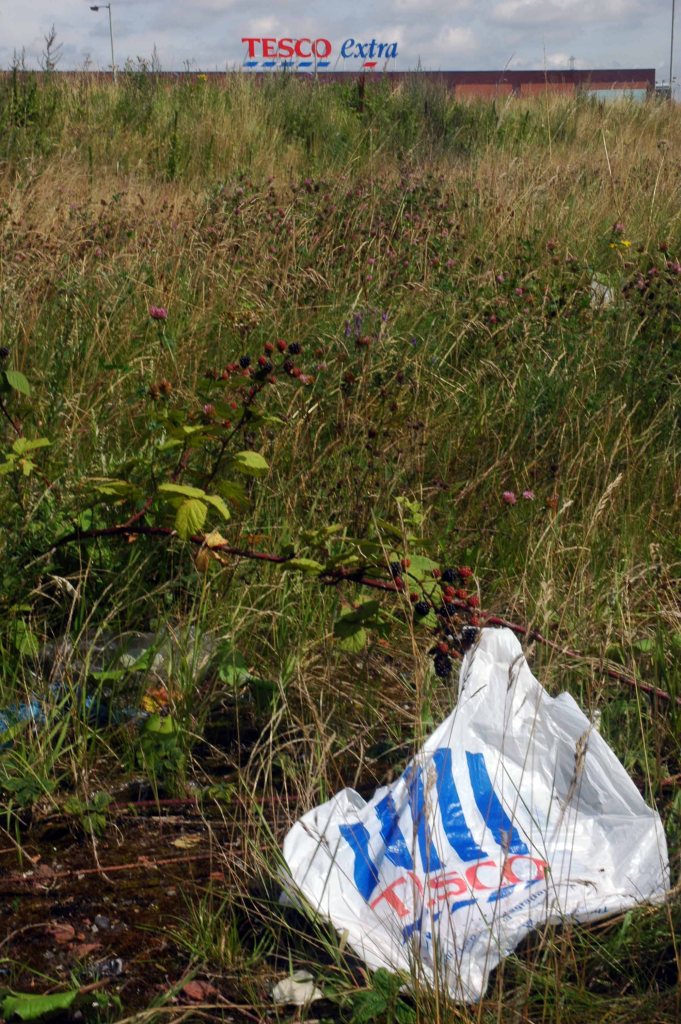
The next thing we know we’re in a field, a mixed up melange of the urban, suburban and rural, on the fringes of a Sainsbury’s supermarket filling station.

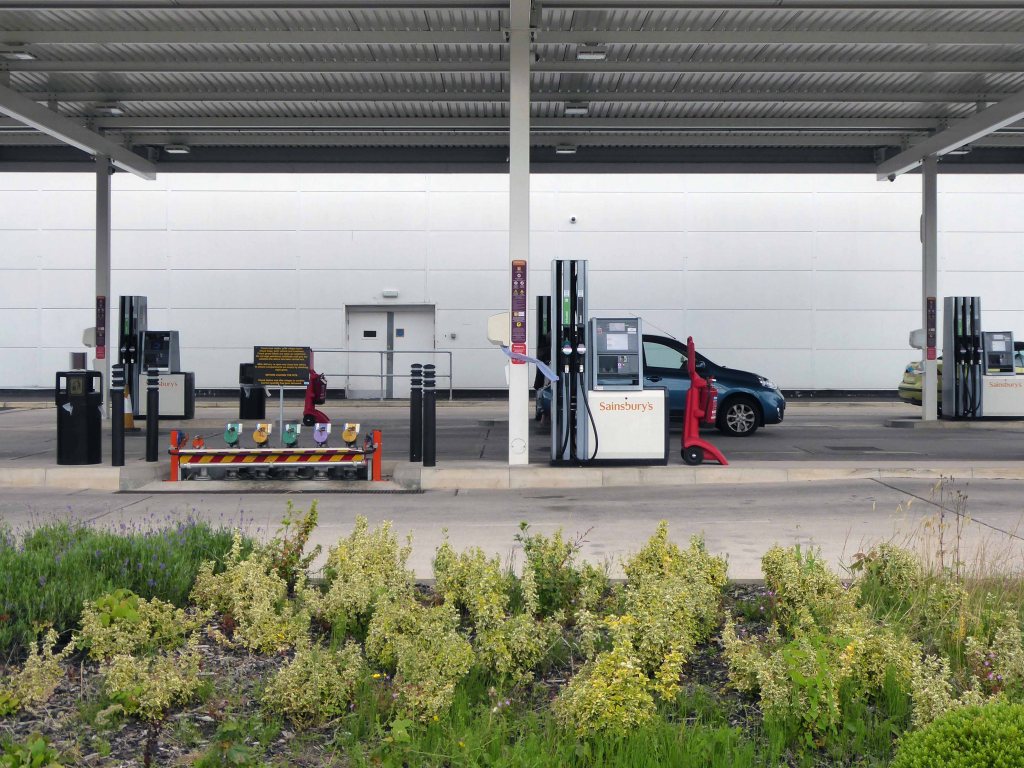
We cross the A6 in Hazel Grove and here for today our journey ends
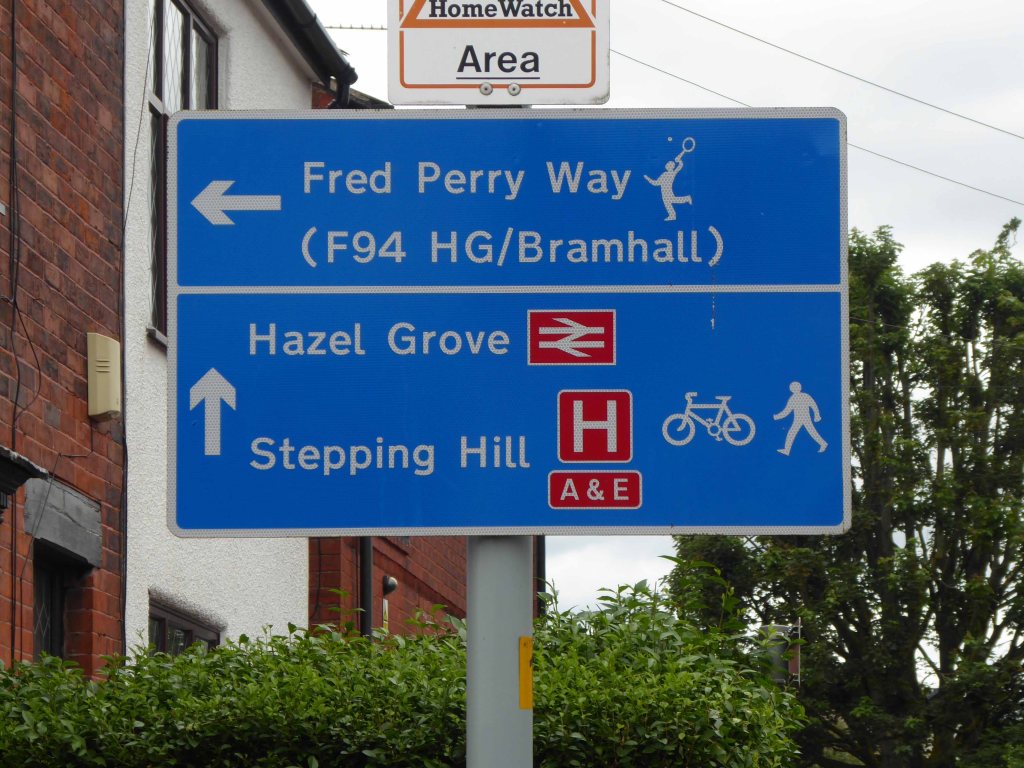
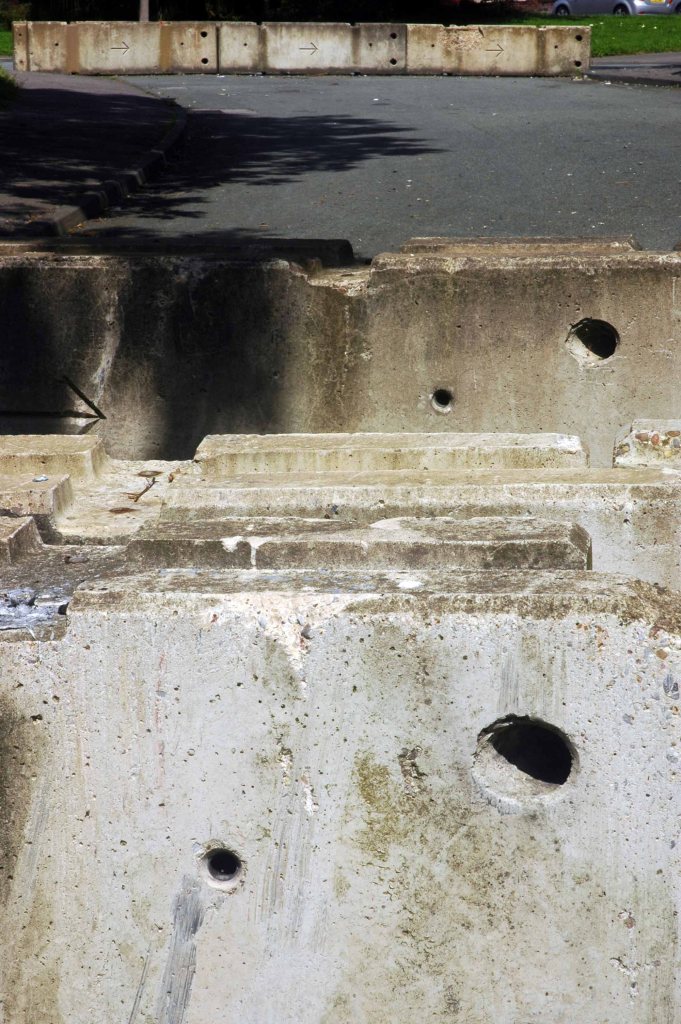
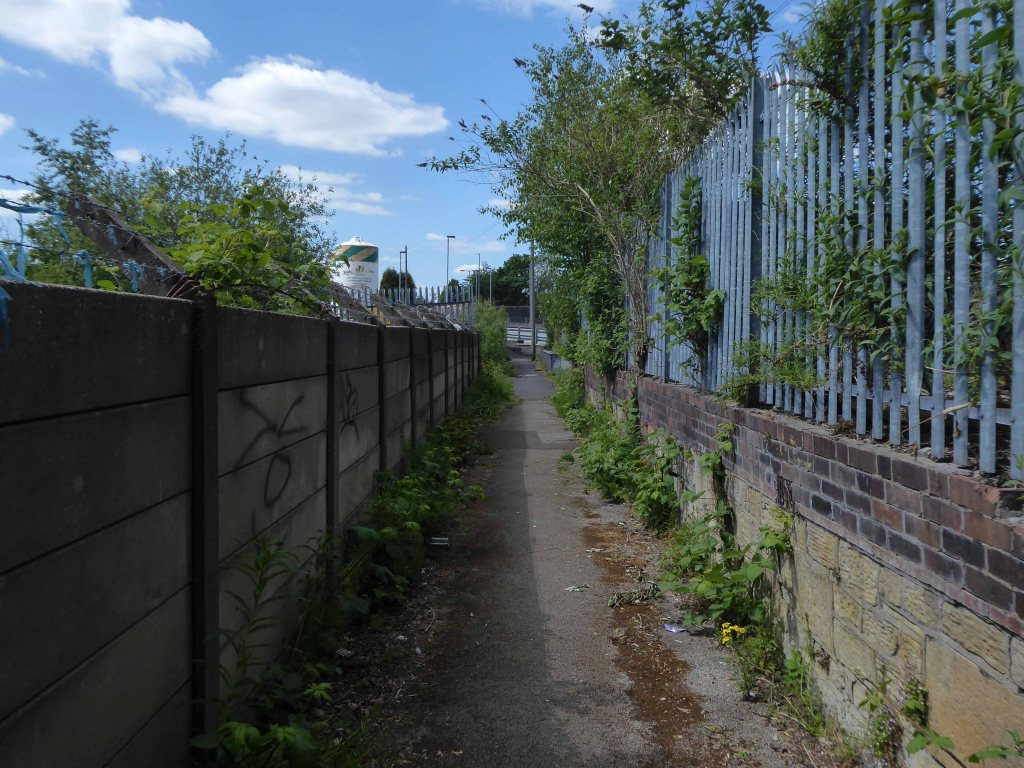
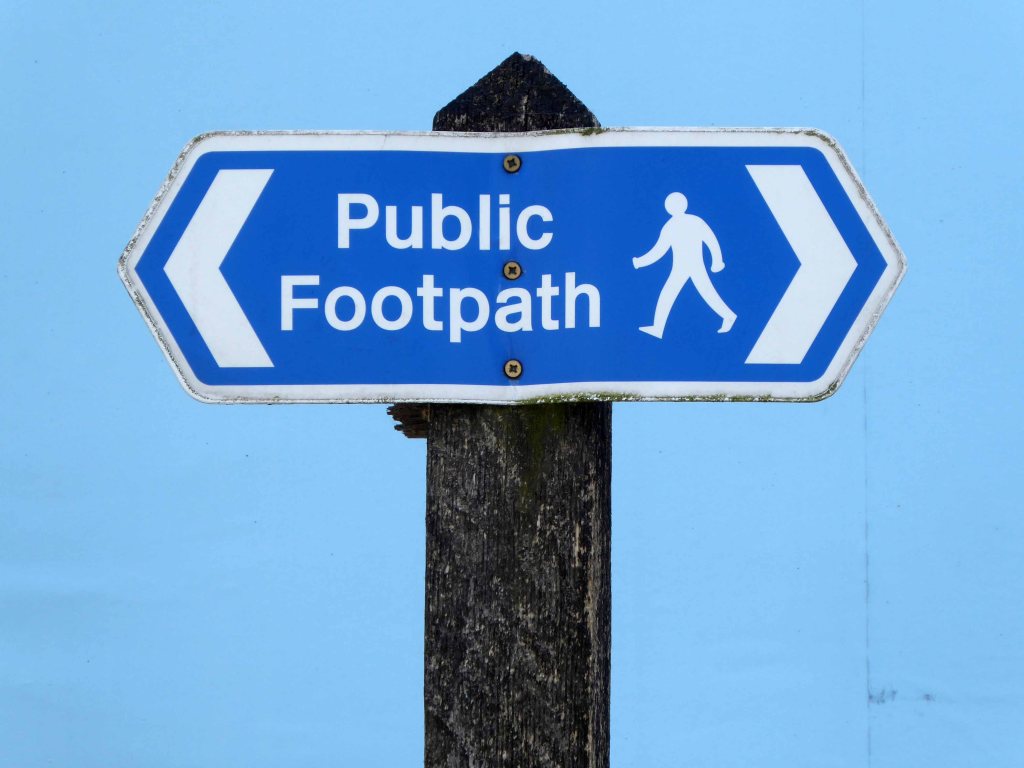
Ignoring the sign we went in the opposite direction.
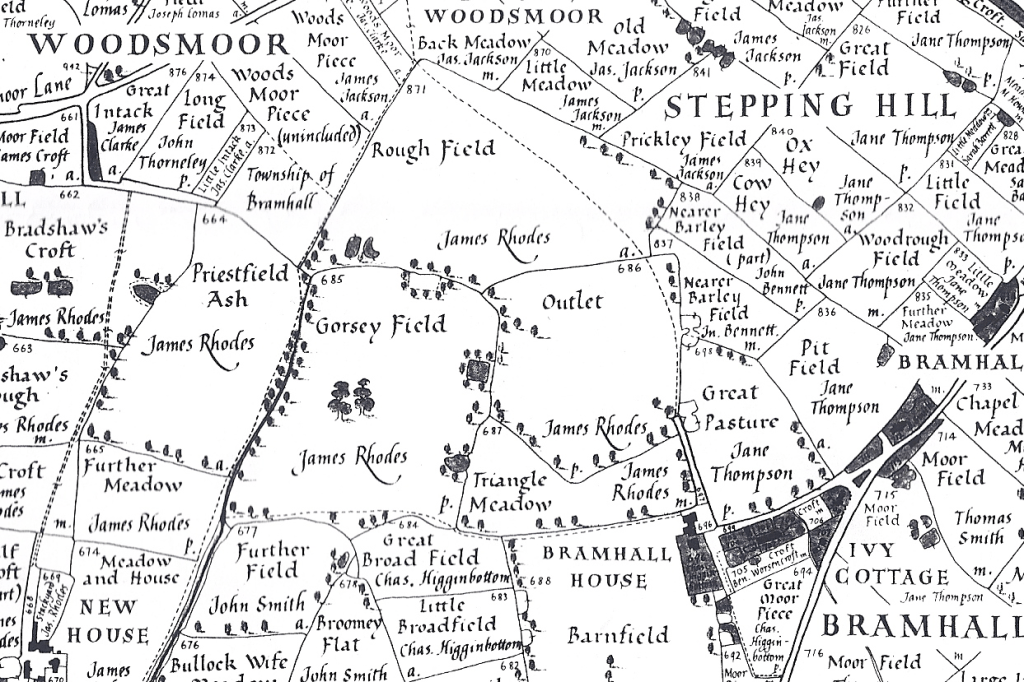
As we reach the edge of Mirrlees Fields – the site of the only Fred Perry laurel leaf logo emblazoned way marker.

The Fields are currently designated as a green space and are not available for residential development. But MAN would like to overturn this designation for over one third of the Fields.

MAN Energy Solutions UK is the original equipment manufacturer of Mirrlees Blackstone diesel engines.

Before the Blackstone MAN came in 1842 – the fields were all fields.
To be continued.

Georges Road Stockport

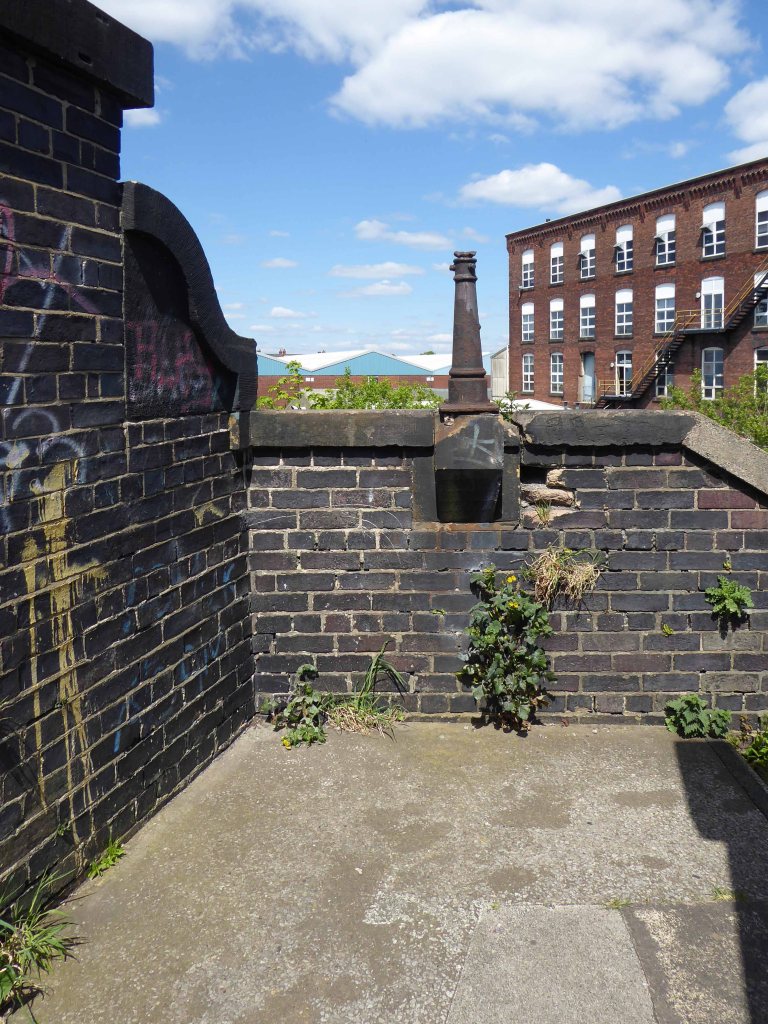
Once they built a railroad.

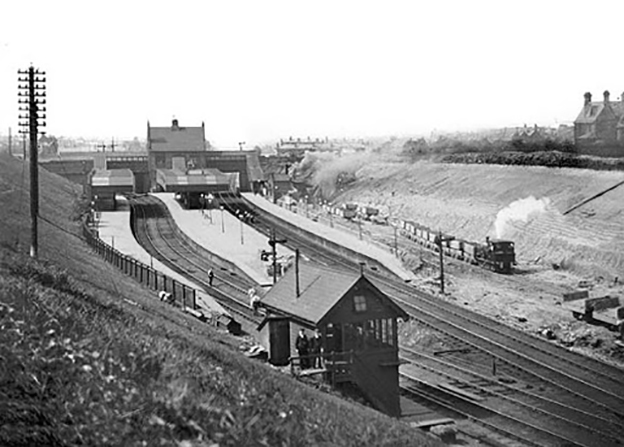
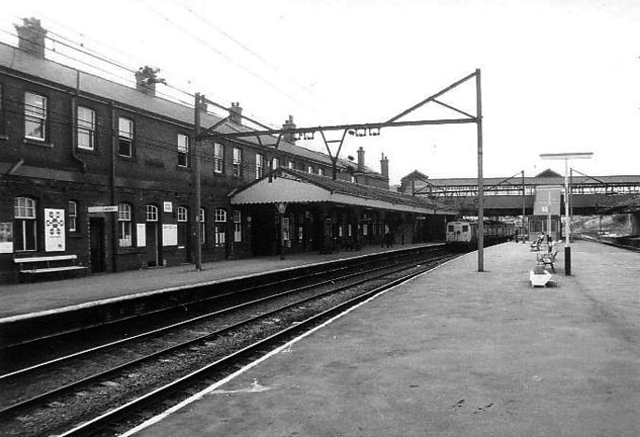
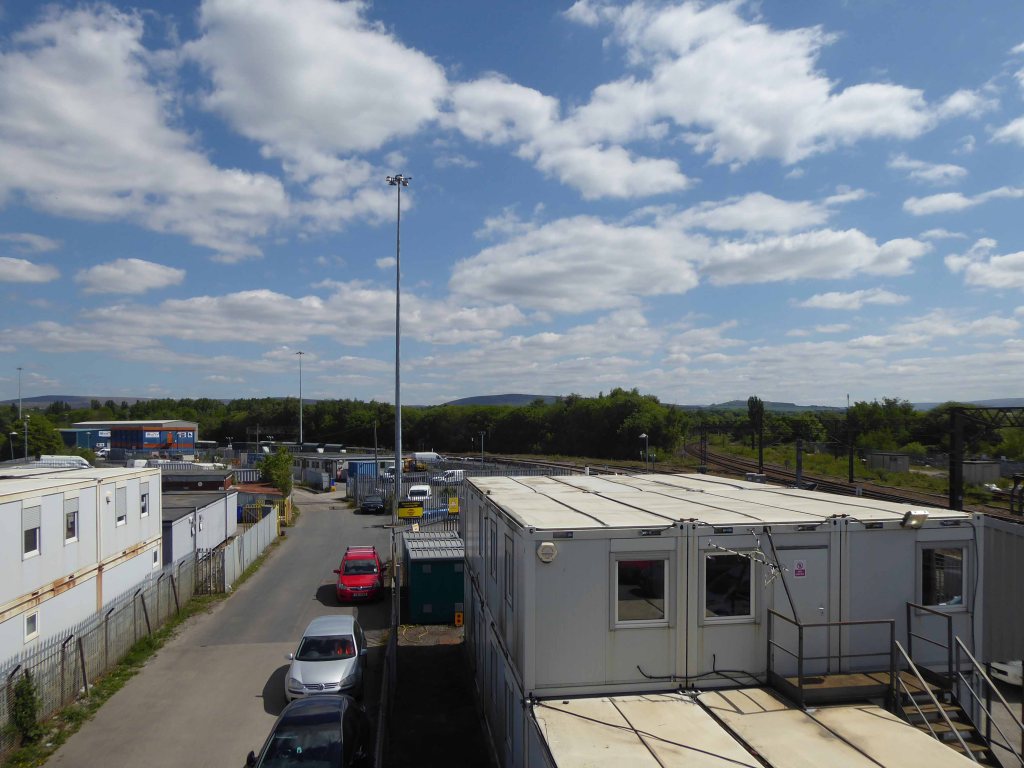
The Cheshire Lines Committee CLC operated Stockport, Timperley and Altrincham Junction Railway line from Portwood to Skelton Junction, a section of what became the Woodley to Glazebrook line.

It remained a part of the CLC, which was jointly owned from 1923 by the London and North Eastern Railway  and the London Midland and Scottish Railway , until 1948 when it became part of the British Railways London Midland Region.

Closed in 1982, following the demise of the Woodhead route; the track was subsequently lifted in 1986.

The blue arrow indicates the Tiviot Dale Station.

in the age of steam mainline St Pancras trains and local stoppers flew by.

My interest lies in the small portion of track at the end of Georges Road – I worked as a Guide Bridge goods guard in and out of the scrap yard there, in the Seventies.

Now I walk past almost every day and it’s almost all gone.

The bridge which it supported now demolished, time called long ago in the long lost Gardeners Arms – originally a Bell’s Brewery pub latterly a Robinsons house.

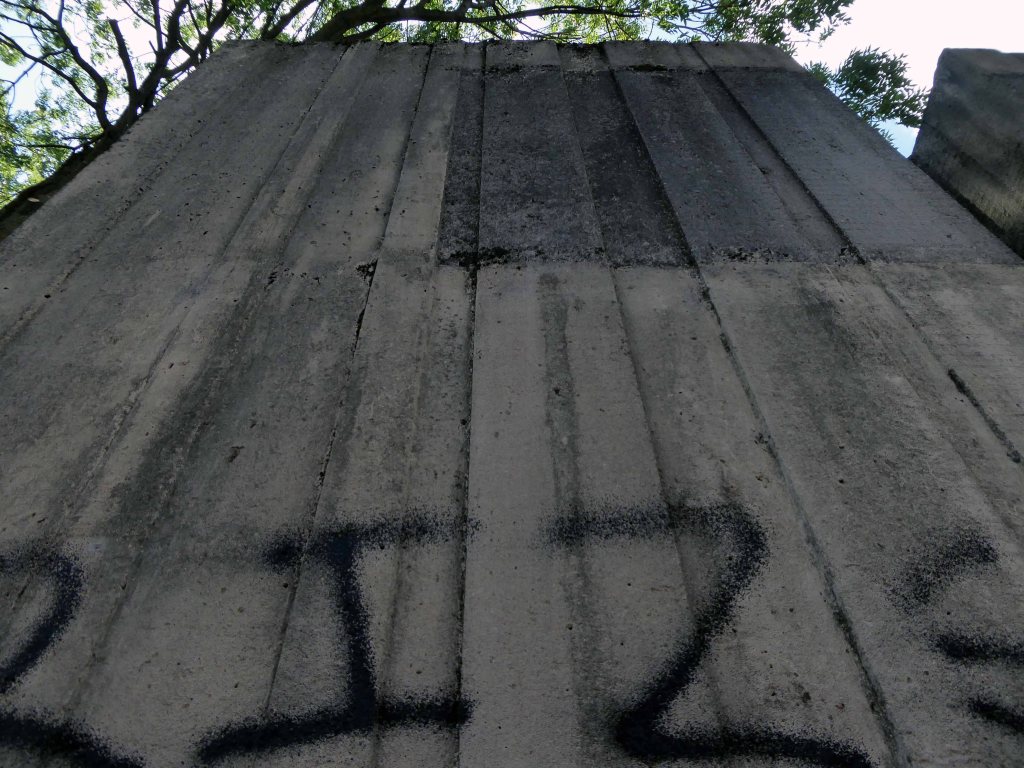
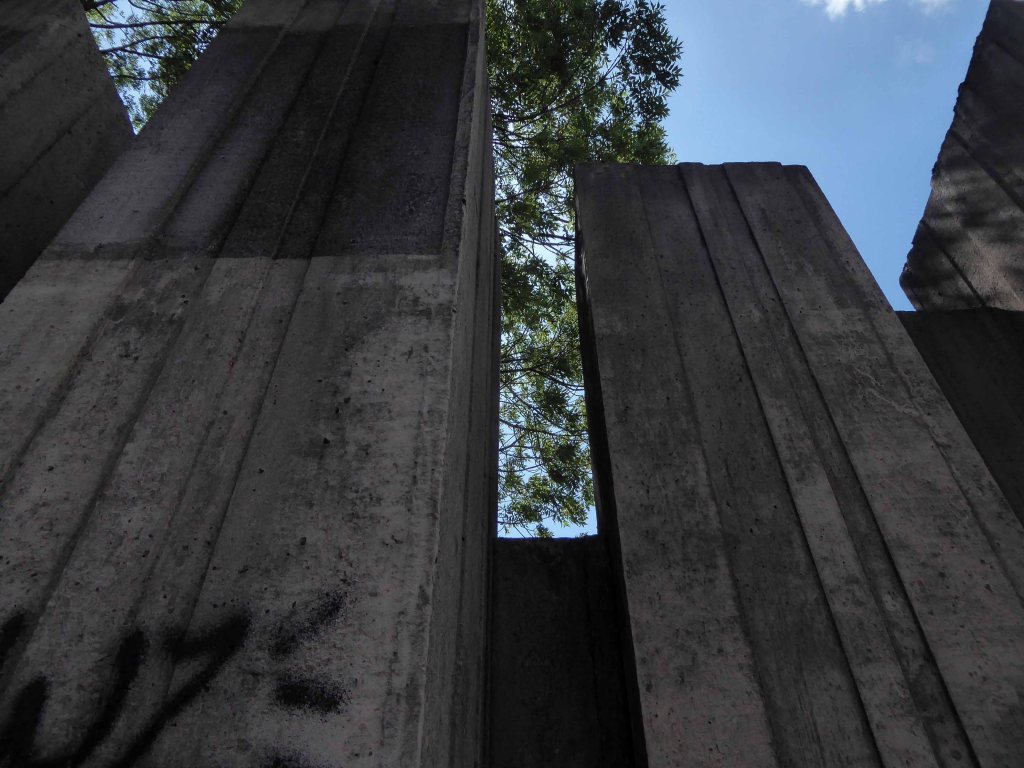
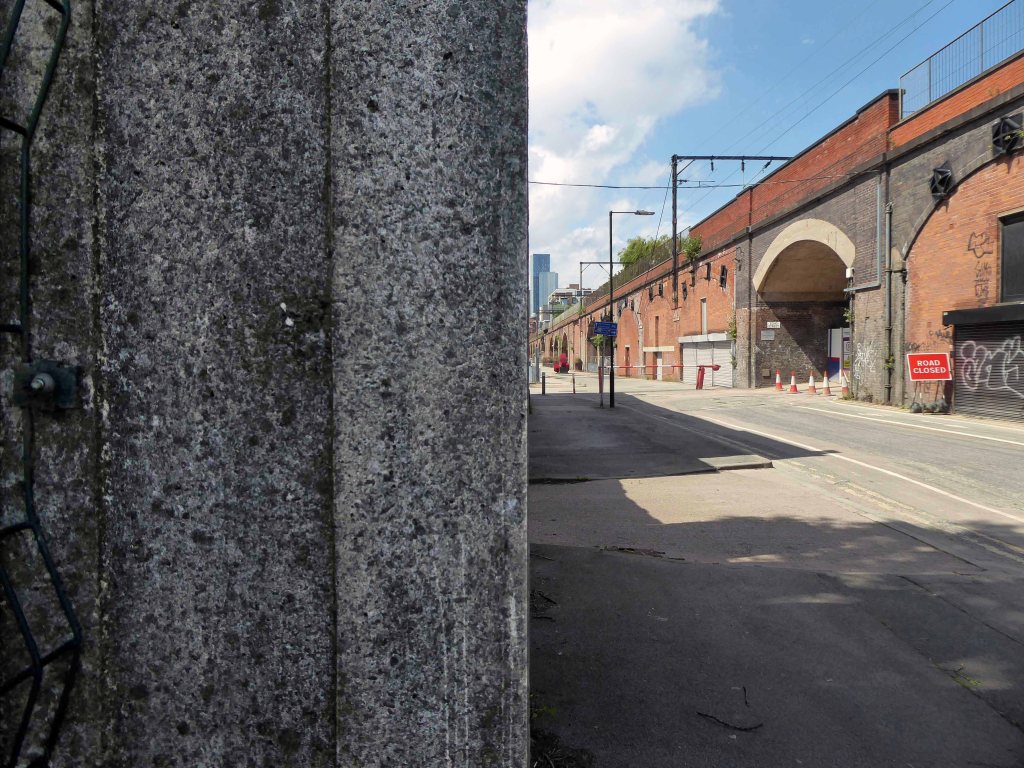
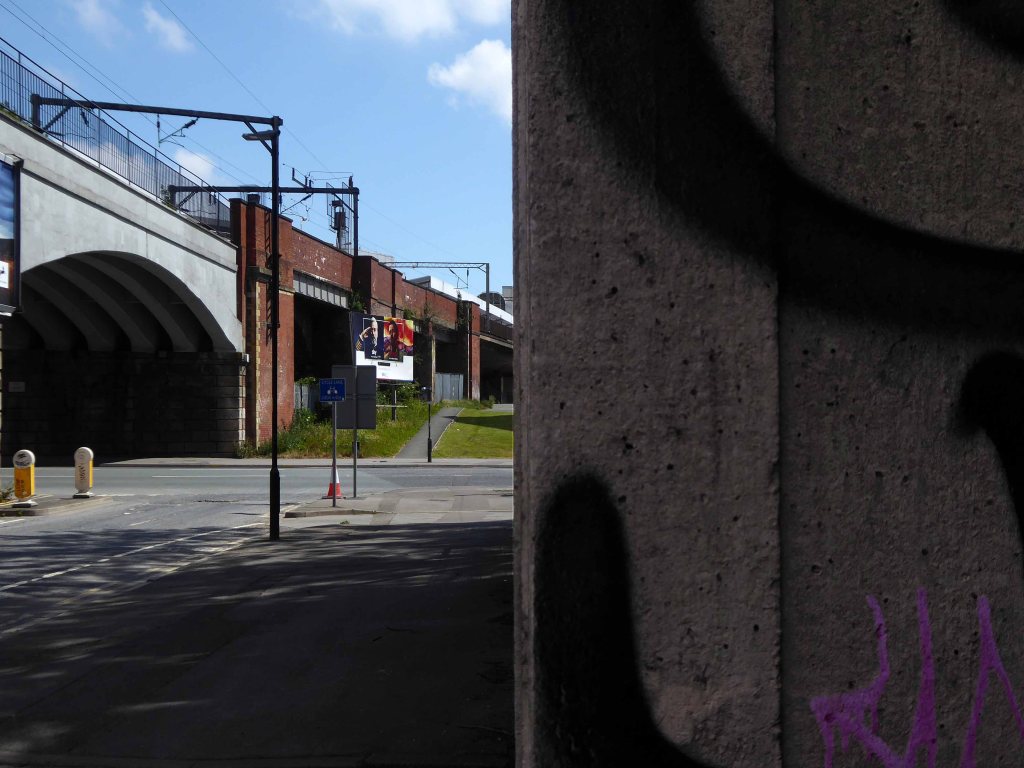
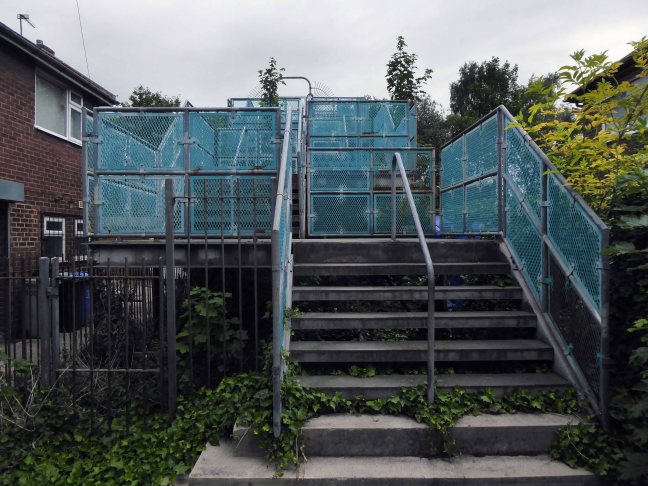
What remains is a triangular island faced in glazed and blue engineer’s brick, topped out with trees.

I have entertained the idea of accessing the area by ladder, exploring and possibly setting up camp – though I think the proximity to an almost constant flow of traffic, would prove less than commodious.

It evokes for me an elevated affinity with Ballard’s Concrete Island.

He reached the foot of the embankment, and waved with one arm, shouting at the few cars moving along the westbound carriageway. None of the drivers could see him, let alone hear his dry-throated croak, and Maitland stopped, conserving his strength. He tried to climb the embankment, but within a few steps collapsed in a heap on the muddy slope.

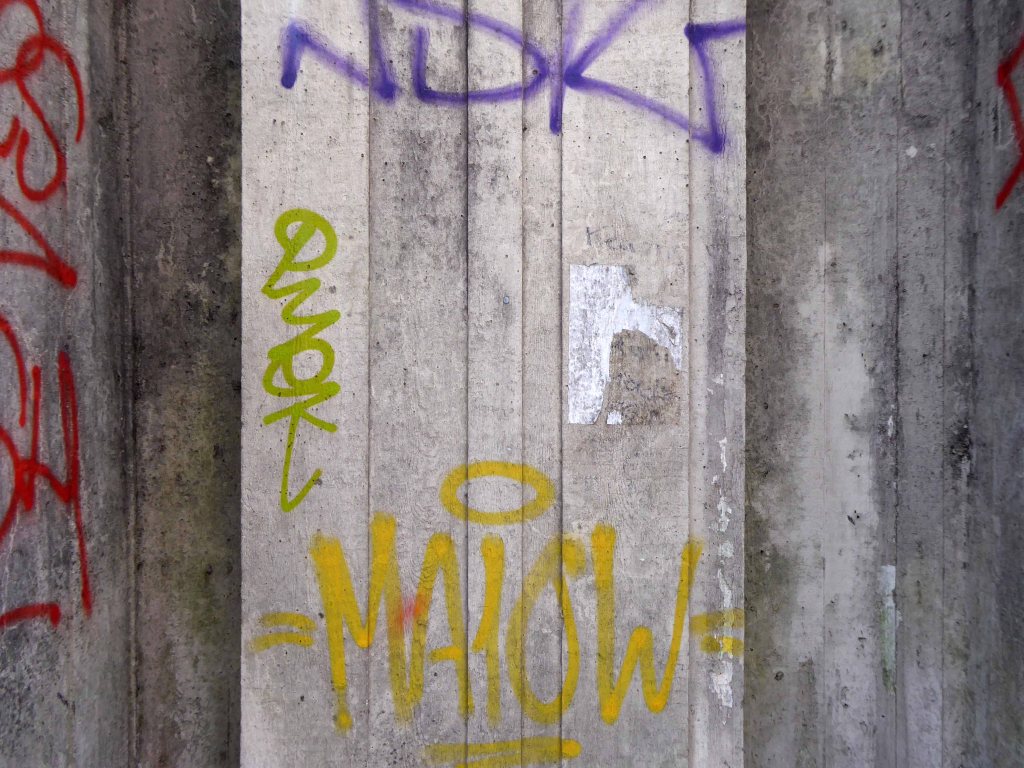
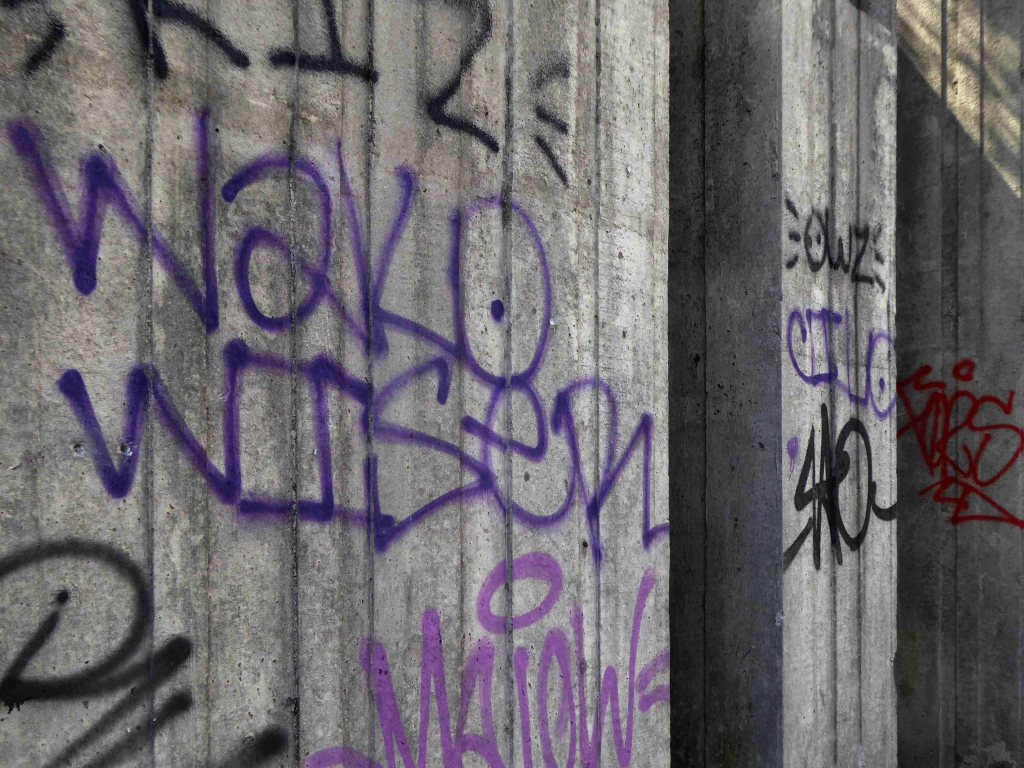
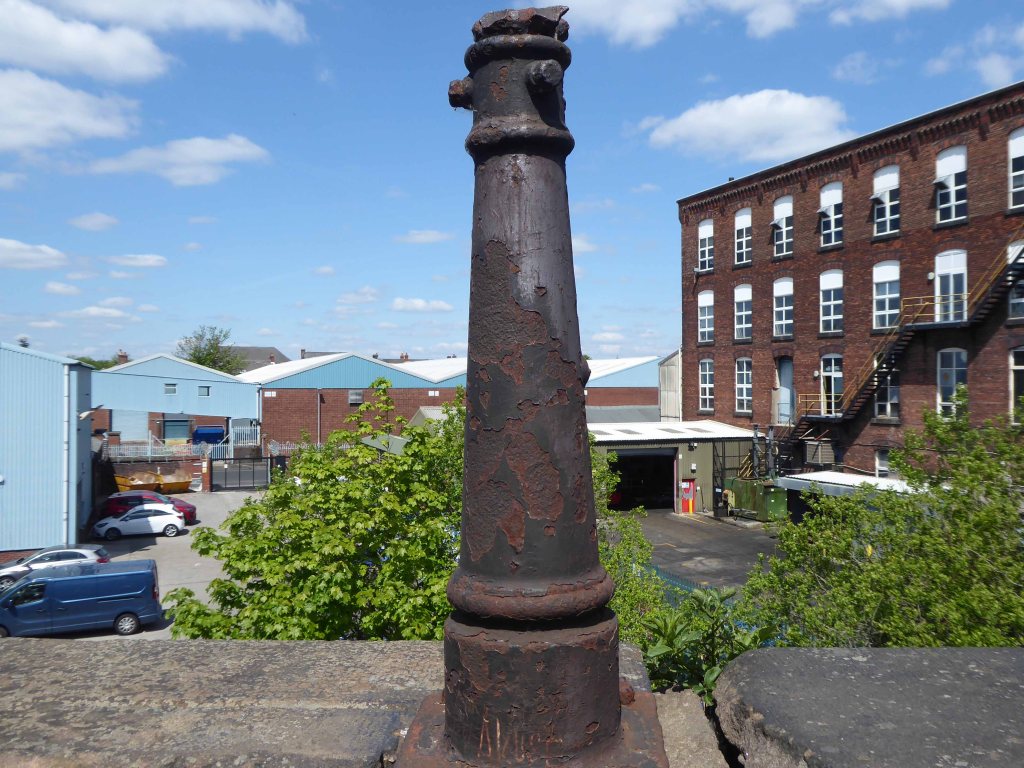
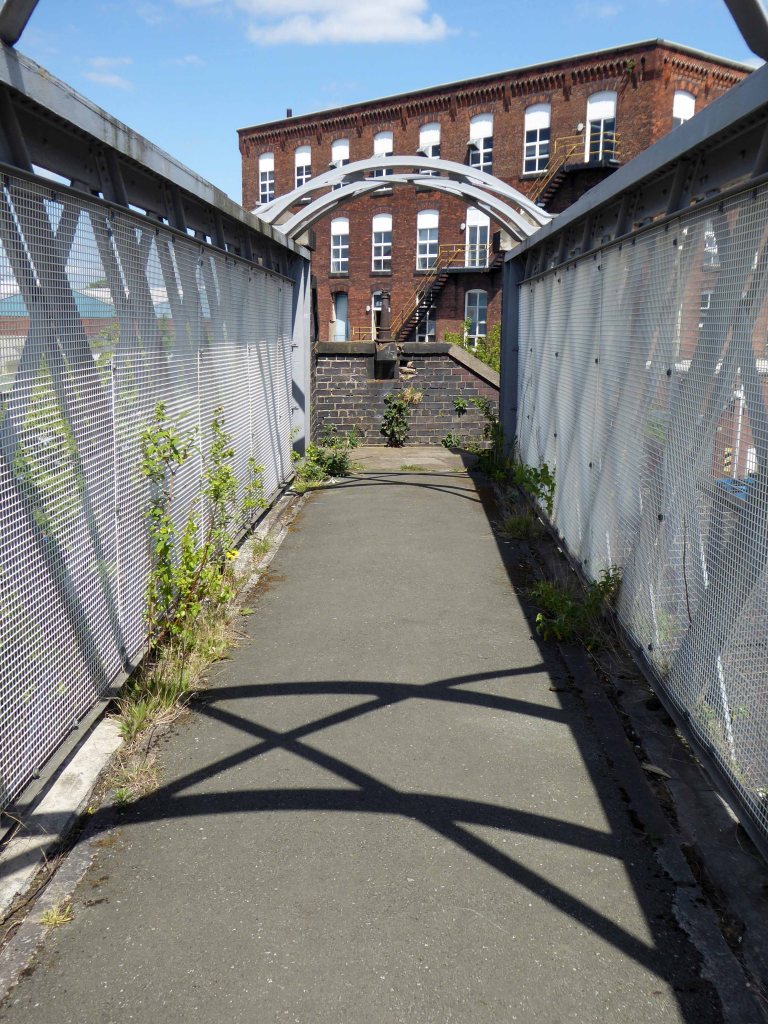
So here it is as is complete with tags, signs, cracks and all.

It remains as a monument to those who built and worked on the railway.

Holloway Wall – 2020

Of course I’ve been here before – and you may have as well.

And I’ve been to Huyton too.

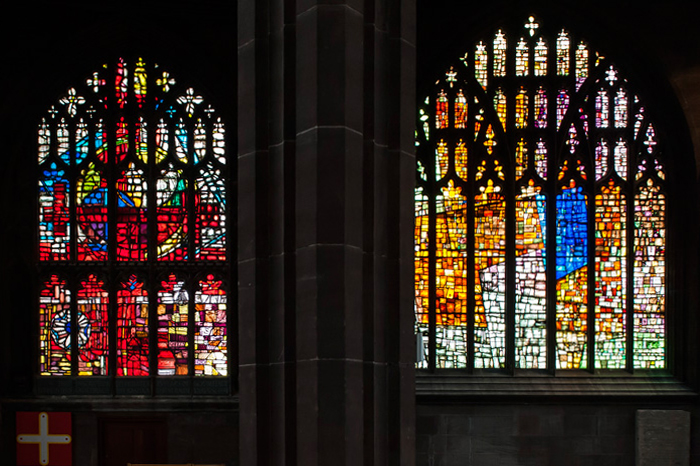
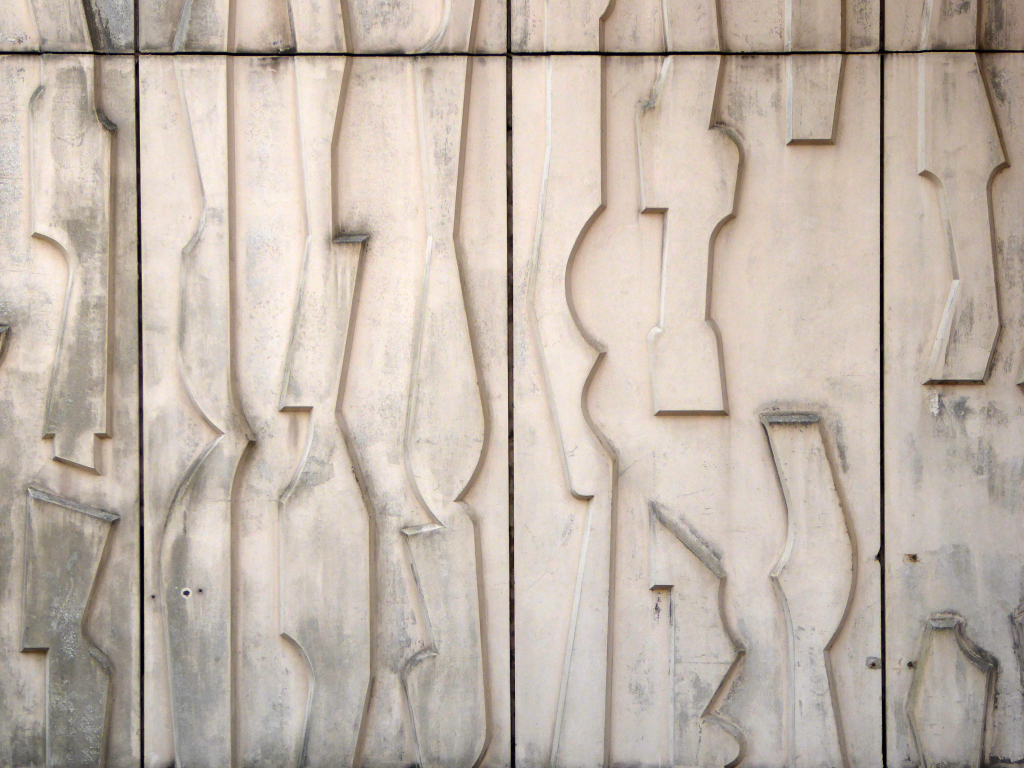
Tony Holloway’s work also illuminates the windows of Manchester Cathedral.

As well as the panels of the Faraday Tower, just the other side of UMIST.

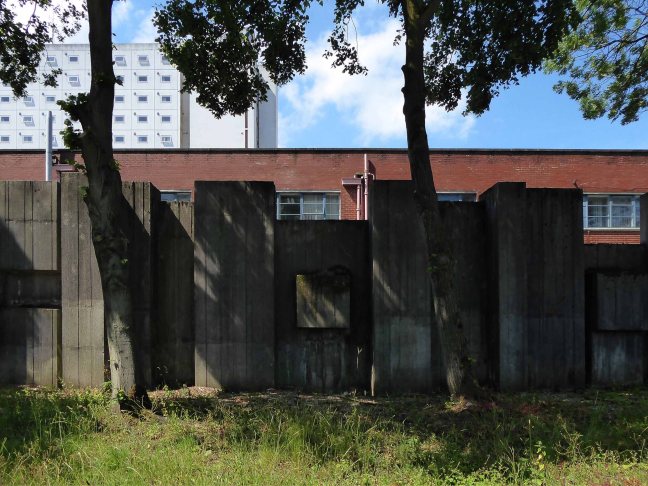
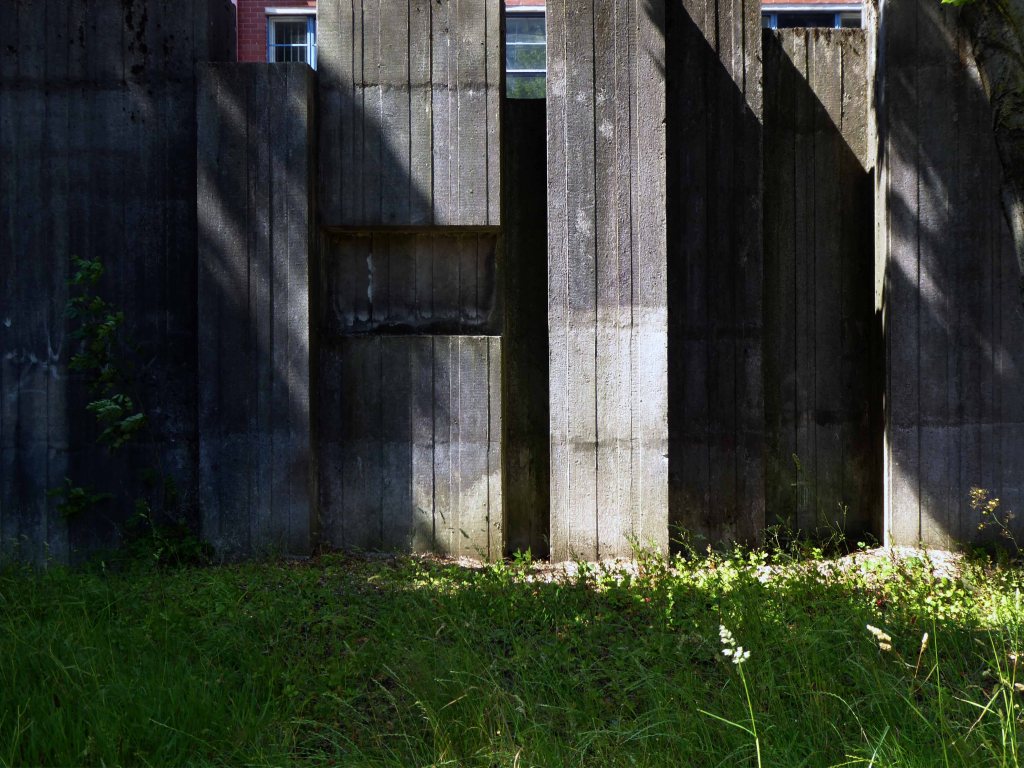
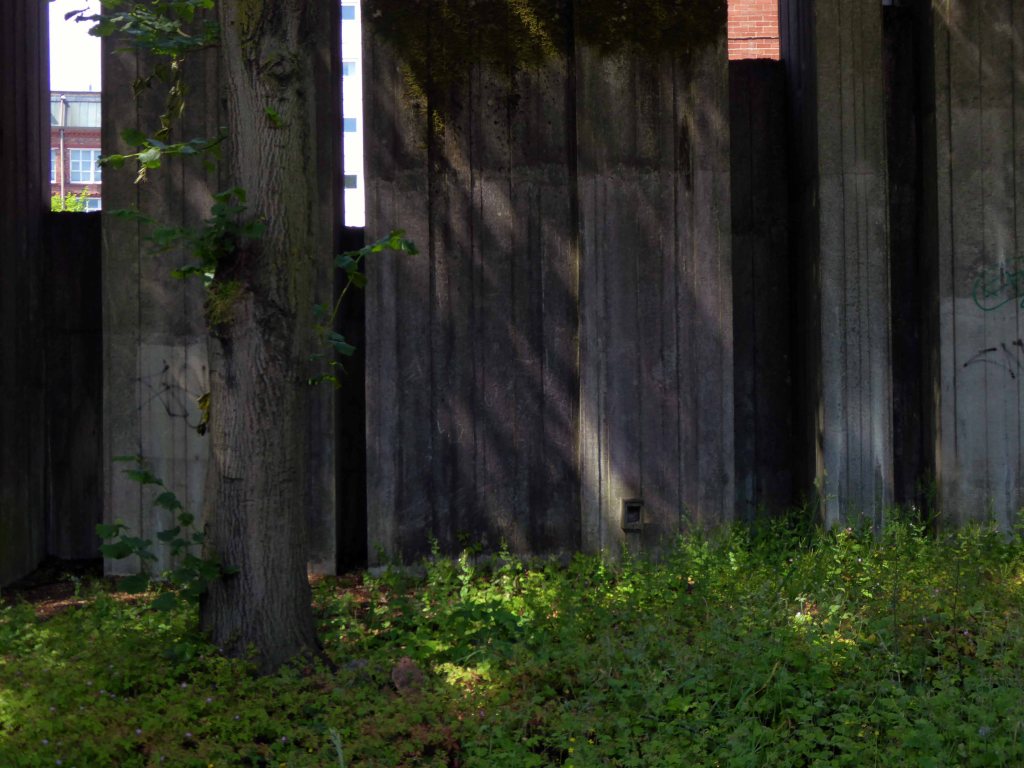
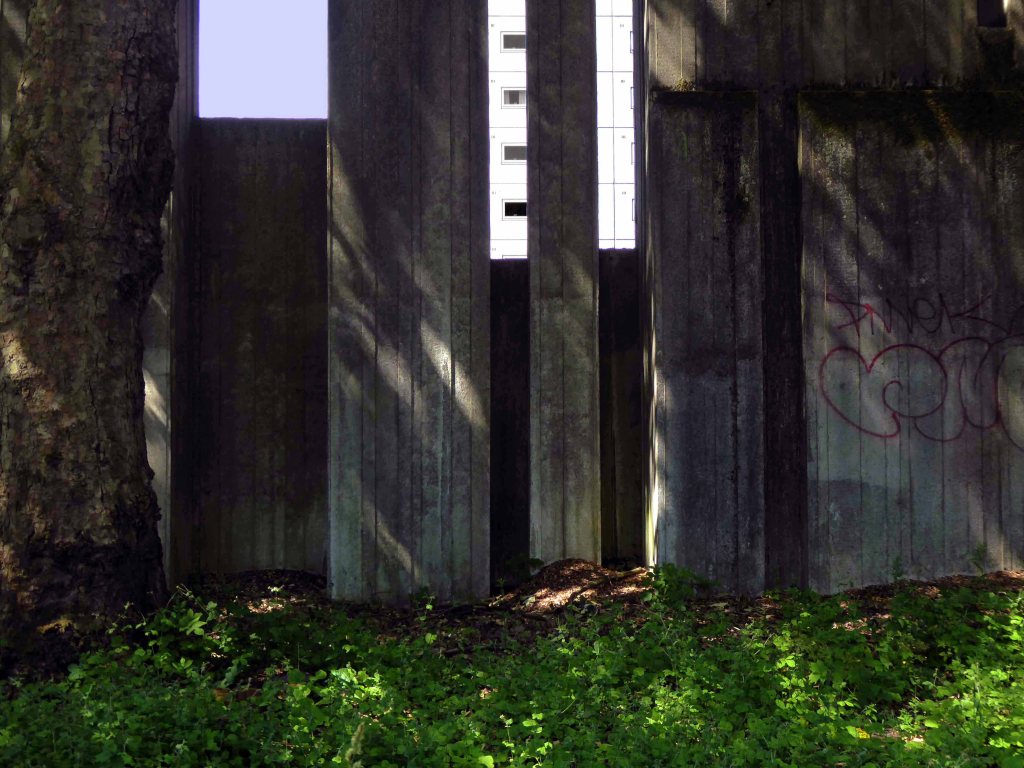
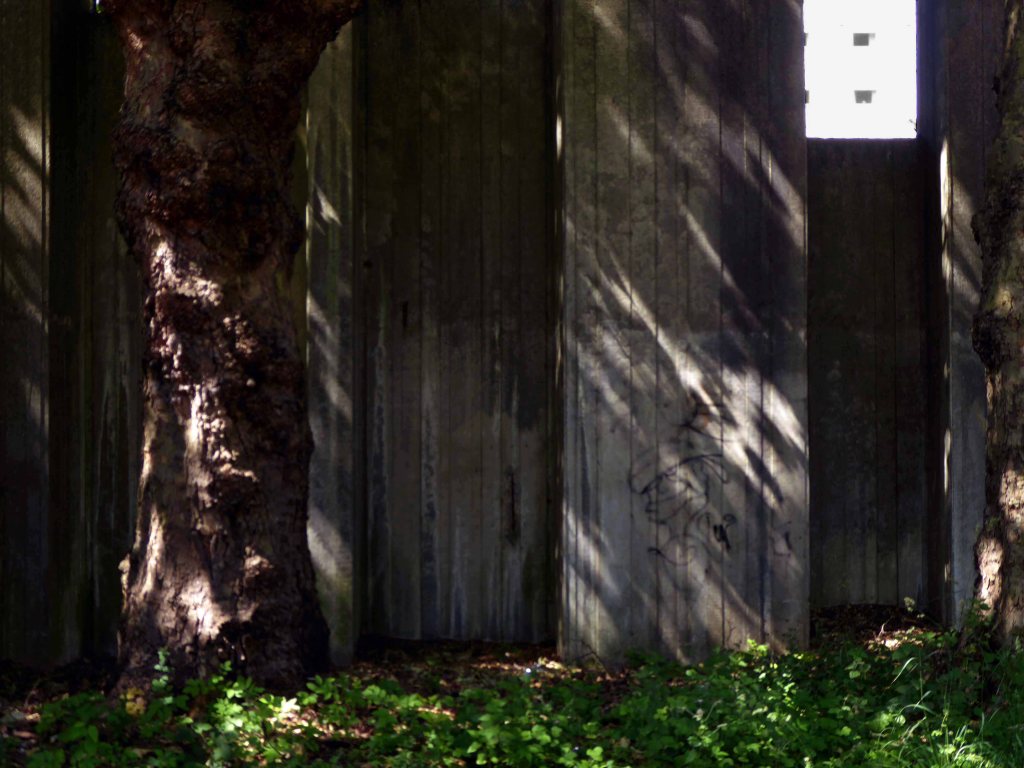
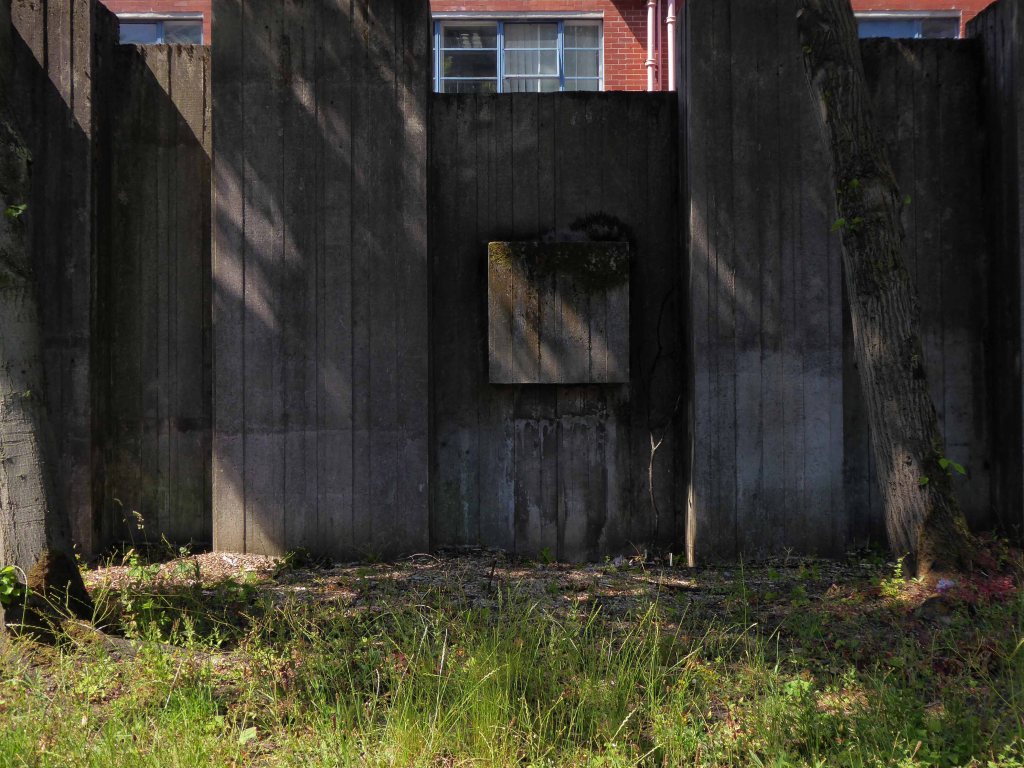
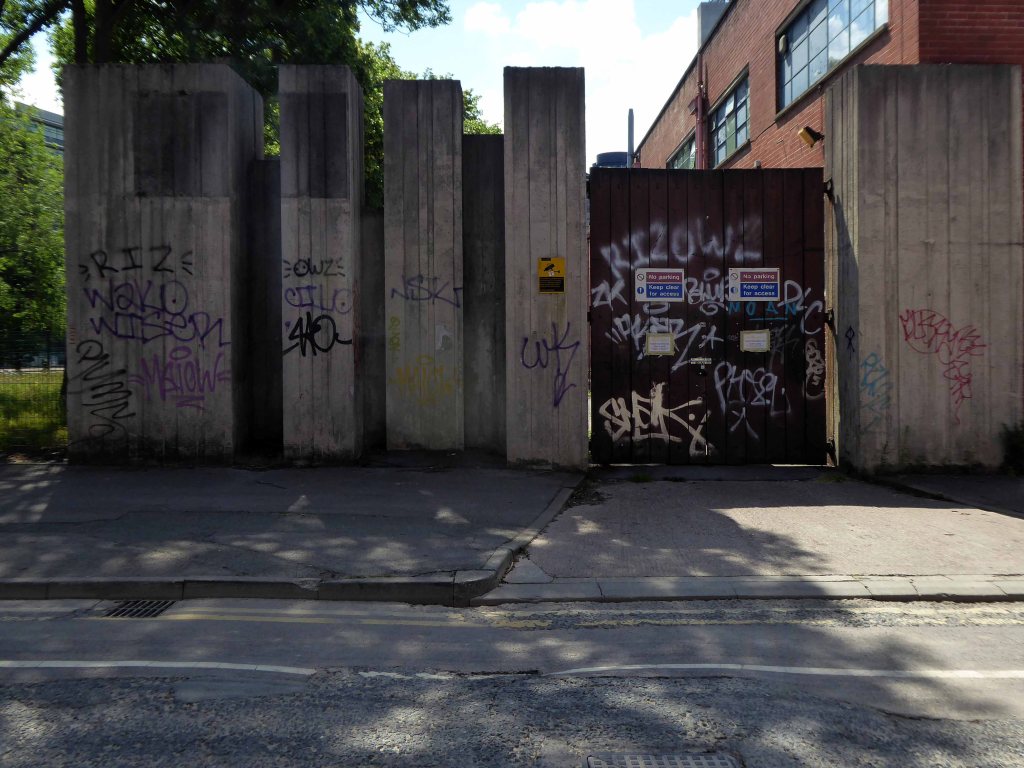
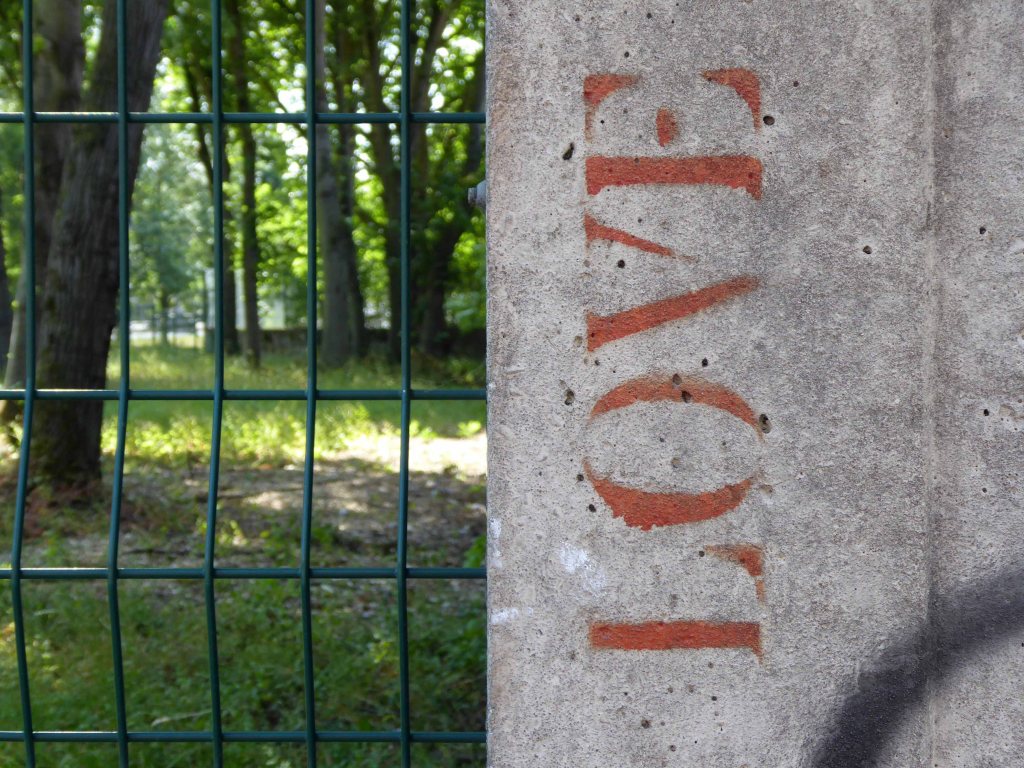
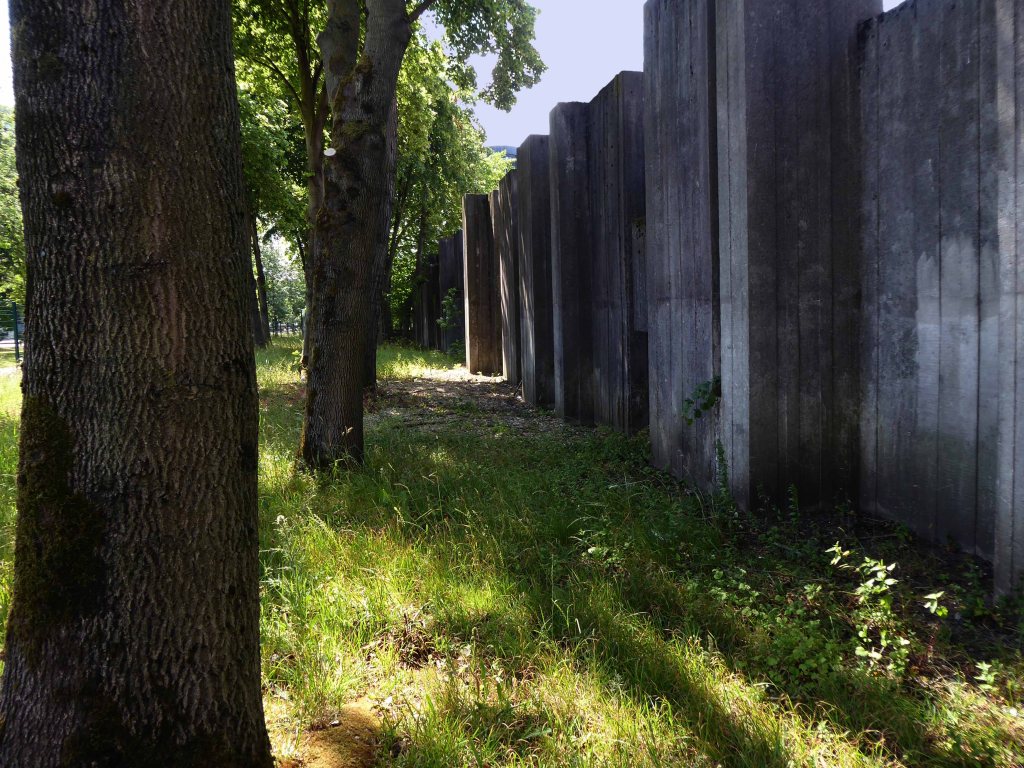
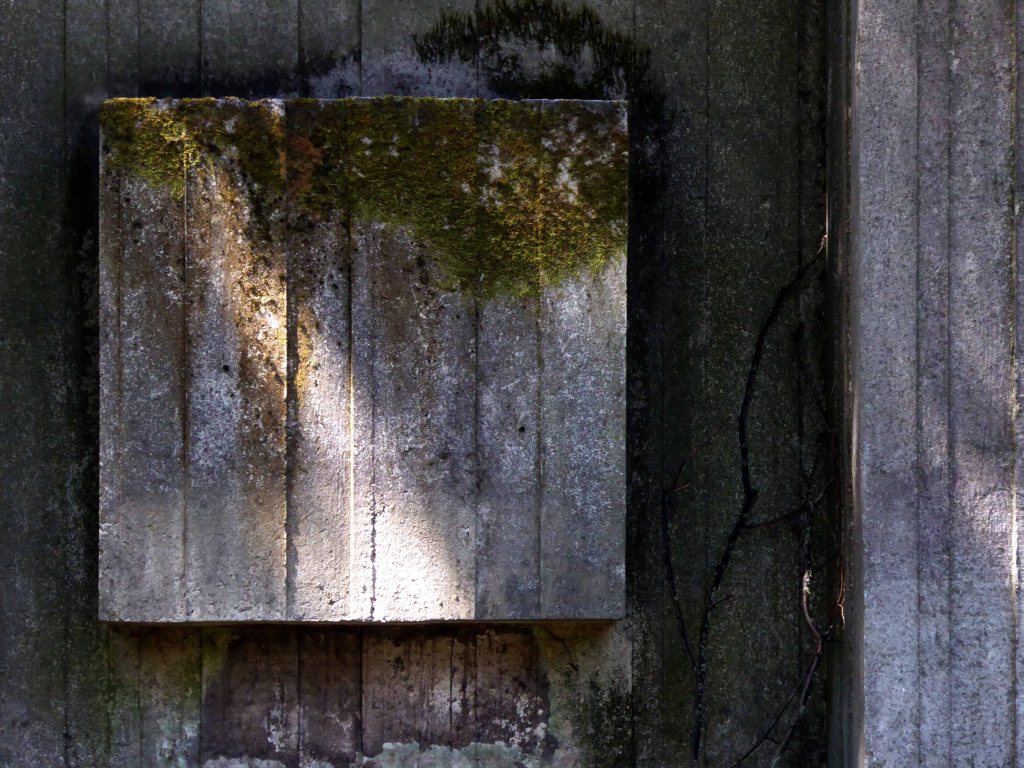
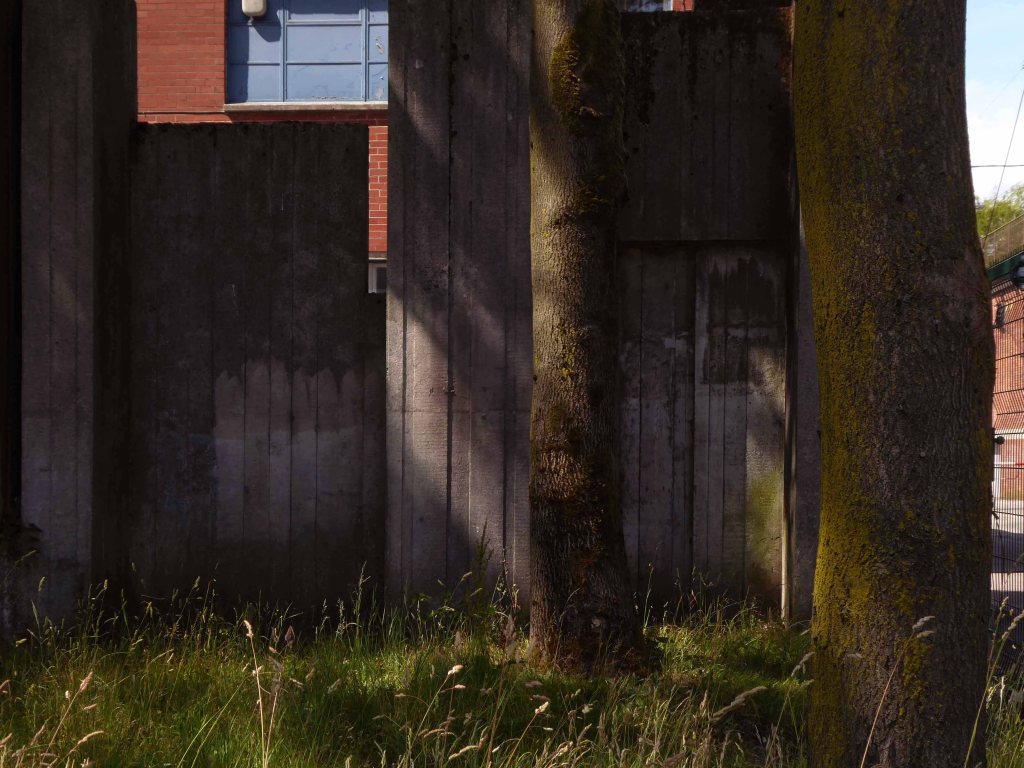
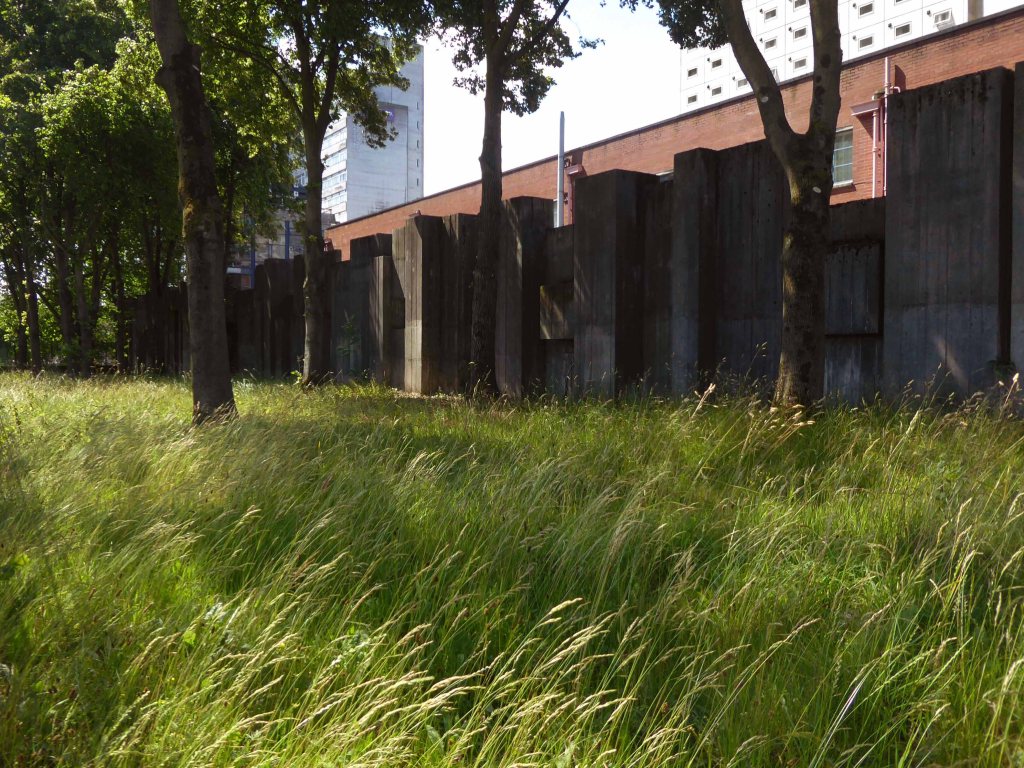
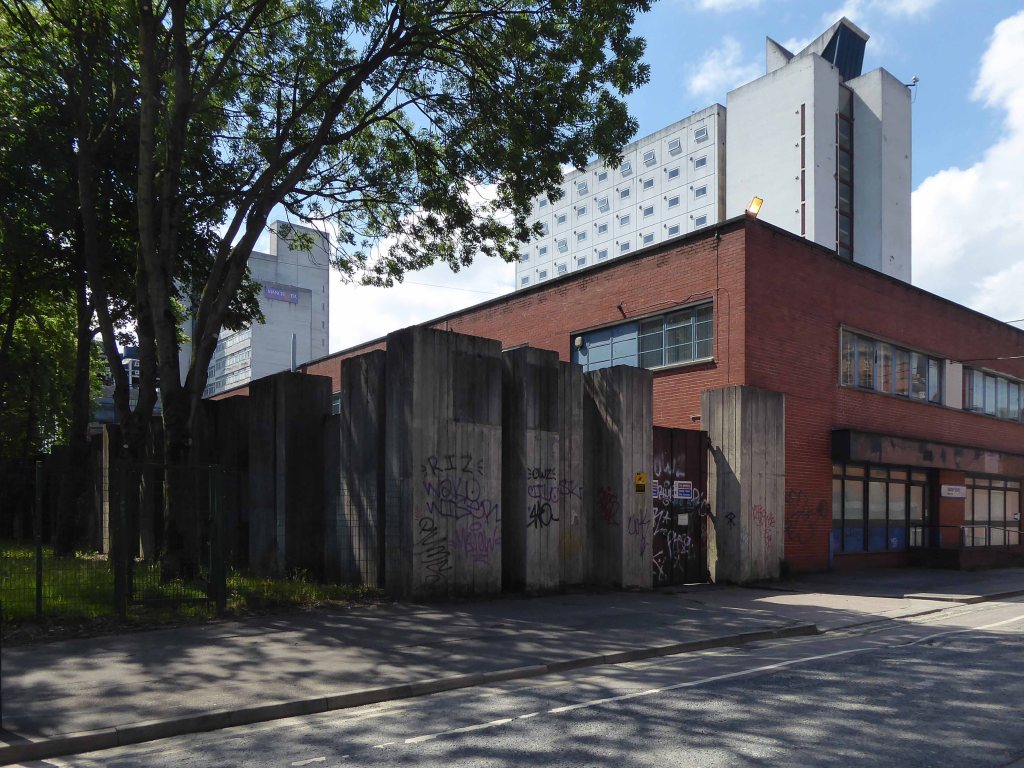
The wall is listed, fenced and obscured by the gradual incursion of assorted greenery.

It’s beginning to attract moss, amongst other things – just not like a rolling stone.

Like nearly everything else, it looks different each time you pass by, more or less light, new tags and signs – so here it is as of Saturday 13th June 2020.

Locked in during the lockdown.

Fred Perry Way – 2009

Some time ago in Stockport Fred Perry was born, lived and moved away – in pretty rapid succession. Nevertheless the Borough claims him as their own and to celebrate the fact, they have devised a Way.

Not the way or an away day but a named way, the Fred Perry Way.

Stretching from North Reddish in the north to Woodford in the south – zigging and zagging through and across highways and byways, avenues and alleyways.

Combining rural footpaths, quiet lanes and river valleys with urban landscapes and park lands.

For the long distance walker it may be useful as a link route. The Fred Perry Way provides a link between the Bollin Valley Way, and through that, the North Cheshire Way, and via a short link between Mottram & Woodford, the Tame Valley Way and Etherow Goyt Valley Way at Stockport. A full crossing of historical North Cheshire could be devised, linking Black Hill & Crowden on the Pennine Way with Hilbre Island, utilising also the Wirral Way/Wirral Shore Way.

LDWA

Which seems like a whole heap of Ways.

Anyway this is what I saw way back when, but I’ll be back again in a bit!

Deneway Stockport

Deneway almost but not quite, literally on my doorstep:

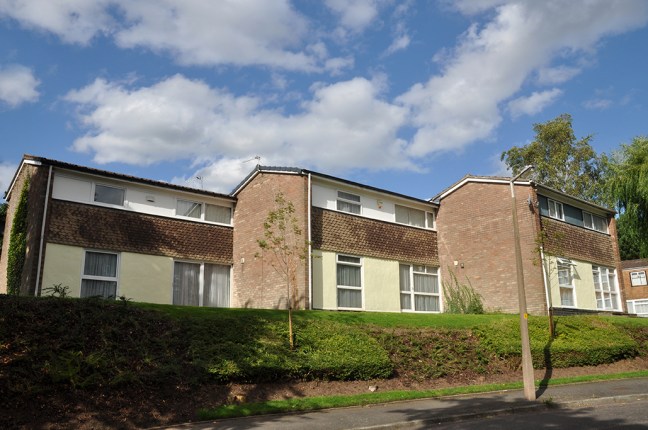
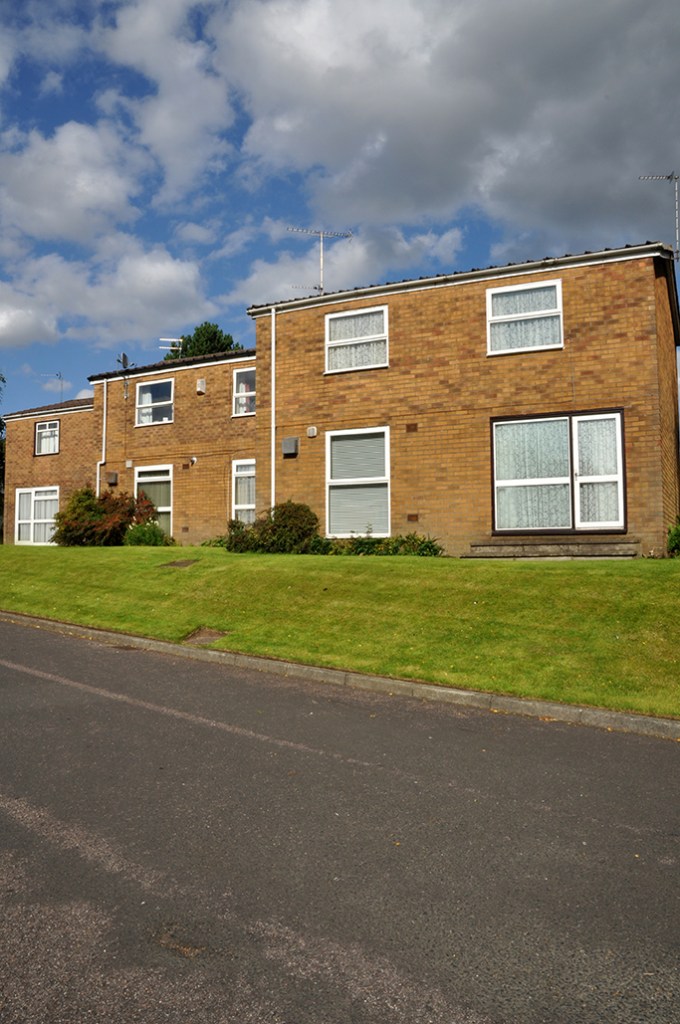
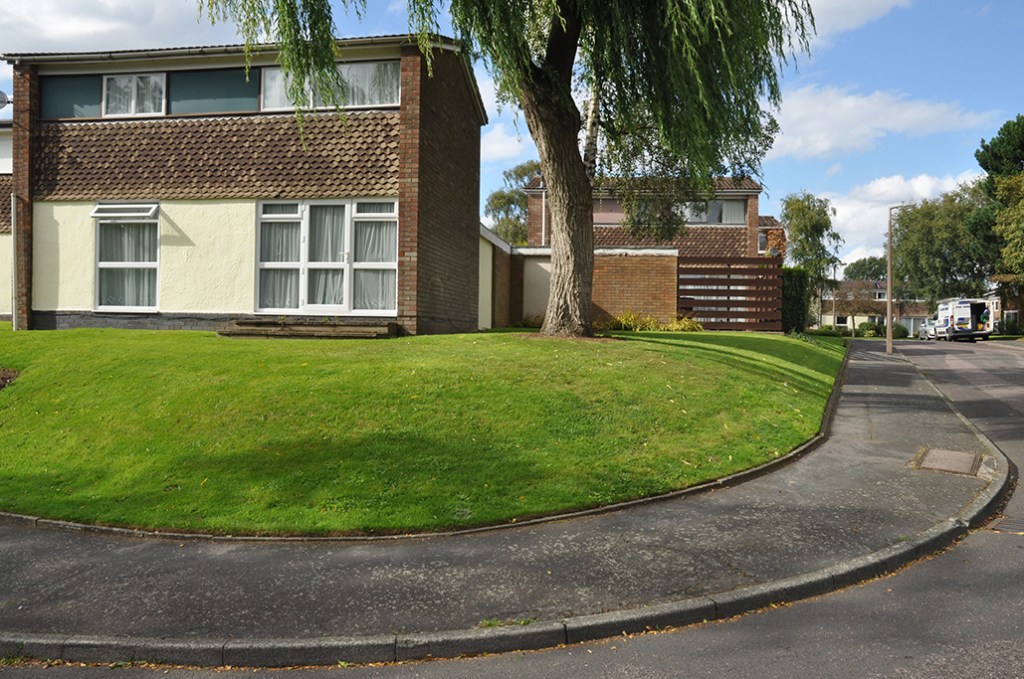
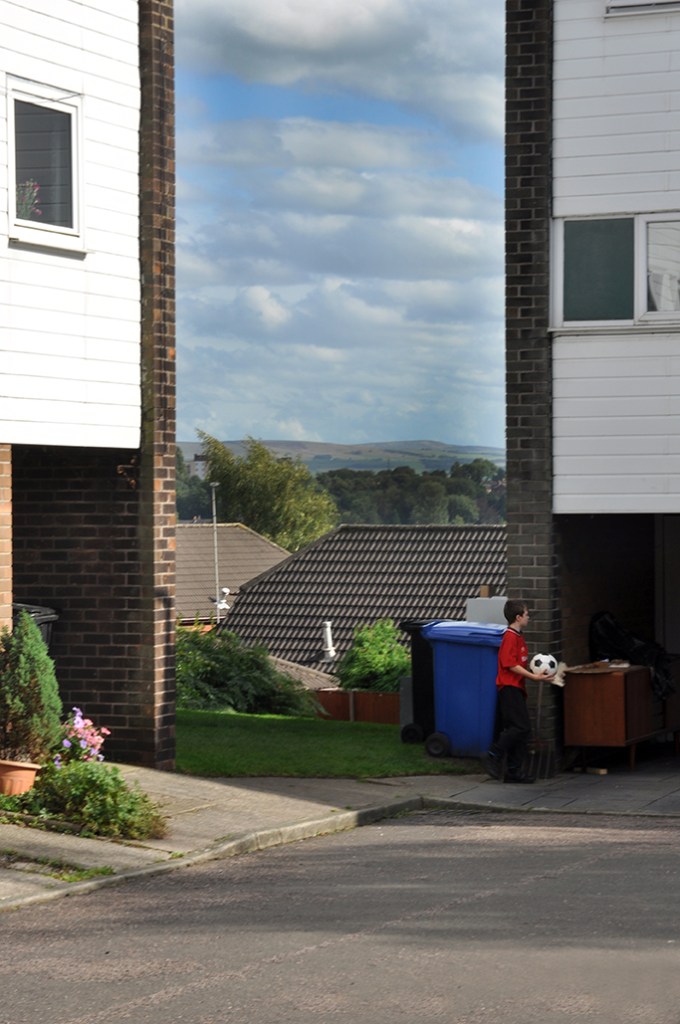
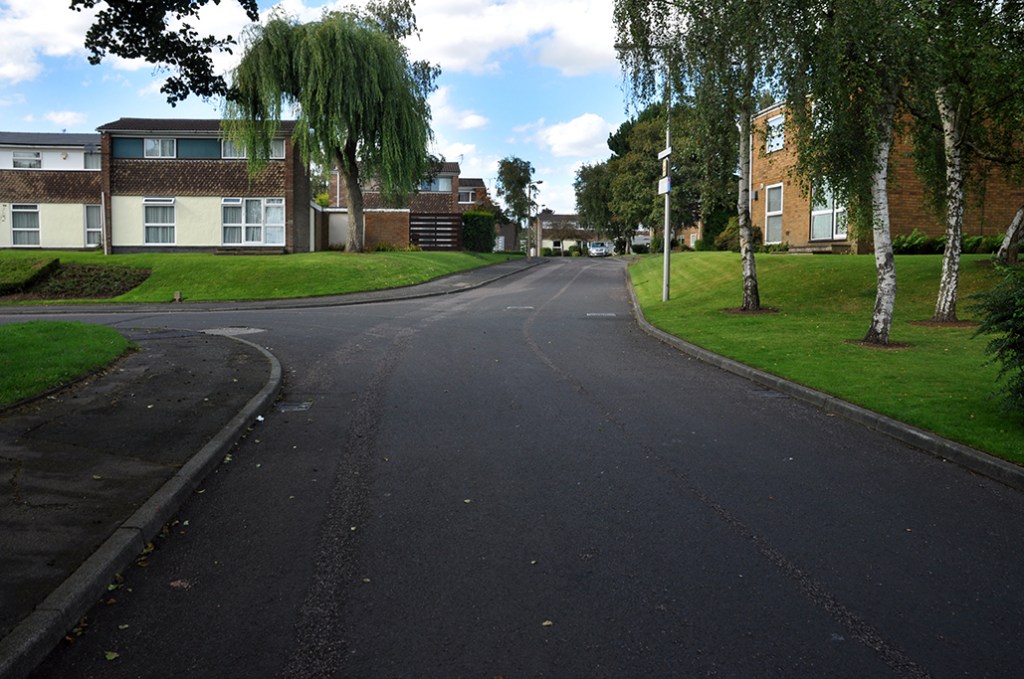
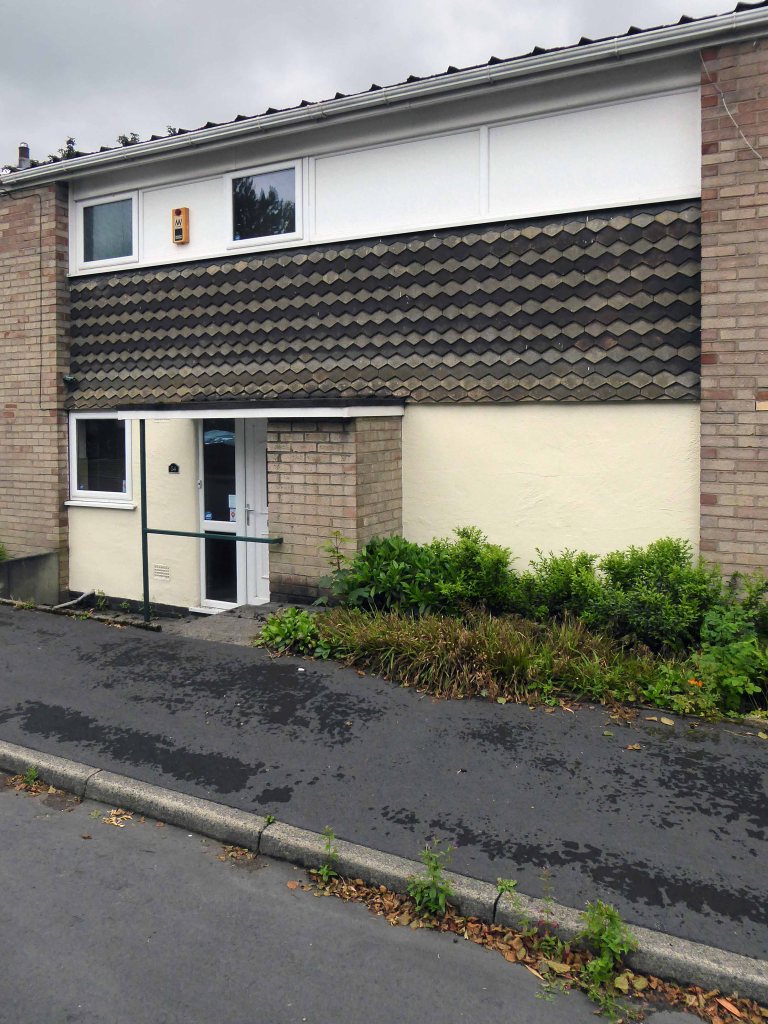
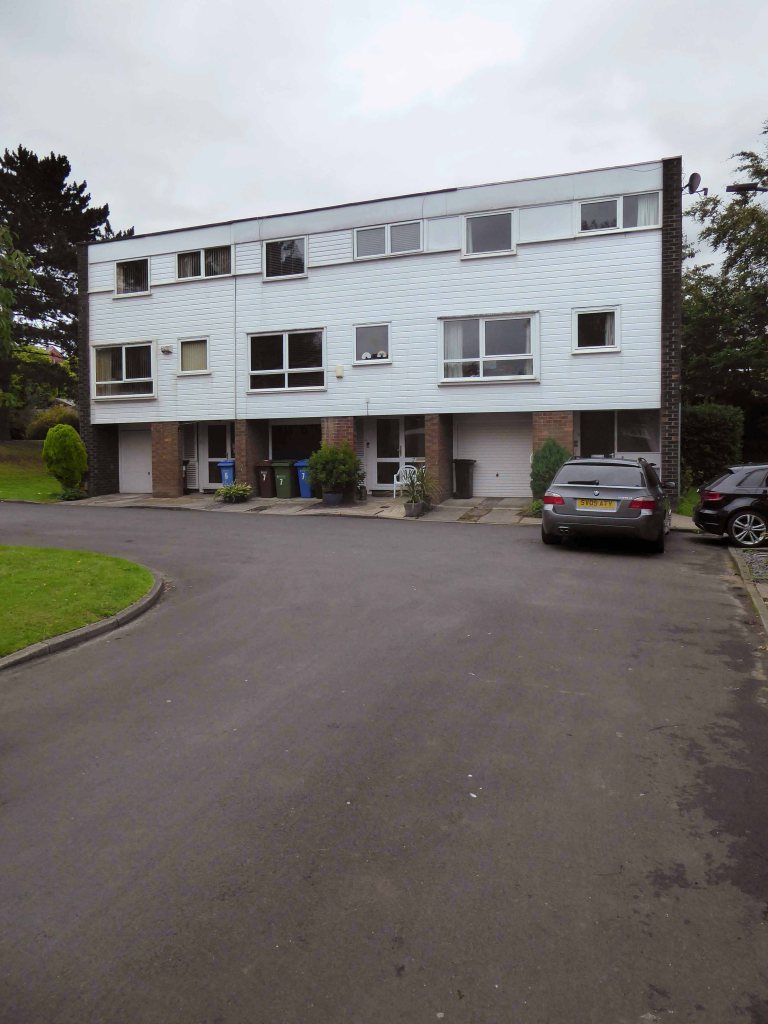
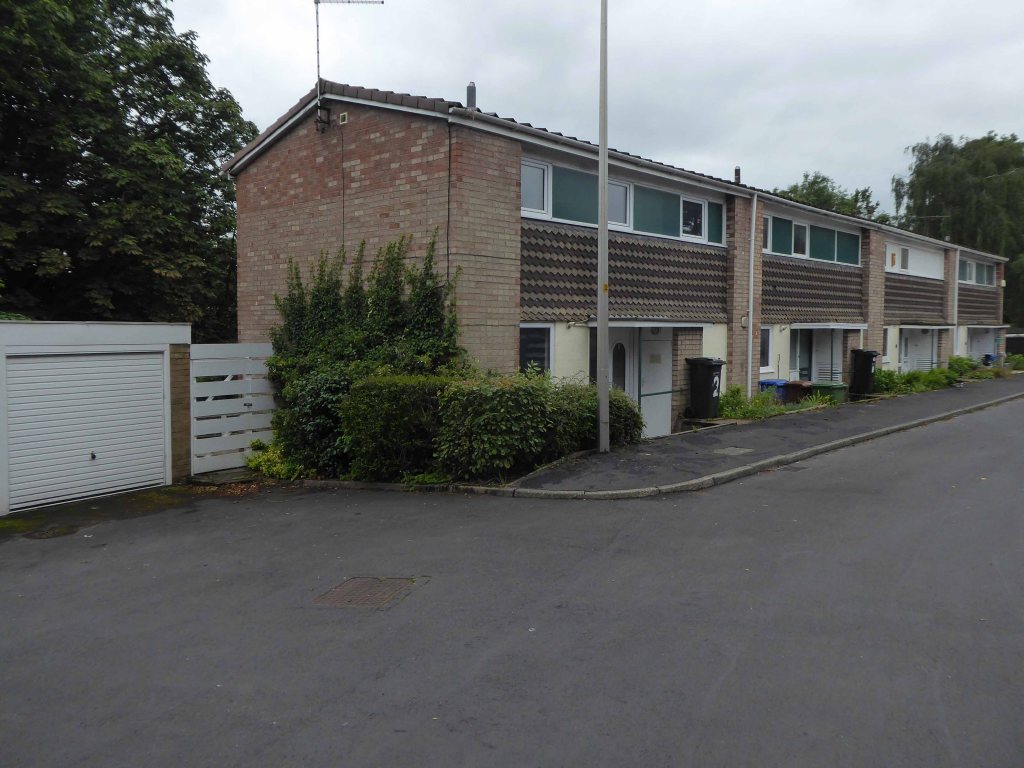
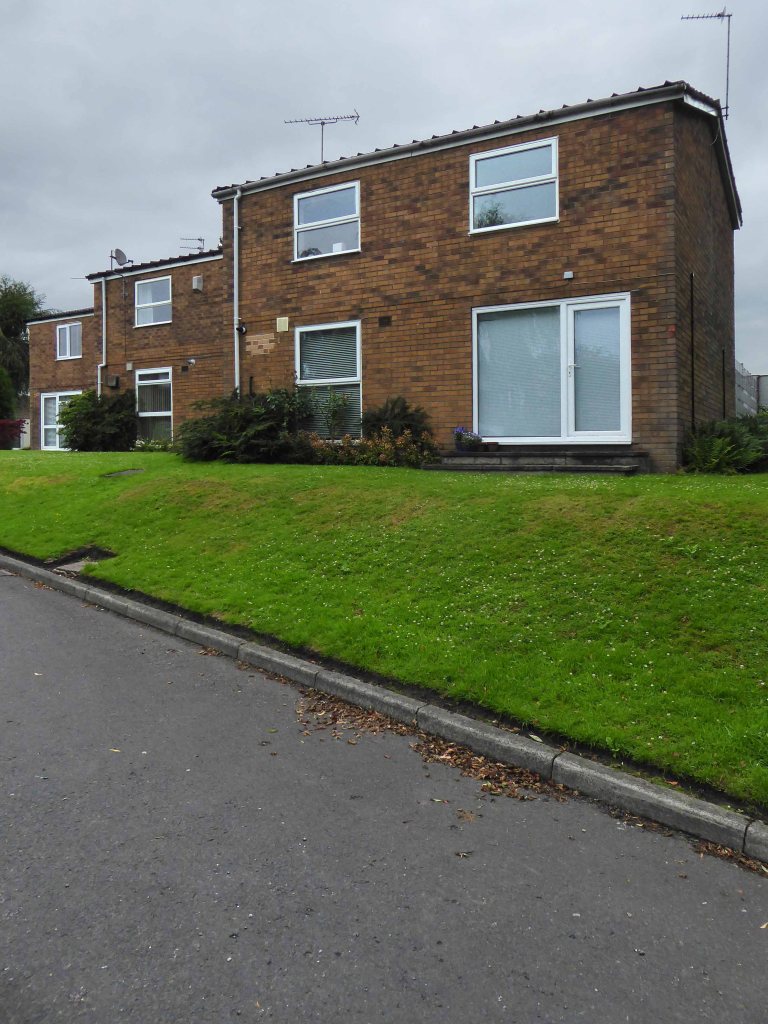
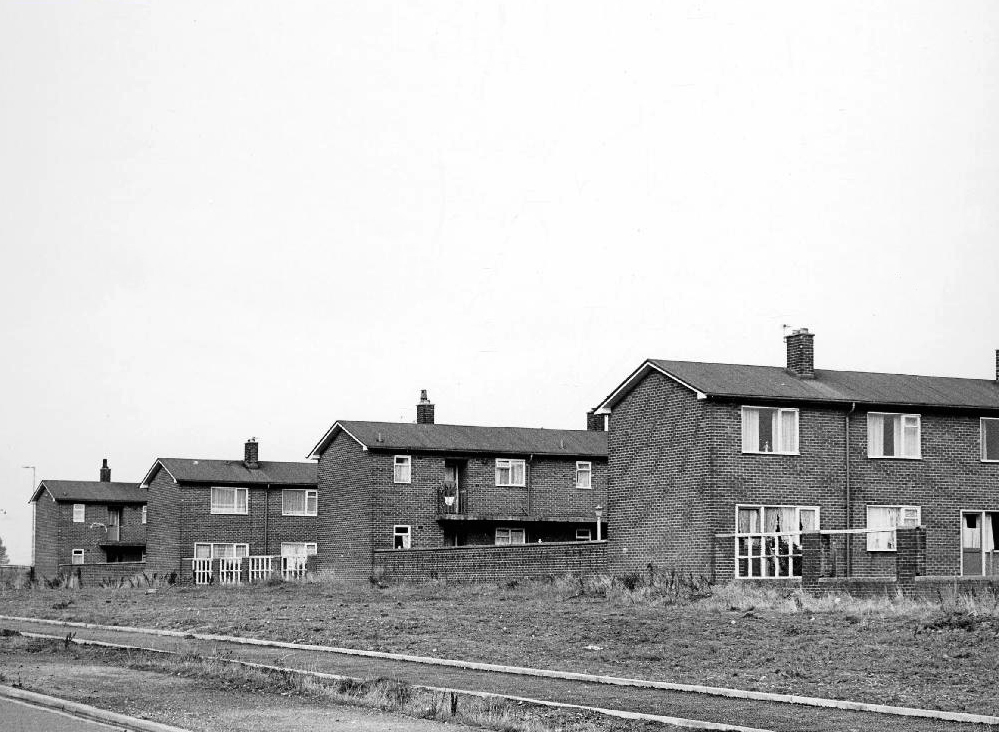
High above the Mersey Valley and 70 meters above sea level Deneway Estate stands proud, affording views of the Pennine White Peak to the south east and nothing but some other houses in all other directions.

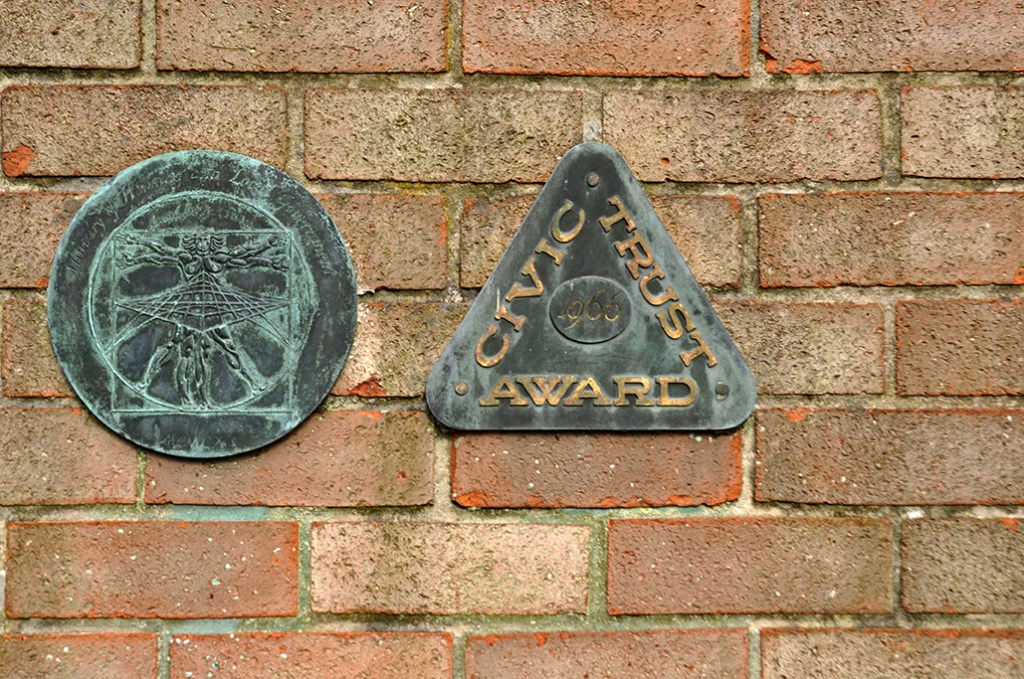
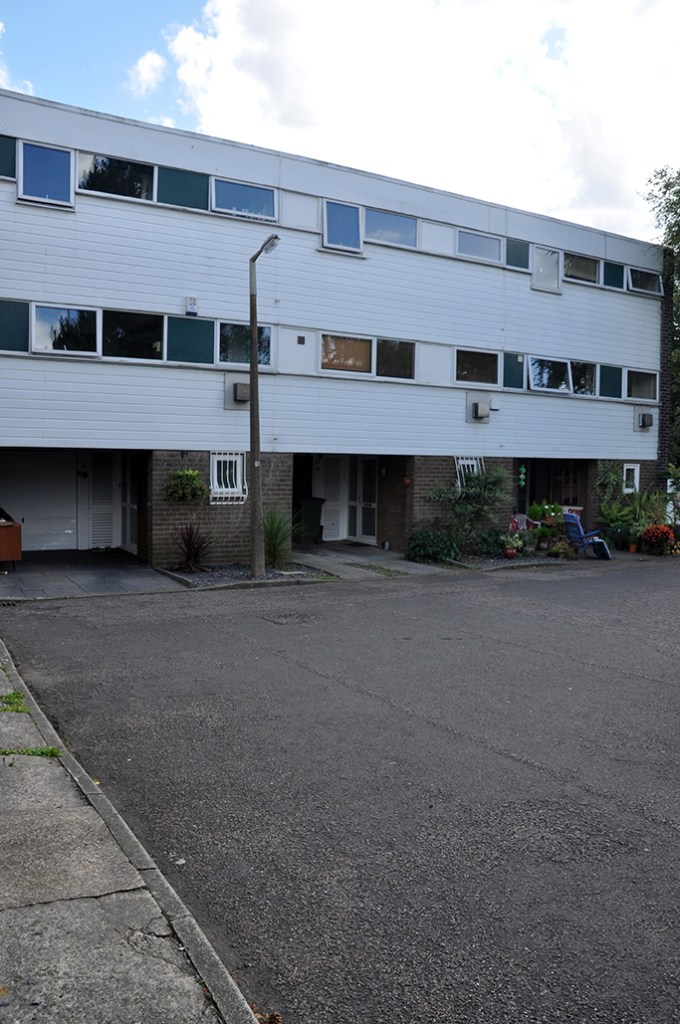
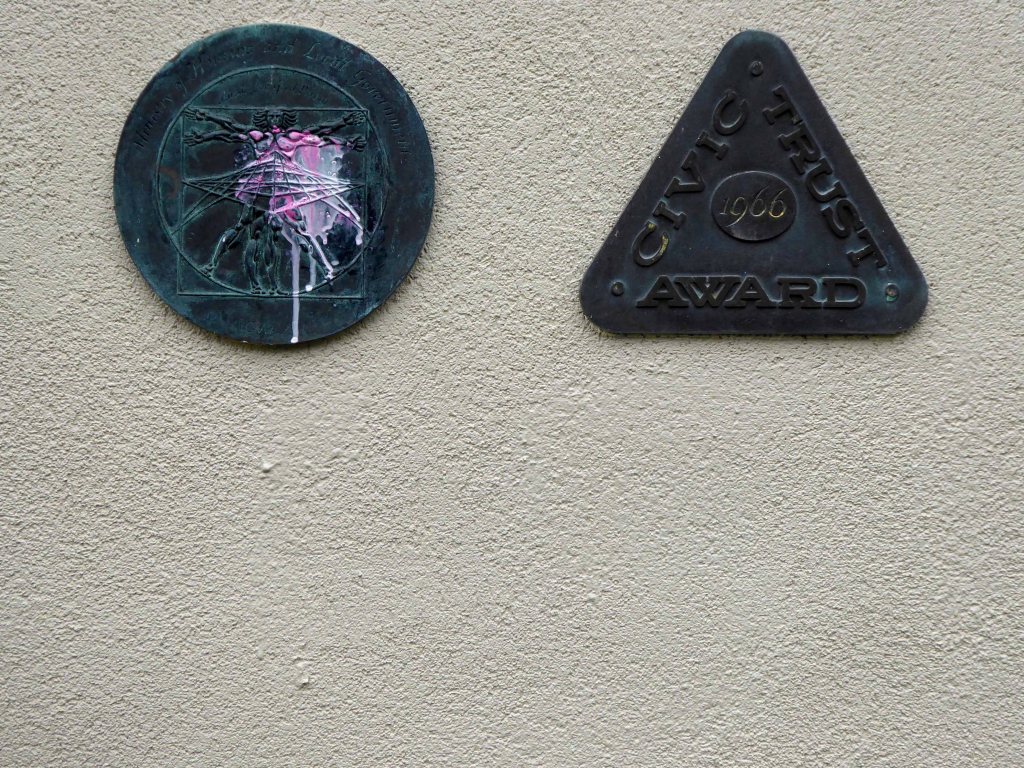
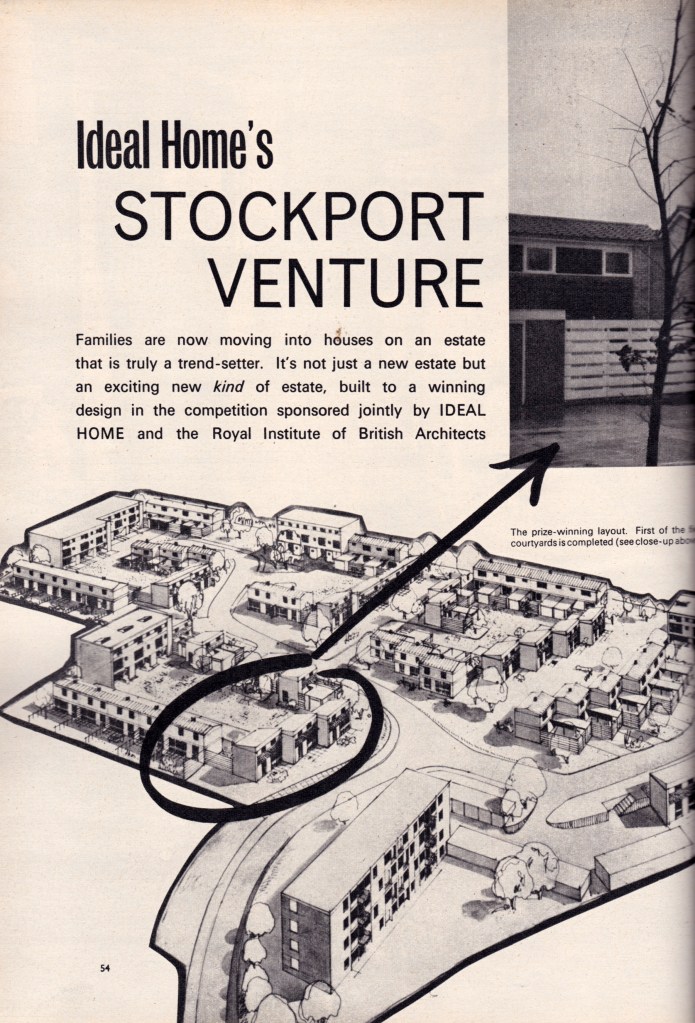
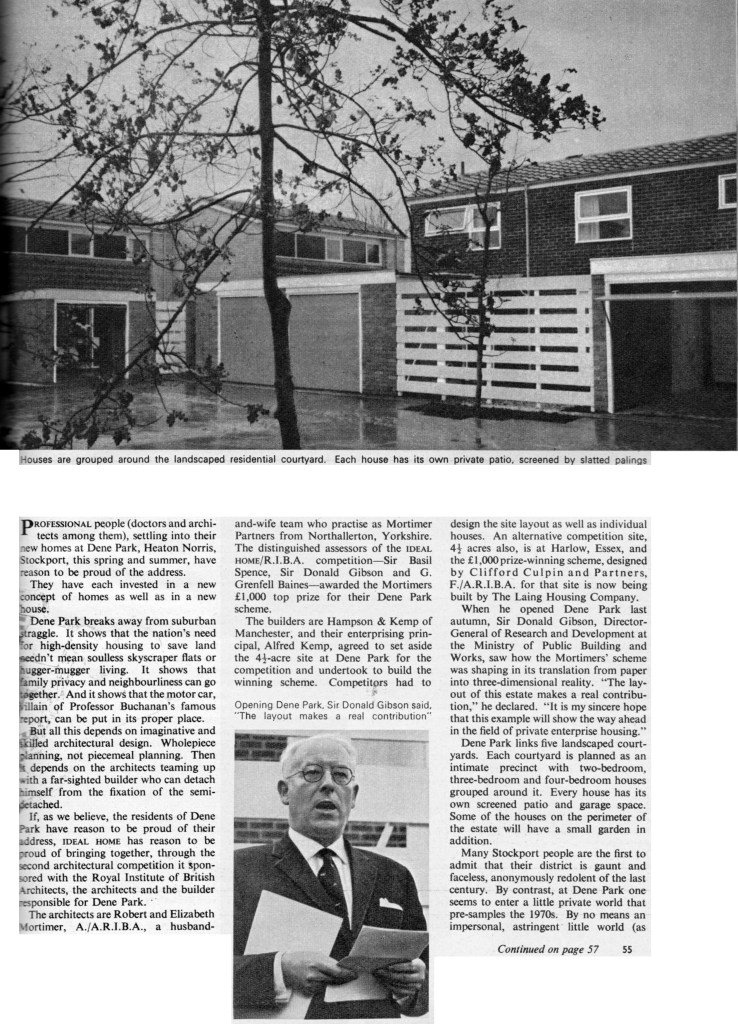
Built in 1964, by architects Mortimer & Partners it was an award winner from the word go – coming first in an Ideal Homes sponsored competition.

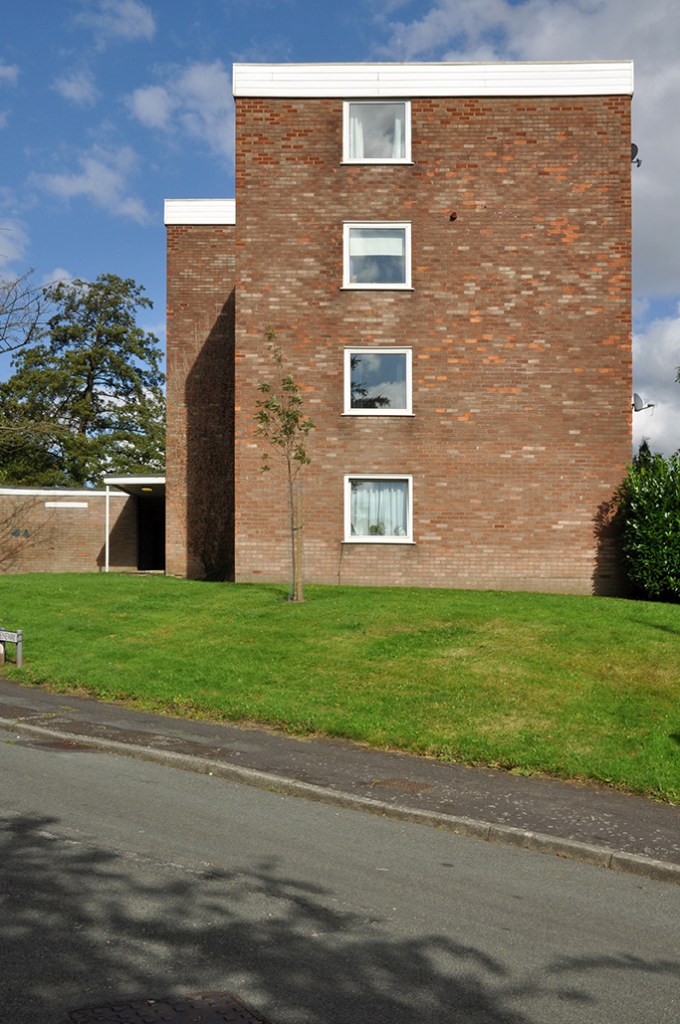
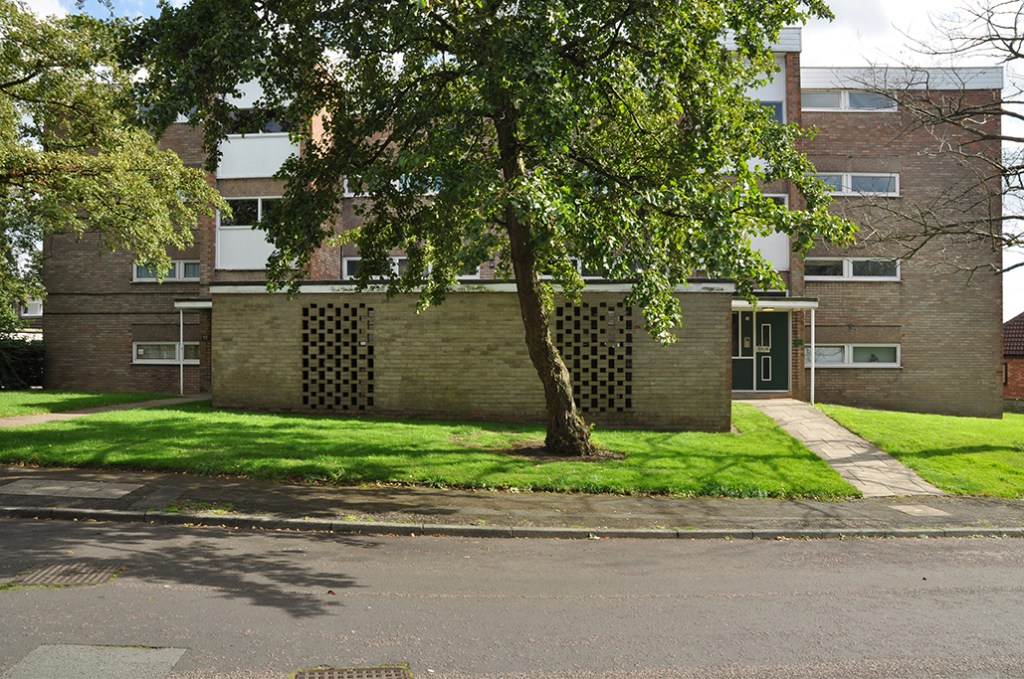
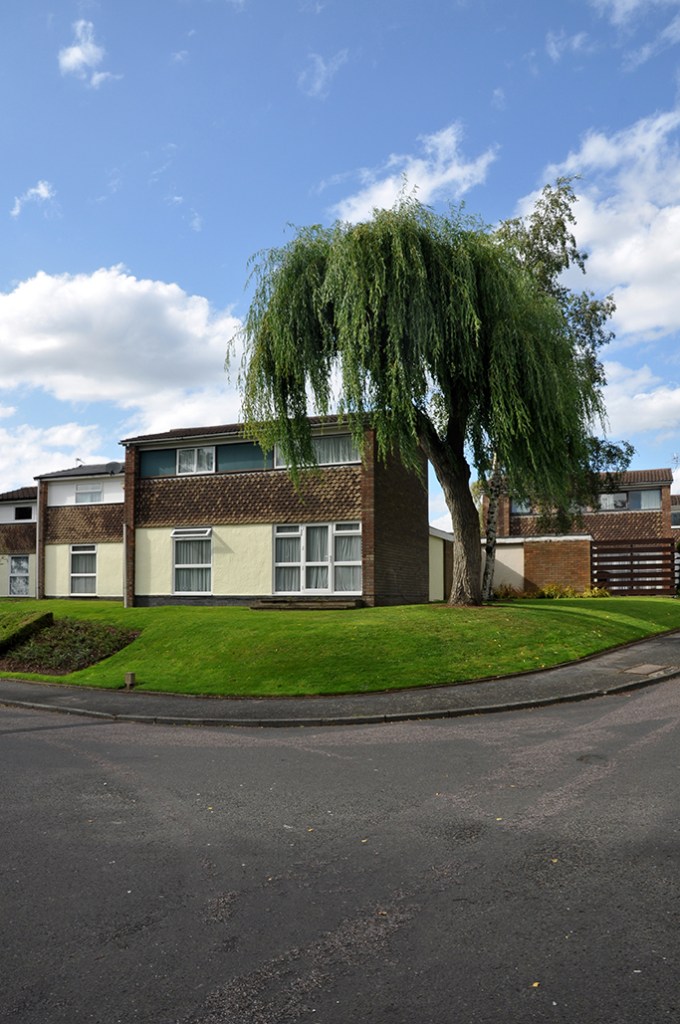
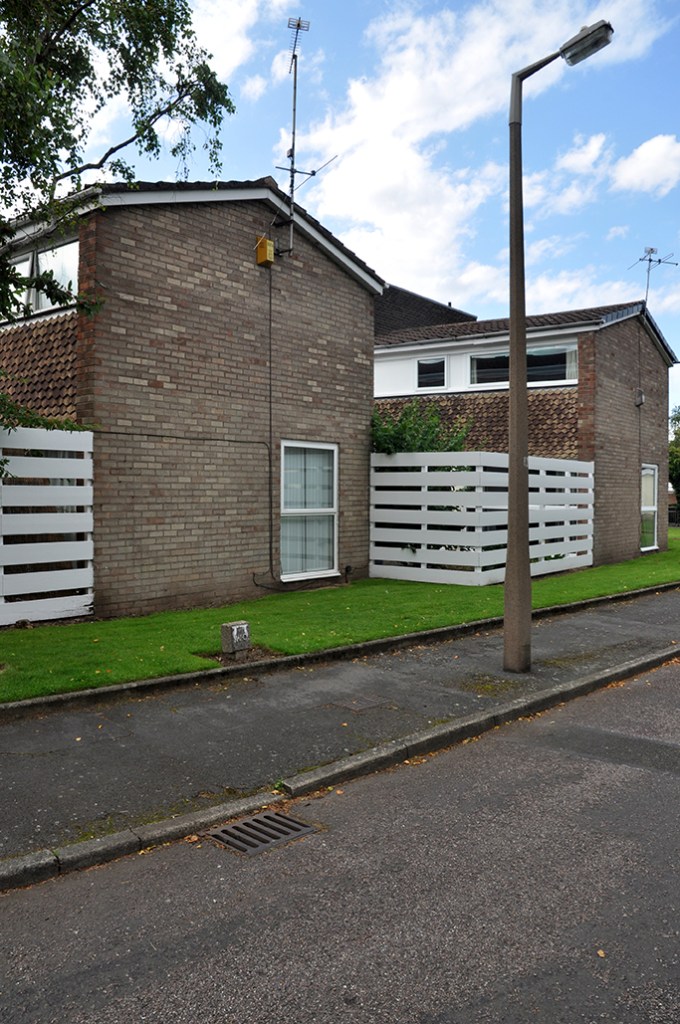
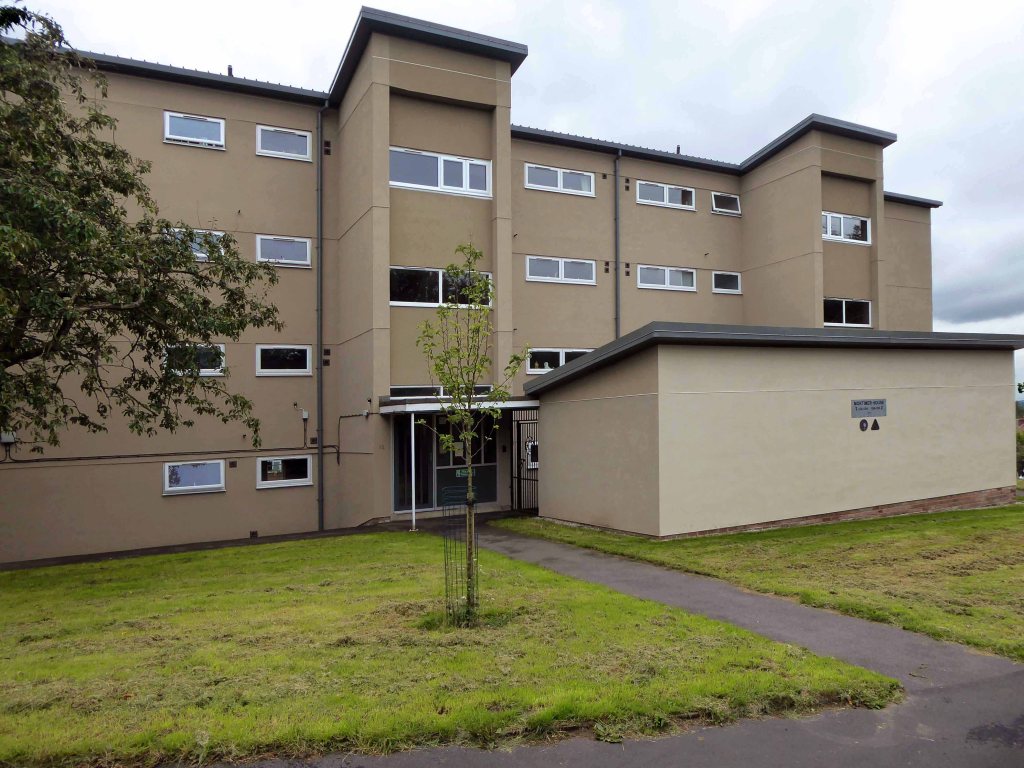
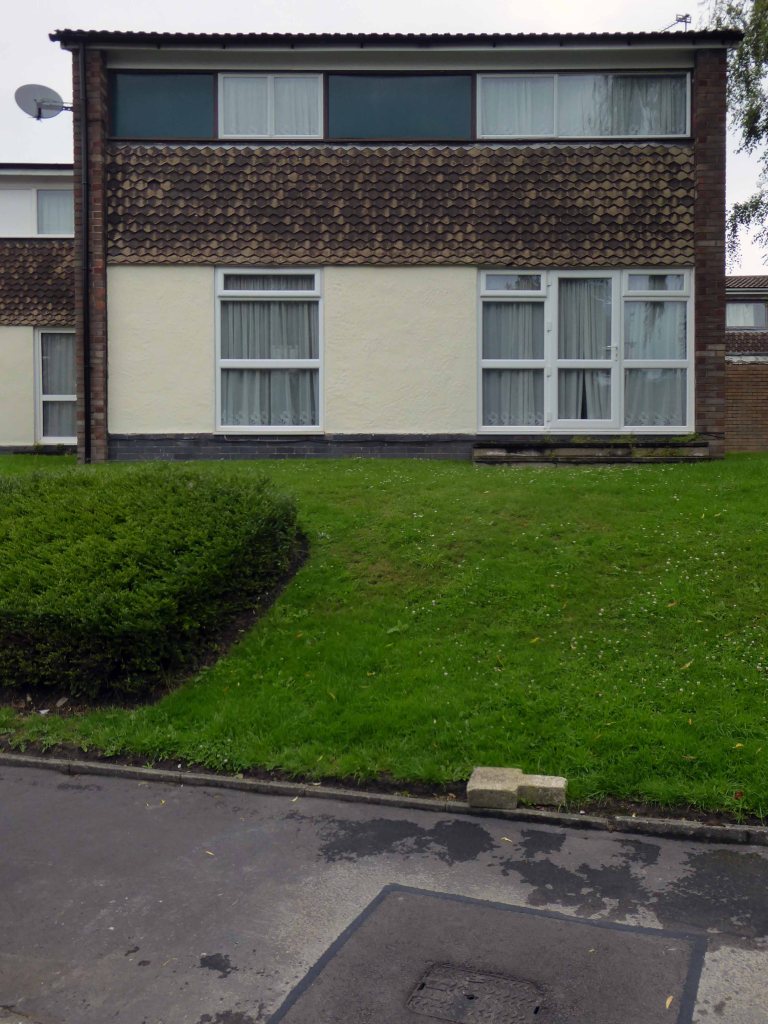
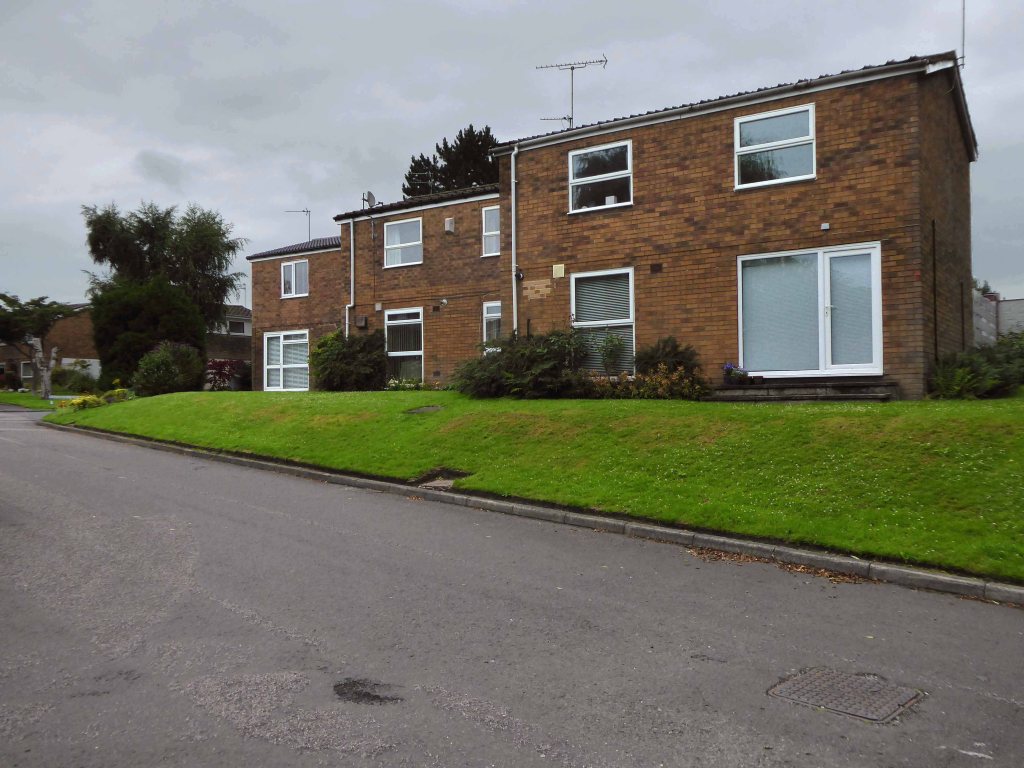
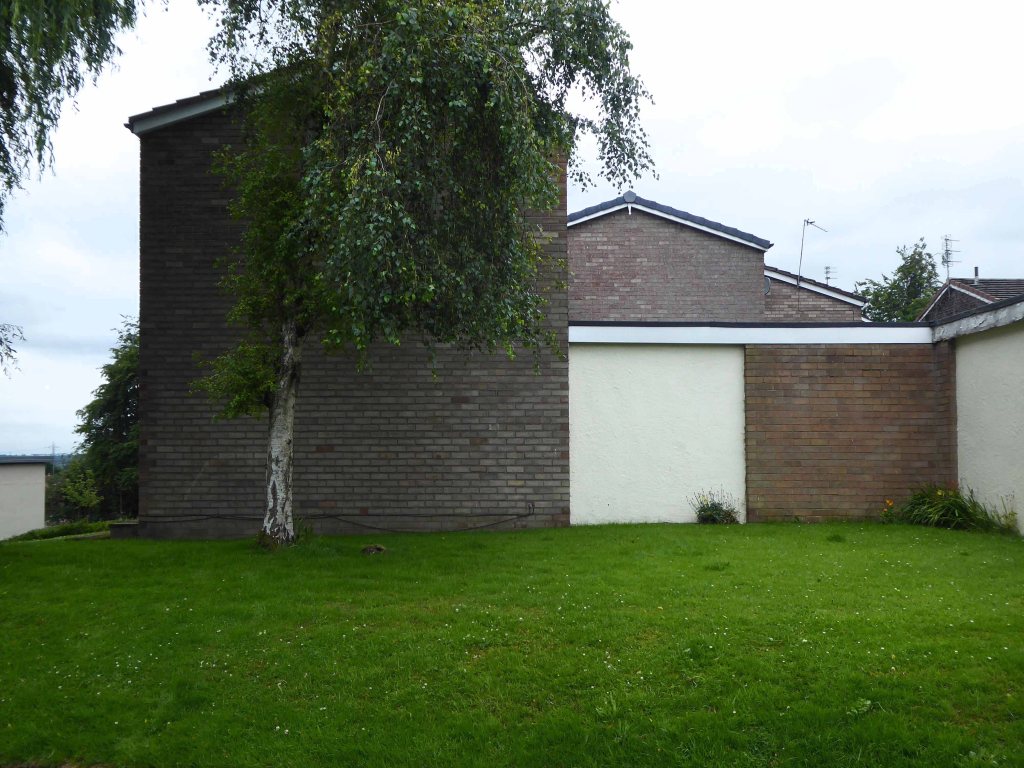
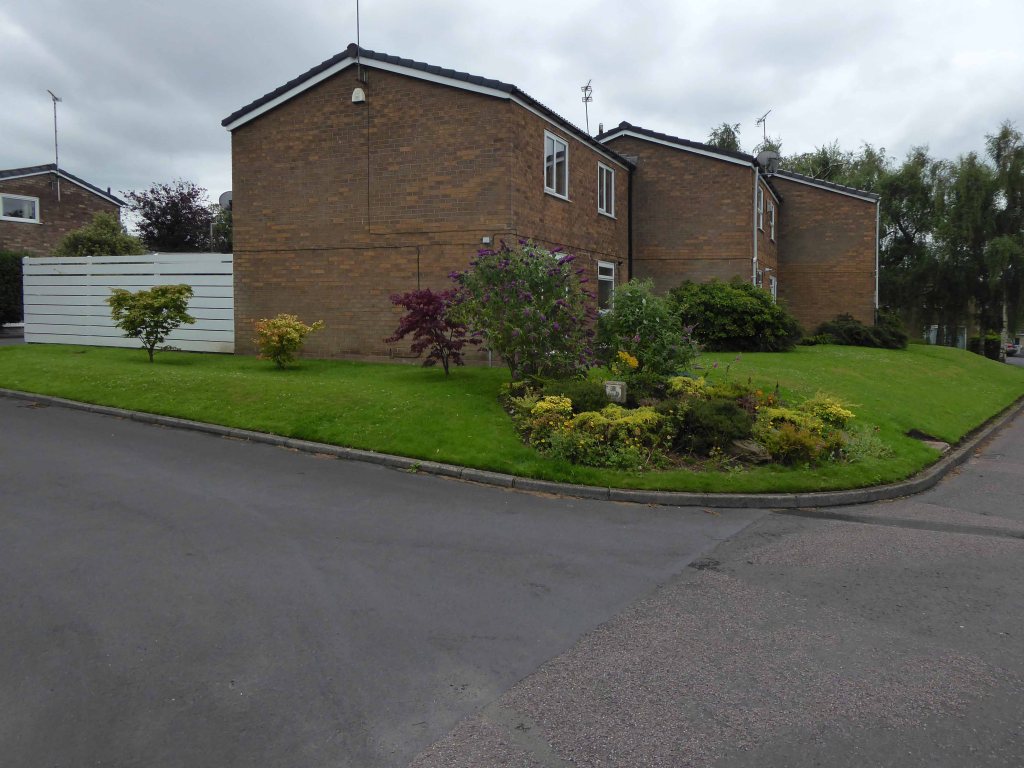
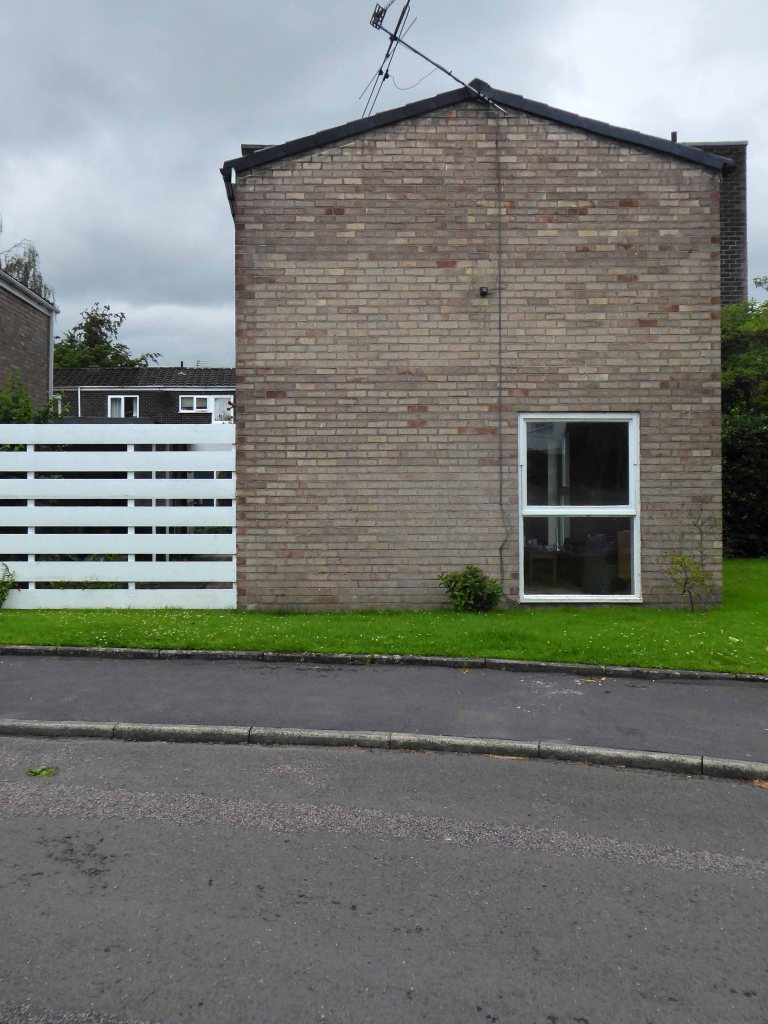
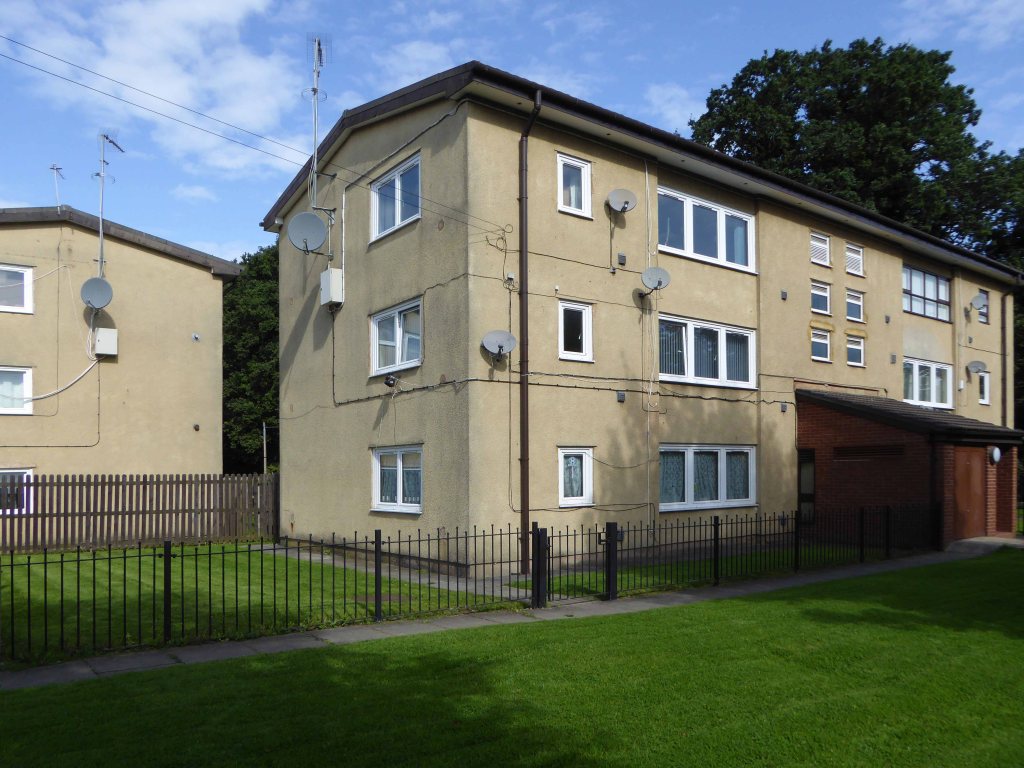
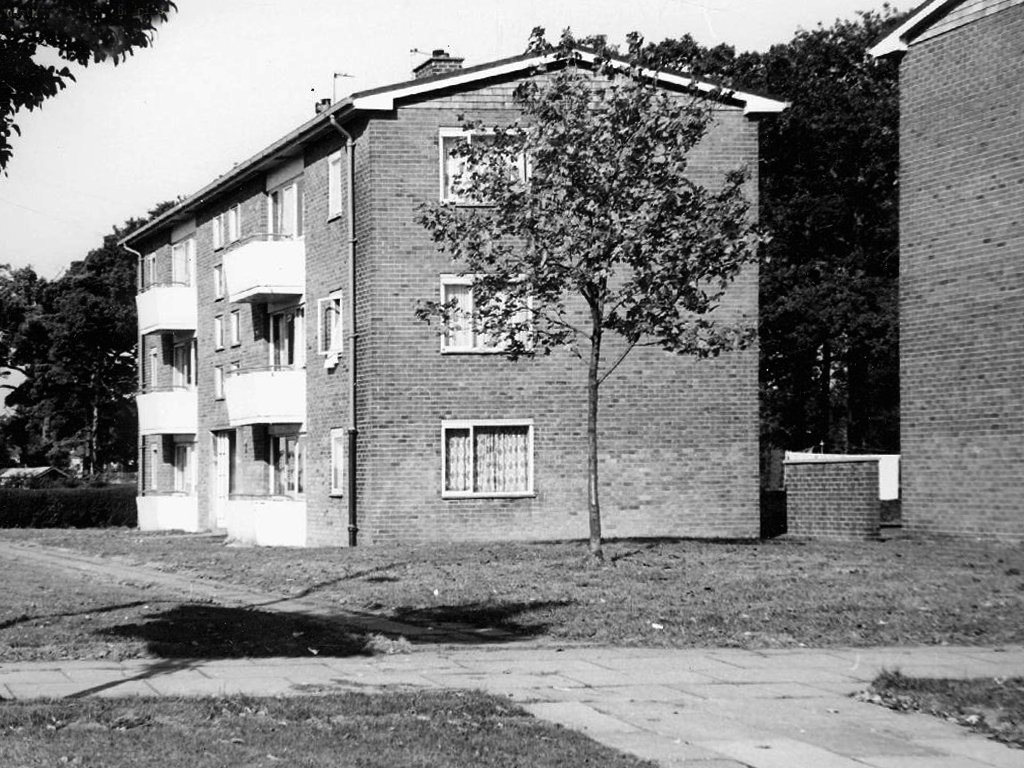
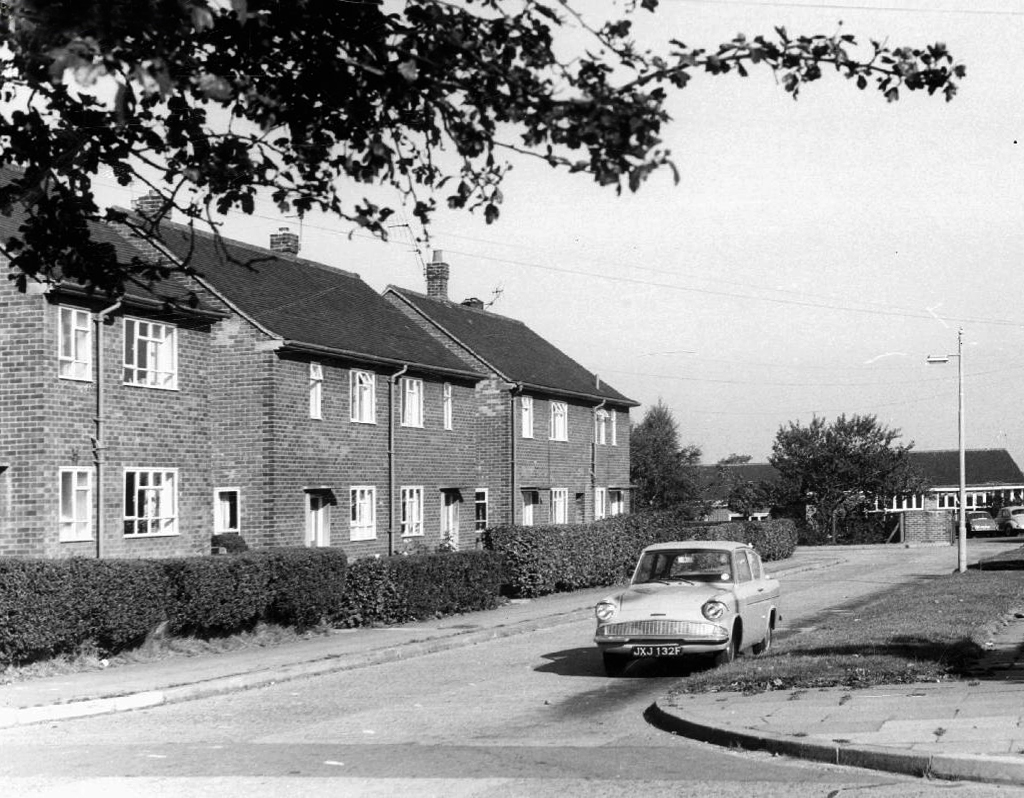
Very much in the tradition of the Span Estates, it consists of small groups of two and three storey terraced homes, with communal open, well tended front gardens. At the entrance to the estate stands a single low tower block of flats.

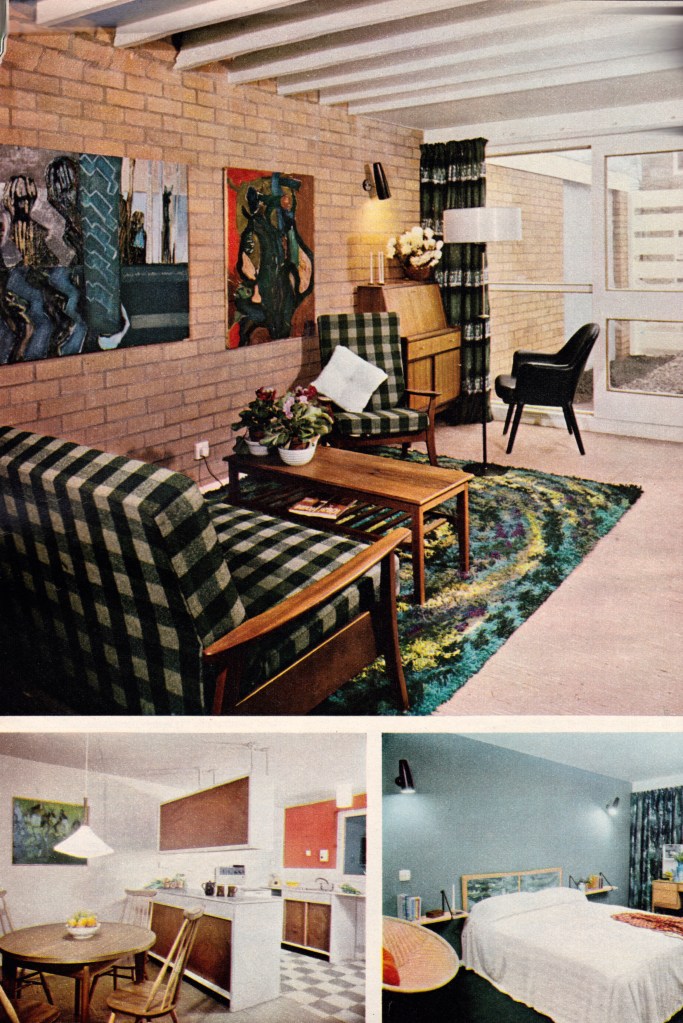
The architecture sits quietly and confidently in the landscape, well behaved, prim and proper. Interiors are open plan and afforded ample daylight by generous windows. Detailing is tiled and wood panelled, with low pitched roofs.

Jump the train, walk, cycle, bus or tram, but arrive with eyes and heart wide open to enjoy this suburban gem – it’s right up my street.

This was my very first piece that appeared on the old Manchester Modernist site way back in 2014.

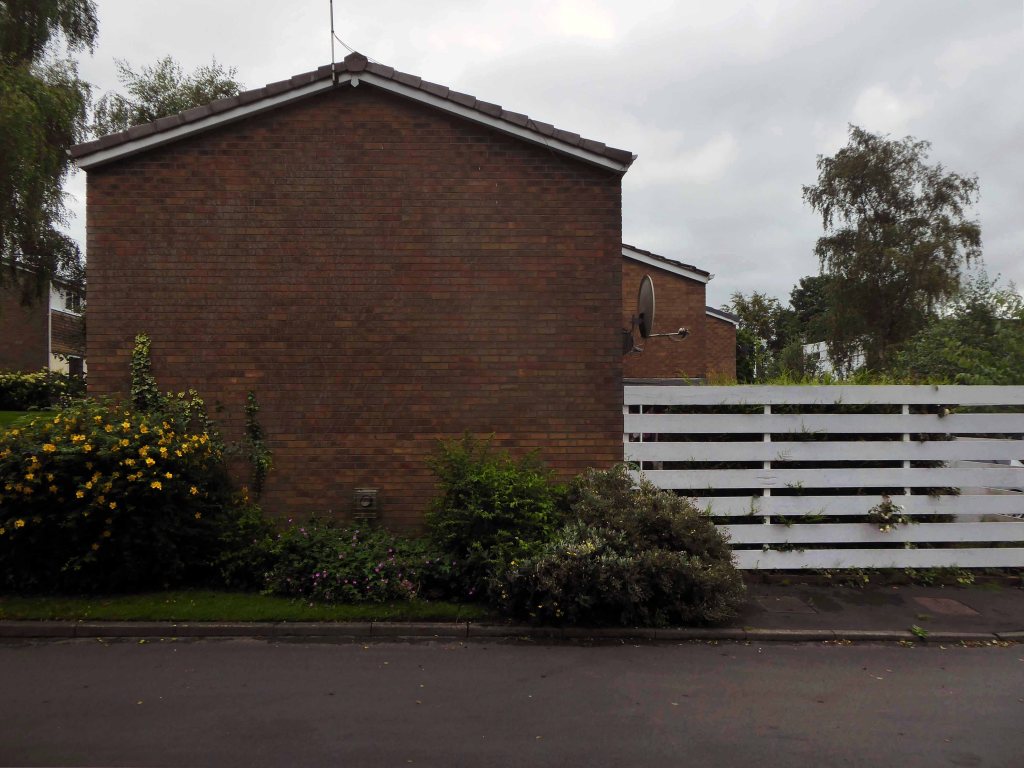
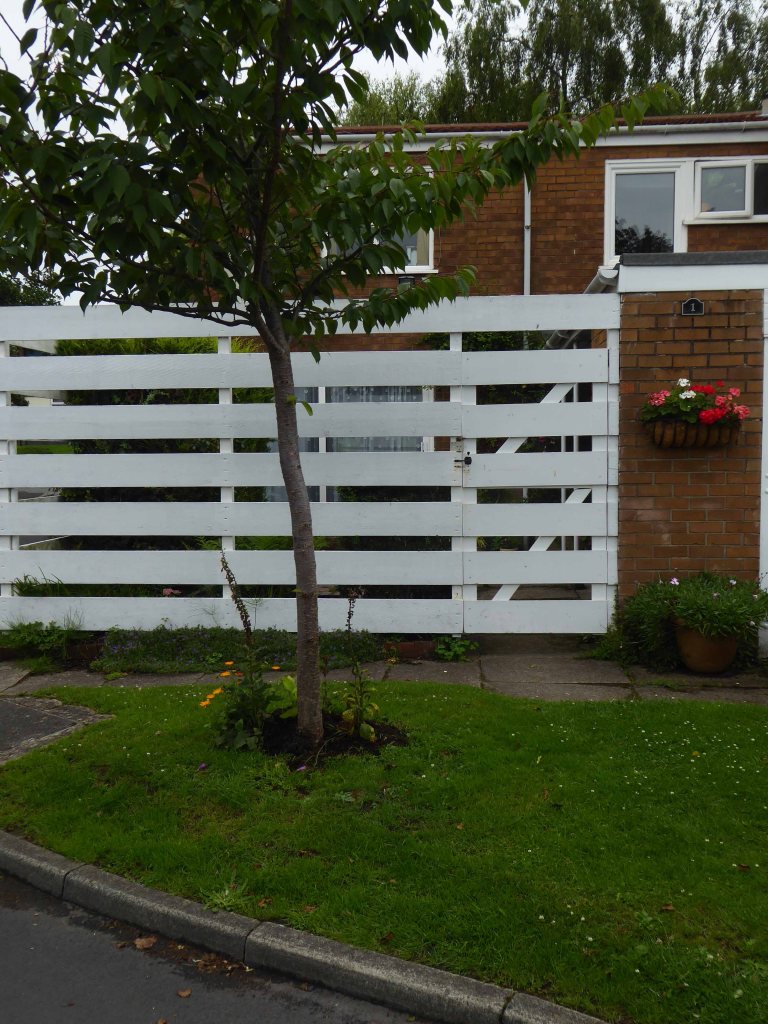
Six years later I walked up the road again and found the flats clad in a funny colour cladding and the plaques moved, much else was as was. I assume, that under deed of covenant, fencing and guerilla gardening within open areas is verboten, along with fancy extensions.

The estate therefore retains its original integrity.

The sun in the meantime however – had gone in.

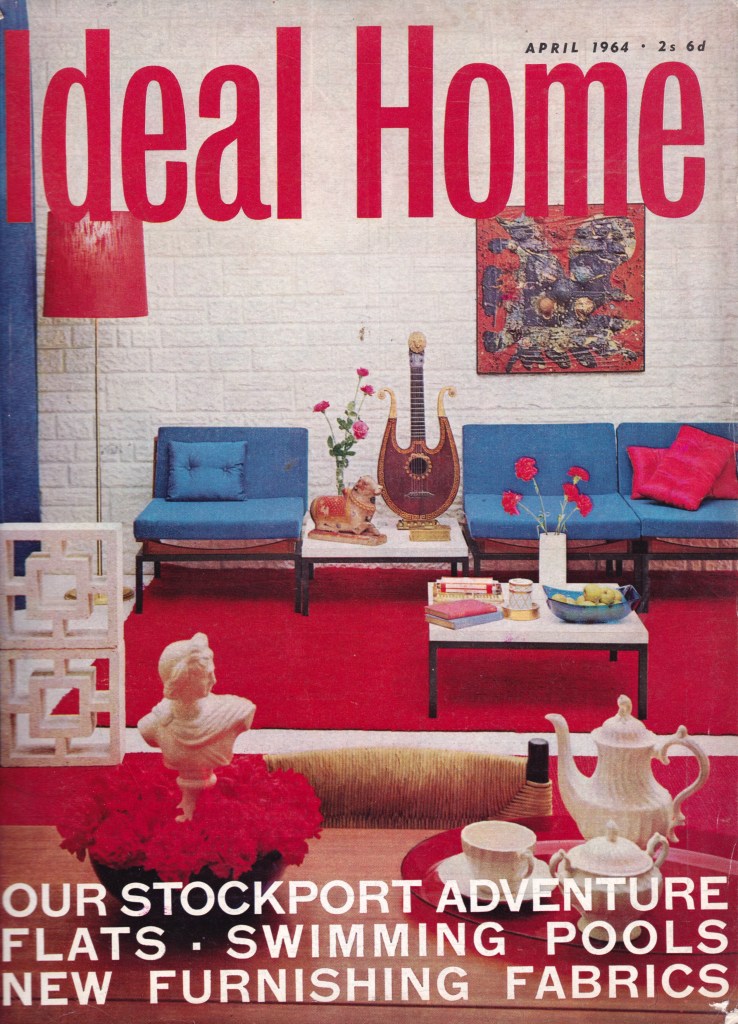
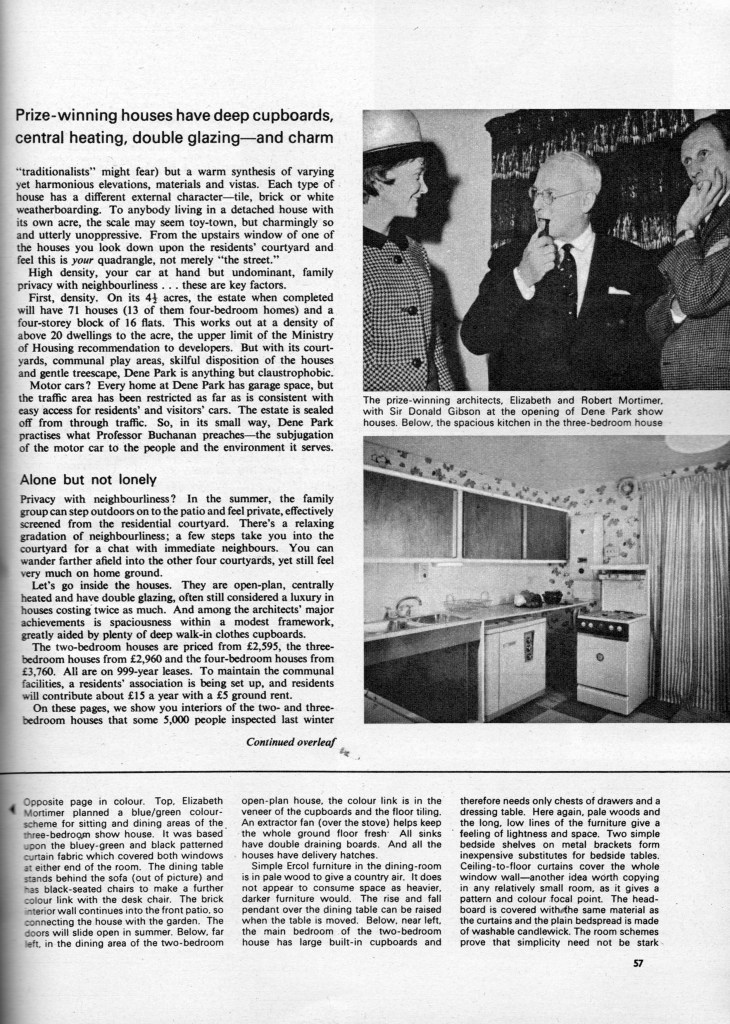
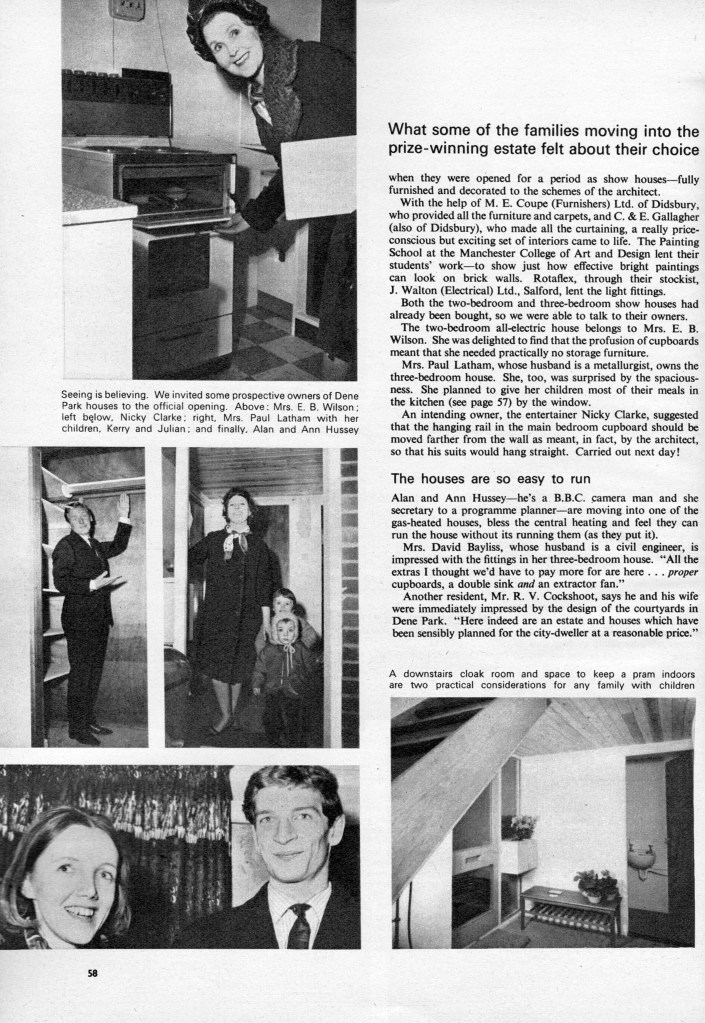
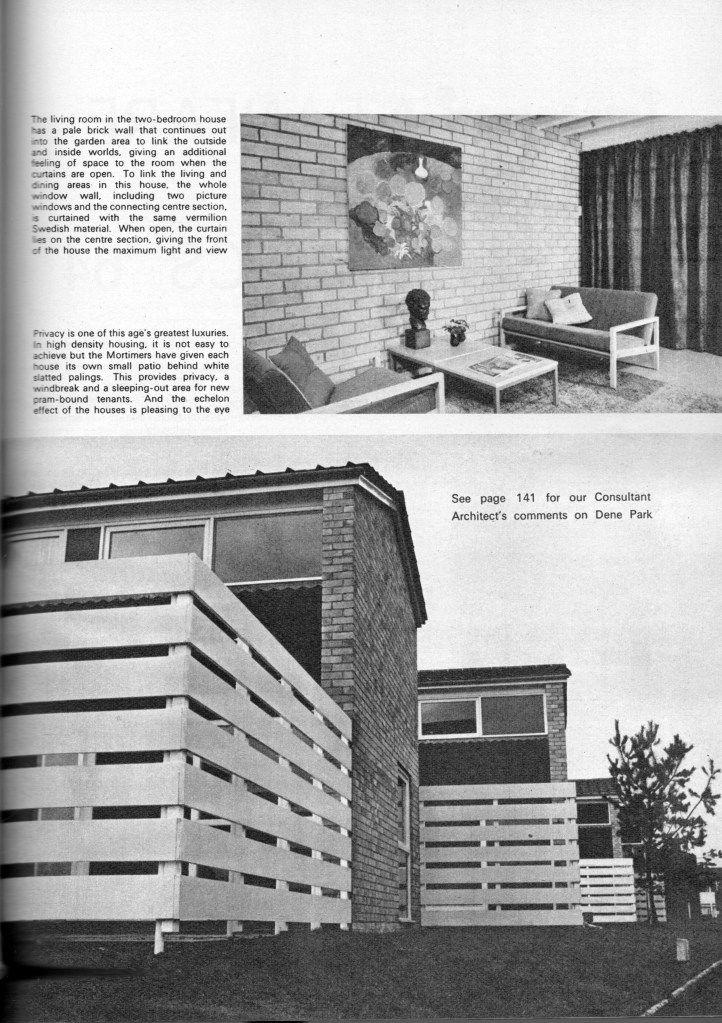
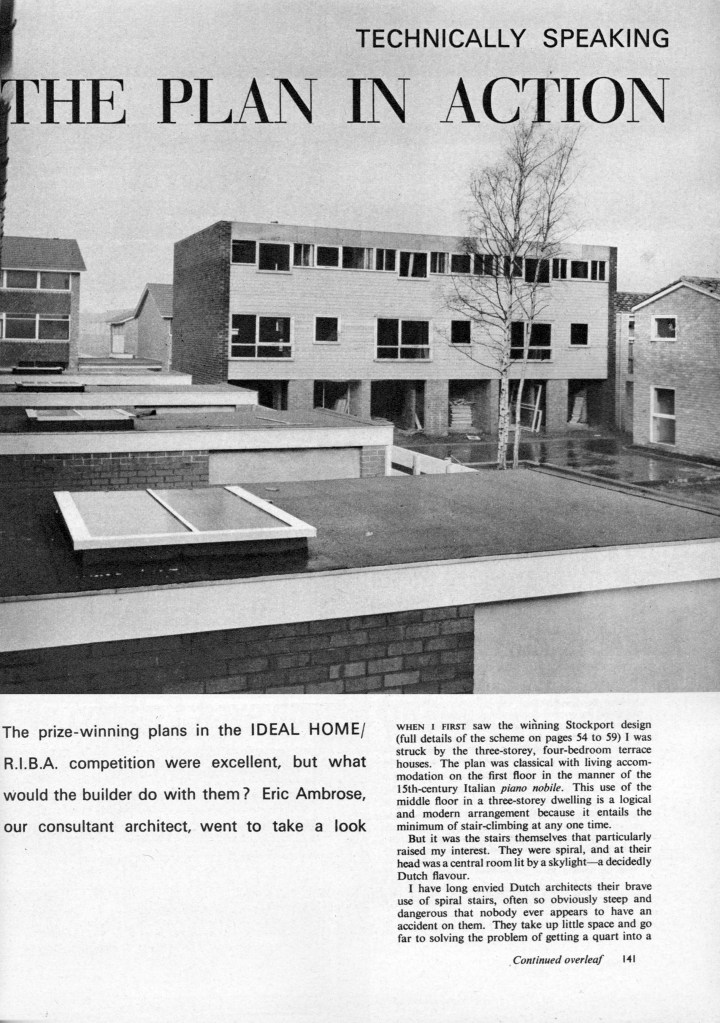
Here are the pages of Ideal Home which featured this award winning estate.

Wythenshawe Park – Bowls Pavilion

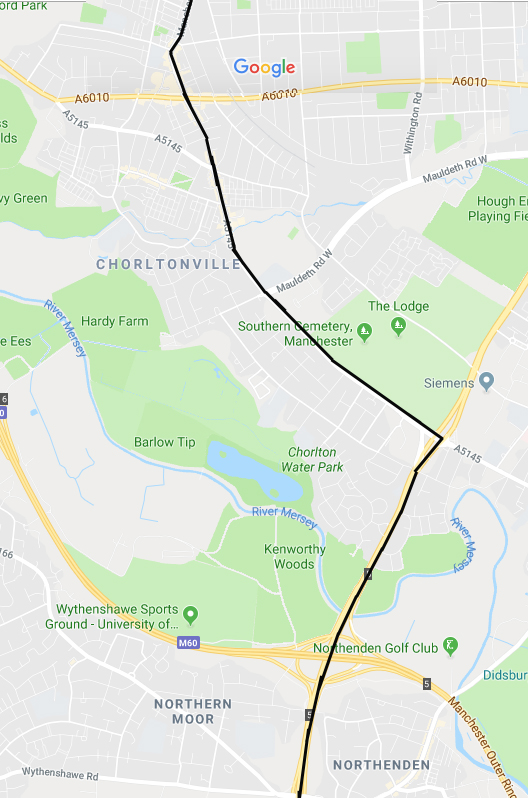
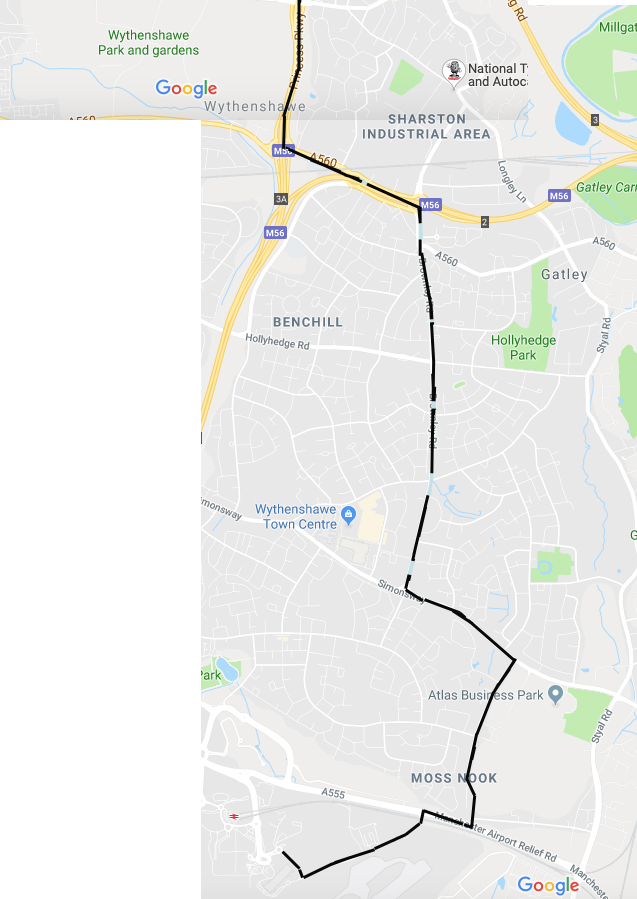
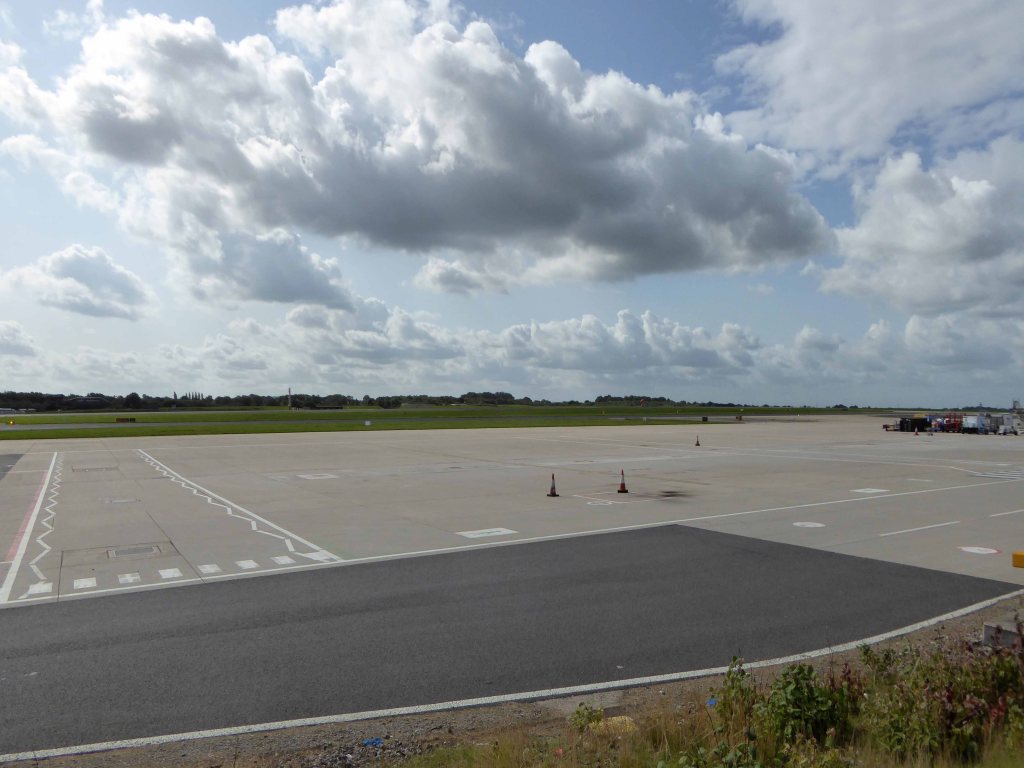
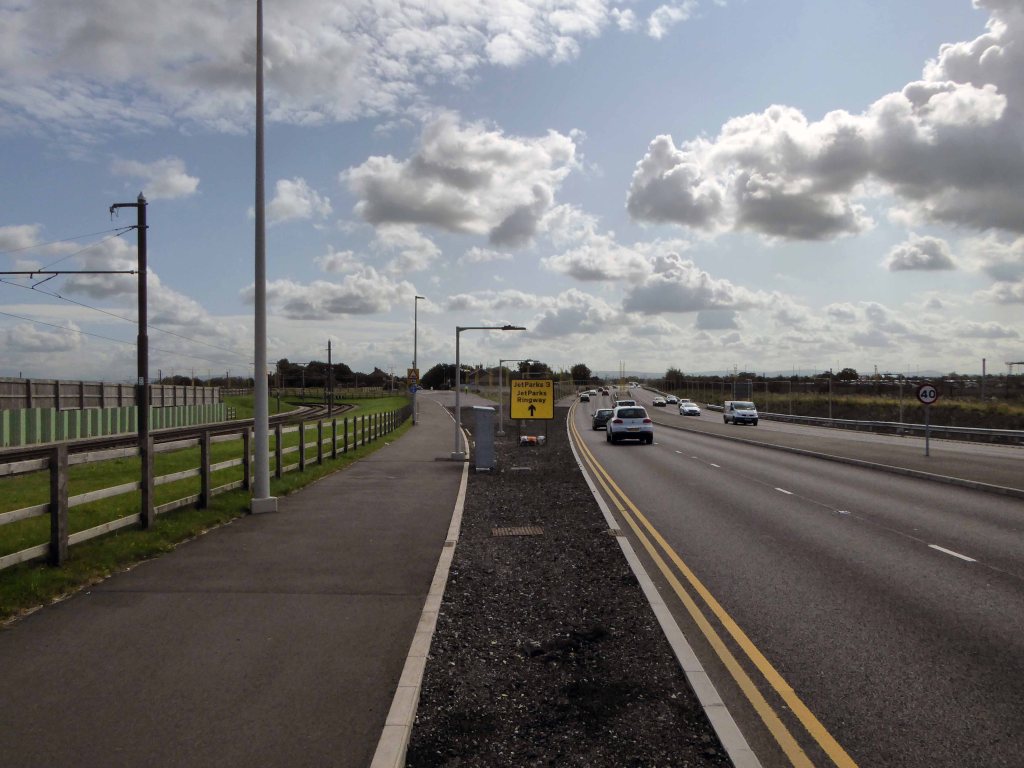
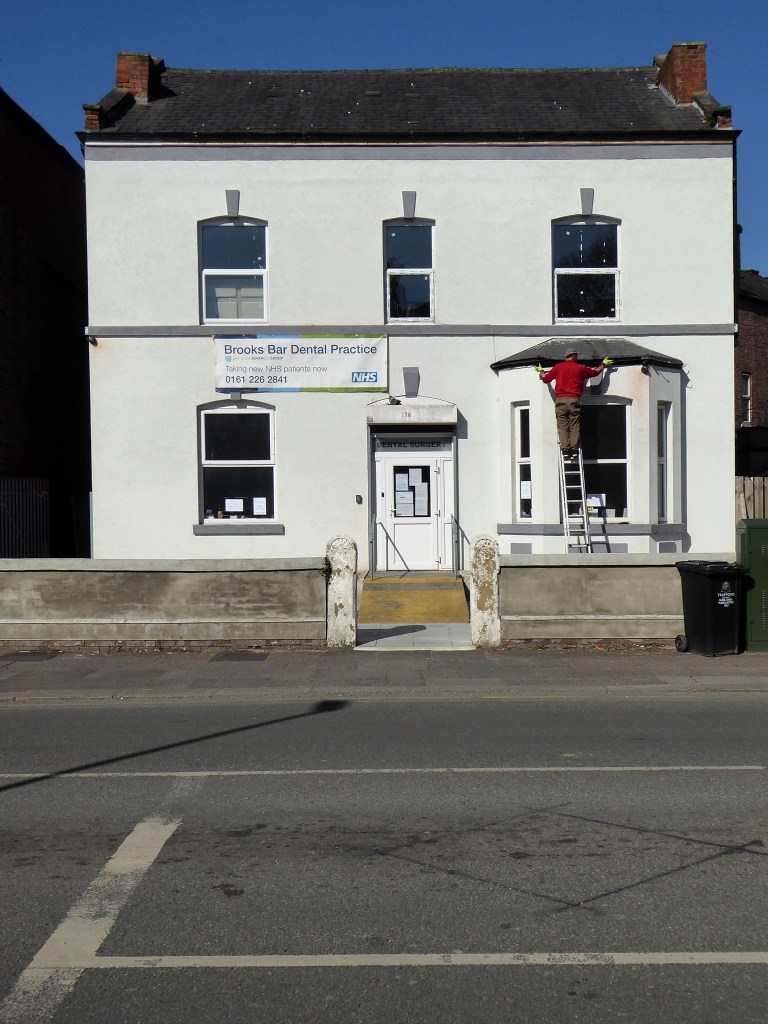
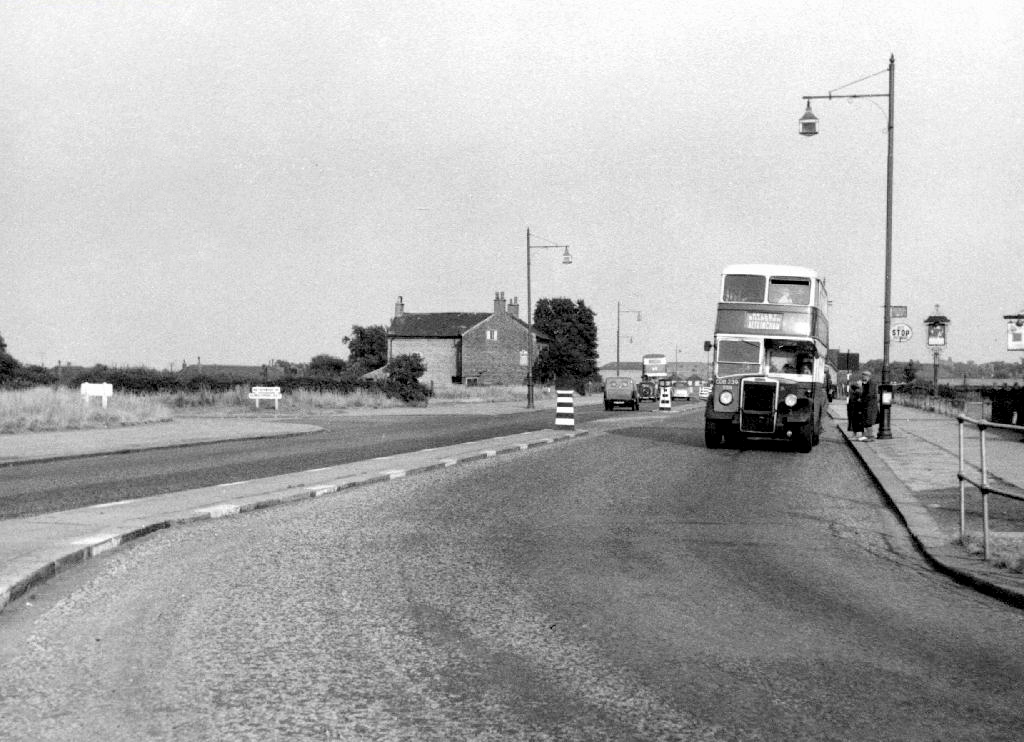
We were on a journey – retracing the route of Yuri Gagarin’s 1961 visit to Manchester, from Ringway to Brooks Bar.

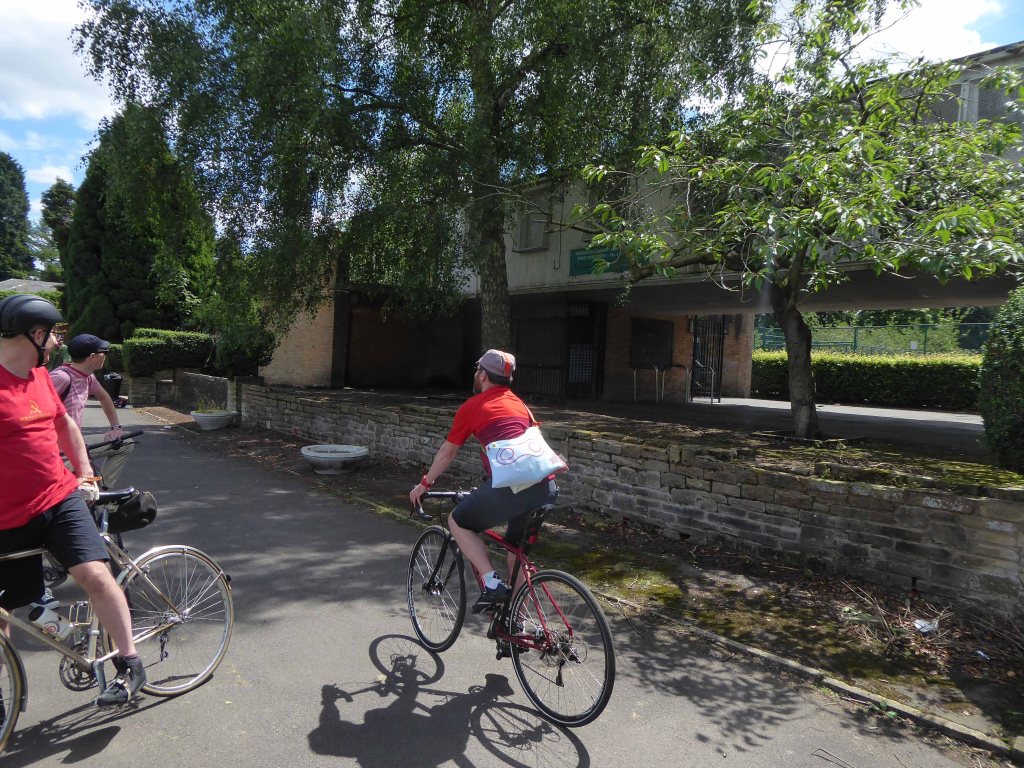
Then all of a sudden we weren’t, having deviated from Princess Parkway into Wythenshawe Park.

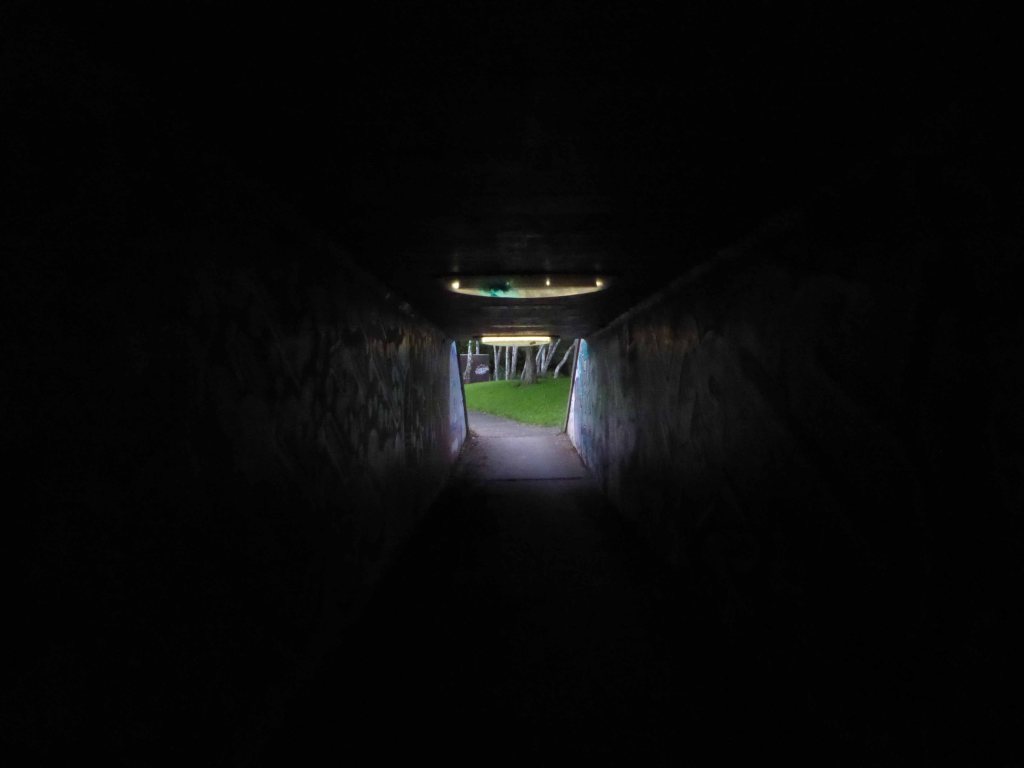
Missing the opportunity to pass under the underpass.

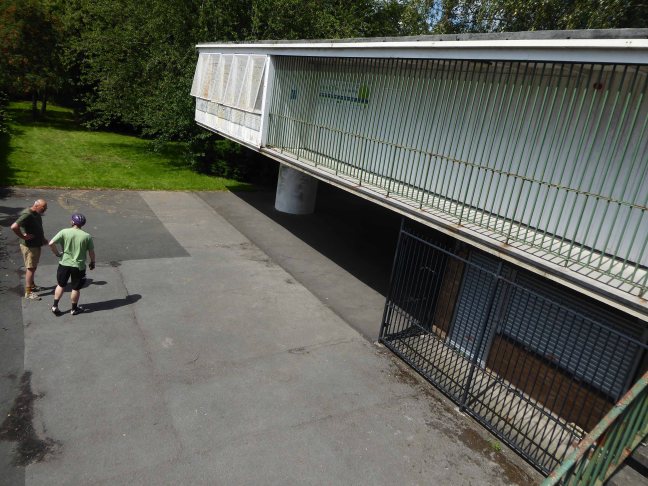
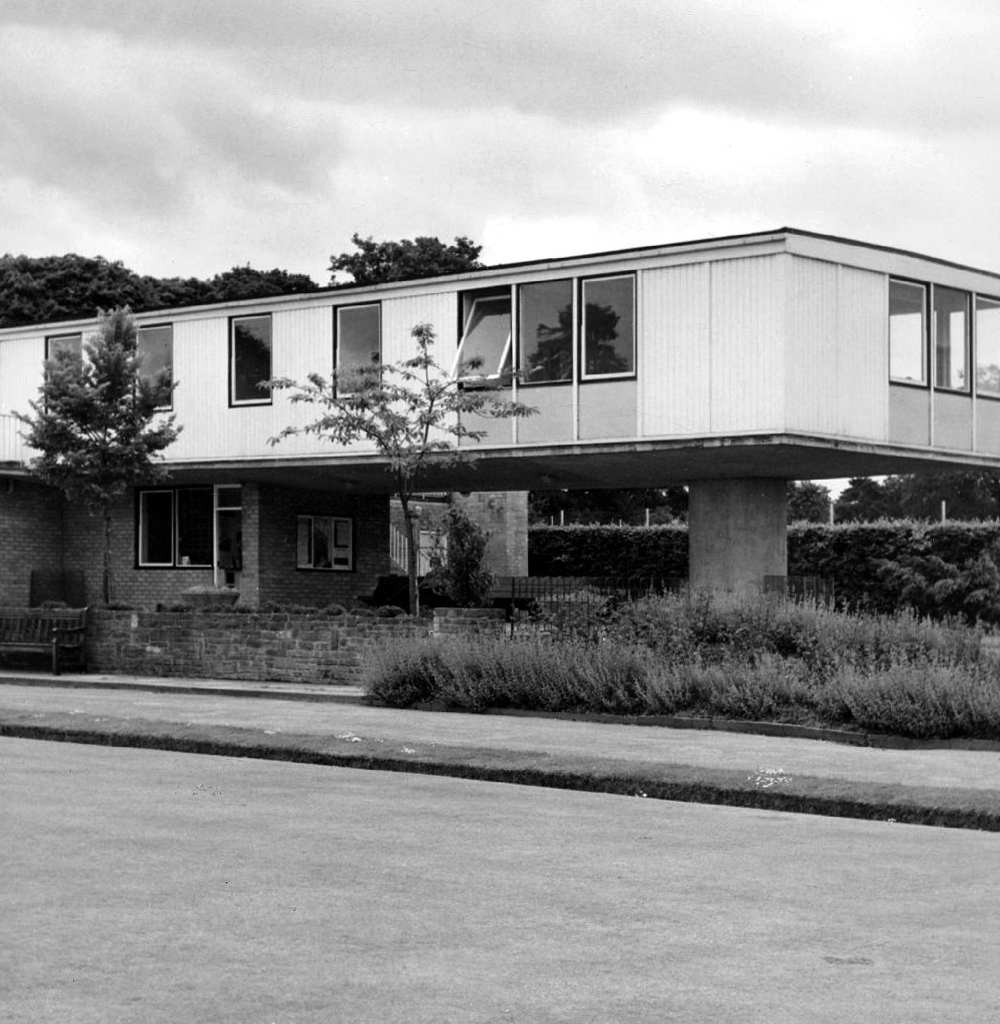
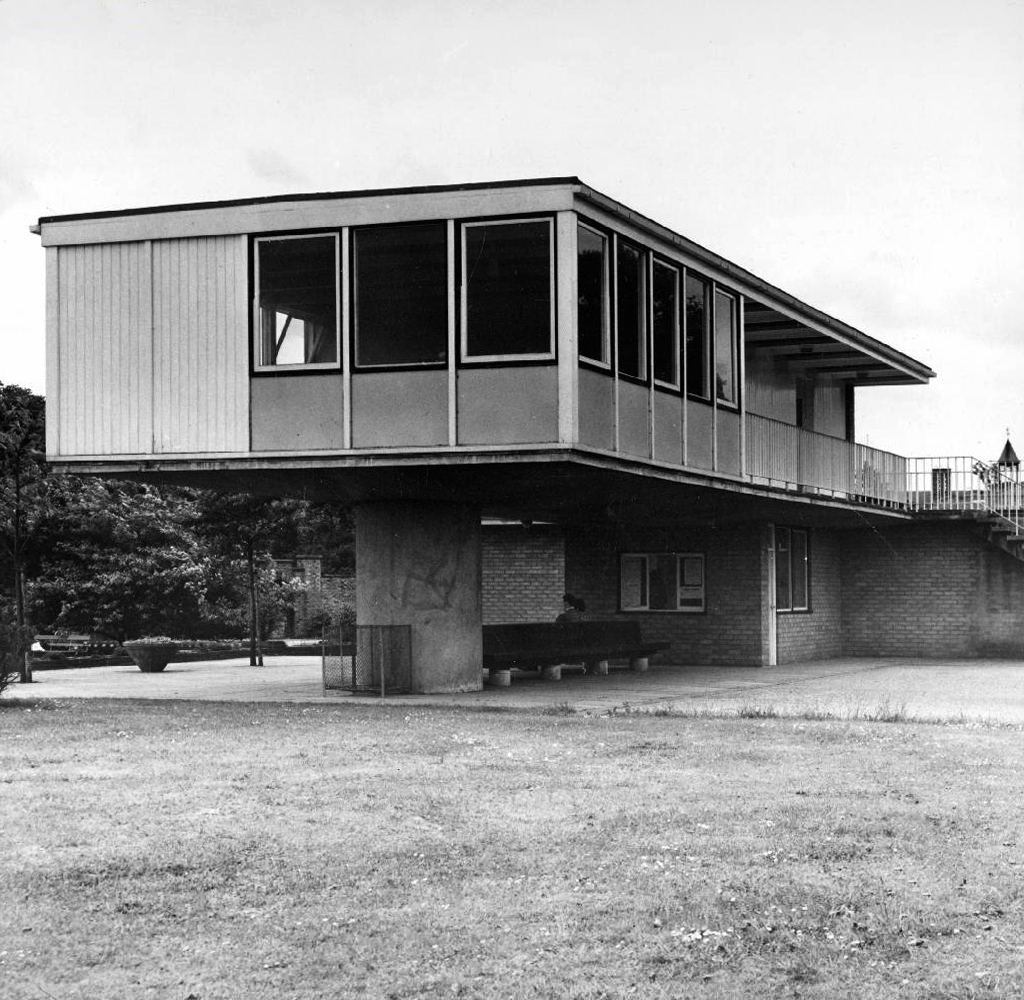
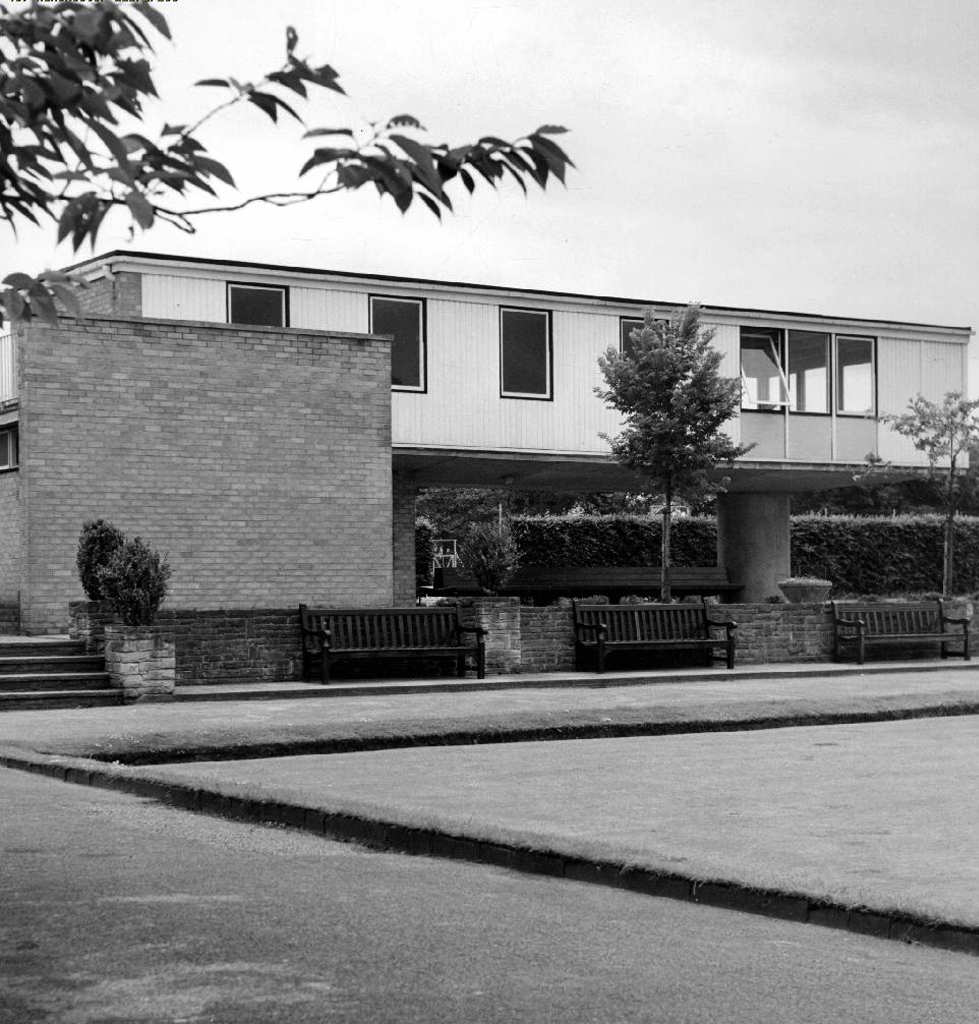
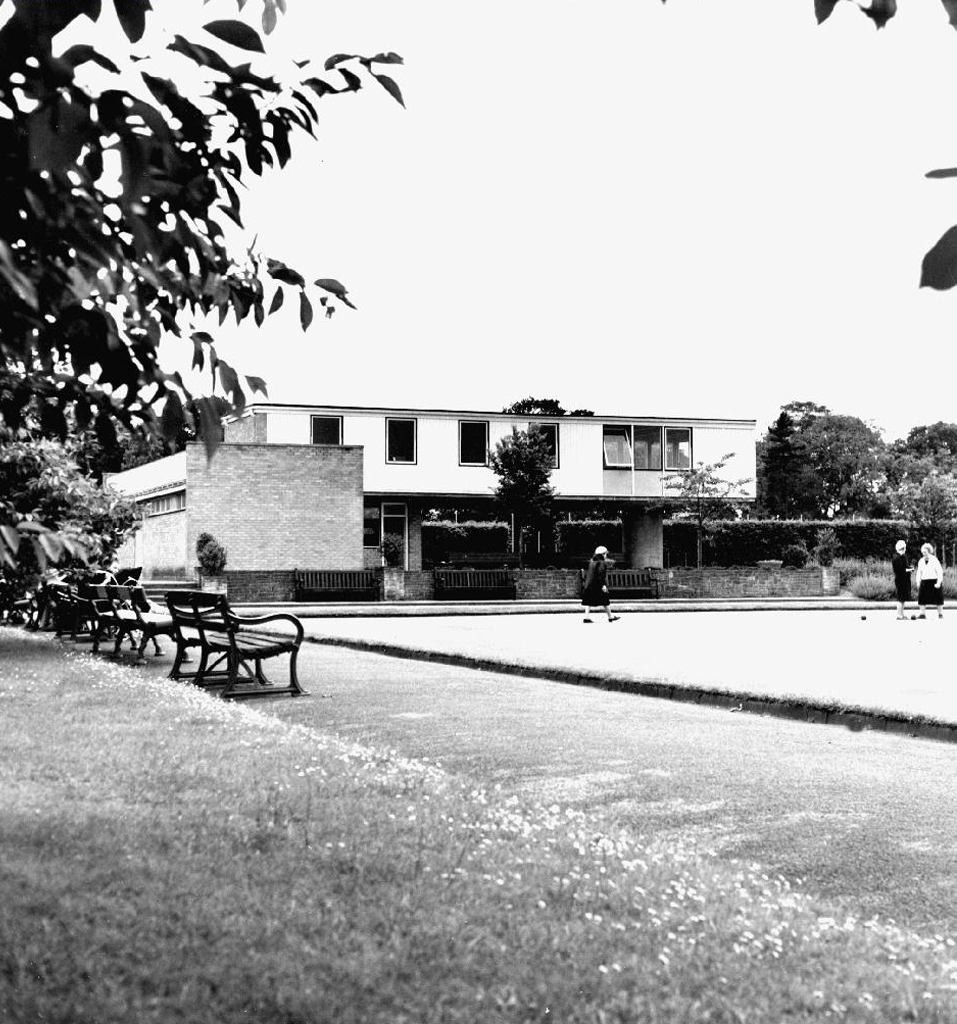
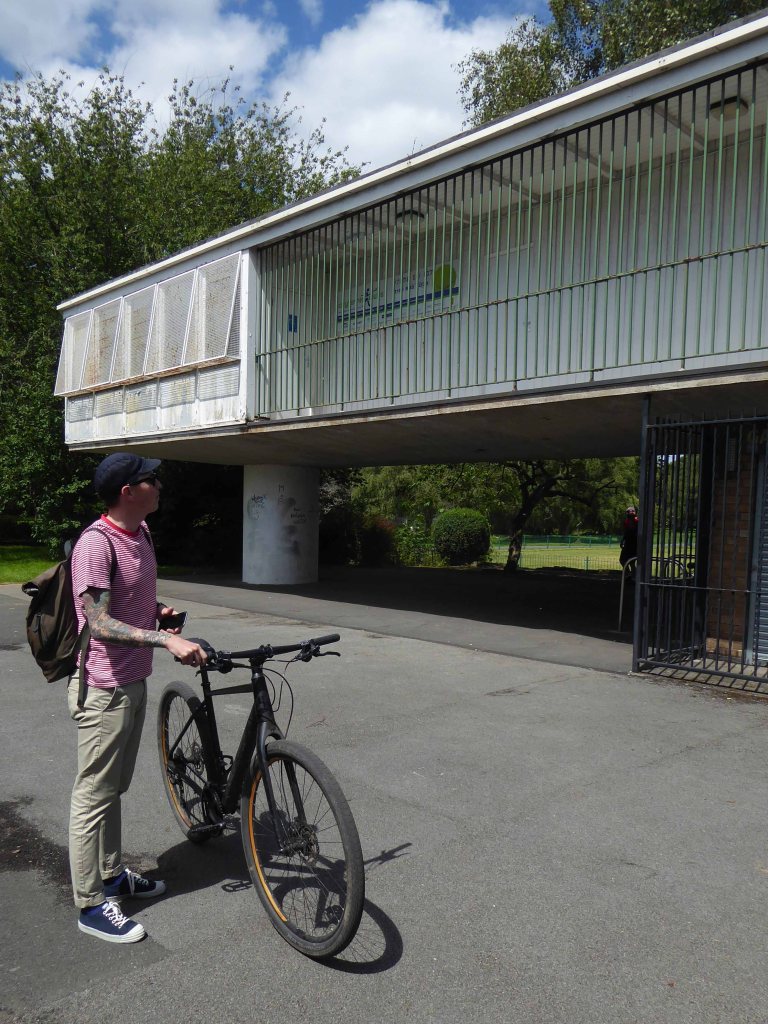
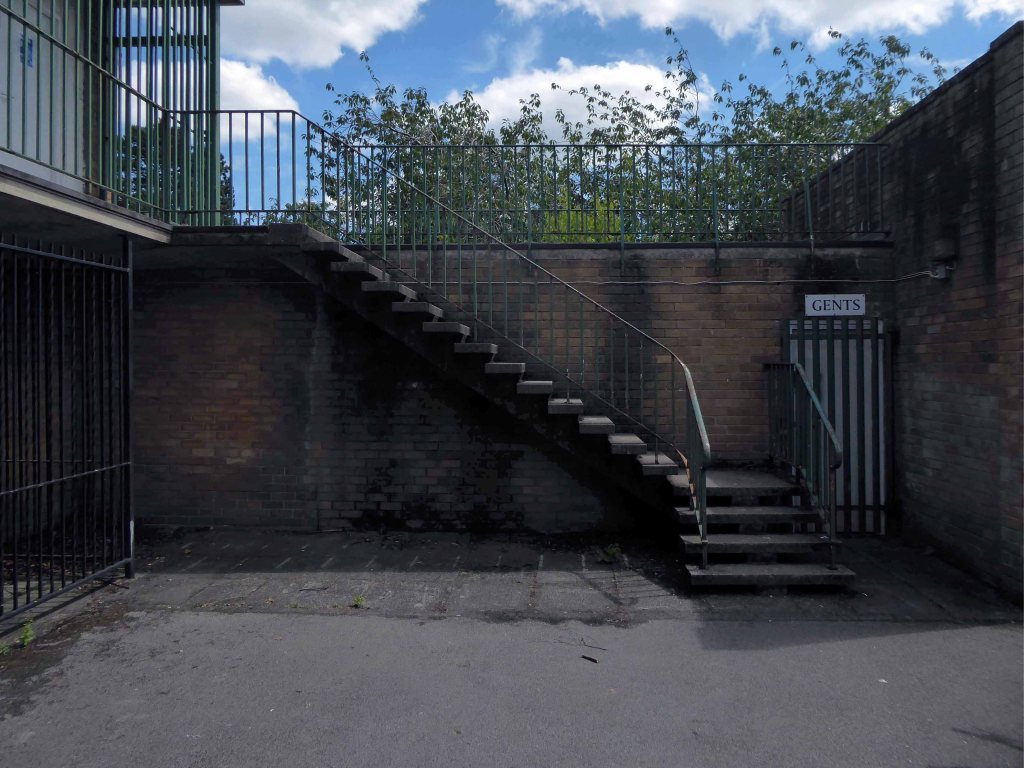
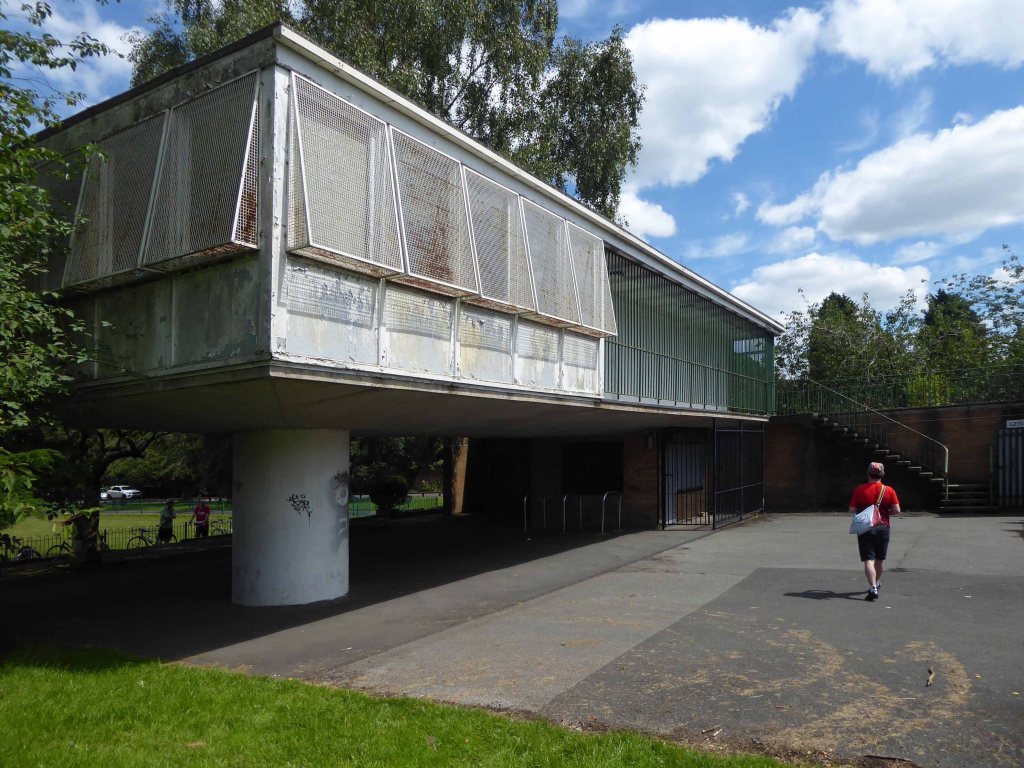
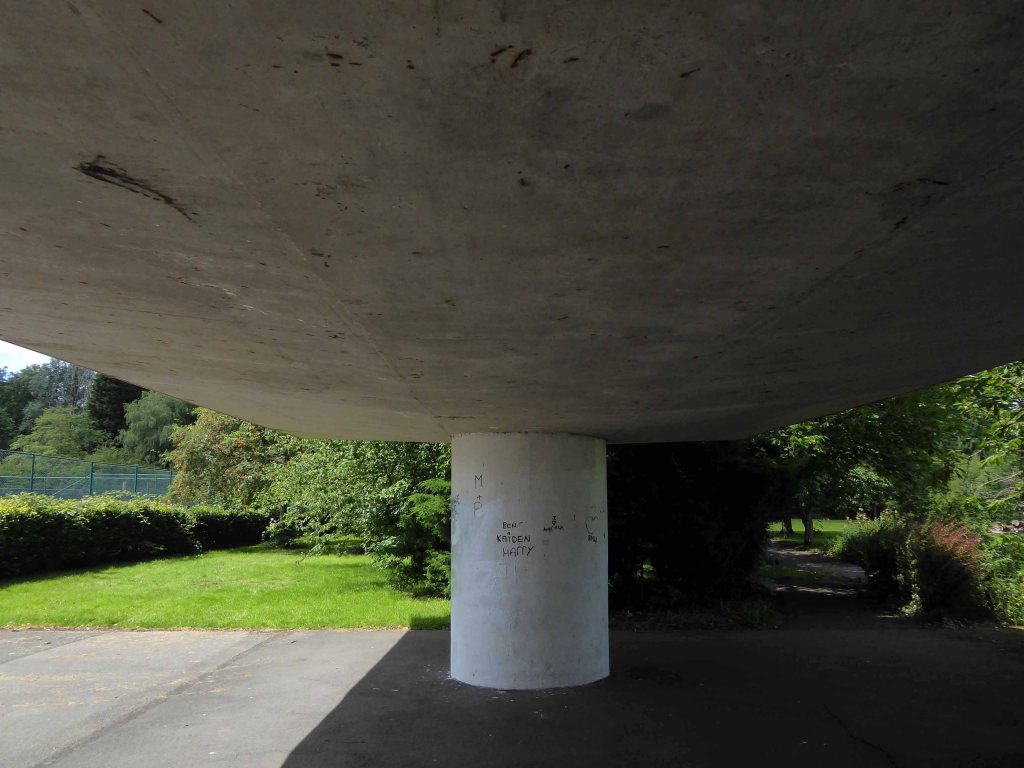
A collective decision was made to pass under the cantilevered and much revered bowls and tennis pavilion.

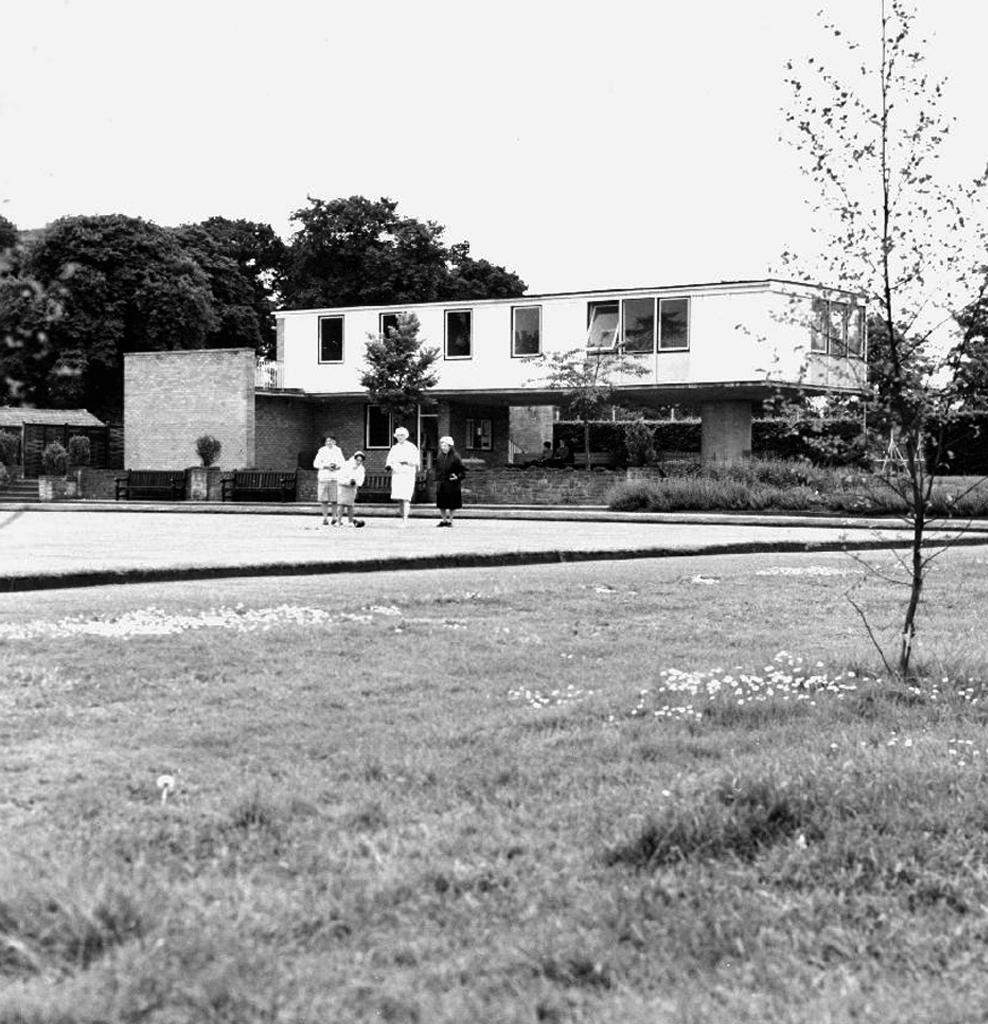
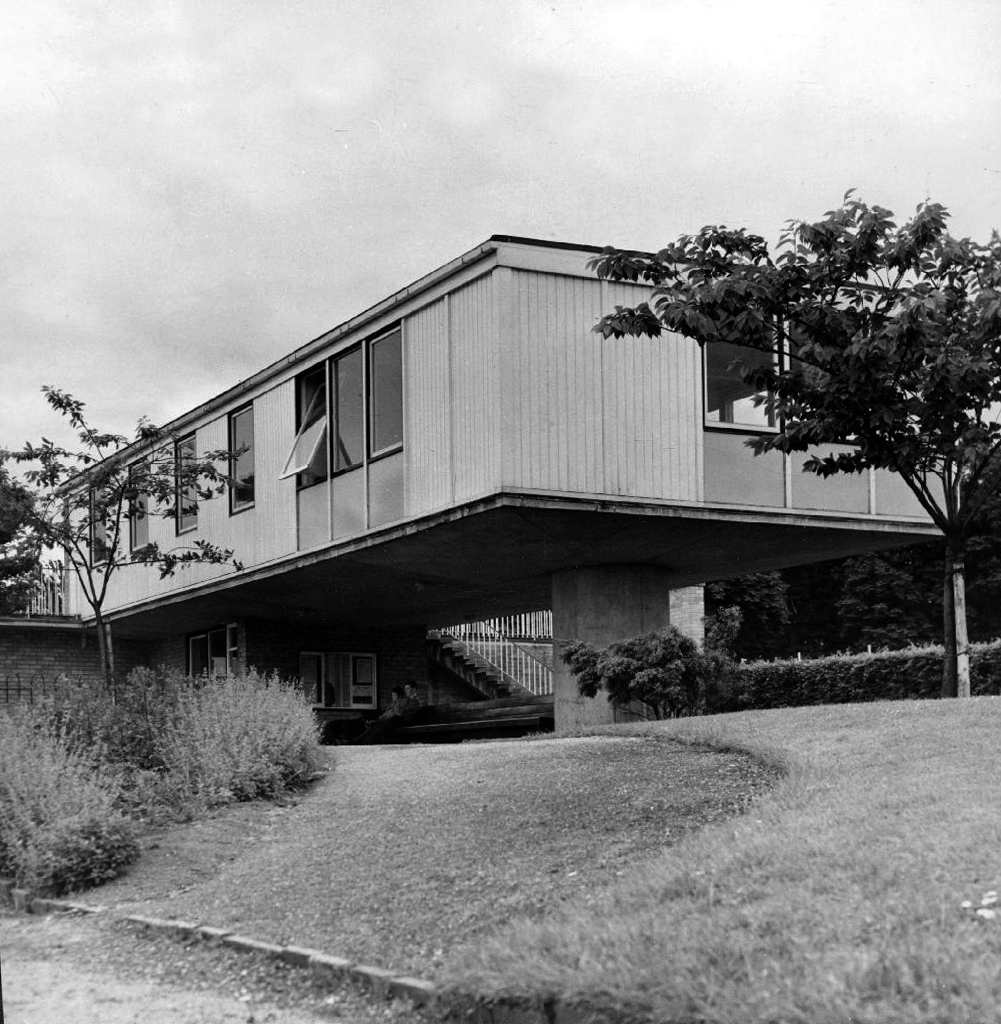
The building opened in 1960, designed by L.C. Howitt City Architect.

In striking contrast to Wythenshawe Hall of 1540 – recently restored following an arson attack, the bowls and tennis pavilion shows no inclination toward Tudor-bethan revivalism.

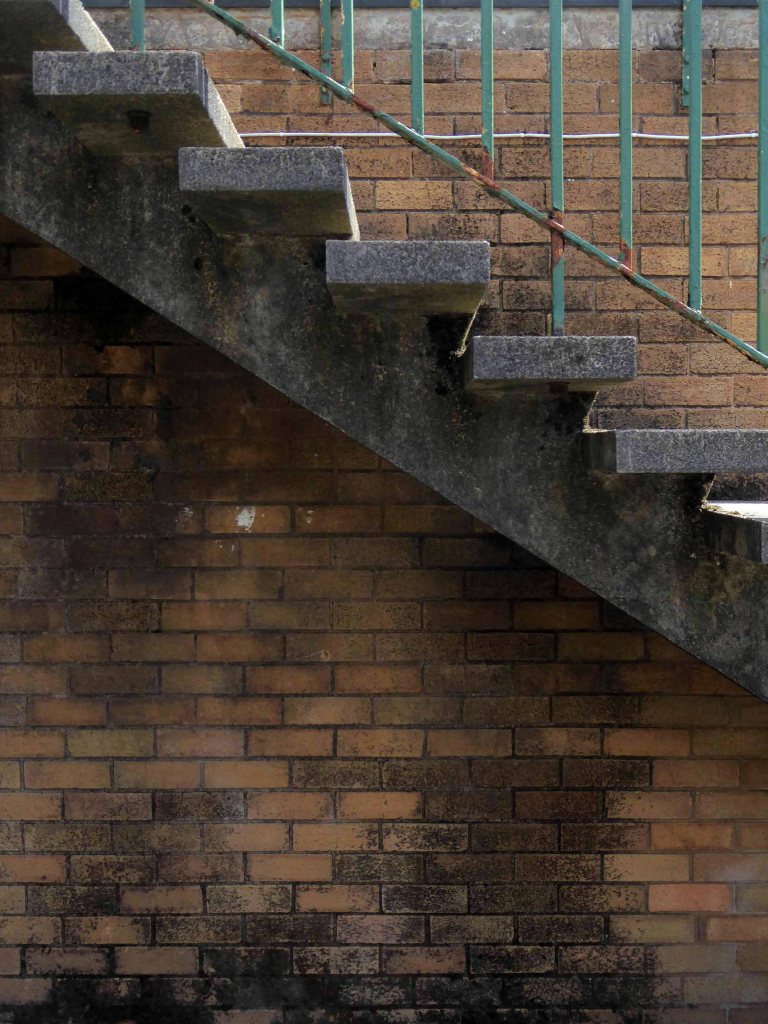
Sleek and aloof, supported by a single piloti, offering elevated and ground level views of the sporting areas.

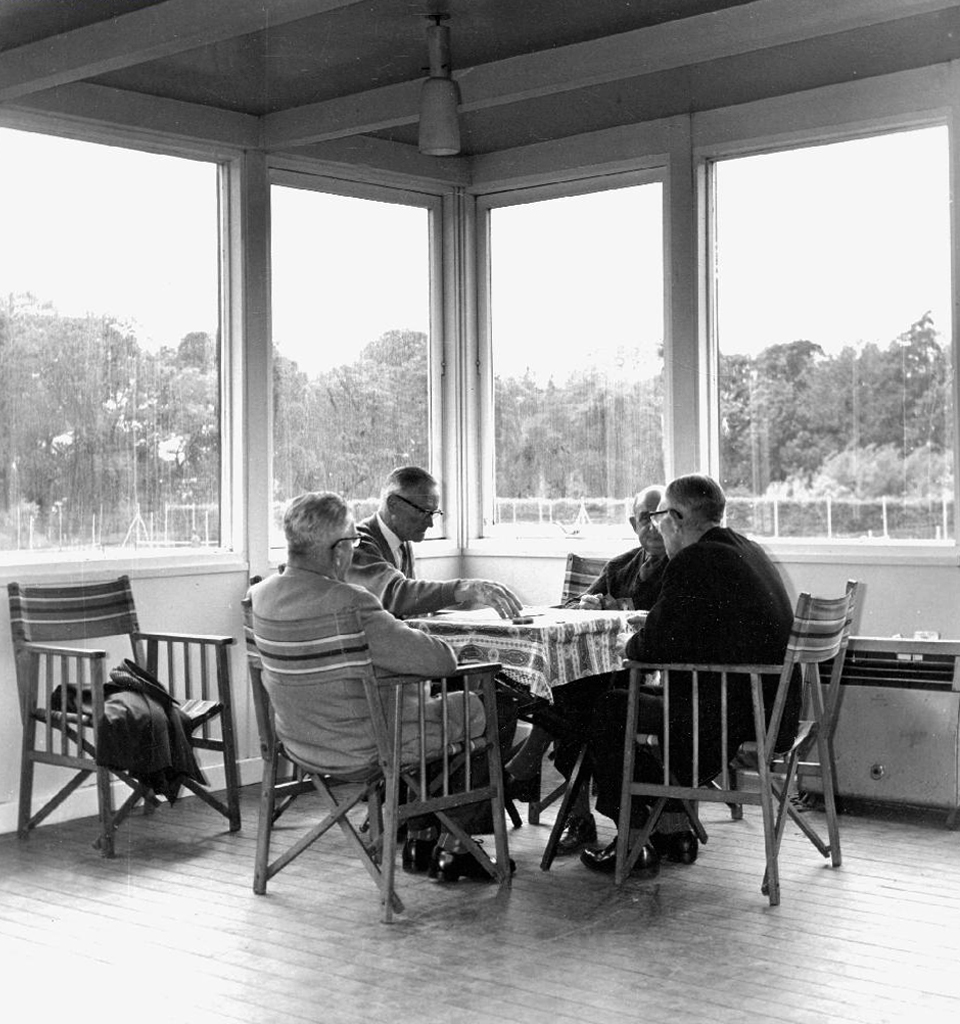
Archive photographs of 1969 from the Local Image Collection.

Time, central government austerity and changes in leisure habits have not been kind to the building.

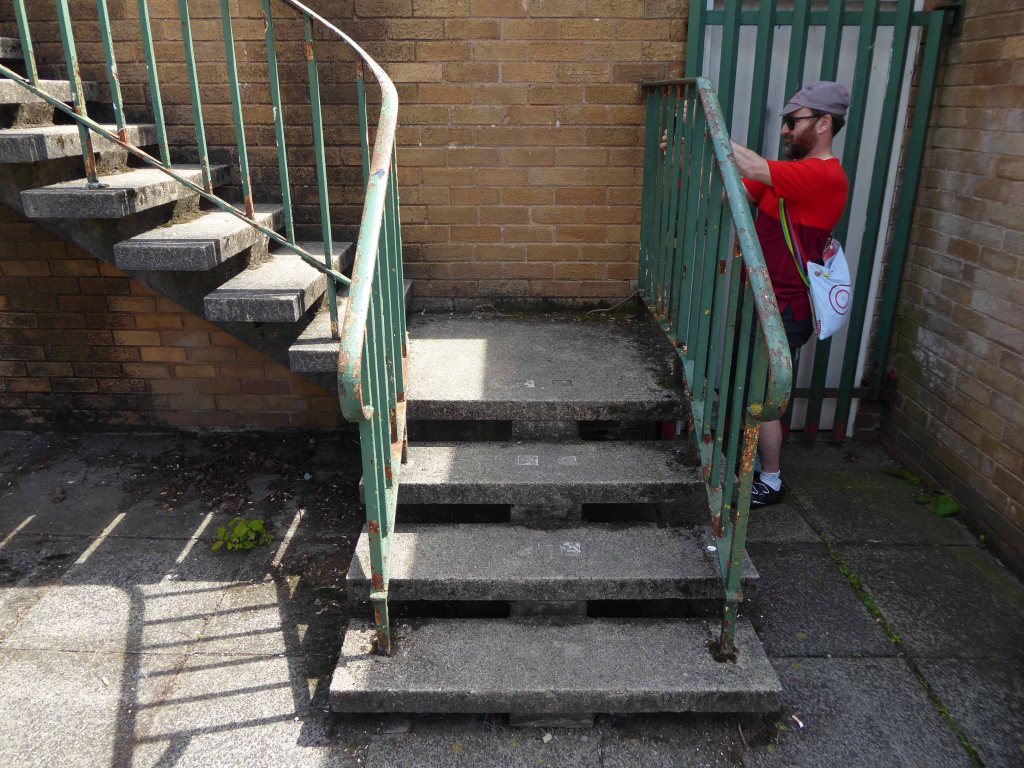
The manufacturers of security railings, grilles and shutters however, have continued to prosper unfettered.
A sadly tamed and poorly fed creature, standing next to the un-mown lockdown crown green arenas.

We were nonetheless arrested by what was and what may yet still be.

Yuri Gagarin’s Manchester Route 2019

This is the journey made by Comrade Yuri Gagarin 12th July 1961 – as detailed in my previous post.

This is that same journey by bike and my observations of 19th August 2019.

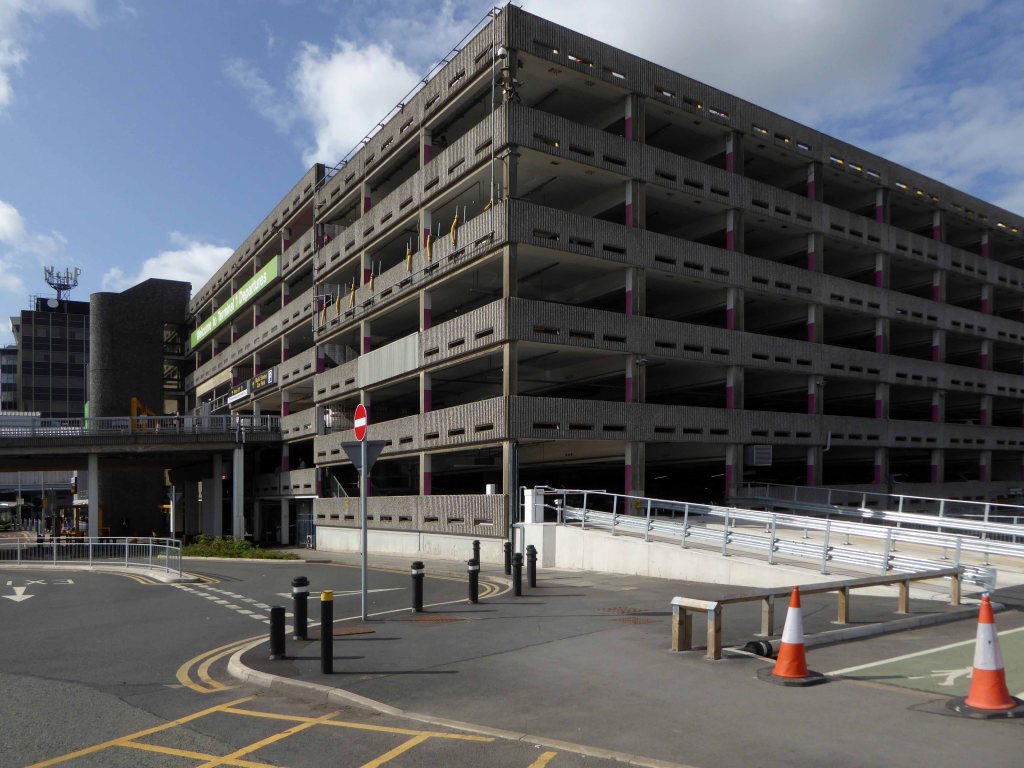
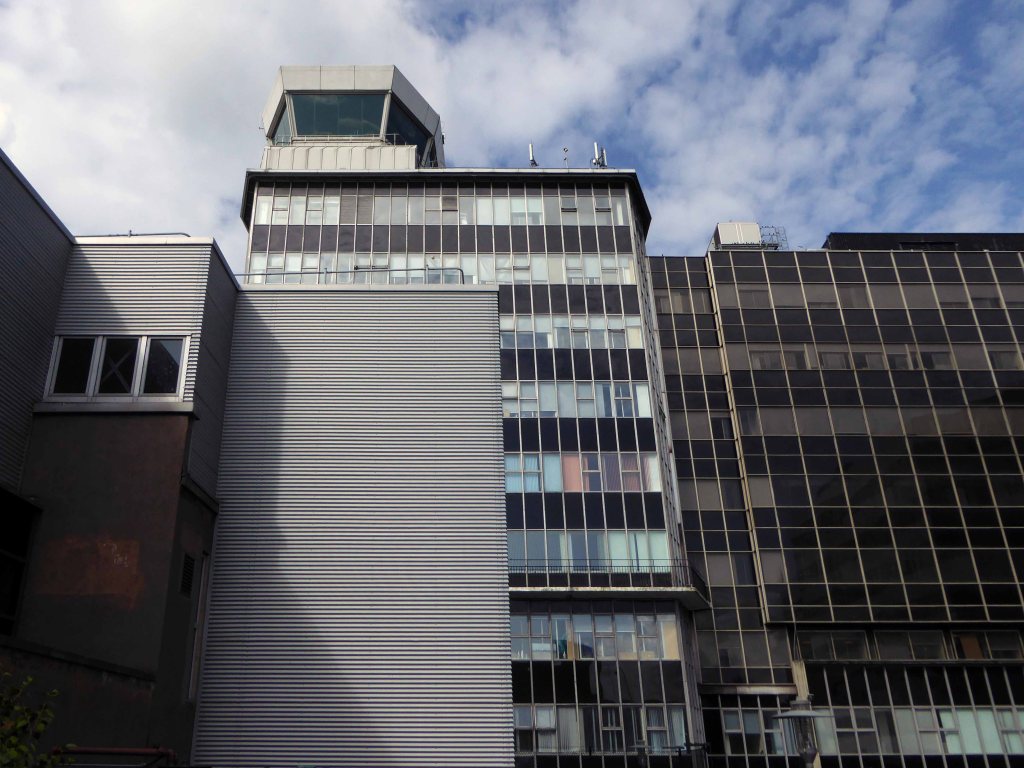
Original Terminal Building LC Howitt and SG Besant Roberts 1962

Ringway Road

Shadow Moss Road

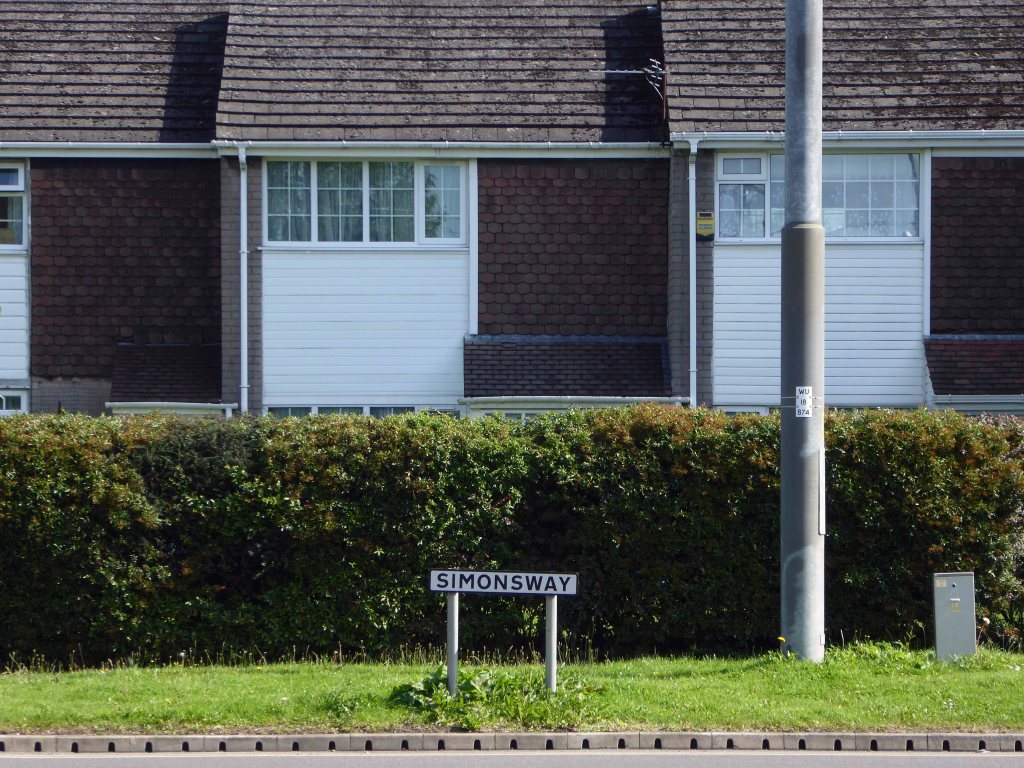
Simonsway

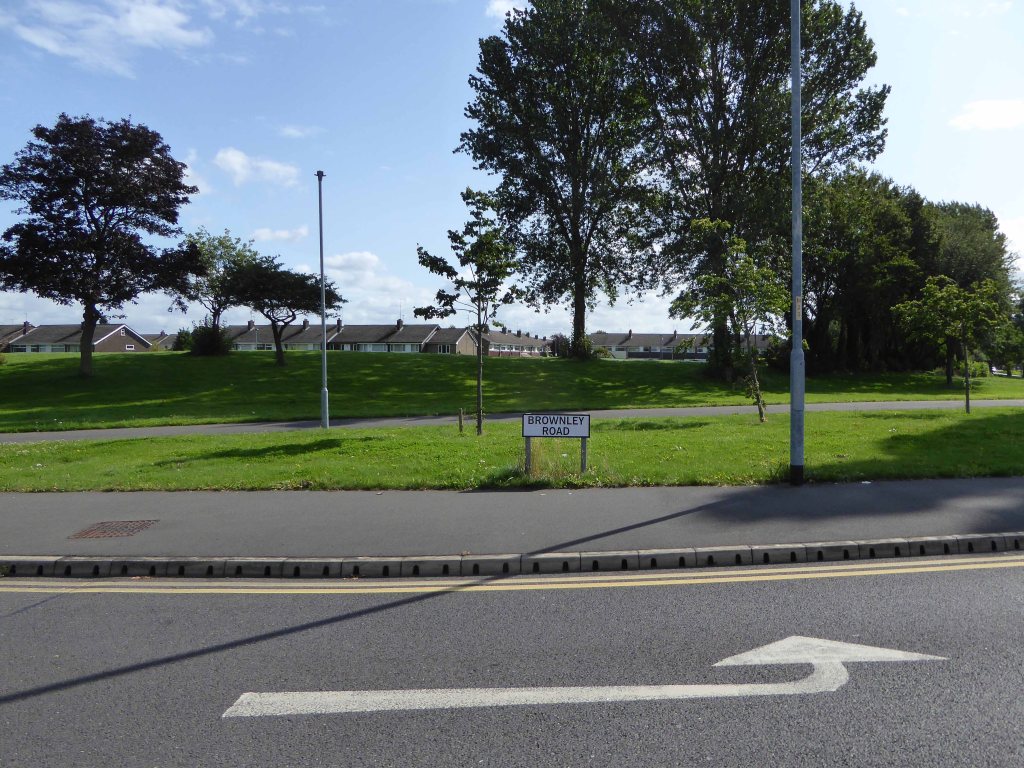
Brownley Road

St Andrews ChurchJCG Prestwich and Son 1960

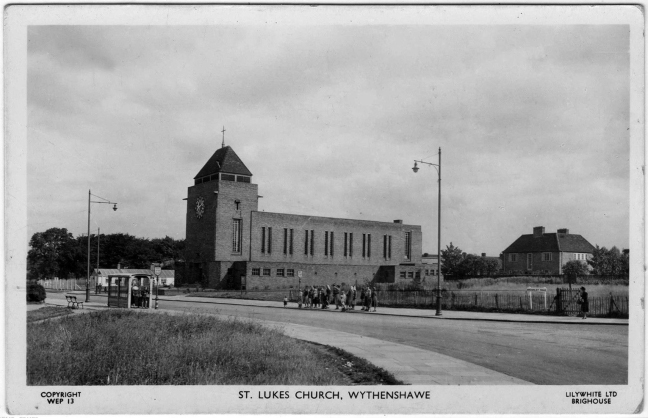
St Luke The Physician – Taylor and Young 1938-9

Altrincham Road

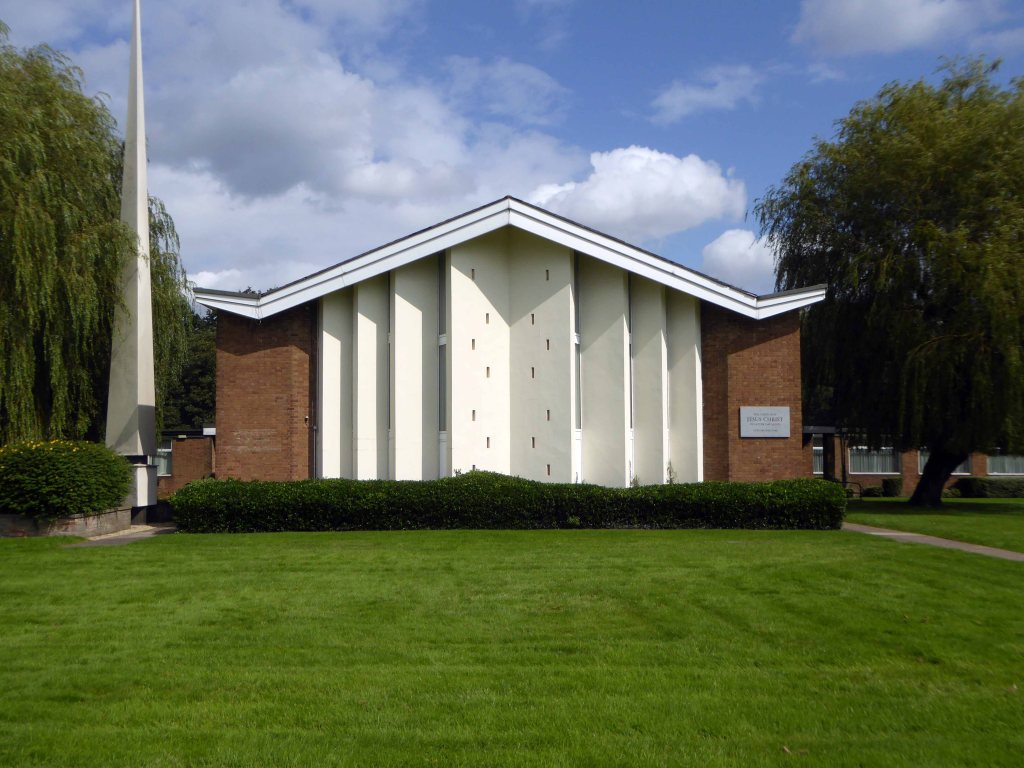
Church of the Latter Day SaintsTP Bennet and Son 1964

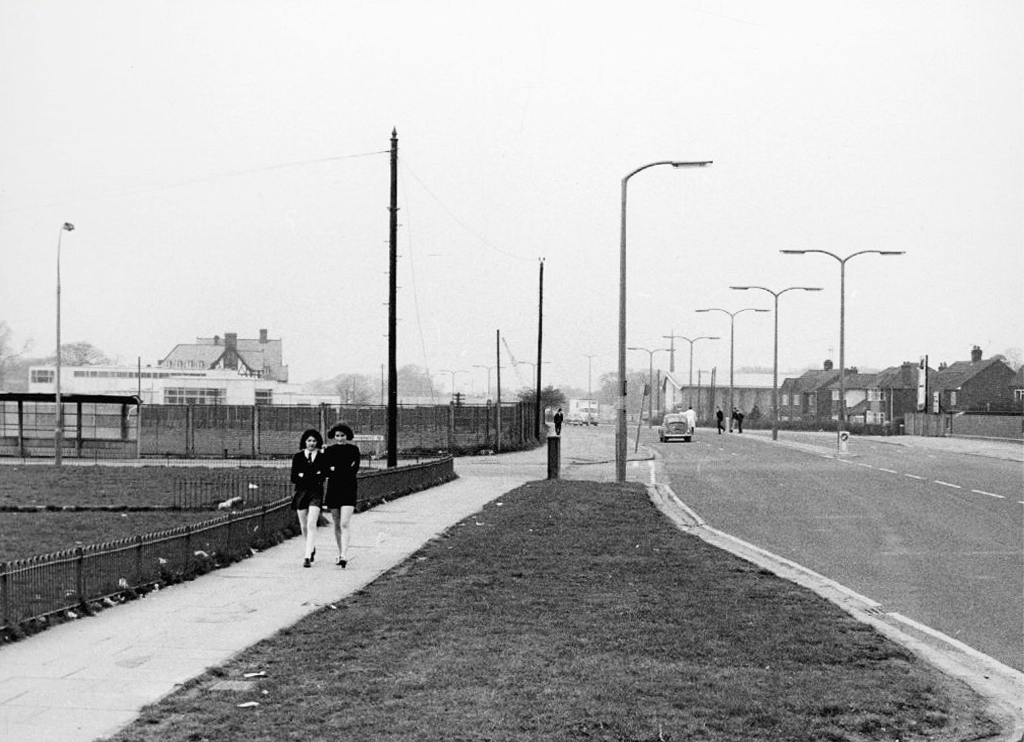
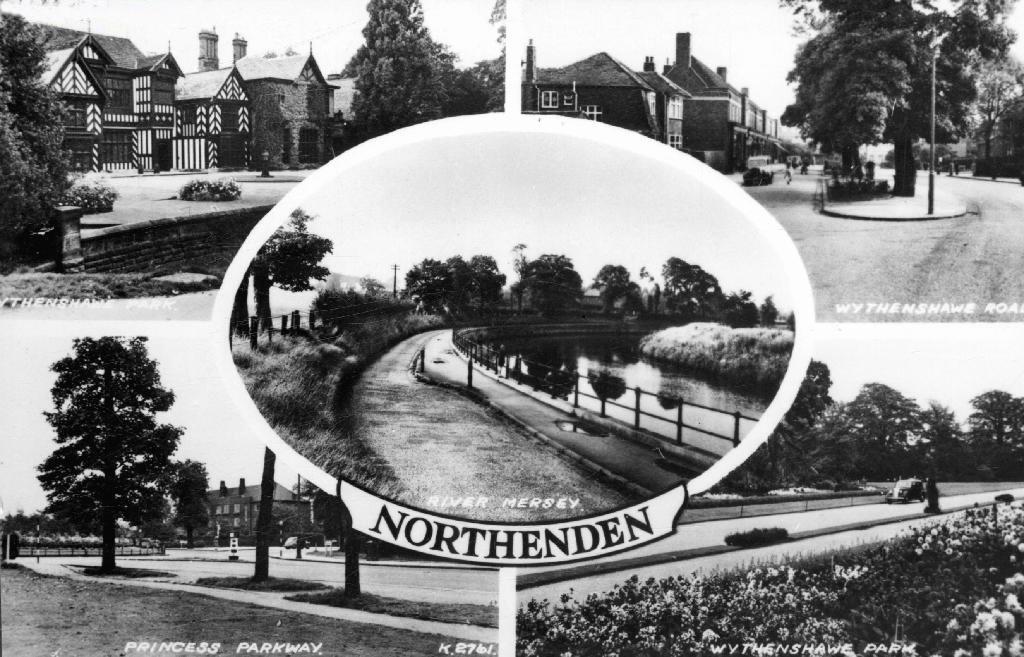
Princess Parkway

St Ambrose  Reynolds & Scott 1956

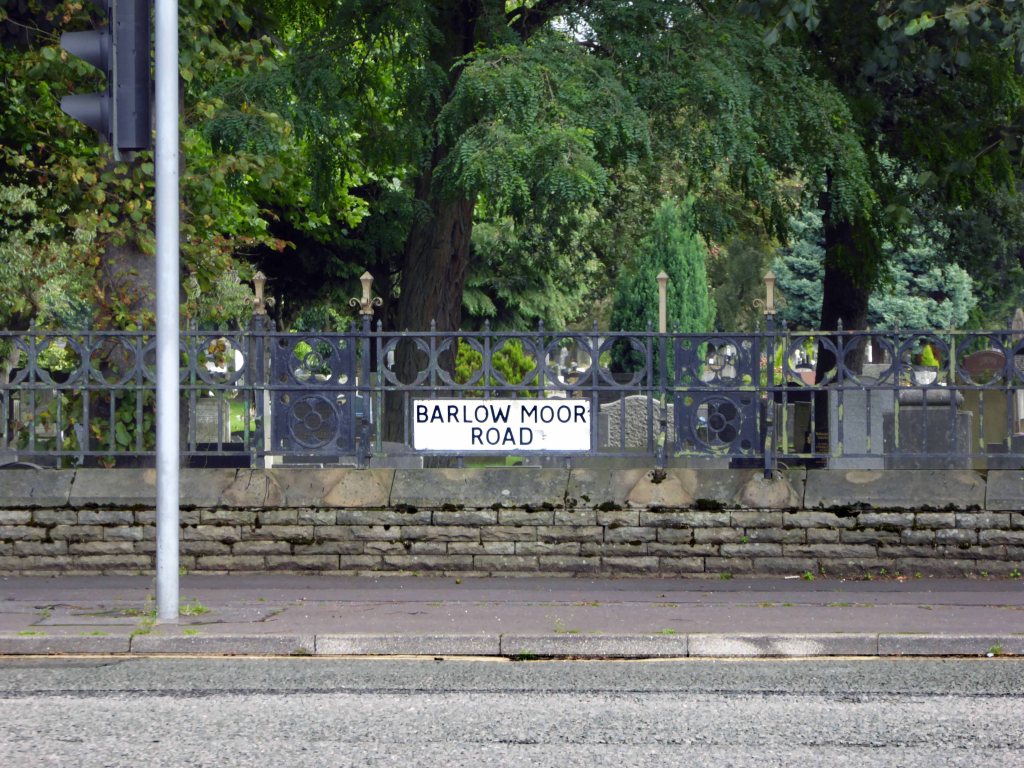
Barlow Moor Road

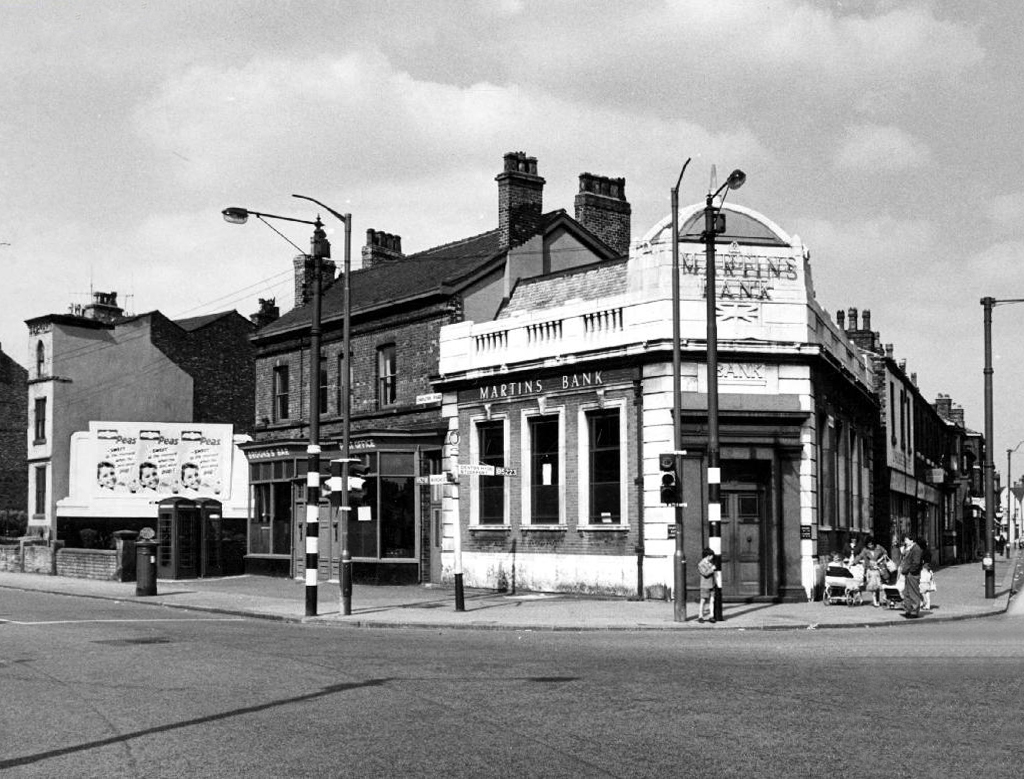
Manchester Road

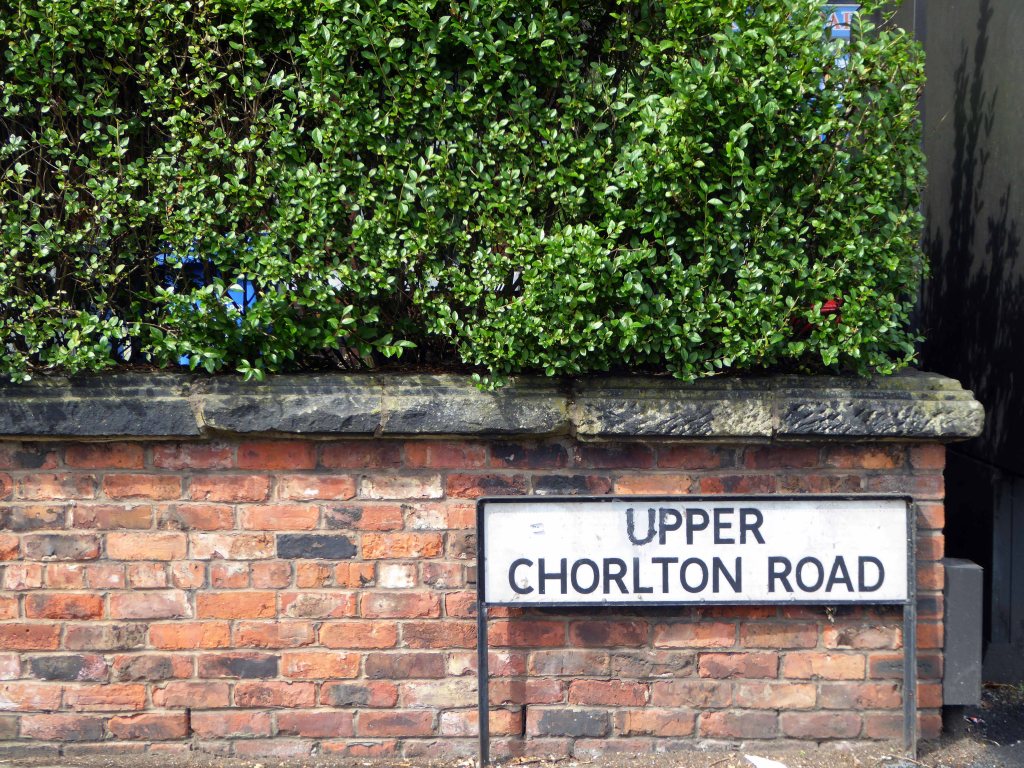
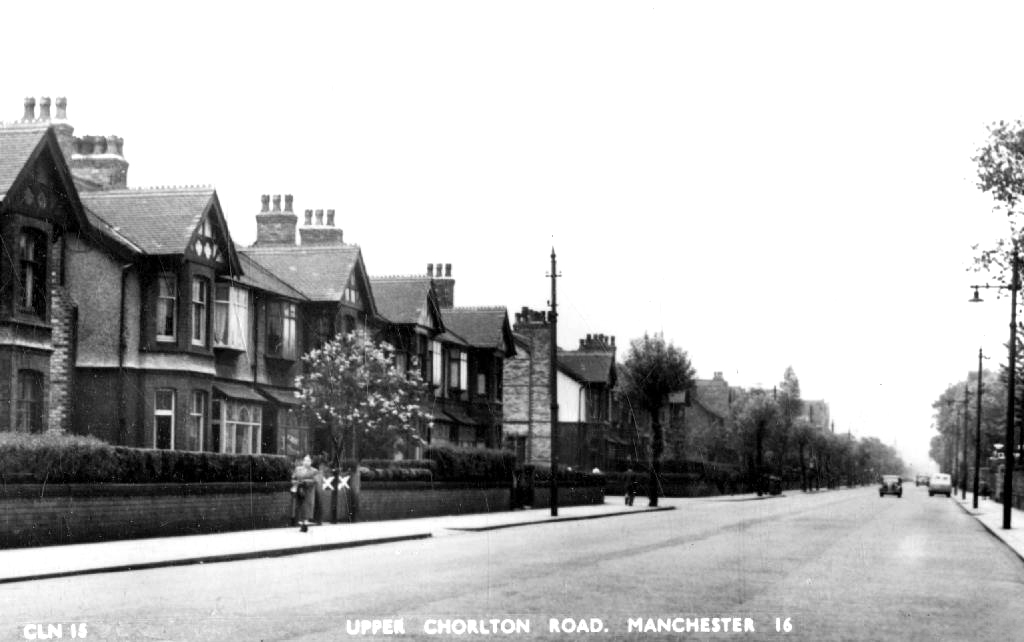
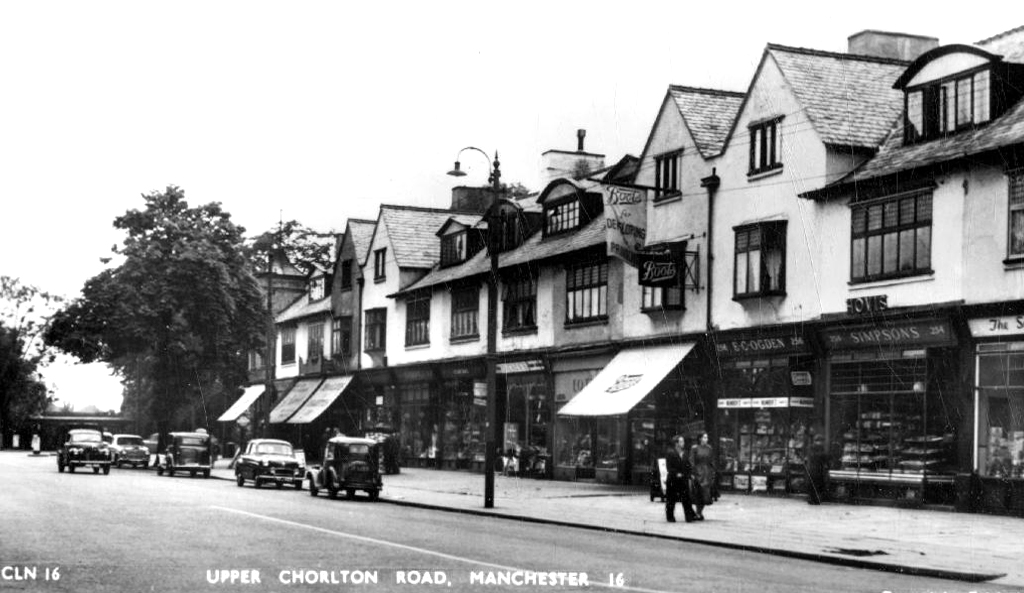
Upper Chorlton Road

Chorlton Road

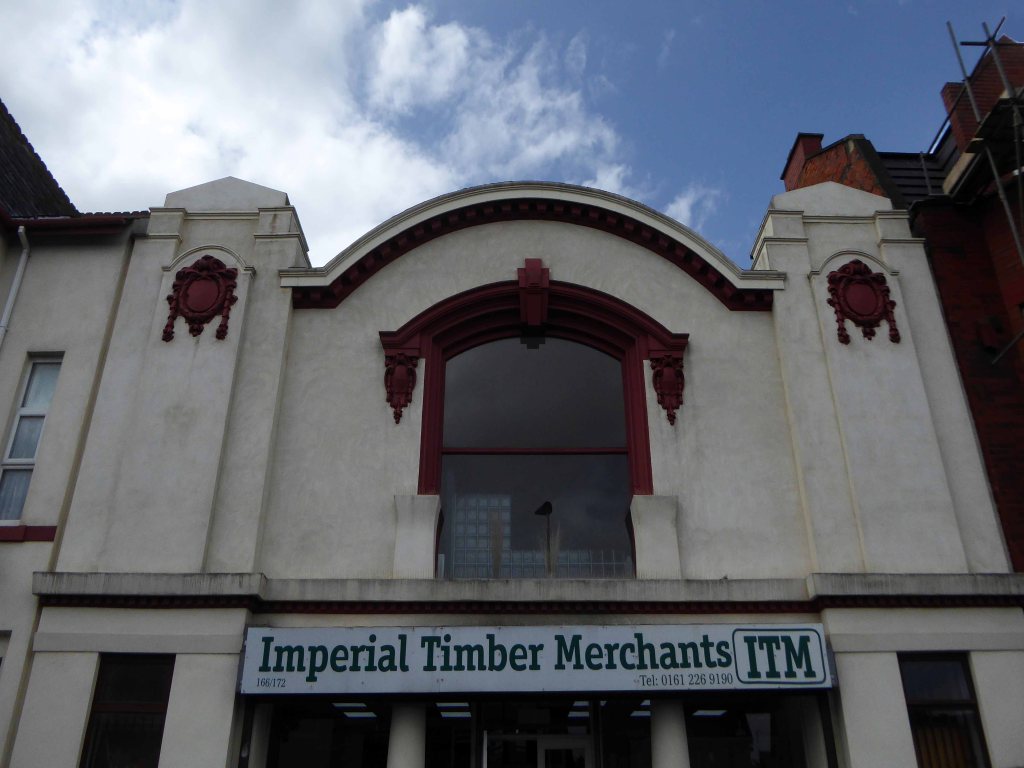
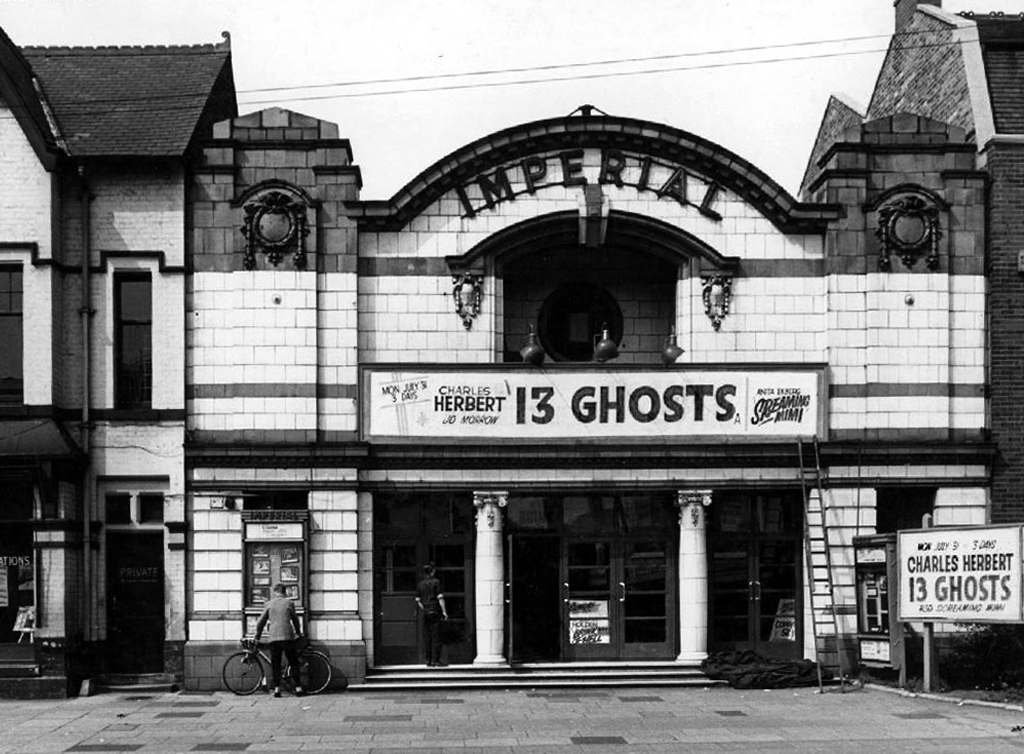
Imperial Picture Theatre – W.H. Matley 1914

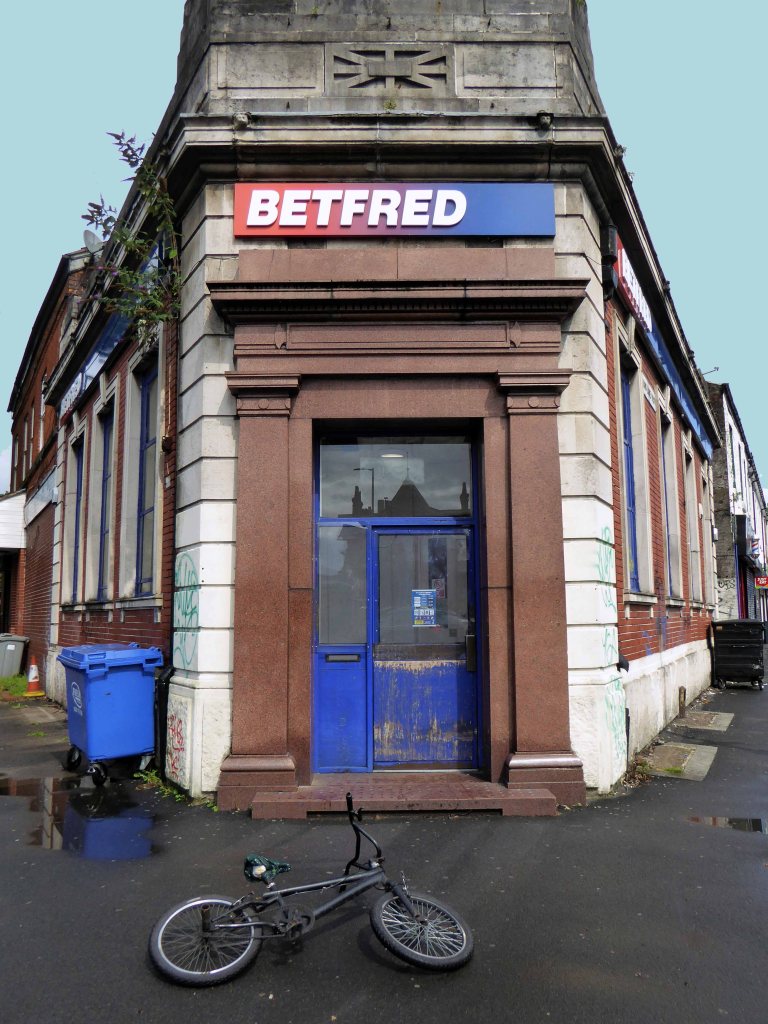
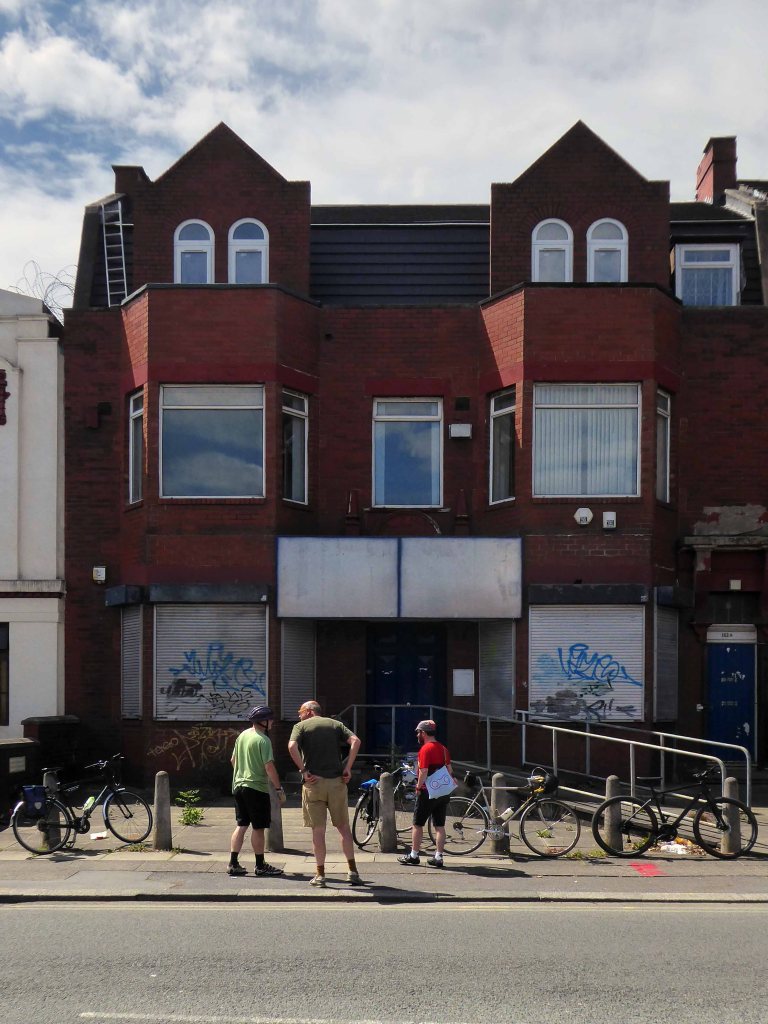
I had wrongly assumed for months that this was the AUFW Offices it wasn’t – it’s two doors down, the other side of the Imperial.

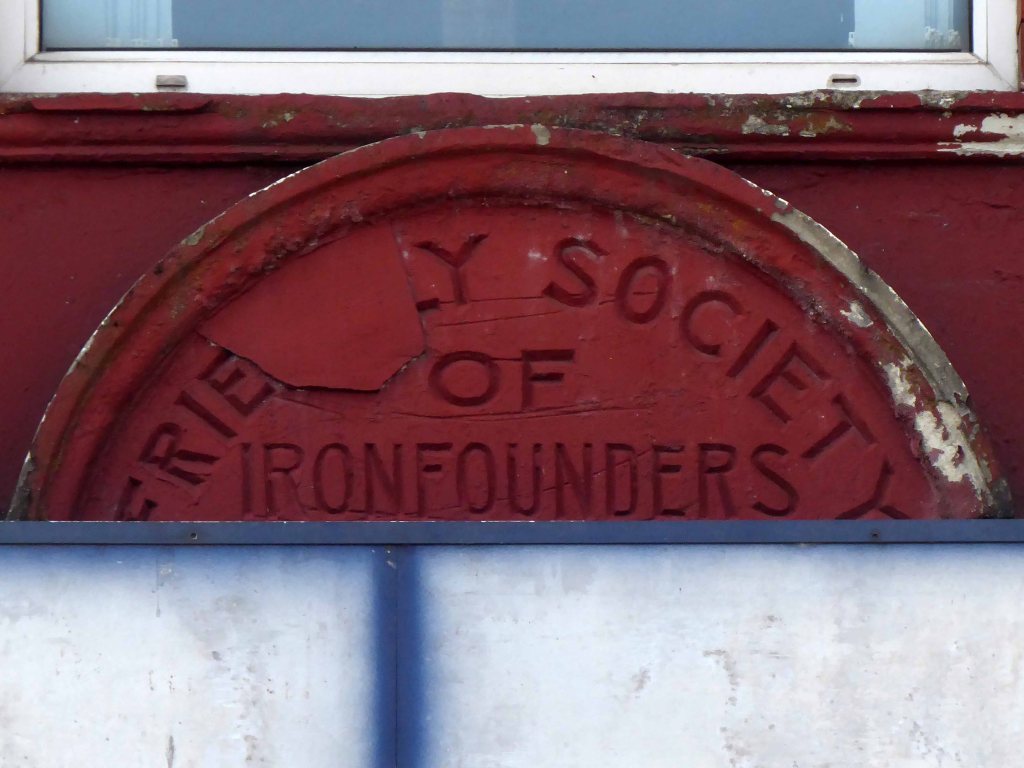
The stonework above the door is a clue, thanks awfully to my observant comrades – July 12th 2020.

The 59th anniversary of Yuri’s visit.

Yuri Gagarin Manchester 1961

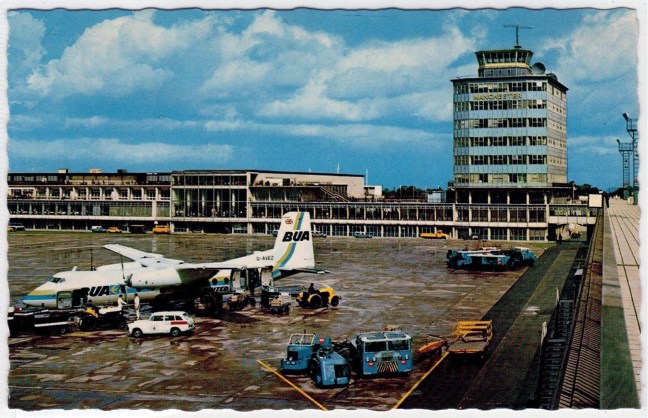
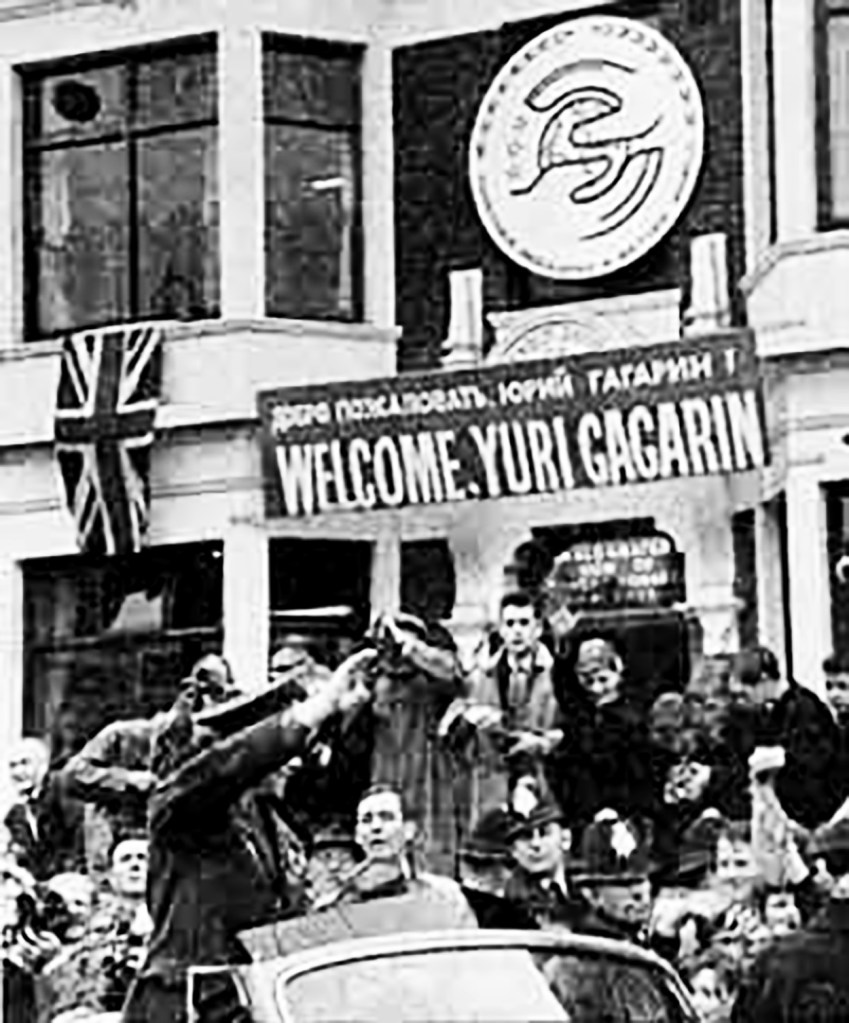
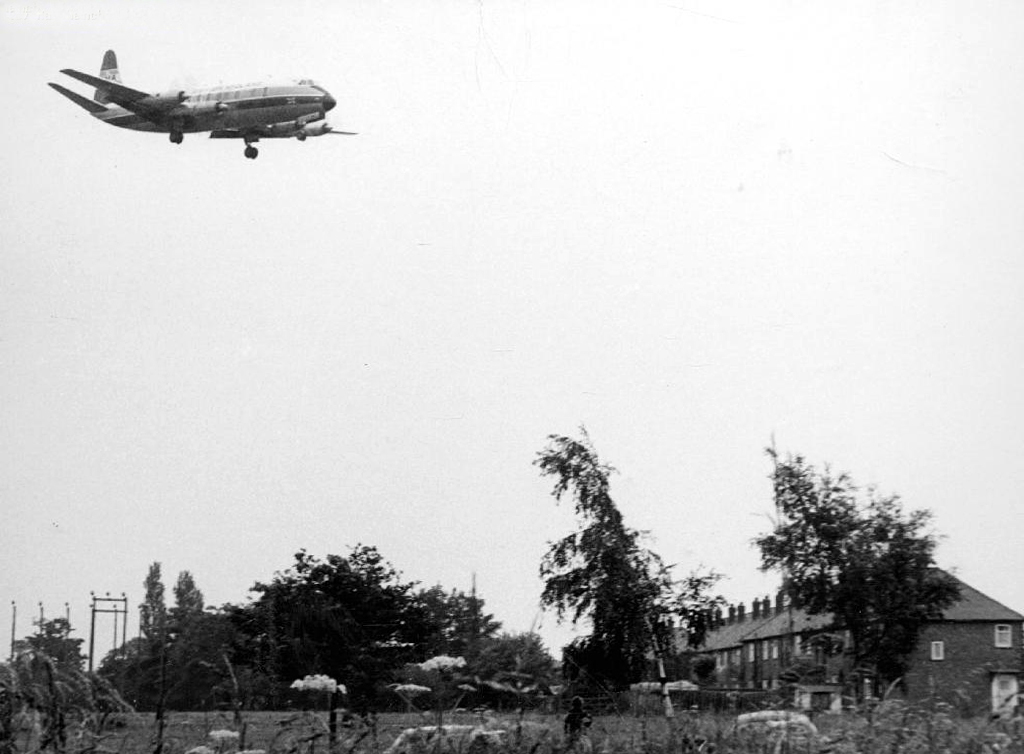
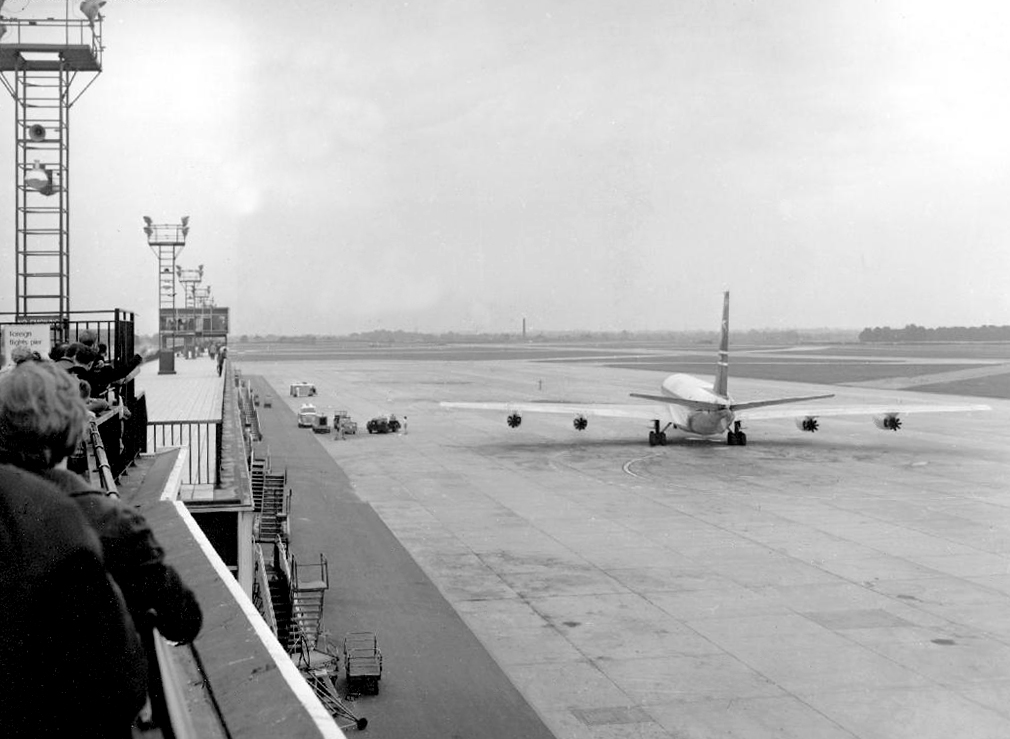
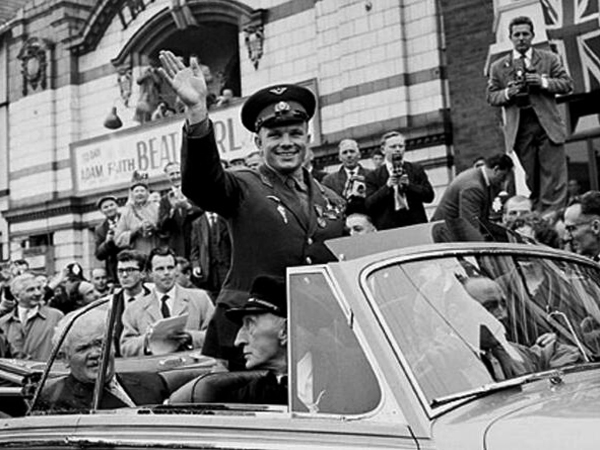
Exactly three months to the day after his flight in Vostok I had ushered in a new age of space exploration, on 12 July 1961, the trim figure of Yuri Gagarin strode down the gangway of a British Viscount airliner and walked briskly out across the runway of Manchester airport towards a sea of expectant faces, and flashing camera bulbs.

Working Class Movement Library

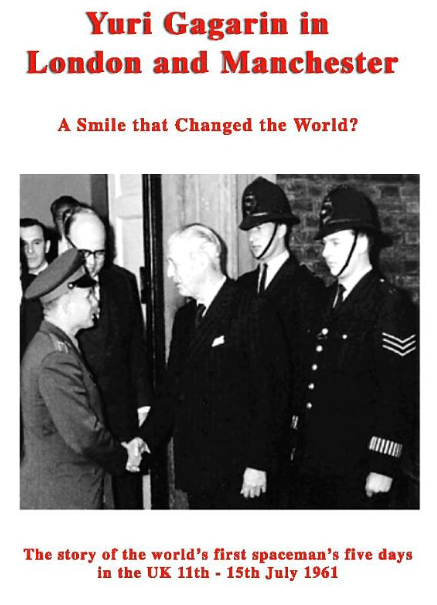
There are many excellent accounts of his visit – for a detailed view Gurbir Singh’s book Yuri Gagarin in London and Manchester is hard to beat.

It is from this source that I was able to retrace Yuri’s journey, from the then Ringway Airport, to the offices of the AUFW at Brooks Bar.

Archive photographs – Local Image Collection

Thousands lined the wet streets of Manchester that day as he passed by in his beige open topped Bentley – standing proud waving to all and sundry.

This is Yuri’s journey via the Manchester Local Image Collection.

A loose approximation of what he may have see on that day in 1961.

We were allowed out of Brownley Green school to line the road as he passed, great memories.

I stood on Chester Road with my mum, I was 4 years old, but still remember it.

At that time, I was a student, working my socks off in the Central Library, I went outside into St. Peter’s Square to watch him pass, he gave everyone a big smile.

Still tell my children, tiny at the time – you saw the first man in space, I remember his smile.

Worked in an office in Albert Square – had a grandstand view of him arriving at the Town Hall.

I can remember a police escort taking Yuri to Albert Square via Princess Parkway through Withington, Fallowfield and Moss side, there were hundreds of people lined up watching a waving at him.

When Gagarin visited Manchester he was given a bronze bust of Lenin made by the Amalgamated Union of Foundry Workers. Four were made in total and my Dad owns one of them.

My Grandad’s funeral was on the day he came, as we passed down Altrincham Rd onto the Parkway policemen who were holding back the crowds saluted, he would have loved it.

Yeah I seen him stood up in a big car with a green uniform on. It was going down Brownley Rd passing Meliden Crescent heading for the Airport in Wythenshawe, I was about 6 years old.
Working for Manchester Parks as a 20 yr old on Princess Parkway and he came past me as I was mowing the grass, in an open top Rolls or Bentley, he saluted me personally as he passed, of course I stood to attention and returned the salute – Magic Moment

Ringway Road

Shadow Moss Road

Post-war social housing

Simonsway

Brownley Road

St Andrews Church JCG Prestwich and Son 1960

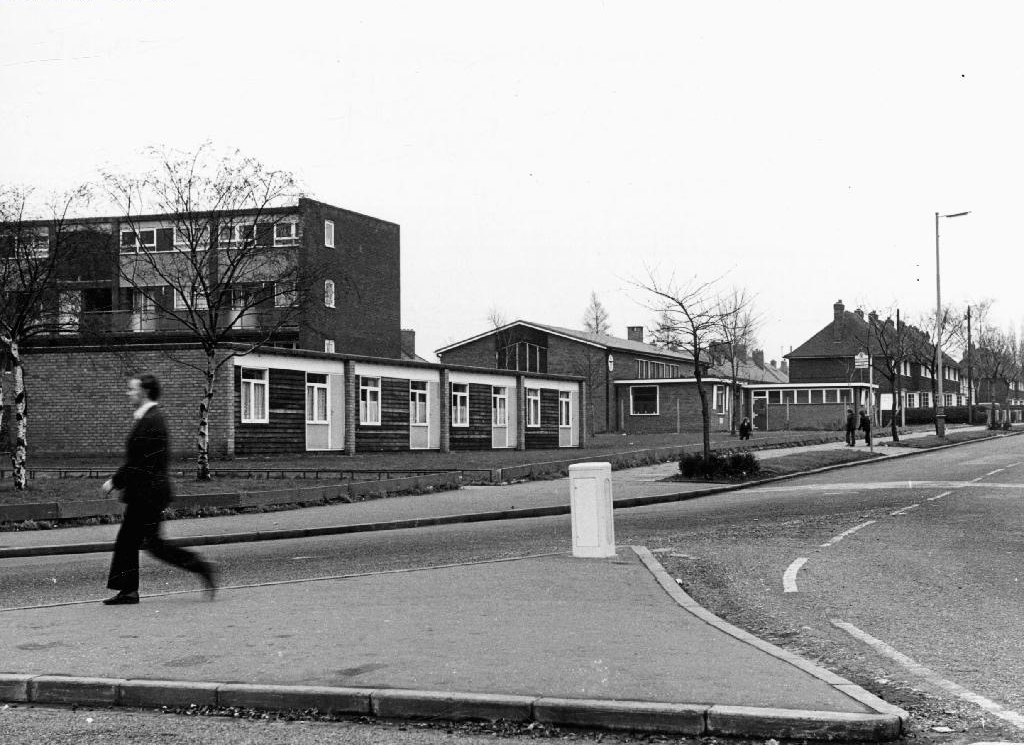
Housing built 1934

1960 development

St Luke The Physician1938-9 by Taylor and Young

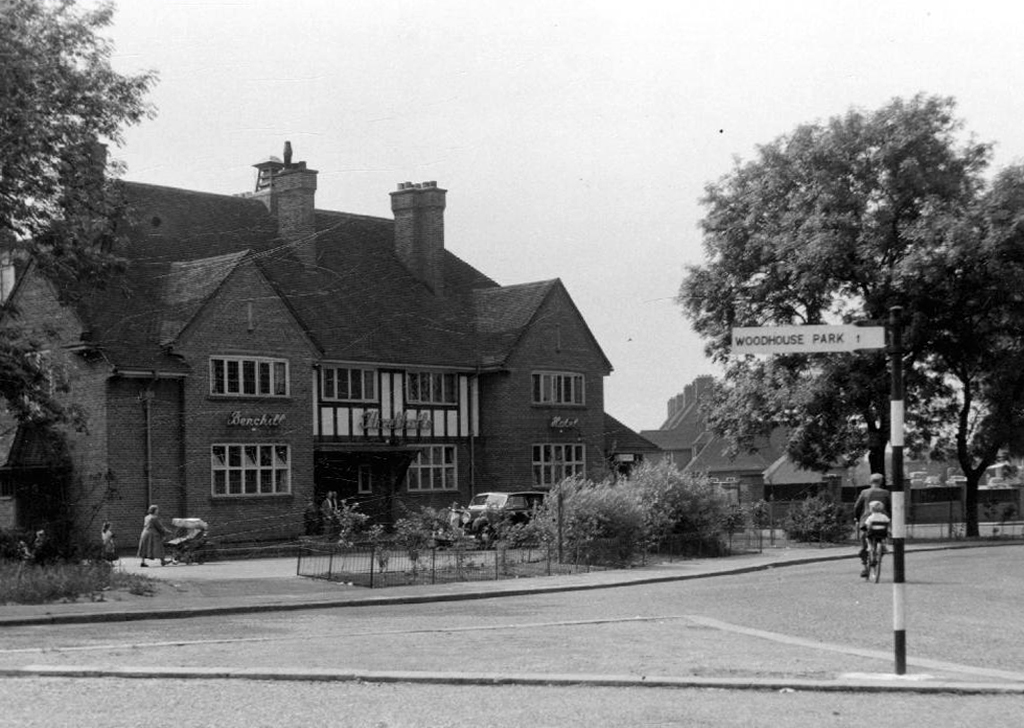
Benchill Hotel – demolished Autumn 2012

Altrincham Road

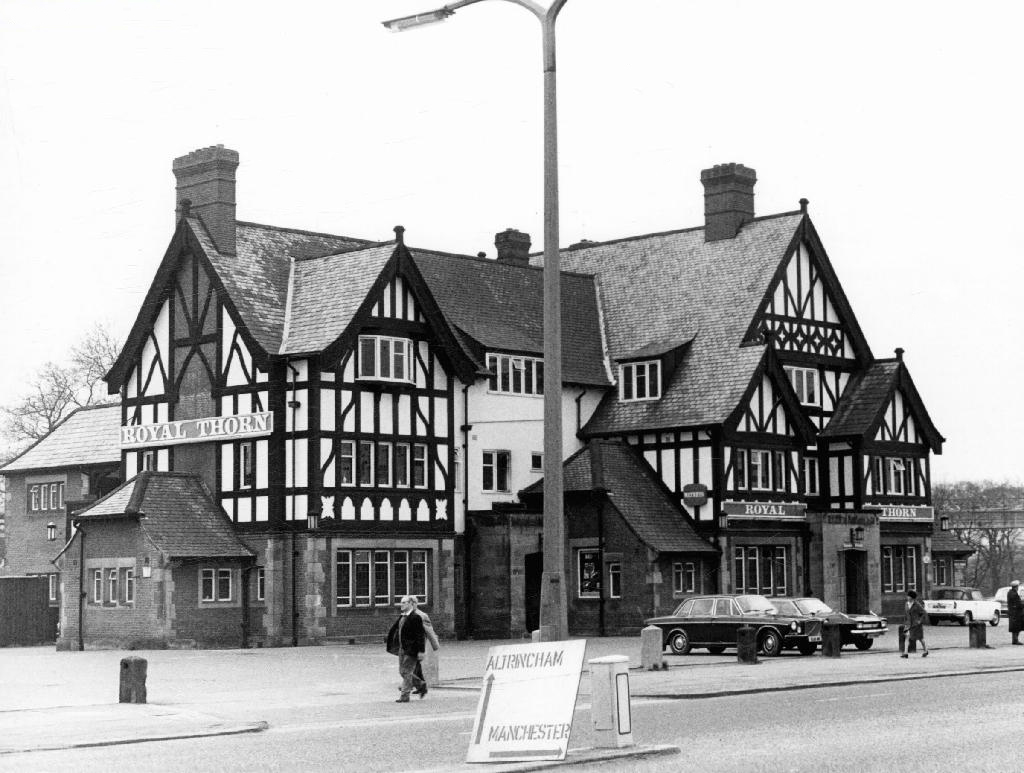
Royal Thorn – demolished 2001

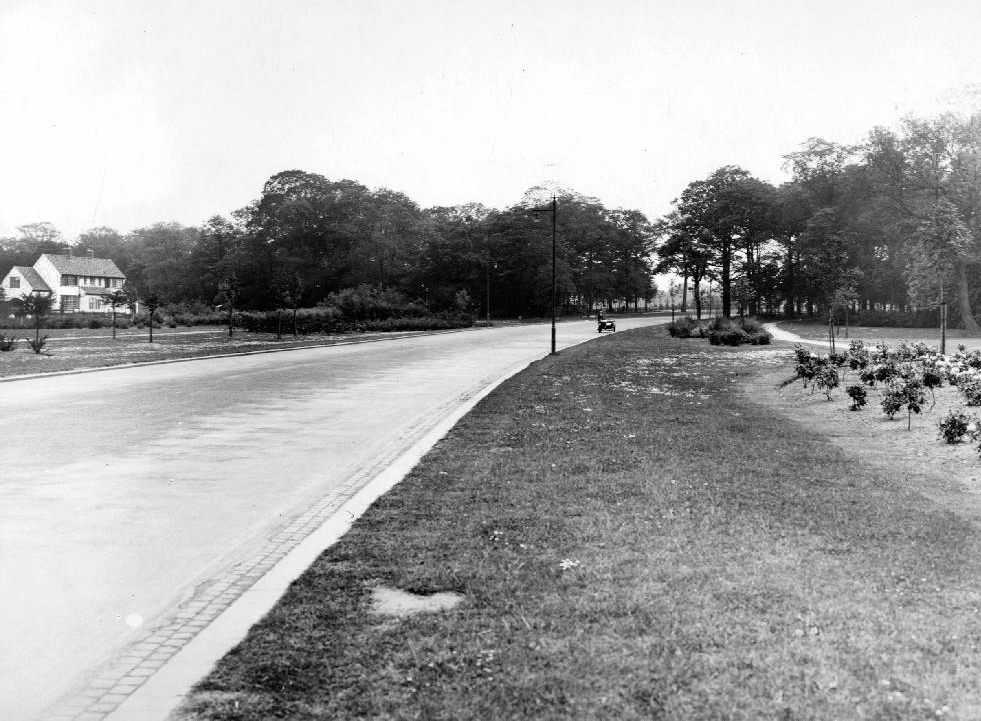
Princess Parkway

St Ambrose A well-detailed, relatively modest post-war design by Reynolds & Scott, with an impressive and largely unaltered vaulted interior.  The dedication relates to St Ambrose Barlow, a Catholic martyr from nearby Barlow Hall. 
Barlow Moor Road

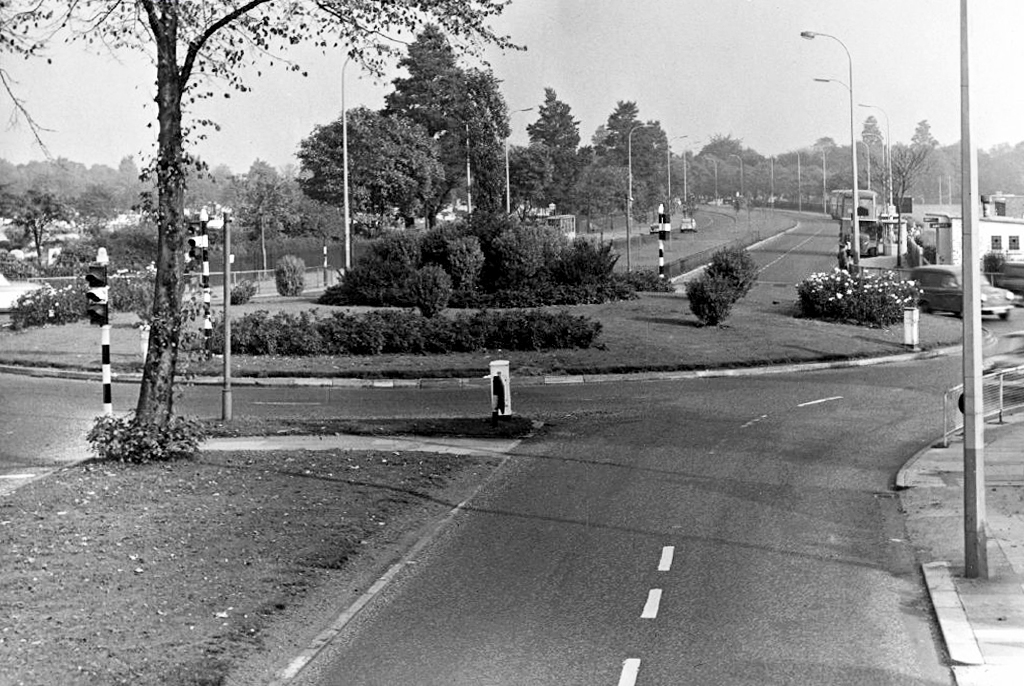
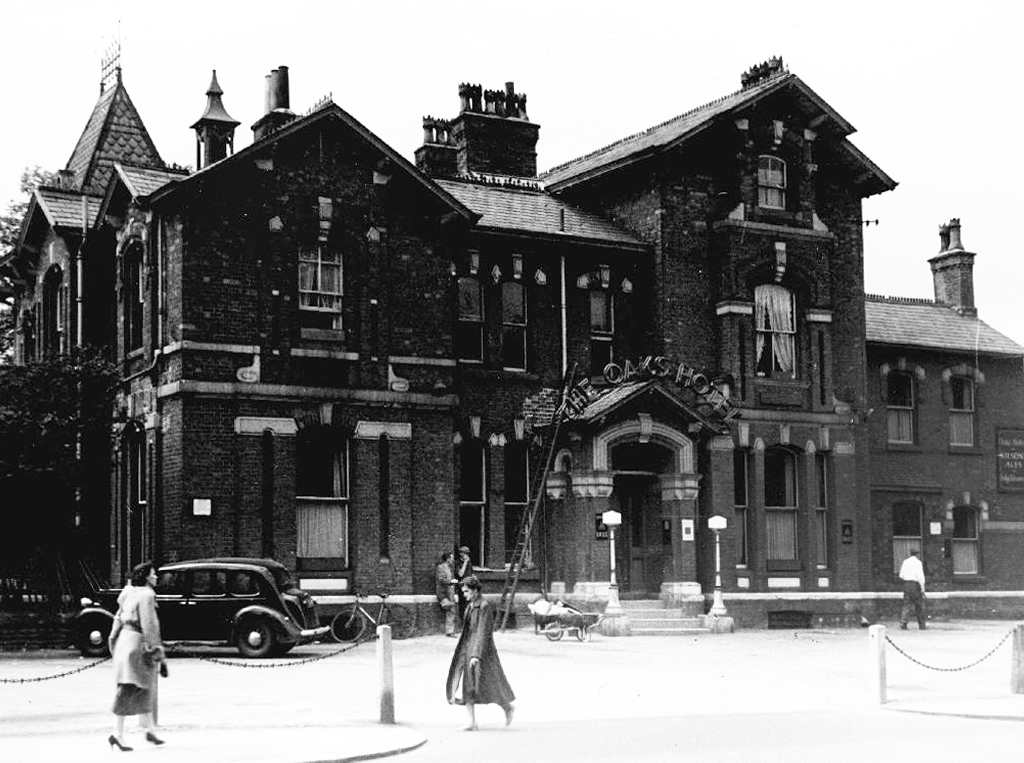
The Oaks demolished in the early 1990s following a brief life as the Sports Bar

Manchester Road

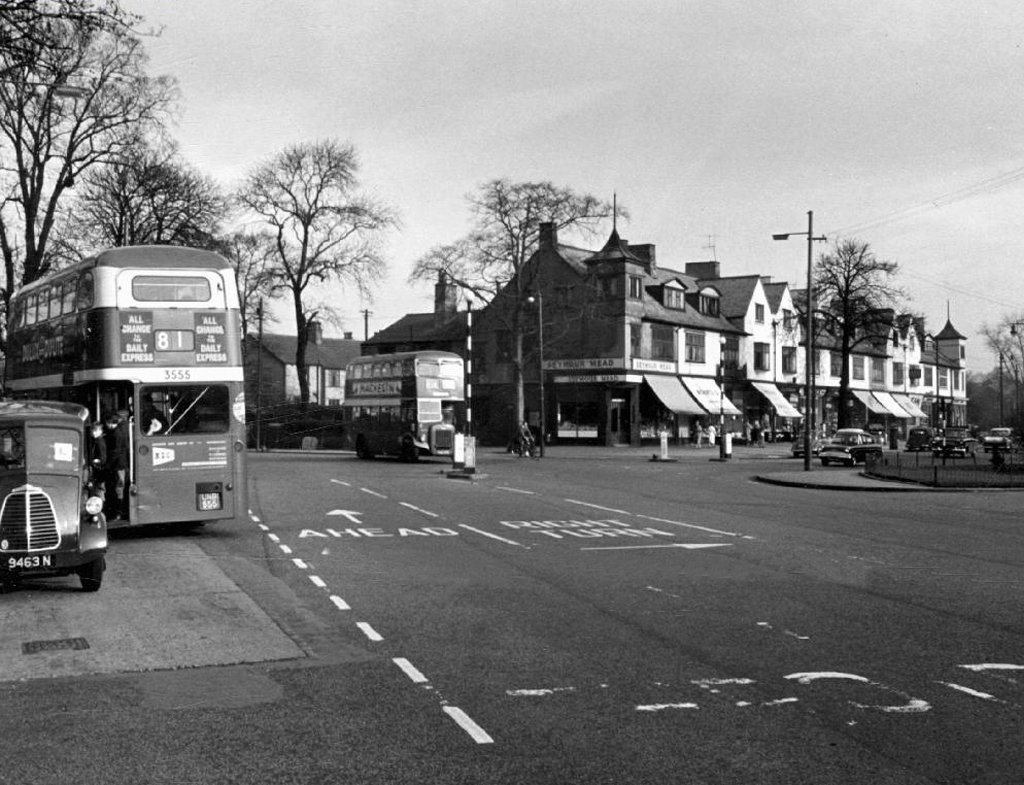
The Seymour – demolished 2002

Upper Chorlton Road

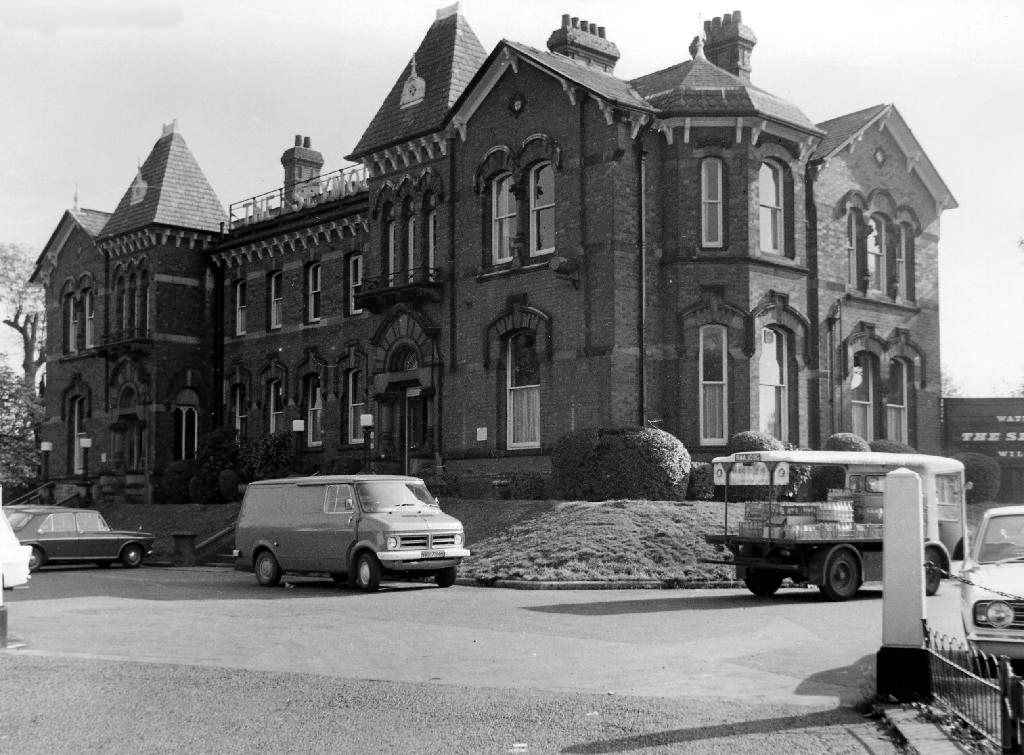
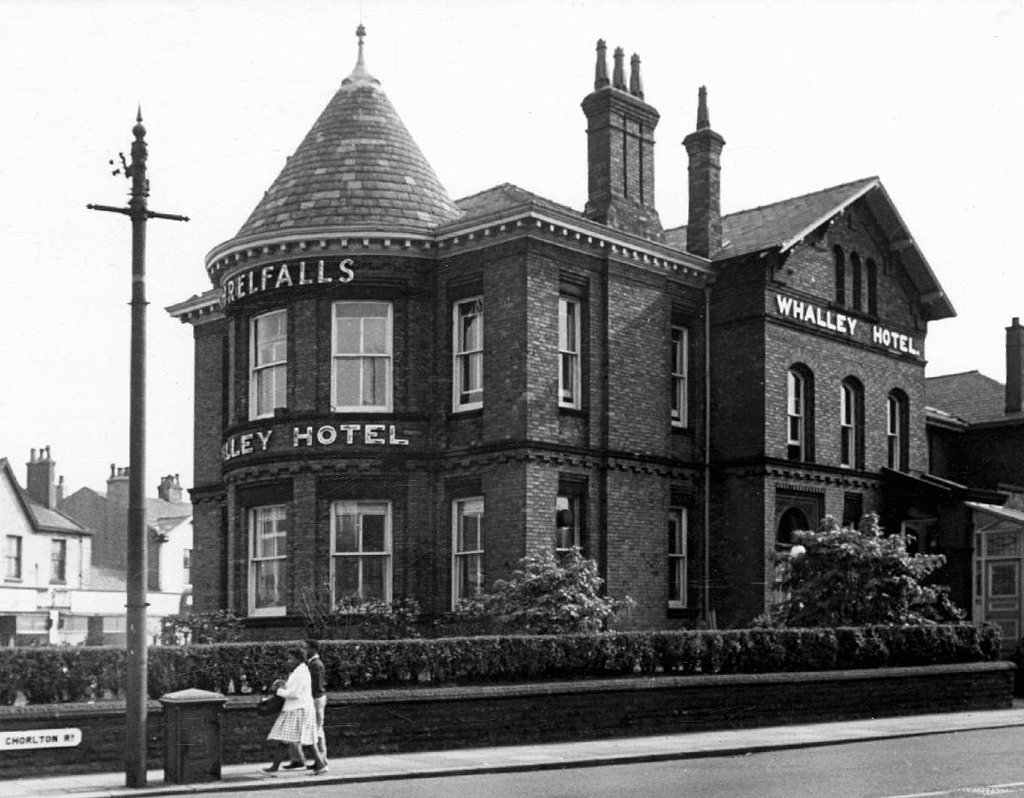
The Whalley Hotel closed in 2014

Chorlton Road

Imperial Picture Theatrewas opened in 1914. Seating was provided in stalls level only. It had a 5 feet deep stage and two dressing rooms. There was also a café in the cinema. Around 1929 it was equipped with a Western Electric sound system.

Architect W.H. Matley

The Imperial Picture Theatre was closed on 15th January 1976 with Charlotte Rampling in Caravan to Vaccares and Jean-Claude Brialy in A Murder Is a Murder Is a Murder.

Cinema Treasures

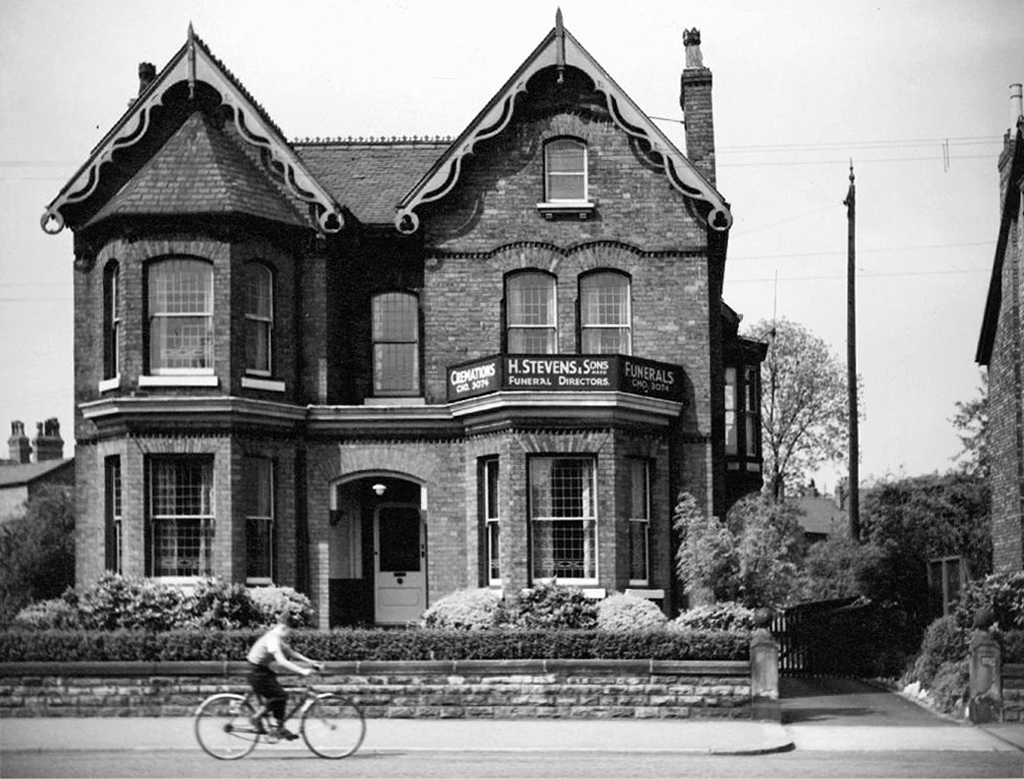
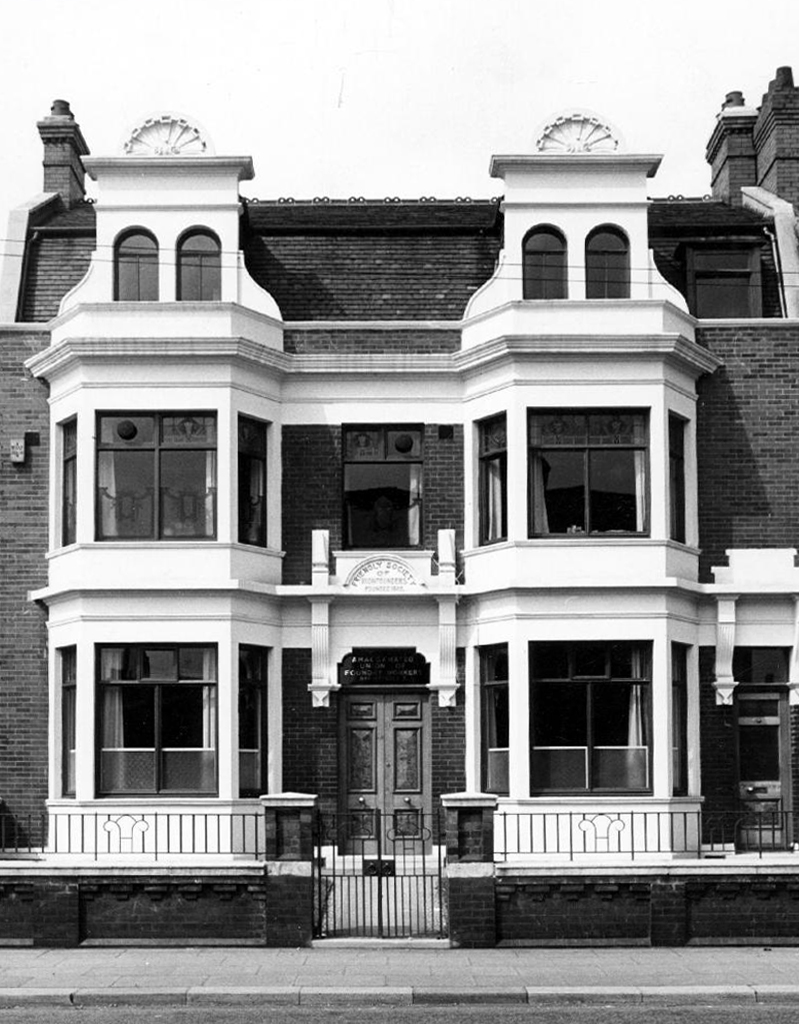
164 Chorlton Road Hulme Manchester – offices of the Amalgamated Union of Foundry Workers, it was at their invitation that Yuri had visited Manchester.

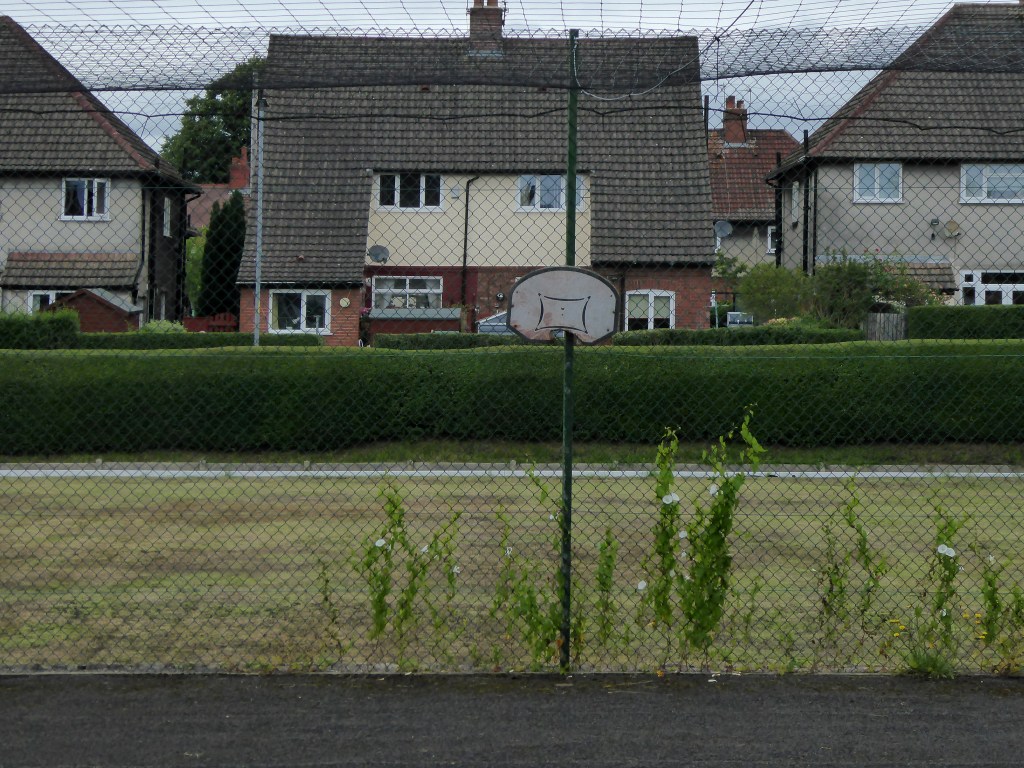
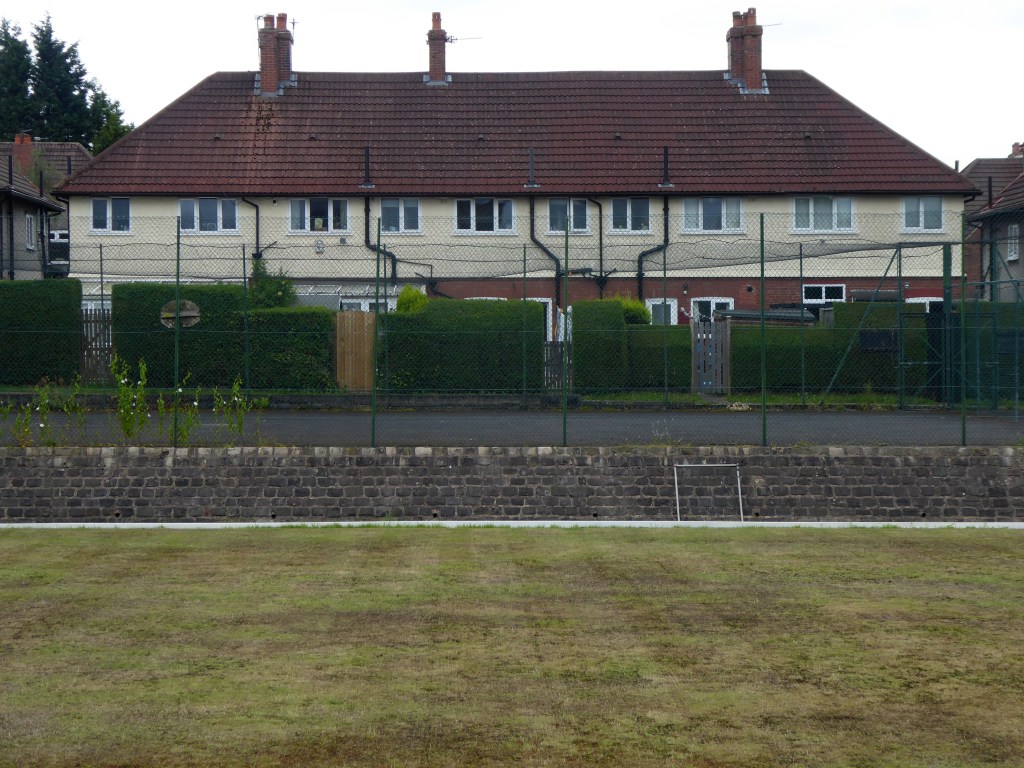
Burnage Garden Village Again

I was last here in 2016 on a much brighter, blue skied day in March.

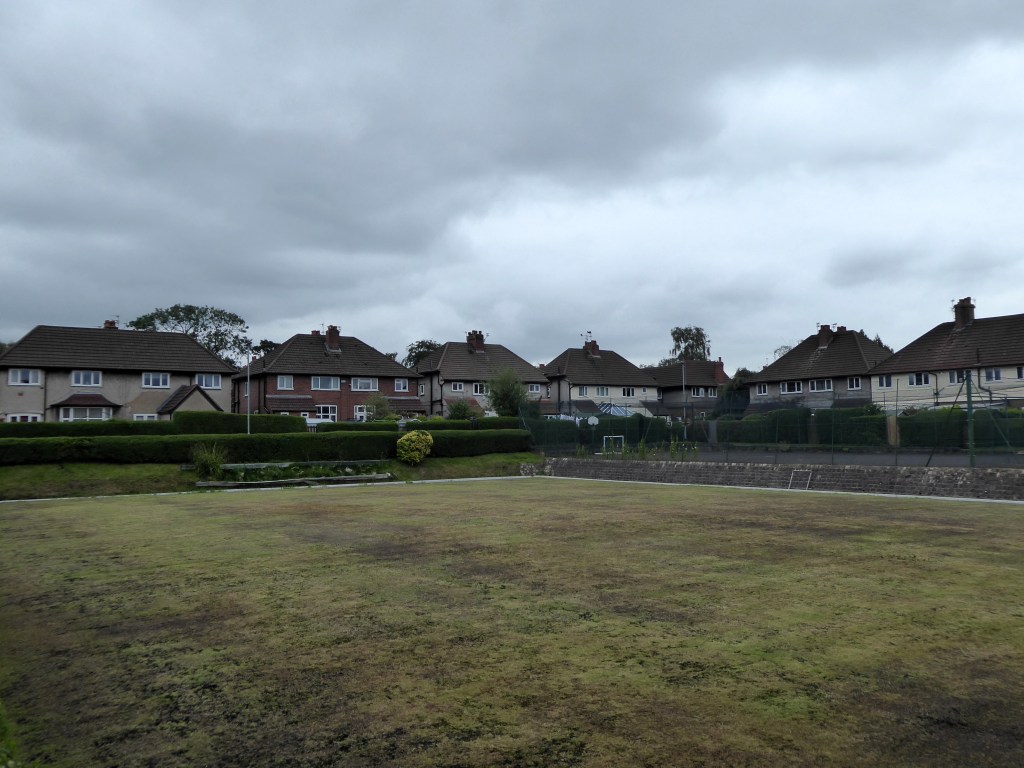
2020 mid-lockdown and overcast, I took a walk to take another look.

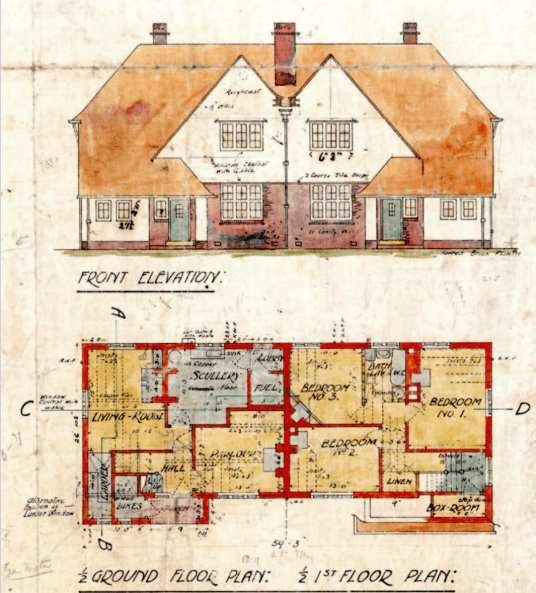
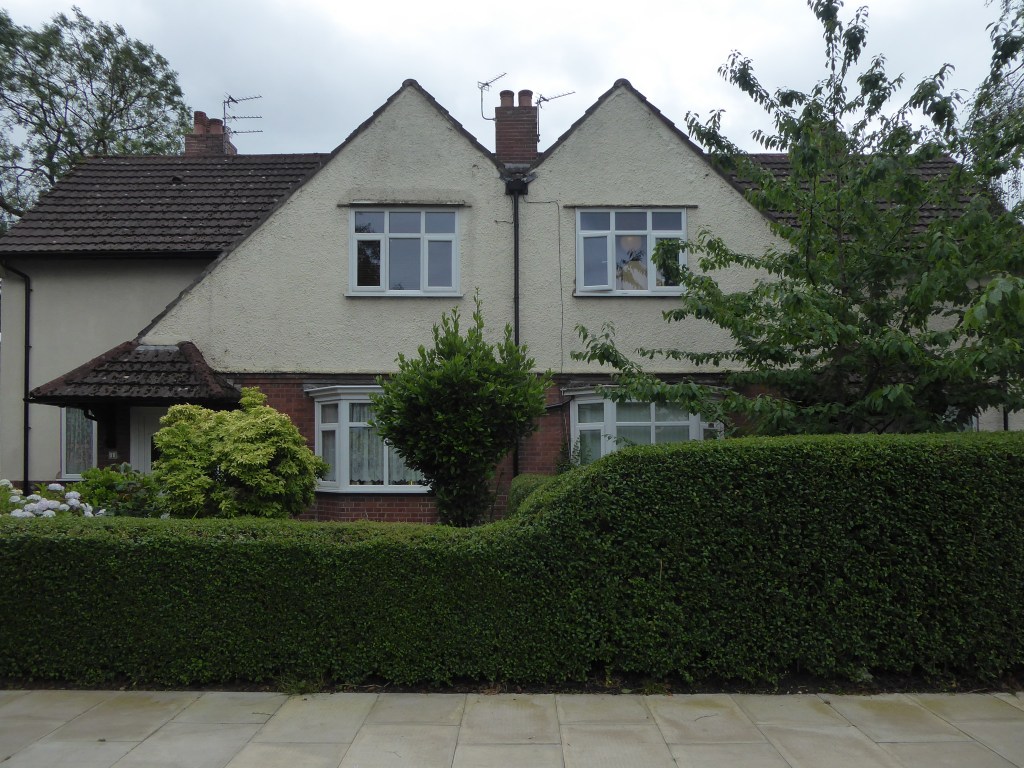
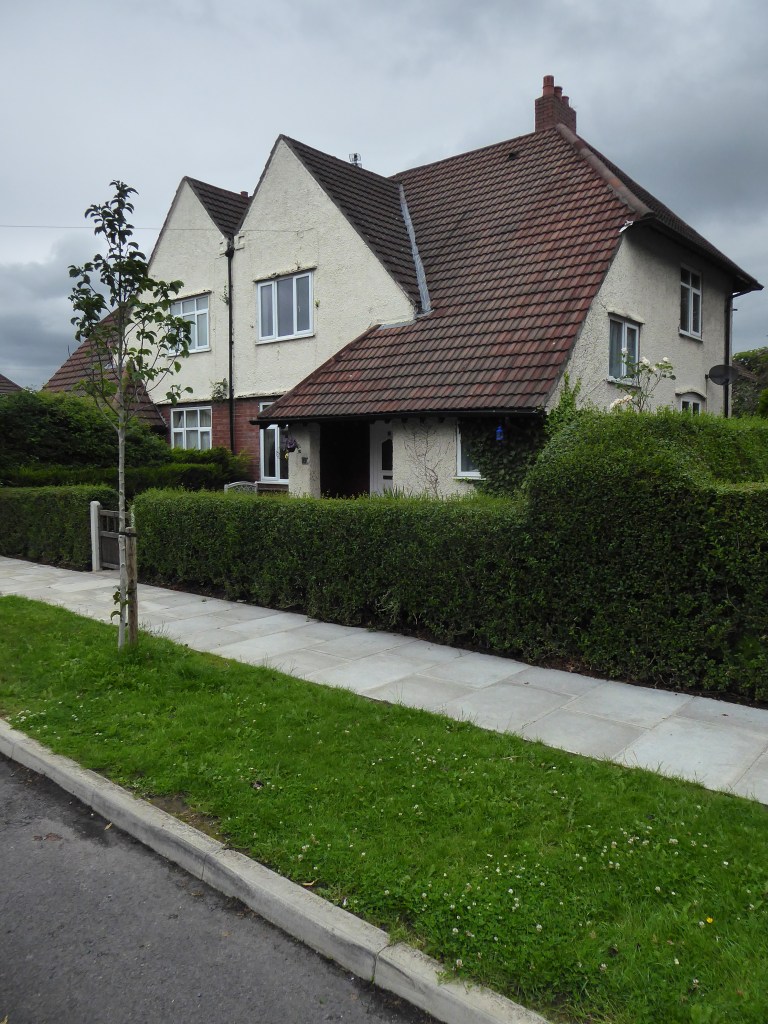
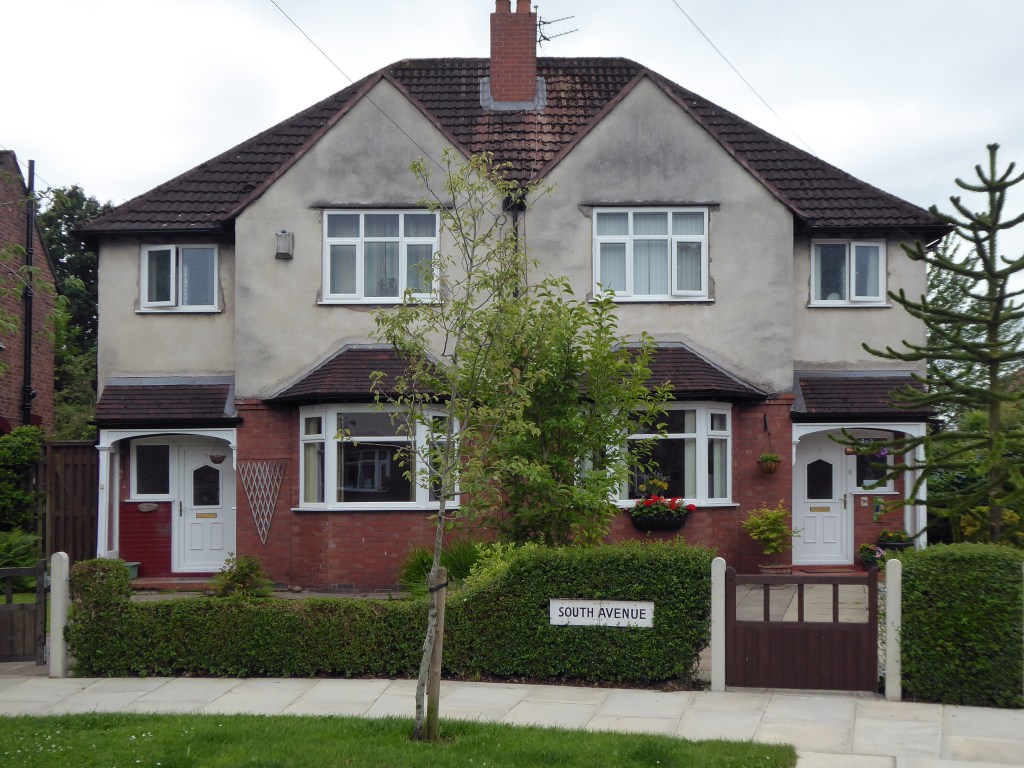
There is a perennial appeal to this well ordered island of tranquility, an archetypal suburbia incubated in 1906, a copy book estate.

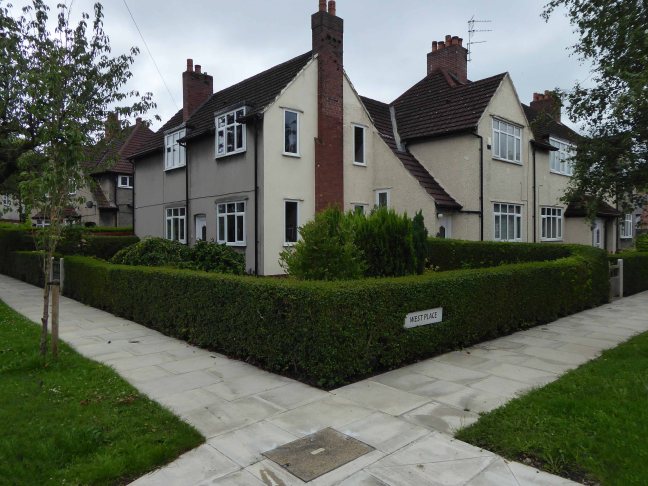
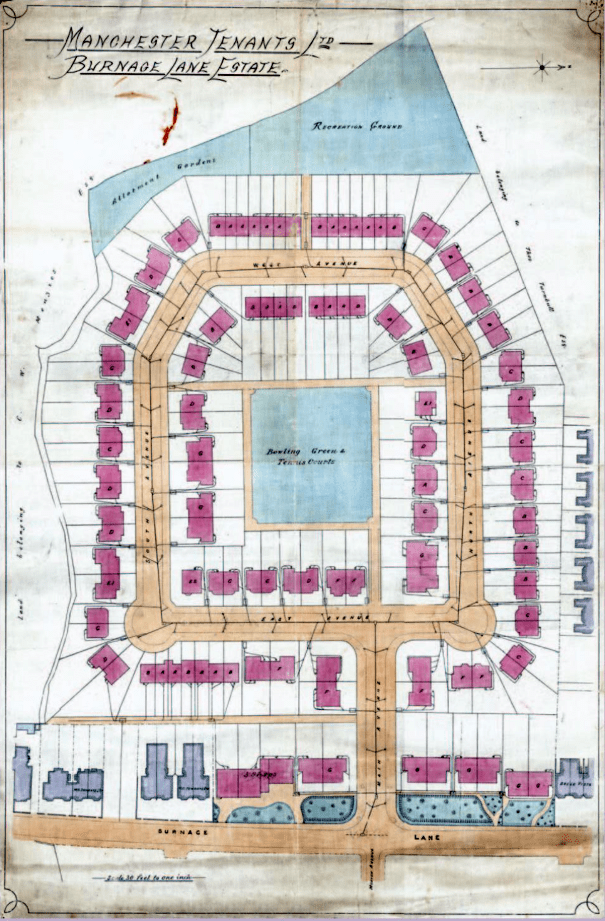
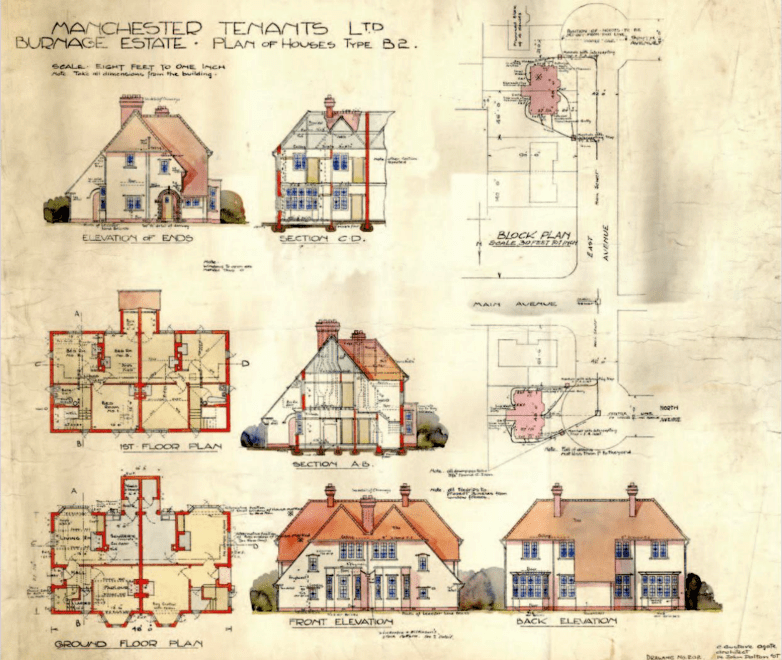
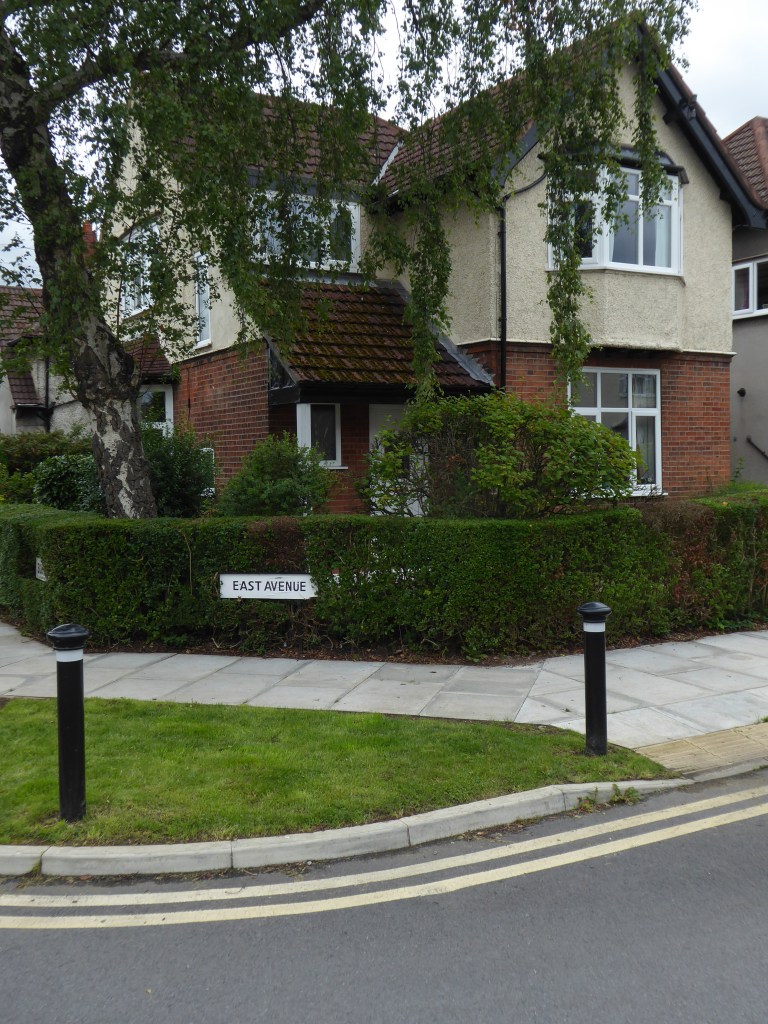
The housing estate of 136 houses known as Burnage Garden Village, a residential development covering an area of 19,113sqm off the western side of Burnage Lane in the Burnage ward. The site is situated approximately six kilometres south of the city centre and is arranged on a broadly hexagonal layout with two storey semi-detached and quasi detached dwelling houses situated on either side of a continuous-loop highway. The highway is named after each corresponding compass point with two spurs off at the east and west named Main Avenue and West Place respectively. Main Avenue represents the only access and egress point into the estate whilst West Place leads into a resident’s parking area.

The layout was designed by J Horner Hargreaves. Houses are loosely designed to Arts and Crafts principles, chiefly on account of being low set and having catslide roofs.

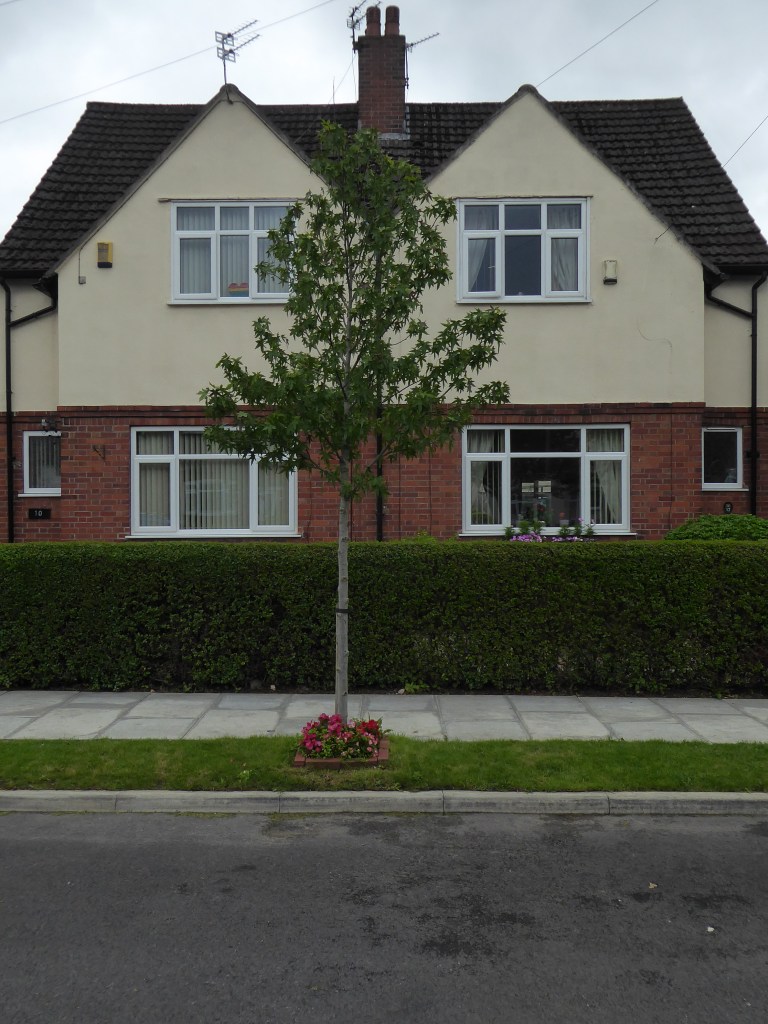
At the centre of the garden village and accessed by a network of pedestrian footpaths, is a resident’s recreational area comprising a bowling green, club house and tennis courts. The estate dates from approximately 1906 and was laid out in the manner of a garden suburb with characteristic hedging, front gardens, grass verges and trees on every street. 

Verges and paving were freshly laid, hedges and gardens well tended, cars parked prettily.

The central communal area calm and restful, but lacking the clunk of lignum vitae wood on jack, hence the scorched earth appearance of the normally well used crown green.

A detailed appreciation the estate is available here.

Let’s take a leisurely look.

Fairfield Greater Manchester

Fairfield is a suburb of Droylsden in Tameside, Greater Manchester, England. Historically in Lancashire, it is just south of the Ashton Canal on the A635 road. In the 19th century, it was described as “a seat of cotton manufacture”. W. M. Christy and Sons established a mill that produced the first woven towels in England at Fairfield Mill.

Fairfield is the location of Fairfield High School for Girls and Fairfield railway station.

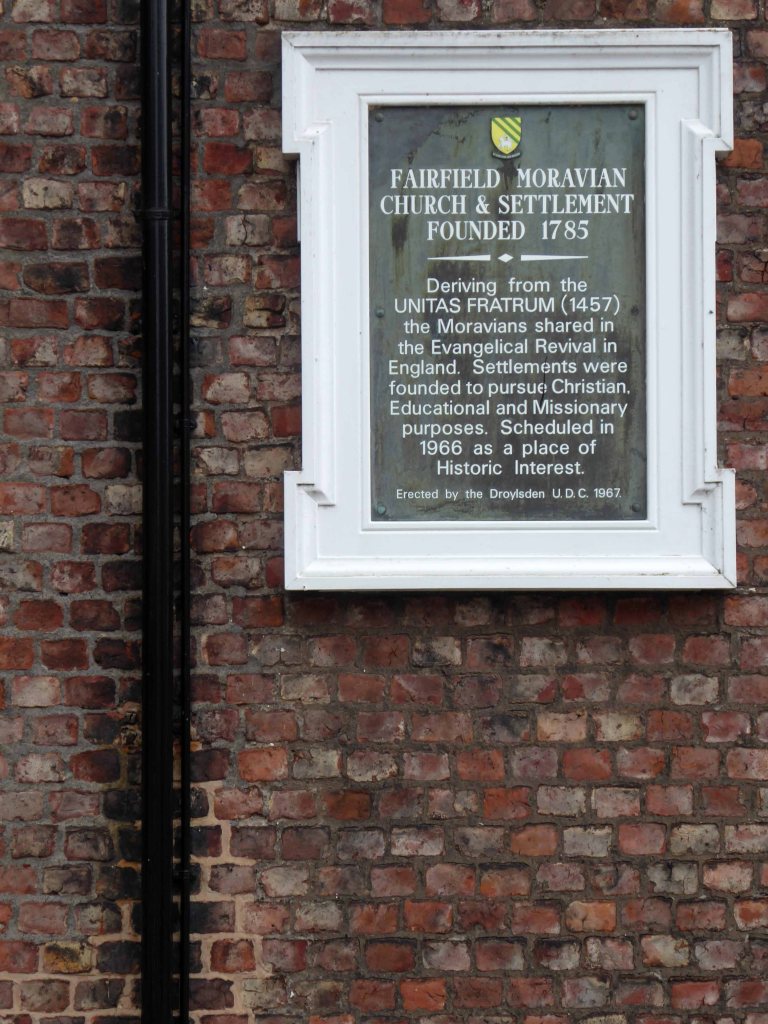
The community has been home to members of the Moravian Church for many years after Fairfield Moravian Church and Moravian Settlement were established in 1783.

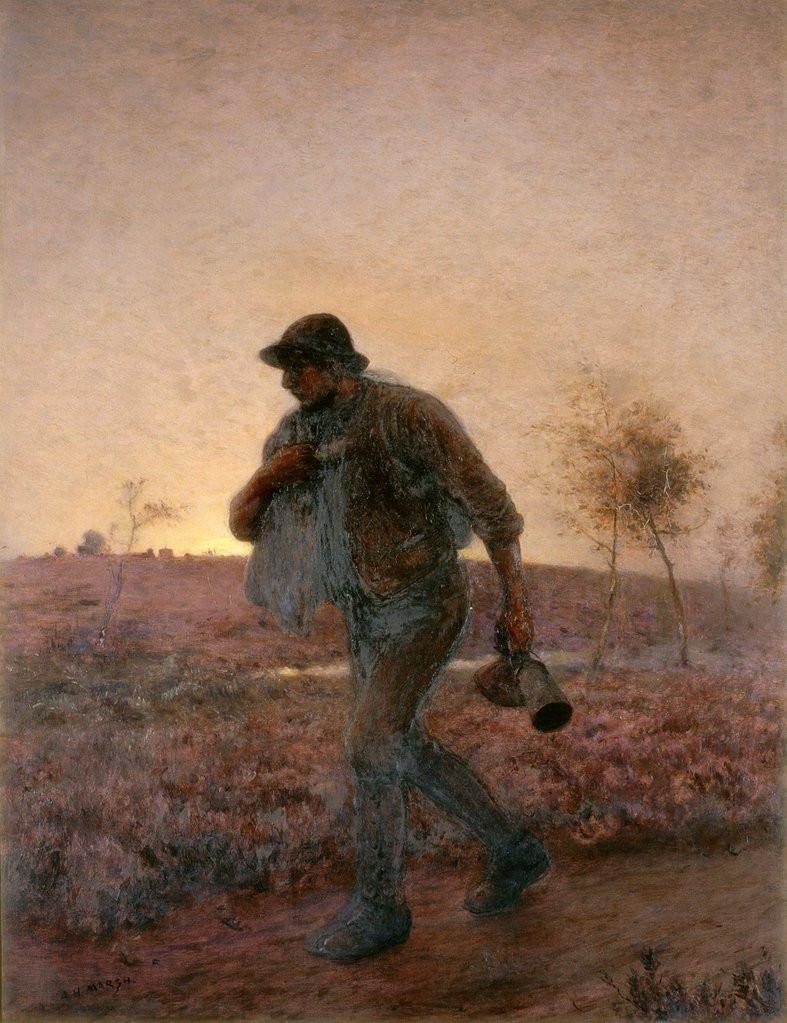
Notable people from Fairfield include the artist Arthur Hardwick Marsh (1842-1909)

Also the merchant banker and art collector Robin Benson (1850–1929).

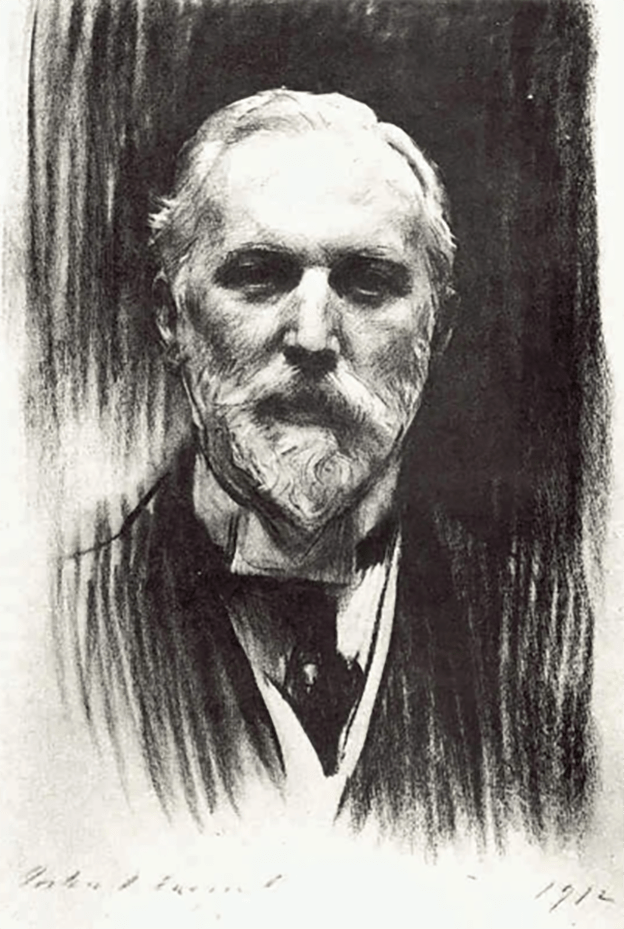
Drawing – John Singer Sargent

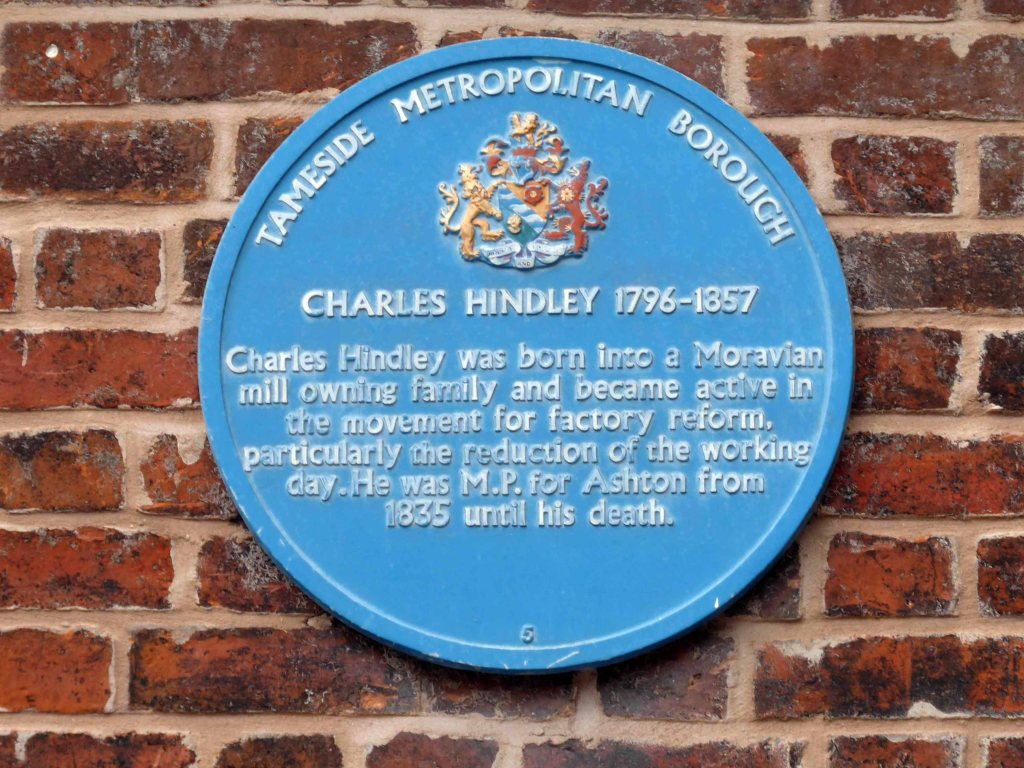
Charles Hindley 1796 – 1857 was an English cotton mill-owner and radical politician the first Moravian to be elected as an MP.

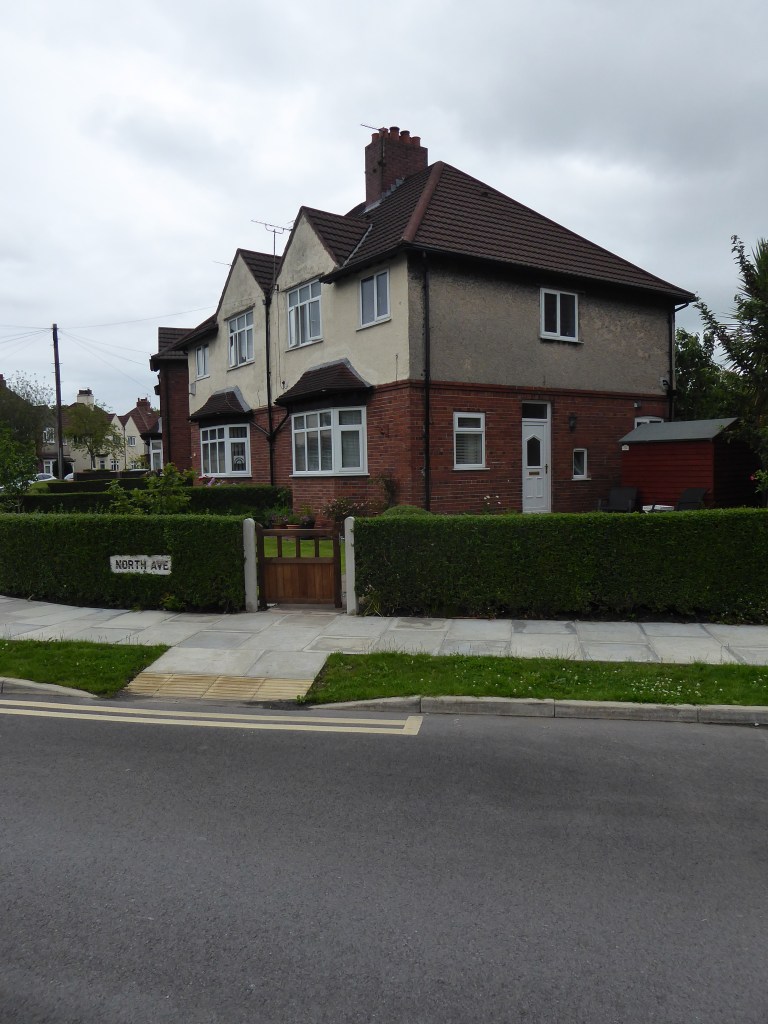
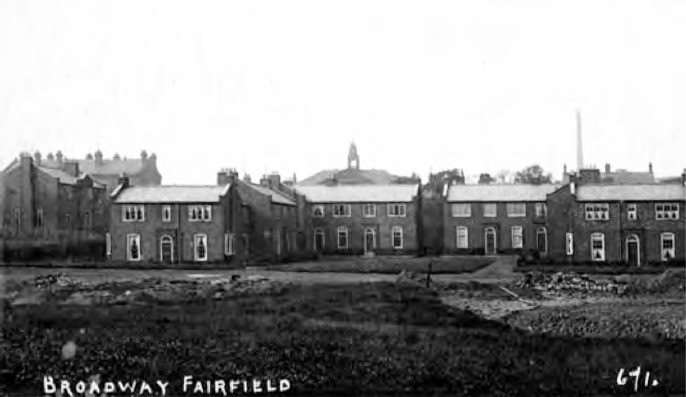
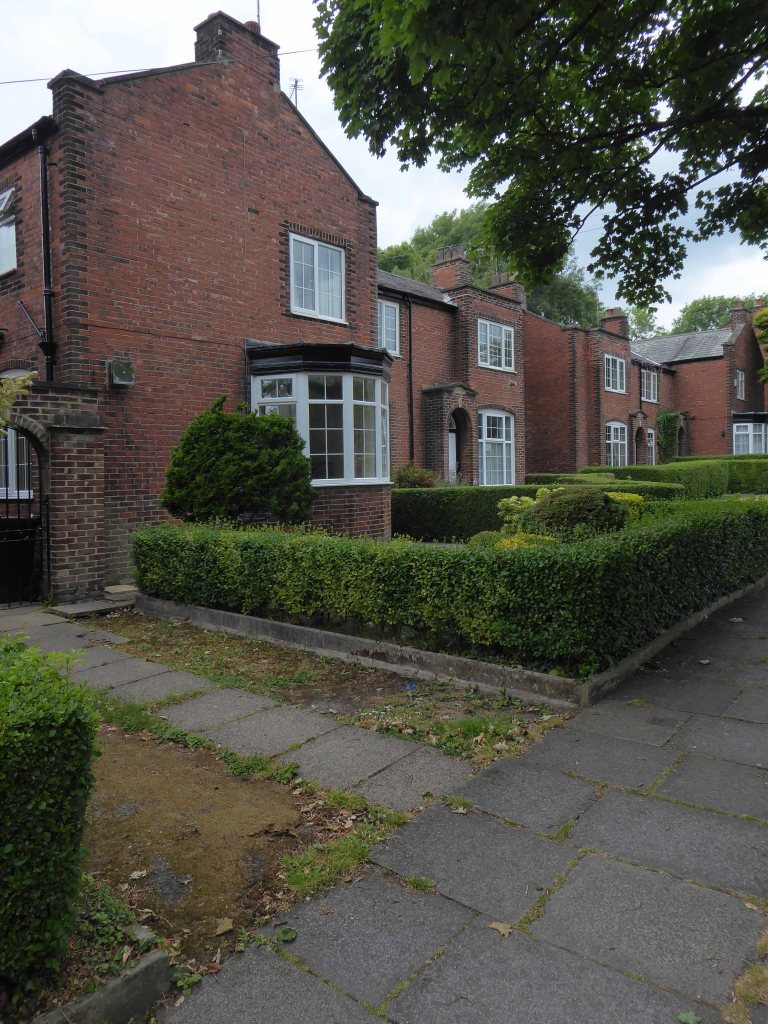
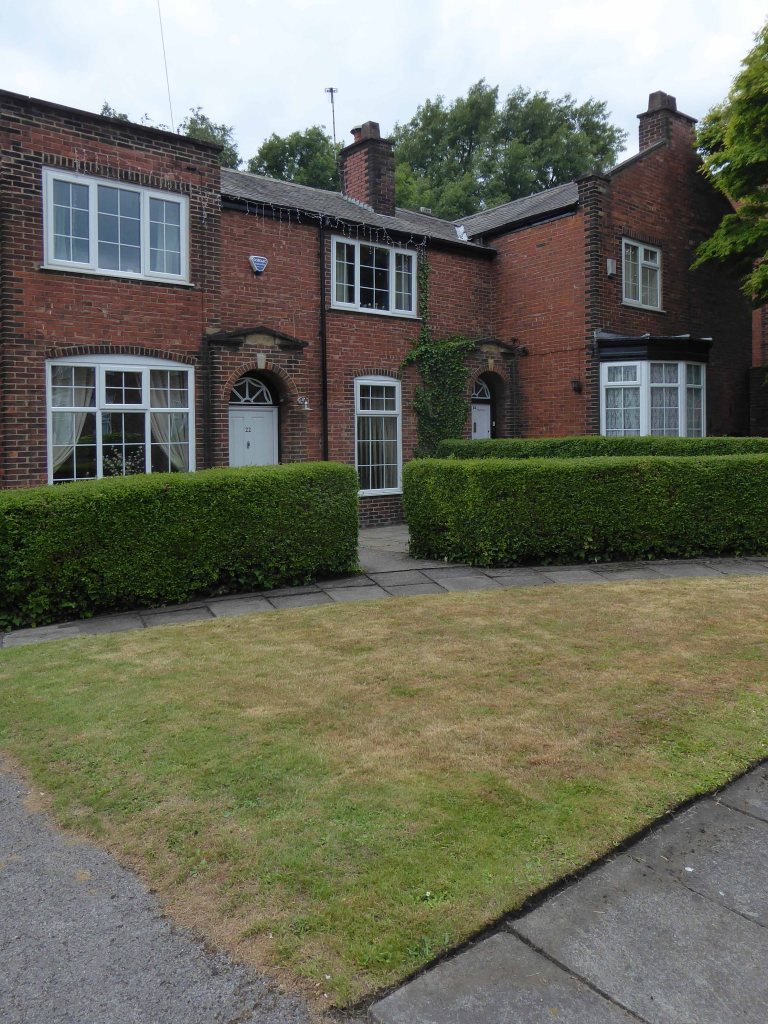
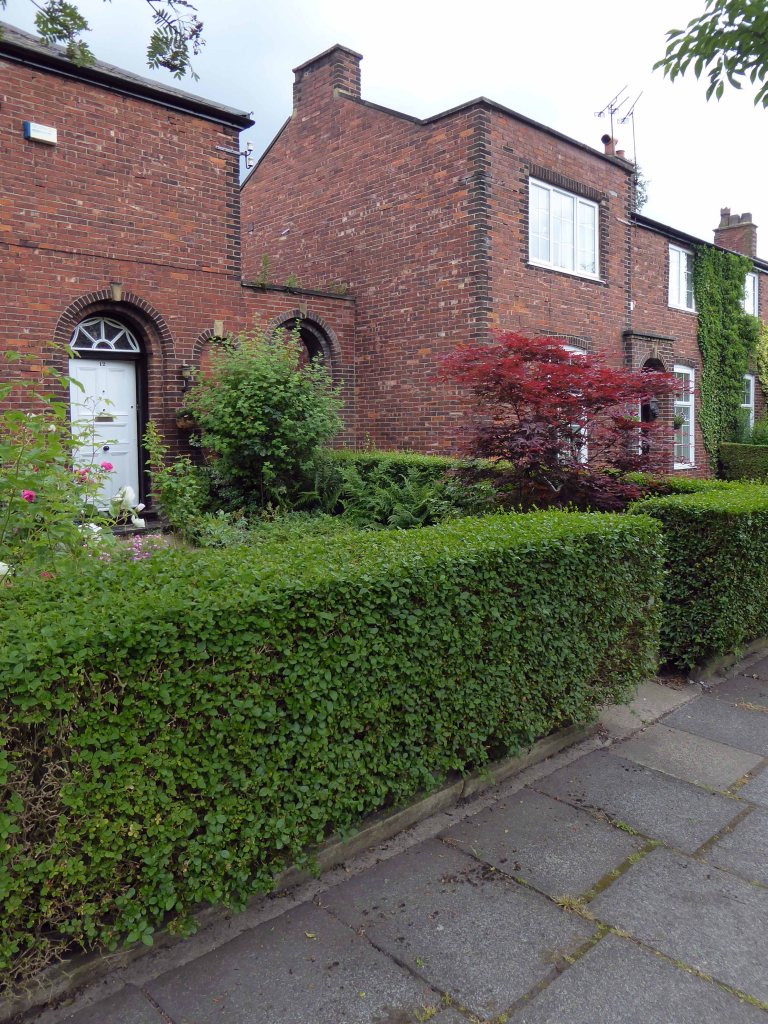
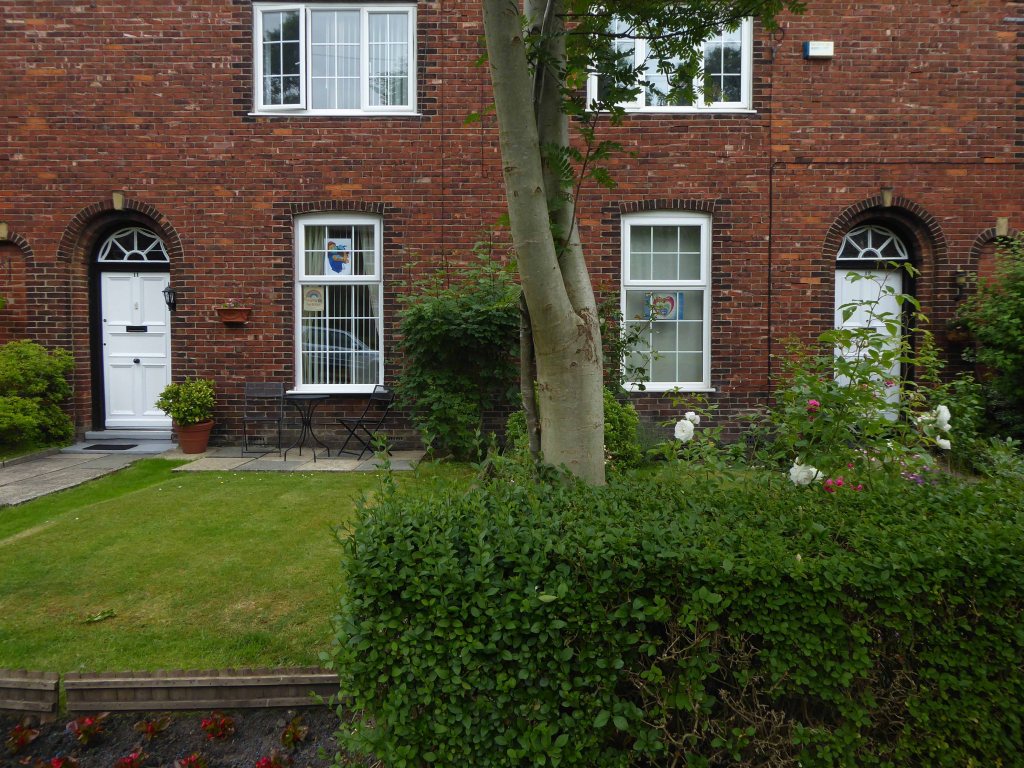
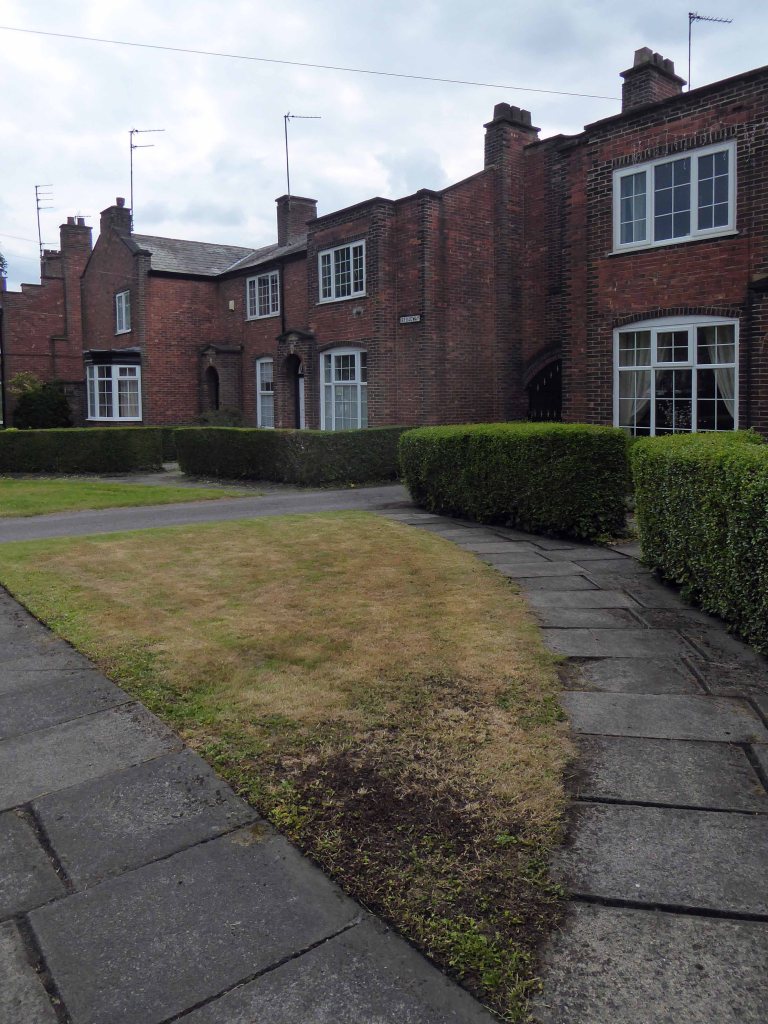
Turning into Fairfield Avenue from Ashton Old Road you’ll find Broadway sitting prettily on your right hand side. It was intended to be an extensive Garden Village but was abandoned at the outbreak of the First World War. The estate consists of 39 houses, built between 1914 and 1920 in a neo-Georgian style. These are a mixture of detached, semi-detached and terraces in a range of sizes.

Edgar Wood and James Henry Sellers were the architects responsible for the scheme.

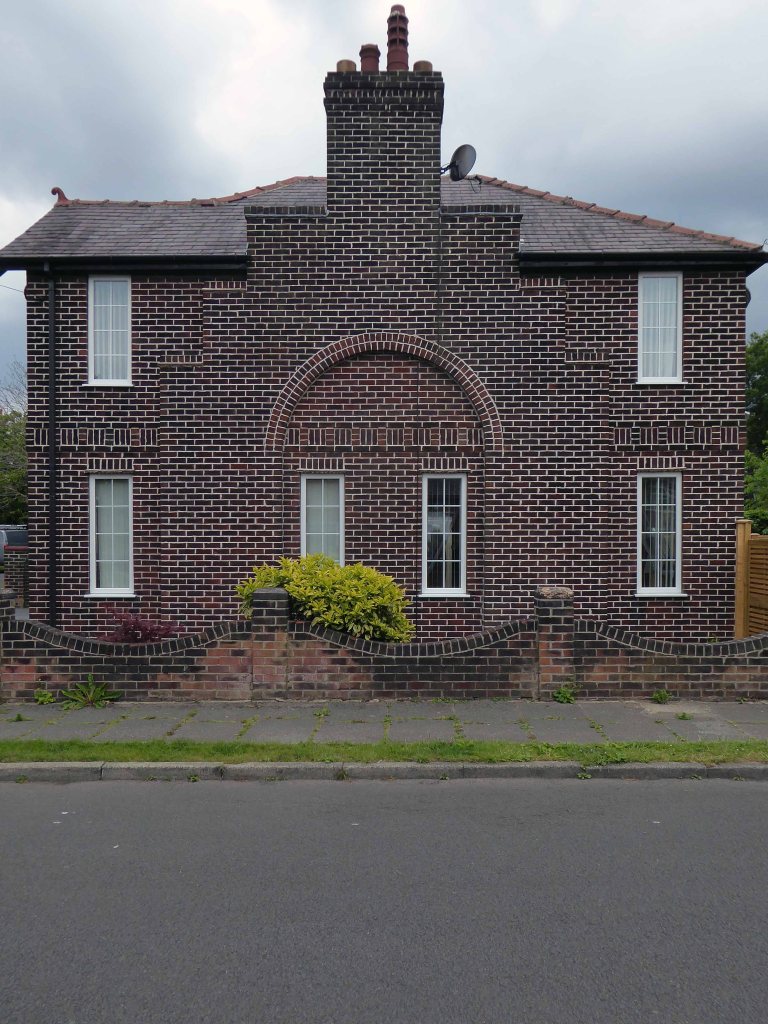
Broadway is a small scale example of a garden suburb development and is composed of a mixture of detached, semi detached and terraced houses ranging in size and built in a reddish-orange brick with dark brick dressing and patterning. The properties appear to be generously proportioned and they share similarities in design and construction and a unifying scheme of decoration.

It is suggested that theimaginative exploitation of the levels and texture suggest that Woods was responsible for the layout, but the chaste Neo-Georgian character of the houses undoubtedly reflects the taste of Sellers’.

It forms a major part of the Fairfield Conservation Area.

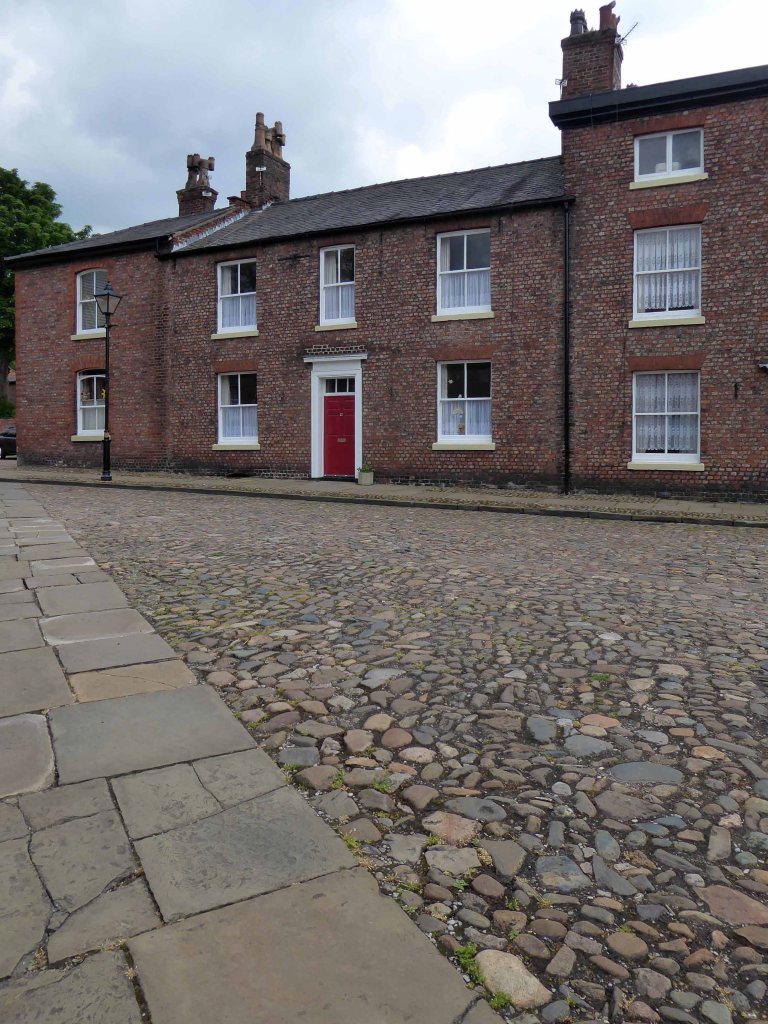
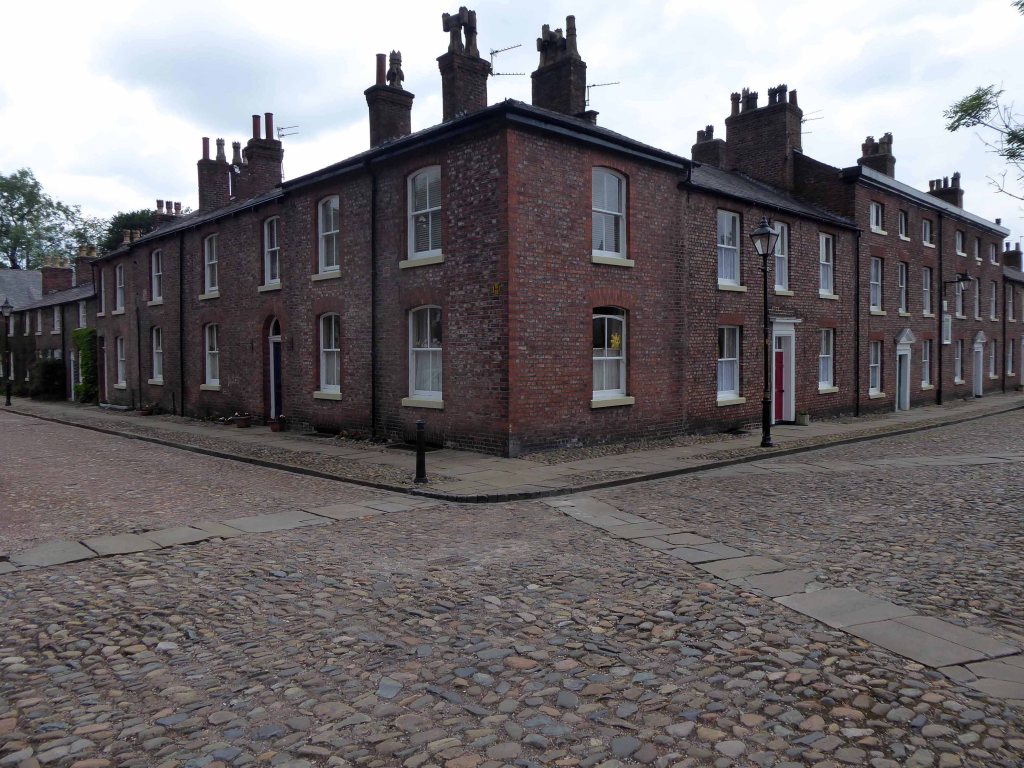
Sneaking through the alley – lined with a Yorkshire Stone fence you enter the Moravian Settlement.

Engraving 1794

The Unitas Fratrum or Moravian Church is an international Protestant Christian group which originated from the followers of Jan Hus in Bohemia (now part of the Czech Republic) during the 15th century. As a result of persecution, the group eventually re-established itself in Saxony in the early 18th century, and it is from there that followers first came to this country in the 1730s, with the intention to go on to carry out missionary work in America and the Caribbean. A decision was taken to establish the first Moravian Settlement in England at Fulneck in Yorkshire in 1744. The first Moravian settlement to be located in Tameside was in Dukinfield during the 1740s. It was there that they laid the foundation stone for their chapel at the top of Old Road in May 1751. By 1783, 40 years after their first arrival in Tameside, the lease on their land at Dukinfield expired, and negotiations for a new one proved difficult. This resulted in the purchase and removal of the community to a 54 acres site at Broad Oak Farm in Droylsden where they established a new settlement known as Fairfield.

As well as providing domestic accommodation, the buildings at Fairfield had industrial functions. During the late 18th and 19th centuries the Settlement would have been a hive of religious and industrial activity, which included the church, schools, domestic dwellings, inn, shop, bakery, laundry, farm, fire engine, night-watchman, inspector of weights and measures, an overseer of roads, physician, as well as handloom weaving and embroidery.

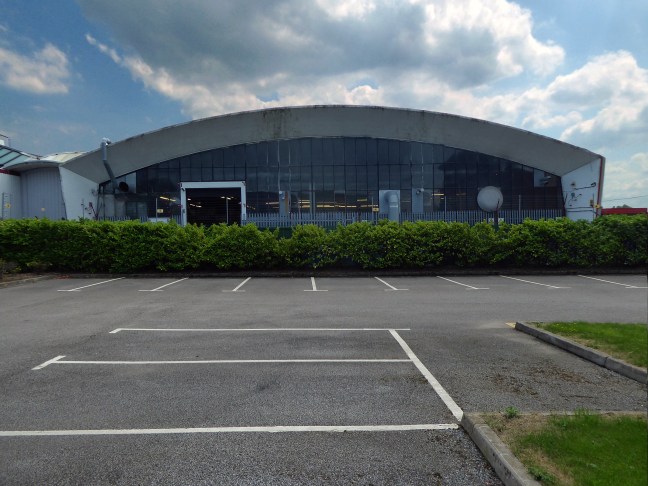
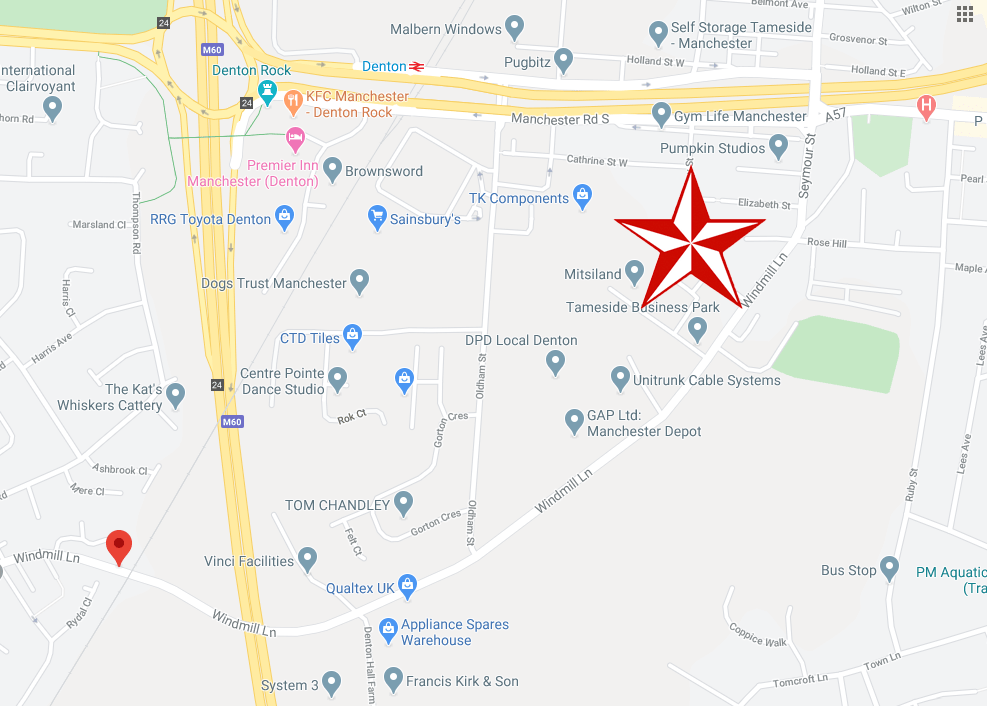
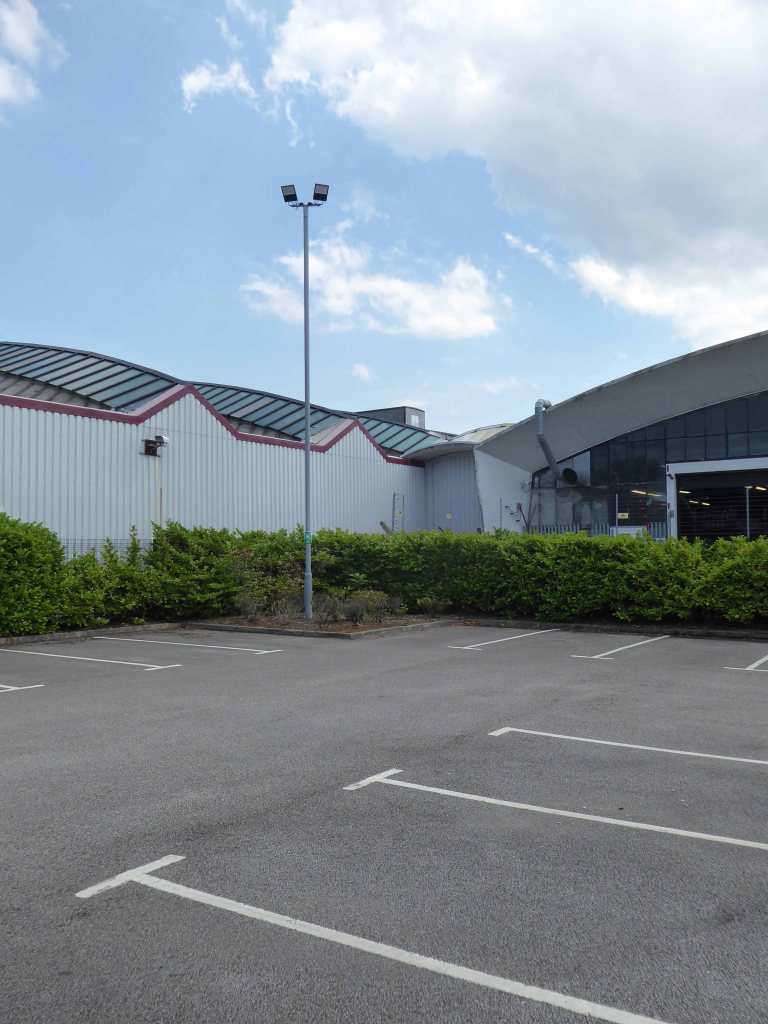
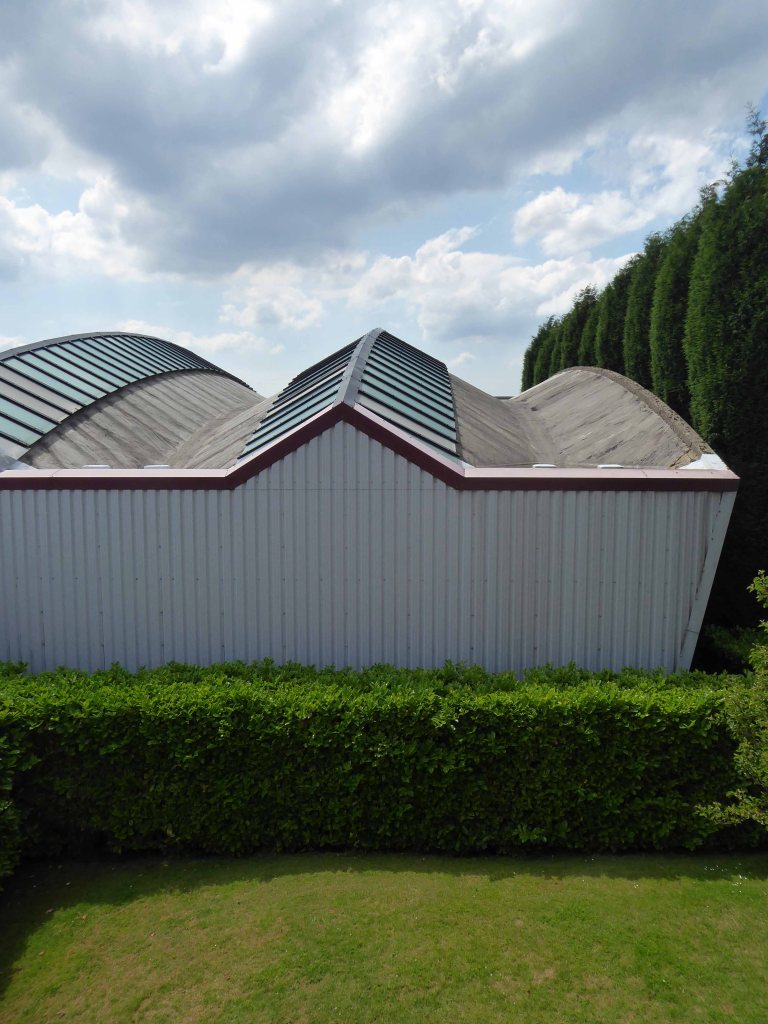
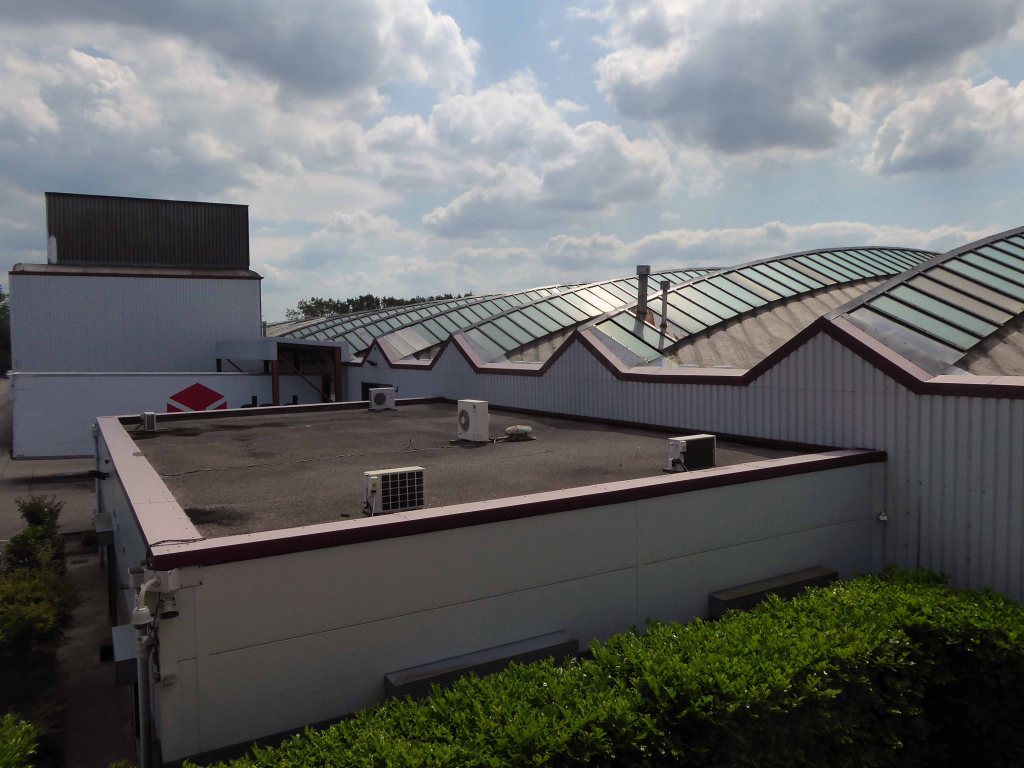
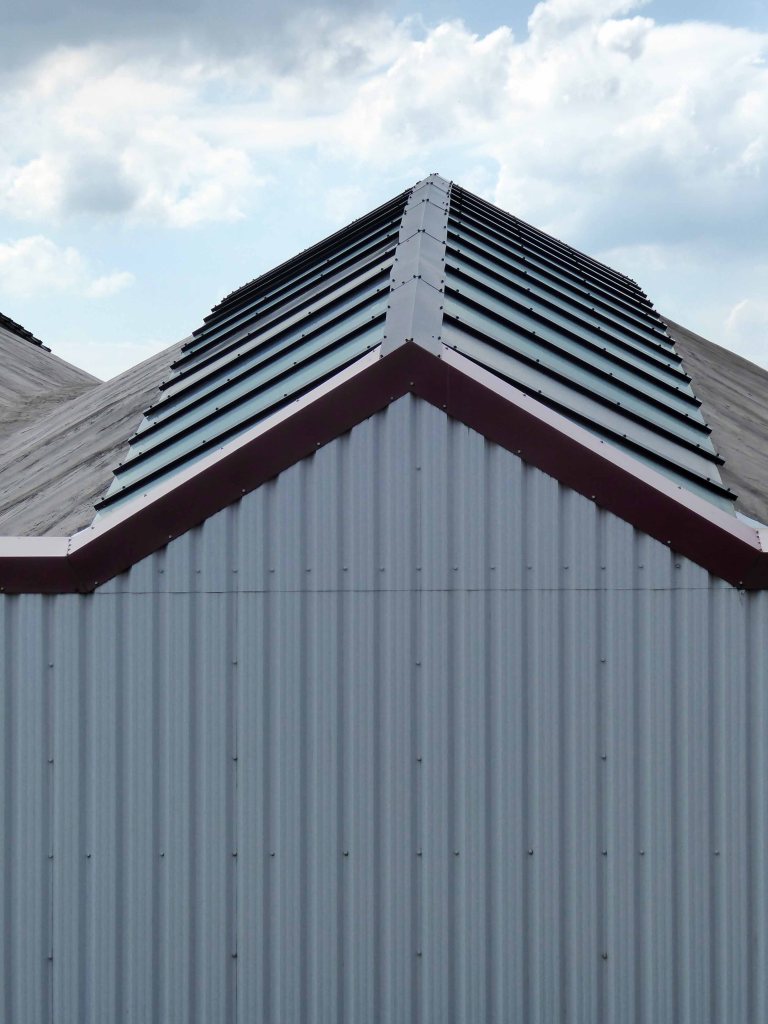
Factory – Windmill Lane Denton

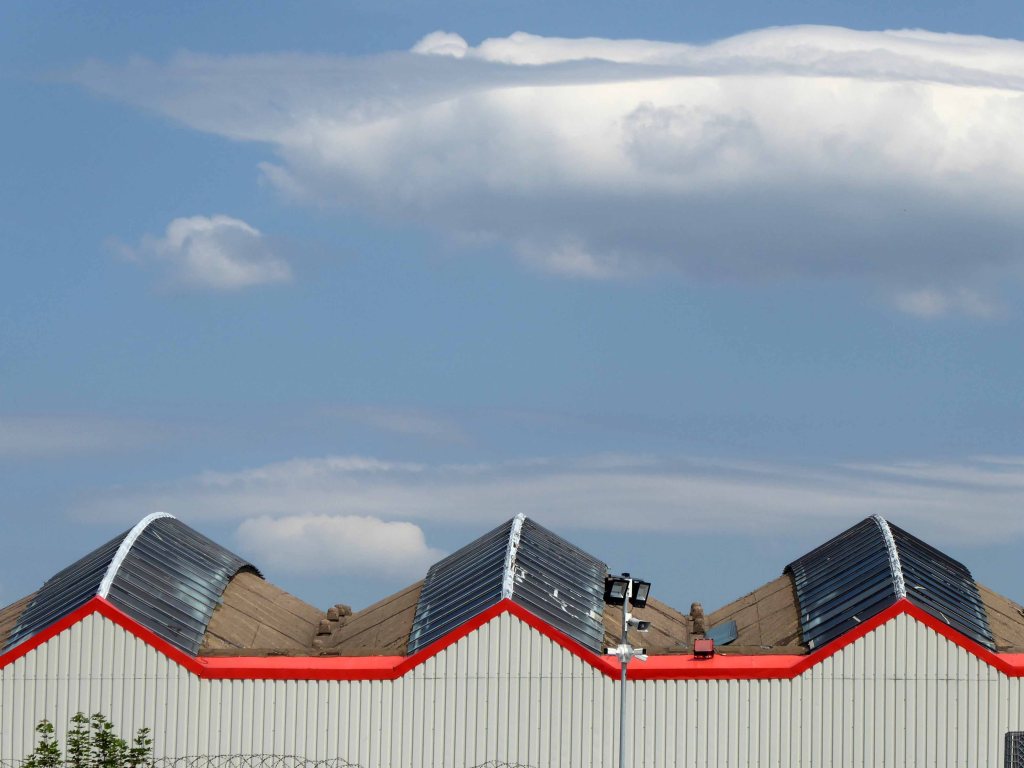
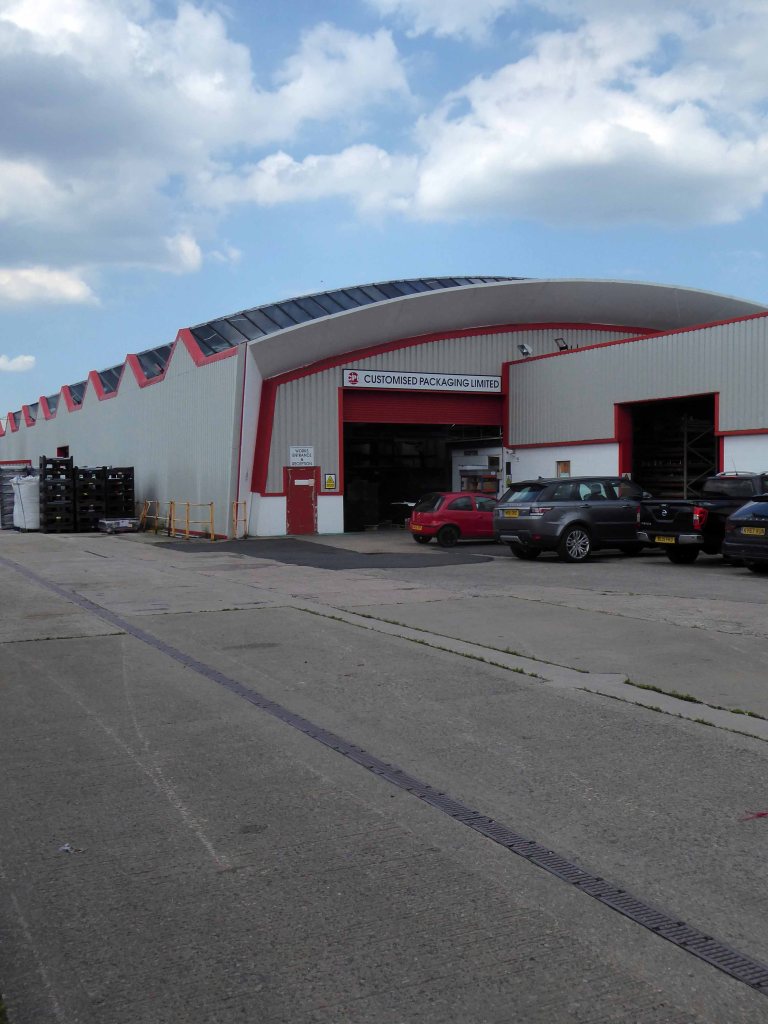
I’ve cycled by here for some fifty years or more – always admiring its serrated roof.

Way back when we would roam around on our bikes, exploring the waste ground adjacent to Jackson’s Brickworks.

Where we would scavenge tape from the Rotunda tip.

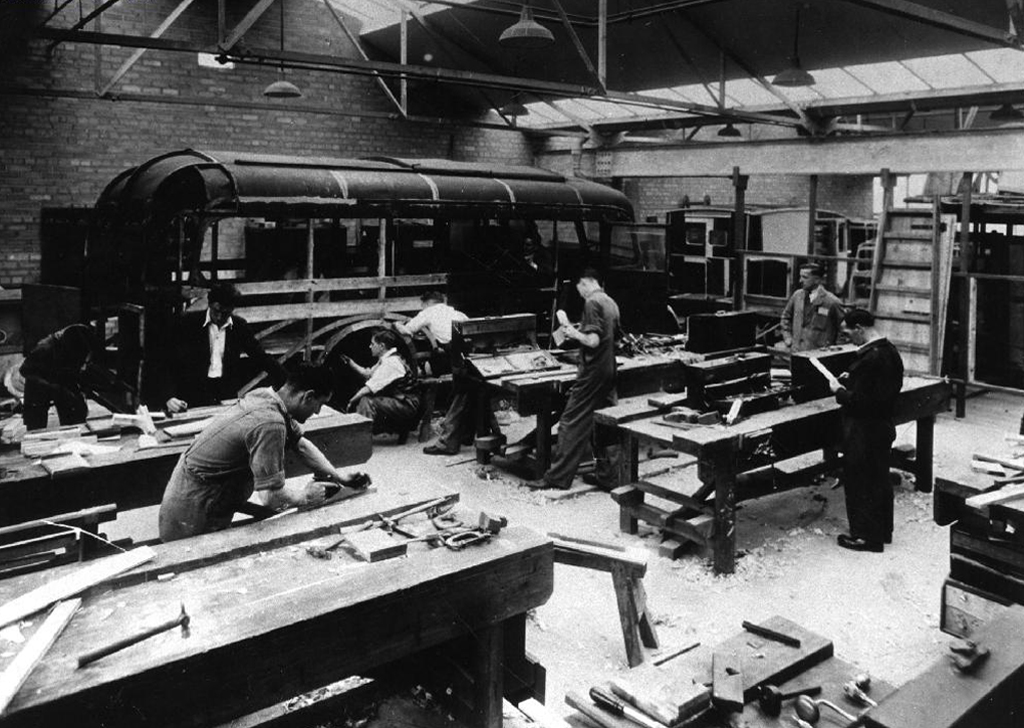
I remember it as a Remploy Centre.

My last 13 years prior to retirement last May were spent at the centre, on Windmill Lane, Denton. Just before I left, a lot of demolition work was done, prior to redevelopment of much of the site.

I seem to remember the place always being referred to locally as Th’ Rehab – the Rehabilitation Centre, a Government training centre, where skills were taught, such as joinery, bricklaying etc, and there was also a Remploy Unit housed there.

Local men could go for a free haircut, administered by a well supervised trainee.

Denton History

1949 Manchester Local Image Collection

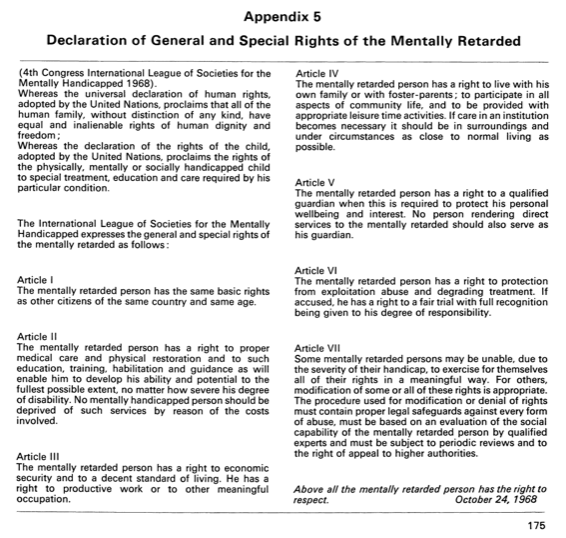
It is listed in a 1968 directory of rehabilitations centres.

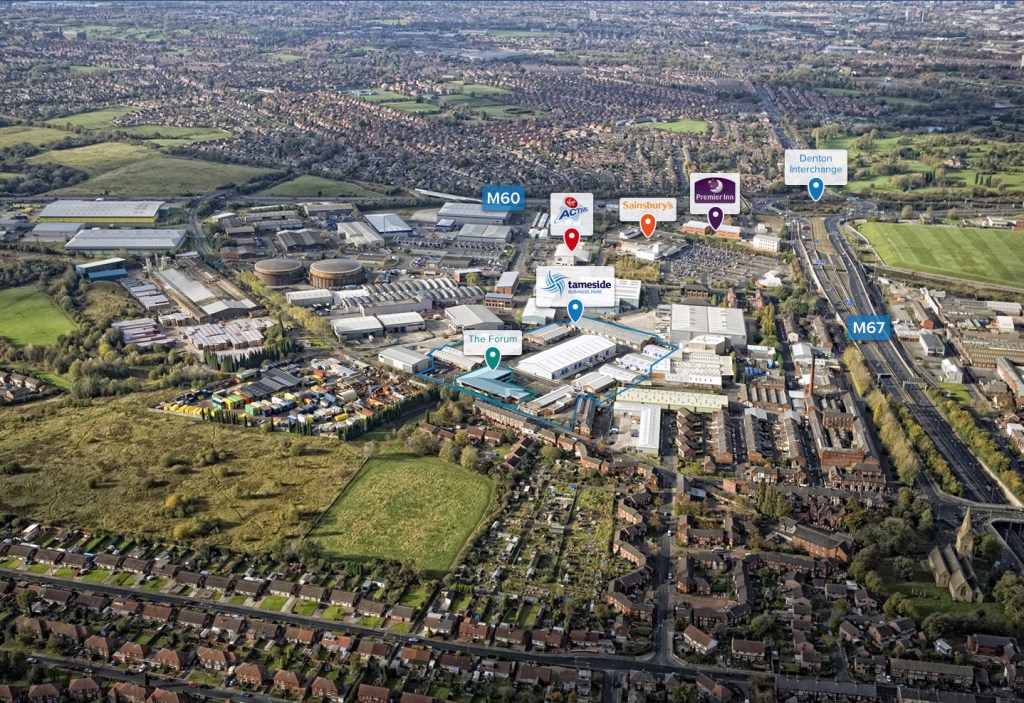
Currently forming part of Tameside Business Park with multiple occupancy.

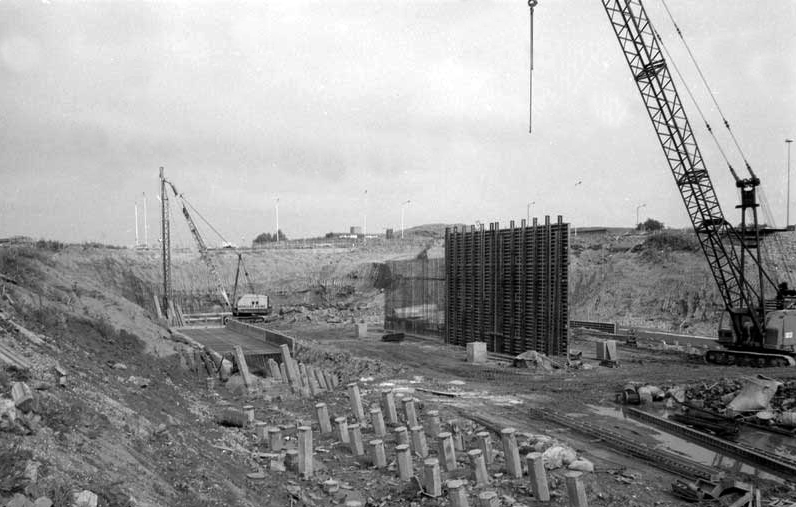
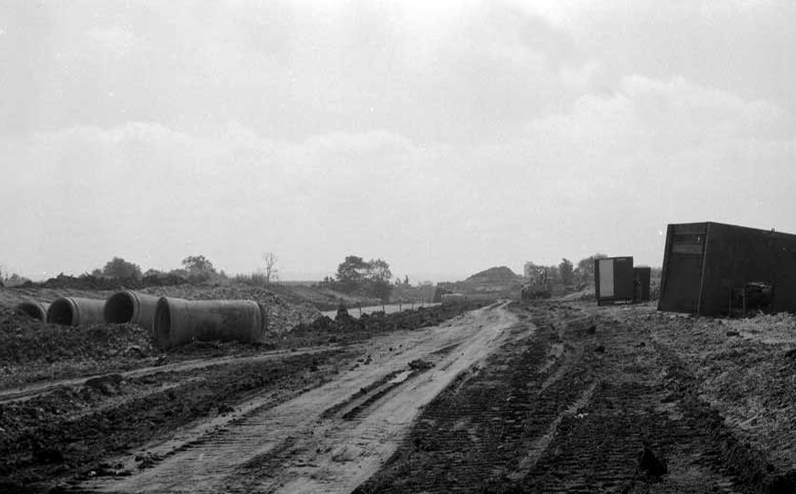
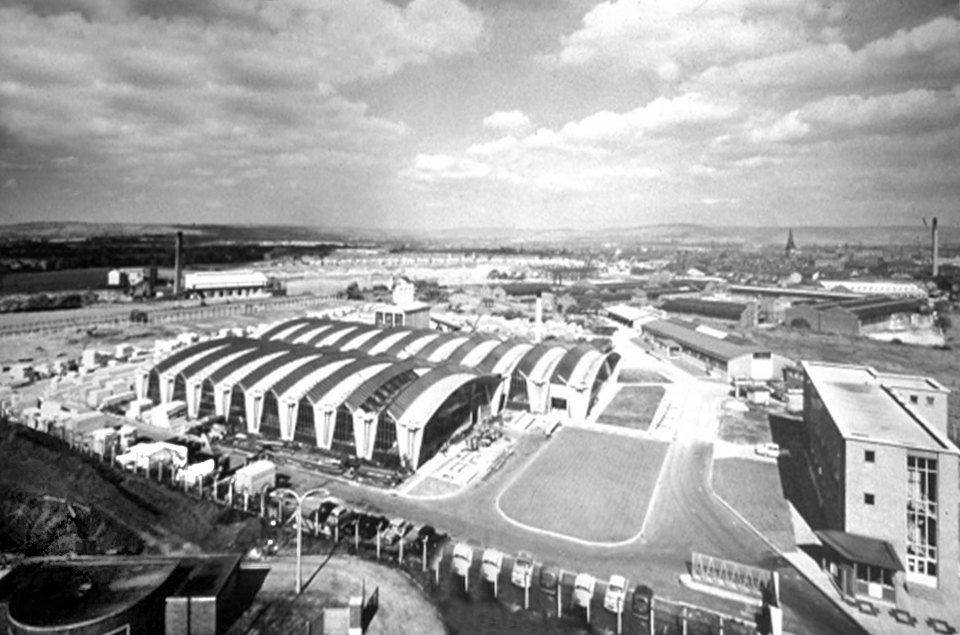
Proximity to the M60, seen here under construction is paramount to its future success.

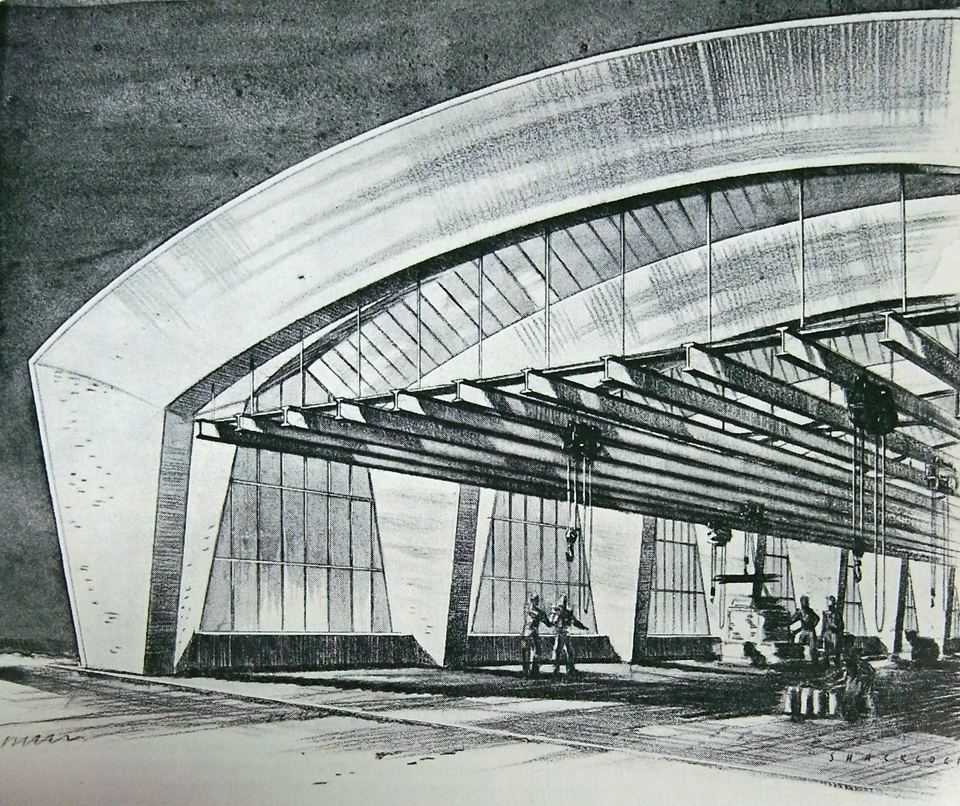
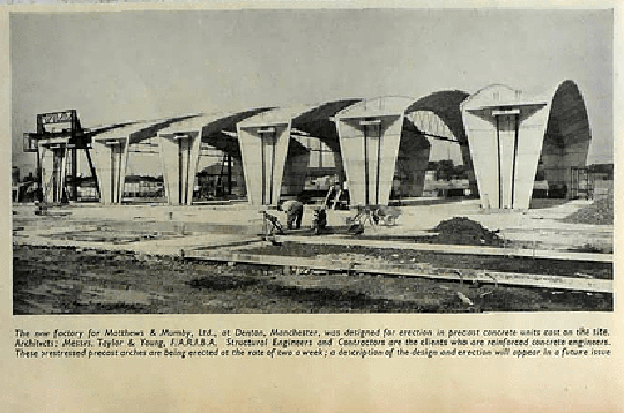
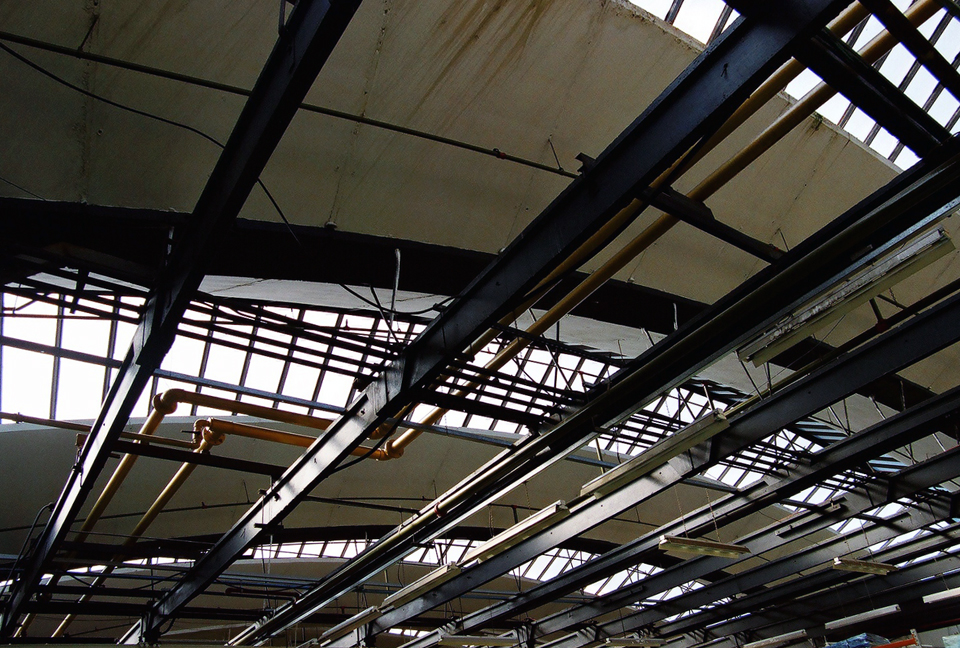
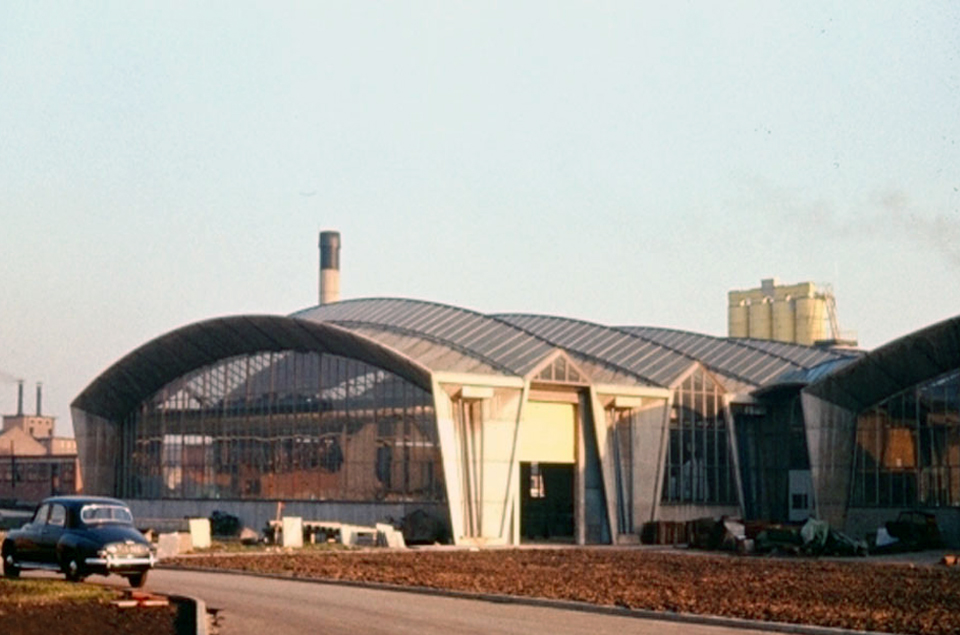
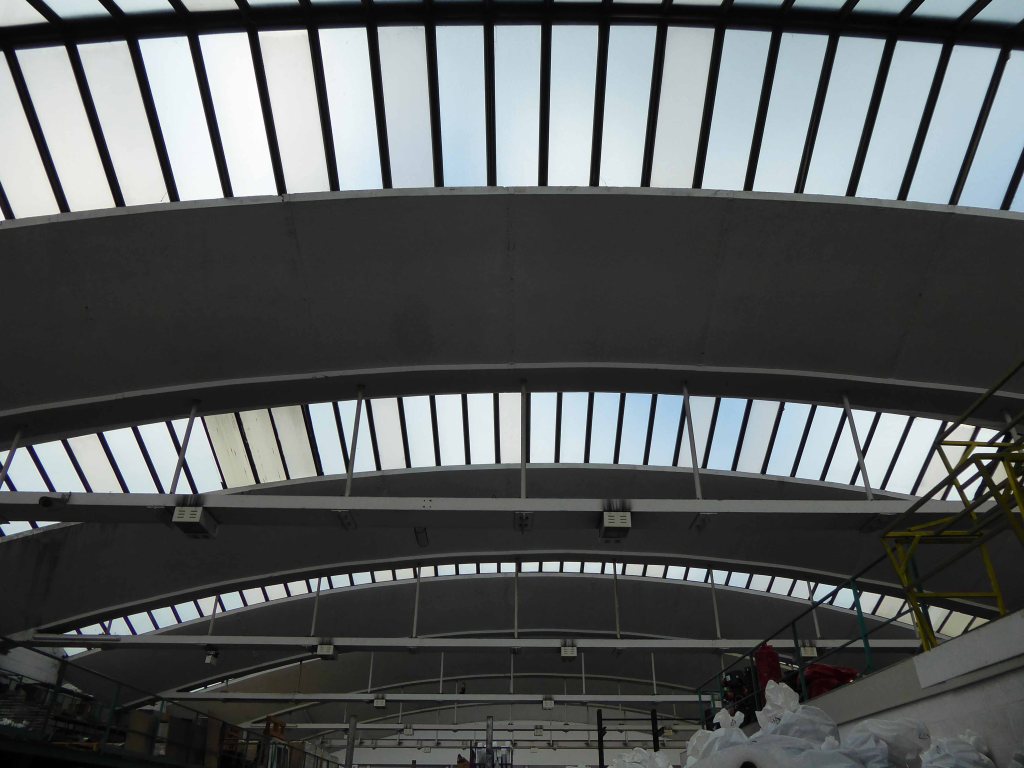
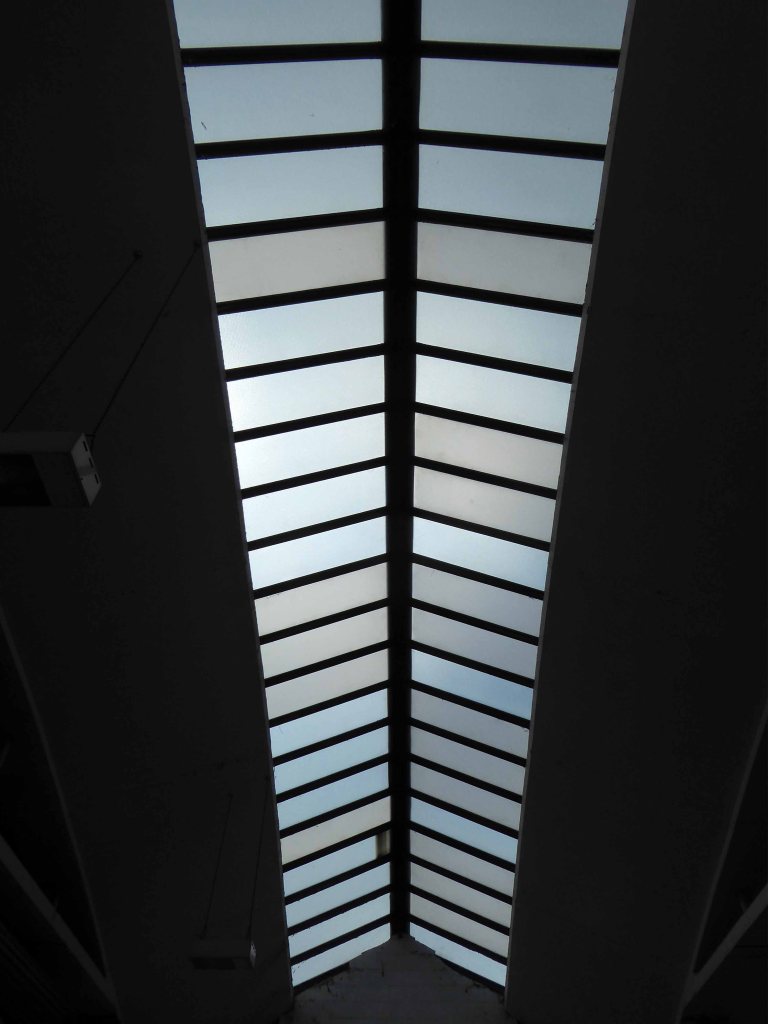
This former production plant for concrete components is now sadly partitioned and houses a number of businesses, only one of which still has a manufacturing base. The engineer for the project was also the client; reinforced concrete engineers, Matthews & Mumby. The intention was to create large floor areas, free from columns, to accommodate fourteen casting beds of about fifty metres in length. The structure of the two sheds was formed from arch units assembled on the ground, jacked into position and post-tensioned to form large tied span arches. Each arch spans approximately thirty metres and was designed to carry up to fourteen one tonne loads along the monorail hangers that ran the length of the factory, centred to each casting bed and suspended from the arches. Lantern section glazing hugs the curve of the arches that act as a reflective surface to provide an even light across the factory floor. The rails and hangers added a further louvered filter to the light, described at the time as ‘the ‘venetian blind’ effect. Originally the elevation between the V shaped columns was also glazed, this has now been filled and significantly reduces the aesthetic presence of the exposed structure and a distinctly ‘modern’ building of the time. 

Mainstream Modern – my thanks to Richard Brook for the text and archive images.

So one sunny day last week, on a lockdown walk I went to take a look around.

The addition of cladding is never an uplifting sight on any site – the integrity of the building is seriously challenged.

Sometimes a former Rehabilitation Centre can do without rehabilitation it seems.

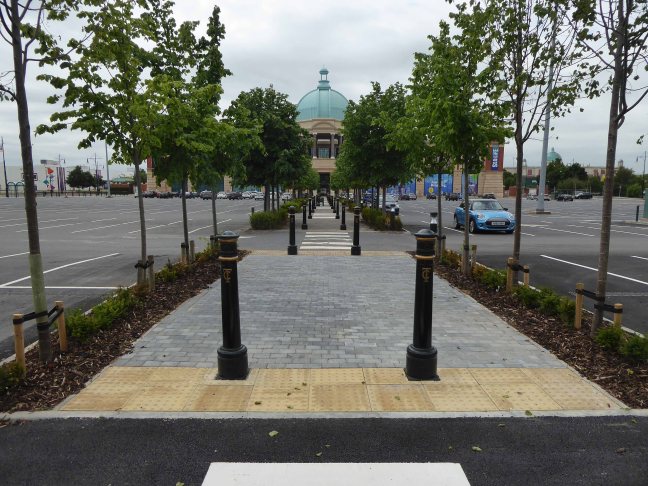
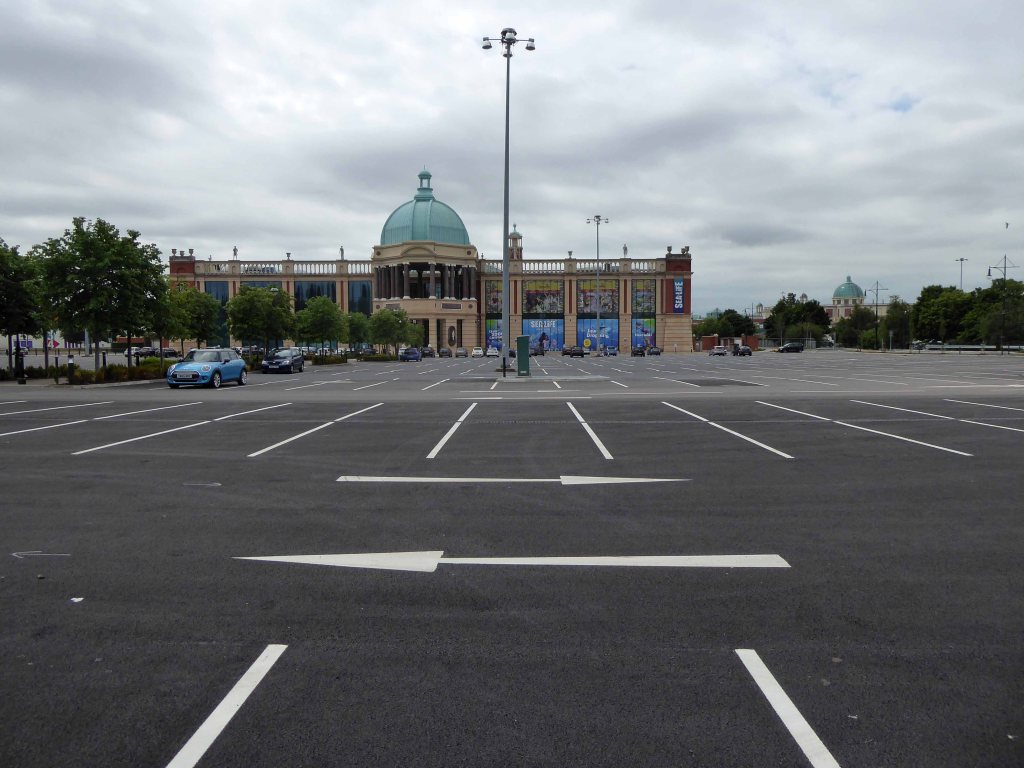
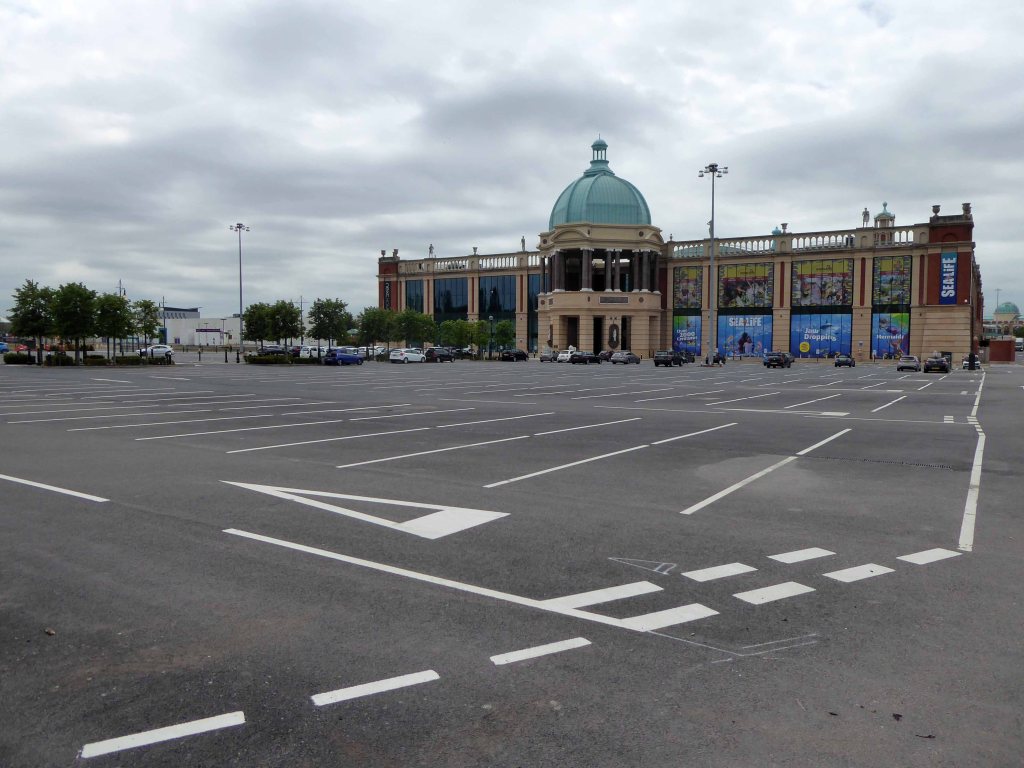
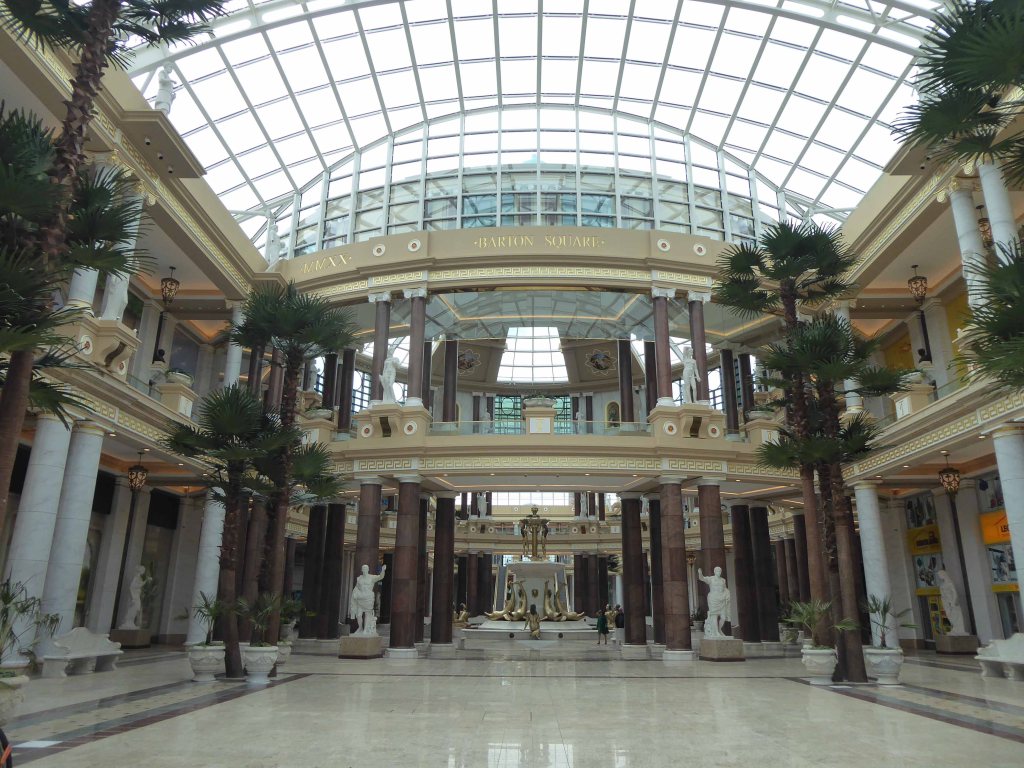
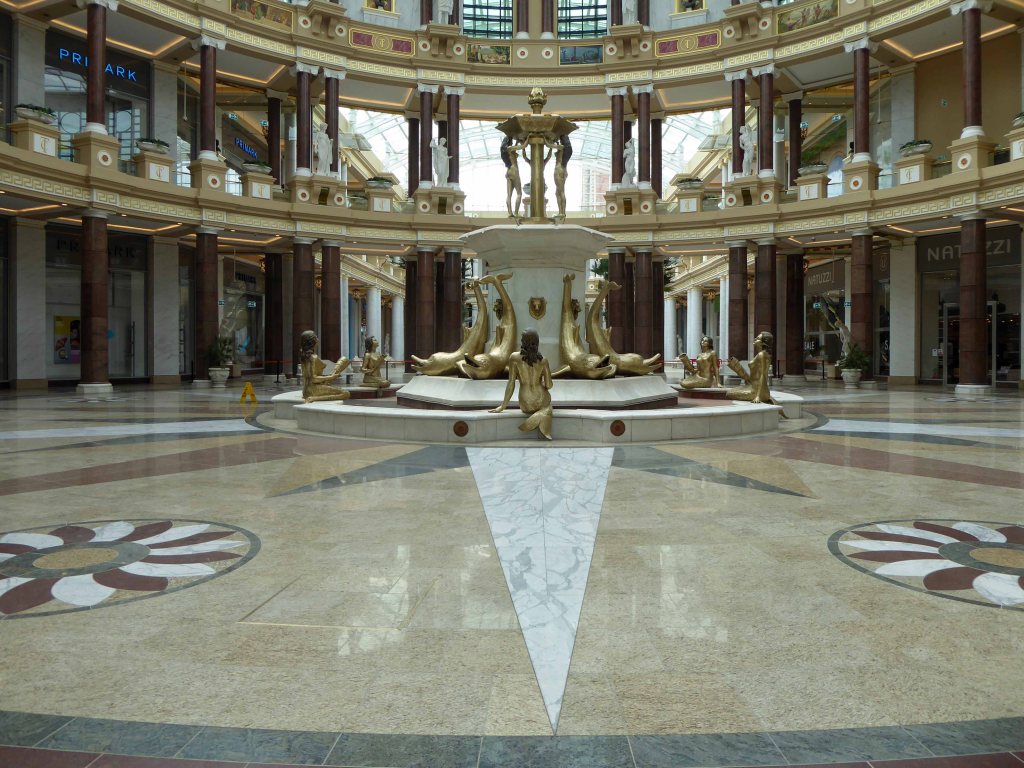
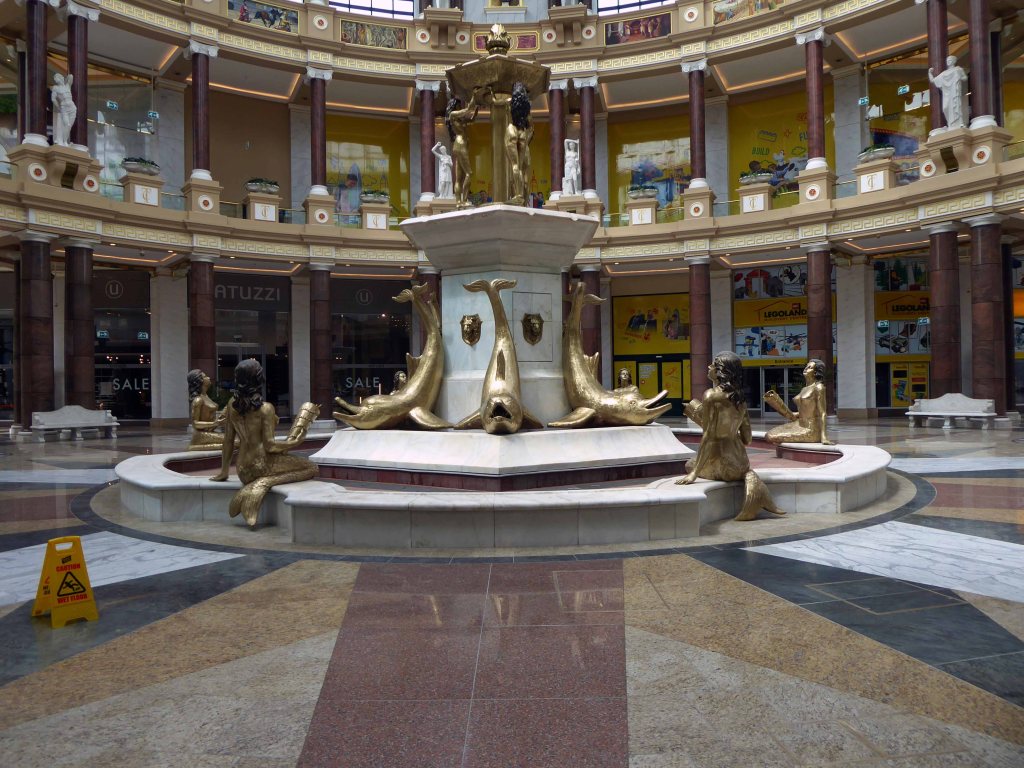
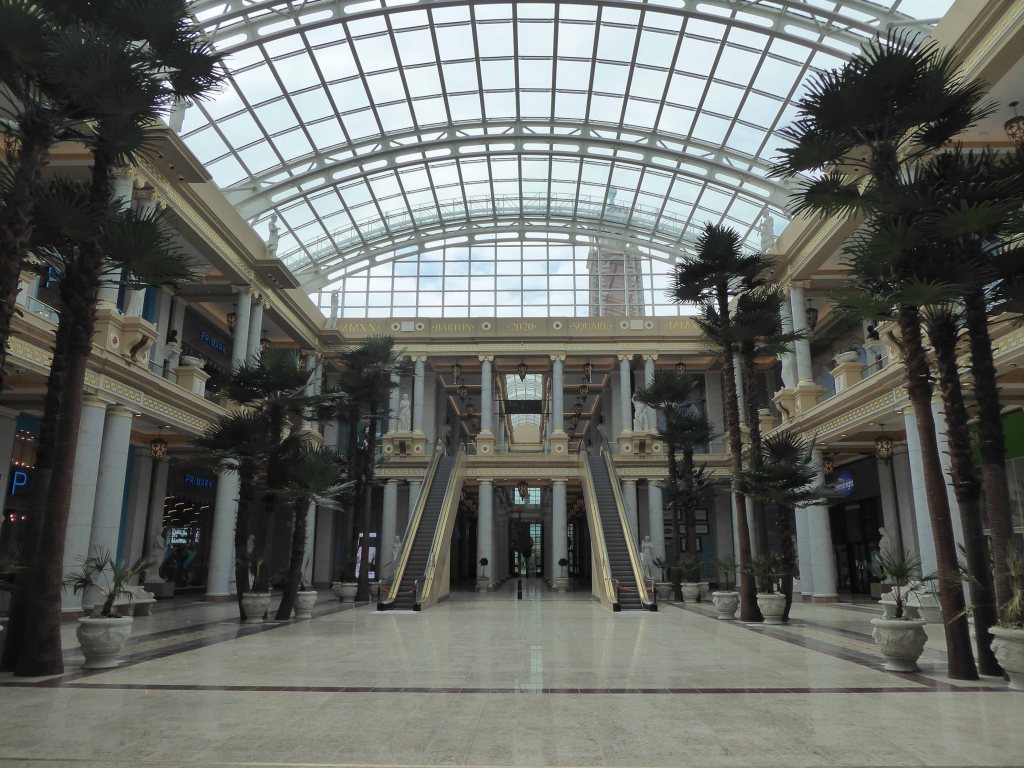
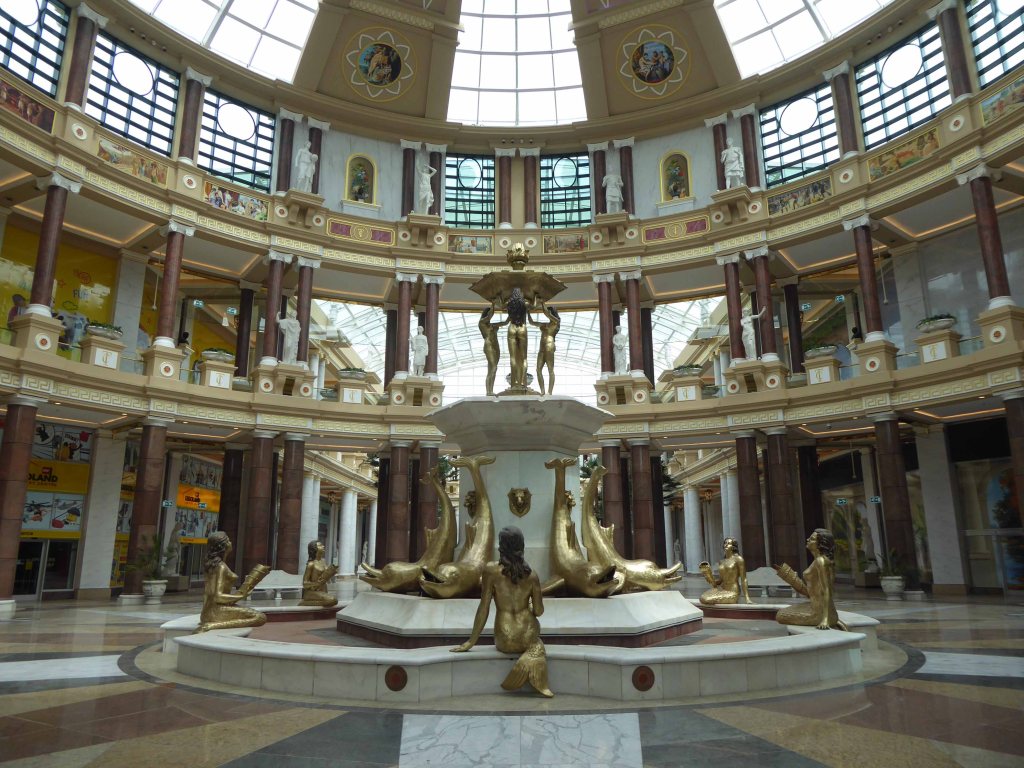
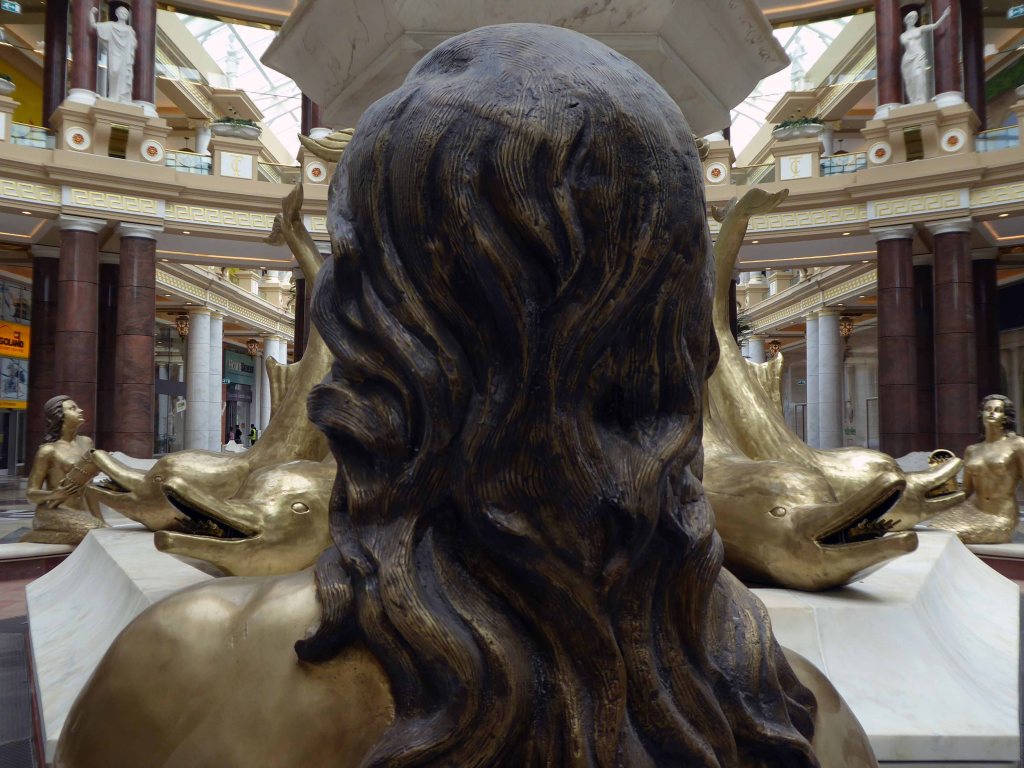
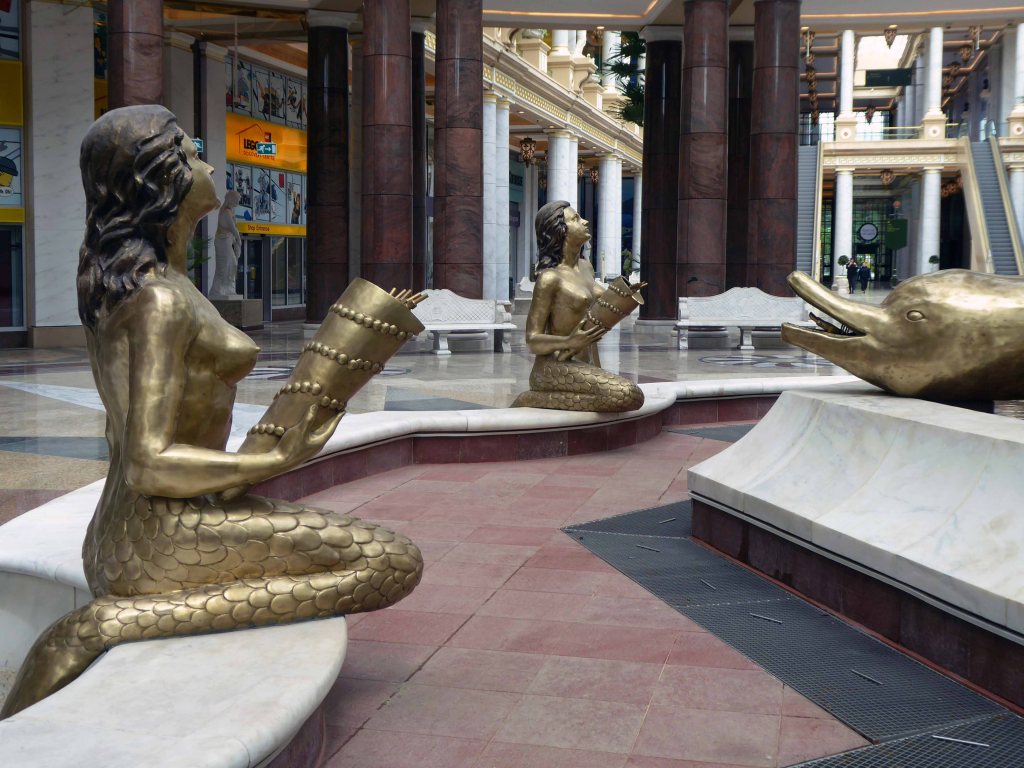
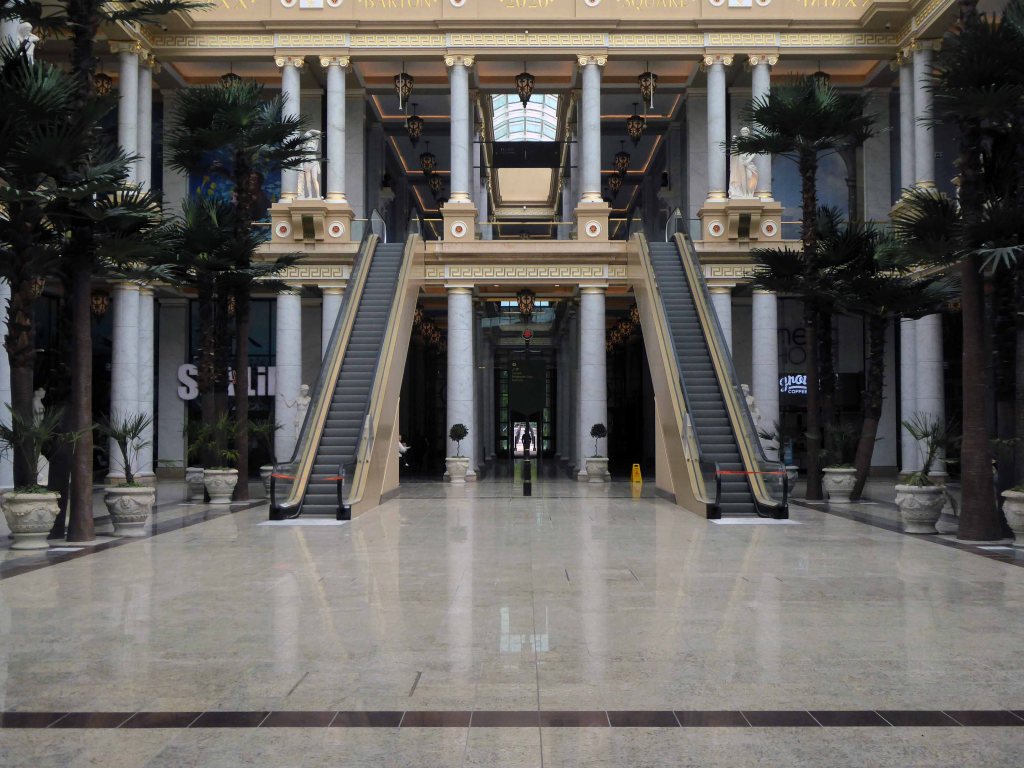
Trafford Centre – Manchester

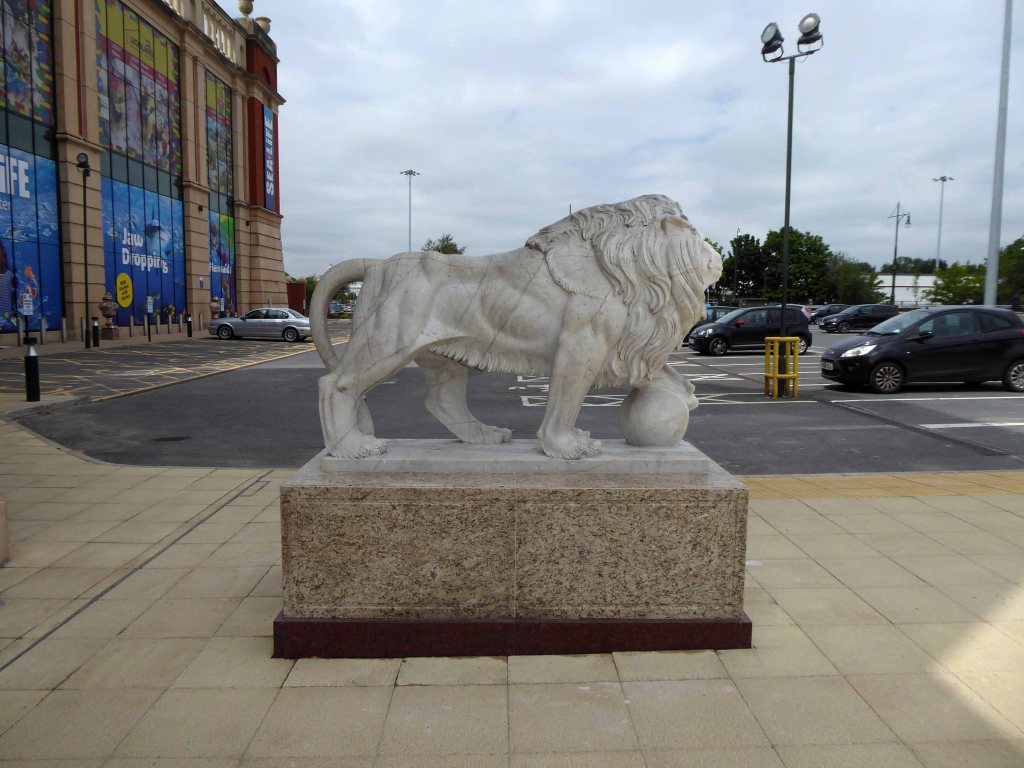
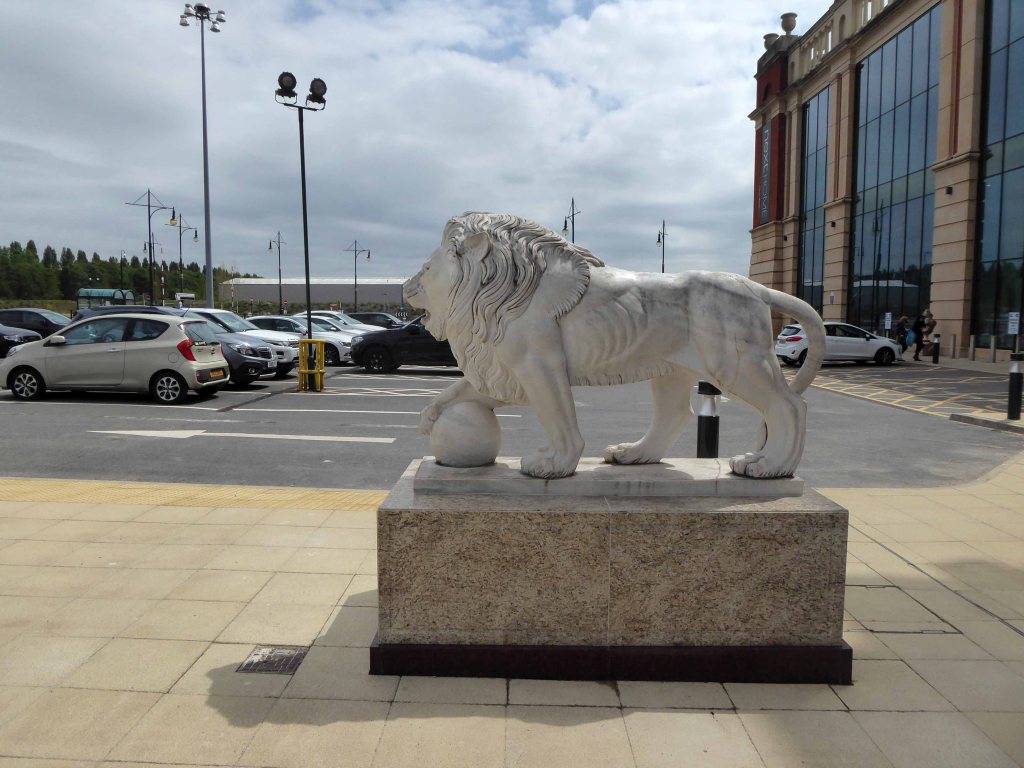
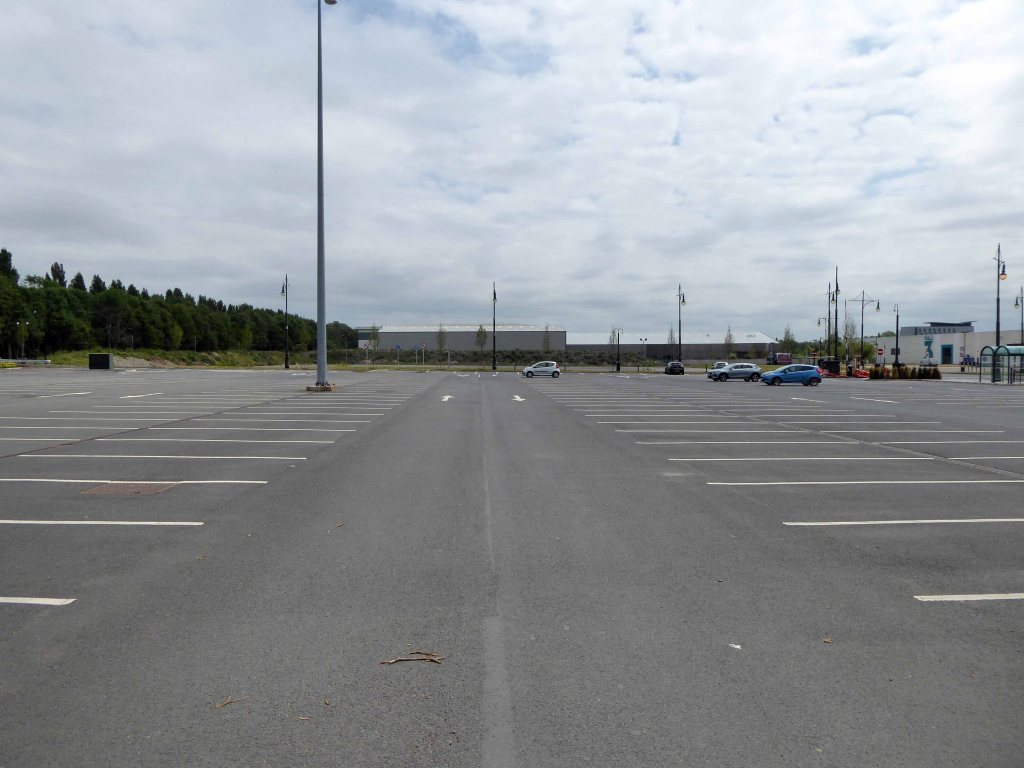
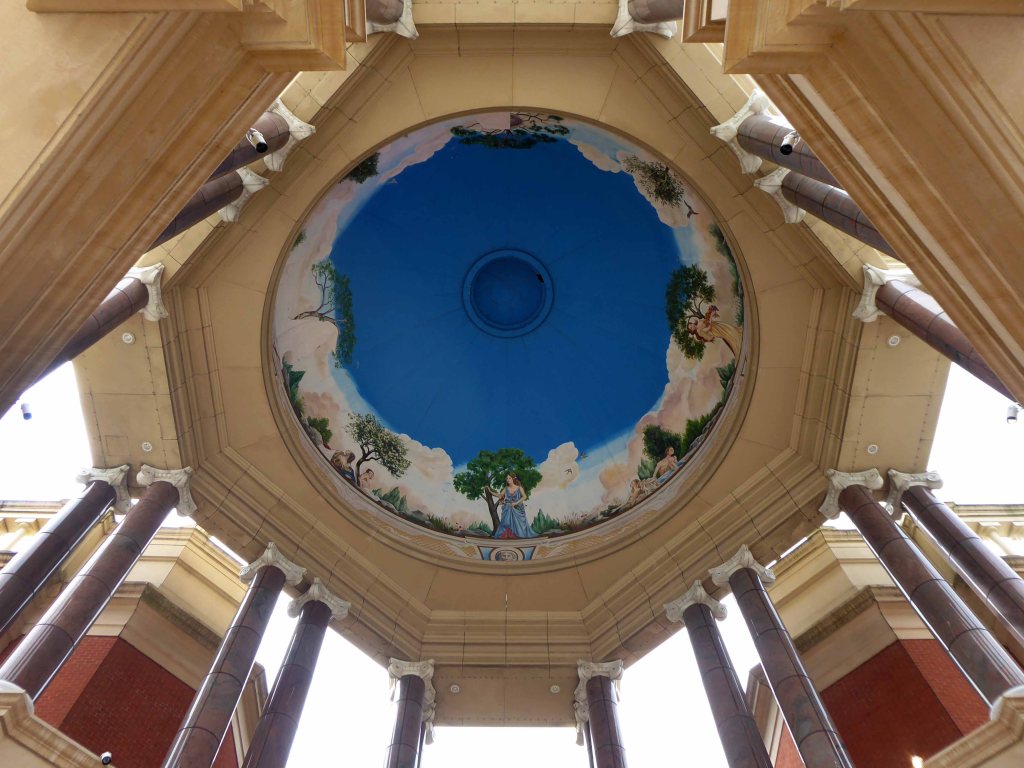
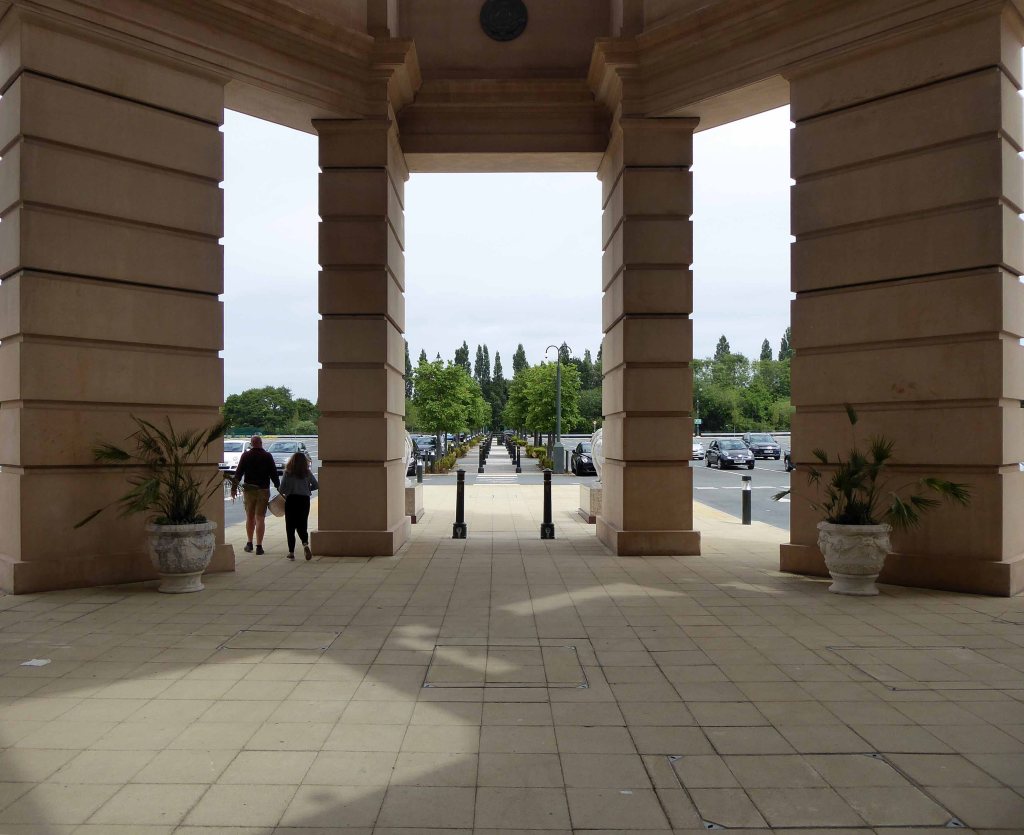
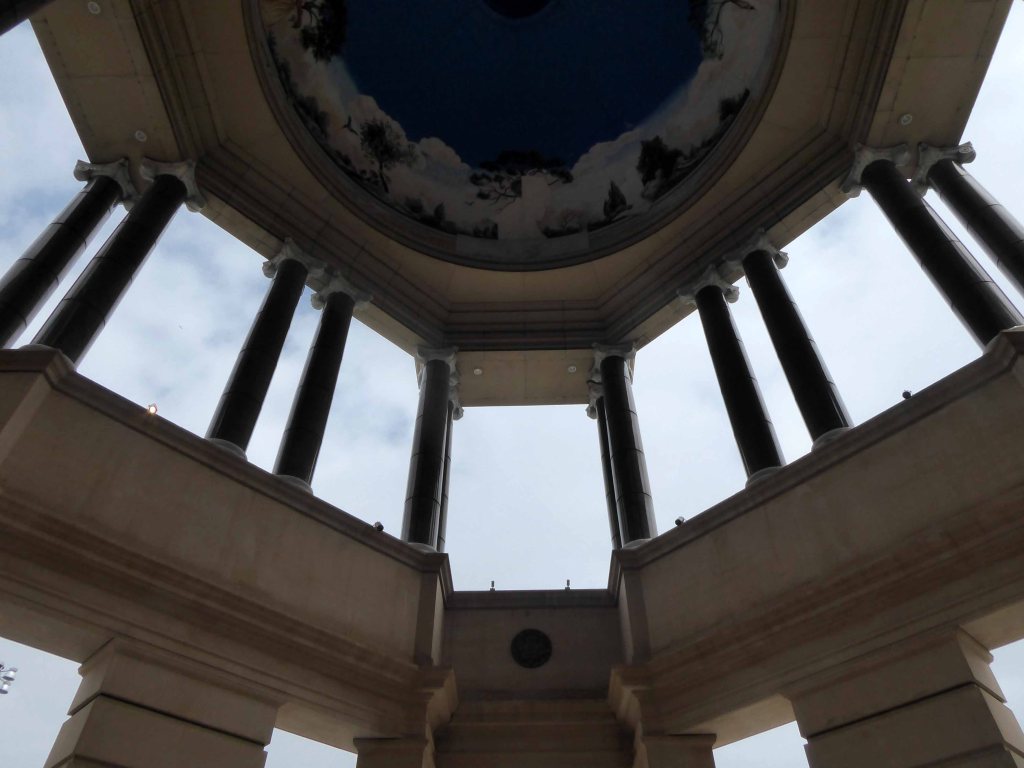
Welcome to the world renowned shopping and entertainment destination.

intu Trafford Centre

Intu, who own the Manchester shopping centre, expects to breach covenants on its current debts as shopping centres struggle in the face of the coronavirus pandemic.

Lancashire Live

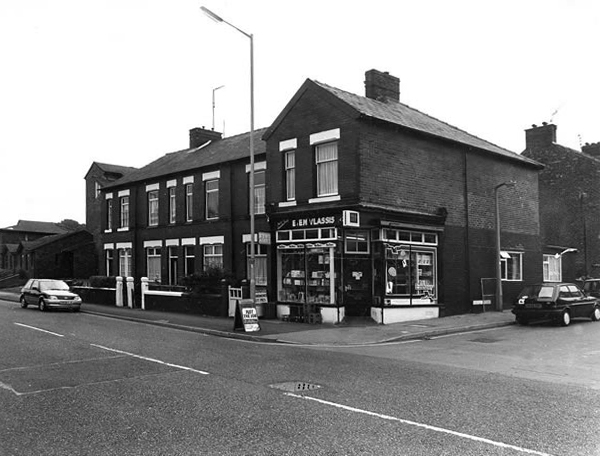
This is a journey from the corner shop to the high street, by the banks of the Bridgewater Canal, a whole retail history told during troubled times.

The Trafford Centre opened in 1998 and is the third largest shopping centre in the United Kingdom by retail size. It was developed by the Peel Group and is owned by Intu Properties following a £1.65 billion sale in 2011 the largest single property acquisition in British history. As of 2017, the centre has a market value of £2.312 billion.

Wikipedia

The advent of the motor car, and the development of out of town shopping has seriously affected the viability of the traditional town centre and the almost long gone local shop.

And now in turn the mall is threatened by the increase in online trade and the current lockdown.

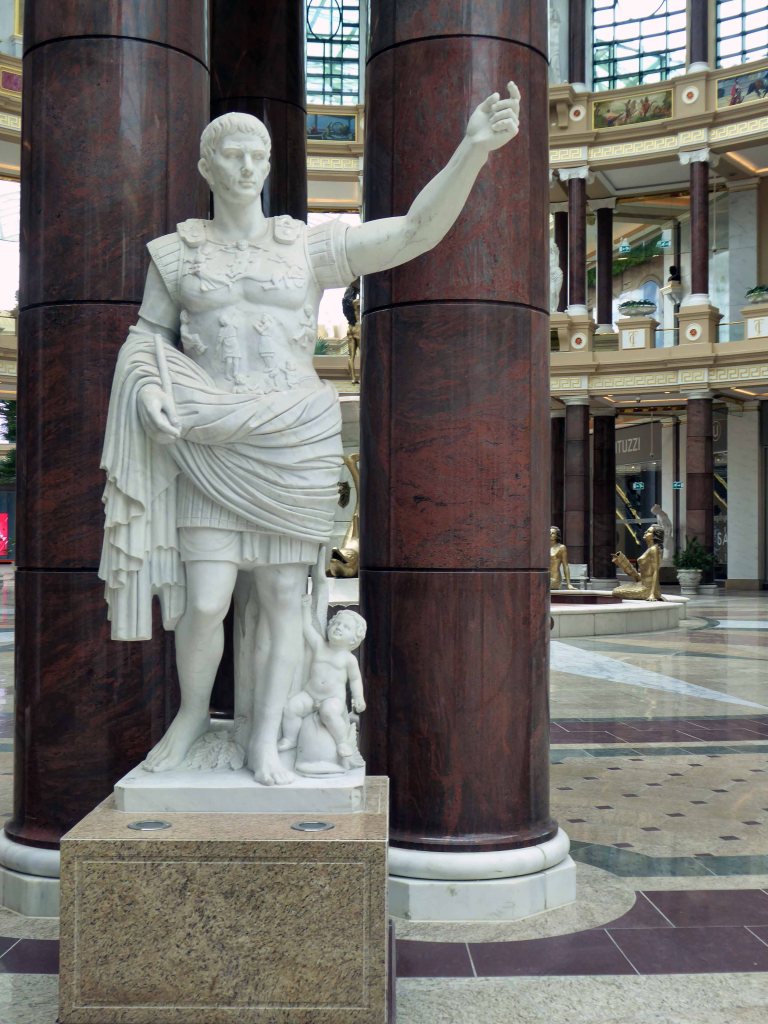
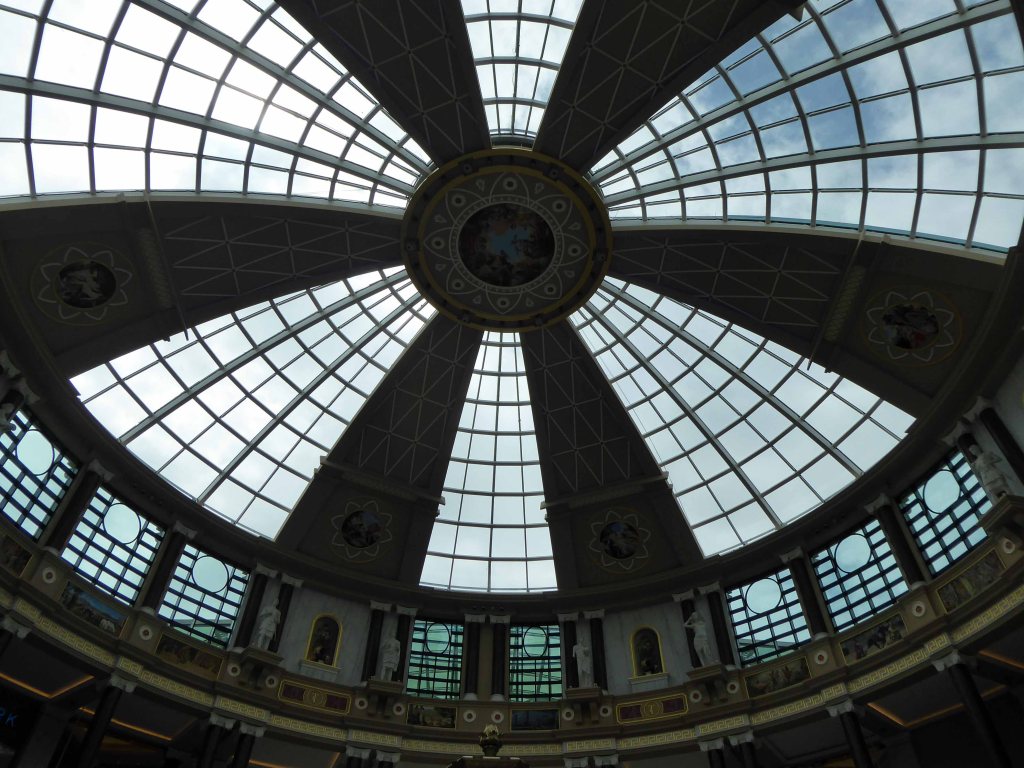
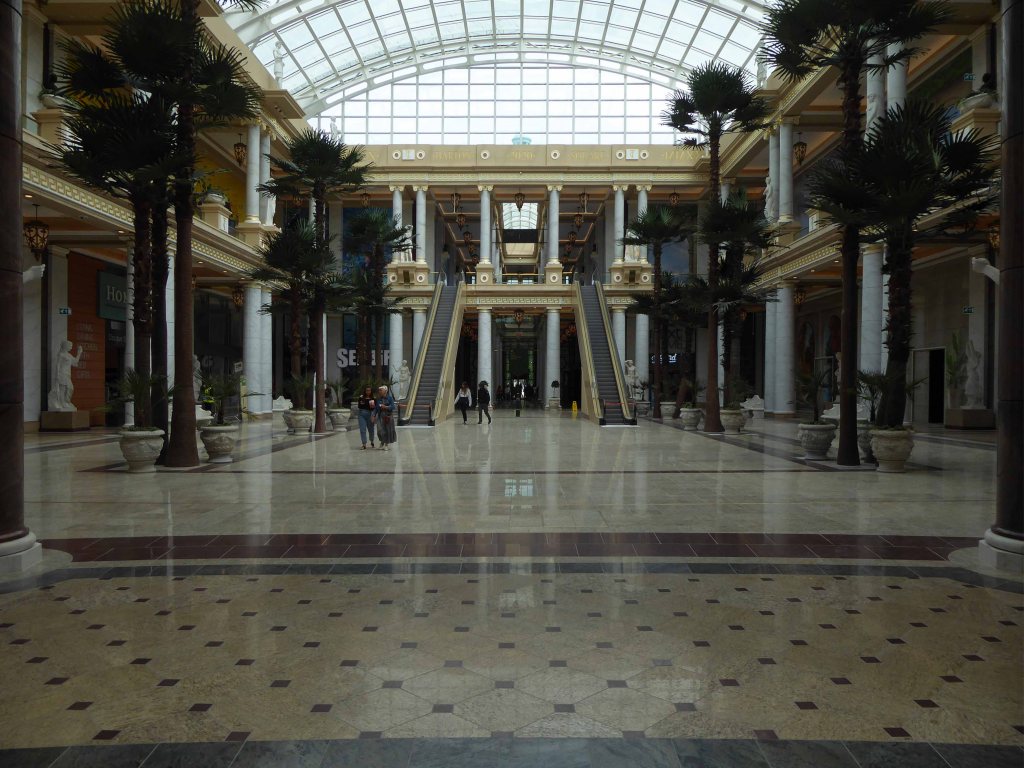
The Trafford Centre reopens on June 15th, no doubt the sensation seeking, thrill a moment shoppers will return in droves, to further satiate their unquenchable desire for stuff and more stuff, in a pseudo Romano Soviet oligarch setting.

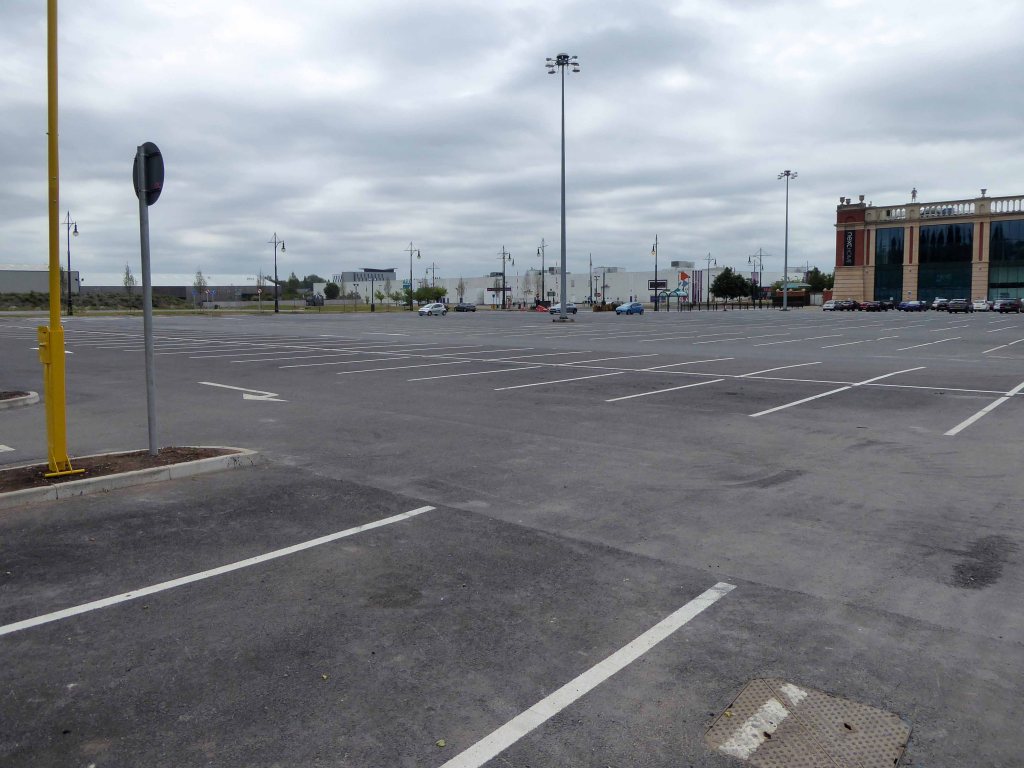
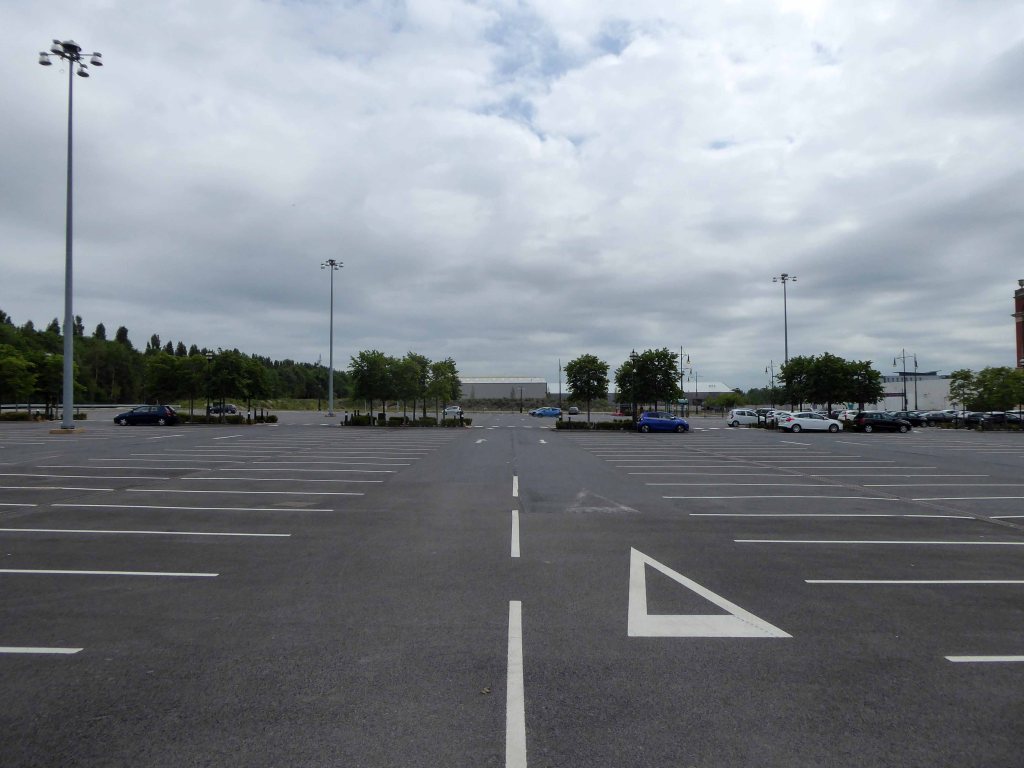
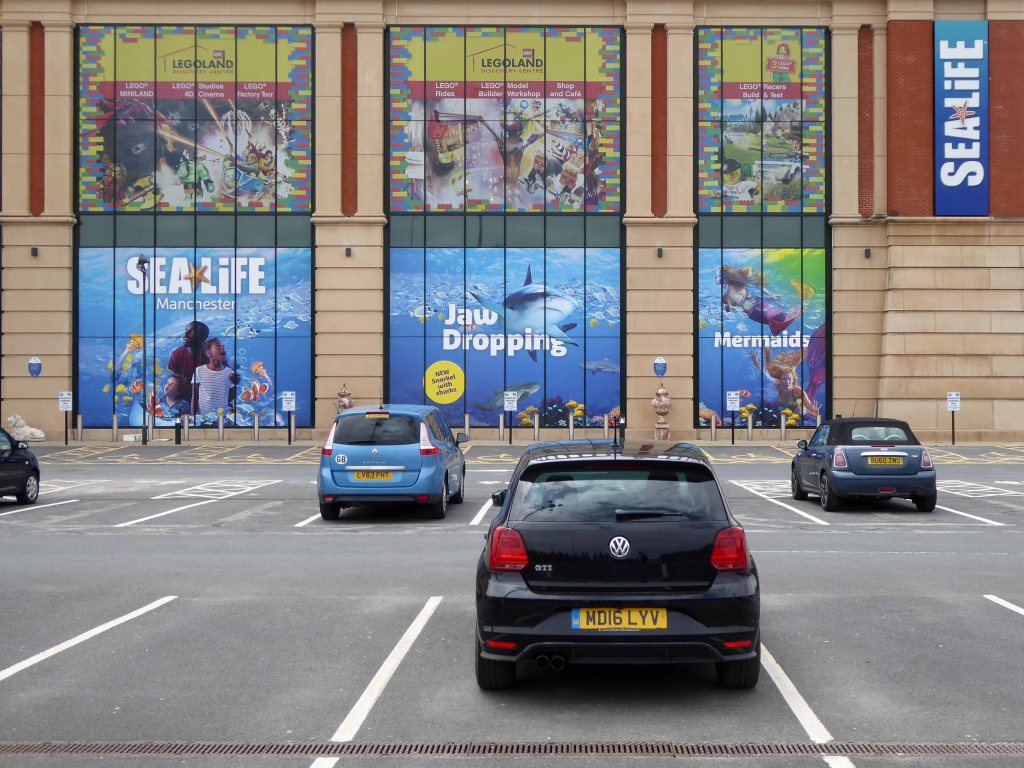
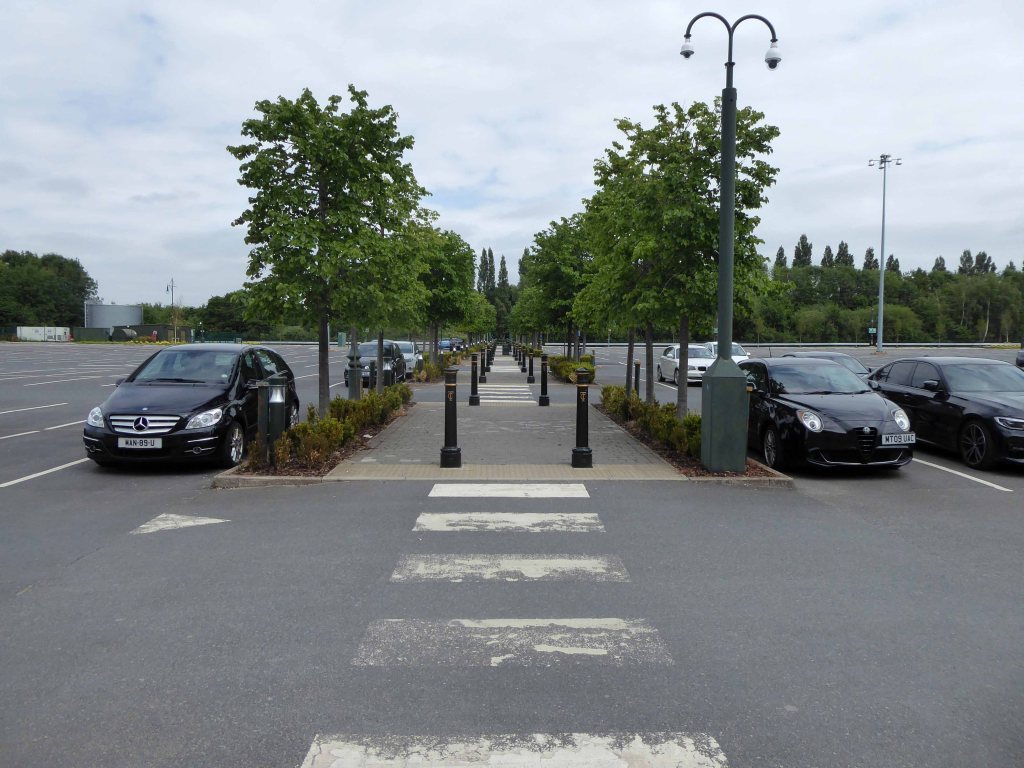
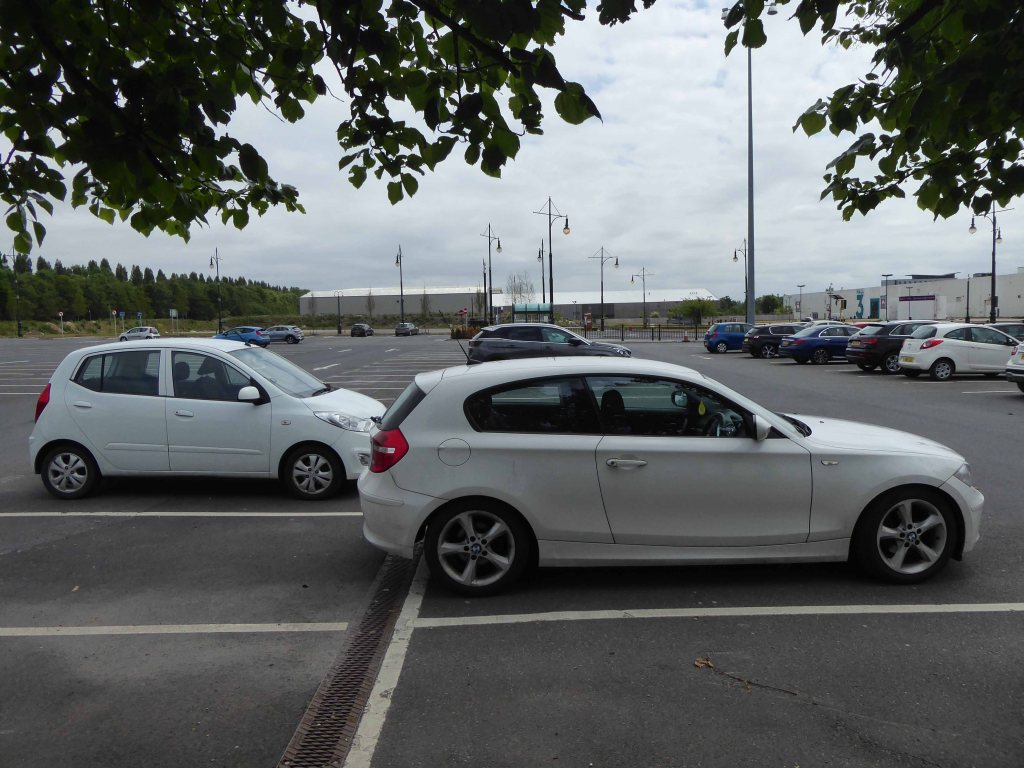
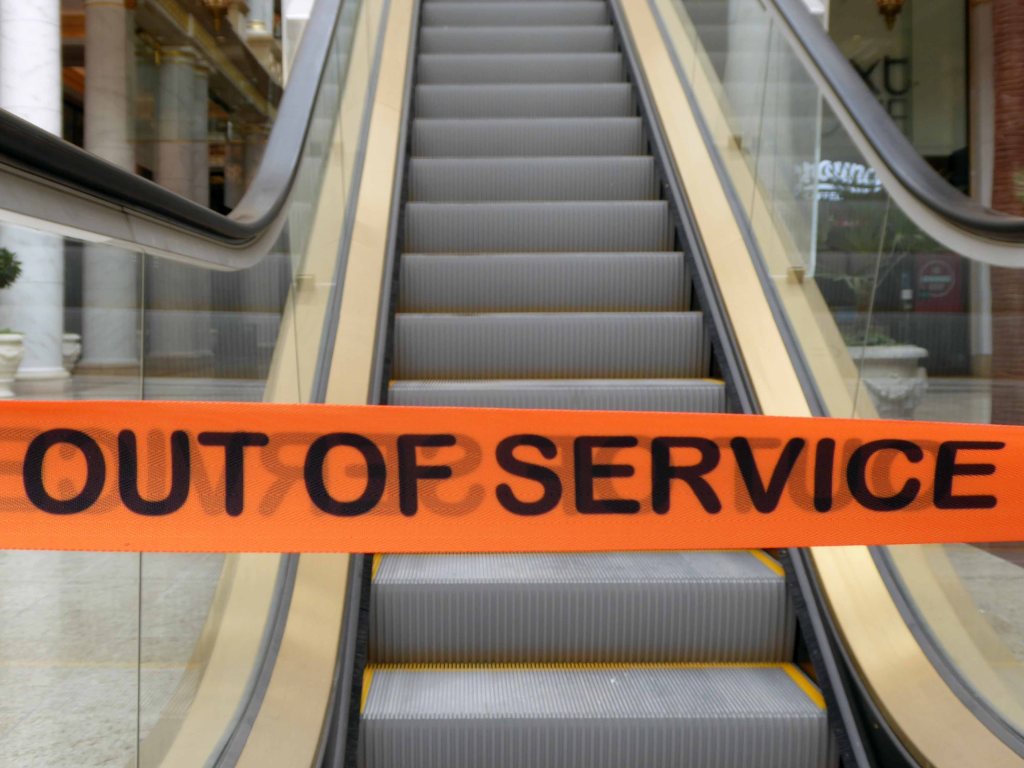
As of Monday 8th the space was mostly devoid of both customers and cars – there are two home stores open, we arrived on foot and took a look around.
The Iron Bridge – Stretford

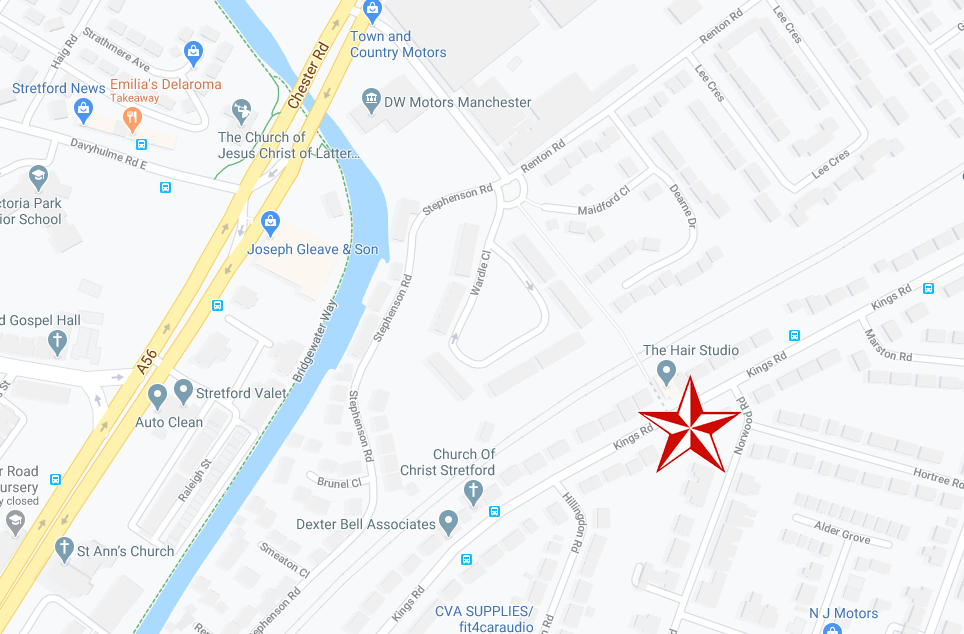
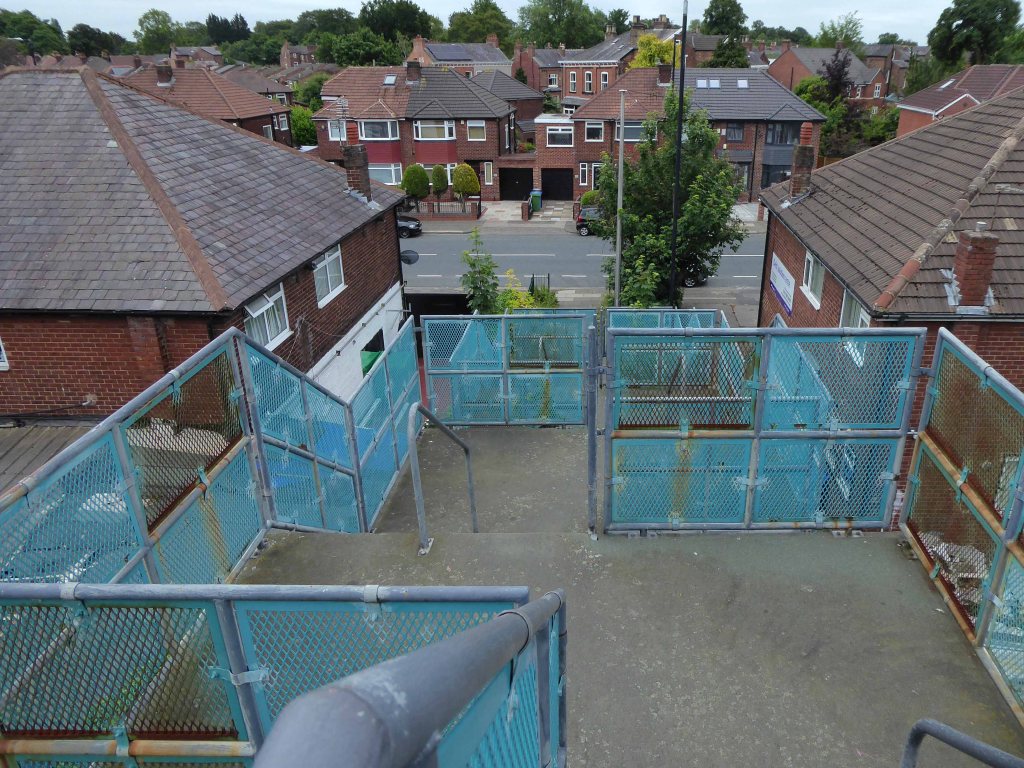
This is a bridge – an iron bridge, so called, carrying weary walkers from Kings Road to Chester Road and beyond.
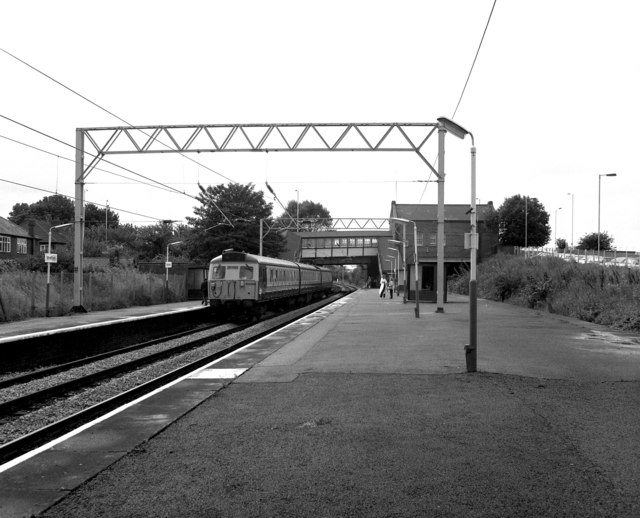
Possibly to Stretford Station and even further beyond beyond.

Photo – Dr Neil Clifton

The bridge traverses the former Manchester South Junction and Altrincham Railway, the southern part of the MSJ&AR’s route has been part of the Manchester Metrolink light rail system since 1992.

This may seem sufficient to satiate the local historian’s voracious appetite for facts and general tittle tattle, but wait.

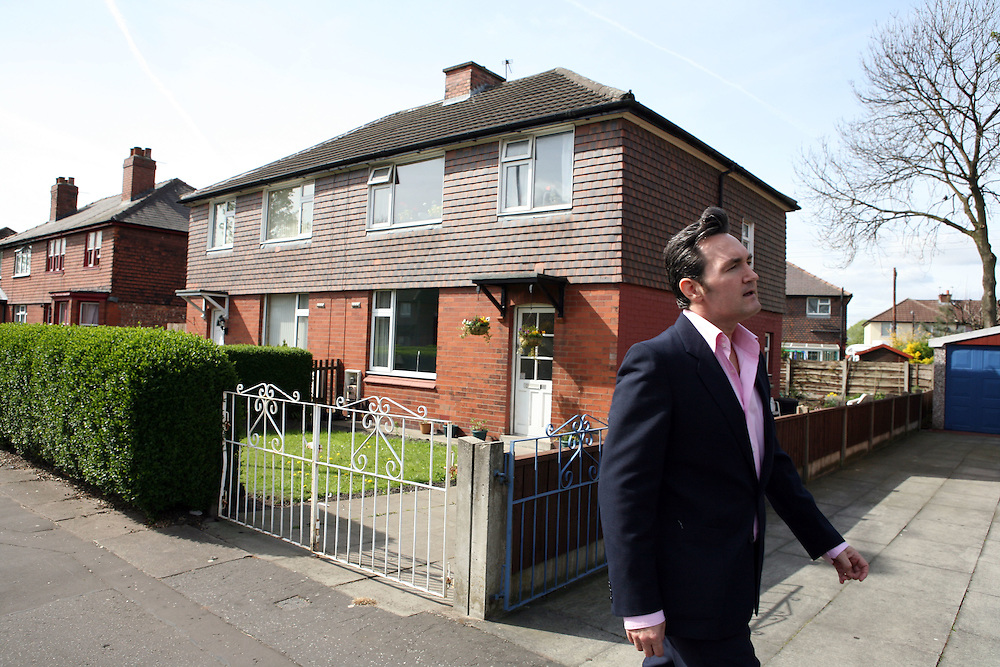
384 King’s Road was once home to pop sensation Steven Patrick Morrissey – seen here imitating himself in Elisabeth Blanchet’s photograph.

More than once this charming lad would have walked the bridge himself – on the way to goodnesses knows where.

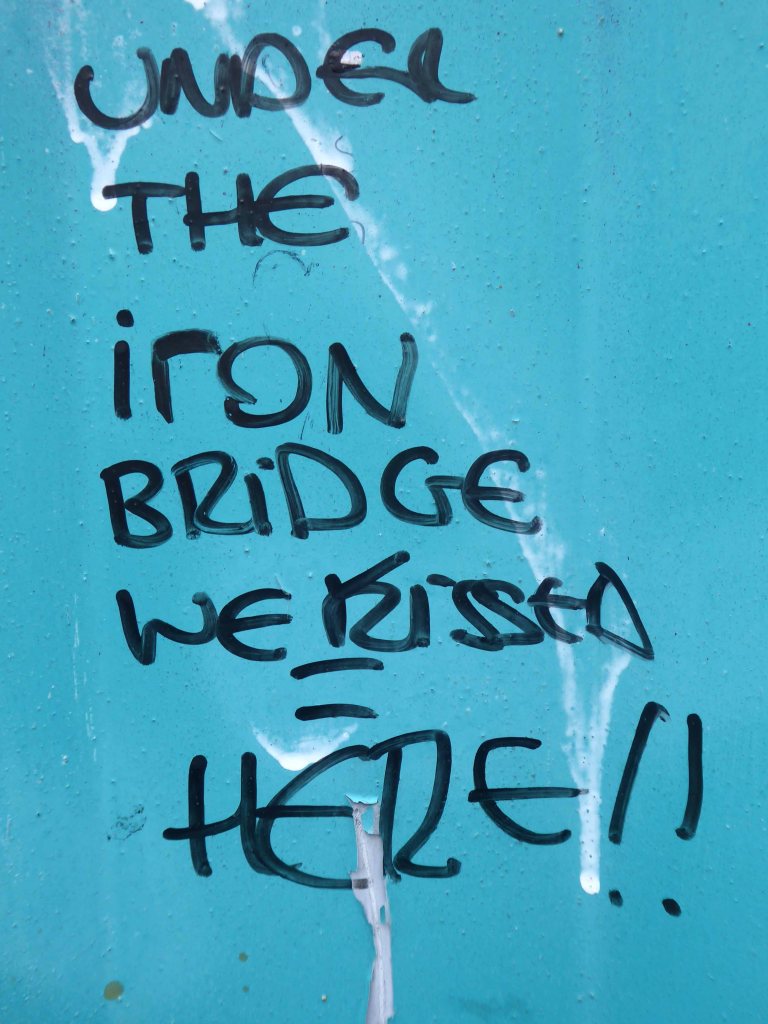
In later life he changed his name to The Smiths and wrote a chart topping tune Still Ill name checking the Iron Bridge.

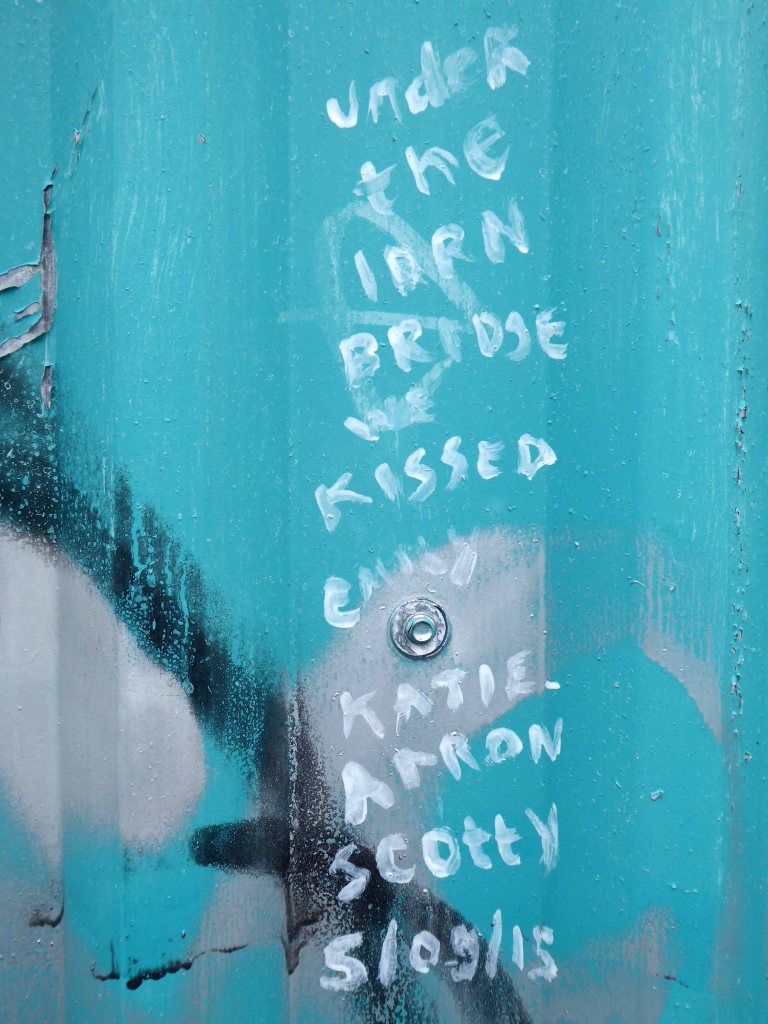
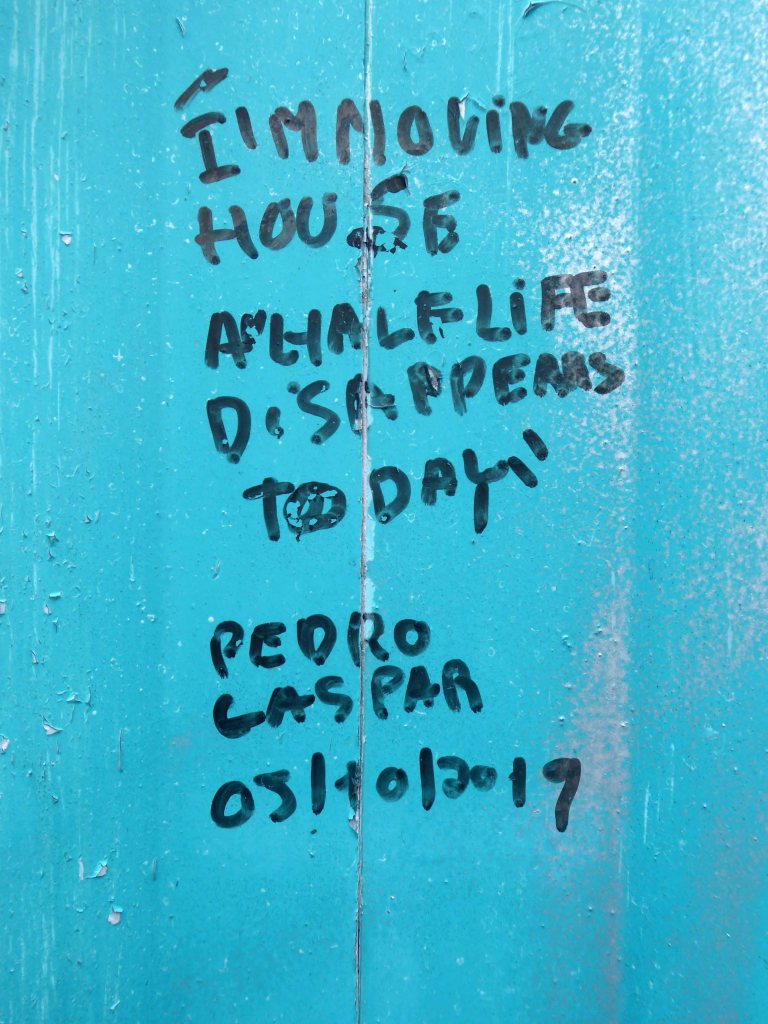
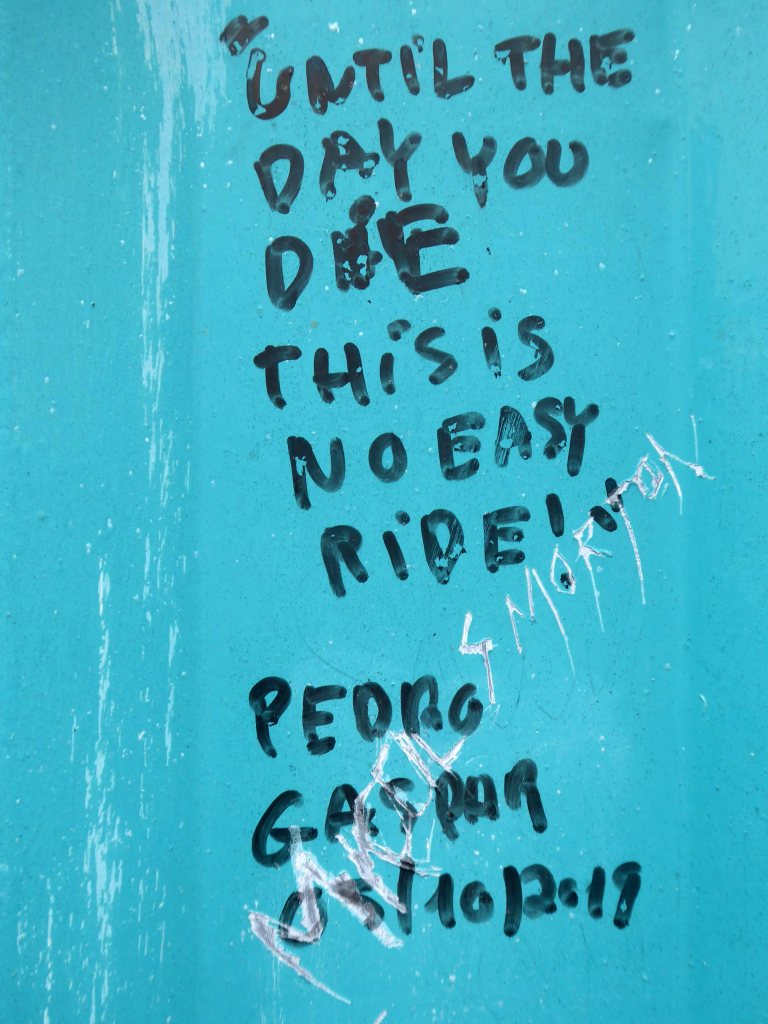
Under the iron bridge we kissed
And although I ended up with sore lips
It just wasn’t like the old days anymore
No, it wasn’t like those days, am I still ill?

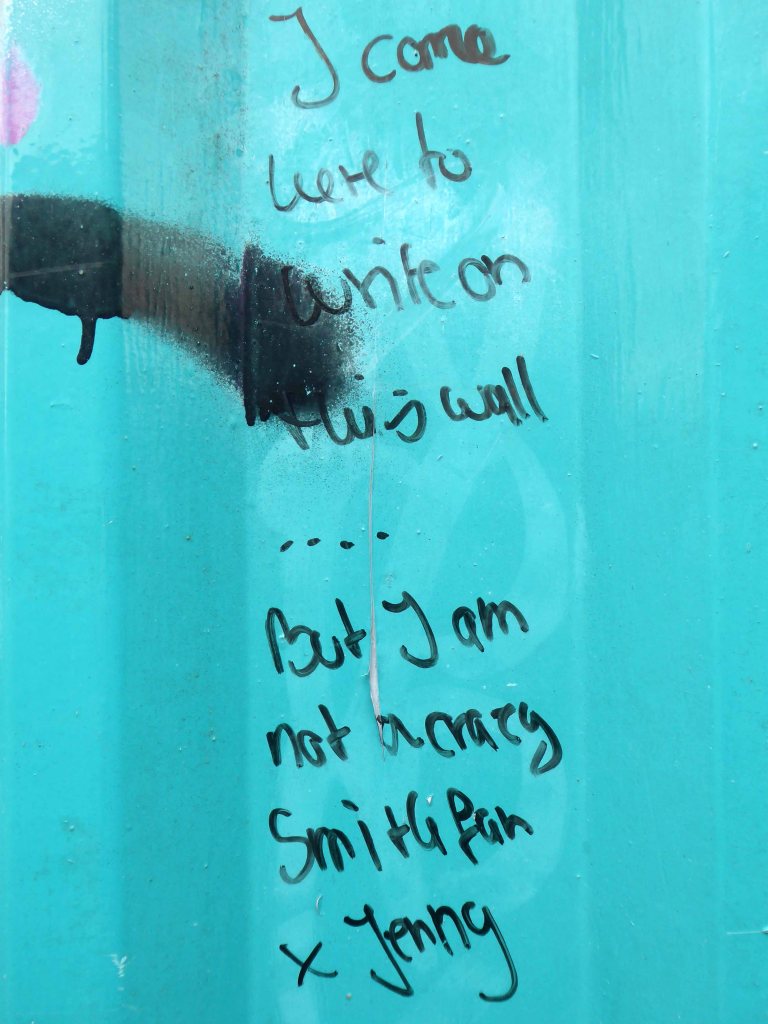
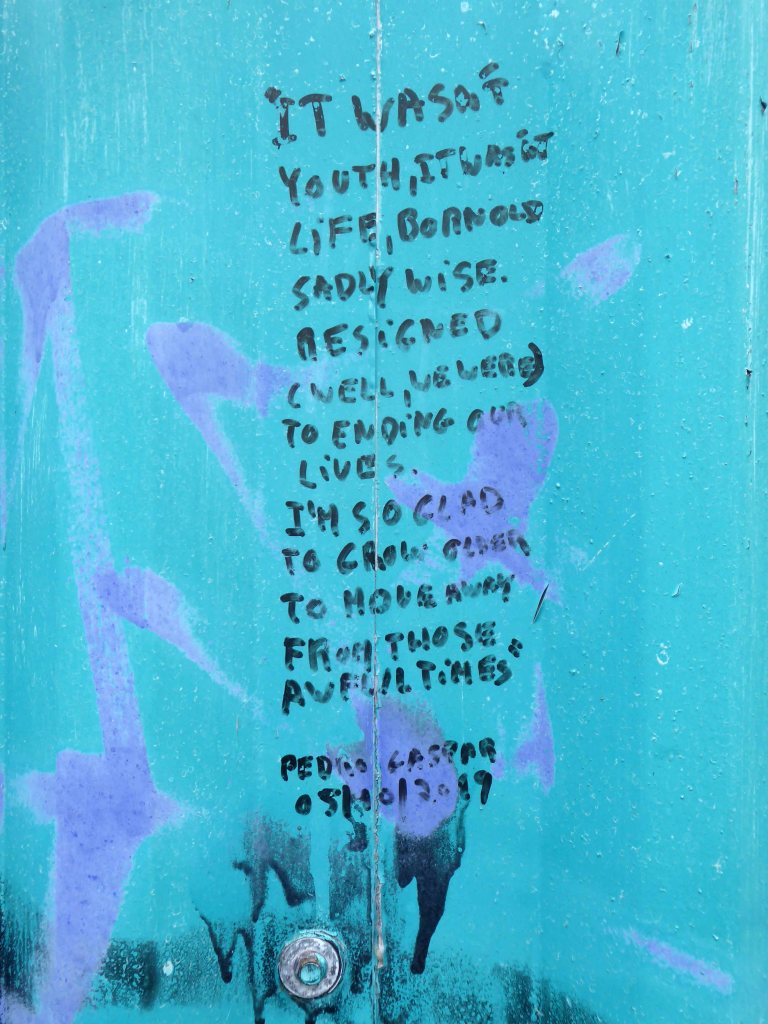
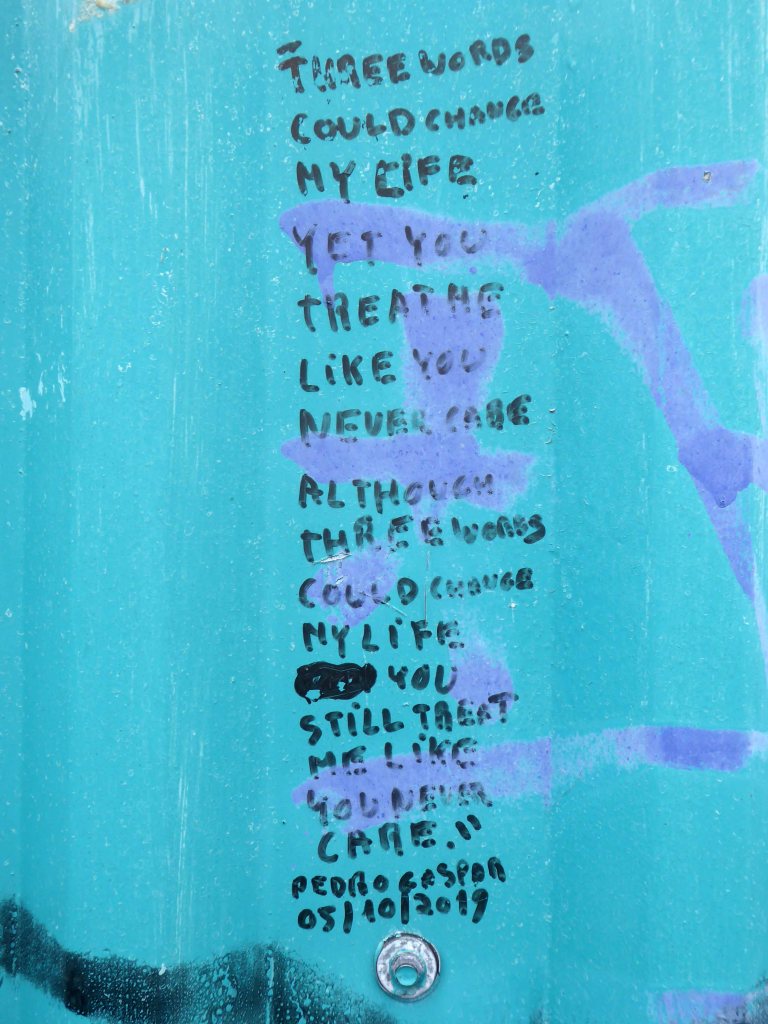
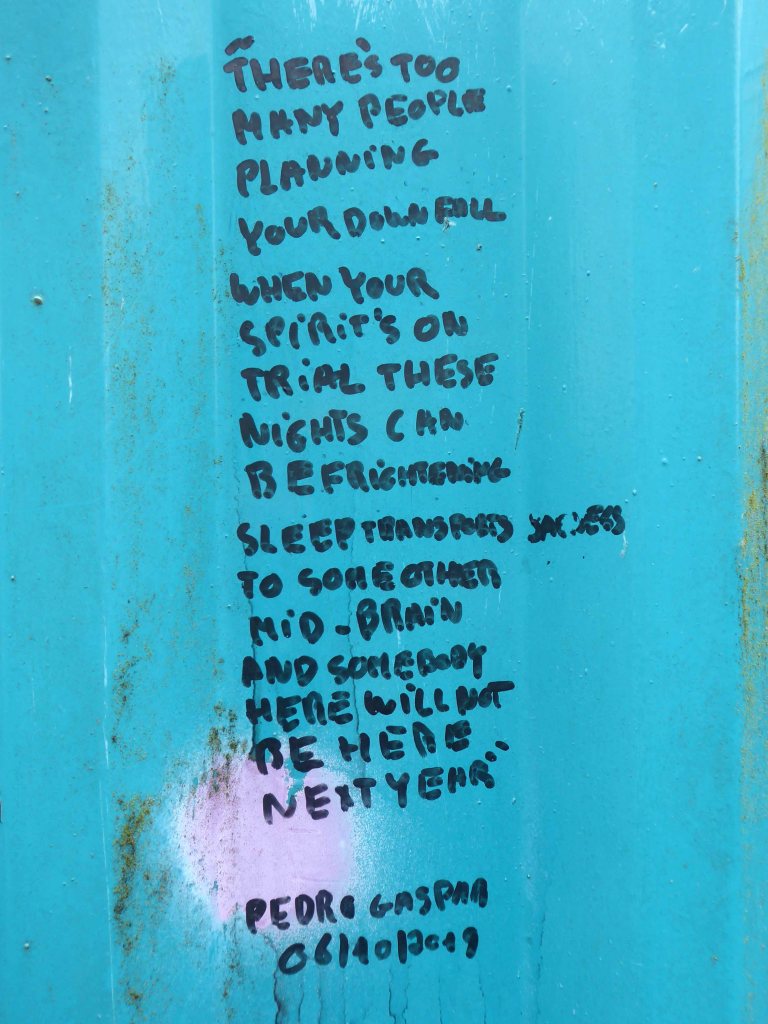
The location is now a place of pilgrimage for Morrissey’s deluded fans, who with depressing regularity, adorn the structure with their misquoted quotes.

Sun drenched faux-Californian Mr Morrissey does seem to be still ill in his own unique and unpleasant manner.

Let’s take a look at what he’s been missing.

What indifference does it make?

Self confessed Smiths sceptic Mr Mark Greer – currently incognito.

Turnpike Centre – Leigh

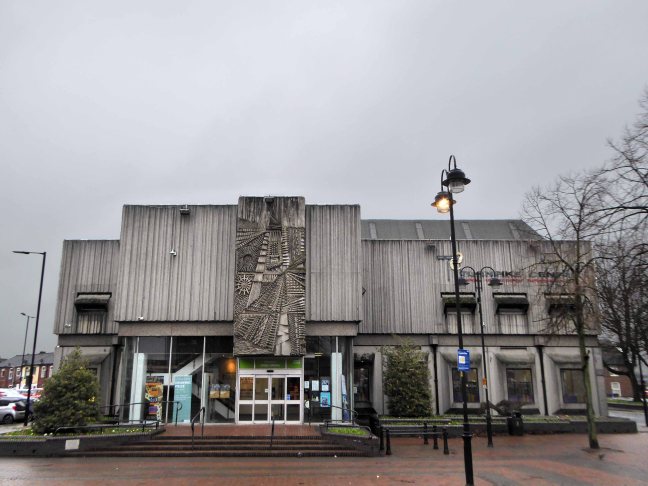
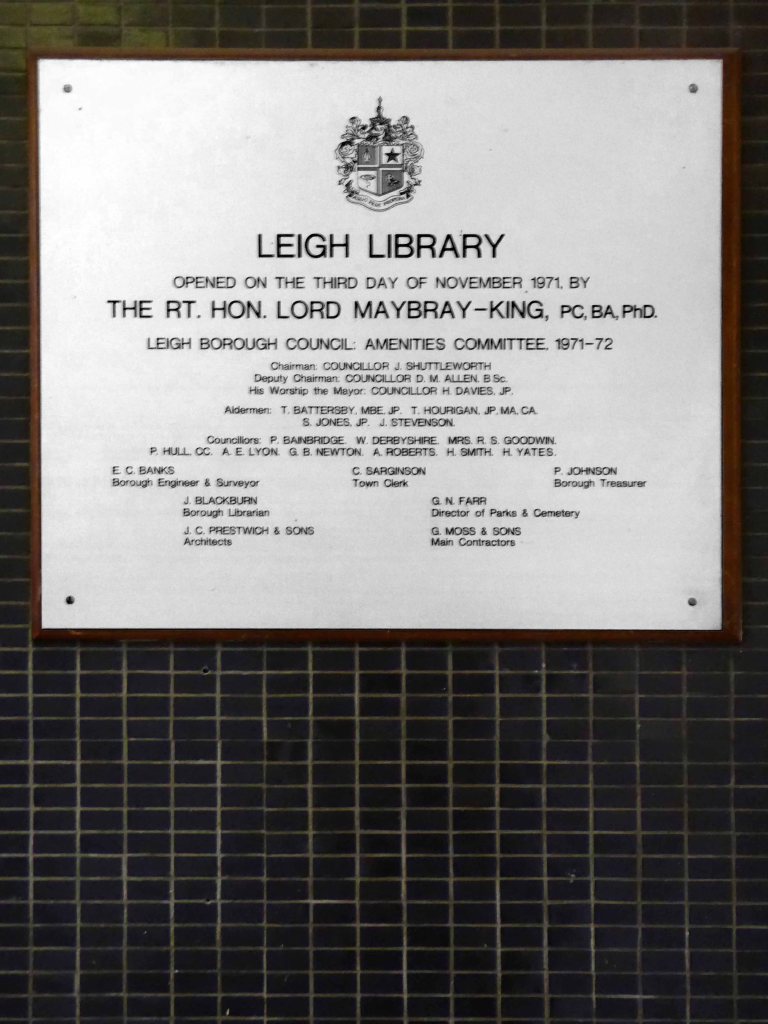
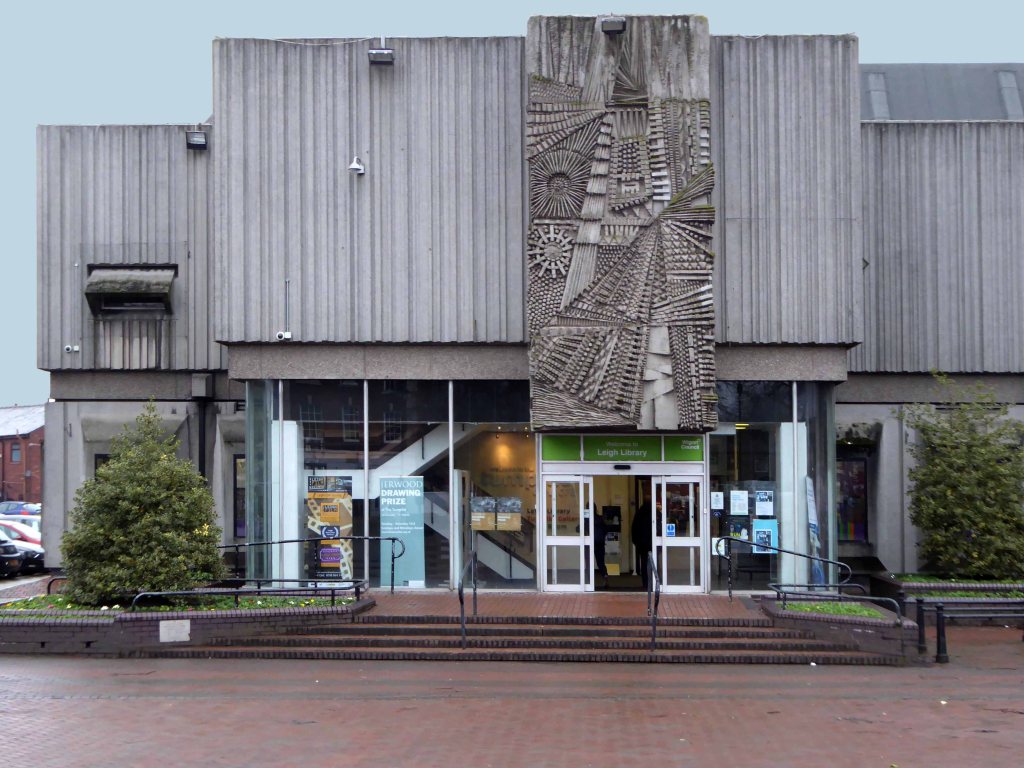
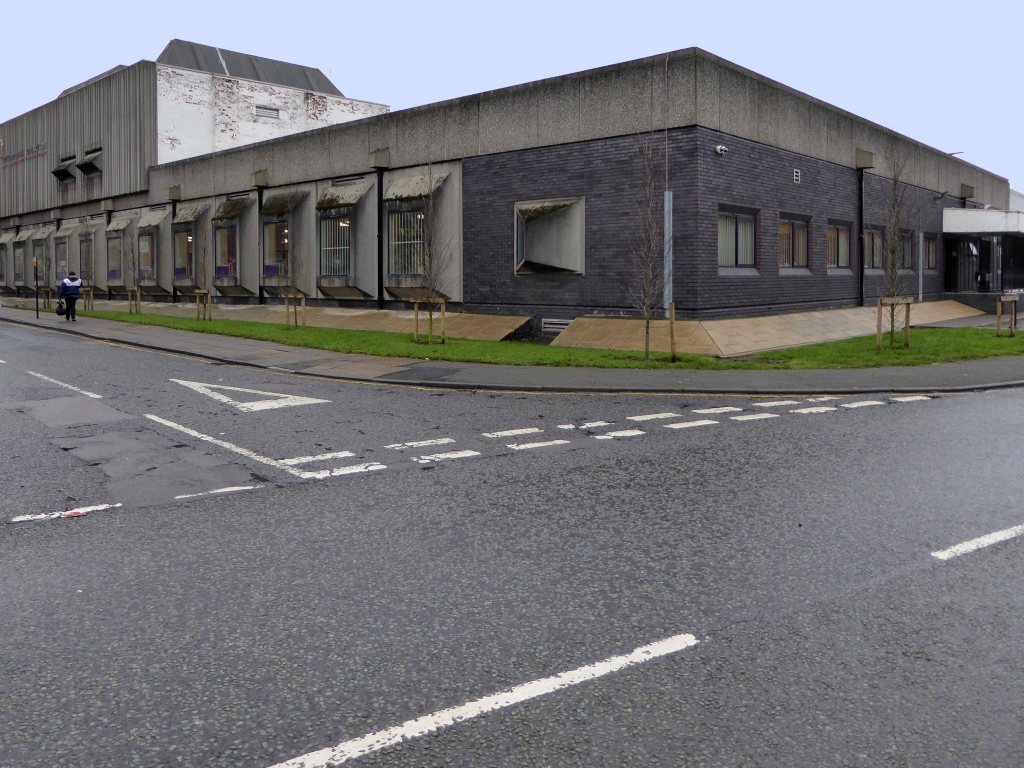
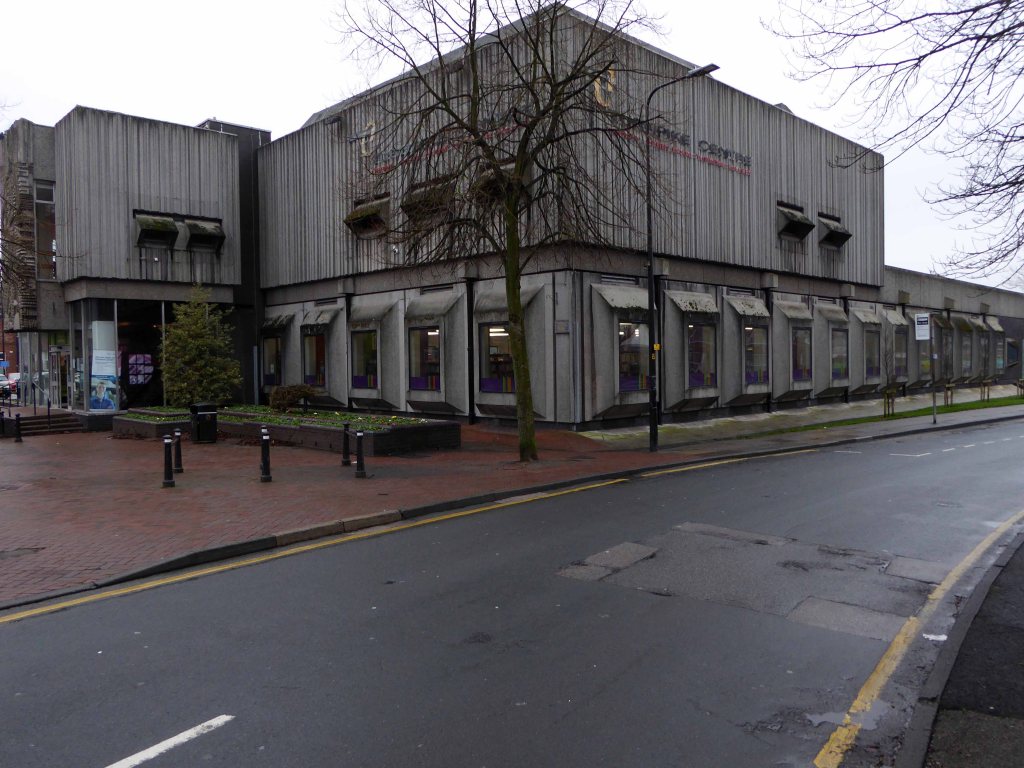
The Turnpike Centre was designed by J C Prestwich and Sons architects, who, incidentally, also designed Leigh Town Hall nearly 70 years earlier.

Since its opening in 1971, the bustling library, thriving art gallery and popular meeting rooms have seen a phenomenal 12 million people walk through the doors, while staff have answered almost 400 thousand questions and issued more than 17 million books, cassettes and CDs.

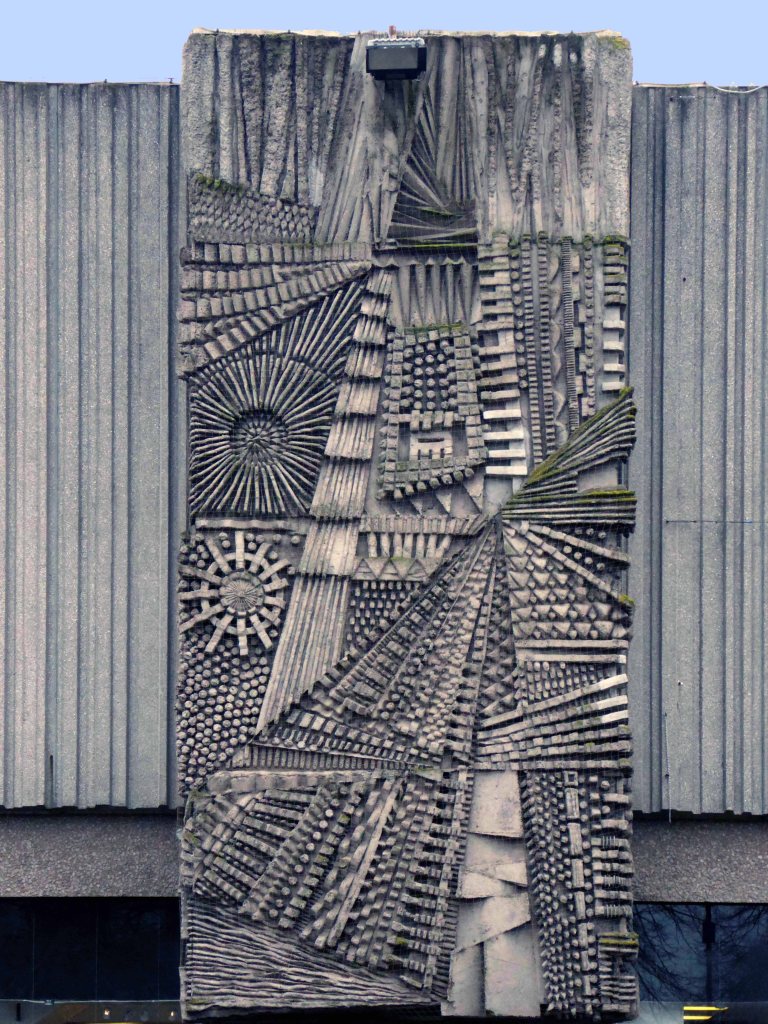
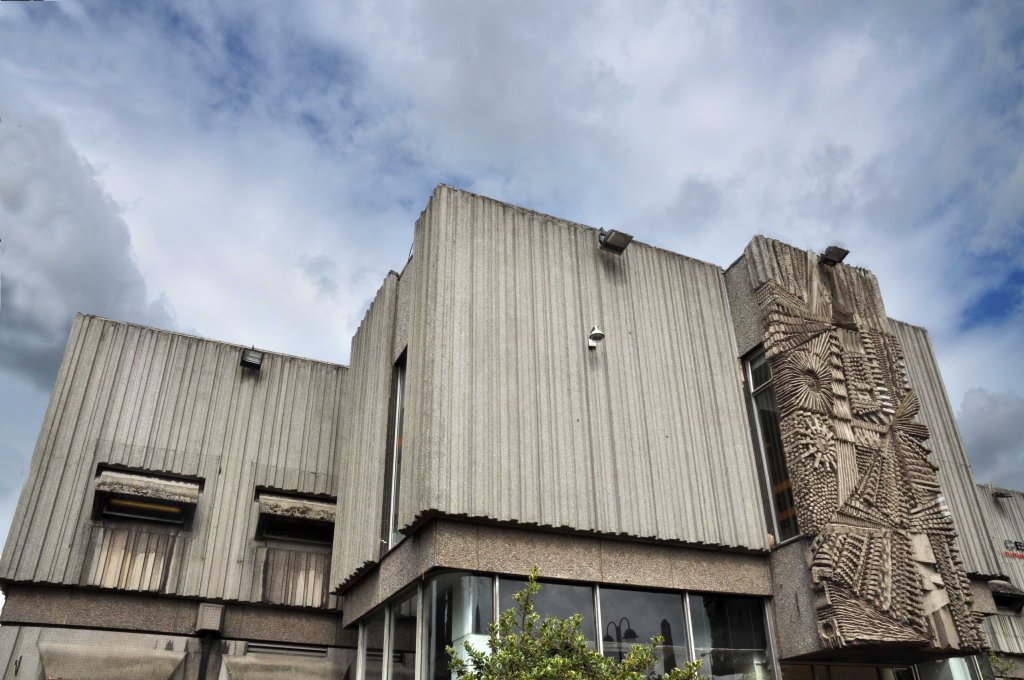
The fascia is graced by a grand cast concrete relief the work of William Mitchell.

All but abandoned by the cash-strapped local council in 2013, Turnpike Gallery in the former mining town of Leigh near Wigan, is entering a new stage in its history with the creation of a community interest company to run its programme.

Natalie Bradbury a.n

Helen Stalker has curated and promoted a series of fine exhibitions in the interim period – sadly arrested by current circumstances.

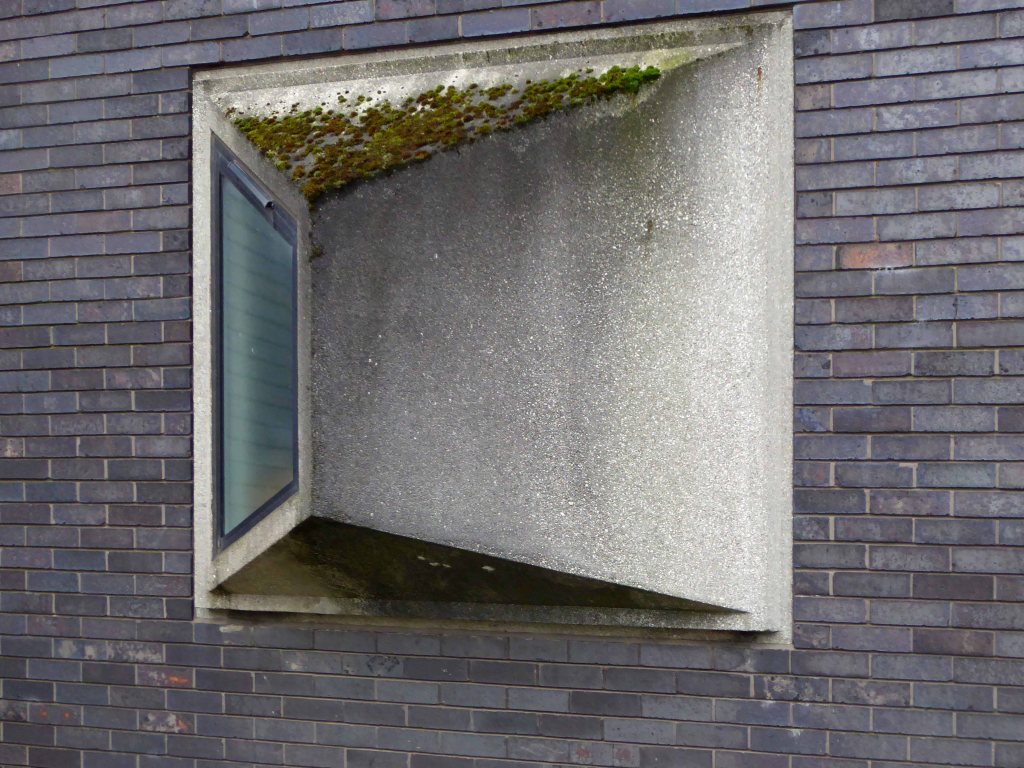
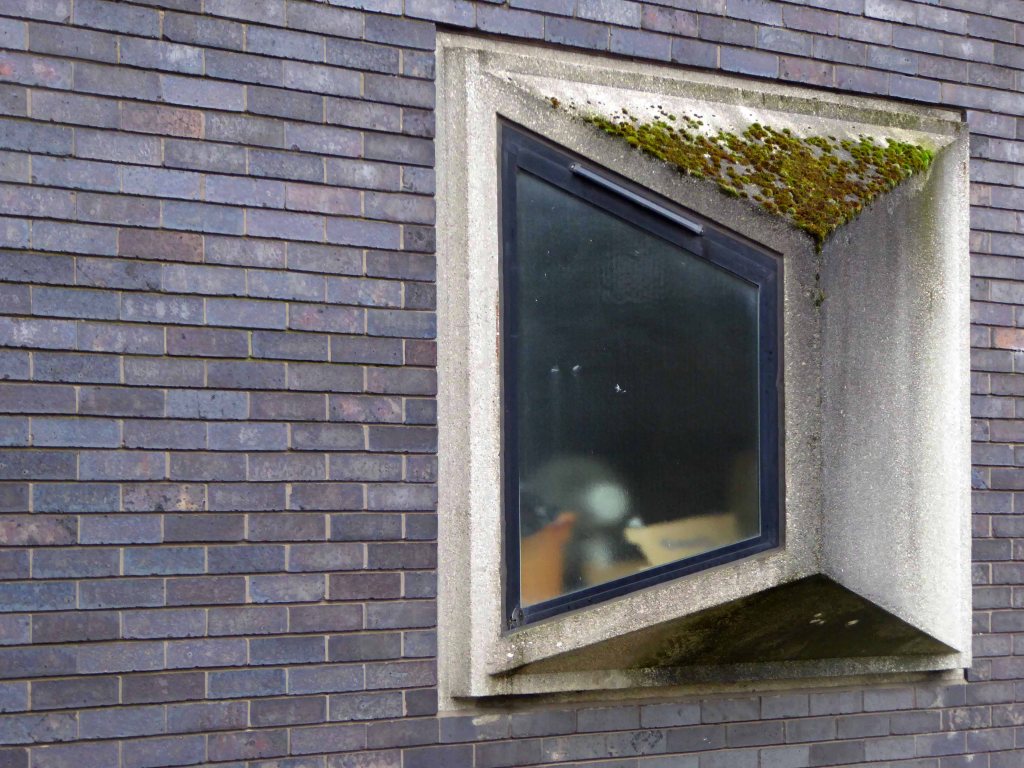
Let’s take a look around the exterior of a building which reflects the confidence and pride of a very individual town.

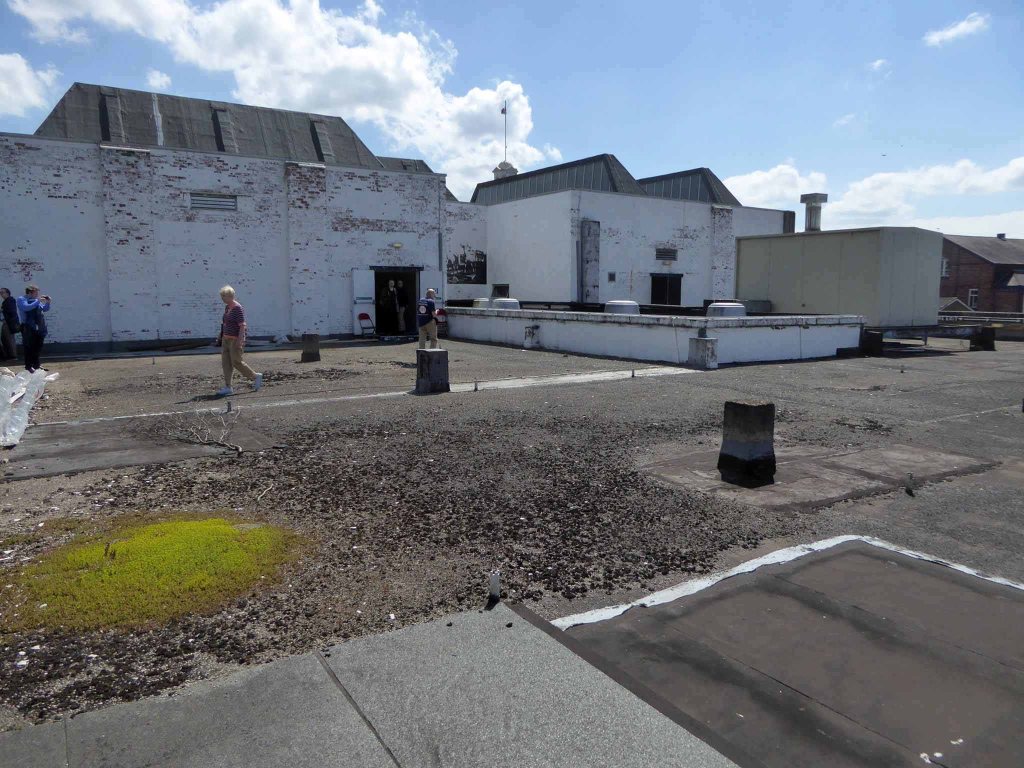
On our last visit we even got to look up on the roof.

So post lockdown, when you feel it’s safe and socially acceptable to do so travel to Leigh – take a look.

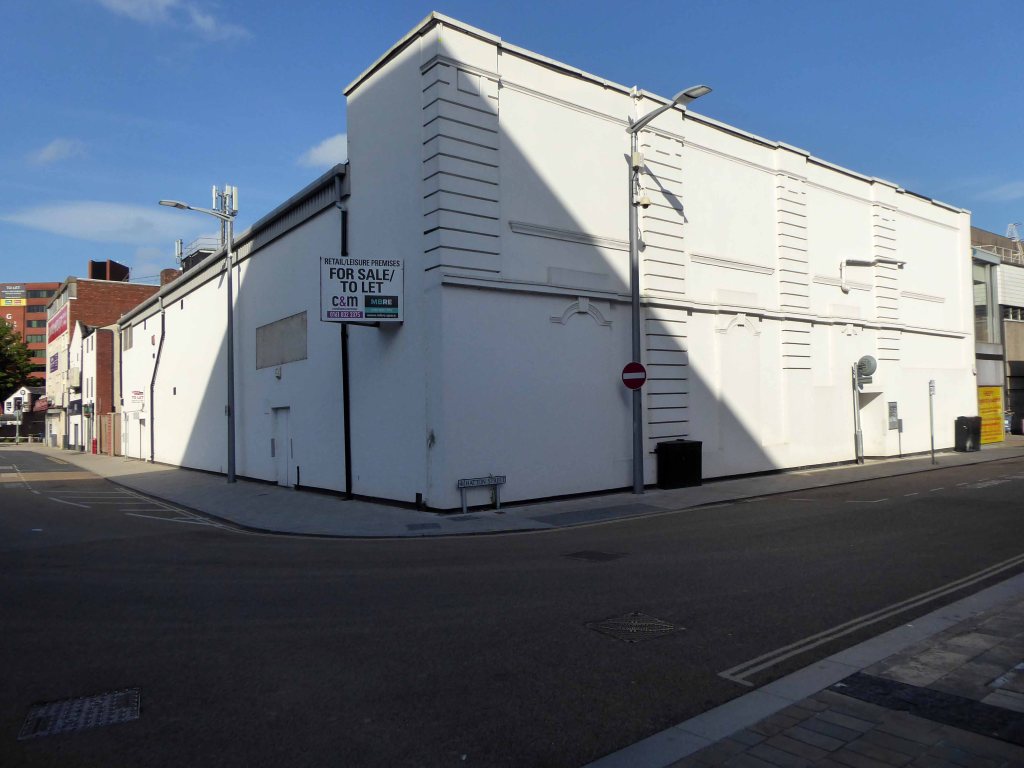
Car Park Ramp – Stockport

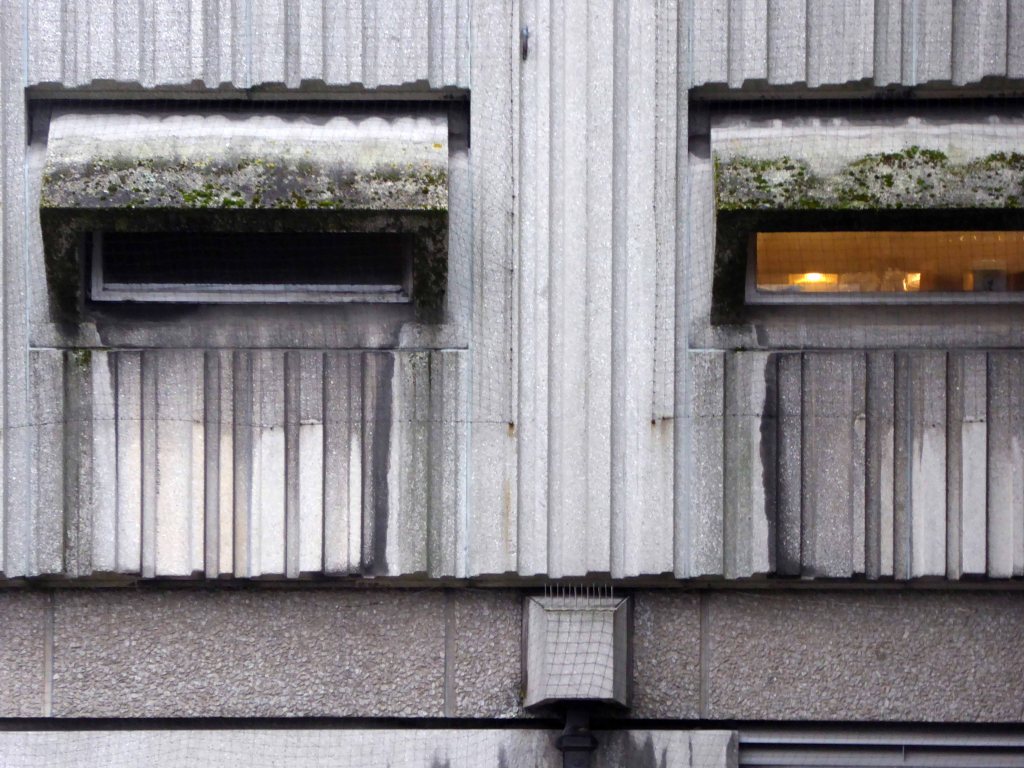
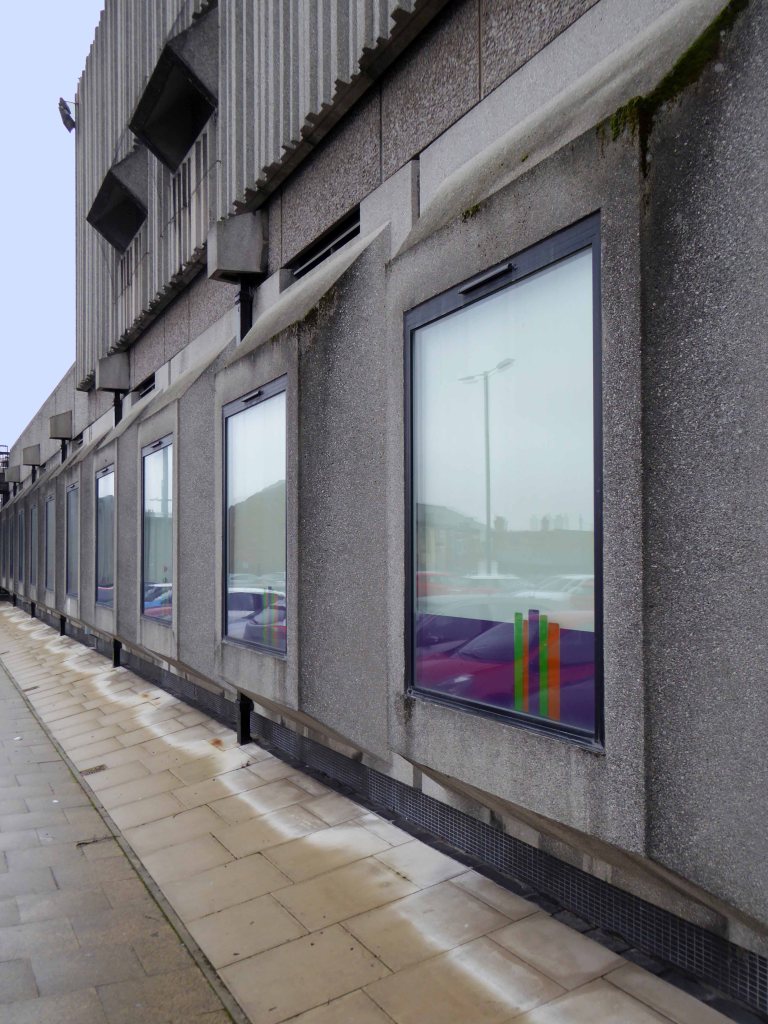
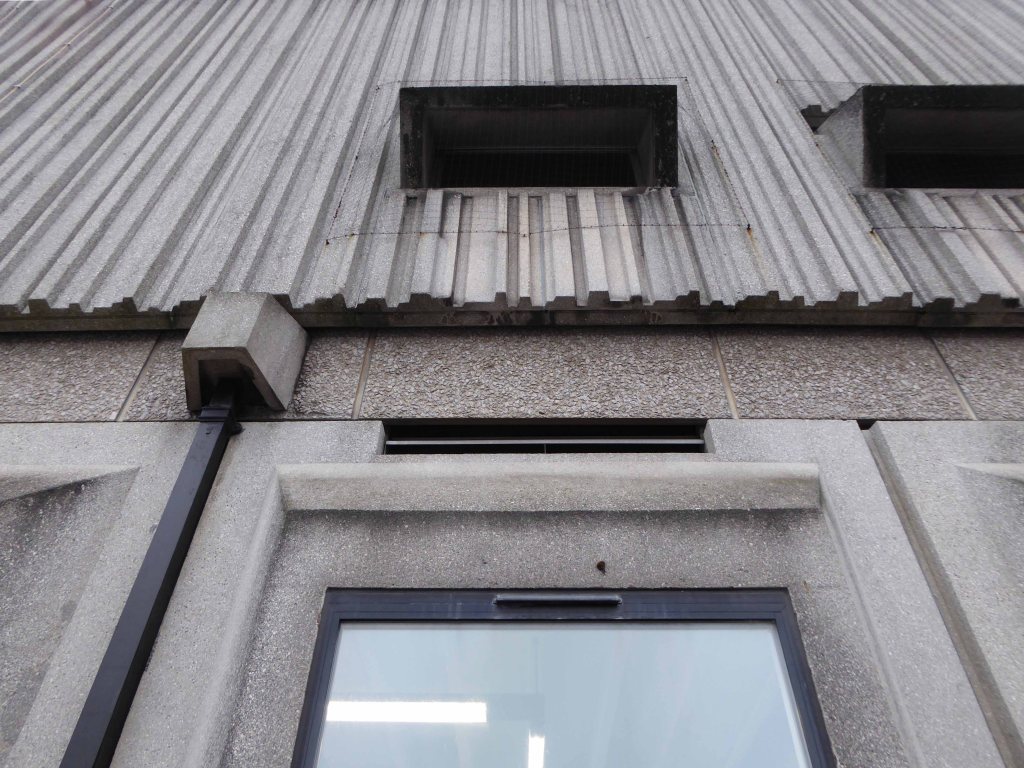
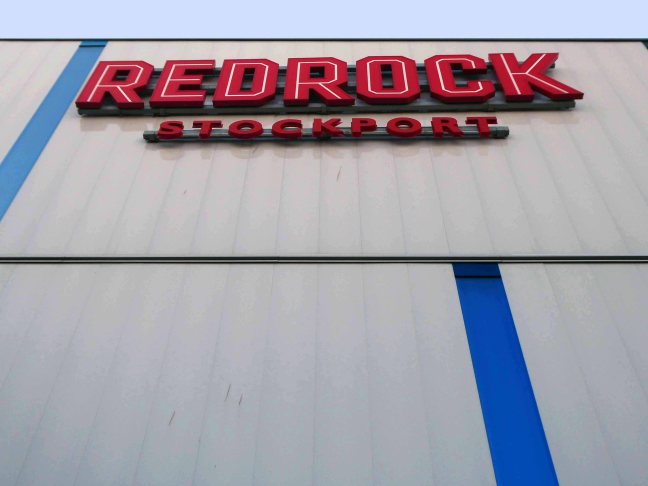
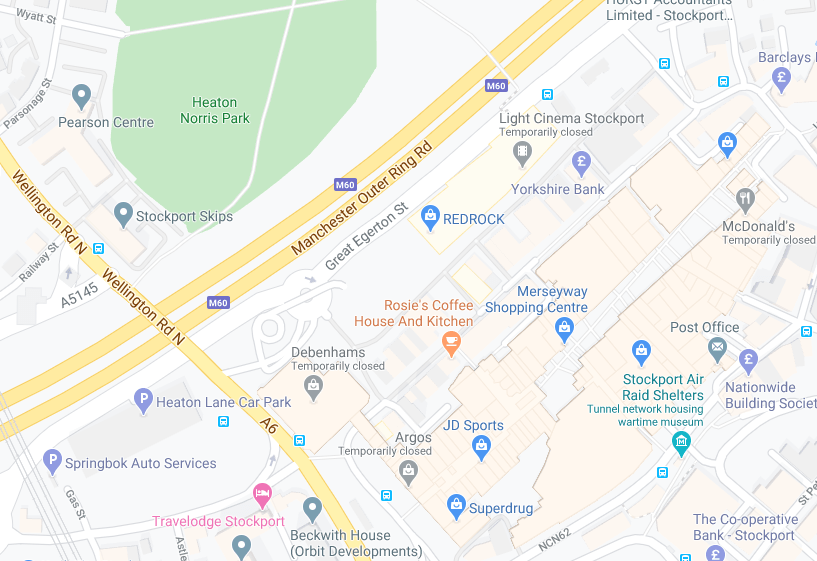
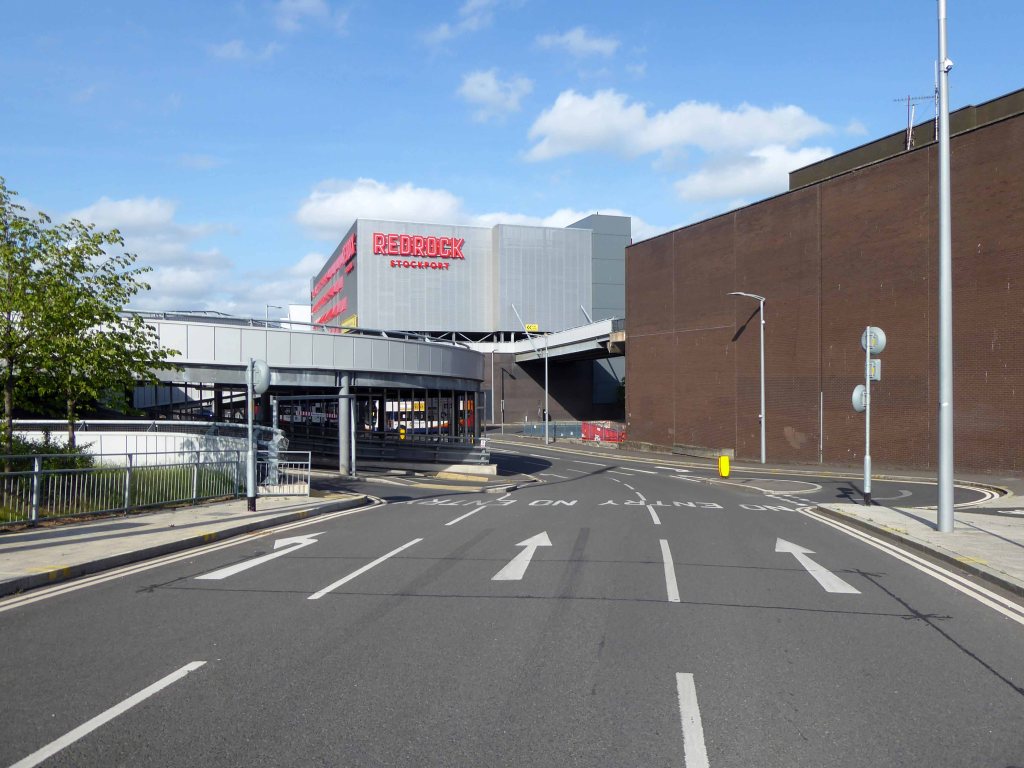
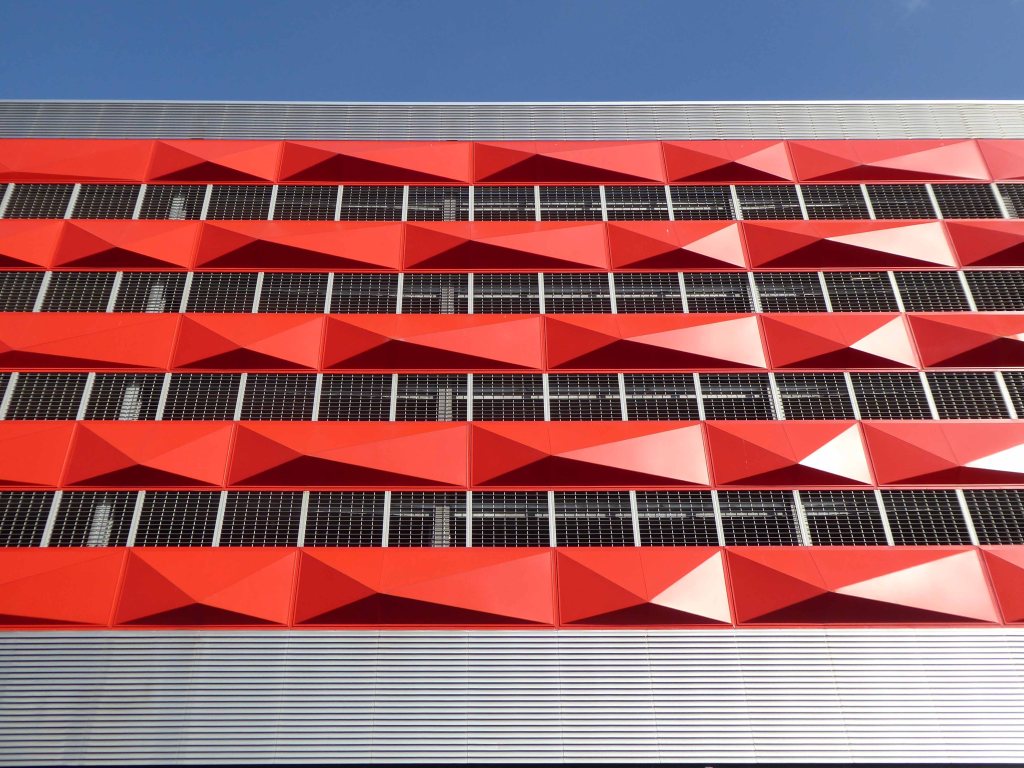
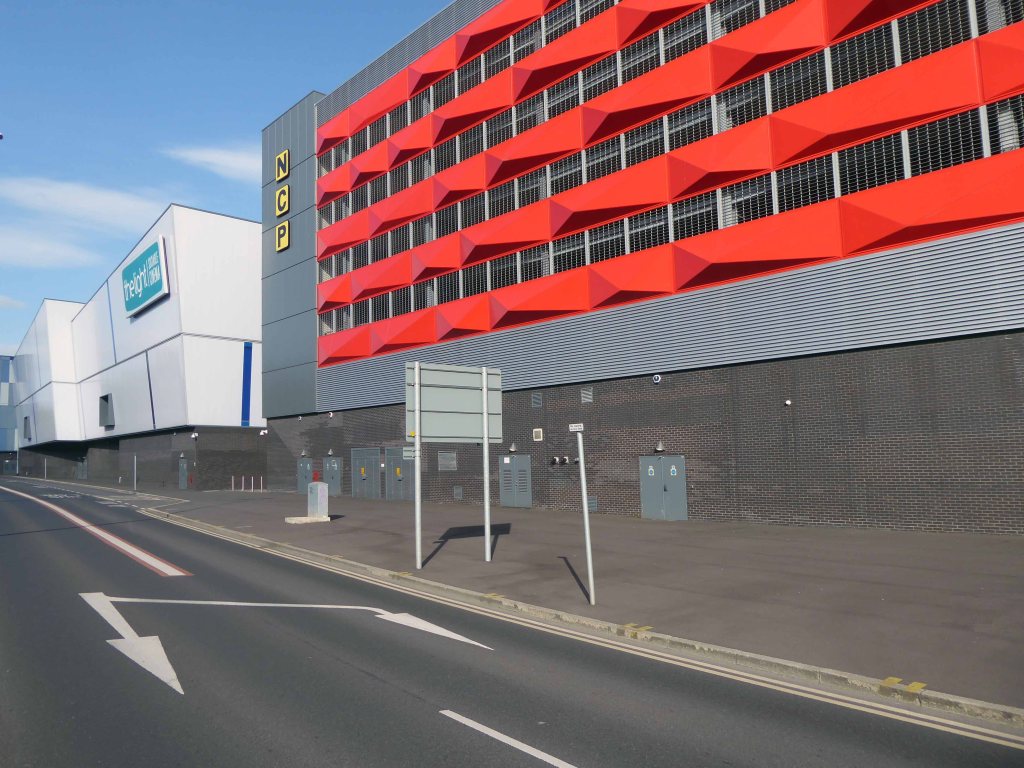
We recently took a look around Redrock, today we visit the next door neighbour – the car park ramp.

Replacing the old Debenham’s ramp.

Linking the old world of Merseyway with the shiny new NCP.

I don’t drive no car so I have to make do with the ecologically sound and ever so affordable means of pedestrian trespass, proceeding incautiously I recorded my journey into the unknown.

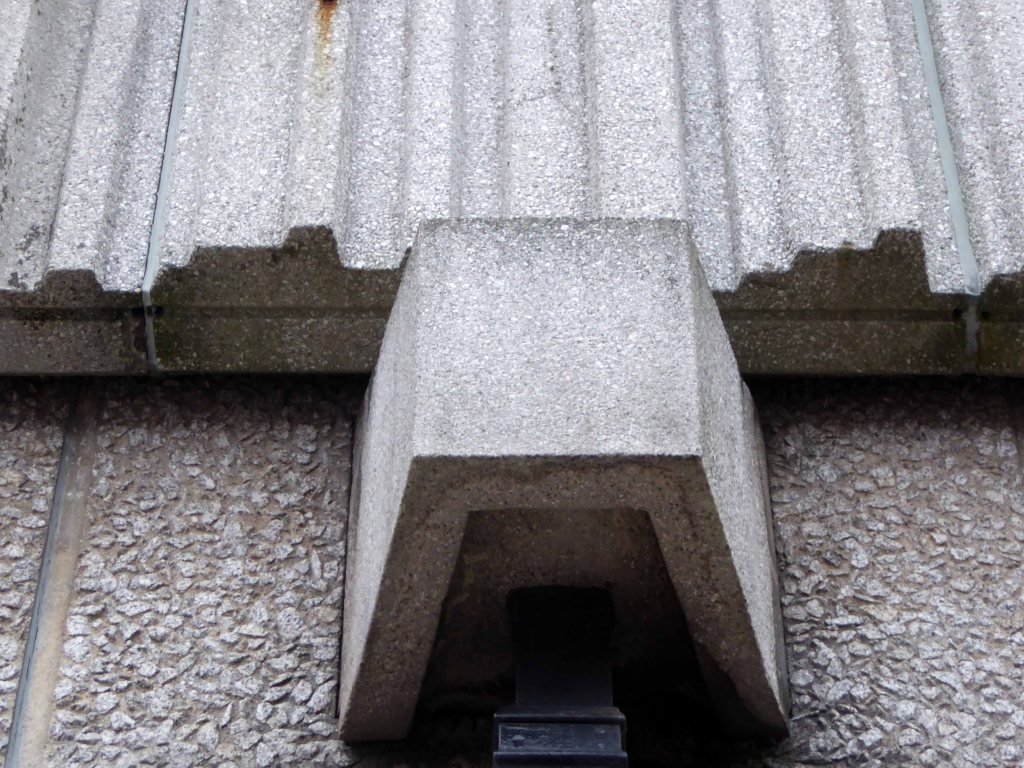
Returning safely to Basecamp I investigated further, circumnavigating the drainage area.

I have to admit that I am over fond of this small sacred space, a modern impenetrable temple of Brutalism. My ambition is to stage an art/music event within, just wait and see/hear if I don’t!

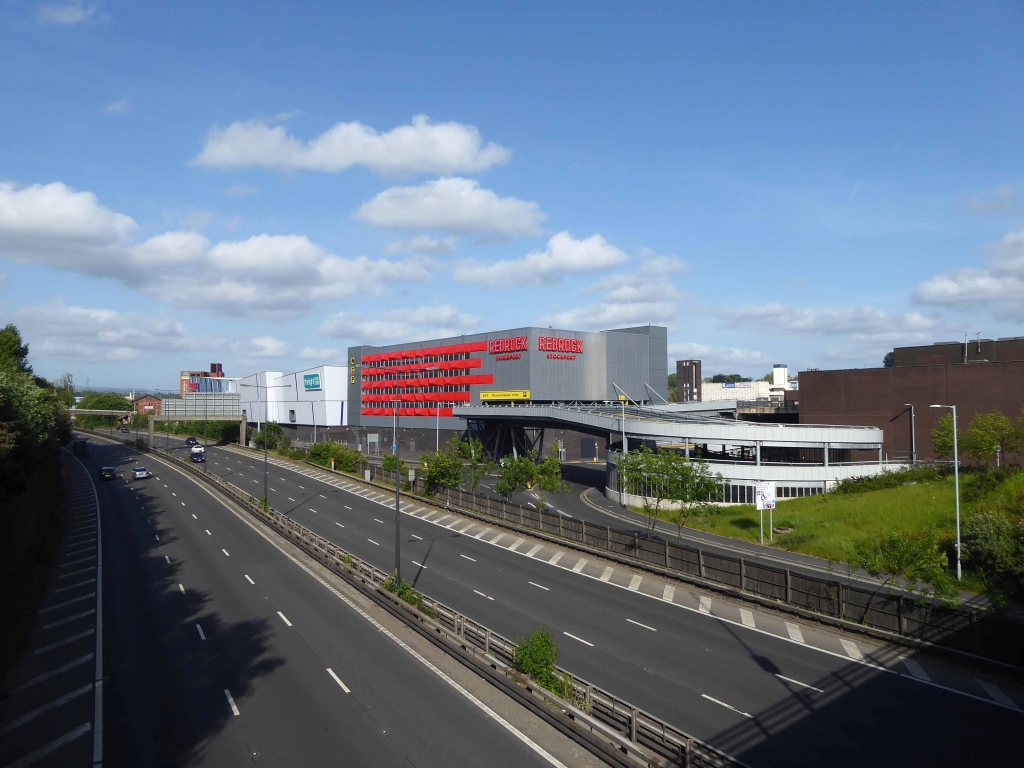
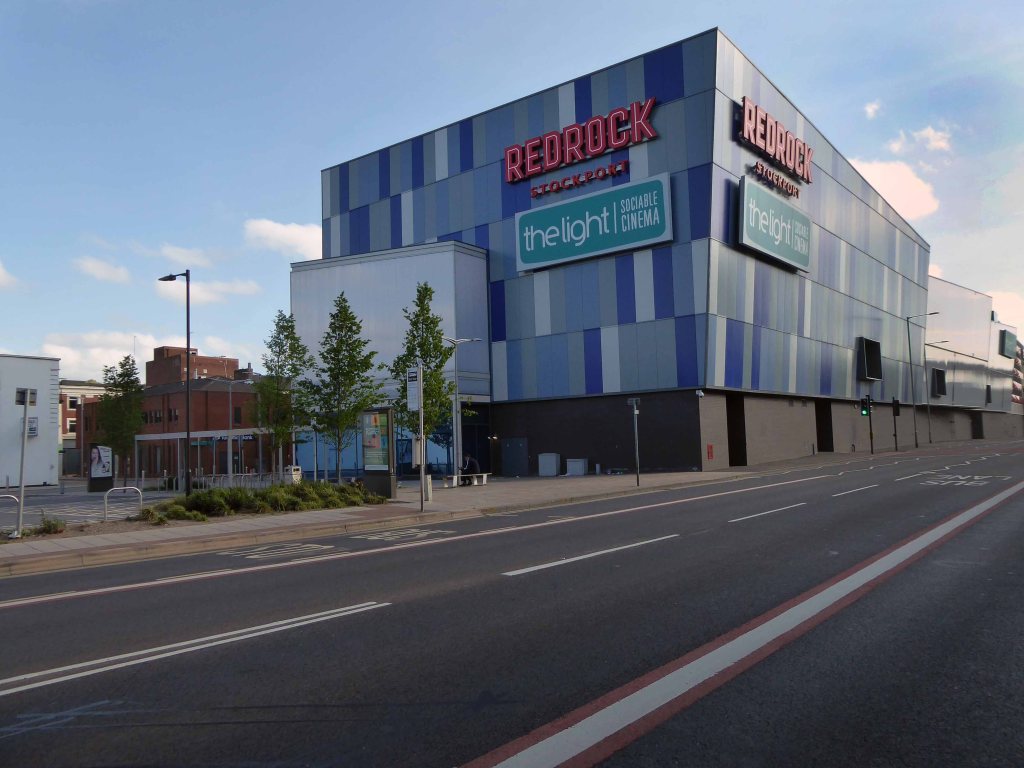
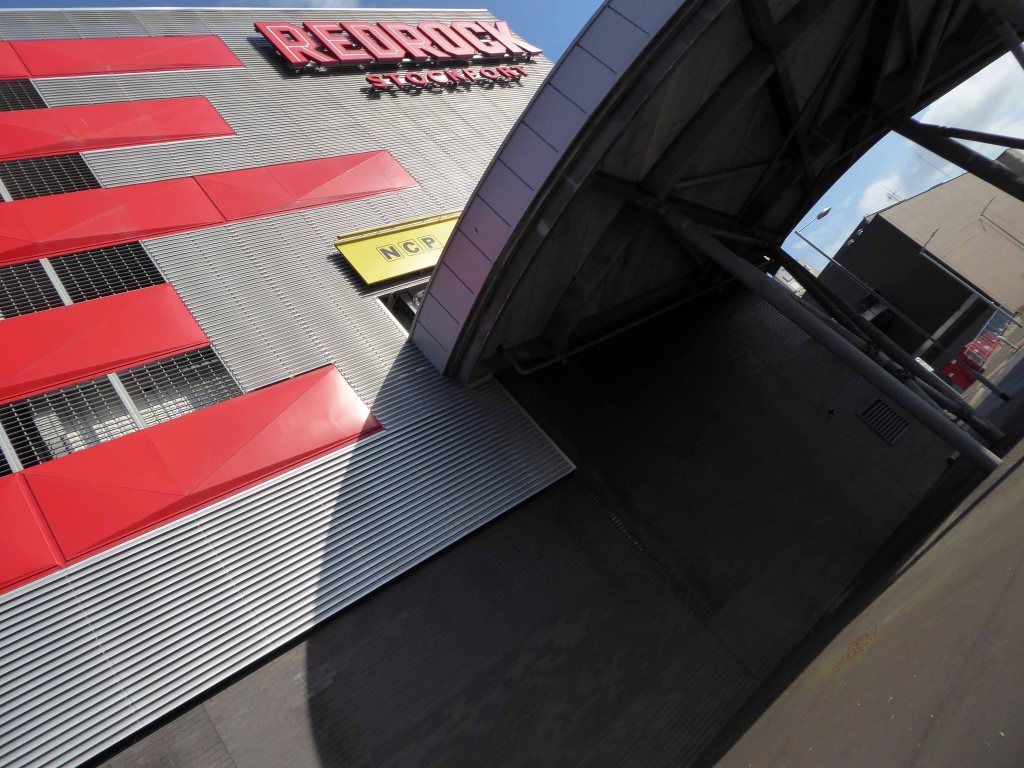
Redrock – Stockport

Much maligned, universally loathed – the Stockport leisure facility everyone loves to hate.

What’s the story?

No more darkness, no more night.
Now I’m so happy, no sorrow in sight.
Praise the Lord, I saw the Light
.

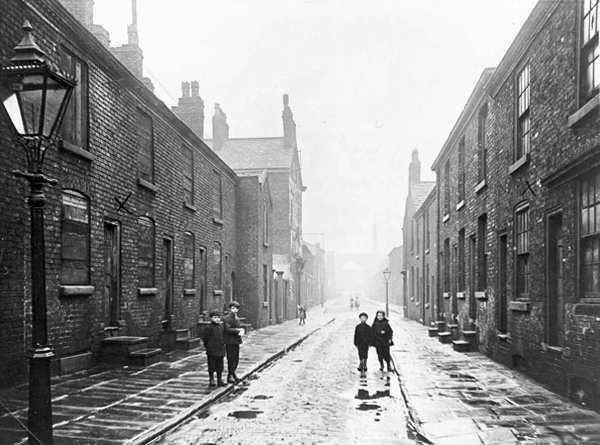
1900

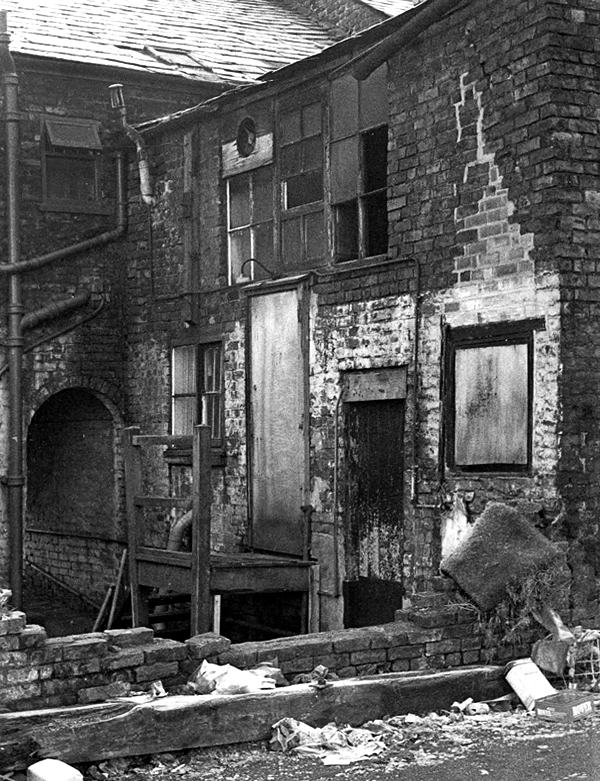
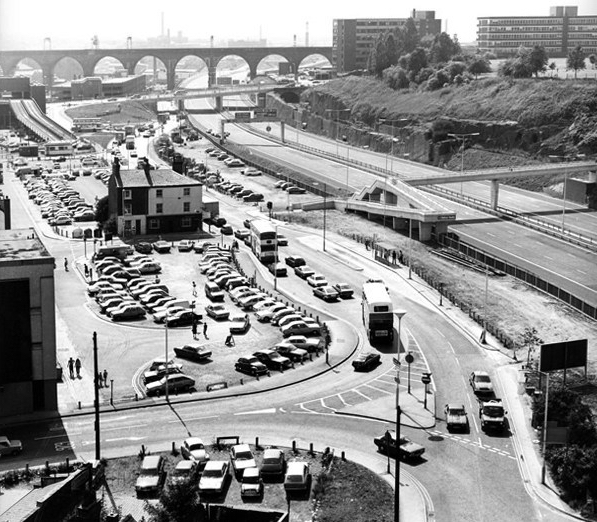
The area between Princes Street and Bridgefield Street was a tight warren of housing, shops and industry, eventually demolished in the 1970s, designated as slum clearance.

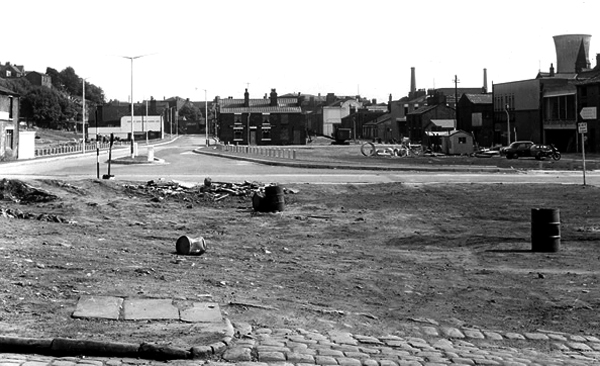
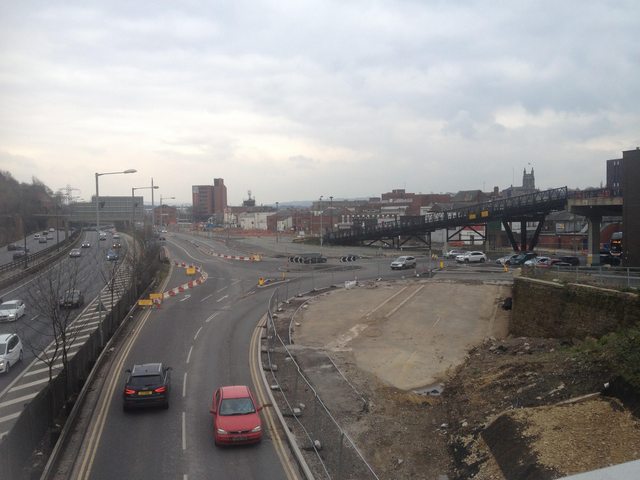
Prior to the arrival of the ring road the space remained undeveloped and turned over to car parking.

Little changes as the M60 is opened.

Images TS Parkinson –  Stockport Image Archive

So for over forty years the land lies pretty vacant, but far from pretty.

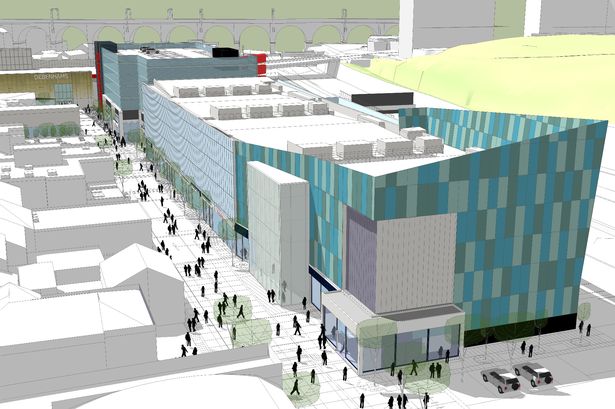
Until 2015 when planning permission is granted for the £45m Redrock leisure scheme, which includes a 10-screen cinema, restaurants and shops.

Councillor Patrick McAuley, the council’s executive member for economic development and regeneration, said:

This is a very exciting time for Stockport. Developments such as these help our ambition of putting Stockport on the map to bring more people to work, shop and socialise here. We have been keen to involve the public in plans for both developments, by holding various consultation exercises.

We look forward to an exciting few years improving Stockport’s offer.

So good bye to all this, the local authority is making serious progress, developing Stockport’s future, against a background of structural decline and the dominance of Manchester city centre.

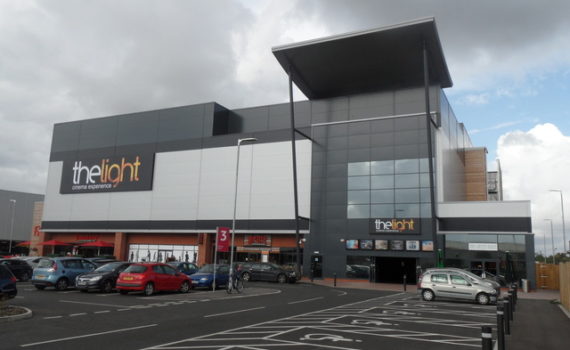
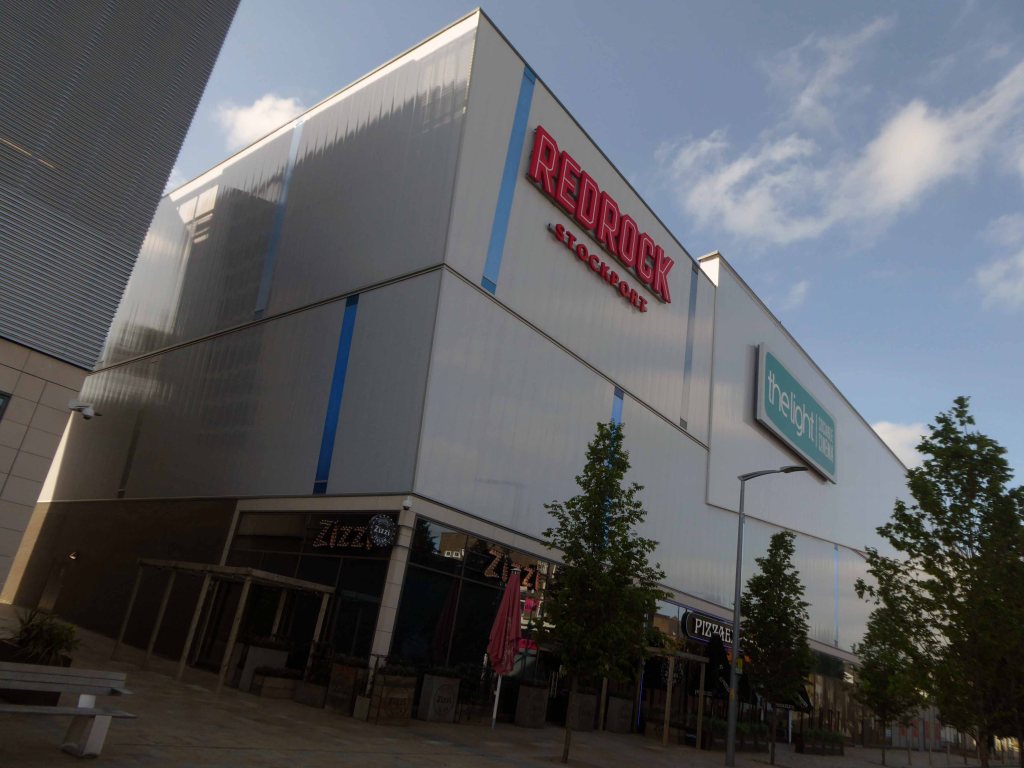
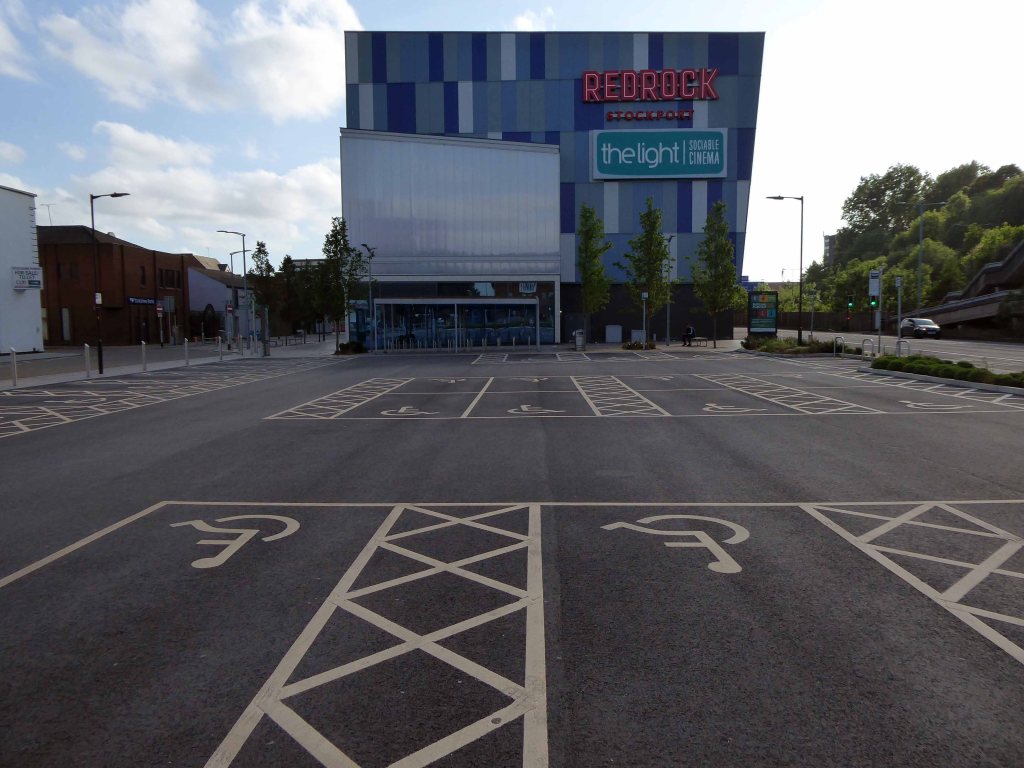
The architects for the scheme are BDP – the building was not well received as it was awarded the Carbuncle of the Year 2018.

Judges were left unimpressed by the – awkward form, disjointed massing and superficial decoration, while readers called it an absolute monstrosity.

Though to be fair The Light has a house style that leans heavily towards the anonymous industrial shed.

Sittingbourne

The development has however become a commercial success – once inside customers seem more than happy with the facilities.

The people of Stockport have welcomed us with open arms since opening in 2017. We’ve now had over one million guests join us for everything from the latest blockbusters to opera, theatre and concerts.

It’s been that busy that we’ve just added two additional screens and now offer freshly made pizzas, burgers and sliders. We’ve got plenty more exciting additions up our sleeve for next year too!

Tom DeanBusiness Manager at The Light Cinema

Yet it continues to attract wave after wave of criticism on local Facebook groups, perhaps the former car parking area should be reinstated, or the Victorian slums rebuilt?

I went to take a look for myself during lockdown – see what you think.

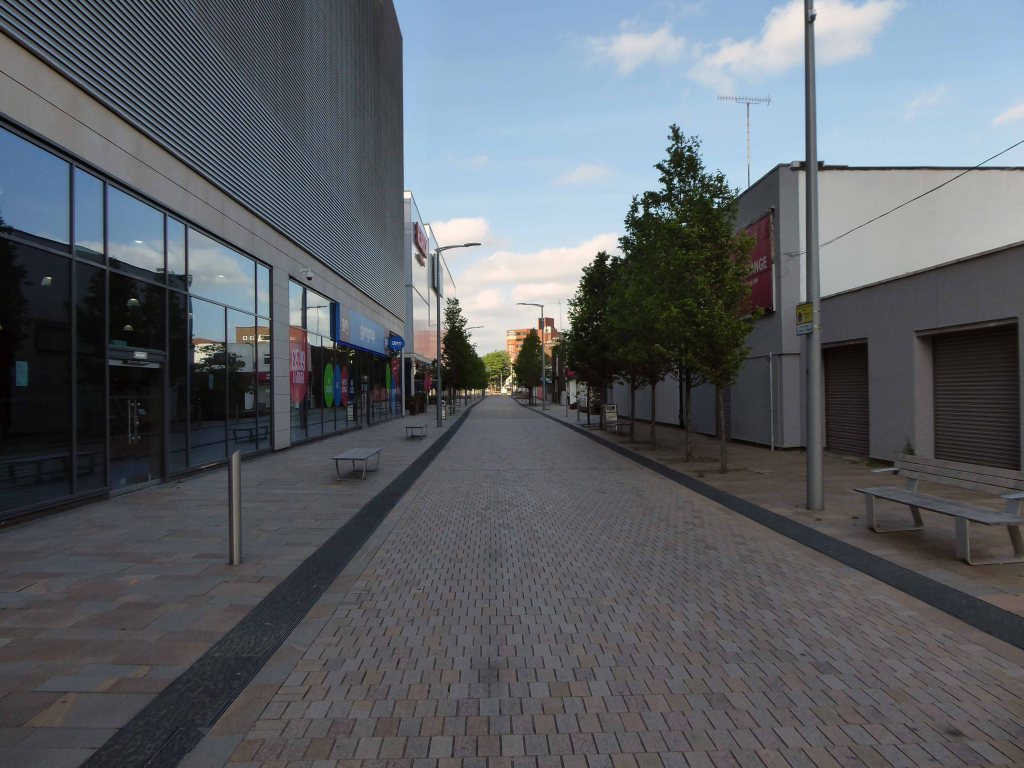
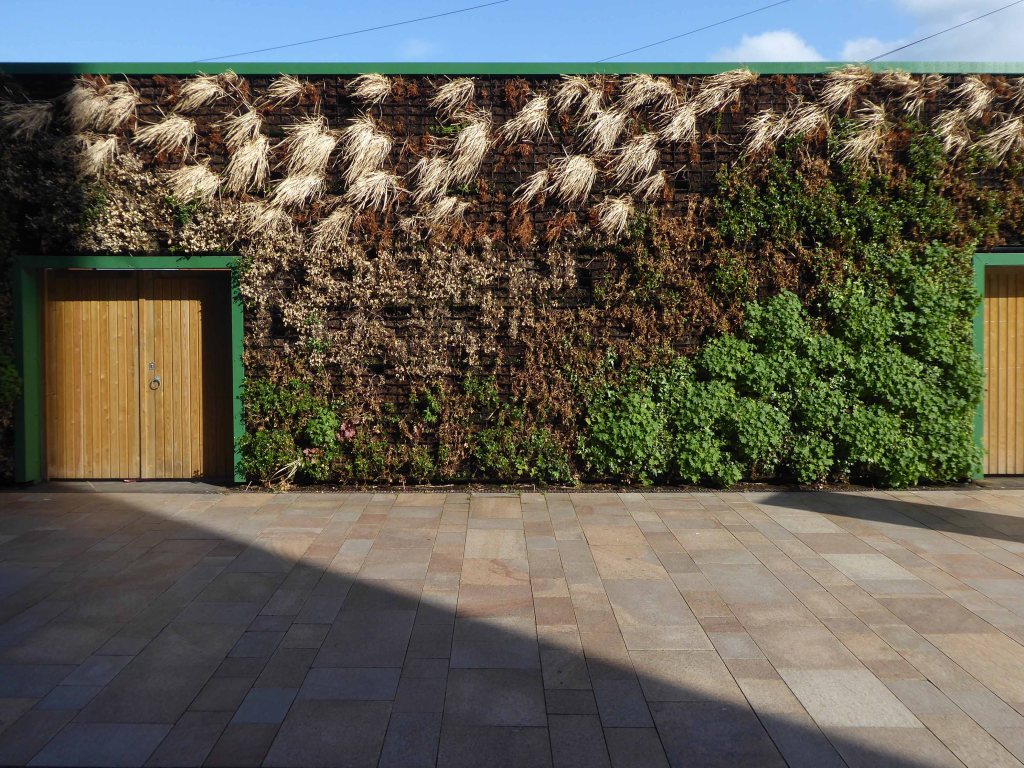
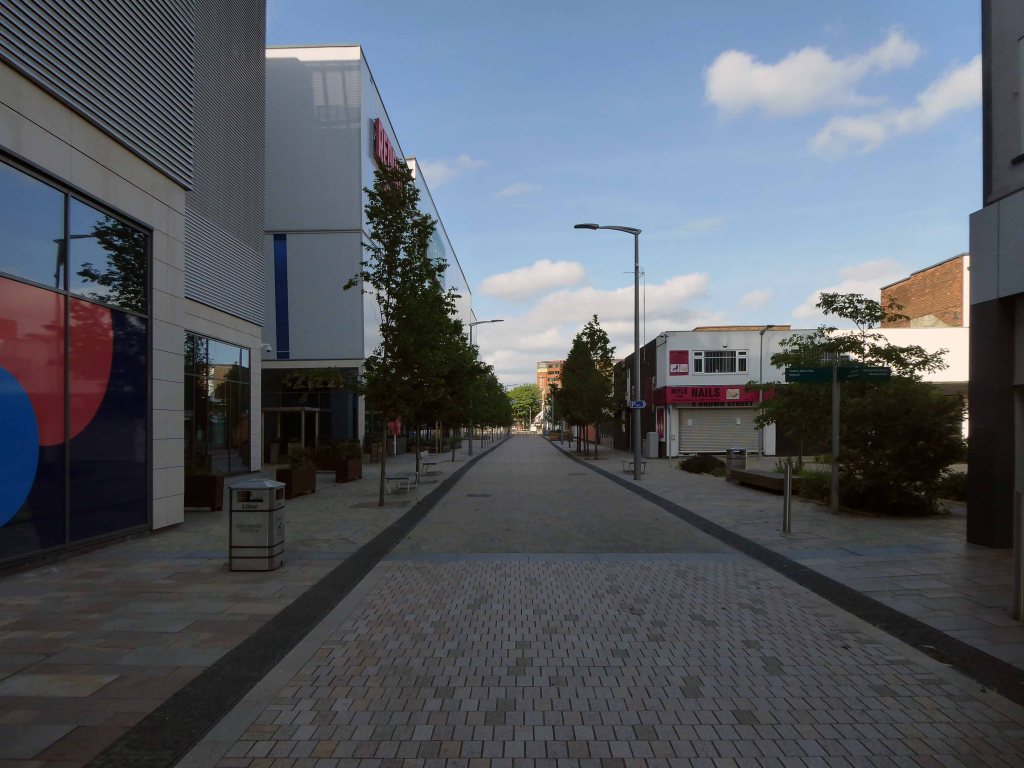
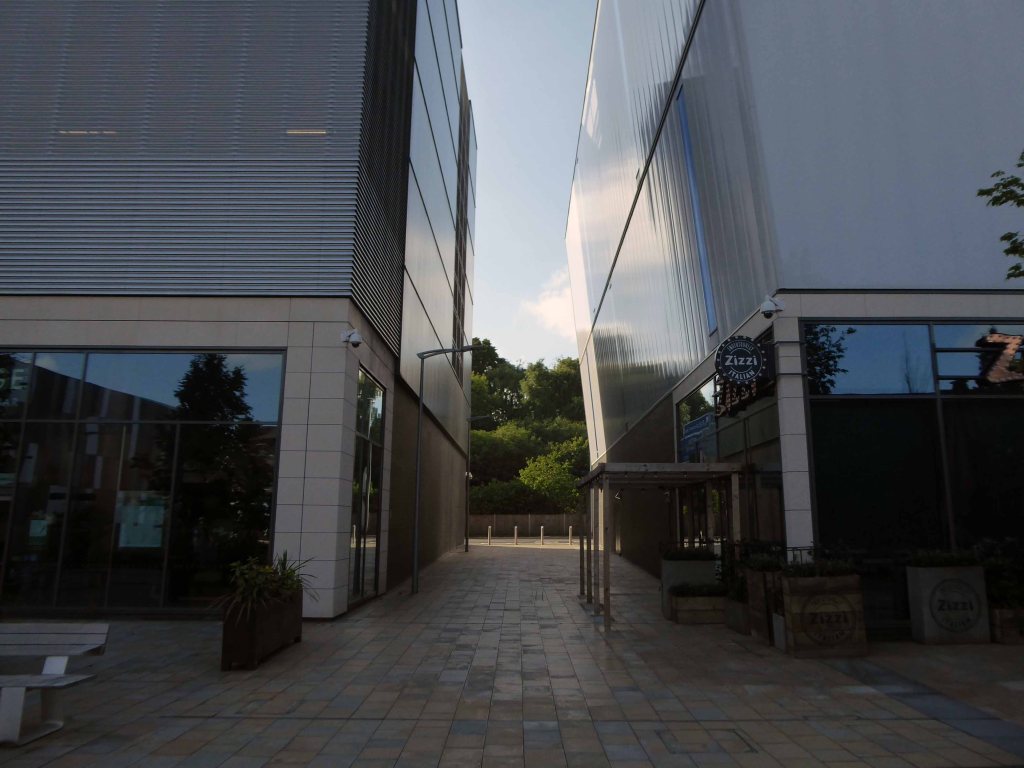
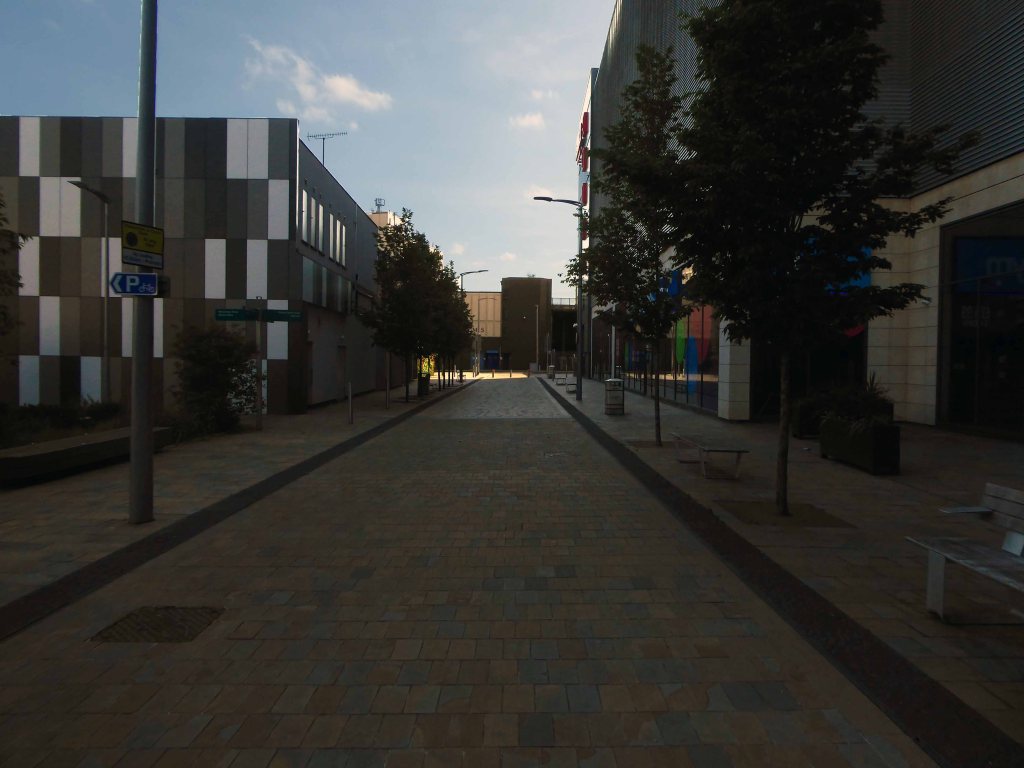
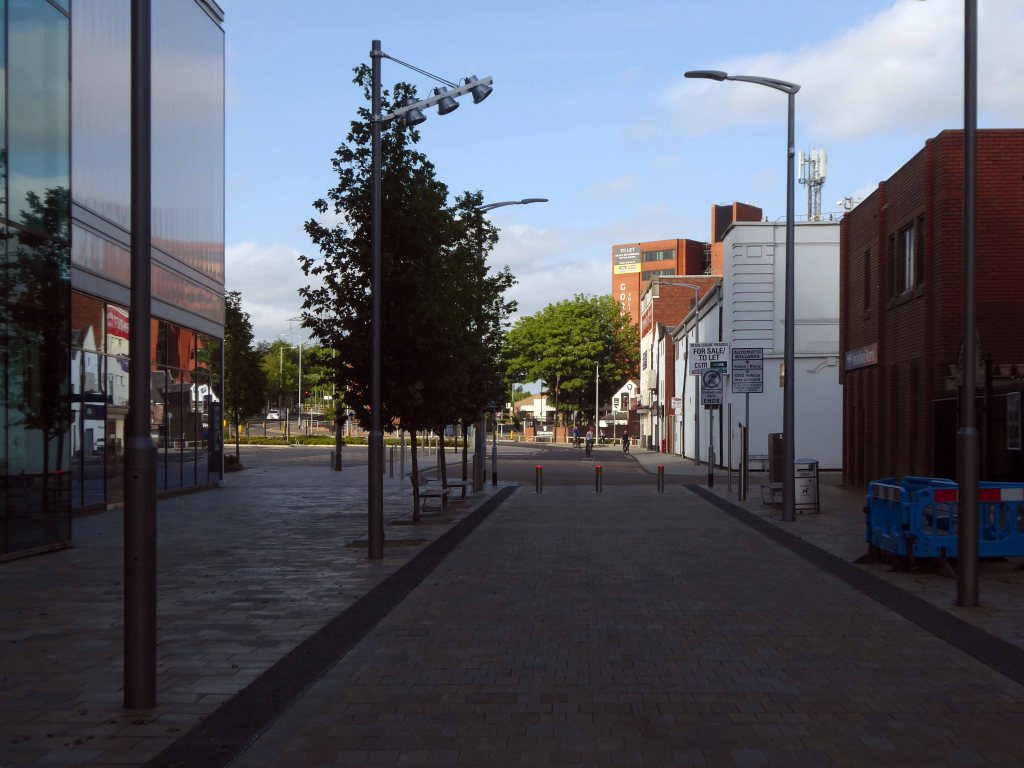
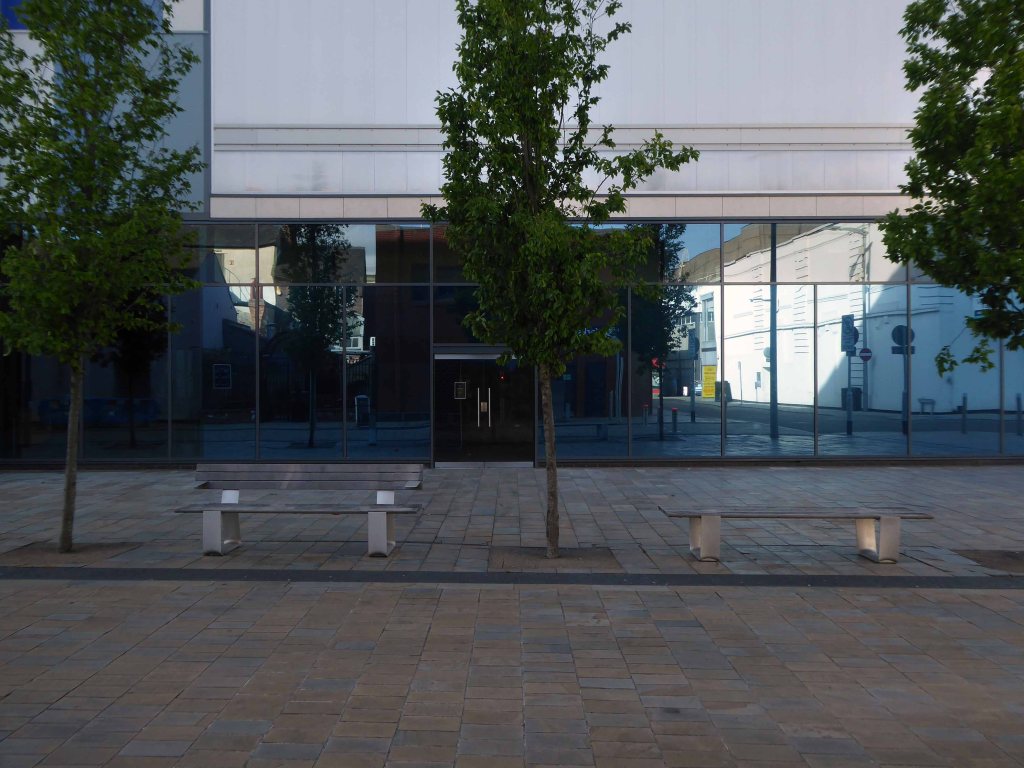
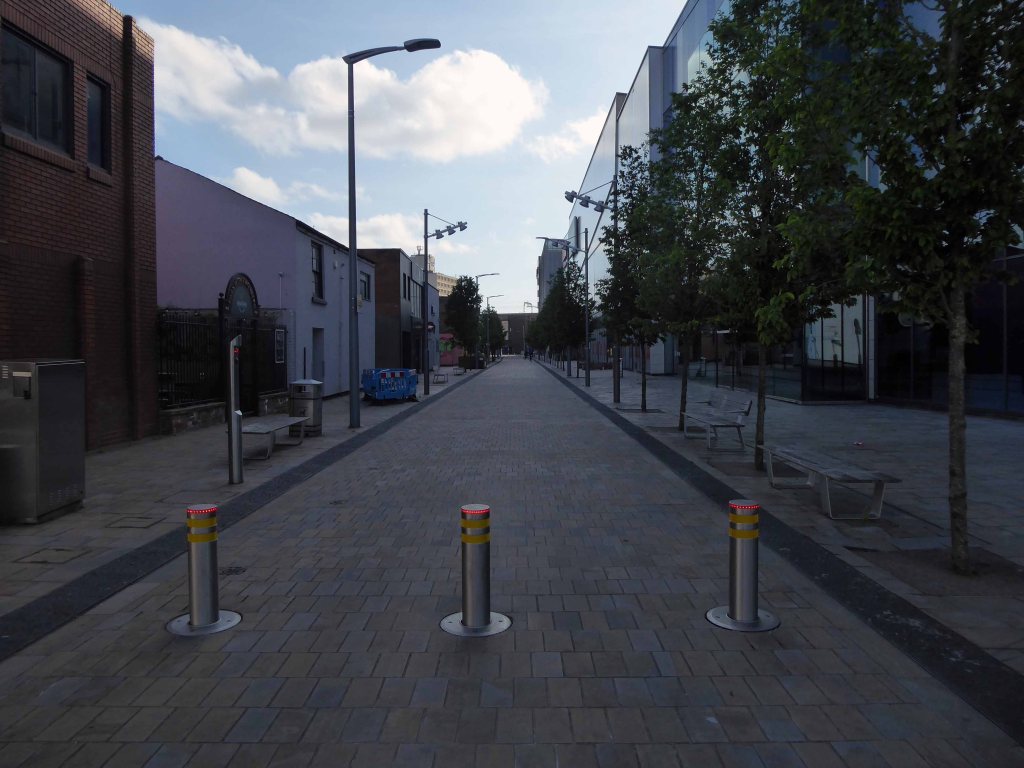
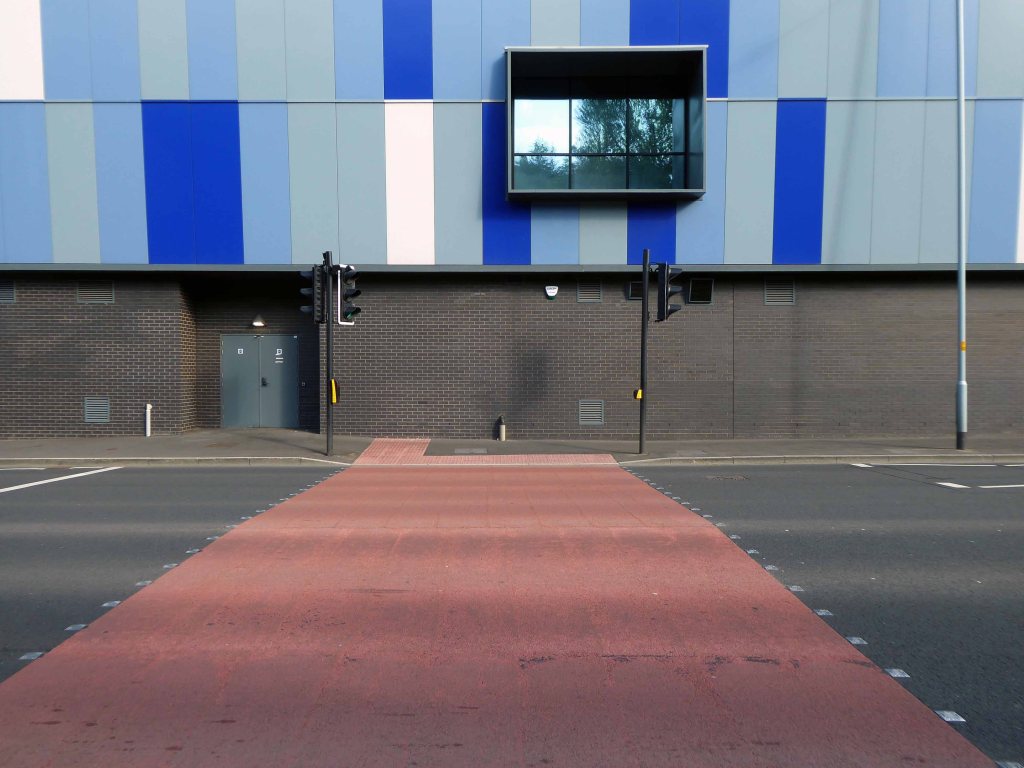
Real attempts have been made to make the landscaping and street view amenable to pedestrians, it feels like an attractive and safe urban space.

The view from the north is less successful, the scale and decorative work looks over ostentatious and confused.

Look away if you wish, it won’t be here forever – and if you fancy something different try The Plaza or The Savoy.

Possibly see what’s playing at The Palladium.

That should keep everyone happy shouldn’t it?

A Short Walk Around Guide Bridge

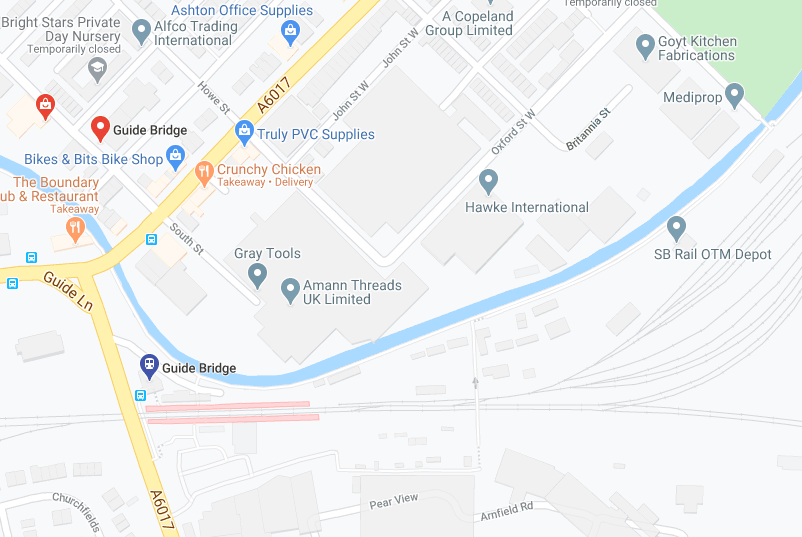
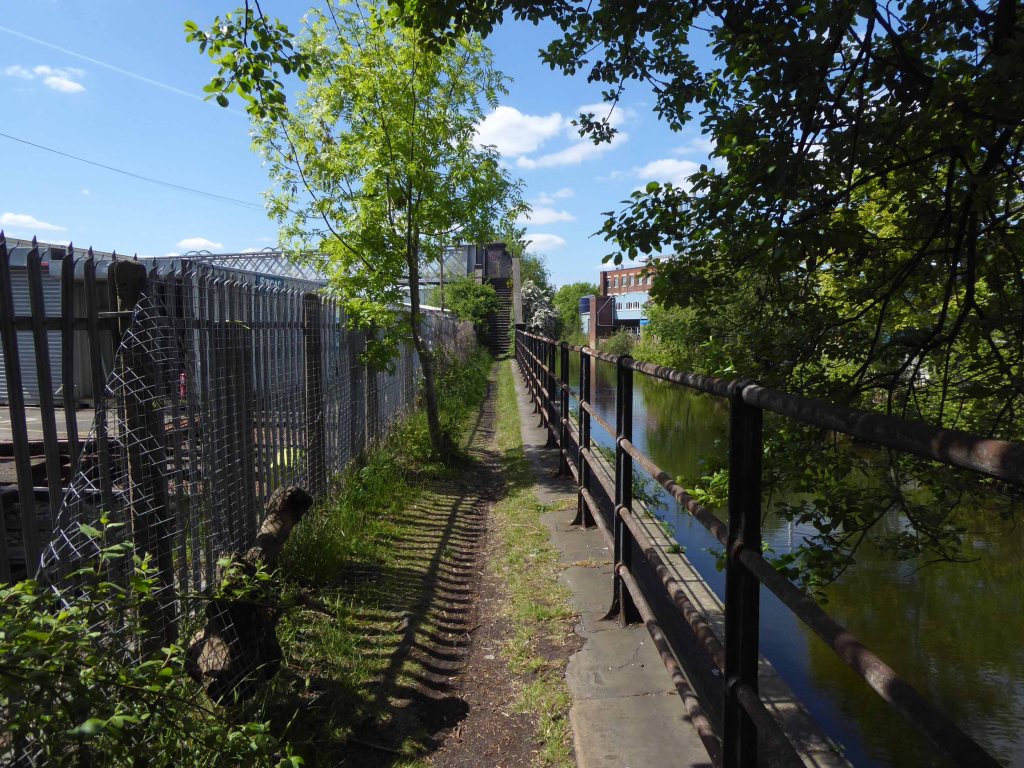
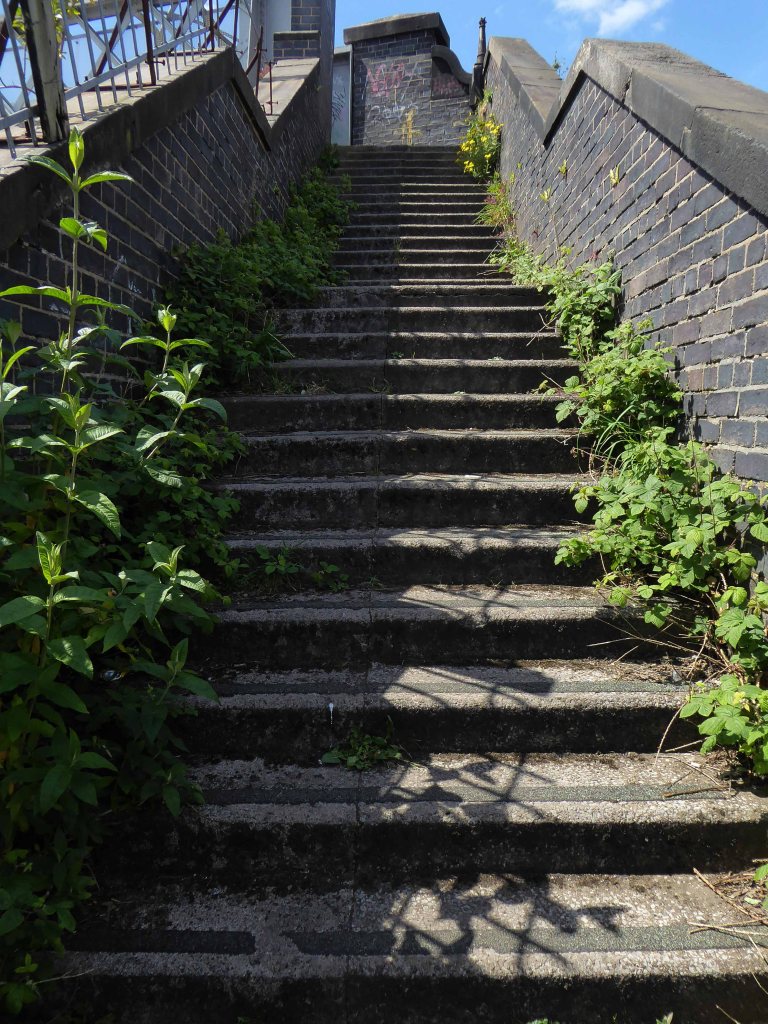
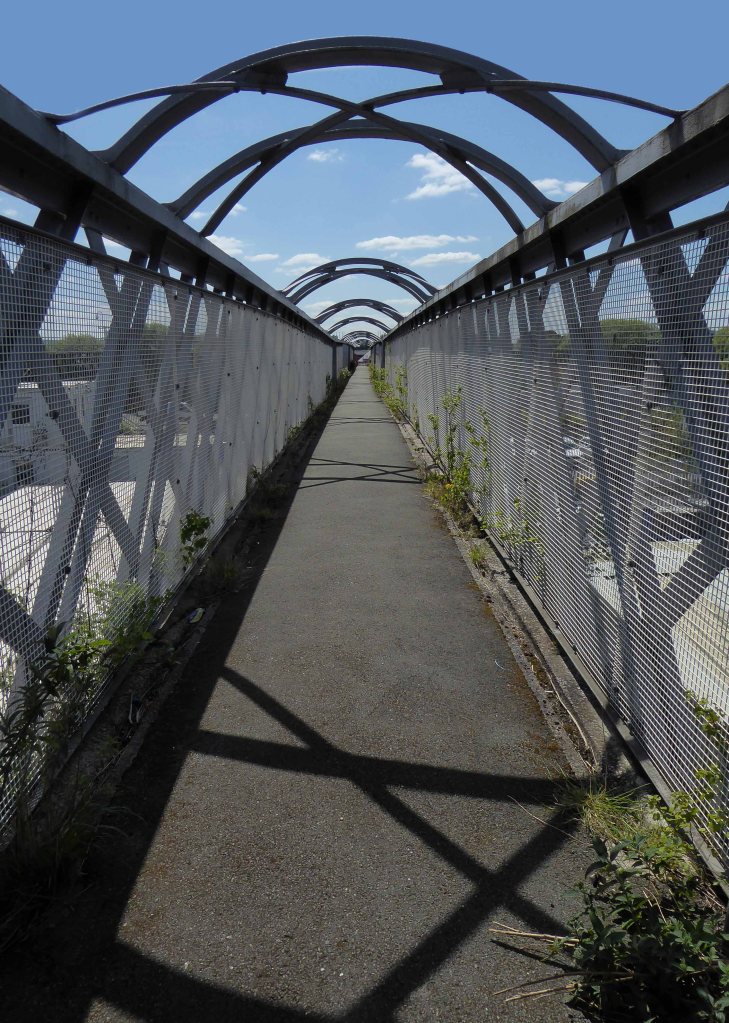
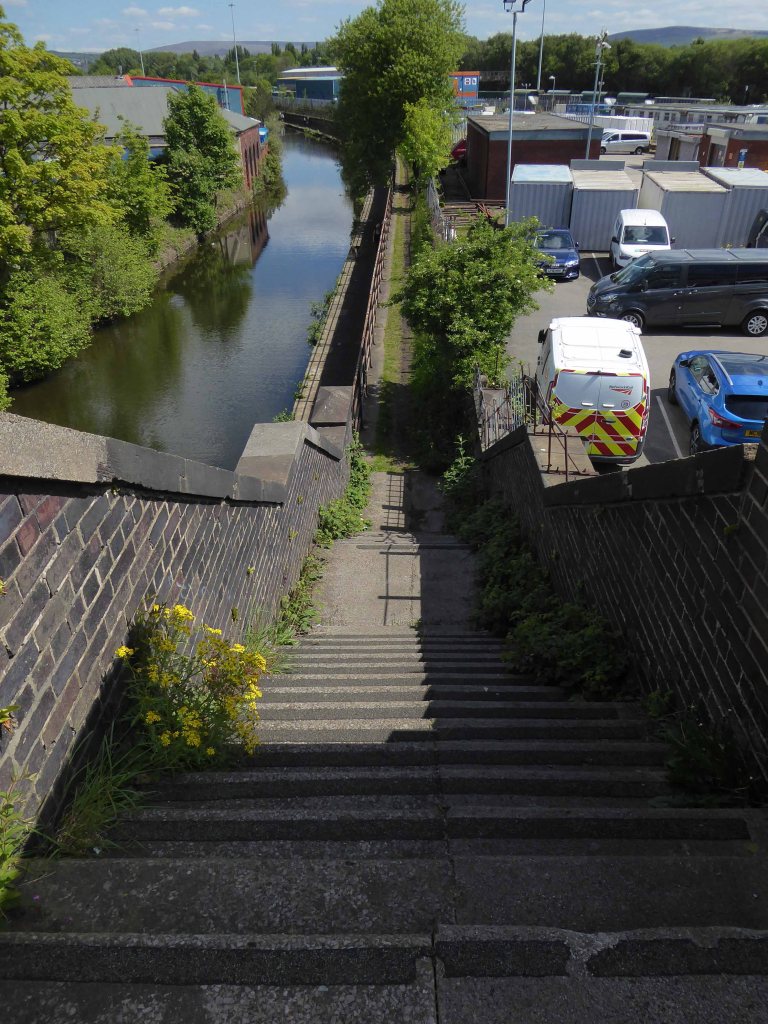
This is a short walk from Mediprop to Guide Bridge Station under half a mile, over two hundred years of history.

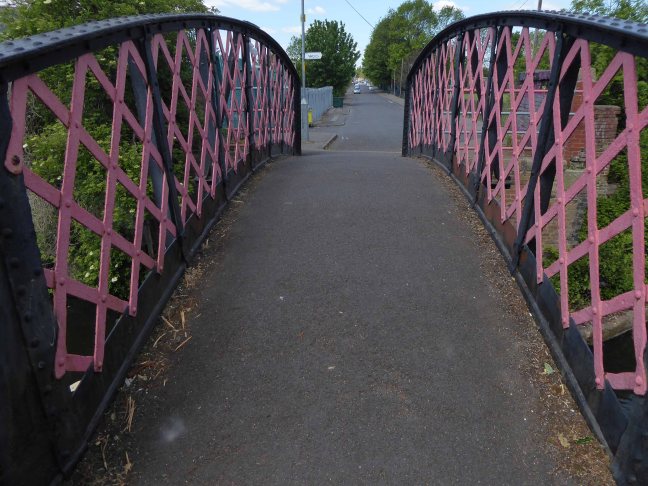
Hovering above ground level, rising above the rail.

Between the Ashton Canal.

The canal received its Act of Parliament in 1792. It was built to supply coal from Oldham and Ashton under Lyne to Manchester. The first section between Ancoats Lane to Ashton-under-Lyne and Hollinwood was completed in 1796.

And the Great Central Railway originally Sheffield, Ashton-under-Lyne and Manchester Railway.

The Great Central Railway in England came into being when the Manchester, Sheffield and Lincolnshire Railway changed its name in 1897, anticipating the opening in 1899 of its London Extension. On 1 January 1923, the company was grouped into the London and North Eastern Railway.

I had walked beside the elevated path, alongside the canal coming home from school, rode by it whilst working as a Guide Bridge goods guard.

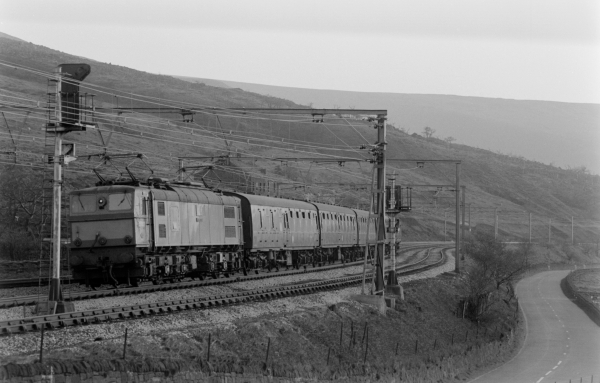
This was busy railway, steel coal, oil and people hurtling back and forth across the Pennines, under the DC wires of the Woodhead Line.

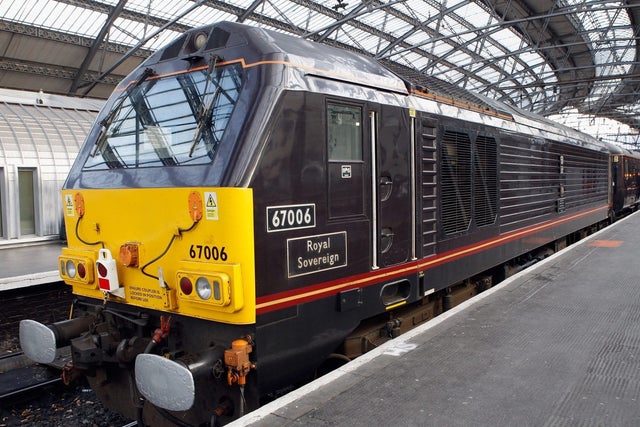
One memorable night the Royal Train stayed overnight, in what are now the SB Rail OTM sidings.

Toffs in dinner jackets were leaning from the windows, as we gazed in awe from the platform.

Swietelsky is one of Austria’s leading construction companies with international contracts encompassing highways, tunnelling, residential and commercial developments, alpine construction and railways.

The journey ends by the seriously depleted station buildings, the buffet bar, depot and engine shed long gone.

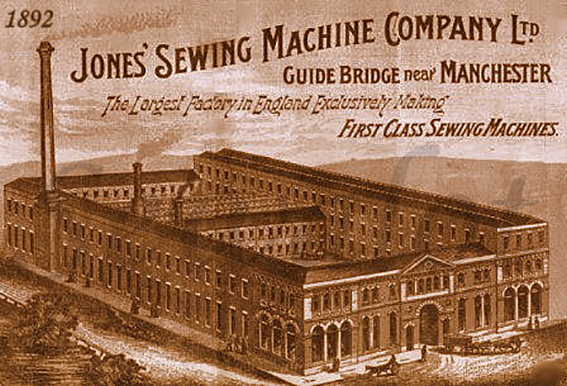
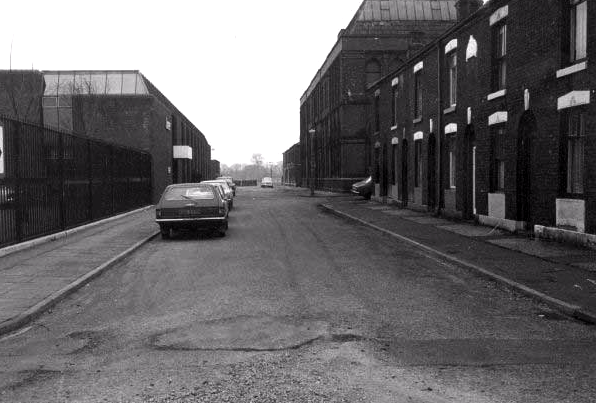
Along with the Jone’s Sewing Machine Company all long gone.

Thomas Chadwick later joined Bradbury & Co. William Jones opened a factory in Guide Bridge, Manchester in 1869. In 1893 a Jones advertising sheet claimed that this factory was the – Largest Factory in England Exclusively Making First Class Sewing Machines. The firm was renamed as the Jones Sewing Machine Co. Ltd and was later acquired by Brother Industries of Japan, in 1968. The Jones name still appeared on the machines till the late 1980s.

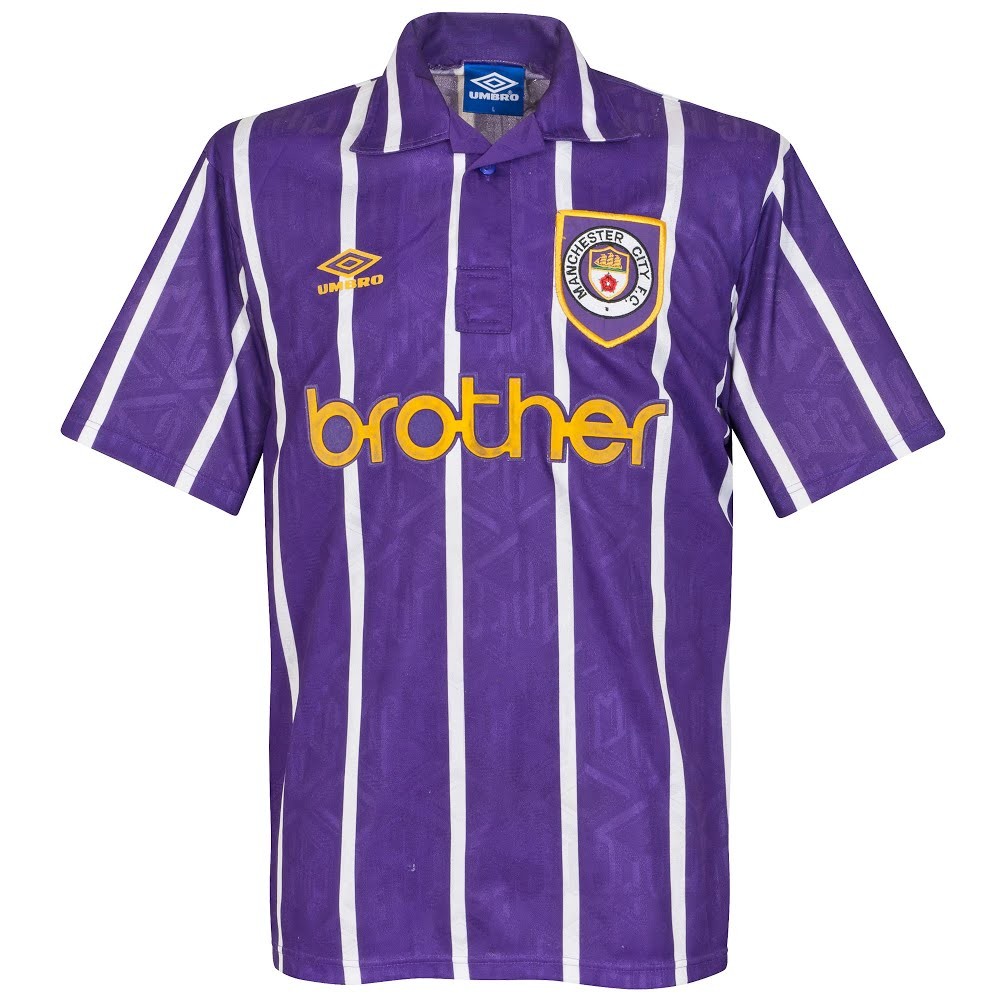
From 1987 until 1999 Brother were sponsors of Manchester City FC.

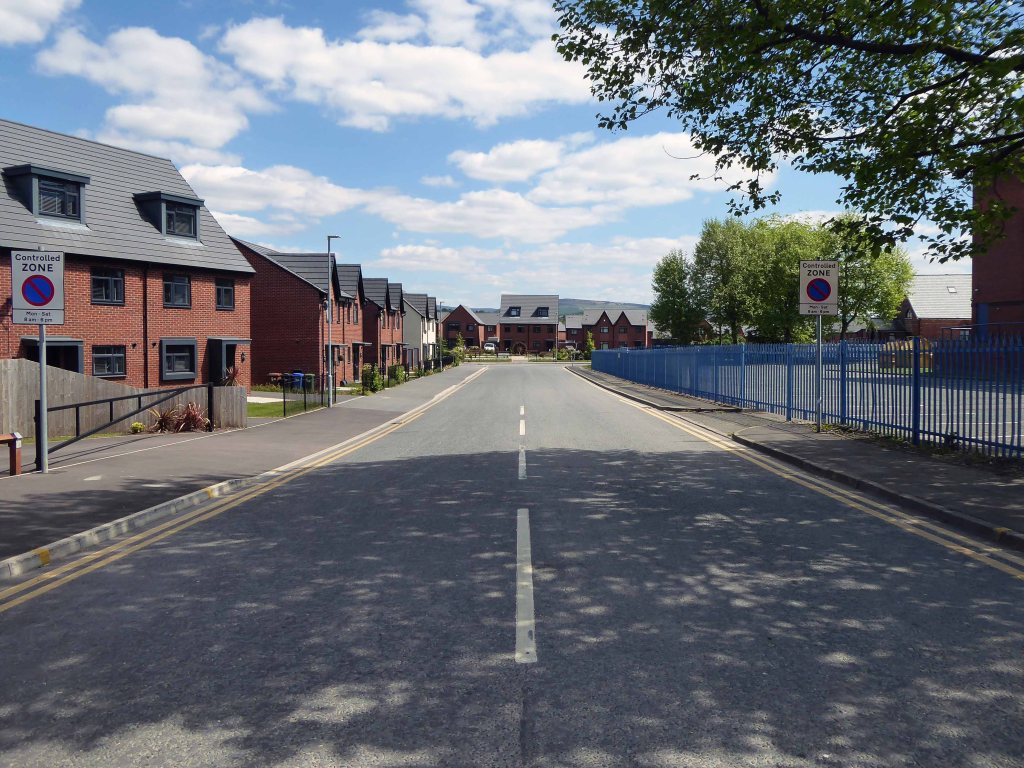
The site is now home to new homes and homeowners, as the area seeks to capitalise on the spread of wealth from Central Manchester.

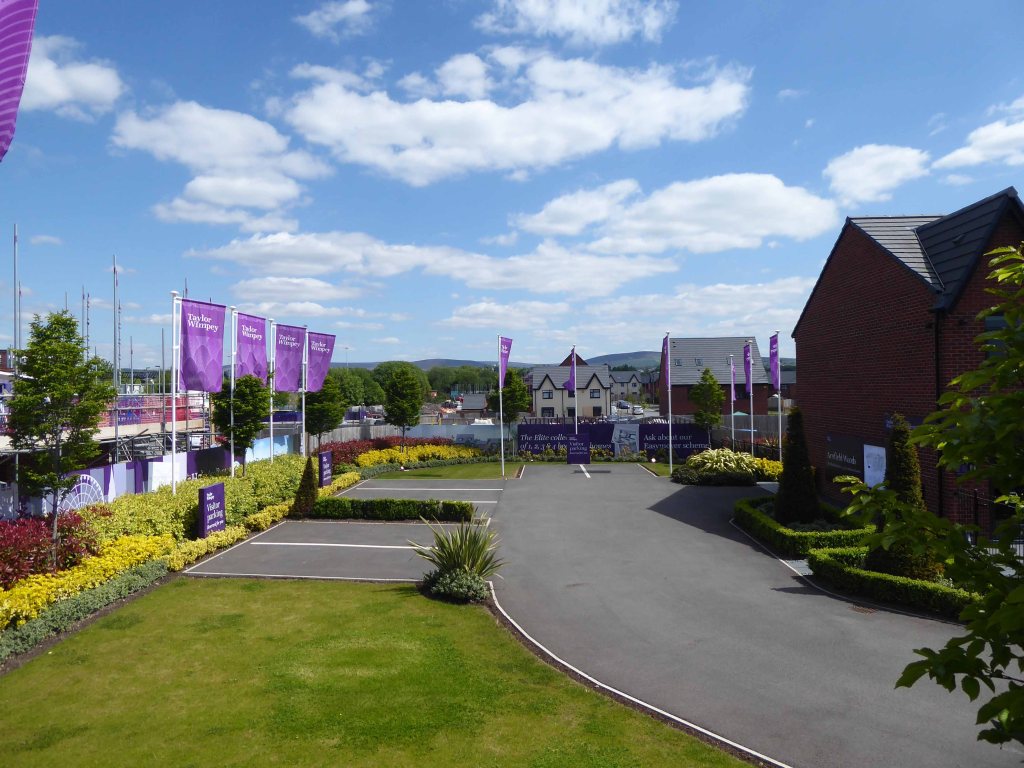
Arnfield Woods is an exclusive development offering two, three and four bedroom homes, located adjacent to the Guide Bridge train station, which provides direct access into Manchester City Centre  and direct access into Glossop.

The world turns:

Time changes everything except something within us which is always surprised by change.

Thomas Hardy.

Let’s take a walk together.

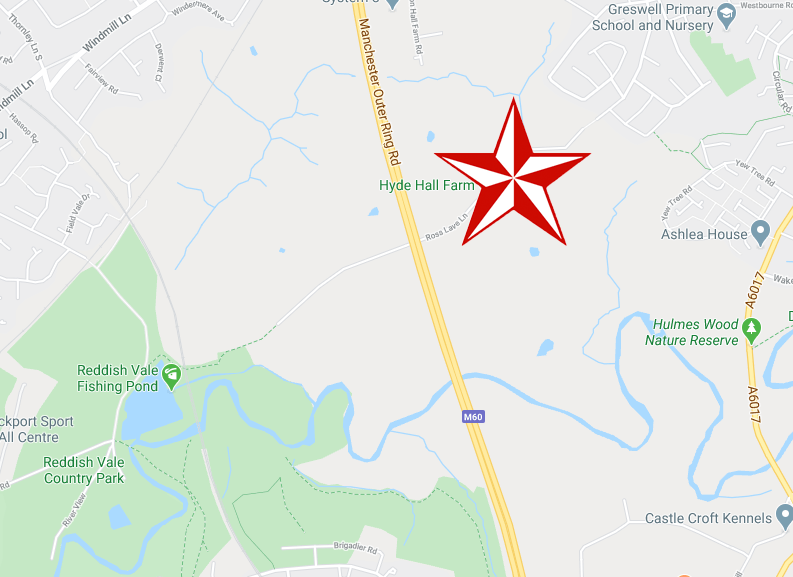
Stables – Hyde Hall Farm

Hyde Hall Farm is Grade II Listed one of the few Tudor model farms in the region, a building of immense importance.

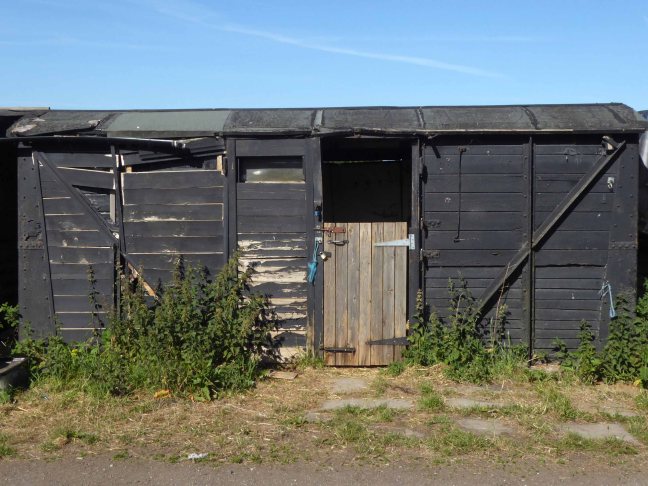
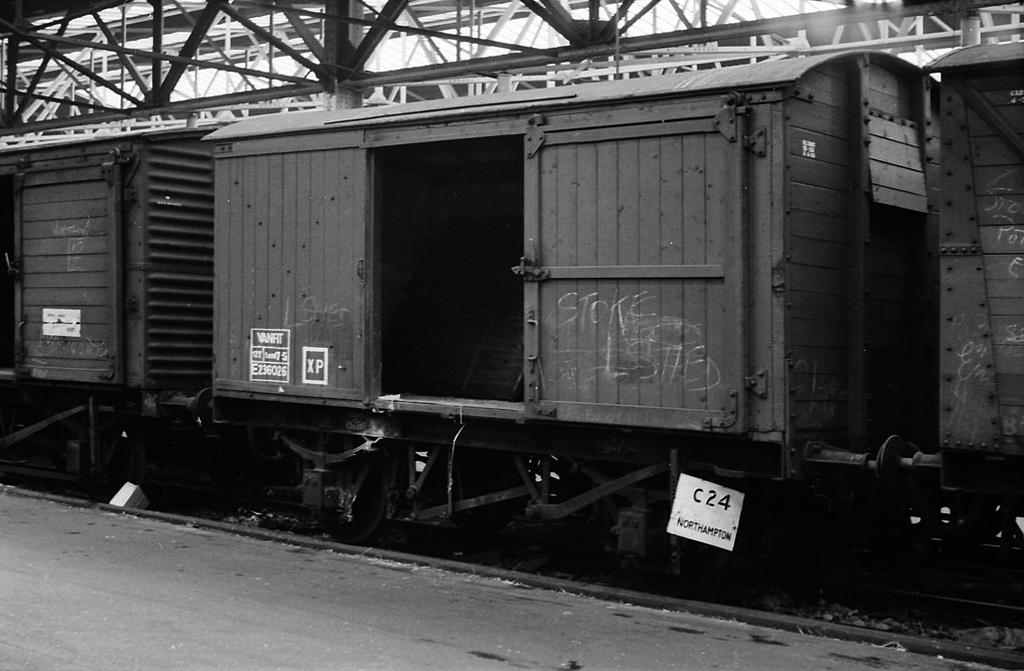
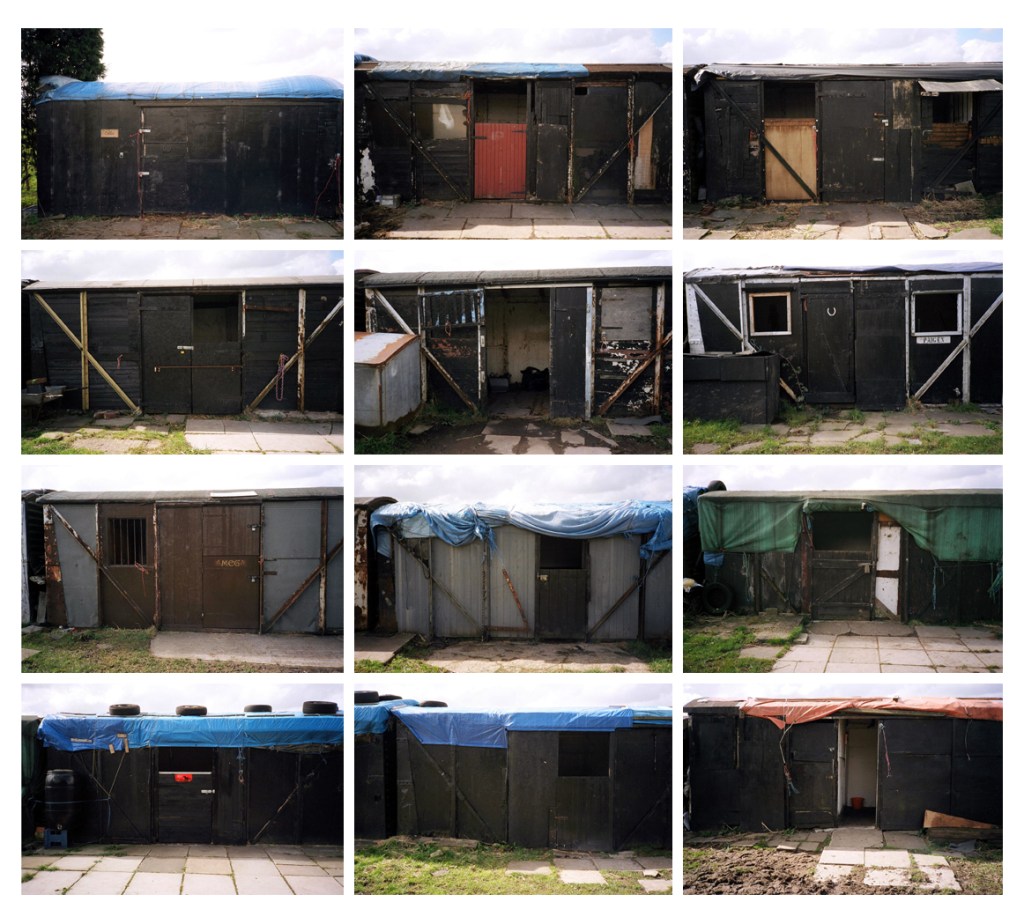
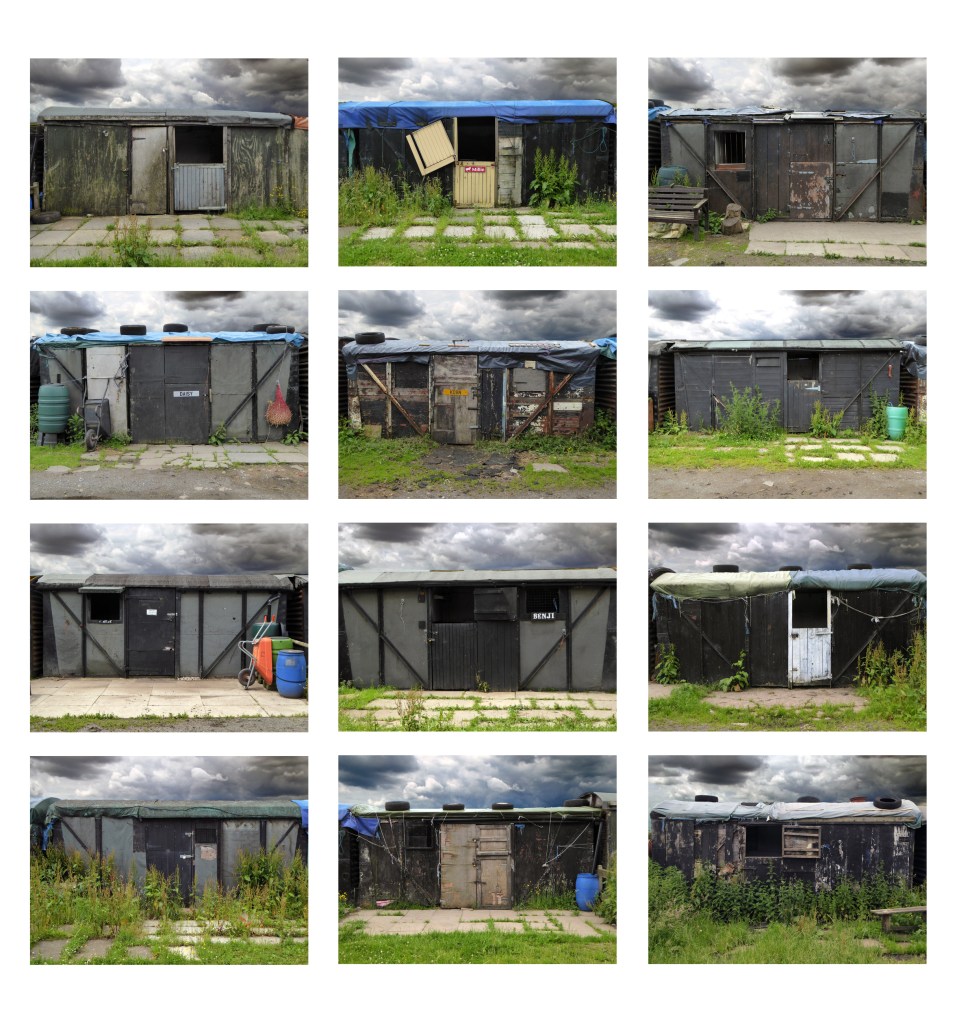
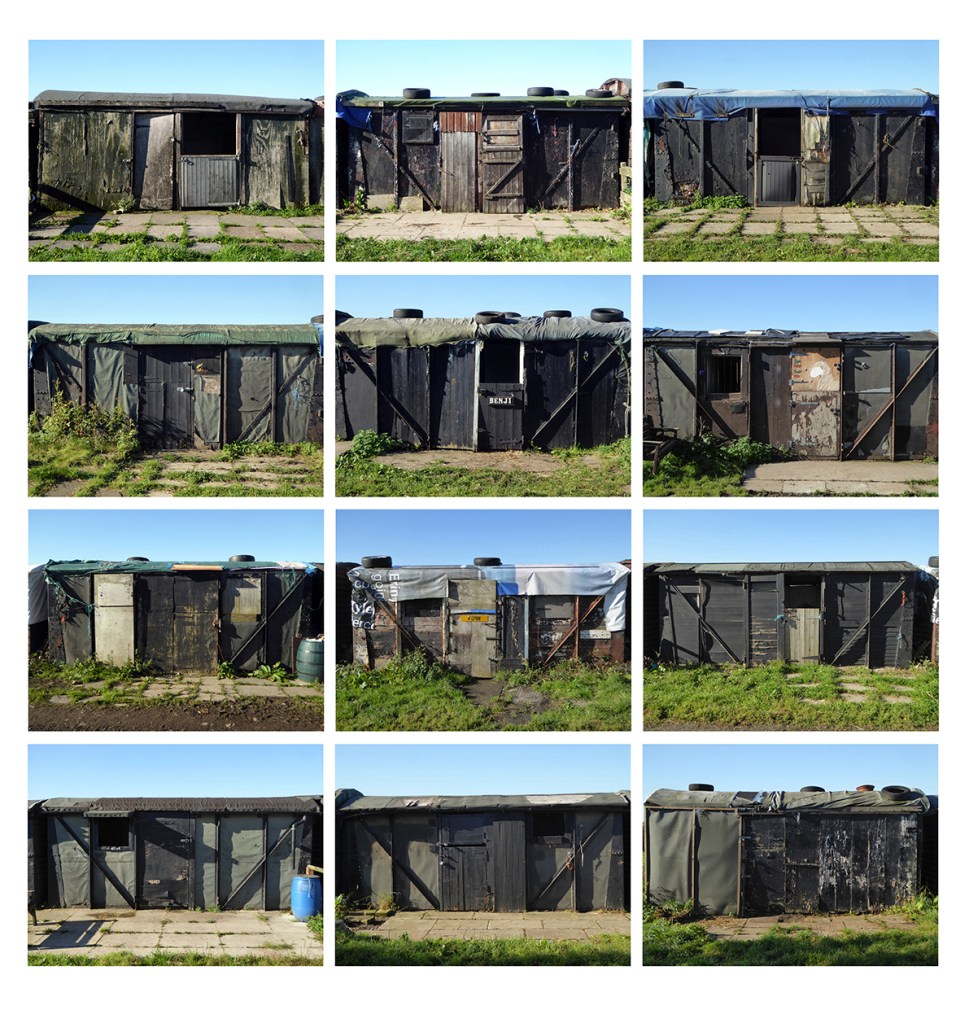
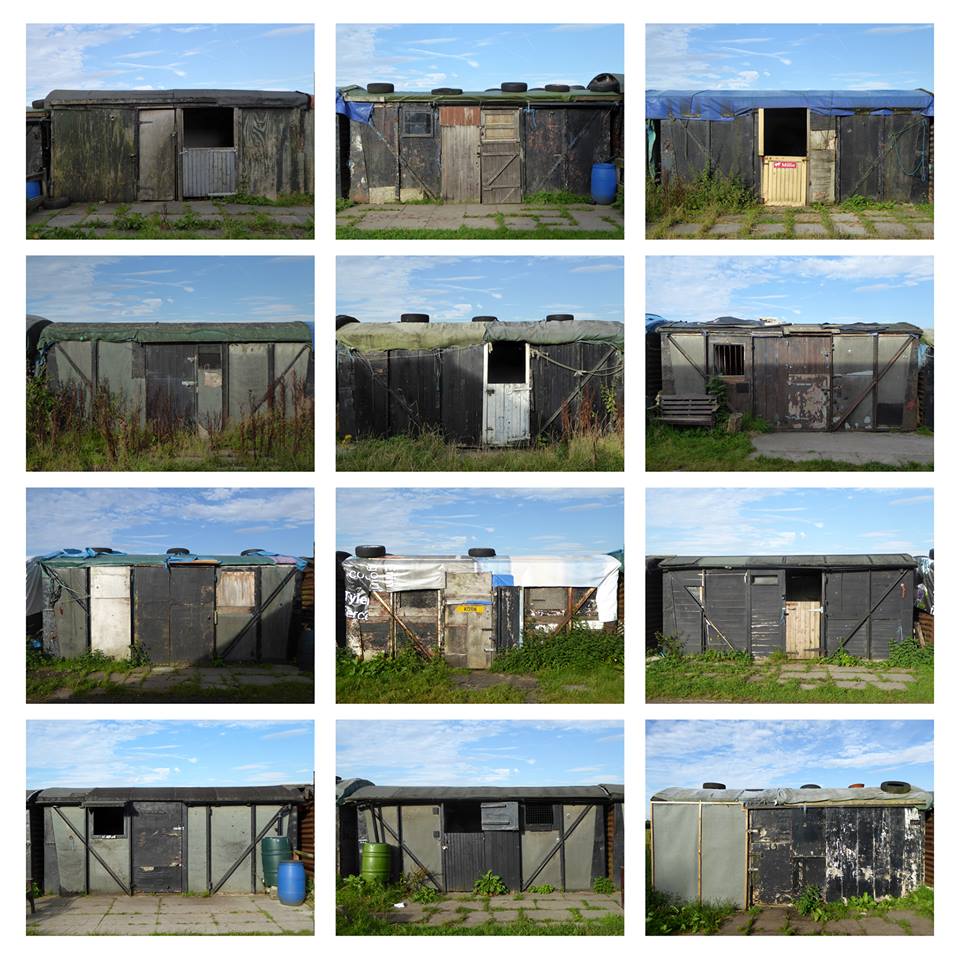
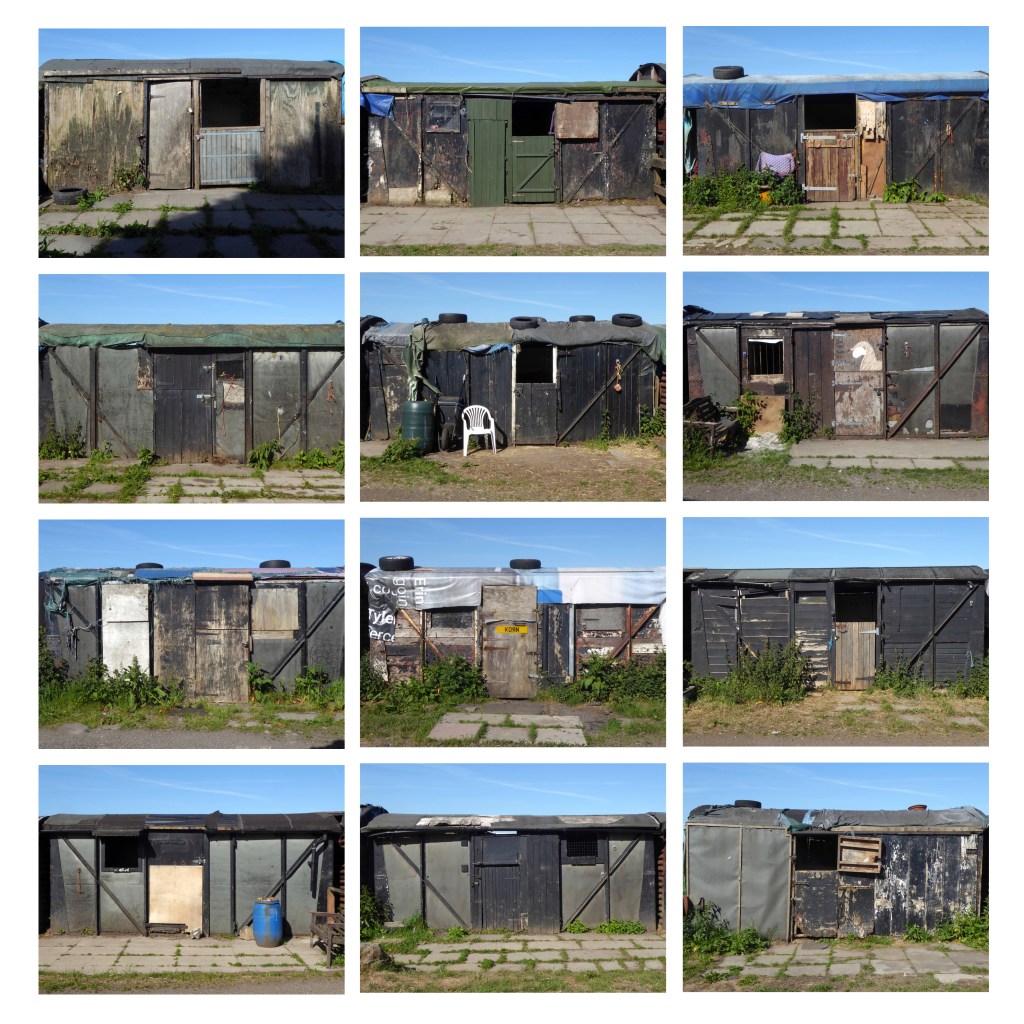
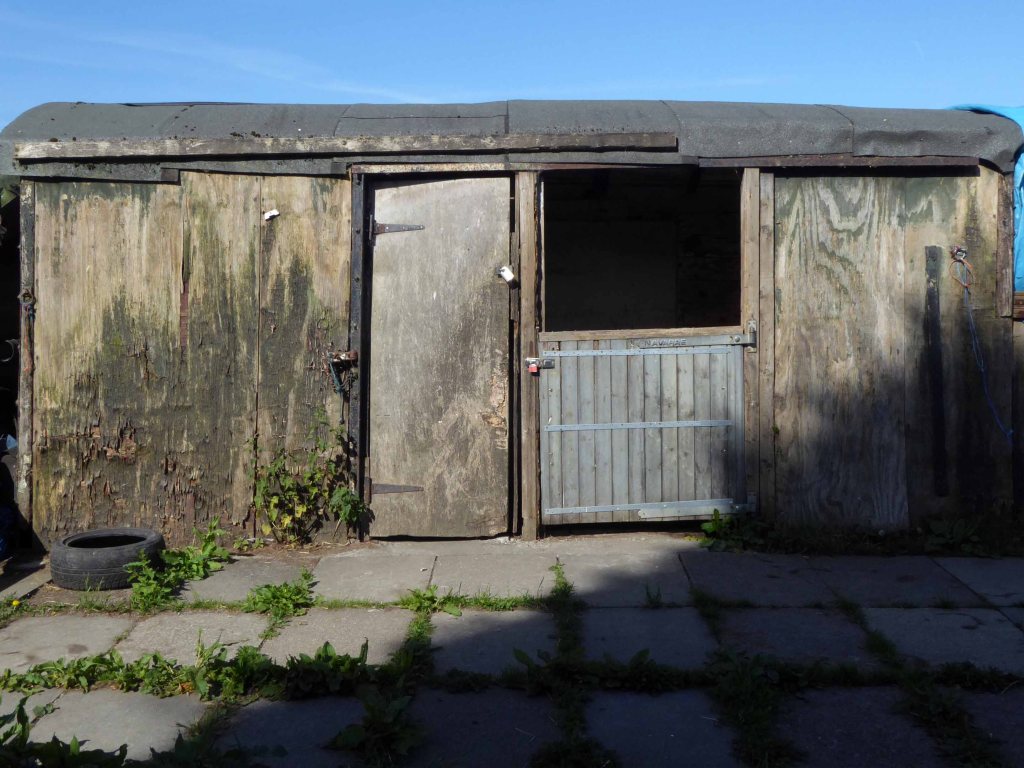
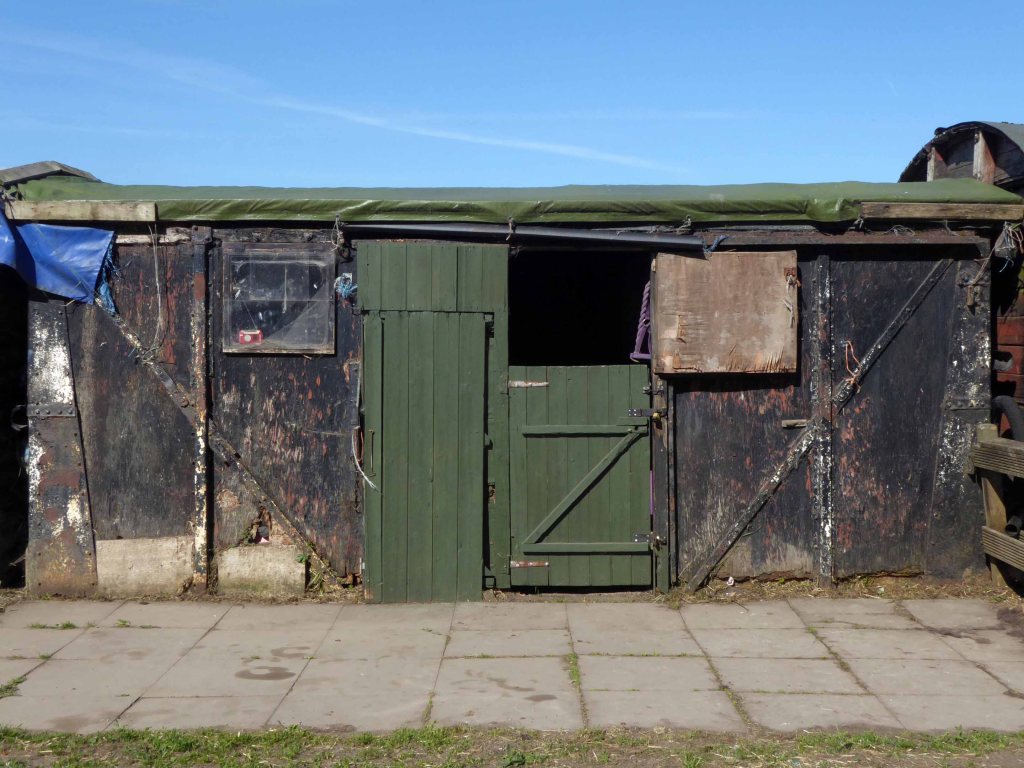
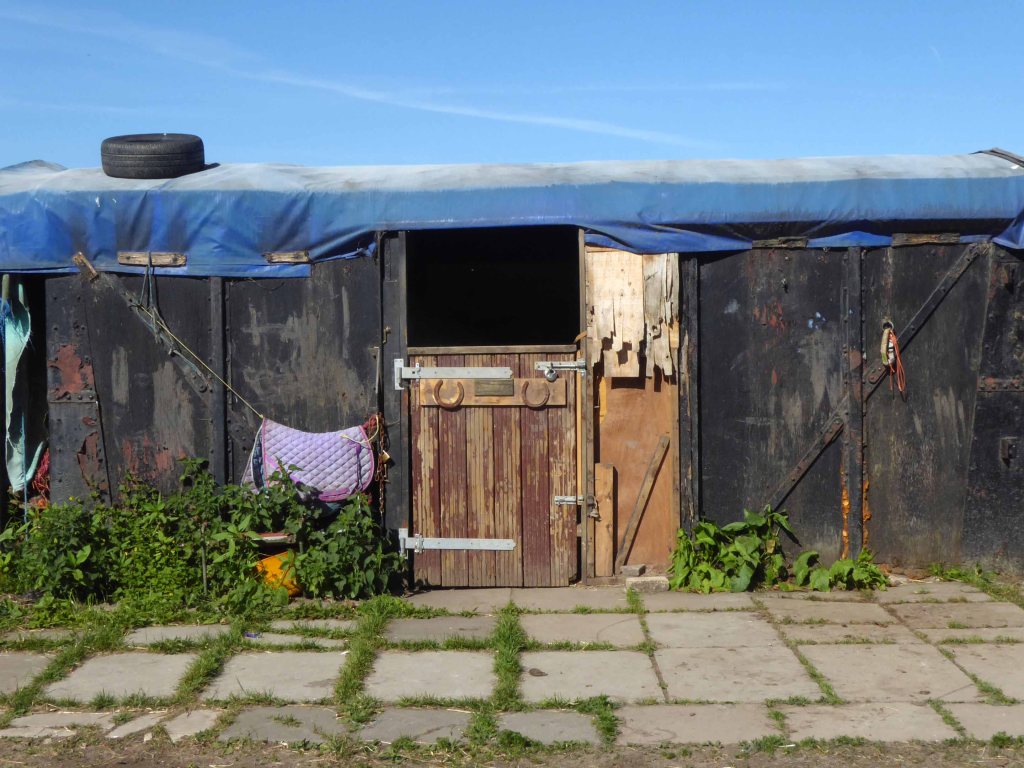
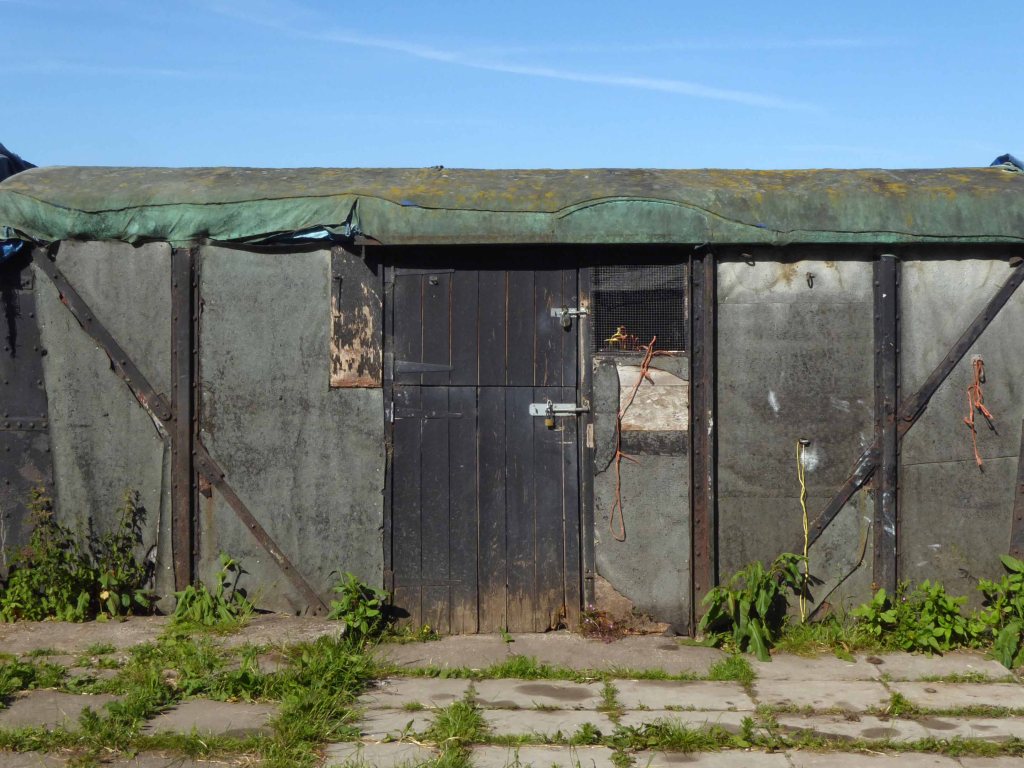
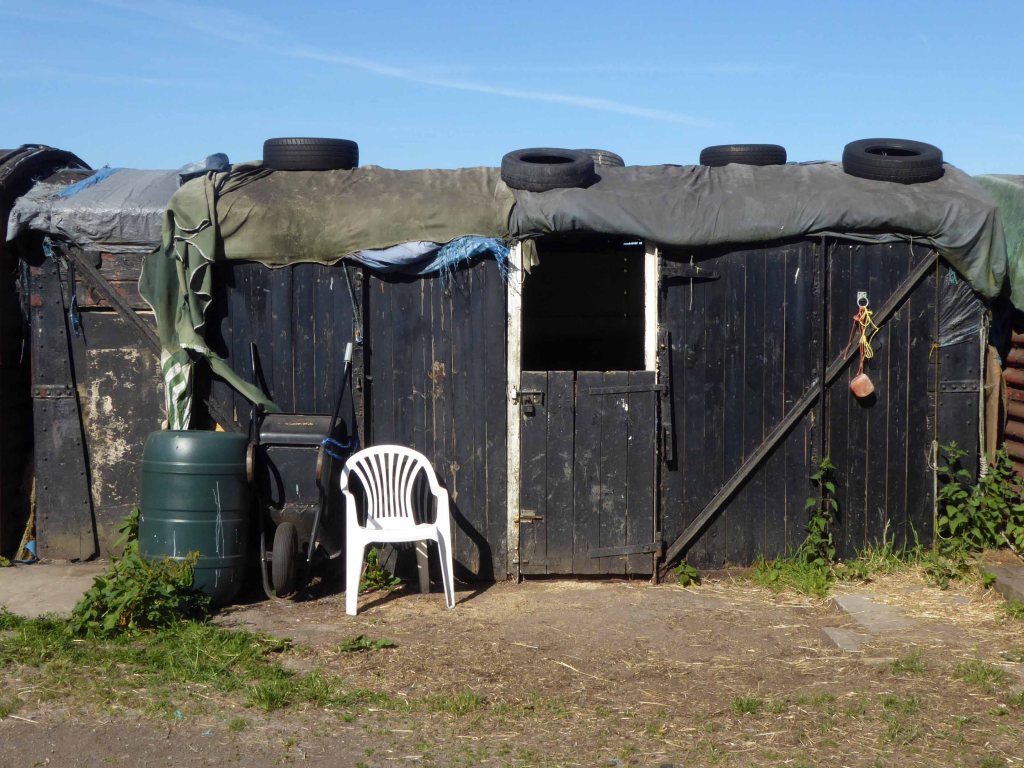
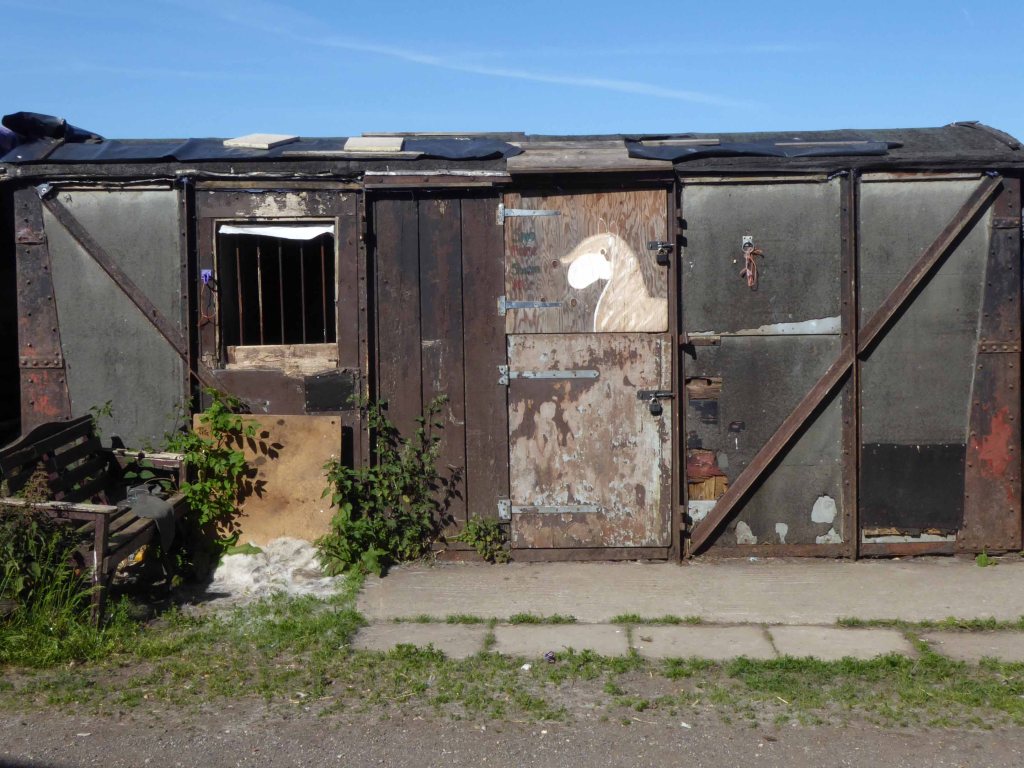
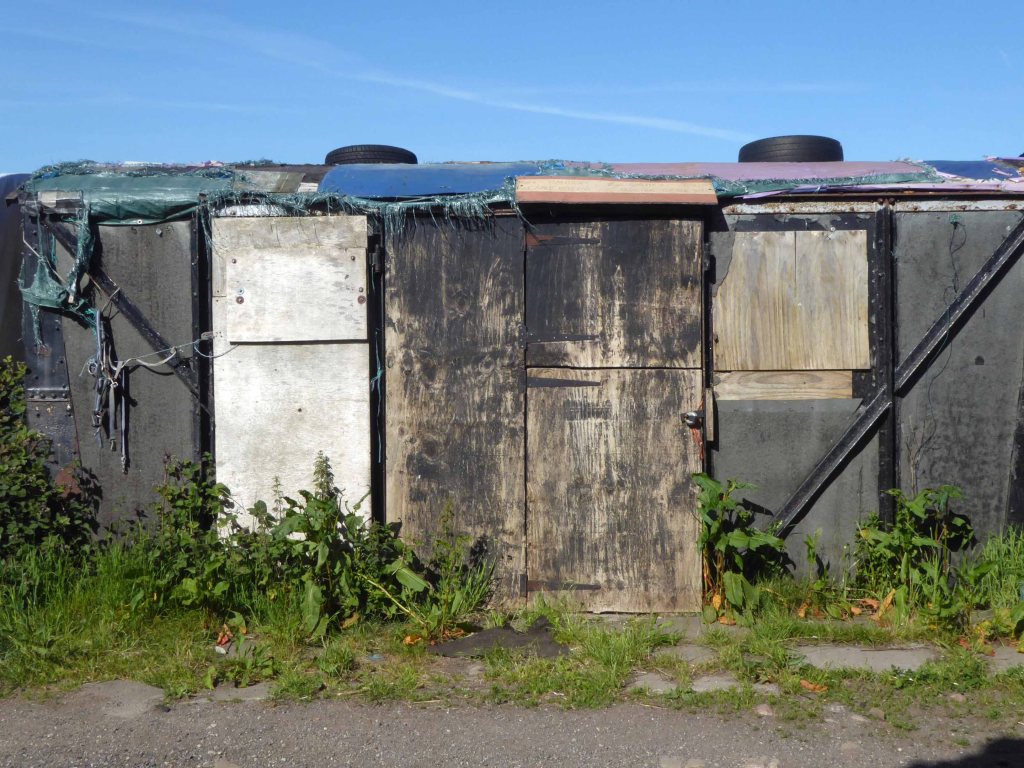
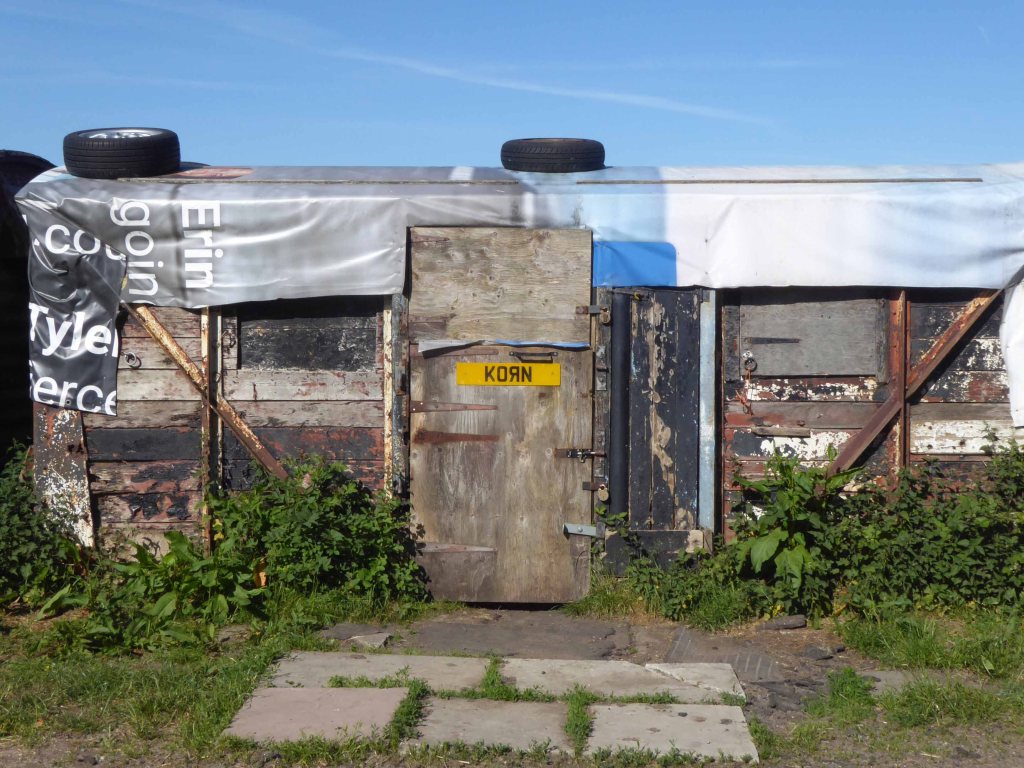
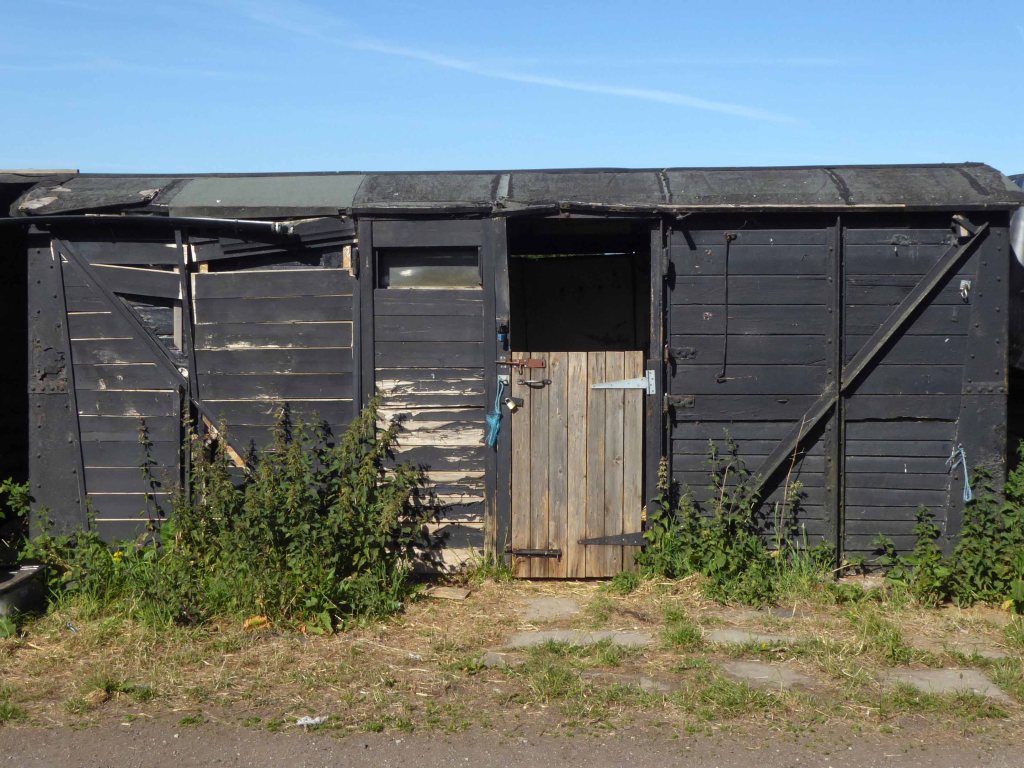
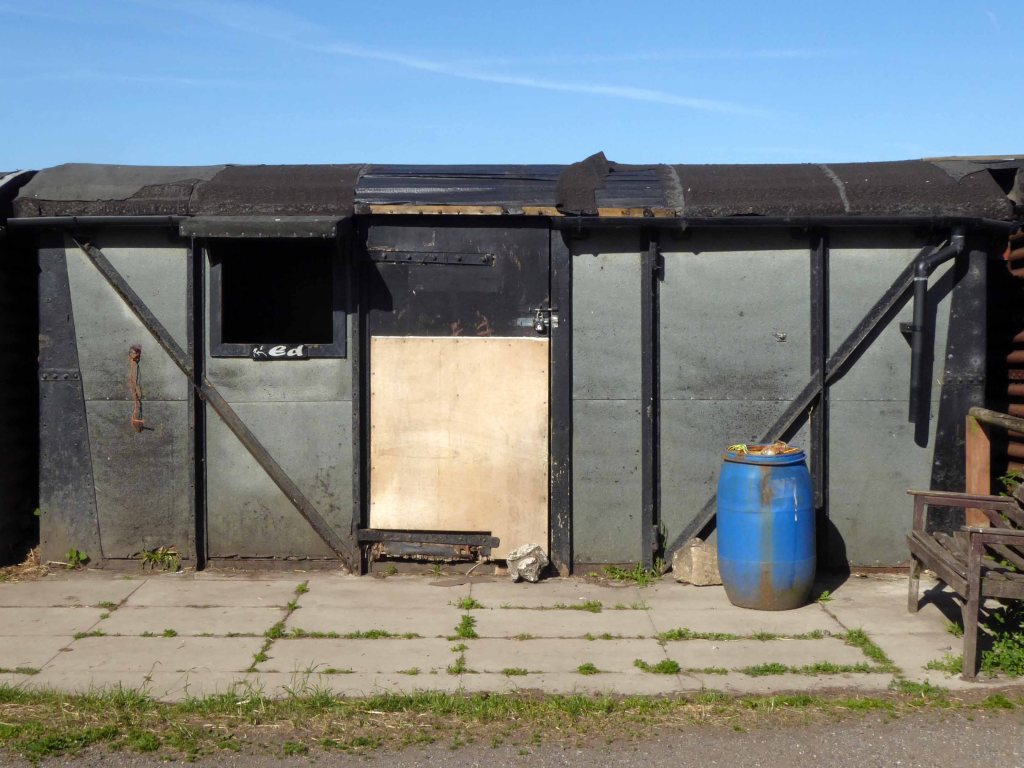
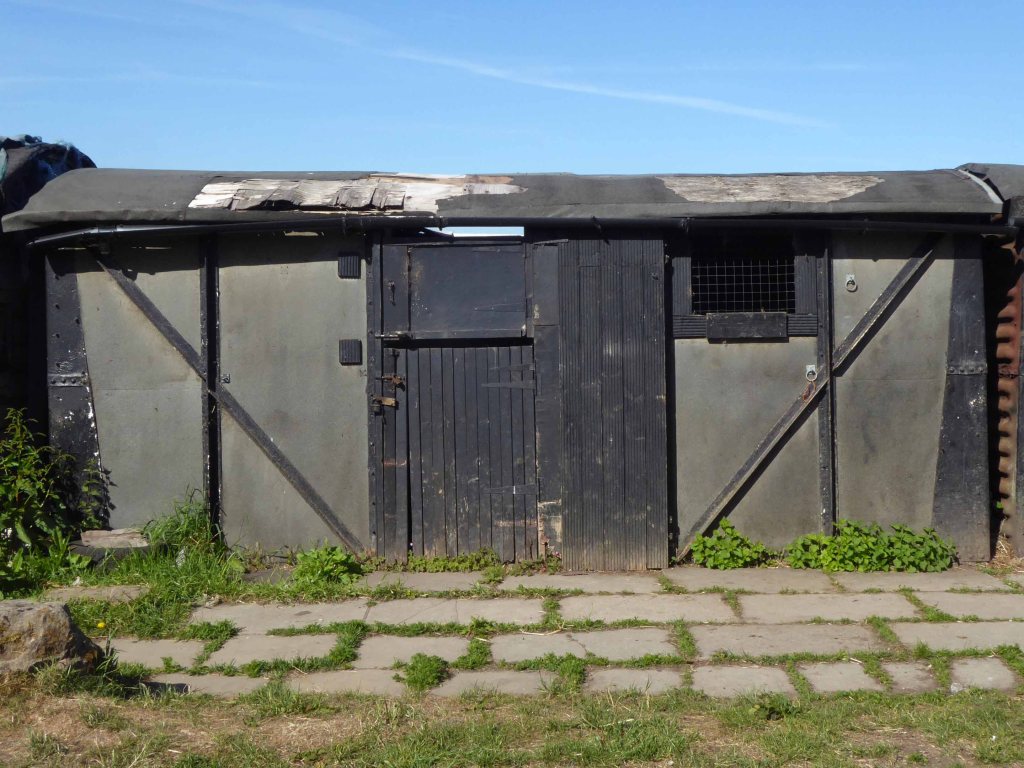
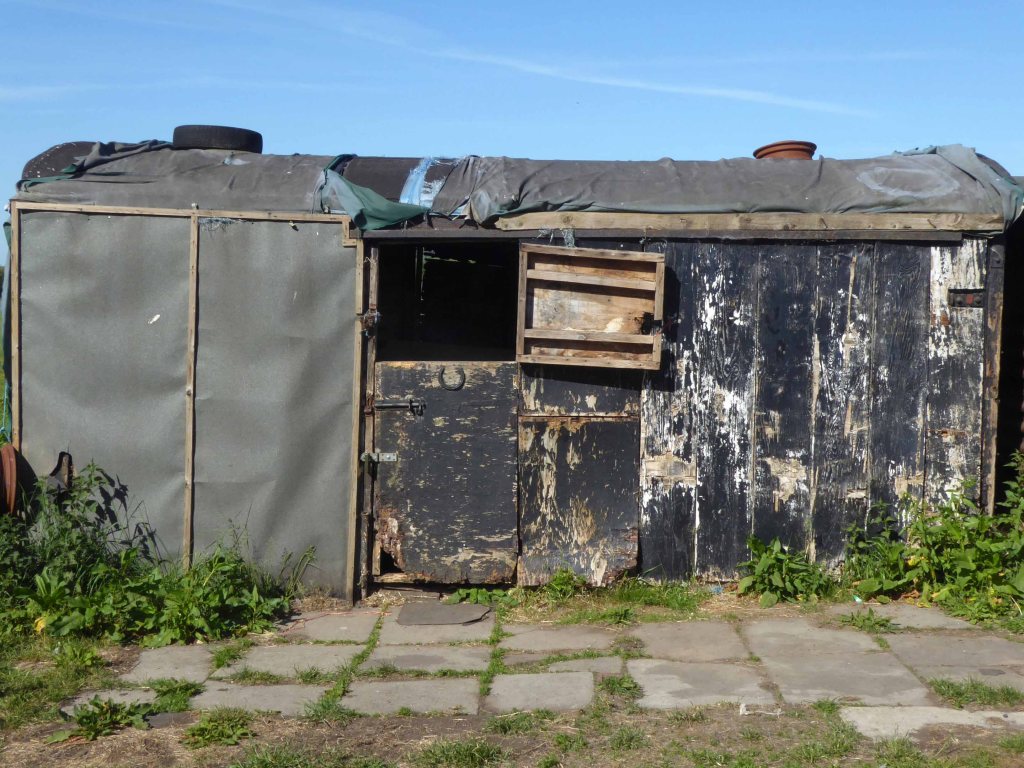
Alongside the farm are twelve stable blocks, formed from former British Rail Vanfit rolling stock.

Derby Works

I have cycled by here for some fifty years ago man and boy, sadly observing a slow decline, as the structures are kept in service with the addition of sheeting, rope, tyres and will power.

In recent years I have stopped to take photographs:

2008
2016
2017
2018
2020

They have survived wind, rain and hail, just about intact, providing adequate shelter for their equine inhabitants.

Tamara – Whaley Bridge

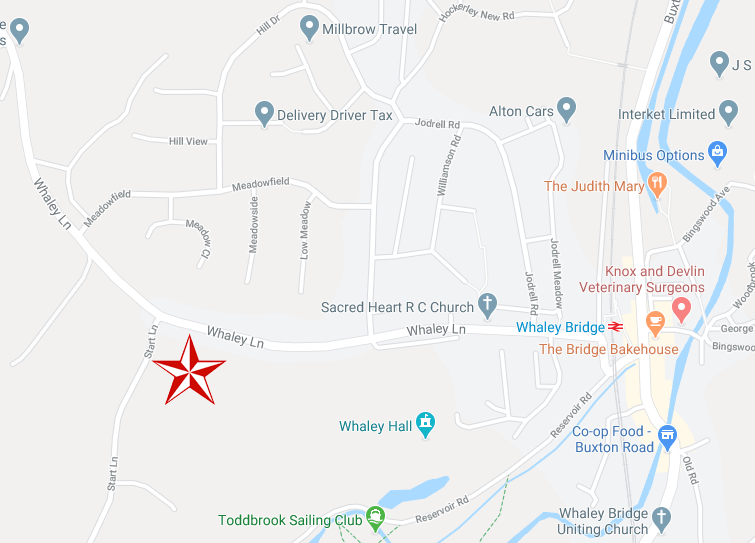
I’ve often cycled by here, on occasion taking time to take a snap or two.

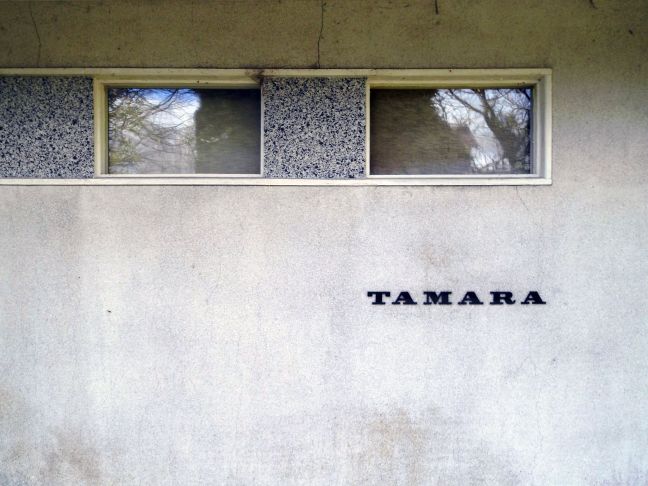
You seemed to be in decline, in need of care and attention. Stood amongst Peak vernacular and sub-Lutyens villas something of anomaly.

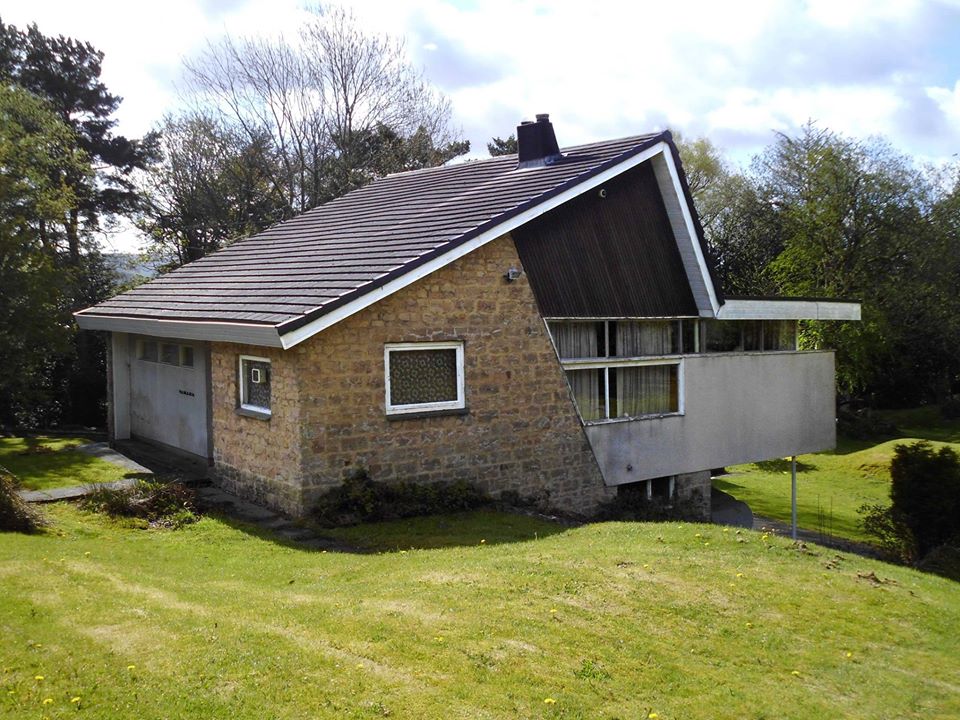
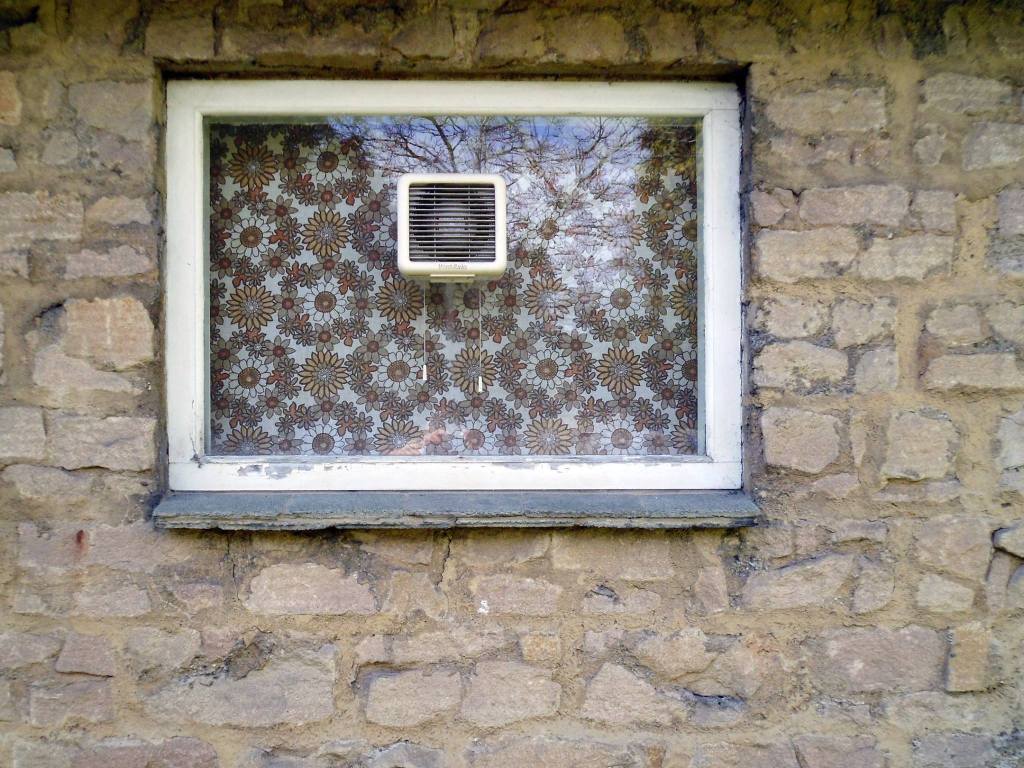
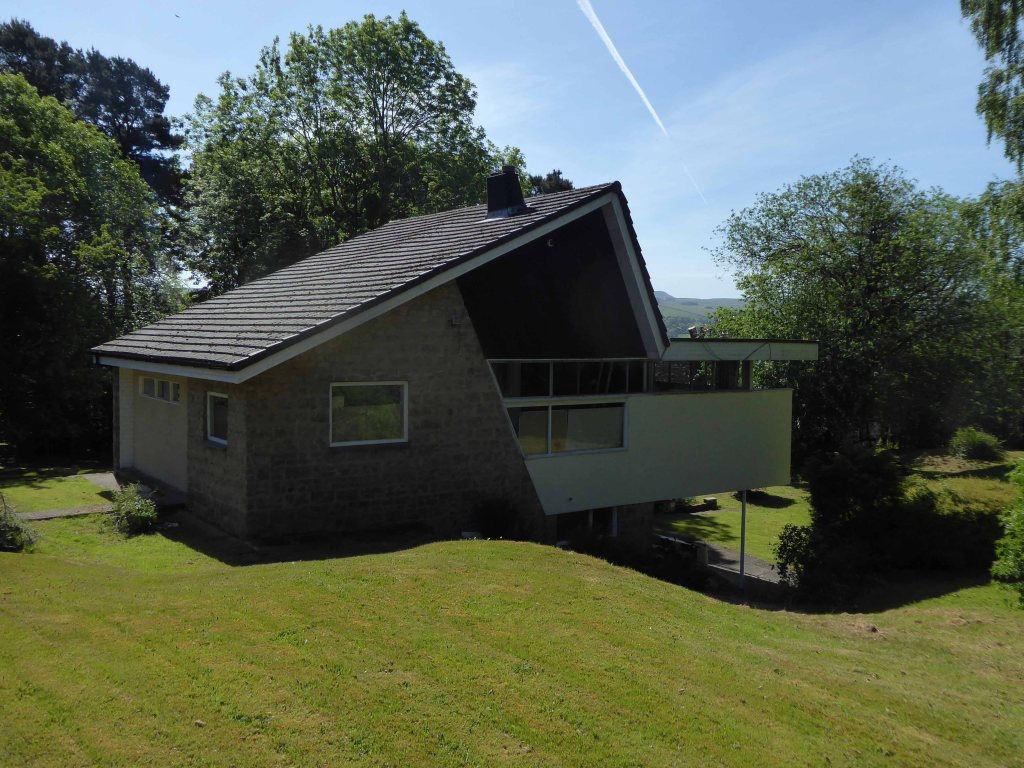
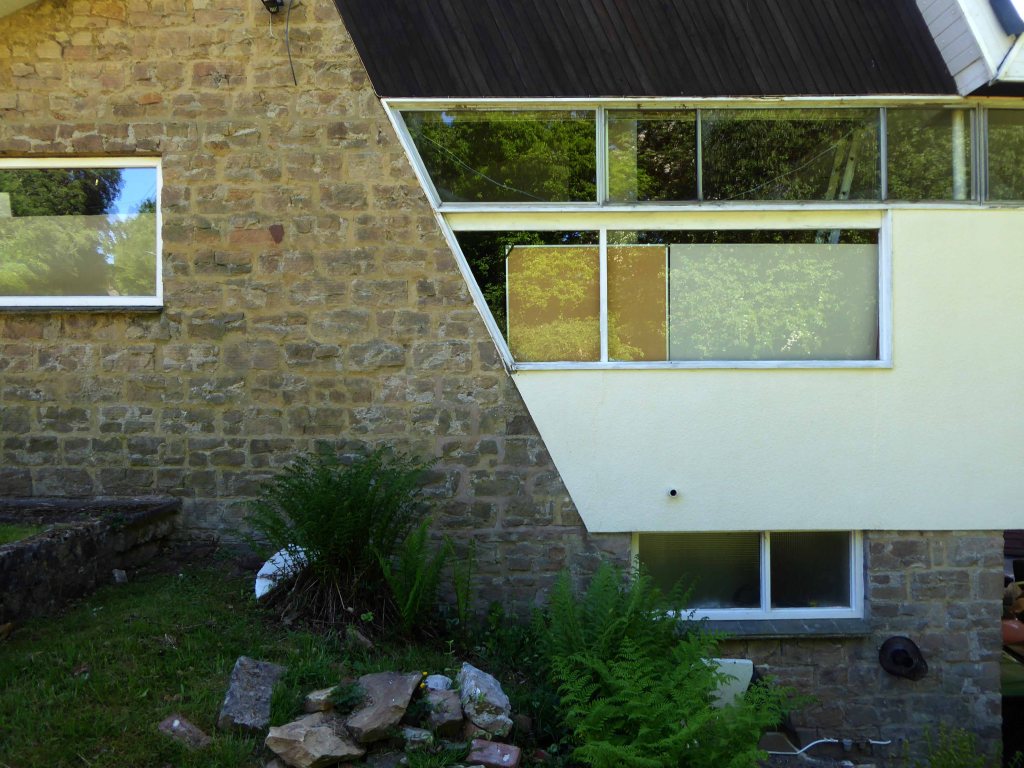
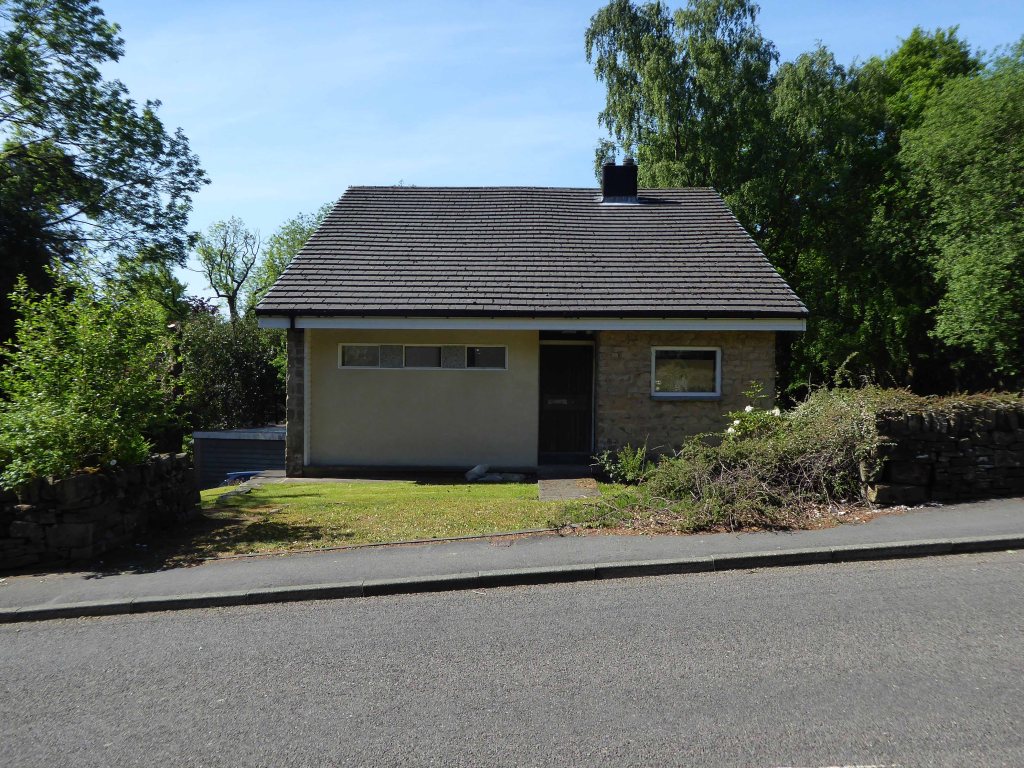
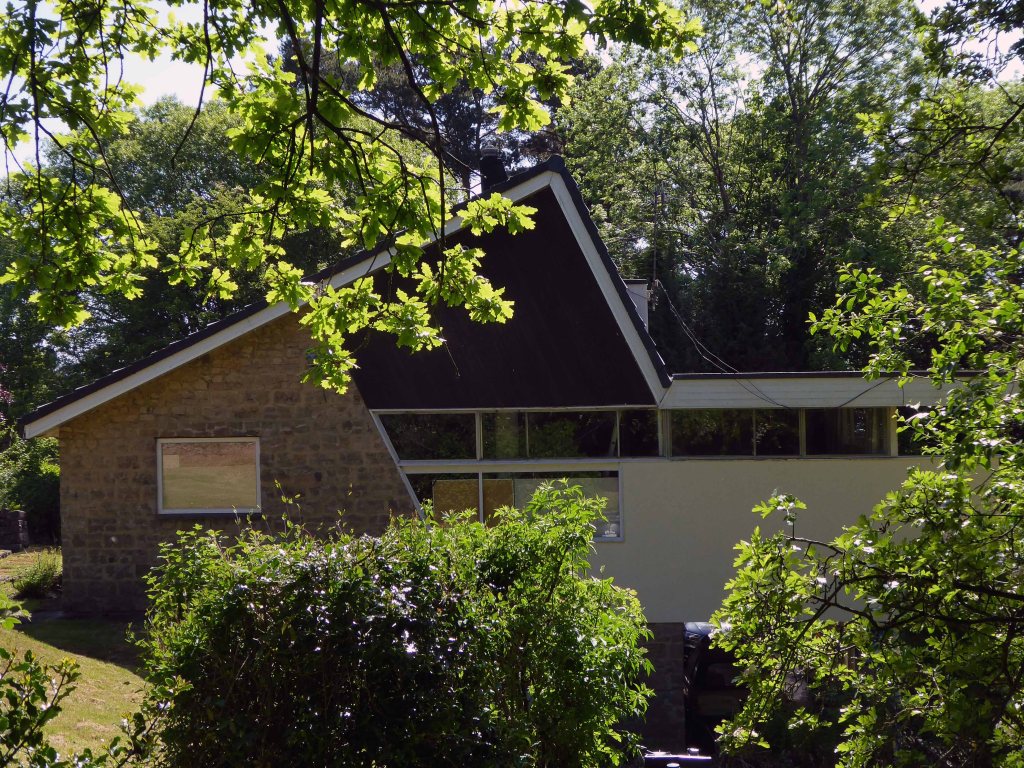
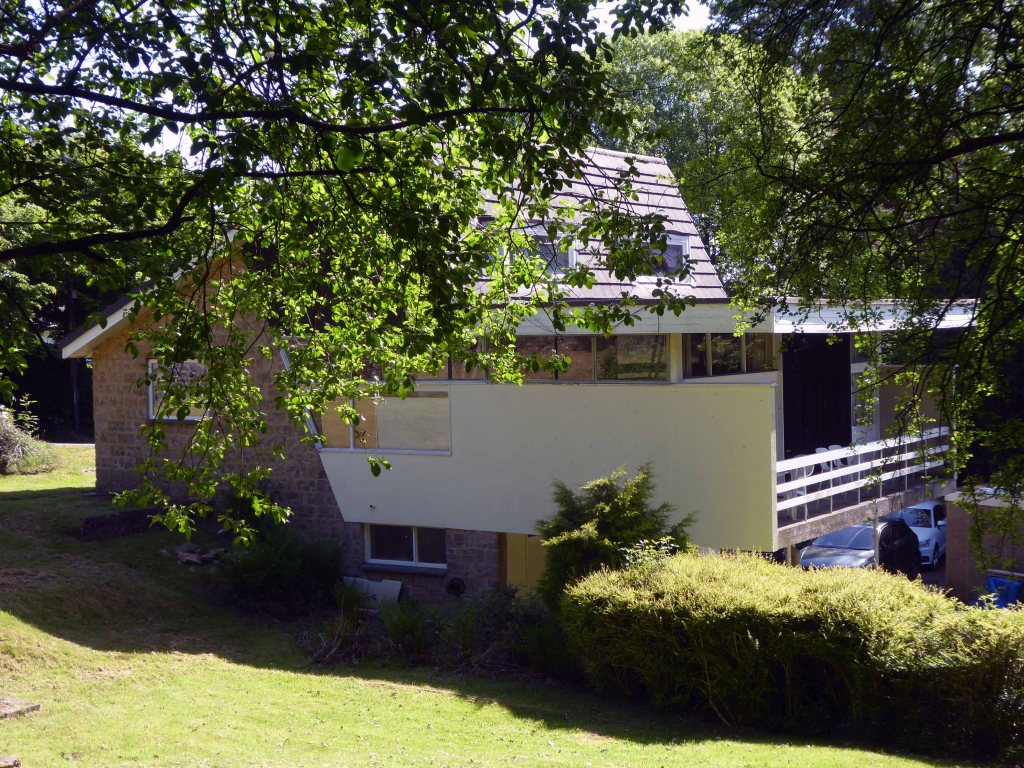
A diminutive Modernist house – a rose amongst the herbaceous borders.

Someone seems to have taken you in hand and work is underway, I just hope that they put your name back in place.

Tamara

Tamara is a female given name most commonly derived from the Biblical name Tamar, meaning date – the fruit, date palm or palm tree. In eastern European countries like Armenia, Croatia, Czech Republic, Georgia, Hungary, North Macedonia, Poland, Russia, Serbia, Slovenia and Ukraine it has been a common name for centuries. In Australia it was very popular from the 1960s to 1990s. 

In the United States, the name was fairly common from the late 1950s to mid 1990s, bolstered by the popularity of the film Tammy and the Bachelor – Tammy is commonly a nickname for Tamara. In the US the most girls named Tamara were born in 1970 and the number of Tamaras born per year was greater than 1,000 as late as 1996.

The name is now fairly uncommon in the US: in 2010, the name fell off the Top 1000 SSA Baby Names list, with fewer than 250 baby girls named Tamara that year.

Where The Gas Works Wasn’t – Stockport

1878 Gas making at Portwood commenced

1969 Old retort house demolished

1988 Gas holder number 3 dismantled

2003 Last aerial view showing the gasometers in the raised position

2019 Removal of gas holders 2 & 3

Thanks to 28 Days Later

The area was formerly a dense web of housing and industry.

With the gas works at its heart .

High speed gas once the fuel of the future is almost a thing of the past. Coal Gas produced in coke retorts long gone, North Sea Gas hissed off.

Low carbon heating will replace domestic boilers from 2025, the need for gas storage holders is minimal.

Goodnight Mr Therm.

There are currently 53 listed holders on the Historic England site.

Some have been repurposed – WilkinsonEyre has completed work on Gasholders London; a development of 145 apartments within a triplet of listed gasholder guide frames.

Little now remains of the Portwood Gas Works.

These are the rearranged remnants re-sited by Dunelm Mill – it’s curtains for our industrial heritage.

What’s left?

This is now the province of Securitas and Peel Holdings.

Your business is unique, so we don’t offer a one-size-fits-all.

Instead, we layer six Protective Services for your complete security. 

Unlock six Protective Services

One of the UK’s largest retail parks, Stockport Retail Park benefits from a strategic location on the M60 Manchester orbital motorway making it one of the city’s most accessible parks. The park forms a natural extension to the town centre, offering a wide range of uses from value convenience to fashion and home as well as a number of cafés and restaurants.

This is the post industrial landscape of consumption and its infrastructure that faces the defunct and mothballed site, whatever next?