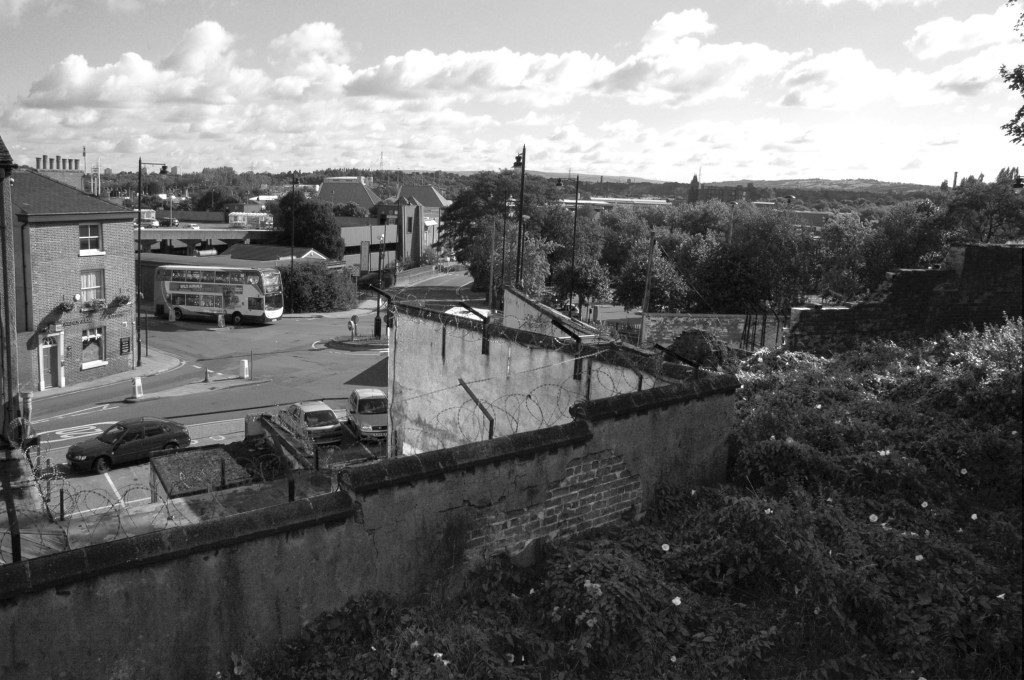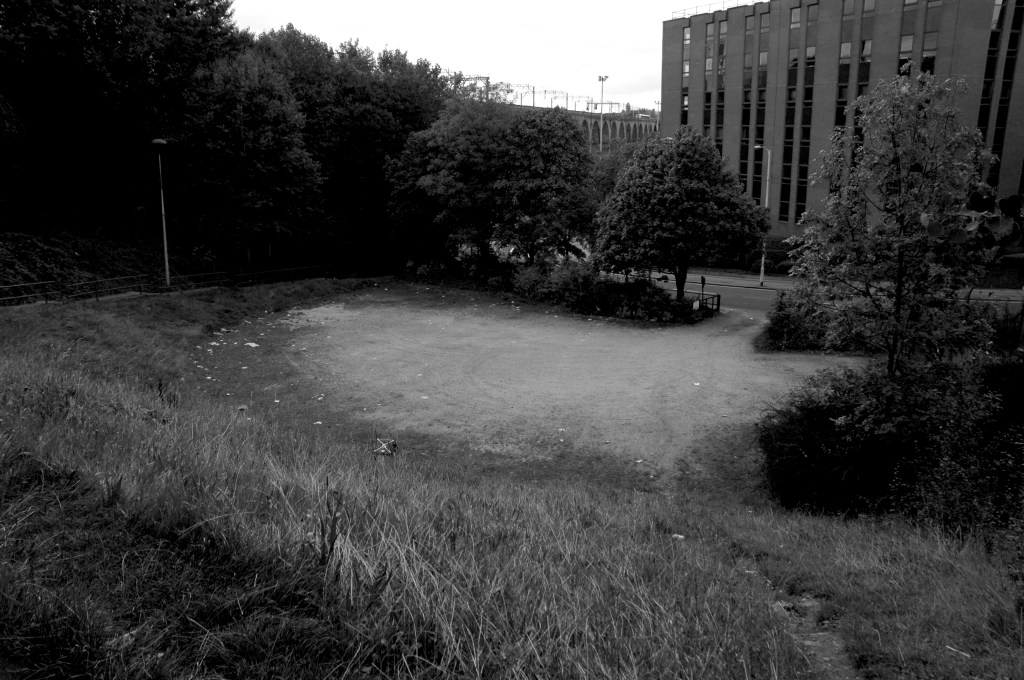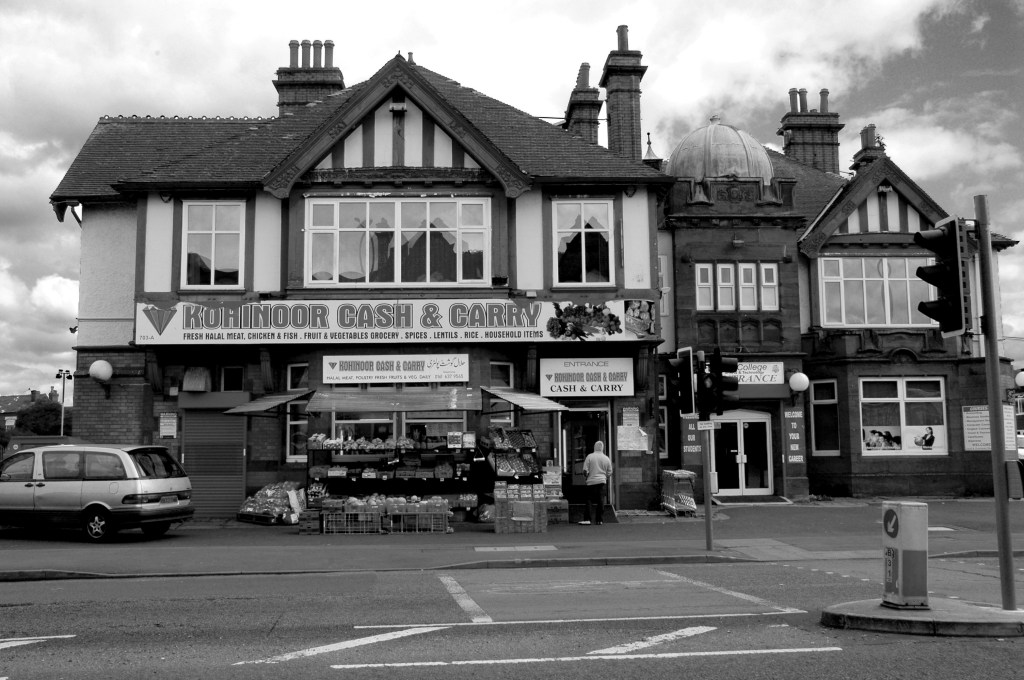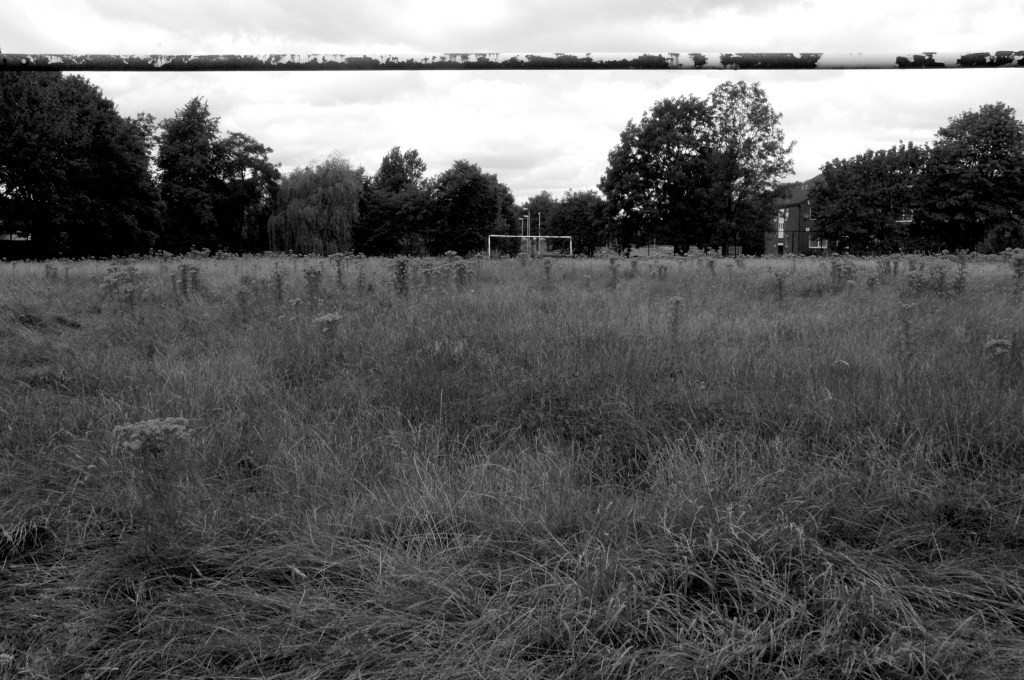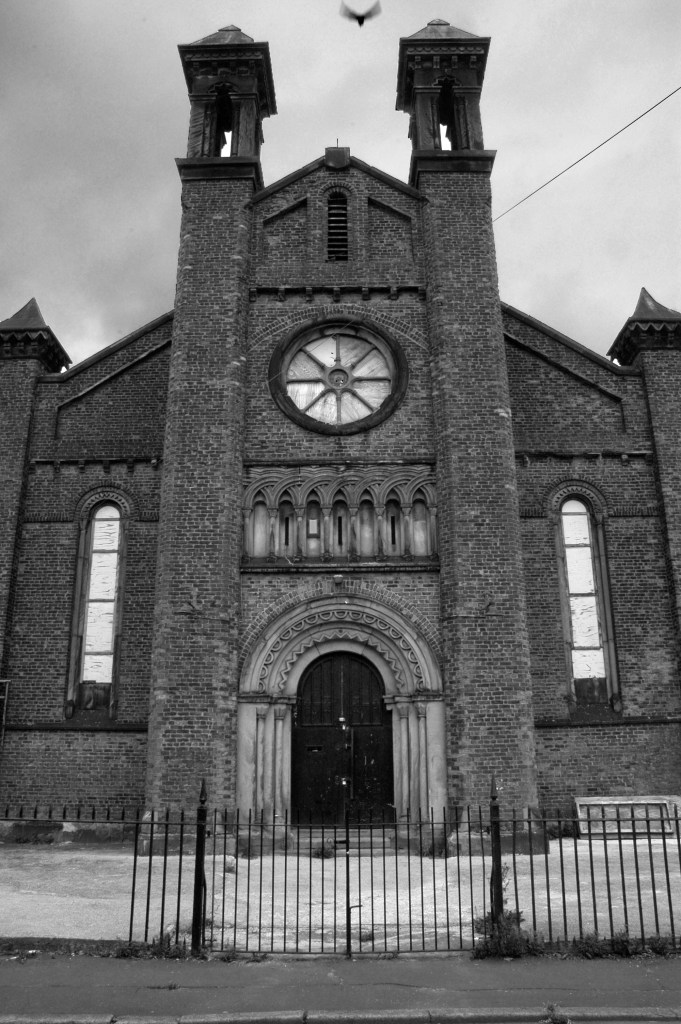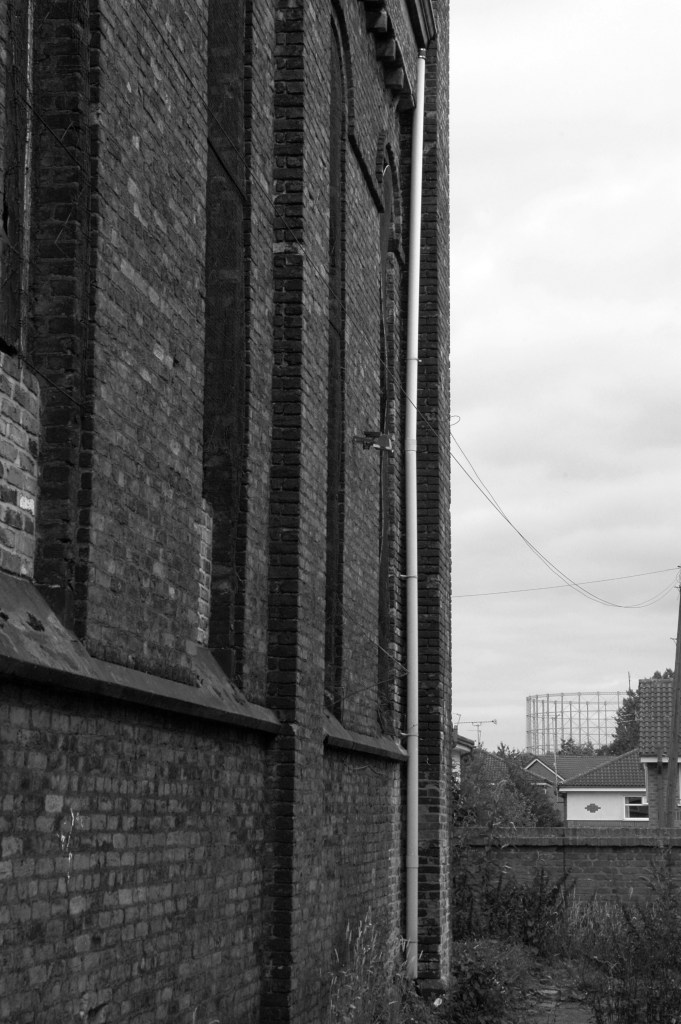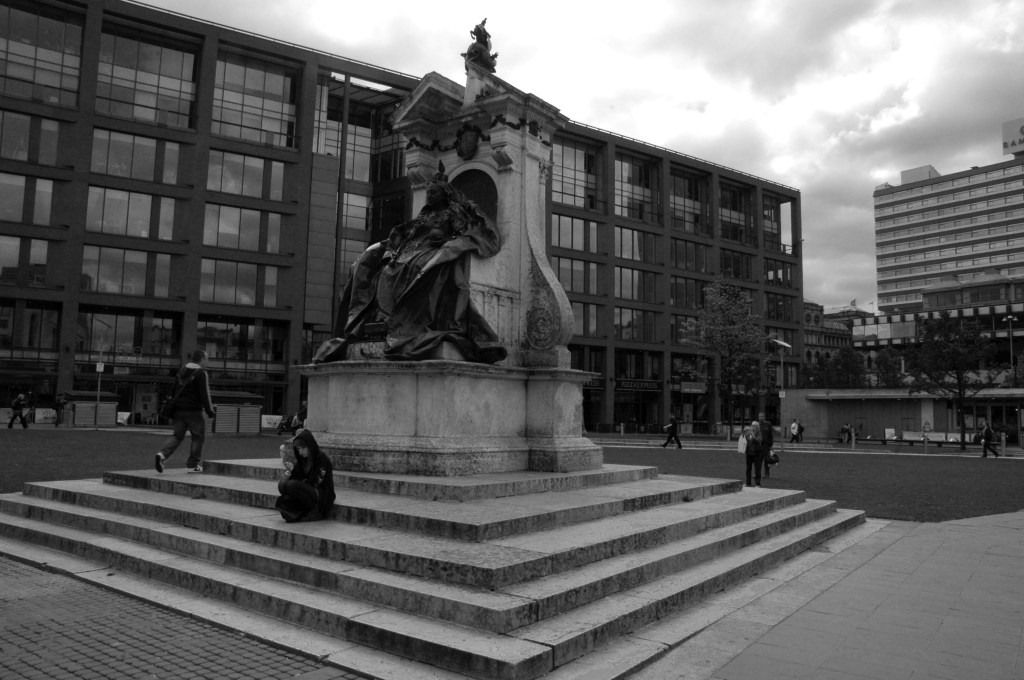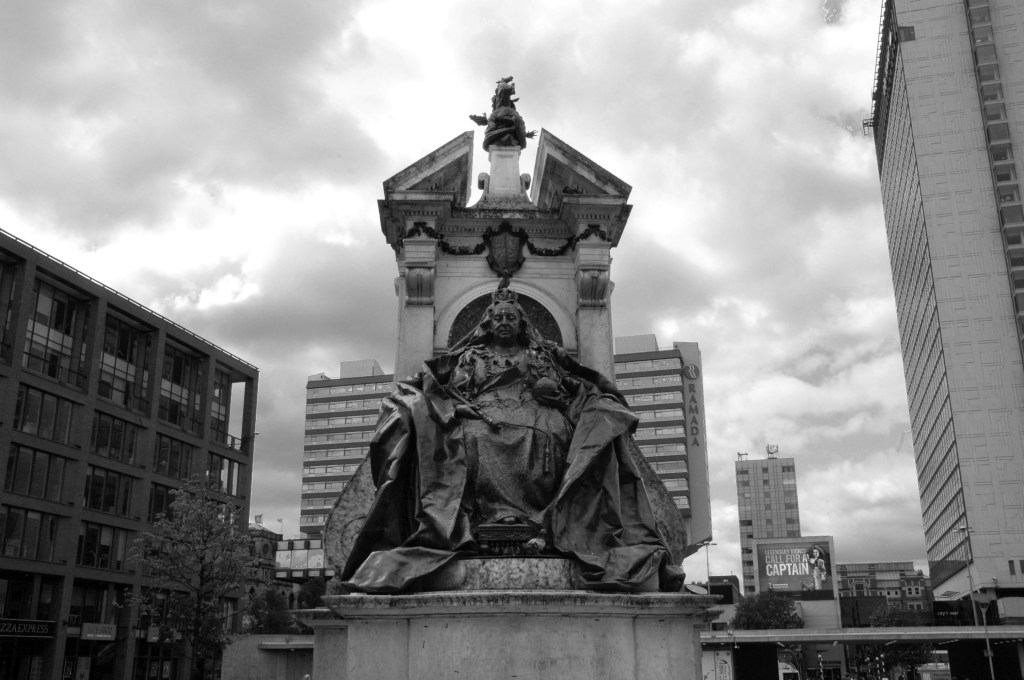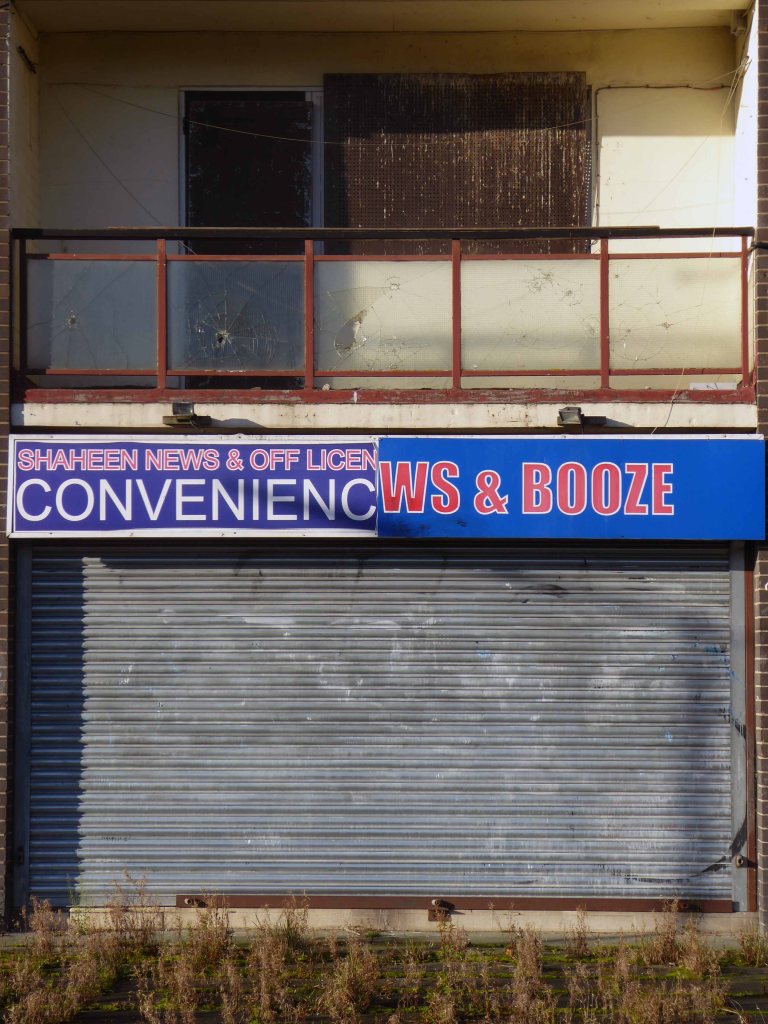
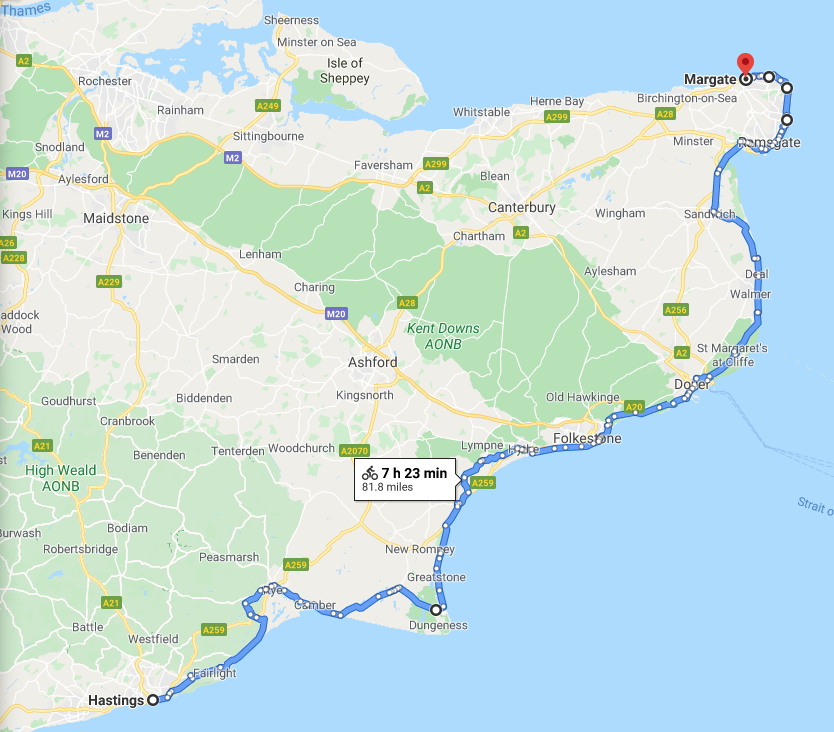
Hastings To Margate

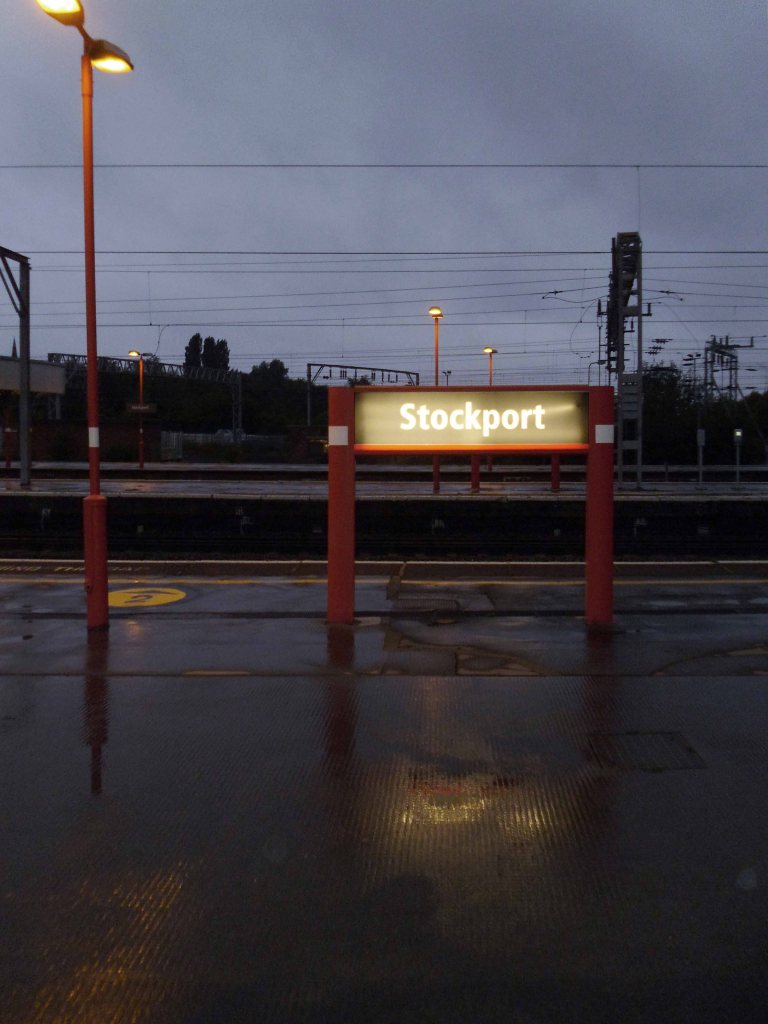
Early one morning, six o’clock on Saturday 30th August 2014 to be precise – I set out on my bike from my humble Stockport home, Pendolino’d to Euston, London Bridged to Hastings.
It was my intention to follow the coast to Cleethorpes, so I did.

Five hundred miles or so in seven highly pleasurable days awheel, largely in bright late summer sun. Into each life however, some rain must fall, so it did.

Kent, Essex, Suffolk, Norfolk and Lincolnshire flashed by slowly in lazy succession, to the right the sea – you can’t get lost, though I did. Following Sustrans signs is relatively easy, as long as they actually exist, when I reached Kings Lynn I decided to buy a map.

I set out at eight o’clock on Monday 1st September – I had taken early retirement in March. I would have normally been enrolling new students and teaching photography in a Manchester Further Education College, as I had done for the previous thirty years.

Not today thanks.

With the wind and my former career behind me, I cycled on with an unsurpassable sense of lightness and elation.

This is what I saw.

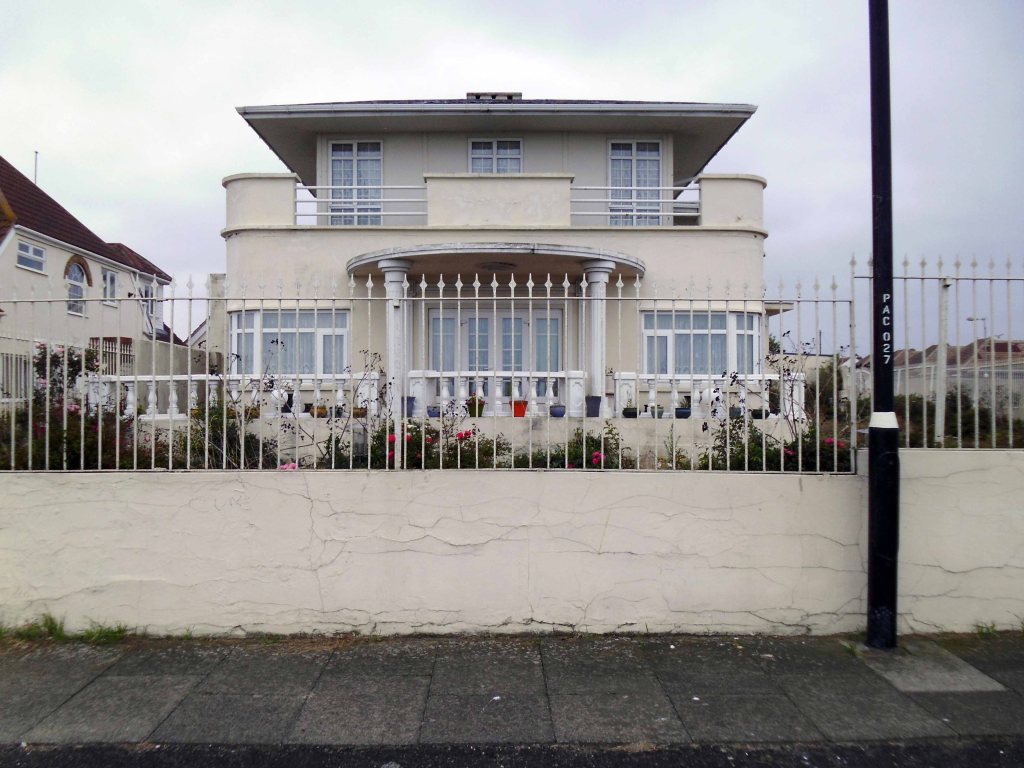
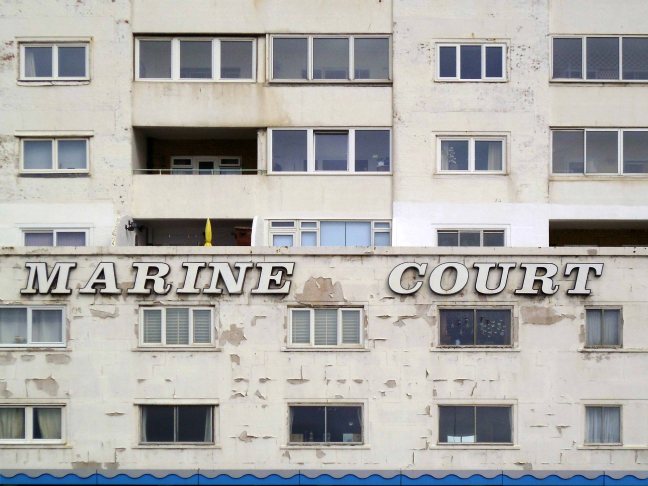
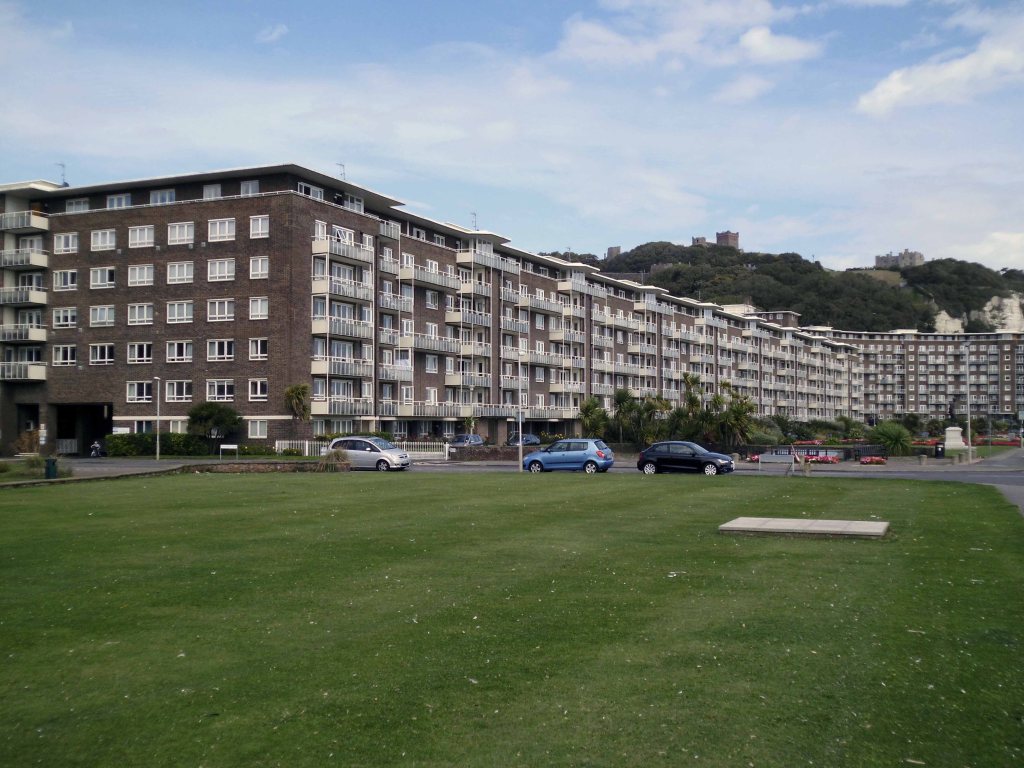
Above and below is Marine Court
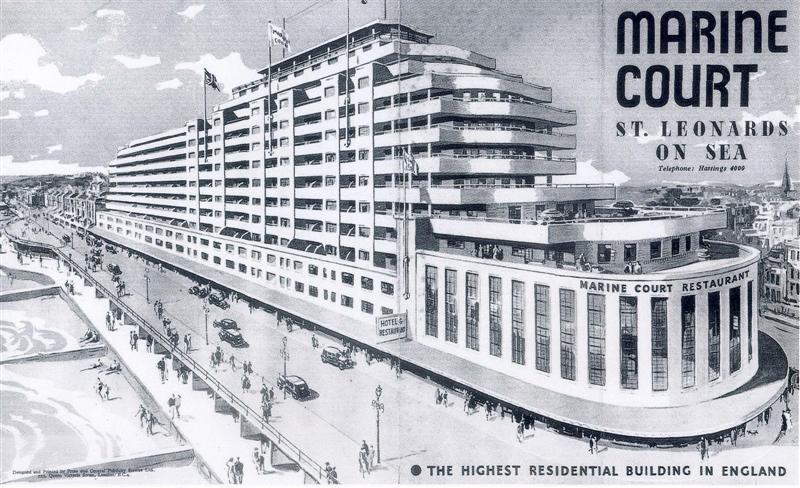
The building was designed by architects Kenneth Dalgleish and Roger K Pullen, with overt references to the Cunard White-Star Line Queen Mary, which had entered commercial transatlantic service in 1936. The east end of Marine Court is shaped to imitate the curved, stacked bridge front of the Queen Mary; the eastern restaurant served to imitate the fo’c’sle deck of the ship.
Modernist Britain

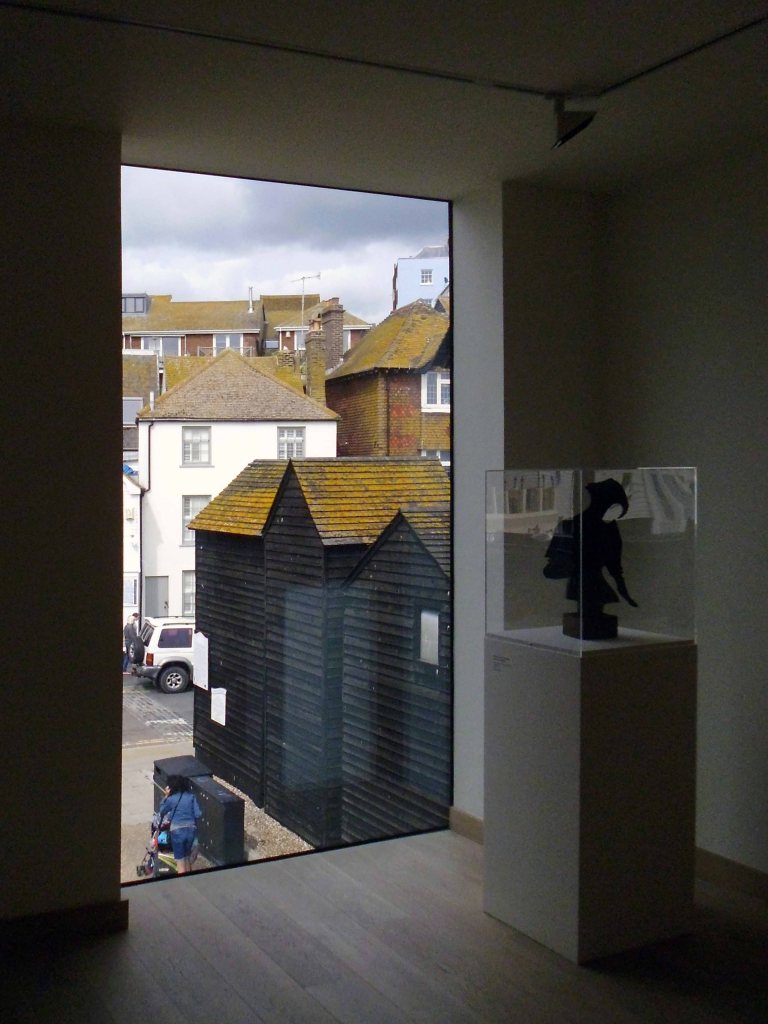
The then Jerwood Gallery looking towards the Old Town’s distinctive fisherman’s sheds.
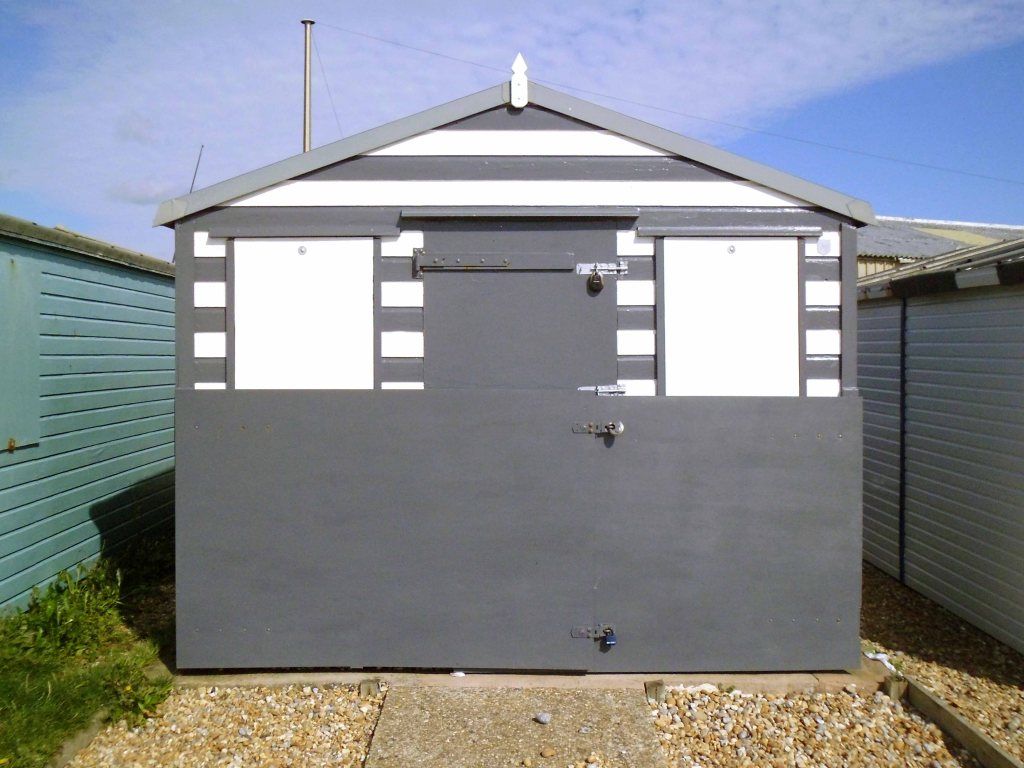
One grey beach hut bucks the trend.
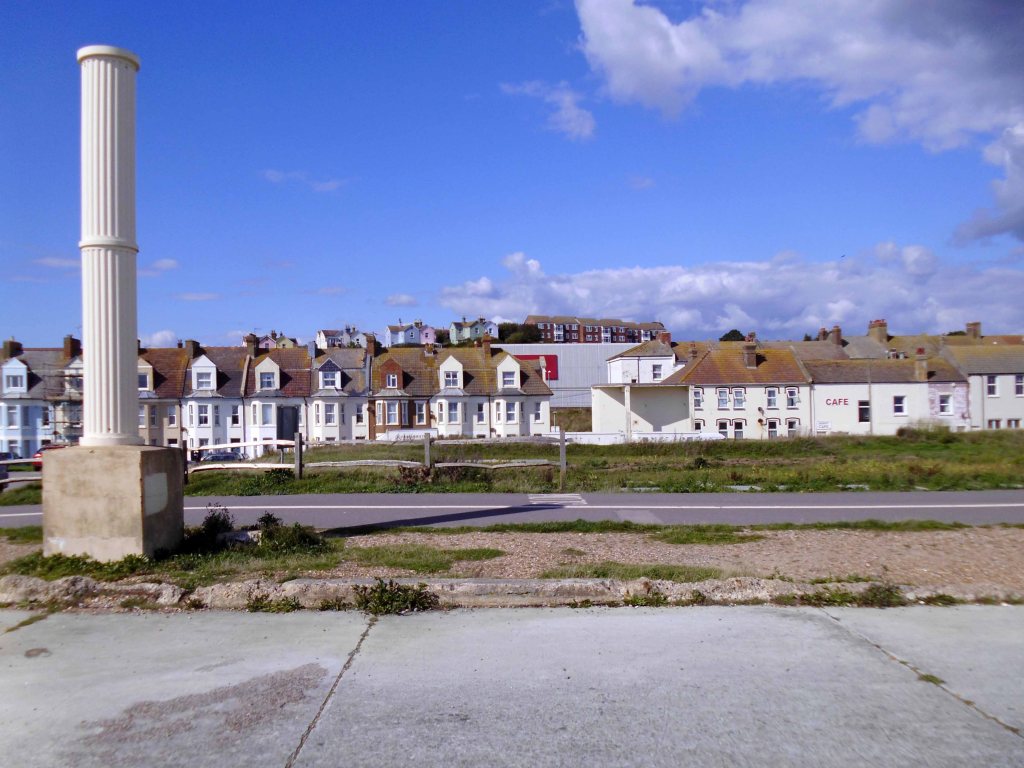
This is all that remains of the St Leonard’s Lido
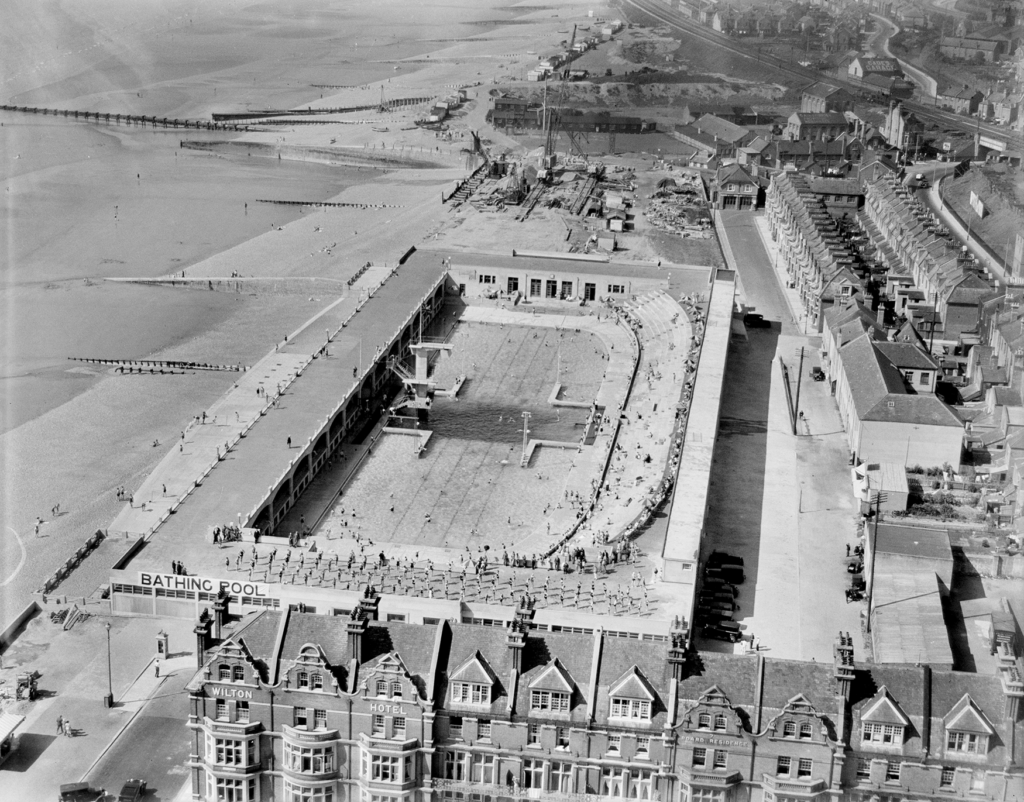
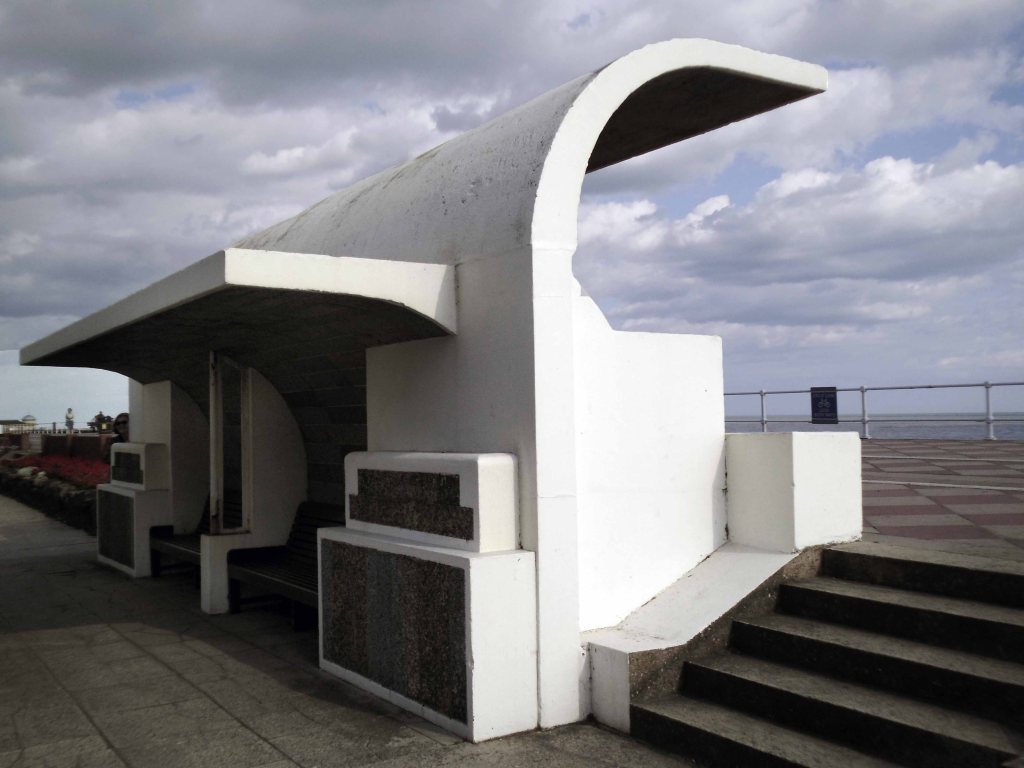
Photo Historic England

This is one of many seaside shelters devised by Sidney Little in constructing the concrete promenade – let’s head east.
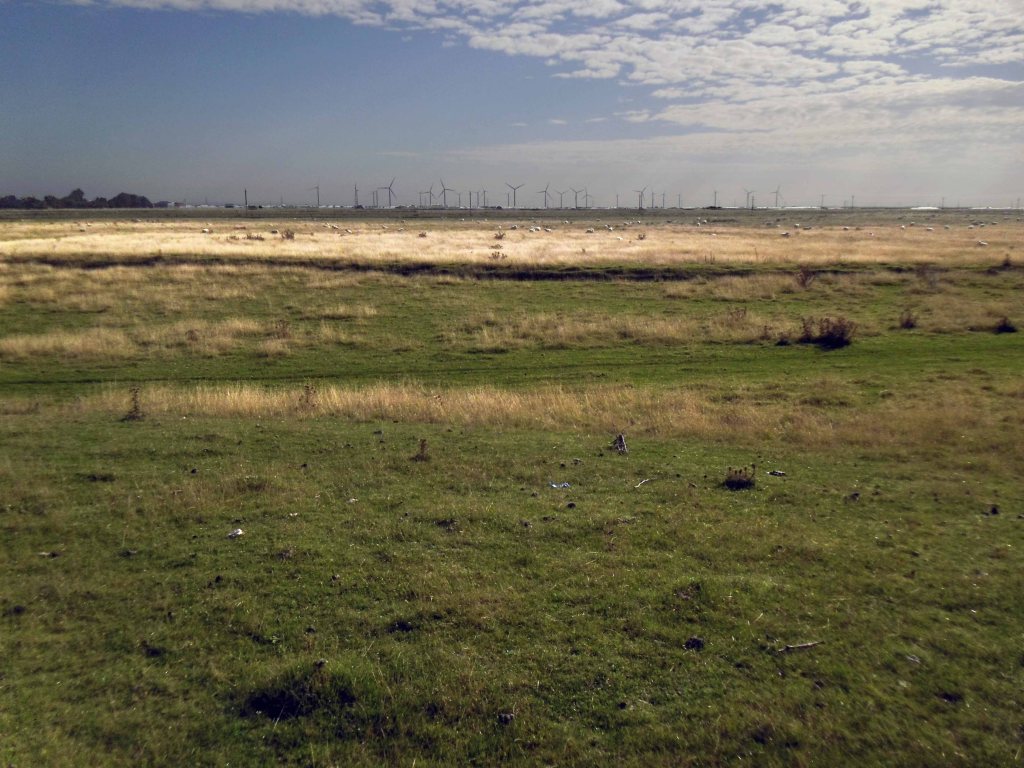
The view across the Romney Marshes from Camber toward Dungeness – which on this occasion I bypassed.

Harold Gilman

Beloved of many passing painters.

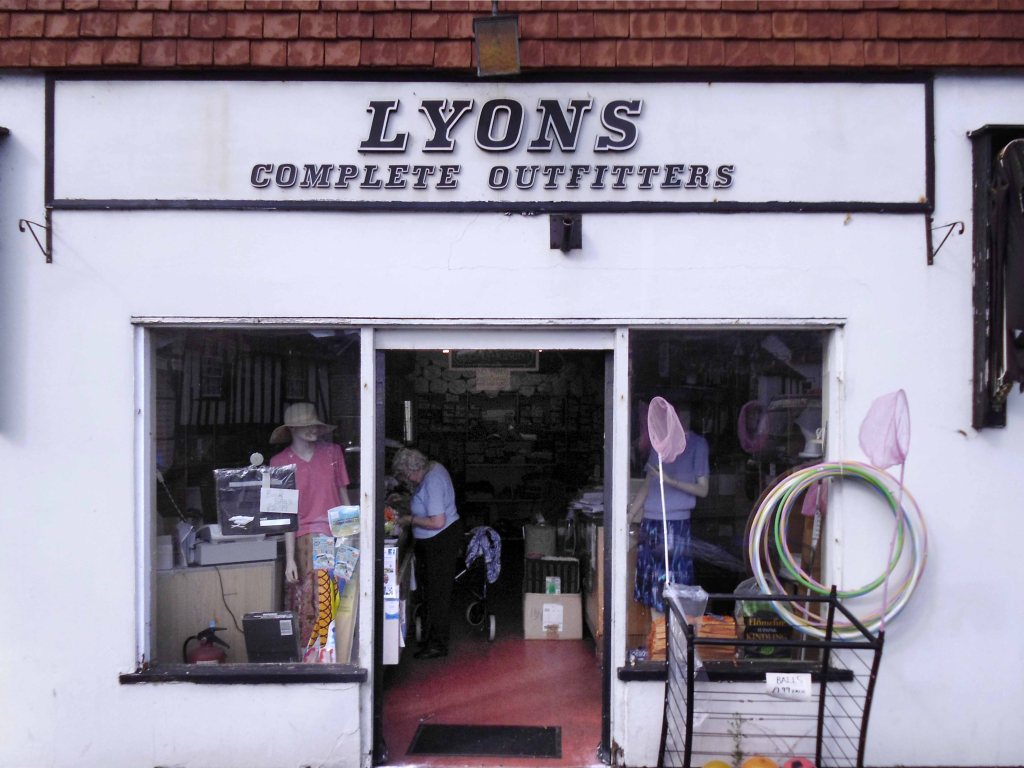
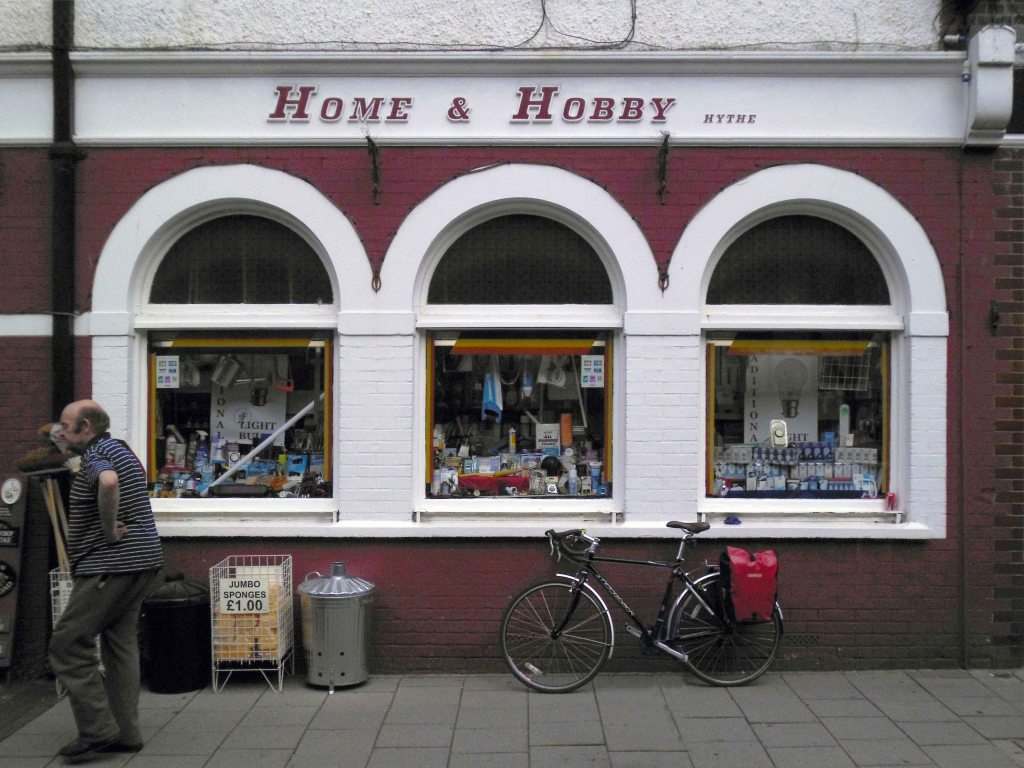
The first Profil aka Stymie Bold Italic encounter – Lyons of Lydd Romney.

Designed by Max and Eugen Lenz and first cast by Haas in 1947.
Fonts in Use

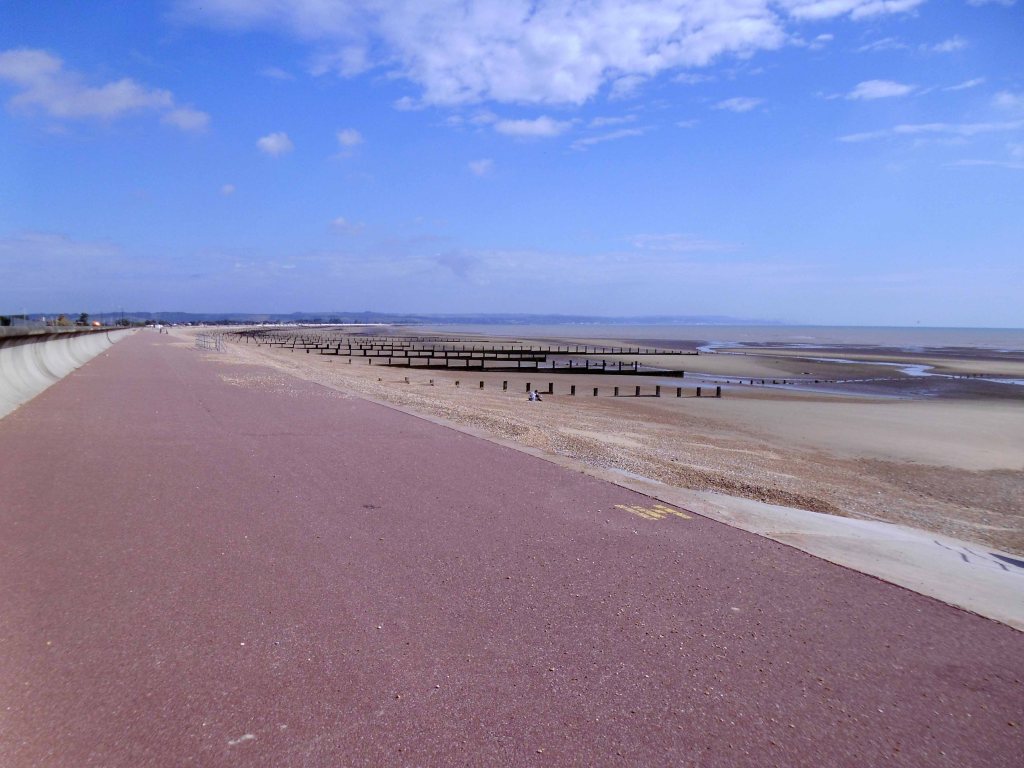
Heading towards Hythe on the coastal defence path.
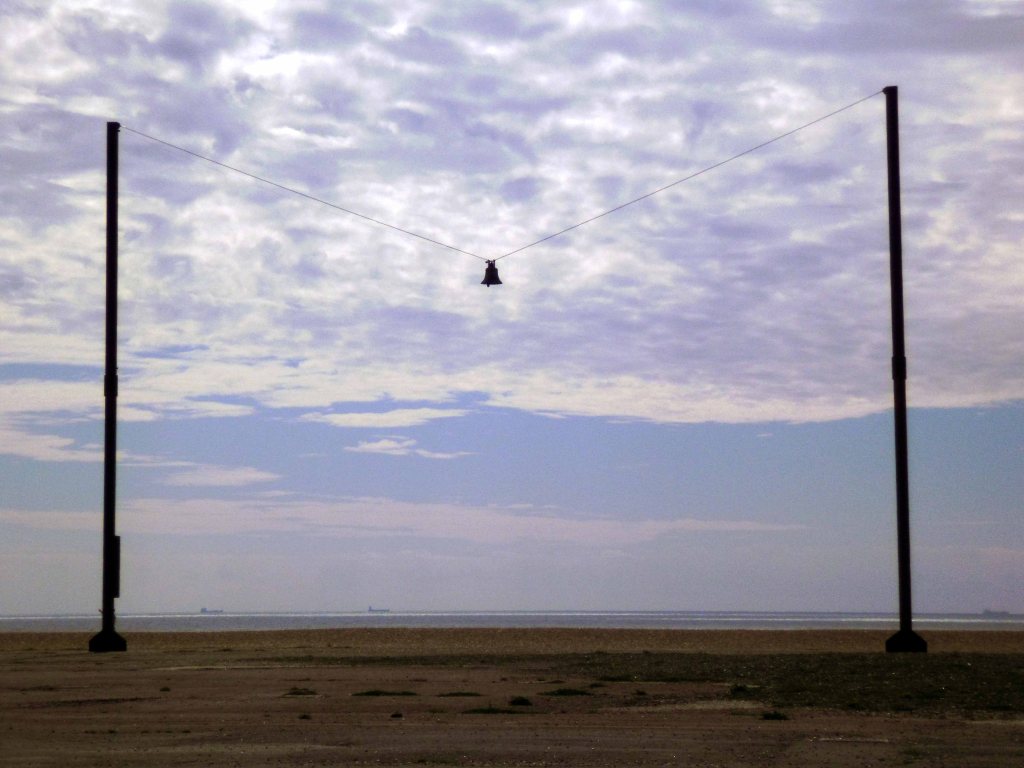
Out of Tune Folkestone Seafront, opposite The Leas Lift – is home to AK Dolven’s installation. It features a 16th-century tenor bell from Scraptoft Church in Leicestershire, which had been removed for not being in tune with the others. It is suspended from a steel cable strung between two 20m high steel beams, placed 30m apart.
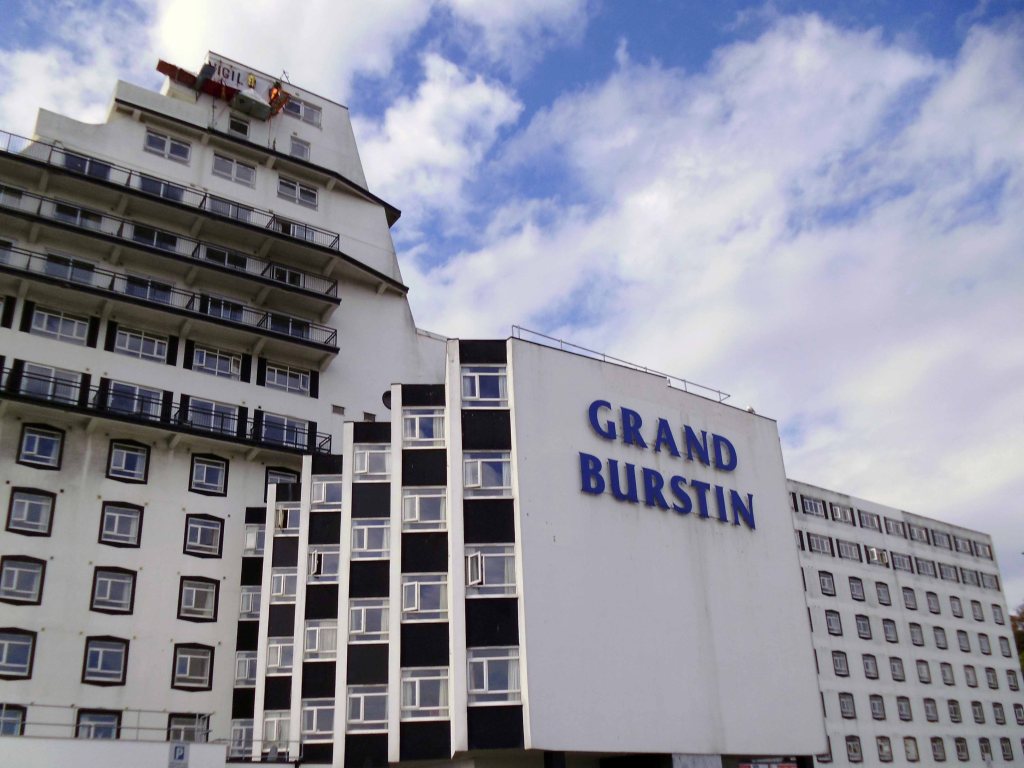
For Folkestone Triennial 2014, Alex Hartley’s response to the title Lookout is inspired by the imposing architecture of the Grand Burstin Hotel, which overlooks the Harbour. For his project Vigil, Hartley will use state of the art climbing technology to make a lookout point suspended from the highest point of the hotel. This climber’s camp will be inhabited for the duration of the Triennial, by the artist and by volunteers, all of whom will keep a log of what they observe. 

The current hotel was built in 1984 from the foundations of the Royal Pavilion Hotel, originally built in 1843. Out of the 4,094 reviews currently on TripAdvisor 974 are of the terrible rating which doesn’t inspire much hope.

The most recent review is titled – Dirty Dated Hotel With Clueless Staff.

Kent Live 2018
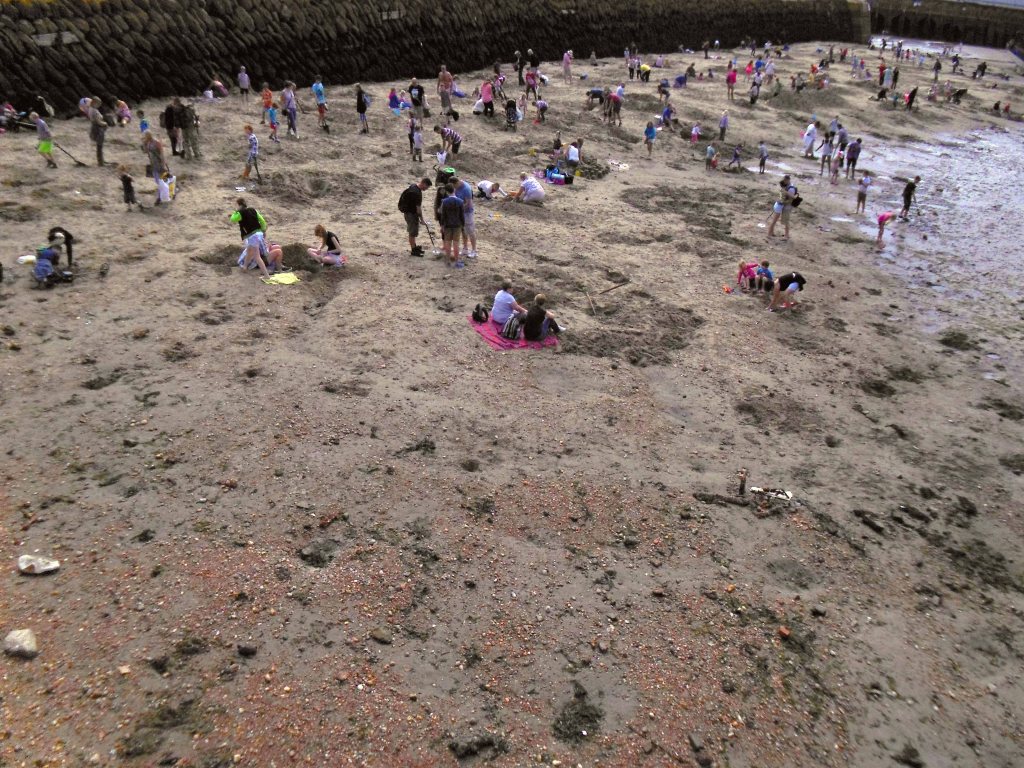
Gold rush with spades after artist Michael Sailstorfer hides £10,000 of gold on foreshore for town’s Triennial arts festival.
Guardian

Abbot’s Cliff acoustic mirrors

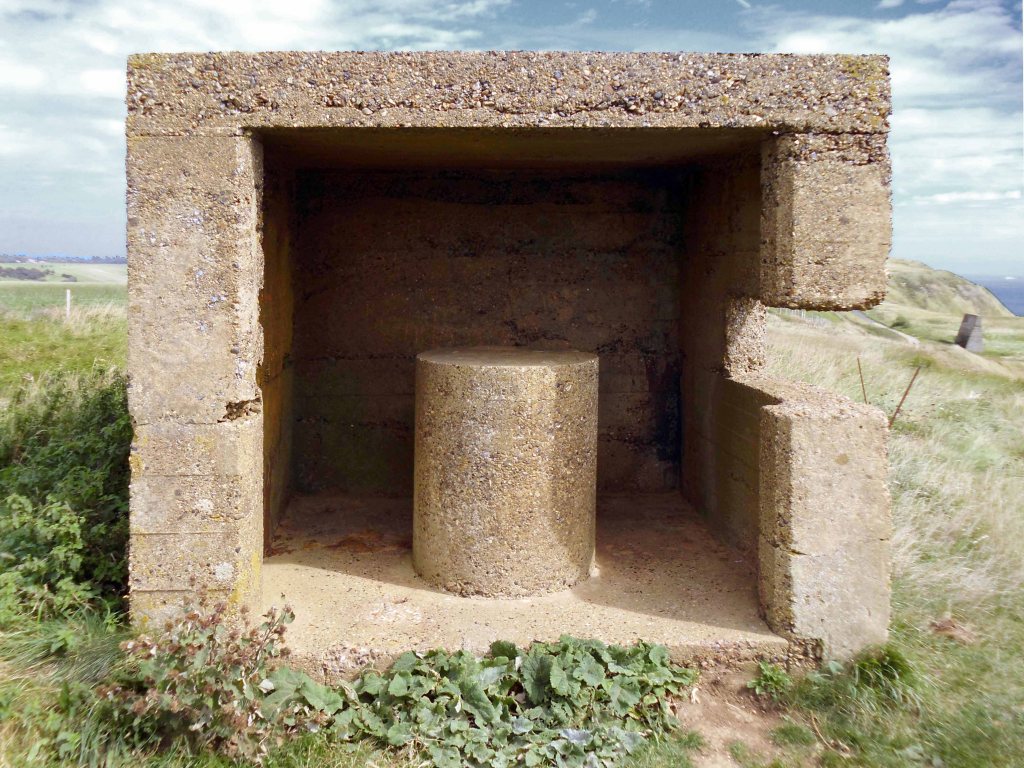
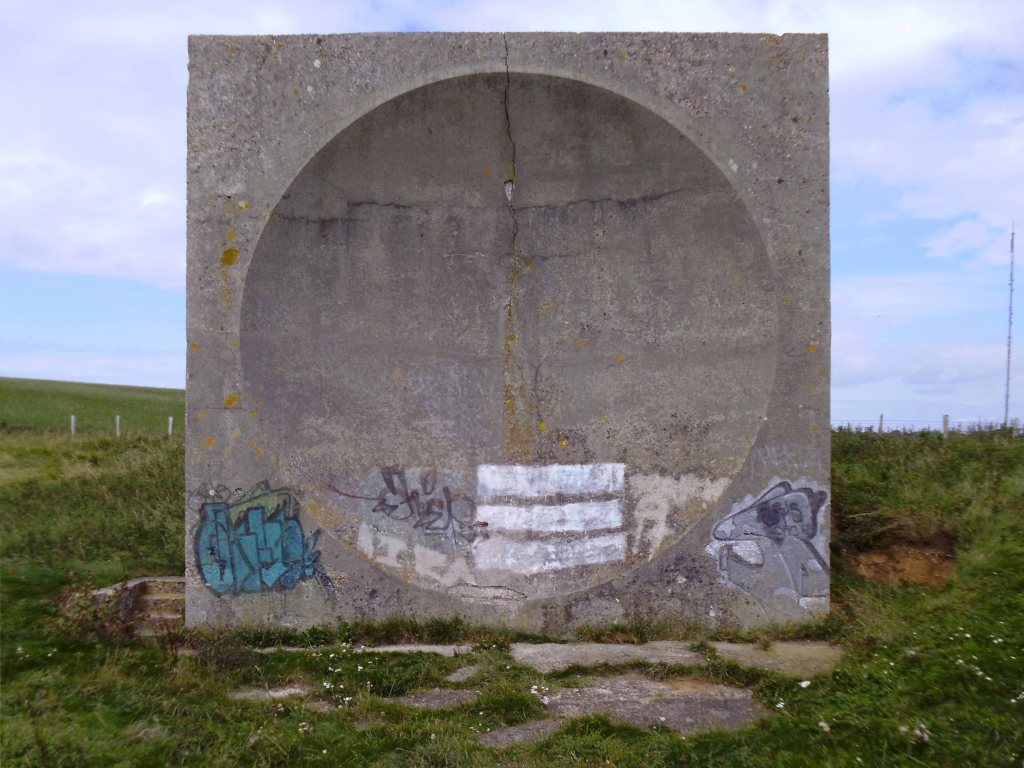
Before the advent of radar, there was an experimental programme during the 1920s and 30s in which a number of concrete sound reflectors, in a variety of shapes, were built at coastal locations in order to provide early warning of approaching enemy aircraft. A microphone, placed at a focal point, was used to detect the sound waves arriving at and concentrated by the acoustic mirror. These concrete structures were in fixed positions and were spherical, rather than paraboloidal, reflectors. This meant that direction finding could be achieved by altering the position of the microphone rather than moving the mirror.
Graham Stephen

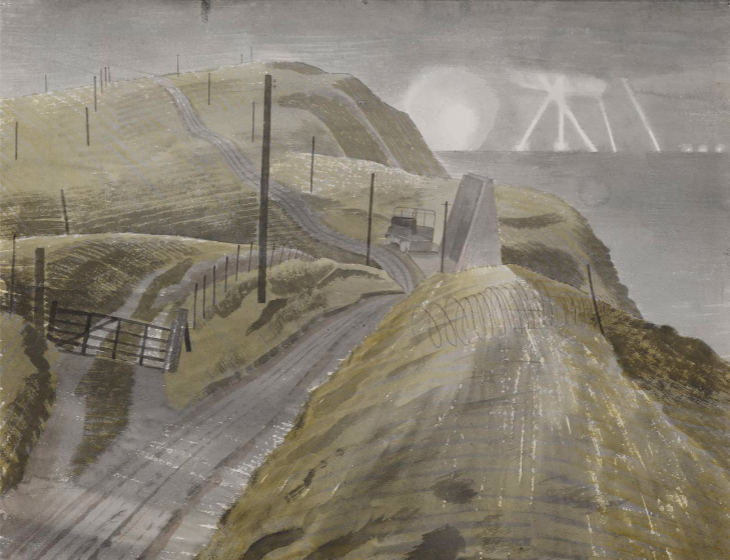
Eric Ravilious Abbot’s Cliff – 1941

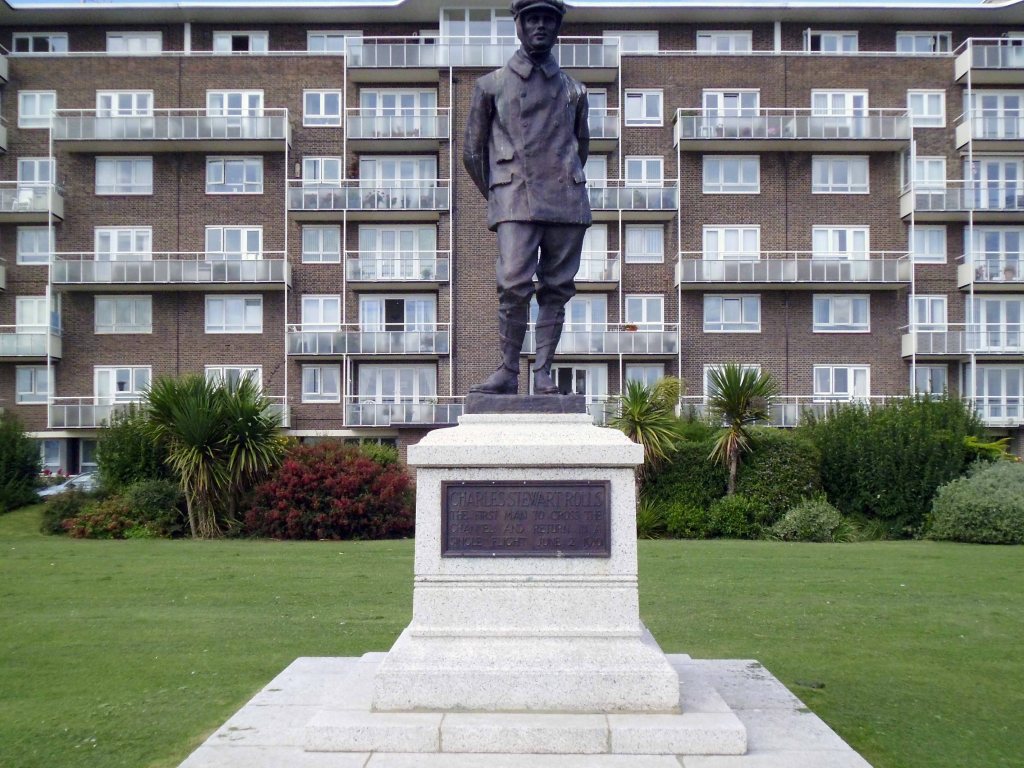
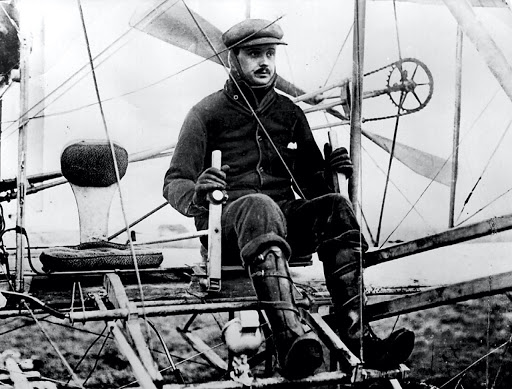
Charles Stewart Rolls was a Welsh motoring and aviation pioneer. With Henry Royce, he co-founded the Rolls-Royce car manufacturing firm. He was the first Briton to be killed in an aeronautical accident with a powered aircraft, when the tail of his Wright Flyer broke off during a flying display in Bournemouth.
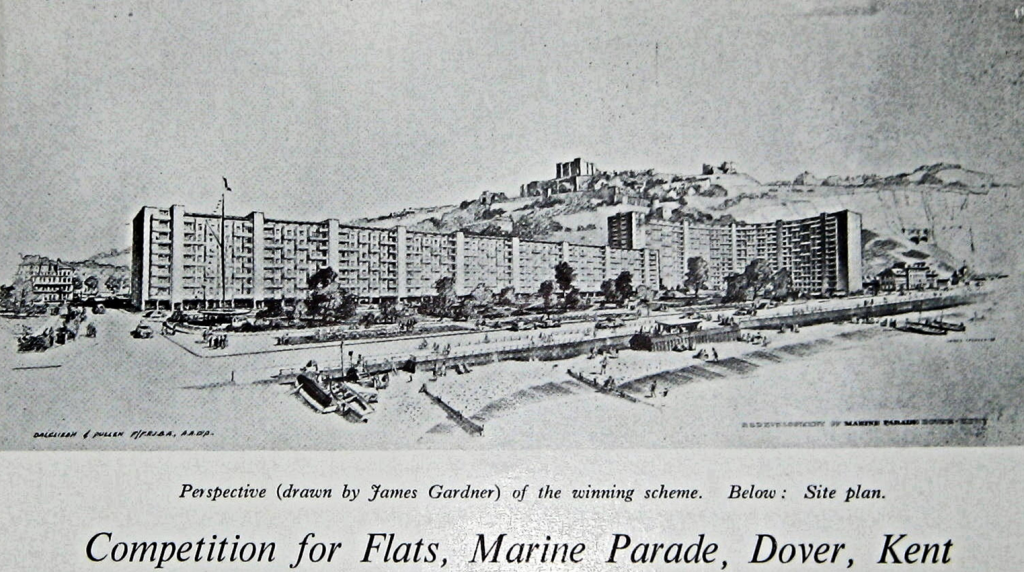
In September 1953 it was announced that Roger K Pullen and Kenneth Dalglish had won and were to receive 100 guineas, for a design for the Gateway Flats.
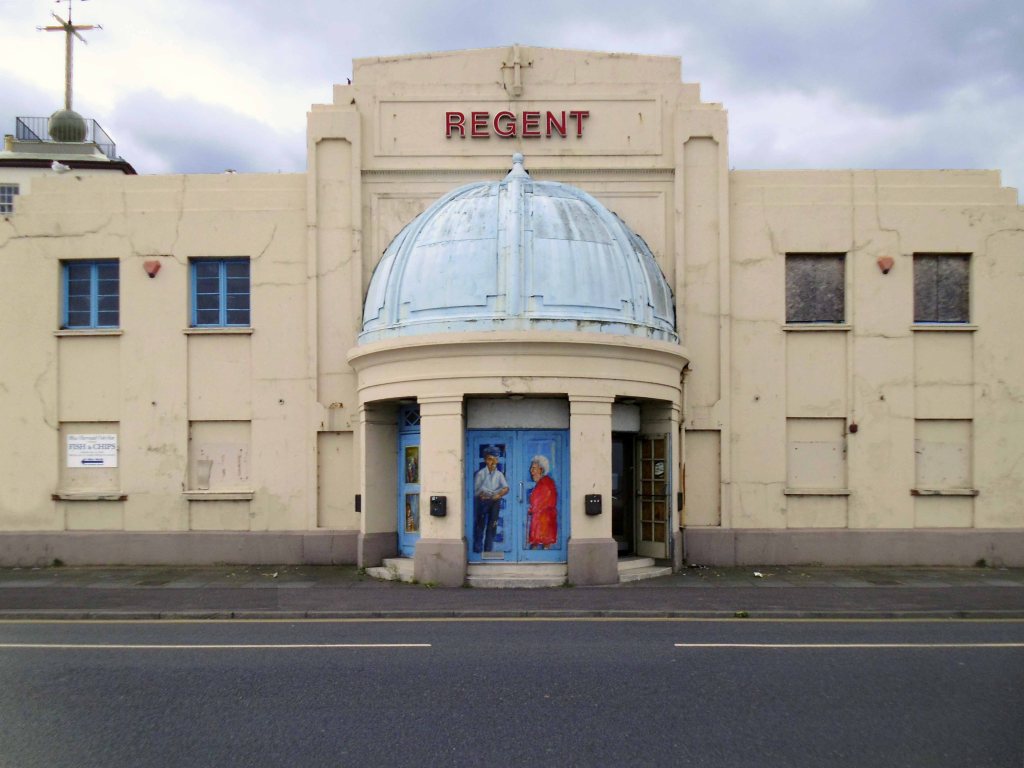
Local folks would love to re-open The Regent

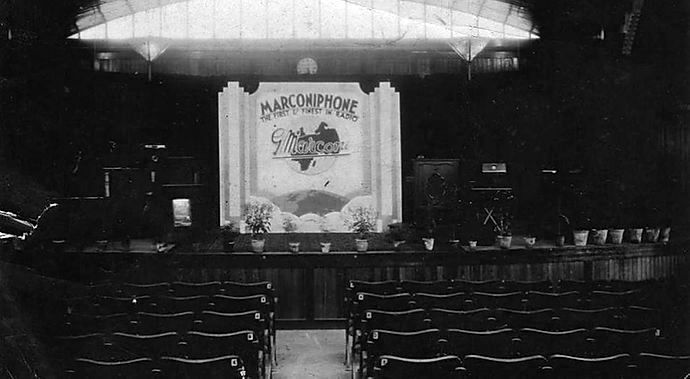
Behind the Art Deco facade of the Regent was once a grand ironwork and glass Pavilion, built to house regular performances by military bands, which the Edwardian holidaymakers loved. The Lord Warden of the Cinque ports, Lord Beauchamp, officially opened the Pavilion Theatre on Deal’s seafront in 1928.
Cinema Treasures

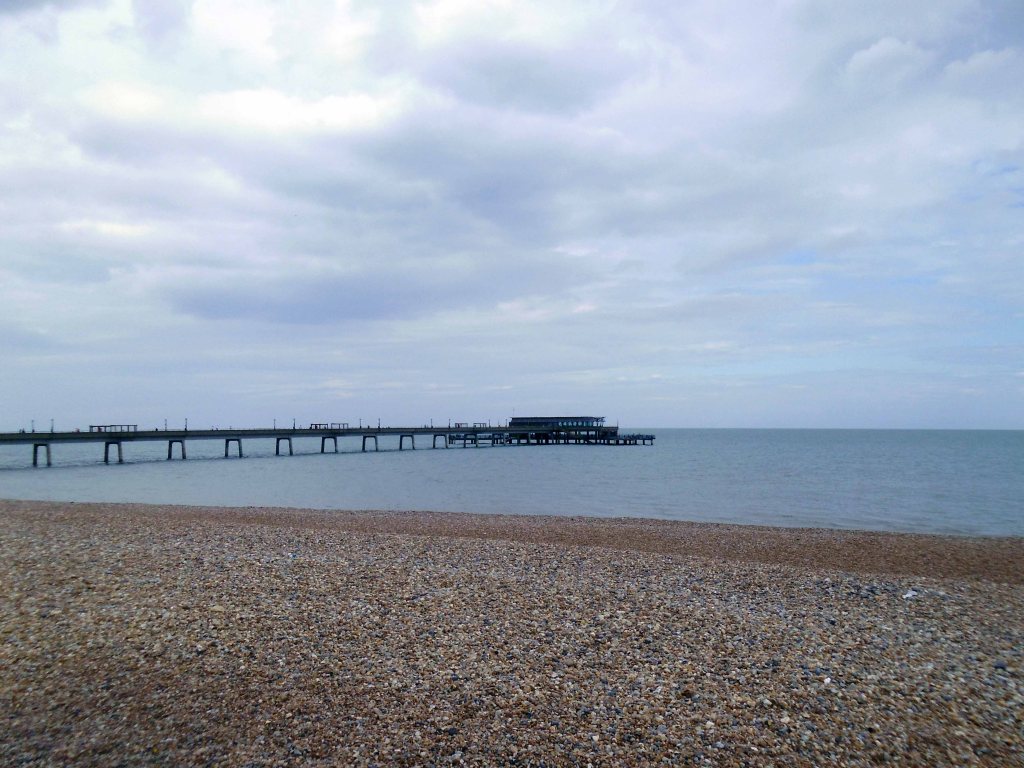
Deal Pier was designed by Eugenius Birch and opened on 8th November 1864, in 1954 work started on Deal’s third and present-day pier. The new pier took three years to build and was formally opened by the Duke of Edinburgh on 19 November 1957. It was the first seaside pleasure pier of any size to be built since 1910. Designed by Sir W Halcrow and Partners, the 1026ft-long structure comprises steel piles surrounded by concrete casings for the main supports. The pier head originally had three levels but, these days, the lower deck normally remains submerged.
Deal Web

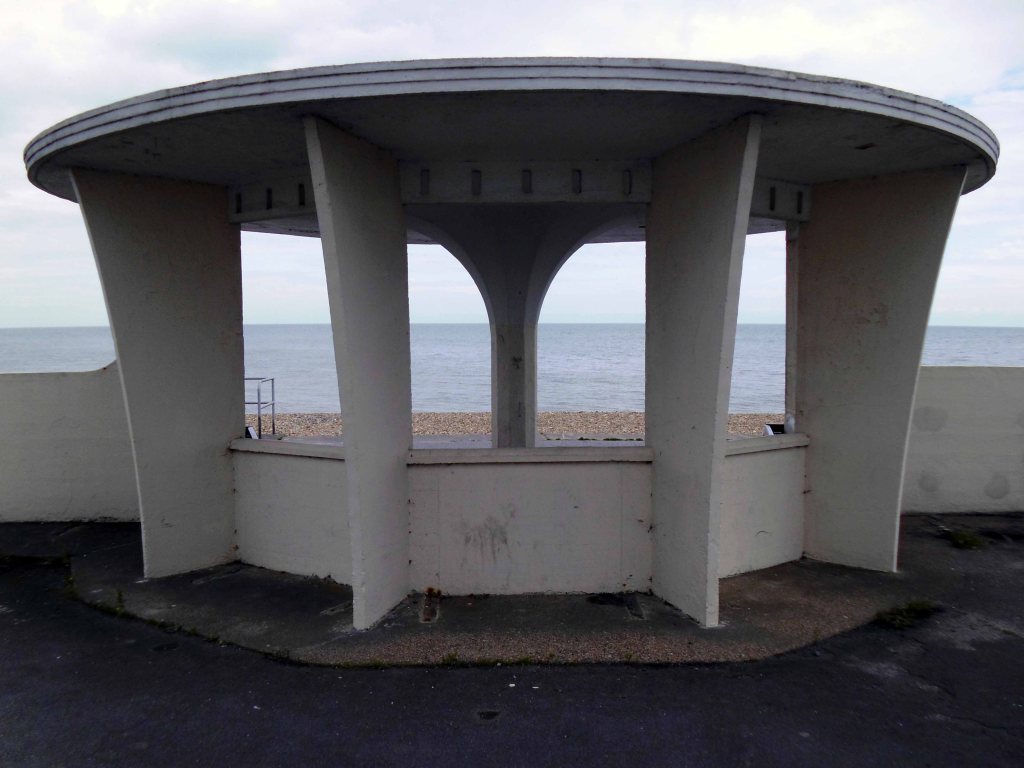
Seafront Shelters Deal

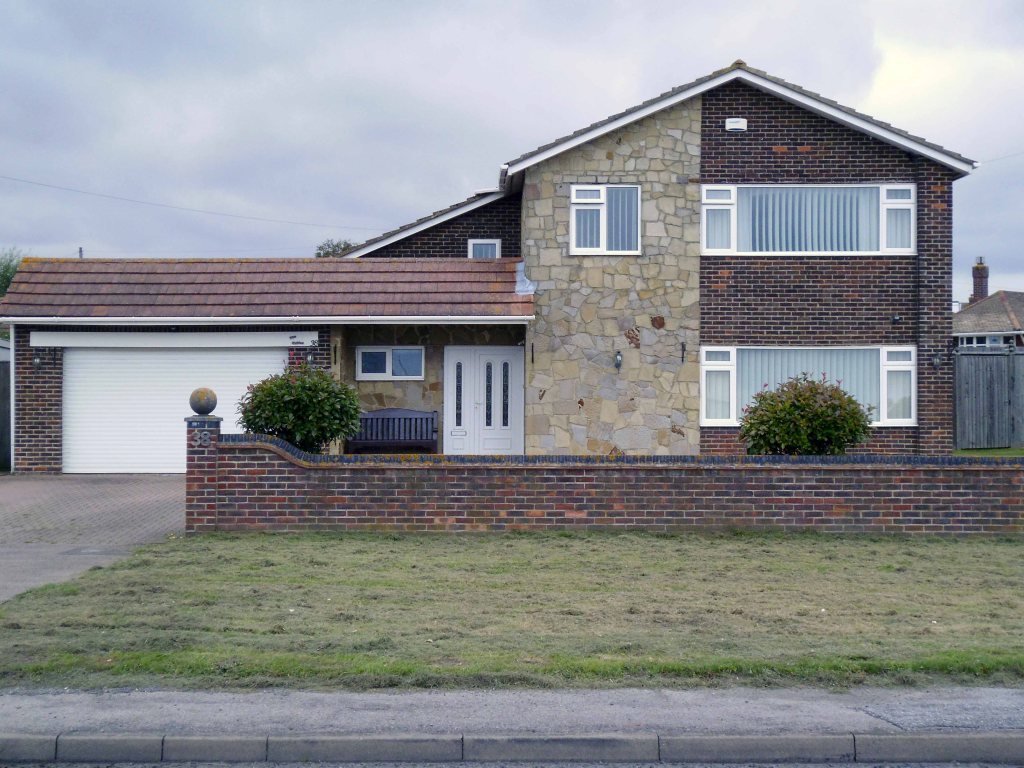
The Kent coastline is home to a vast variety of homes from the crazy clad Prairie Style ranch house to the Debased Deco.
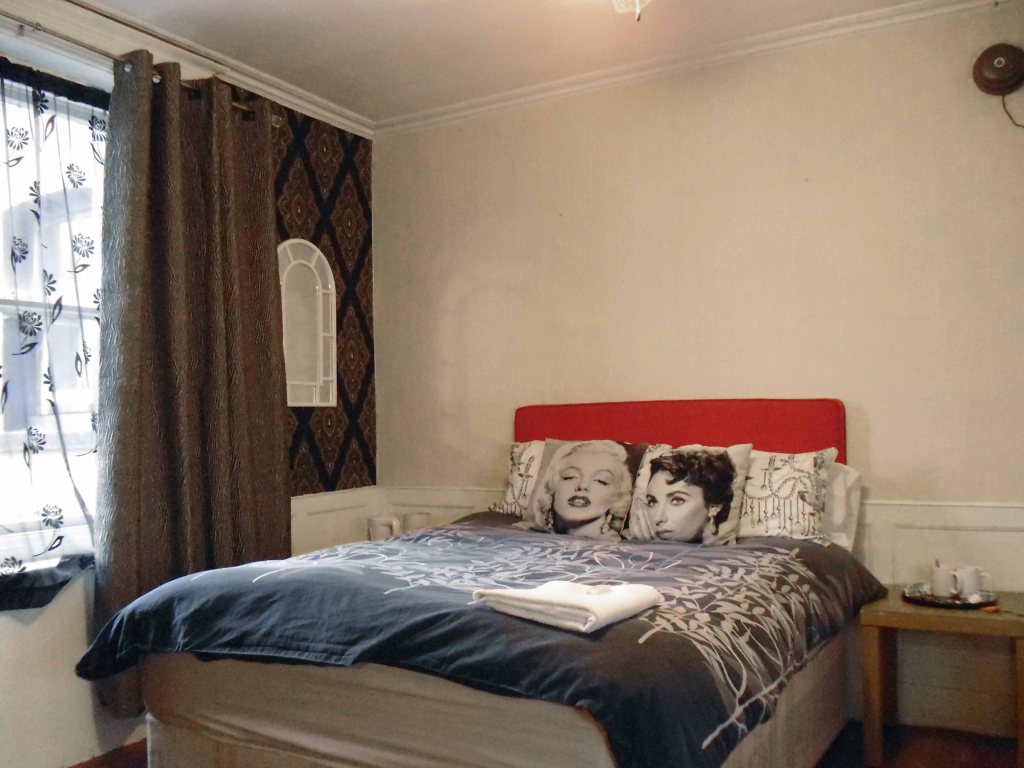
Following ten fun hours of cycling time for a timely rest in the B&B.

Passing by the prestigious Turner Contemporary

The building was designed by David Chipperfield – It was built on the raised promenade following a flood risk analysis. Construction started in 2008, and was completed for opening in April 2011, at a cost of £17.5 million. The gallery opened on 16 April 2011.
Wikipedia

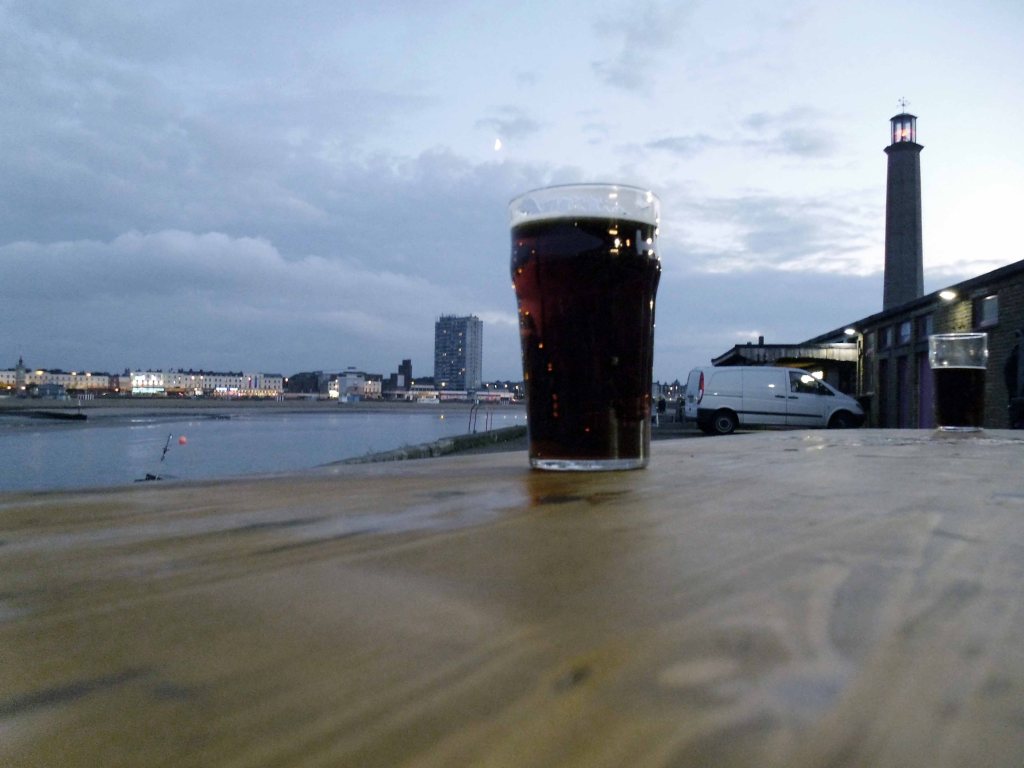
Finally as the sun sets in the west, a pint of something nice in the Harbour Arms.

Night night.
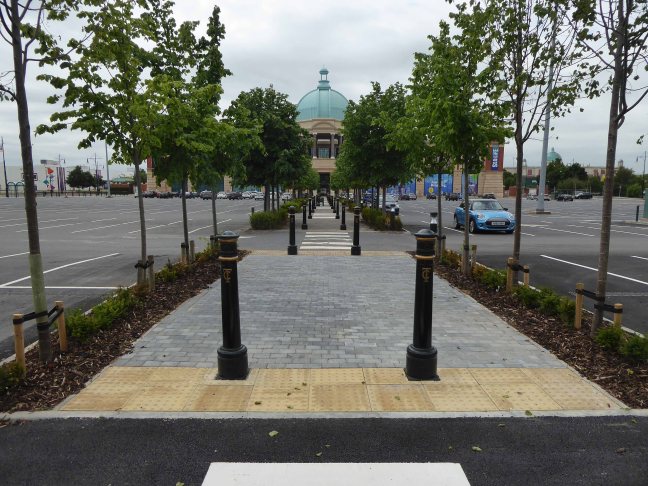
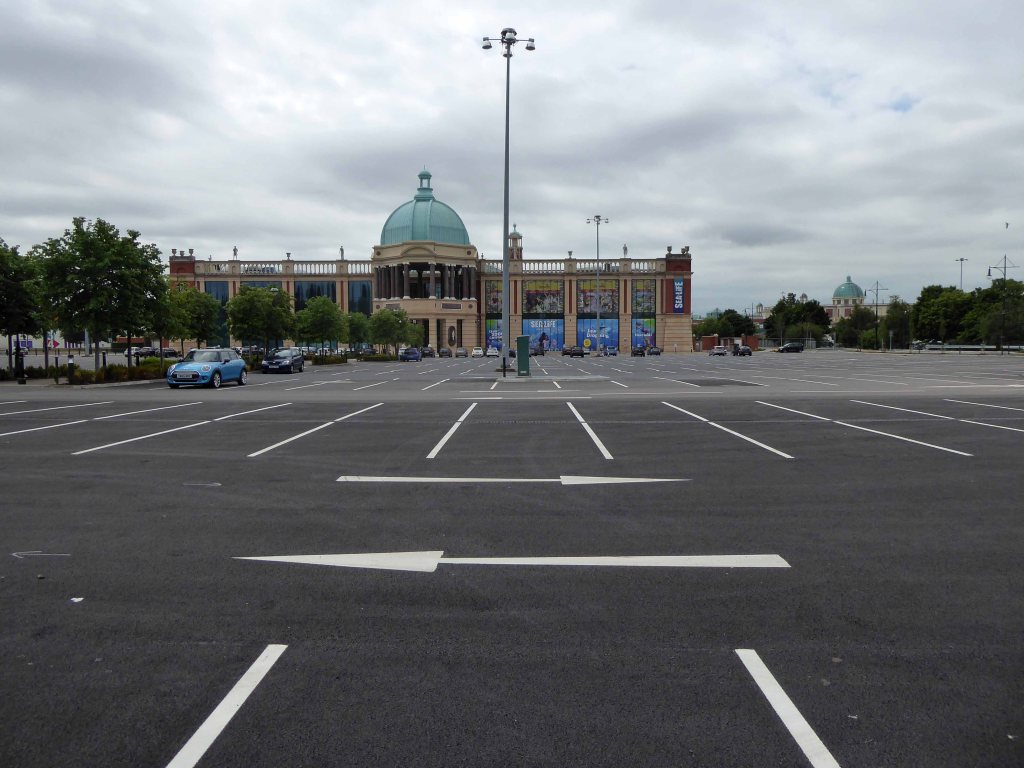
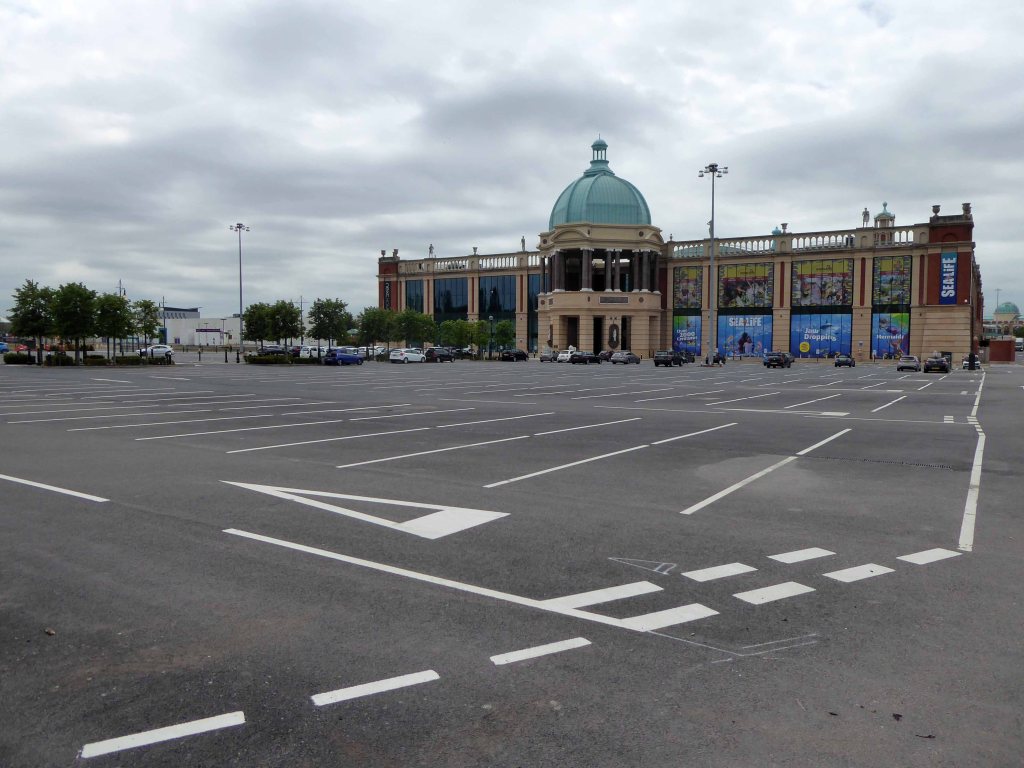
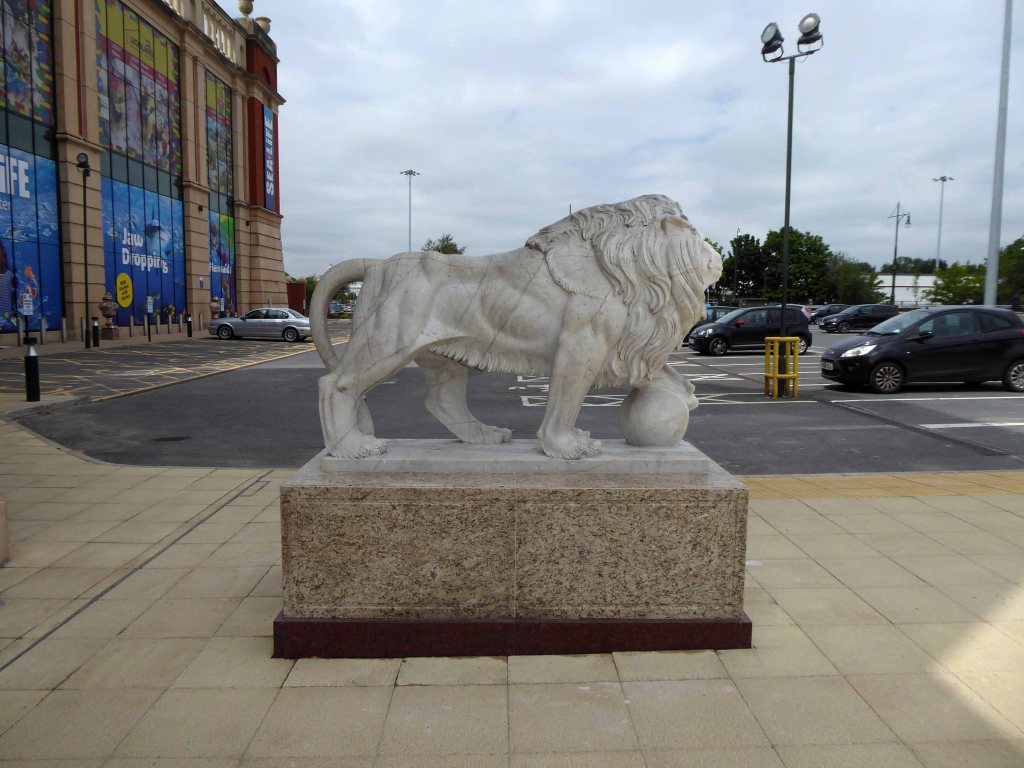
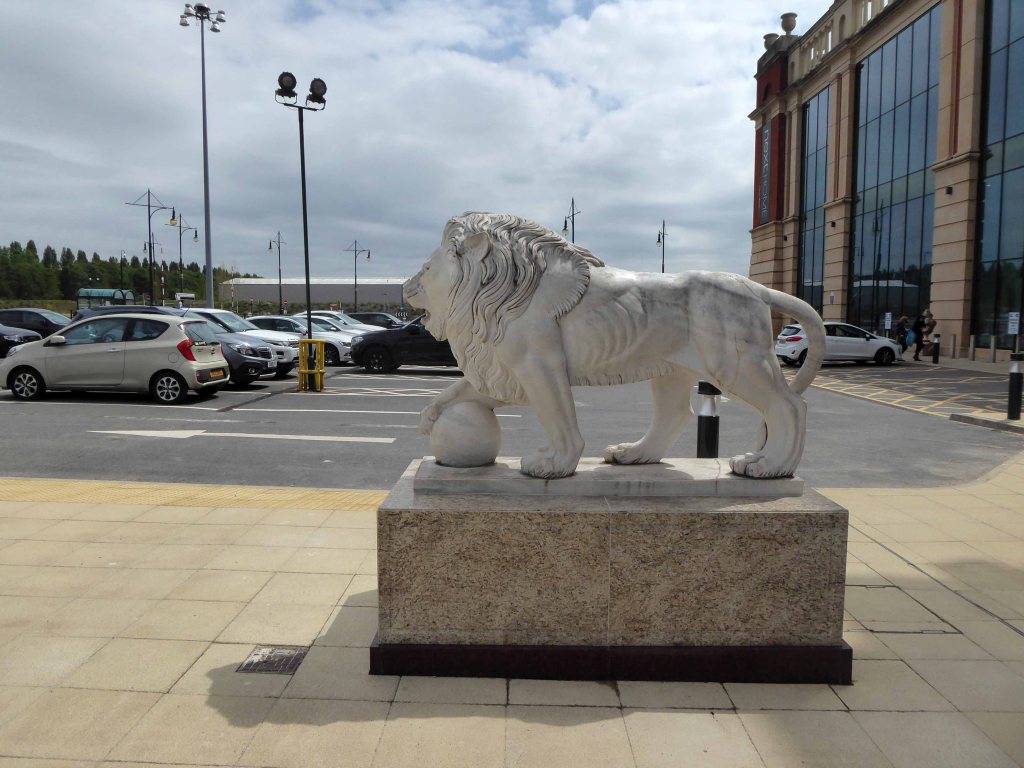
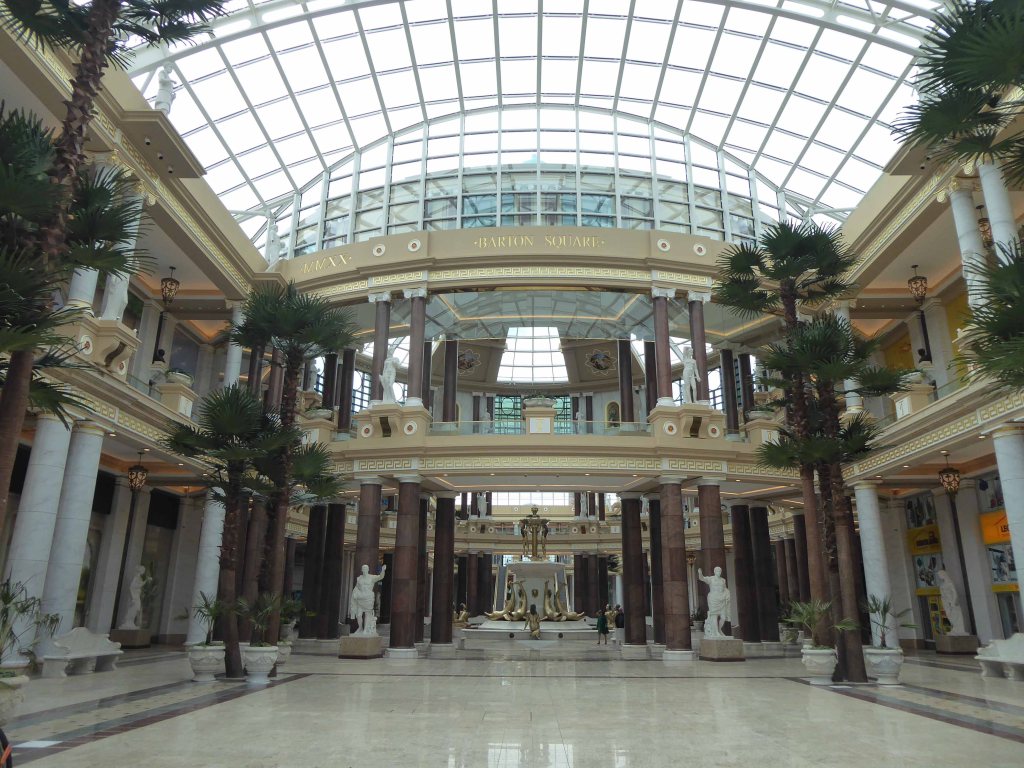
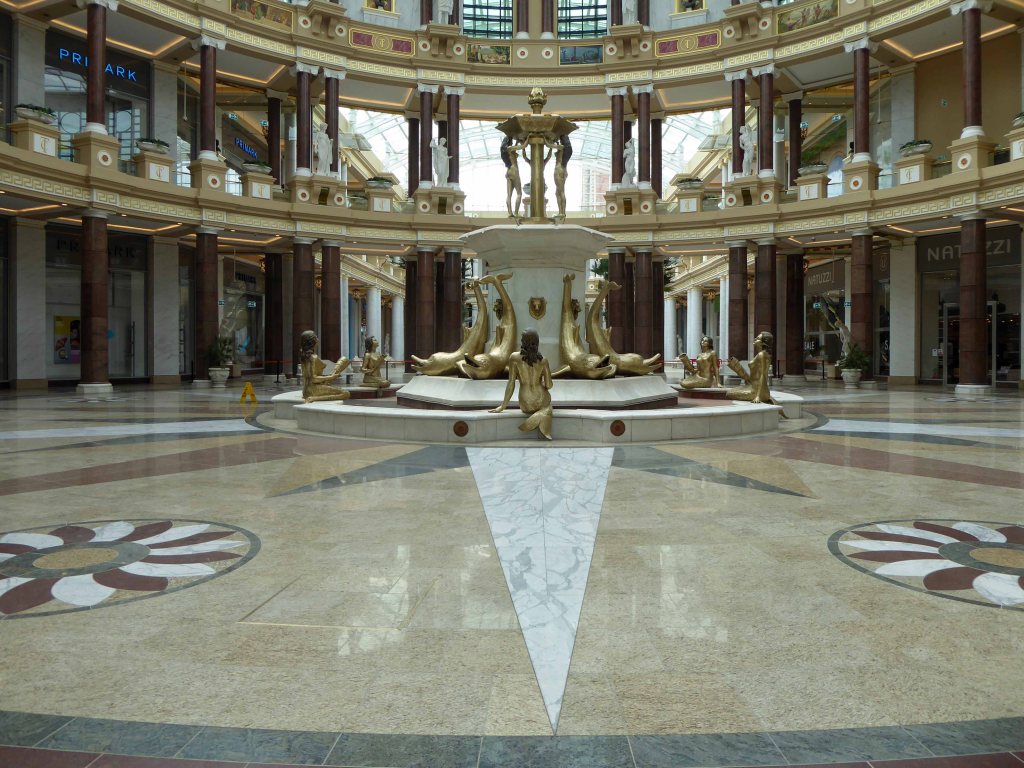
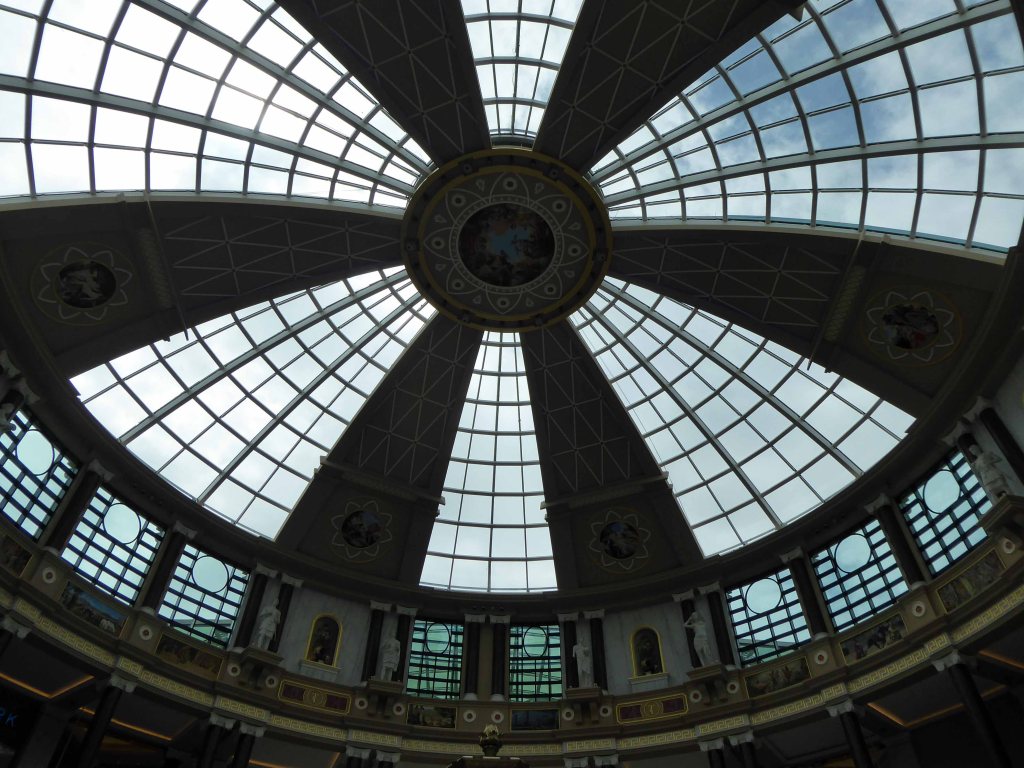
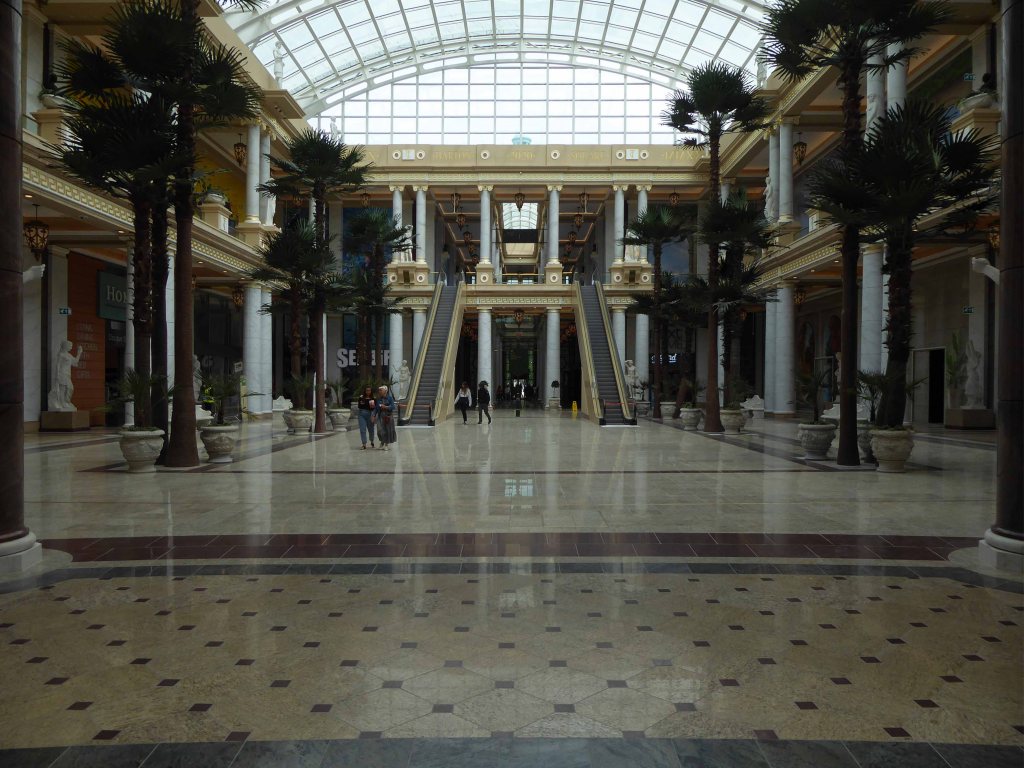
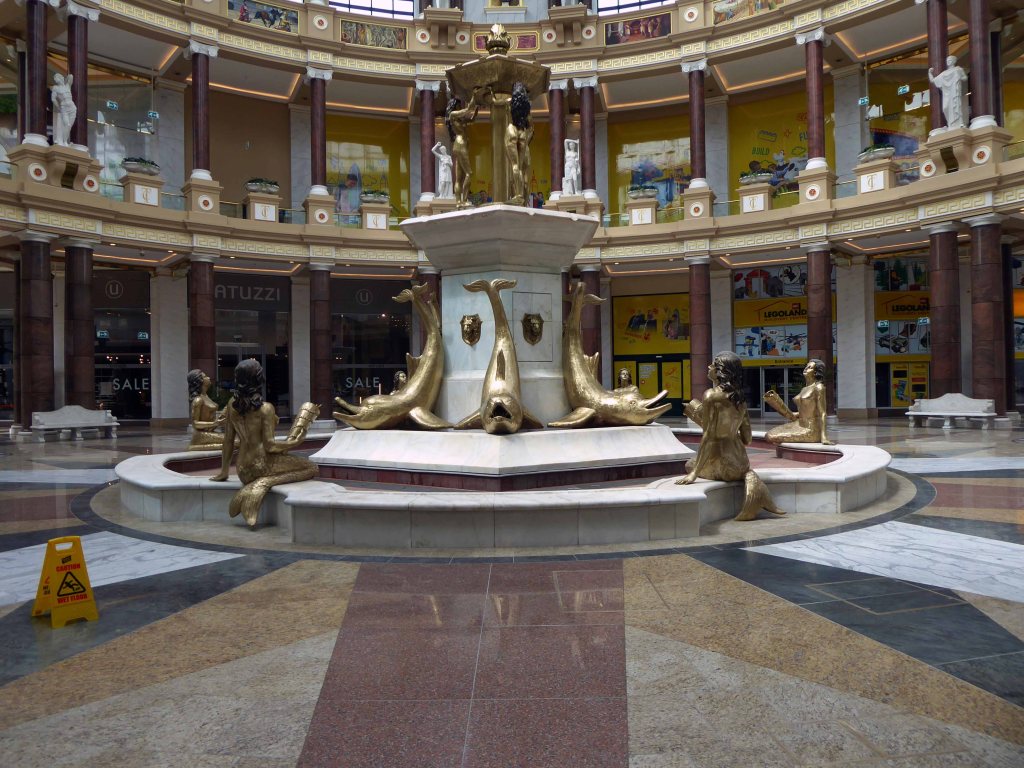
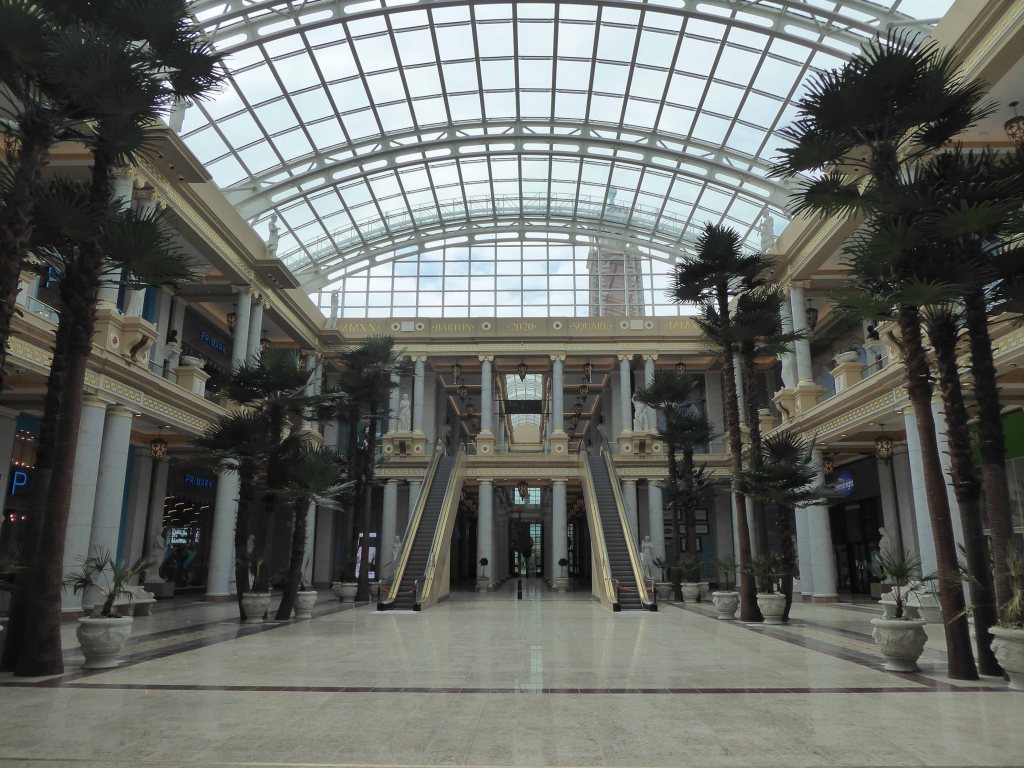
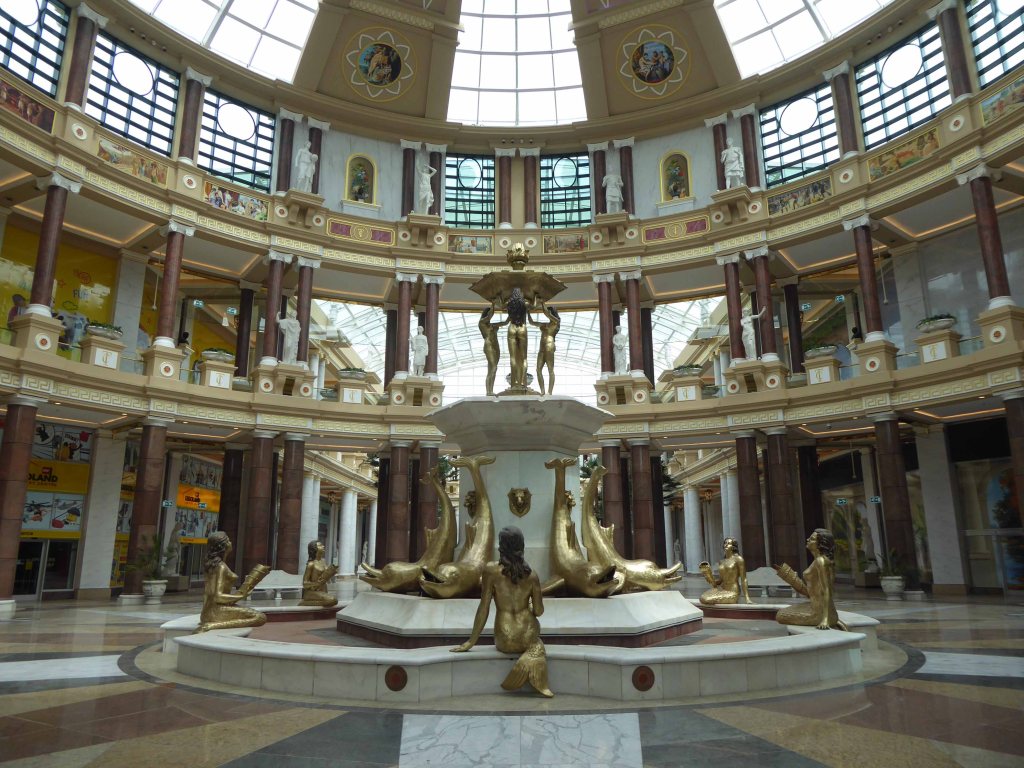
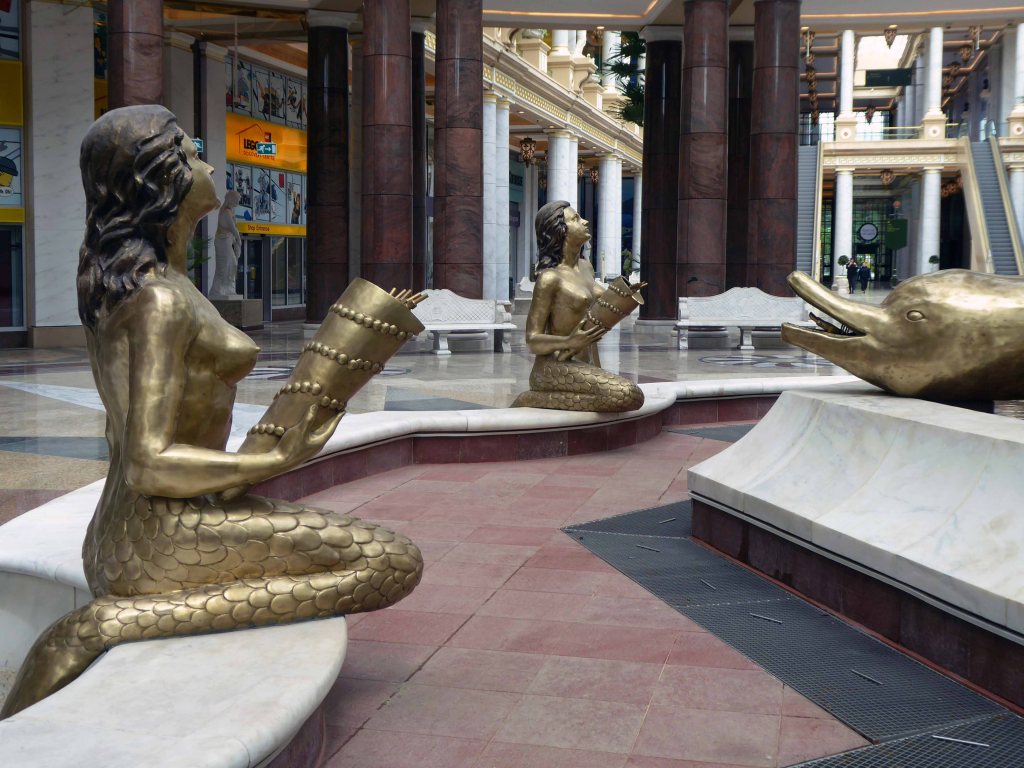
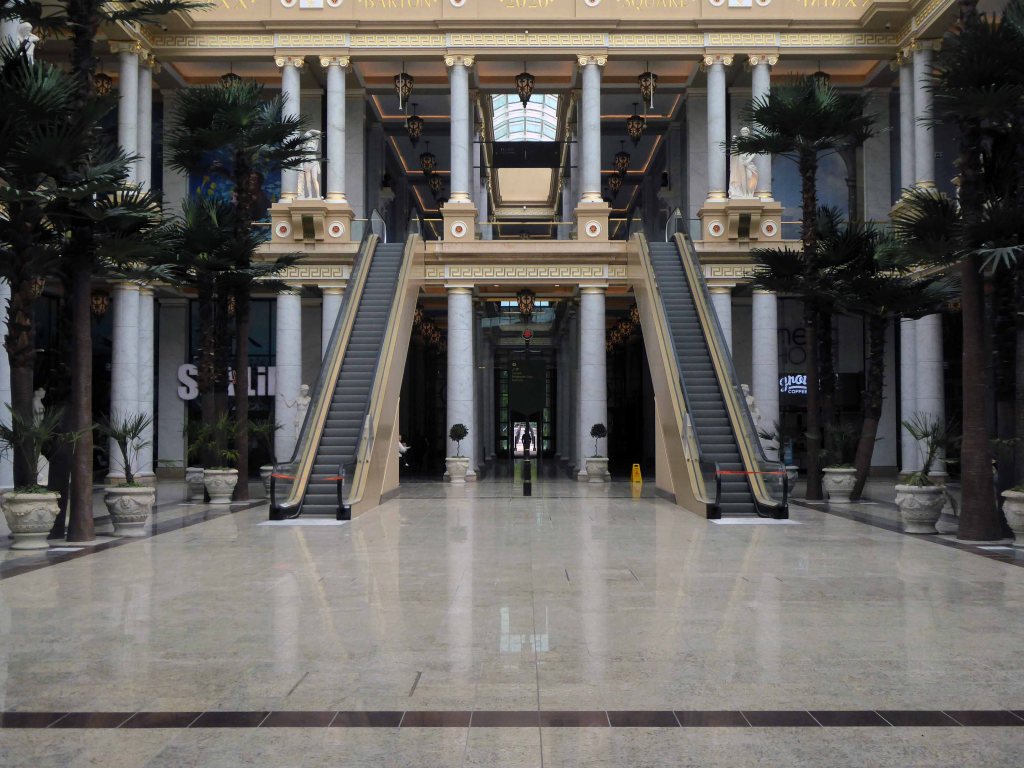
Trafford Centre – Manchester

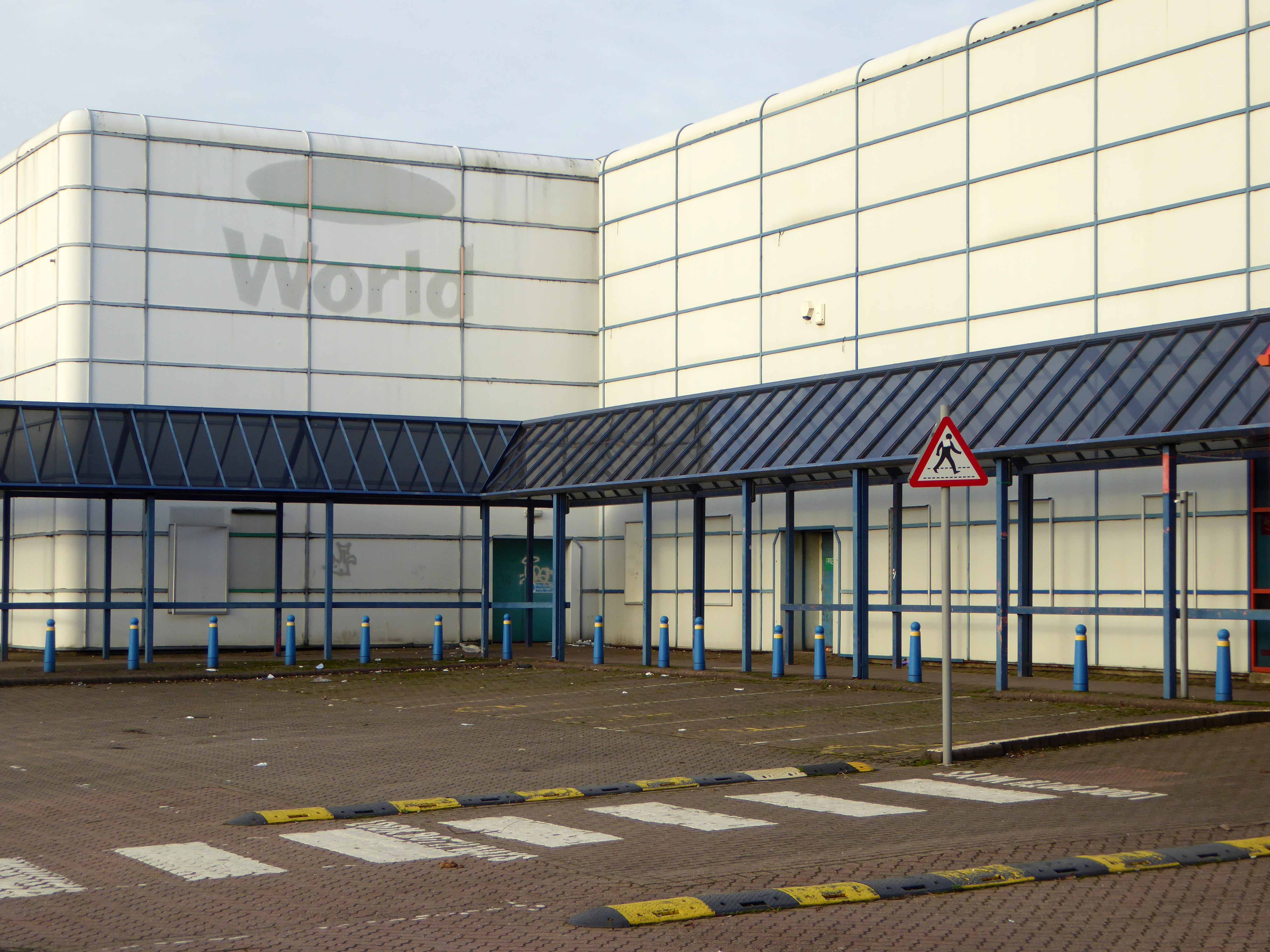
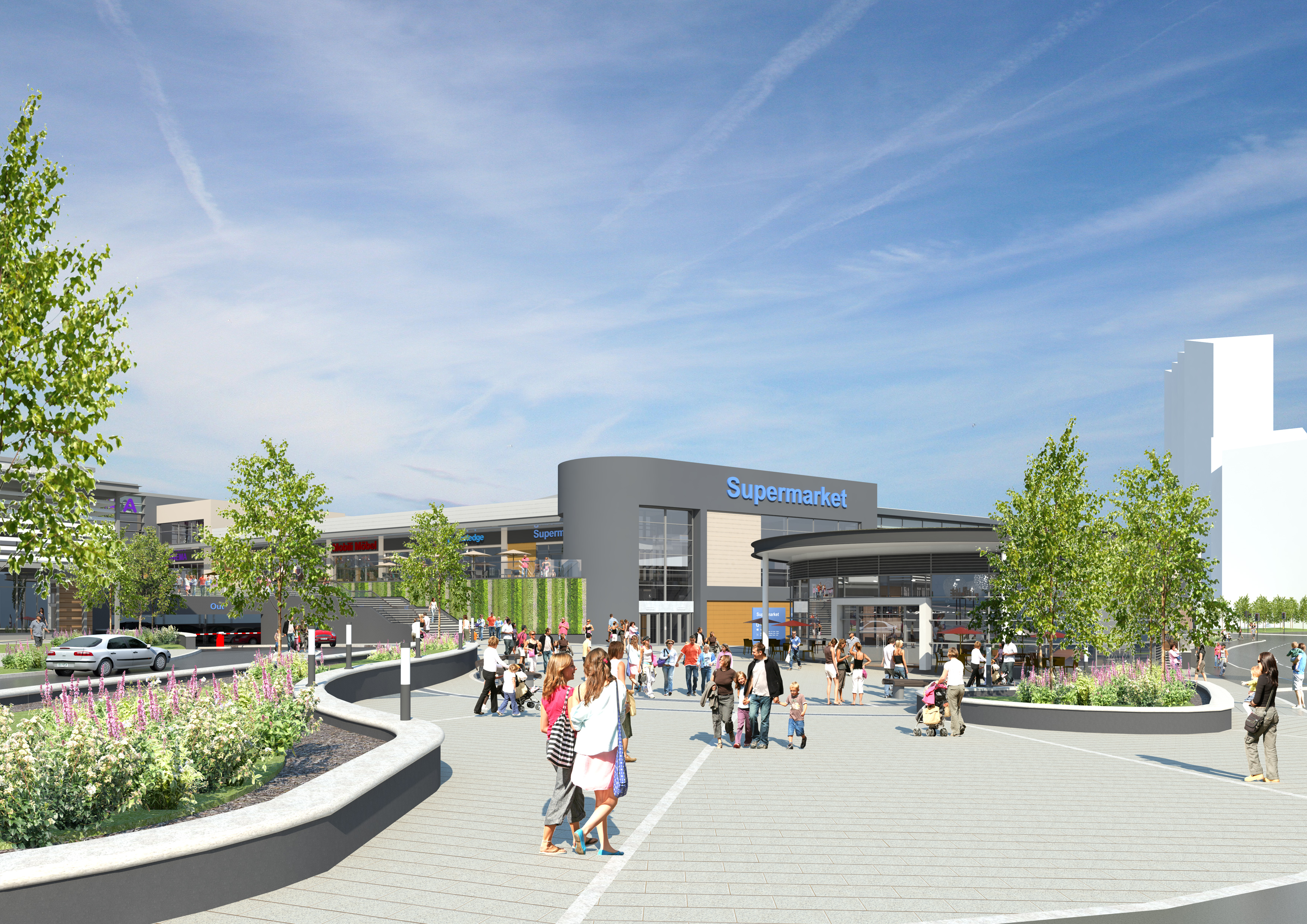
Welcome to the world renowned shopping and entertainment destination.

intu Trafford Centre

Intu, who own the Manchester shopping centre, expects to breach covenants on its current debts as shopping centres struggle in the face of the coronavirus pandemic.

Lancashire Live

This is a journey from the corner shop to the high street, by the banks of the Bridgewater Canal, a whole retail history told during troubled times.

The Trafford Centre opened in 1998 and is the third largest shopping centre in the United Kingdom by retail size. It was developed by the Peel Group and is owned by Intu Properties following a £1.65 billion sale in 2011 the largest single property acquisition in British history. As of 2017, the centre has a market value of £2.312 billion.

Wikipedia

The advent of the motor car, and the development of out of town shopping has seriously affected the viability of the traditional town centre and the almost long gone local shop.

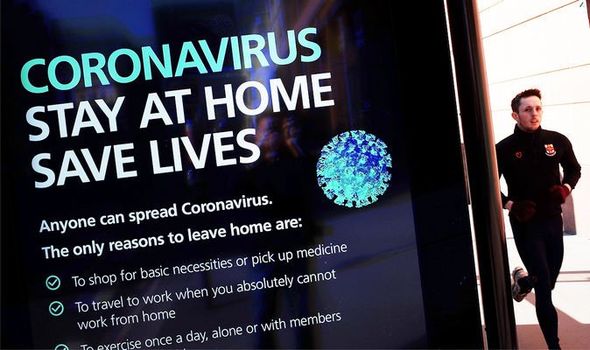
And now in turn the mall is threatened by the increase in online trade and the current lockdown.

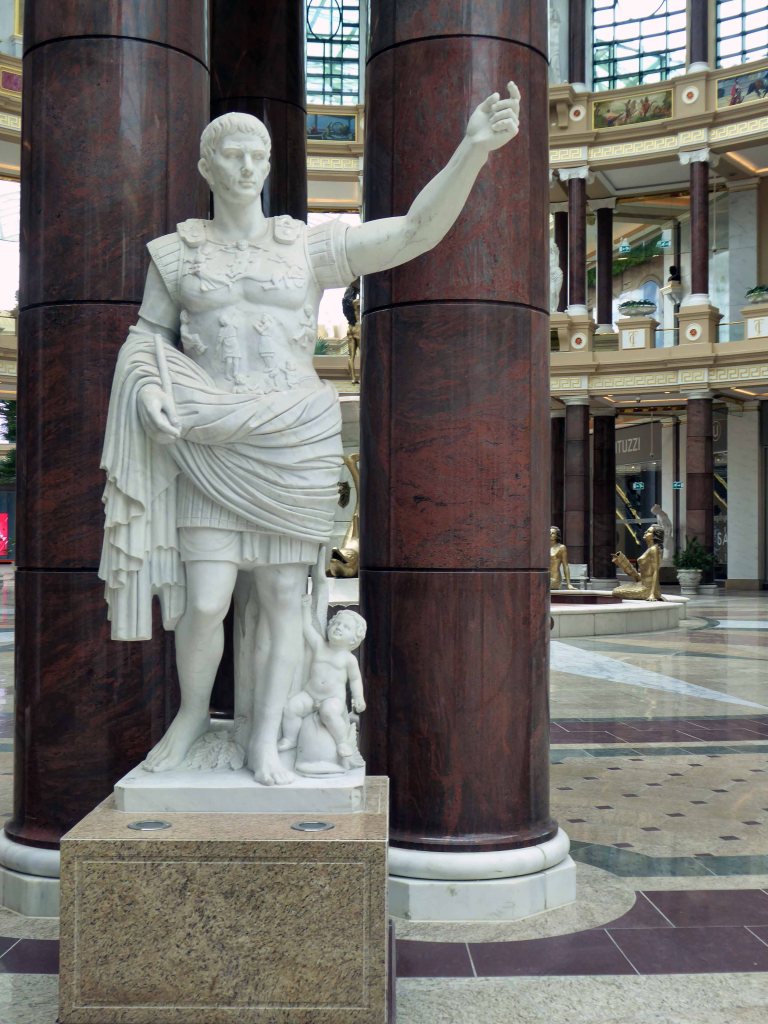
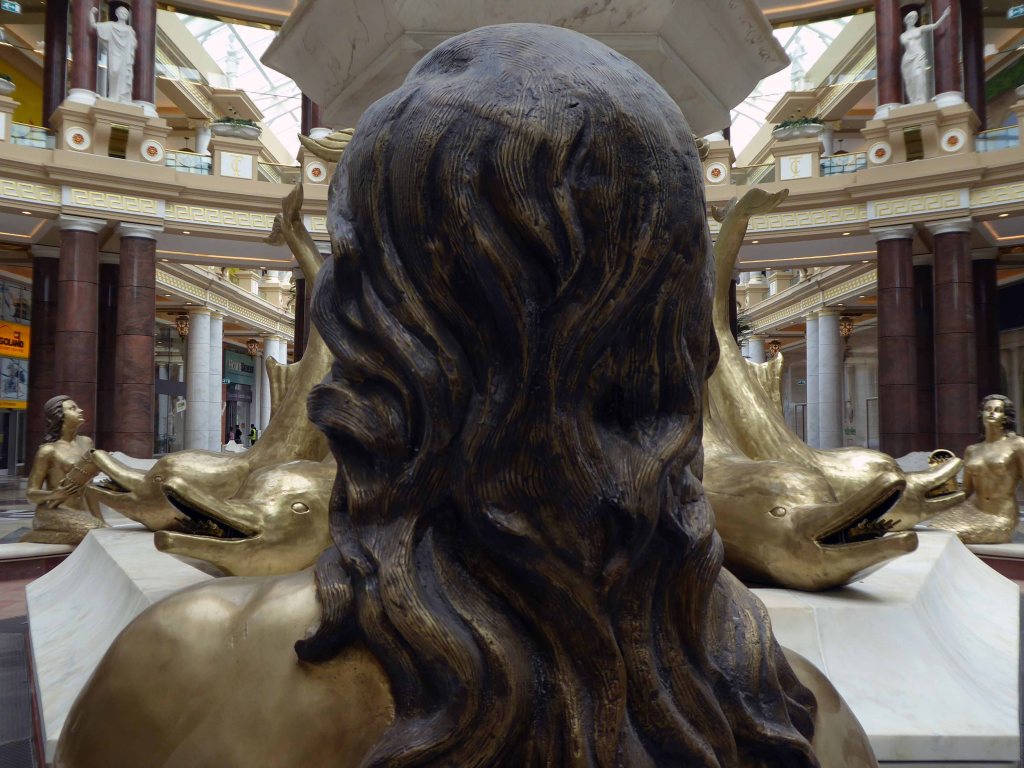
The Trafford Centre reopens on June 15th, no doubt the sensation seeking, thrill a moment shoppers will return in droves, to further satiate their unquenchable desire for stuff and more stuff, in a pseudo Romano Soviet oligarch setting.

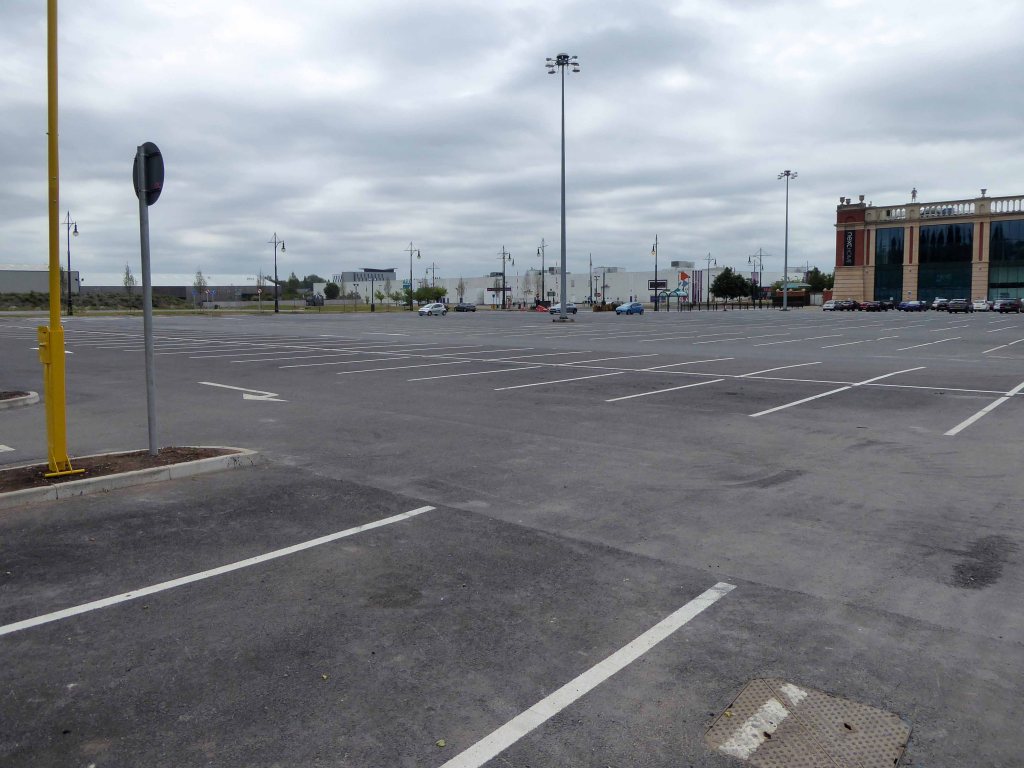
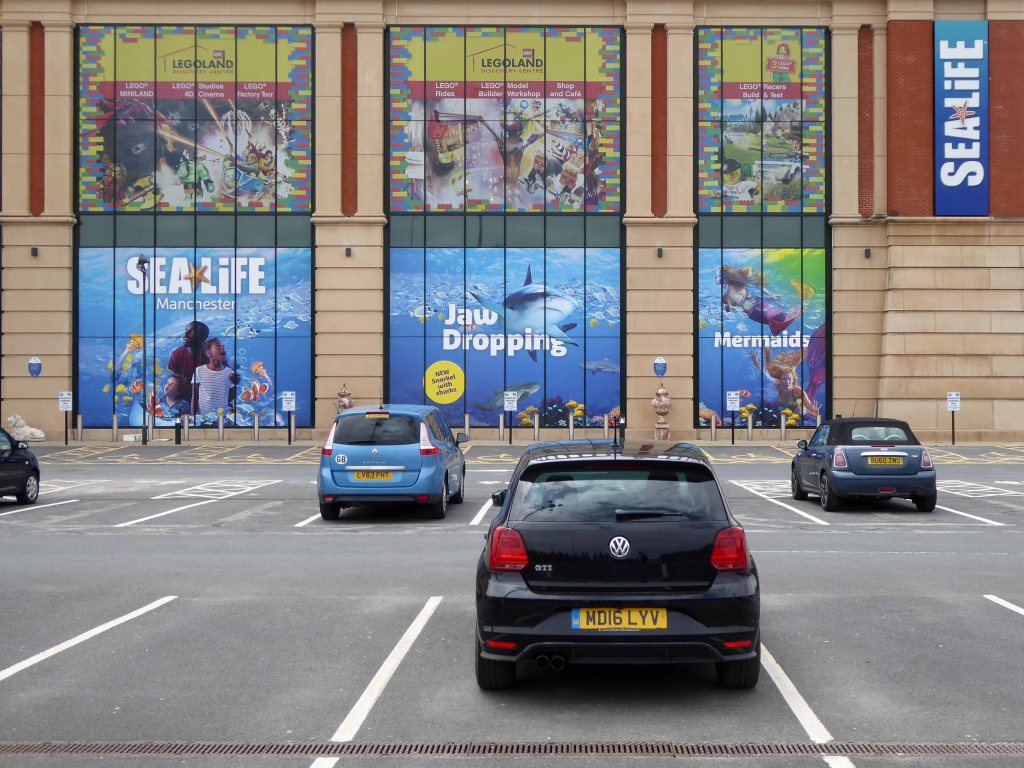
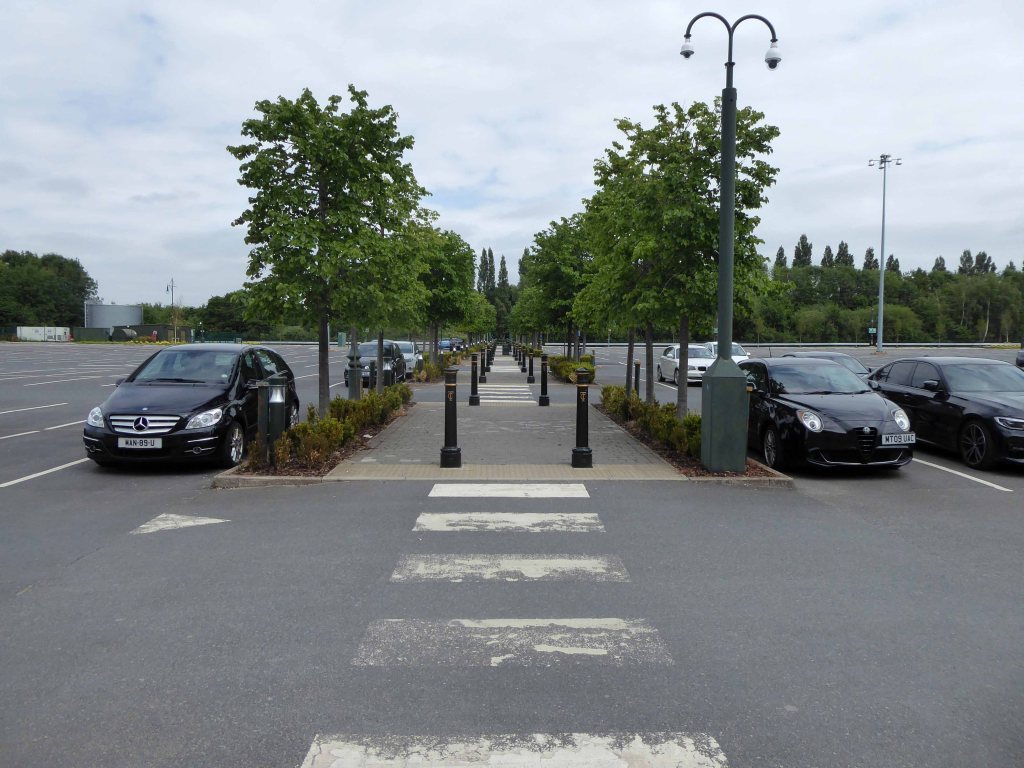
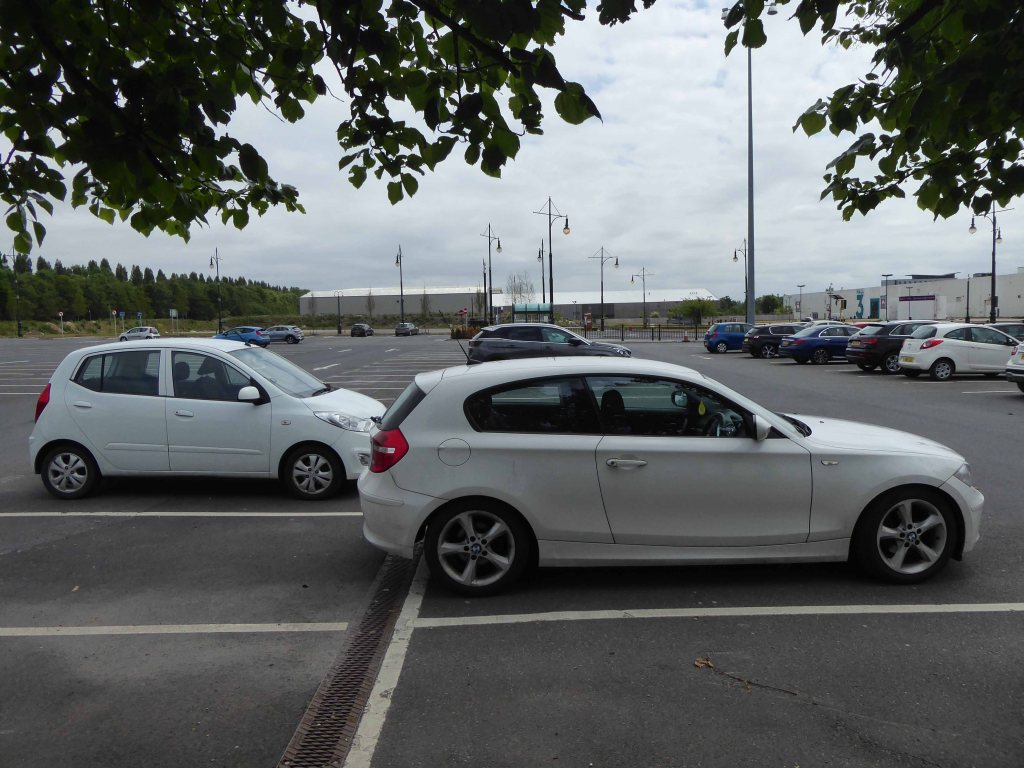
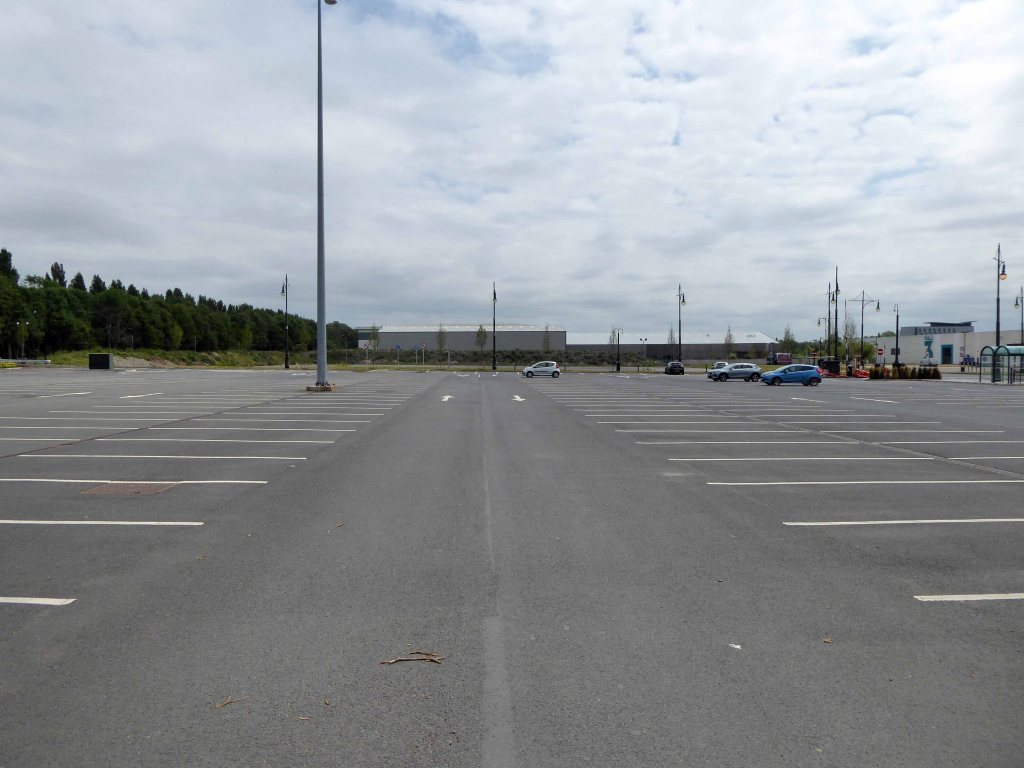
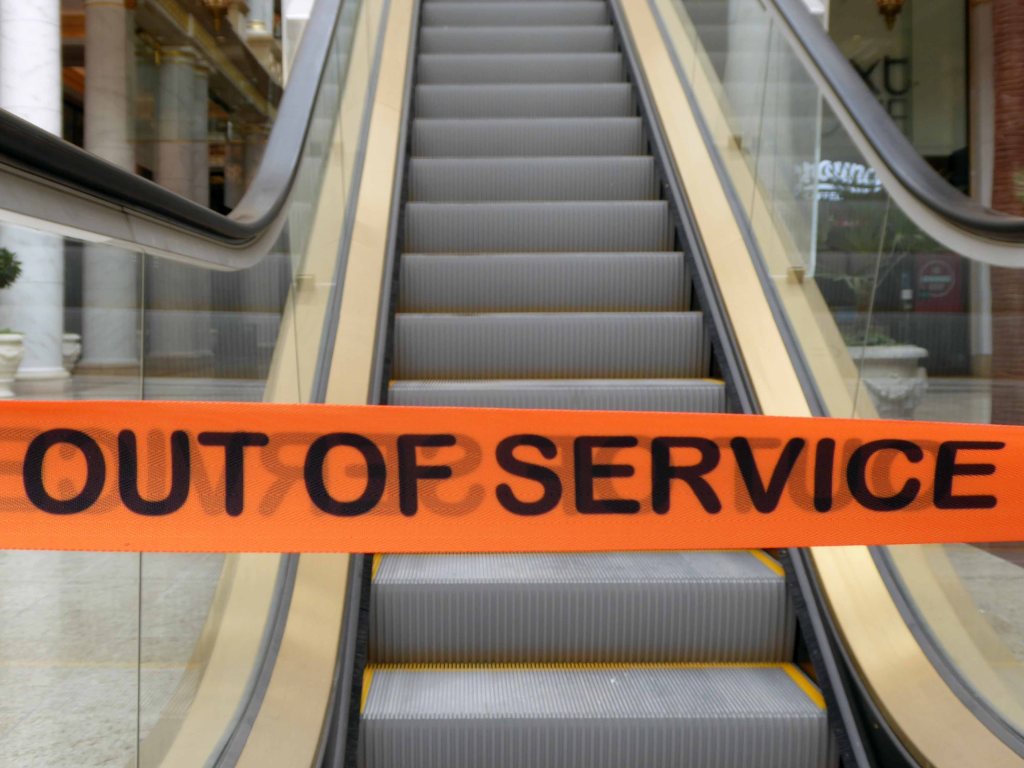
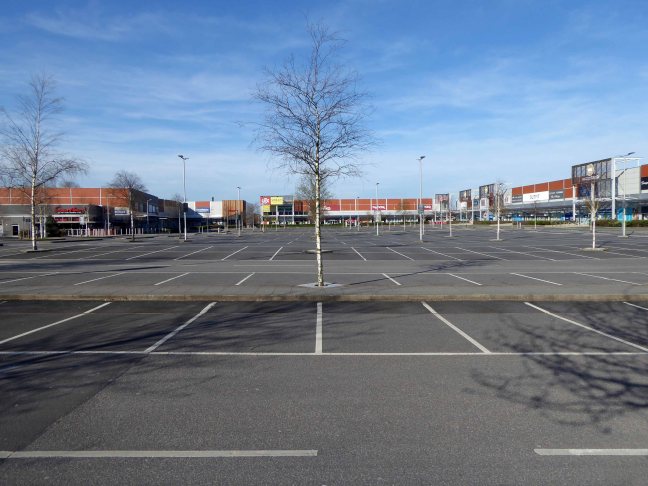
As of Monday 8th the space was mostly devoid of both customers and cars – there are two home stores open, we arrived on foot and took a look around.

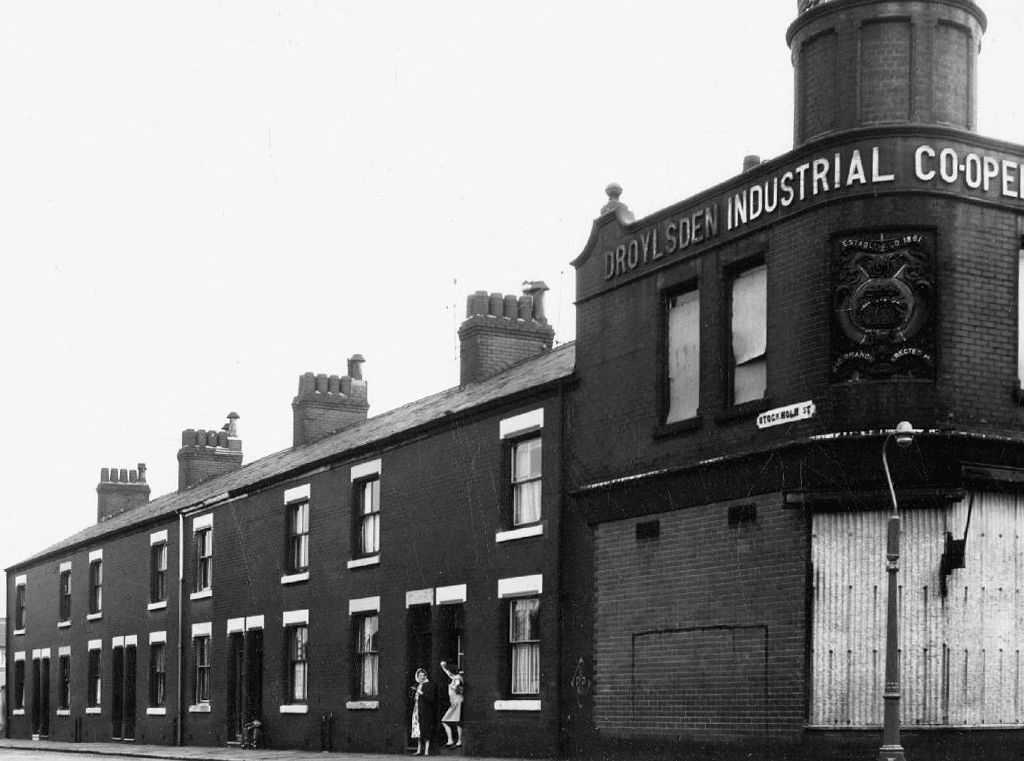
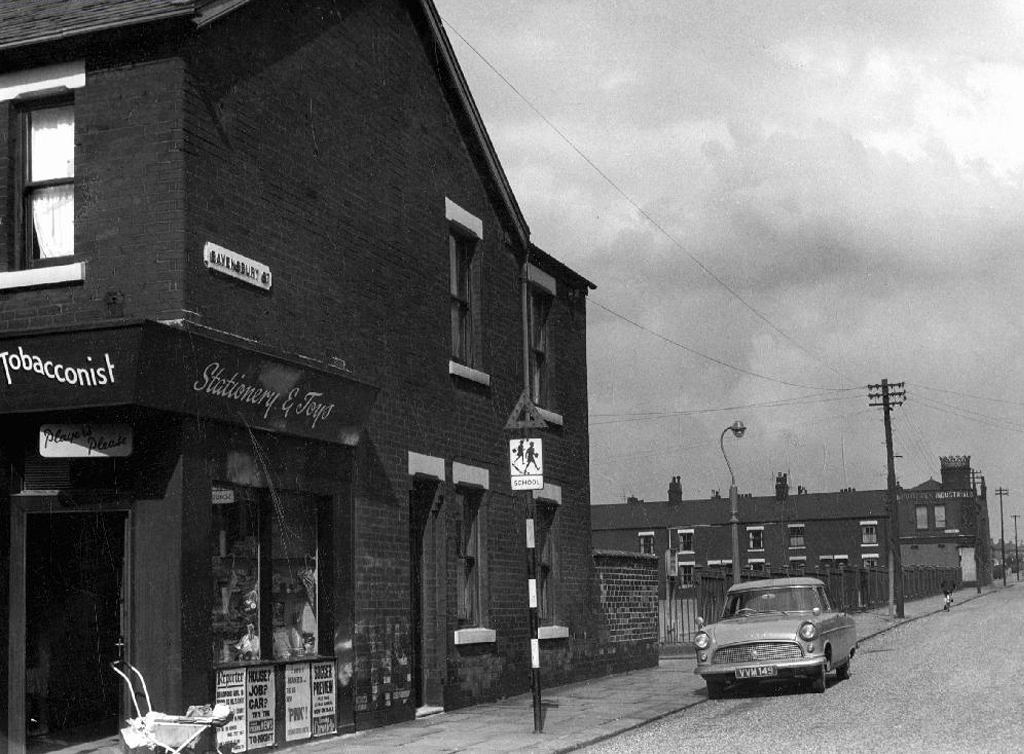
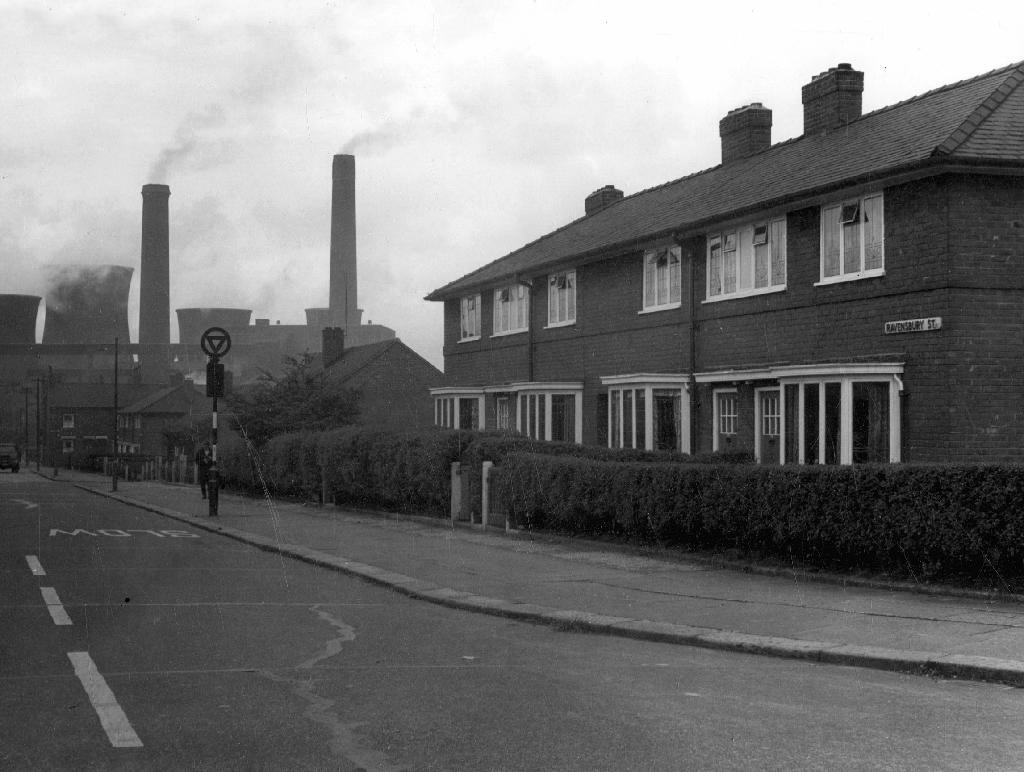
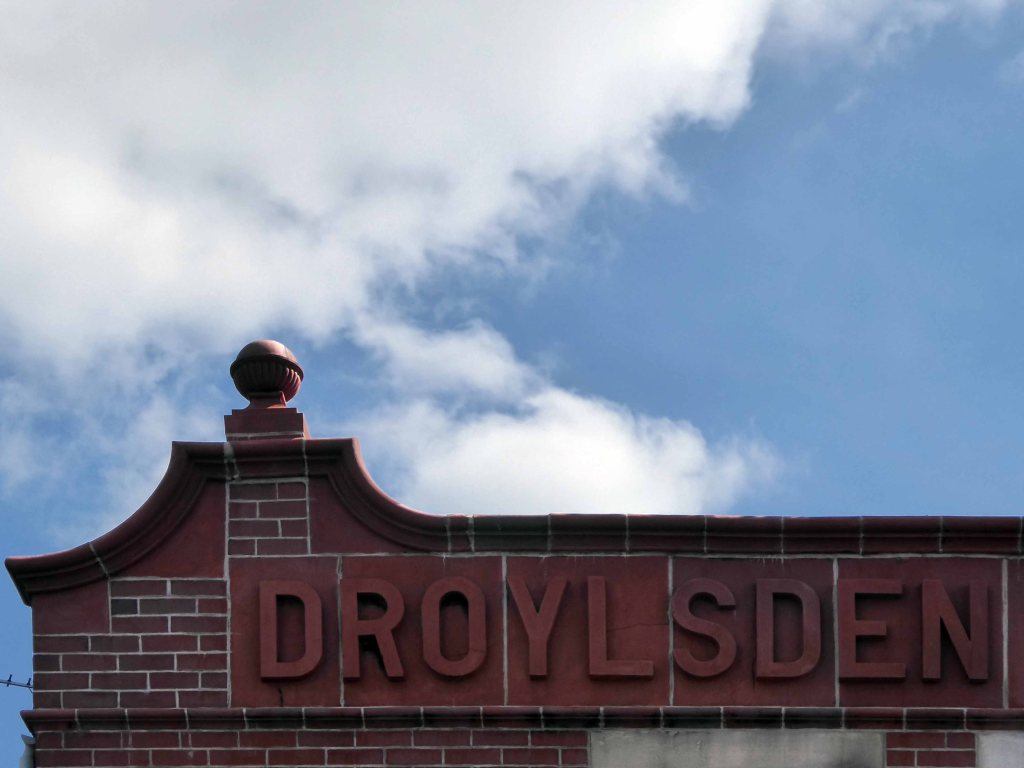
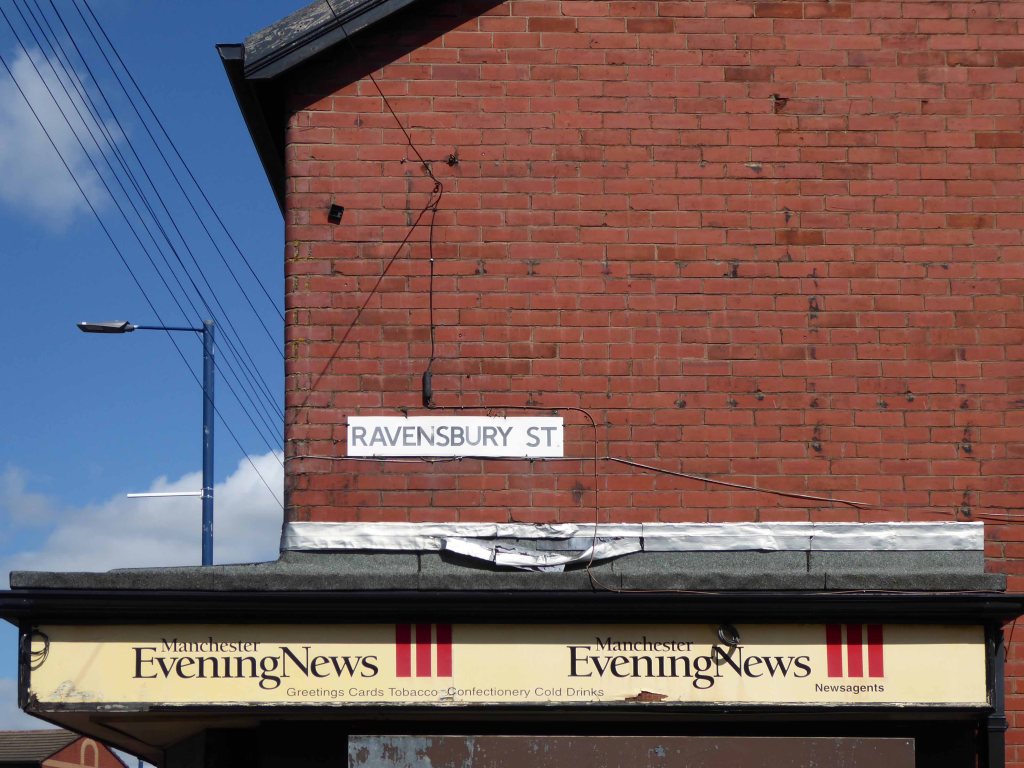
Ravensbury Street – Droylsden Cooperative Society Store

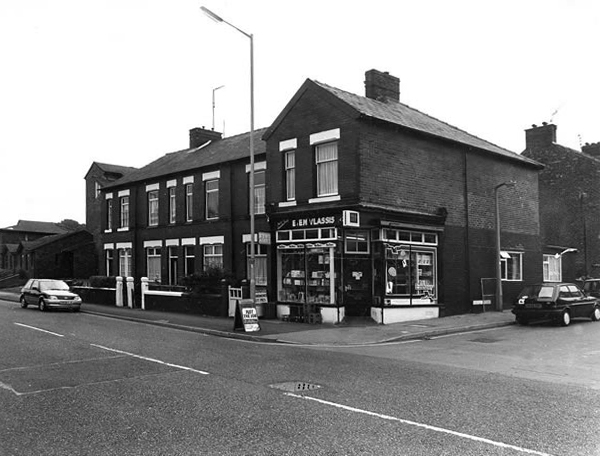
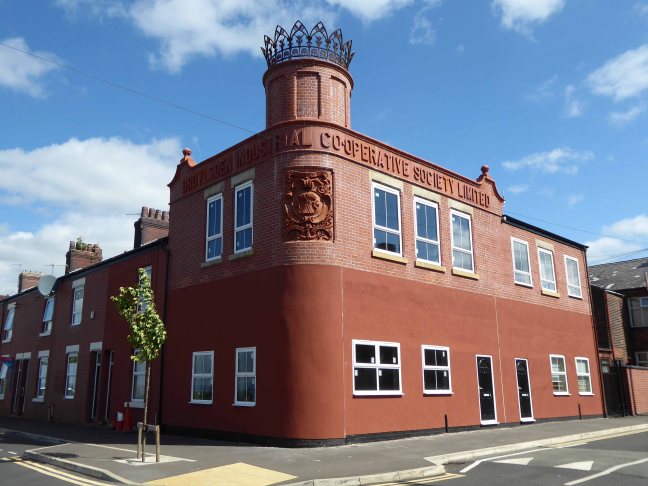
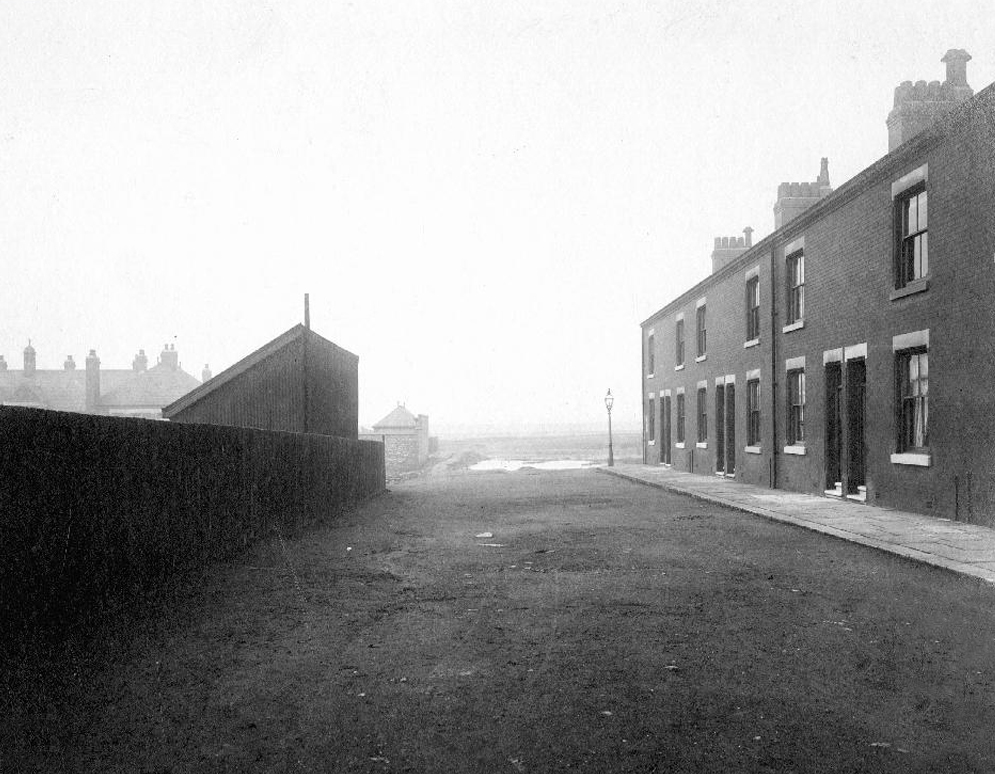
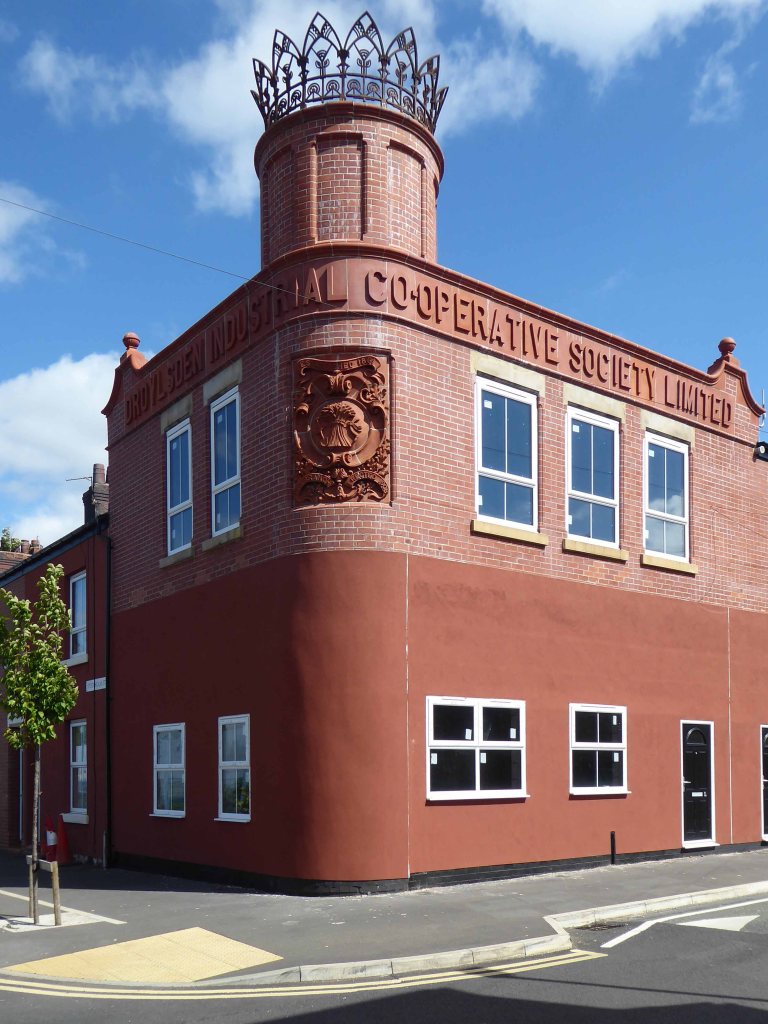
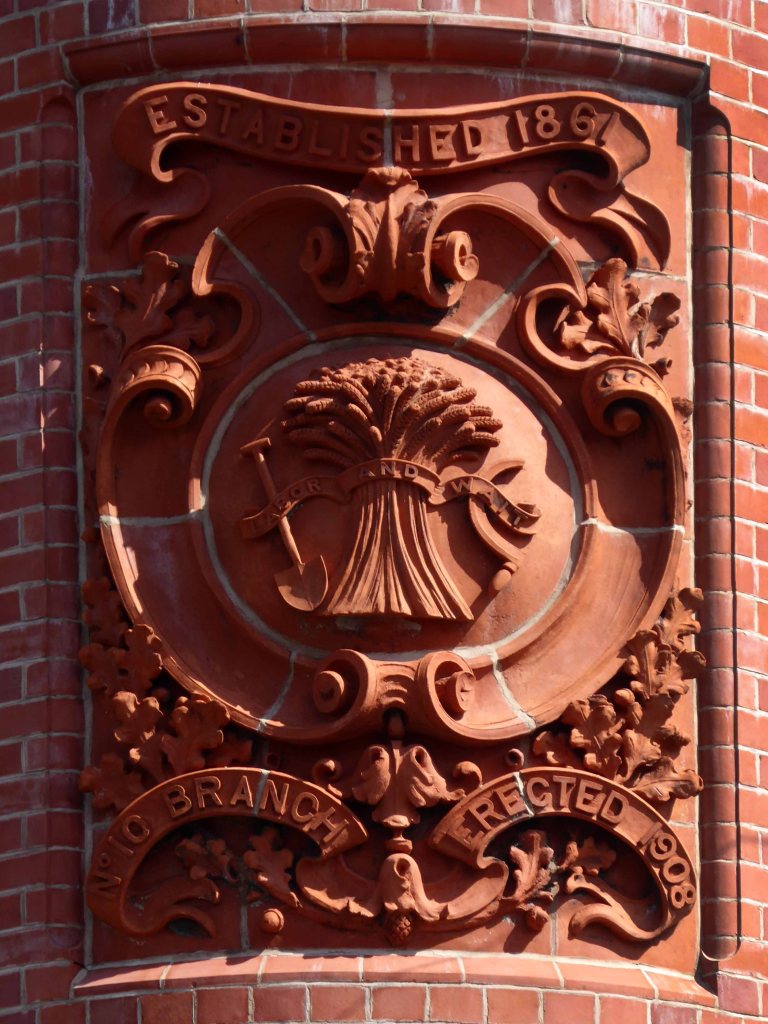
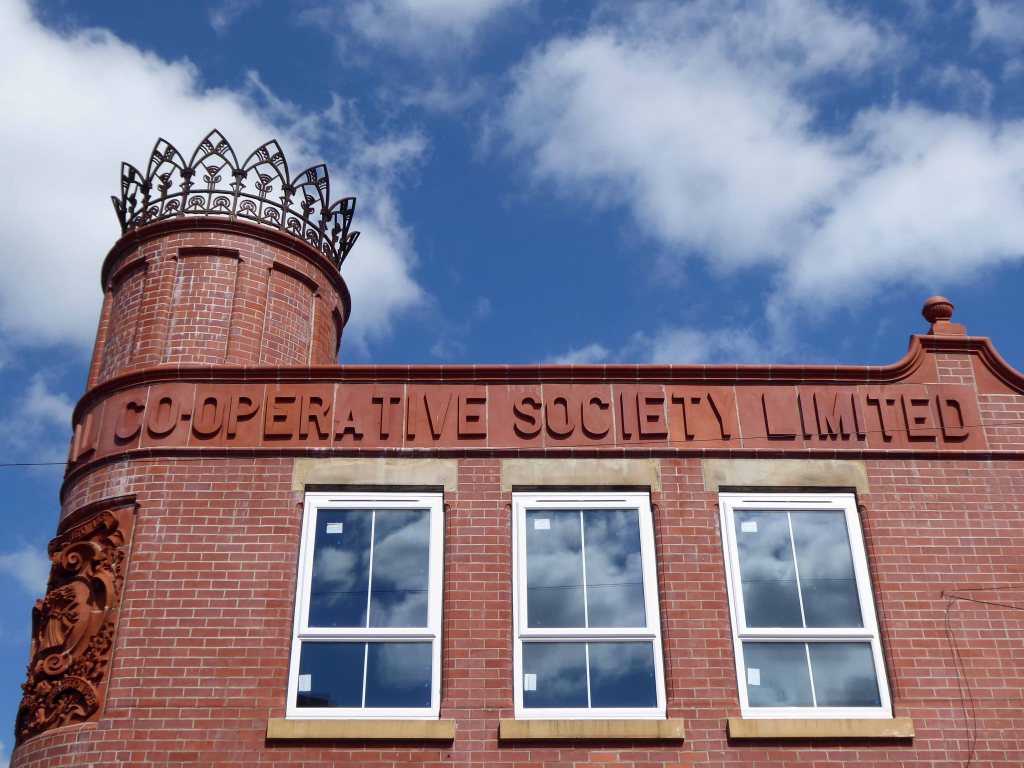
On the corner of Ravensbury and Stockholm Street Clayton Manchester there stands a Cooperative Shop of 1908.

We have previously visited another fine example on Northmoor Road.

In 1902 the area is still set to open ground.

This Manchester Local Image Collection photograph of 1912 shows new terraced homes emerging to meet the housing needs of the world’s first industrial city.

Stockholm Street

Here is the street in 1965 the shop already shut.

The corner shop on Bank Street still trades.

The Stuart Street Power Station does not.

Changing patterns in shoppers habits sealed the fate of many local and corner shops, as larger supermarkets opened, increased mobility and car ownership became more common.

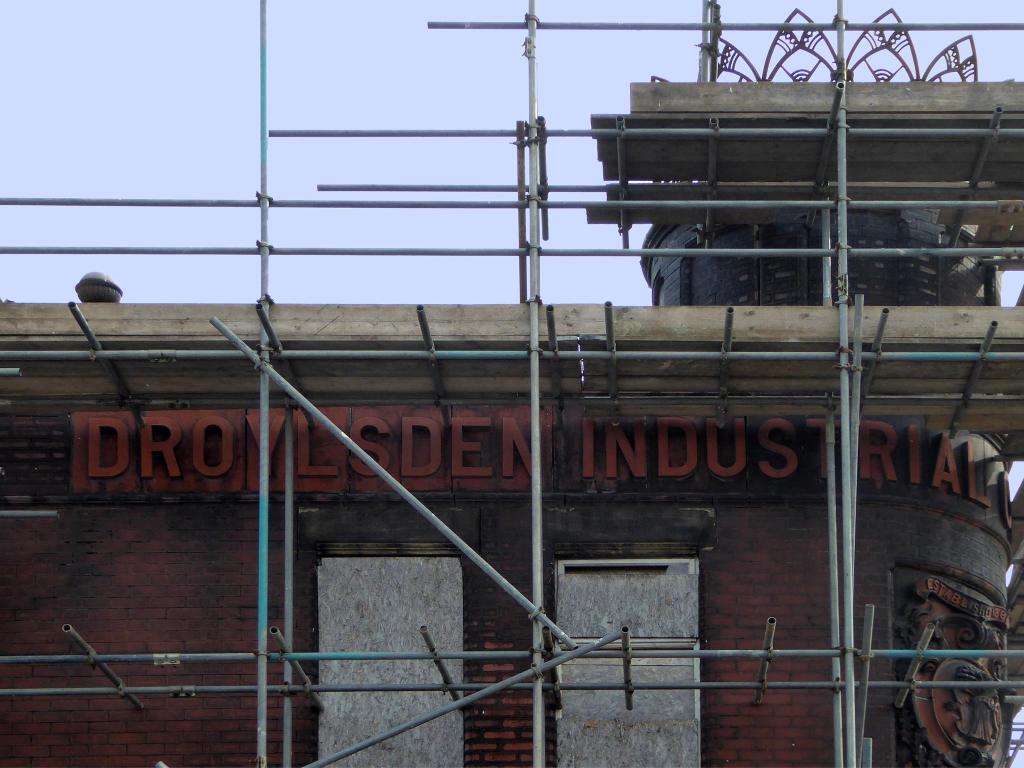
When I first visited the building was undergoing renovation work.

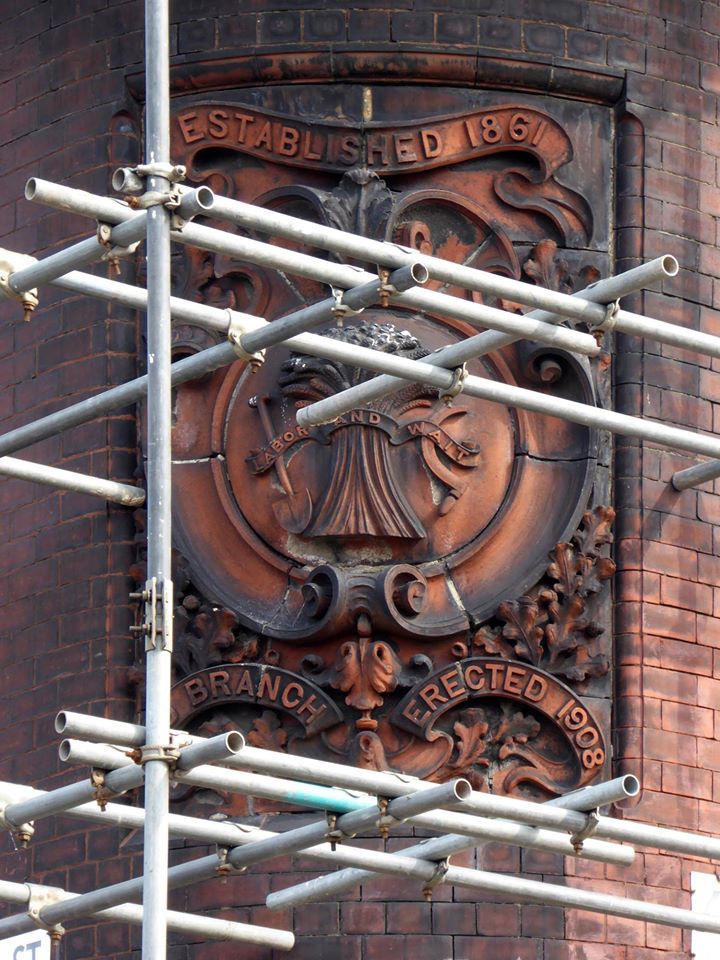
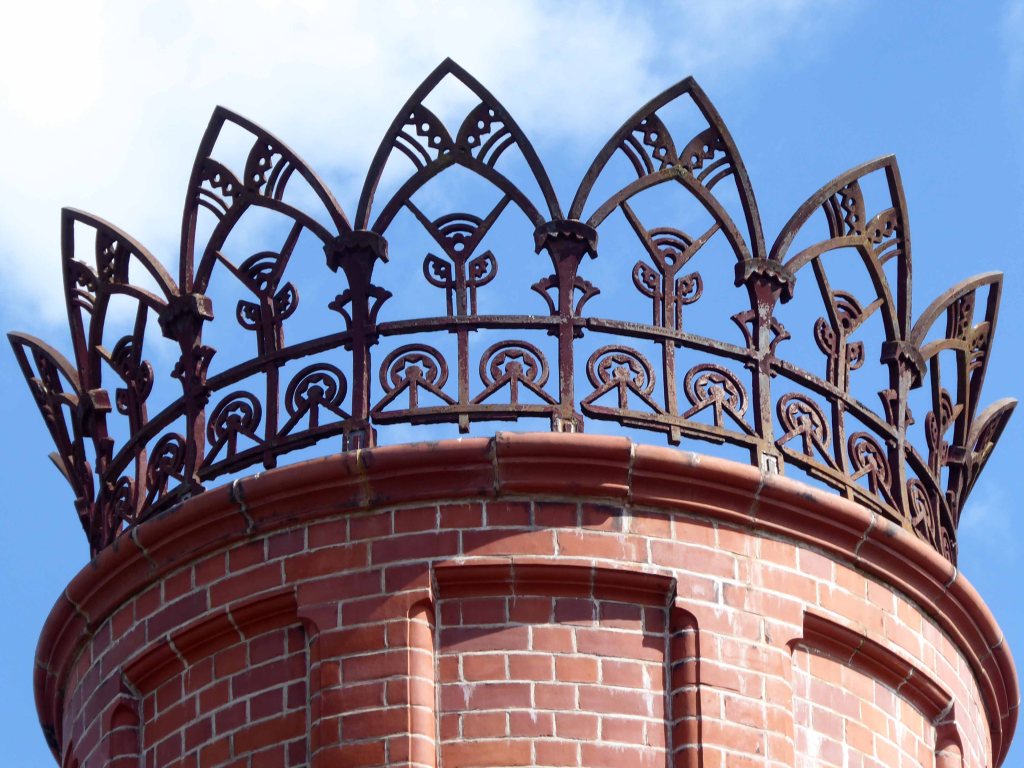
The beautiful terracotta tile work and corona obscured by scaffolding .

I returned last week to find the job almost done – converted to flats, in an area which has seen a great deal of improvement to the general housing stock, paving and street furniture.

A joy to see a fine building almost returned to its former glory, with a much needed social purpose, reviving the city’s western edge.

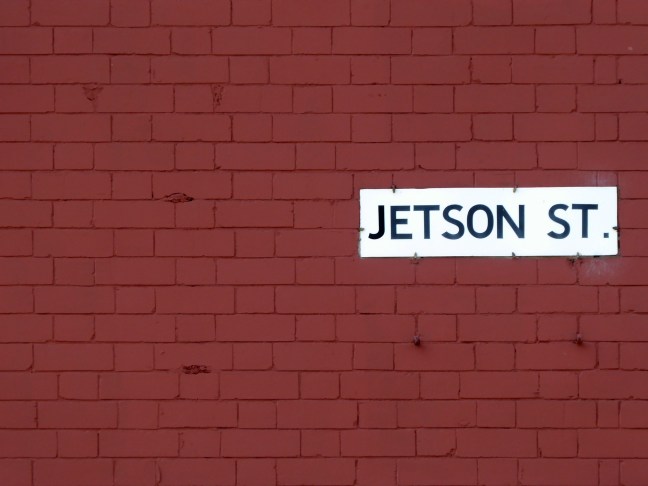
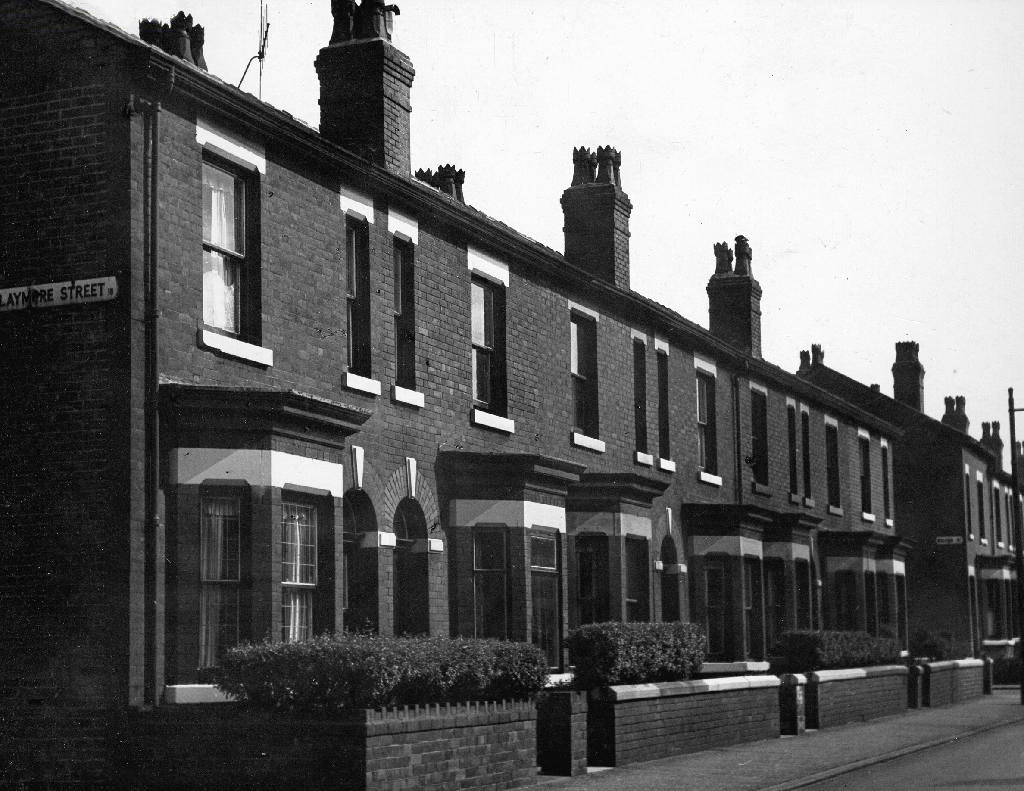
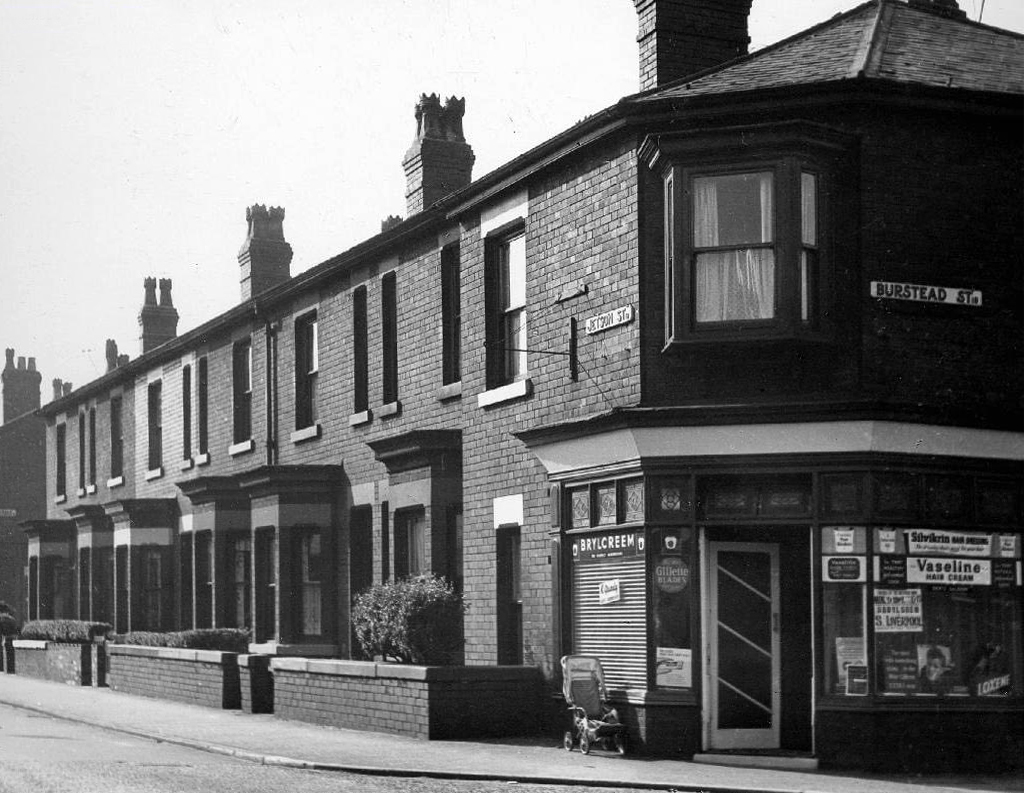
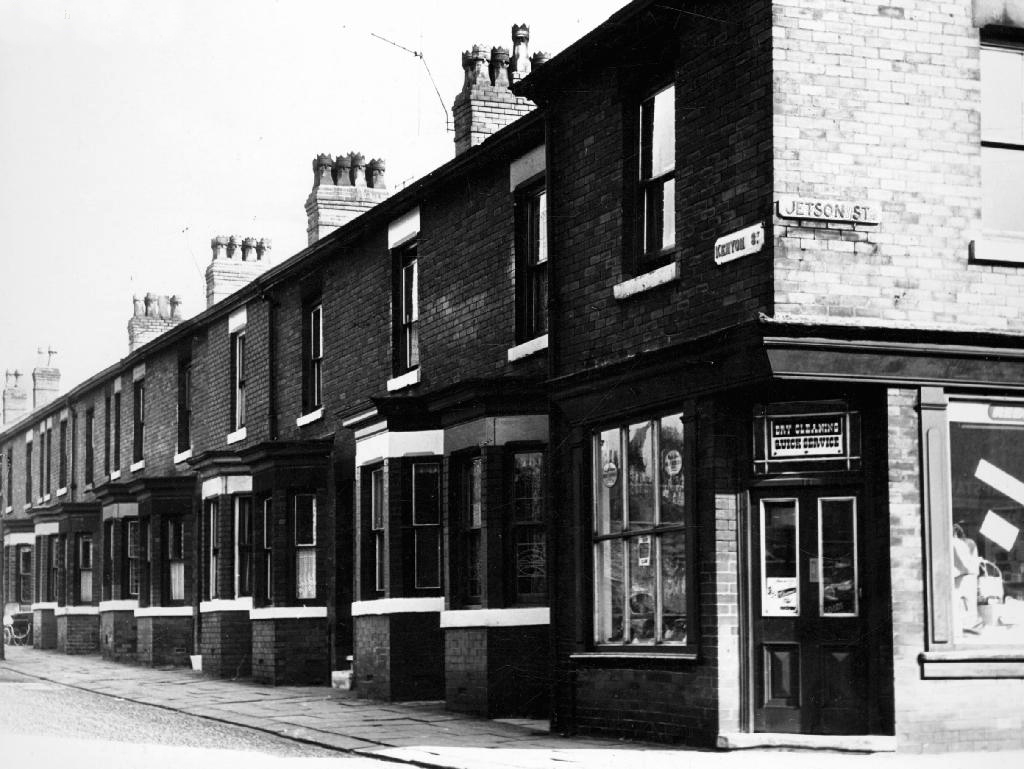
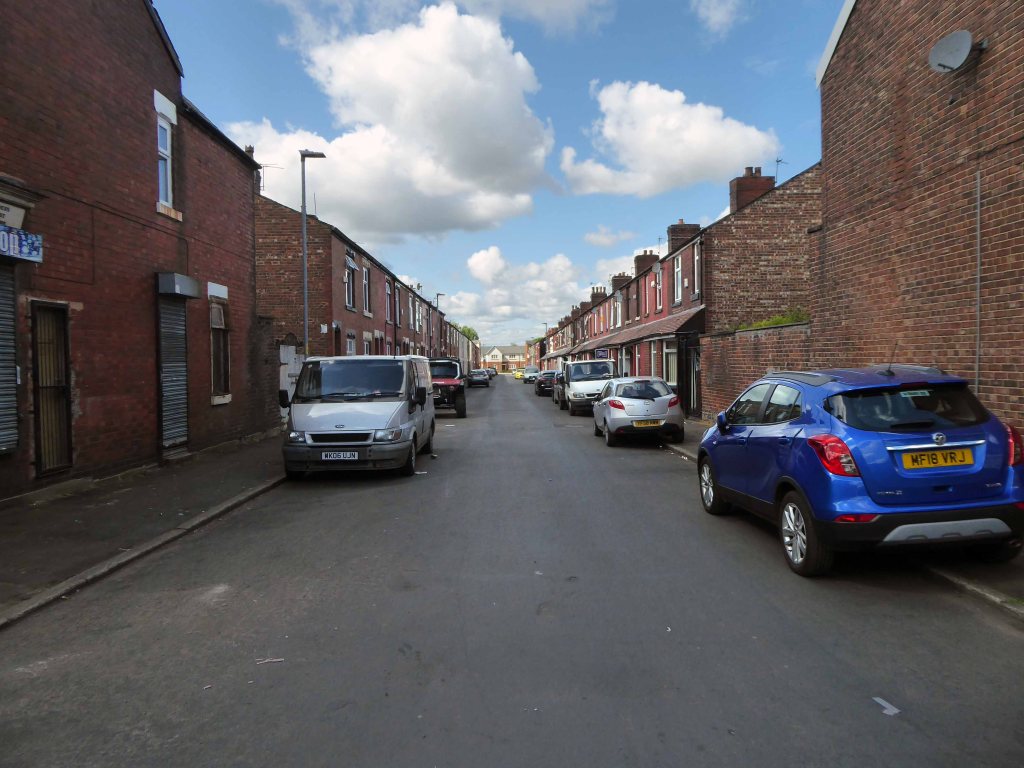
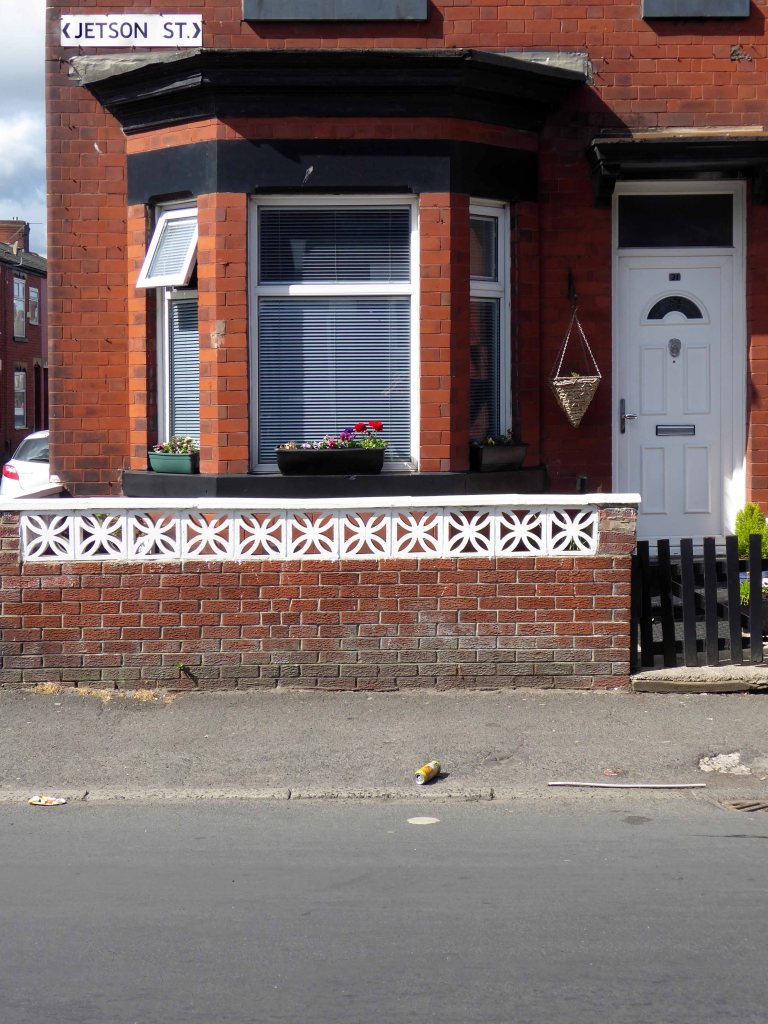
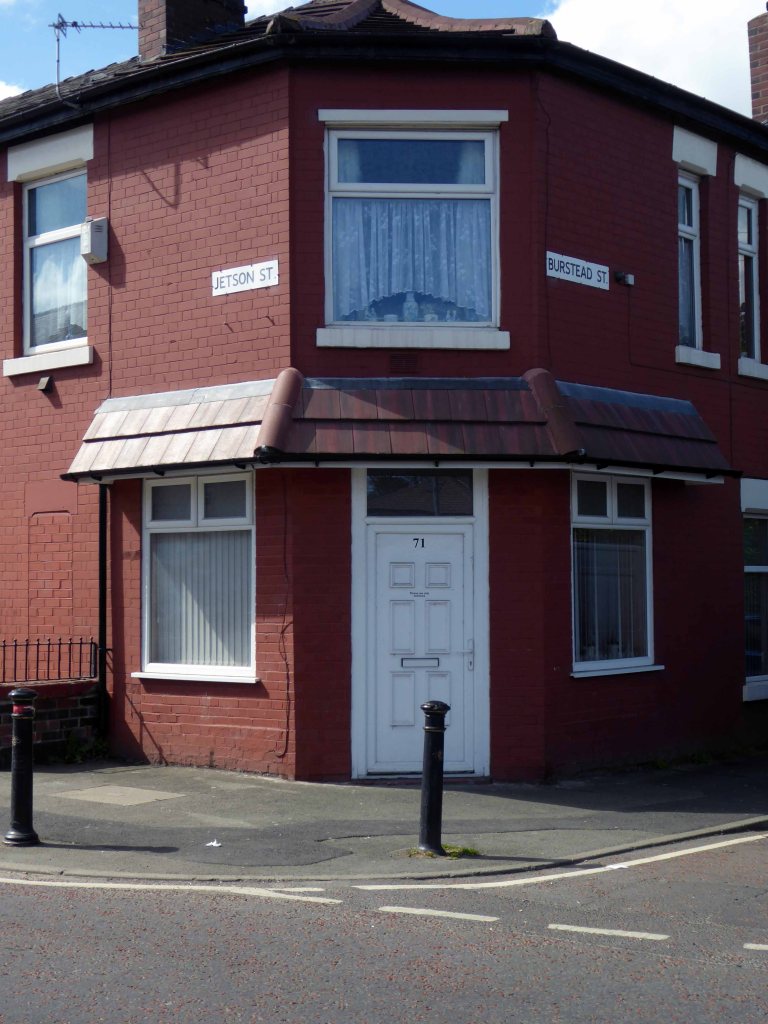
Jetson Street – Abbey Hey

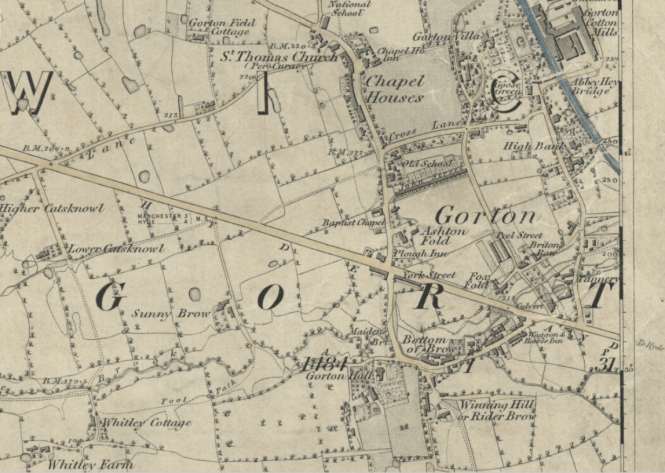
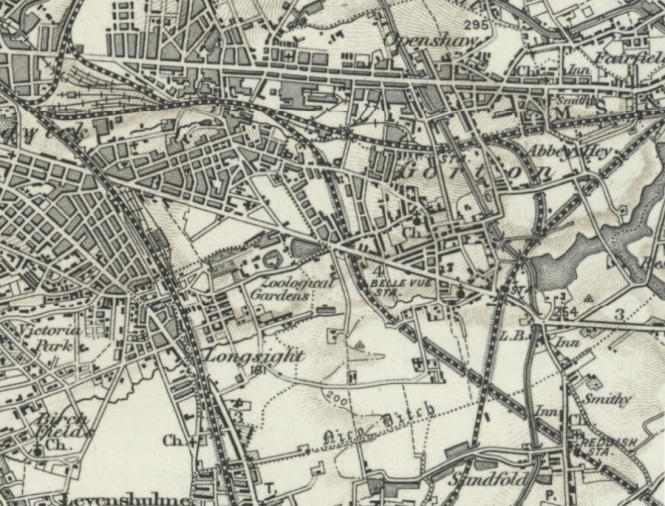
We are travelling backwards and forwards in time – firstly back to 1845 when the street was yet to be built, before the Industrial Revolution created the need for workers’ homes, to house the workers from the newly built workplaces, which also did not yet exist.

It was almost all fields around here.

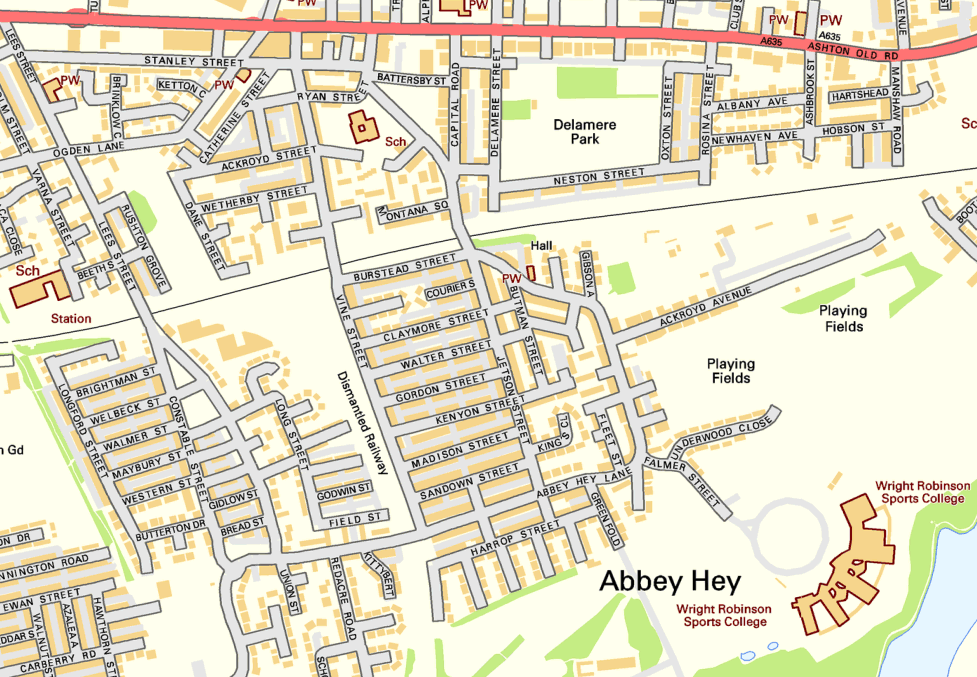
Old Maps of Gorton

1845

A little further forward to 1896 when Jetson Street has emerged fully formed from the fields, along with rail, road, amusement and industry.

1896

Fast forward to today and it’s all almost still there – though most of the work and the majority of the amusement has evaporated into a cloud of post-industrial, Neo-Liberal economic stagflation.

So why am I here – fast forward to the fictional future!

As a kid I watched as the Jet Age emerged before my very square eyes, giving the street a certain cosmic charm – I was curious.

I have searched online – this seems to be the one and only Jetson Street in the whole wide world – I searched online for its origins.

The name Jetson means Son Of Jet and is of American origin.

Which quite frankly seems unreasonably glib.

The name Jetson is from the ancient  Anglo-Saxon culture of the Britain and comes from the names Judd and Jutt, which are pet forms of the  personal name Jordan. These names are derived from Jurd, a common abbreviation of Jordan, and feature the common interchange of voiced and voiceless final consonants.

The surname Jetson was first found in  Hertfordshire where they held a  family seat from very ancient times, some say well before the  Norman Conquest and the arrival of Duke William at Hastings in 1066 A.D.

Which quite frankly seems unreasonably obscure.

Let’s jet back to 1964.

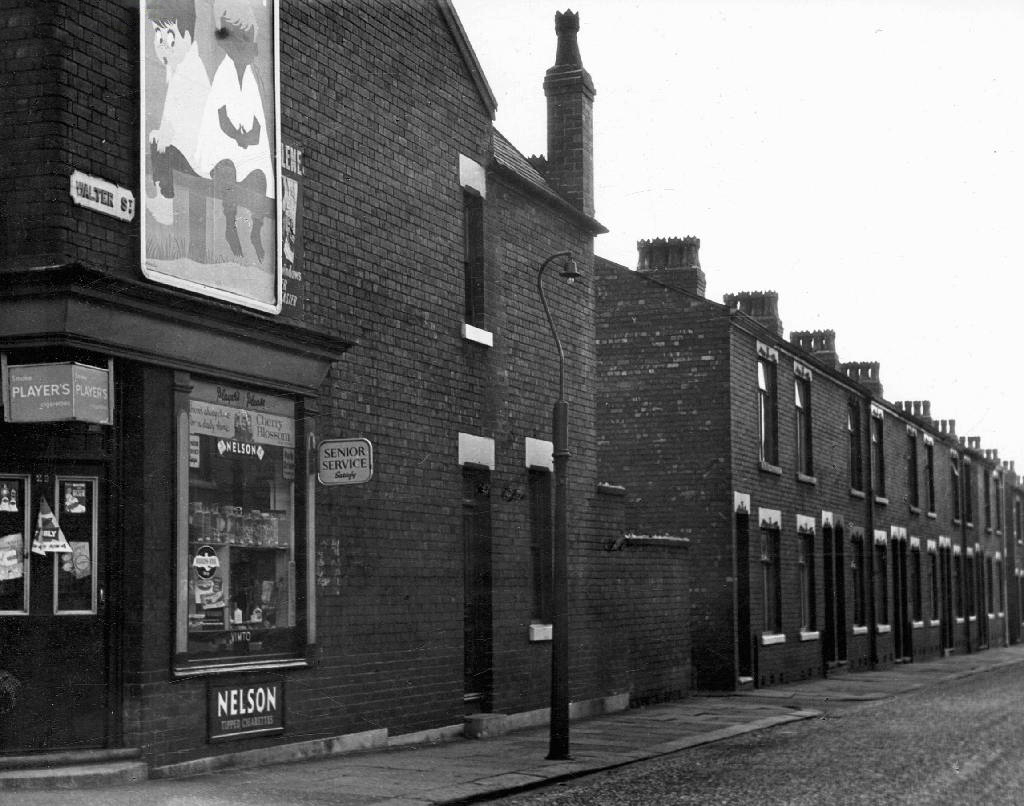
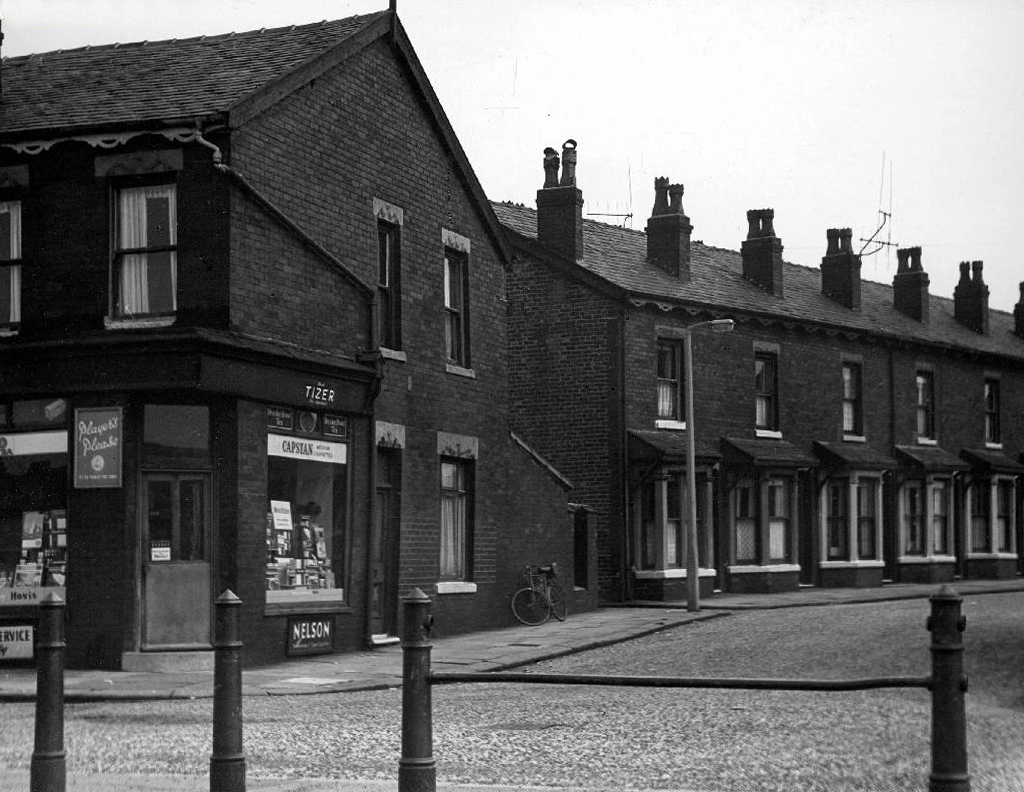
T Brooks wandered these streets taking thousands of photographs for the Manchester Corporation, possibly the housing or highways departments – they all still exist here on the Local Image Collection.

This was a world of corner shops on ever corner, settled communities full-employment, neatly ordered rows of sturdy brick-built homes.

I follow in his hallowed footsteps, what if anything remains of this world – fast forward to 2015 my first fleeting visit.

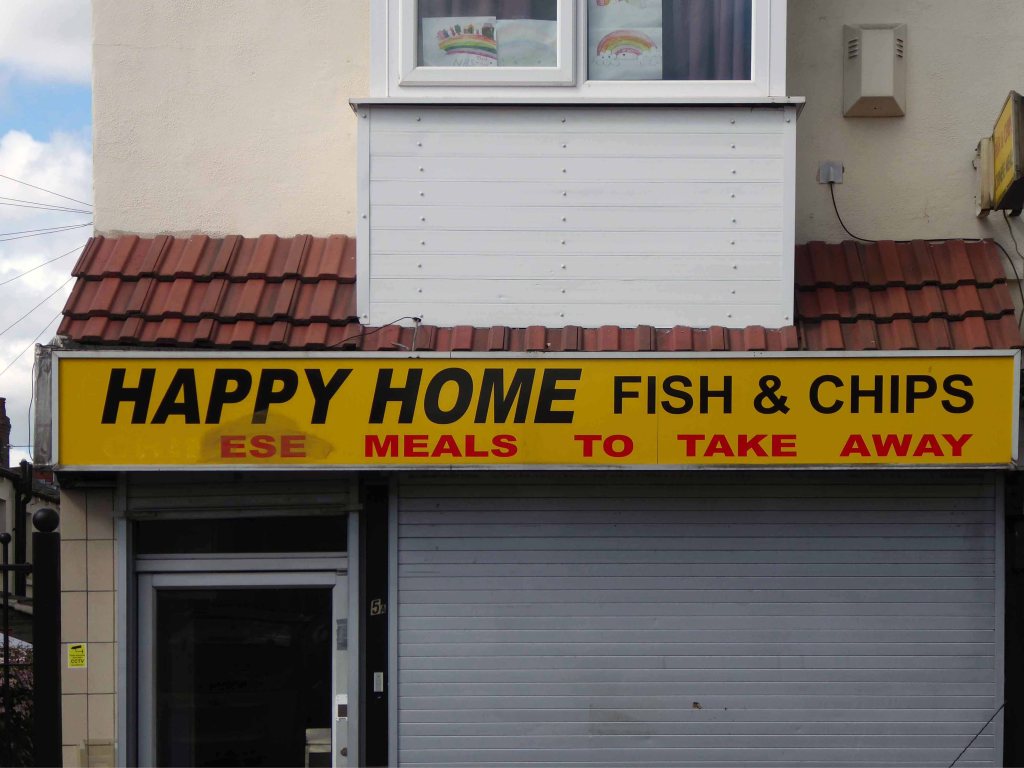
Now trading as Happy Home
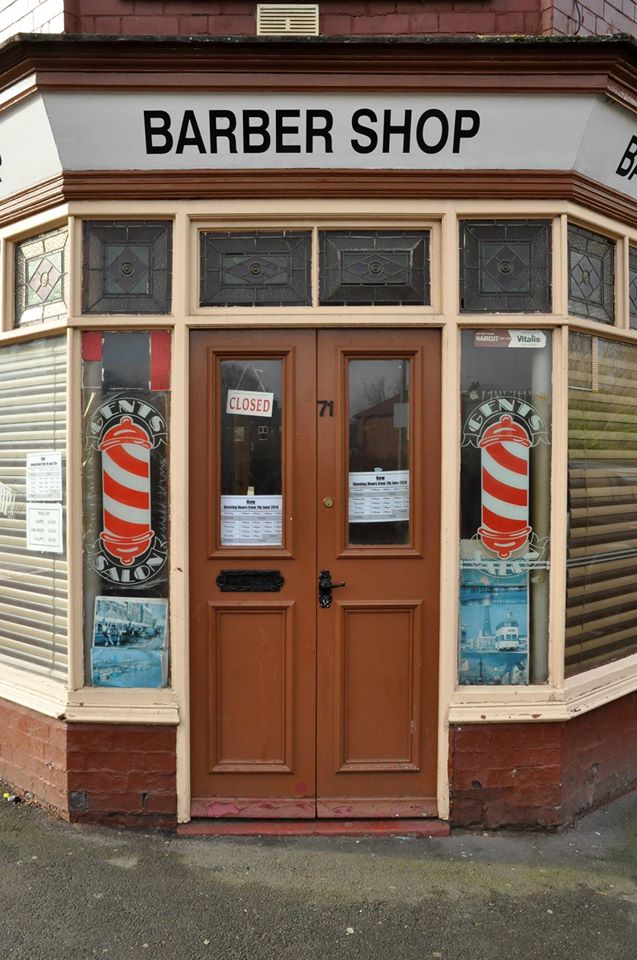
A barber shop no more

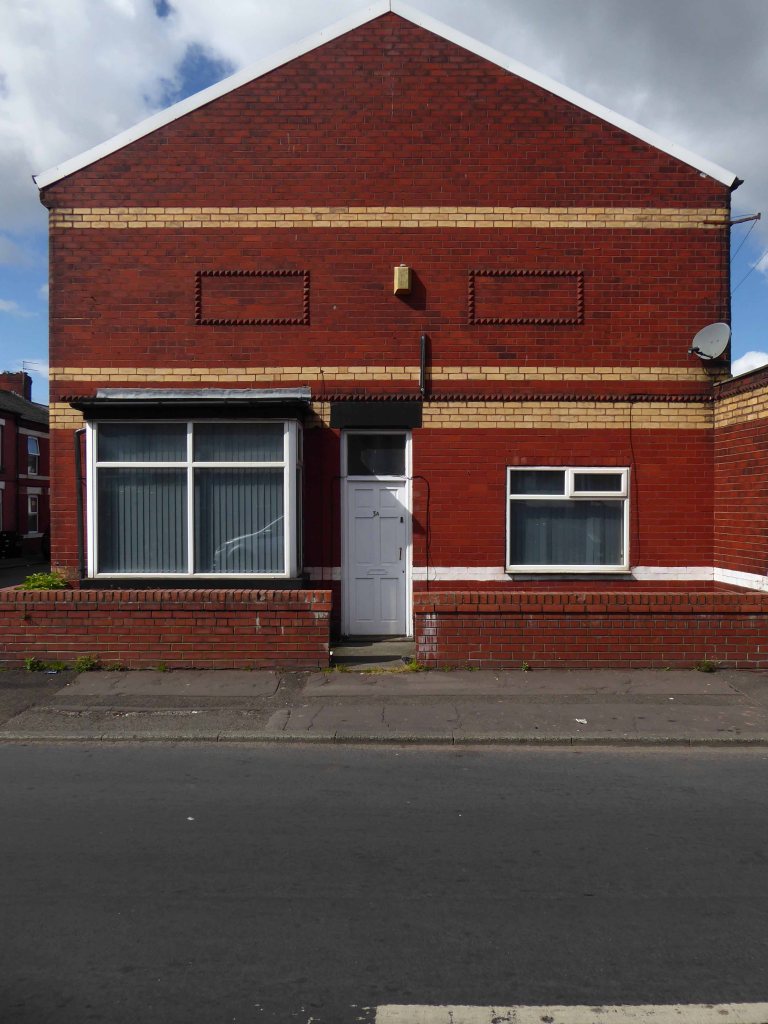
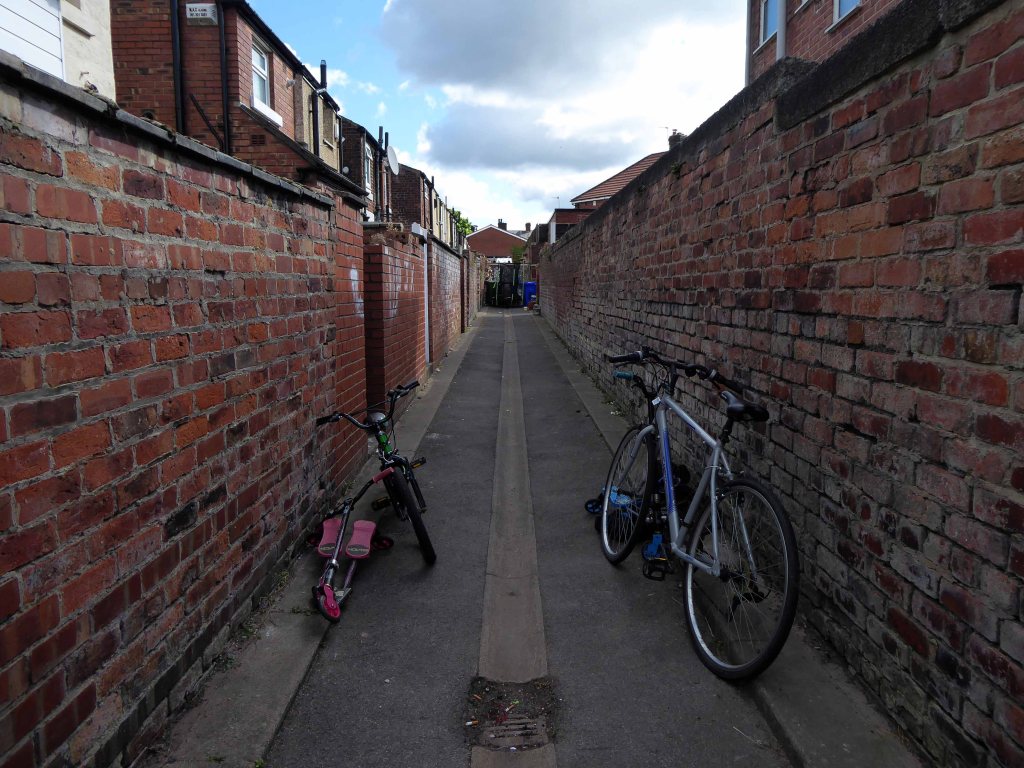
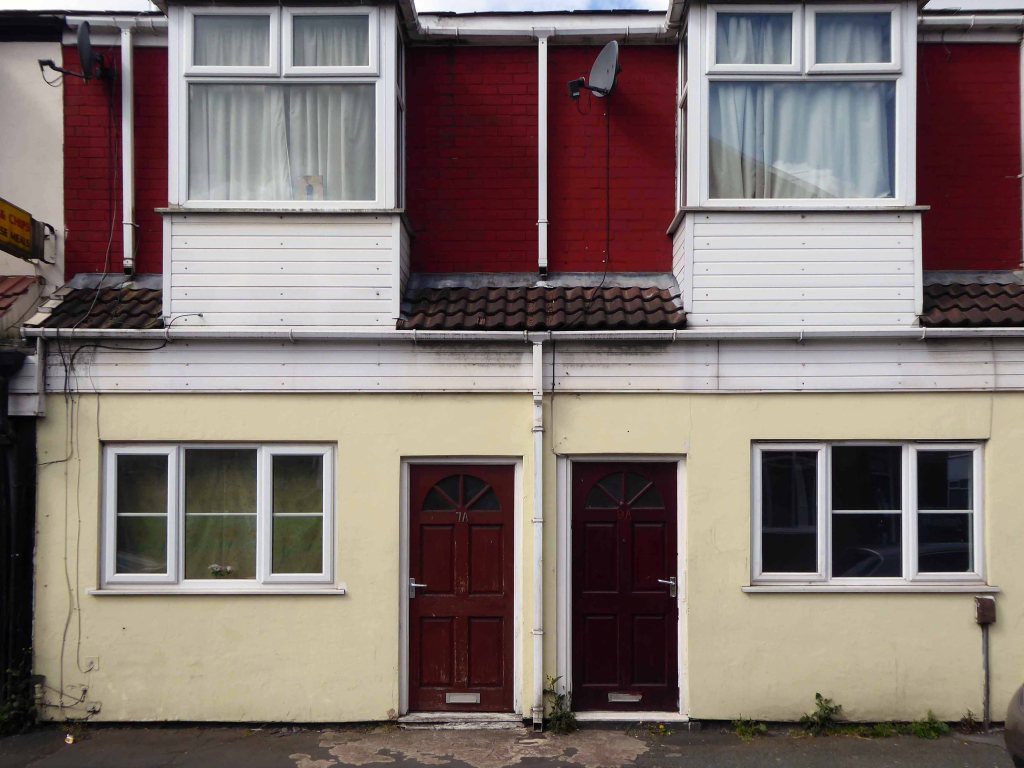
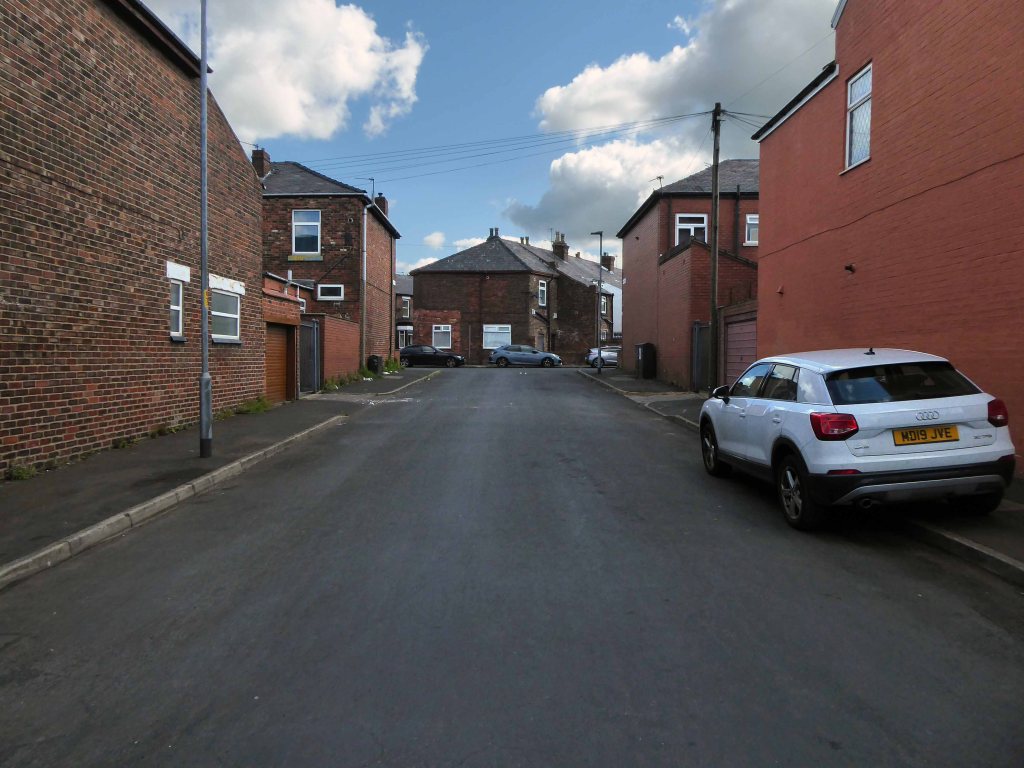
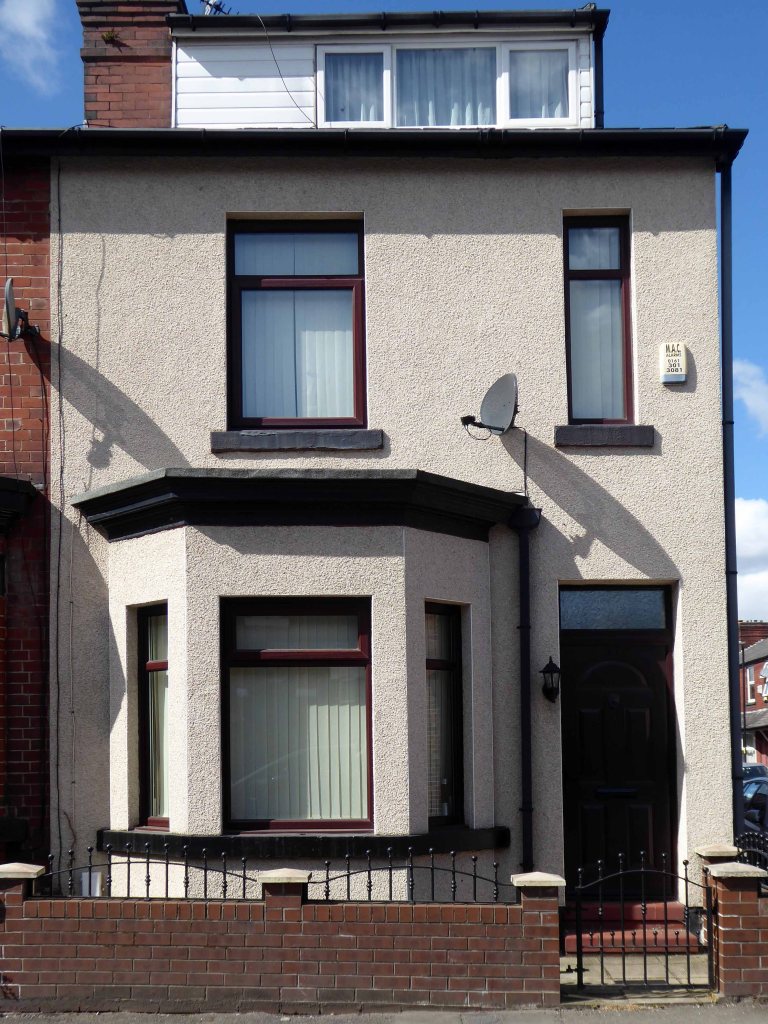
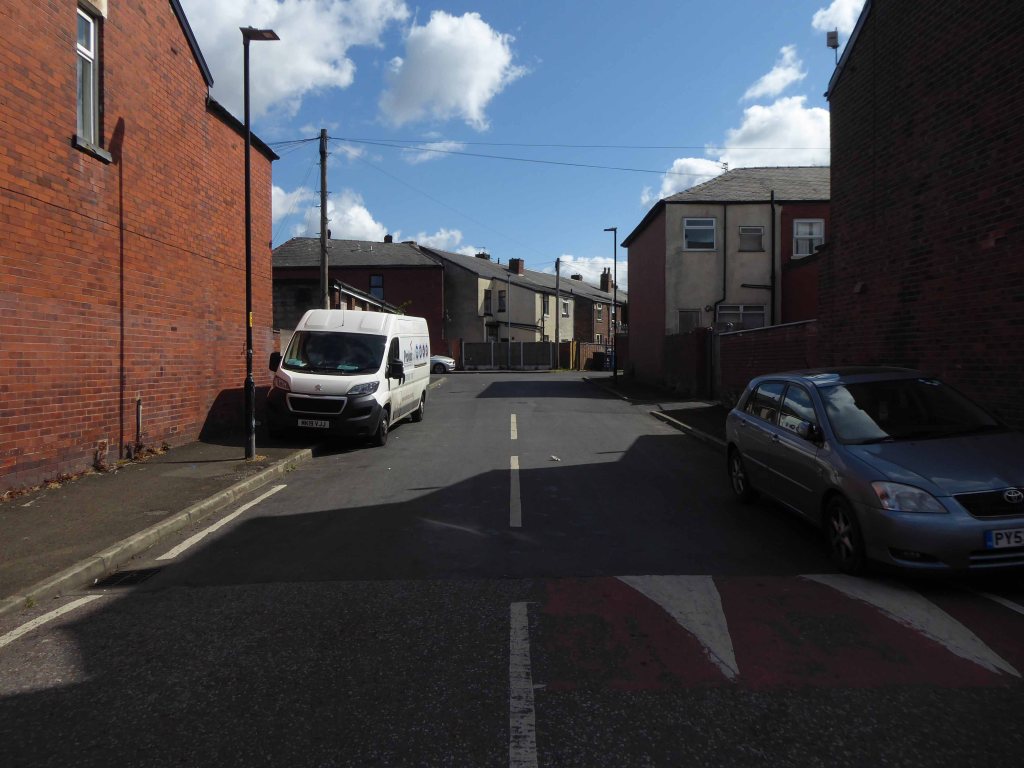
The area now has a richer racial mix – having recently become home to many African and Eastern European families. The architectural consistency of the houses has been swamped by render, window frame replacement, addition and extension, and the arrival of a plethora of motor cars. The majority of shops now long gone, as the once pedestrian community spread their retail wings and wheels elsewhere.

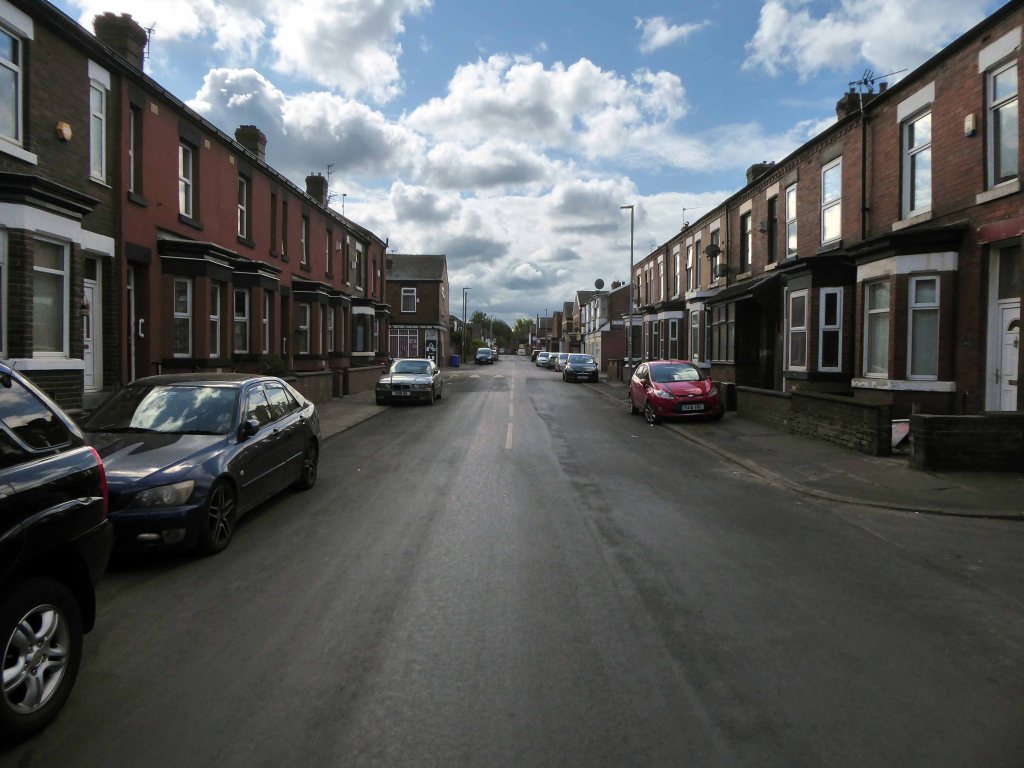
Jetson Street – North
Sandown Street
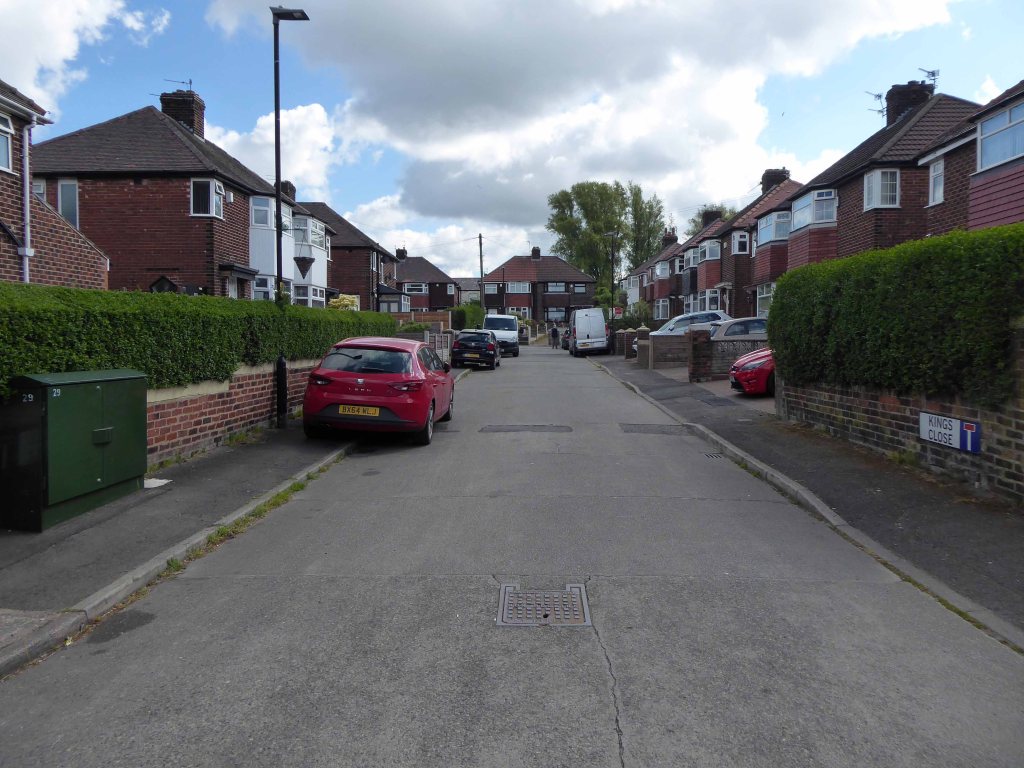
Kings Close
Madison Street
Kenyon Street
Kenyon Street
Sign of the times
Gordon Street
Jetson Street – North
Jetson Street – South
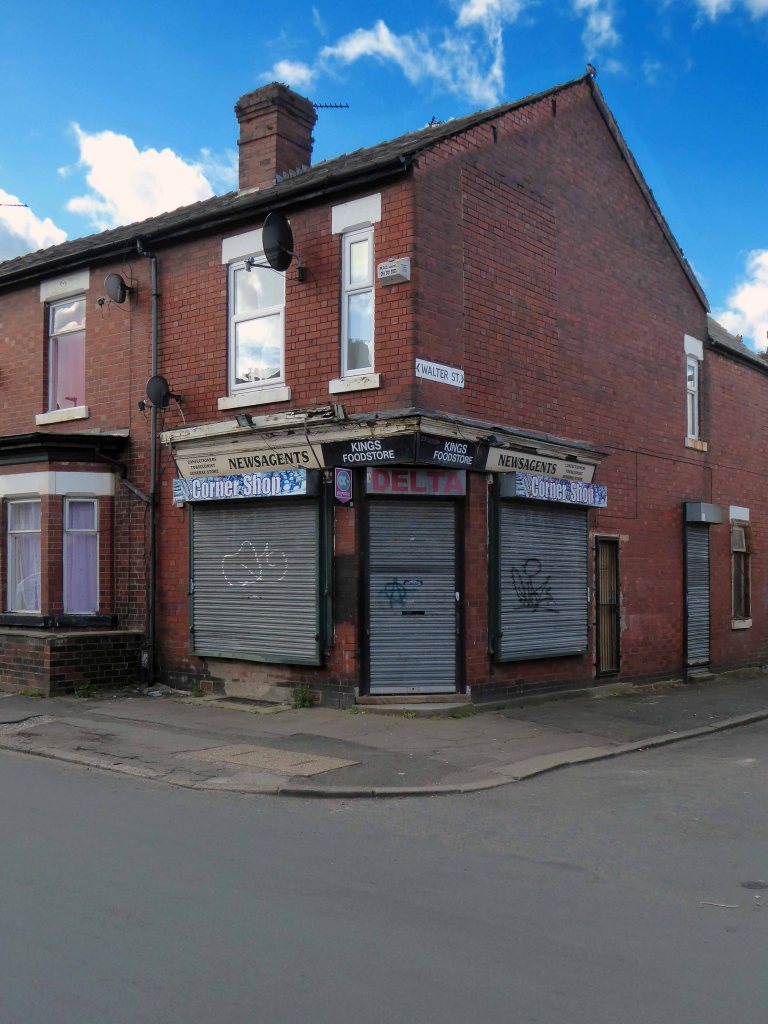
Walter Street
Walter Street
Claymore Street
Claymore Street
Courier Street
The only remaining front doors and tiled porch every other having been given over to the allure of uPVC and the enclosed doorway
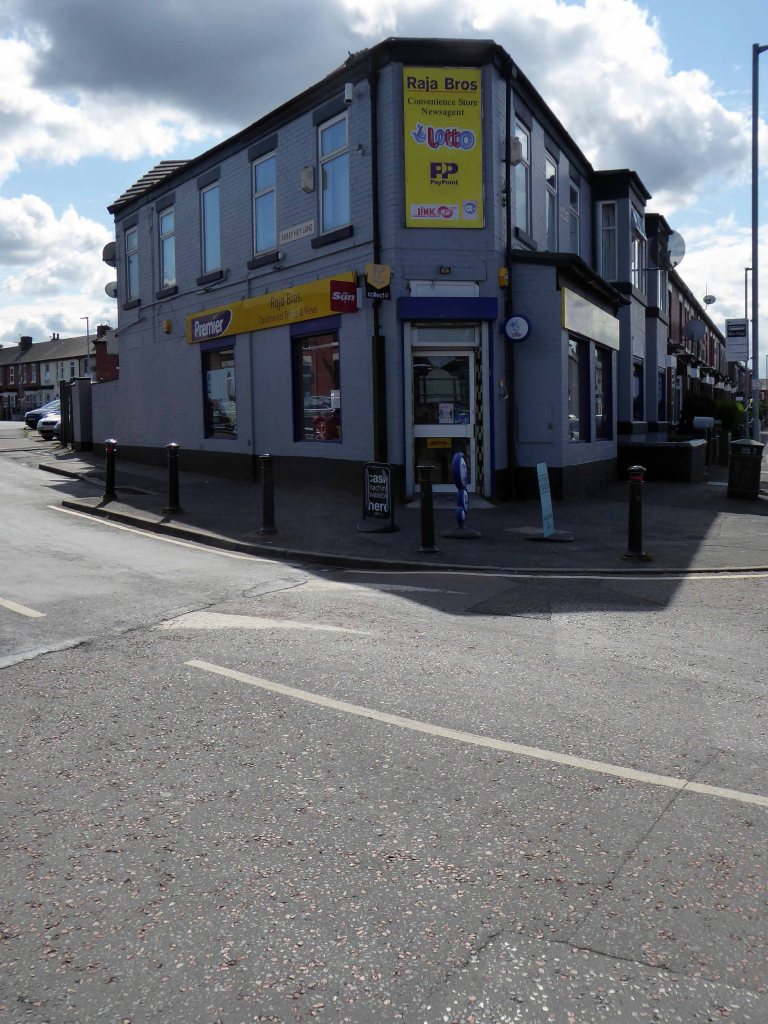
My on street correspondent congratulated the Raja Brothers on the sound service they had provided during these difficult times.
Where the barbers was
Burstead Street
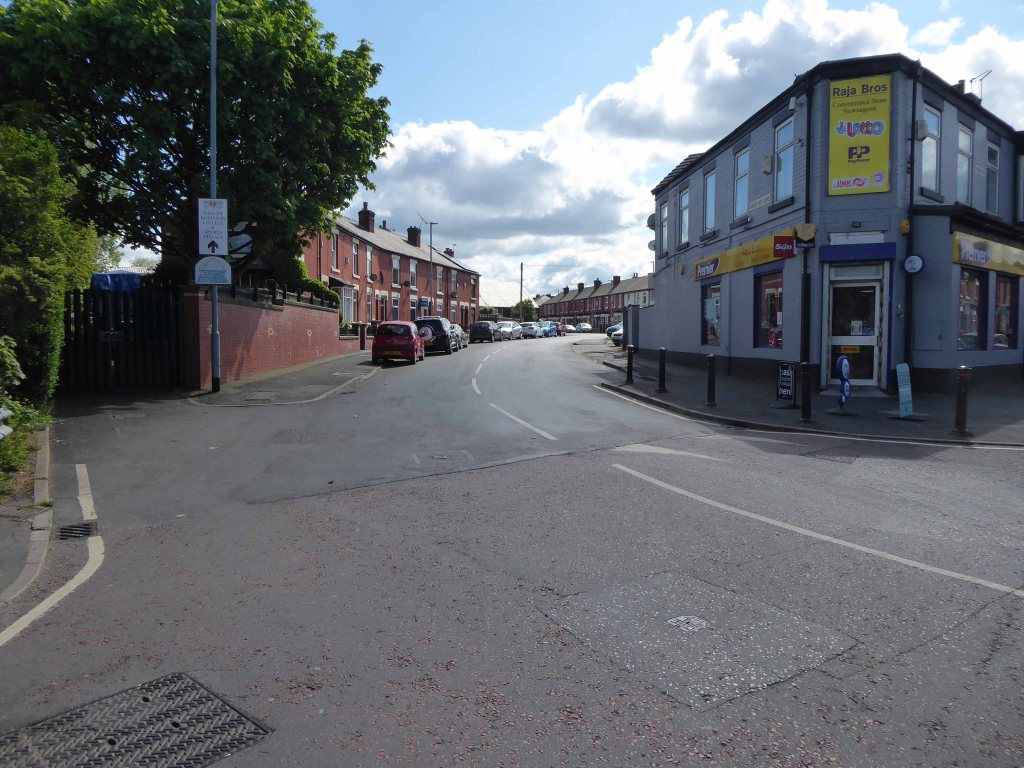
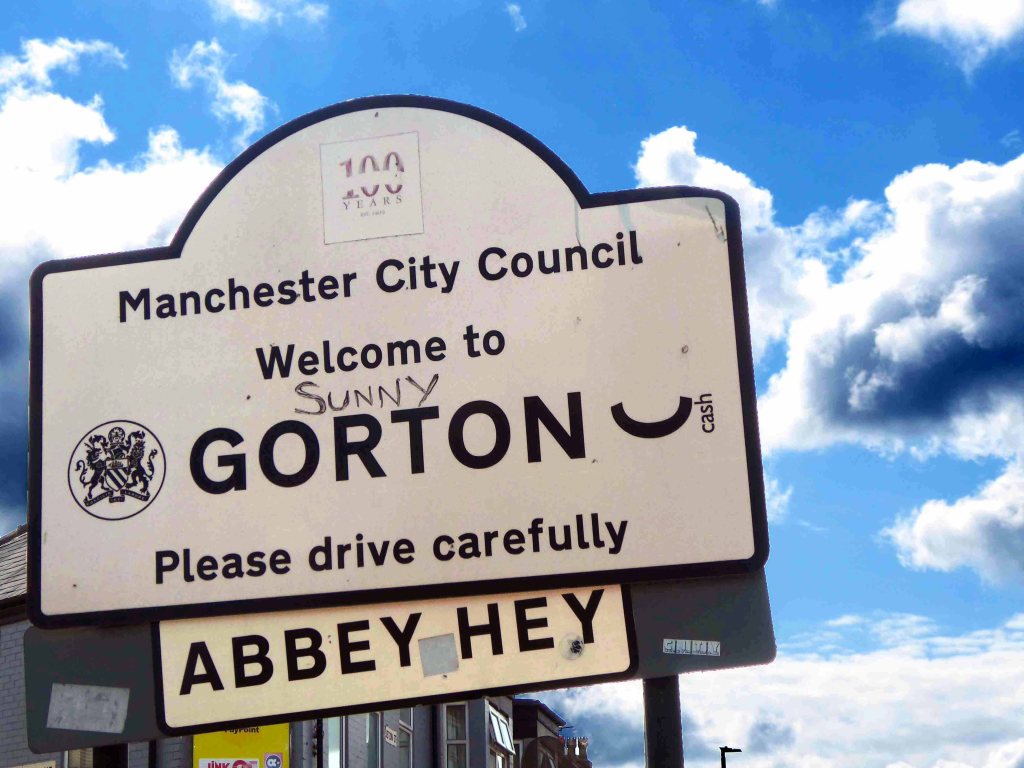
Abbey Hey Lane

A Taste Of Honey

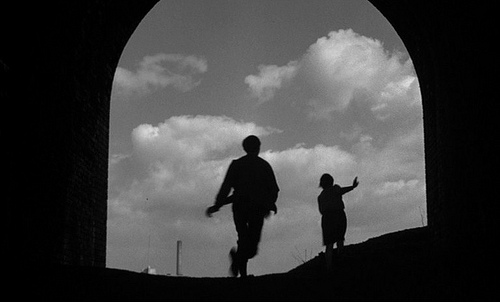
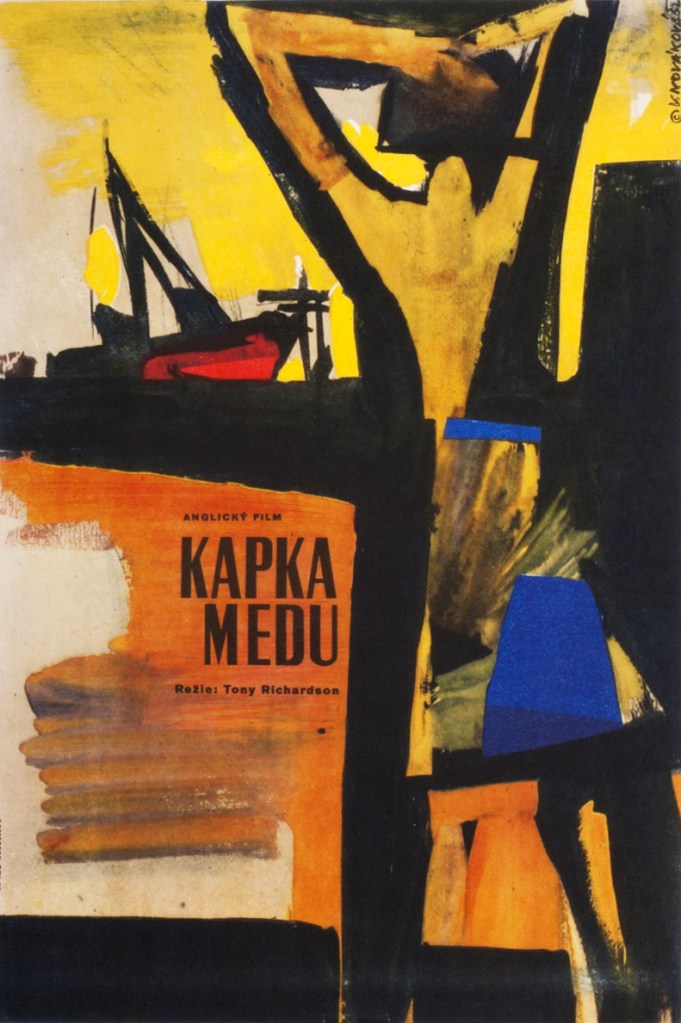
This is a film that has stayed with me for most of my life – first seen as a nipper, fascinated by the fact that it was shot in a very familiar landscape.

As years have passed I have watched and rewatched it, finally resolving to track down the local locations used in its filming.

Studying and pausing the DVD, making thumbnail sketches of frames, researching online – referring to Reelstreets.

I have previously written about the way in which the movie shaped a particular image of the North.

And examined particular areas of Manchester such as Barmouth Street.

The film generated world wide attention and remains just as popular today.

Still watched, still loved, still relevant – here are a selection of photographs I took in 2011 – cycling around Manchester, Salford and just a little closer to home in Stockport.

Larkhill Road scene of the moonlight flit

The descent from Larkhill Road

Stockport Viaduct

Stockport Parish Church

Stockport running for the bus to Castleton

Midway Longsight – where Dora Bryan sang

Barmouth Street were the school scenes were filmed.

Timpson’s shoe shop now demolished opposite the Etihad

Phillips Park the back of the gas works in Holt Town

The Devil’s Steps Holt Town

Rochdale Canal

Ashton Canal

All Souls Church Every Street Ancoats

Piccadilly Gardens as we view the city from a moving bus.

Manchester Art gallery – where they watched the Whit Walks.

Albert Square part of the earlier bus ride.

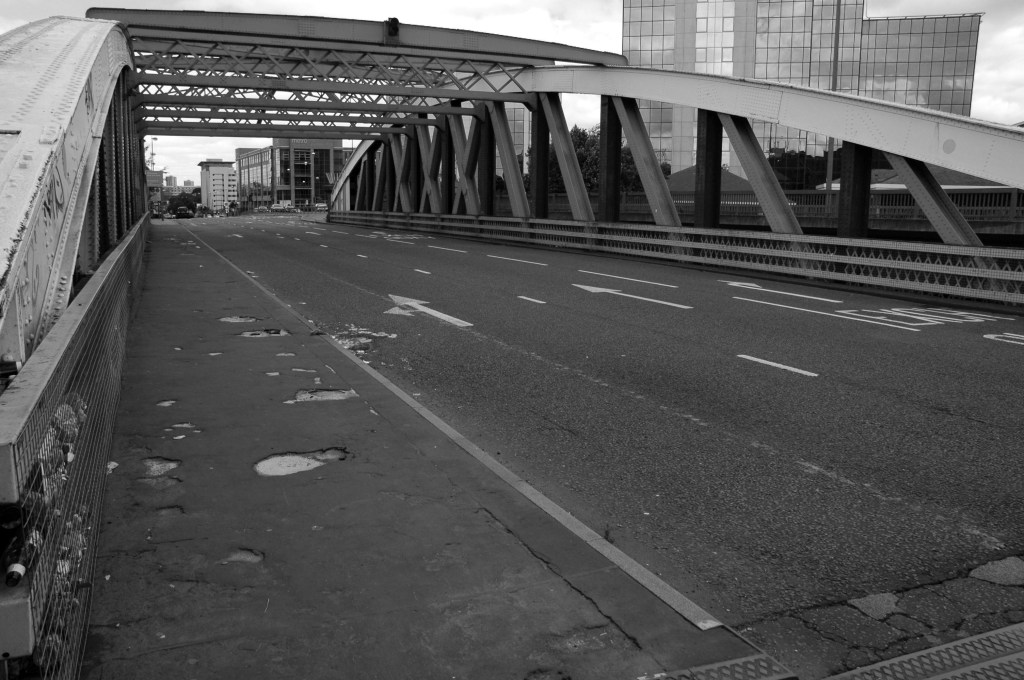
Trafford Swing Bridge

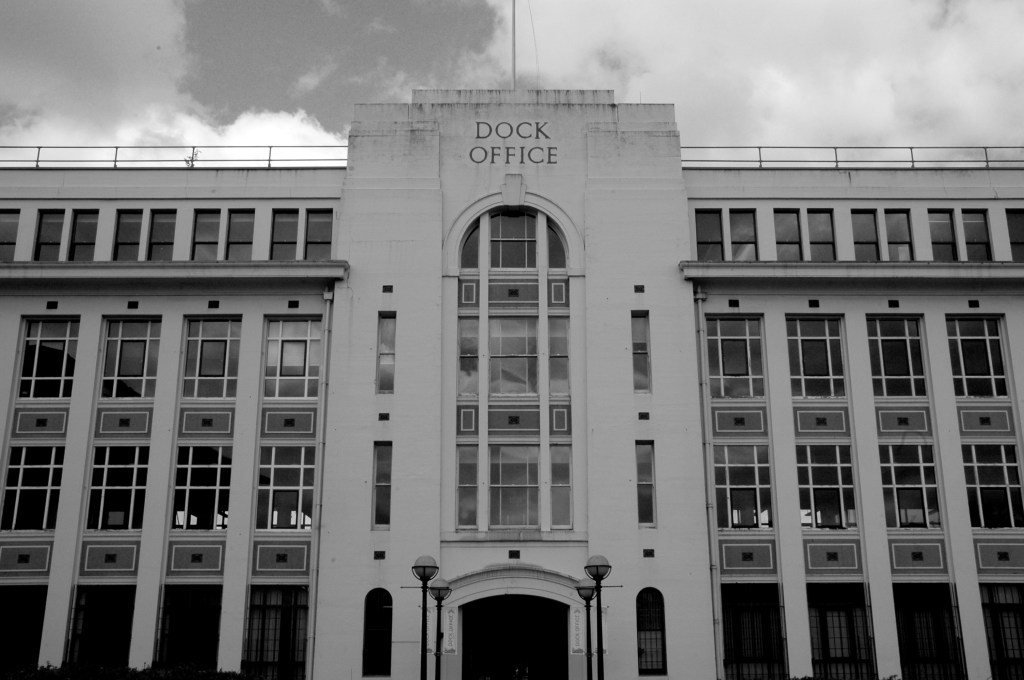
Dock Offices

Chimney Pot Park Salford

Pendleton

Barton Aqueduct

Through my tour I have attempted to capture a sense of the settings as they are – how, if at all, the areas have changed.

There may be some minor inaccuracies or omissions which I am happy to amend.

You may wish to visit the sites yourselves, the majority of which are easily accessible, above all watch the film and appreciate that which is around you.

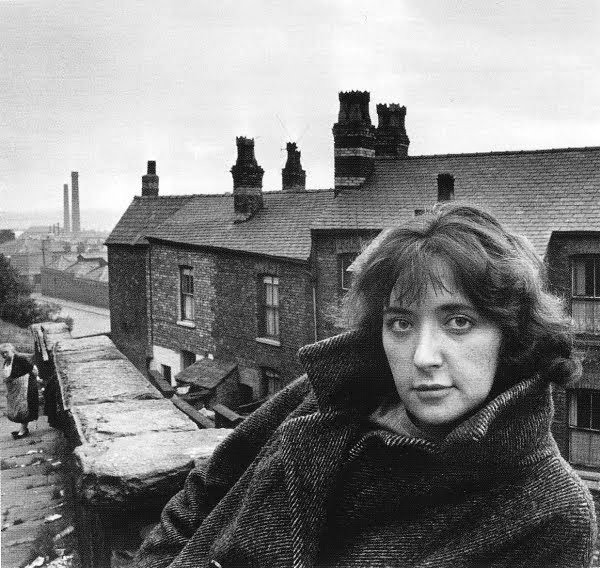
Portrait of Shelagh DelaneyArnold Newman

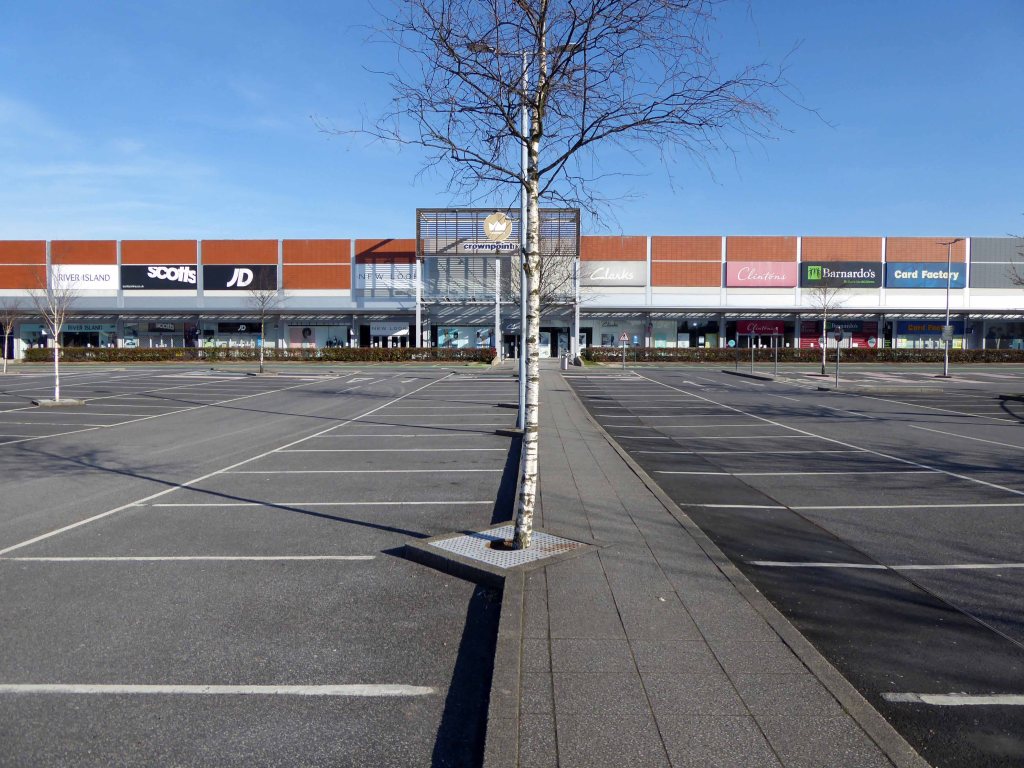
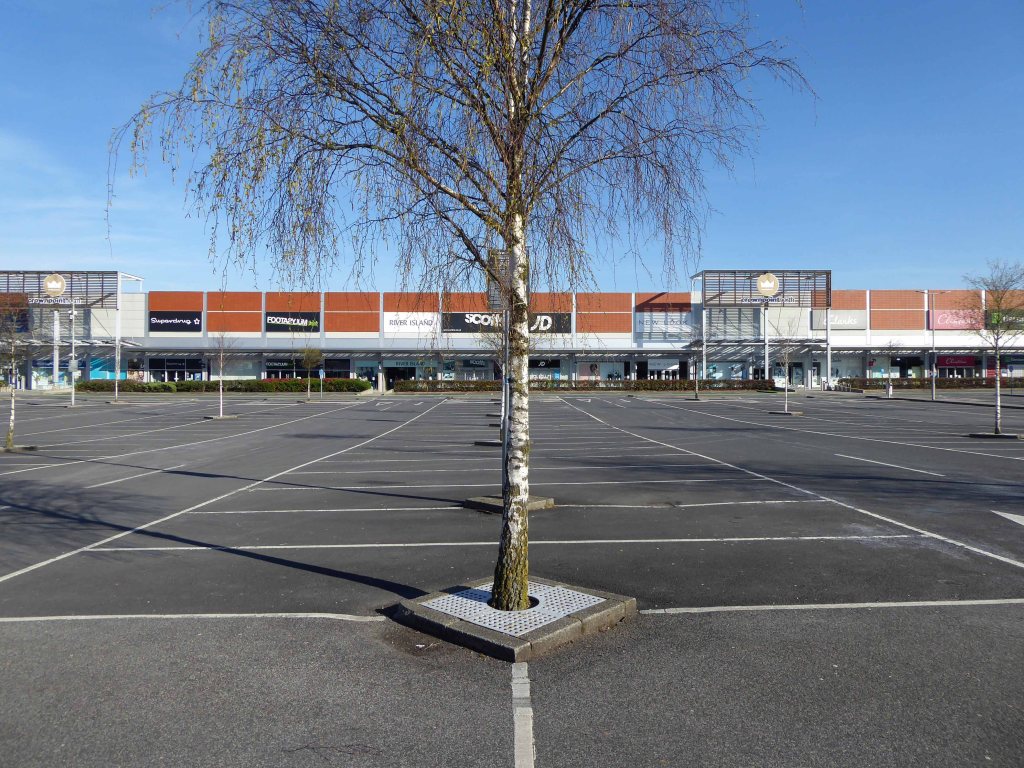
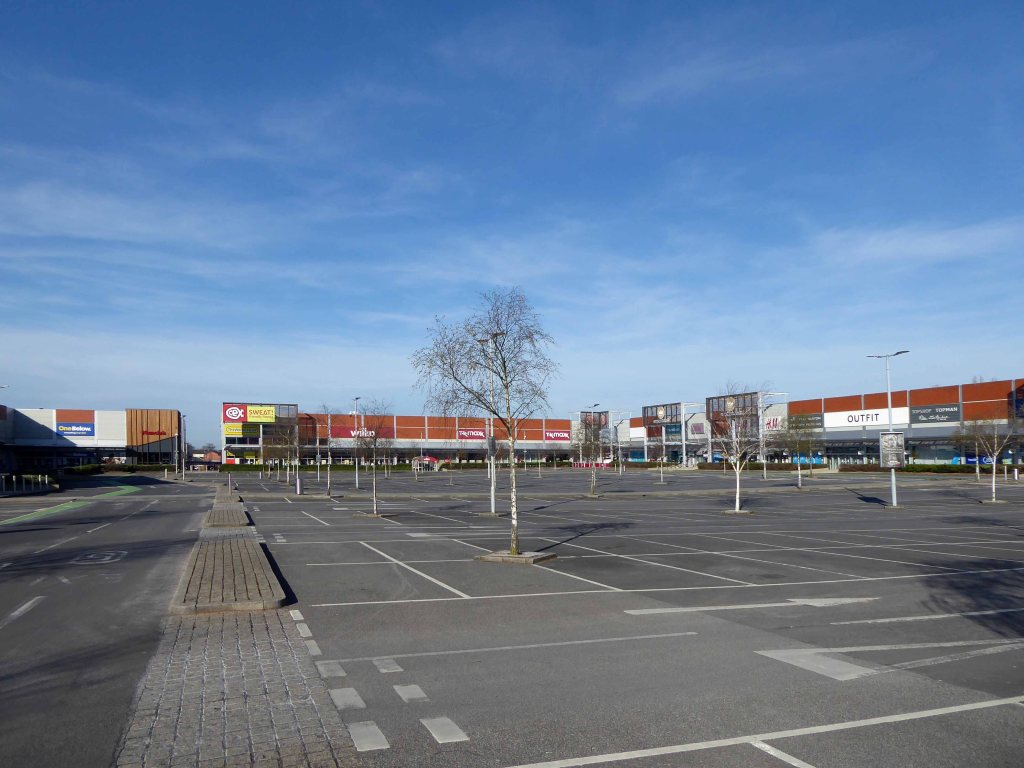
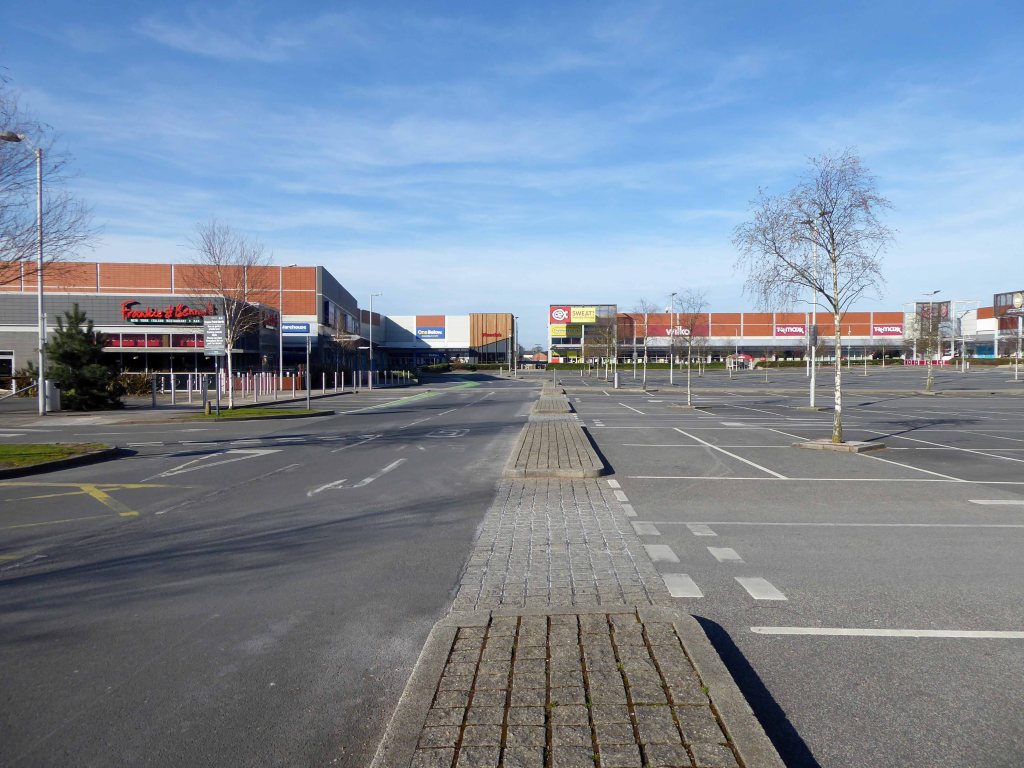
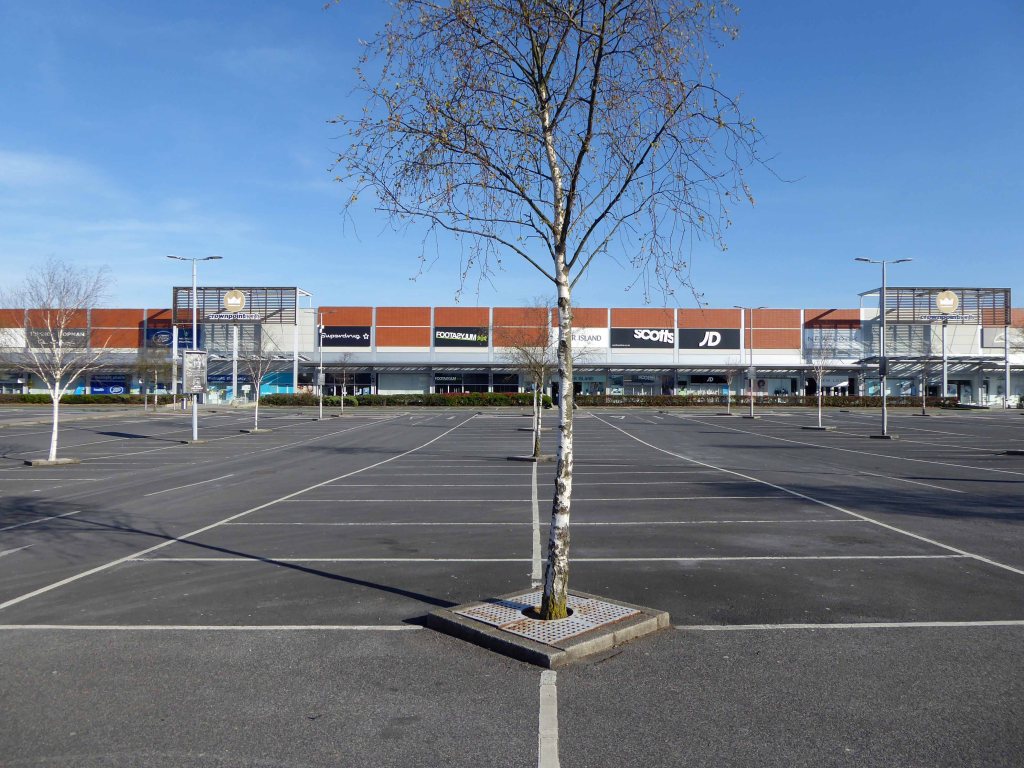
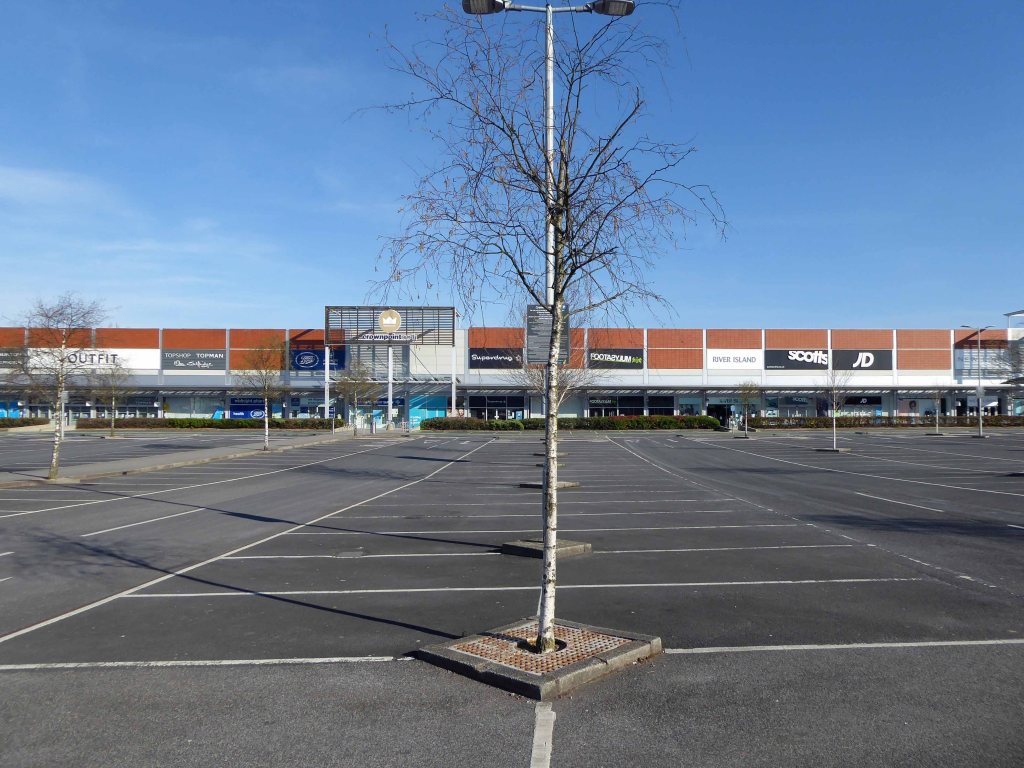
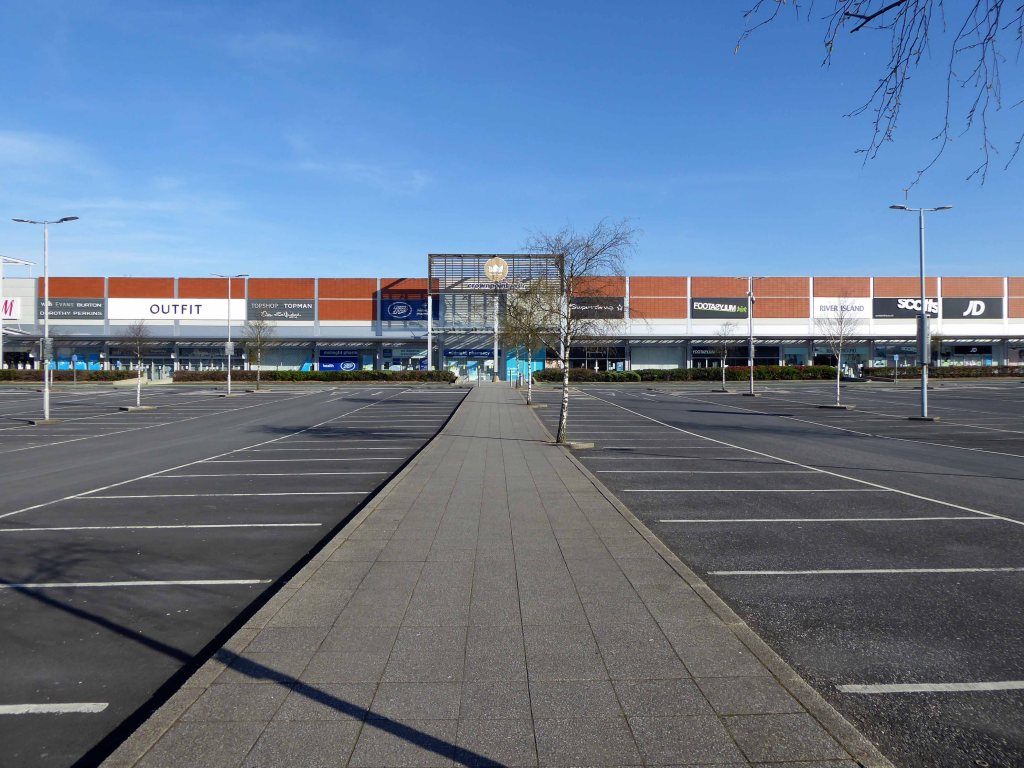
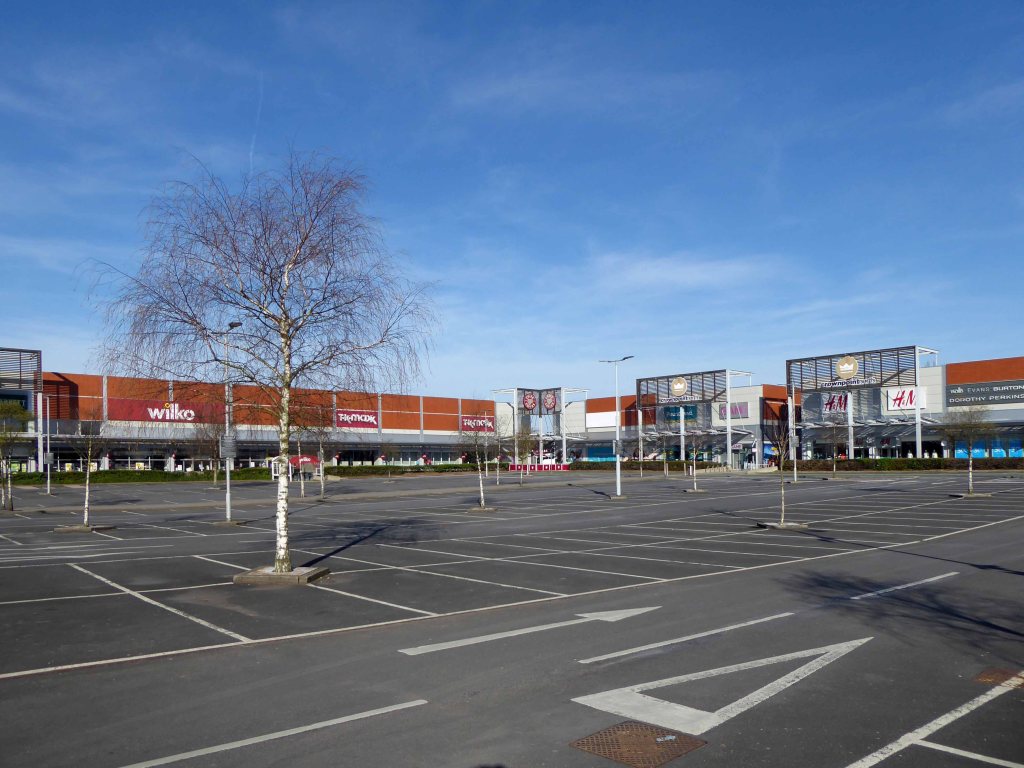
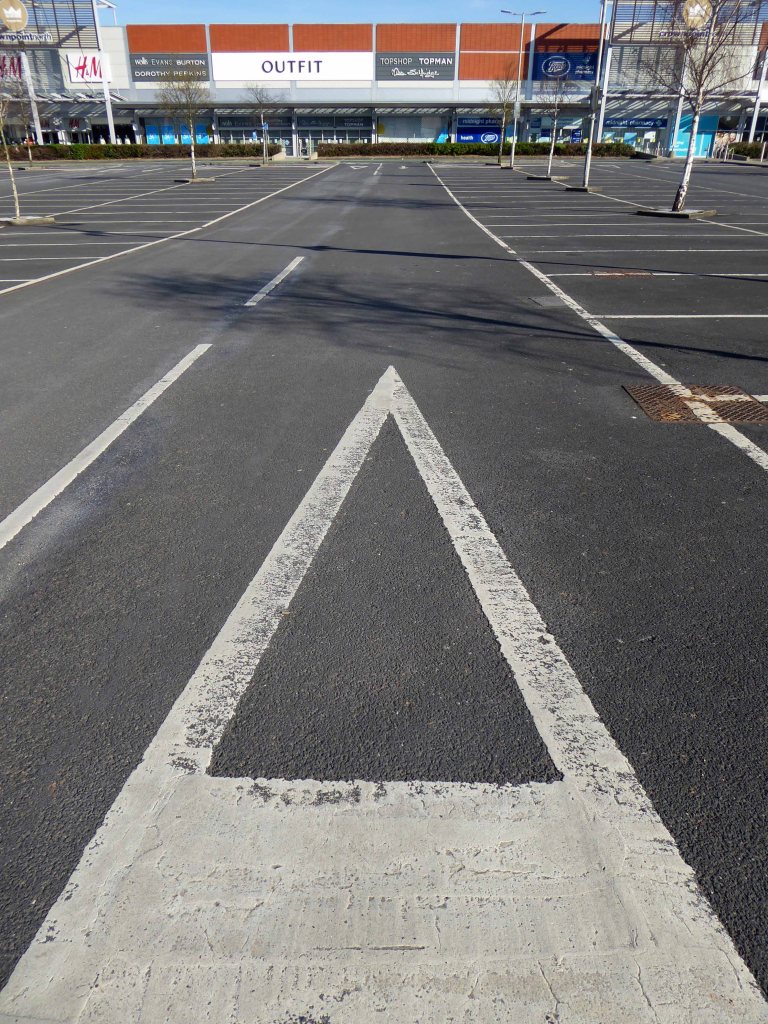
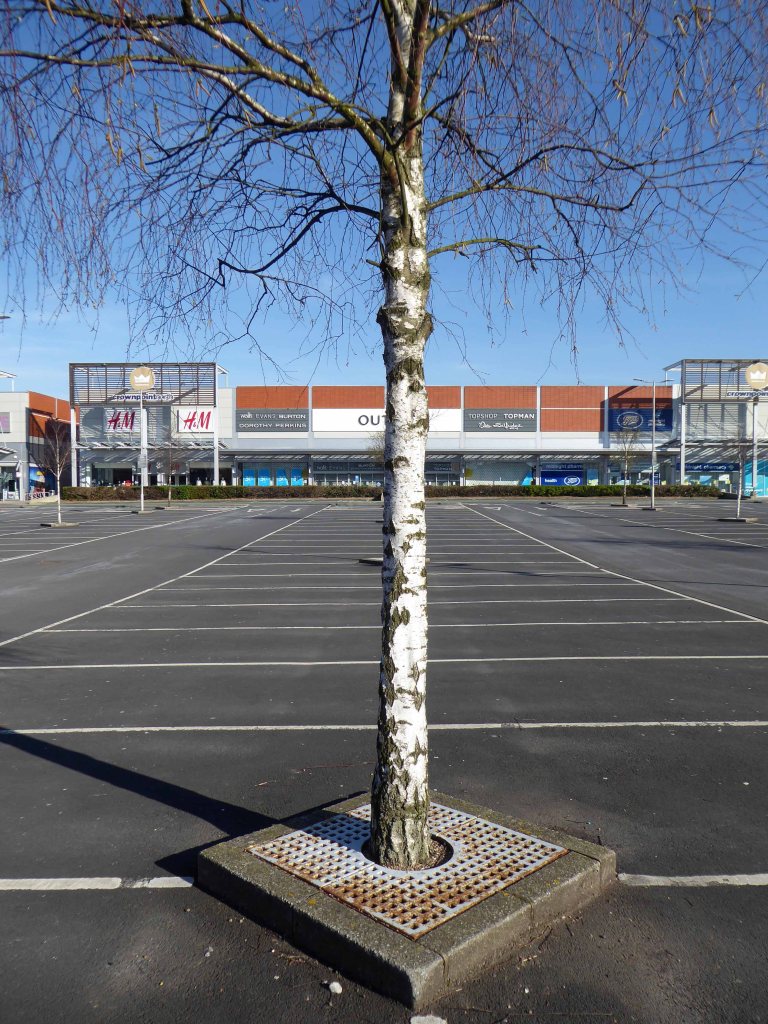
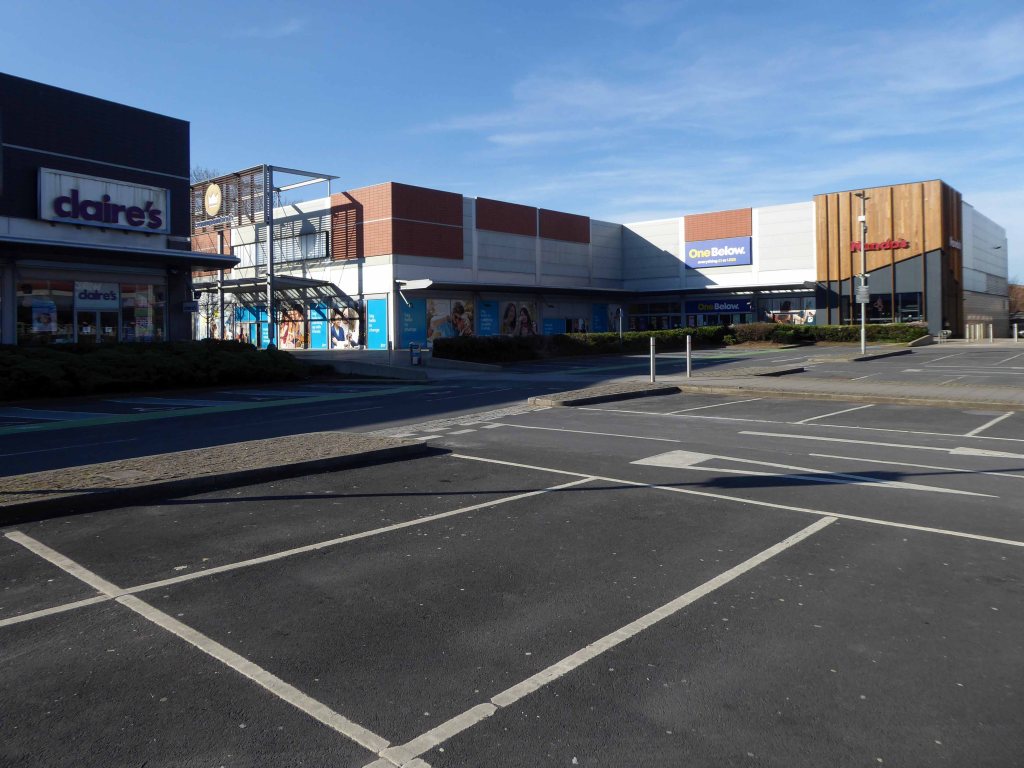
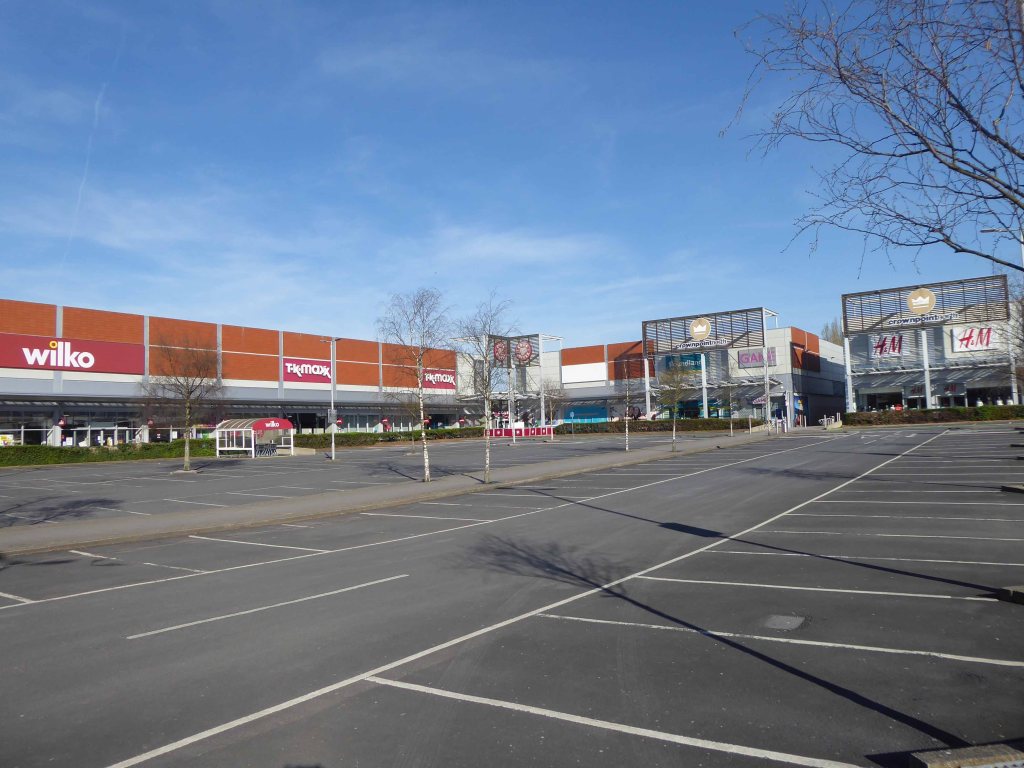
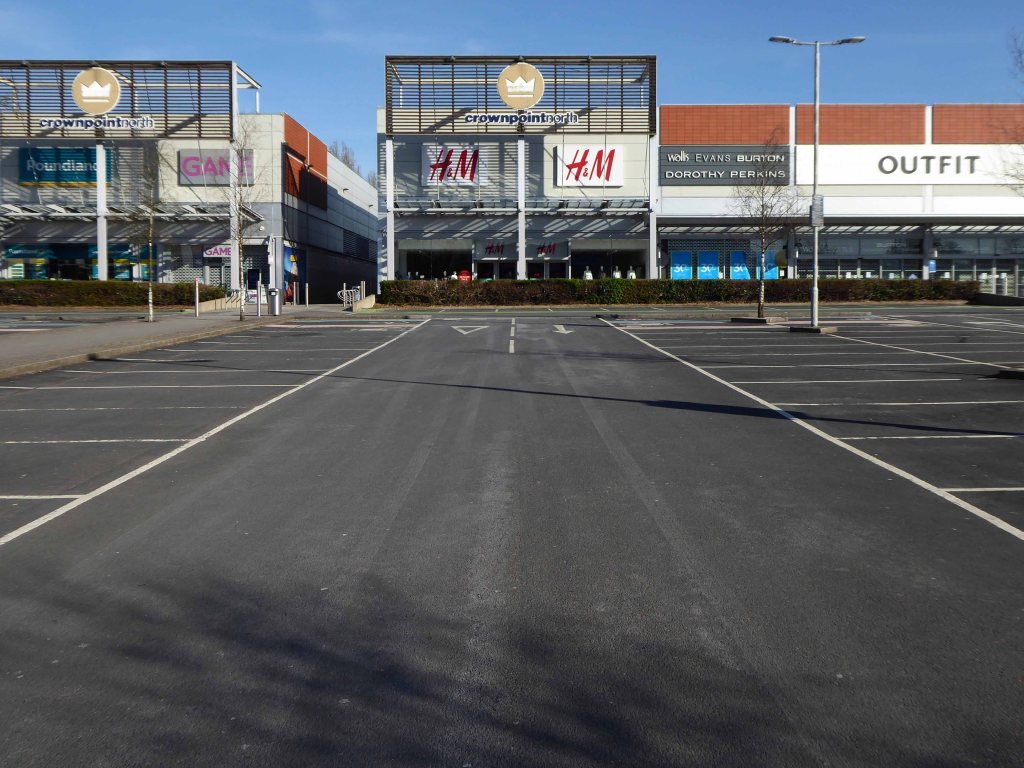
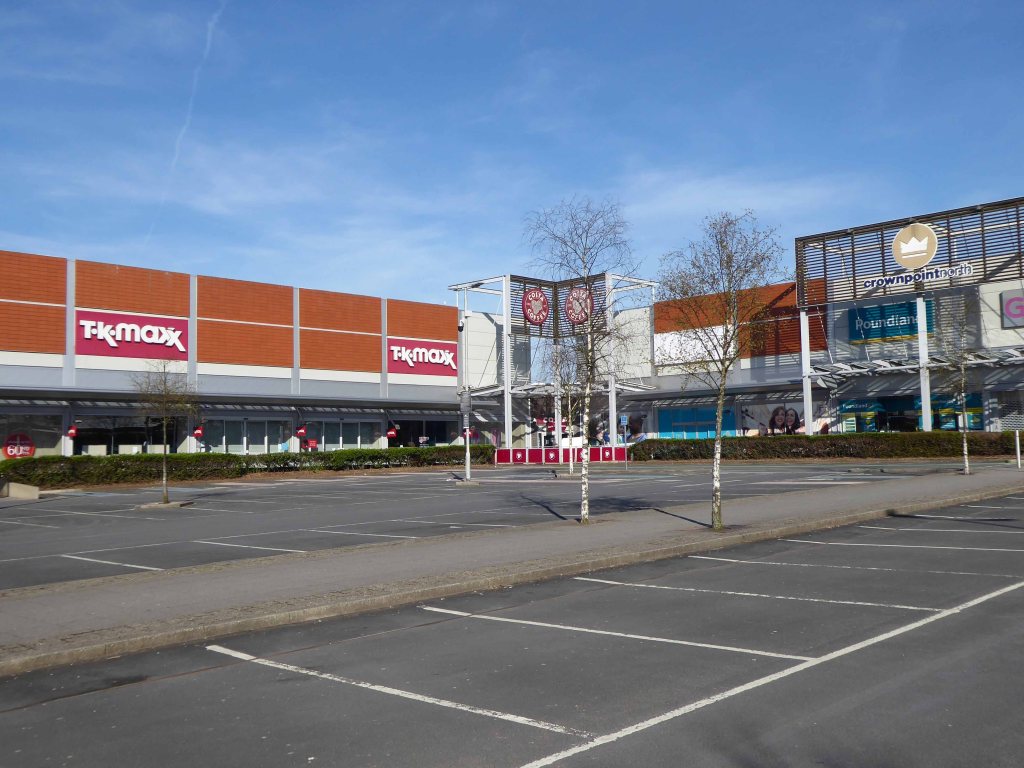
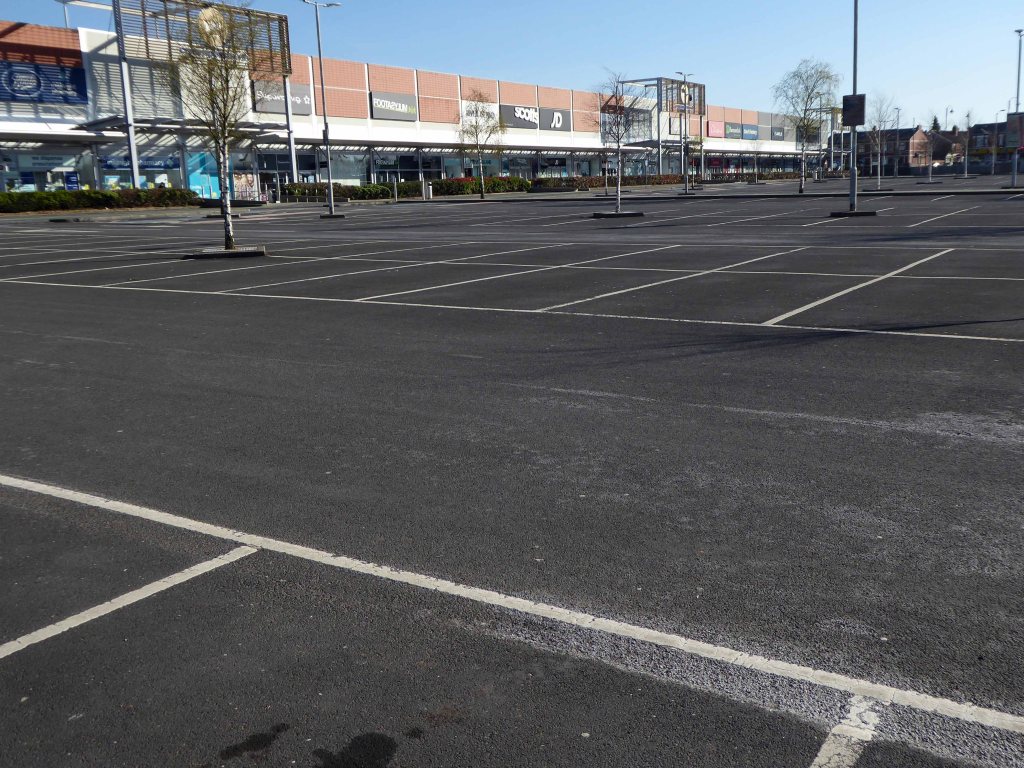
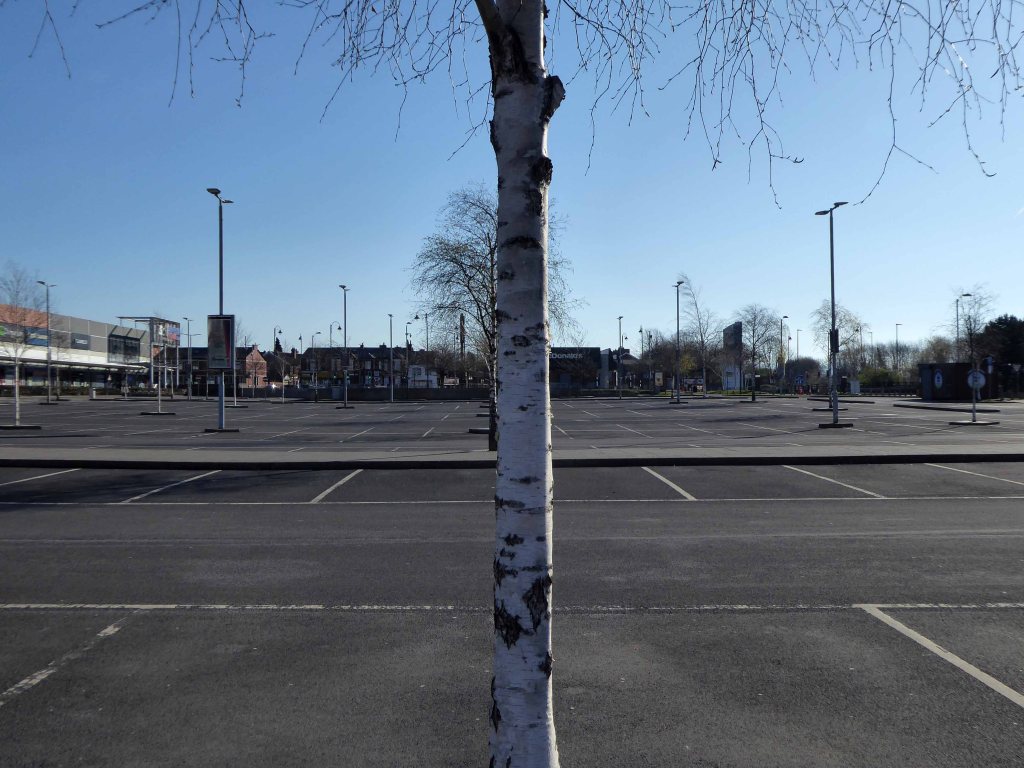
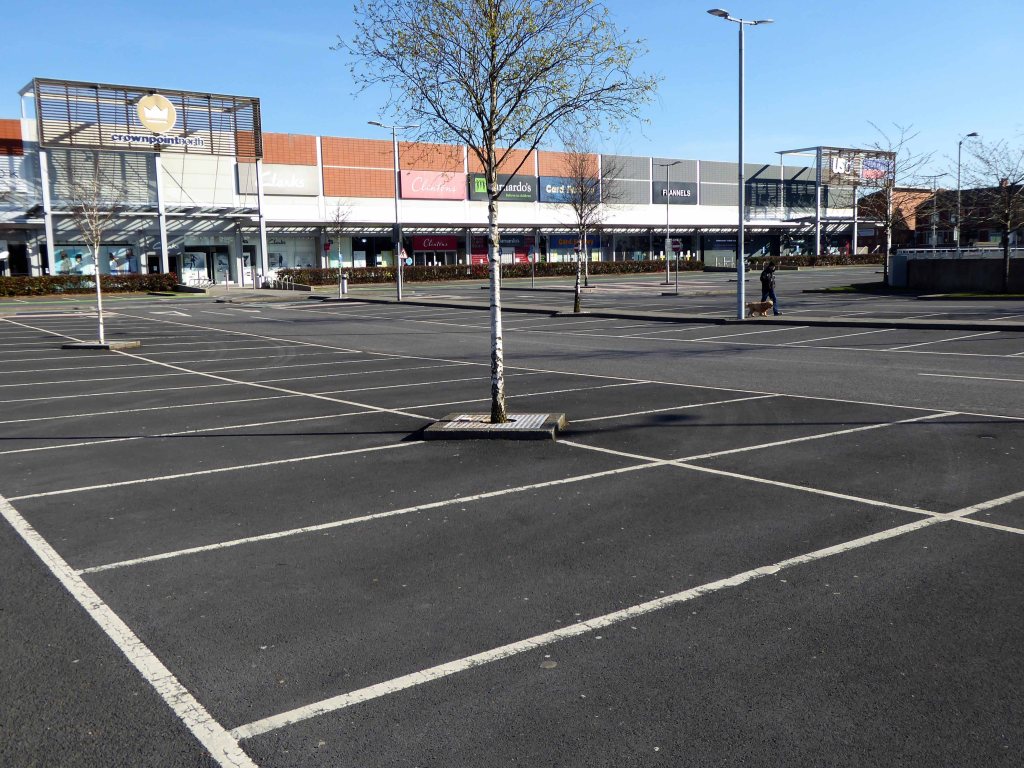
Crown Point Shopping Park – Denton

From fashion to homeware, find everything you need at Crown Point Shopping Park.

The court heard the accused had agreed to detonate a bomb at Crown Point North as a diversion before driving to their school, murdering teachers and pupils and then killing themselves.

BBC

We live in strange and troubled times, the urban landscapes we have created are often far from convivial.

Deserts possess a particular magic, since they have exhausted their own futures, and are thus free of time. Anything erected there, a city, a pyramid, a motel, stands outside time. It’s no coincidence that religious leaders emerge from the desert. Modern shopping malls have much the same function. A future Rimbaud, Van Gogh or Adolf Hitler will emerge from their timeless wastes.

JG Ballard – The Atrocity Exhibition

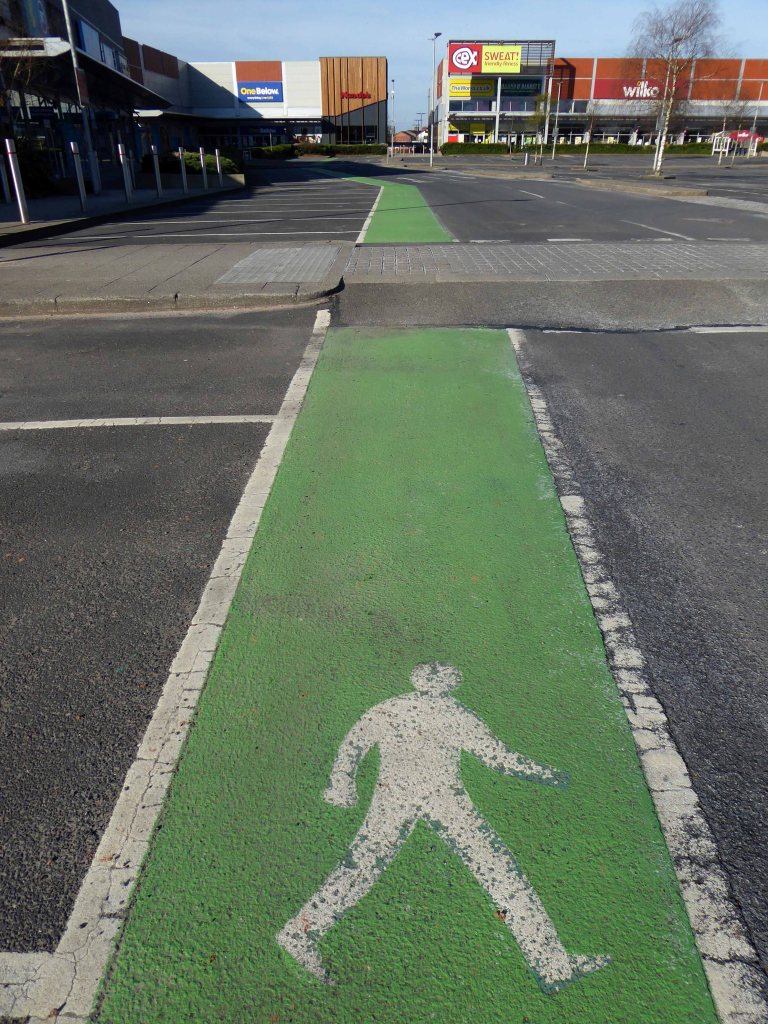
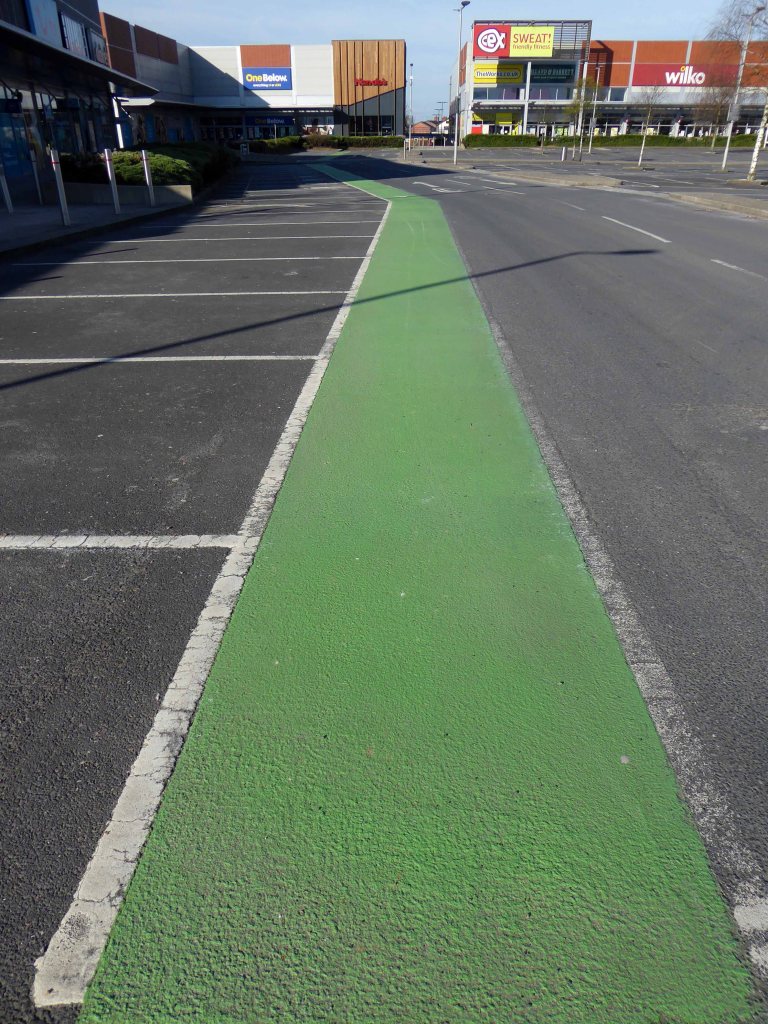
This condition is further exacerbated during the current State controls, constraints and closures.

The myriad opportunities for social alienation are replaced by compulsory isolation.

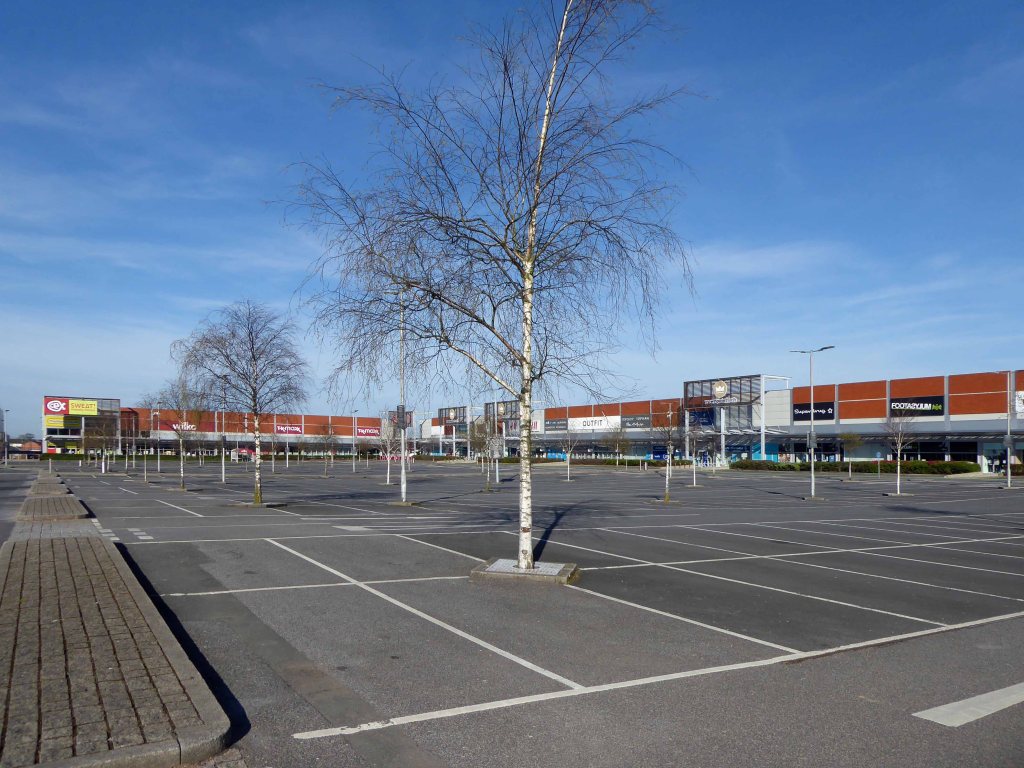
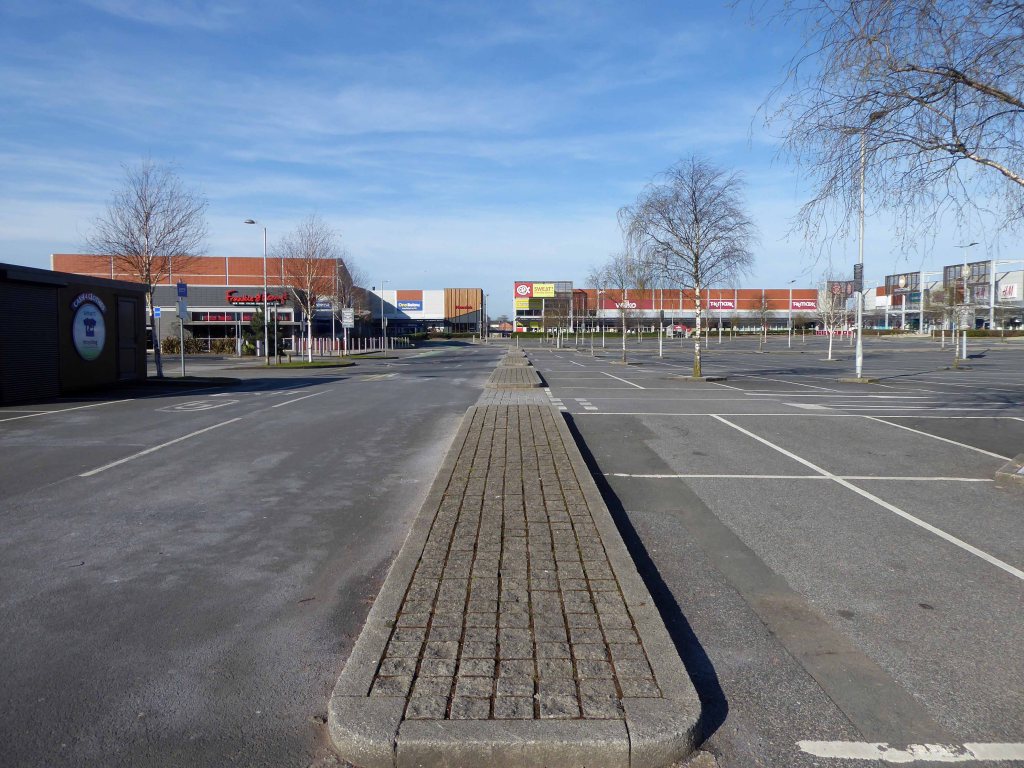
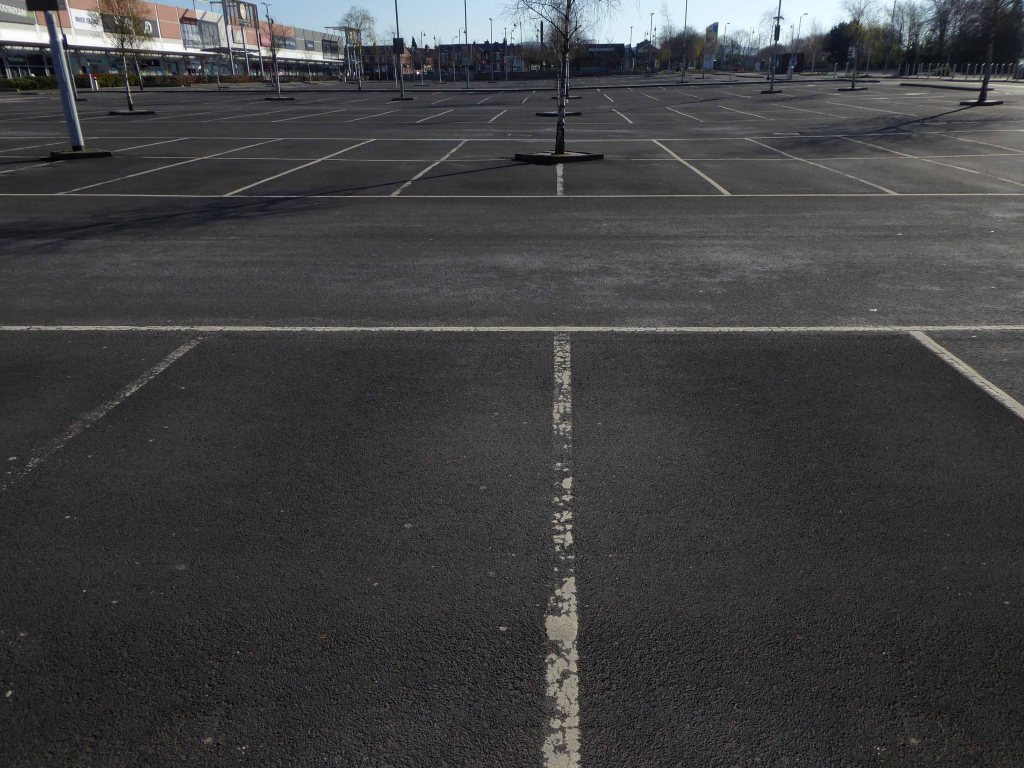
The vacuous amoral urban retail experience becomes desert again, the domain of singular dog walkers and itinerant snappers.

The car, cash and credit are no longer king – space is the place.

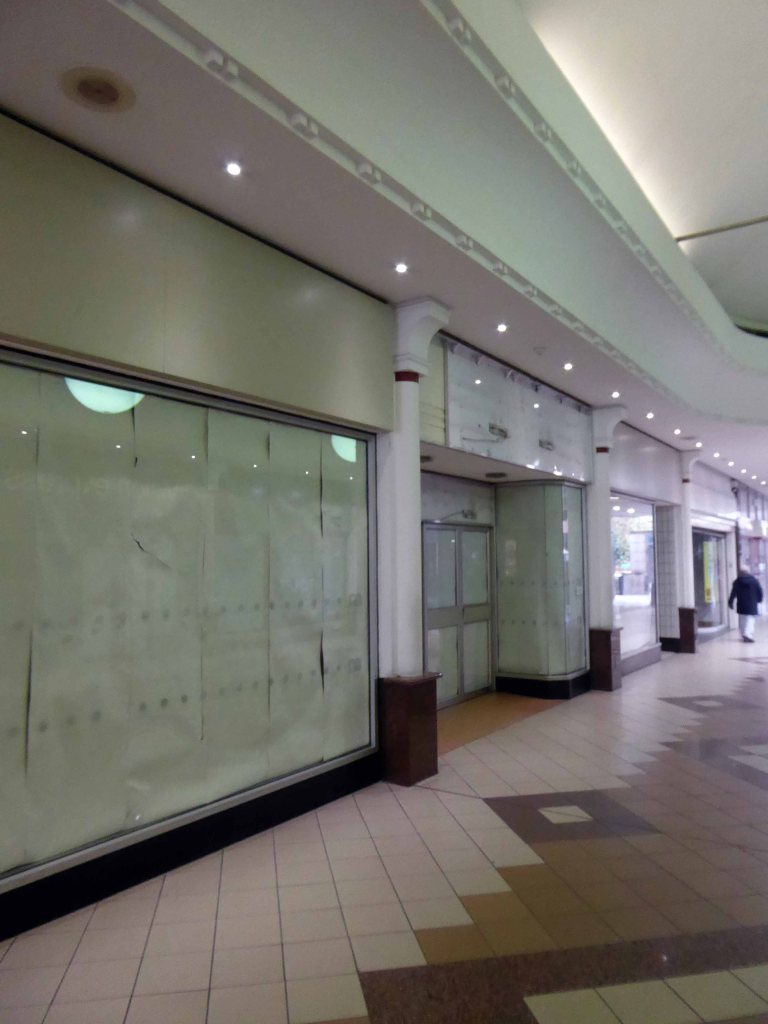
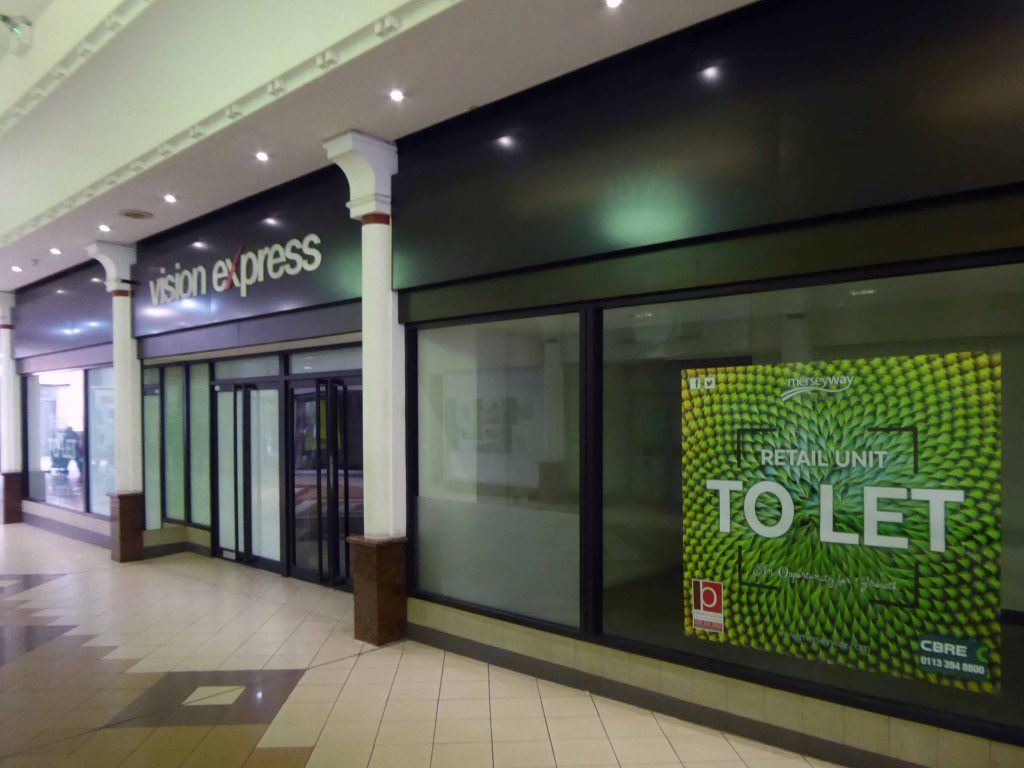
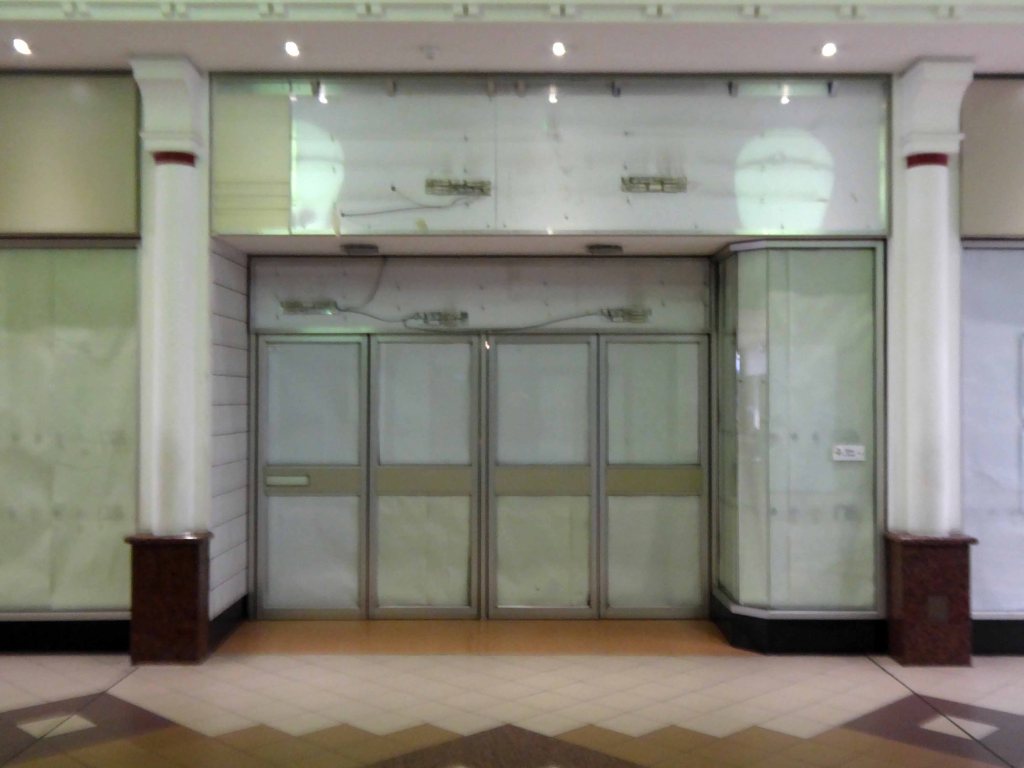
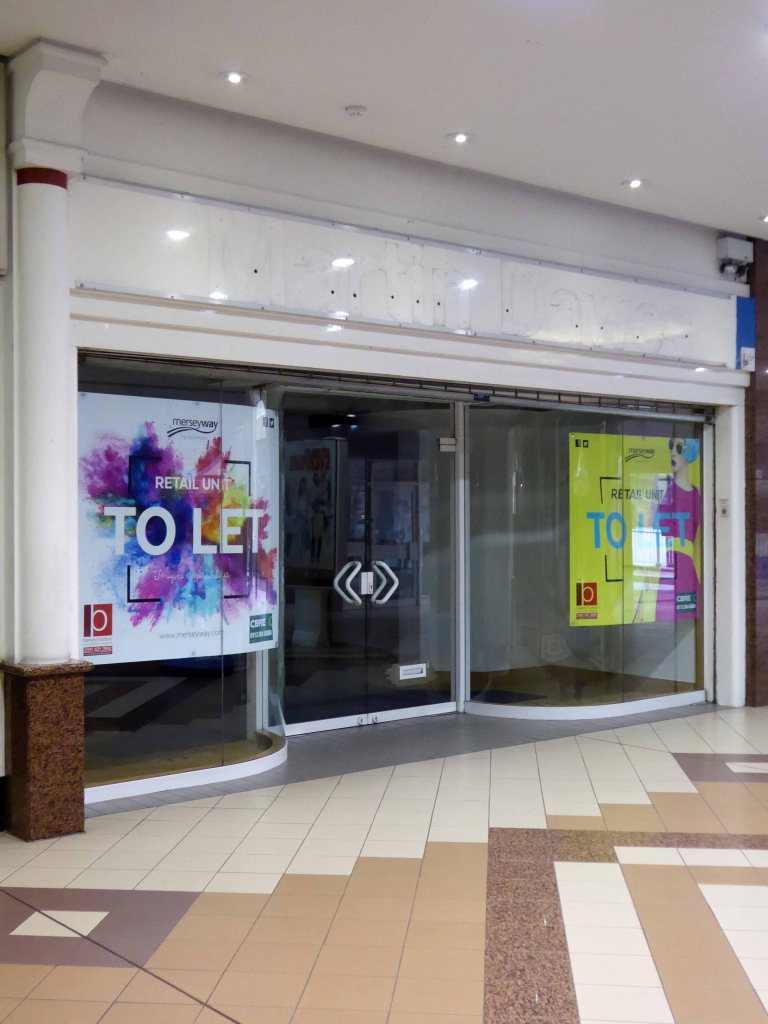
Merseyway – Alan Boyson Screen Wall

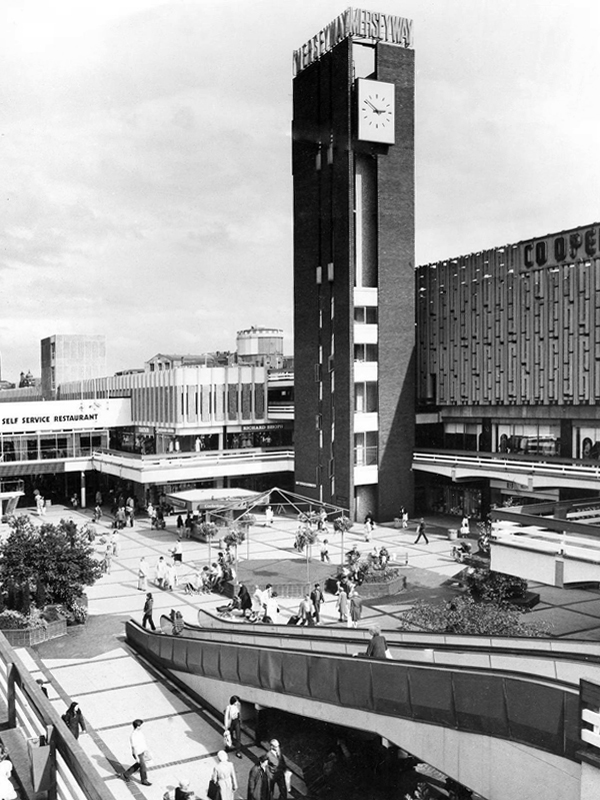
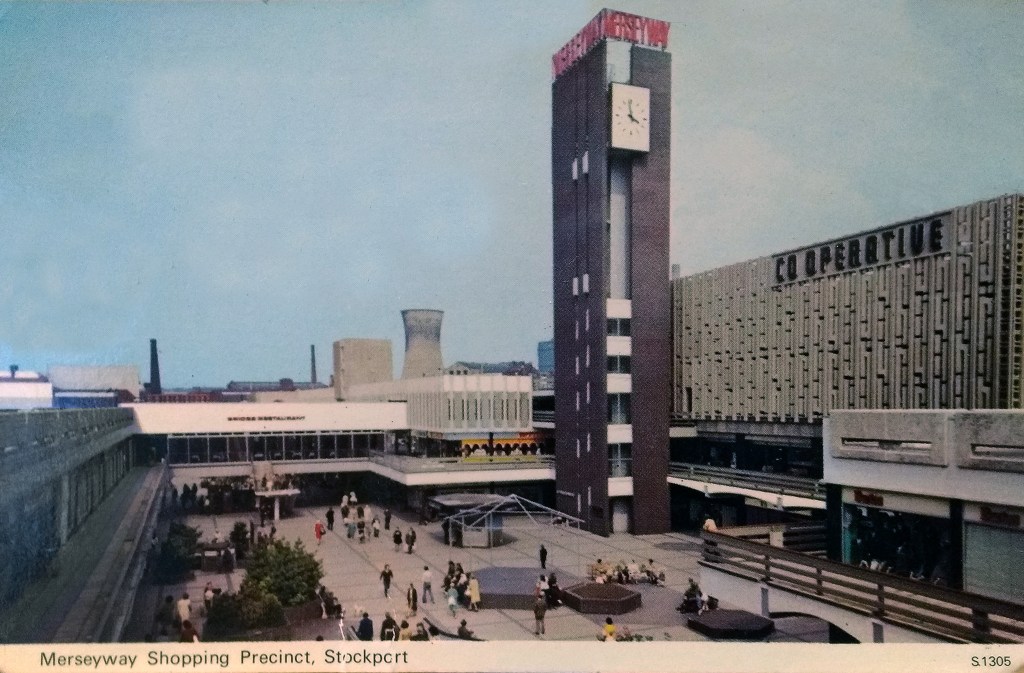
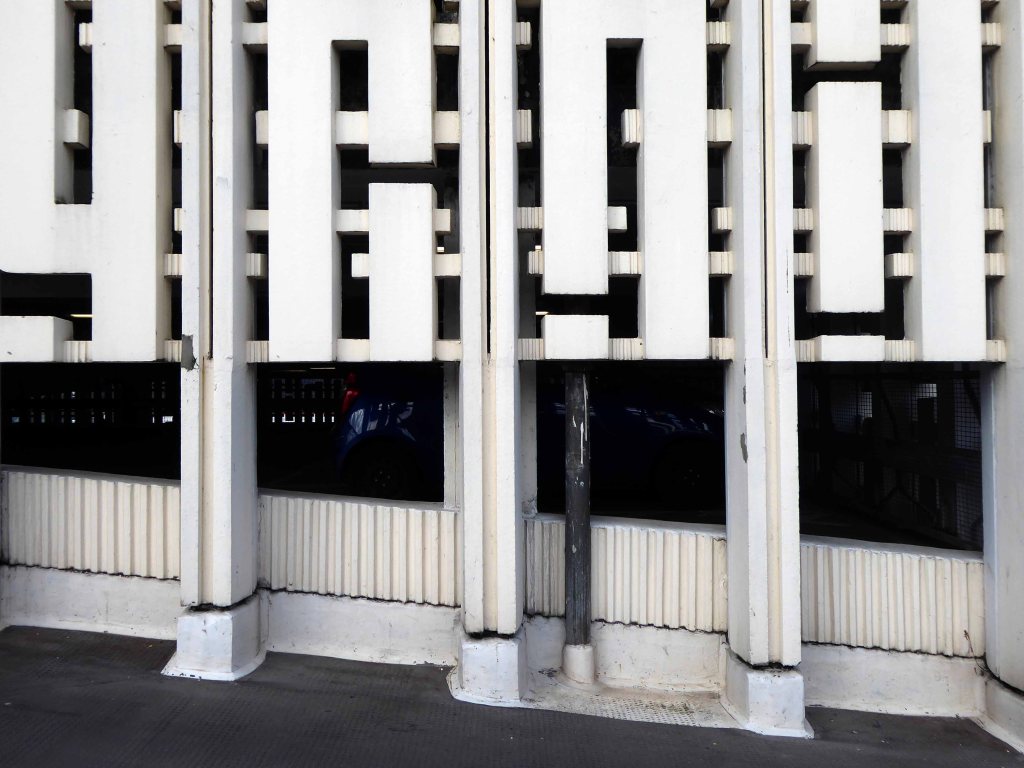
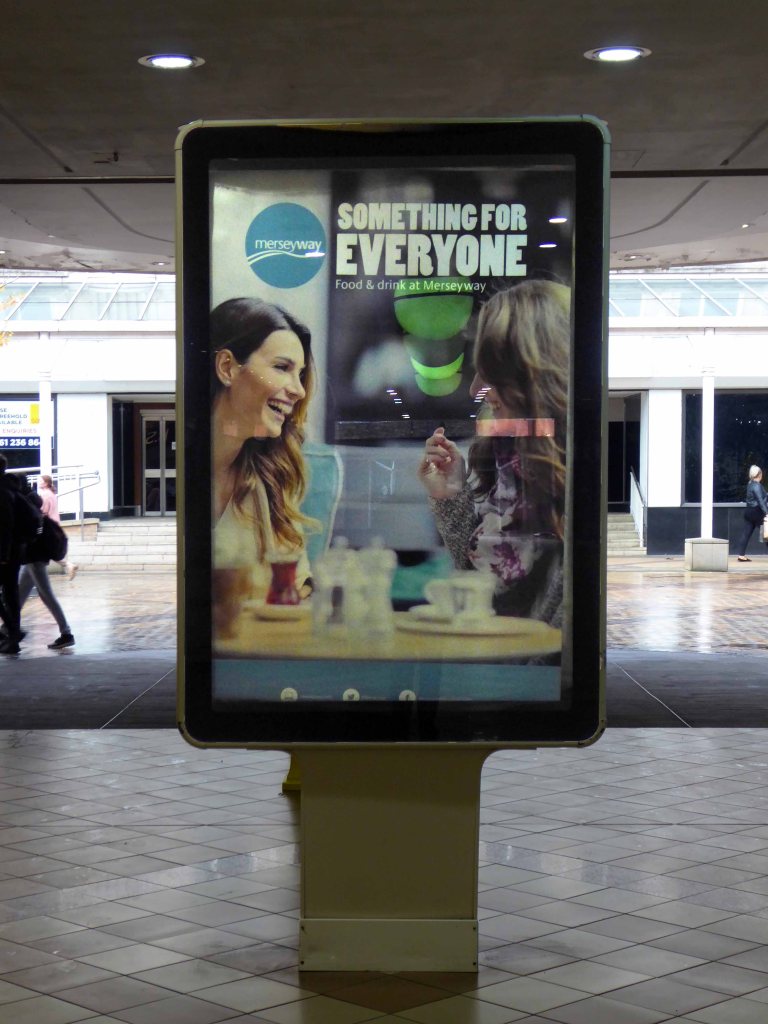
Deep in the heart of Stockport at the centre of our very own shopping centre – Merseyway.

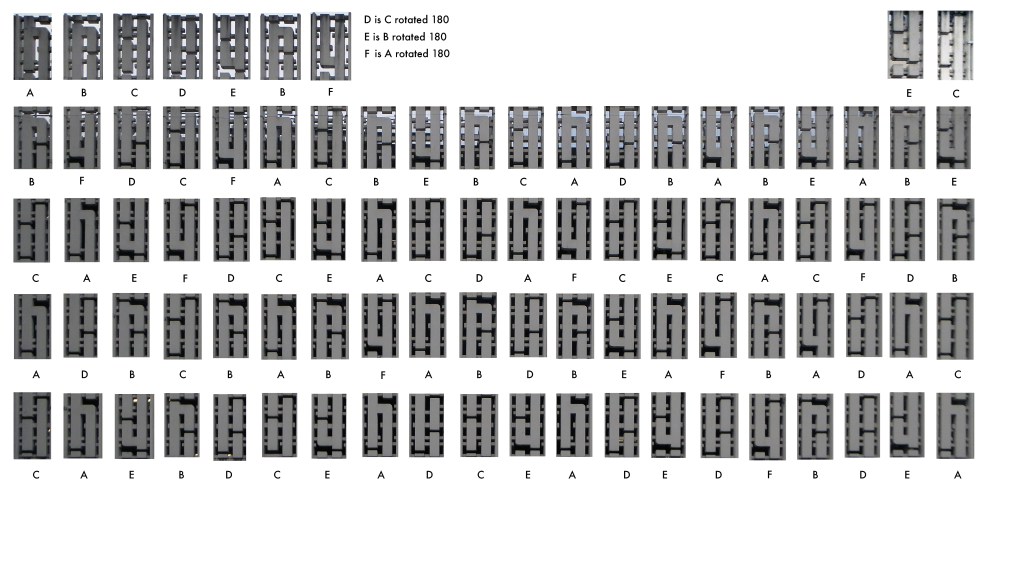
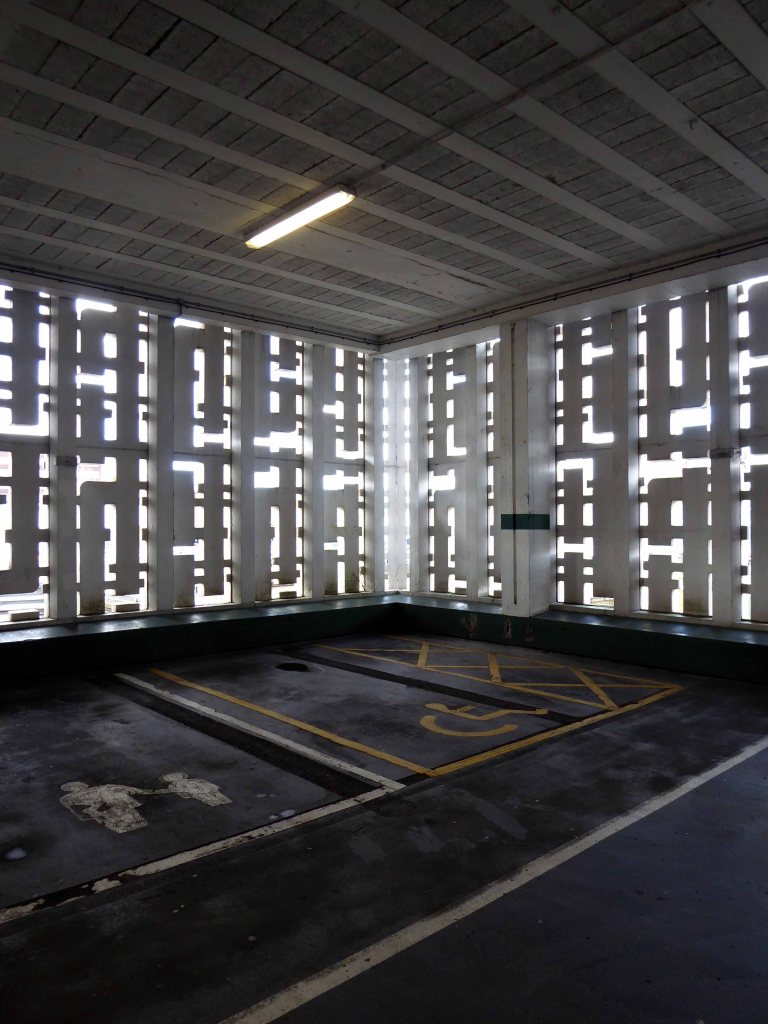
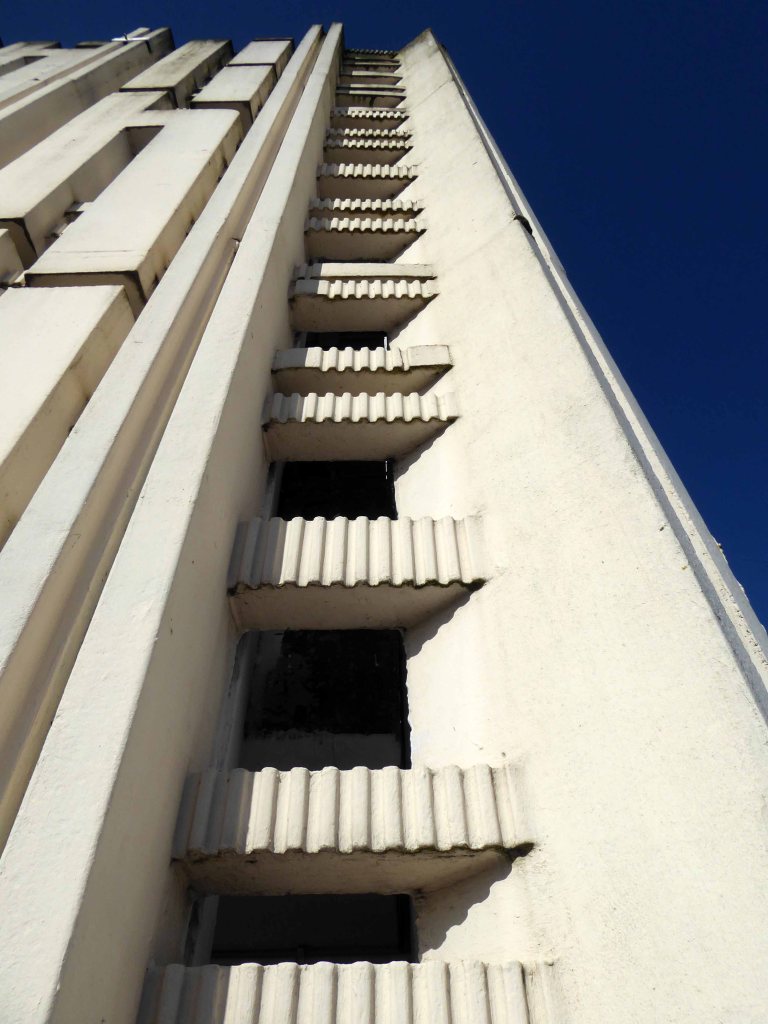
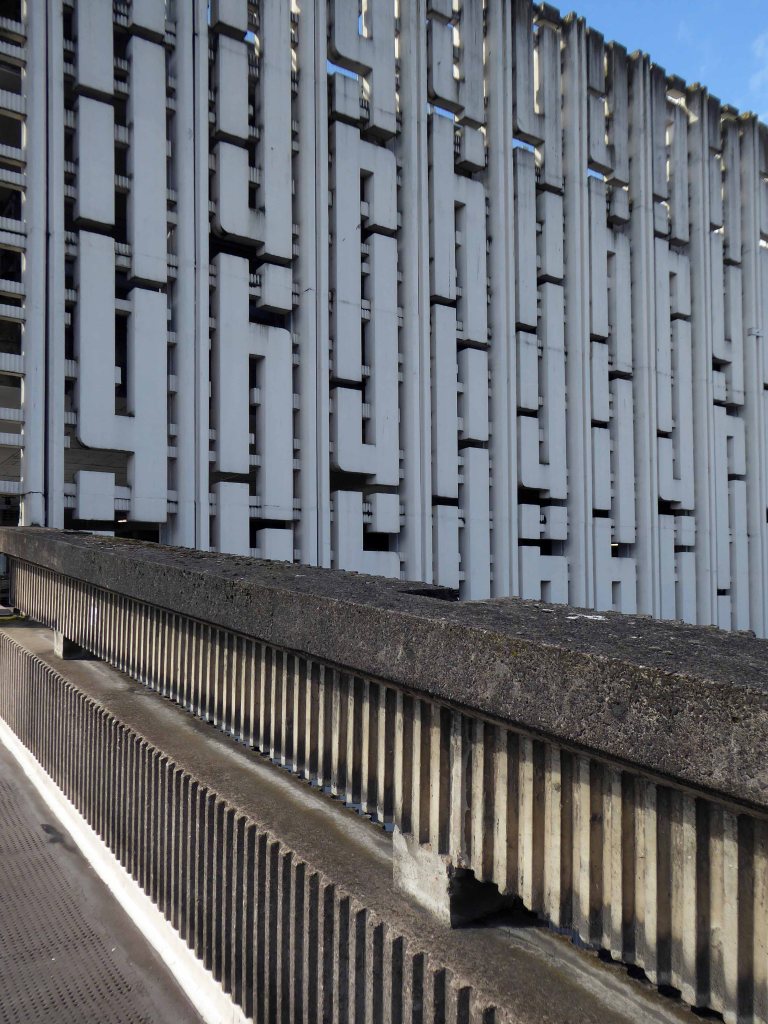
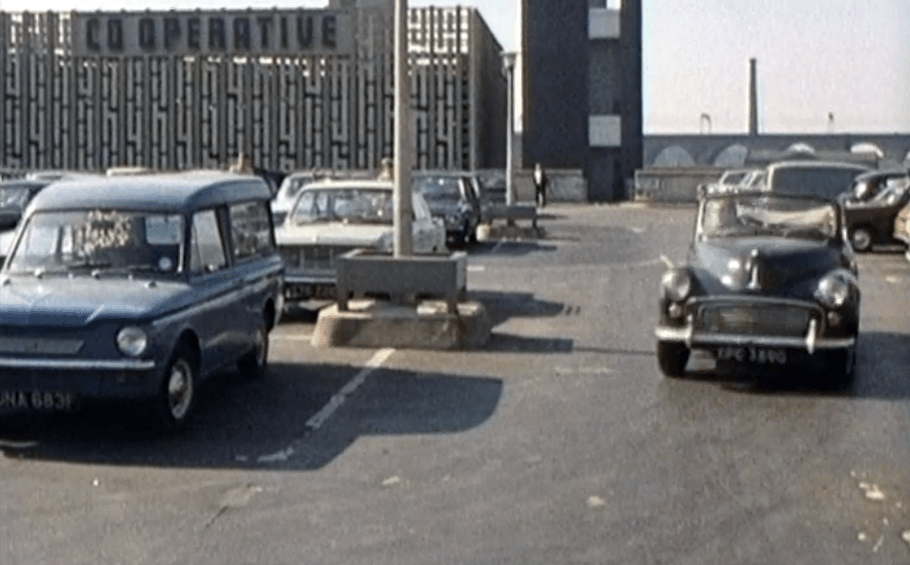
A pierced concrete relief screen wall surrounds the former Co-op, currently Primark, car park.

The work of Alan Boyson – today the 16th of March 2020 would have been his ninetieth birthday.

I’ve even gone so far as to analyse its structure:

So I went for a walk this morning, as I have on several previous occasions, to take a look around the site – inside and out.

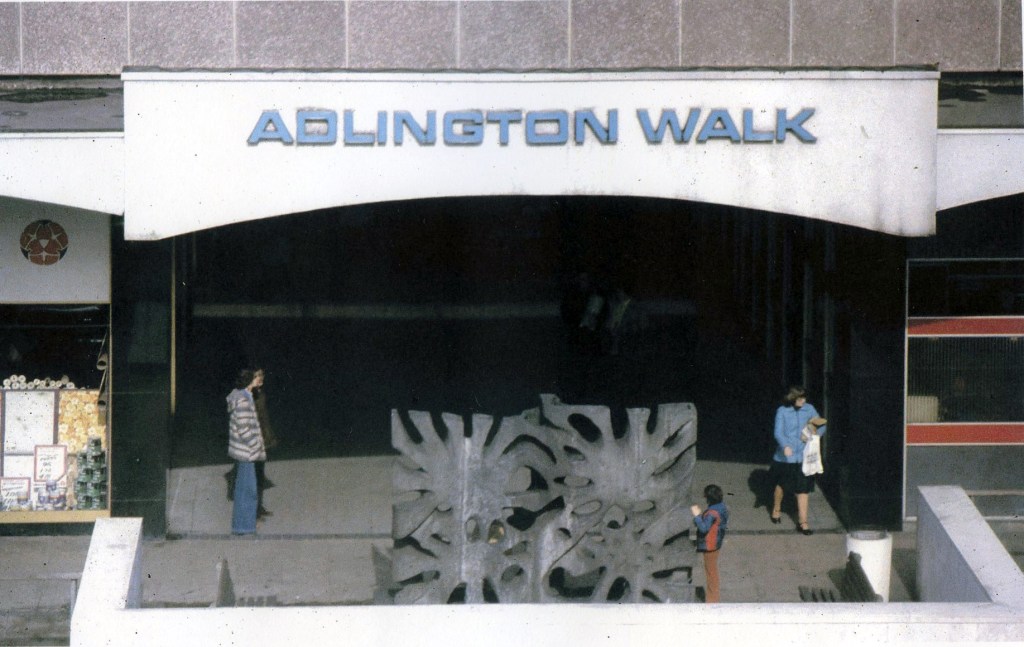
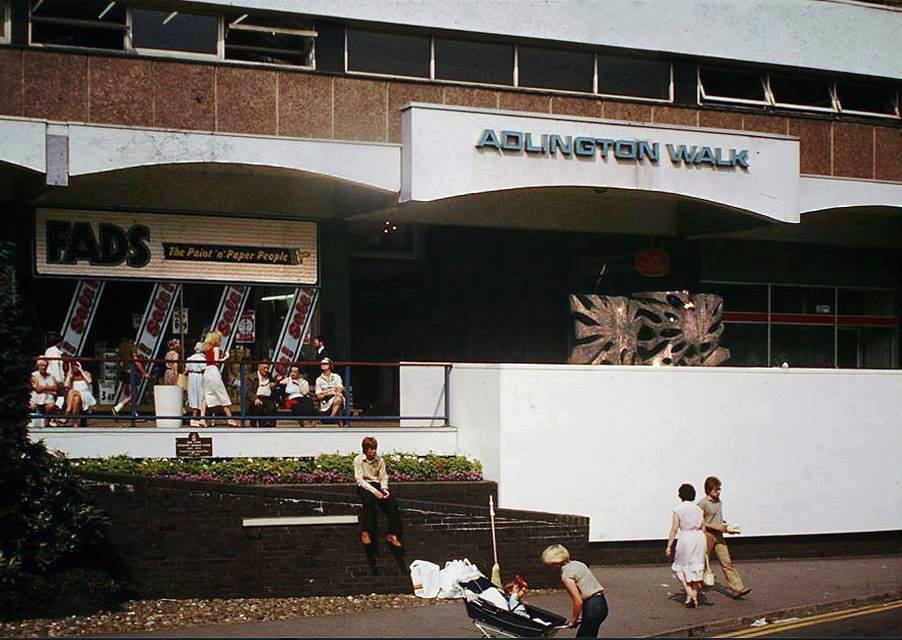
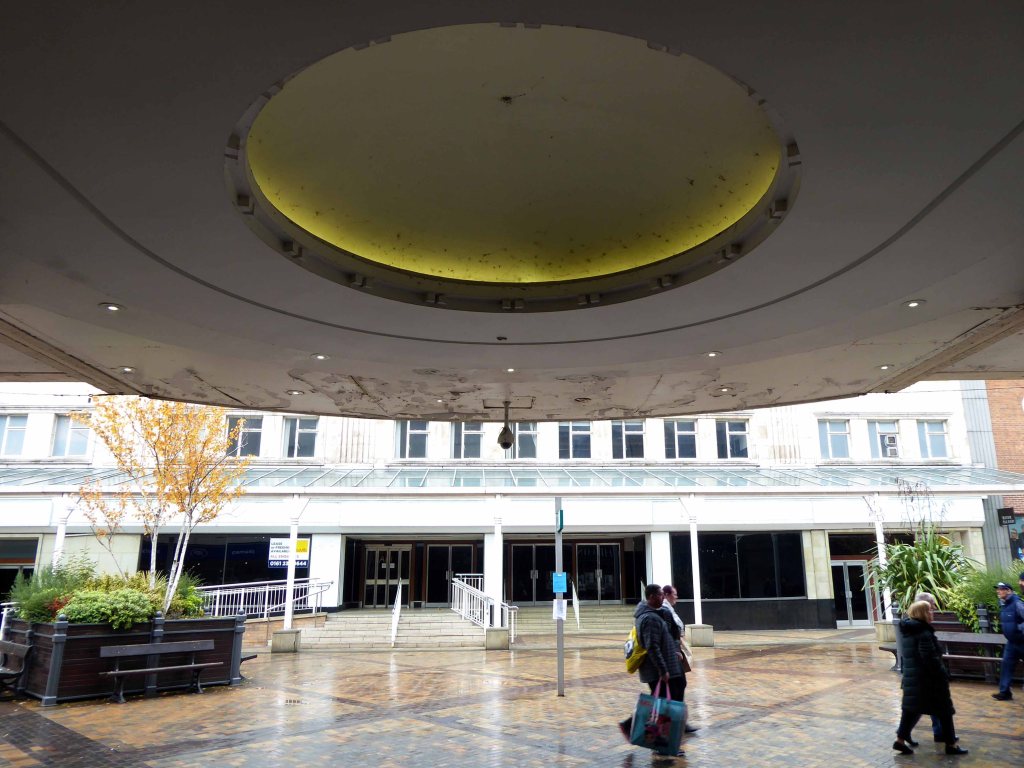
Merseyway – Adlington Walk

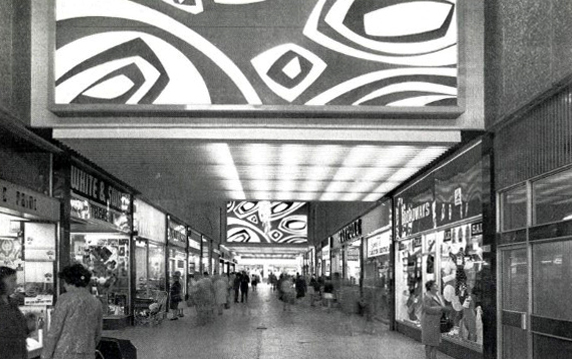
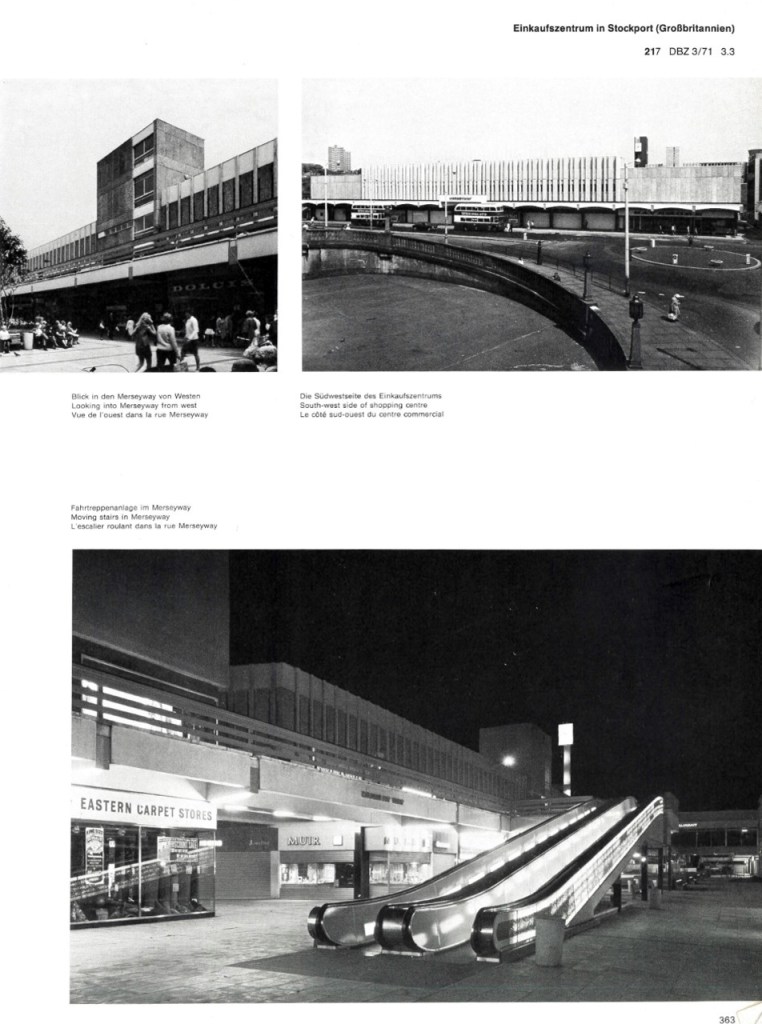
Once widely admired, Ian Nairn esteemed architectural writer, thought it an exemplary exposition of modern integrated shopping and parking, sitting perfectly in its particular topography – way back in 1972.

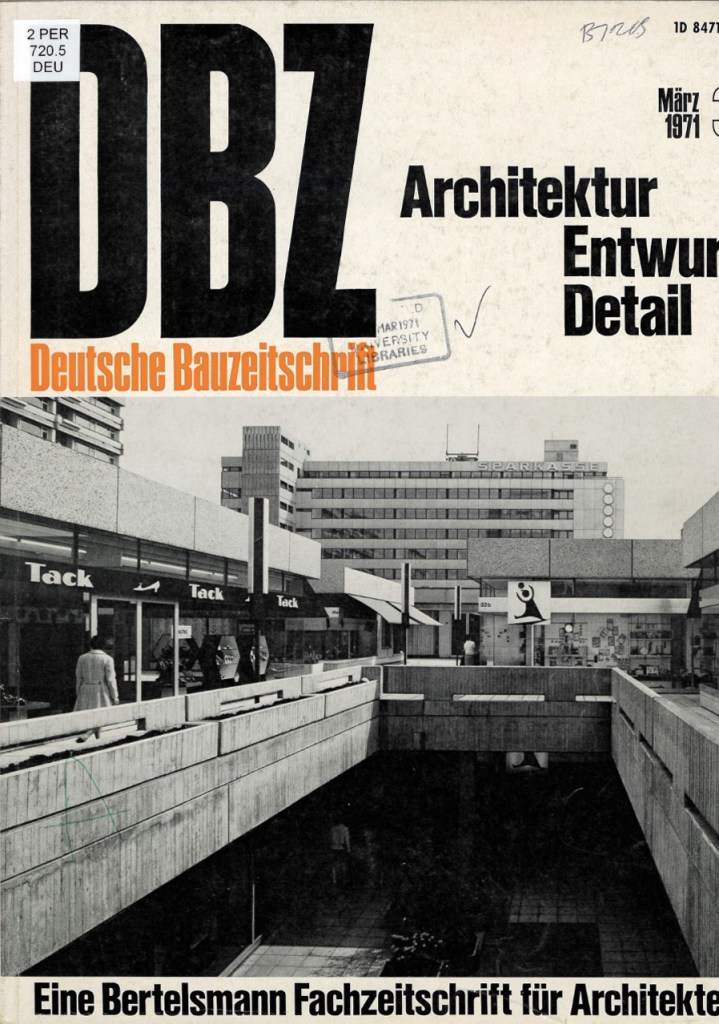
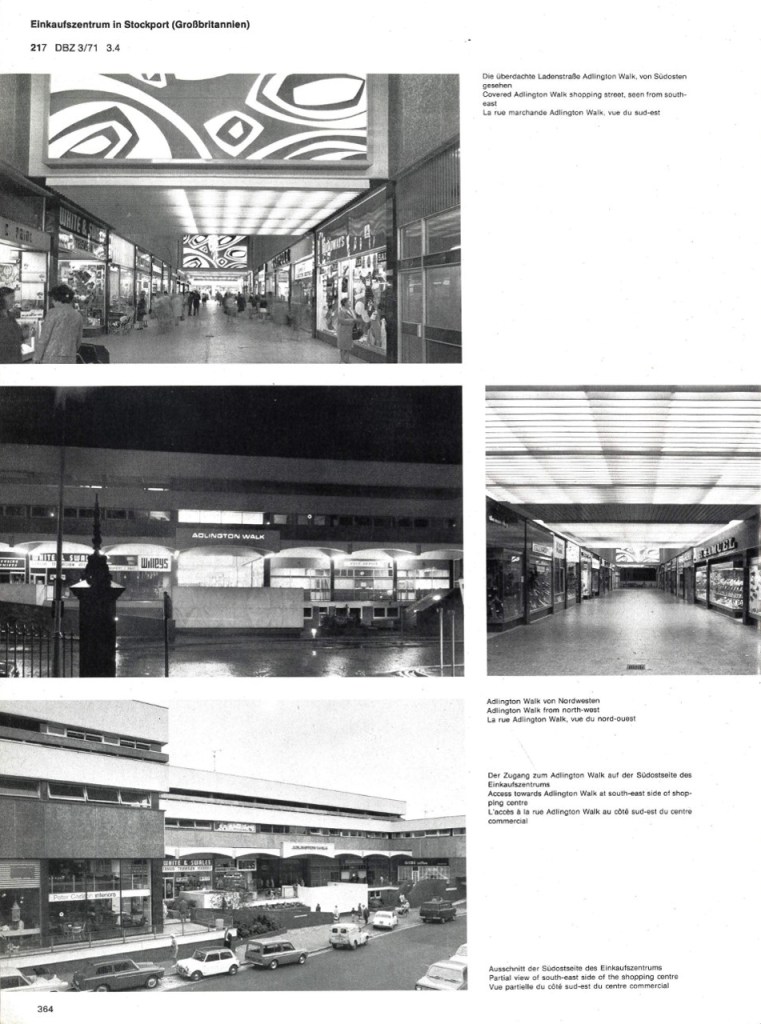
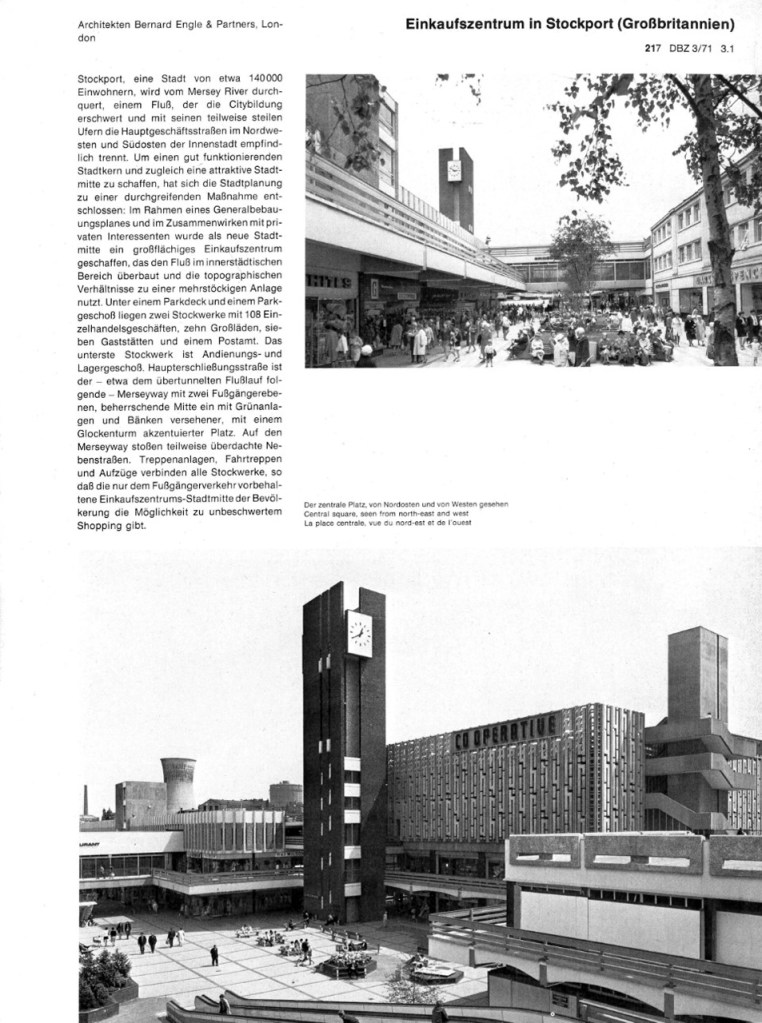
This German magazine dedicated several pages to coverage of Merseyway back in 1971.

Note the long lost decorative panels of Adlington Walk.

Many thanks to Sean Madner for these archive images.

Mainstream Modern has recorded its conception and inception, as part of a wider appreciation of Greater Manchester’s architecture.

The architects were Bernard Engle and Partners in conjunction with officers of Stockport Corporation and the centre opened in 1965. The separation of pedestrians and cars, the service areas, the multi level street, the city block that negotiates difficult topography to its advantage, are all planning moves that are of the new, ordered and systemised, second wave modernism in the UK. The aggregate of the highways engineering, the urban planning and the shifting demands of retailers frequently arrived at a form and order such as this. In this way Merseyway is unremarkable, it’s like many other centres in many other towns – consider the rooftop landscape of Blackburn. It is, however, typical and has been typically added to and adjusted during its life and presents perhaps the face of the last retail metamorphosis before the out-of-town really made the grade.

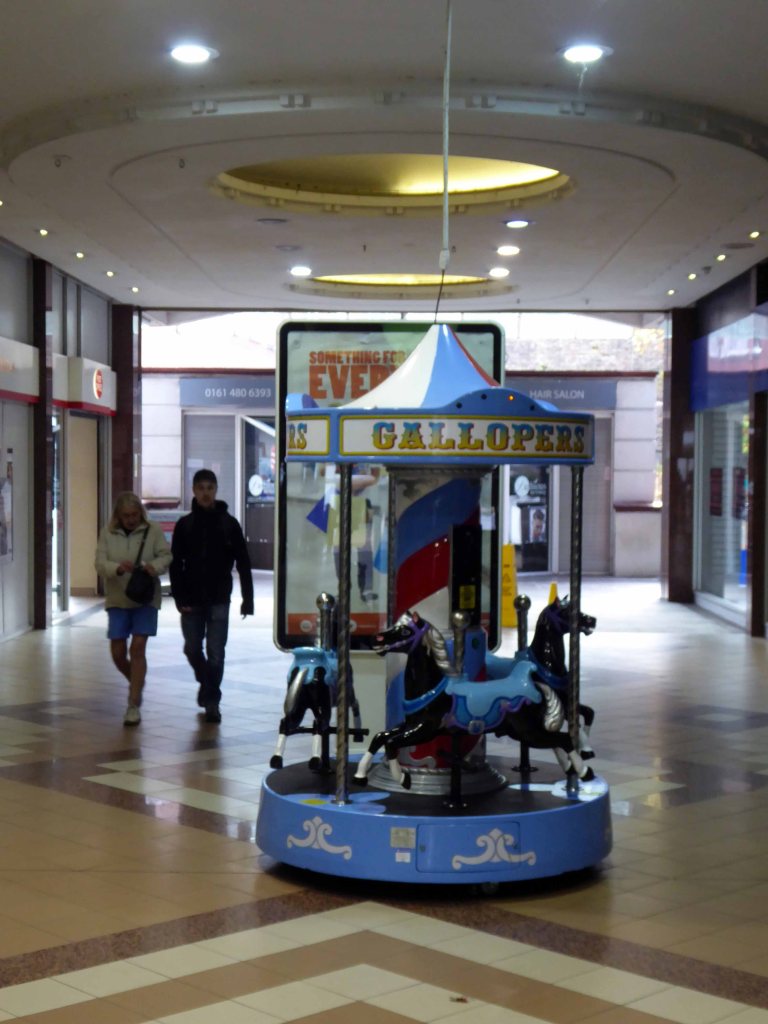
Each successive remaking and remodelling has seriously compromised the integrity of the development. We are left with dog’s dinner of poorly realised Post Modern and Hi-Tech additions, along with a failure to maintain the best of the original scheme.

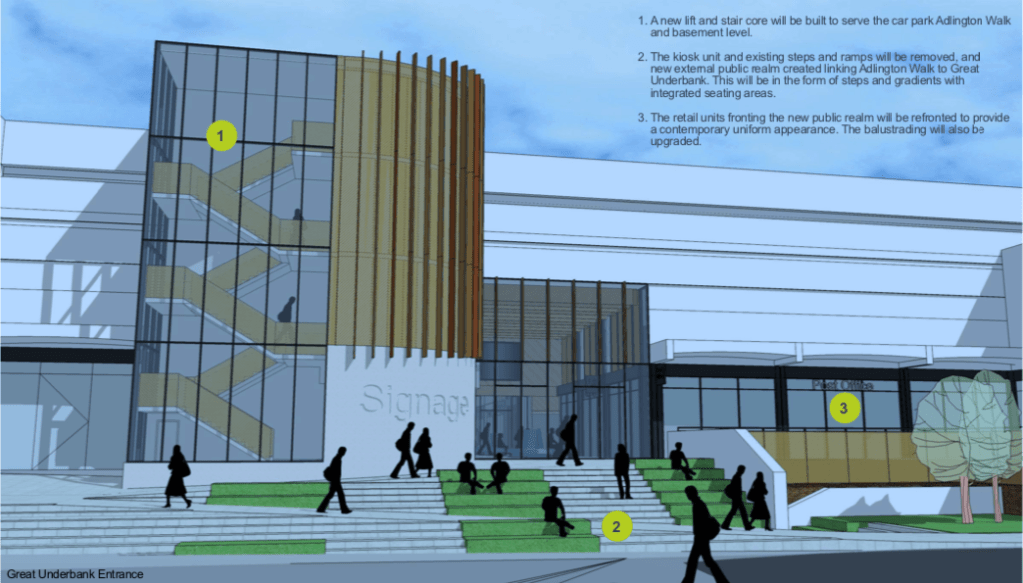
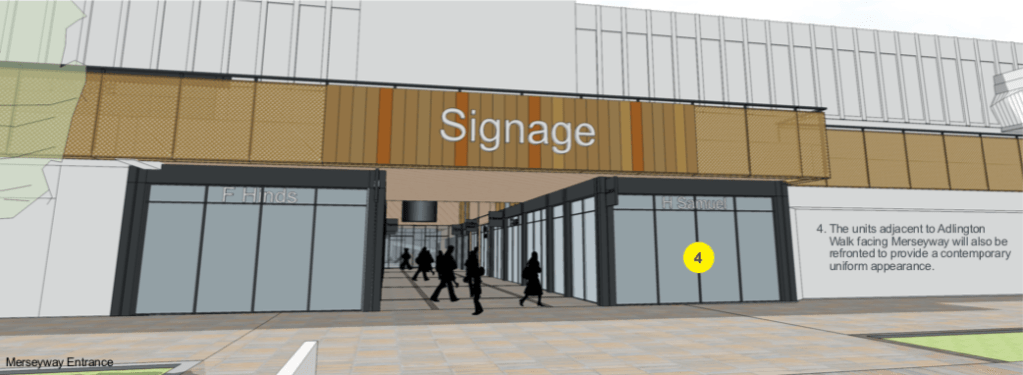
Plans are now afoot to revamp the precinct – starting with Adlington Walk.

Proposed facilities include a soft play space, new seating, buggy stores, high grade toilets, parent and child facilities and a multi faith prayer room.

Launderette – Hull

Whilst walking down Beverley Road I caught sight of of you out of the corner of my eye – my left eye.

My beautiful laundrette:

In this damn country, which we hate and love, you can get anything you want, it’s all spread out and available.

That’s why I believe in England.

Set back slightly from the road and the rest of the world.

Queens Road a street with an incident packed street view.

Without hesitation I entered the world of washing, soap and suds, signs and surfaces.

Dirty linen has never been so public.

Neaverson’s – Huddersfield

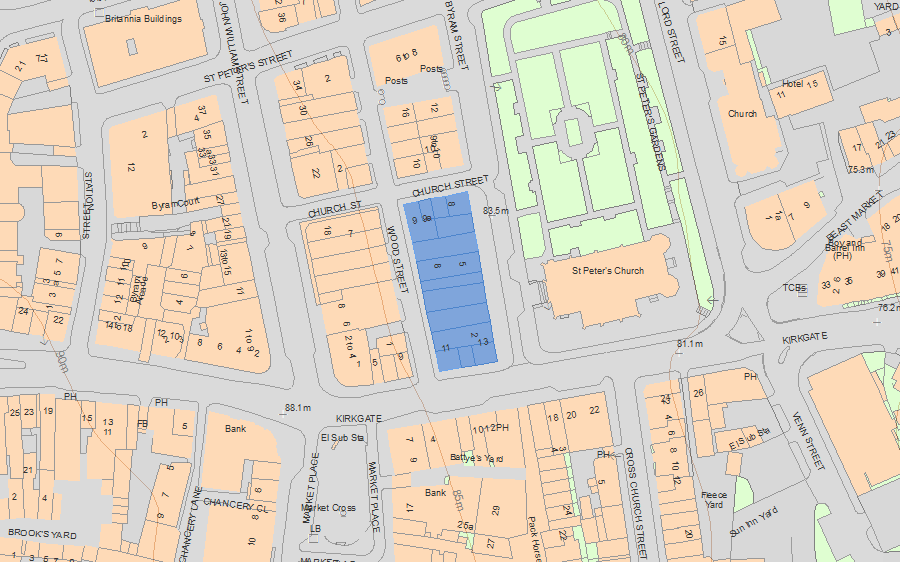
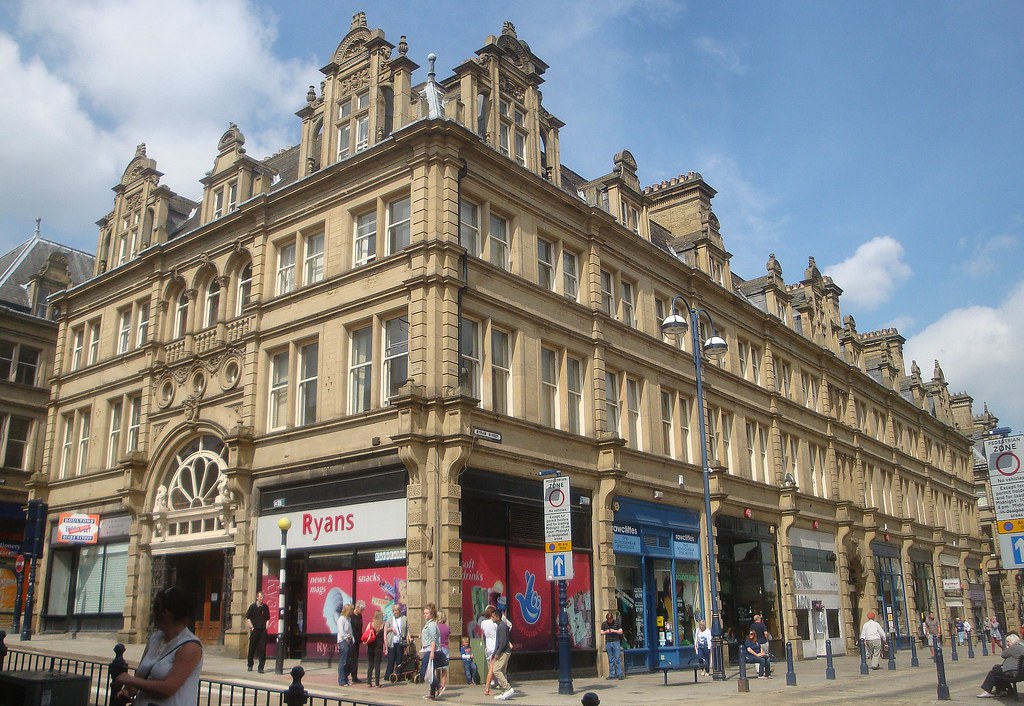
Kirkgate Buildings Byram Street

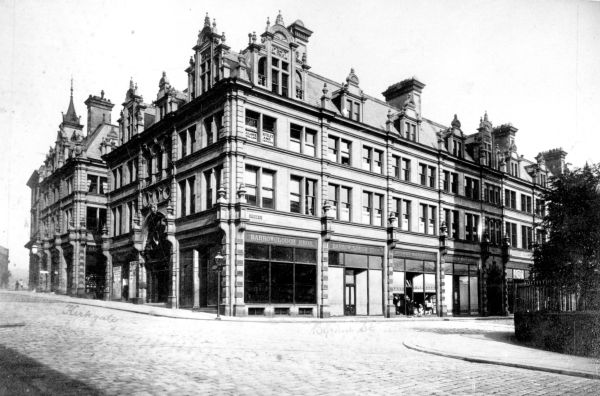
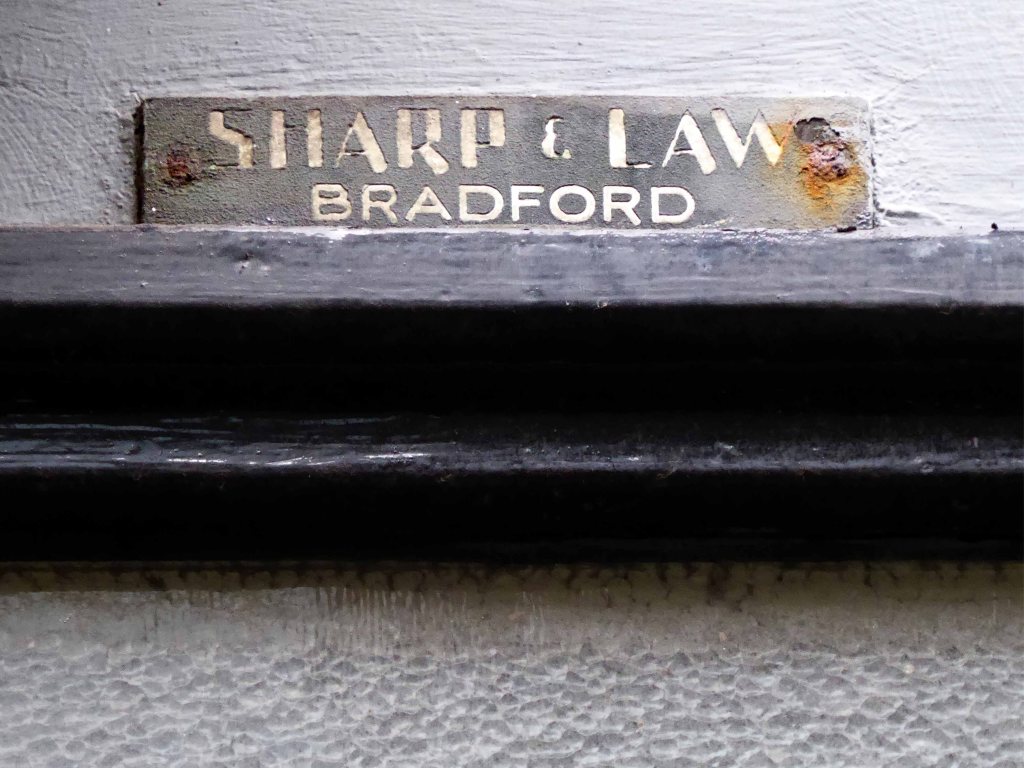
Commercial building with ground-floor retail units and offices to the upper floors, c1883, by W H Crossland with sculptural work by C E Fucigna. Sandstone ashlar, slate roof, substantial ashlar ridge stacks. C19 Queen Anne style with French influences and classical Greek sculpture. One of the ground-floor shop units was remodelled in 1935 by Sharp and Law of Bradford with Moderne shopfronts and interior fittings.

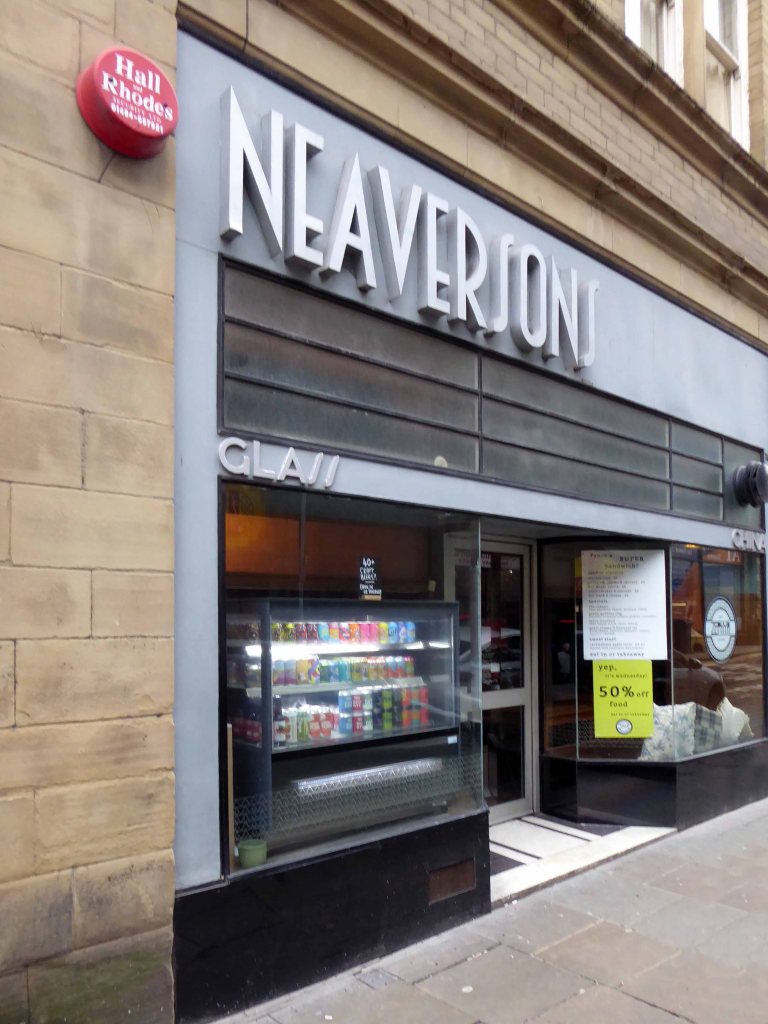
The cultural and visual collision is immediate – the pairing of Huddersfield’s grand Victorian manner with the latest of European Moderne.

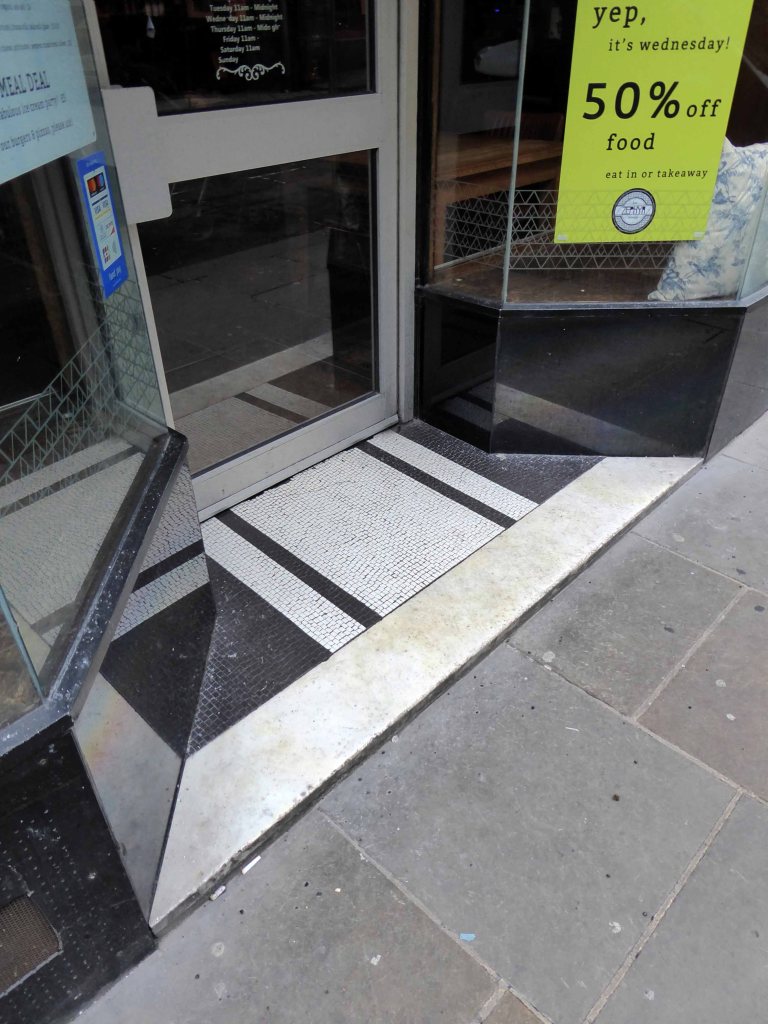
Neaverson’s – purveyors of pottery and glass began life in 1893 in premises on Cross Church Street, before moving to the Grade I-listed Byram Street building in 1935.

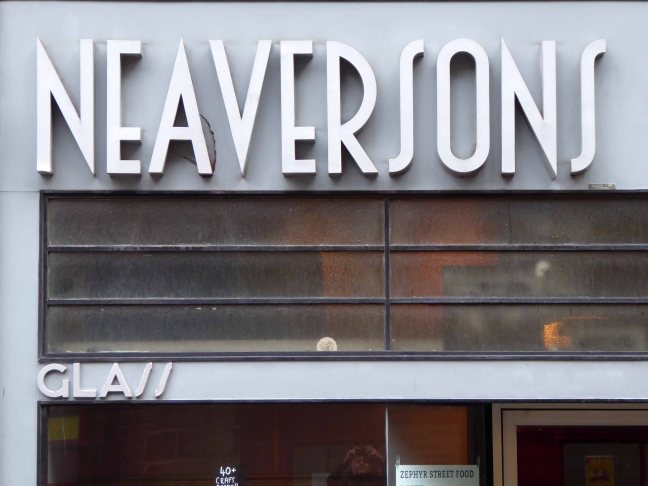
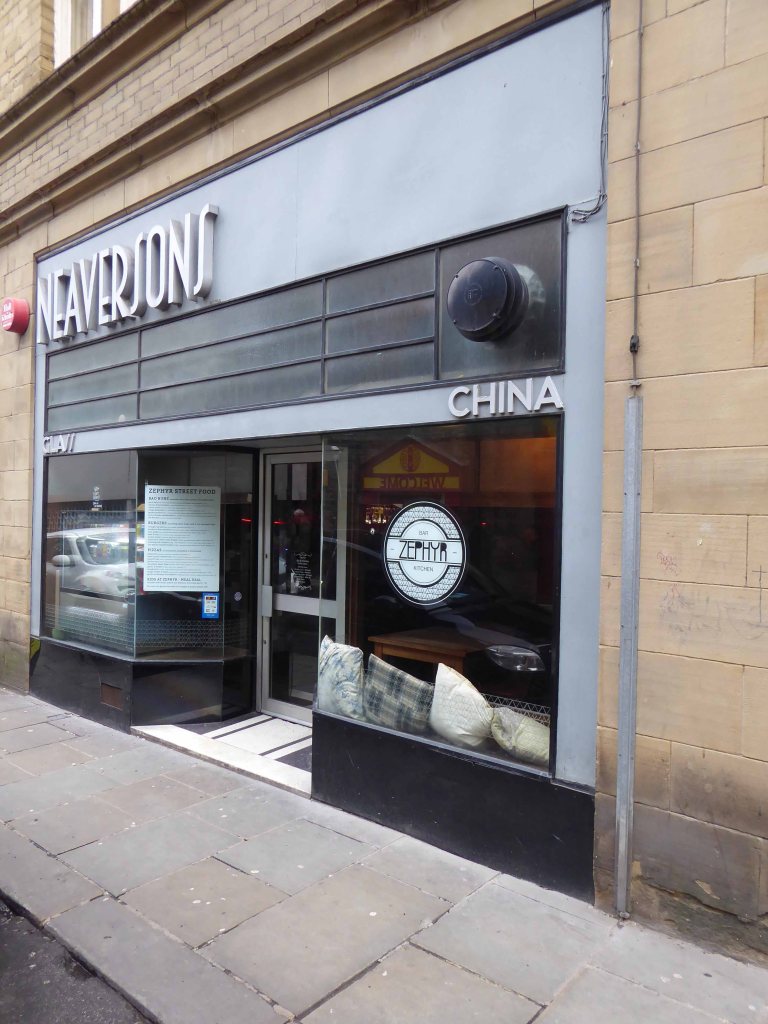
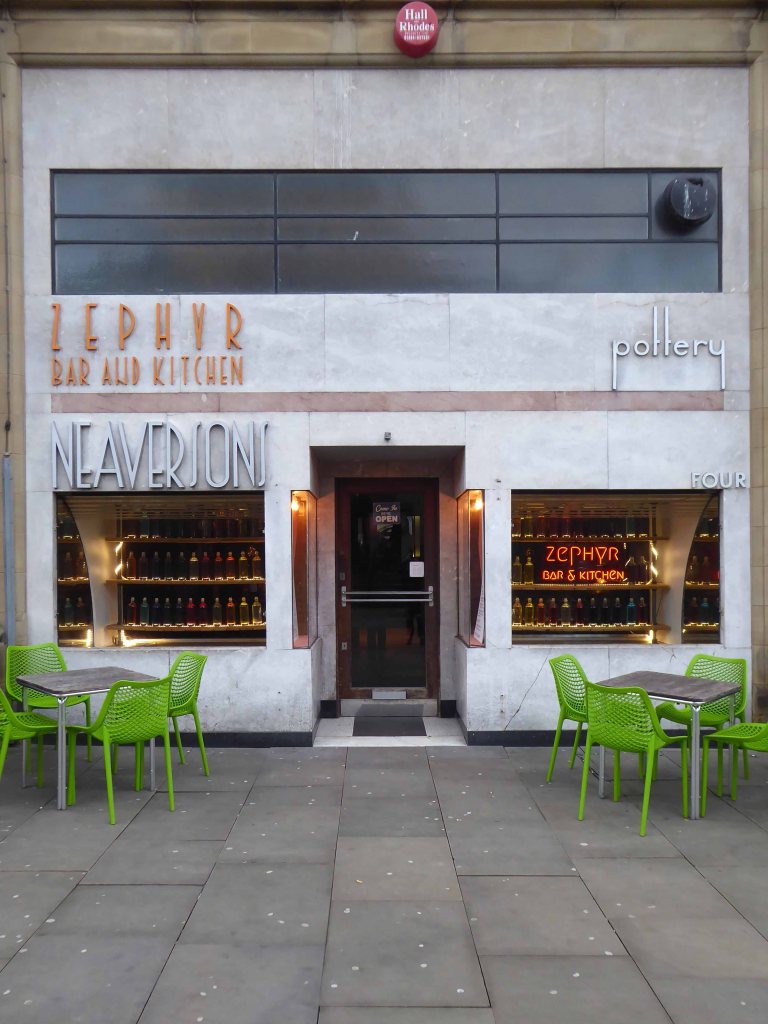
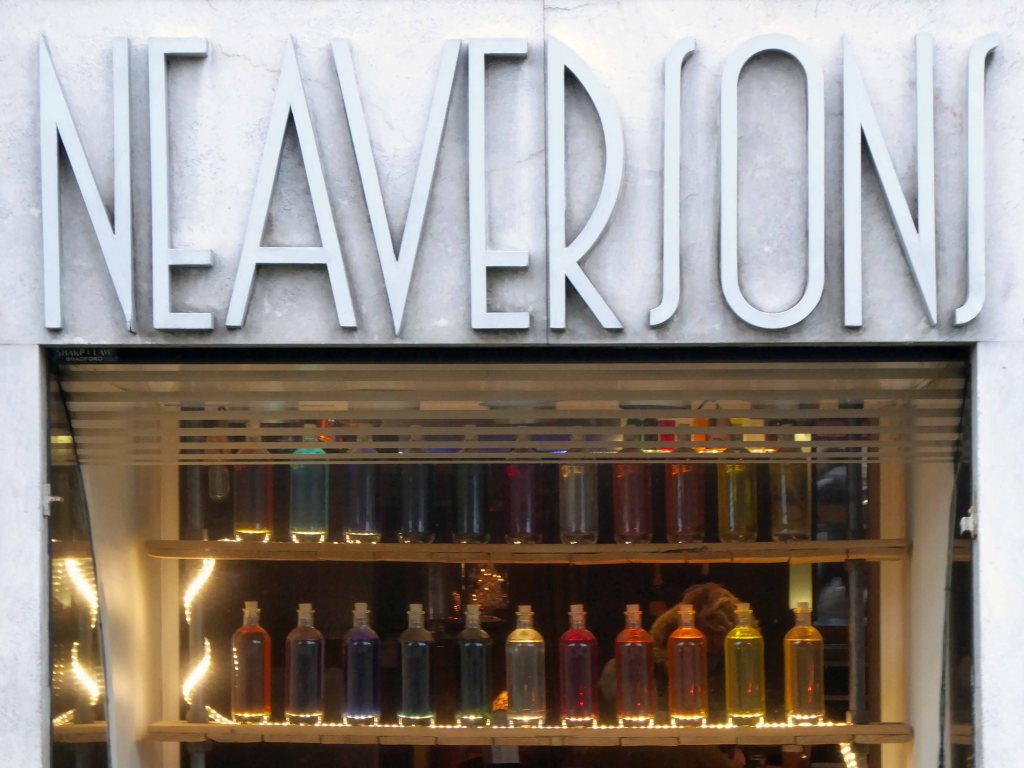
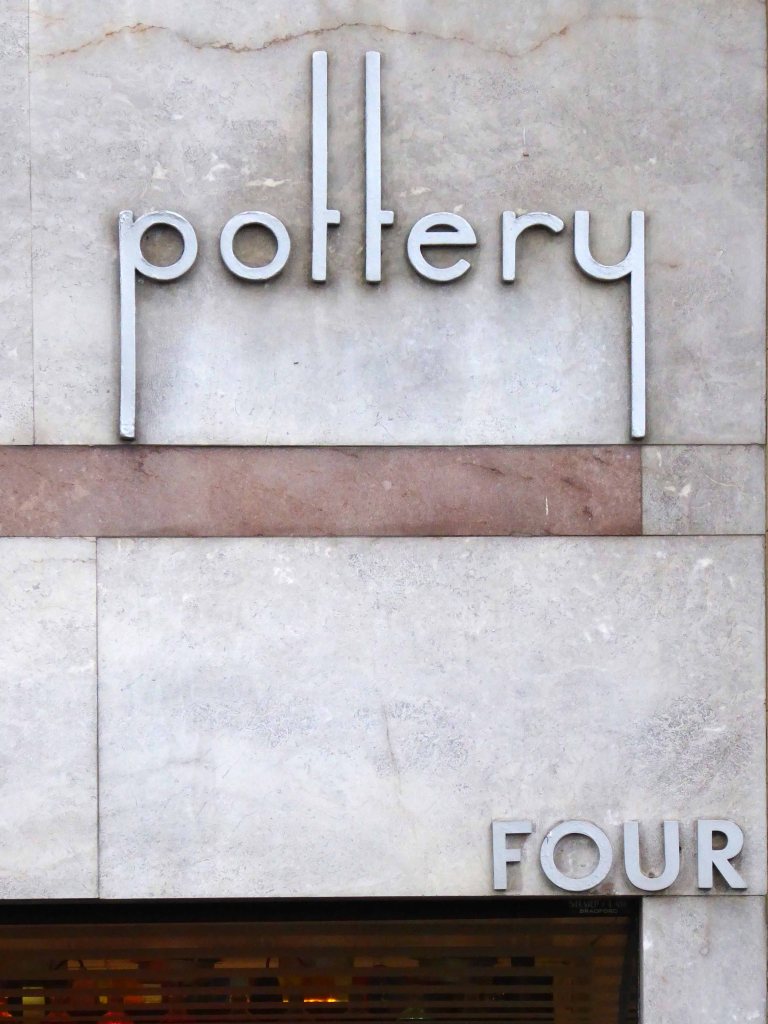
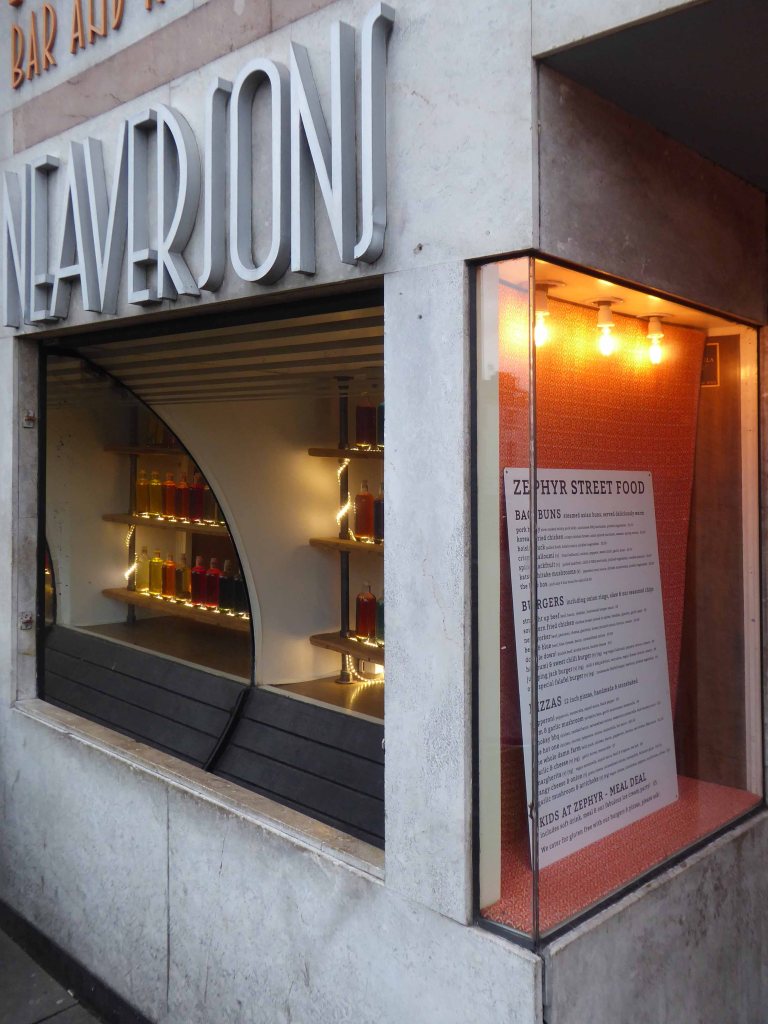
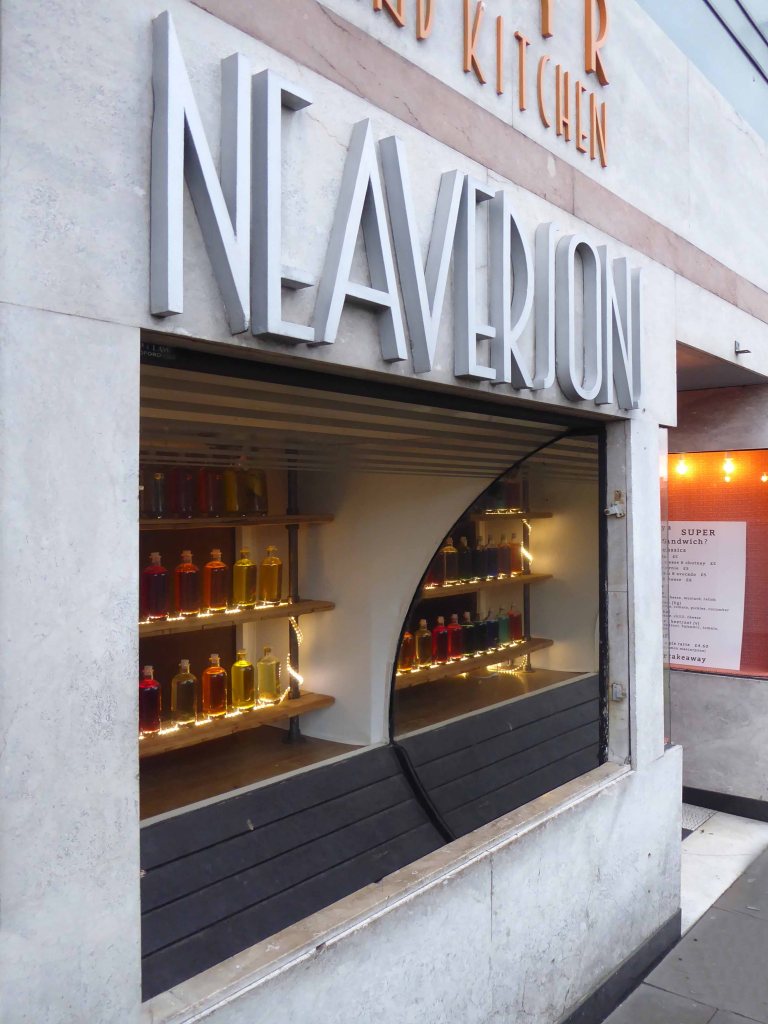
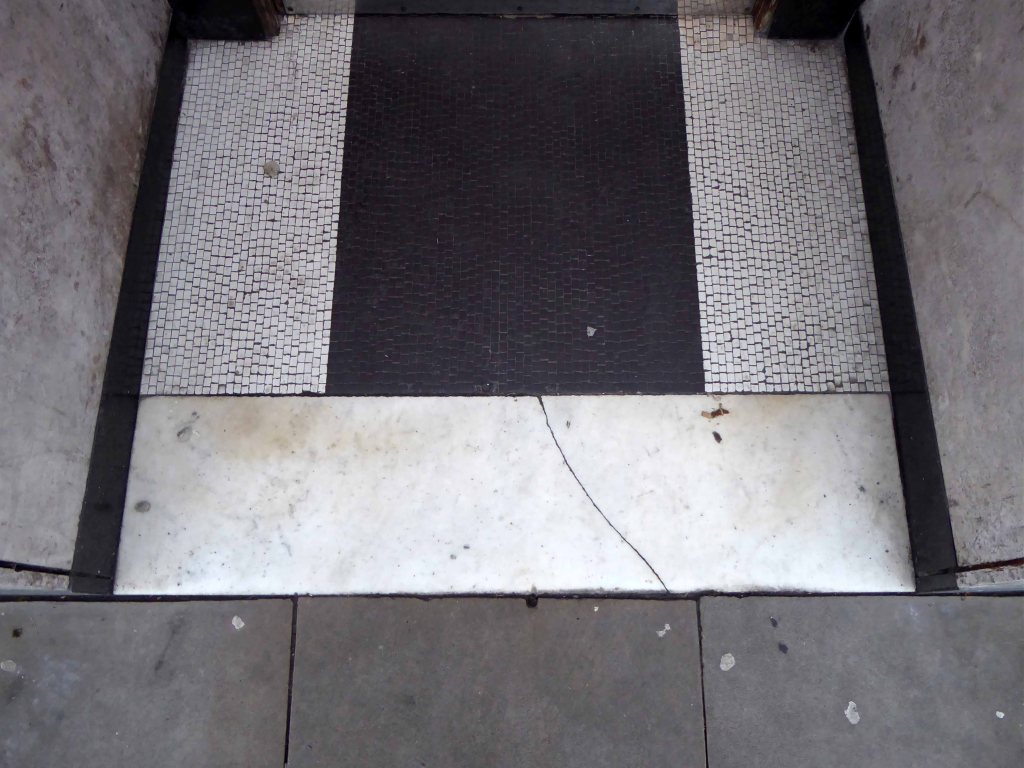
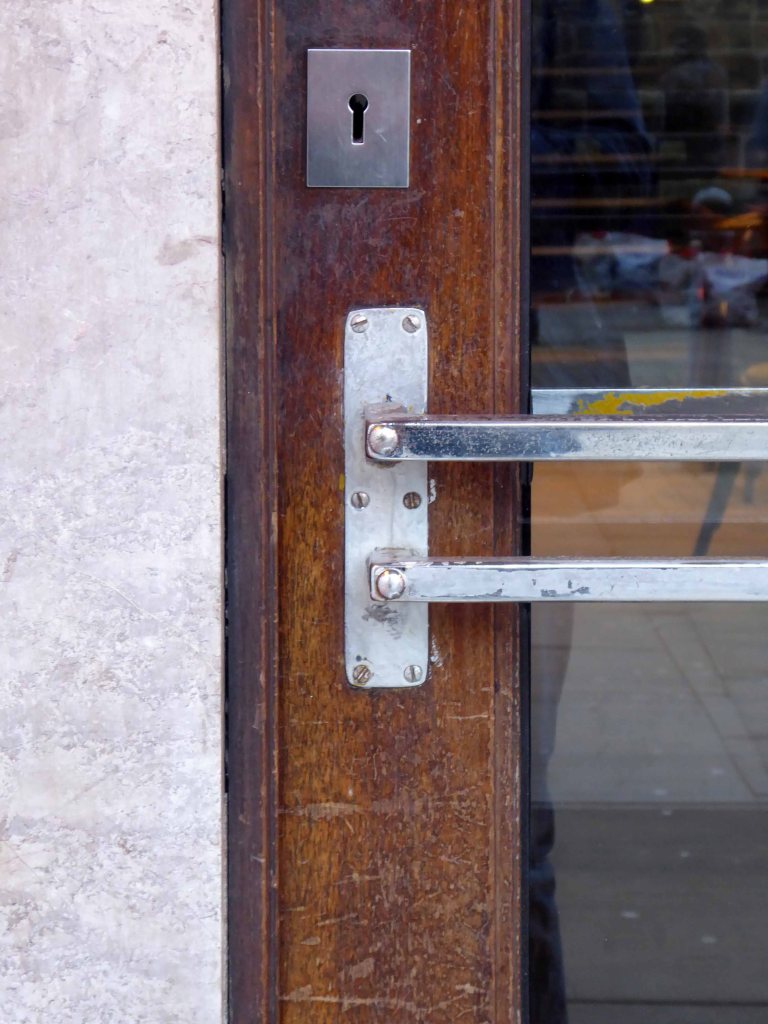
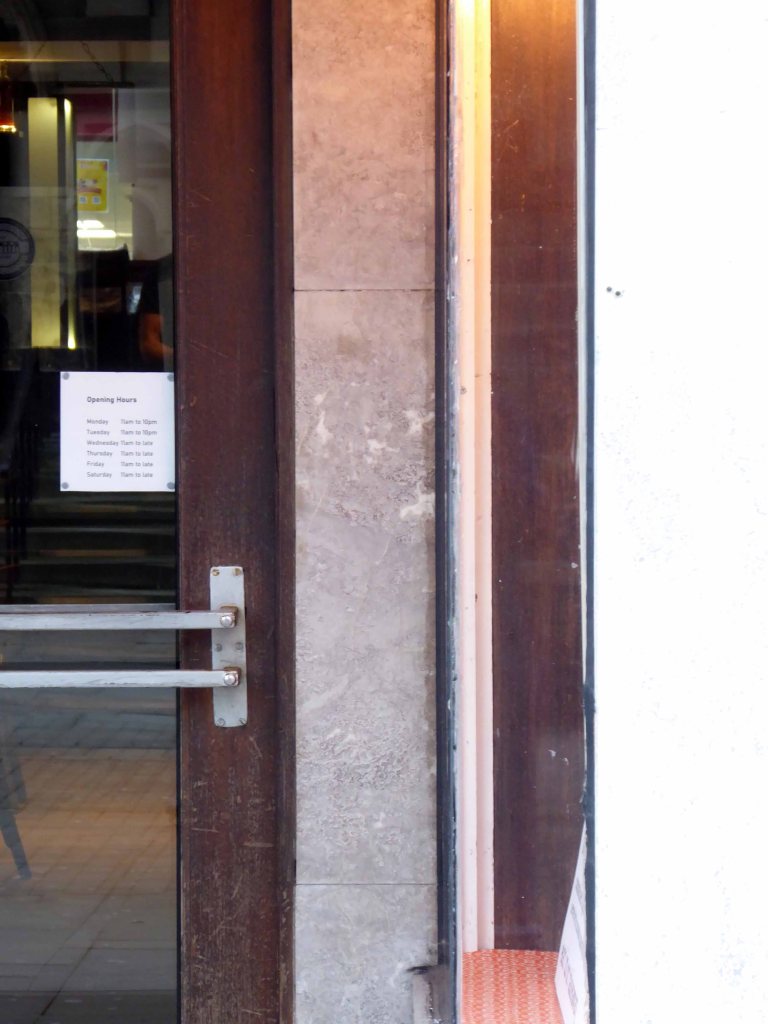
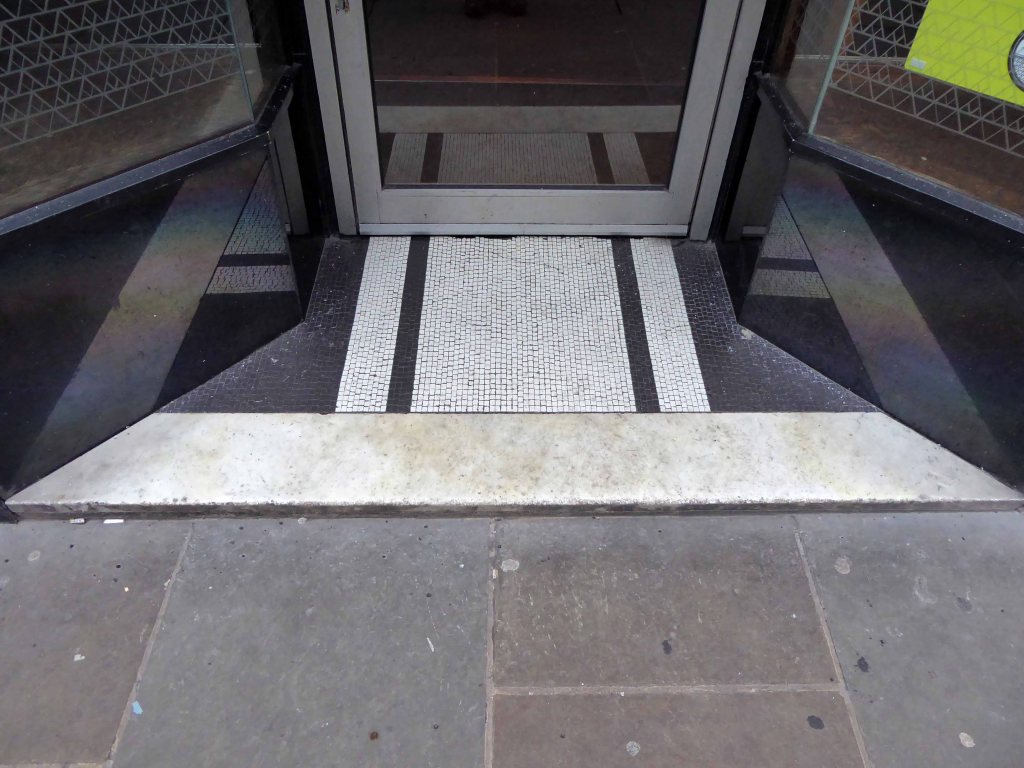
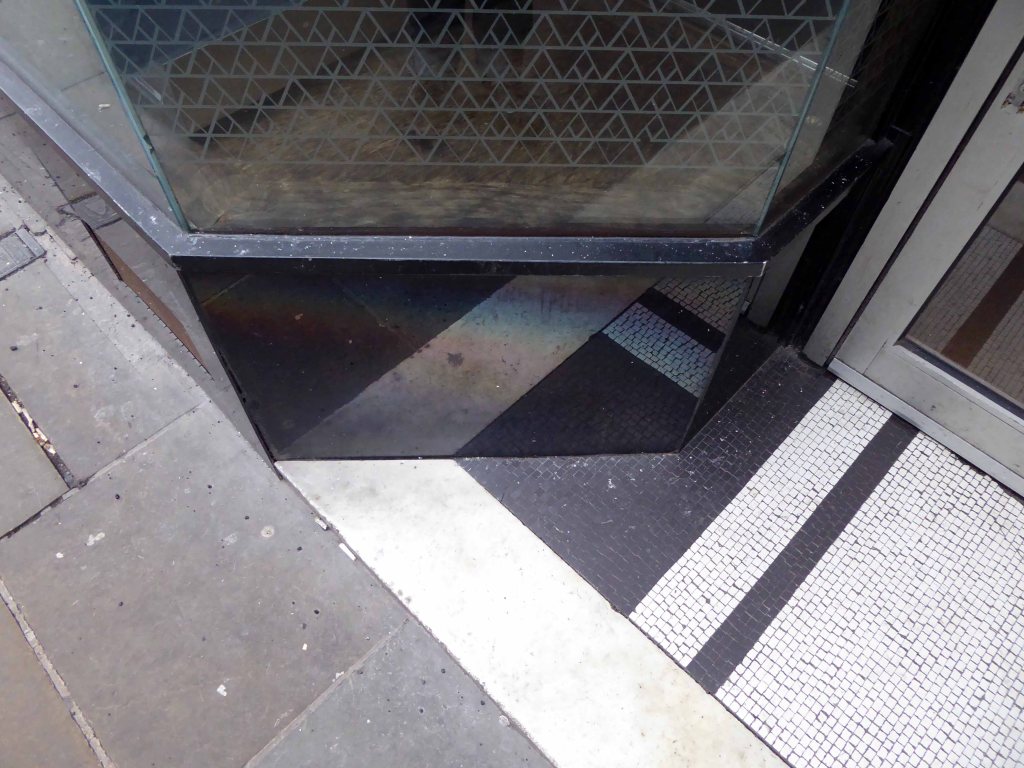
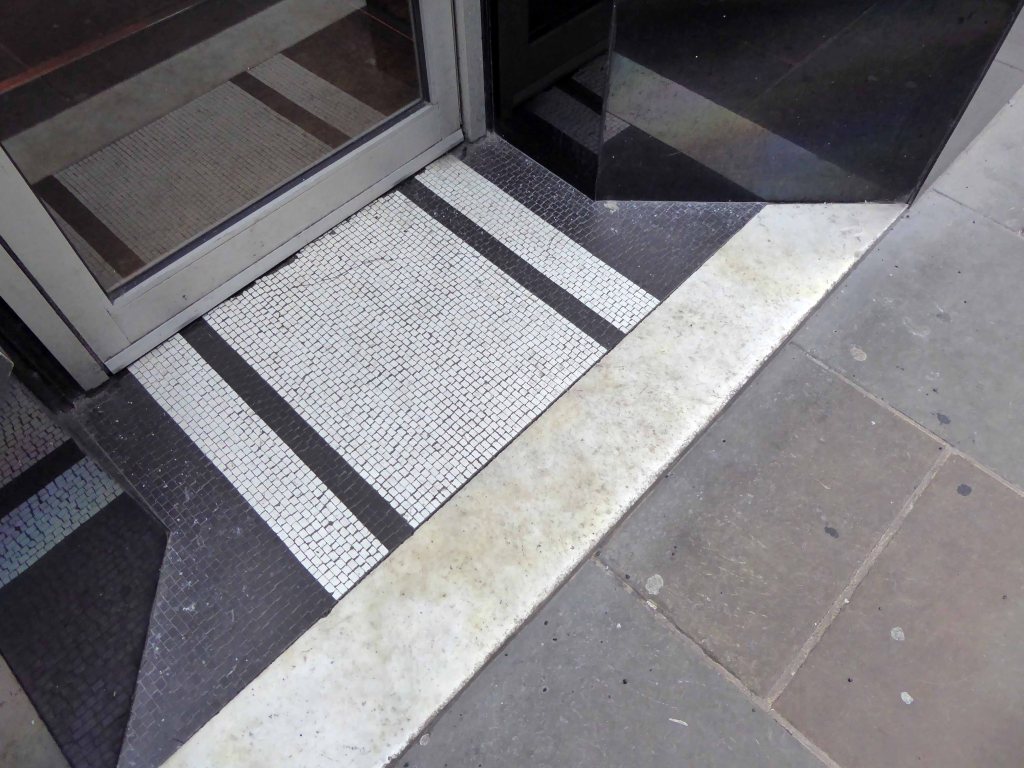
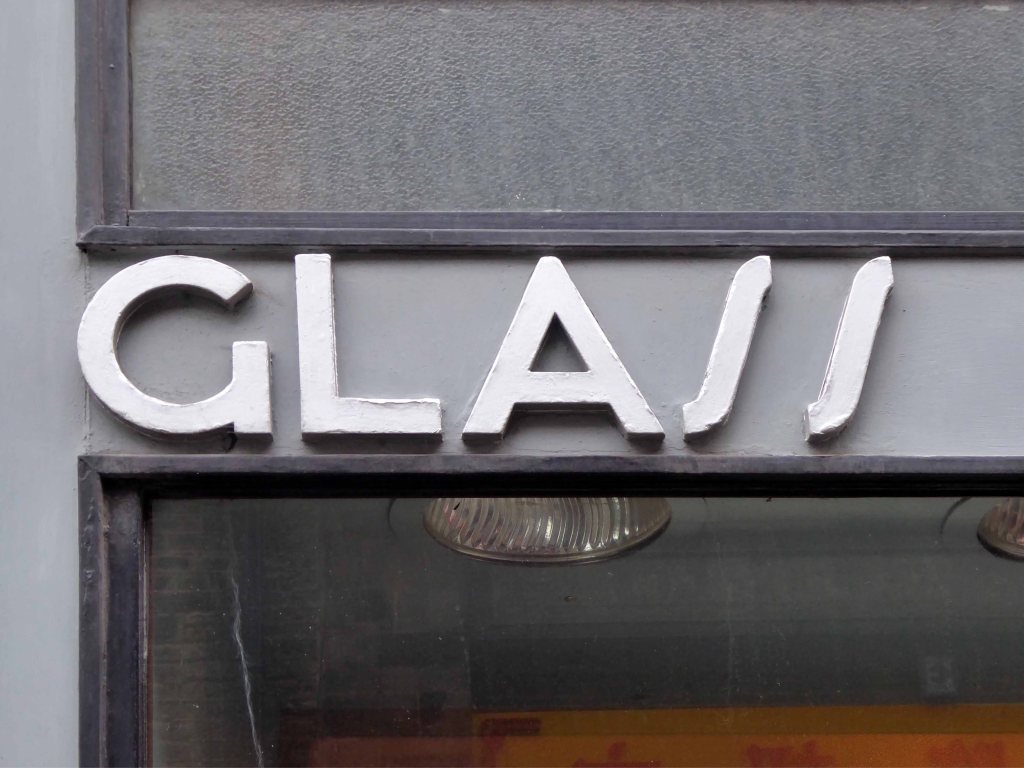
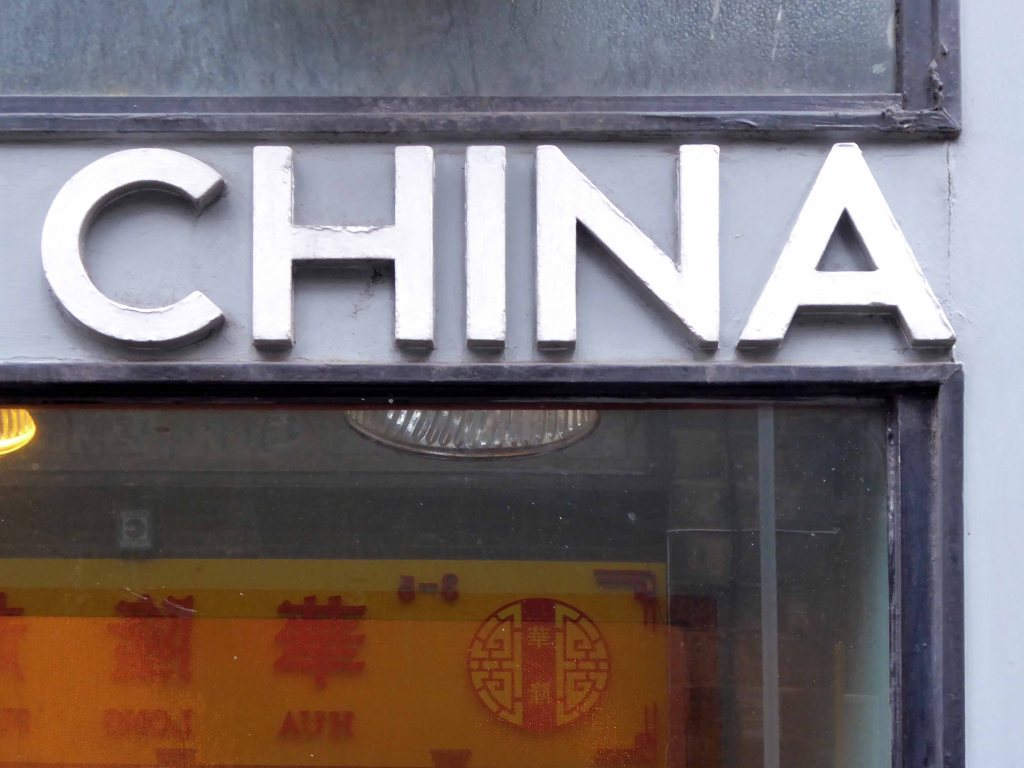
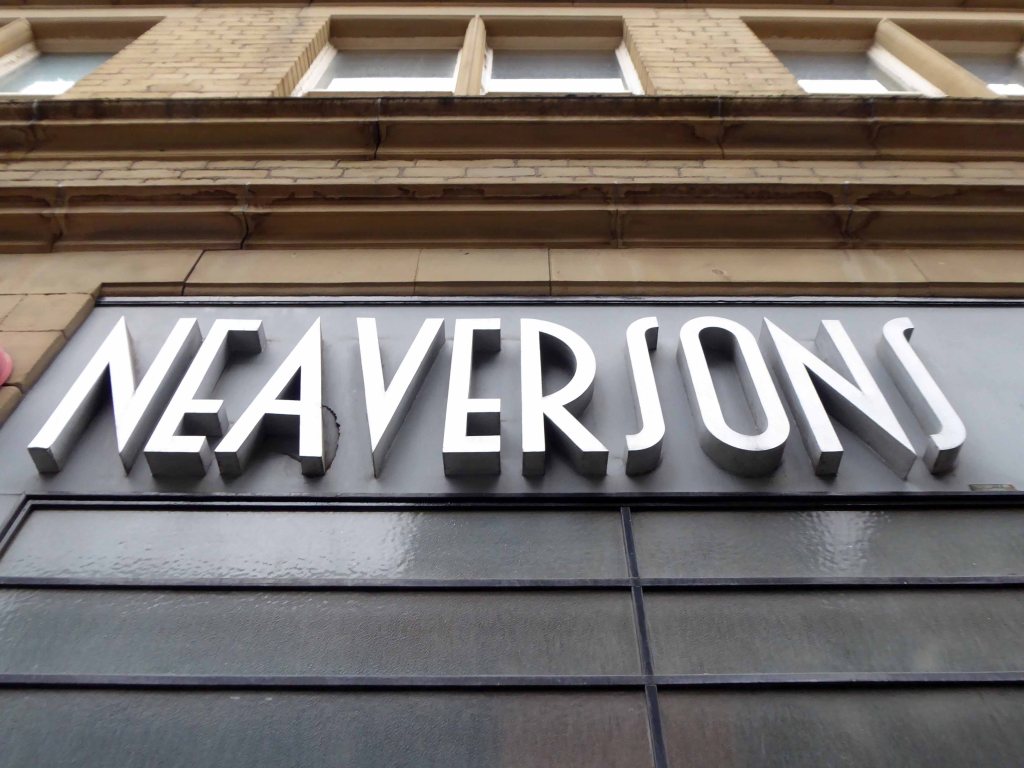
Set to the ground floor of bay 4 is a 1935 Moderne shopfront by Sharp and Law of Bradford. The shopfront is of grey and pink/beige marble with unmoulded windows that are curved to eliminate reflection, and has a glazed door set within a recessed porch. Set below the top of the shopfront is a ribbon window with dark tinted glazing and slender vertical and horizontal muntin bars arranged in a geometric pattern. The original metal signage in stylised sans-serif relief lettering reads ‘NEAVERSONS’, ‘pottery’ and ‘four’.

Thought to echo Susie Cooper’s London shop and unswervingly now – the fascia must have been something of a shock to the taciturn Tykes.

Neaversons glass and china shop closed in 2007.

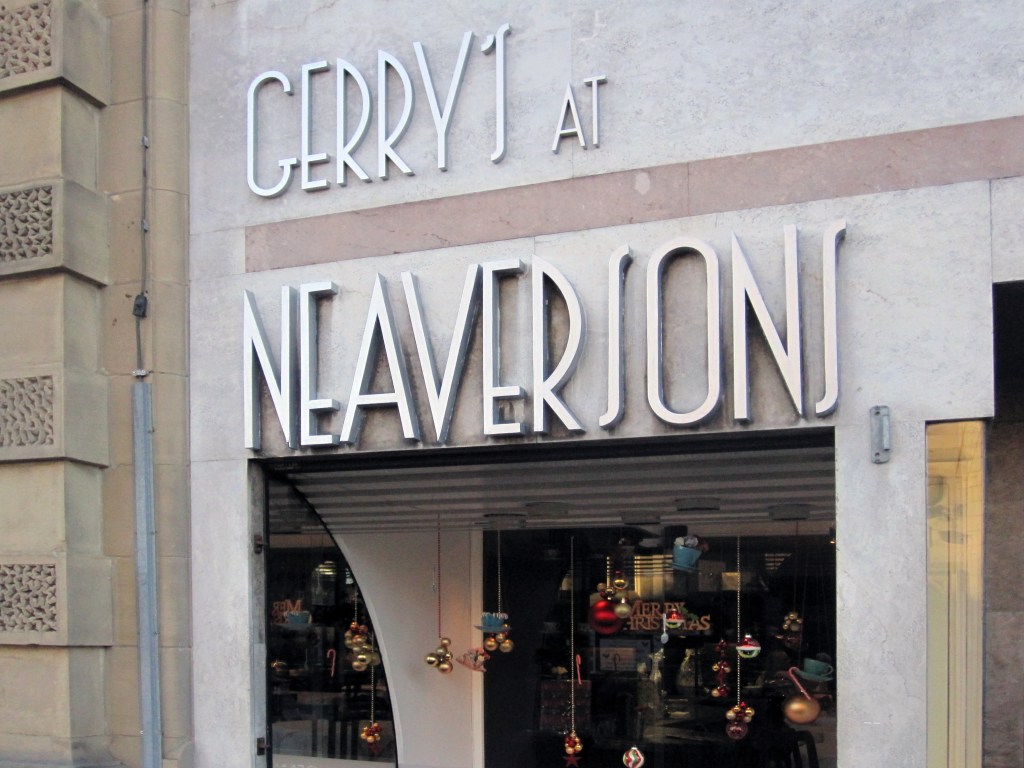
Gerry’s Tea Rooms occupied the building for less than two years.

There is not a day goes by when I don’t see some of my customers asking what went wrong. They think I was a failure and that is so not the truth.

Along came a restaurant:

The Grade II 1930’s interior has been refurbished by the new owners and exudes understated sophistication.

“Wow, I feel like I’m in London,” said Trish as she stepped into the newly-opened Neaversons restaurant, having just arrived on the train from the capital.

It closed not long after.

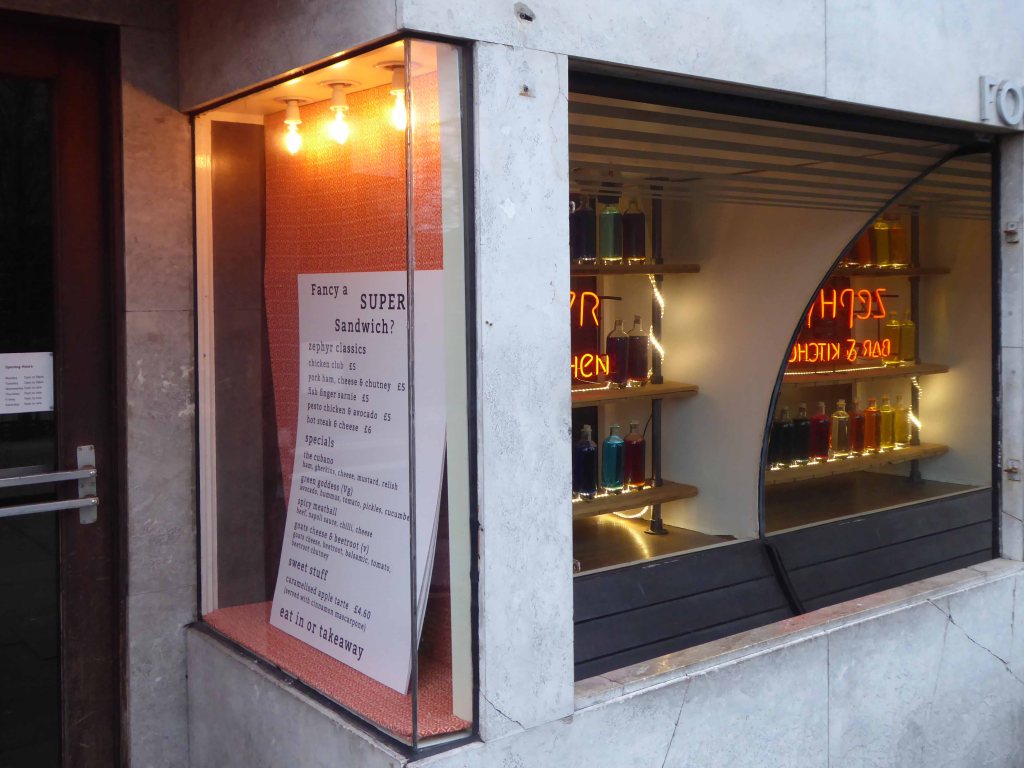
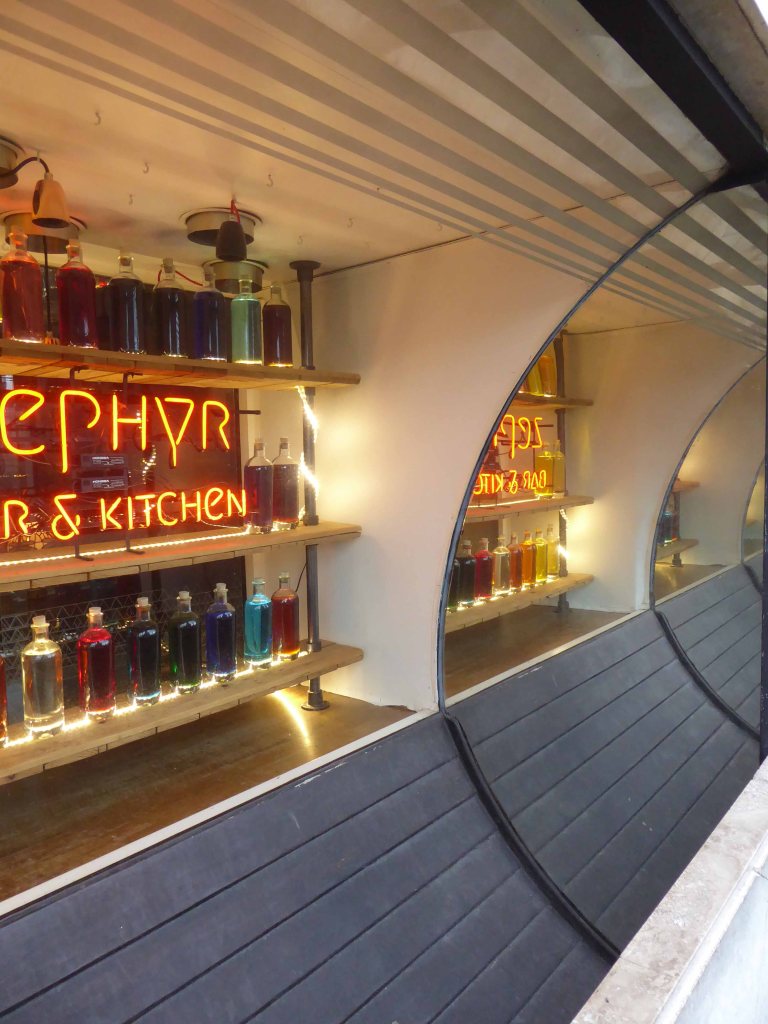
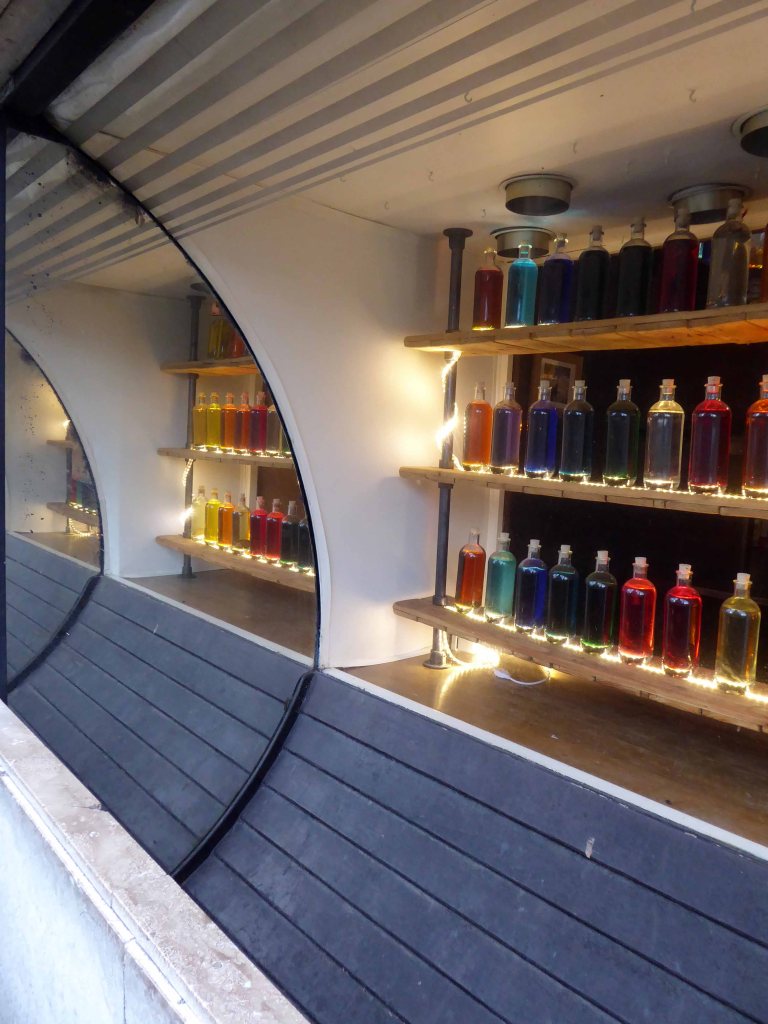
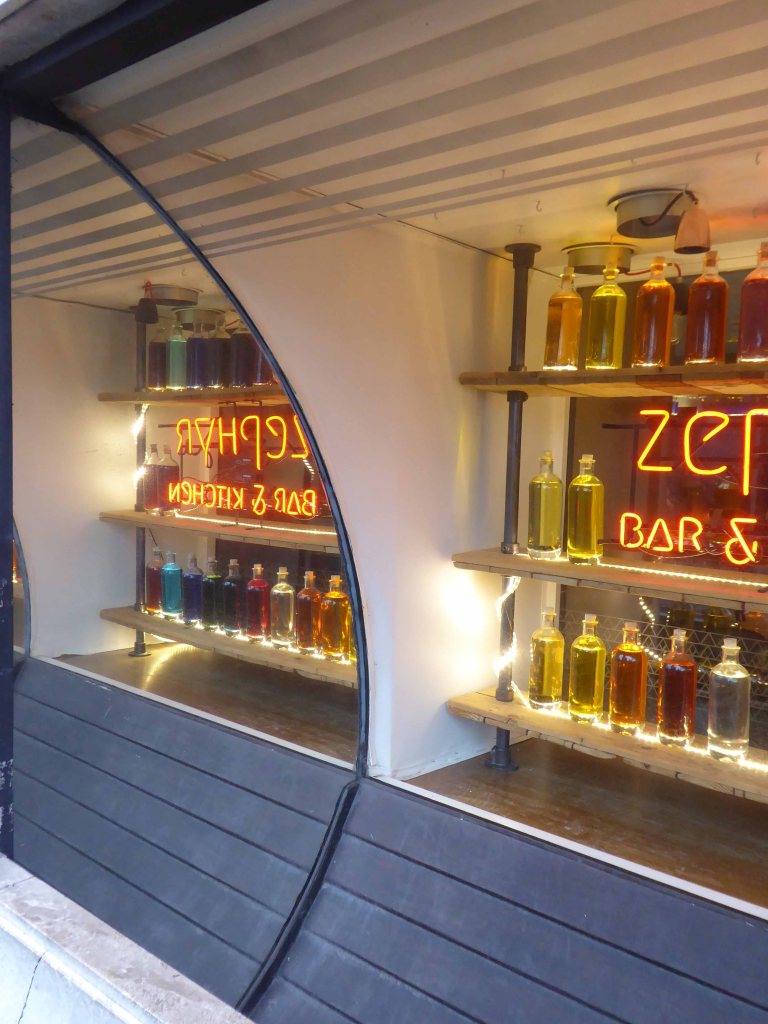
Currently home to the Zephyr Bar and Kitchen

A prohibition stylised venue offering a selection of drinks, food and an environment that really sets us apart from the crowd.

The listed frontage has survived intact – let’s take a look.

Shopping Precincts – UK Again

This time of year, with limited light and an inclement climate, it’s far easier to travel by picture postcard. Researching and searching eBay to bring you the finest four colour repro pictures of our retail realm.

We have of course been here before – via a previous post.

It is however important to keep abreast of current coming and goings, developments are ever so often overwritten by further developments.

Precincts my appear and disappear at will – so let’s take a look.

What the CMYK is going on?

Abingdon

Aylesbury

Blackburn

Bradford

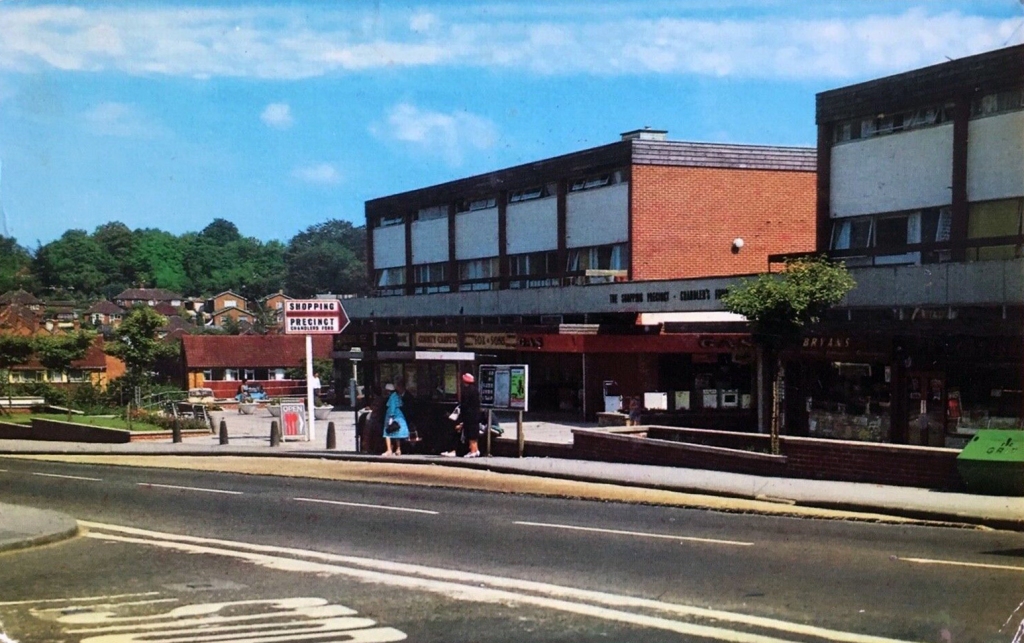
Chandlers Ford

Coventry

Cwmbran

Derby

Eastbourne

Exeter

Gloucester

Grimsby

Hailsham

Irvine

Jarrow

Middlesborough

Portsmouth

Scarborough

Solihull

Southampton

Stockport

Torquay

Wakefield

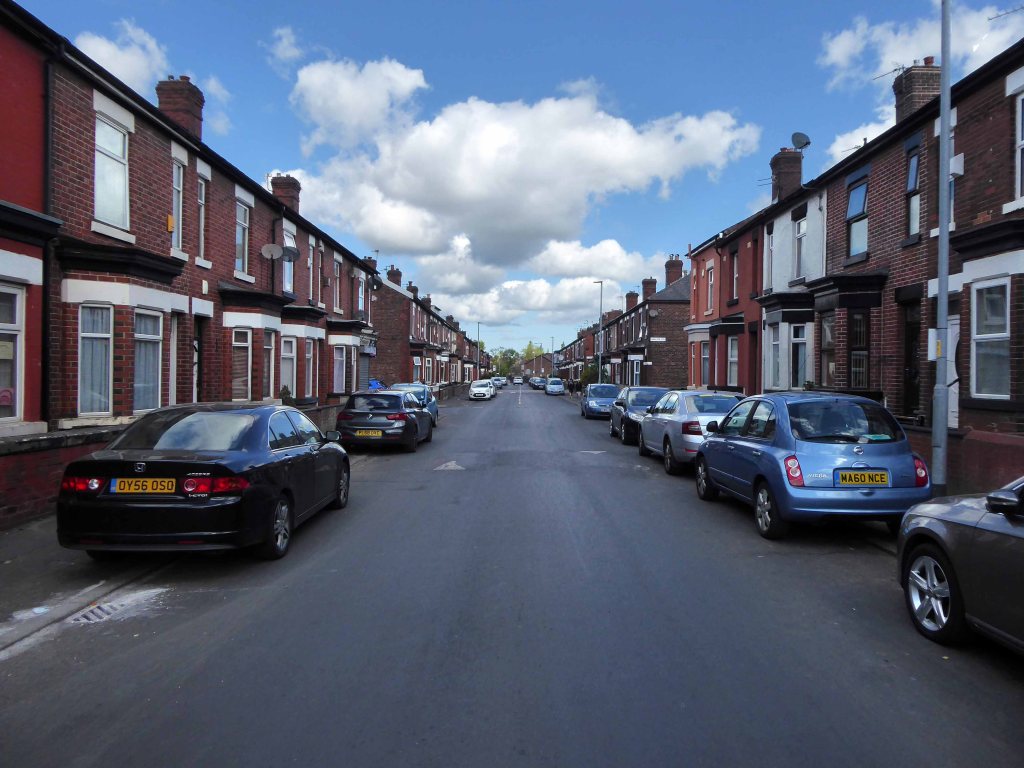
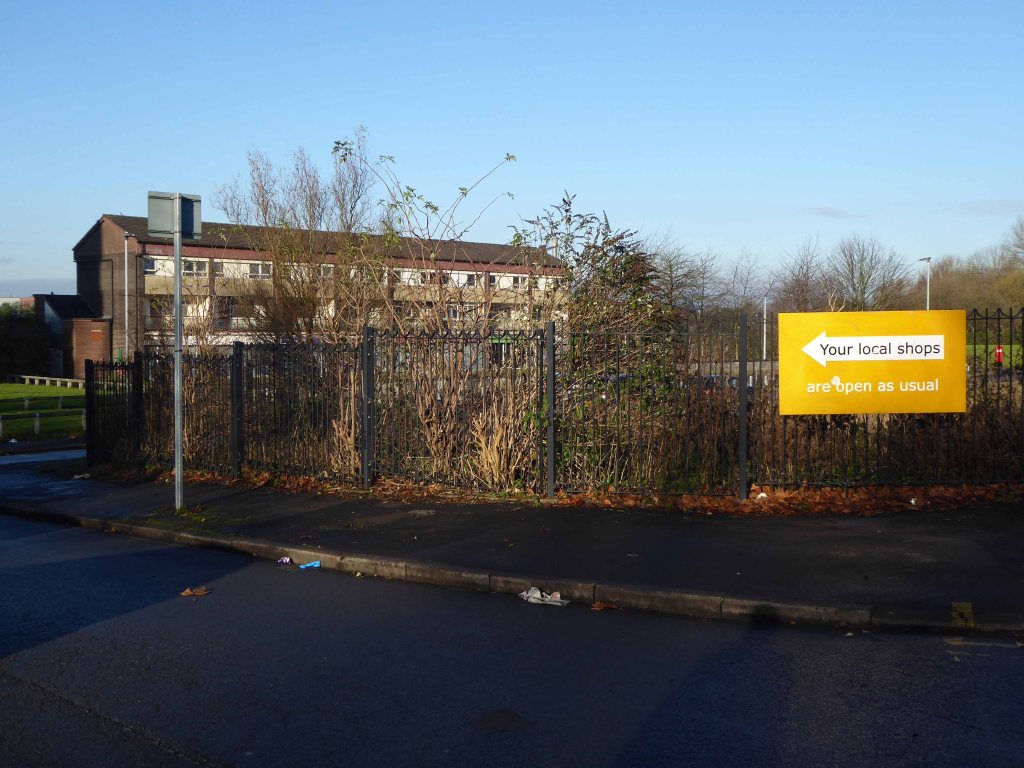
Eastford Square Collyhurst – Nobody Home

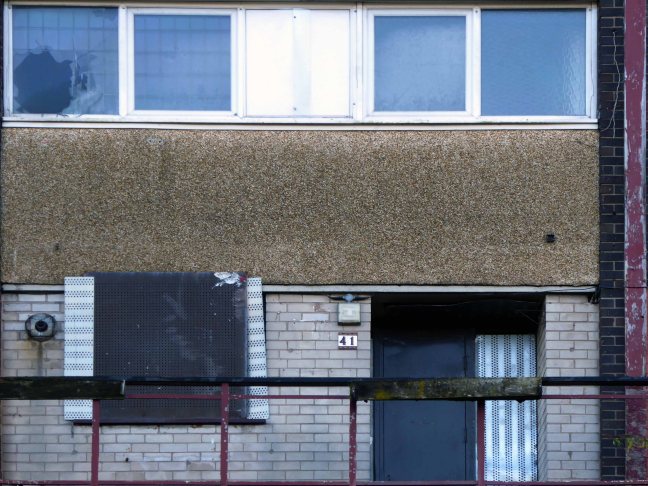
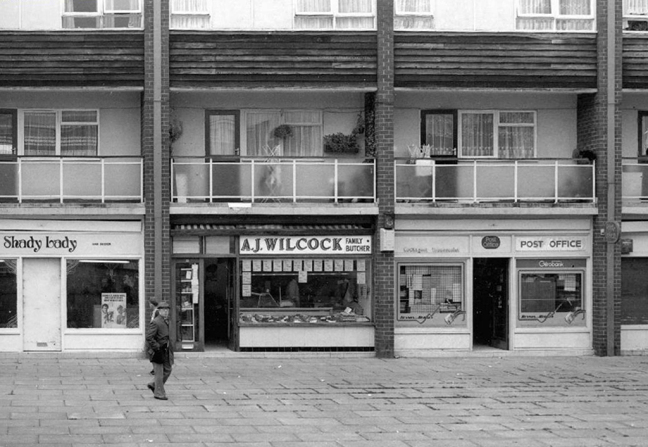
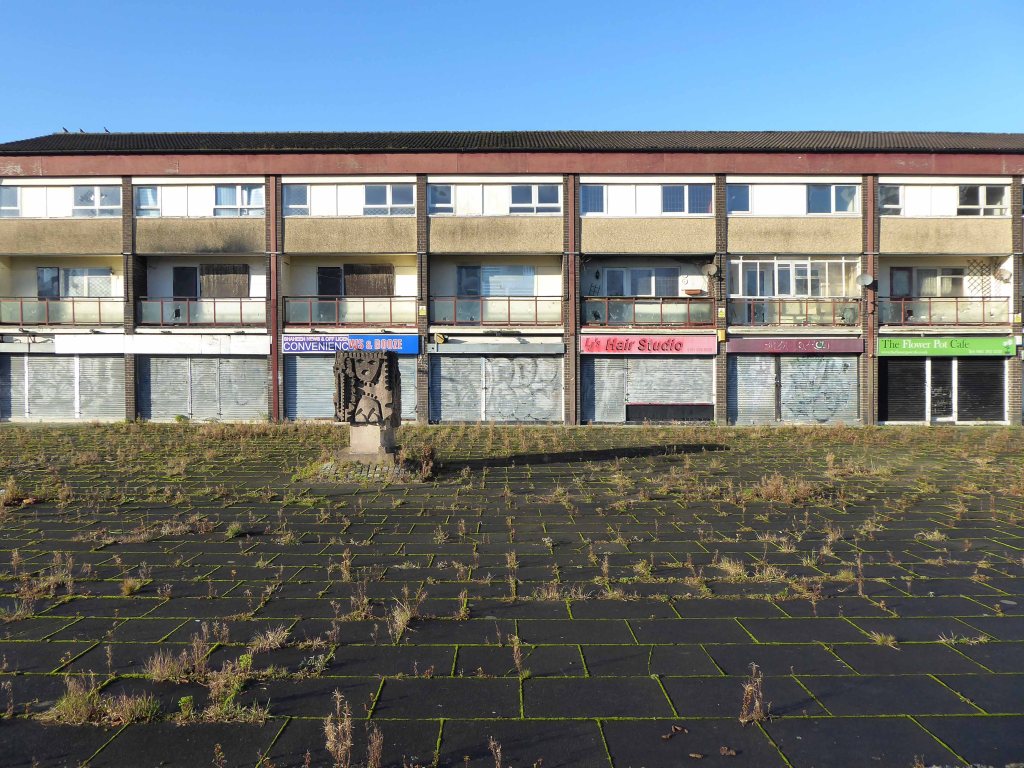
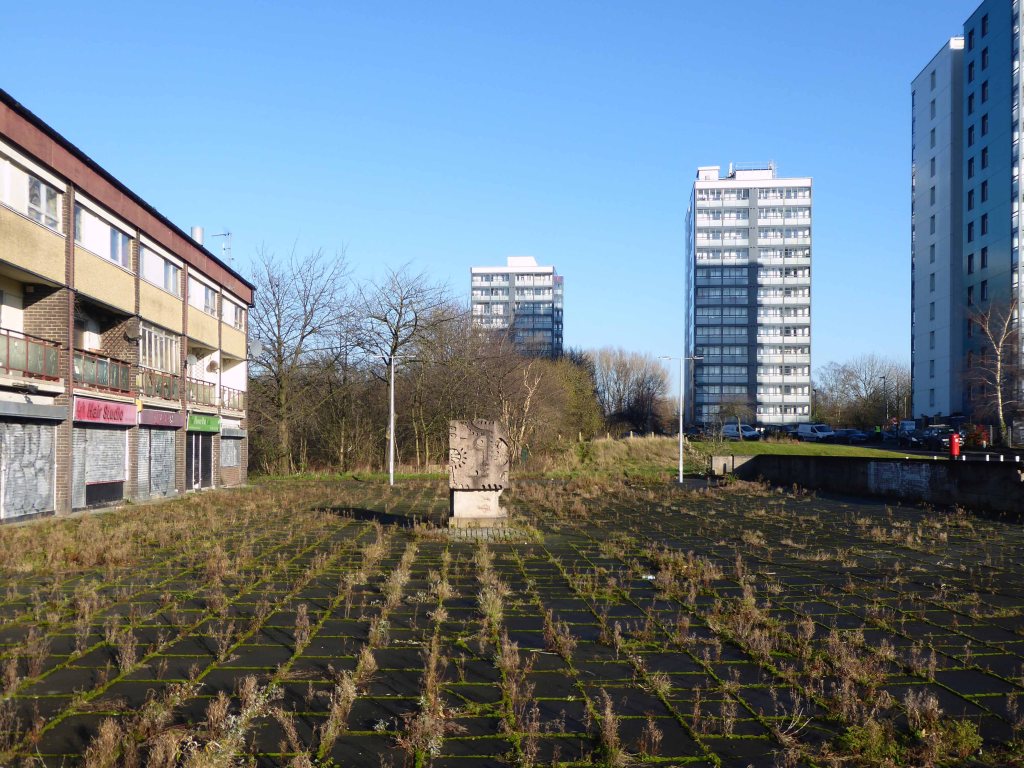
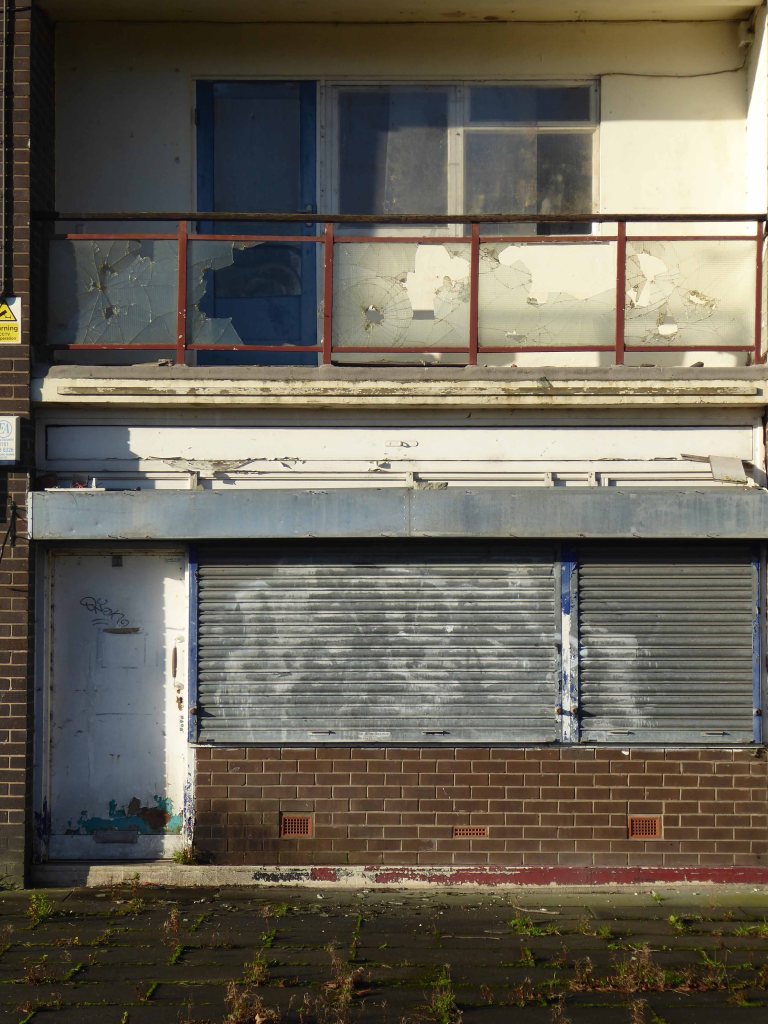
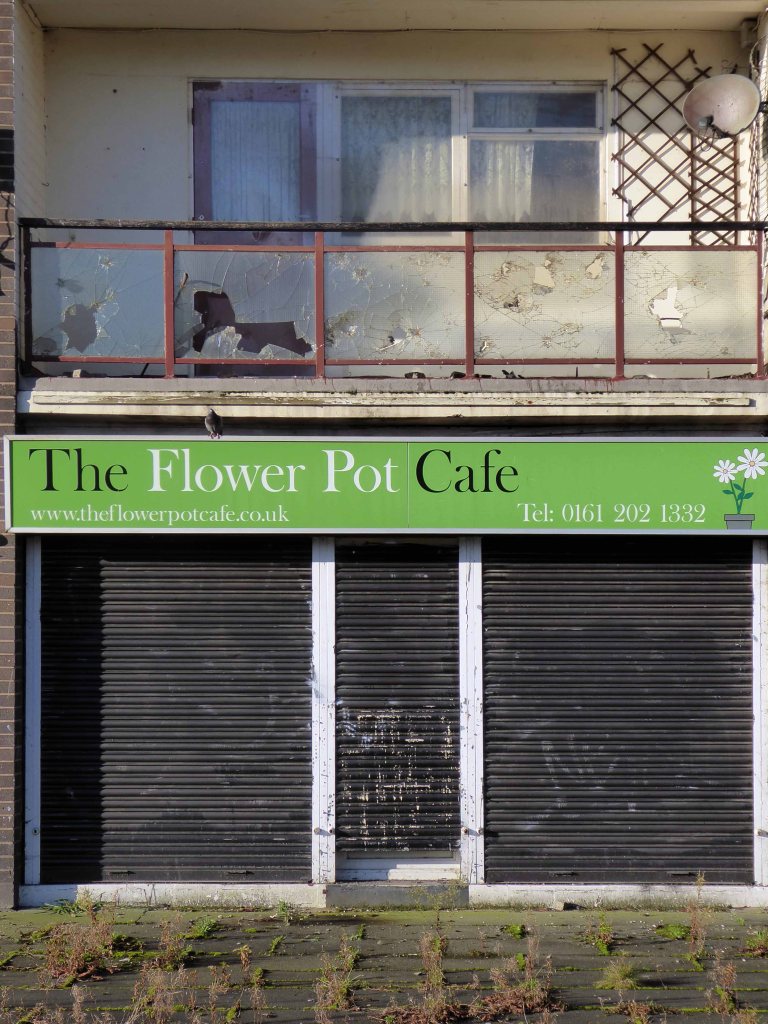
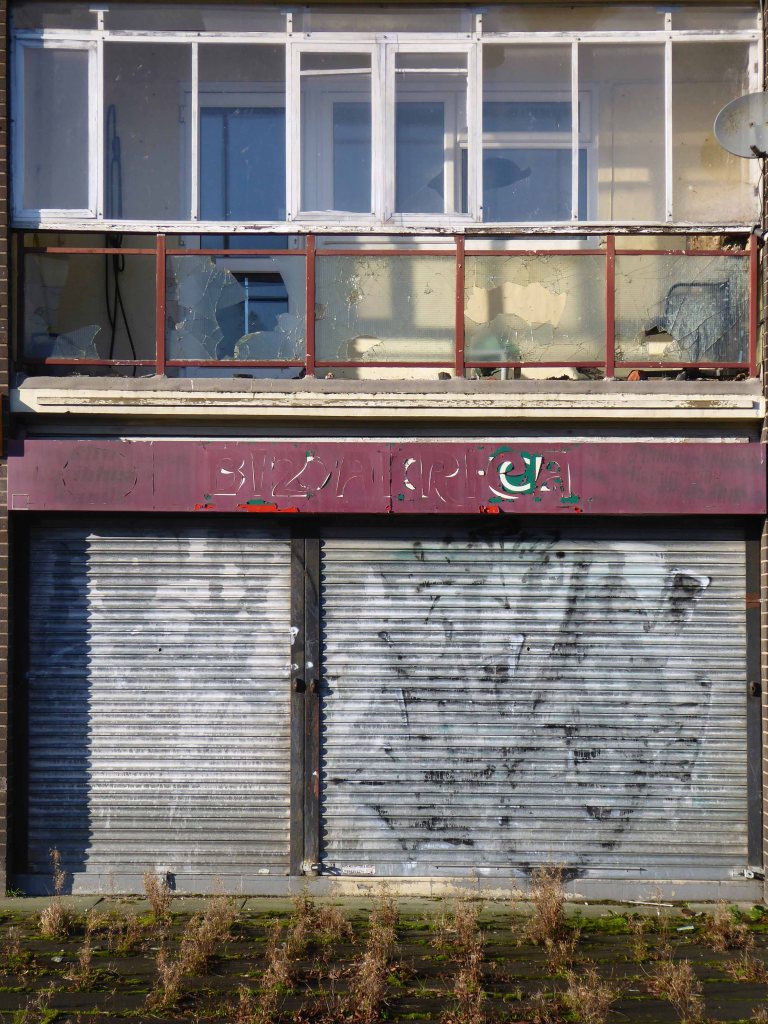
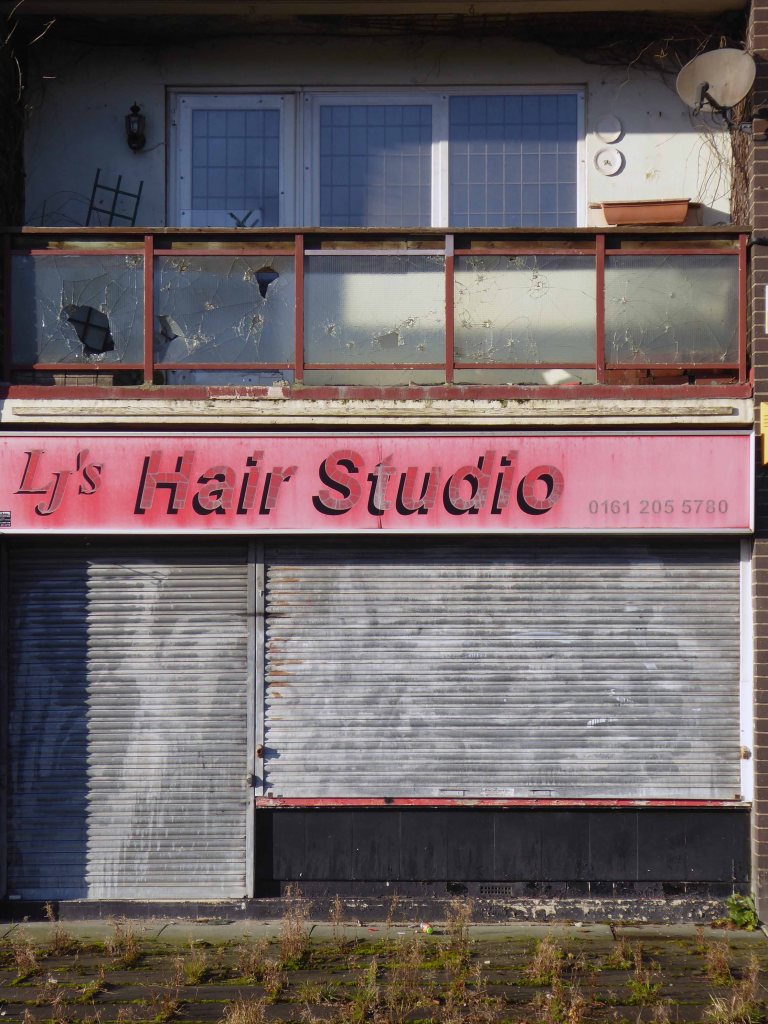
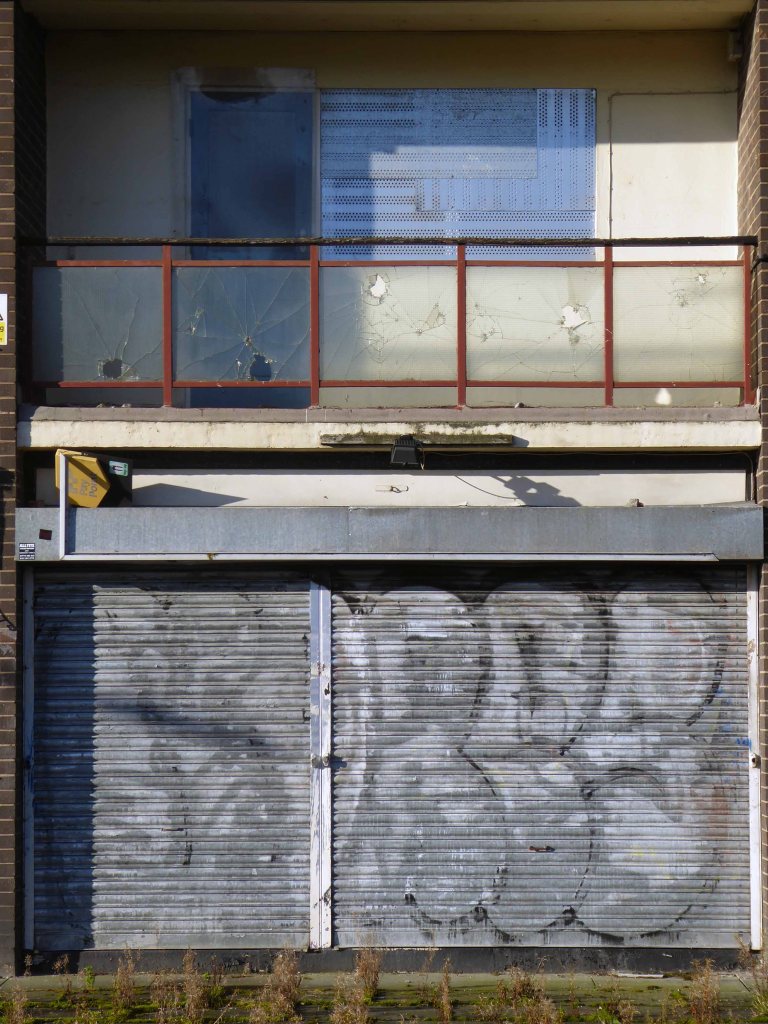
Stasis is the order of the day – the last stand for this forlorn stand of shops.

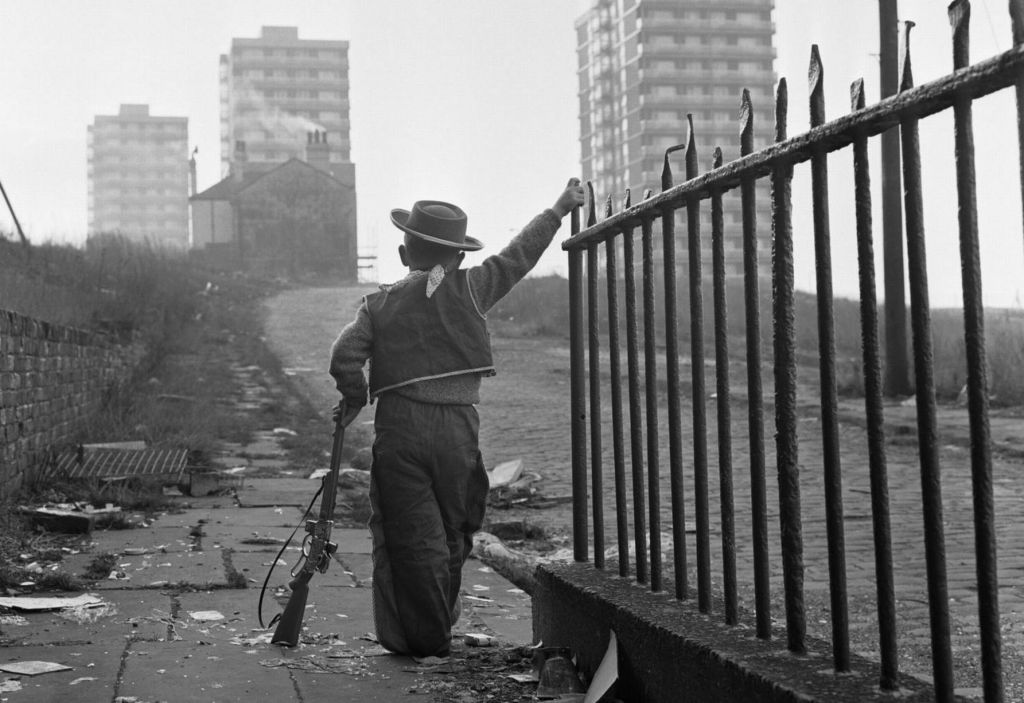
Once the realm of cobbles, railings, high rise arrivals and urban cowboys – an area overwhelmed by the weight of its past and the insubstantial promise of a sustainable future.

Where once productive and fulfilling lives were lived, buddleia now blooms, whilst thin grass entwines around forlorn fencing and betwixt ever widening cracks in the uneven paving.

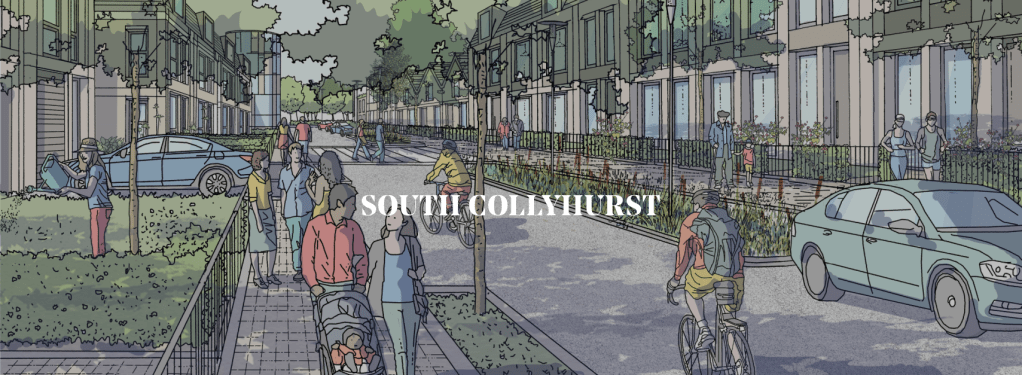
Development in South Collyhurst will take the form of residential-led, family-focused neighbourhoods. We’ll be providing a variety of housing types and tenures to encourage diversity, along with a mix of social and community infrastructure that supports a family lifestyle in close proximity to the city centre.

Northern Gateway

There are two ideas of government. There are those who believe that if you just legislate to make the well-to-do prosperous, that their prosperity will leak through on those below. The Democratic idea has been that if you legislate to make the masses prosperous their prosperity will find its way up and through every class that rests upon it.

William Jennings Bryan 1896

Indeed, You have turned the city into a heap of rubble, a fortified town into ruins; the fortress of strangers is a city no more; it will never be rebuilt.

Isiah 25:2

And they that shall be of thee shall build the old waste places: thou shalt raise up the foundations of many generations; and thou shalt be called, the repairer of the breach, the restorer of paths to dwell in.

Isiah 58:12

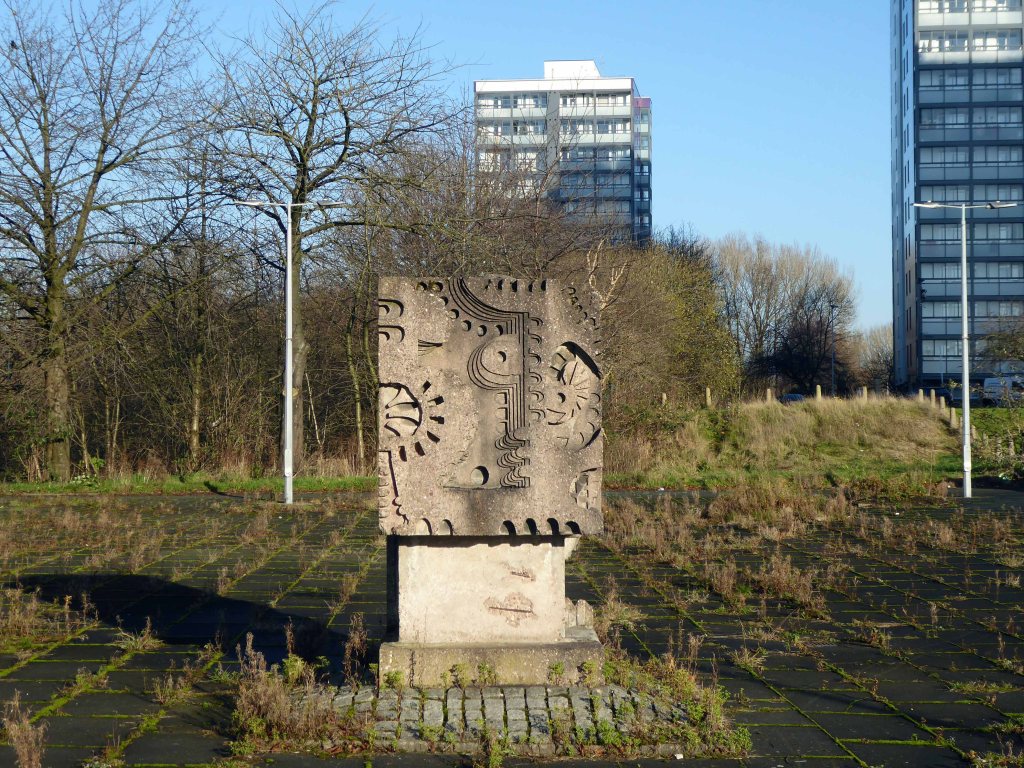
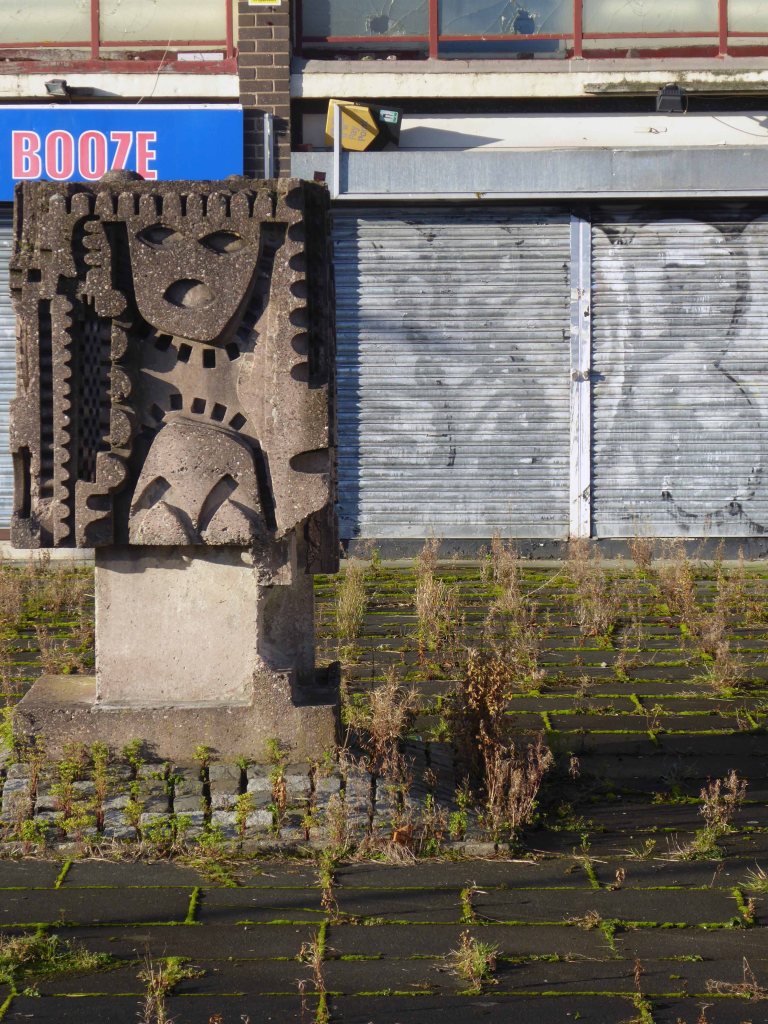
The putative William Mitchell cast concrete block stares stolidly at its surroundings, overseeing a slow and painful decline.

All that is solid melts into air, all that is holy is profaned, and man is at last compelled to face with sober senses his real conditions of life, and his relations with his kind.

Manifesto of the Communist Party

There’s no business like no business – it’s no better out the back.

This is an unprecedented opportunity to deliver a significant residential-led development connecting the north to the centre of Manchester. Working with our partners we’re re-imagining the essential neighbourhoods of our city.

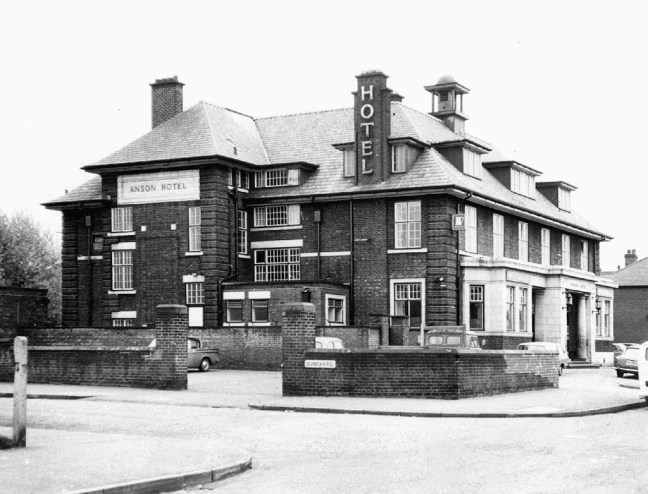
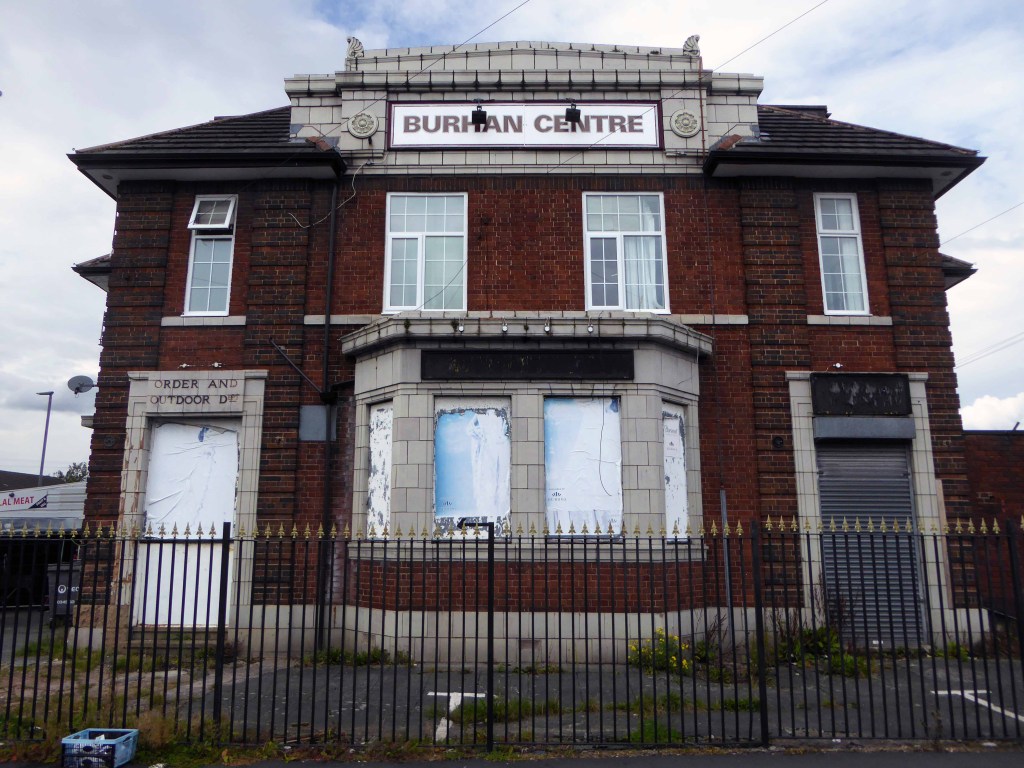
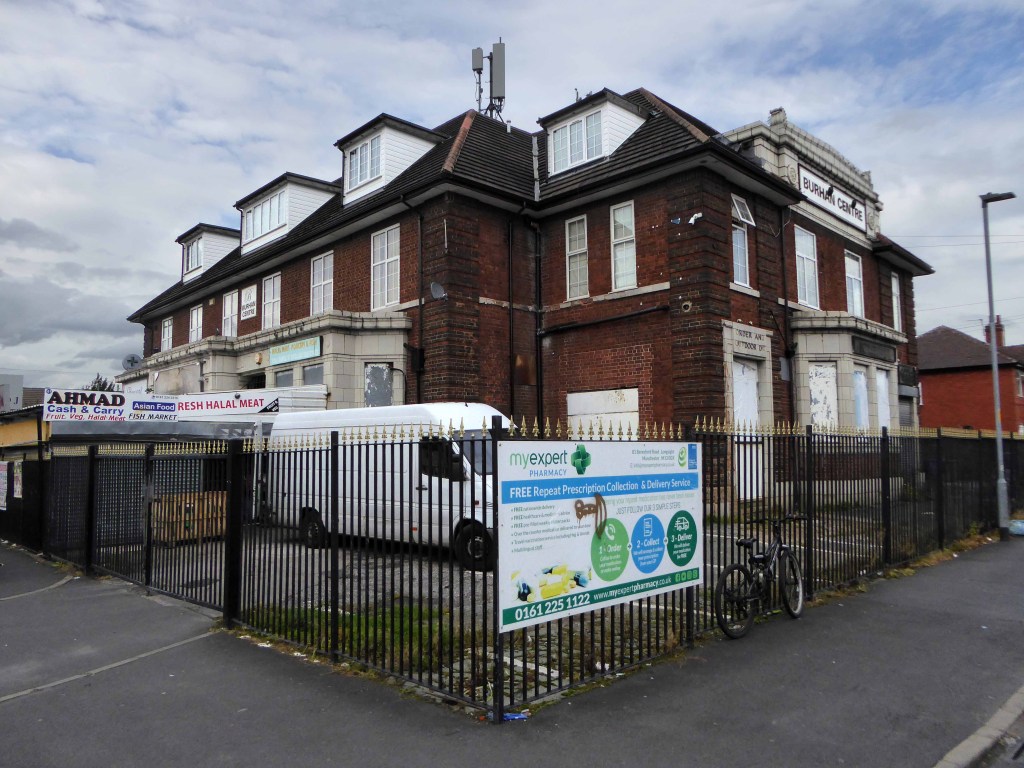
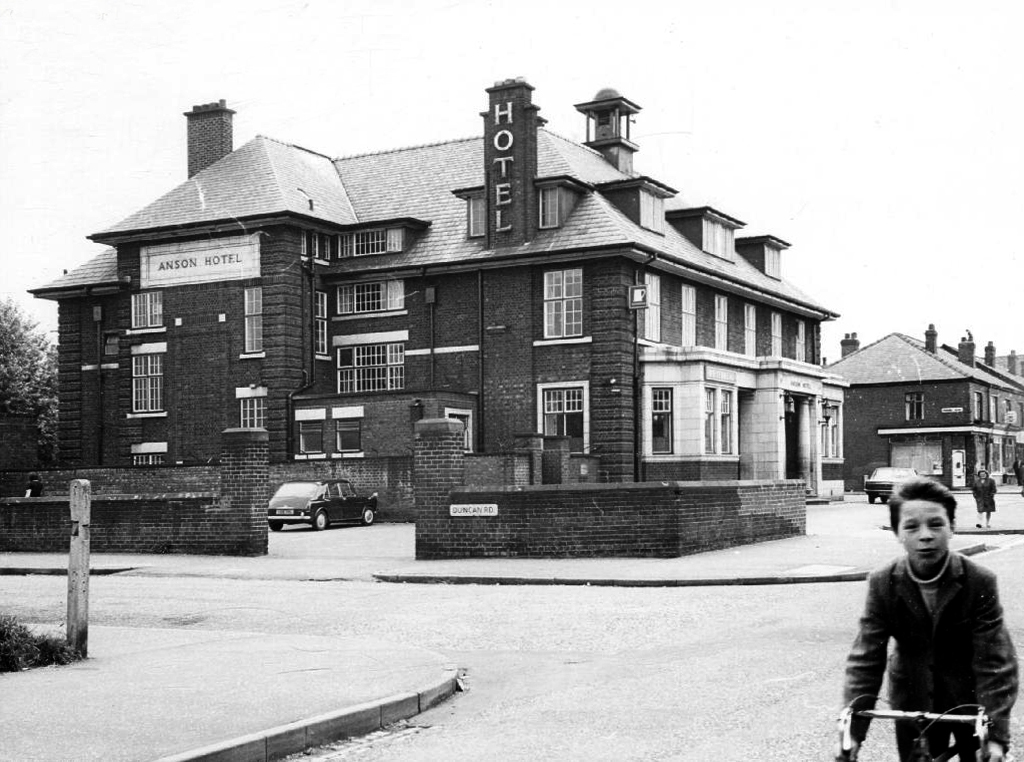
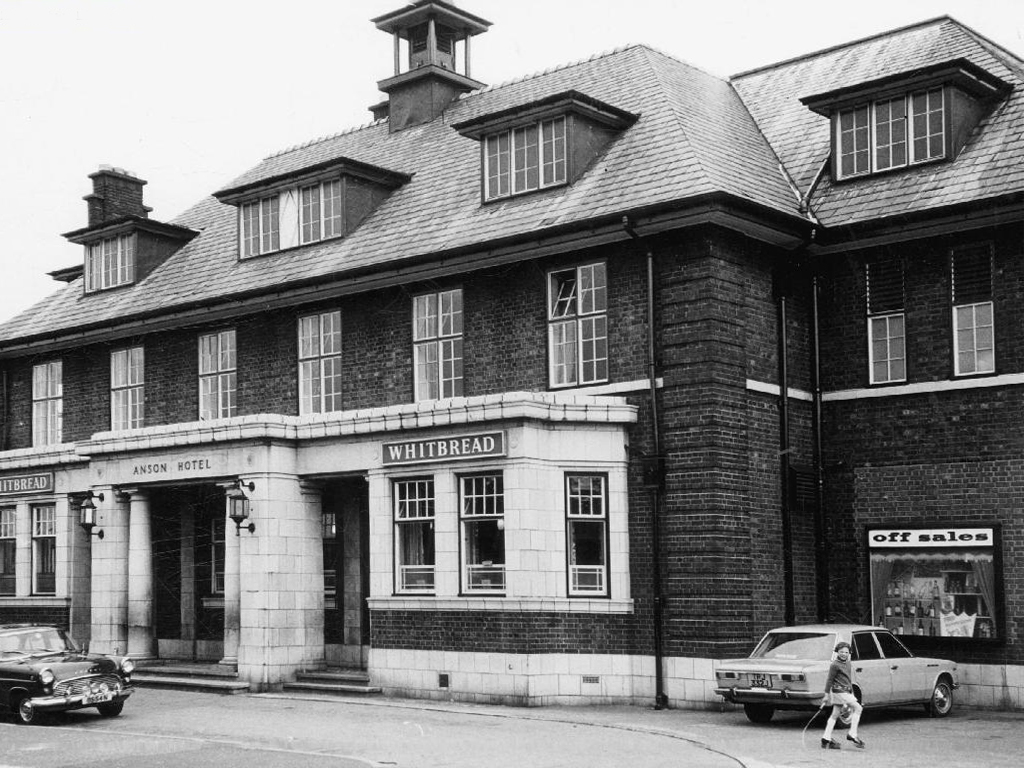
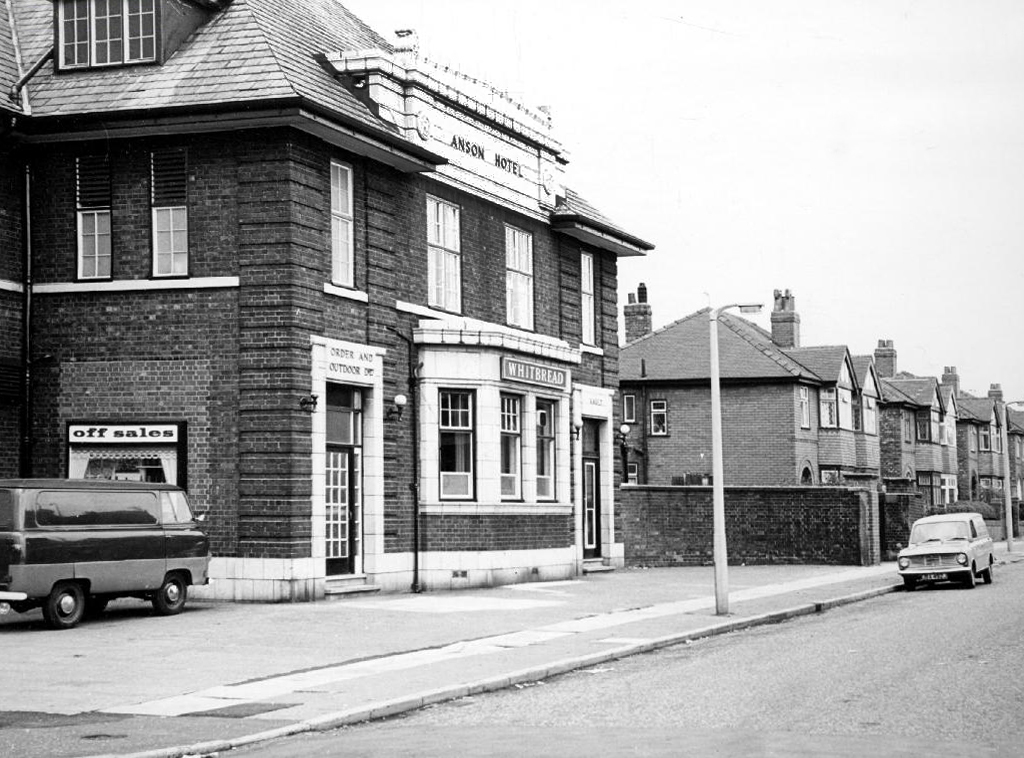
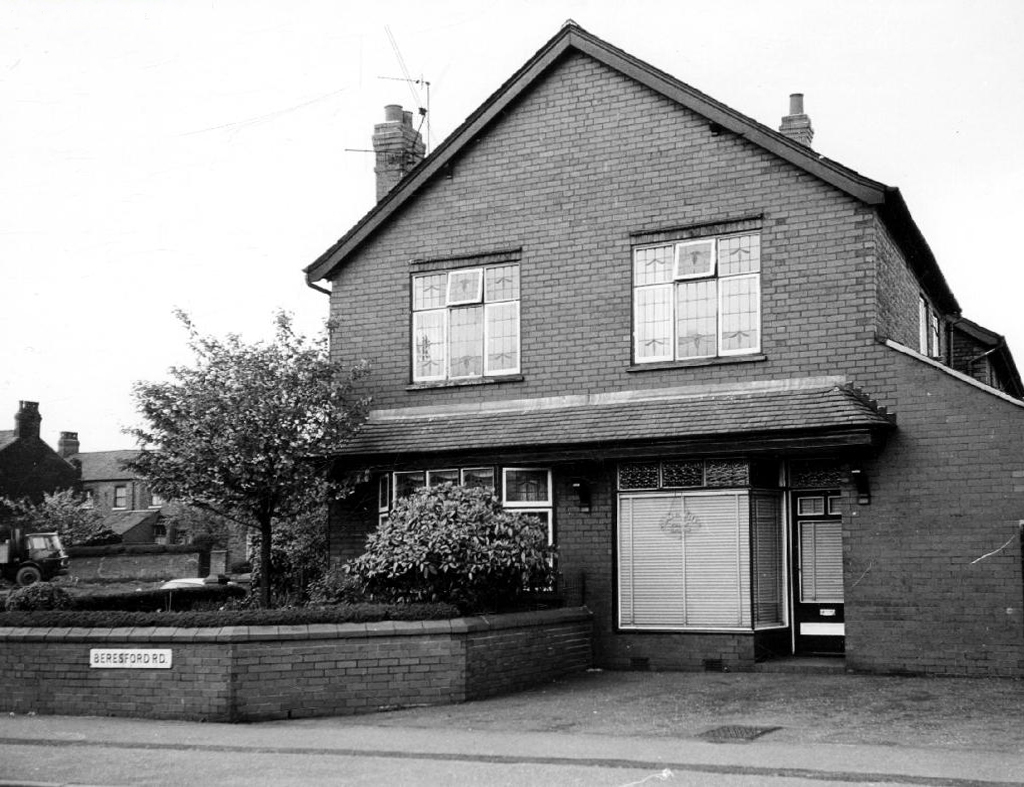
Anson Hotel – Beresford Road Manchester

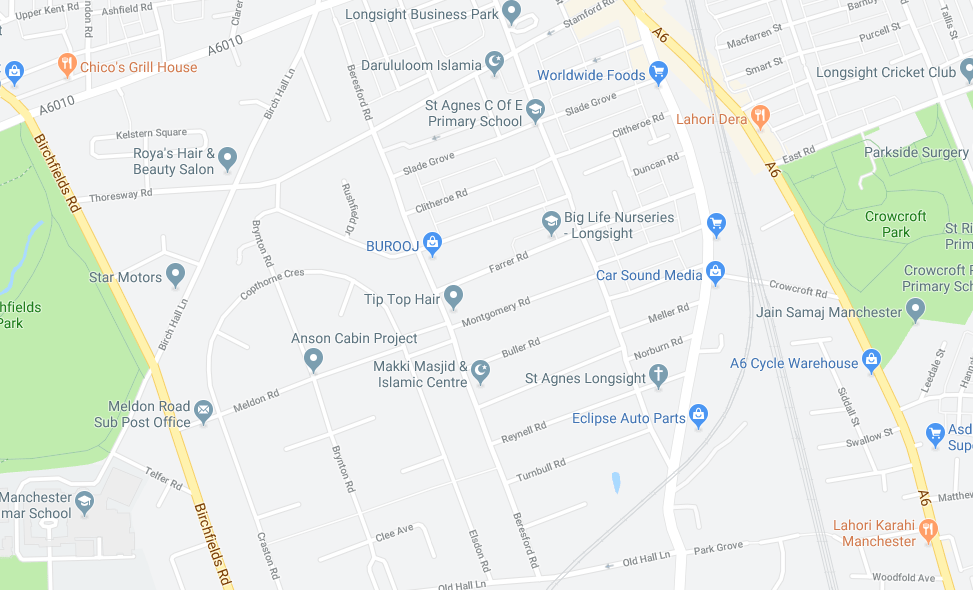
Cycling back from Town, zig zagging between the A6 and Birchfields Road, I headed down Beresford Road and bumped into a behemoth.

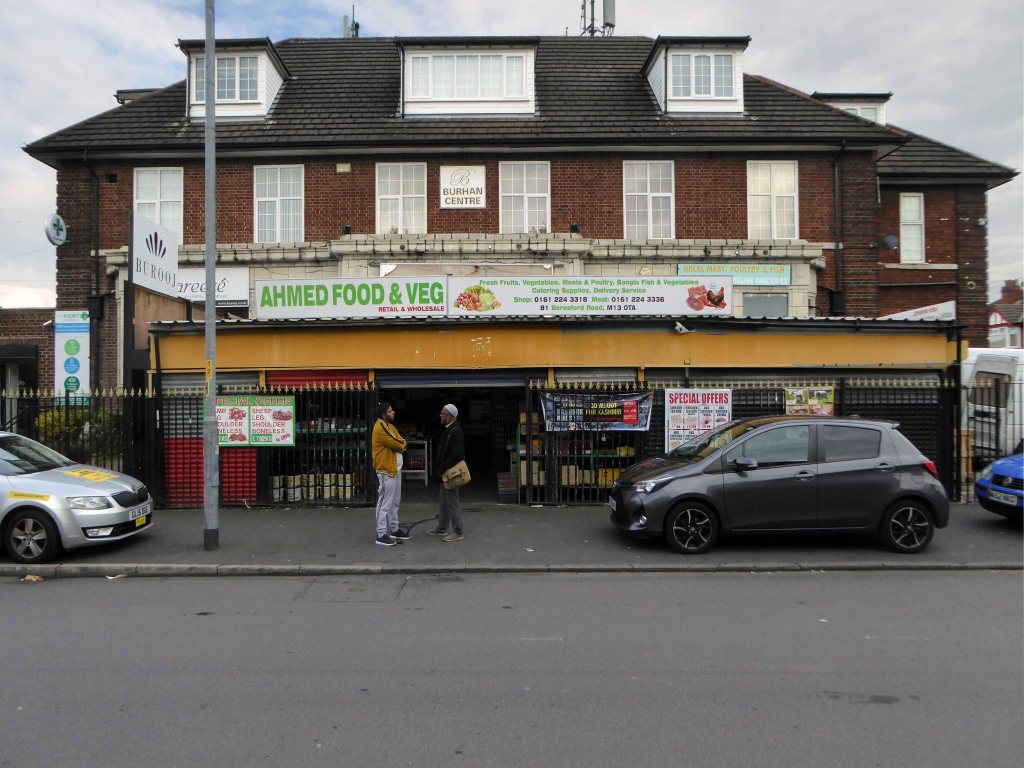
A huge inter-war Whitbread boozer long since closed, now a retail food outlet and badged as the Buhran Centre, also trading as Burooj.

This change of use is far from uncommon, the demographics, socio-economic conditions and drinking habits which shape this and countless other pubs, have since shifted away from the lost world of this immense, roadhouse-style palace of fun.

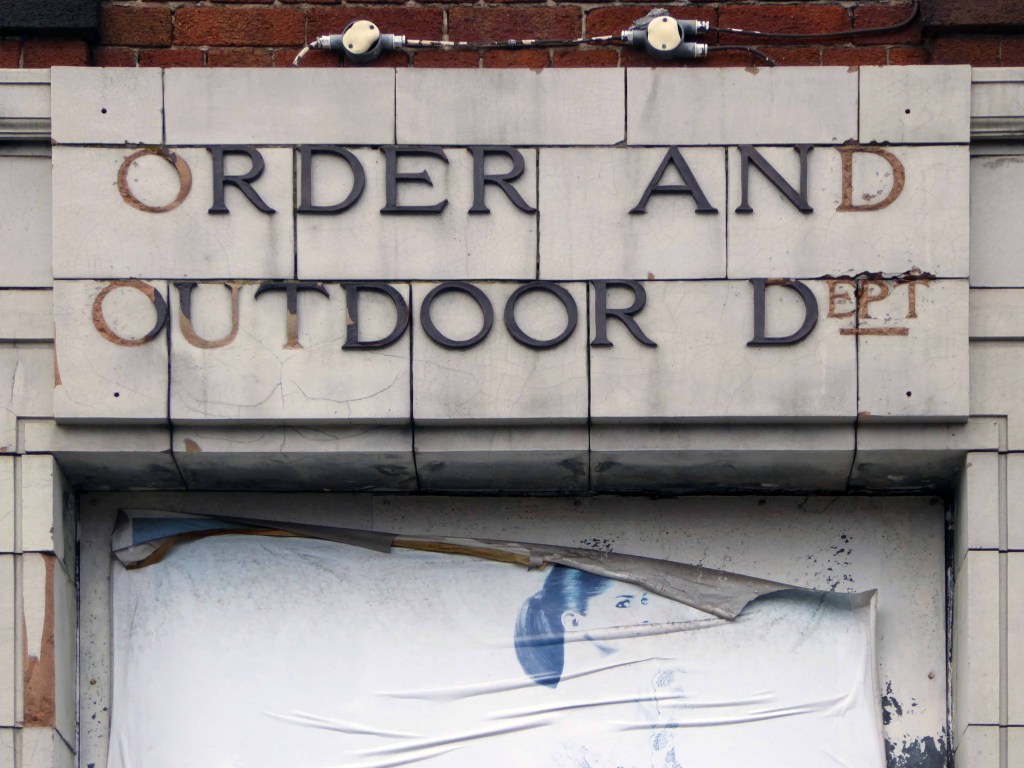
No more outdoor or orders here – the supermarket now supplies the supplies for the self satisfied home drinker.

The sheer scale of the building guaranteed its demise, a three storey house with no more stories to tell.

Searching online for some clues as to its history there is but one mention, on the Pubs of Manchester:

This is my attempt, in some small way, to redress the balance, snapping what remains of this once top pub.

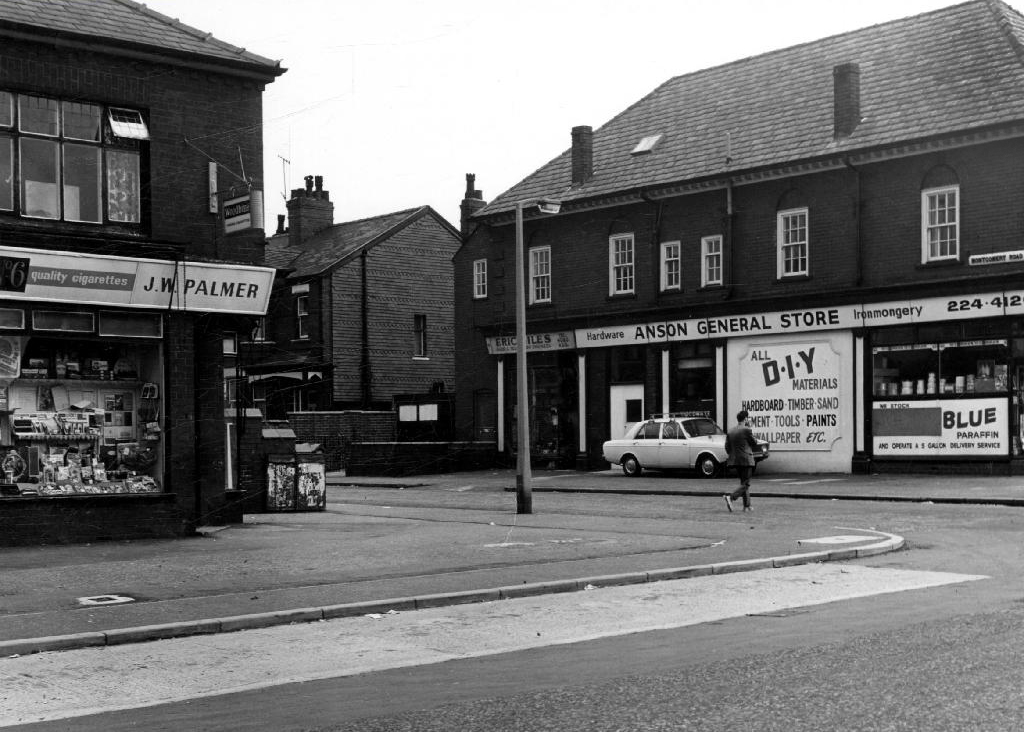
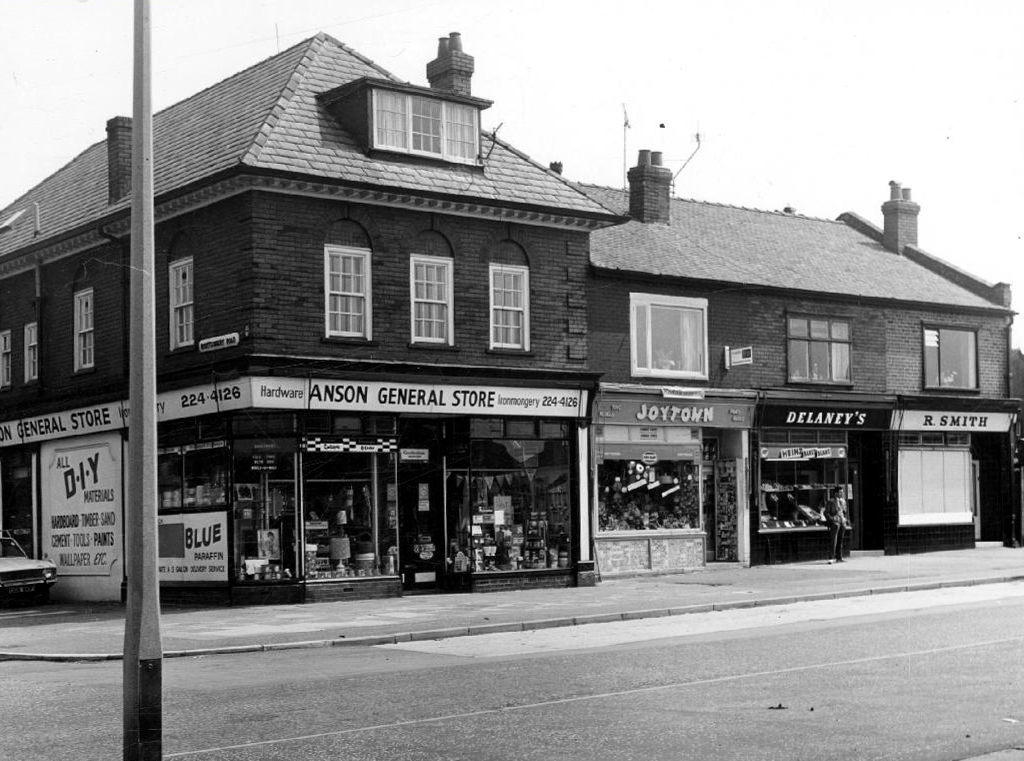
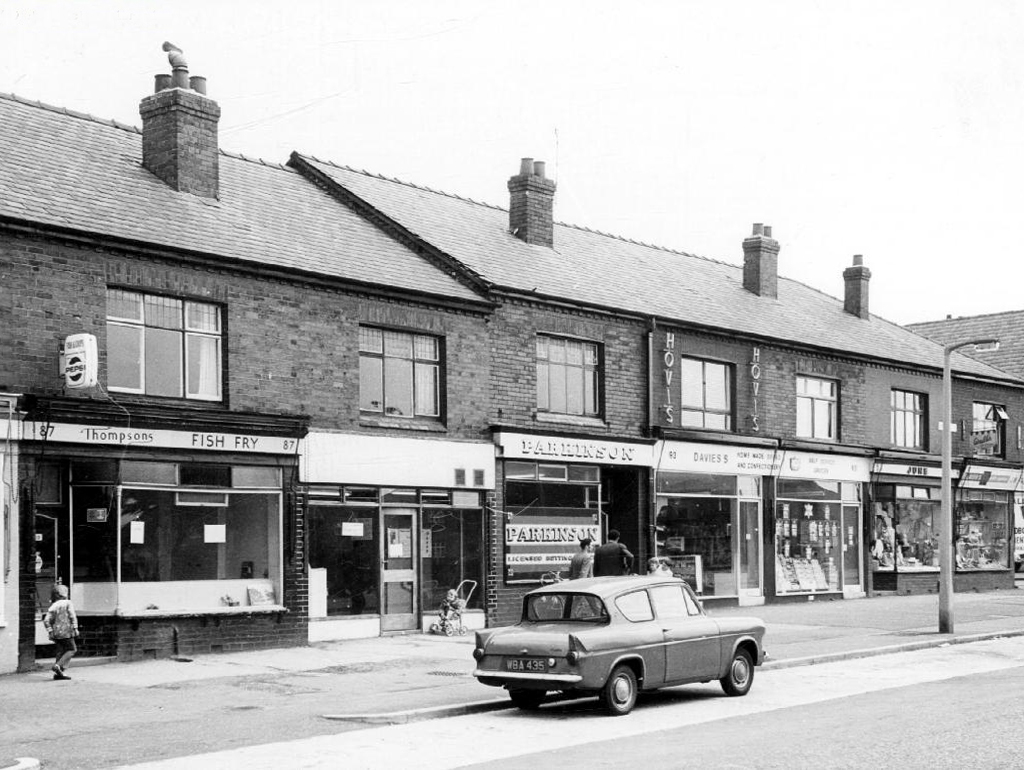
Safe home I searched the Manchester Local Image Collection, hoping to find some clues and/or images elucidating Beresford Road and the Anson in times gone by.

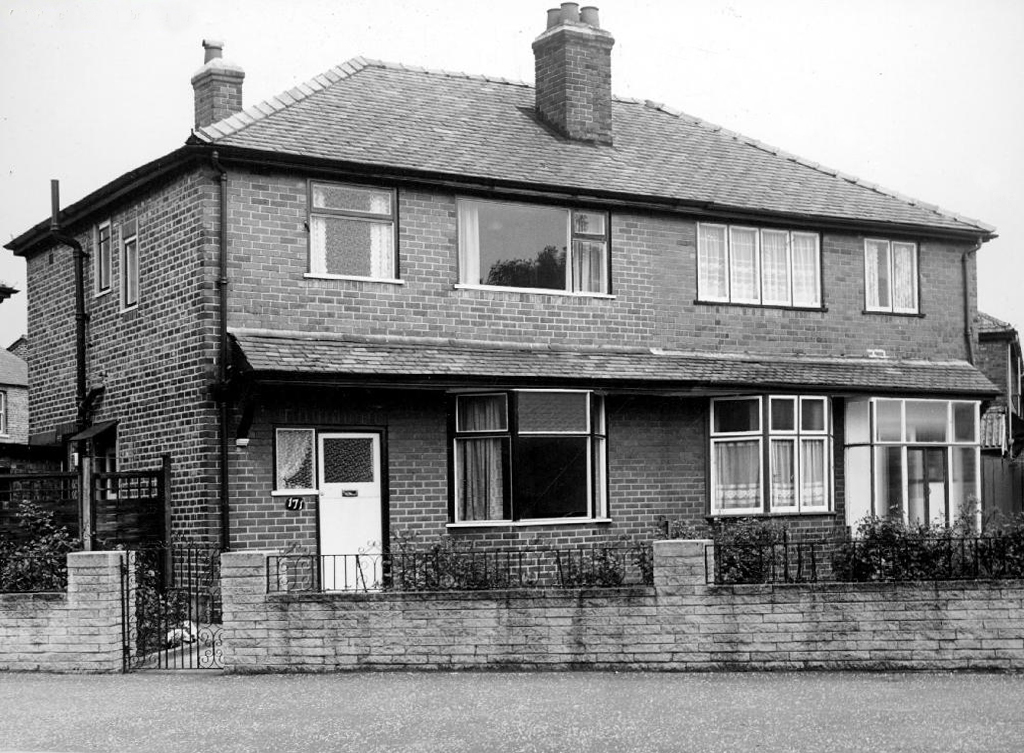
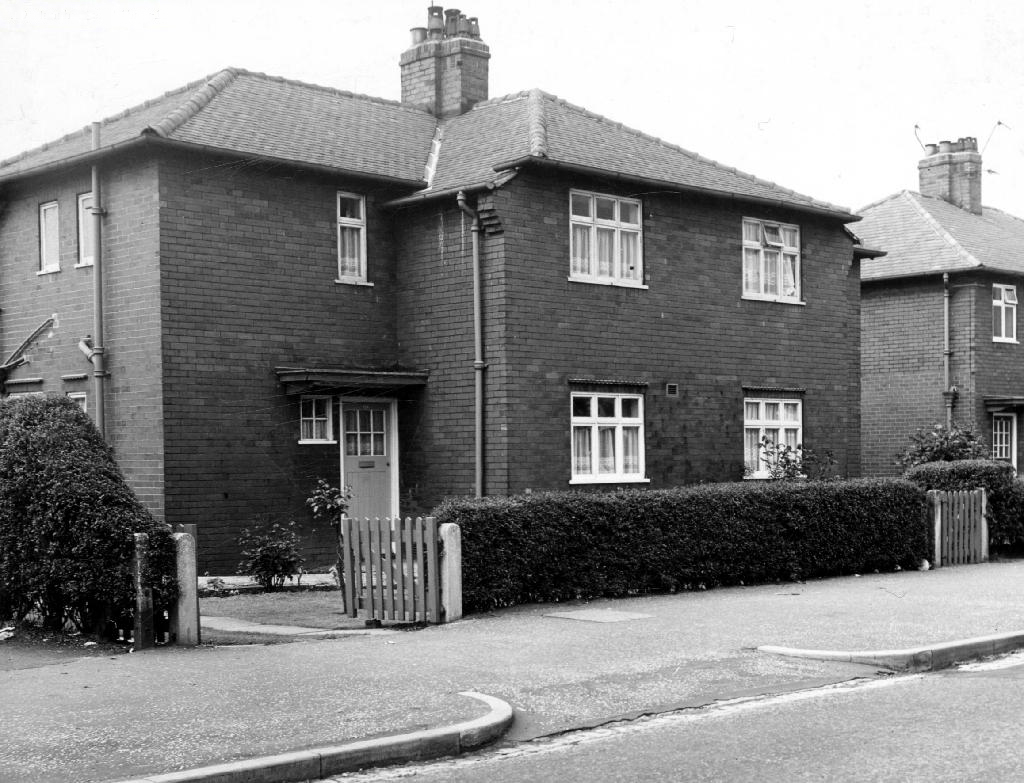
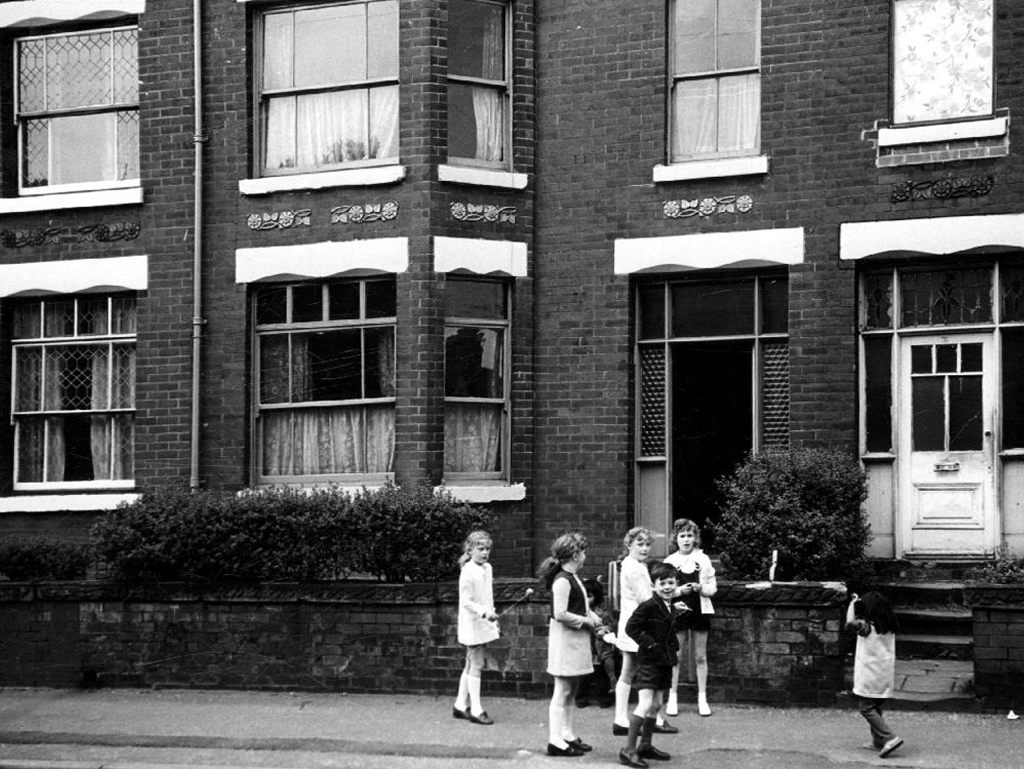
I found a typical inner Manchester suburban thoroughfare, a healthy mix of homes socially and privately owned, industry, independents shops, schools and such. Kids at play, passers-by passing by, captured in 1971 by the Council’s housing department photographers.

This was not a Golden Age – wasn’t the past much better, brighter, cheerier and cleaner reminiscence – simply a series of observations.

Things change.

Including the Anson Hotel.

Odeon – Guide Bridge

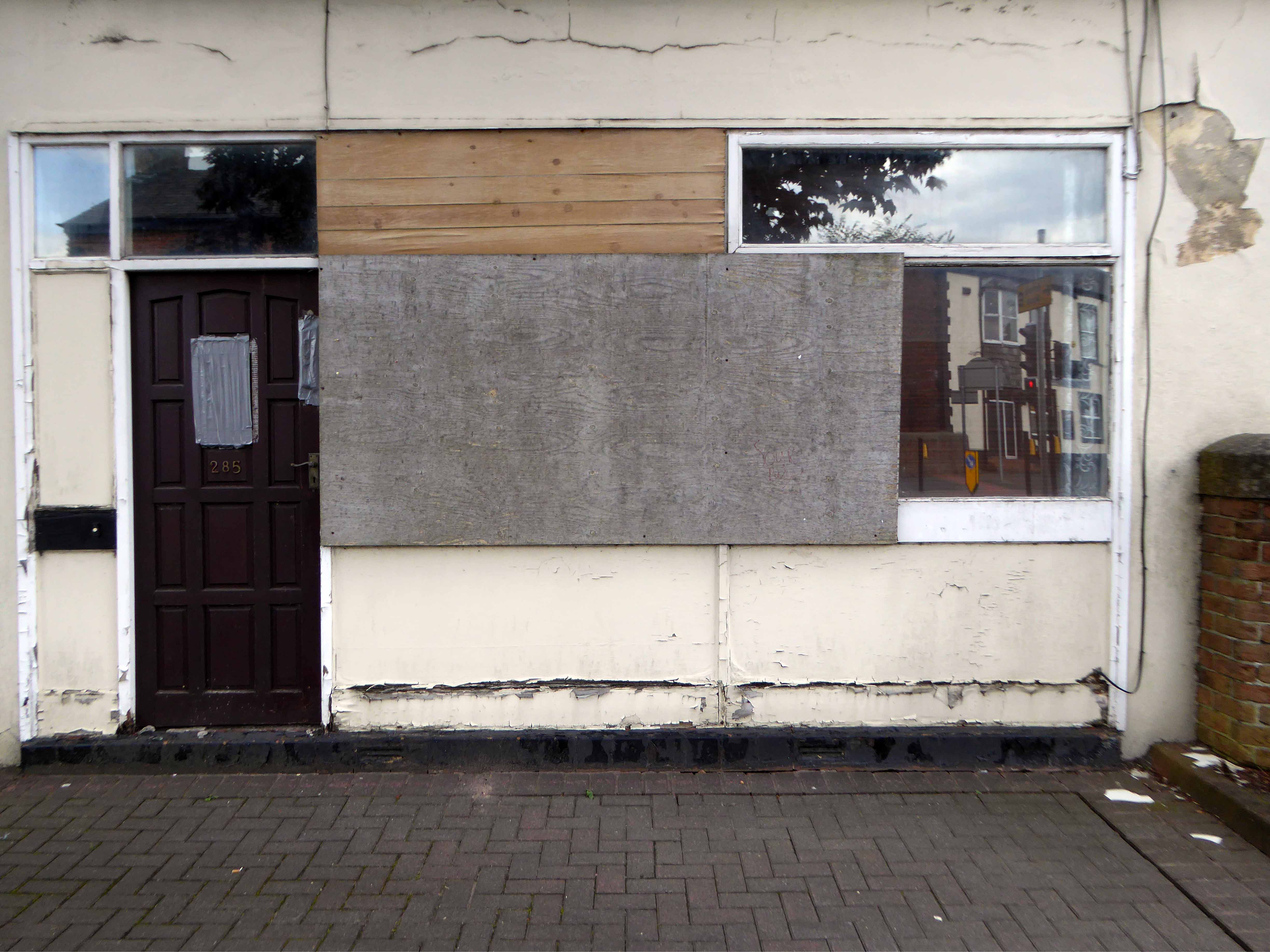
285 Stockport Road Guide Bridge Ashton-under-Lyne

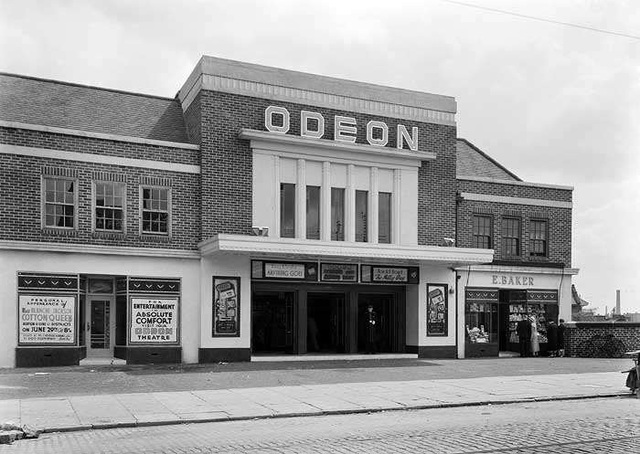
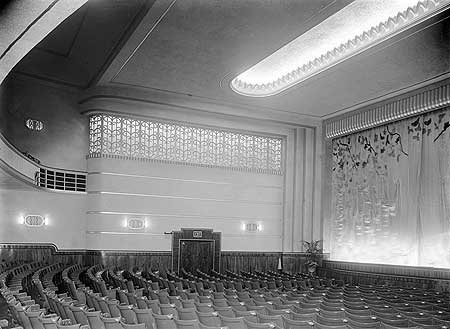
This was planned to be the Verona Cinema, a project of local builders – P Hamer Verona Cinema Ltd. The construction of the cinema was almost completed when Hamer sold the building to Oscar Deutsch and it opened as one of his Odeon theatres.

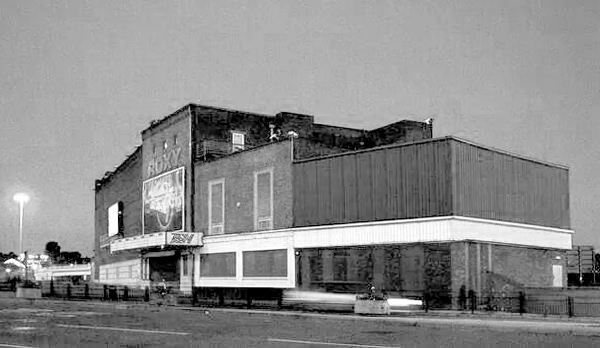
Hamer then used the proceeds of the sale to build the Roxy Cinema Holinwood, which was designed by Drury & Gomersall.

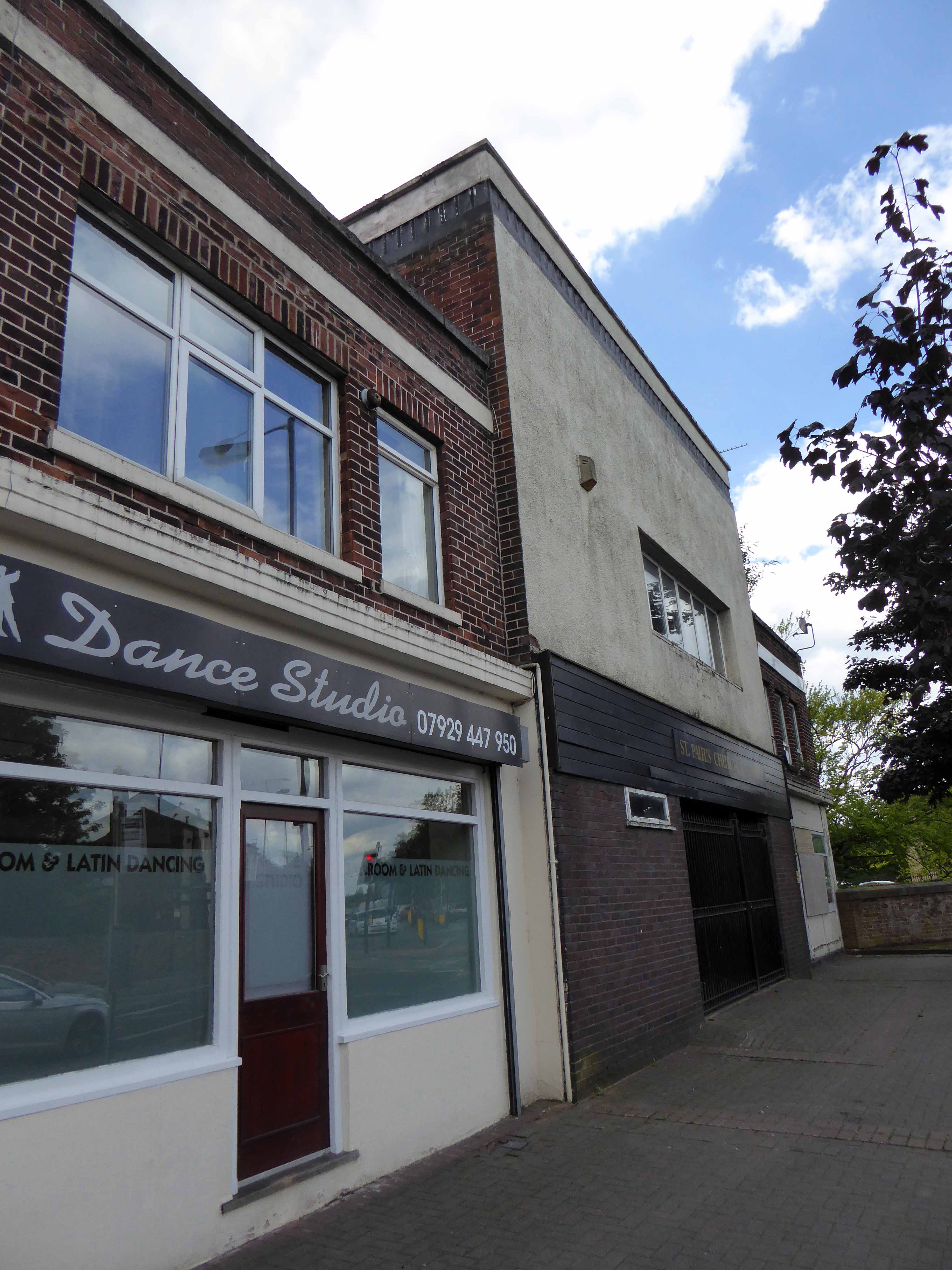
Opening date of the Odeon Theatre was 29th June 1936, when the first programme was Bing Crosby in “Anything Goes” and Harold Lloyd in “The Milky Way”. Designed by the noted cinema architectural firm of Drury & Gomersall, the frontage had a neat entrance in brick, with white stone facings on the window surrounds. There was a parade of shop units on each side of the entrance which had matching brickwork and a white stone trim.

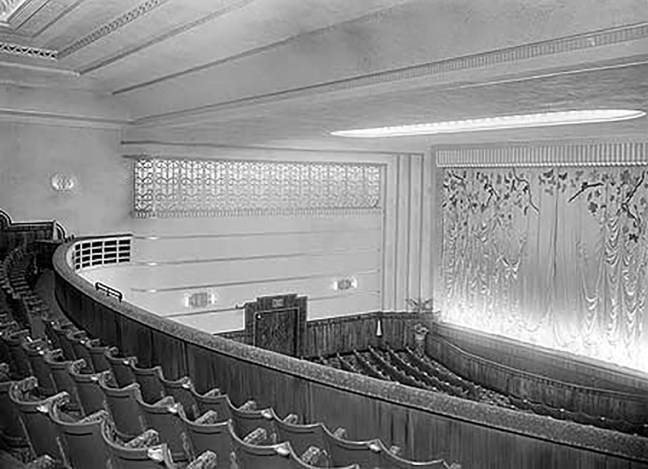
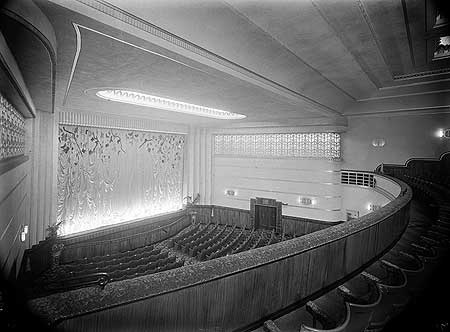
Inside the auditorium the seating was arranged for 834 in the stalls and 330 in the circle. The side splay walls on each side of the proscenium was decorated in wide horizontal bands, and topped with a backlit illuminated grille.

The Odeon was closed by the Rank Organisation on 11th March 1961 with Kenneth More in “Man in the Moon”.

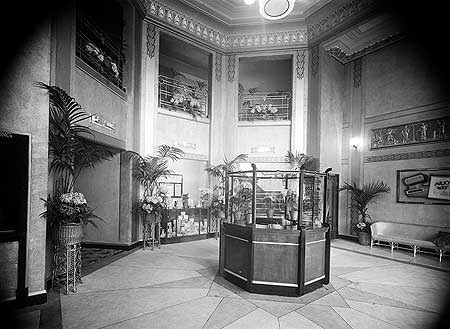
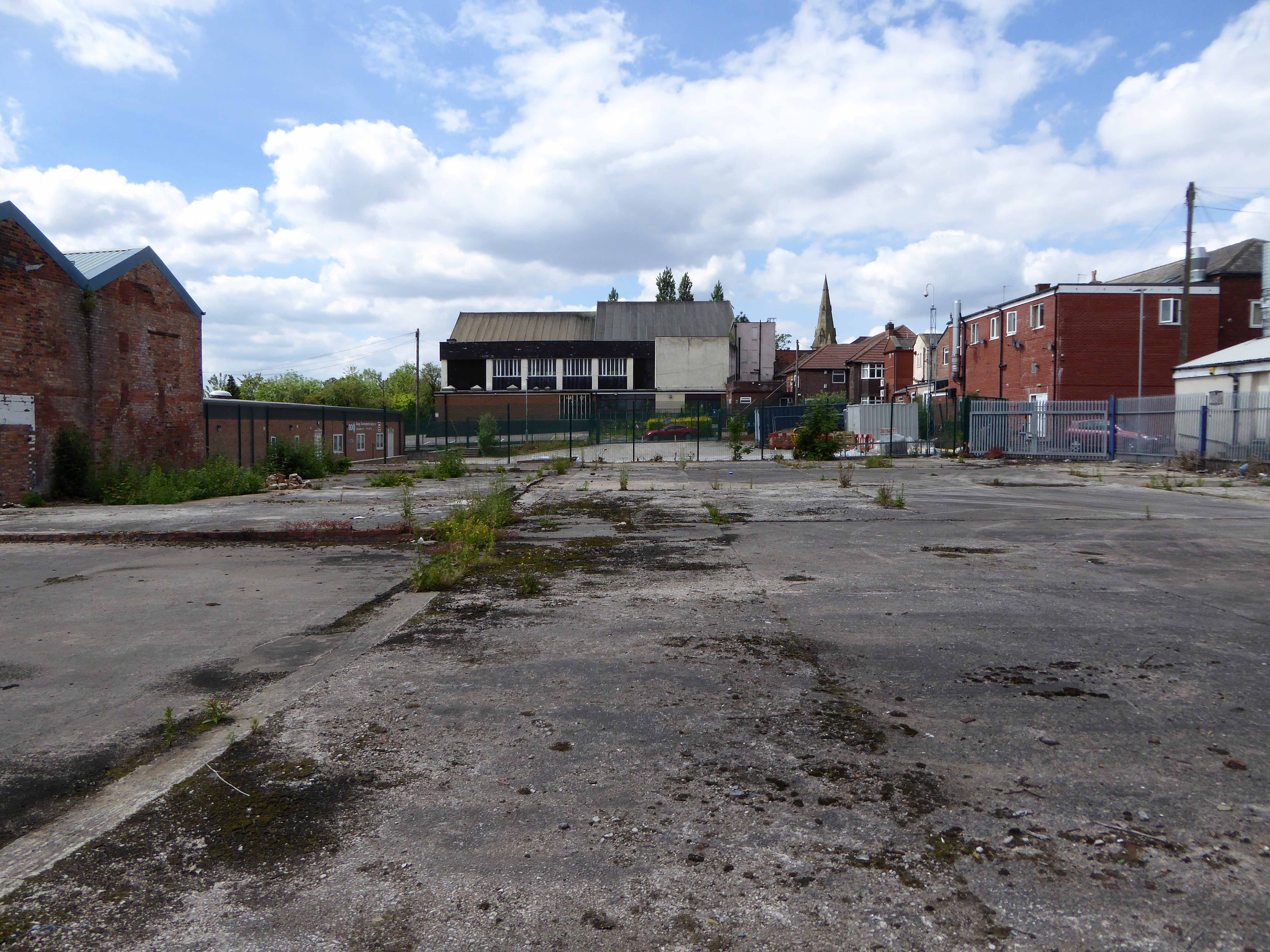
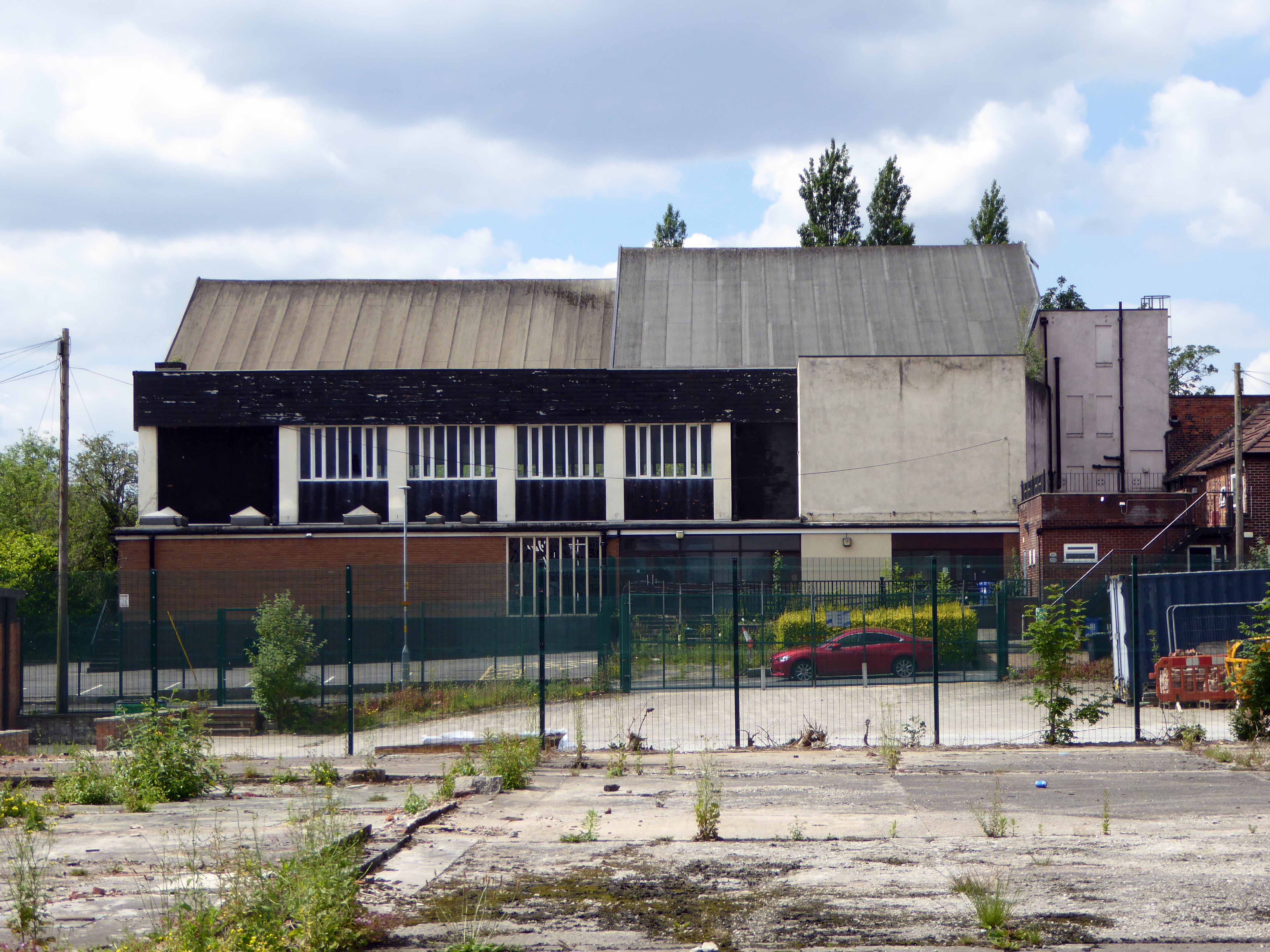
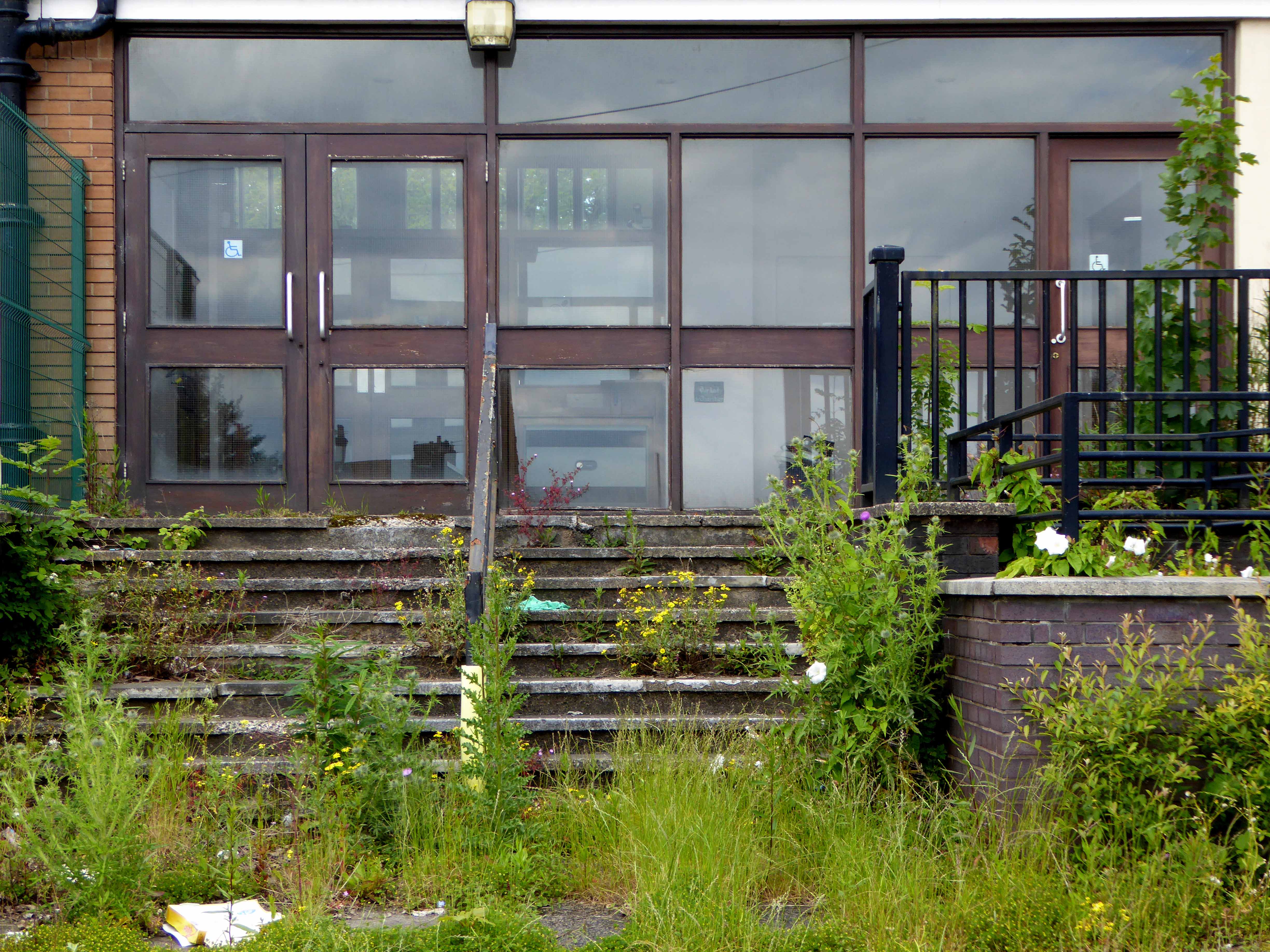
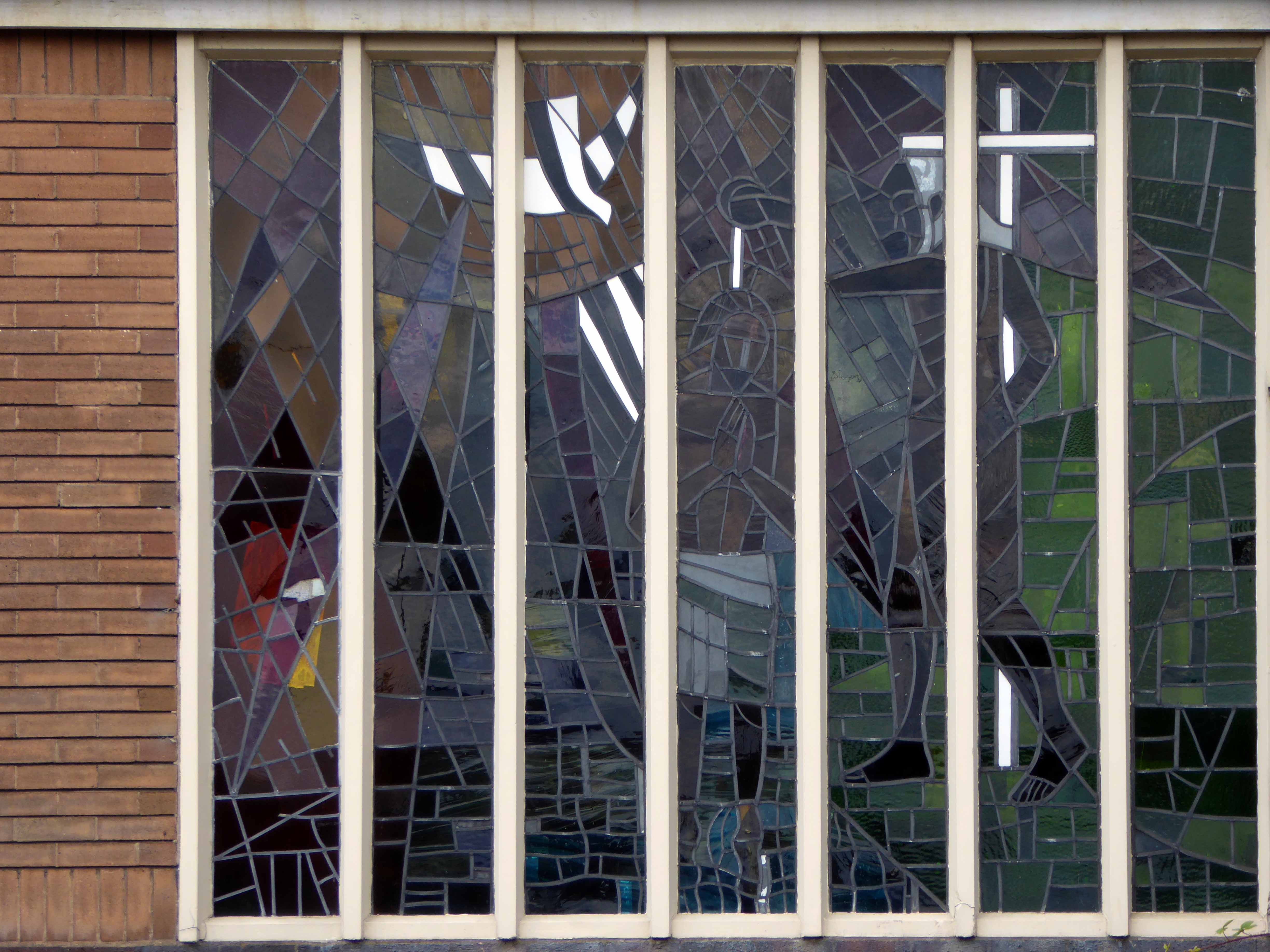
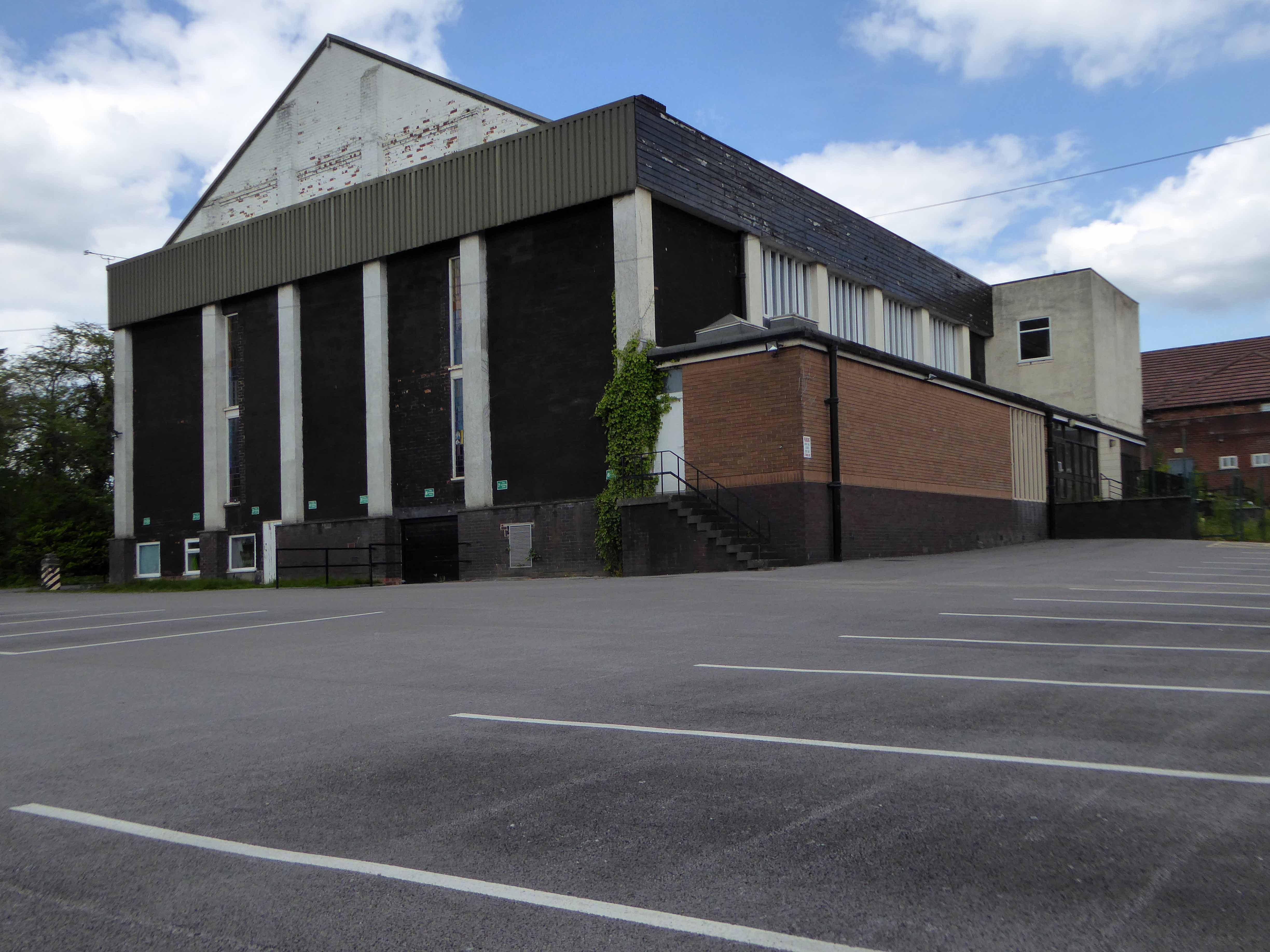
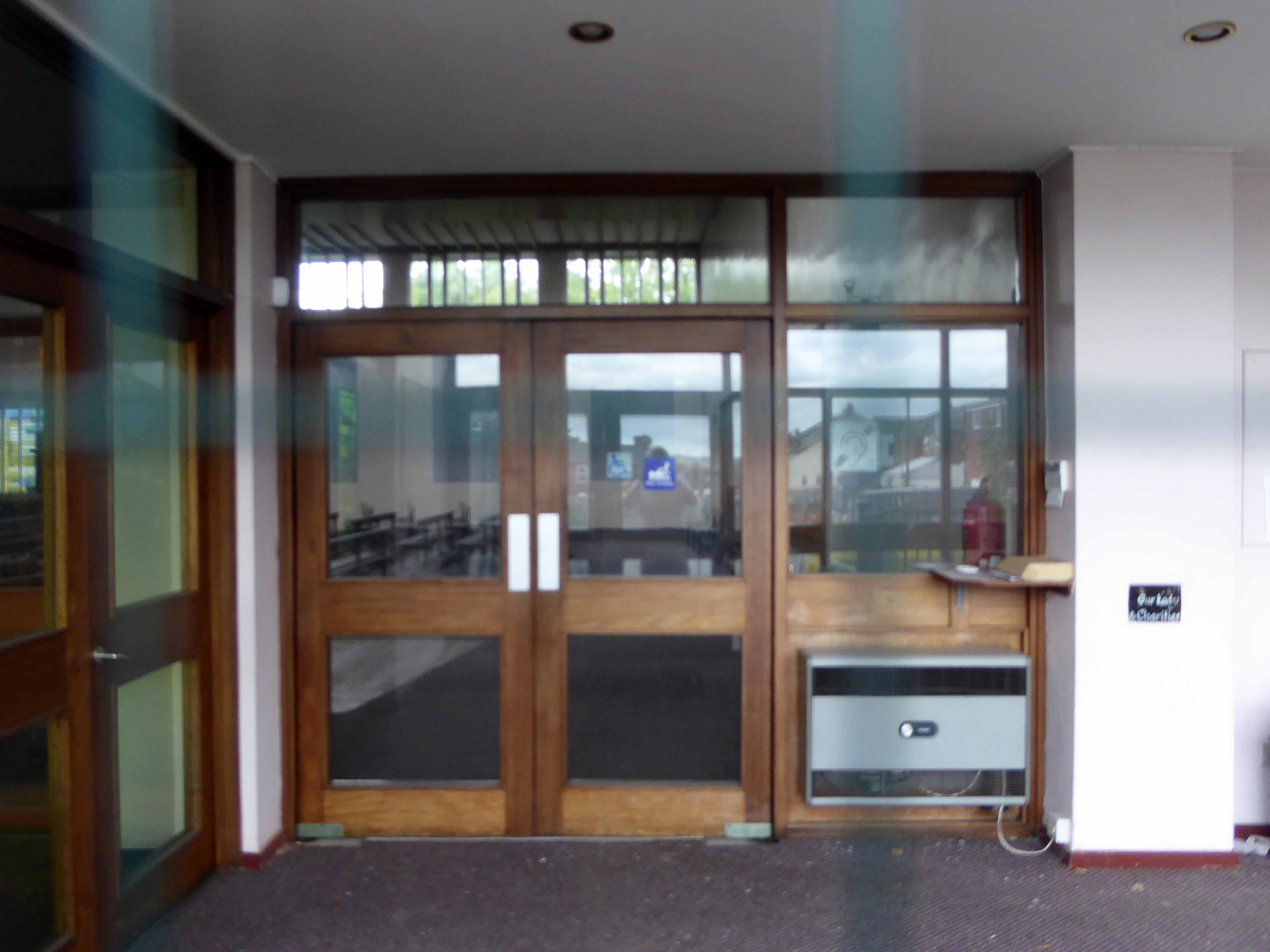
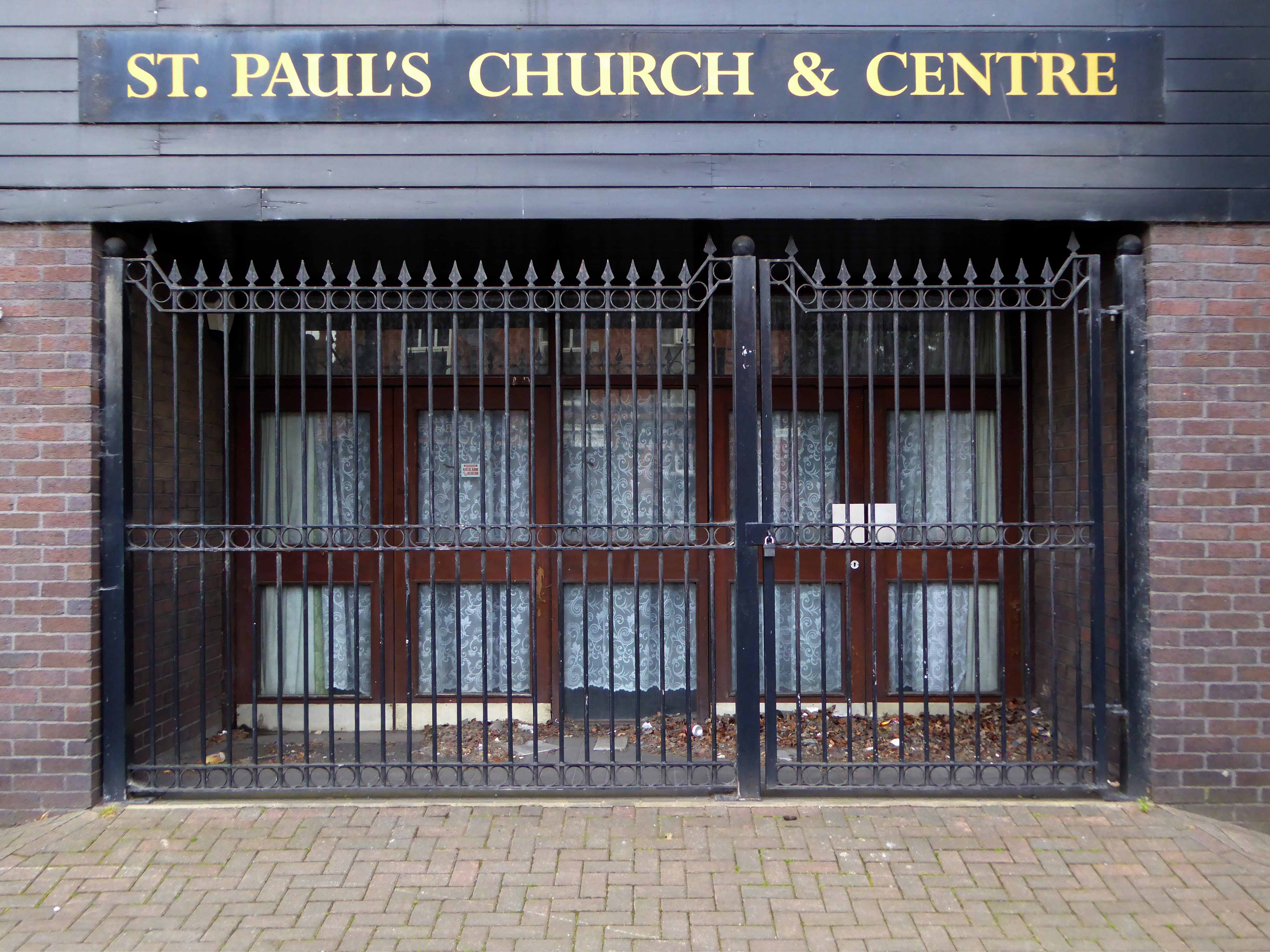
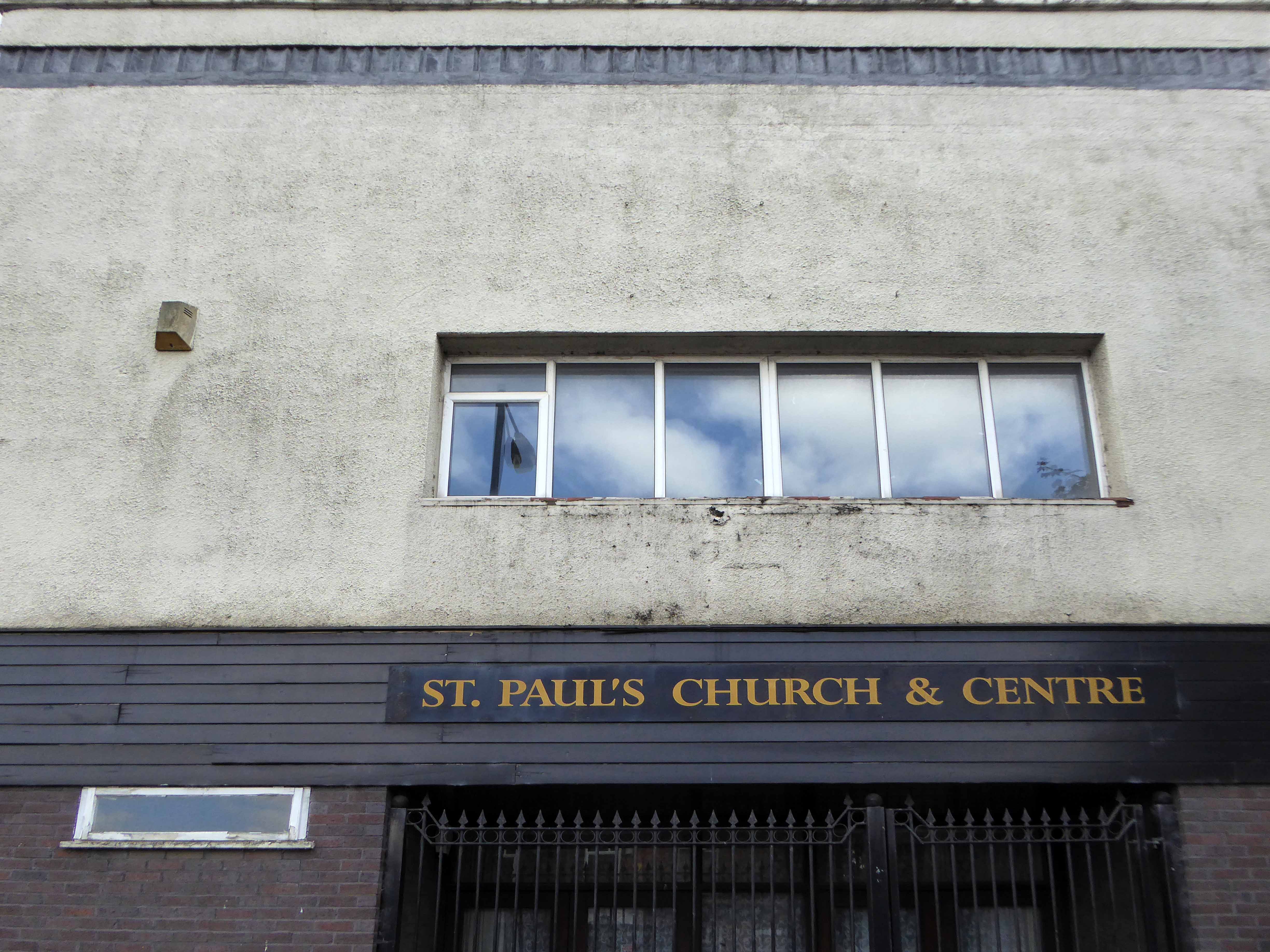
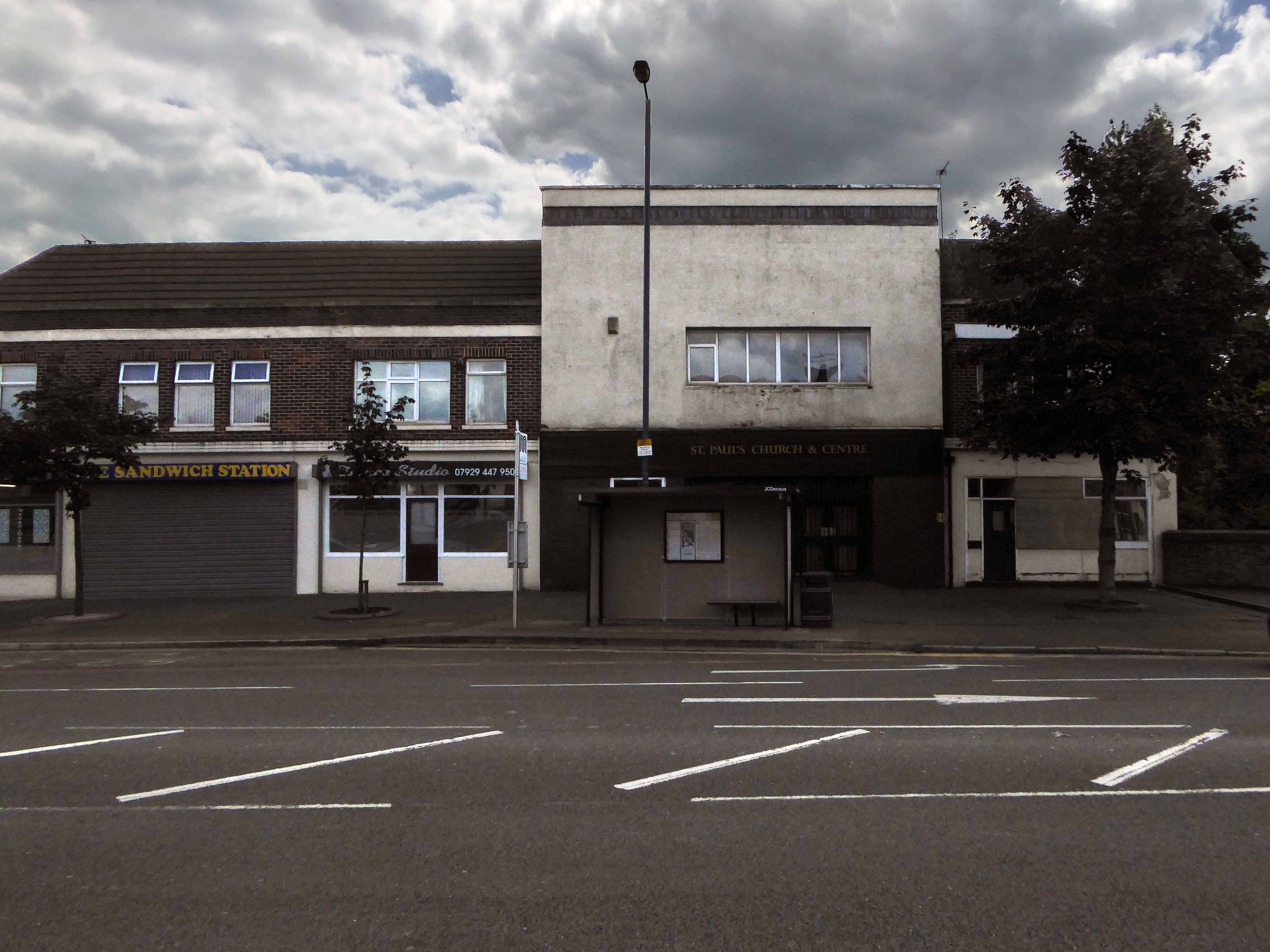
It was converted into St. Paul’s Roman Catholic Church. Former cinemas have made good conversions to churches and the fabric of the buildings are generally respected. In this case though, the sad story is that the front entrance has been rendered over and inside all details of it cinematic past have been erased. You would never know you were inside what had been been an Art Deco styled building.

Contributed by Ken Roe Cinema Treasures

I passed by nearly every day for years travelling to and from school, I played there at a wedding reception in the church social club. I sadly have no recollection of the building in use as a cinema.

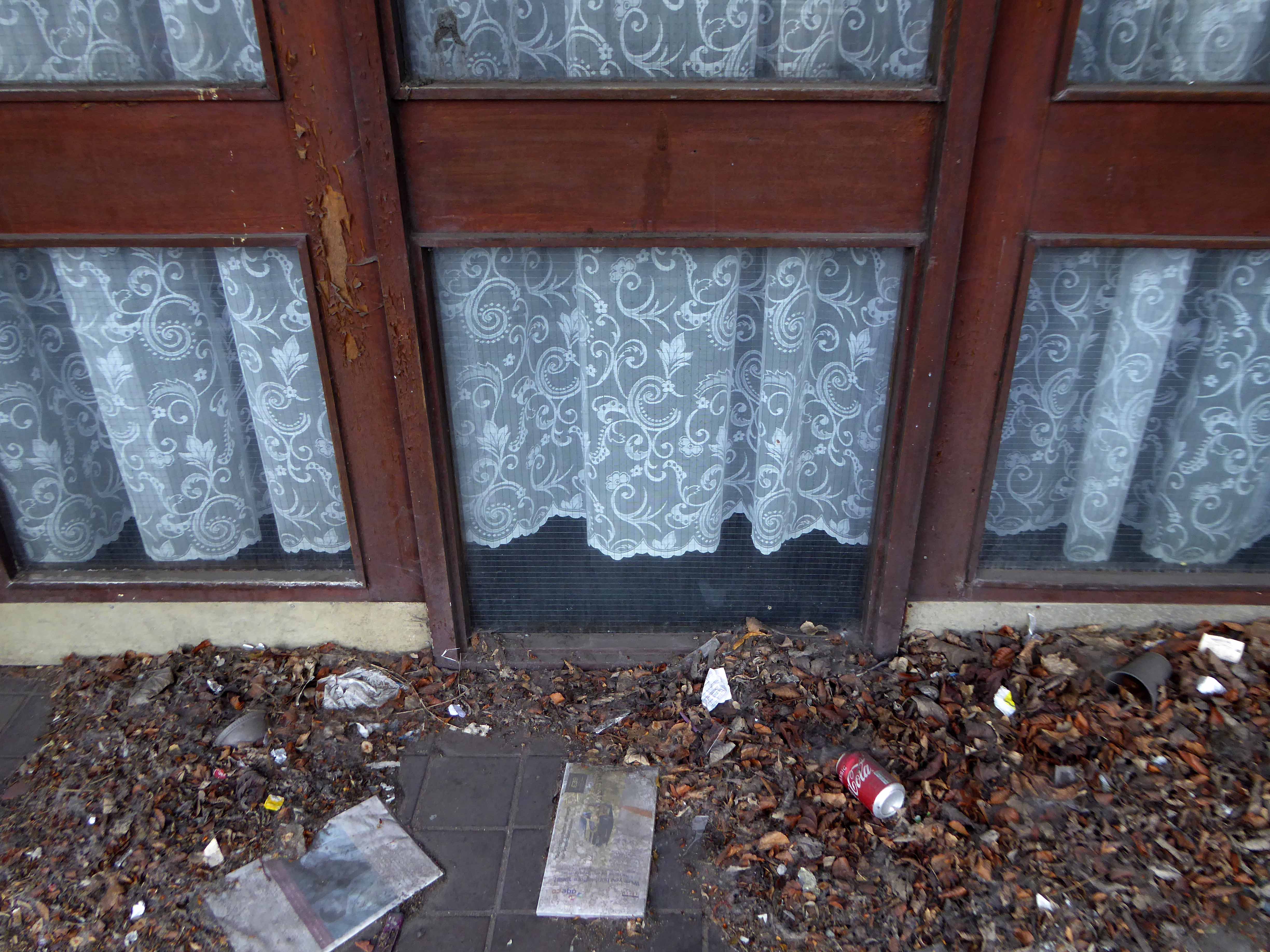
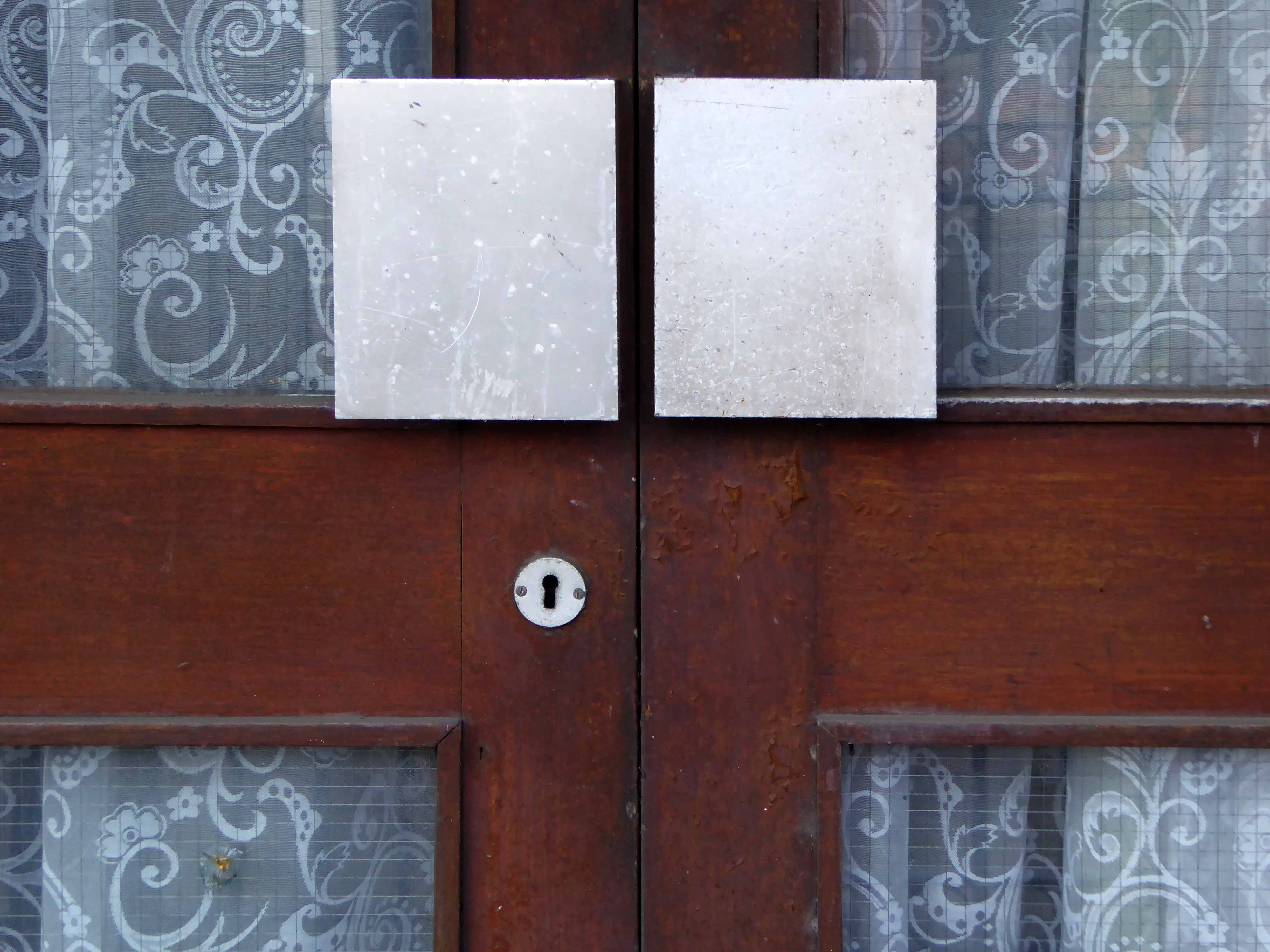
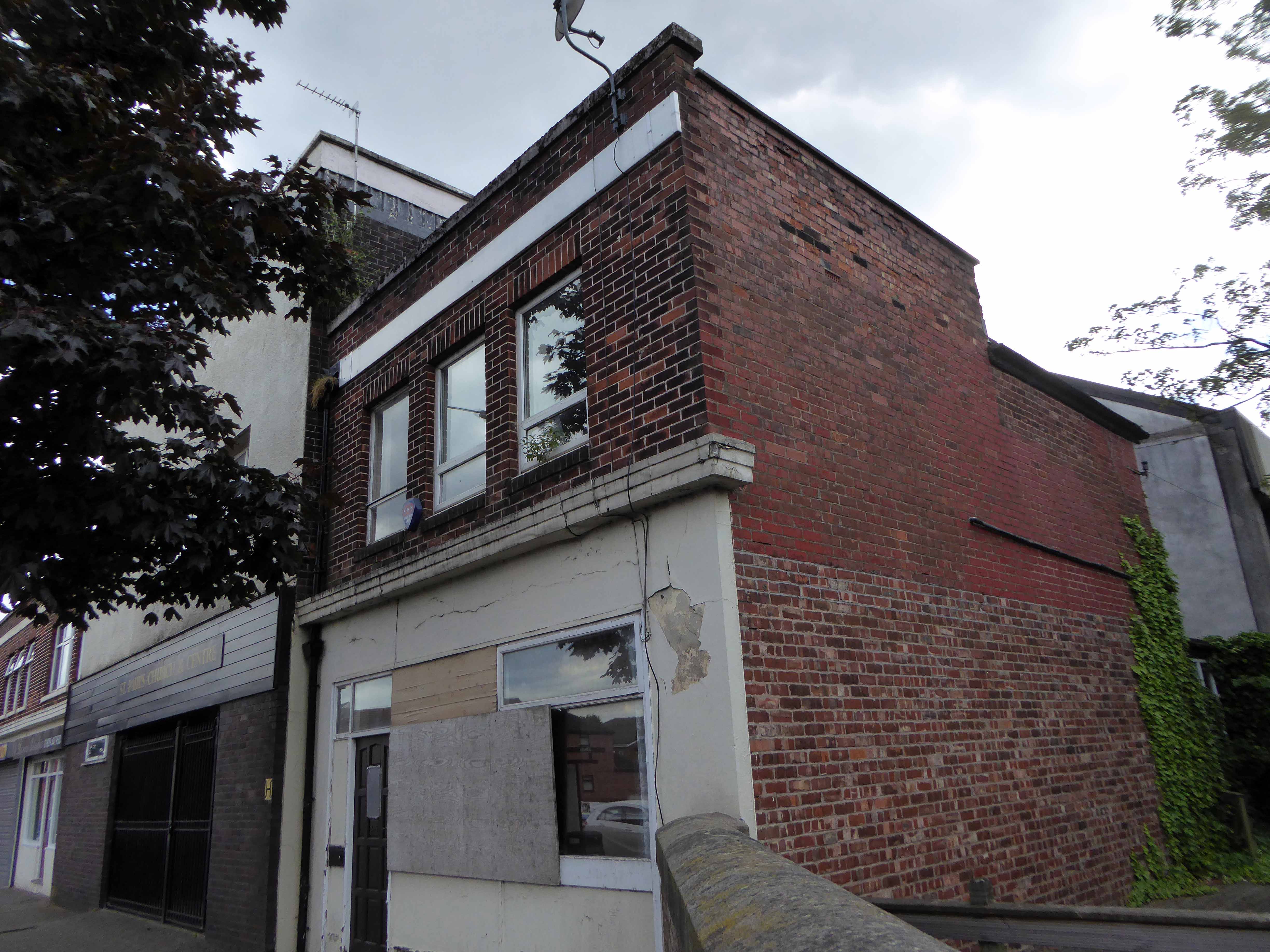
It has been closed since 2010 – currently it has no purpose or seemingly any future use, there are no For Sale signs in evidence.

Fallen so quickly and absolutely from grace.

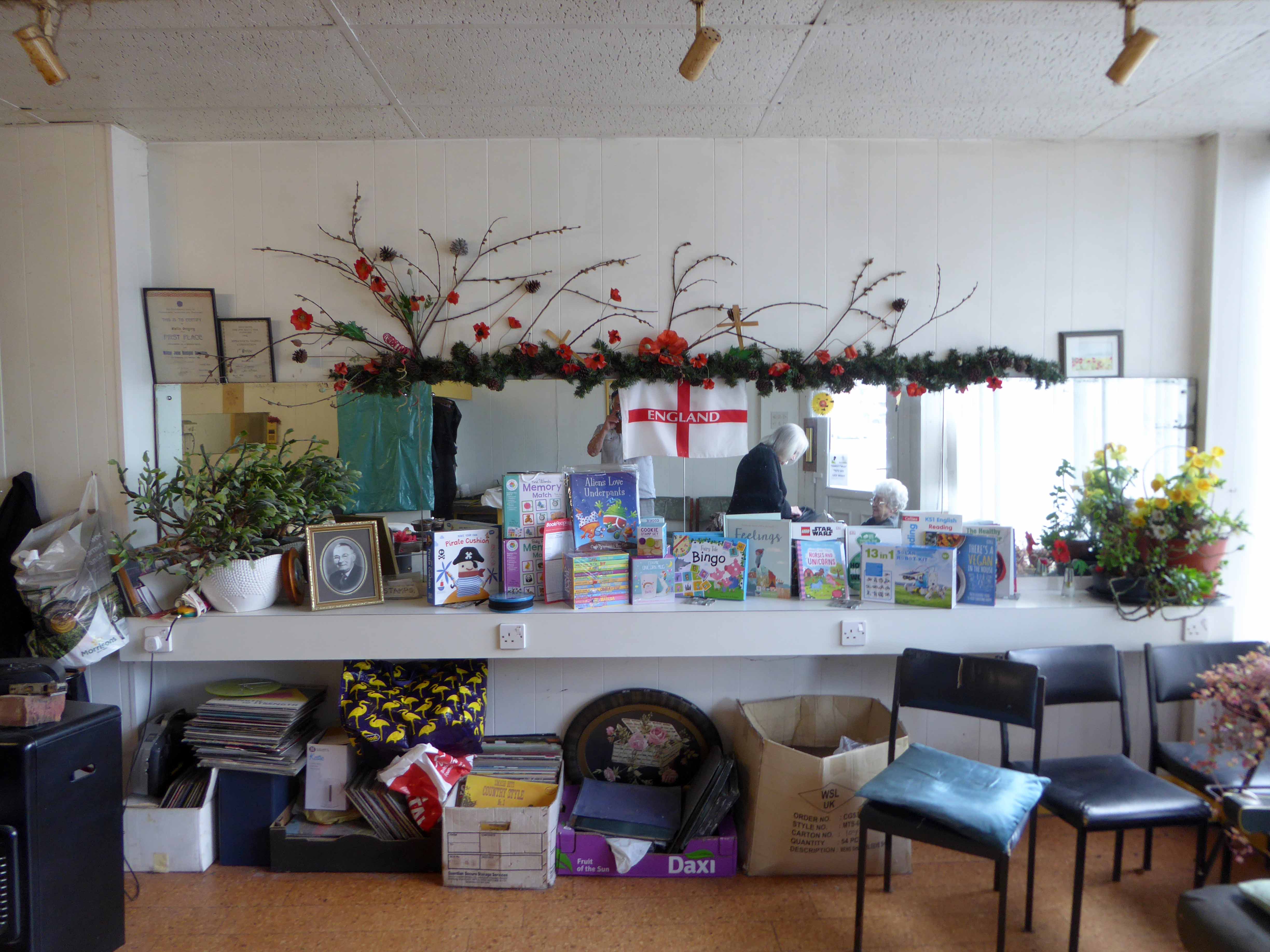
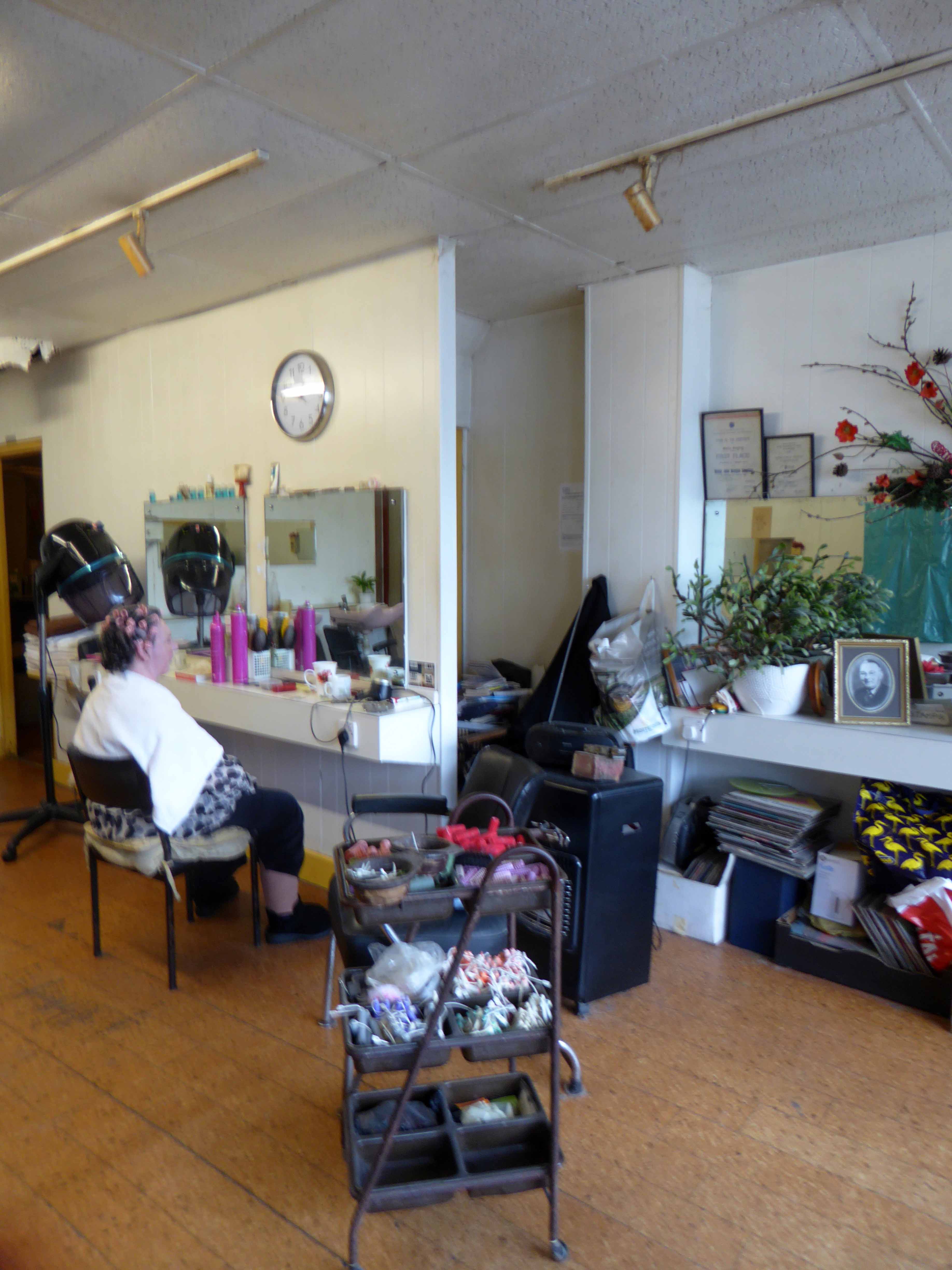
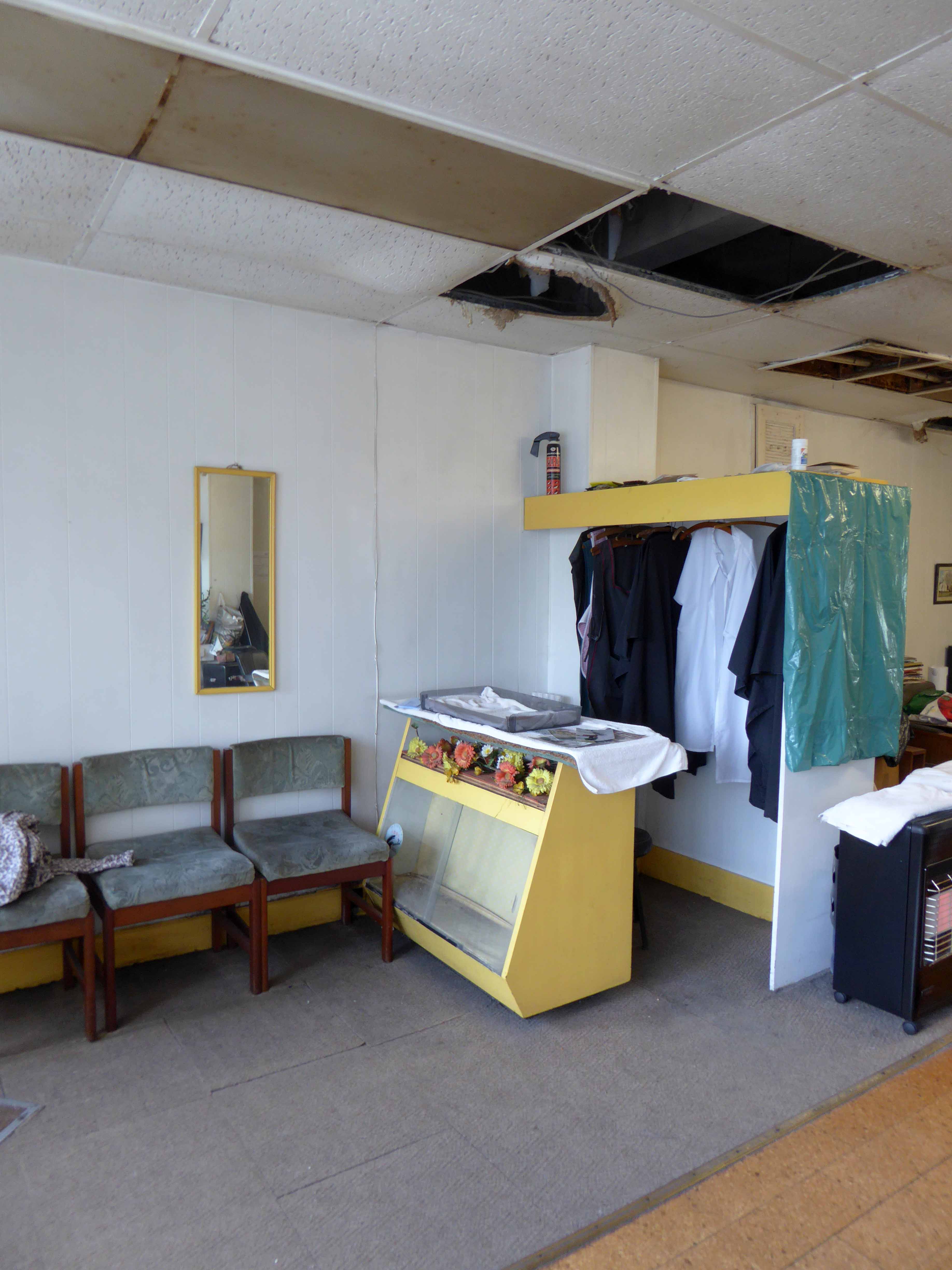
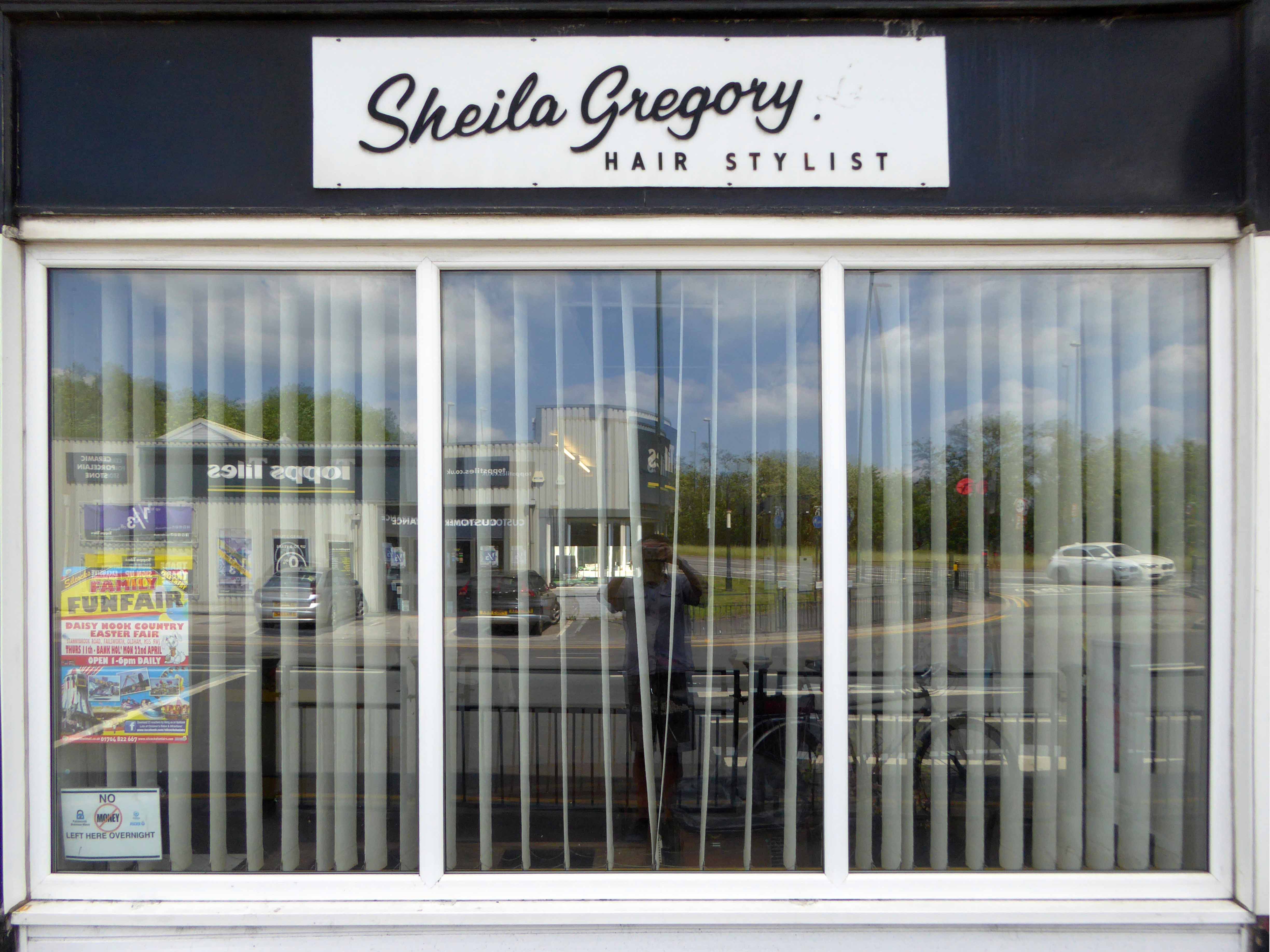
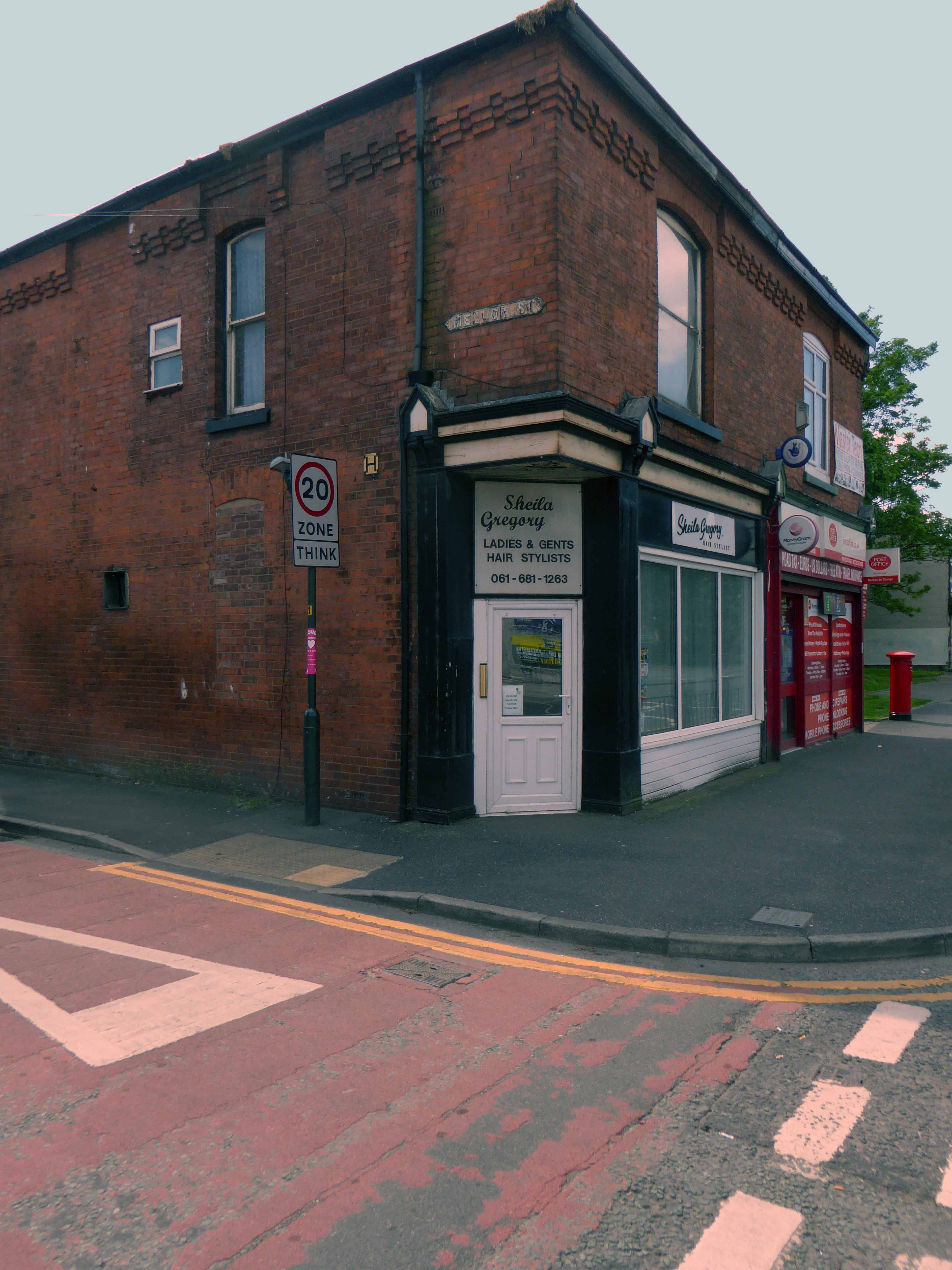
Sheila Gregory Hair Stylist – Manchester

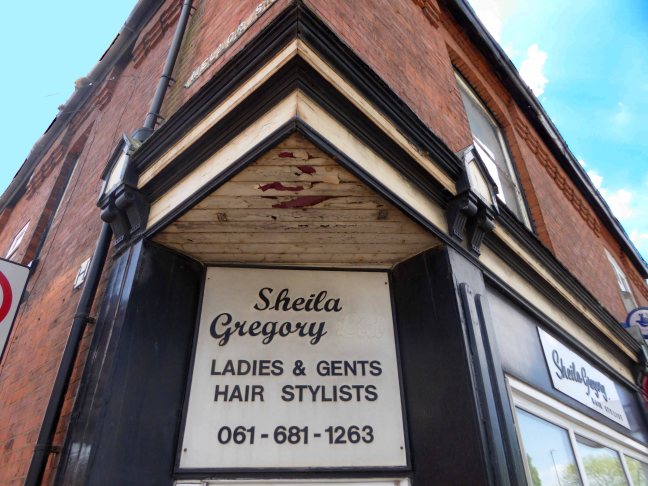
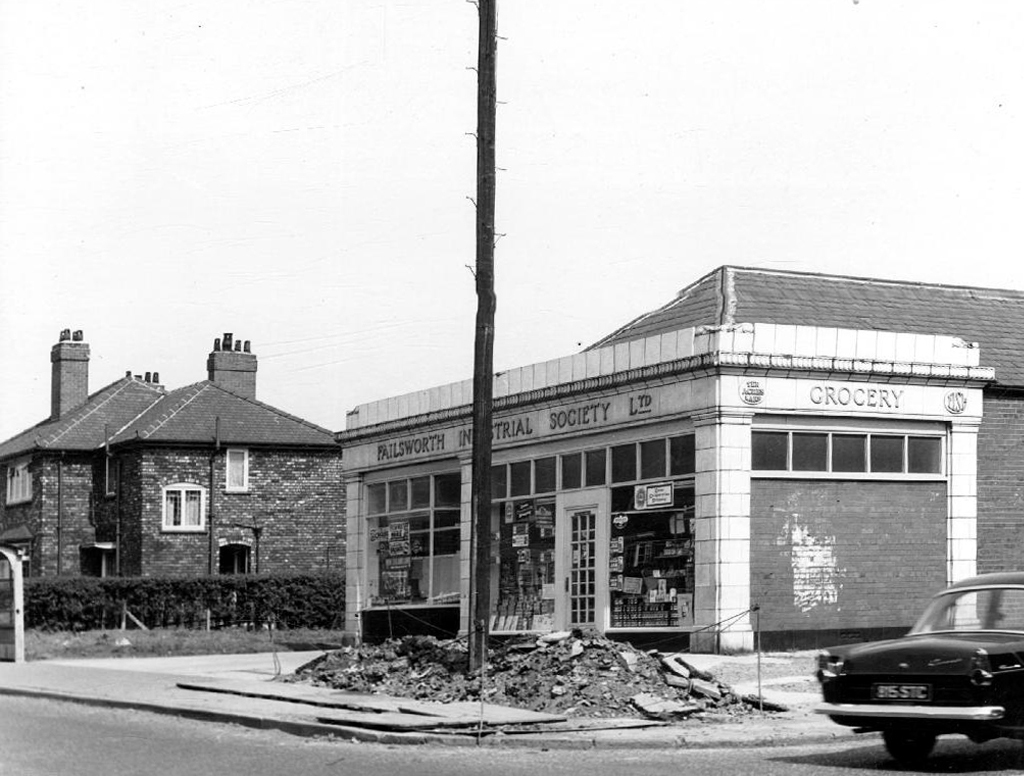
142 Oldham Road Failsworth Manchester M35 0HP

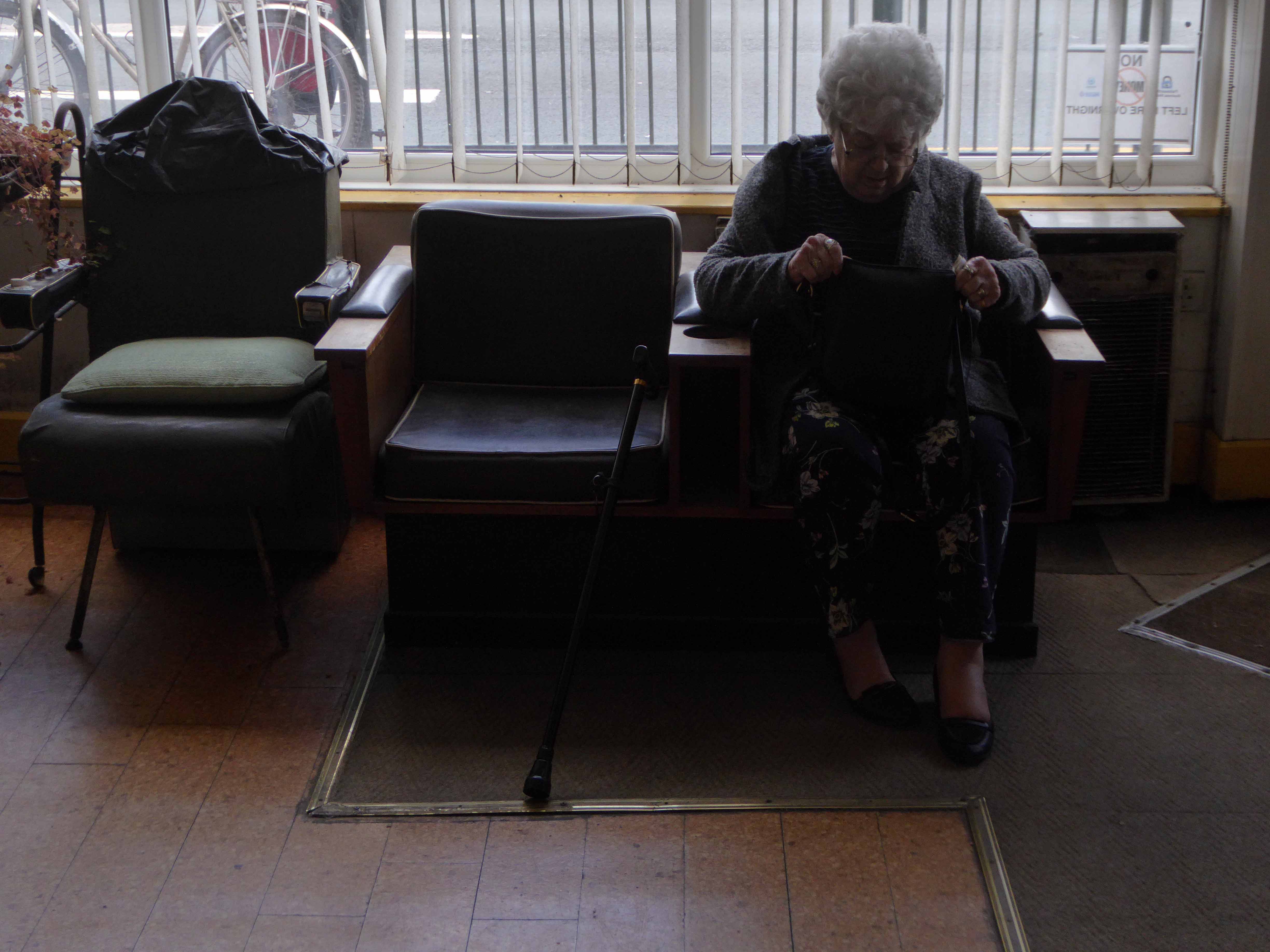
I’m in a different world:

A world I never knew, I’m in a different world.
A world so sweet and true, I’m in a different world
.

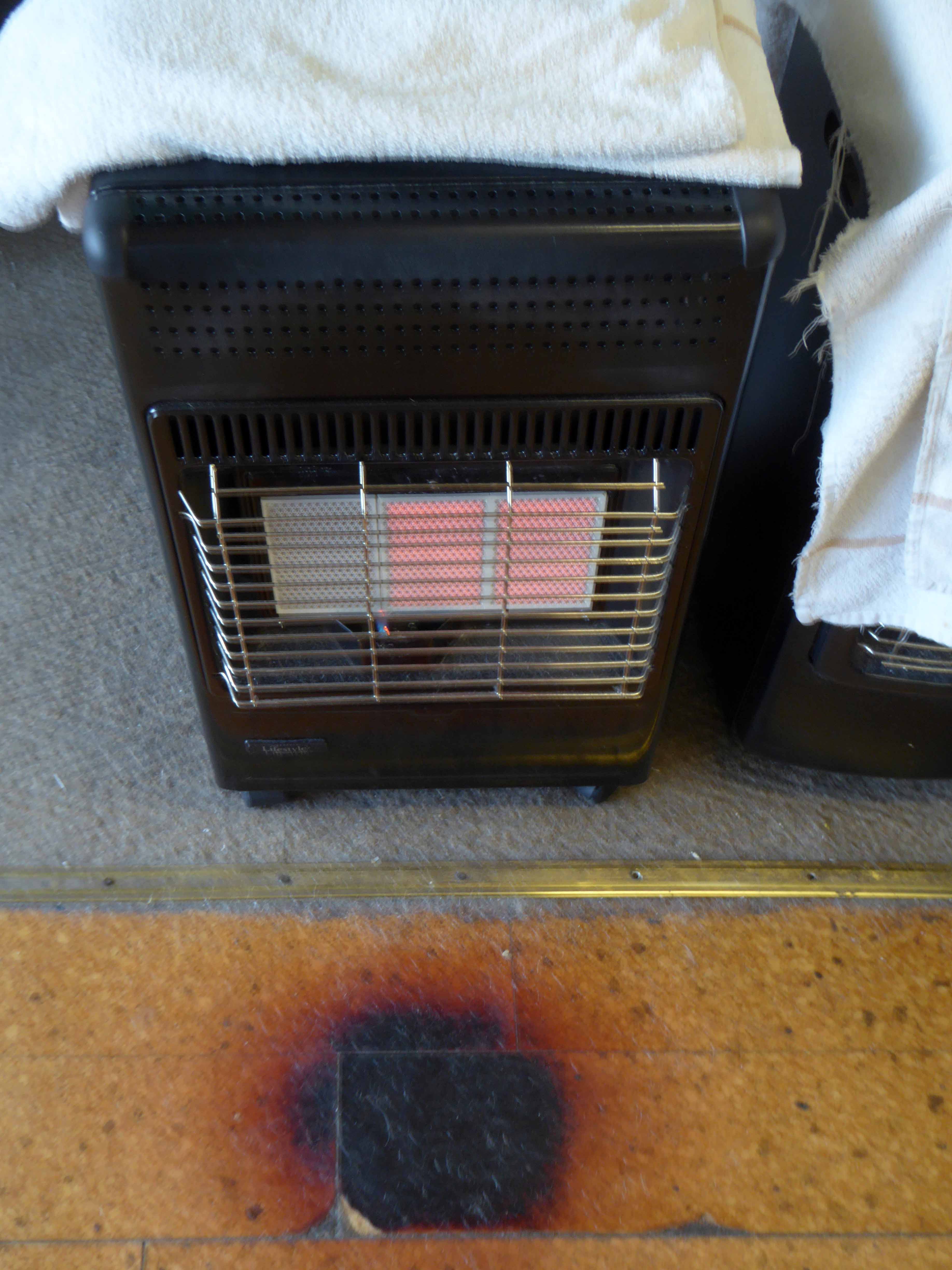
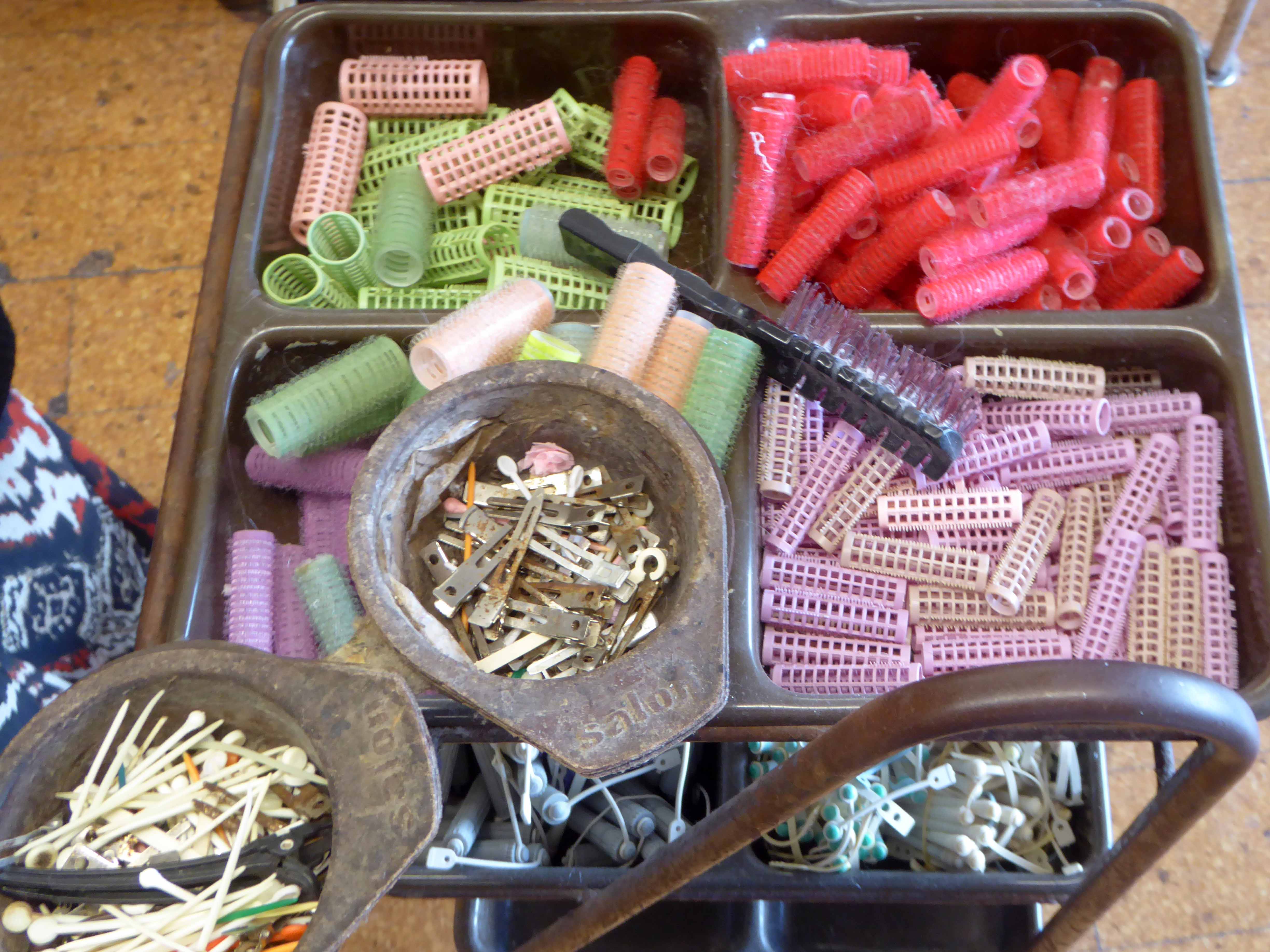
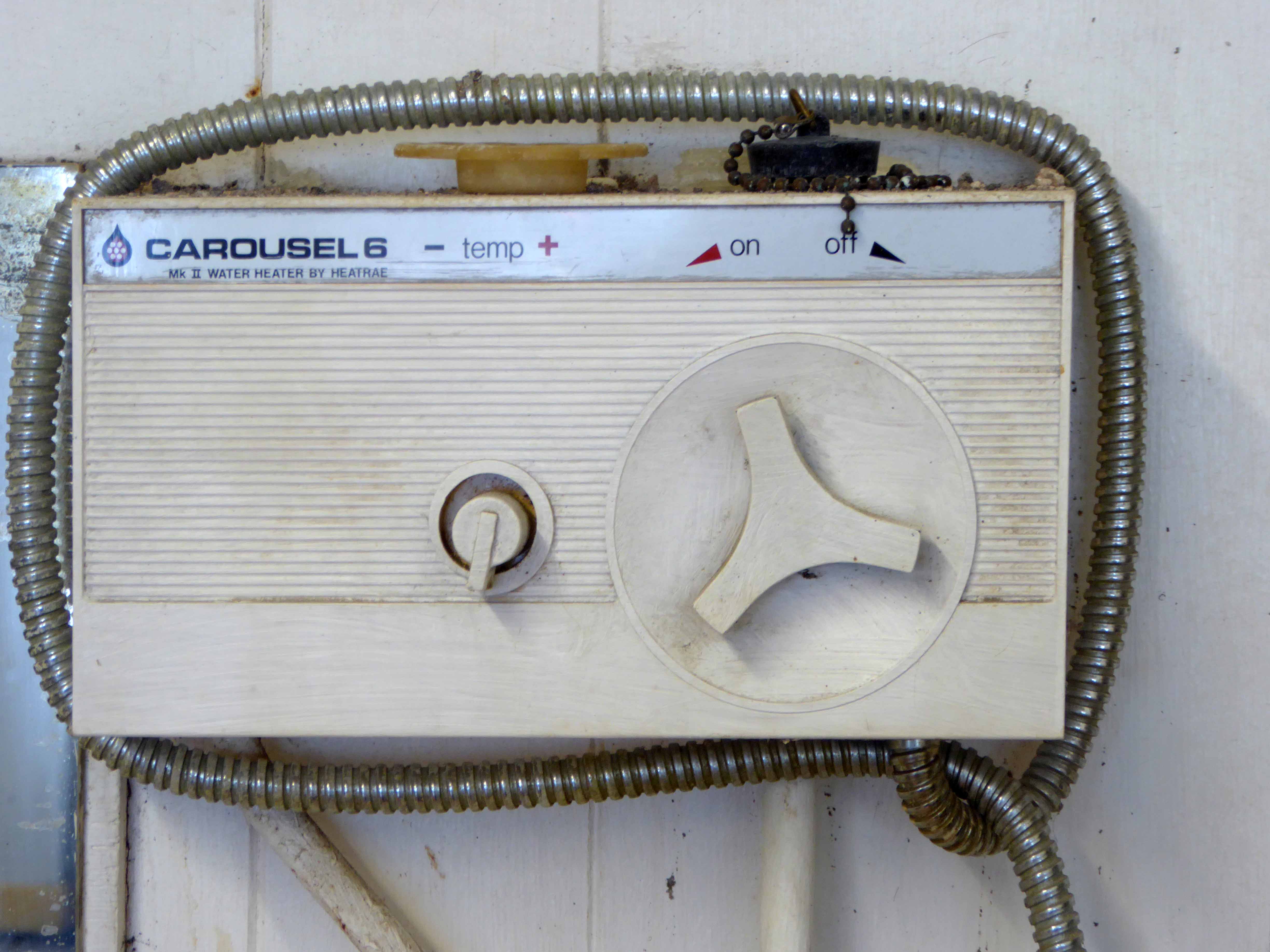
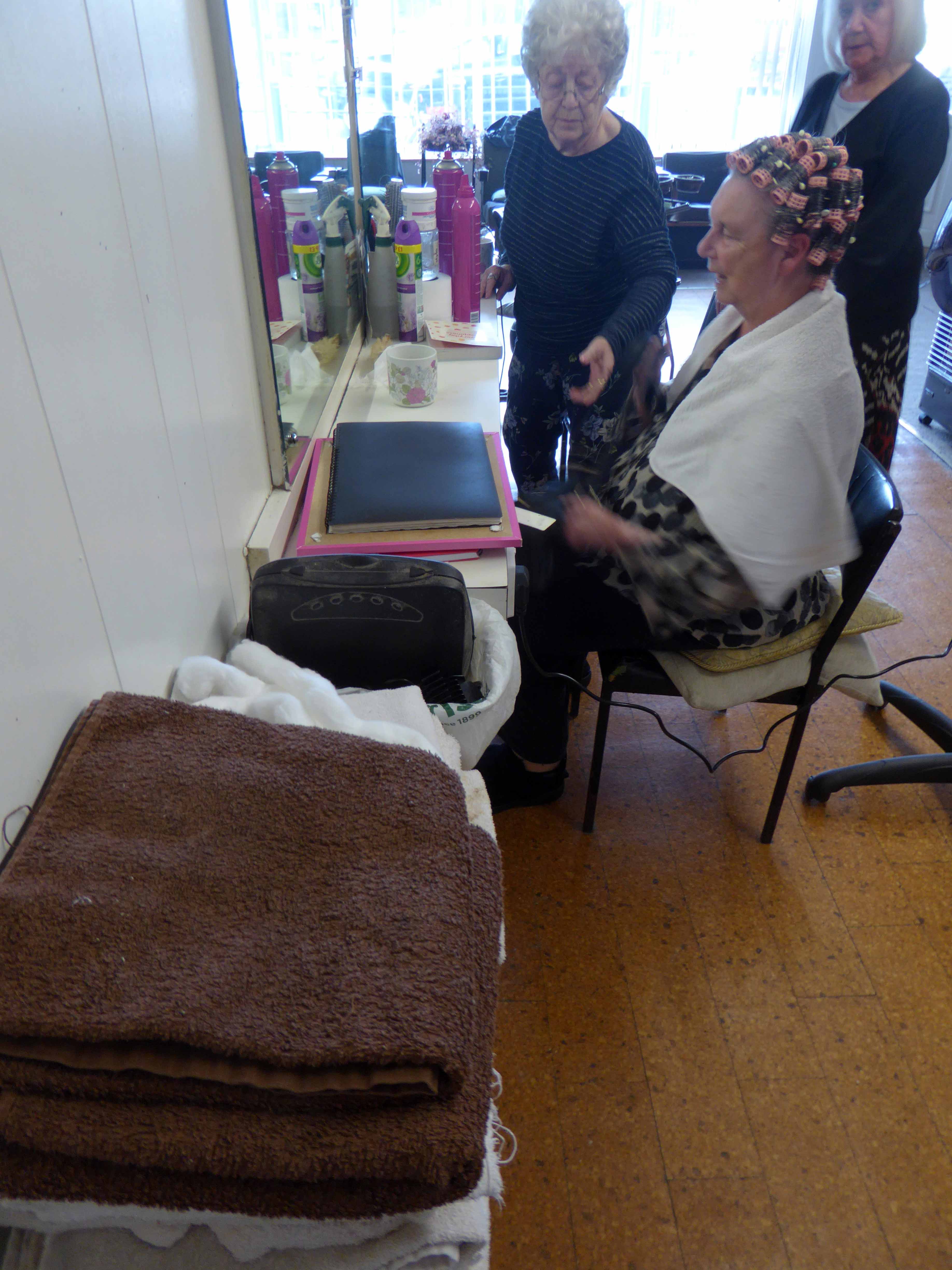
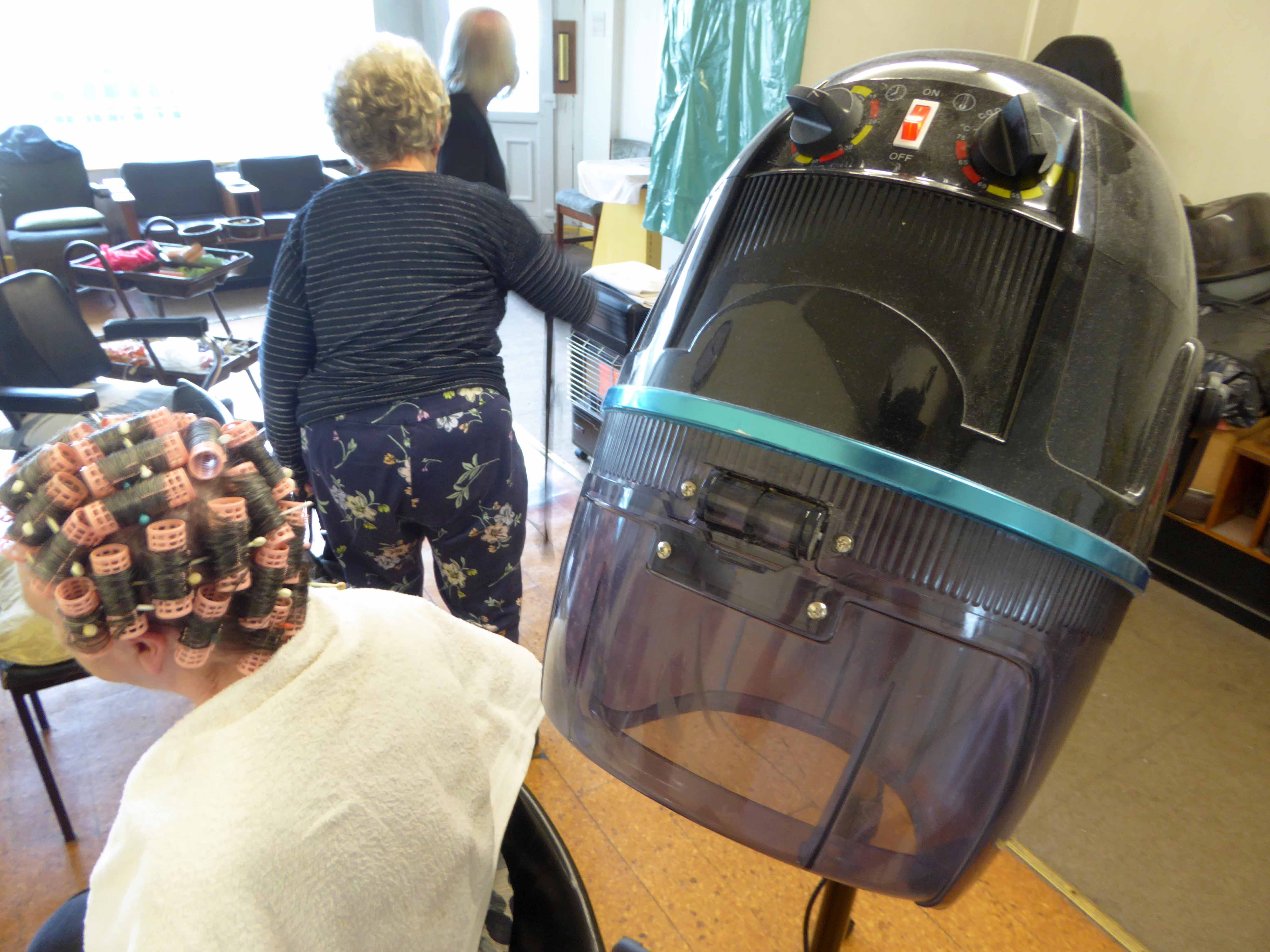
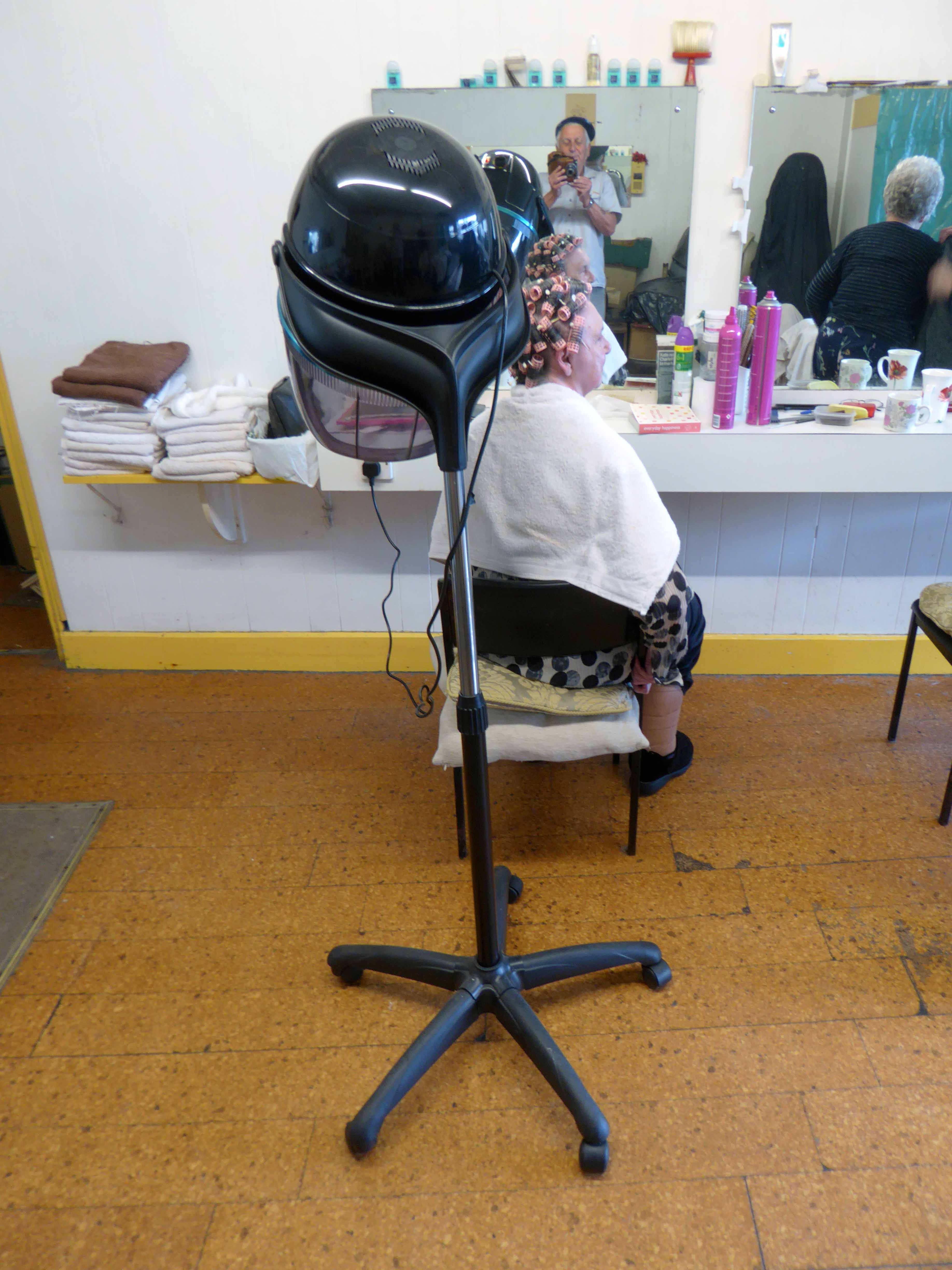
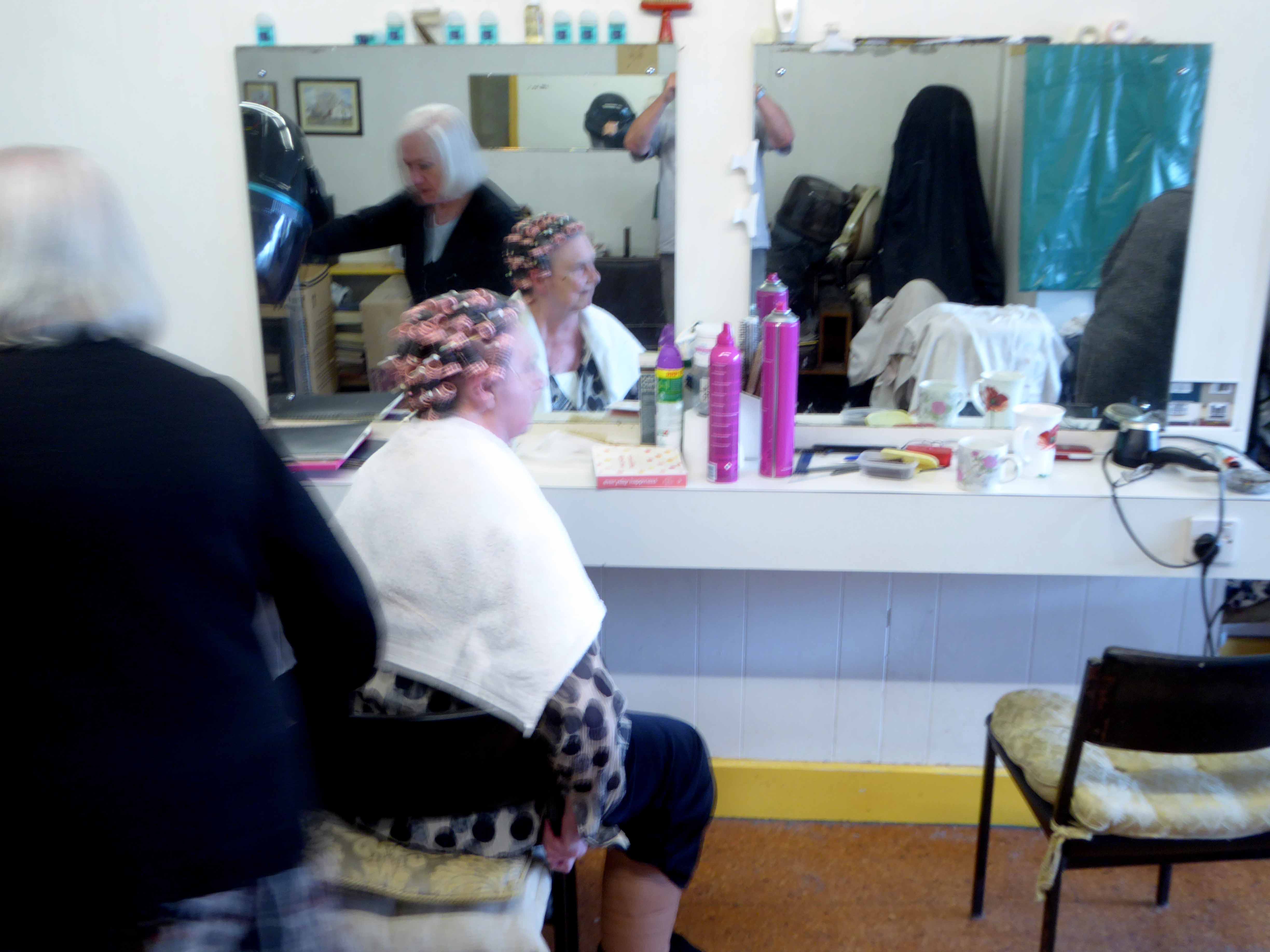
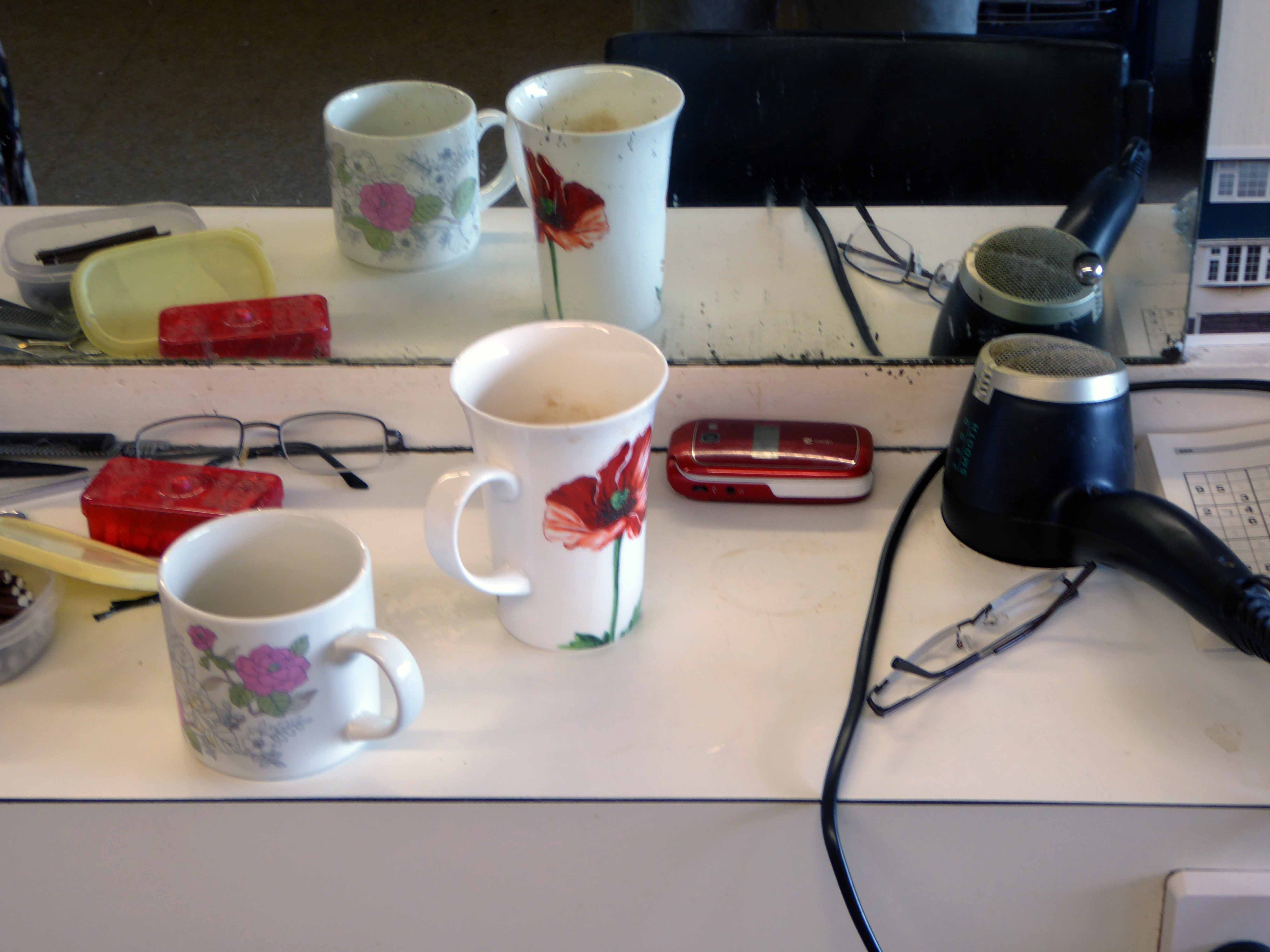
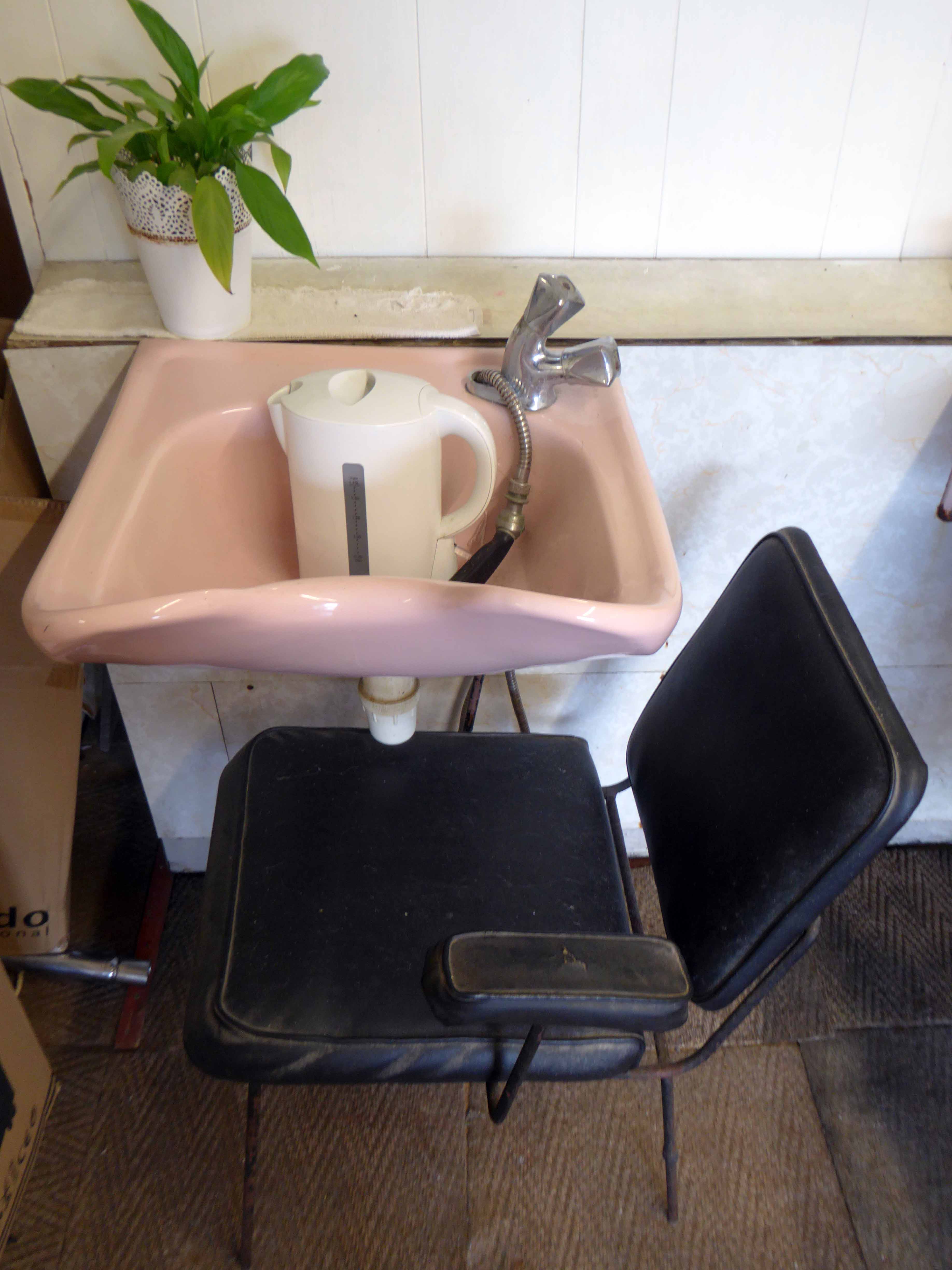
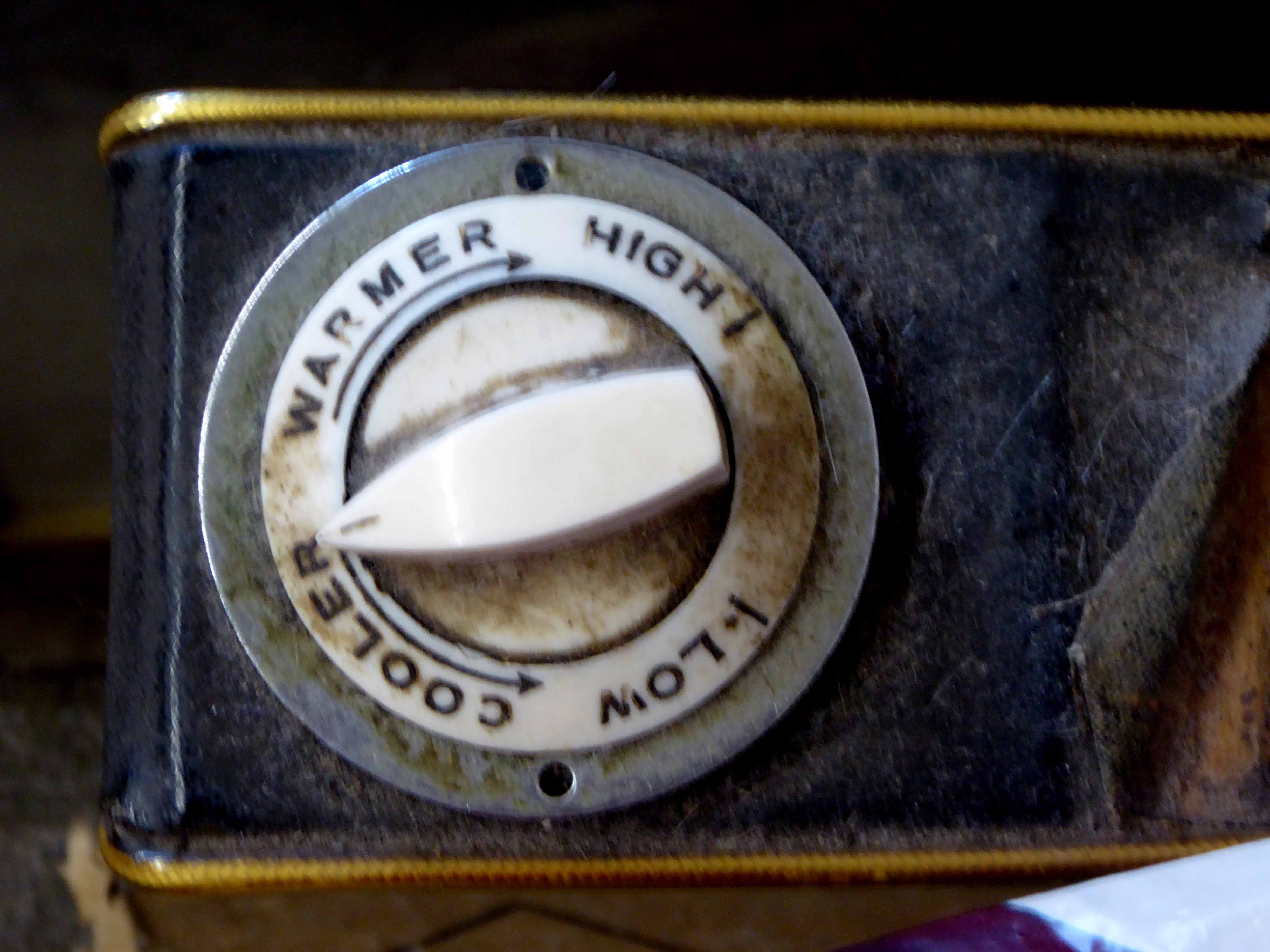
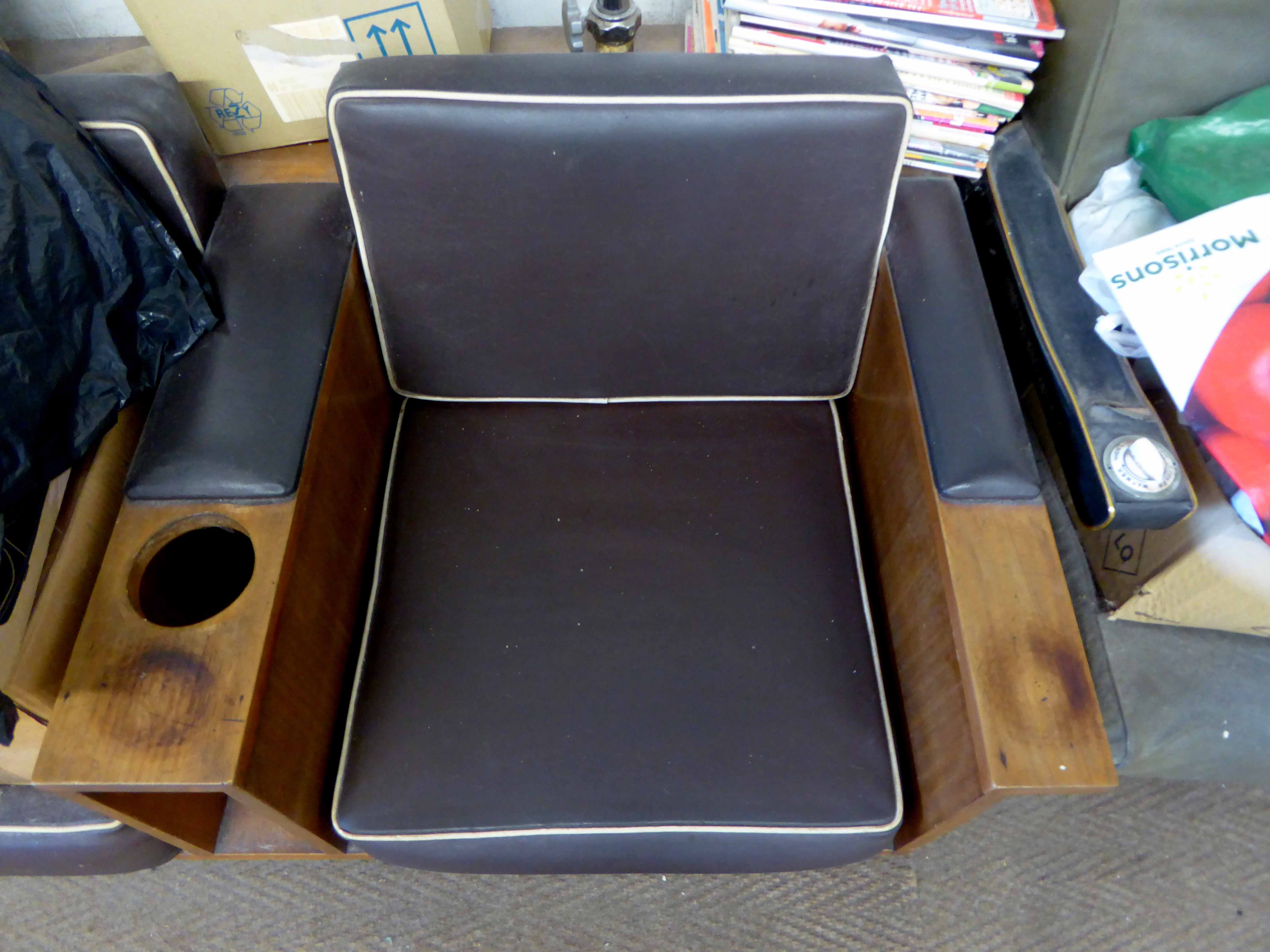
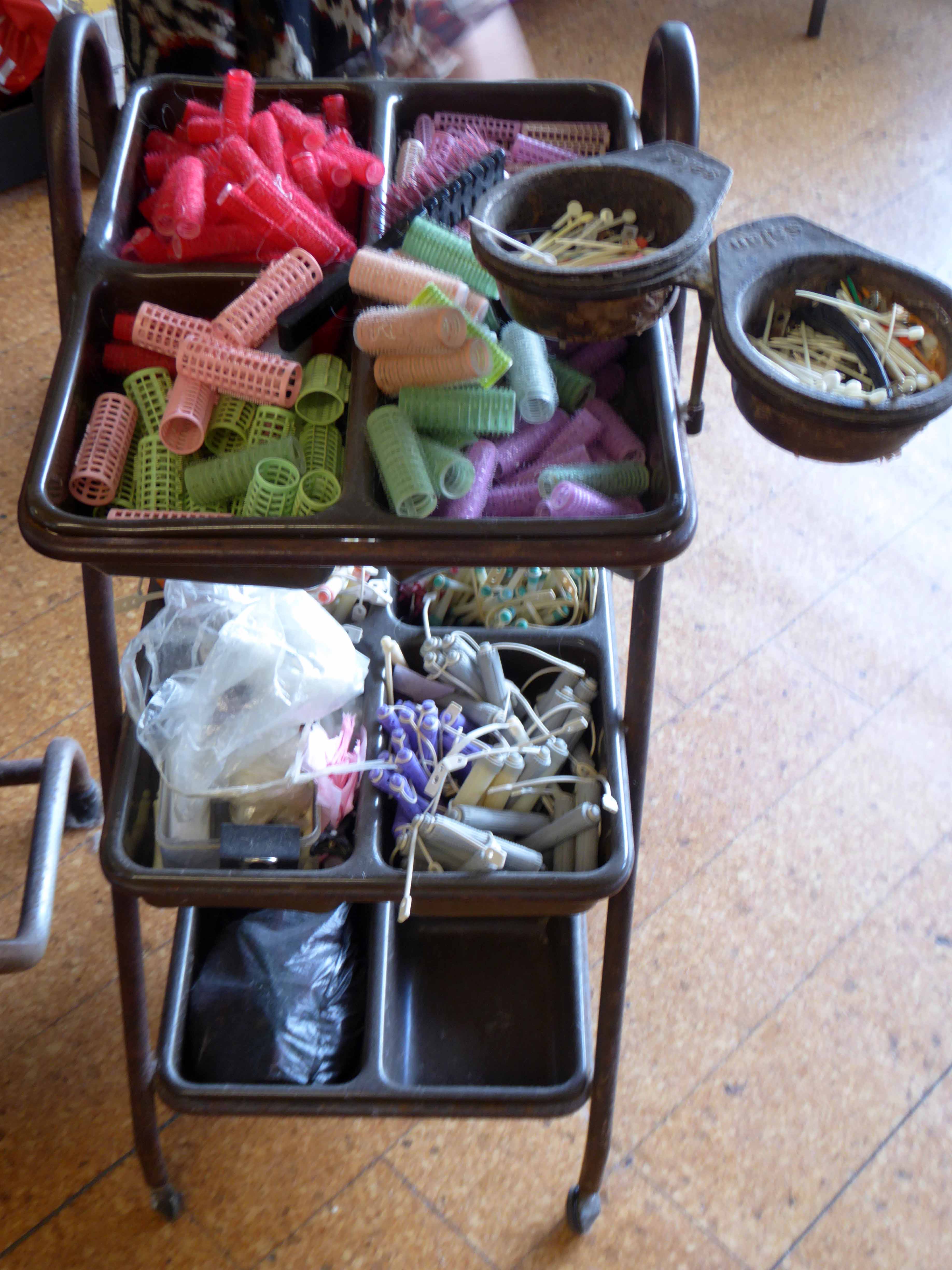
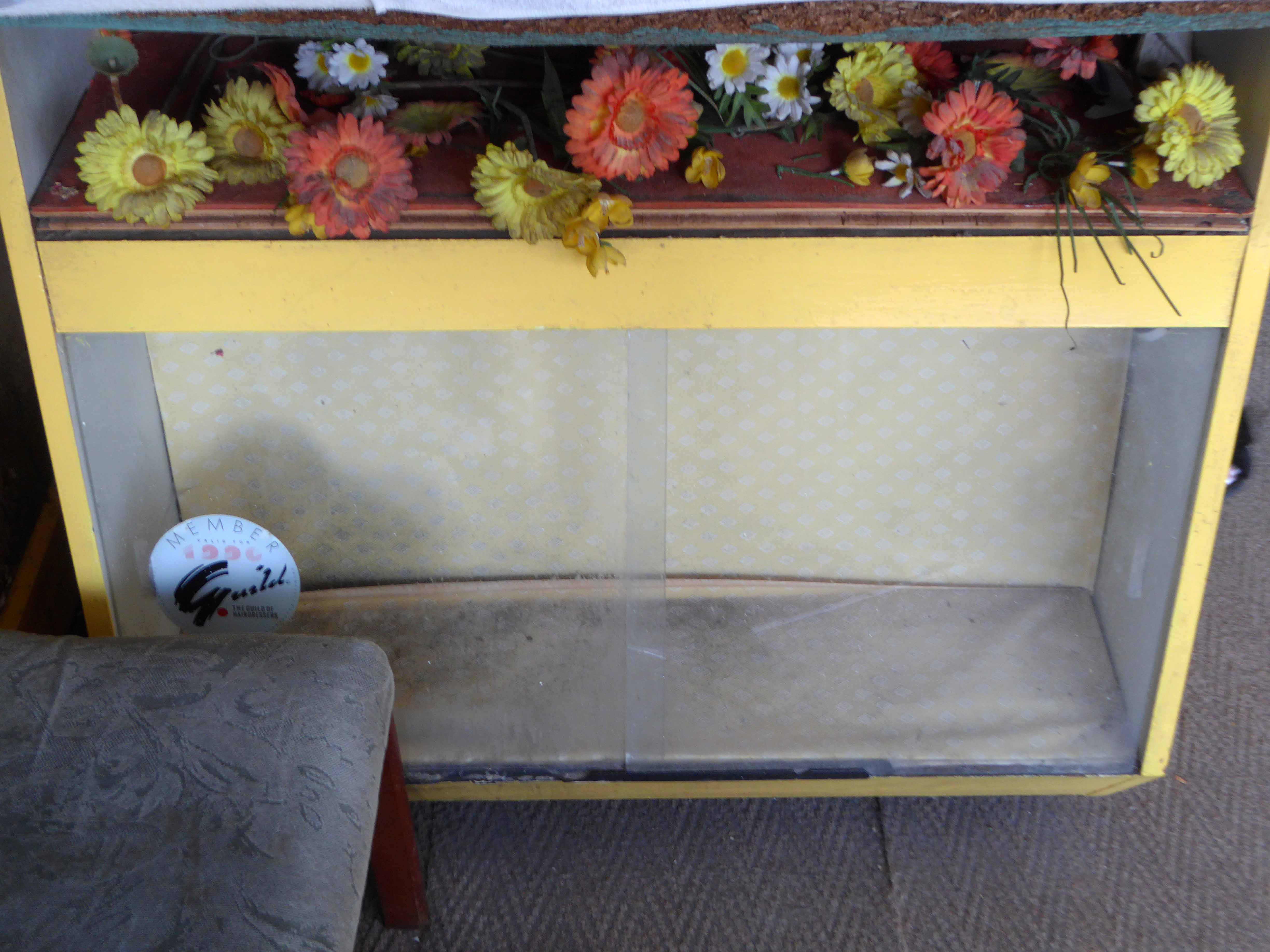
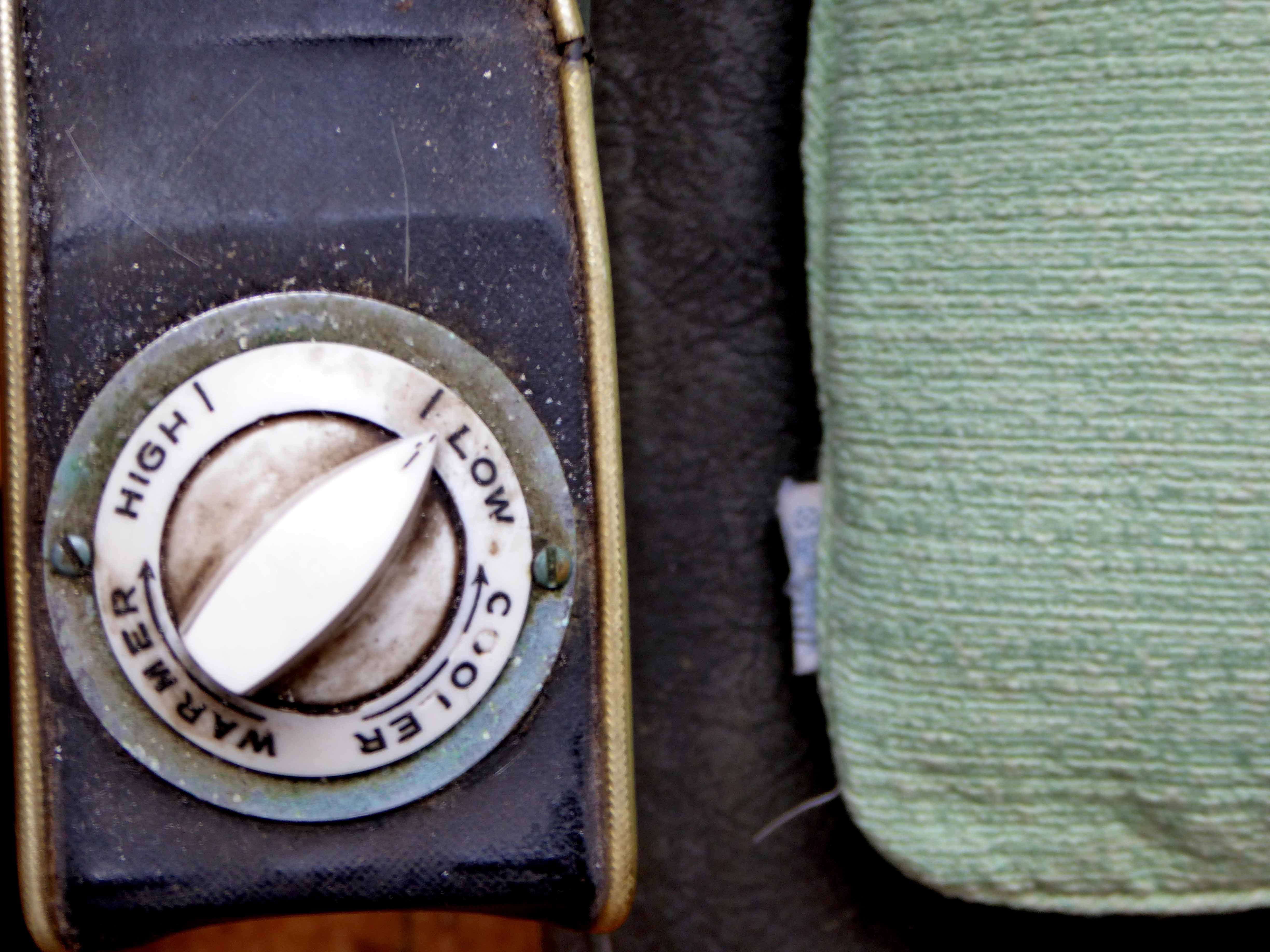
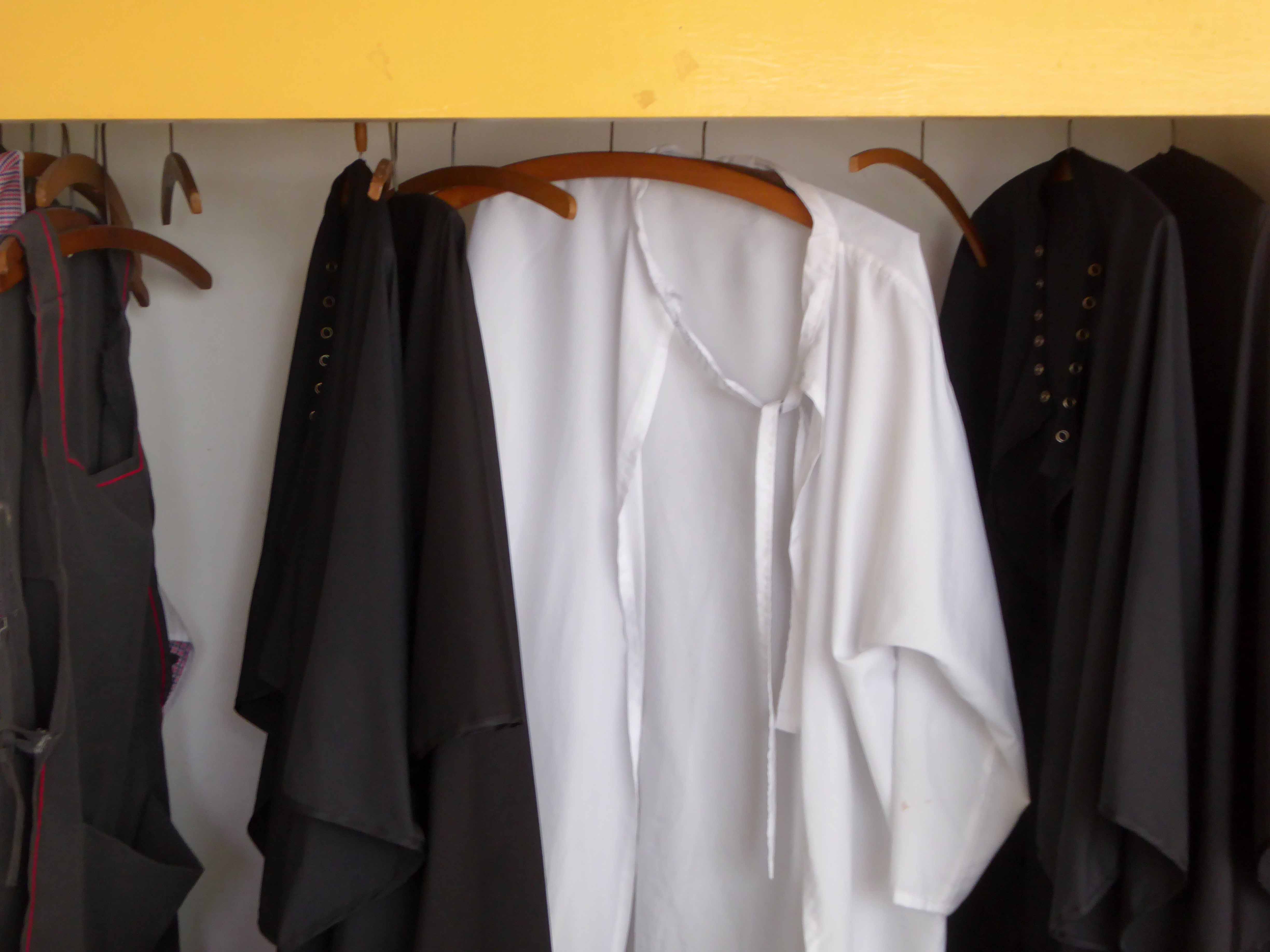
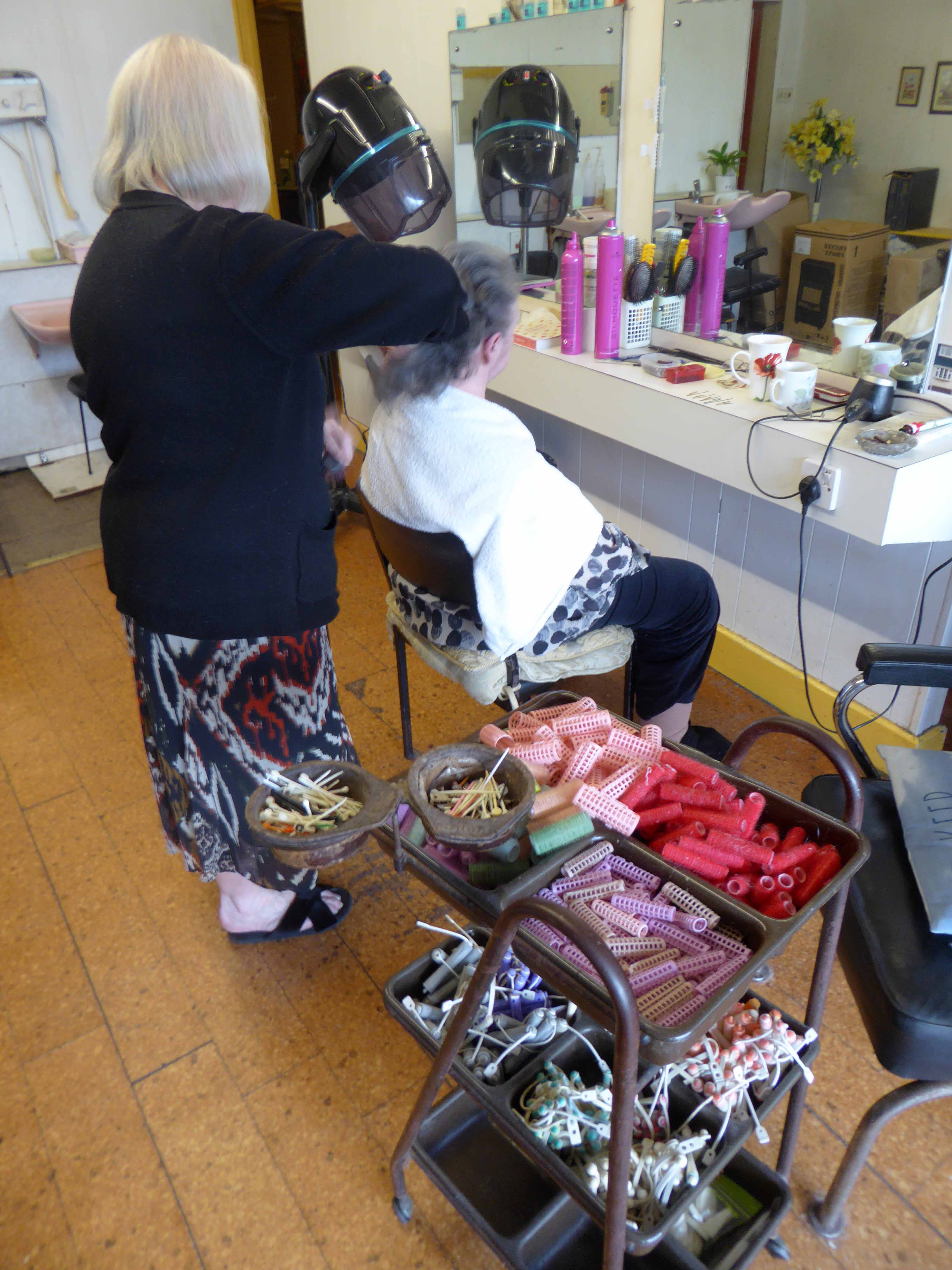
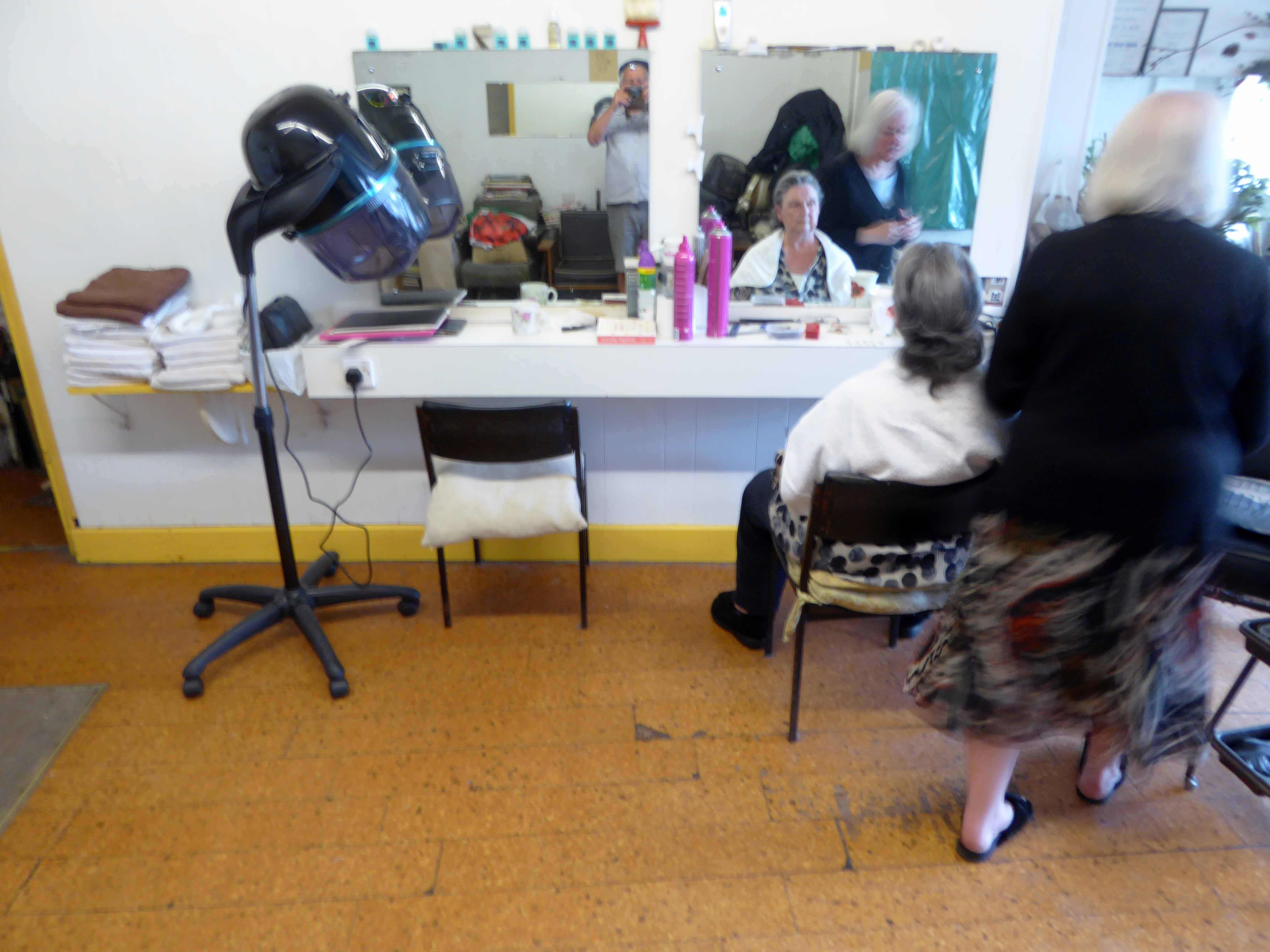
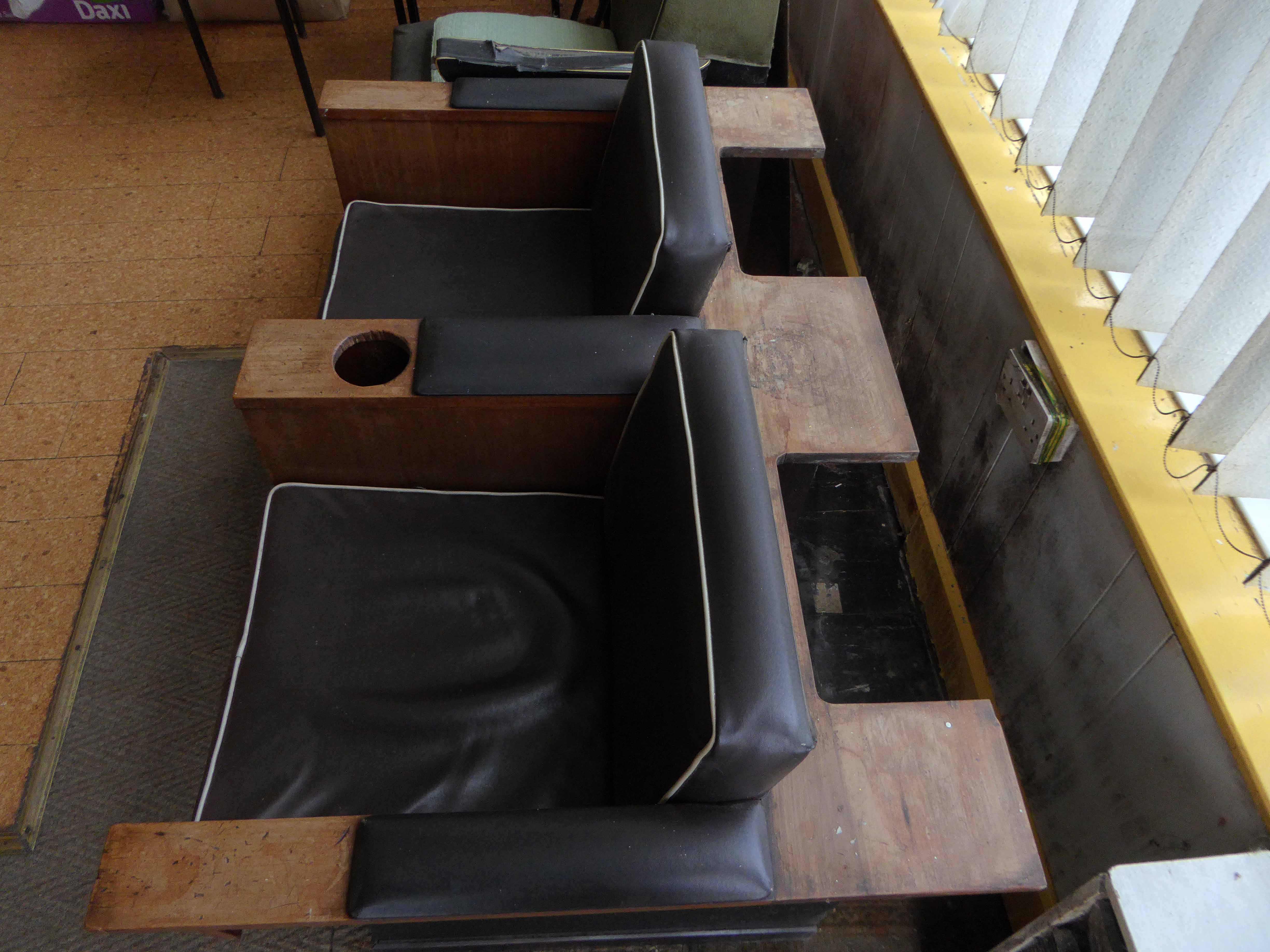
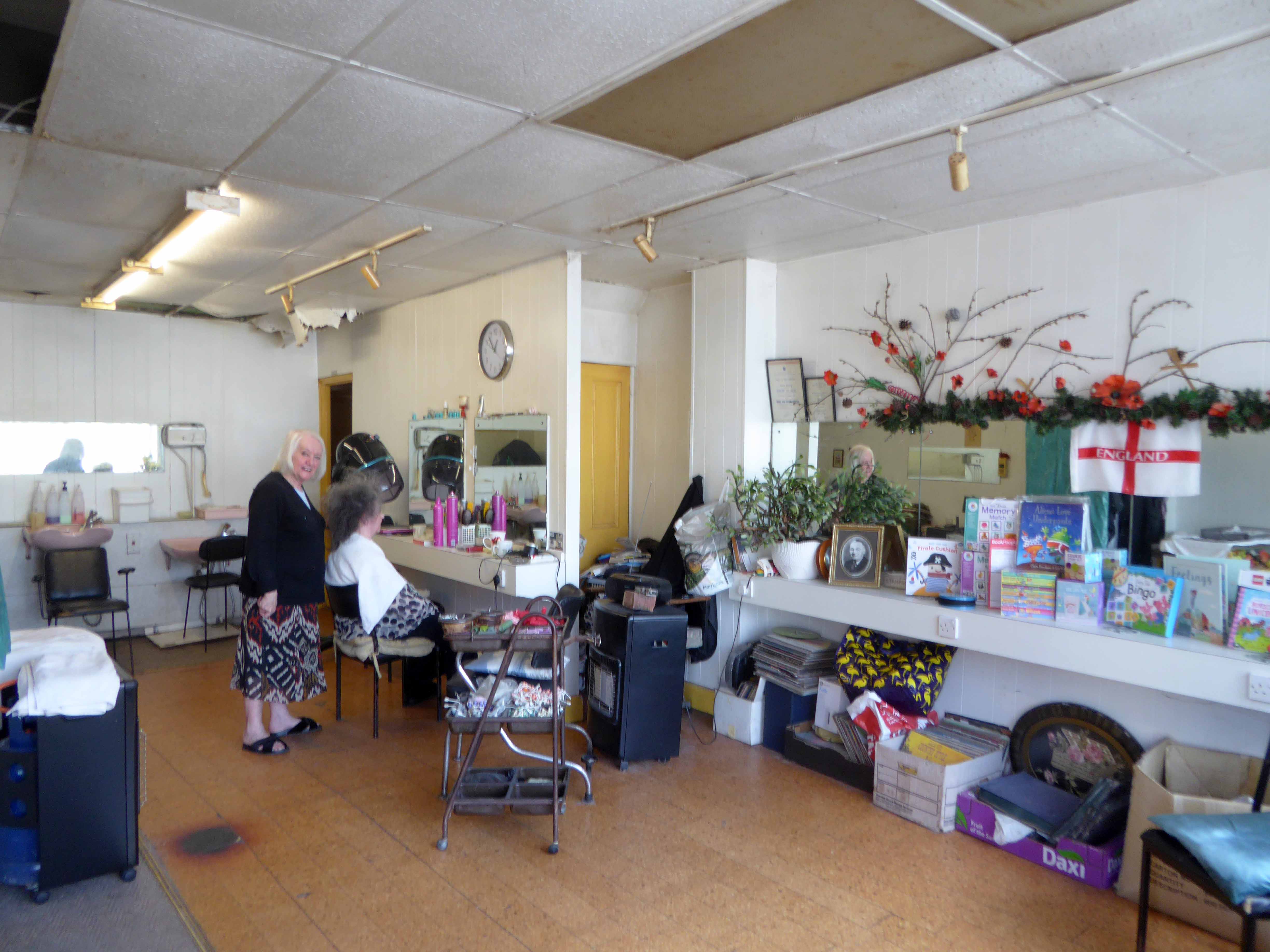
A world of rollers, pins, grips, hair dryers and drying hair.

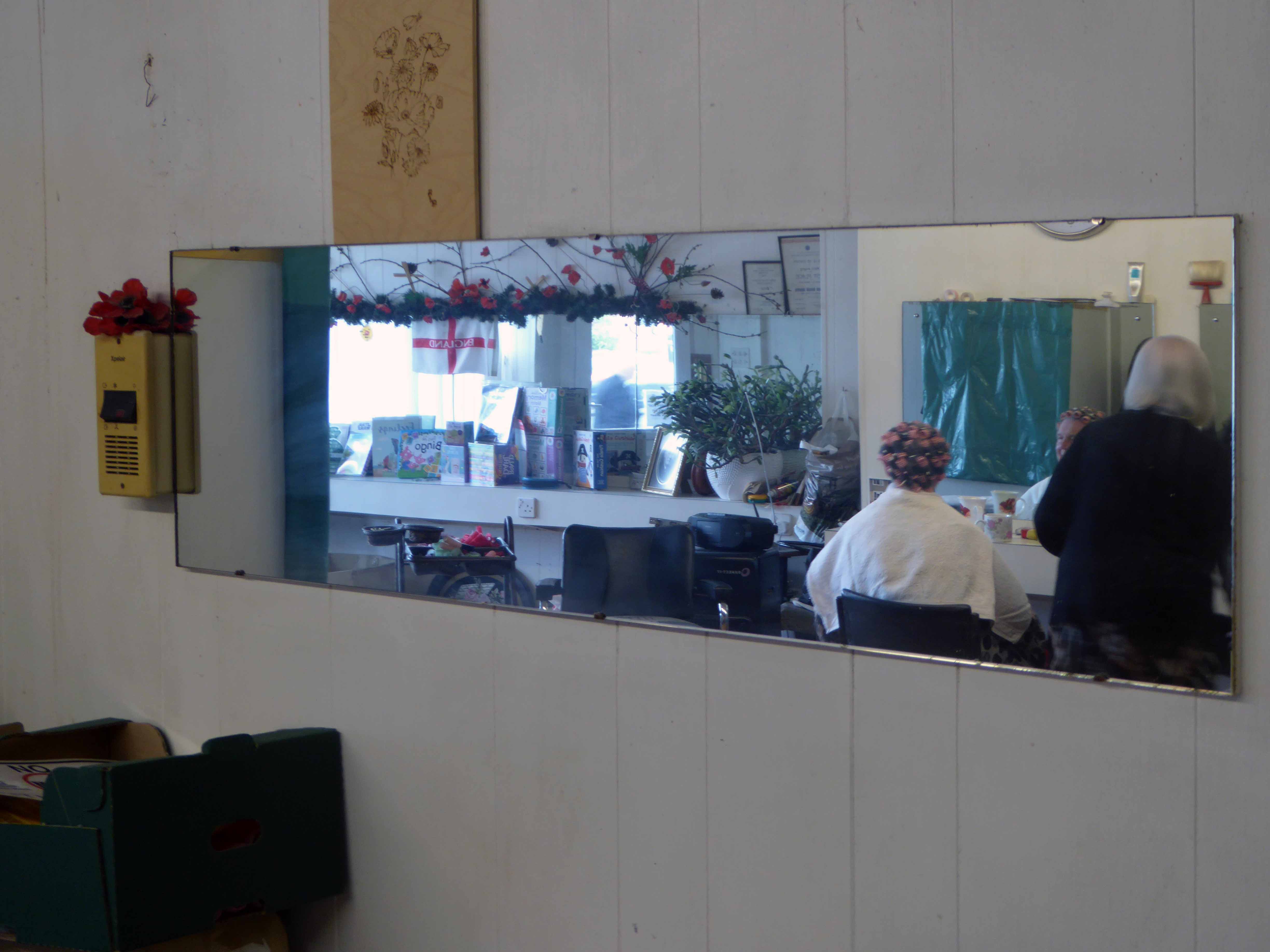
A world permanently waving at itself.

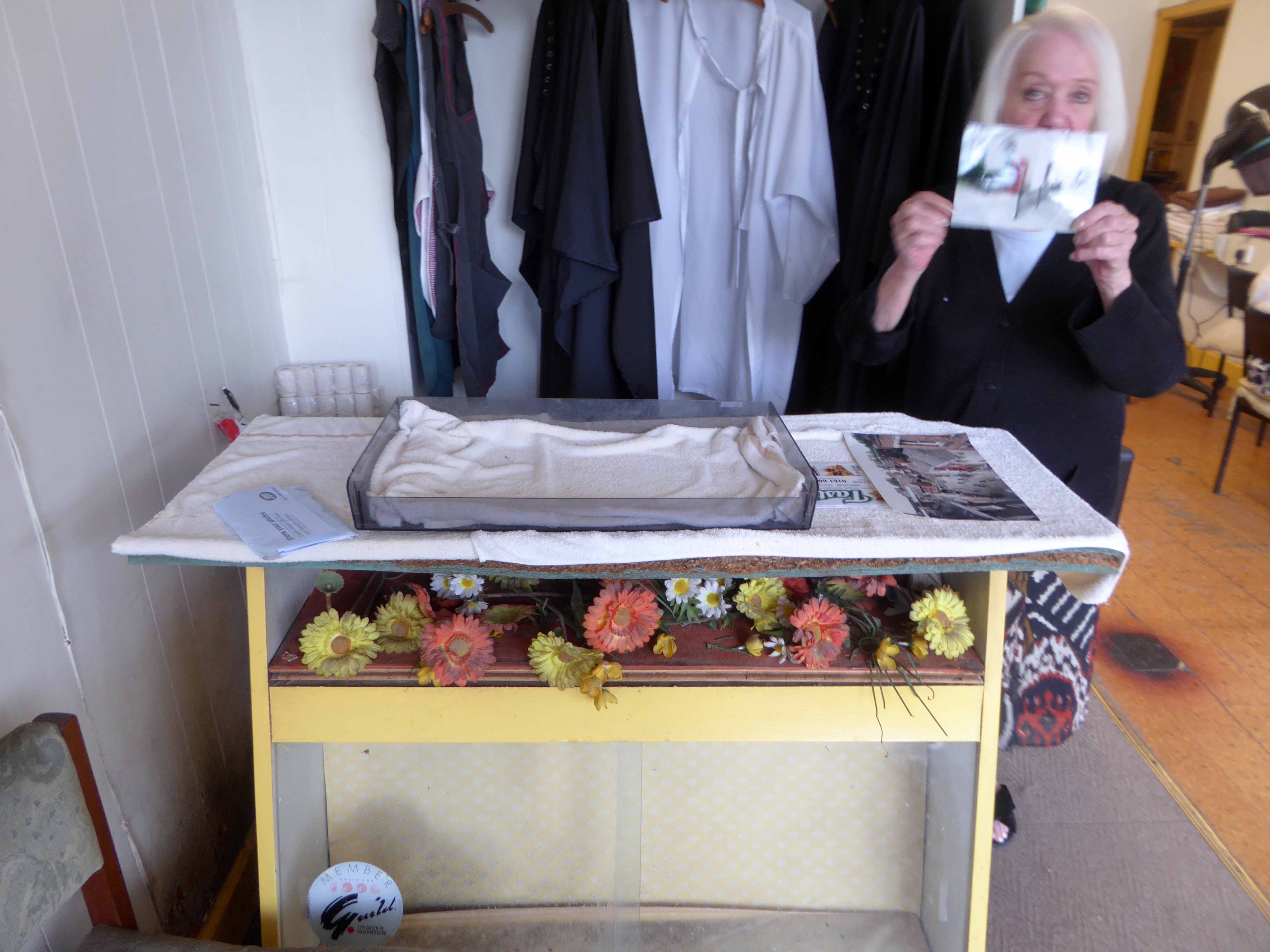
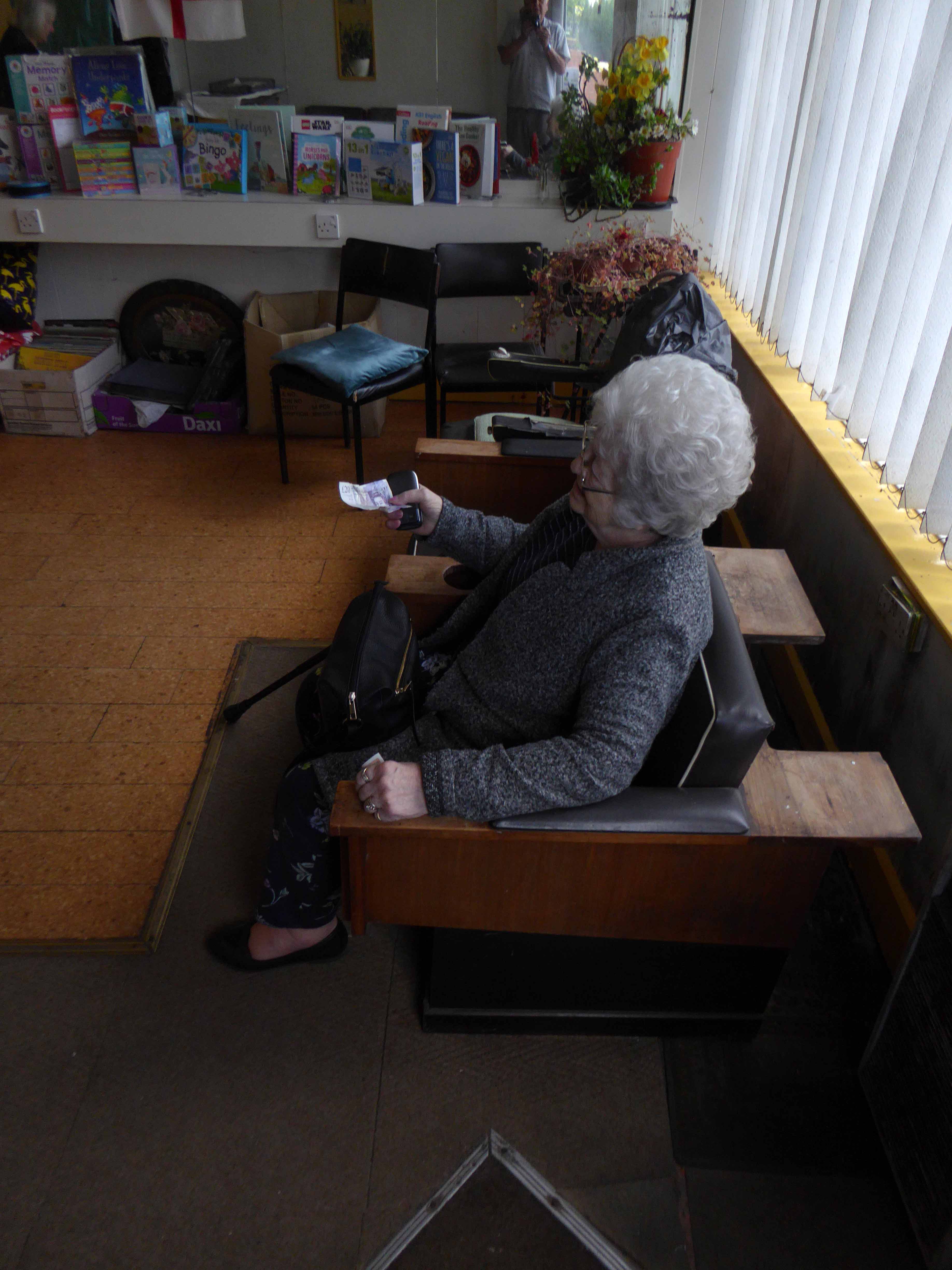
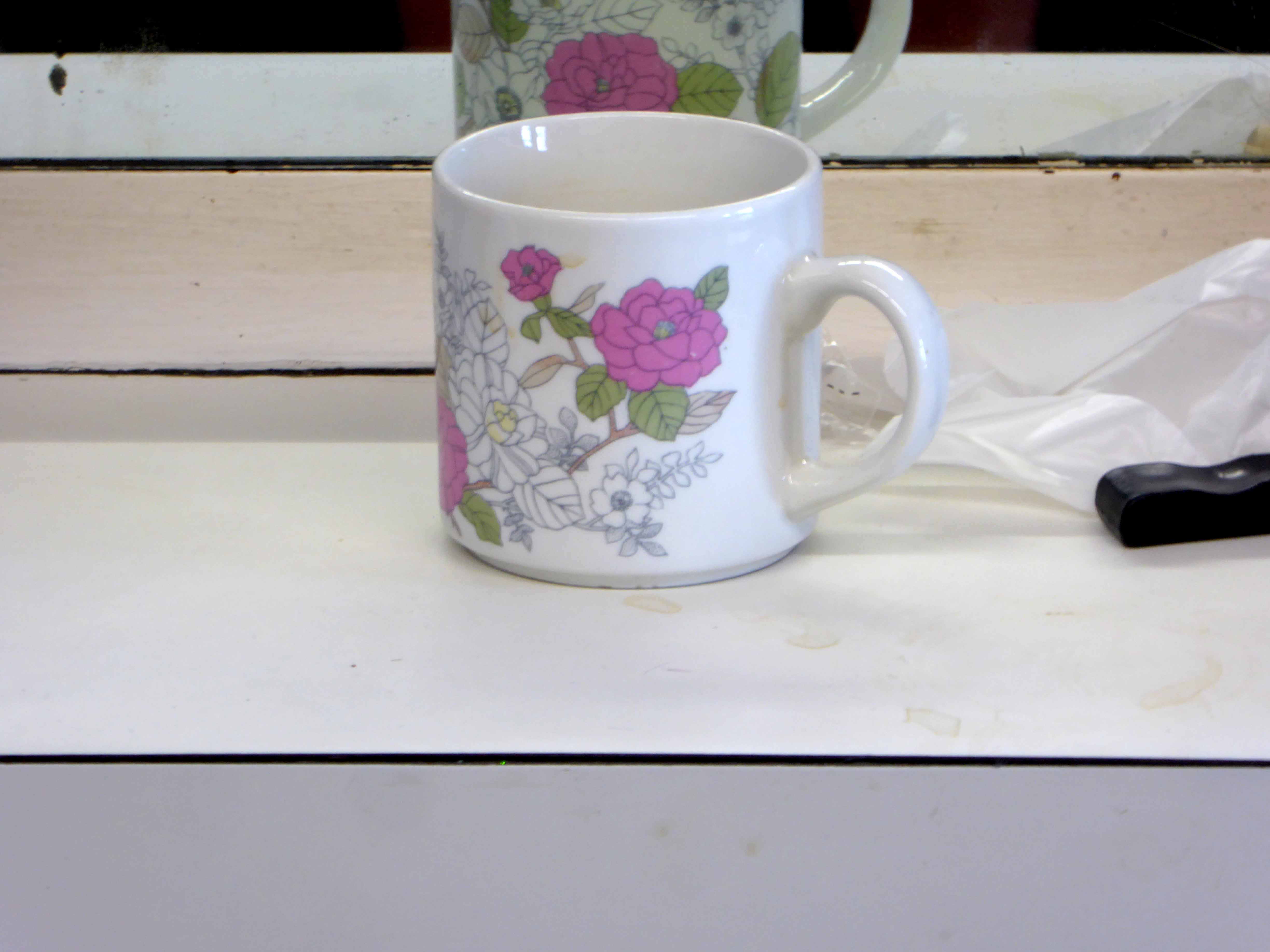
My thanks to Sheila – sixty years a stylist and her customers for allowing me into their world for a short time – a privilege and a pleasure.

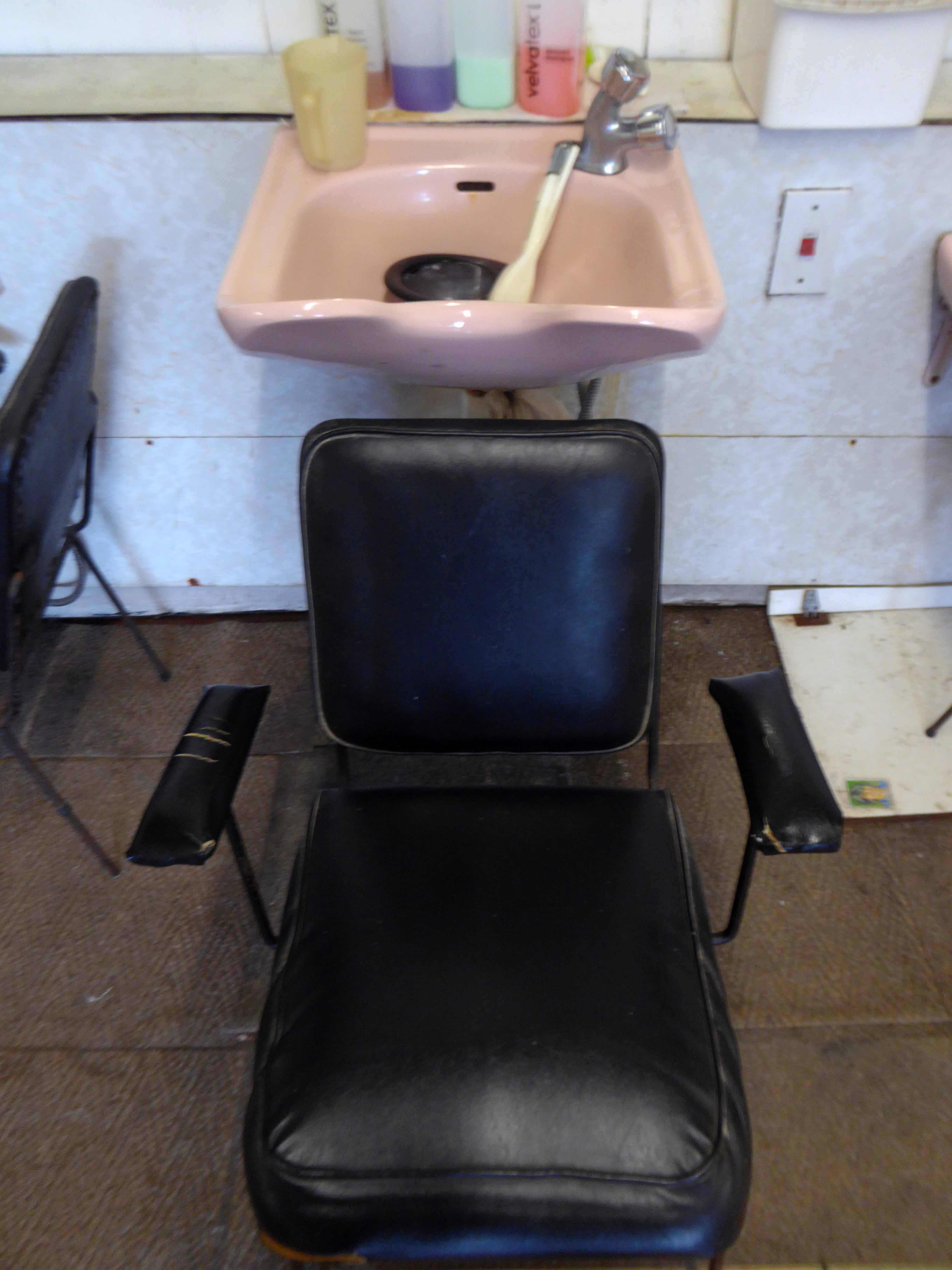
Little seems to have changed here within – on the corner of Oldham Road and Mellor Street.

Let’s take a little look.

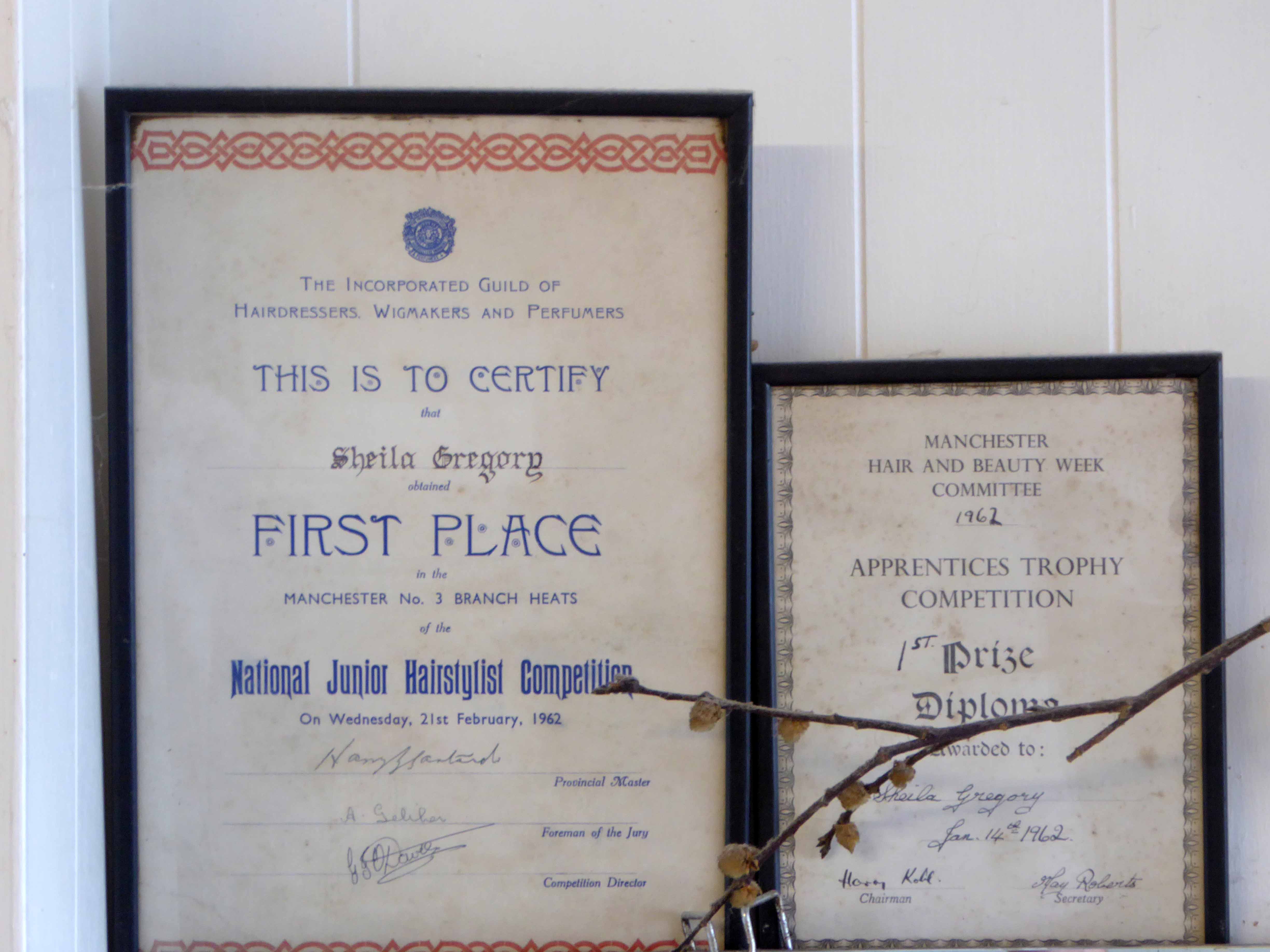
Shelia’s certificates of 1962 – so proudly displayed.

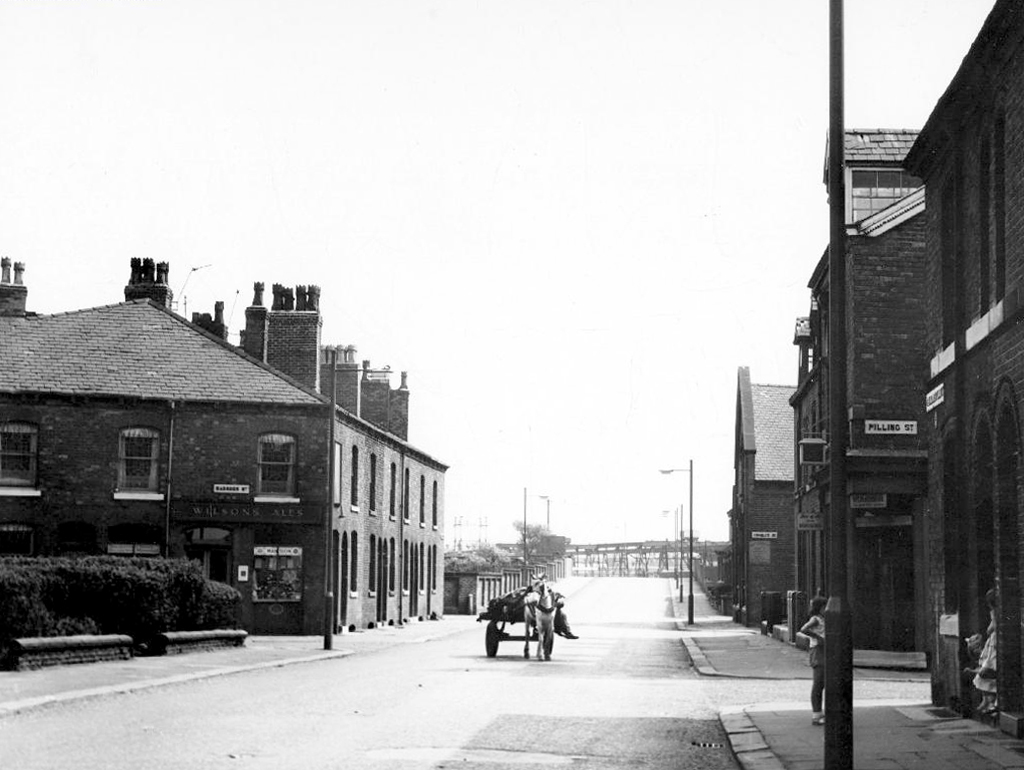
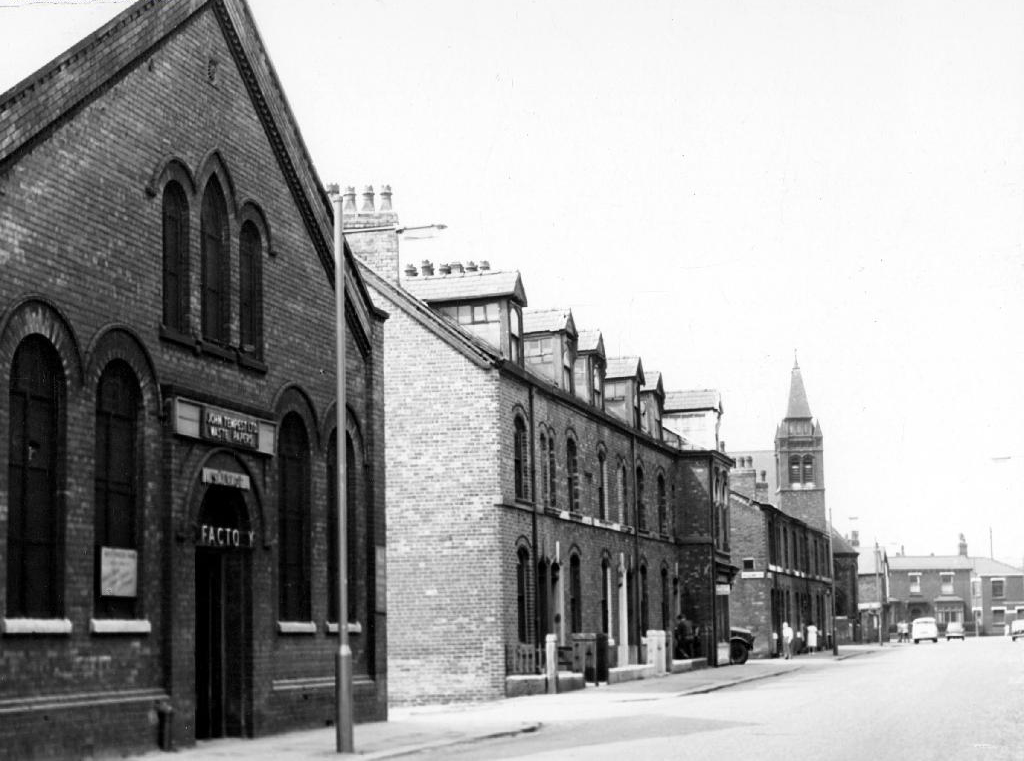
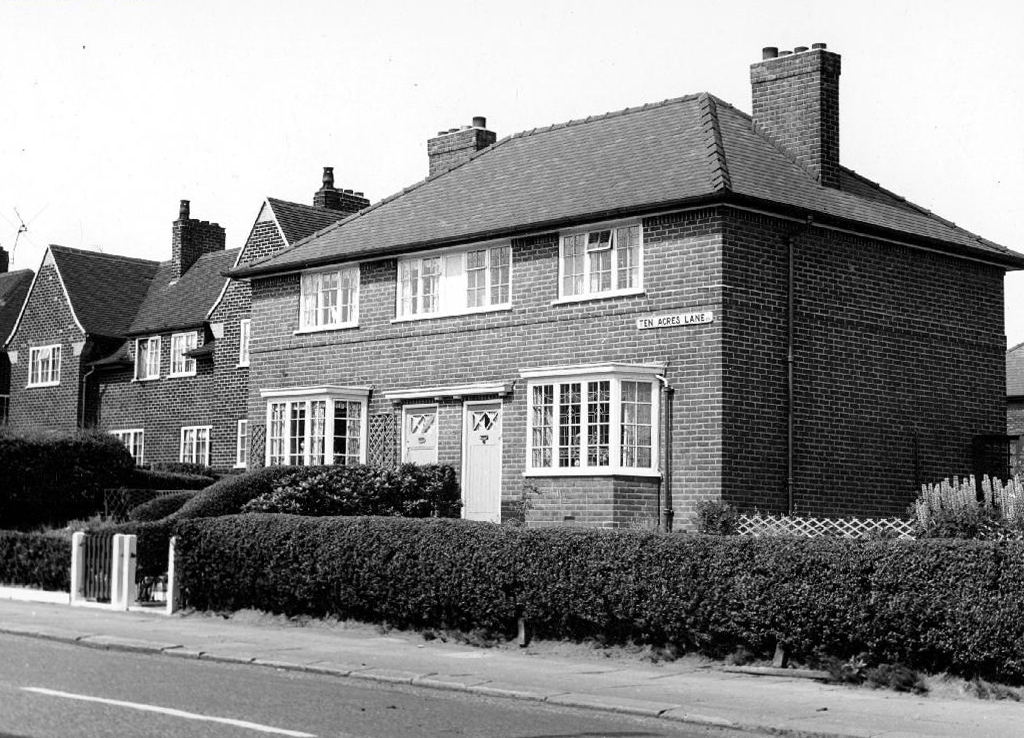
Ten Acres Lane Again – Manchester

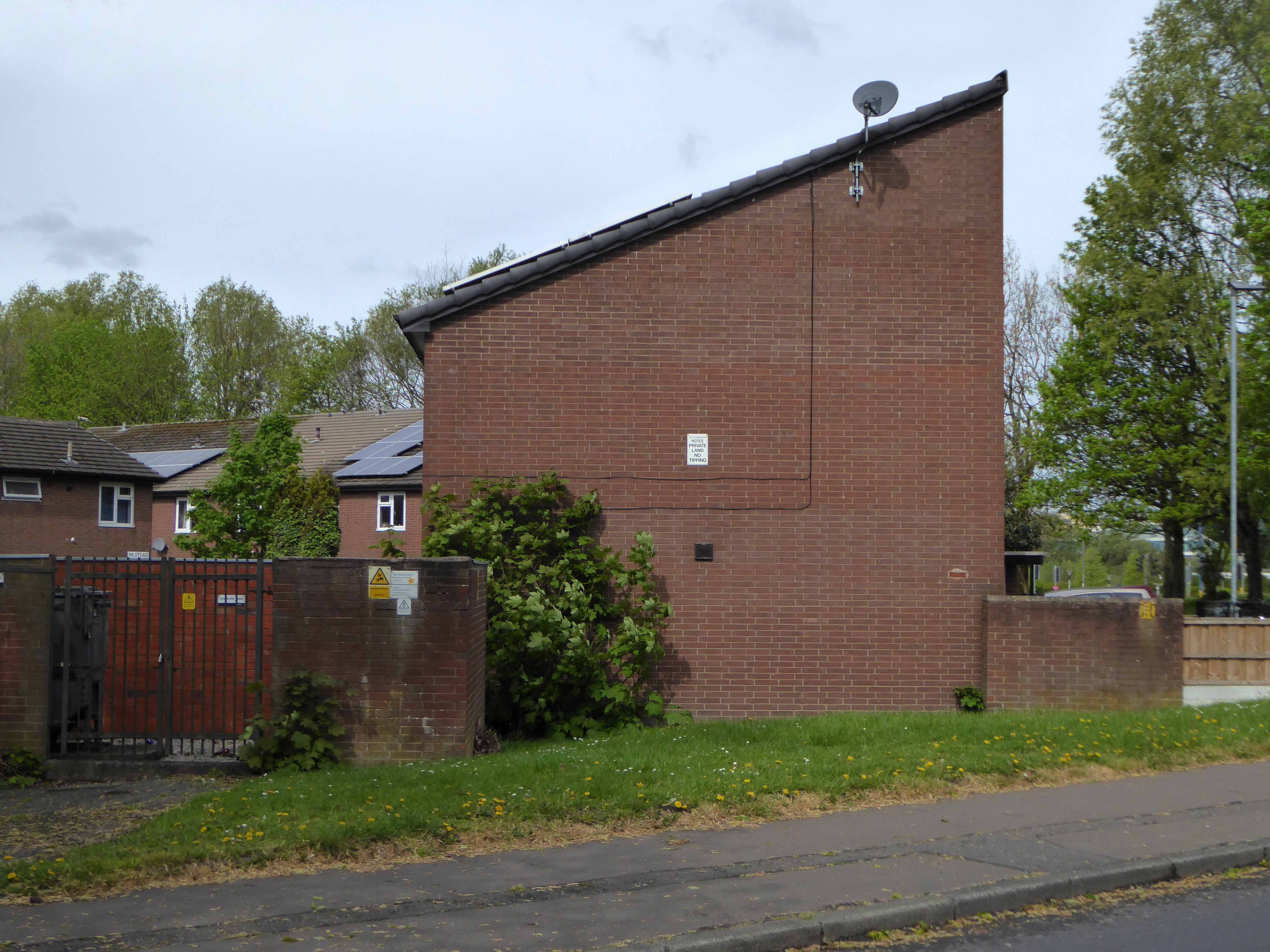
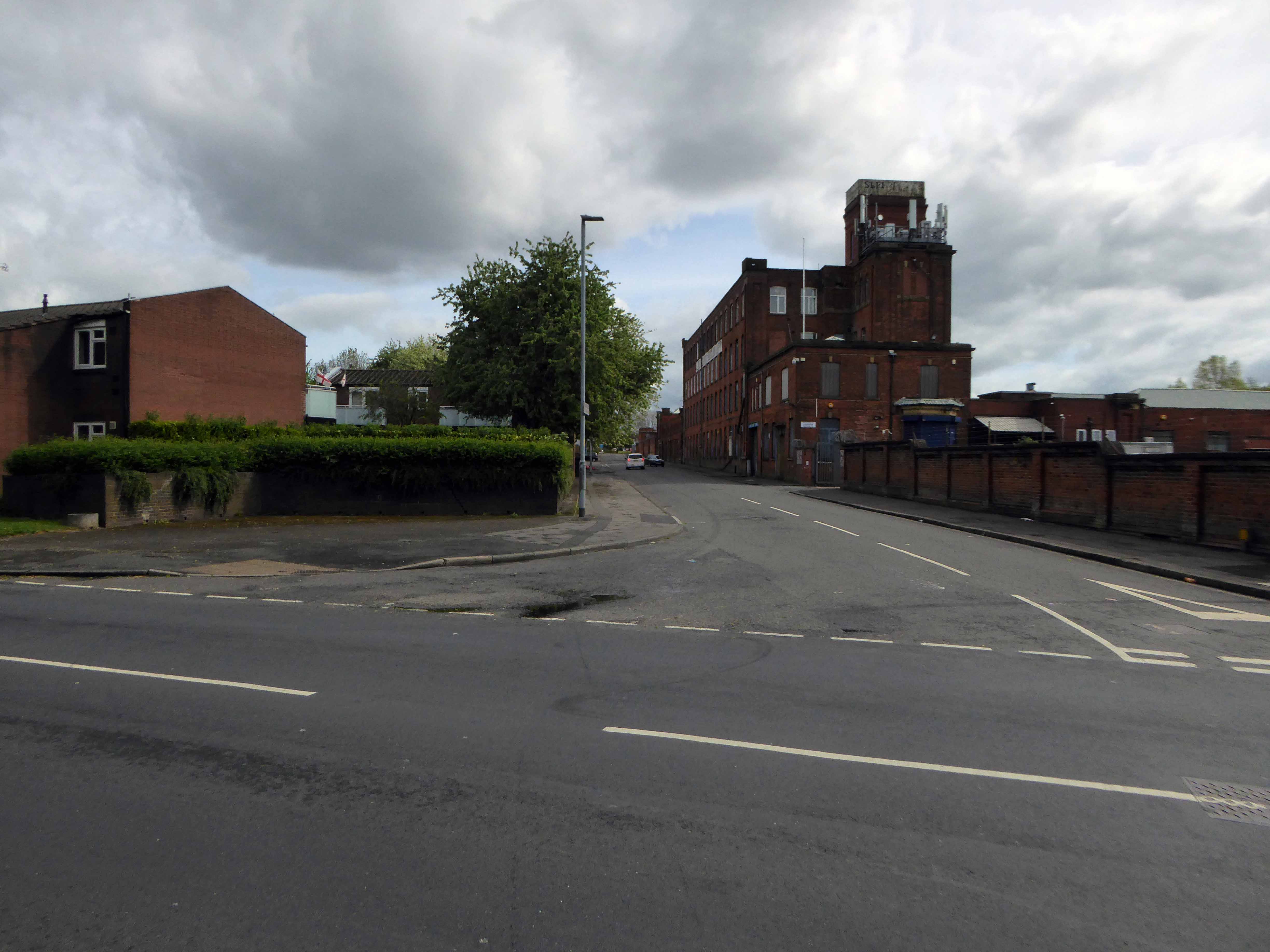
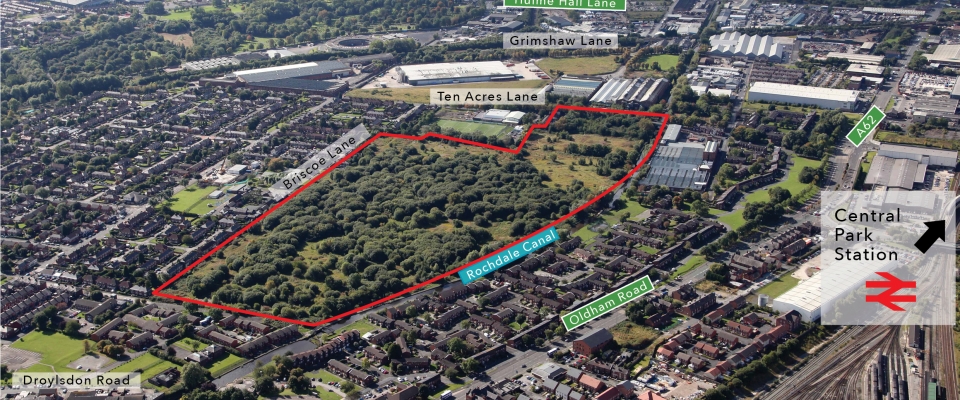
Having travelled back in time along Ten Acres Lane why not come along with me now and see just what’s left – right?

Each Manchester street tells its own tales of homes and people been, gone, rebuilt and buried – whole industries evaporating laid waste by seismic economic forces, land changing use again and again – shop door bells which are a now but a ghostly tintinnabulation on the wind.

Starting from the Oldham Road end the clearance of older terraced homes was followed by the construction of newer 70s social housing.

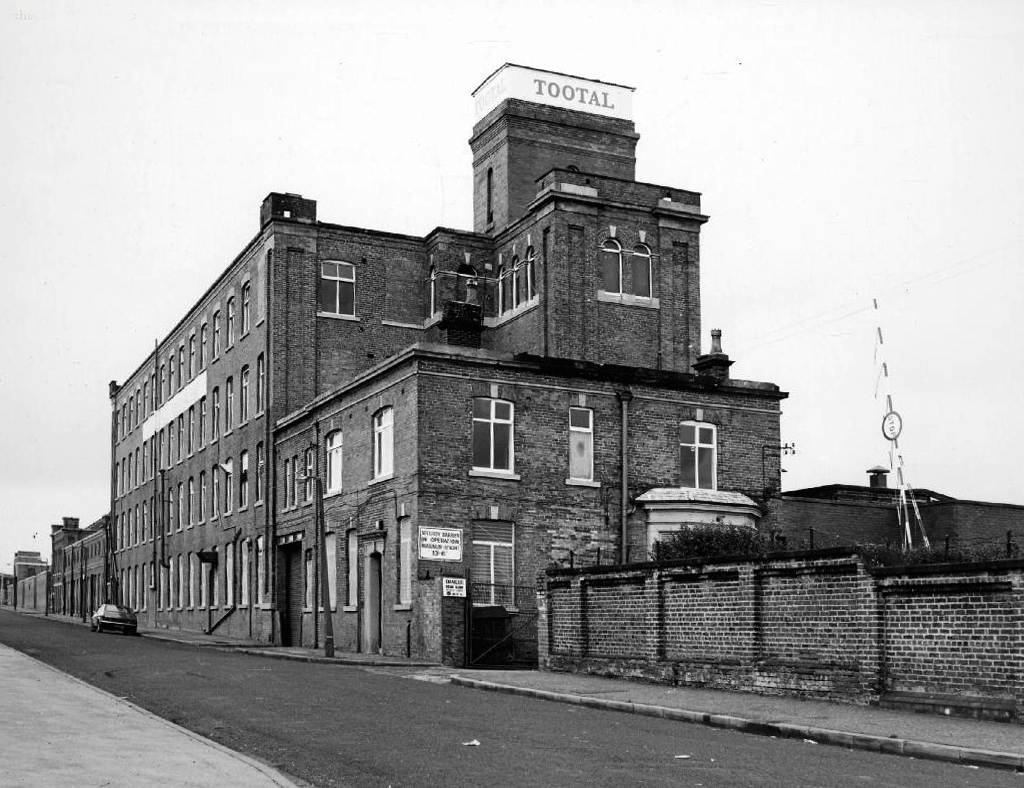
The former Tootal’s Mill is now owned by Sleepdown Textiles.

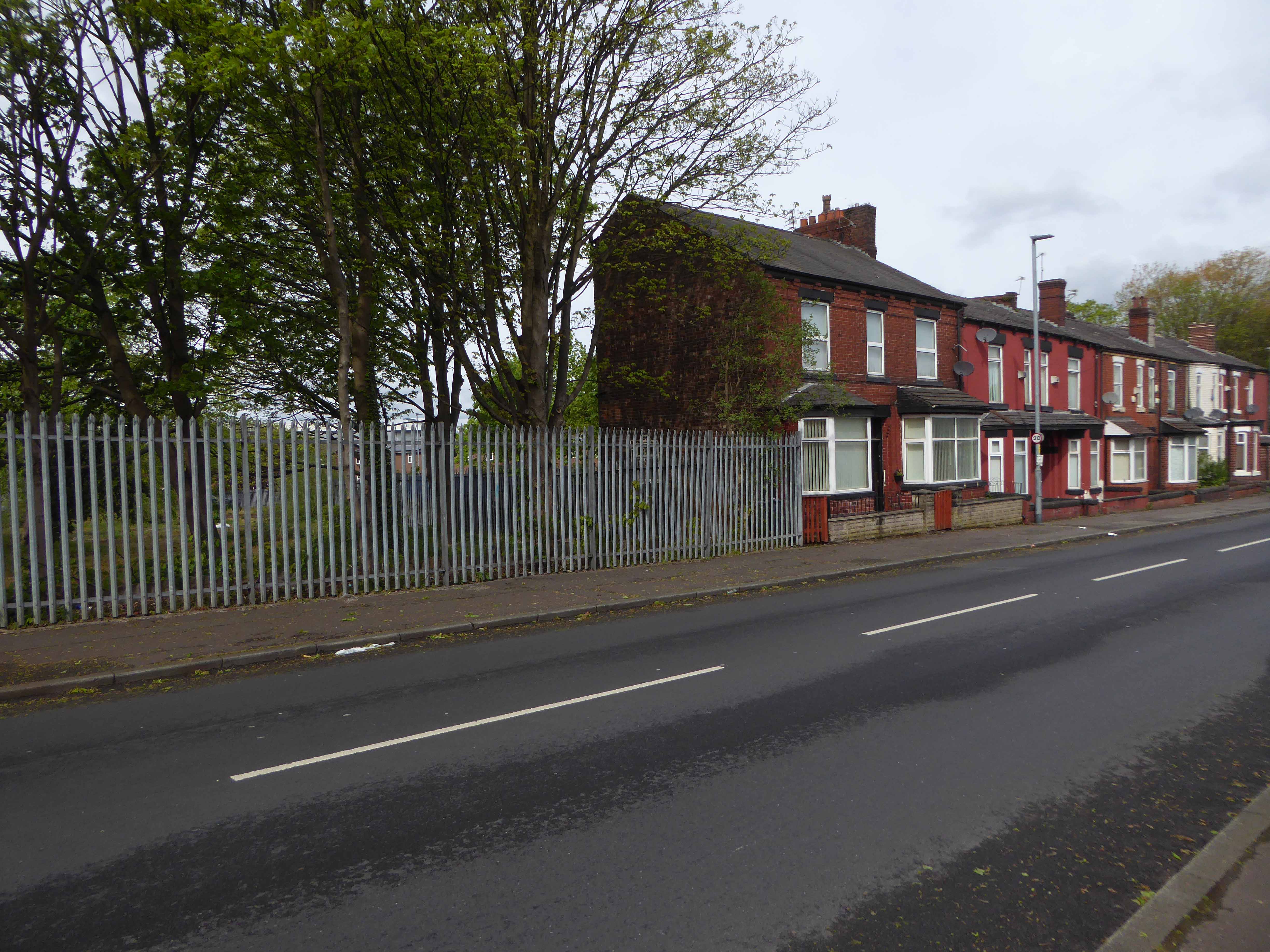
Some of the older terraces were spared the wrecker’s ball.

Industrial sites remain fenced and unused slowly returning to some form of urban natural habitat.

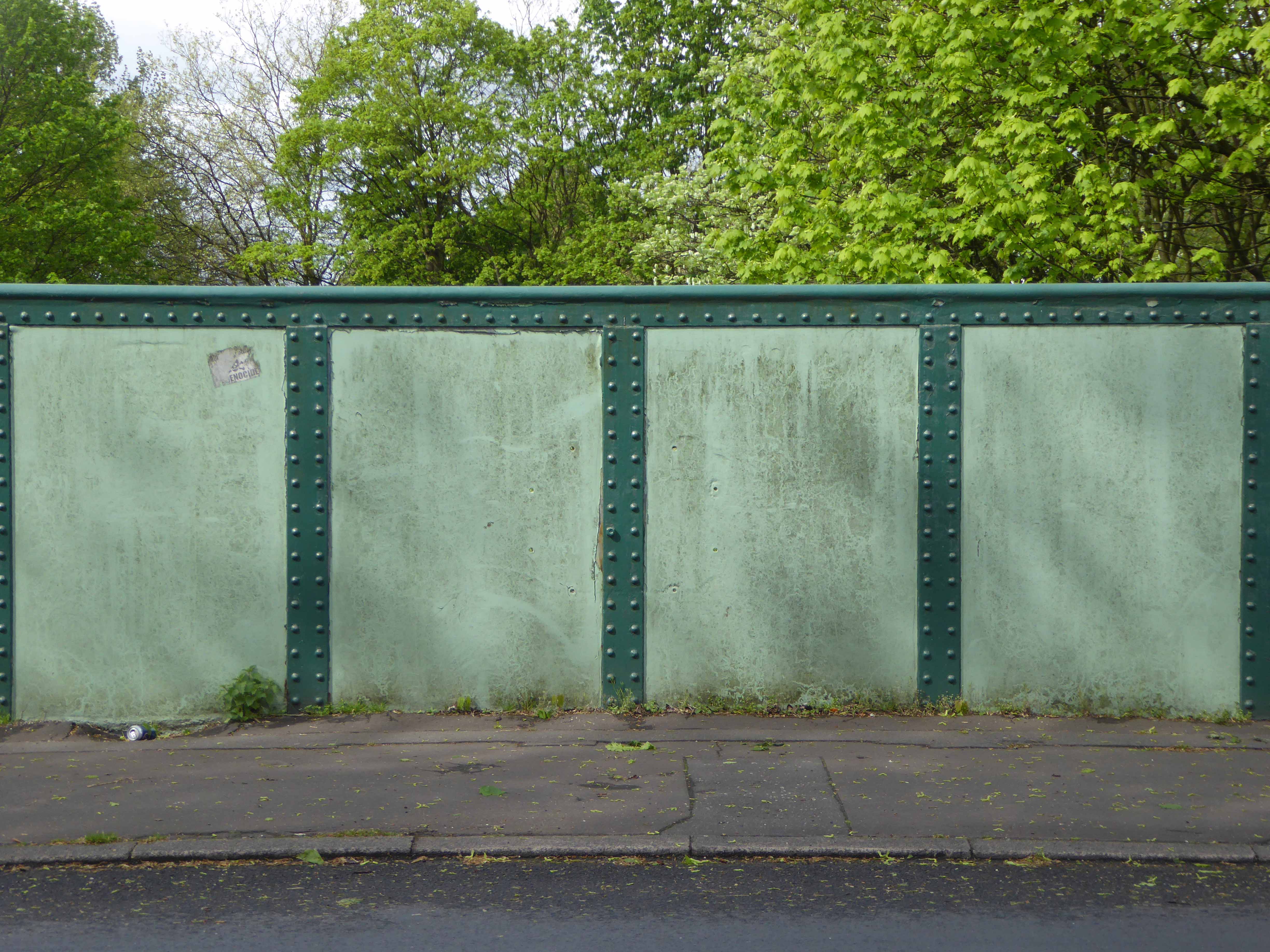
The cast-iron Rochdale Canal bridge is still in place – it was itself a replacement for an earlier masonry version.

Mather and Platt’s foundry sheds are just about hanging on – though I am uncertain of their current use and ownership.

The recreation ground is now an extensive community football facility and also home to the National Taekwondo Centre.

This large tract of land once Jackson’s Brickworks is under consideration for a modern private housing development

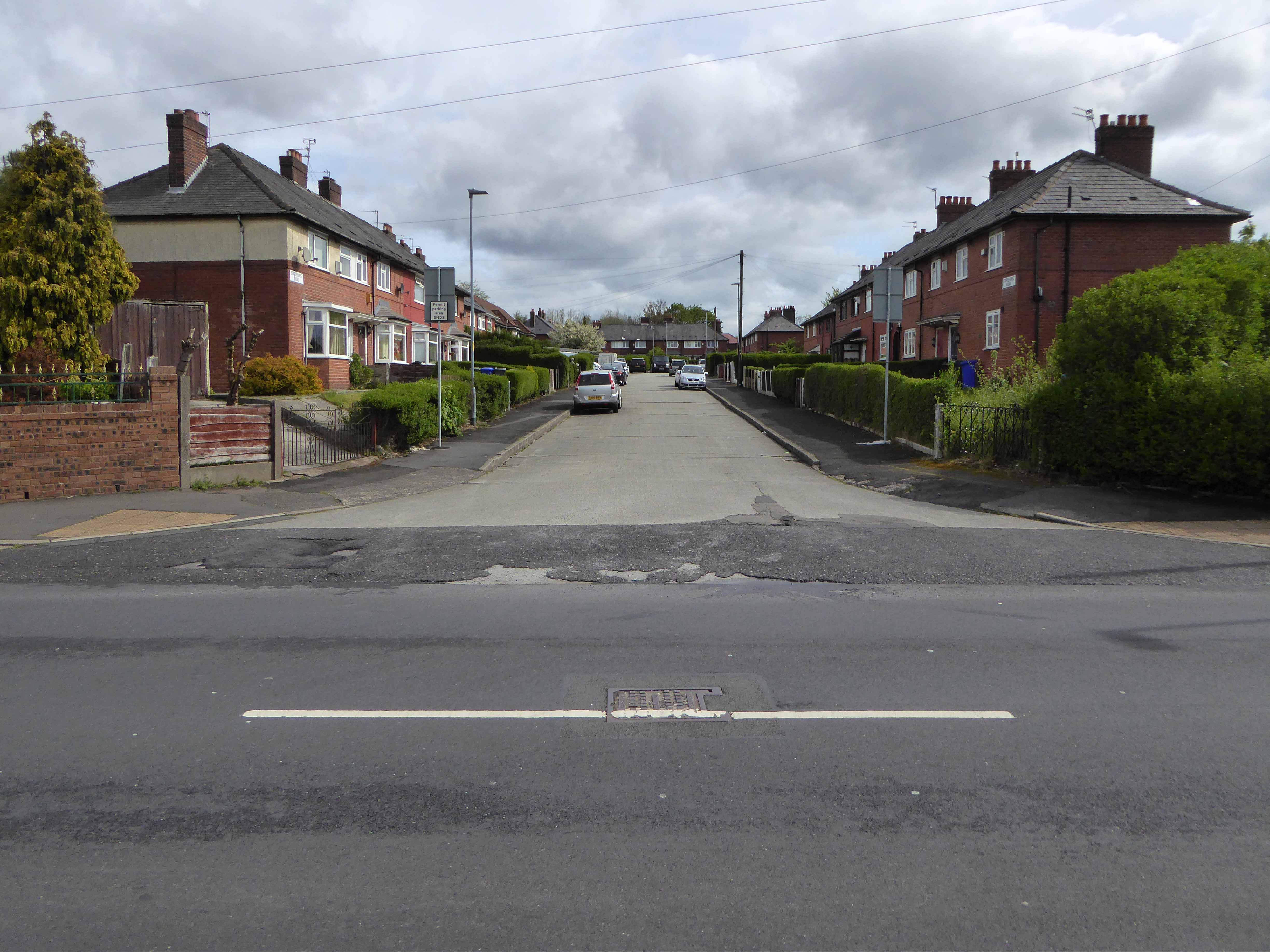
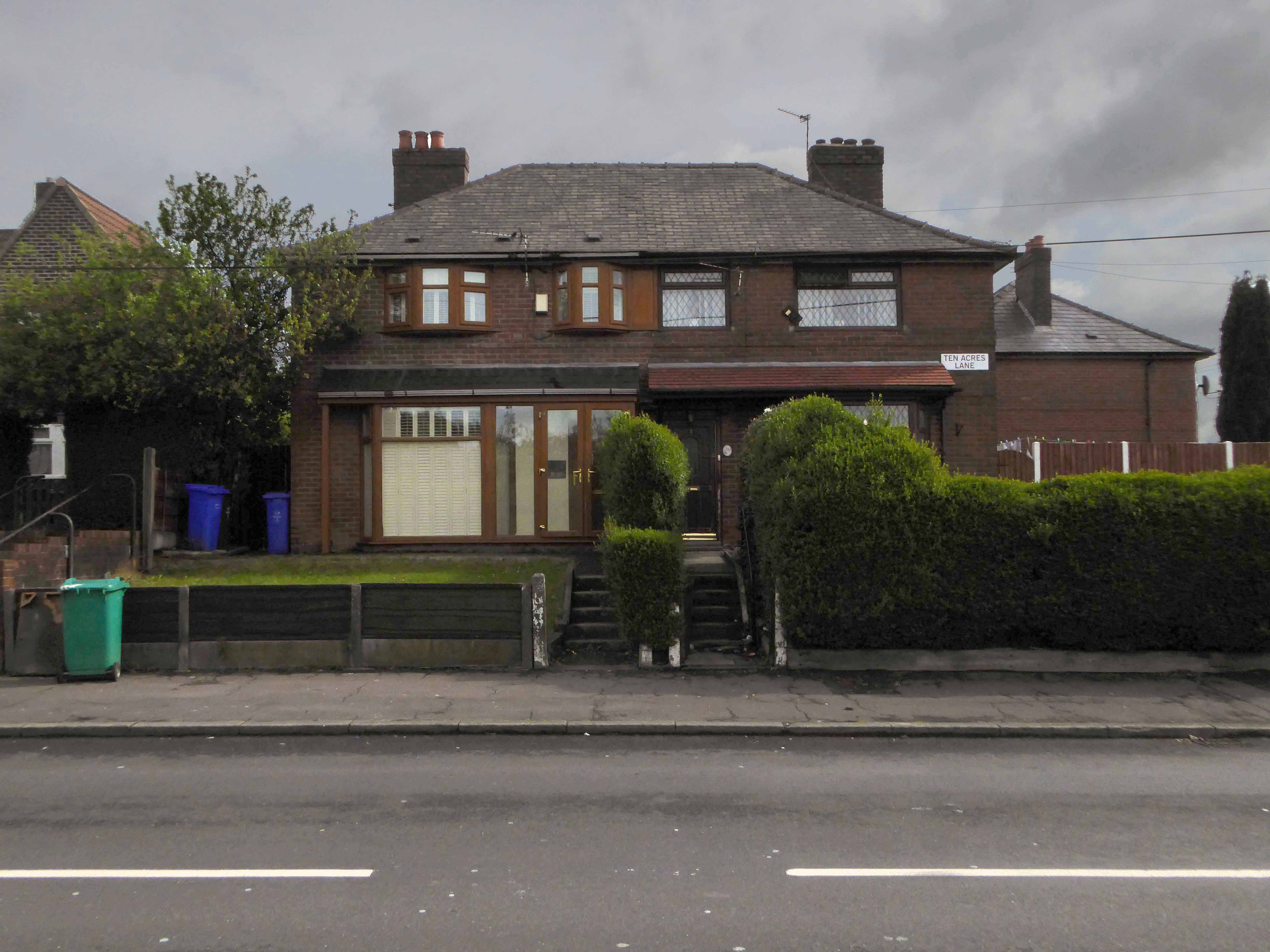
Much of the inter-war housing stock is still extant.

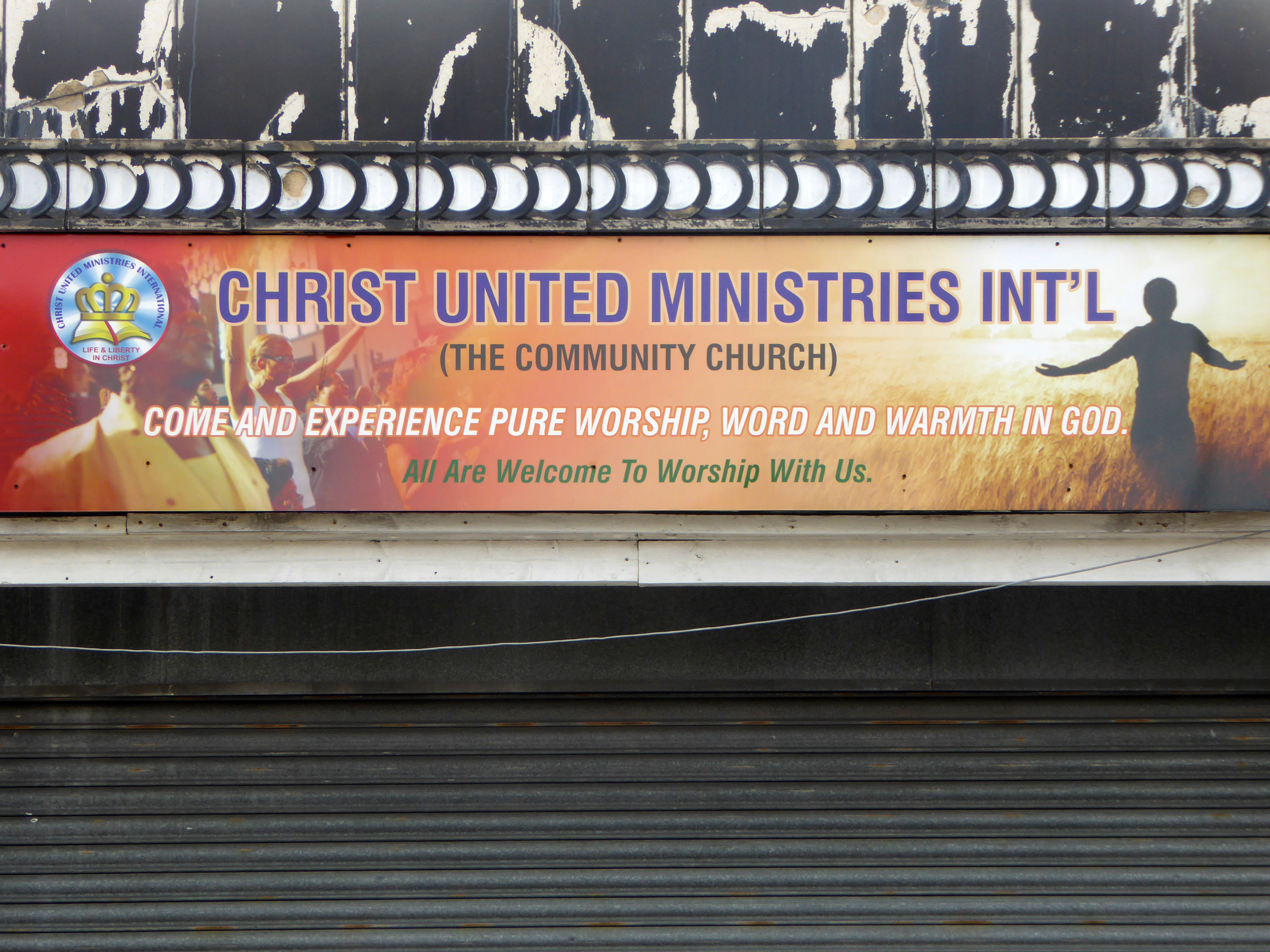
The sad shell of the Co-operative corner shop currently half storefront church half former tyre supplier is a sorry sight.
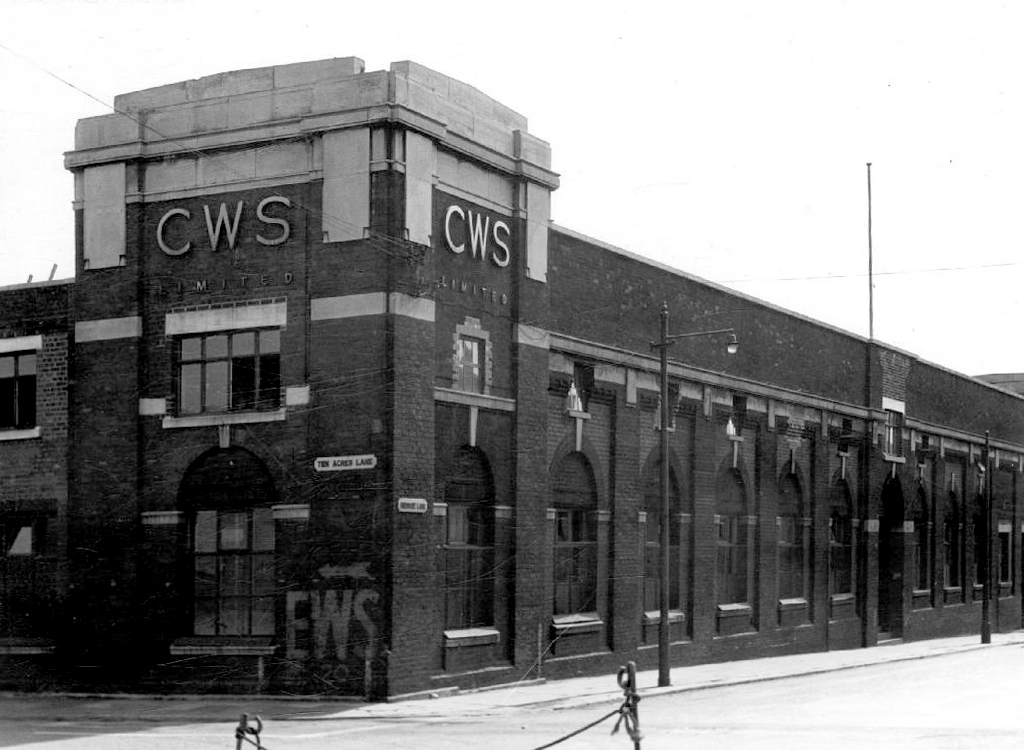
The still-standing CWS Works.

Finally passing under the railway bridge and descending into the Medlock Valley – our journey’s end.

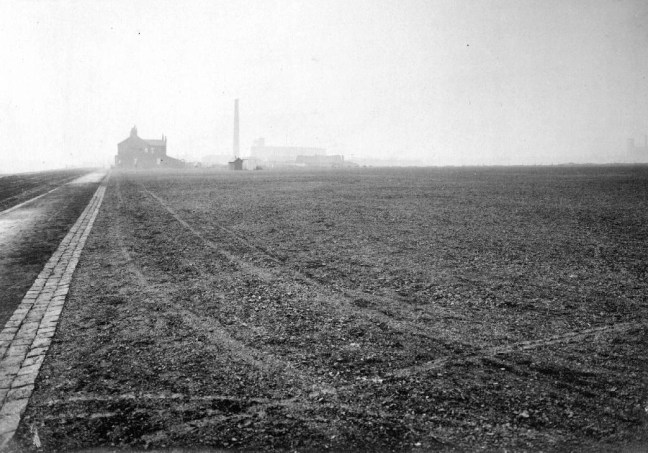
Ten Acres Lane – Manchester

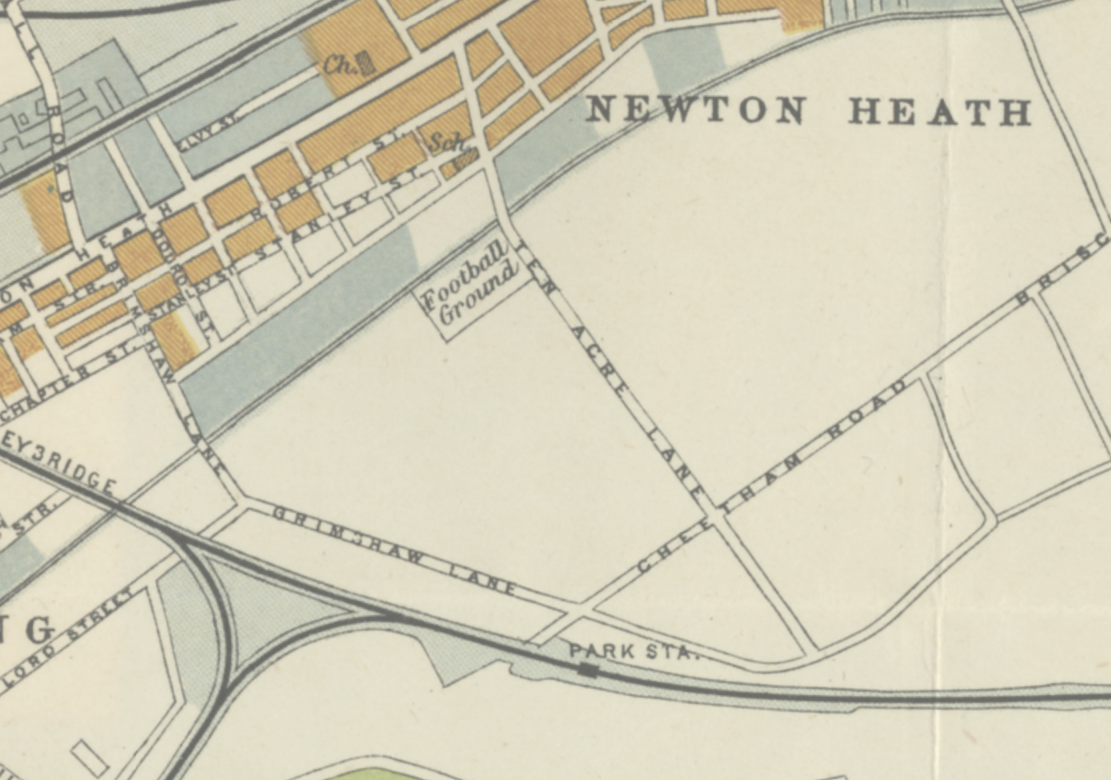
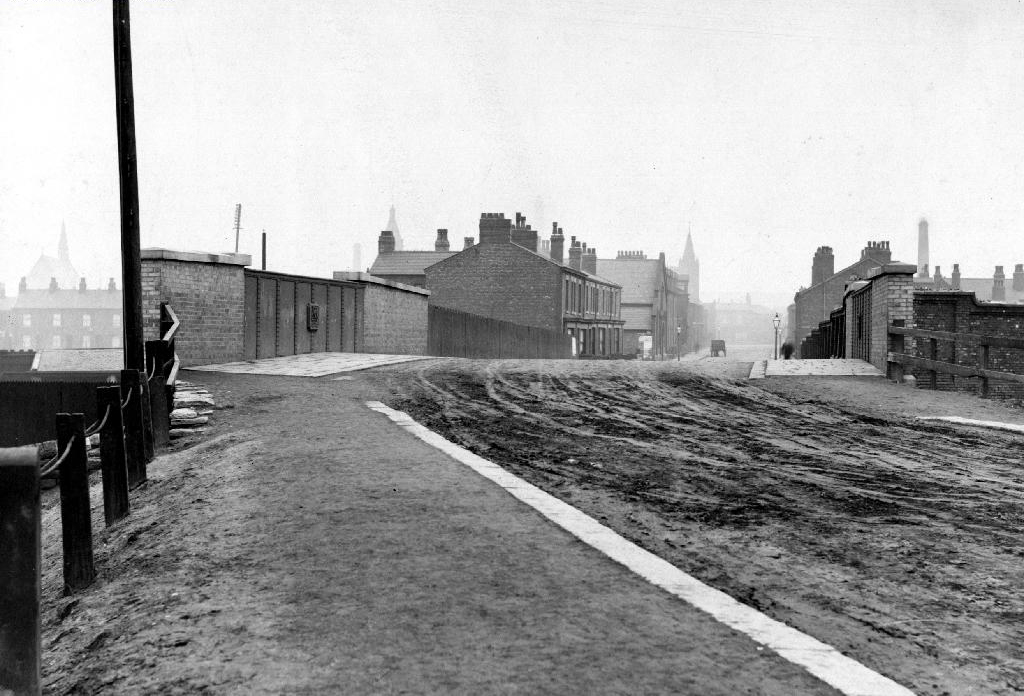
Ten Acres Lane 1904 running south from Oldham Road – not quite crossing under the Ashton and Stalybridge Railway.

I was propelled by the vague memory of an Ashton Lads football match way back in the 1970s – my dad Eddie Marland managed the team in the Moston and Rusholme League.

There was land given over to recreation from 1900, the area is famed for its links to the inception of Manchester United and almost but not quite became home to FC United.

The Recreation Grounds in 1900.

To the left of the inter-war housing in 1963.

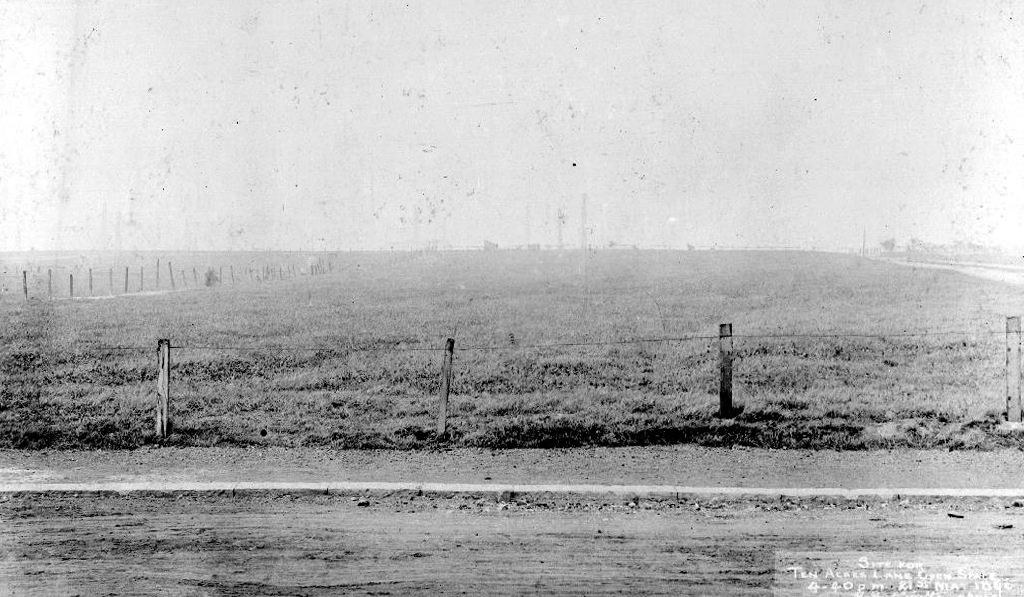
So I took a trip back in time along the lane – courtesy of the Local Image Collection.

In 1896 the area was largely farmlan

Baguley Fold Farm – occupying land adjacent to the Medlock Valley.

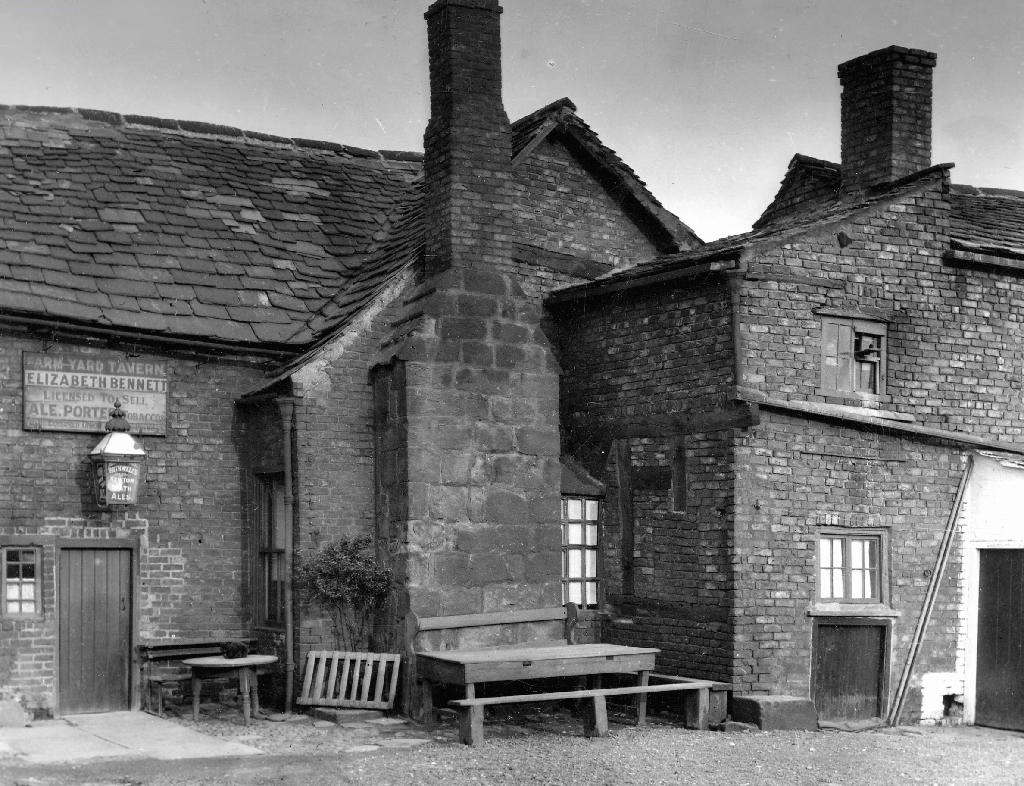
Farm Yard Tavern closed in 1917 a Rothwell’s pub supplied from Heath Brewery on Oldham Road.

This was an area dominated by the Rochdale Canal and criss-crossed with rail links.

The canal bridge 1904.

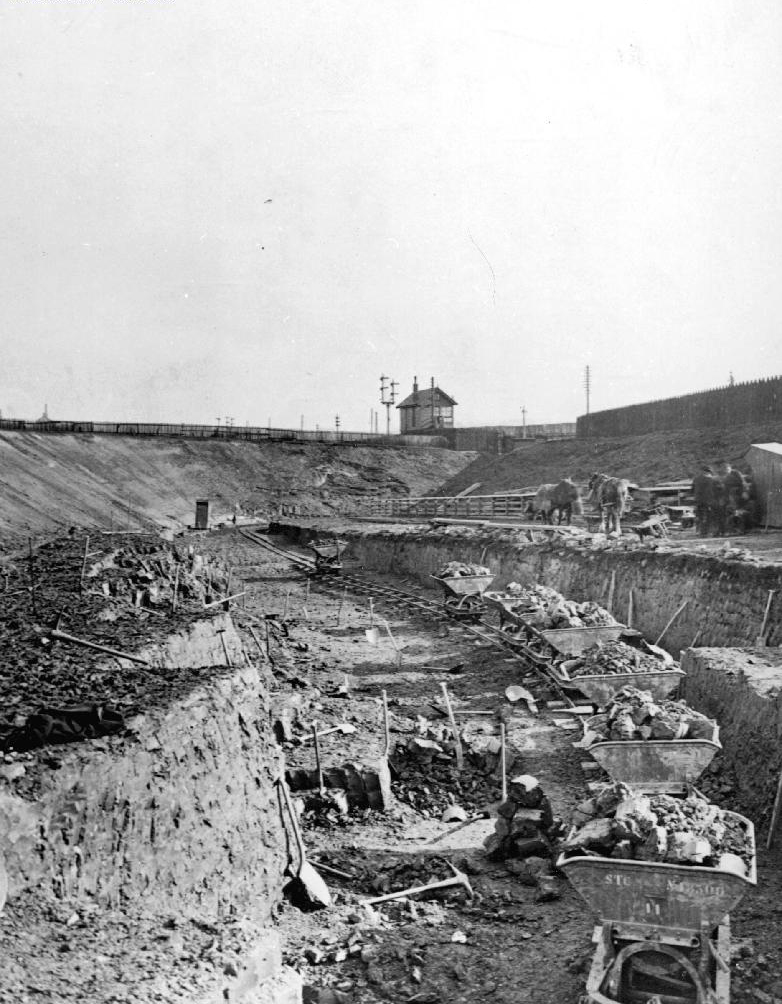
Construction work 1920.

Tootal’s Mill.

CWS warehouse and works corner of Briscoe Lane.

Mather And Platt’s adjoining the Rochdale Canal.

The area was also home to Jackson’s Brickworks.

There was a Co-op shop.

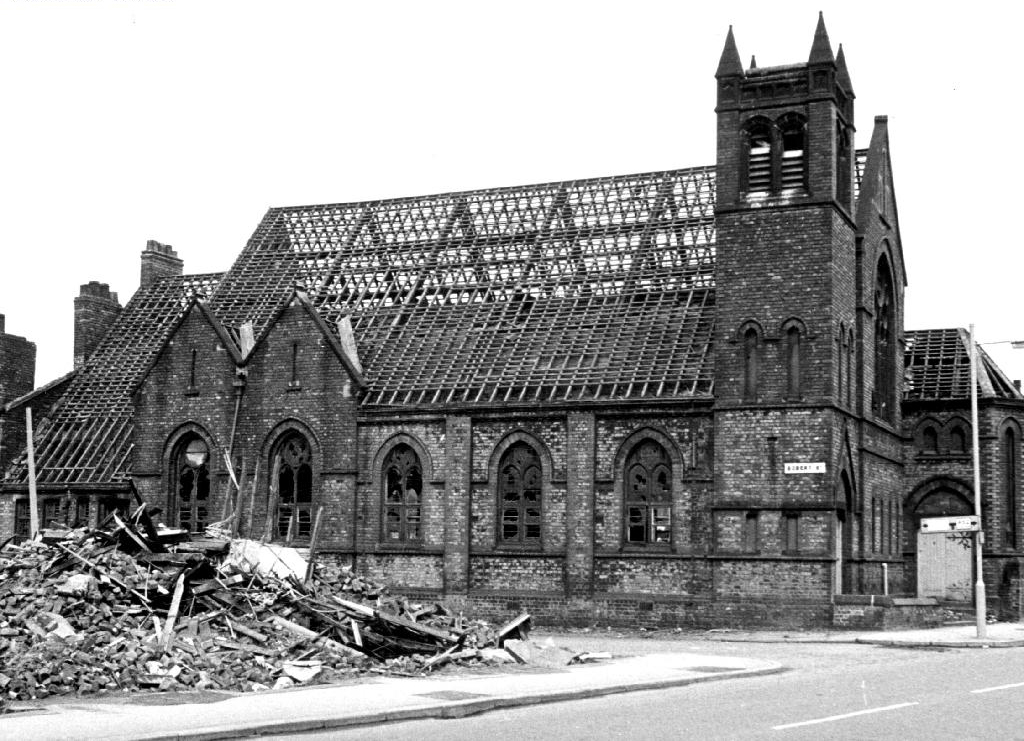
Going going gone St Paul’s Church seen here in 1972.

Victorian terraces and inter-war social housing – homes for a large industrial work force.

Many of the sights and sites above are still extant though their appearance and uses have changed along with the times. Manchester inevitably continues to from and reform for good or ill.

Sadly the old Rec the Moston and Rusholme League and my dad are all long gone – though it’s just as well to remember them all fondly, as we travel through our familiar unfamiliar city.

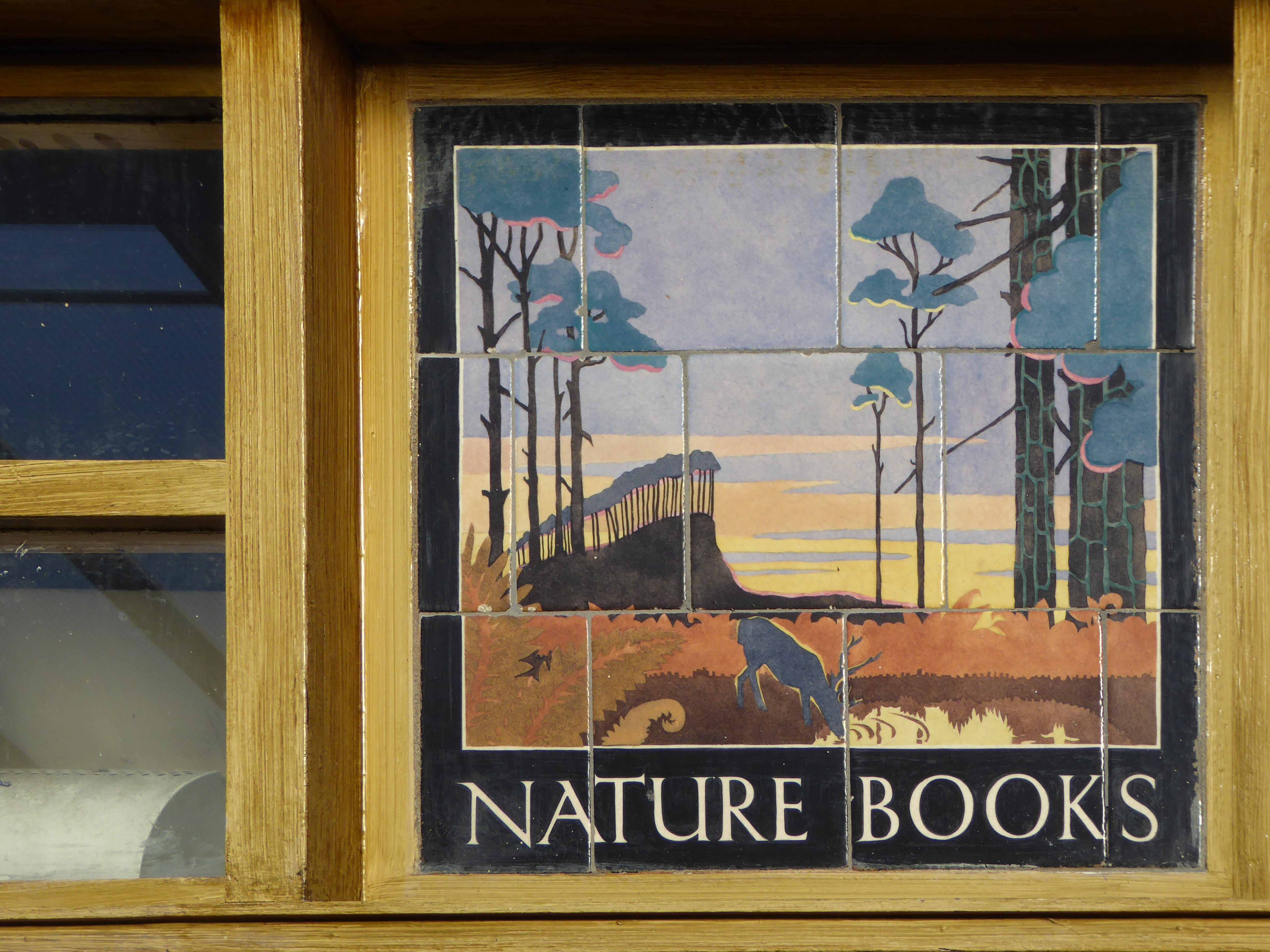
WH Smiths – Colwyn Bay

I have been here before.

I’ve been there too – Newton Powys home to the WH Smiths Museum

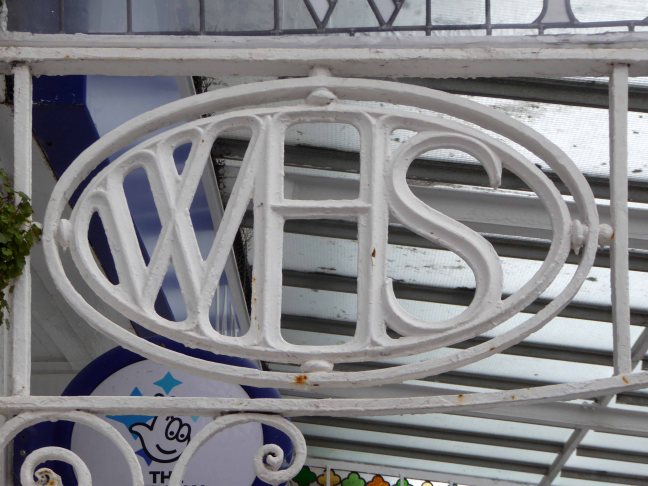
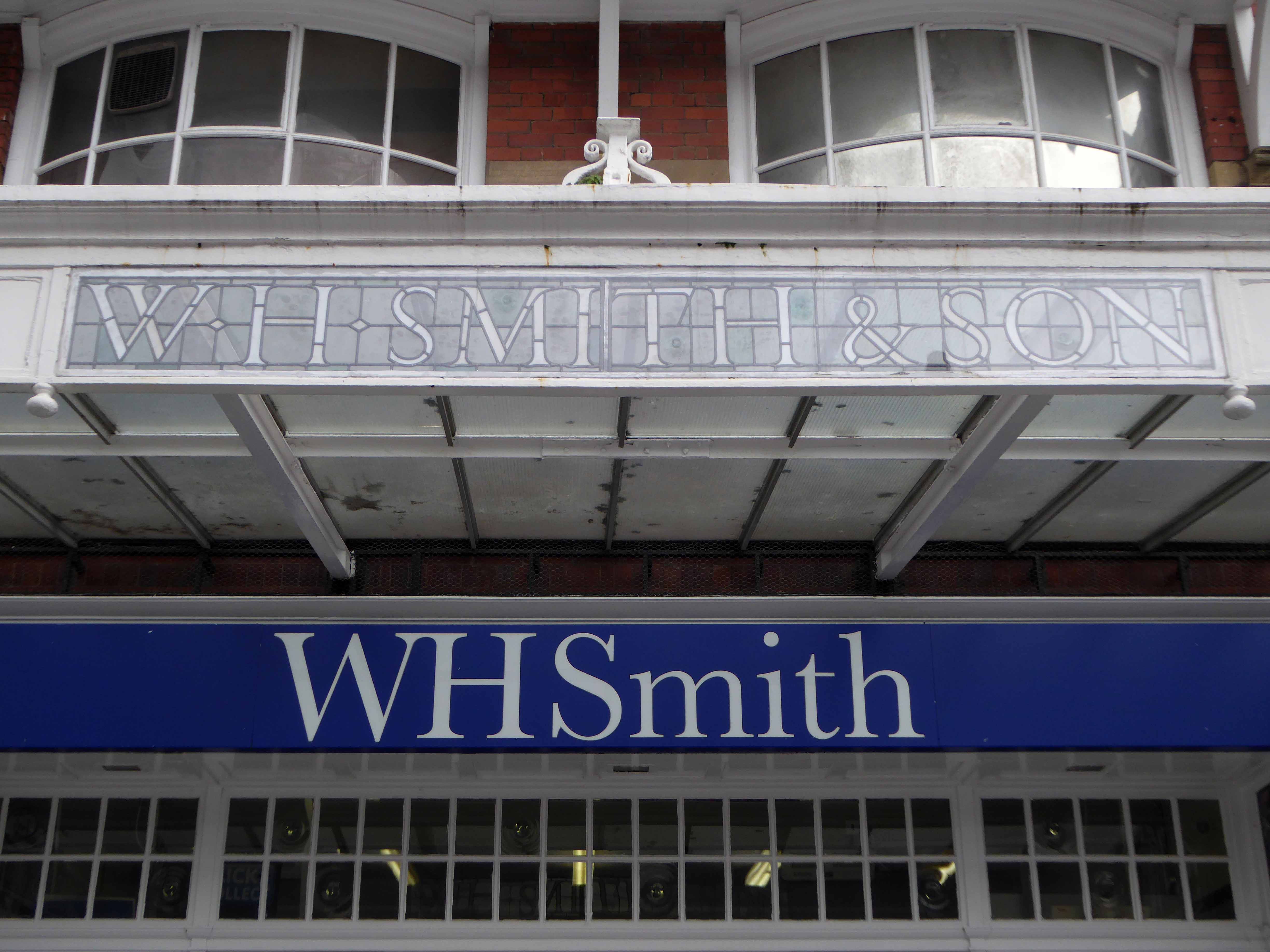
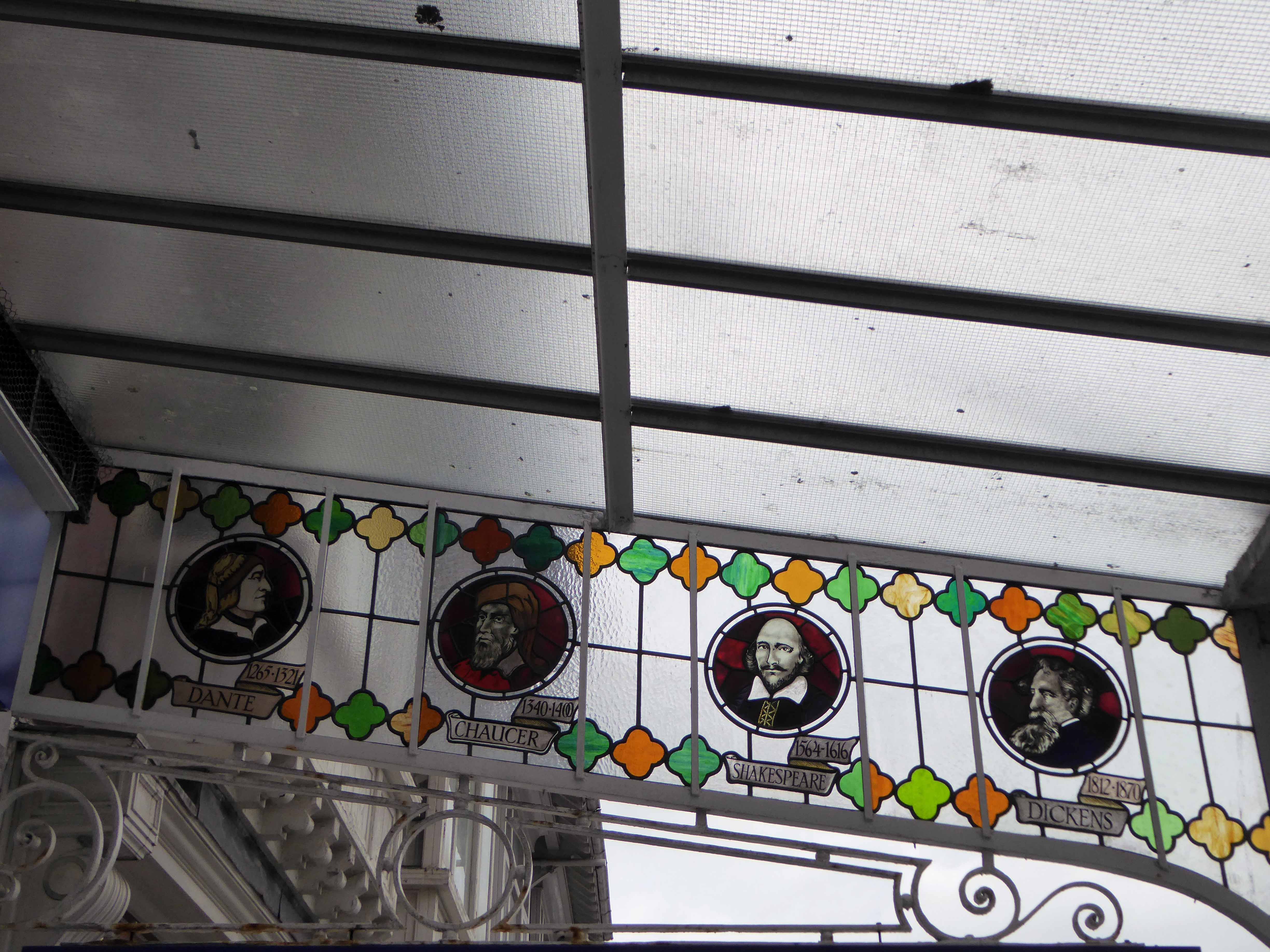
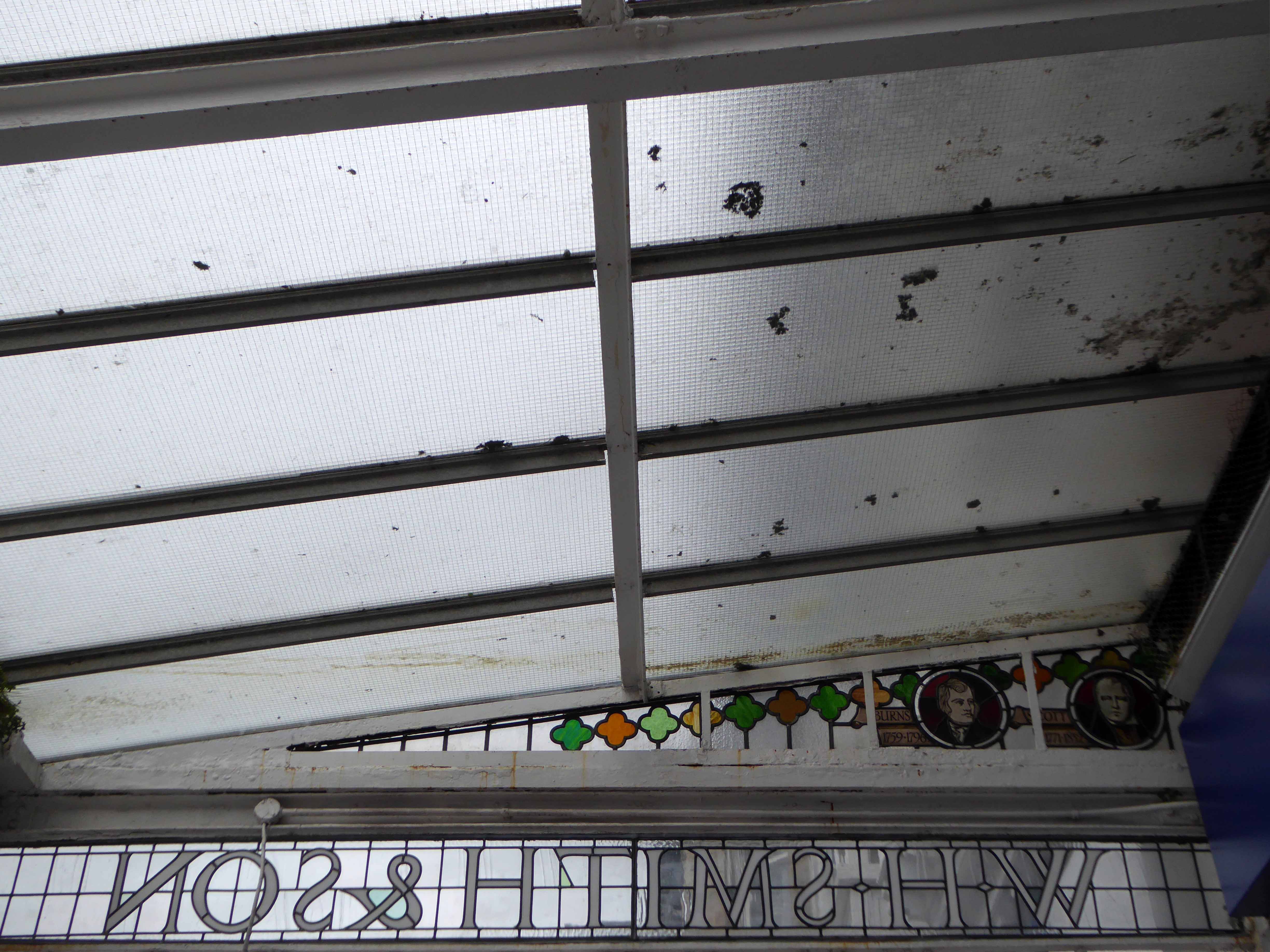
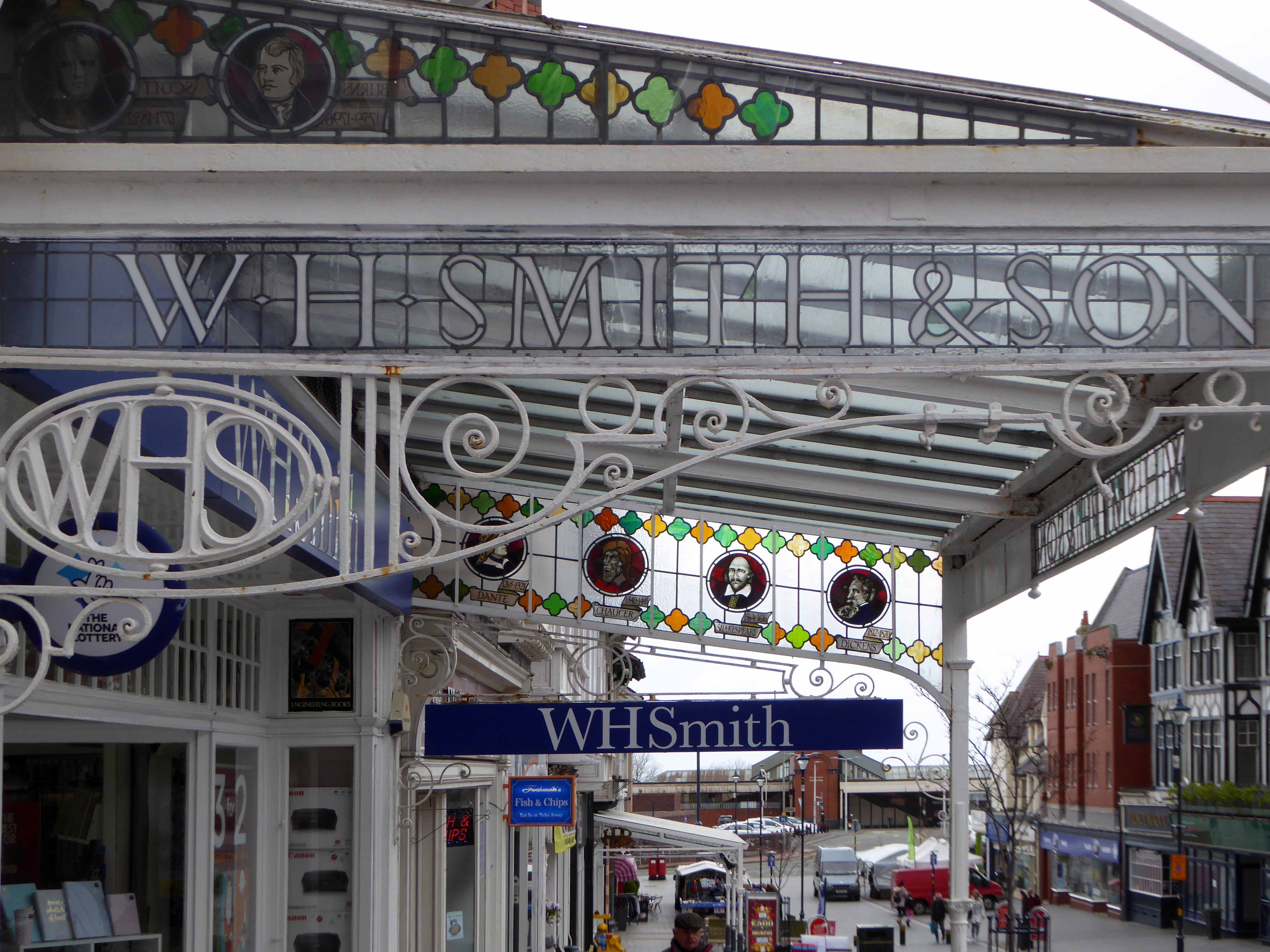
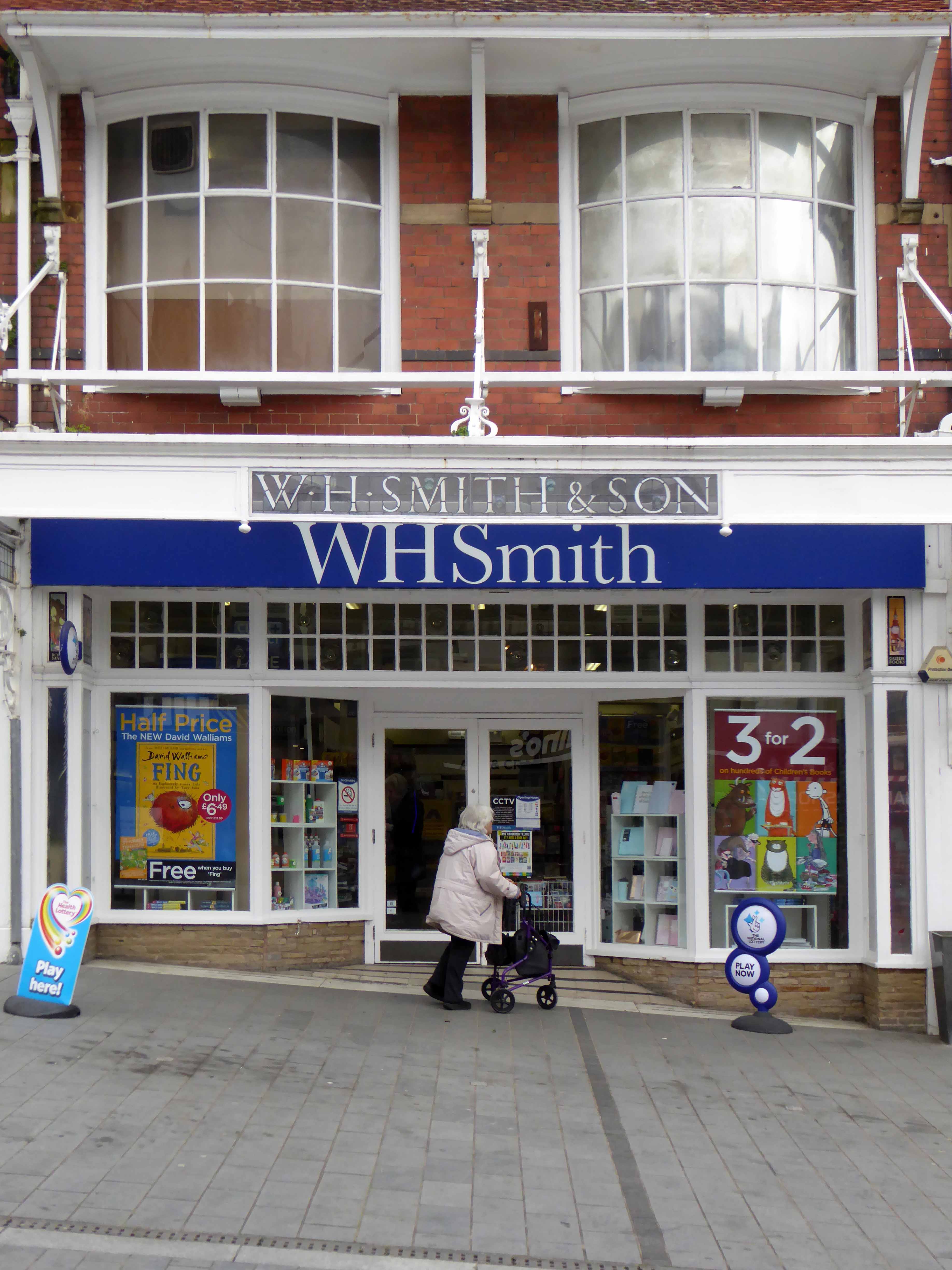
Now here I am in Colwyn Bay generally minding my own and everybody else’s business, when all of a sudden I noticed a cast iron glazed awning.

Proudly announcing the proprietors – sadly supported by a distressing modern addition – now I’m not one to decry and debunk the rising tide of modernity, I’m all in favour of unisex clothing and central heating.

But the unchecked encroachment of vacuous vinyl really is the limit.

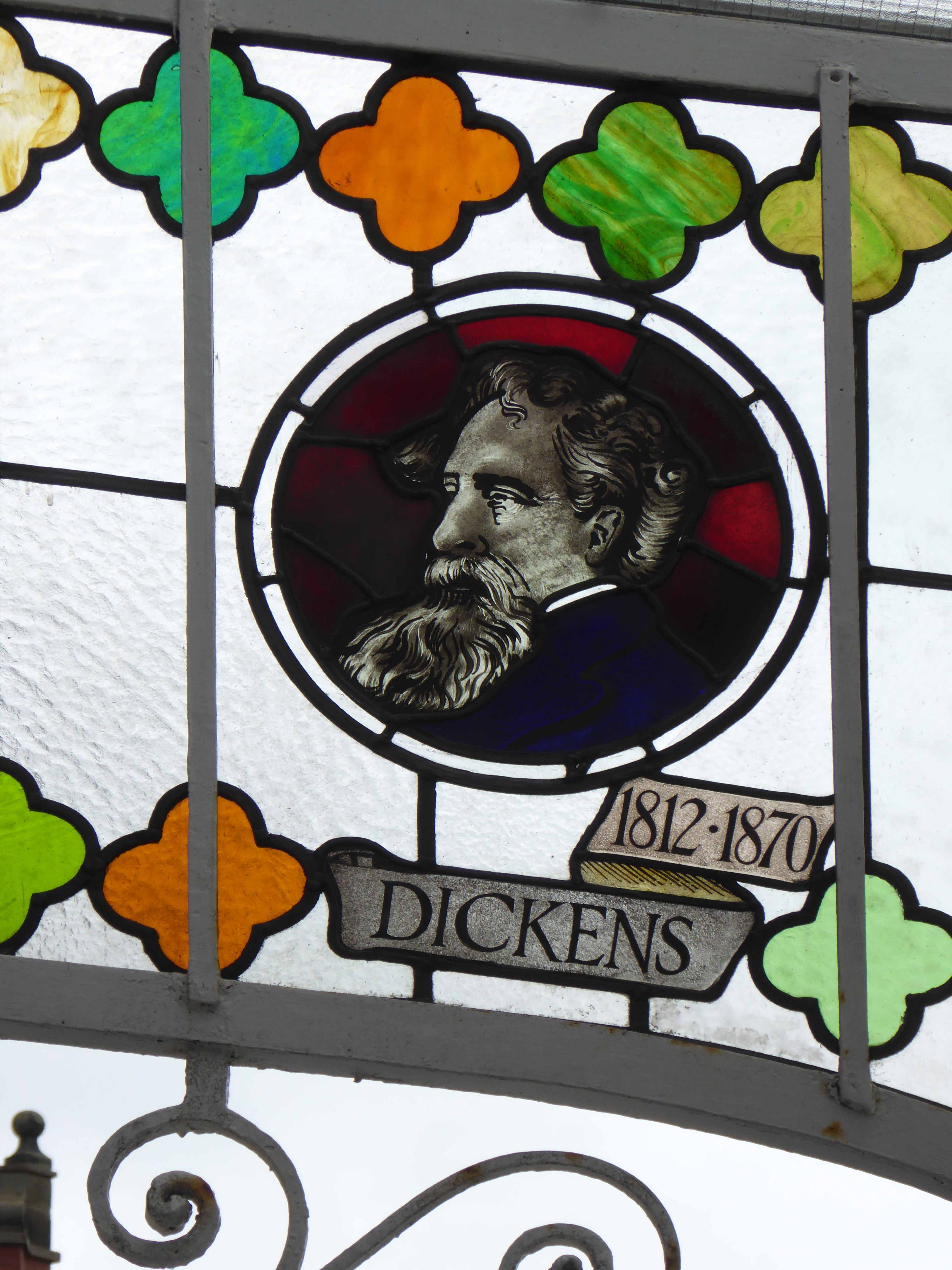
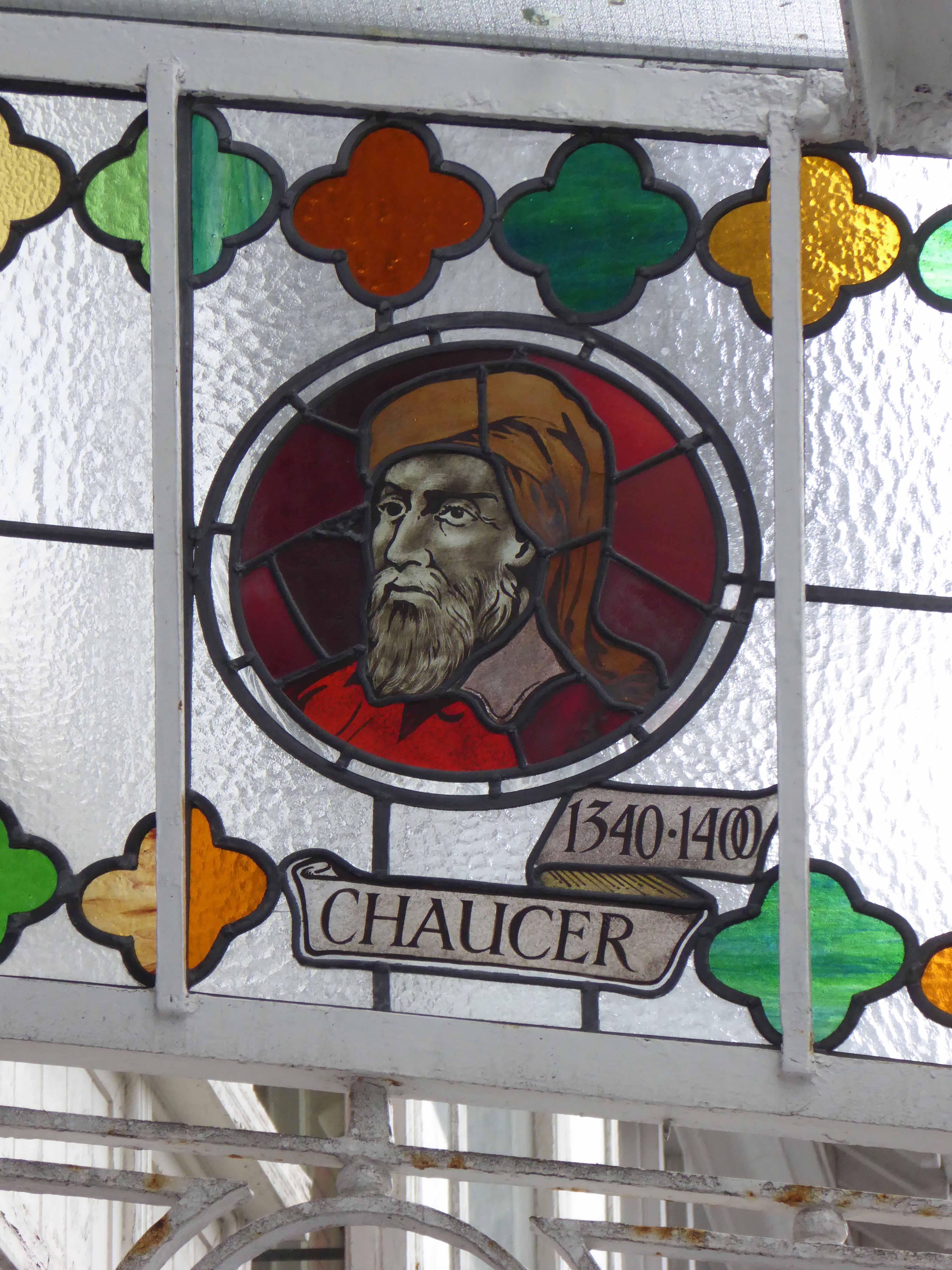
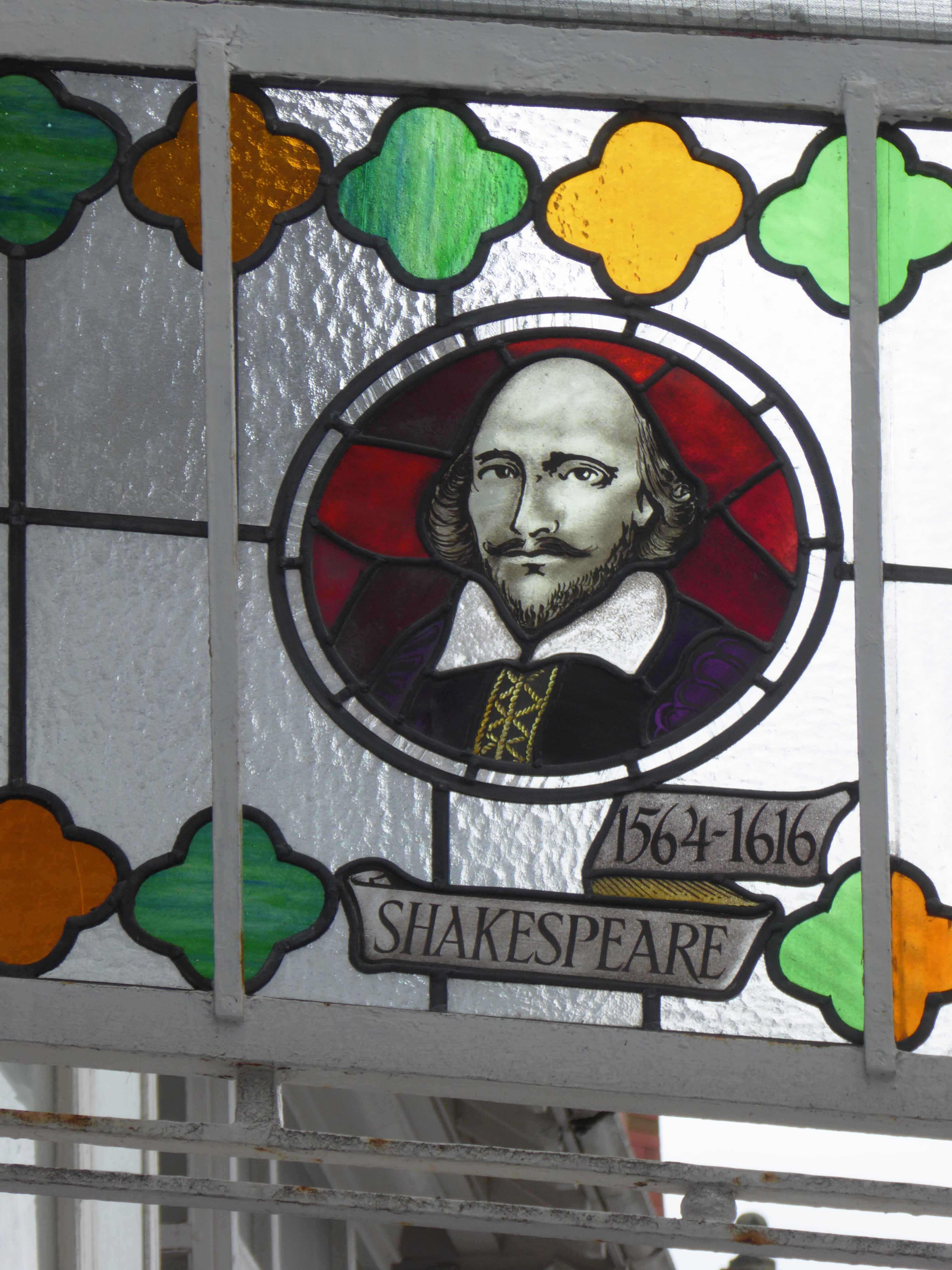
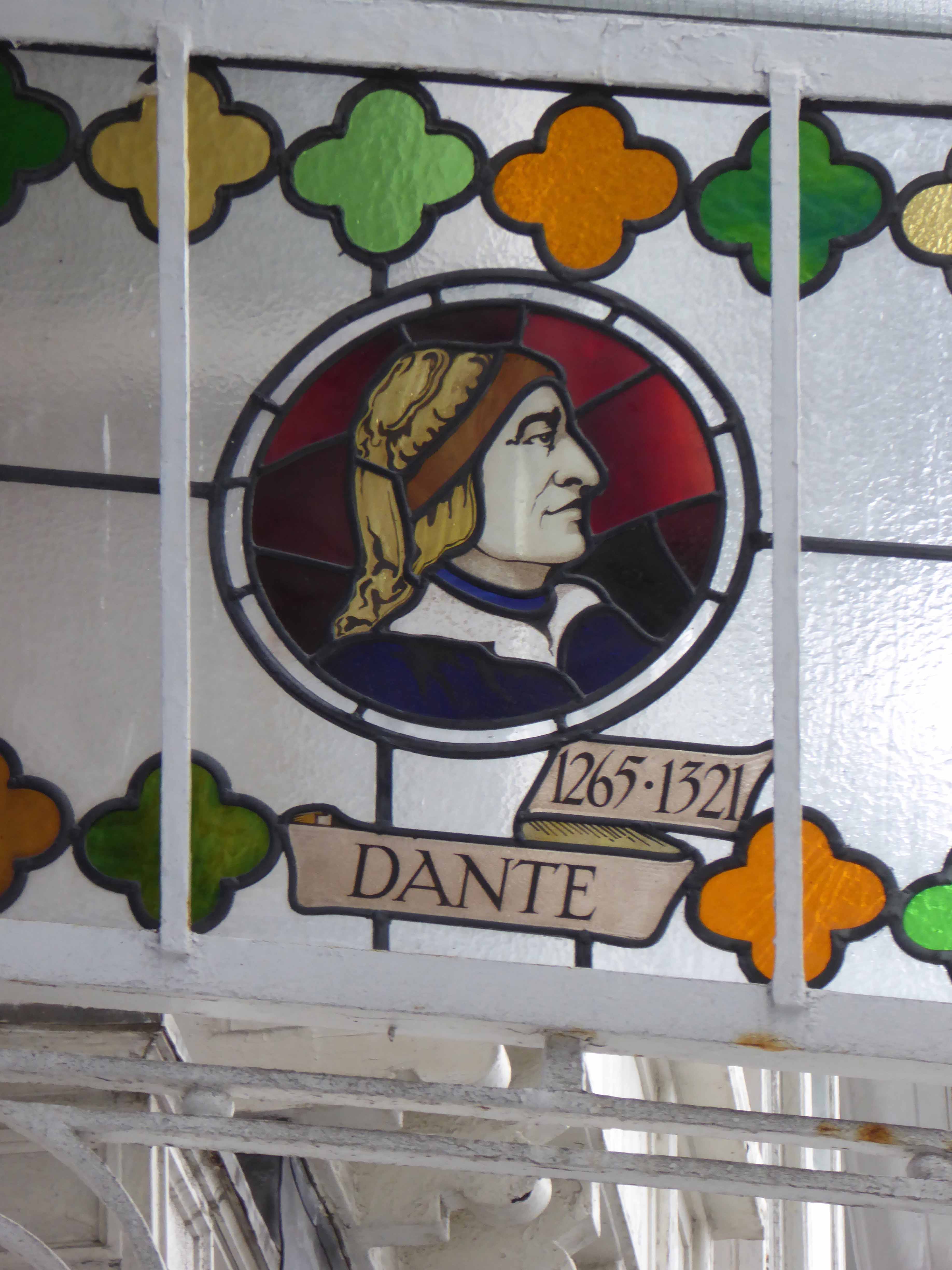
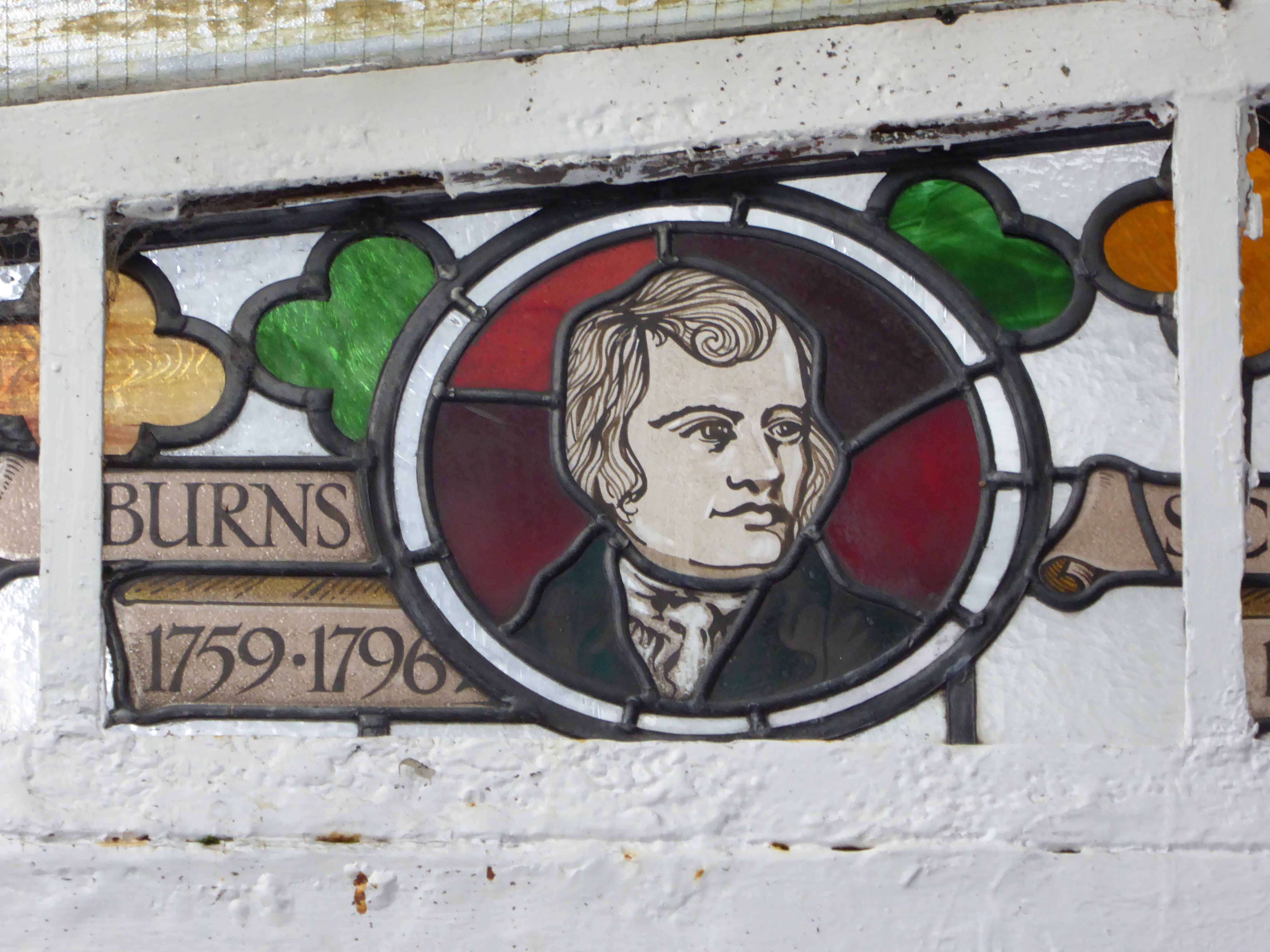
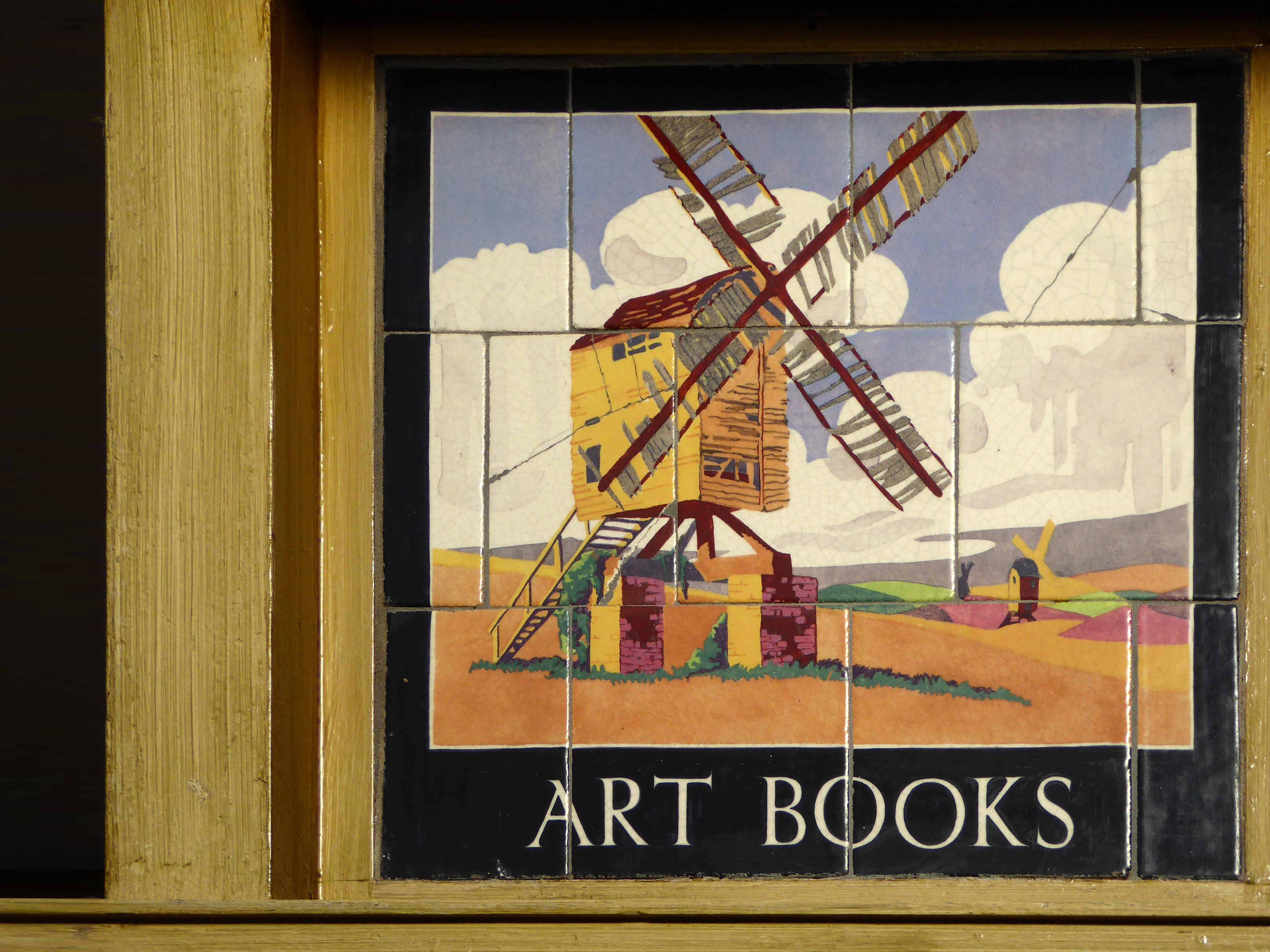
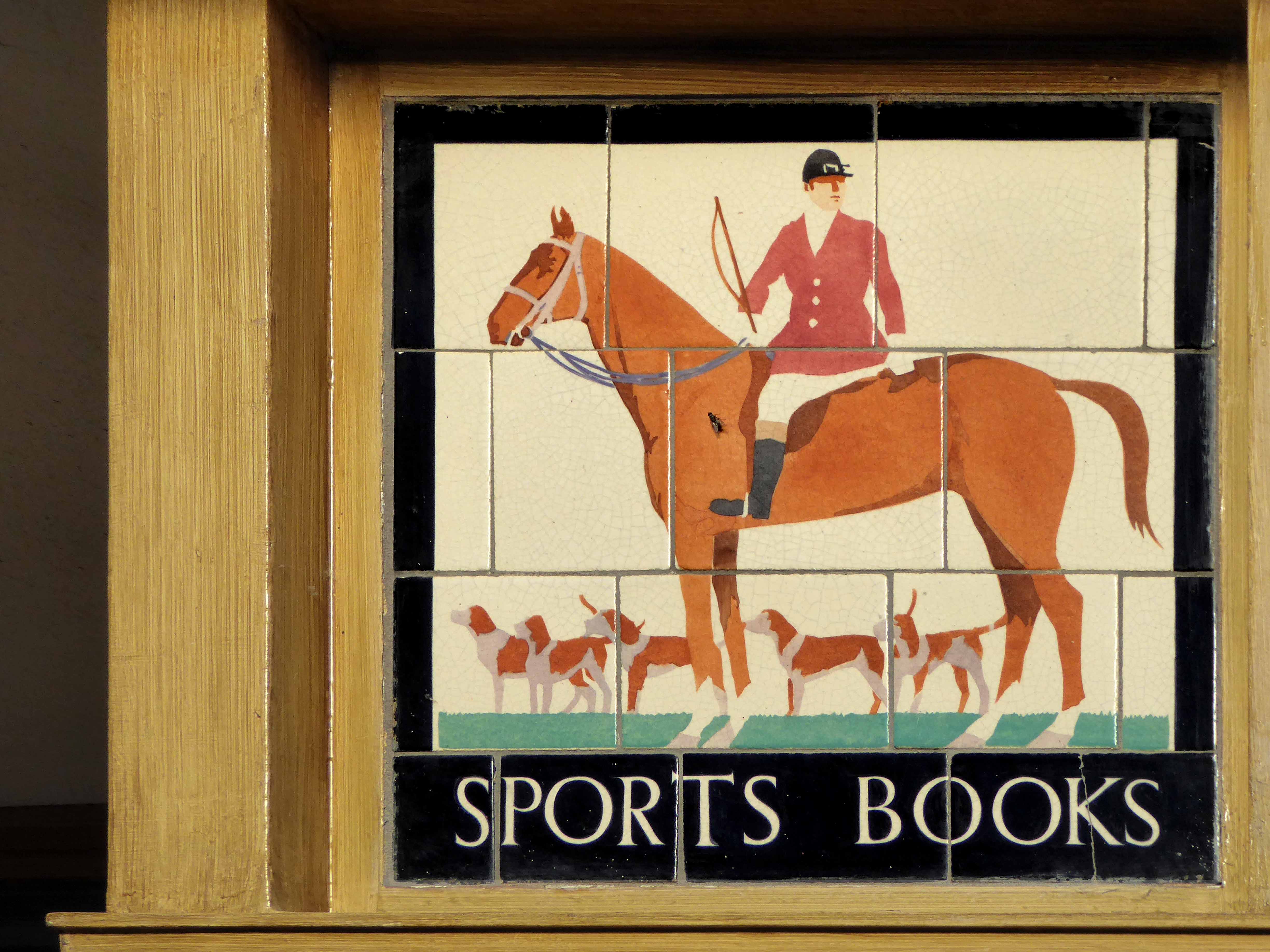
Businesses displayed a degree of dignified permanence unknown to the current high street trader. So here it is writ larger than life in stained glass and Carter’s Tiles.
Loud and proud.

And as an addendum here are the delightful tiles from the Llandudno branch, snapped two years previously.

Burton’s Moderne – Ashton and Beyond

In almost every town or city worth its salt stood a modern white tiled tailor’s shop, almost every man or boy wore a Burton’s suit.
Harry Wilson had become the company architect by the early 1920s, and was responsible for developing Burton’s house style. Montague Burton, however, maintained a close personal interest. The company’s in-house Architects Department was set up around 1932 under Wilson. He was followed as chief architect around 1937 by Nathaniel Martin, who was still in post in the early 1950s. The architects worked hand-in-hand with Burton’s Shopfitting and Building Departments, who coordinated the work of selected contractors. Throughout the late 1920s and 1930s they were kept phenomenally busy: by 1939 many of Burton’s 595 stores were purpose-built.
The very first made to measure gear I owned came from Burton’s in Ashton under Lyne – mini-mod aged fourteen in a three button, waisted, light woollen dark brown jacket, four slanted and flapped side pockets and an eighteen inch centre vent.

Just the job for a night out at the Birdcage, Moon or Bower Club

The story of the stores begins in the province of Kovno in modern Lithuania – Meshe David Osinsky (1885-1952), came to England where he initially took the name Maurice Burton. 

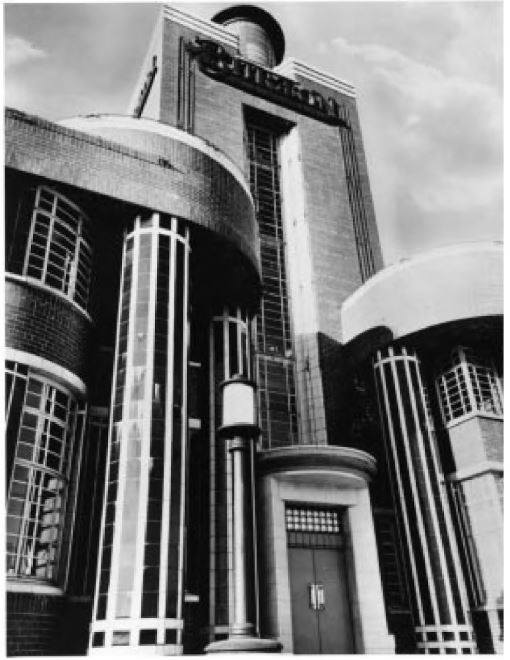
The distinctive architecture stood out on the high street, Art Deco motifs and details abound – elephants chevrons and fans.

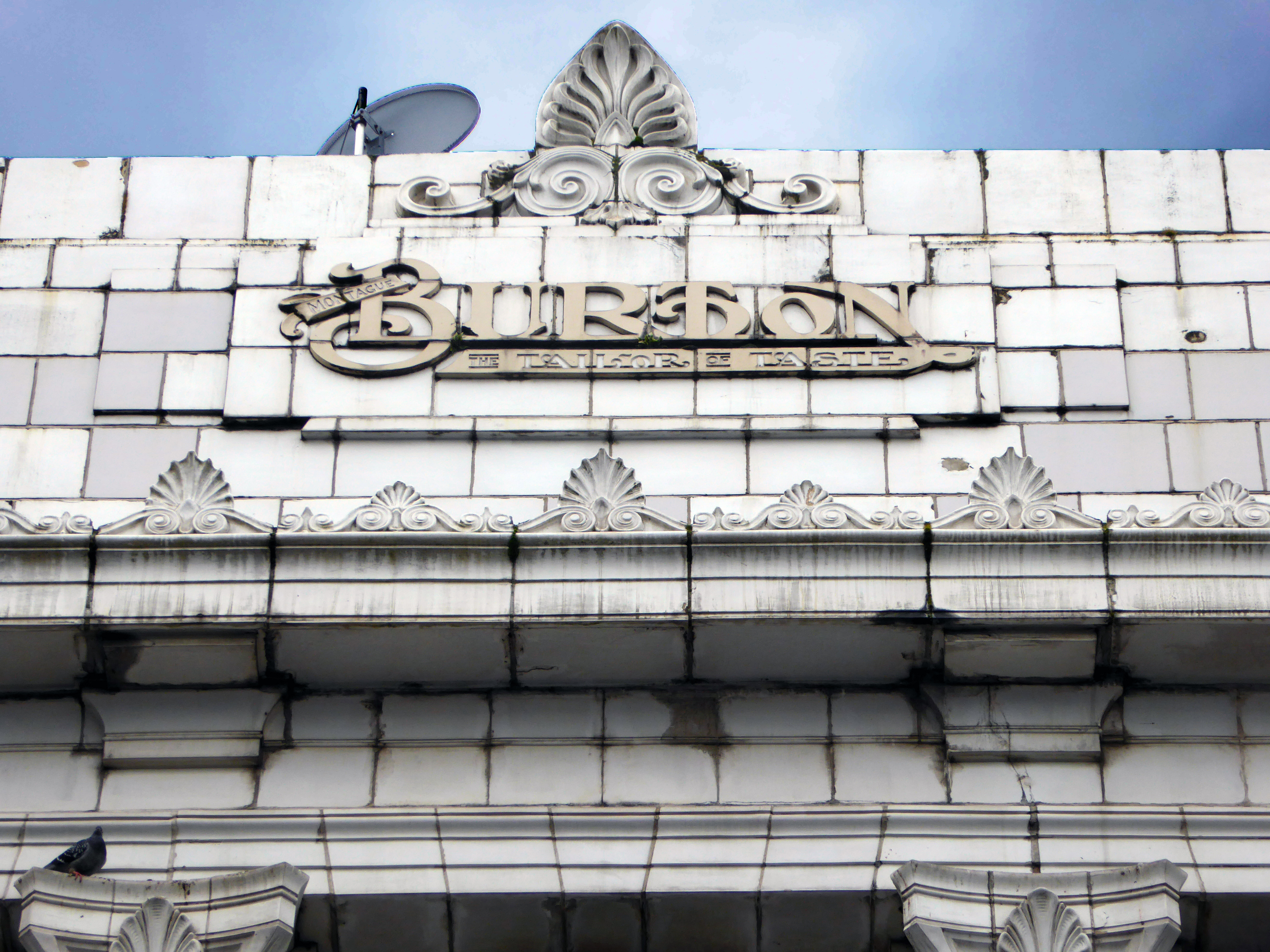
Topped off with the company’s distinctive logotype.

This example in Doncaster is one of the few remaining examples many having been removed – as the stores have changed ownership and usage.

This Neo-Classical Burnley branch is a rare example of a Burton’s which hasn’t gone for a Burton.

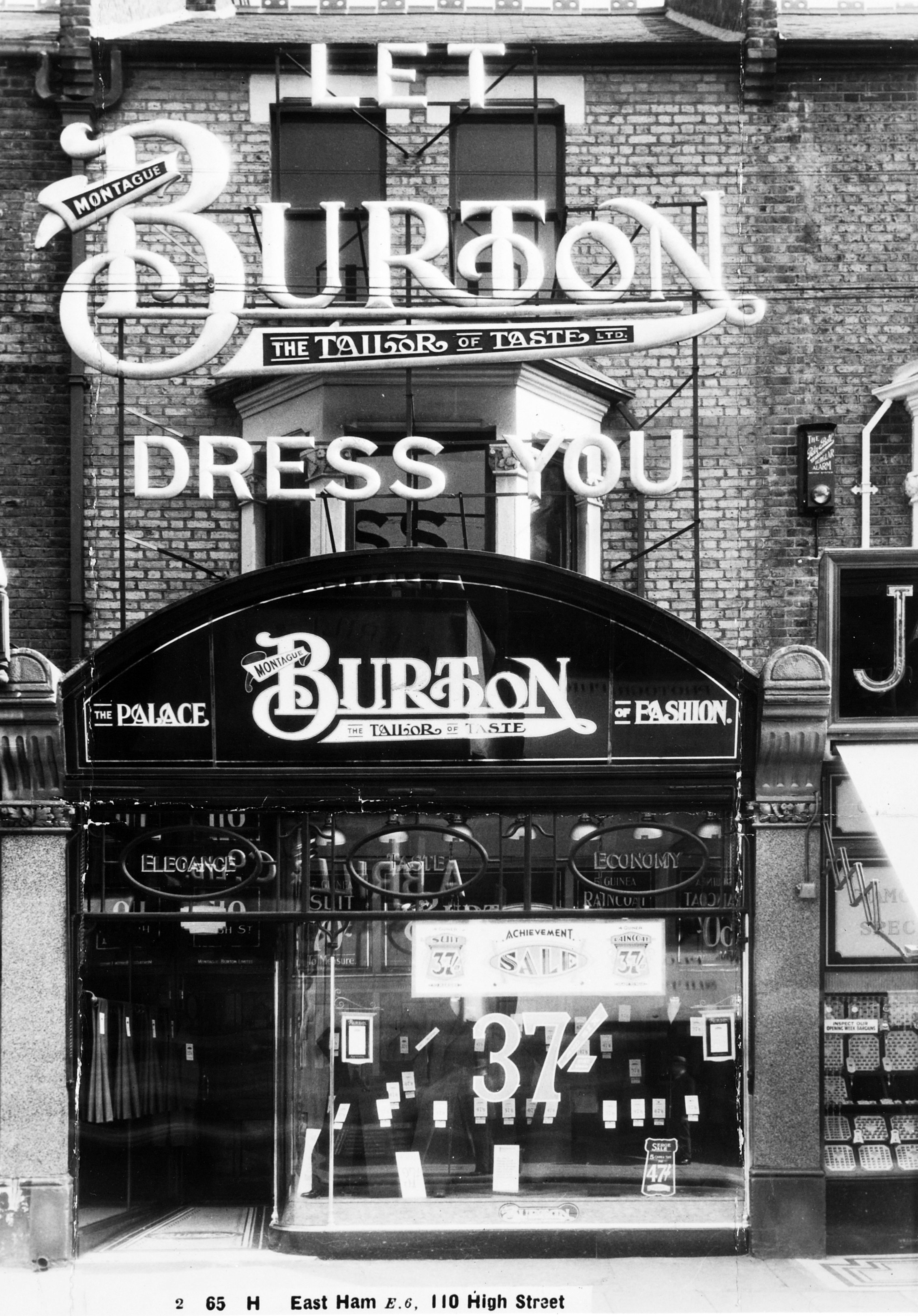
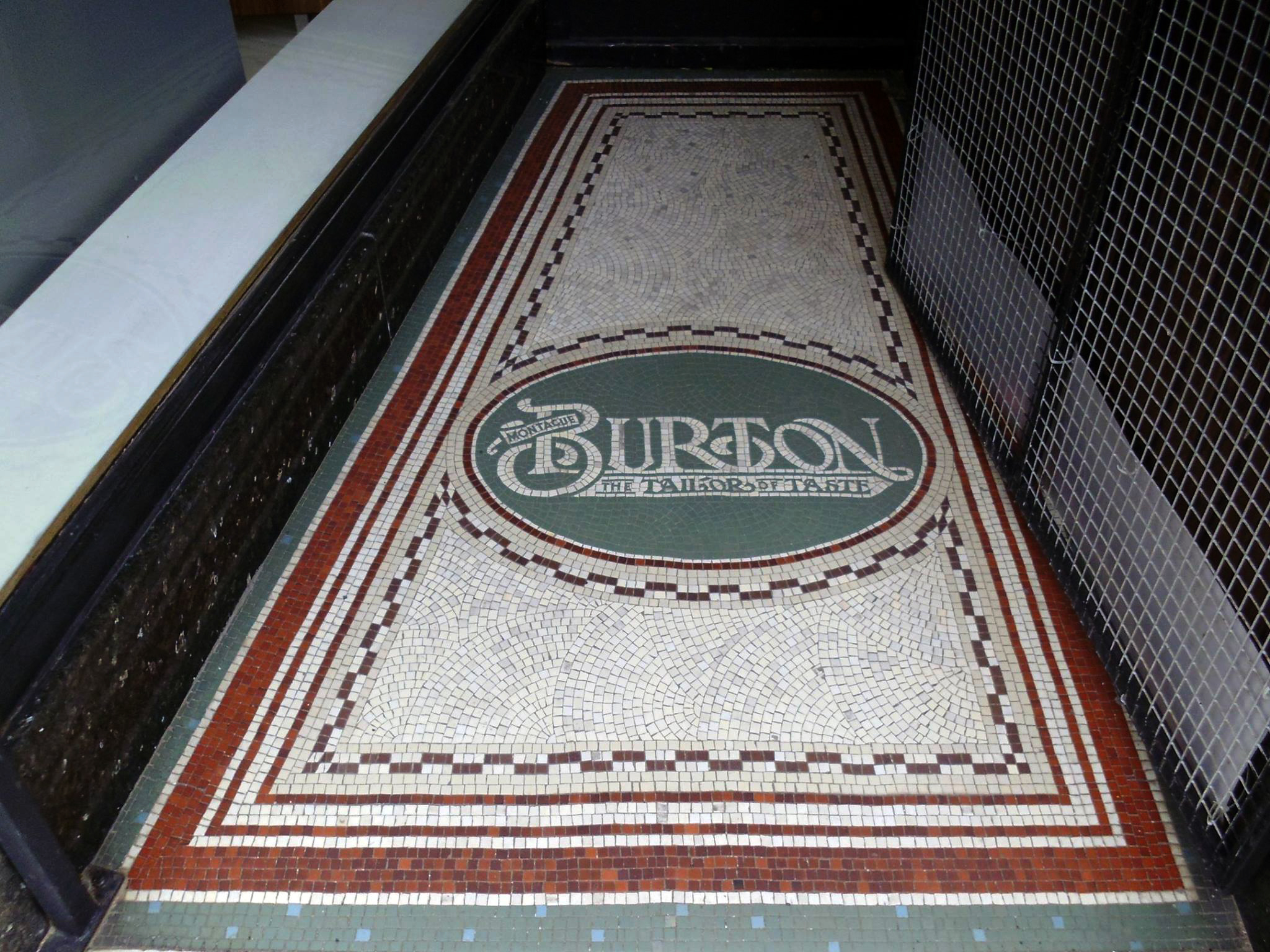
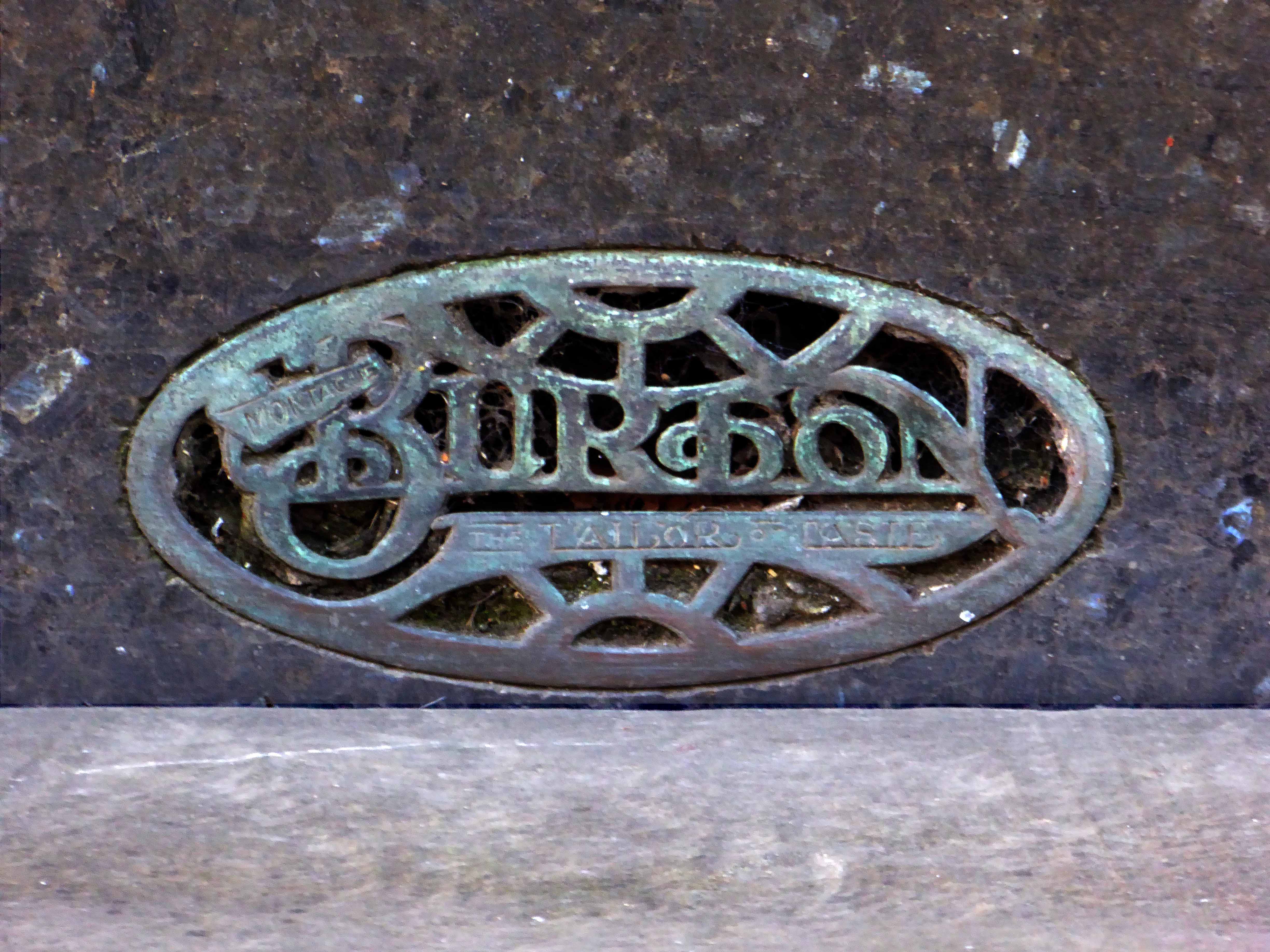
The group maintained a distinctive graphic style in labelling signage and advertisements.

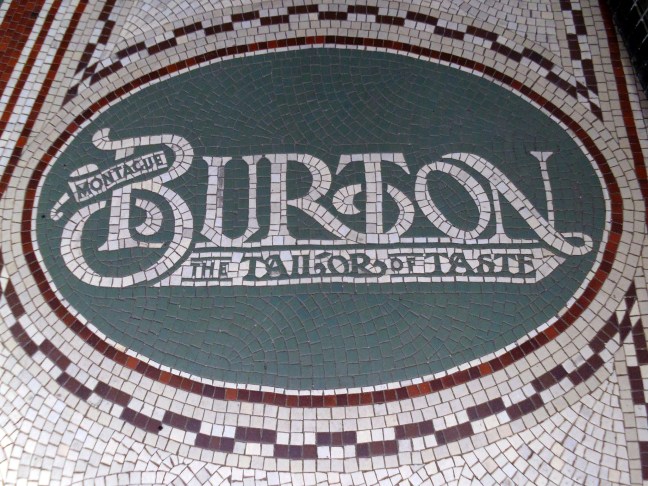
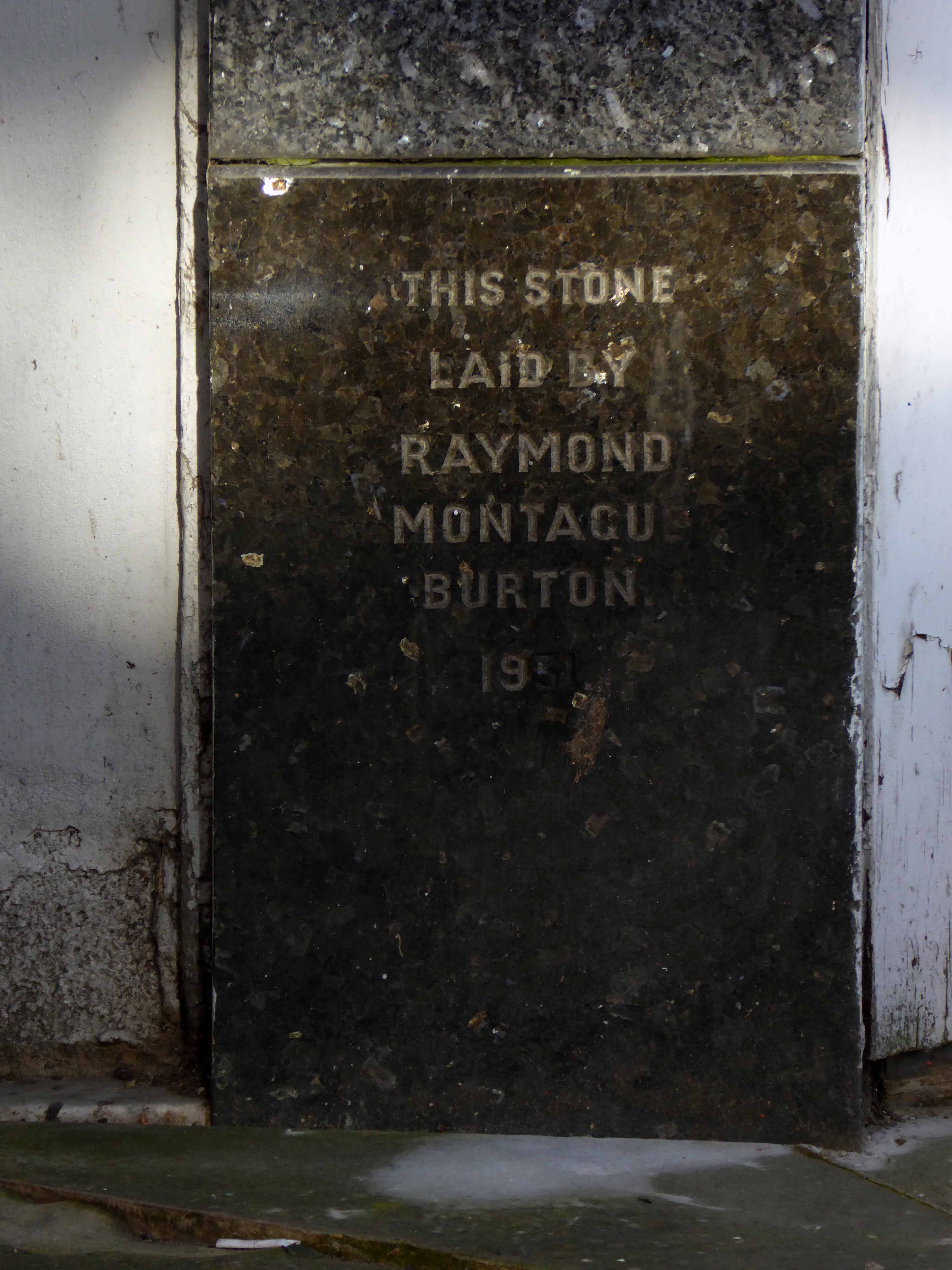
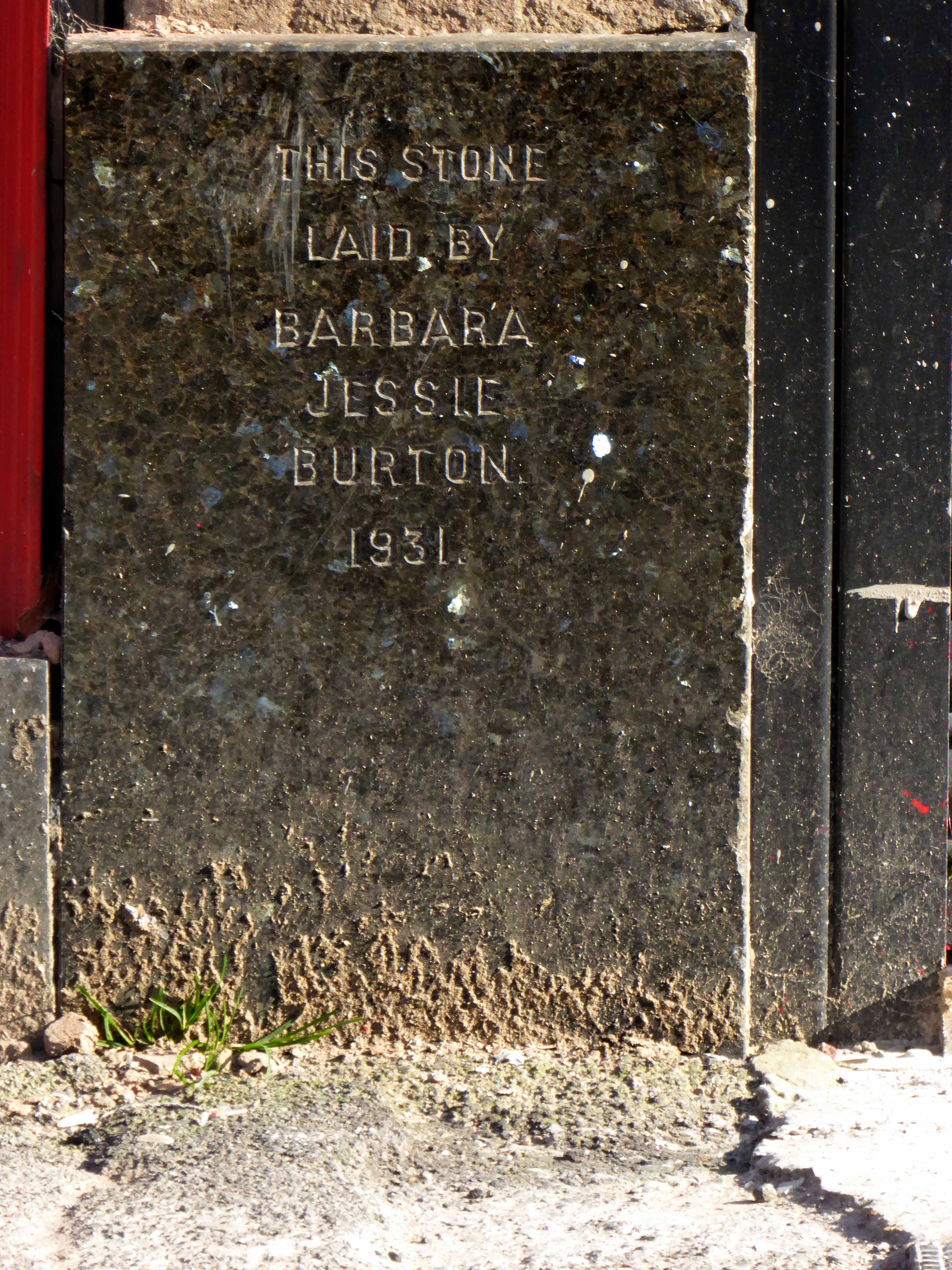
Often including ornate mosaic entrances, ventilation covers and obligatory dated foundation stones – as seen in this Ashton under Lyne branch.

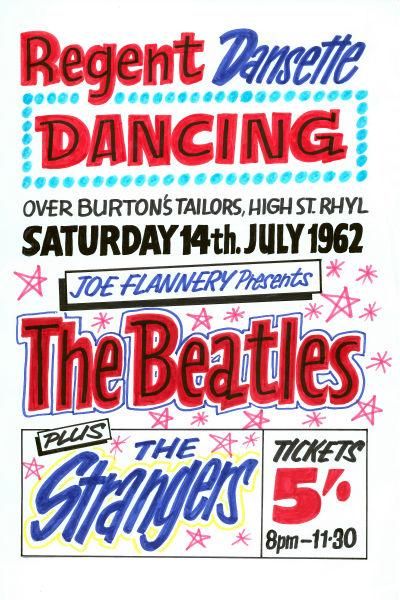
Stores often housed dance halls or other social spaces.

In 1937 Burton’s architect, Nathaniel Martin, collaborated with the architects Wallis Gilbert & Partners on a subsidiary clothing works on the Great Lancashire Road at Worsley, near Manchester. Conceived as a Garden Factory and built in a modern style, this was dubbed ‘Burtonville Clothing Works’. It opened in October 1938 .

Where machinists worked on Ashton built Jones equipment.

Time changes everything and the inception of off the wall unisex disco clothing saw the made to measure suit fall into a chasm of loon pants and skinny rib grandad vests.

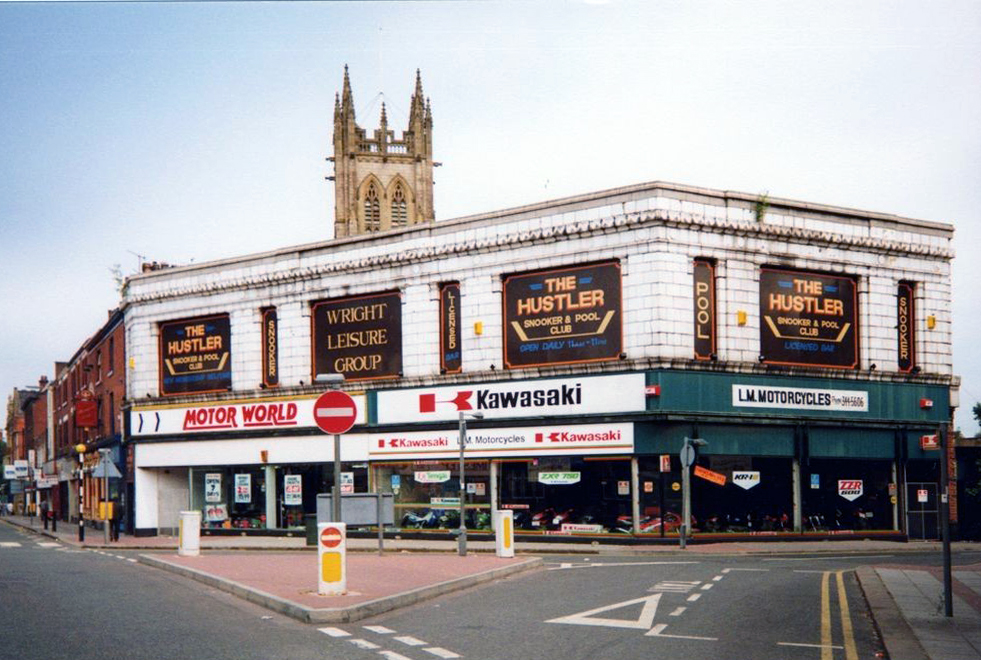
The Ashton branch becomes a motorcycle then fitted kitchen showroom, topped off with a succession of clubs and various other modern day leisure facilities.

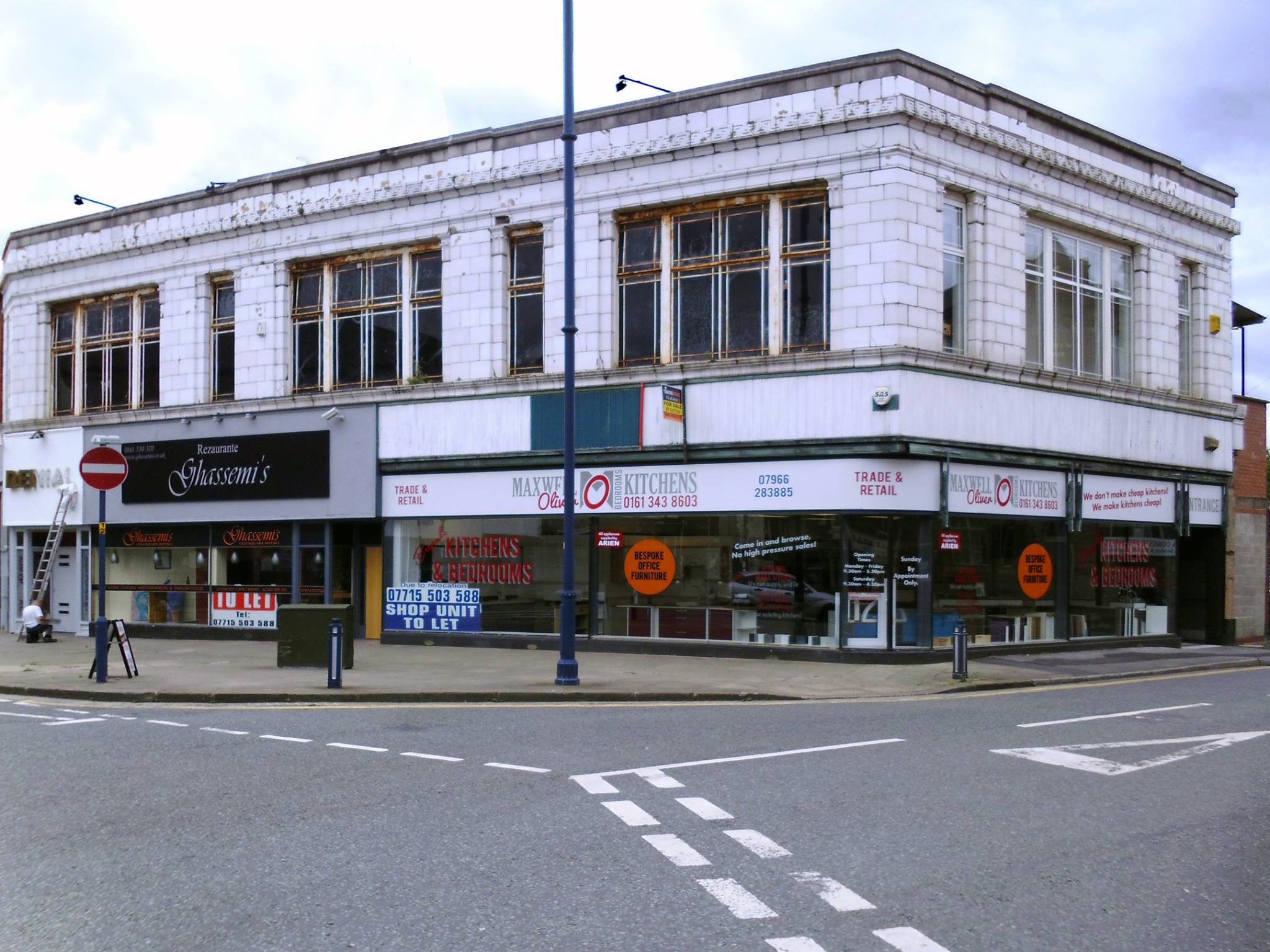
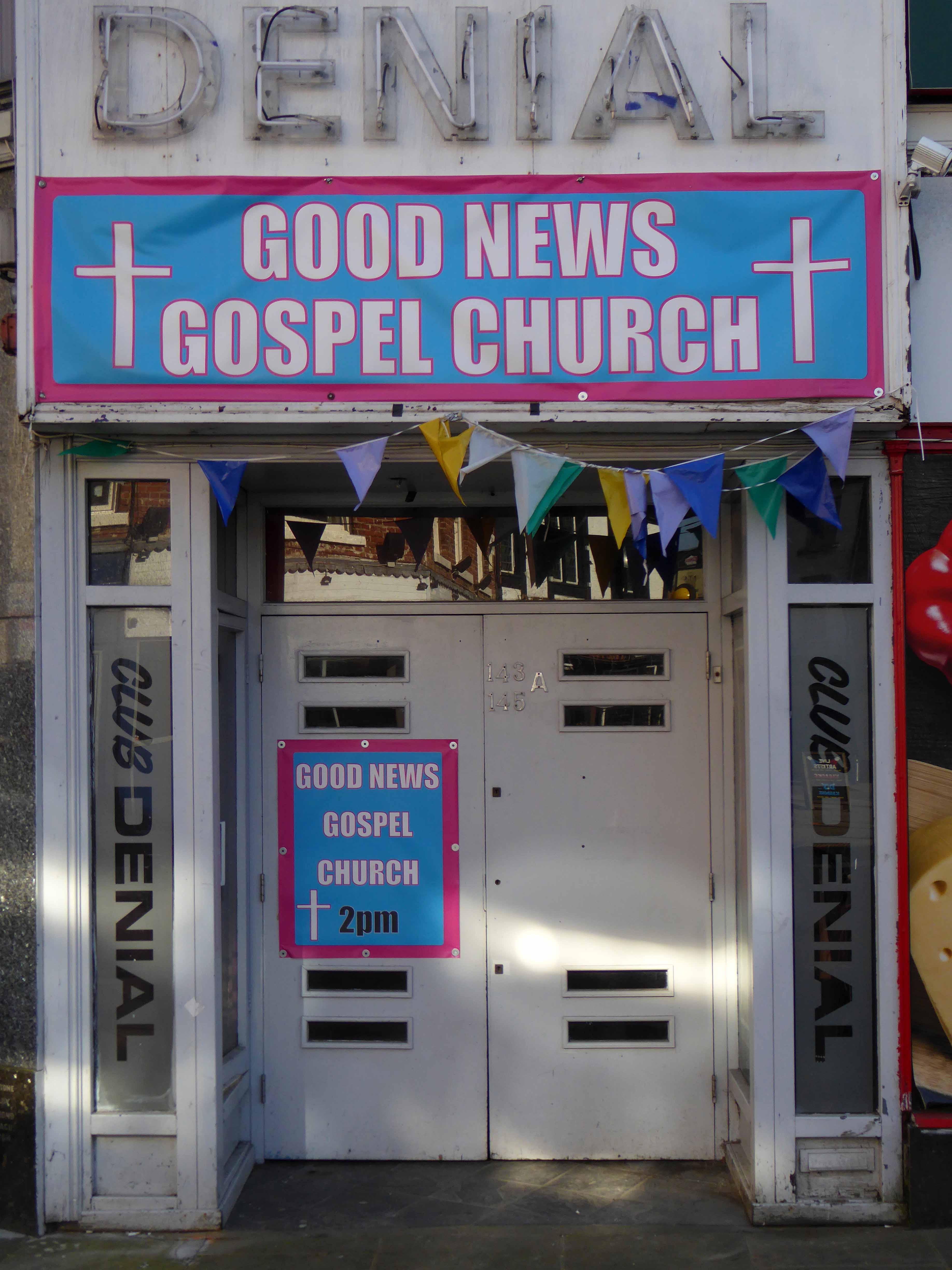
Currently home to the Warsaw Delicatessen and Good News Gospel Church

Formerly Club Denial.

This is the tale of the modern high street grand ideas, architectural grandeur, entrepreneurial immigrants, style and fashion – disappearing in a cloud of vinyl signage and fly by night operations. Though if you look carefully the pale white shadows of Burton’s are still there in one form or another, however ghostly.

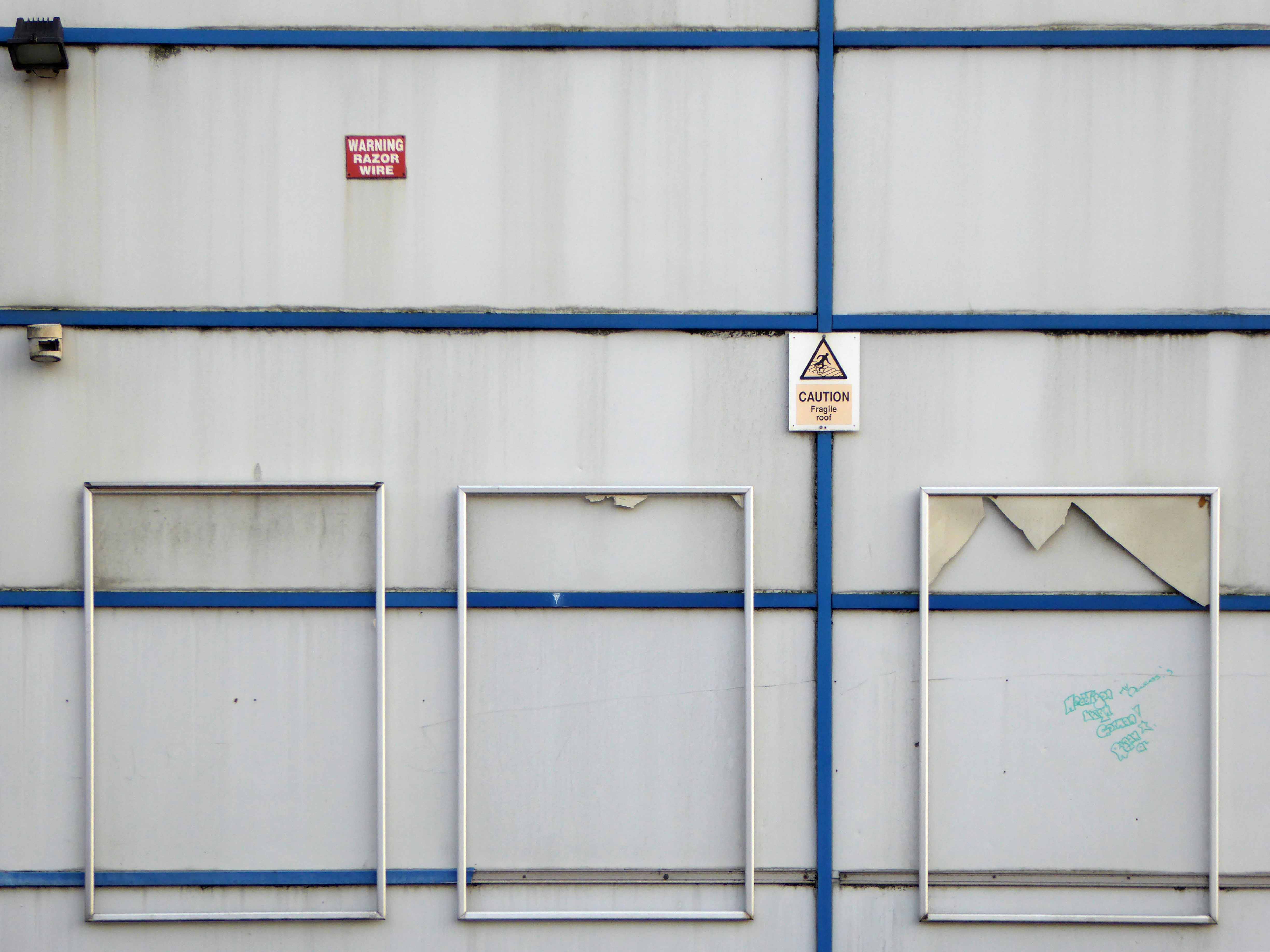
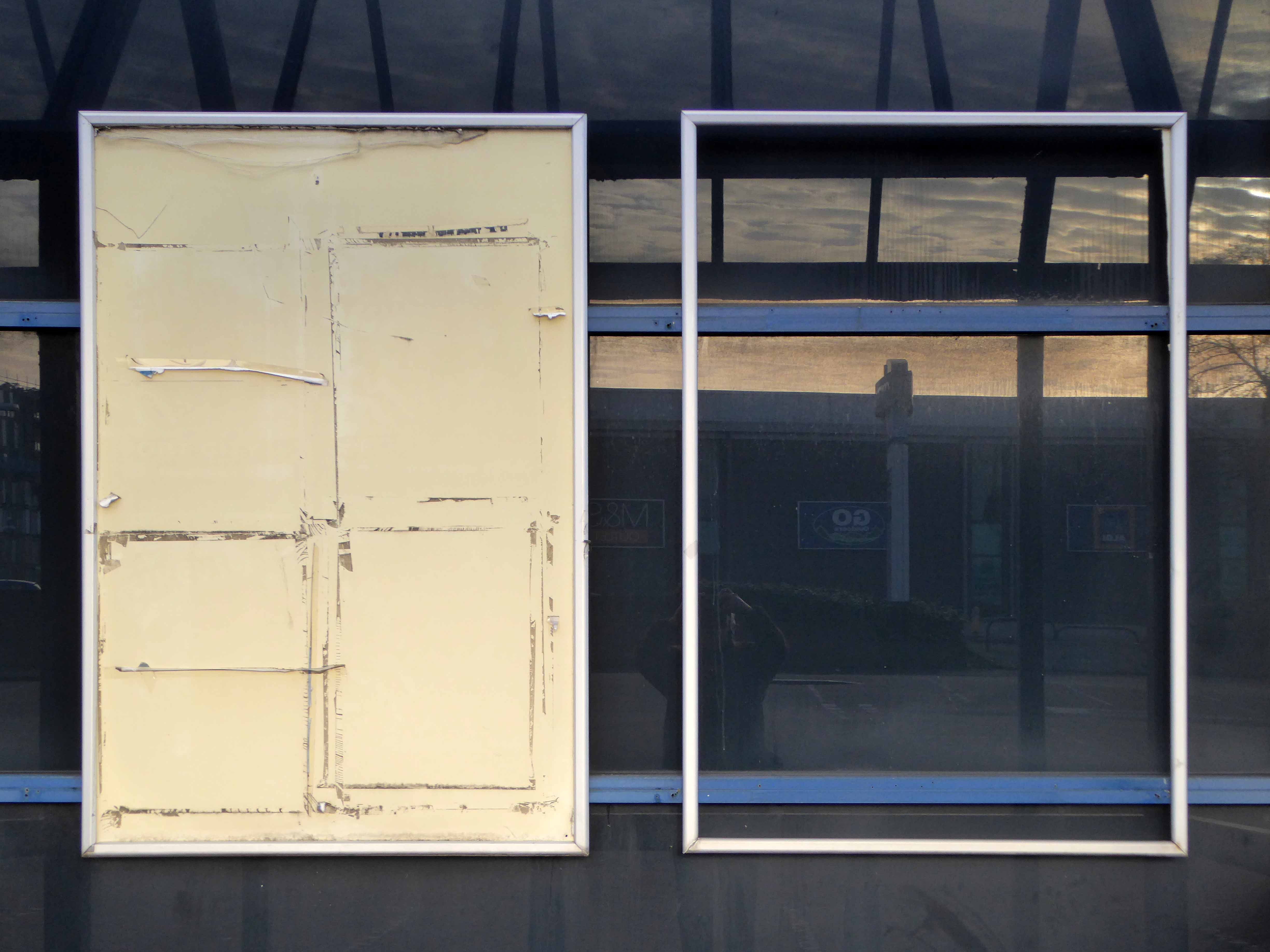
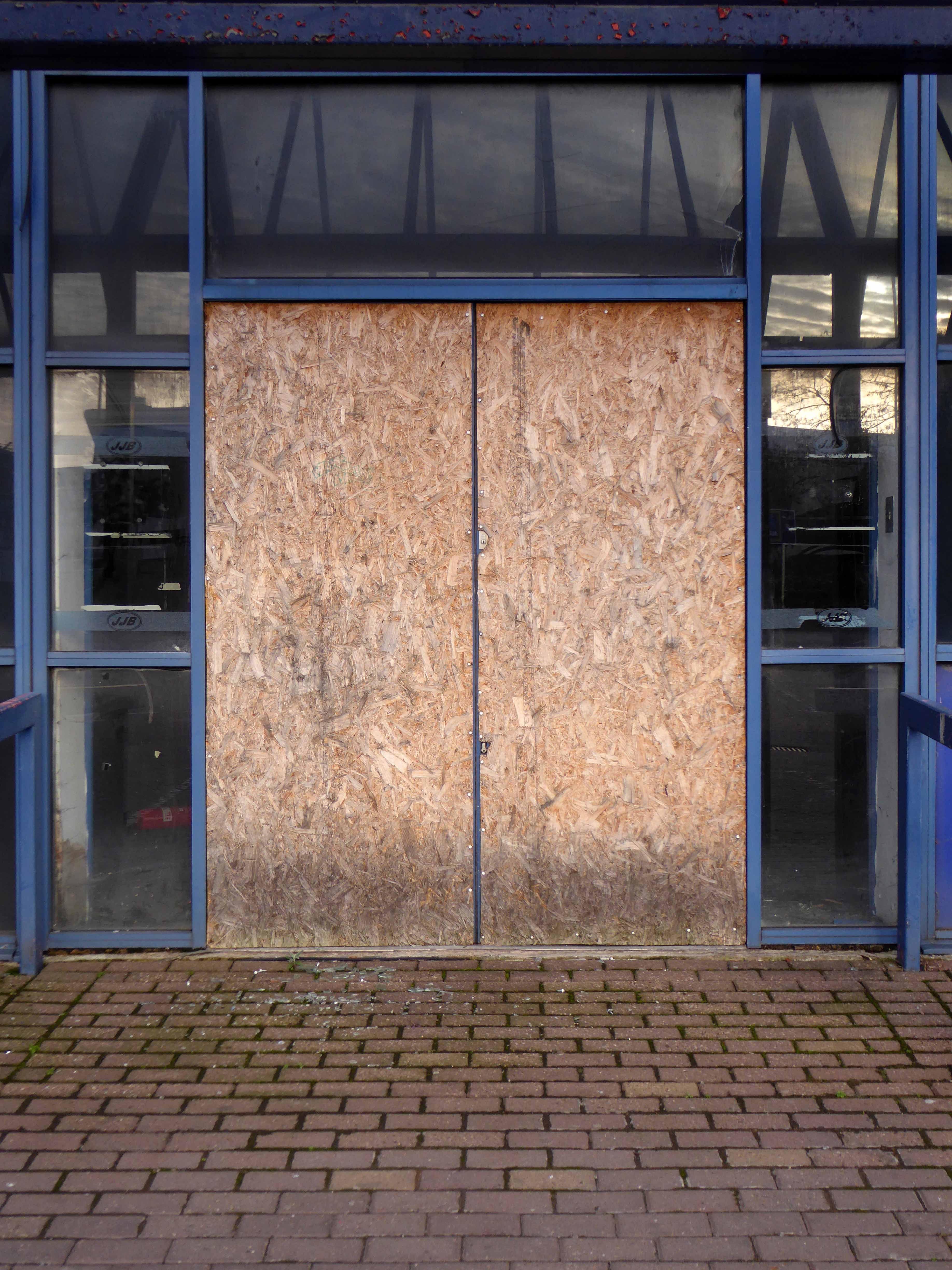
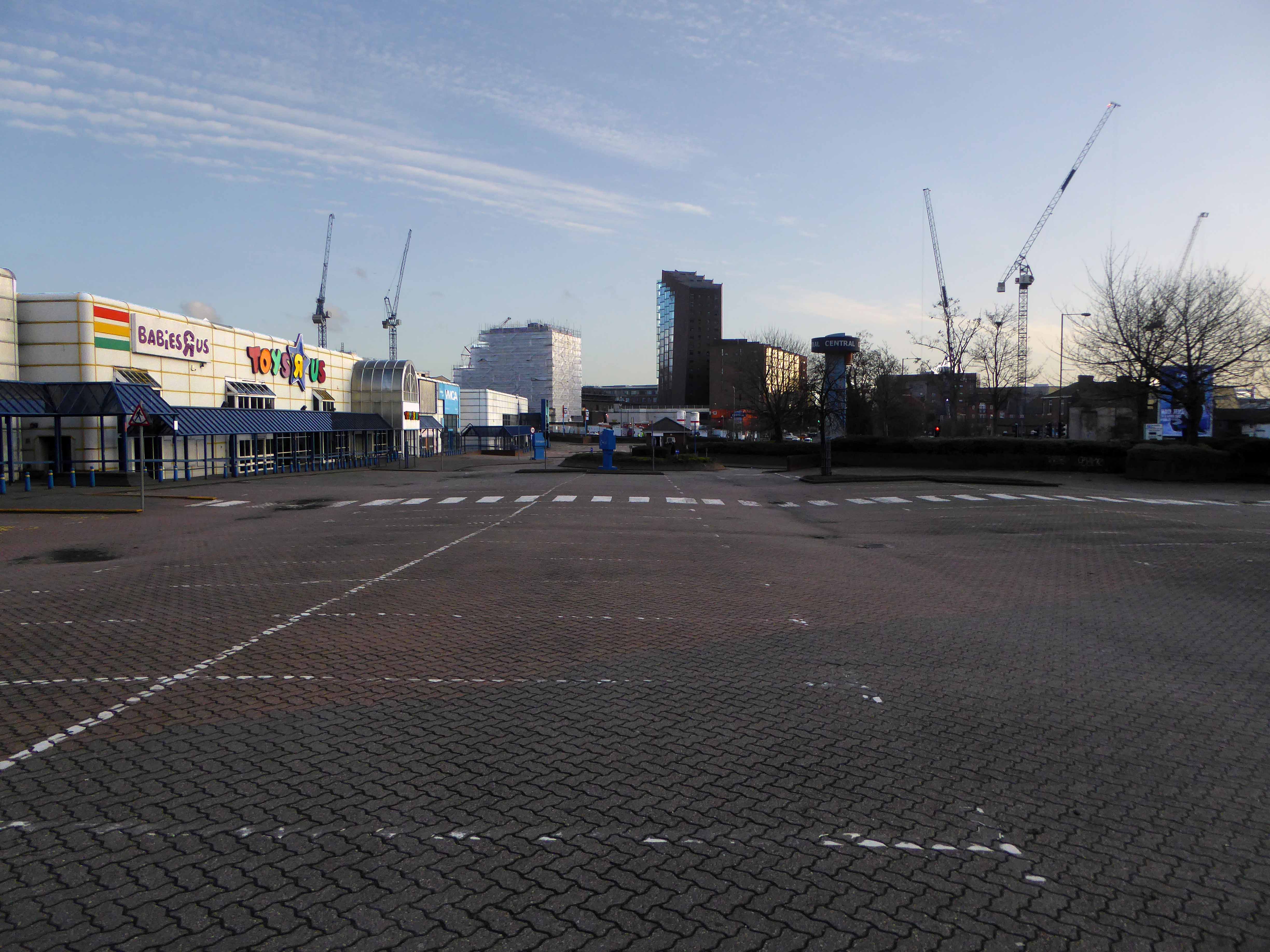
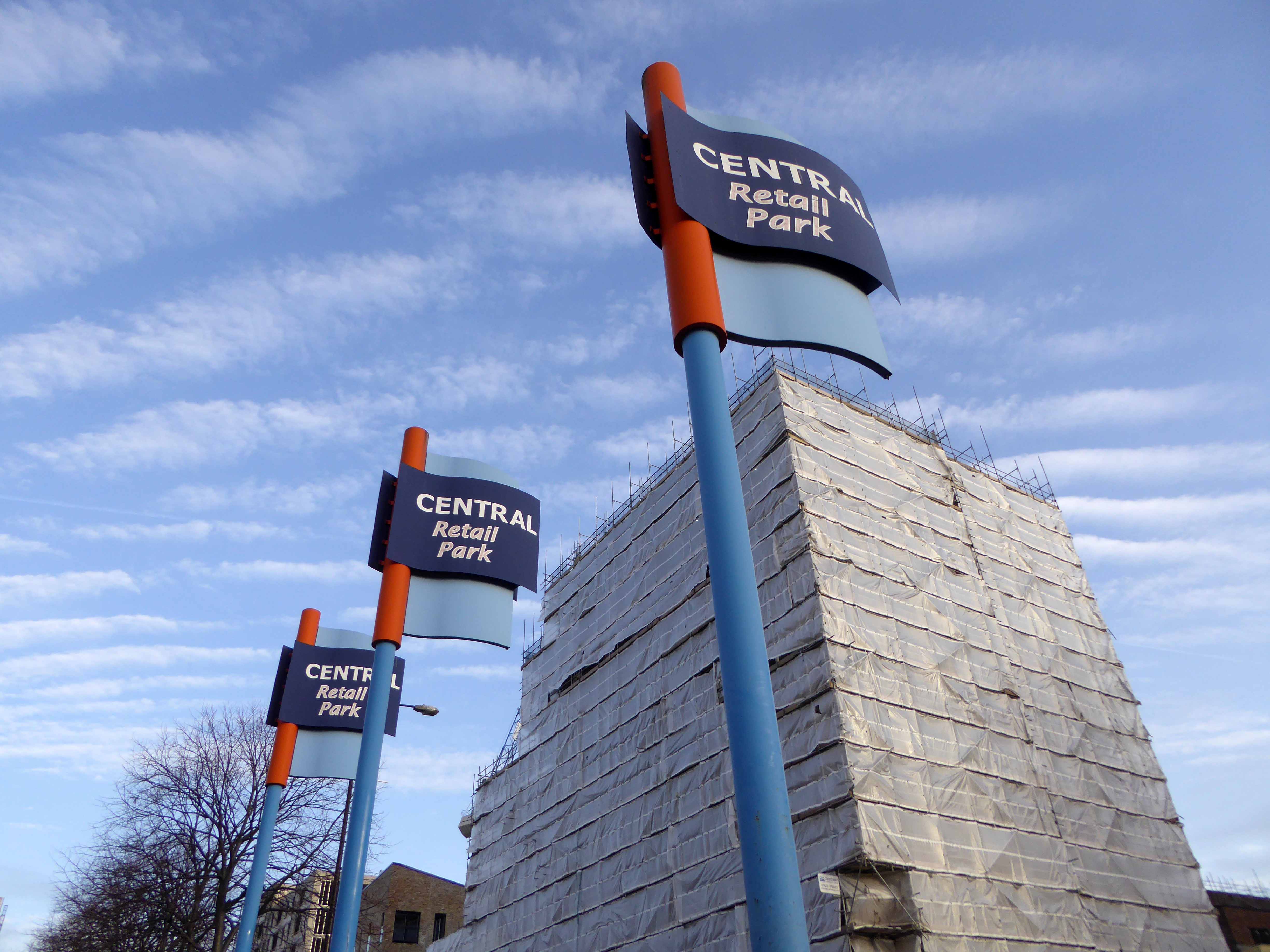
Central Retail Park – Great Ancoats Street Manchester

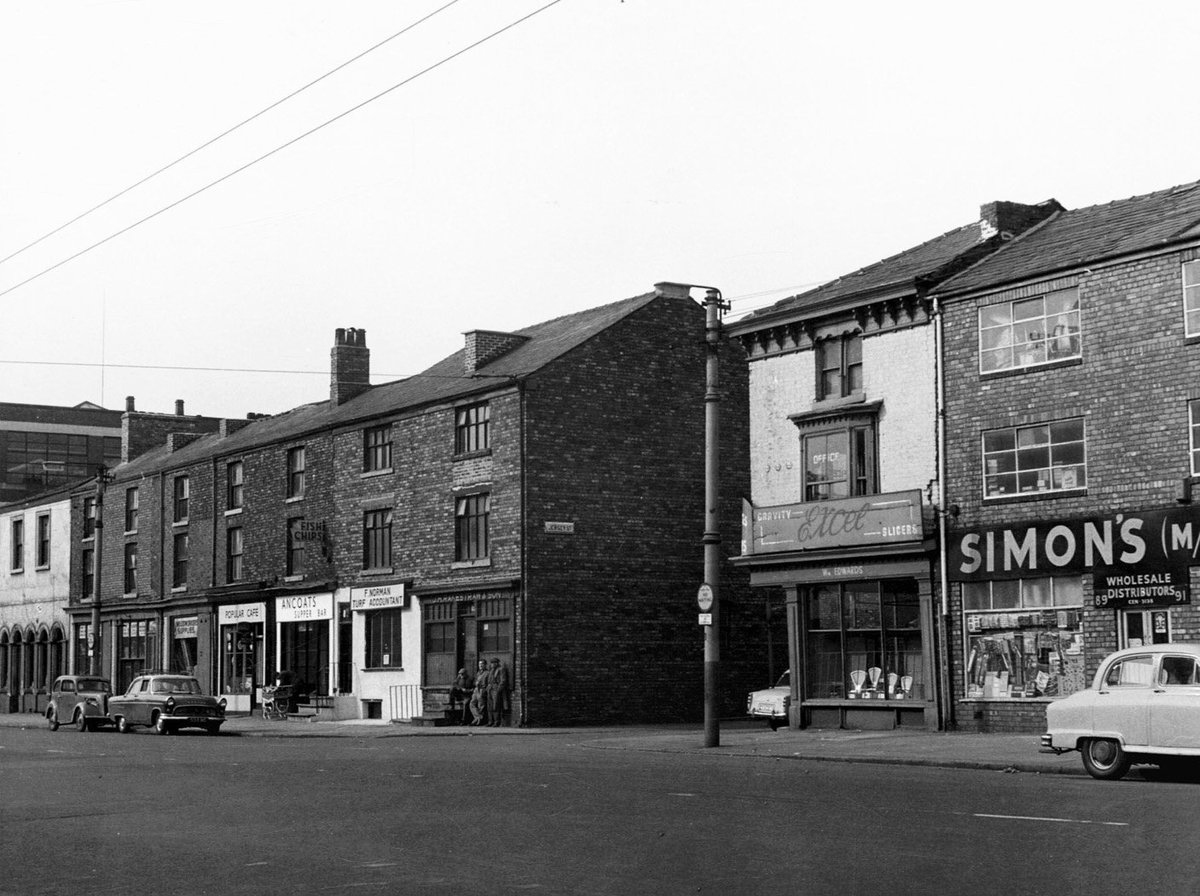
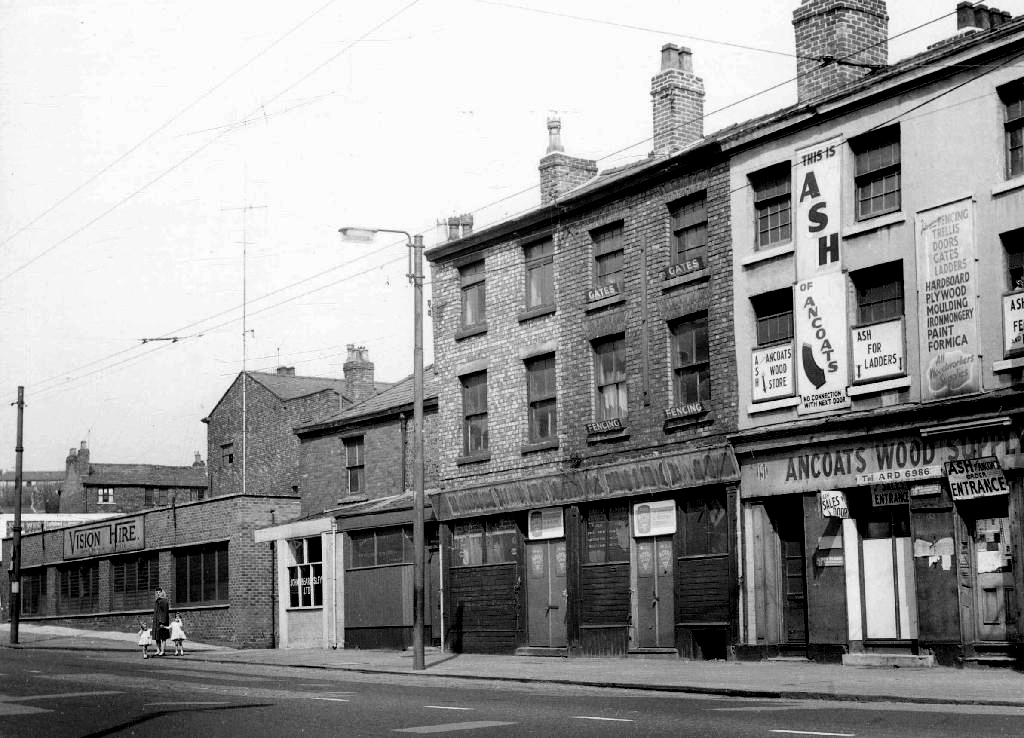
Way back when, when the city was a maverick mixed up maze of citizens, industry, pubs, shops and places of worship the world looked a lot like this.

Local Image Collection

However the process of clearance and redevelopment radically changed and reduced the population and appearance of Great Ancoats Street and its environs.

The back to backs aren’t coming back and their occupants shifted from pillar to post along with the businesses that served them. Following years of decline Manchester takes a long hard look at itself and decides to modernise.

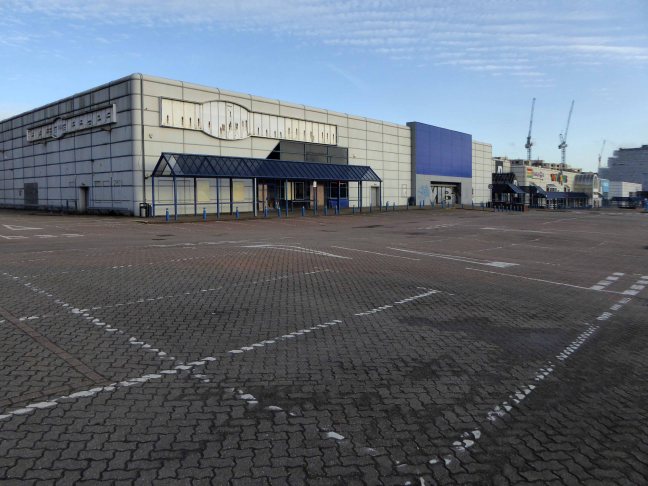
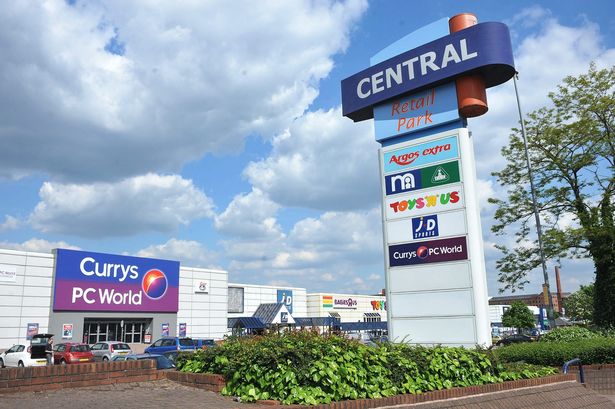
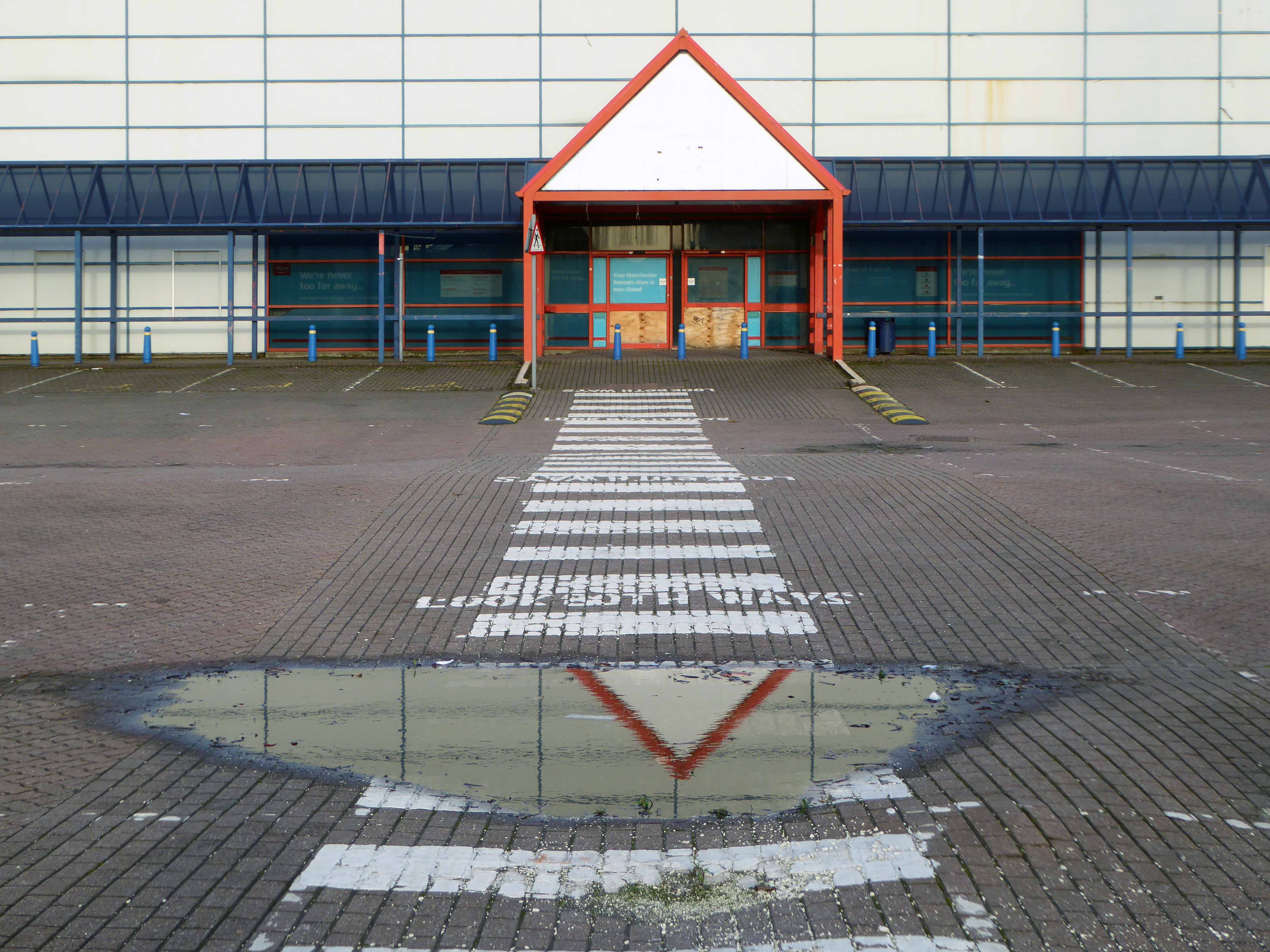
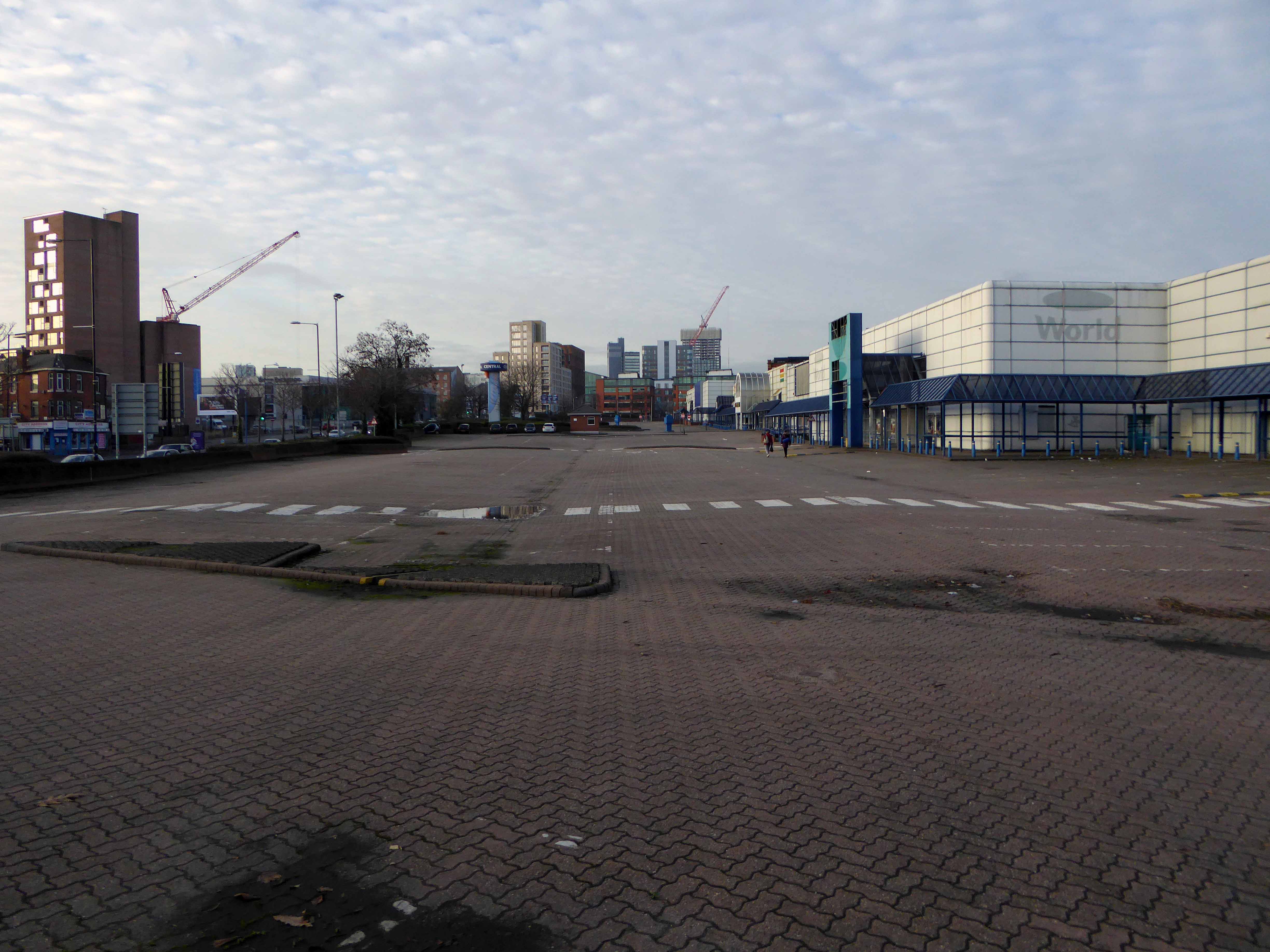
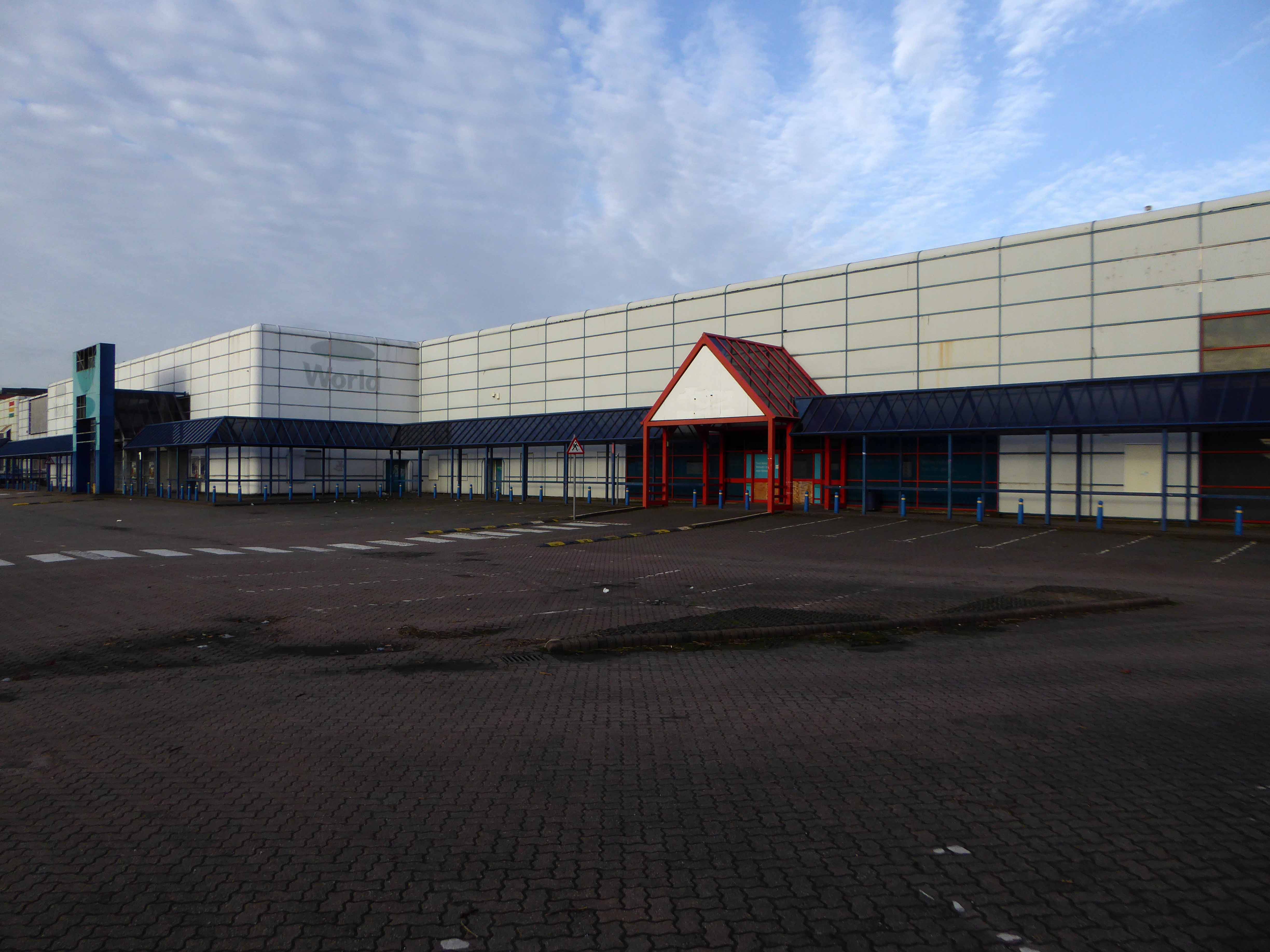
In 1989 an out of town inner ring road shopping centre in the architectural style de jour is built – the anonymous industrial retail hangar appears.

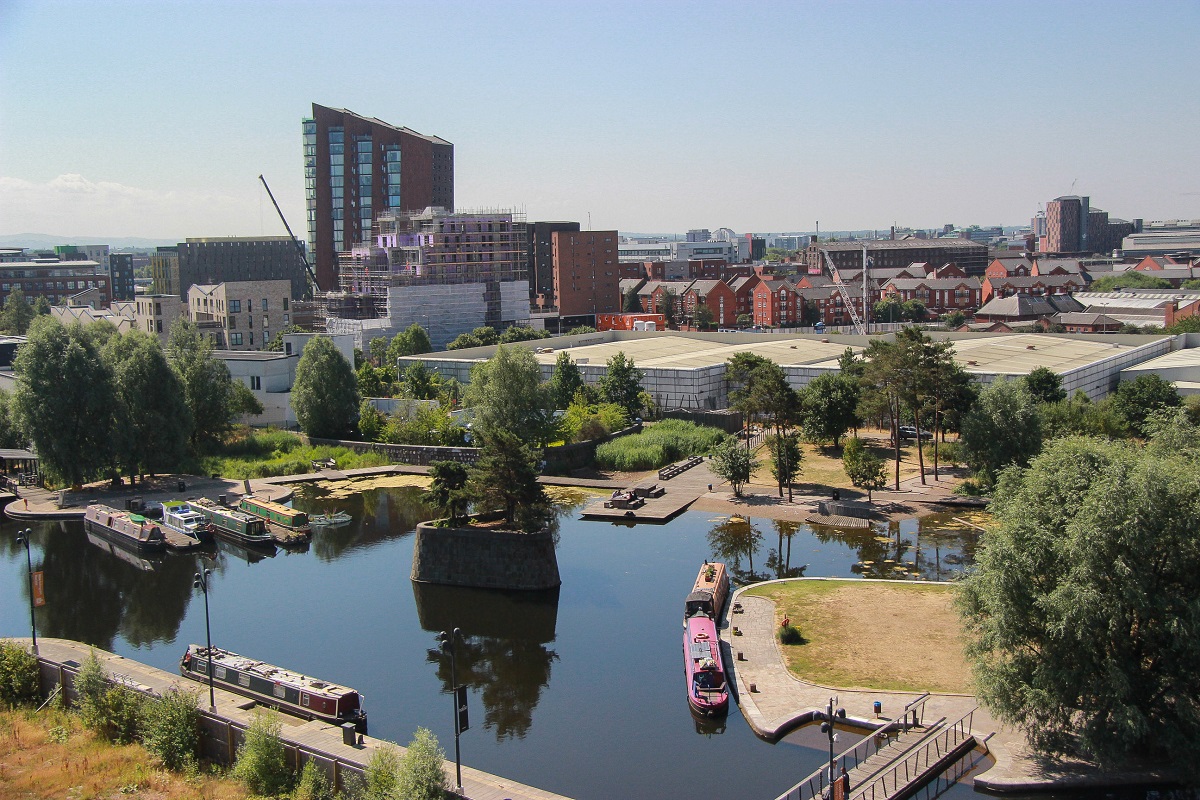
2018 and the nexus of the city has shifted yet again – Ancoats is designated as the hippest place on earth and has no time for an outmoded shopping experience.

All these developers have a certain sensitivity towards this history of the area without neglecting modern tastes. 

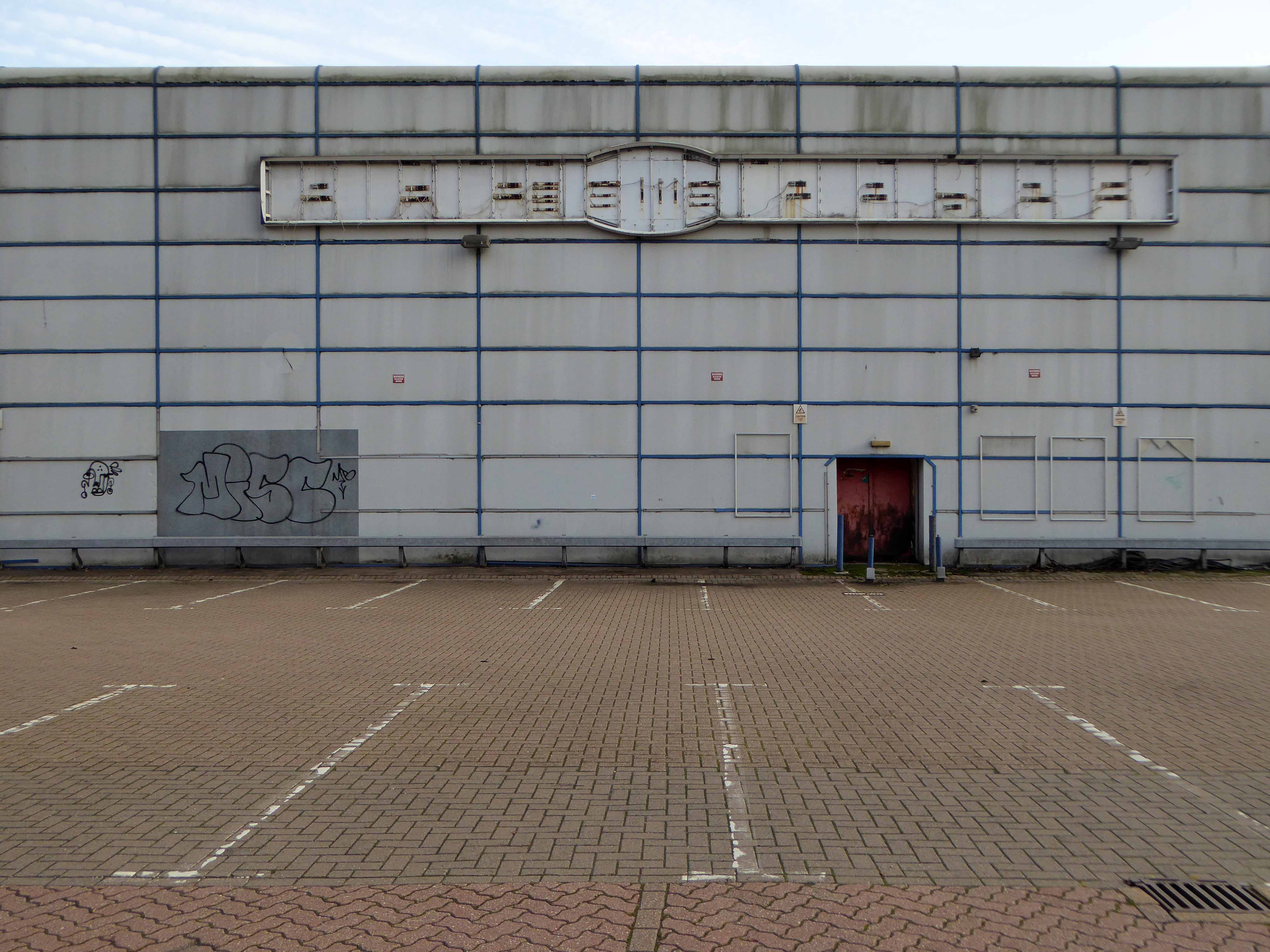
So the Central Retail park awaits its fate.

There was to have been another retail complex.

Henderson Global Investors, on behalf of its flagships £1 billion Retail Warehouse Fund, has received detailed planning permission for a food store led regeneration at Central Retail Park, Manchester, investing £40 million in the scheme.

Though nothing lasts forever and the scheme came to nothing.

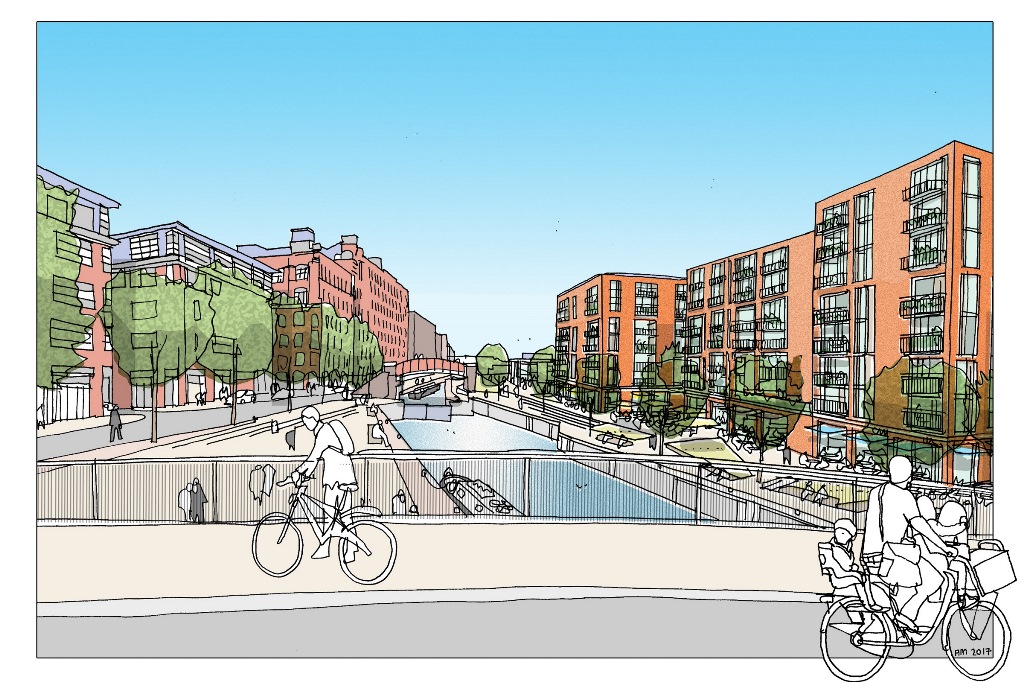
The latest proposal according to Place North West is for housing – with the attendant heated debate regarding affordable homes.

Of the 61 big residential developments granted planning permission by Manchester city council’s planning committee in 2016 and 2017, not one of the 14,667 planned flats or housesmet the government’s definition of affordable, being neither for social rent nor offered at 80% of the market rate.

Demolition of the former retail units would enable the development of the site by Manchester Life, the city’s joint venture with Abu Dhabi United Group. Previous site owner TH Real Estate, was unable to deliver the project, finally sold the Central Park site to the city council in November 2017.

The long awaited development of the site on Manchester’s inner ring road has edged closer, with site notices posted declaring that demolition is to start on 20 August.

As of last week the lone security guard at home in his brick cabin informs me that demolition has been delayed by the discovery of asbestos on the site.

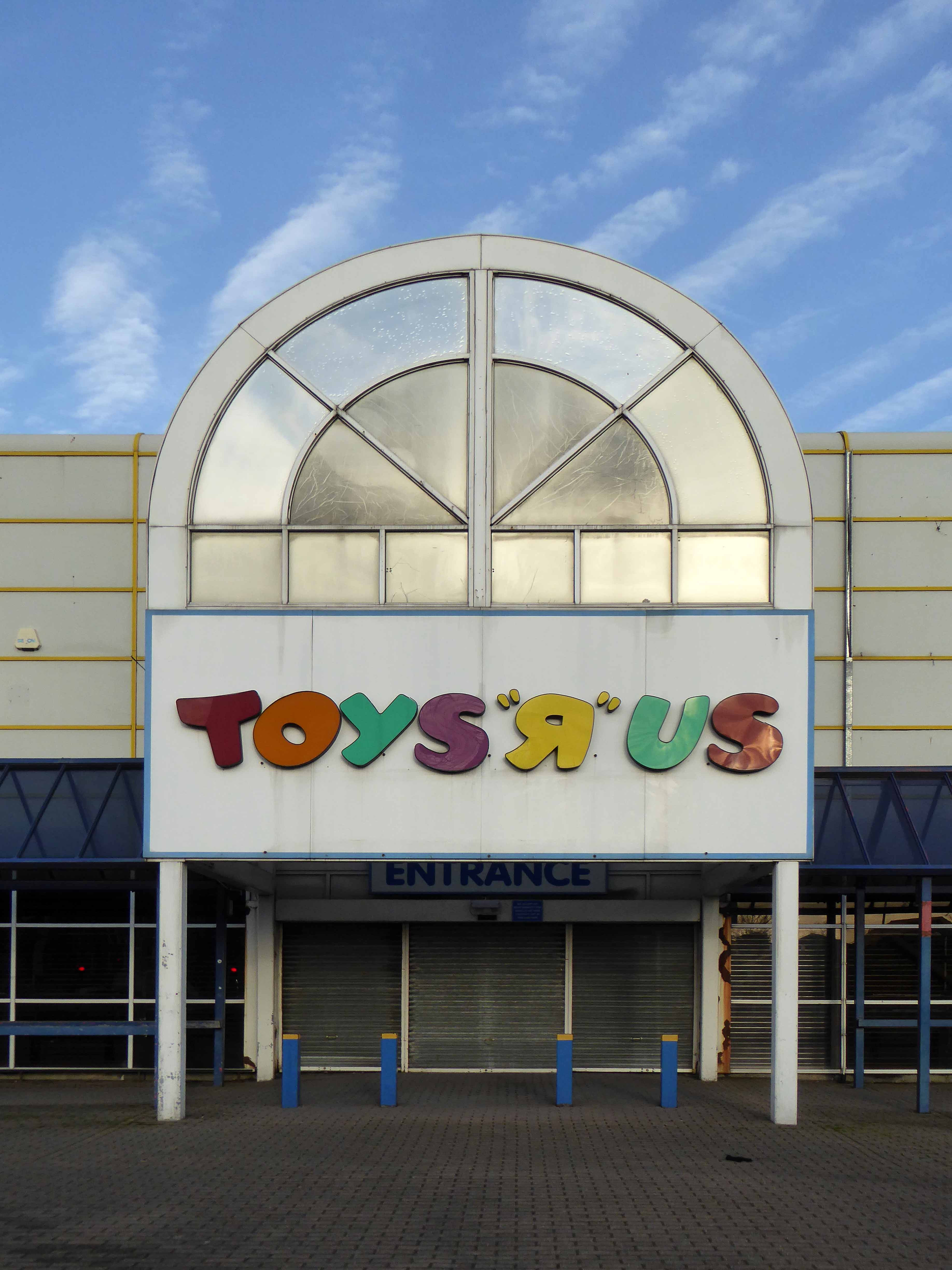
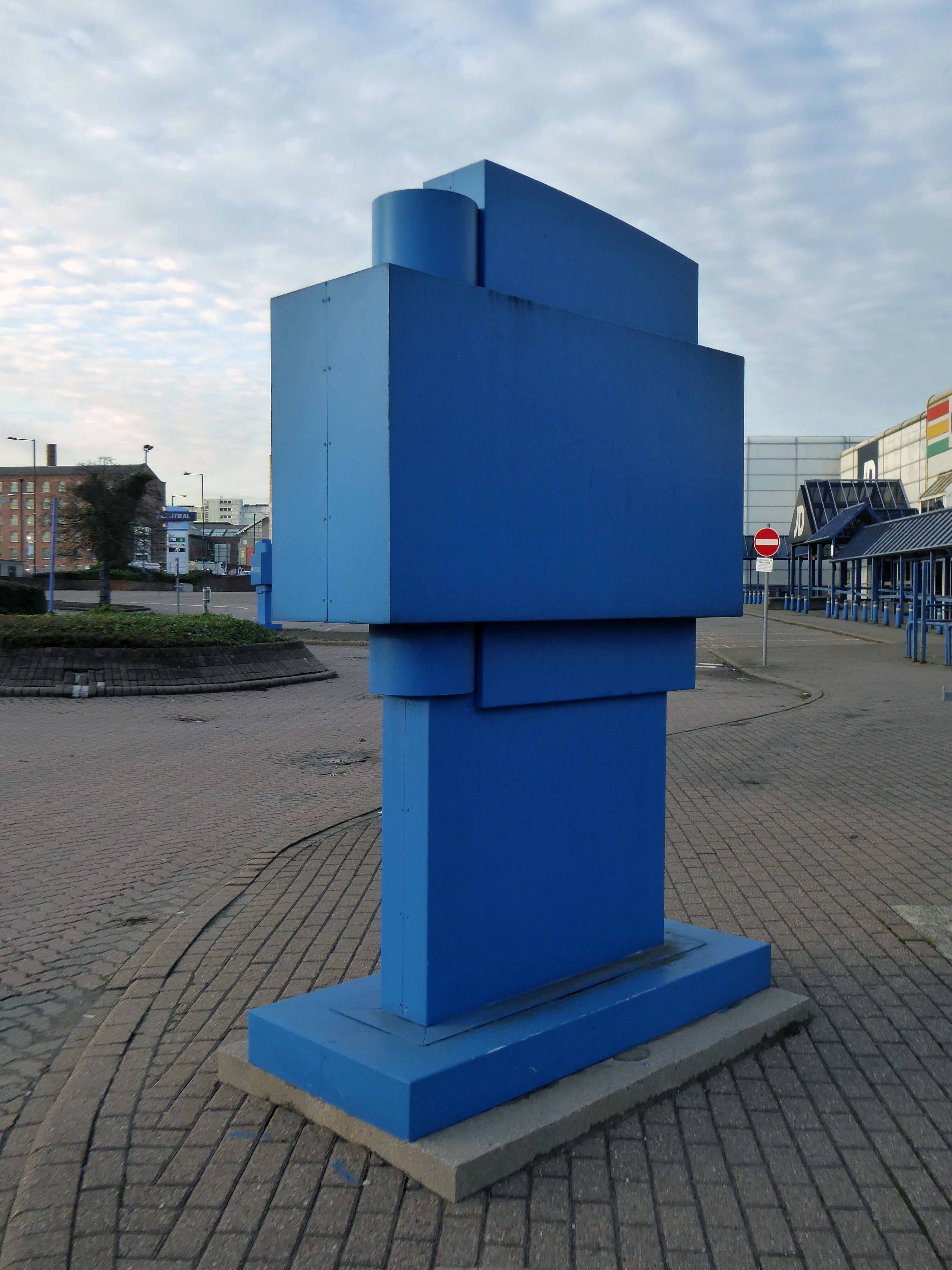
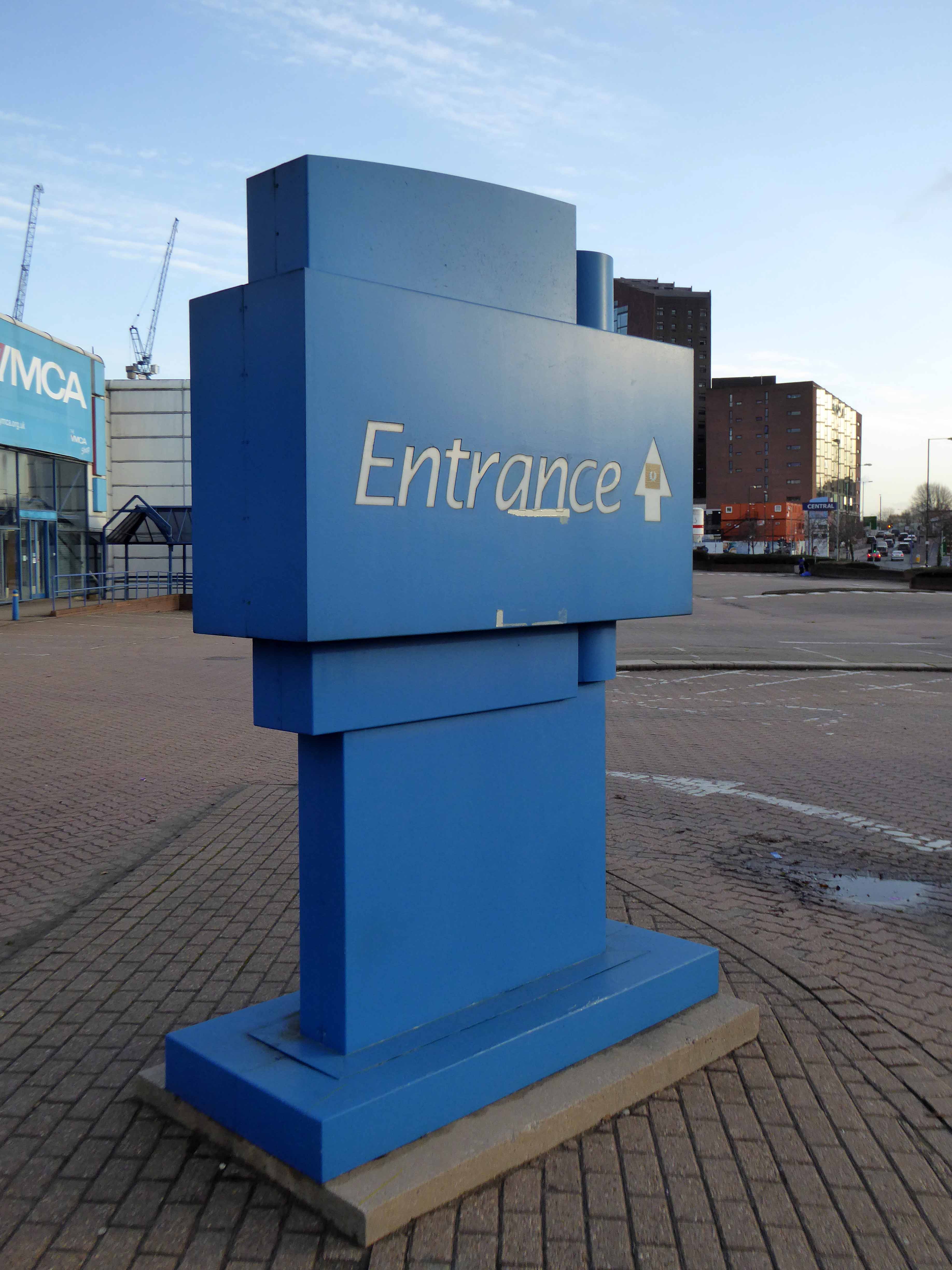
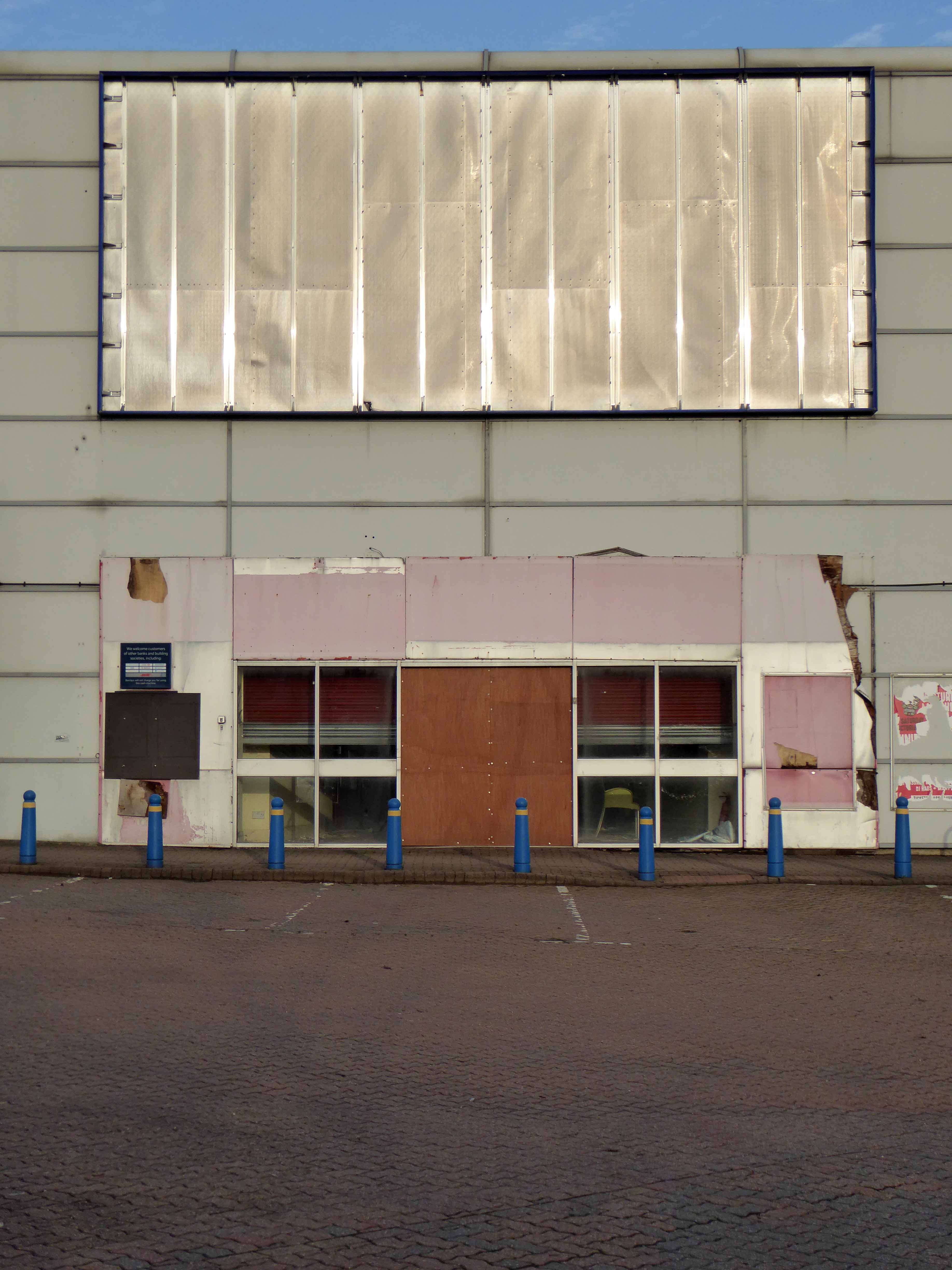
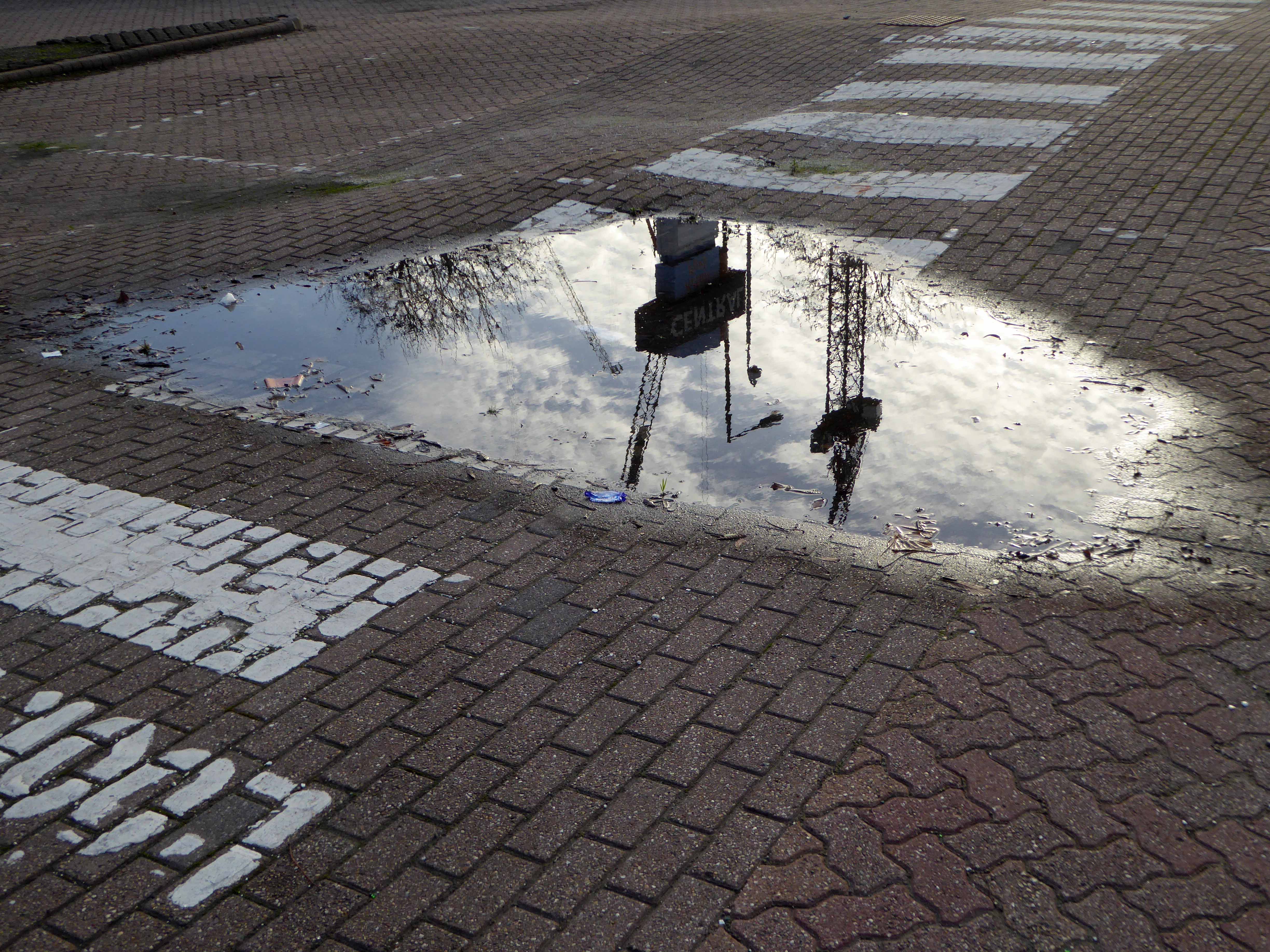
Watch this forlorn windswept wet space.