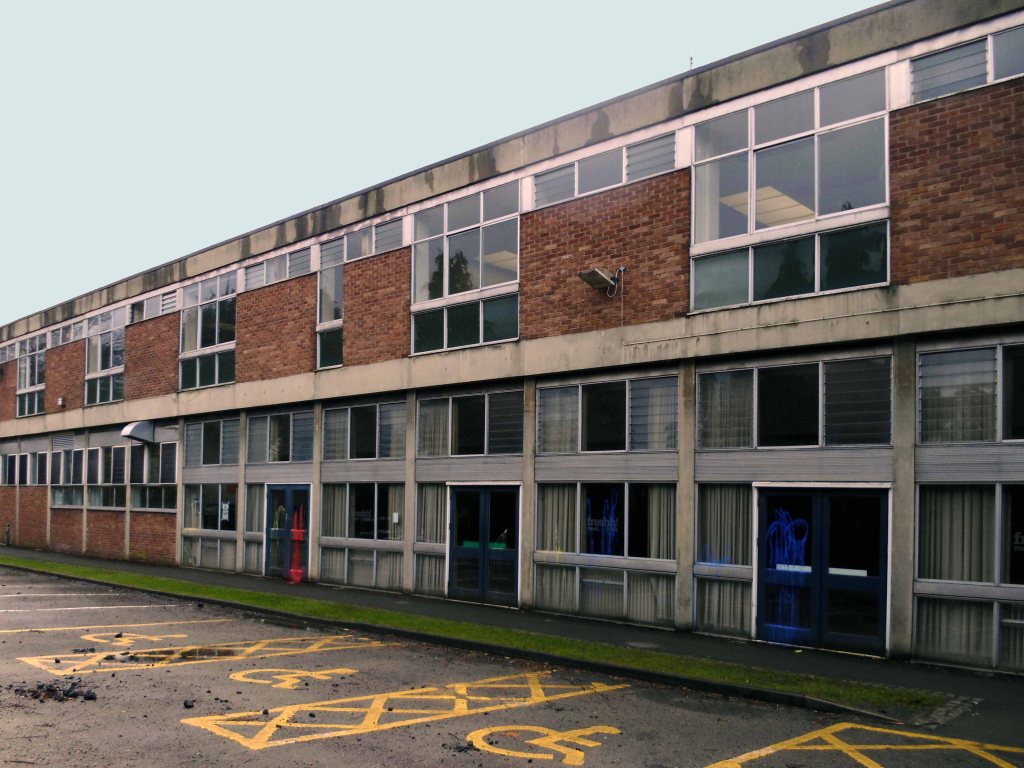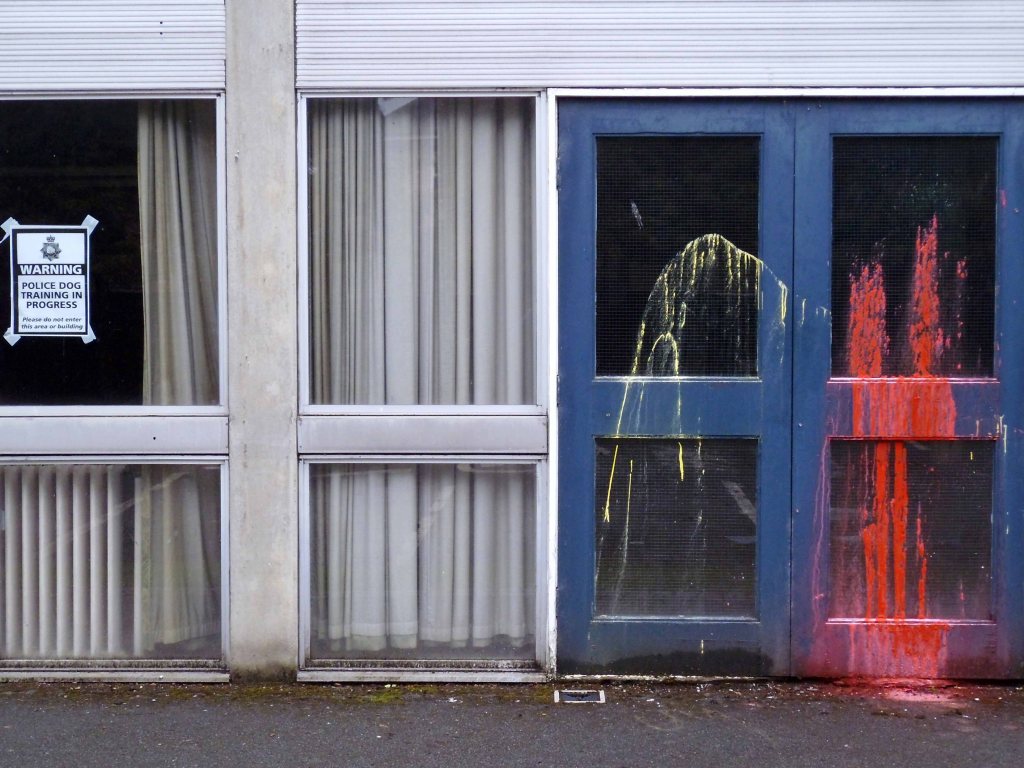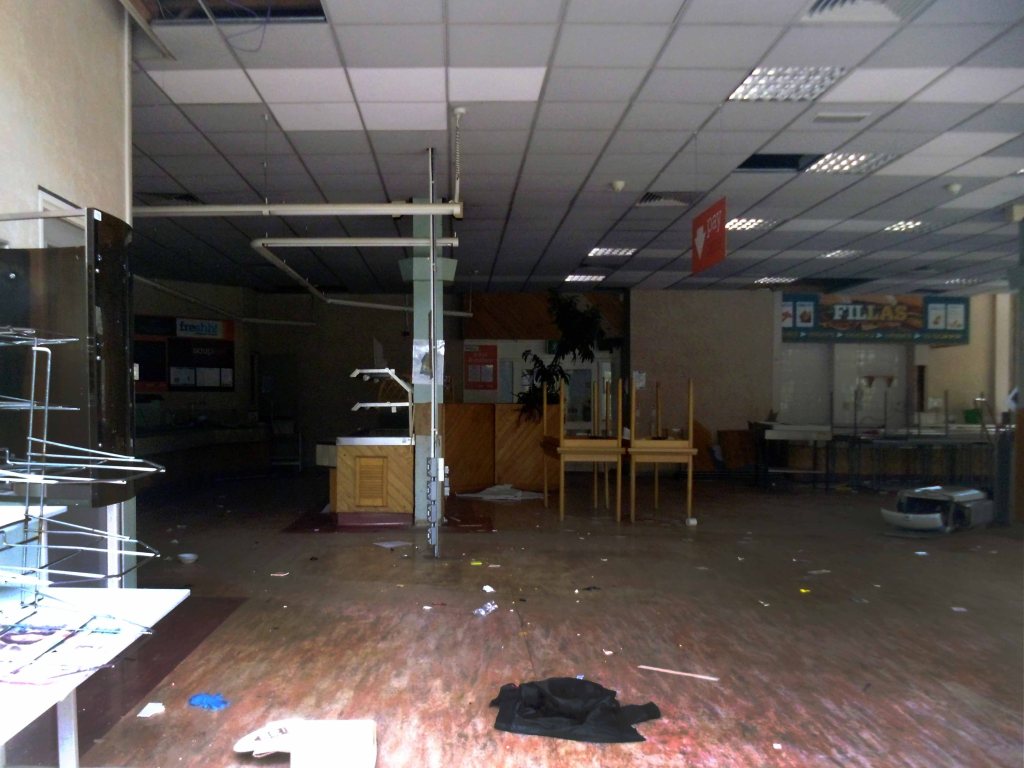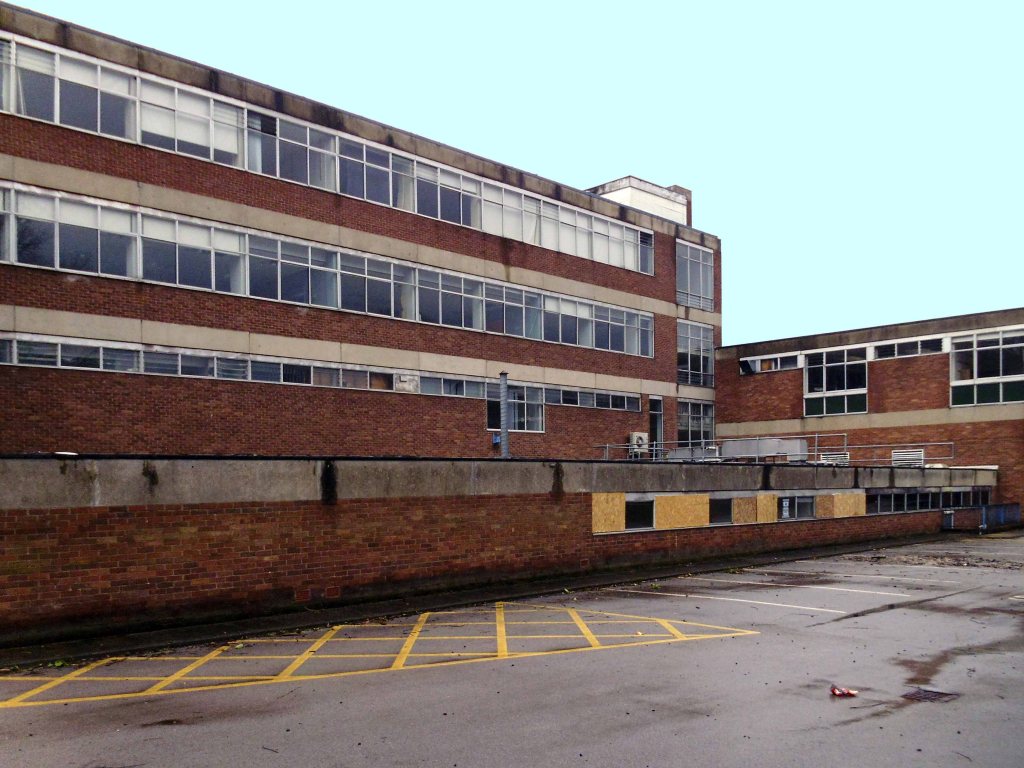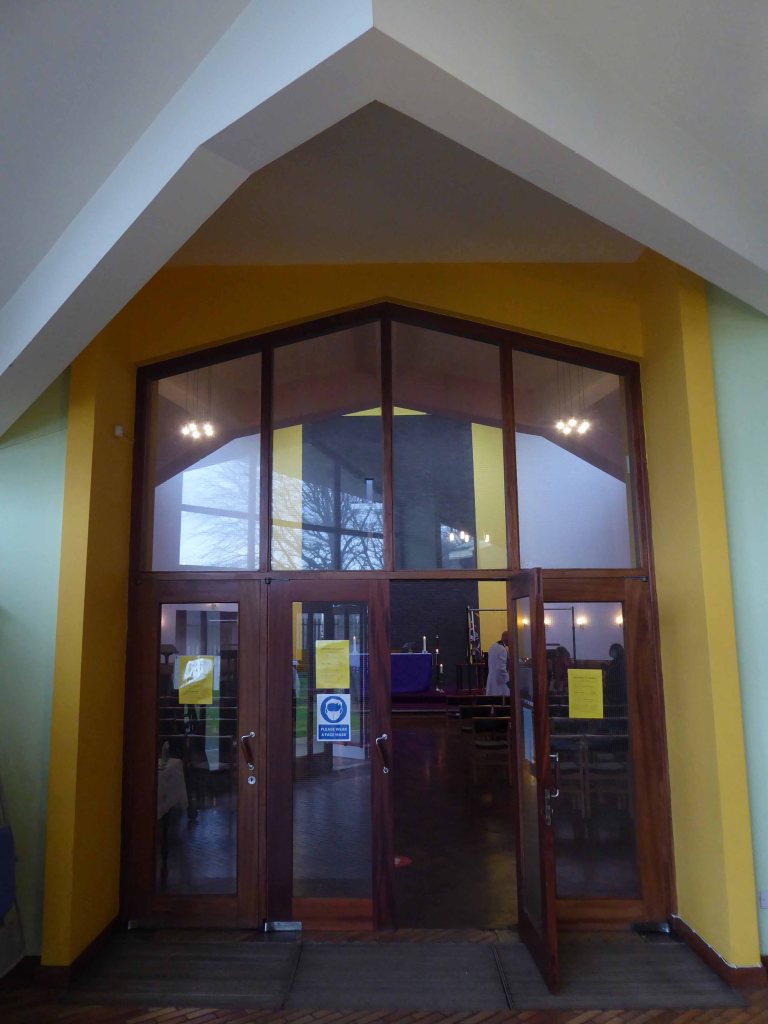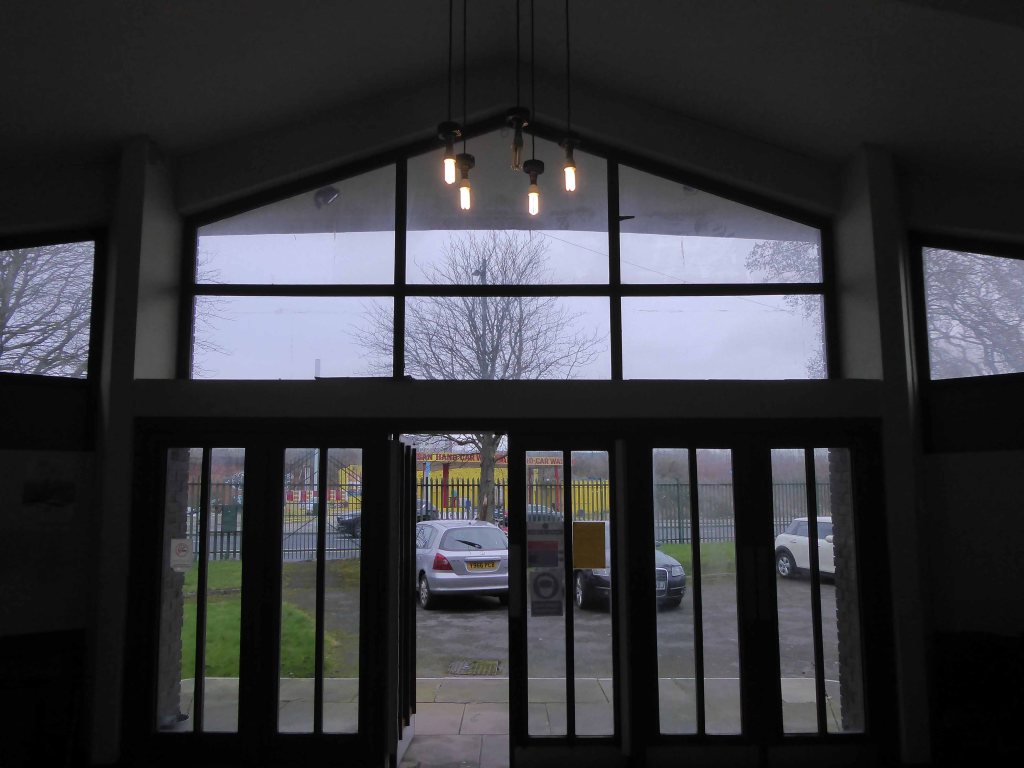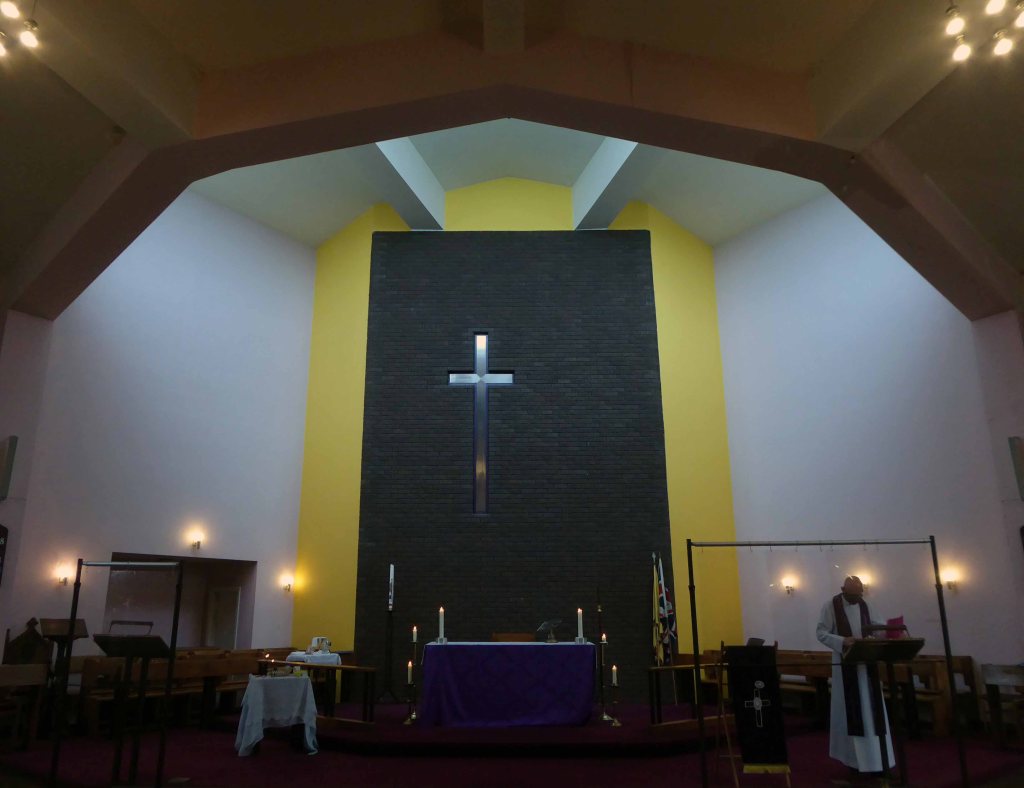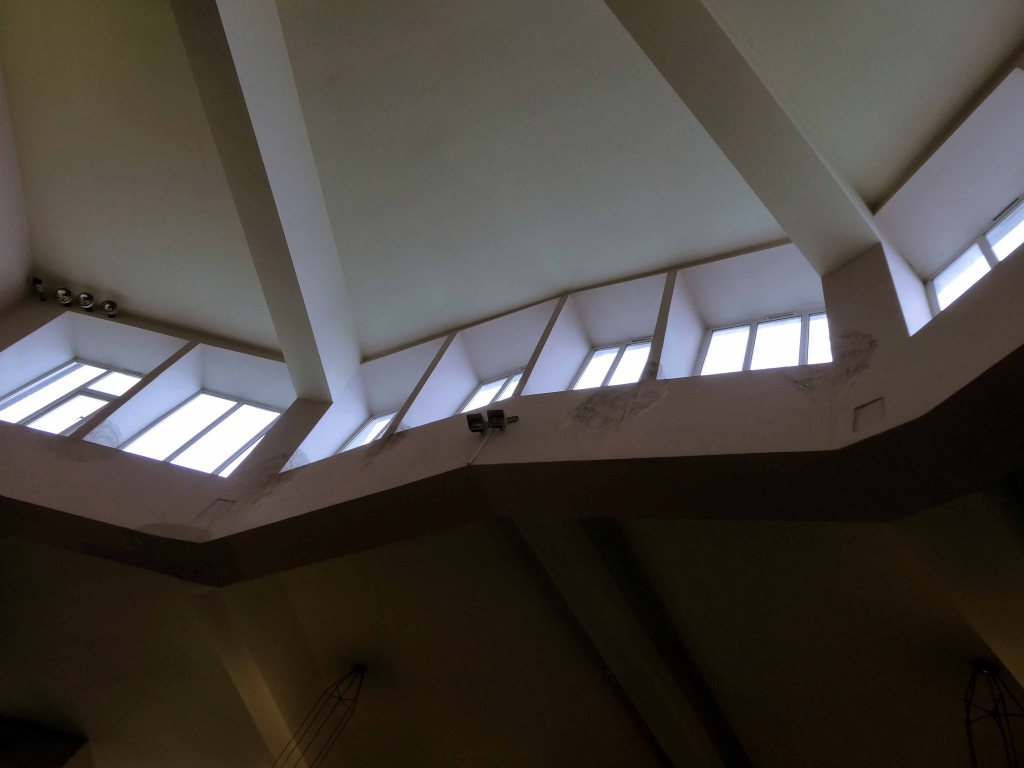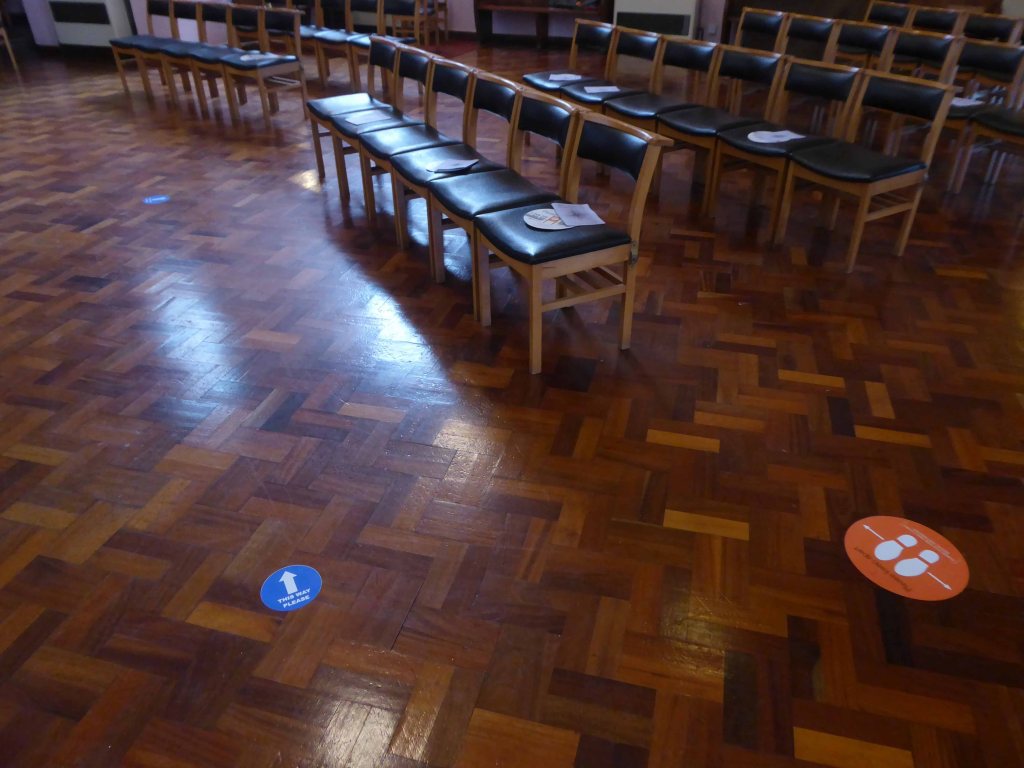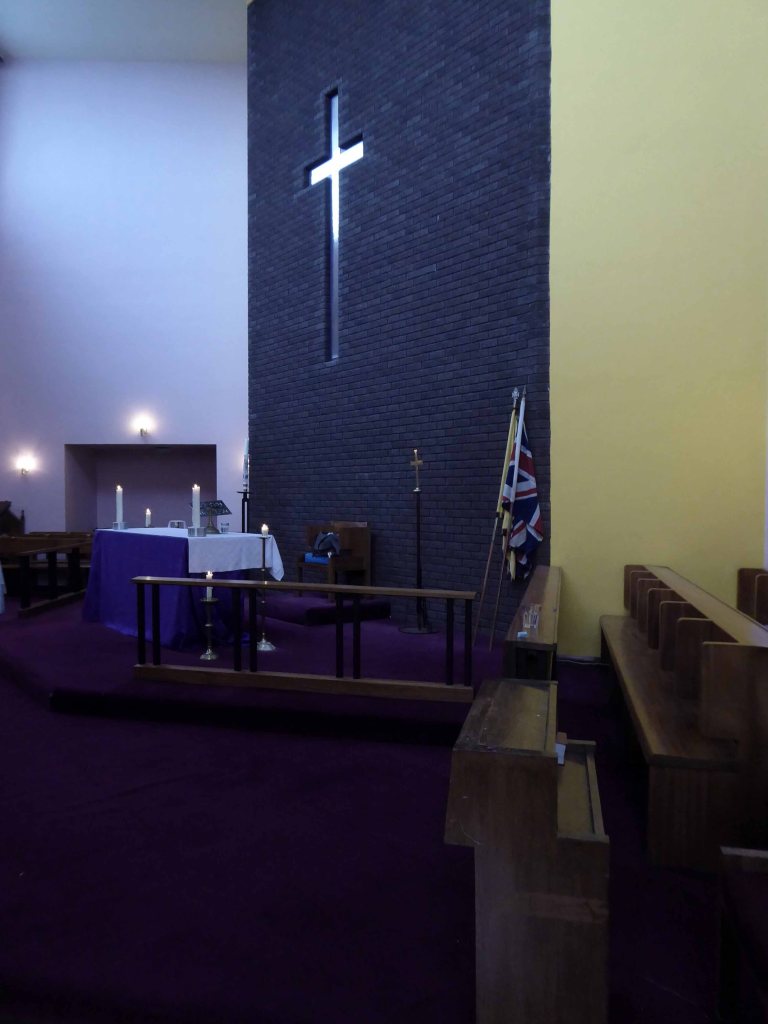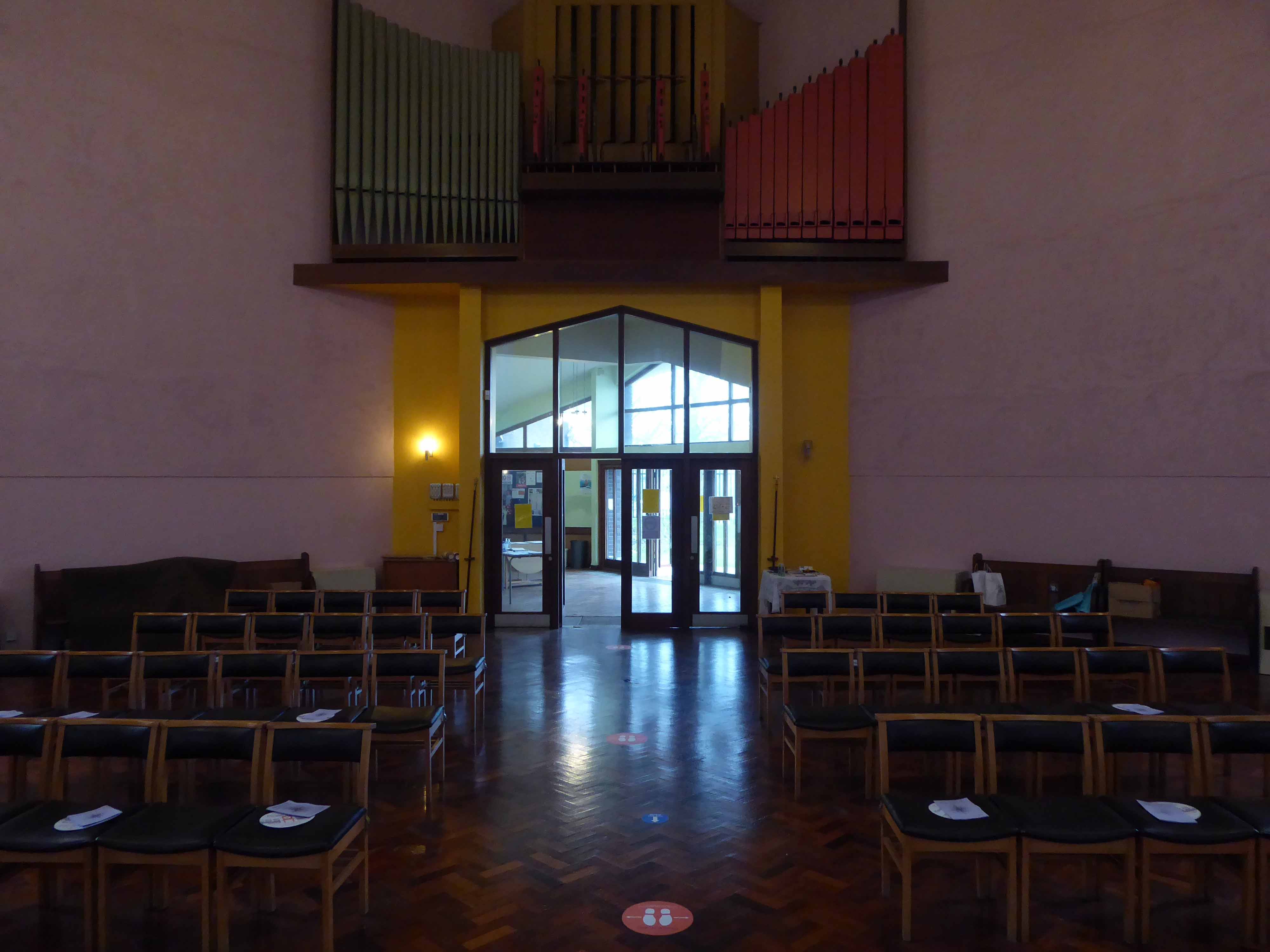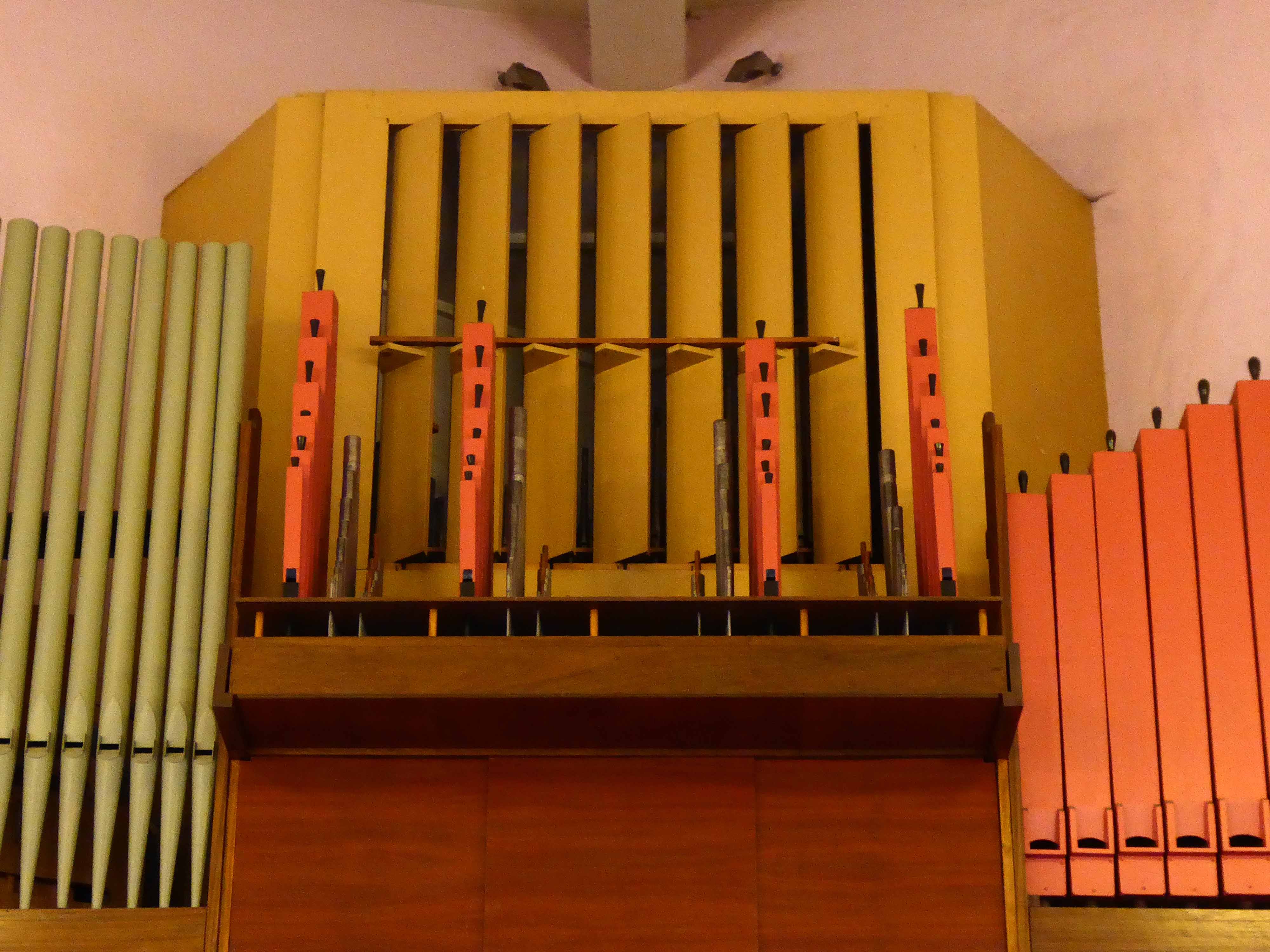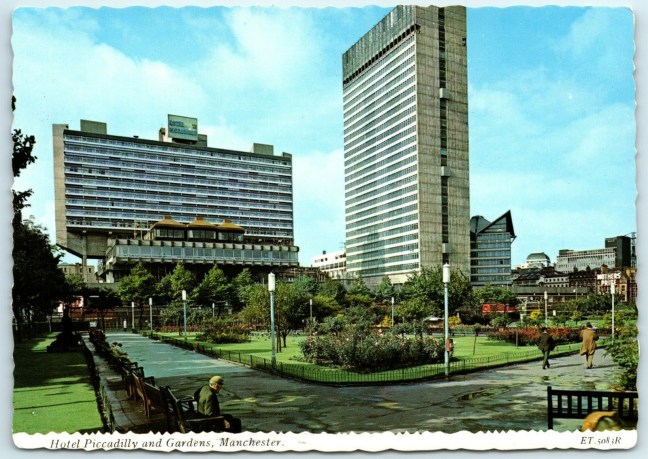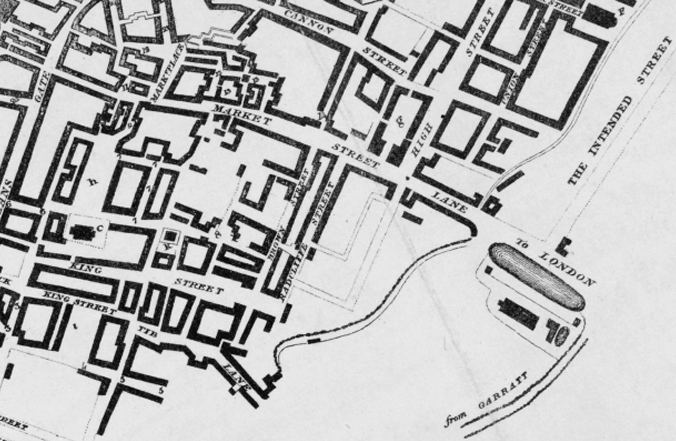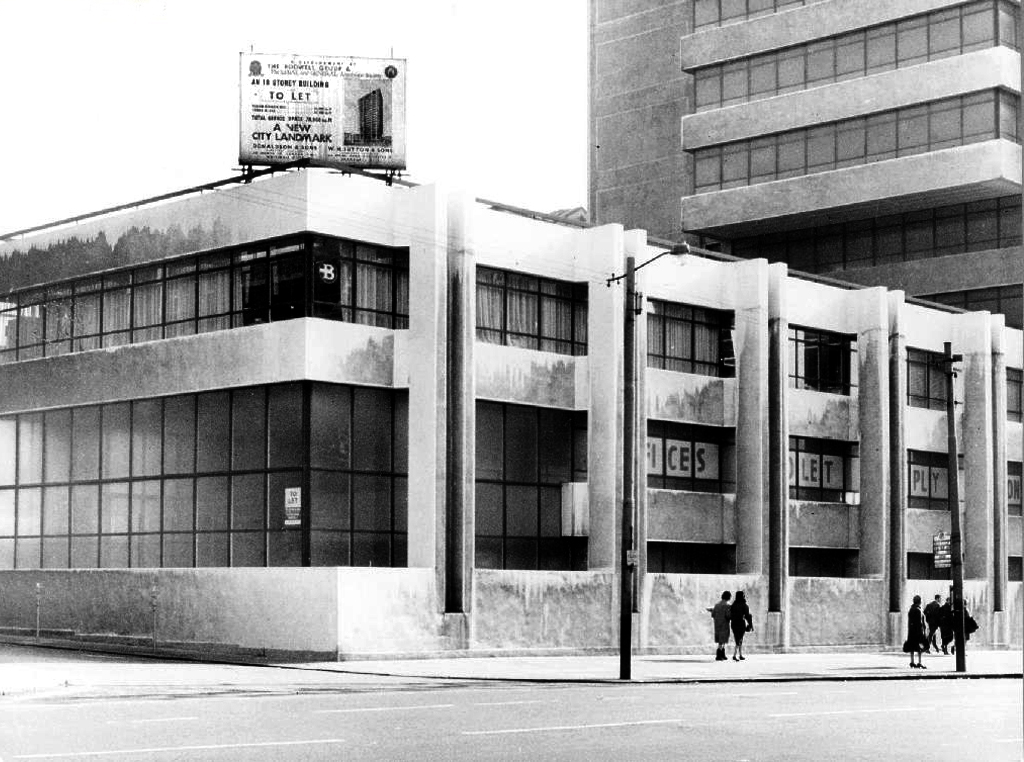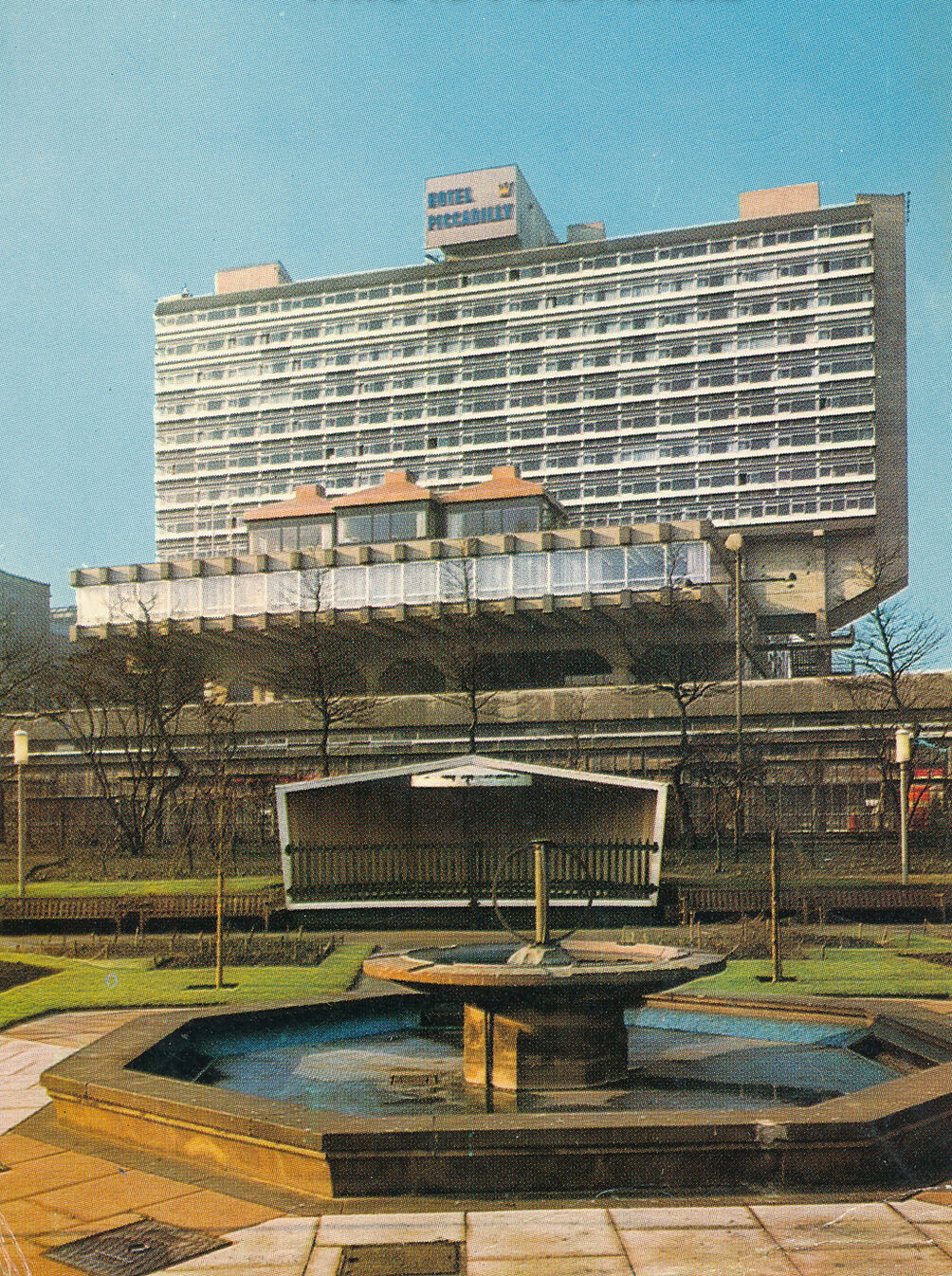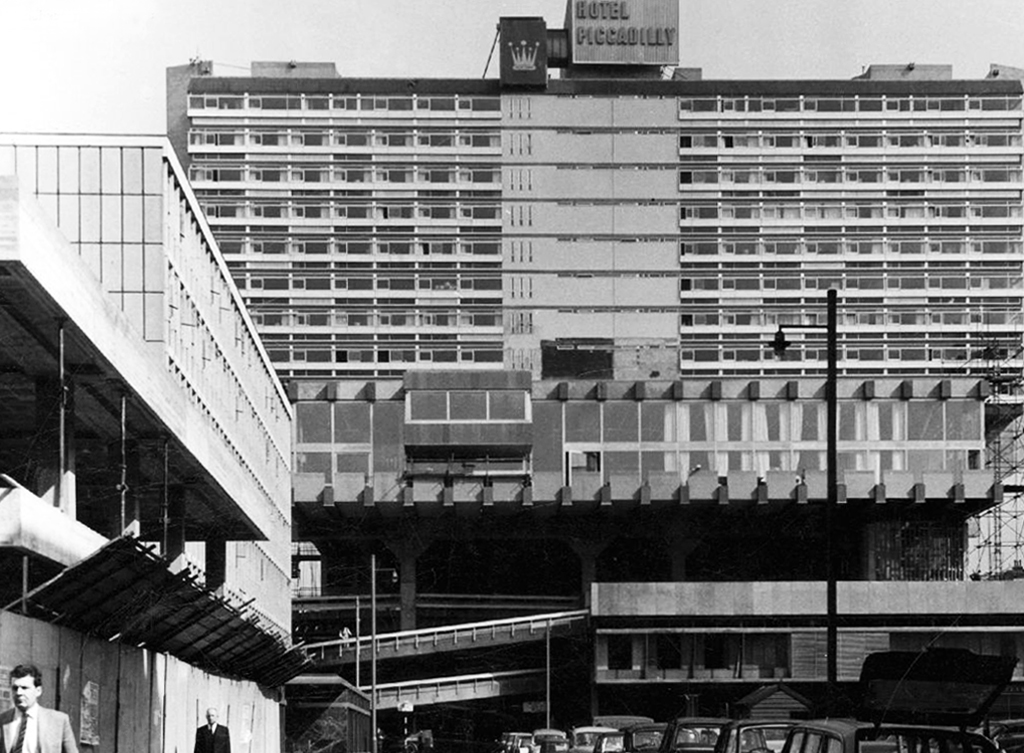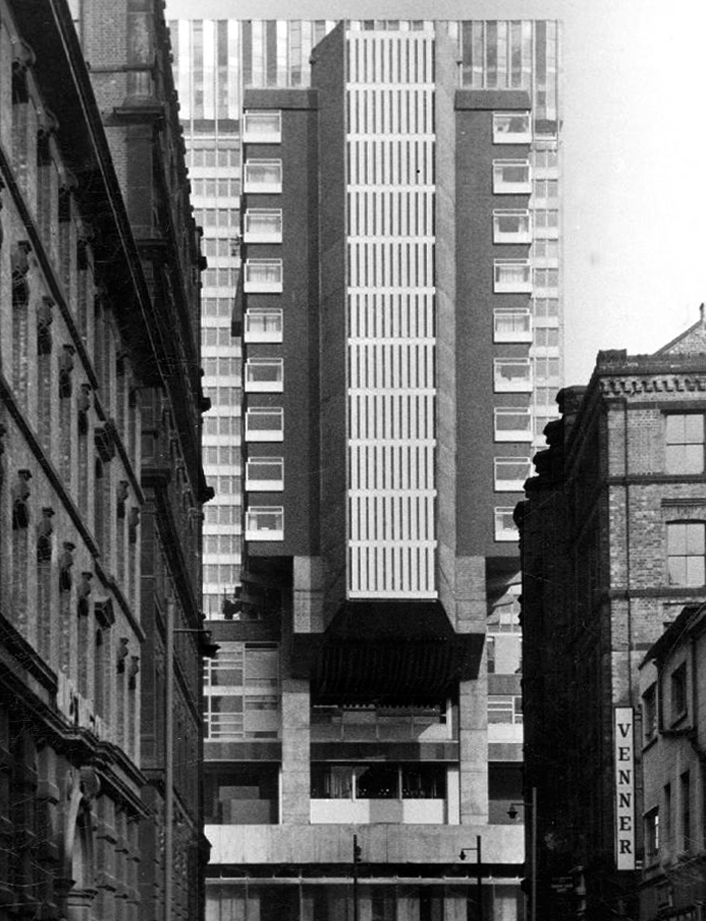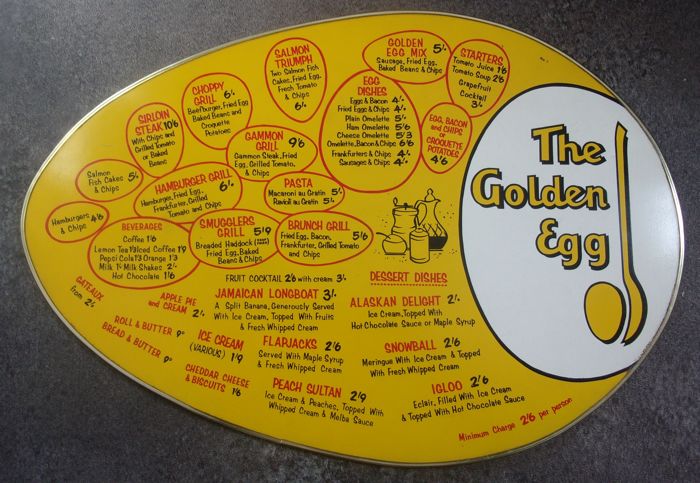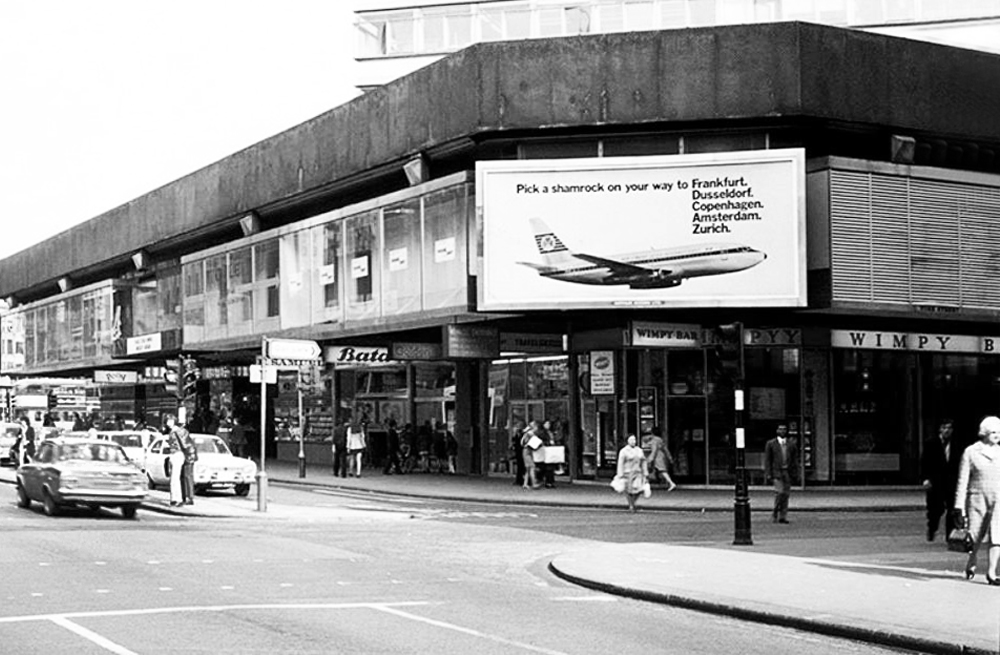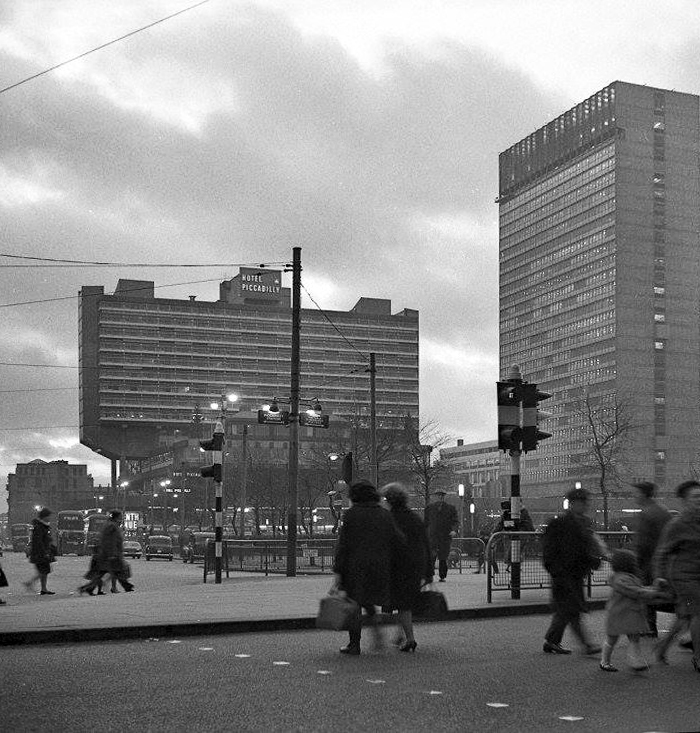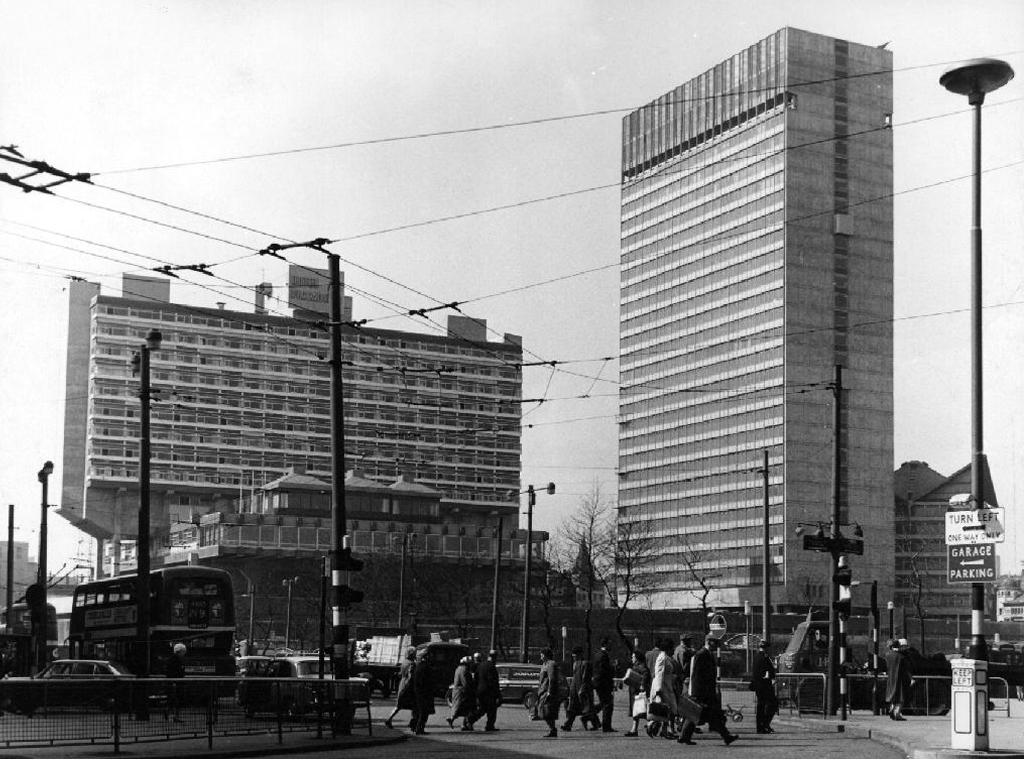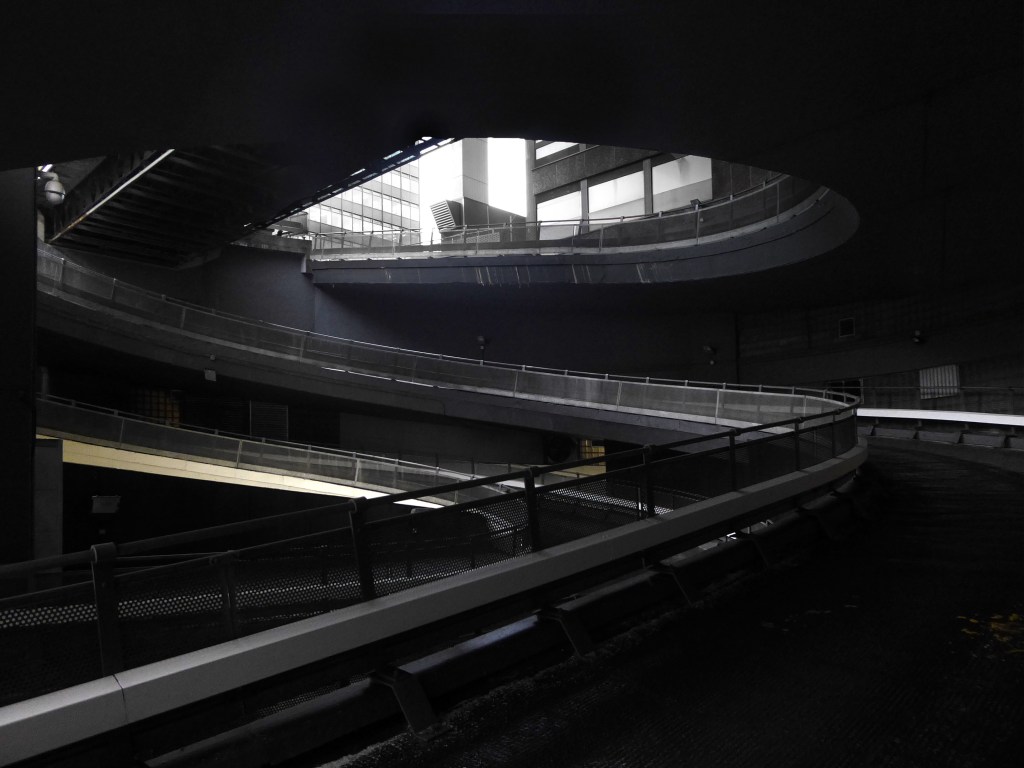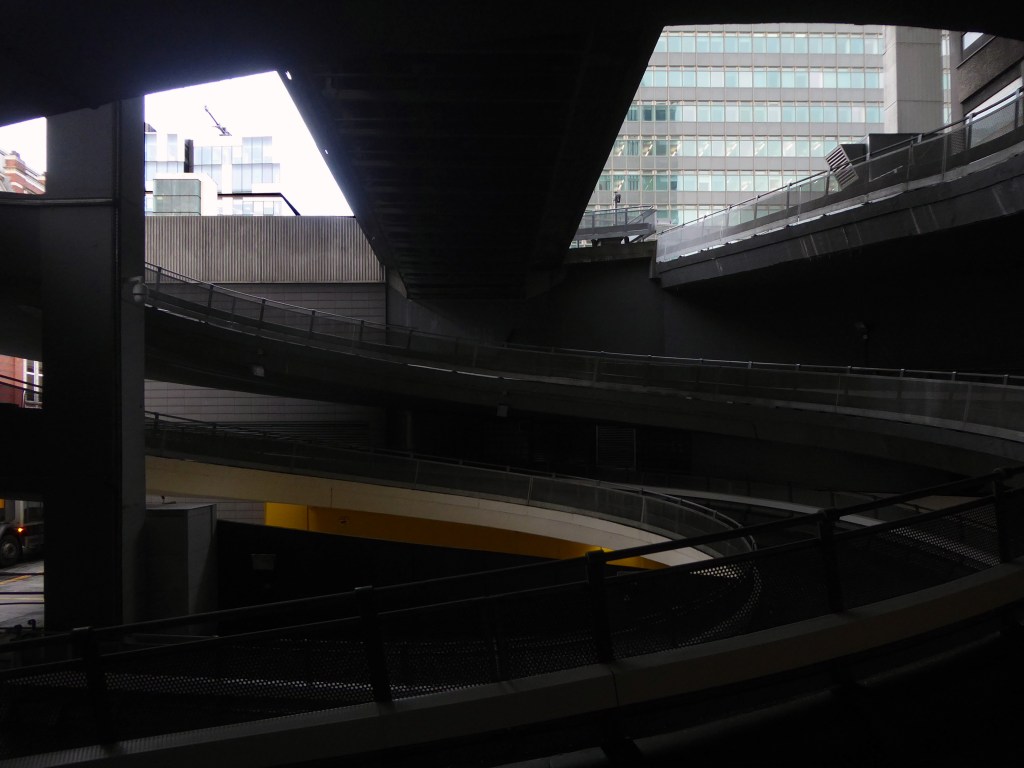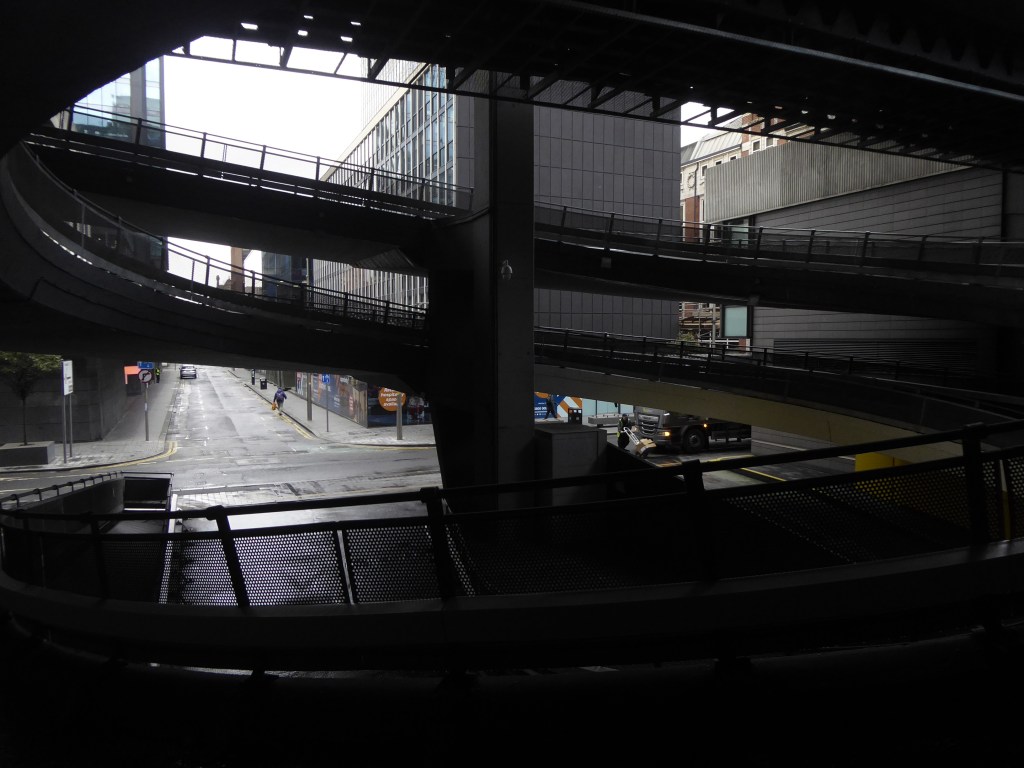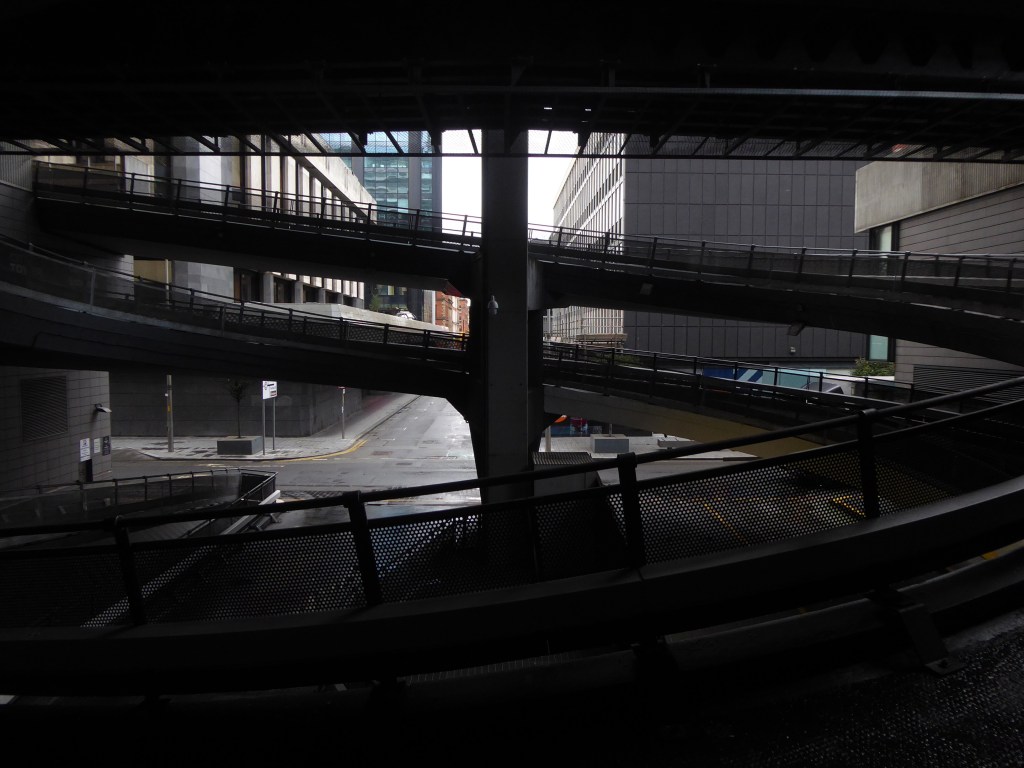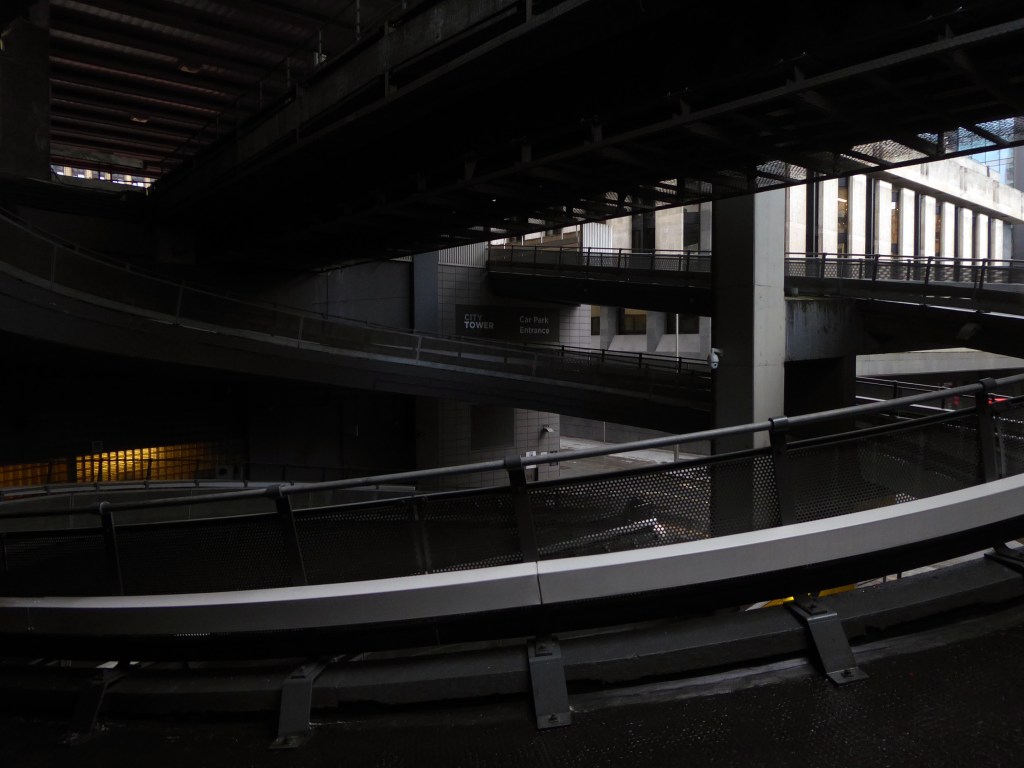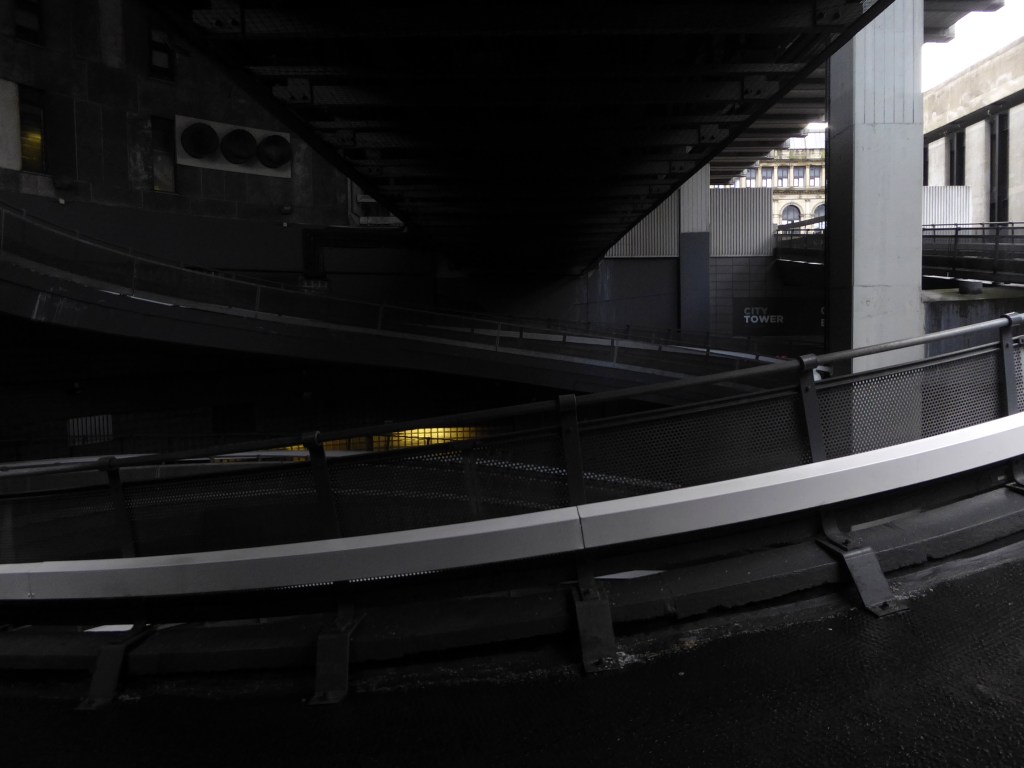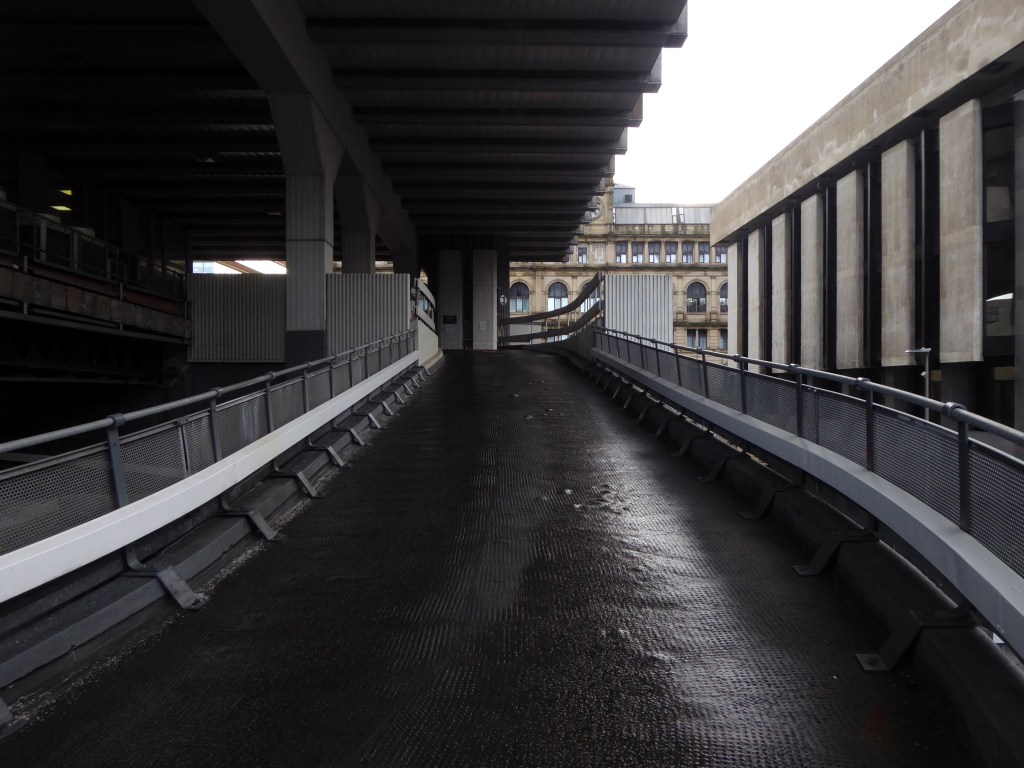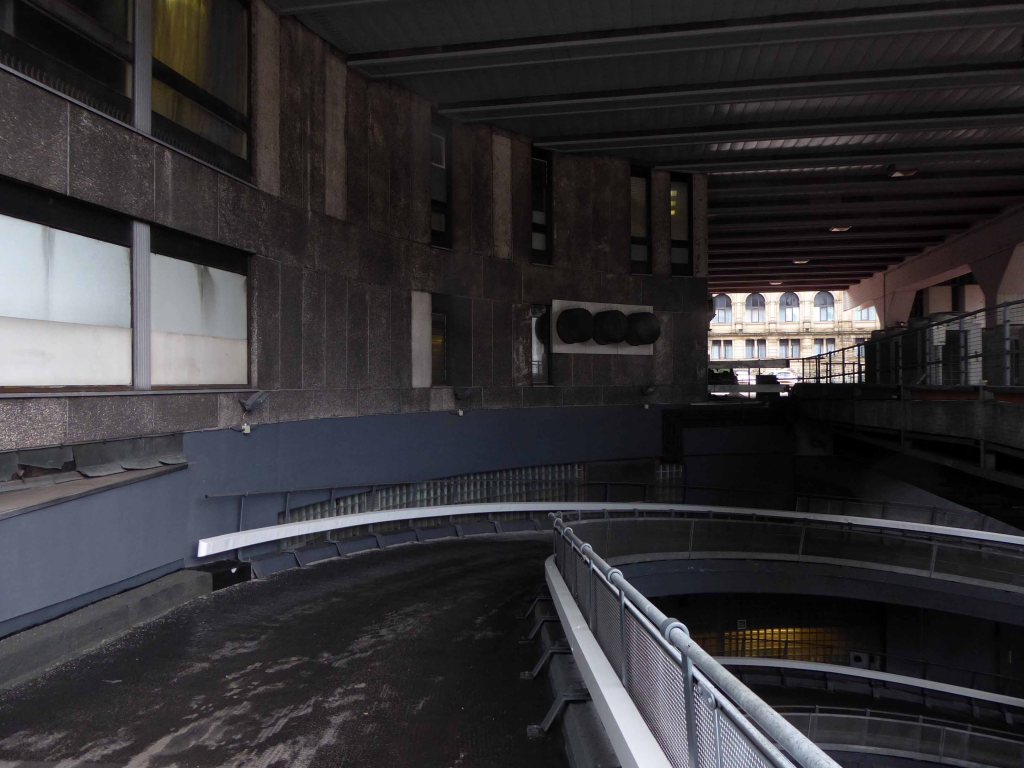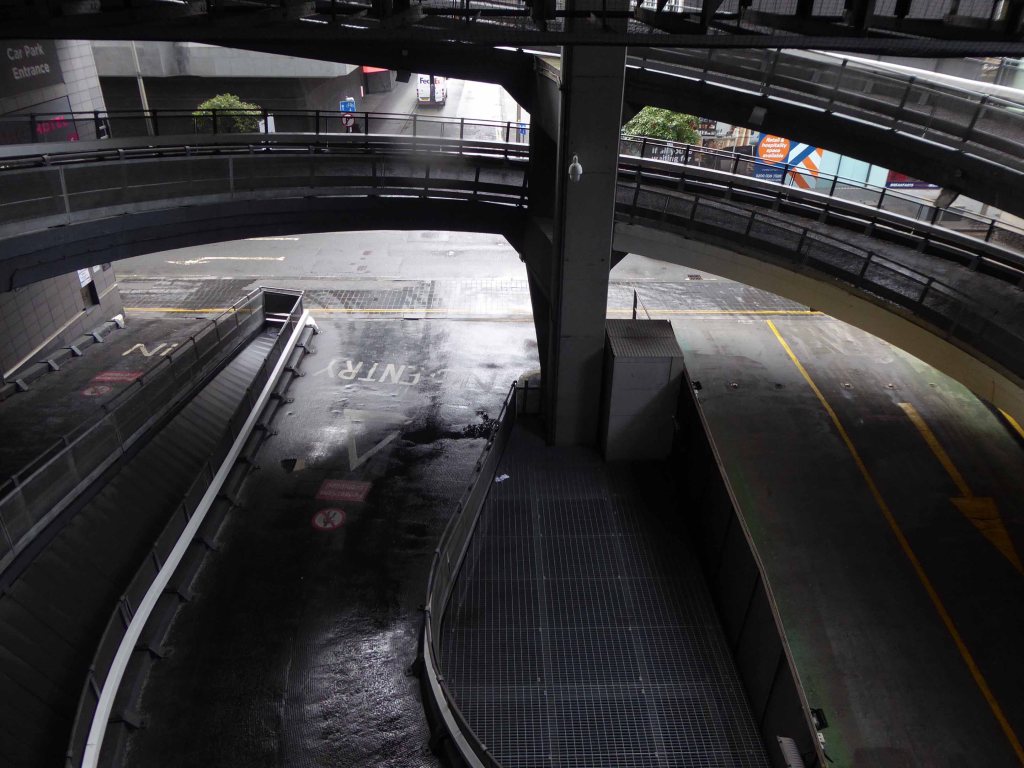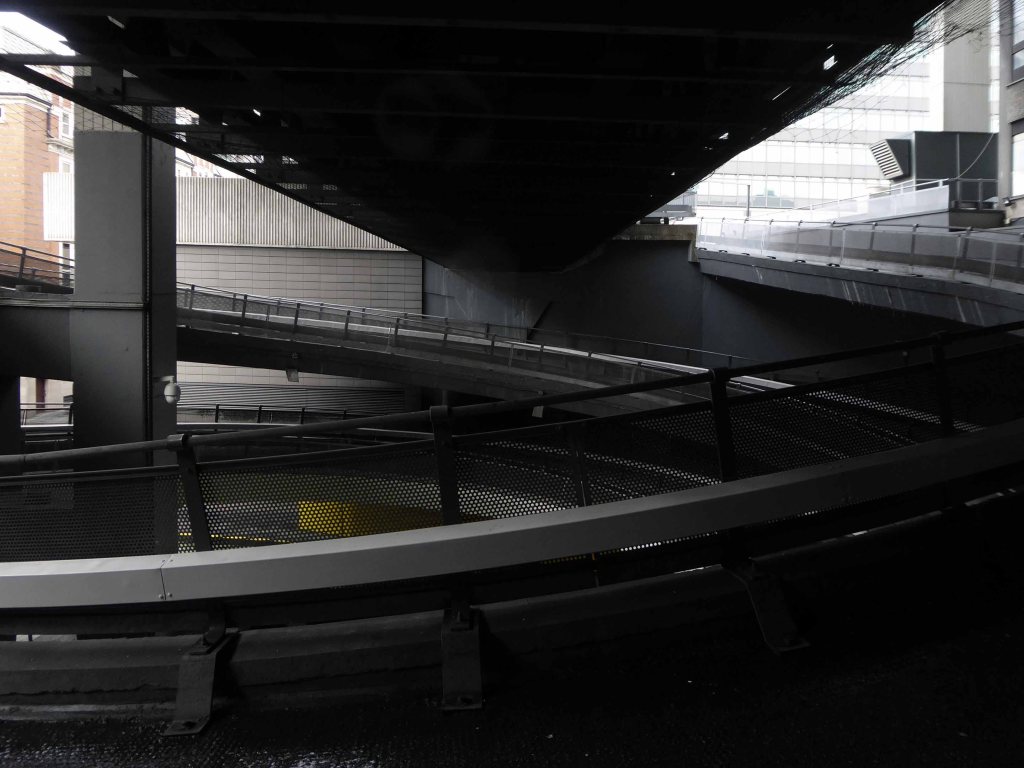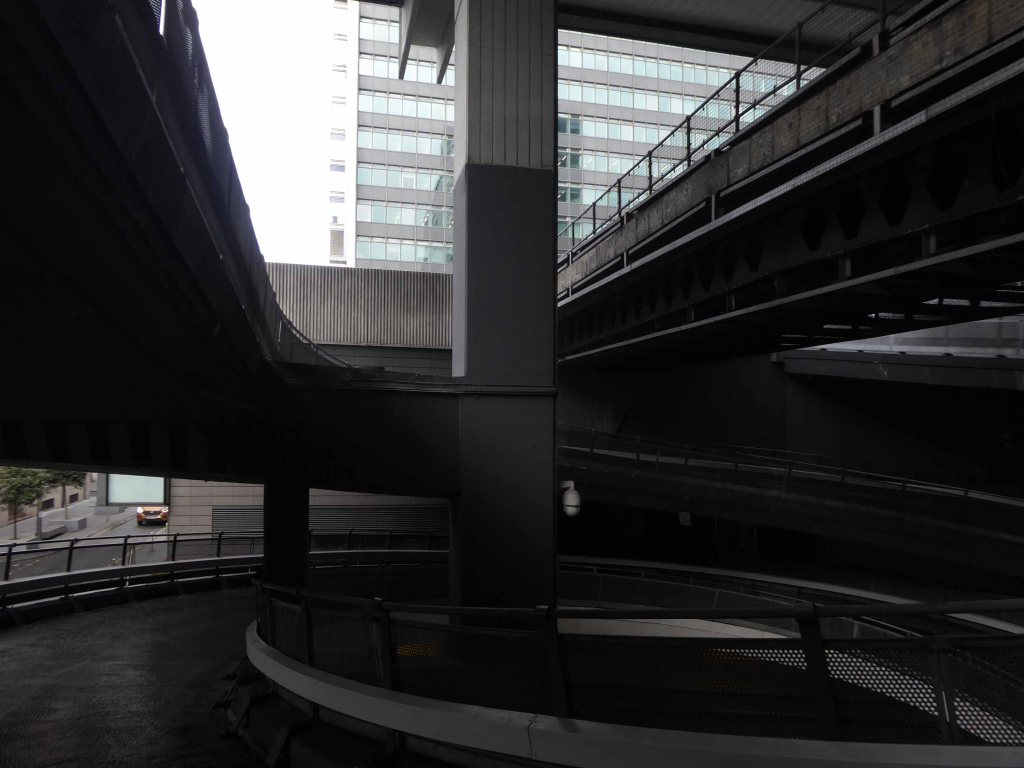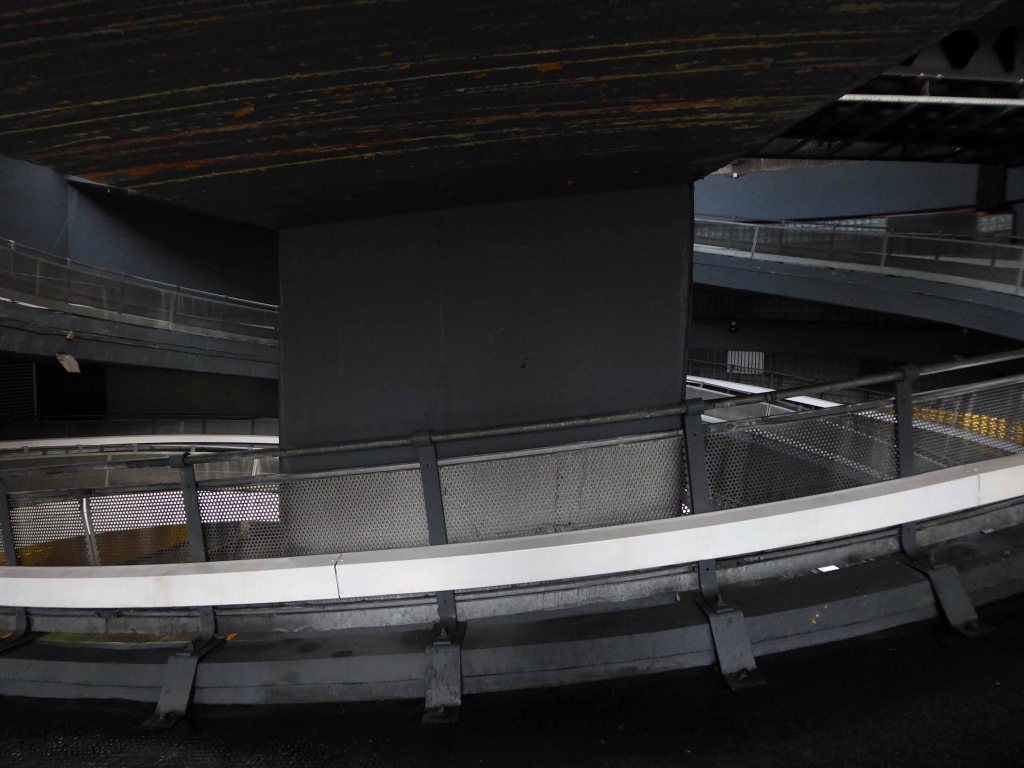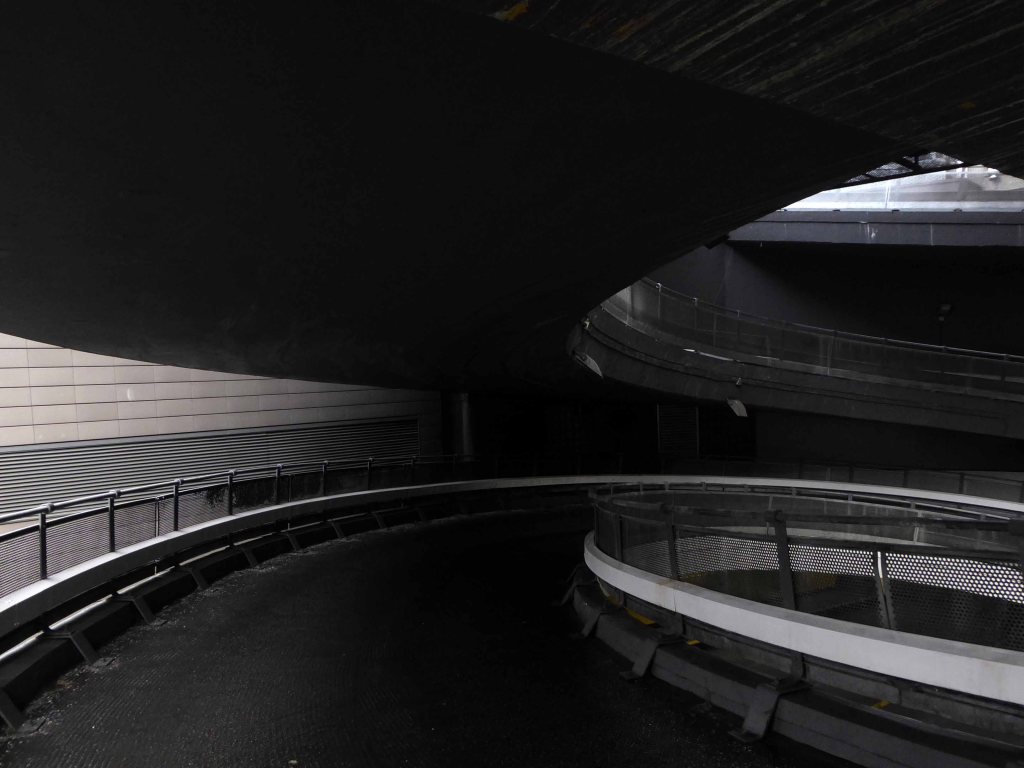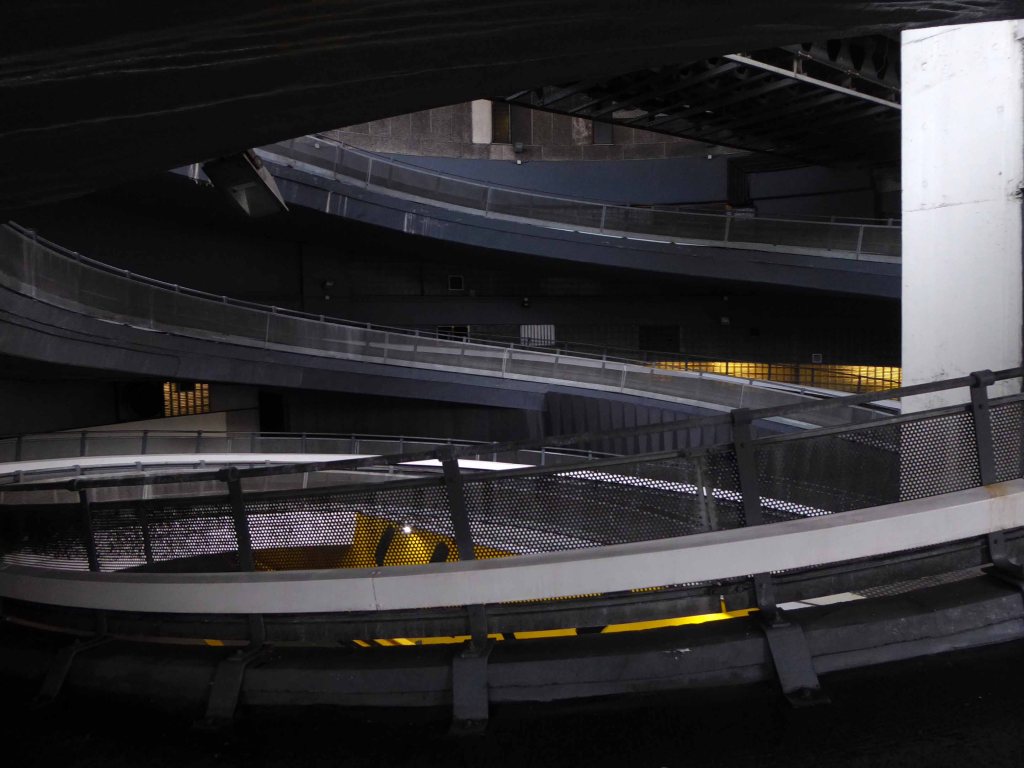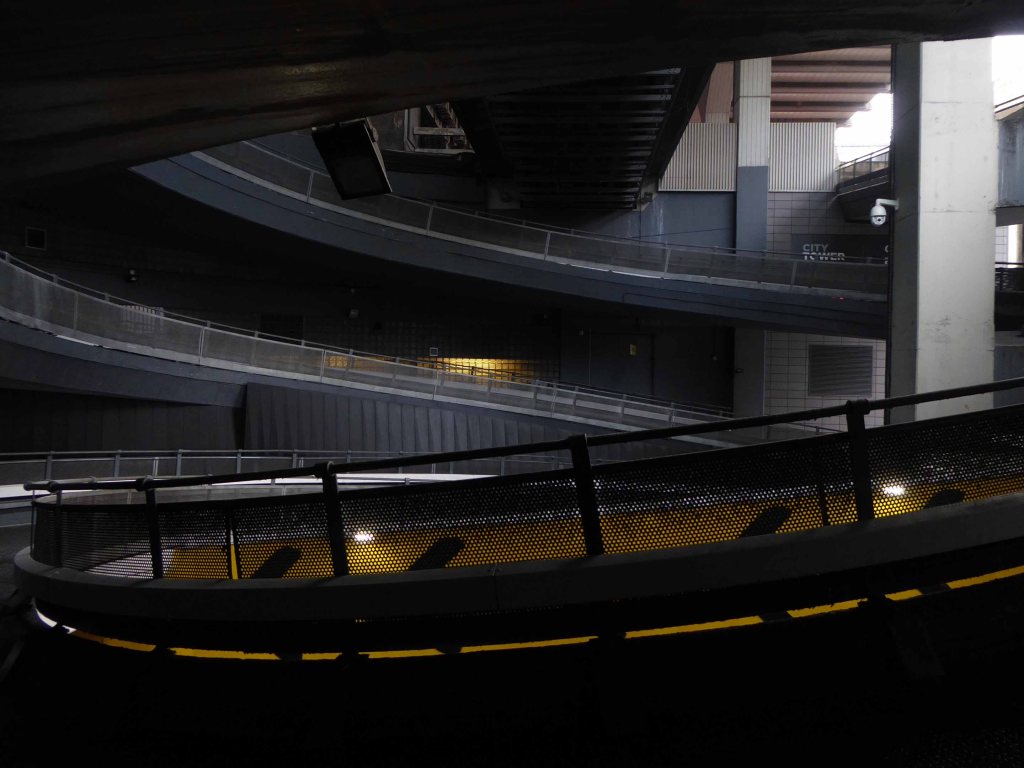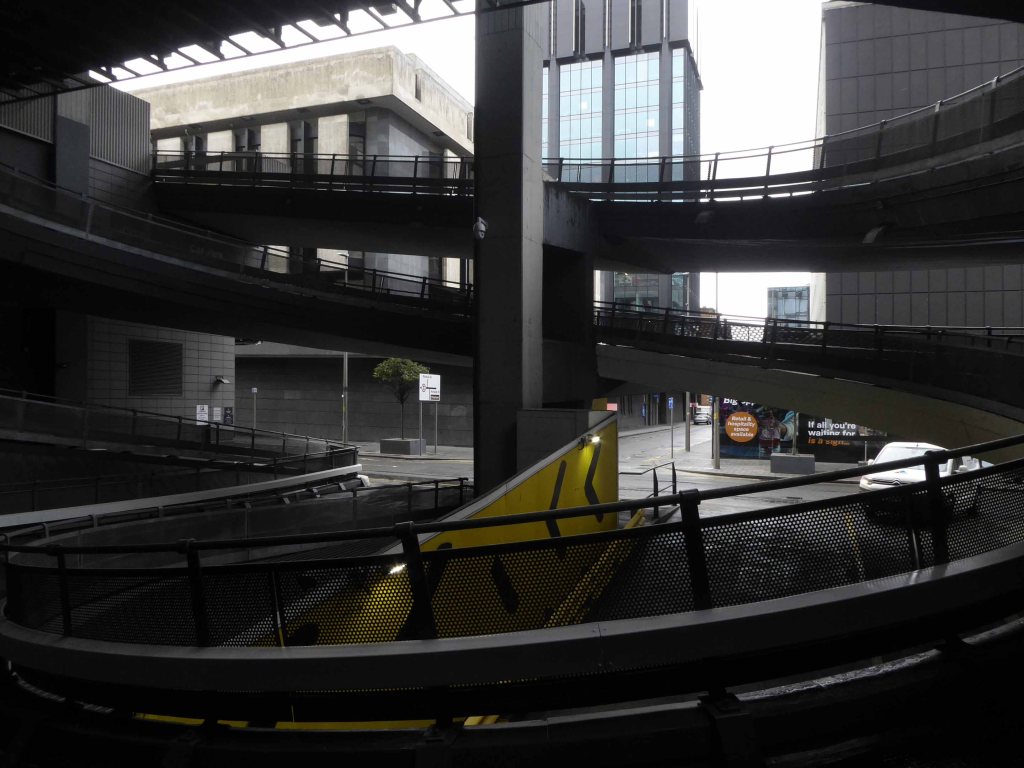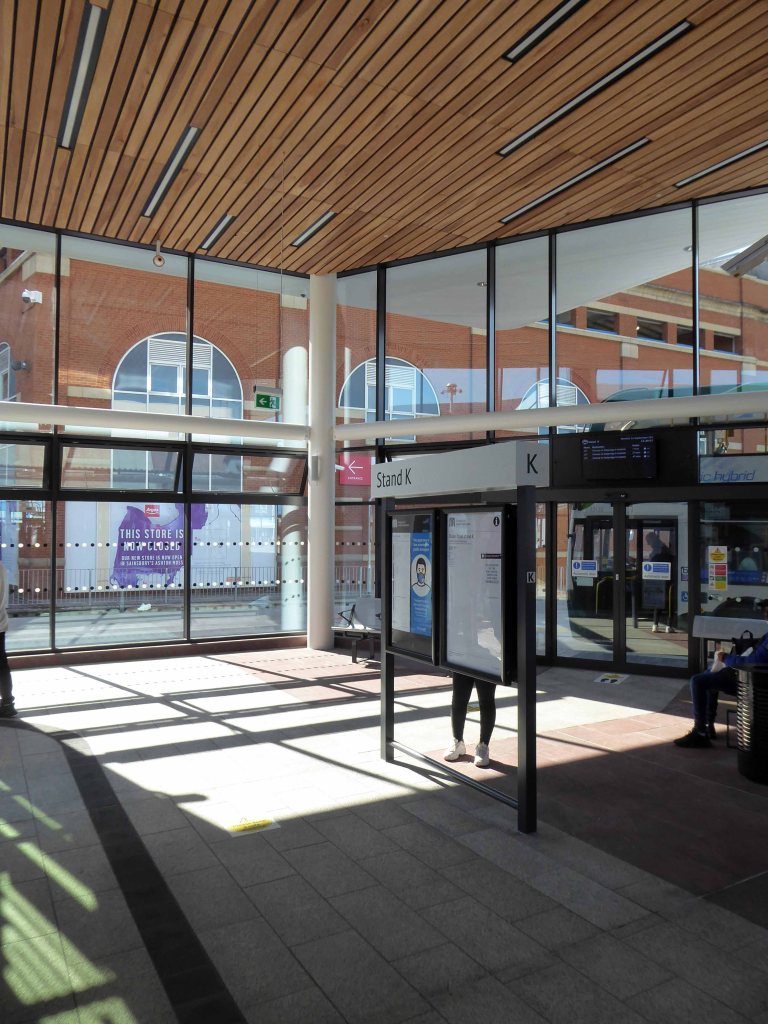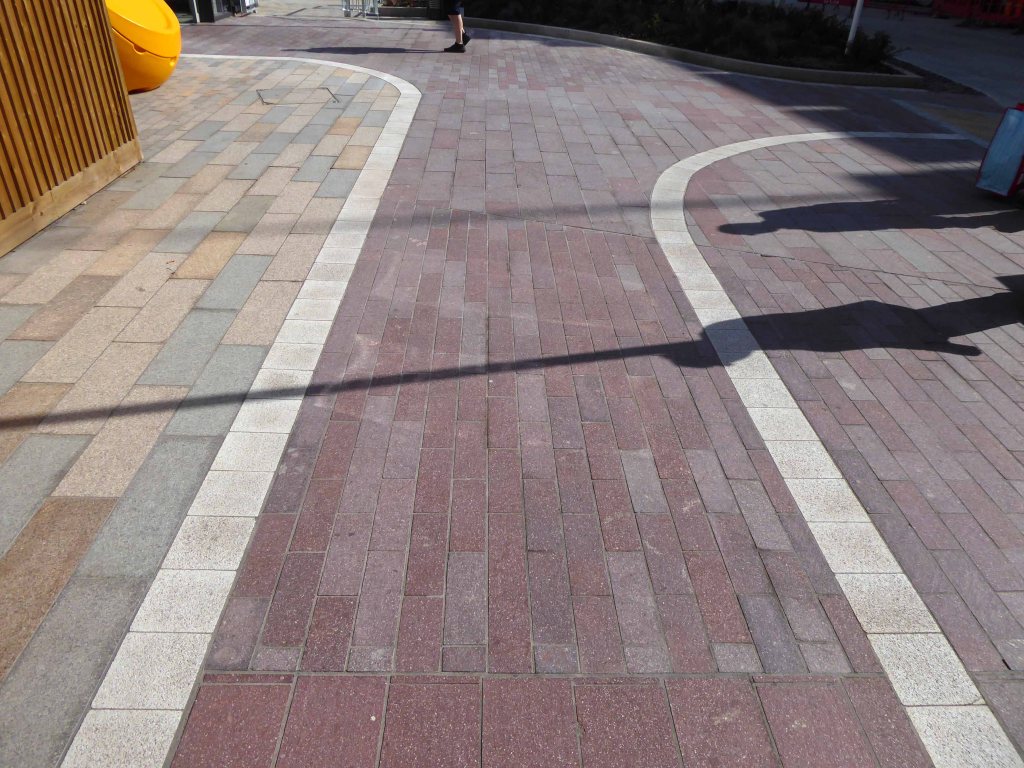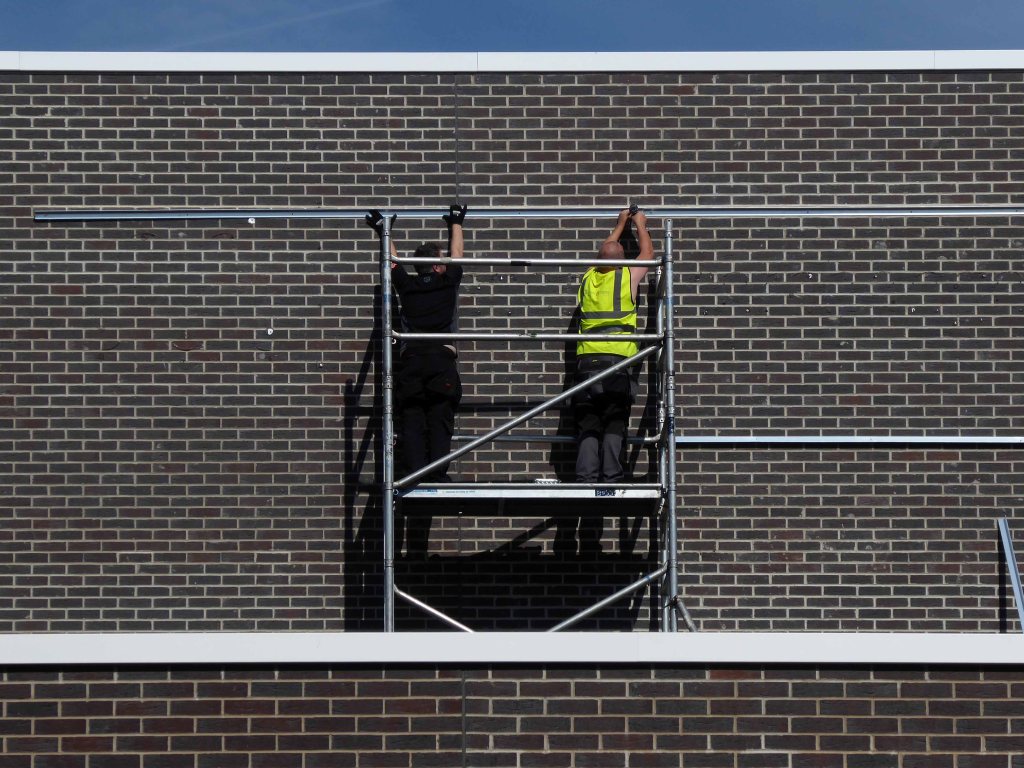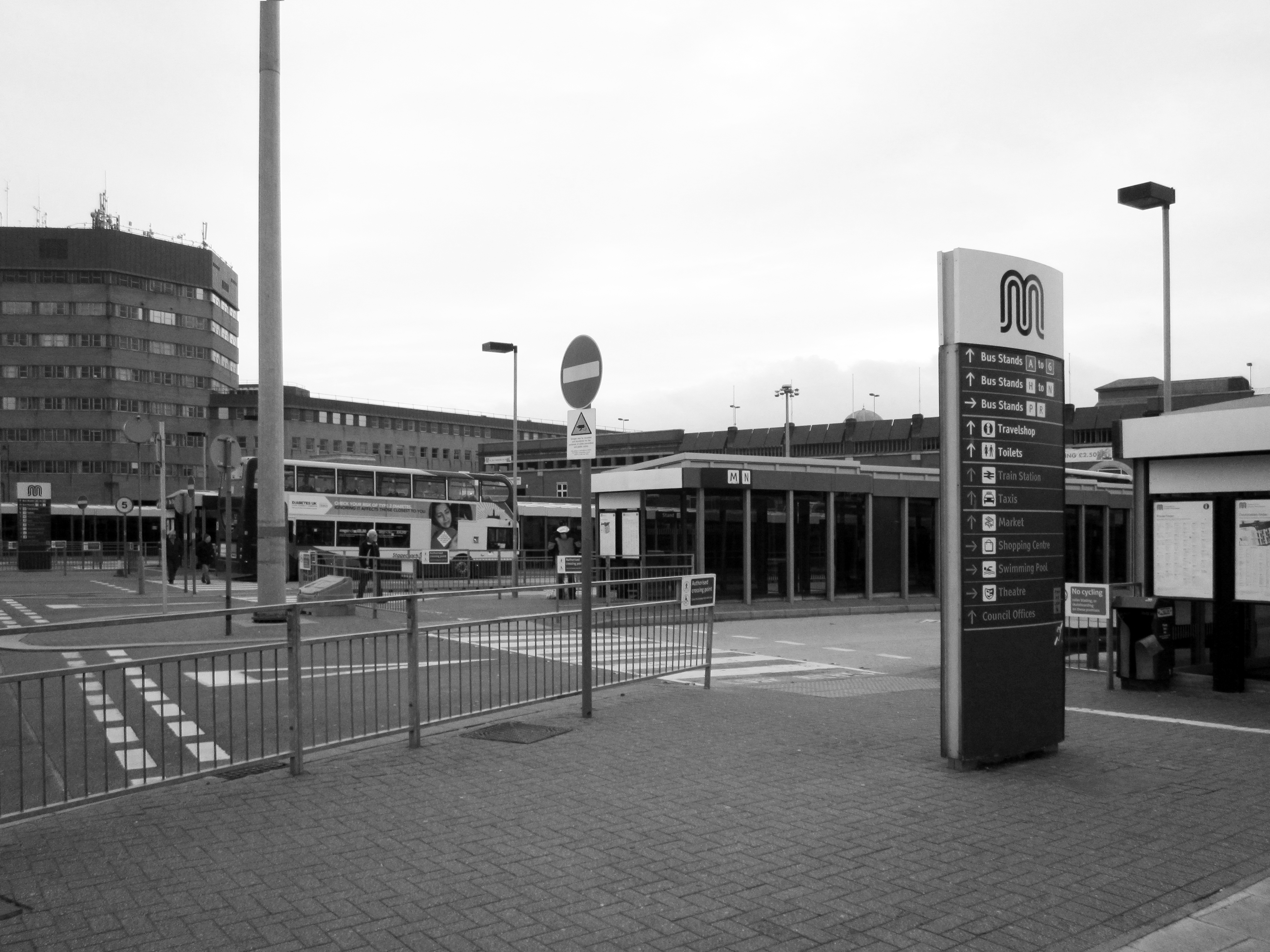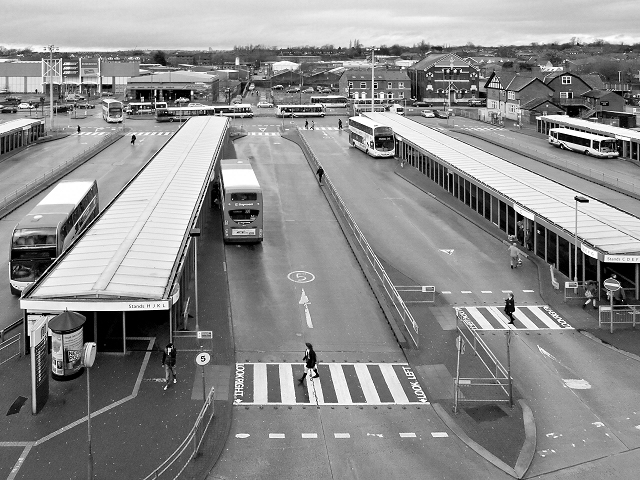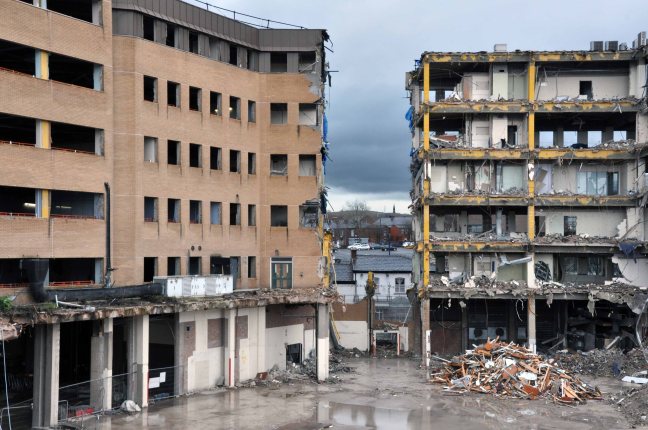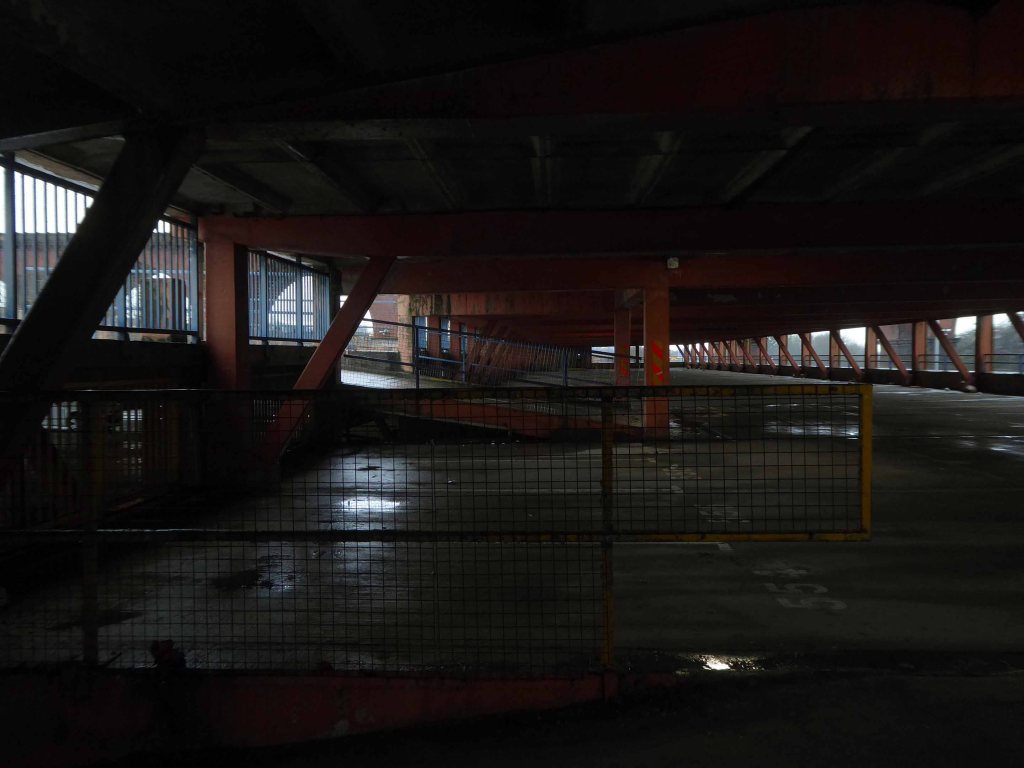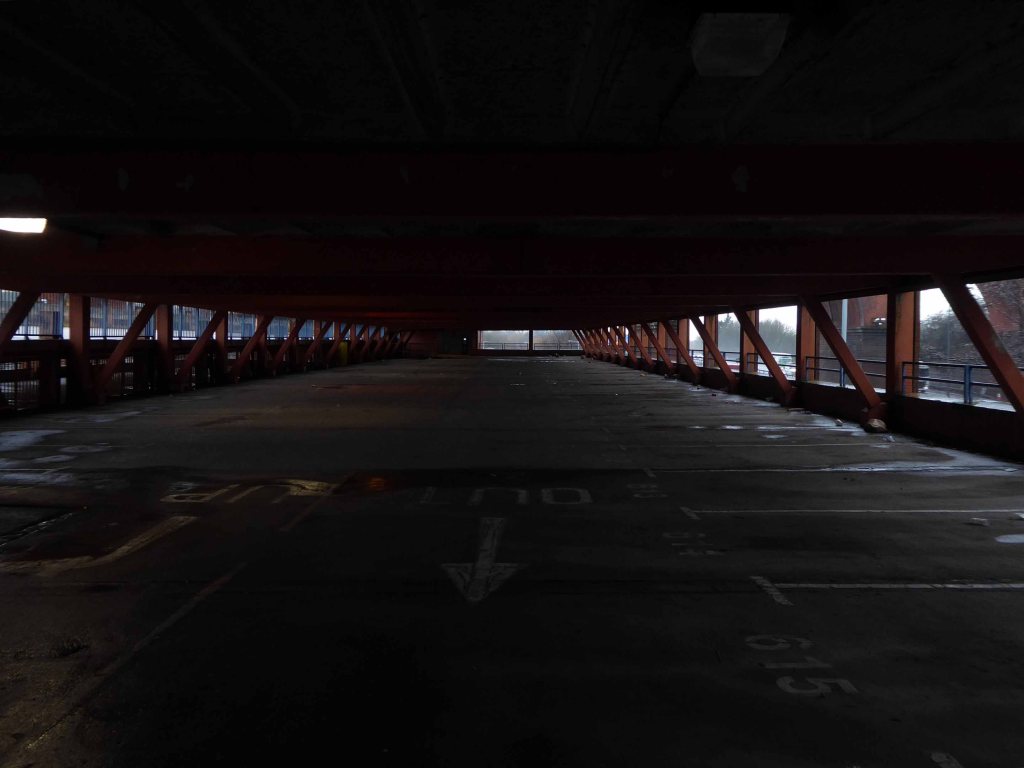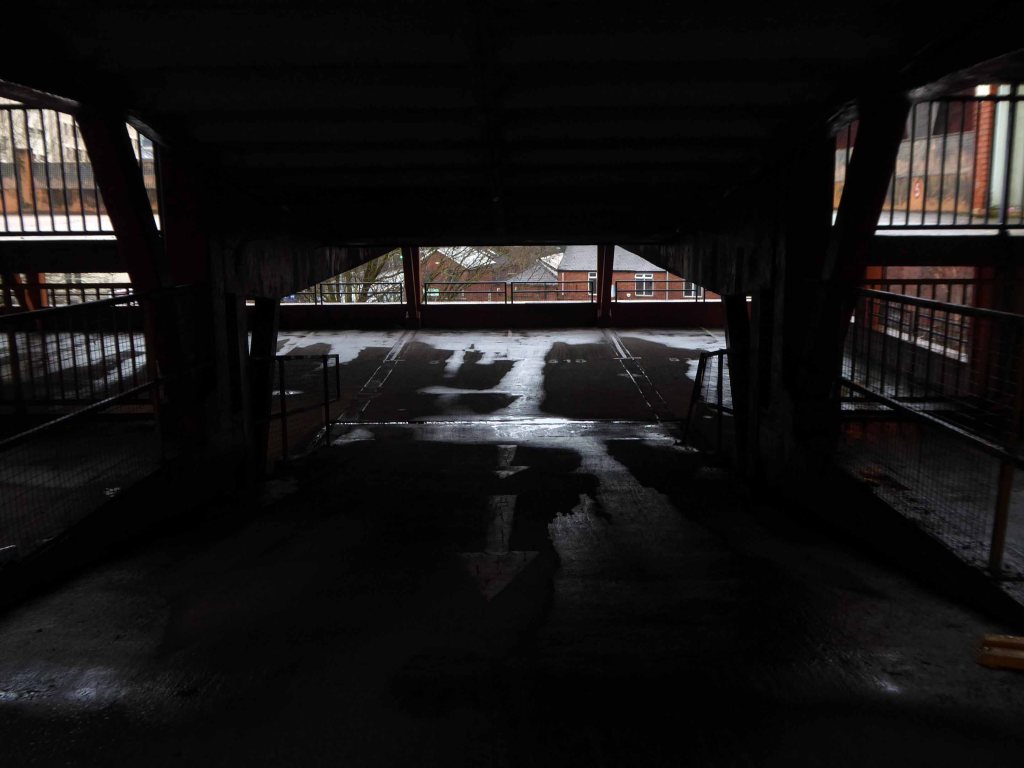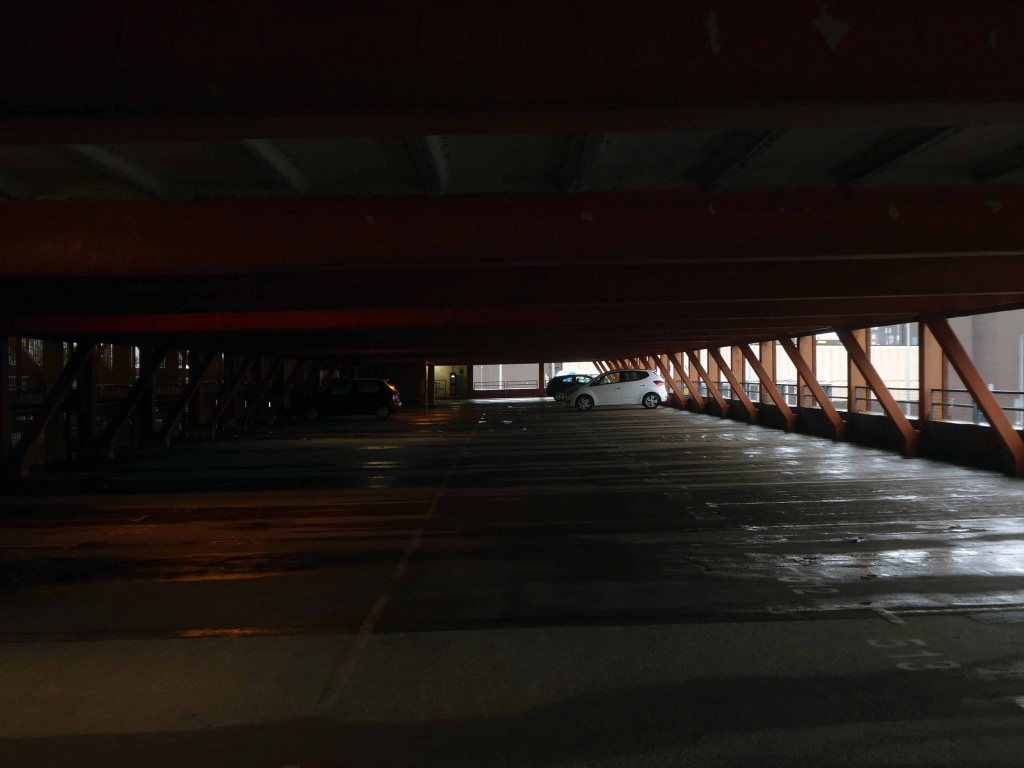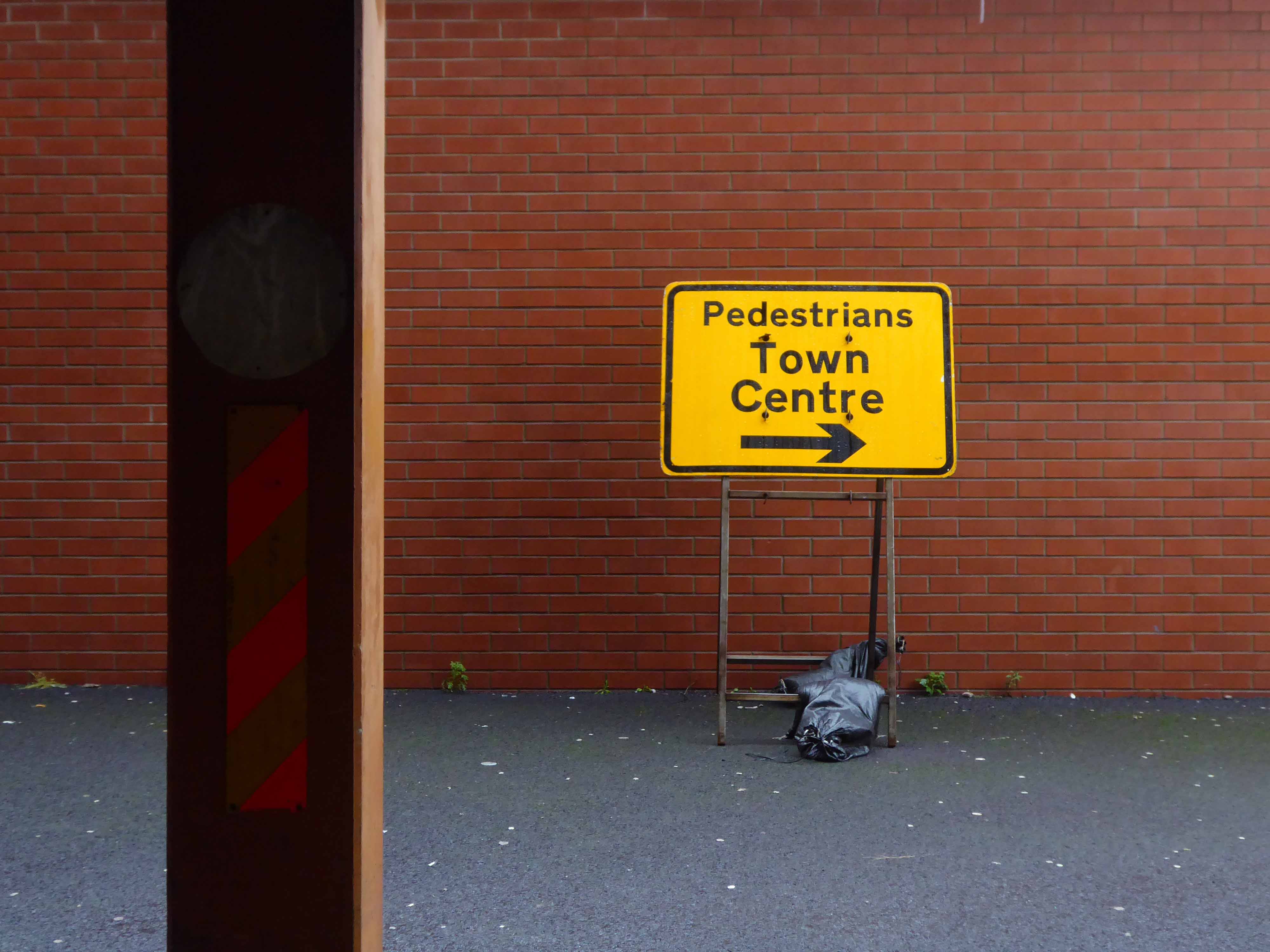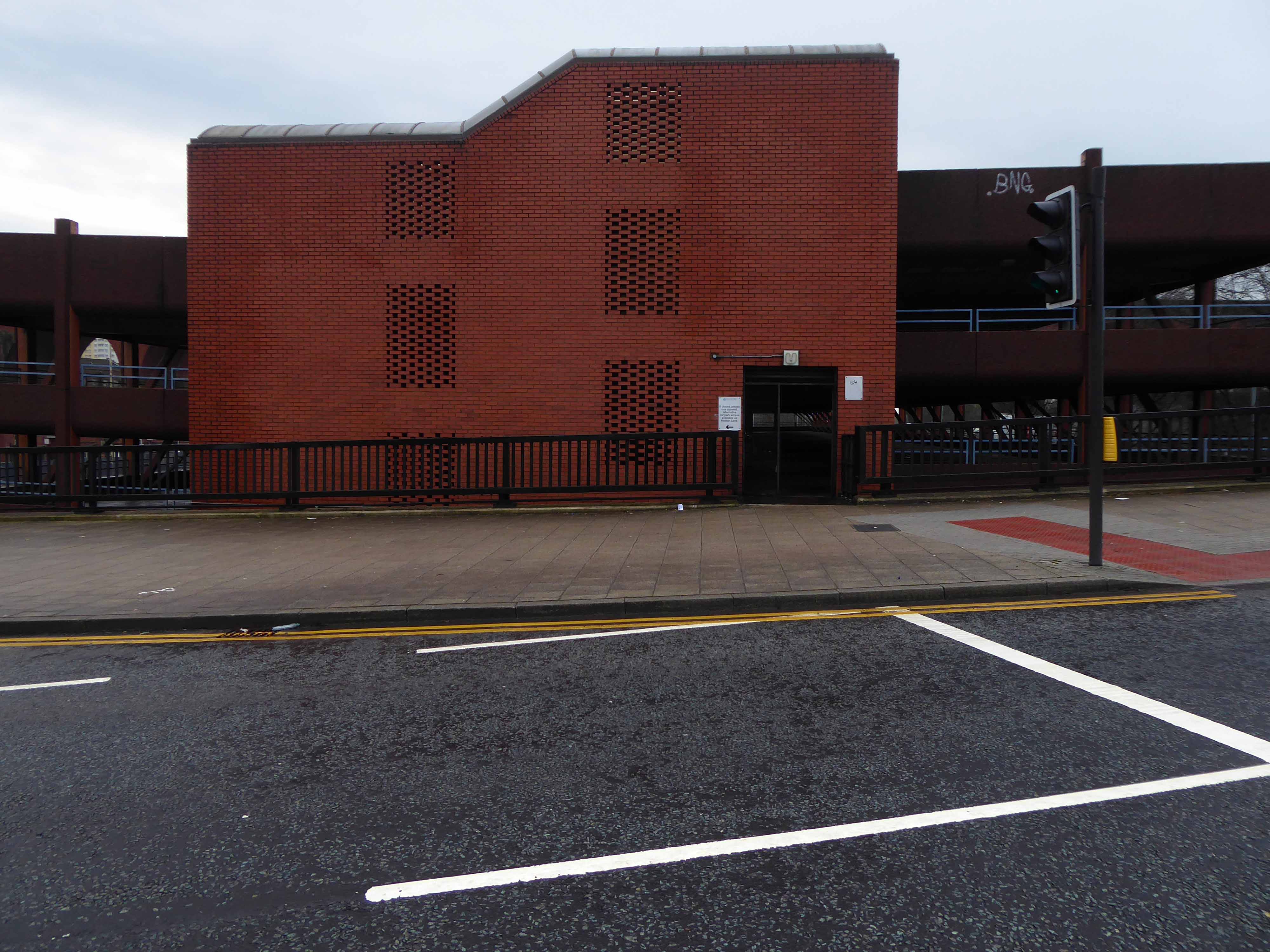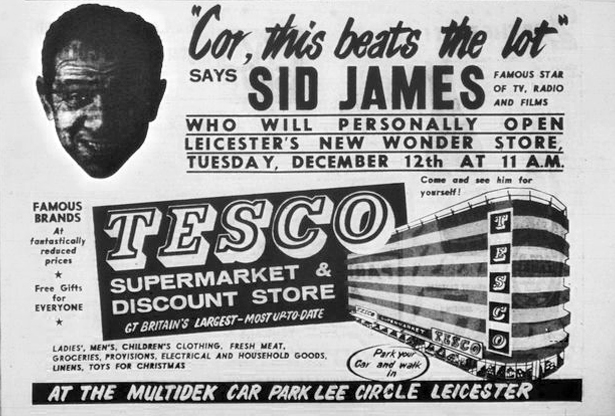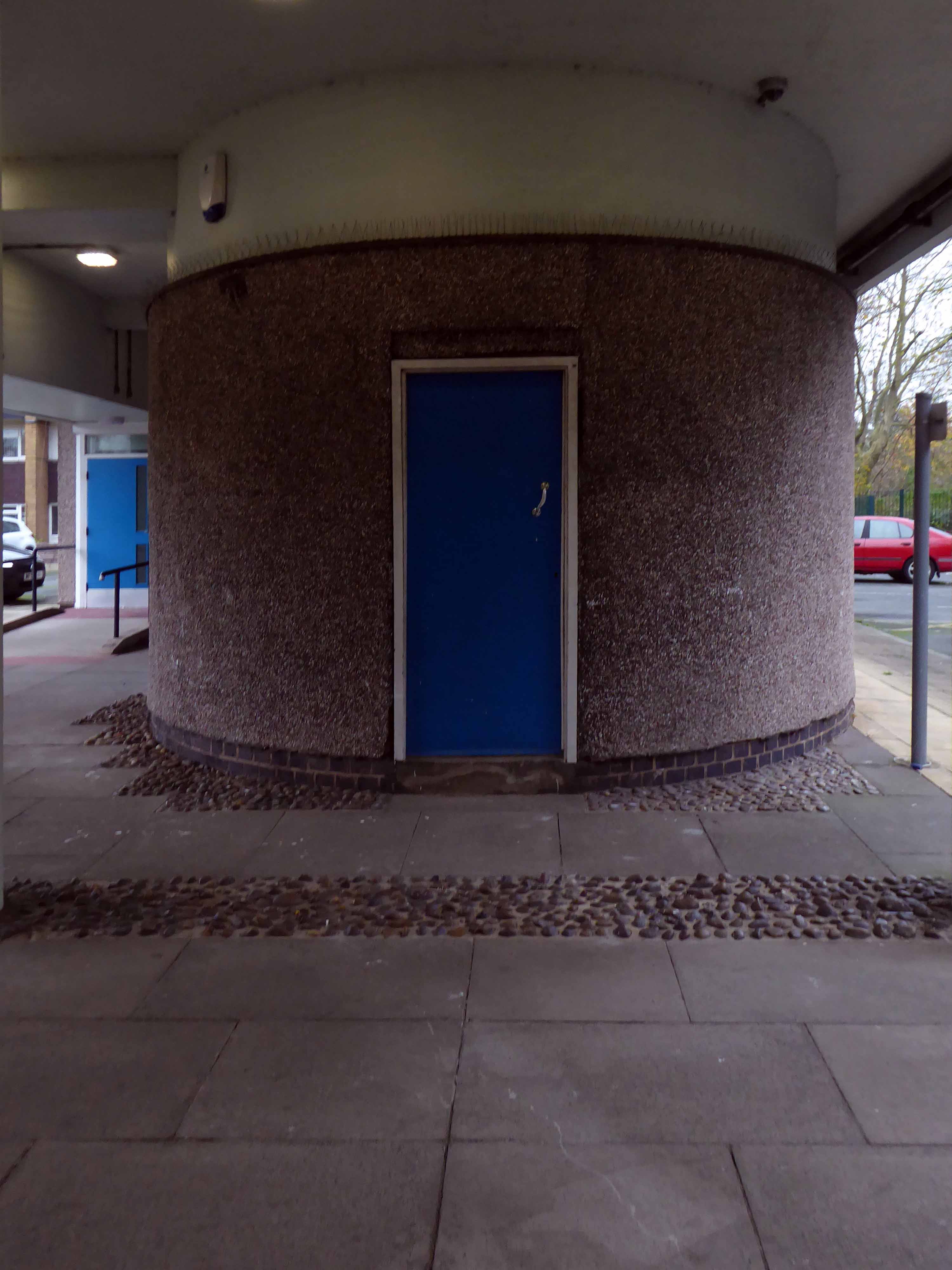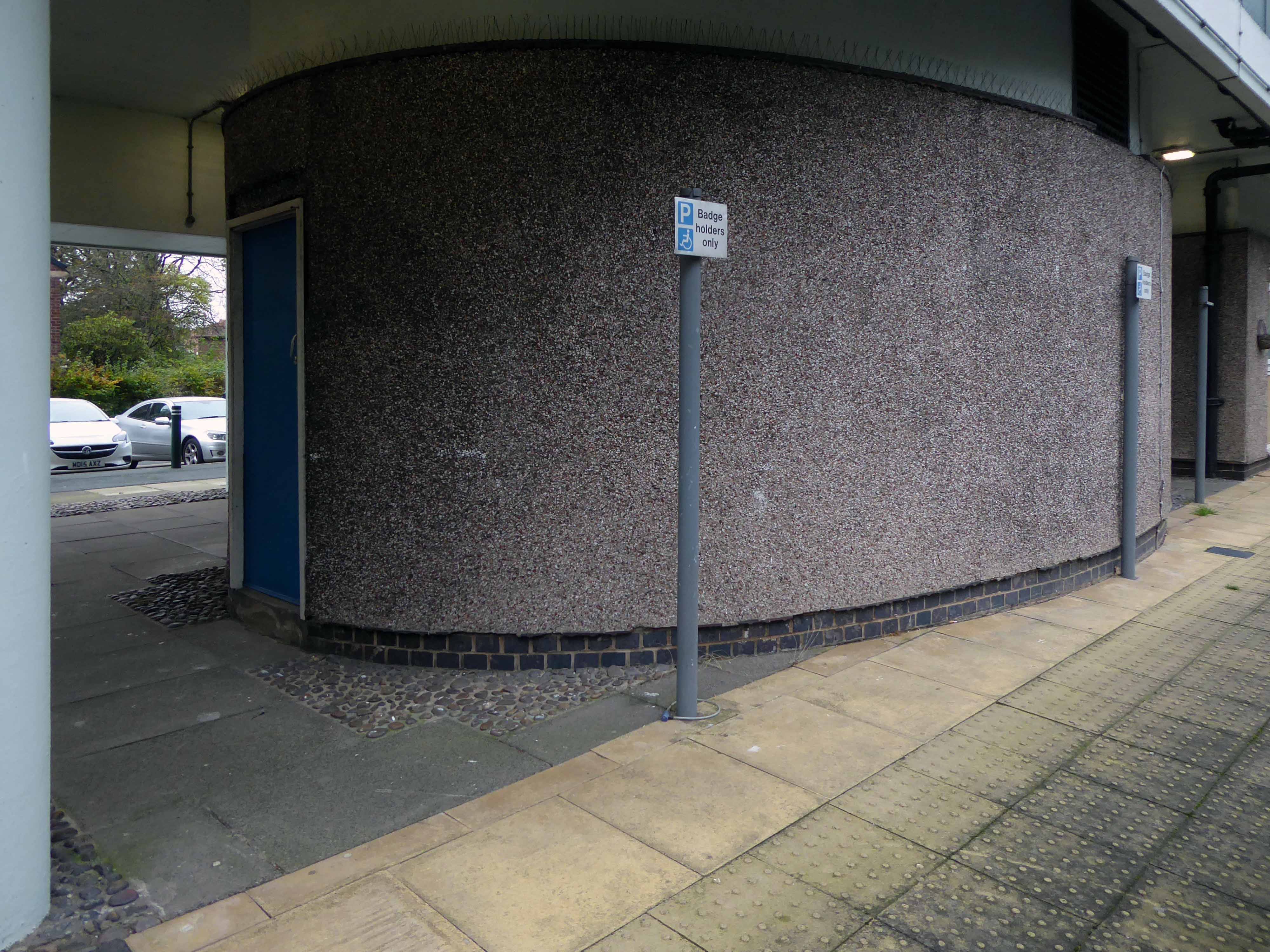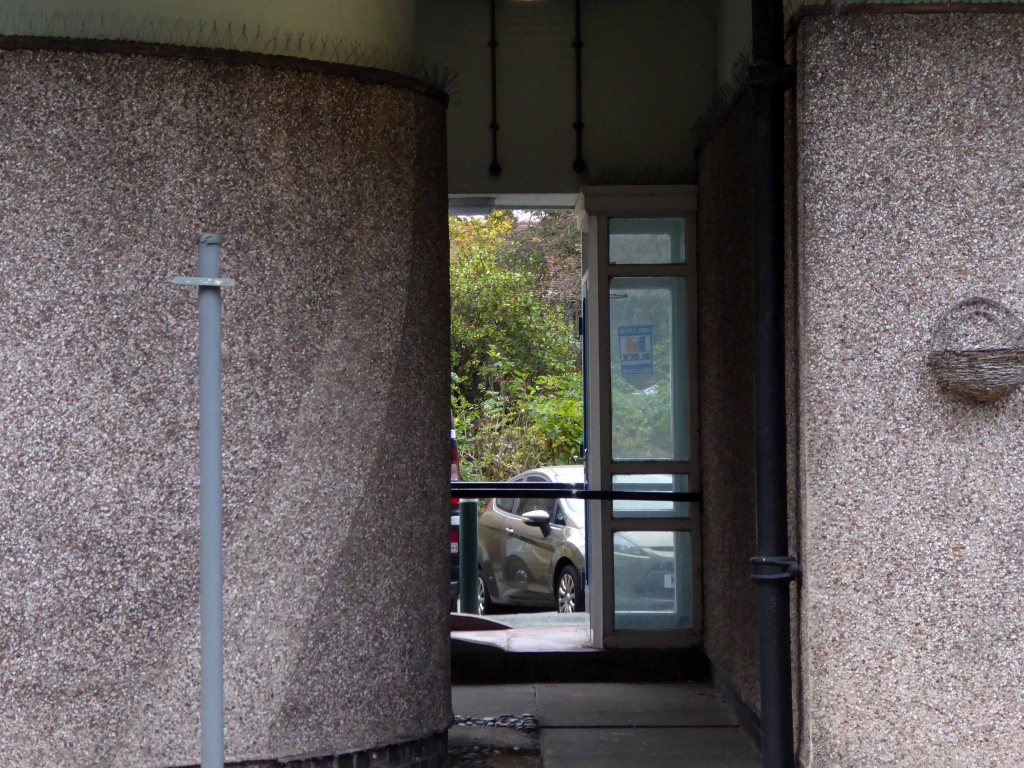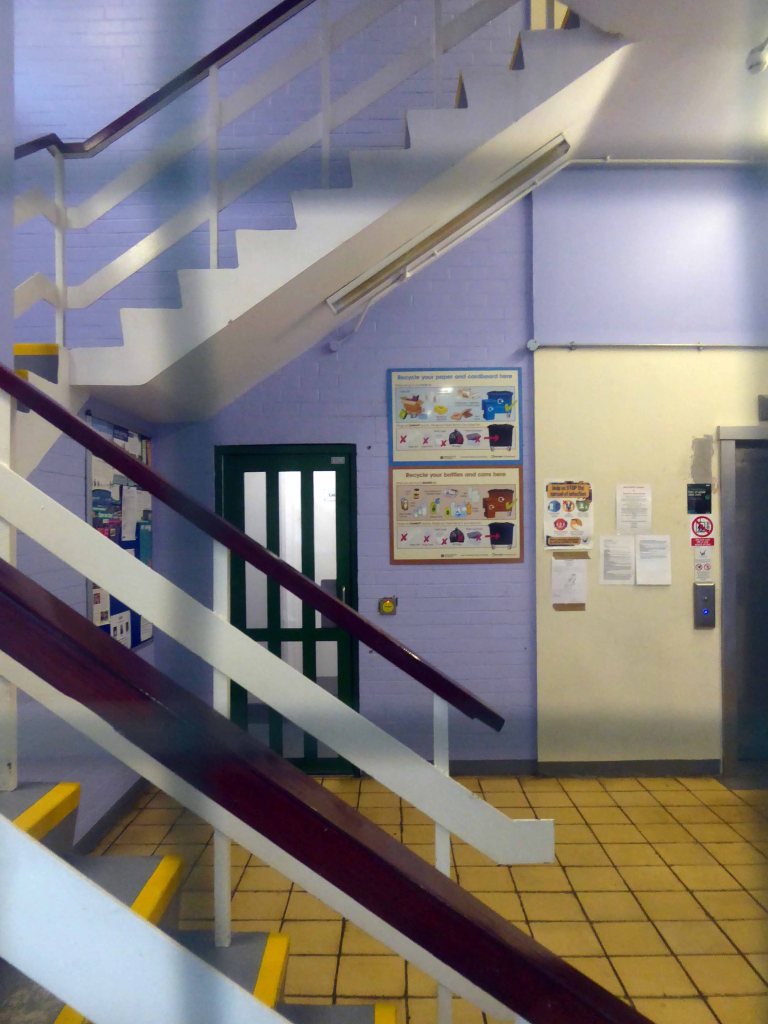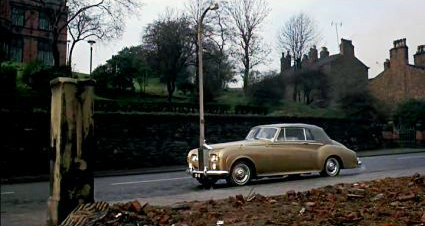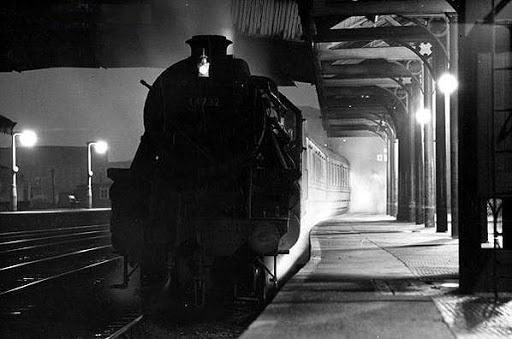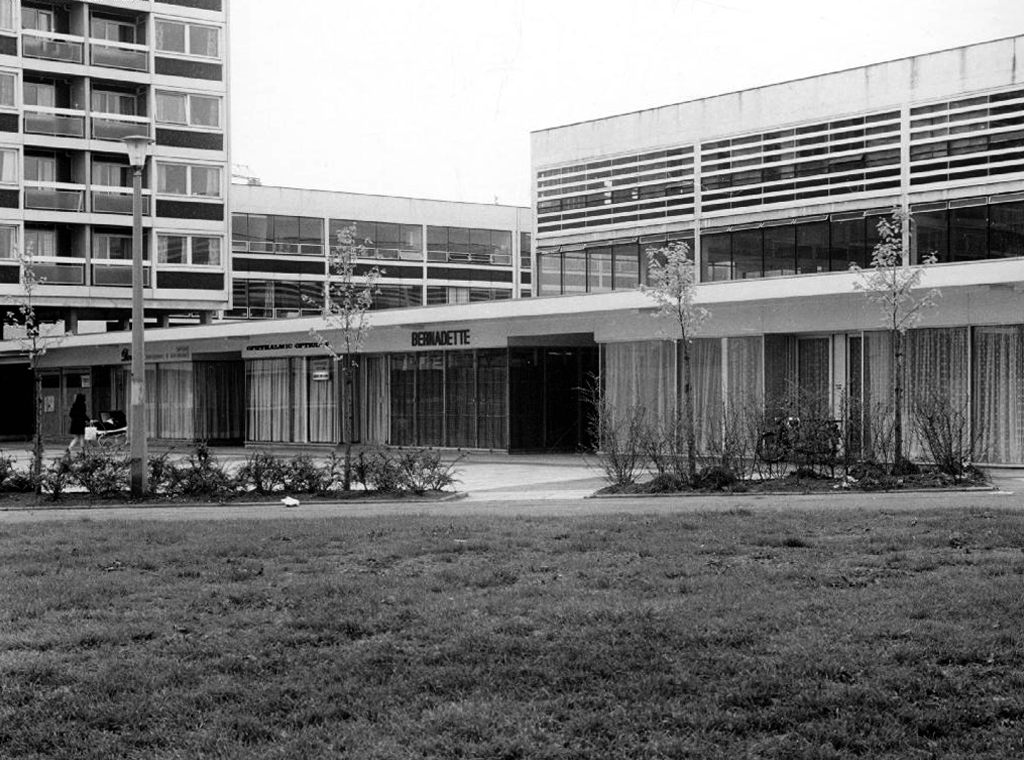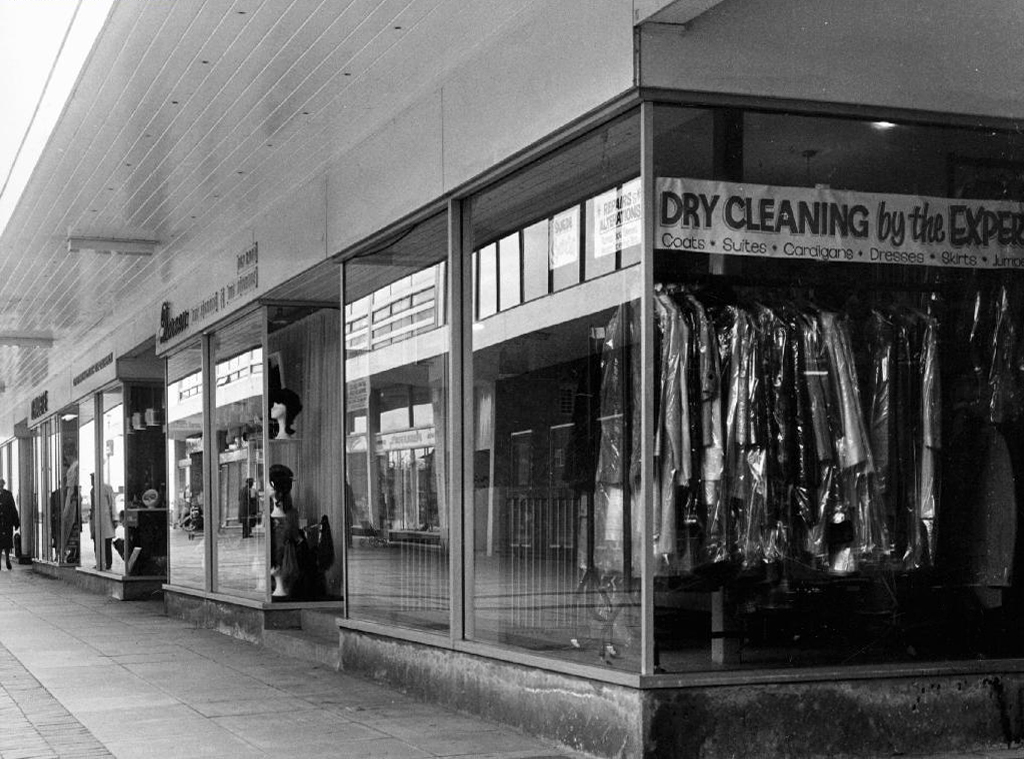
Ashton under Lyne Interchange

We have already said goodbye to all the previous incarnations.

And eagerly awaited the rebirth.

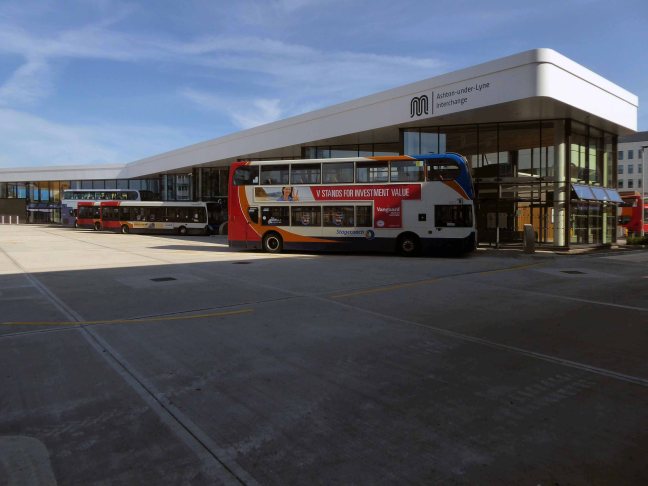
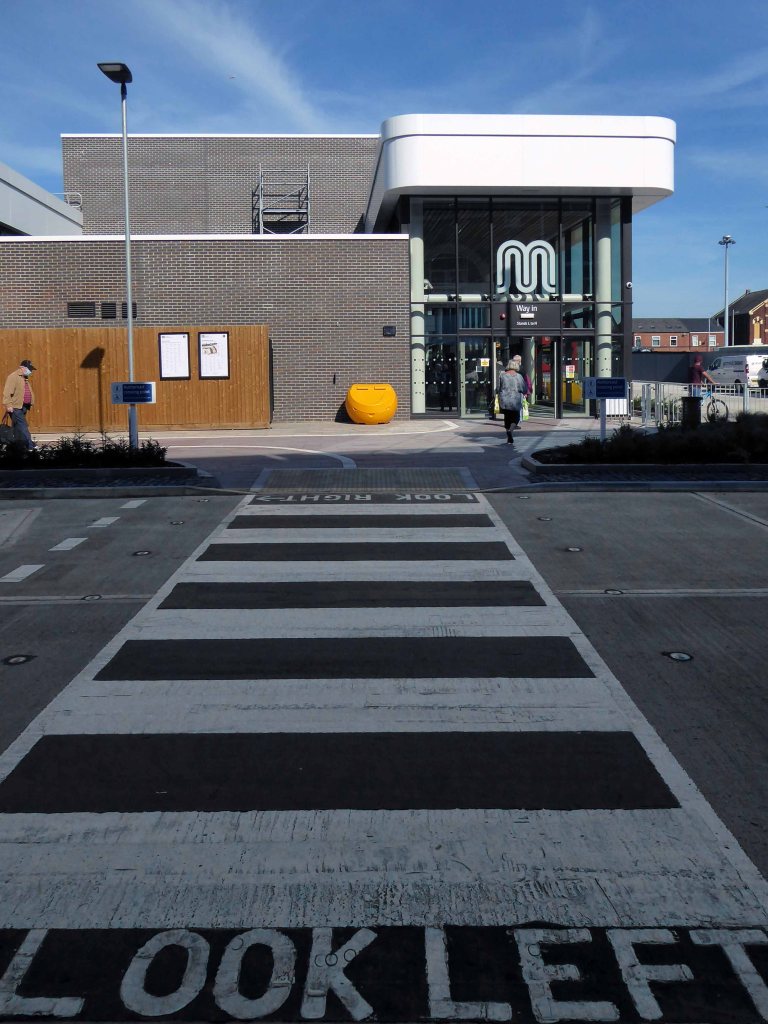
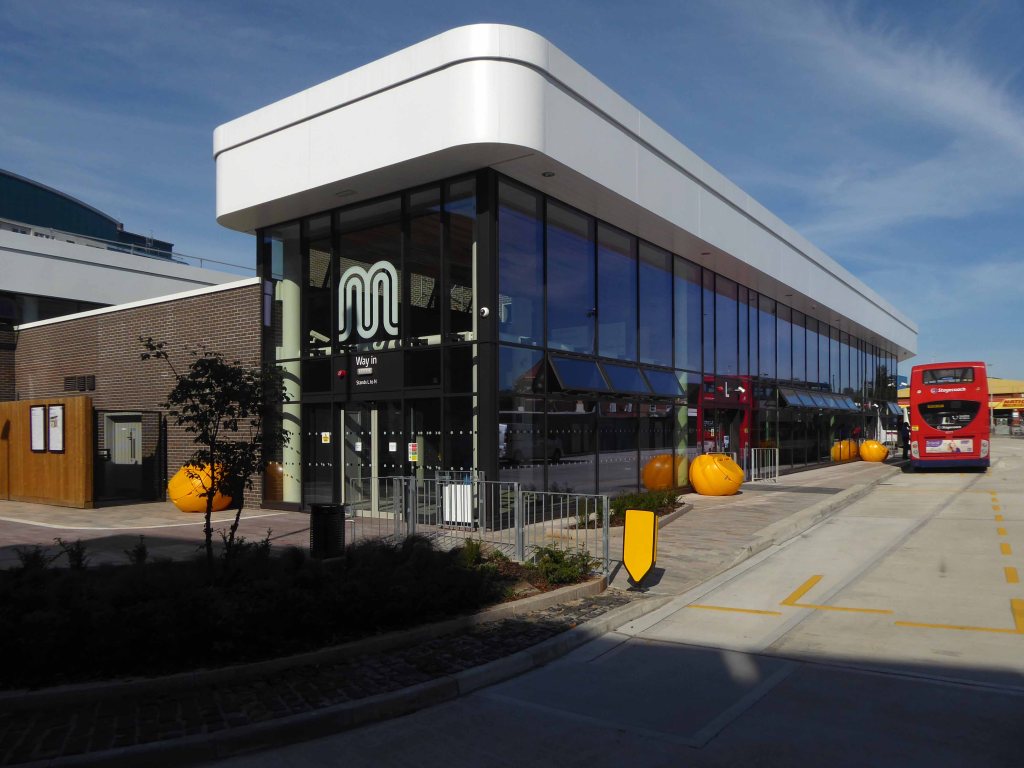
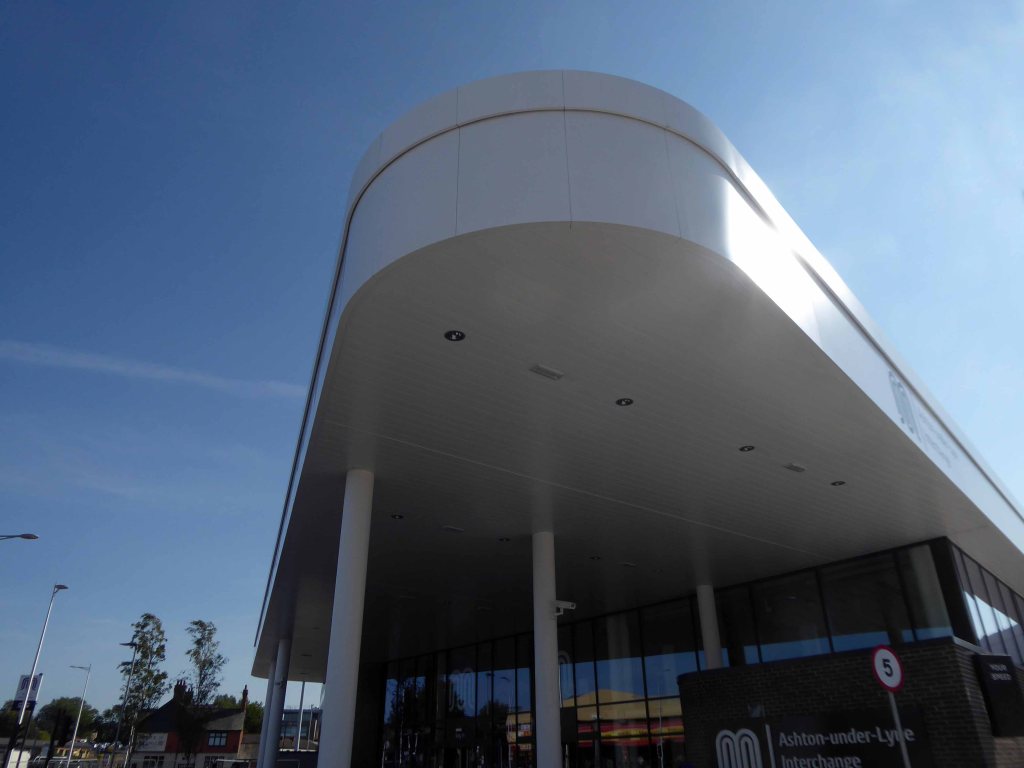
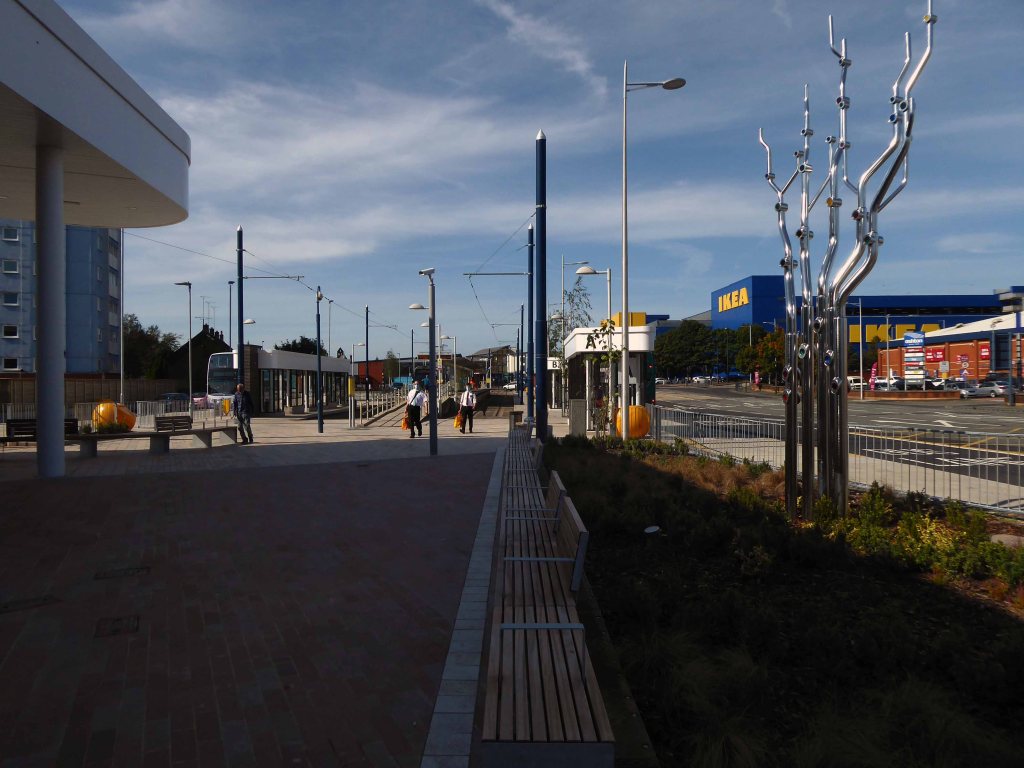
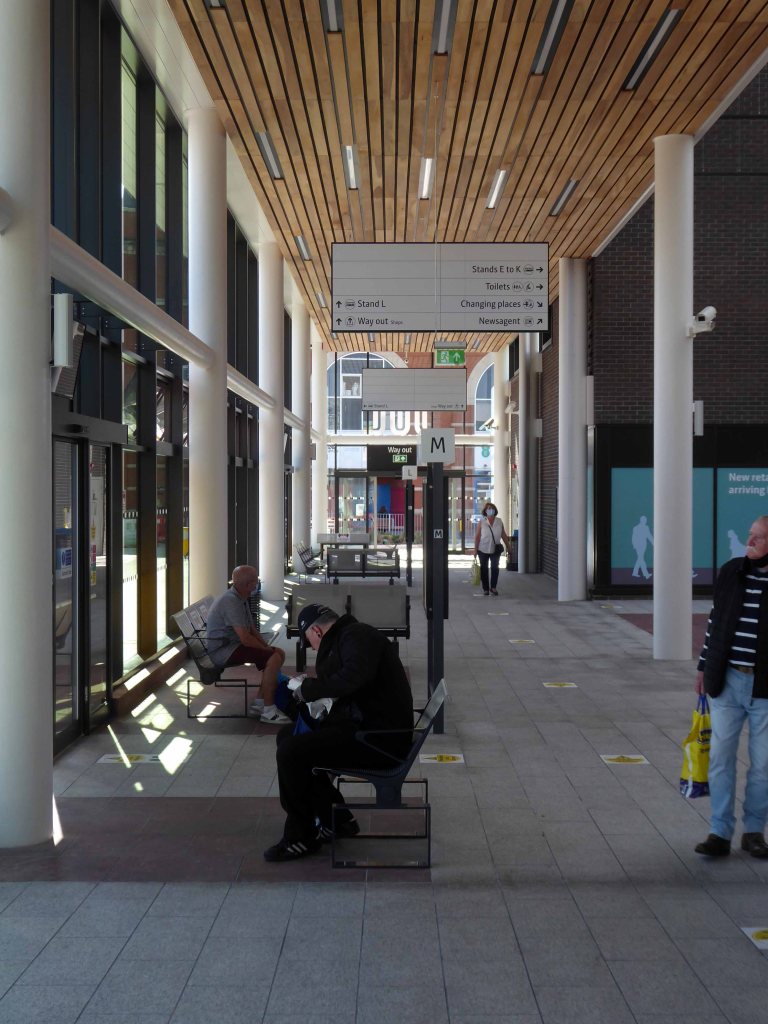
This time as an interchange, where bus, tram and train converge – the most modern of modern ideas.

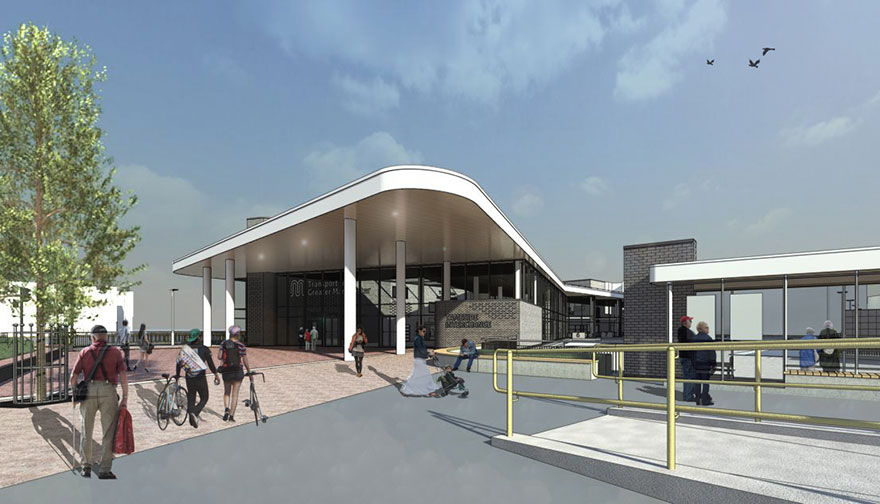
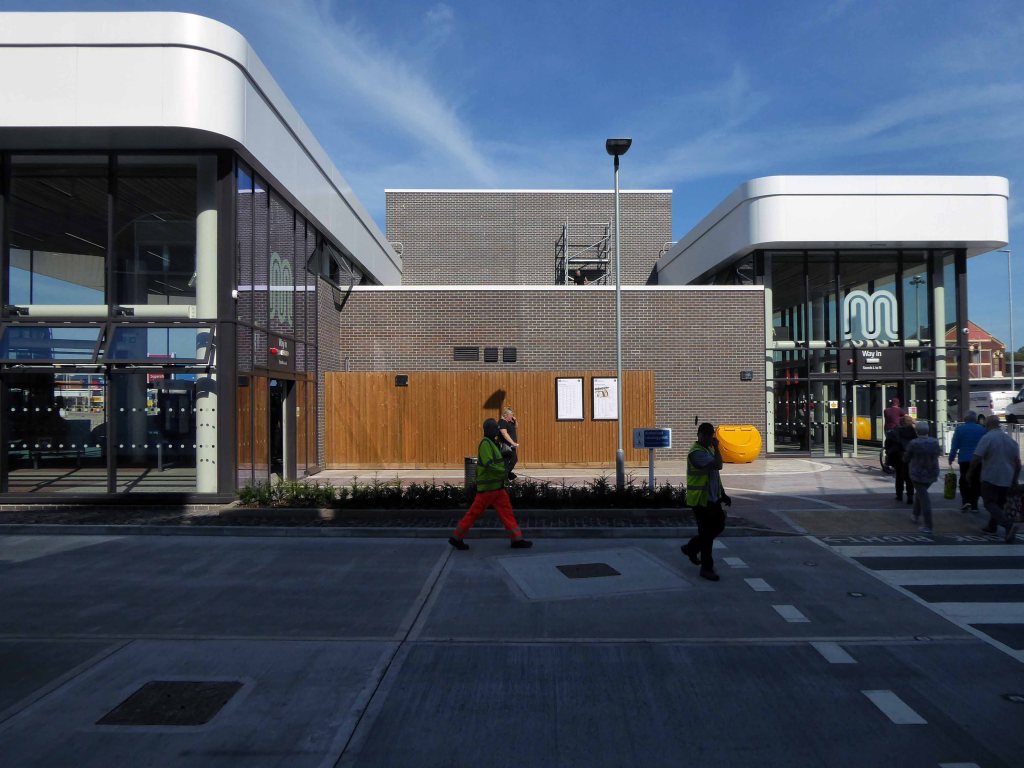
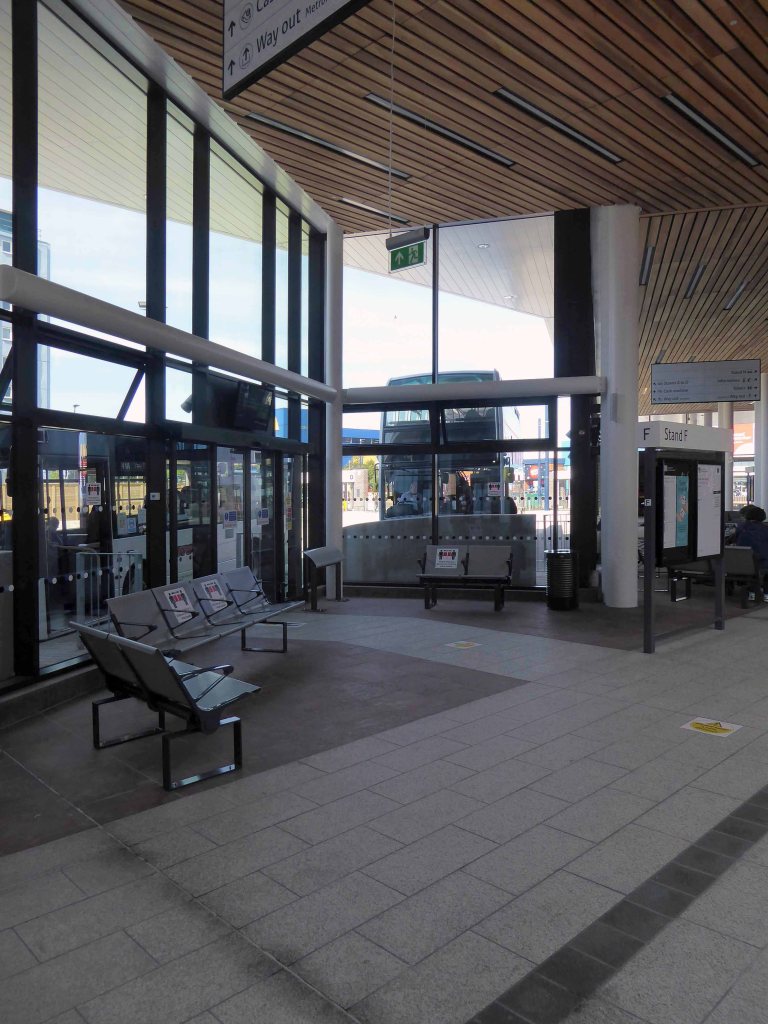
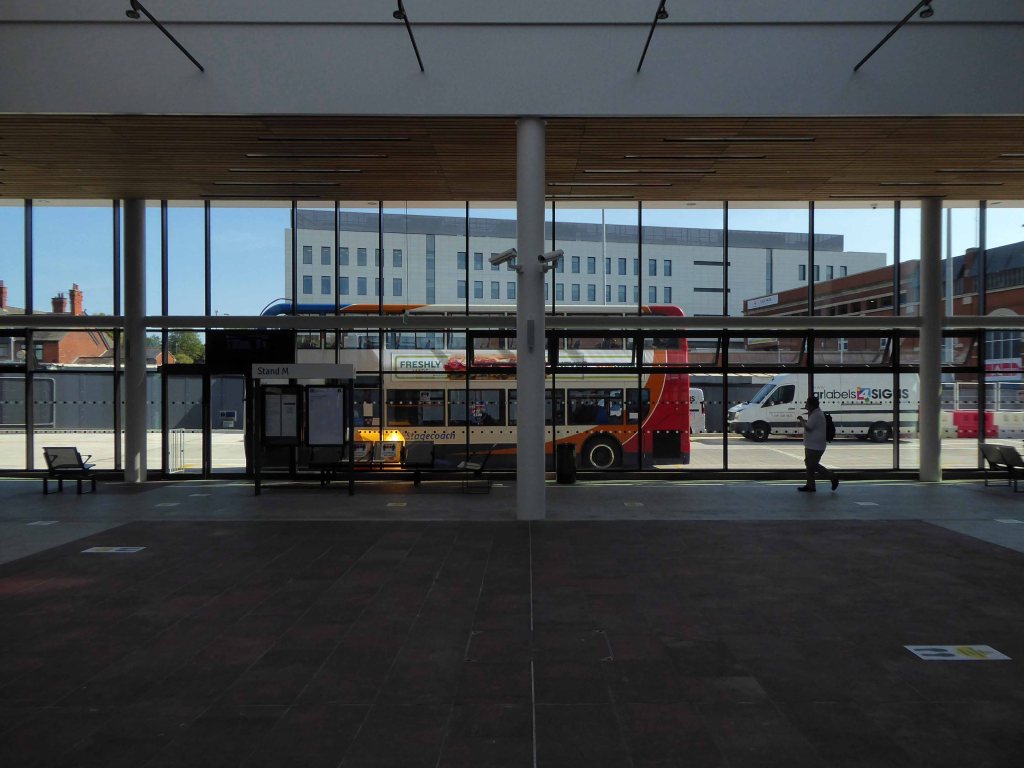
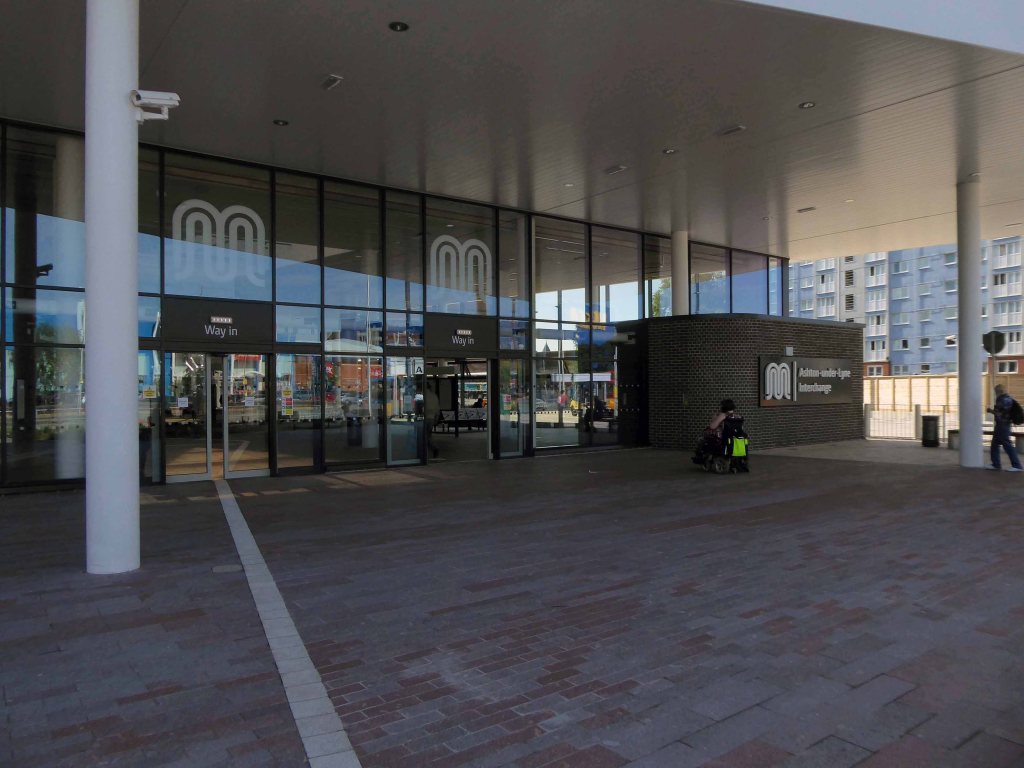
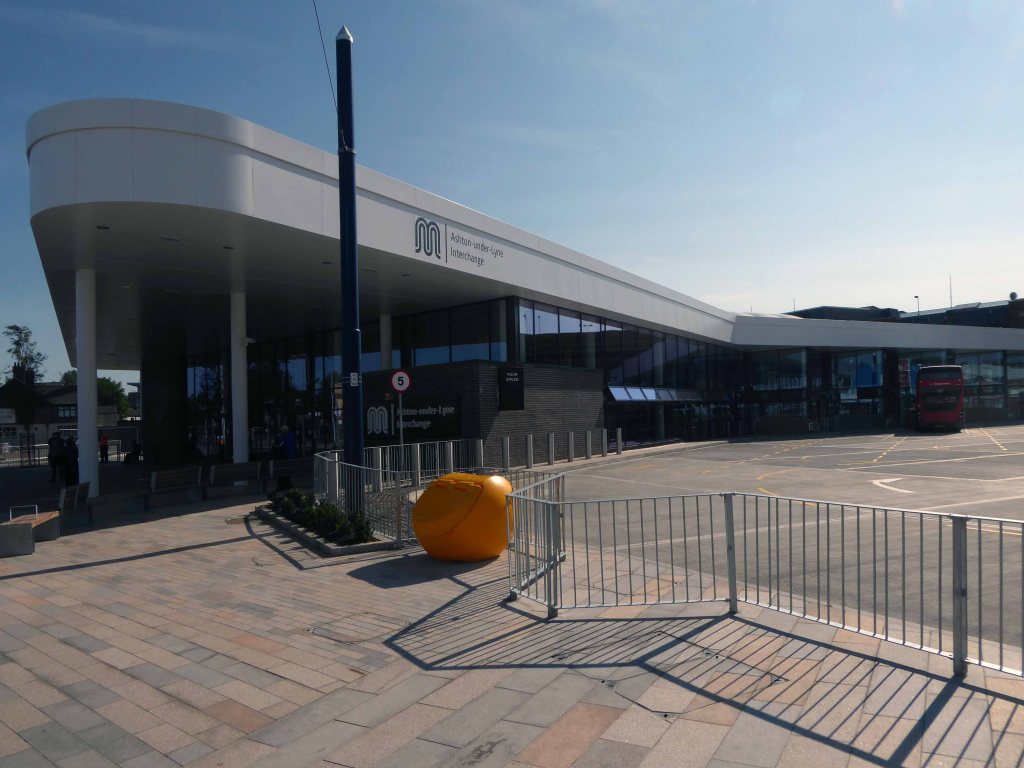
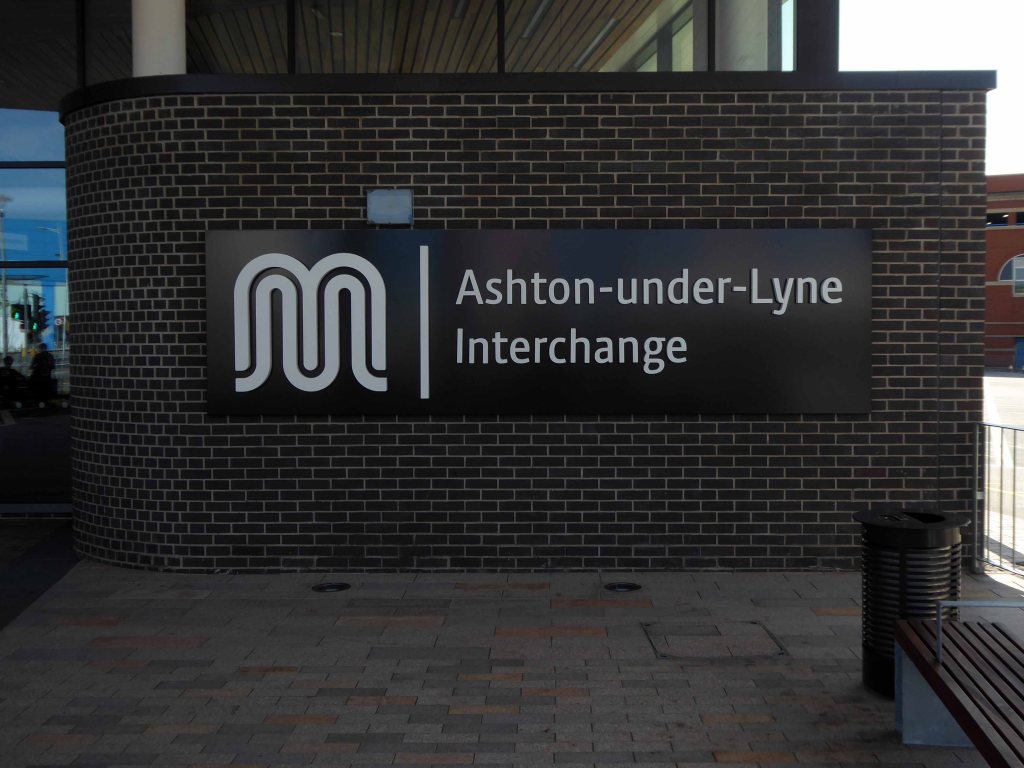
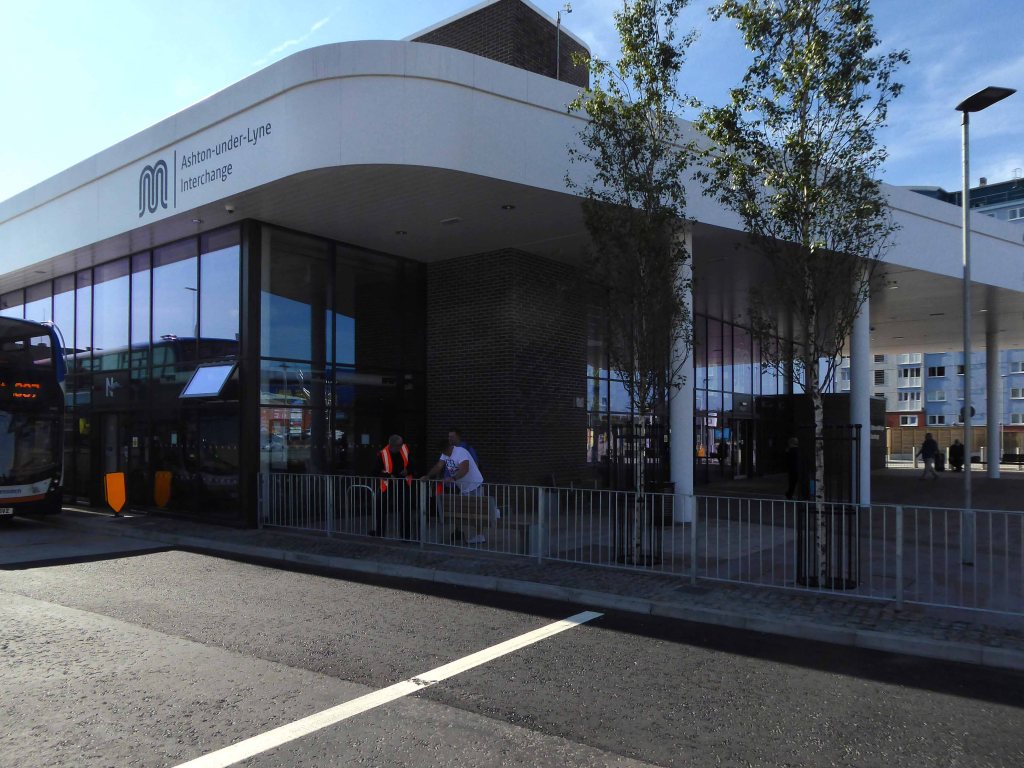
The brand-new Ashton-under-Lyne Interchange is now open, providing passengers with much-improved facilities and a modern, accessible gateway to the town. 

The Interchange supports the economic growth of the town and helps people to get to and from their places of work as well as Ashton’s great shops, markets, restaurants and bars in a modern, safe and welcoming environment.

The Interchange has been developed by Transport for Greater Manchester in partnership with Tameside Council and funded with support from central government’s Local Growth Deal programme.

The building contractor was VINCI Construction UK. 

Architects were Austin Smith Lord

I managed to get there, just before I wasn’t supposed to get there.

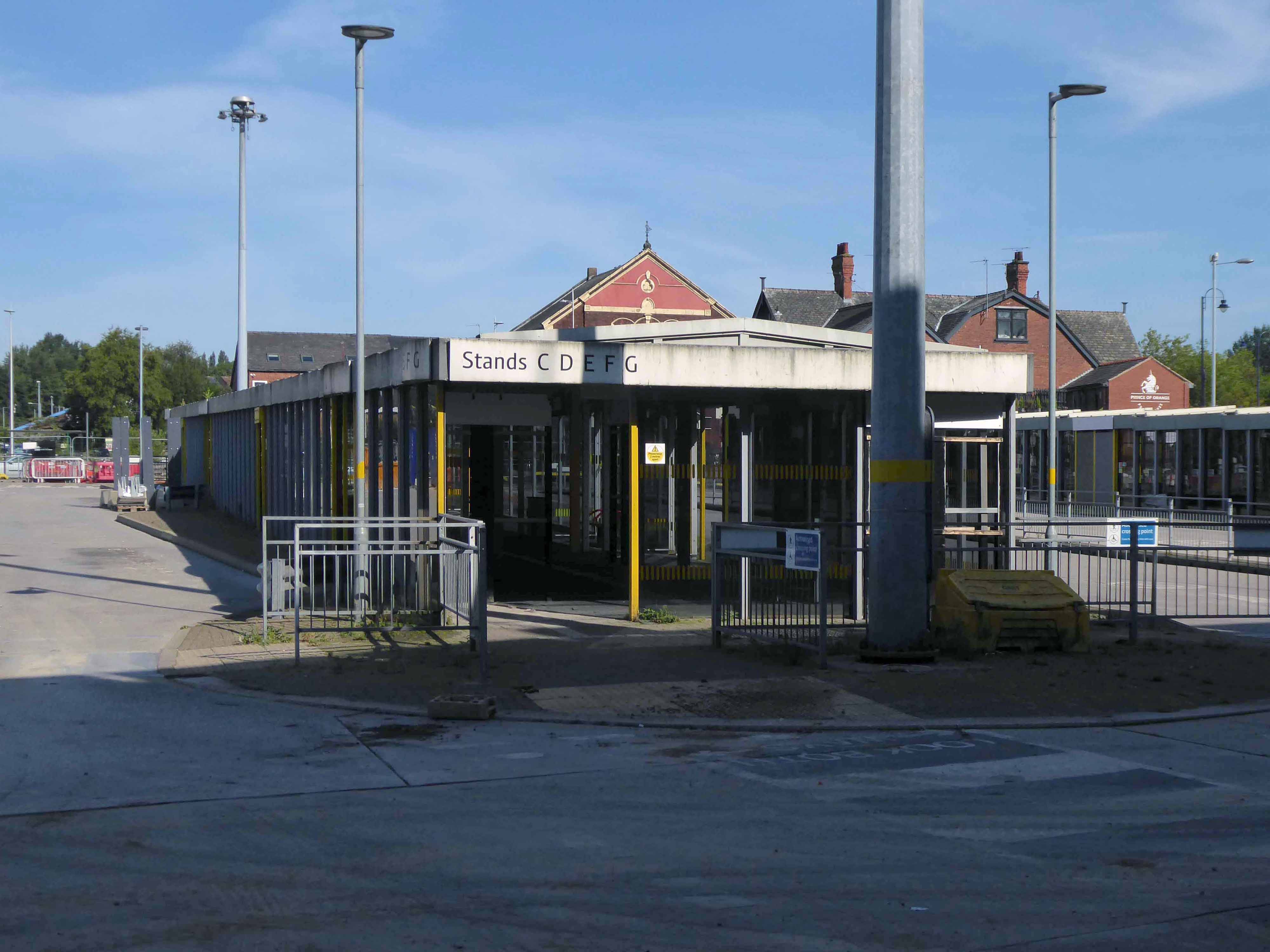
So goodbye to all this:

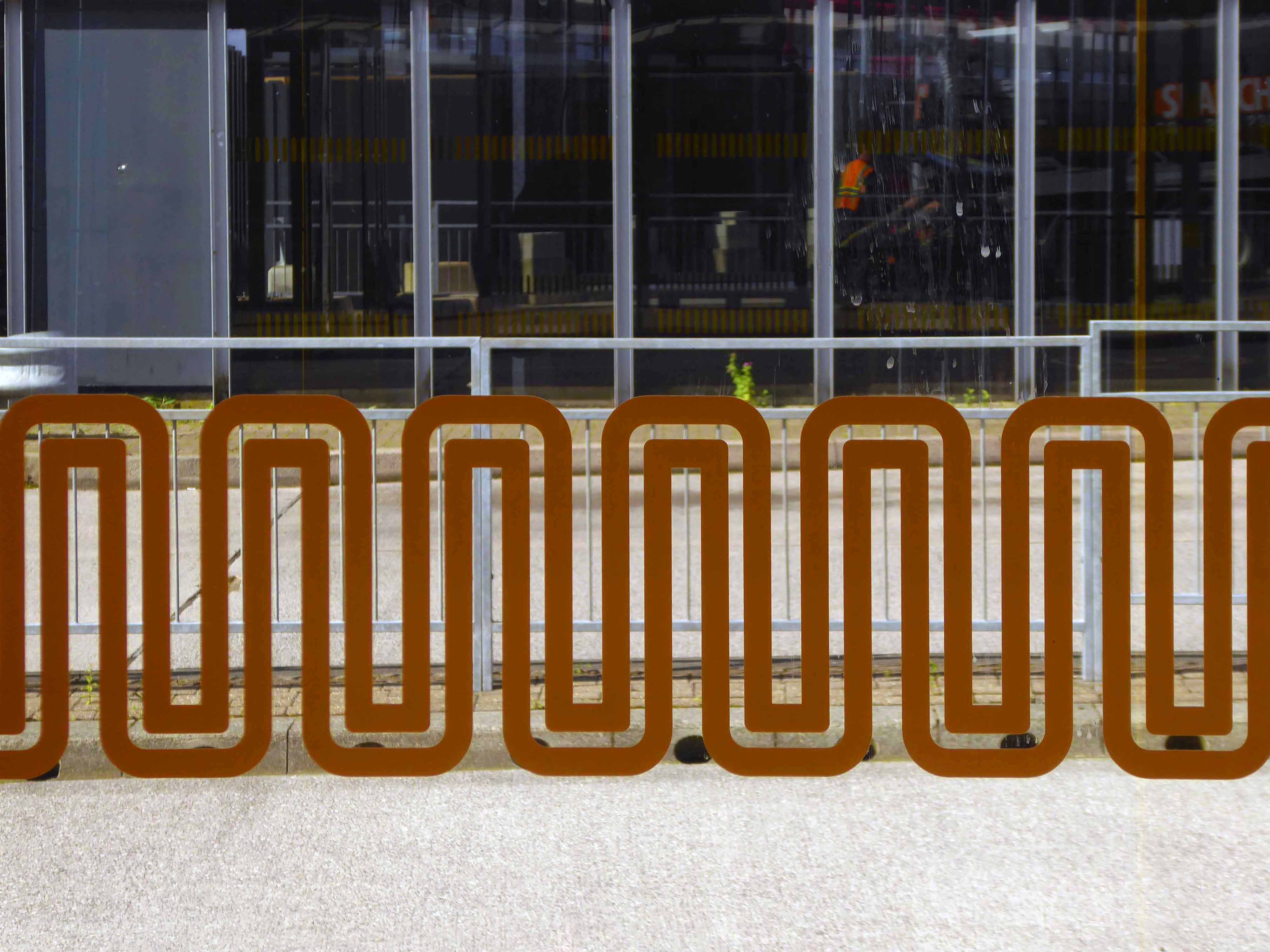
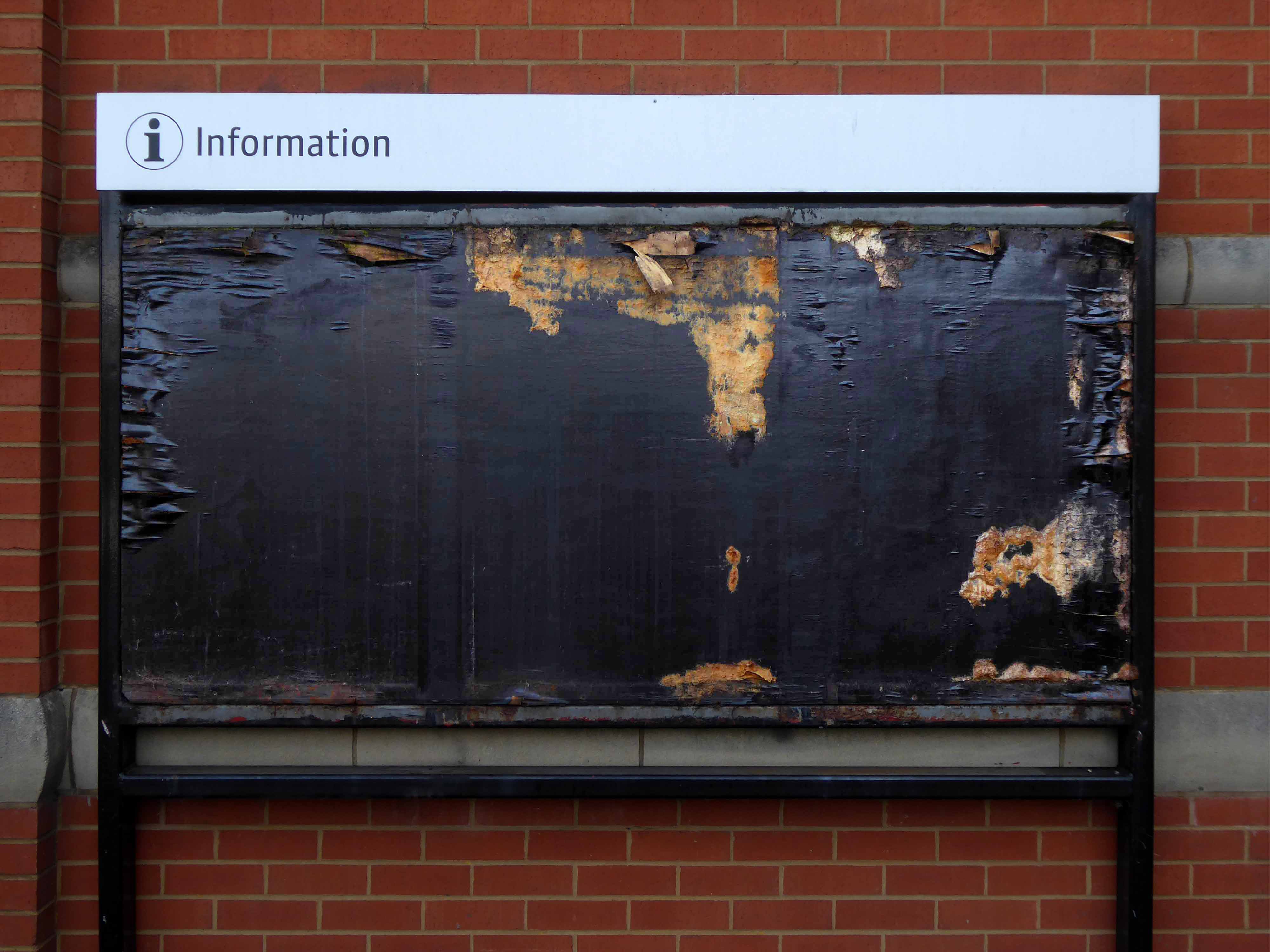
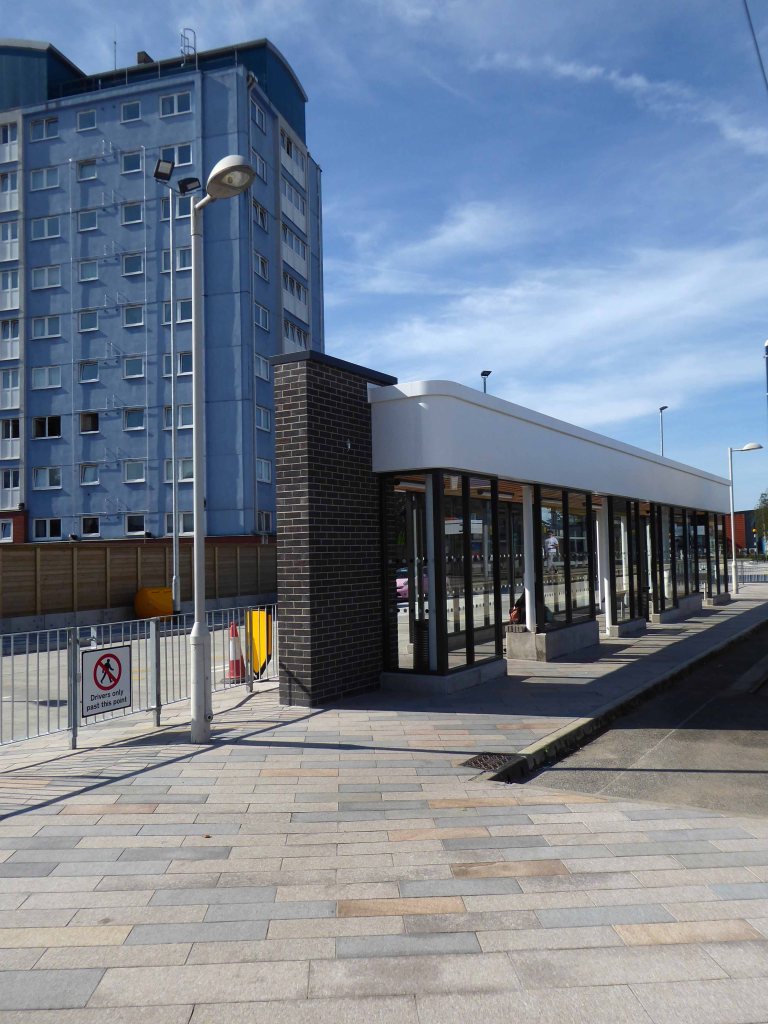
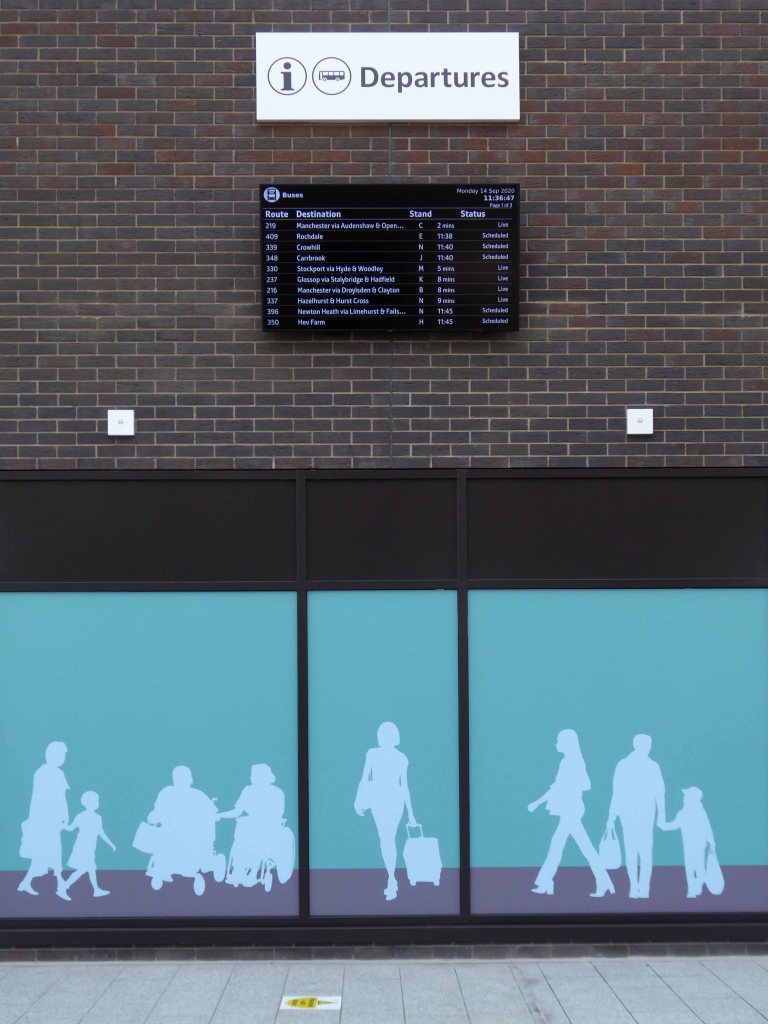
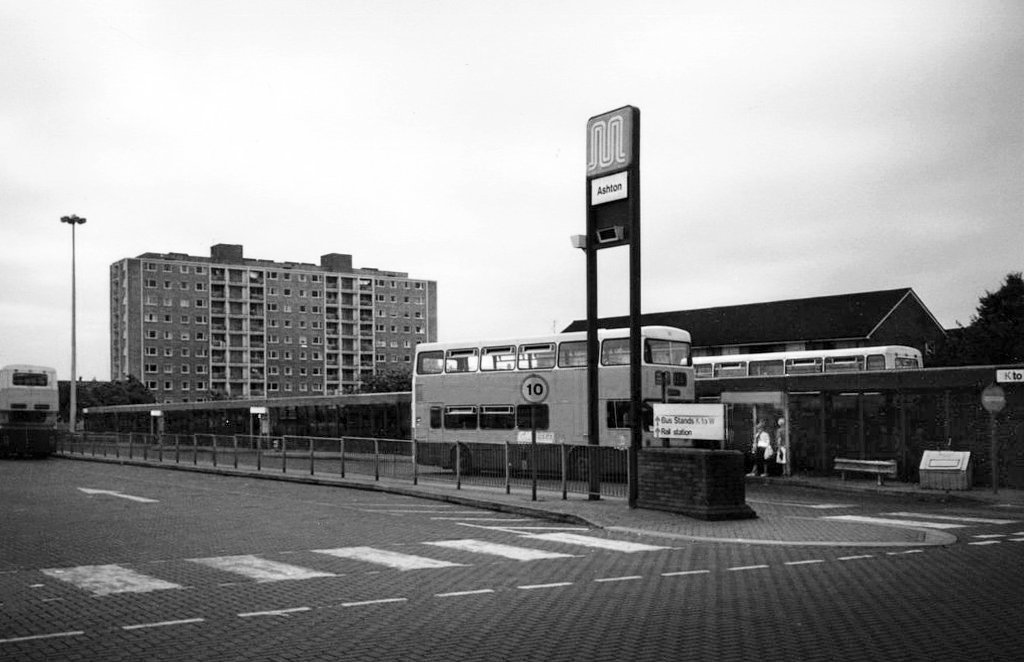
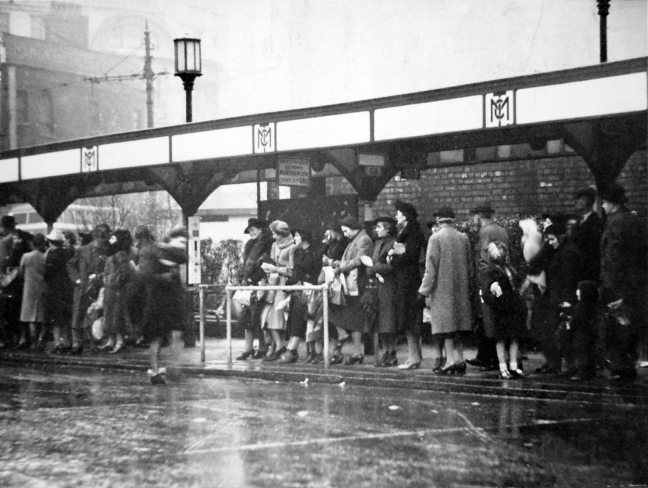
No more exposed pedestrian crossings, draughty shelters orange Ms, and analogue information boards.

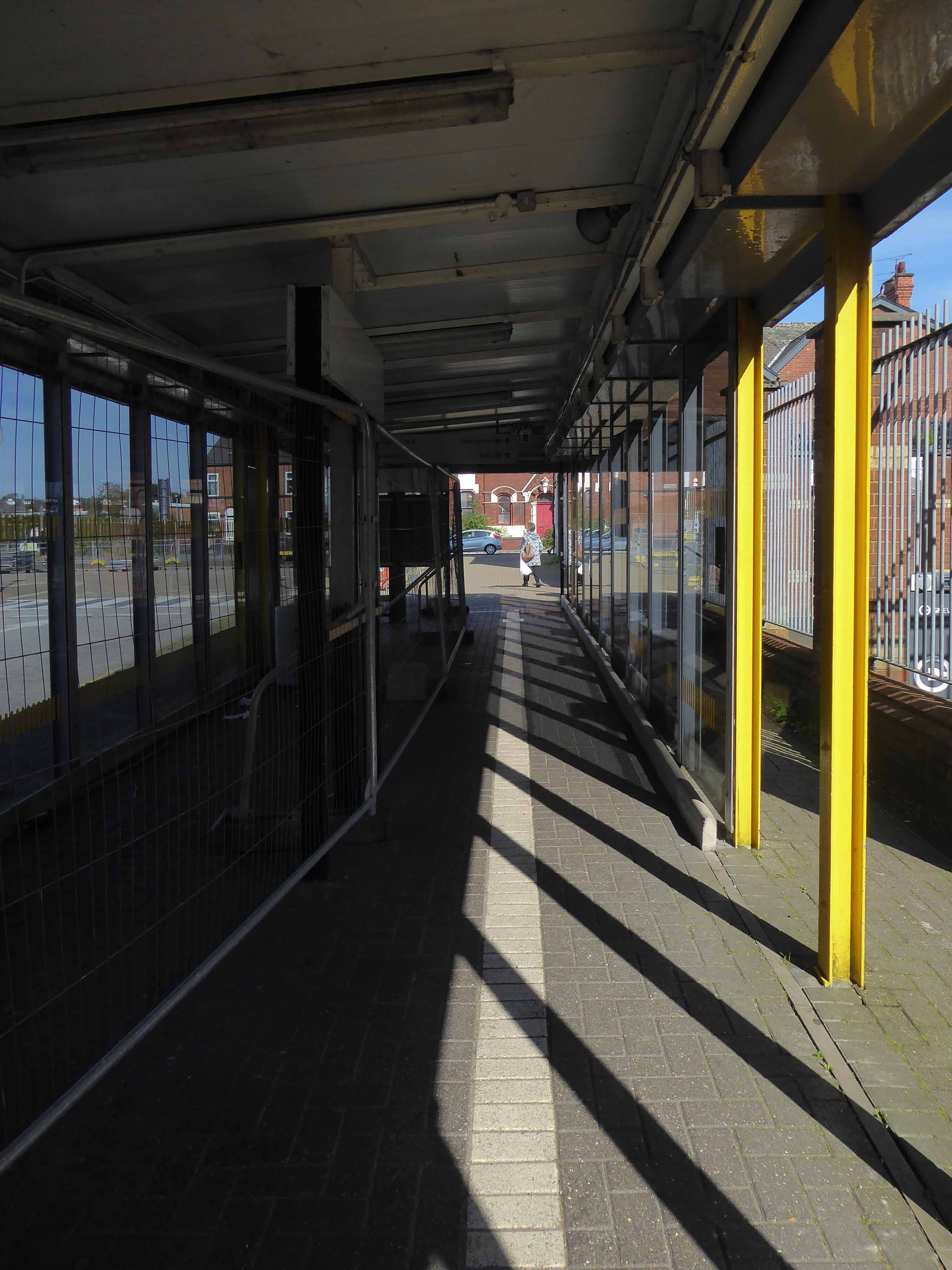
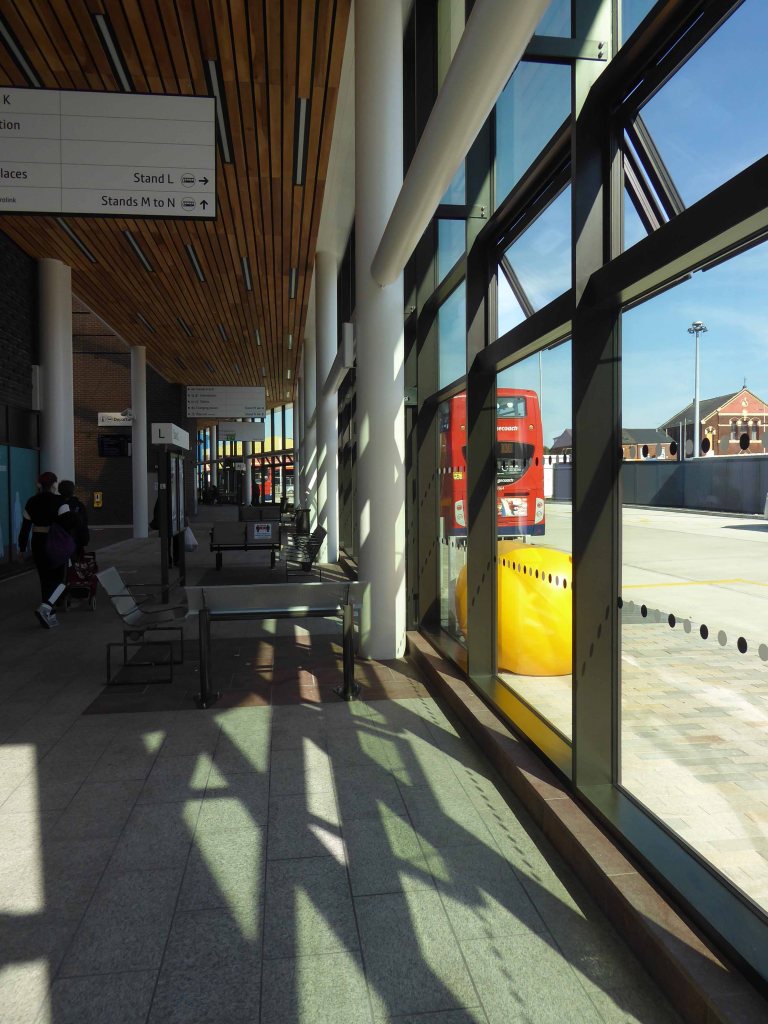
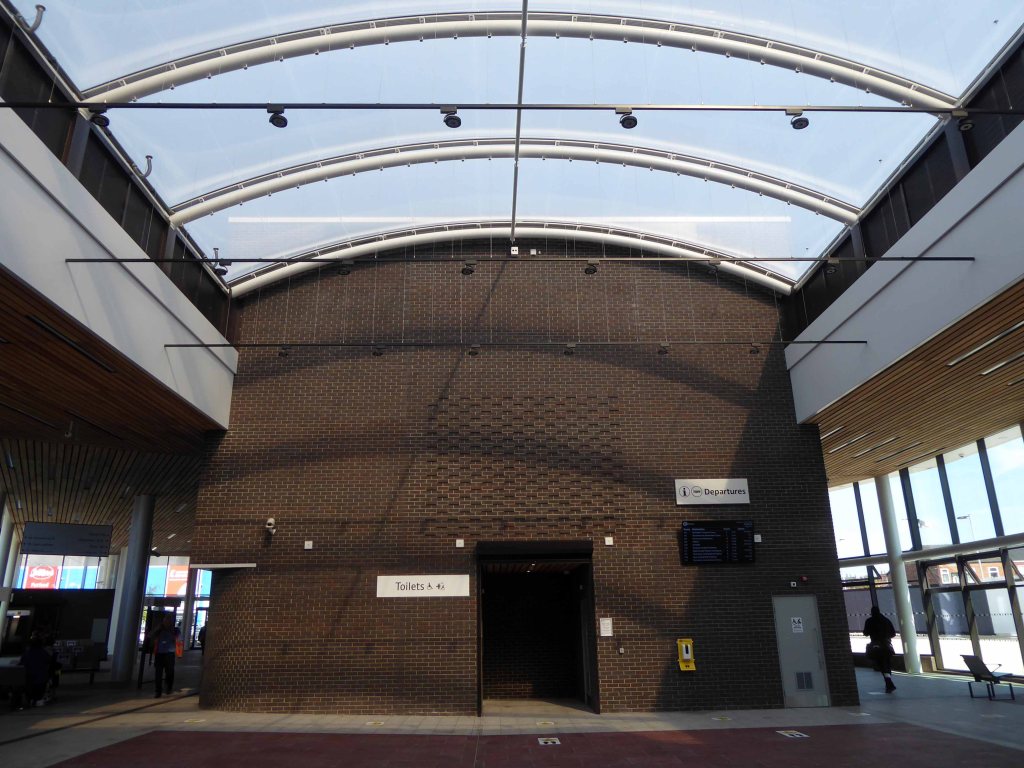
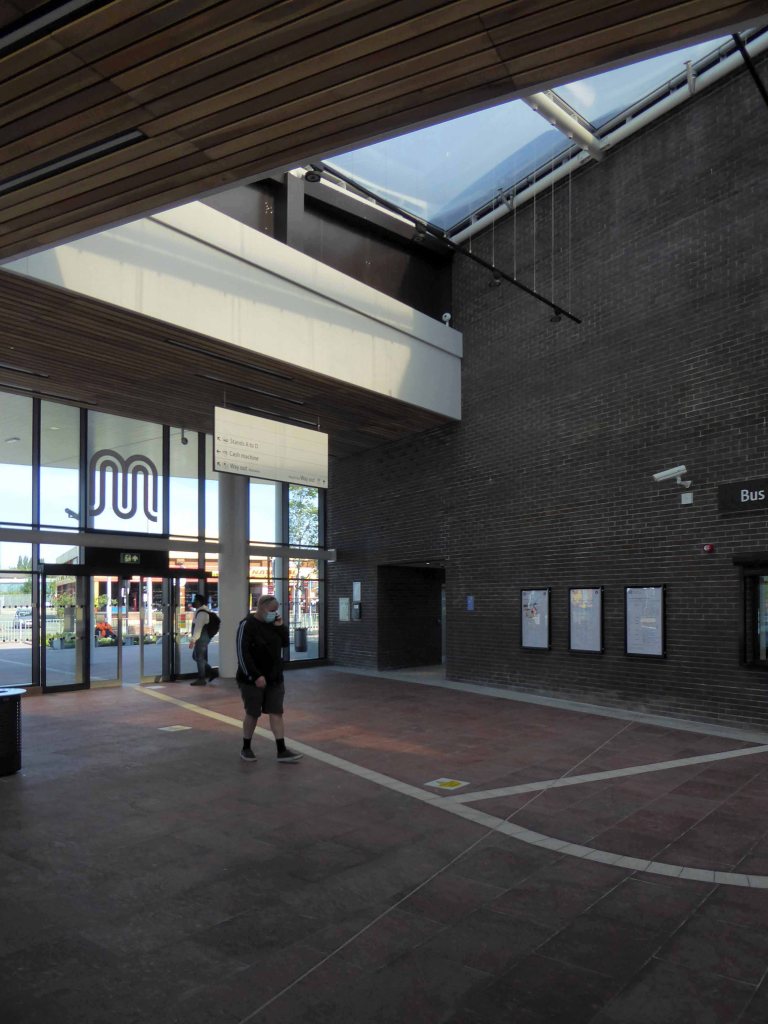
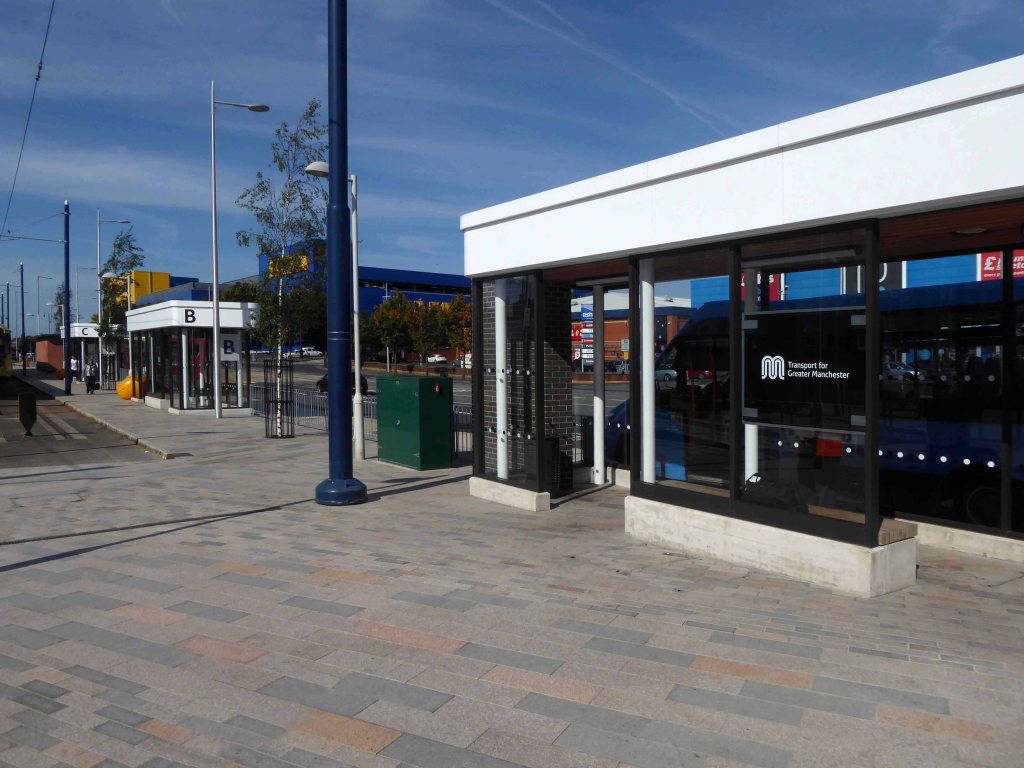
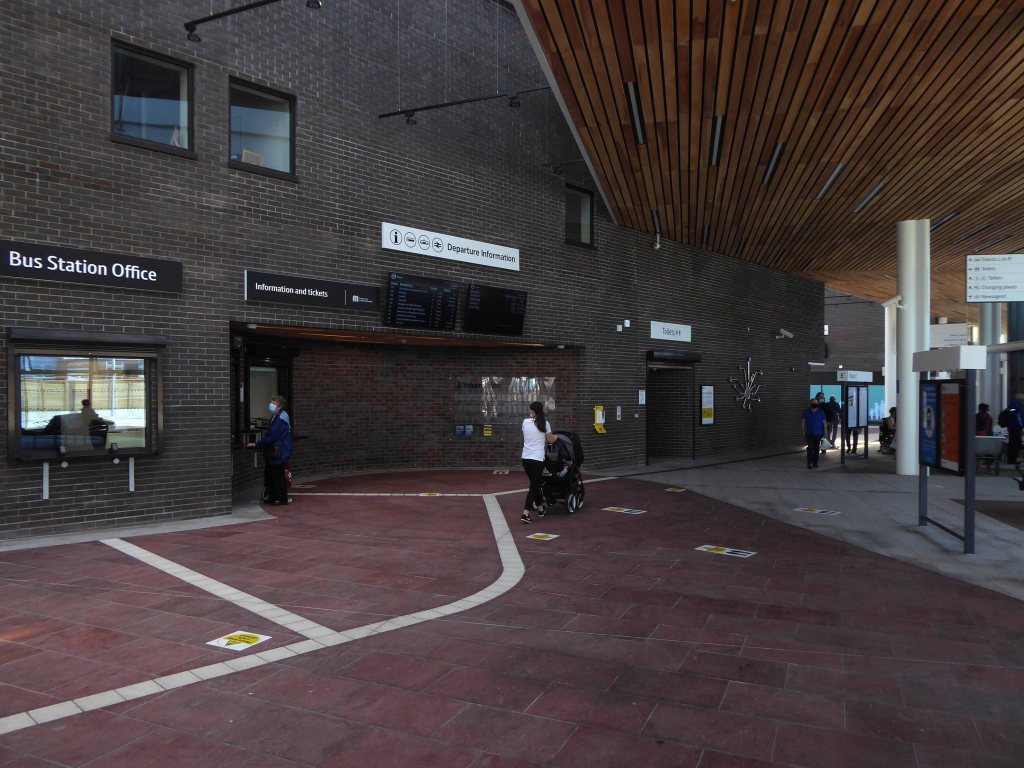
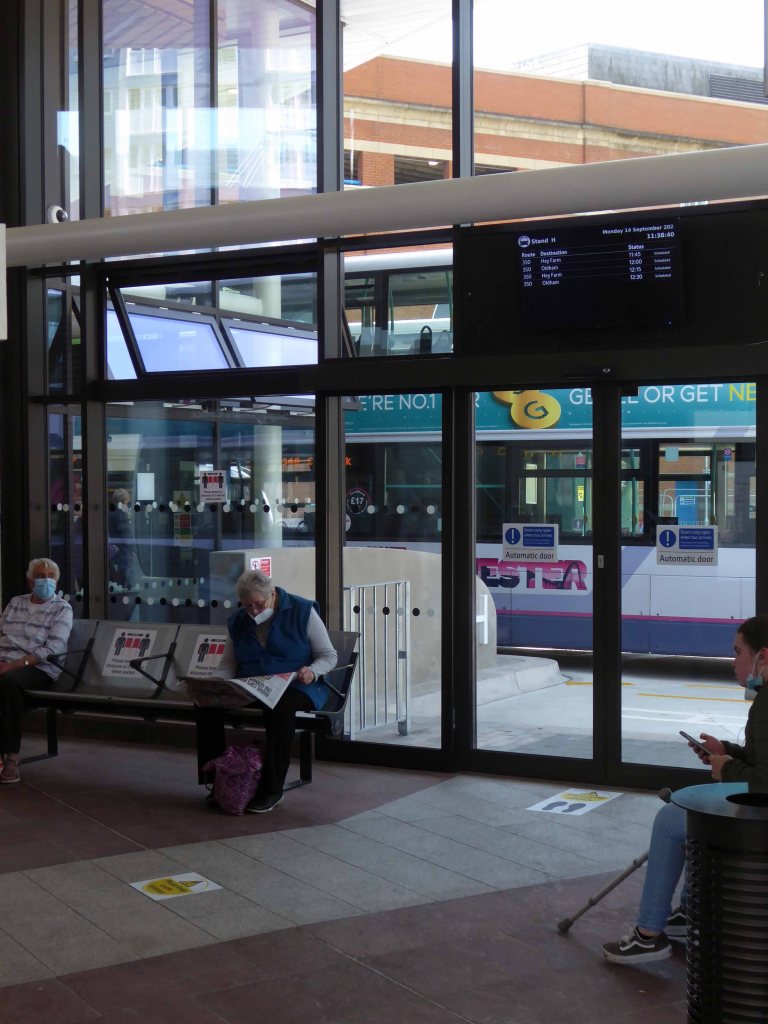
It’s an integrated, enclosed, digitally connected, well-lit, secure unit.

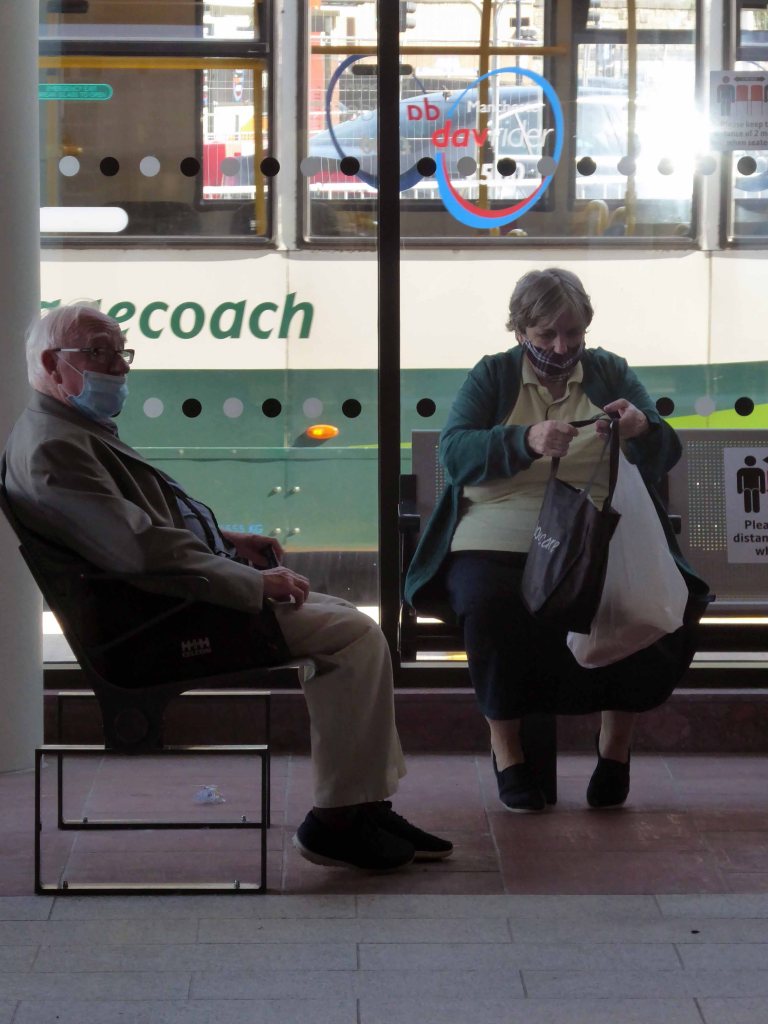
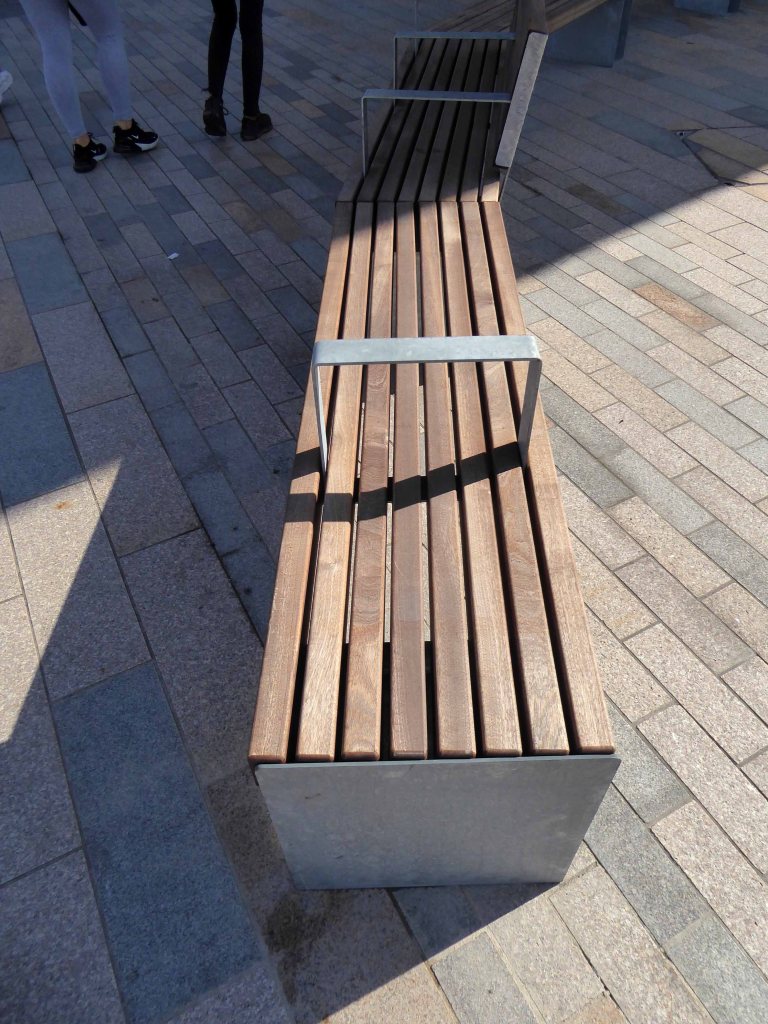
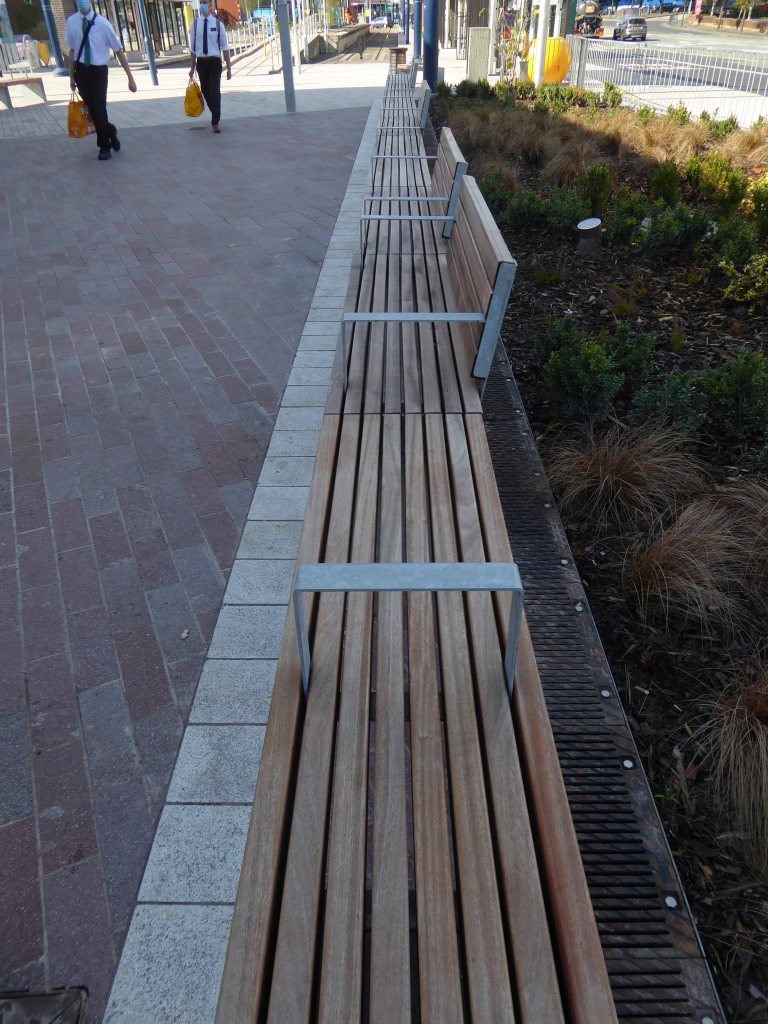
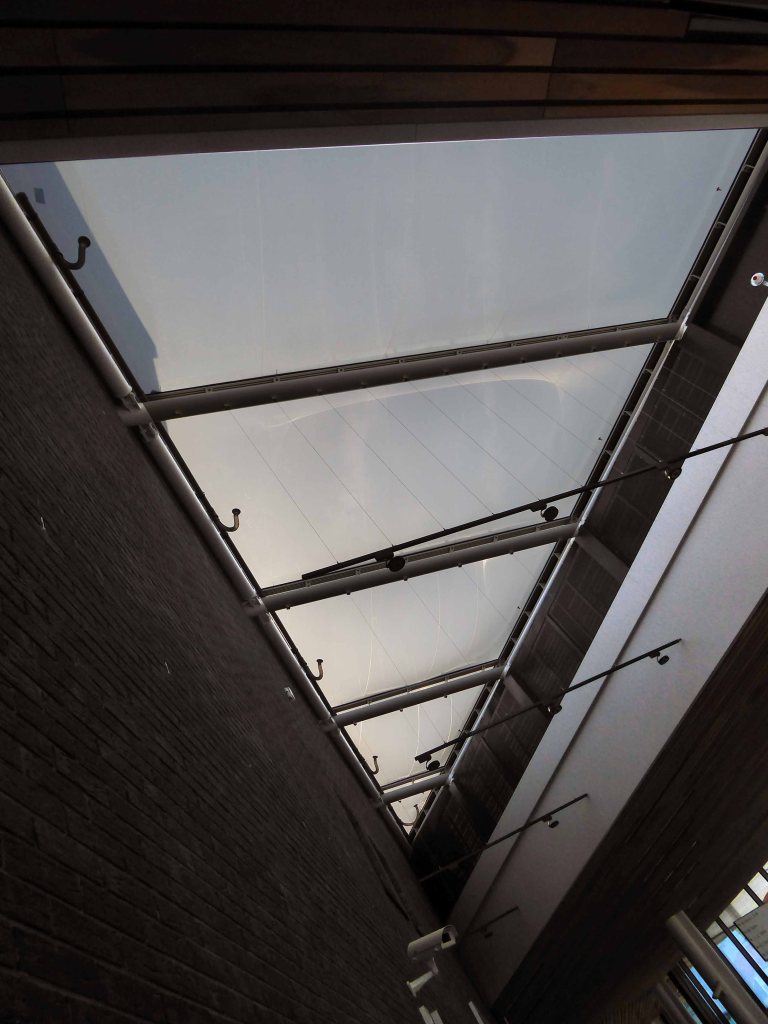
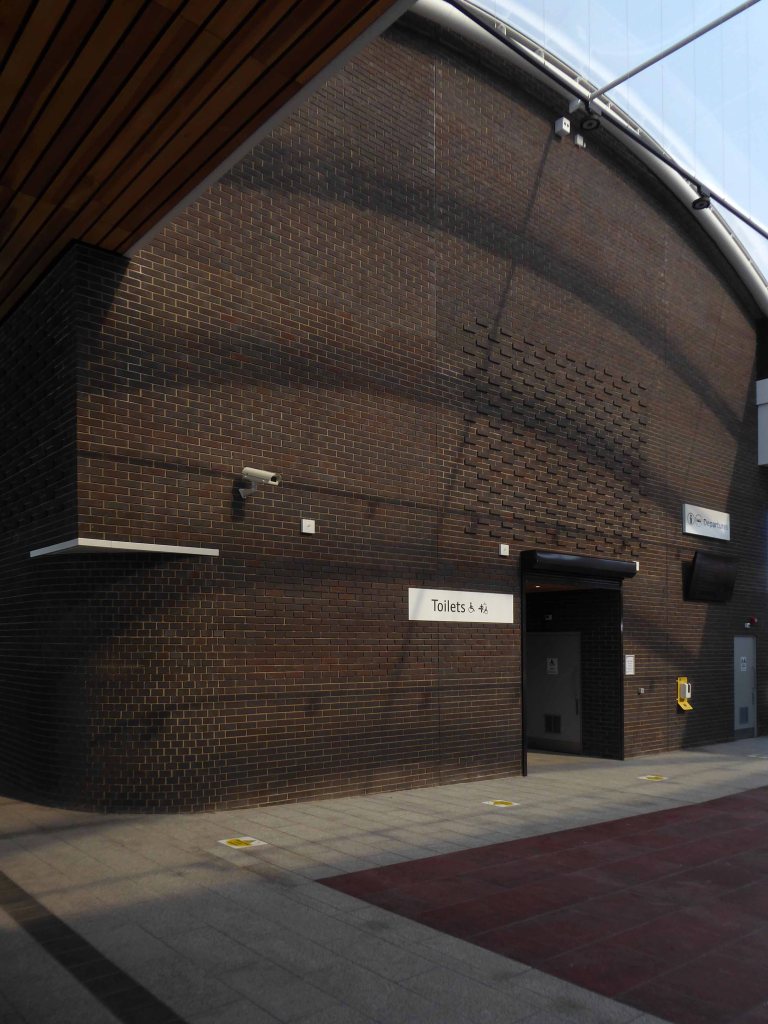
I found it to be light, bright and well-used; a fine mix of glass, steel, brick, concrete and timber.

Spacious, commodious and clearly signed.

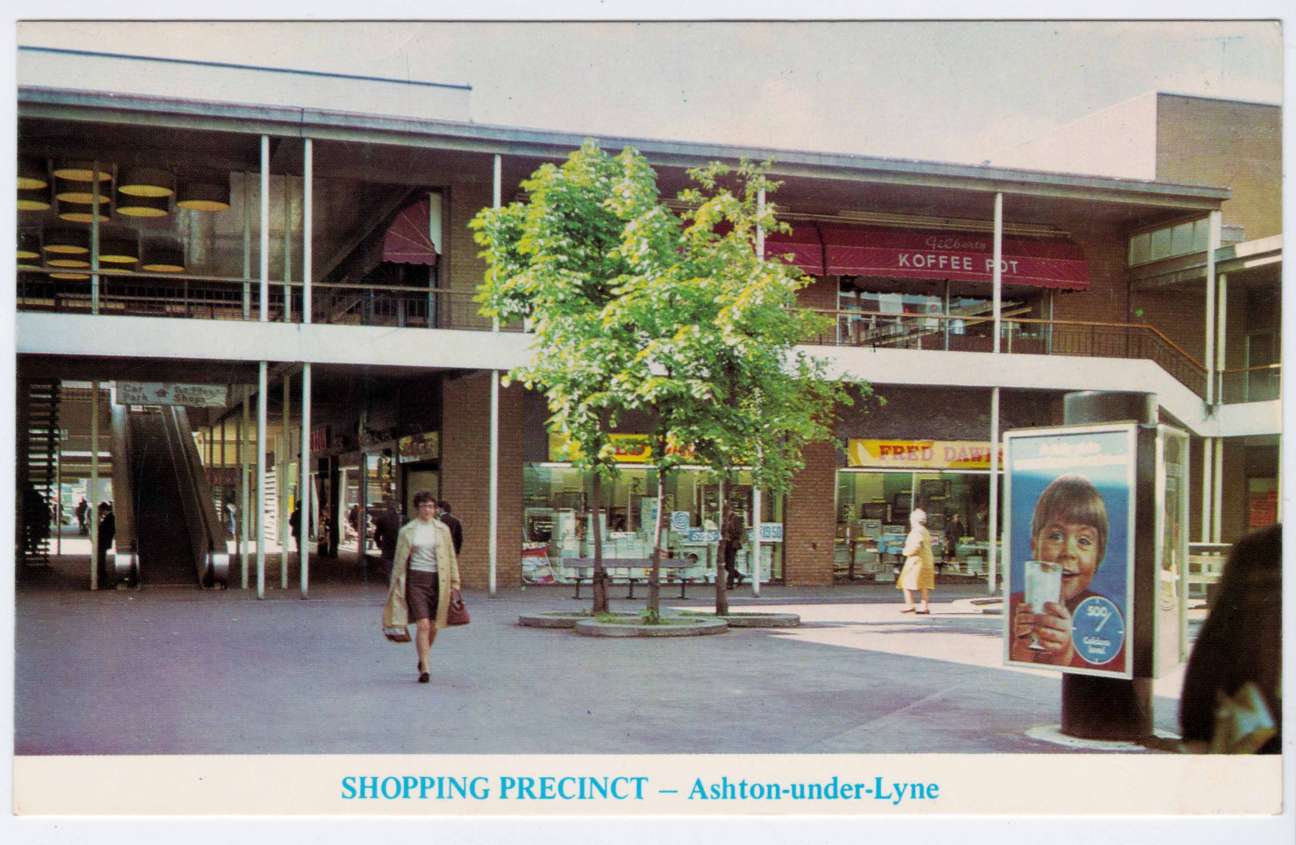
Linked to the shopping precinct.

It’s almost finished – I hope that everyone is happy?

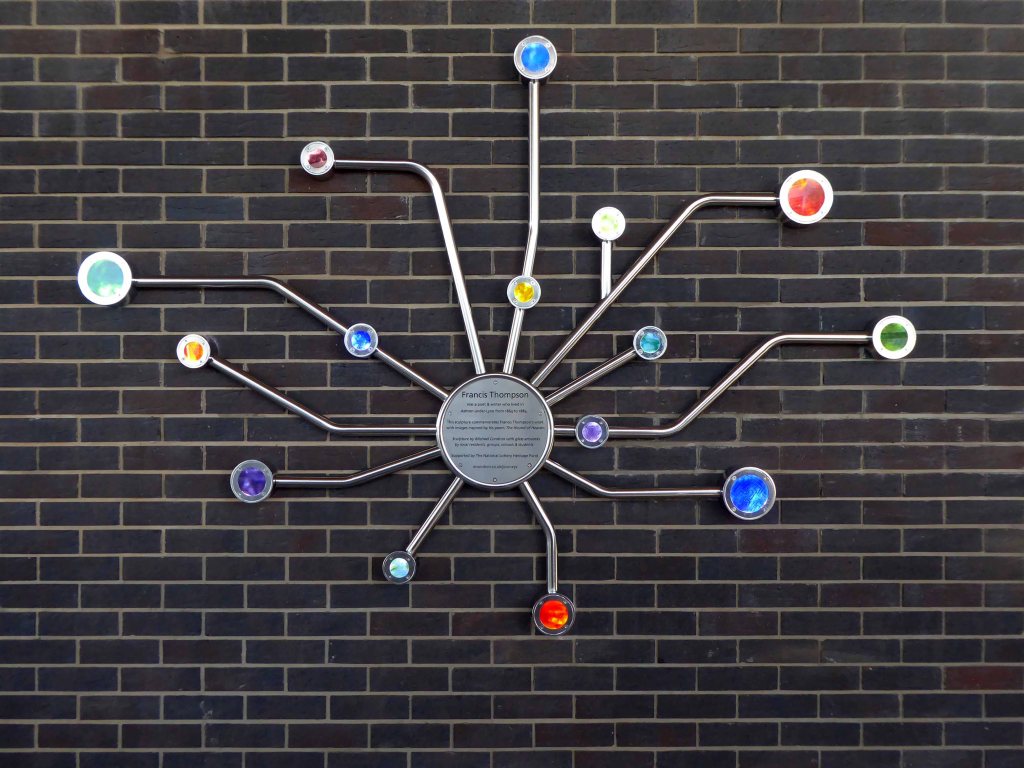
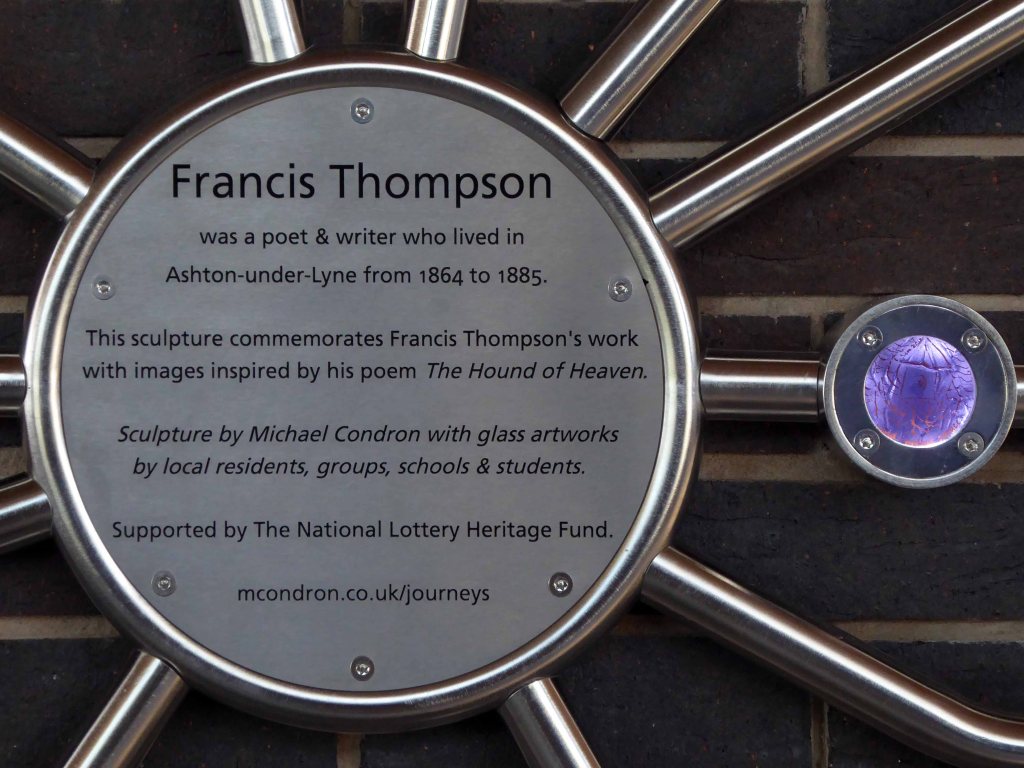
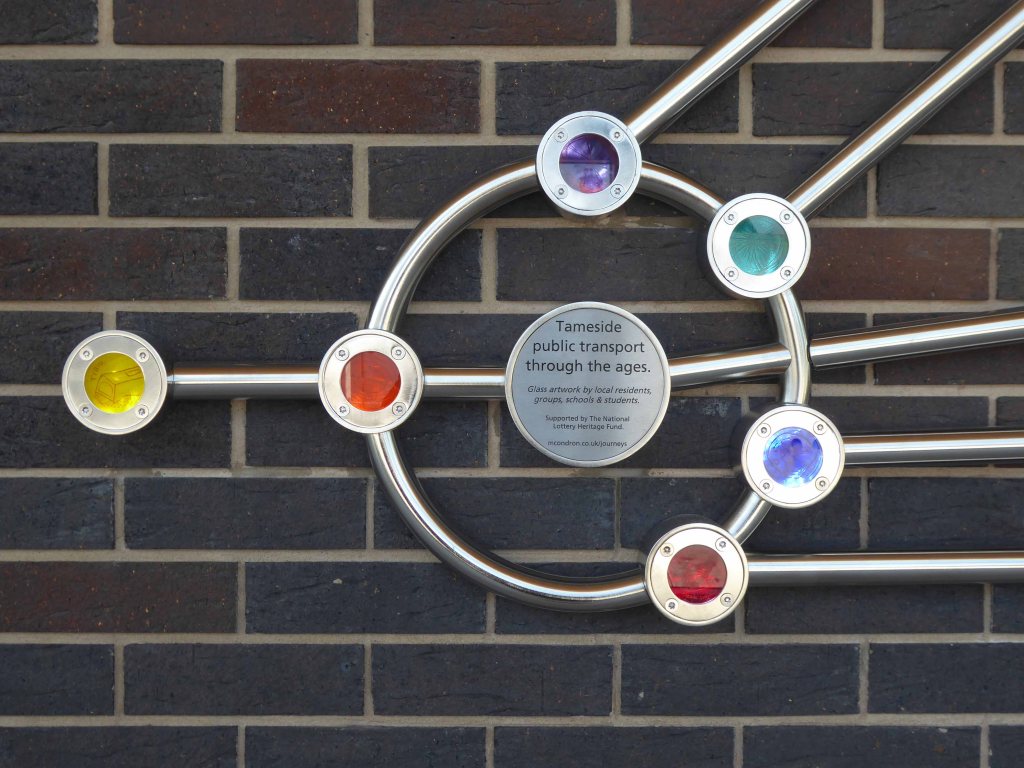
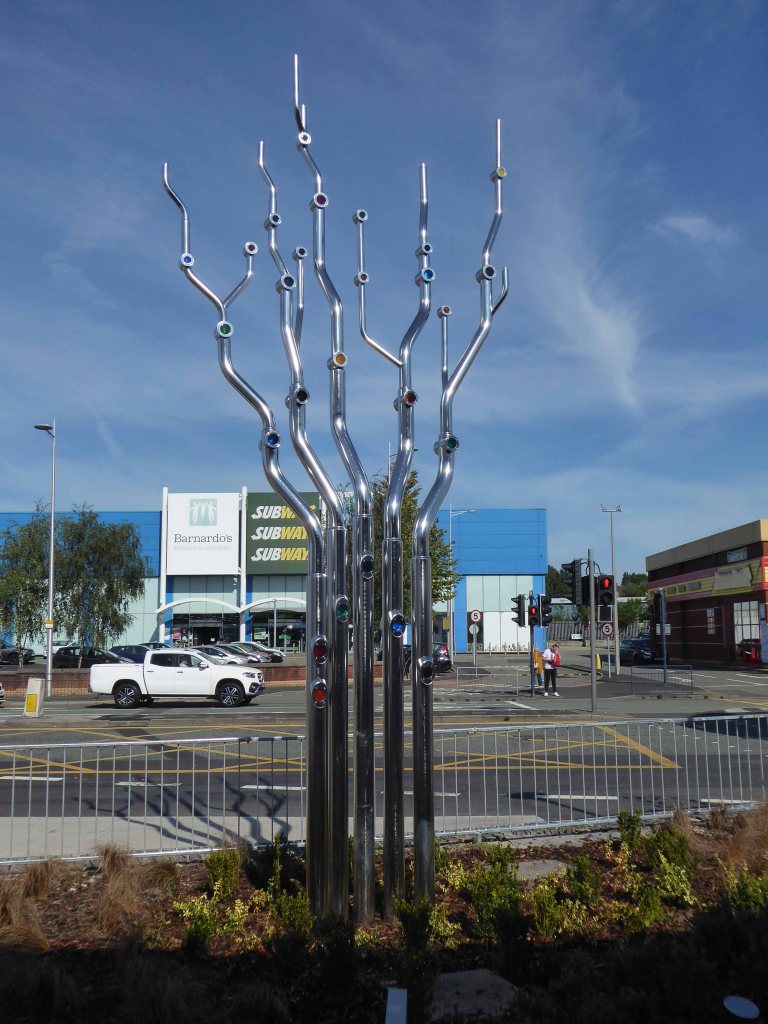
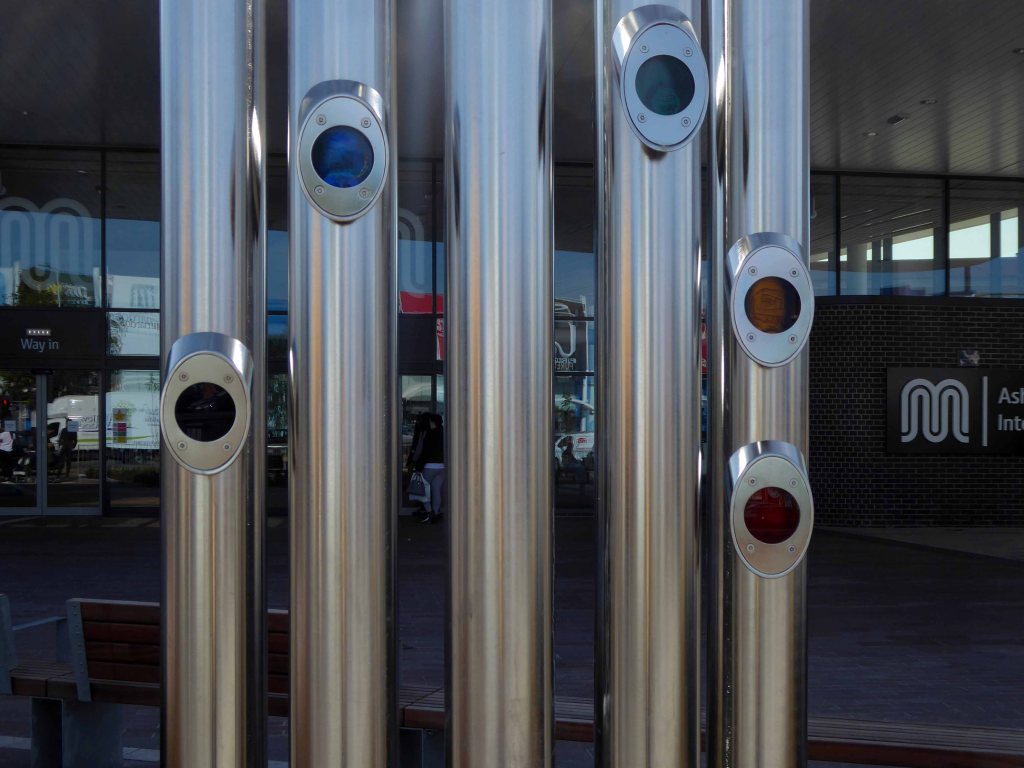
They even found Lottery Heritage monies to fund public art.

The work of Michael Condron and a host of local collaborators.

Ashton Bus Station – Pictorial History

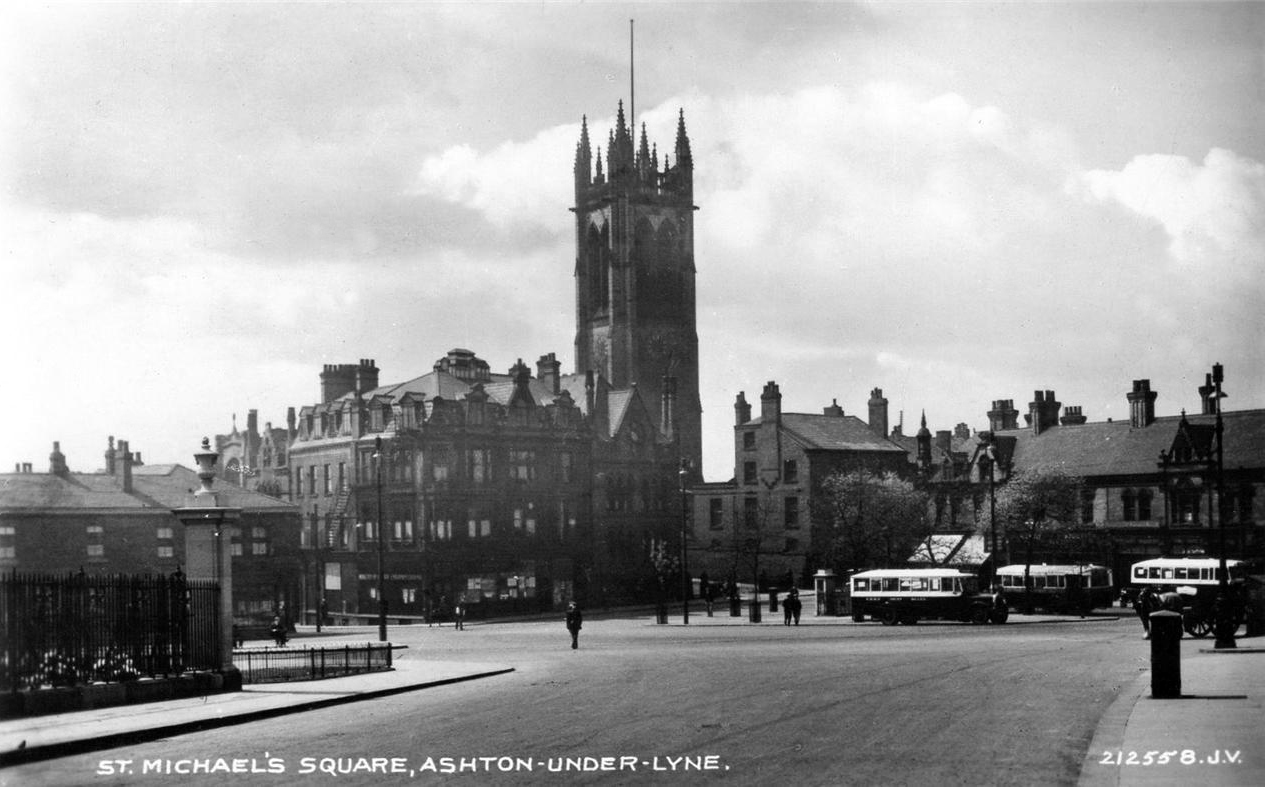
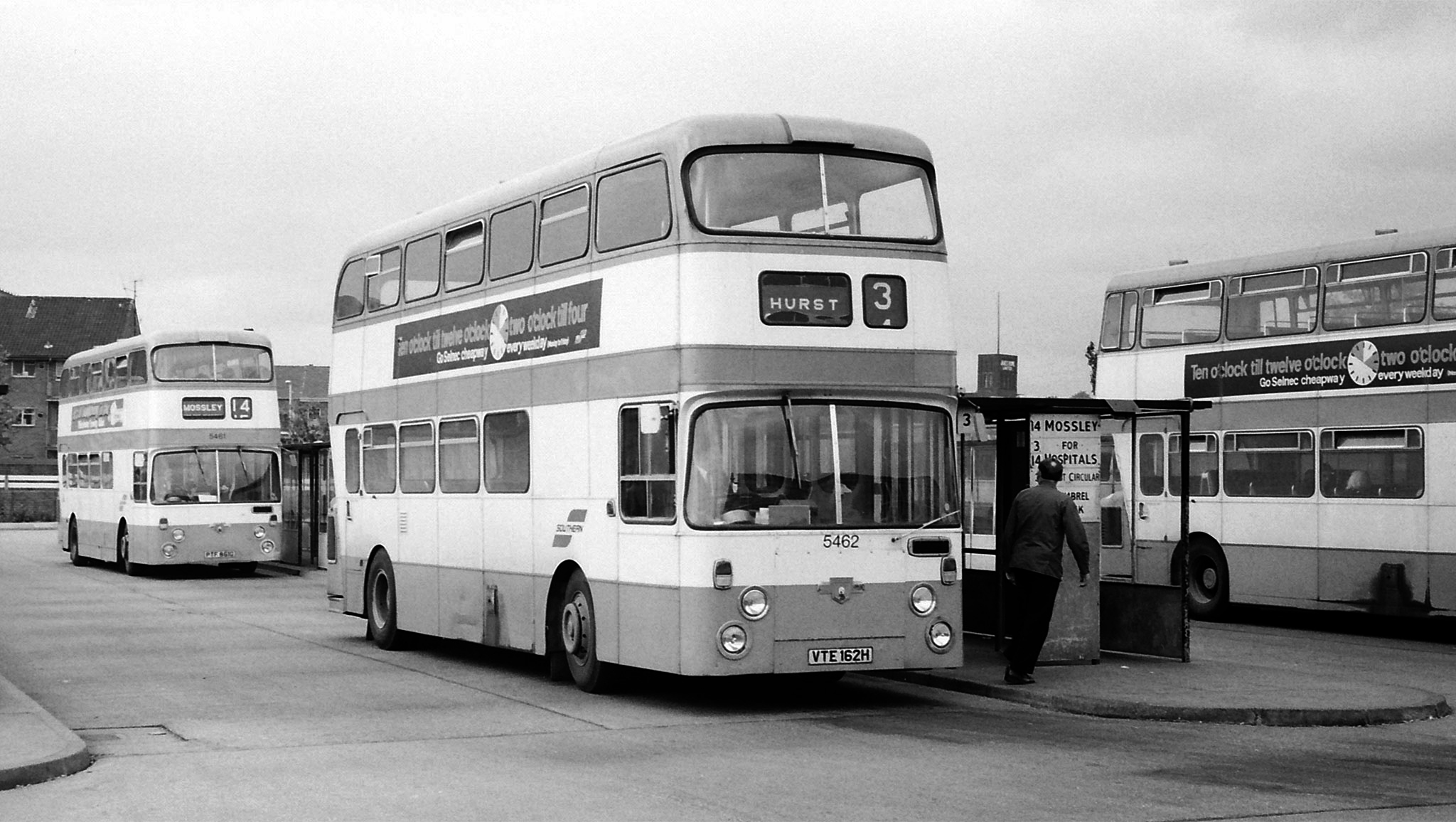
In my memory of days long gone by, I call to mind the stops strewn around St Michael’s Square – all points east I assume, Stalybridge, Mossley, Micklehurst, Dukinfield, Glossop and beyond.

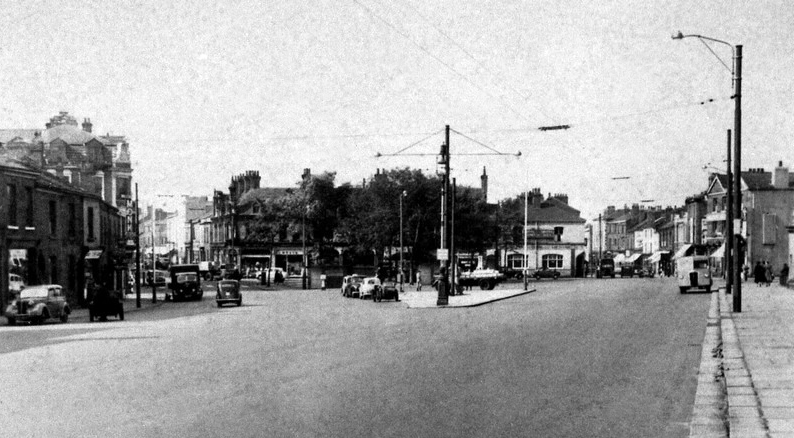
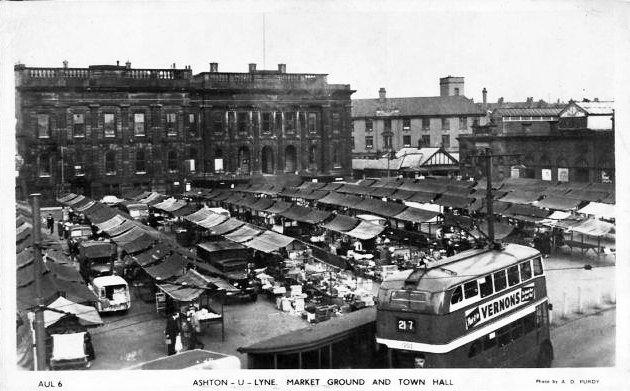
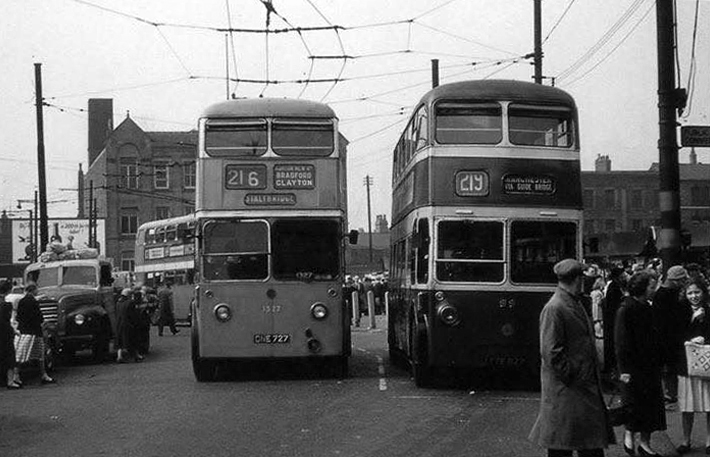
Prior to 1963, Ashton-under-Lyne’s buses and trolleybuses stopped at a variety of termini throughout the town centre. Manchester Corporation services called at Bow Street and Old Square, by Yates’ Wine Lodge; Ashton-under-Lyne Corporation’s buses opted for Market Street and Wellington Road by the town hall.

SHMD’s stopped at St. Michael’s Square.

So says Mancunian 1001 so sagely.

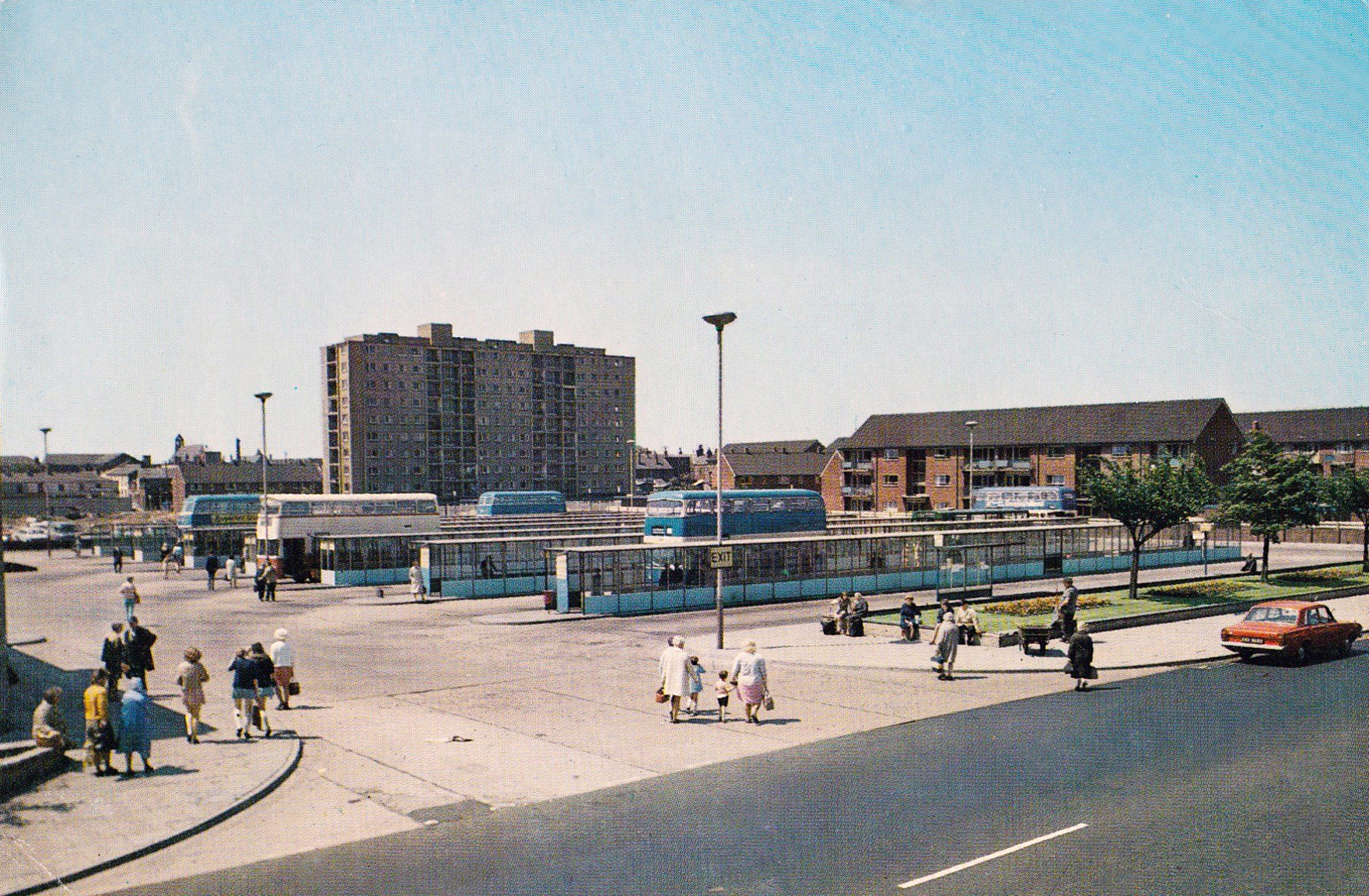
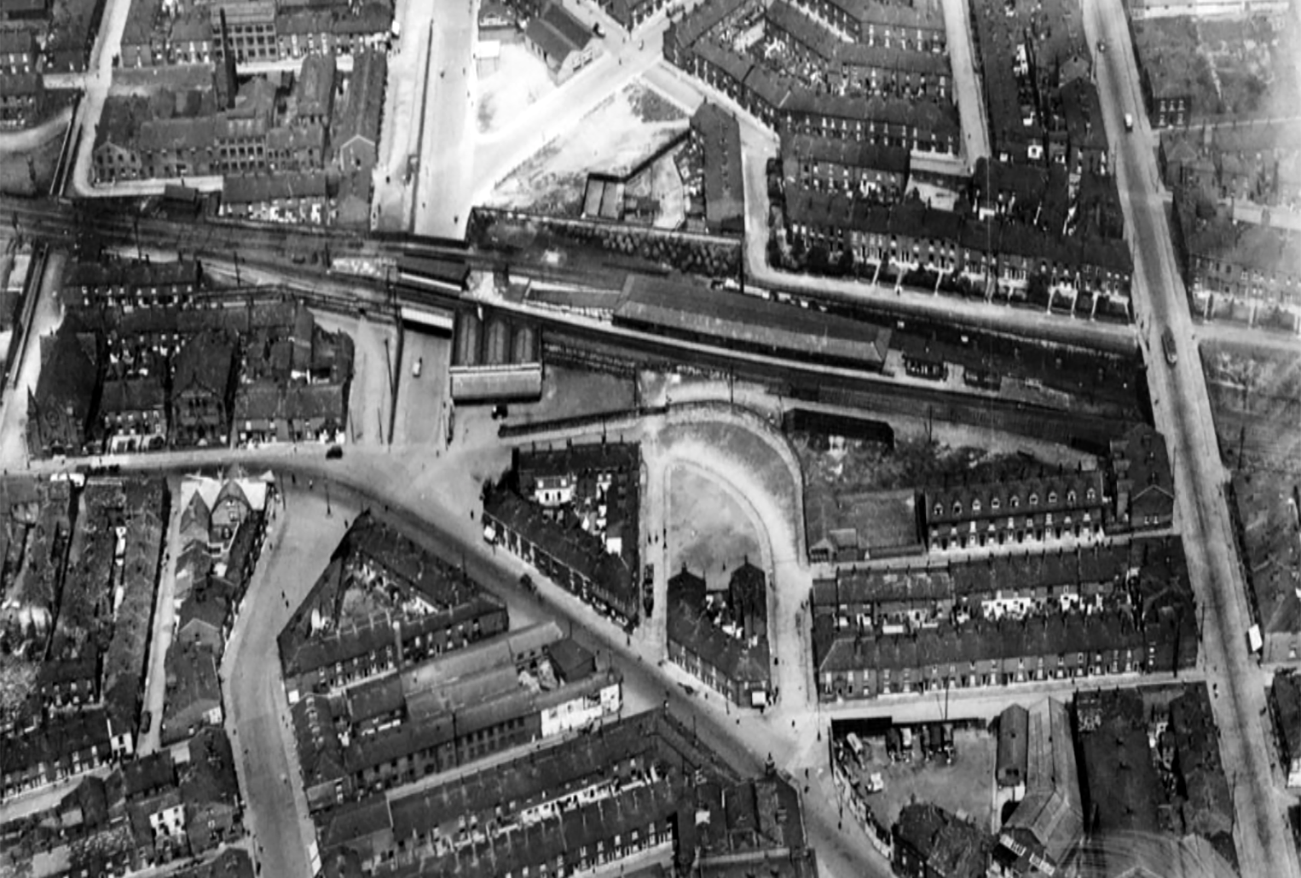
In 1927 there’s no room for a bus station, the town’s full of old houses.

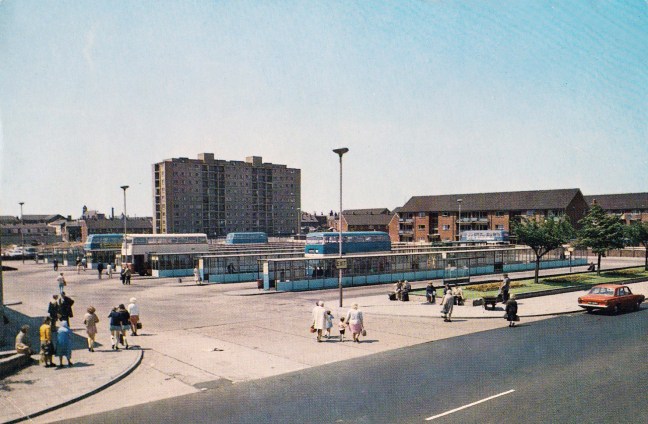
But following extensive demolition, the site was cleared for a brand new bus station, with toilets, shops, offices, staff canteen and depot.

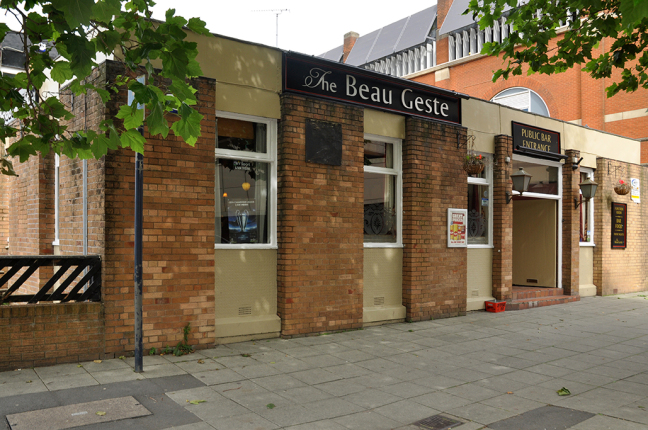
To be followed by the completion of the Shopping Precinct, Beau Geste and Ashton Arms.

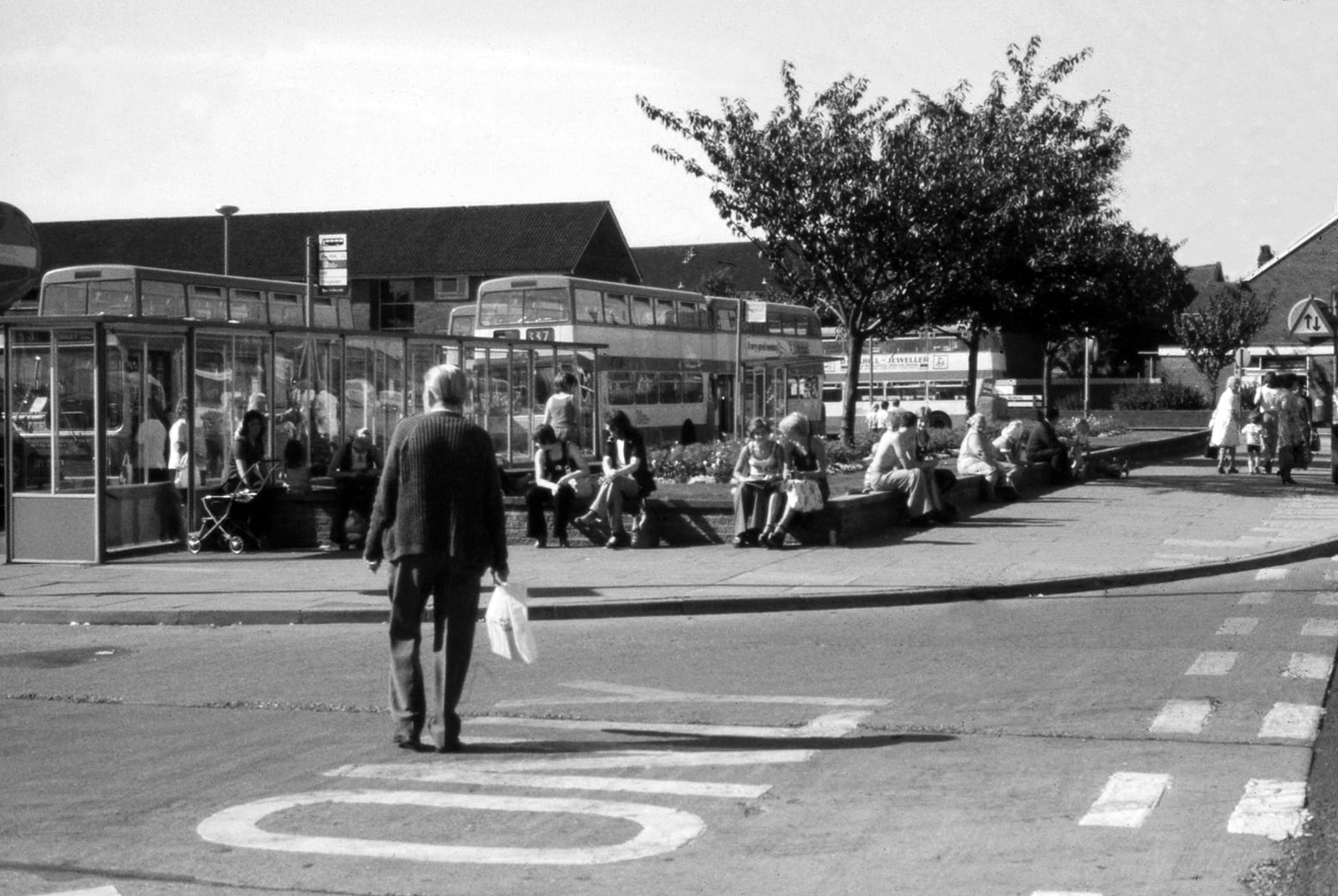
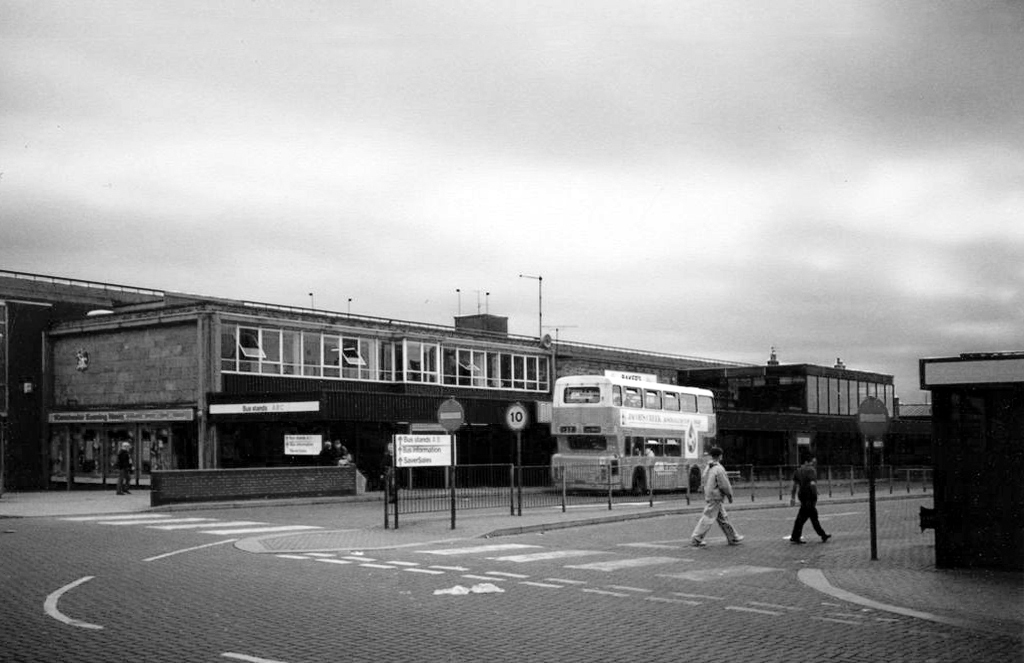
Ashton zooms forward into the future, its flat-roofed modern facilities complemented by ranks of low-level shelters and edged to the east by a walled lawn and flower bed – where we all loved to sit of a sunny day.

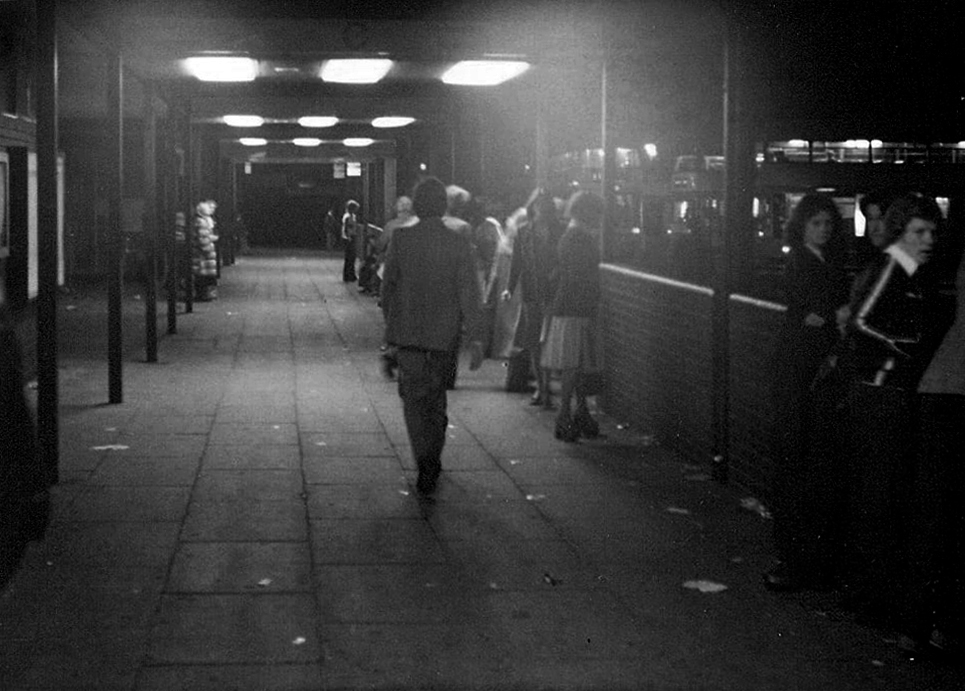
And the under the cover of the canopy at night, ready for the time of your life, at the Birdcage, pub or pictures.

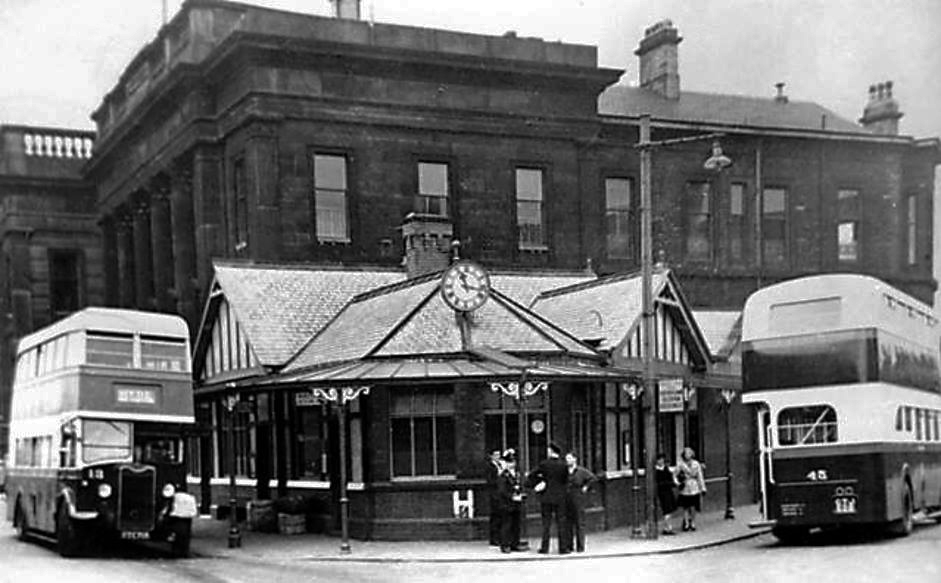
I remember the kiosk on the corner, a jewellers around the other corner.

I’ll meet you under the clock.

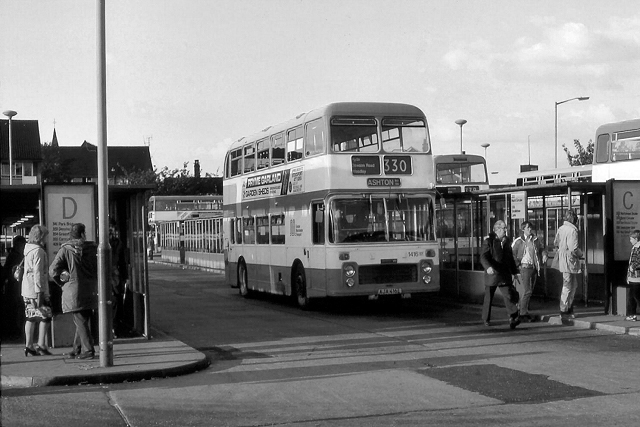
Photo: Ron Stubley

Here we see that the original shelters have been replaced and realigned.

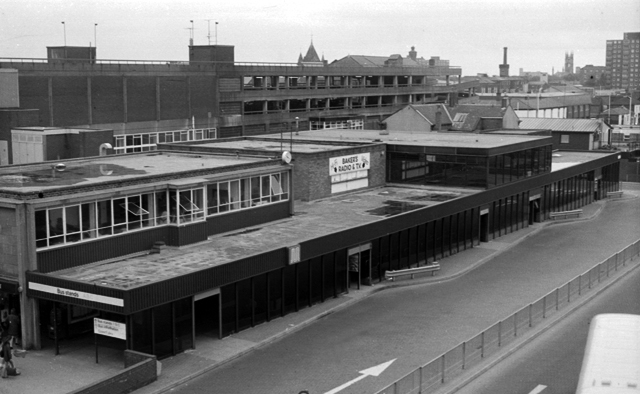
Temporary Queensbury shelters were put in place prior to the addition of GMPTE’s standard shelters, seen in Stockport and Oldham bus stations. By the close of 1983, the recognisable GMPTE ones emerged. The cover at the precinct end was later glazed and became stands A to C.

The second version of Ashton-under-Lyne’s bus station opened on the 18 March 1985. After two and a half years refurbishment work, it was opened at 11.30 by Councillor Geoffrey Brierley.

Mancunian 101

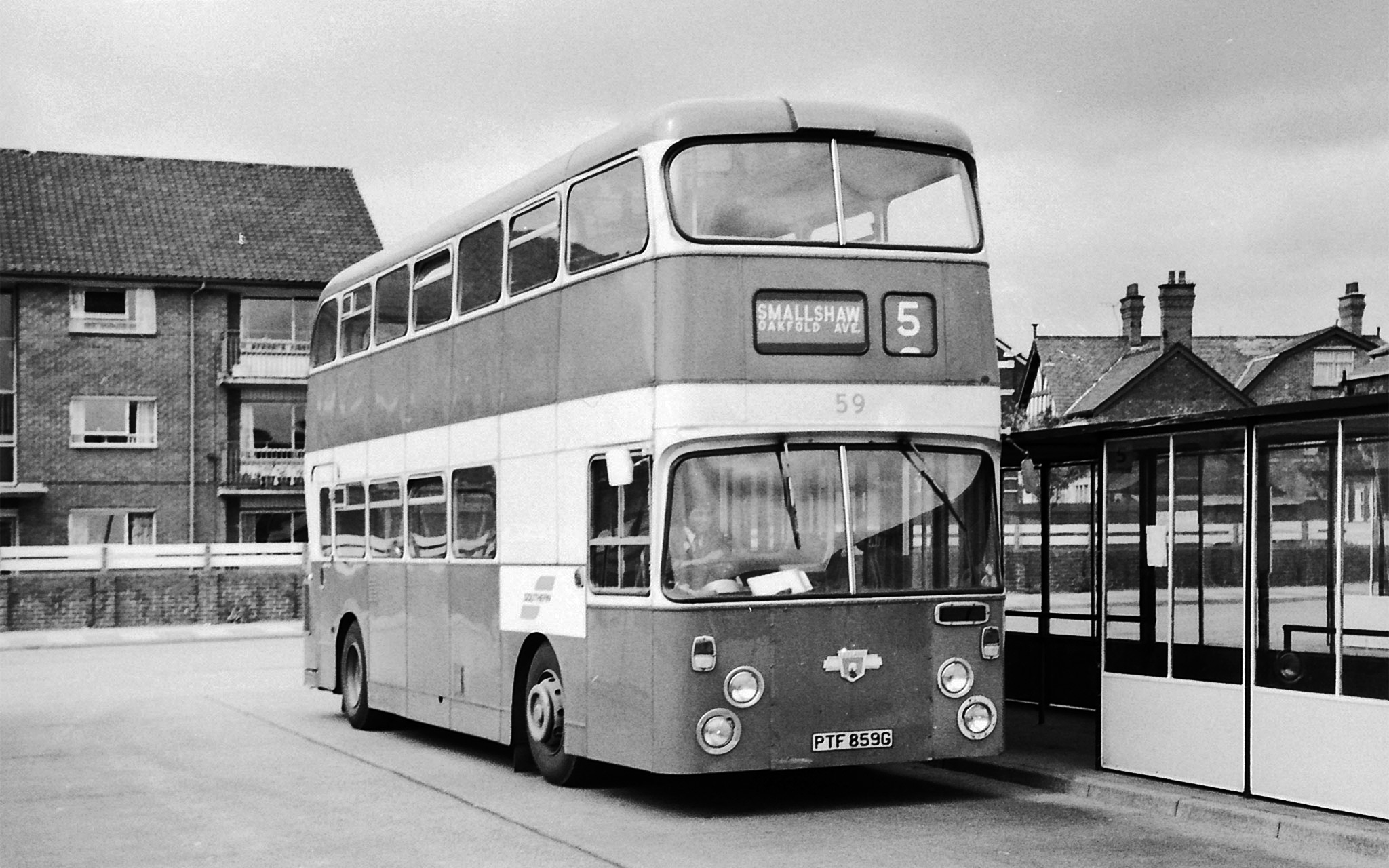
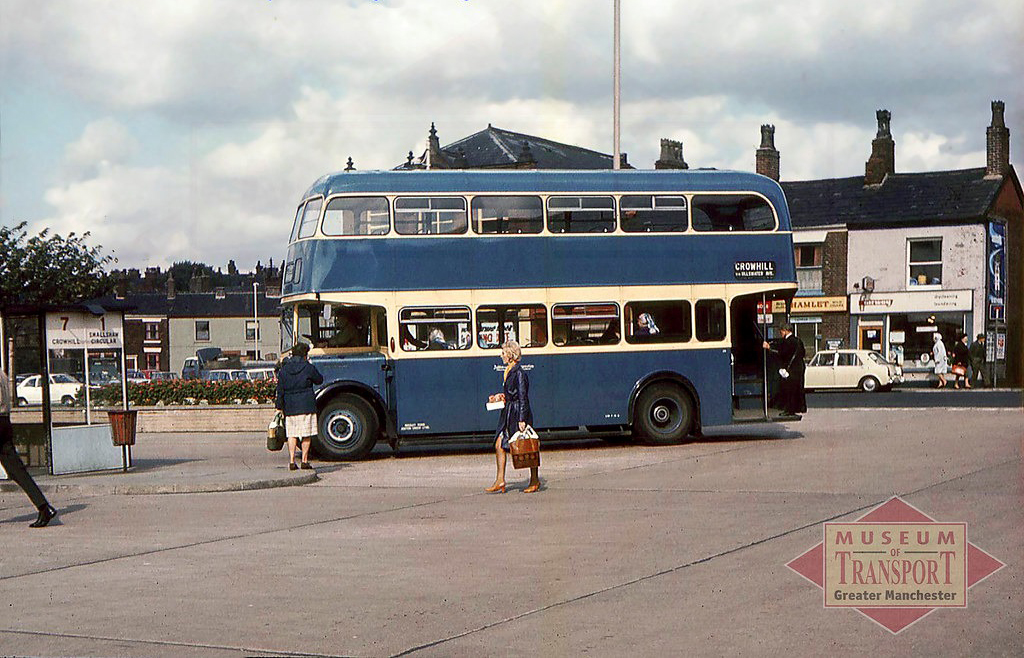
And that’s the corner where we would deck off the open backed buses, hitting the pavement at speed.

That’s the deep blue and cream Ashton livery later superseded by SELNEC, GMPTE and TFGM – the wonderful full fare, unfair world of Margaret Hilda Thatcher’s privatisation, Arriva, First and Stagecoach first.

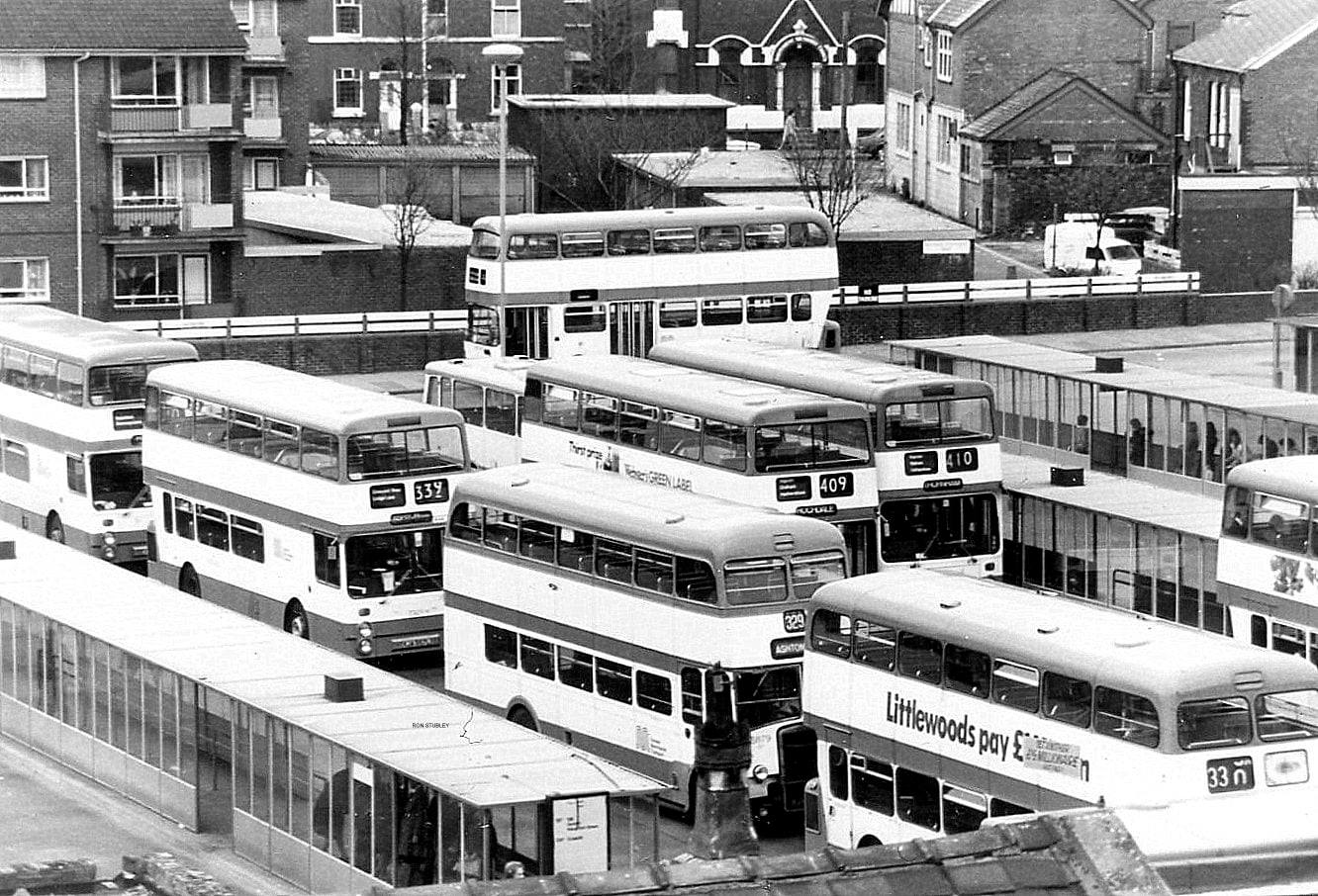
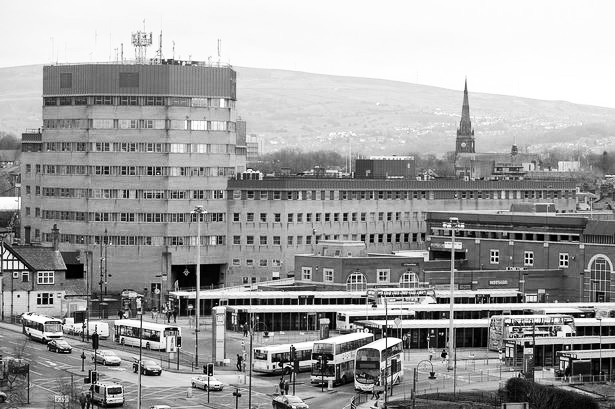
Then in the 1995 with the development of the Arcades Shopping centre, the whole site is reconfigured, now seen nestling in the shadow of the Dustbin.

Though as we know, nothing lasts forever and the shelters, passengers and buses get shunted and rebuilt yet again,

Even the Dustbin has gone west.

Opening in 2020 – the current version.

The majority of photographs are taken from online sources – please contact me if you are aware of the author’s name – I will post a credit.

I’ll be posting some pictures of my visit to this brand new Interchange, mixing it up with trams, trains and a tuppence one to the Cross.

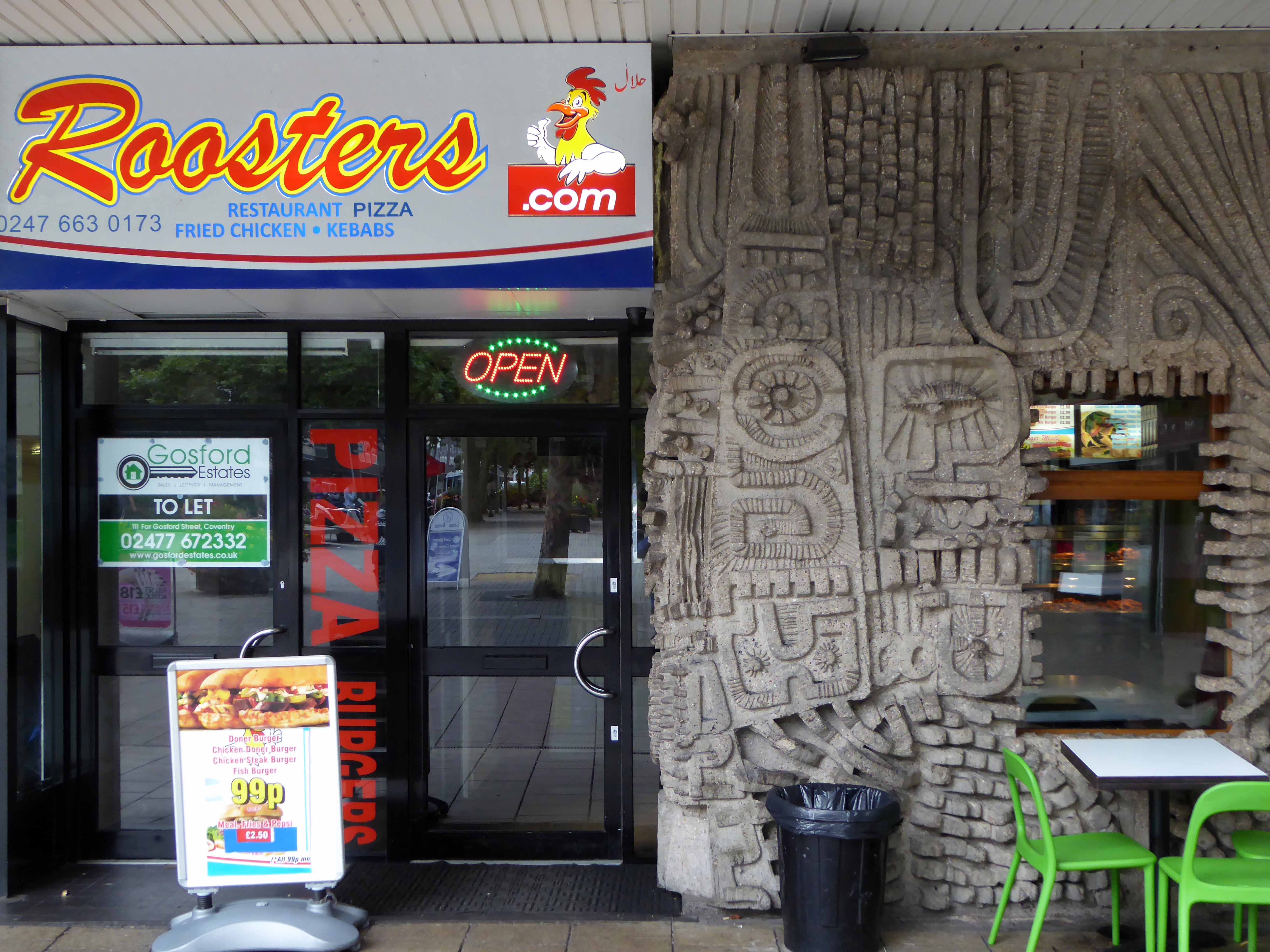
Three Tuns – Coventry

At the heart of the Precinct – I found the former Three Tuns pub stood standing – still.

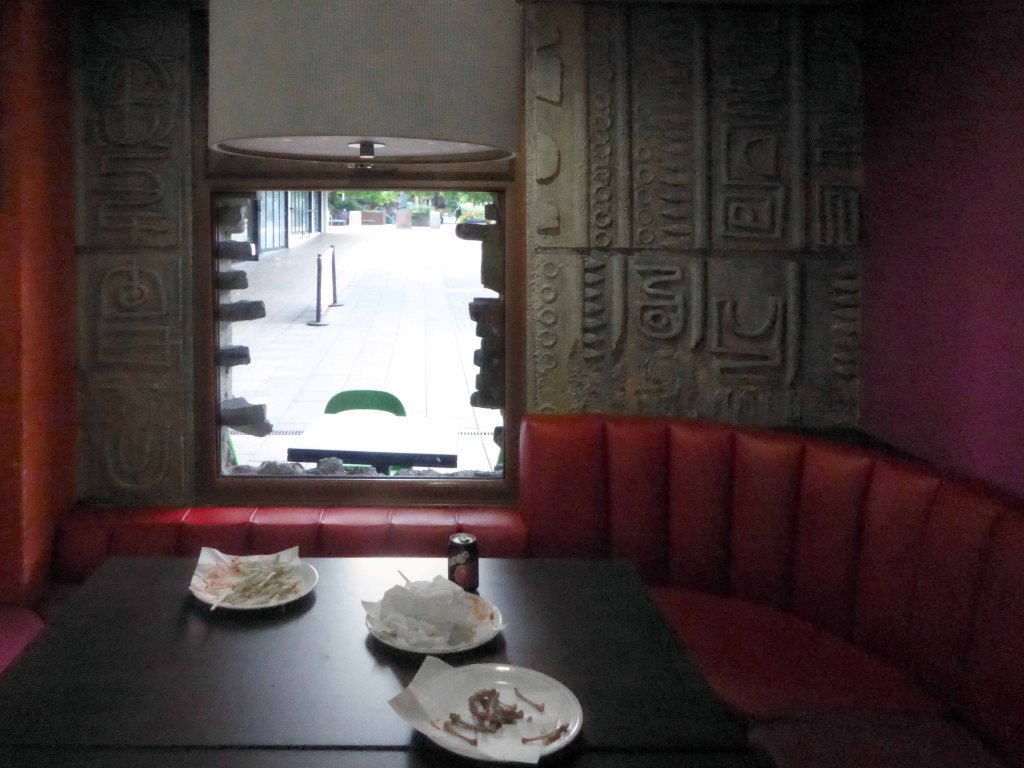
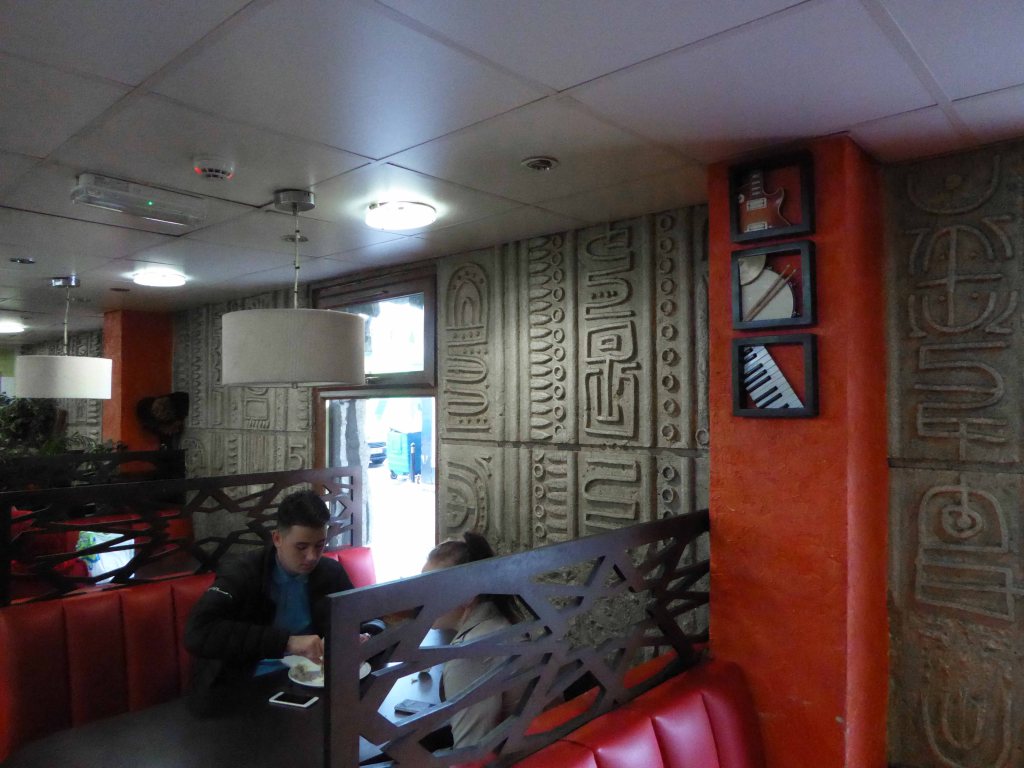
Subsequently imaginatively reimagined as Roosters.

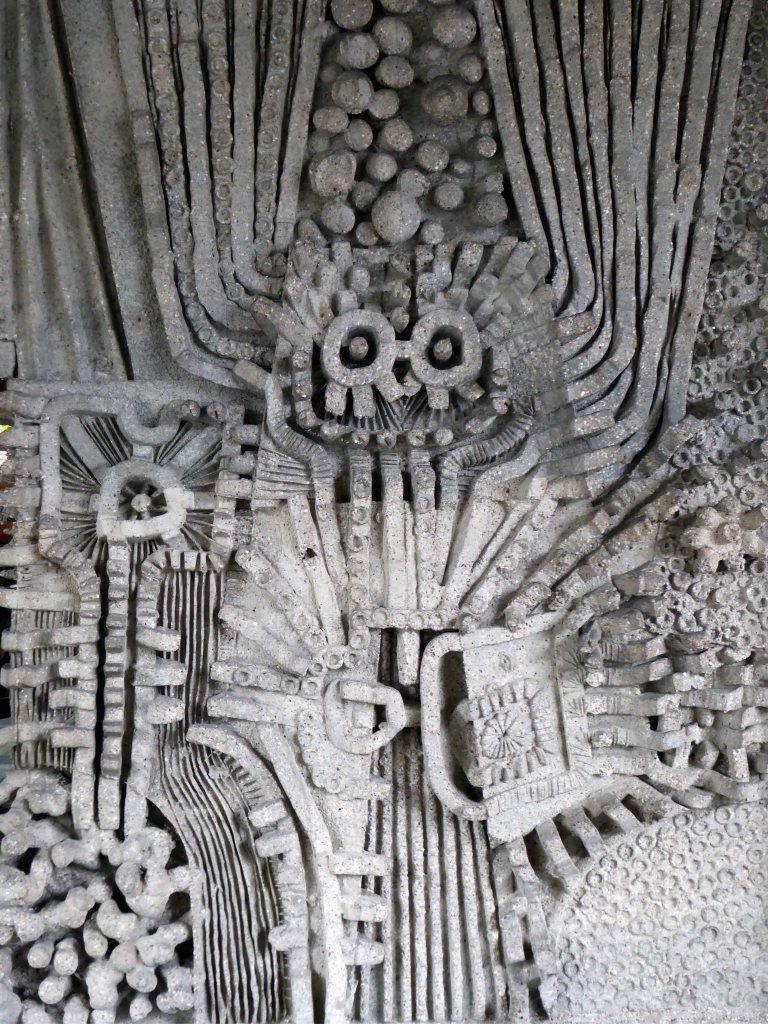
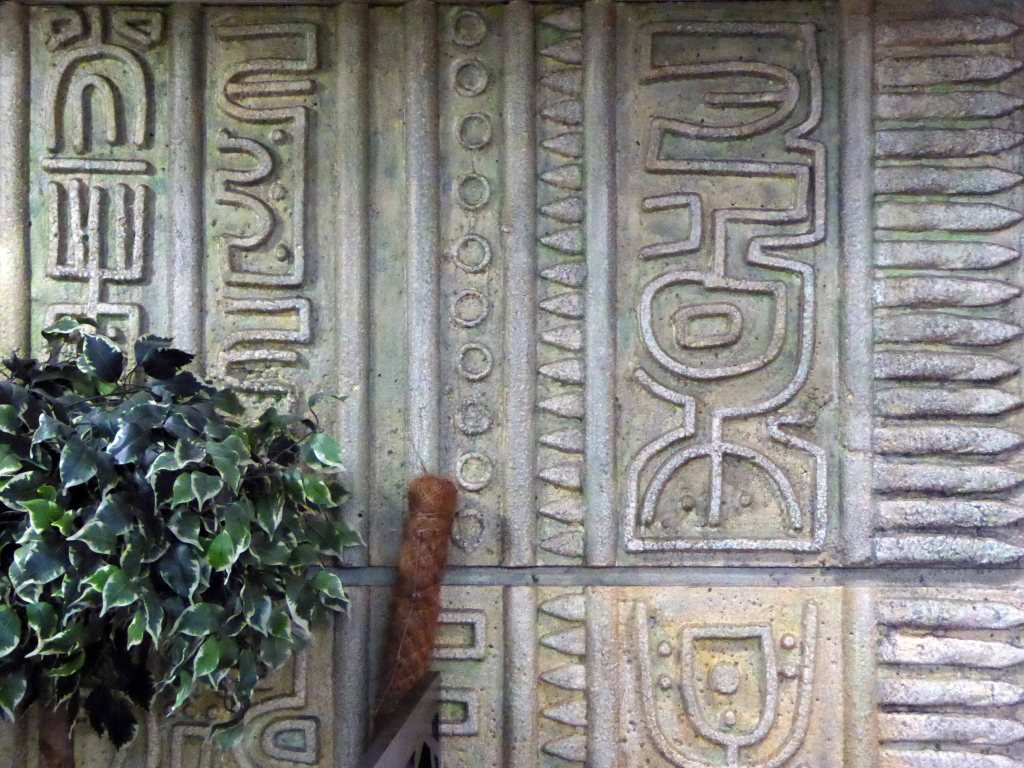
The exterior – and interior for that matter, adorned with the decorative concrete work of William Mitchell.

The area also being blessed with his cast panels and modular tower block fascia.

The precinct is currently, yet again, being considered for constructive rehabilitation, as part of the city’s City of Culture concatenations.

The threat to Modernism is no new thing, and the hurried scrabble for progress, ever so often erases the recent history of that progress.

I popped in way back in 2016, and Mr and Ms Rooster were more than happy, if not a tad perplexed, to have me snap around their chicken shack.

Sufficiently satiated, why not take a stroll around town, whilst it’s still there.

Take in the Cathedral – soon to be become the Kwik-Fit National Museum of Tyre Fitting.

The Indoor Market, Upper Precinct and Co-op

Above the current market office is an impressive painted mural by art students from Dresden commissioned especially for the market in the 1950s in a Socialist Realist manner, depicting farming and industrial scenes. 

The Gordon Cullen tiles have been renovated and re-sited within the exit corridor.

Still in clear view the stone relief work of John Skelton November 1956. Three of the eight column have incised Hornston stone works, depicting the activities of the CWS.

Get yourself there pronto – current restrictions considered of course.

You just might be in time to see the Station.

Coventry forever changes.

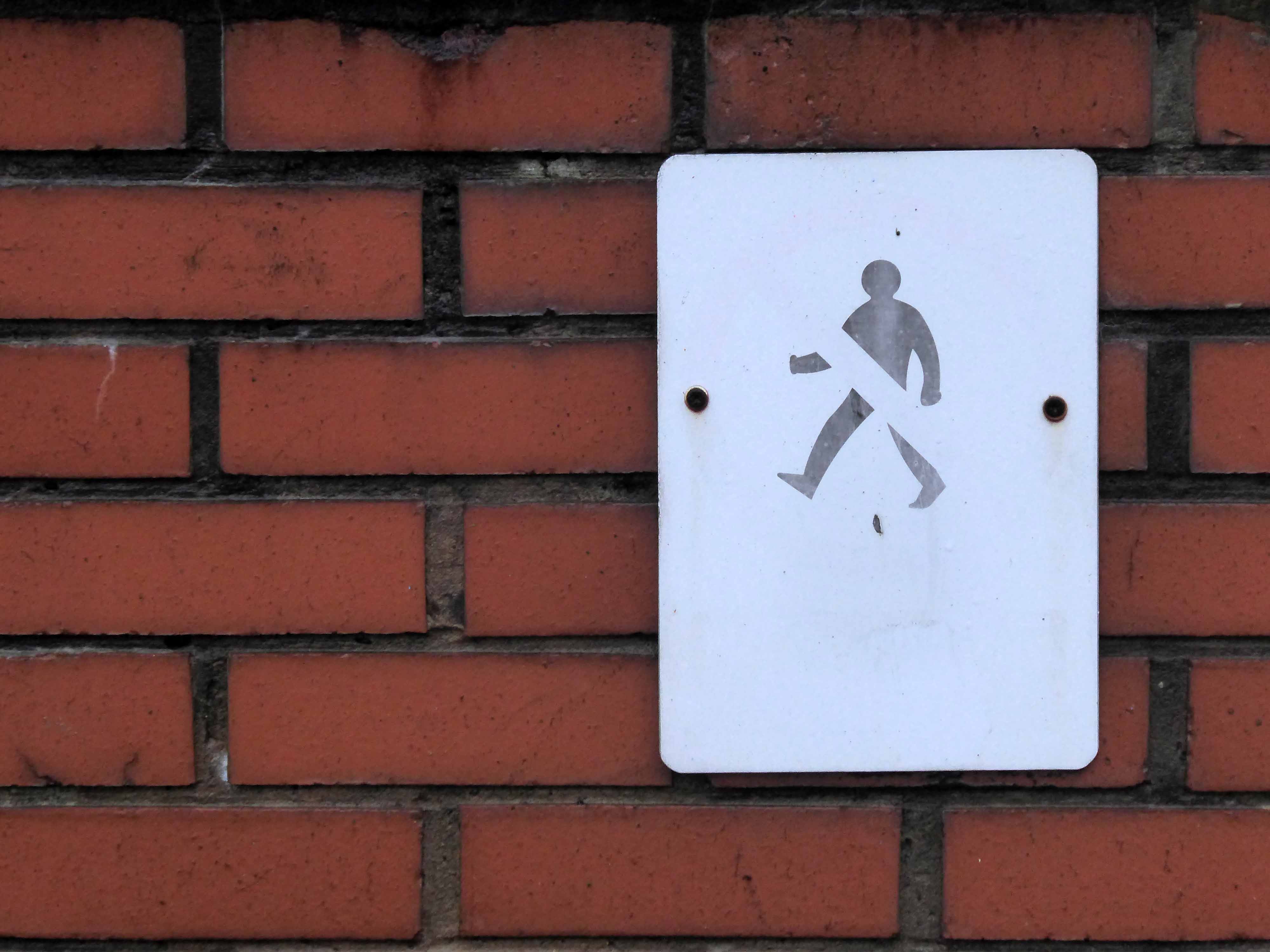
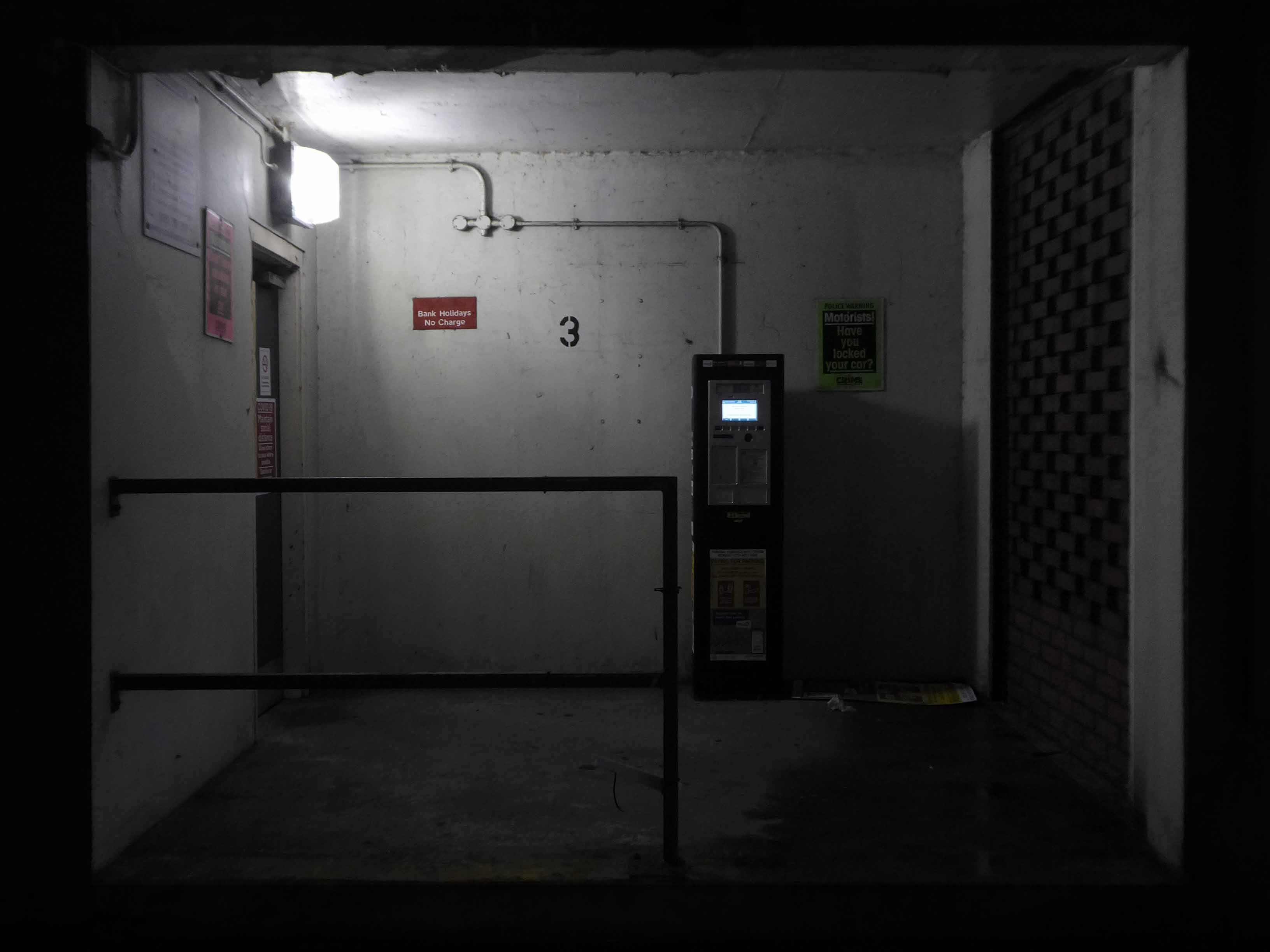
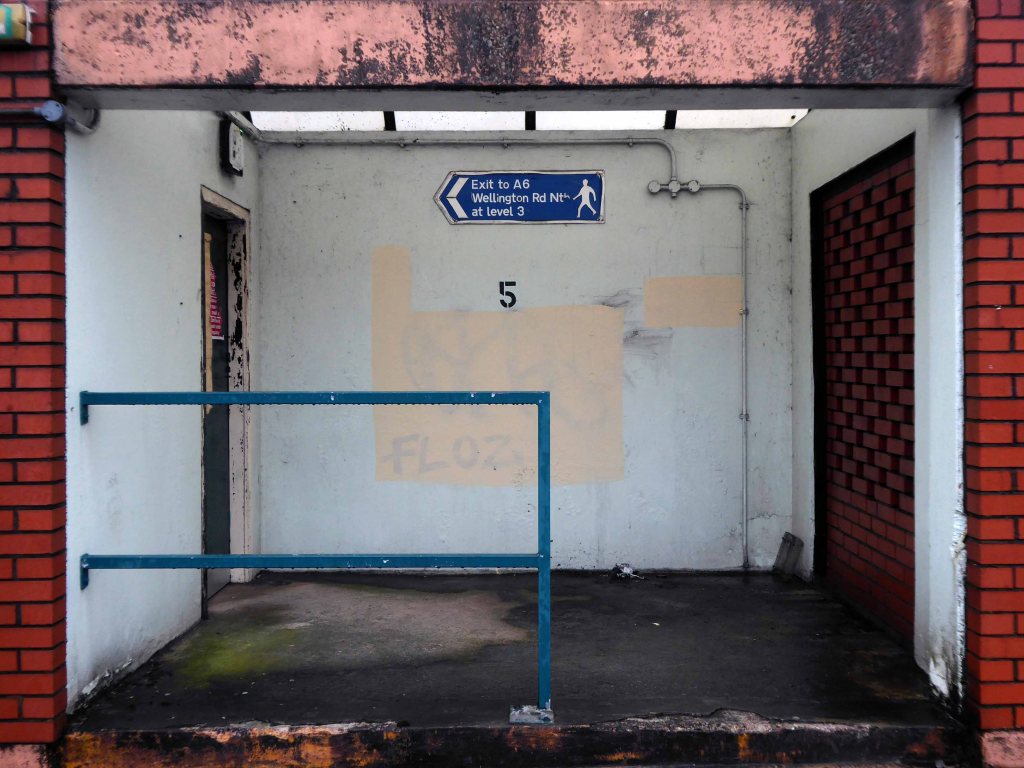
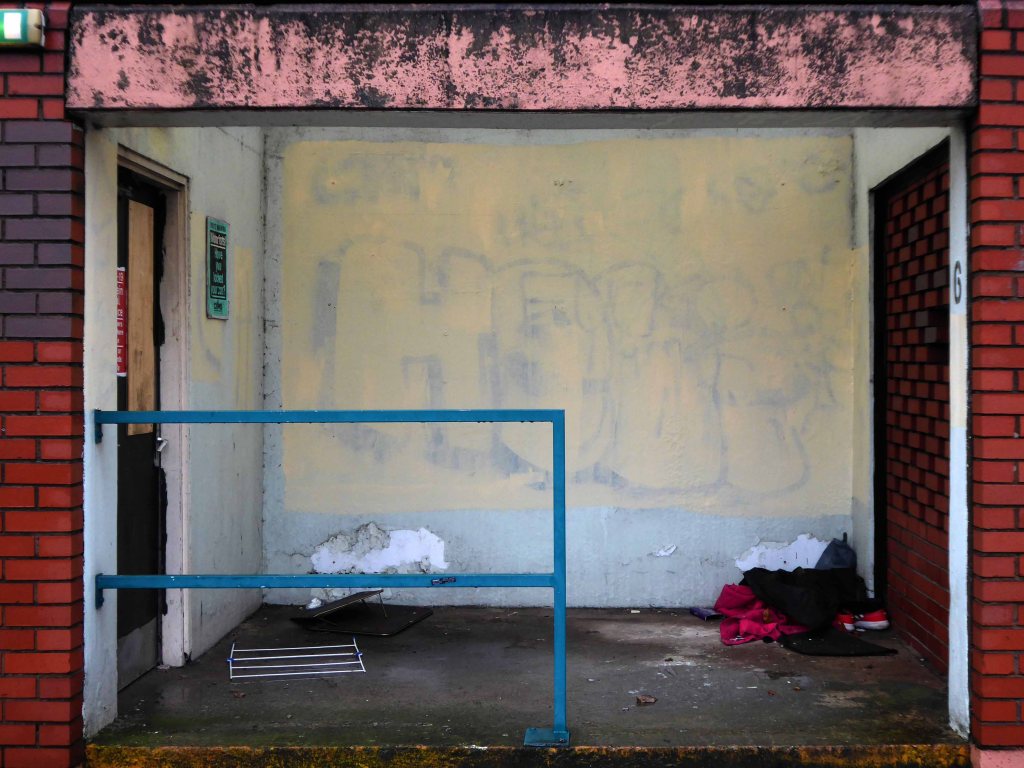
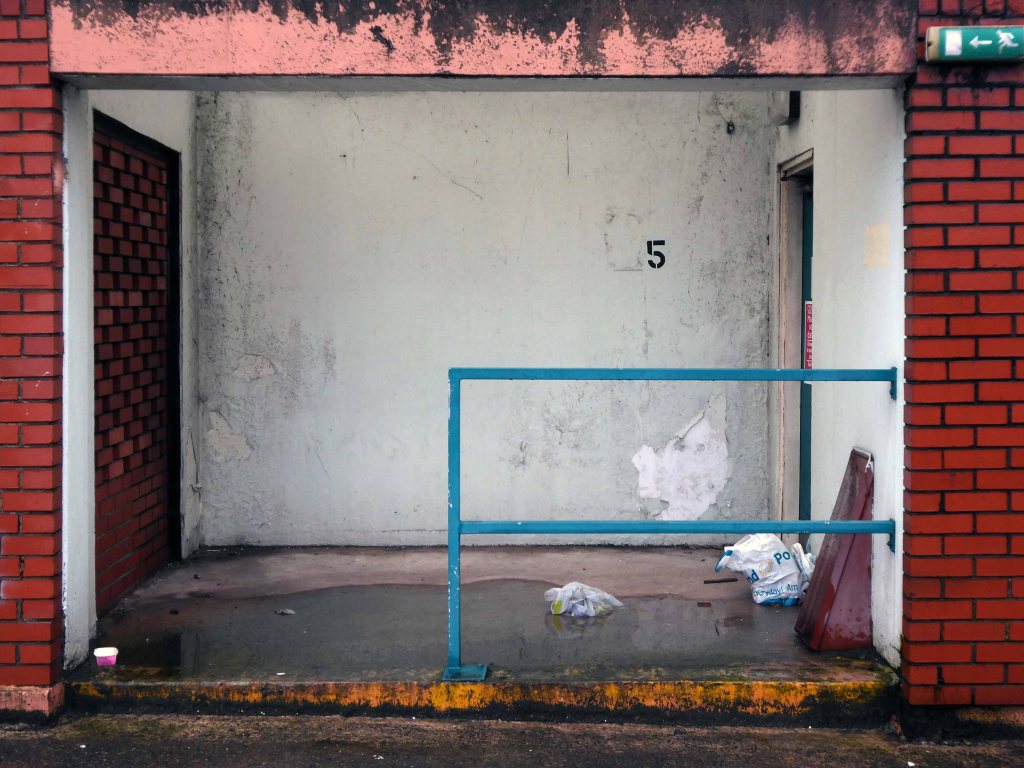
Pedestrian In A Car Park Again

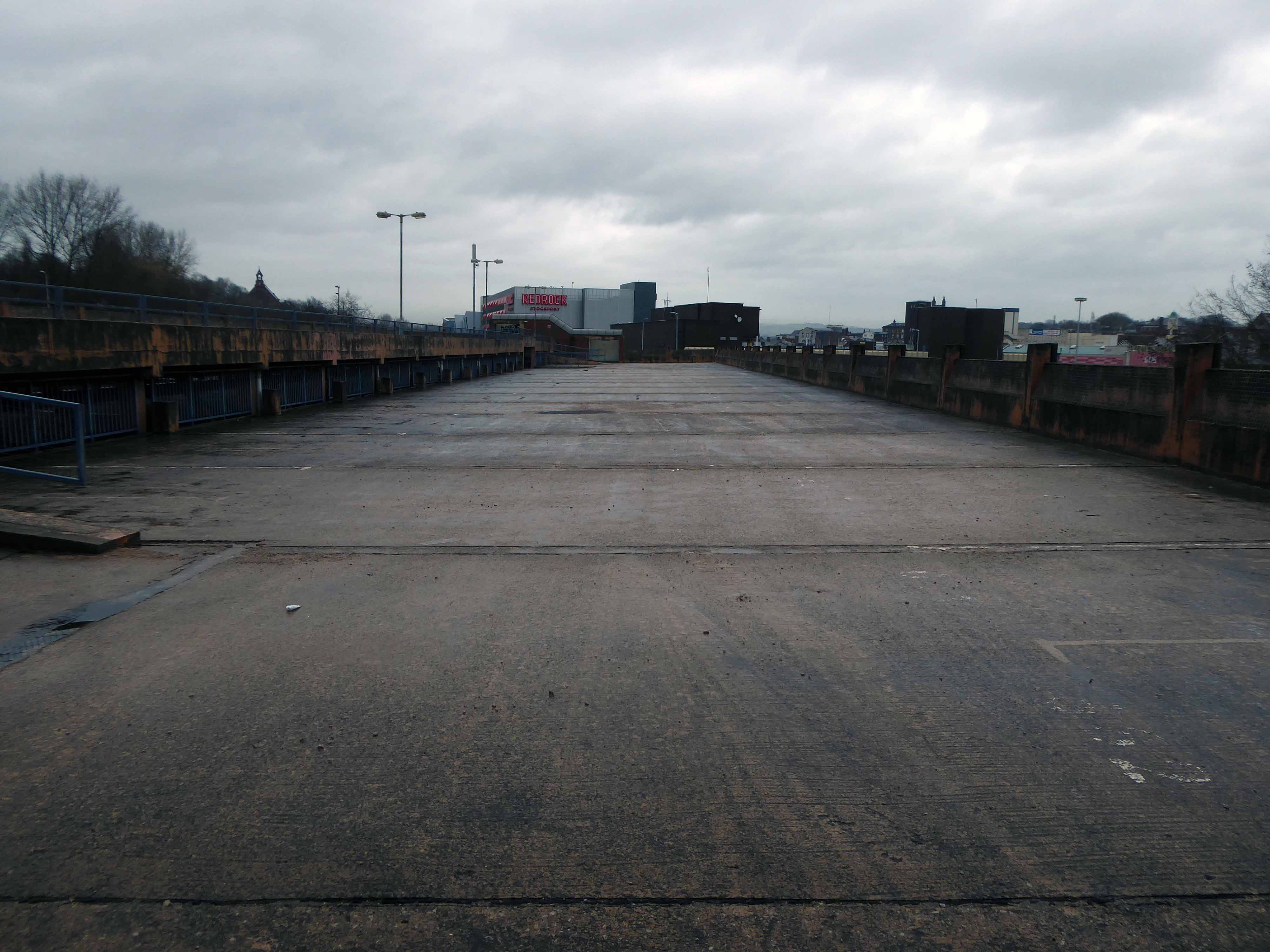
Having visited Heaton Lane yesterday, today I set my sights high above Primark on Merseyway.

I have been here before, primarily to record Alan Boyson’s screen wall.

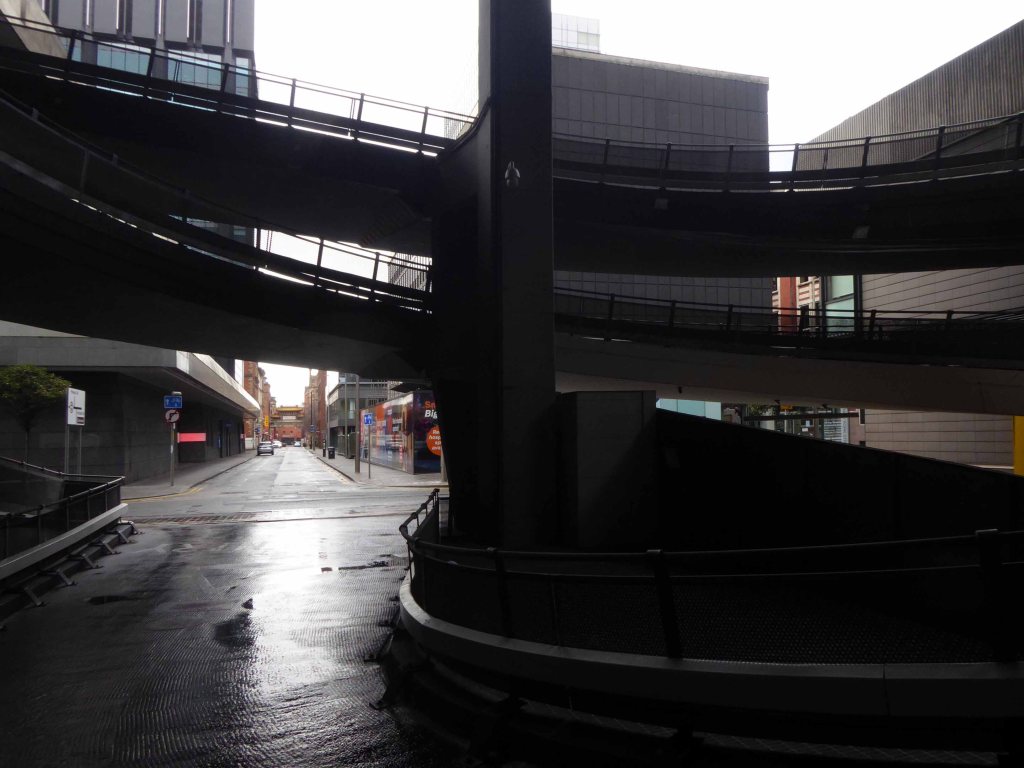
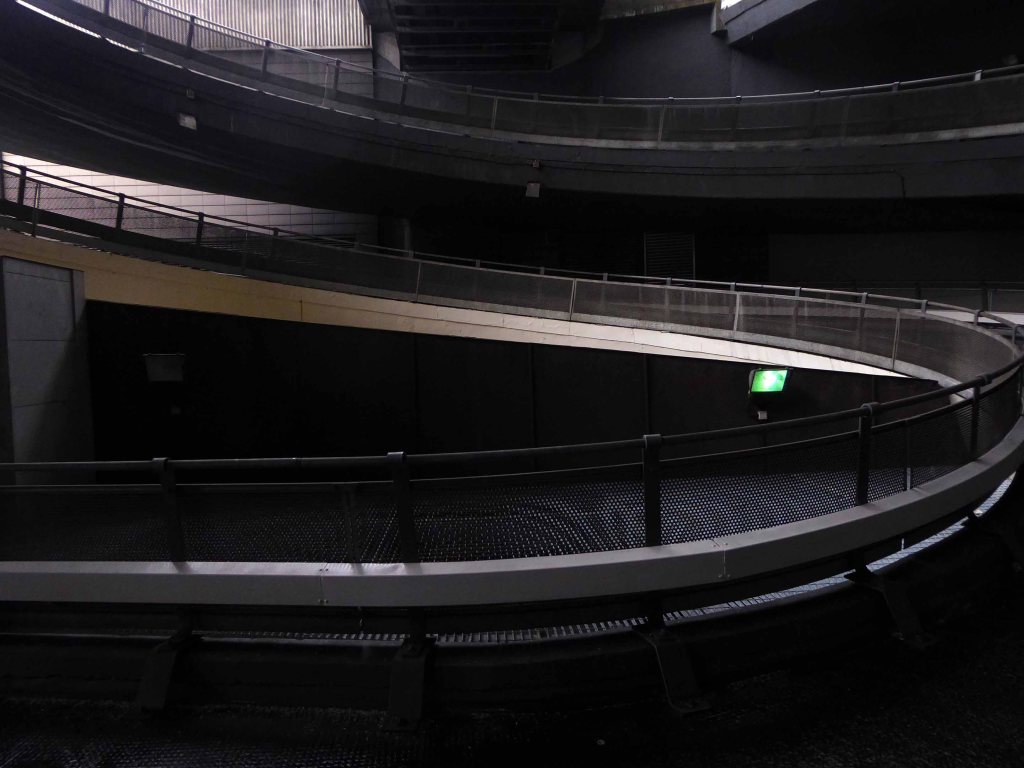
Walking the stairwells, ramps and interlocking tiers, the curious pedestrian becomes aware of the ambition and complexity of the scheme. Often identified on local social media groups as an anachronistic eyesore, I feel that it is a thing of rare and precious beauty.

Knock most of the precinct down, free the river, but keep this wall and what is within.

Anon

Some are slaughtering imaginary white elephants, whilst others are riding white swans.

Currently under the ownership of Stockport Borough Council, changes are afoot.

Work to redevelop Adlington Walk in Stockport starts this week, as the first stage in the regeneration of the 55-year-old Merseyway shopping centre.

Place North West

As of today work is still in Covid induced abeyance, it is still possible to walk the old revamped Adlington Walk. The future of retail in particular and town centres in general is in the balance, the best of the past and the finest of the new should be the watchword.

The scheme and car park redevelopment, is managed by CBRE of Manchester.

The future shopper is looking for more than just a simple buying transaction, they want an experience, entertainment and excitement.

This is where Merseyway Shopping Centre’s future lies.

CBRE Group Inc. is an American commercial real estate services and investment firm. The abbreviation CBRE stands for Coldwell Banker Richard Ellis. It is the largest commercial real estate services company in the world.

Their net worth as of January 28th 2021 is $21.18 Billion.

It is to be hoped that these dreams of entertainment and excitement, may be realised in the not too distant future.

In the meanest of mean times, in the mean time let’s have a look around.

The future moocher is looking for more than just a simple buying transaction, they want an experience, entertainment and excitement.

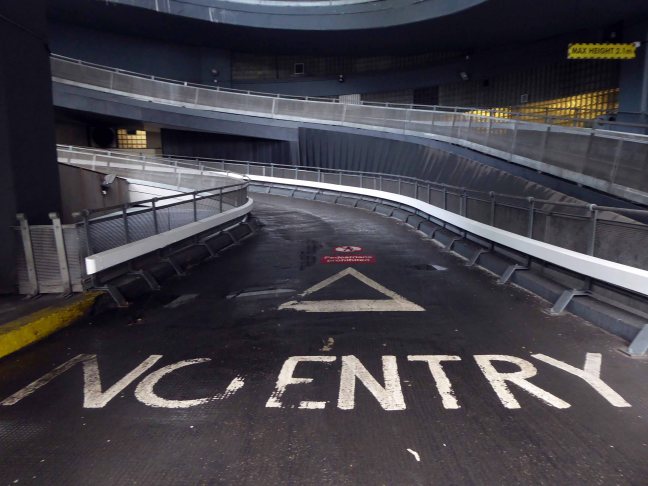
Pedestrian In A Car Park

One of the great glories of cinema is that it has the power to take the mundane and make it magical. To most of us, car parks signify a world of pain, where fearsome red-and-white crash barriers dictate our fate and where finding a space is often like finding meaning in the collective works of Martin Lawrence. To others, they meant lost Saturday afternoons spent waiting for your mum to finally come out of Woolworths so you could rush home to catch Terrahawks.

Either way, car parks are grey and dull. In the movies, however, they are fantastic places, filled with high-level espionage, and high-octane chases. 

According to The Guardian

I beg to differ, the cinema and TV has helped to define our perception and misconception of the car park.

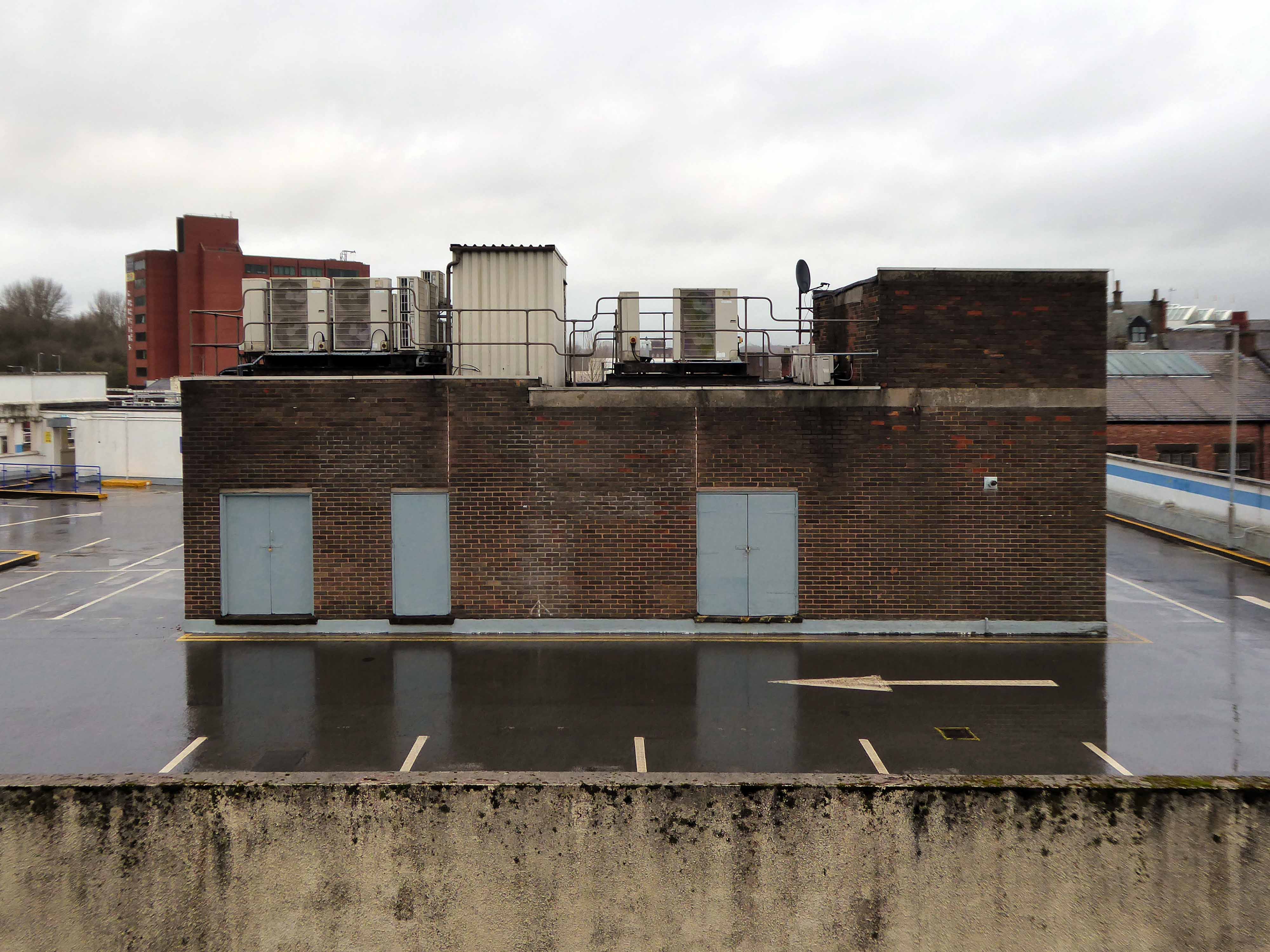
The modern day pedestrian may reclaim, redefine and realise, that far from mundane each actual exemplar is different, in so many ways. The time of day, weather, light, usage, abusage, condition, personal demeanour and mood all shape our experience of this particular, modern urban space.

To walk the wide open spaces of the upper tier, almost touching the sky.

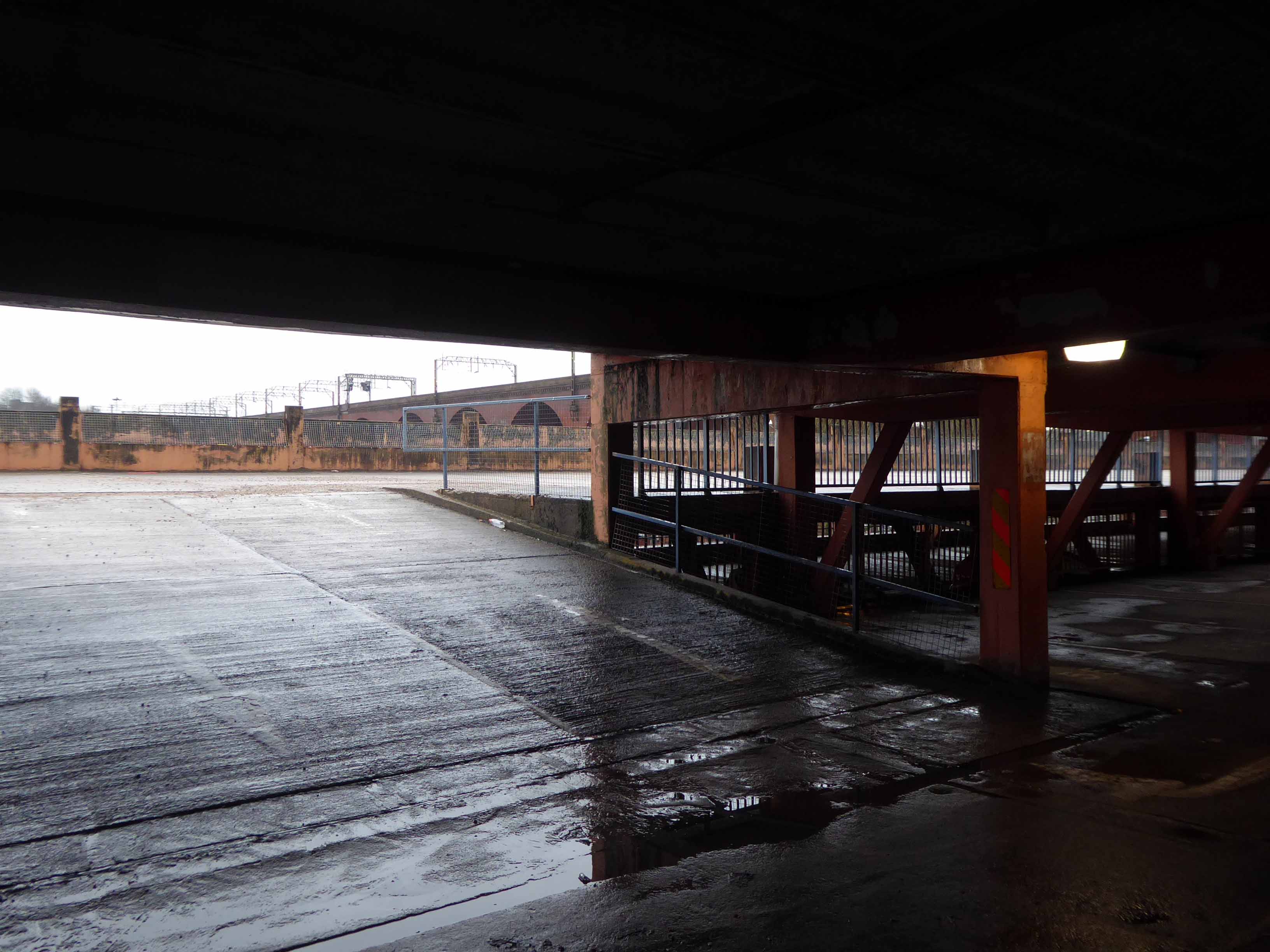
Is a far cry from the constrained space of the lower levels.

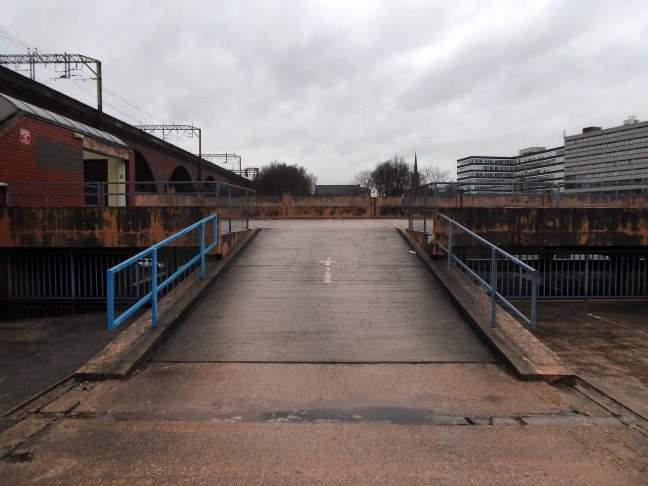
To walk the ramps with a degree of trepidation, visceral and fun.

This is an inversion of the car-centric culture, walking the concrete kingdom with a carbon-free footprint.

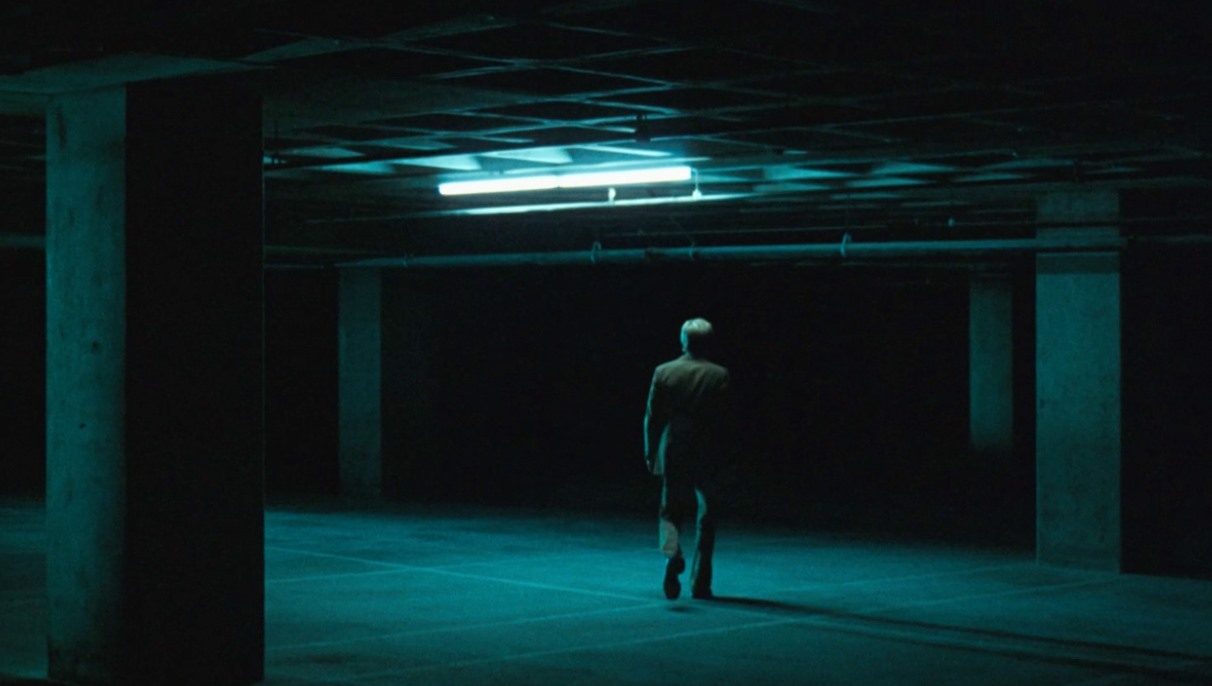
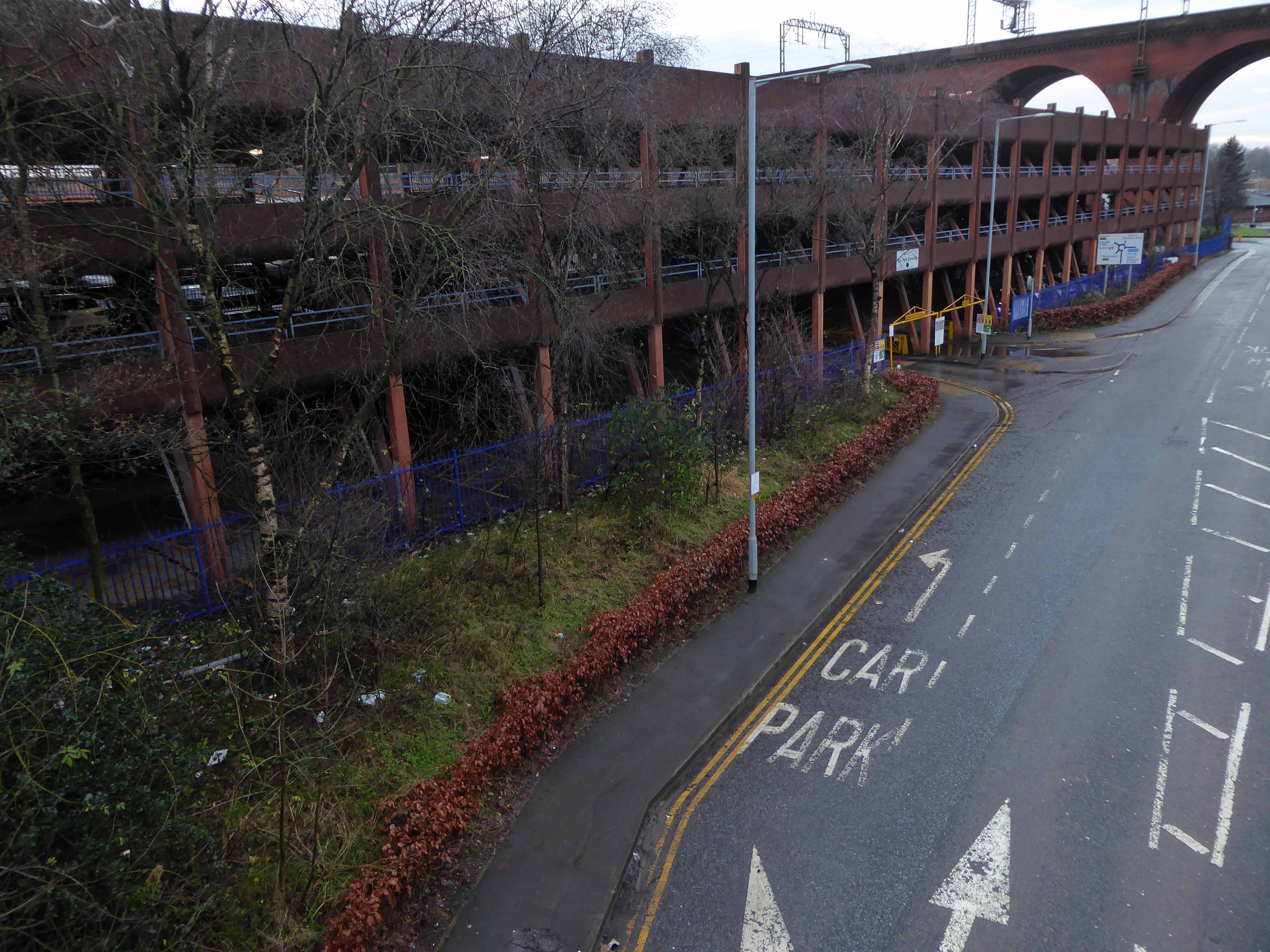
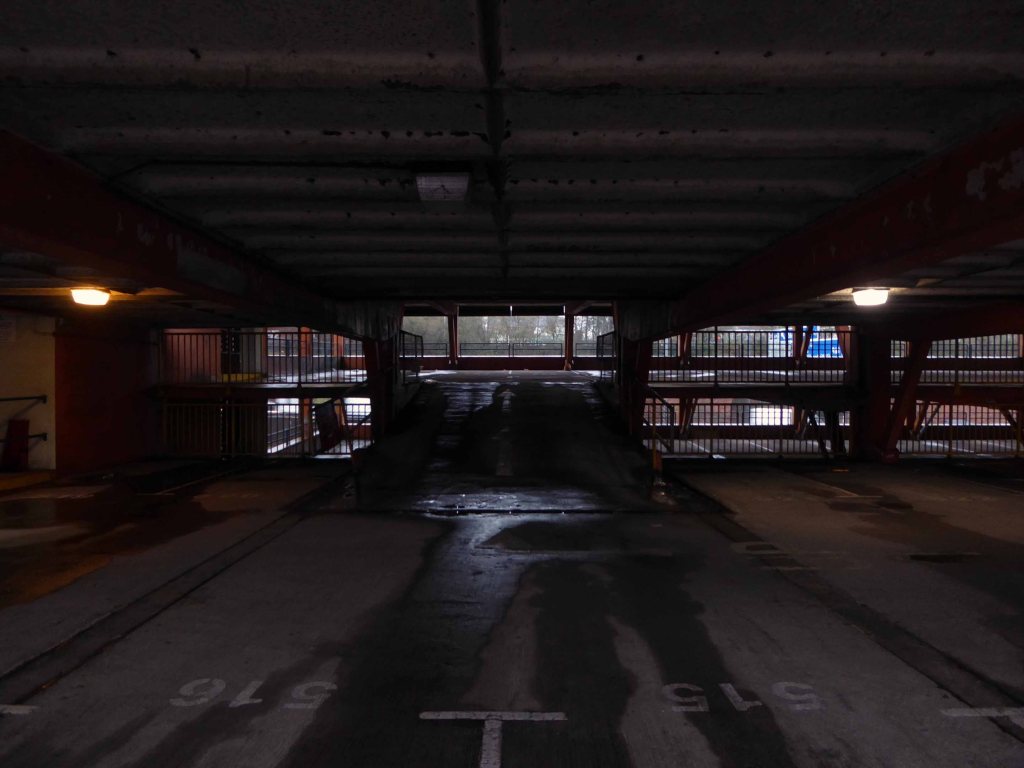
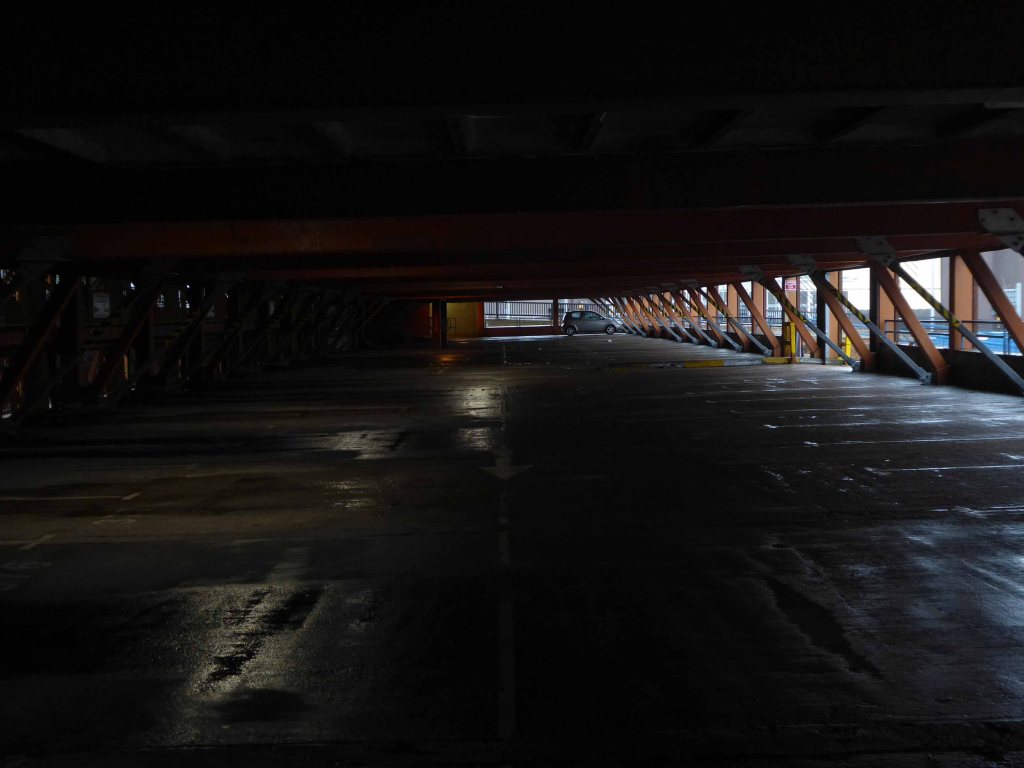
I was inspired by a recent viewing of All The Presidents Men to revisit my local multi-storey on Heaton Lane Stockport.

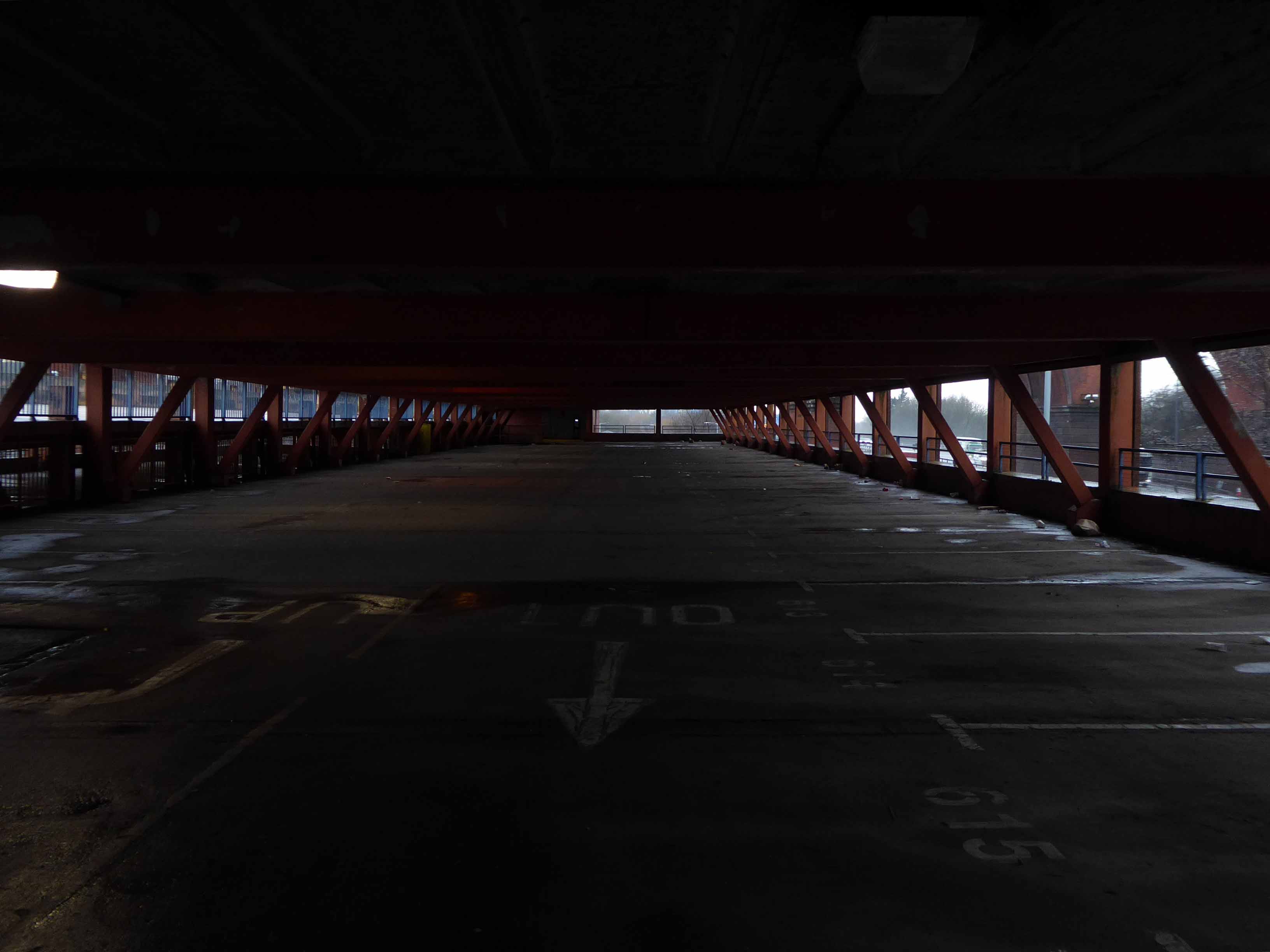
Cinematographer Gordon Hugh Willis Jr constructs a shadow world where informer and informed meet to exchange deep secrets, ever watchful, moving in and out of artificial light, tense and alert.

Look over your shoulder- there’s nobody there, and they’re watching you.

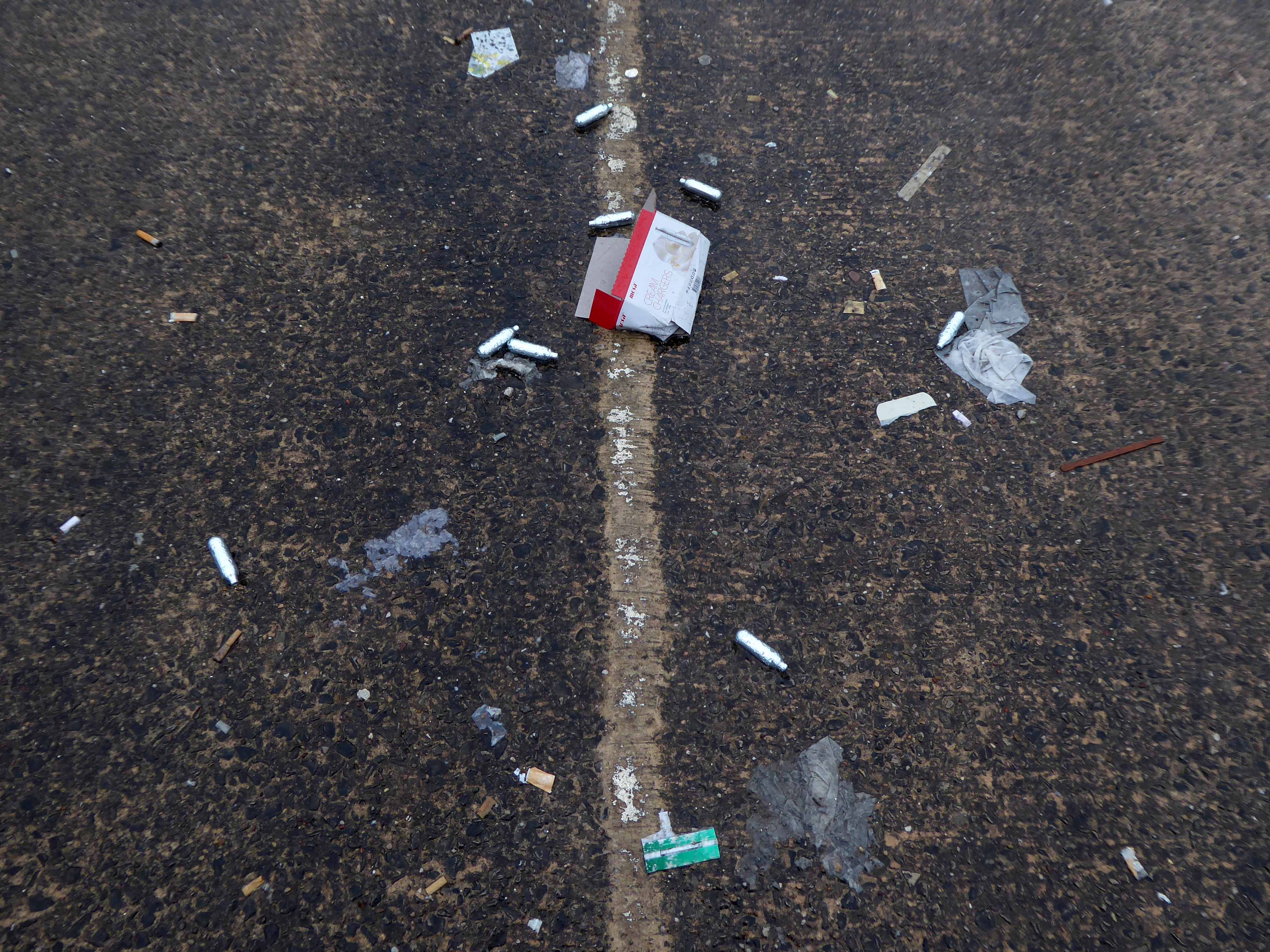
But they have been here.

To party.

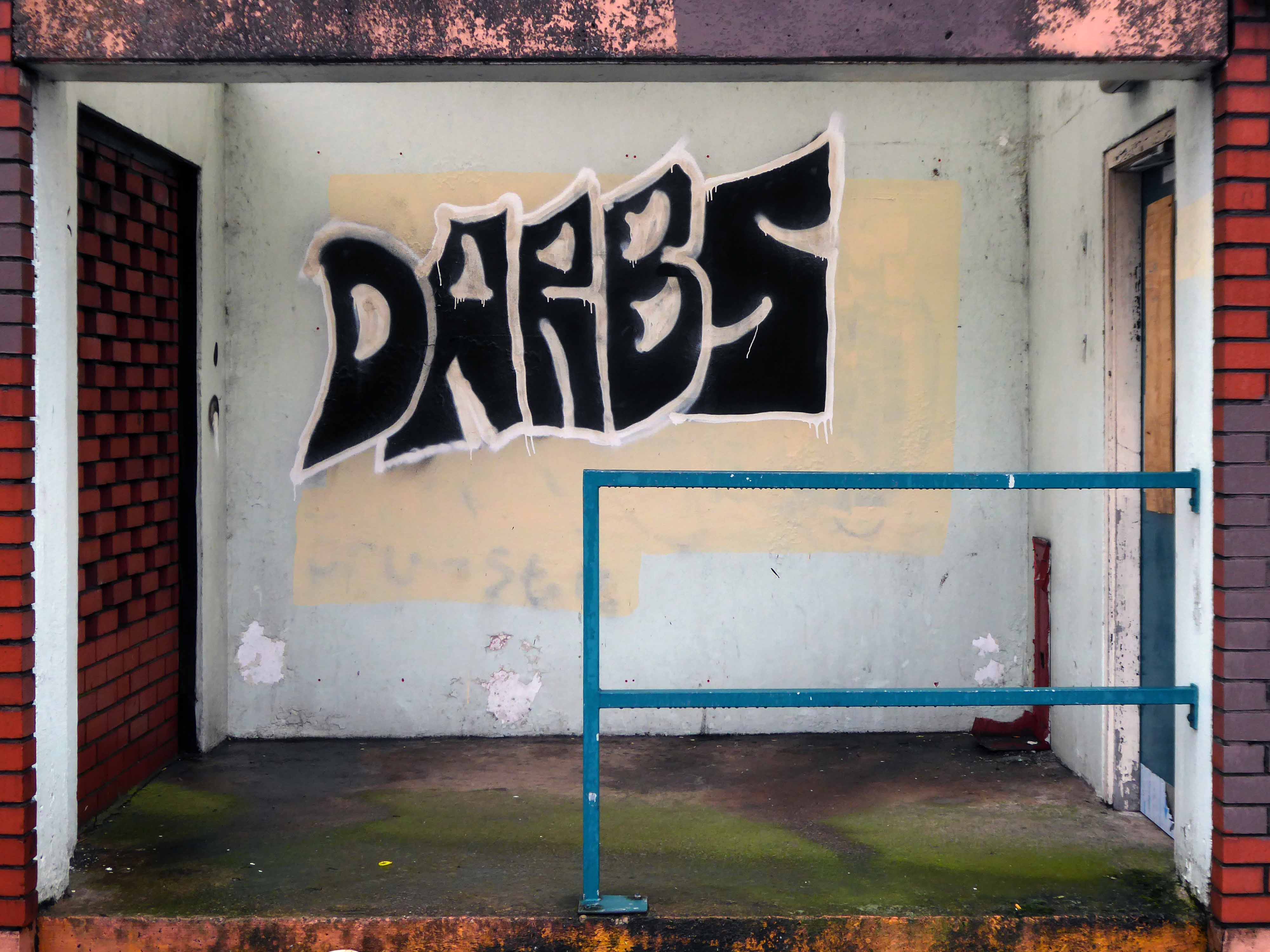
To tag.

To live.

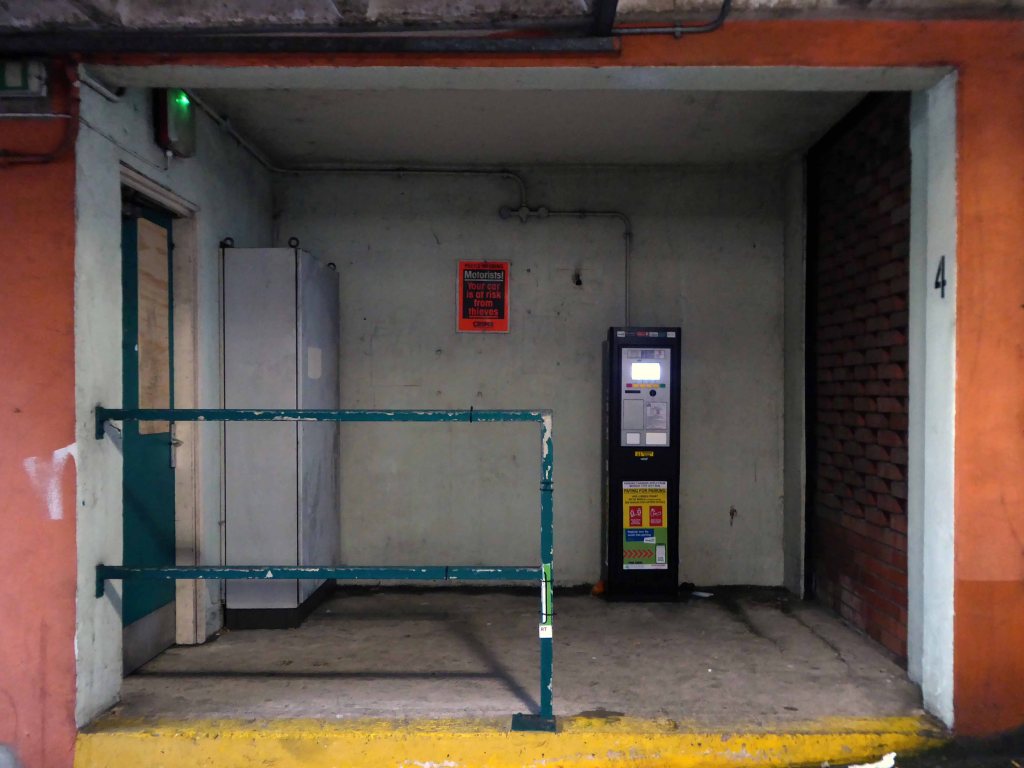
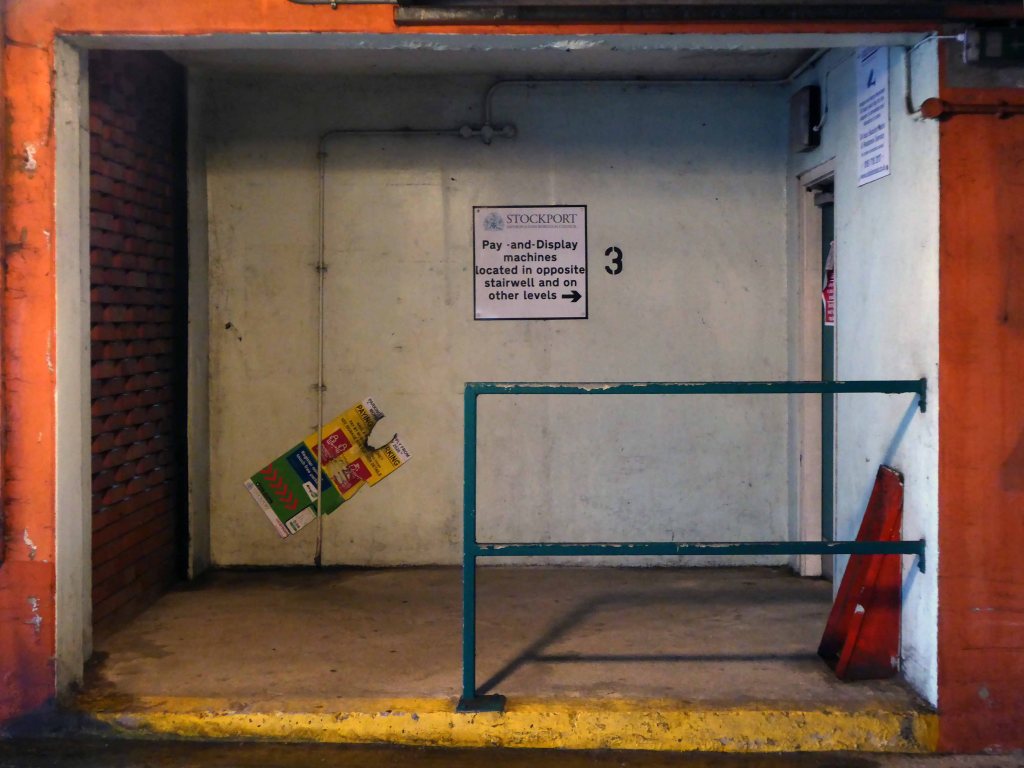
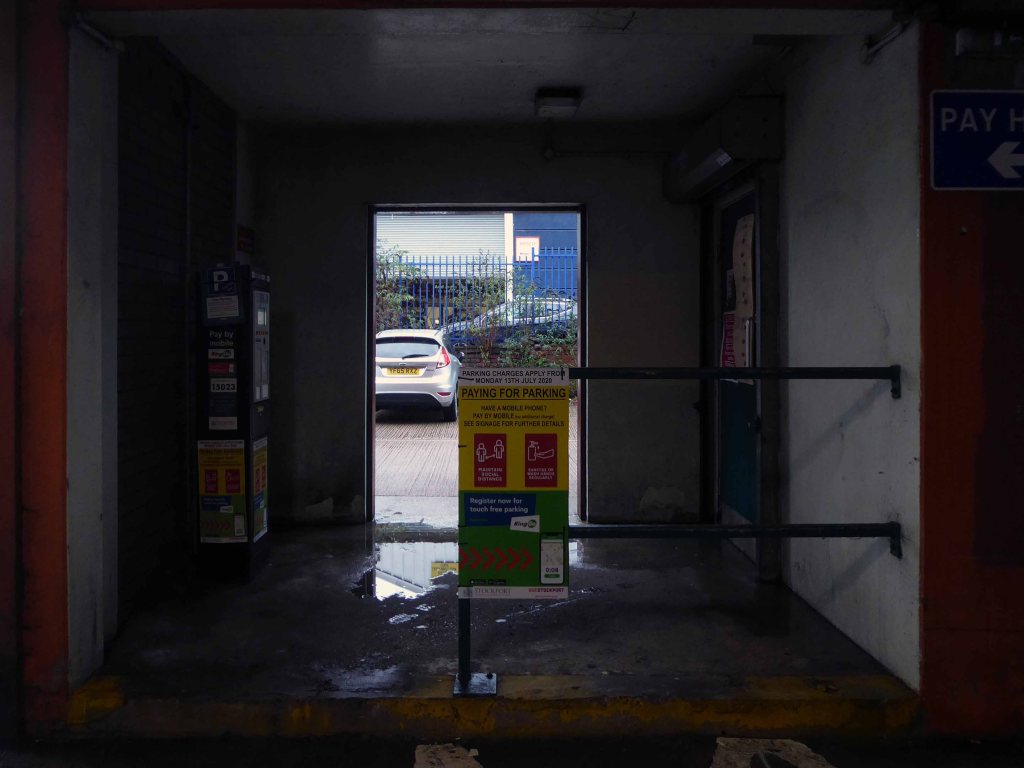
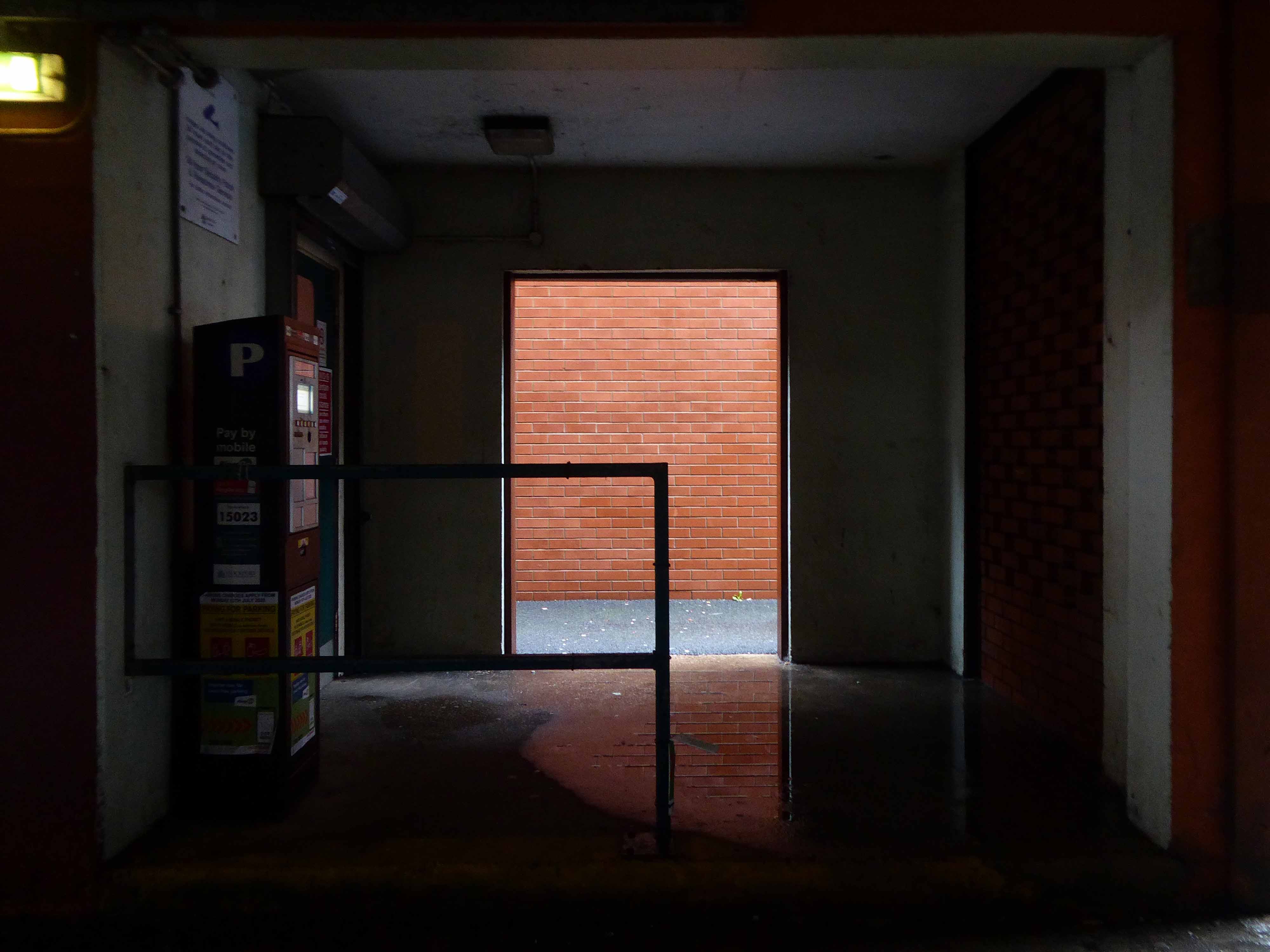
Pay here, your time is time limited, your presence measured.

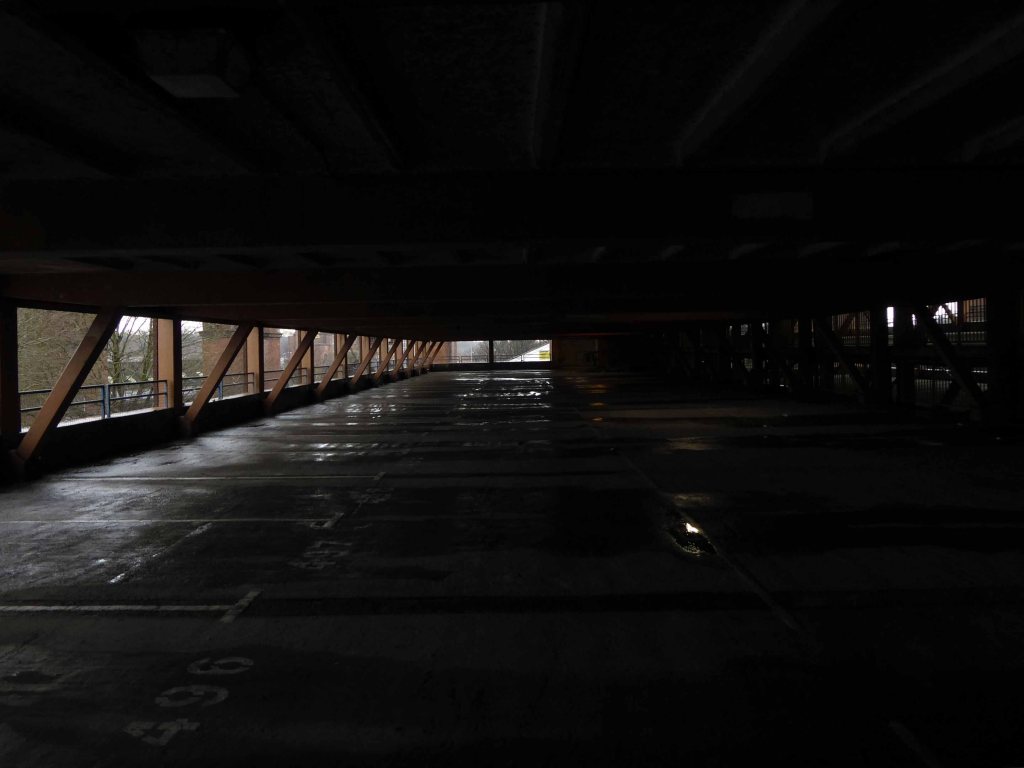
Let’s explore this demimonde together, wet underfoot, lit laterally by limited daylight, walking through the interspersed pools of glacial artificial glow.

Time’s up, check out and move on – tomorrow is another day, another car park; in a different town.

Cinema and car parks wedded forever in the collective popular cultural unconscious.

Telephone Exchange – Stockport

Typically, as with timid police officers, telephone exchanges seem to travel in pairs.

An inter-war brick building, of a utilitarian brick Classicism, restrained in nature, along with a post-war concrete construction.
These are pragmatic architectural forms, constrained within a typology, and responding to the nature of the technology contained within.

Here is the building of 1934 – BT Archives

In 1961 – when Exchange Street was but a rough track, the area was also known as Blueshop Yard.

Stockport Image Archive

The concrete cousin constructed in 1971.

So here we are in 2021 taking a close look at these BT beauties, without further ado.

Bonny Street Police Station – Blackpool

We are here are again – you Bonny Street bobbies, it seems, are not.

Departed for pastures new – to Marton near to the big Tesco. 

As well as a front counter, the new headquarters provides a base for some of the local policing and immediate response teams, an investigations hub and 42 custody cells.

Live Blackpool

On my previous visit I was in fact apprehended by a uniformed officer, perturbed by my super-snappy happy behaviour. Following a protracted discussion, I convinced the eager young boy in blue, that my intentions were entirely honourable.

Having visited the Morecambe site un-accosted.

And witnessed Bury’s demise.

I’m something of a Roger Booth aficionado, largely still at large.

Whilst Richard Brook is something of an expert.

Suffice to say I pay a visit to see my old pal the cop shop, whenever I find myself in town, stop to chat and snap – how are things, what’s happening?

Blackpool Central that’s what!

It seems that you are to become an Alien Diner.

Themed bar and event restaurant concept with roller coaster service, hourly special effects shows and exploration tours.

The £300m Blackpool Central development will bring world-class visitor attractions to a landmark site on the famous Golden Mile. Along with new hotels, restaurants, food market, event square, residential apartments and multi-storey parking.

Chariots of the Gods inspires the masterplan for the long-awaited redevelopment. It’s the global publishing phenomenon, written by Swiss author Erich Von Däniken. Exploring alien encounters and unsolved mysteries of ancient civilisations.

Chariots Of The Gods will be the main theme for Blackpool Central. Including the anchor attraction – the UK’s first flying theatre.

A fully-immersive thrill ride that will create the incredible sensation of human flight.

Time it seems changes everything, stranger than fiction.
The Bonny Street Beast’s days are numbered – your local Brutalist pal is no more, wither Wilko’s?

Your piazza planters are waterlogged.

Your lower portals tinned up.

Your curious sculptural infrastructure sunken garden neglected and forlorn.

Your low lying out-rigger stares blankly yet ominously into space.

Likewise your tinted windows.

Your subterranean car park access aromatic and alienating.

So farewell old pal, who knows what fate awaits you, I only know you must be strong.

Not until we have taken a look into the future shall we be strong and bold enough to investigate our past honestly and impartially. 

How often the pillars of our wisdom have crumbled into dust! 
 

Erich von Däniken

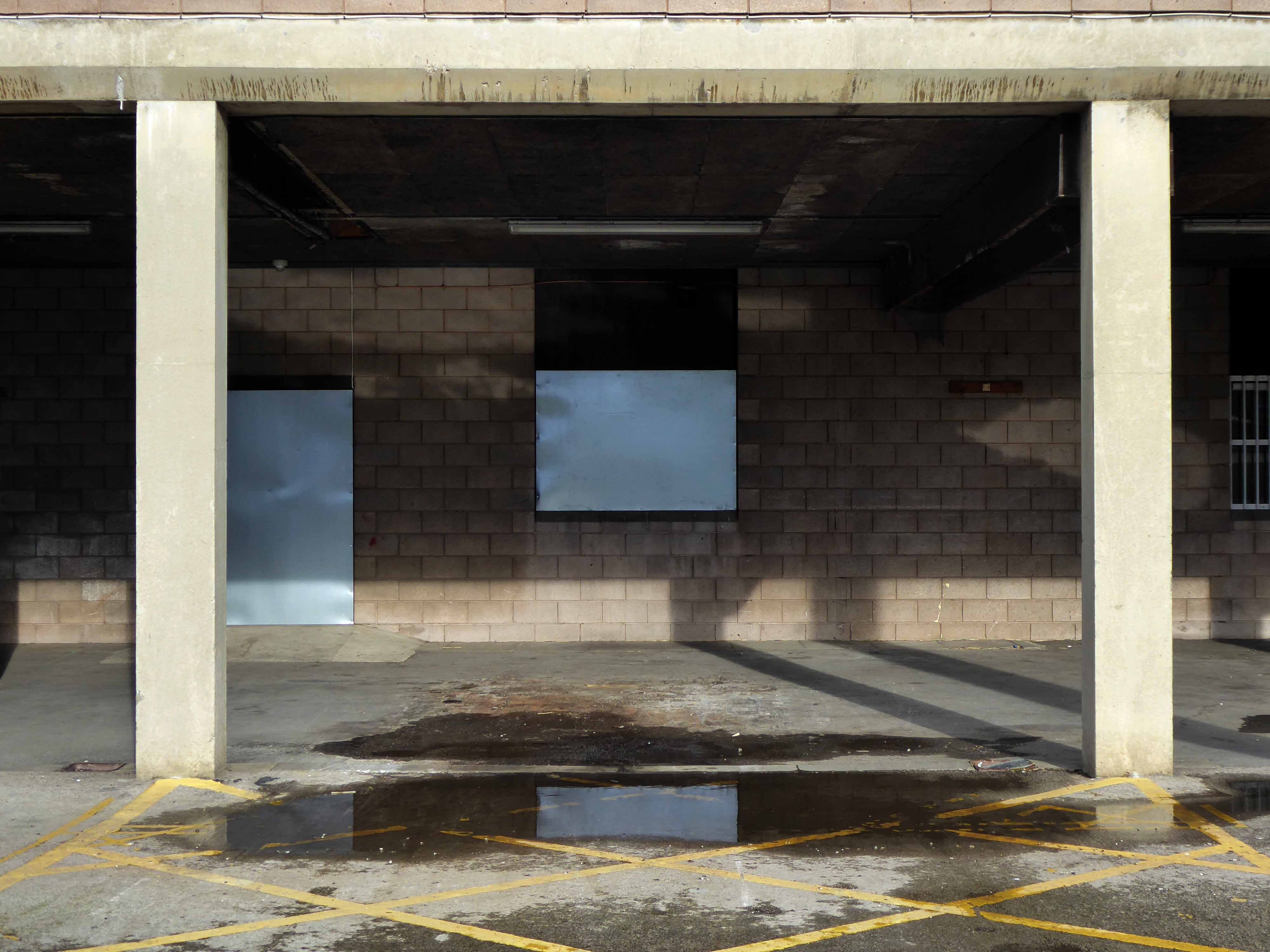
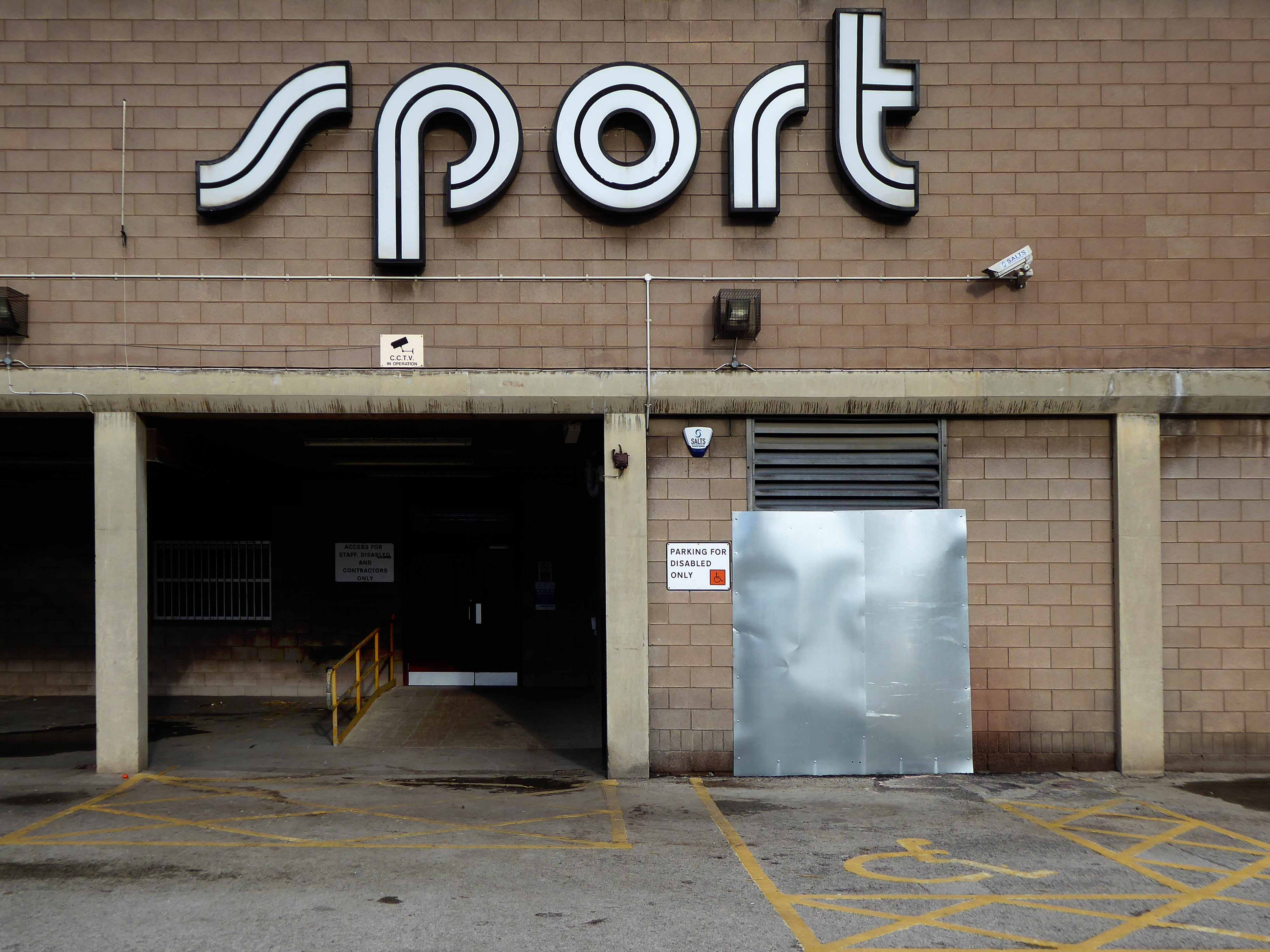
Richard Dunn Sports Centre – Bradford

Rooley Avenue Bradford West Yorkshire BD6 1EZ

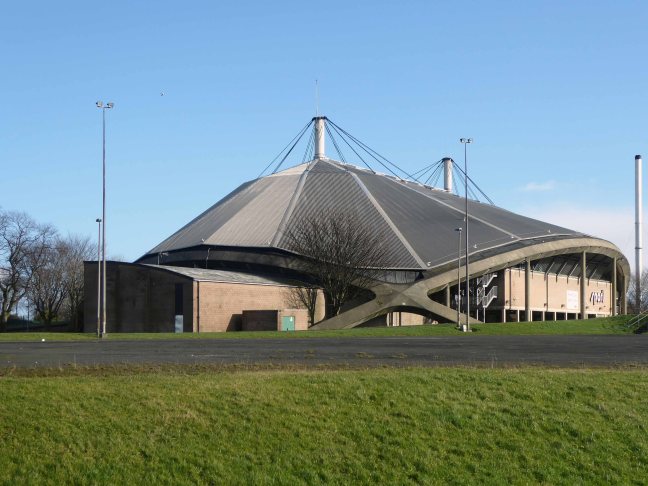
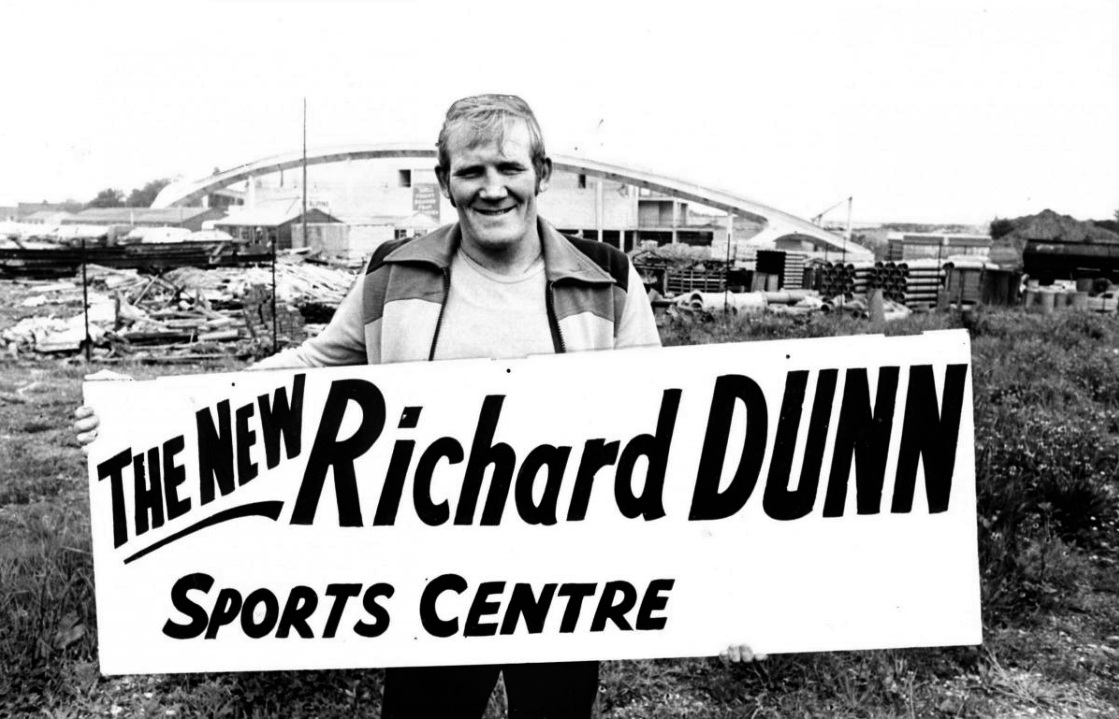
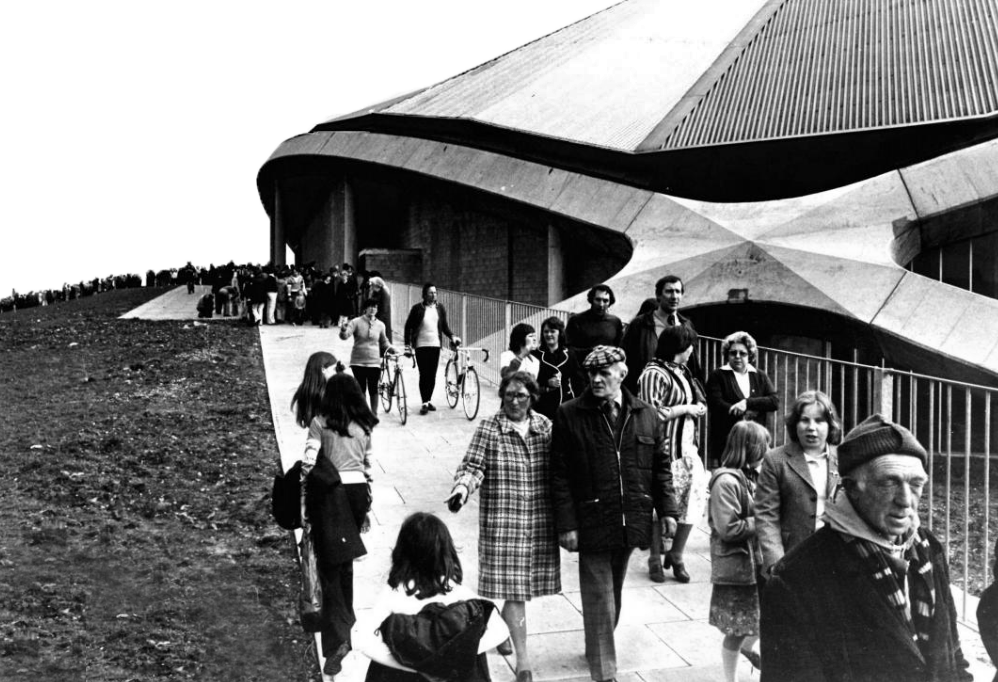
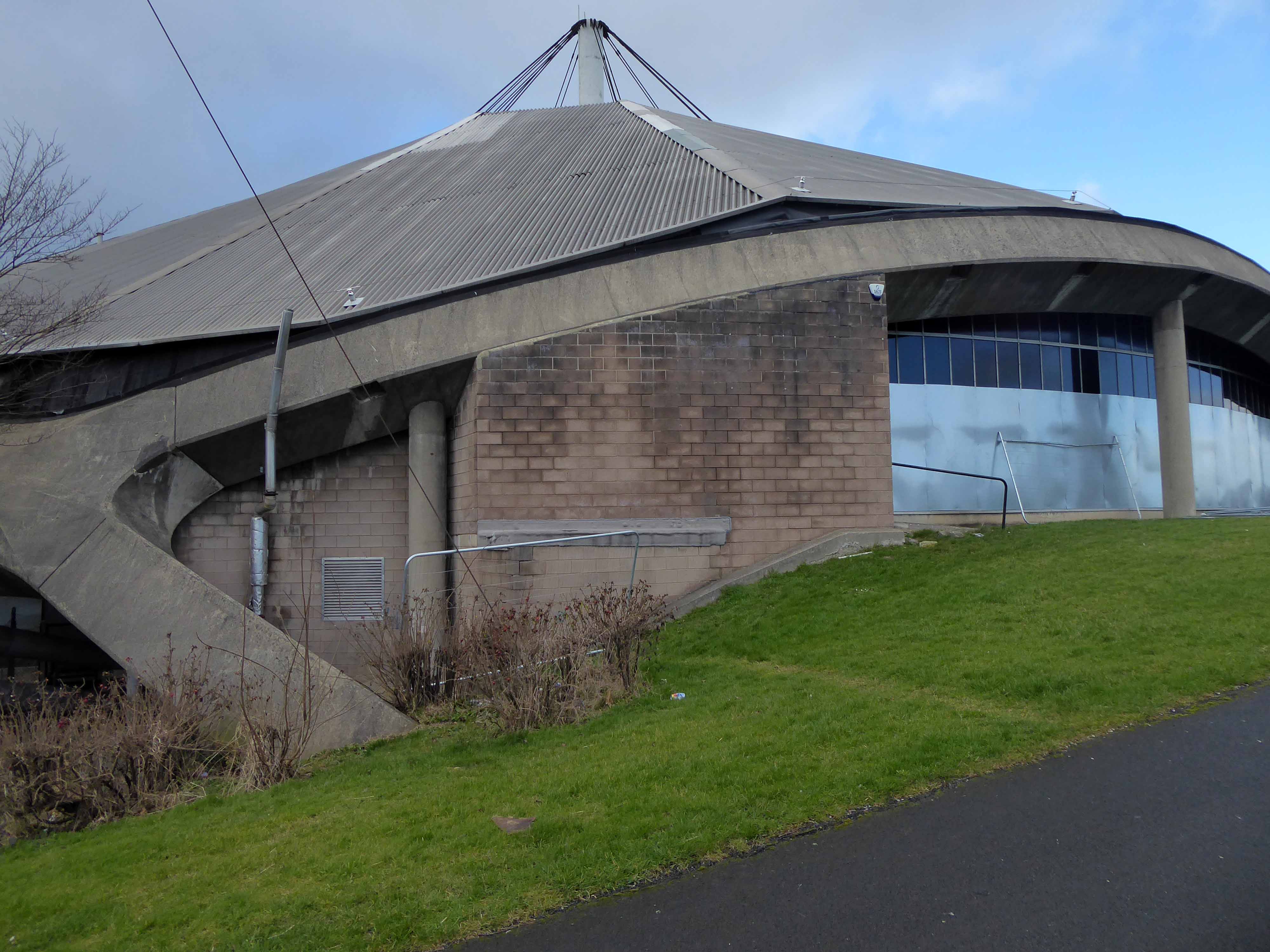
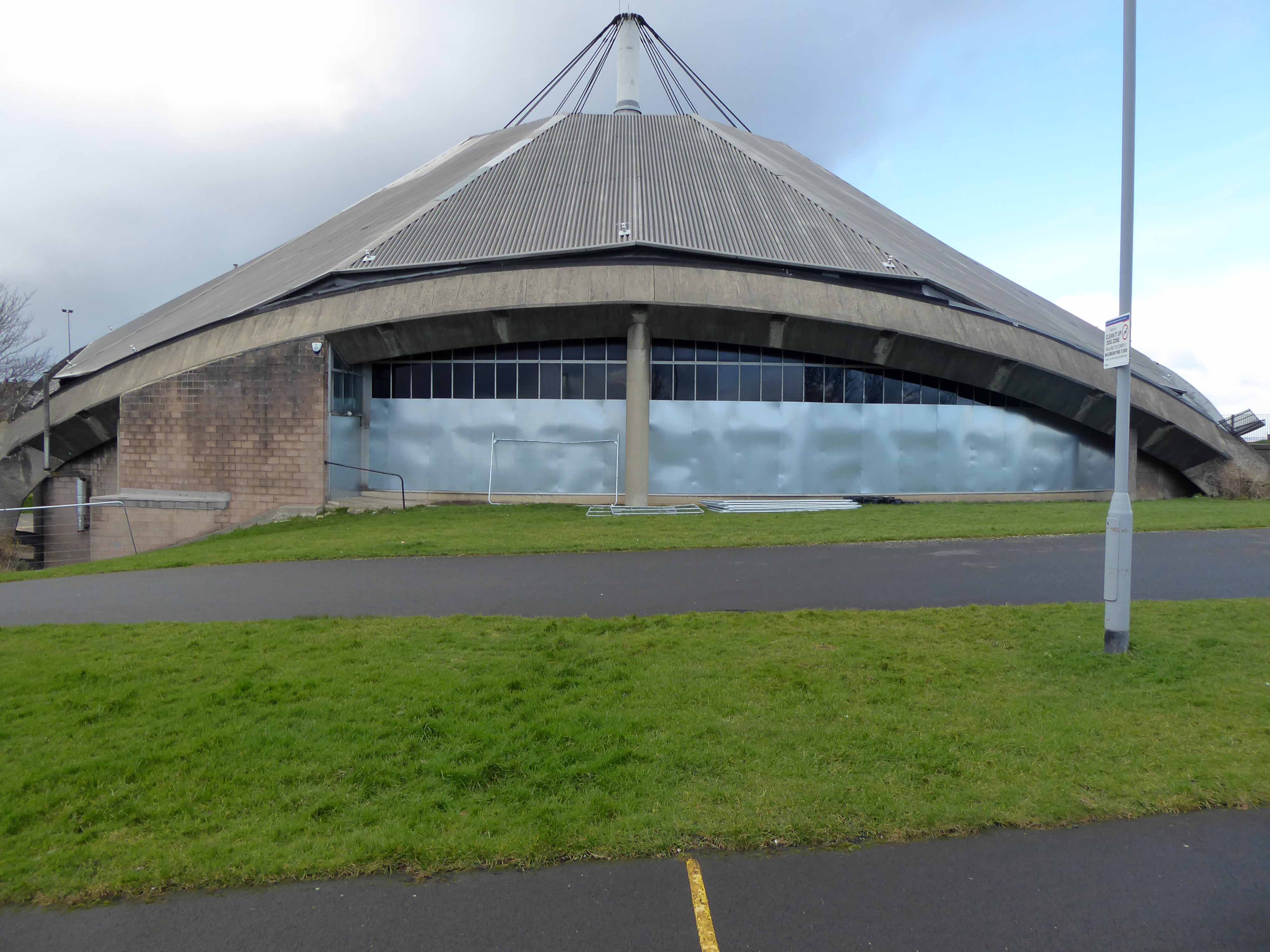
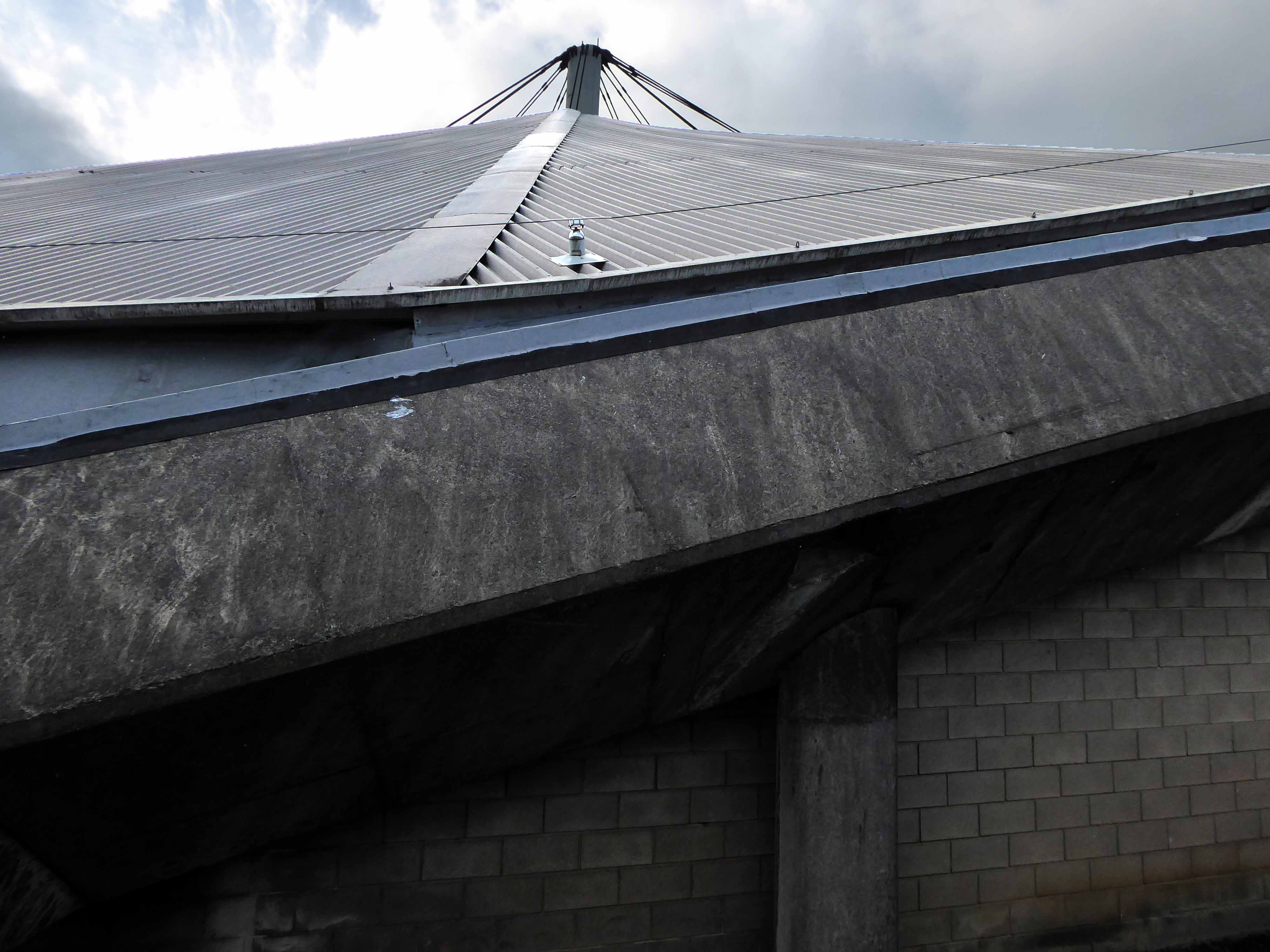
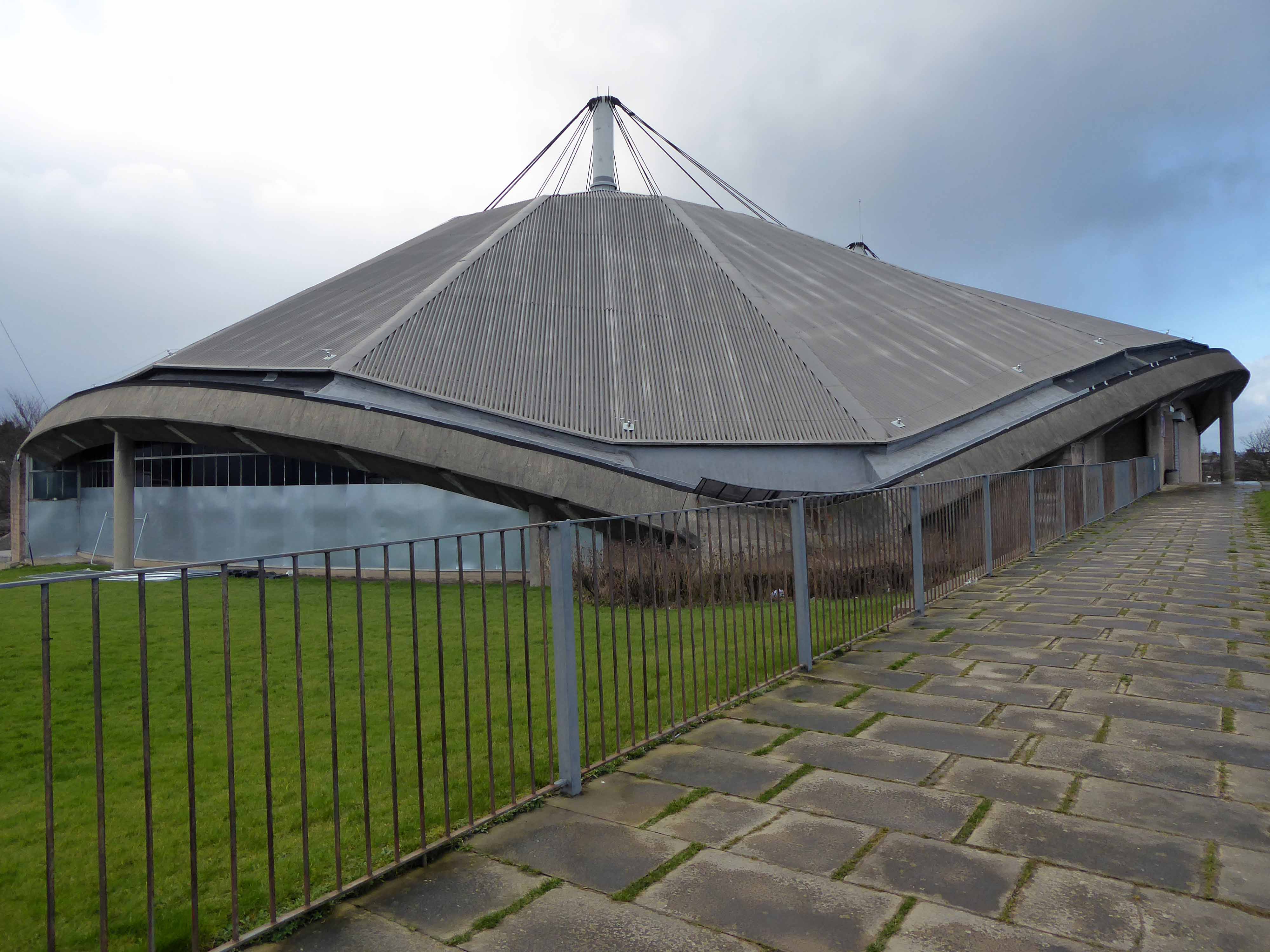
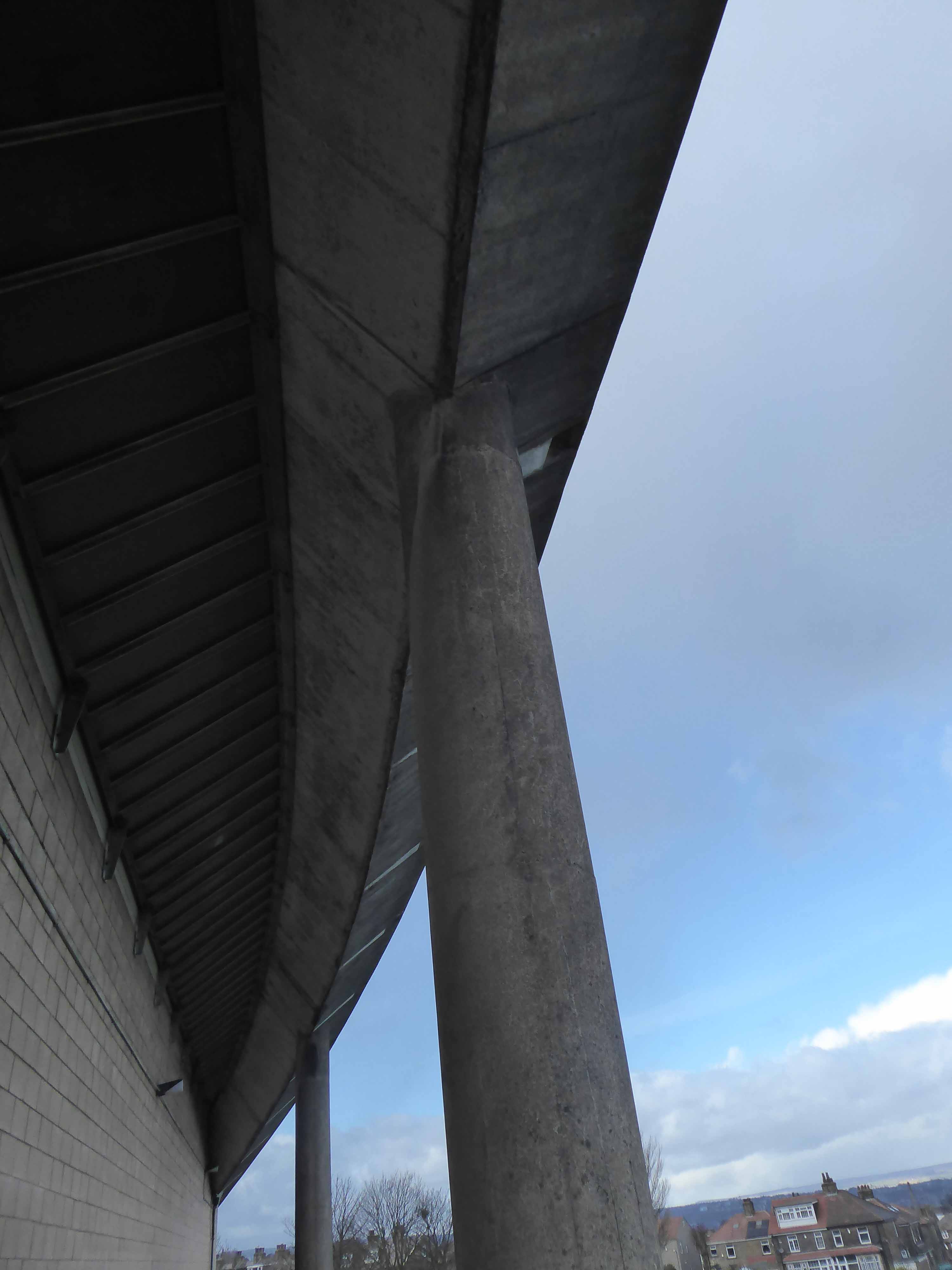
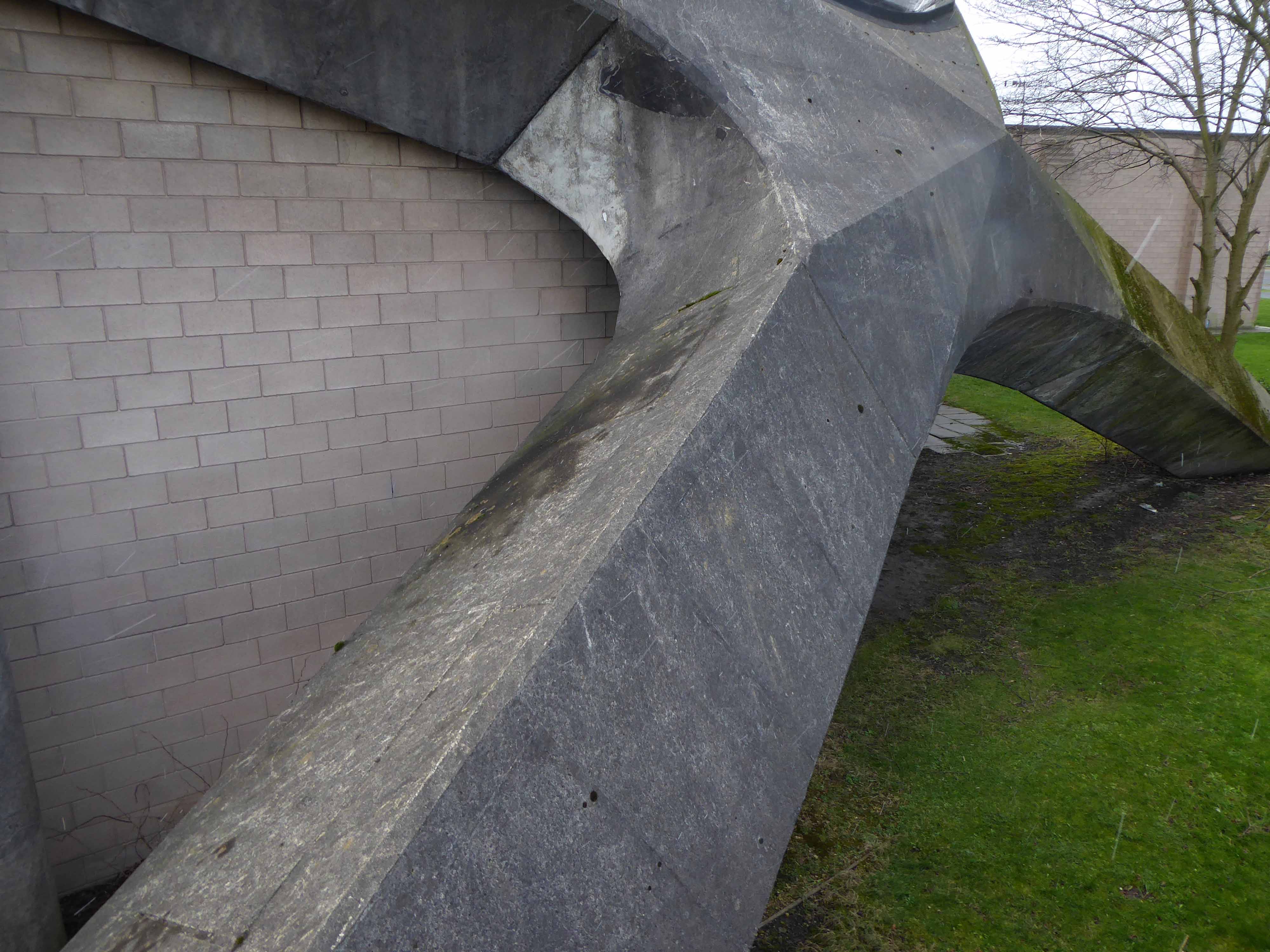
Named for local lad pugilist Richard Dunn, the ambitious imagining of architect Gordon Elliott – the sports centre opened in 1978.

The Richard Dunn Sports Centre, originally Odsal Sports Centre, was designed by myself Trevor Skempton, as part of a team in the office of Owen Perry, Bradford City Architect until 1974.

Gordon Elliot then took over; as Chief Architect for the Met District, after the construction contract had been let.

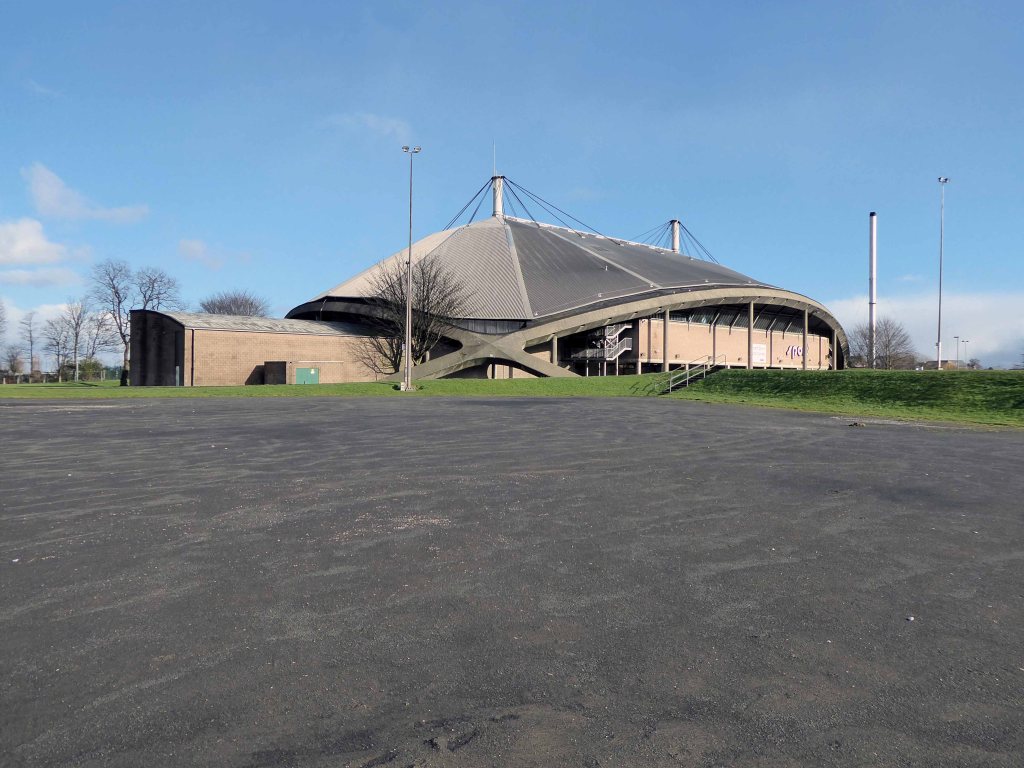
Comprising pools, sports hall, dance studio, sauna, gym and ancillary facilities the centre was certainly state of the art.

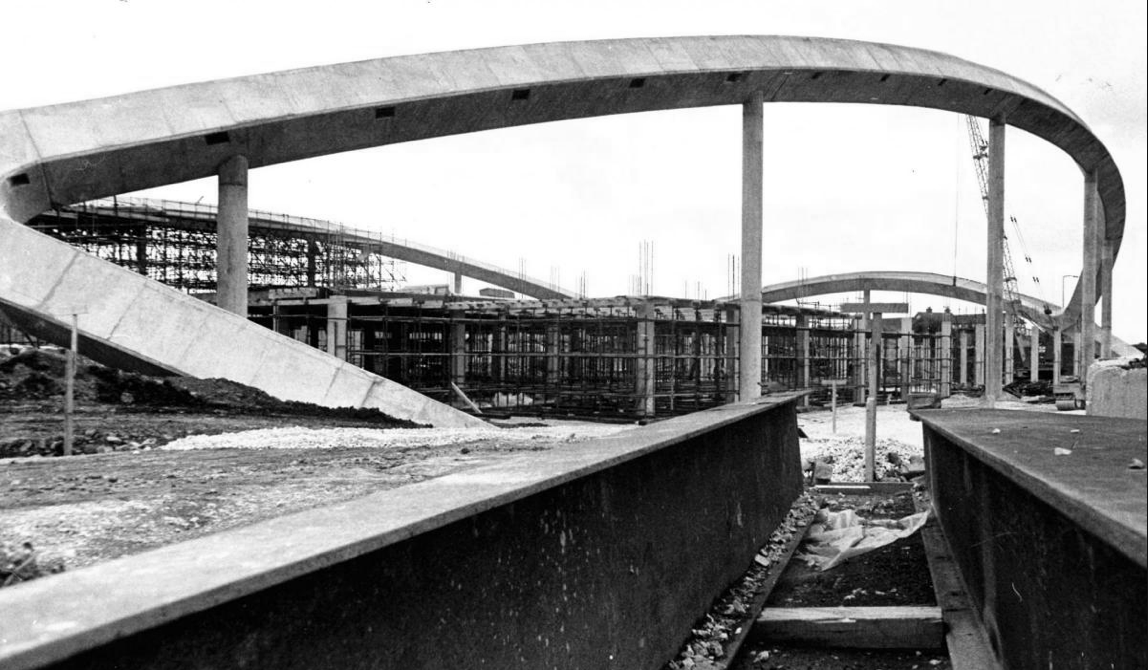
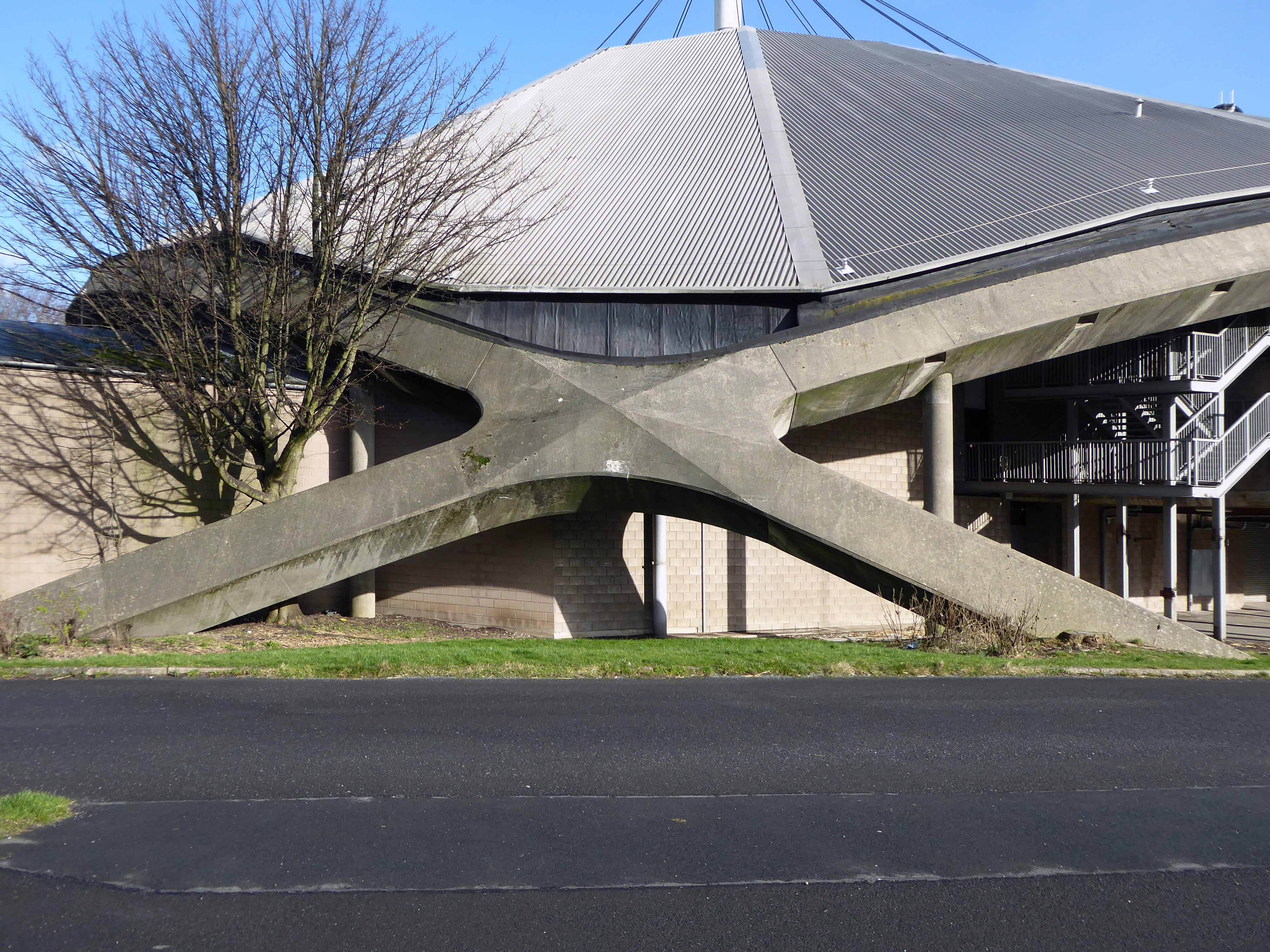
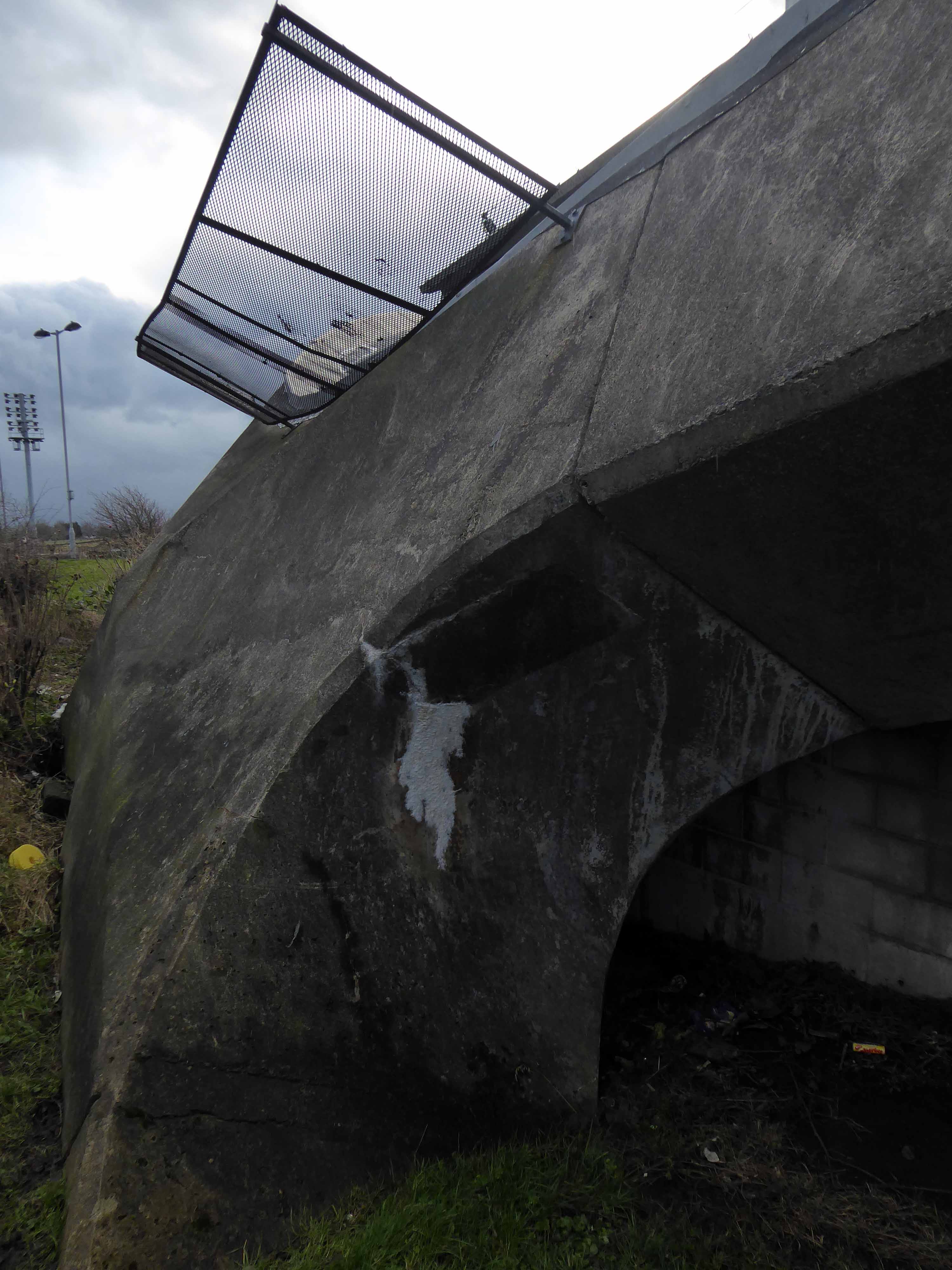
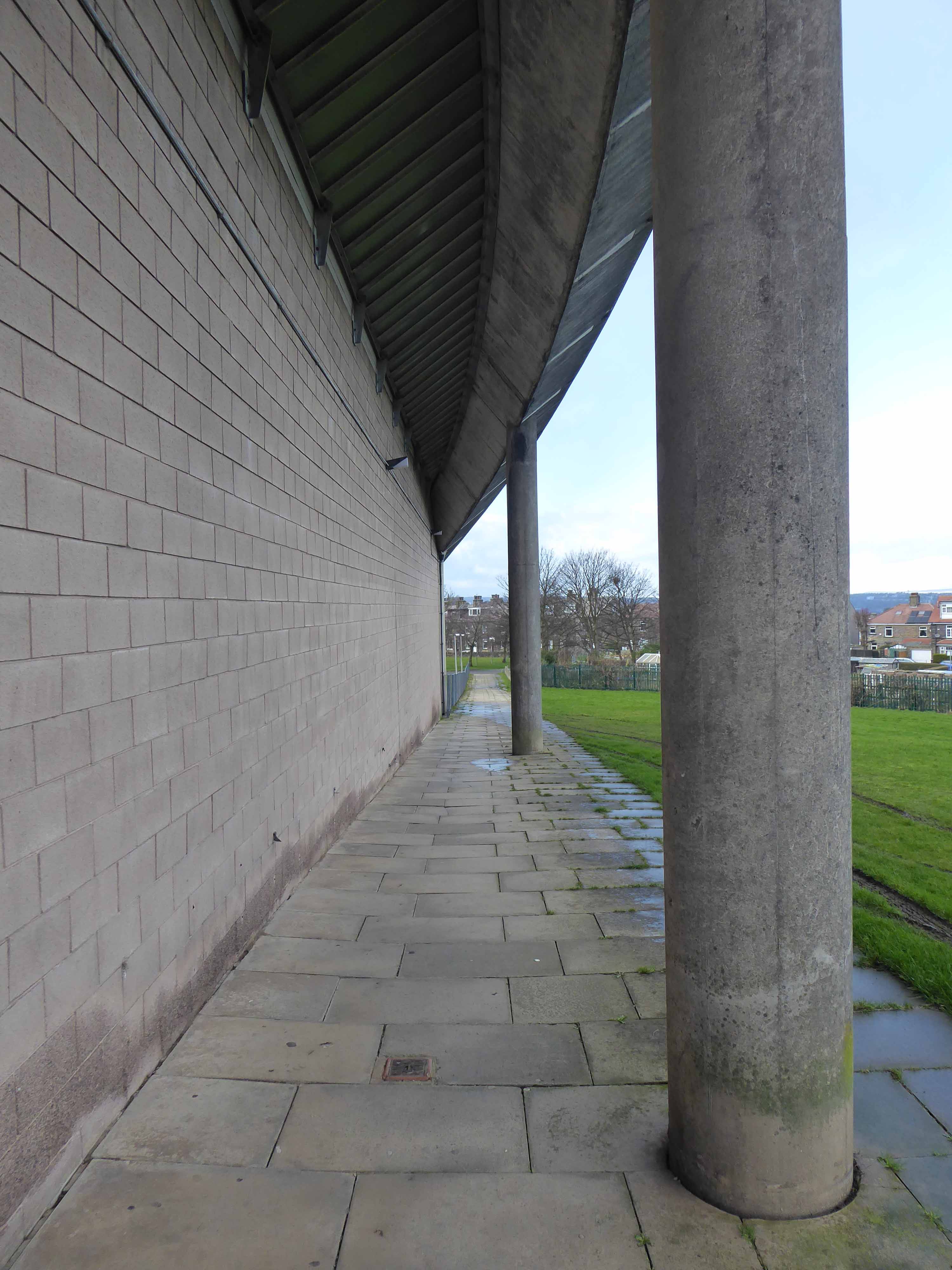
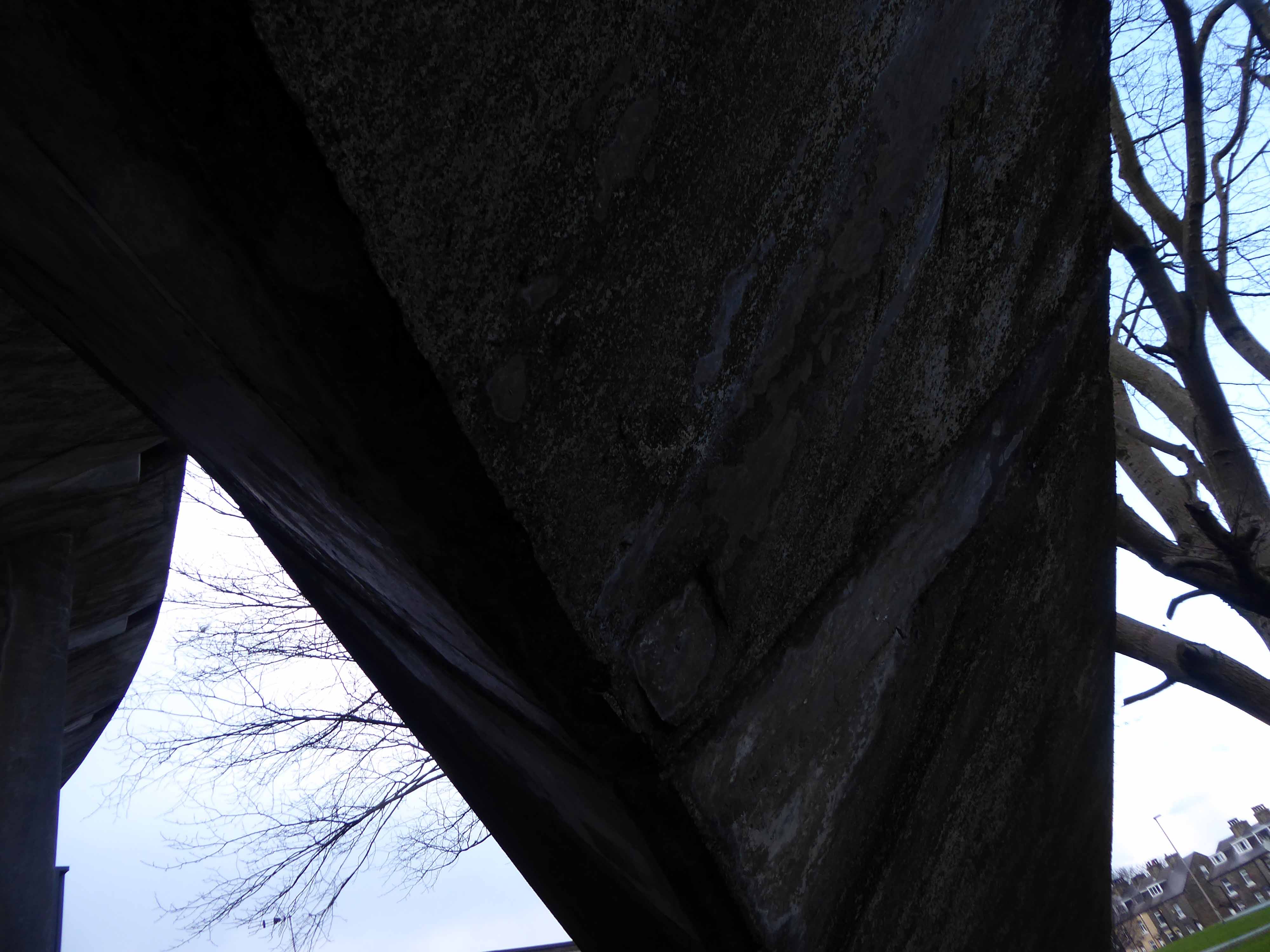
Sweeping interlocking arcs of concrete, were at the heart of the structure.

Topped out with a suspended canopy.

Attracting huge crowds on the occasion of its opening.

Images The Telegraph and Argus.

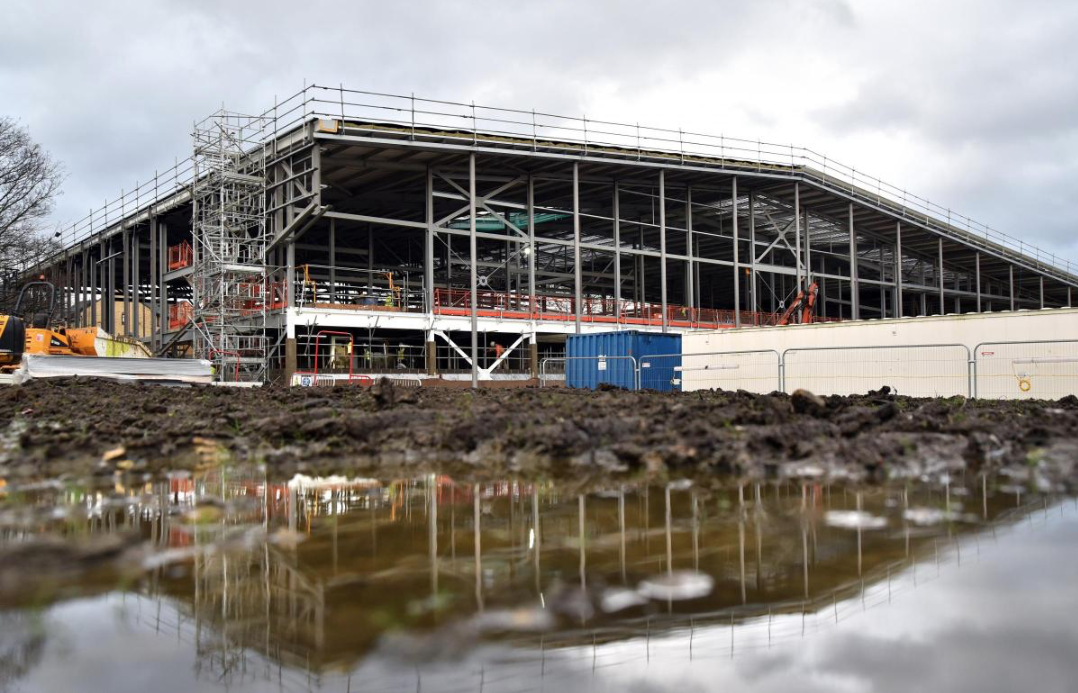
The building was to be demolished in April of this year – it closed in November 2019.

I assume that the state of the art became less state of the art – as running costs grew and newer greener technology became state of the art.

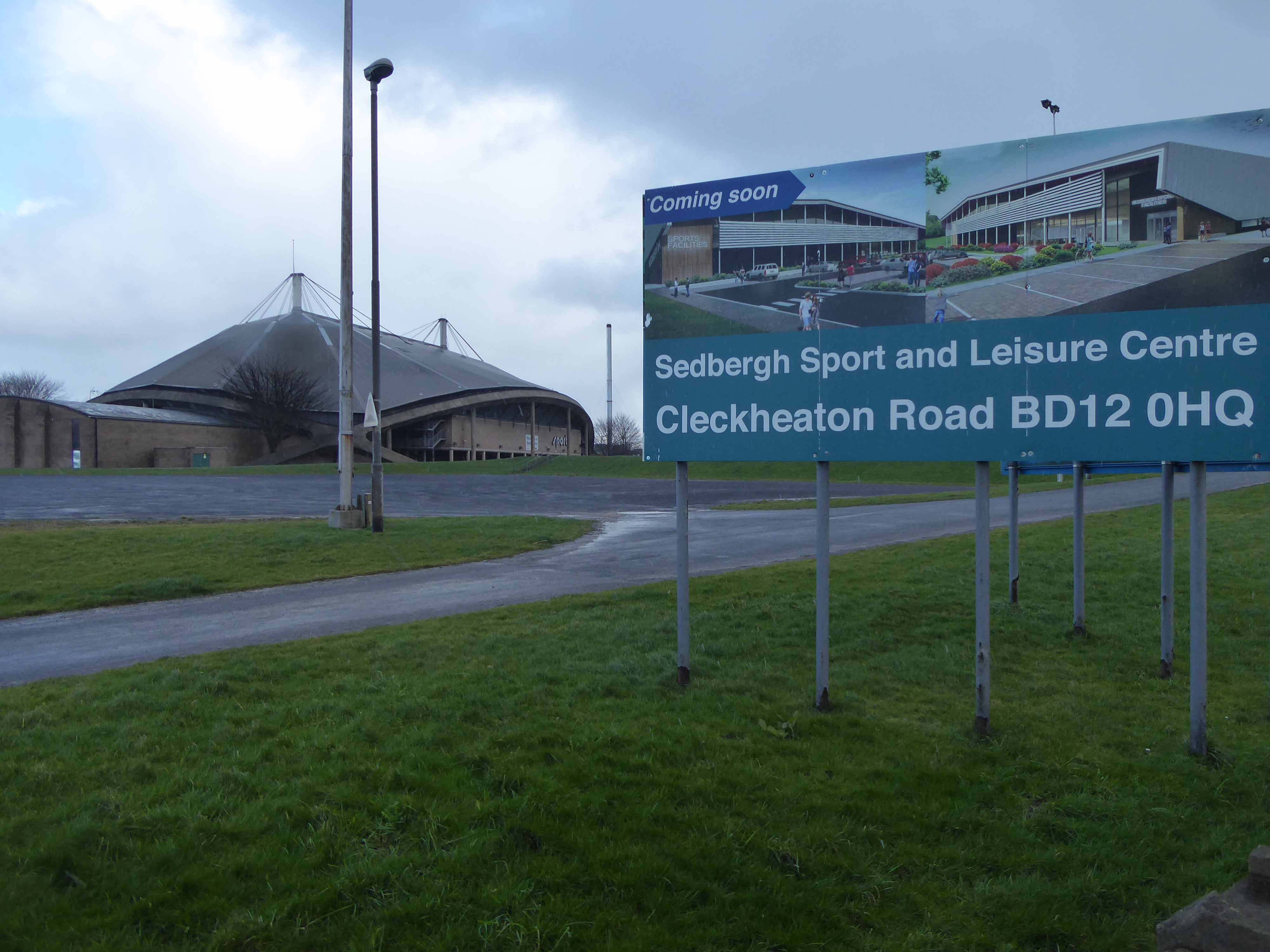
The state of the art Sedbergh Sports and Leisure Centre opened in September 2019.

Initially the Richard Dunn site was to be sold for development, this along with plans for demolition seem to be in abeyance.

Arrangements are being made to turn Bradford’s Richard Dunn Sports Centre into a temporary mortuary should the current Coronavirus crisis escalate.

April 2020

It’s remarkable – here are my photographs from February 2020.

I advise you to get along and take a look, just as soon as humanly possible.

Recently John Mann was granted permission to snap the deserted interior.

The ghostly gasps of the exercising public exorcised forever.

Eileen Ayres, who has worked at Richard Dunns from before it even opened to the public said:

When I came here this place was super, super modern – state of the art. Now we’re moving to Sedbergh it is great to be in a state of the art facility again. The younger staff are so excited about the move to a new, modern sports centre.

I have a lot of memories of here, a lot of staff I’ve met and become friends with over the years. We’ve had a lot of events here, international events that have taken place here over the years. When Richard Dunn was new a lot of people wanted to hold these events here. Now we have a new leisure centre I hope some of these events come back to Bradford.

I started at 23, I said I was just coming for a year. Here we are 41 years later.

When asked if she thinks it is right to be closing down Richard Dunn she said:

In my heart no, but realistically it has to go. It is run down – it would be way too expensive to run or refurbish. You can’t keep putting money into old things.

Telegraph and Argus

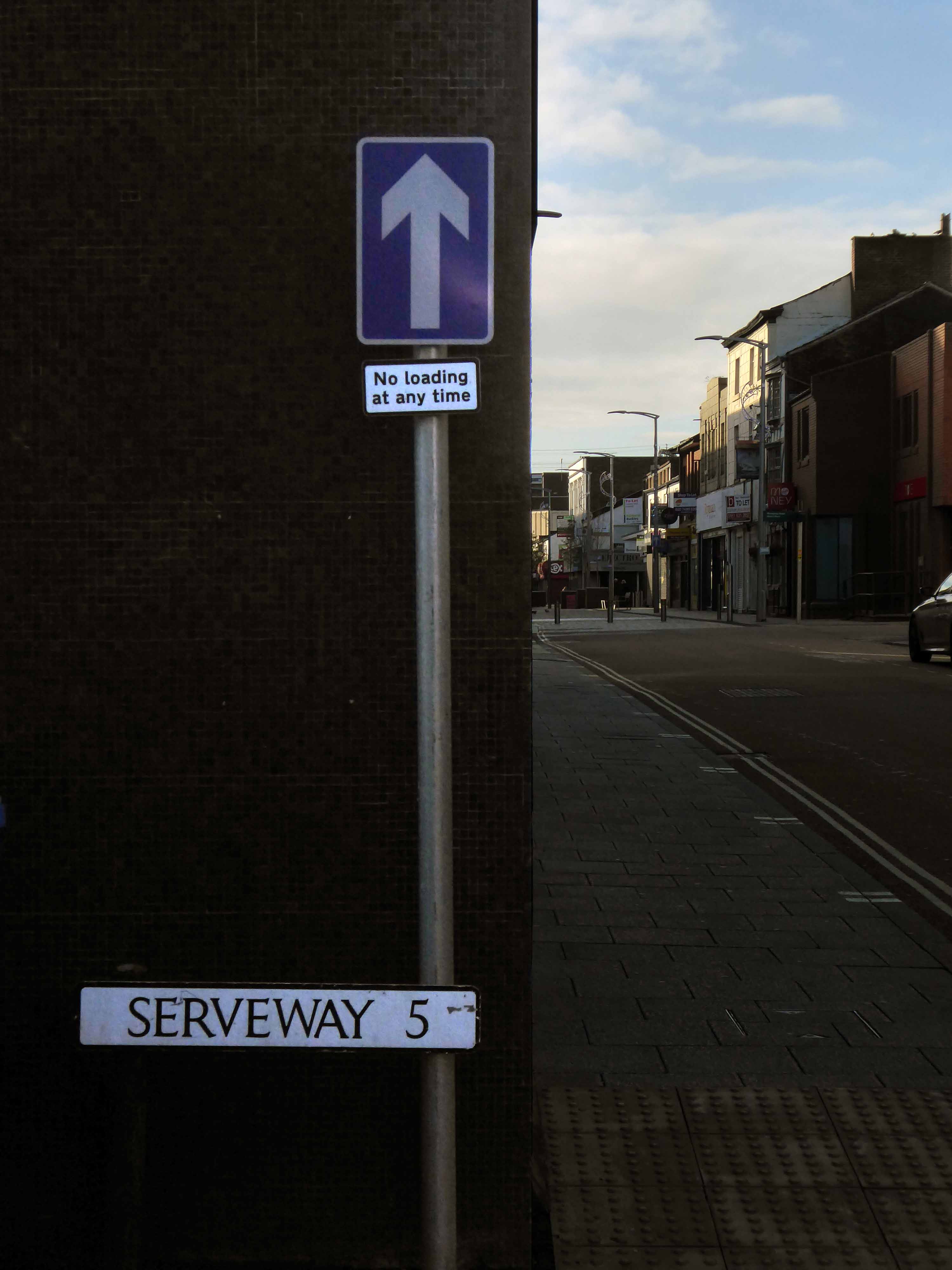
Serveway Five – Merseyway

There comes a time in very life when you finally go where you have never been before – even though you have walked by that very same place almost every day.

That’s how I found myself in Serveway Five.

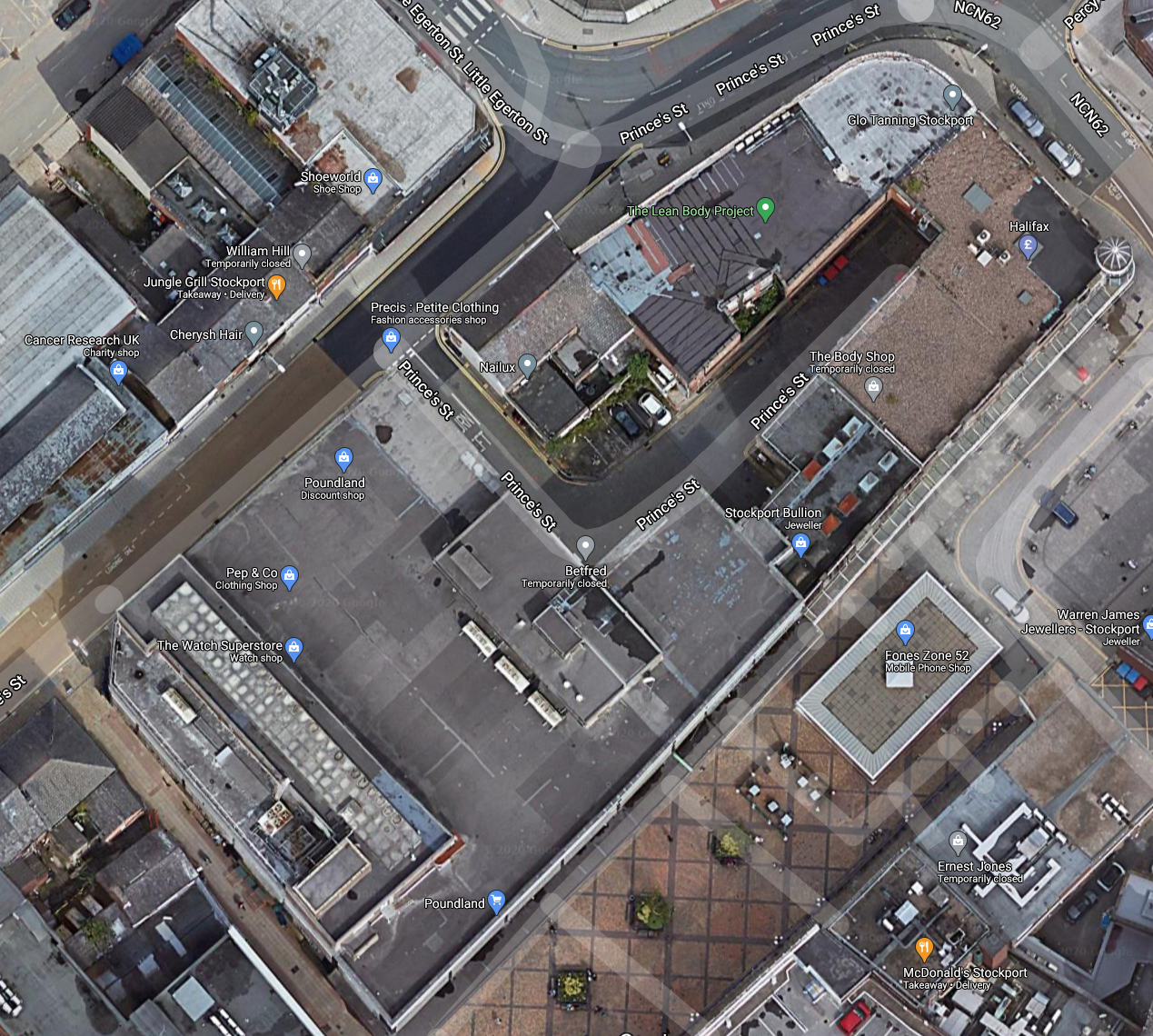
Situated on the north east corner of Merseyway.

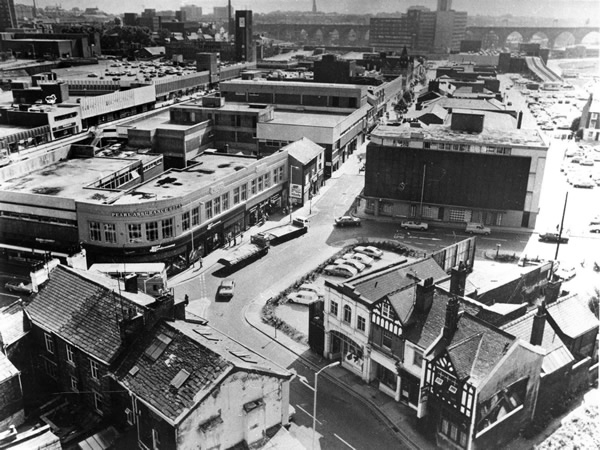
1984 – Stockport Image Archive

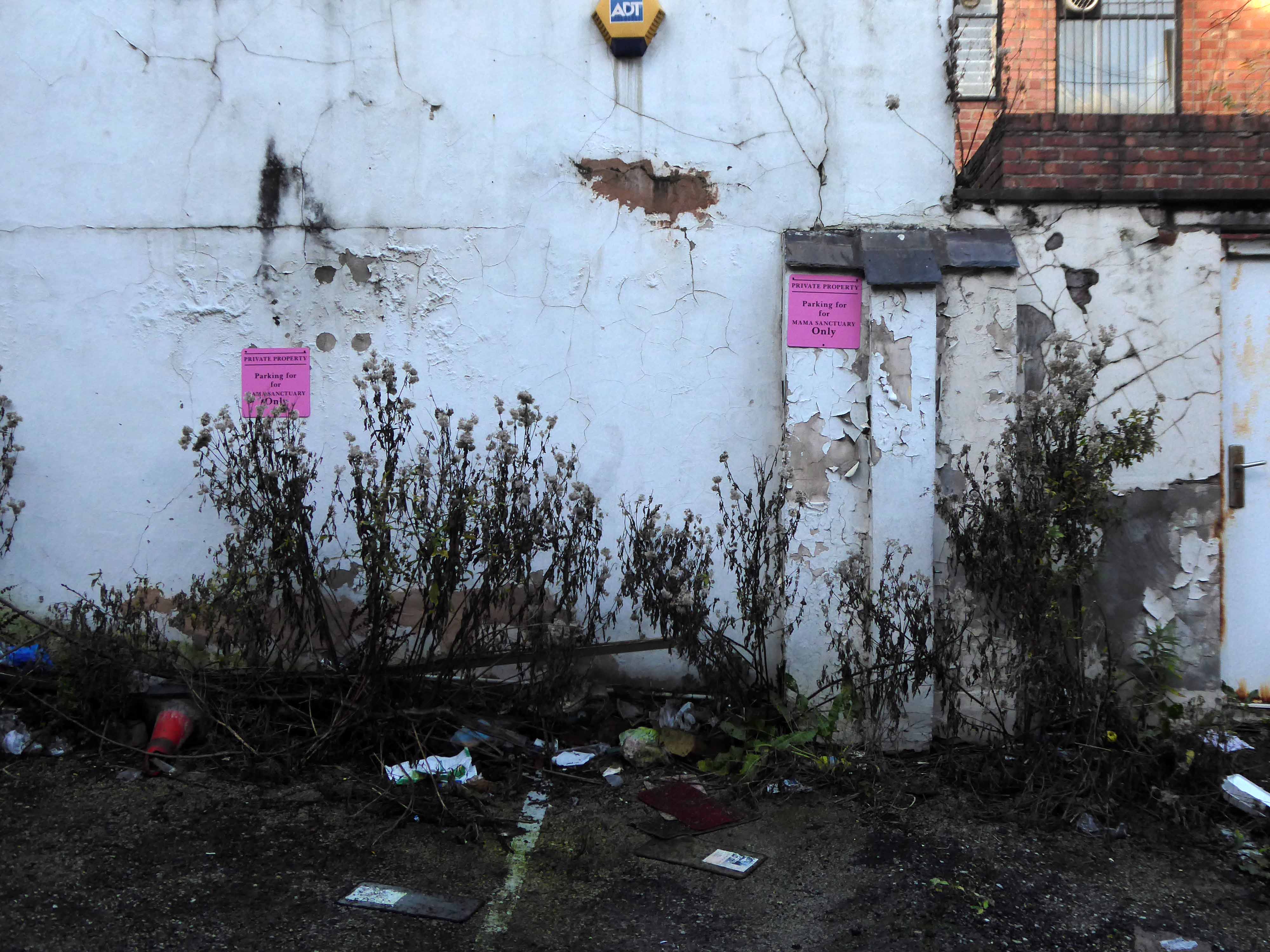
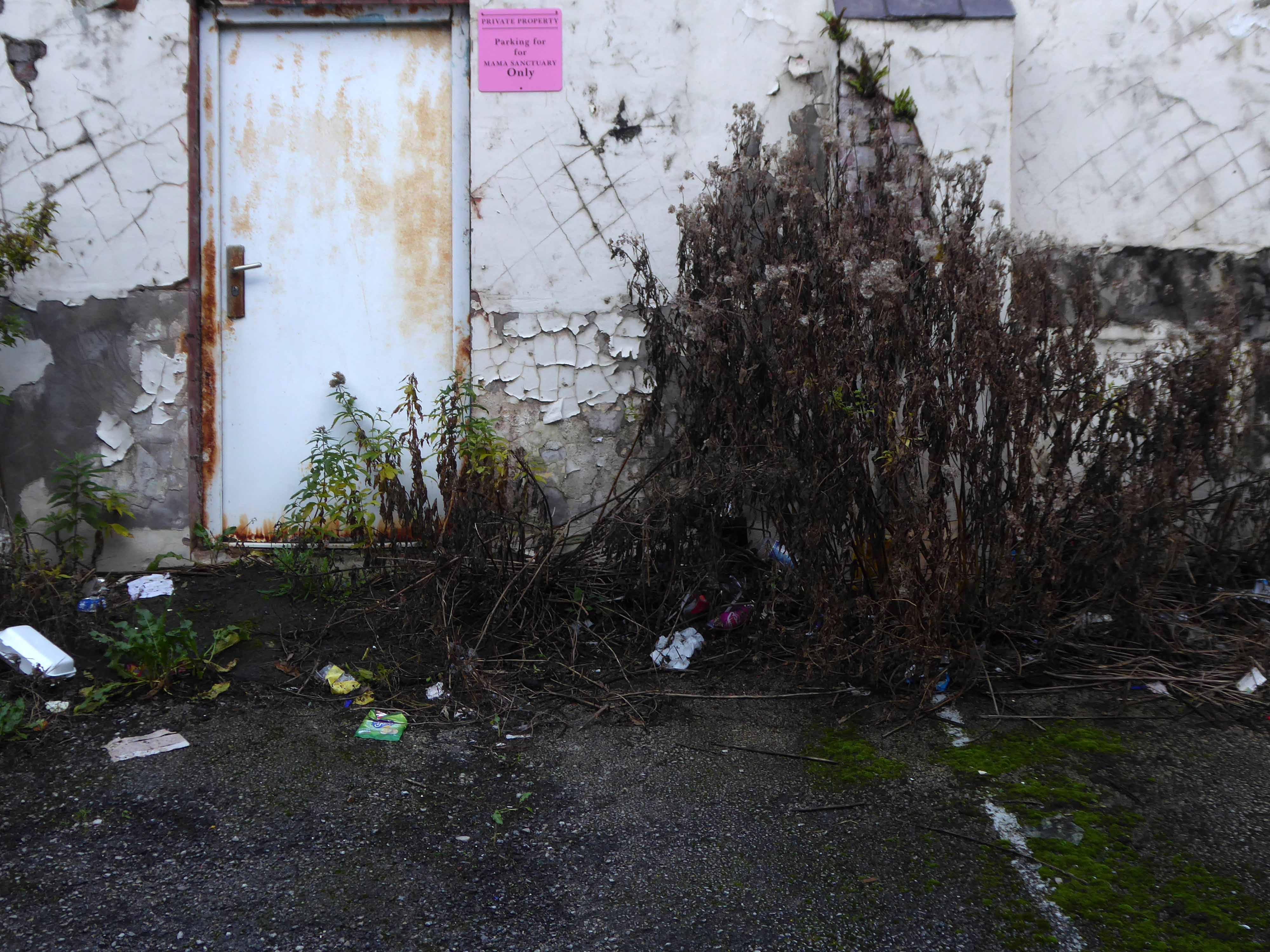
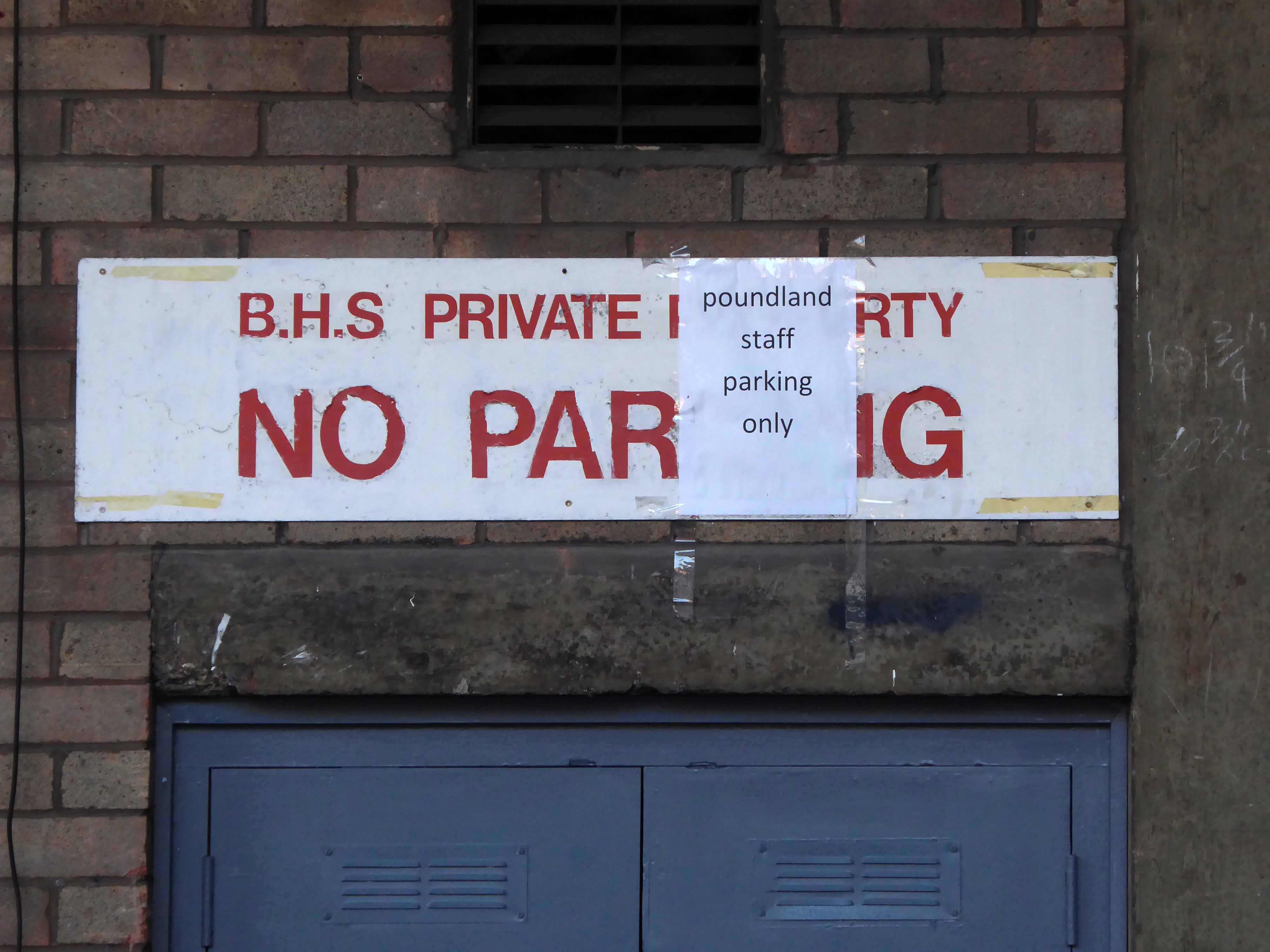
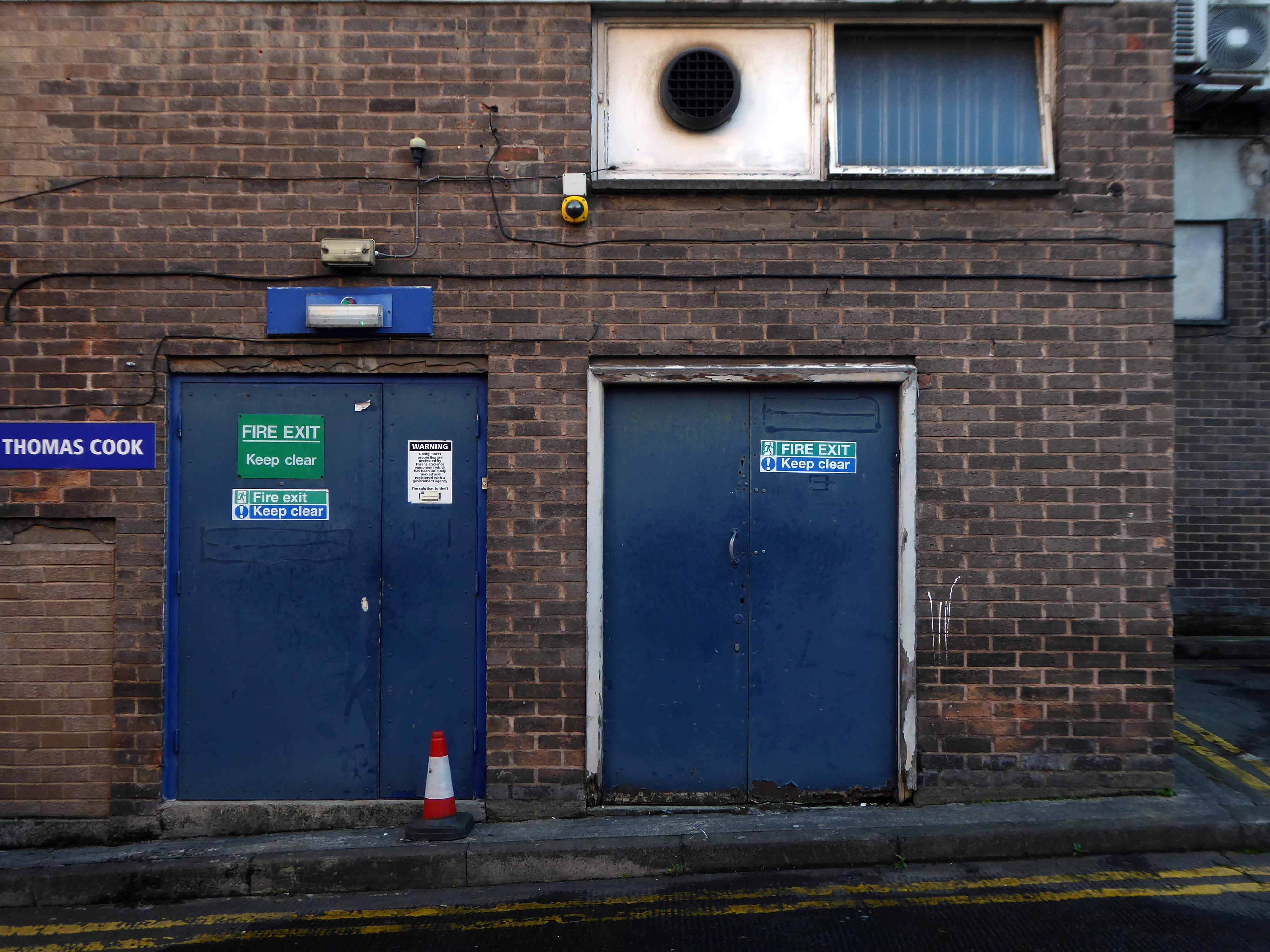
It is bounded by the former Burton’s store, the long gone BHS now home to Poundland, a later extension to the precinct and a Nineteenth century building. Illustrating the mongrel nature of many English towns, the result of world wars, speculative development and town planning.

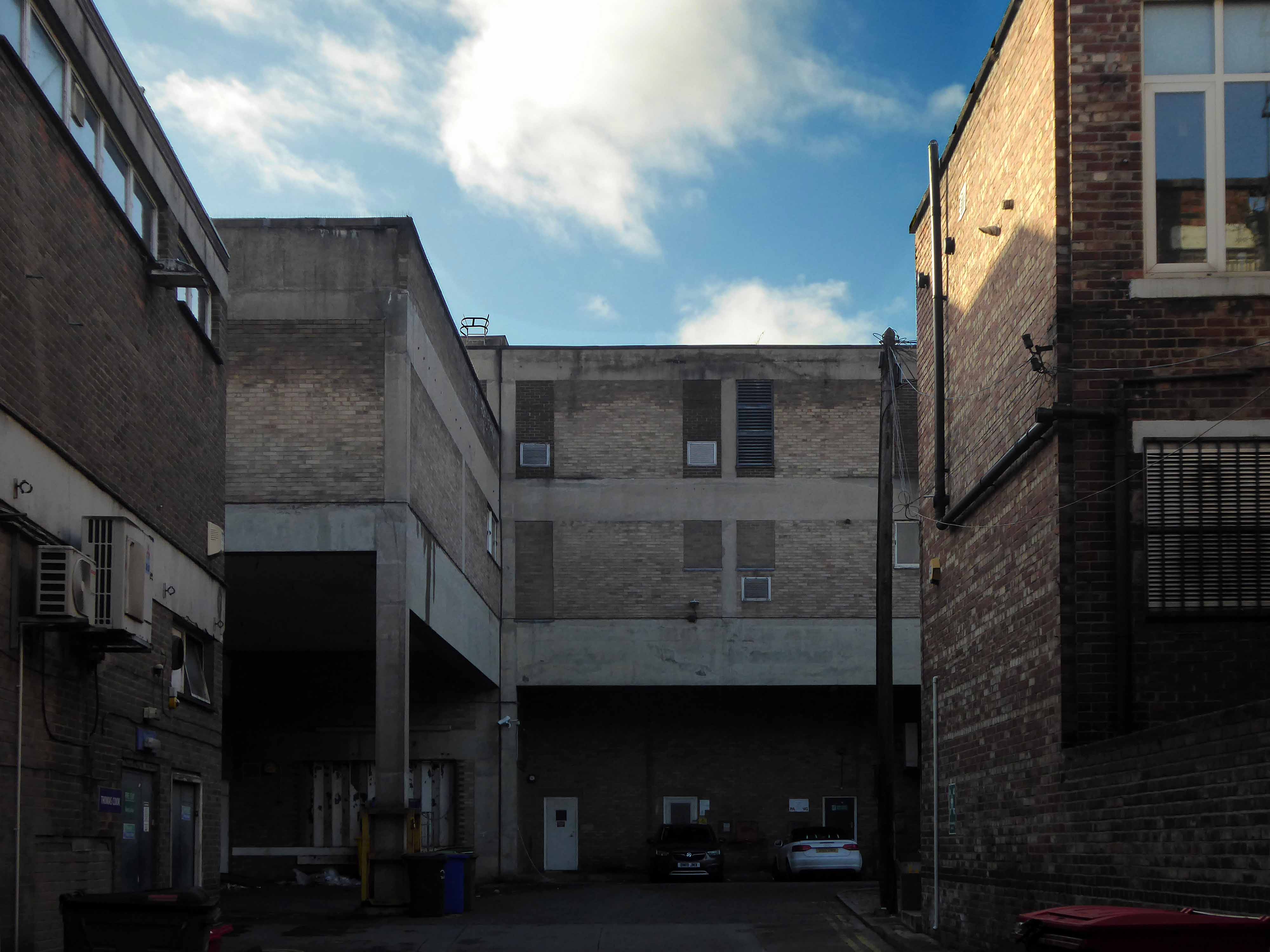
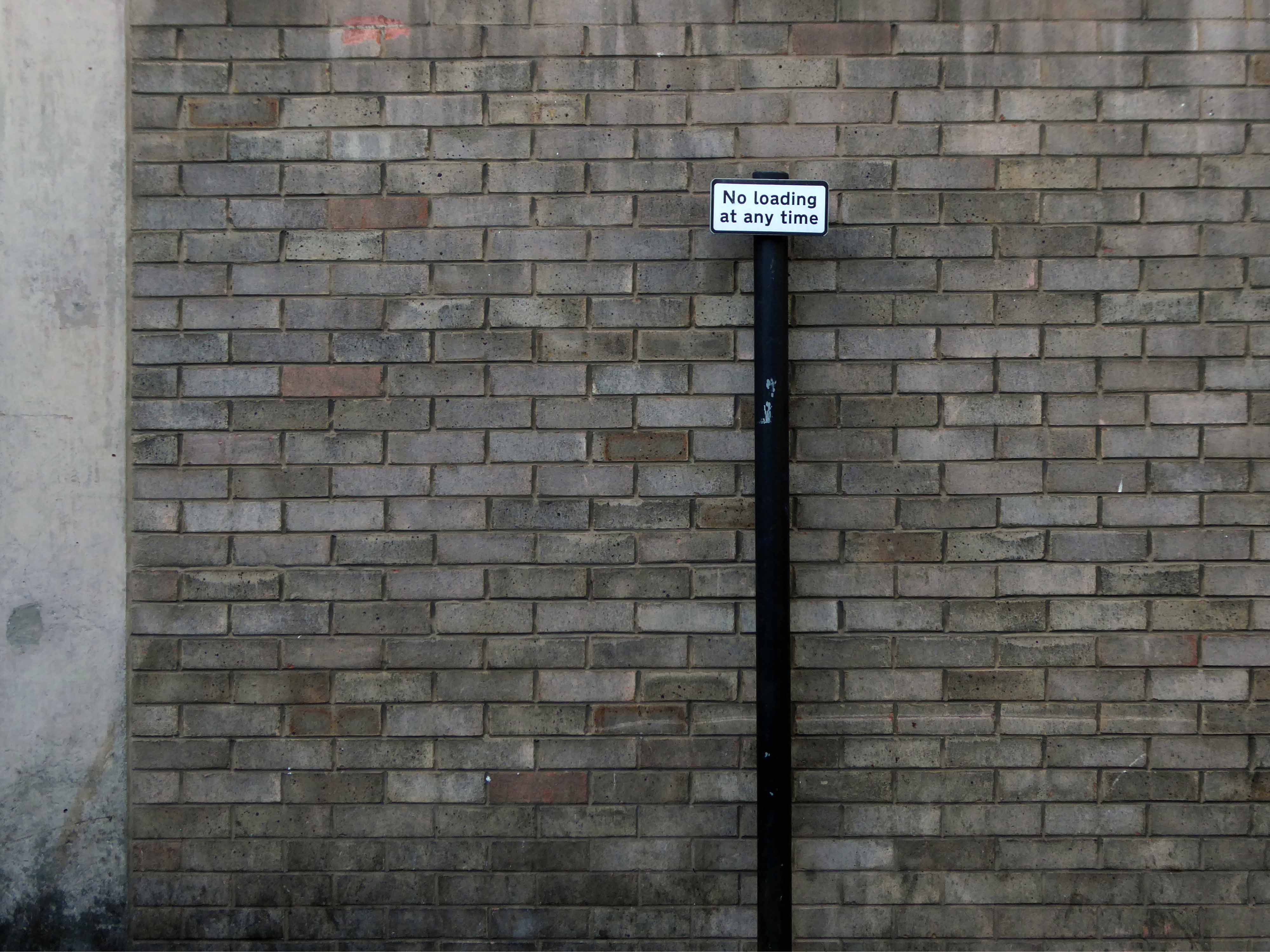
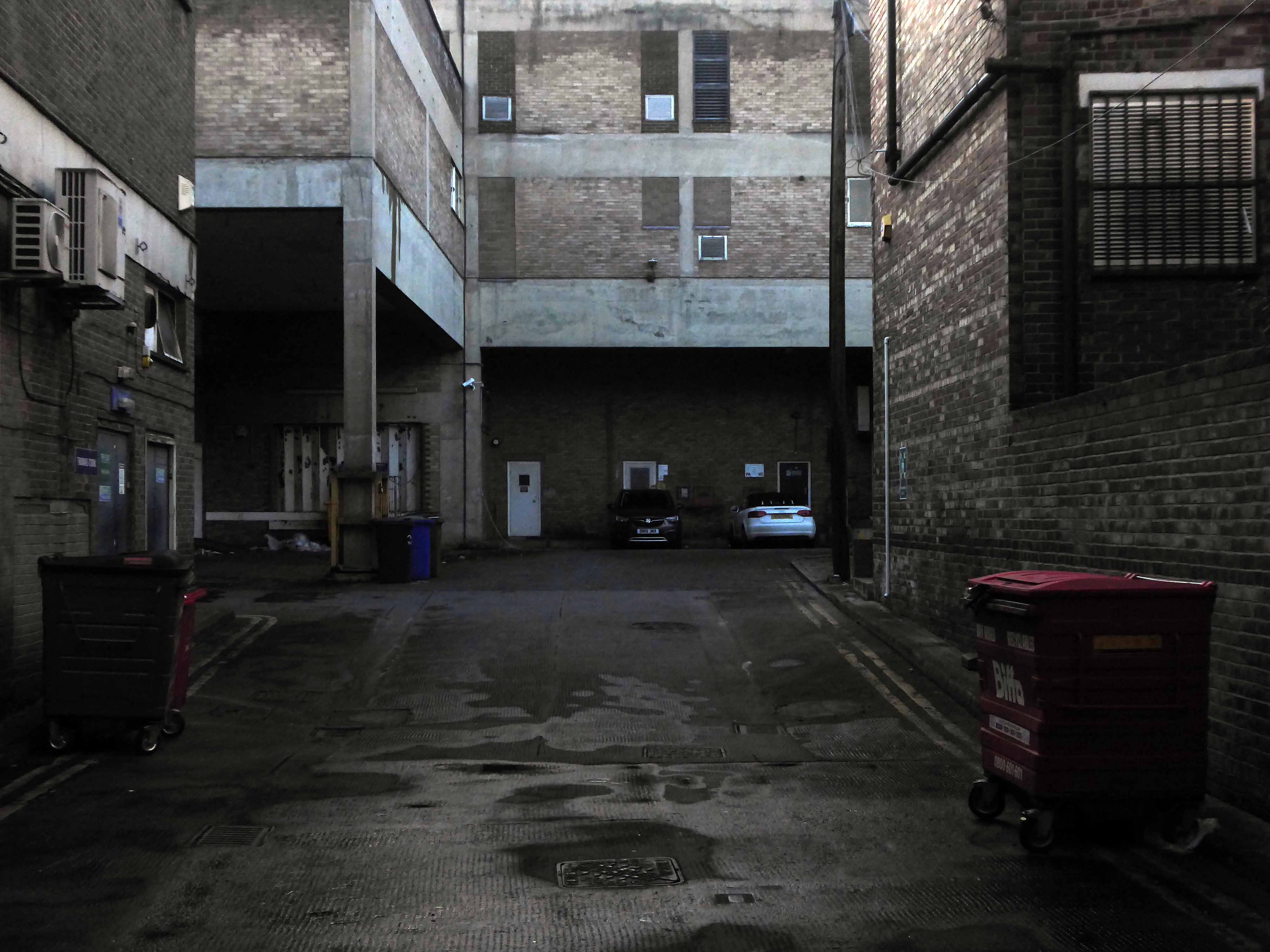
It’s a self contained world of loading, unloading unloved and overused.

Home to the pirate parker, carelessly avoiding the imposition of the municipal surcharges.

Shops and goods come and go part of the merry retail gavotte.

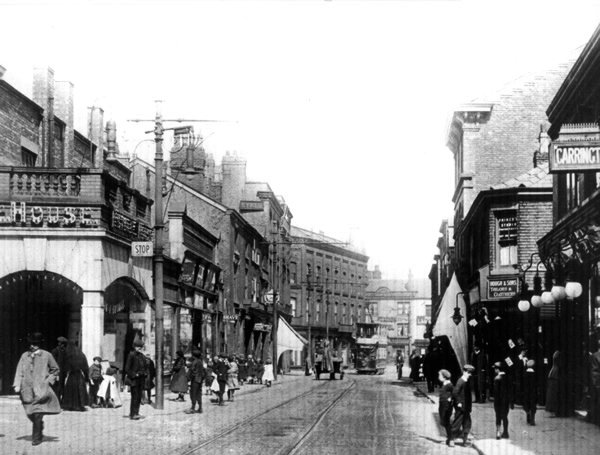
The trams once clang, clang, clanged along and the Picture House opened 2nd June 1913, later The Palladium, finally closing in 1956 – now occupied by a huge Charity Shop – Highway Hope.

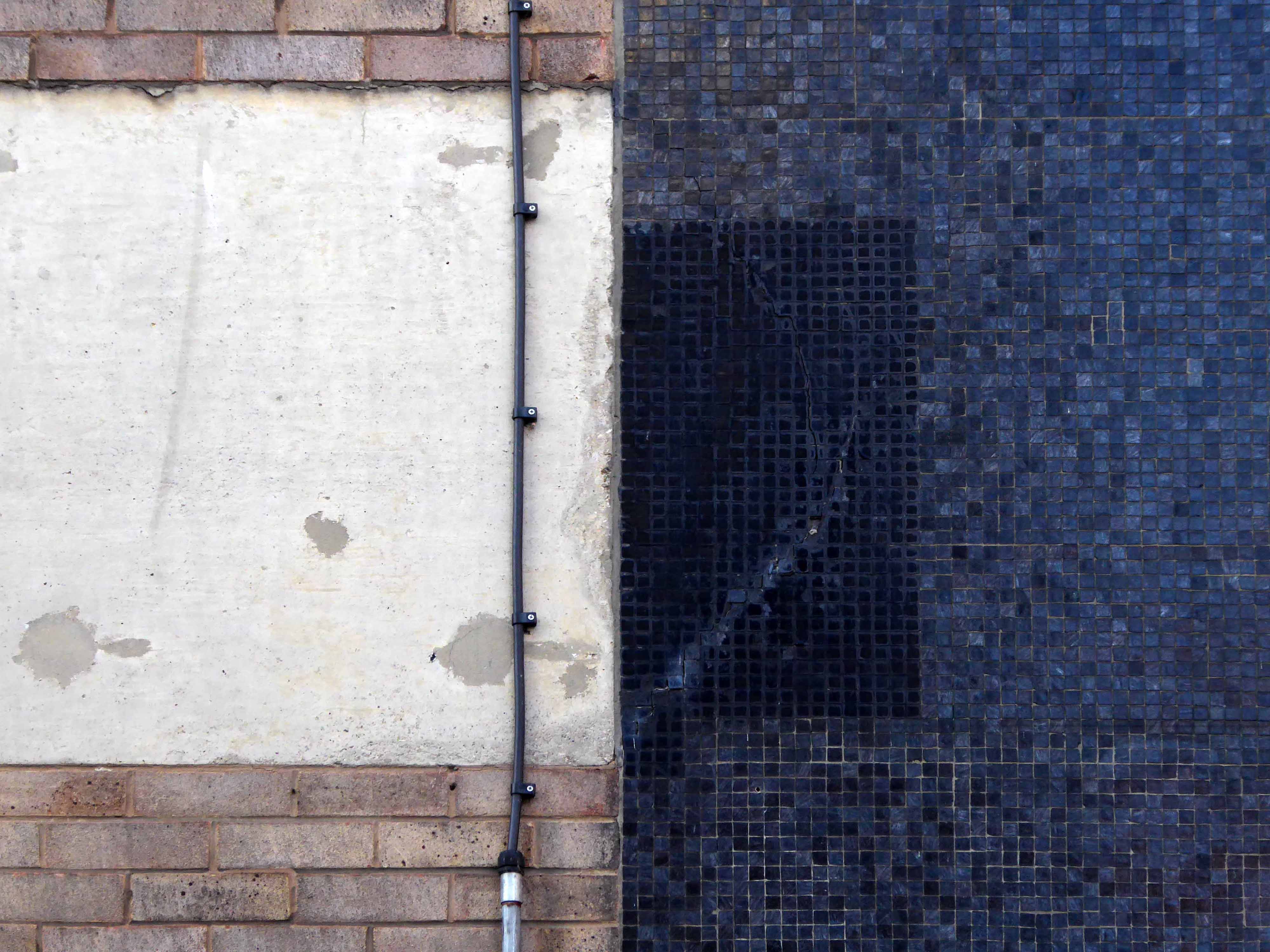
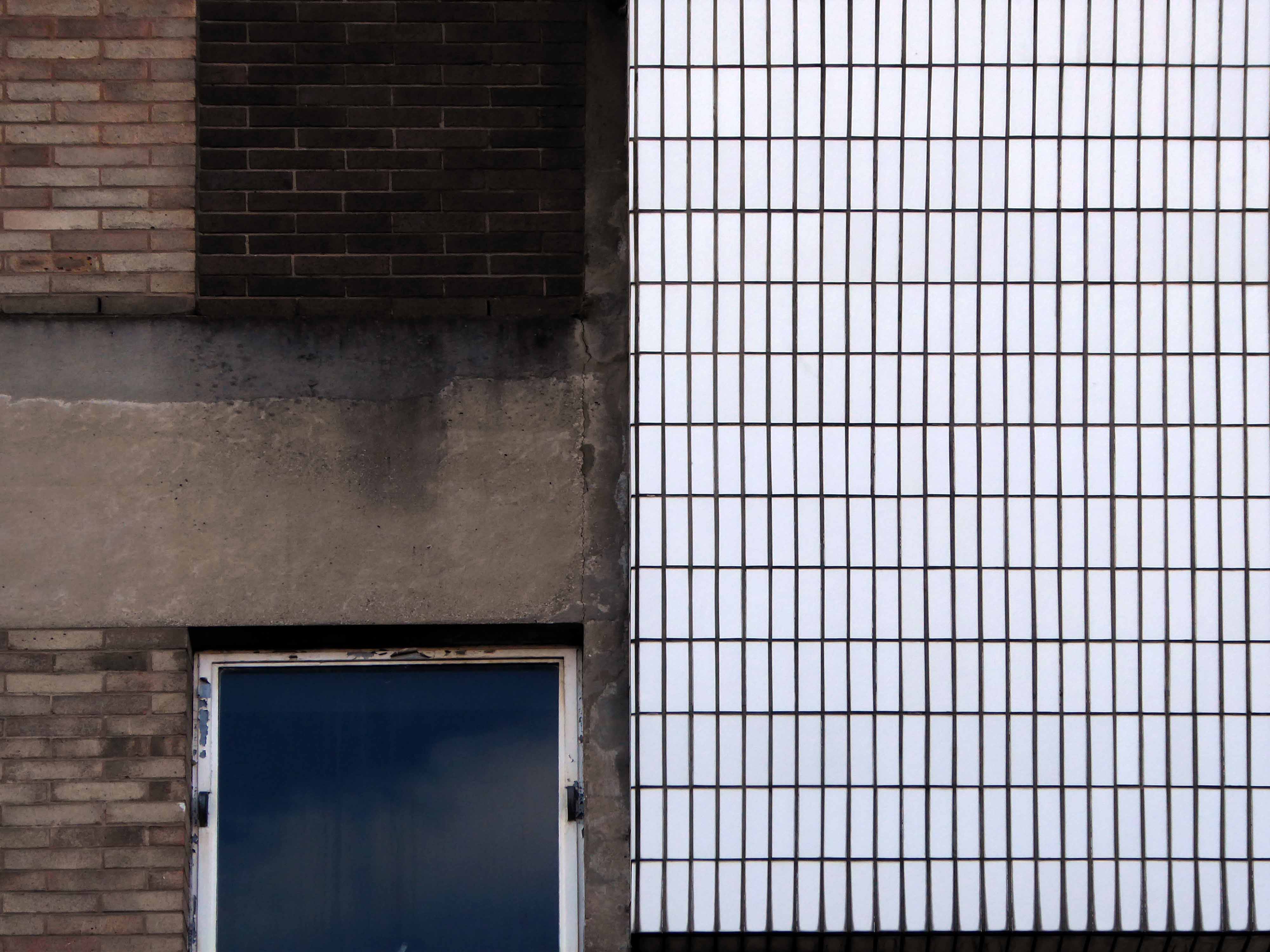
The Merseyway construction is a modern amalgam of mosaic, brick and cast concrete.

The older brick building now almost rendered and coated in off white exterior emulsion.
There are signs of life and former lives.

This is a nether world that never really was a world at all.

The place where the sun almost doesn’t shine.

And the blue sky seems like an unwelcome intrusion.
So as the retail sector contracts and the virus remains viral – wither Serveway Five?

The Council purchased the development at no cost to taxpayers via the current income stream. The rationale for purchase was to create a sustainable future for the centre via a series of targeted redevelopments. Key aspirations for the centre will be to fully integrate it into the town centre. We also want it to complement our exciting ownerships such as Debenhams, Redrock and Market Place and Underbanks.

The investment will seek to change perceptions of not only the retail offer but also Stockport as a whole. It will ultimately create a town centre that will benefit the local business community and Stockport residents.

Bagnall Court and West View Court – Manchester

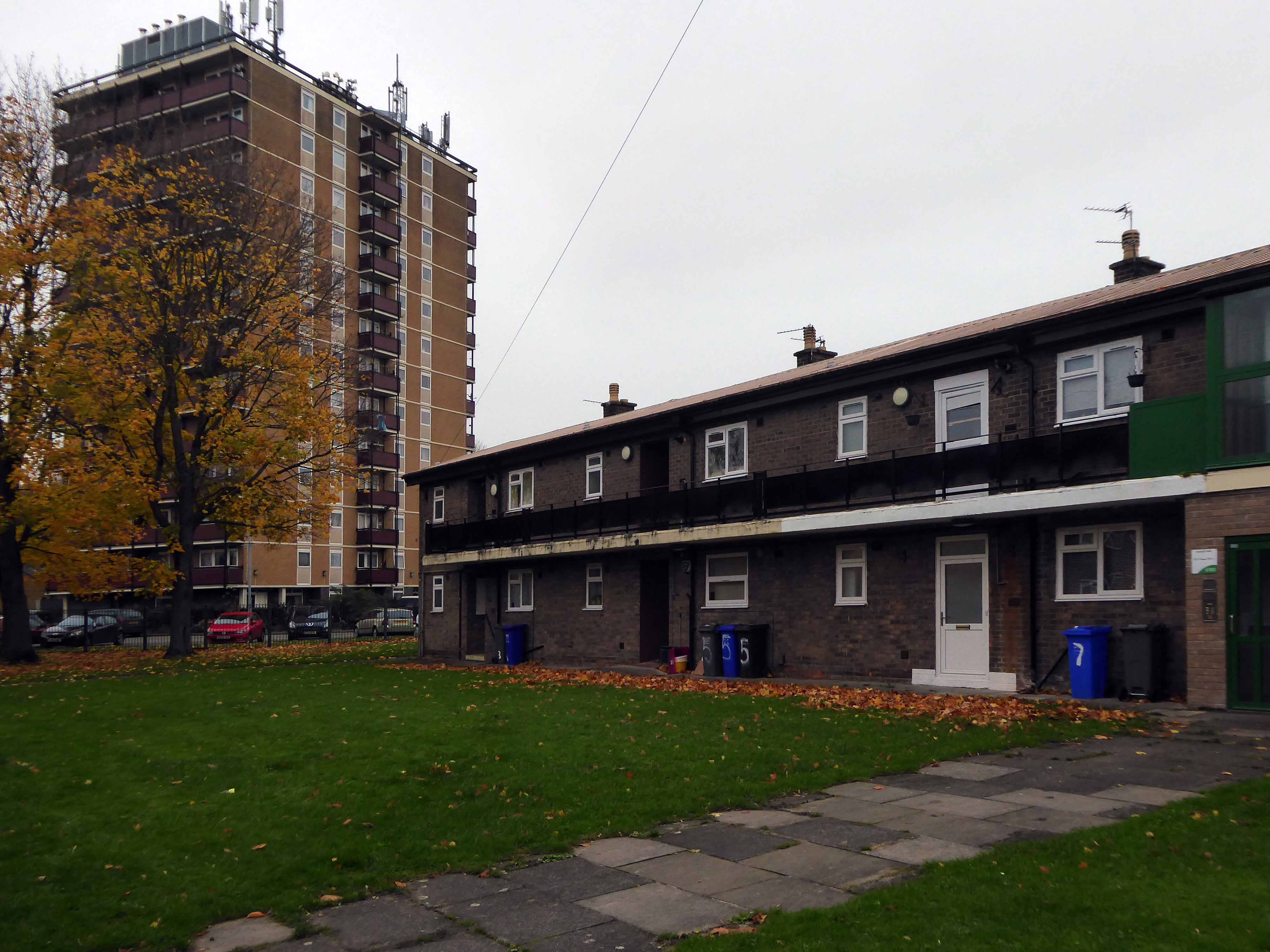
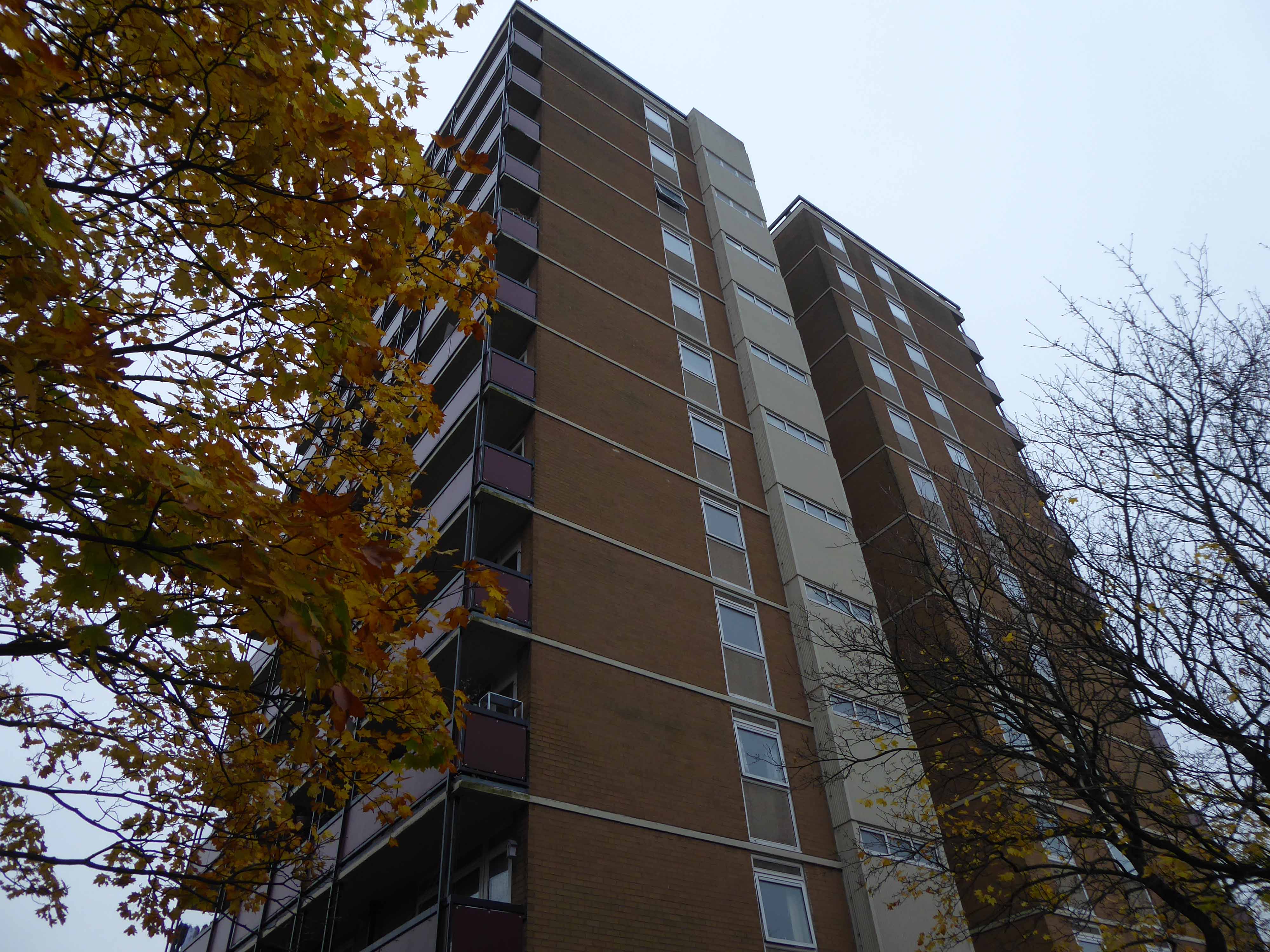
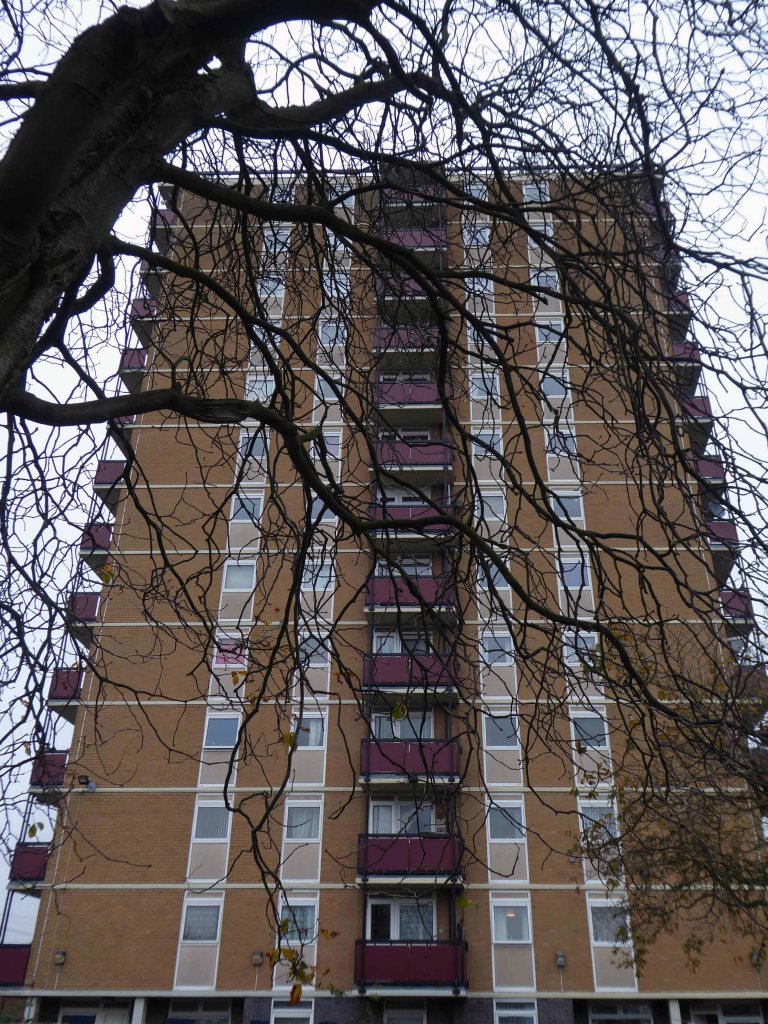
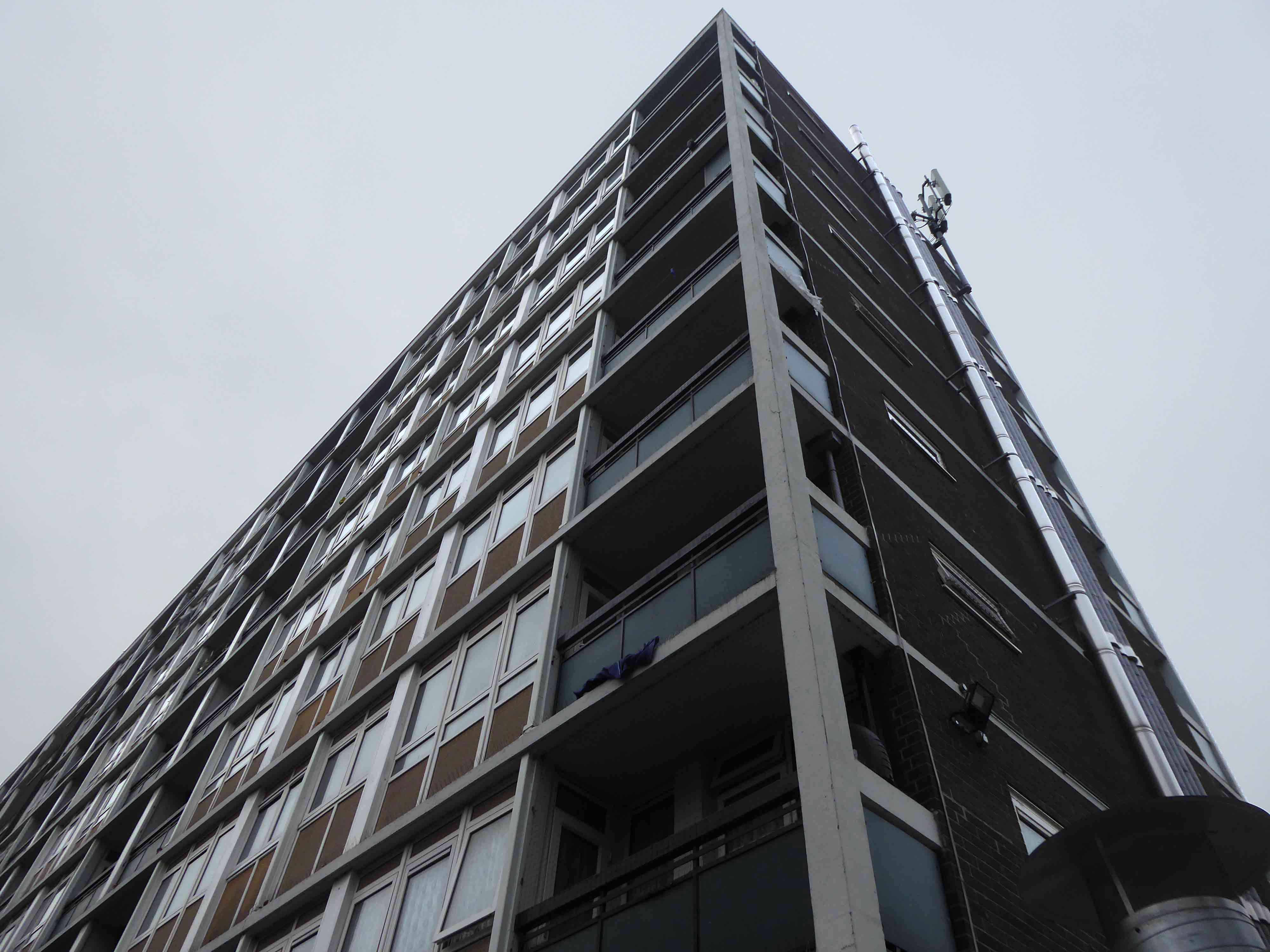
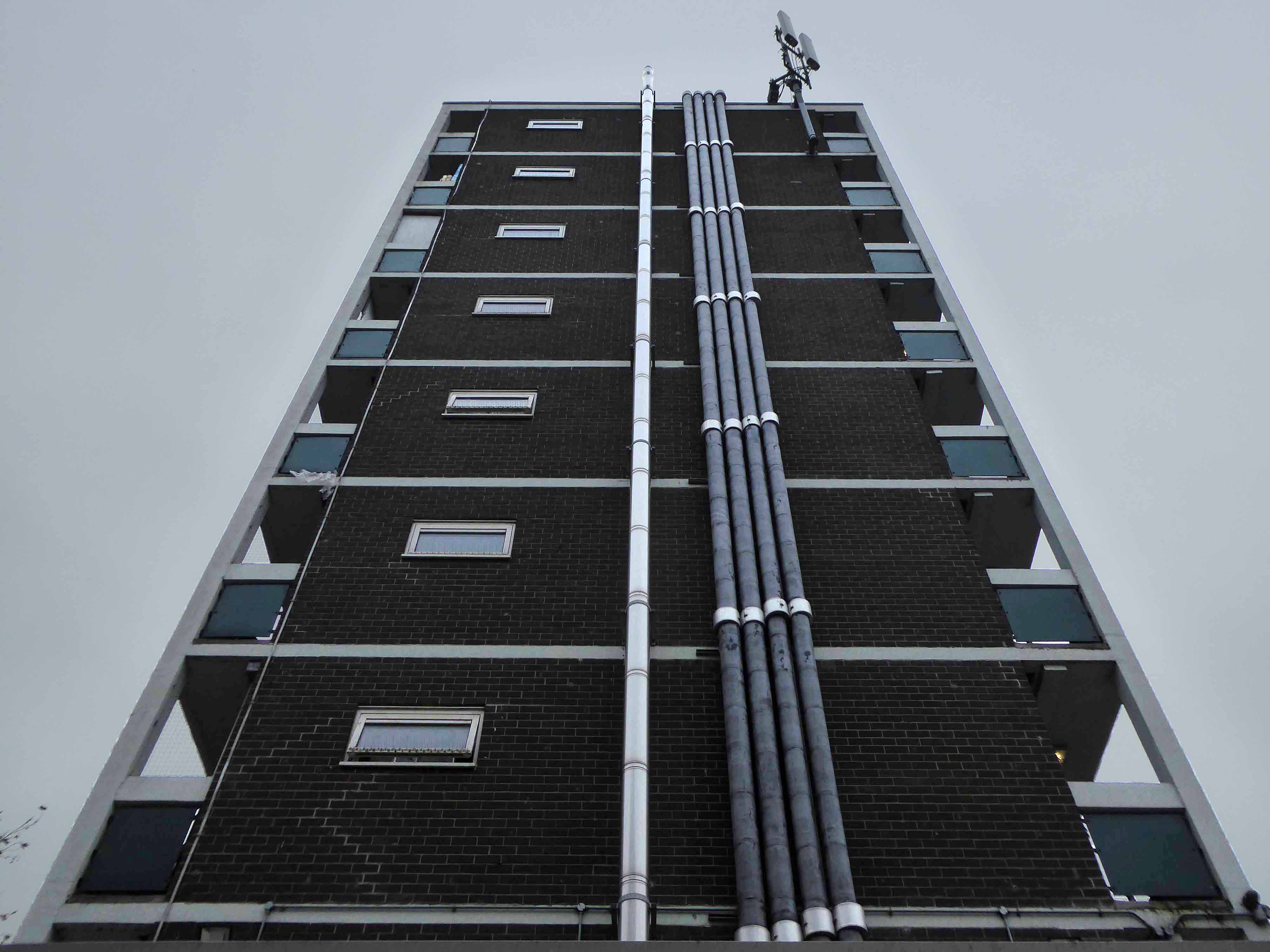
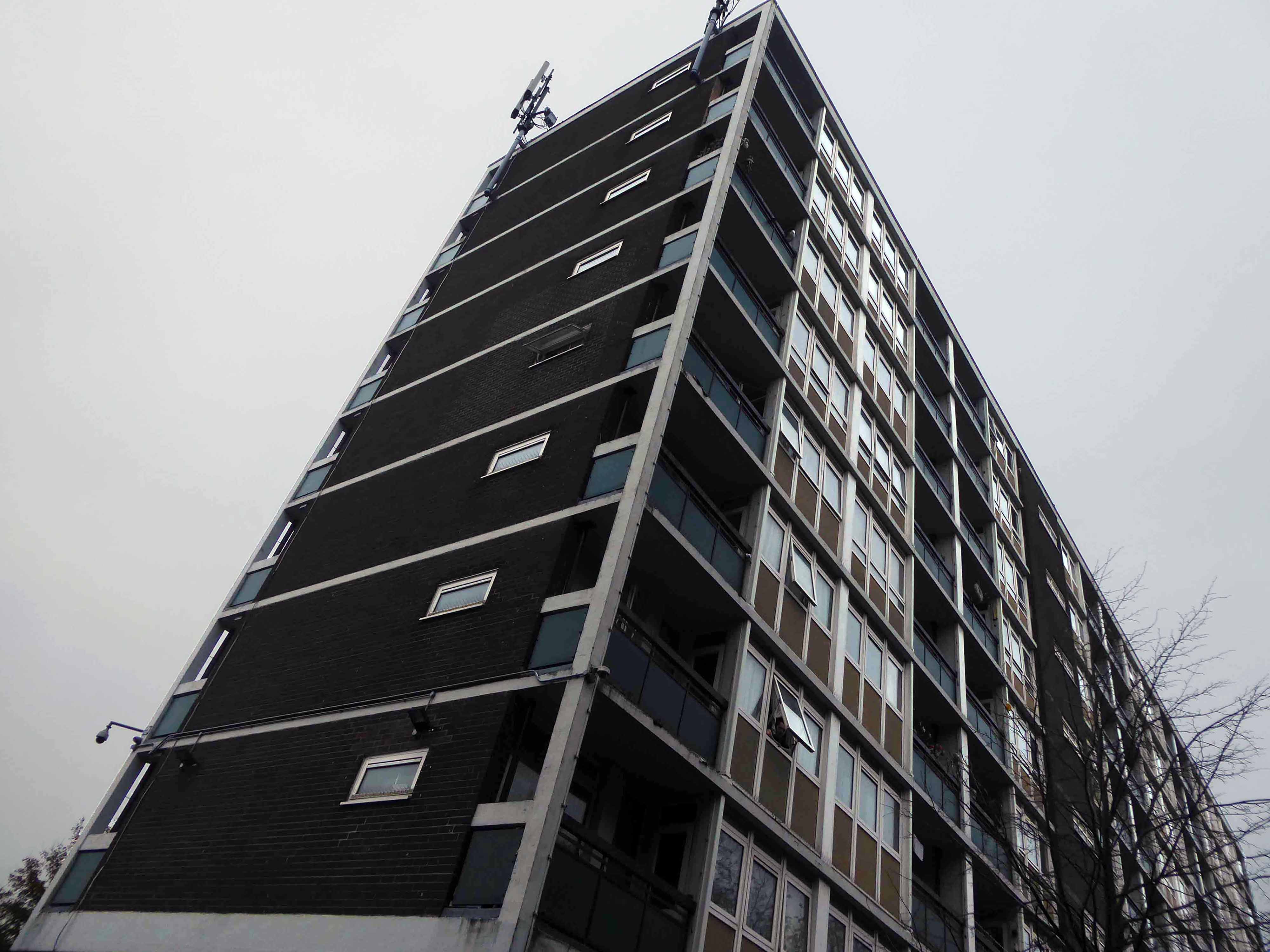
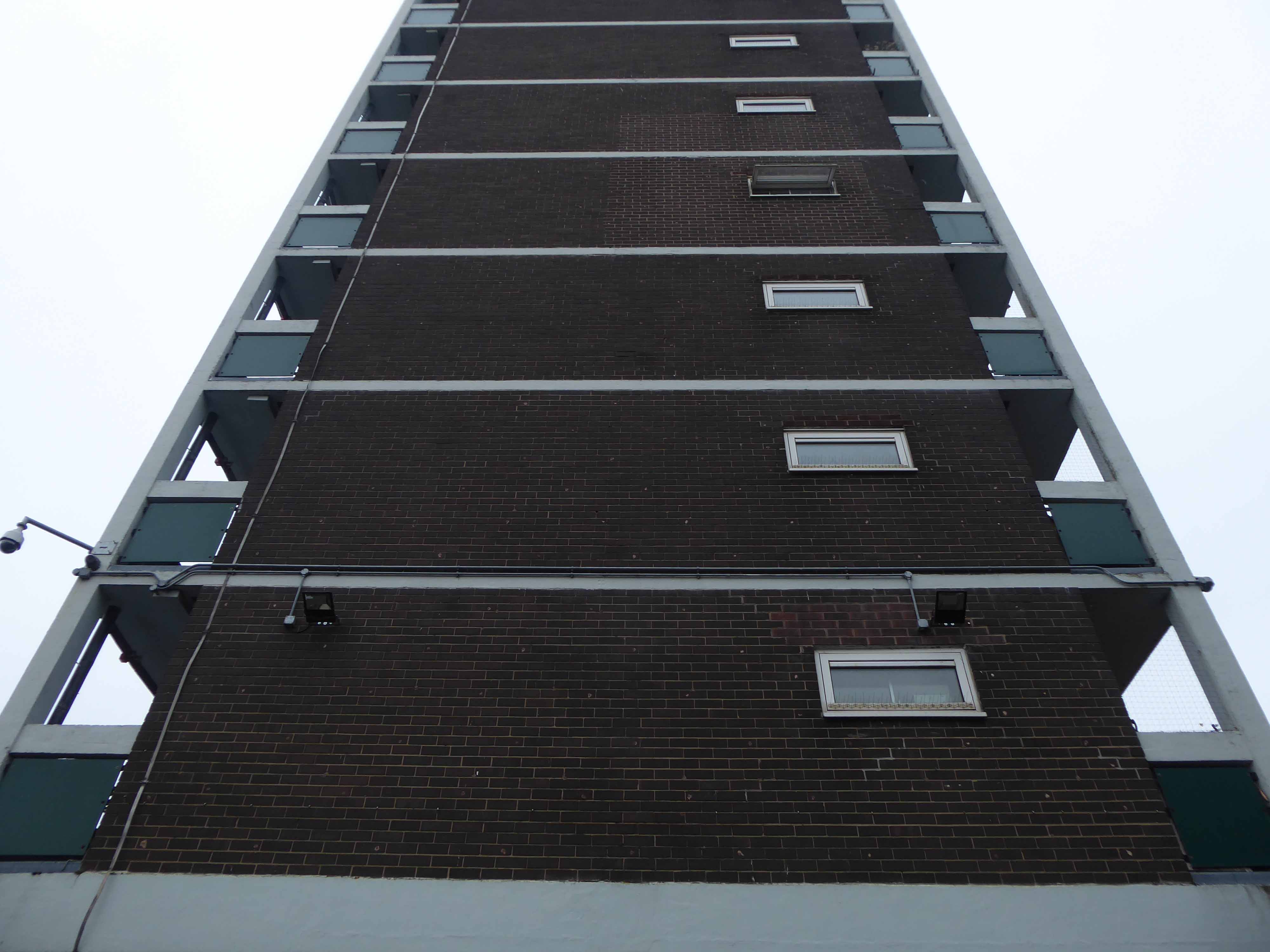
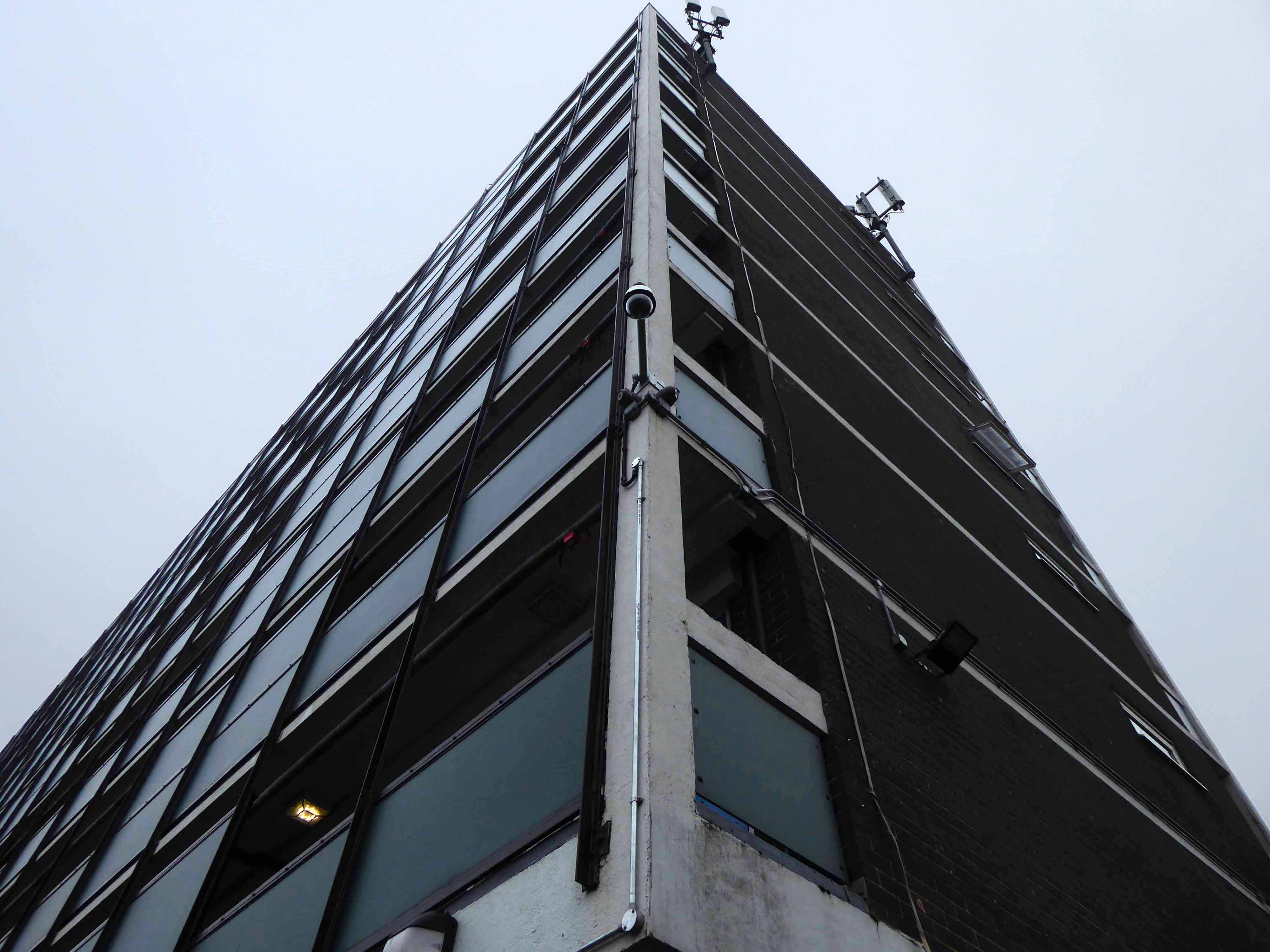
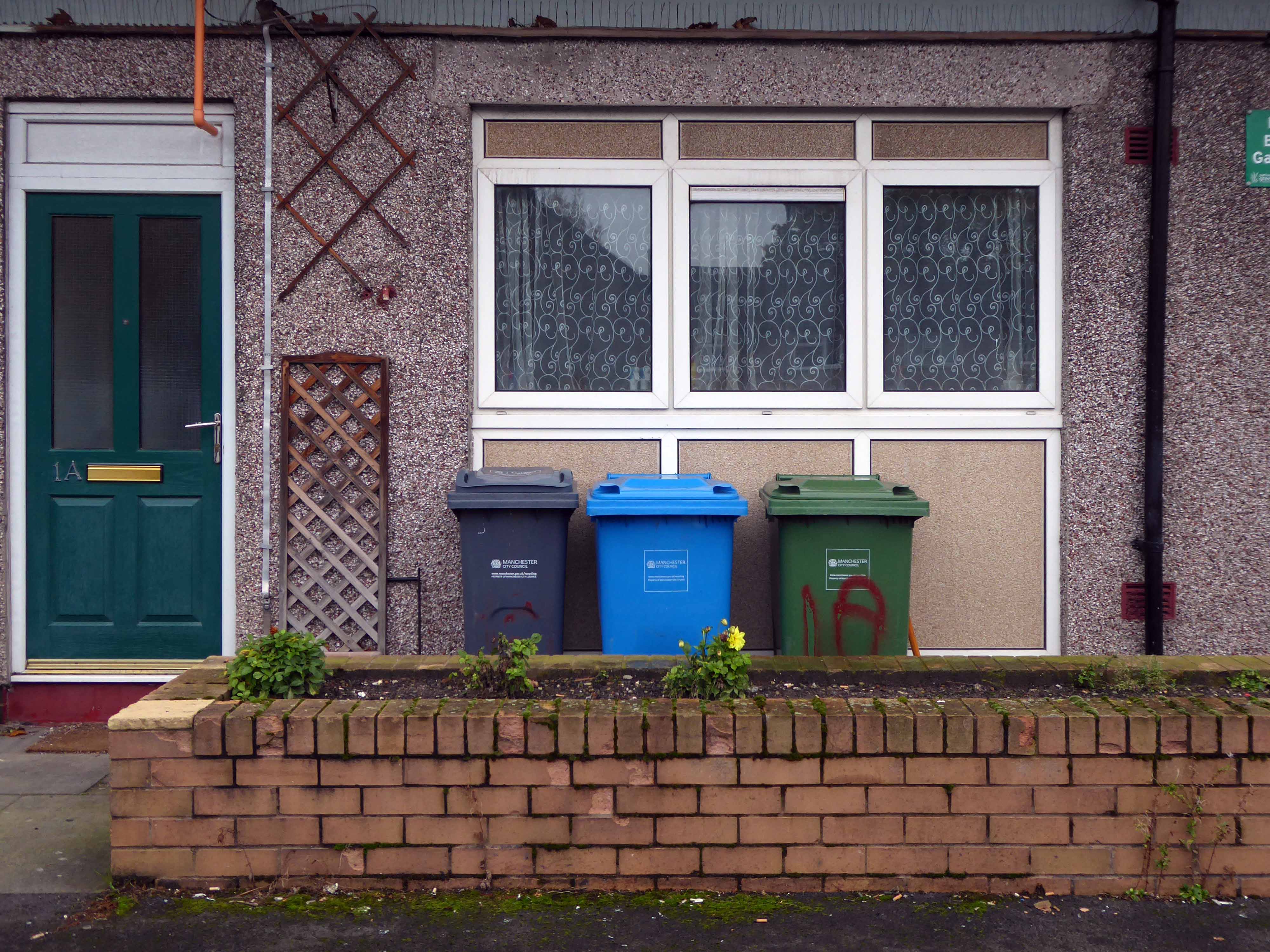
Tucked in the crook of West View Road and Shawcross Lane a tower block and an adjacent slab block can be found.

For twenty years or so I’d cycled close by, either on Longley or Ford Lane on my way back and to from work.

By night the blocks are a sight to be seen, illuminated alongside the nearby M60.

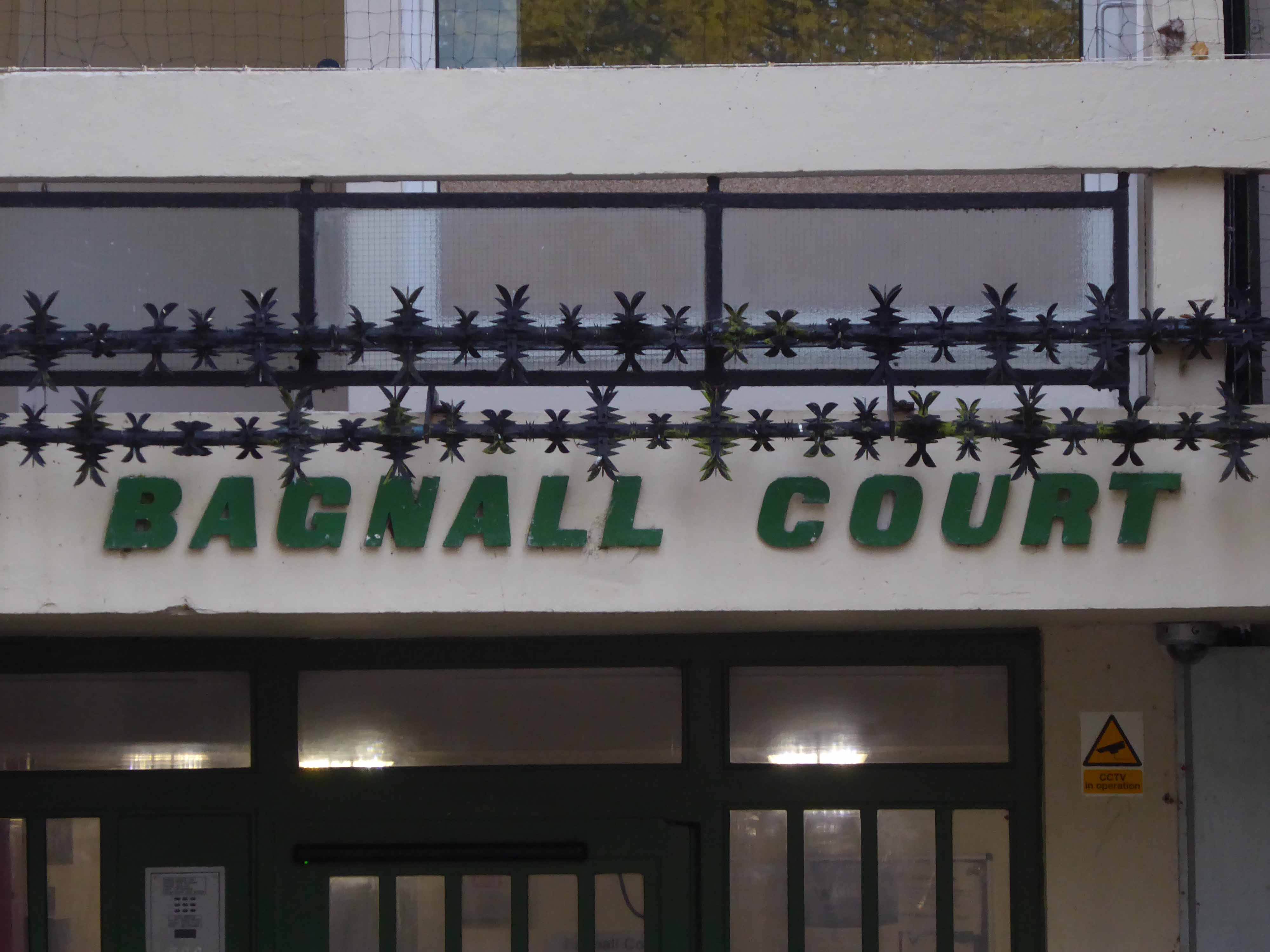
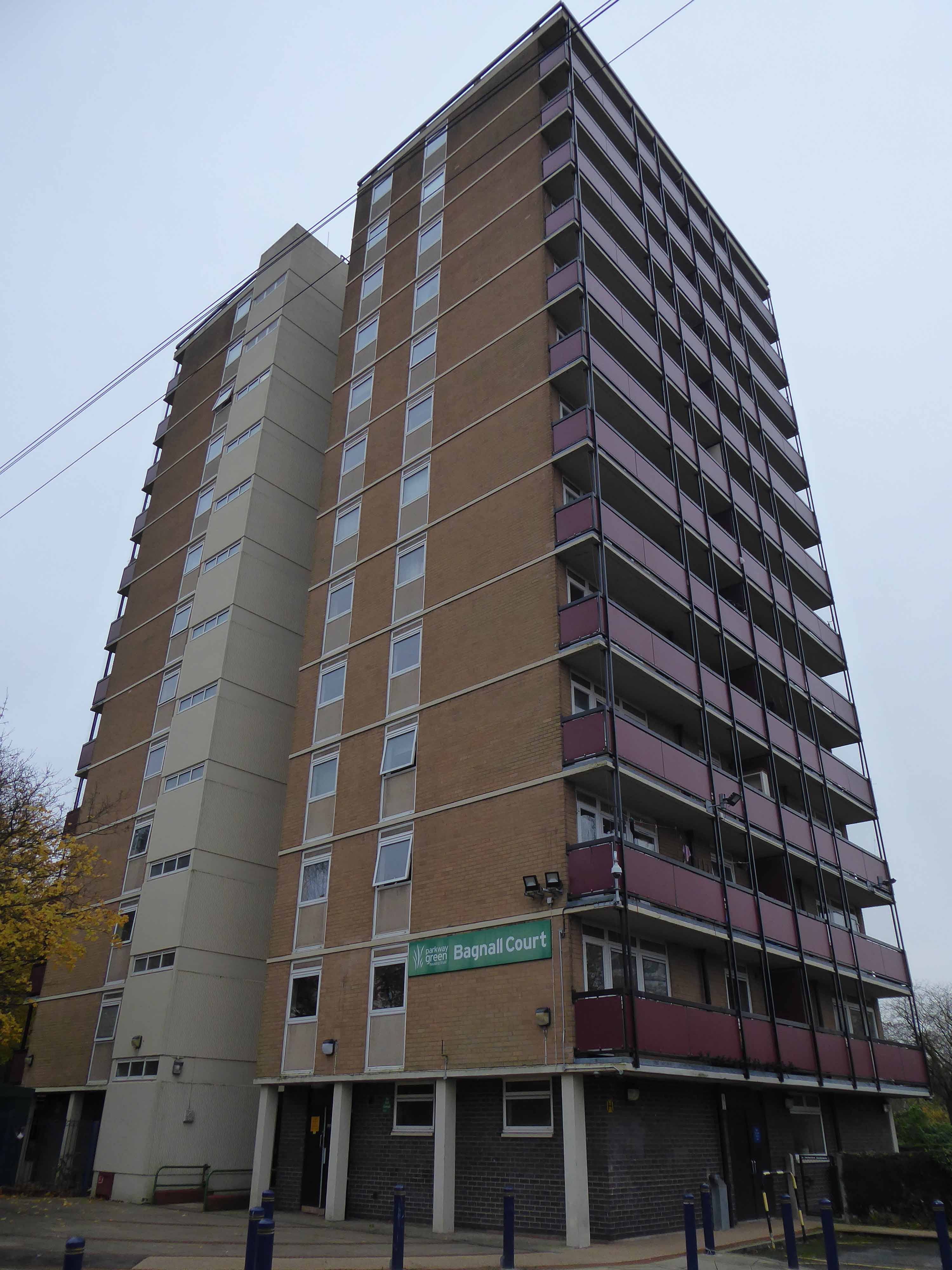
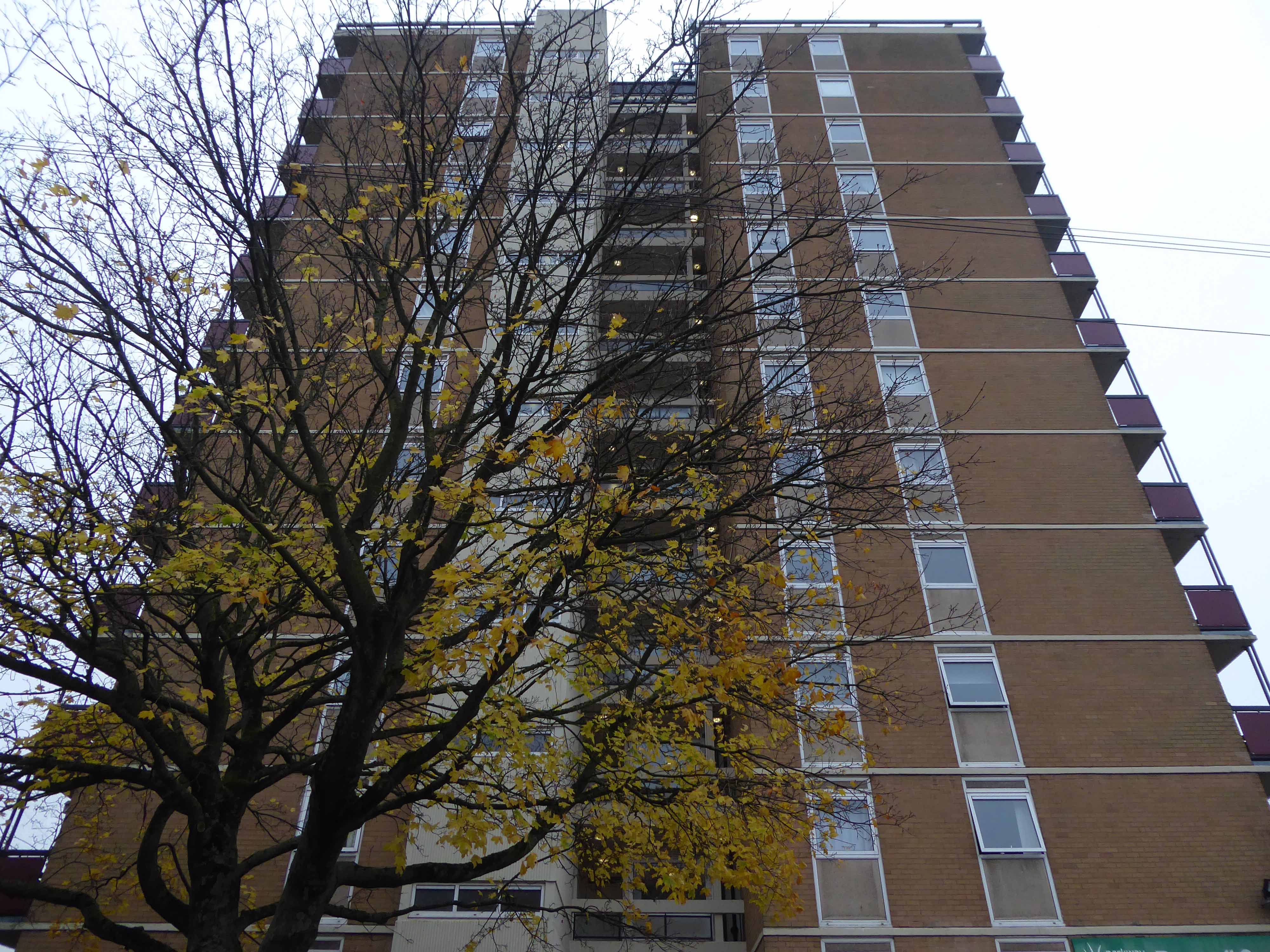
Let’s take a look at Bagnall Court.

Originally commissioned by Manchester Borough Council, built by Direct Works and contractors Holst, currently managed by Parkway Green.
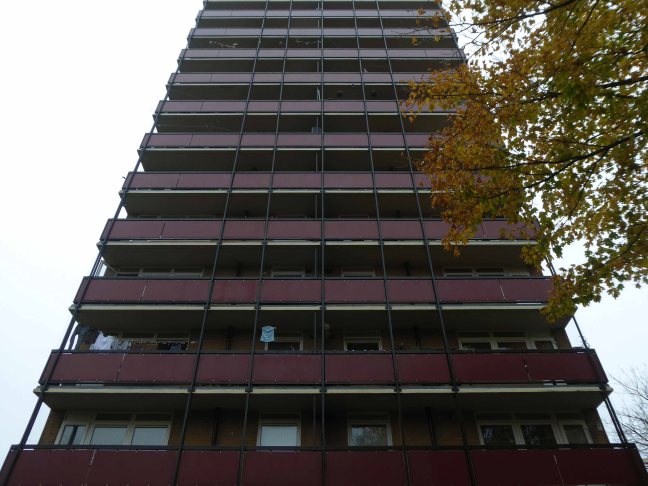
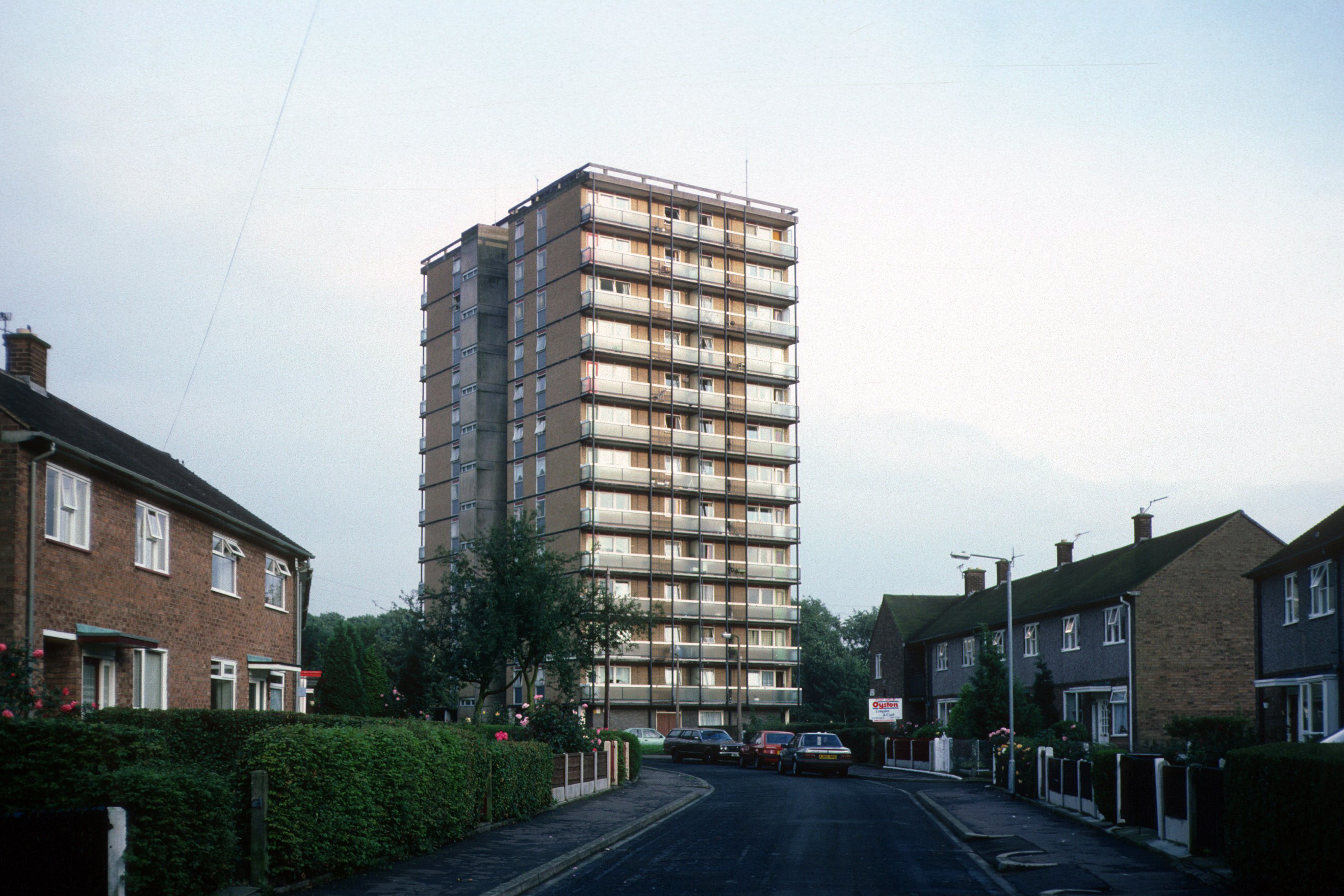
Consisting of thirteen storeys and sixty two homes.
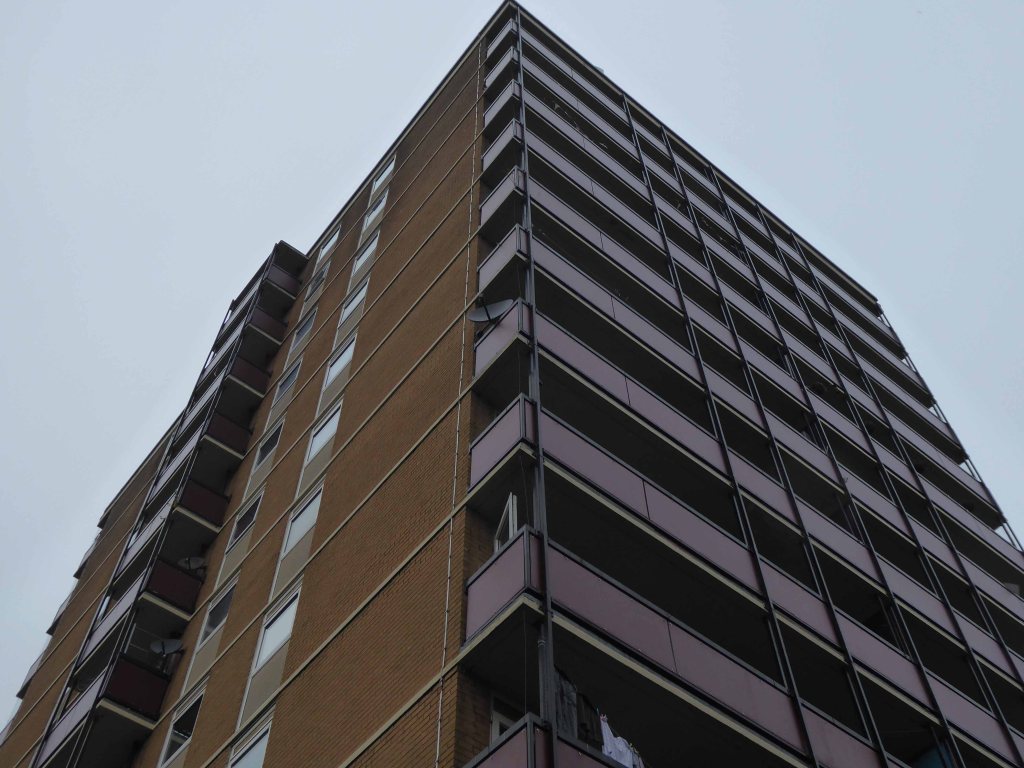
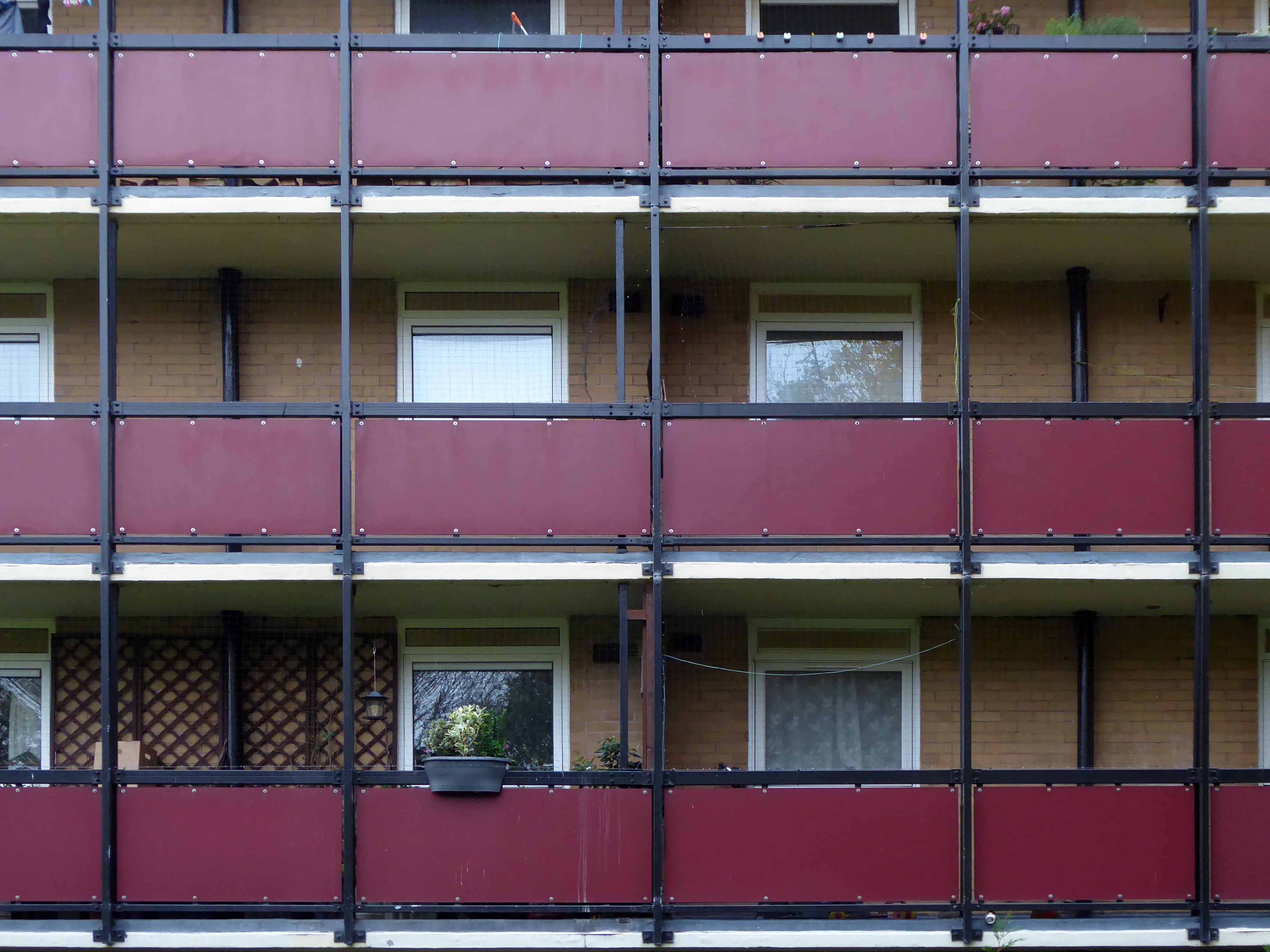
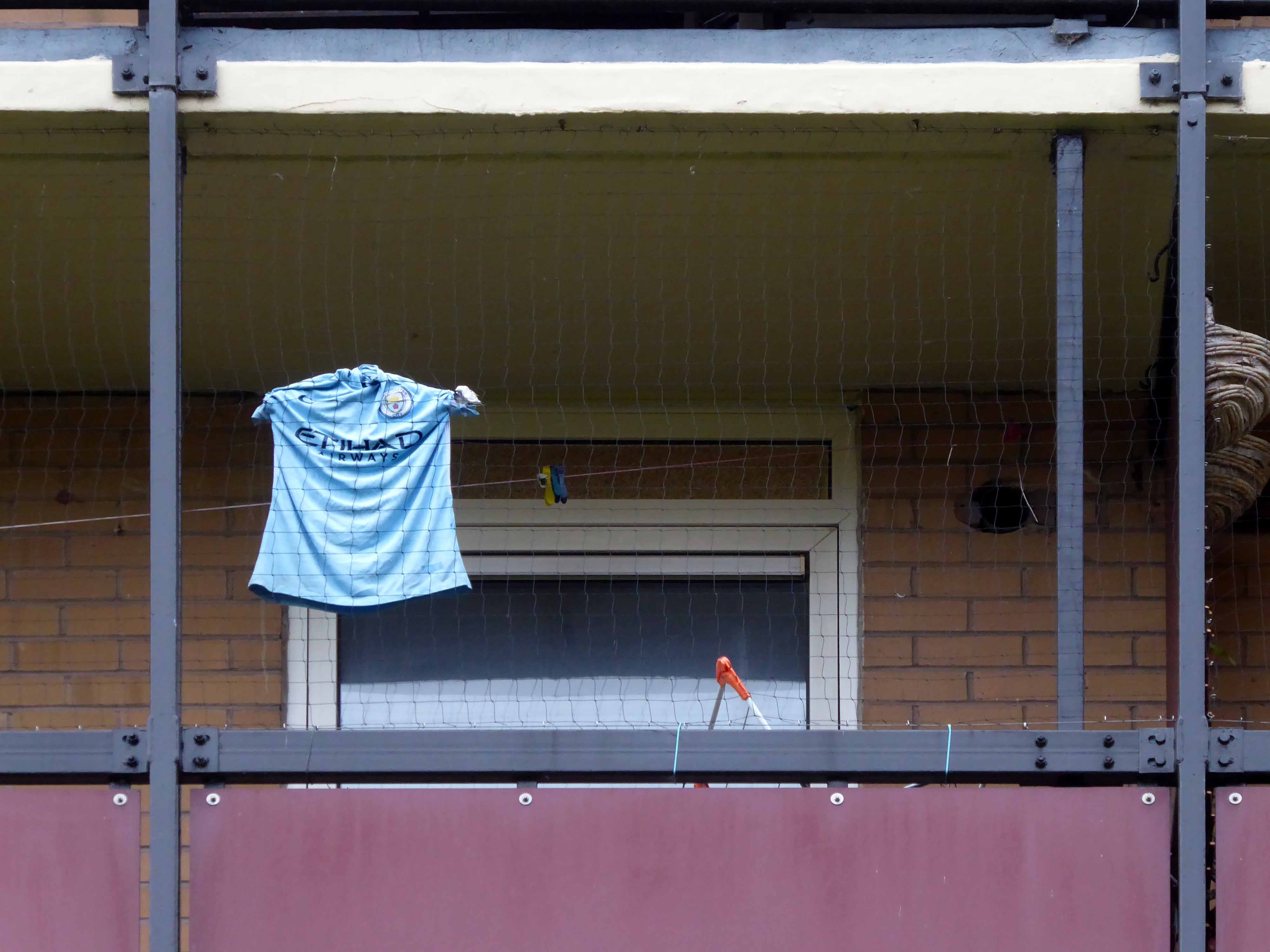
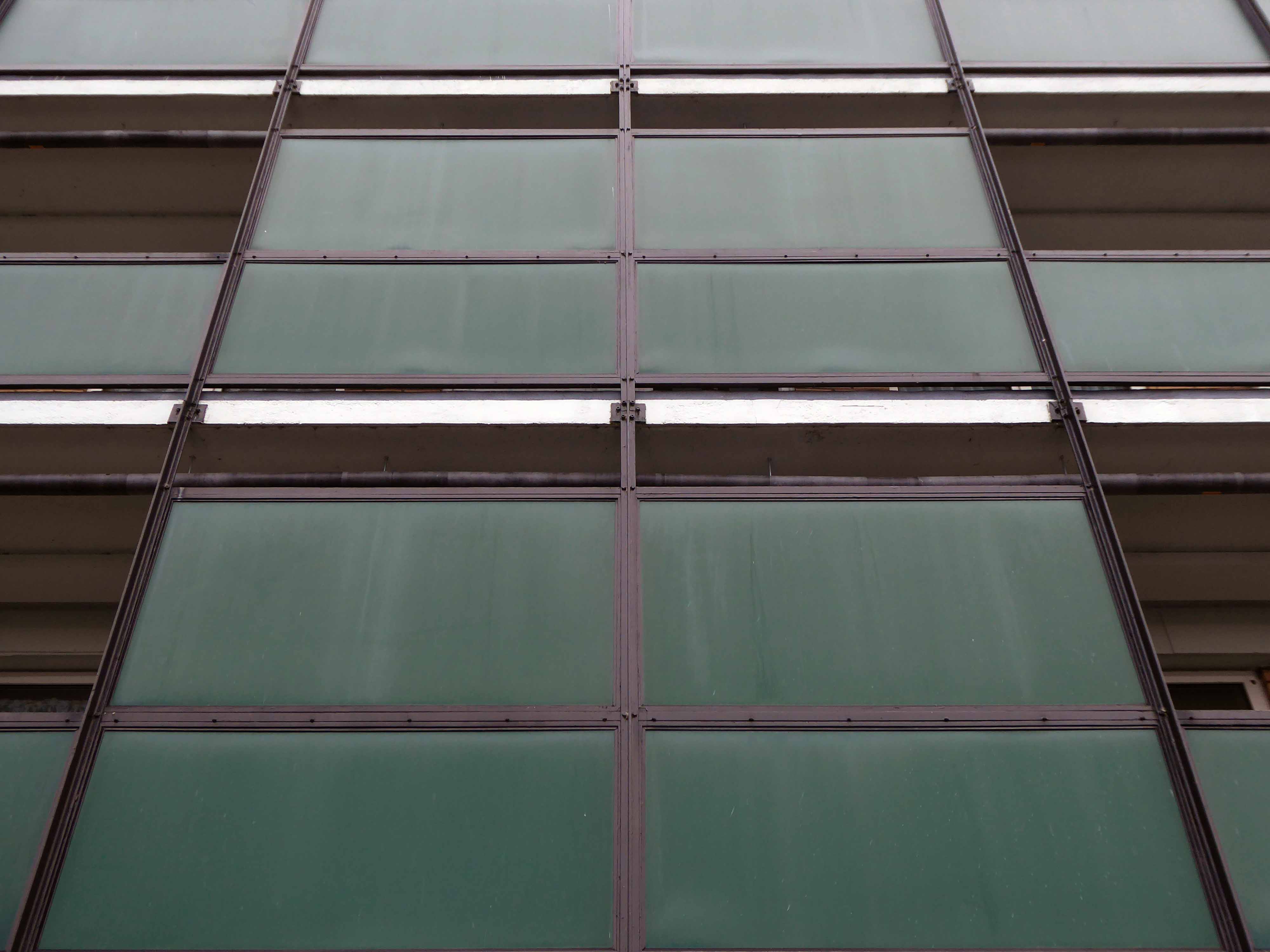
The balconies were open and shielded in glass, later to be replaced by thick metal sheeting.

1987 – Tower Block

2020

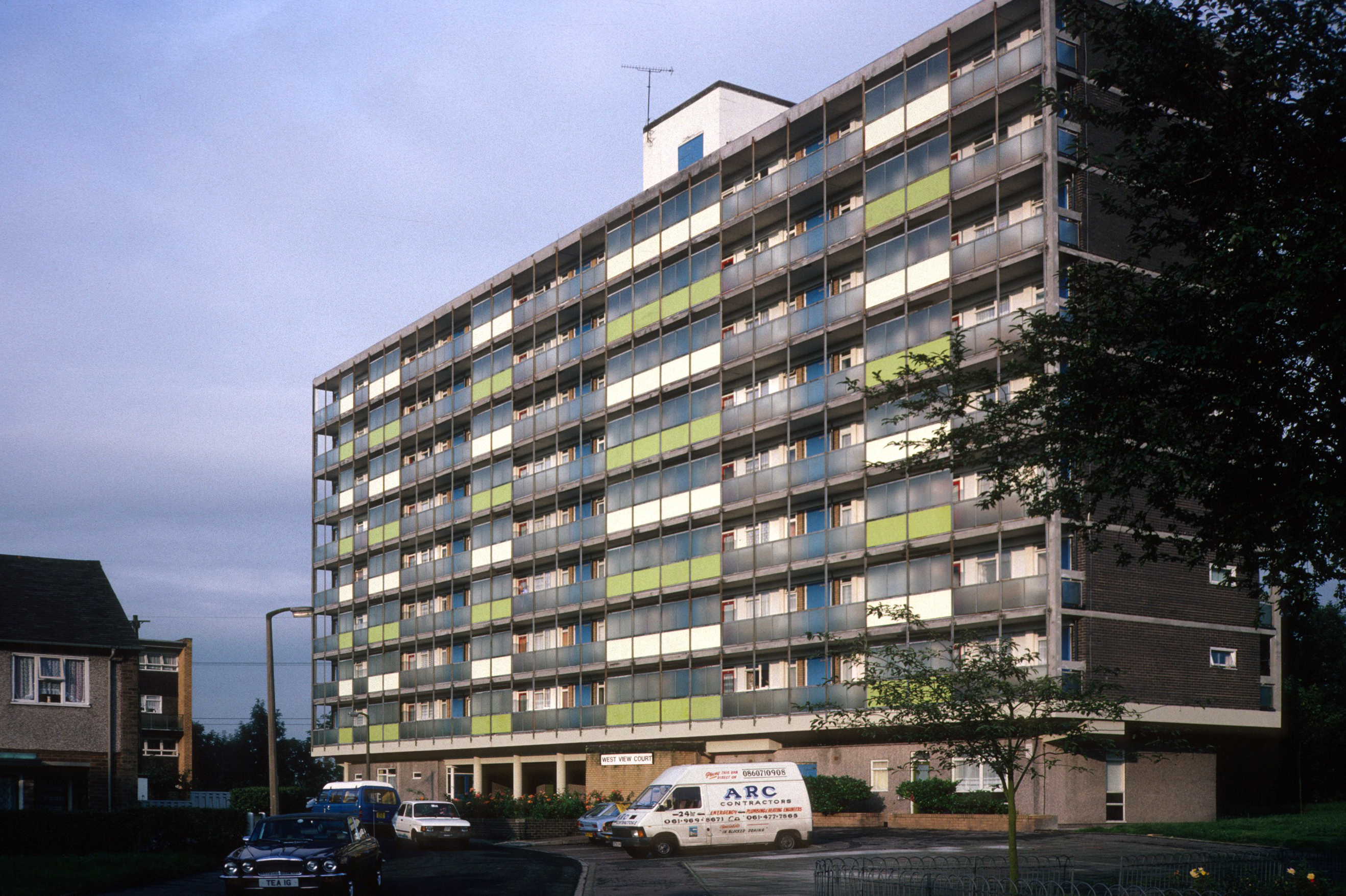
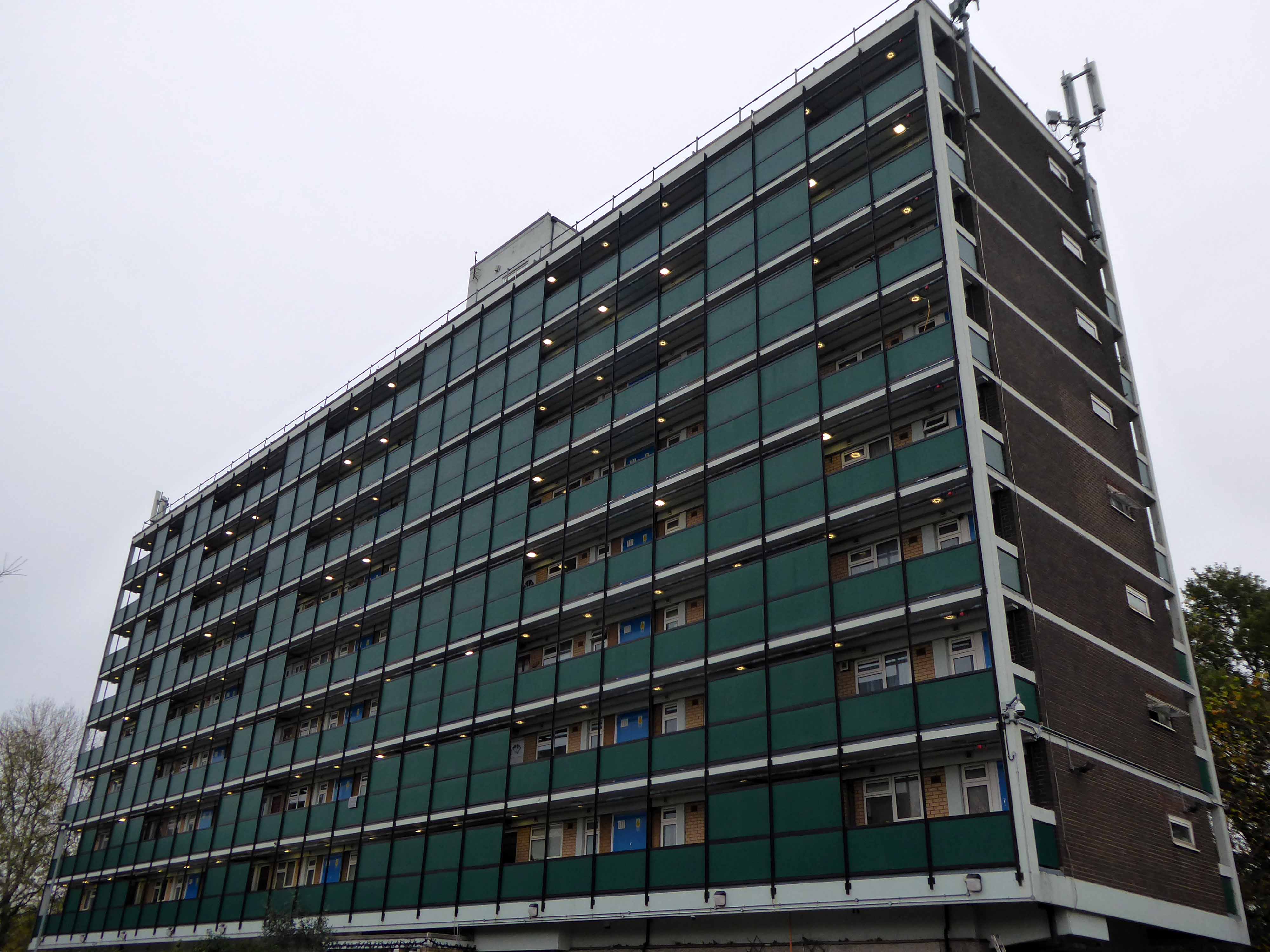
Around the corner to West View Court – also commissioned by Manchester Borough Council, built by Direct Works and contractors Holst, currently managed by Parkway Green.

Nine storeys in height containing seventy three homes.

1987 – Tower Block

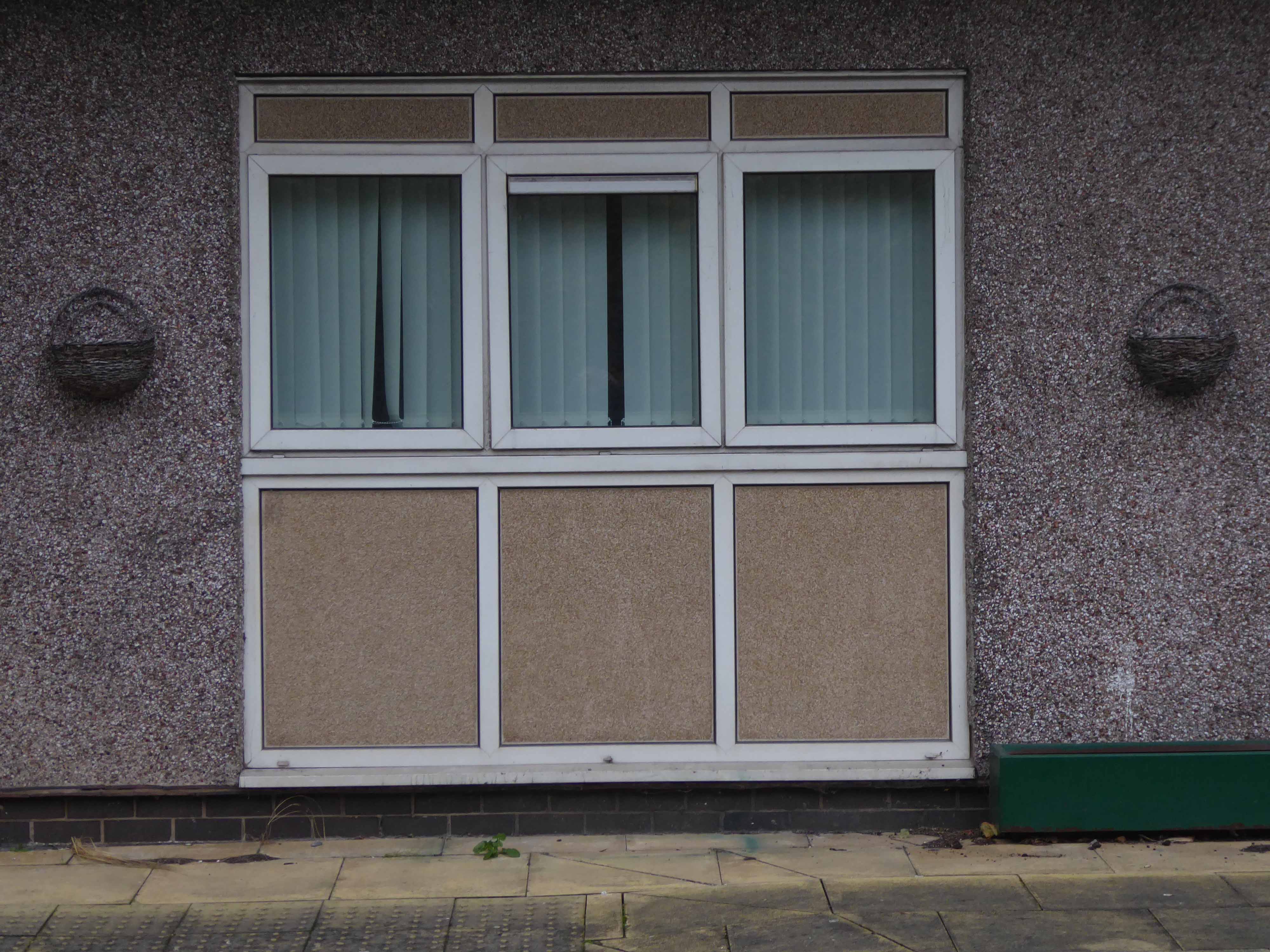
2020 – the distinctive coloured panels and glass shields now replaced.

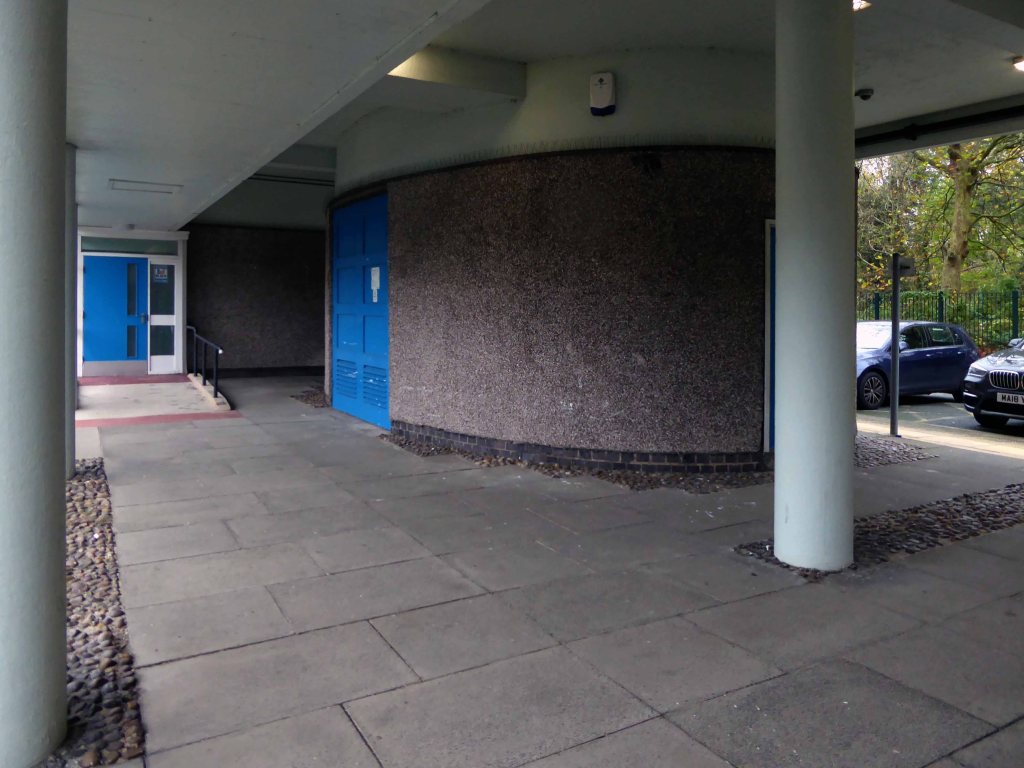
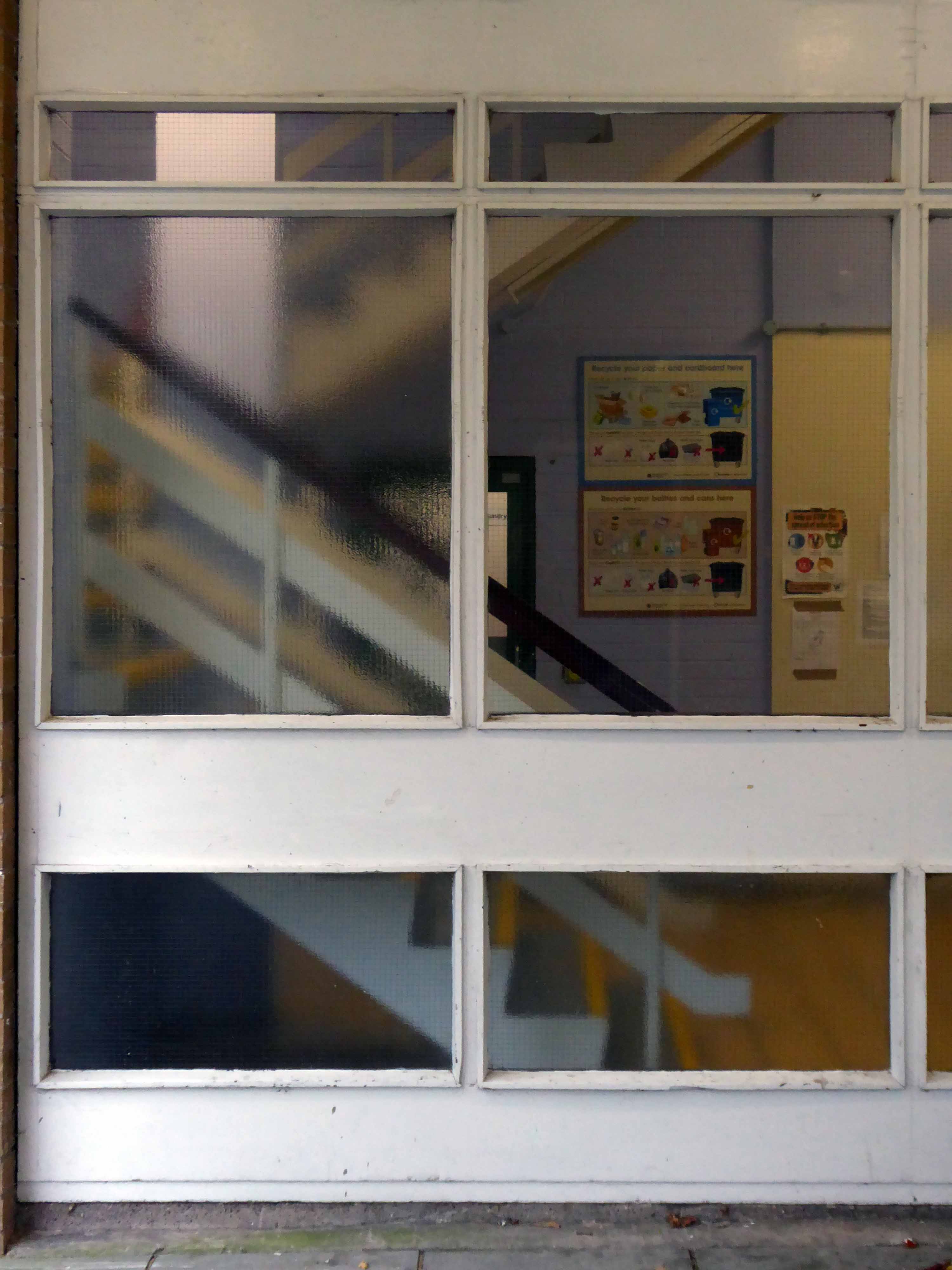
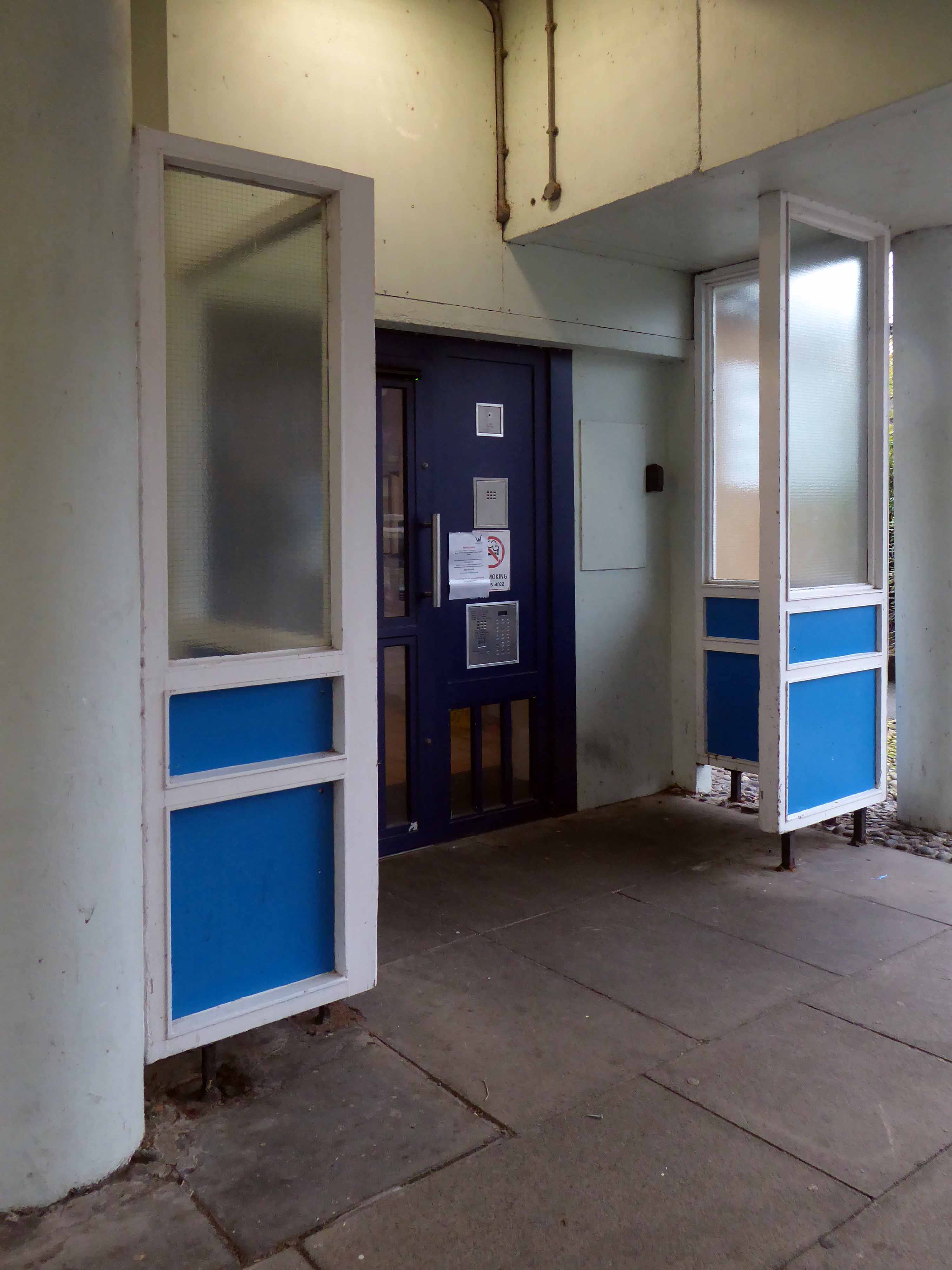
Beneath the block an amazing void, entrance and stairway.

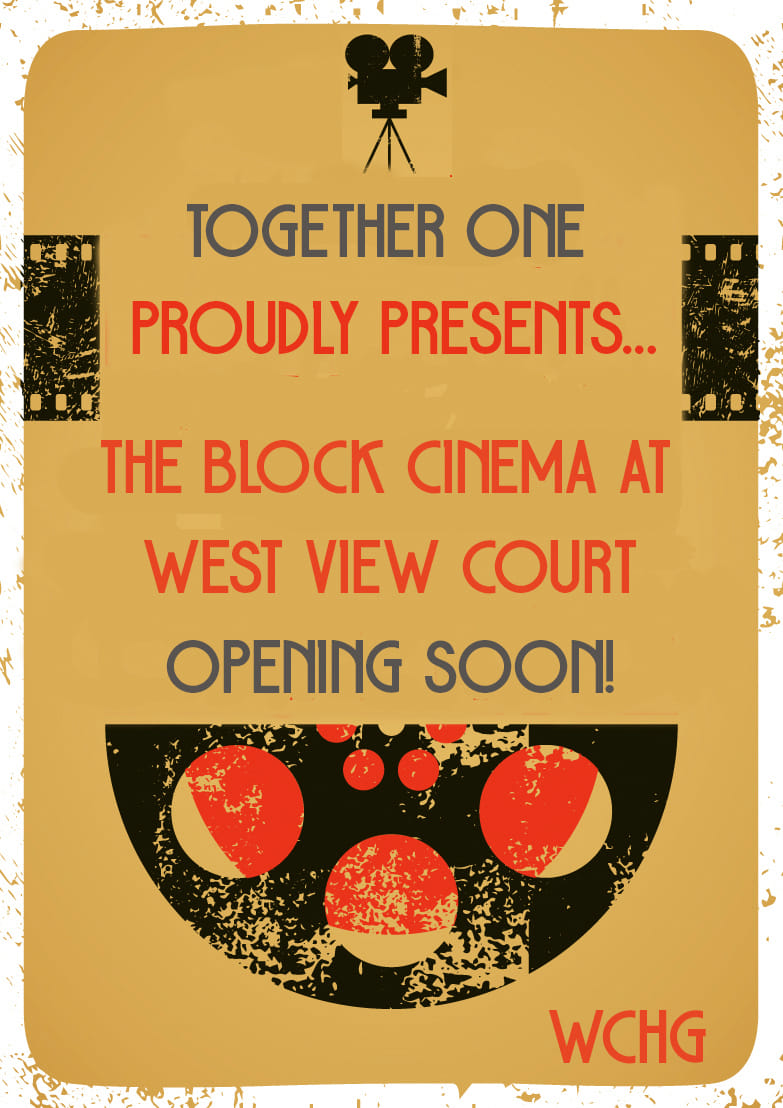
West View Court has an amazing community cinema The Block.

Hanover Chapel – Stockport

The city, however, does not tell its past, but contains it like the lines of a hand, written in the corners of the streets, the gratings of the windows, the banisters of the steps, the antennae of the lightning rods, the poles of the flags, every segment marked in turn with scratches, indentations, scrolls.

Italo Calvino – Invisible Cities

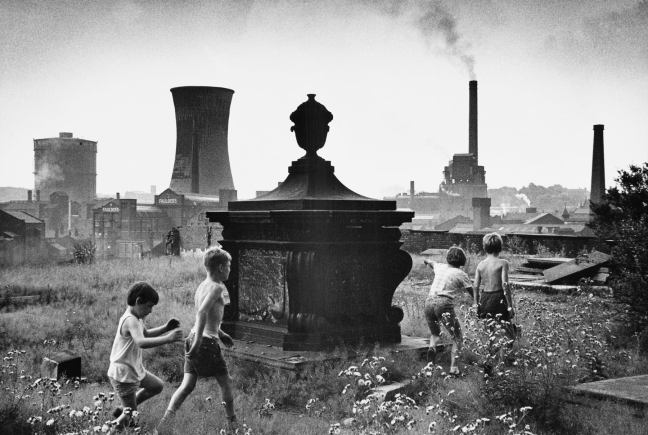
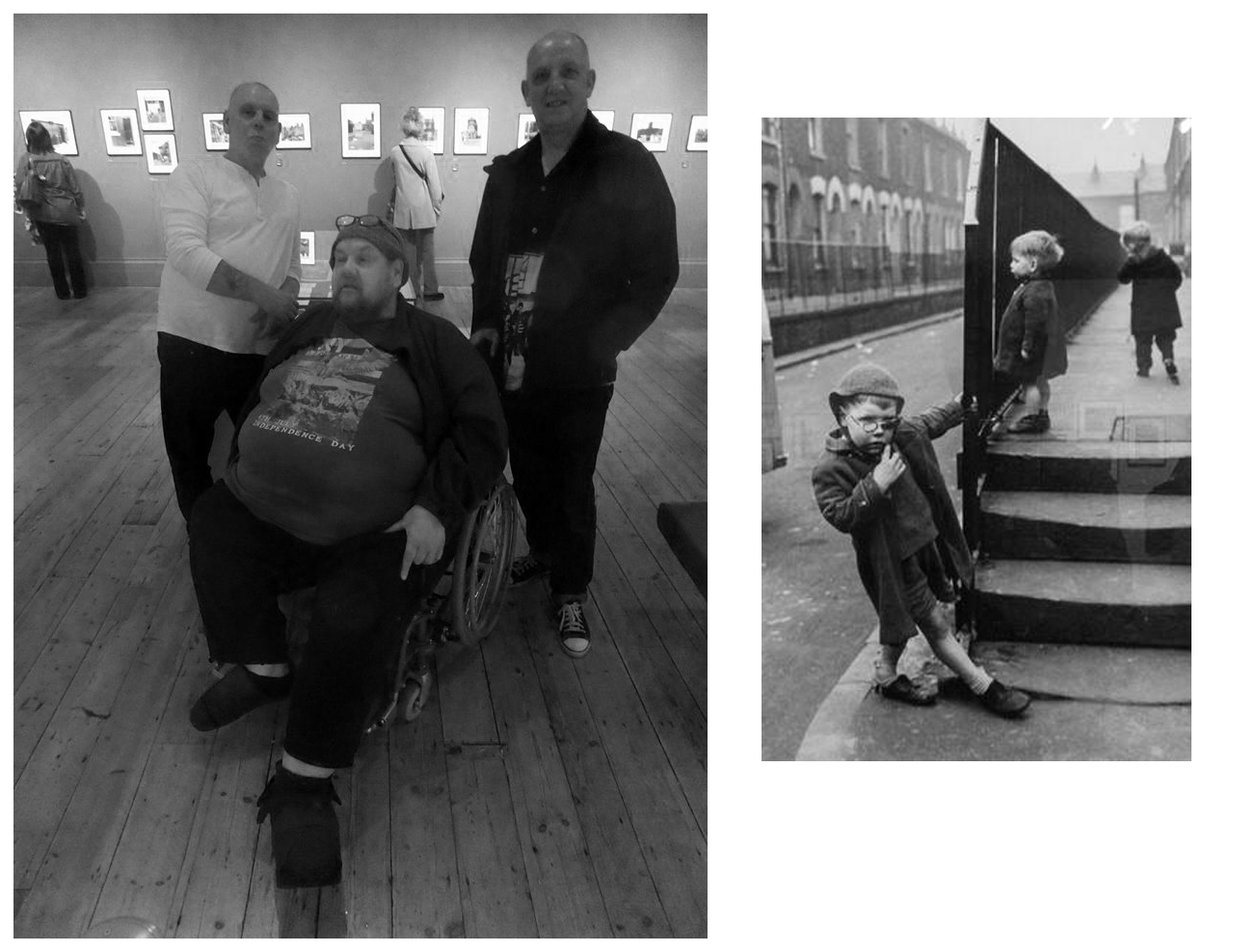
Paul Dobraszczyk posted this Shirley Baker photograph, he was puzzled by its exact location, it puzzled me too.

For nearly all that is depicted here, is now no longer extant, save one hopes, for the group of playmates.

All that is solid melts into air, all that is holy is profaned, and man is at last compelled to face with sober senses his real conditions of life, and his relations with his kind.

Manifesto of the Communist Party

Shirley Baker was a renowned documentary photographer, who worked extensively in Greater Manchester.

I love the immediacy of unposed, spontaneous photographs and the ability of the camera to capture the serious, the funny, the sublime and the ridiculous. Despite the many wonderful pictures of the great and famous, I feel that less formal, quotidian images can often convey more of the life and spirit of the time.

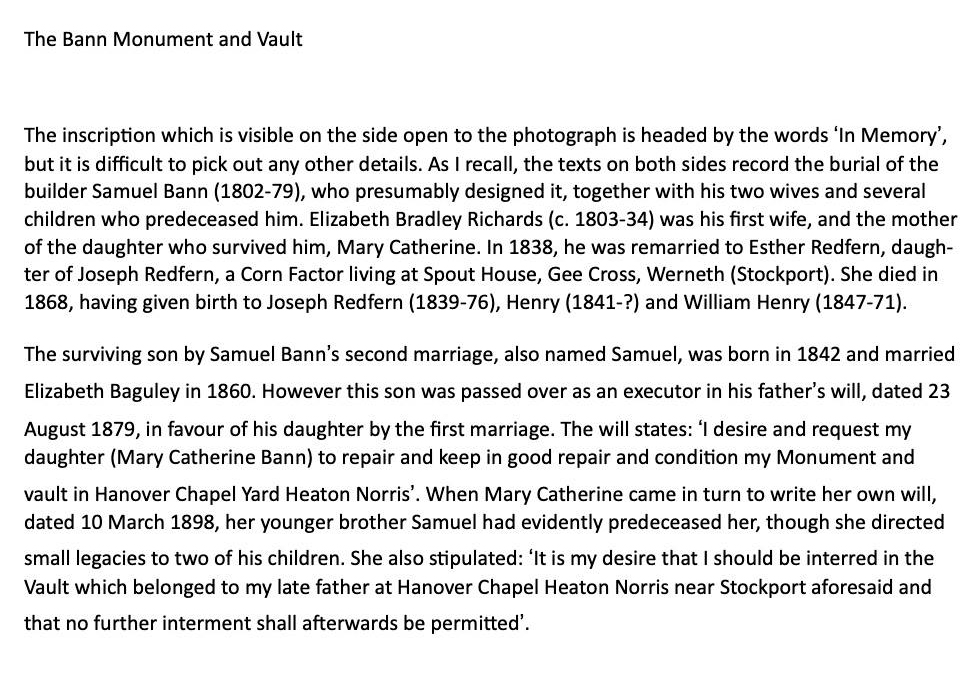
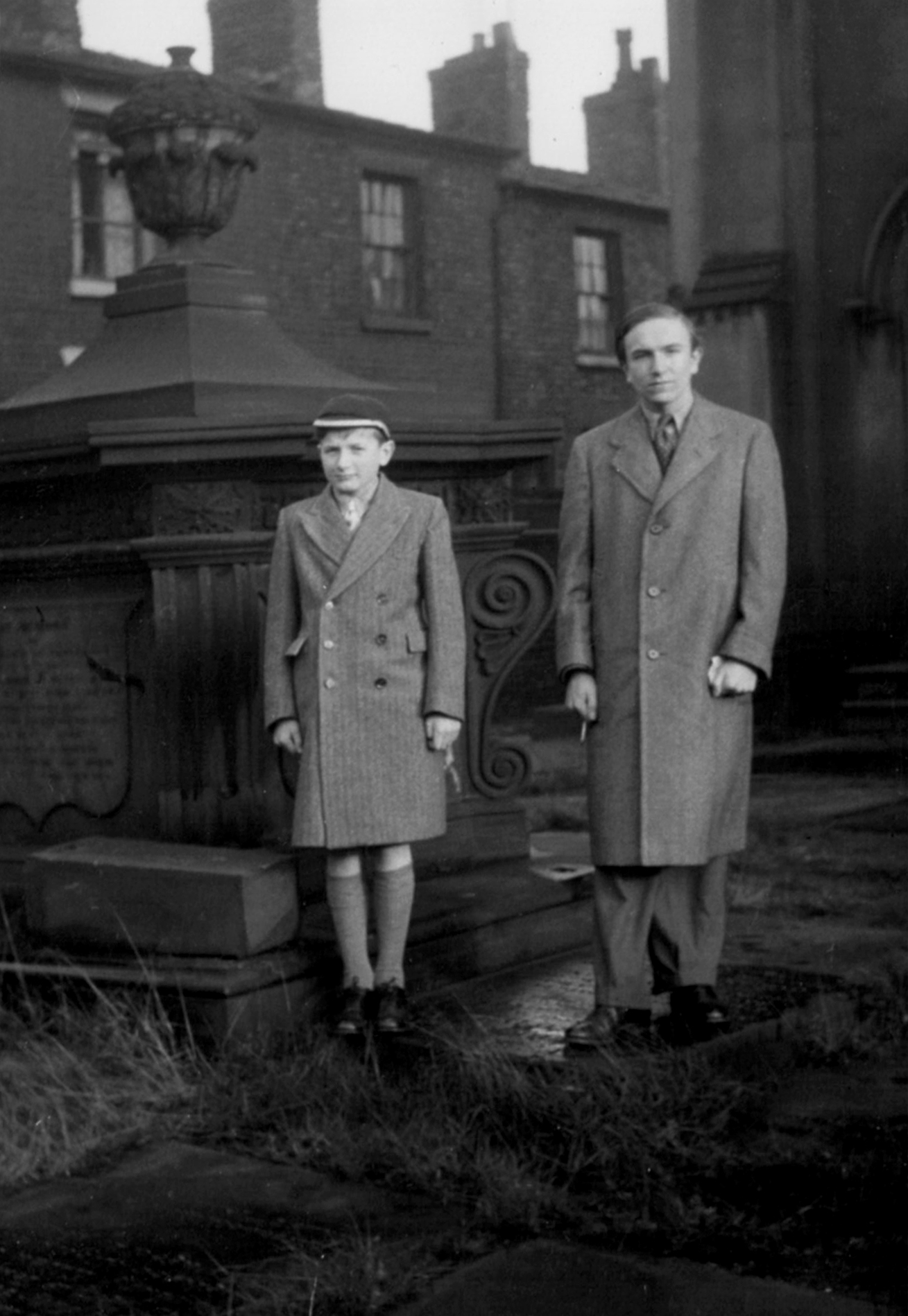
I am grateful to Stephen Bann who has identified the monument as the Bann Family vault:

Stephen Bann and his younger brother – many thanks for the text and photograph Stephen.

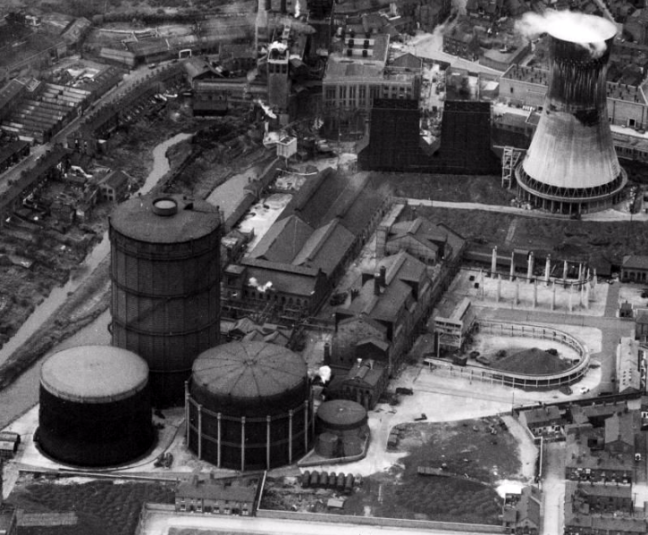
Her photograph was taken in Stockport 1967 – I first assumed it was taken from St Mary’s Church, looking toward the former power station.

I was mistaken.

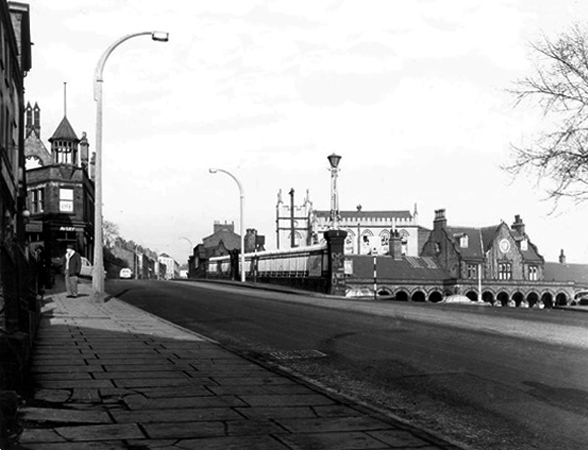
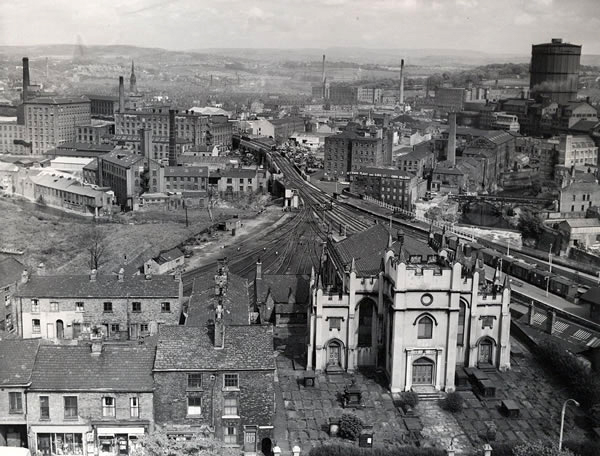
Using the Stockport Image Archive, I found the possible site, in this photograph of Tiviot Dale Station.

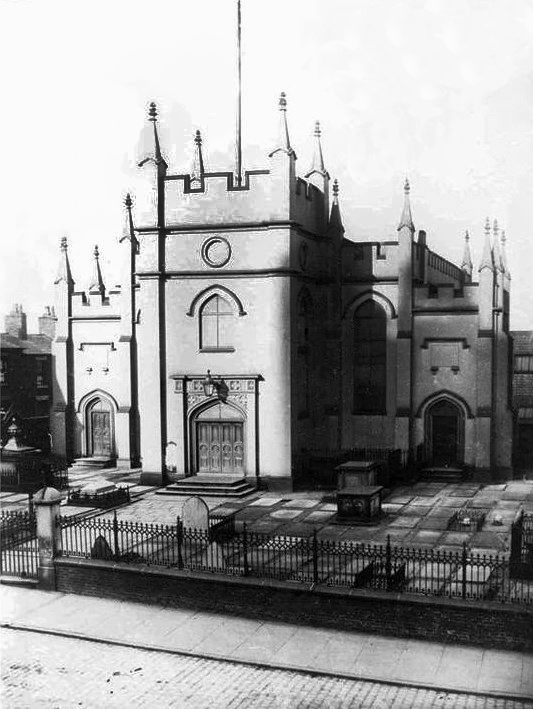
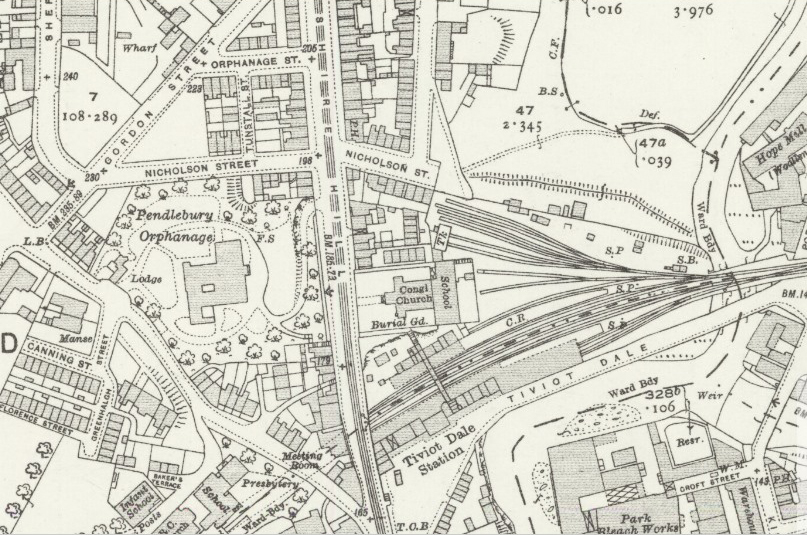
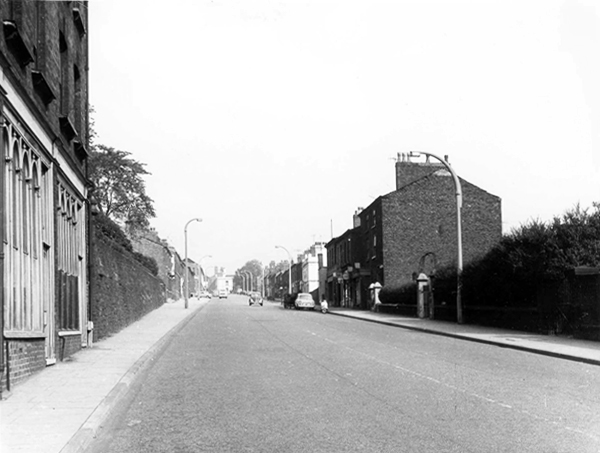
There on the eastern edge of Lancashire Hill – Hanover Chapel.

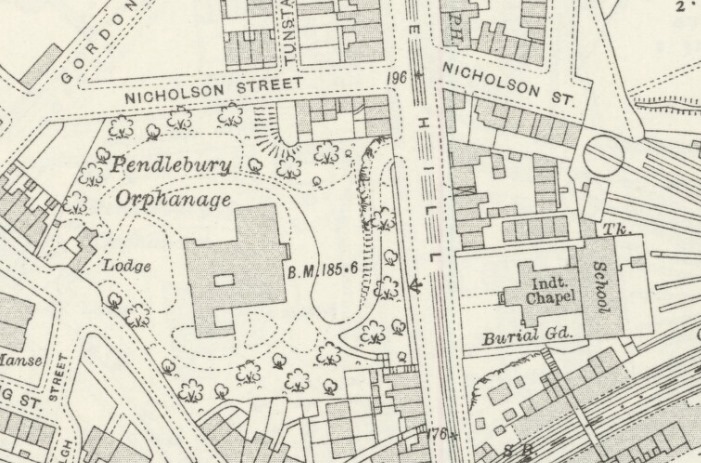
Seen here on the maps of 1917 and 1936.

An area of intense activity, road, rail, housing and infrastructure.

Hanover Chapel closed 1962 – though we may assume from Shirley Baker’s photograph, that following its demolition the graveyard remained intact but untended.

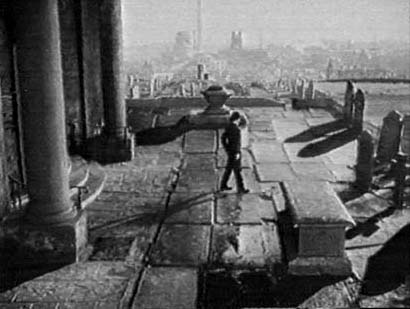
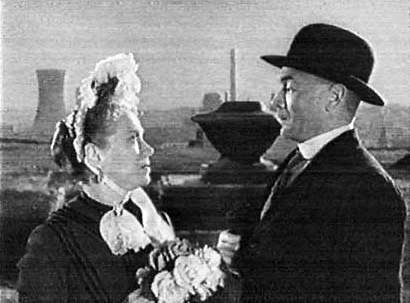
The chapel is thought be seen in the 1954 film Hobson’s Choice, directed by David Lean and starring John Mills, here awaiting his bride to be – the parish church of St Mary’s on the skyline.

Though closer examination reveals that this is not Hanover Chapel – where did those pillars come from?

Where are we, in a labyrinth of invention with a superimposed Stockport backdrop?

My thanks to Robert Collister for these observations.

Improbably out of time, the cooling towers are yet to be built, or blown up.

Here John is joined by Salford born Brenda Doreen Mignon de Banzie, playing Maggie.

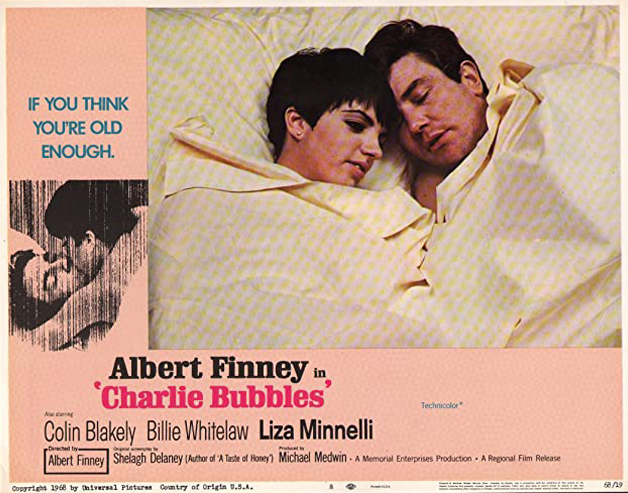
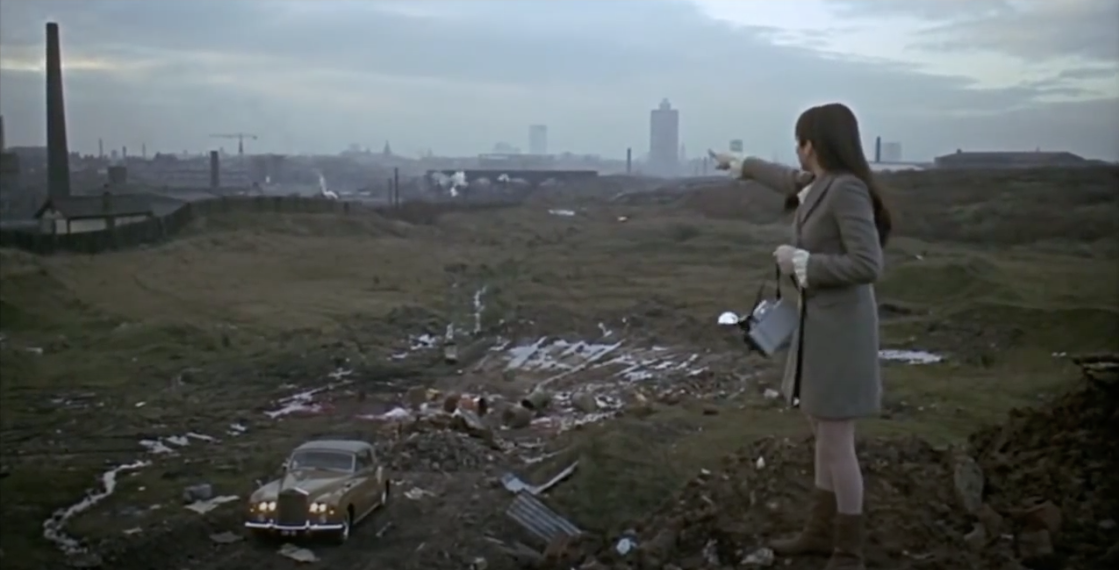
The demolished chapel rubble appears in the foreground of Albert Finney’s gold Roller CB 1E in Charlie Bubbles.

The film’s screenplay was the work of Shelagh Delaney, whose previous work A Taste of Honey also used local locations.

Where Finney has pulled up, feeling proper poorly.

As a serendipitous symmetry, Charlie Bubbles co-star Liza Minelli plays a photographer recording Salford’s disappearing streets.

Bit by bit everything disappears, Tiviot Dale Station closed completely on January 2nd 1967.

Where once there was a continuous run from the chapel to the town centre, the motorway has since intervened.

The Tiviot Dale pub on the right is no more, closed in 2013.

We had people from all parts of the country turn up on our final day, some of them brought their children who wanted to come because they remember the pub so fondly from their childhood. It was really humbling to see that our pub had touched so many lives.

Dave Walker landlord.

The King’s Head/Full Shilling on the left closed in 2015, though still standing.

I remember this pub as a Boddingtons house in the 1970’s. Excellent bitter served by handpump from small vault at the front and a larger “best room” behind, both very narrow given the width of the pub. The landlord employed an unusual method of ensuring everyone got a full pint; a half pint glass of beer was kept between the pumps and your pint was topped up from the half which was constantly replenished to keep it fresh. I have not seen this practice in any other pub.

Phil Moran

When’s the next tram due?

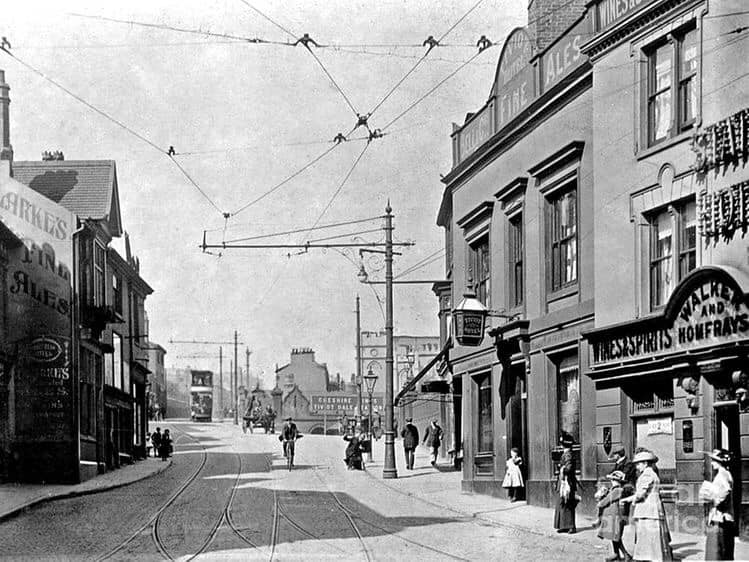
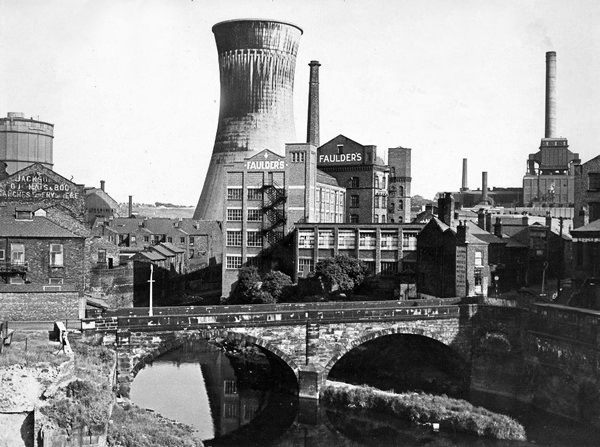
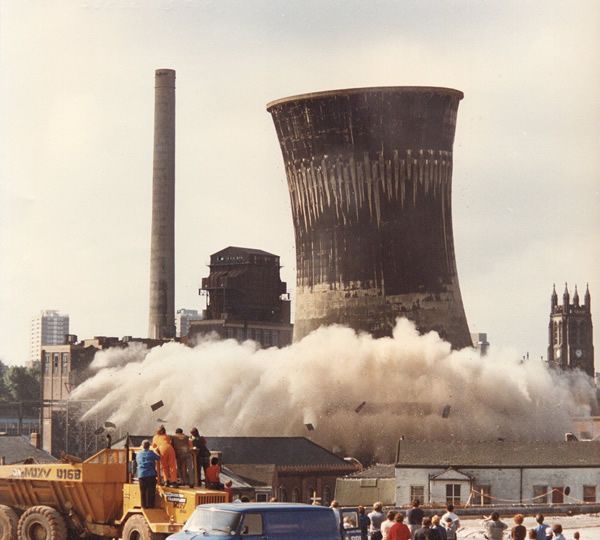
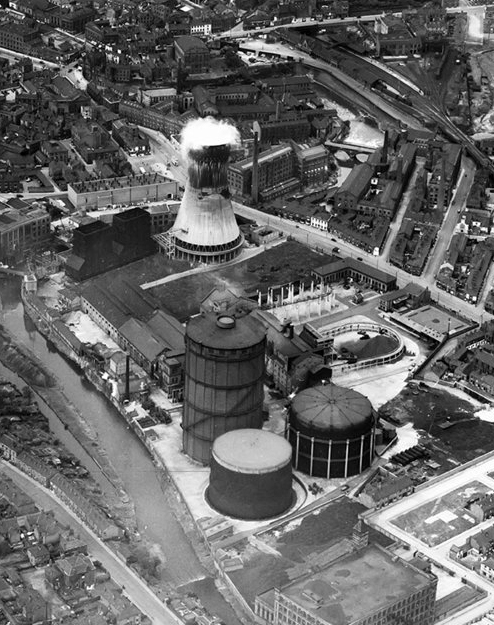
Millgate Power Station operated until 1976.

At the adjacent gas works – gas holder number three was dismantled in 1988, gas holders one and two were removed in 2019.

The nature of infrastructure, housing and industry has changed radically.

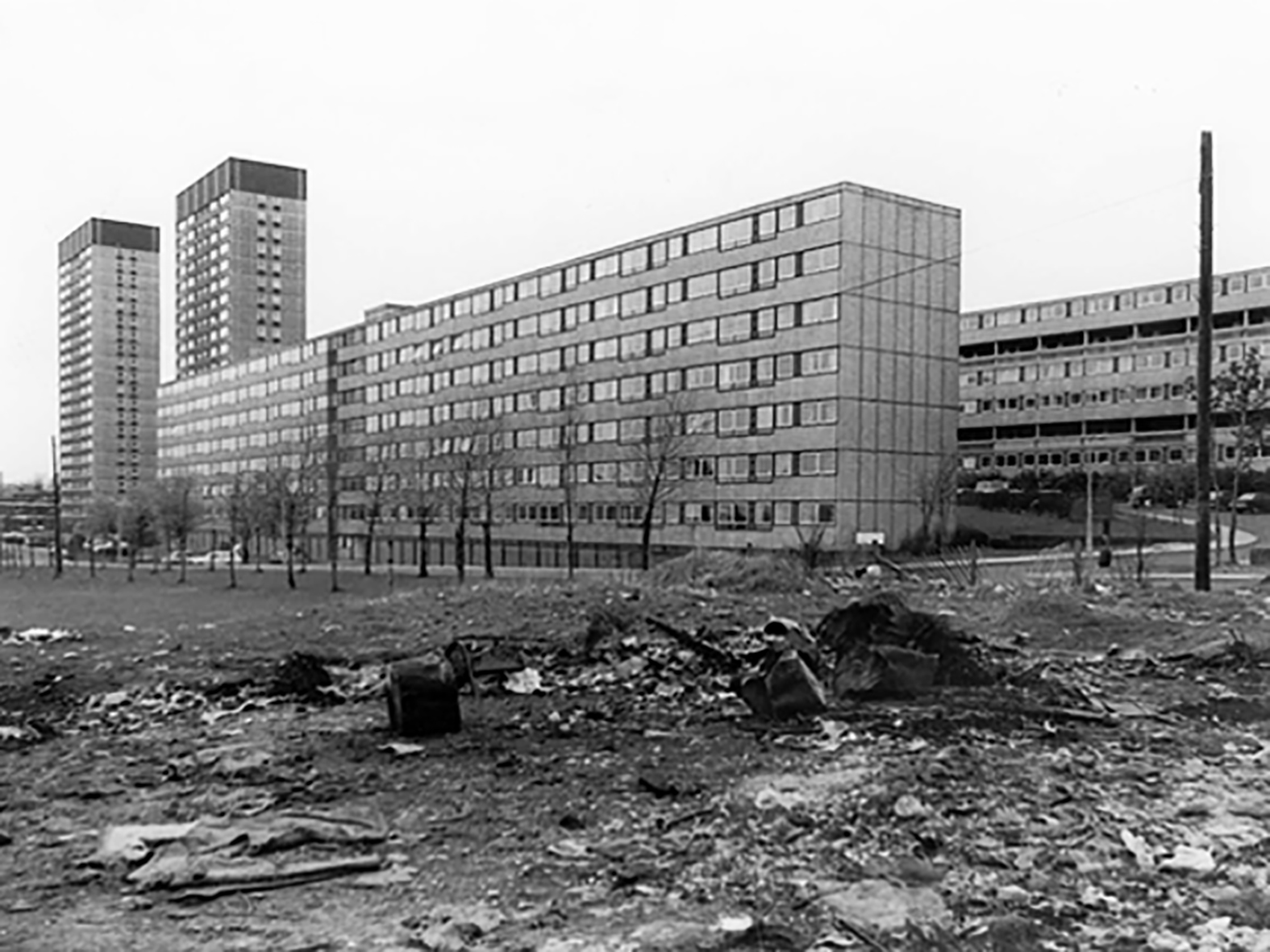
Lancashire Hill flats were built in the 60s, designed by City Architect JS Rank, two seven storey blocks containing 150 dwellings; two six storey blocks containing 120 dwellings.

Replacing tight rows of terraced housing.

They themselves clad and revamped.

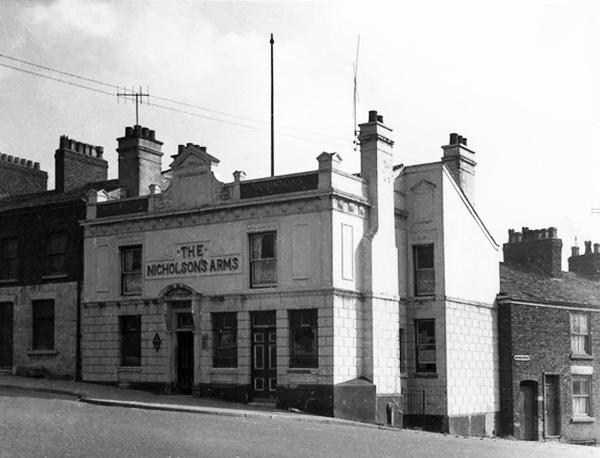
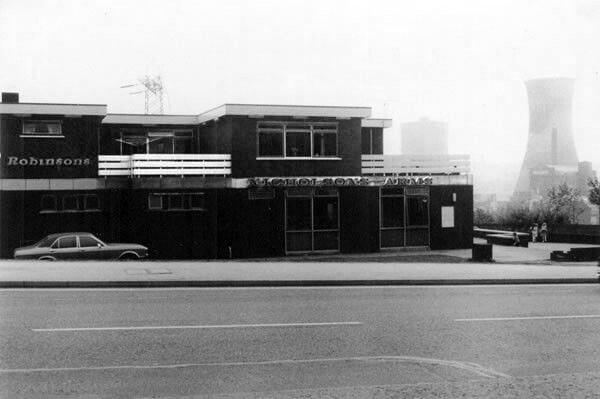
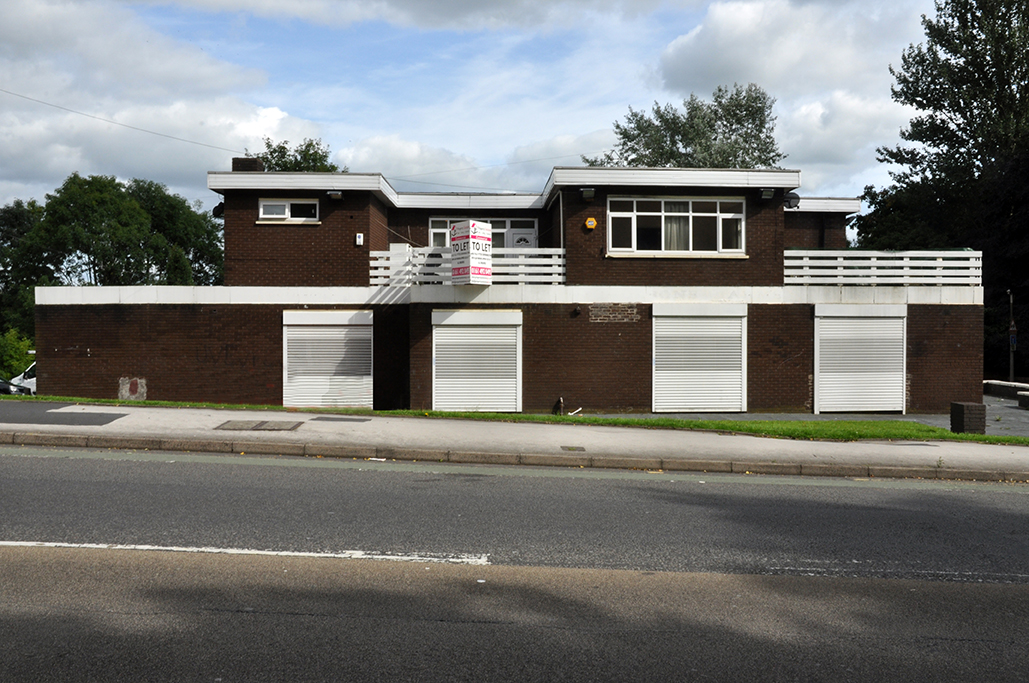
The Nicholson’s Arms built to serve the flats closed and currently empty, signs say to let – replaced an earlier pub, sited on the corner of long gone Nicholson Street.

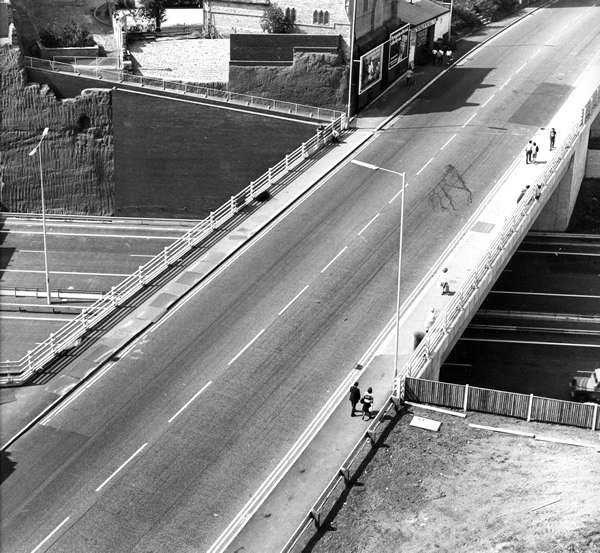
The Motorway appears piecemeal in 1974, formerly the M63 now M60.

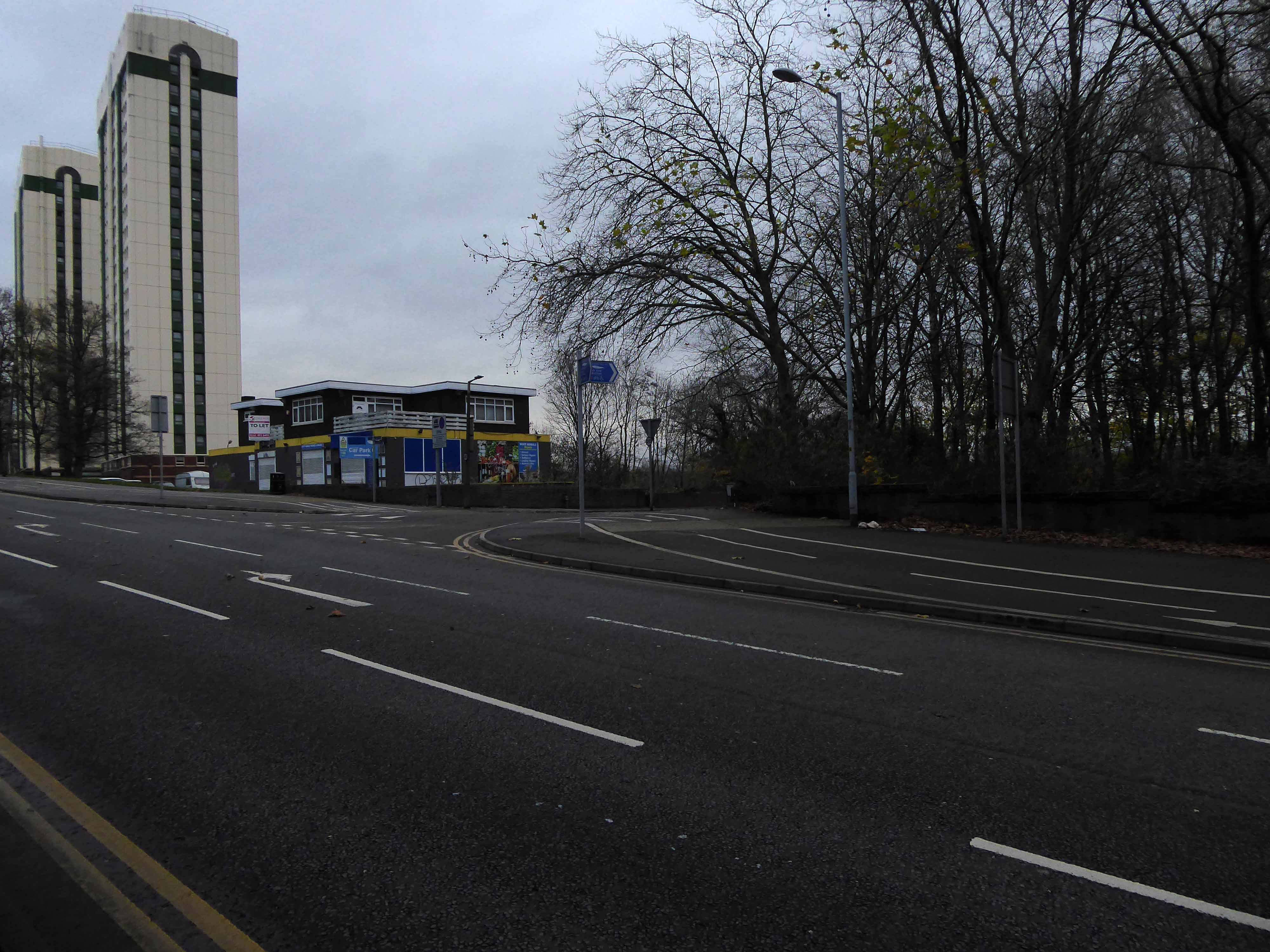
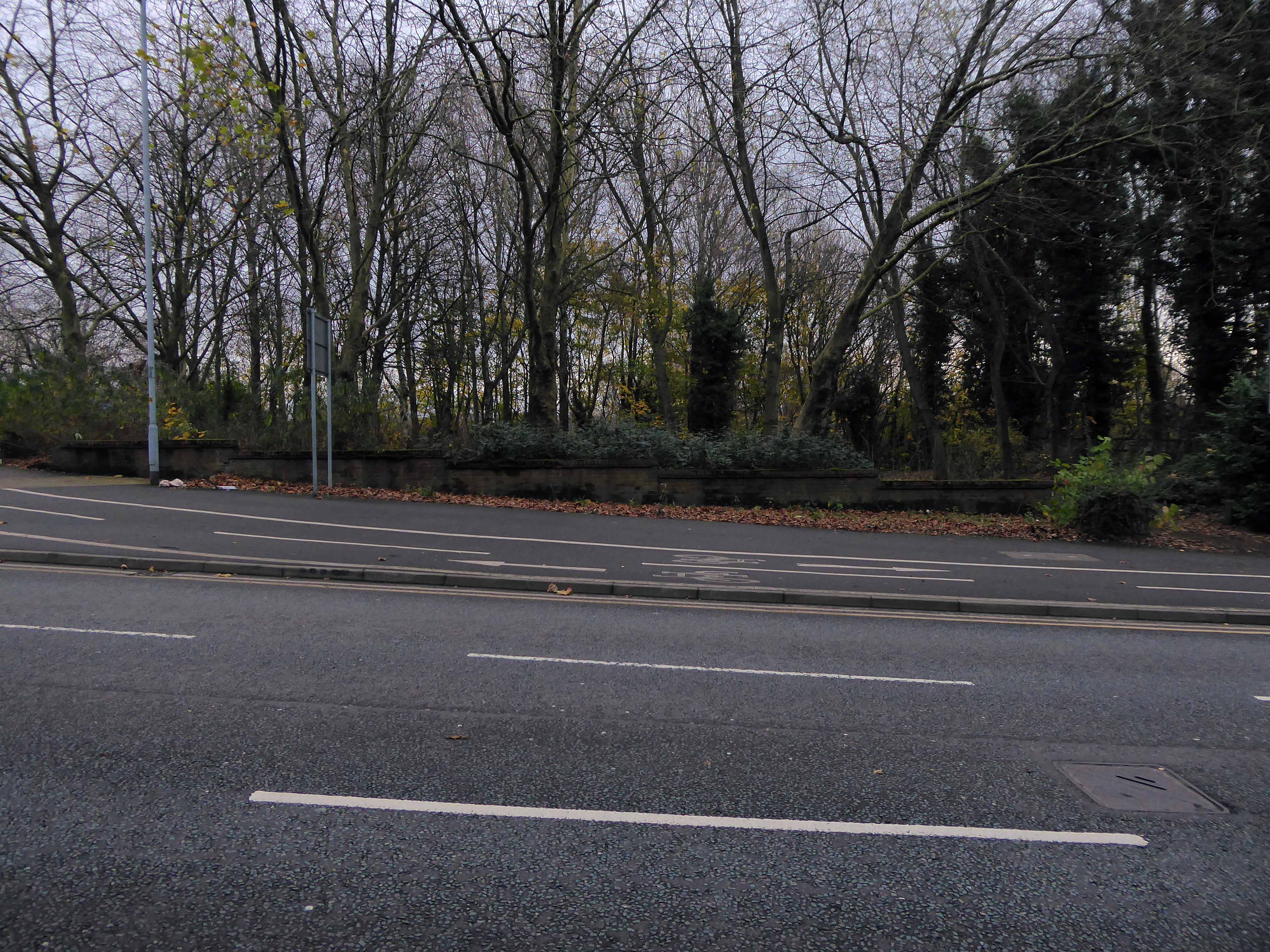
Today from the road there’s simply no trace of the site’s past purpose.

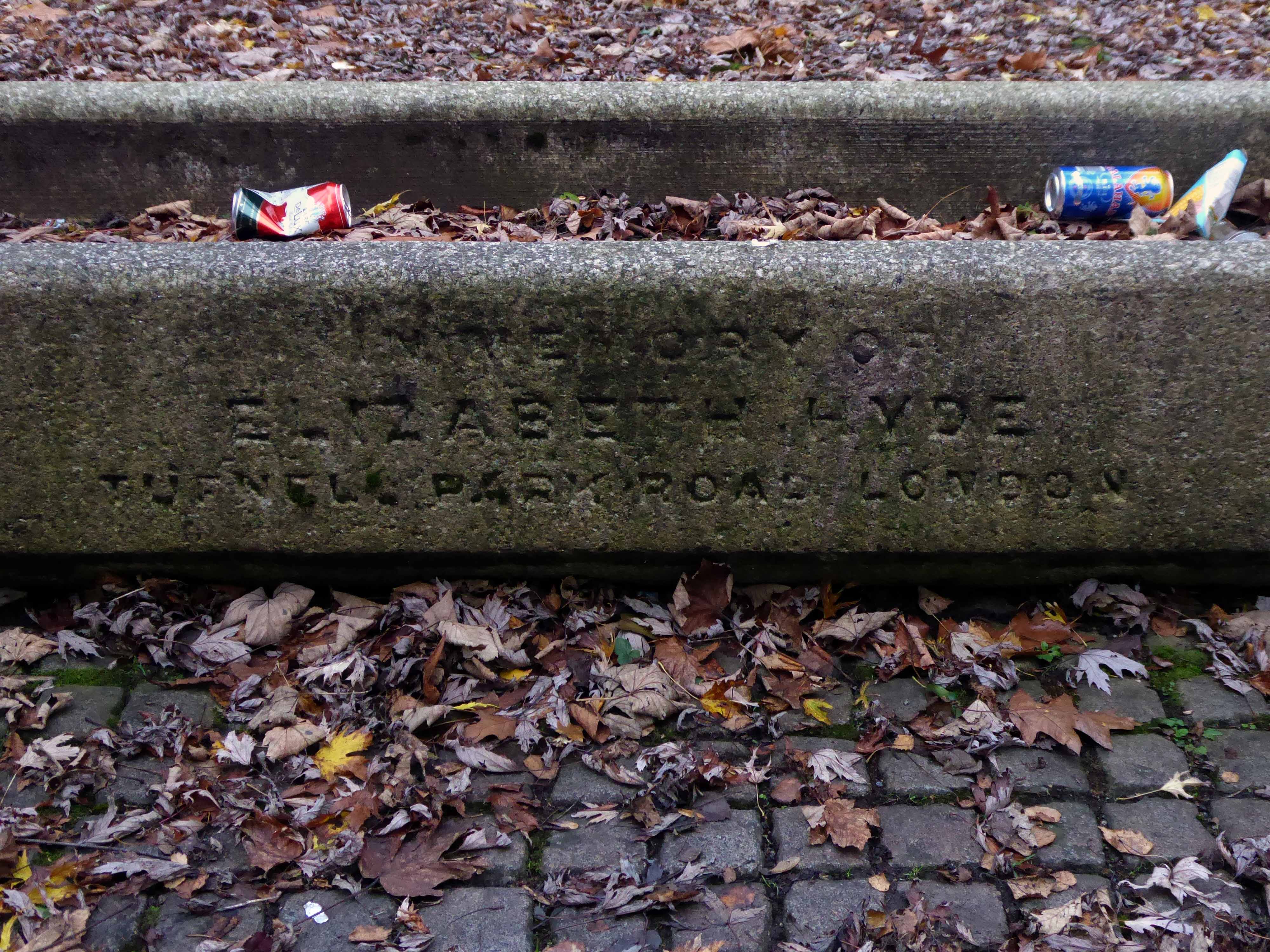
At the centre of what is now a compact civic grassed area – a trough.

Incongruously in memory of Elizabeth Hyde of Tufnell Park Road London.

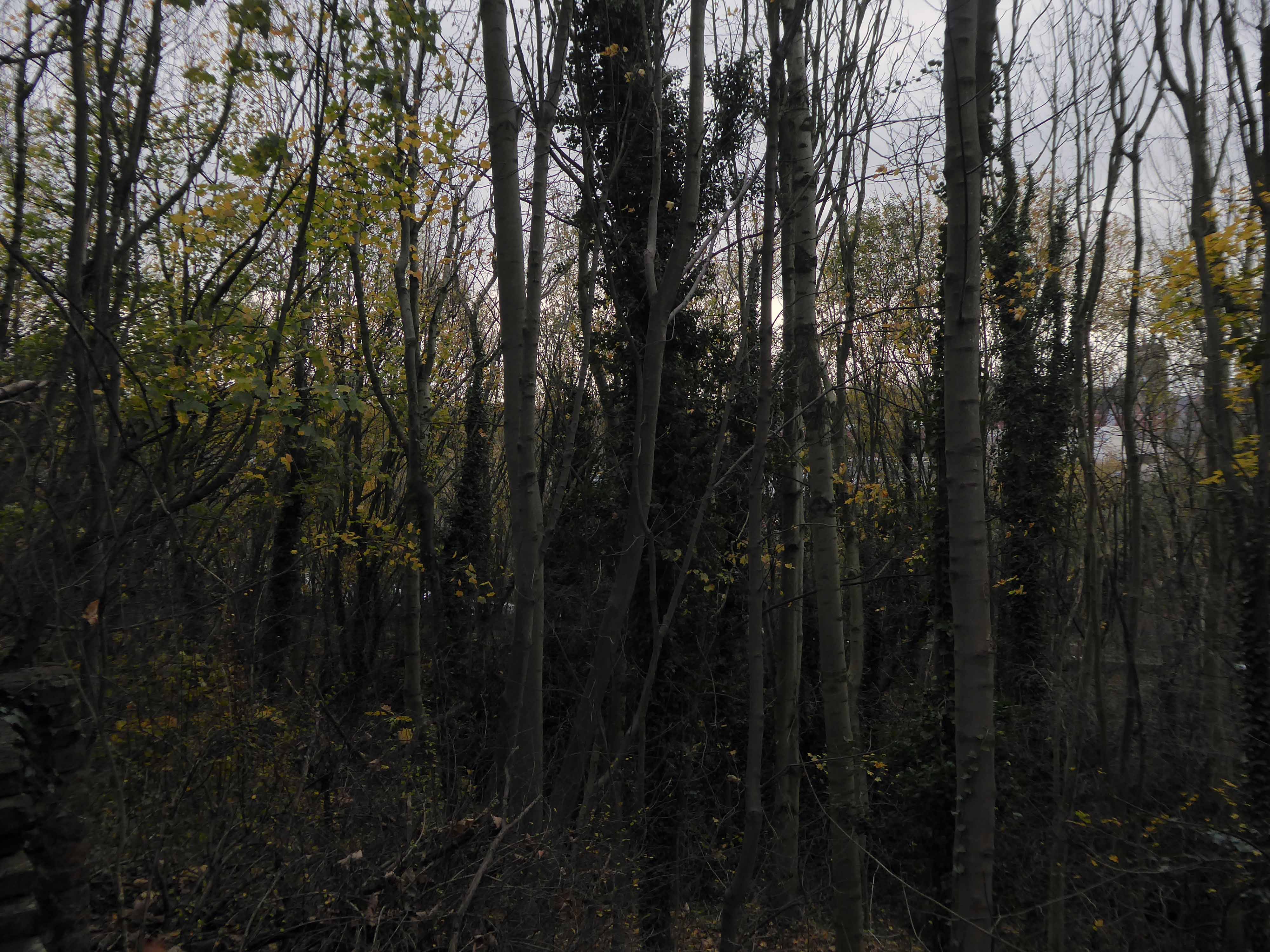
The dense stand of trees is impenetrable – no longer a view of the non existent power station and beyond.

And they that shall be of thee shall build the old waste places: thou shalt raise up the foundations of many generations; and thou shalt be called, the repairer of the breach, the restorer of paths to dwell in.

Isiah 58:12

As a footnote I did meet brothers Stephen, Derek and Peter who appeared in this Shirley Baker photograph 55 years ago – she promised them an ice cream each – they never ever received an ice cream.

They are seen in Sunnyside Street Ordsall – long since demolished.

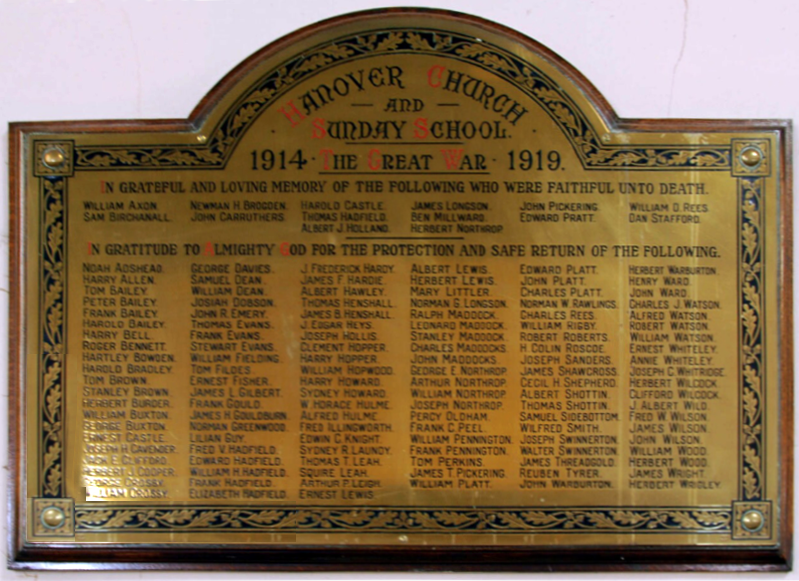
A commemorative plaque from the Chapel still exists, sited now on the wall of Wycliffe Congregational Church Georges Road Stockport.

Archival Images – Stockport Image Archive

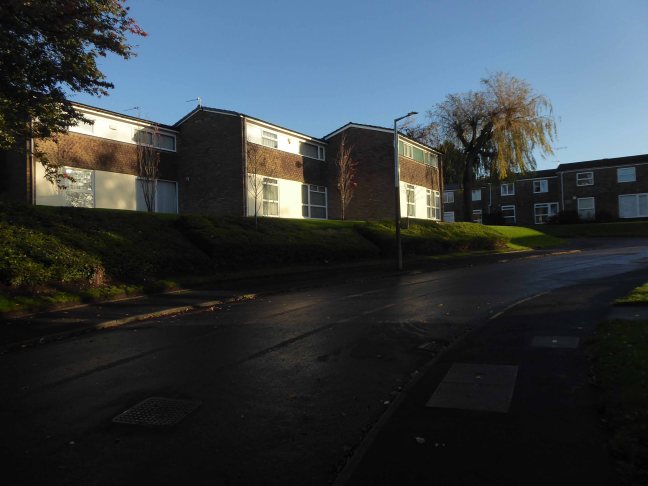
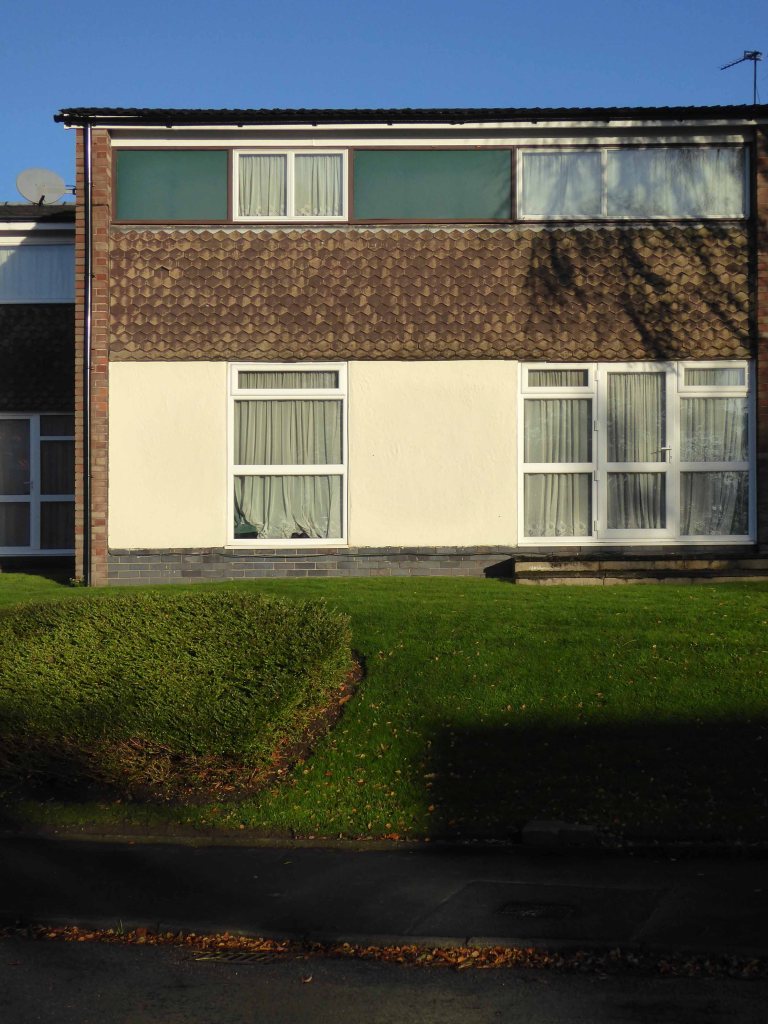
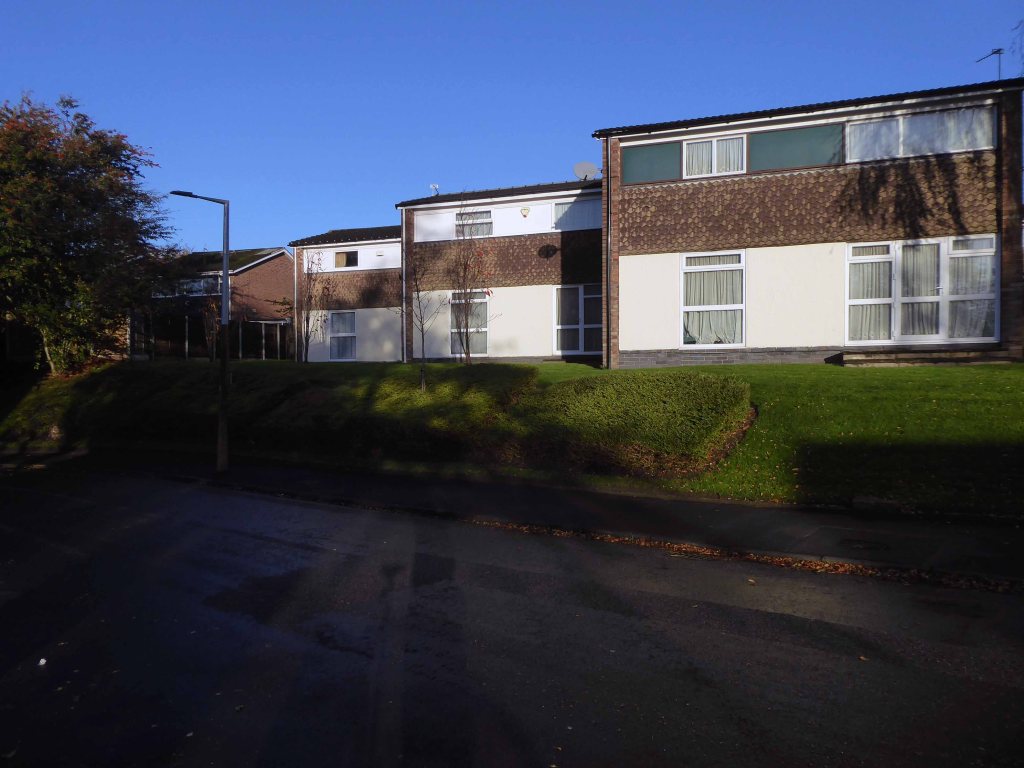
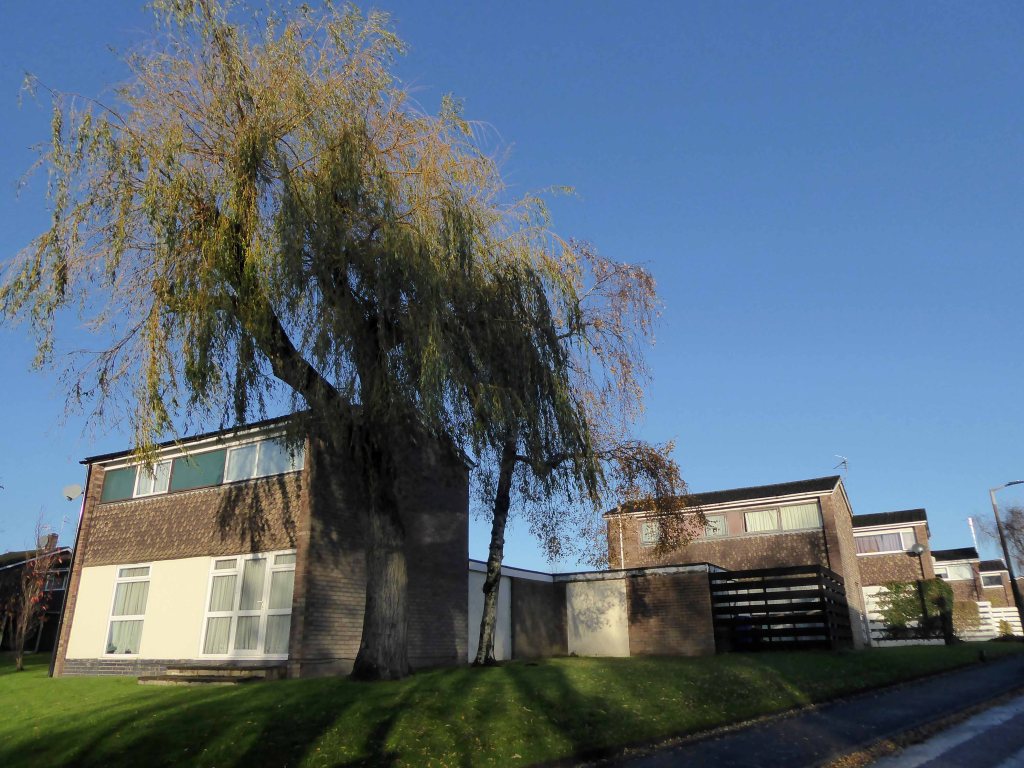
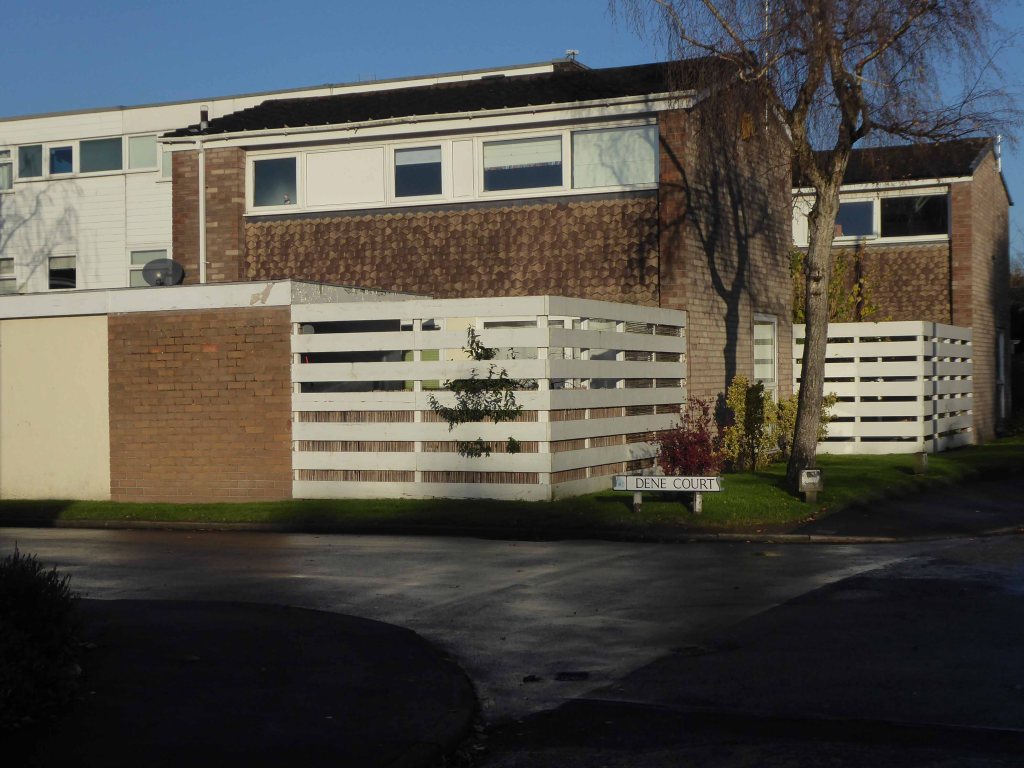
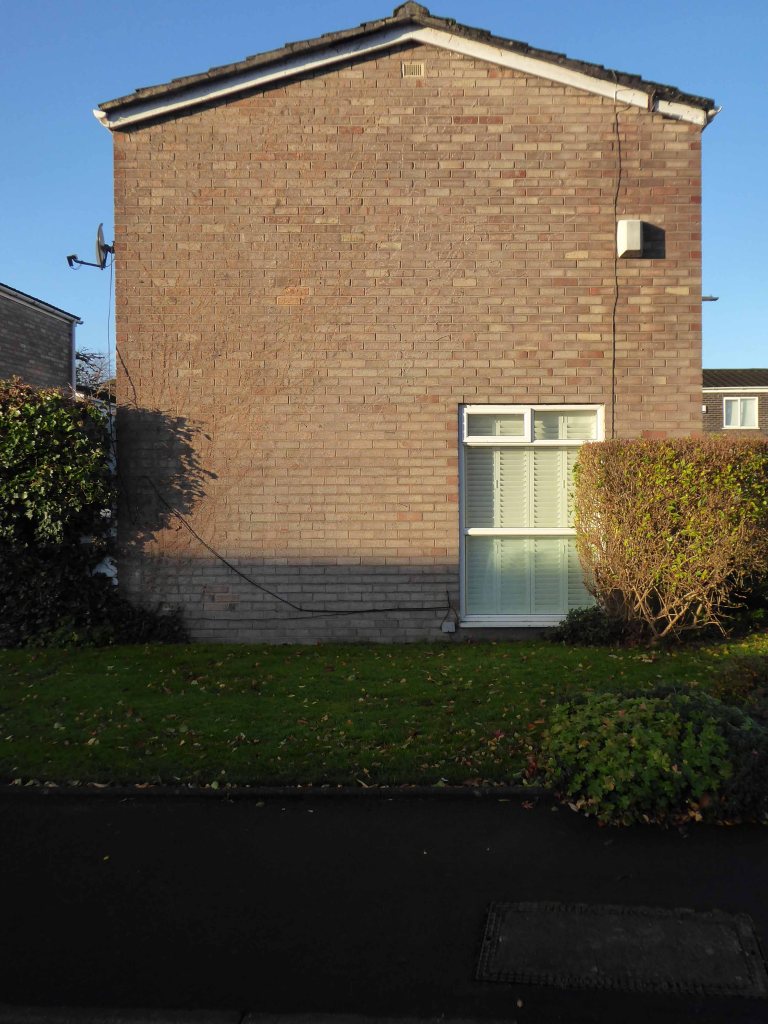
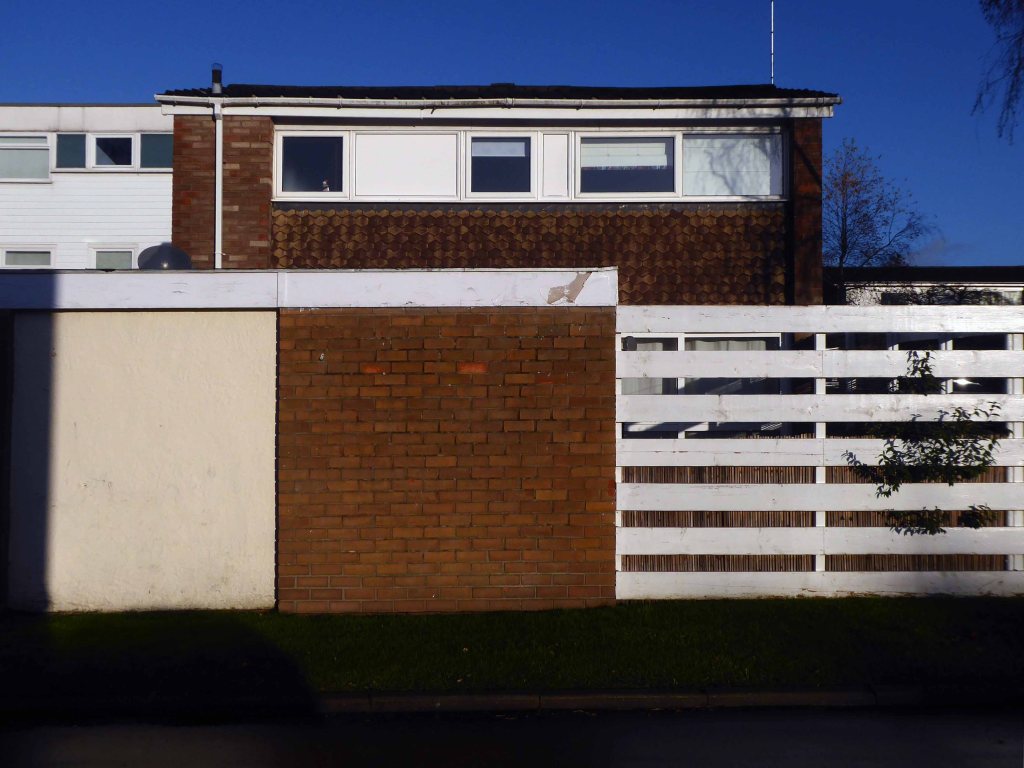
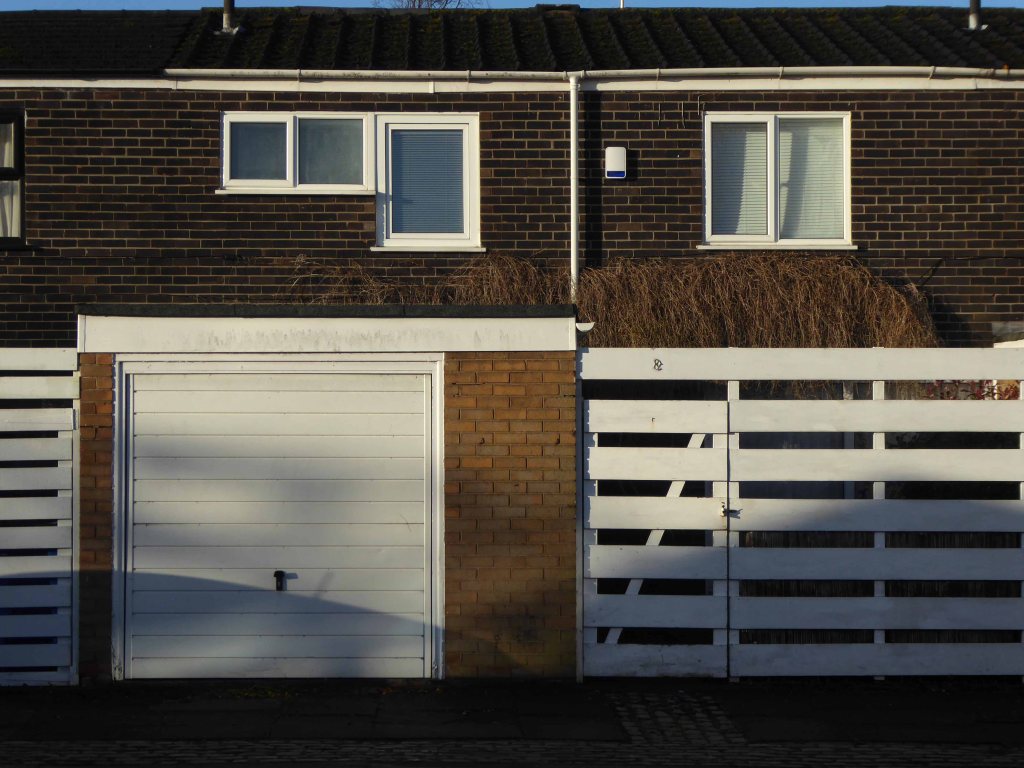
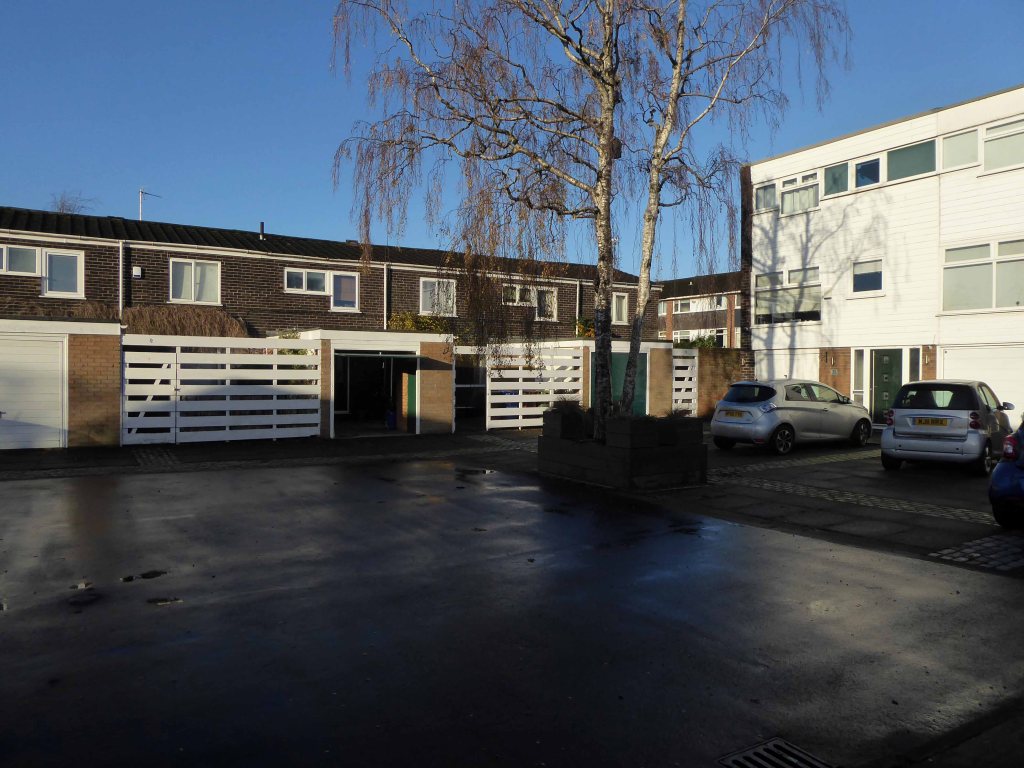
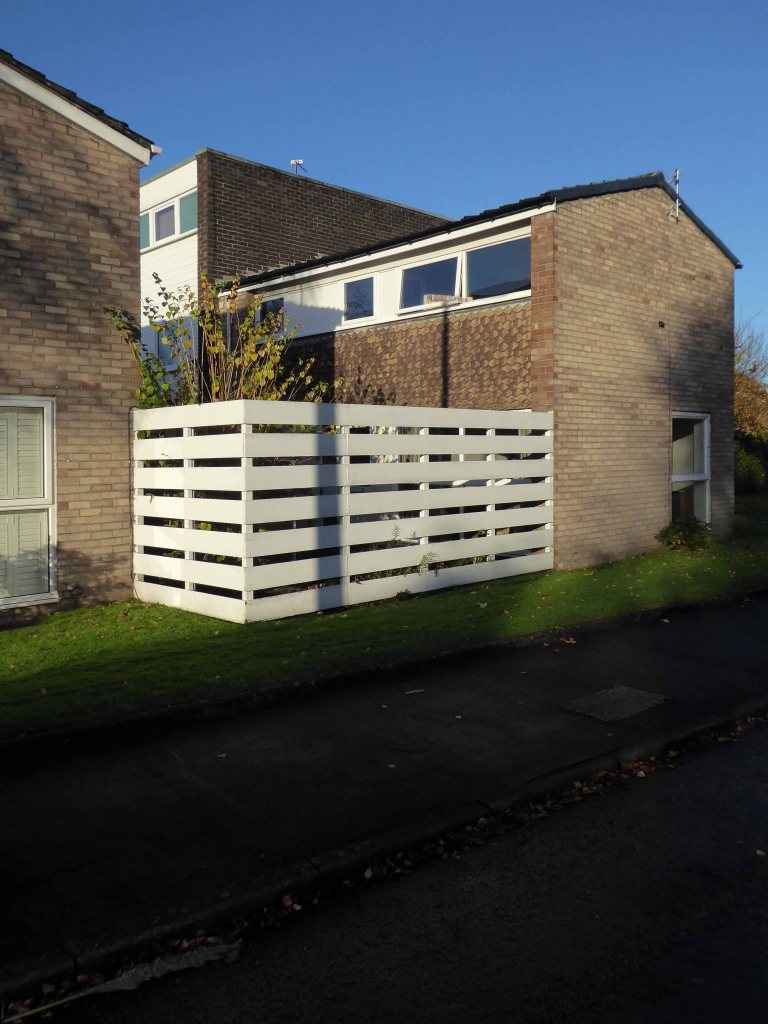
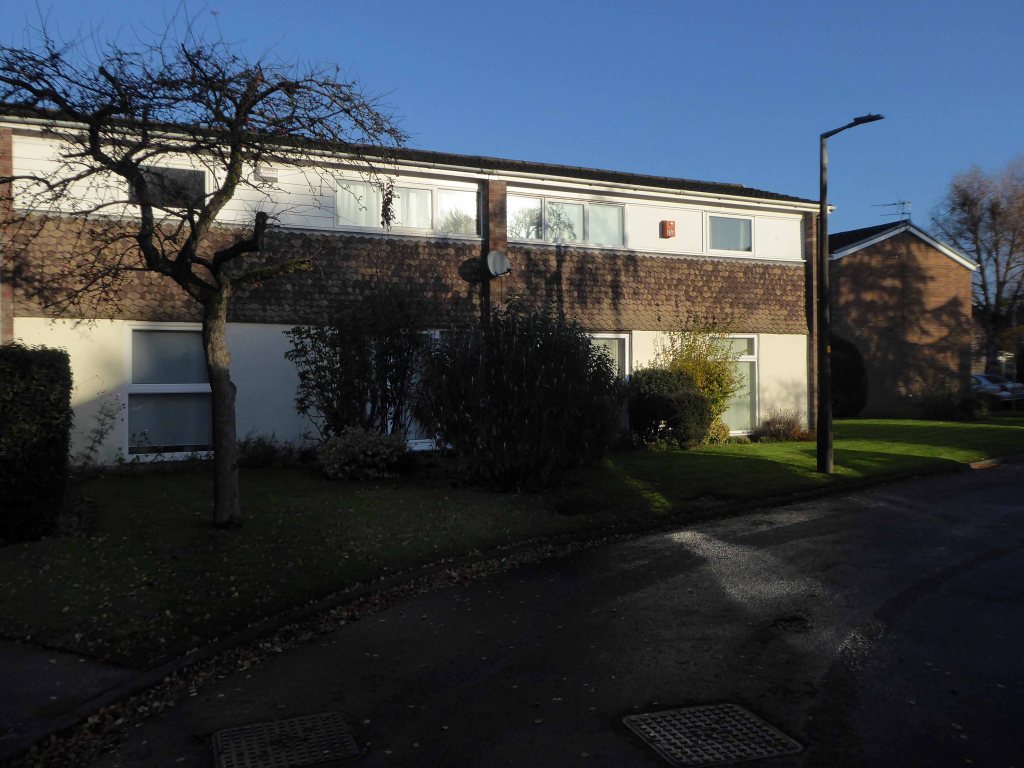
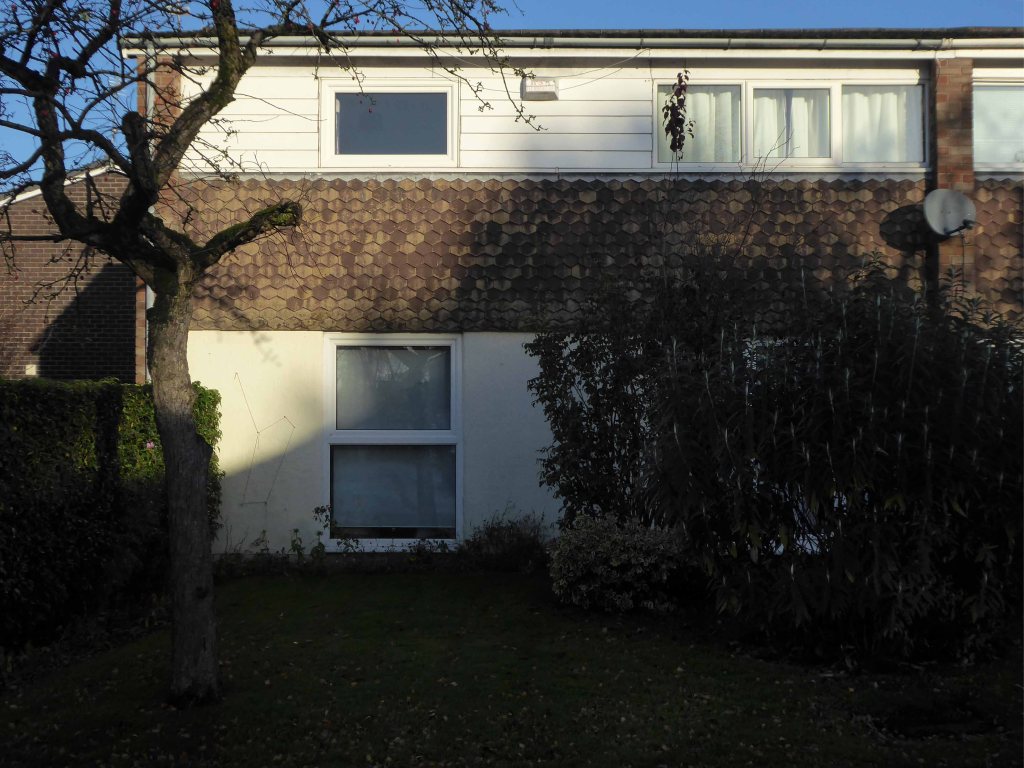
Deneway Stockport Again

Here we are again then – having stopped to snap this July.

I’ve gone completely round the bend and over the hill – just by leaving my own abode, situated just below Deneway.

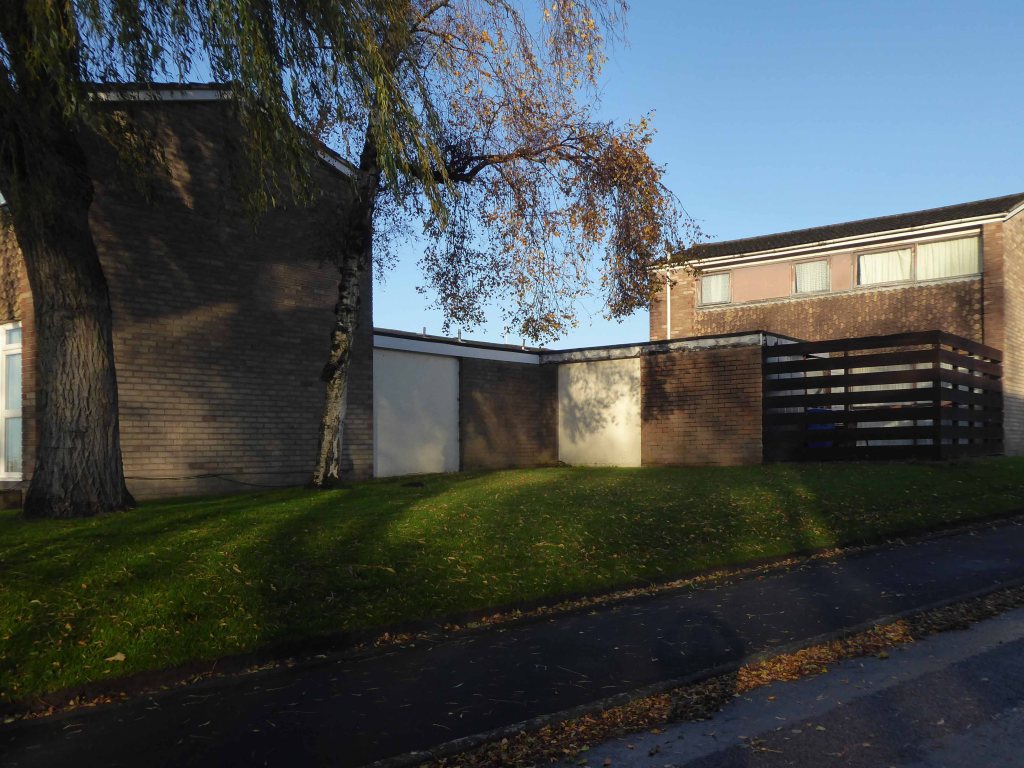
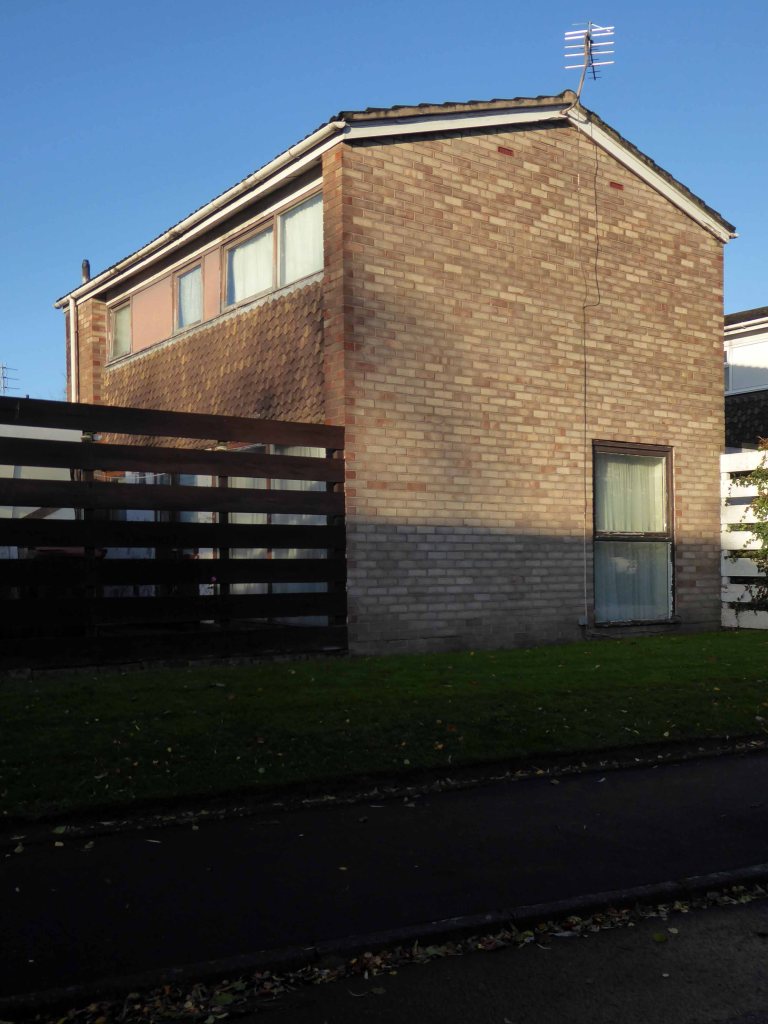
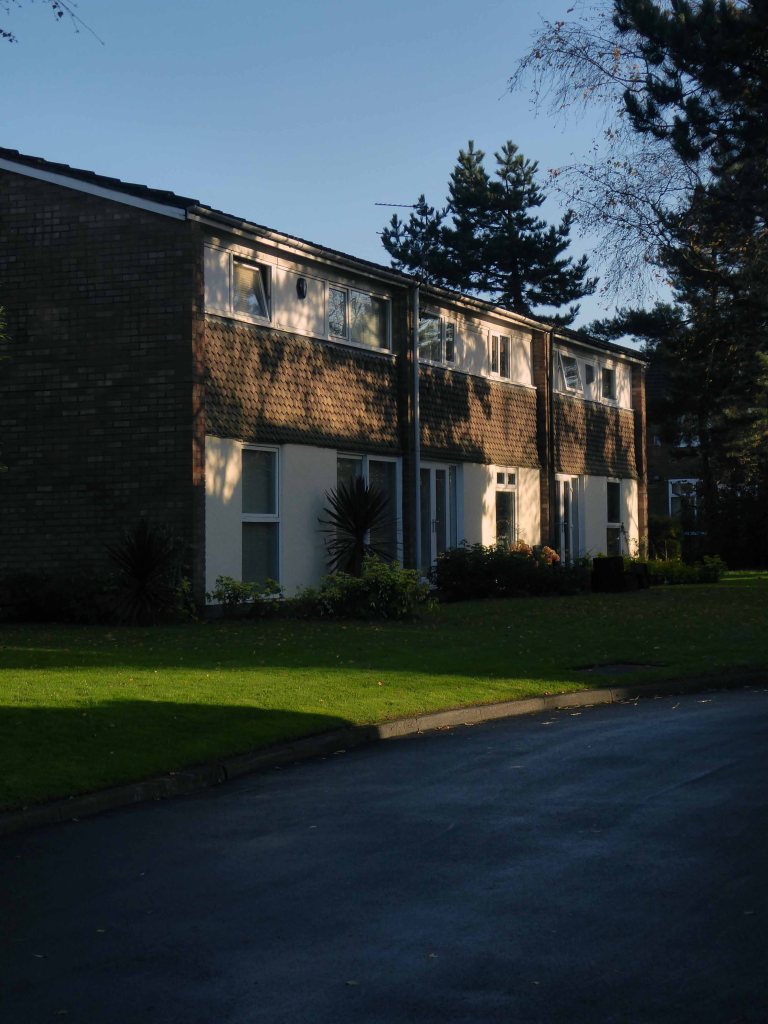
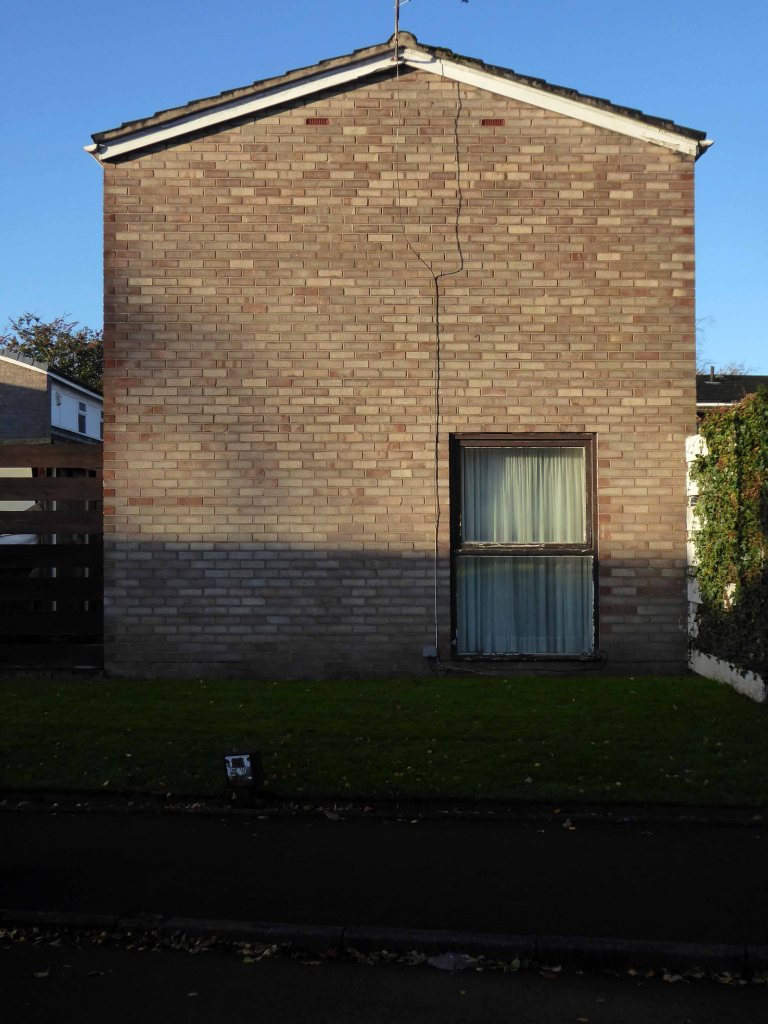
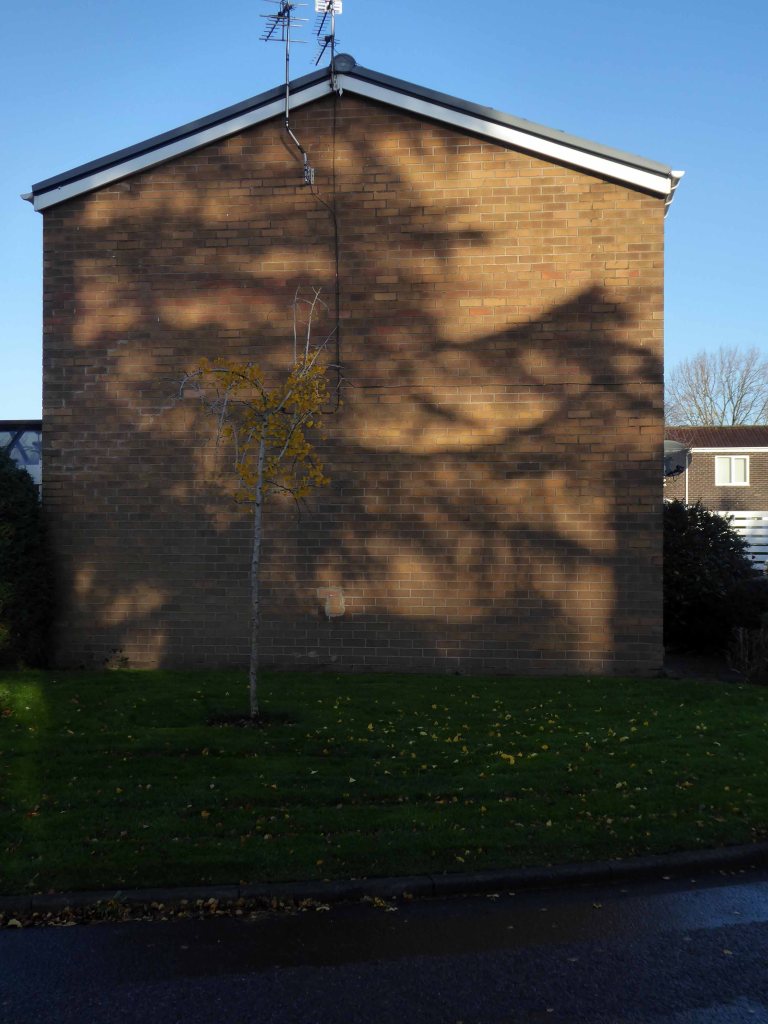
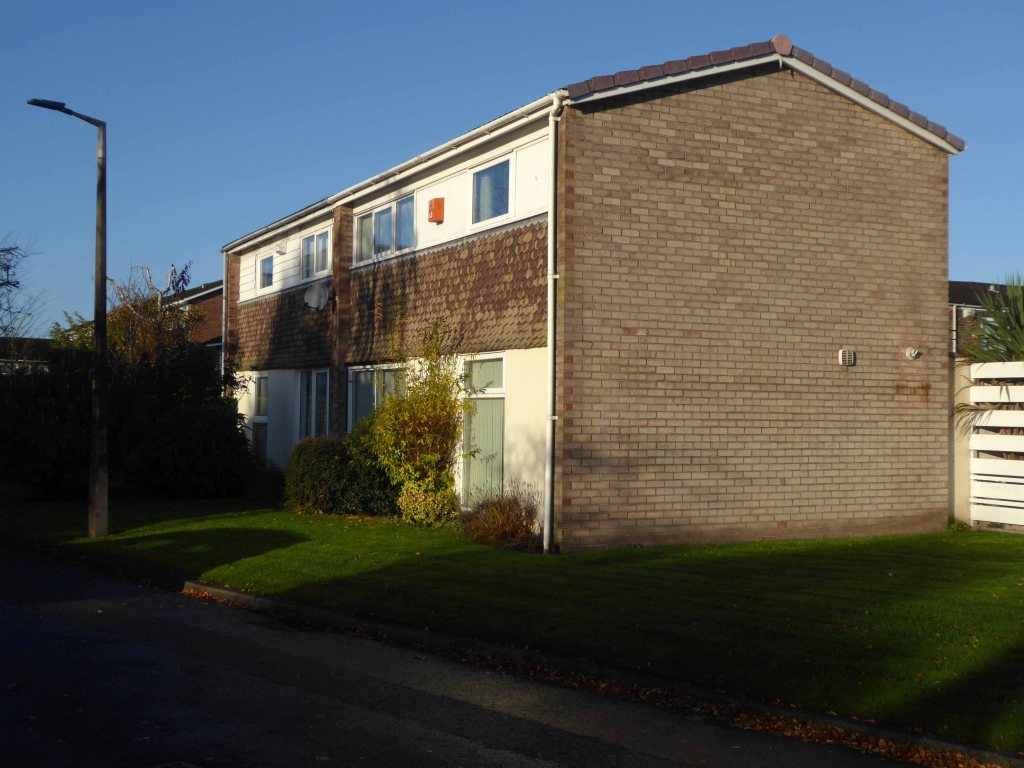
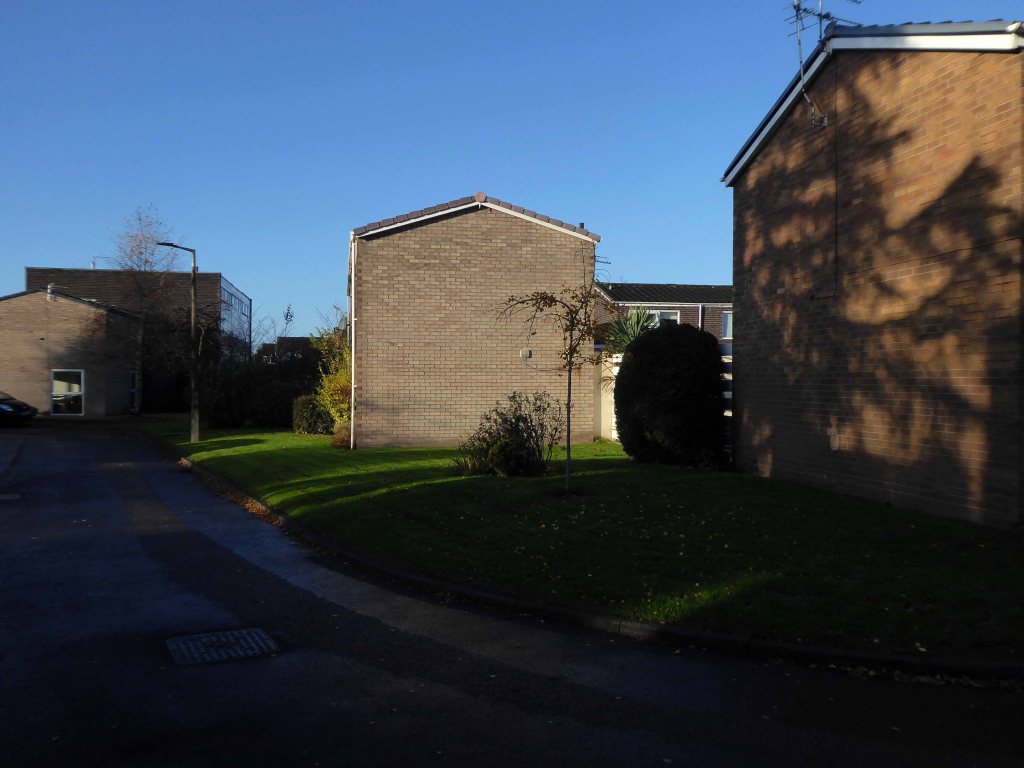
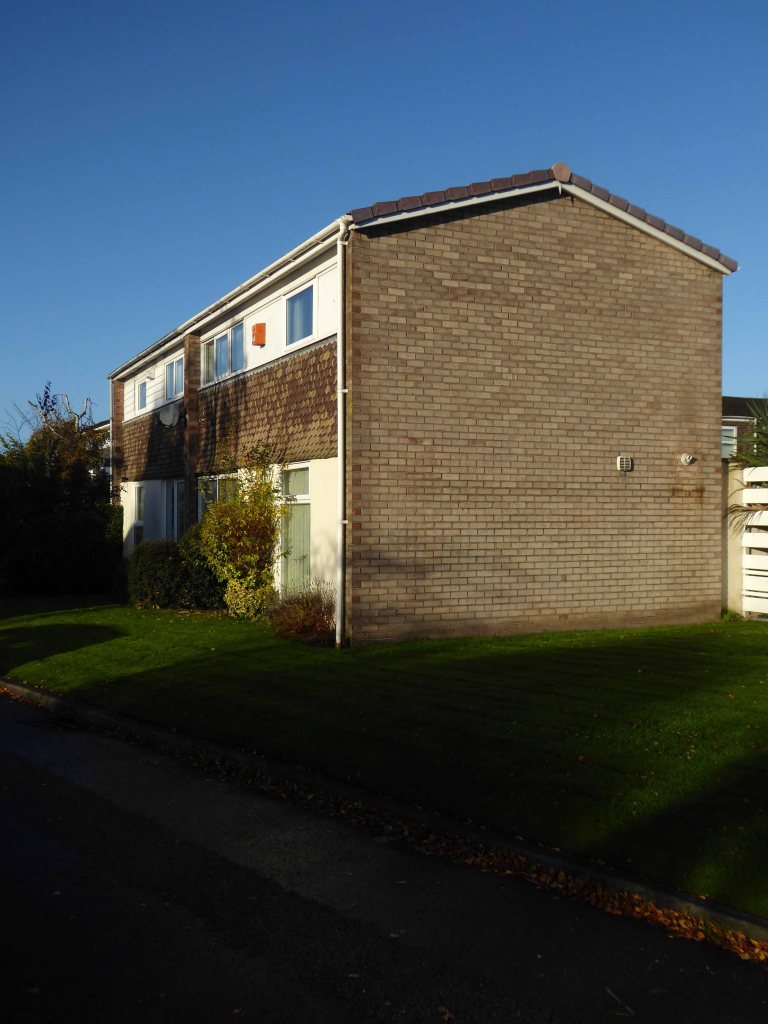
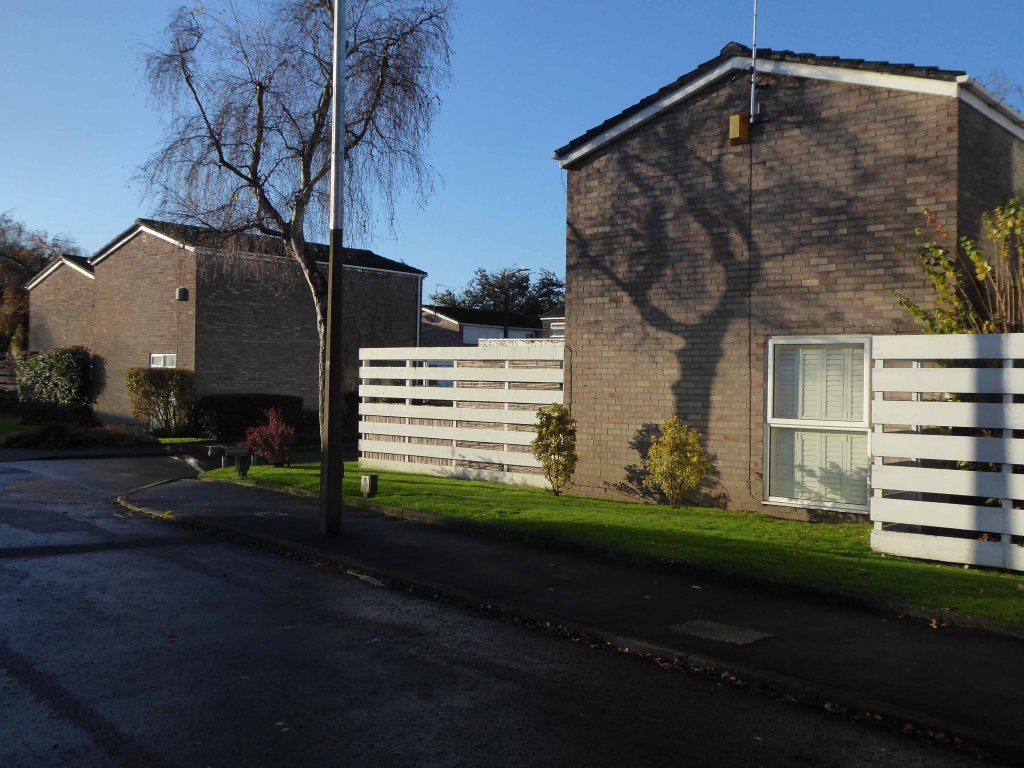
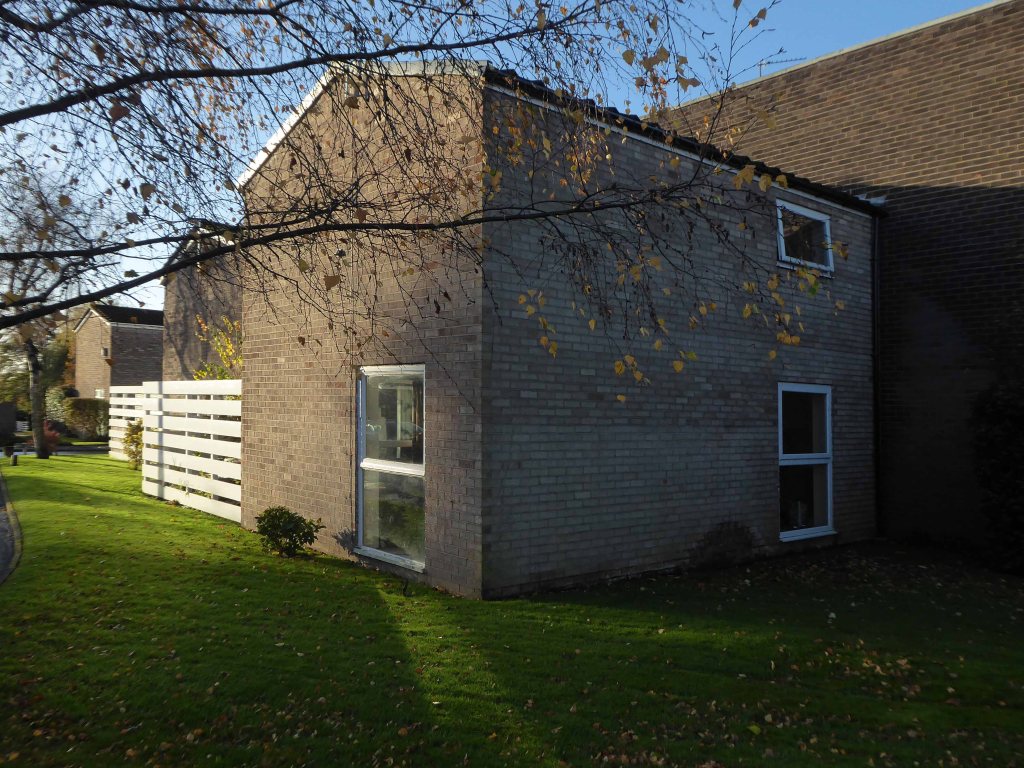
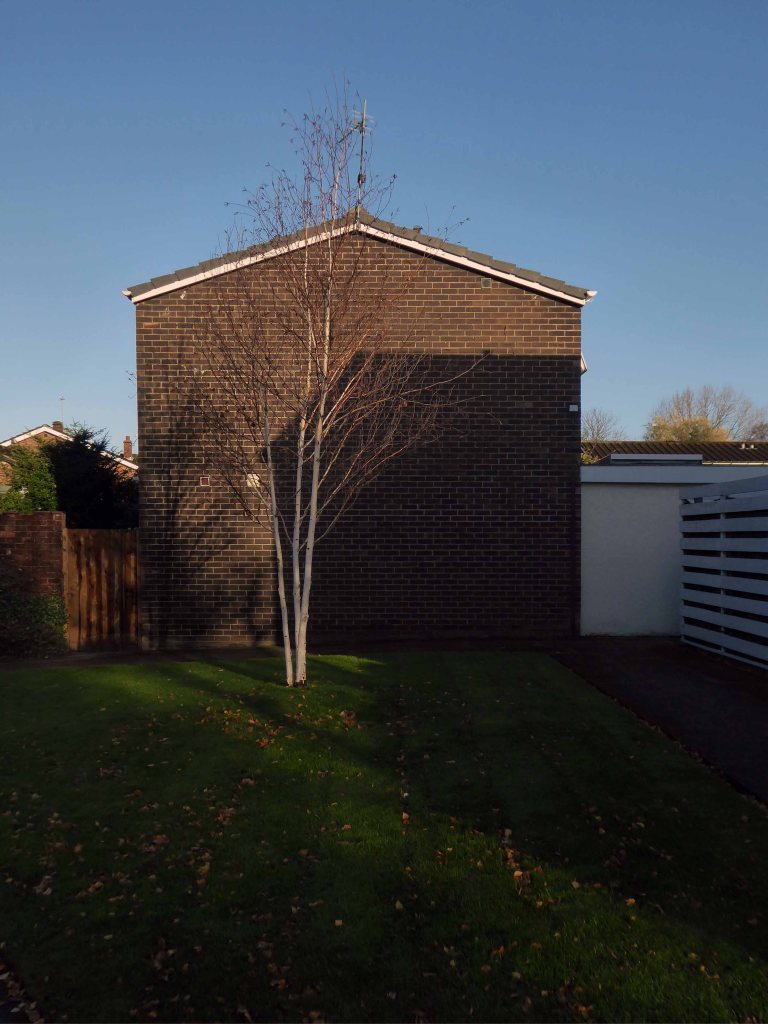
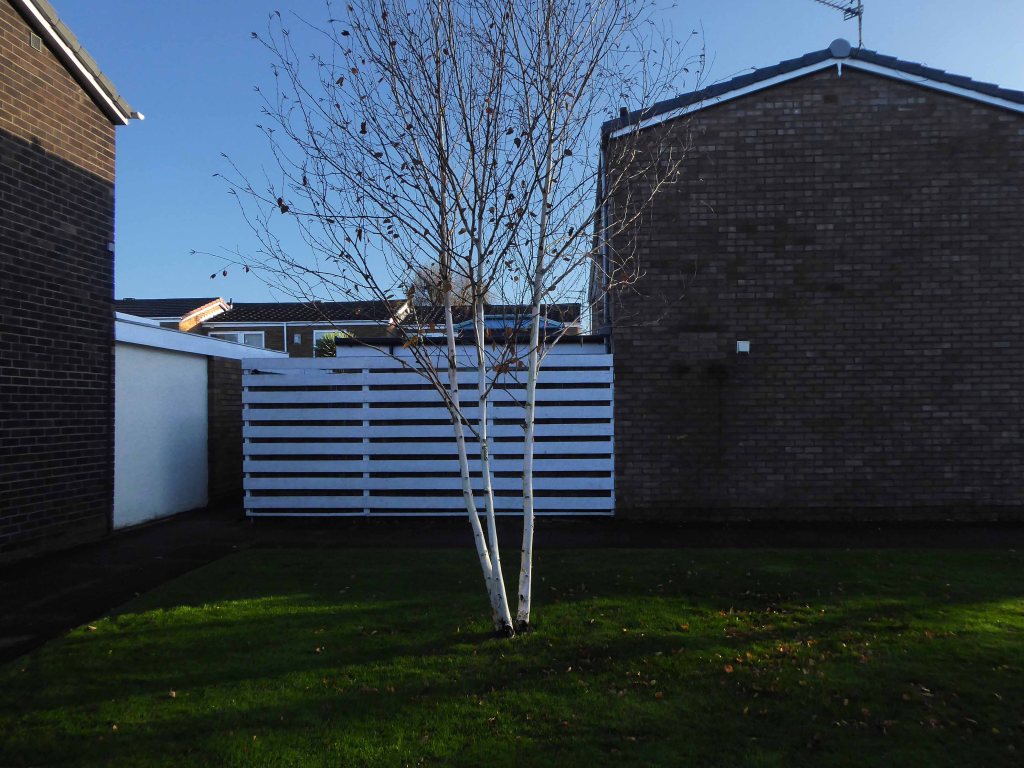
Early morning low light on wet roads, the mixed palette of brick simply glows.

Walls fleetingly adorned with shadows of birch and willow.

Wythenshawe Civic Centre

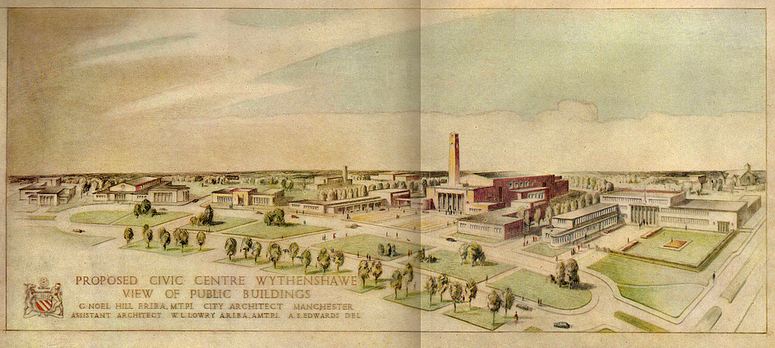
A social history of Wythenshawe and its Civic Centre can be found here at Archives +.

A general history of the garden city’s development can be found here at Municipal Dreams.

Lest we forget, the story begins with a level of overcrowding and human misery that is – thankfully – almost unimaginable in Britain today. In 1935, Manchester’s Medical Officer of Health condemned 30,000 (of a total of 80,000) inner-city homes as unfit for human habitation; 7000 families were living in single rooms.

The estate was always considered to be, in some sense, the realisation of an ambitious vision.

The world of the future – a world where men and women workers shall be decently housed and served, where the health and safety of little children are of paramount importance, and where work and leisure may be enjoyed to the full.

Cooperative Women’s Guild

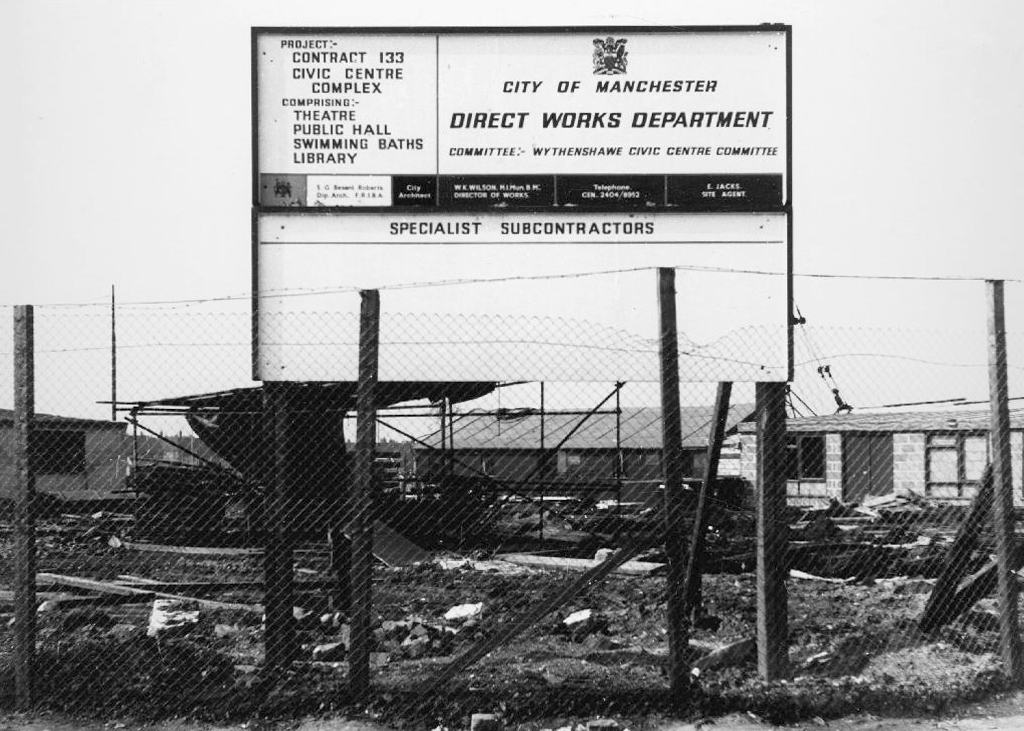
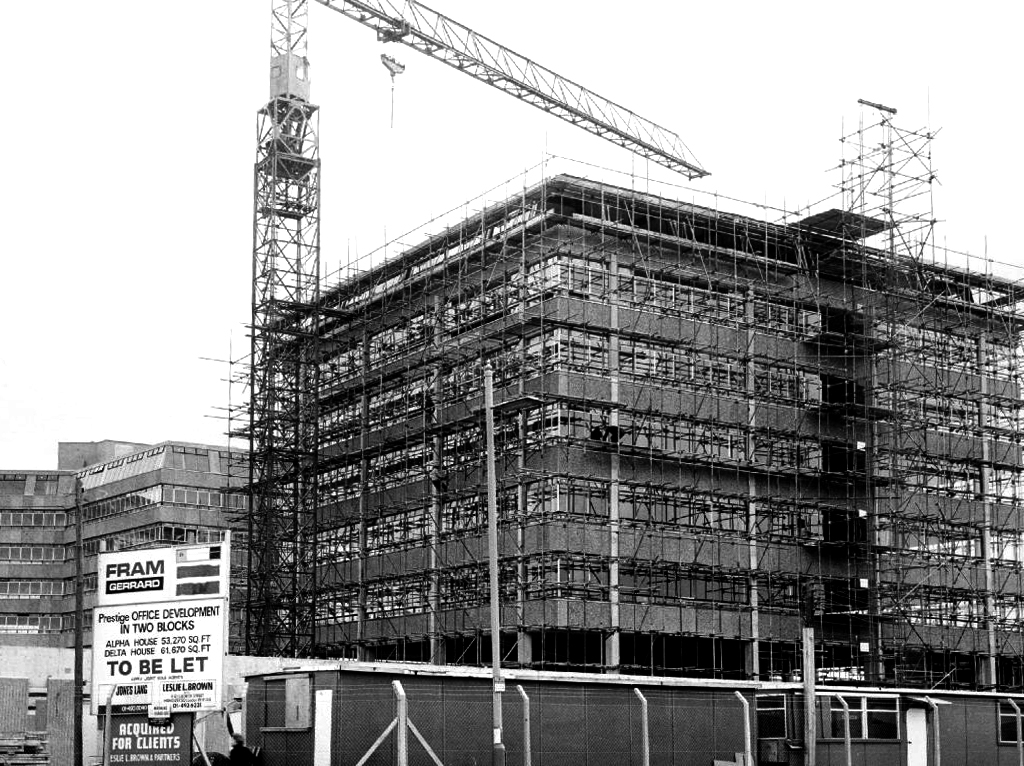
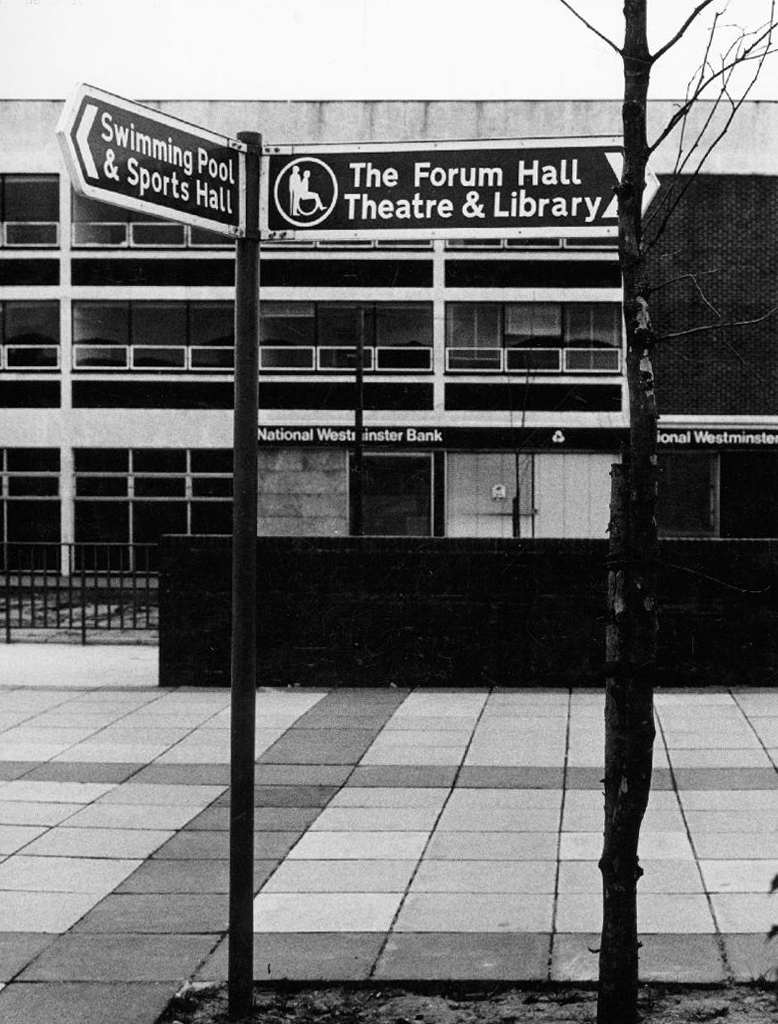
Work began in the interwar years, and continued following the hiatus of 1939-45. The shopping centre named the Civic Centre was open in 1963, the actual Civic Centre containing a swimming pool, theatre, public hall and library in 1971.

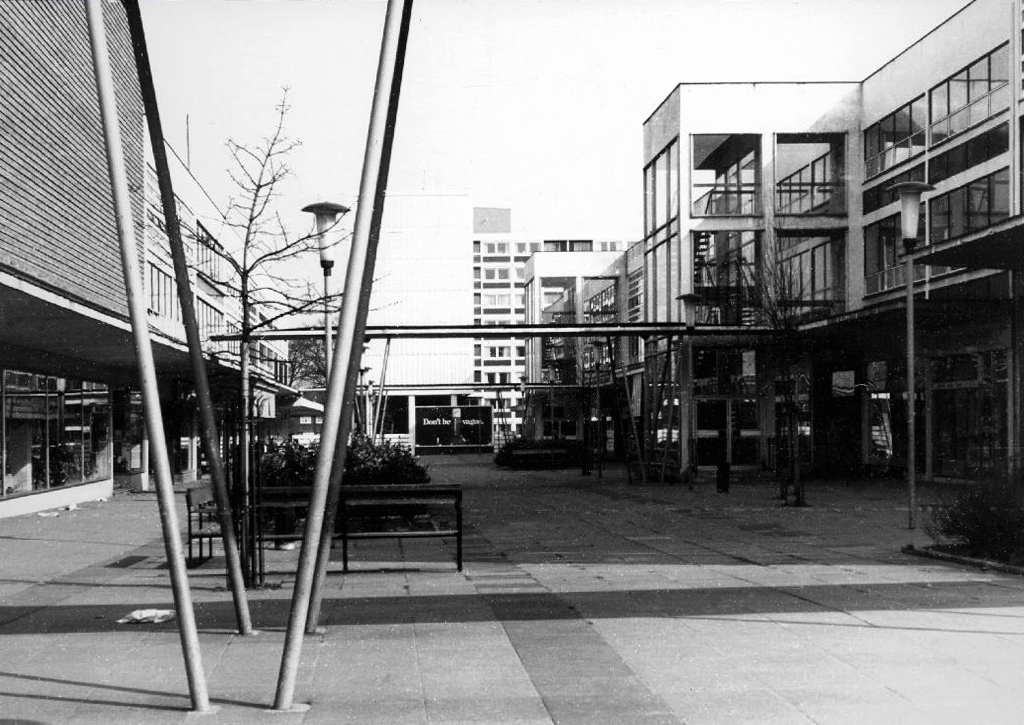
A triumph for Municipal Modernism conceived by the City Architects and realised by Direct Works. This post war development owed more to the spirit of Festival of Britain optimism, new construction methods and materials, rather than the grandiose functionalist classicism of the original scheme.

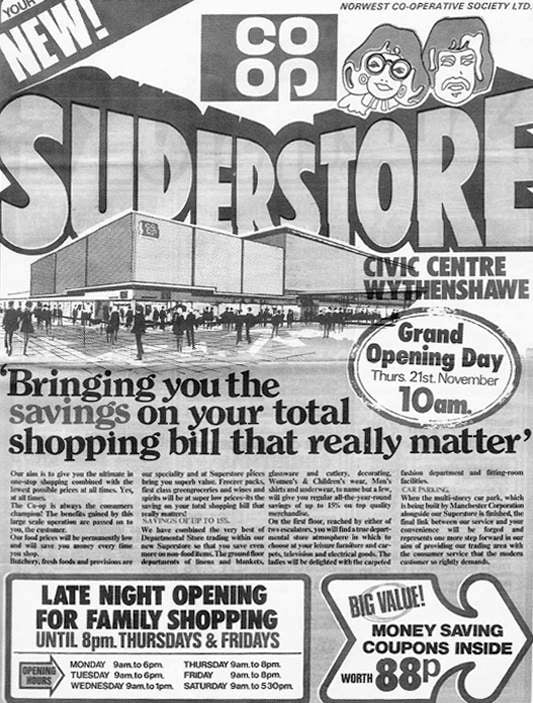
The Co-operative Superstore was a key element in the provision of provisions.

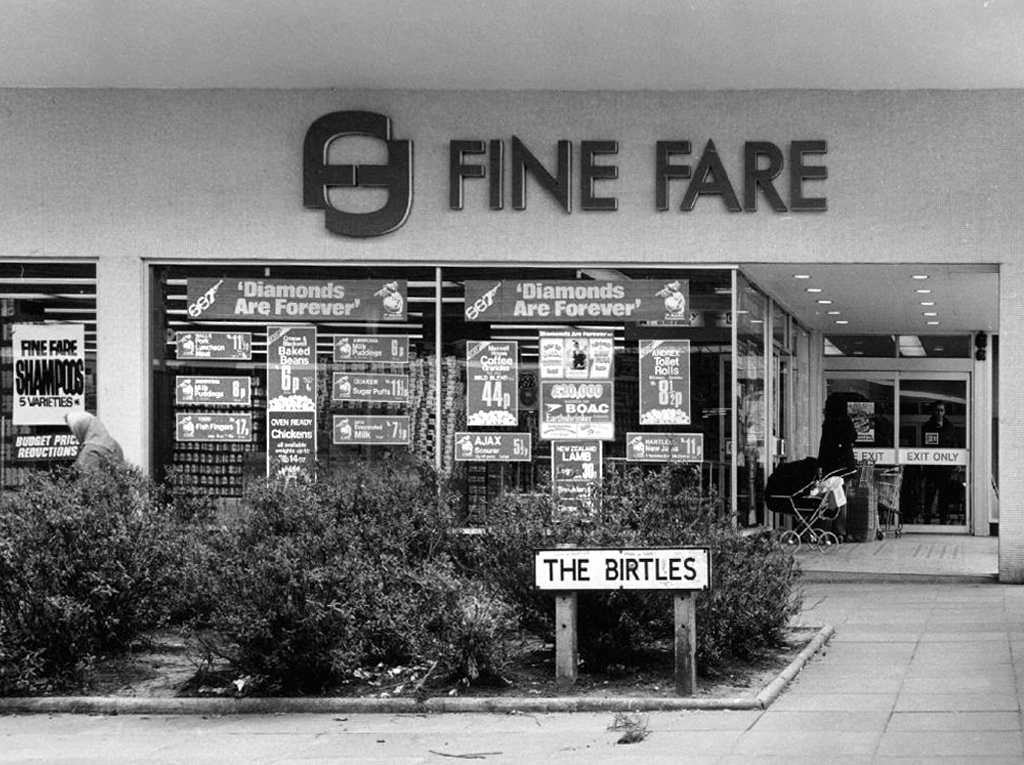
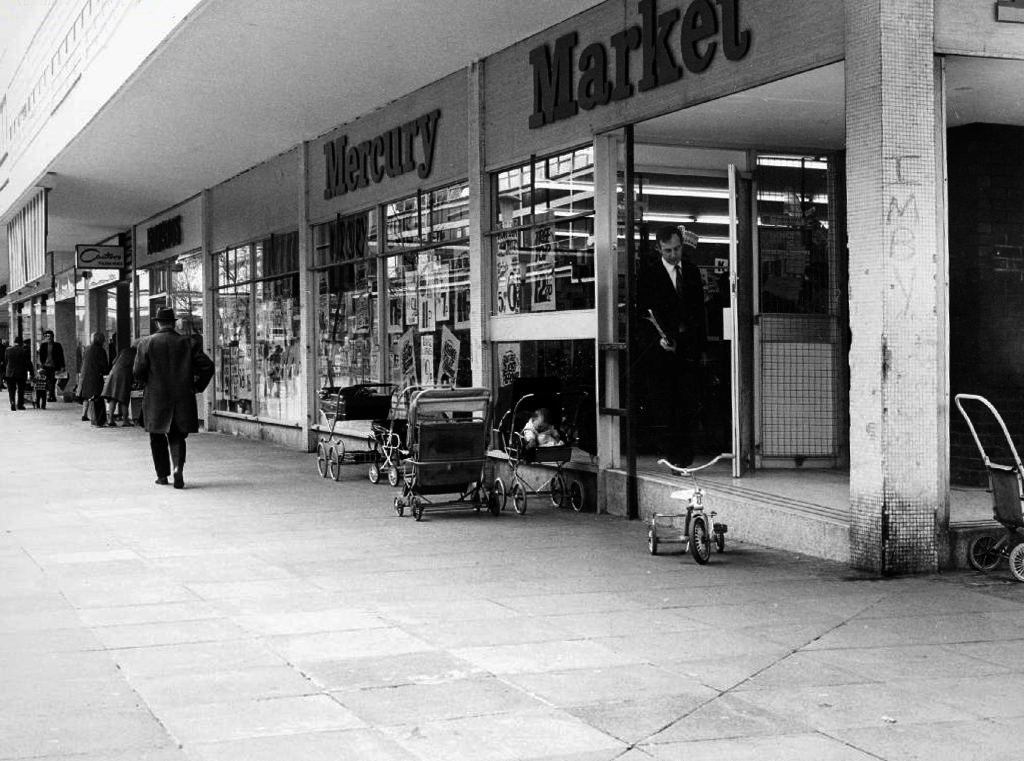
Along with Fine Fare and Mercury Market.

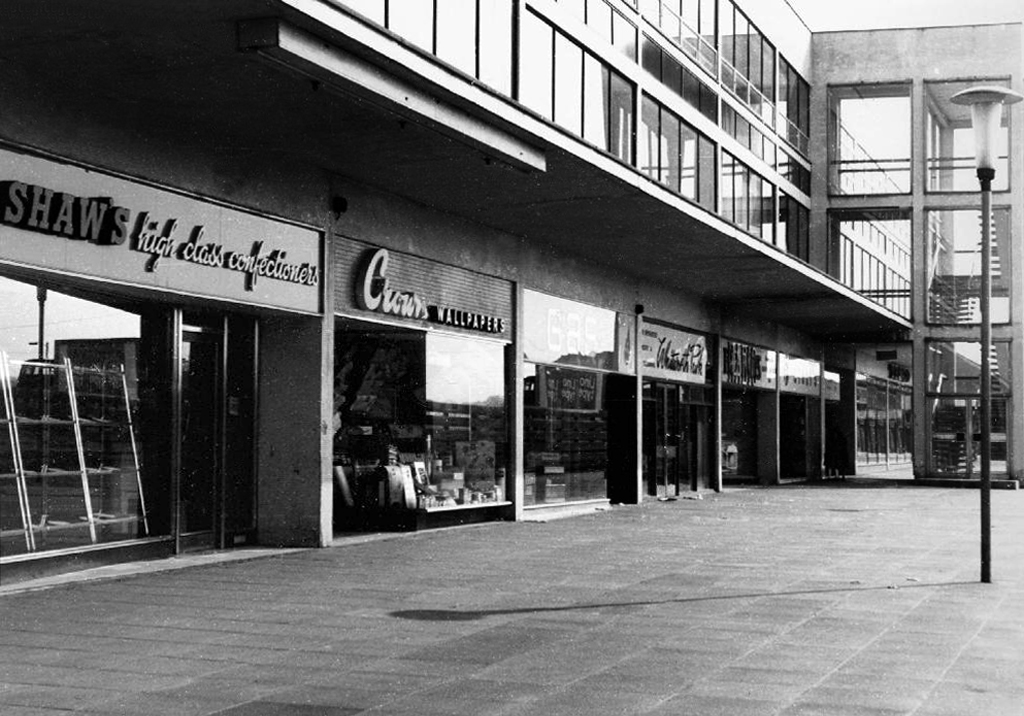
Cantors

Shaw’s

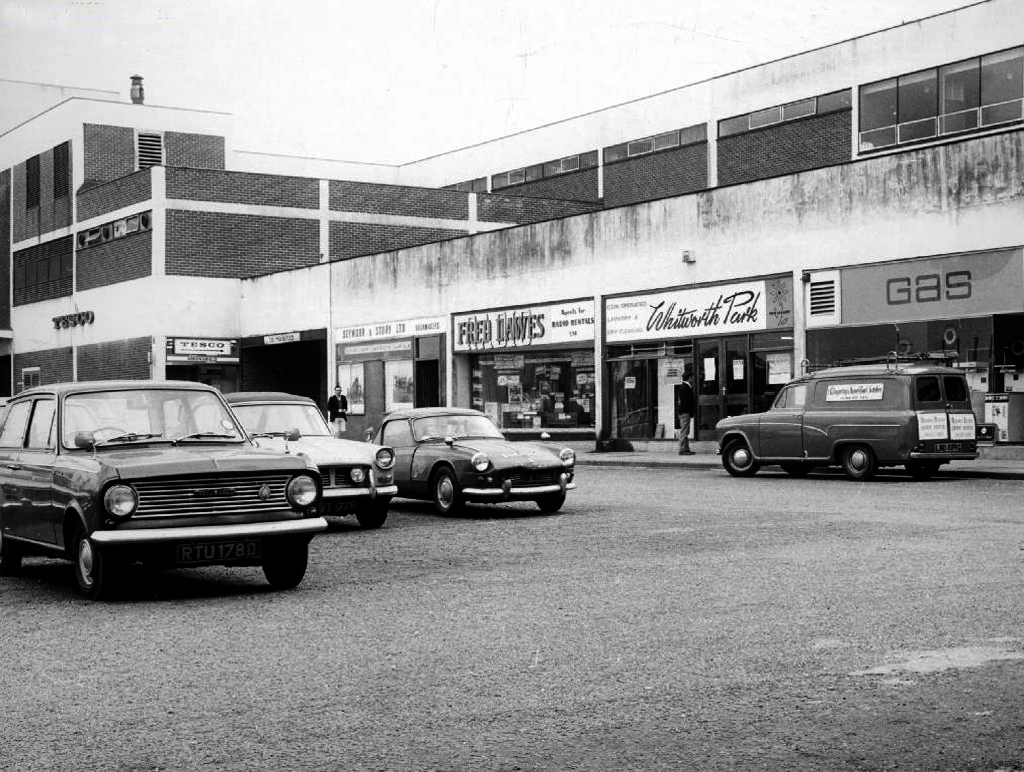
Fred Dawes Whitworth Park Gas Showrooms

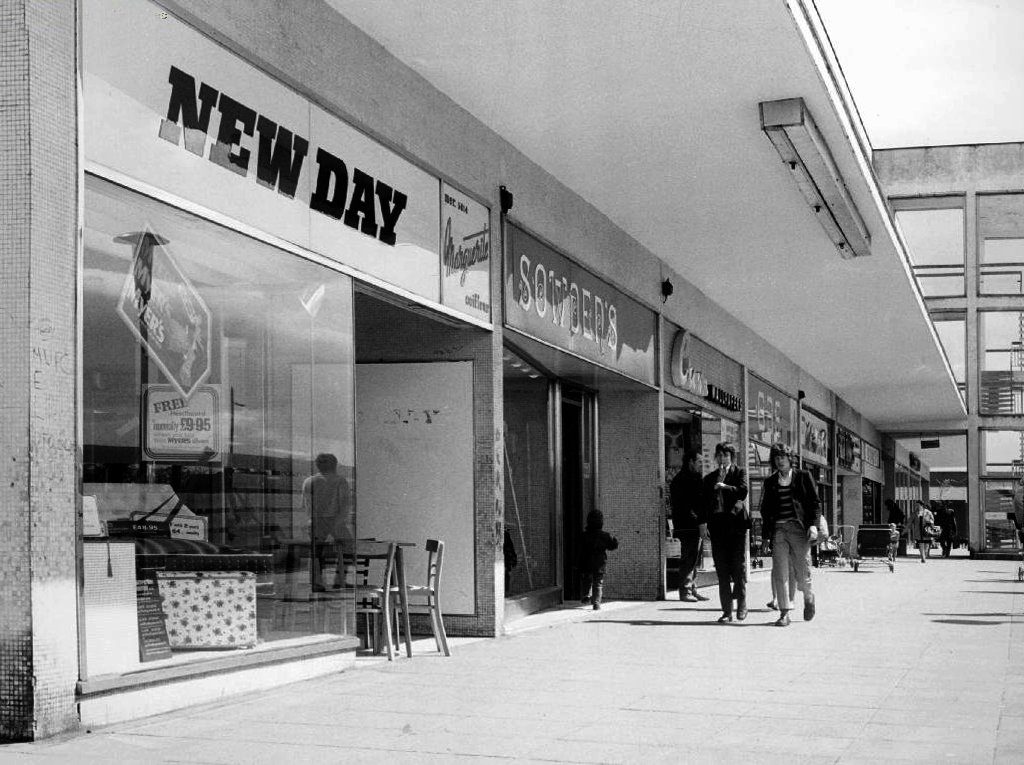
New Day furnishing the local HQ was at Hilton House Stockport

The flats were demolished in 2007

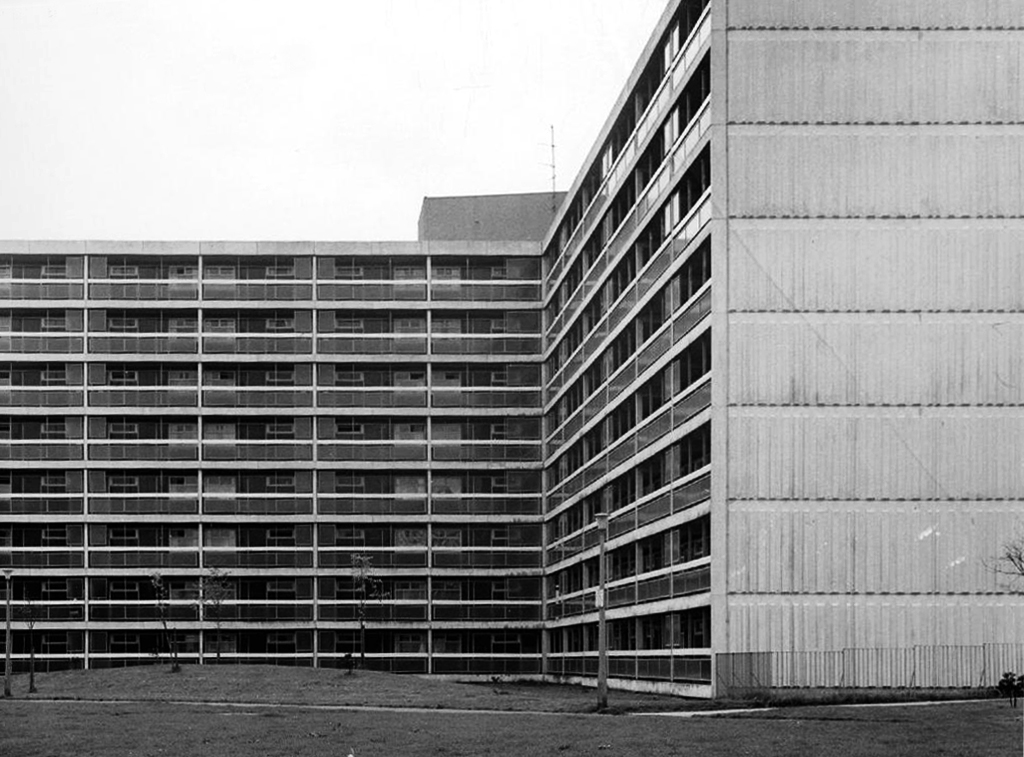
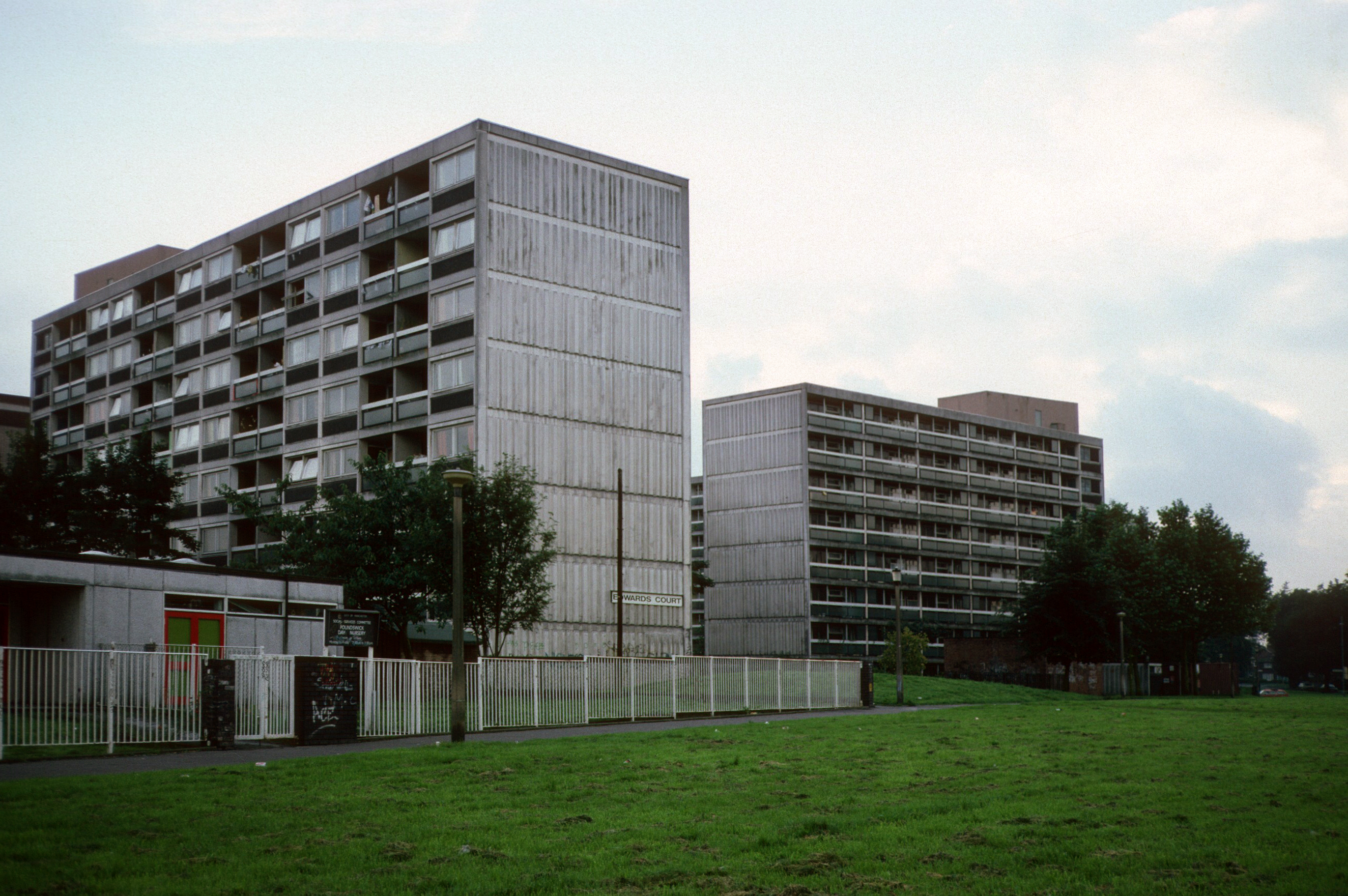
Edwards Court and Birch Tree Court 1987 – Tower Block

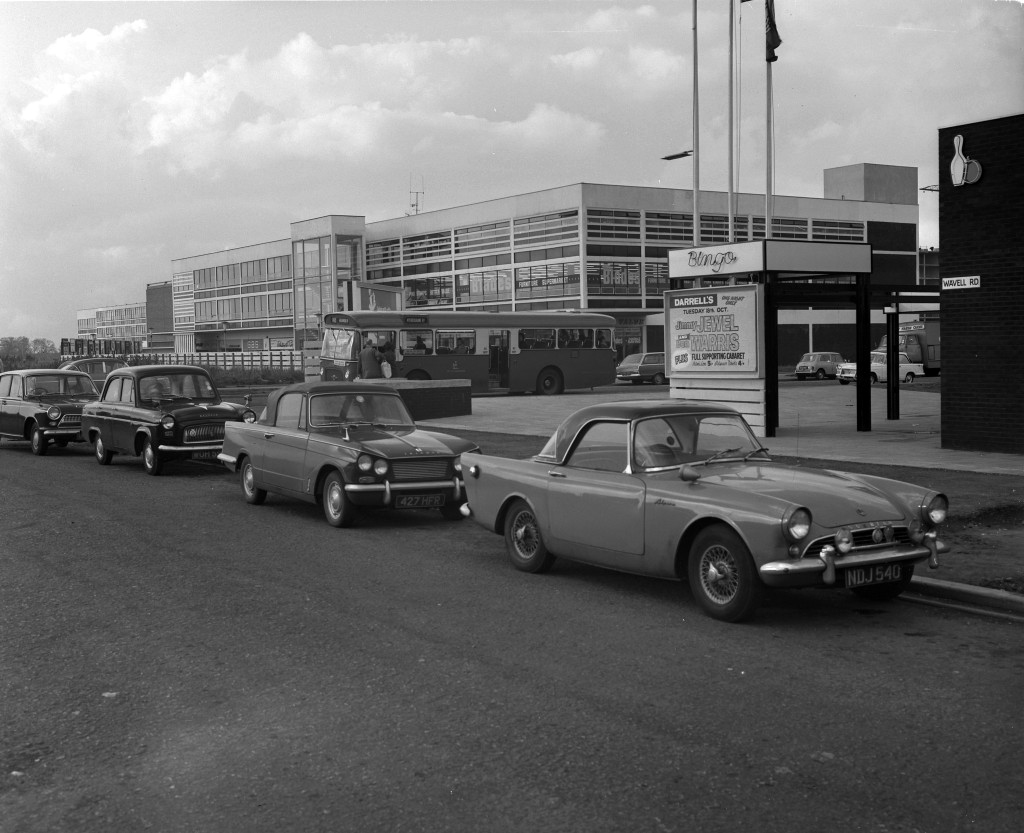
First there was a bowling alley.

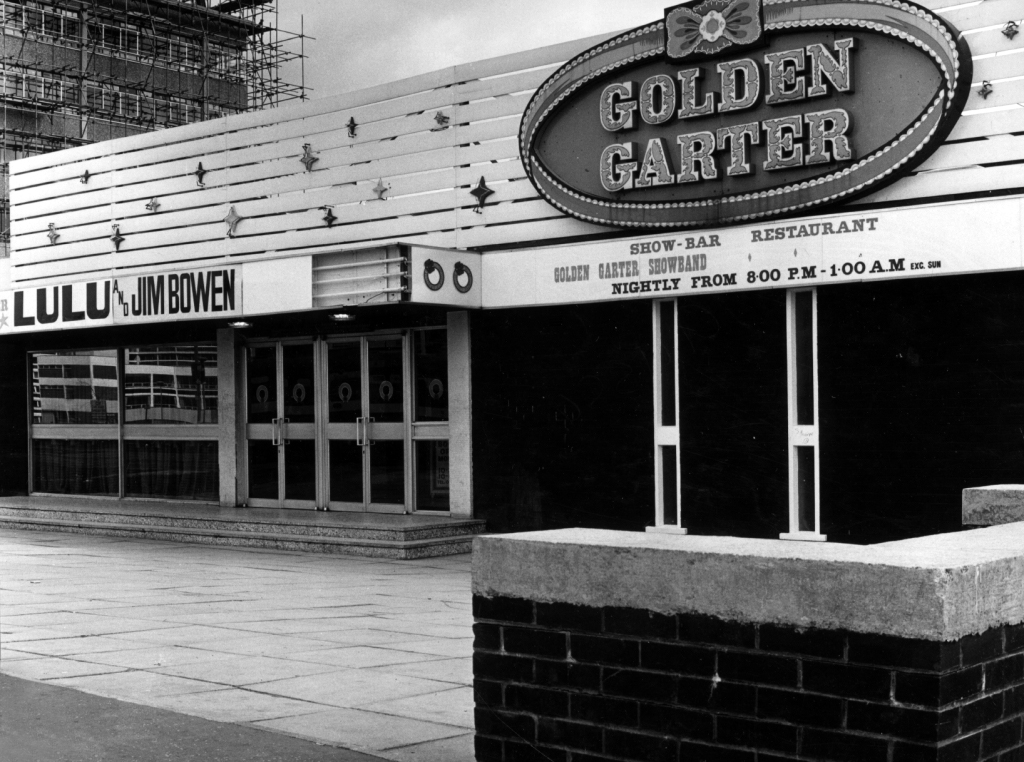
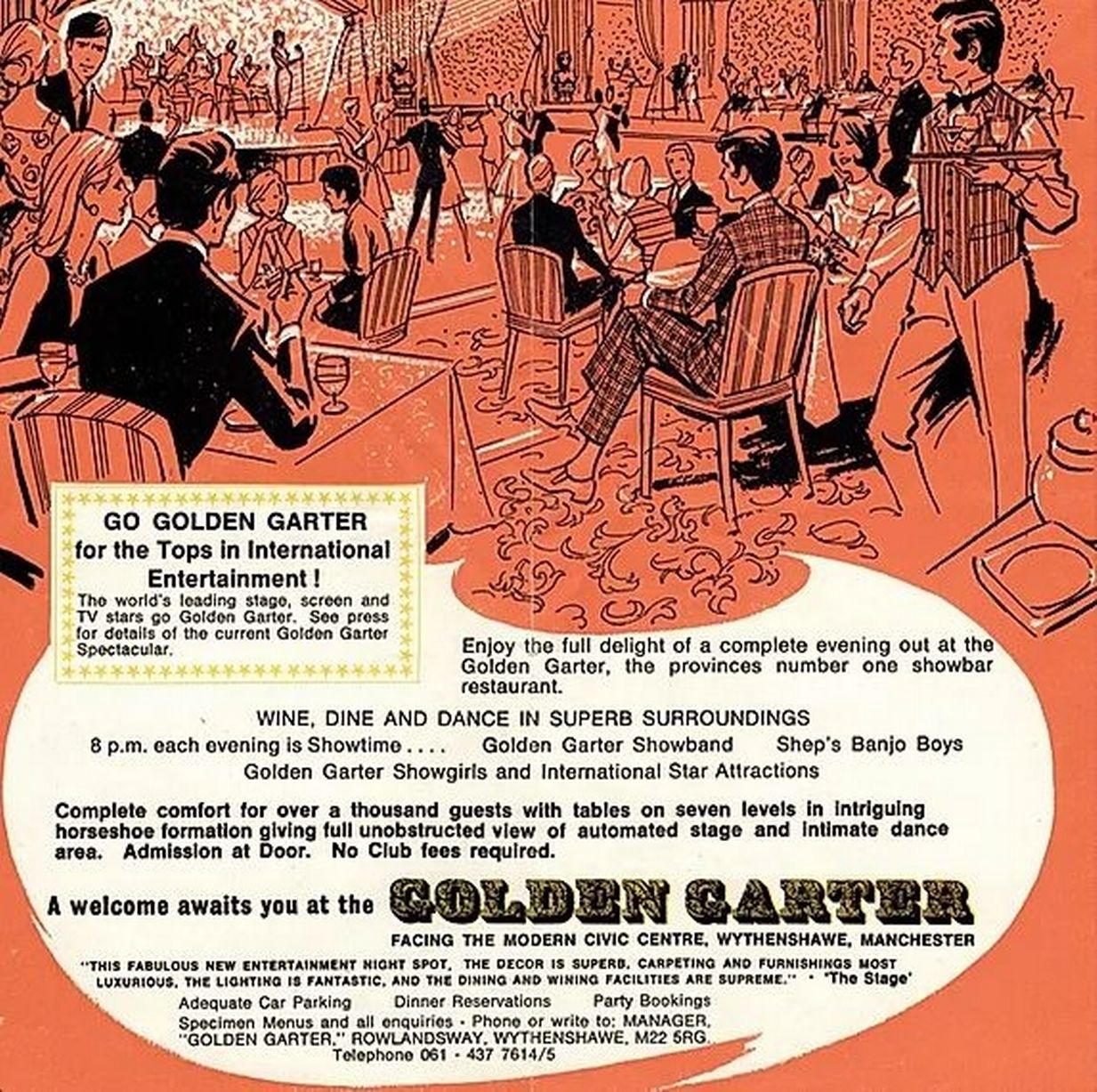
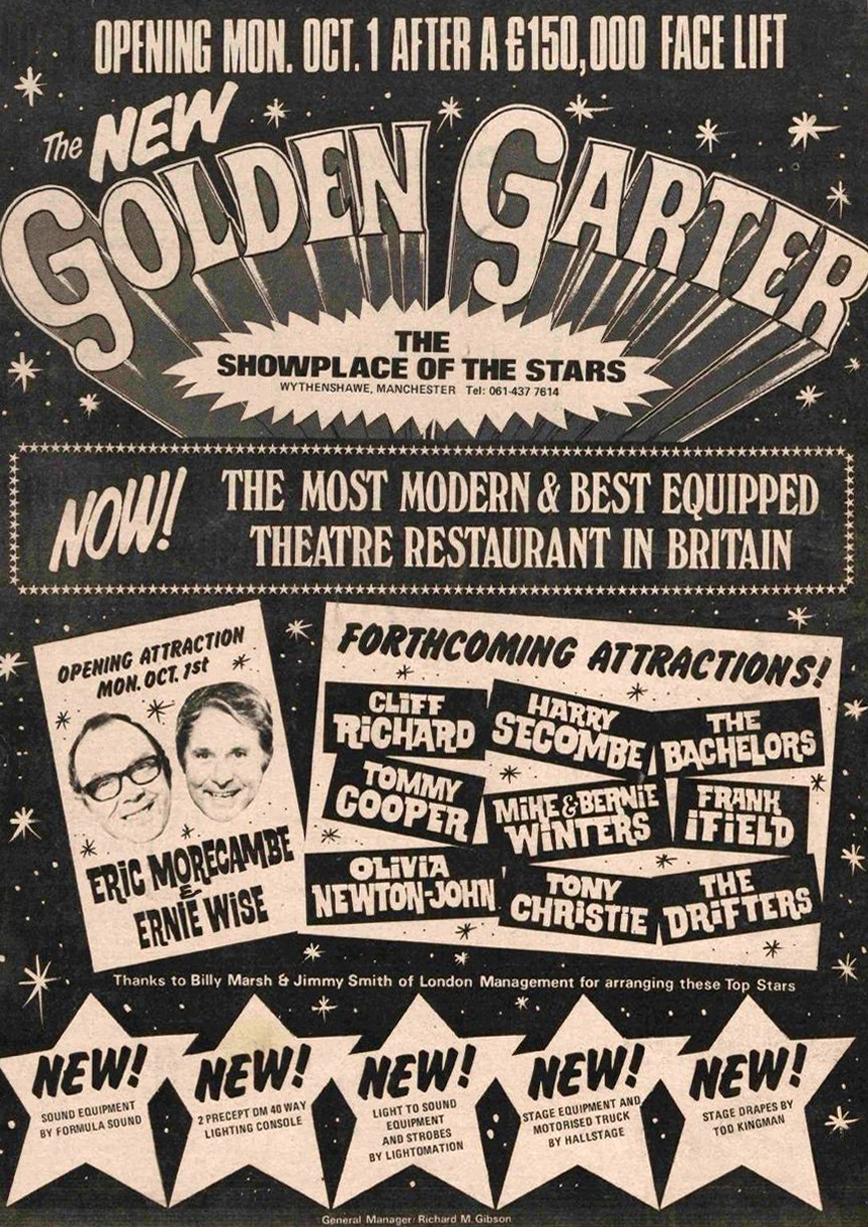
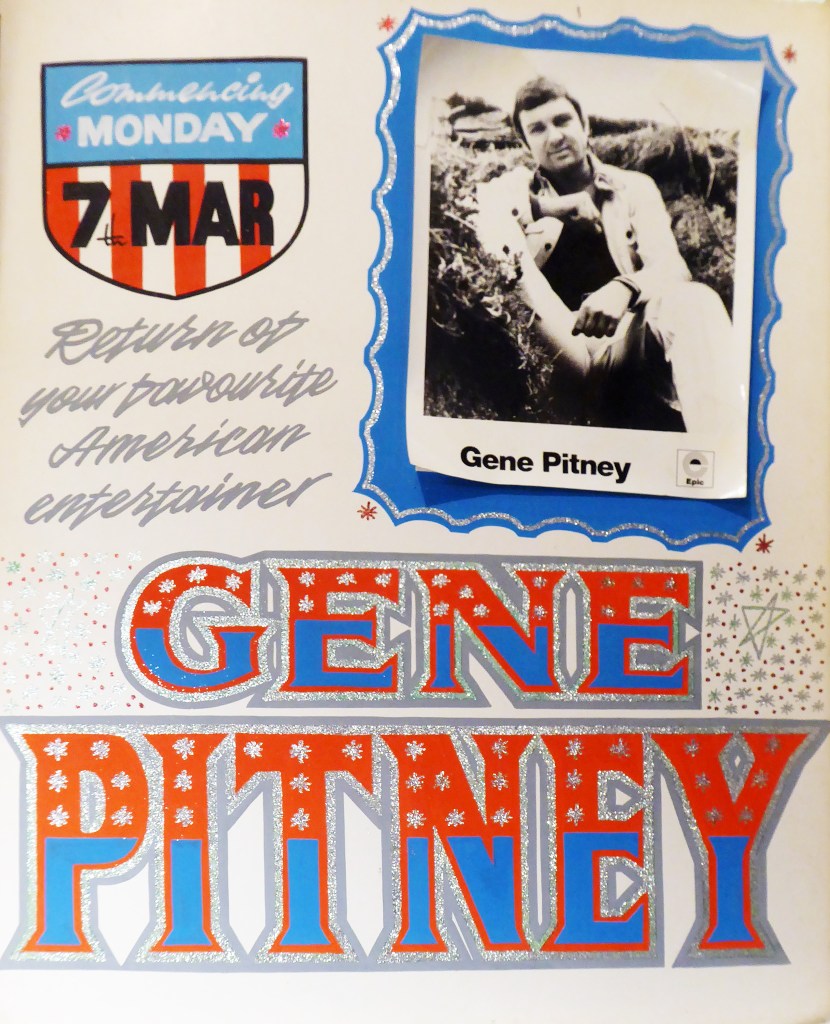
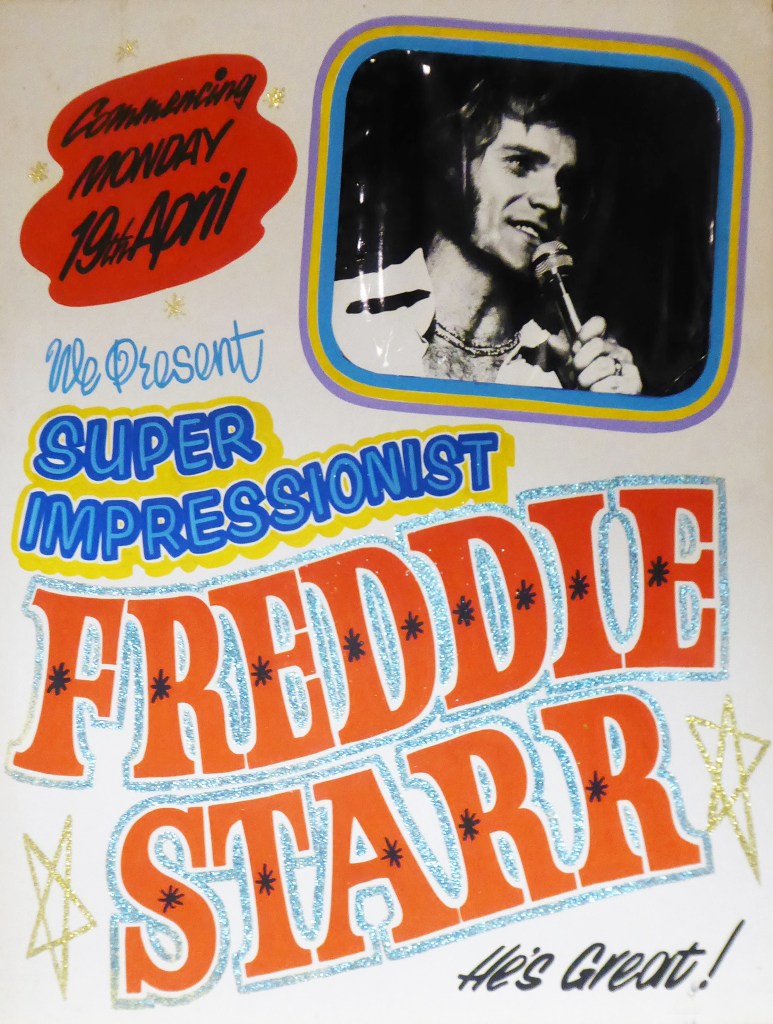
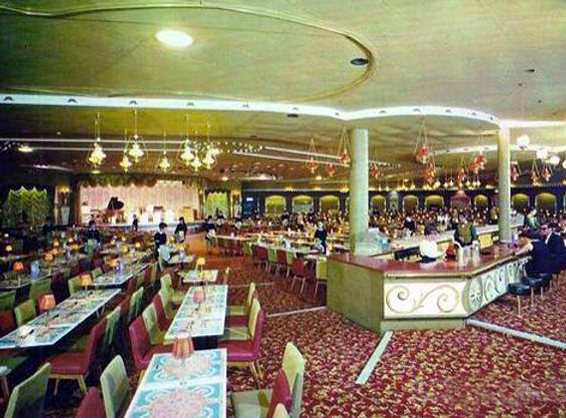
Which became the Golden Garter

Closed 3rd January 1983

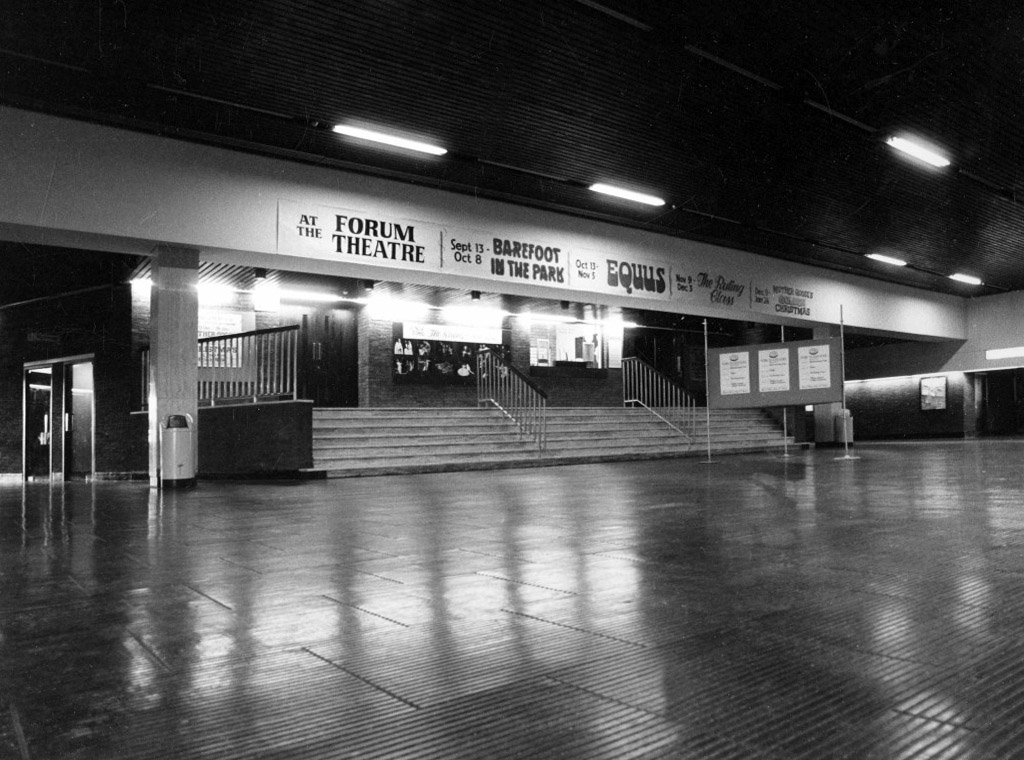
Then there was a theatre The Forum

There still is – The Forum is a bright and modern hub for co-located services used by community and business.

The original Forum opened in 1971. One of Manchester’s largest public buildings, it had a leisure centre, library, theatre, main hall and meeting rooms. By the mid 1990’s it was under used, had deteriorated internally and externally and needed substantial investment.

The new Forum, along with a new police sub-divisional headquarters and improved transport link was designed to help strengthen the town centre, and provide a landmark project to raise Wythenshawe’s profile within Manchester and beyond.

In the 1980’s they put on a superb array of shows including Roll on 4 O’Clock which starred John Jardine, Jack Smethurst and Glynn Owen. Oh What a lovely War; What the Butler Saw and Habeas Corpus by Alan Bennett.  Bury’s own Victoria Wood starred in Talent which she wrote.  Another Manchester icon Frank Foo Foo Lammar, famous as the top drag queen of the North-West  whose club was re-known for its great party nights appeared in The Rocky horror Show.

A land of elegant covered walkways and raised beds.

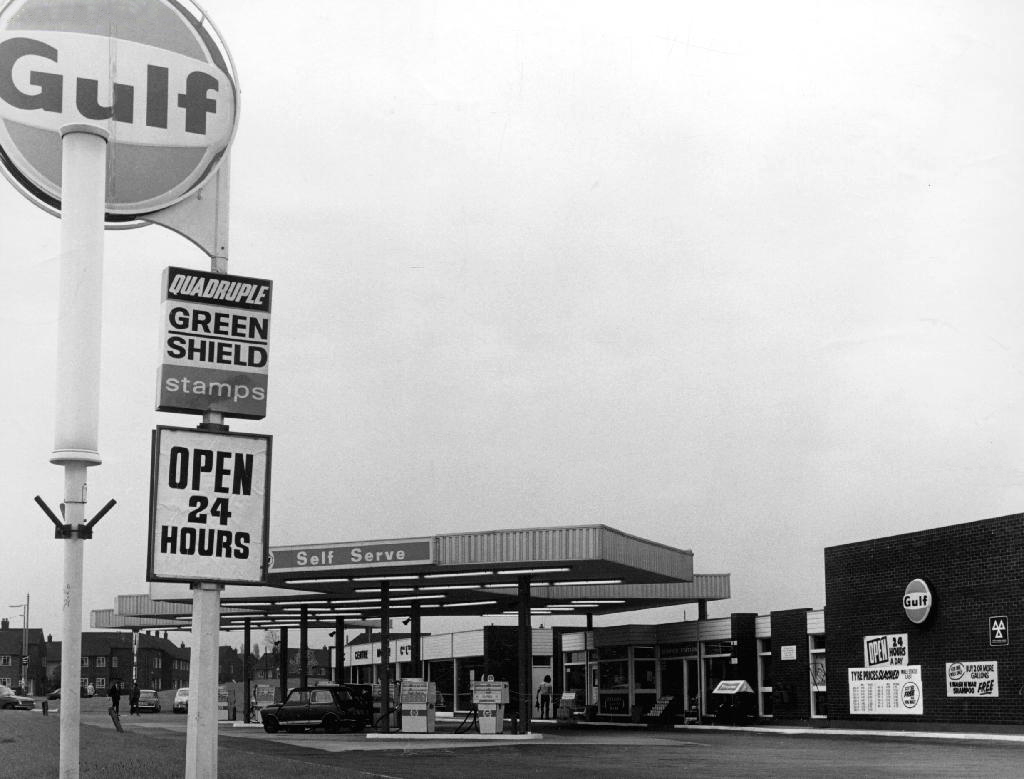
A land of 24 hour petrol stations and quadruple Green Shield Stamps.

Some where along the way we lost our way – taxi!

Photographs Manchester Local Image Collection

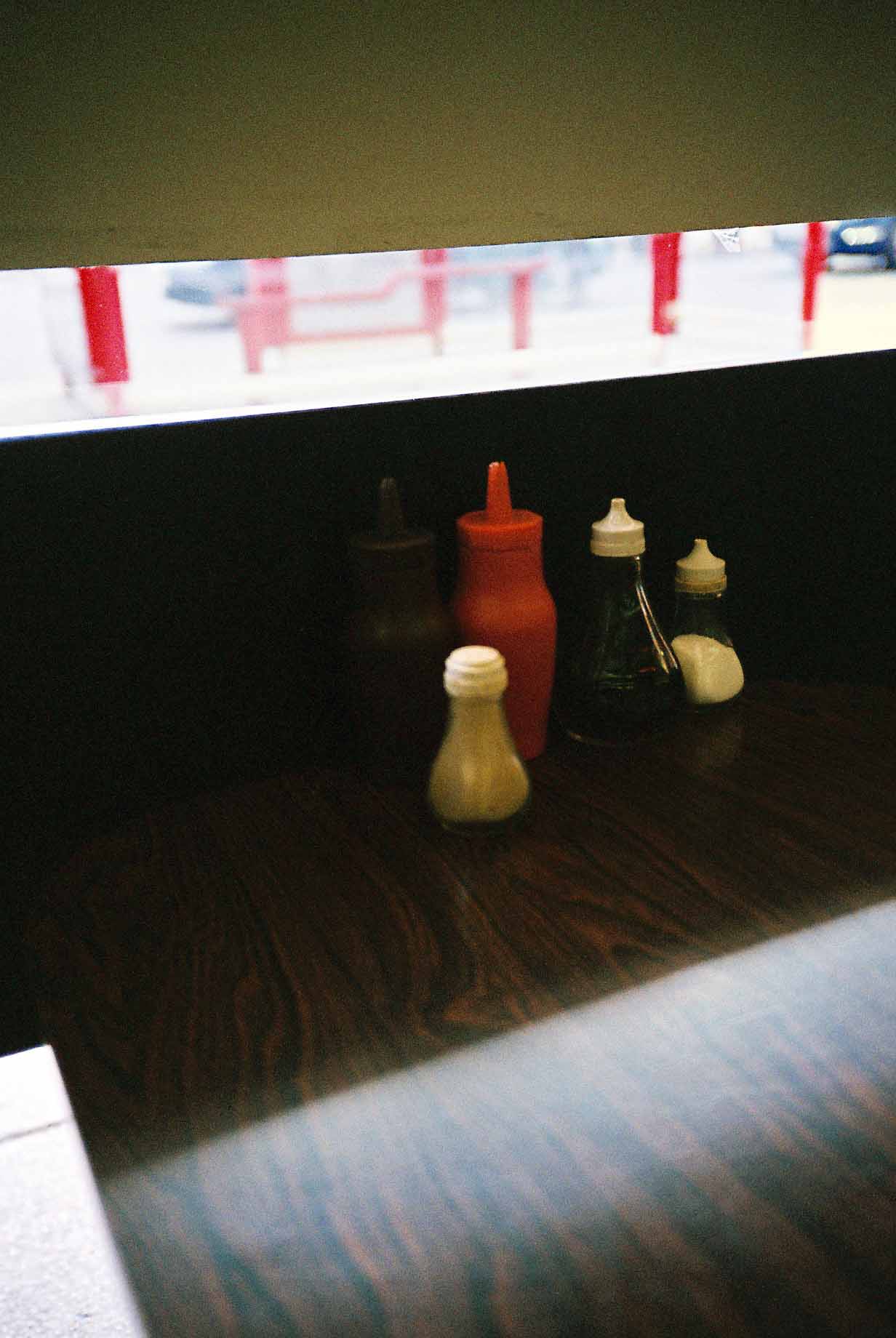
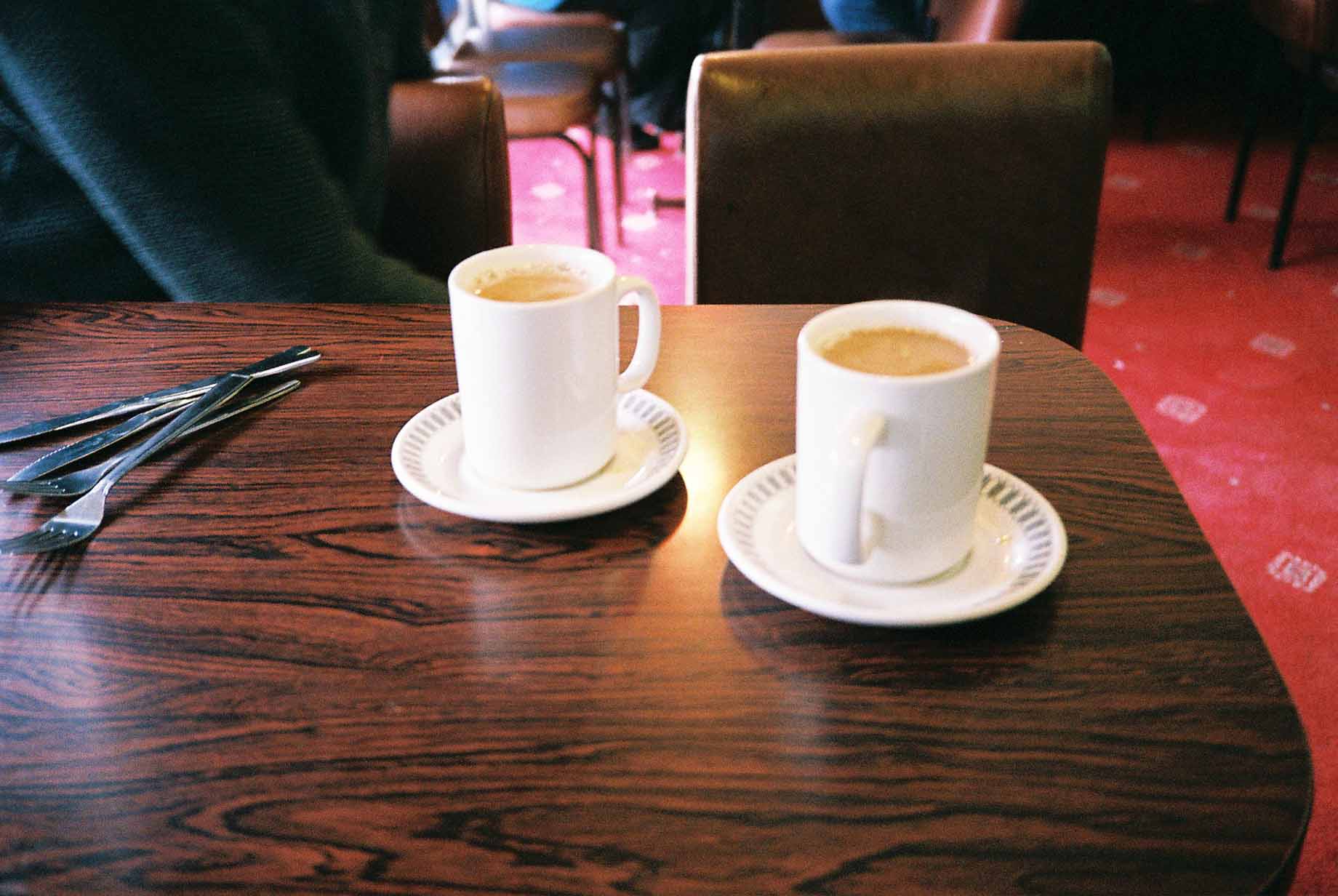
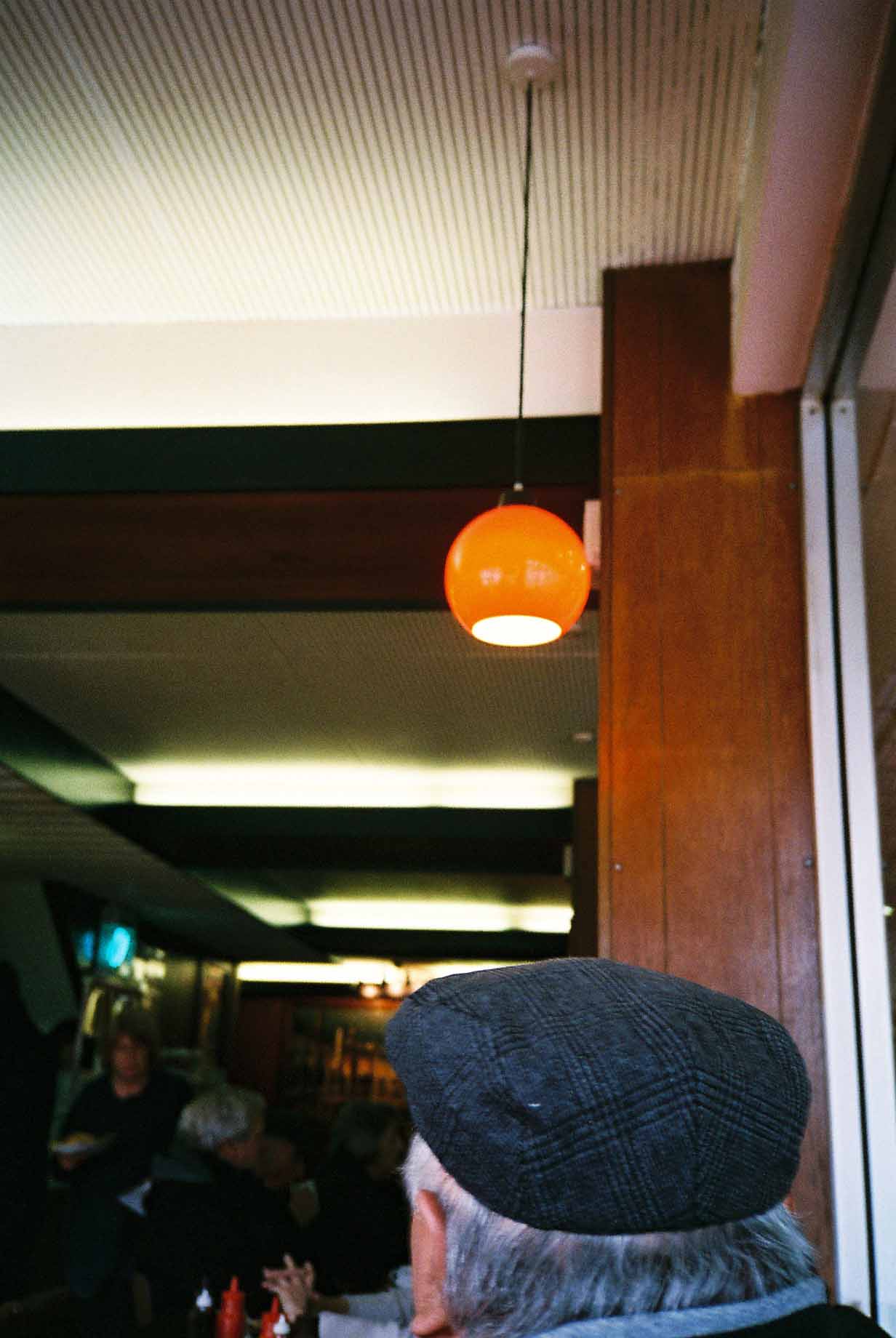
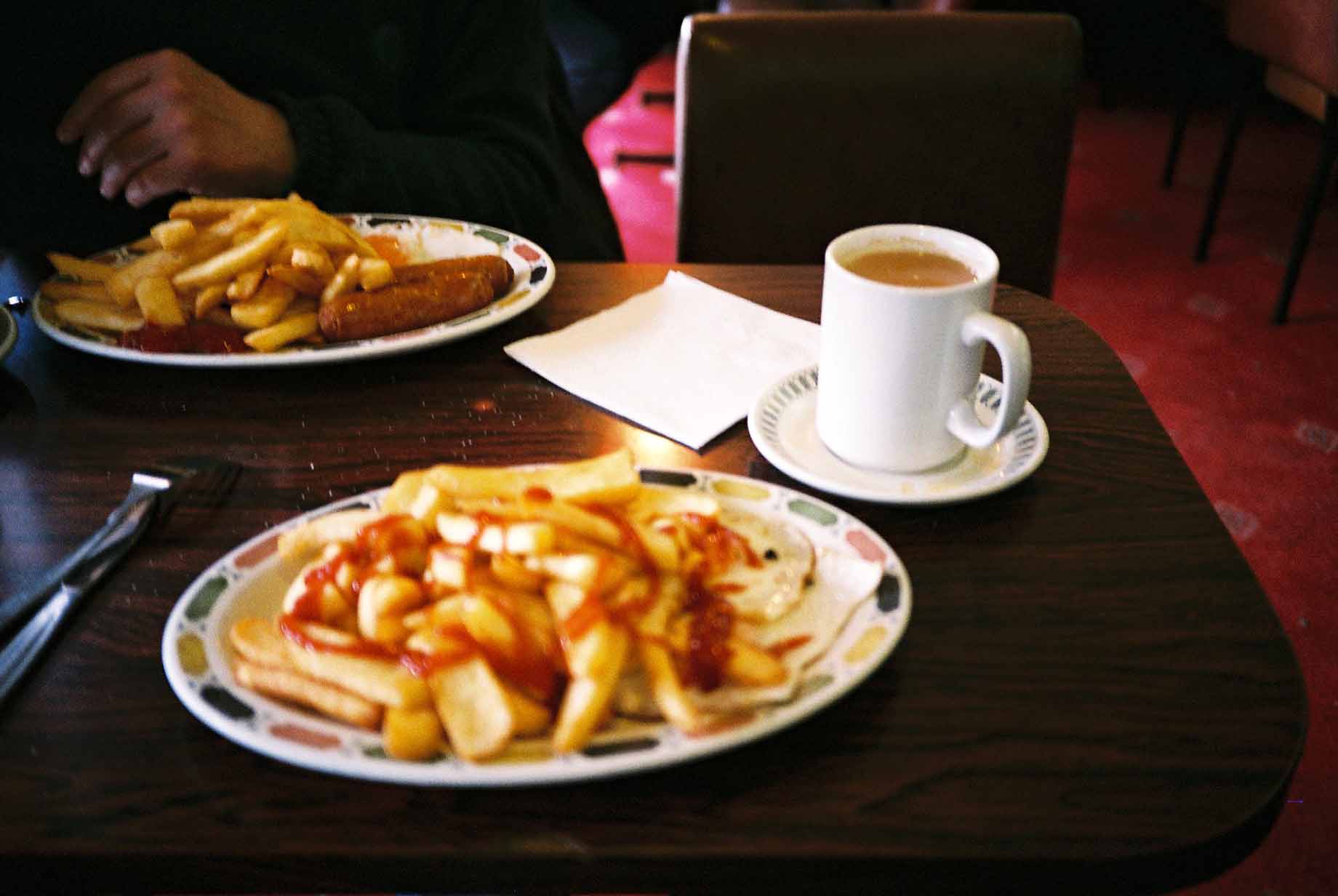
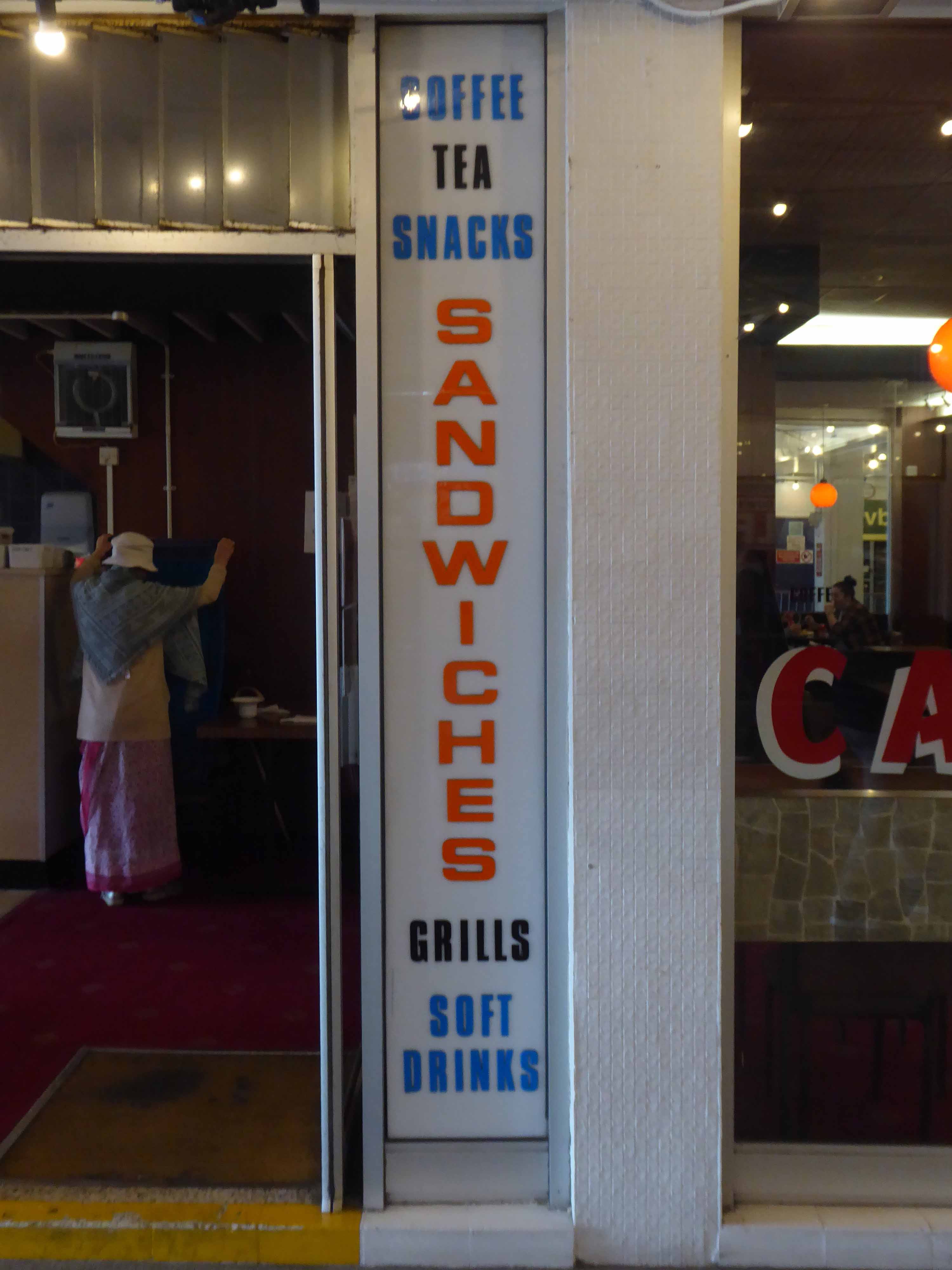
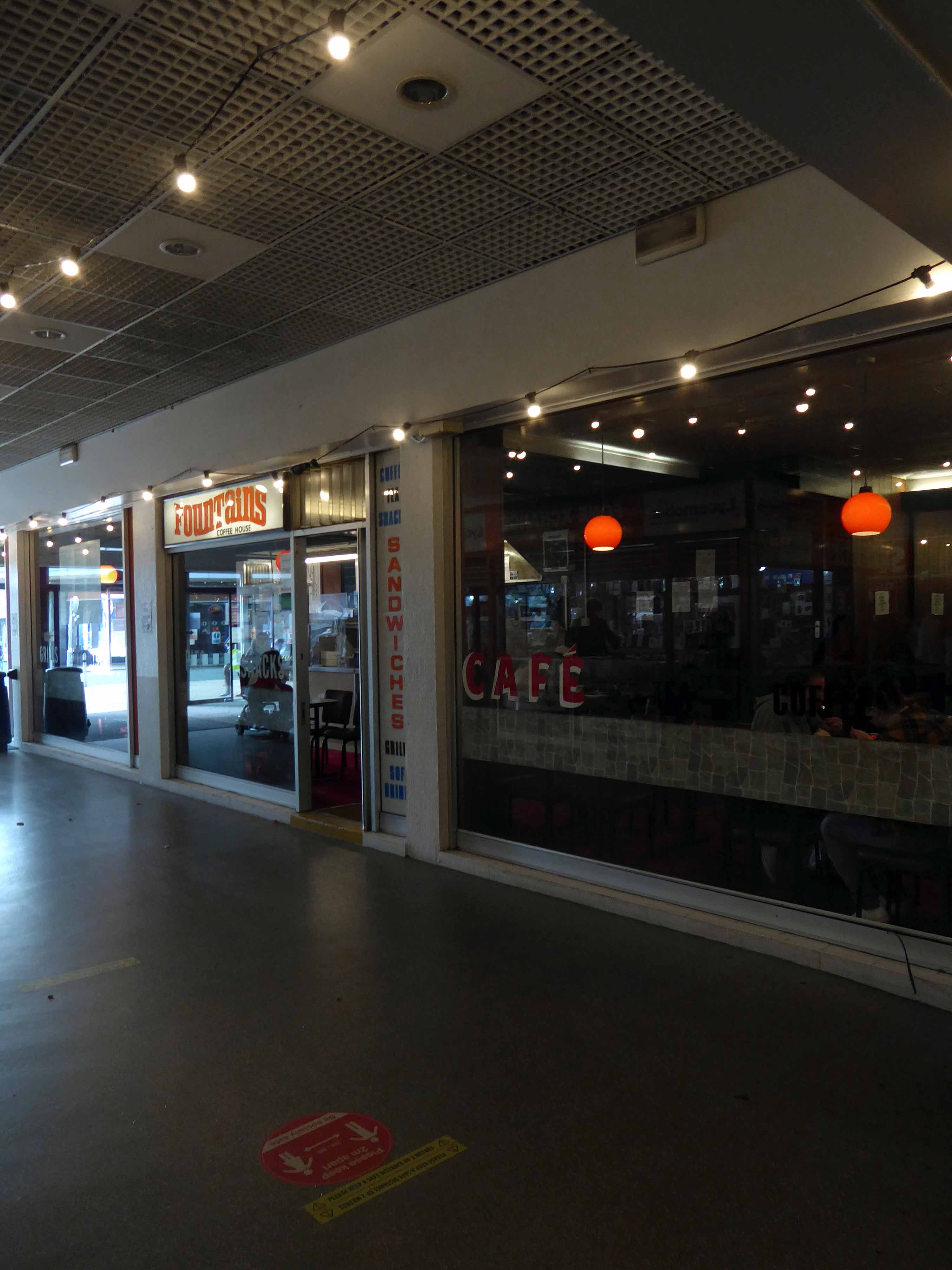
Fountains Café – Bradford

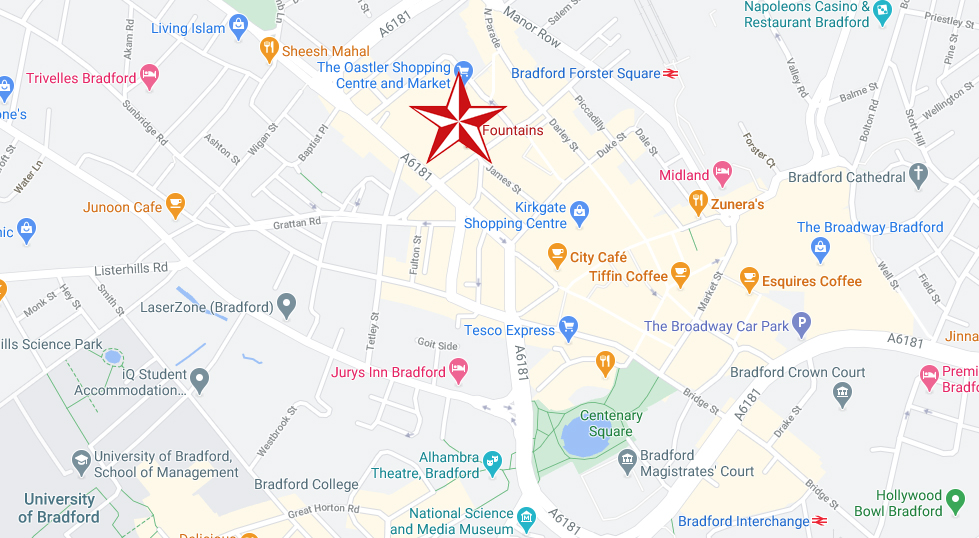
17 John St Bradford BD1 3JS

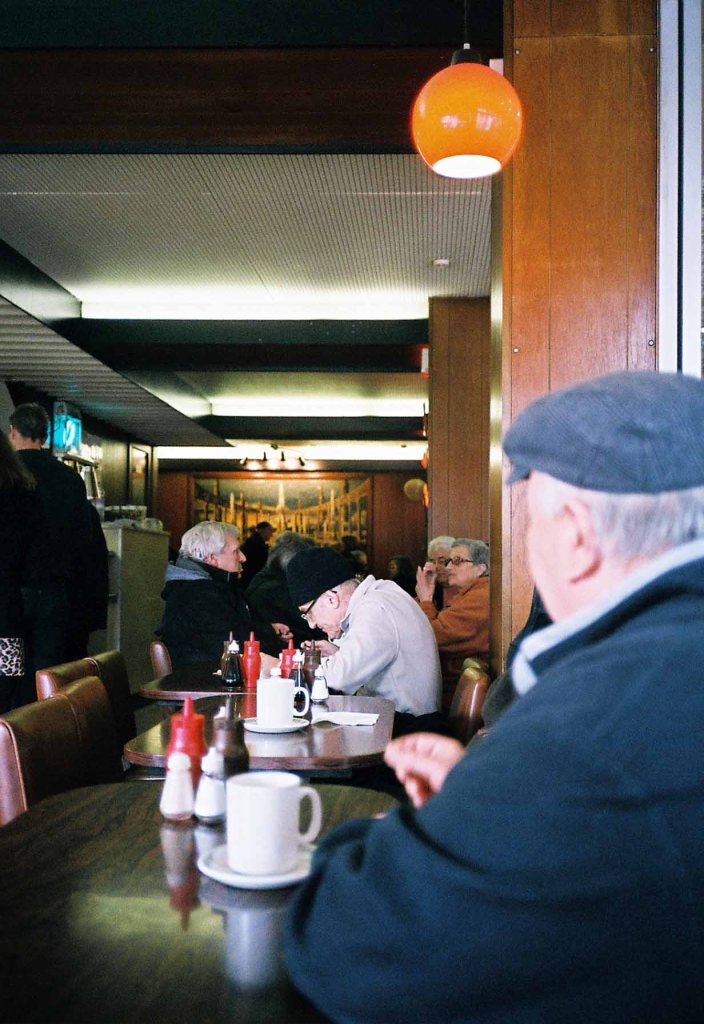
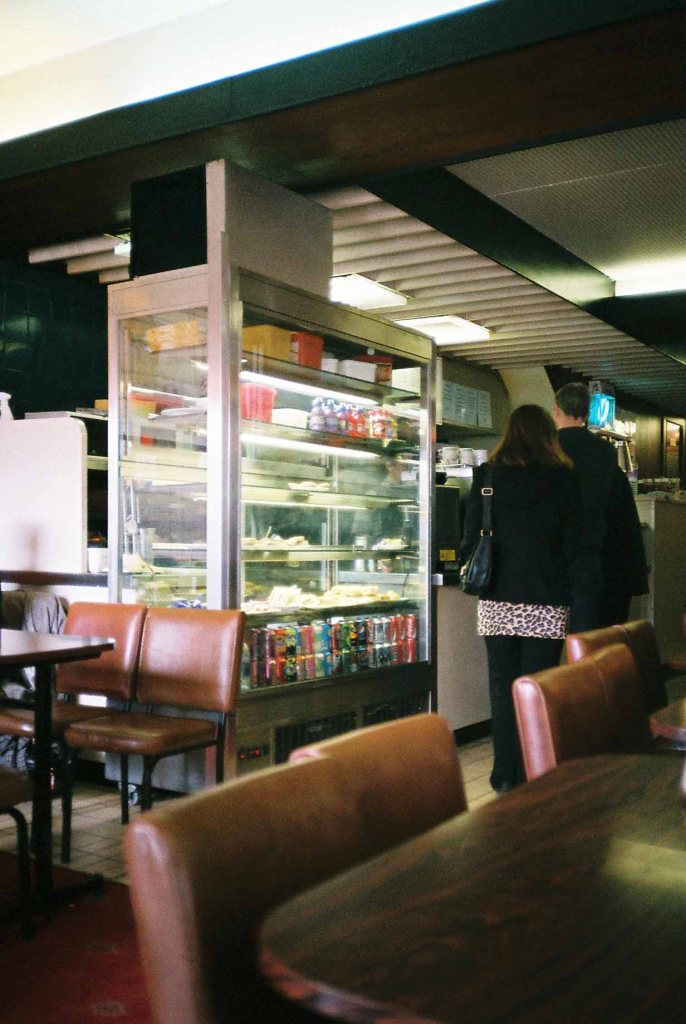
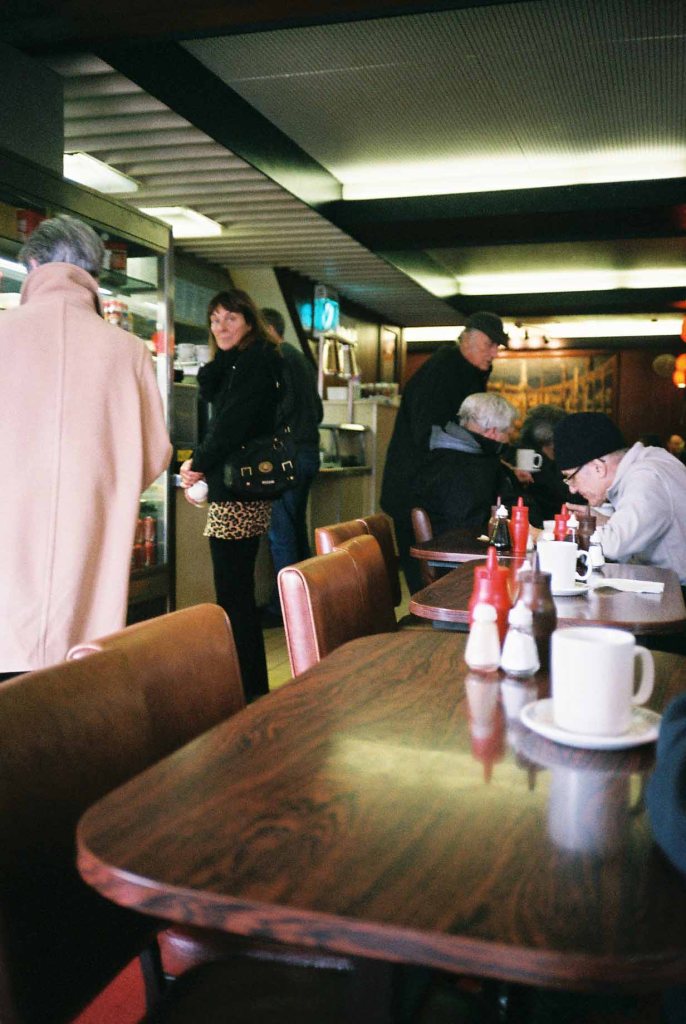
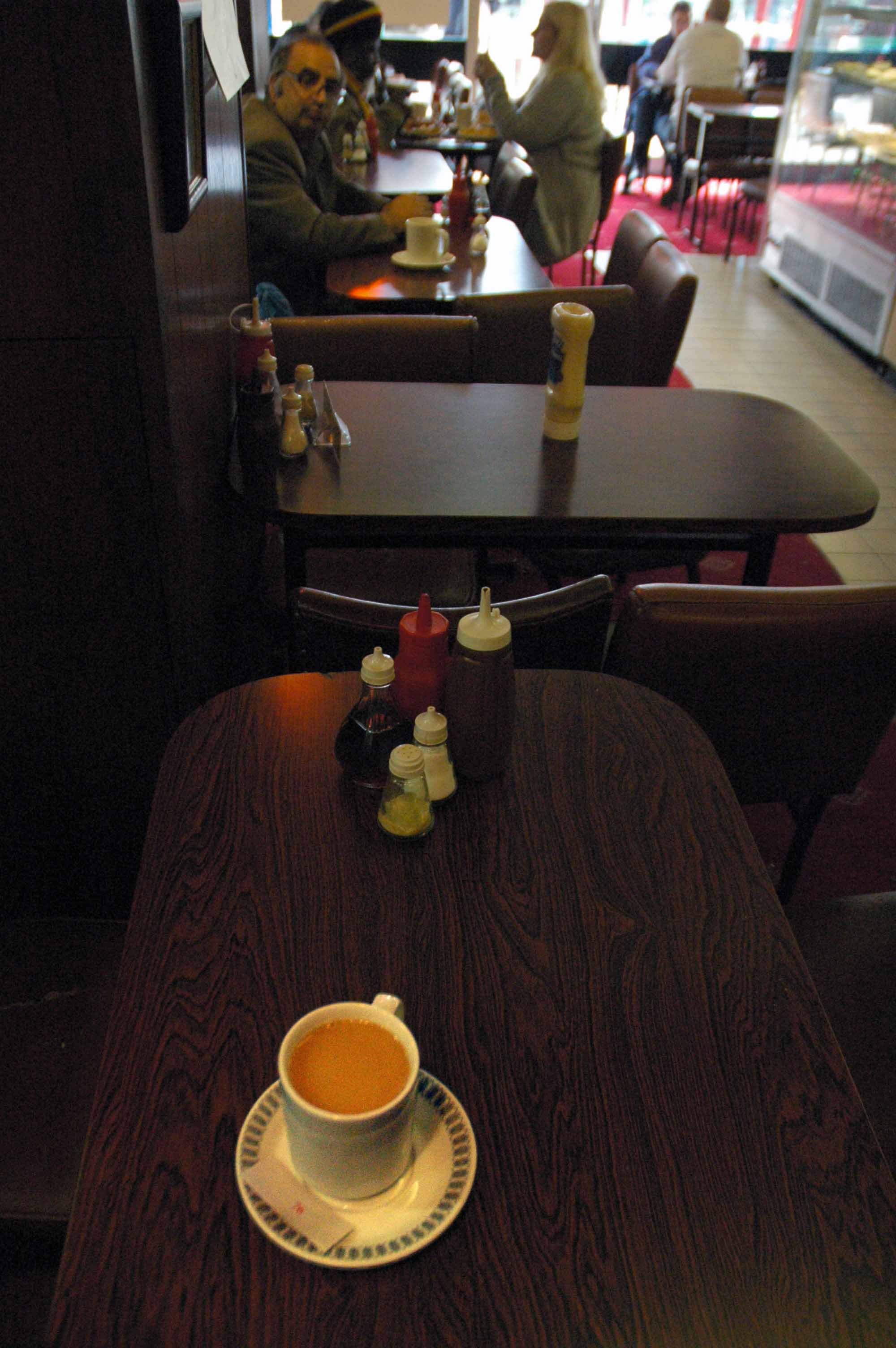
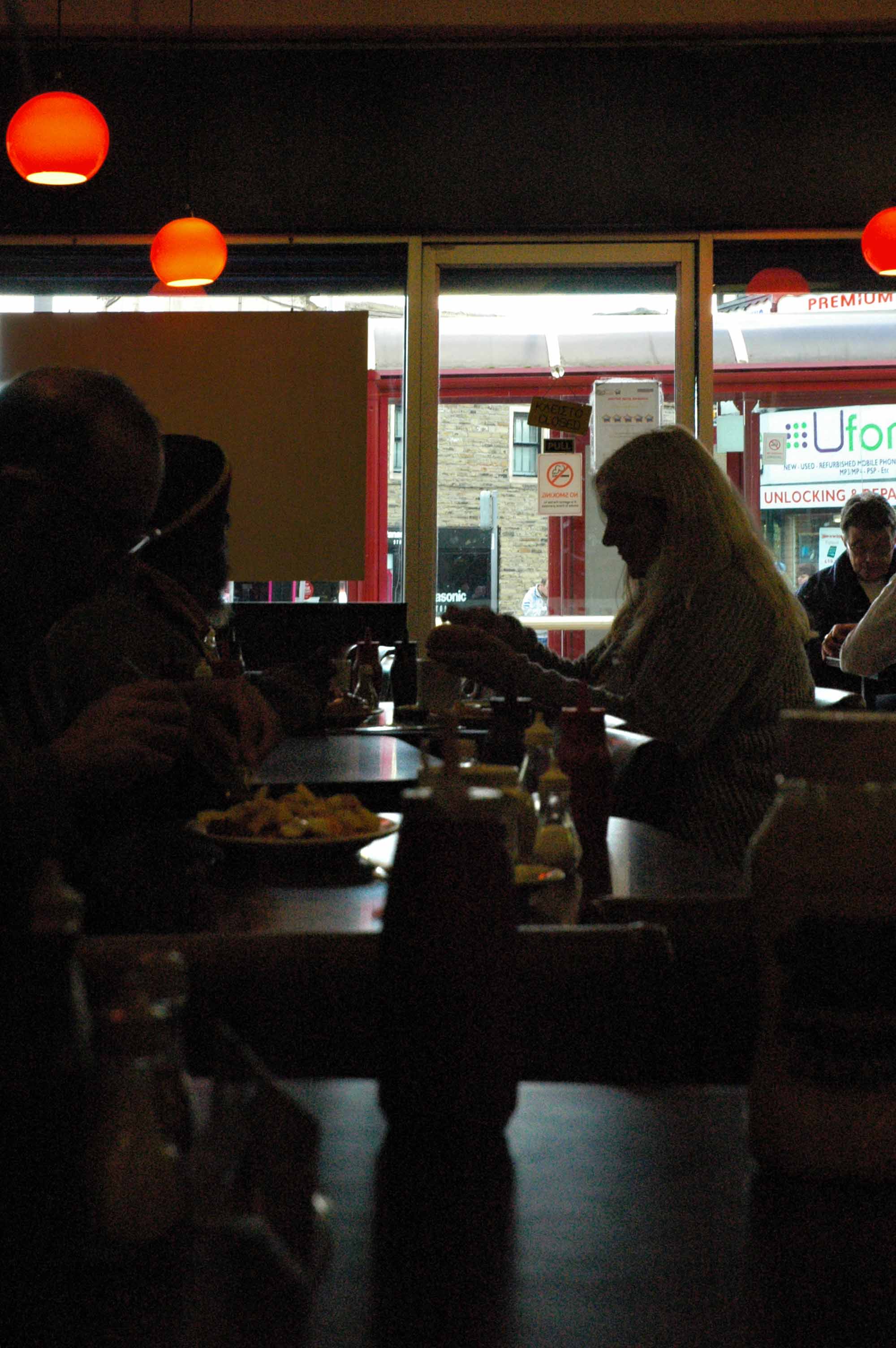
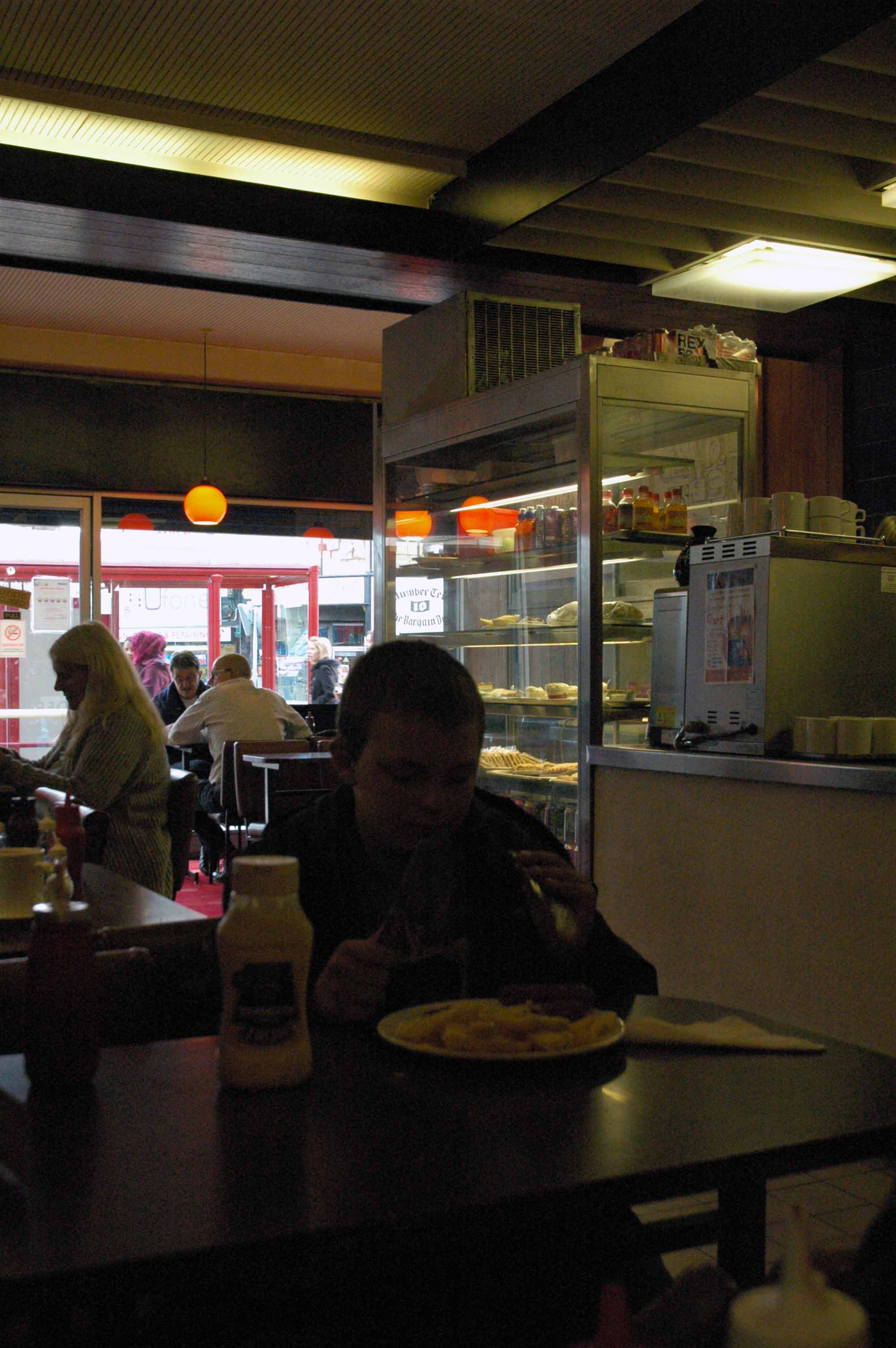
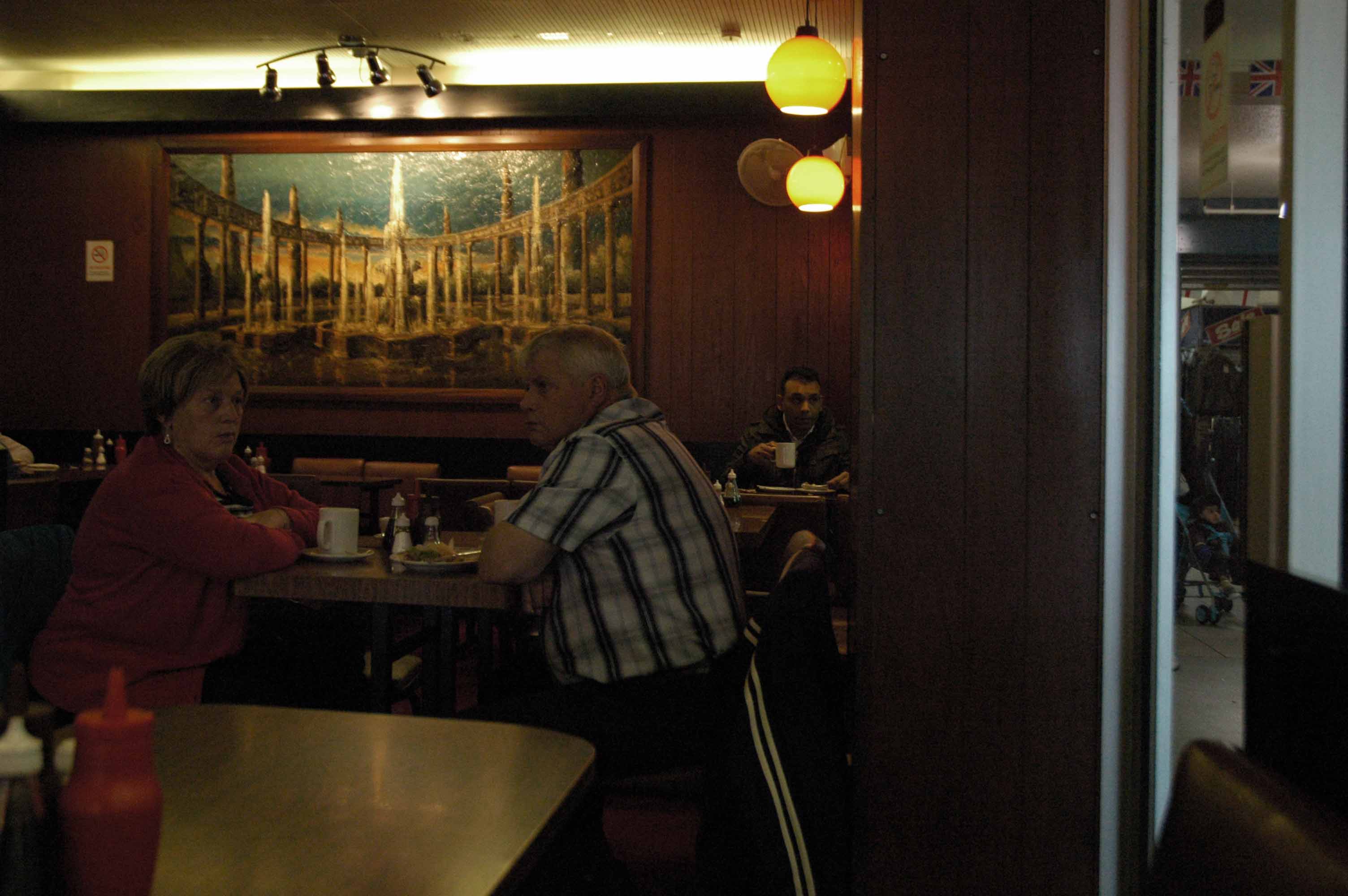
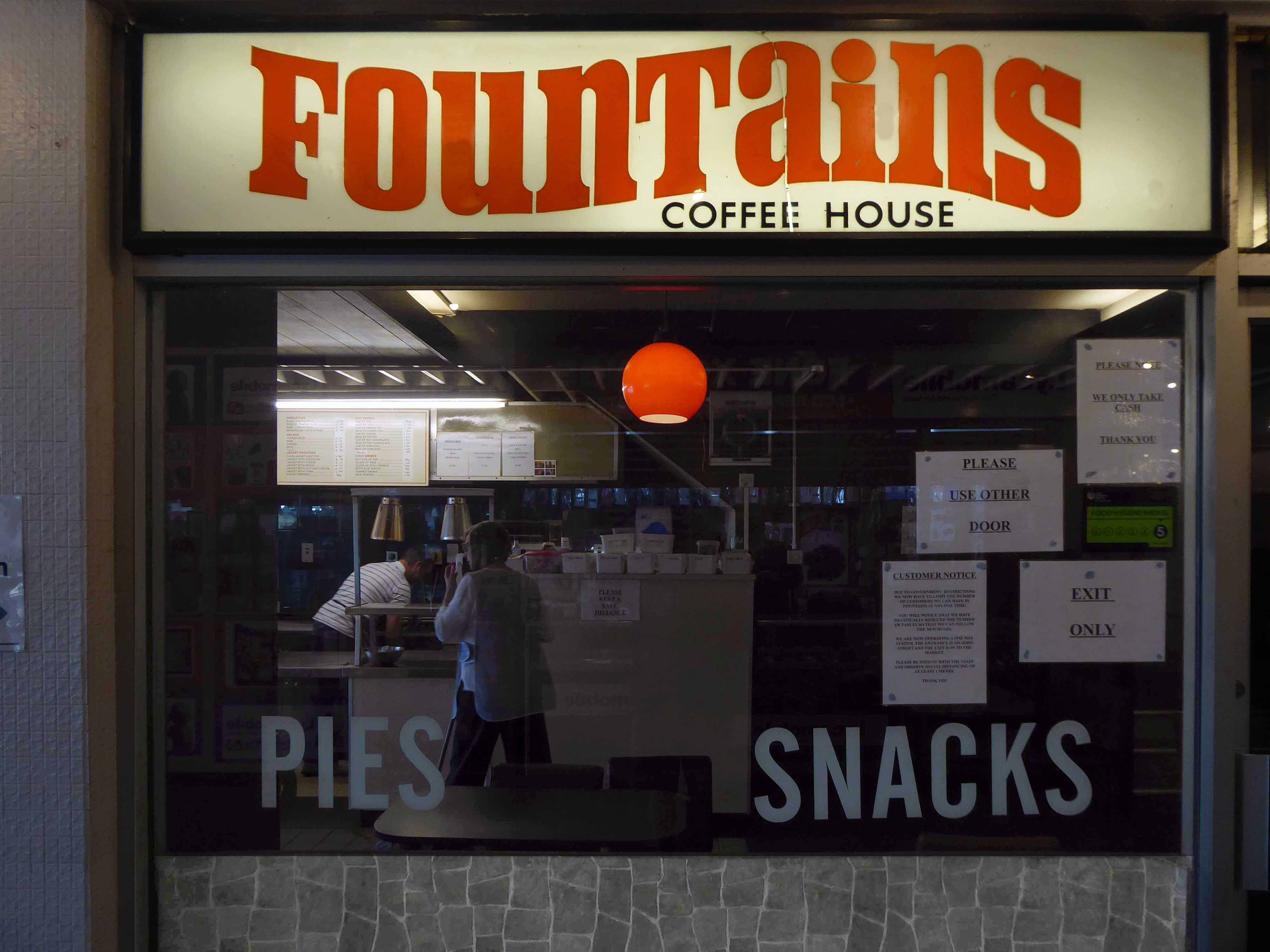
I first came here some twenty years ago or so and on each subsequent visit little seems to change.

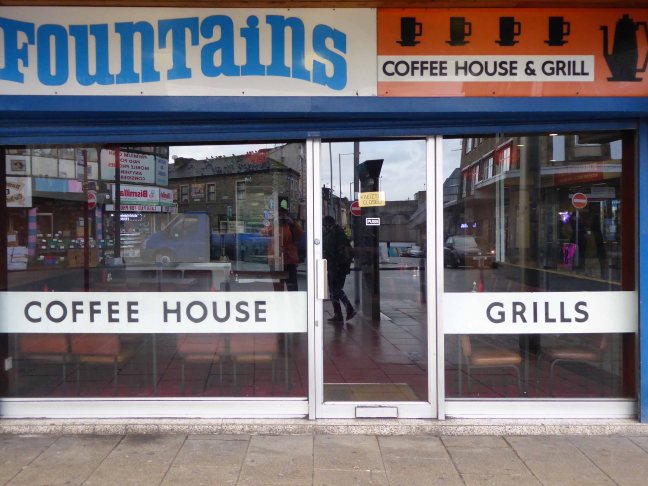
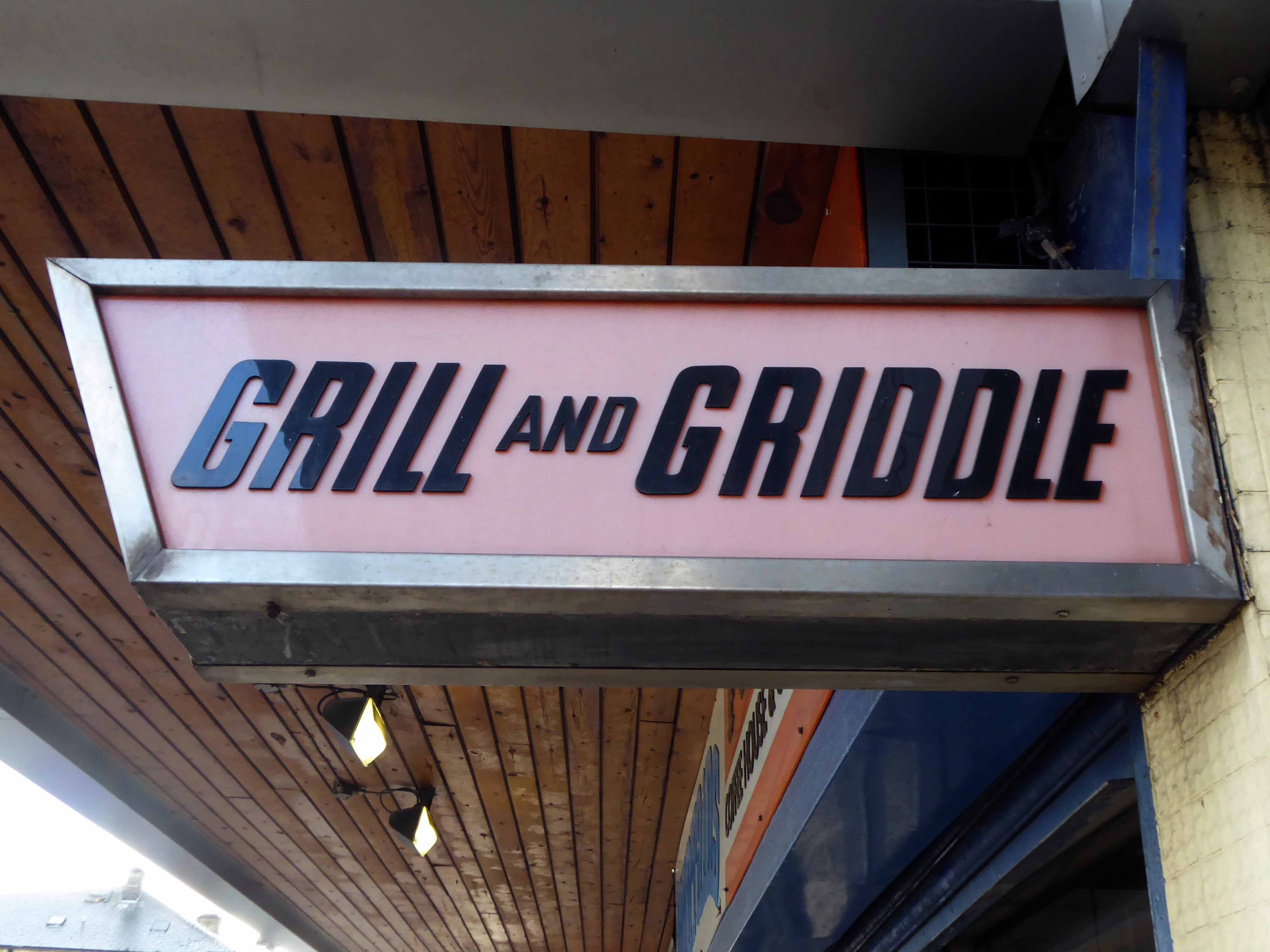
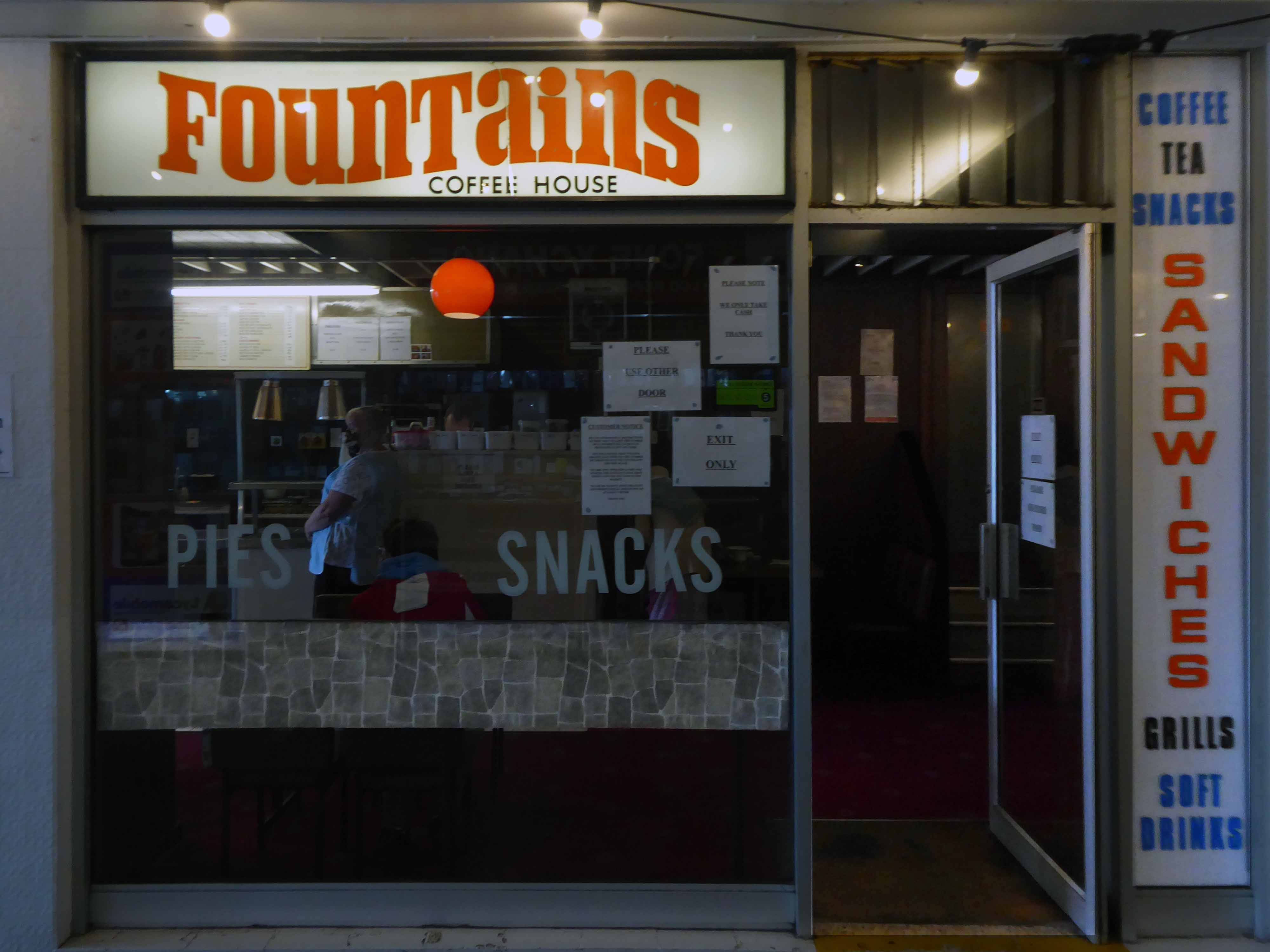
The exterior signage and fascia remain intact.

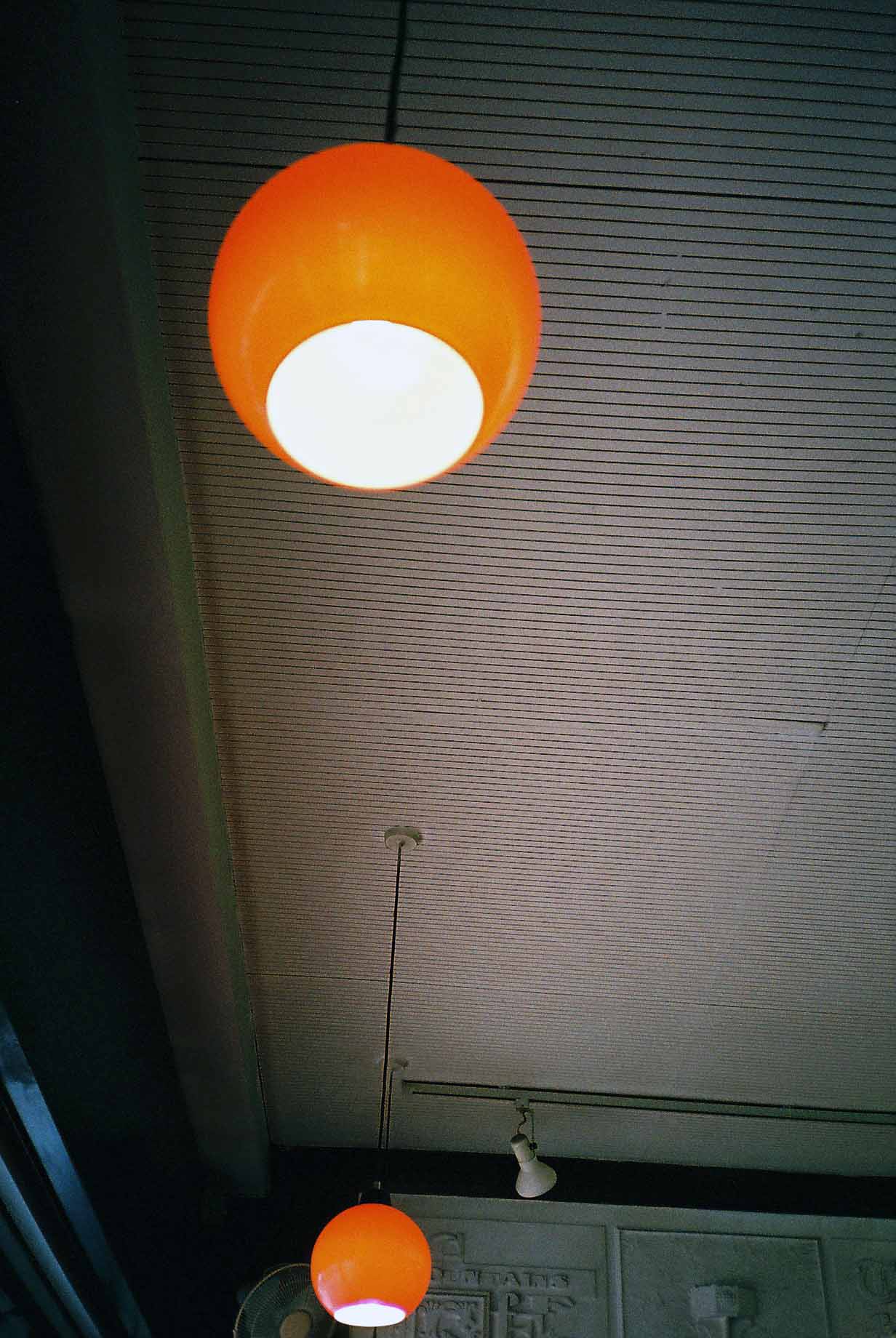
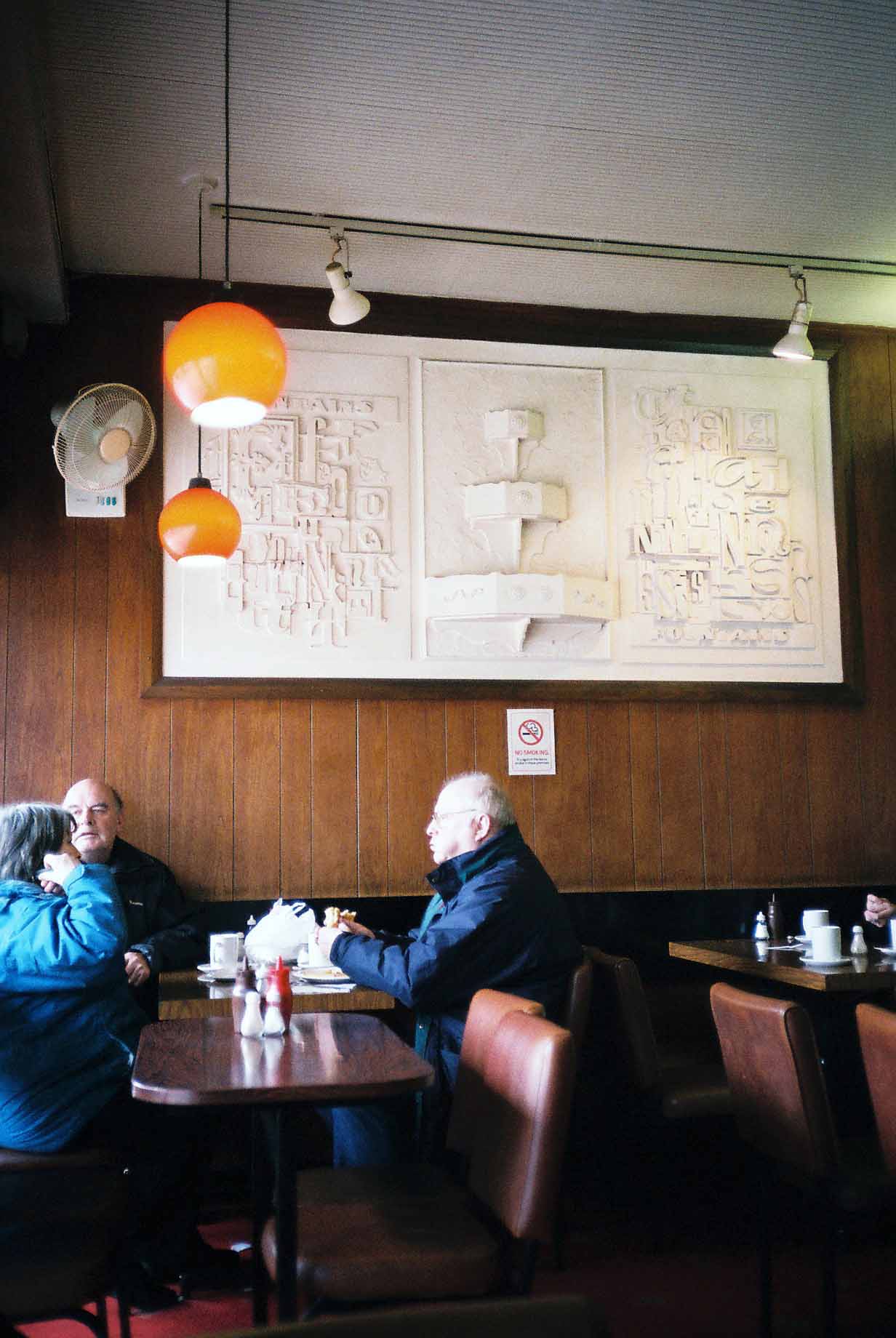
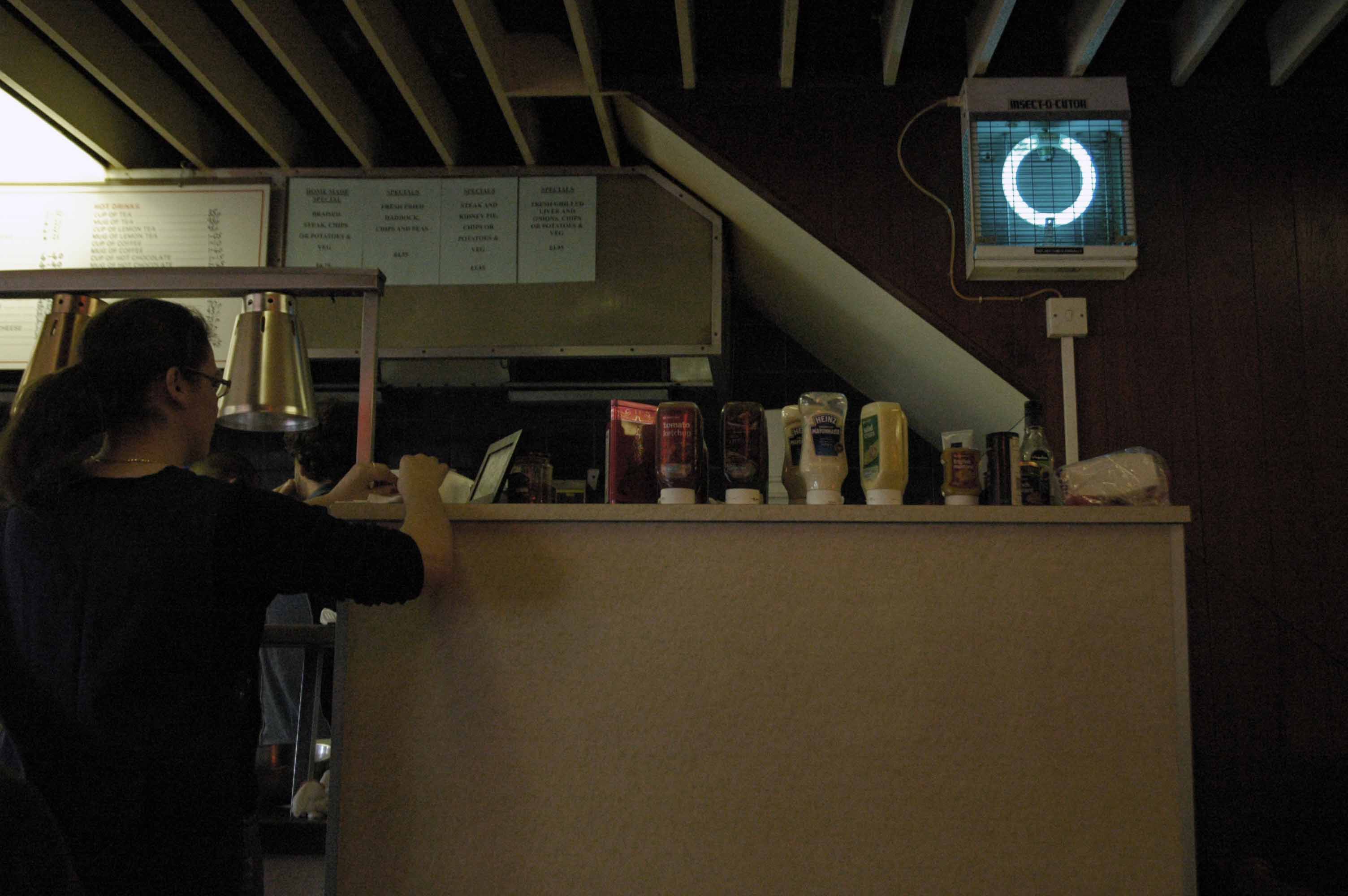
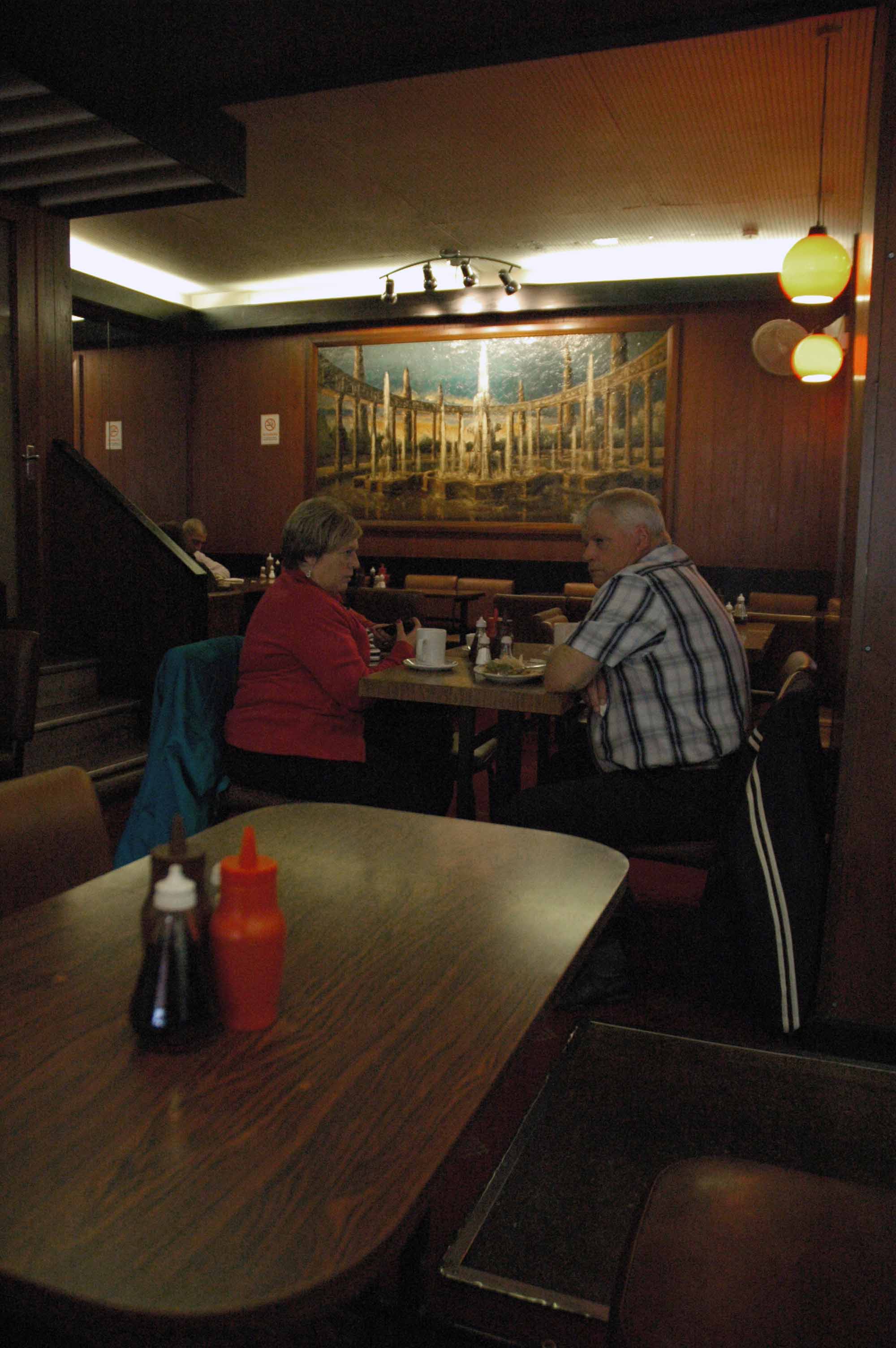
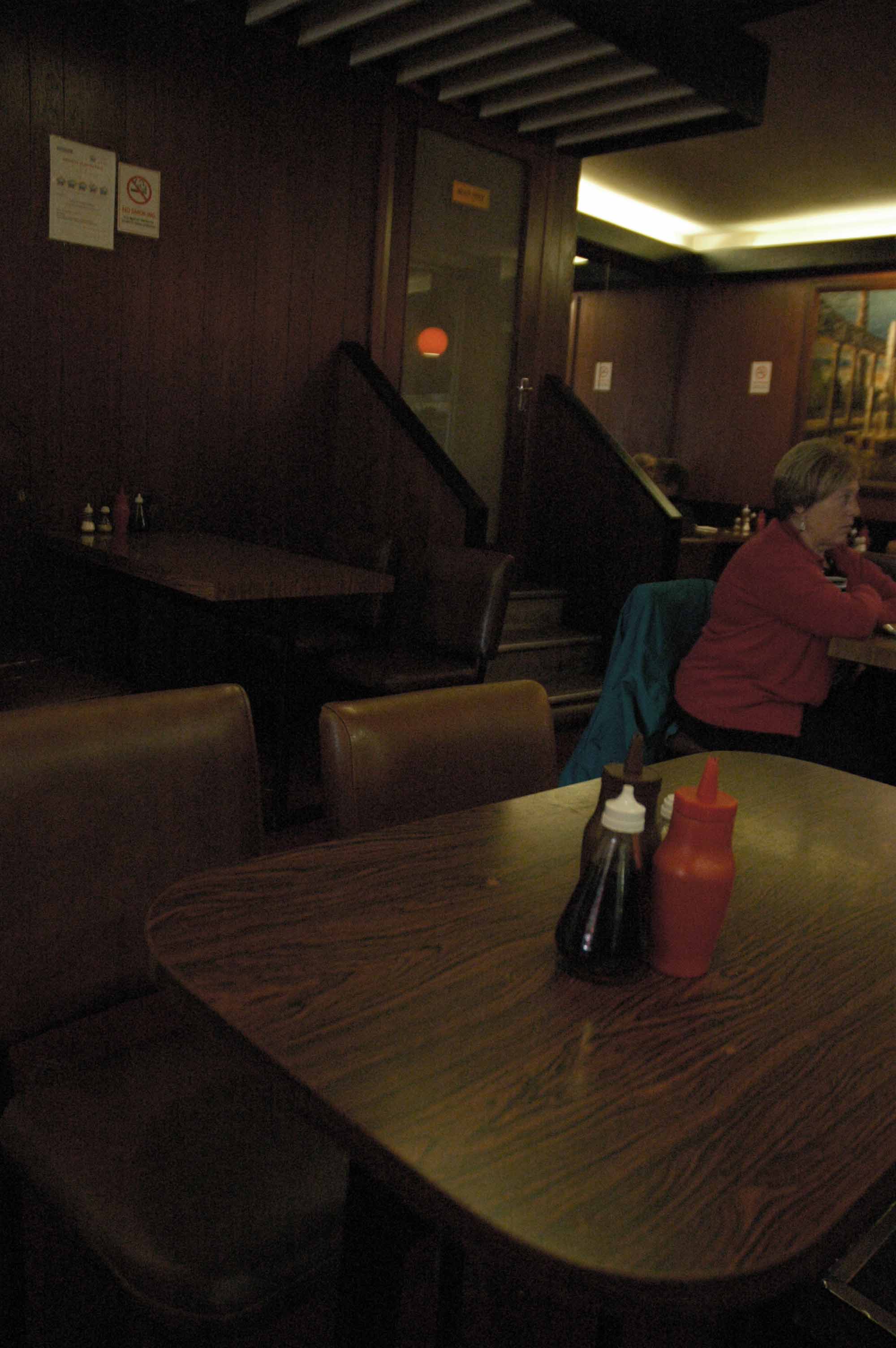
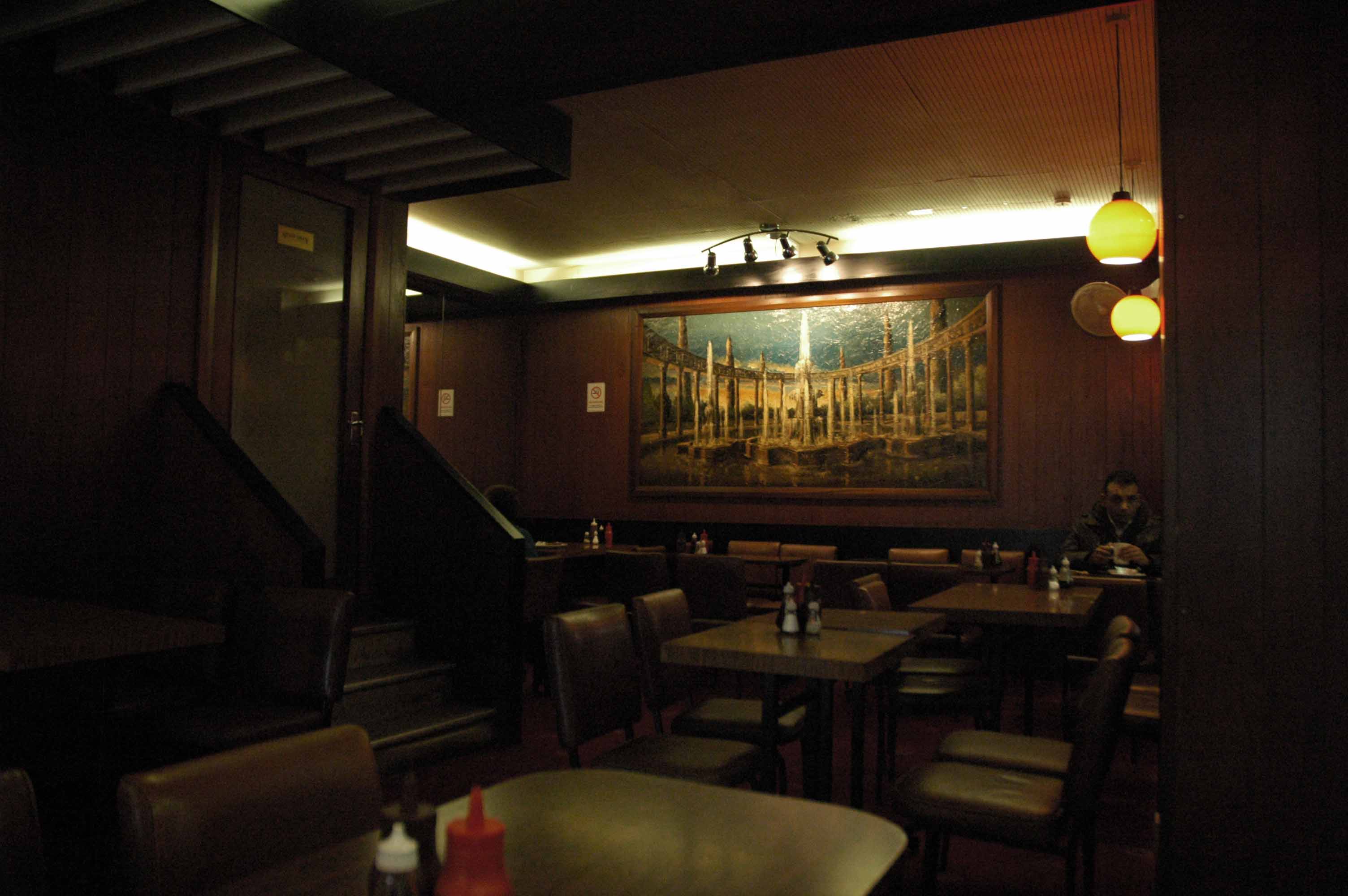
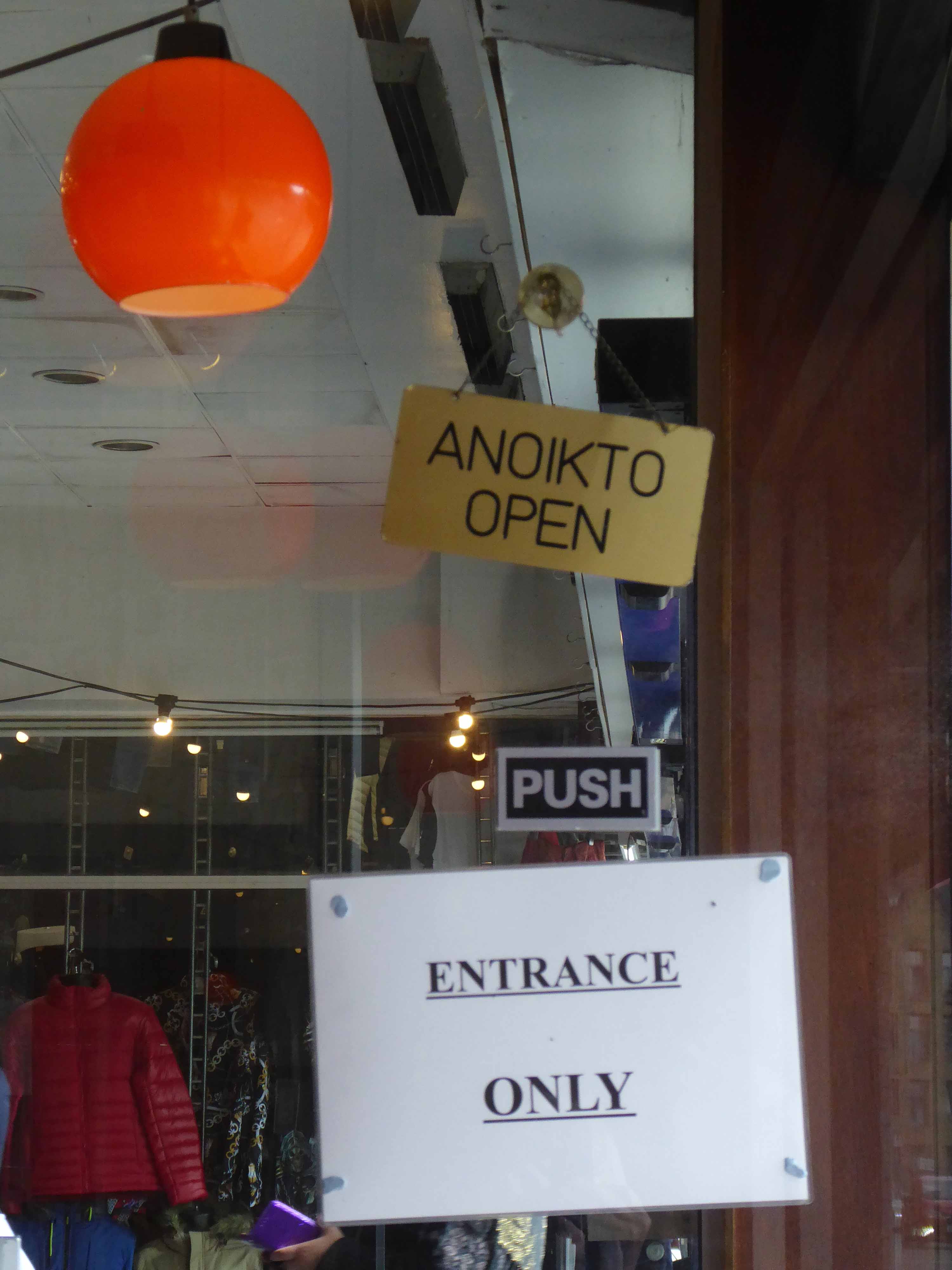
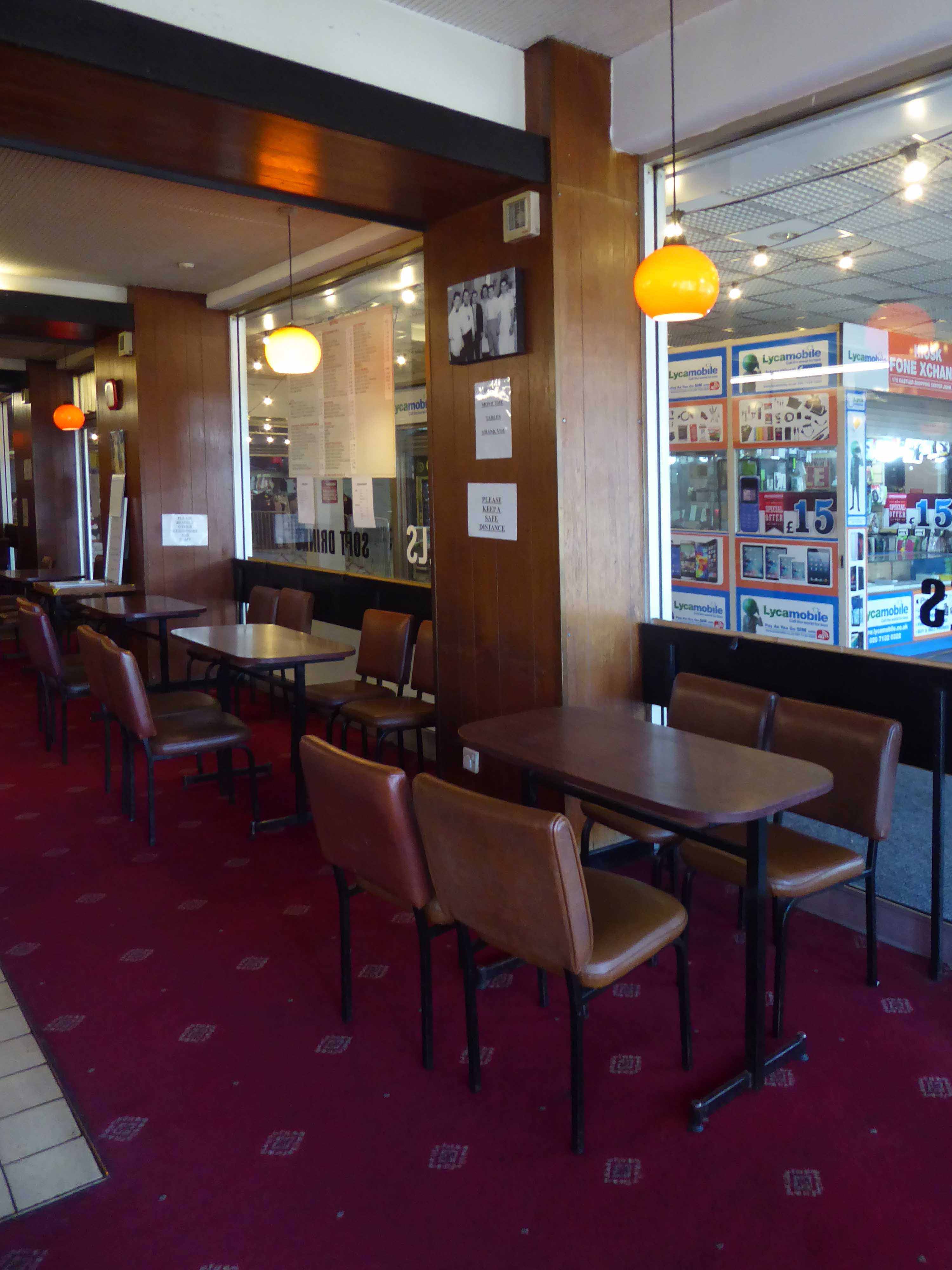
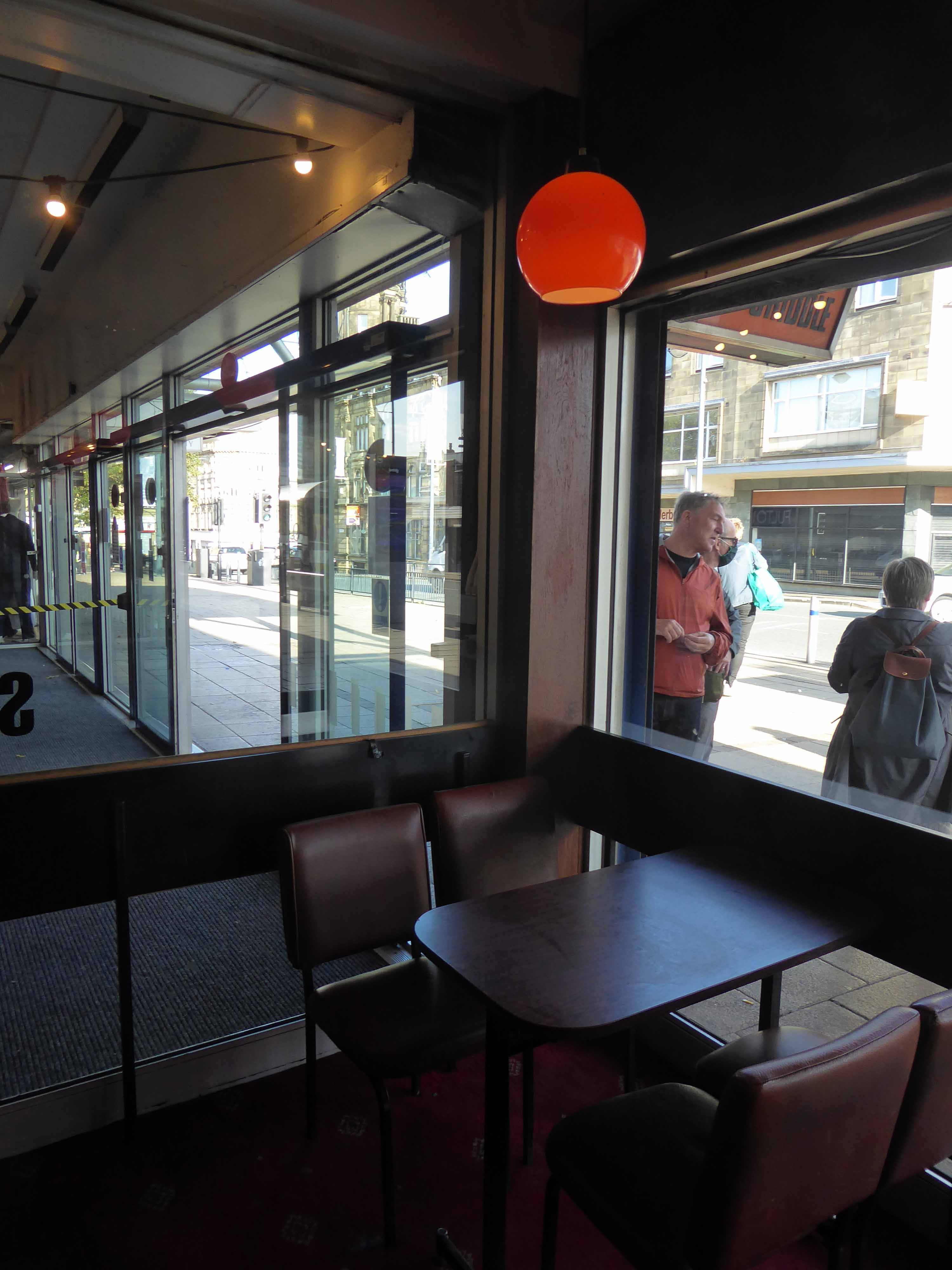
The orange light shades are still hanging limp and bright from the suspended ceiling.

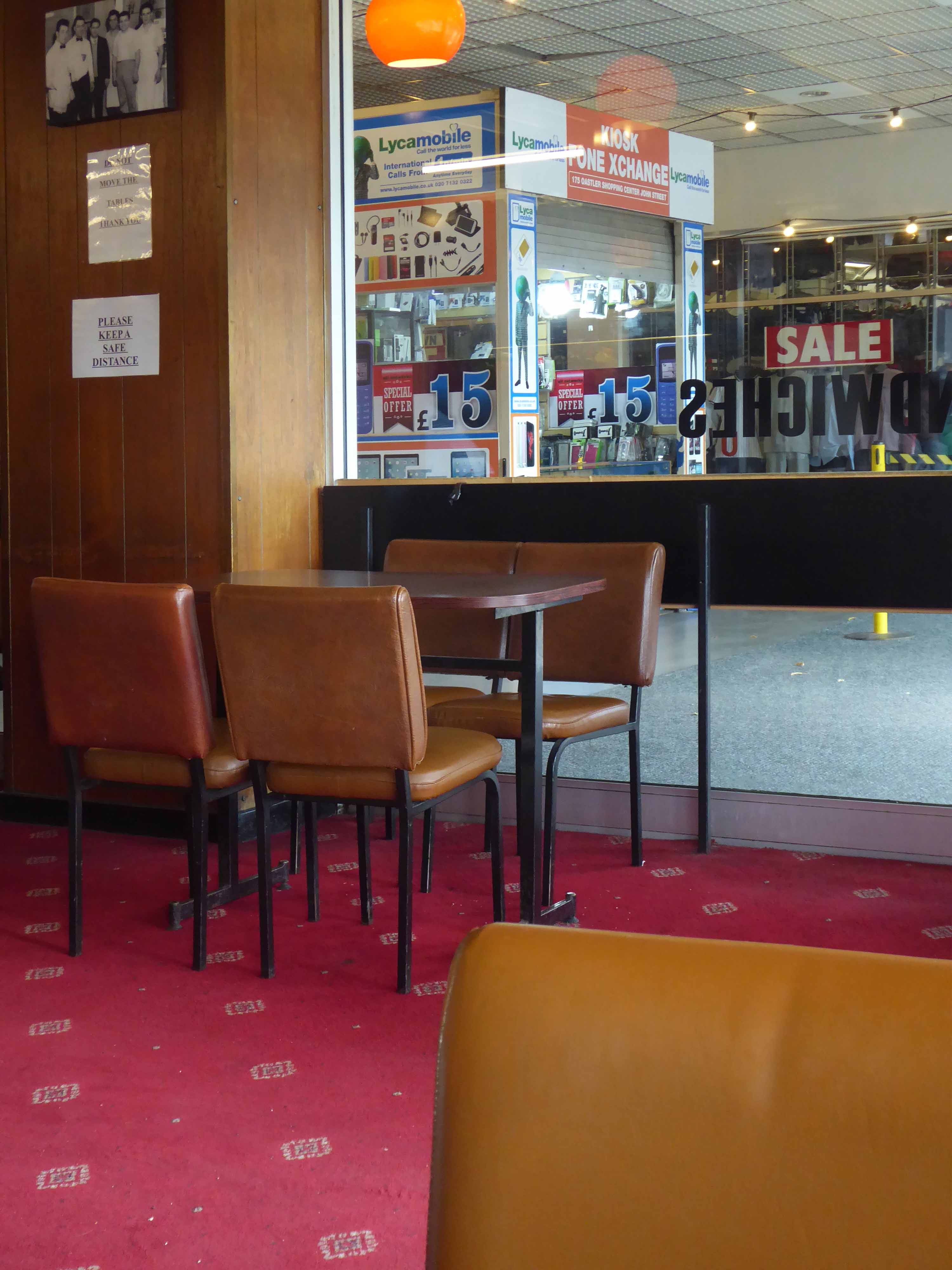
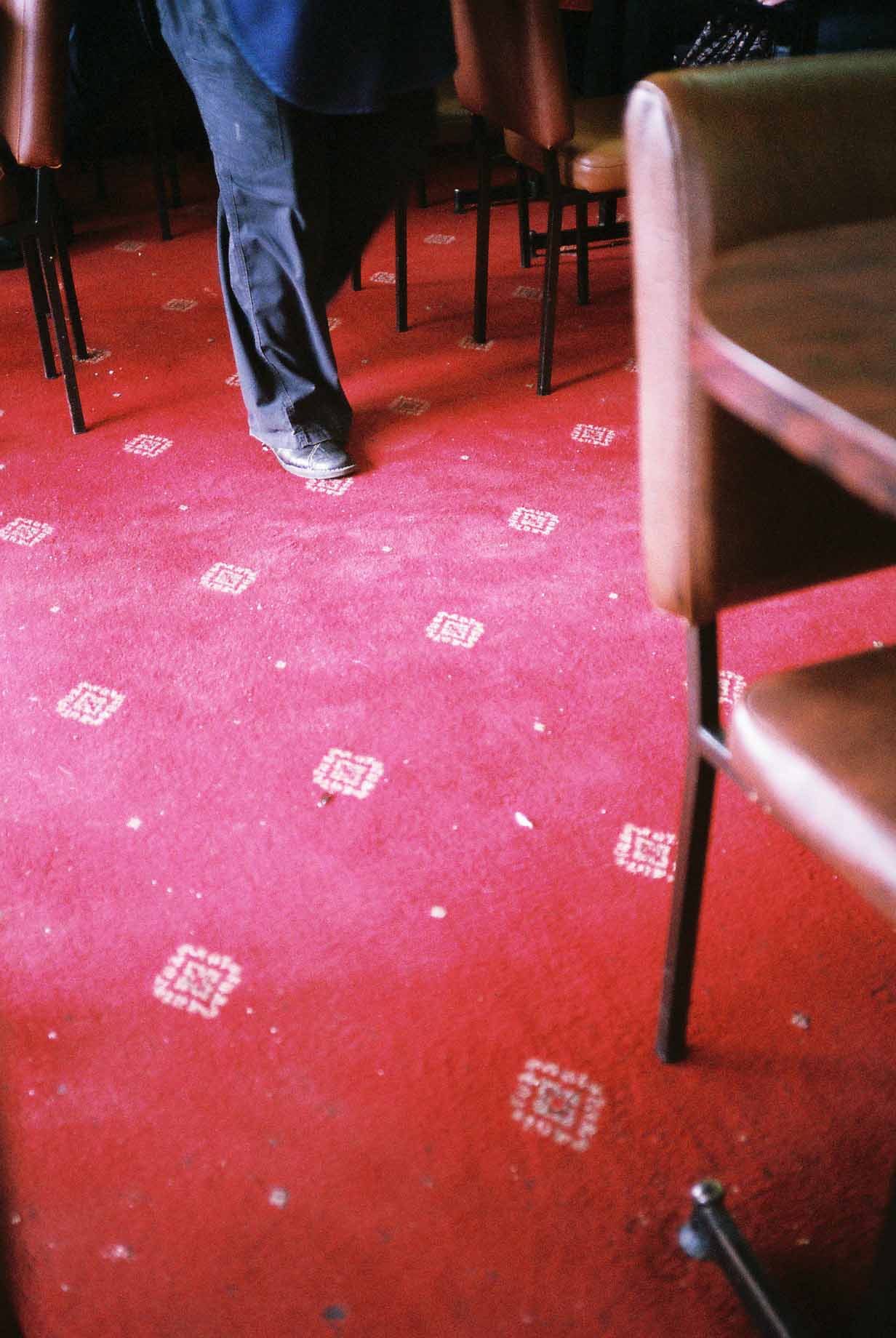
The furniture and scarlet carpet unmoved, as the cheery waiting staff weave merrily in, out and round about with meals and drinks.

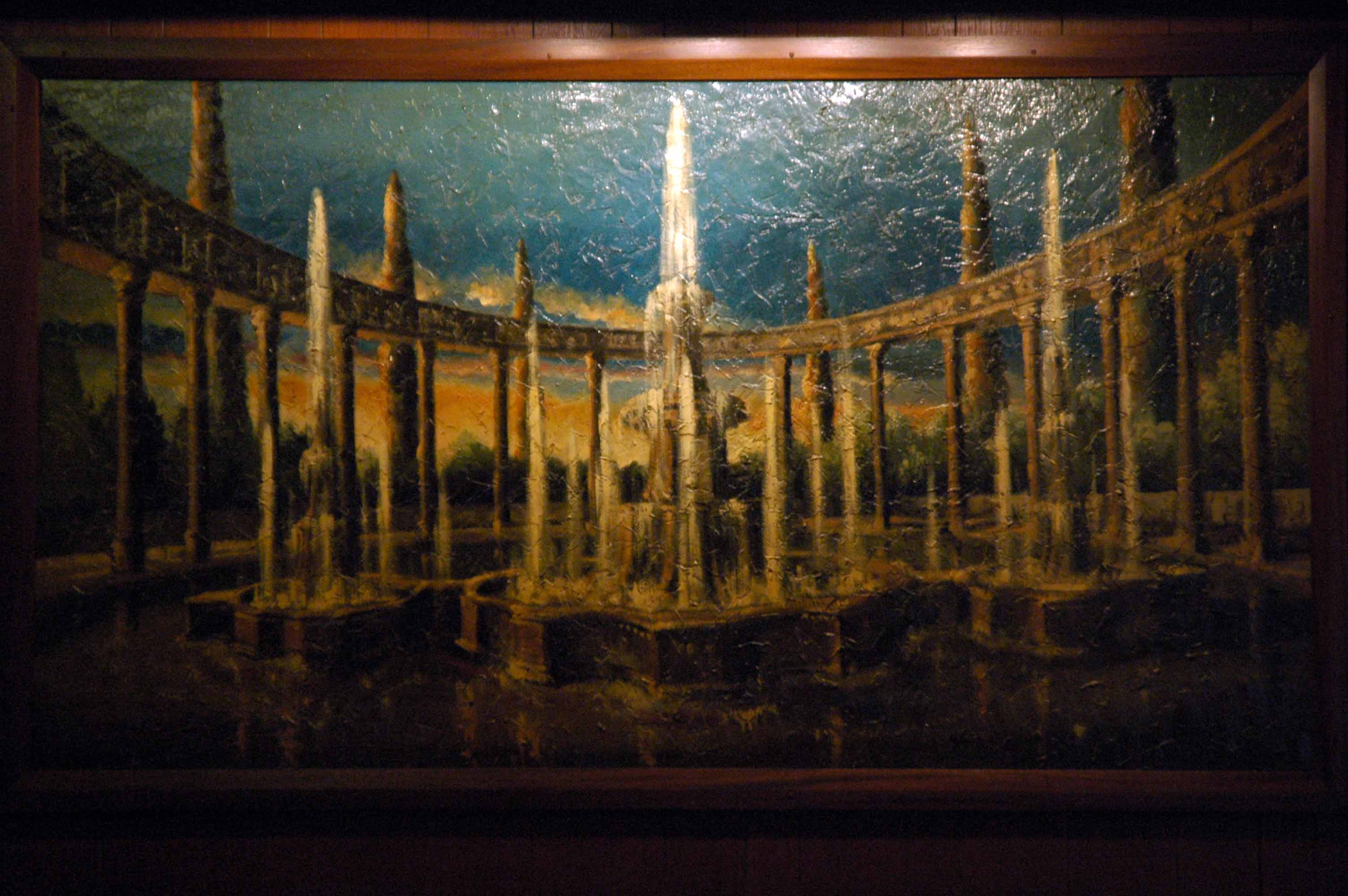
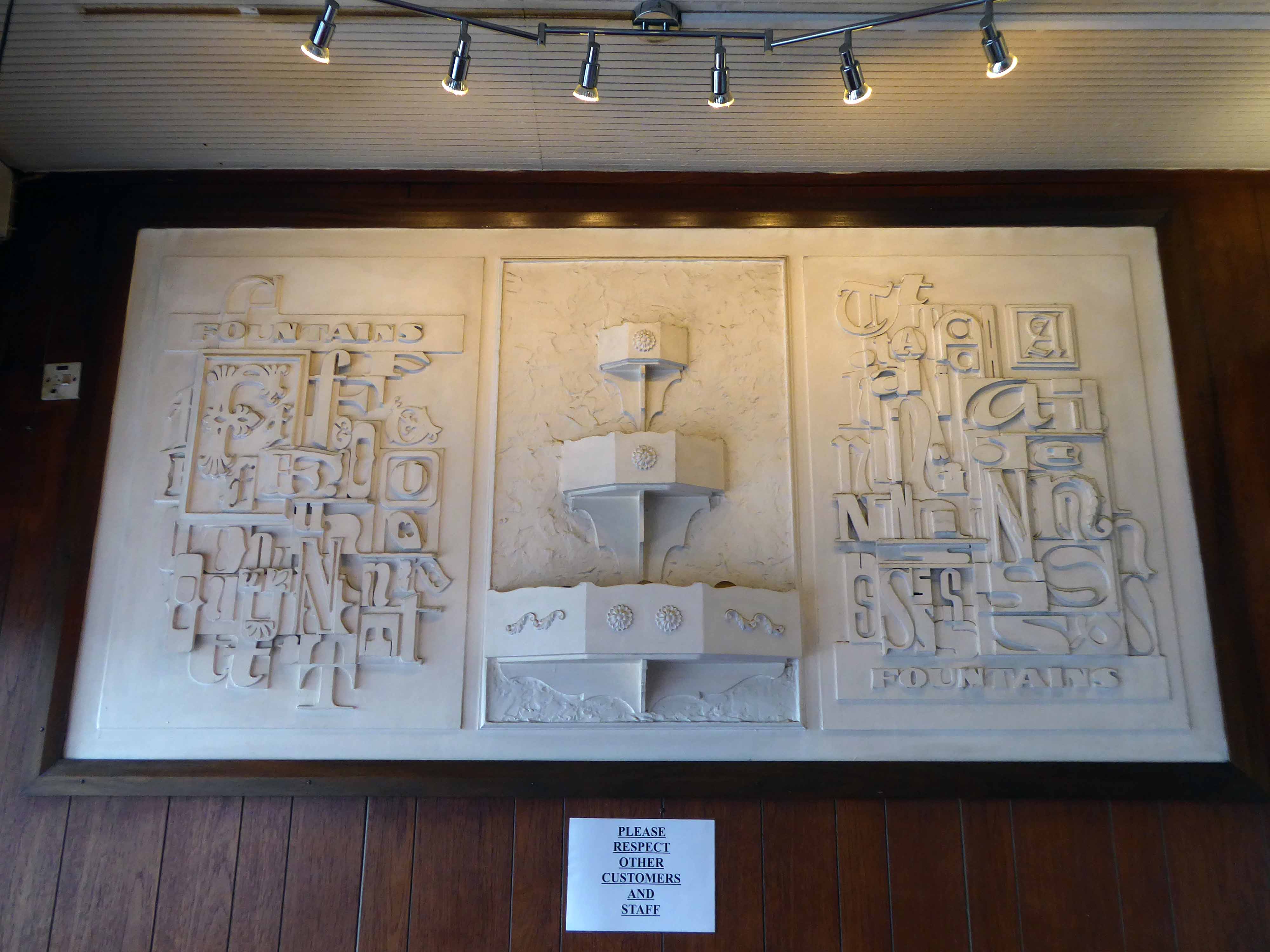
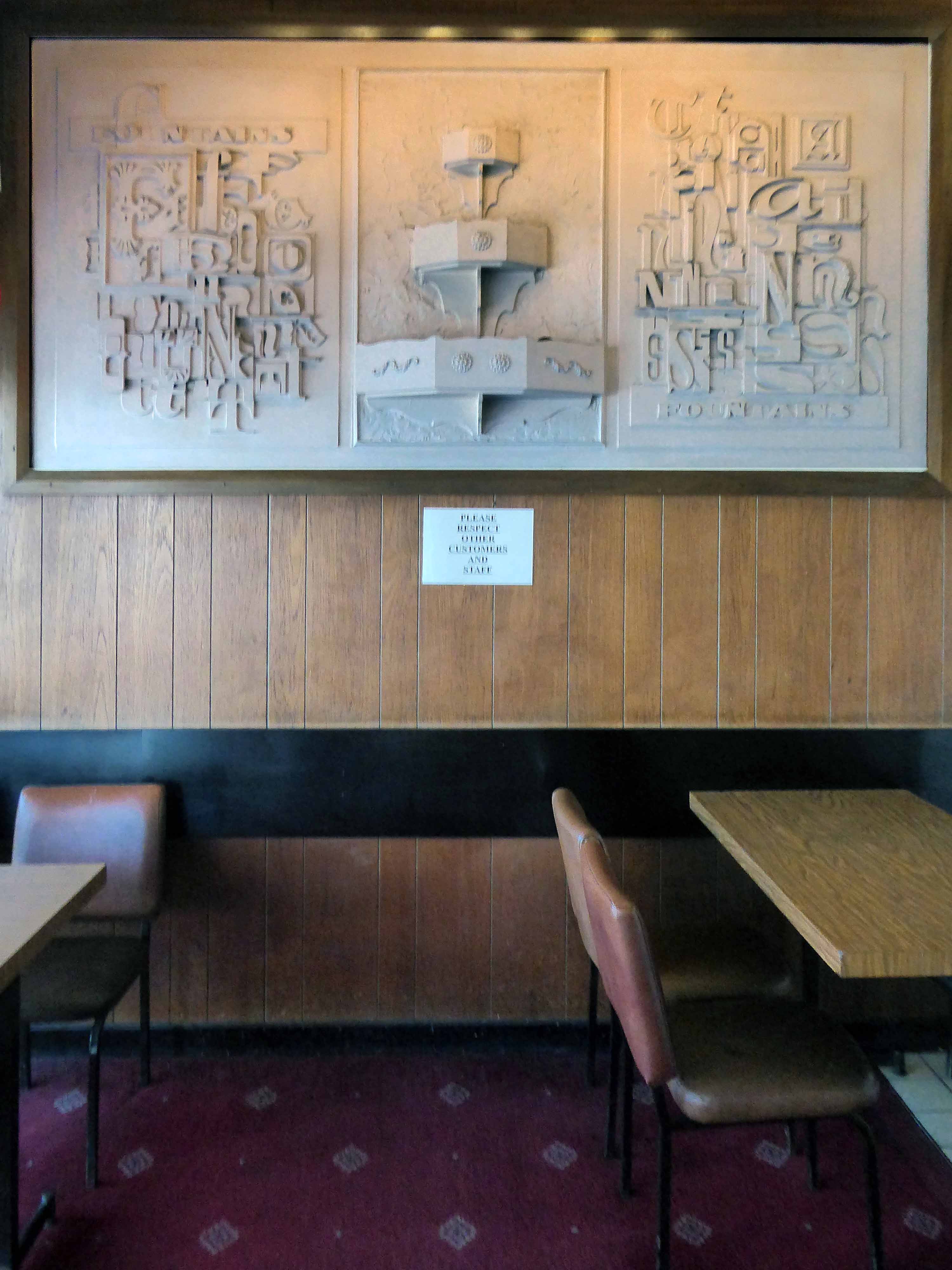
The distinctive white relief sits in the same place on the wall.

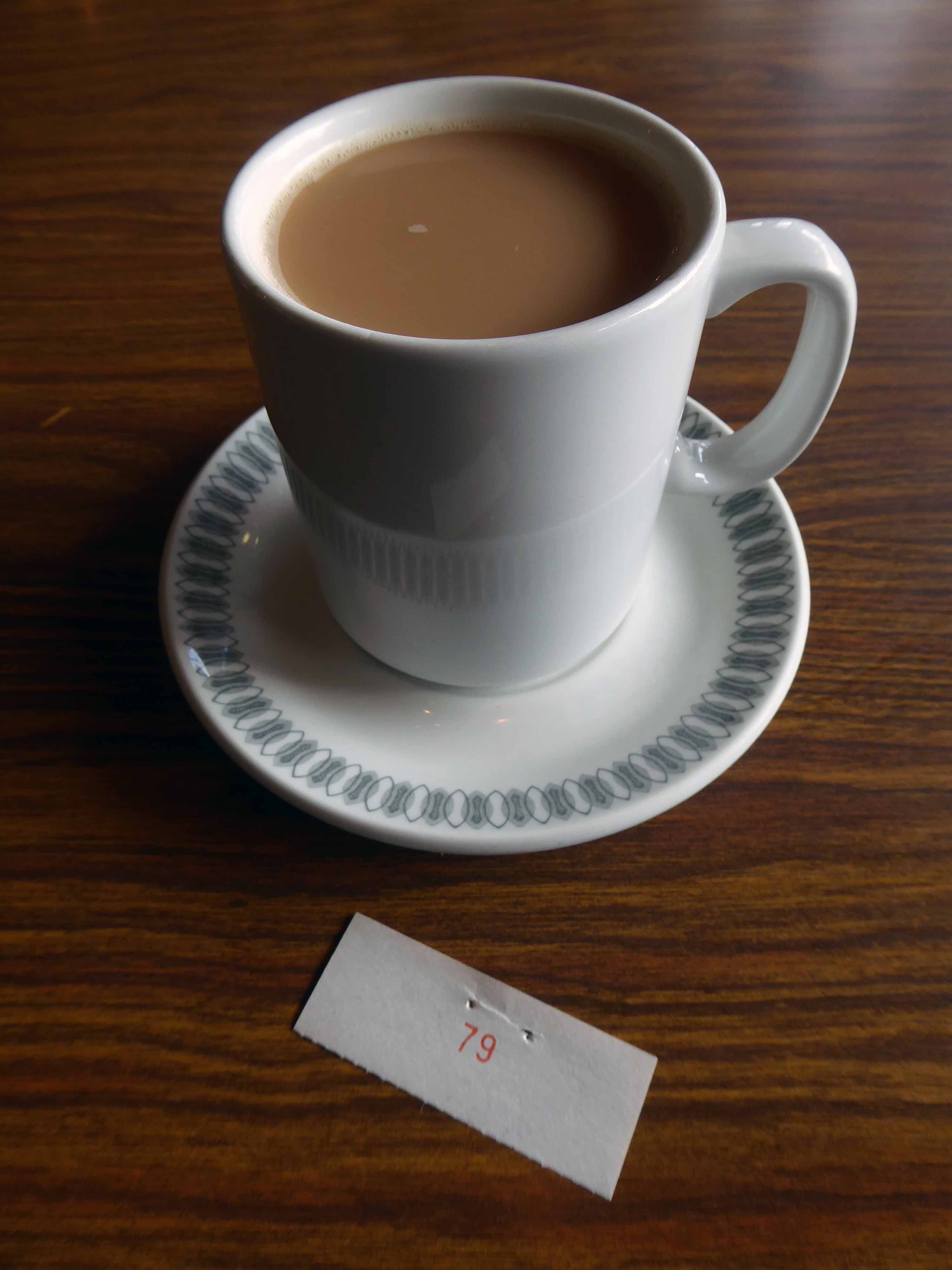
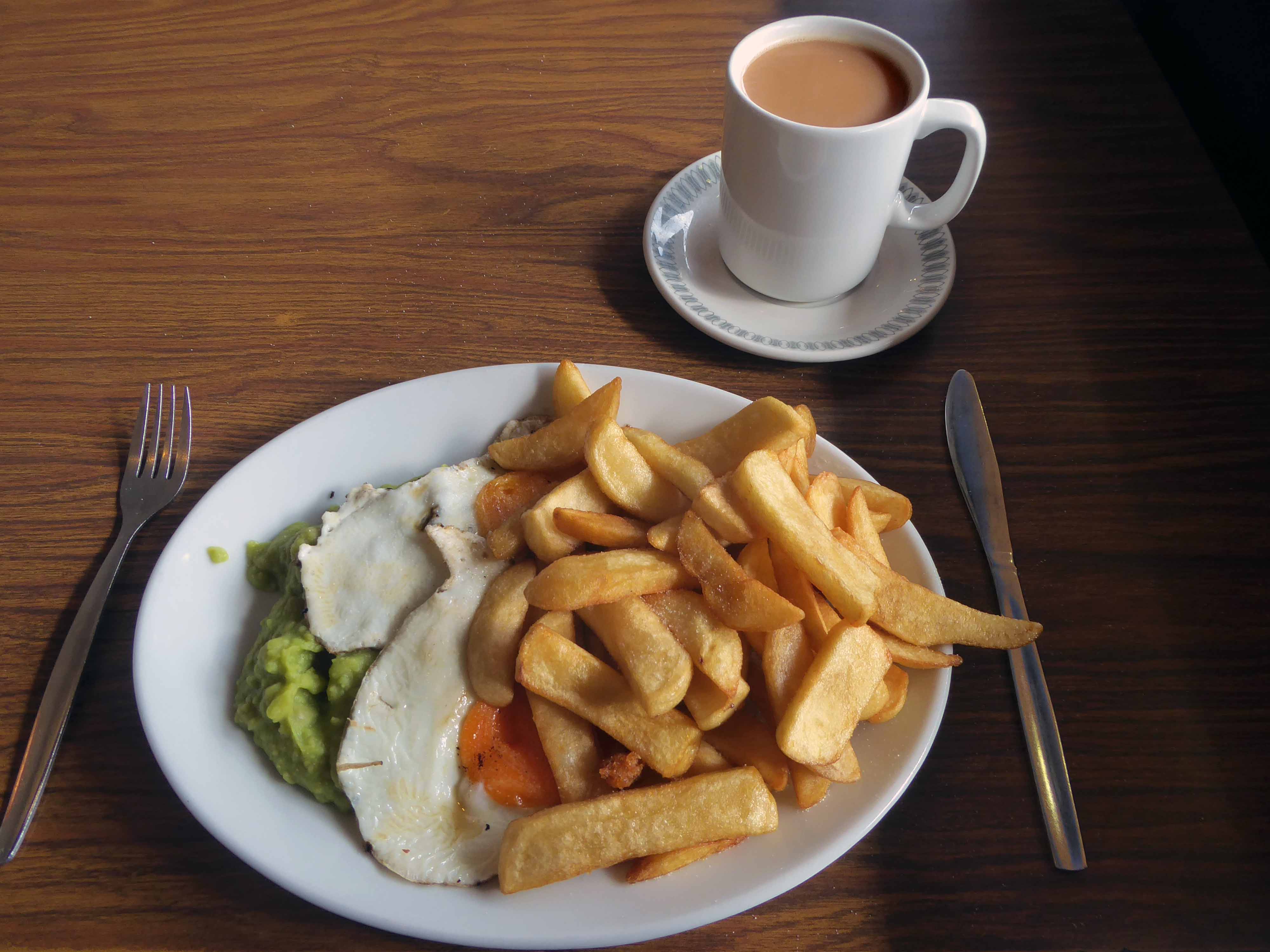
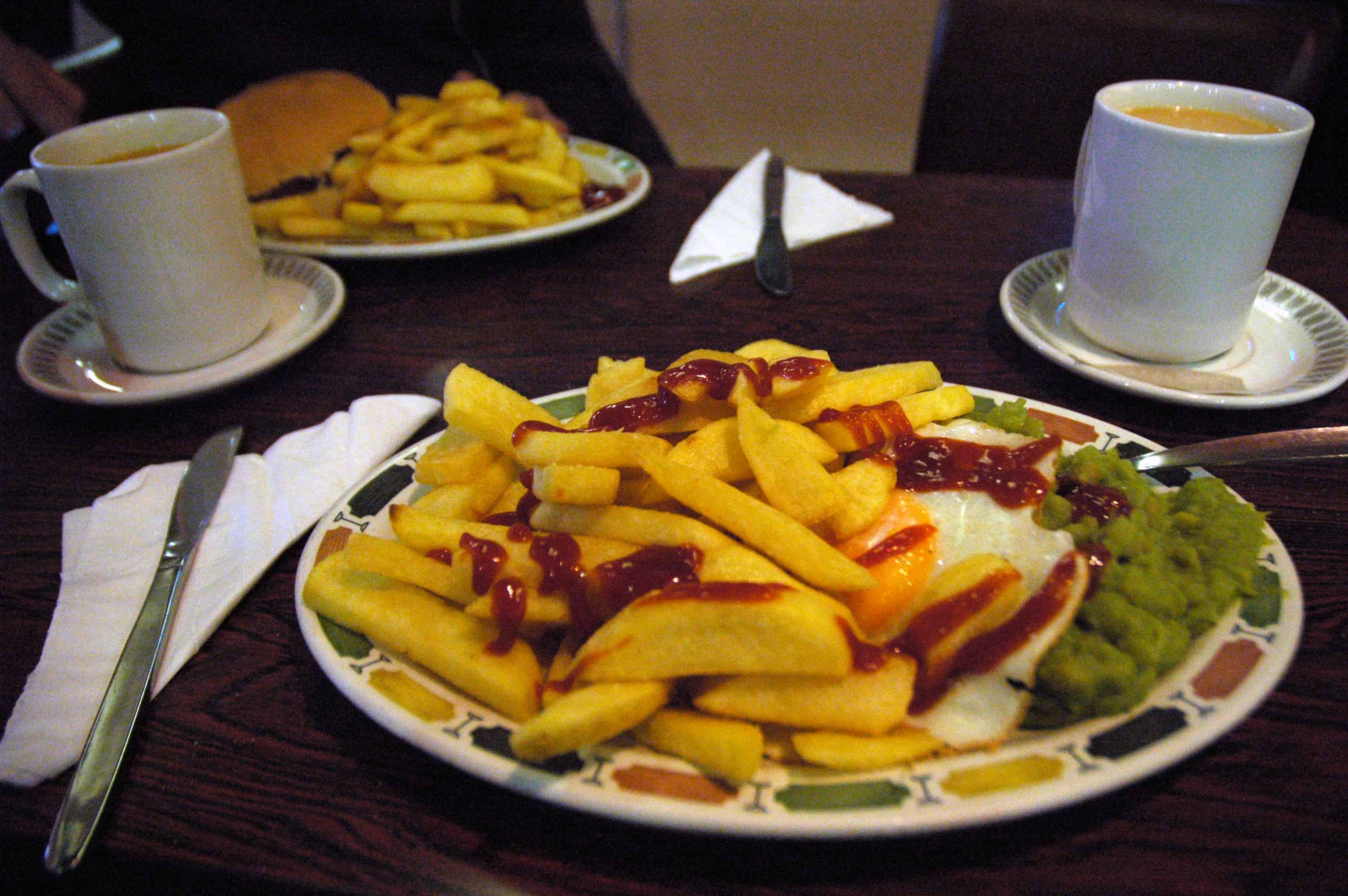
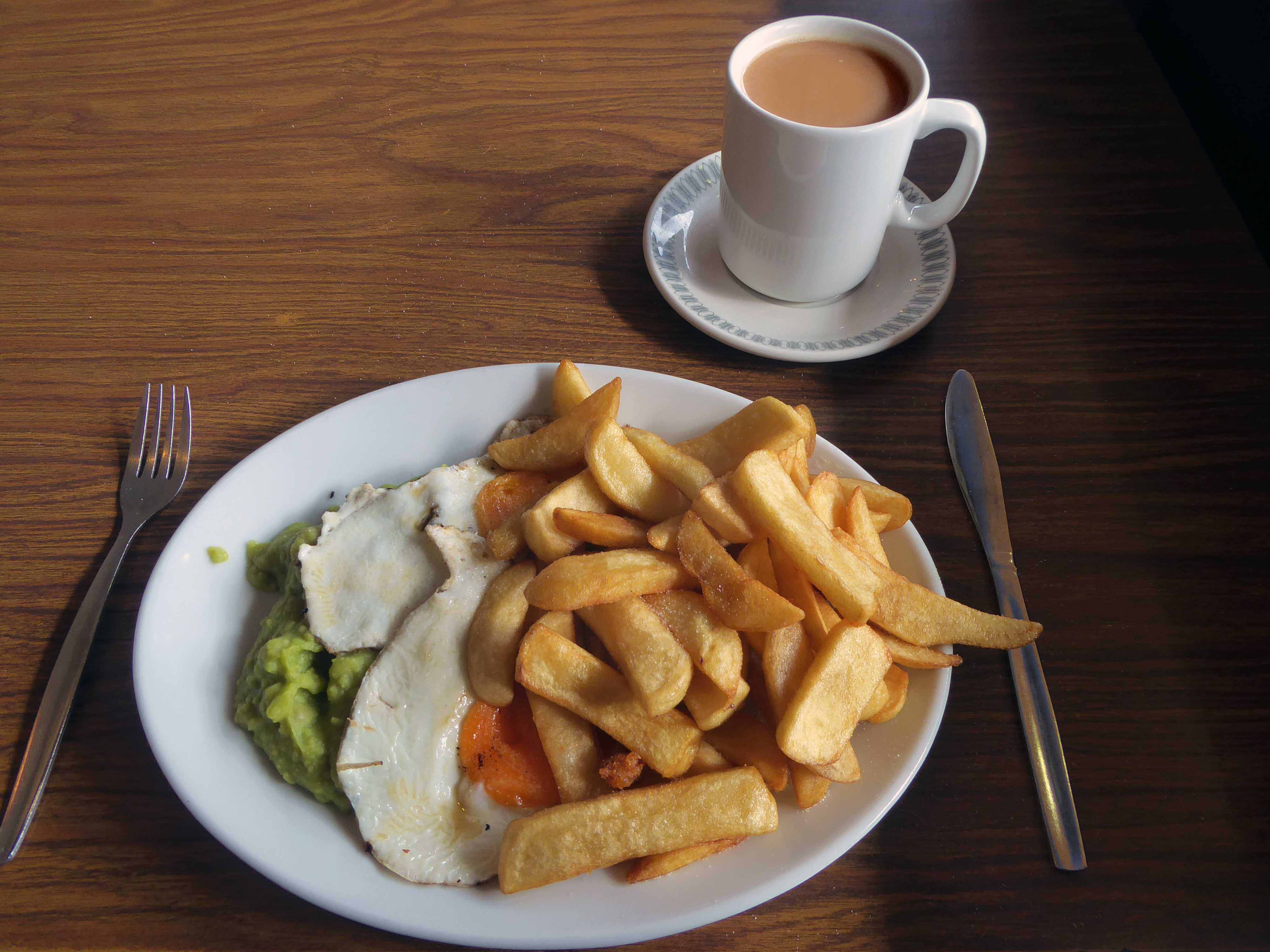
Almost inevitably I order a mug of tea.

Along with a plate of eggs chips and peas.

Eat and drink the lot and leave happy and contented – who can resist a well run, well appointed classic café?

I can’t.

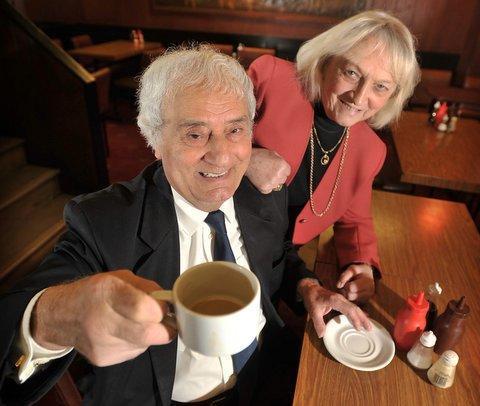
A well-known and respected figure in the Bradford business world, Mr Paul Georgiou ran Fountains Coffee House in John Street for just shy of 50 years alongside his wife Mary, and has run cafés and other businesses in the city for almost six decades.

Other ventures created by Mr Georgiou include the Hole in the Wall nightclub, which was one of the first underground nightclubs in the city centre. It hosted acts including Sir Tom Jones and rockers Thin Lizzy as they rose to fame in the late 1960s and early 1970.

Sadly he passed away in 2019.

His main business Fountains Coffee House is now managed by his son Michael, but when it opened it was one of the first businesses to open in the John Street Market, as the Oastler centre was known then.

Telegraph and Argus

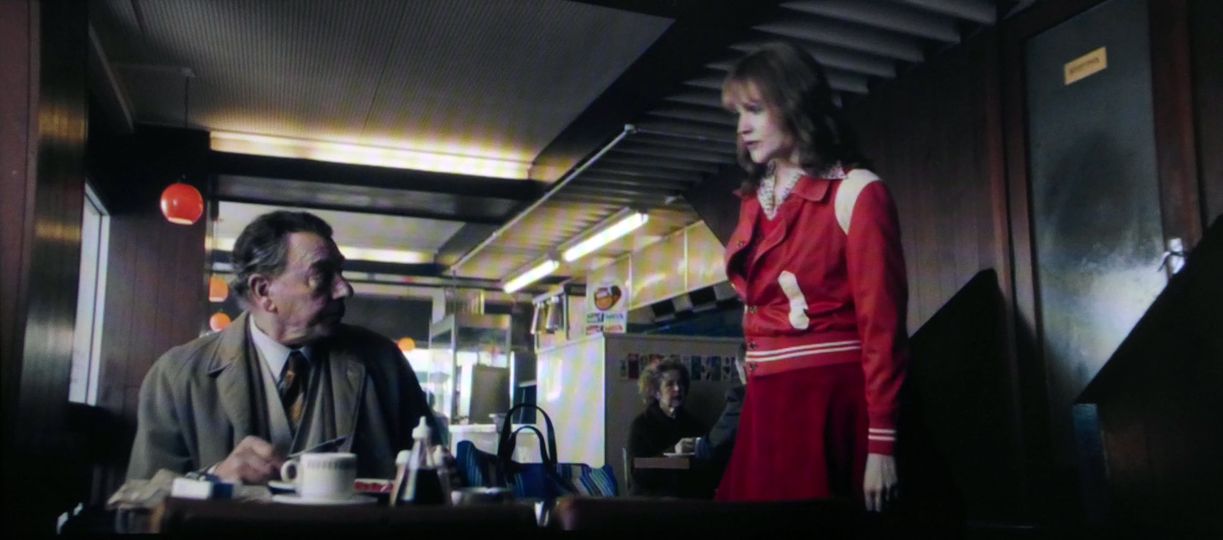
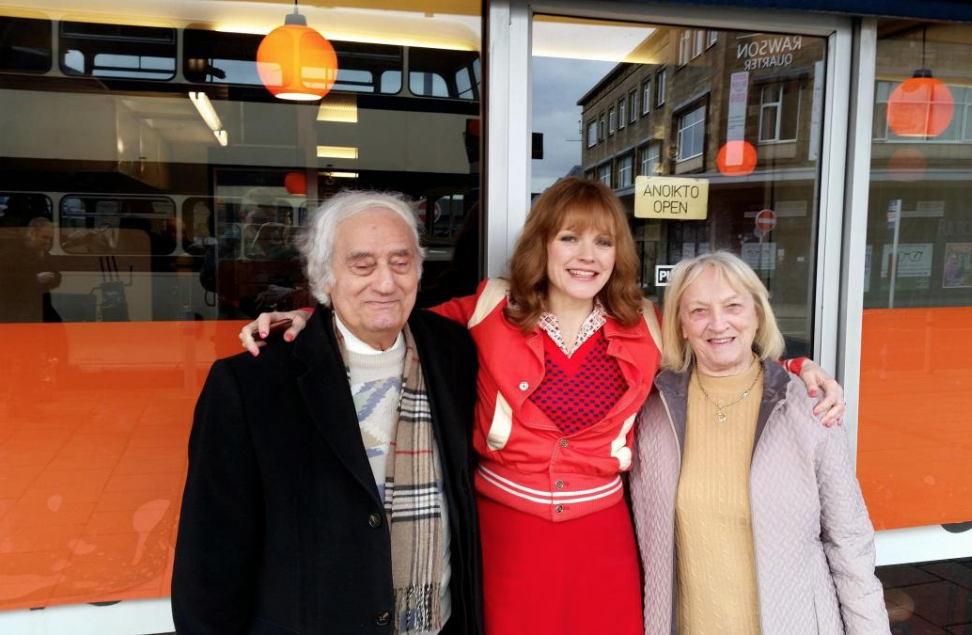
Maxine Peake was a recent visitor – filming a sequence for the film Funny Cow, along with Alun Armstrong.

I pop in every time I hit town – often whilst hosting a Modernist Mooch.

So here they are my own observations, brews and grub from the last few years.

Do yourself a favour pop in, if and when you pass, you won’t be disappointed.

William Mitchell – Bradford

This is one of many visits to the Kirkgate Market in Bradford, in order to take a look at the William Mitchell murals.

Positioned above the entrance/exit and either side of the exit/entrance.

They have had over time various companions to keep them company.

They are currently friendless – the Kirkgate Market is to be closed, its future uncertain – and by inference Big Bill’s public art is under threat too.

The Council has announced to its traders in Kirkgate Market and the Oastler Centre that it will not be carrying out the proposed refurbishment of Kirkgate Market as the new market in Darley Street will now accommodate non-food sales on one trading floor with the other trading floor being dedicated to fresh foods and the 1st floor for hot food and beverage sales.

The Telegraph and Argus

We don’t want to eliminate existing customers, or the low income customers who use the existing markets.

Mr Wolstenholme

Do they however wish to eliminate the murals?

As per they are unlisted, largely unnoticed and as such very vulnerable, get it while you can, take a trip to Bradford real soon.

Mention must also be made of the tiled ceramic mosaics which adorn one wall and the three panels on the raised area above the stalls.

Authorship unknown.

I was most intrigued by these tiles – I have not seen this type before – they have a resemblance to to Transform tiles that were produced in Staffordshire in the 1970s, but they are different in several ways.

The November 1973 T&A microfilm appears to have been stolen from Bradford Library so I can’t check reports and features from the time of the opening of the market on November 22 1973.

I would be grateful for any memories and news.

Christopher Marsden 2012

Rotherham Modernism

There comes a time in everyone’s life, when one simply must go to Rotherham, at least once – so I did.

To keep company with my personal town guide, Sheffield Modernist and local resident, Helen Angell.

I arrived early at Rotherham Central, so went for a solo wander.

The station was originally named Rotherham, becoming Rotherham and Masborough in January 1889 and finally Rotherham Central on 25 September 1950.

The newish Rotherham Central station was opened to passengers on 11 May 1987, the present iteration on Friday 24 February 2012, as part of the Rotherham Renaissance plans for the regeneration of the town.

Wikipedia

Opened 22 December 1934 as the Regal Cinema with Leslie Howard in Girls Please. Sandy Powell, the famous comedian attended opening night this 1,825 seat. It was designed by the Hull based architectural firm Messrs Blackmore & Sykes for local exhibitor Thomas Wade and was leased to the Lou Morris chain.

By 1937 it was operated by the London & Southern Super Cinemas Ltd. chain. The Regal Cinema was leased to the Odeon circuit in 1946 and was re-named Odeon. It was sold by the Rank Organisation to an independent operator in 1975 and renamed Scala Cinema, by 1981 using the circle only.

Closed 23rd September 1983 with the film Porky’s.

Became a bingo hall initially named Ritz but now Mecca. On 20th February 2020 the building was put up for sale by auction at an asking price of £600,000+, but failed to sell, with the maximum reached £590,000. Mecca bingo continues in the building.

Cinema Treasures

Curious corner retail development and sculpture of the Sixties – with pub archeology.

Art Deco detail and tiling.

Royal Mail Sorting Office.

Retail detail.

Beeversleigh Flats – built between 1968-71. 

Main contractors J. Finnegan it’s thirteen storeys high – housing forty eight dwellings.

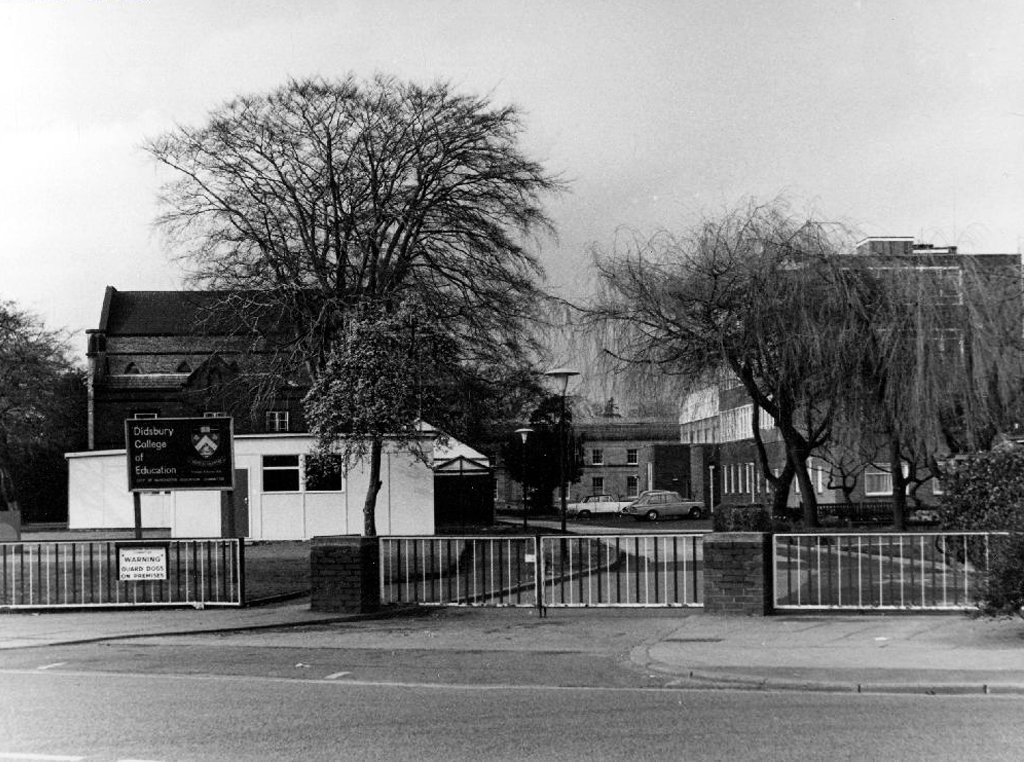
Interwar Technical College – Howard Building

From the 1930s, it provided technical-orientated education from the Howard Building on Eastwood Lane, Rotherham. In 1981, three neighbouring colleges of arts, technology and adult education were merged into one. As a result, the college became known as Rotherham College of Arts and Technology.

Revised plans to convert the historic Howard Building in Rotherham town centre into self-contained studios and apartments have been approved by the planning board at Rotherham Council.

The prominent former college building was sold prior to going to auction last September after it was advertised as a development opportunity and given a guide price of £250,000 by local auctioneers, Mark Jenkinson & son.

2015

28 Days Later

A group of rogue property directors with links to a prominent derelict building in Rotherham have been banned for a total of 54 years. The six, of Absolute Living Developments, were found to have misled more than 300 people to invest at least £12 million in residential properties.

The firm was linked through a lender to Avro Developments, which had plans passed in 2015 to renovate former college block the Howard Building in Rotherham town centre.

Rotherham Advertiser 2019

Clifton Building

Next to the market.

With a strident high tech canopy, very recently added – though Rotherham’s history stems back 800 years when it is thought that the original royal market charter was granted by King John in the year 1207.

There are traces of the 1970’s rebuild.

Bunker-like The Trades former music venue/pub, which replaced the former riverside Trades Club.

The PA now silenced.

This was an amazing event. The bands were really good and the drinks offers, while limited, were good. The ceiling in the ladies toilets had fallen through and was dripping, presumably there had been a leak from all the rain, but this didn’t lessen the awesome experience.

October 2019

The cooling towers and flats are long gone – the coal-fired power station operated from 1923 until October 1978.

The Prince of Wales Power Station in Rotherham was located on Rawmarsh Road and was opened by the Prince of Wales – the future King Edward VIII.

The former Grattans catalogue offices can be seen to the left.

Renamed Bailey House and still in use by the local authority, its days it seems are numbered.

The building is named after Rotherham-born engineer Sir Donald Bailey whose ingenious bridge designs played a key role in shortening World War II, the house in which Bailey was born, 24 Albany Street is still standing.

Sadly no longer home to the Harlem Shuffle

No big names – just big sounds.

There are some surviving power station buildings.

Along with electrical infrastructure.

Up the road next, to the former fire station, which now houses J E James Cycles.

It is surrounded by typically atypical inter war housing.

I could make the wild assumption, that these flat roofed maisonettes were originally homes fit for firefighters.

A passing nod towards a former Methodist Chapel.

Further on up the road to Peck House.

And the attendant tiles.

Just around the corner Backer Heating – still trading.

Returning toward town and enchanted by a giant 13 amp plug.

Under the underpass.

Then the other underpass.

Finally through the last underpass.

With a final notable note regarding Rotherham’s hand painted council commissioned signage – I’d like to think that they have a sign writer in their employ.

Many thanks to my learned companion Helen – thanks for a fine day out, so much to see and do!

Elim Pentecostal Church – Halifax

Hall St Halifax HX1 5AY

Elim Church

Having walked from Hebden Bridge to Halifax with Mr Phil Wood, we approached Hall Street – and gazed admiringly at this striking building, from across the A58.

Attributed to C.S. Oldfield and it was completed in 1972 apparently they did the relief too.

20th Century Society

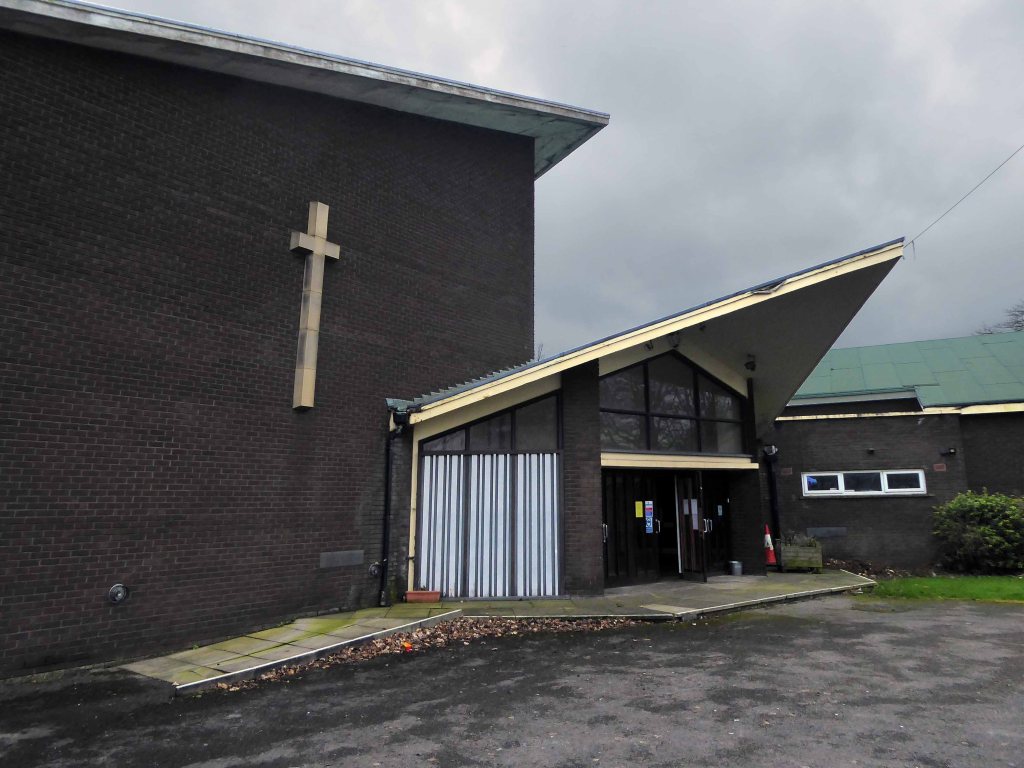
A low serrated, ridge and furrow conical roof, corona and steel spire breaking the skyline.

Very much a building of two halves, the single storey hall, adjoining the body of the church, which is raised on a plinth.

They are linked by an internal hallway.

An intriguing mix of restrained classical detailing, along with the more modernistic roof and internal structure.

From the outside it is possible to discern the stained glass panels in the corona.

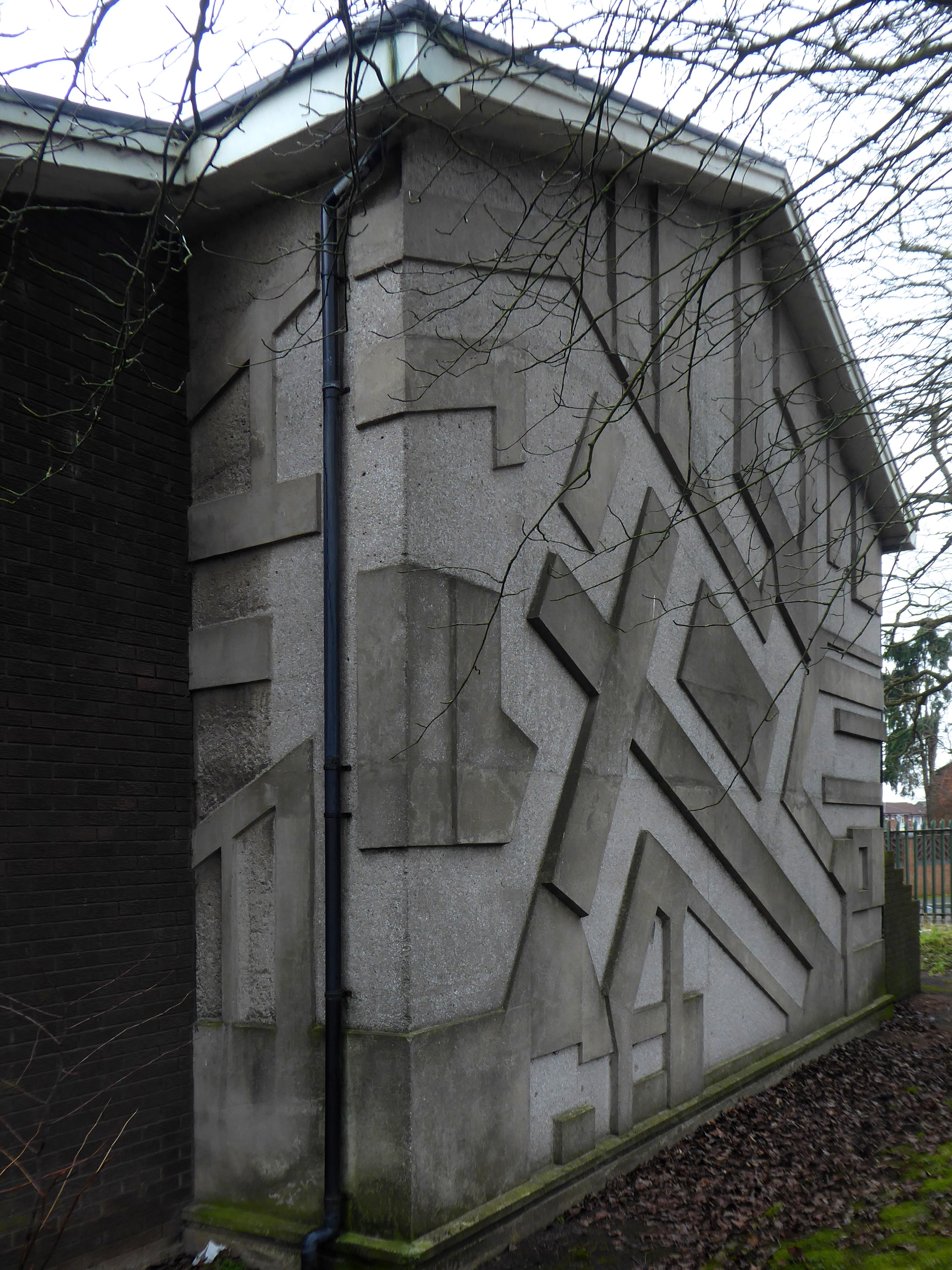
To the right of the main entrance is a modular sculptural relief, modelled in concrete cast in fibreglass.

There are eight individual modules, set in a grid of six by eleven – sixty six in total, rotated to break up the rhythm of the piece.

I was blessed on the day of my visit, with permission to photograph the interior, many thanks to Pastor Mark.

Water Pumping Plant – Bridlington

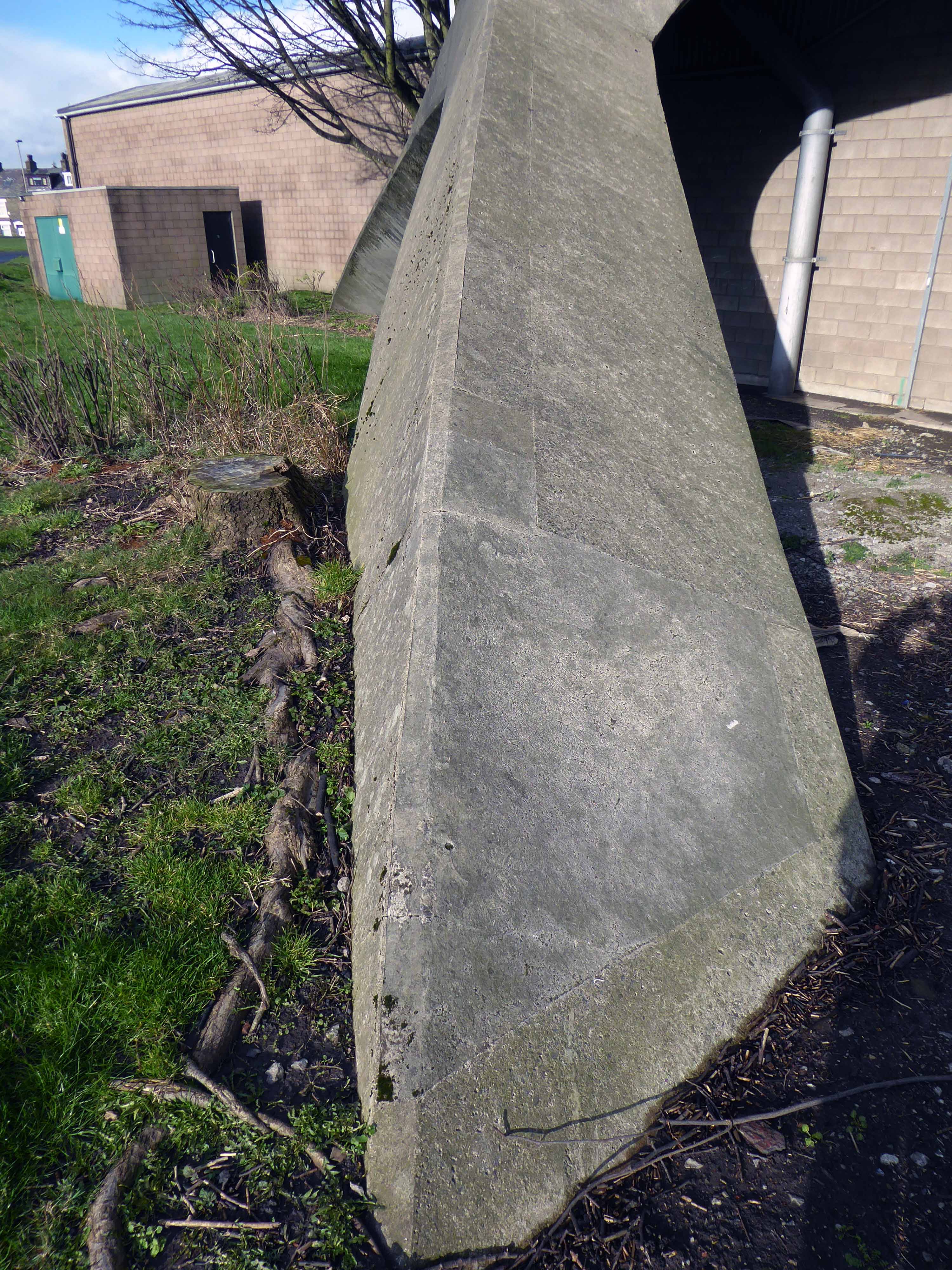
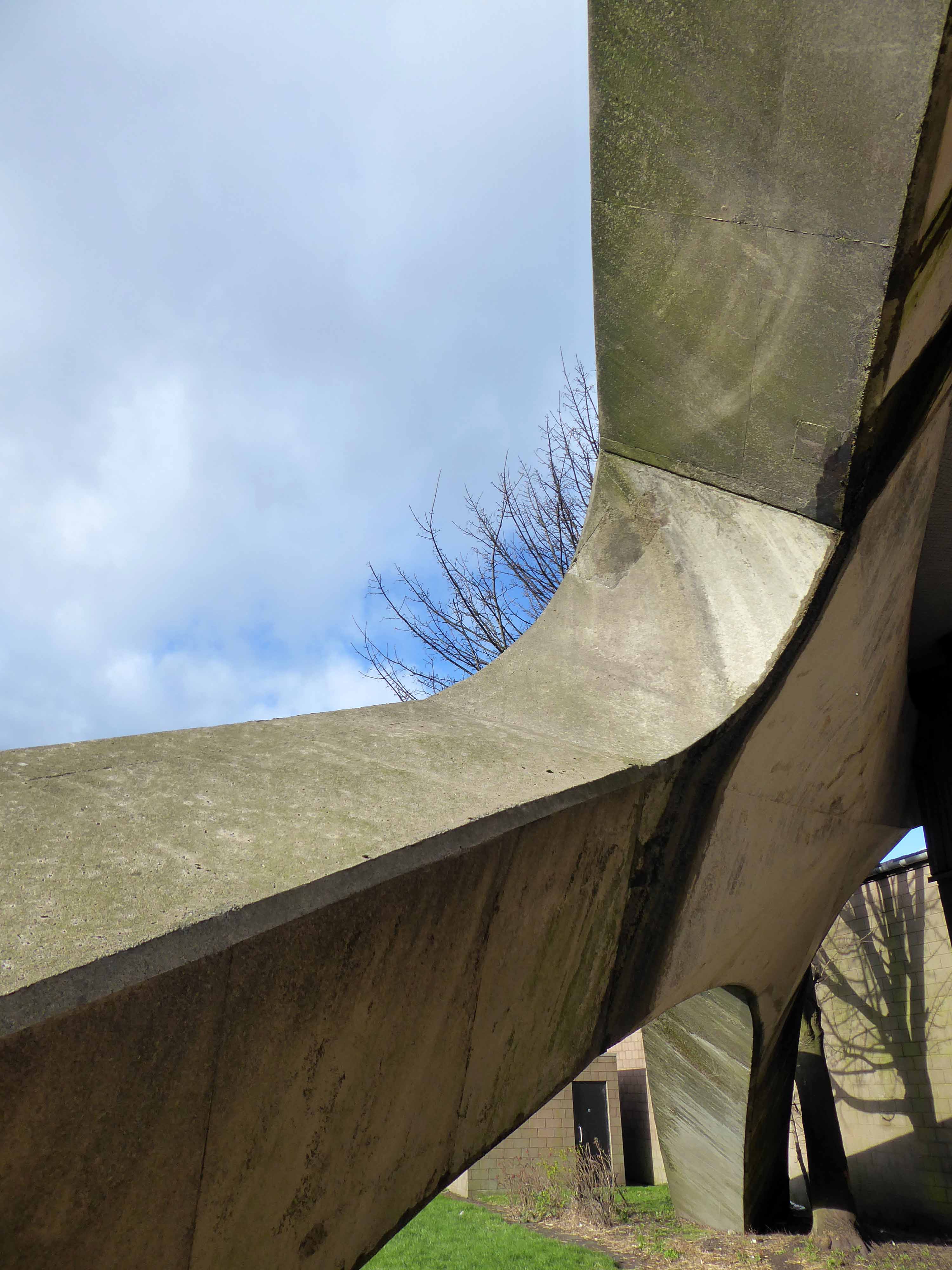
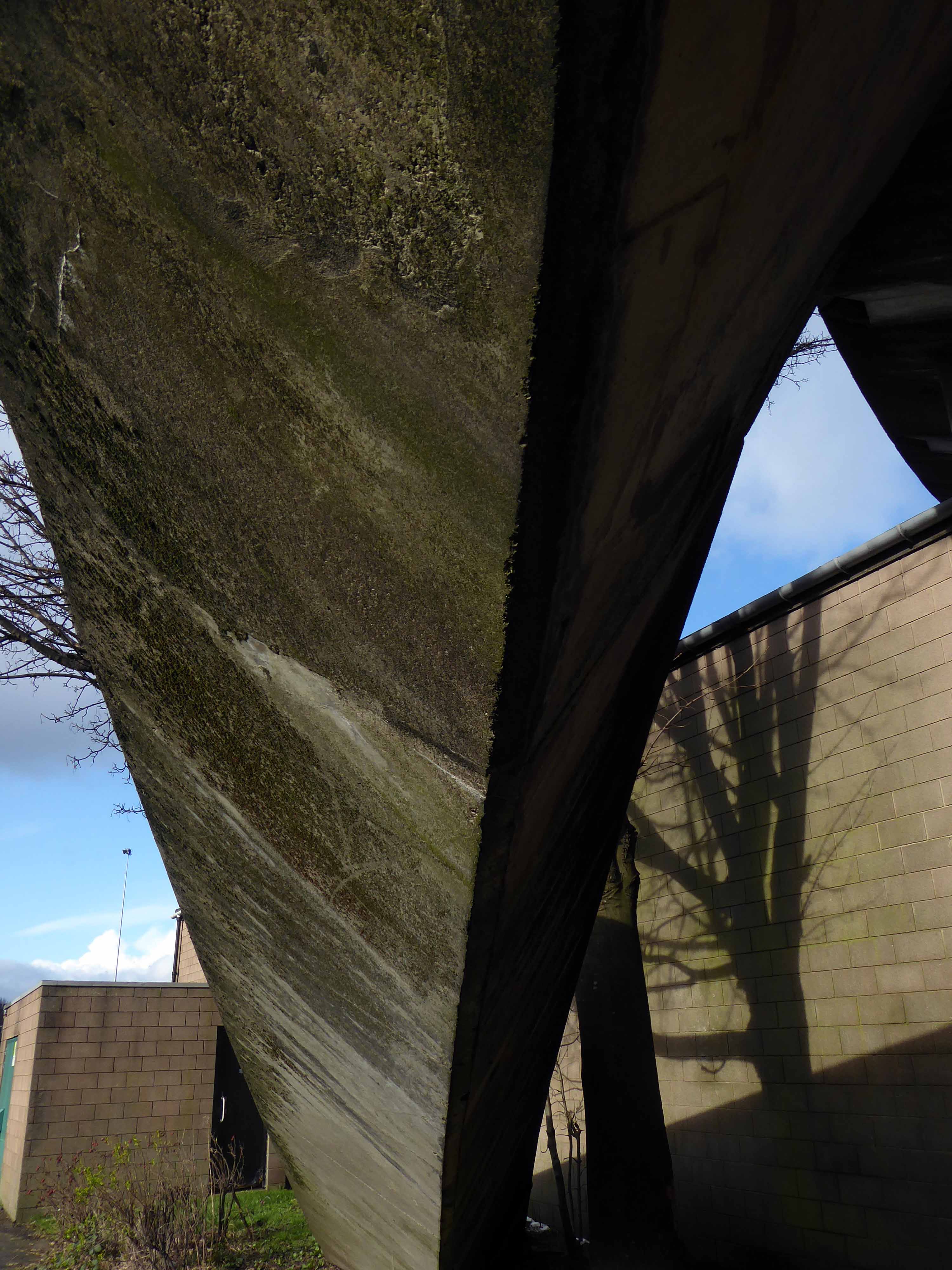
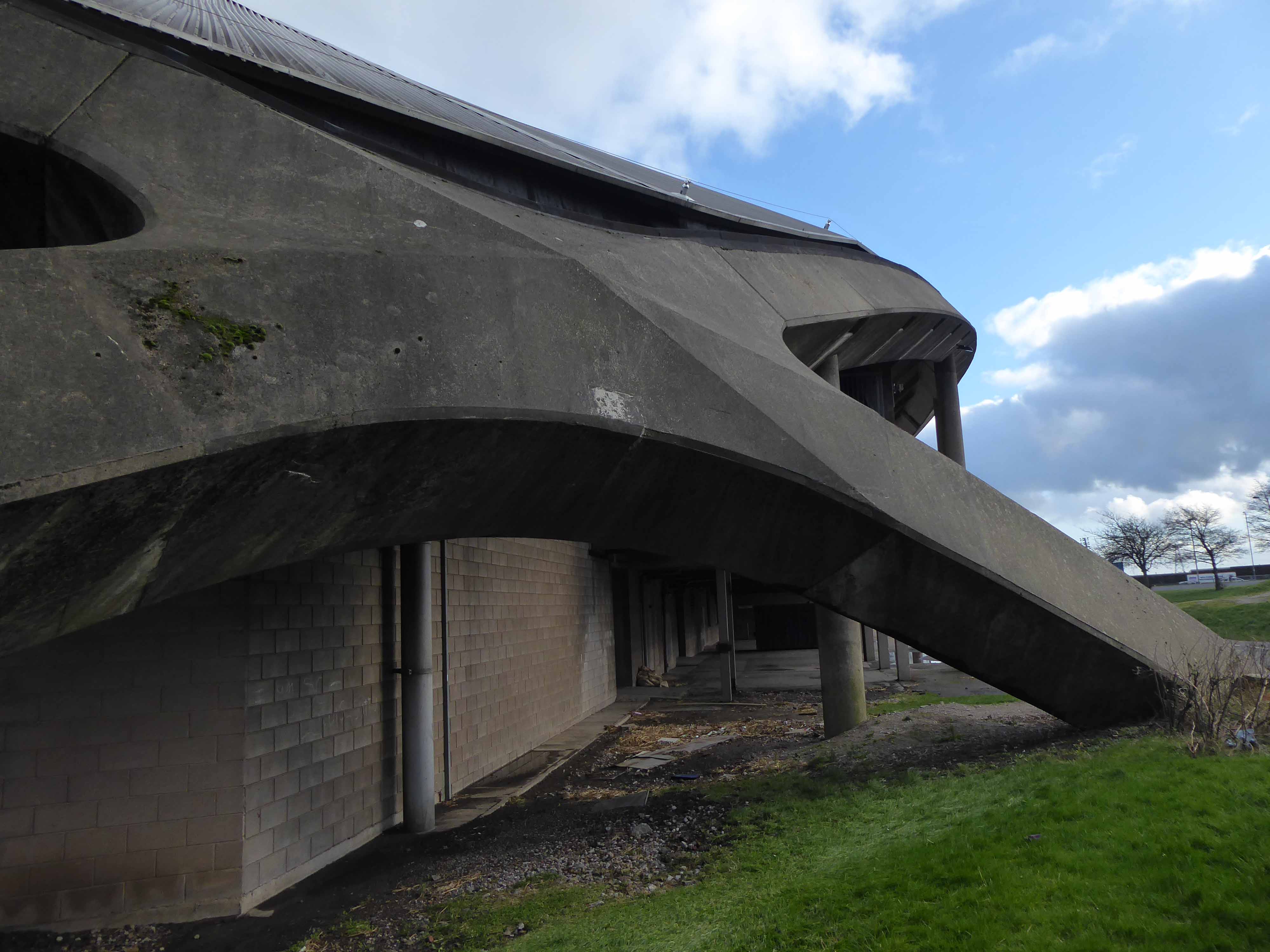
Walking the wet walkway of Bridlington’s south shore, I was pleasantly surprised by this semi-distant concrete construction.

Which cleverly accommodates a convenient public convenience.

The pumping station is the most immediately obvious aspect of the scheme , situated as it is on the promenade.

Hanson UK supplied the concrete, with a range of complex mixes required.

You’re trying to make concrete with as little water in it as possible, but it still has to move to be placed into position. The only way to achieve this is with powerful admixtures, which deflocculate the cement despite the lack of water in it to lubricate it.
This difficulty also applied to almost all the concrete above ground level for durability reasons – anything that could come into contact with seawater had to be able to withstand it.

The final major complication was the aesthetic requirements from the local council. All the visible concrete had to match an older Victorian Spa, located a little way up the beach, which had previously been refurbished using Hanson concrete.

We were asked to match the colour, shading and texture of the new concrete to the spa.

The team was forced to use white cement, which had been used in the spa, but because of durability requirements they needed to use a cement replacement to improve the overall chemical resistance of the product. They used ground granulated blast furnace slag to replace 55 per cent of the white cement, which is white in colour itself. This had the added sustainability benefit of replacing imported white cement with a local waste byproduct.

Hanson UK

All this to house the Yorkshire Water treatment plan and allow Bridlington to regain its Blue Flag status.

The extended pipework carrying the waste water far far away.

At the Headworks the Arup design concept was to extend the pumping station using pre-cast concrete panels that are sensitive to the existing facade. The development of 2015 succeeds in integrating a Brutalist aesthetic, into a largely Victorian setting. Incorporating several levels of seating and associated street furniture, affording some shelter and clear sight lines with transparent panels.

UK Water Projects

The artwork in front of the huts on Bridlington Promenade by Rachel Welford looks fantastic. The huts built by our contractors Morgan Sindall Grontmij (MGJV) were completed in August and they’re available for hire through the East Riding of Yorkshire Council. The beach huts are larger than the other beach huts on the Promenade and include disabled access and are especially suitable for family groups. Complementary artwork, also designed by Rachel Welford has been incorporated in the glass balustrade in front of the huts.

Yorkshire Water

Doncaster Modernism – Revisited

Having taken a tour around town last year, we are now revisiting Doncaster on a socially distanced Manchester Modernist walk.

Arriving by train at 8.30, just in time to check out the new lighting scheme in the station foyer.

Replacing the previous lighting.

Which in turn replaced the original Thirties lighting.

The forecourt redevelopment is a work nearing completion.

I was on my way to Intake by bus so it’s off on the 66 from the Frenchgate Inetrchange.

An urban environment so anonymous, that it can only just recognise itself. I was helpfully informed by two radio controlled security guards that photography was illegal.

More Interzone than Interchange.

Here are my transgressive snaps, I made my excuses and left – on the next available 66.

Decanting from the single decker I made my way across the way to All Saints, a George Pace church of 1956.

Built on the foundations of an unrealised Neo-Romanesque church of 1940, but reorientated east/west.

I legged it back to catch the bus back, the returning 66, much to the surprise of the surprised driver, making his return journey.

Jumping the 41A to Scawsby, displaying my risible home-printed map to the driver, requesting a shout when we arrived at the indicated destination, which he was unable to discern, and which I had failed illustrate.

I had contrived to arrive at the end of the line, a bit part player in a non-existent Béla Tarr film.

The heavy rain continued to fall.

I followed the bus route back to the Church of St Leonard and St Jude on Barnsley Road.

Following a thorough tour inside and out, I returned promptly to the town centre, on the limited stop express X19.

And hotfooted it to the Waterdale Centre, a work in progress, the CGI figures being as yet, a mere figment of the development officer’s fevered dreams.

Doncaster Council documents from the planning application for the demolition say, that while the exact project is not yet fully in place, discussions are taking place with the council on the project and grant funding is being sought to help the future regeneration scheme. But the council has said it supports schemes that would revitalise the Waterdale Centre area for retail, leisure, and tourism uses.

The centre is now owned by the Doncaster-based property firm Lazarus Properties, who bought it from the Birmingham firm St Modwen.

Lazarus director Glyn Smith said his firm had faith in the local economy of Doncaster town centre, even though larger multinationals seemed to be shying away.

Doncaster Free Press

The former ABC/Cannon Cinema

The ABC was built by Associated British Cinemas(ABC) as a replacement for their Picture House Cinema which had opened in 1914. It opened on 18th May 1967 with Omar Sharif in Doctor Zhivago presented in 70mm. Designed with 1,277 seats arranged in a stadium plan by the architectural firm Morgan & Branch, with input by architects C. ‘Jack’ Foster & Alan Morgan. It was decorated in a modern 1960’s style.

Closed in January 1981 for conversion into a triple screen it re-opened on 9th April 1981 with seating in the 3-screens.

The Cannon Group took control in the mid-1980’s and it was re-named Cannon and it closed on 18th June 1992, screening its opening film “Doctor Zhivago”.

The building has stood empty and unused since then, but in 2007, it was bought by Movie World for just £150,000. It is reputedly being re-modeled with extra screens added, however by 2009, only a clean-up of the interior has been achieved. The building sits empty and unused in 2020.

Cinema Treasures

The delayed opening of the new Savoy Complex will no doubt inform the future of the Cannon.
It’s a familiar tale of the local authority, developers, leisure and retail outlets chasing dreams, cash and hopefully pulling in the live now pay later public.

It’s all part of the Doncaster Urban Centre Masterplan which will transform the way Doncaster looks and the way residents and businesses use the city core.

The area is a pivotal point, I sincerely hope that the Waterdale Centre is revived, along with the adjacent Civic Quarter car park.

Refurbished in 2011 by Potter Church and Holmes since closed.

I noted the restrained Modernism of the National Spiritualist Church.

The service begins with a short prayer. The congregation sings three songs during the service using music that most people would recognise. There is usually a short reading or lesson on something to do with spiritualism or events in the world. There is also a talk by the guest medium who use their inspiration or intuition to compose an uplifting address.

Then the business of contacting the spirit world begins.

Along with its curious relief panels.

Back around to the back of the Waterdale and the surviving former bank fascia, civic offices and library.

Back through the Waterdale to discover the saddest of retail archeology.

The long lost tiled café wall and a mysterious porch.

A gloomy end to a very wet day.