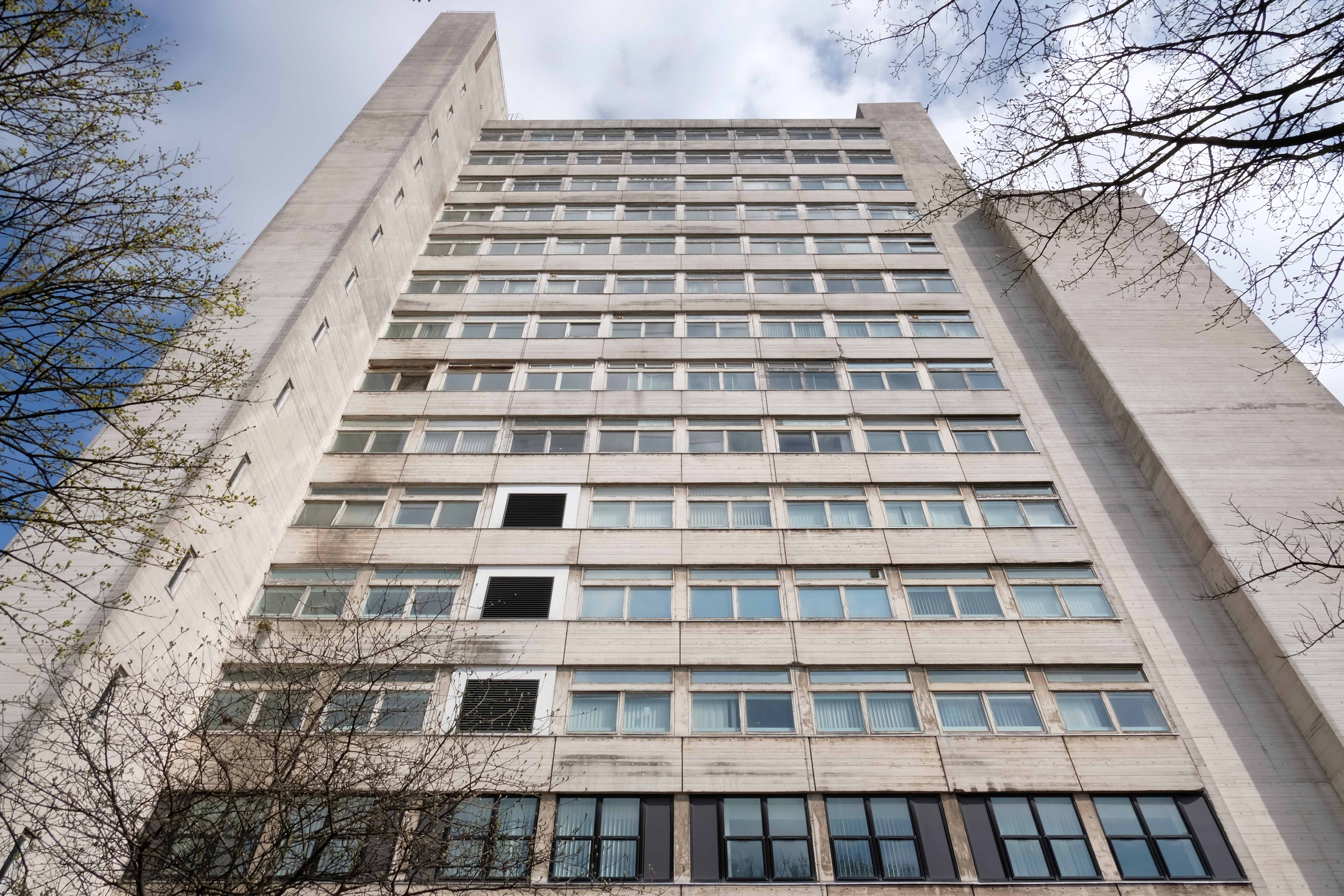
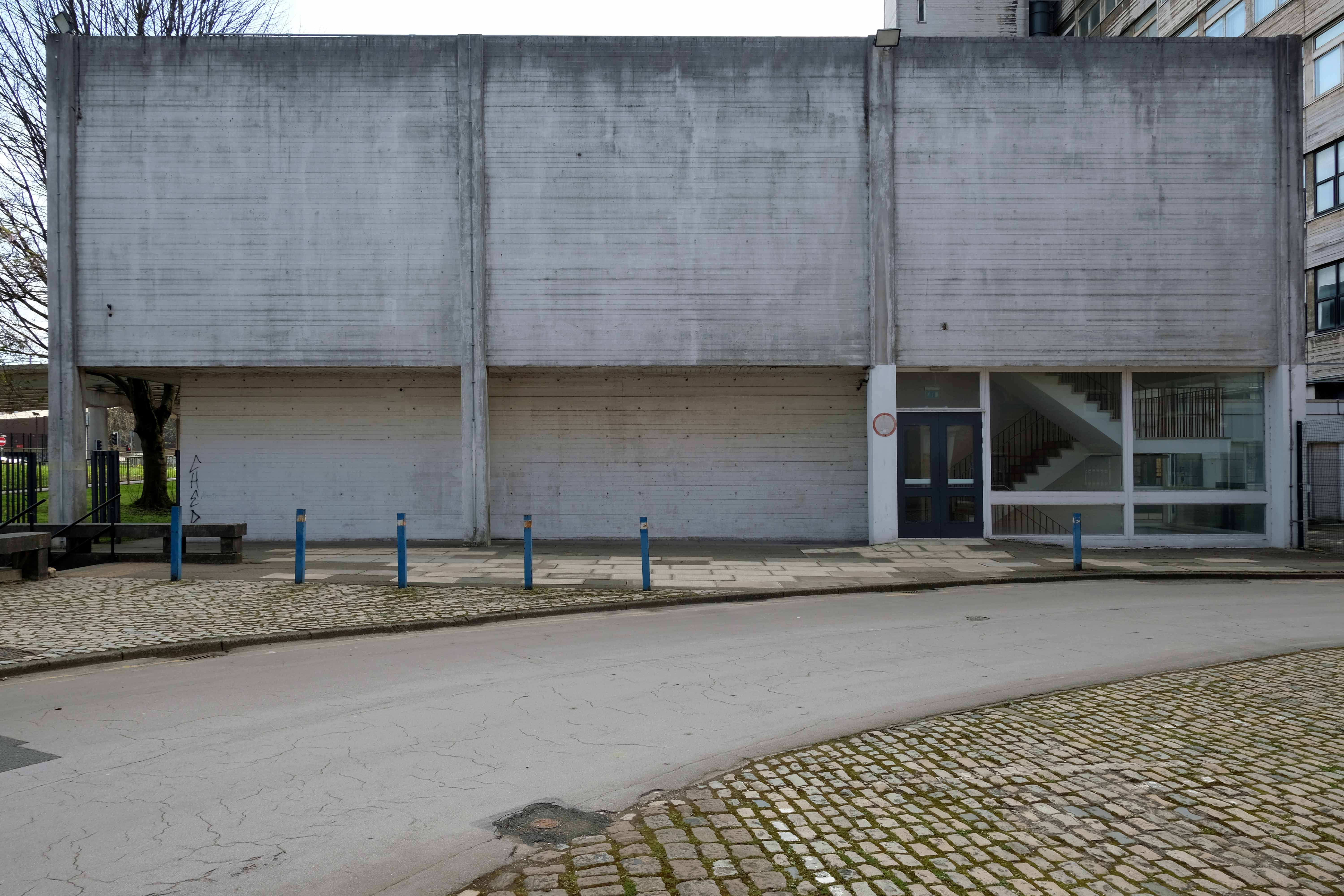
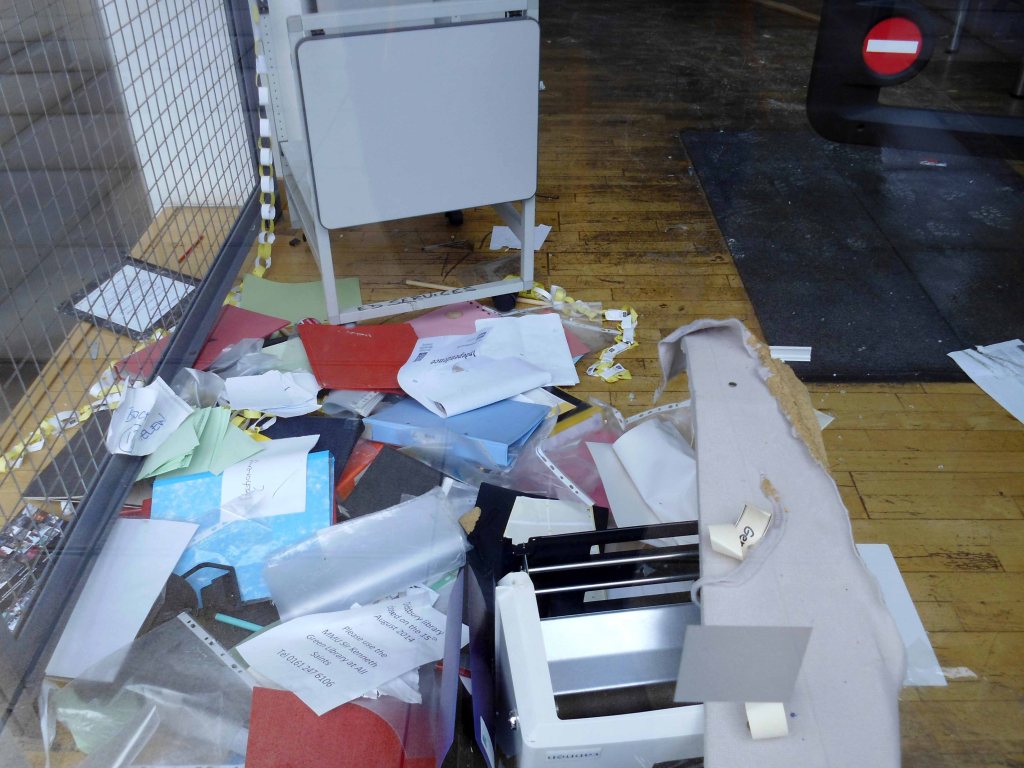
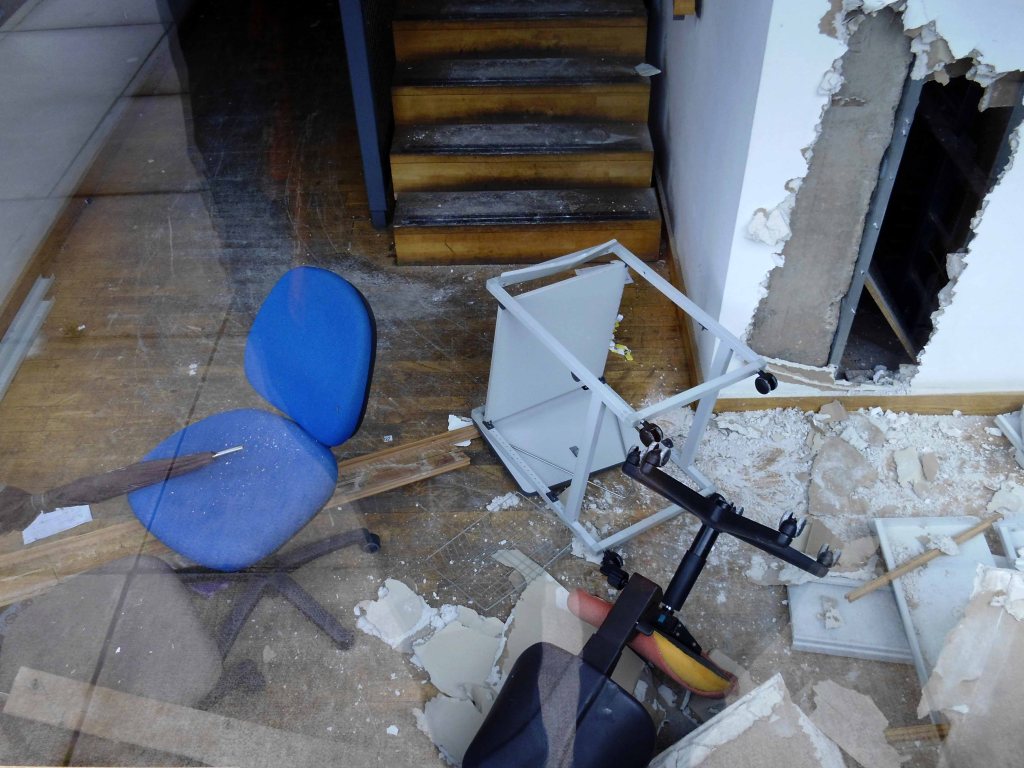
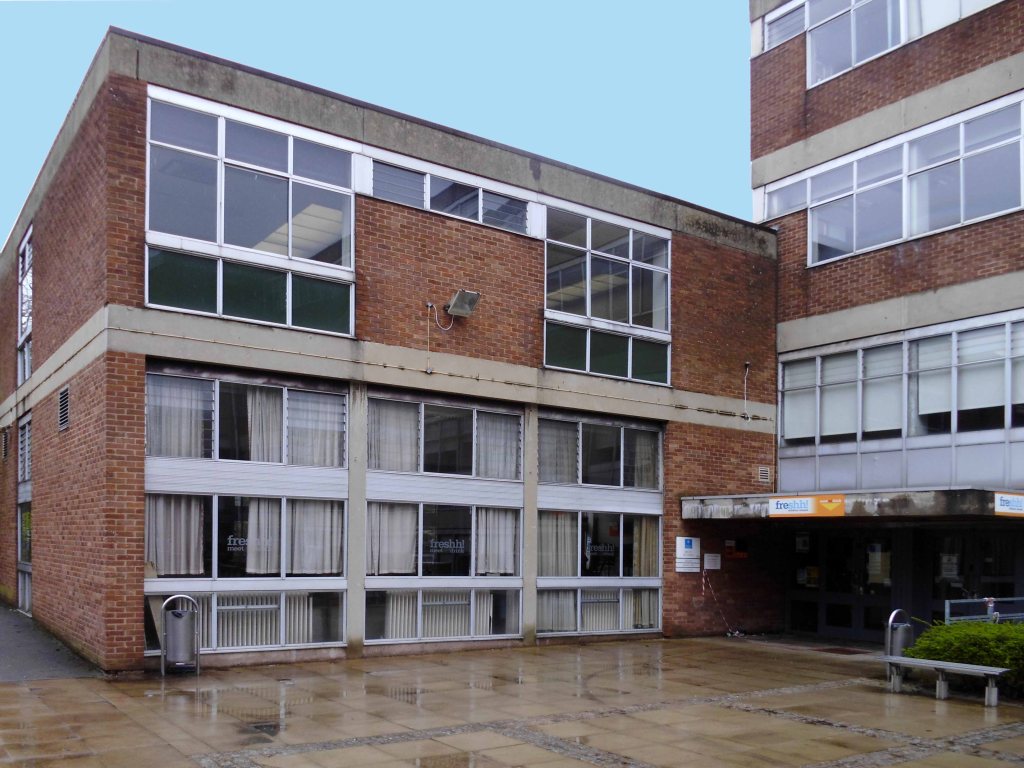
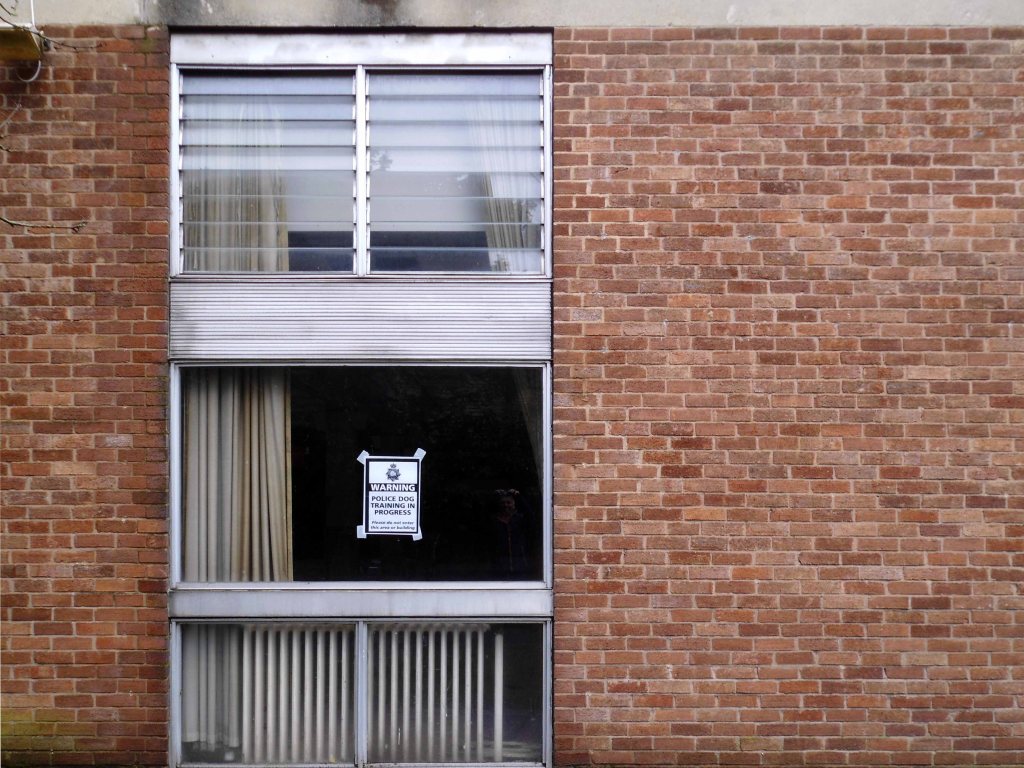
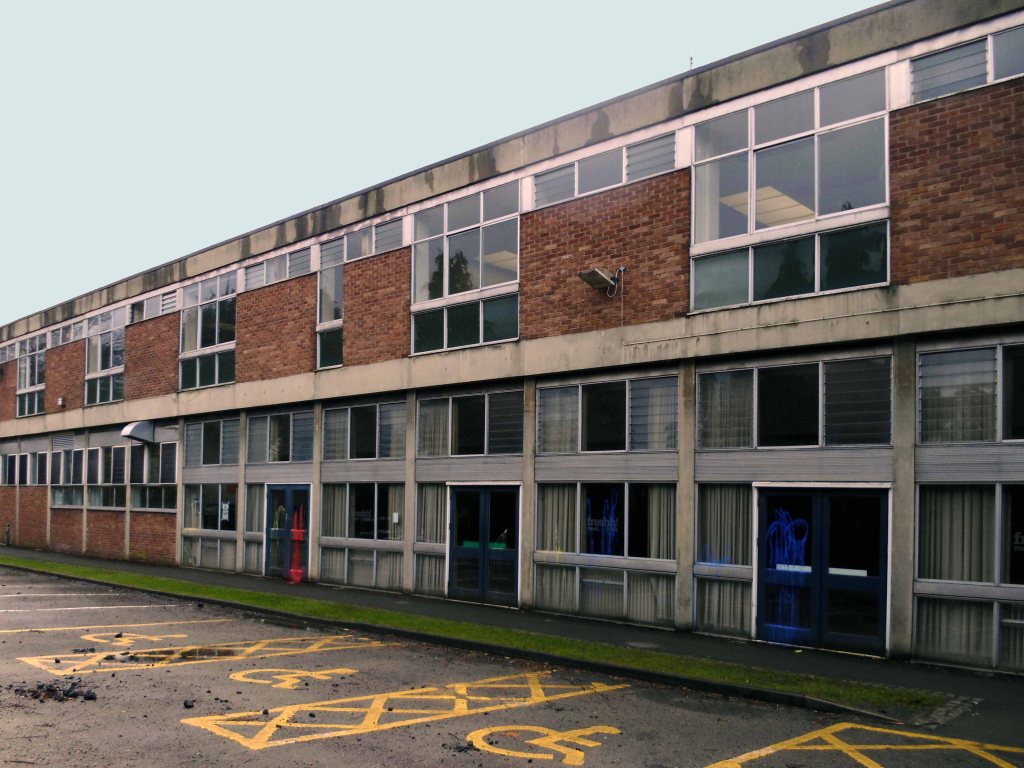
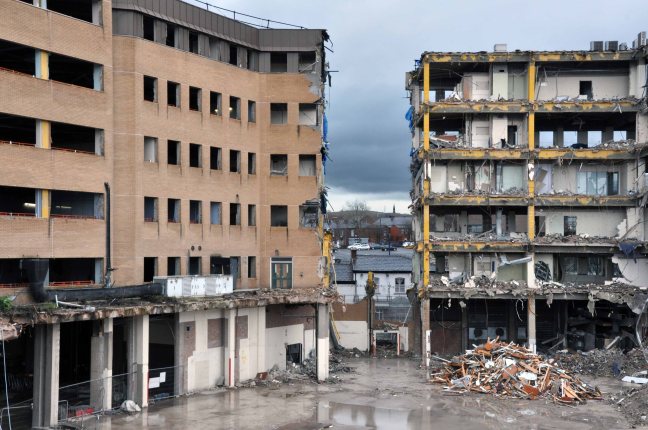
The rising cost of repairs, combined with ‘a desire to progress’ with the regeneration of Droylsden town centre and the inaccessibility of the library’s T shape, three-floor configuration means that a ‘solution for the future of the library’ is now needed, according to the town hall.
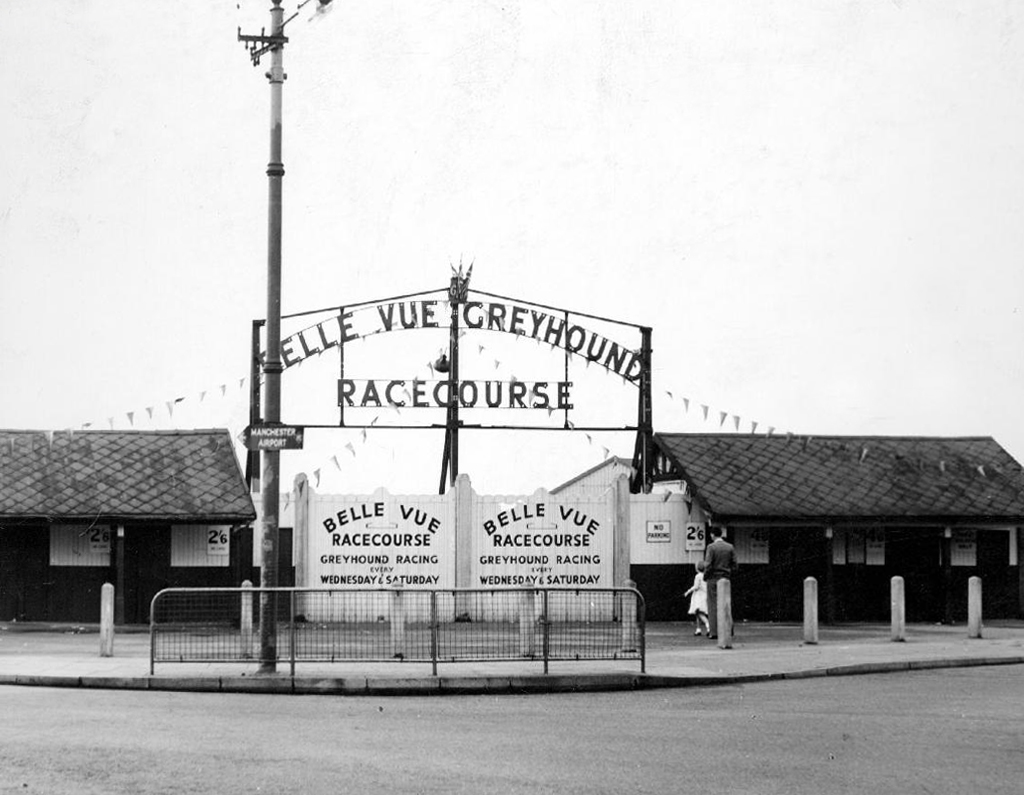
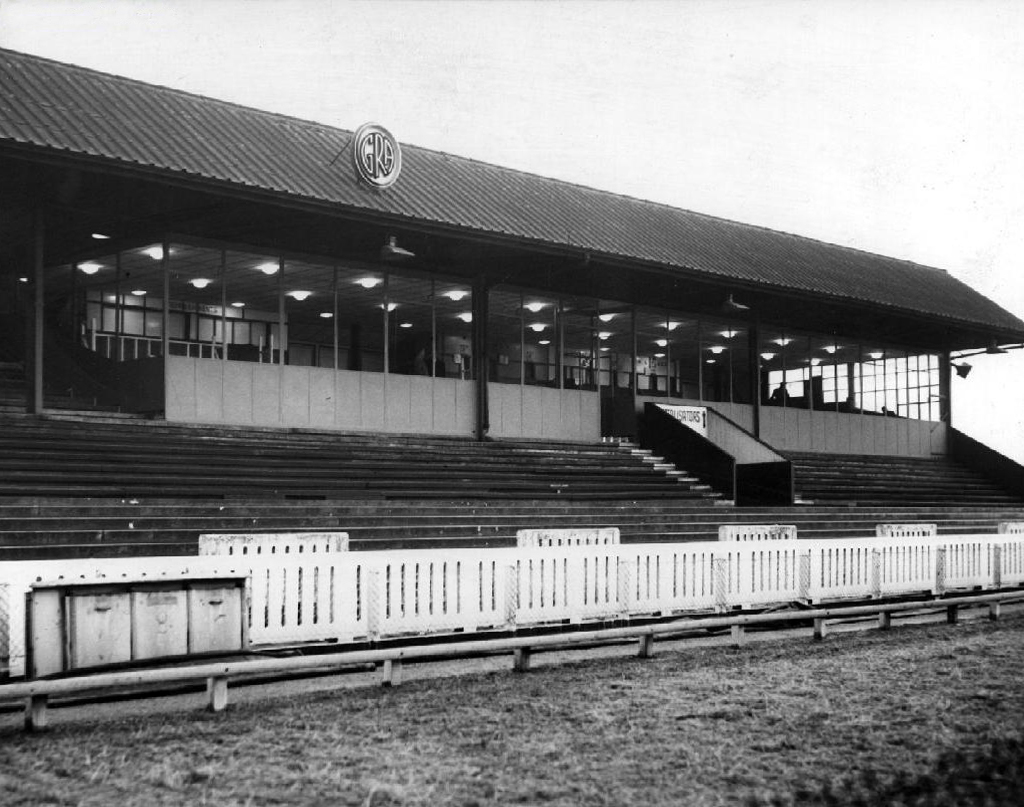
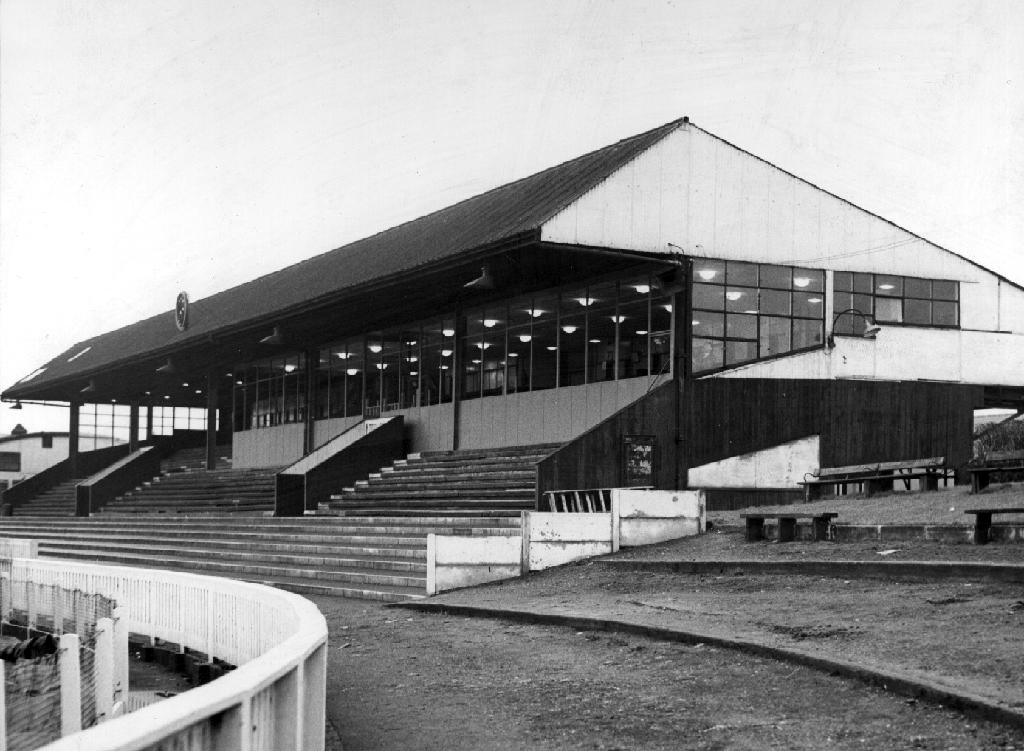
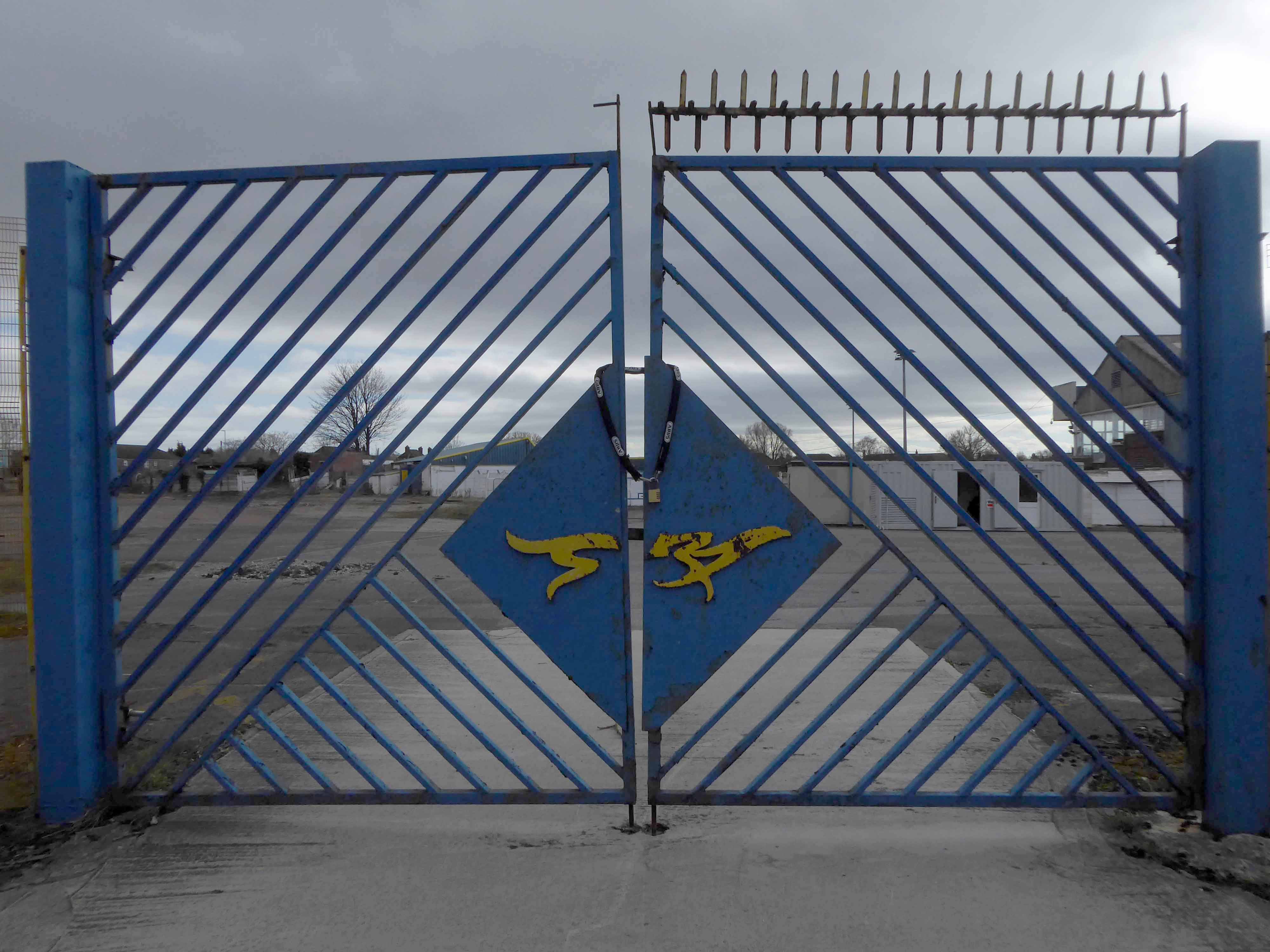
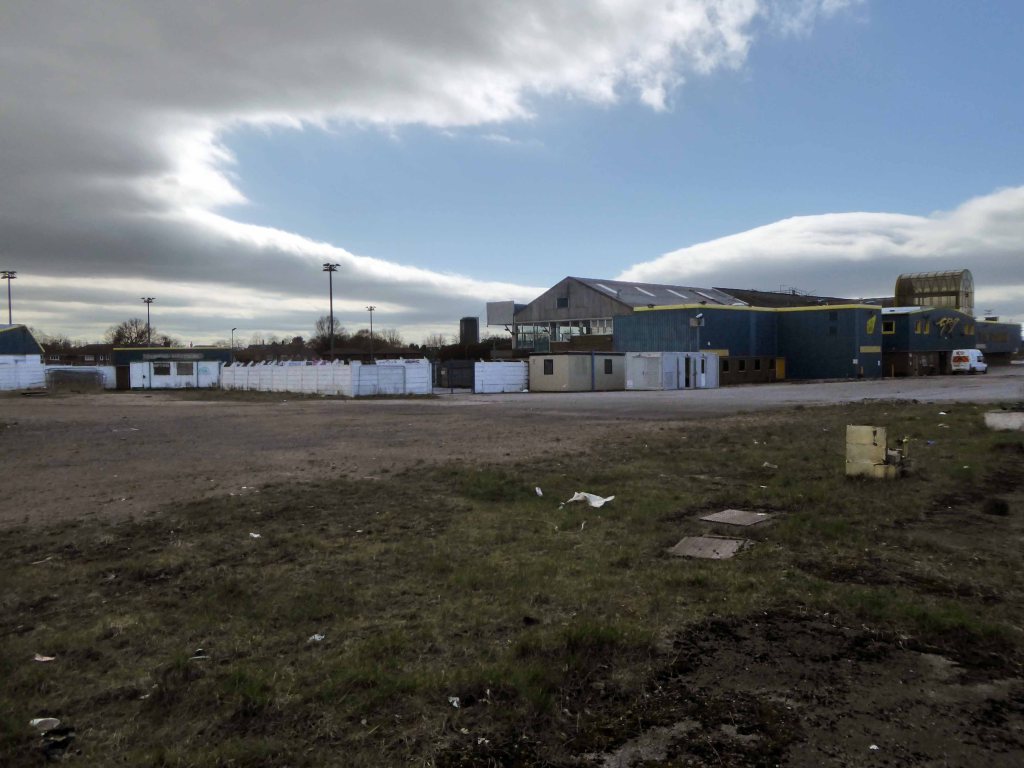
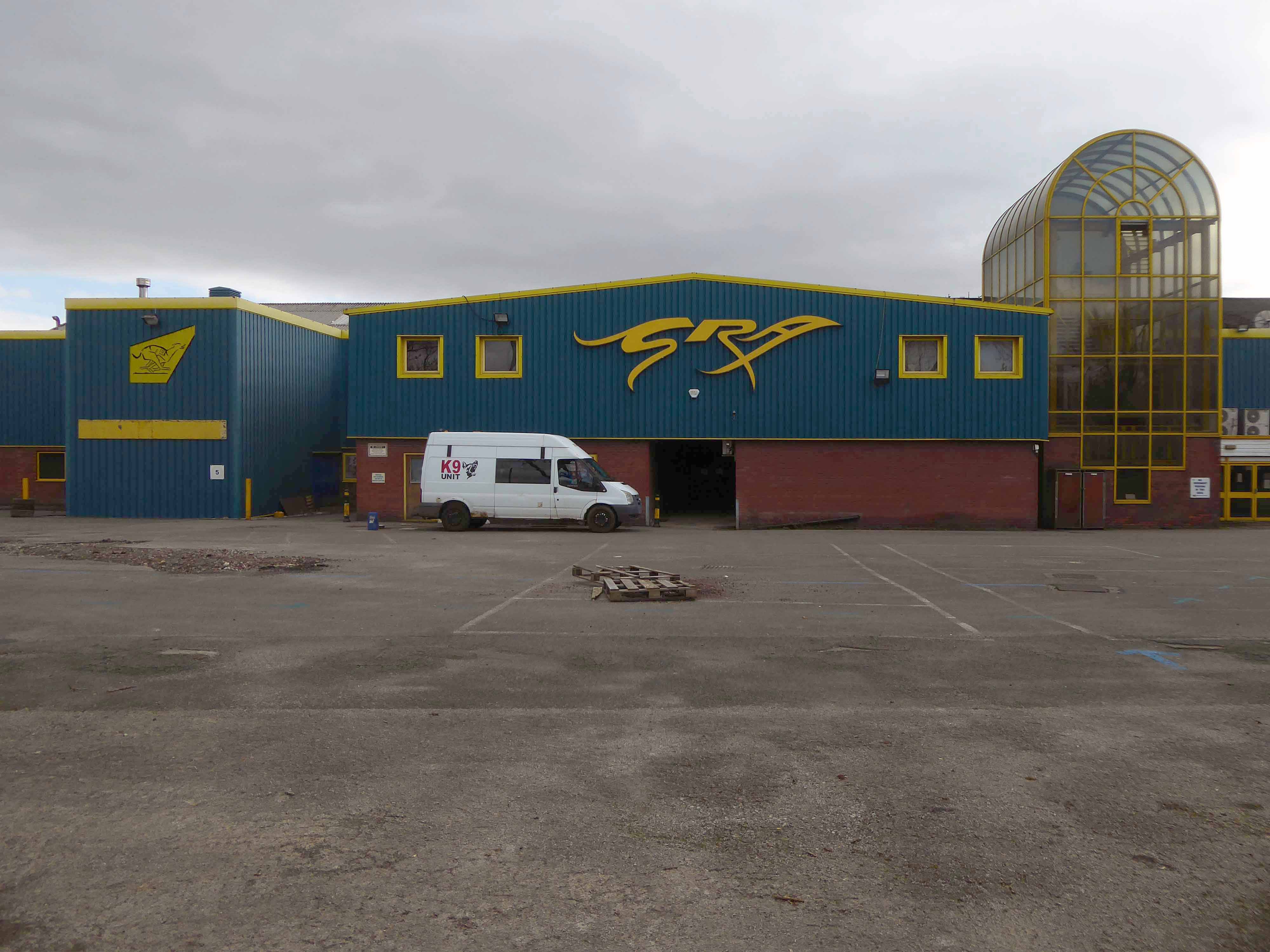
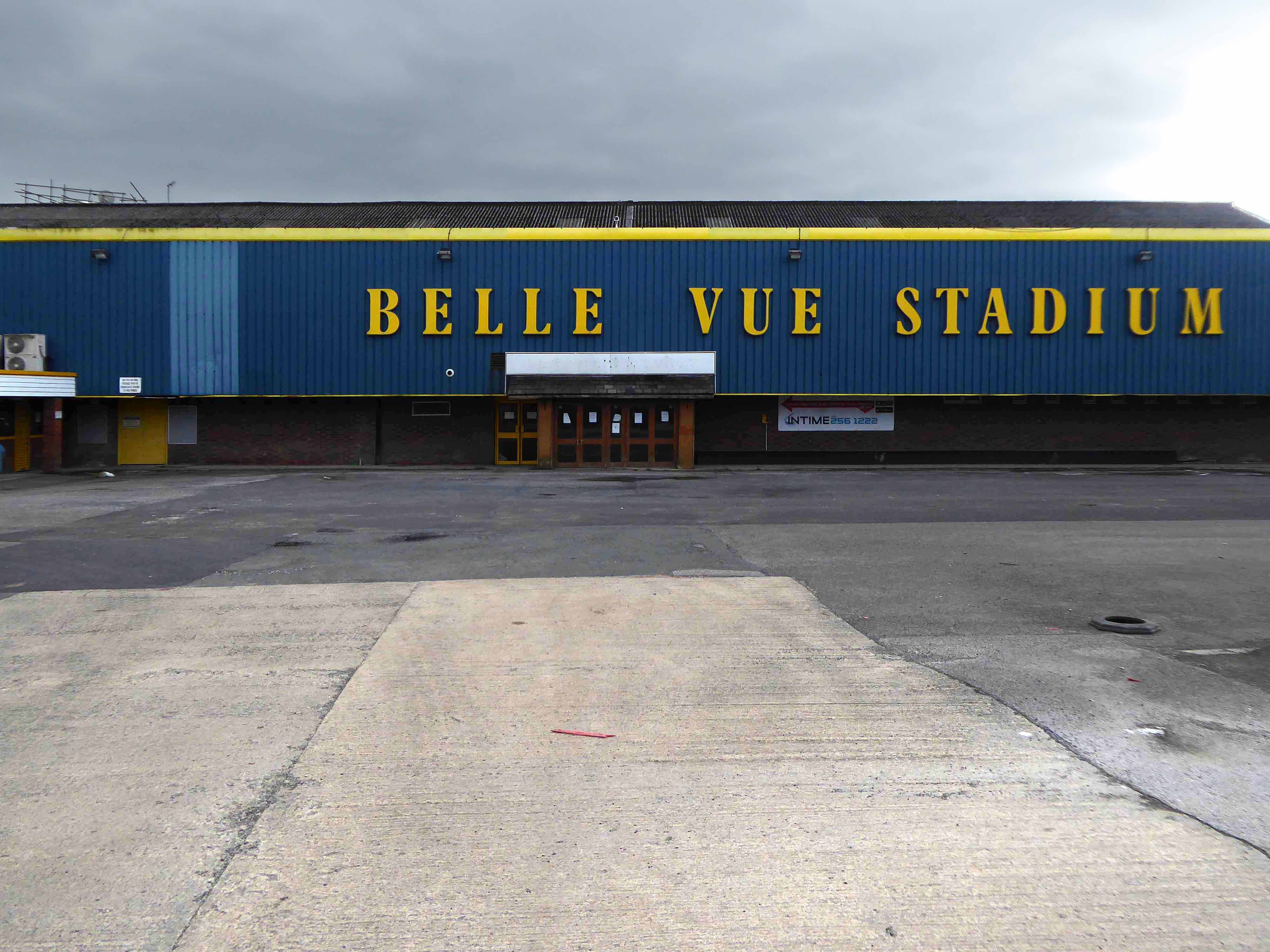
The stadium opened on July 24th 1926 – 7.30 prompt.
In 1925, Charles A. Munn, an American businessman, made a deal with Smith and Sawyer for the rights to promote the greyhound racing in Britain.
Smith and Sawyer met Brigadier-General Alfred Critchley, who in turn introduced them to Sir William Gentle JP. Between them they raised £22,000 and formed the Greyhound Racing Association Ltd. When deciding where to situate their new stadium, Manchester was considered to be the ideal place because of its sporting and gambling links. Close to the city centre, the consortium erected the first custom-built greyhound stadium and called it Belle Vue. The name of the stadium came from the nearby Belle Vue Zoological Gardens that had been built in 1836 and the land on which the stadium was to stand had been an area of farmland known as Higher Catsknowl and Lower Catsknowl.
By June 1927, the stadium was attracting almost 70,000 visitors a week.
1958
In October 2019 GRA Acquisition sold the lease to the Arena Racing Company and just two months later on 19 December housing planning permission was passed resulting in a probable closure in 2020.
The imminent closure came following an announcement on 1 August 2020, with the last race being run on 6 June, won by Rockmount Buster – trained by Gary Griffiths.
Going to the dogs was an institution for many, whole families enjoying the spectacle, possibly having a bet, bite and a pint.
Time changes everything social habits, views on animal welfare and gambling.
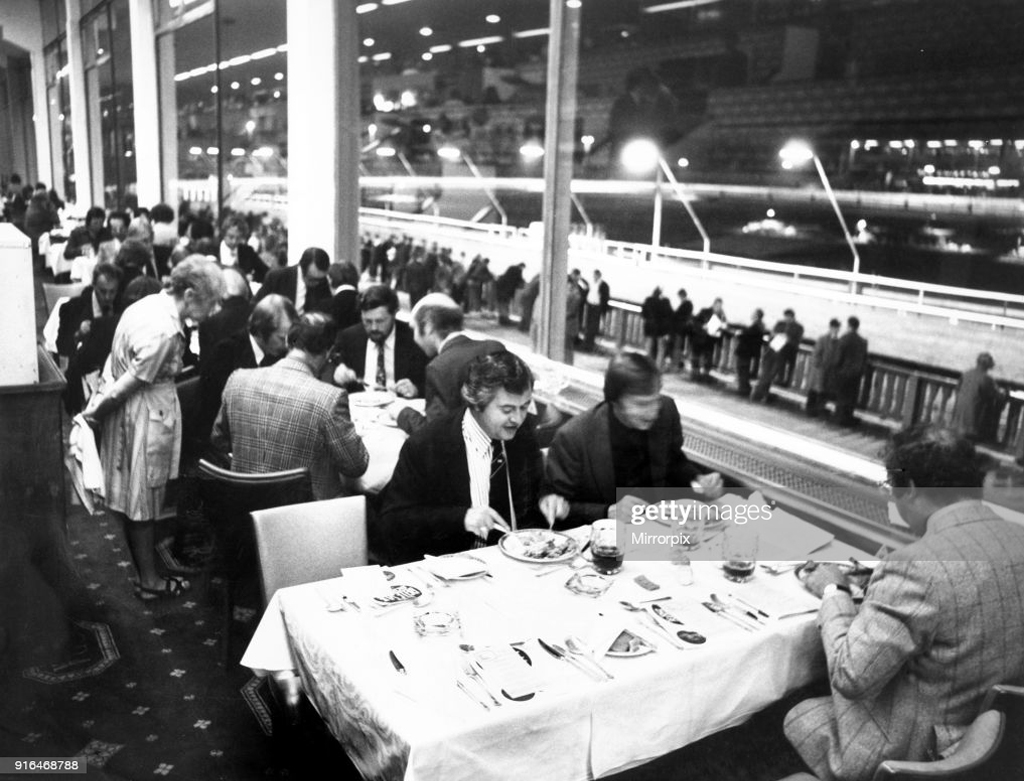
Diners enjoying their meal at Belle Vue Greyhound stadium while punters line trails outside waiting for the next race, 23rd September 1976.
The hare no longer courses electronically around the oval track, the traps no longer flap and the Tote has taken the last of your change, for the very last time.
Drink up and go home.
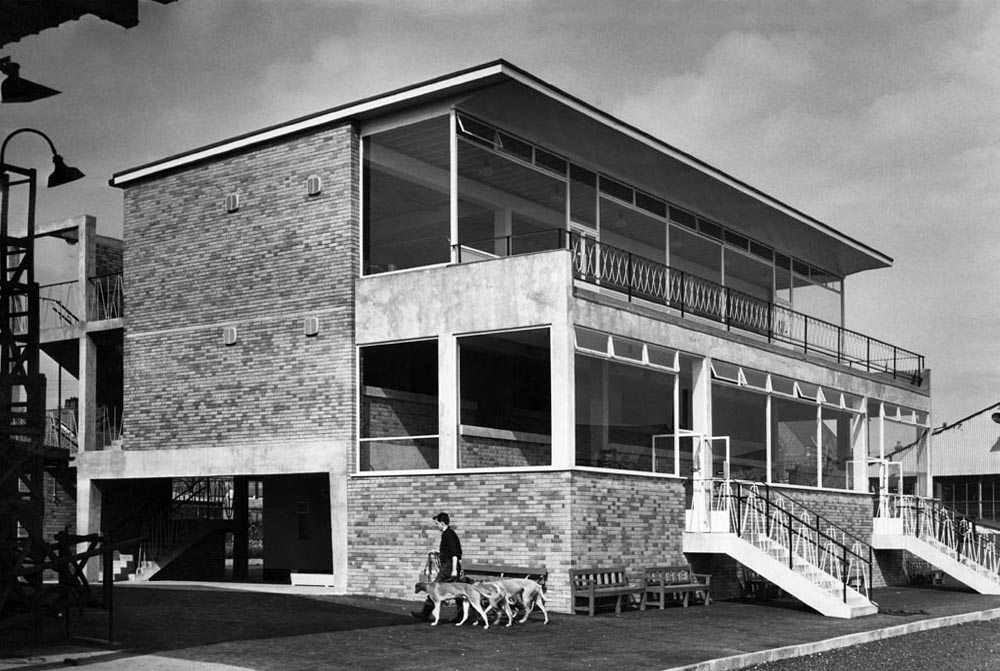
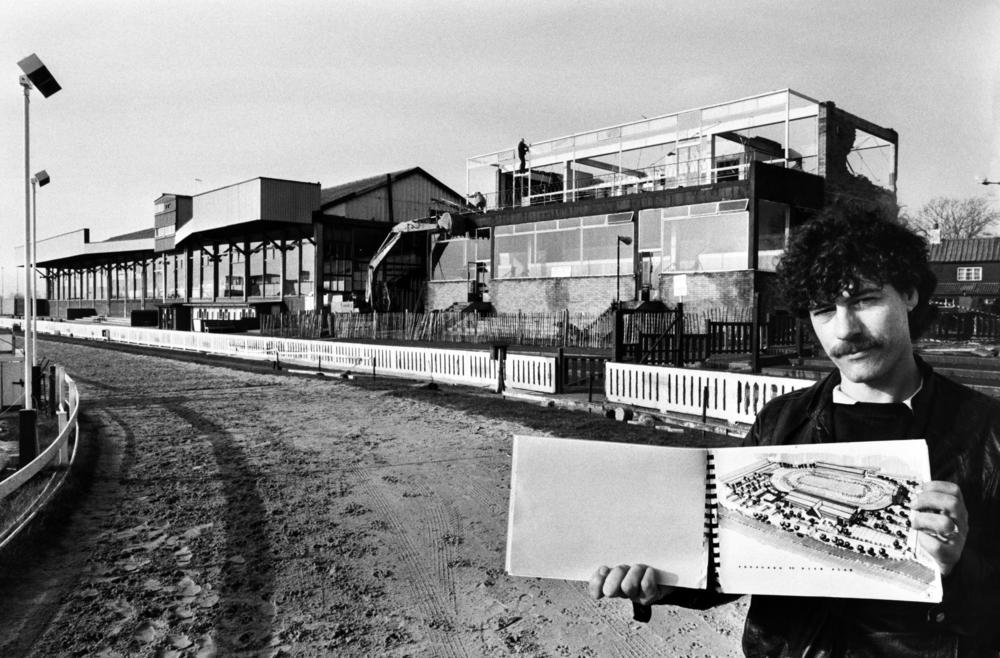
The new £30,000 stand that has just been completed 29th April 1960.The track’s Assistant General Manager Colin Delaney with the plans for the new stadium complex. 1989.
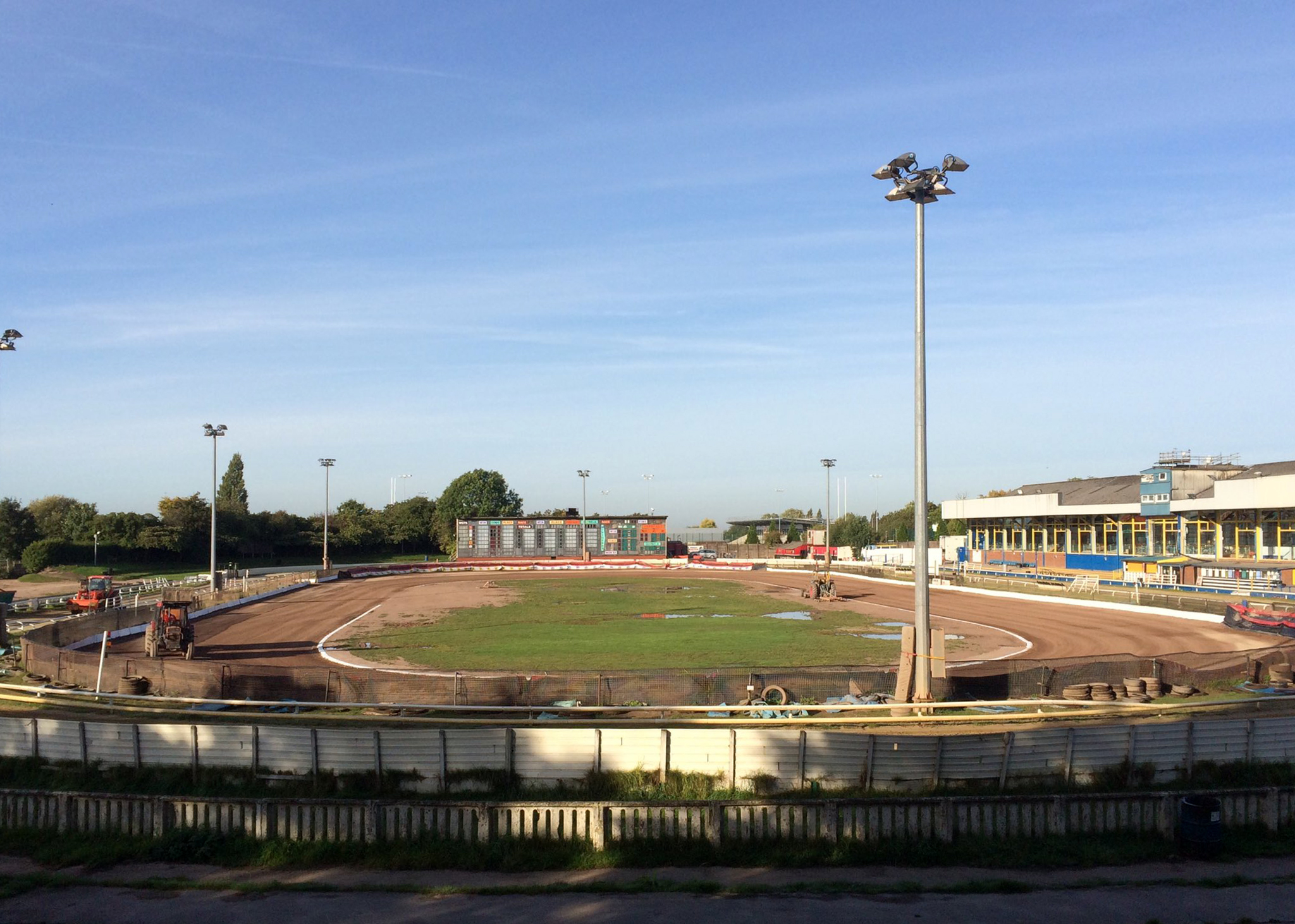
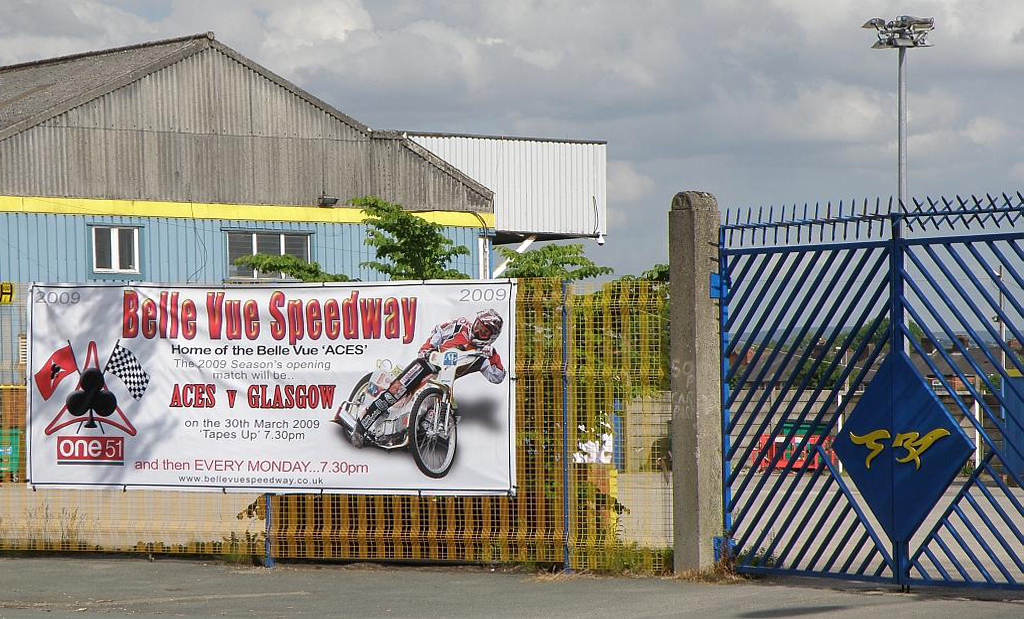
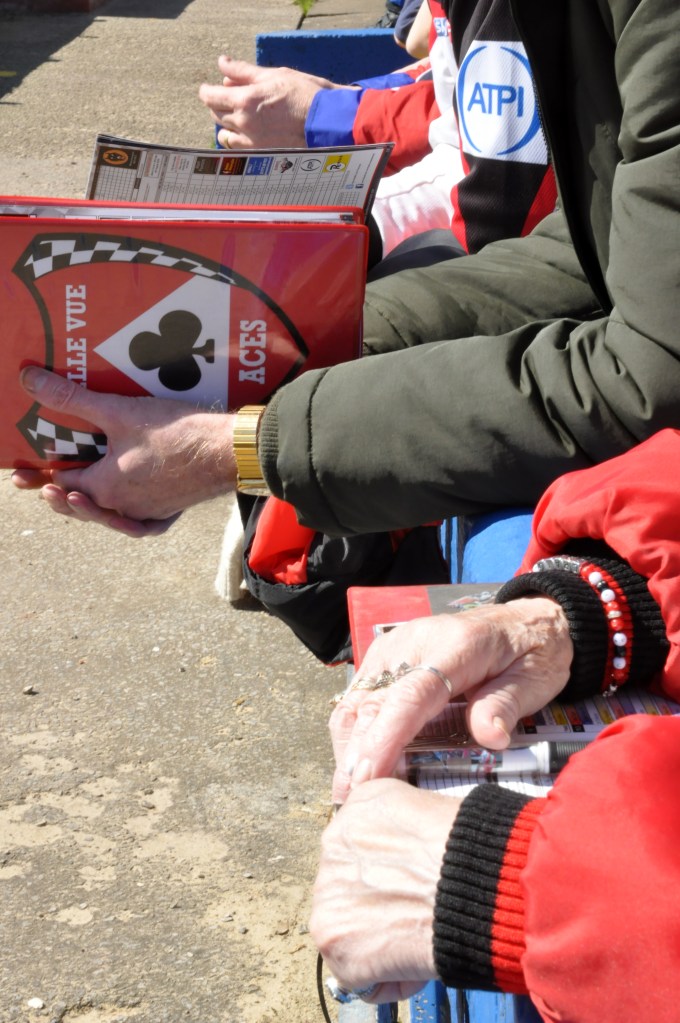
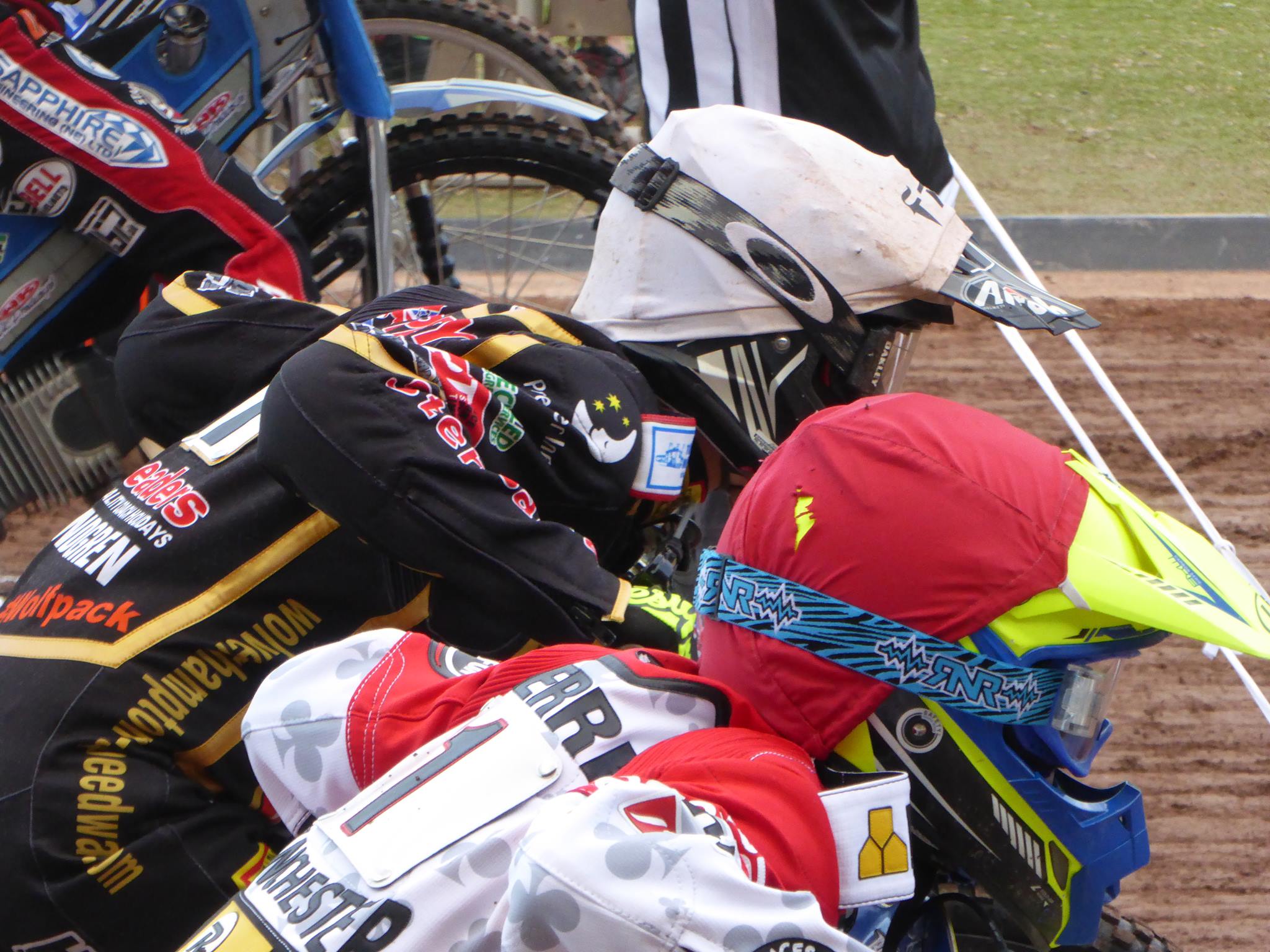
Speedway was first held at the stadium during 1928 but was not held again until 1 April 1988, when the Belle Vue Aces returned to the stadium. The team departed Kirkmanshulme Lane at the end of the 2015 season, prior to moving to the new National Speedway Stadium for the 2016 campaign.
The shale speedway track was 285 metres in length.
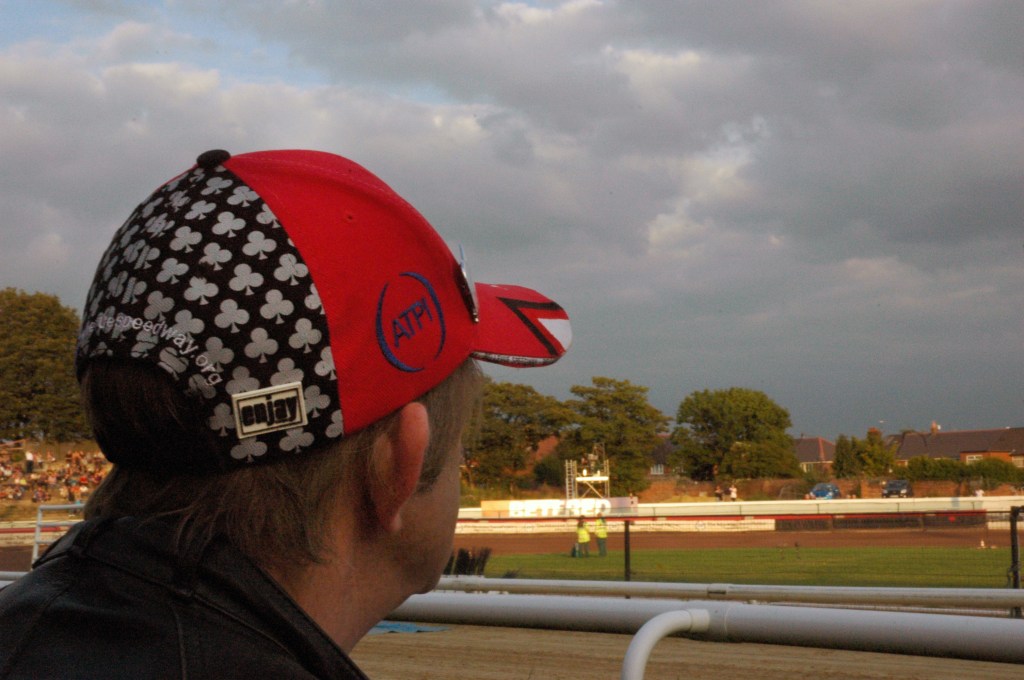
I was a regular of a Monday evening cheering on The Aces.
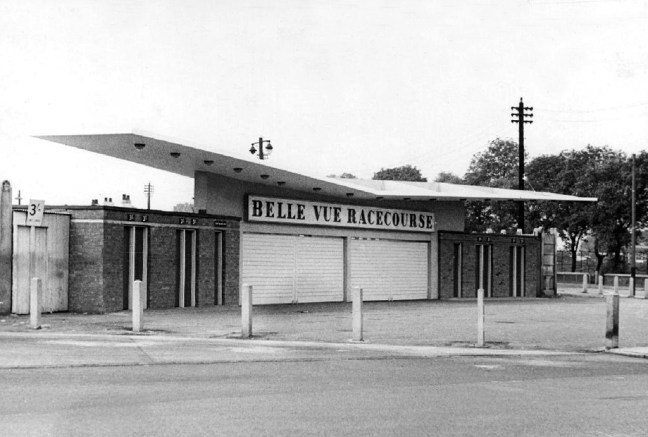
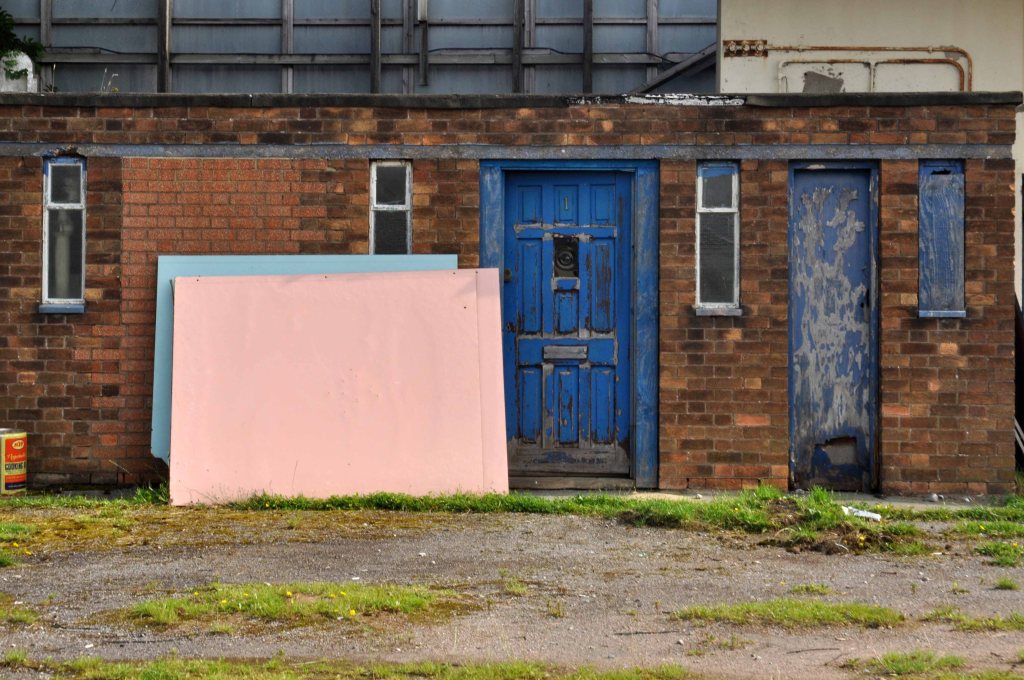
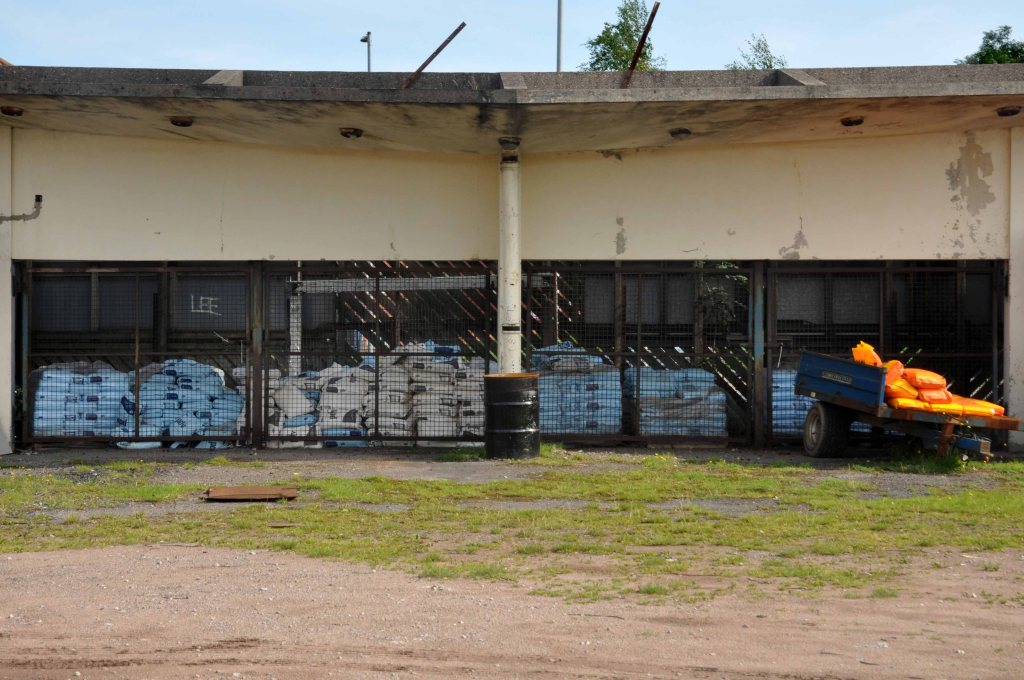
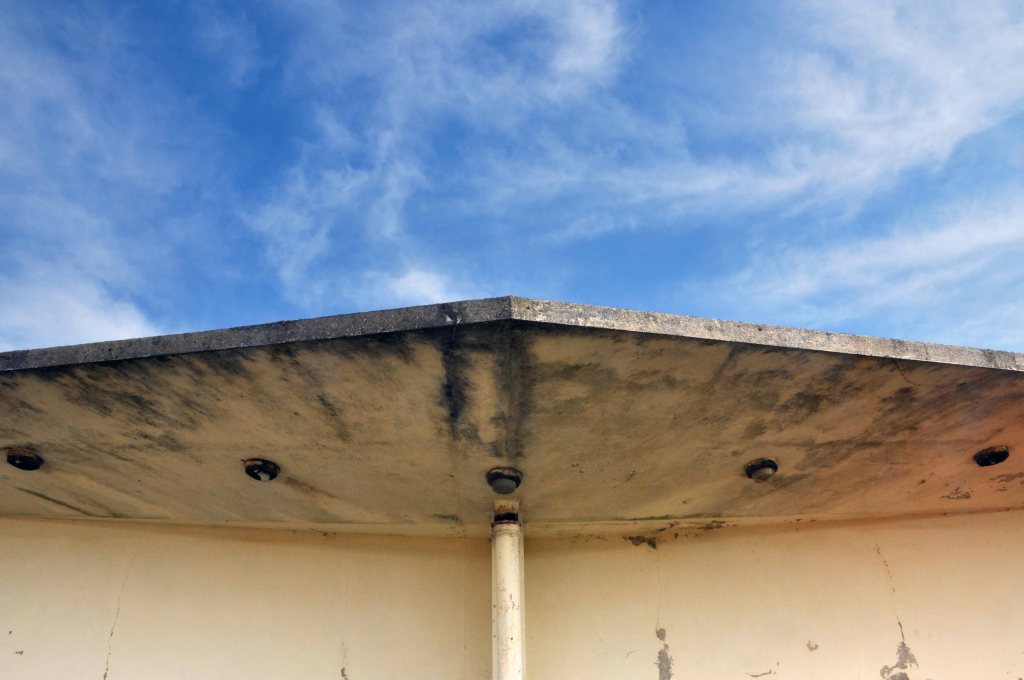
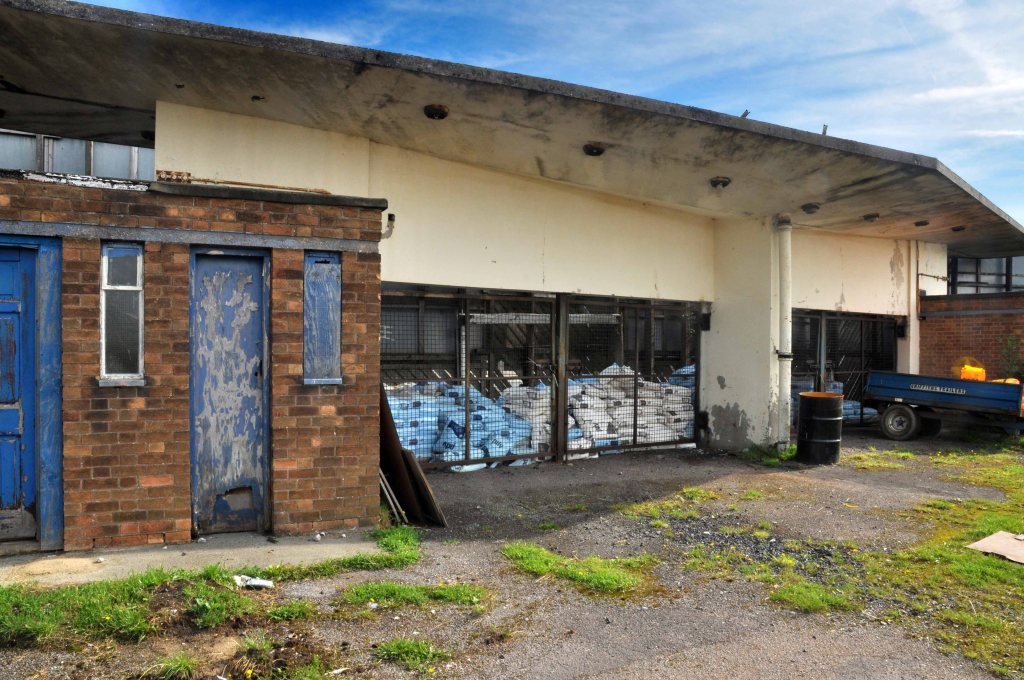
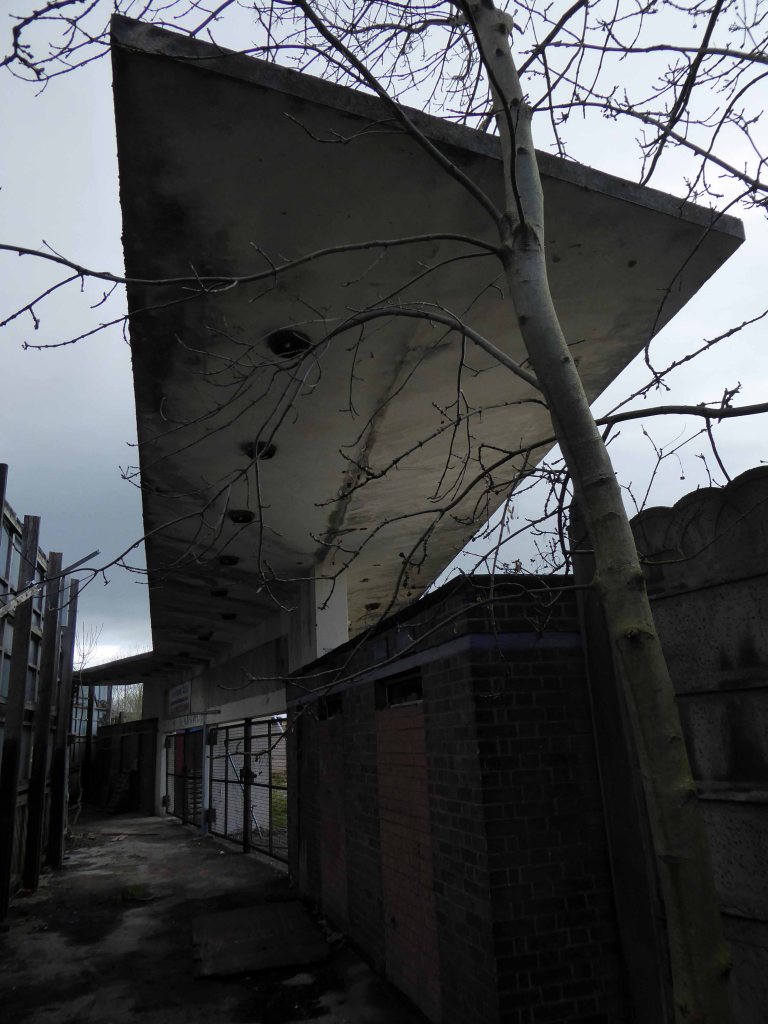
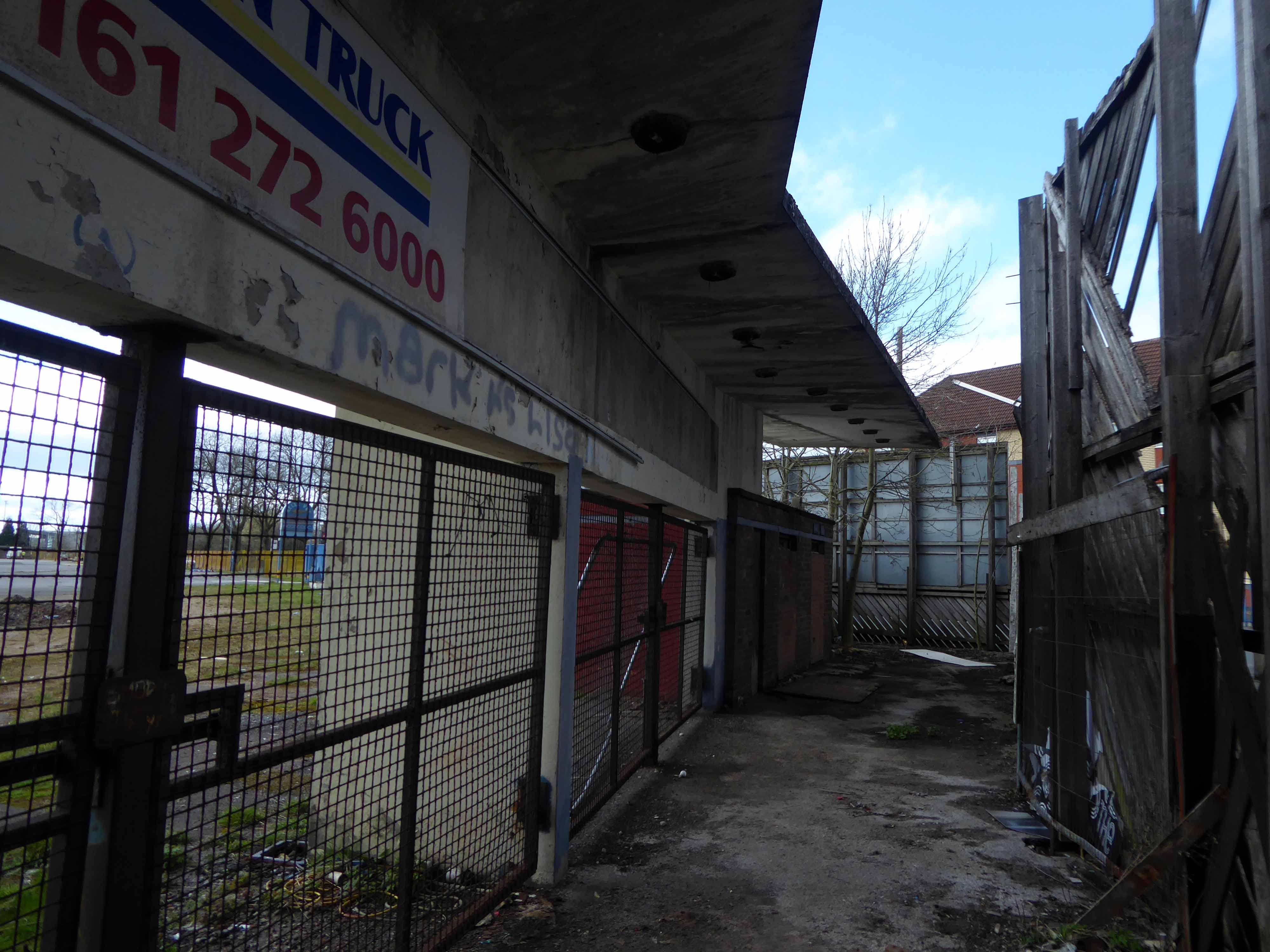
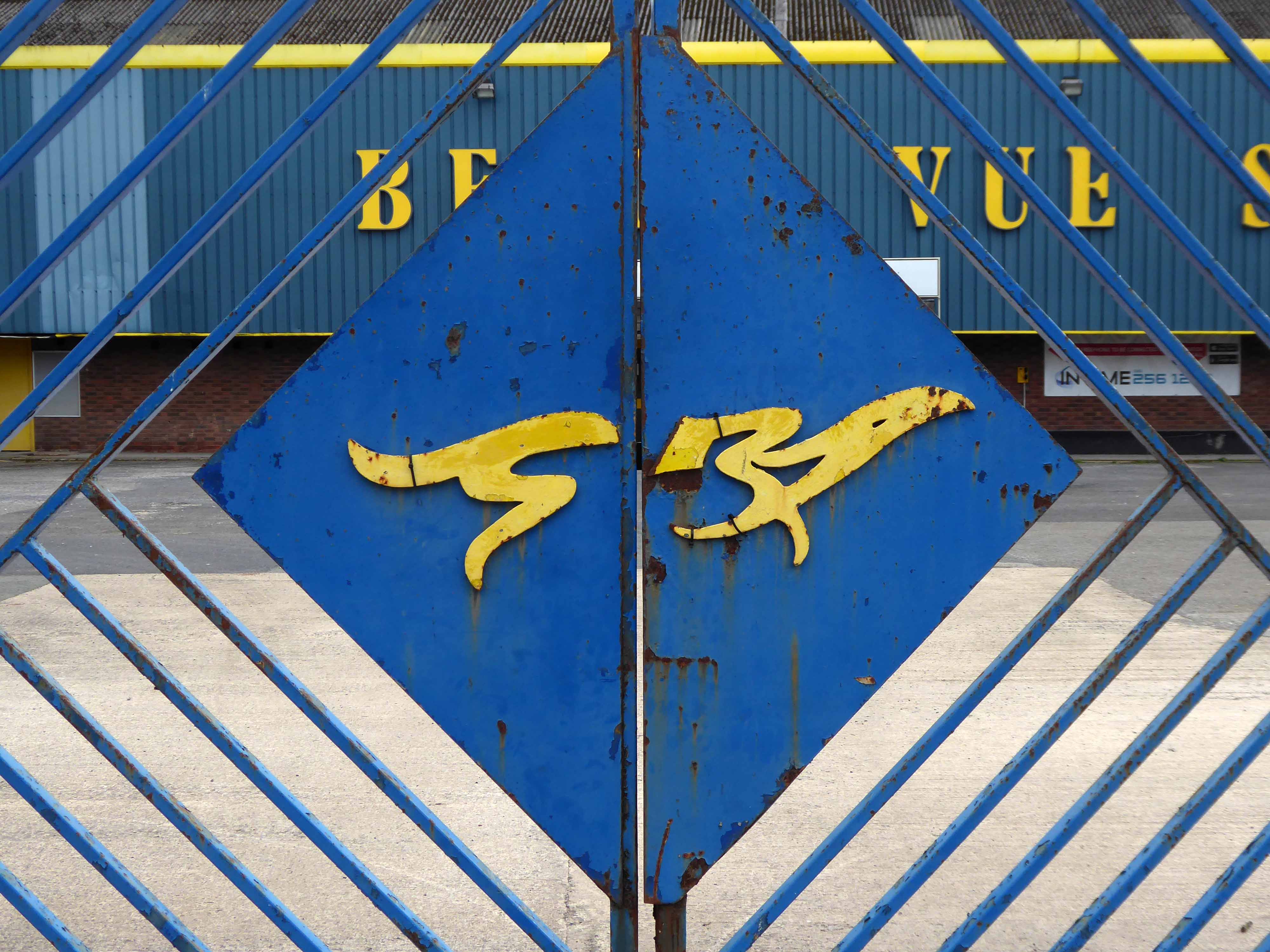
When I cycled by in 2015 the stadium was already looking tired – the dramatic concrete cantilevered gull-wing turnstiles a neglected storage area.
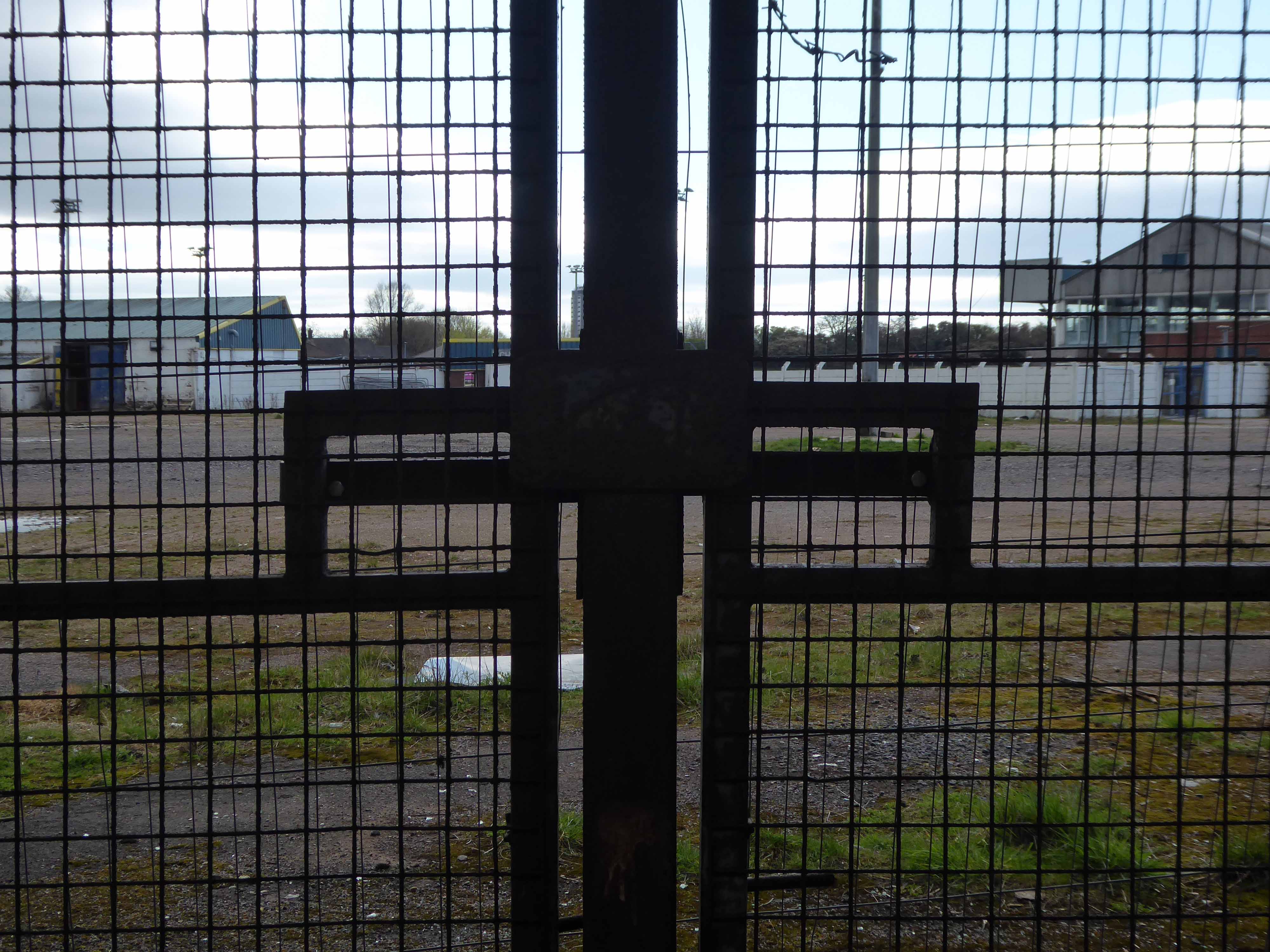
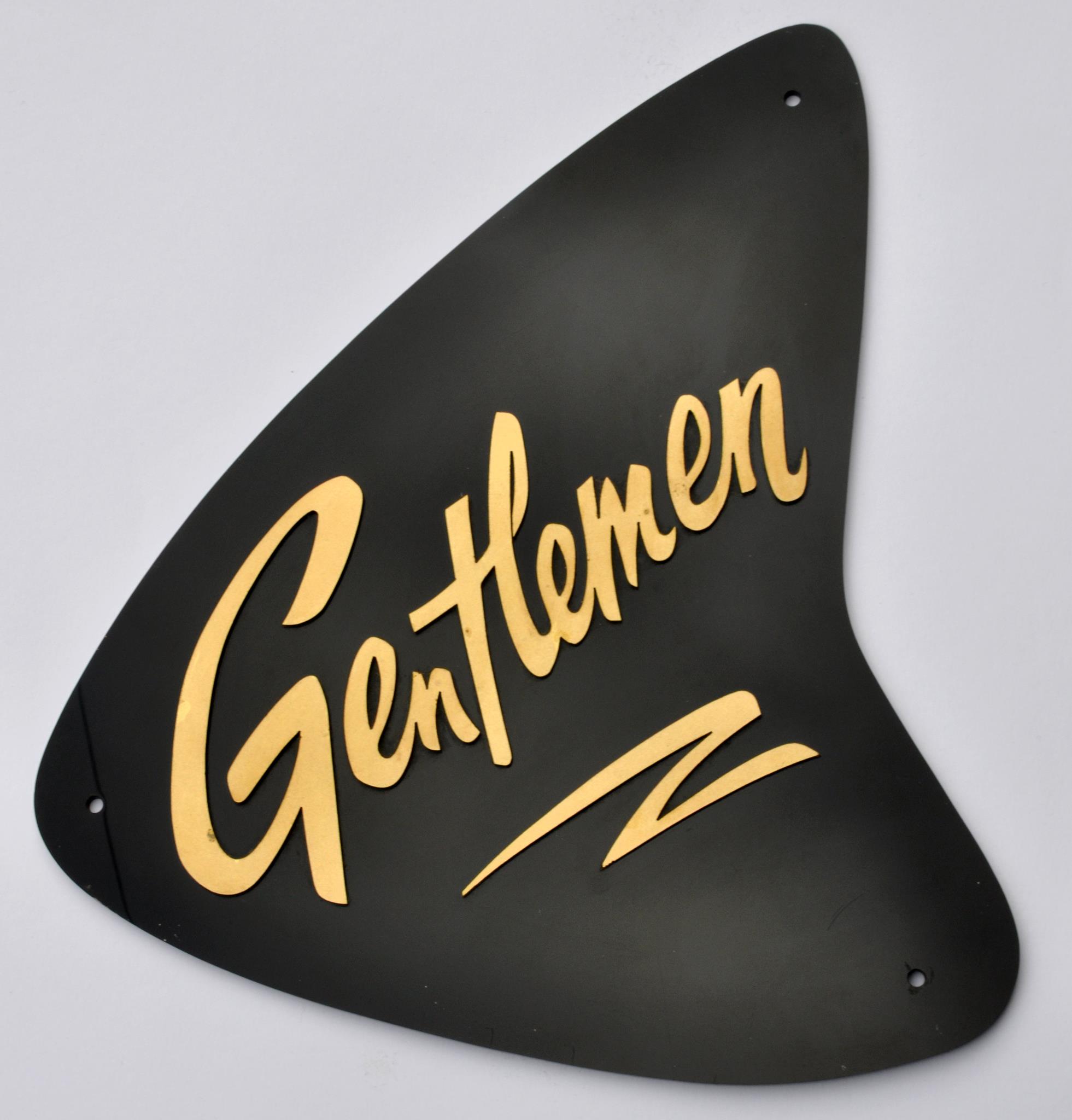
Last week I had to dodge behind the hoardings to take some snaps.The site is secured and demolition imminent.The stadium will soon be gone – as a footnote I have at home a 50s sign, appropriated on a work’s night out and later gifted to me by my dear departed pal – Dave Ballans.
I’ll always treasure the perspex shark’s fin, Dave’s memory and going to the dogs.
So what of the future?
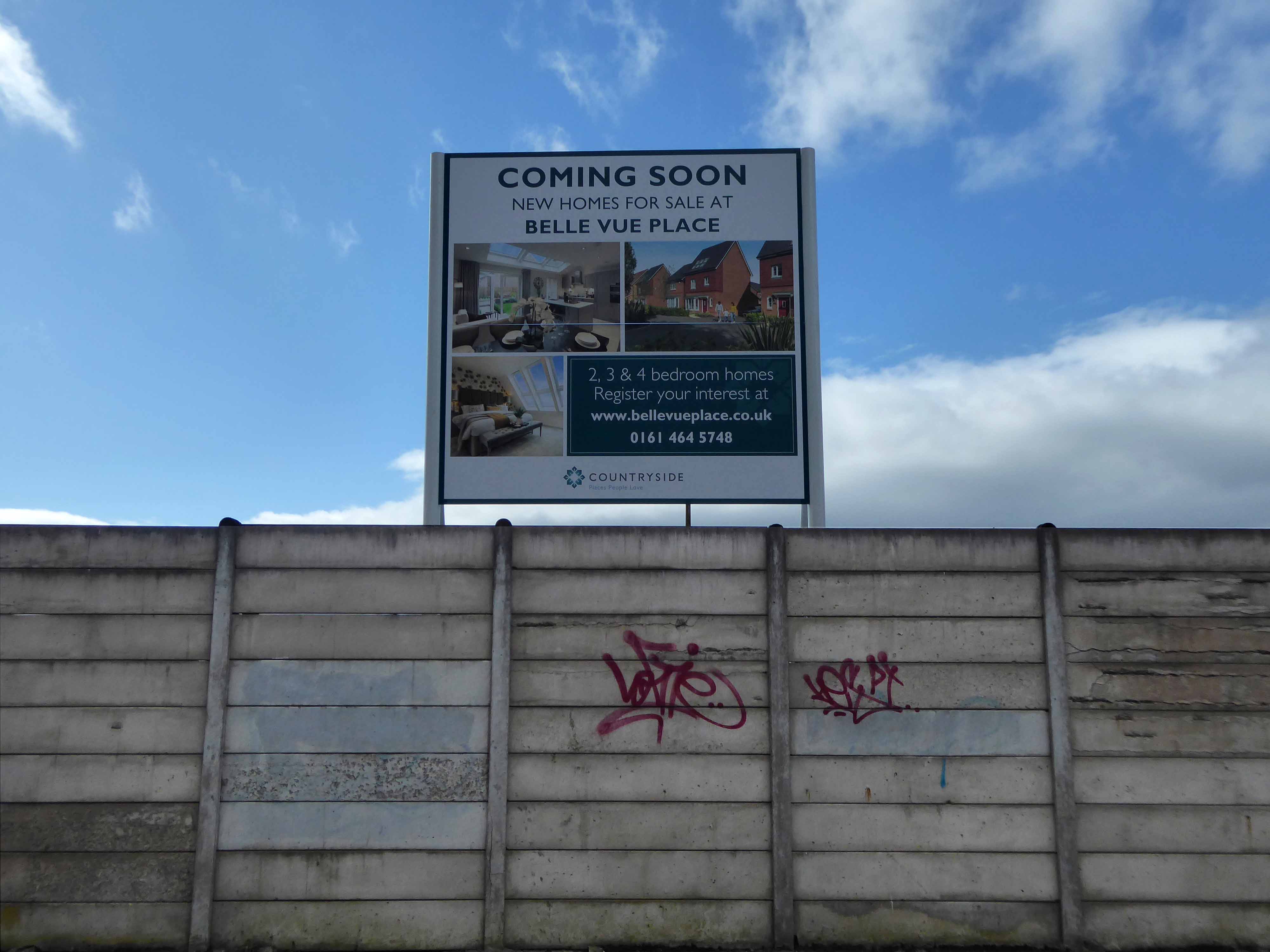
Belle Vue Place – the name lingers on long after the fun has gone.
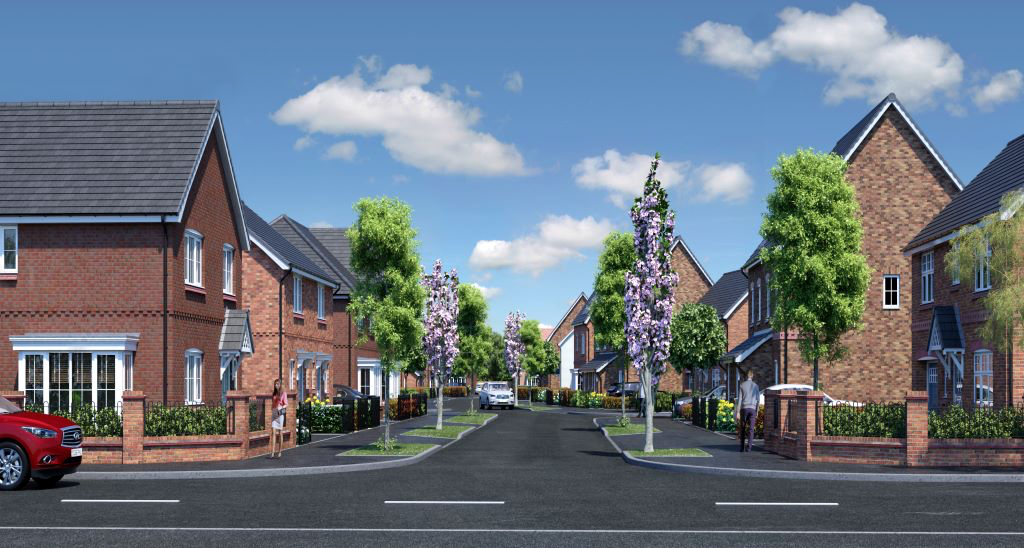
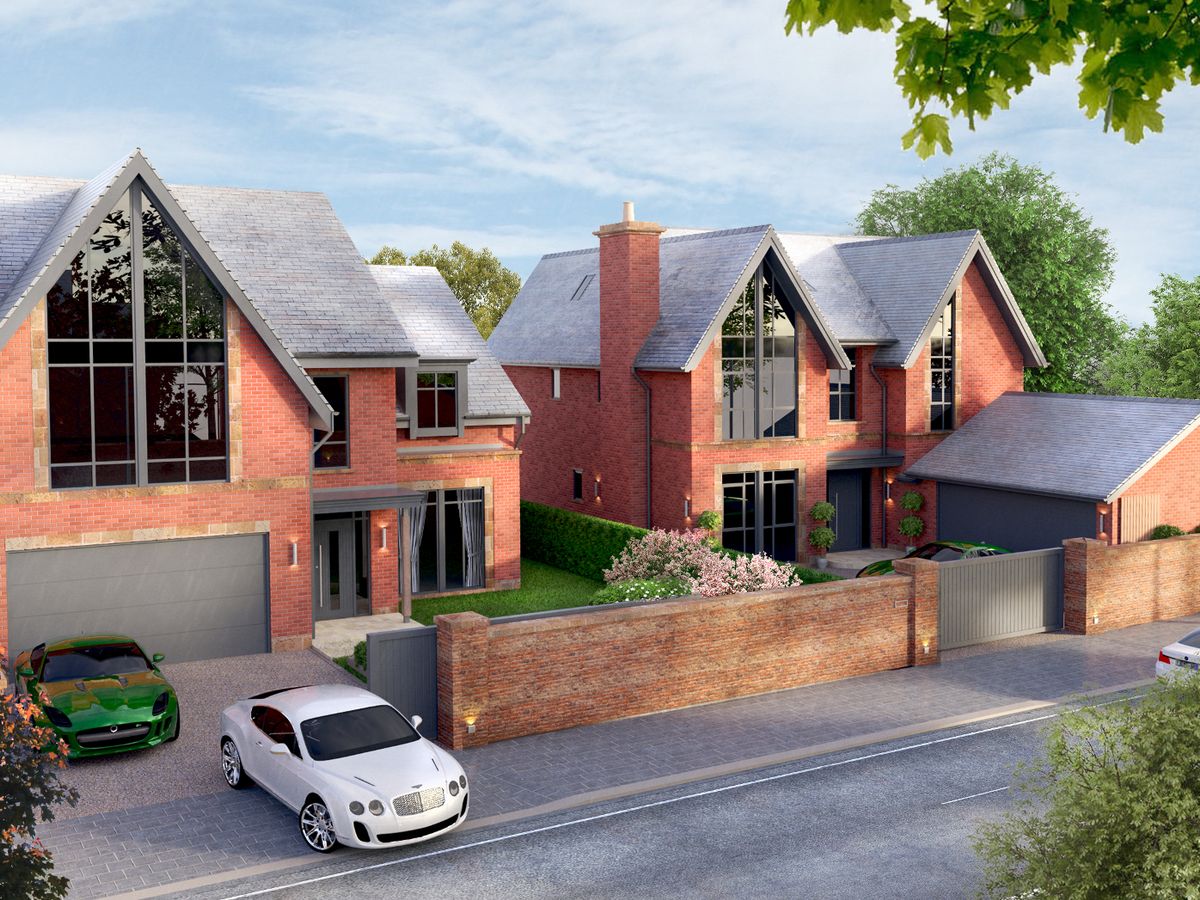
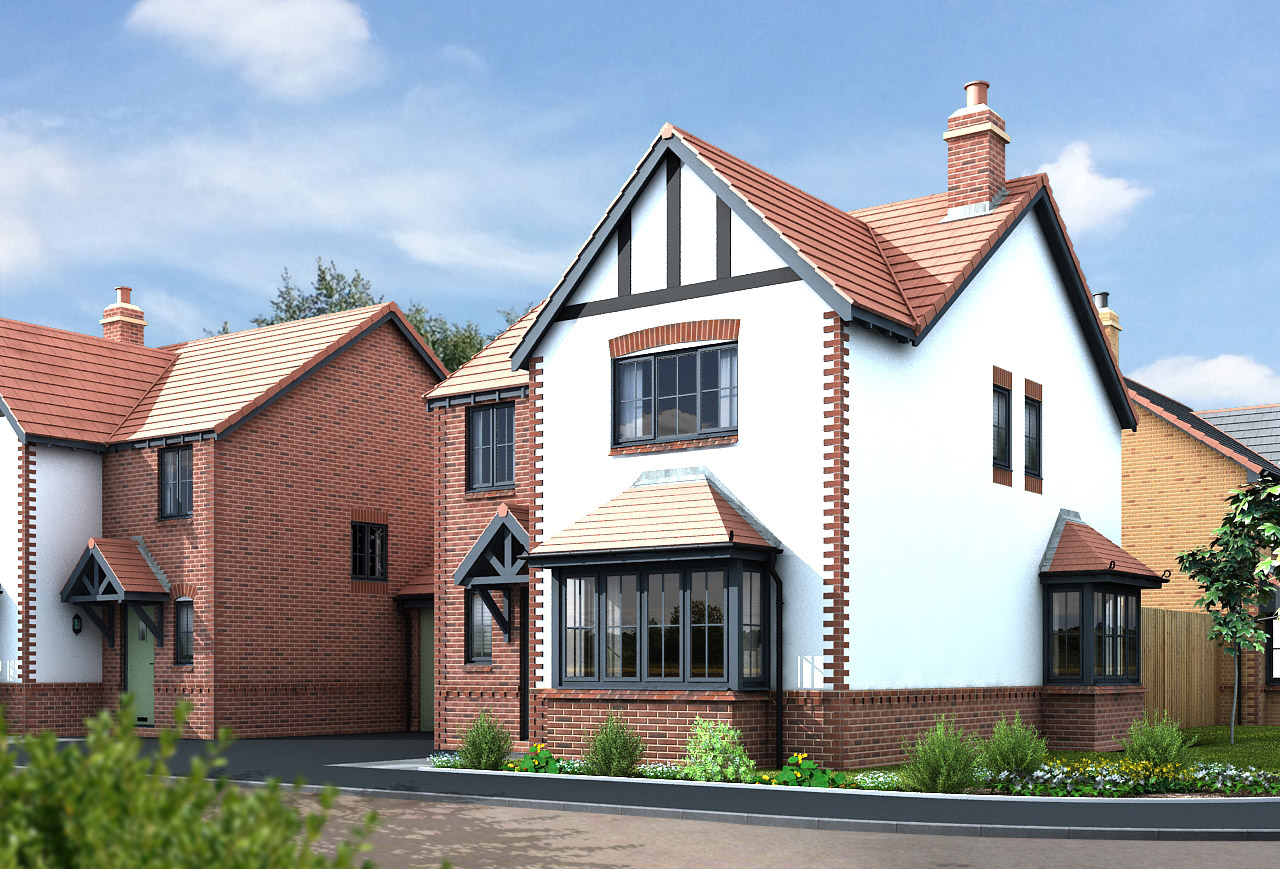
Countryside are proud to showcase our stunning collection of 114 new homes at Belle Vue Place, featuring a choice of stunning 3 & 4 bedroom homes all designed and finished to the highest standard.
And very handy for the speedway just up the road on Kirky Lane!
It’s addictive passing the no access signs, onwards into the abyss.
He hated all this, and somehow he couldn’t get away.
Joseph Conrad – Heart of Darkness
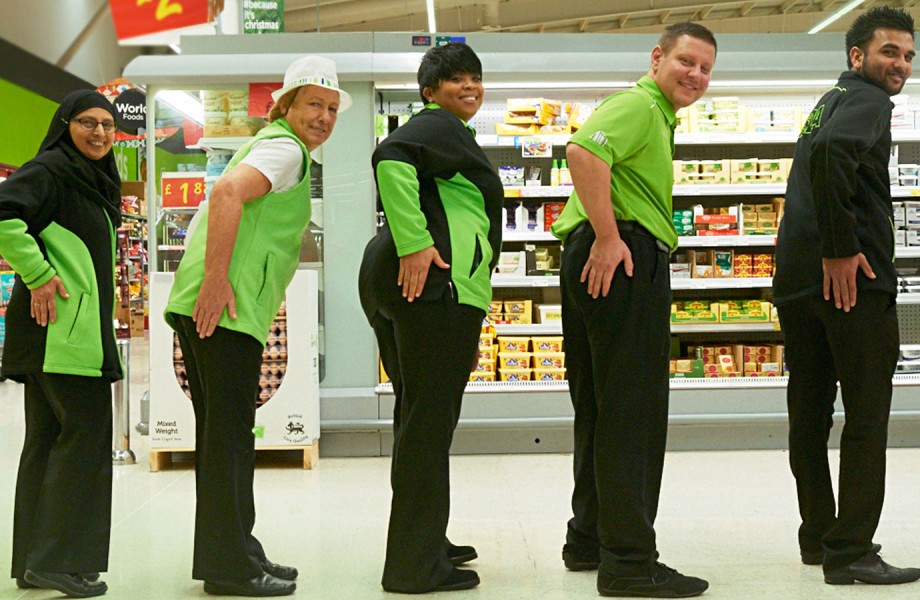
Asda Stores Ltd is a British supermarket chain. It is headquartered in Leeds. The company was founded in 1949 when the Asquith family merged their retail business with the Associated Dairies company of Yorkshire.
It was listed on the London Stock Exchange until 1999 when it was acquired by Walmart for £6.7 billion.
In February 2021, EG Group – led by the Issa brothers and TDR Capital, acquired Asda.
The company was fined £850,000 in 2006 for offering 340 staff at a Dartford depot a pay rise in return for giving up a union collective bargaining agreement. Poor relations continued as Asda management attempted to introduce new rights and working practices shortly thereafter at another centre in Washington, Tyne and Wear.
Let’s hope that the new owners having been ruled against in an equal pay dispute, attempt to forge better labour relations.
In March 2021 the employees won a Supreme Court ruling upholding an earlier court ruling permitting the action, and enabling employment tribunal action to decide equal value claims.
Asda stated: This ruling relates to one stage of a complex case that is likely to take several years to reach a conclusion.
The claim could lead to about £500 million of compensation to lower paid employees.
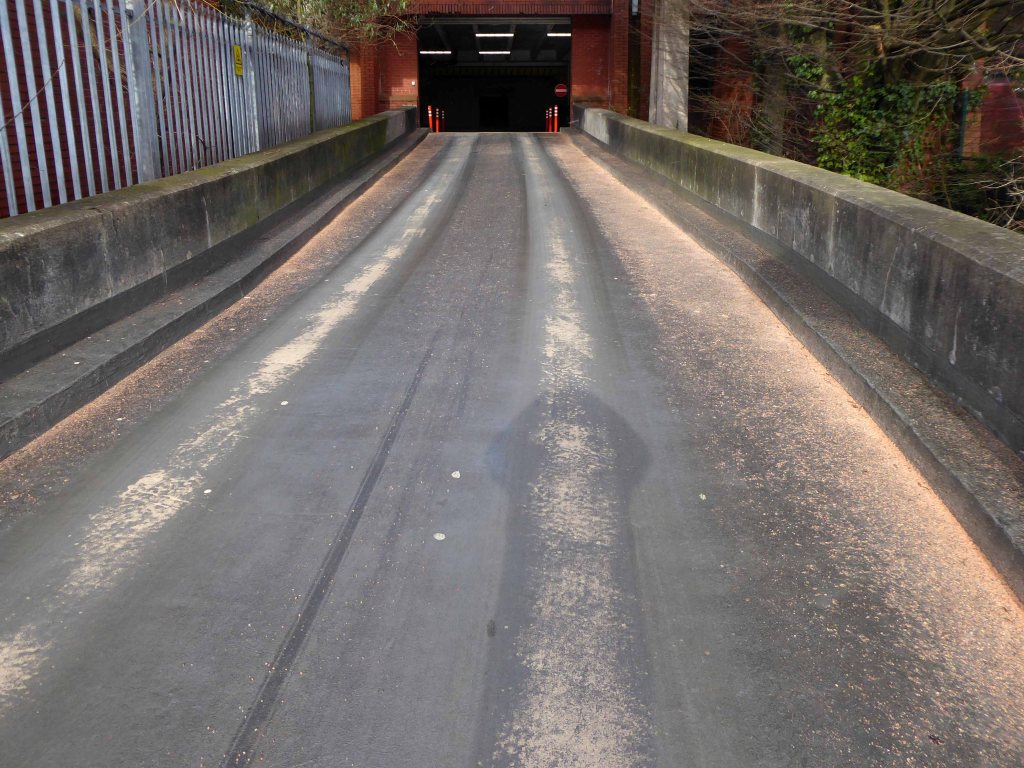
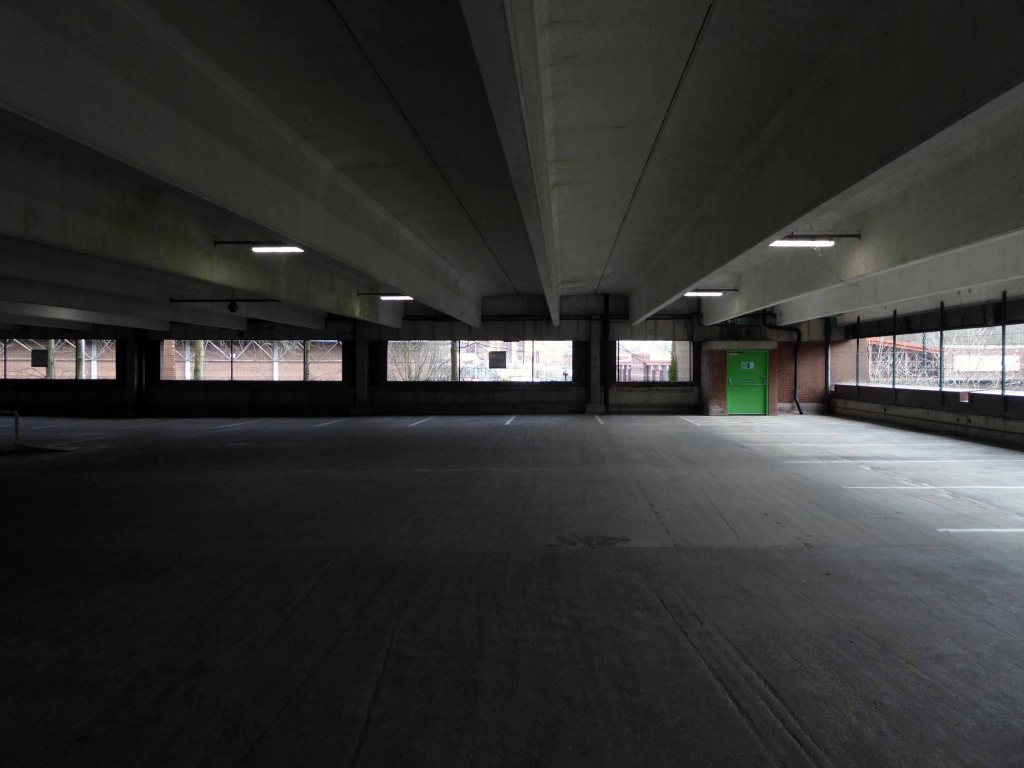
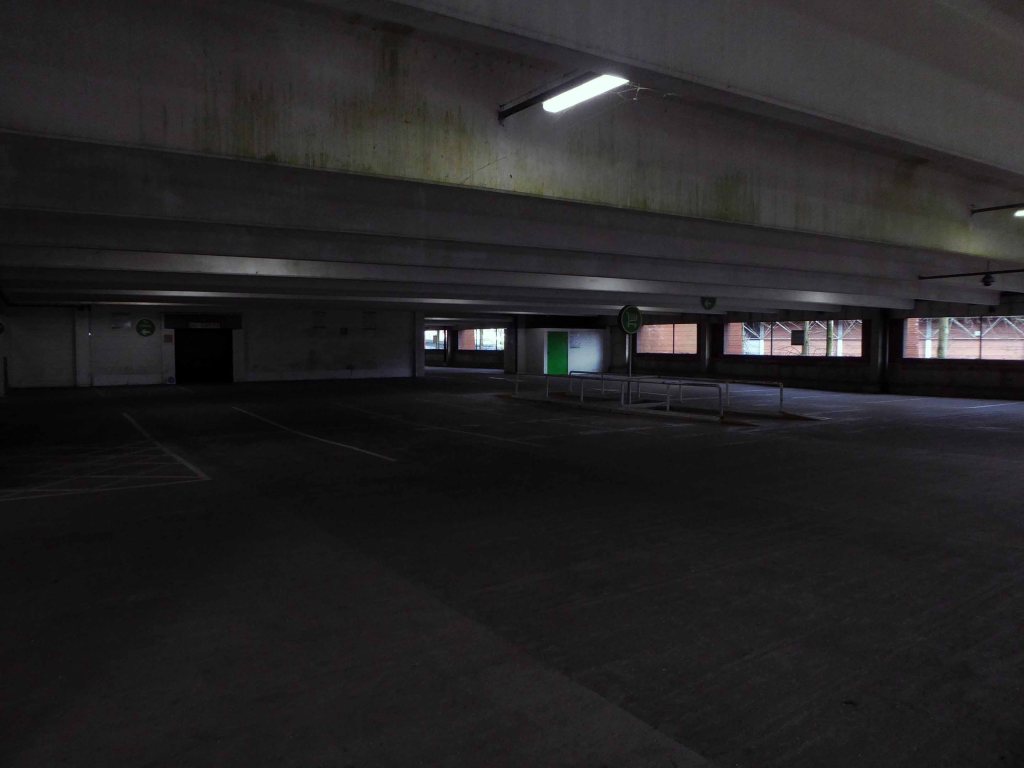
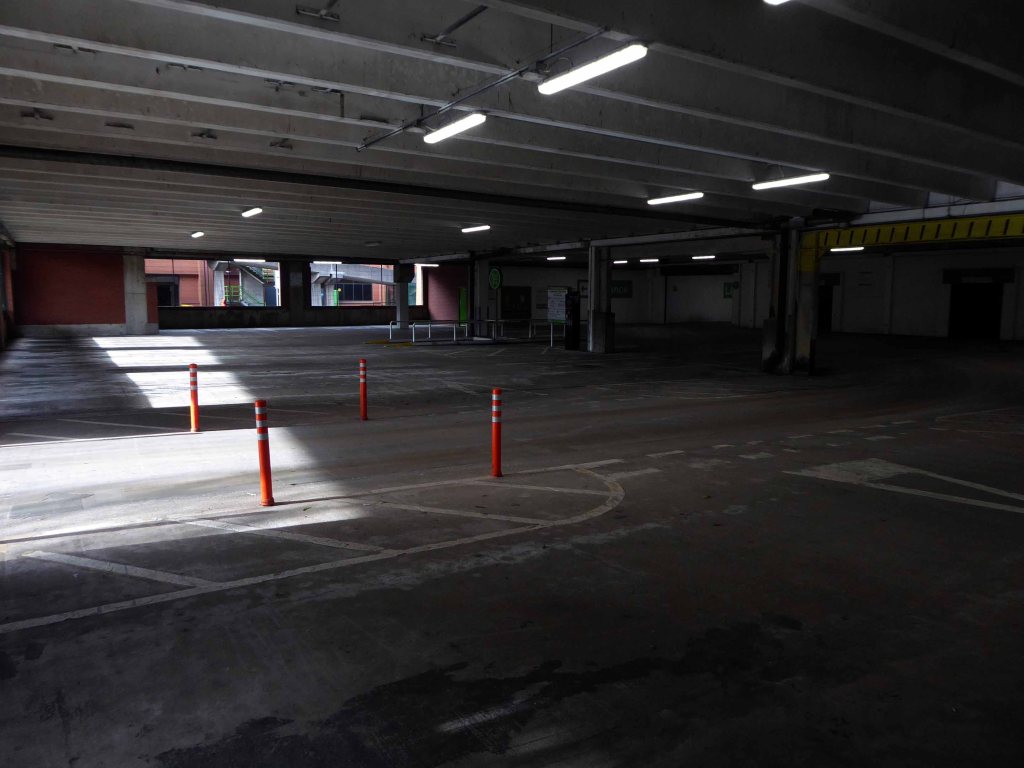
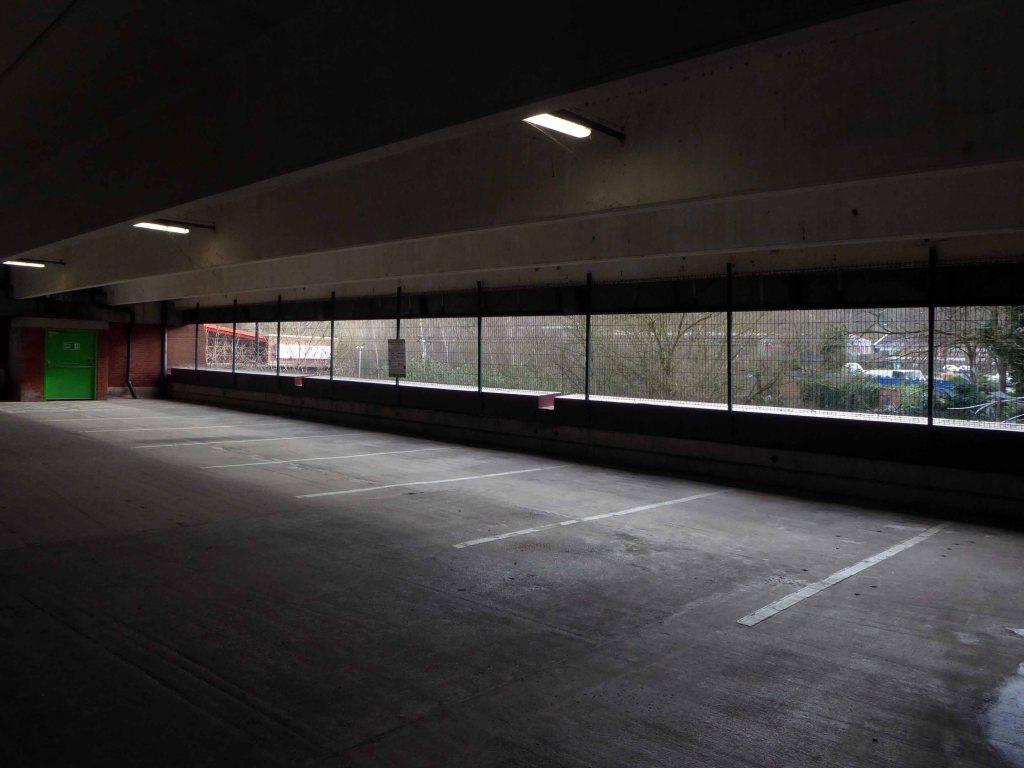
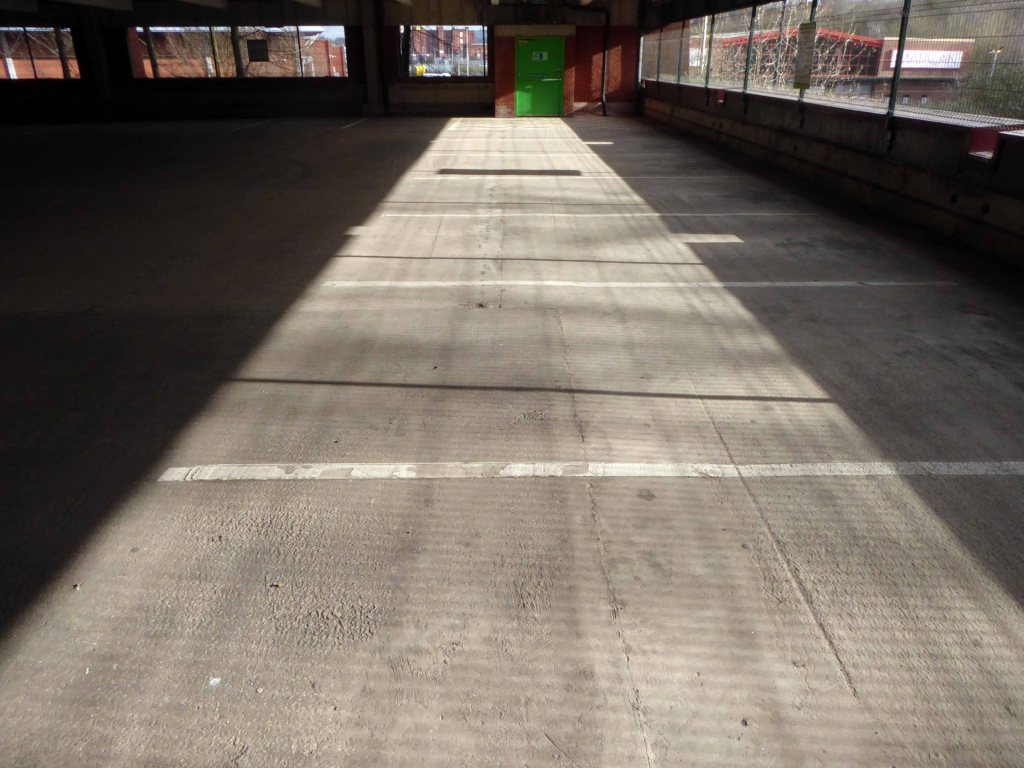
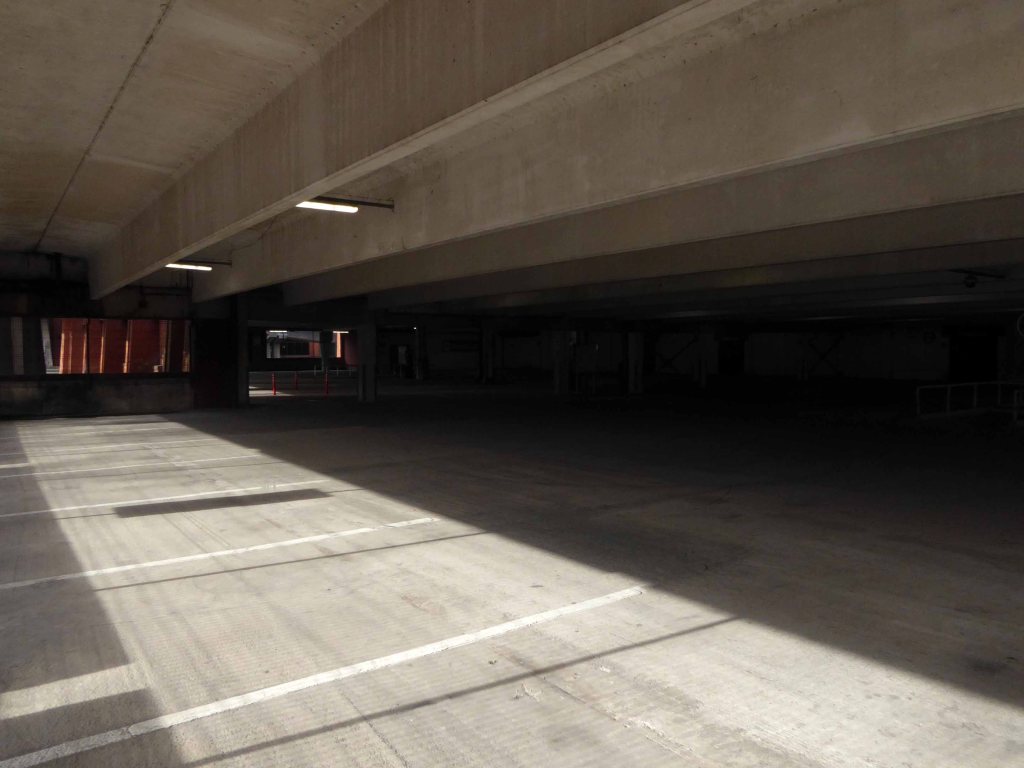
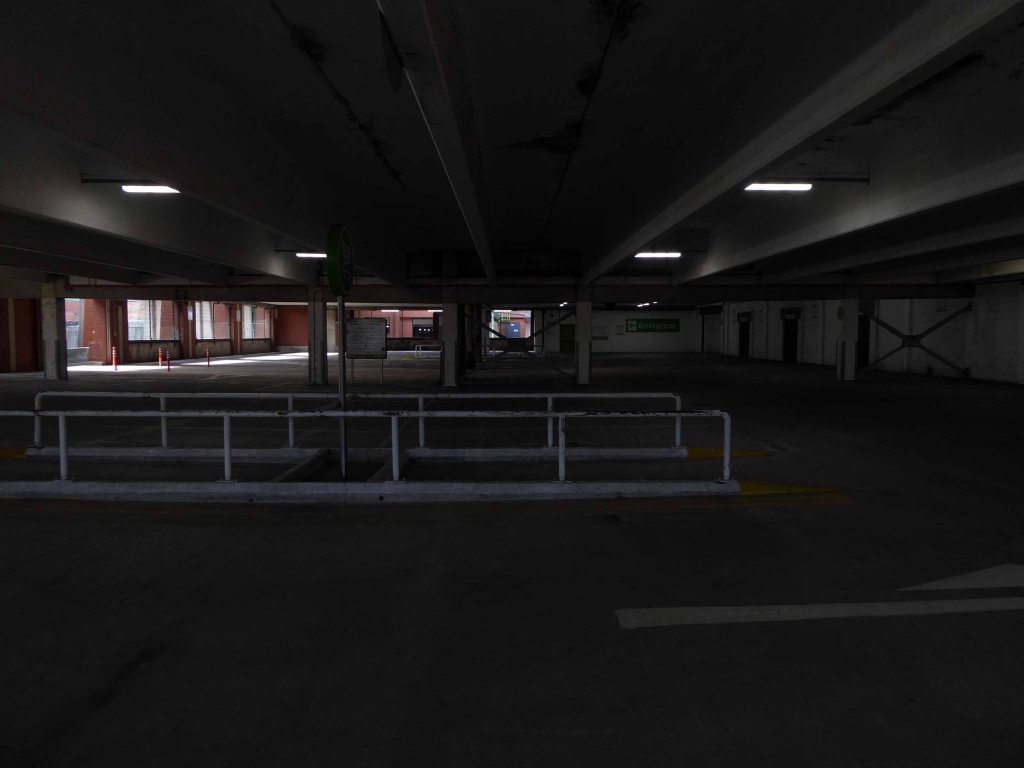
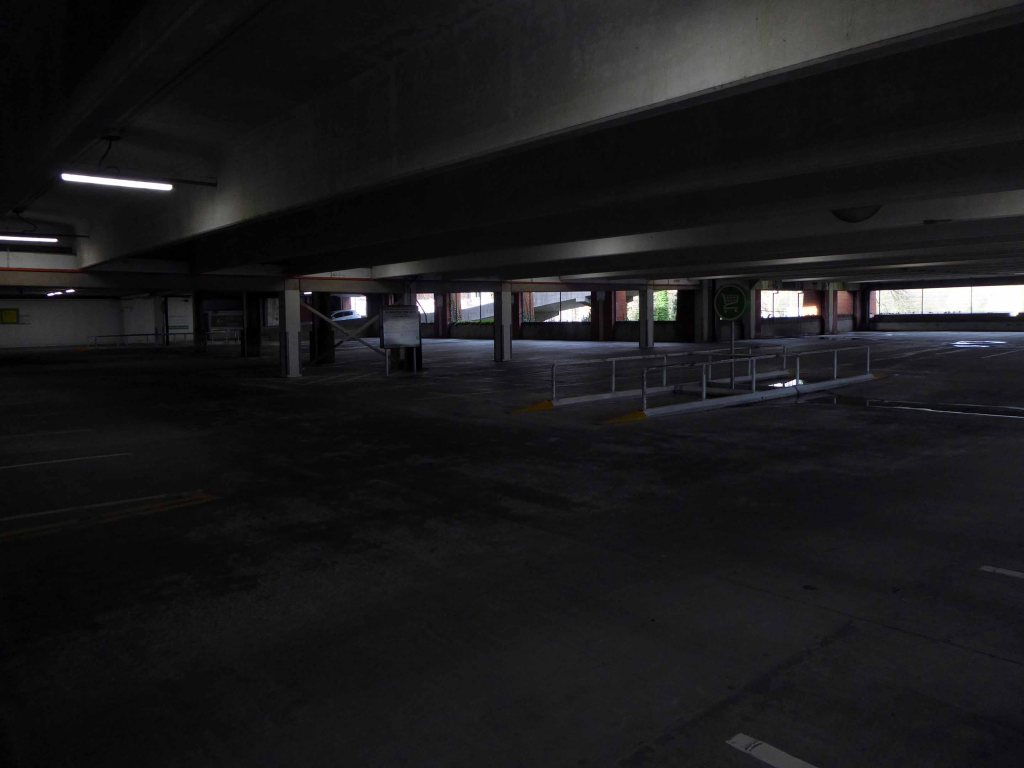
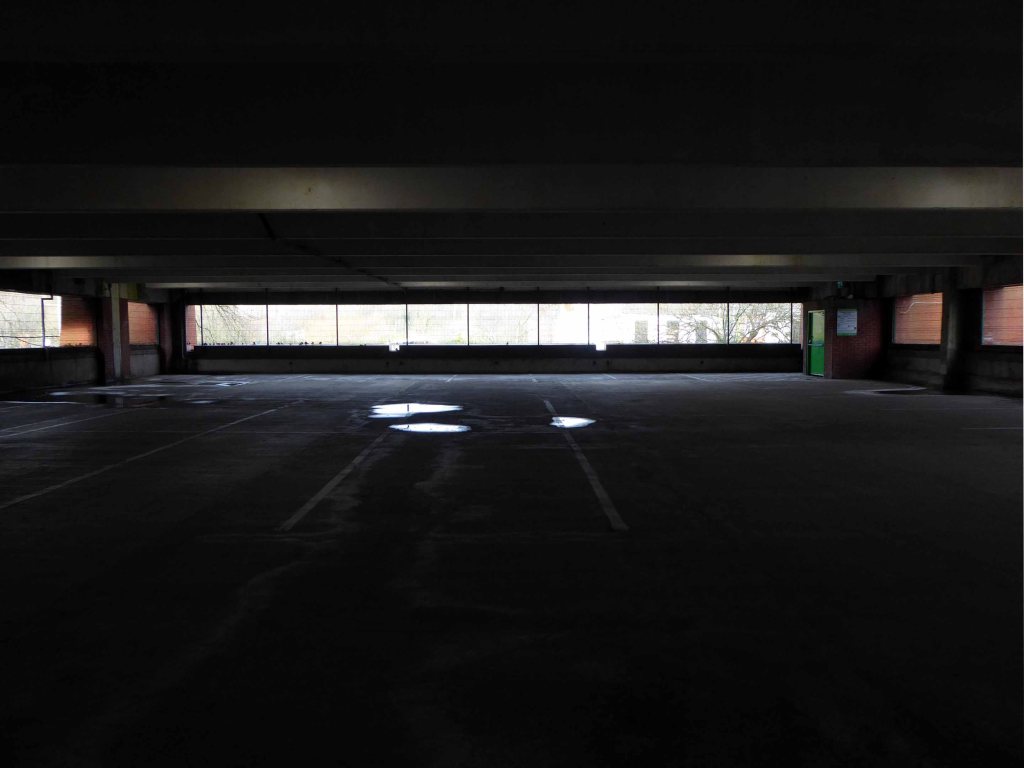
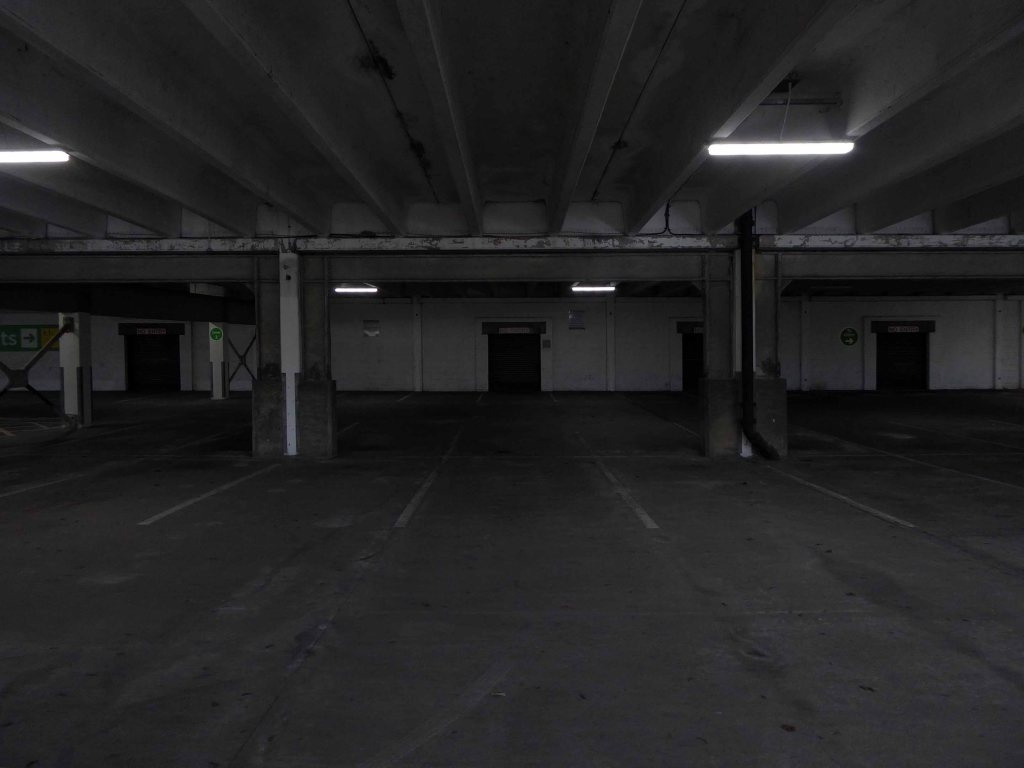
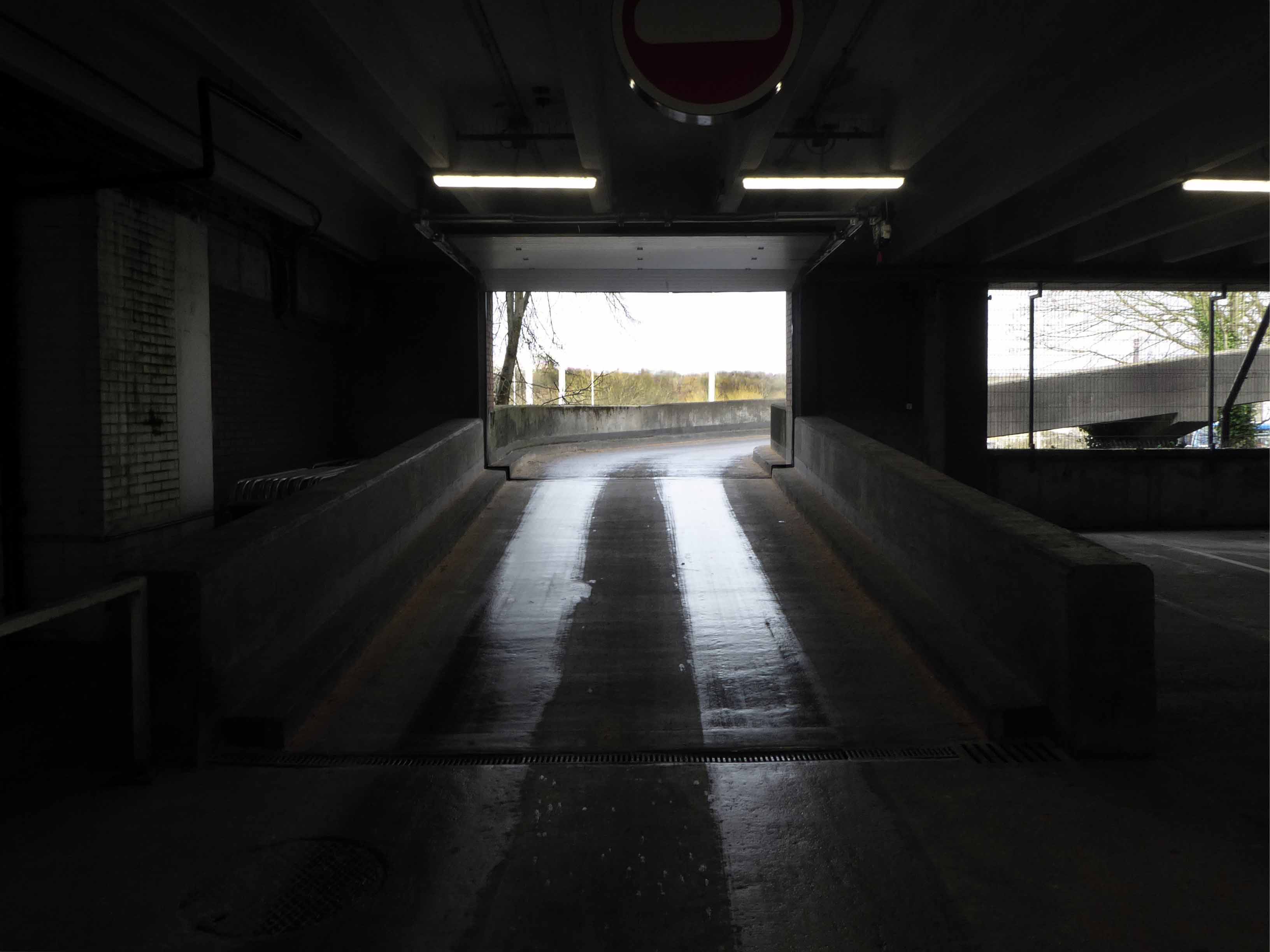
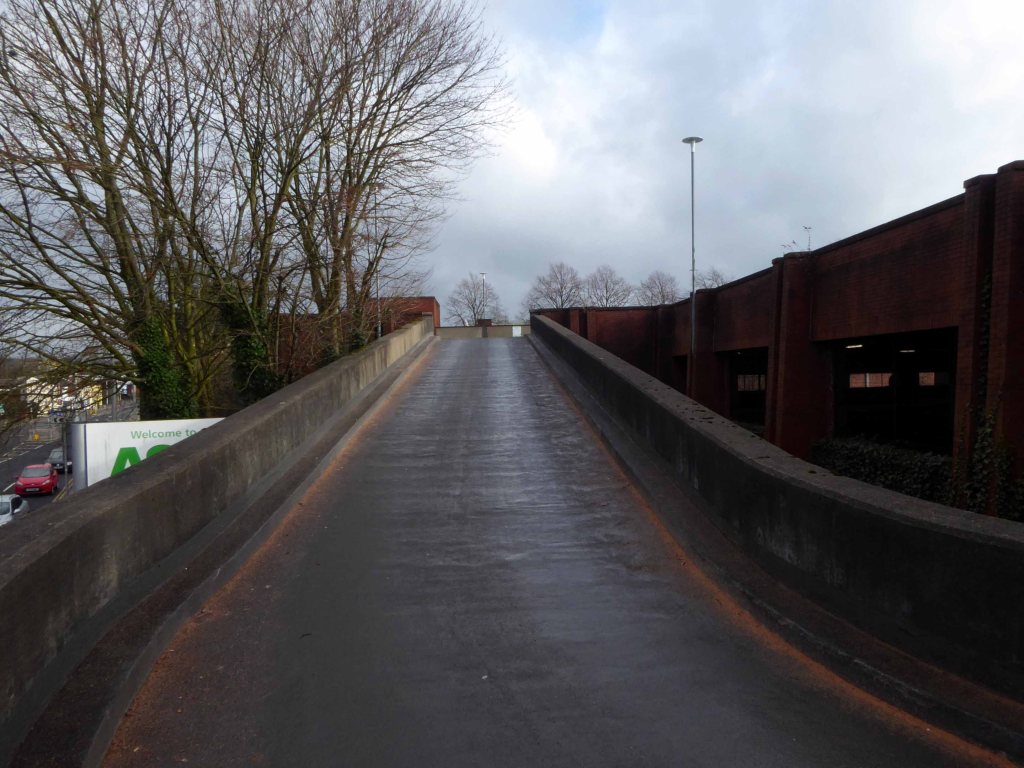
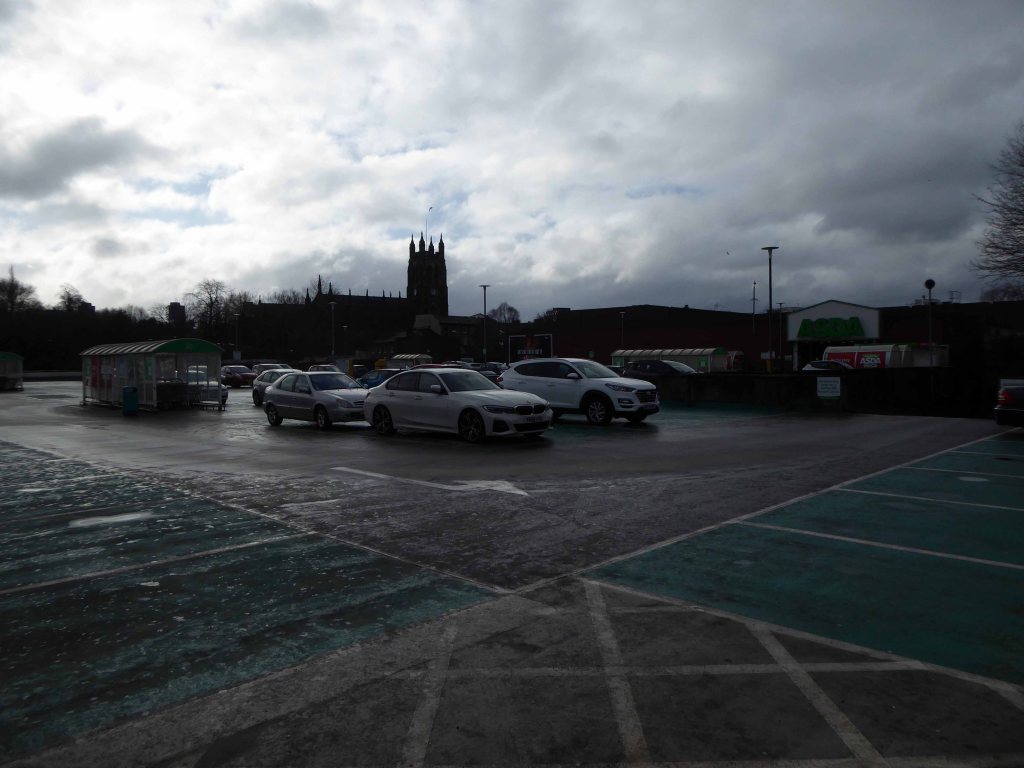
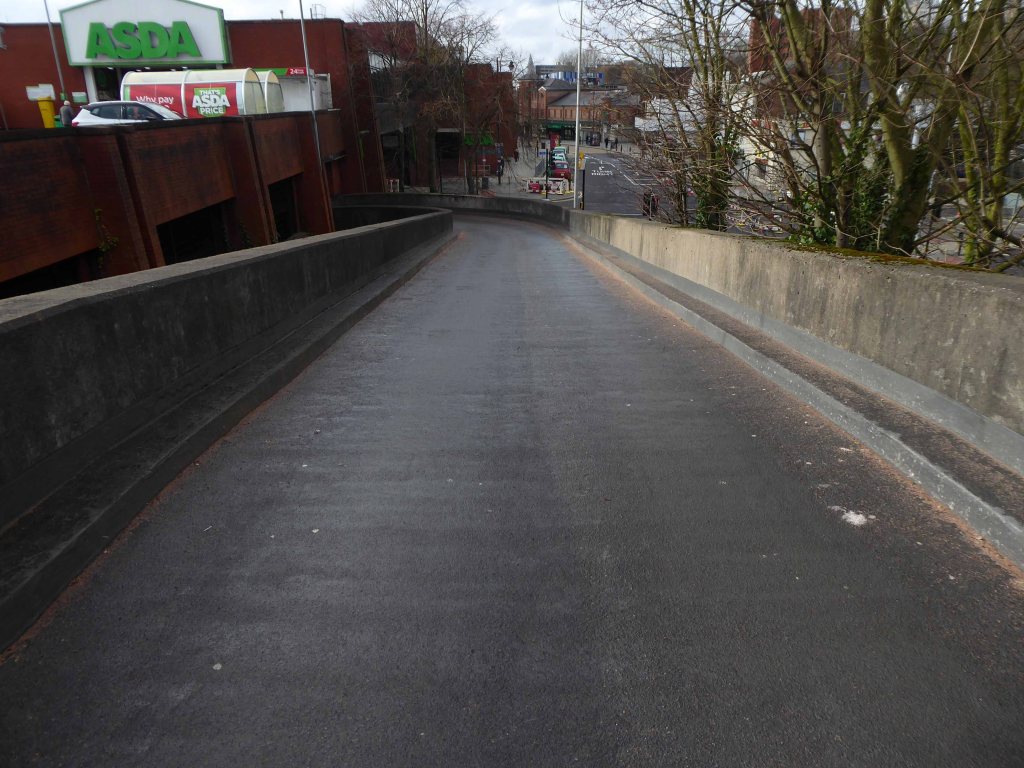
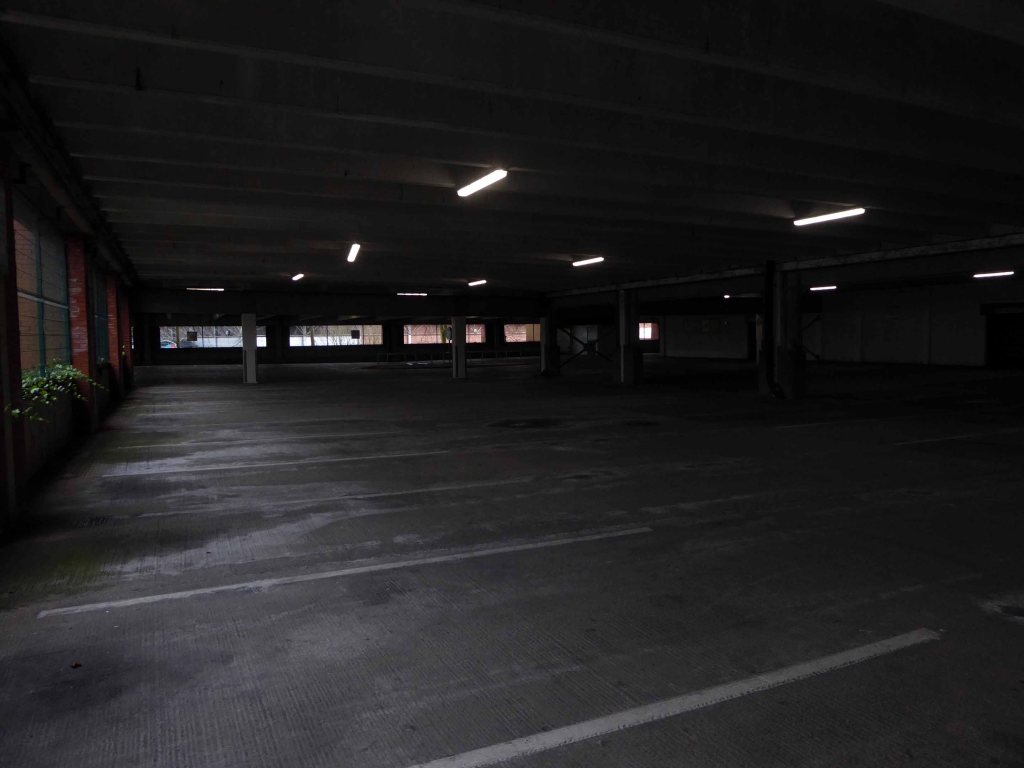
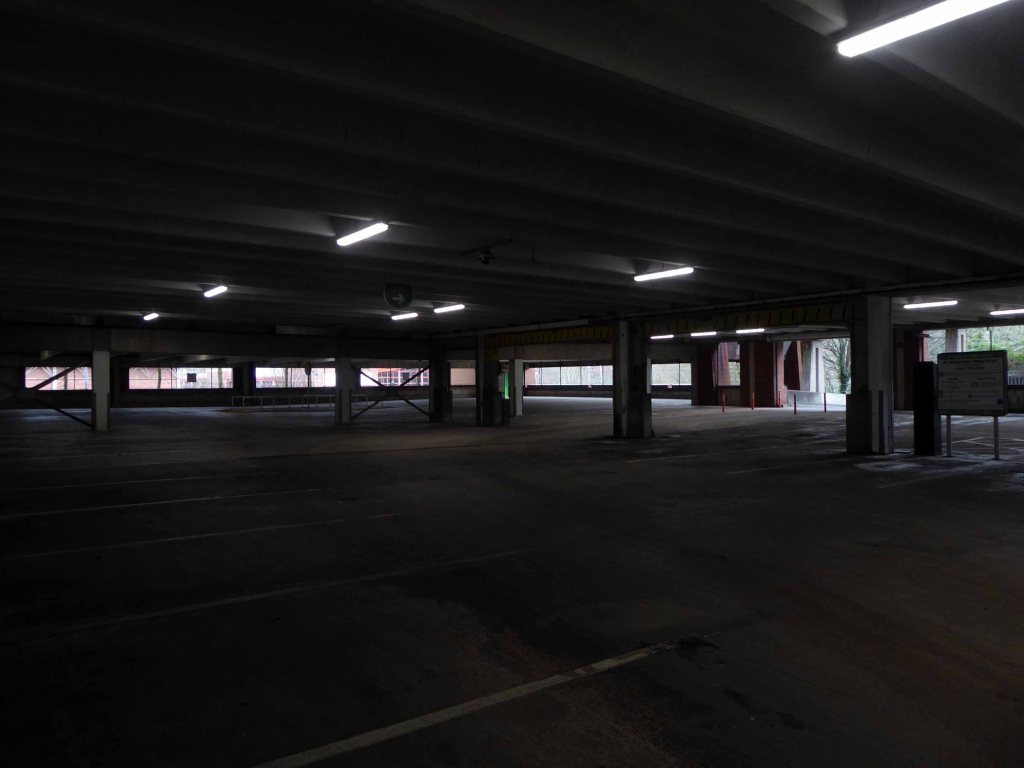
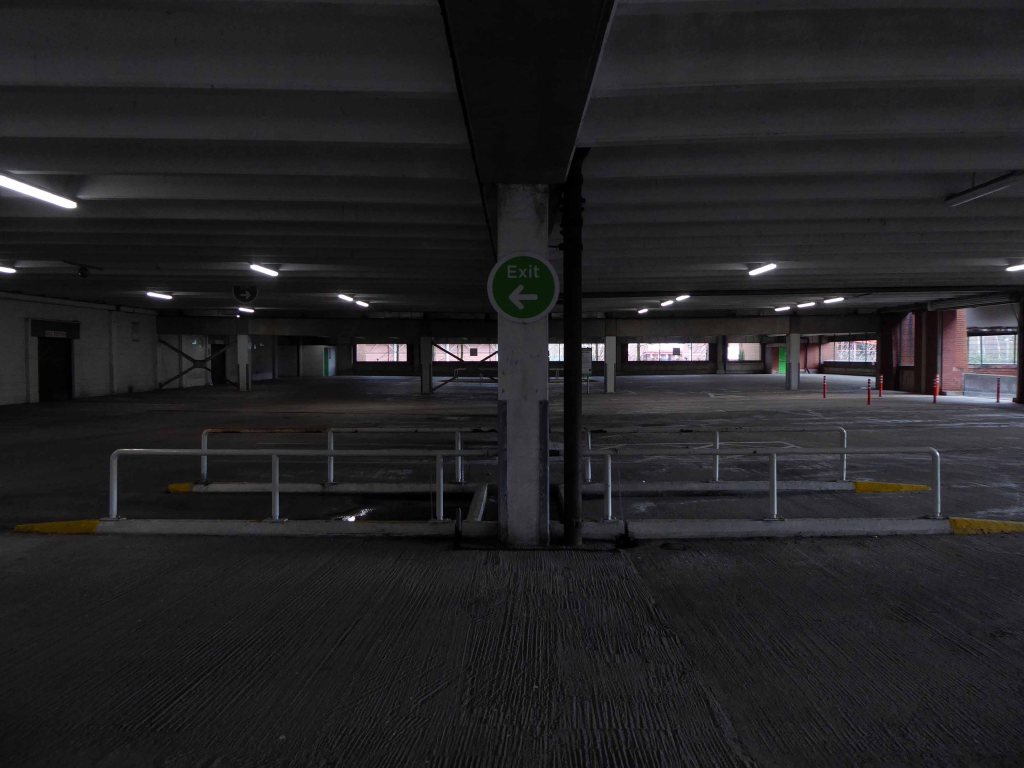
All that aside, let’s have a look at what the car park is like.
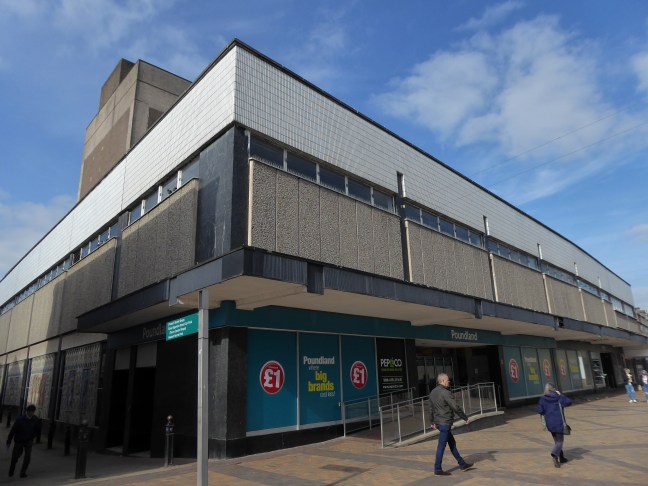
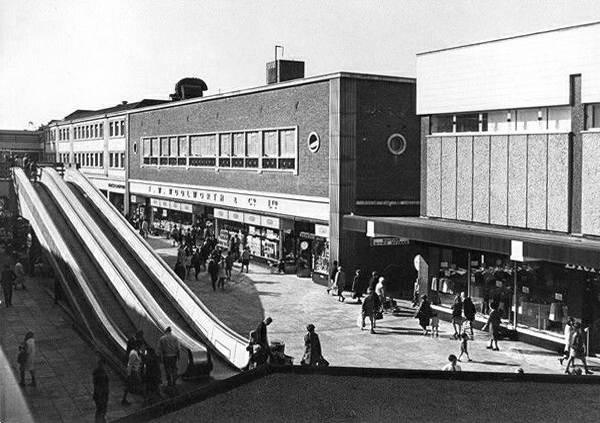
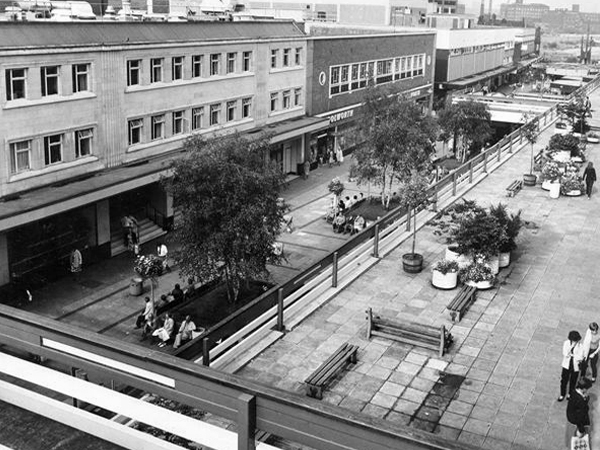
You were conceived as an integral part of the Merseyway development, which on its inception, was held in the highest regard.
Innovative architecture with confidence, integrity and a clear sense of purpose.
The failure of BHS was a national disgrace, venal management, asset stripping, avaricious, grasping rodents ruled the day.
Dominic Chappell, who had no previous retail experience, bought the high street chain from the billionaire Sir Philip Green for £1 in March 2015. The company collapsed with the loss of 11,000 jobs 13 months later, leaving a pension deficit of about £571m.
A sad end for a company with a long history and presence on the high street.
With an architectural heritage to match:
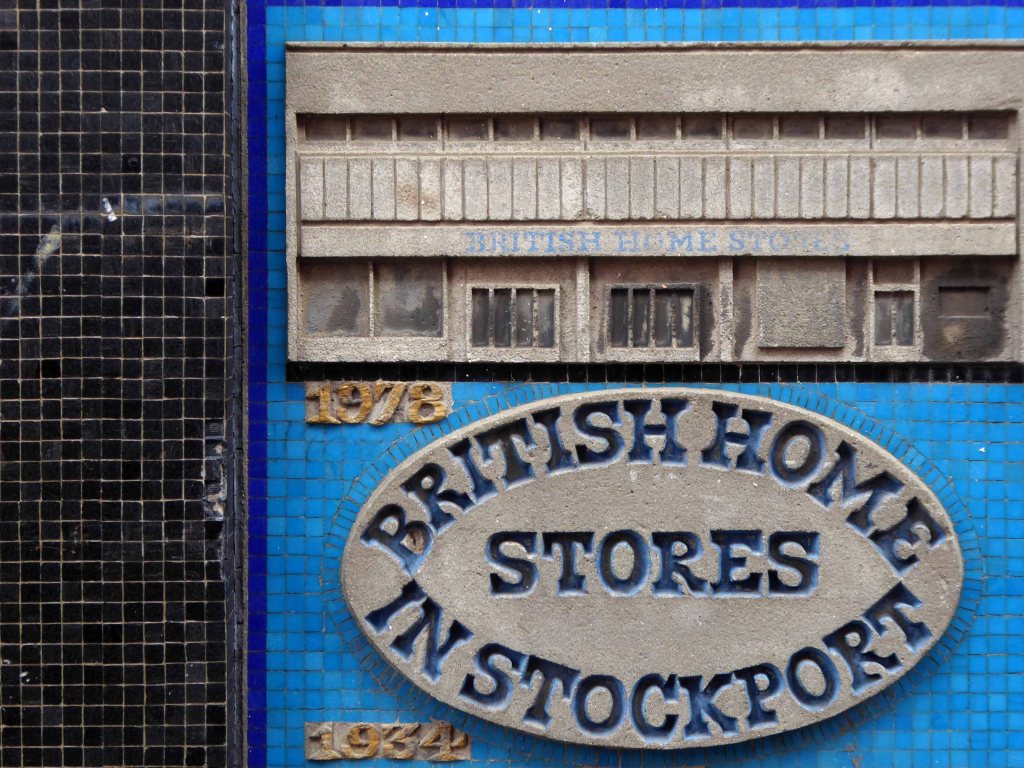
BHS’s chief architect at this time was G. W. Clarke, who generally worked alongside W. S. Atkins & Partners, as consulting engineers. The stores – like Woolworth’s buildings – were composite structures, with steel frames and concrete floors. Clarke sometimes appointed local architects.
At first, like C&A, BHS retained the narrow vertical window bays and margin-light glazing that had characterised high street façades in the 1930s, but by the end of the 1950s Clarke had embraced a modified form of curtain-walling.
This architectural approach became firmly associated with BHS, with framed curtain wall panels – like giant TV screens – dominating the frontages of many stores.
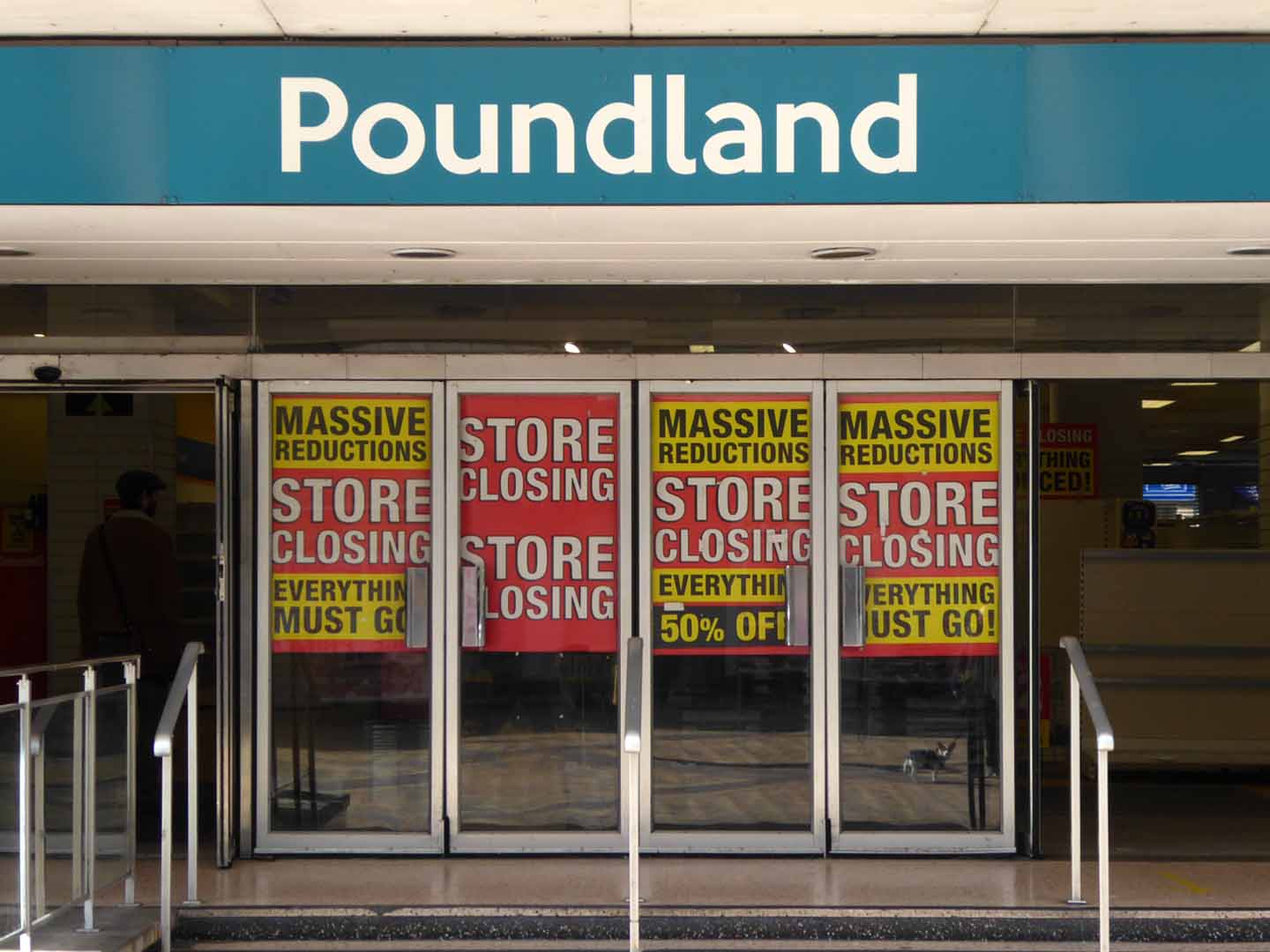
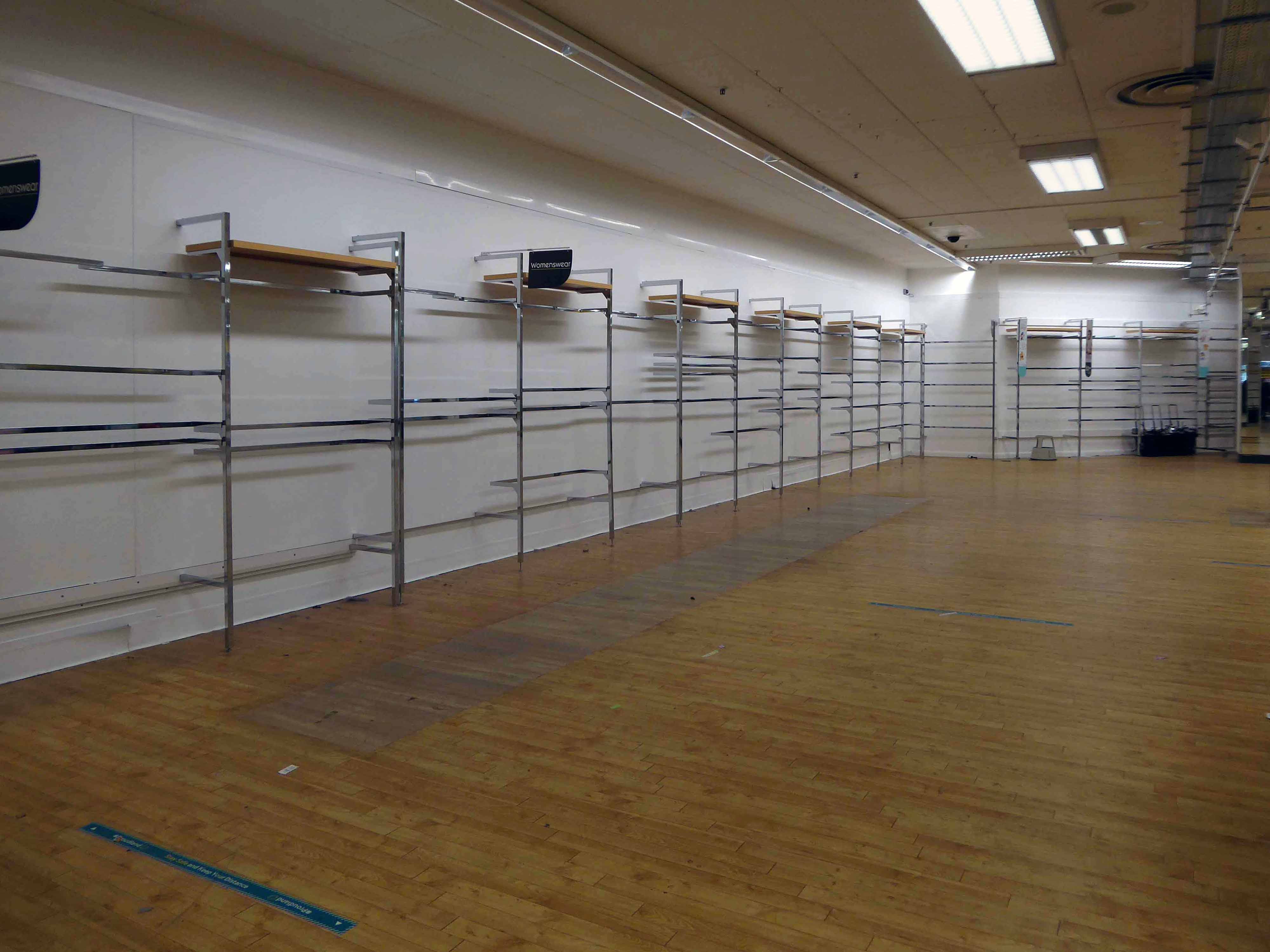
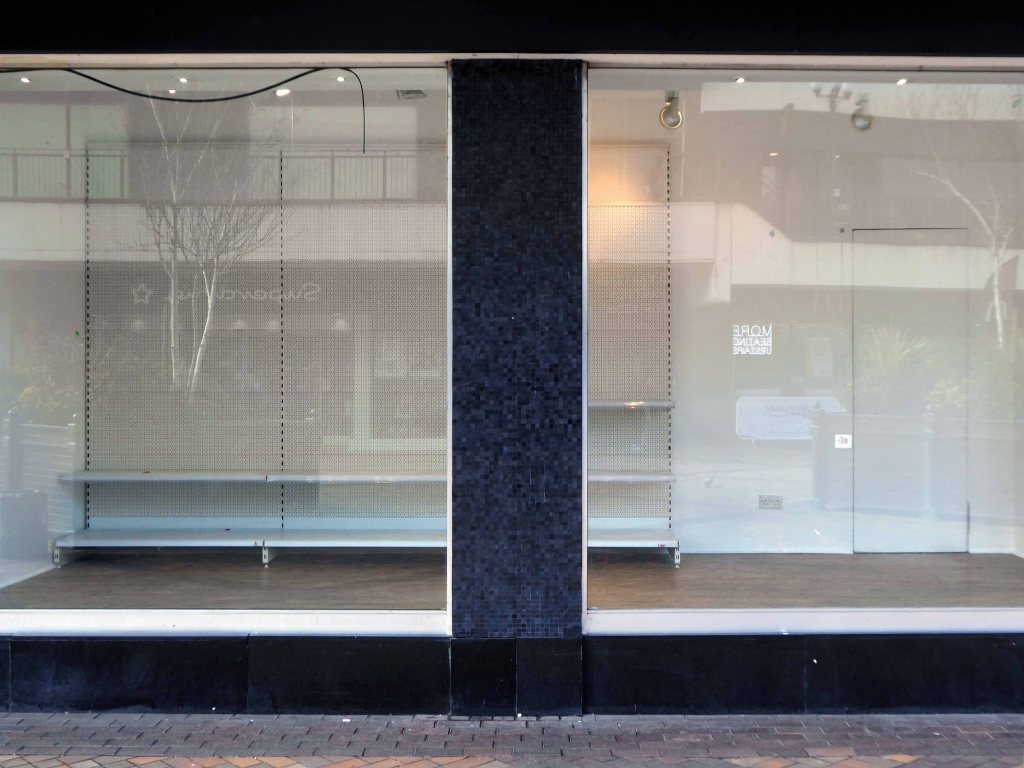
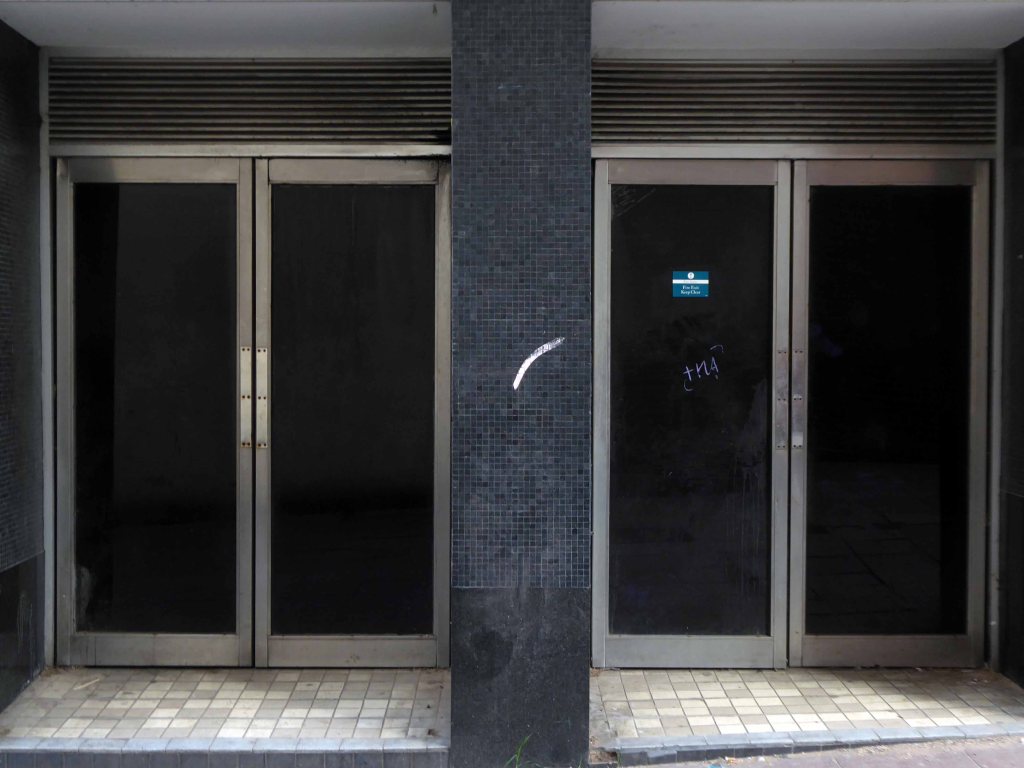
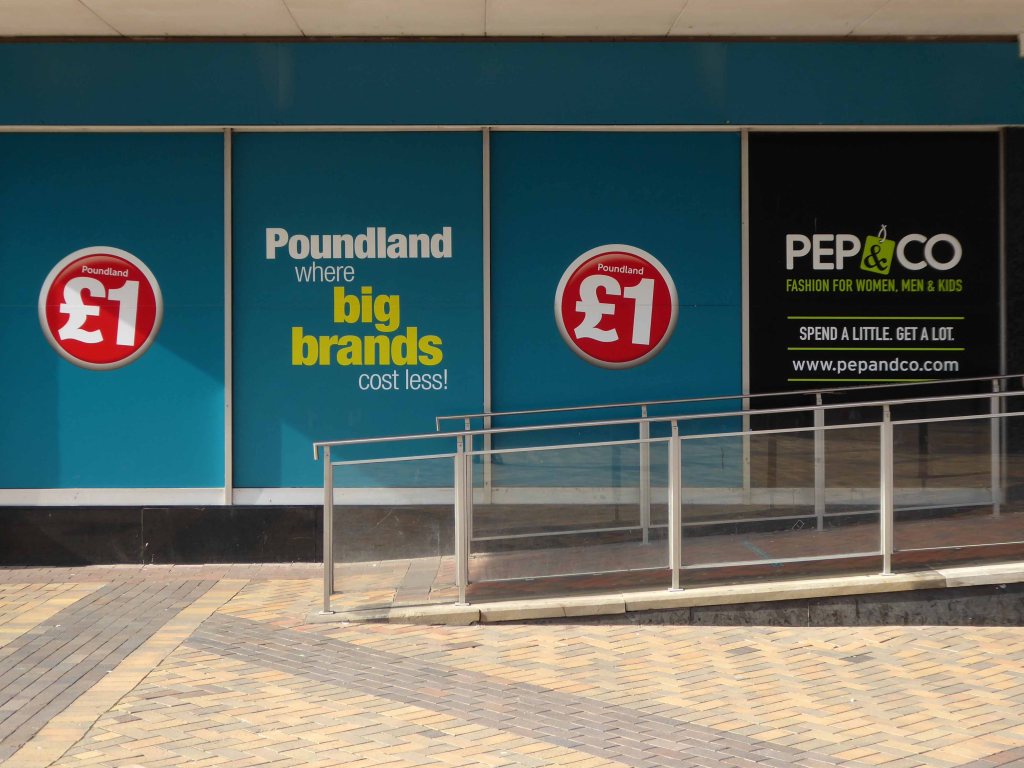
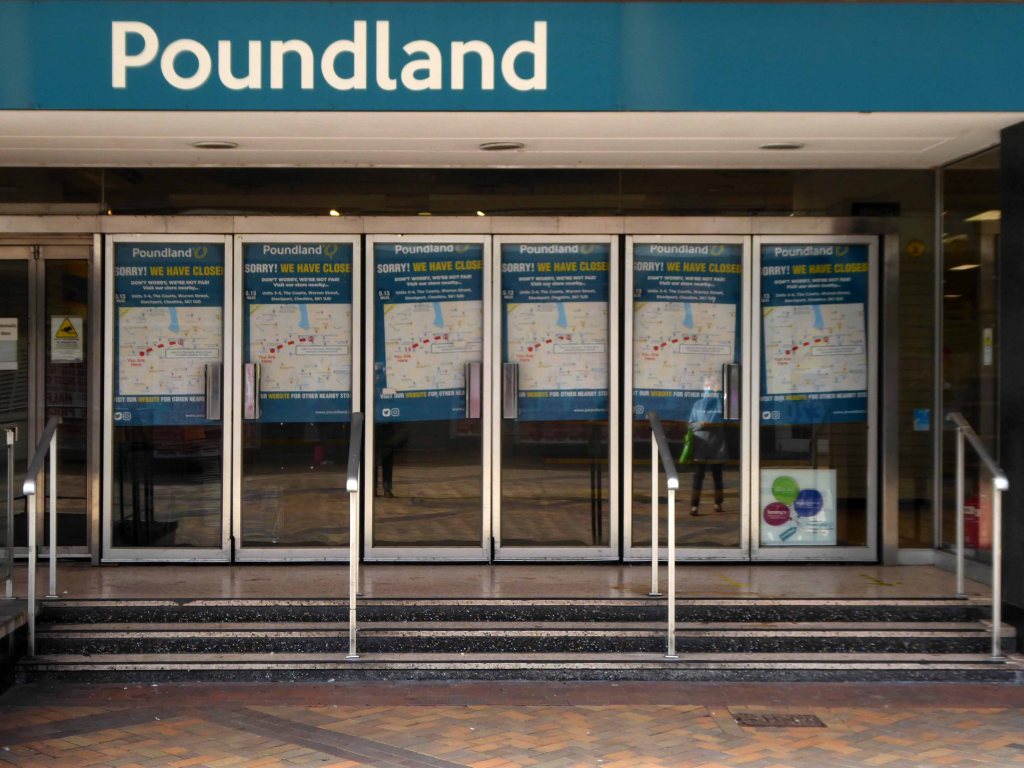
Of late the store has been home to Poundland – though time has now been called.
Poundland’s retailing concept is extremely simple: a range of more than three thousand – representing amazing value for money.
Our pilot store opened in the Octagon Centre, Burton-upon-Trent, in December of 1990, followed by new stores in High Street, Meadowhall and other quality trading locations. Shoppers loved the concept and so did fellow retailers and landlords. The stores proved to be a huge success. Meadowhall’s success was repeated by further stores opening by the end of the year.
The store has been a success even during COVID restrictions, let us hope that the planned return goes ahead.
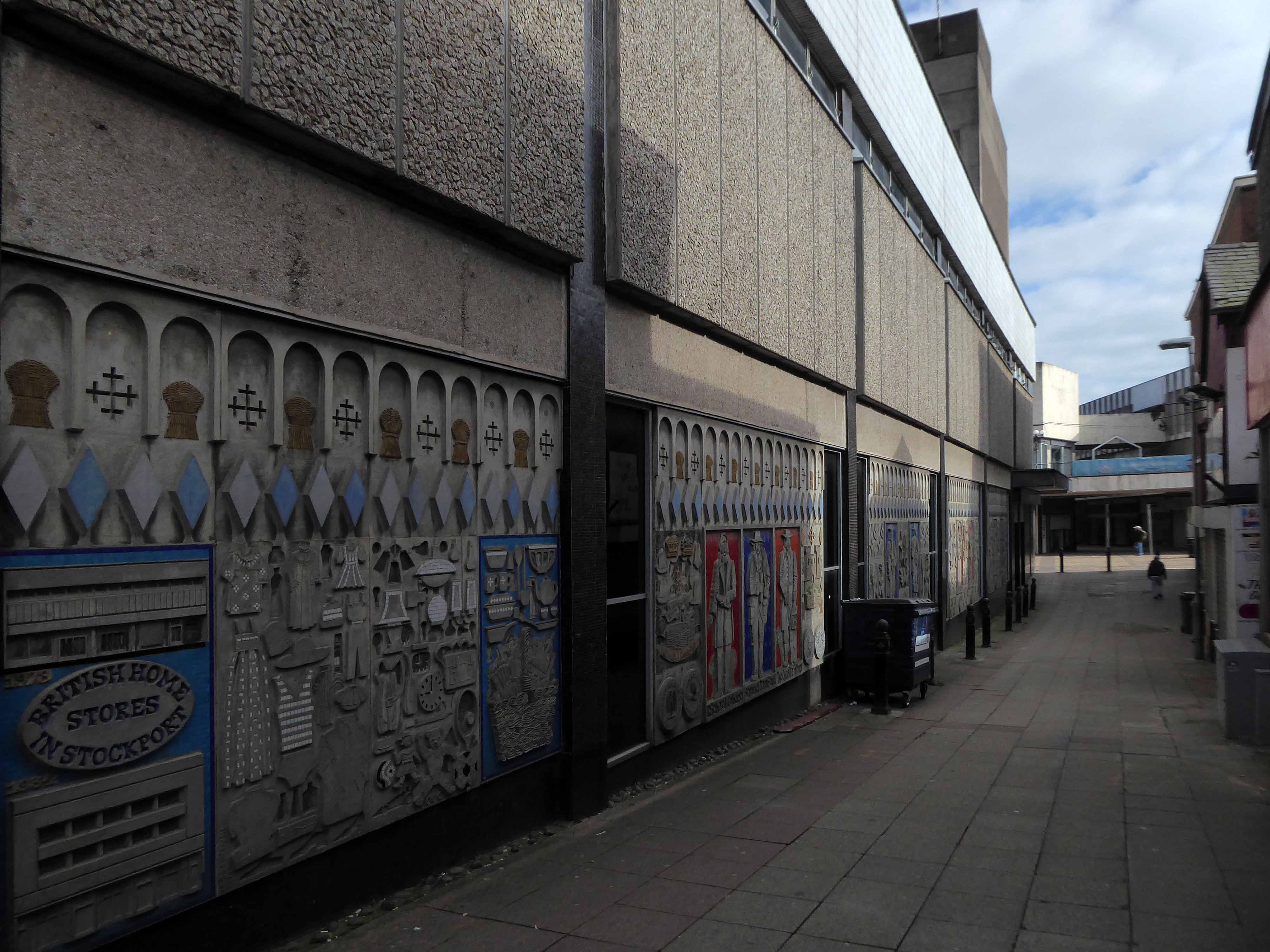
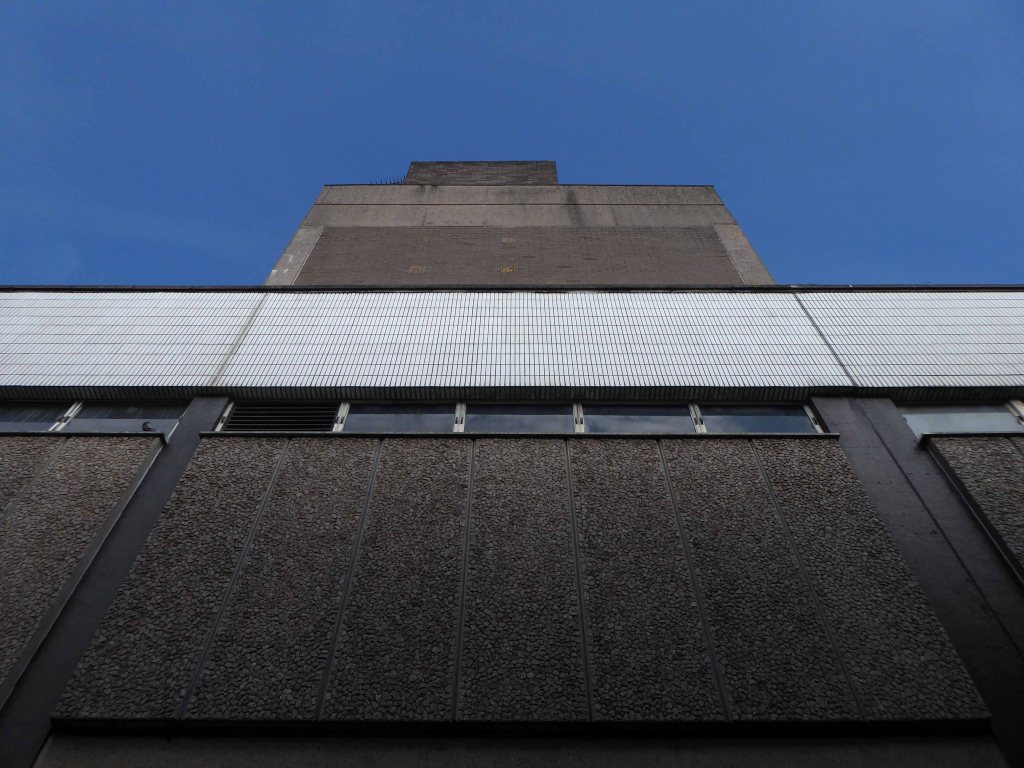
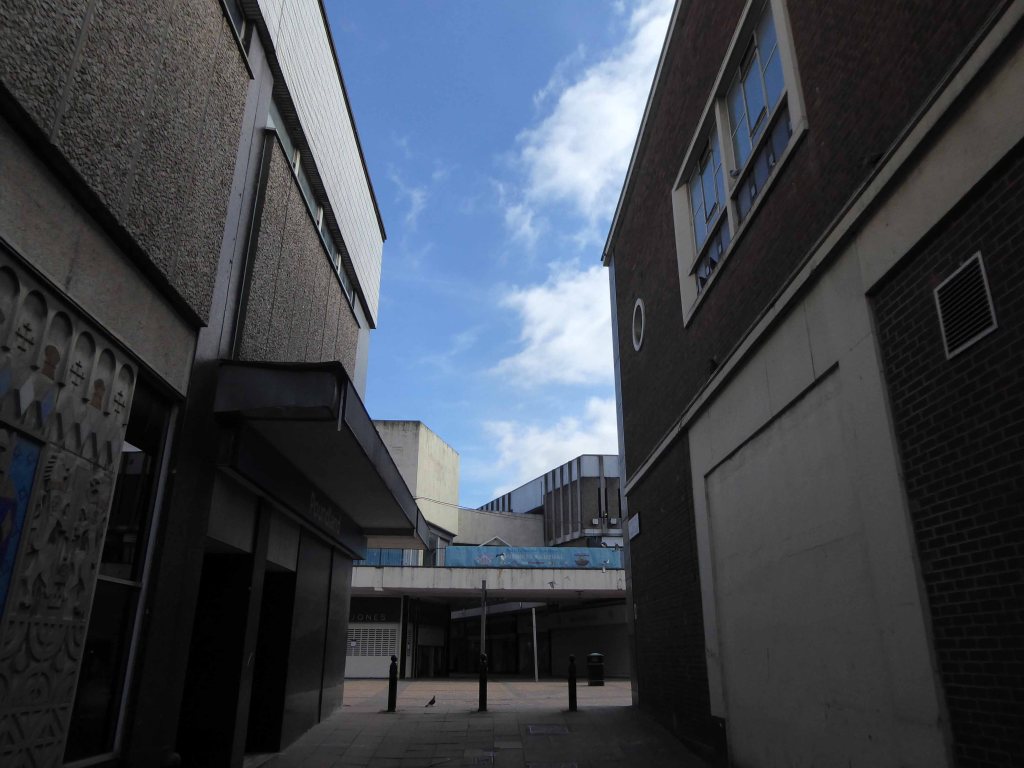
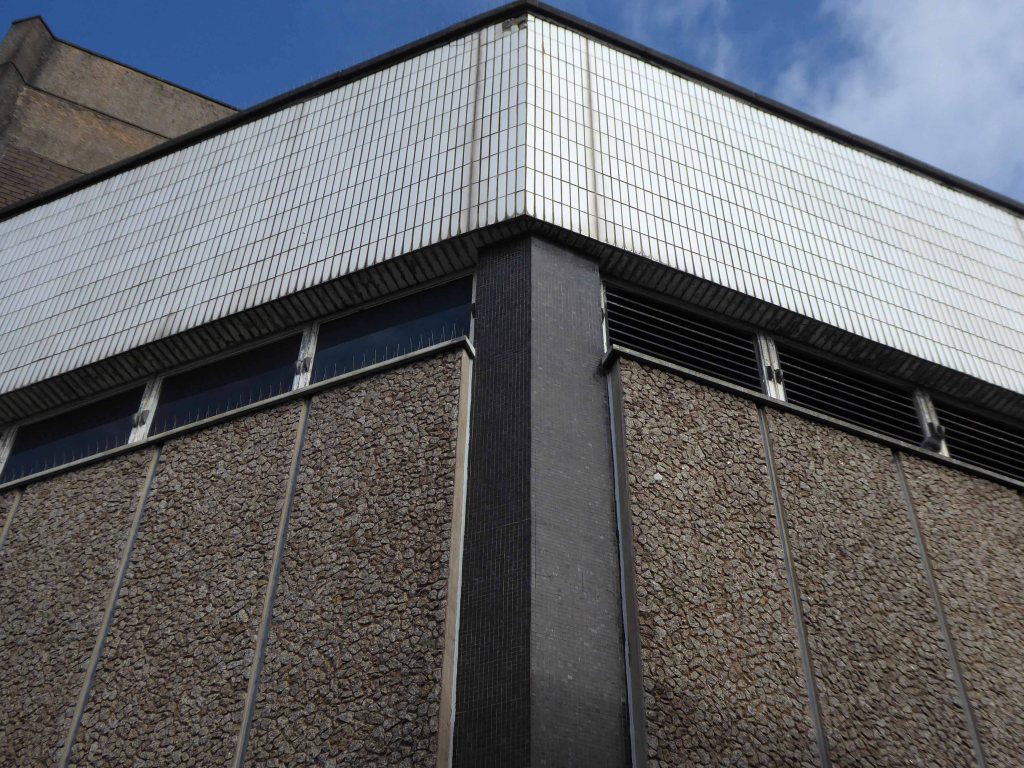
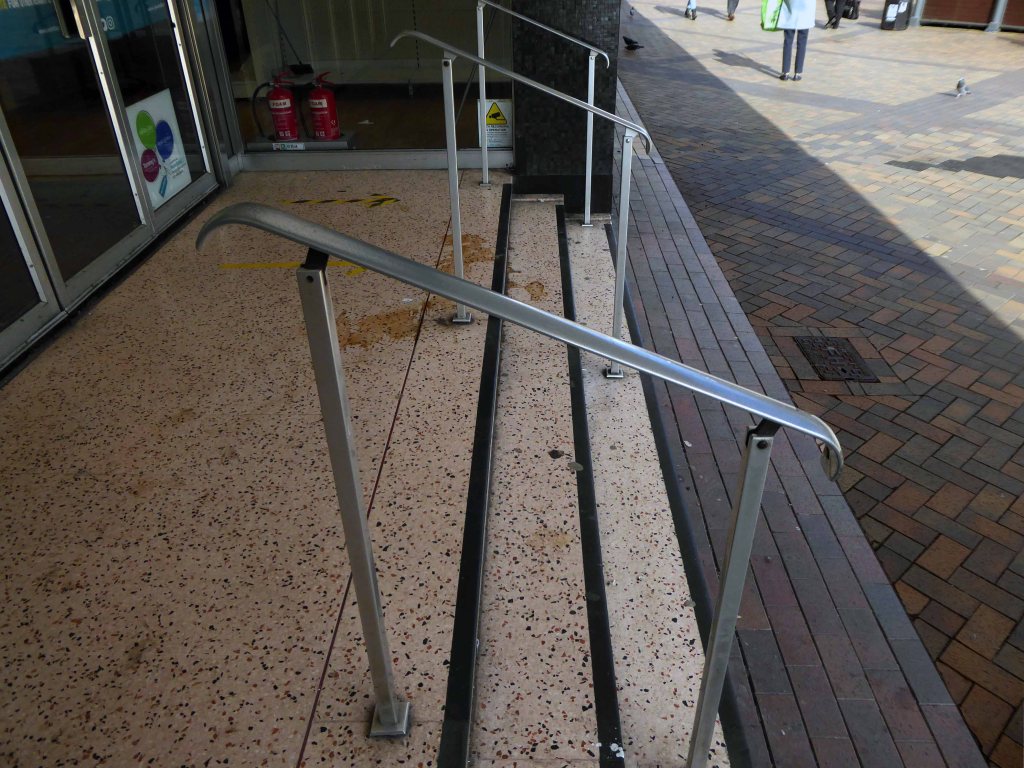
So here is my record of the building as is, a tad tired, but in its day a simple and authoritative amalgam of volumes and materials.
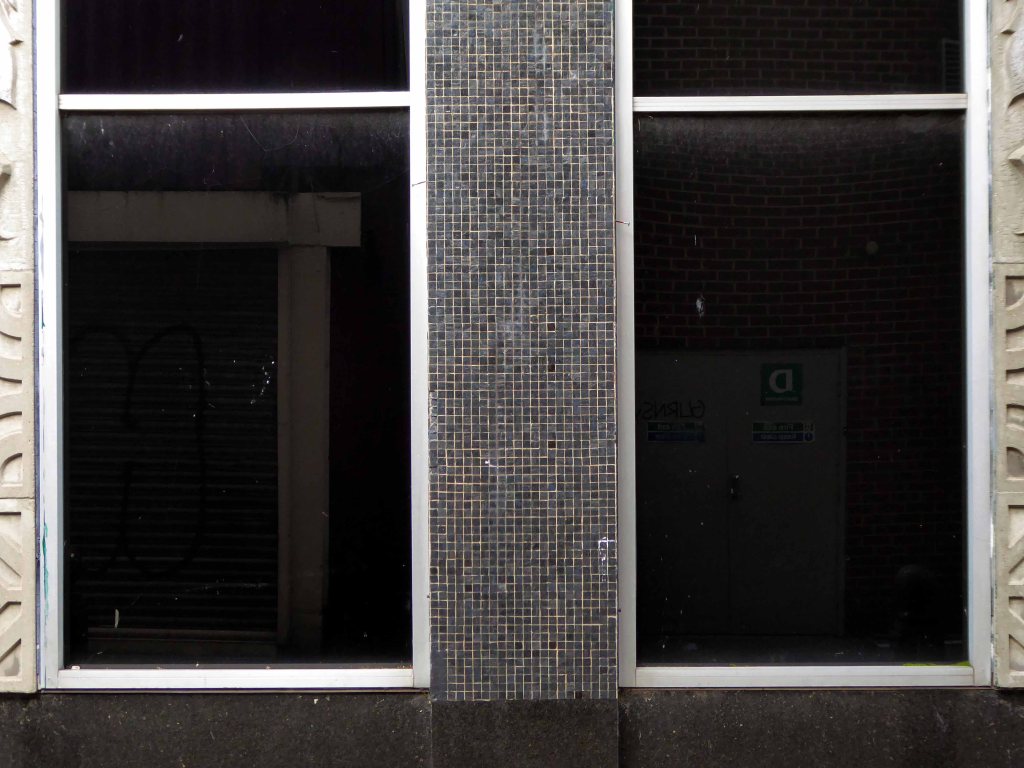
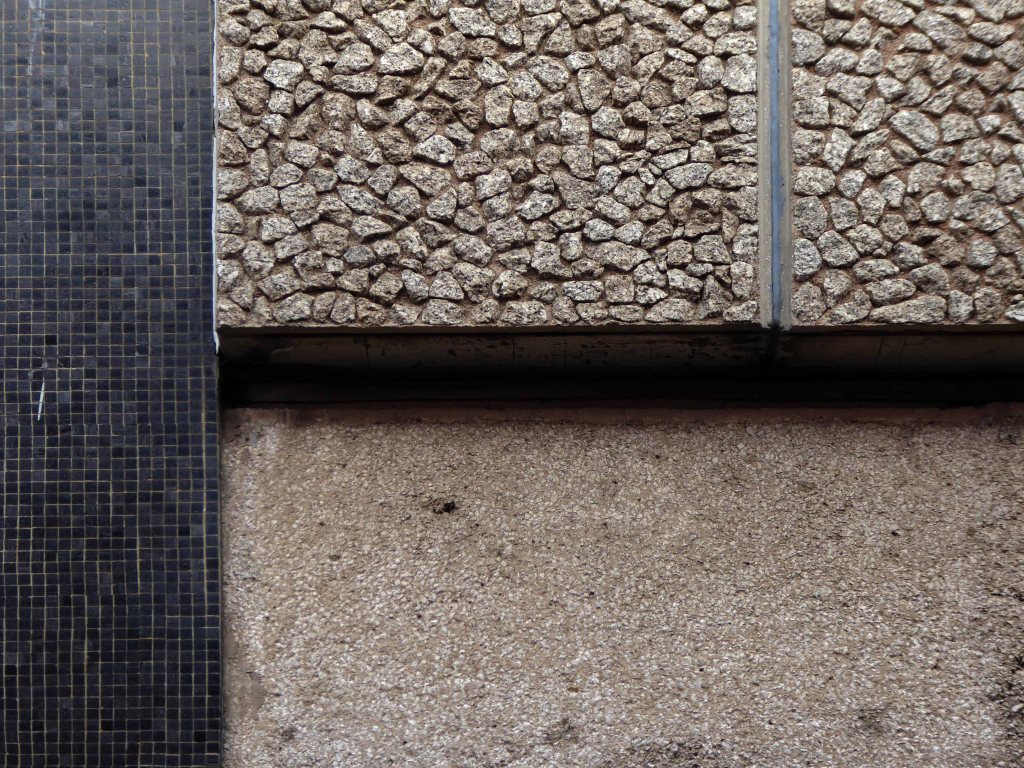
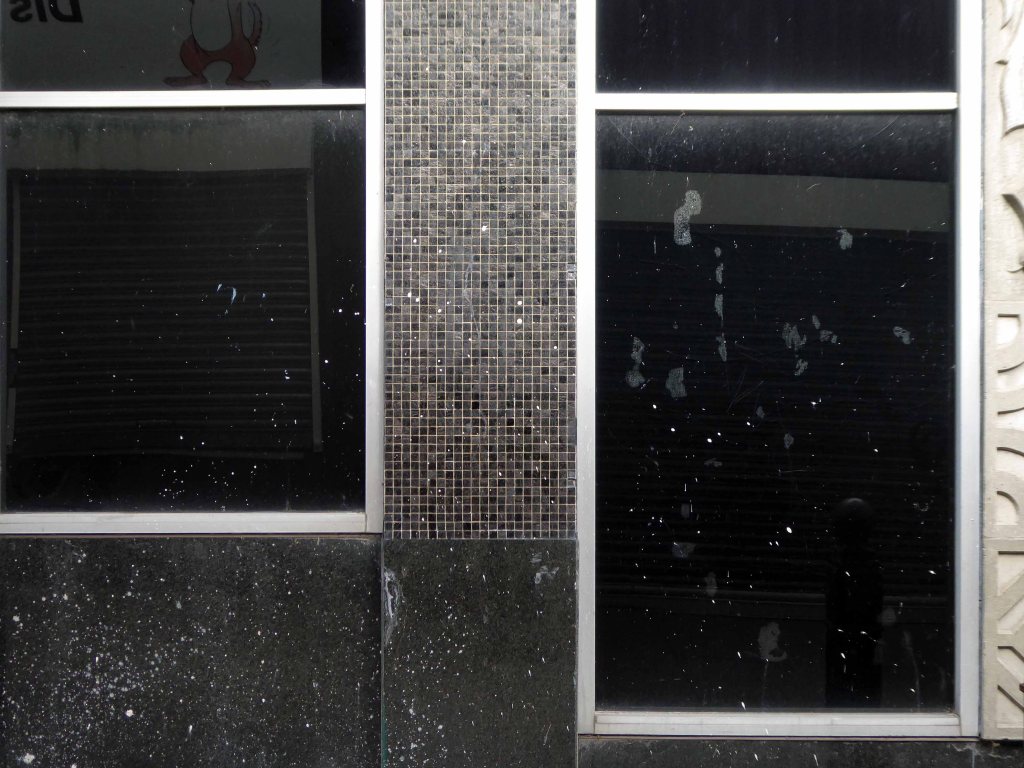
Mixing variegated grades of concrete, tiling, mosaic, brick, steel and glass.
When the figures say crime is falling, why are we more frightened than ever? Could our towns and cities be creating fear and mistrust? More property is being built in Britain than at any time since the Second World War – but it’s owned by private corporations, designed for profit and watched over by CCTV. From the Docklands boom to cities such as Manchester, gated apartment developments, gleaming business districts and plazas have sprung up over the country.
Has this ‘regeneration’ really made our lives better?
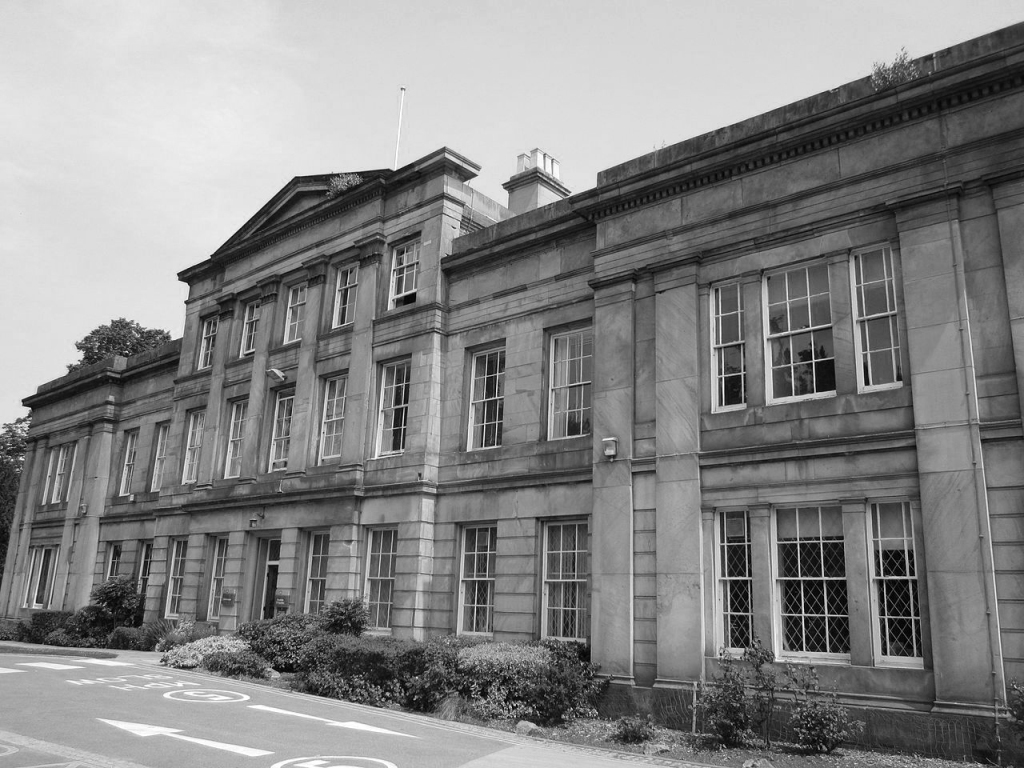
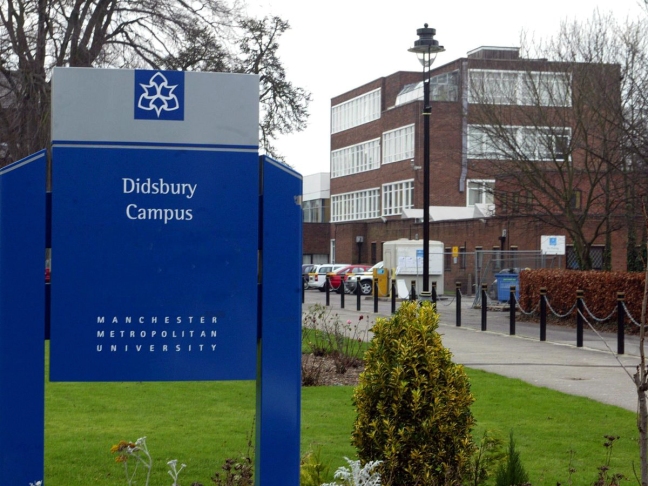
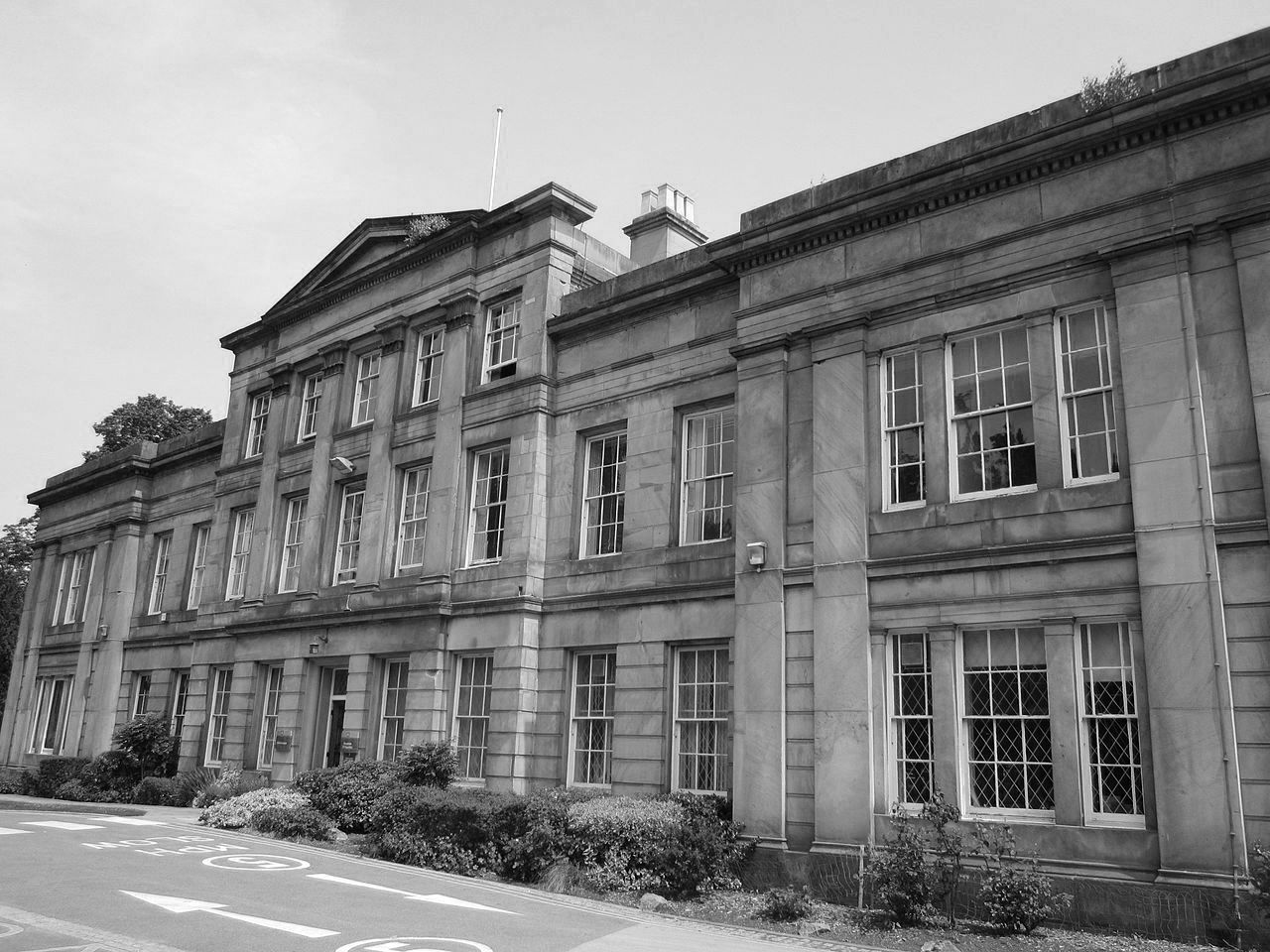
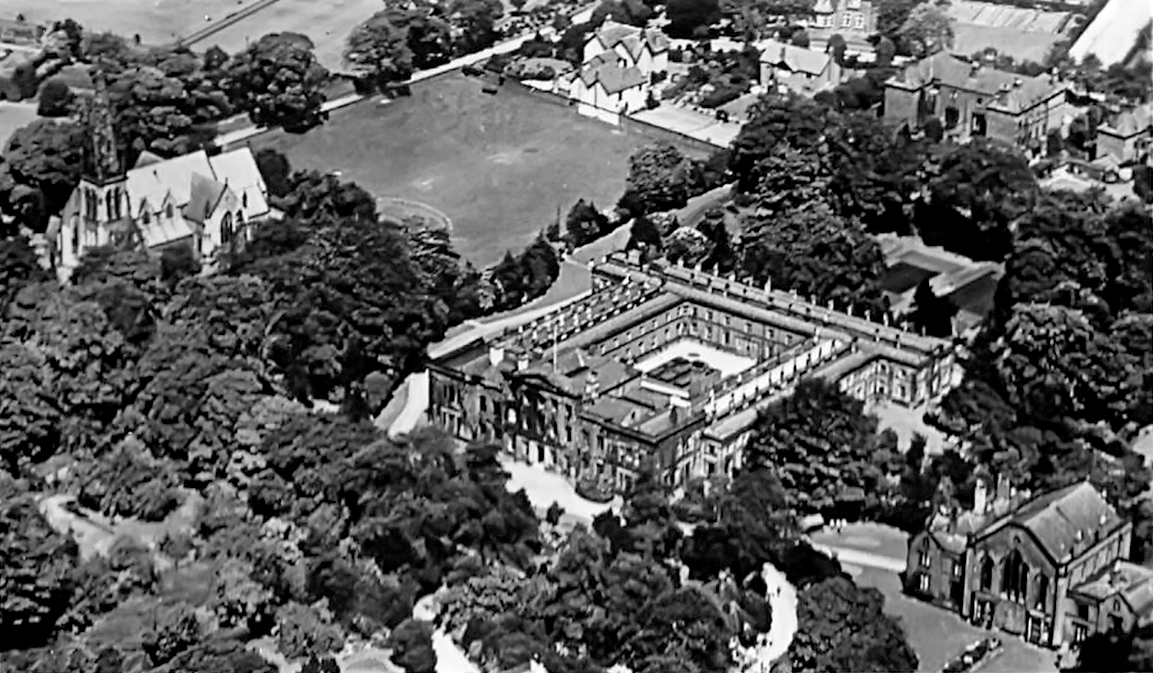
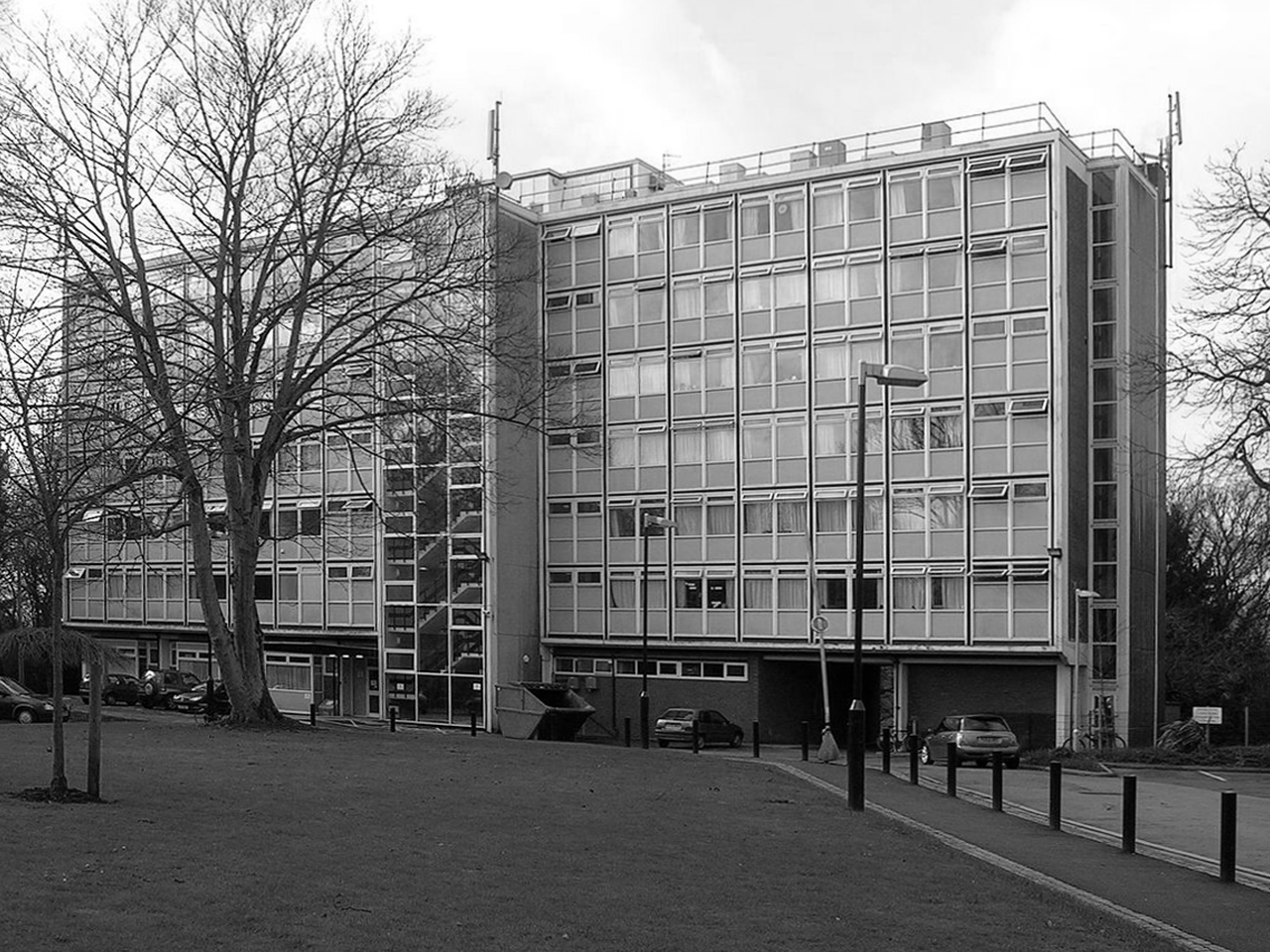
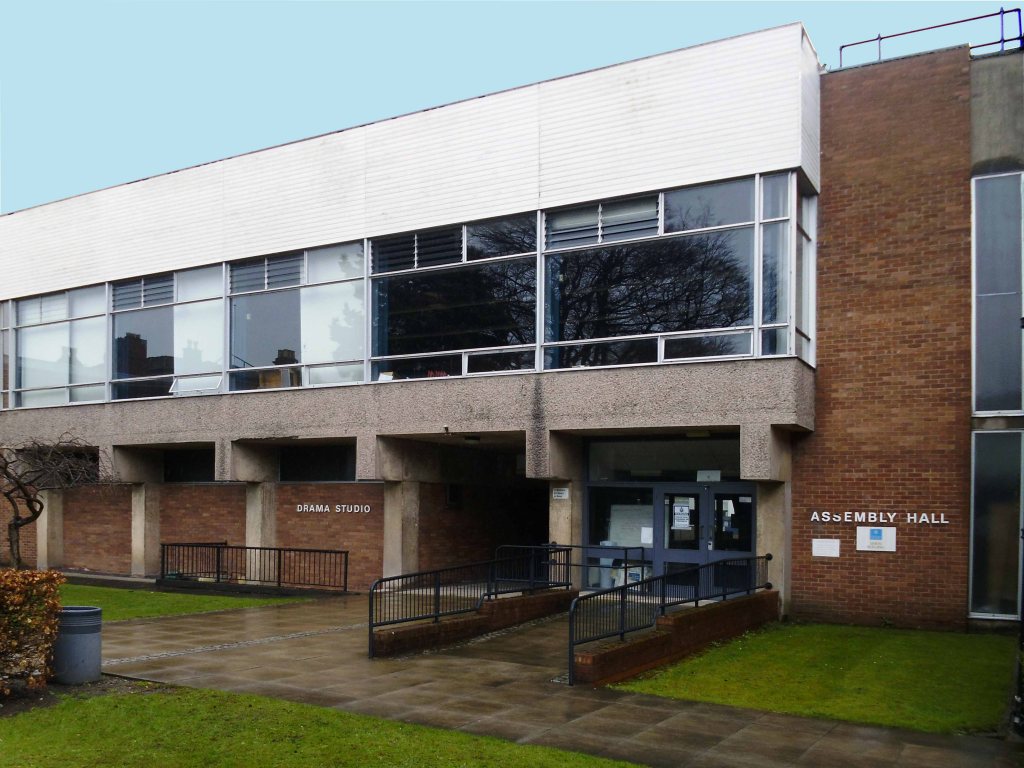
I’m returning to the MMU Didsbury Campus, the site began life as a baronial deer park and estate, in 1740 the site was purchased by the Broome family, and a new house was constructed after 1785 by William Broome, from 1812 owned by Colonel Parker. Following a succession of uses and owners the School of Education is established.
I studied for a PGCE in Art there in 1984.
Subsequently, fun and fashionable free-market economics, have increasingly governed the management of education and its assets.
MMU sold the site for an undisclosed sum to the developers PJ Livesey.
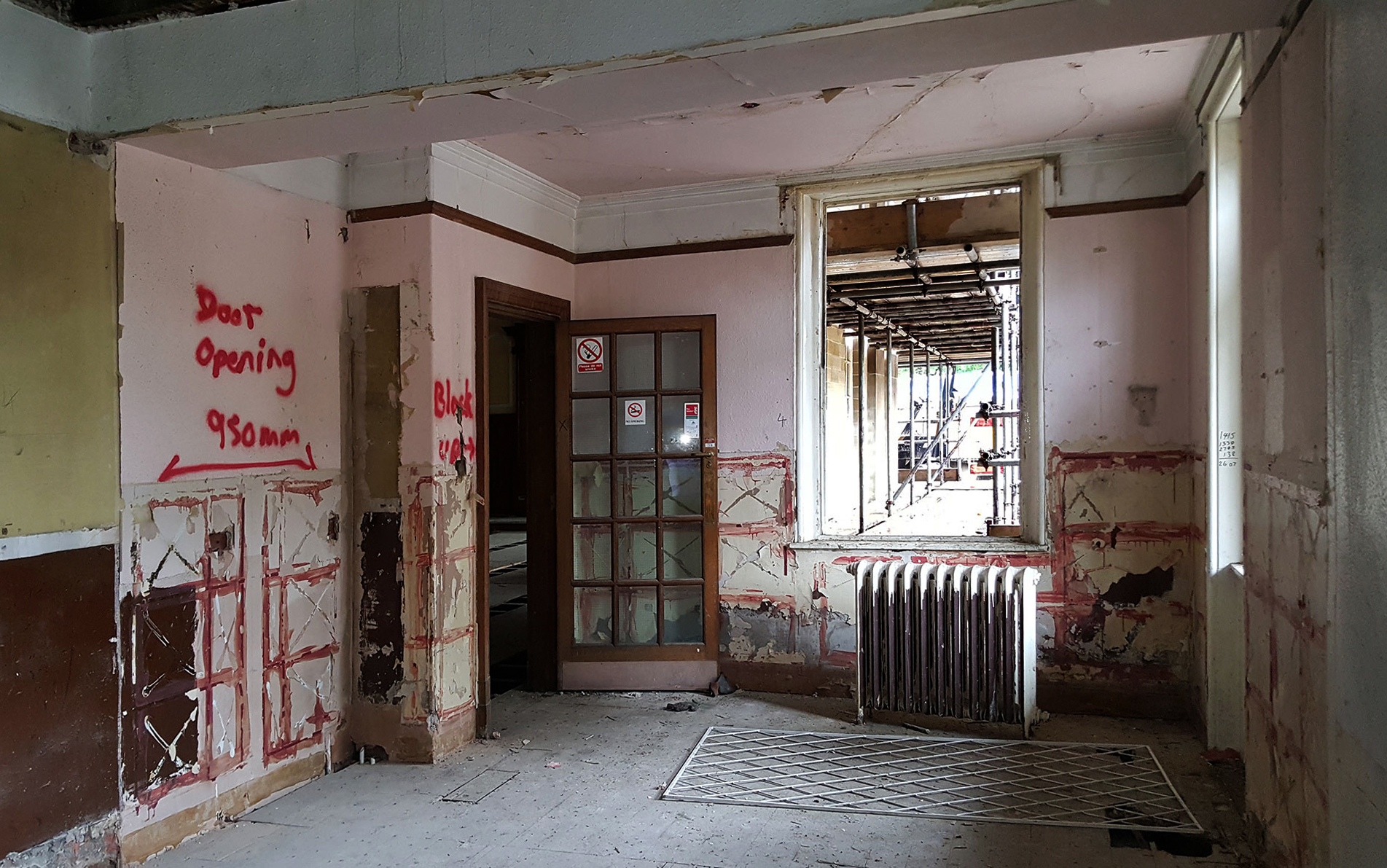
This is Sandown House, formerly the administrative block, redeveloped as private homes, each valued at £675,000 and upwards.
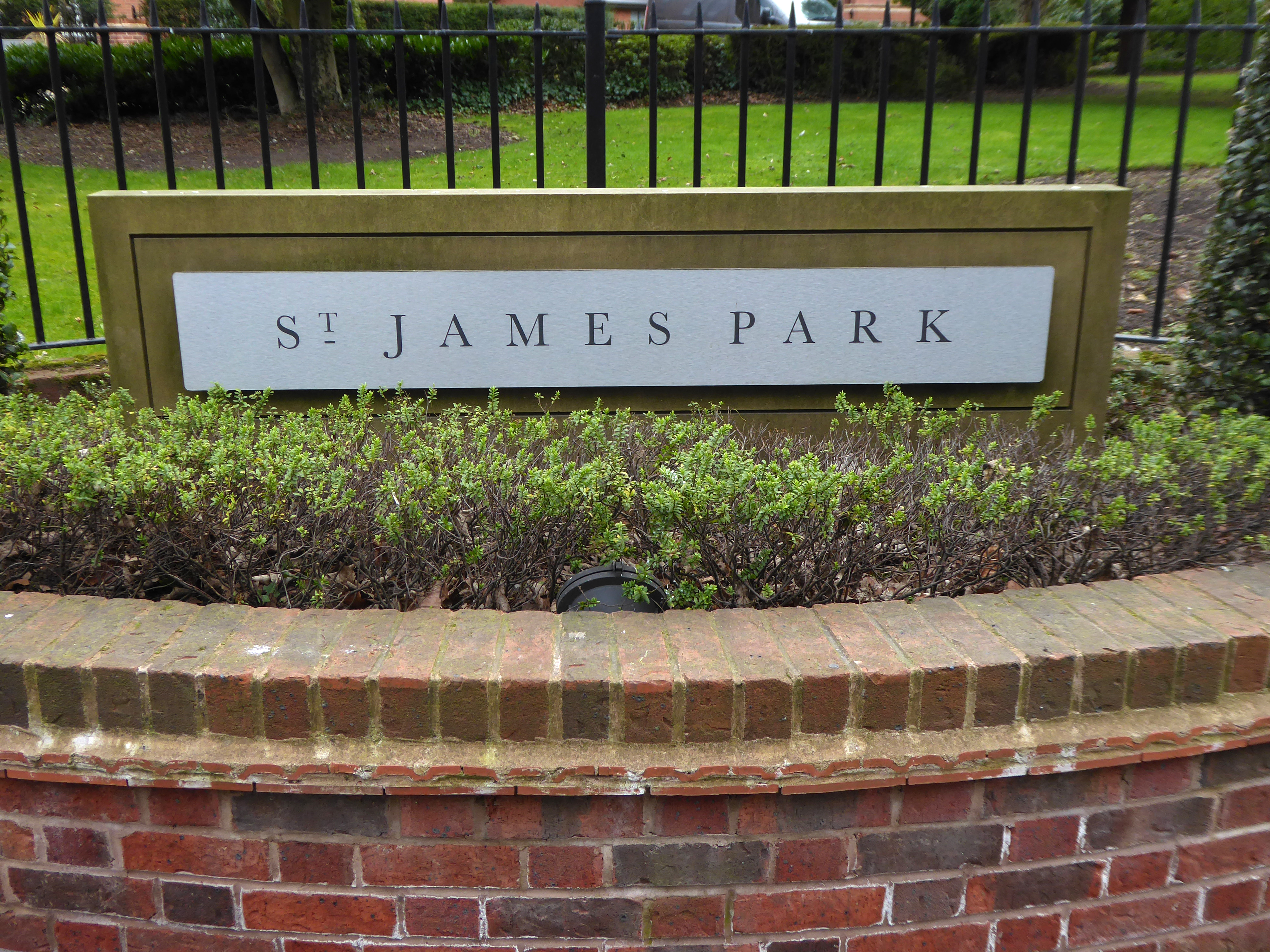
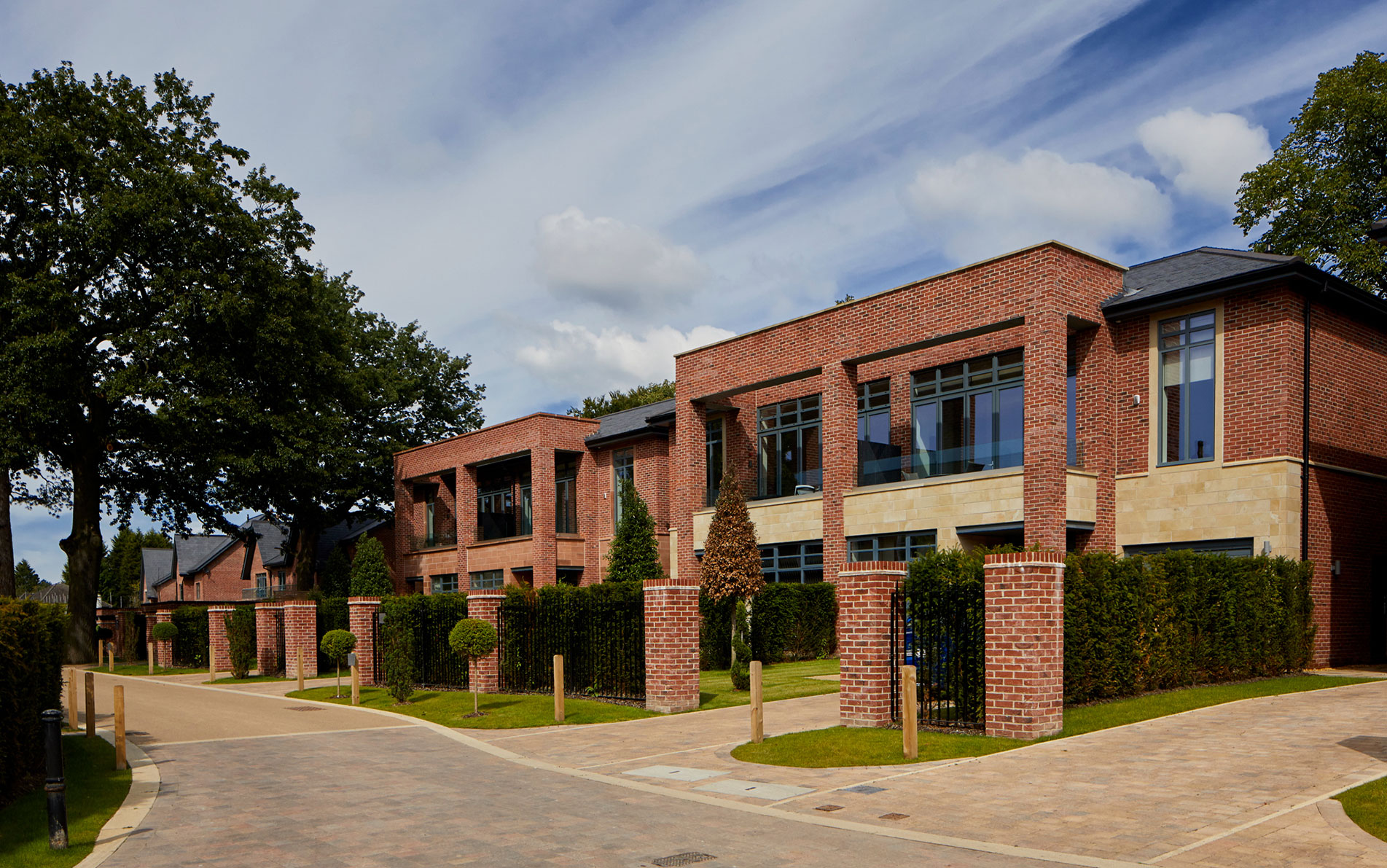
St James Park is an exclusive collection of beautifully converted heritage buildings and individually designed luxury homes offering opulent living accommodation finished to an uncompromising specification. Beautifully styled and perfectly connected, this gated development is located moments away from the heart of Didsbury Village.
So why choose a gated community?
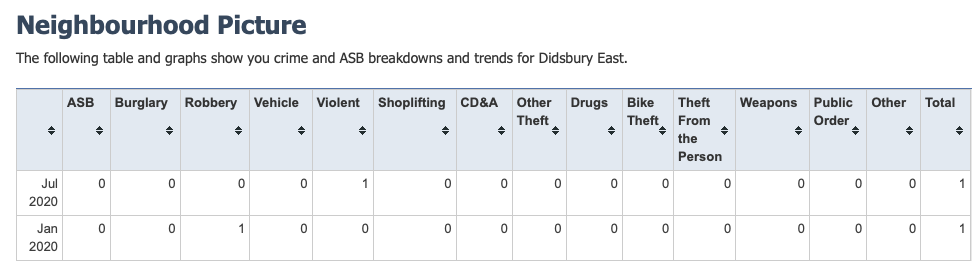
The fear of fear it would seem, is on the increase, whilst crime itself is decreasing.
Royal Institute of Chartered Surveyors says that although residents feel safer in gated communities, it is more of a perception than a reality. Research in the US suggests that gating may not deter criminals and initial studies in the UK suggest the same.
If they are allowed to develop unchecked, it will breed hostility and threaten the social cohesion of the UK’s cities, the surveyors warn.
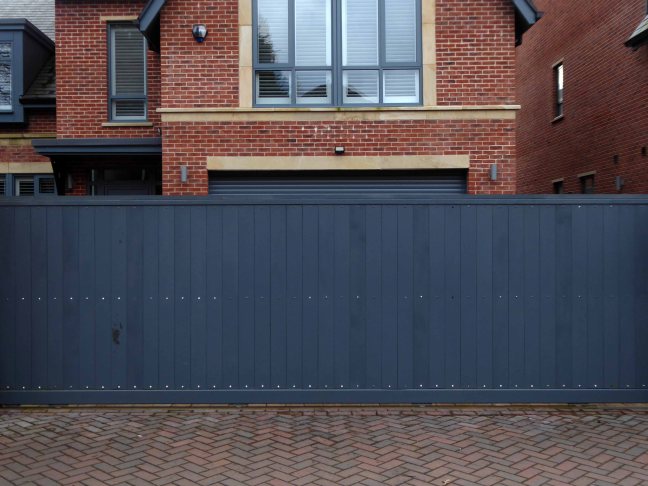
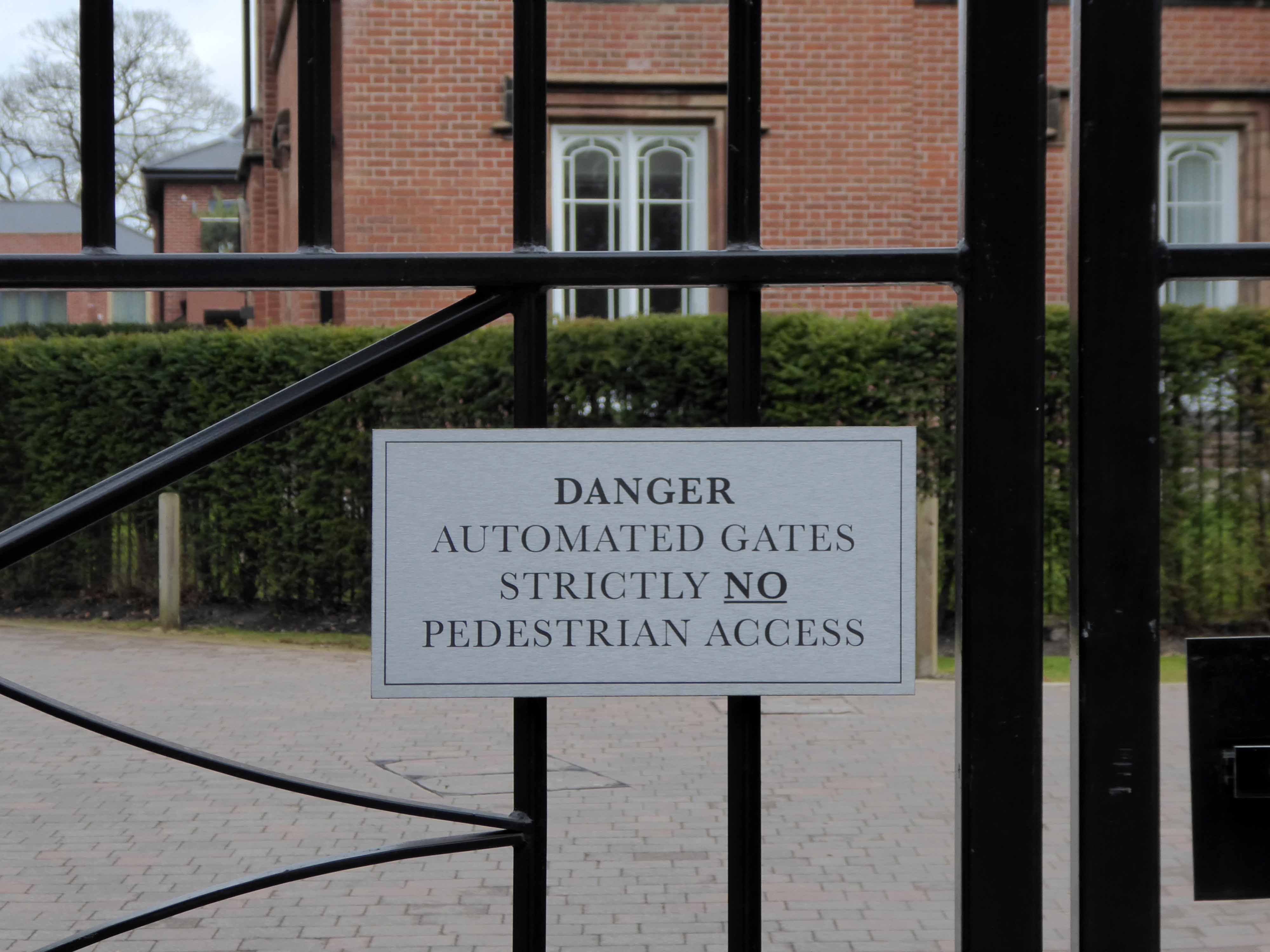
Social exclusion, the bitter taste of economic apartheid is obviously the plat du jour here in St James Place – there is limited pedestrian access and secure gates to inhibit unwanted automotive ingress.
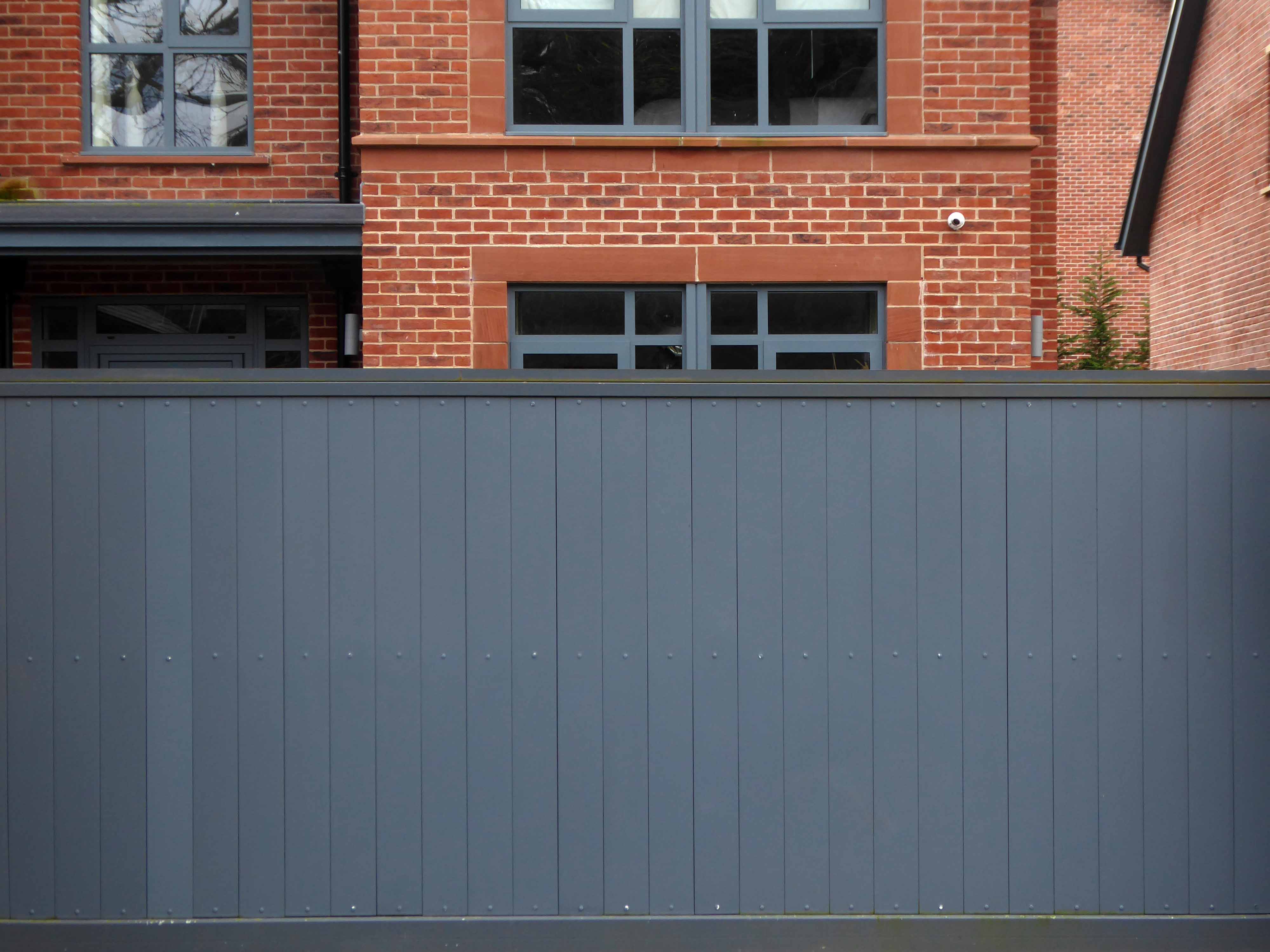
There is an exciting array of CCTV devices, encoded gates and doors, ever higher railings in evidence.
Security for the terminally insecure.
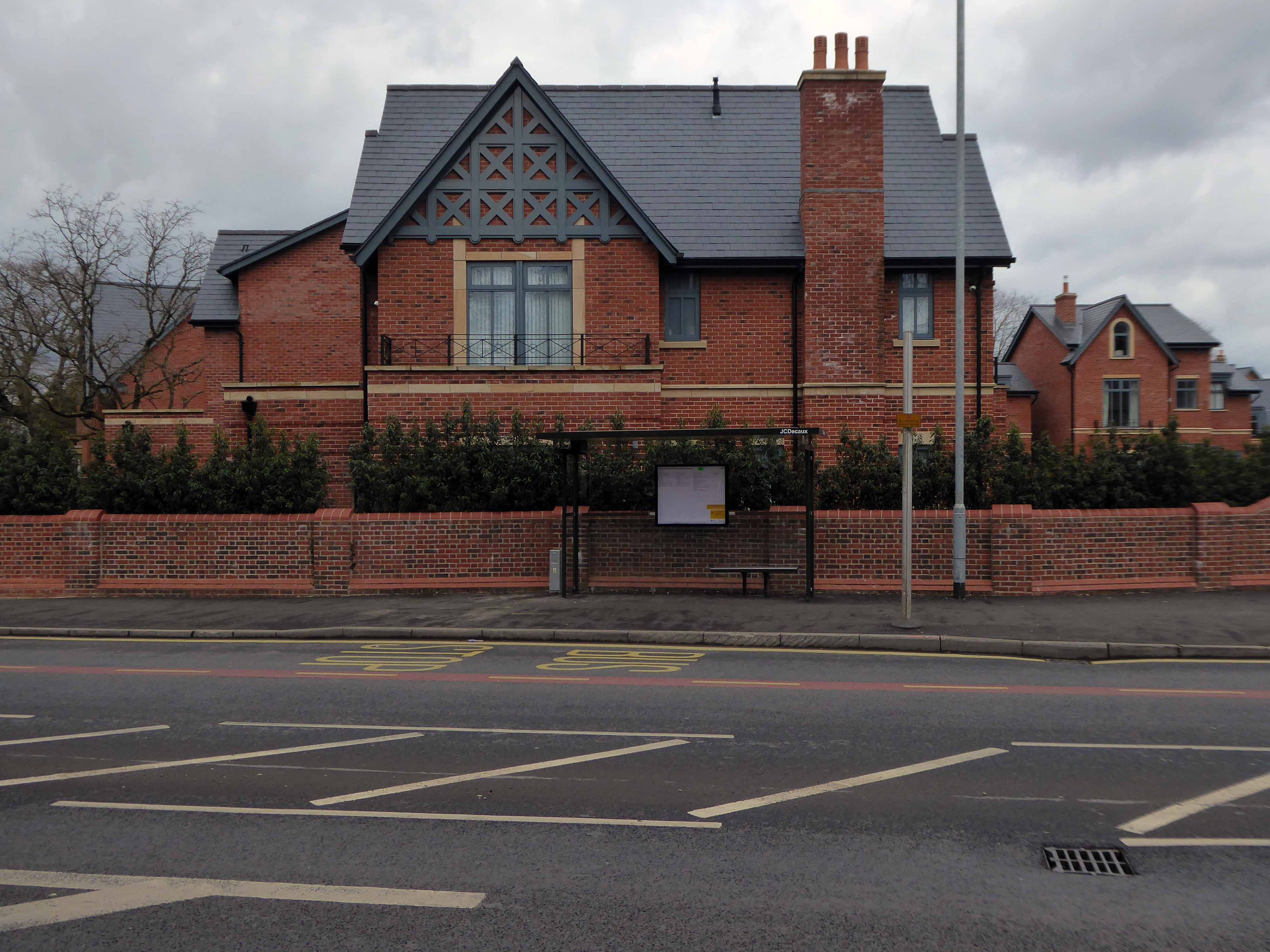
It is possible to live in an open environment in East Didsbury, here on Ford Lane folks come and go, hopefully interacting with friends, neighbours. family and strangers passing idly by.
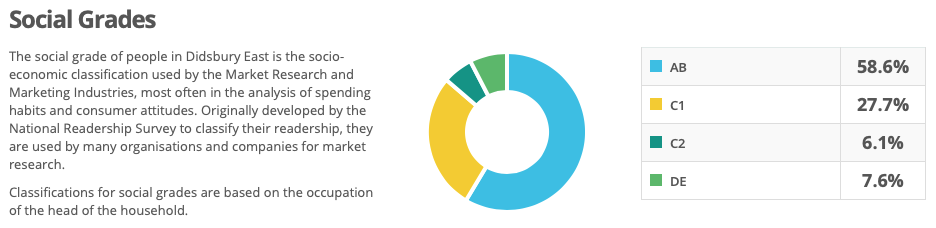
Though this is one of the most affluent areas of Manchester, and happily one is unlikely to find oneself with an unemployed collier as a neighbour.
Community minded, demographically diverse cities, will produce safe, secure, healthy places to live.
There is no evidence that gated communities are in any way safer, in fact they may well be socially divisive – this is the never never land of smoked glass Range Rover windows and mirrored wardrobes.
Architectural critic Ian Nairn makes a convincing case for a socially mixed residential development, which still maintains a regard for the area’s heritage.
I visited Lillington Gardens Estate in August 2018 – now a mature development, where those residents I spoke with, seemed happy and content with their homes.
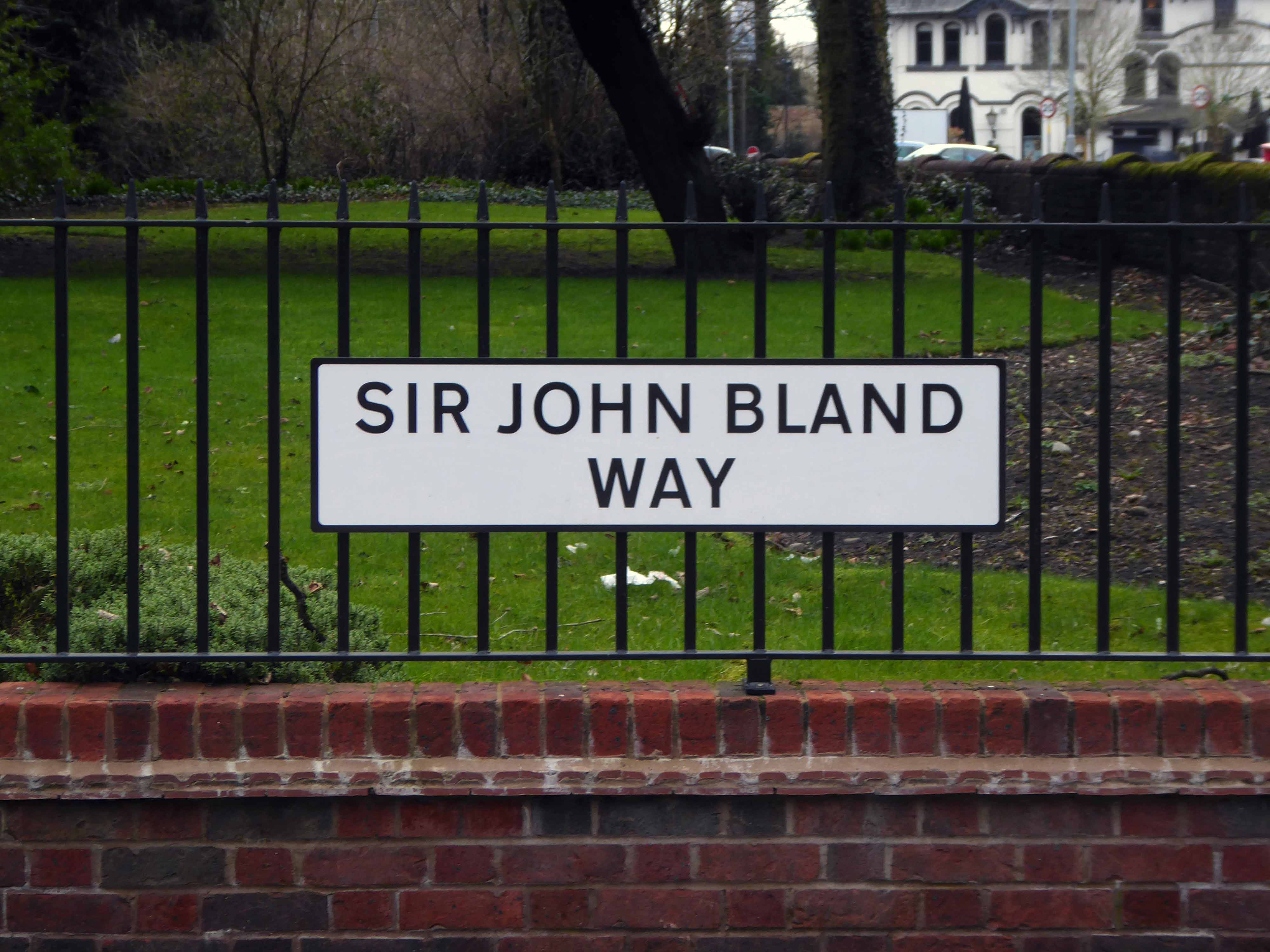
Sir John Bland 5th Baronet 1691 – 1743 of Kippax Park and Hulme Hall, was a British landowner and politician who sat in the House of Commons from 1713 to 1727.
His mother was Anne Mosley, daughter of Sir Edward Mosley of Hulme.
He retired from Parliament aged 35 and moved the focus of his local political activity from Yorkshire to Lancashire, where his mother had inherited Hulme Hall and the Lancashire estates which covered most of Manchester.
This is the celebration of privilege, power and property in pressed aluminium and print, saluting the progenitors of the Mosely Family, who once upon a time, were Manchester’s wealthiest landowners.
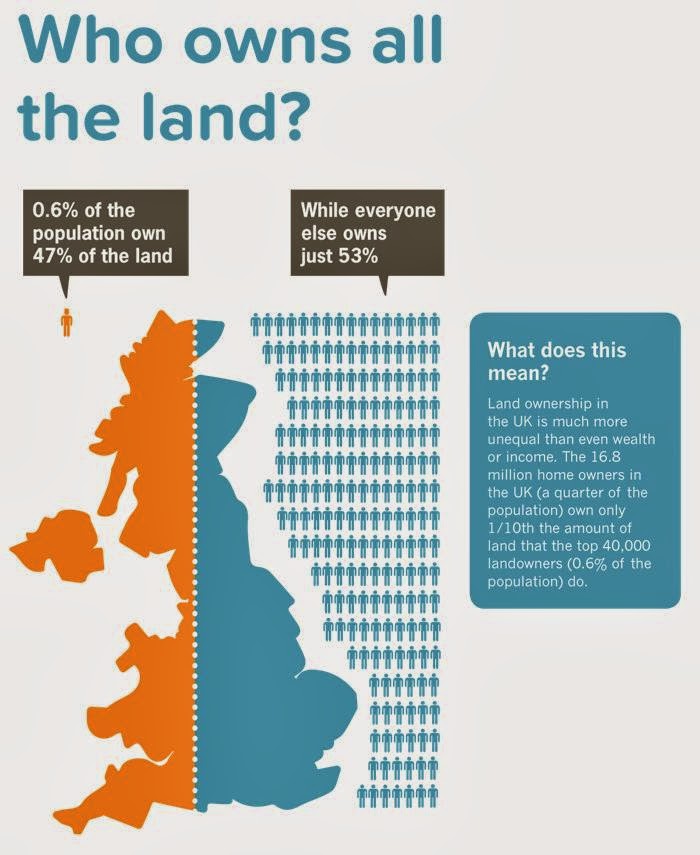
We live in an owned landscape where access is an issue.
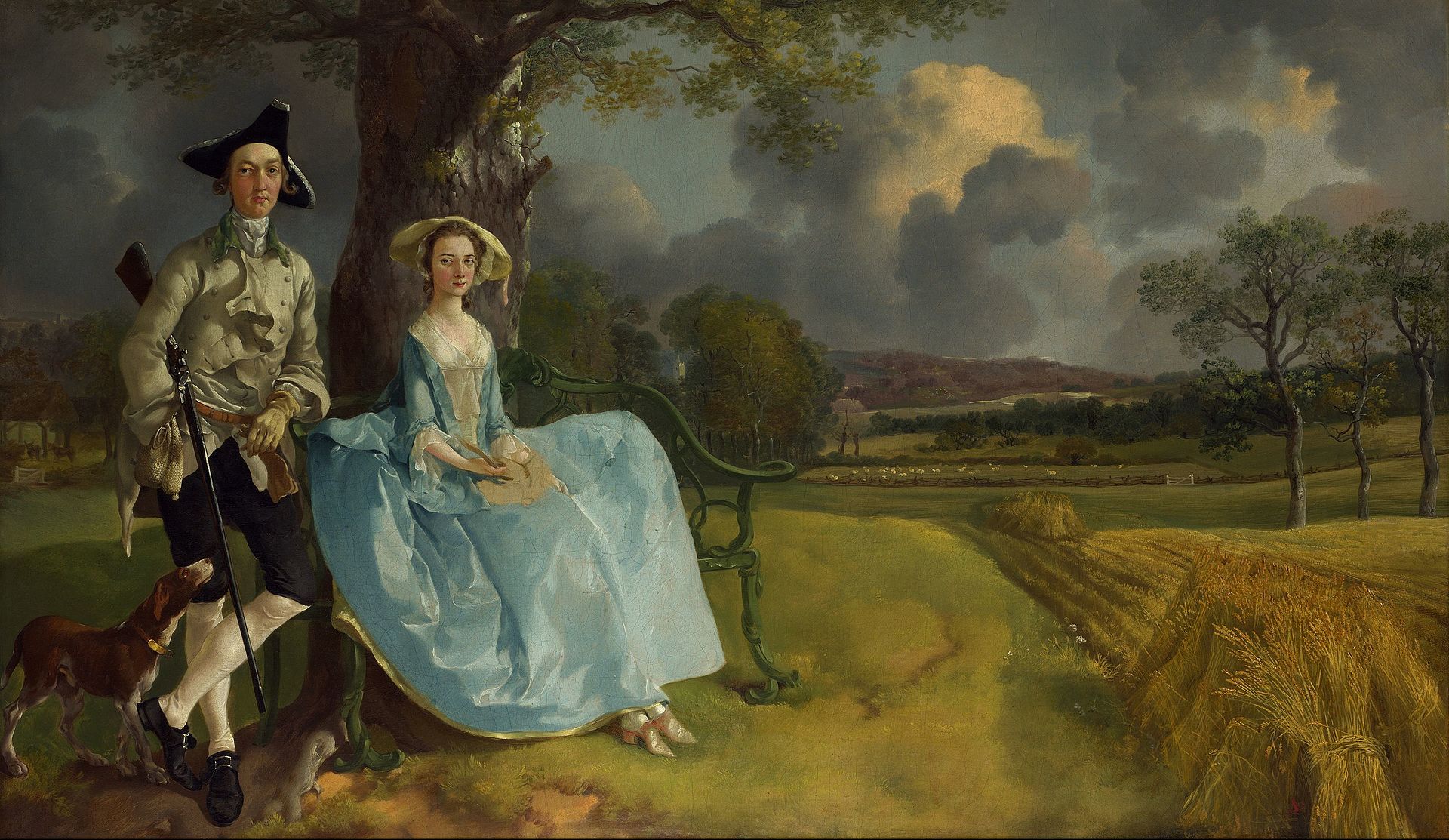
Mr and Mrs Andrews would note, that little or nothing has changed, since Gainsborough’s time.
Completed shortly after Mr. Andrews’ marriage to the daughter of a neighbouring gentry, a marriage that enhanced his estate, the image captures the unchanging power of property relations in pre-industrial England.
“They are not a couple in nature as Rousseau imagined nature,” John Berger comments. “They are landowners and their proprietary attitude to what surrounds them is visible in their stance and their expressions.”
The first thing I’d say is this is going to be an aspirational site within an aspirational area – PJ Livesey
So how did we get here?
Baroness Thatcher makes massive tax cuts for the wealthy, funded by North Sea Oil revenues, impoverishing the public purse, undervaluing the privatisation of public assets, encouraging the right to buy, yet inhibiting the building of social housing, hot housing the property owning democracy.
The term ‘property-owning democracy’ emerges from a discursive history of use. Coined by British MP Noel Skelton in 1920, the concept compounded the terms ‘property-owning’ and ‘democracy’ as a conservative response to left-leaning ideas of liberalism and socialism. At this stage, the term represented the necessity of protecting property rights from democratic organisation.
More recently stamp duty holidays, houses as speculative assets not homes, low interest rates, massive middle-class inheritances, deregulation in the financial sector, all fuel the upwardly mobile housing boom.
Whilst for the lower orders years and years of pay freezes, attacks upon trade unions, the continued decline in manufacturing, small state austerity, zero hour contracts, rent hikes, attacks on the unemployed, universal credit and indexed benefits, have all fuelled reduced social mobility.
Looks like we have a schism on our hands.
The UK became a much more equal nation during the post-war years. The data available shows that the share of income going to the top 10% of the population fell over the 40 years to 1979, from 34.6% in 1938 to 21% in 1979, while the share going to the bottom 10% rose slightly.
Since 1979 this process of narrowing inequality has reversed sharply, inequality rose considerably over the 1980s, reaching a peak in 1990.
Come, now, you rich men, weep and wail over the miseries that are coming upon you. Your riches have rotted, and your clothing has become moth-eaten. Your gold and silver have rusted away, and their rust will be a witness against you and will consume your flesh. What you have stored up will be like a fire in the last days. Look! The wages you have withheld from the workers who harvested your fields keep crying out, and the cries for help of the reapers have reached the ears of Jehovah of armies. You have lived in luxury and for self-gratification on the earth. You have fattened your hearts on the day of slaughter.
St James Park is an exclusive collection of beautifully converted heritage buildings and individually designed luxury homes offering opulent living accommodation finished to an uncompromising specification. Beautifully styled and perfectly connected, this gated development is located moments away from the heart of Didsbury Village, where residents can enjoy an abundance of independent café bars, restaurants and boutiques, as well as Didsbury Park on the doorstep.
Alderman Moss bequeathed the house and gardens to the City of Manchester on his death in 1919 because he wanted the house and its contents to remain, as far as possible, intact “to show what a comfortable house of the olden times was like”.
Everything’s gone grey, in the aspirational race for the neutral high ground of individualism, they have painted you into a corner of dull, monochromatic conformity.
Welcome to the professional world of self interested, low-interest, the get rich quick deregulated go-getter.
Now get out.
I dreaded walking where there was no path And pressed with cautious tread the meadow swath And always turned to look with wary eye And always feared the owner coming by; Yet everything about where I had gone Appeared so beautiful I ventured on And when I gained the road where all are free I fancied every stranger frowned at me And every kinder look appeared to say “You’ve been on trespass in your walk today.” I’ve often thought, the day appeared so fine, How beautiful if such a place were mine; But, having naught, I never feel alone And cannot use another’s as my own.
John Clare
This is a revamped version of my original post, I was contacted by residents, who had reservations concerning the photographs that I had taken of their homes, whilst on their private roads, without their permission, in contravention of current legislation.
I have replaced these with photographs taken from public roads and also from pictures found on the developer’s website.
Places are different: Subtopia is the annihilation of the difference by attempting to make one type of scenery standard for town, suburb, countryside and wild. So what has to be done is to maintain and intensify the difference between places. This is the basic principle of visual planning. It is also the end to which all the other branches of planning – sociology, traffic circulation, industry, housing hygiene – are means. They all attempt to make life more rewarding, more healthy, less pointlessly arduous.
According to local historian Diana Leitch, the site has been in use since 1465; the first house was built in 1603 as part of a large estate with a deer park.
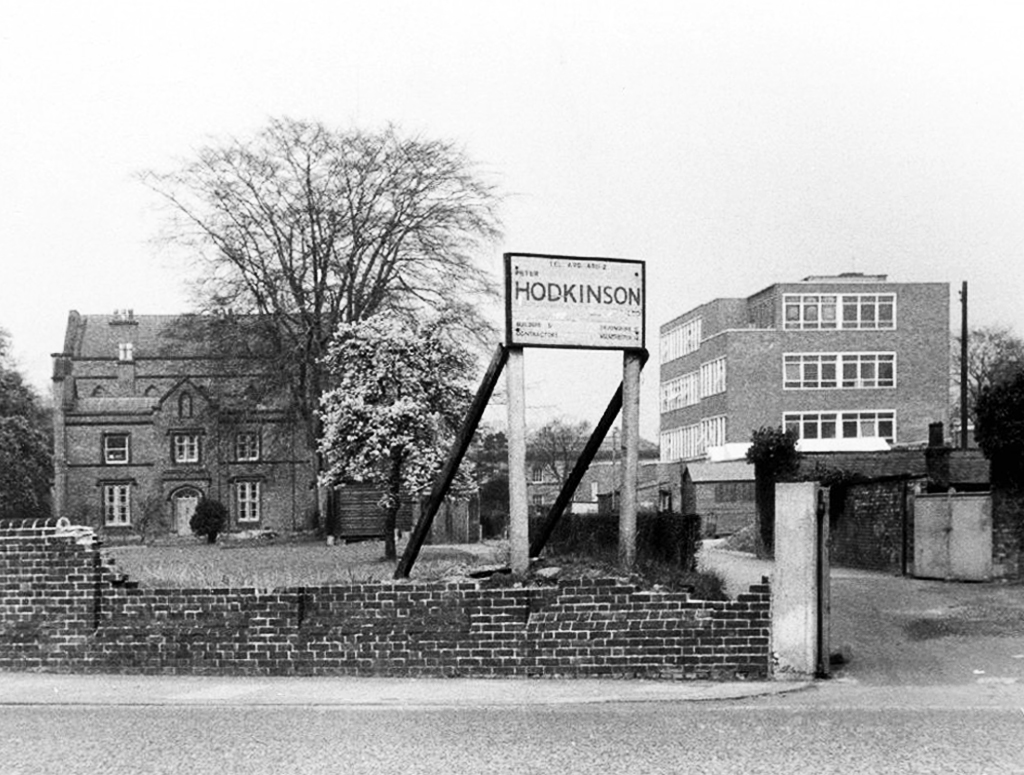
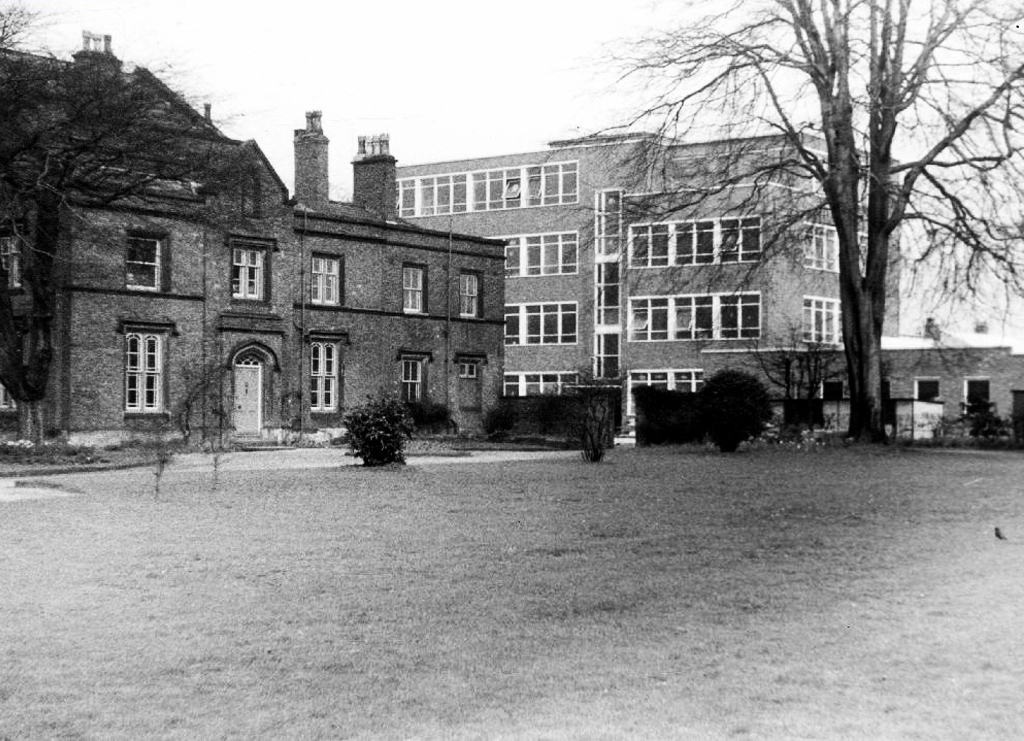
In 1740 the site was purchased by the Broome family, and a new house was constructed after 1785 by William Broome, extant today as the front part of the university’s former administration building, now known as Sandhurst House.
By 1812 the house was occupied by a Colonel Parker, and in the 1820s and ’30s it was a girls’ school.
The site was purchased by the Wesleyan Methodist Church on 18 March 1841 for £2,000, and opened as a theological college on 22 September 1842.
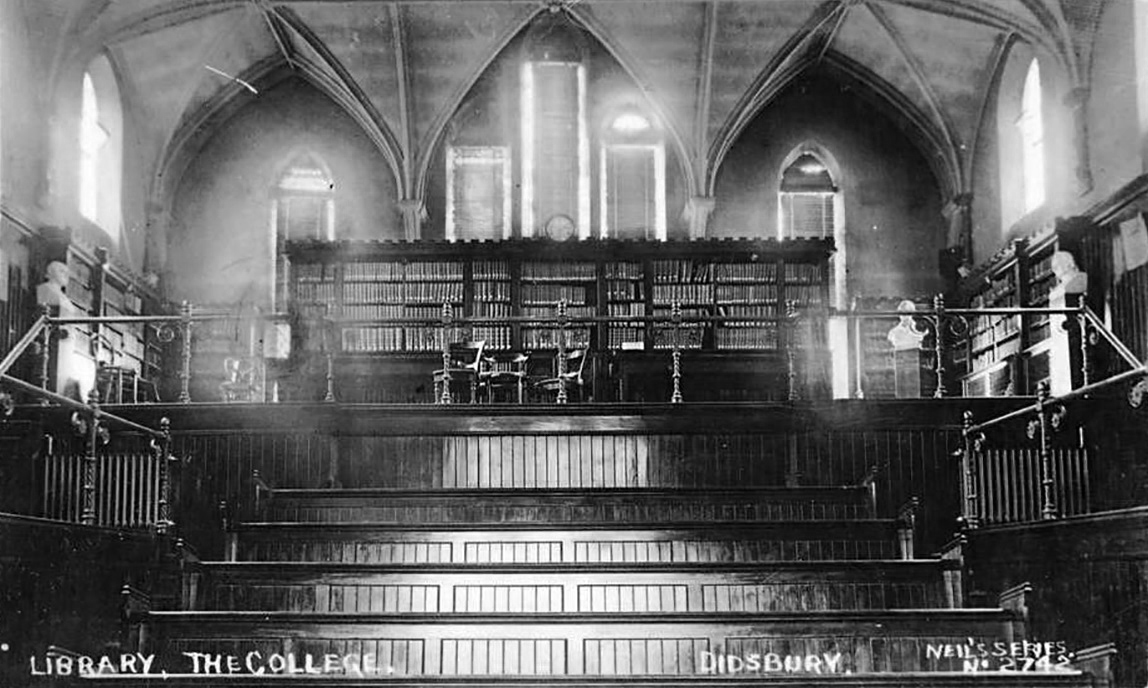
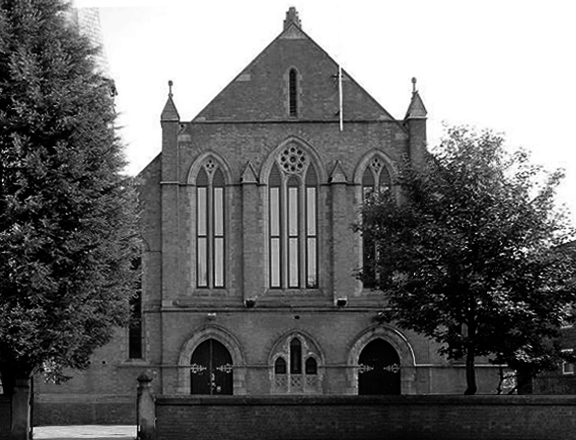
The Old Chapel building, originally the college chapel, is a two-storey building constructed in gothic style, with Flemish bond brickwork, built on a sandstone plinth in 1842.The structure consists of three wings, containing a central hall range, with two domestic wings on each side, initially used as tutor accommodation, forming a symmetrical appearance with the gable end of the upper hall. For many years it was used as a library and lecture theatre.
The ground floor eventually became the student union, and contained a bar and café.
During both world wars the site was used as a military hospital. In 1943 the Board of Education had begun to consider the future of education, following reforms that would inevitably come after the war ended. It was estimated that with the raising of the school leaving age, following the 1944 Education Act, about 70,000 new teachers would be needed annually, almost ten times as many as before the war.
In 1944 a report was produced by the Board of Education on the emergency recruitment and training of teachers, and it was decided that there were to be several new training colleges set up. These colleges were to be staffed by lecturers seconded from local authorities, with mature students selected from National Service conscripts. In 1945 the theological college, which was no longer required by the Wesleyans, was leased to the Manchester Education Authority.The new emergency training college was officially opened on 31 January 1946, with Alfred Body as its first principal.
By 1950, the emergency college was purchased by the City of Manchester and made permanent as Didsbury Teacher Training College, with an initial enrolment of about 250 male and female students. As a result of becoming a permanent college, Didsbury became part of Manchester University’s School of Education.
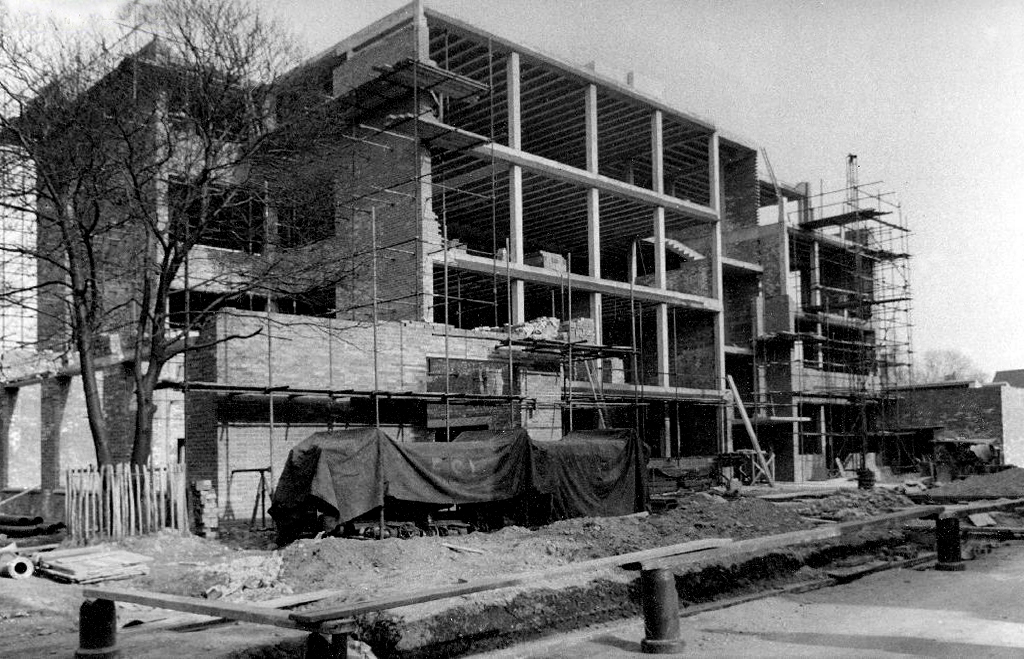
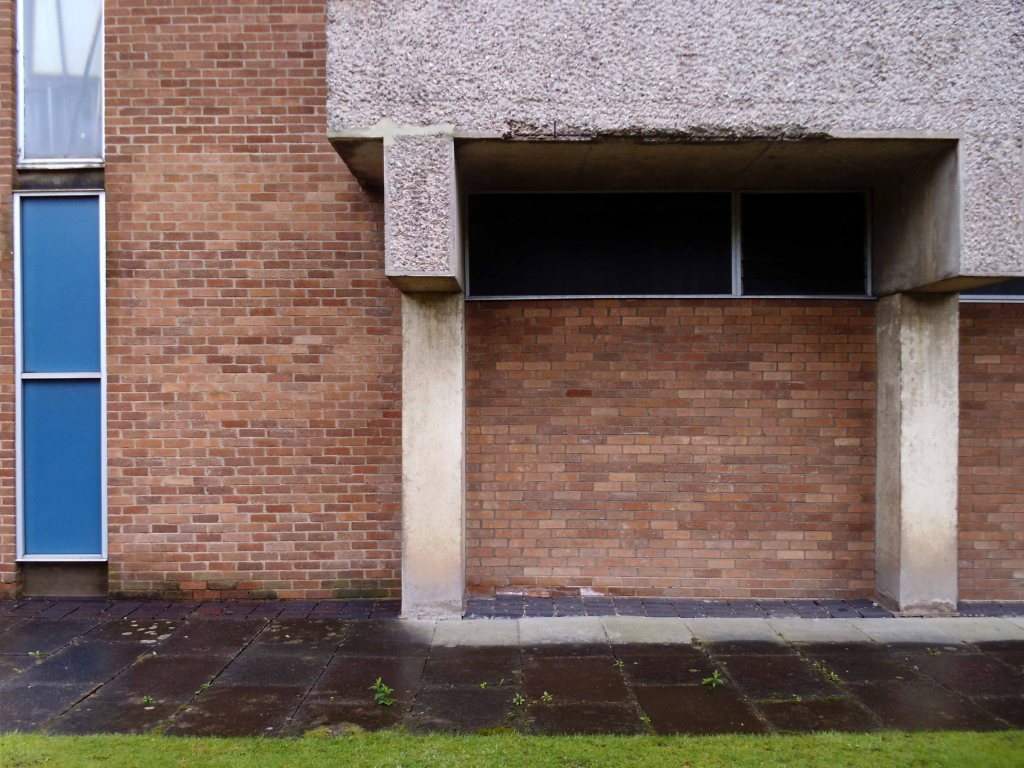
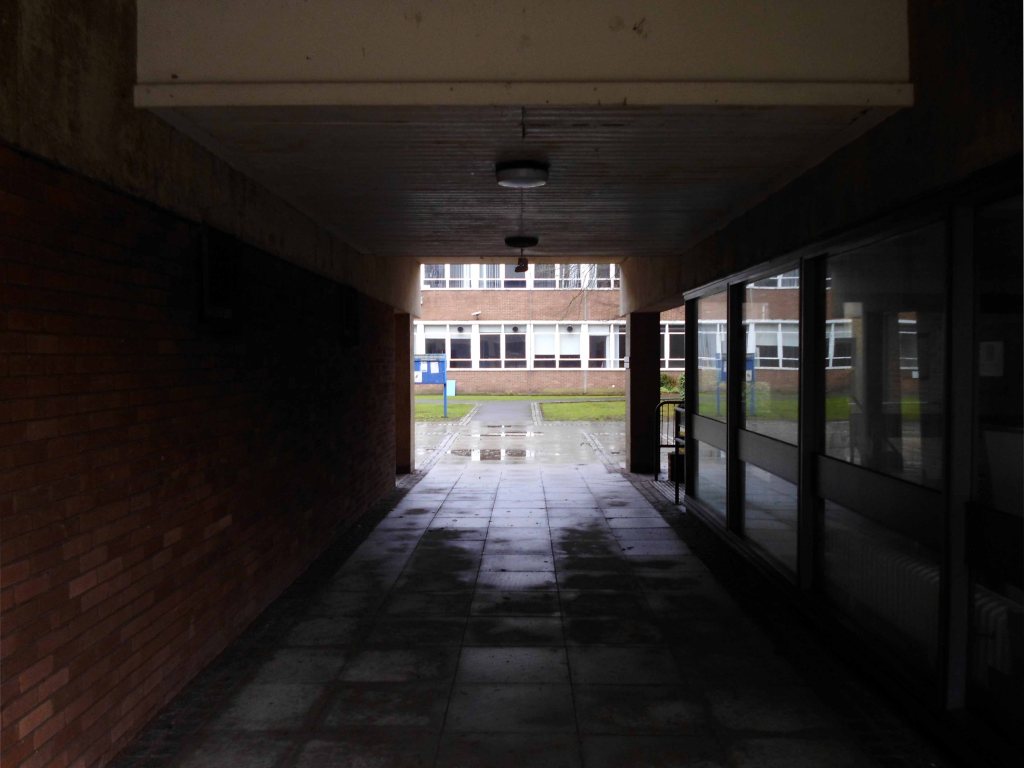
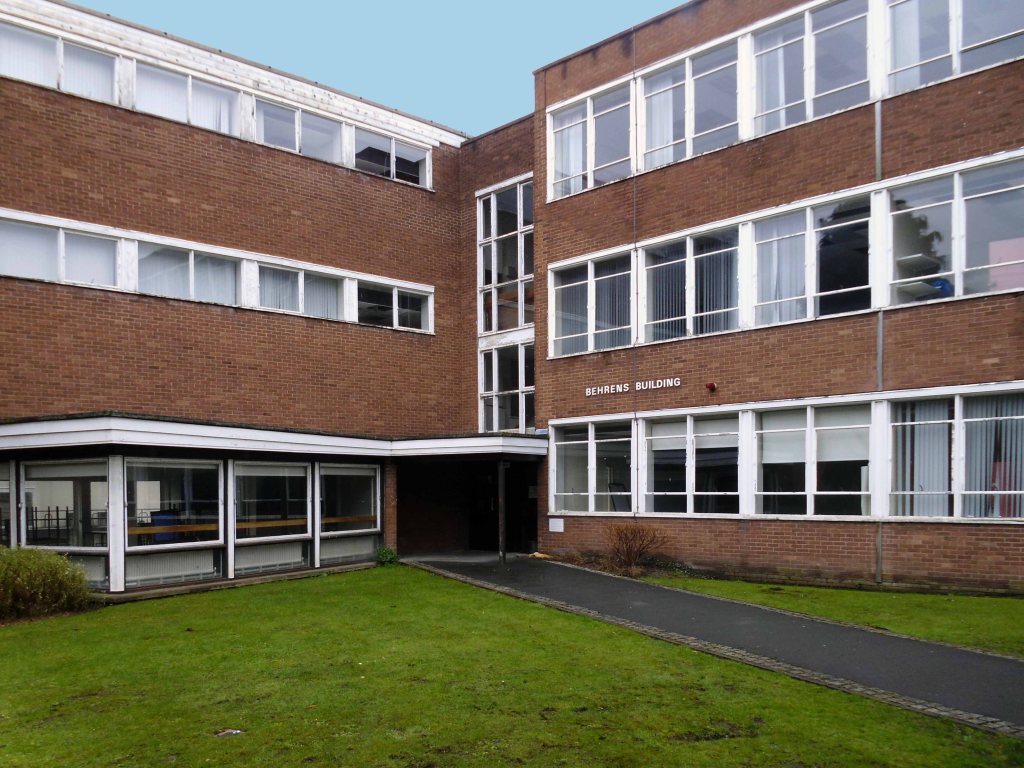
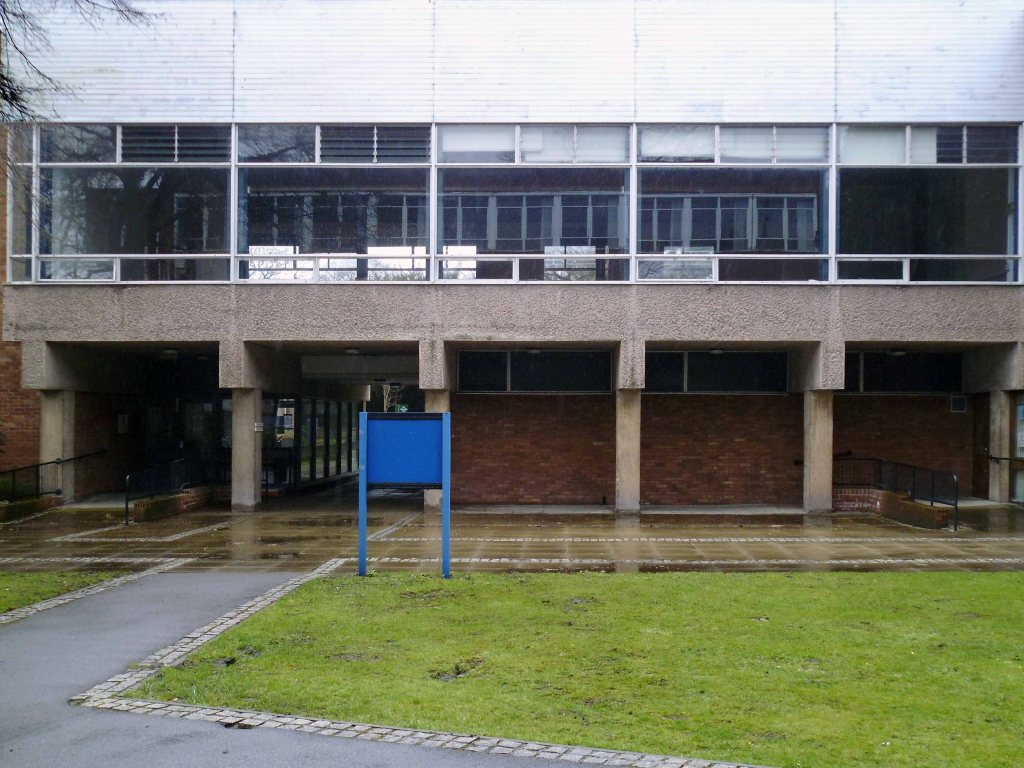
Over the next two decades, numerous buildings were constructed on the site; Behrens, Birley and Simon were all named after prominent local families with ties to the college.
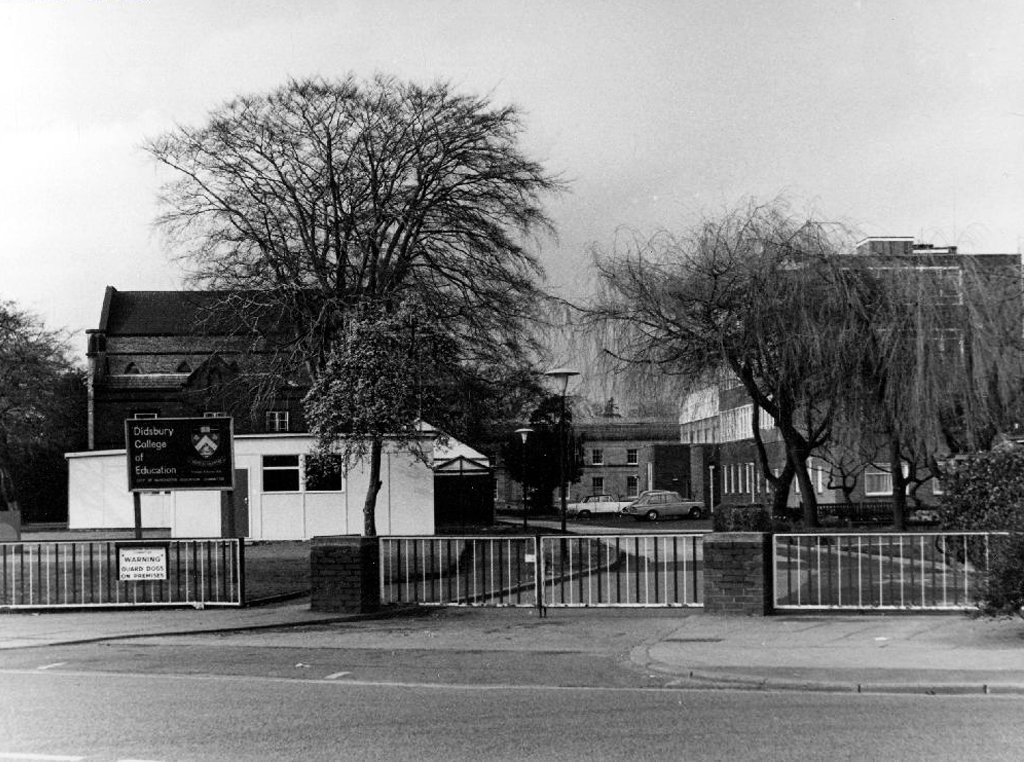
Didsbury became part of Manchester Polytechnic in 1977, renamed Didsbury School of Education.
The adjacent Broomhurst halls of residence have since been demolished.
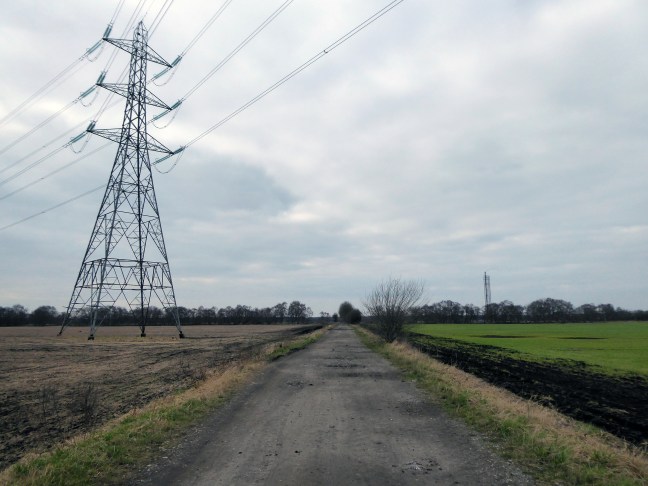
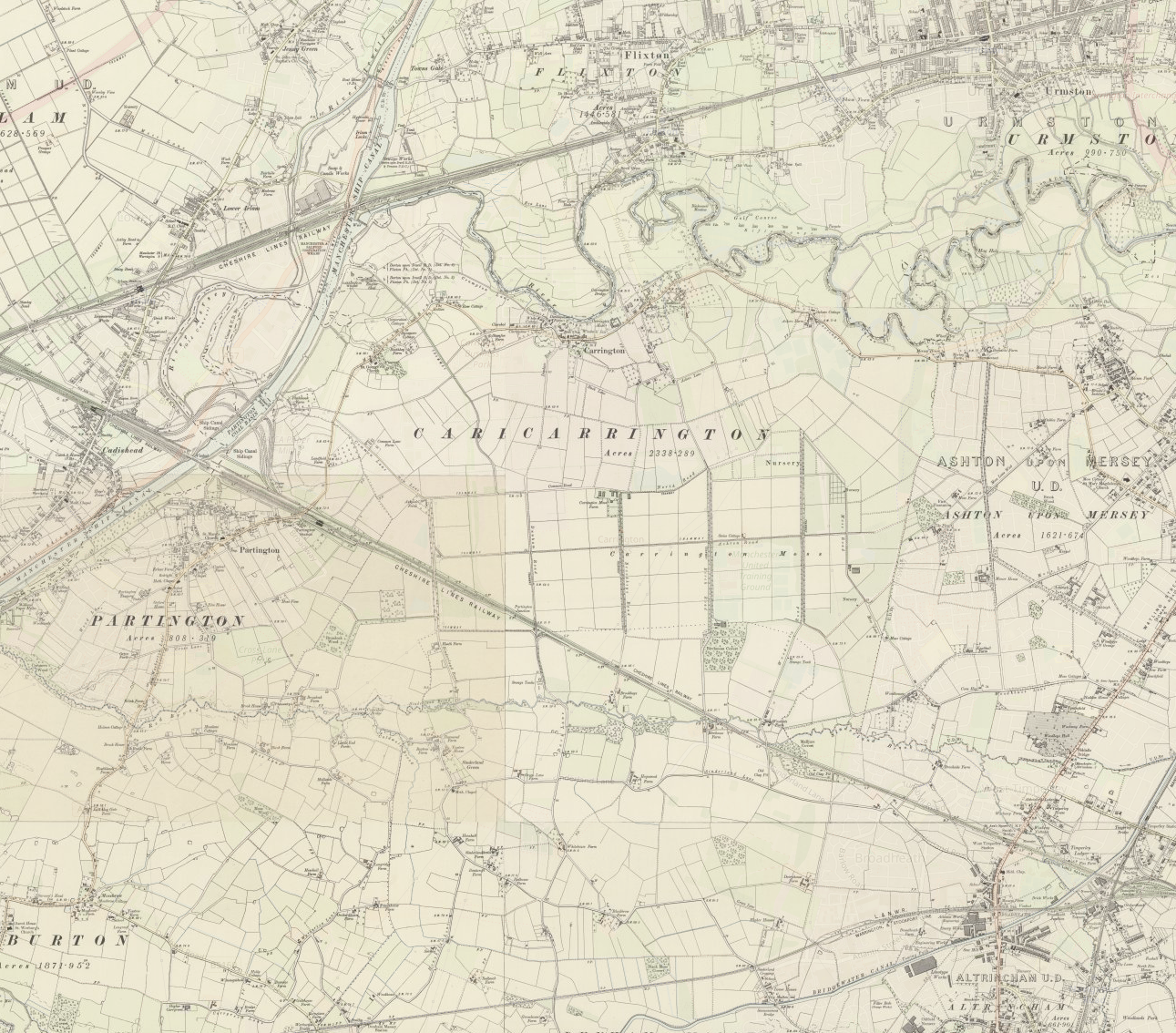
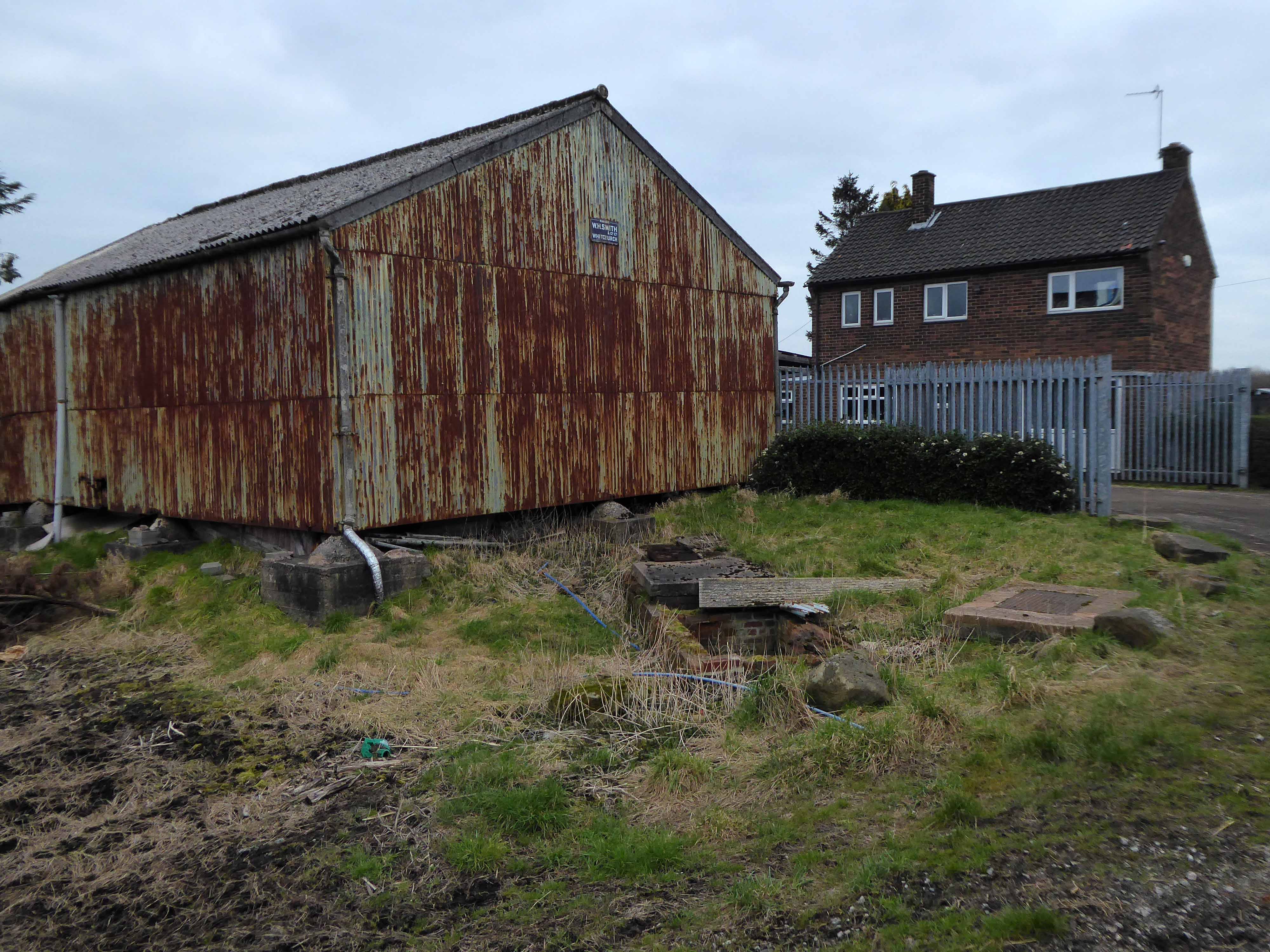
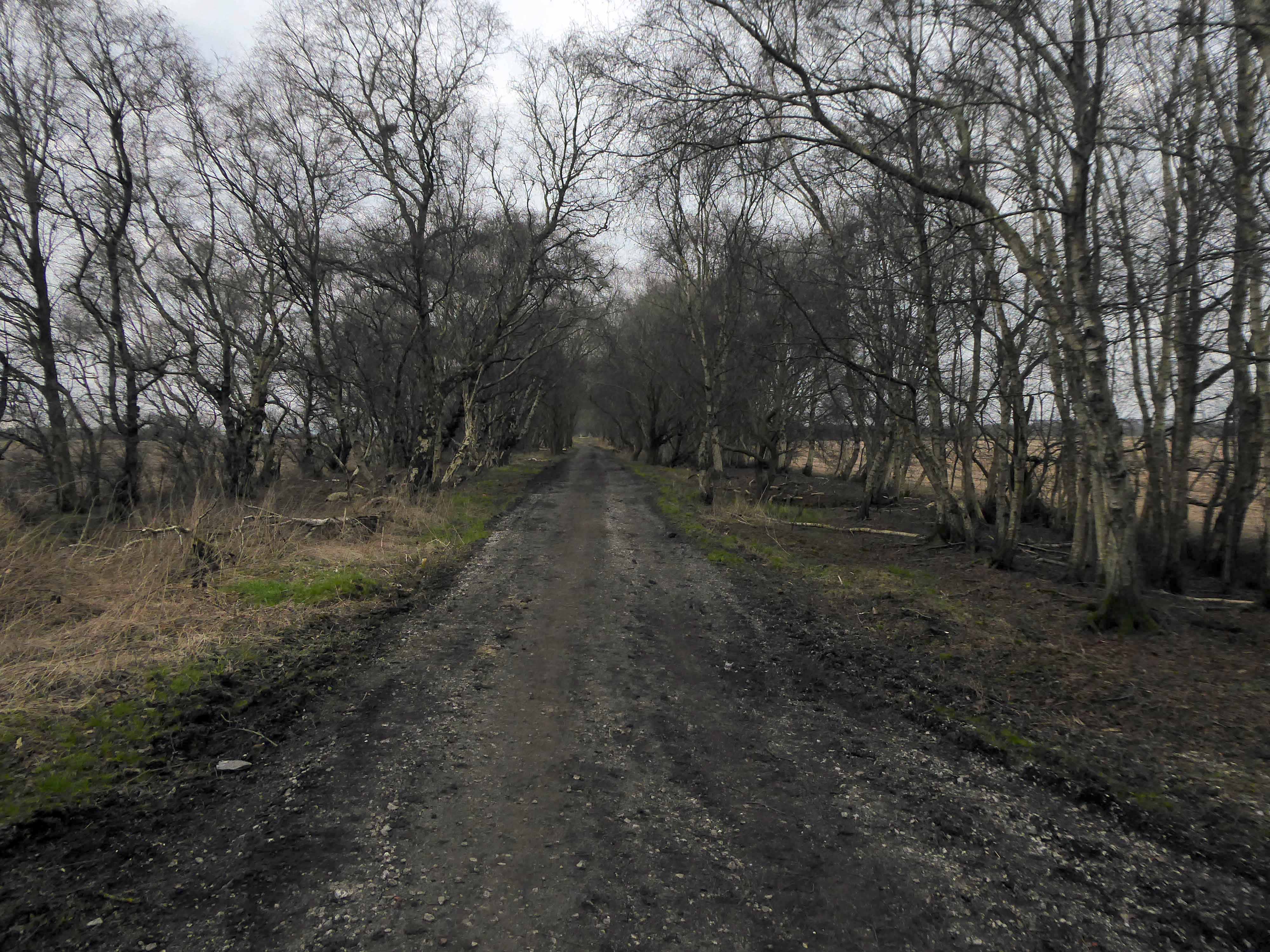
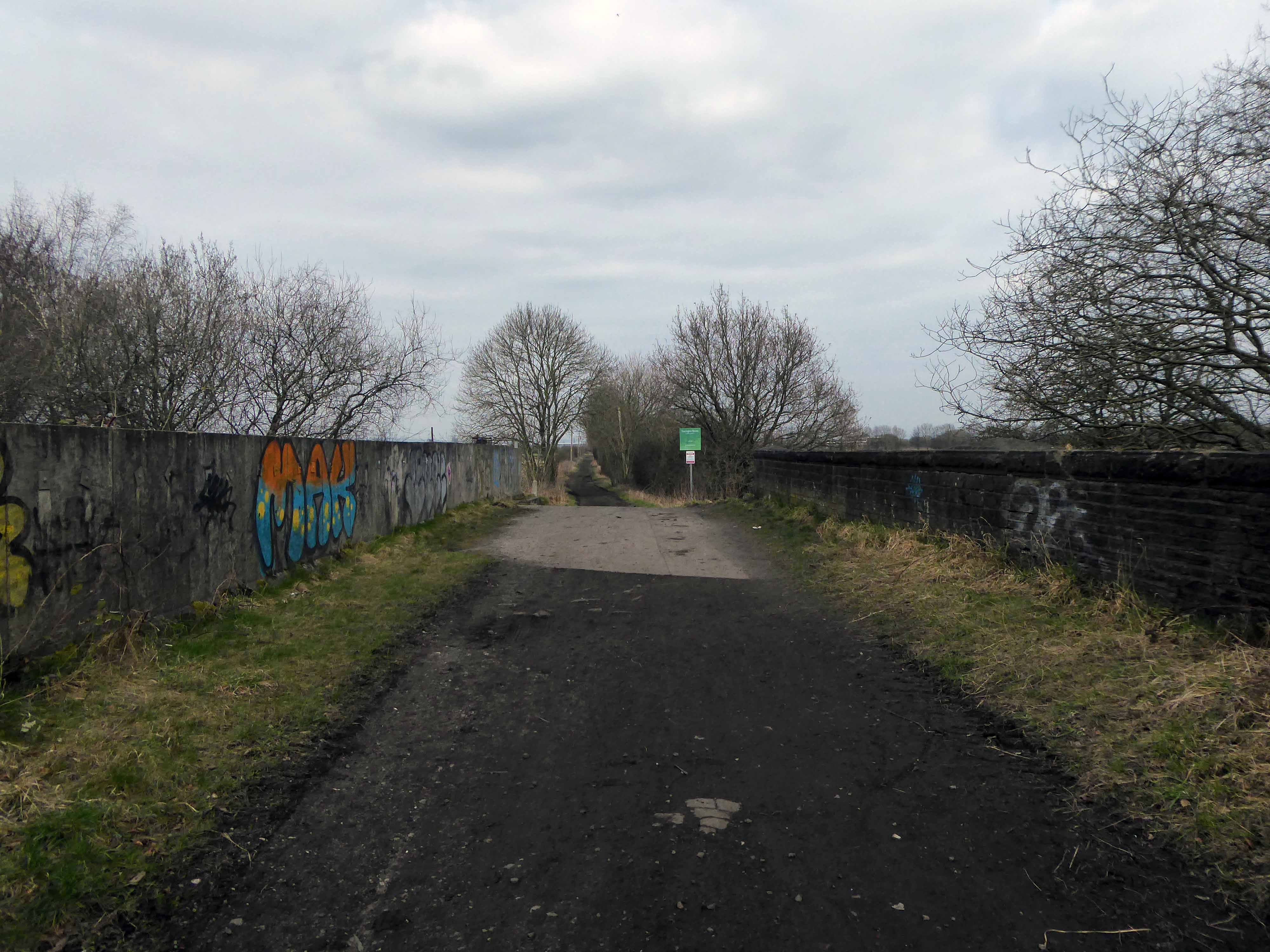
Carrington Moss is a large area of peat bog near Carrington in Greater Manchester, England. It lies south of the River Mersey, approximately ten miles south-west of Manchester, and occupies an area of about 1,100 acres..Originally an unused area of grouse moorland, the moss was reclaimed in the latter half of the 19th century for farming and the disposal of Manchester’s waste. A system of tramways was built to connect it with the Manchester Ship Canal and a nearby railway line. During the Second World War the land was used as a Starfish site and in the latter half of the 20th century, a large industrial complex was built along its northern edge. More recently, several sporting facilities have been built on Carrington Moss. Today, the land is still used for farming and several nature reserves have been established within its bounds.
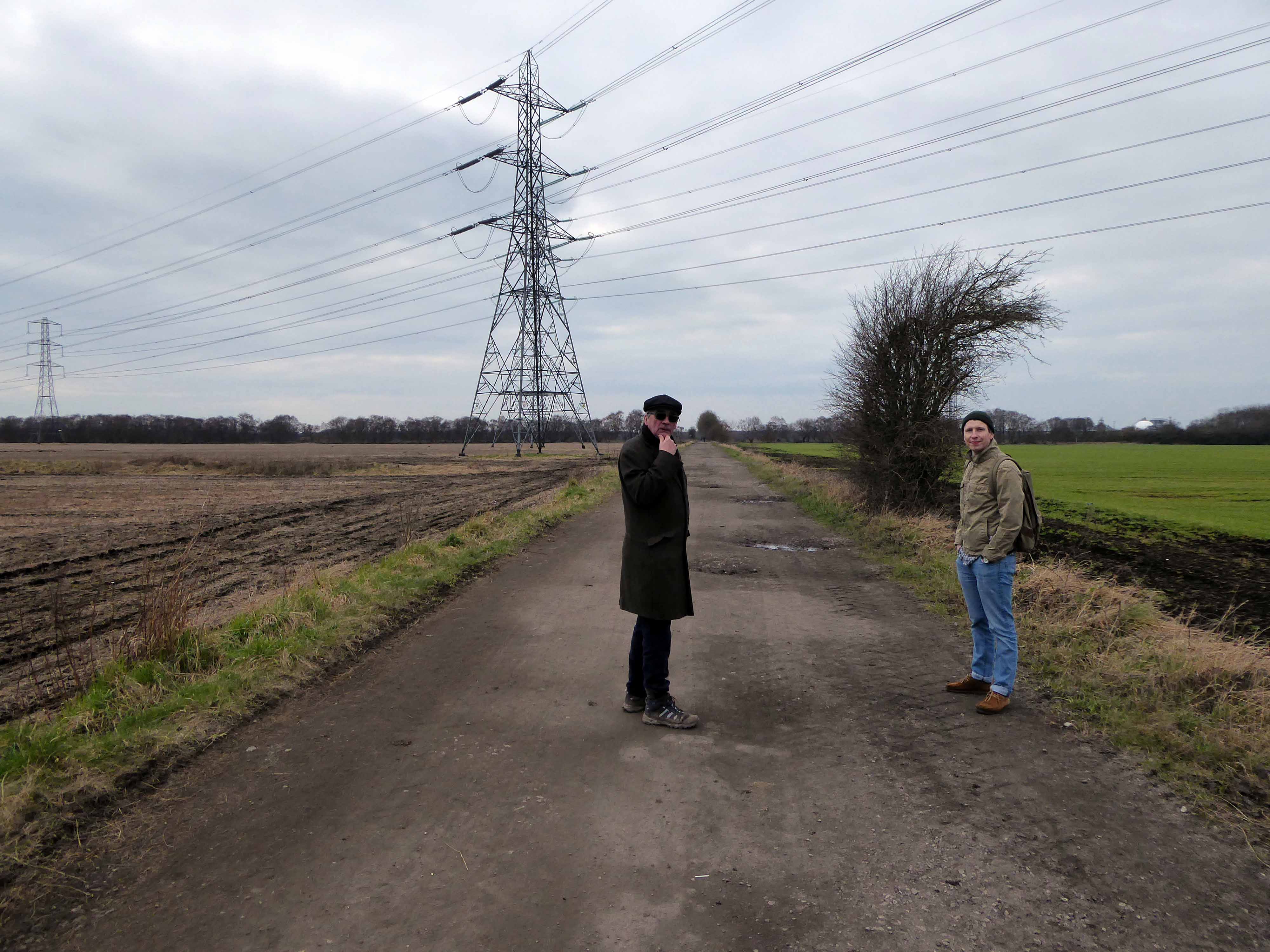
Parts of Carrington Moss are accessible to the public over several rights of way.
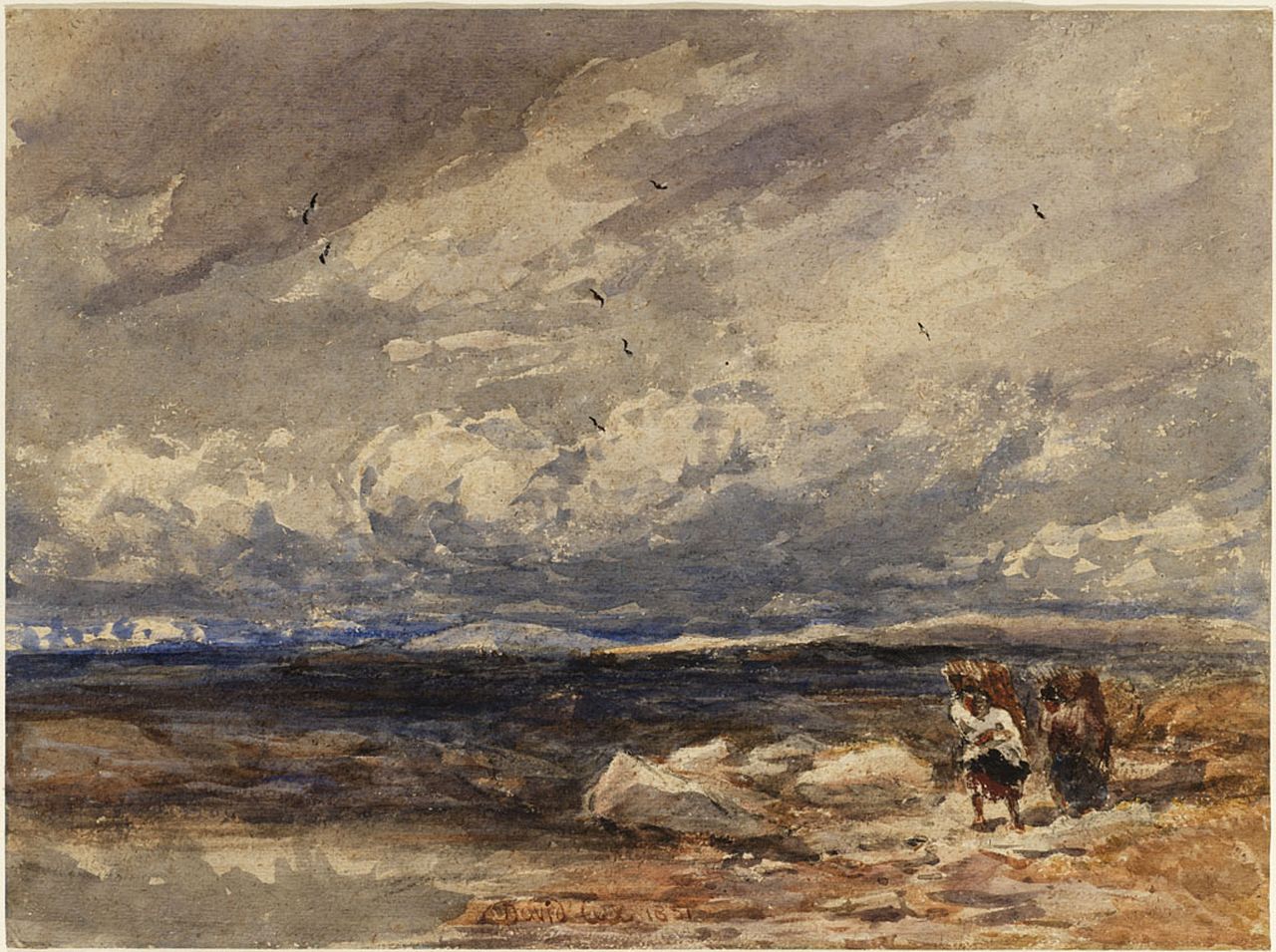
On Carrington Moss 1851 David Cox
Industrialisation of the moss took place from 1947–1952 when Petro-Carbon ltd began to build what would later become known as the Shell Site. The estate was leased on 1 October 1968 to Shell Chemicals, who in 1957 had purchased a propylene oxide plant along the moss’s northern edge. Shell had built an ethylene oxide plant in 1958 and began to produce polyether polyols the following year. Council housing was built nearby, at Carrington and Partington, for workers and their families. By 1985 the Shell plant had a turnover of about £200M and employed 1,150 people, but a major restructuring of the business reduced the workforce to less than 500 by 1986. By 1994, four distinct plants operated on the 3,500-acre (14 km2) site, producing a range of chemicals, and materials including polystyrene, polyethylene and polypropylene.In 2005 it was reported that Shell would close their polyols and ethoxylates units, a decision which came into effect in 2007. The estate is currently managed by chartered surveyors Bell Ingram. Lyondell Basell operate the last remaining chemical plant on site.
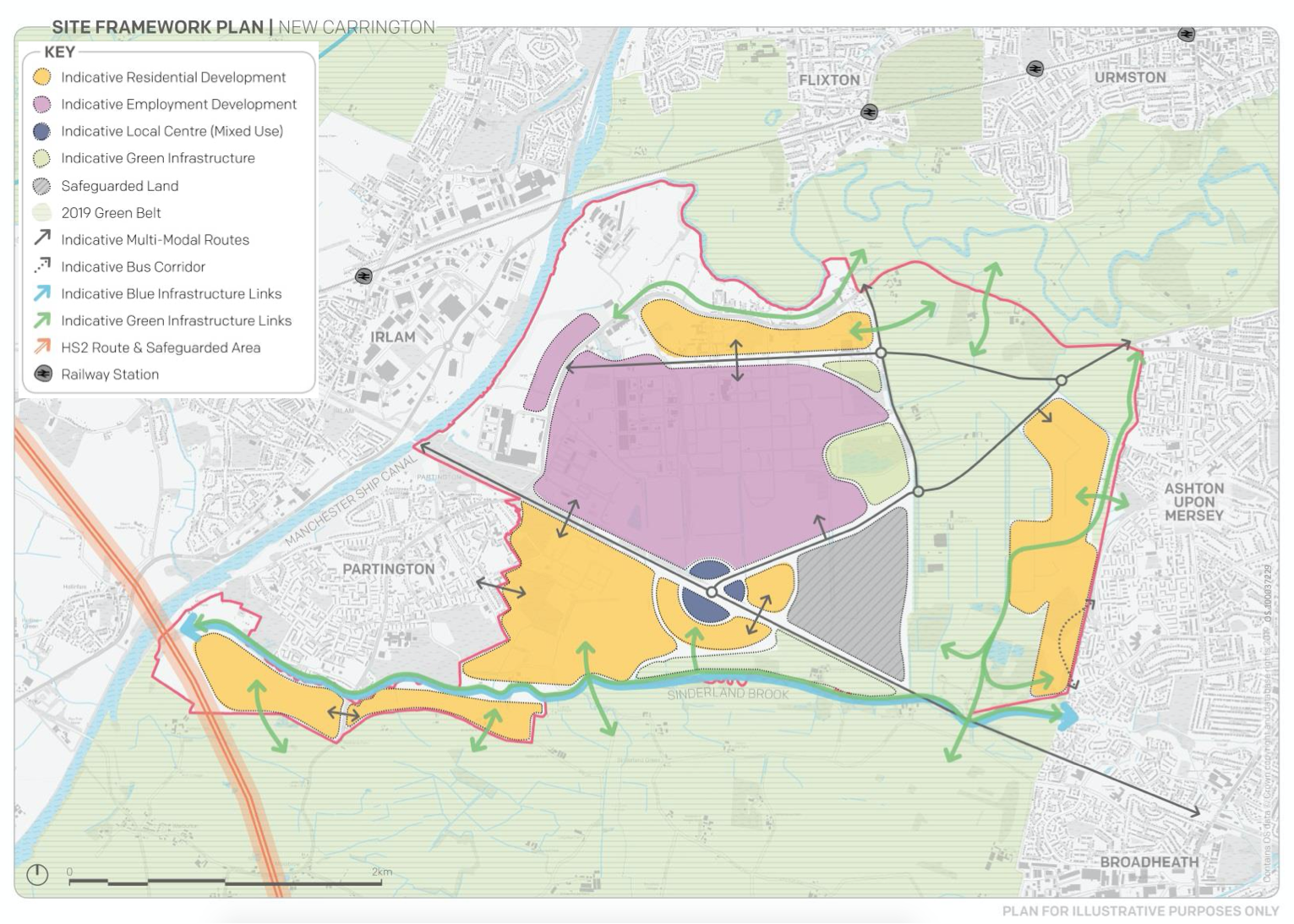
Storm Christoph showed that Manchester is susceptible to the adverse effects of extreme weather events, which are forecast to become more regular occurrences.
Greater Manchester Labour for a Green New Deal argue that we must abandon the idea of developing on greenbelt, and instead embrace bold alternatives which reflects the urgency of the climate crisis﹣starting with sites like Carrington Moss.
This is an area in liminal limbo, the pressures of the modern world leaning on its very being, as ash, alder, badger, field mouse, and kestrel give way to Wainhomes.
Where then will the wanderer wander, in search of solace?
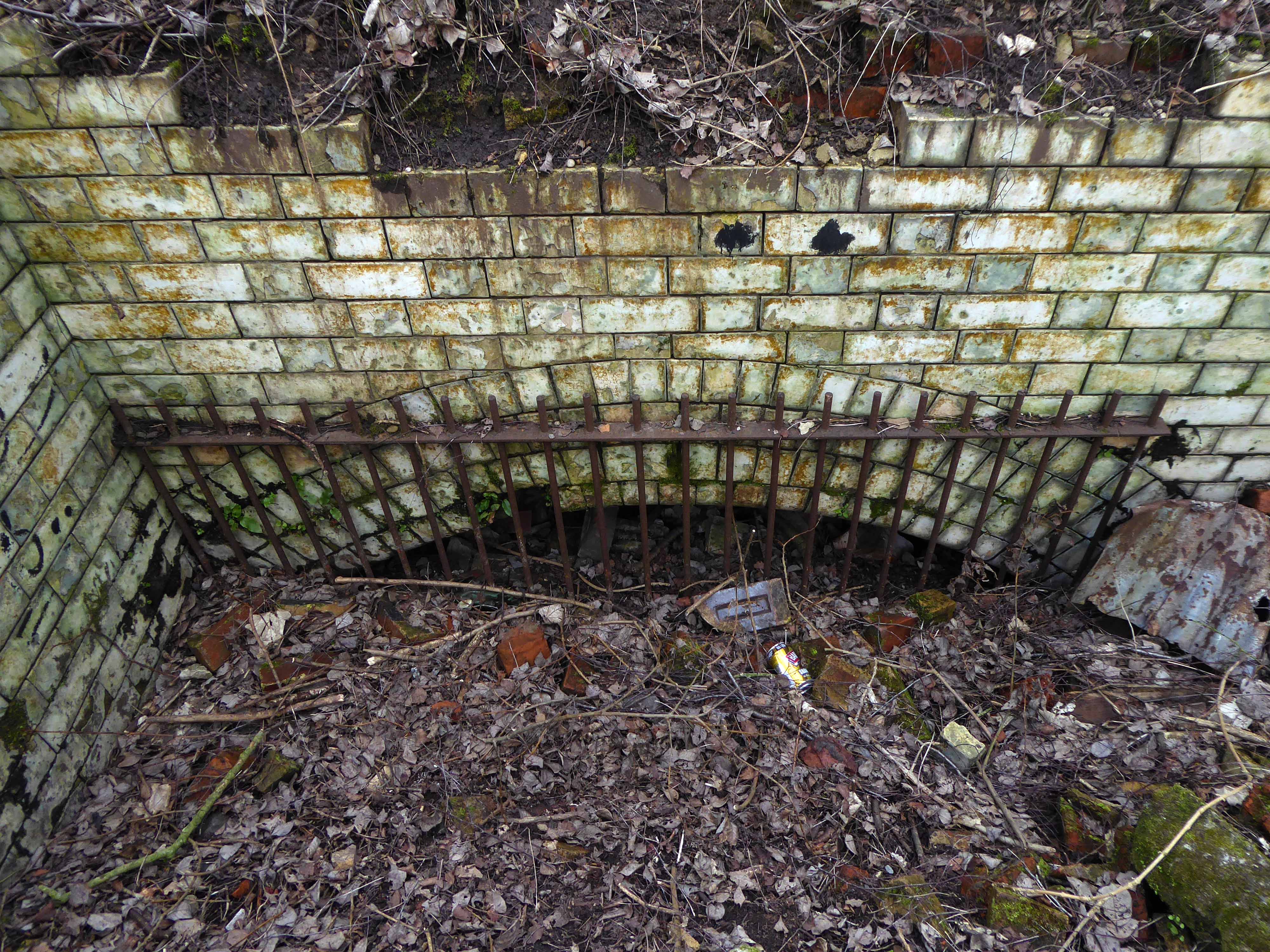
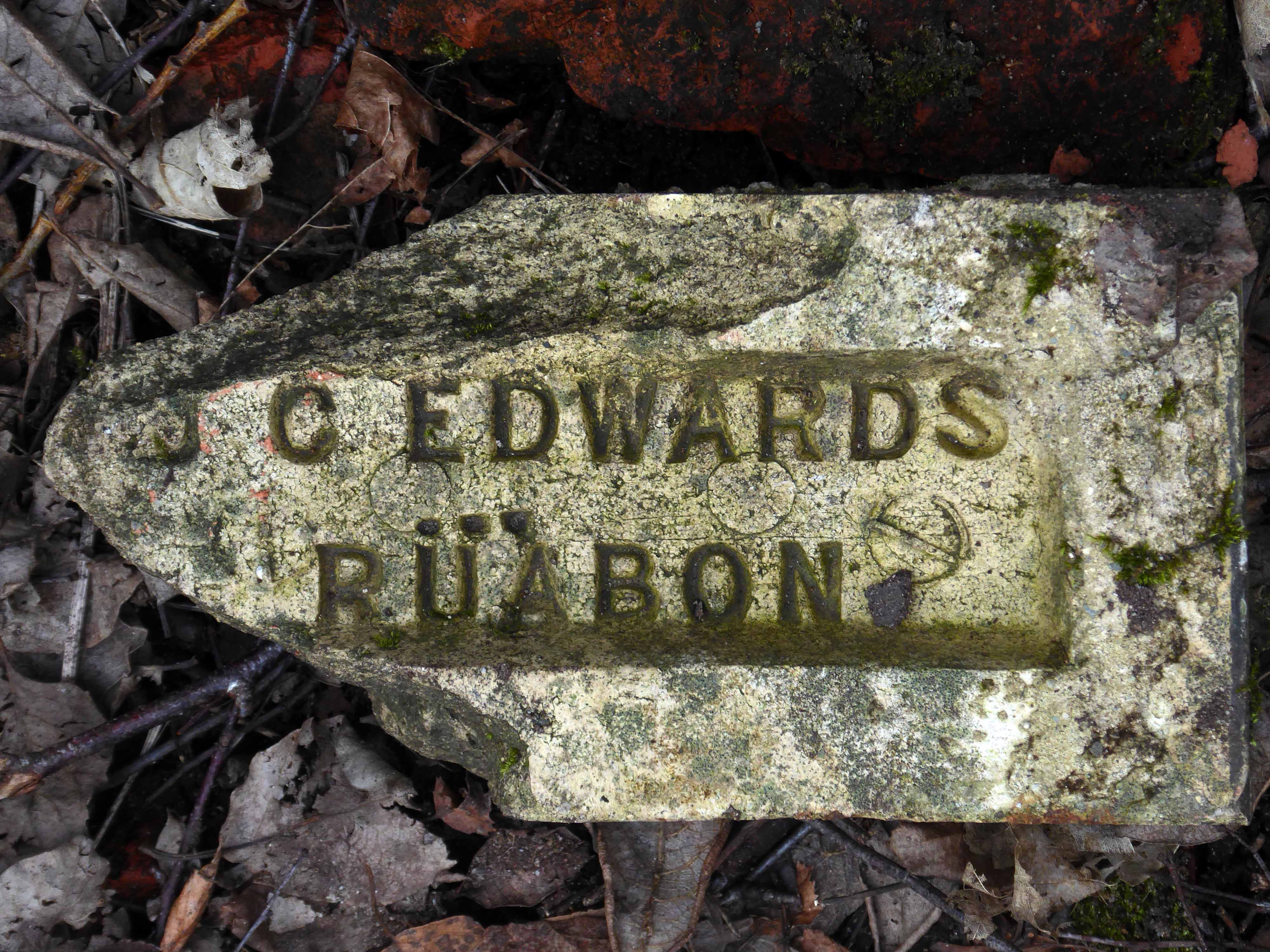
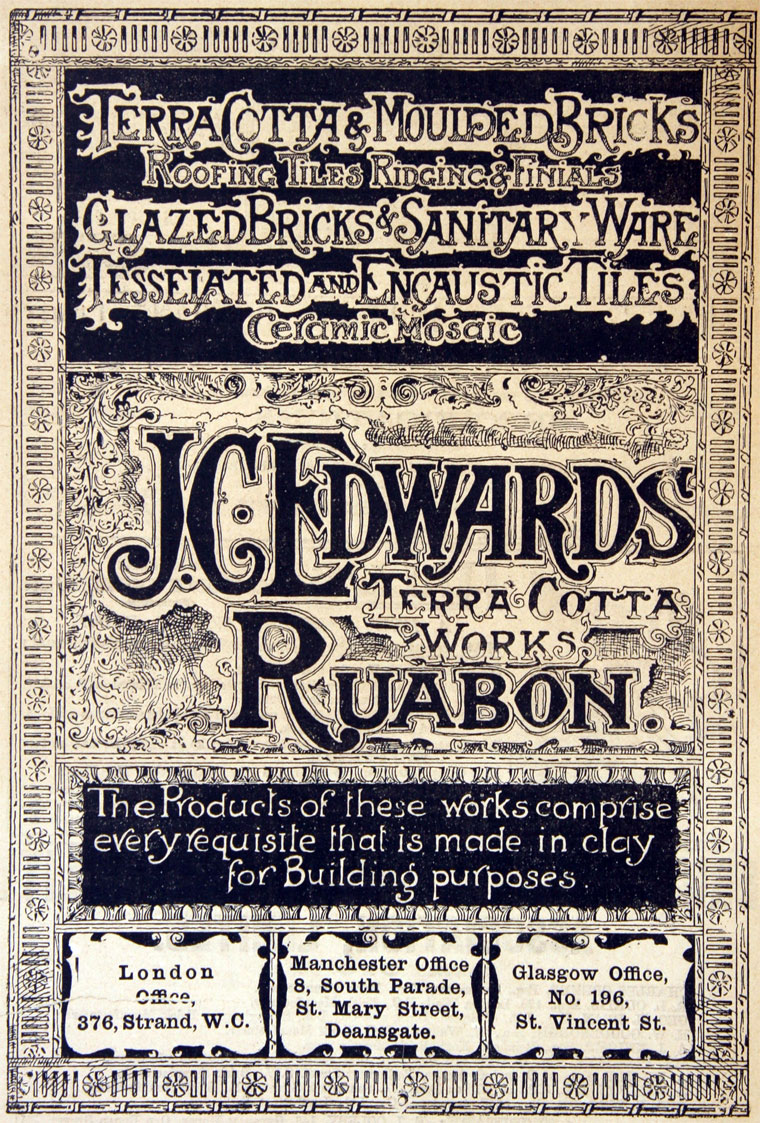
The company of J. C. Edwards Ruabon Ltd, was based in Ruabon, Denbighshire, and was active from 1903 to 1956 as a brick, tile and terracotta manufacturer from its works at Tref-y-Nant, Acrefair, Albert Works, Rhosllannerchrugog, and Pen-y-bont, Newbridge, Denbighshire.
James Coster Edwards (1828-1896) founded the company; it was sold in 1956.
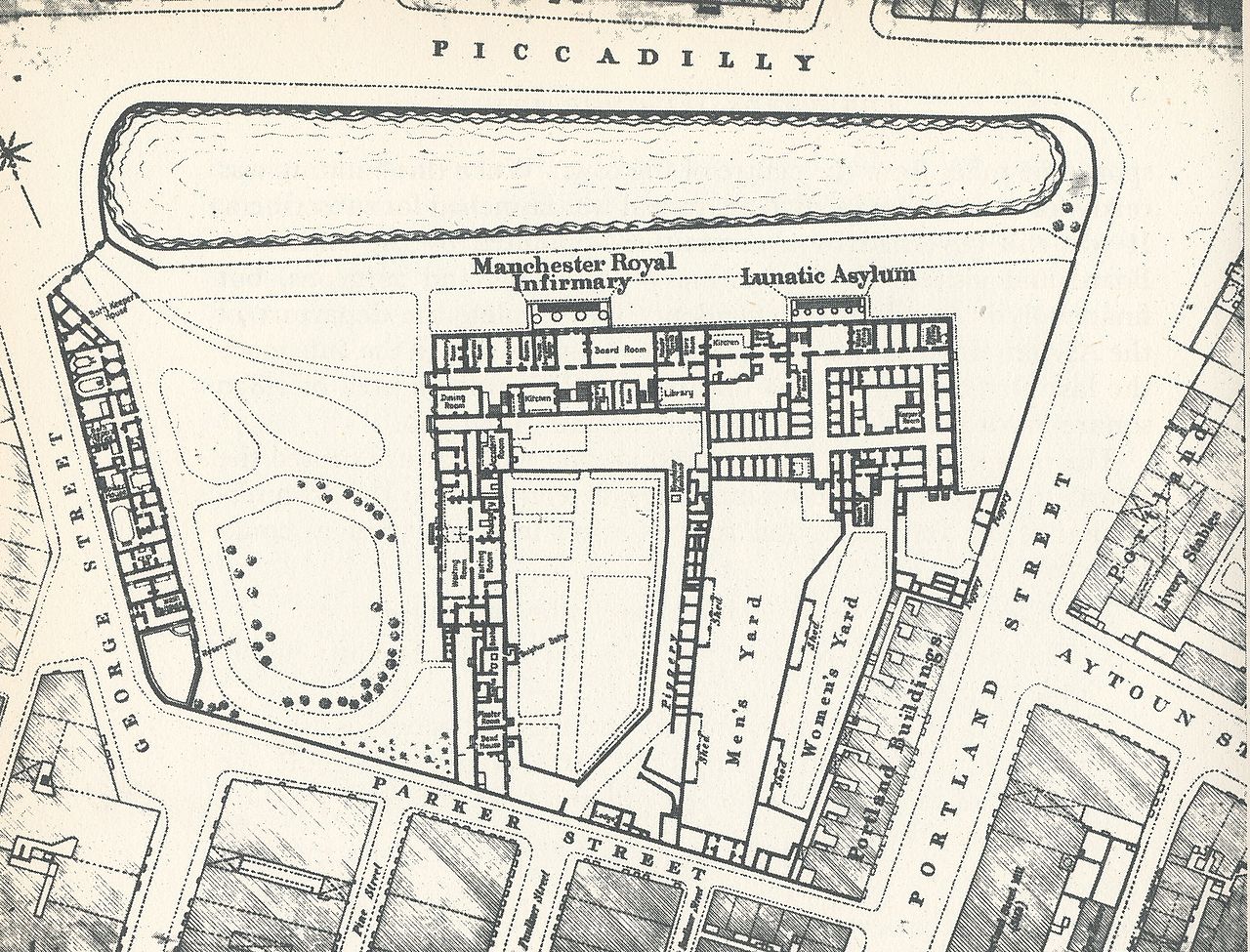
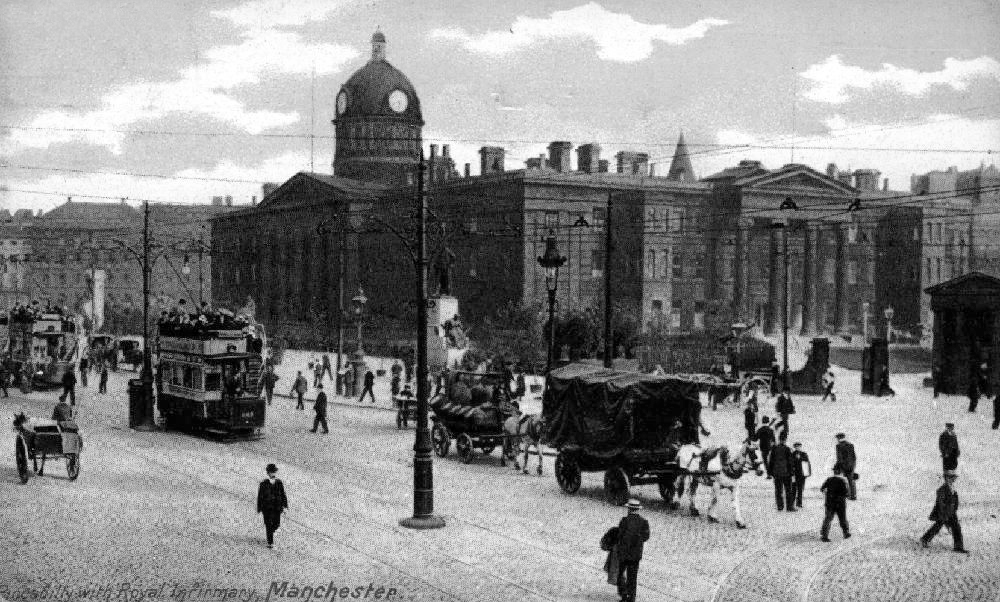
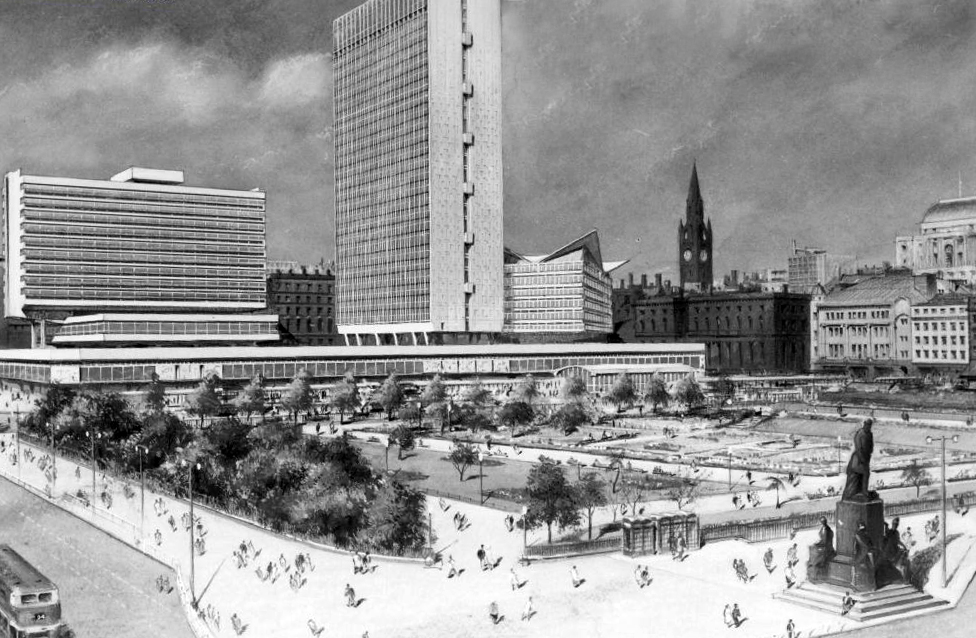
Well not a great deal, it’s 1772 and the Gardens and Plaza, are as yet undreamt of – the area was occupied by water-filled clay pits called the Daub Holes, eventually the pits were replaced by a fine ornamental pond.
In 1755 the Infirmary was built here; on what was then called Lever’s Row, in 1763 the Manchester Royal Lunatic Asylum was added.
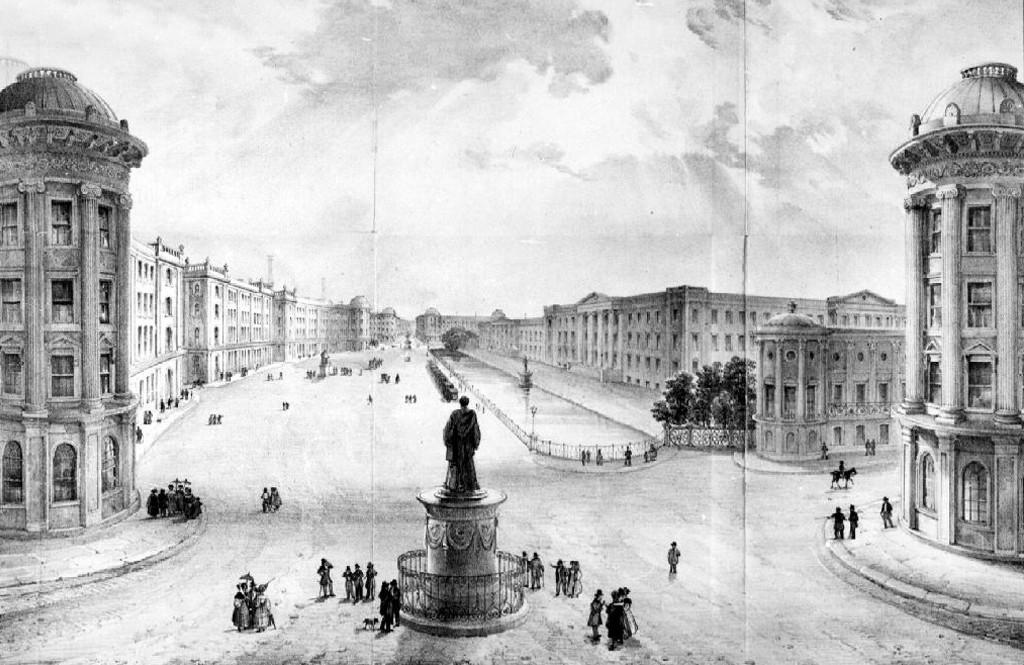
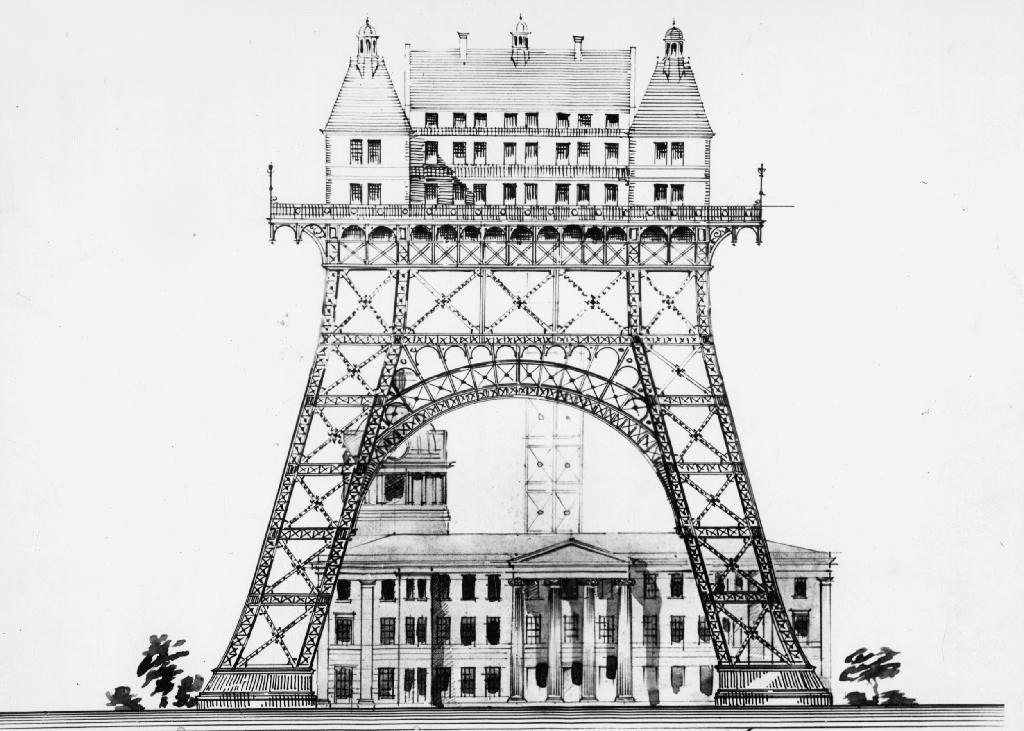
There were grander unrealised plans.
Including an aerial asylum.
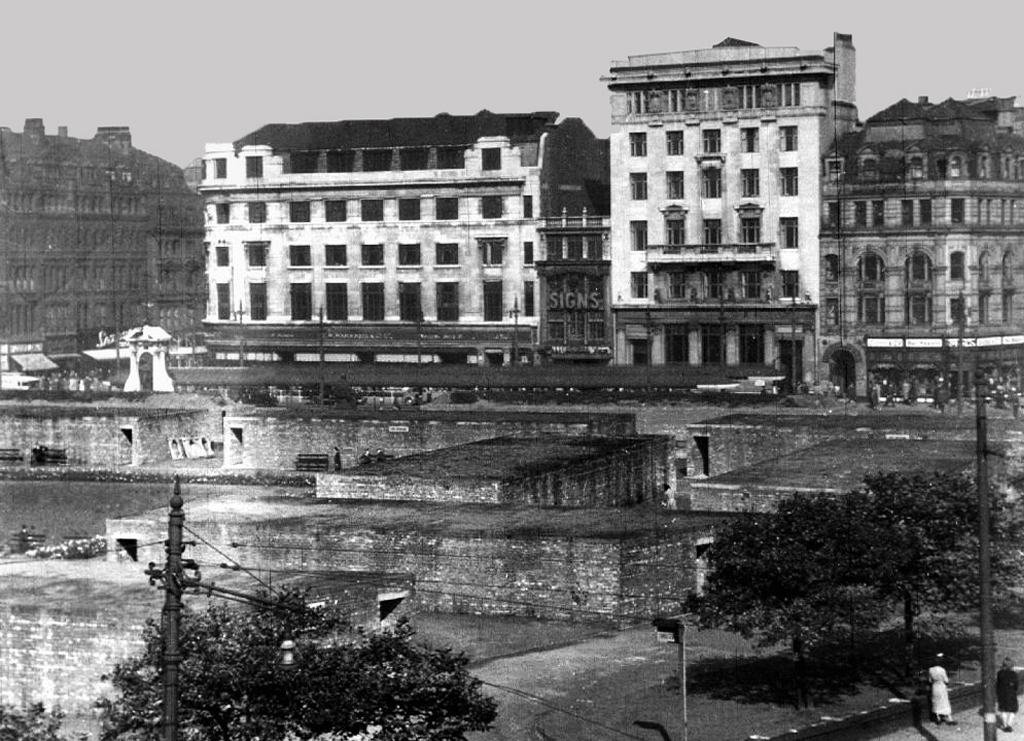
The Manchester Royal Infirmary moved to its current site on Oxford Road in 1908. The hospital buildings were completely demolished by April 1910 apart from the outpatient department, which continued to deal with minor injuries and dispense medication until the 1930s.
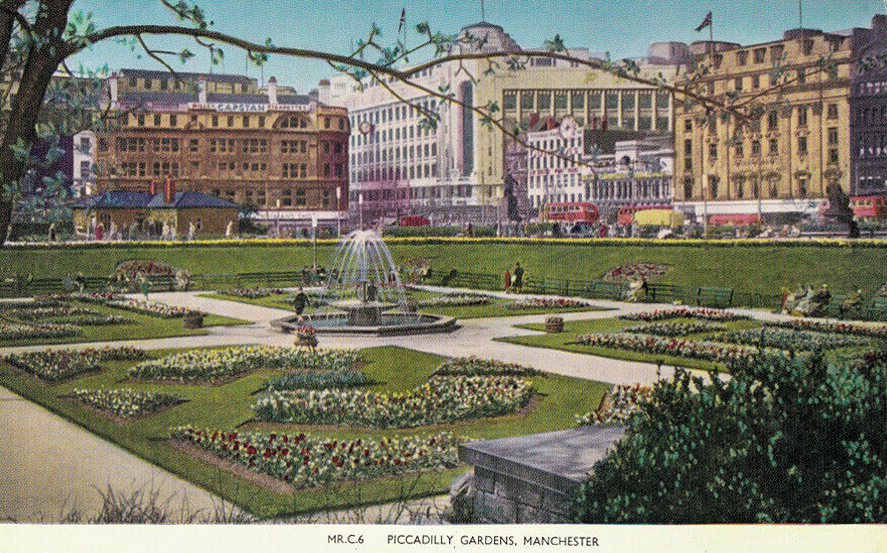
After several years in which the Manchester Corporation tried to decide how to develop the site, it was left and made into the largest open green space in the city centre. The Manchester Public Free Library Reference Department was housed on the site for a number of years before the move to Manchester Central Library.
The sunken garden was a remnant of the hospital’s basement.
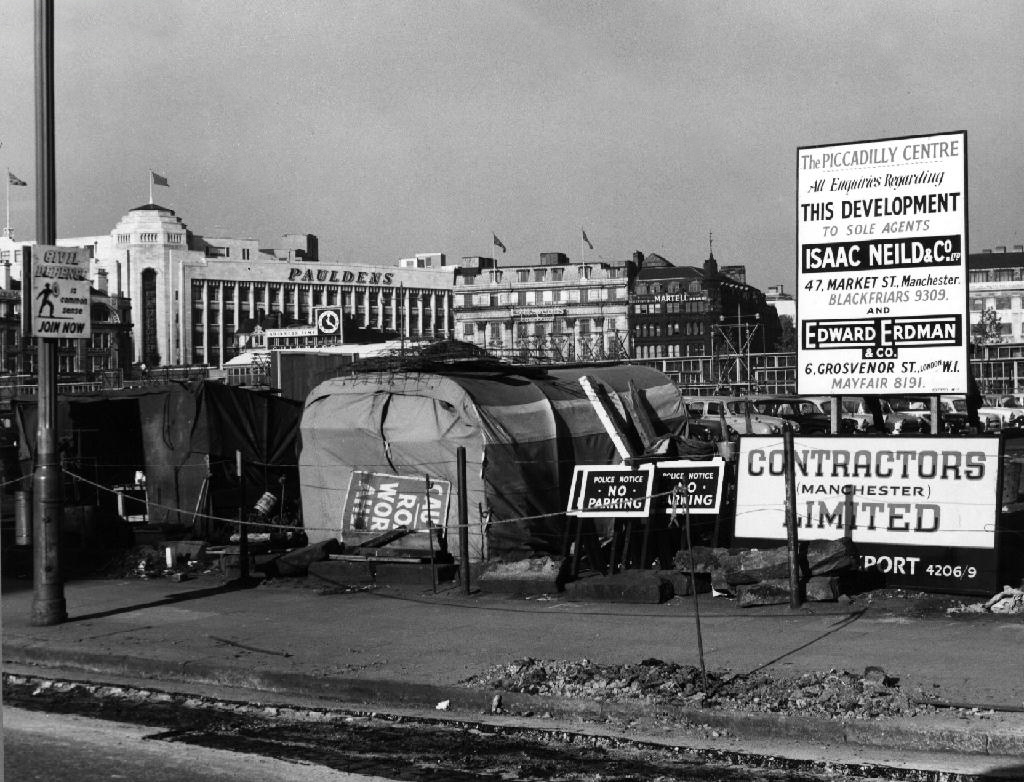
Towering cranes tower over the town, deep holes are dug with both skill and alacrity.
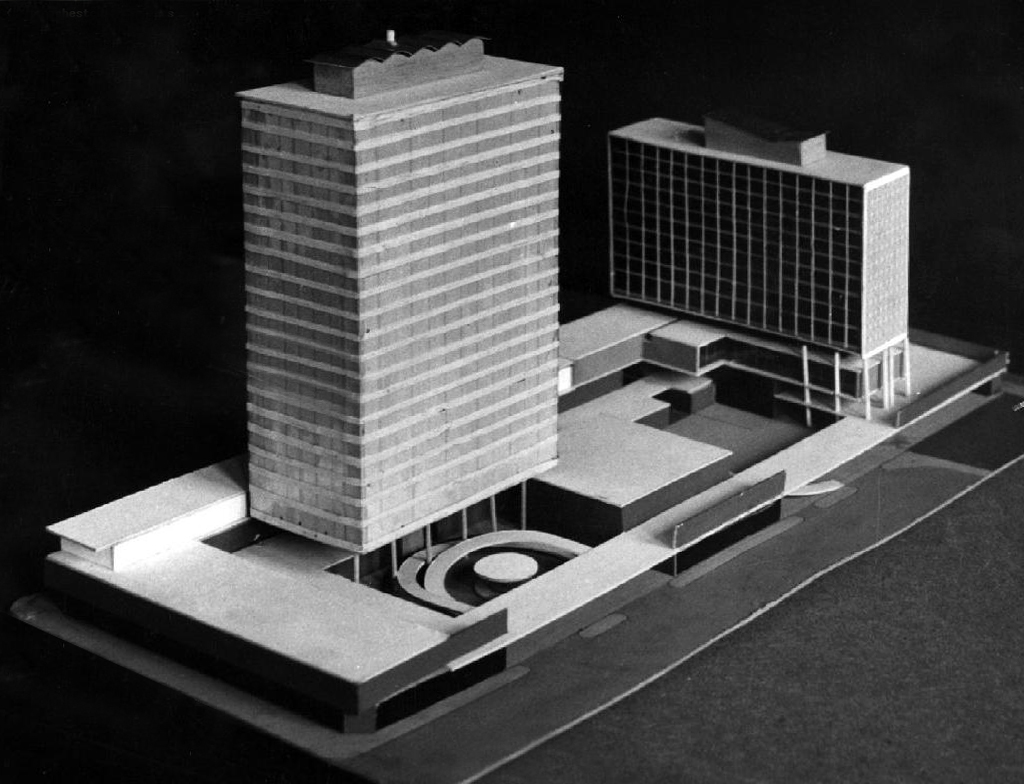
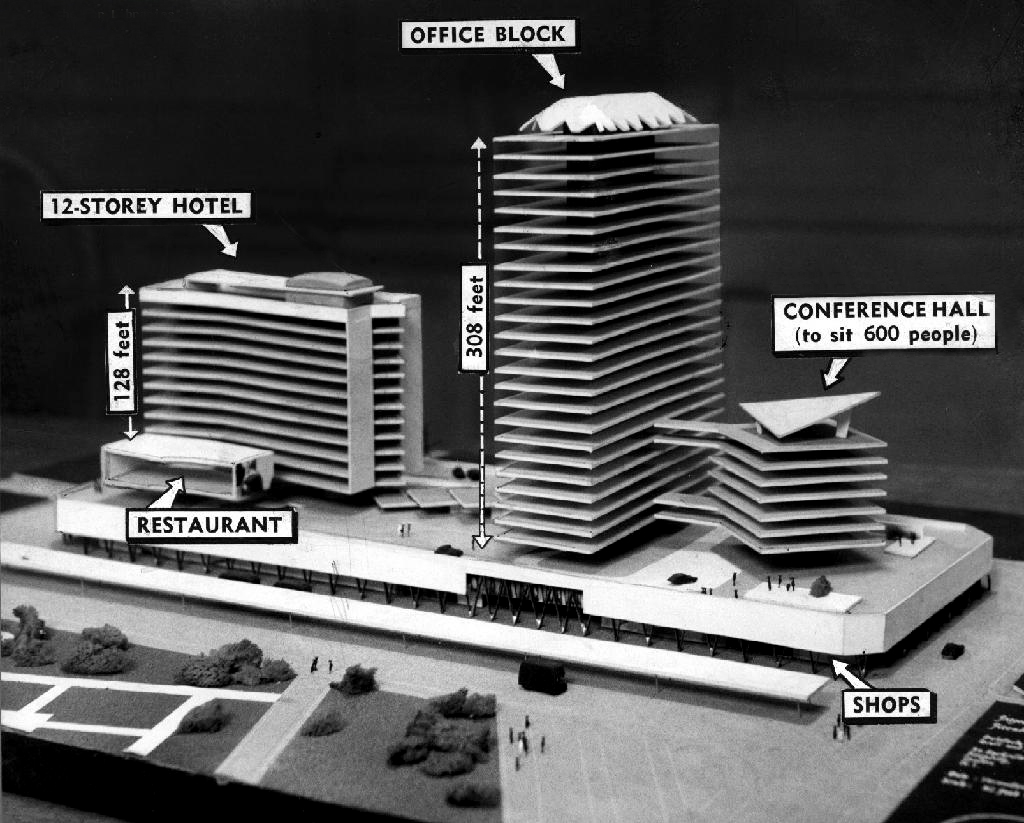
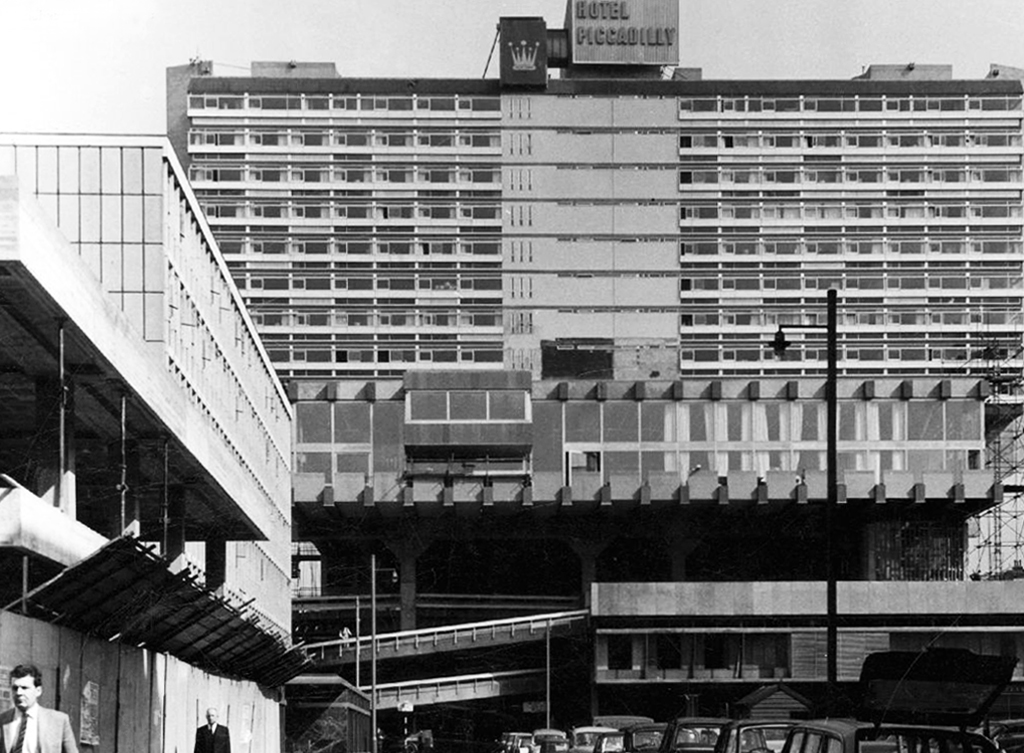
A Plaza begins to take shape, take a look.
Nearly done.
All we need now are tenants.
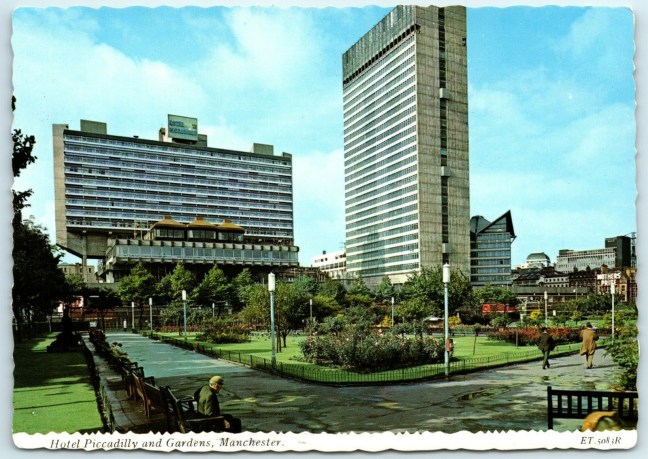
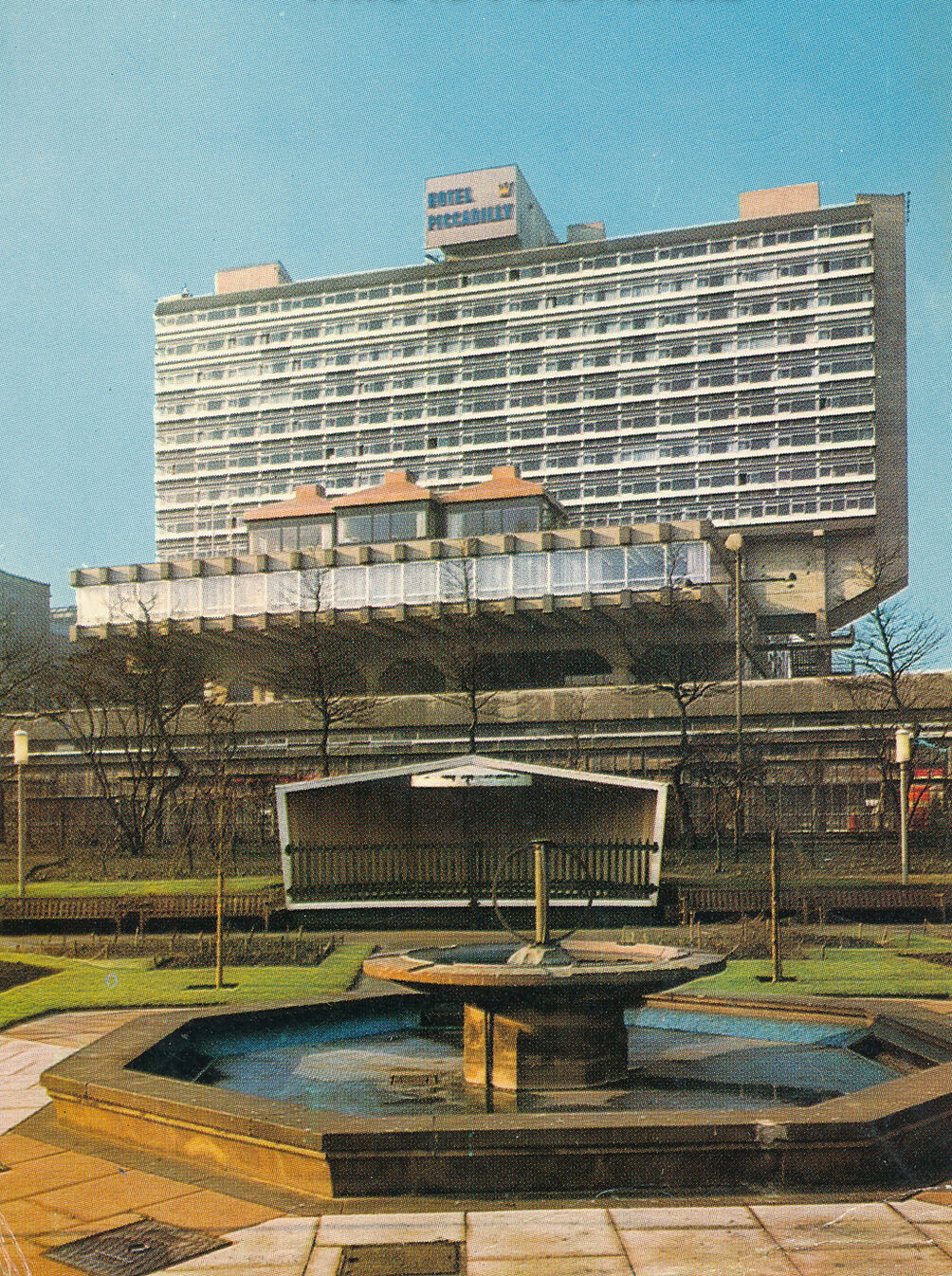
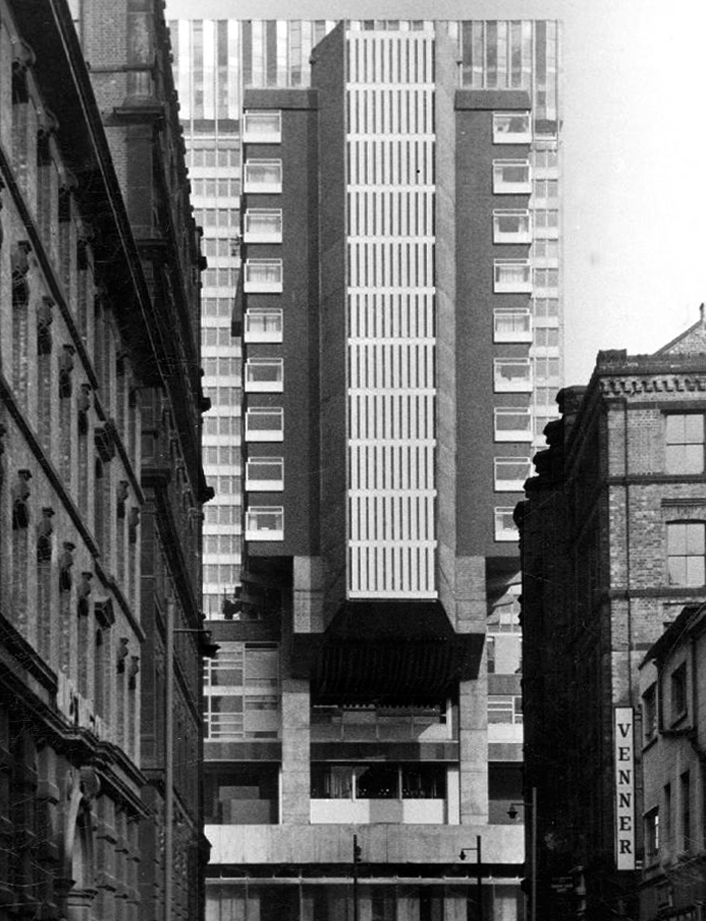
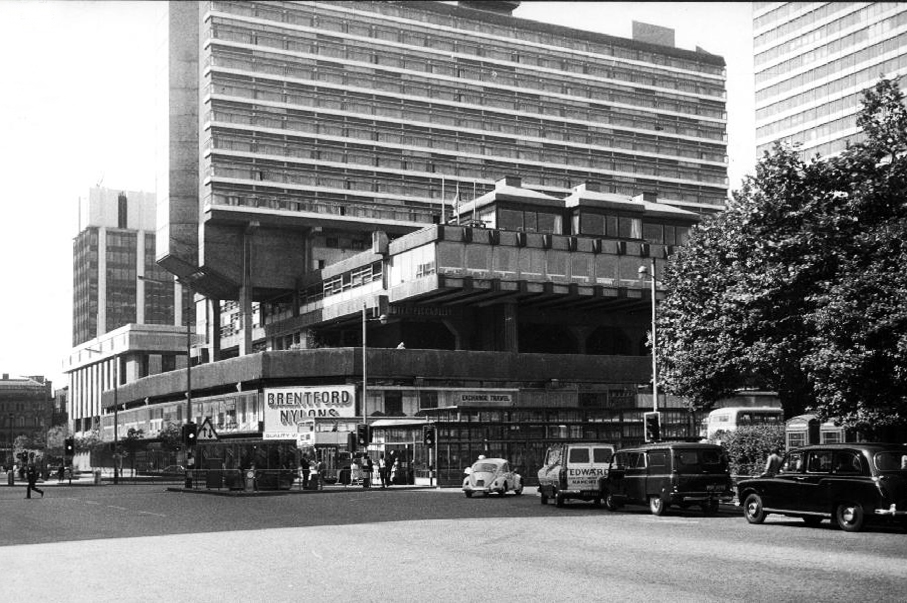
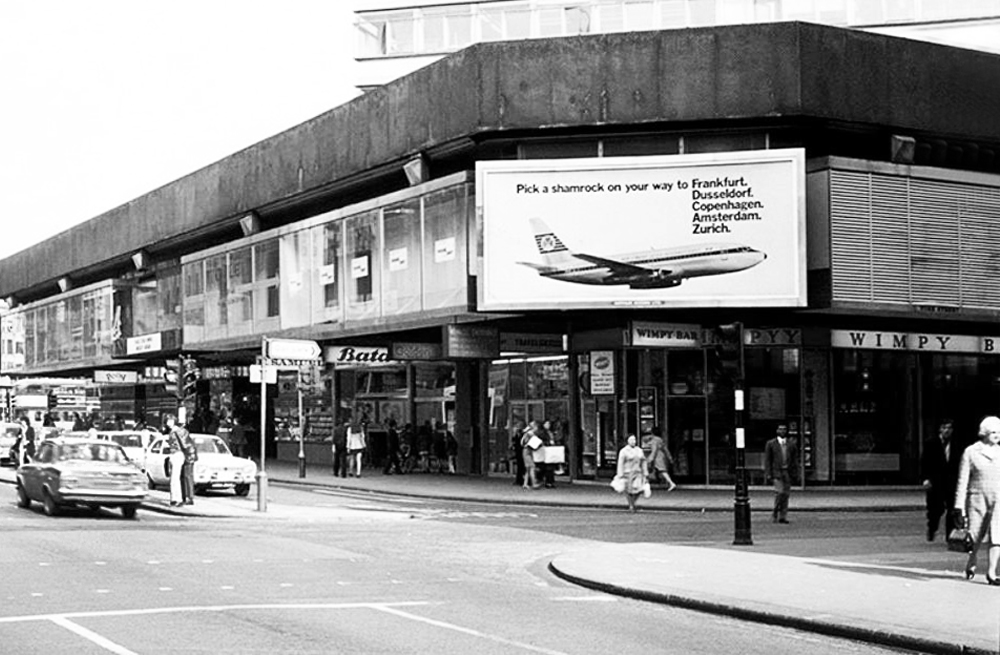
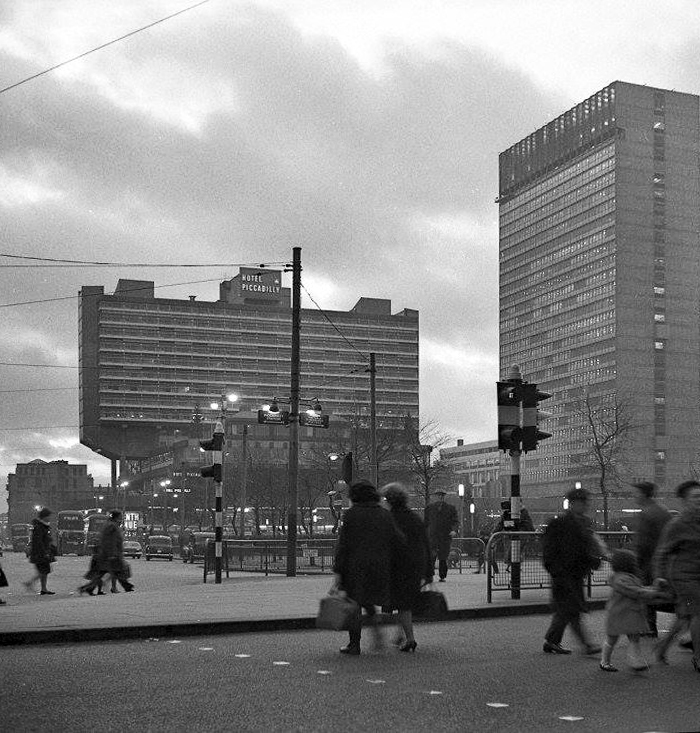
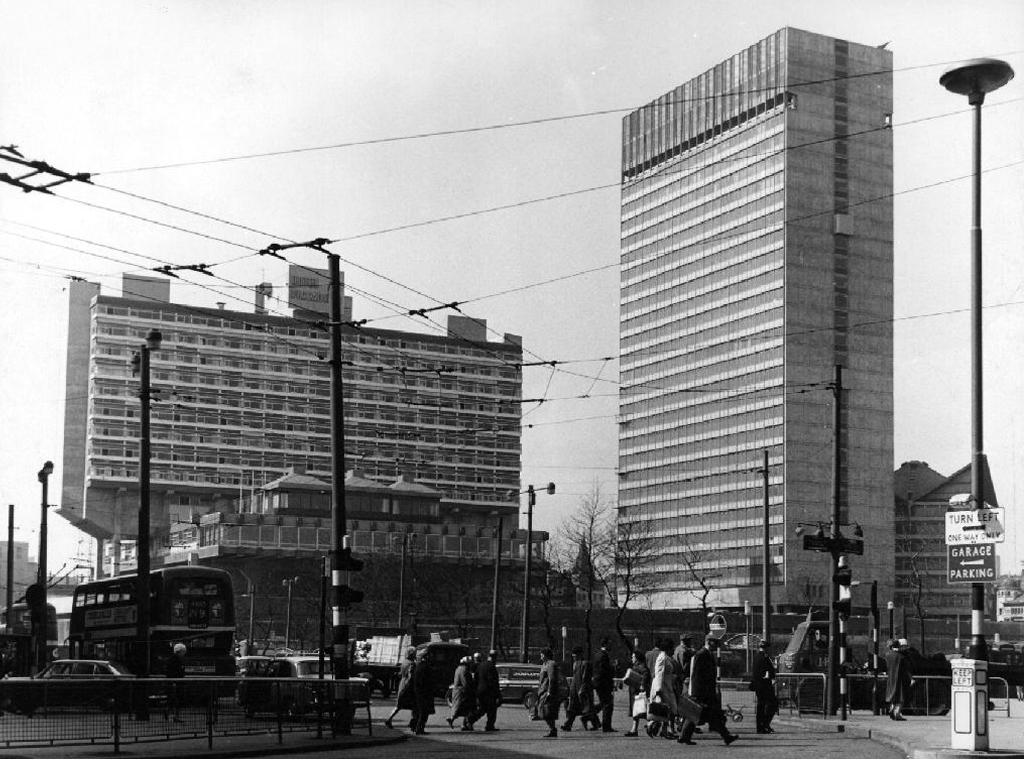
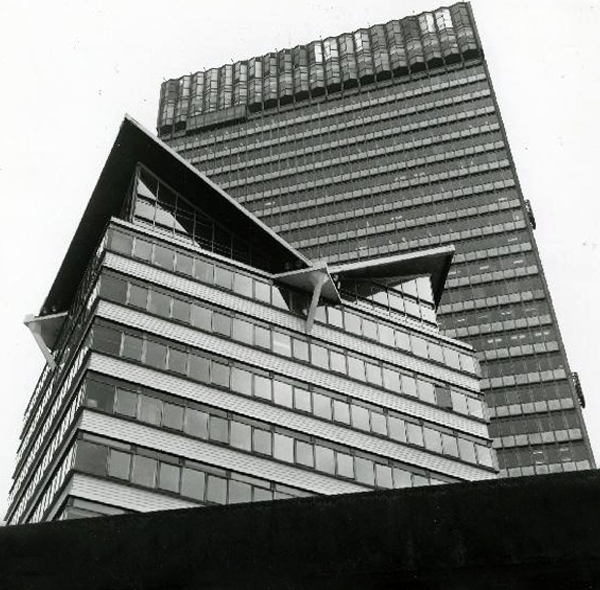
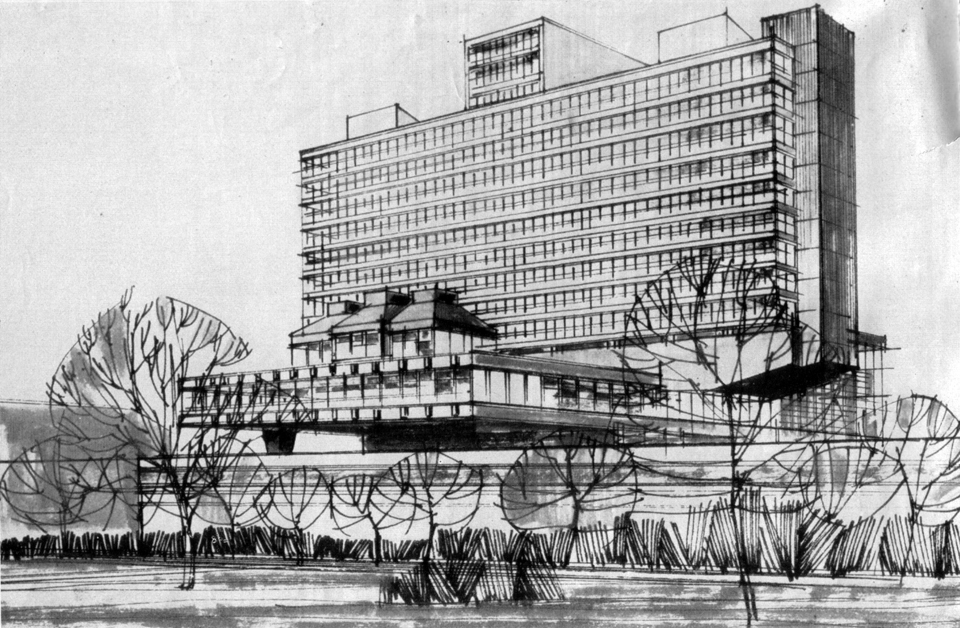
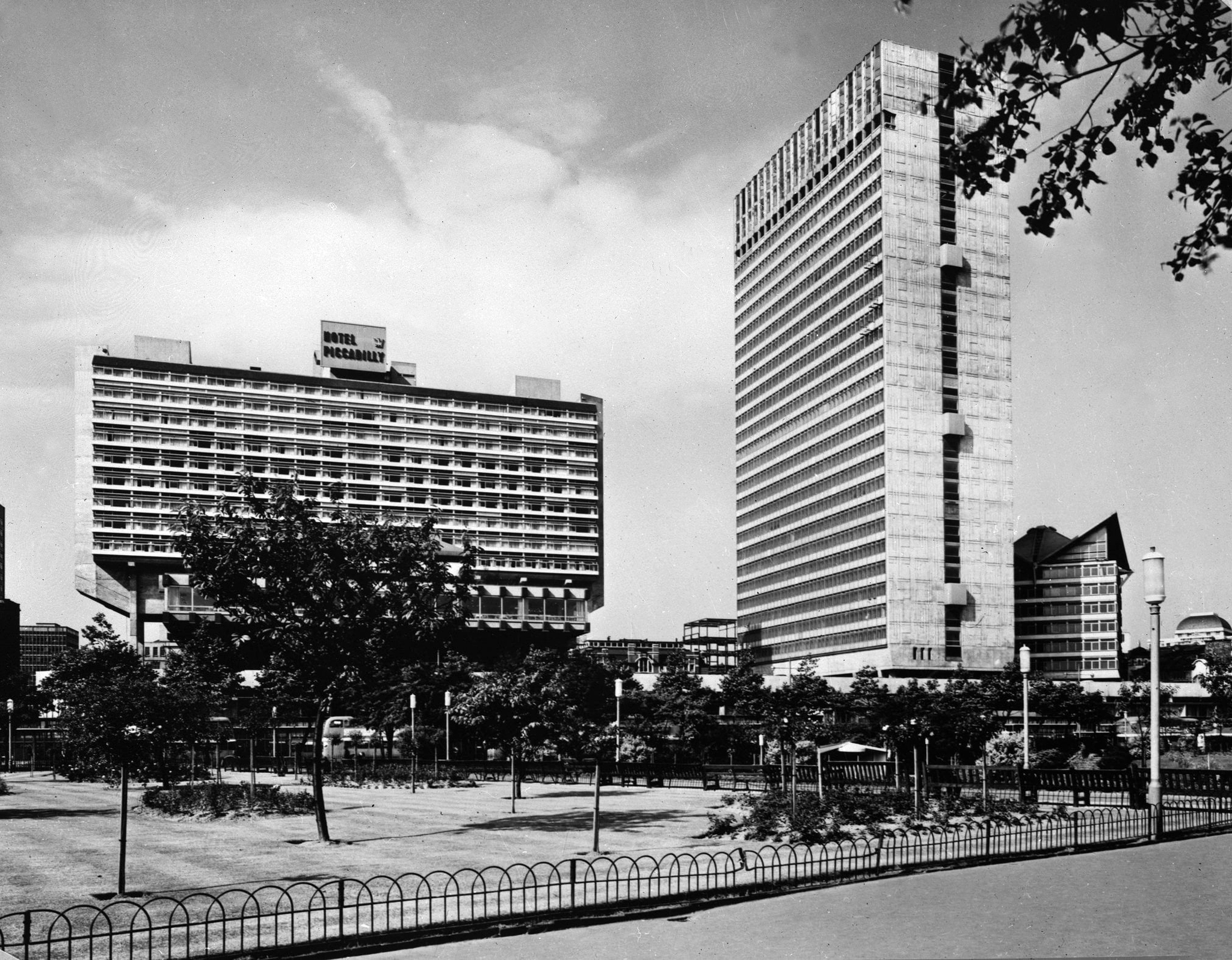
Piccadilly Plaza now contains the renovated Mercure Hotel it was formerly known as the Ramada Manchester Piccadilly and Jarvis Piccadilly Hotel; the refurbishment was completed in 2008.
The retail units famously contained Brentford Nylons.
The company was eventually sold at a knock-down price and the new owner did not think the name worth having.
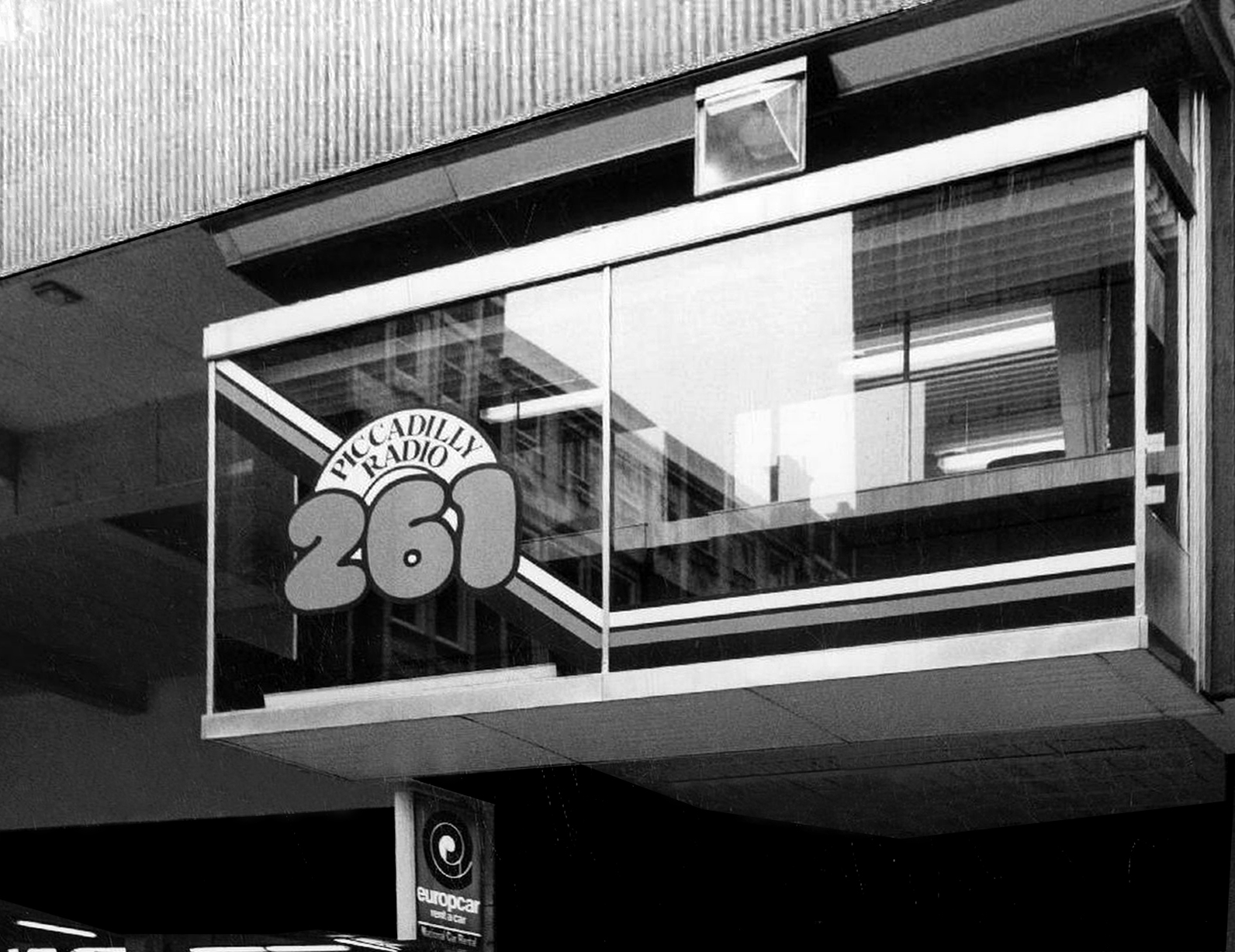
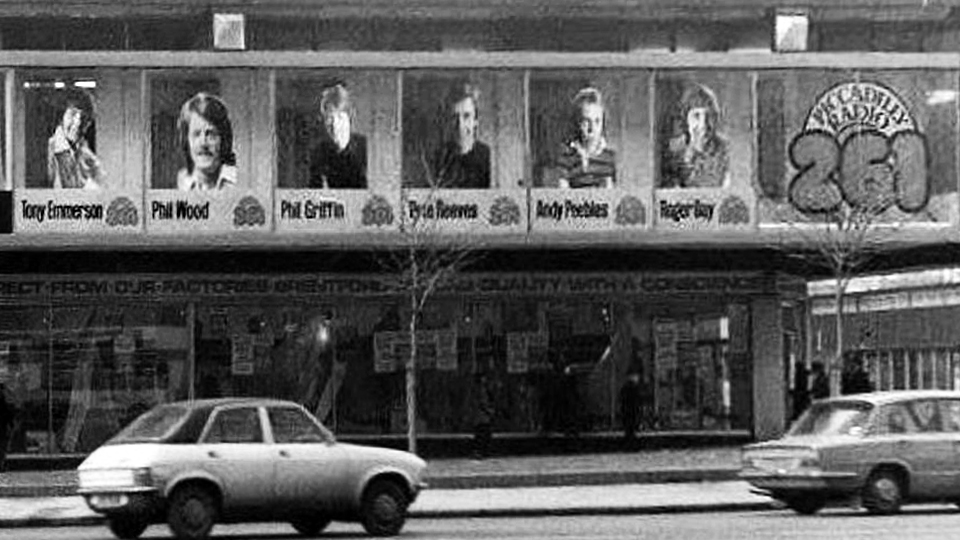
The noisy upstairs neighbours were Piccadilly Radio.
The first broadcast was at 5am on April 2nd 1974, it was undertaken by Roger Day, with his first words to the Manchester audience: “It gives me great pleasure for the very first time to say a good Tuesday morning to you… Hit music for the North West…we are Piccadilly Radio” before spinning Good Vibrations.
It was the first commercial radio station to broadcast in the city, and went on to launch the careers of a host of star DJs, the likes of Gary Davies, Chris Evans, Andy Peebles, Timmy Mallett, Mike Sweeney, Pete Mitchell, James Stannage, Steve Penk and James H Reeve.
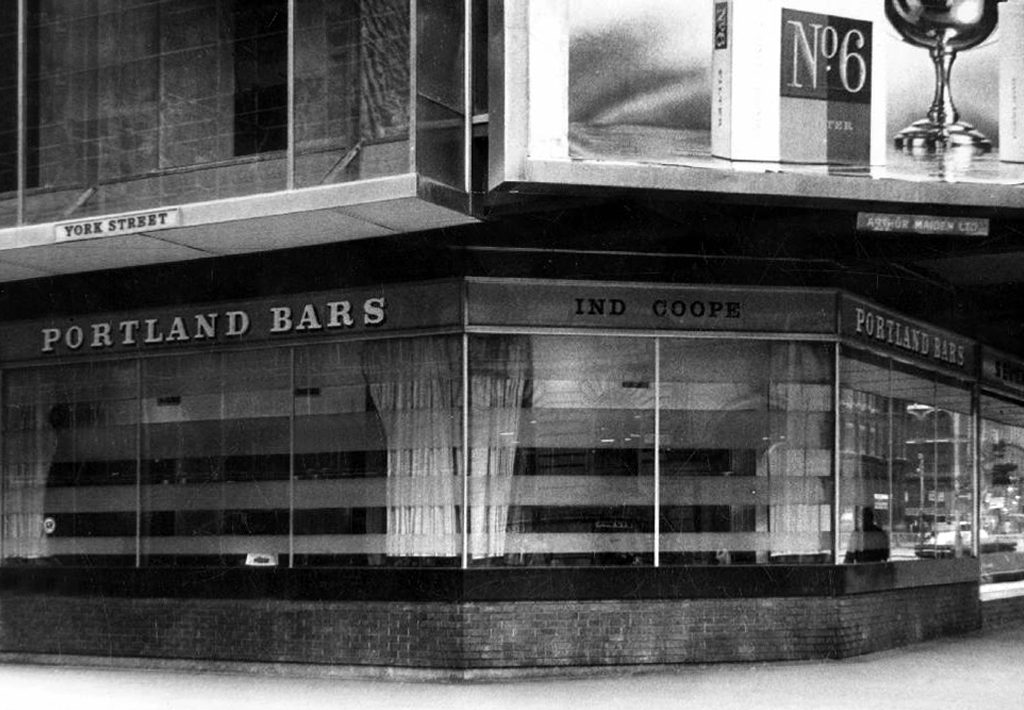
Waiting for a mate who worked at Piccadilly Radio we ventured down the stairs next door to get a drink and because of our clothes/leather jackets we were chucked back up the steps. We should of stood our ground like one of my mates who was told he could stay if he turned his jacket inside out, thinking he wouldnt do it, but he did and had a drink with his red quilted lining on the outside.
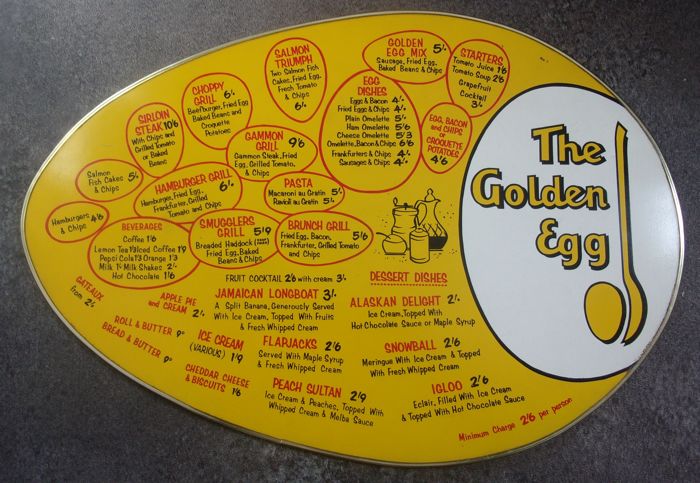
“Food served at the table within ten minutes of ordering and with atomic age efficiency. No cutlery needed or given. Drinks served in a bottle with a straw. Condiments in pre-packaged single serving packets.”
In addition to familiar Wimpy burgers and milkshakes, the British franchise had served ham or sardine rolls called torpedoes and a cold frankfurter with pickled cucumber sandwiches called Freddies.
Even on the greyest days the Plaza was a beacon of Modernity.
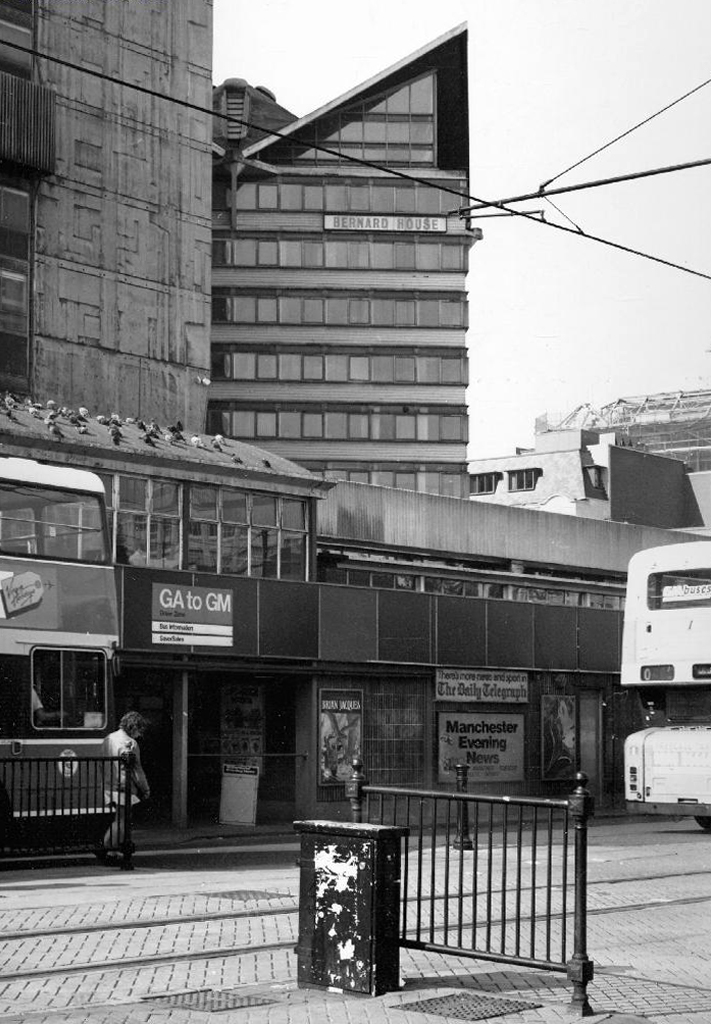
Though sadly we eventually lost Bernard House.
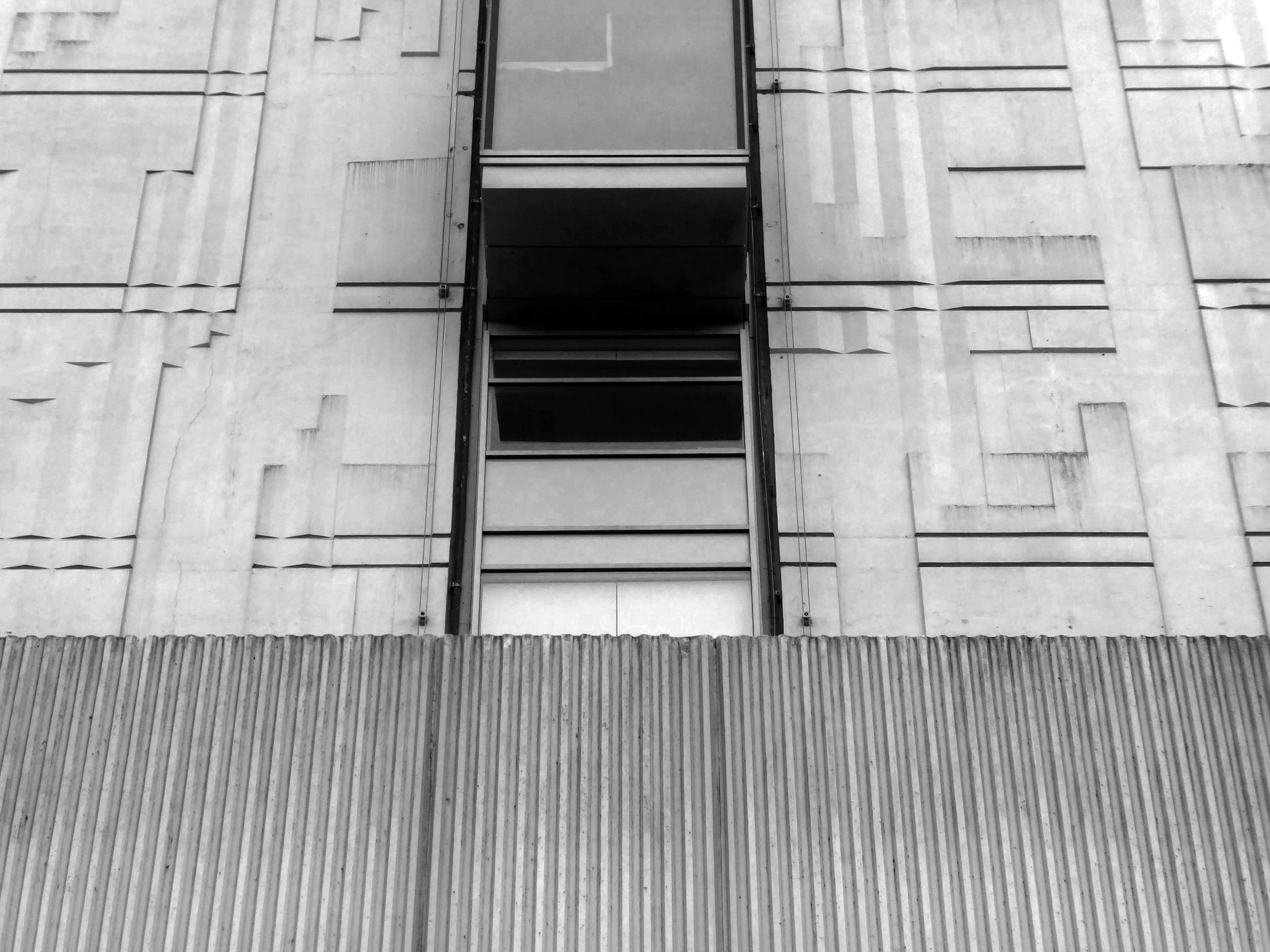
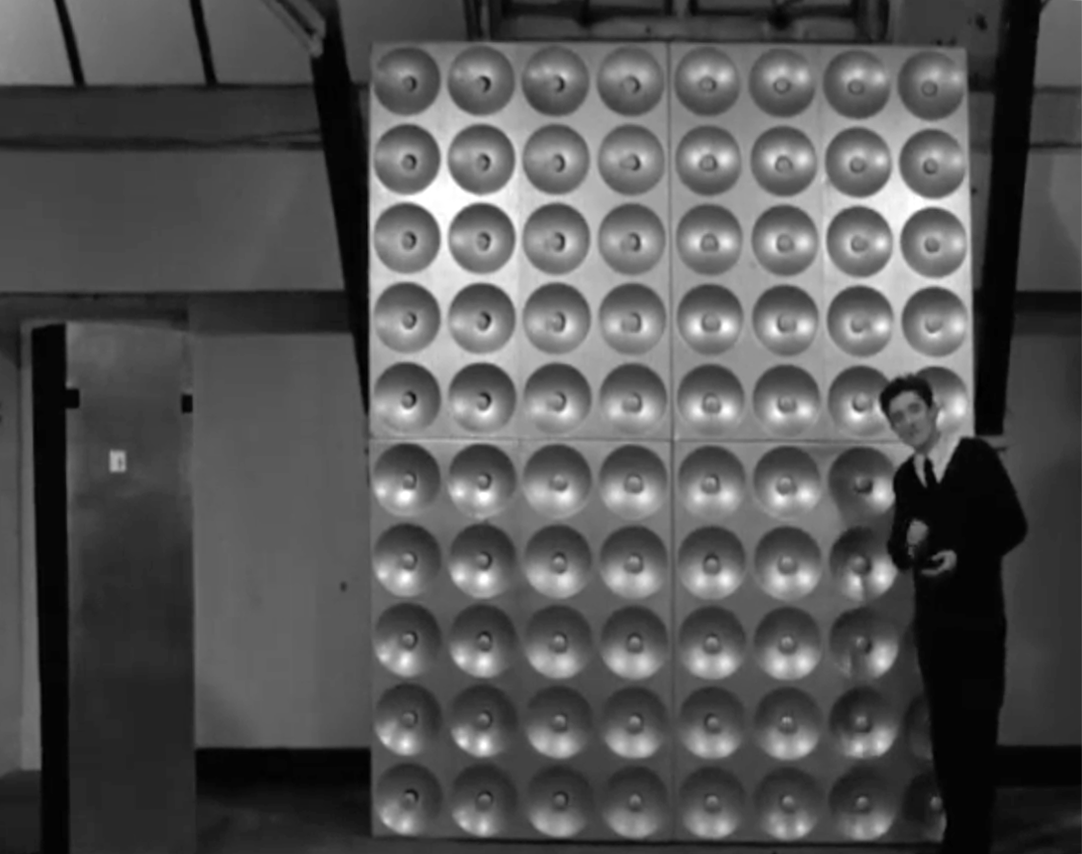
However, City Tower still prevails as a mixed use office block, adorned east and west with big bold William Mitchell panels.
Which were to be illuminated by ever changing images, produced by photo electric cells – sadly unrealised.
So goodbye Piccadilly – farewell Leicester Square? – it’s a long, long way to the future, and we’re barely half way there.
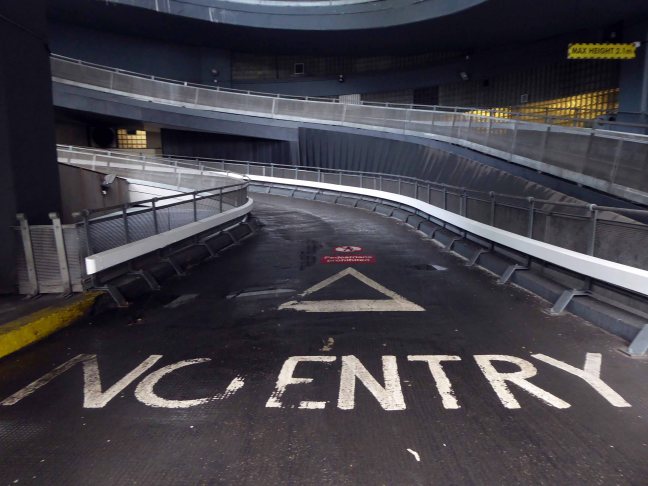
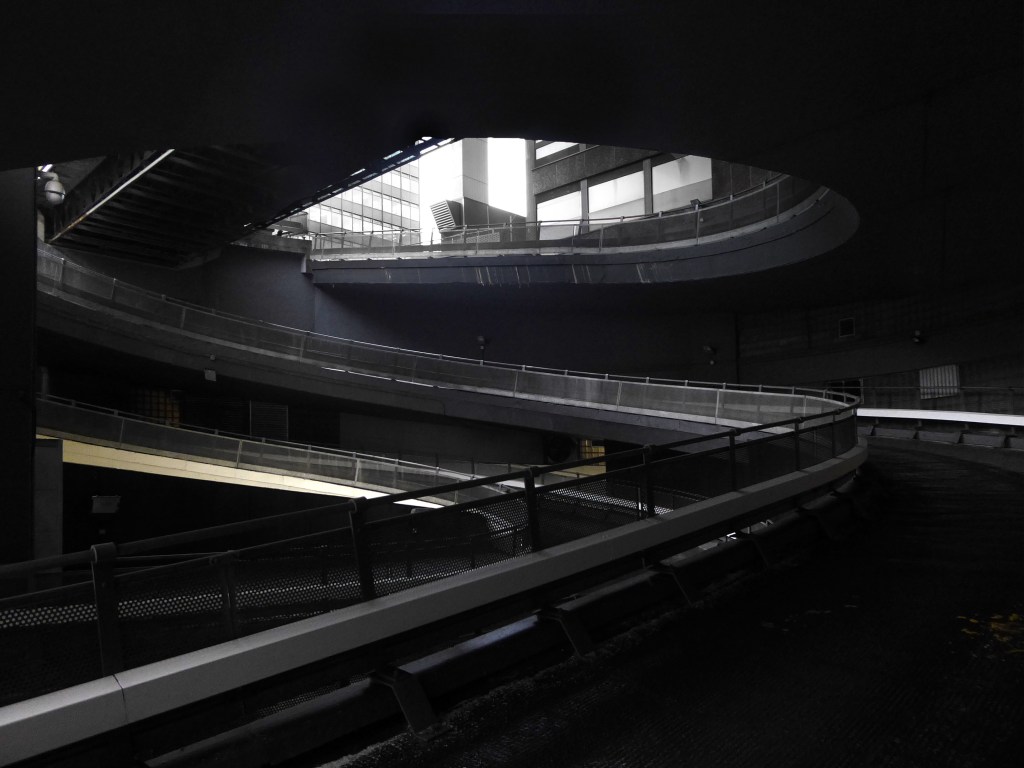
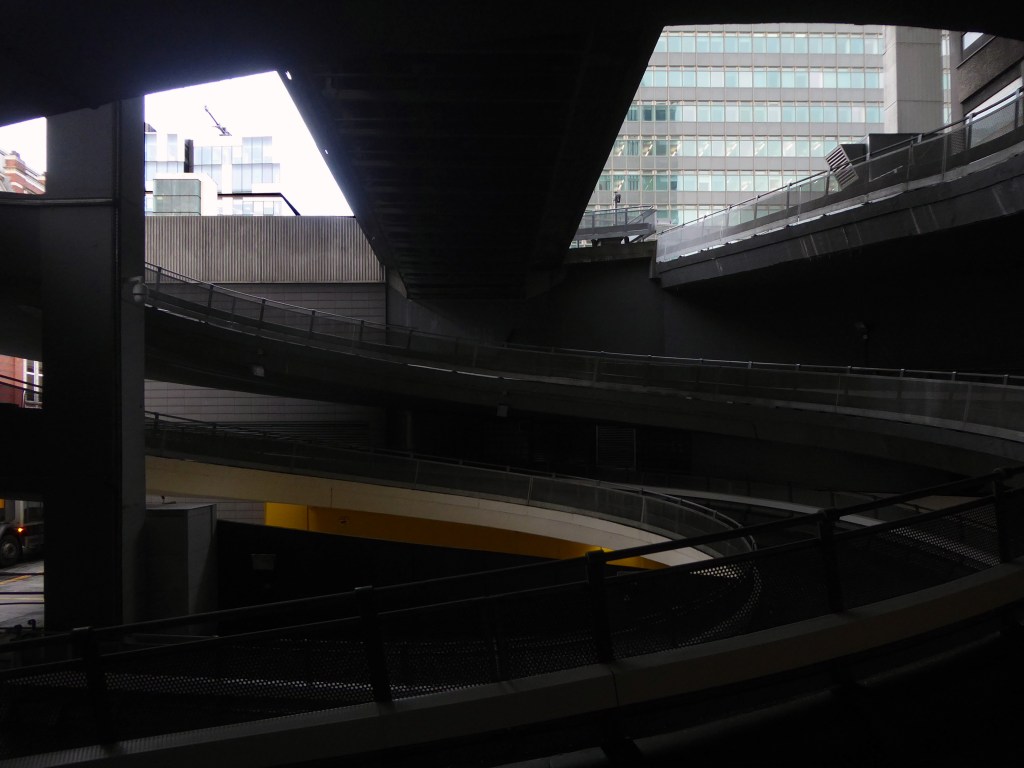
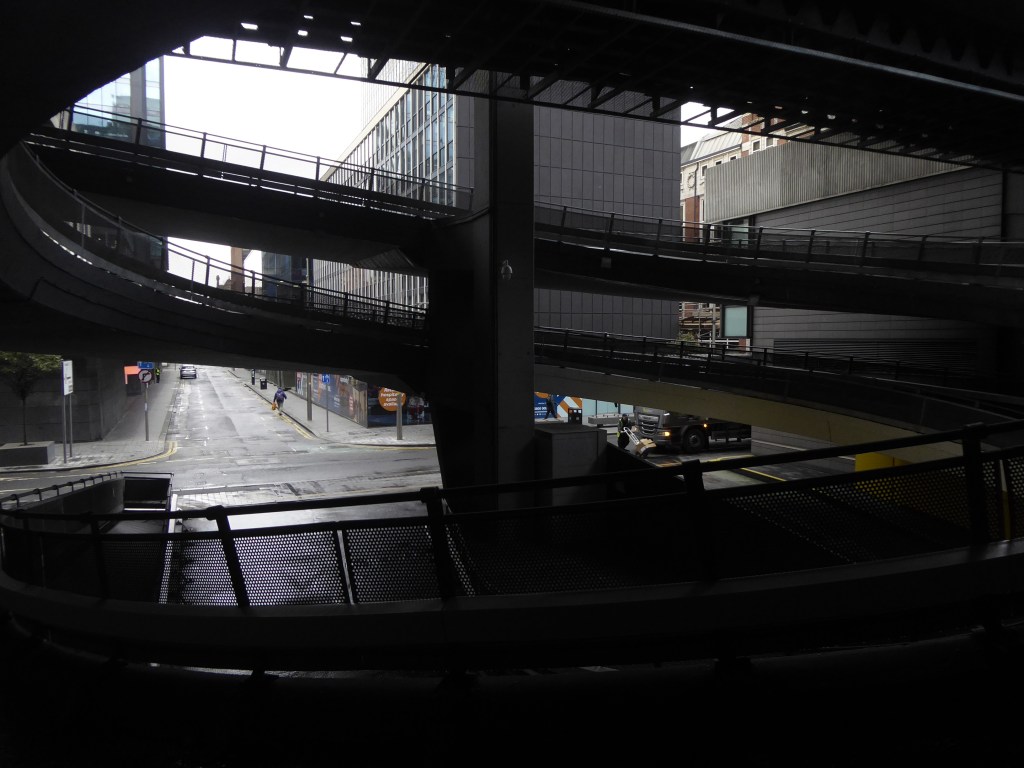
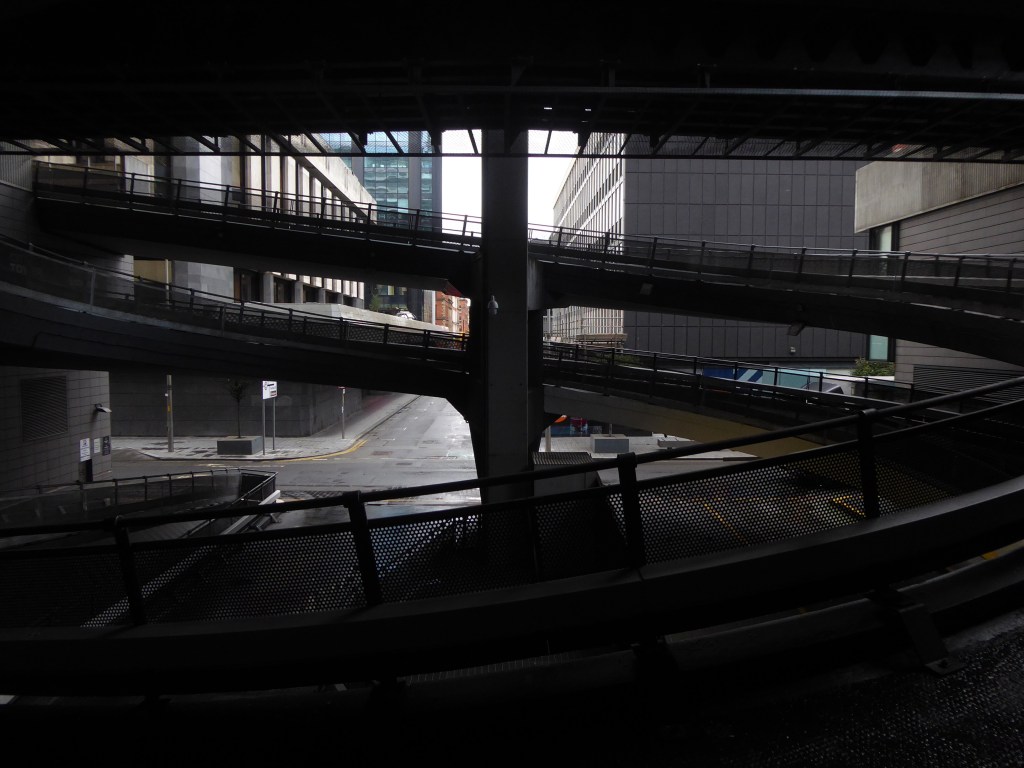
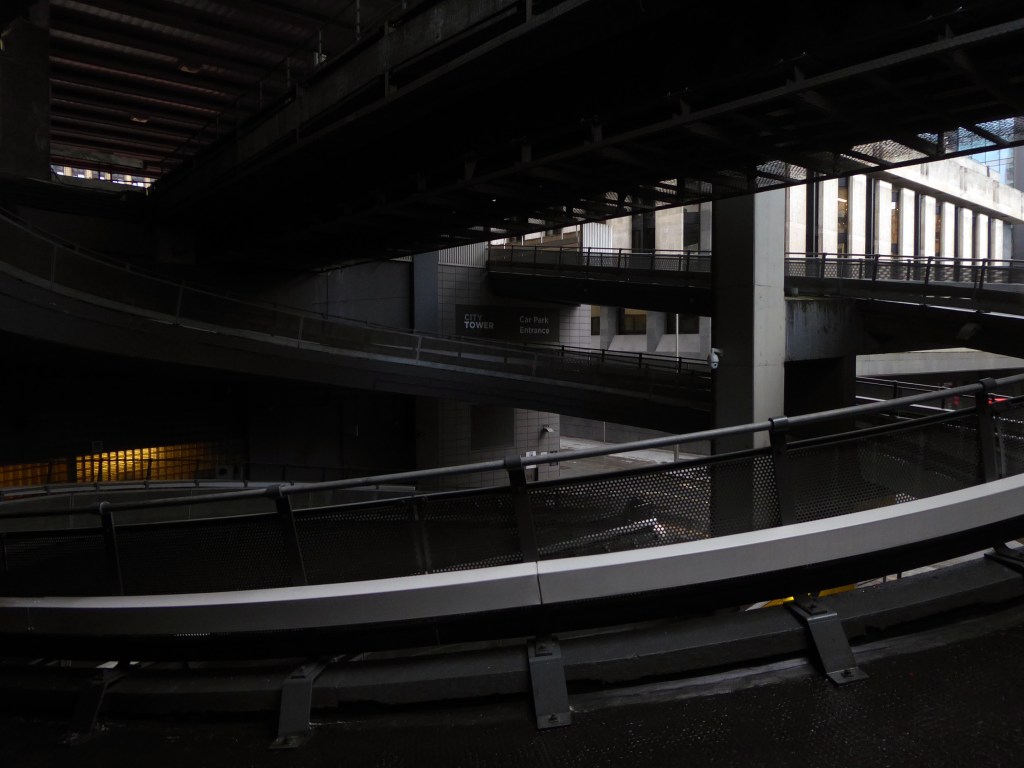
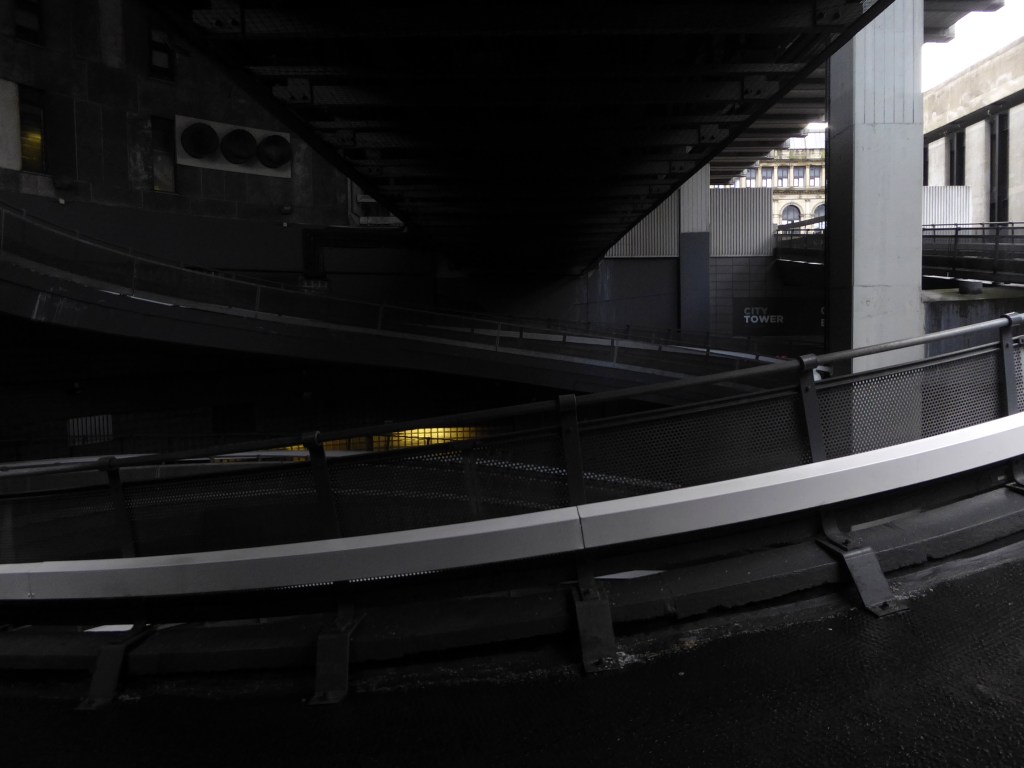
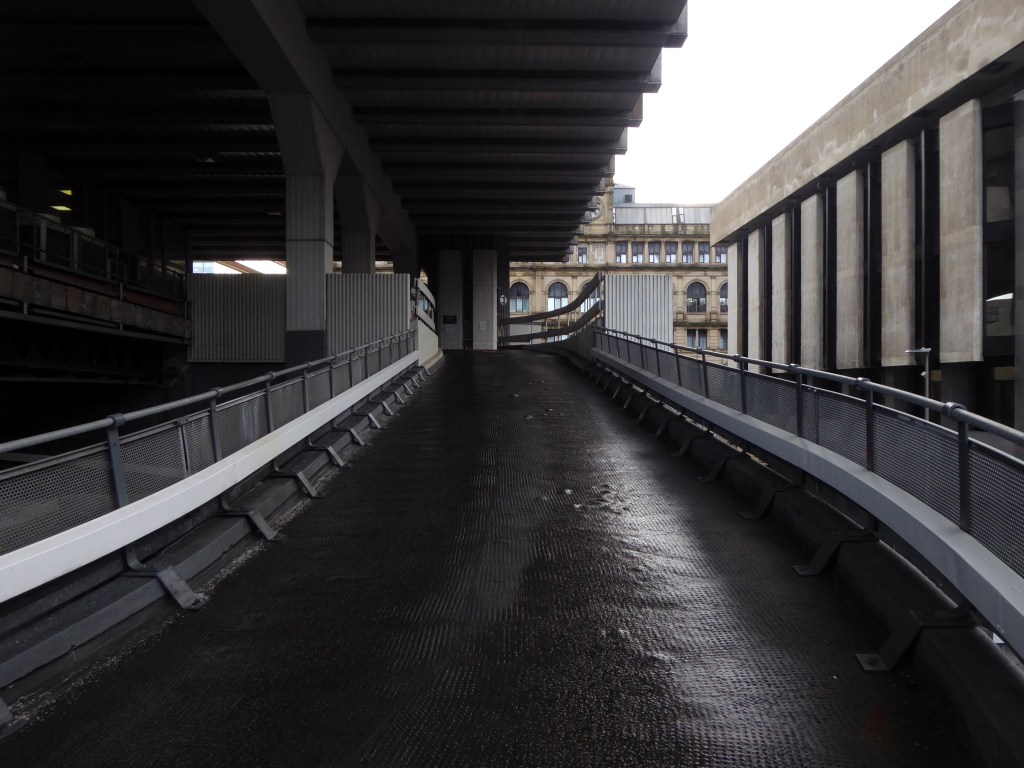
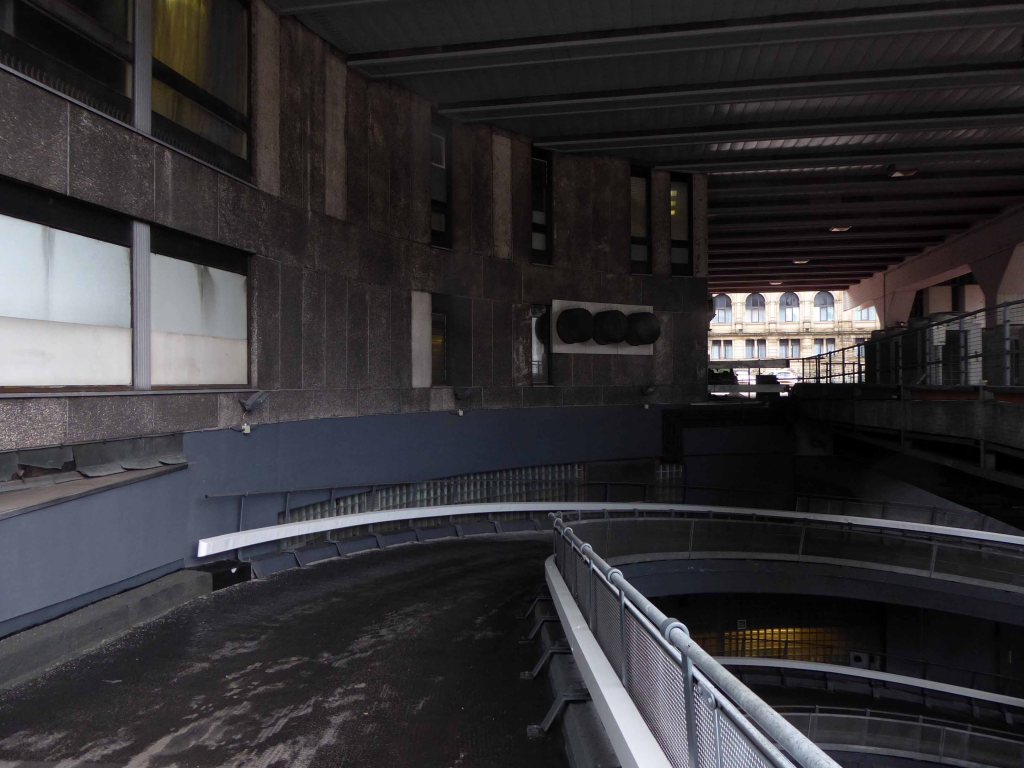
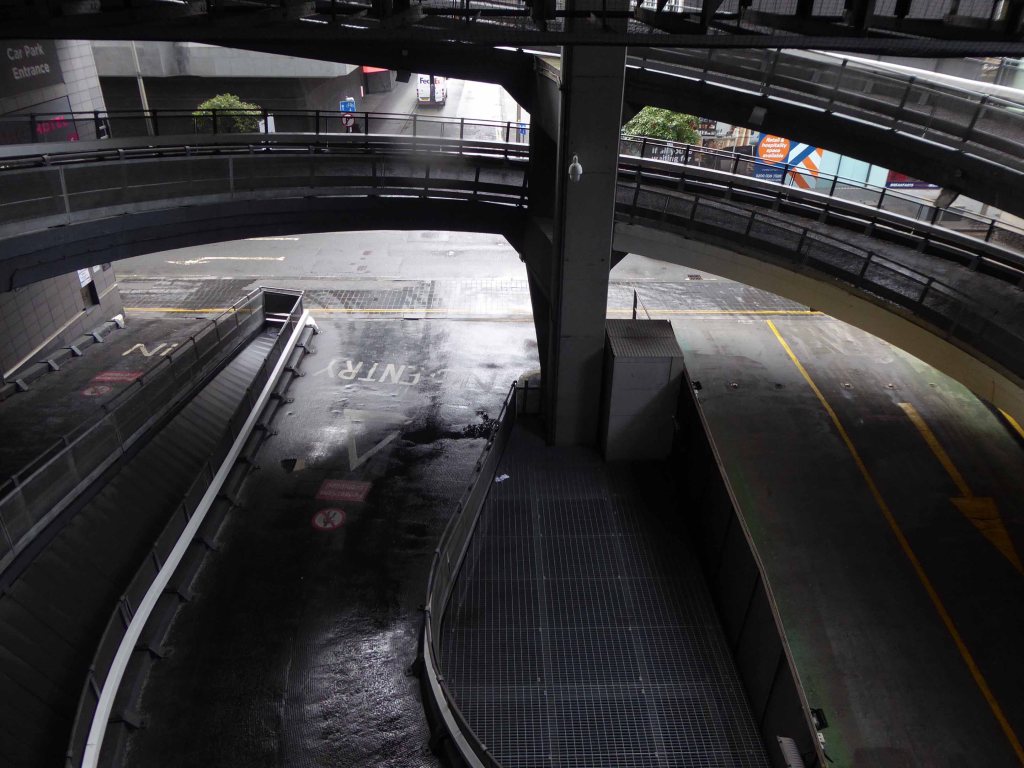
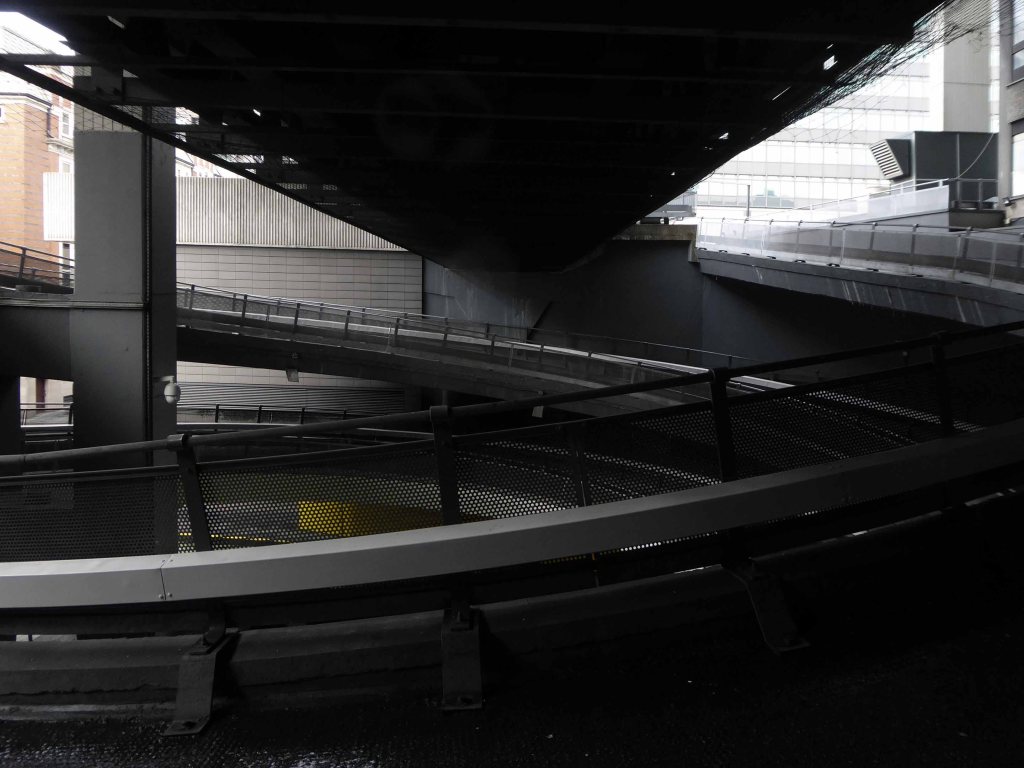
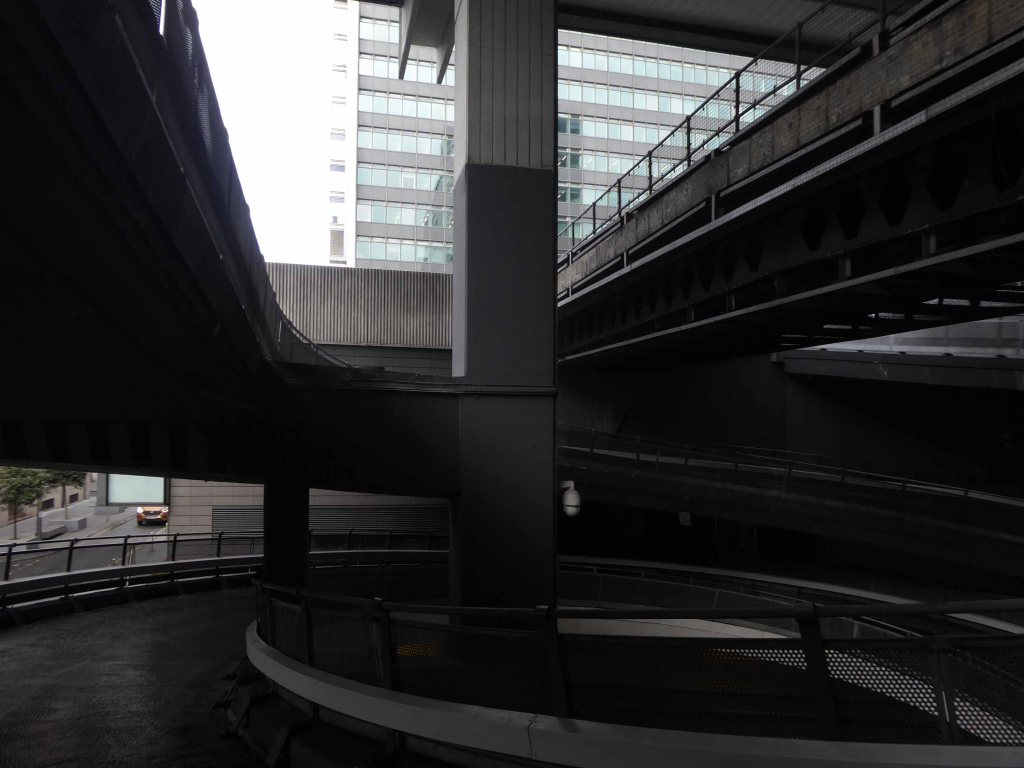
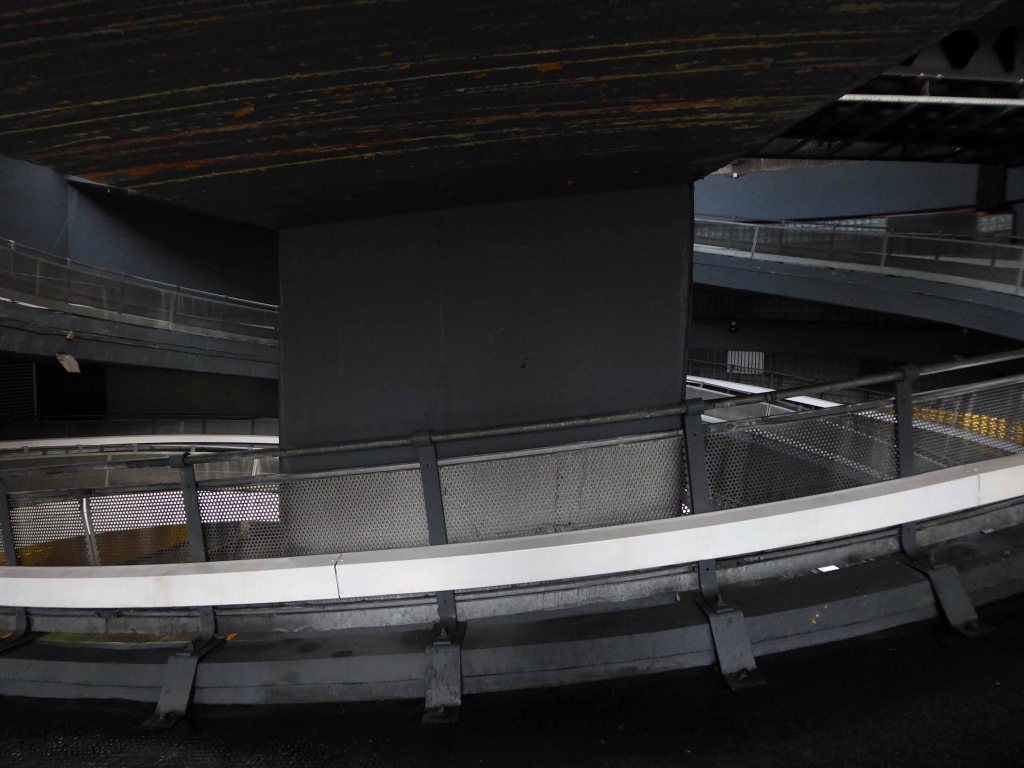
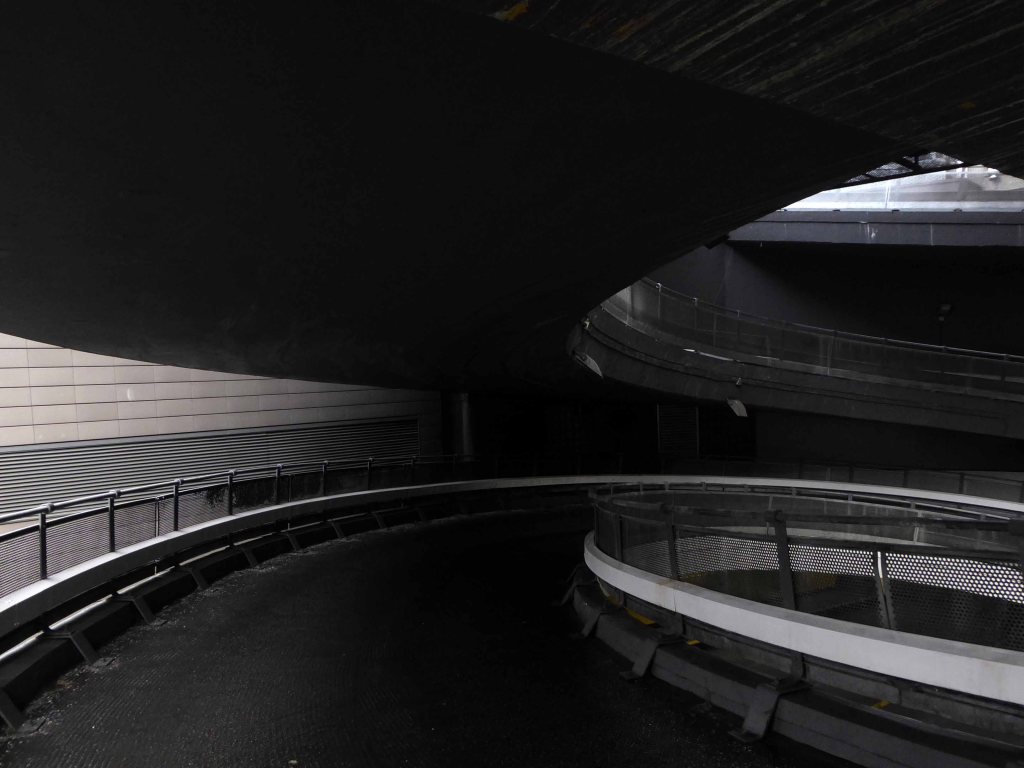
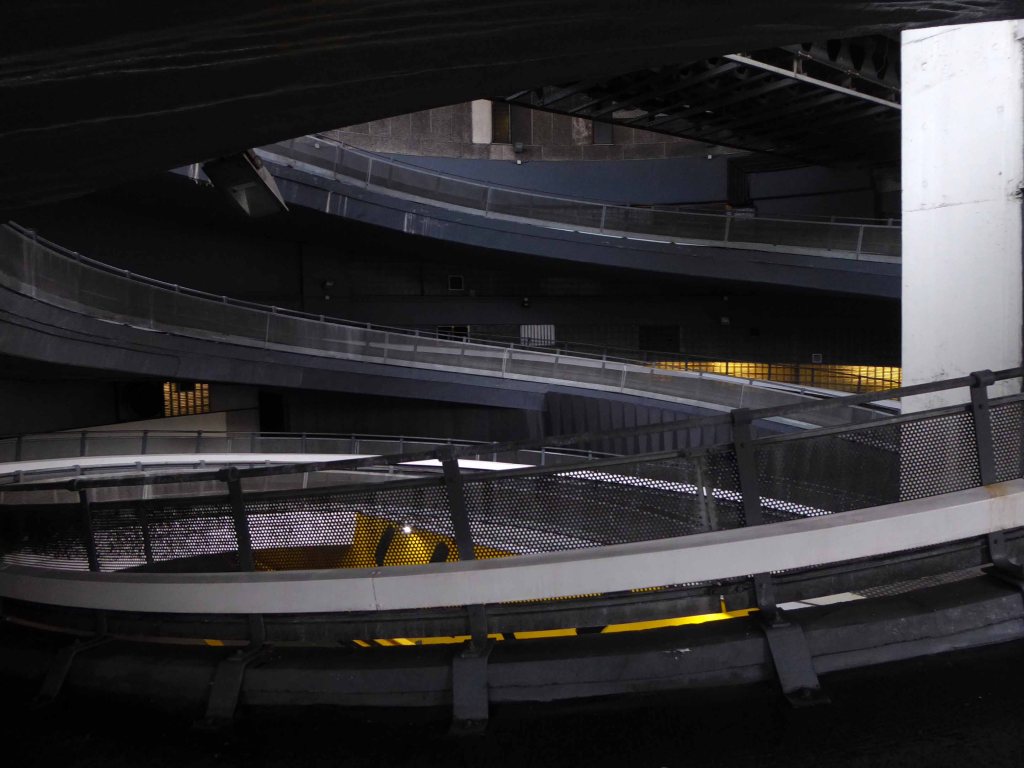
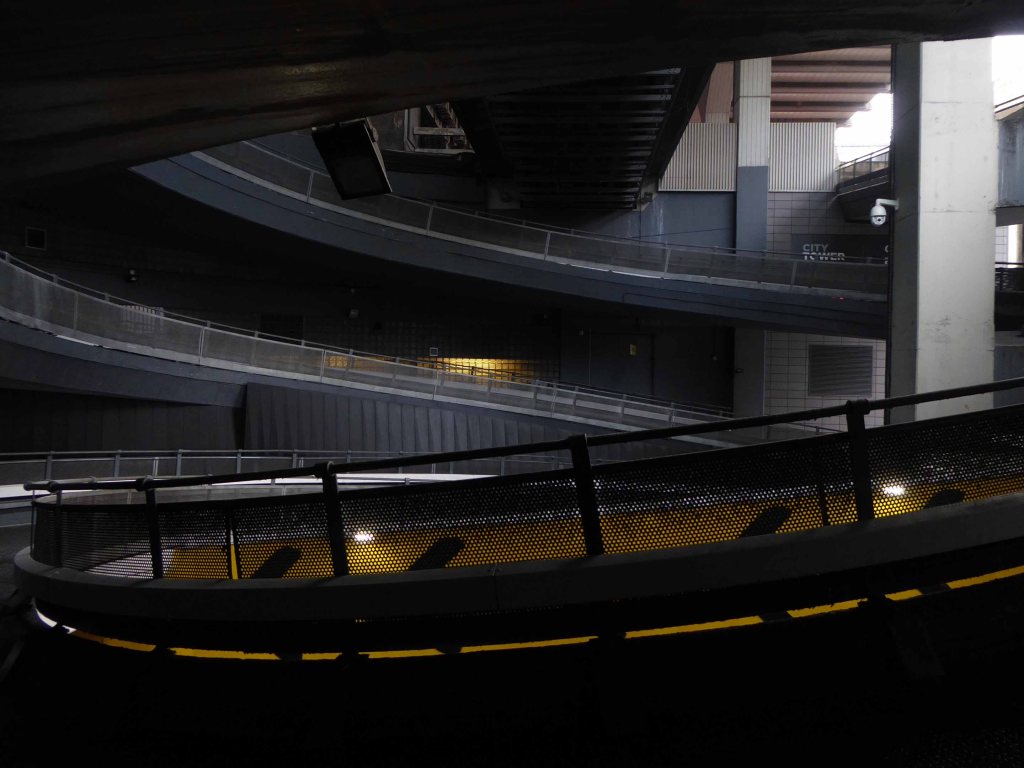
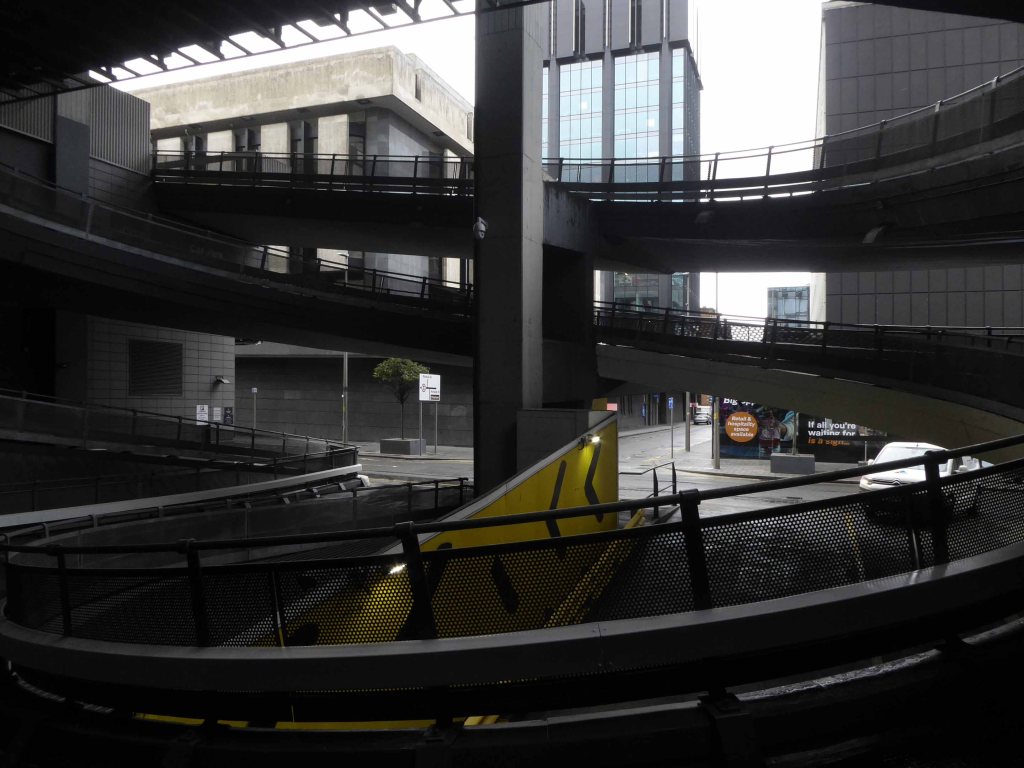
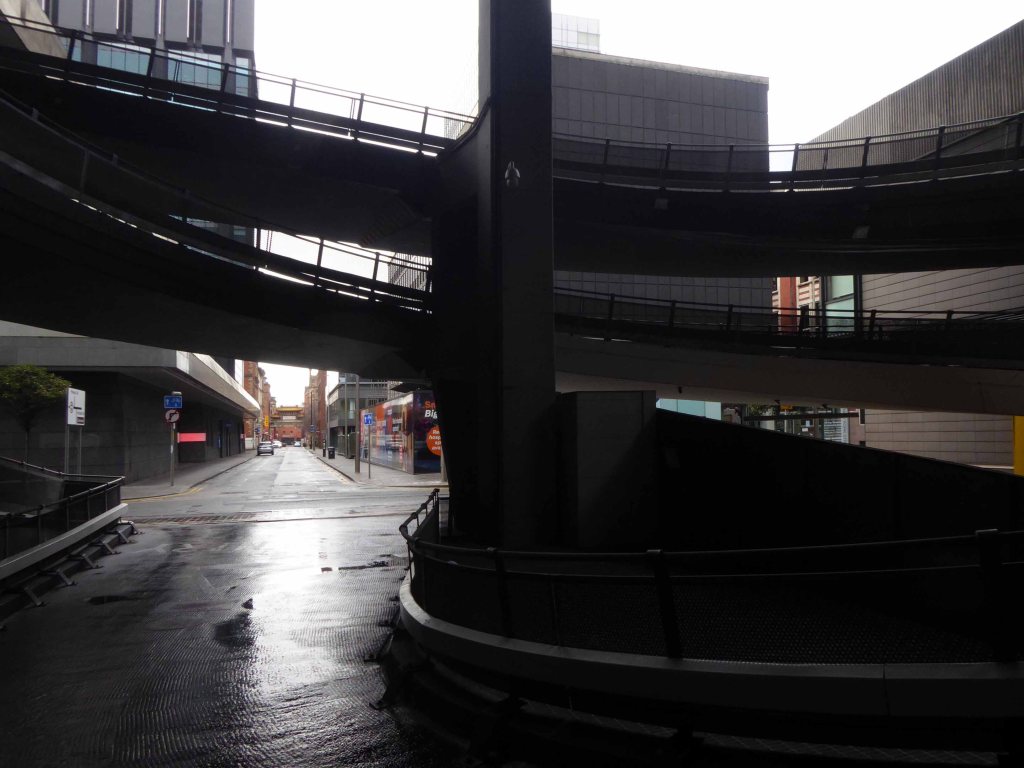
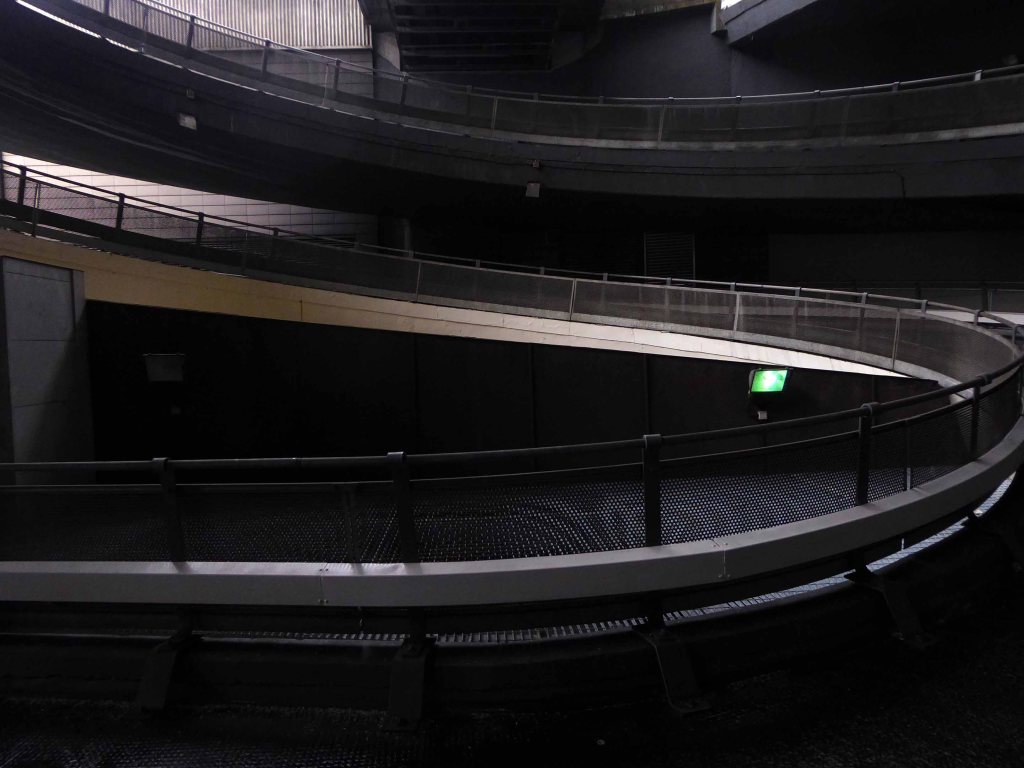
While we’re in the vicinity take a quick trip up and down the car park ramp.
Notably the entrance to the Hotel Piccadilly was on the first floor, accessed by non-existent highways in the sky – sweet dreams.
Here we are again – in a spin, oh what a spin that I’m in.
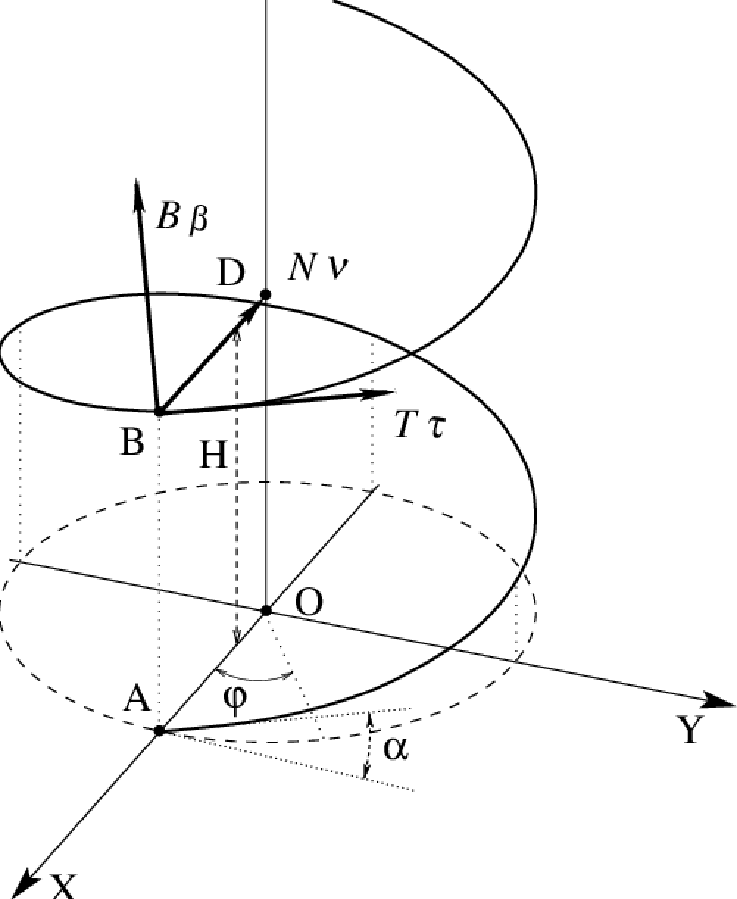
Up and down the spiral ramp, the eternal allure of the unknown and forbidden, walking the way of the motor car.
I was in town on an overcast day, prior to a Covid jab appointment, what better way to relax and reflect on our current condition, here on this whirling sphere.
A transgressive trip to a twisted world of spiral delights.
Stockport, Hull and London have all been previously explored – here we are now going up the back of the Plaza.
The work of architects Covell-Matthews Partners, further details here at Mainstream Modern.
The car park ramp serviced the Piccadilly, now Mercure Piccadilly Hotel; one of the three main elements of Piccadilly Plaza, along with City Tower and the late lamented Bernard House.
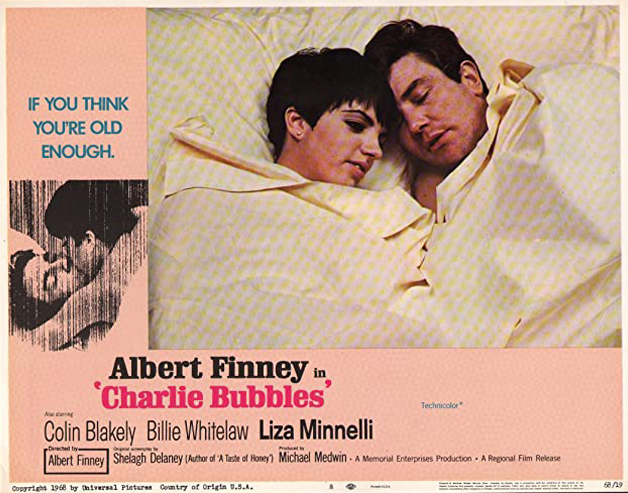
In its day, synonymous with Manchester’s emergent manifestly modern image – scene of Albert Finney’s homecoming, in the film Charlie Bubbles.
And also used, in the then fabulously glamorous Dee Time – host Simon Dee descending the ramp in his ‘E Type’ Jaguar.
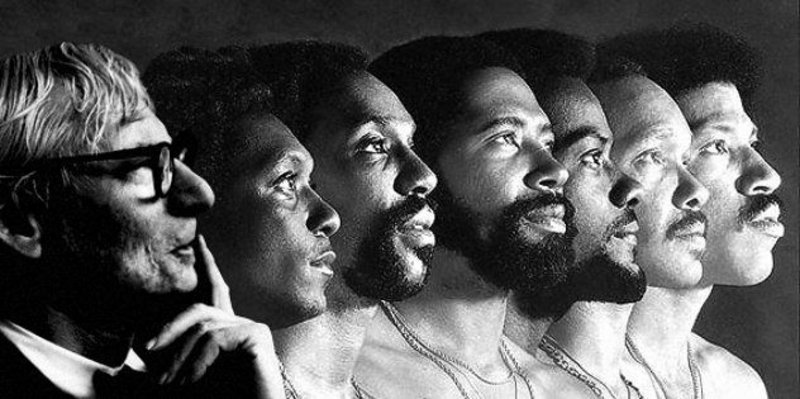
Legend has it, that the ramp was the location for an unlikely encounter between architect Louis Kahn and top pop combo The Commodores.
The reception drop off was at first floor level and was accessed from street level by a helical ramp. My father’s dilapidated Renault 4 van gave up just near the top. Extremely embarrassed, my father asked Kahn to move over to the driver’s seat and steer, whilst he attempted to push the van the rest of the way. As he began to push a people carrier pulled up behind and out stepped a group of men who began to help. Soon the van was outside the reception and my father and Kahn thanked the men.
The young female receptionist was very excited: ‘Do you know who just pushed your car up the ramp? The Commodores!’
We begin at the beginning of the end – fields full of fields
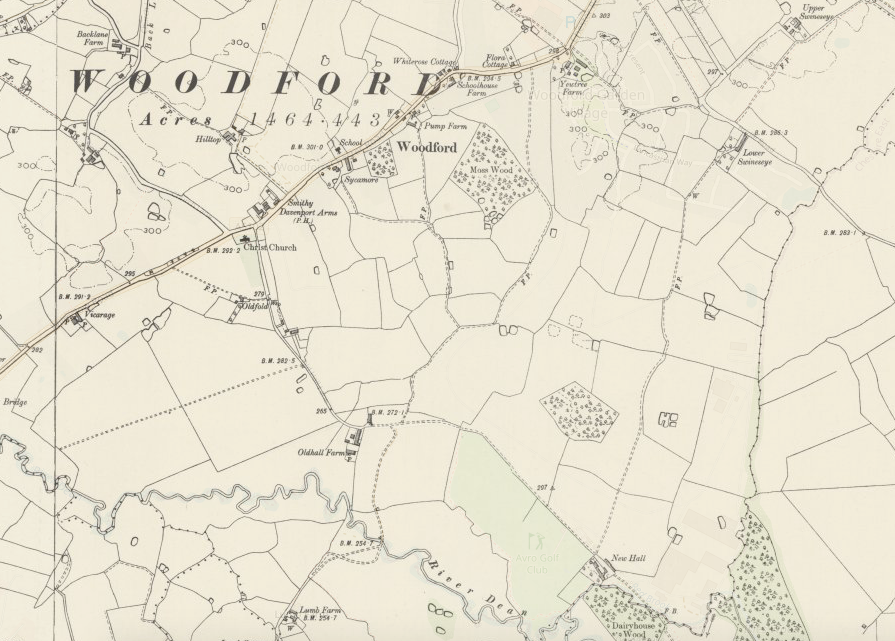
Dotted with farm buildings – then, along comes an Aerodrome.
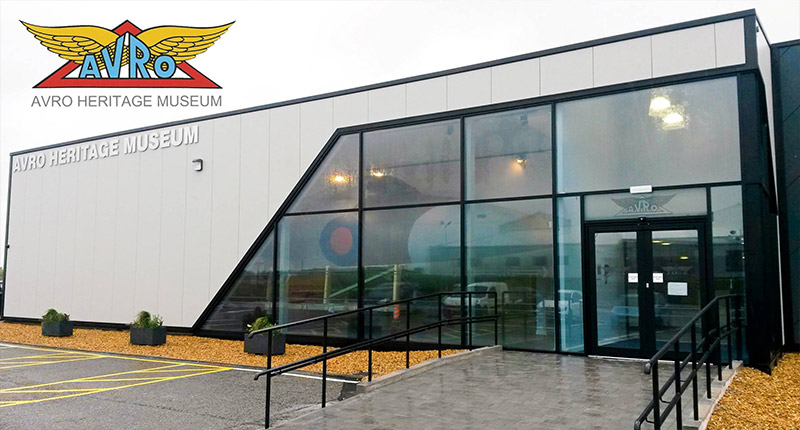
A serious problem arose in 1924 when Avro was notified that the current airfield used by the company at Alexandra Park would be closing. After a hurried search to find an alternative location, Avro settled on New Hall Farm at Woodford and completed the move later that year.
In 1999, Woodford became part of BAE Systems as a result of the merging of British Aerospace with Marconi Electronic Systems. Plans to build the Avro RJX airliner at Woodford were shelved in 2001 which left production of the Nimrod MRA4 as the only active project at the site. Woodford Aerodrome finally closed in 2011 when the Nimrod MRA4 project was cancelled, ending almost 80 years of almost continual aircraft manufacture at the site.
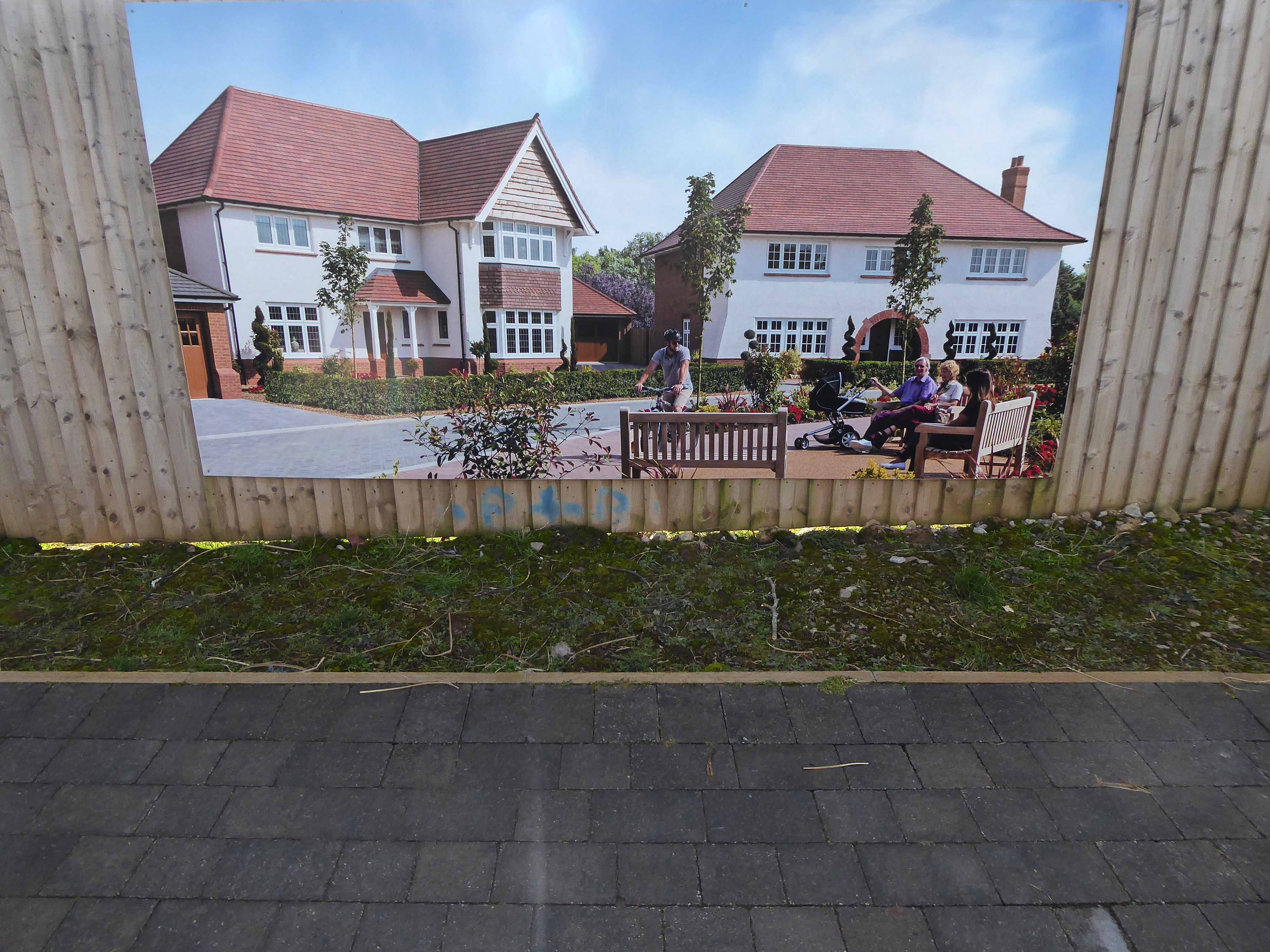
Redrow has started construction on the first phase of 950 homes at the 500-acre former Woodford Aerodrome site near Stockport, nearly two years after planning consent was granted.
Preparatory works are underway and sales of the houses are expected to launch in June with the opening of show homes on the site.
The redevelopment of the 500-acre site, which is being brought forward by a joint venture between Harrow Estates, part of Redrow, and Avro Heritage, will also feature a primary school, employment area, pub, shops, community facilities, and areas of open and recreational space.
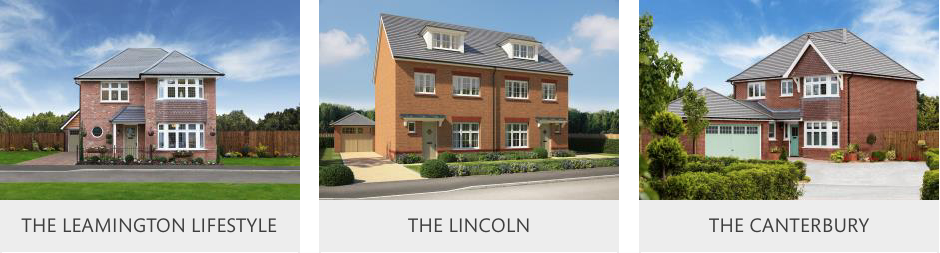
However, the architectural style owes more to Baron Hardup, than Flash Gordon.
The Tudor-Bethan style of Metro-Land, that oh so very, very English pantomime tradition of the village green, merry boys and girls dancing around Maypoles clutching wicker baskets, full of plastic daffodils.
For every raw obscenity Must have its small ‘amenity,’ Its patch of shaven green, And hoardings look a wonder In banks of floribunda With floodlights in between.
This is progress realised as regression, a pastiche of a pastiche, of a pastiche, of a pastiche.
Finding some small comfort in the imitation game, hurtling along radial roads, encased in the biggest, live now pay later motors, which borrowed money can buy.
Seeking succour in the certainty of an illusory past, whilst peering through the nets and blinds, at a seriously uncertain future.
You’re as pretty as a picture, a picture torn from a yellowing scrapbook, scanned and enhanced, to remove any unseemly rough edges and/or ruffians.
This was tomorrow calling, wishing you weren’t here.
Work is still underway and the surrounding landscape feels raw, windswept and wounded.
All of the plots on this phase are now reserved, but don’t miss out on the available homes on our other phases!
Just minutes from Wilmslow, Poynton and Bramhall, and within easy reach of Manchester for both work and leisure, Woodford is perfectly placed to offer the best of both the thriving city and the glorious Cheshire countryside. This makes it the perfect location for our high-quality Heritage Collection homes, which combine the very best of classic Arts & Crafts architecture with modern, family friendly interiors of the very highest specification.
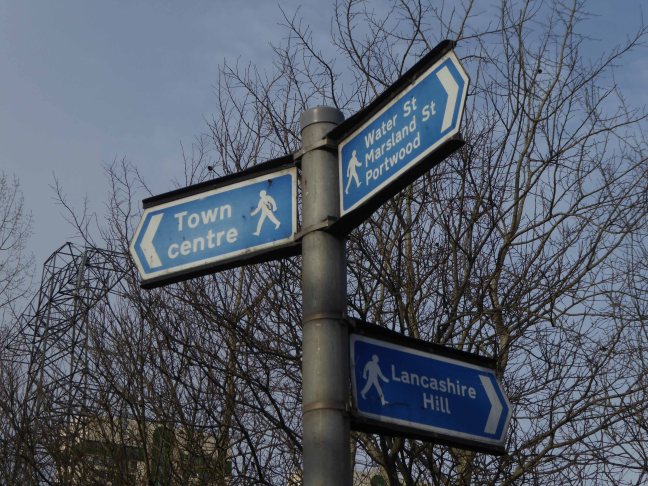
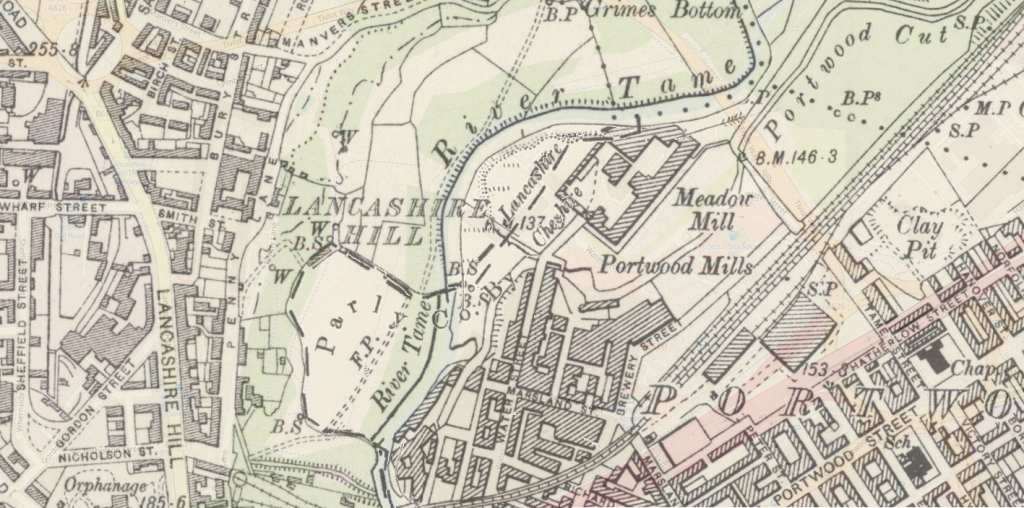
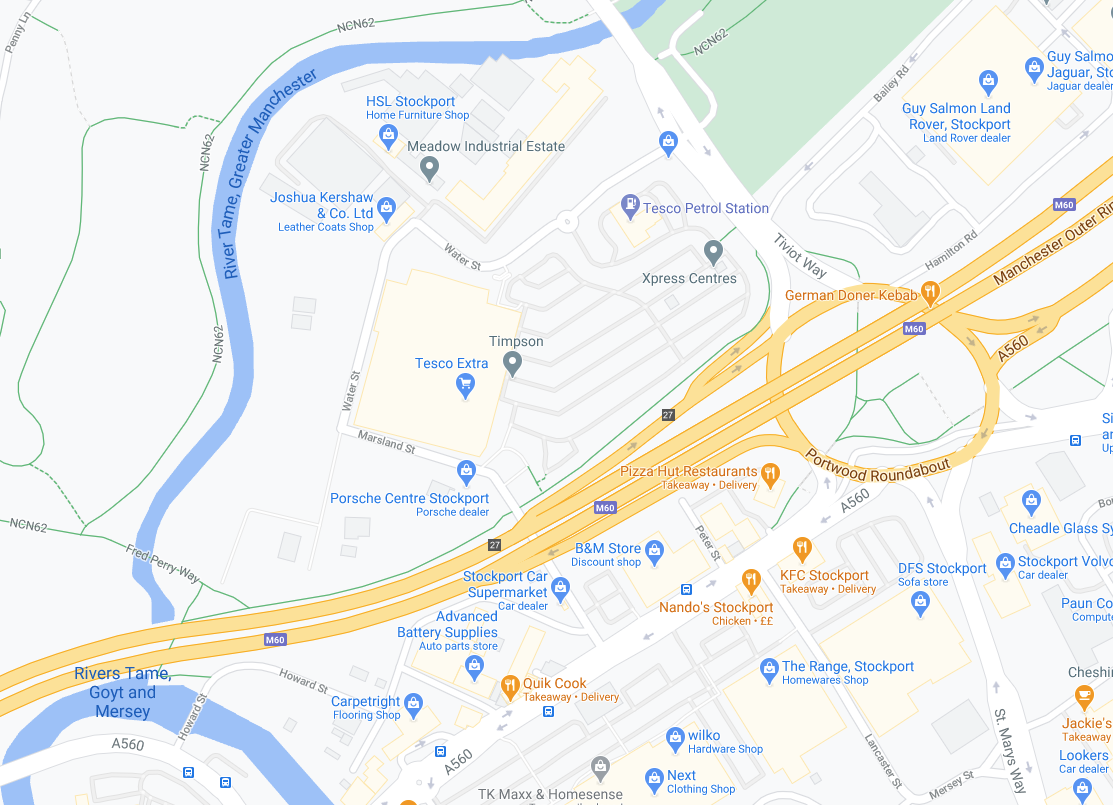
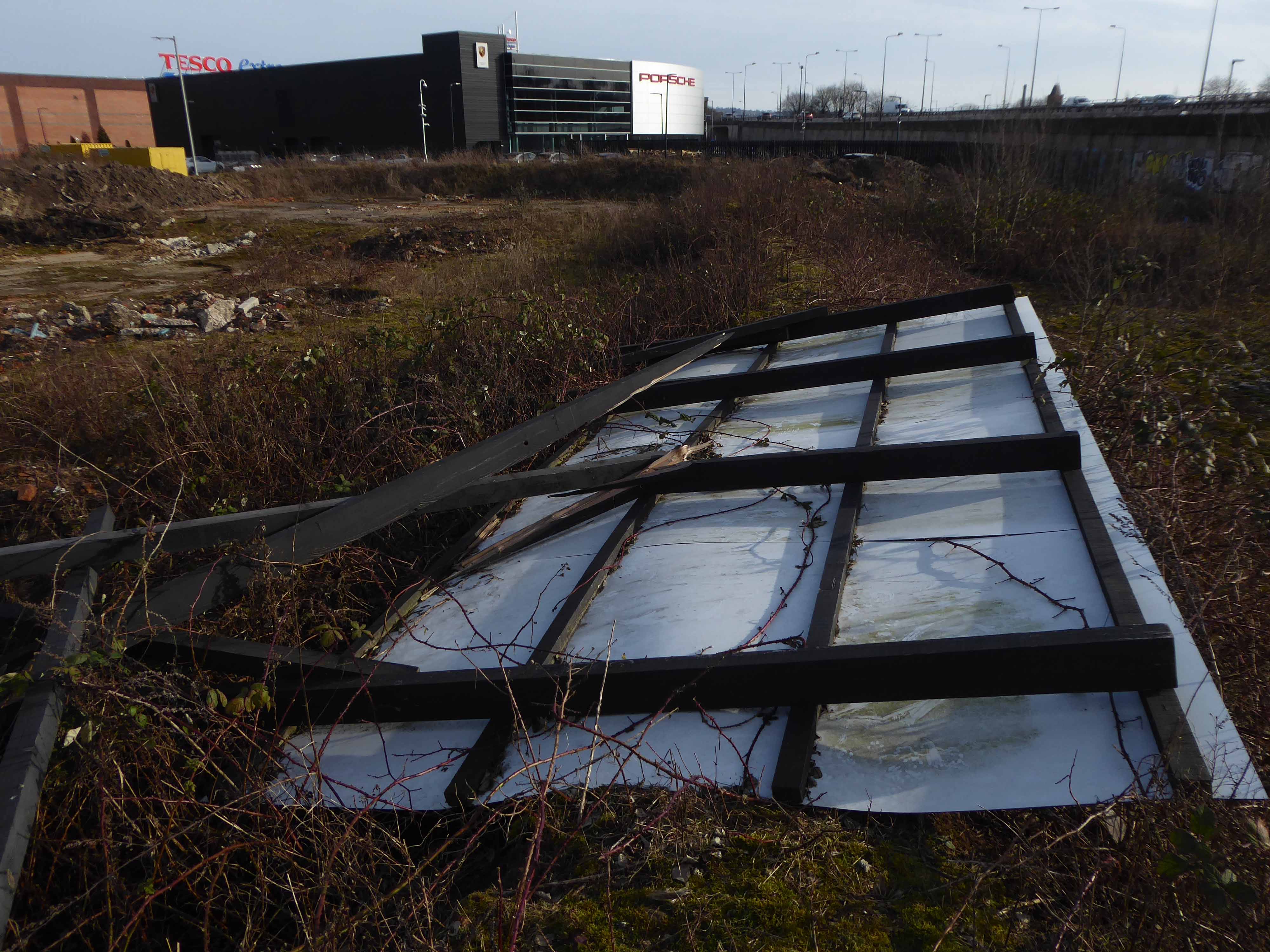
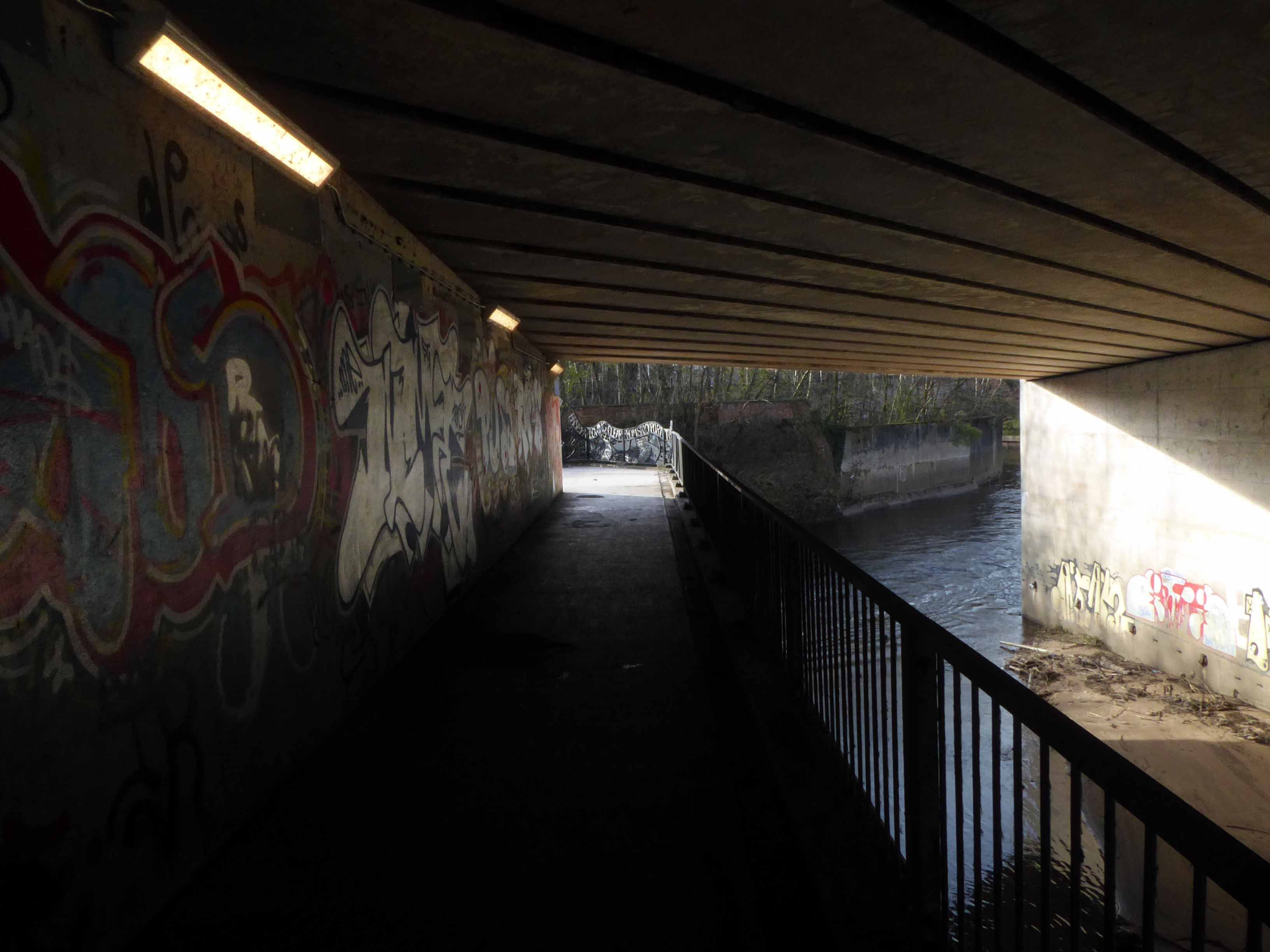
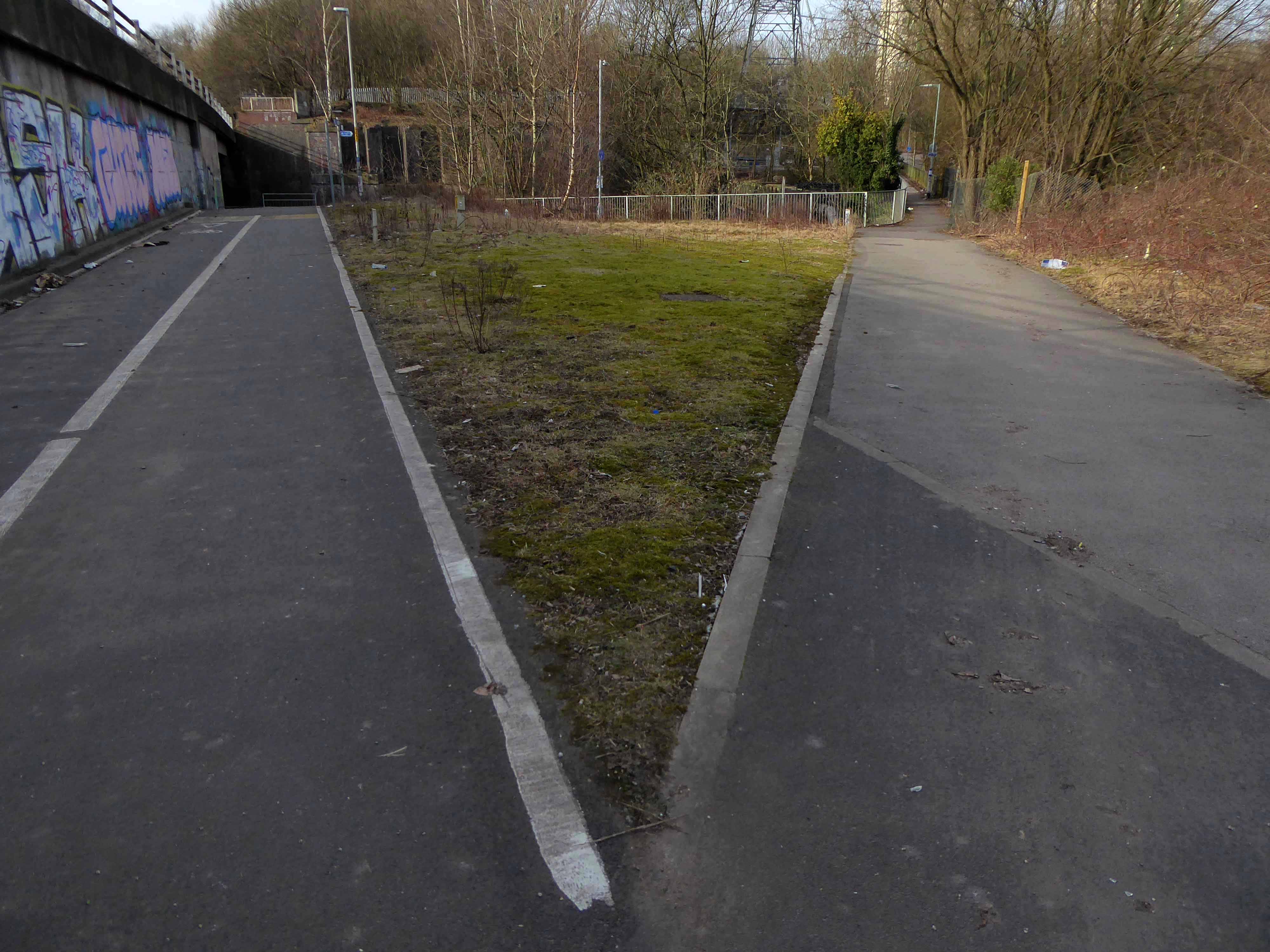
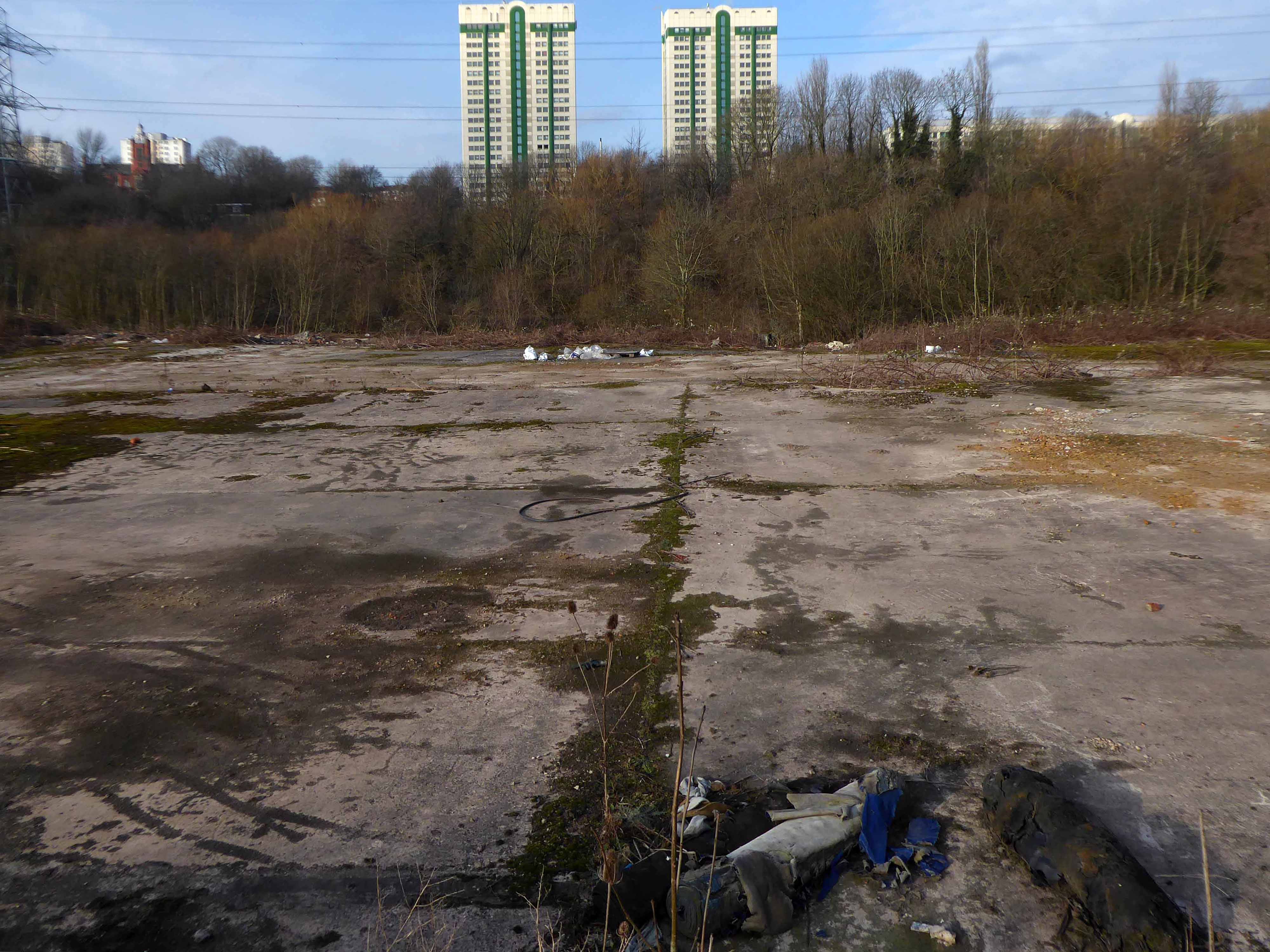
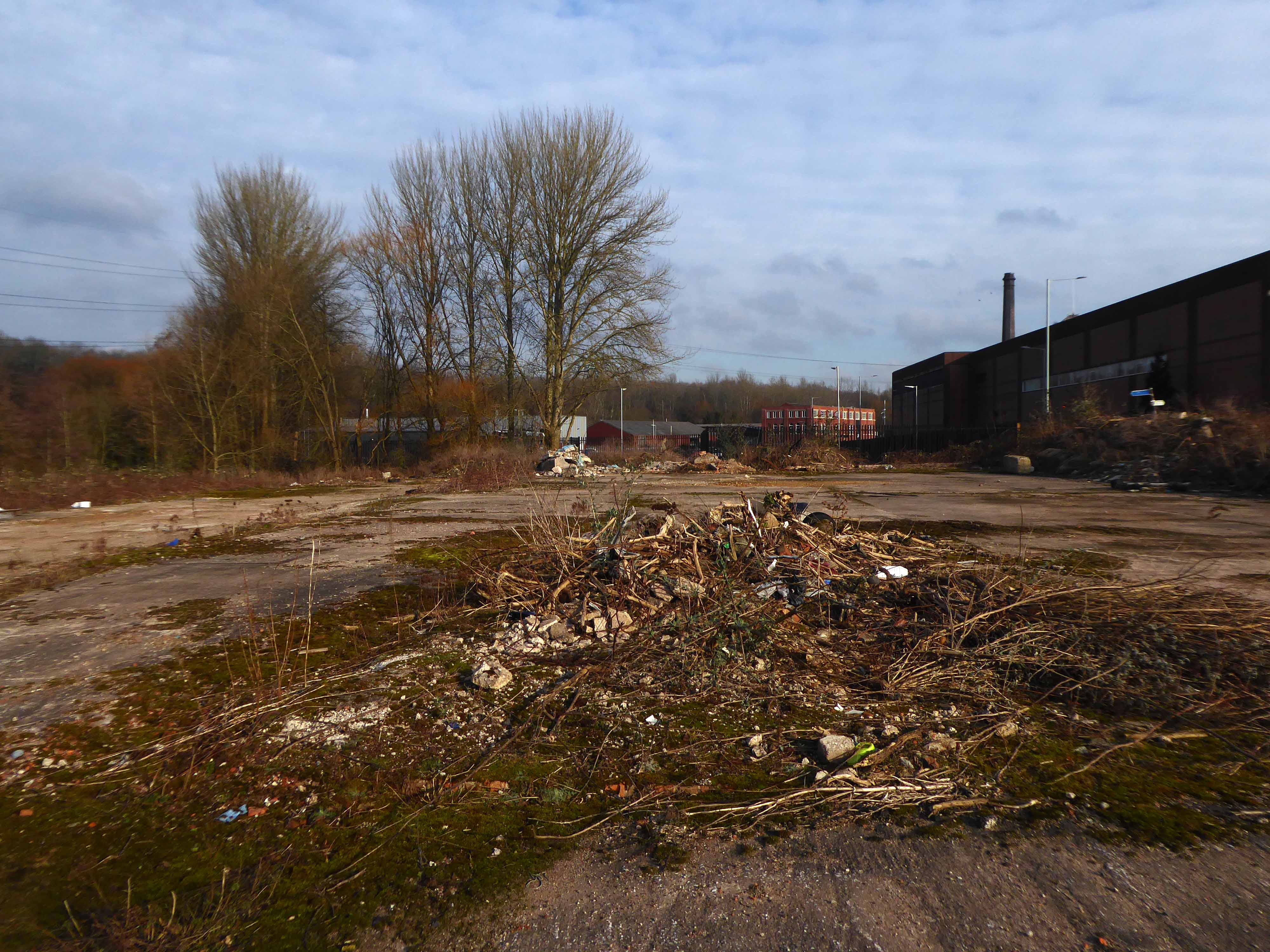
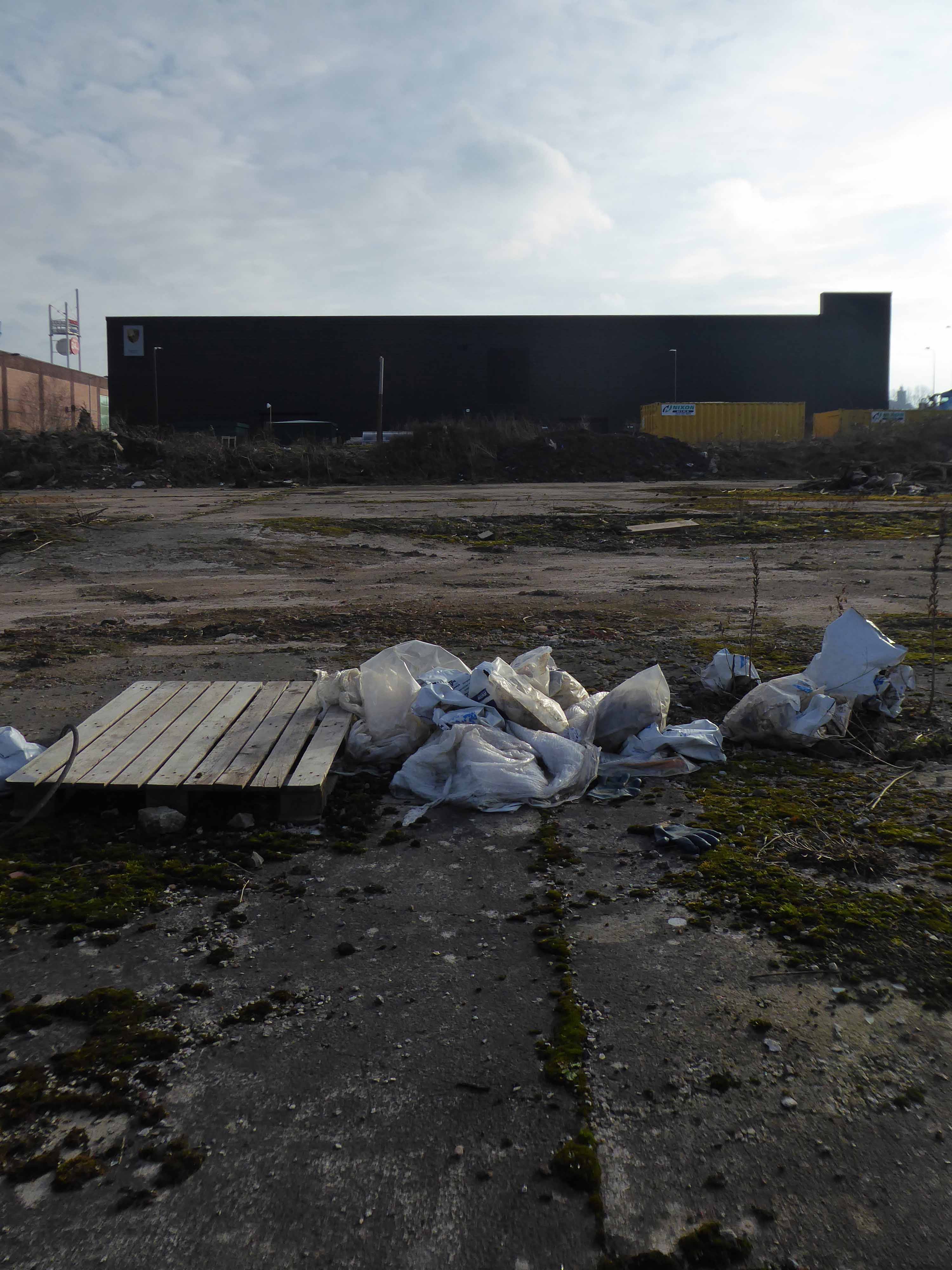
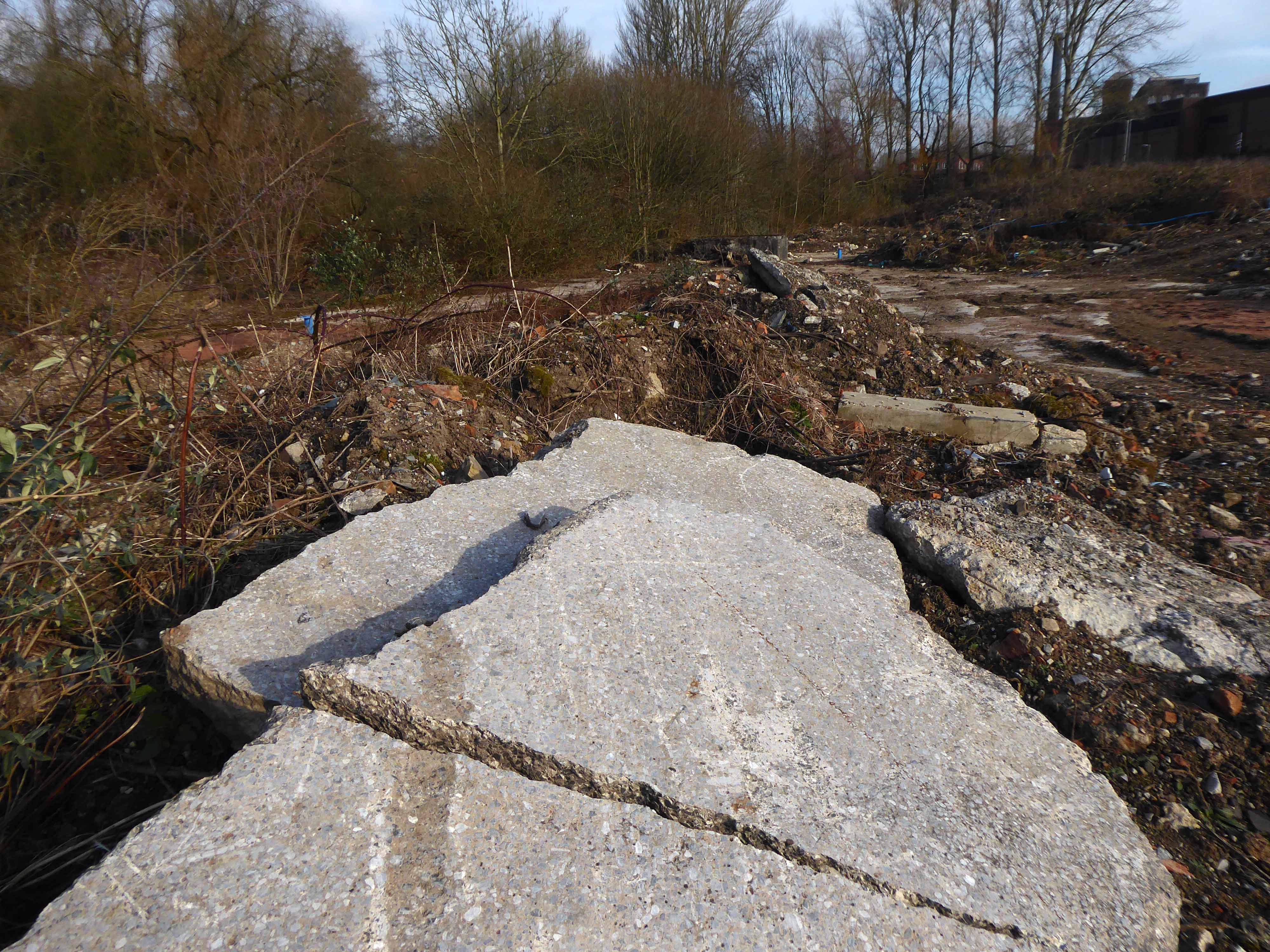
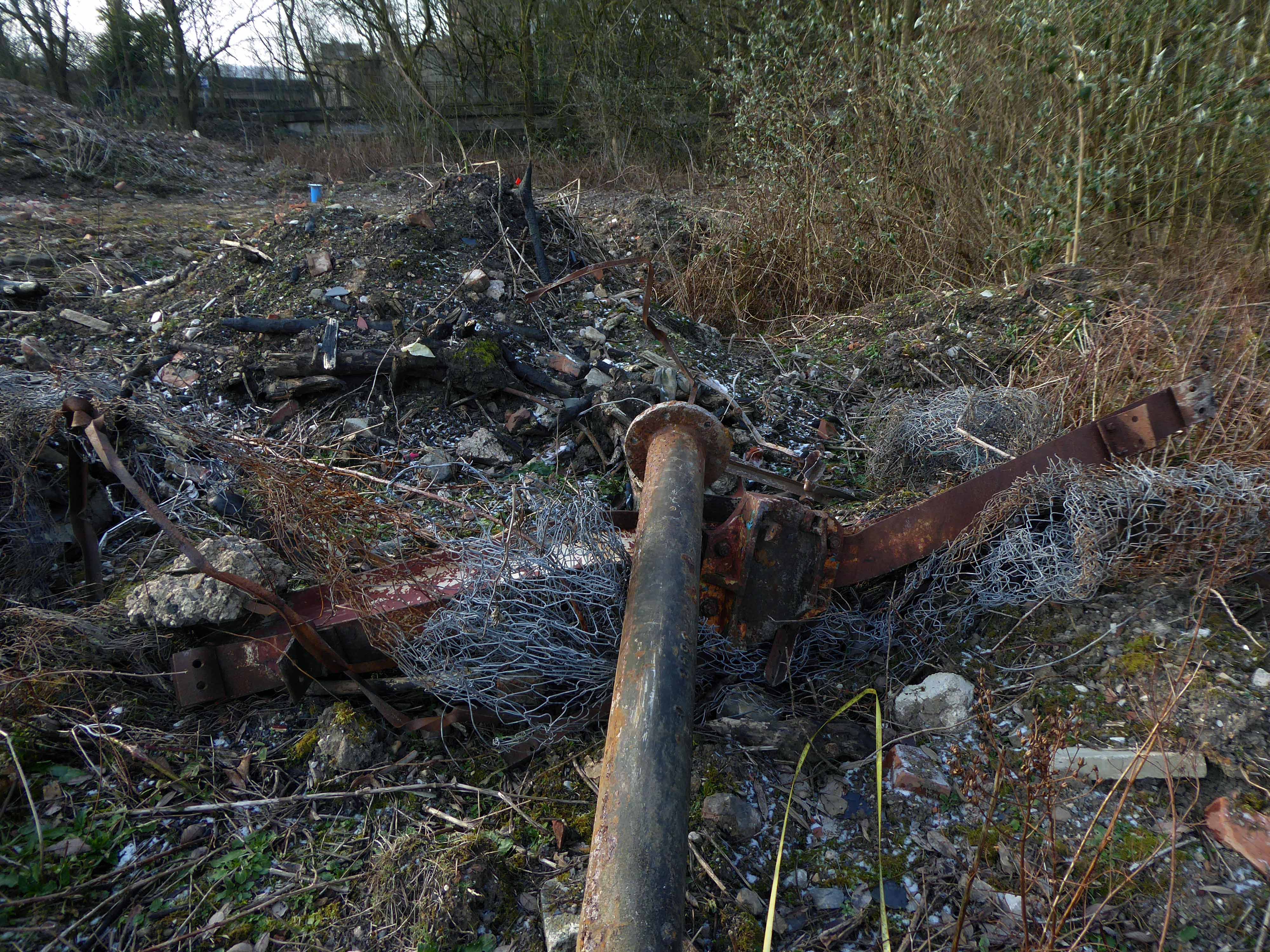
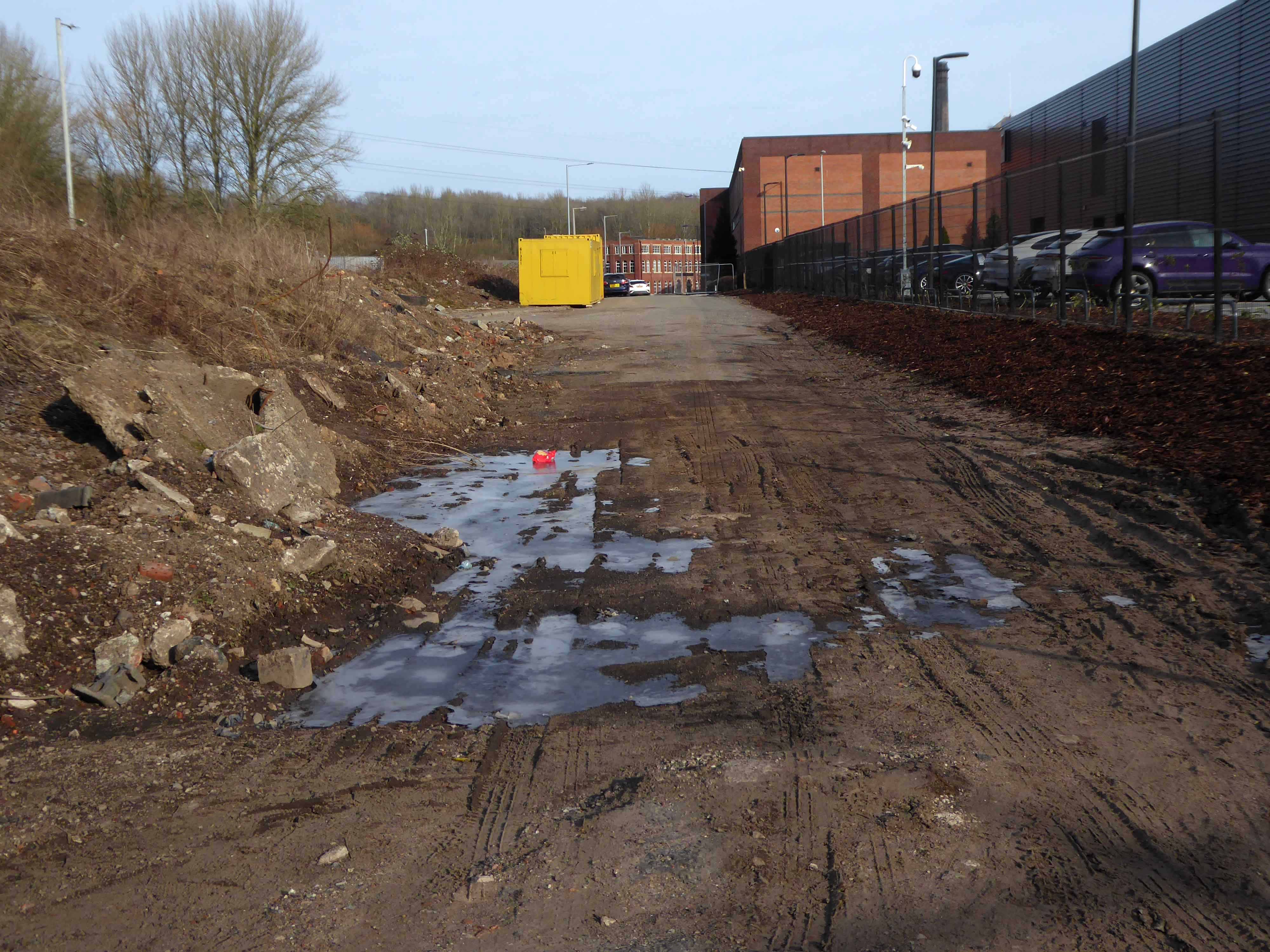
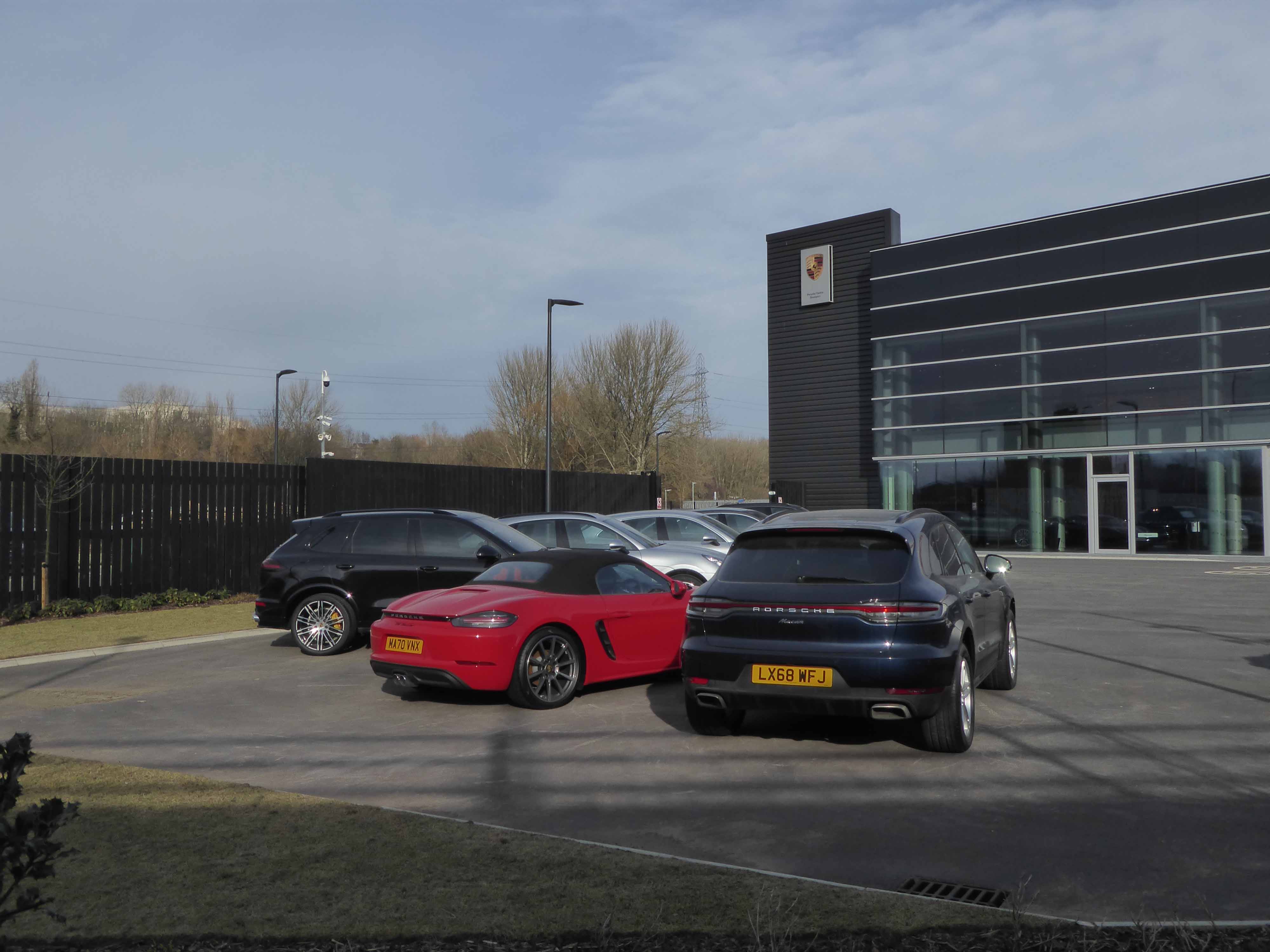
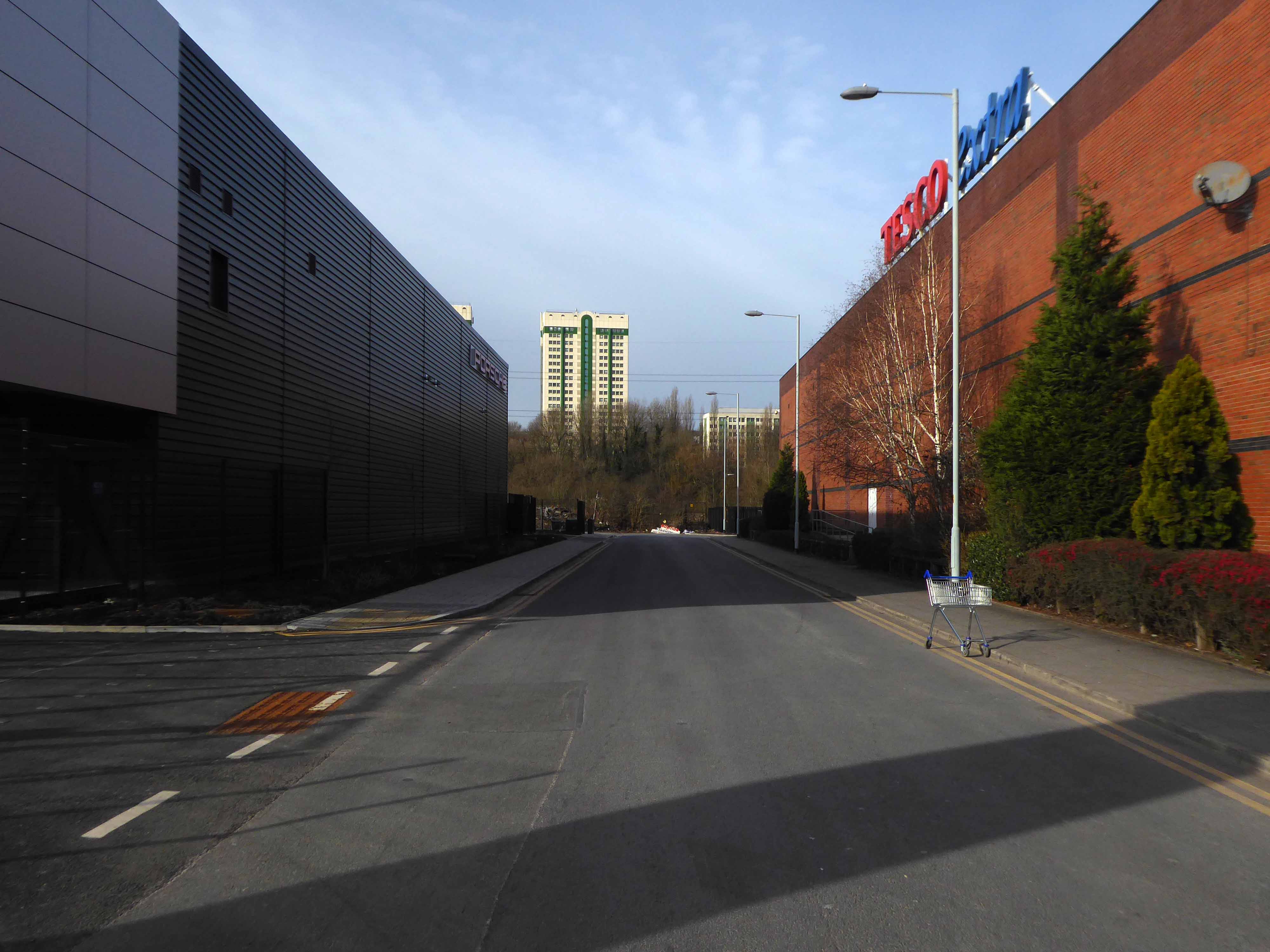
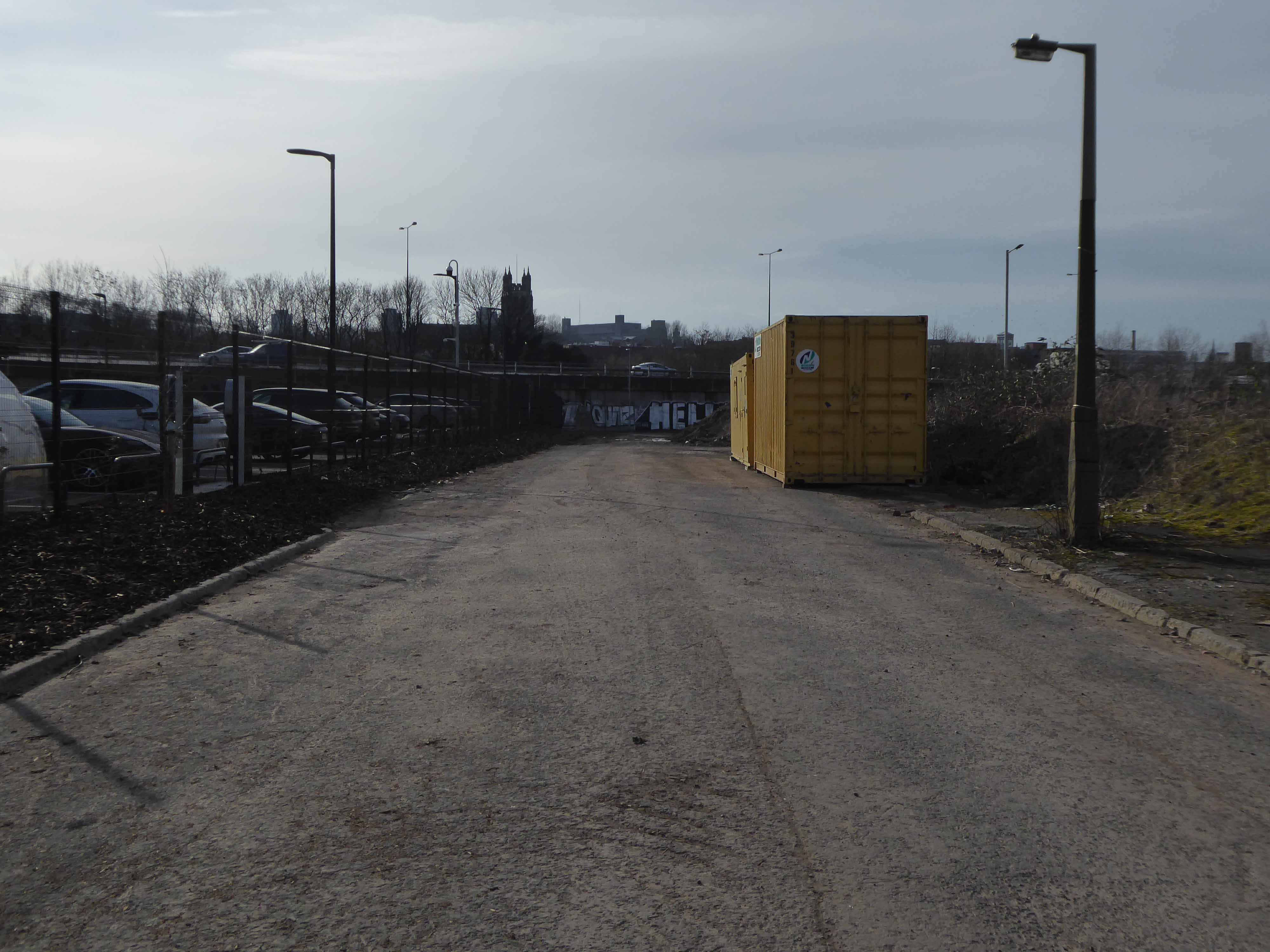
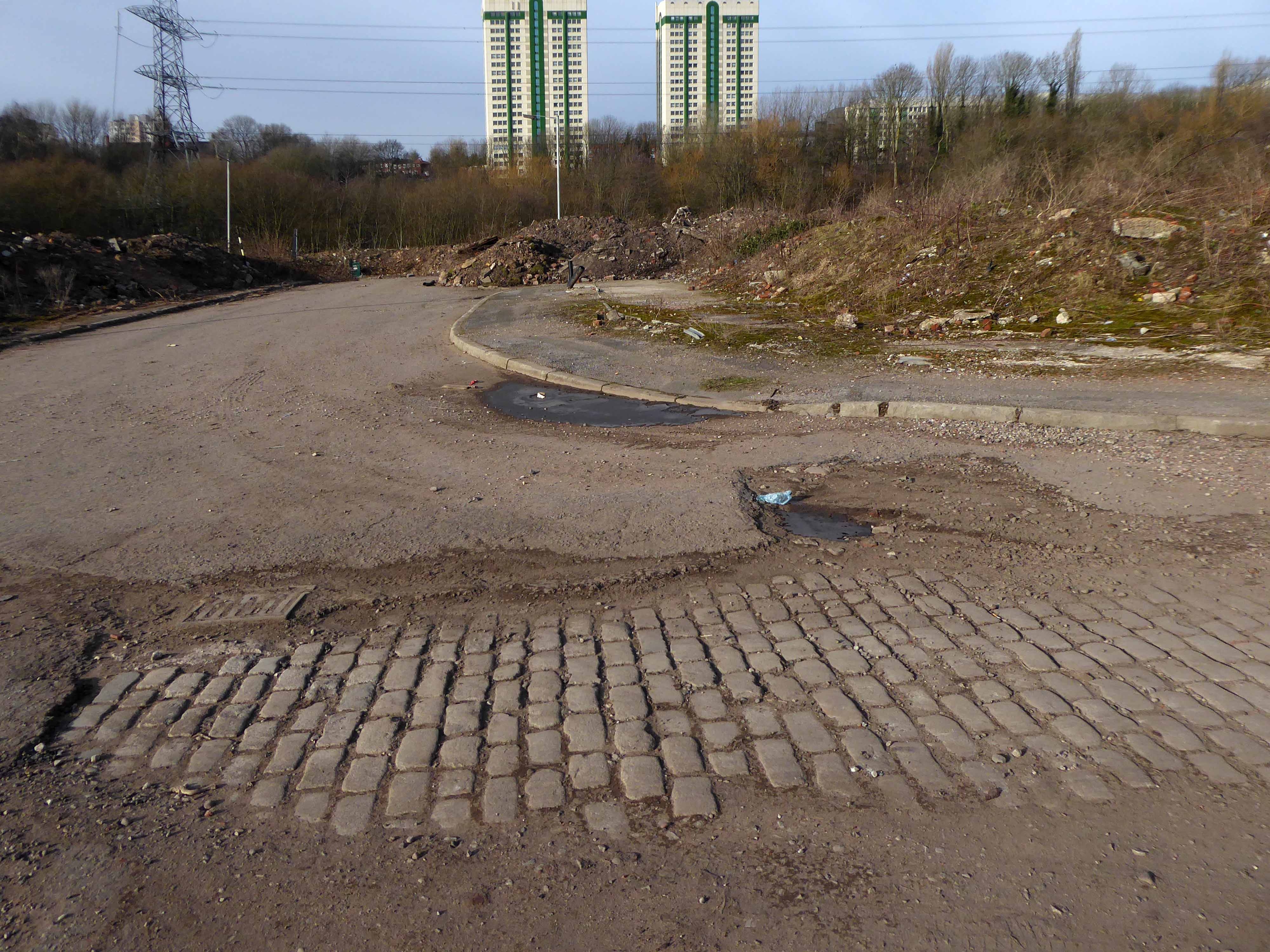
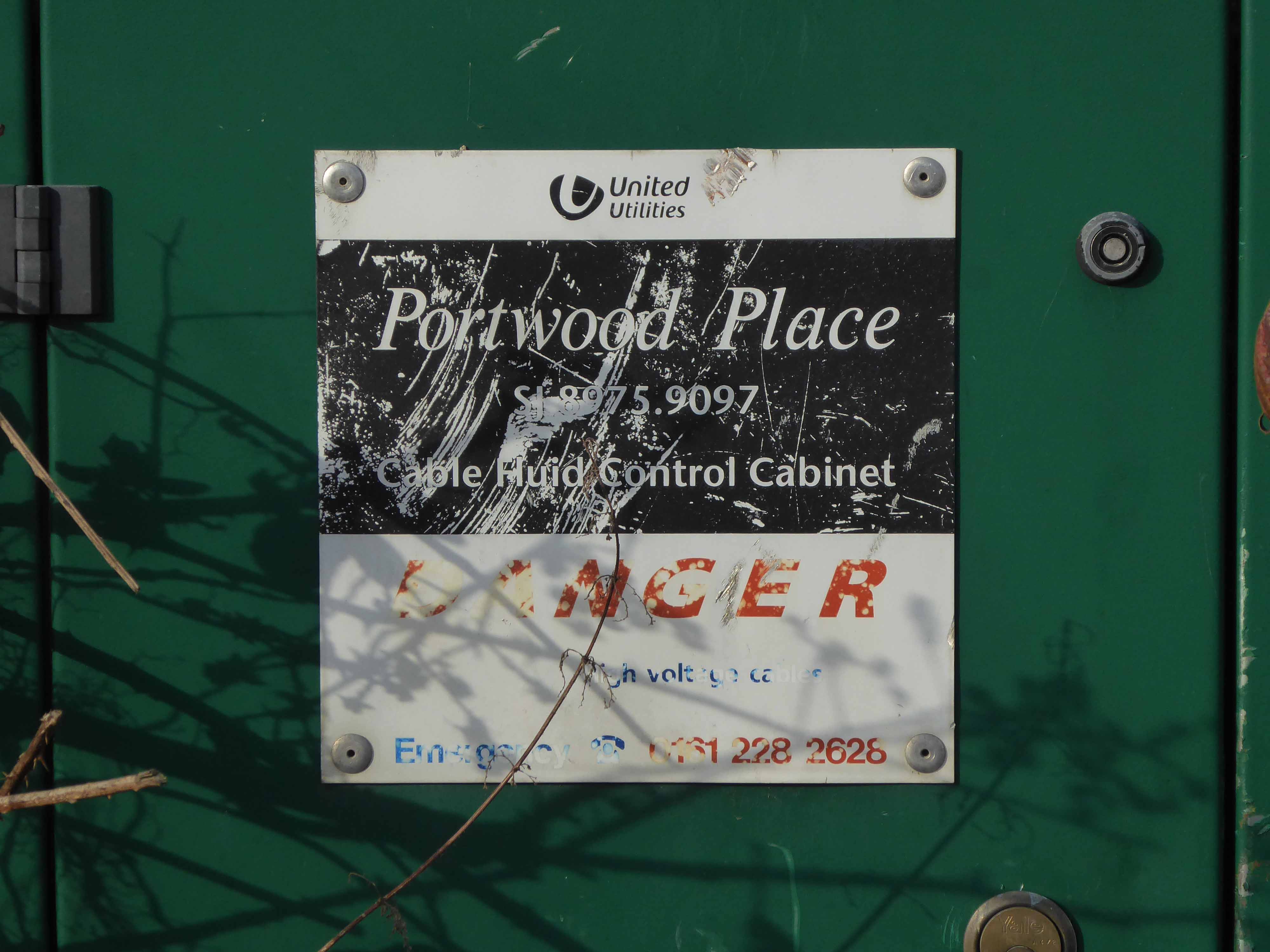
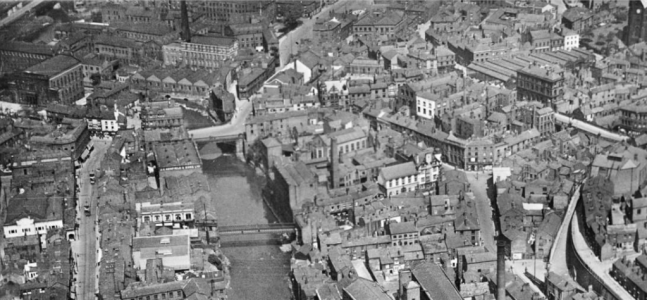
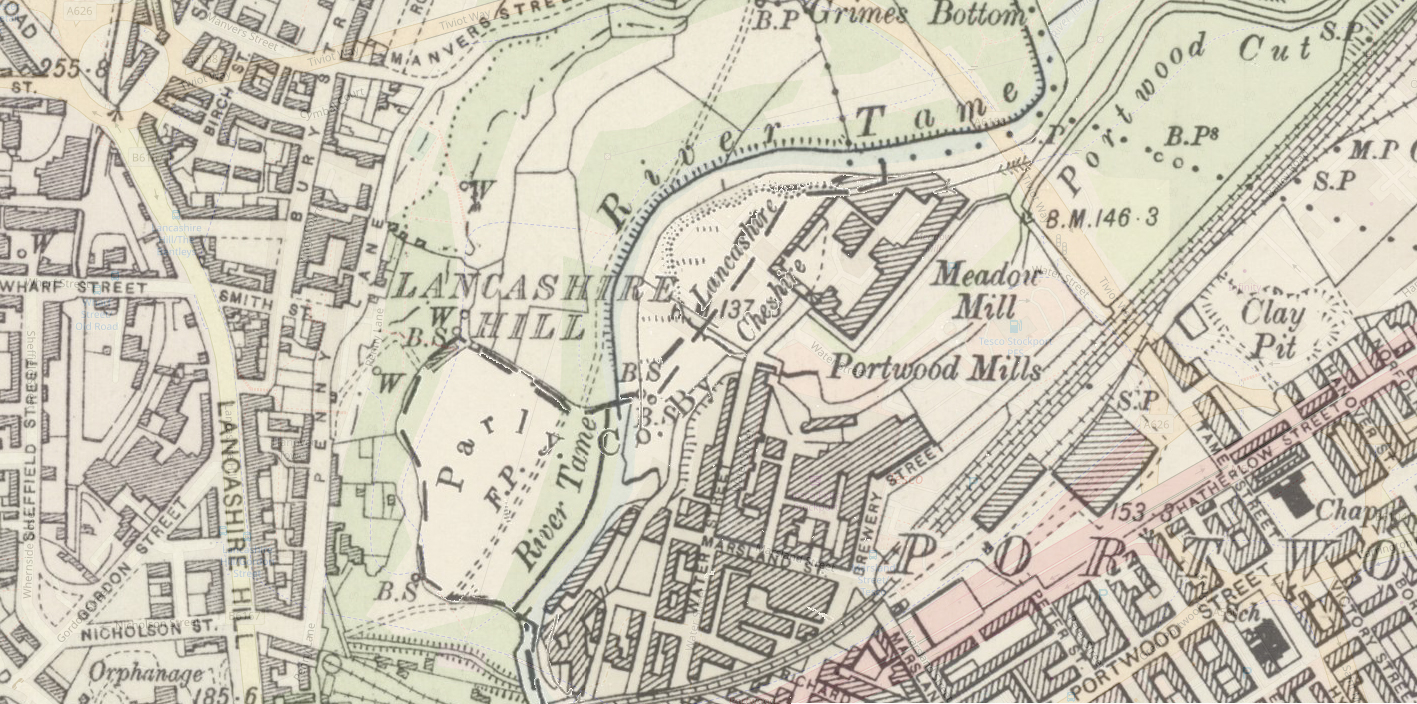
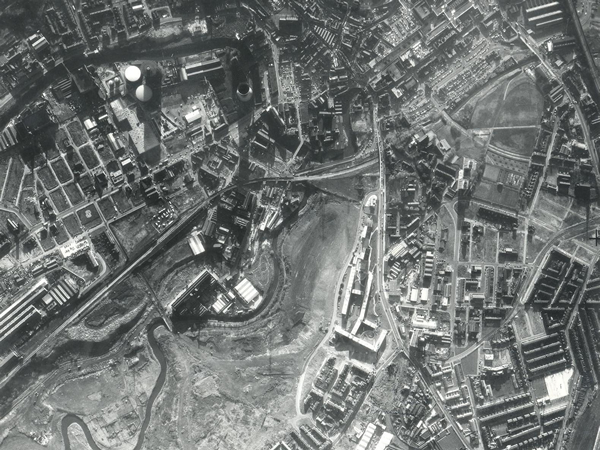
I often walk around here, the space enclosed by the River Tame and the M60, it was a maze of busy streets, home to peoples’ homes, industry, pubs, clubs and railways.
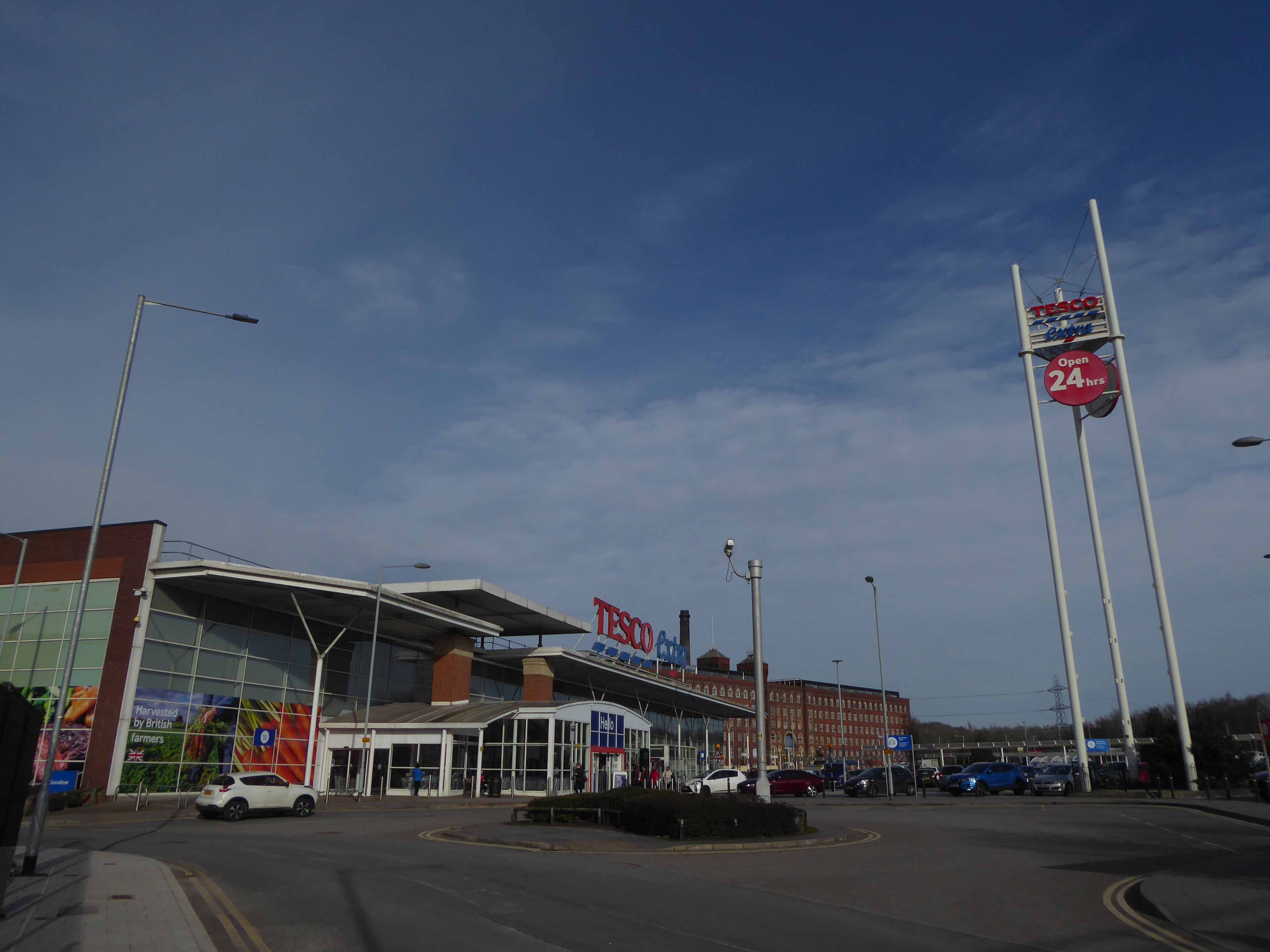
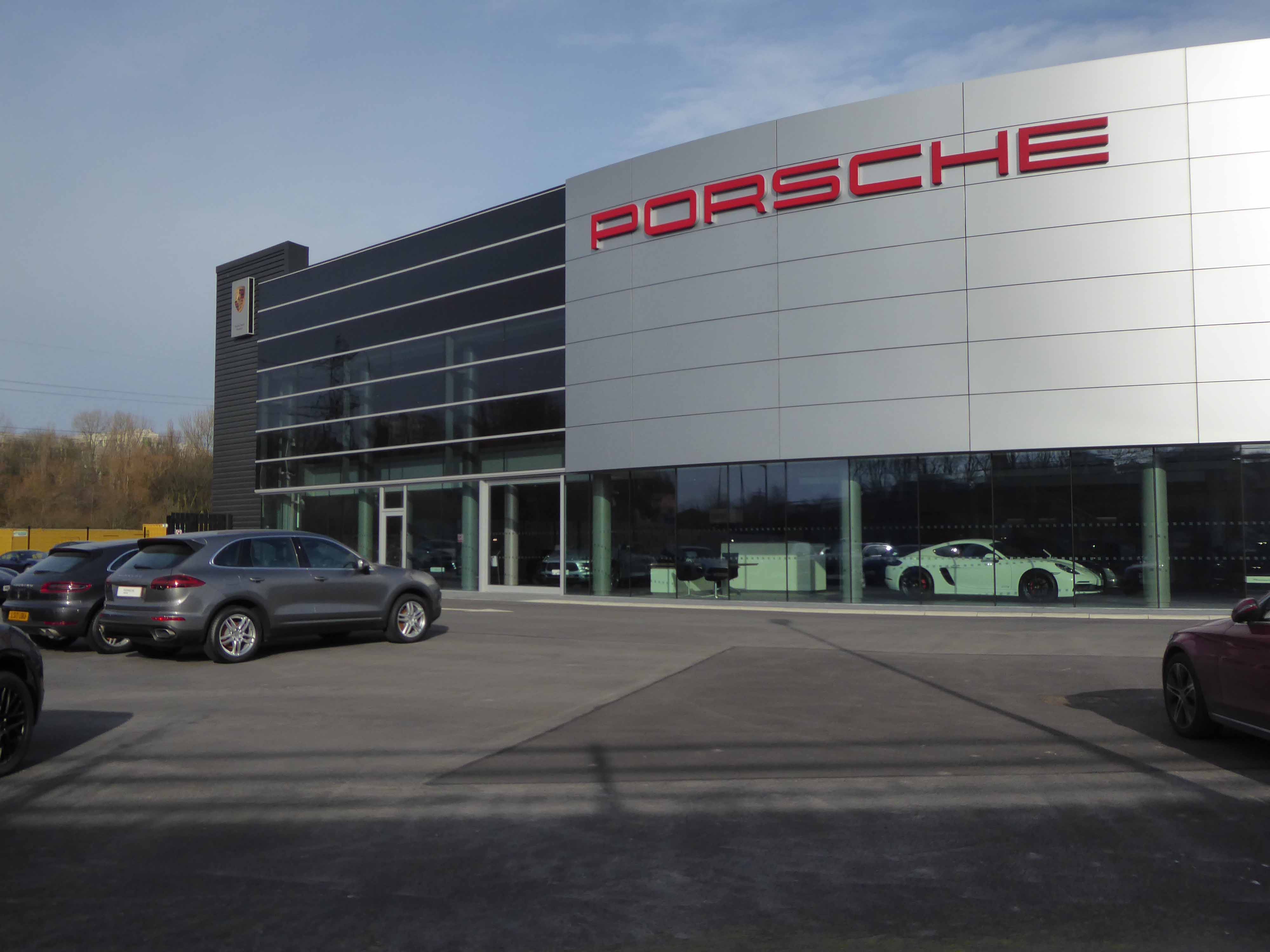
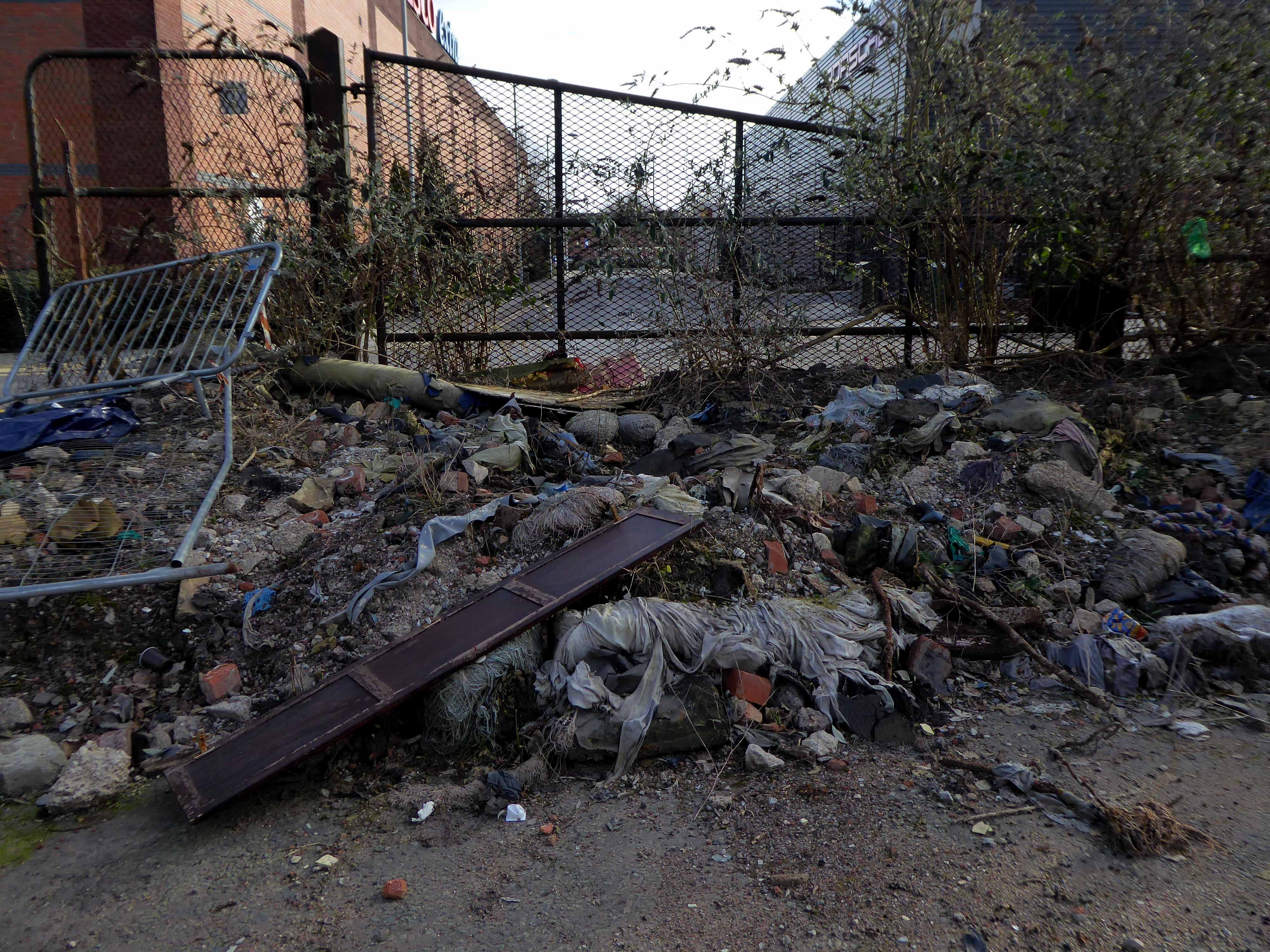
Much of that is now gone, either left to its own devices, untended rough empty ground, or overwritten by the newly built Tesco Extra and Porsche dealership.
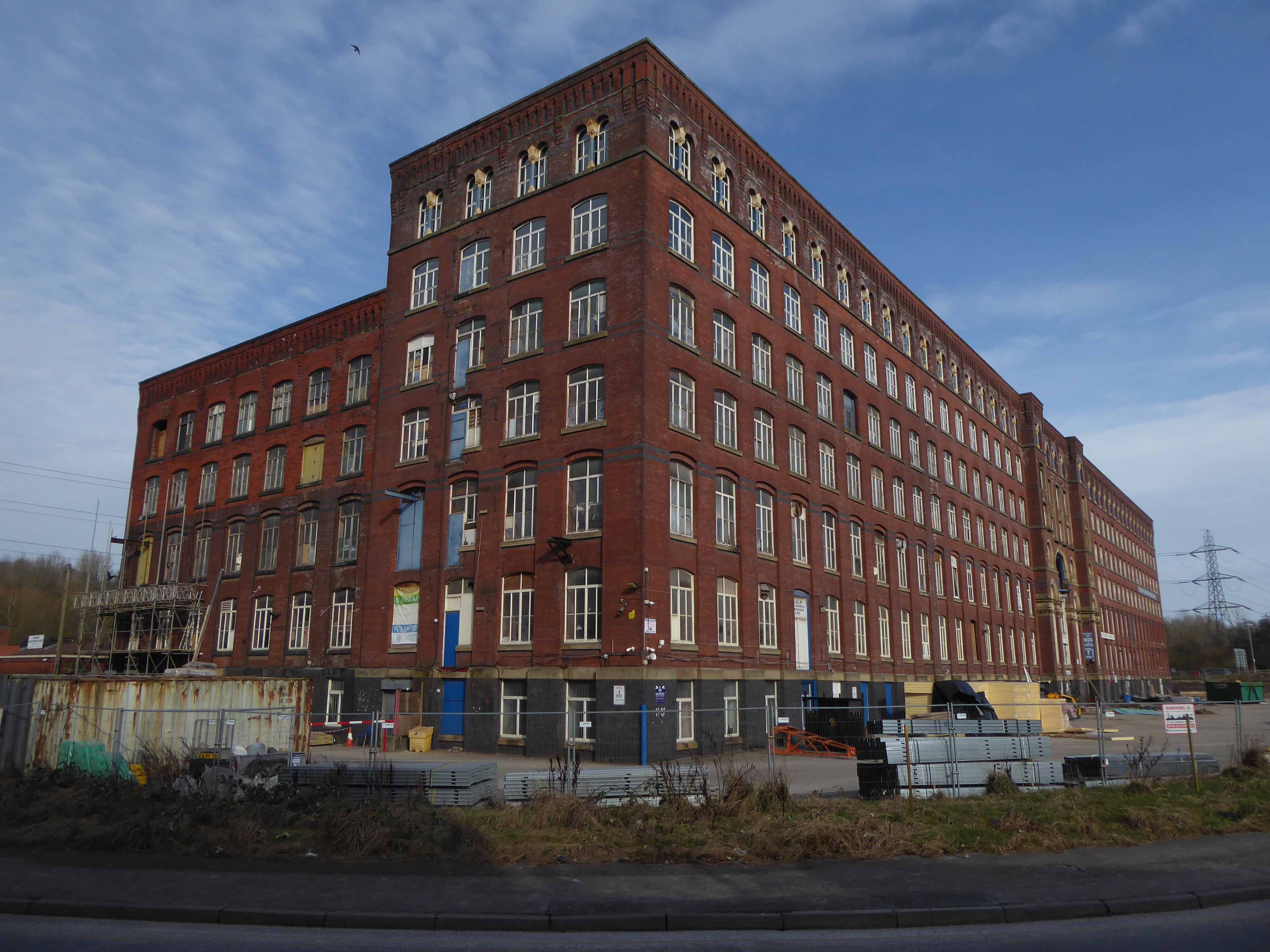
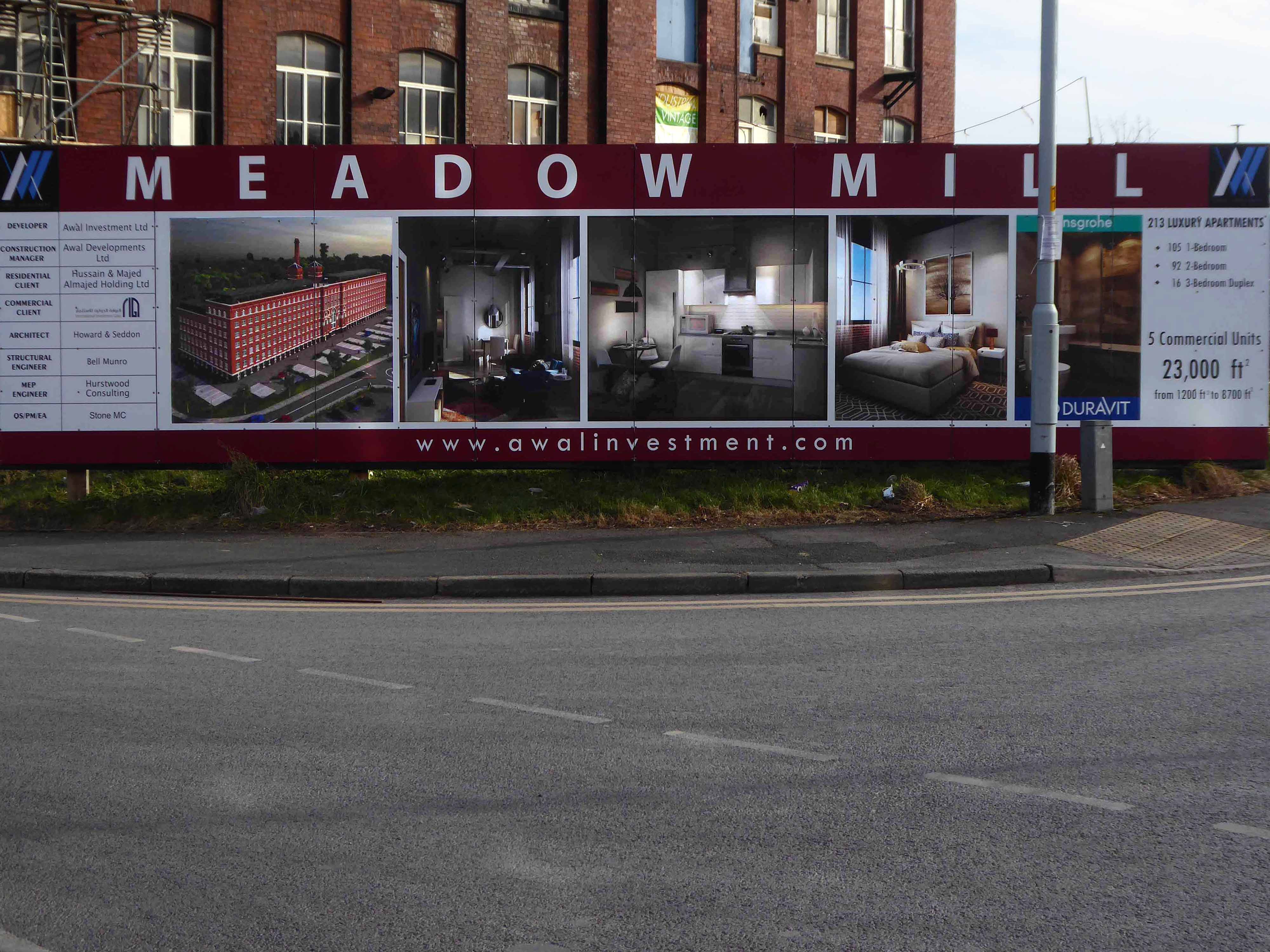
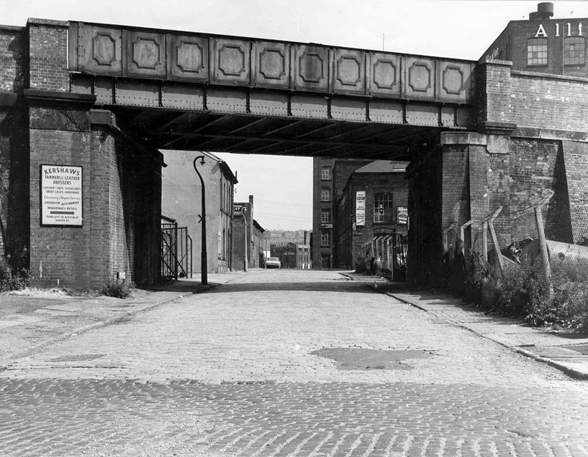
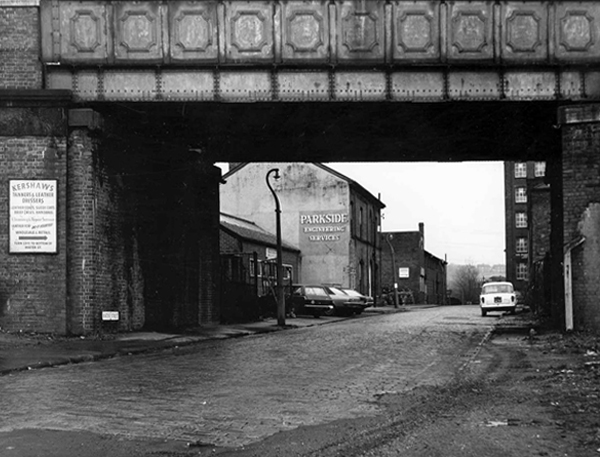
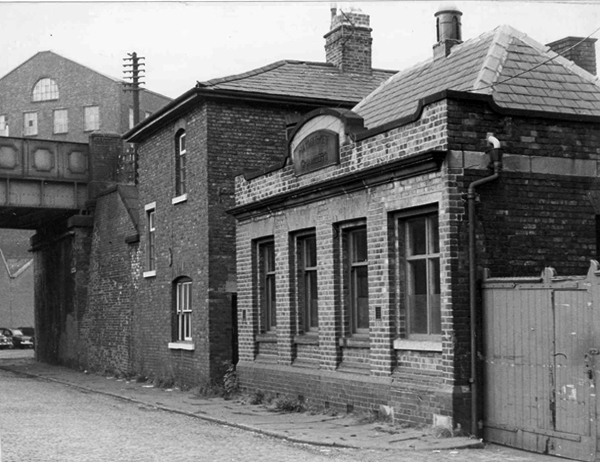
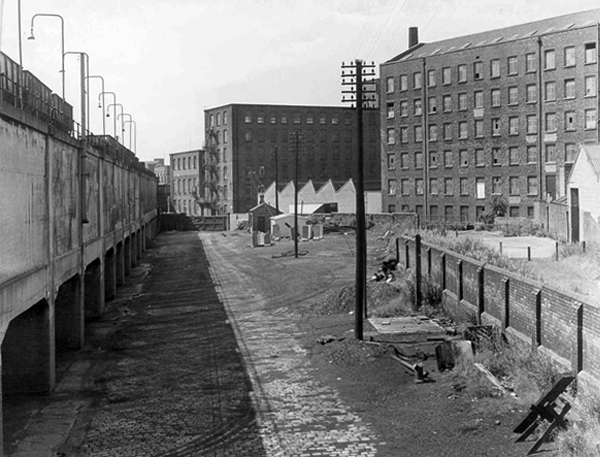
Water Street, Portwood looking north, taken from Avenue Street. Looking underneath the railway bridge, on the left hand side, the first building used to be a public house called ‘The Beehive’, further along was Kent & Swarbrick’s Tripeworks, now a precision engineers, then North West Concrete Works – Easymix. On the right is Coxson’s Brushworks, then the Portwood Mill, Kershaw’s Tannery and the Meadow Mill at the bottom of the street.
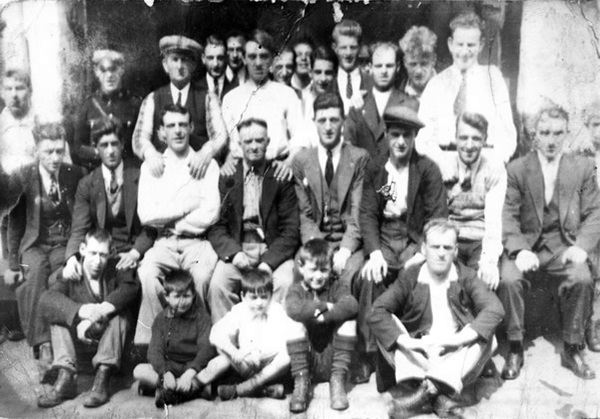
The area was also home to the Blood Tub boxing ring.
Outside the Blood Tub Back Water Street Portwood.
Centre row left to right Billy PittTaylor Micky PelhamJack HulmeJo Moran owner John MorryBobby RileyLaurie Glen a jockey
2nd row from the back – James Jimmy Rose.
Back row left to right – Charlie Dean An ambulance man Ike Irelands horse dealer – Team from Macclesfield.
Extreme right – Jo Mulrooney.
Front row left to right extreme left – Sidney Smith soft Sidney – a simpleton Jo Hulme.
Copied from a photograph lent by Eddie Pitt
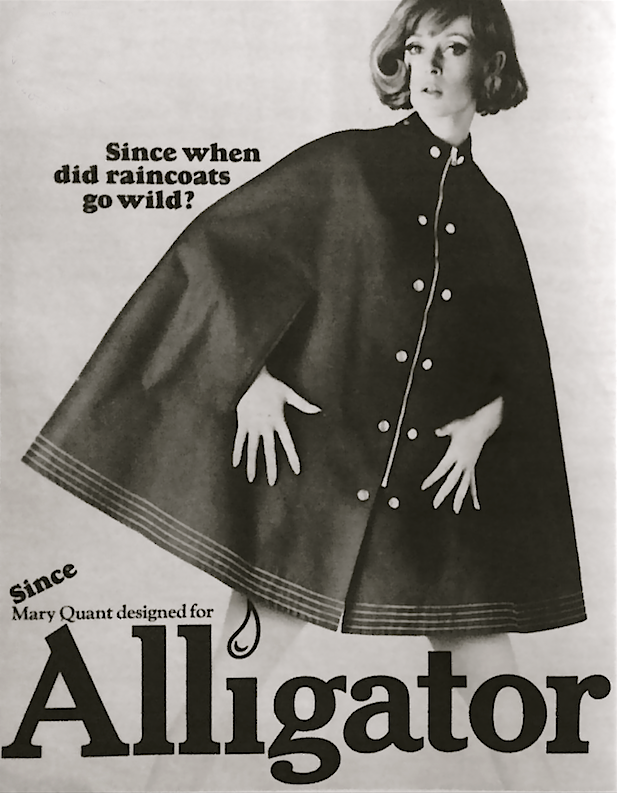
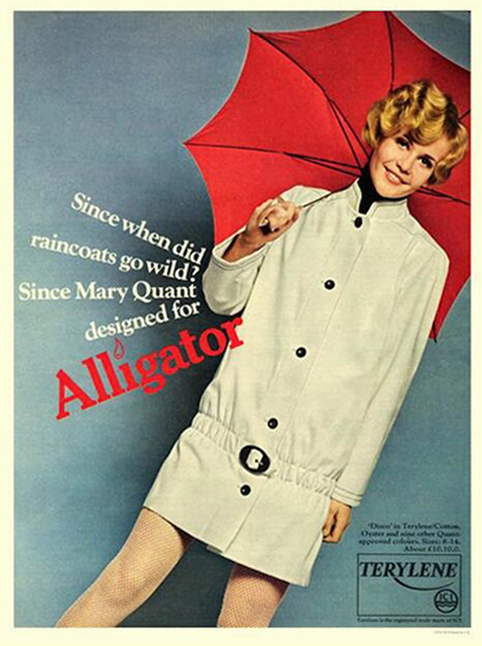
Alligator Rainwear – a British company, whose main factory was based in Beehive Mill. It was best known for its 1960s collaborations with Mary Quant in the design and production of her Wet Look collection of PVC raincoats.
The firm was started after the First World War by Reuben Satinoff, who had previously founded the London Waterproof Company – Silkimac. It was taken over by his sons after the Second World War. For decades, it manufactured traditional weatherproof raincoats in black, brown and beige, but the collaboration with Quant led to new fabrics including PVC and nylon, and a range of bright and vibrant colours.
At its peak in the 1960s and 1970s, Alligator had a turnover of £5 million per year and was exporting its products to Europe and North America. It was later owned by Baker Street Brands who describe it as one of their heritage brands.
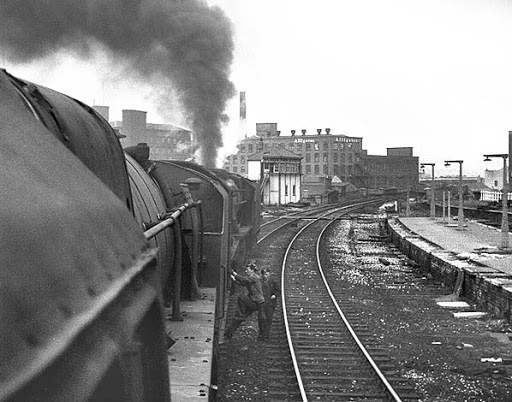
Viewed from Tiviot Dale Viaduct
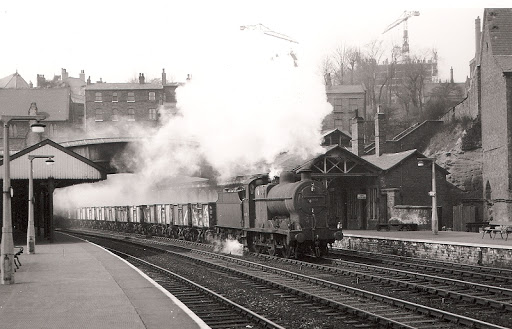
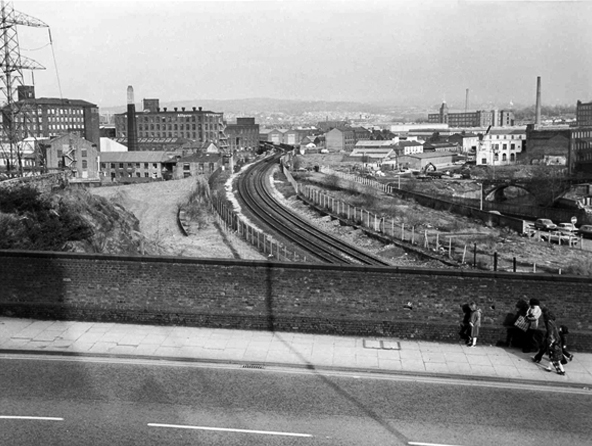
Tiviot Dale station was located on the Cheshire Lines Committee (CLC) operated Stockport, Timperley and Altrincham Junction Railway line from Portwood to Skelton Junction, a section of what became the Woodley to Glazebrook line. It was situated at the bottom of Lancashire Hill, next to the present motorway bridge. It was opened on 1 December 1865 and was originally known as Stockport Teviot Dale. From 1880, Tiviot Dale was also served by long-distance trains running on the Manchester South District Railway to London St Pancras.
Tiviot Dale remained a part of the CLC, which was jointly owned from 1923 by the London and North Eastern Railway and the London Midland and Scottish Railway, until 1948 when it became part of the British Railways London Midland Region.
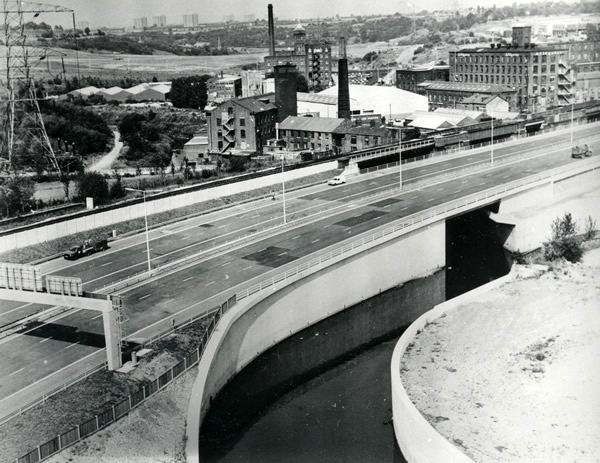
The lines through the station remained in heavy use by coal trains heading for Fiddlers Ferry power station near Warrington from the Woodhead Line. These, however, ceased in 1980 when damage was caused to the nearby Tiviot Dale tunnel during construction work on the M63 motorway – now M60 motorway and the line temporarily closed for safety reasons. The closure was made permanent west of Bredbury’s stone terminal in 1982, following the demise of the Woodhead route; the track was subsequently lifted in 1986 and the tunnel partially filled in. The area surrounding the station was further altered at the beginning of the 21st century to allow the construction of a supermarket and office buildings, which now block the old trackbed.
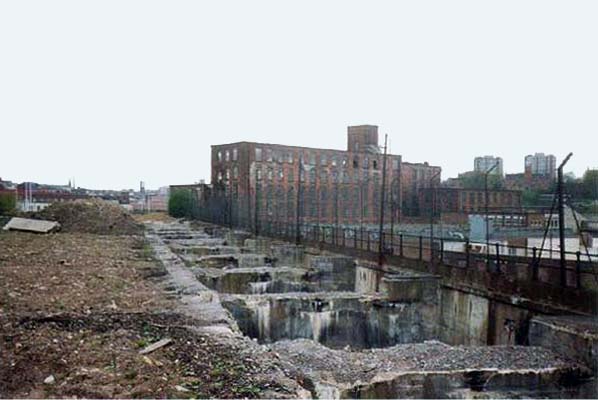
Portwood Railway Station was on the Stockport and Woodley Junction Railway – later becoming part of Cheshire Lines Committee – Glazebrook to Woodley line. According to Bolger it opened to passengers on 12 January 1863, along with the rest of the Stockport and Woodley Junction Railway, although Butt suggests it opened on 1 December 1865 when the Stockport, Timperley and Altrincham Junction Railway opened.
The station opened for goods traffic in 1865, closing to passengers on 1 September 1875, when it became a goods station. It remained in use until 25 April 1966 when it closed except for coal traffic which continued until 27 March 1972 when it closed entirely except for a private siding.
Today no trace of the station remains, the site being buried under a slip road of the M60 motorway.
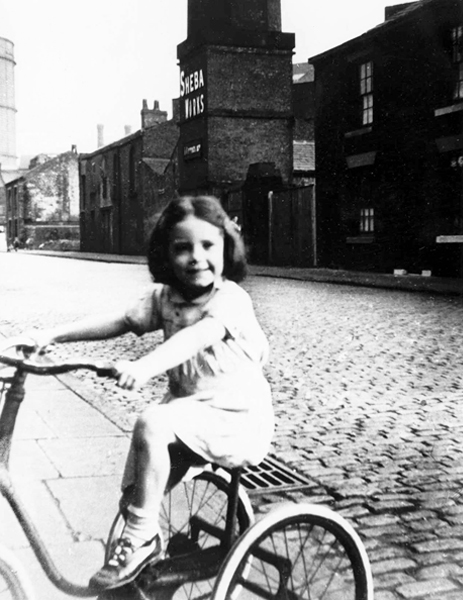
Monica Clarke on her tricycle in Marsland Street, behind her across the cobbled street is the Sheba Works – 1951.
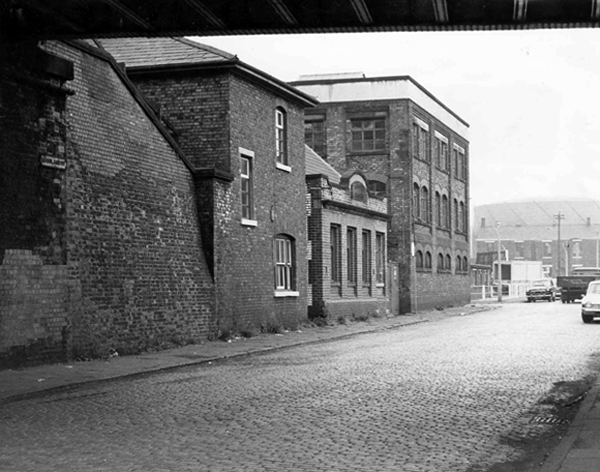
Marsland Street east, showing the Haymarket Chambers – 1967
The front of Haymarket Chambers Marsland Street.
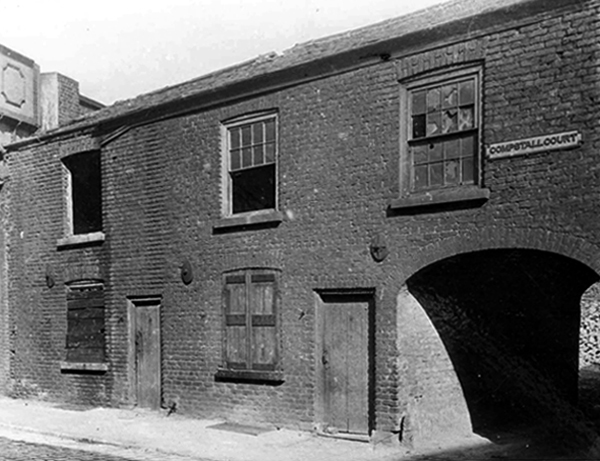
Boarded up dwellings on Compstall Court, off Marsland Street.
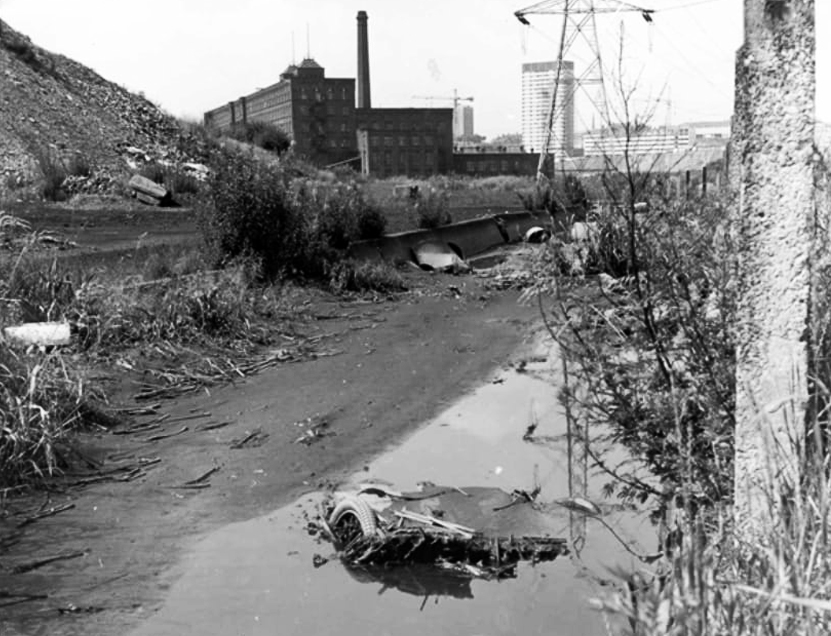
Portwood Cut 1968
James Harrison bought the manor of Brinnington in the early 1780’s – by 1790 Harrison had three factories in Portwood and others were to follow. In 1796, to provide sufficient water-power to this industrial zone he constructed a substancial millrace. Known as the Portwood Cut, it carried water across the Tame, between his Reddish and Brinnington estates. Harrison also planned the construction of factories at Wood Hall but that particular scheme was abandoned after his death in 1806.
Harrison’s Weir still survives on the river. To the south sections of the Portwood Cut also survive within Reddish Vale Country Park, both as a shallow depression and as water-filled, if somewhat silted and overgrown channel.
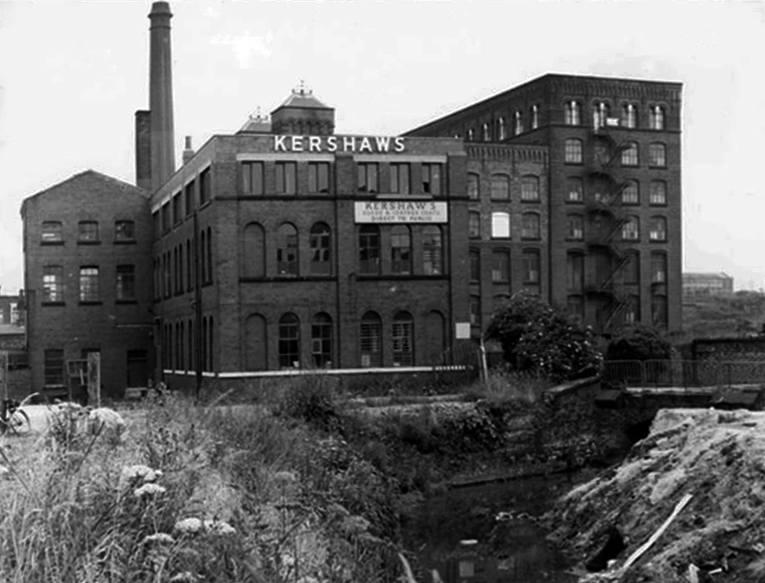
Kershaws is one of the only original businesses which still trades in the area.
Established back in 1855 by Joshua Kershaw, the company has gone from strength to strength.
Way back then, it was just a tannery. Today, seven generations on, Edward Kershaw heads a company that is known and respected for it’s quality leather in Europe, America and the Far East.
Kershaws also provide white leather for masonics and bagpipes.
Brewery Street – a view of the steps leading to the railway footpath to Tame Street – 1967.
The mill in the foreground is the Portwood Spinning Mill now called Portwood Mill – on the front of the mill it states Sir Richard Arkwright Portwood Mill.
Employees – Portwood Spinning Company
Coal drops and yard at the rear of the Beehive Spinning Mill
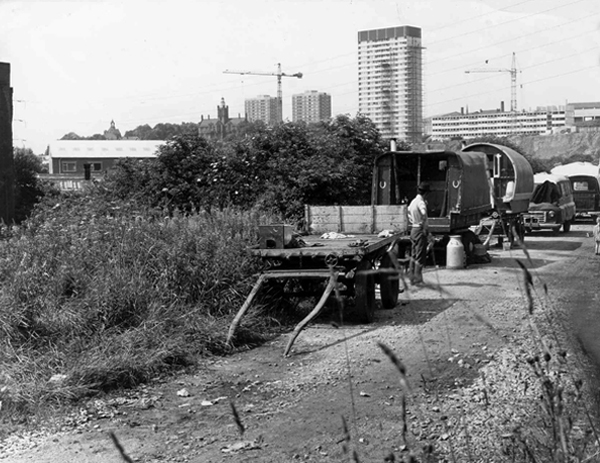
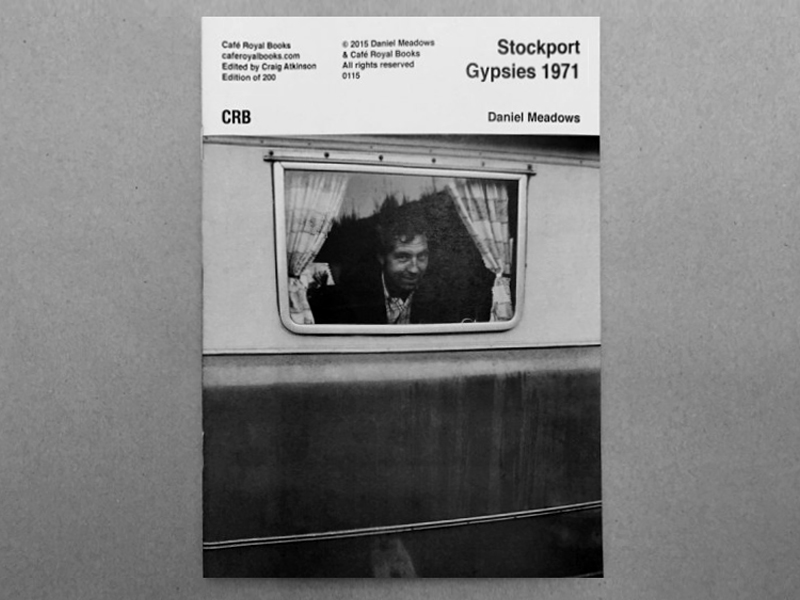
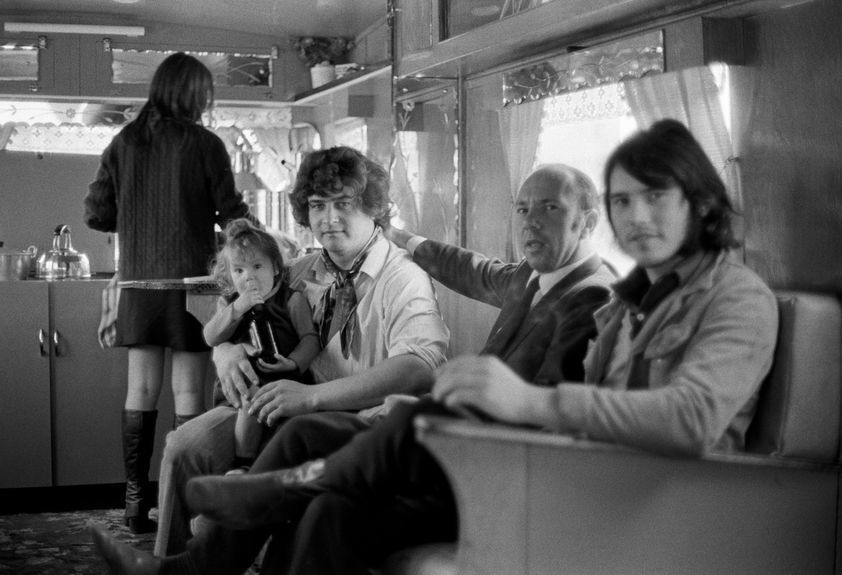
Tame Street gave motorized access to the Cut and here the caravans of travelling folk were parked several times a year, usually until the police ‘moved them on’. The men collected and sold scrap metal, the women sold clothes pegs and told fortunes from door to door. Many of the local people treated them with suspicion and some local pubs would not admit them.
Building work on Lancashire Hill can be seen in the background – 1968
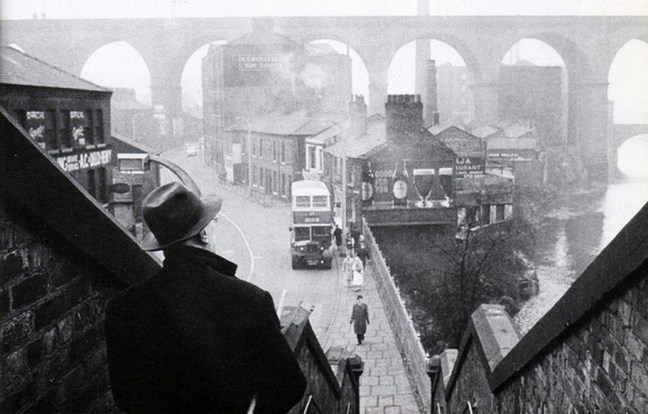
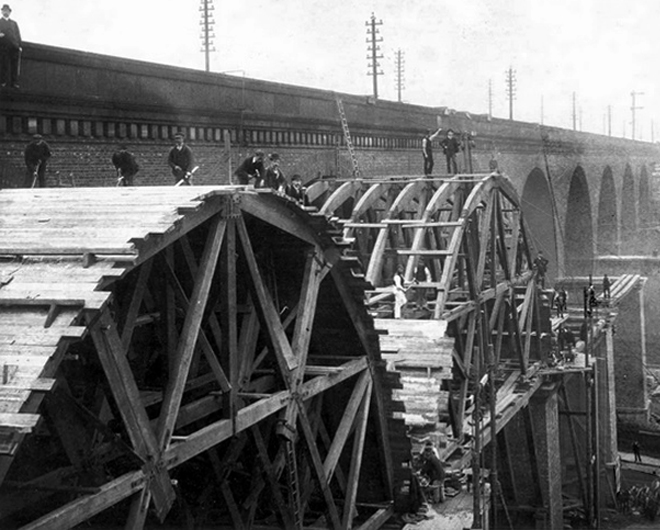
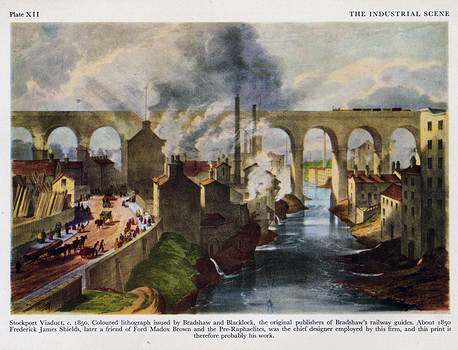
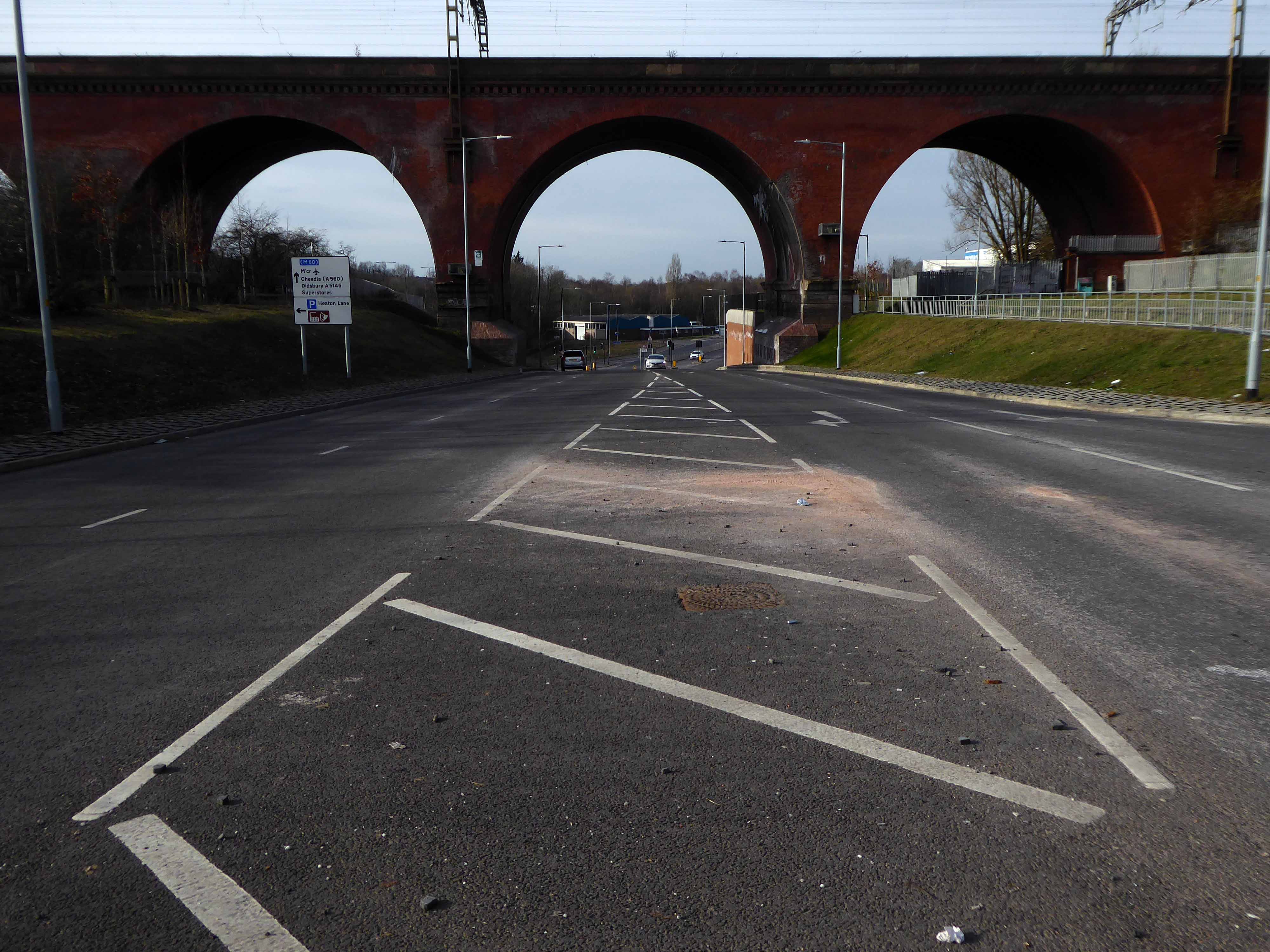
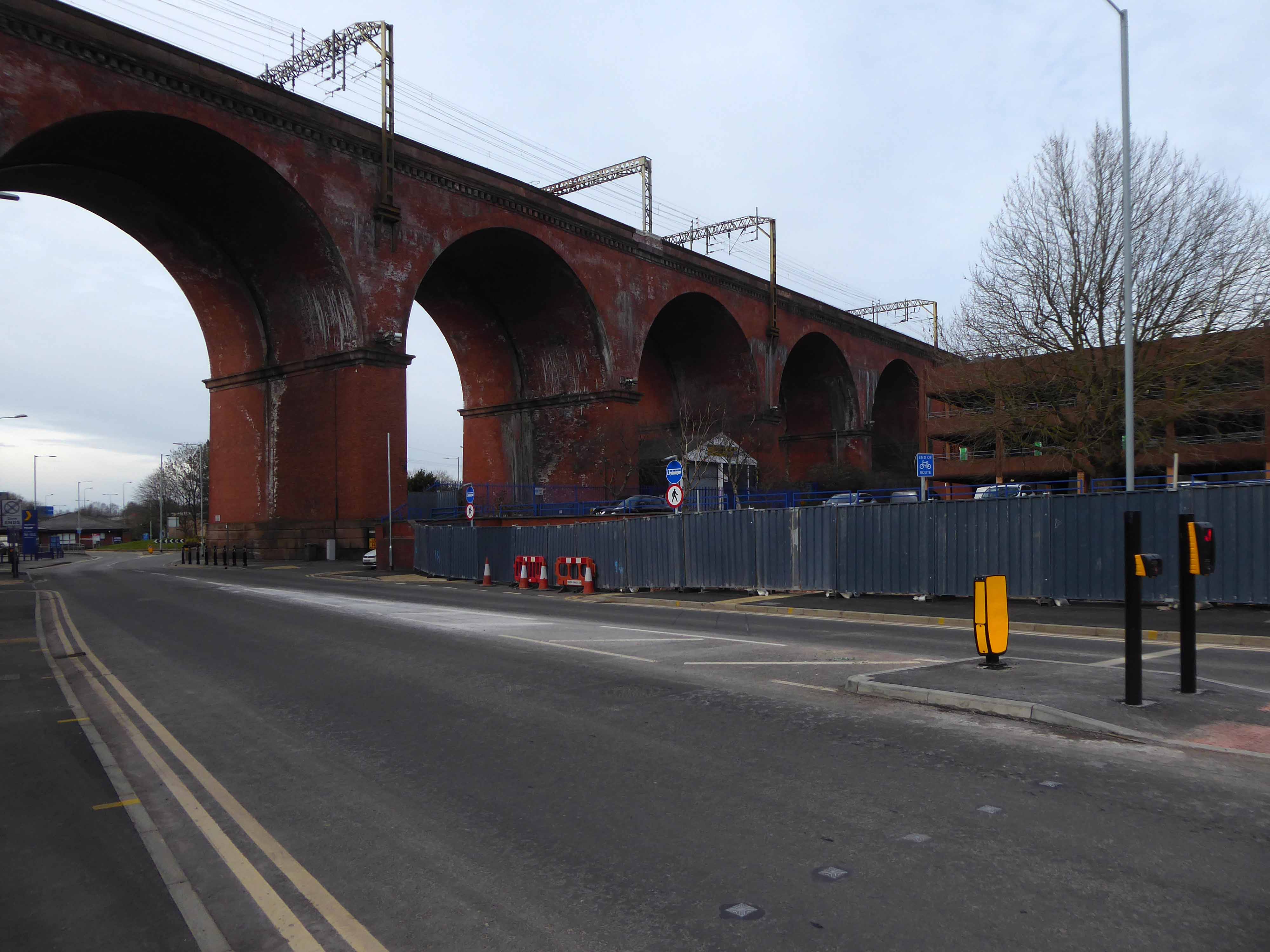
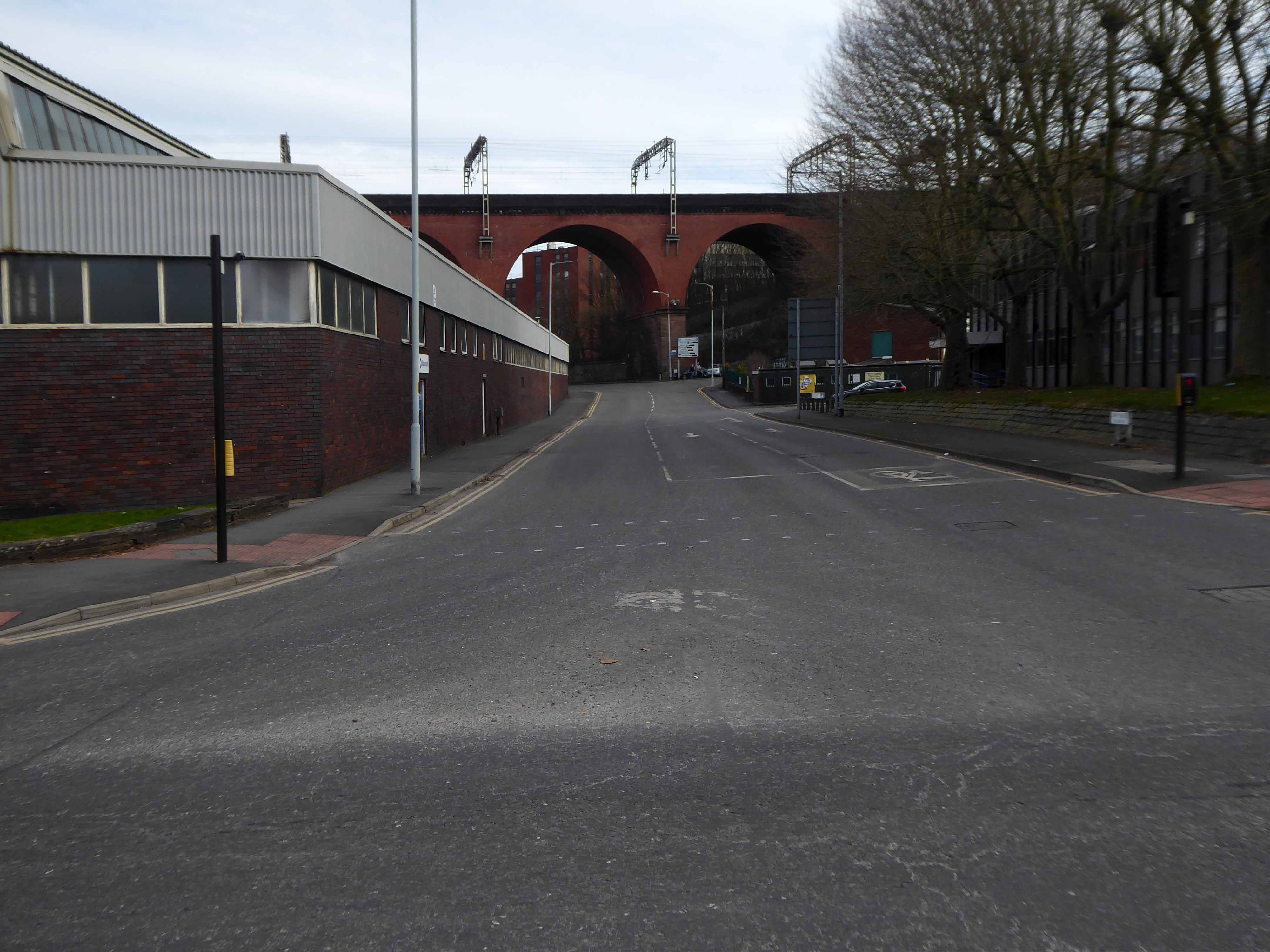
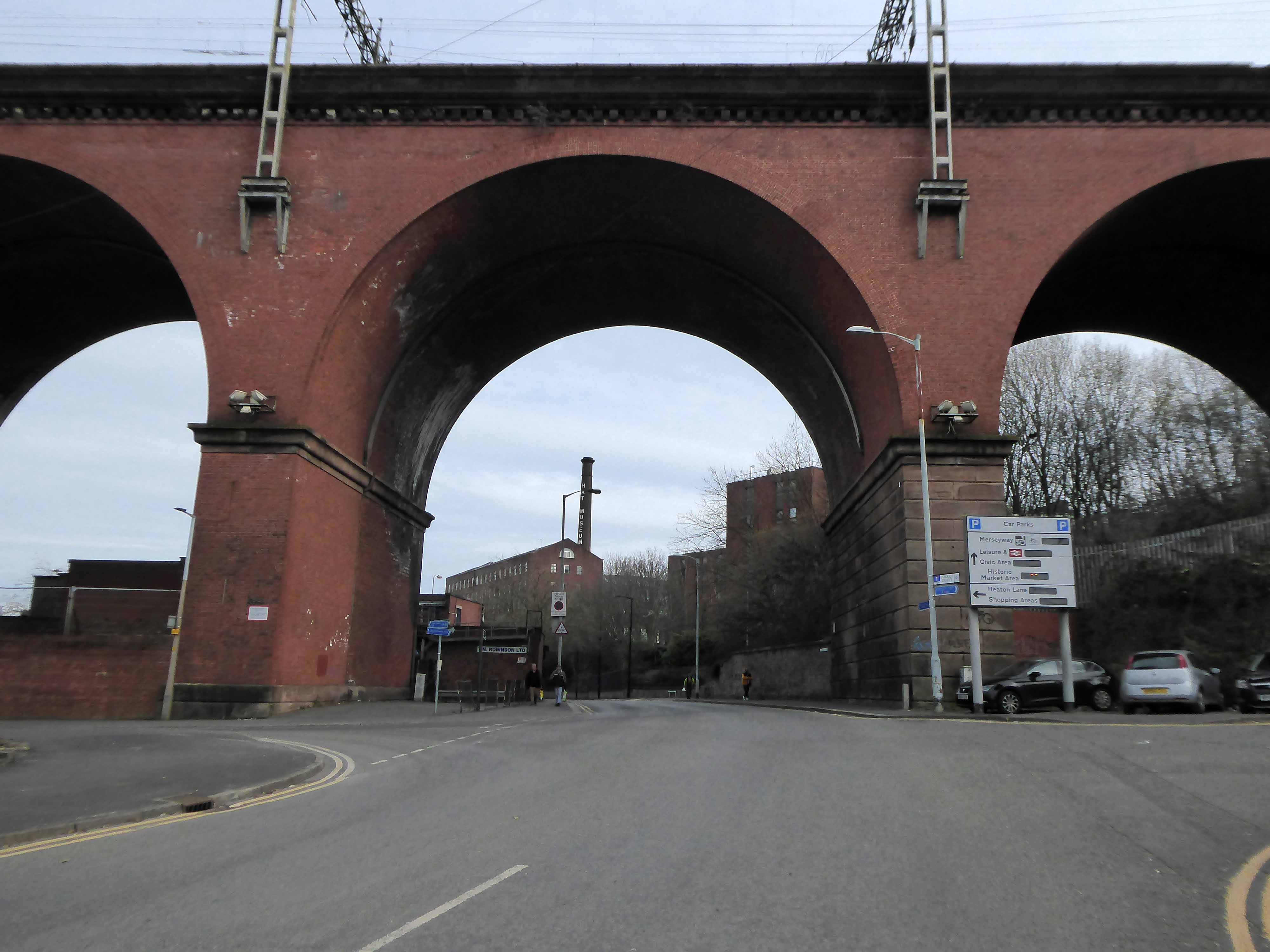
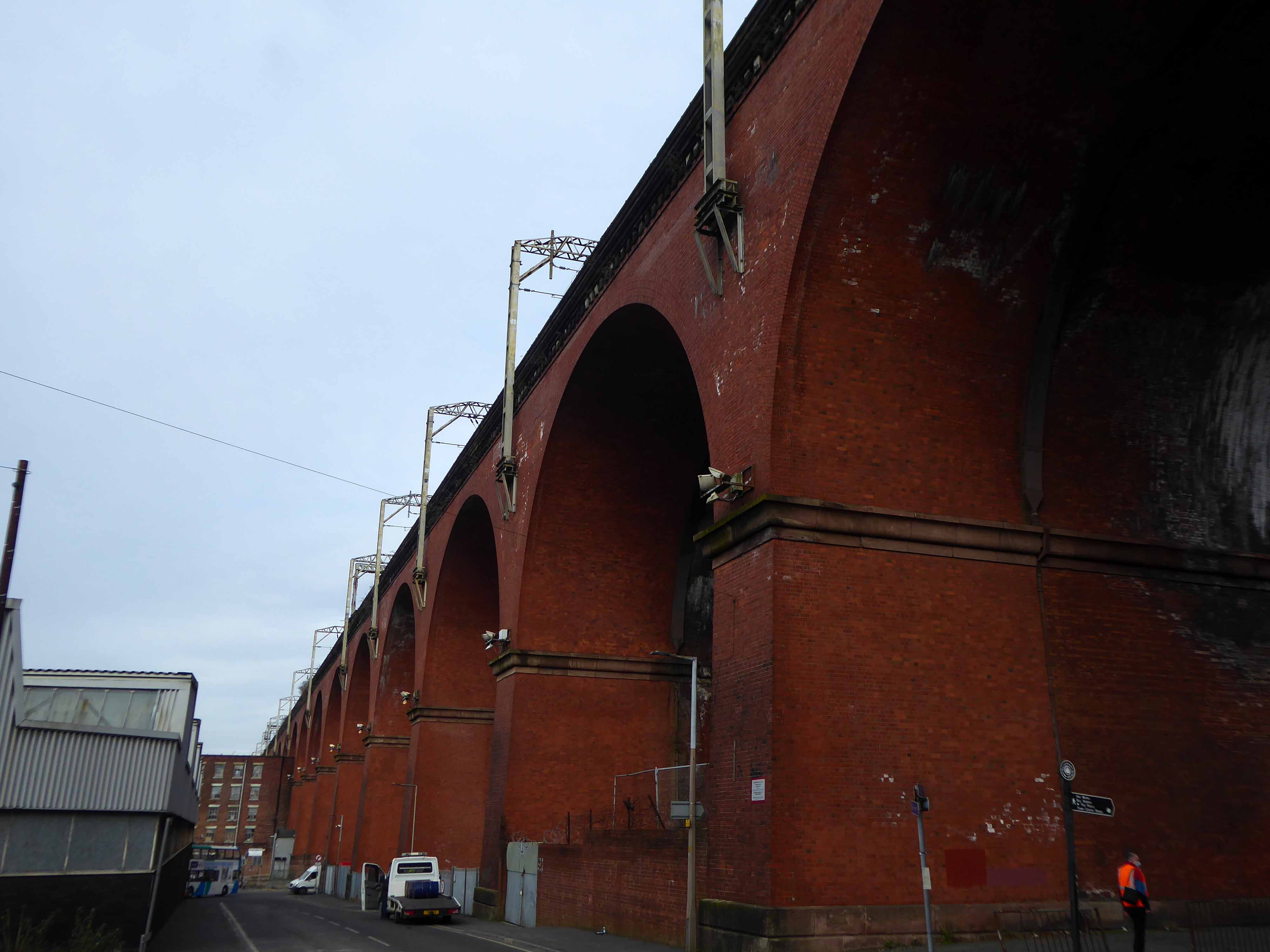
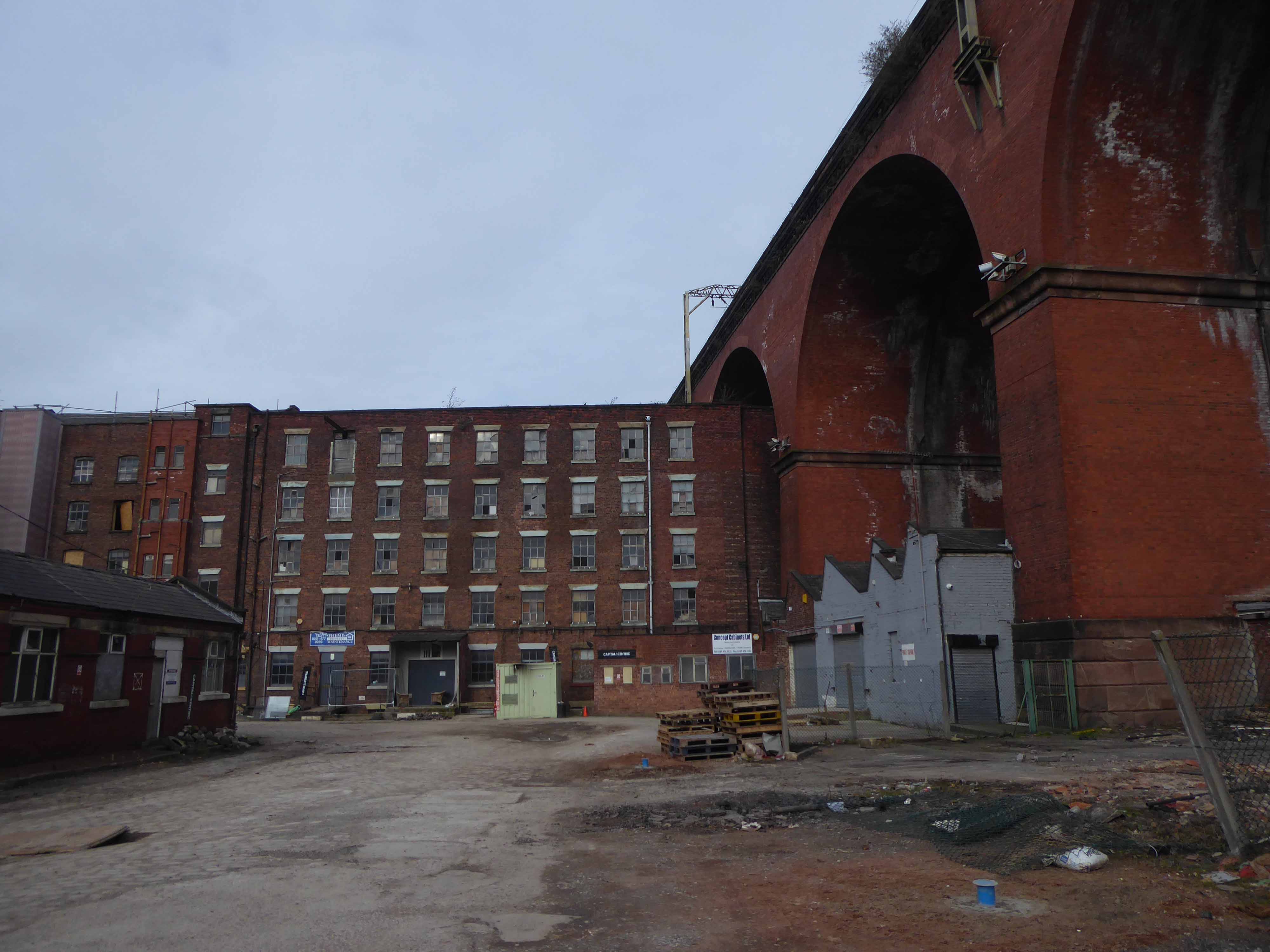
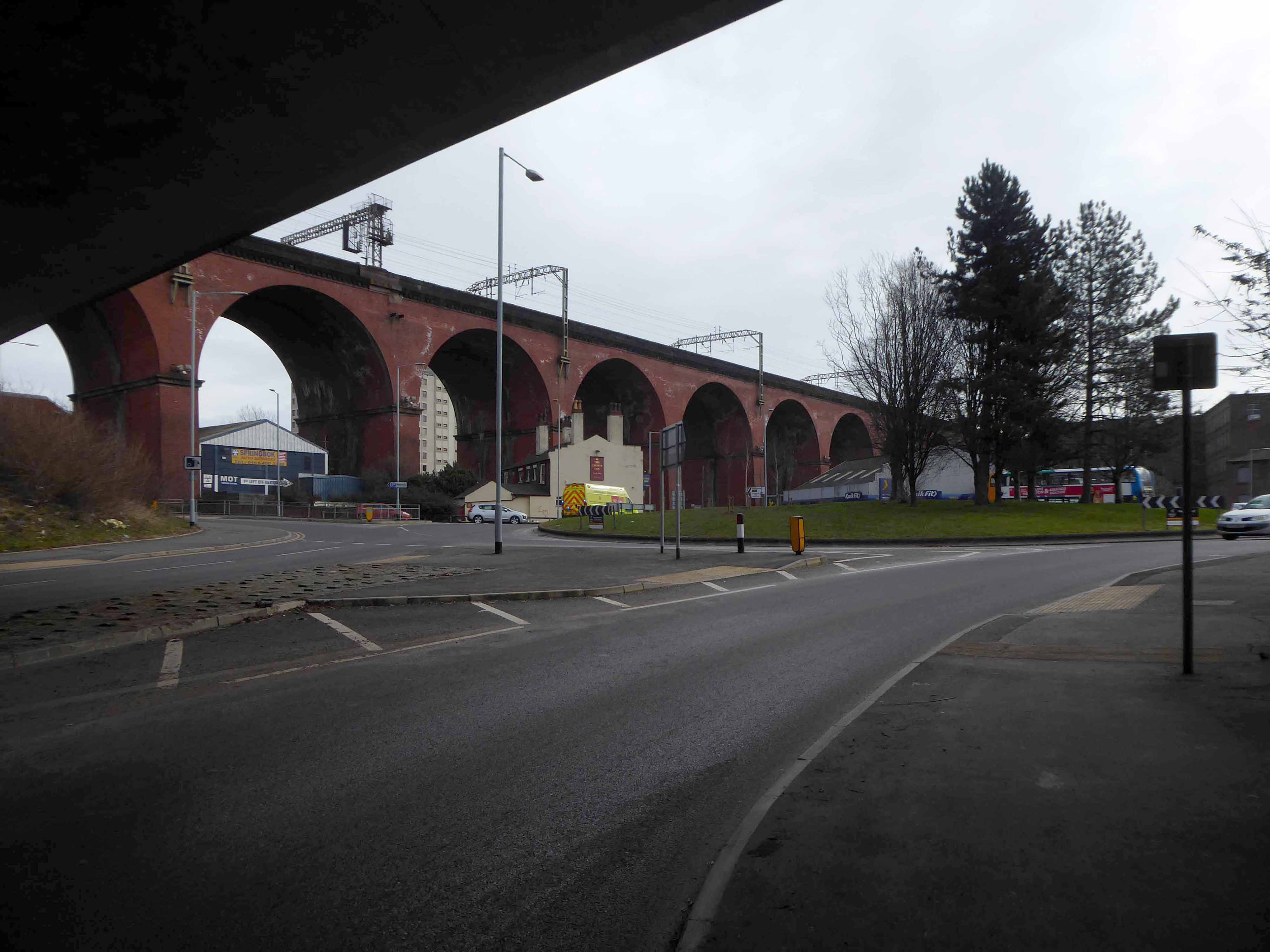
Stockport Viaduct, carries the West Coast Main Line across the valley of the River Mersey in Stockport, Greater Manchester, England. It is one of the largest brick structures in the United Kingdom, as well as a major pioneering structure of the early railway age.
Stockport Viaduct was designed by George Watson Buck for the Manchester and Birmingham Railway. Work began in 1839 and was completed in 1840. Roughly 11 million bricks were used in its construction; at the time of its completion, it was the world’s largest viaduct and a major feat of engineering. The viaduct is 33.85 metres high.Stockport Viaduct is a Grade II* listed structure and remains one of the world’s biggest brick structures.
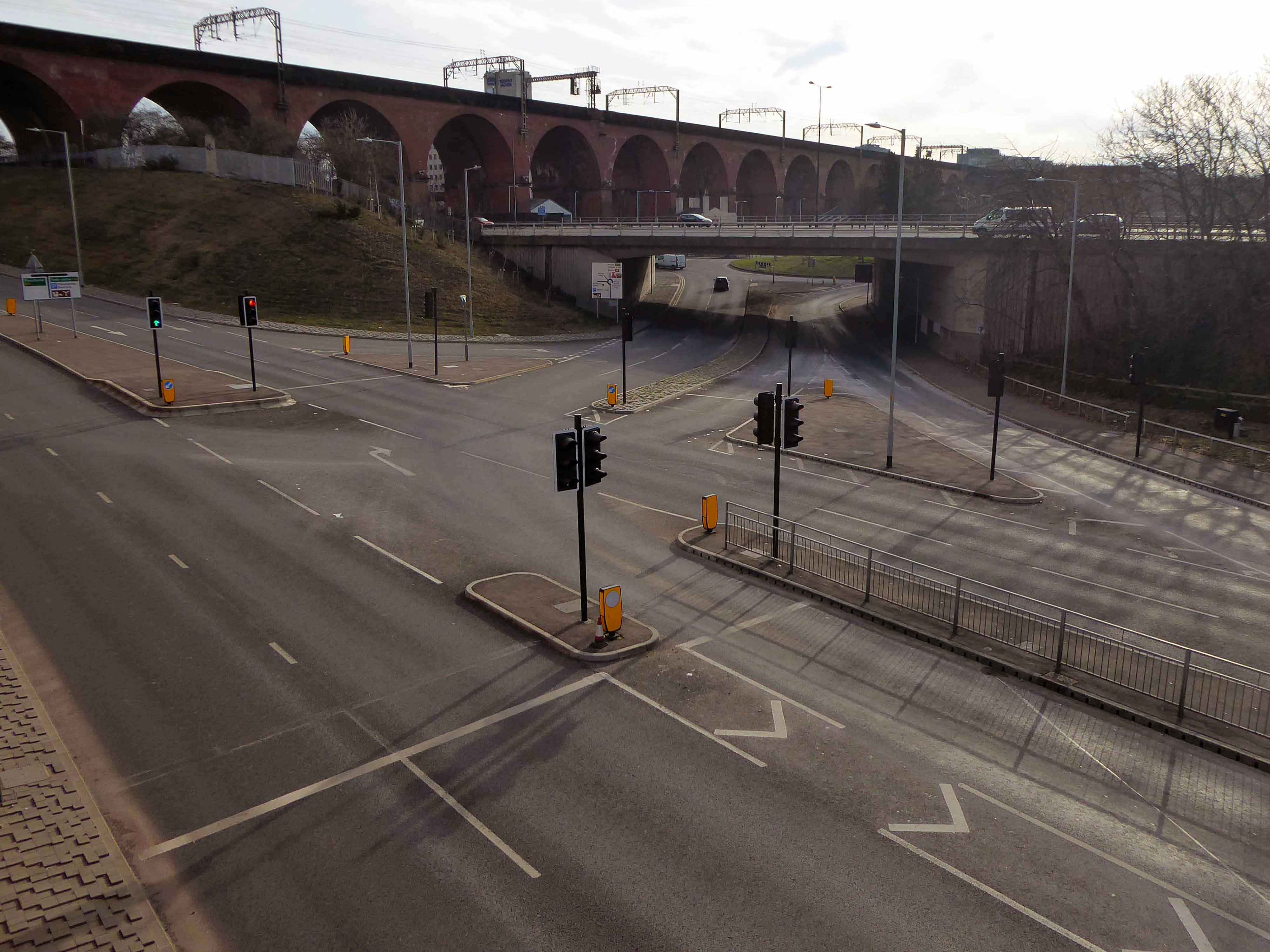
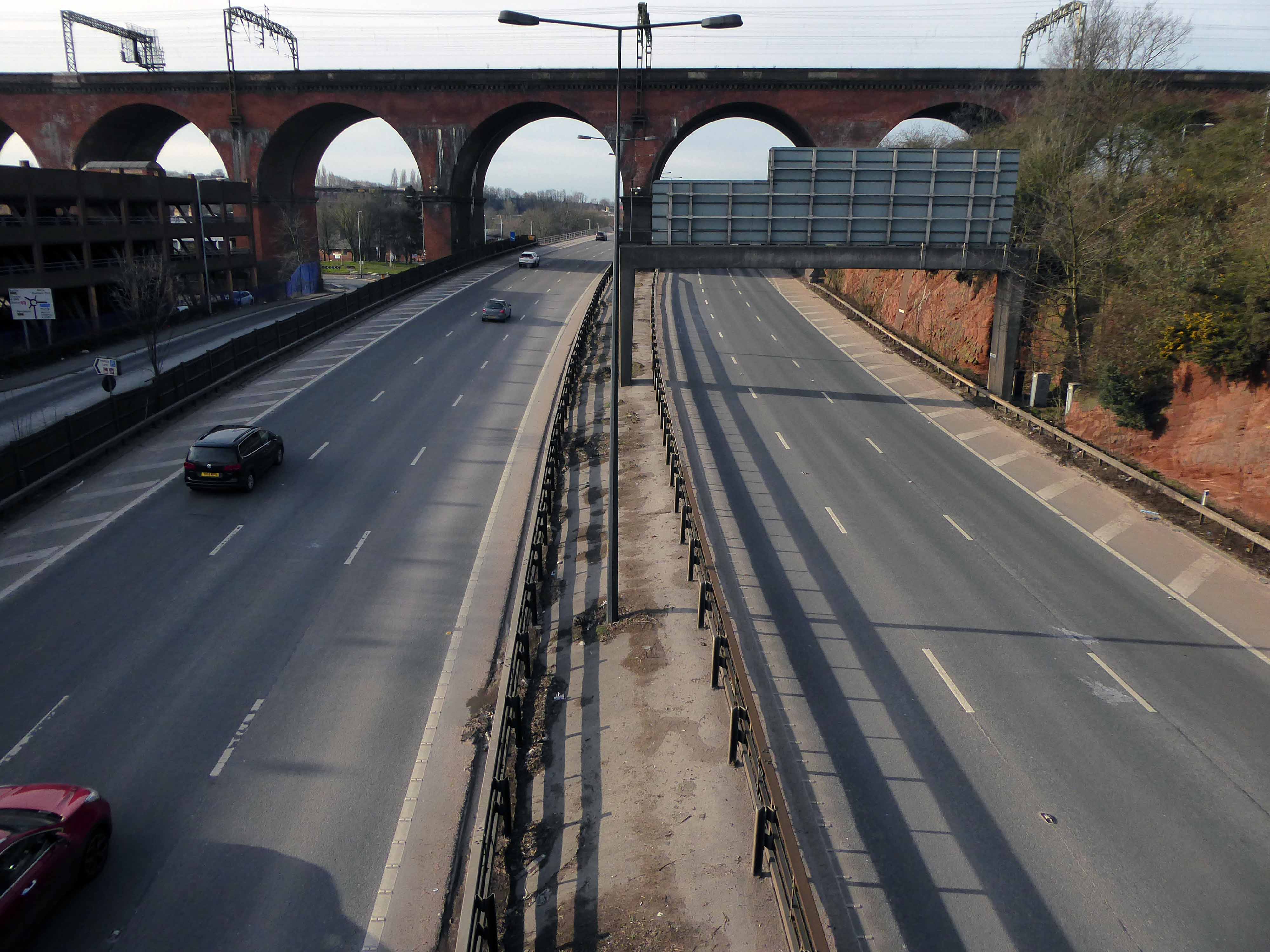
In the late 1880s, the viaduct was widened to accommodate four tracks instead of two. In the 1960s, overhead catenary lines were installed by British Rail for the West Coast Main Line electrification scheme. In the second half of the twentieth century, the M60 motorway was built, passing through two arches of the viaduct.
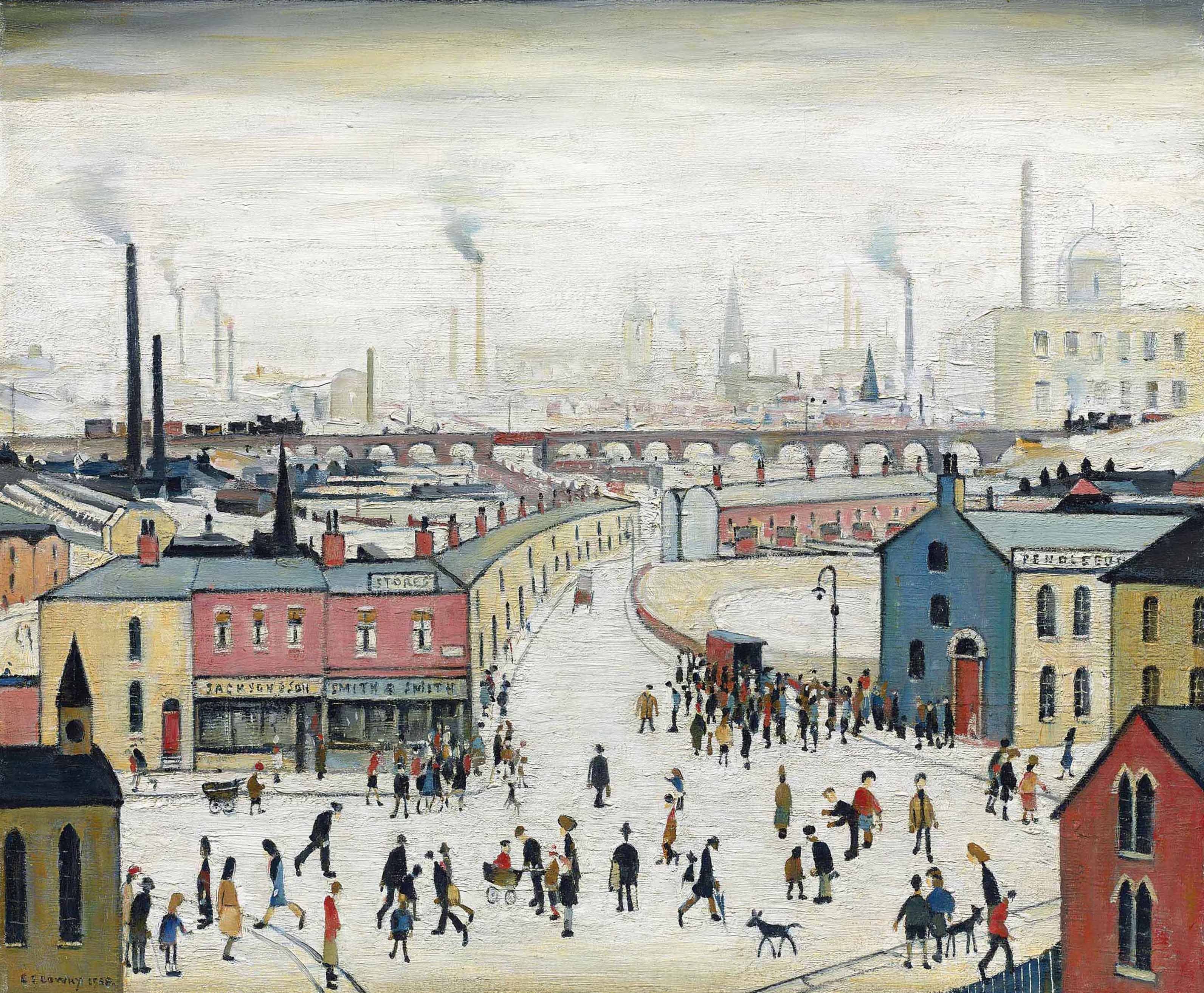
The structure is central to the visual landscape of the town – it has been the subject of both literature and art, most notably in the work of LS Lowry.
I believe that this composite composition of a northern landscape, is firmly embedded in the psyche of Stopfordians.
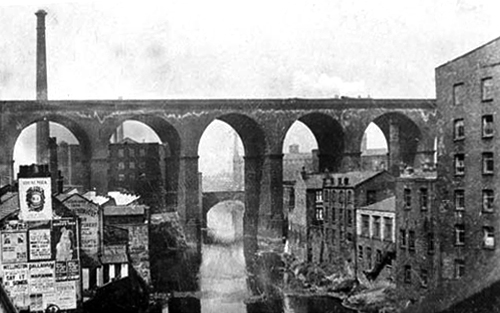
A notion that we are able to apprehend the whole of the structure in one panoramic sweep.
Our present perceptions are inextricably linked to past experience, possibly an illusory past.
My photograph below, was taken before access was prohibited.
Though has this uncluttered view ever actually existed?
The area has been a constantly evolving jumble of buildings, in, under and around the viaduct.
This raises the question – when did you last see your viaduct?
I live moments away on Didsbury Road – so why not take a look, circumnavigating the site in search of an answer?
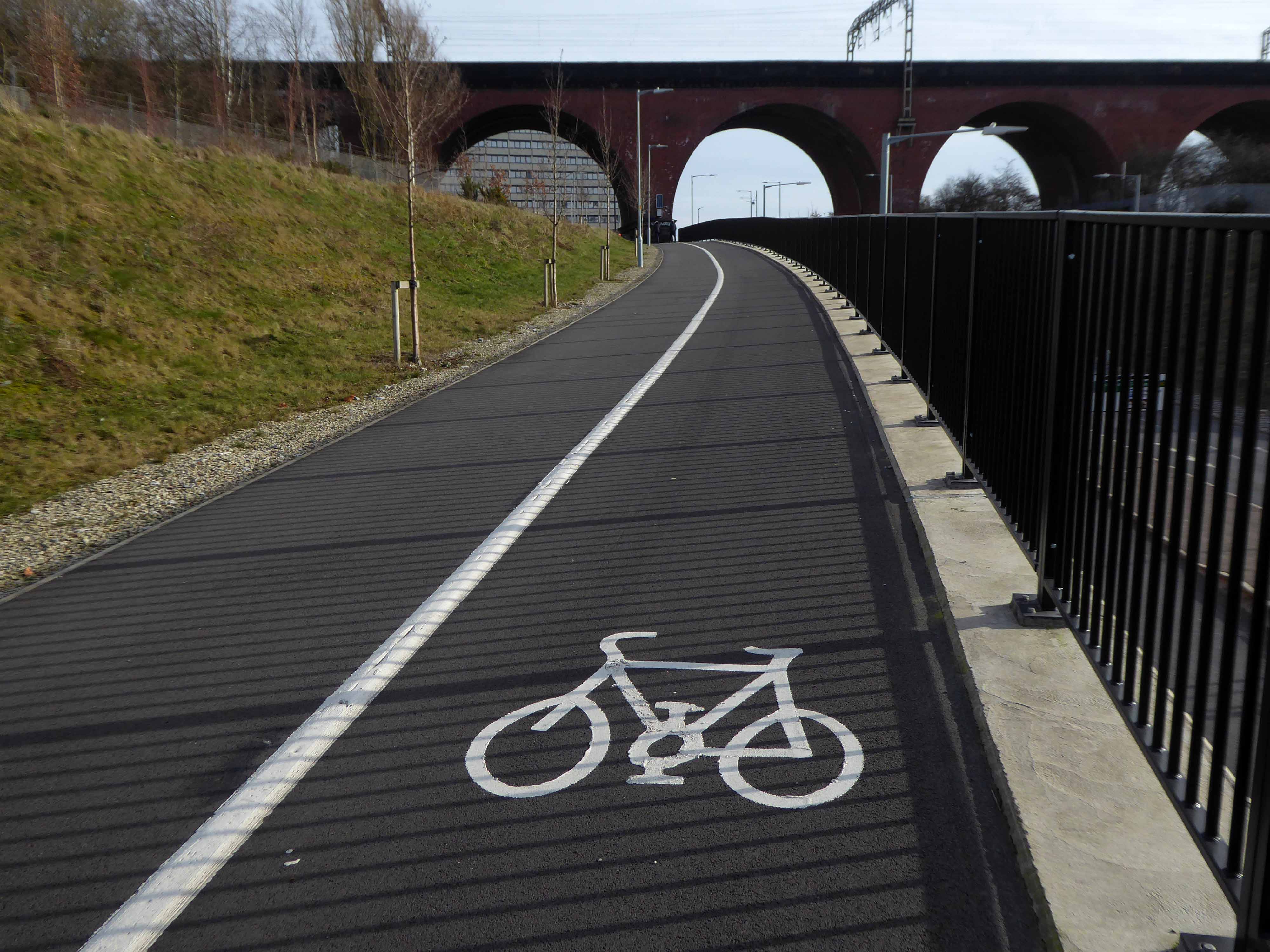
From the recently constructed pedestrian and cycleway a view south across multiple roadways.
Approaching the arches from the west.
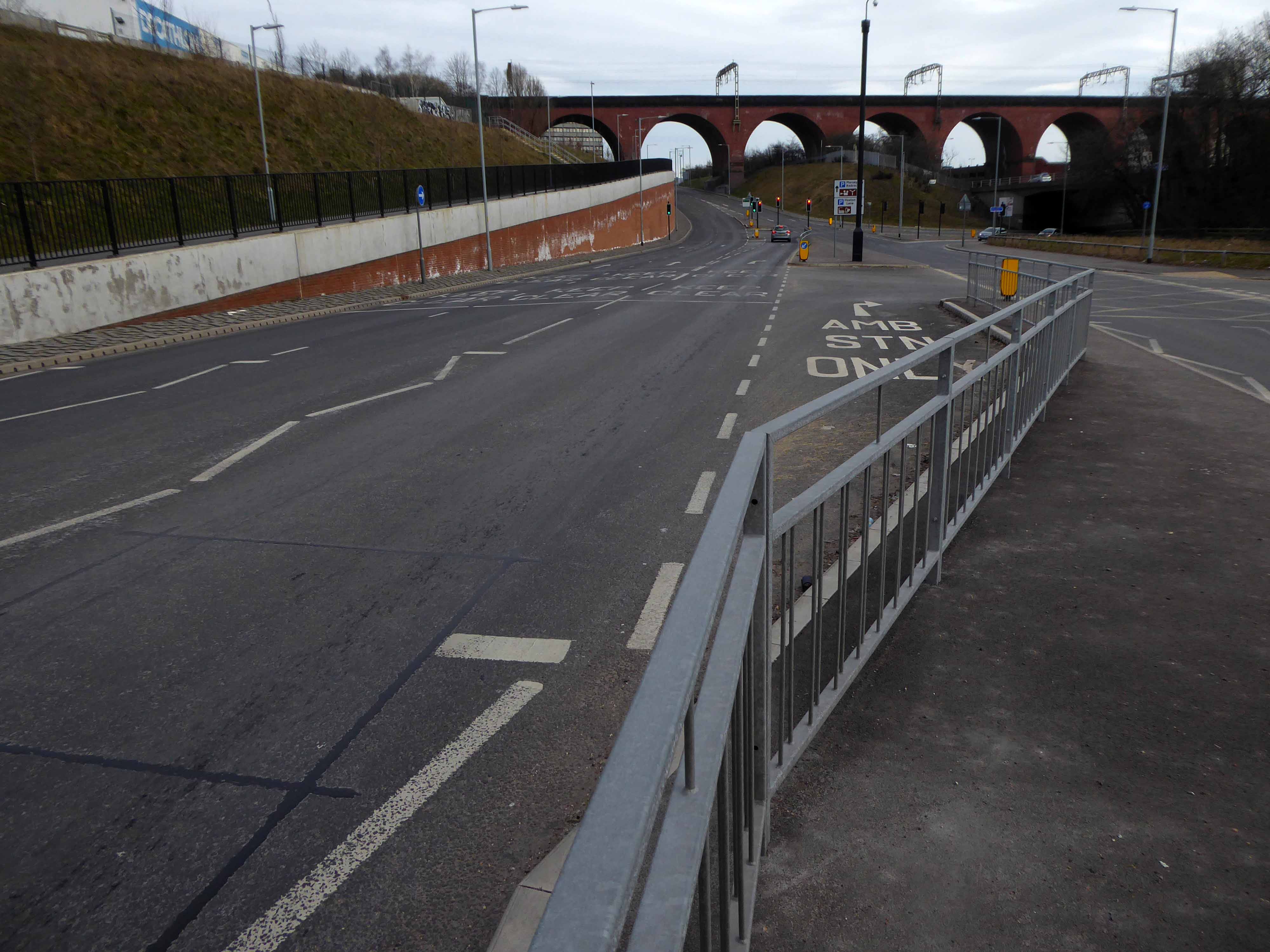
Looking east from Wellington Road North and the newly constructed A5154 link road.
Looking along the M60.
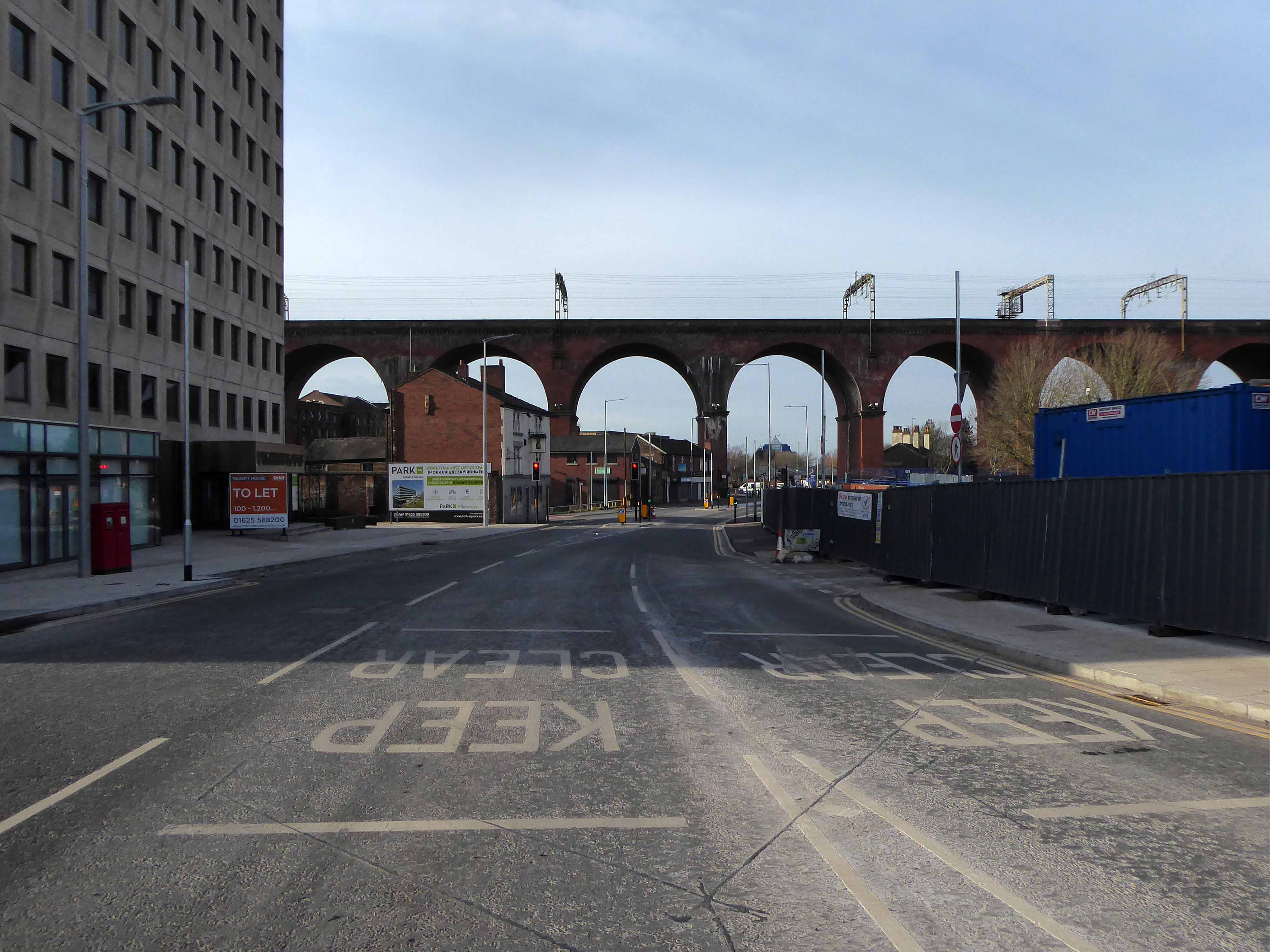
Looking along Heaton Lane, to the left Regent House.
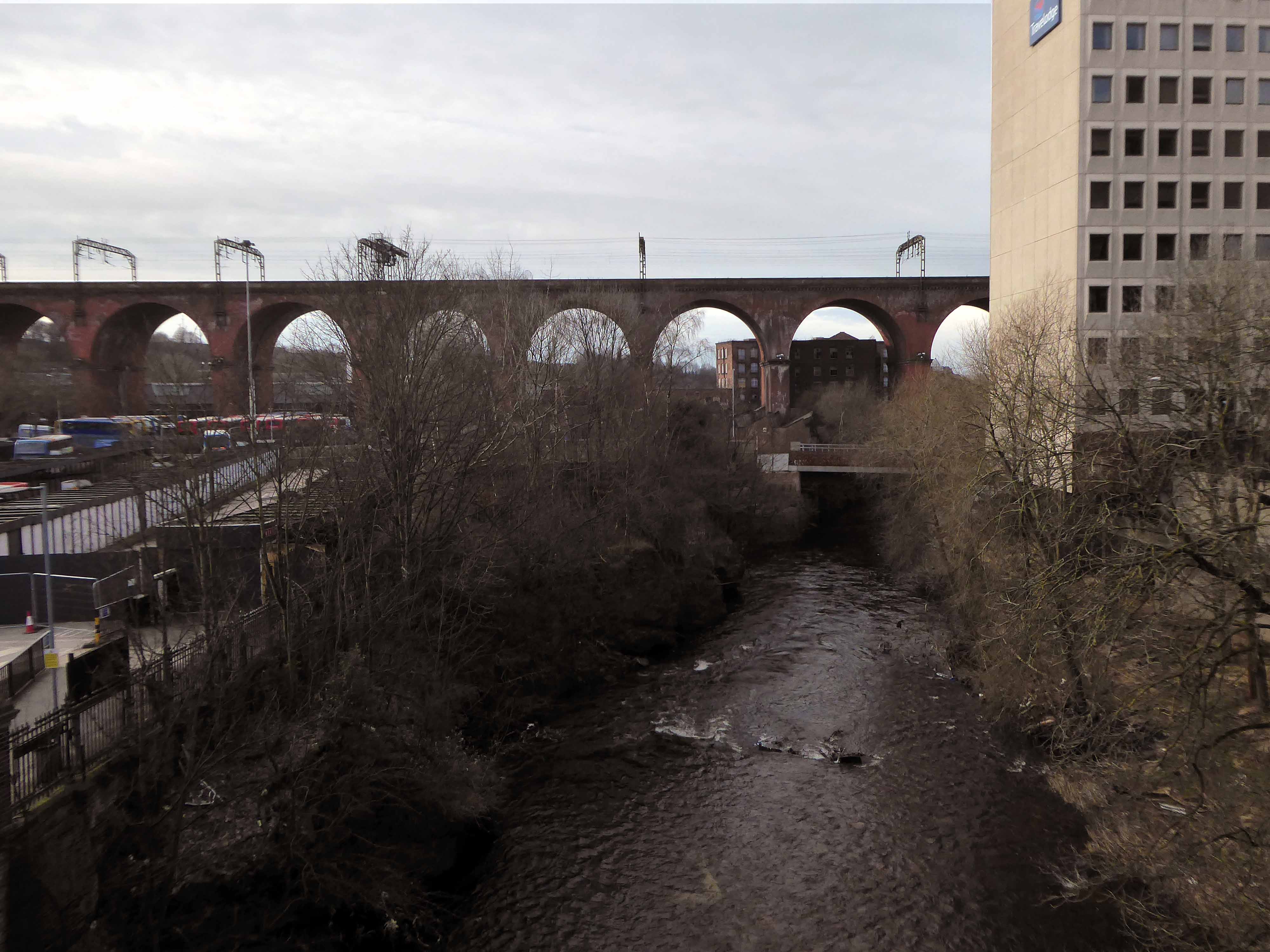
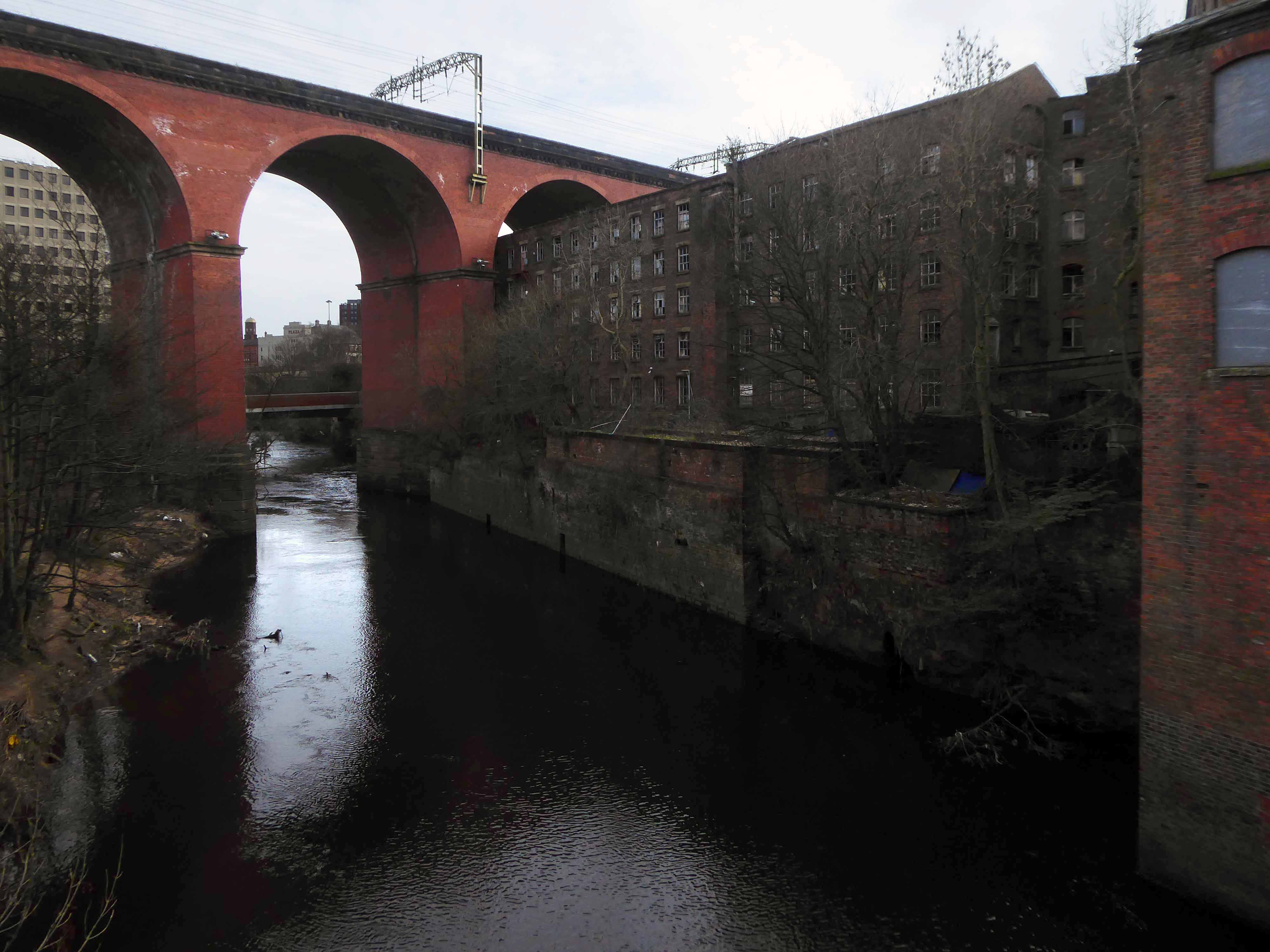
Looking along the River Mersey
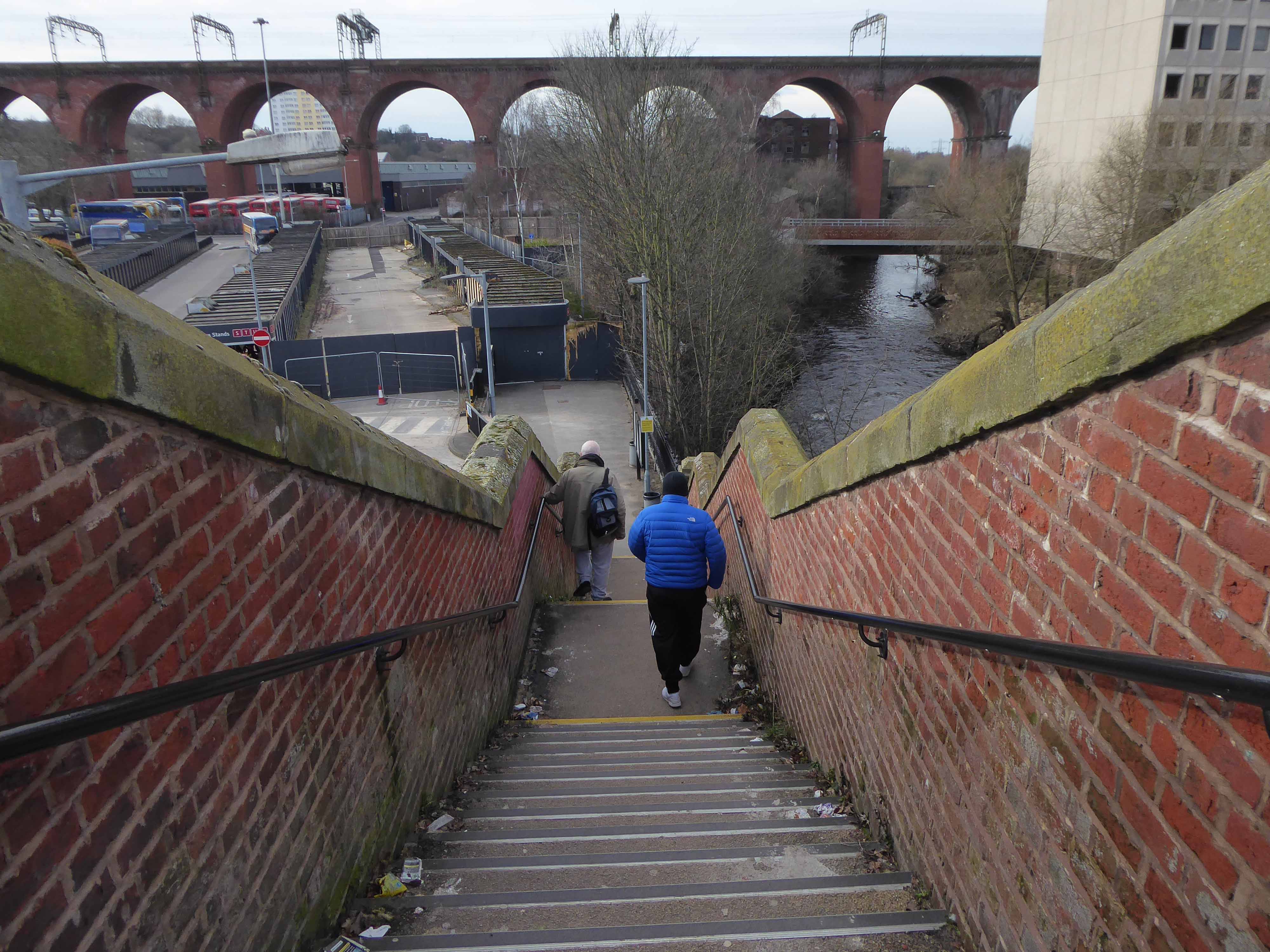
The Lowry Steps.
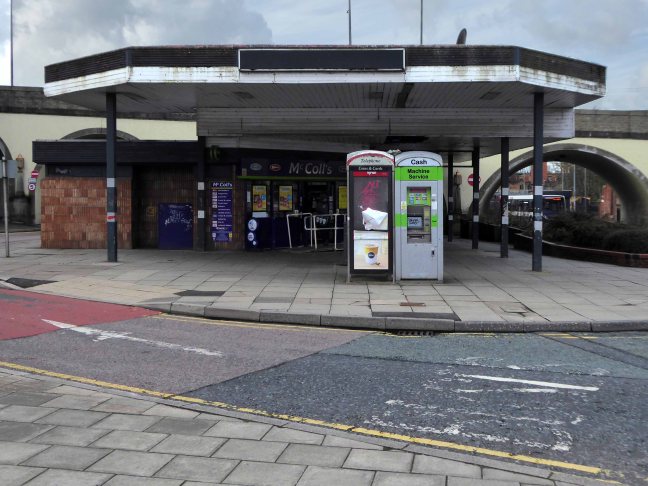
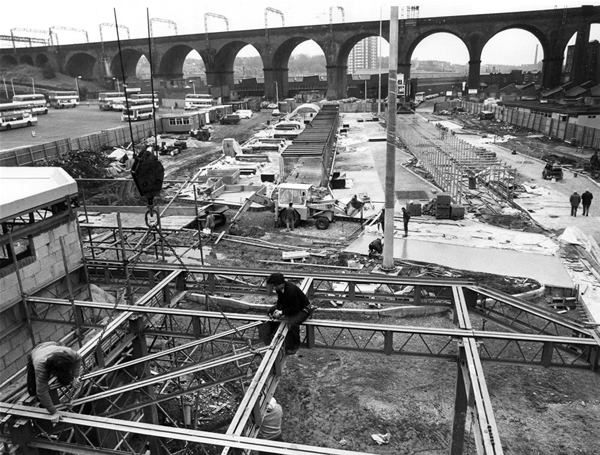
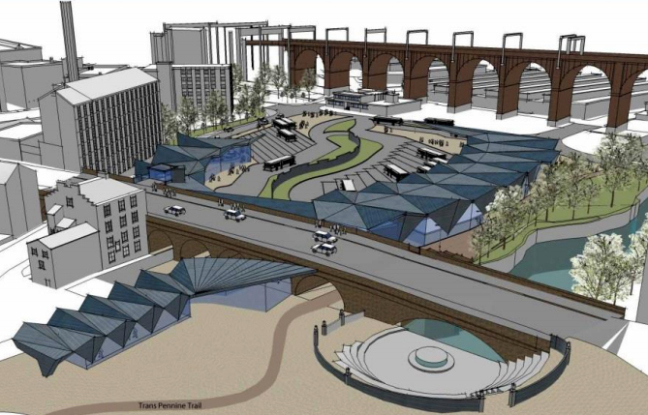
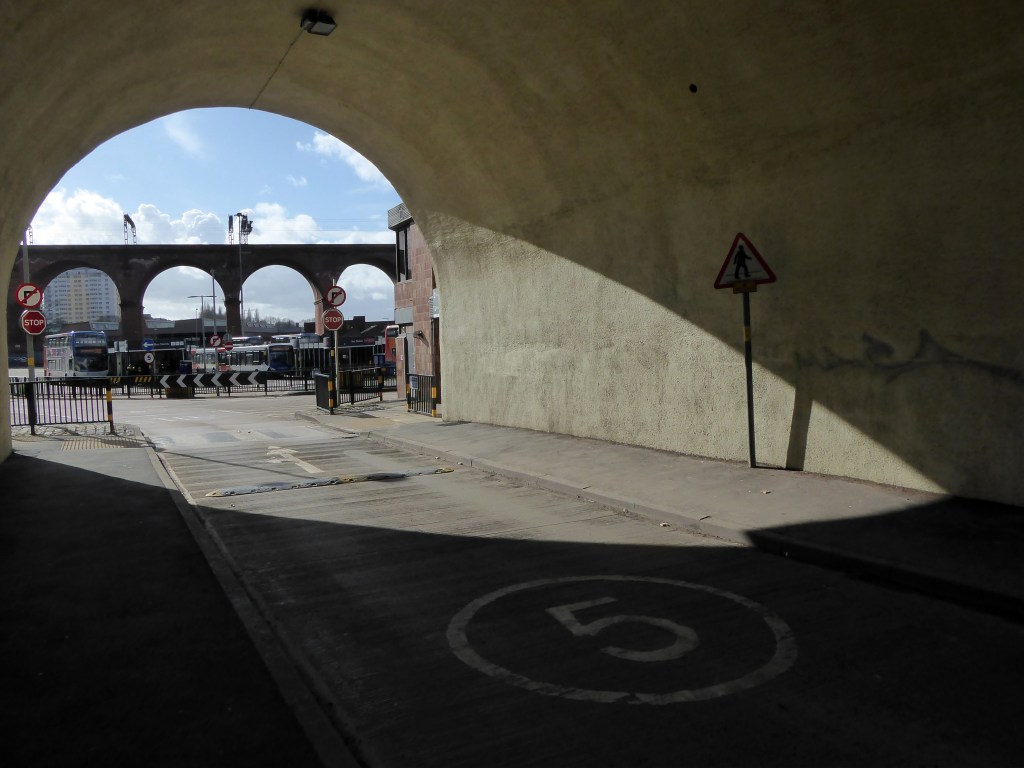
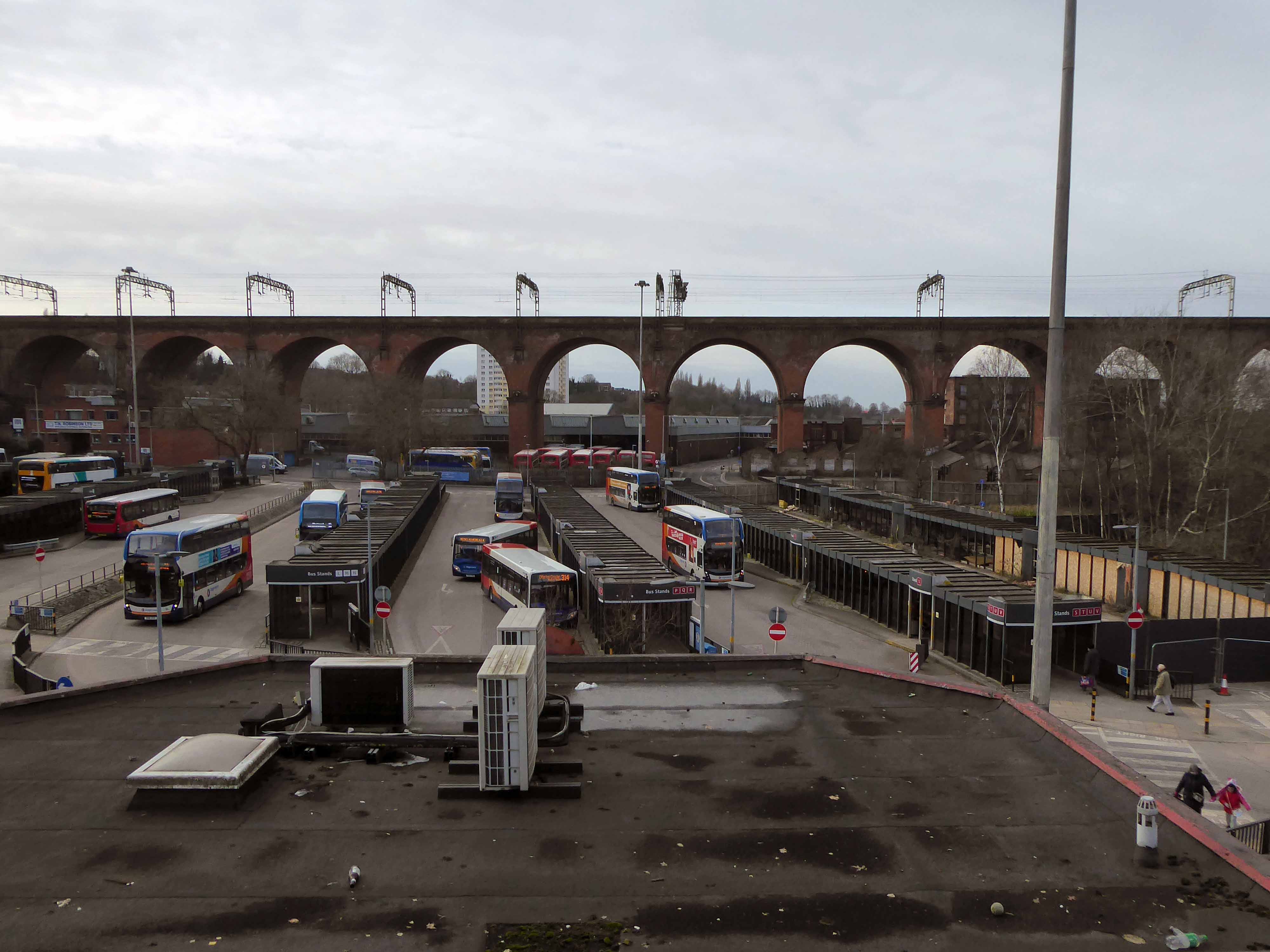
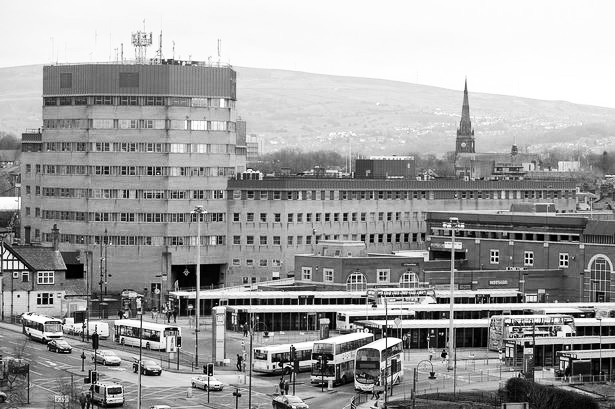
The view over the soon to be redeveloped Bus Station.
The view along Daw Bank.
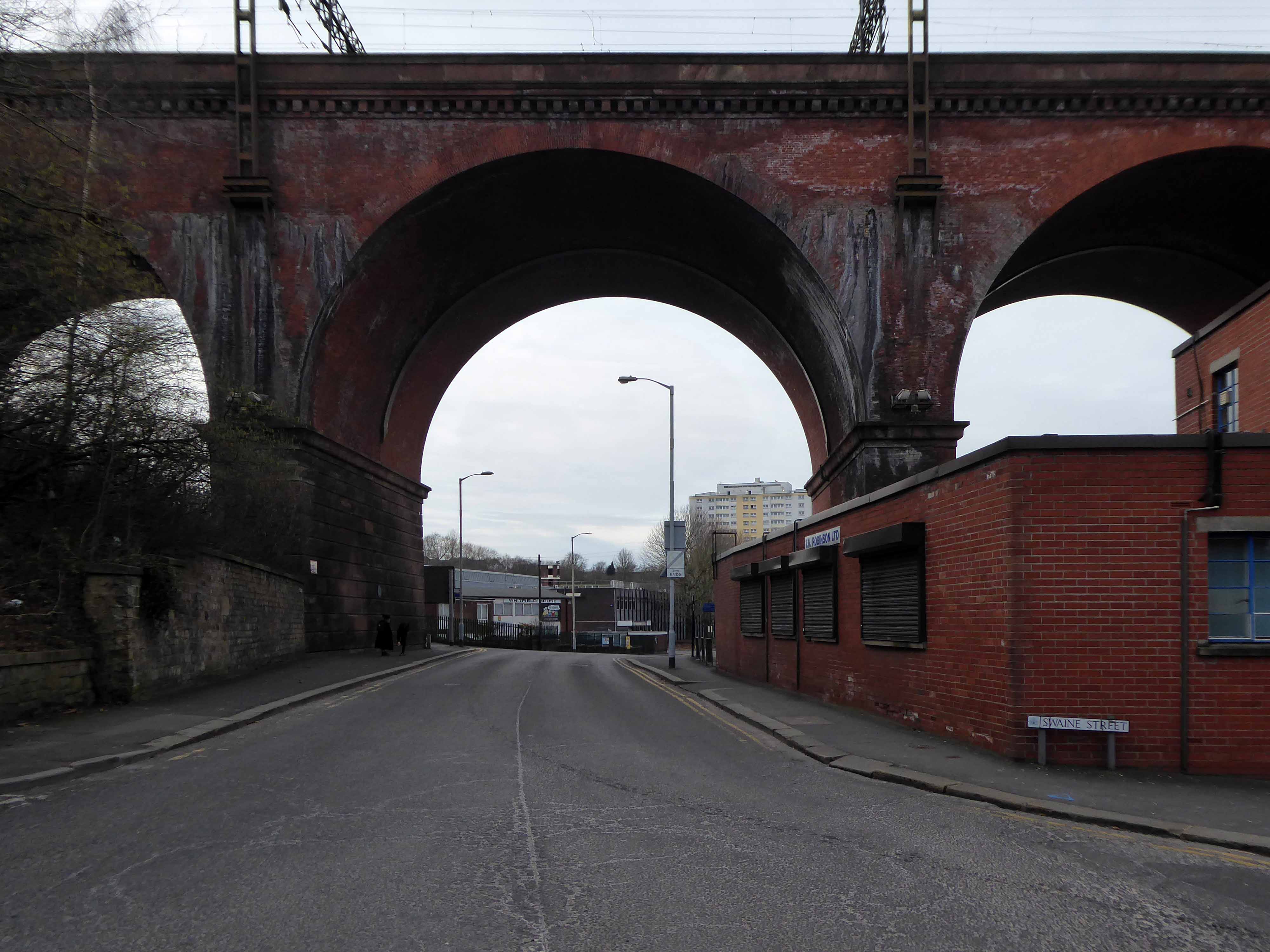
One of the most complete perspectives along Swaine Street.
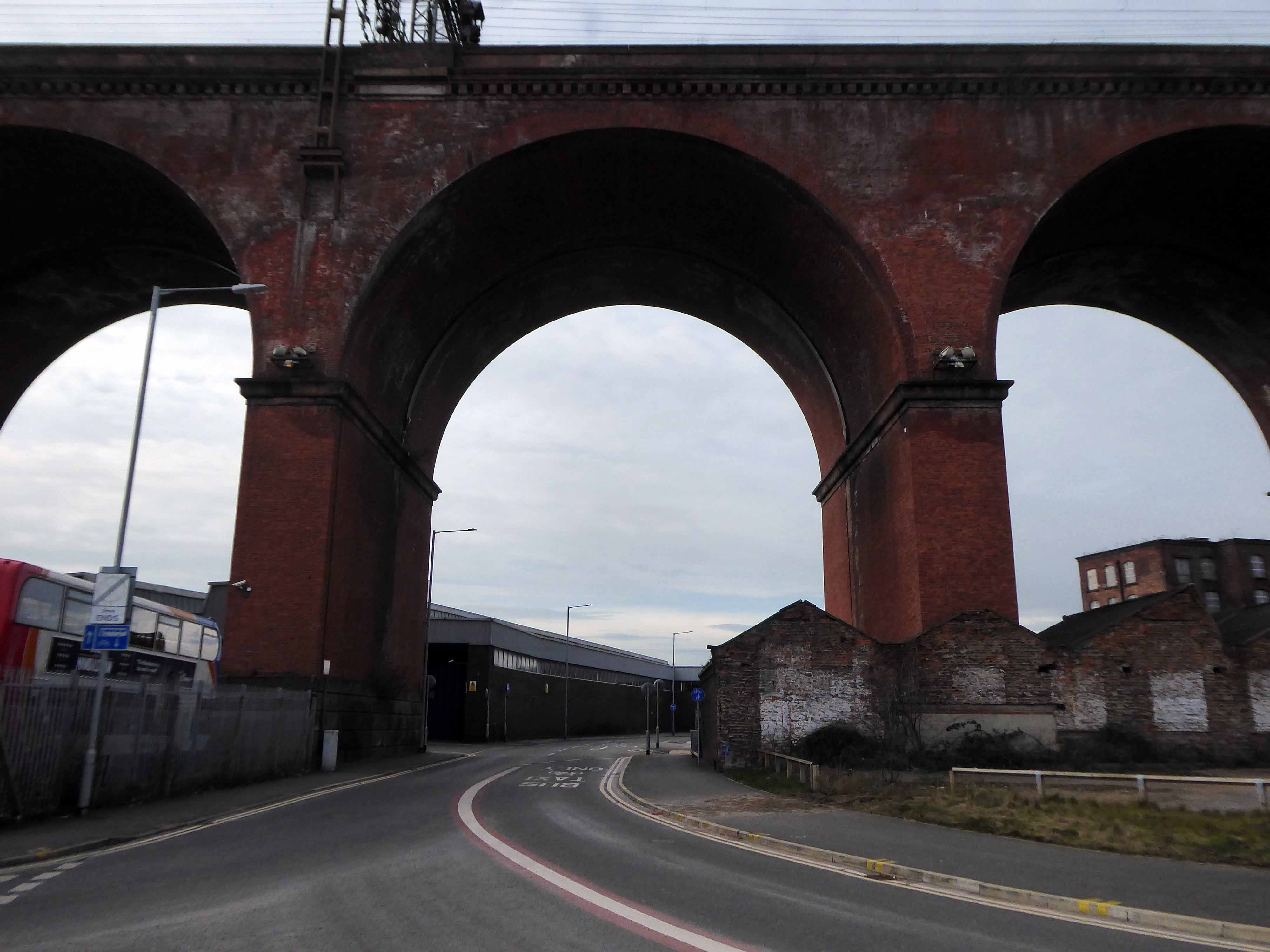
Swaine Street and Astley Street junction.
Crossing the new bridge to Heaton Lane.
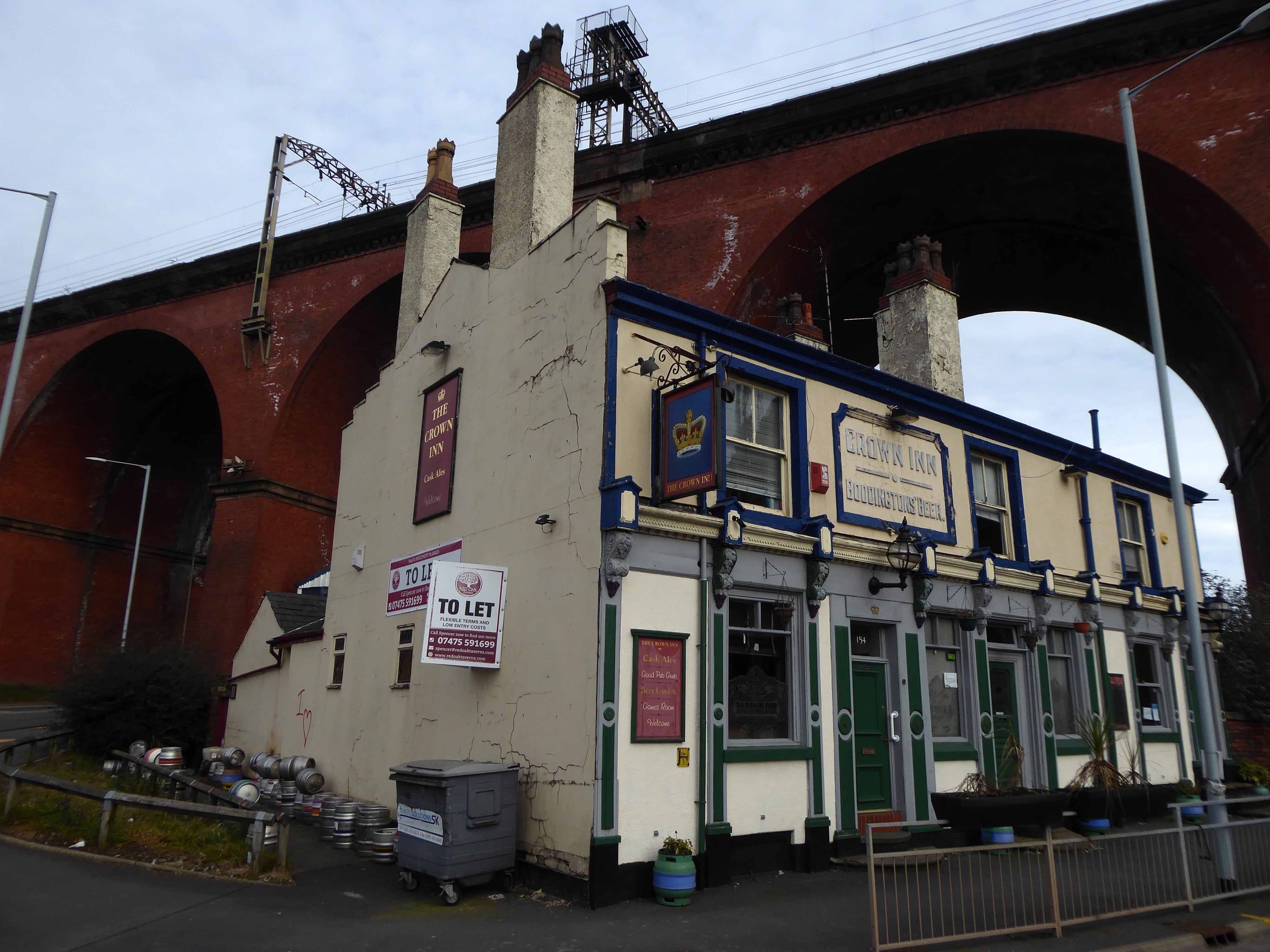
Looking back towards the Crown Inn.
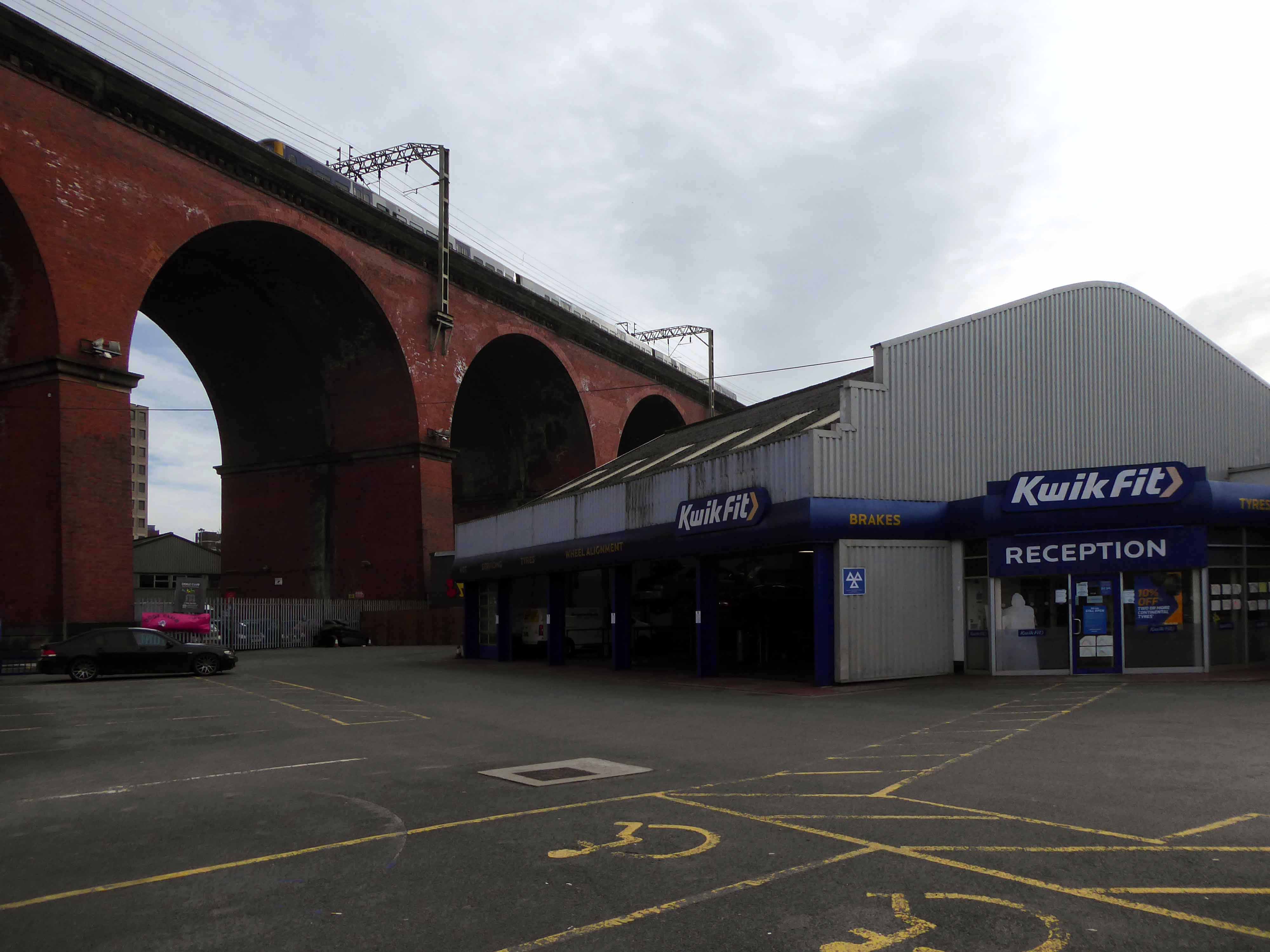
The view over Kwik Fit.
Looking east along the River Mersey, beside the rear of Weir Mill.
The view between the Stagecoach Bus Depots.
Looking east along Daw Bank.
Another clear perspective along Viaduct Street.
Beside Weir Mill.
Beneath the M60.
Looking east along Travis Brow.
This is one cold day in Covid February, the traffic a little lighter, few folk on foot.
Another day would produce another series of views, the light shifts, leaves appear on trees, the regeneration of Stockport sees the built environment shift and shimmy with an alarming regularity.
The landscape formed by the second Ice Age, gouging out a glacial valley and subsequently a conjoined river, is all part of a passing parade; it is acted out over millennia, you yourself are party to but one small part, make the most of it, get out and about take a look.
All this life is but a play, be thou the joyful player.
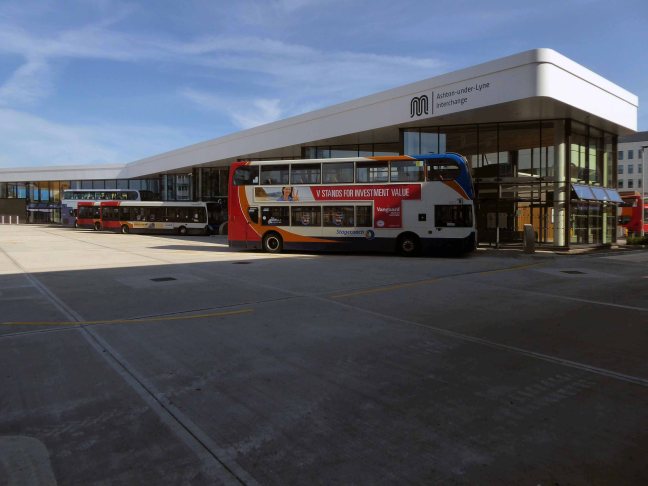
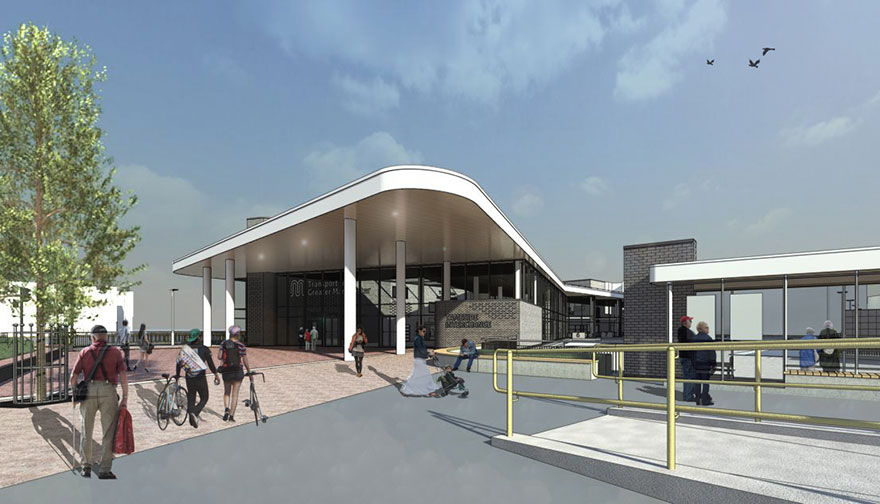
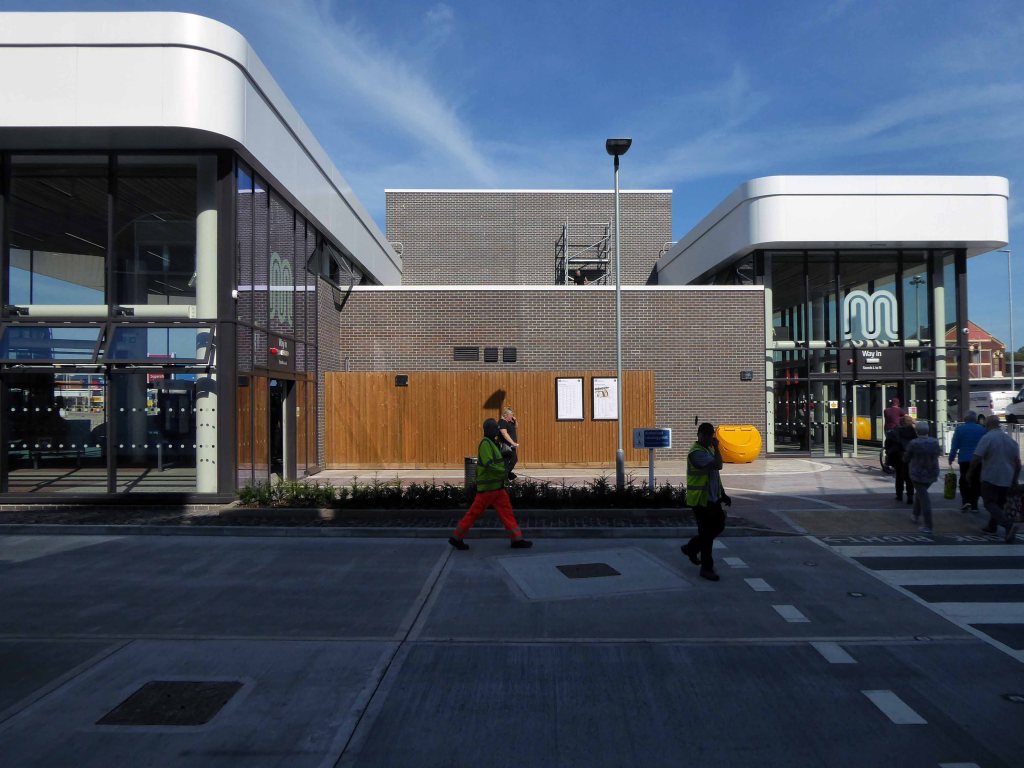
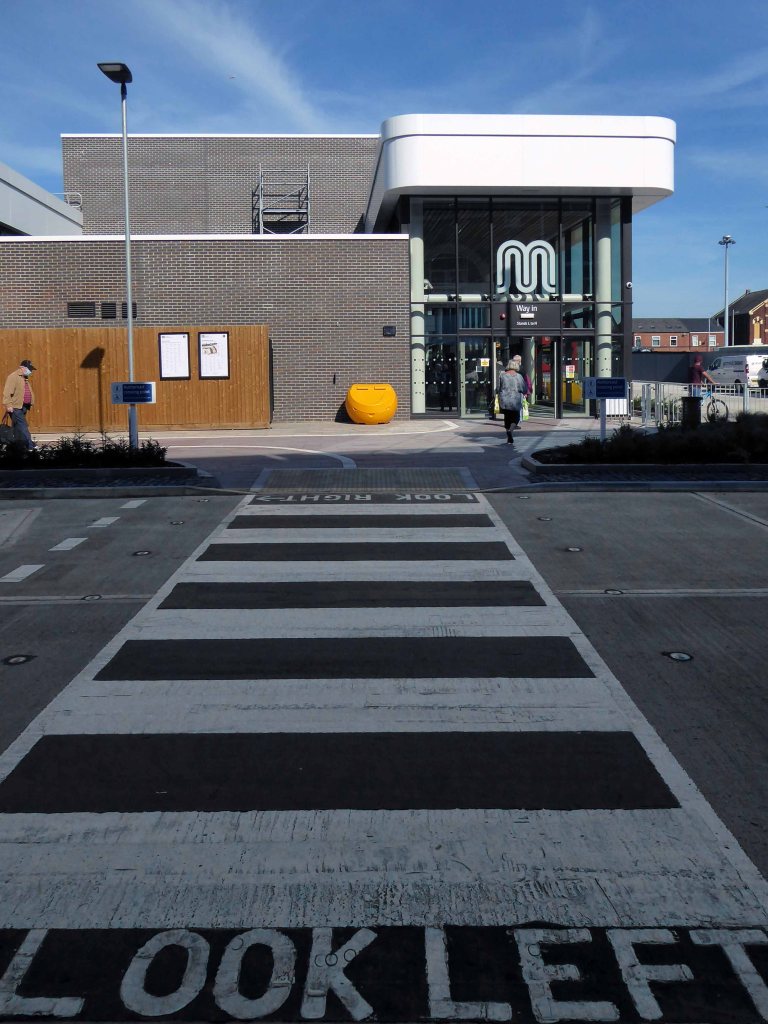
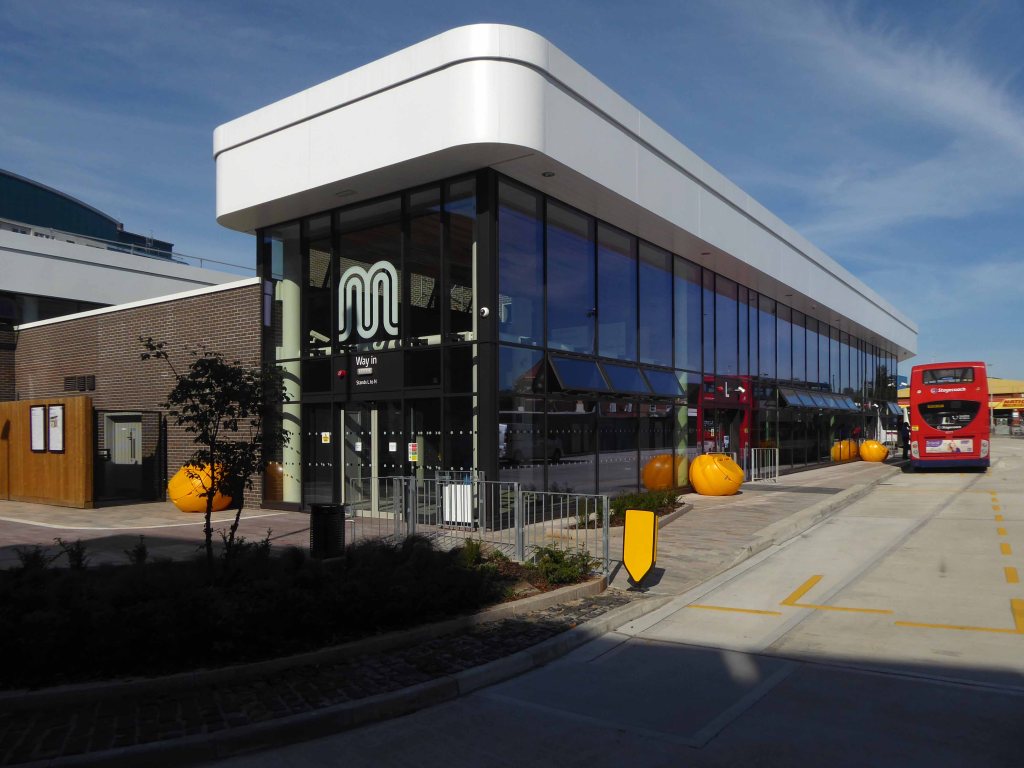
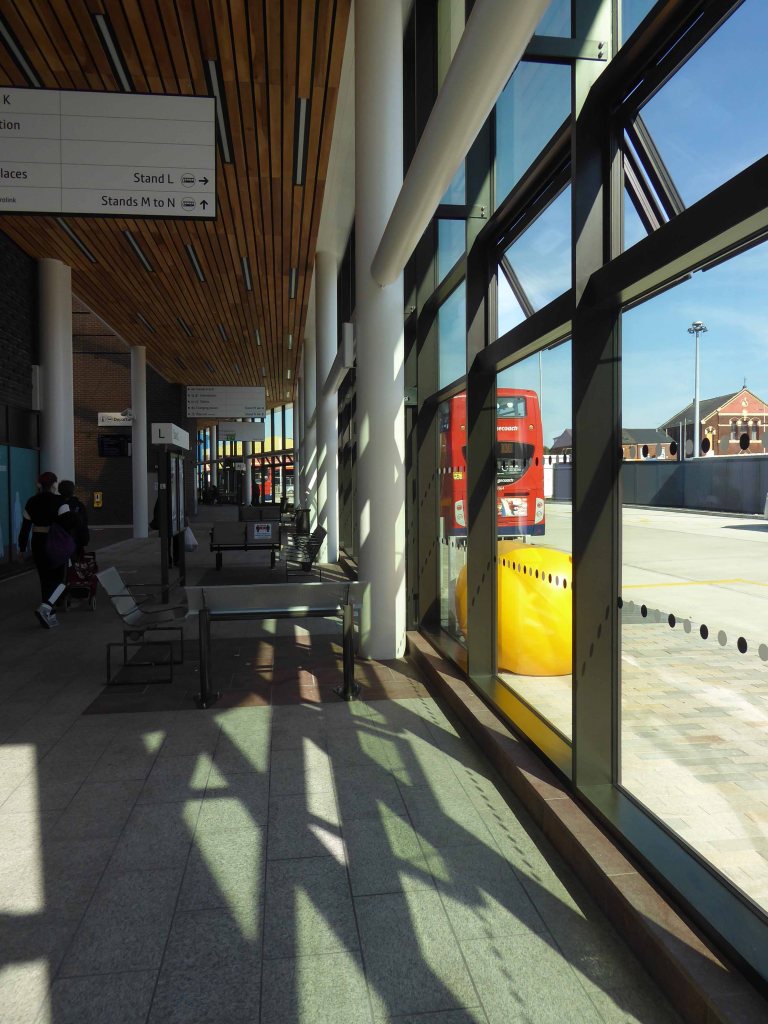
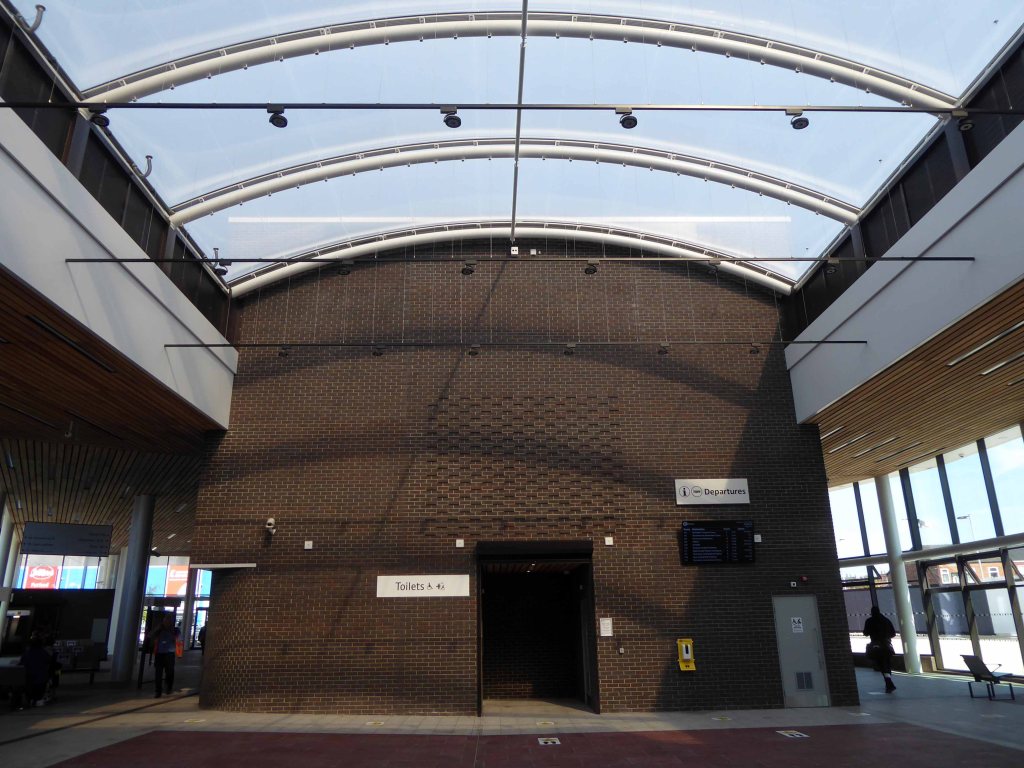
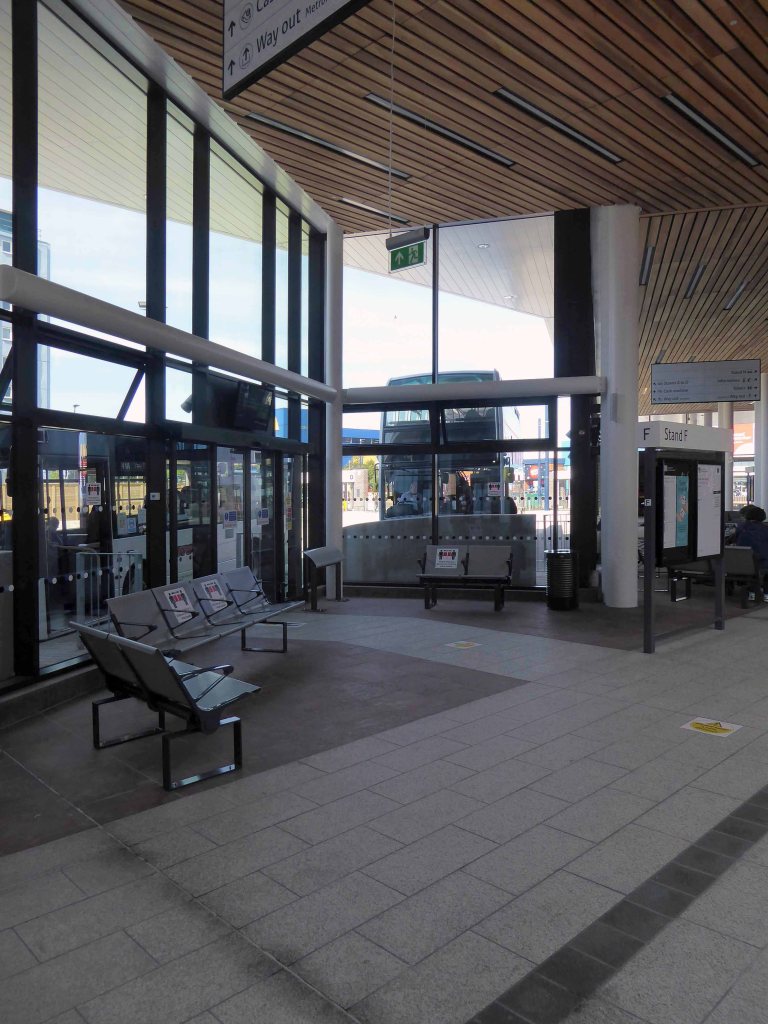
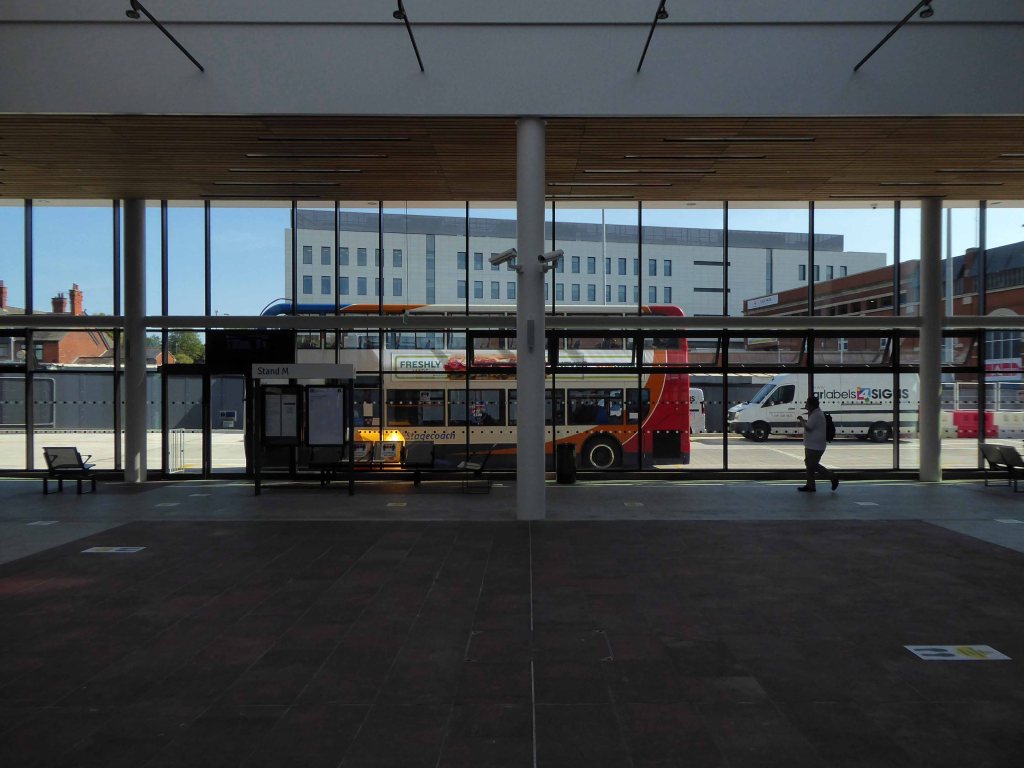
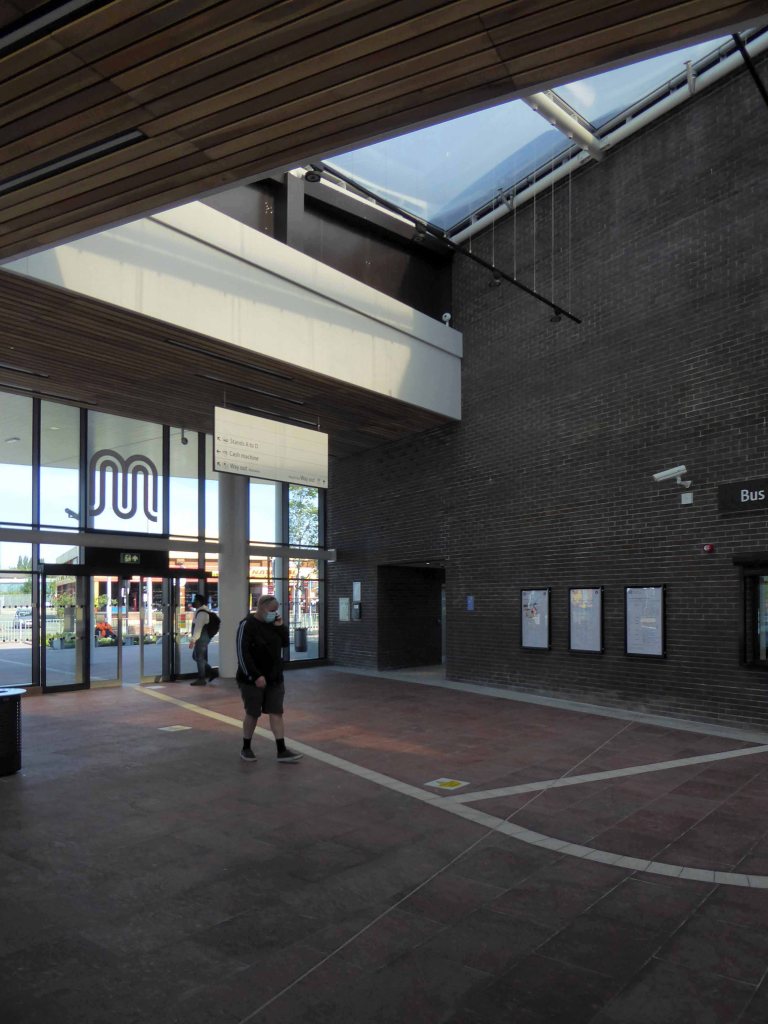
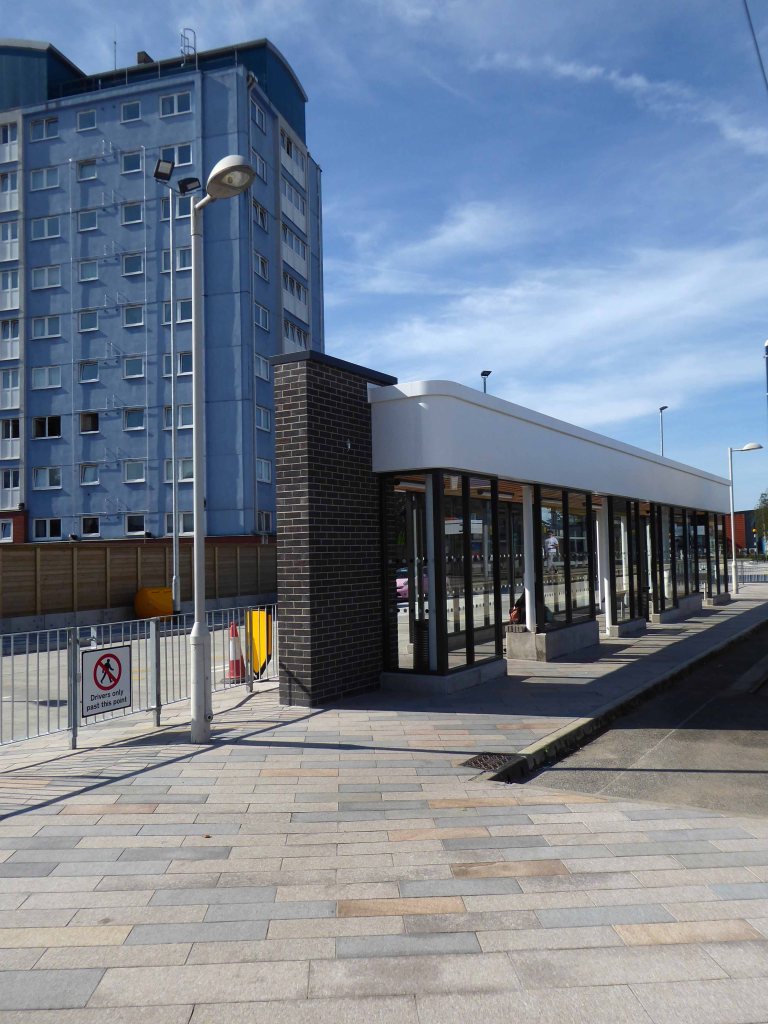
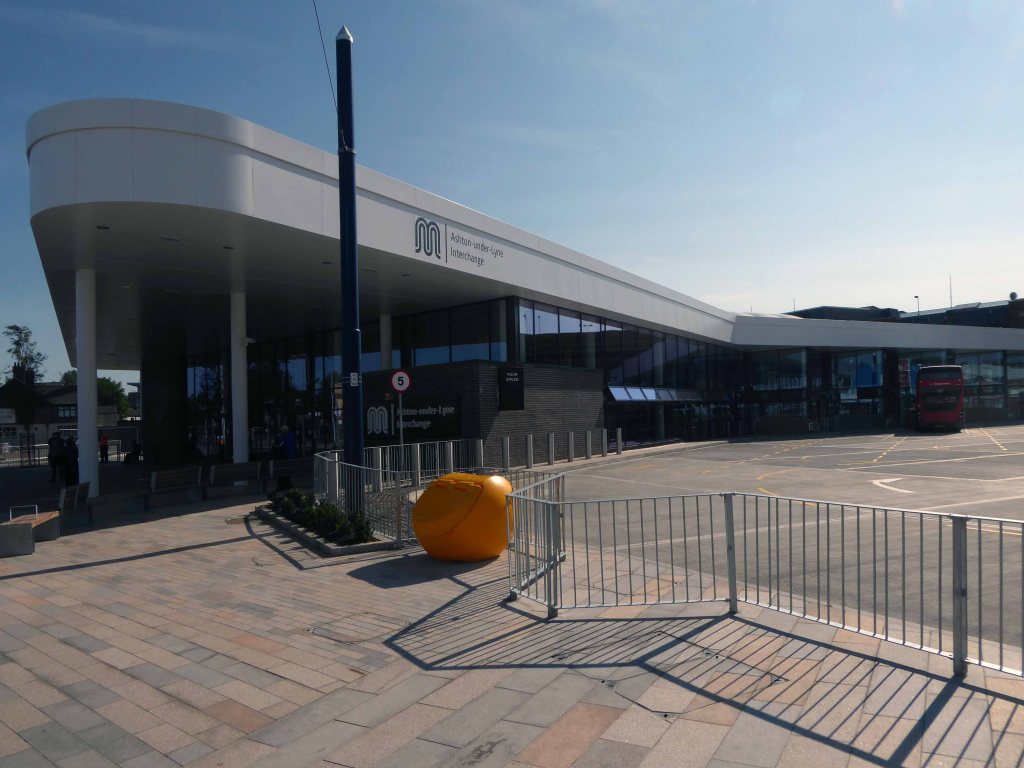
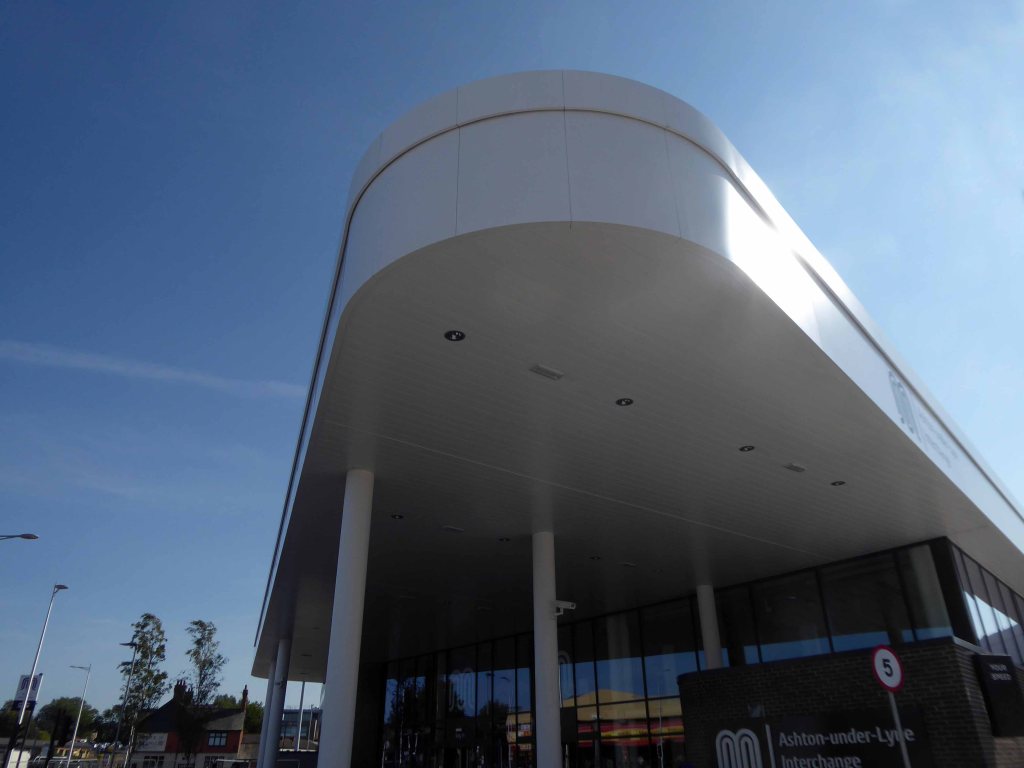
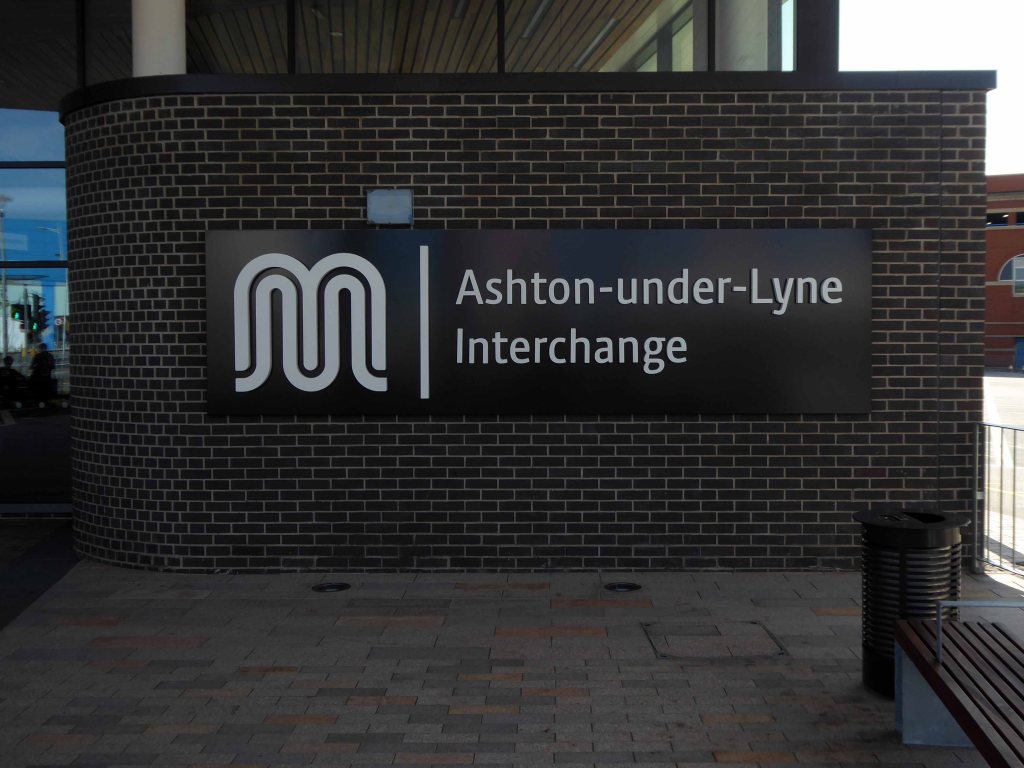
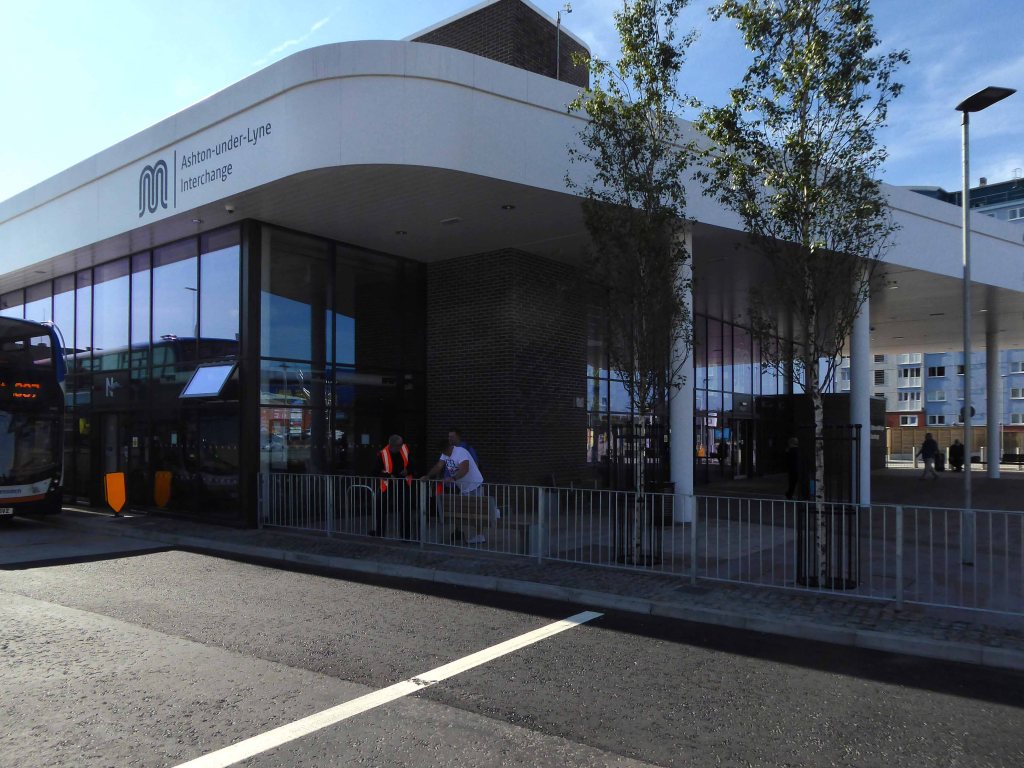
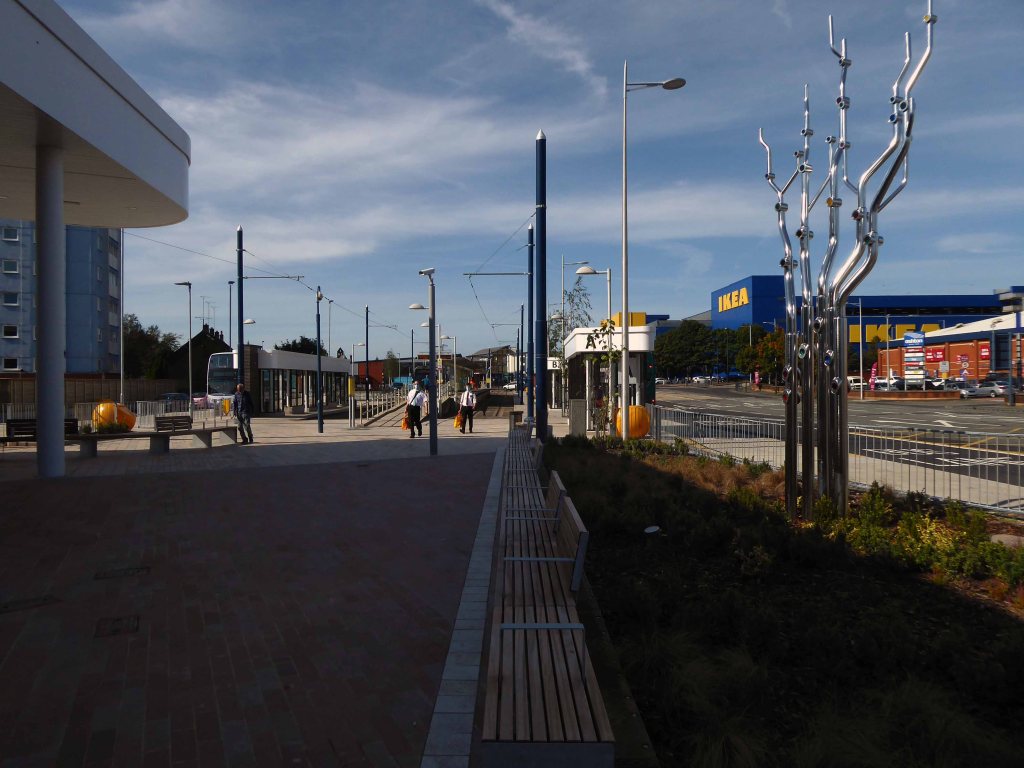
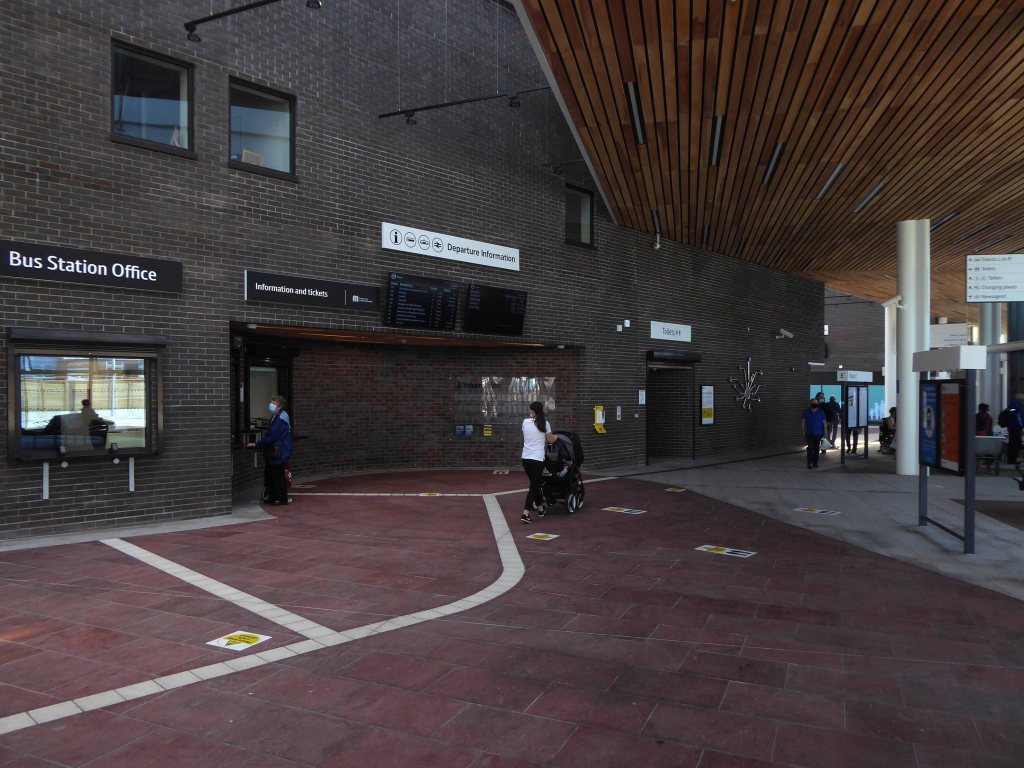
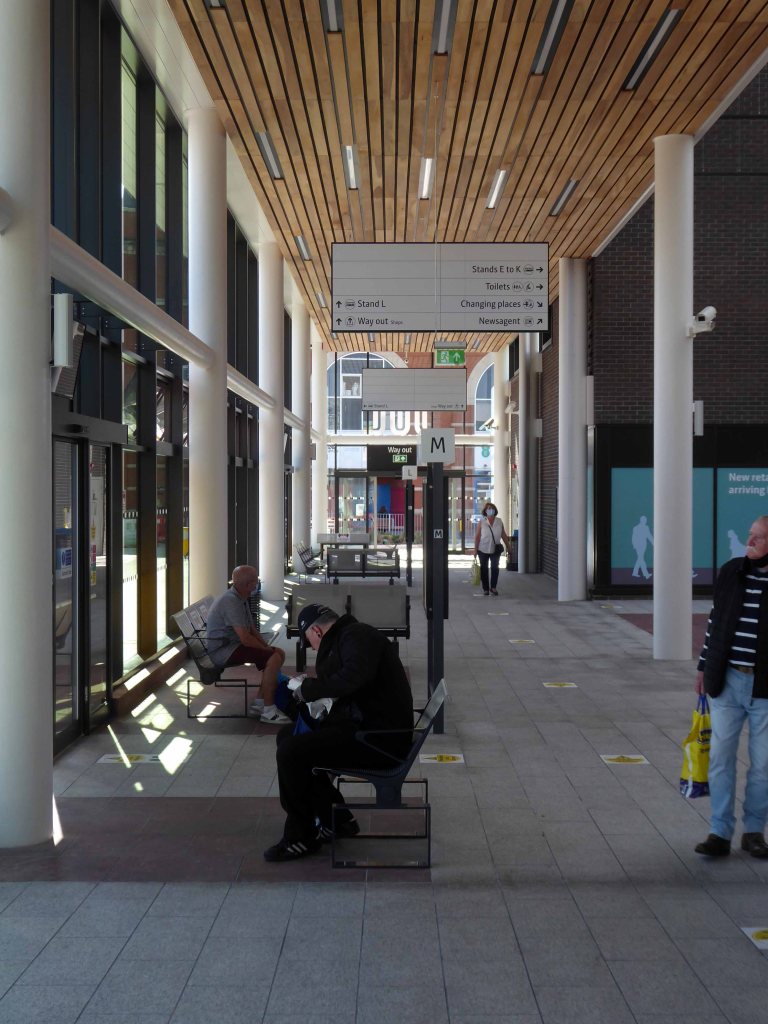
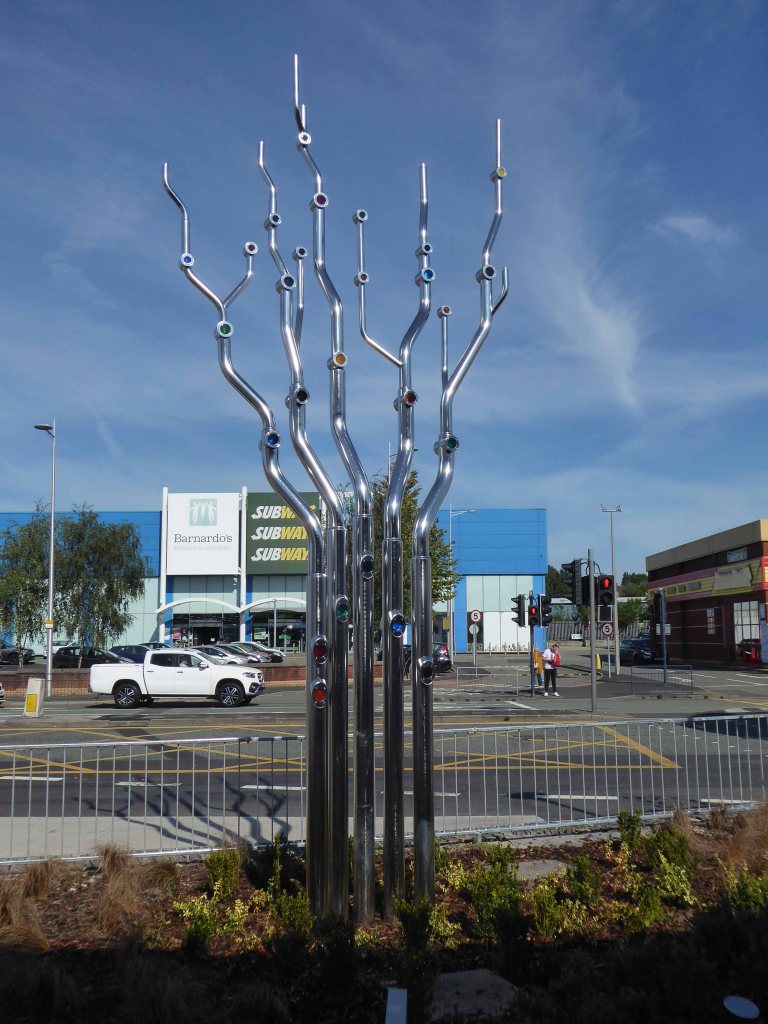
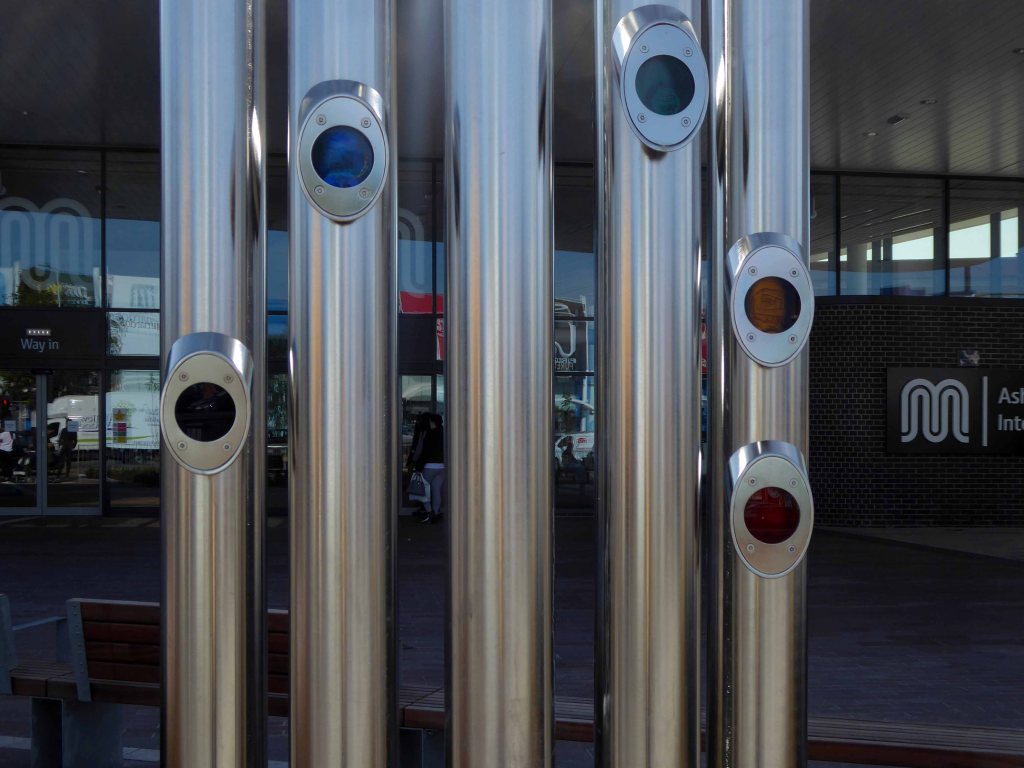
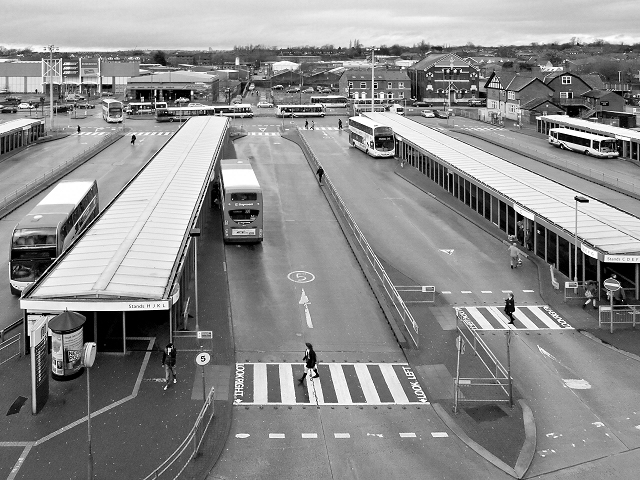
This time as an interchange, where bus, tram and train converge – the most modern of modern ideas.
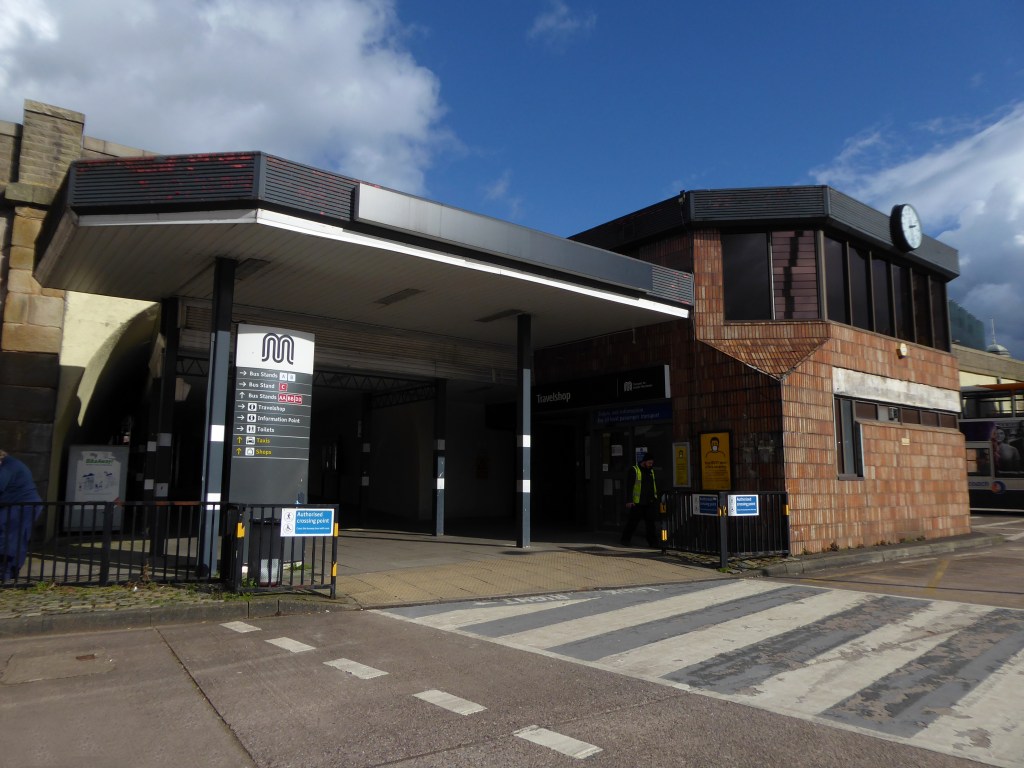
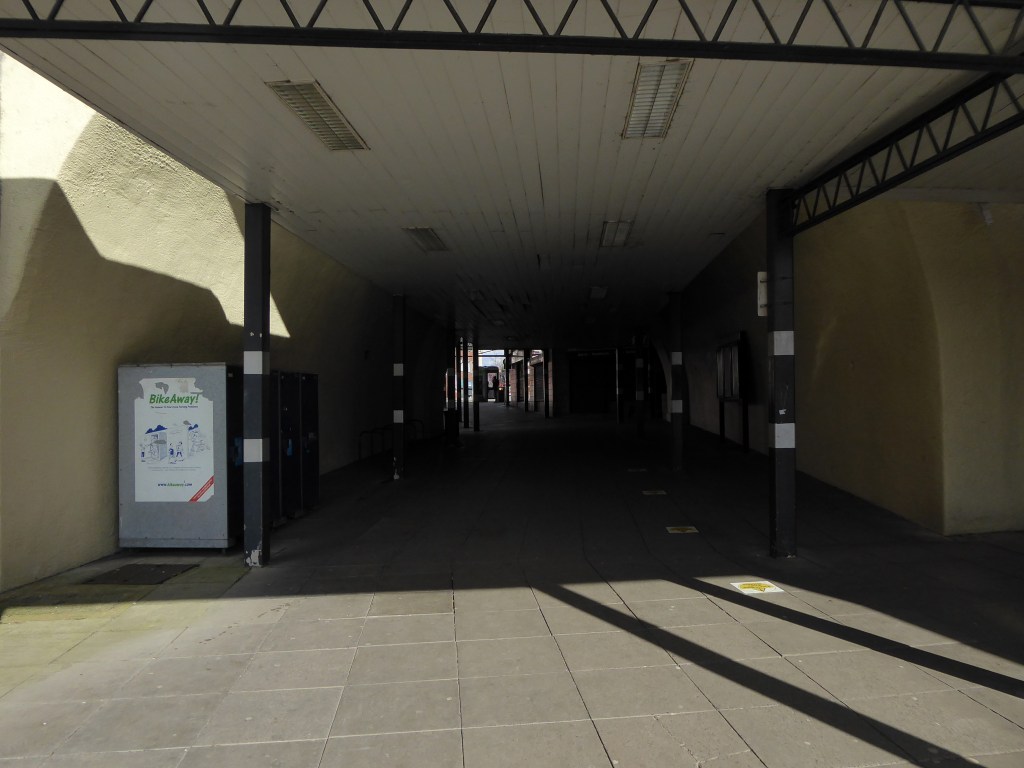
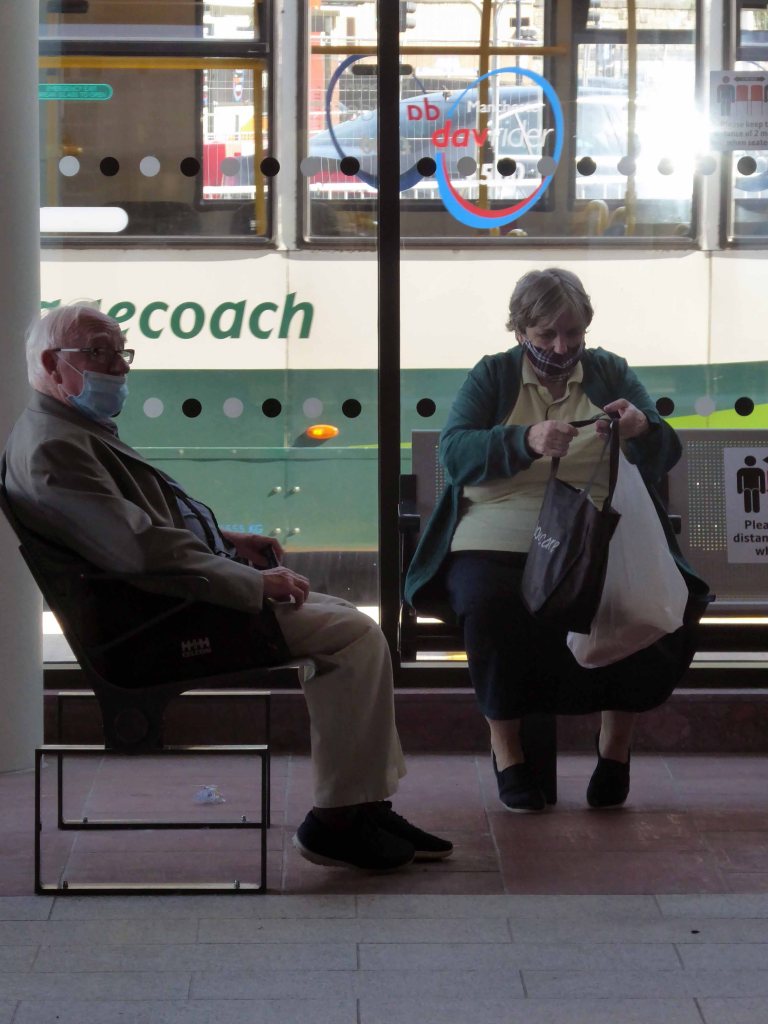
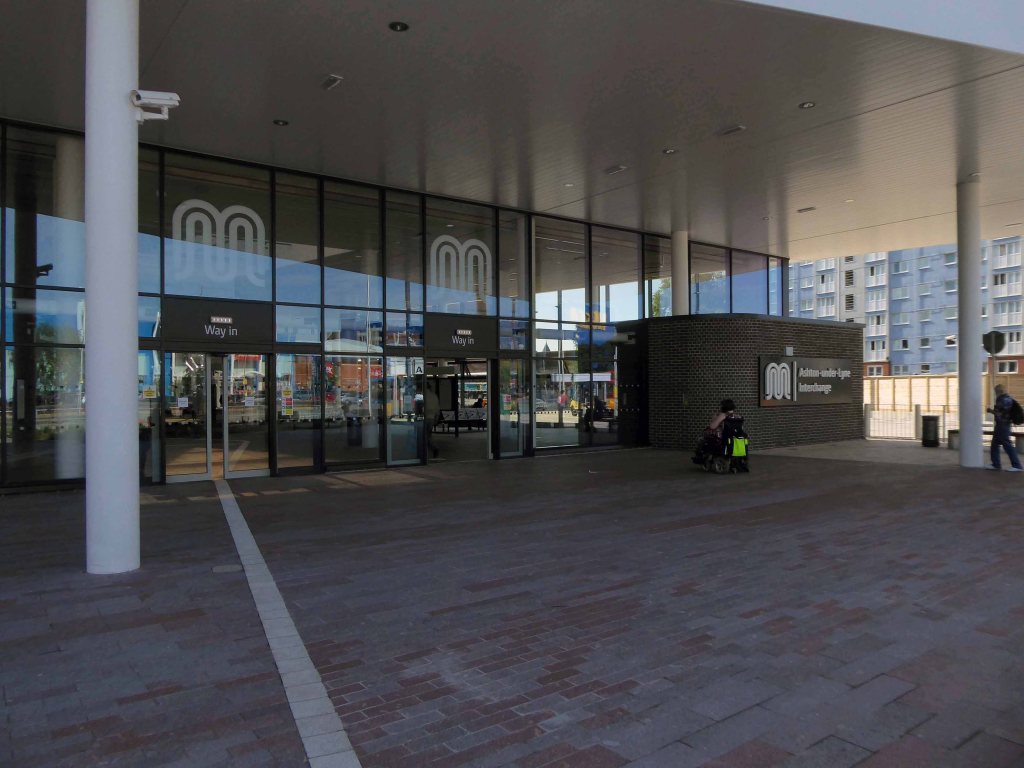
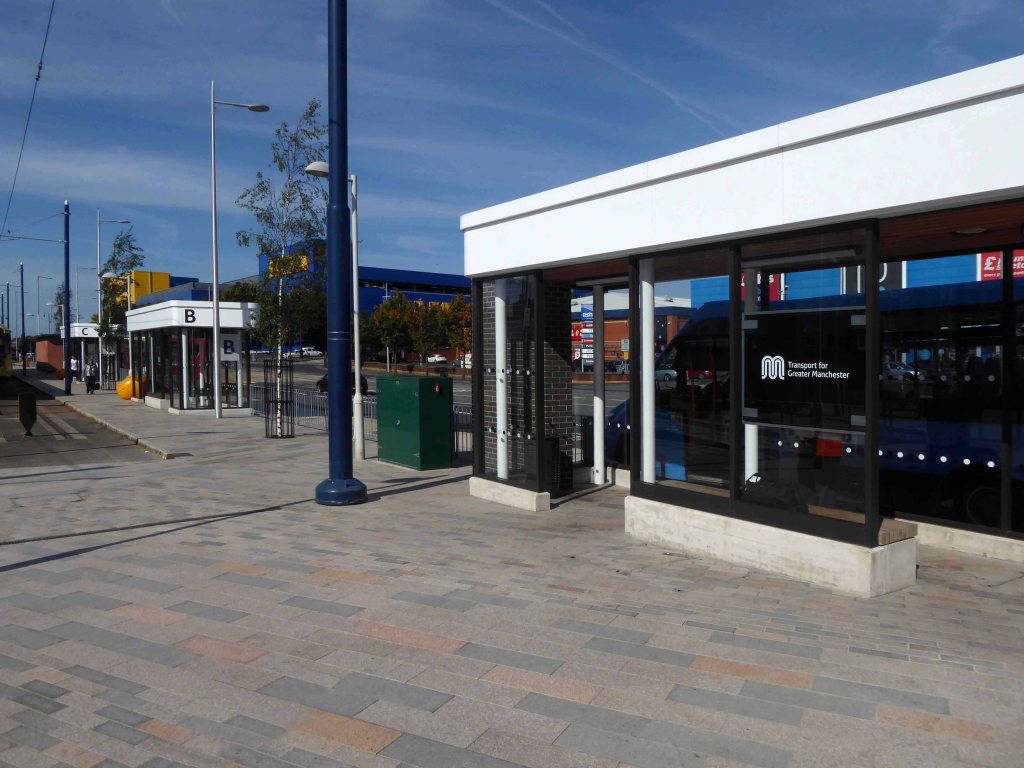
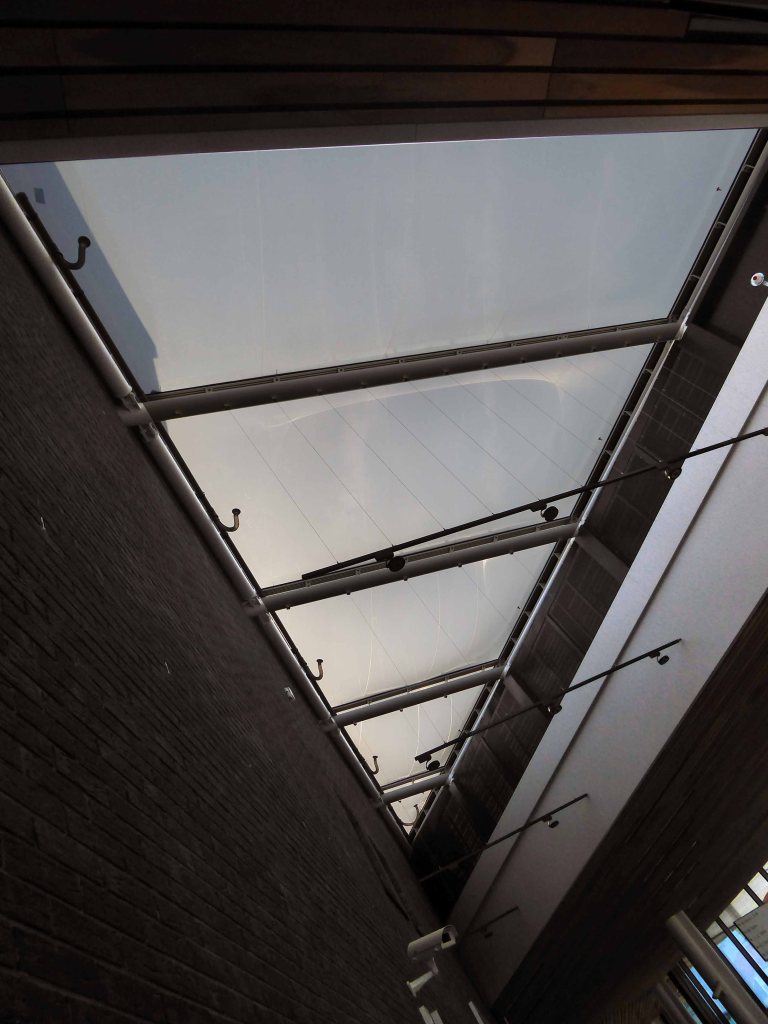
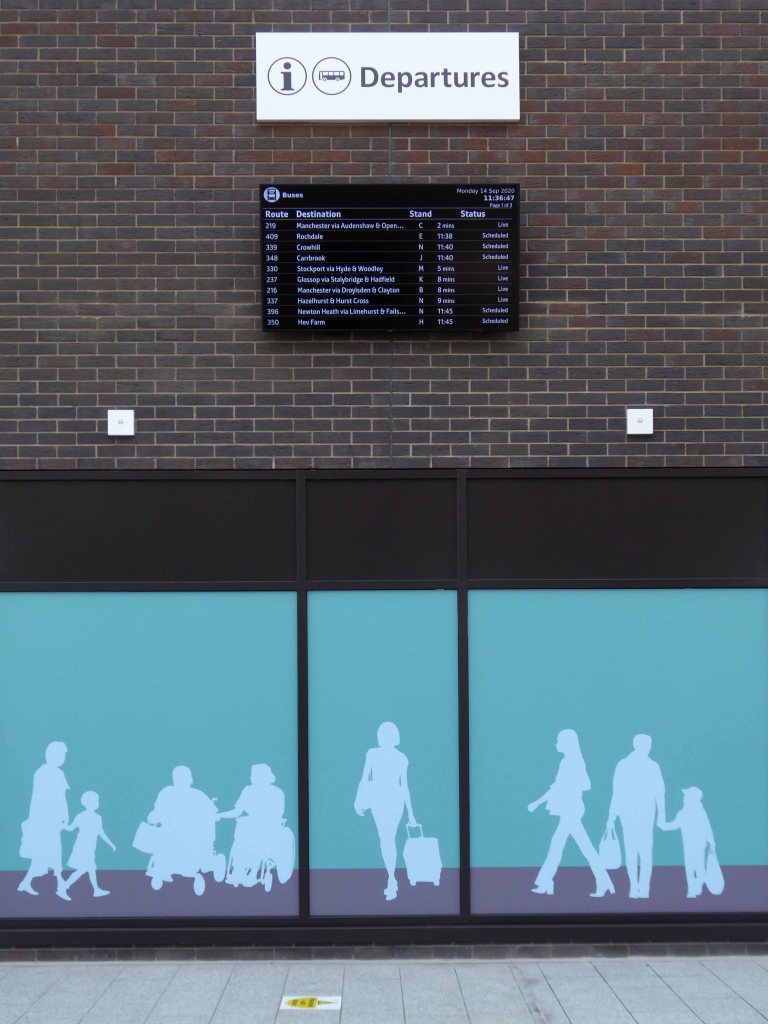
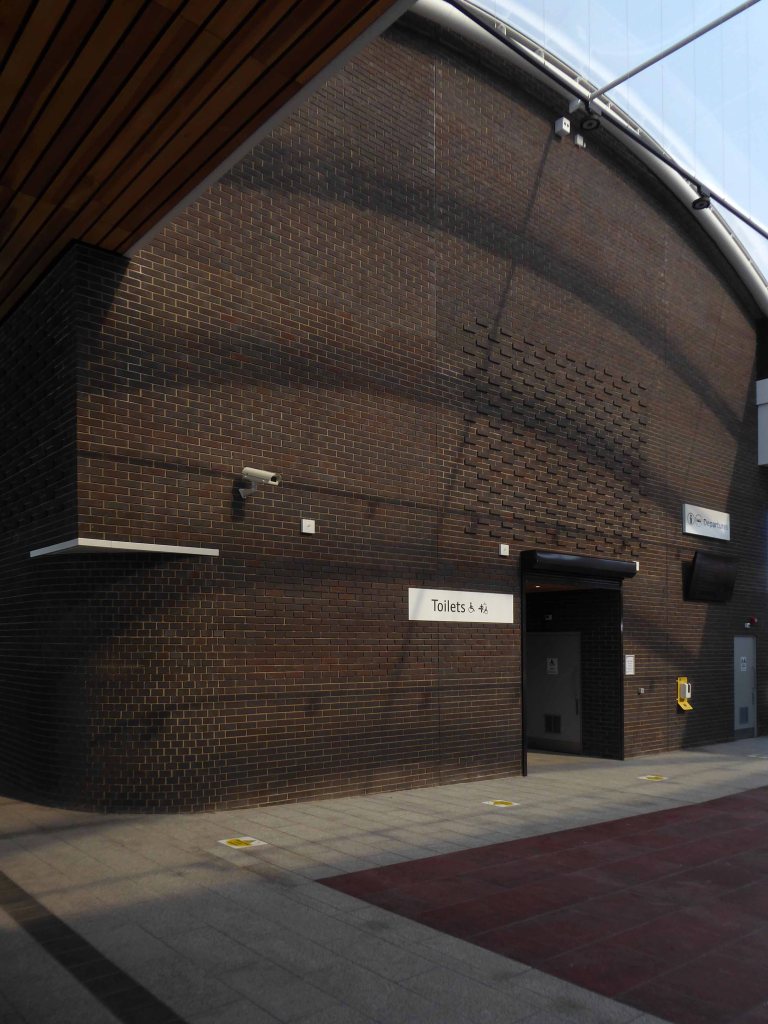
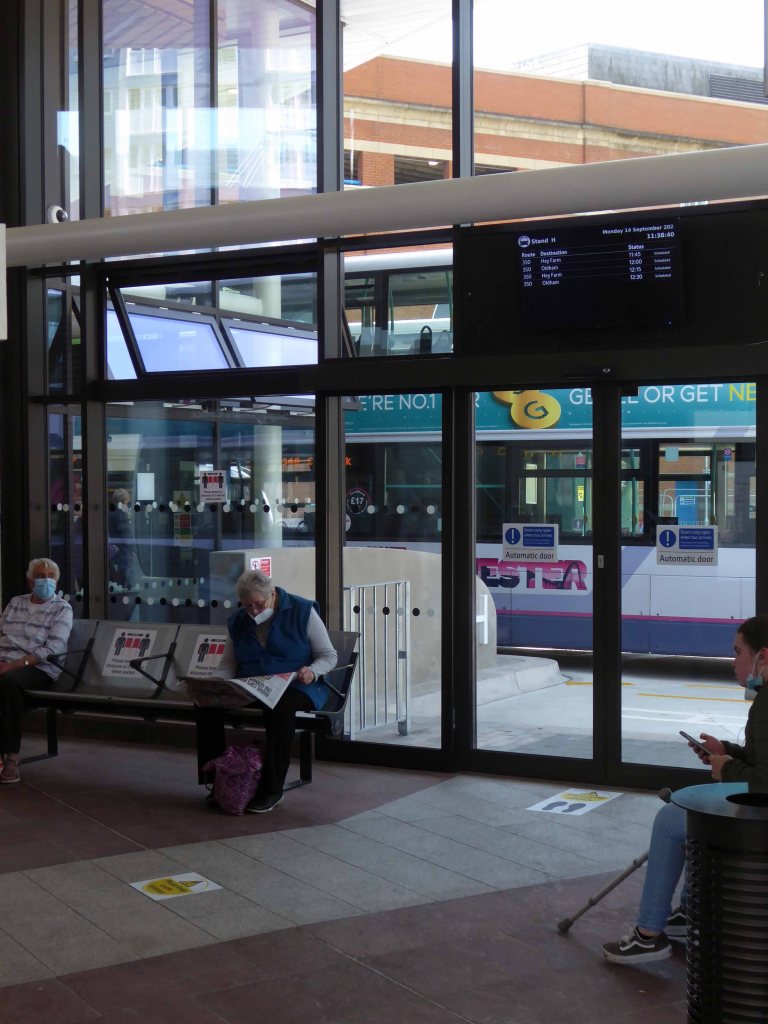
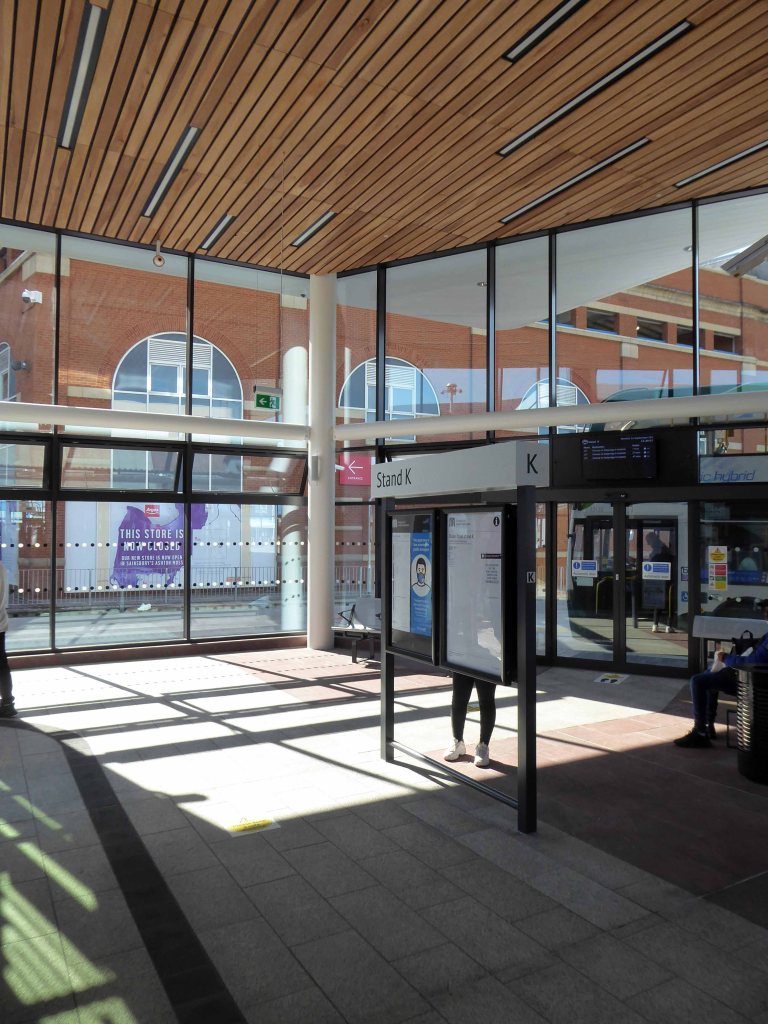
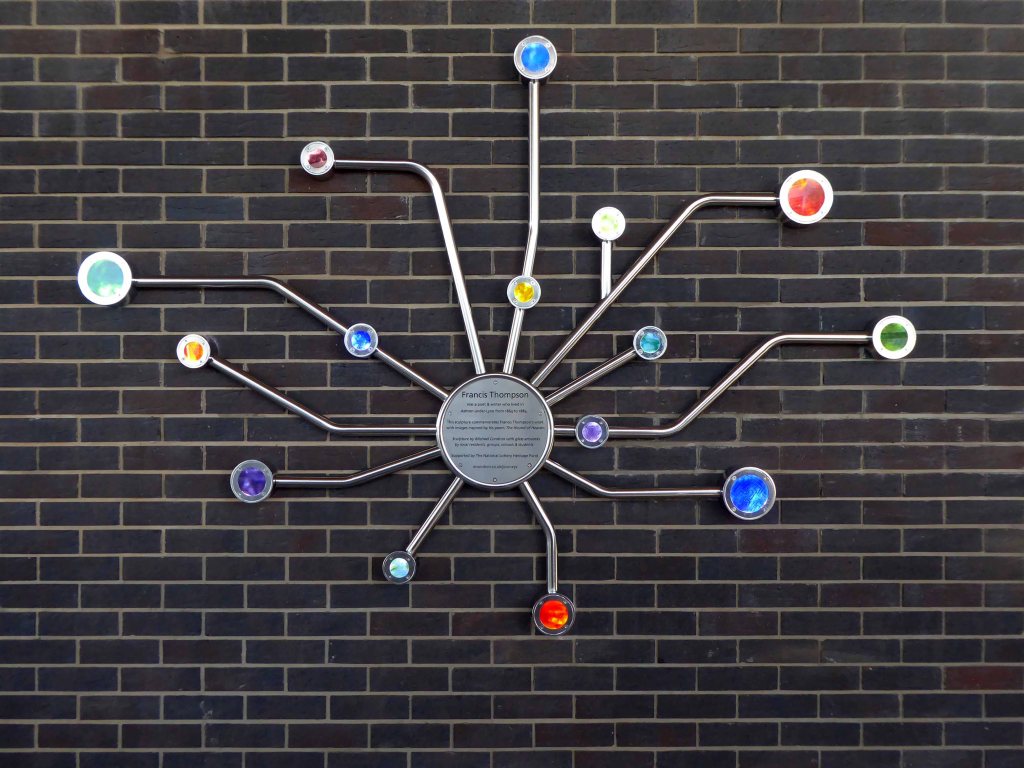
The brand-new Ashton-under-Lyne Interchange is now open, providing passengers with much-improved facilities and a modern, accessible gateway to the town.
The Interchange supports the economic growth of the town and helps people to get to and from their places of work as well as Ashton’s great shops, markets, restaurants and bars in a modern, safe and welcoming environment.
The Interchange has been developed by Transport for Greater Manchester in partnership with Tameside Council and funded with support from central government’s Local Growth Deal programme.
The building contractor was VINCI Construction UK.
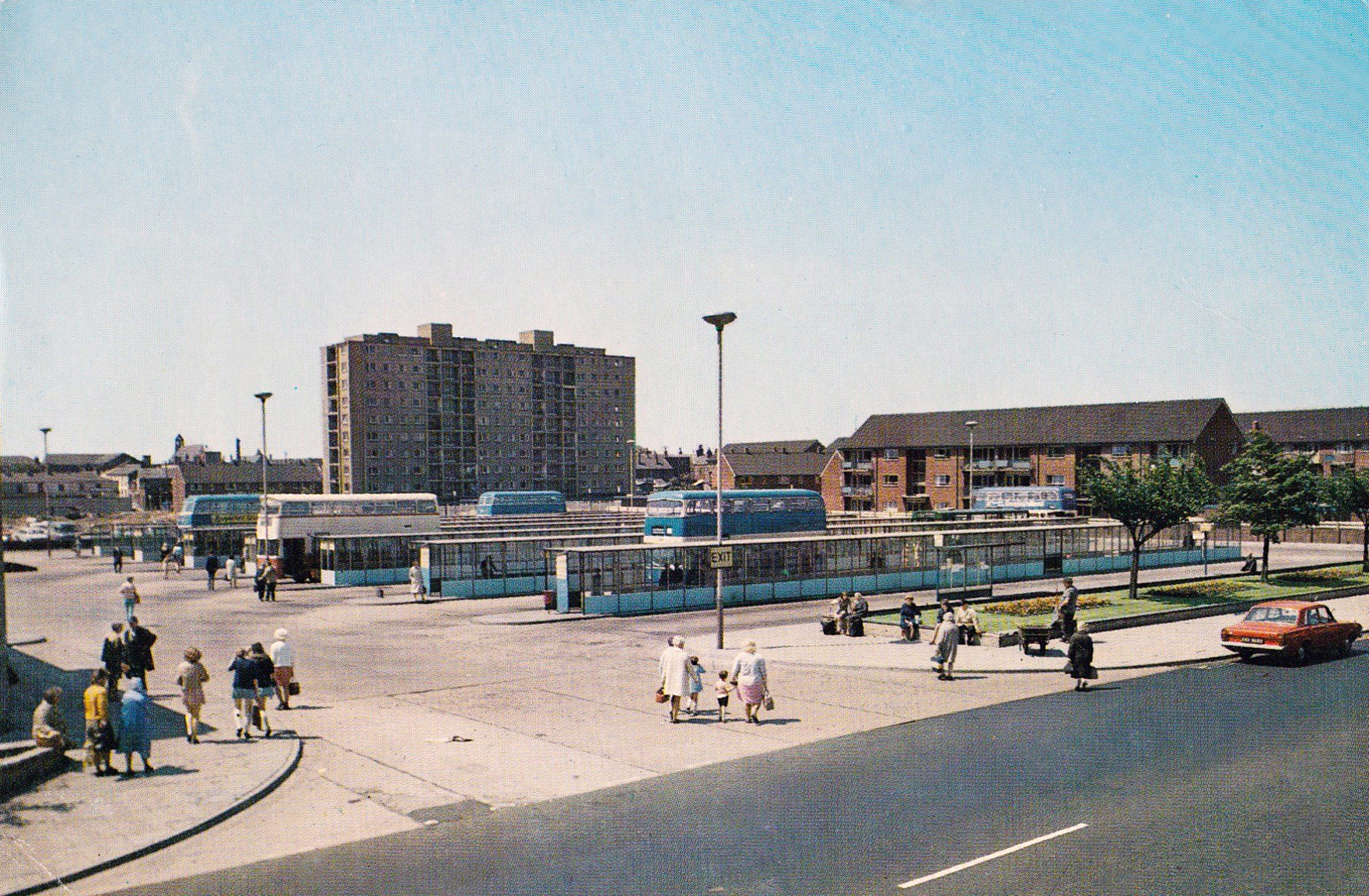
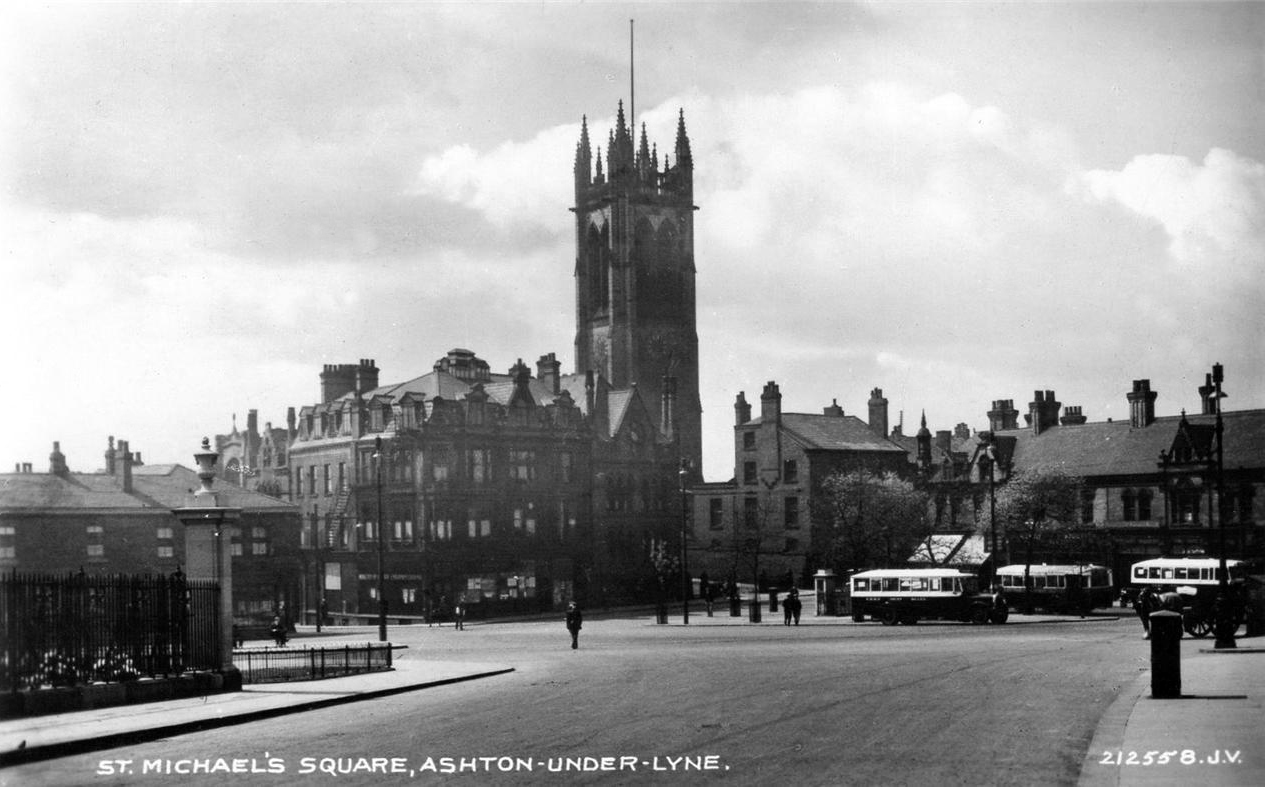
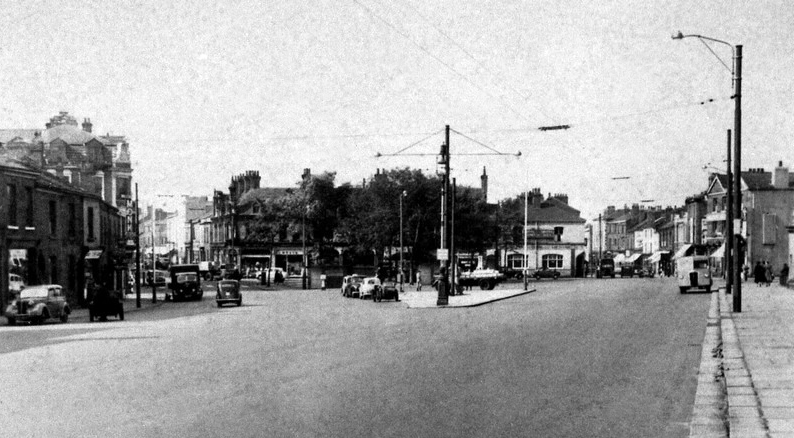
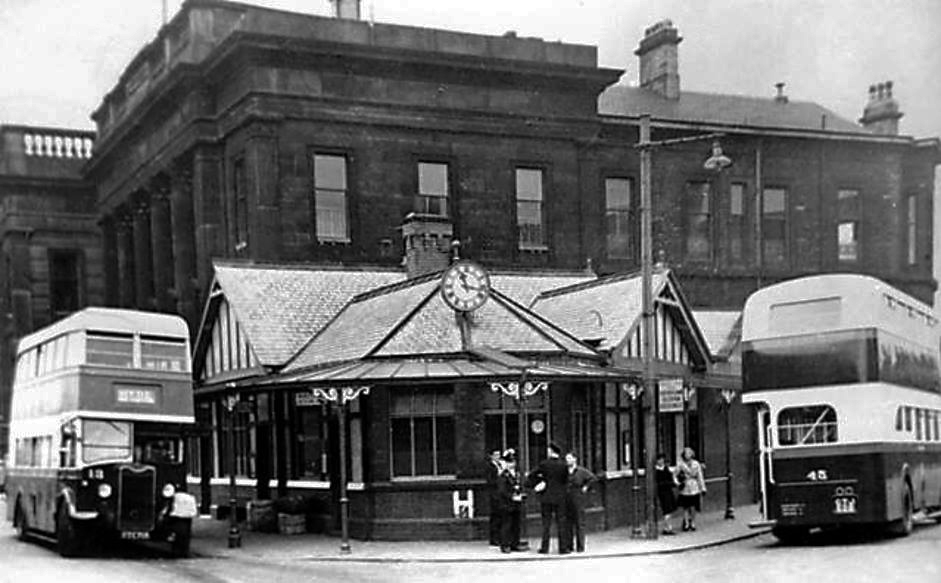
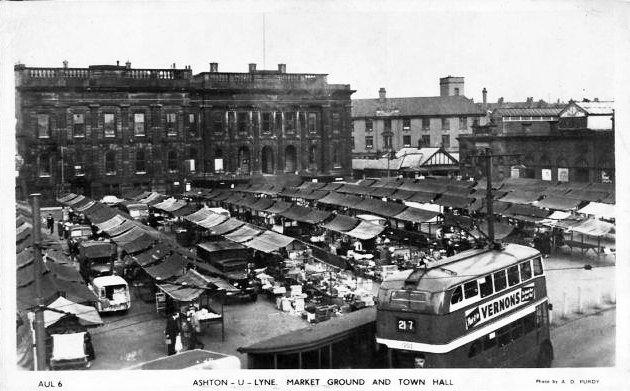
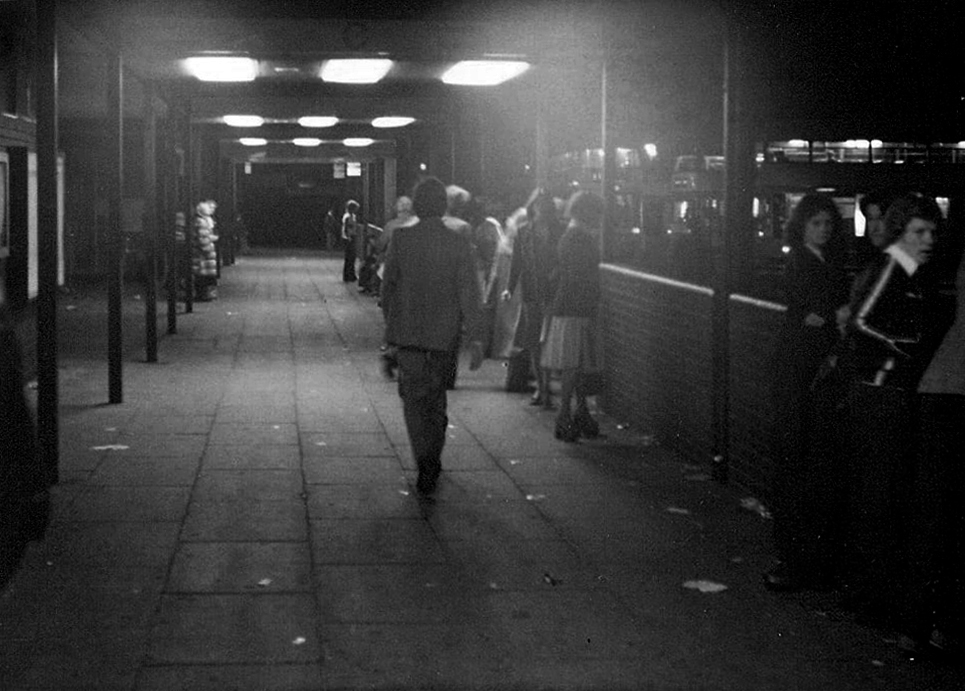
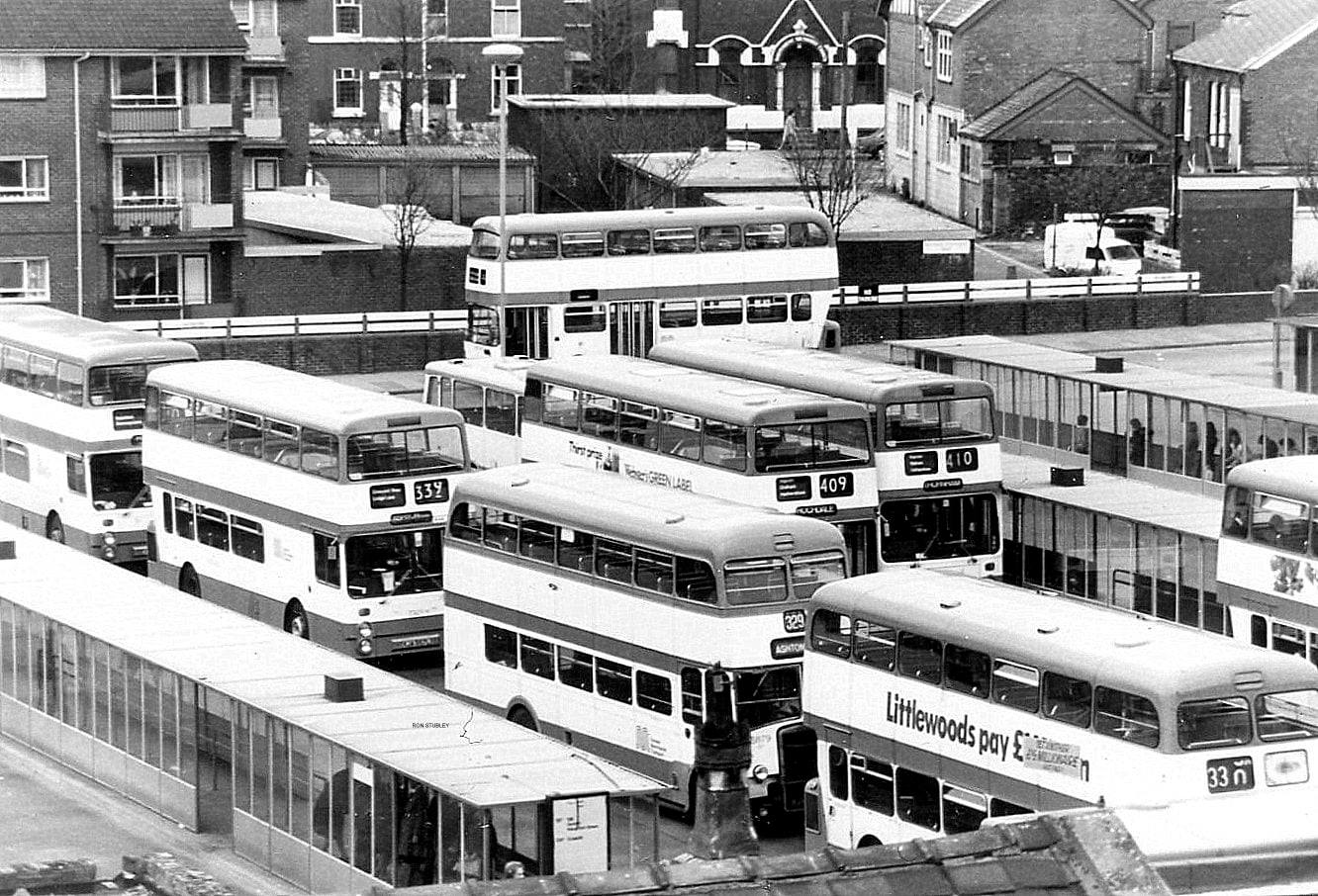
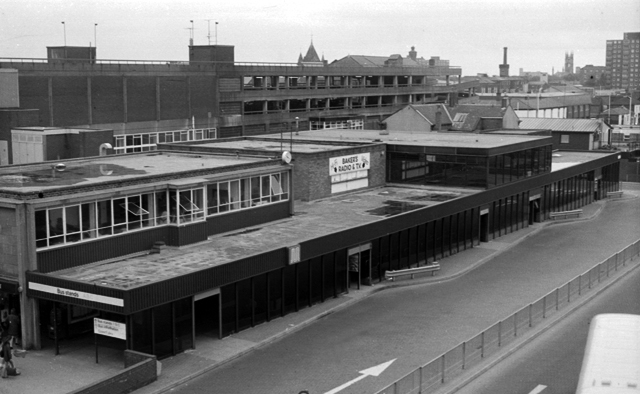
In my memory of days long gone by, I call to mind the stops strewn around St Michael’s Square – all points east I assume, Stalybridge, Mossley, Micklehurst, Dukinfield, Glossop and beyond.
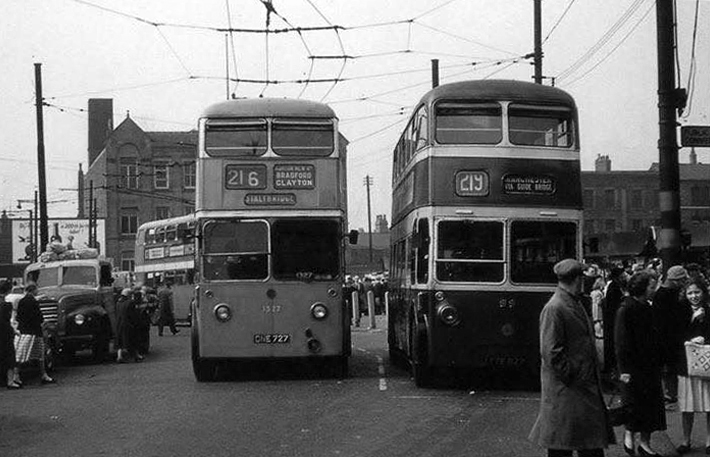
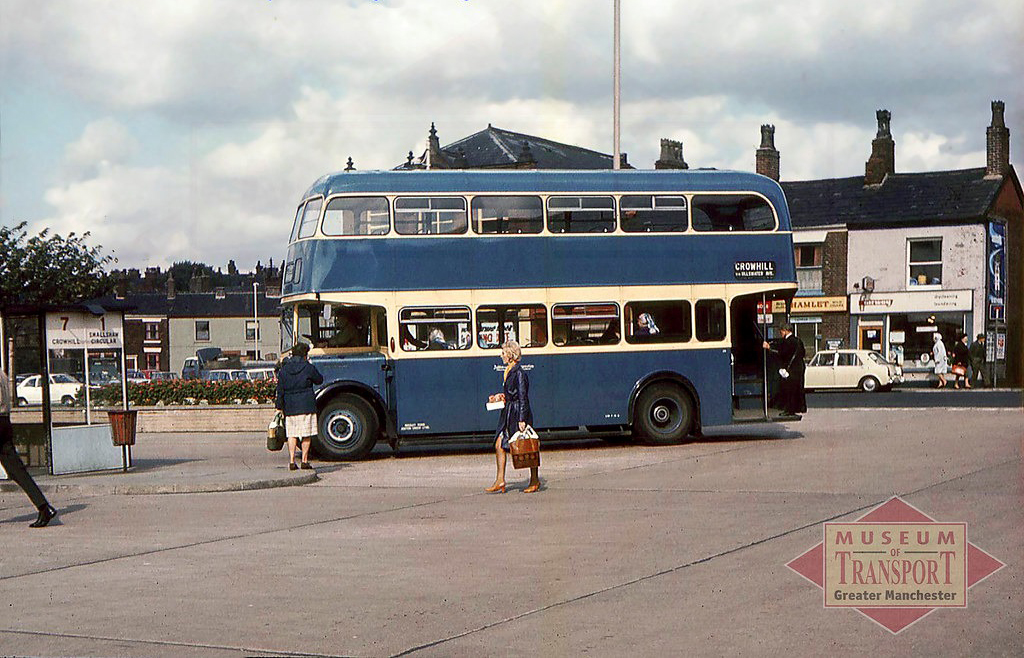
Prior to 1963, Ashton-under-Lyne’s buses and trolleybuses stopped at a variety of termini throughout the town centre. Manchester Corporation services called at Bow Street and Old Square, by Yates’ Wine Lodge; Ashton-under-Lyne Corporation’s buses opted for Market Street and Wellington Road by the town hall.
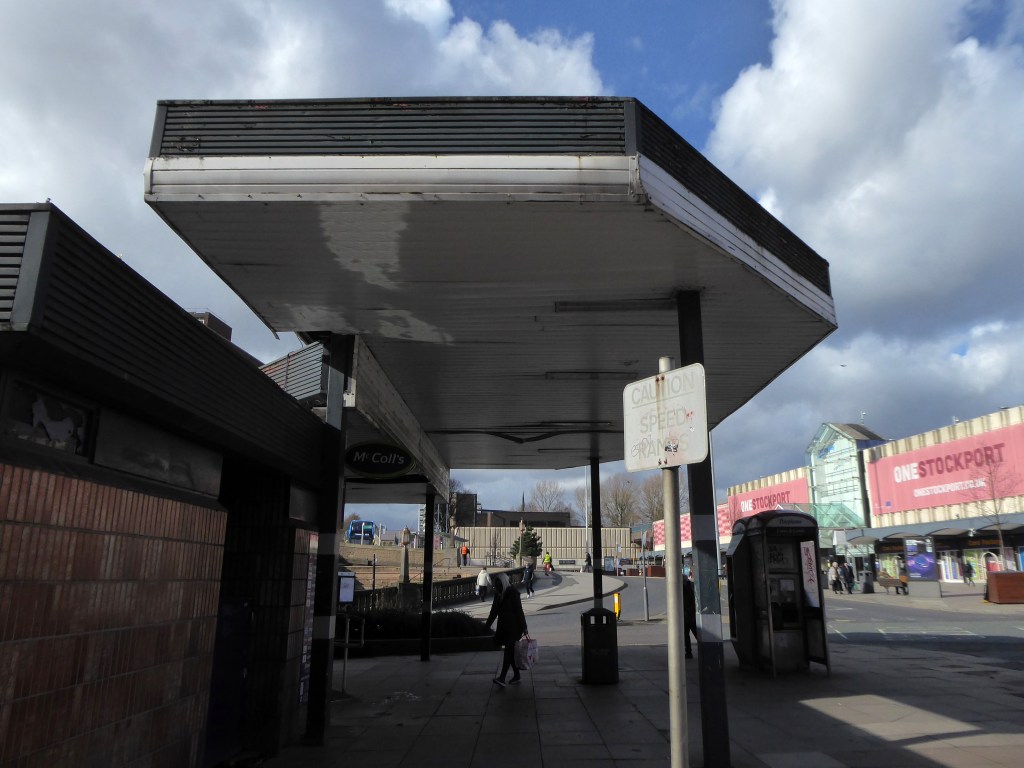
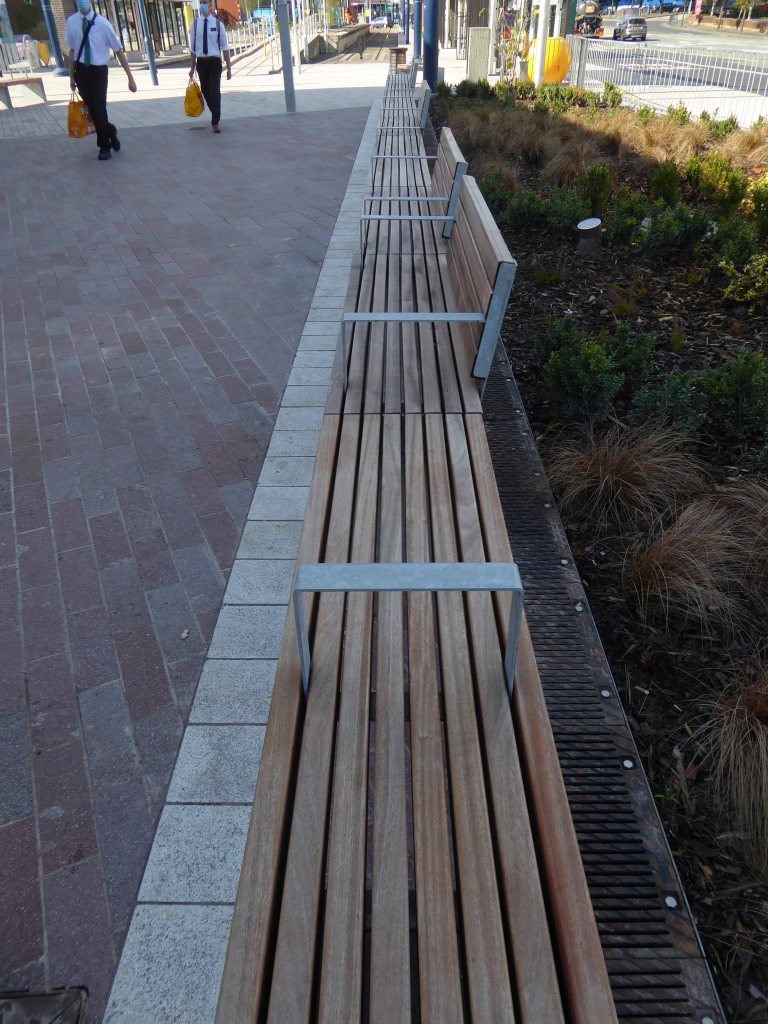
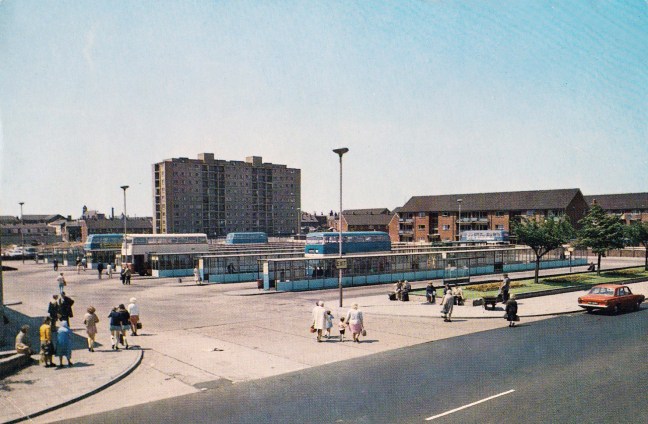
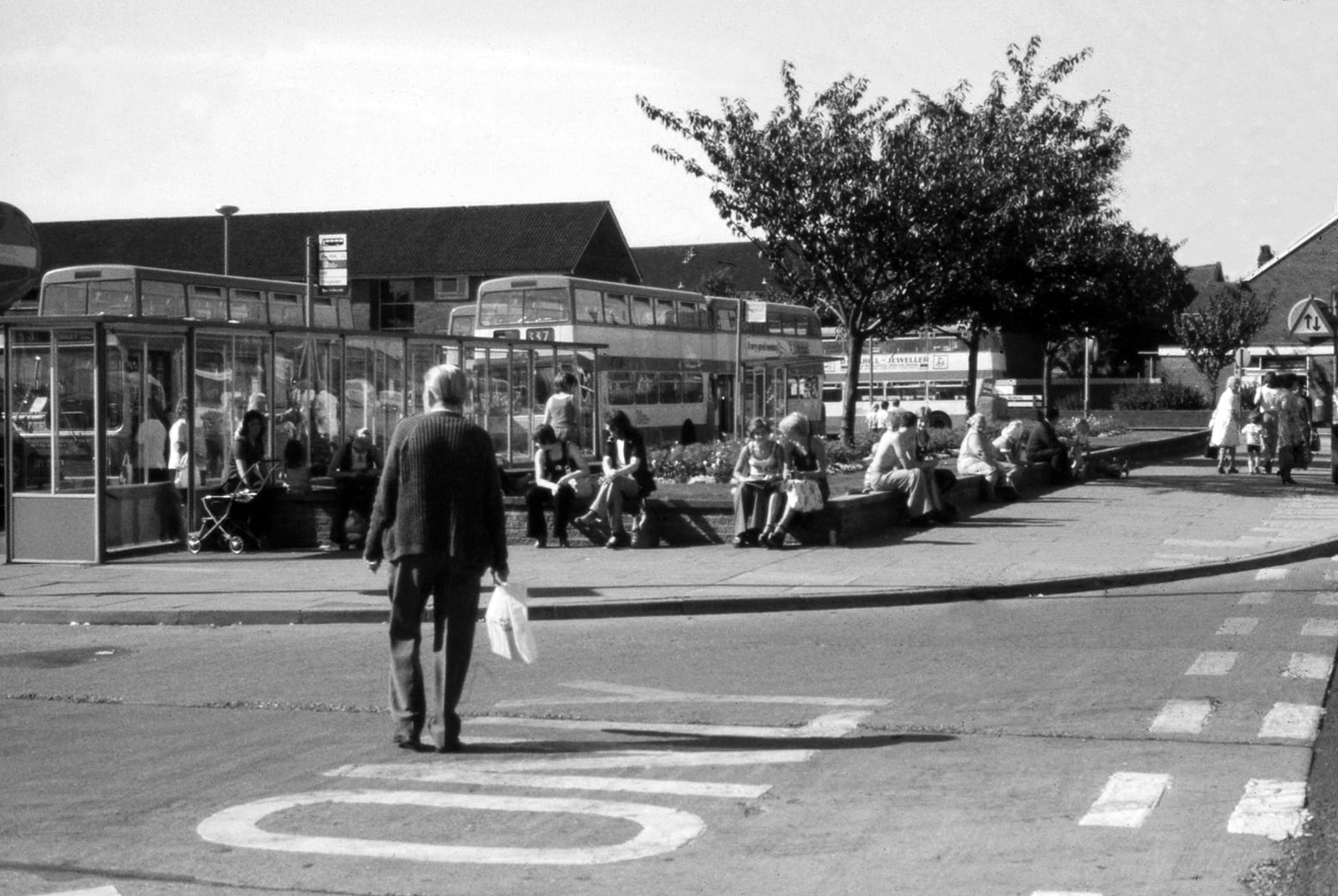
Ashton zooms forward into the future, its flat-roofed modern facilities complemented by ranks of low-level shelters and edged to the east by a walled lawn and flower bed – where we all loved to sit of a sunny day.
And the under the cover of the canopy at night, ready for the time of your life, at the Birdcage, pub or pictures.
I remember the kiosk on the corner, a jewellers around the other corner.
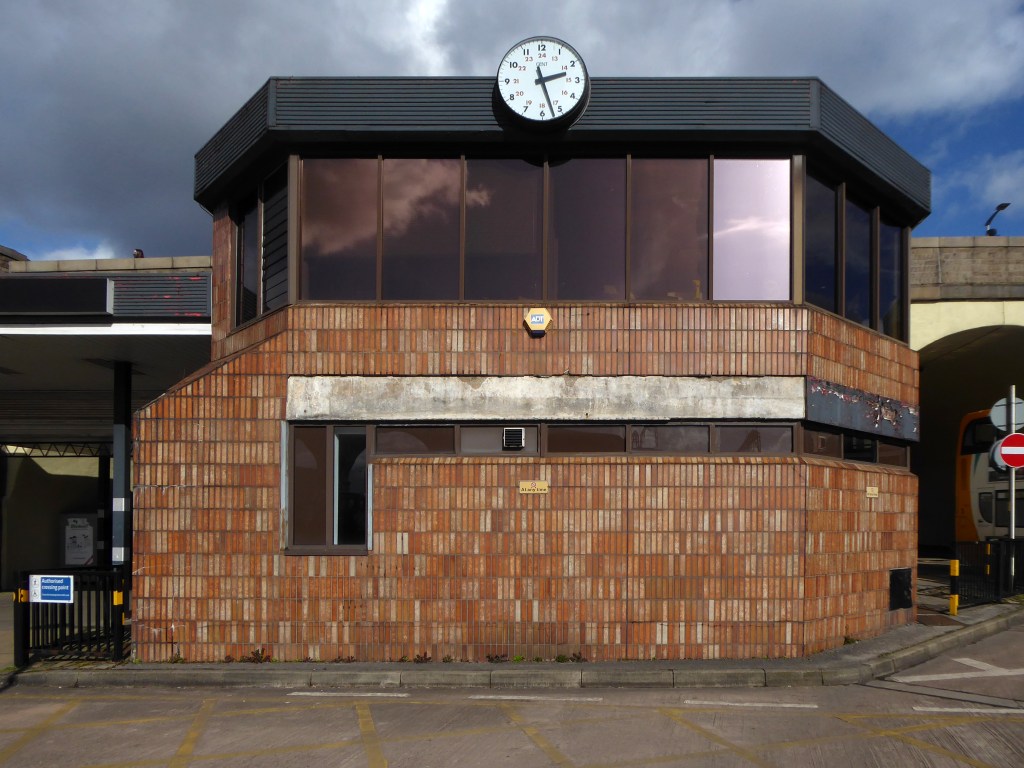
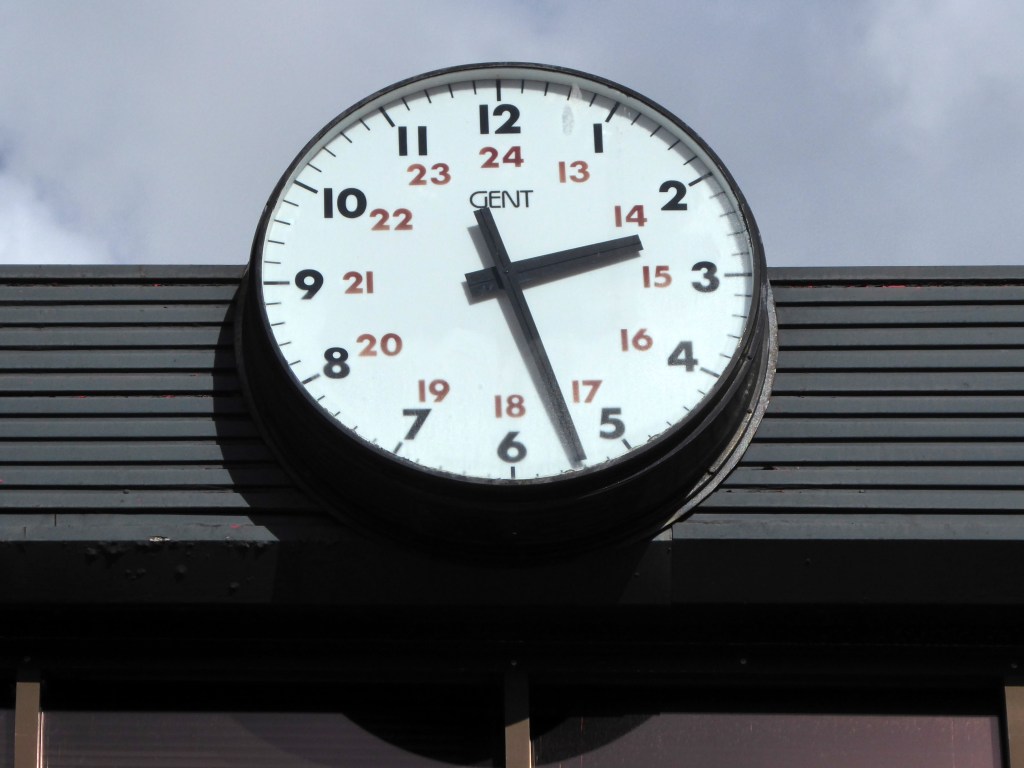
I’ll meet you under the clock.
Photo: Ron Stubley
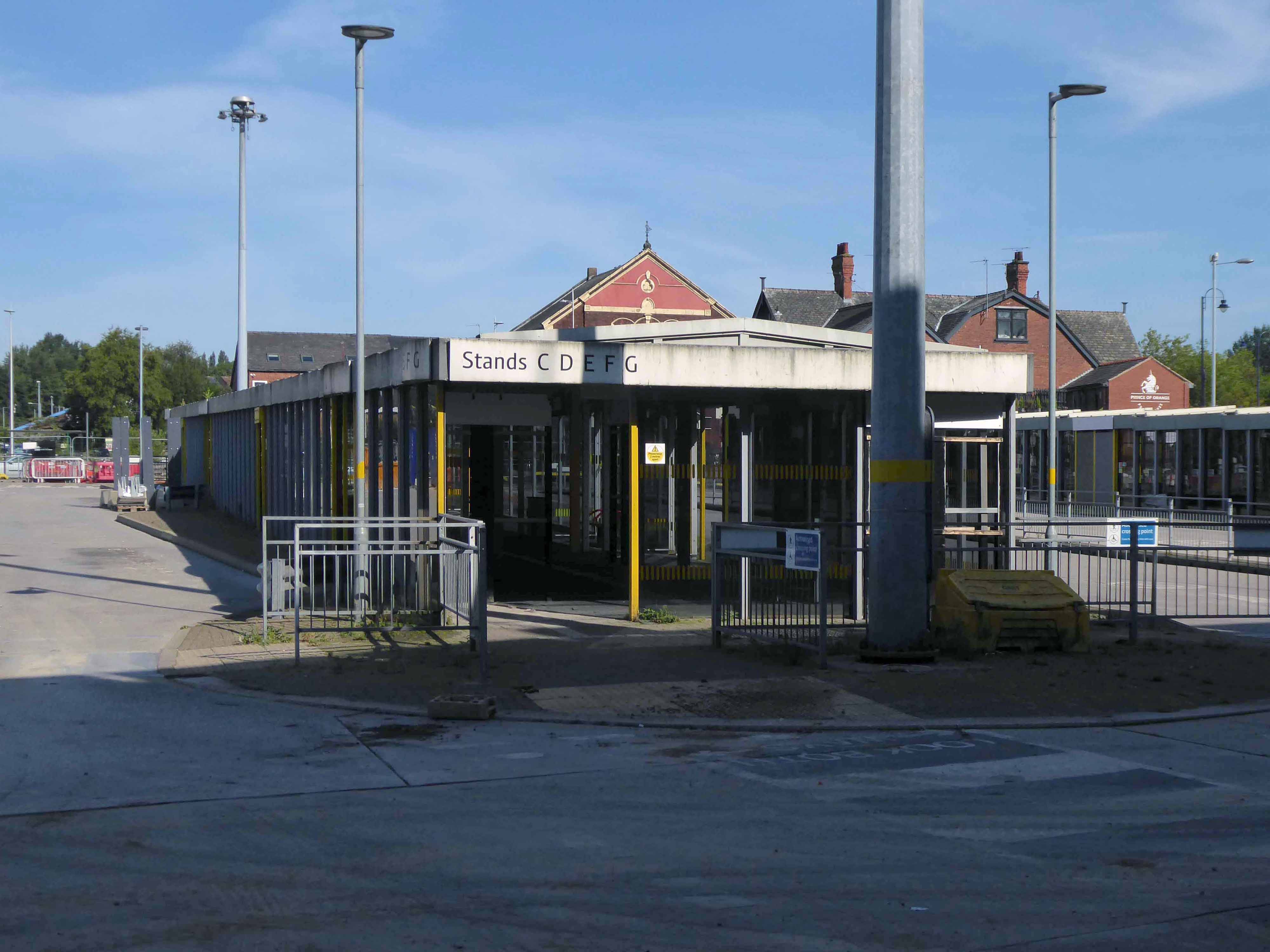
Here we see that the original shelters have been replaced and realigned.
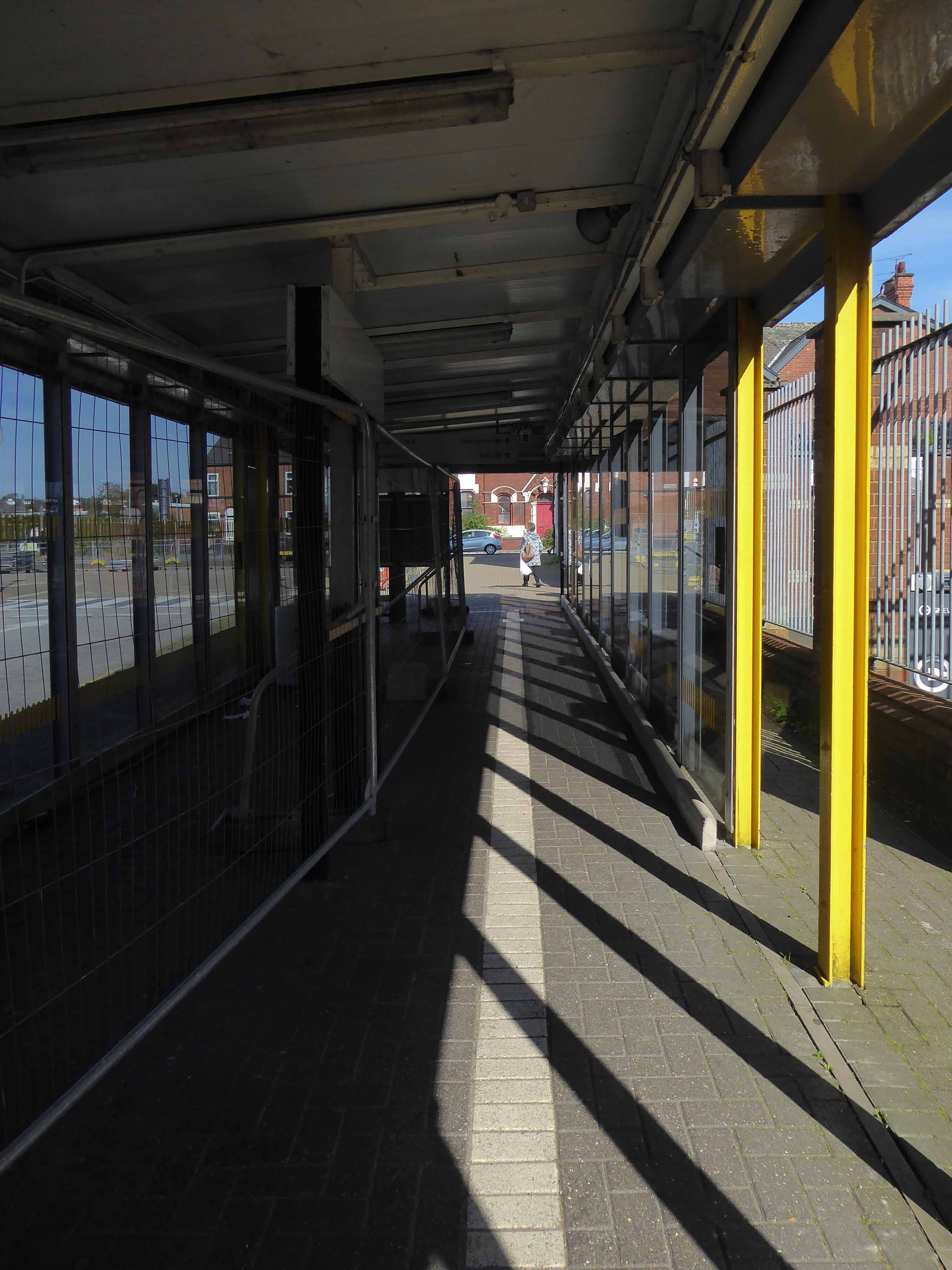
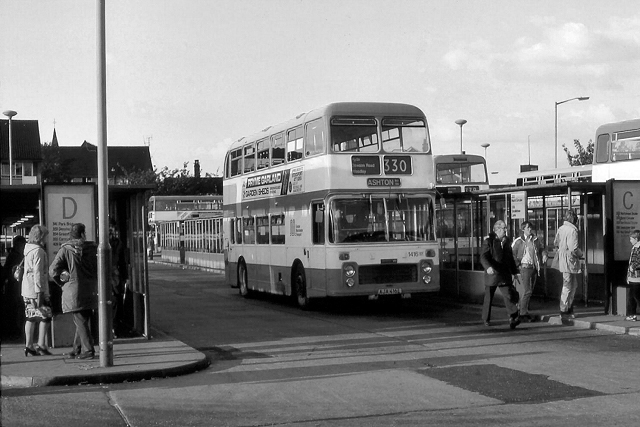
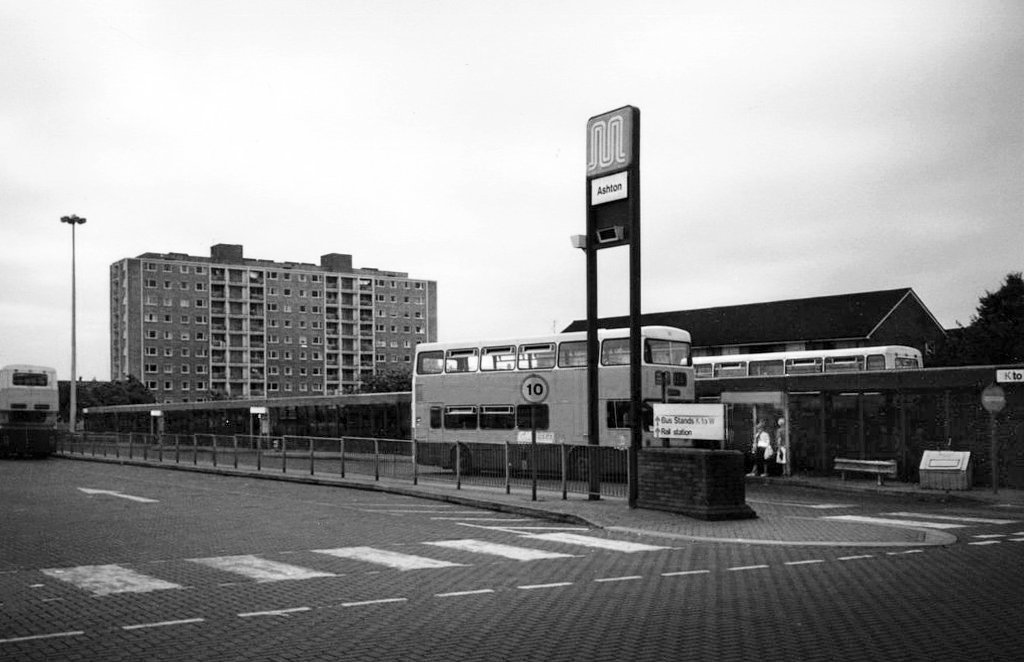
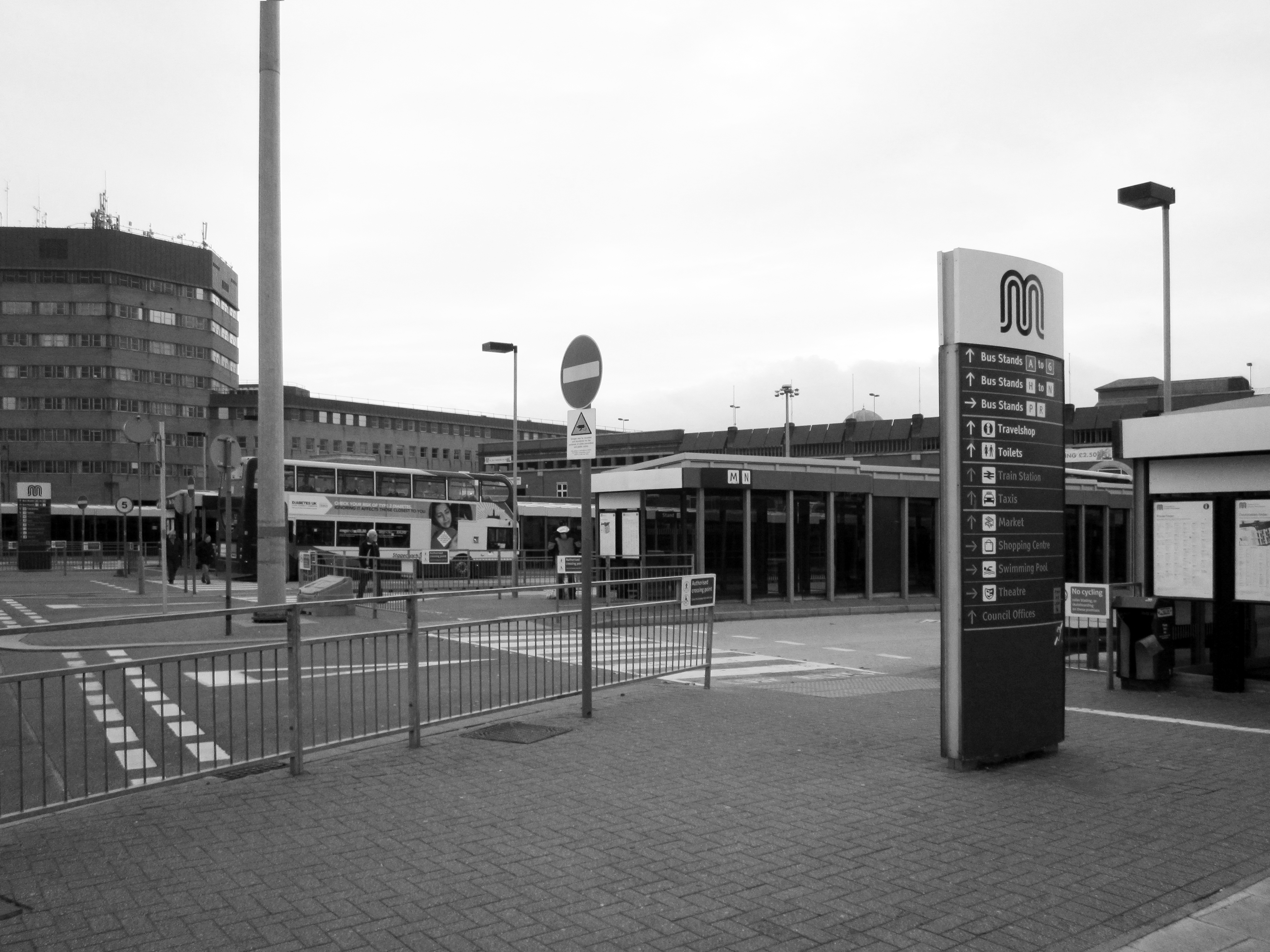
Temporary Queensbury shelters were put in place prior to the addition of GMPTE’s standard shelters, seen in Stockport and Oldham bus stations. By the close of 1983, the recognisable GMPTE ones emerged. The cover at the precinct end was later glazed and became stands A to C.
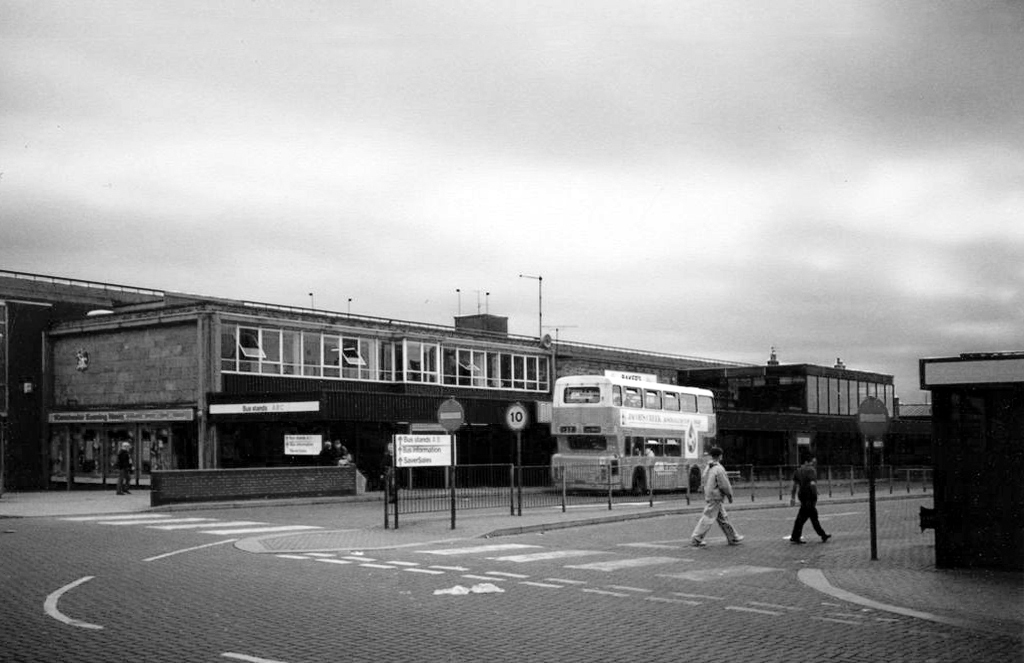
The second version of Ashton-under-Lyne’s bus station opened on the 18 March 1985. After two and a half years refurbishment work, it was opened at 11.30 by Councillor Geoffrey Brierley.
Mancunian 101
And that’s the corner where we would deck off the open backed buses, hitting the pavement at speed.
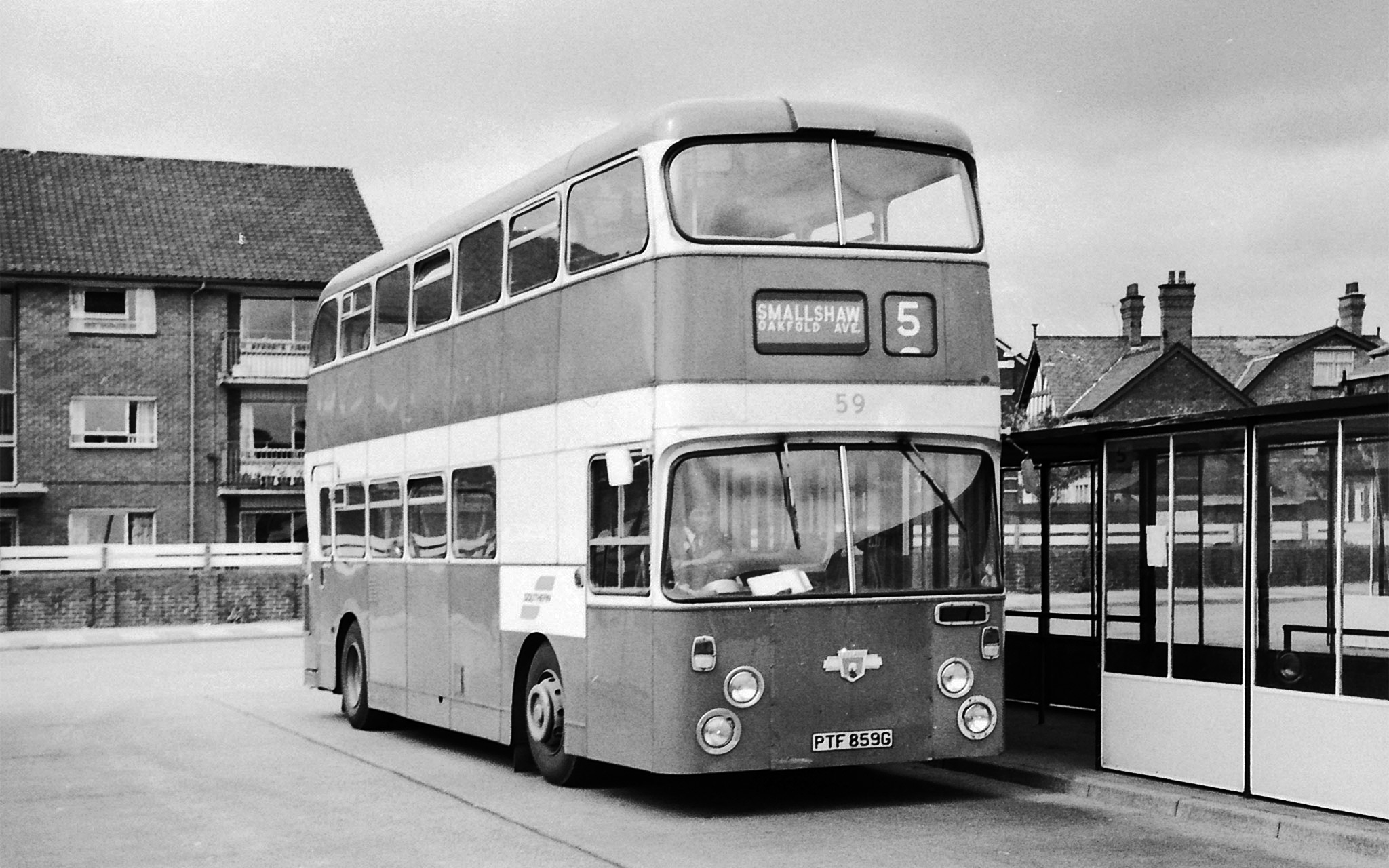
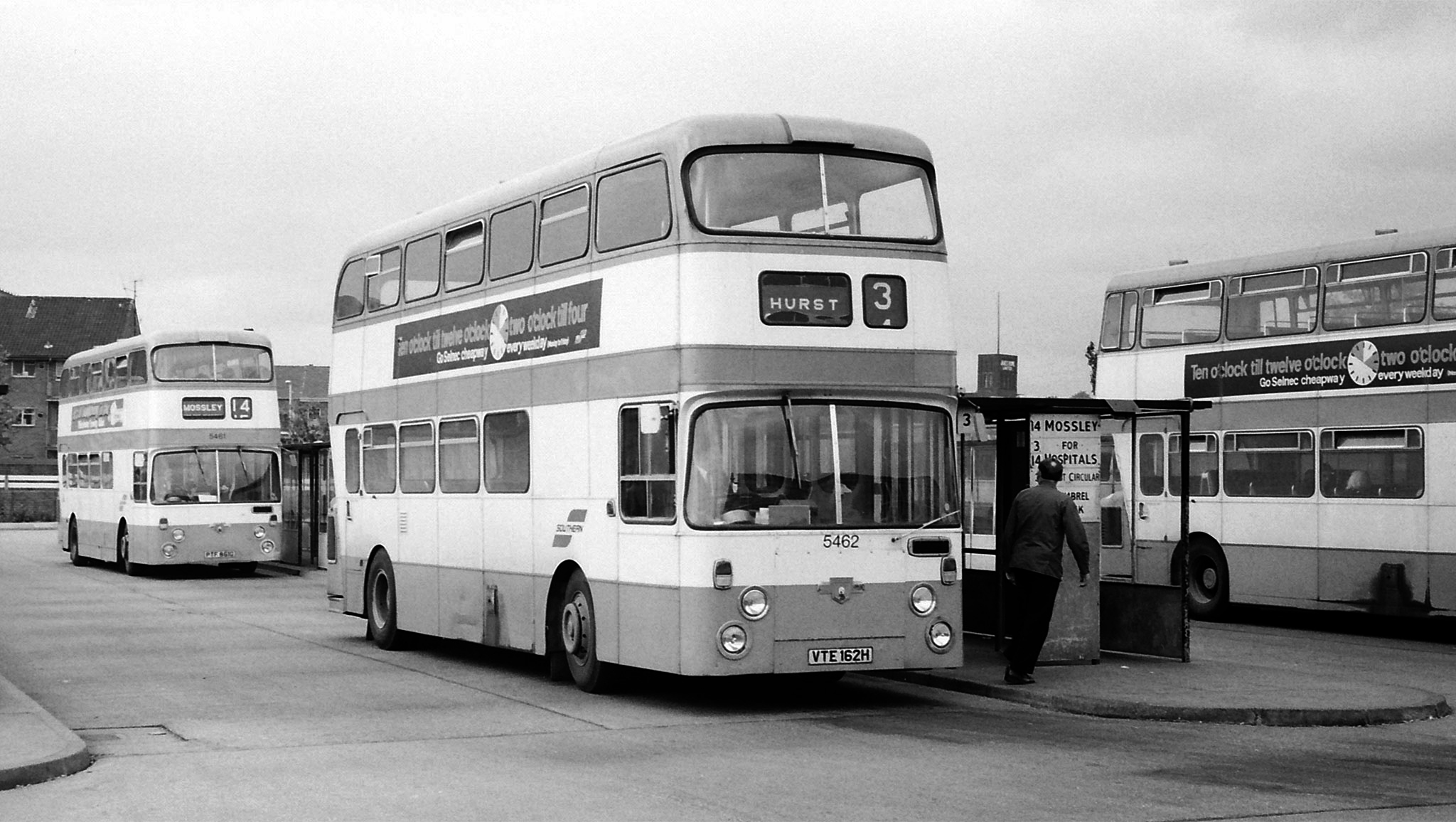
That’s the deep blue and cream Ashton livery later superseded by SELNEC, GMPTE and TFGM – the wonderful full fare, unfair world of Margaret Hilda Thatcher’s privatisation, Arriva, First and Stagecoach first.
Then in the 1995 with the development of the Arcades Shopping centre, the whole site is reconfigured, now seen nestling in the shadow of the Dustbin.
Though as we know, nothing lasts forever and the shelters, passengers and buses get shunted and rebuilt yet again,
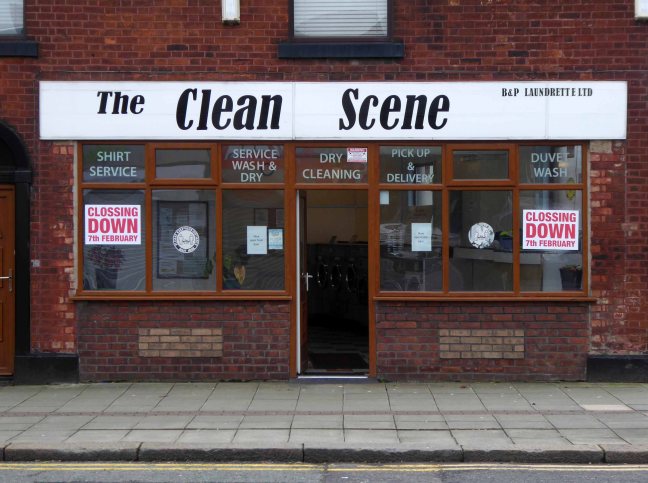
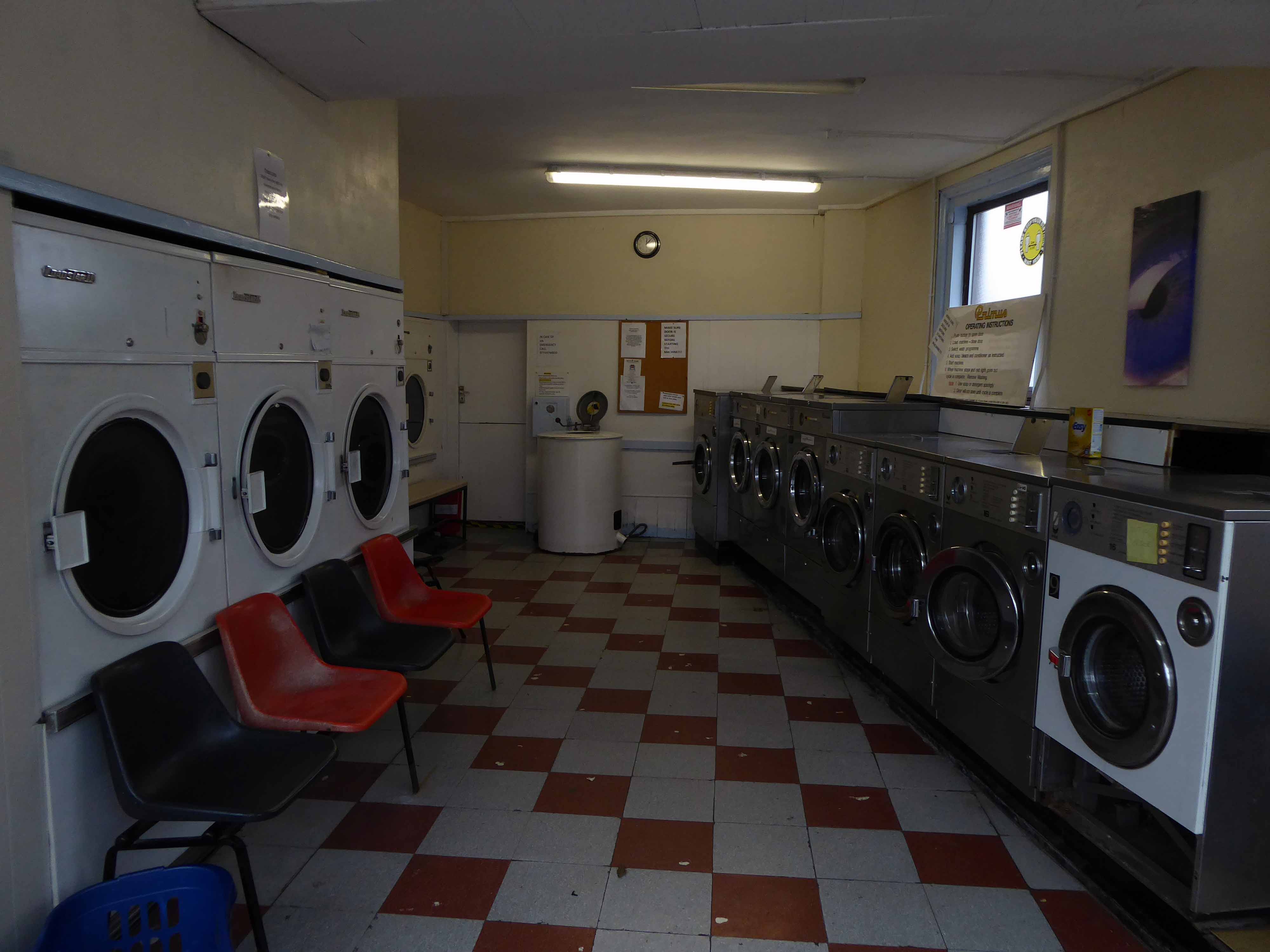
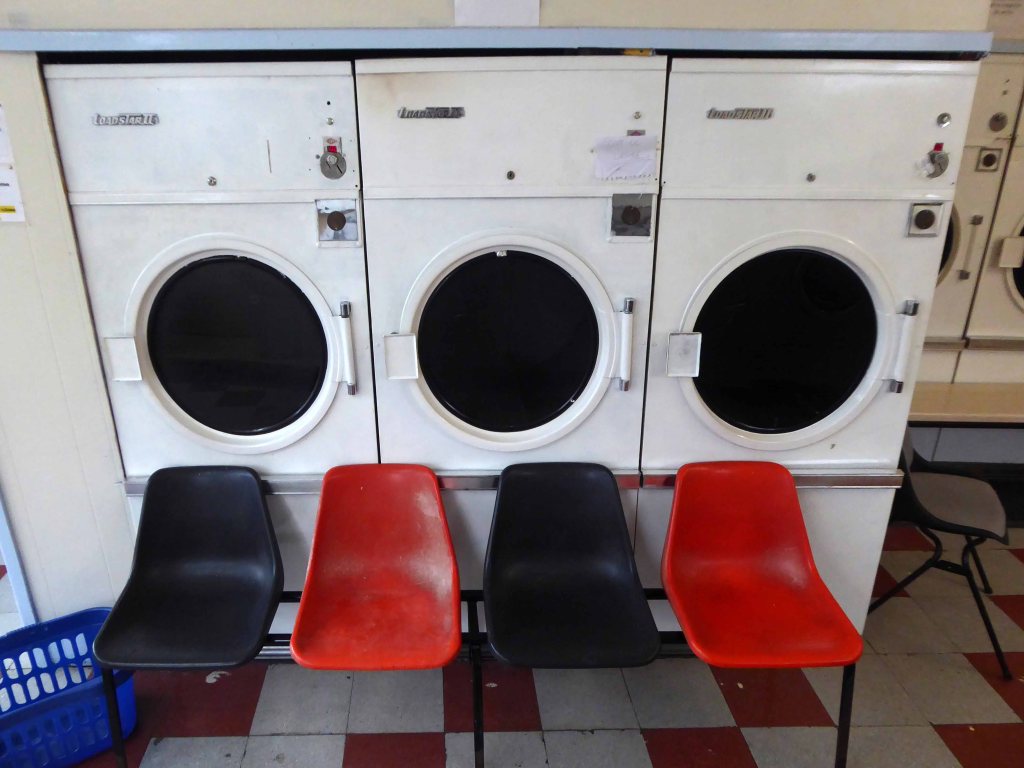
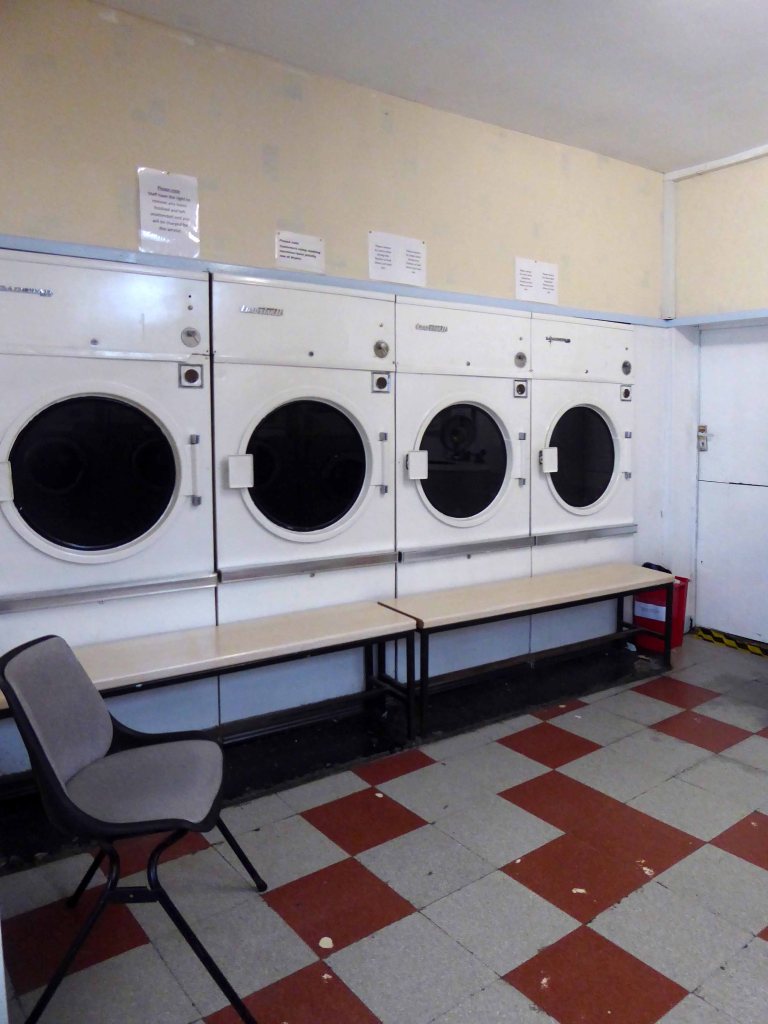
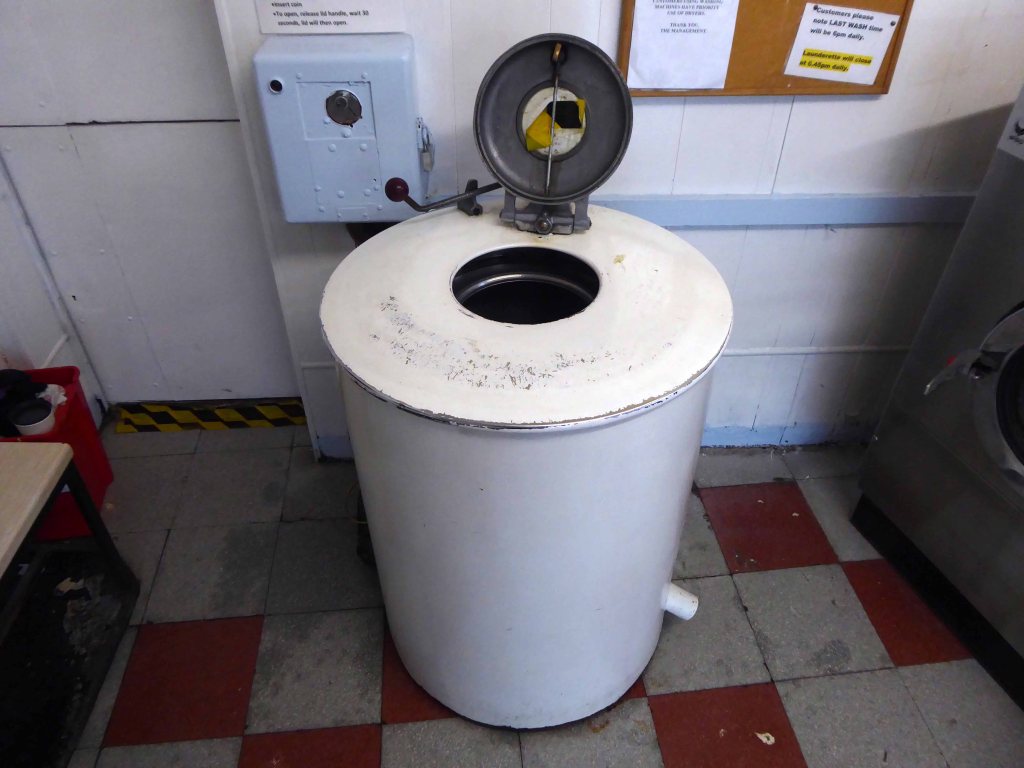
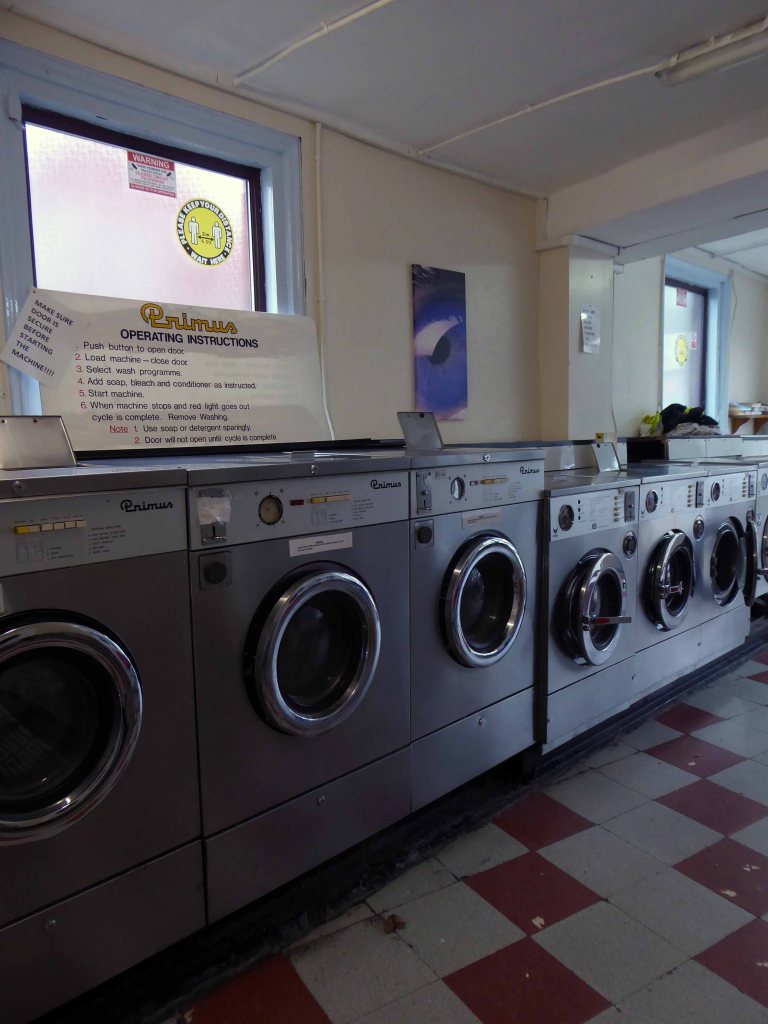
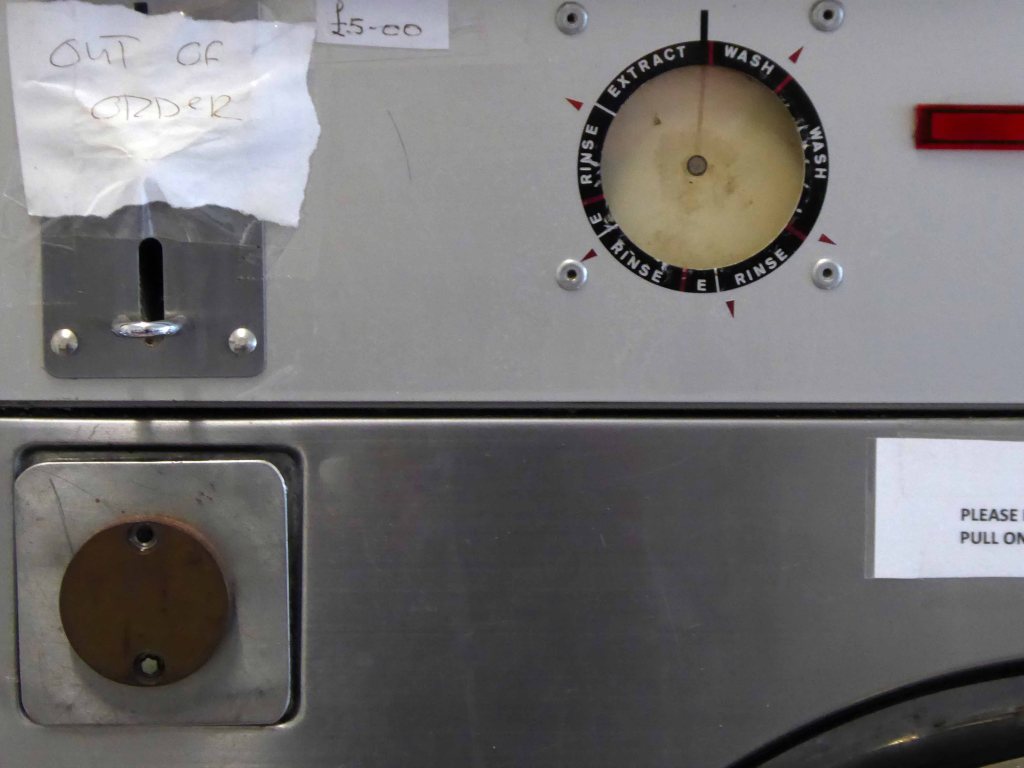
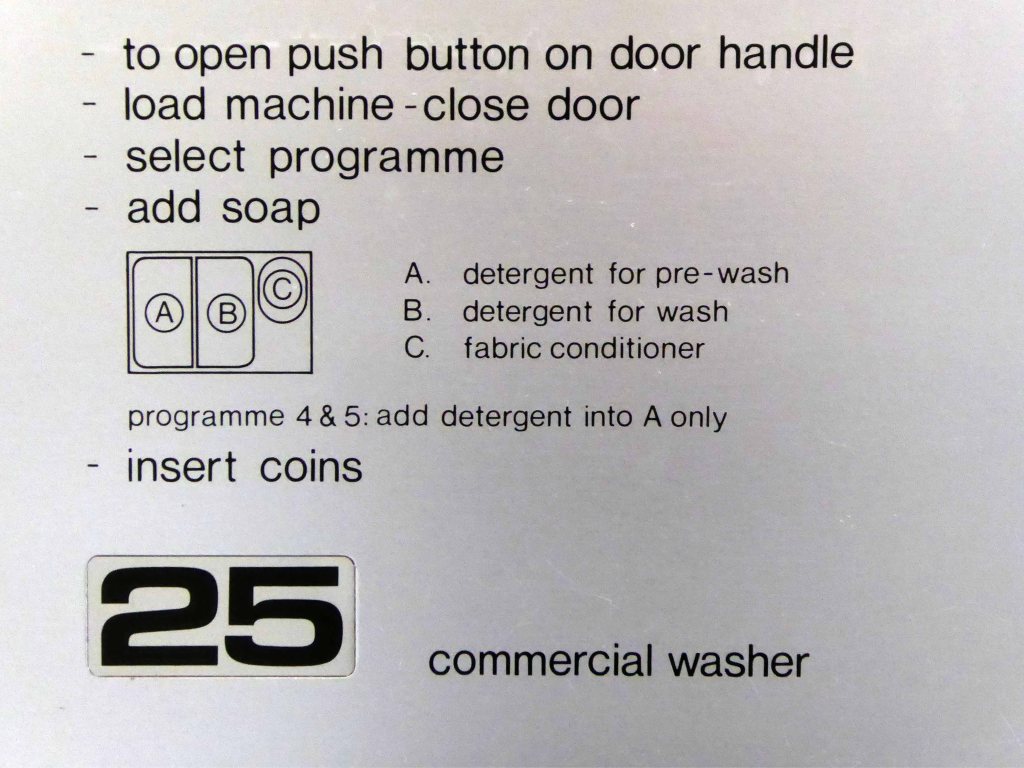
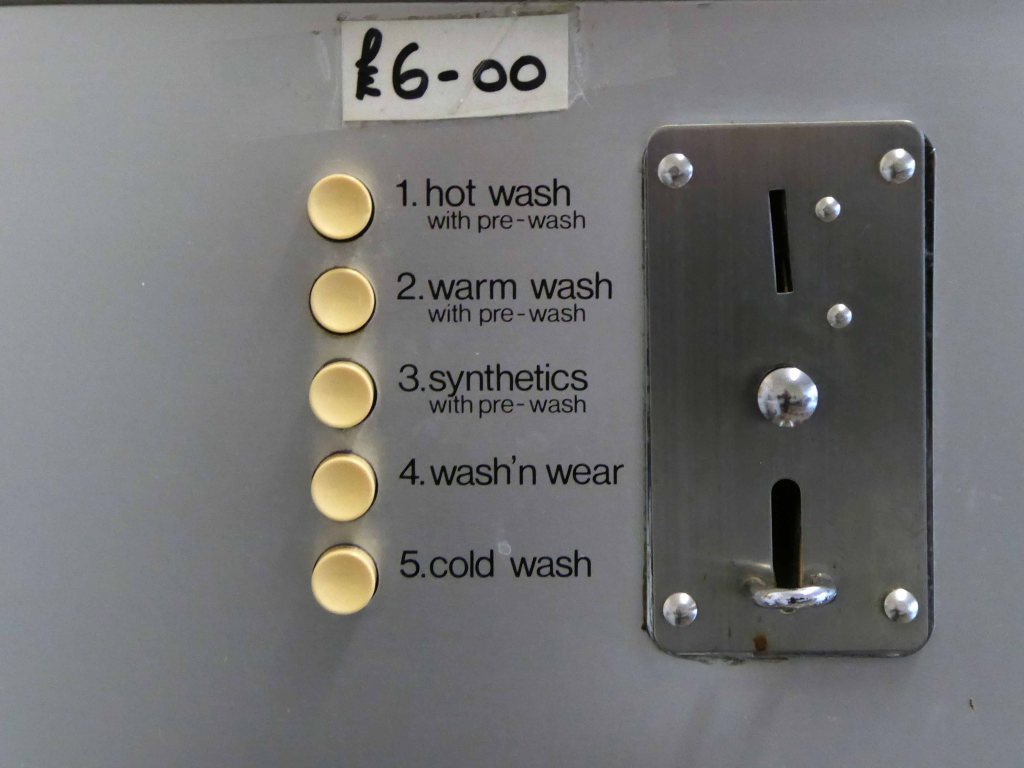
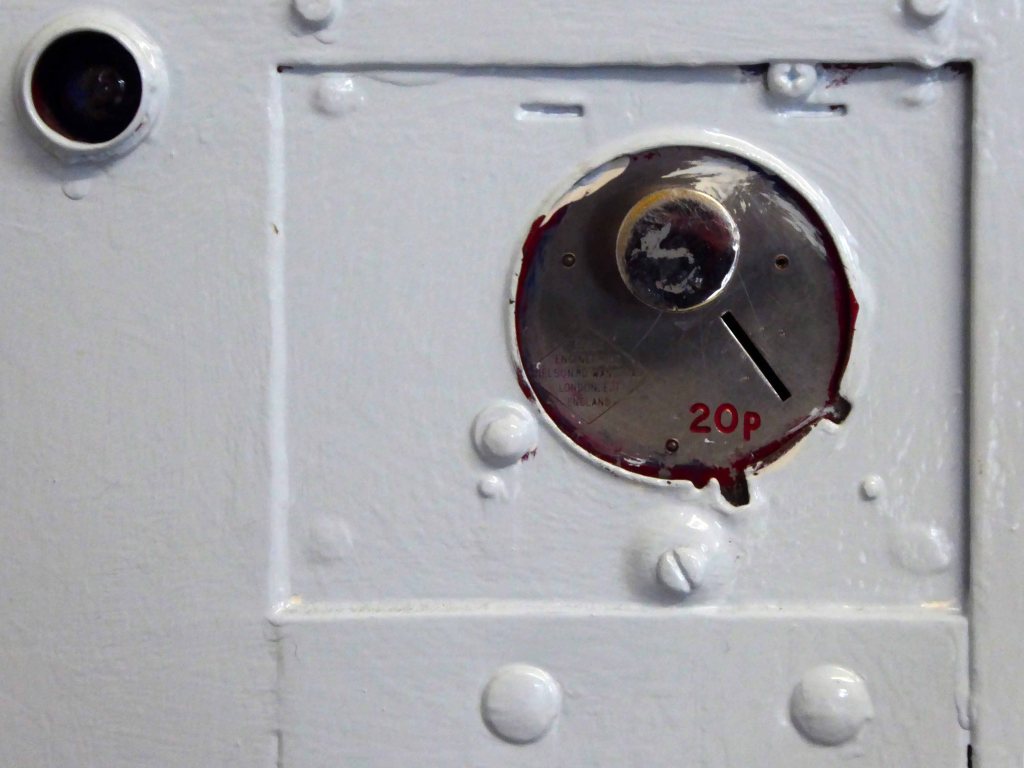
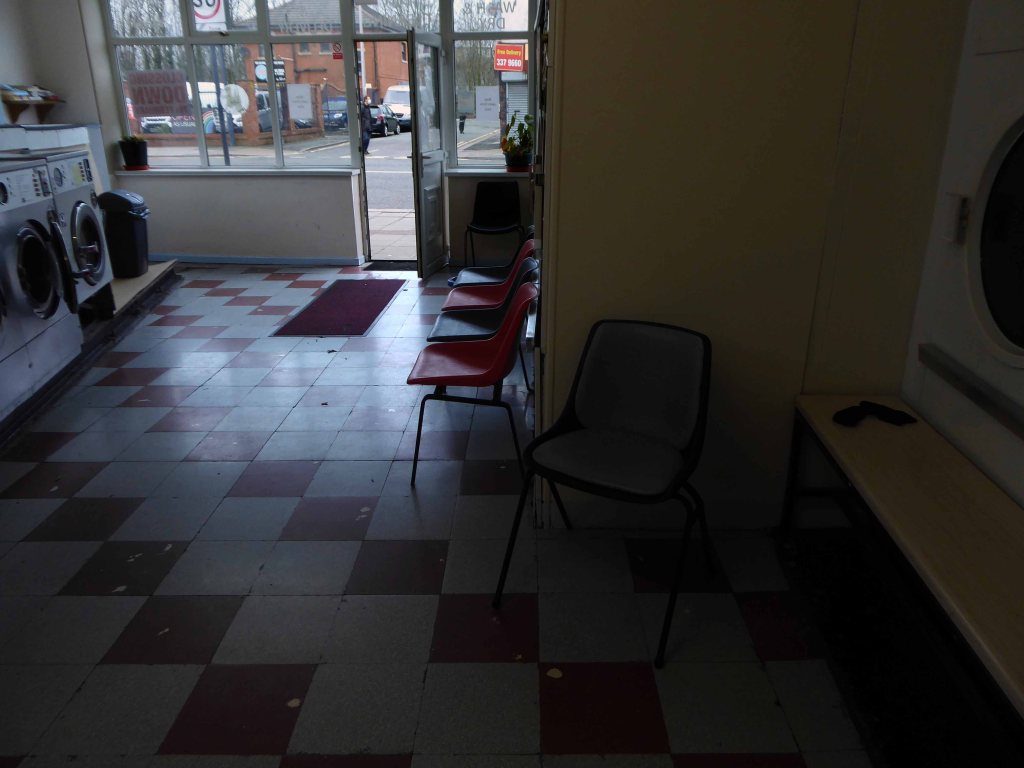
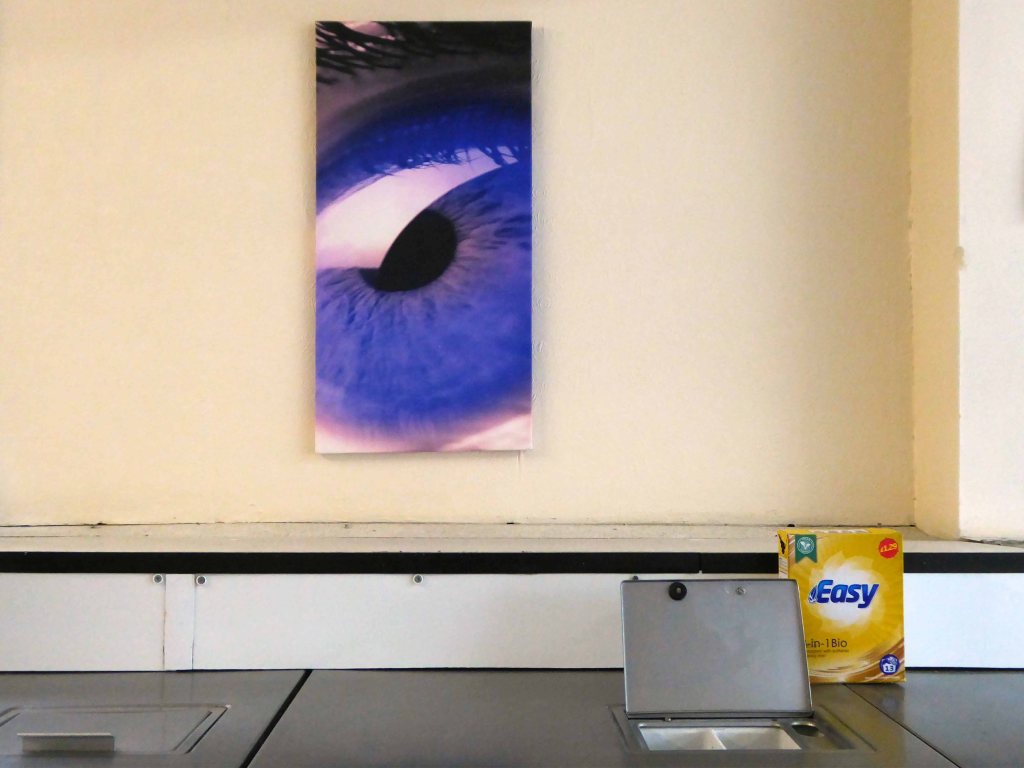
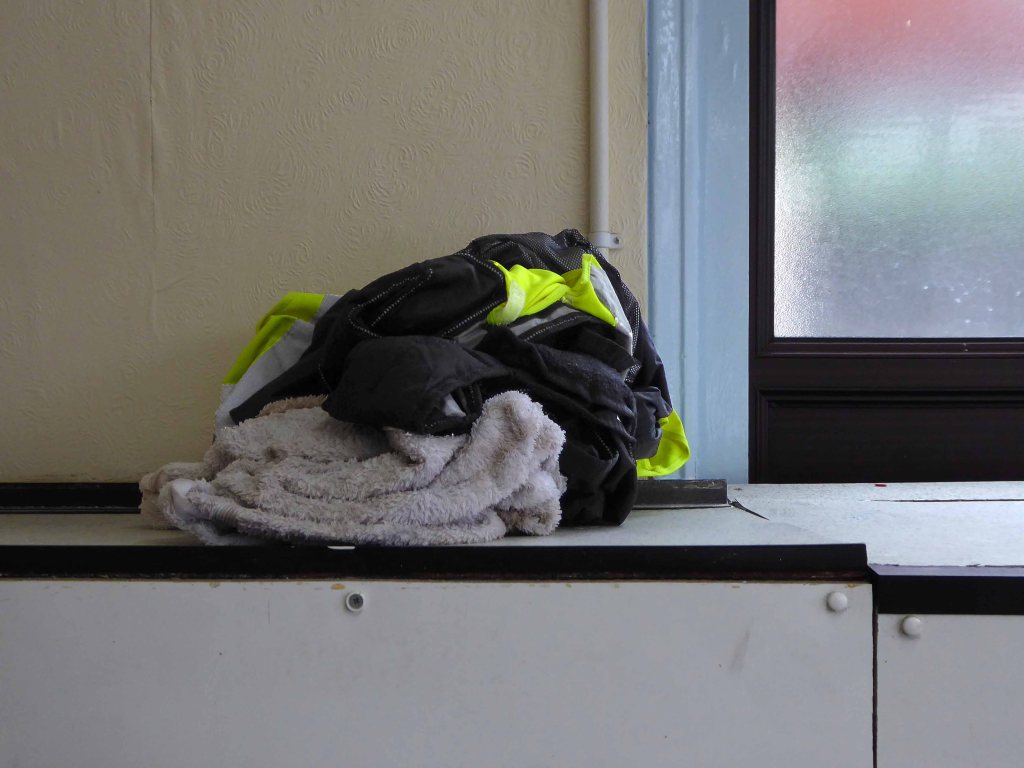
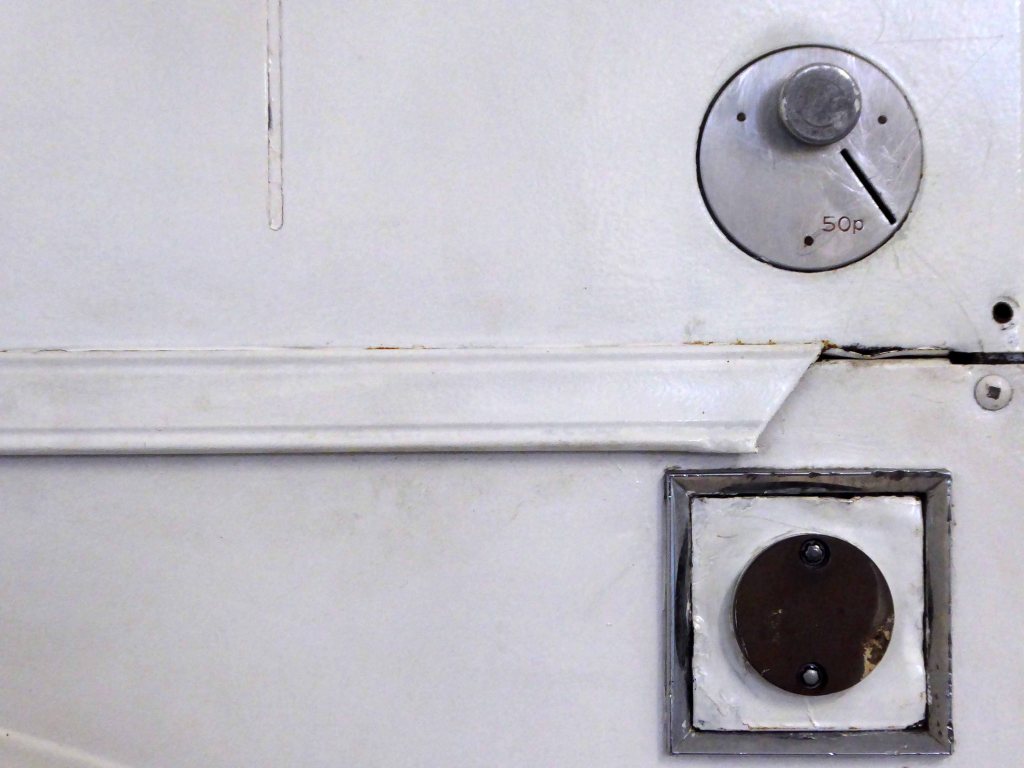
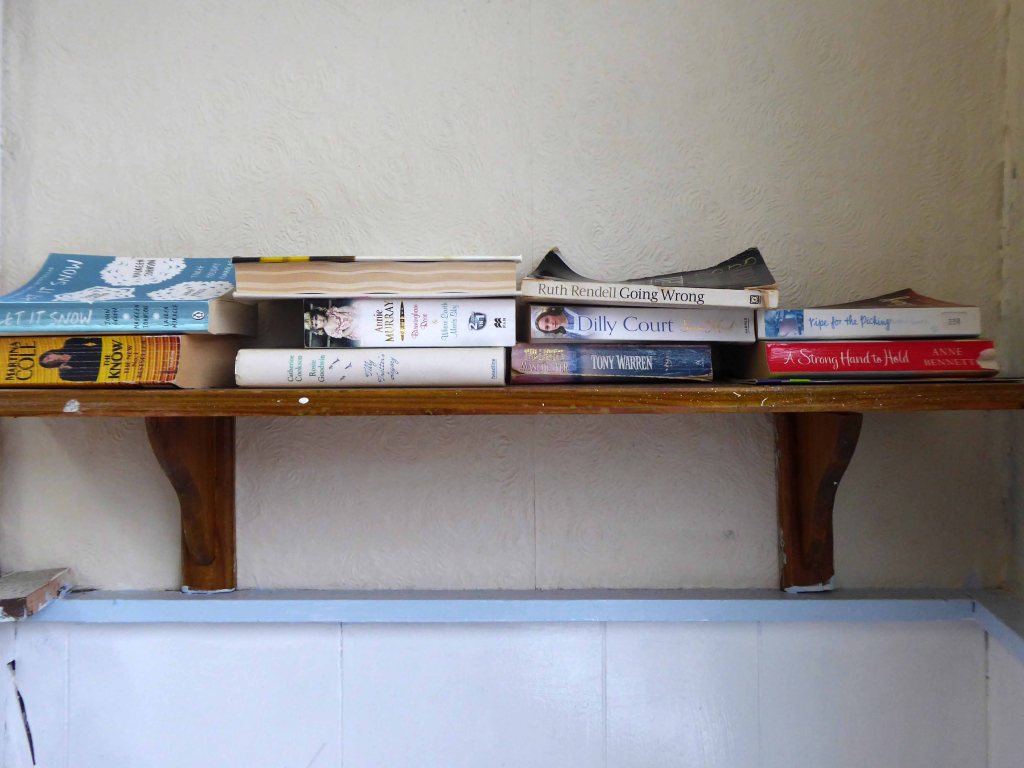
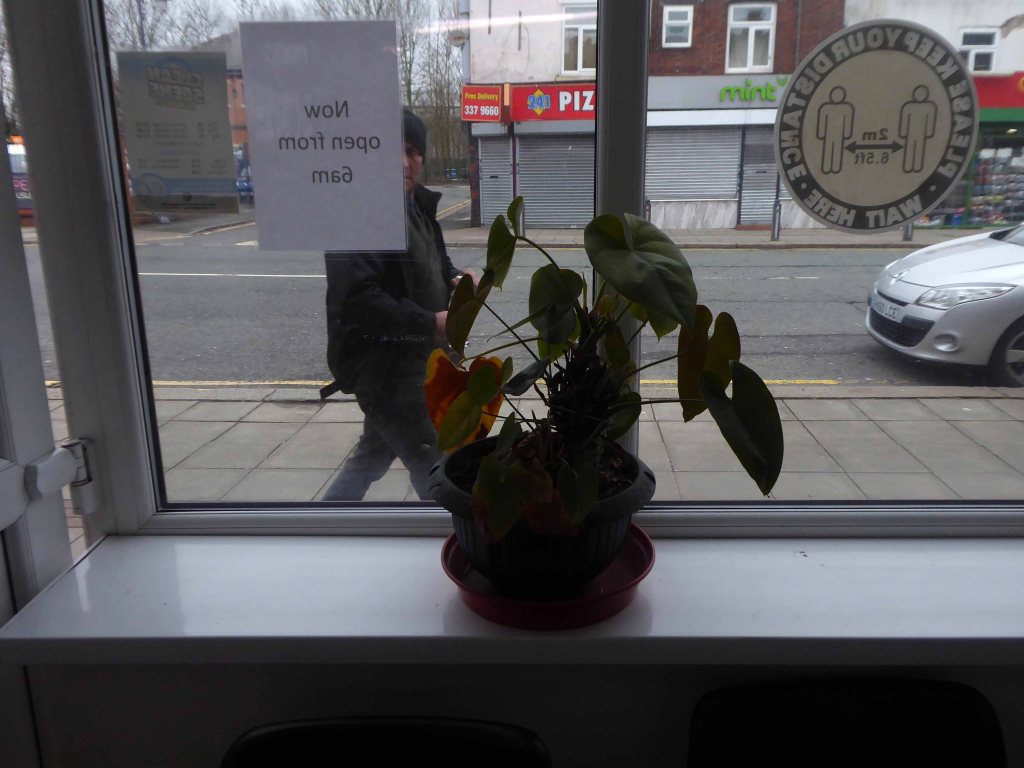
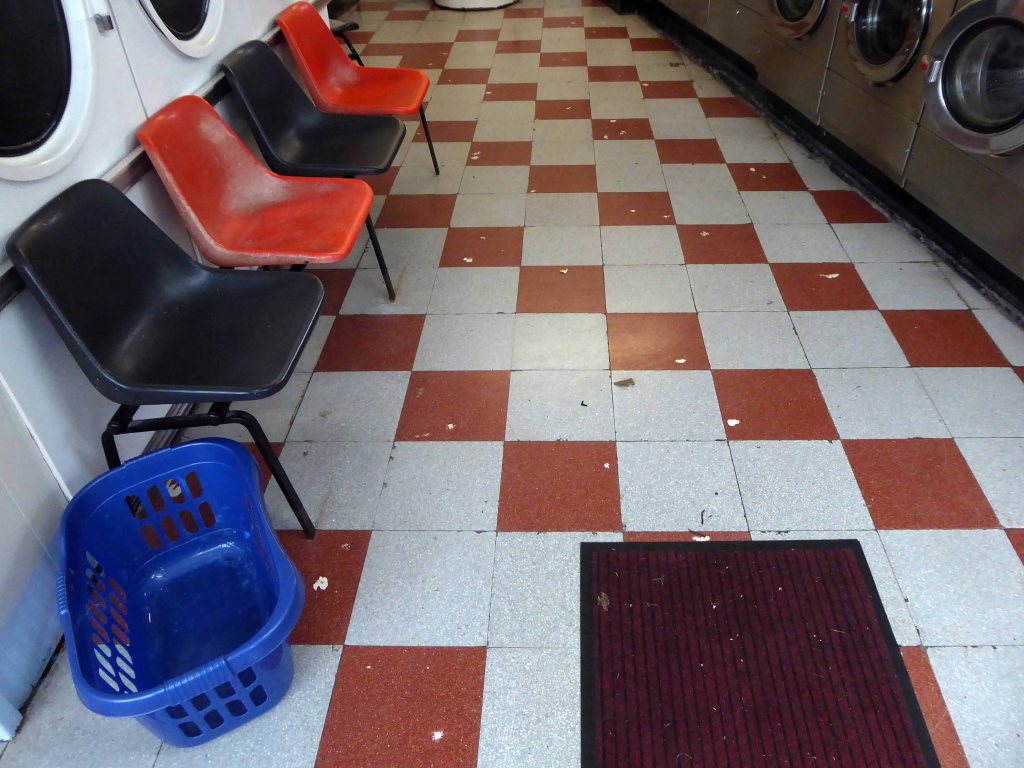
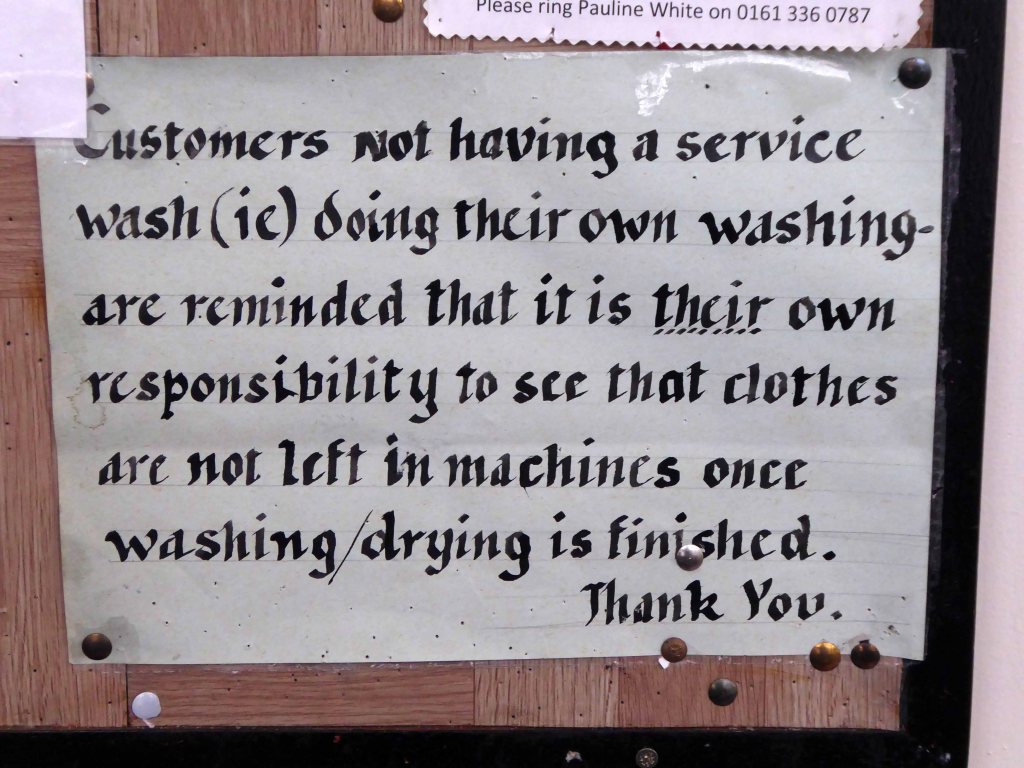
Not unusually, whilst on my way somewhere else, quite by chance, I came upon The Clean Scene.
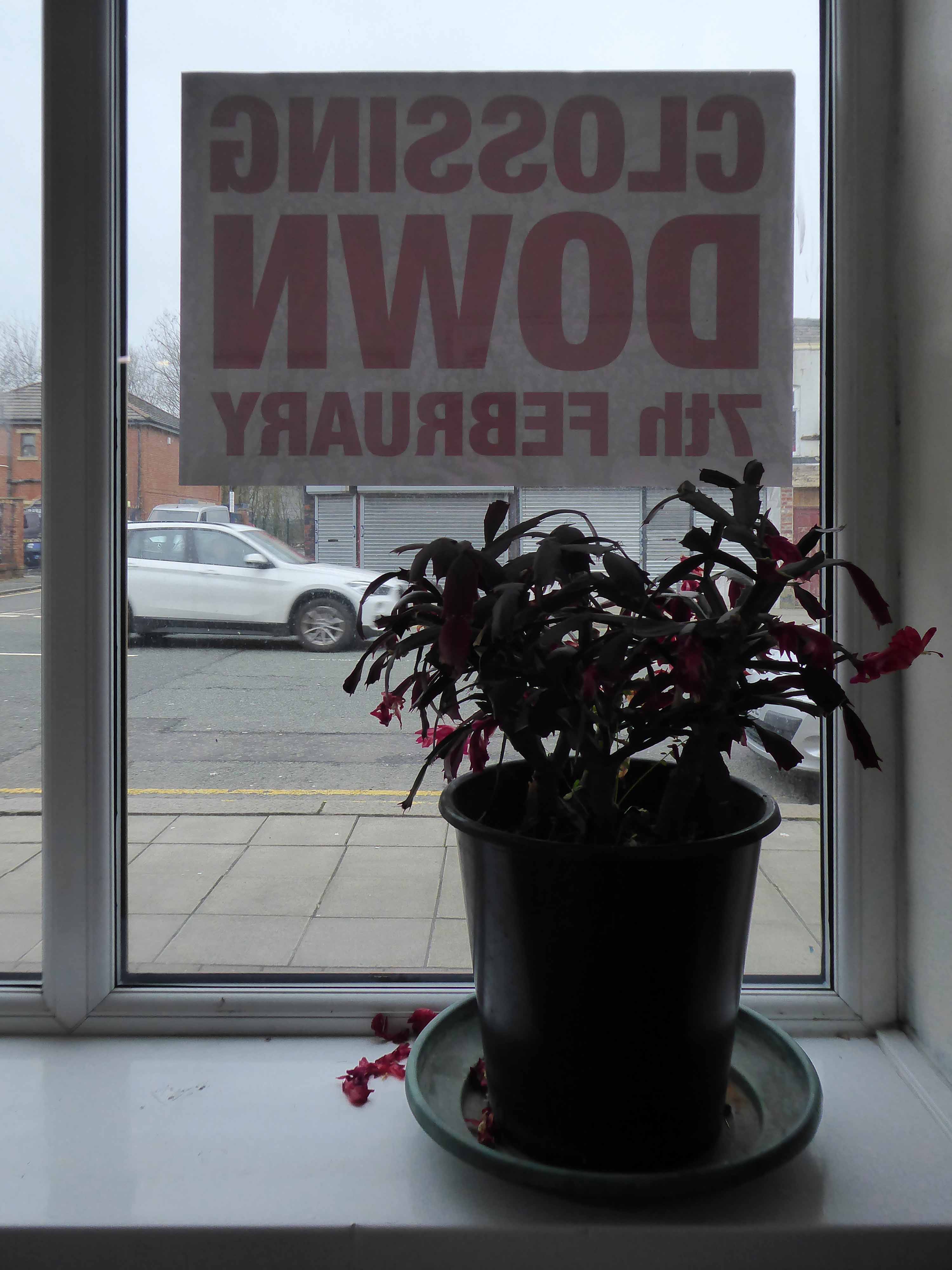
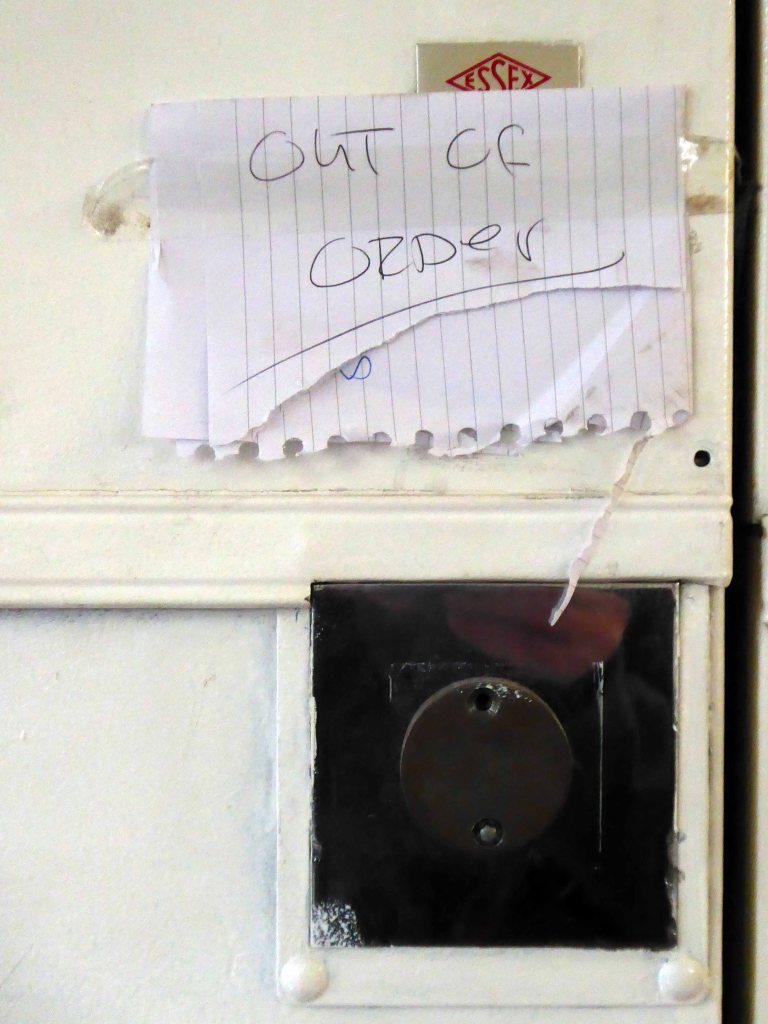
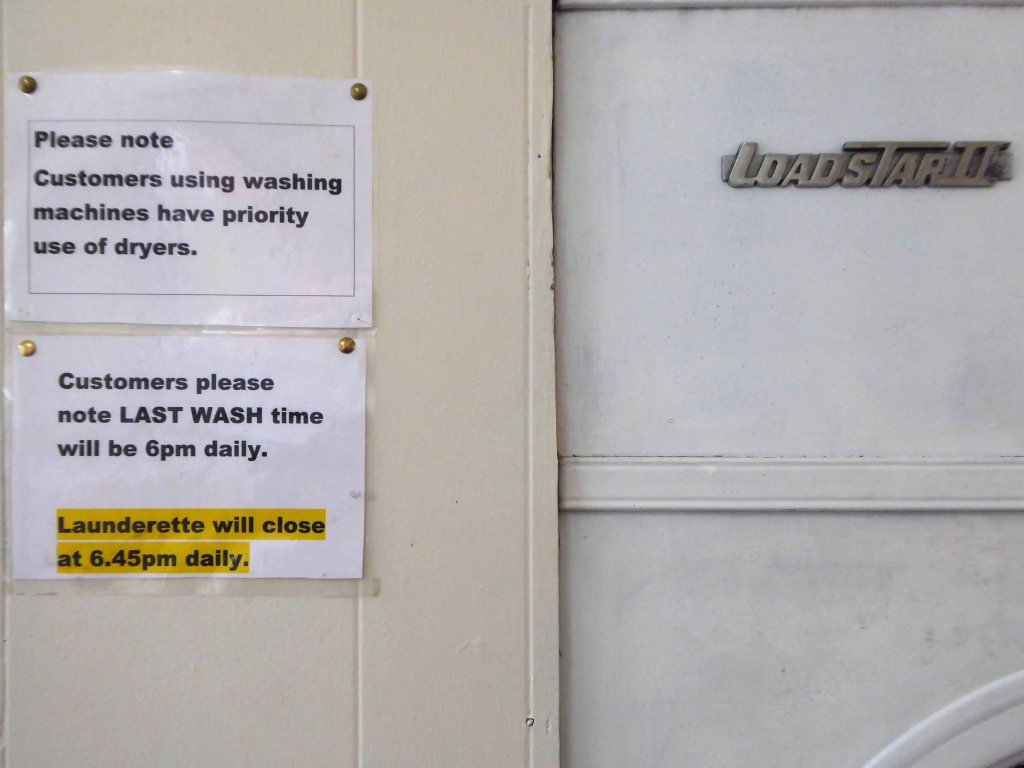
Sadly soon to be CLOSSING DOWN.
Pleas such as: Are you open Christmas Eve I need the dryers
– will from hereon in remained unanswered.
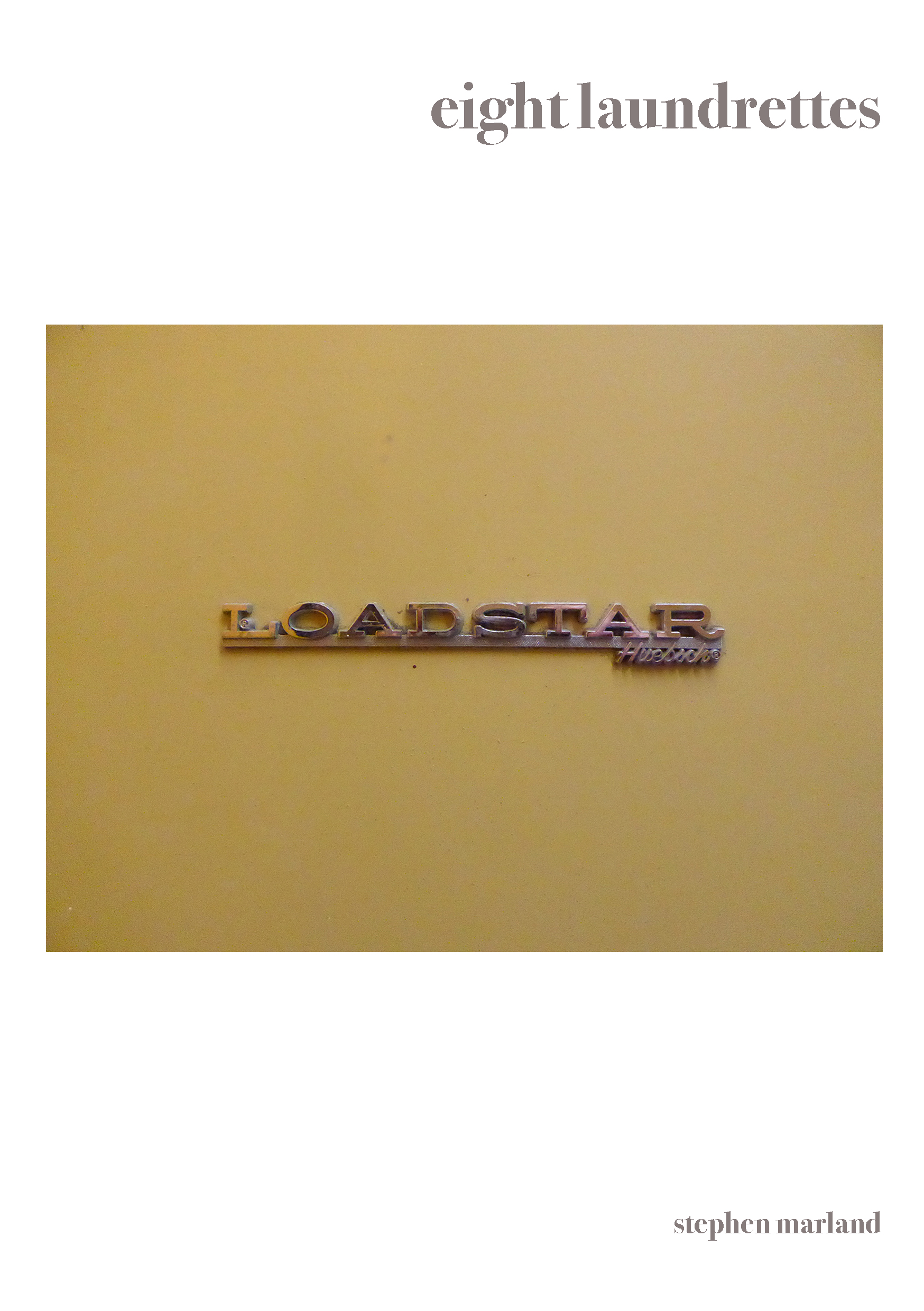
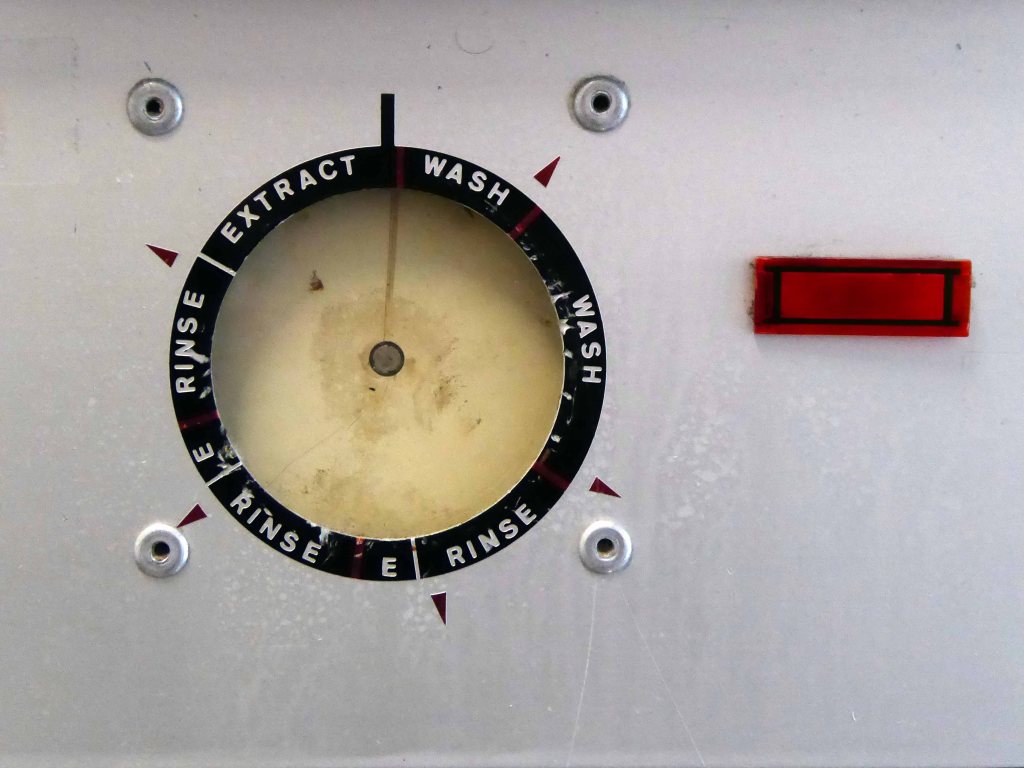
Having almost abandoned the wet and dry world of the laundrette, following the publication of the era-defining, runaway success of my eight laundrettes, I almost walked on by.
For just one brief moment I hesitated, then walked right on in.
Above the current market office is an impressive painted mural by art students from Dresden commissioned especially for the market in the 1950s in a Socialist Realist manner, depicting farming and industrial scenes.
The Gordon Cullen tiles have been renovated and re-sited within the exit corridor.
Still in clear view the stone relief work of John Skelton November 1956. Three of the eight column have incised Hornston stone works, depicting the activities of the CWS.
Get yourself there pronto – current restrictions considered of course.
Walking the stairwells, ramps and interlocking tiers, the curious pedestrian becomes aware of the ambition and complexity of the scheme. Often identified on local social media groups as an anachronistic eyesore, I feel that it is a thing of rare and precious beauty.
Knock most of the precinct down, free the river, but keep this wall and what is within.
Anon
Some are slaughtering imaginary white elephants, whilst others are riding white swans.
Currently under the ownership of Stockport Borough Council, changes are afoot.
Work to redevelop Adlington Walk in Stockport starts this week, as the first stage in the regeneration of the 55-year-old Merseyway shopping centre.
As of today work is still in Covid induced abeyance, it is still possible to walk the old revamped Adlington Walk. The future of retail in particular and town centres in general is in the balance, the best of the past and the finest of the new should be the watchword.
The scheme and car park redevelopment, is managed by CBRE of Manchester.
The future shopper is looking for more than just a simple buying transaction, they want an experience, entertainment and excitement.
This is where Merseyway Shopping Centre’s future lies.
CBRE Group Inc. is an American commercial real estate services and investment firm. The abbreviation CBRE stands for Coldwell Banker Richard Ellis. It is the largest commercial real estate services company in the world.
Their net worth as of January 28th 2021 is $21.18 Billion.
It is to be hoped that these dreams of entertainment and excitement, may be realised in the not too distant future.
In the meanest of mean times, in the mean time let’s have a look around.
The future moocher is looking for more than just a simple buying transaction, they want an experience, entertainment and excitement.


















































 Modern Mooch