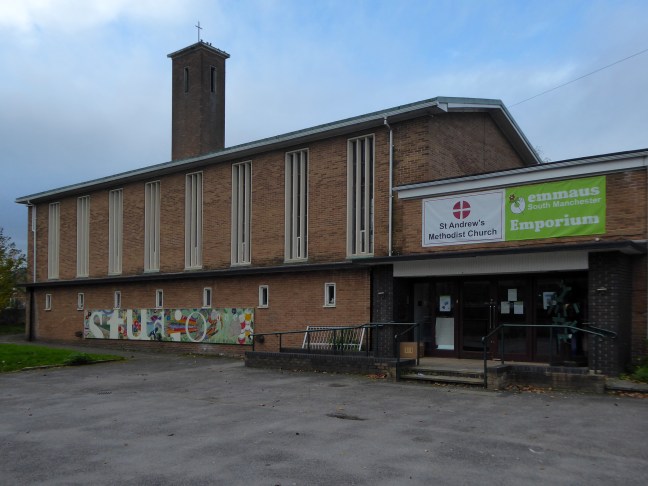
Emmaus South Manchester is gearing up to support vulnerable people in Wythenshawe and surrounding areas.
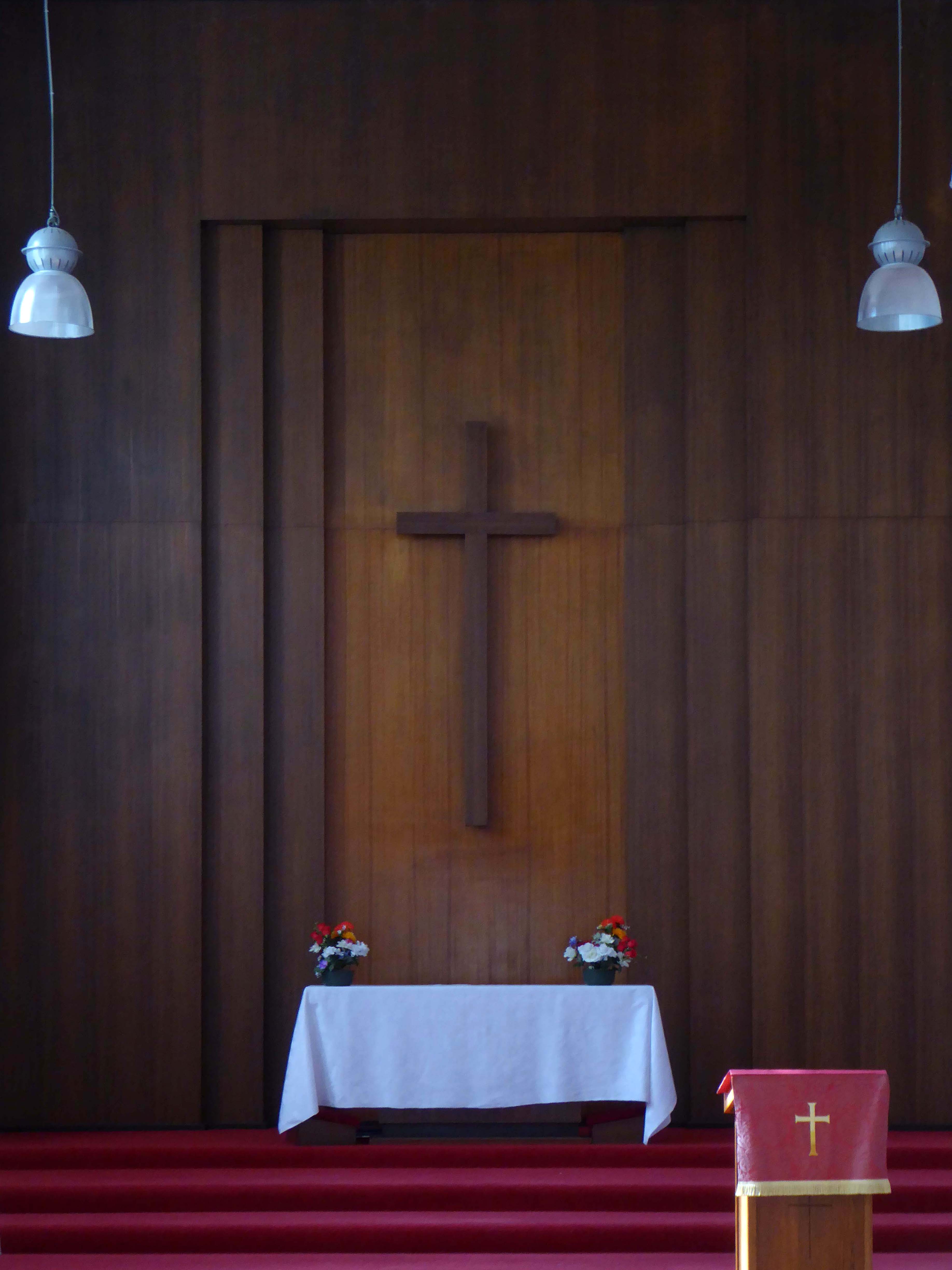
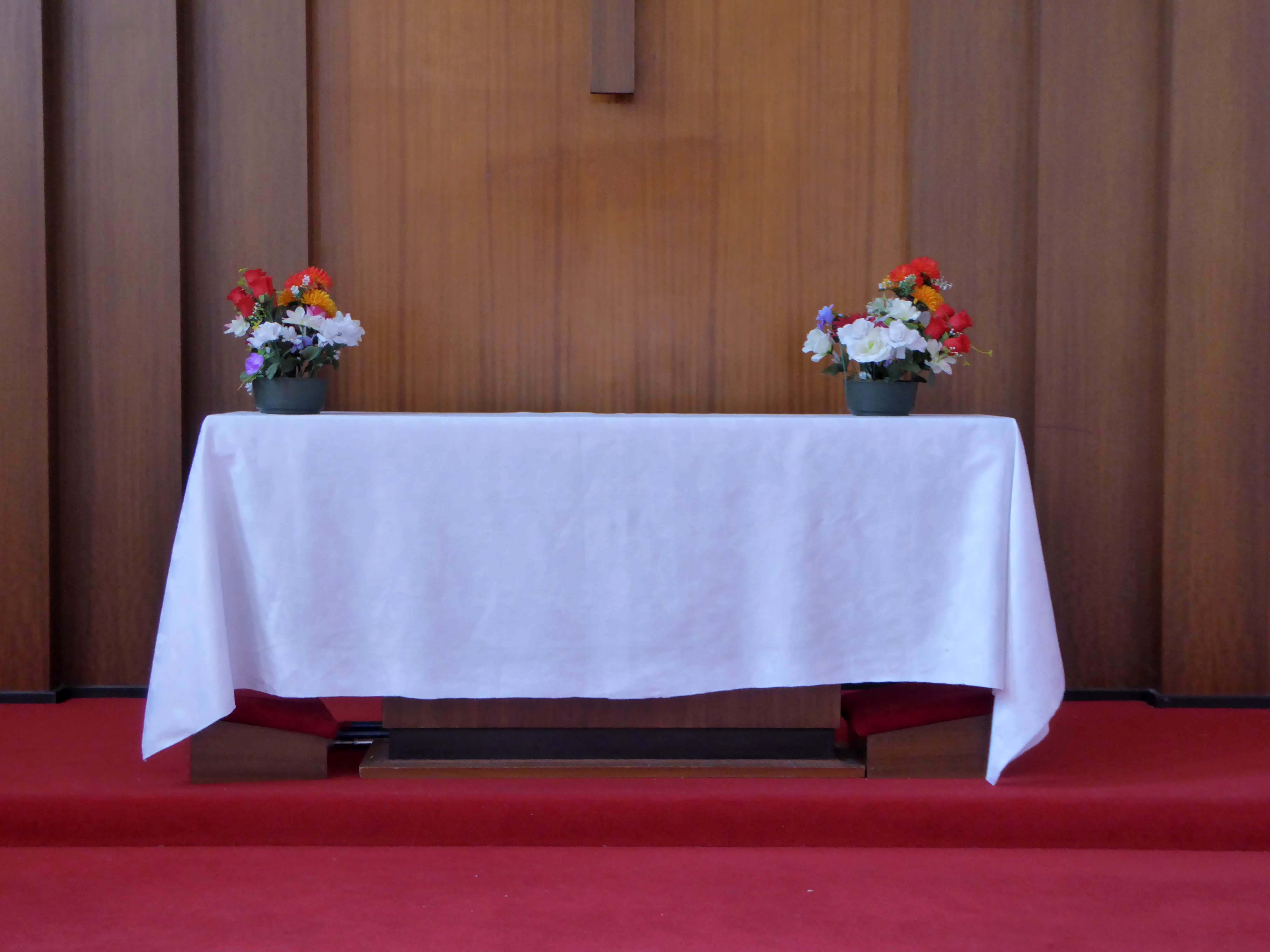
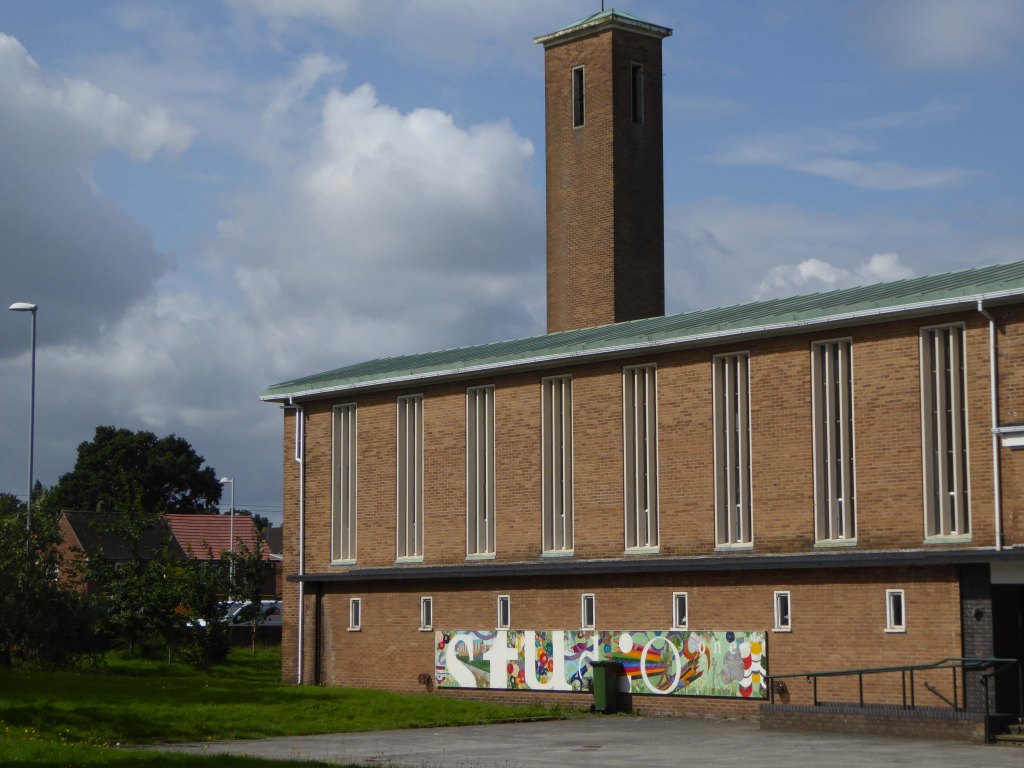
Our charity aims to support homeless people and those suffering deprivation and social exclusion in the local area. Thanks to generous support from St. Andrews Church, we have set up a workshop in Wythenshawe and are now looking for retail premises to sell handmade items produced by local volunteers.
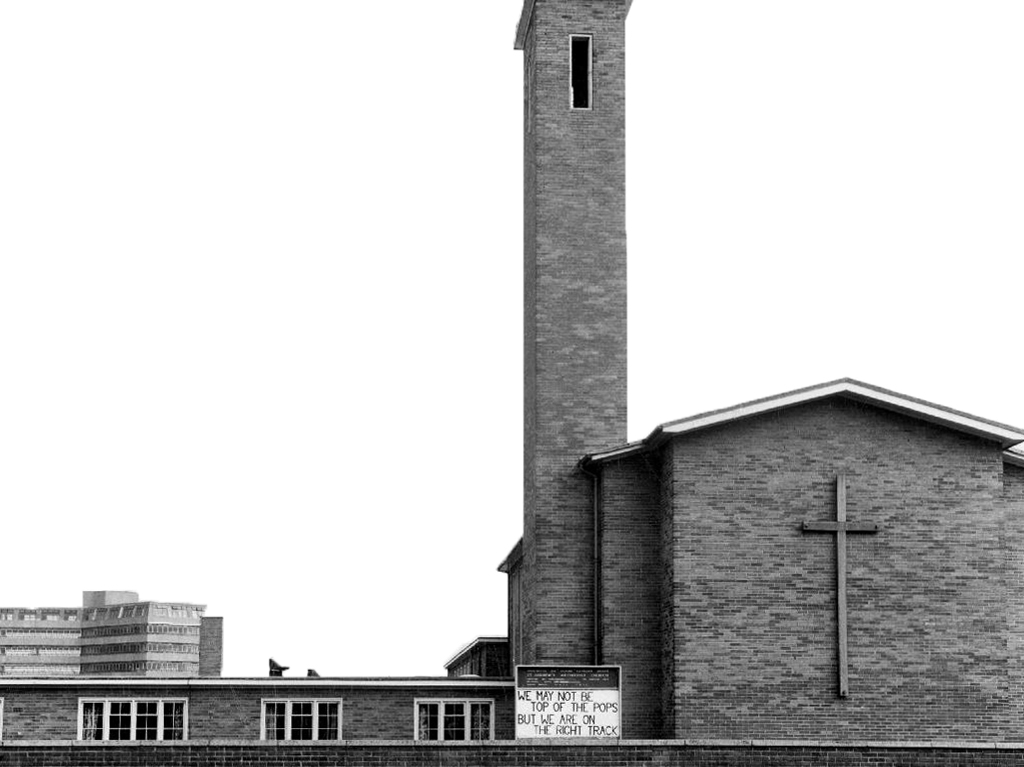
You’re nobody ’til somebody loves you, You’re nobody ’til somebody cares. You may be king, you may possess the world and it’s gold, But gold won’t bring you happiness when you’re growing old.
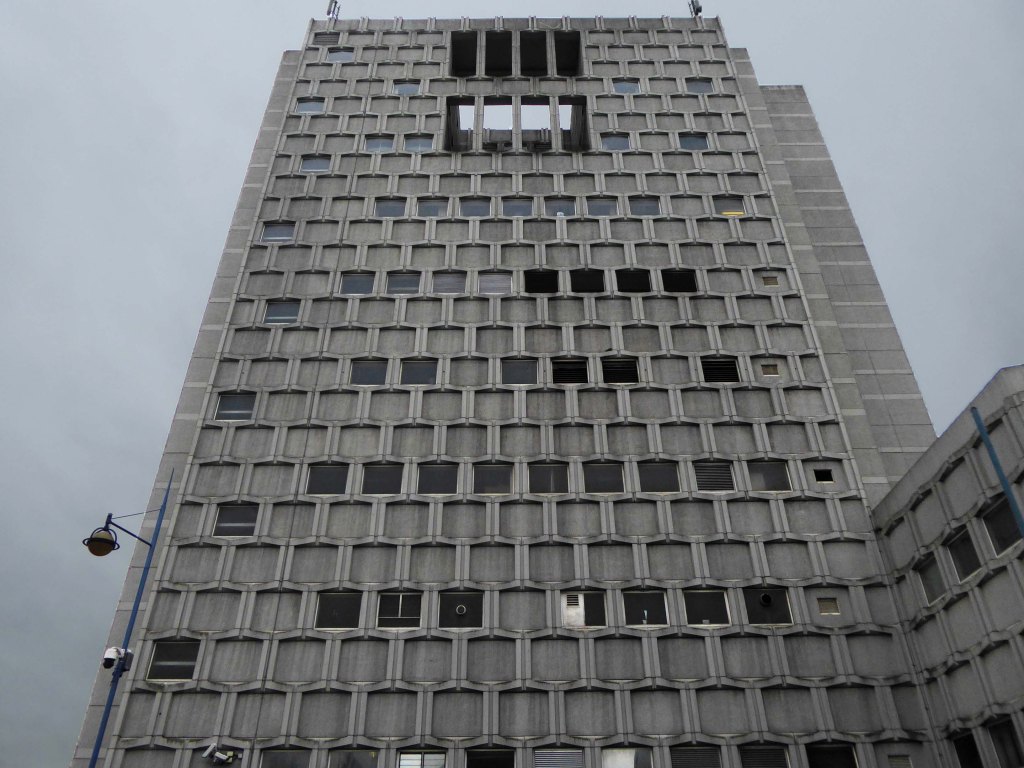
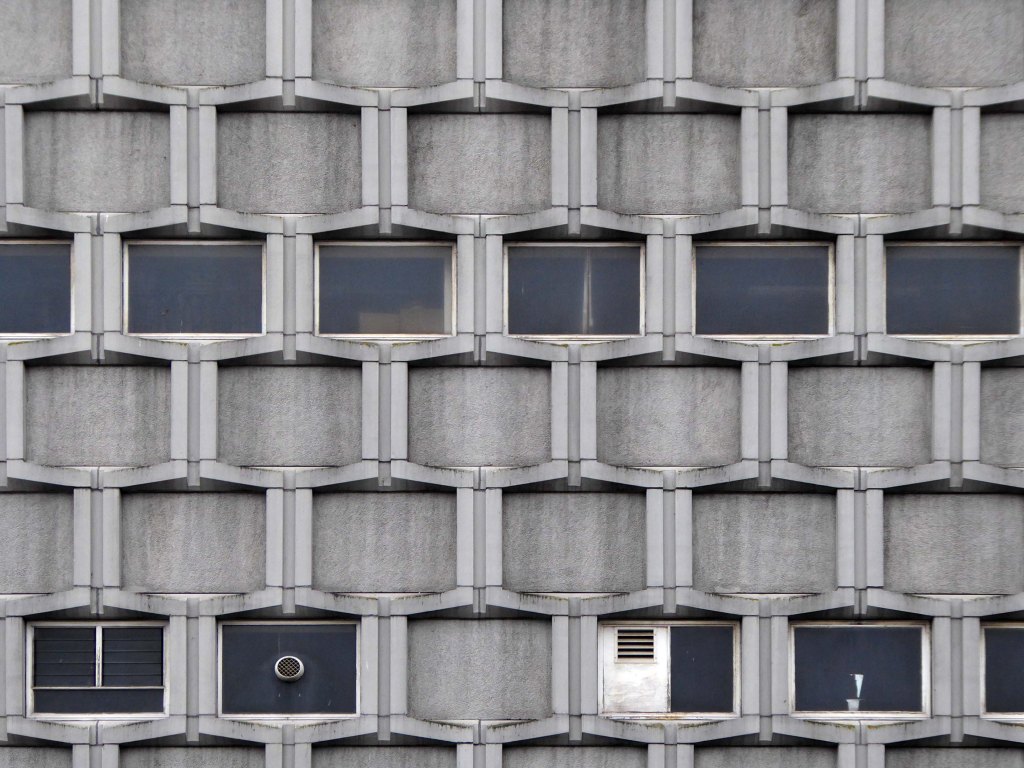
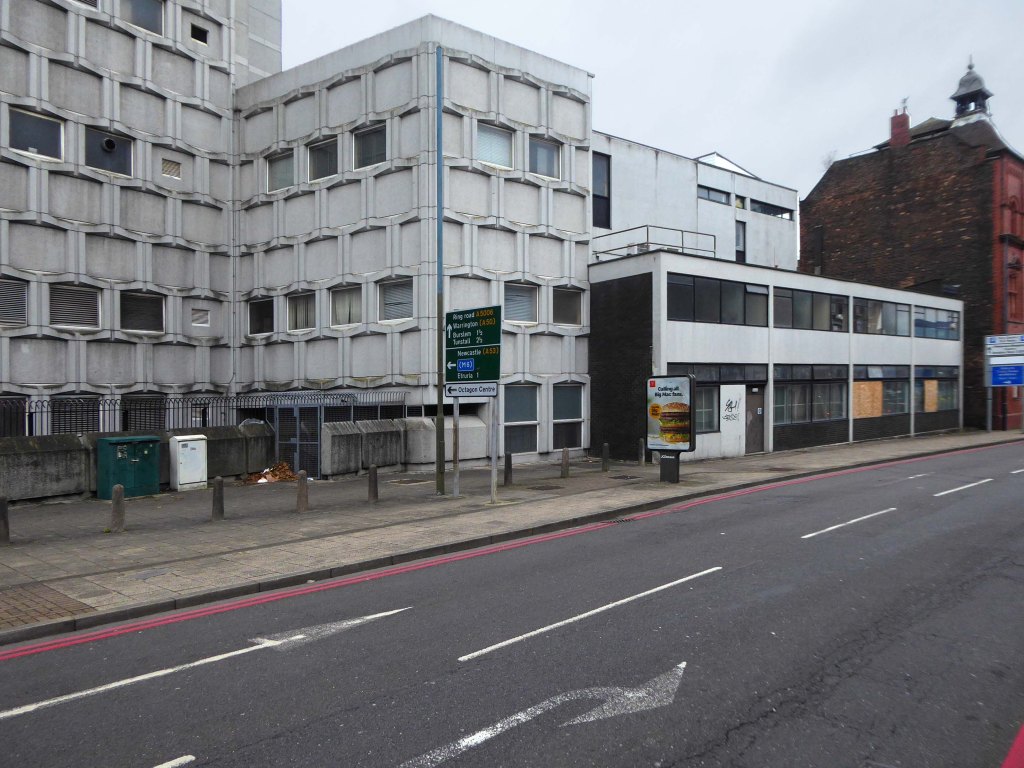
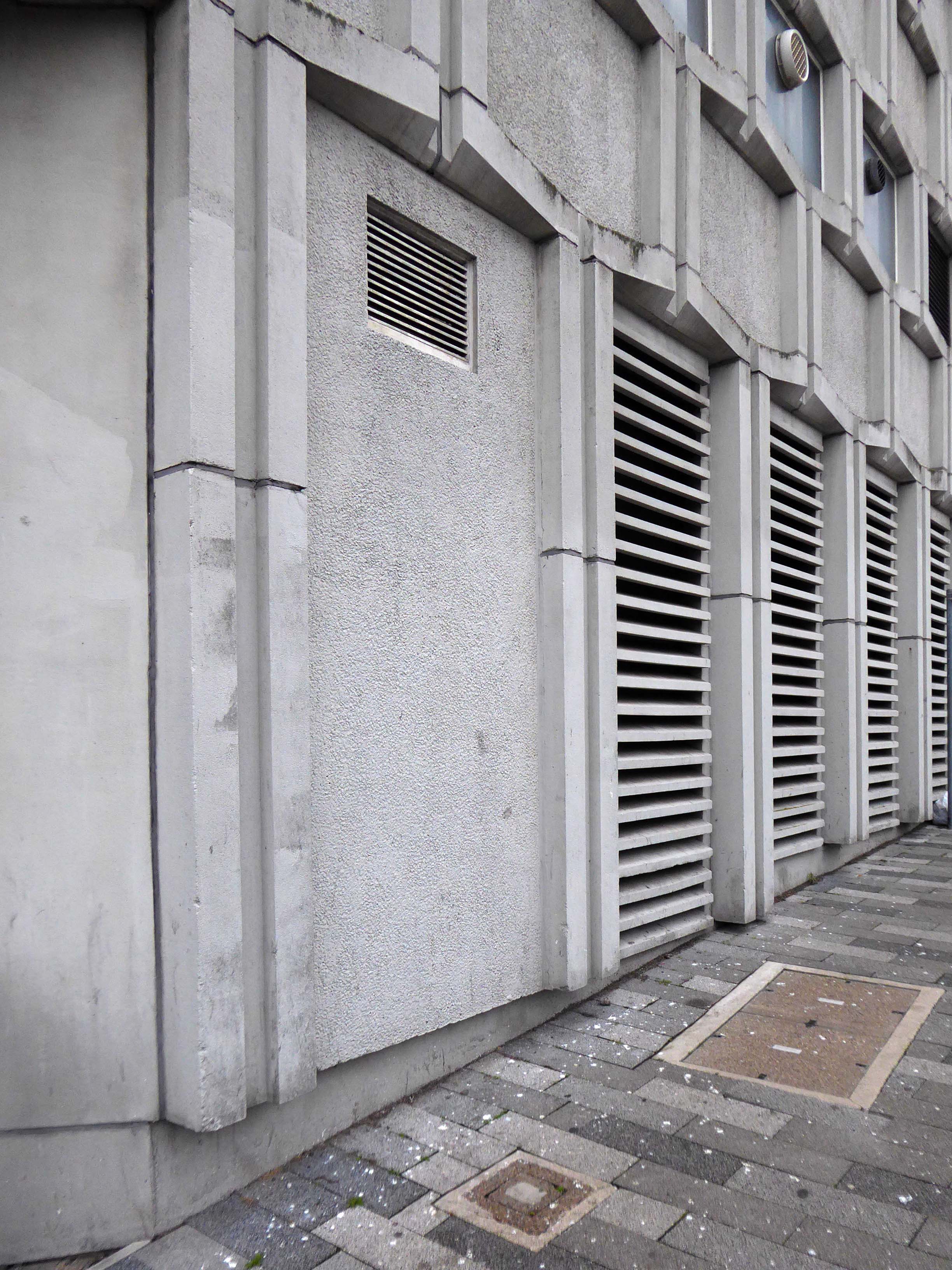
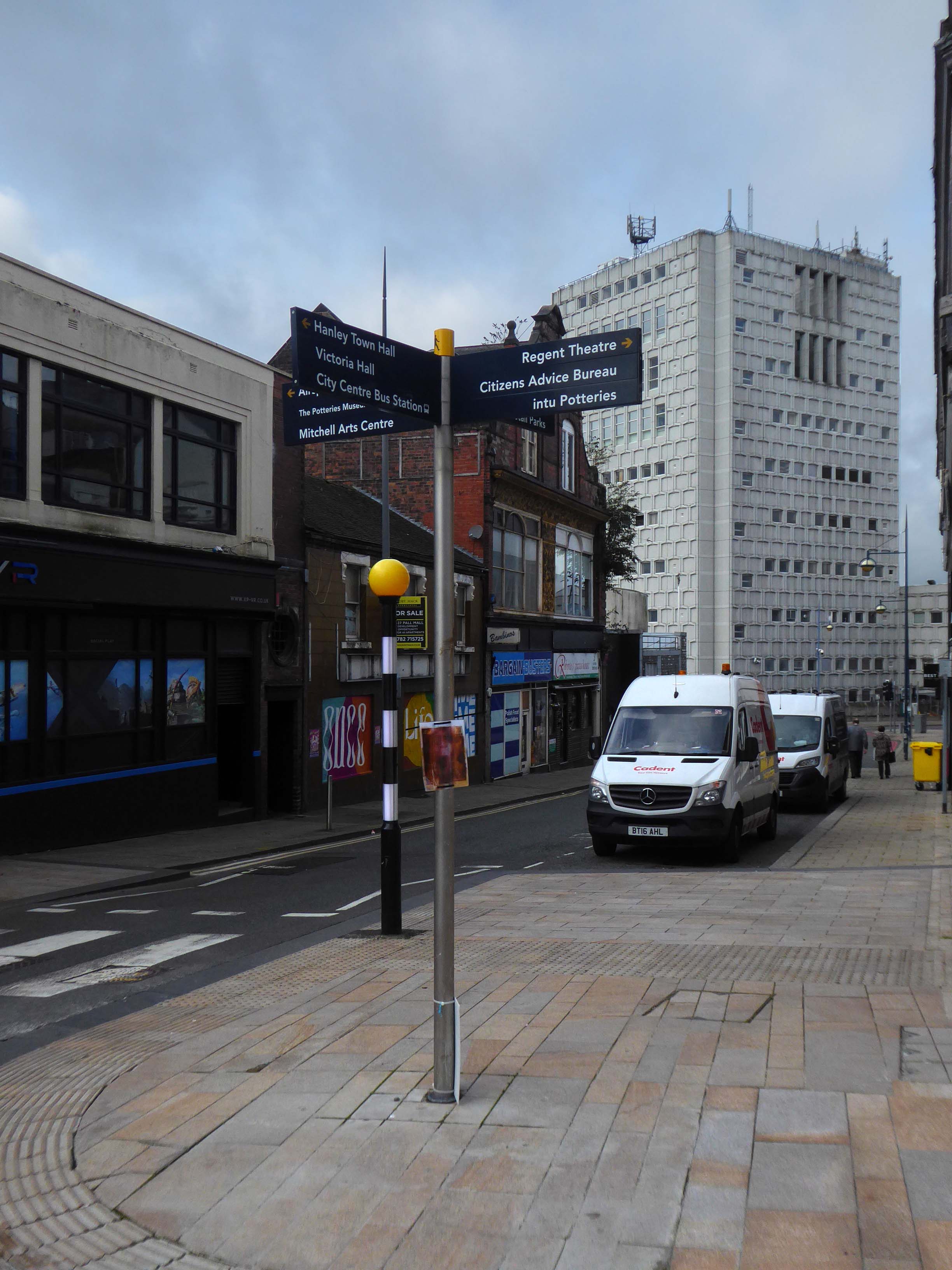
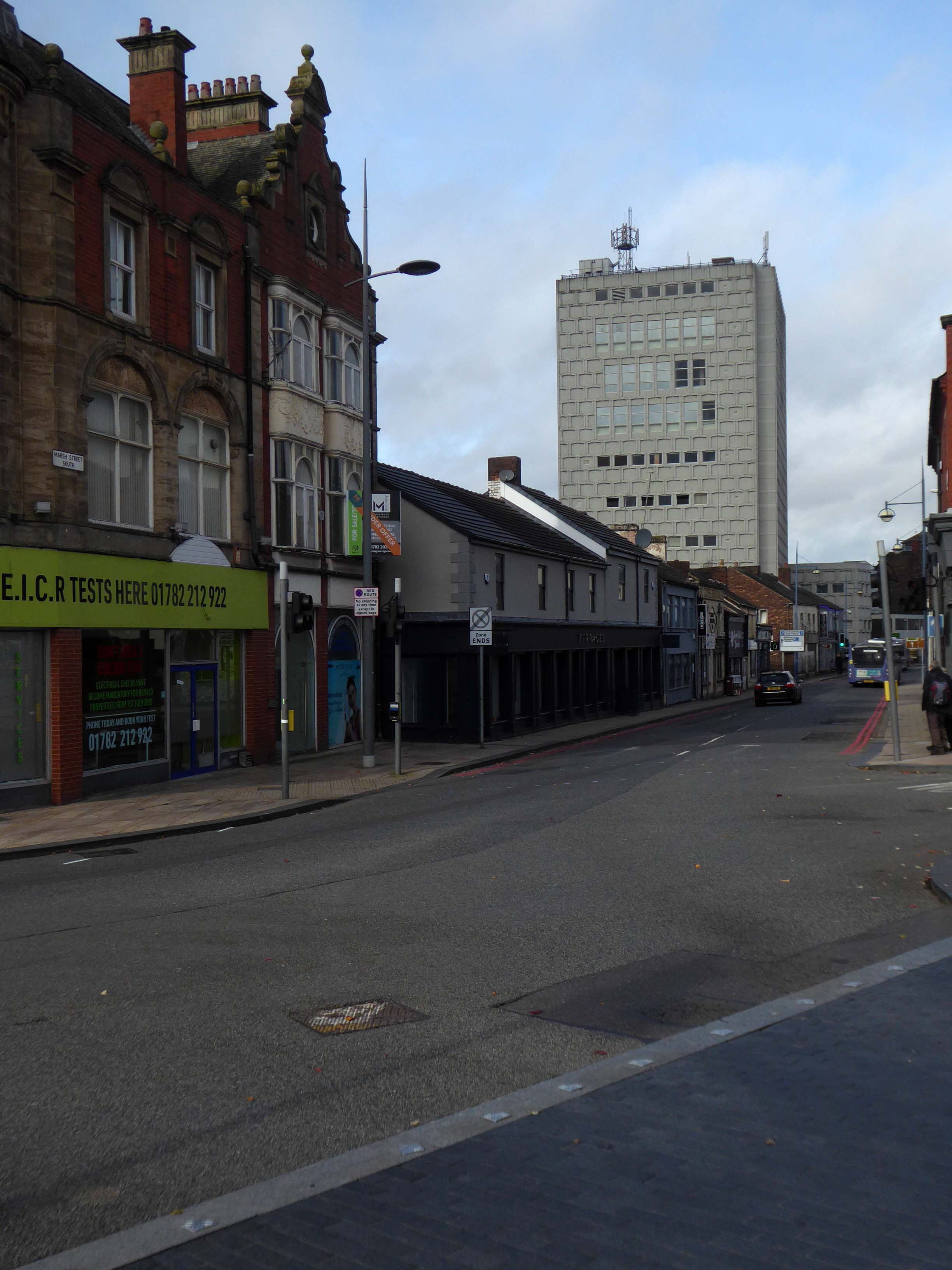
Hanley GSC represents a major telecommunication facility for BT and is positioned within the City boundaries of Stoke-on-Trent, on a very congested site.
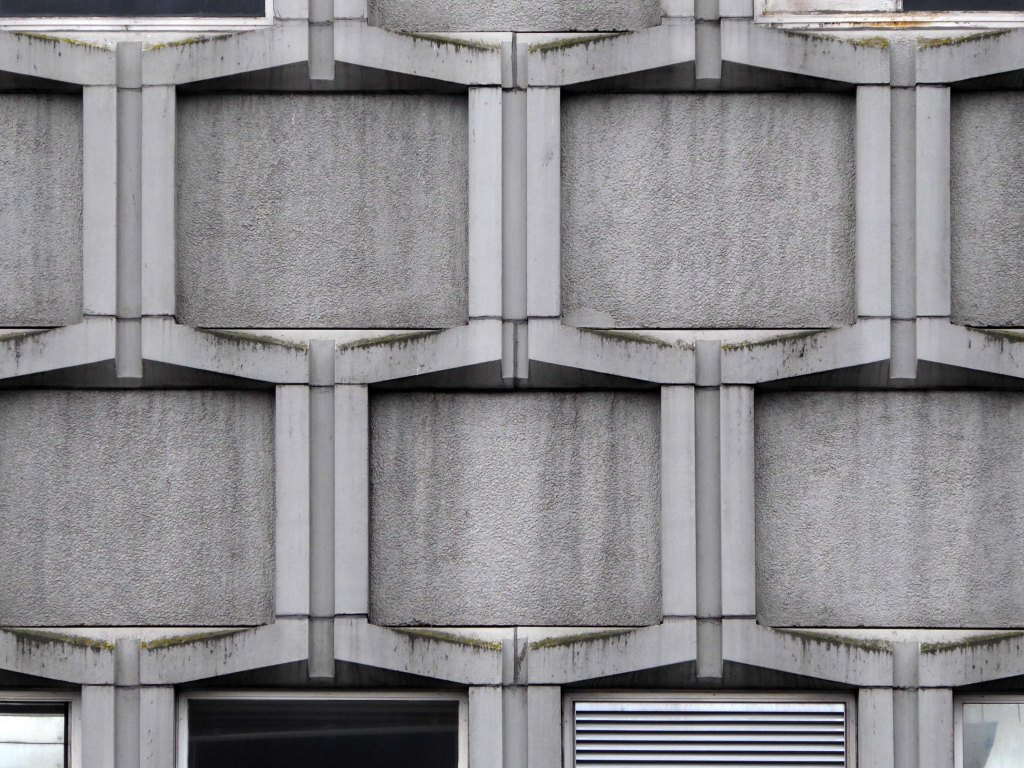
The building fabric was starting to degrade and in need of structural refurbishment.
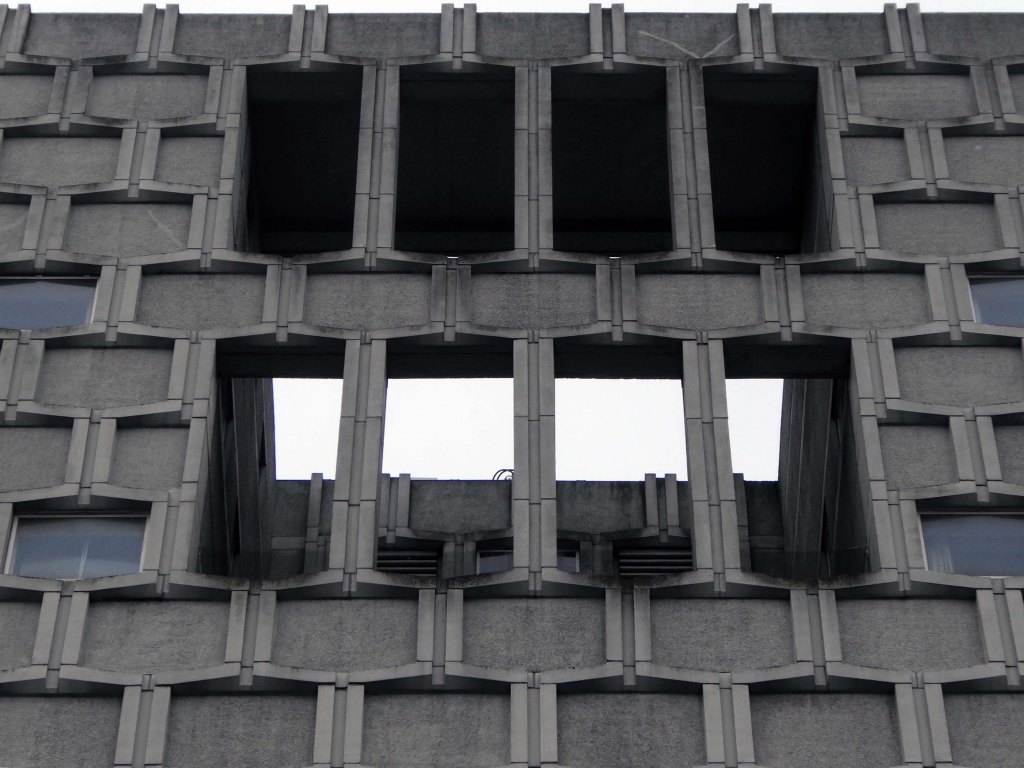
Works comprised of cleaning down the externals by high pressure water jetting, carrying out concrete repairs, applying an anti-carbonation coating, anti-corrosion treatments, painting the windows and applying sealants to windows and various joints around the structure.
All work was carried out whilst the exchange was fully manned and operational.
Works were carried outover a 26 week period, utilising mast climbers around the structure, with a limited amount of scaffolding on the low level structures.
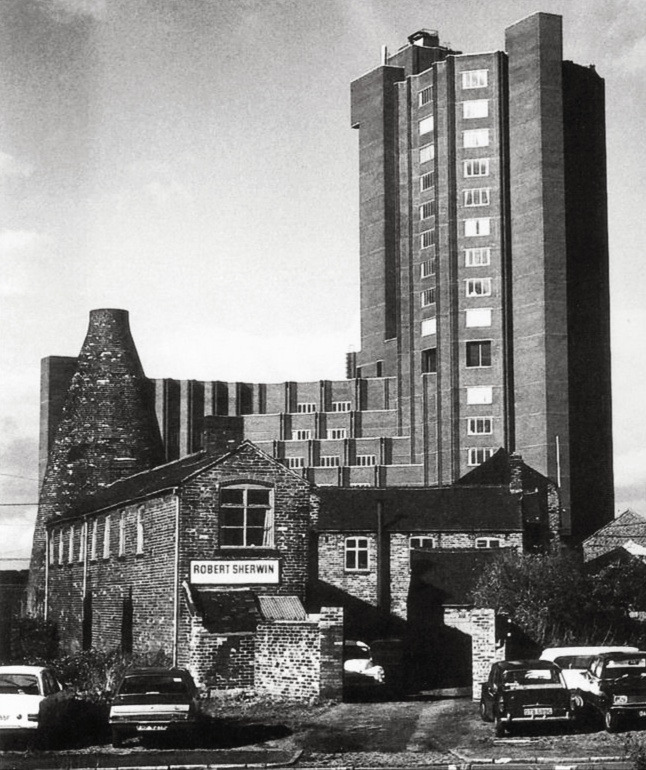
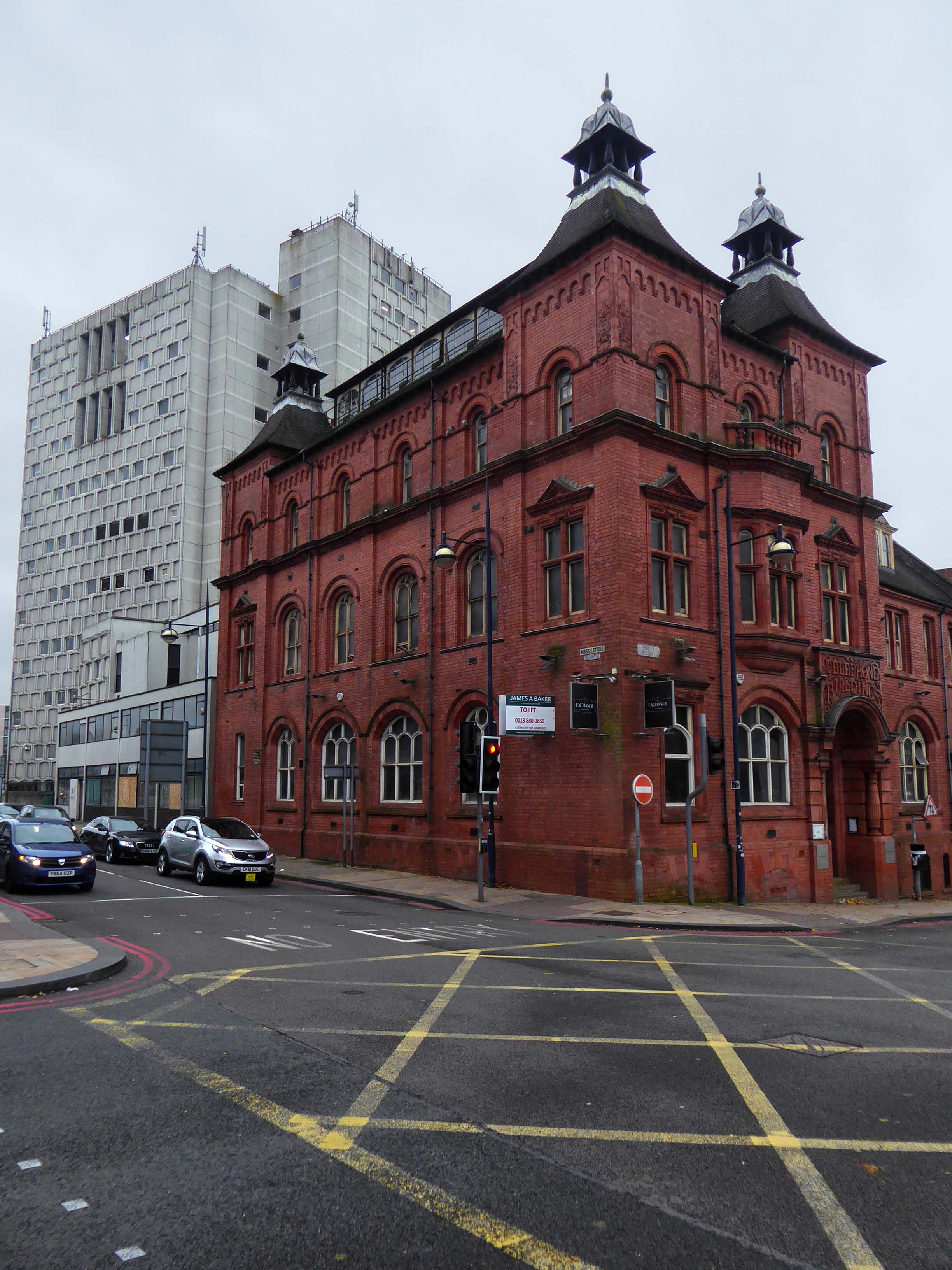
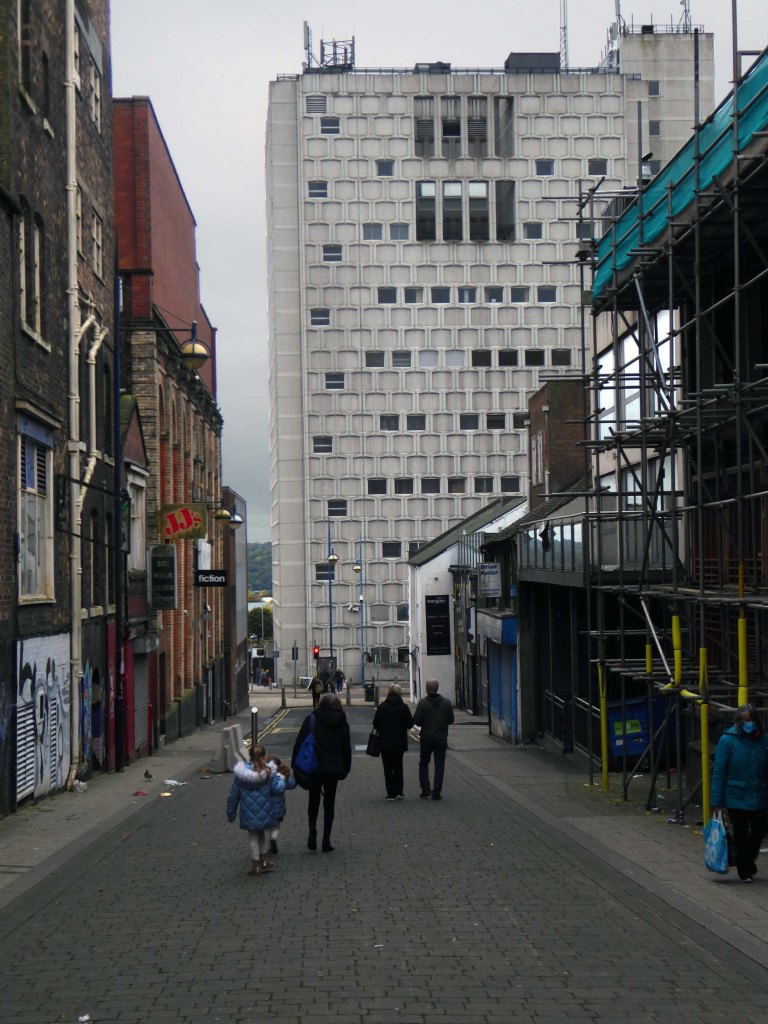
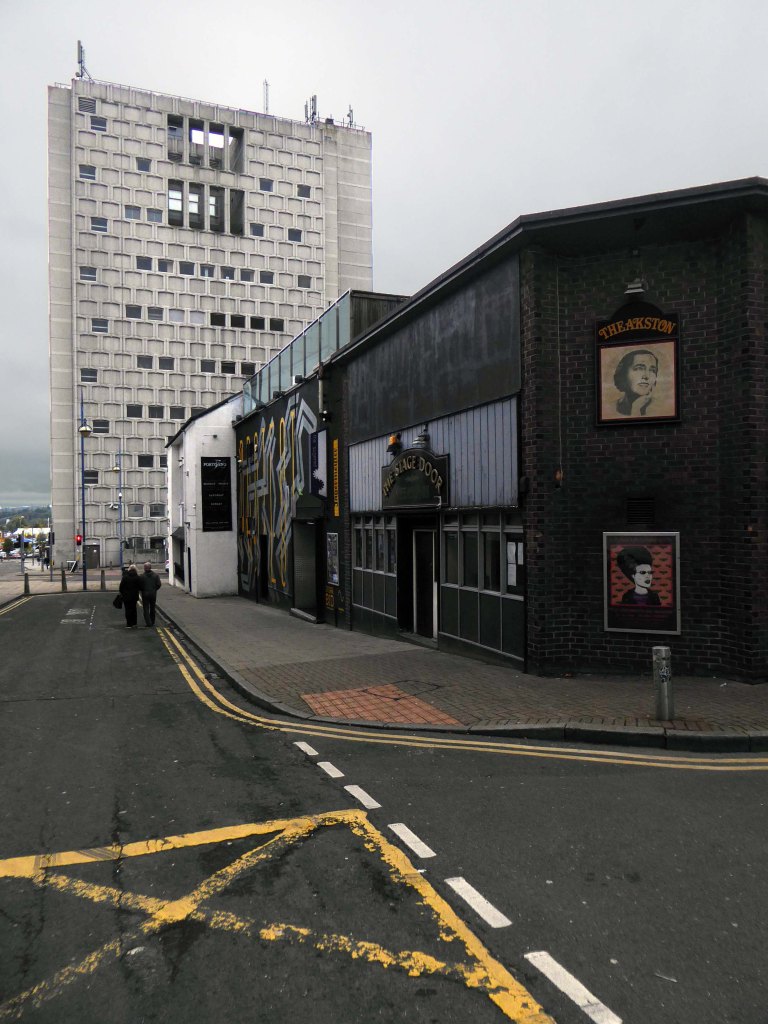
Derided locally as an eyesore, currently the tallest building in town following the demolition of Unity House.
It has an antecedent as an immediate neighbour.
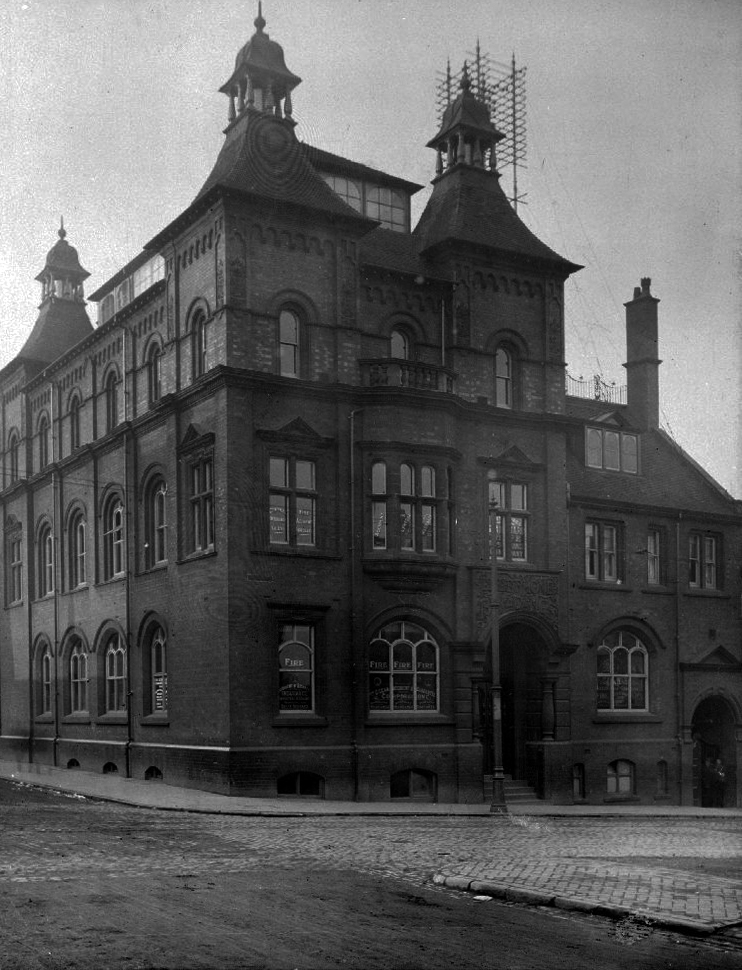
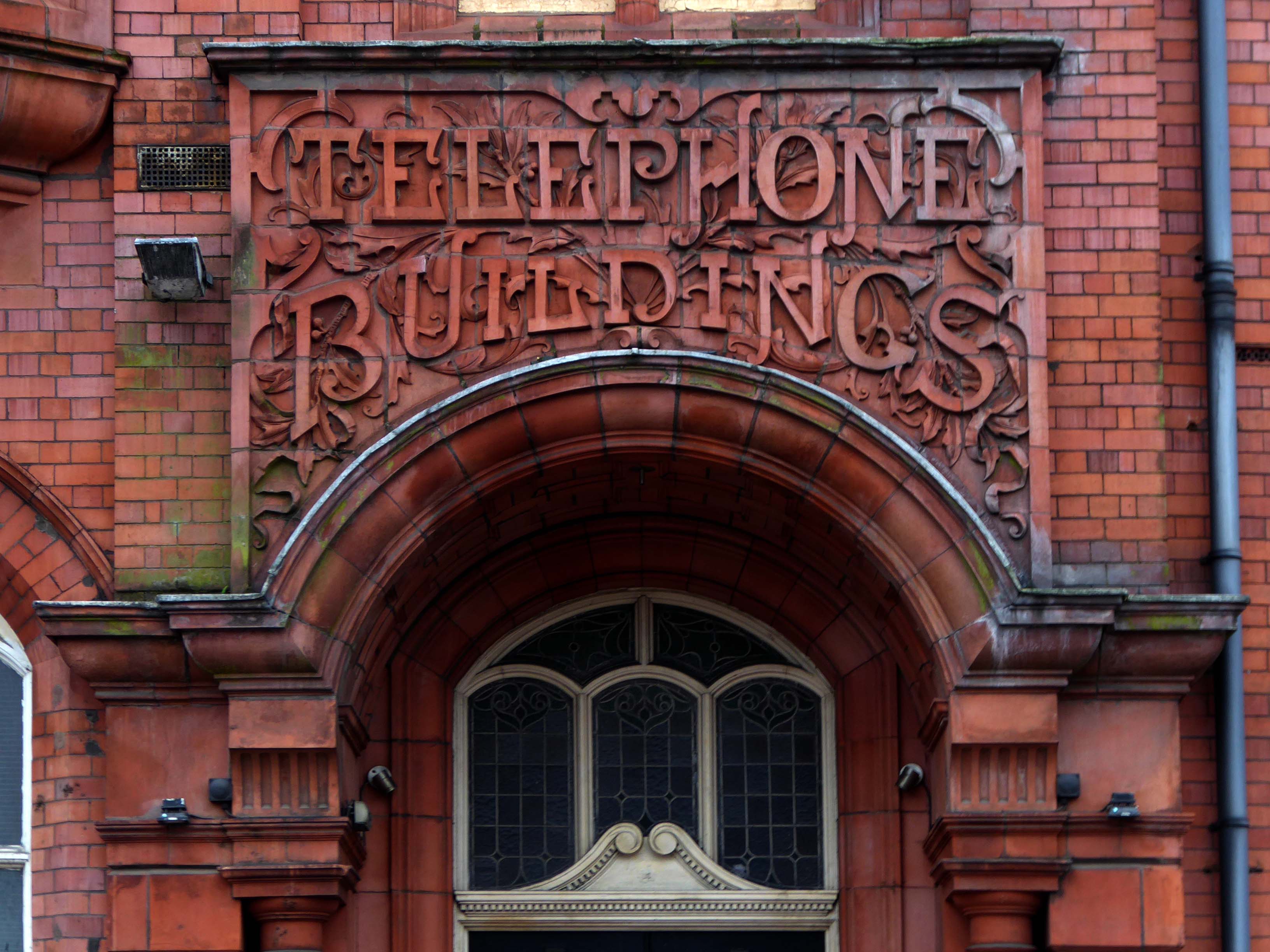
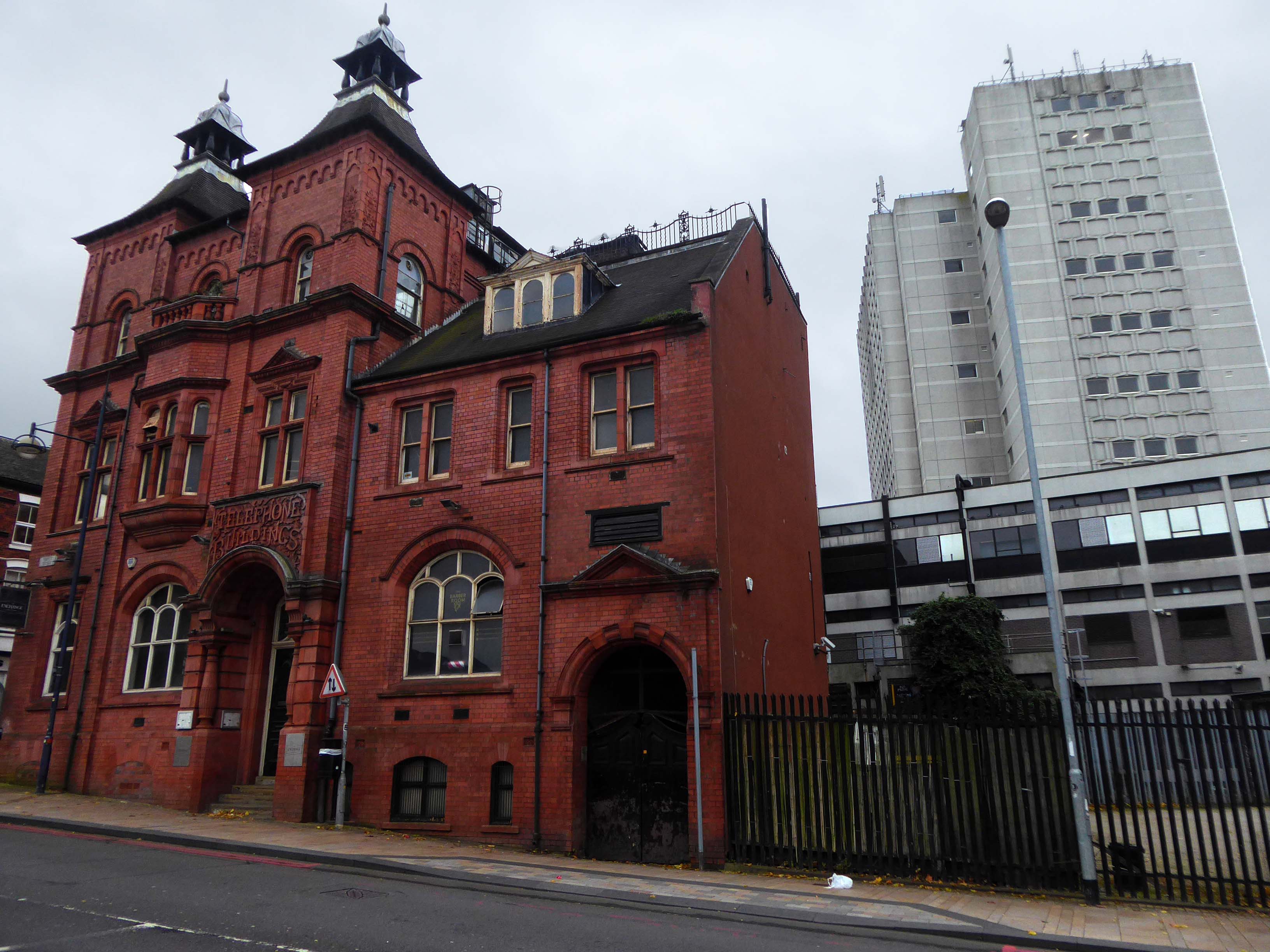
Former telephone exchange and offices – circa 1900.
Brick and terracotta with plain tiled roof. Eclectic style, with main block of three storeys, and three 3 narrow bays with flanking towers, all vertical spaces elongated.
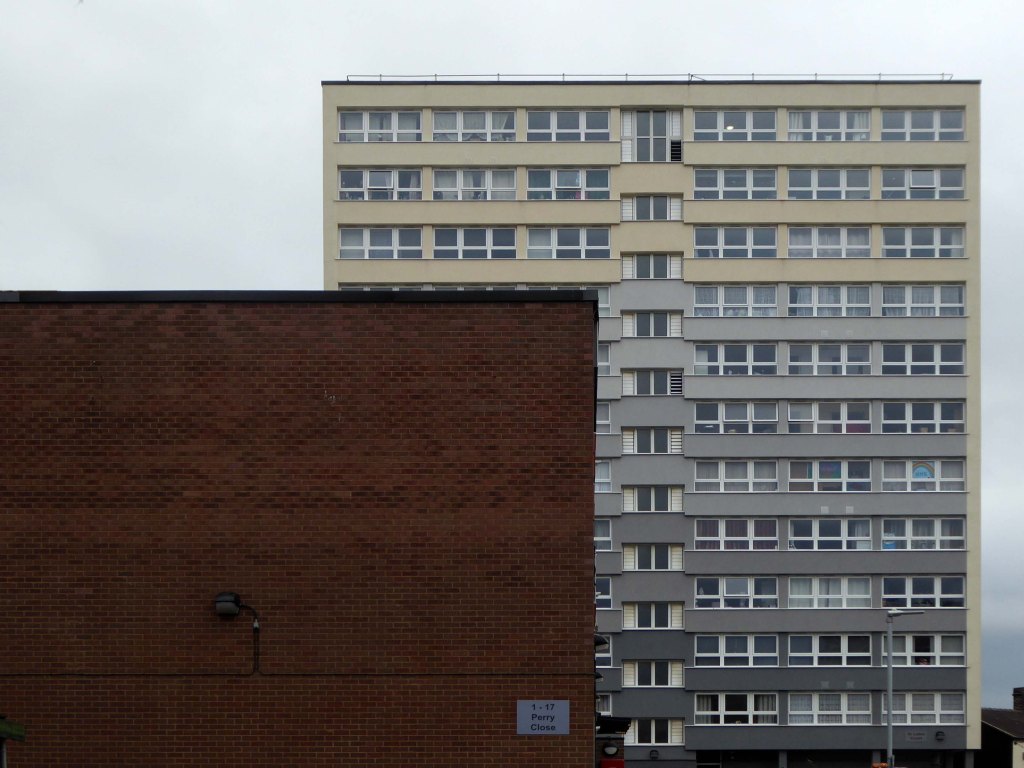
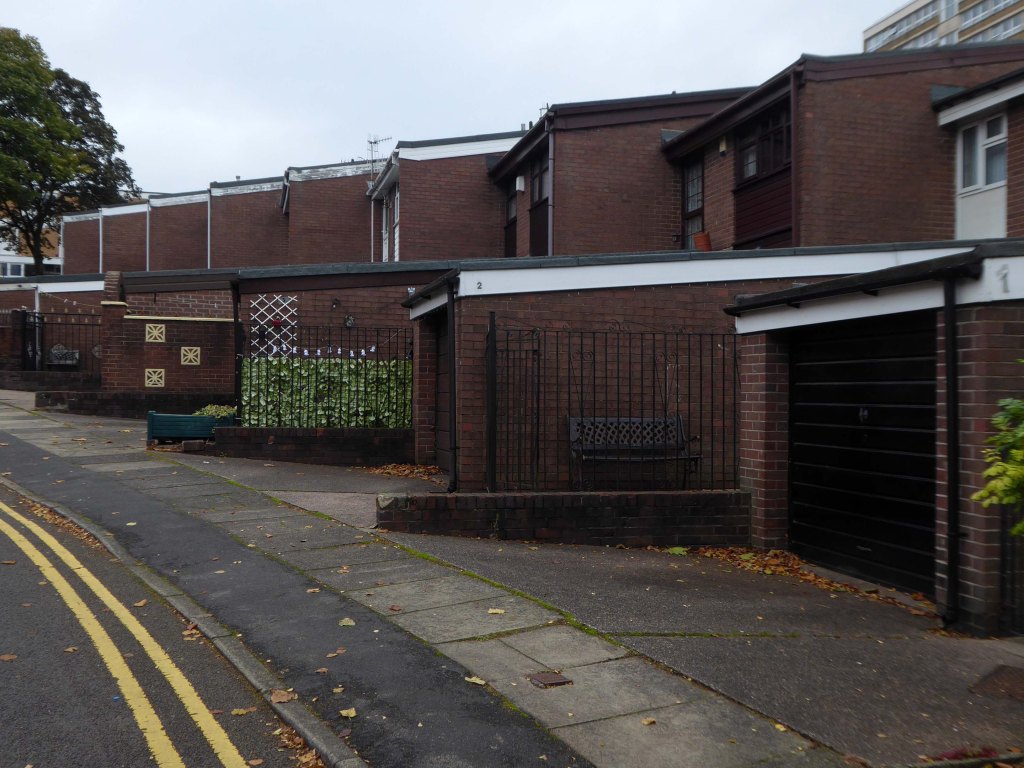
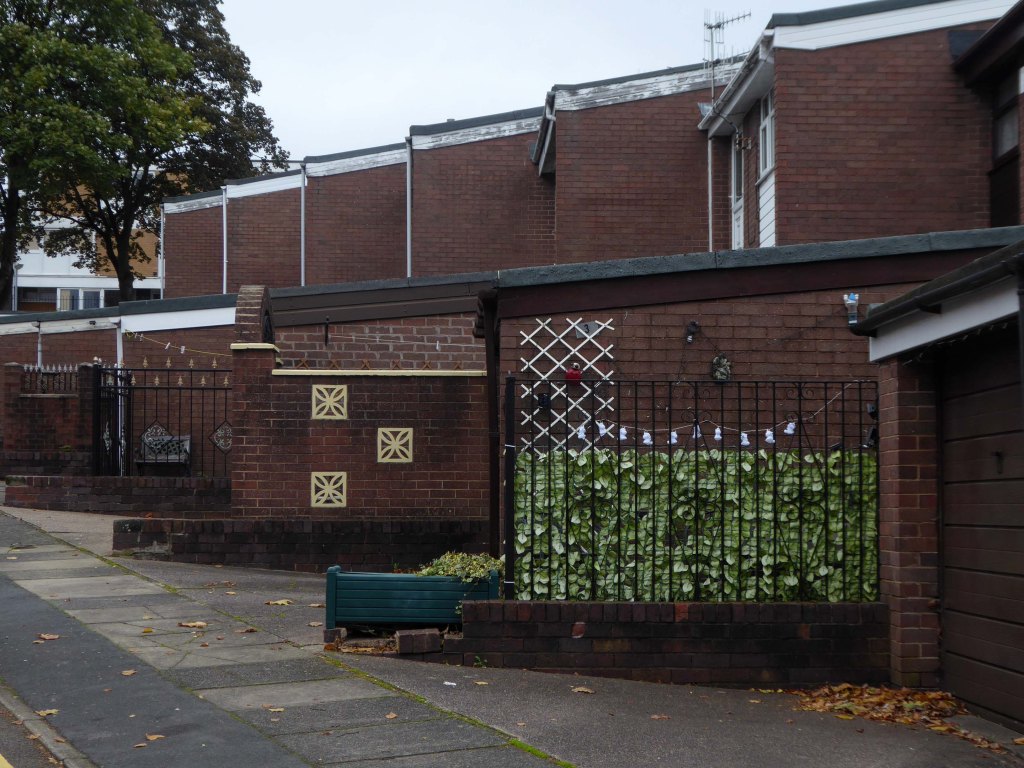
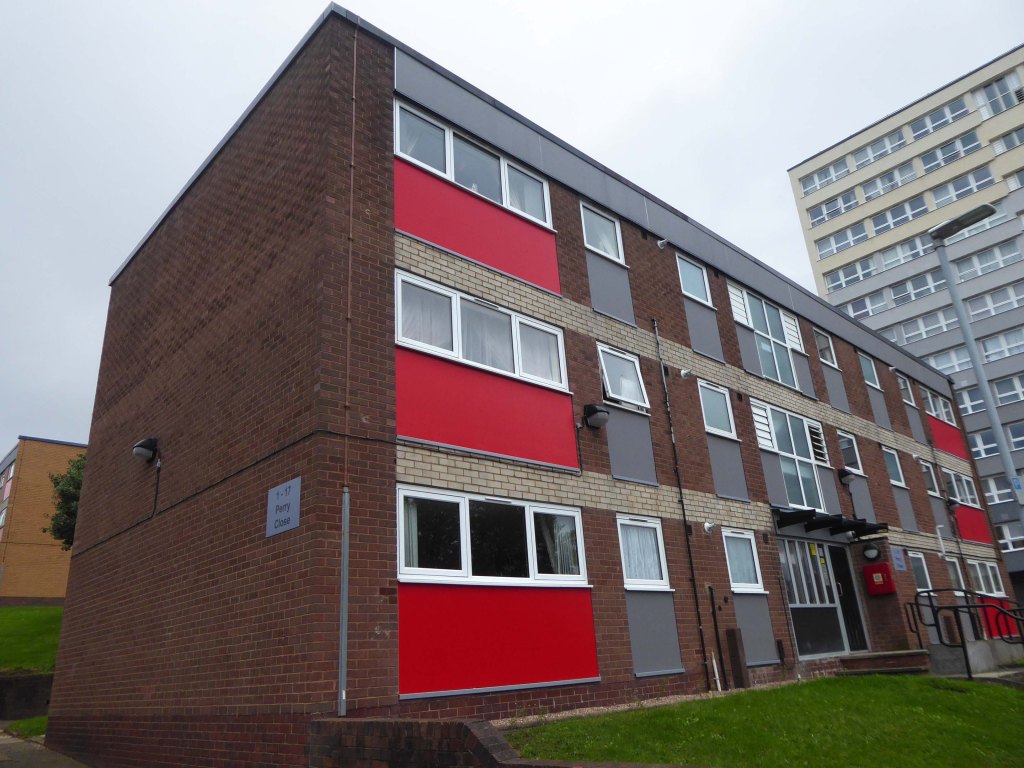
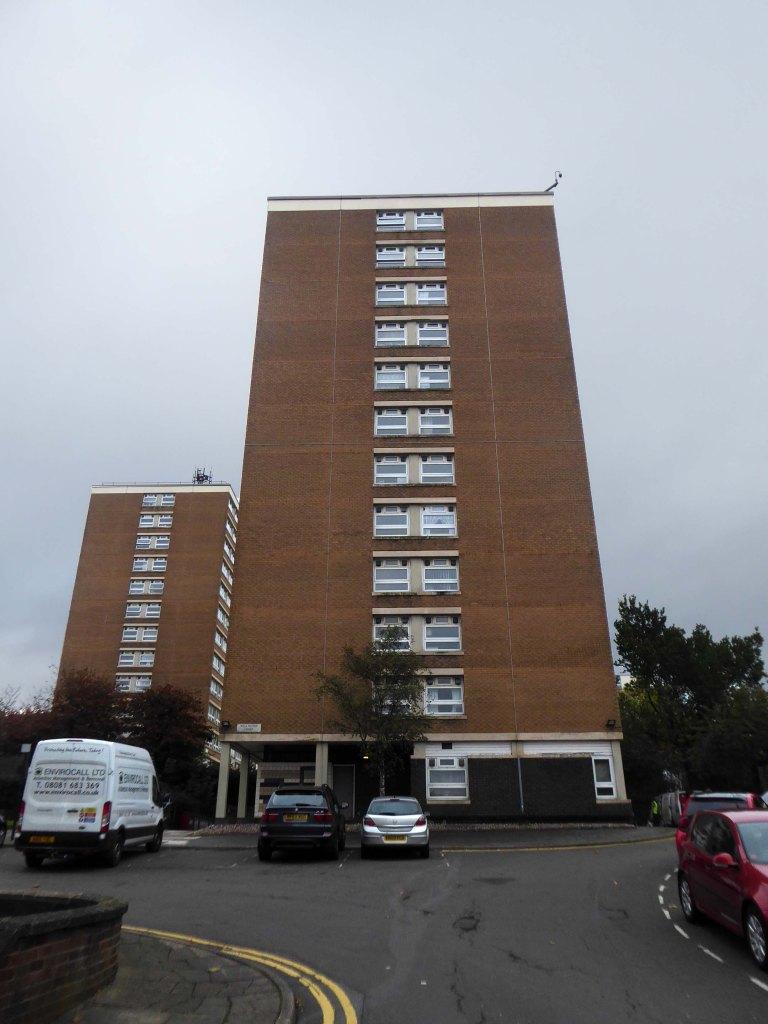
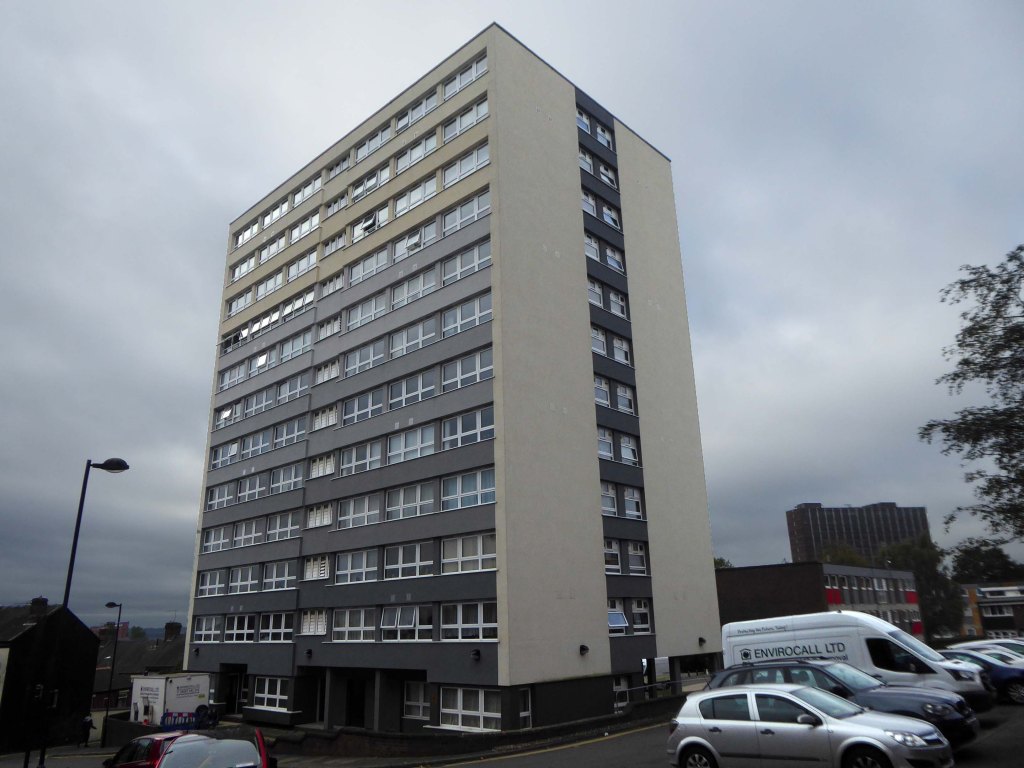
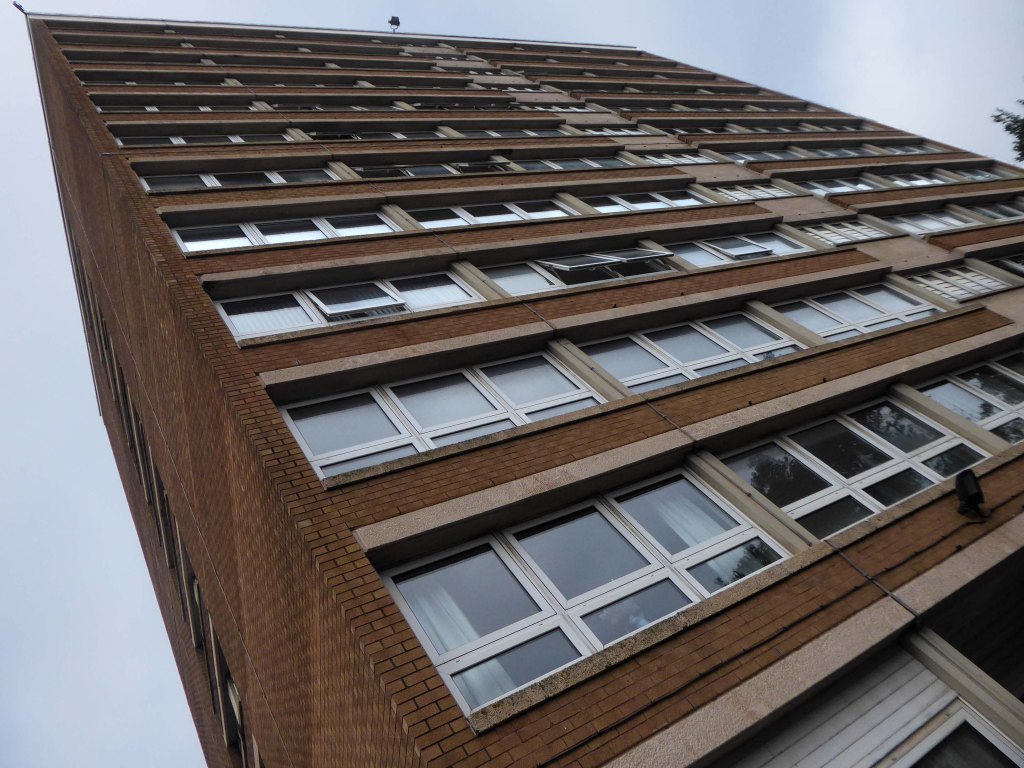
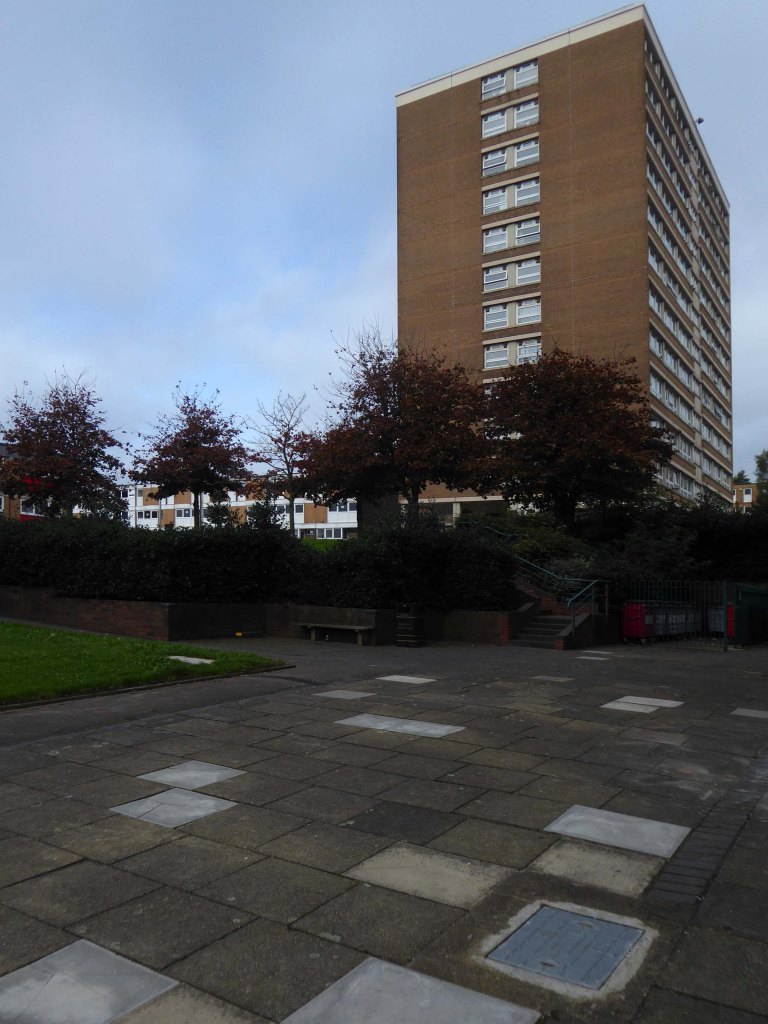
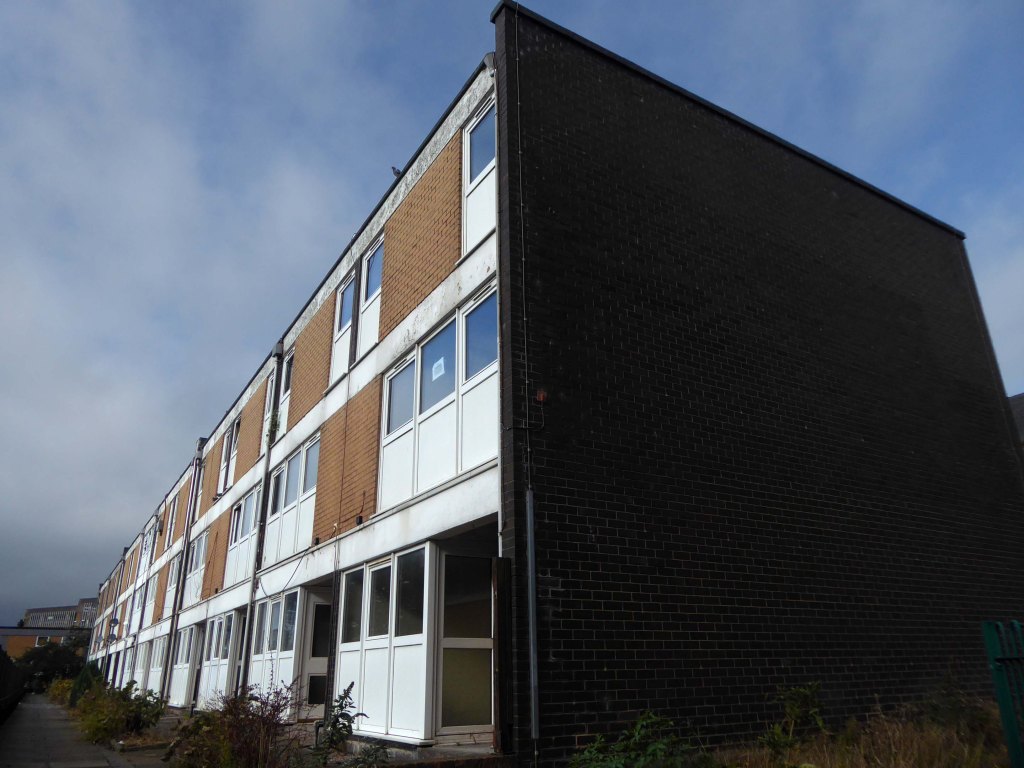
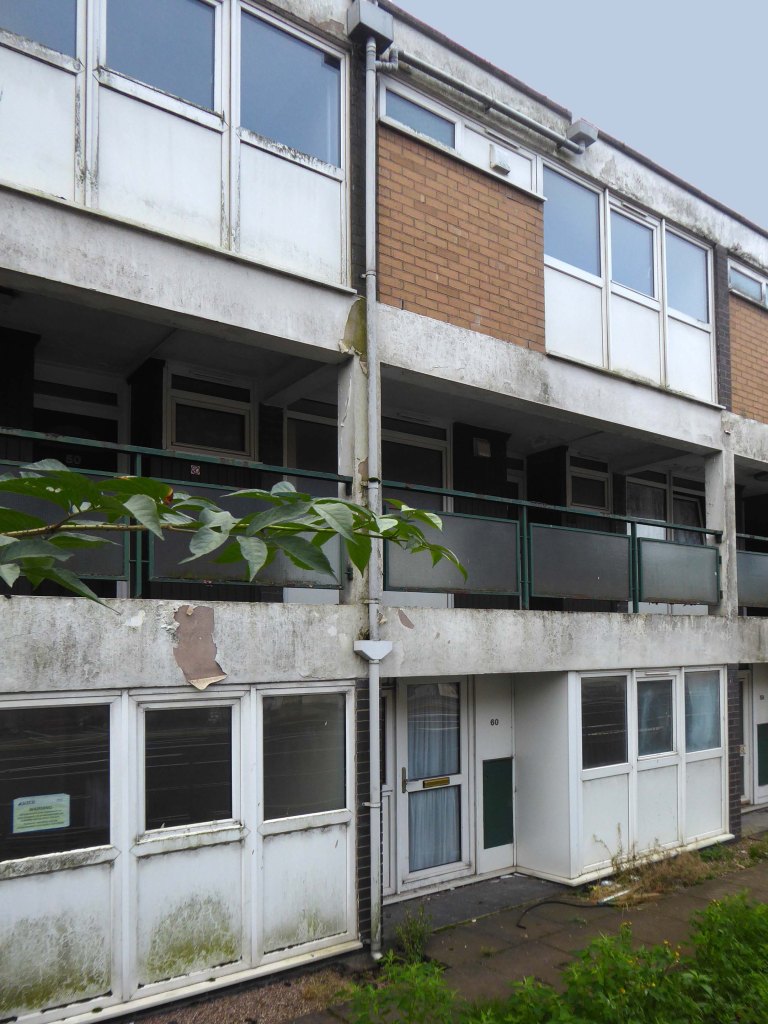
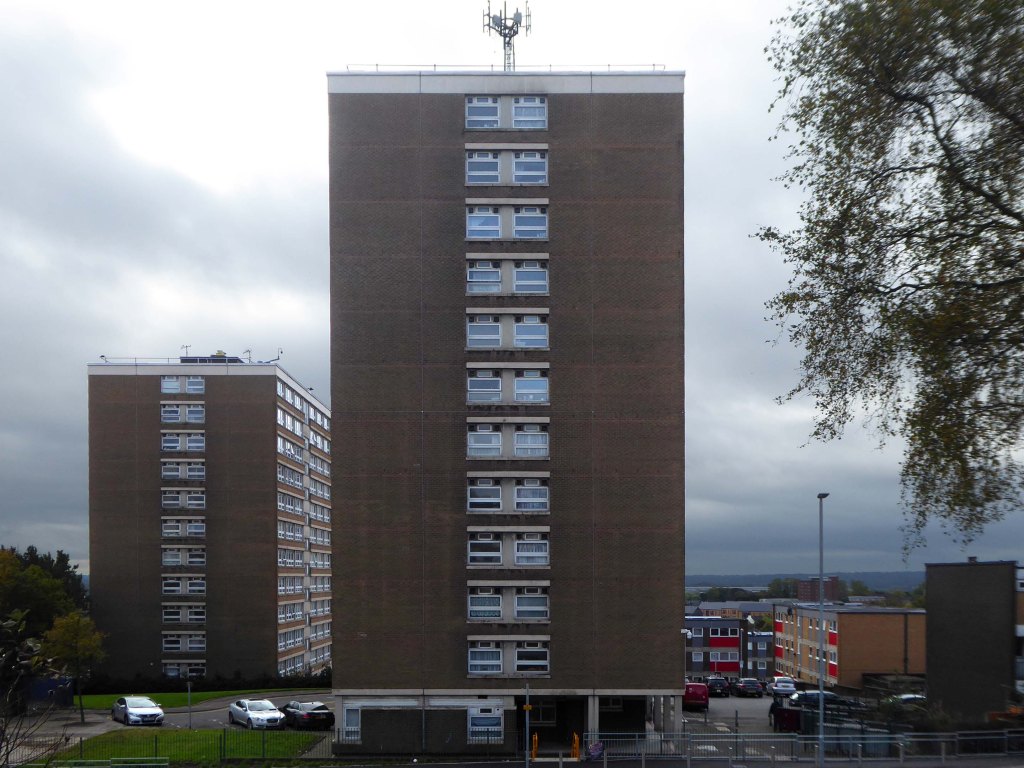
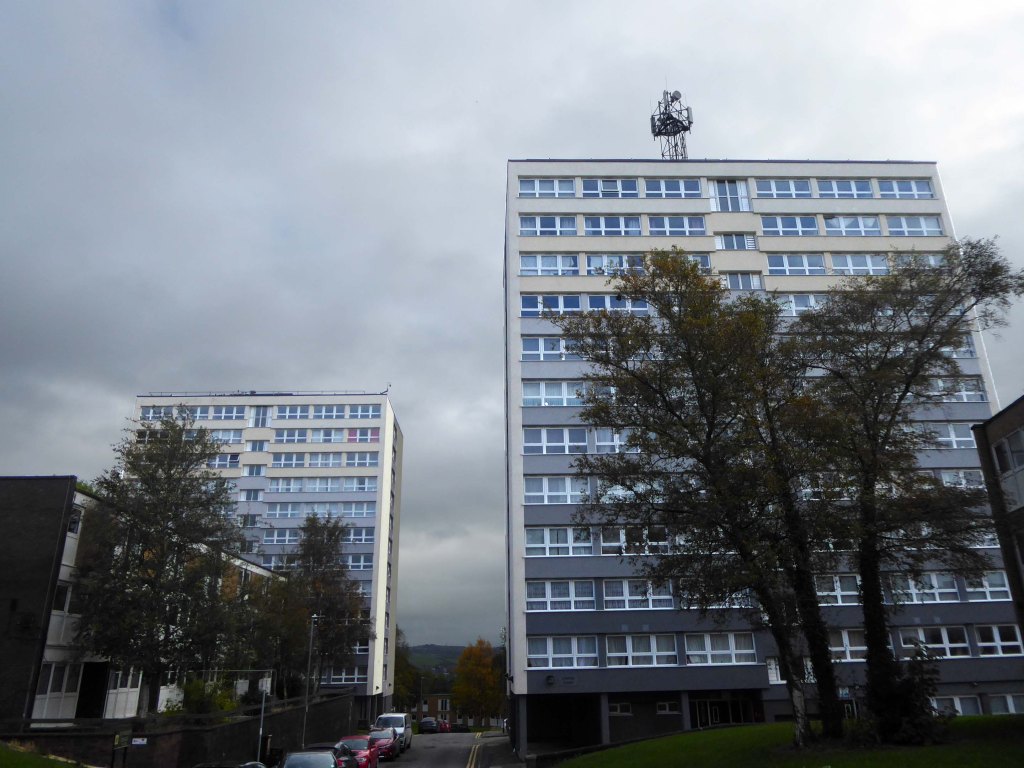
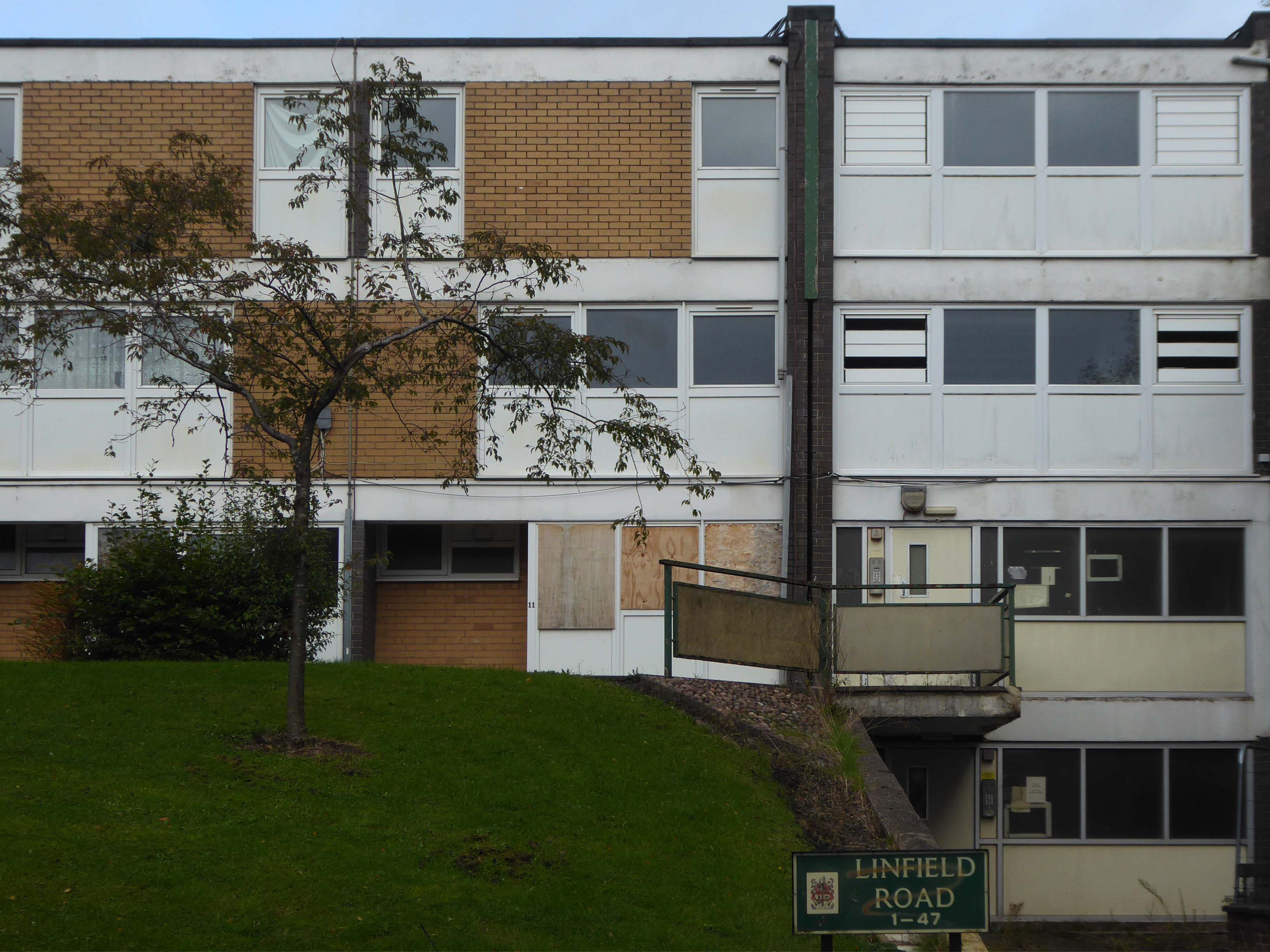
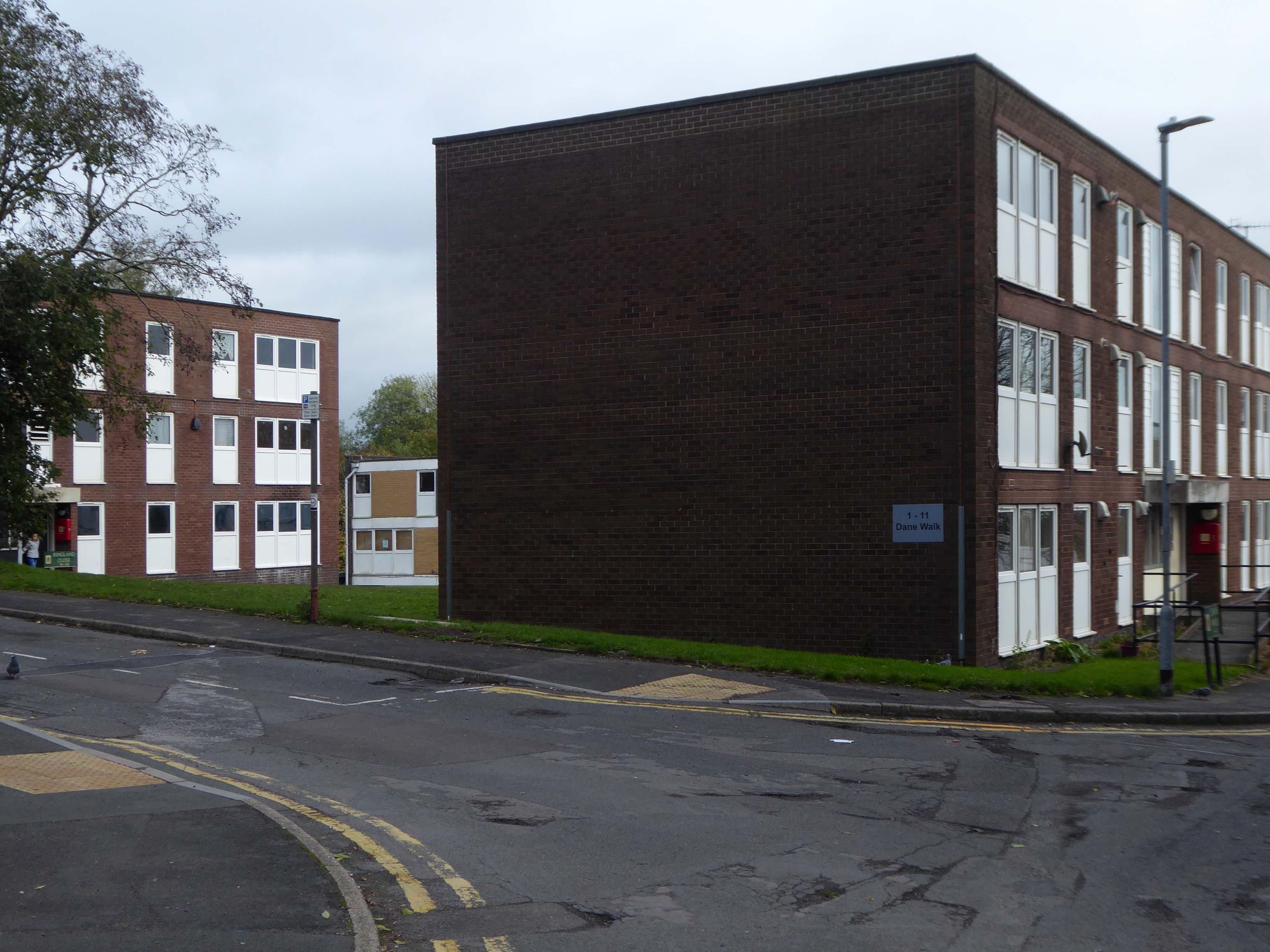
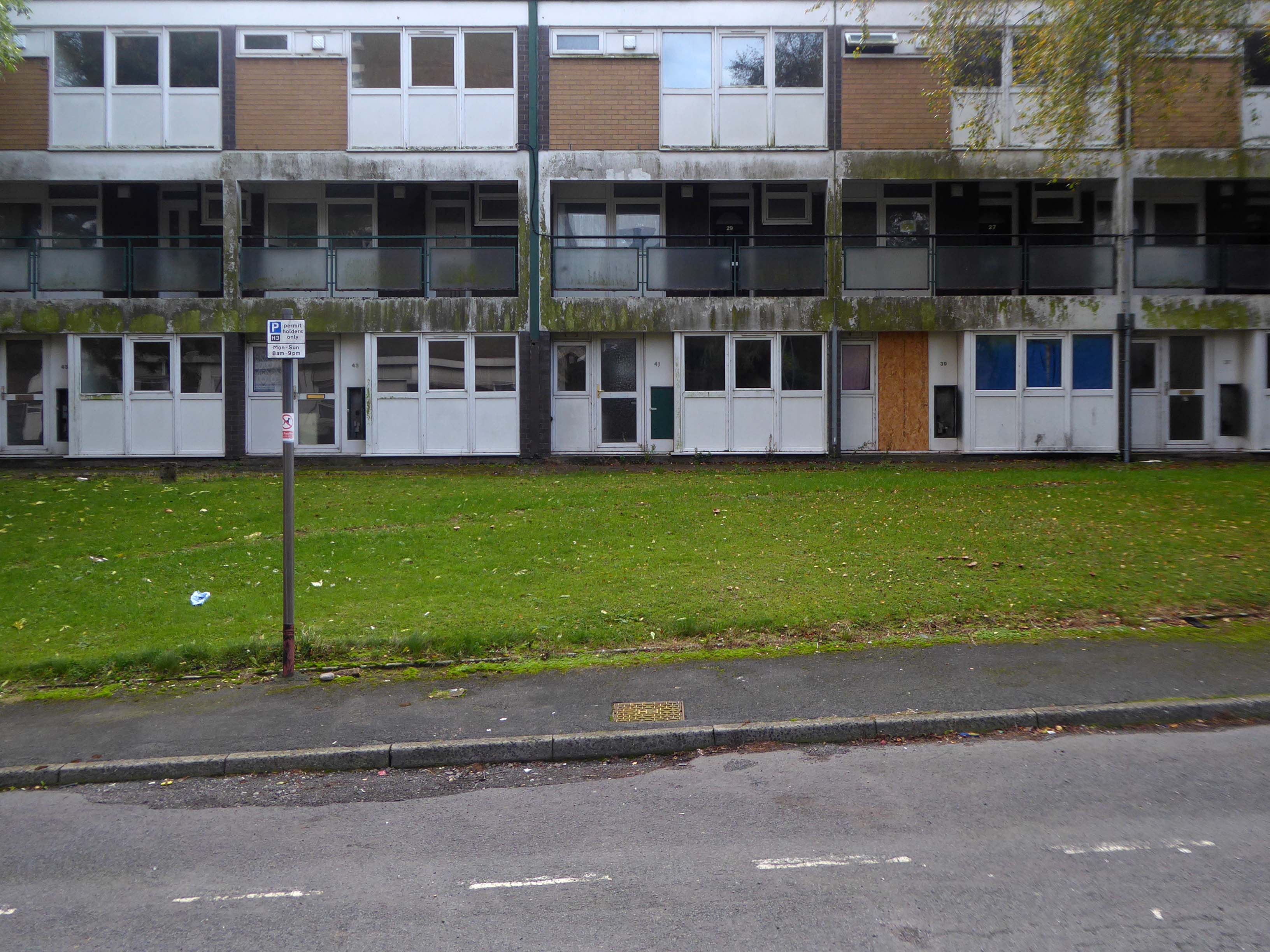
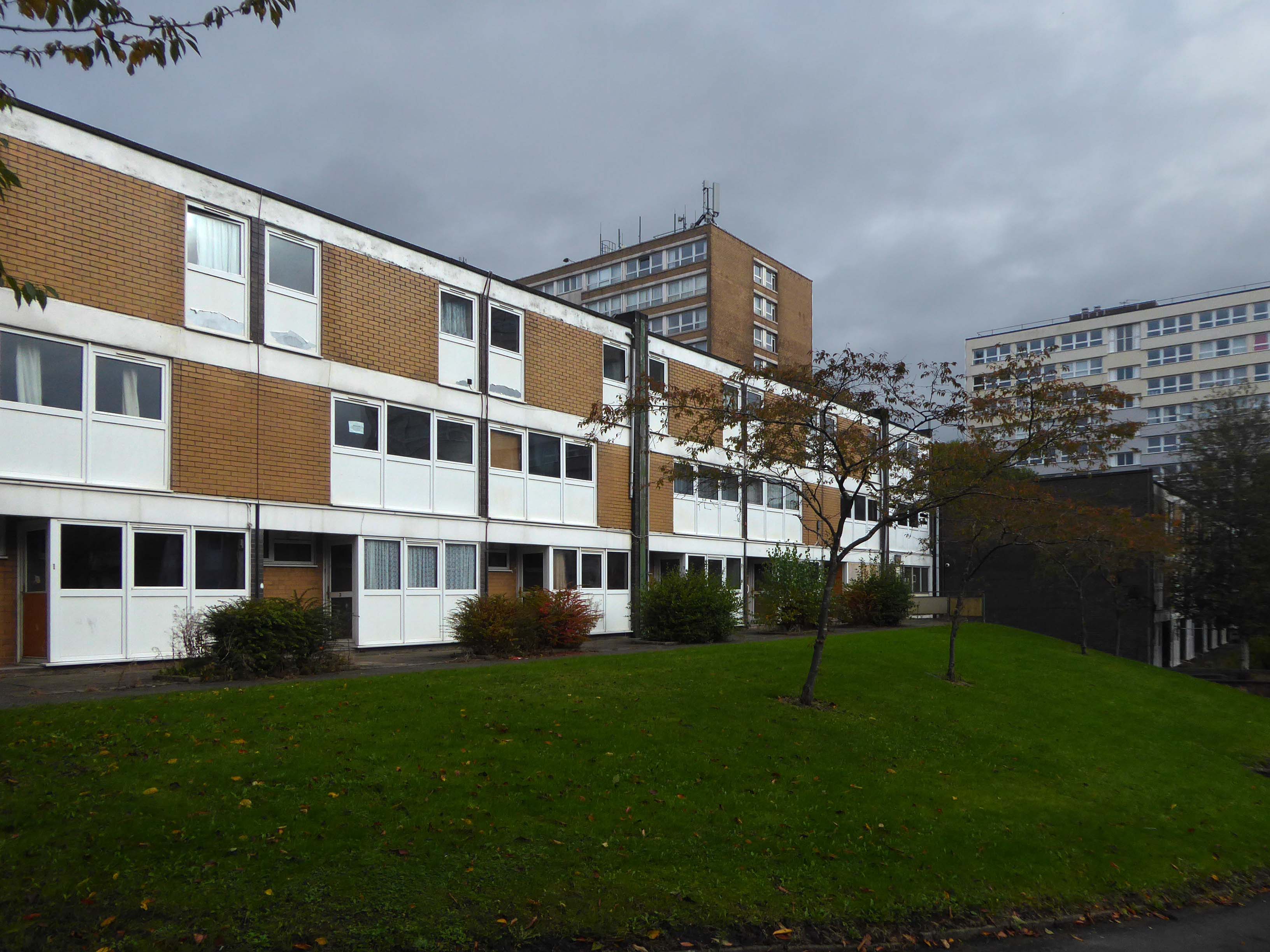
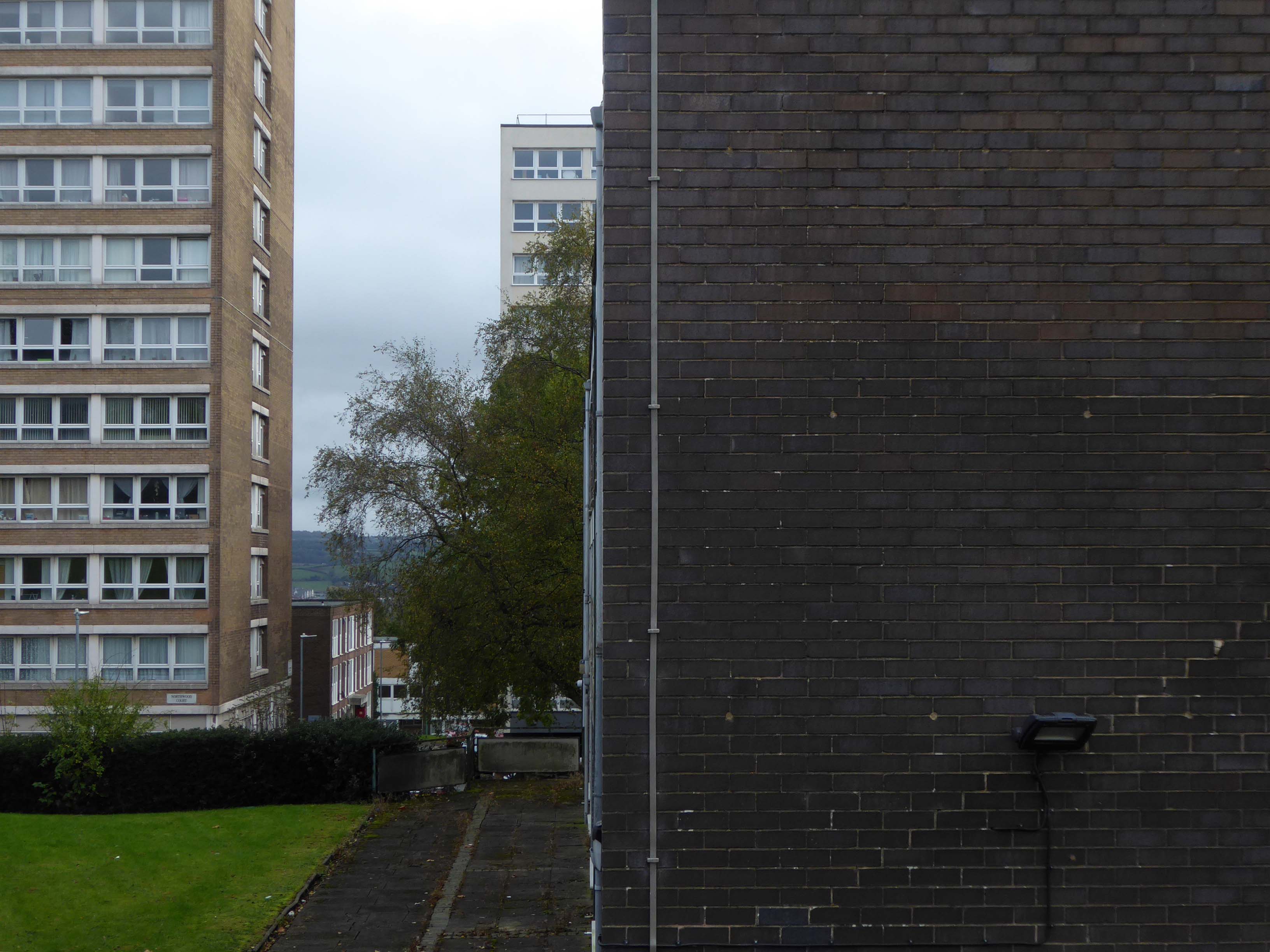
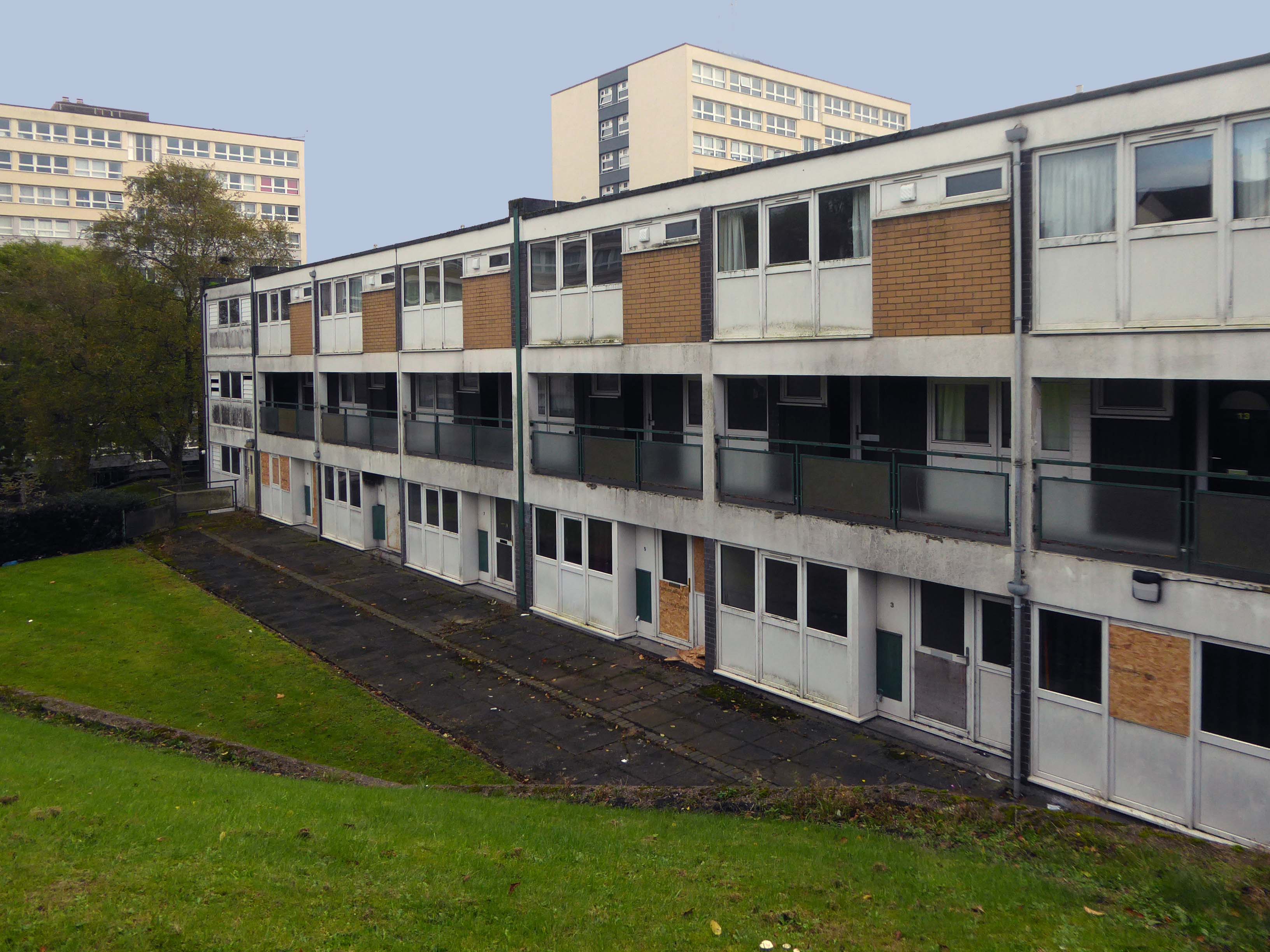
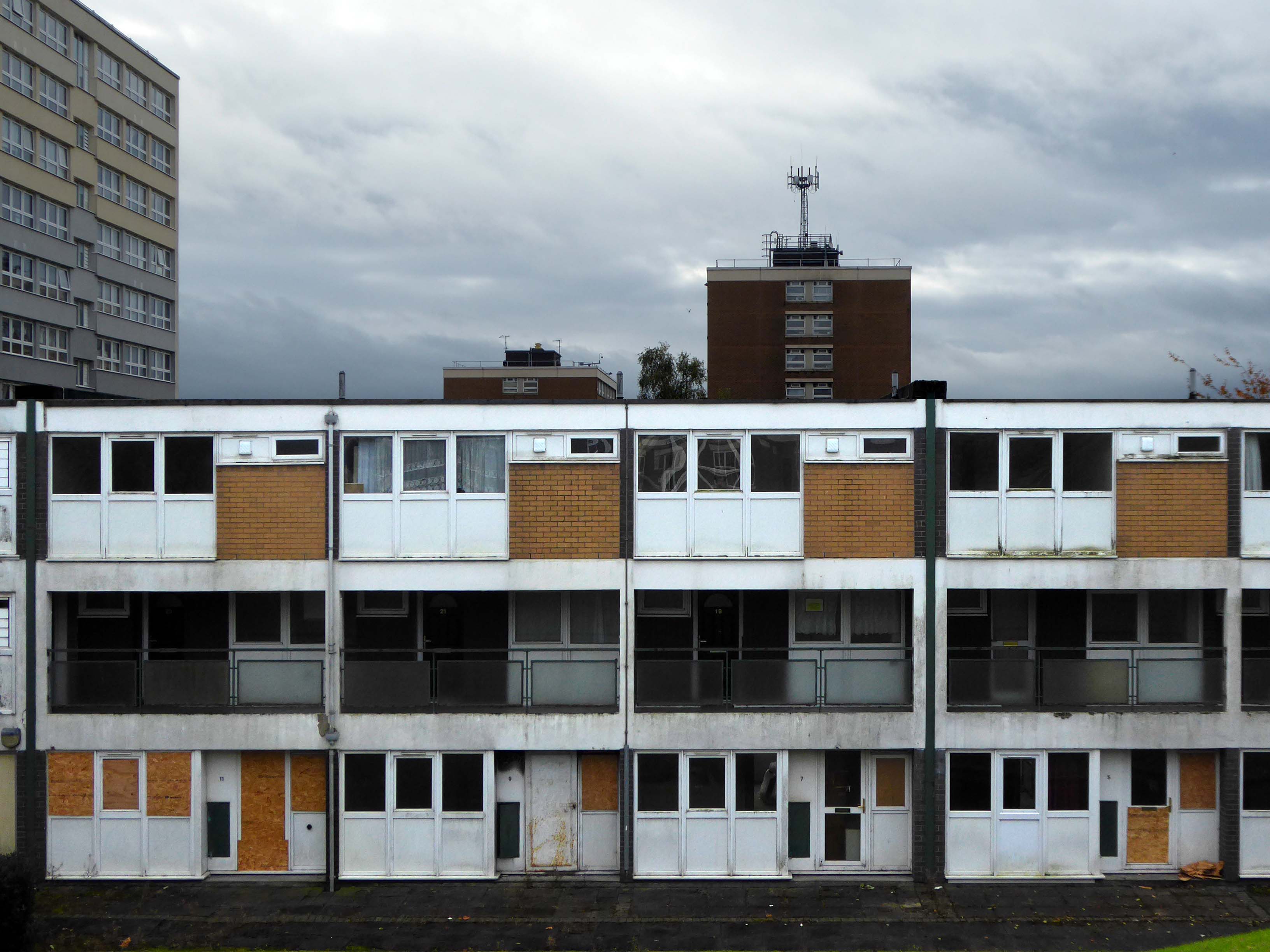
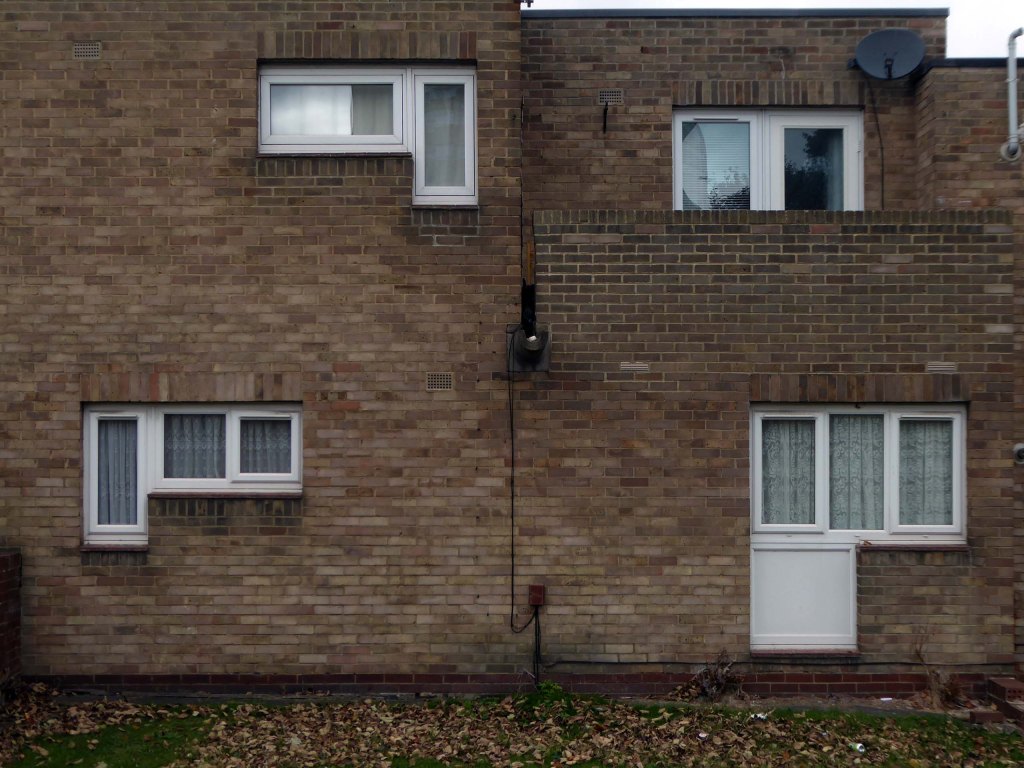
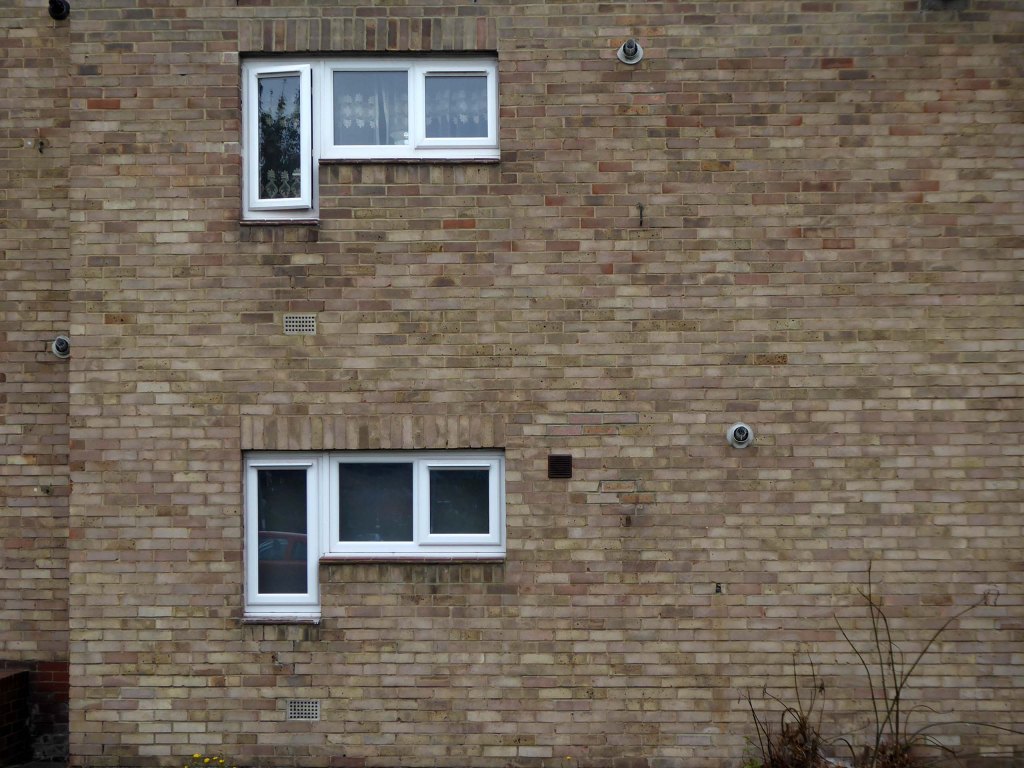
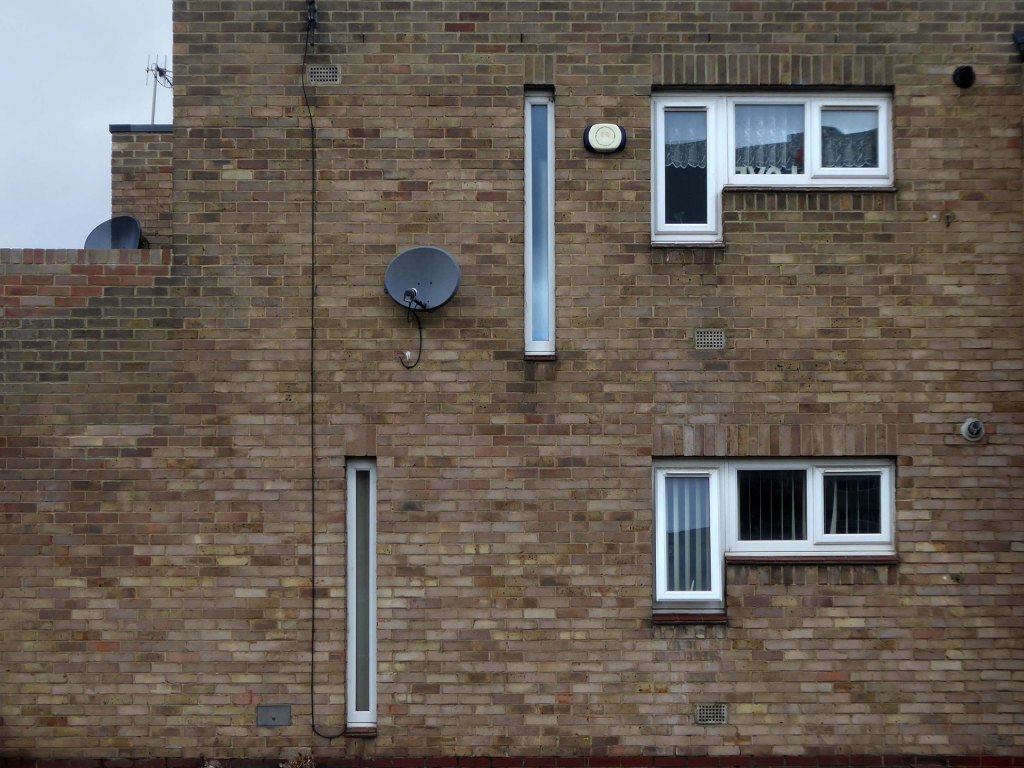
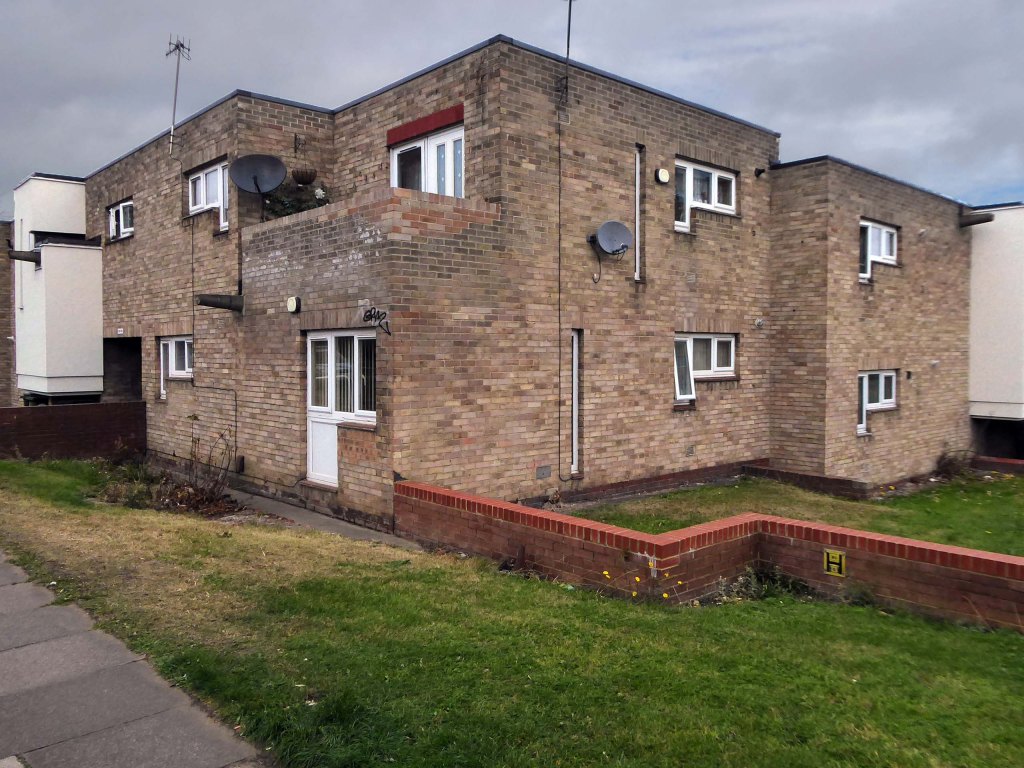
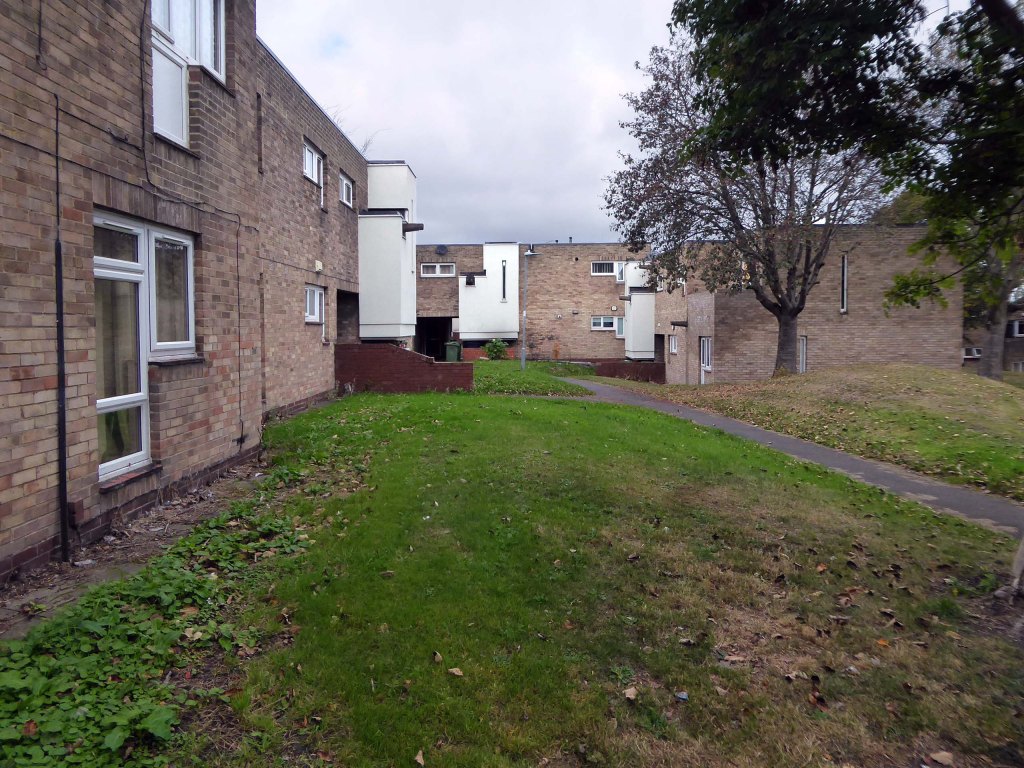
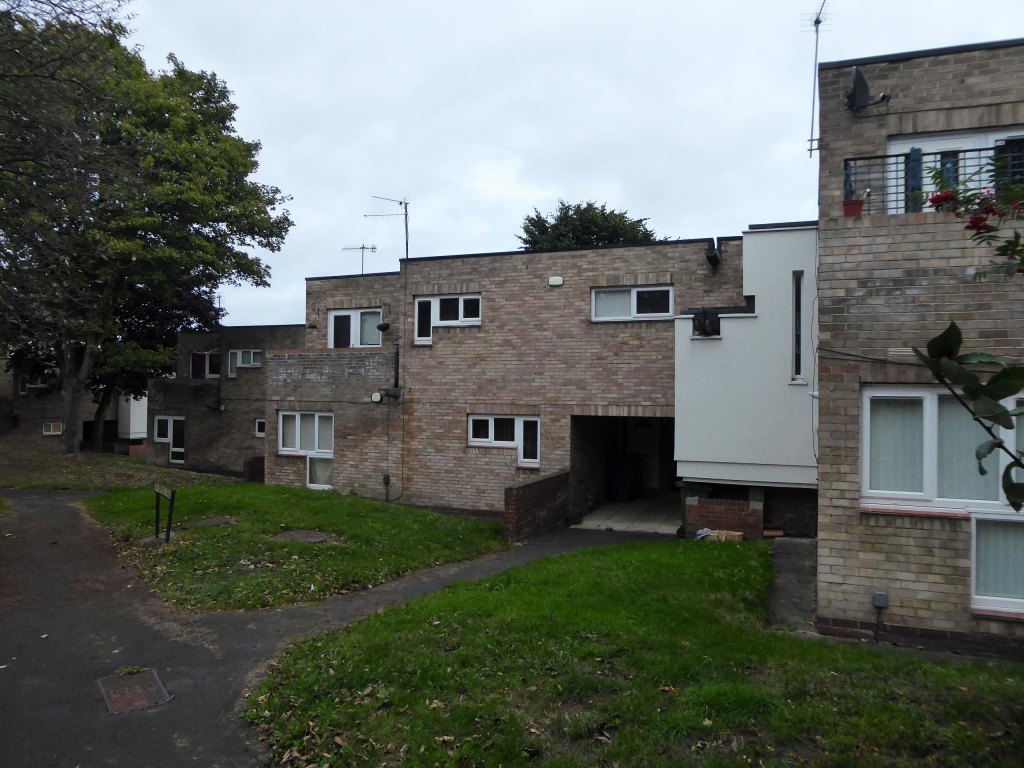
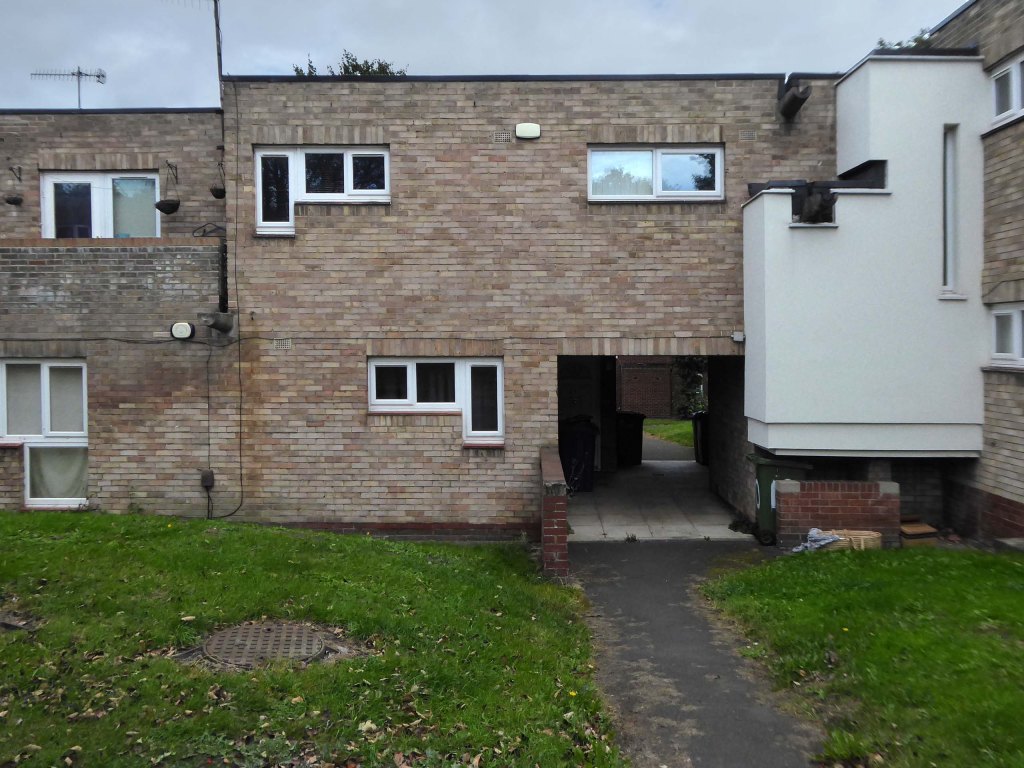
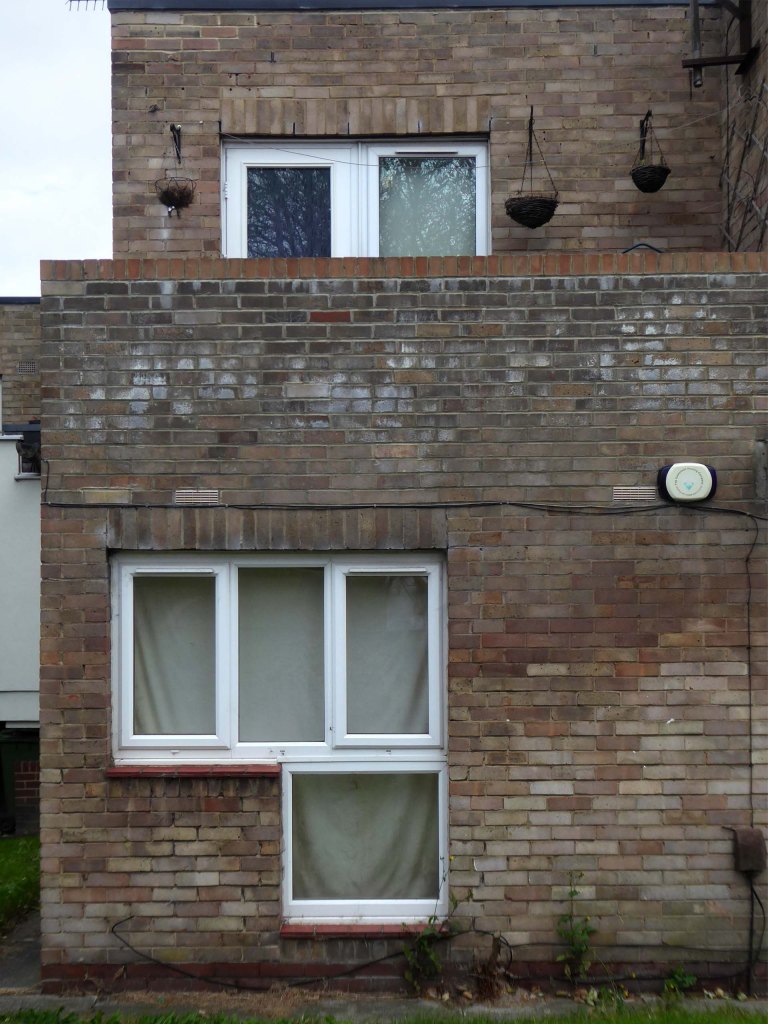
A tale of tower blocks and low rise terraces and maisonettes.
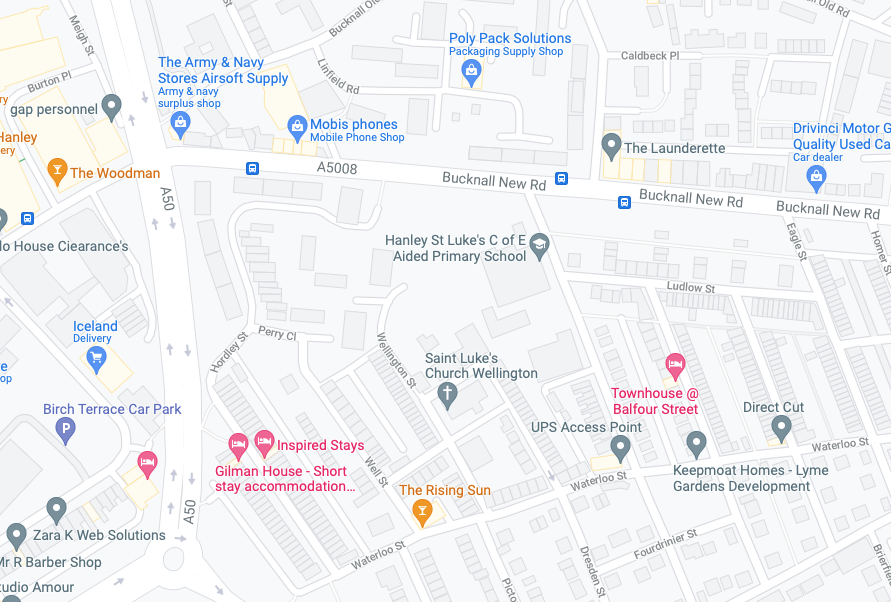
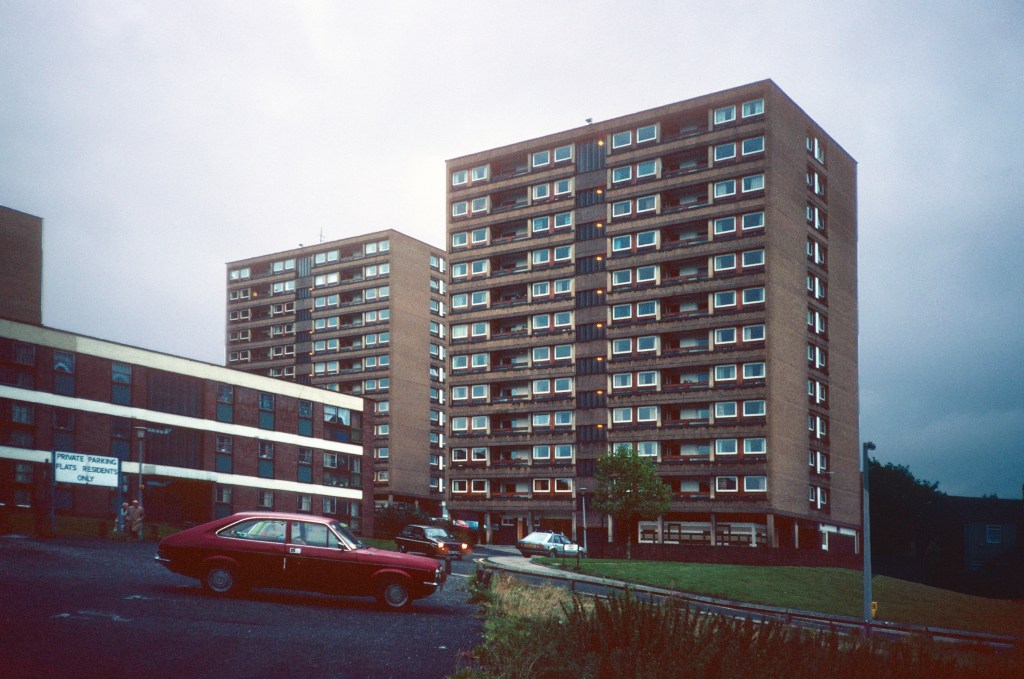
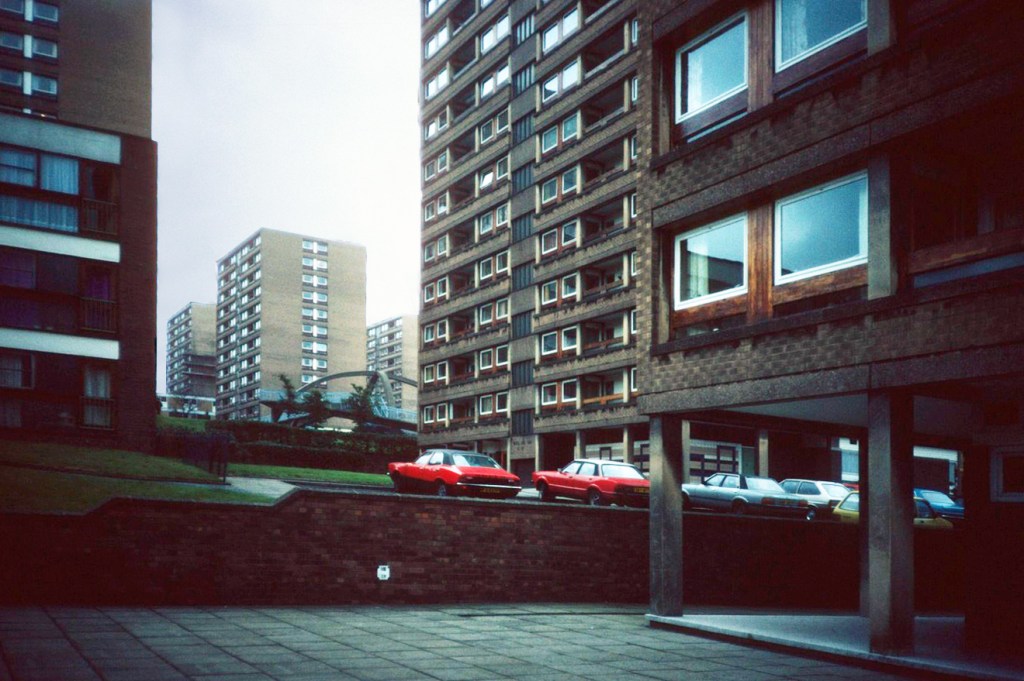
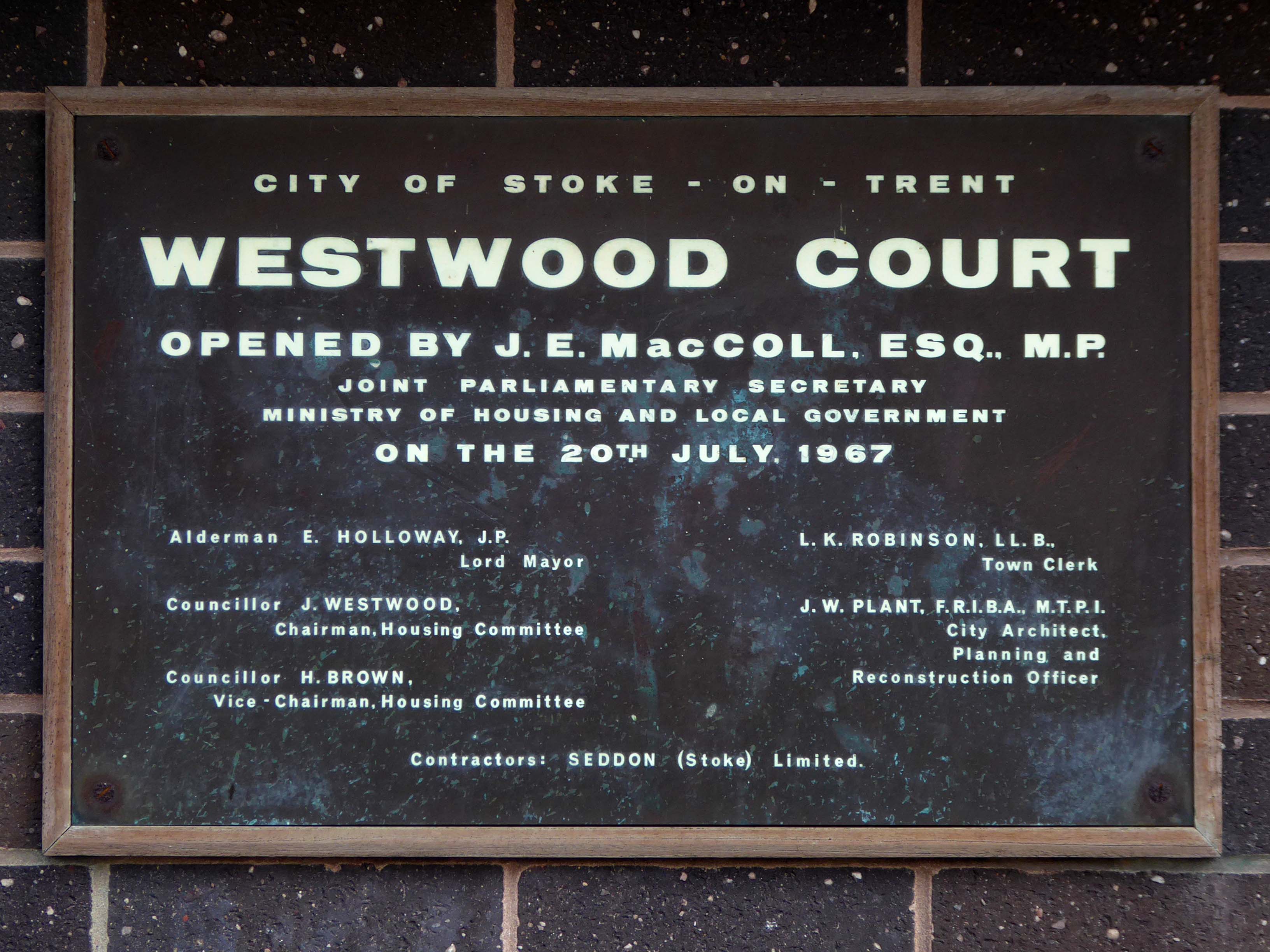
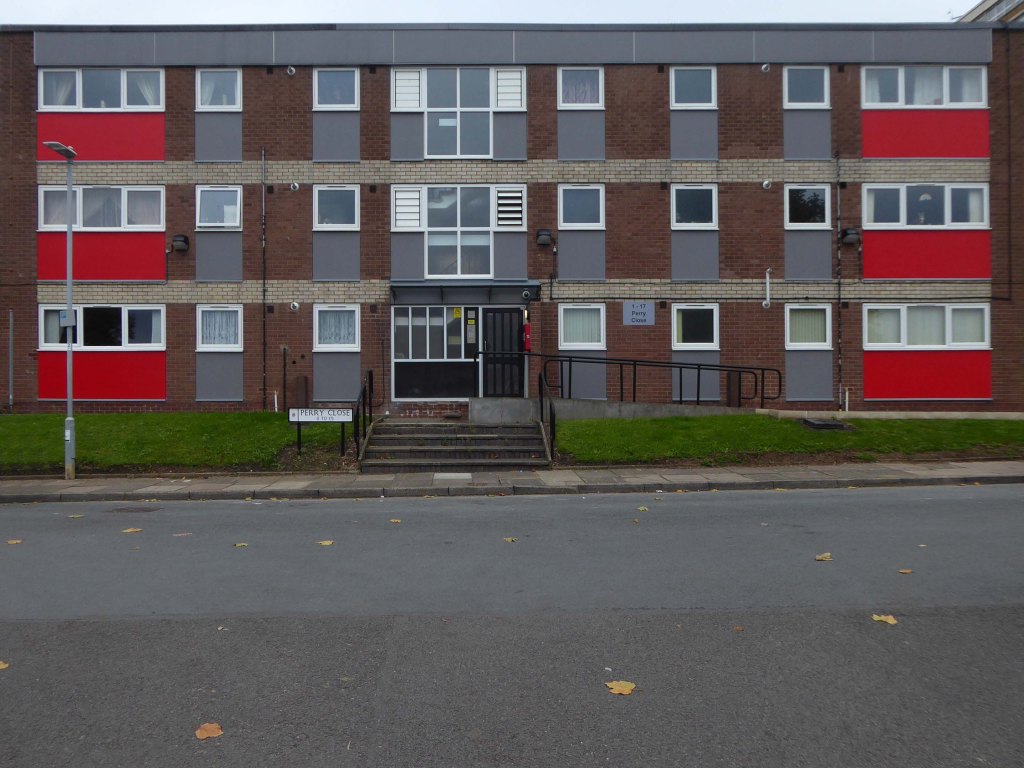
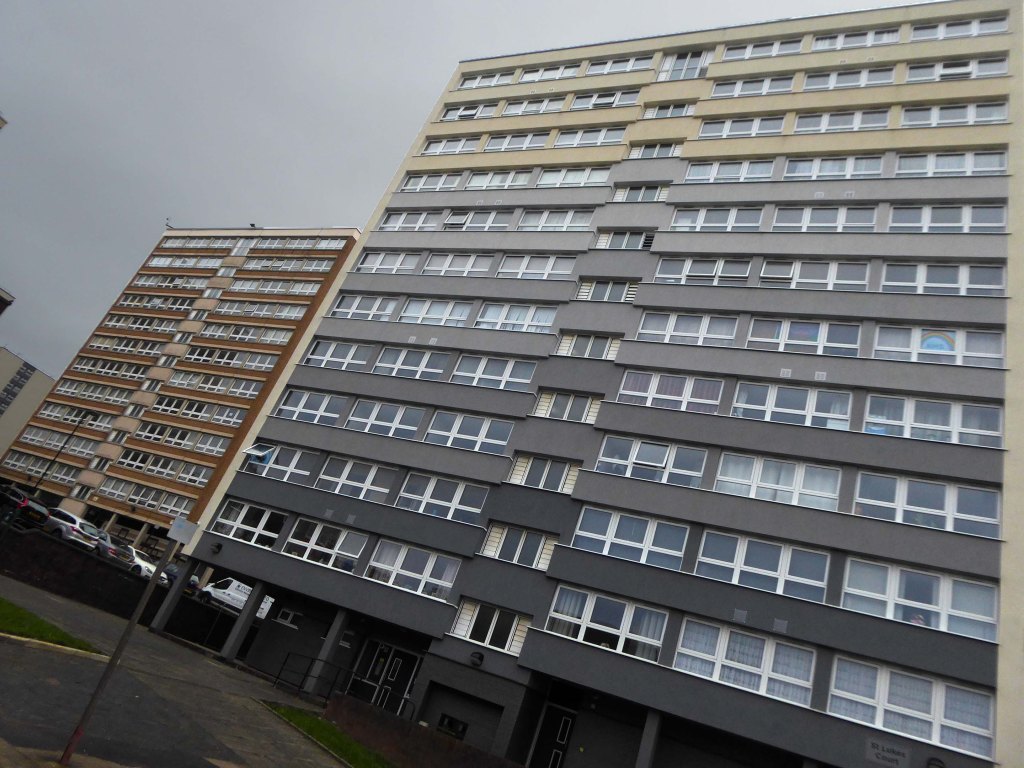
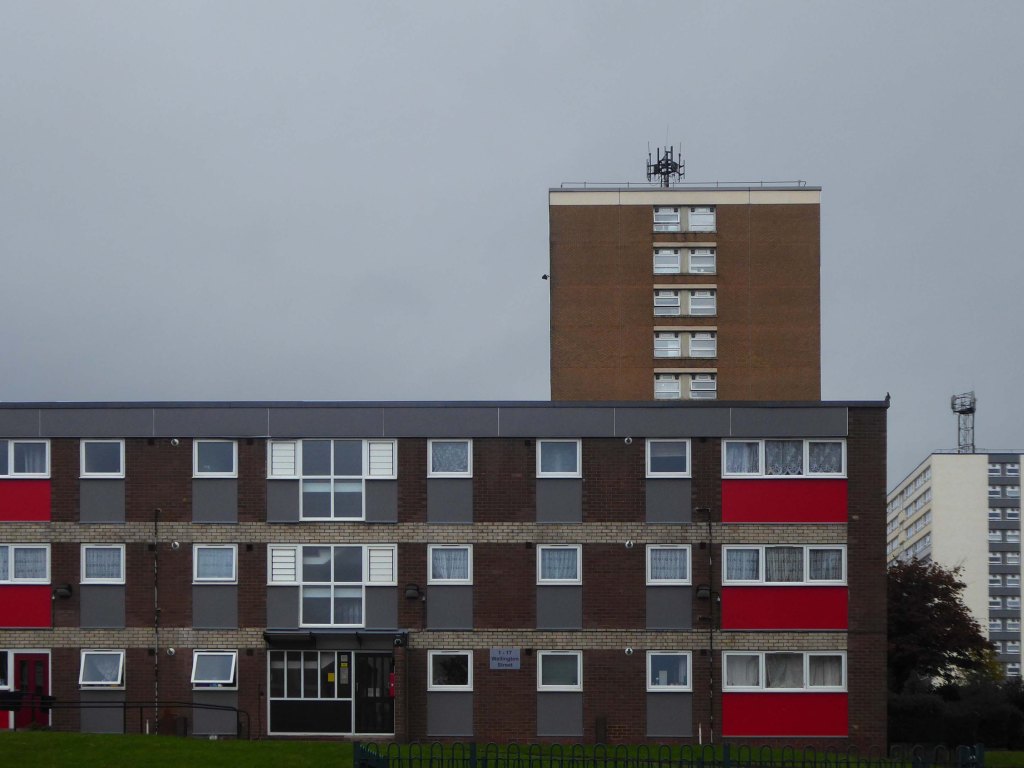
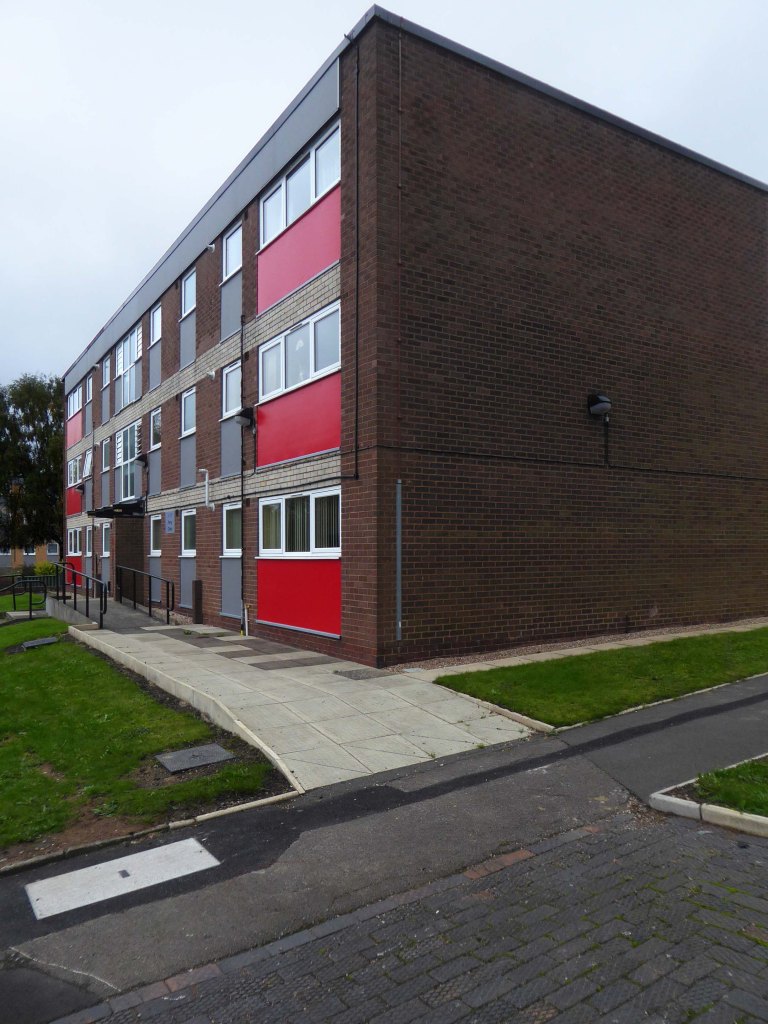
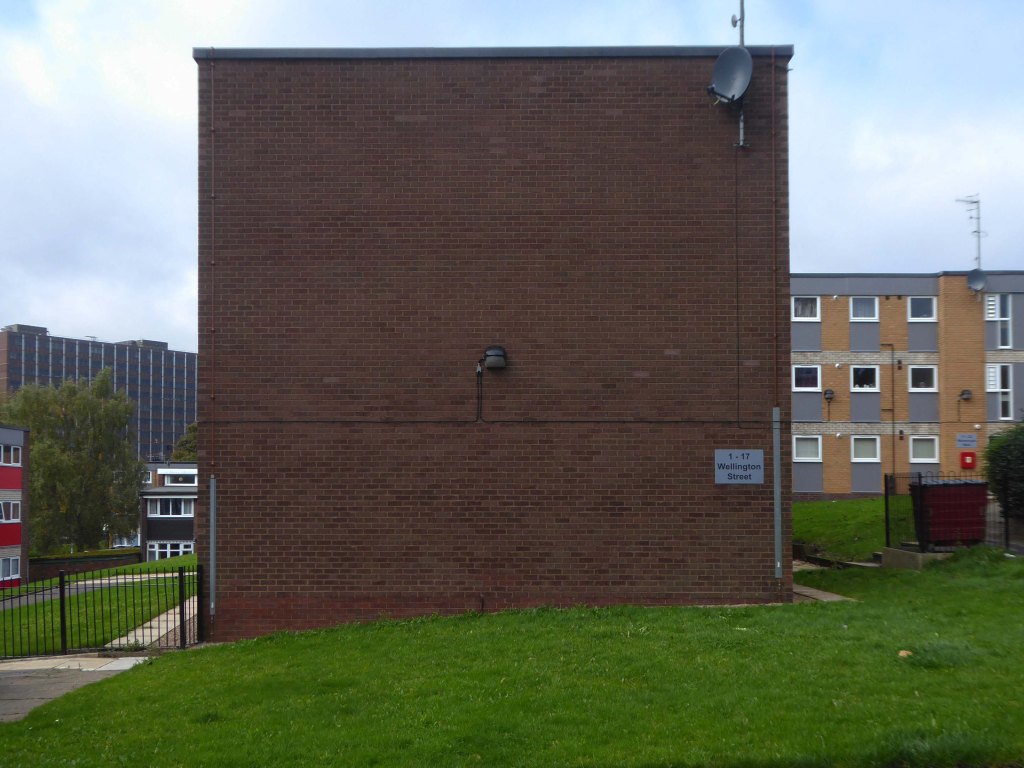
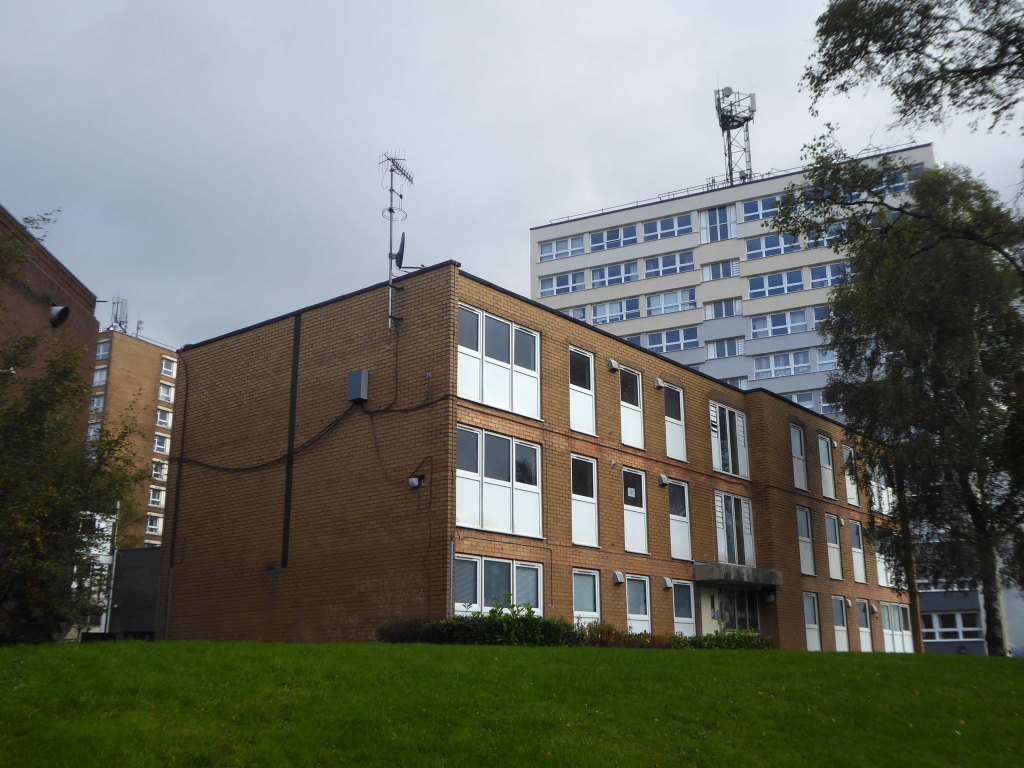
The first group of 1965, the work of City Architect JW Plant grouped around Westwood, Wellington and St Lukes Courts three 12-storey blocks containing 138 dwellings named Bucknall New Road Stage I.
Photographs Tower Block
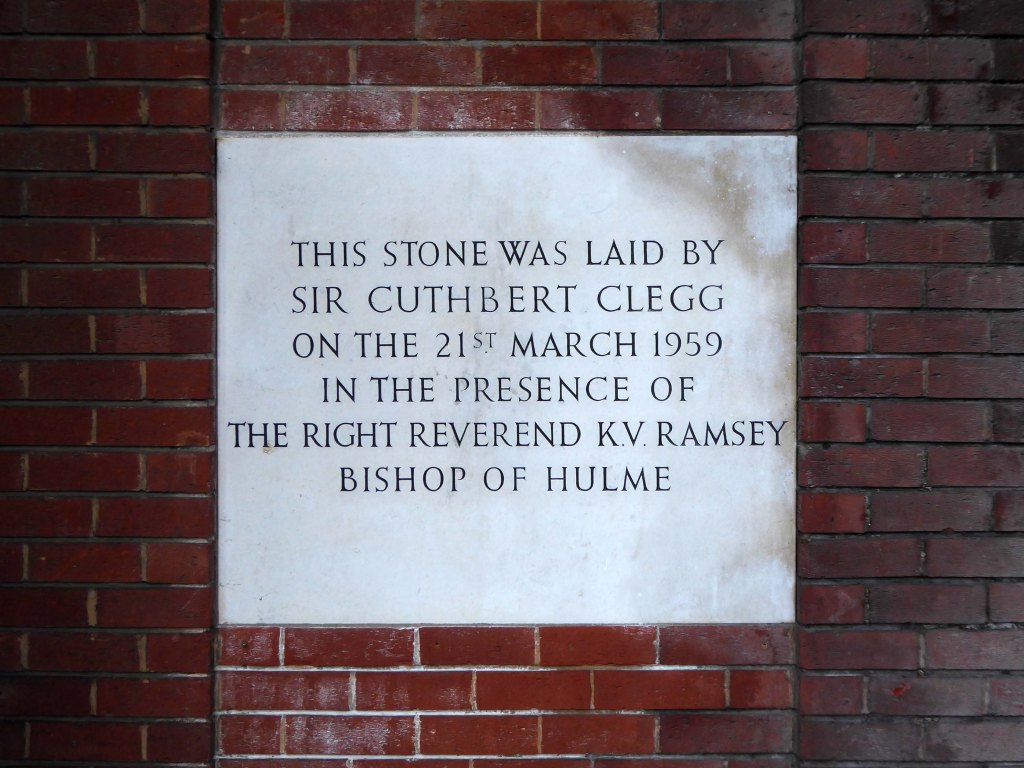
From a time when civic pride celebrated the development of social housing with a small plaque.
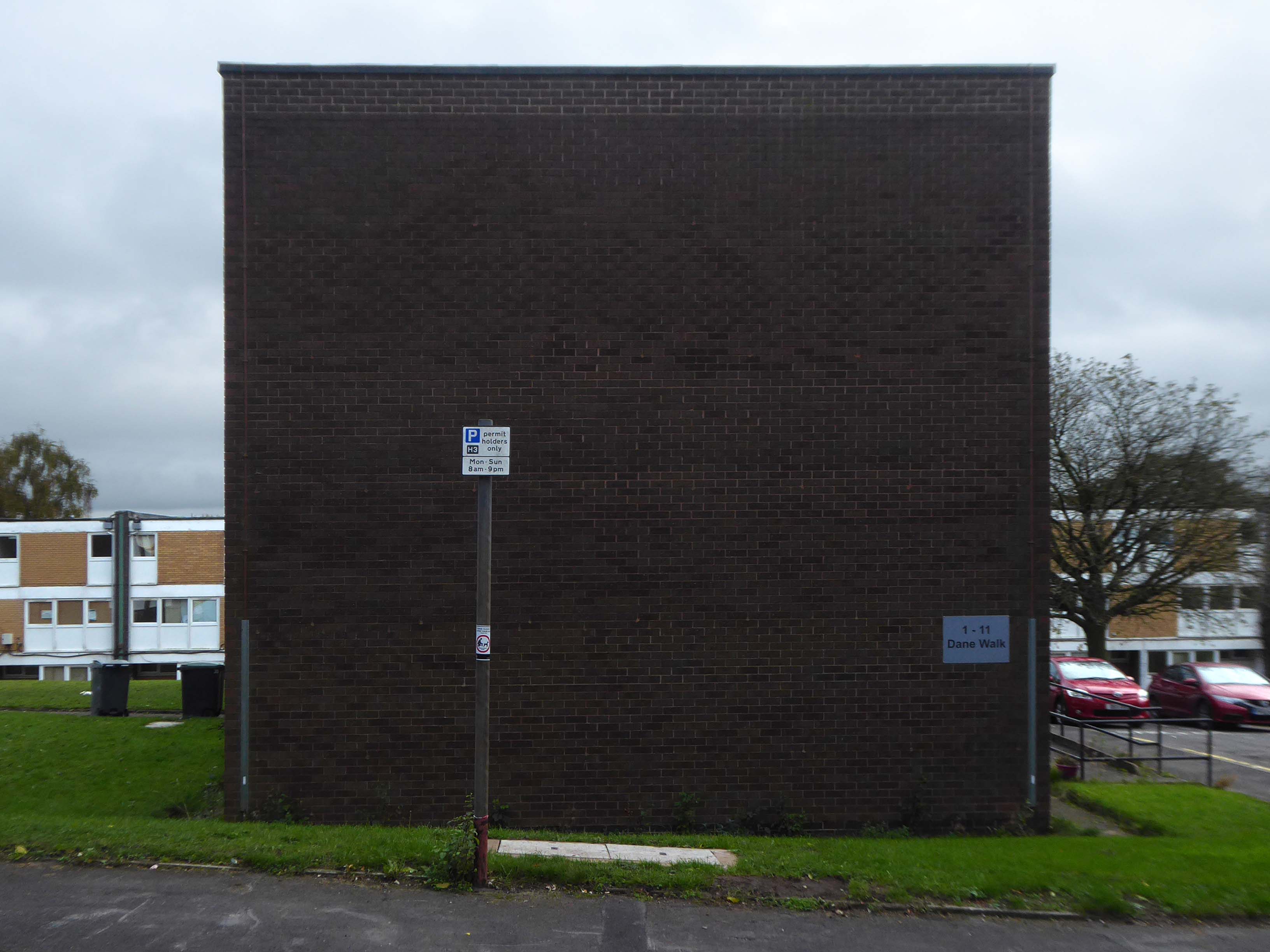
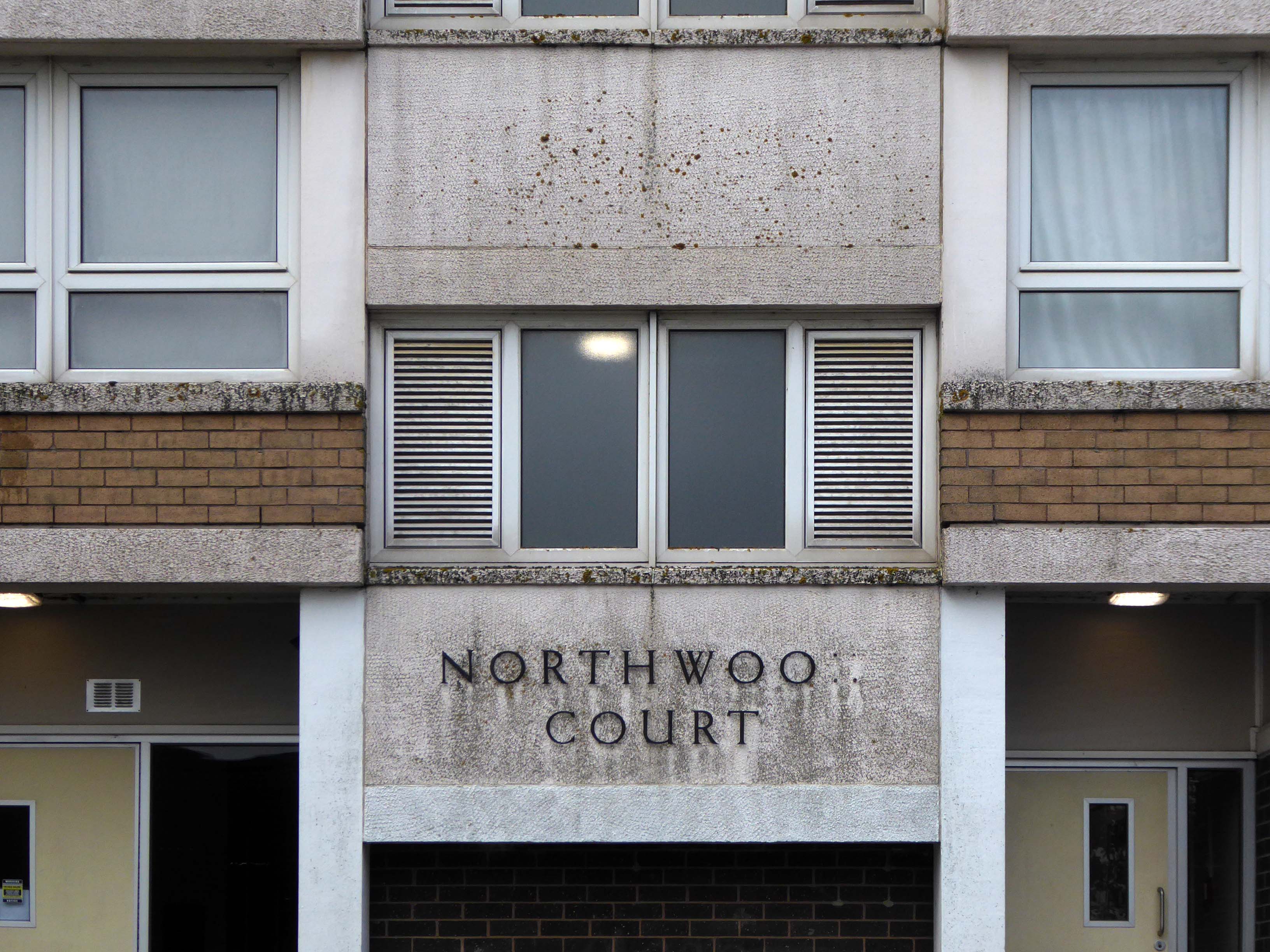
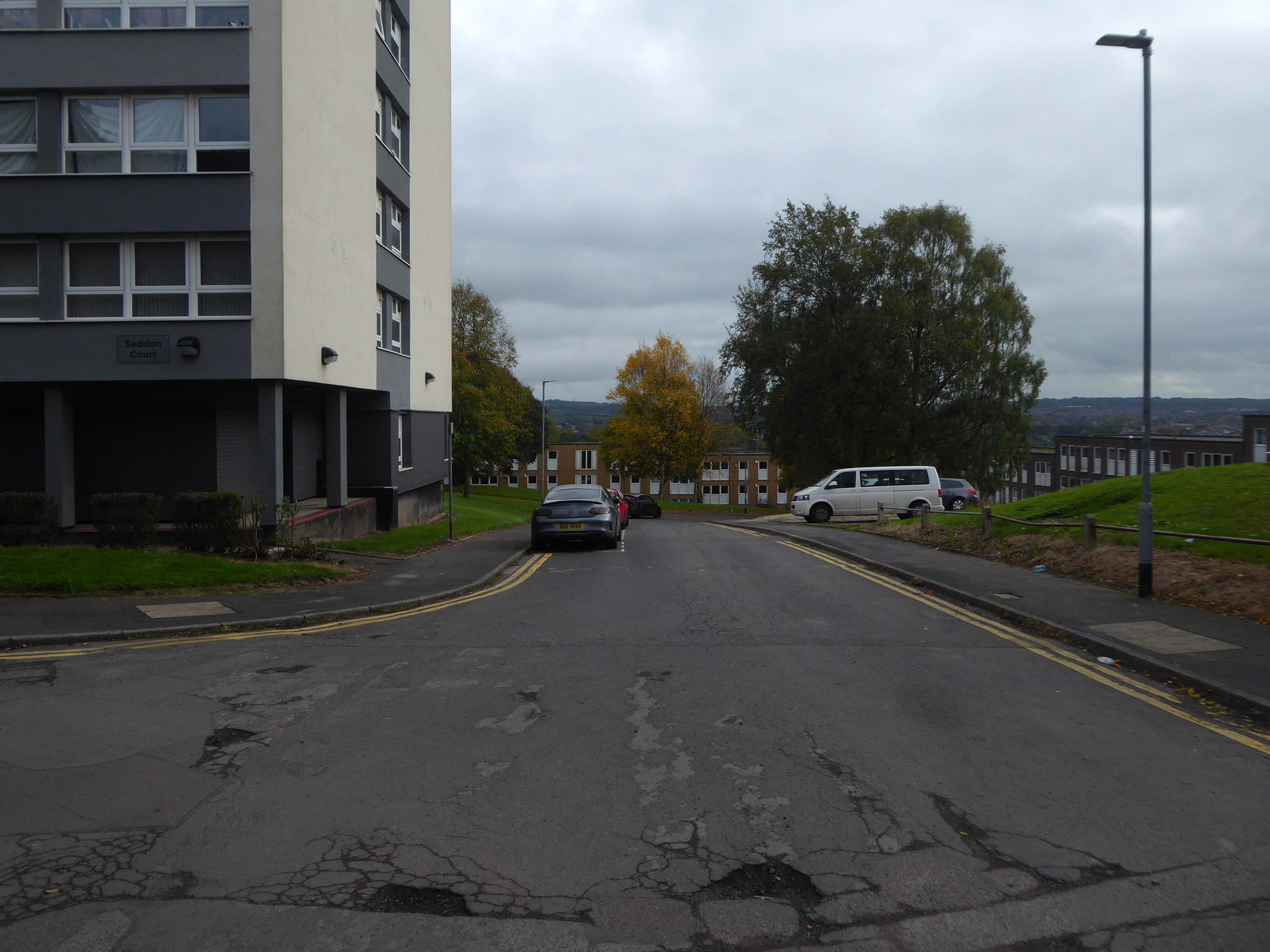
The second group Bucknall New Road Stage II 1968 – also the work of JW Platt Seddon, Northwood and Lindop Courts.
There are plans afoot awaiting finance to demolish and replace some of the terraces, as part of a wider plan for the City’s social housing.
The project would see the council join up with a social property investor and apply for government funding for the works.
The plans would see 226 apartments at Bucknall New Road, and 51 flats and 62 houses at Pyenest Street.
A total of 155 low rise flats and maisonettes at Bucknall New Road would be cleared, creating a net gain of 224 new affordable homes.
Cllr Randy Conteh, cabinet member for housing, communities and safer city, said: “This is a major initiative for the city and the first time a scheme of this scale and ambition has been developed.
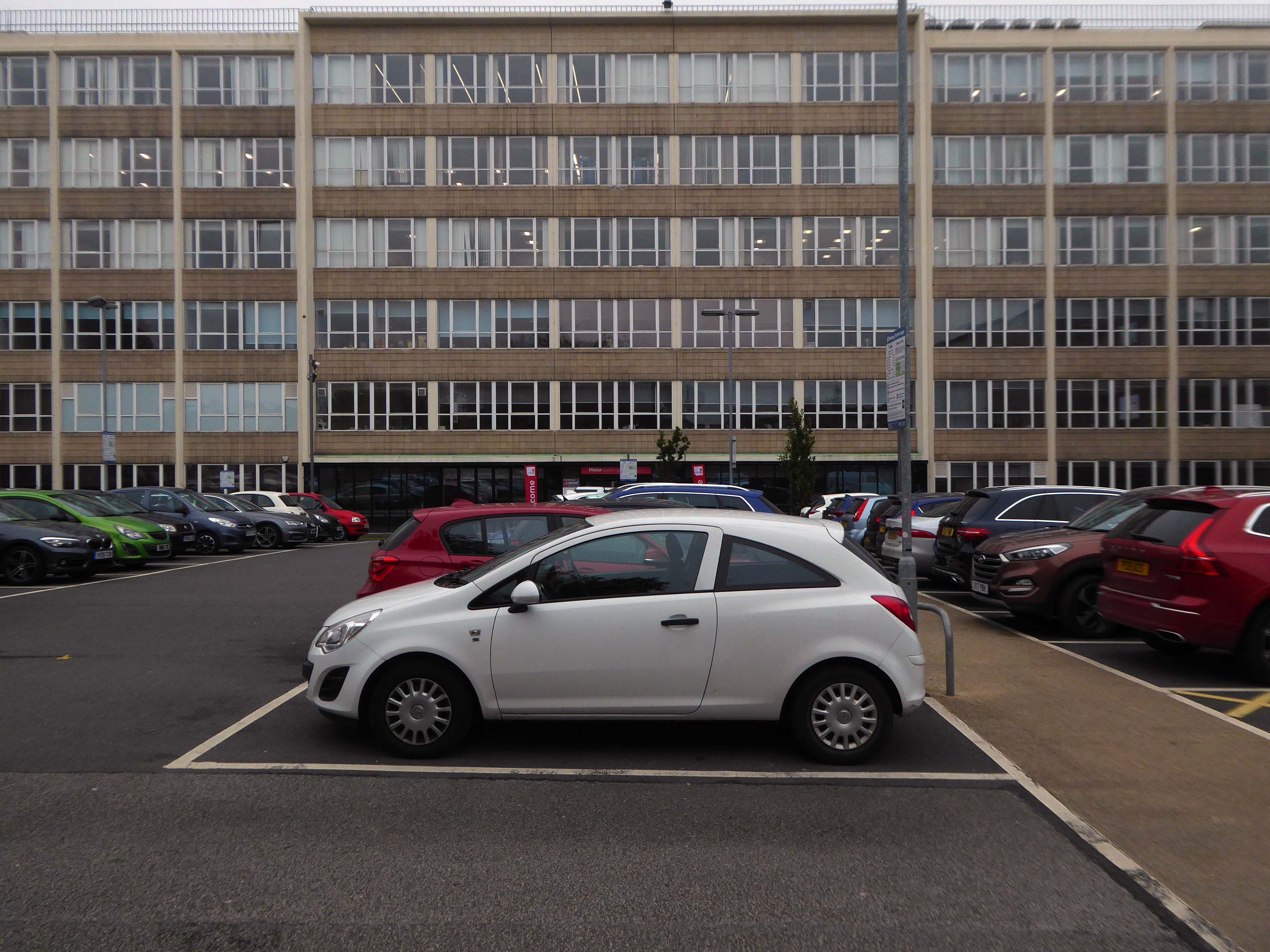
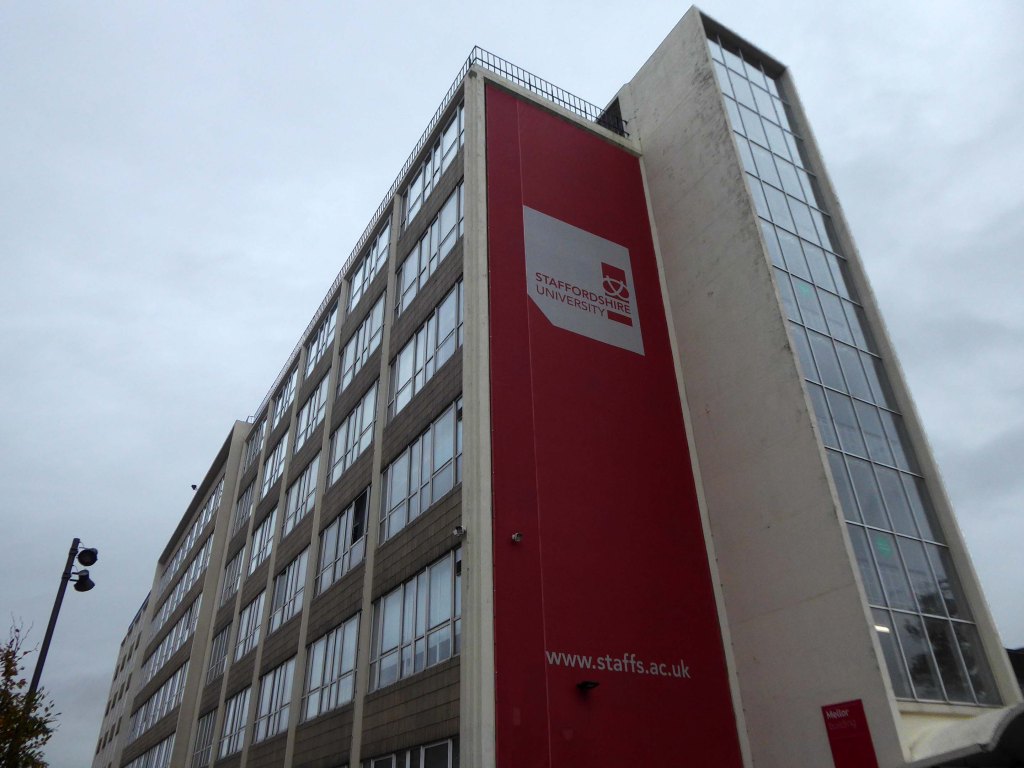
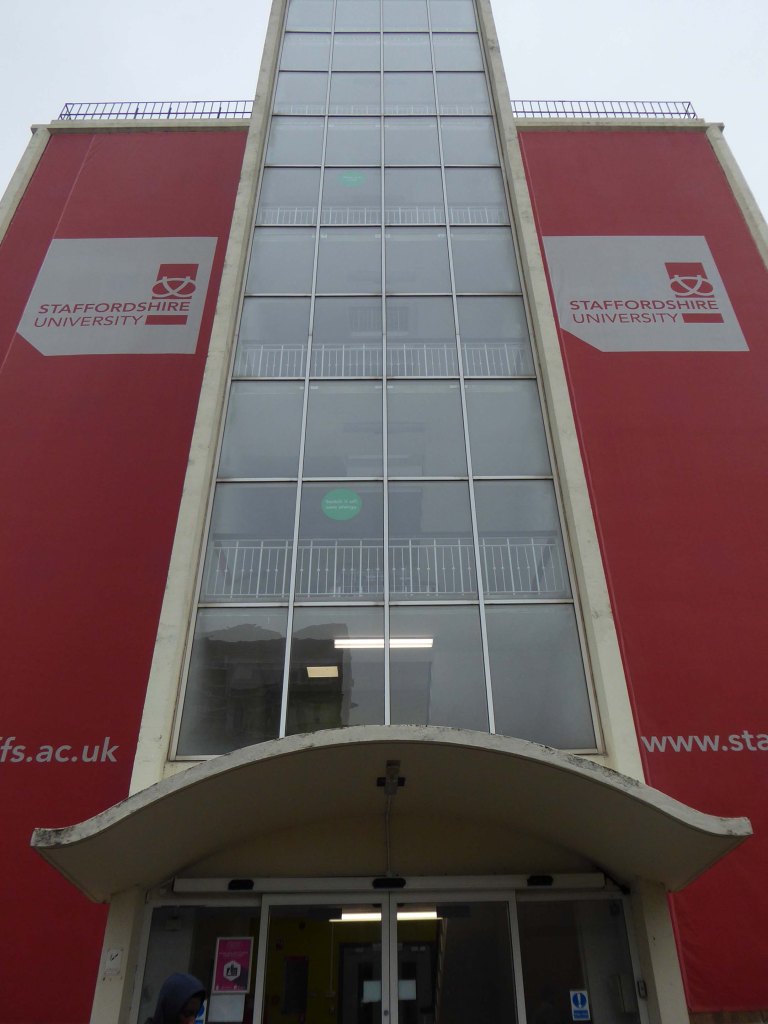
Moments from Stoke Station lies the central campus.
Staffordshire University was founded in 1914 as a polytechnic intistution, and was officially given University Status on 16 June 1992. Our University is famous for its forward-thinking approach, and has become a figurehead for its vocational and academic teaching, innovative grasp of industry, and student employability.
Although our campus continues to expand to create dynamic opportunities, we are proud of our heritage in the great city of Stoke-on-Trent. Steeped in the history of ceramic manufacture and production, industry in Stoke-on-Trent has been fuelled by Staffordshire University for over 100 years.
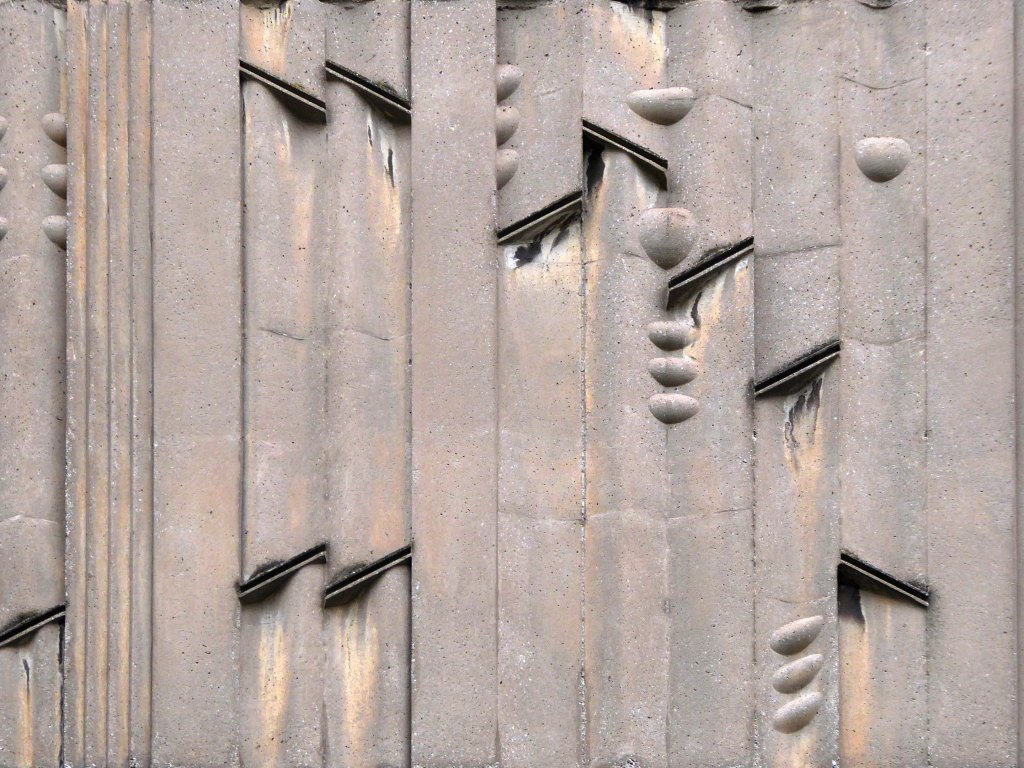
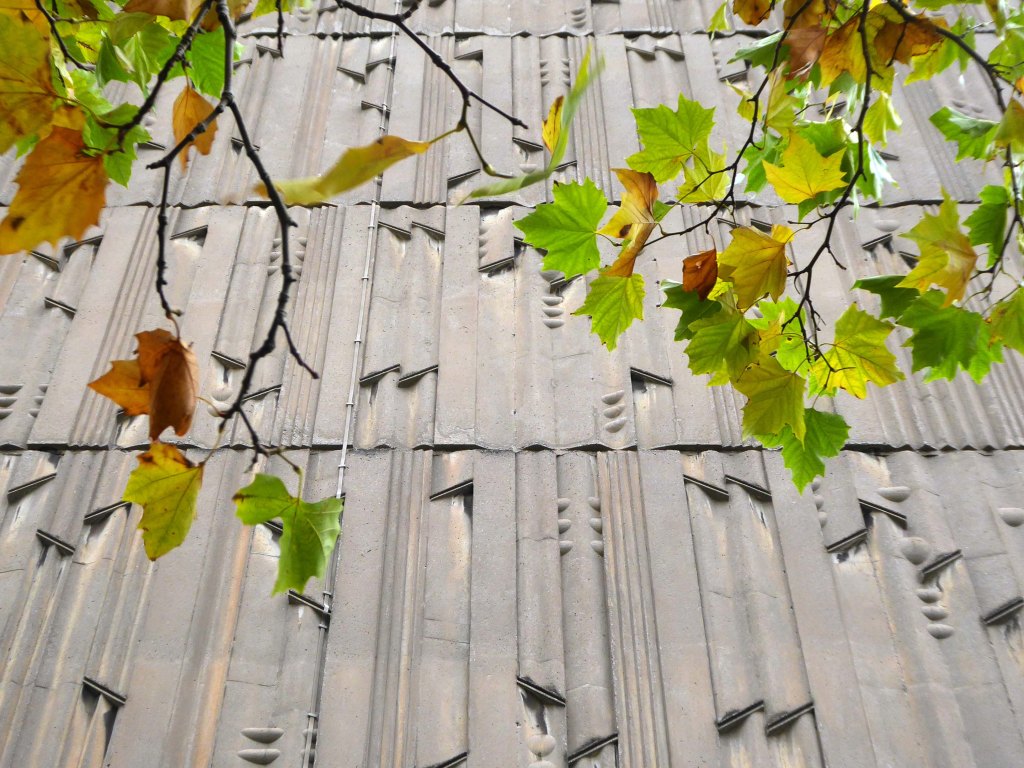
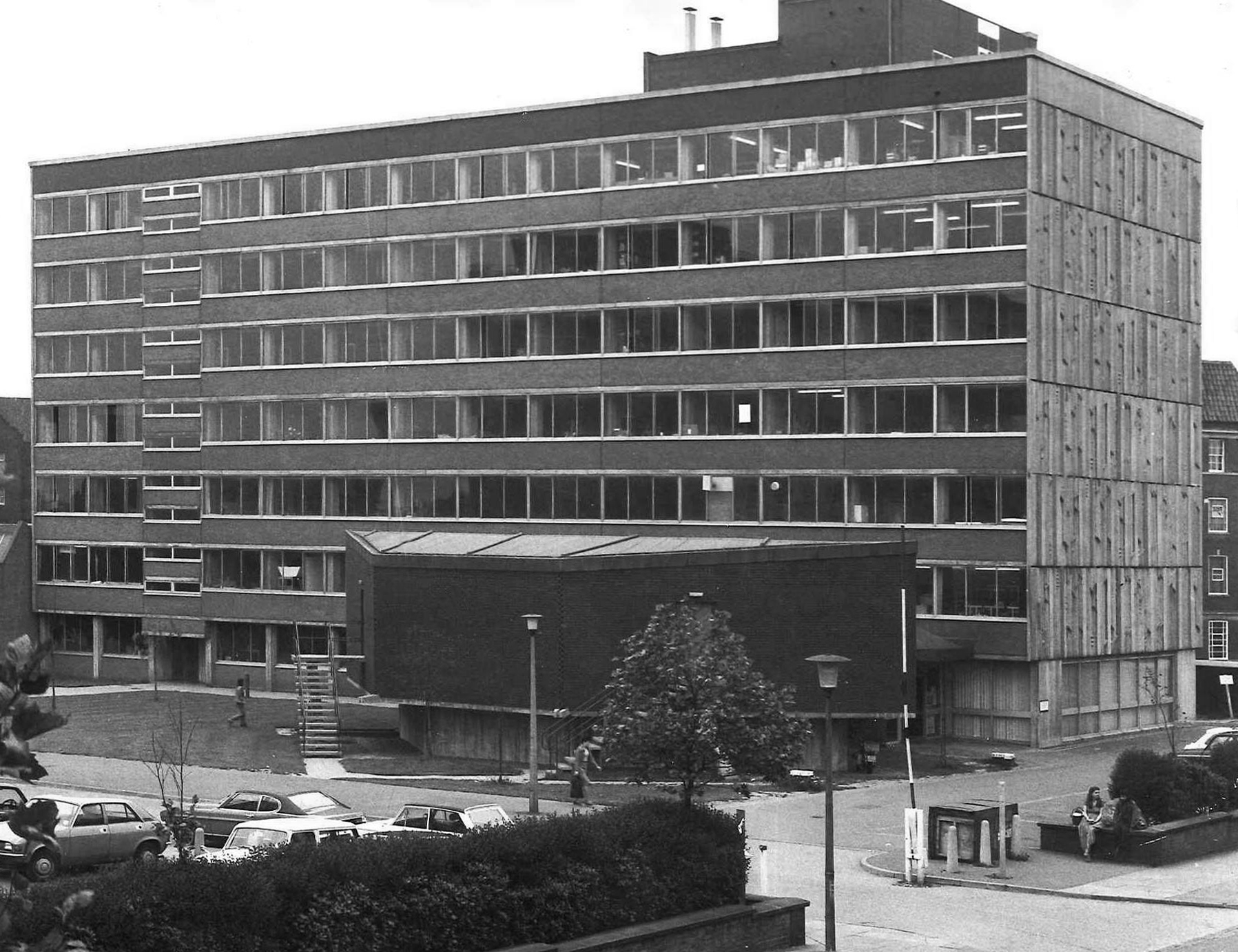
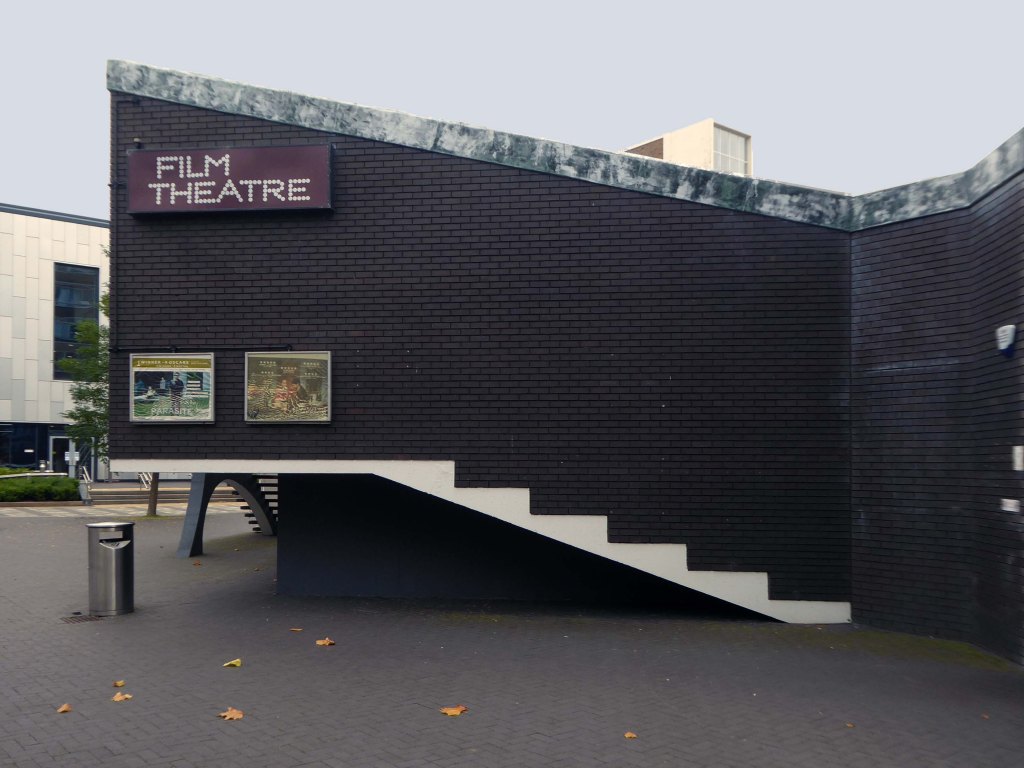
The Flaxman Building 1970 was designed by City Architect Thomas Lovatt and built by the City Works Department – the last public works assignment before competitive tendering opened up public restrictions to private enterprise.
Named for to Wedgwood’s famous modeller the classical artist, John Flaxman RA 1755-1826.
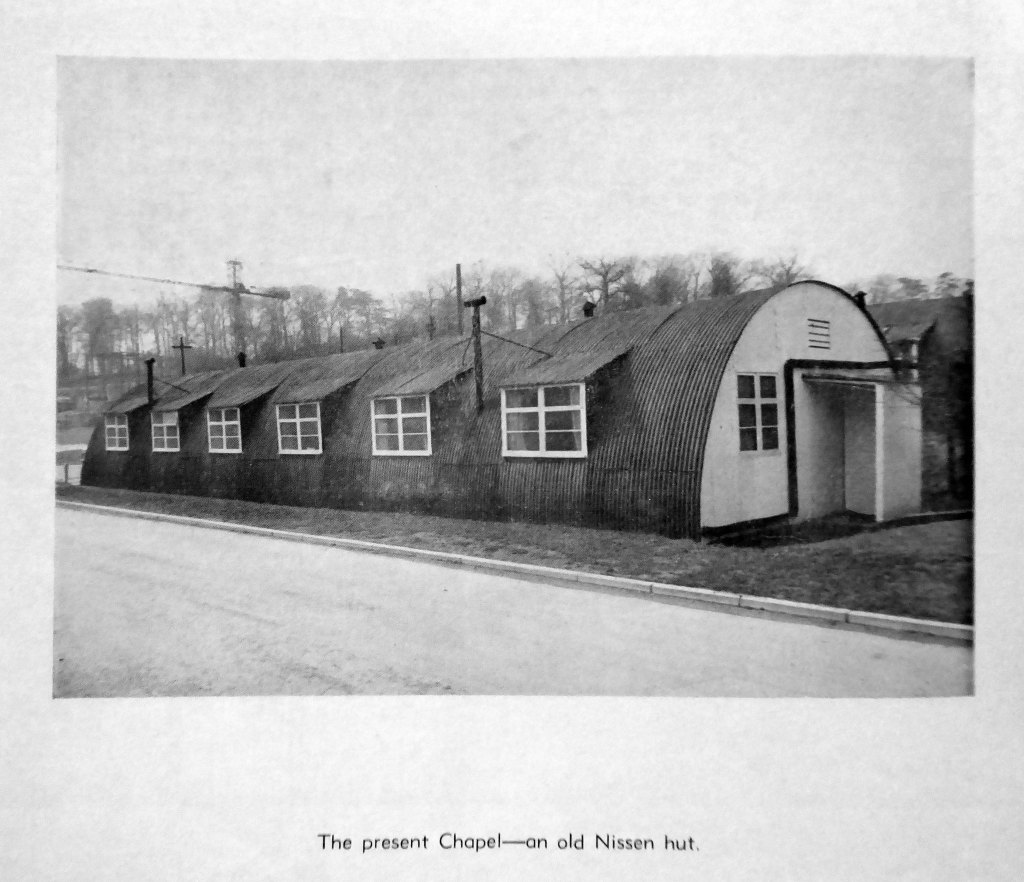
I got on the 25 bus in Hanley and remained seated on the top deck until I reached Keele.
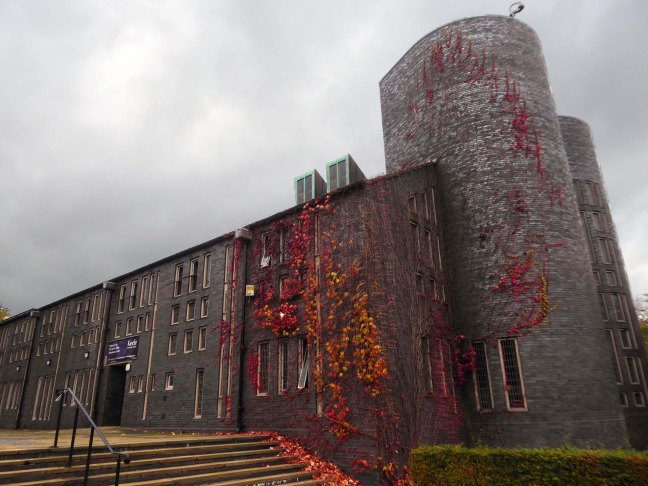
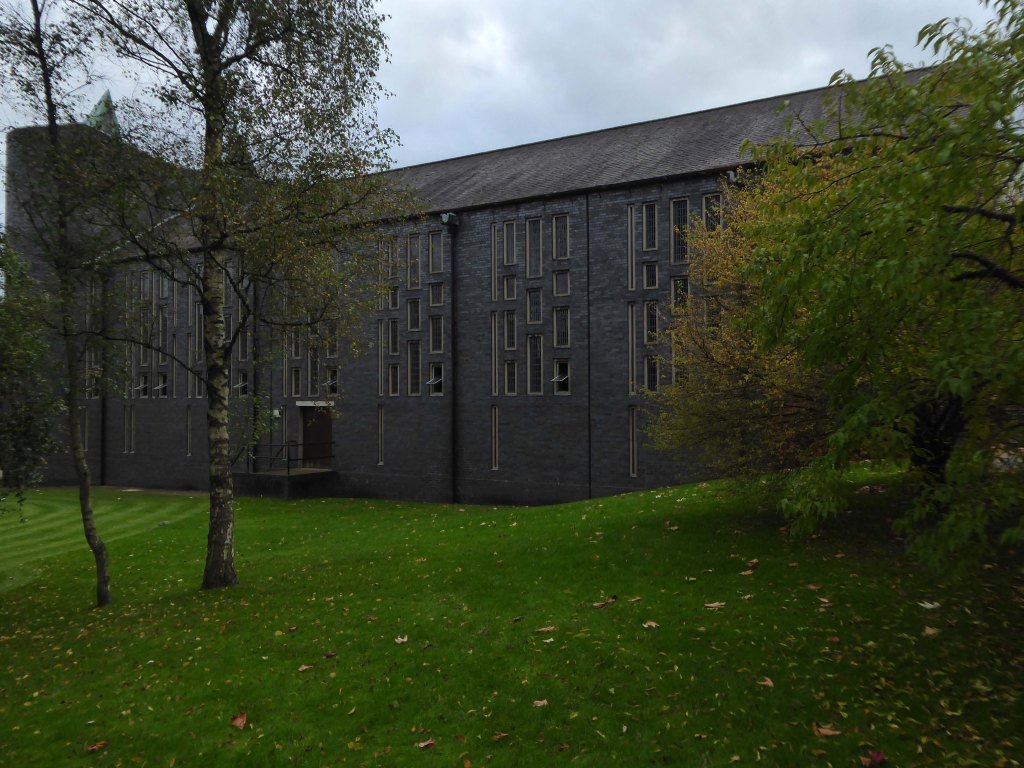
The chapel was just over the way from the bus stop, behind some trees.
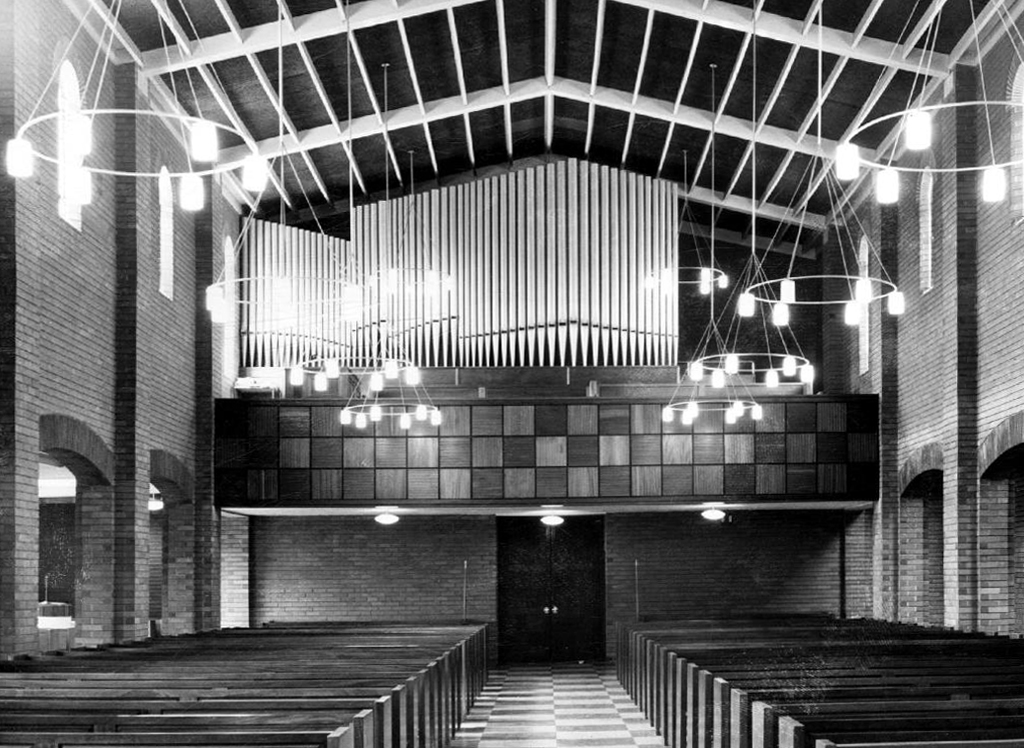
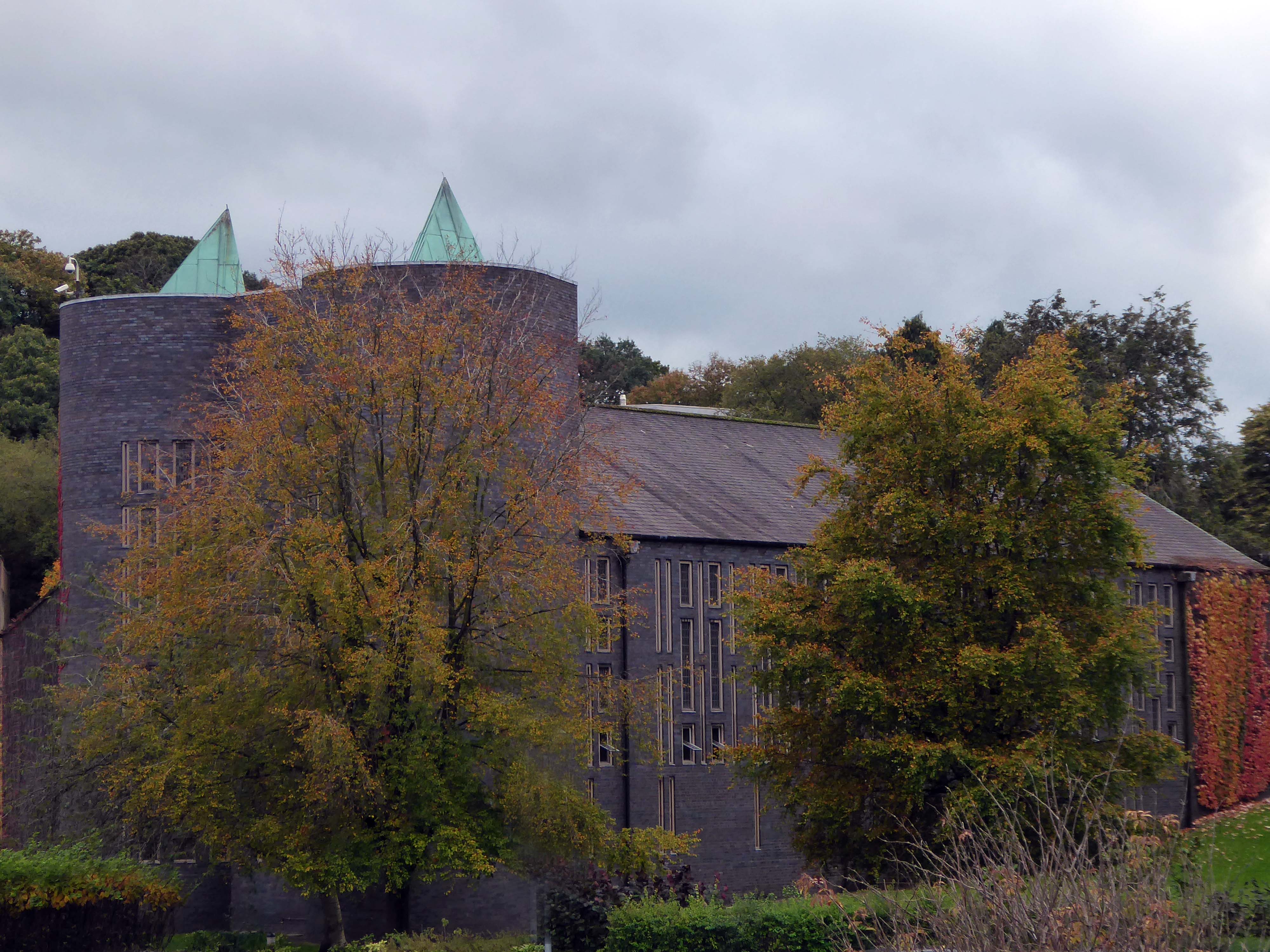
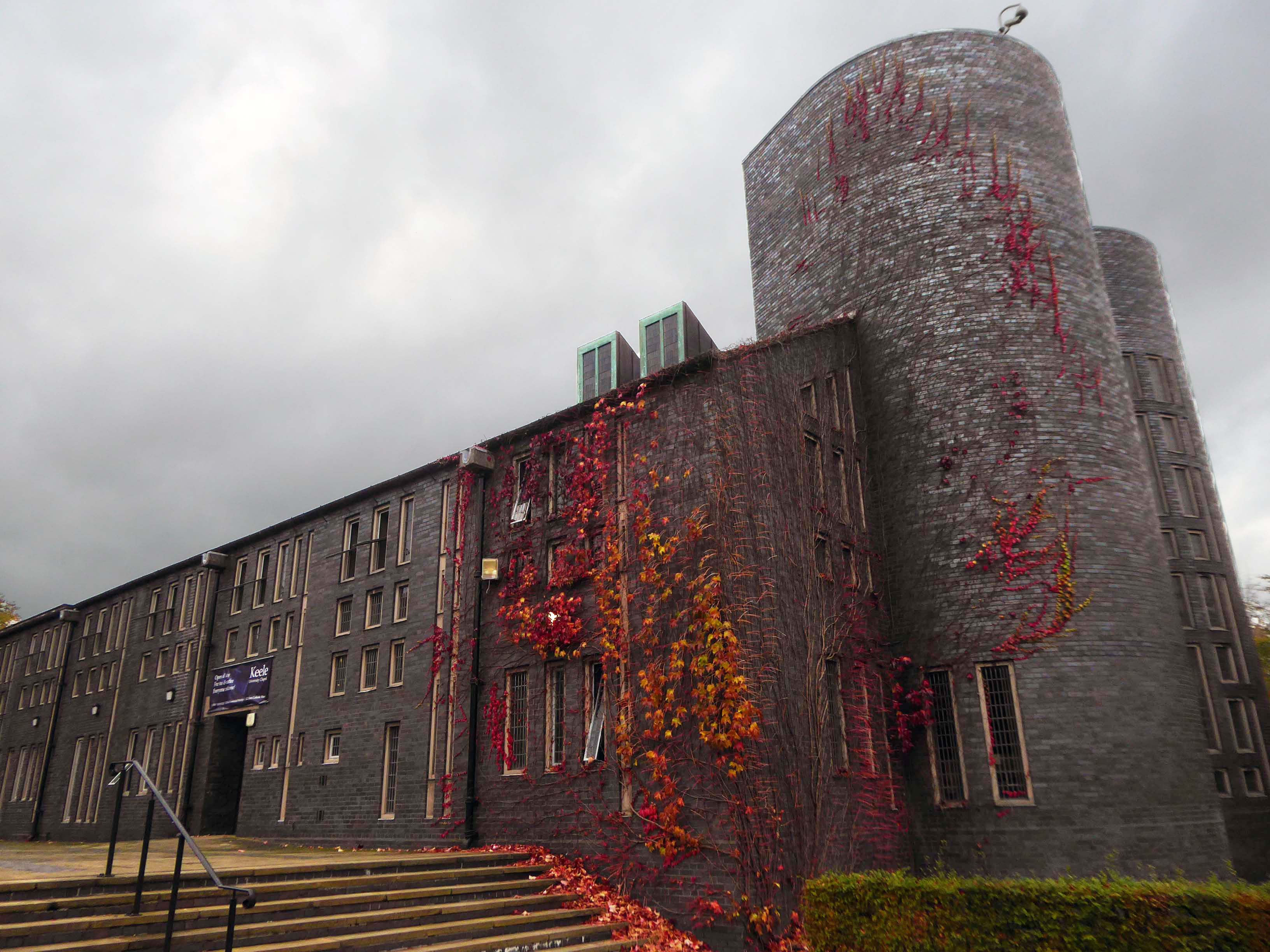
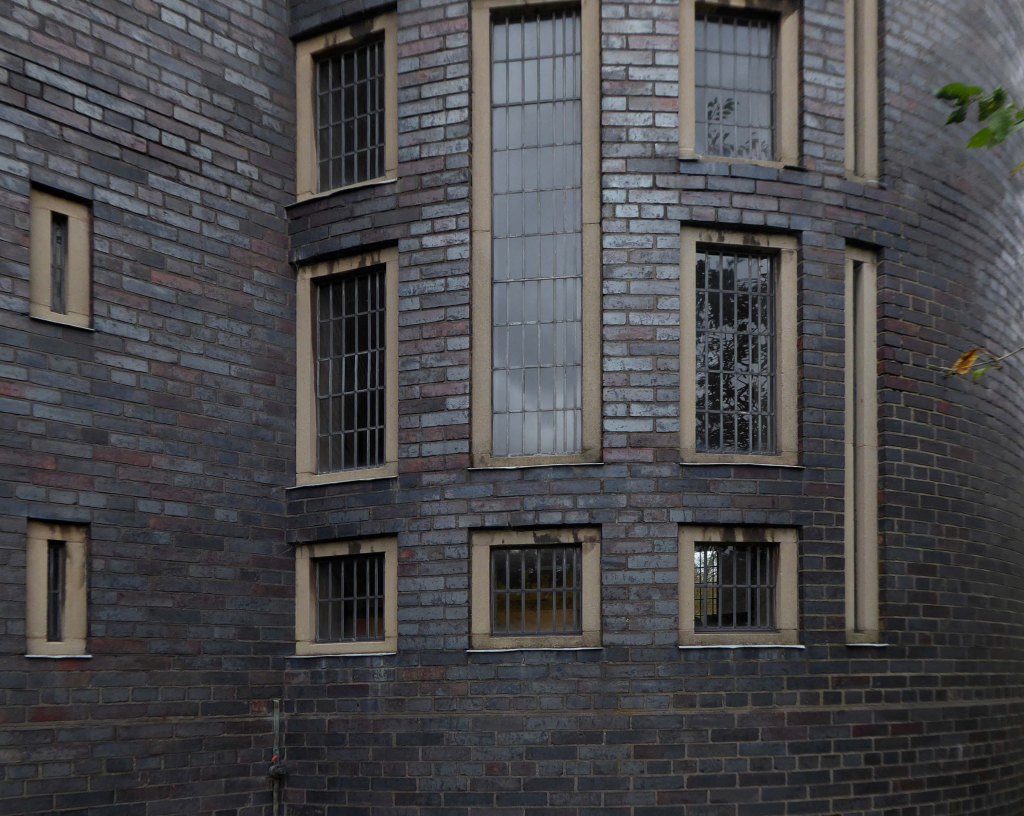
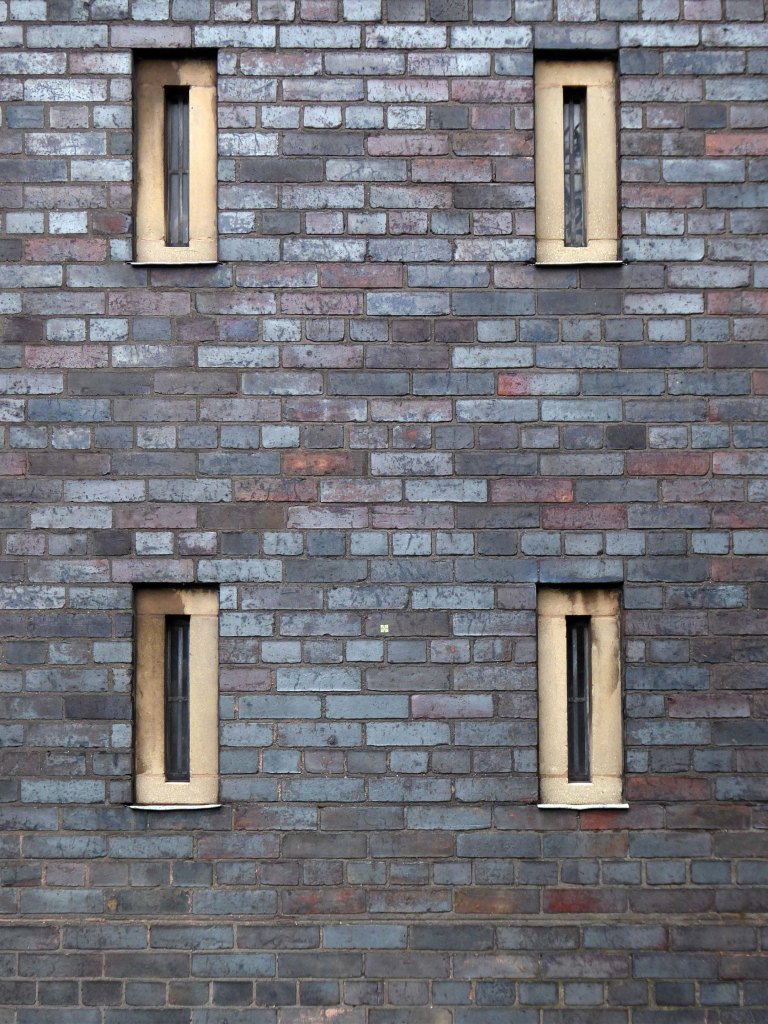
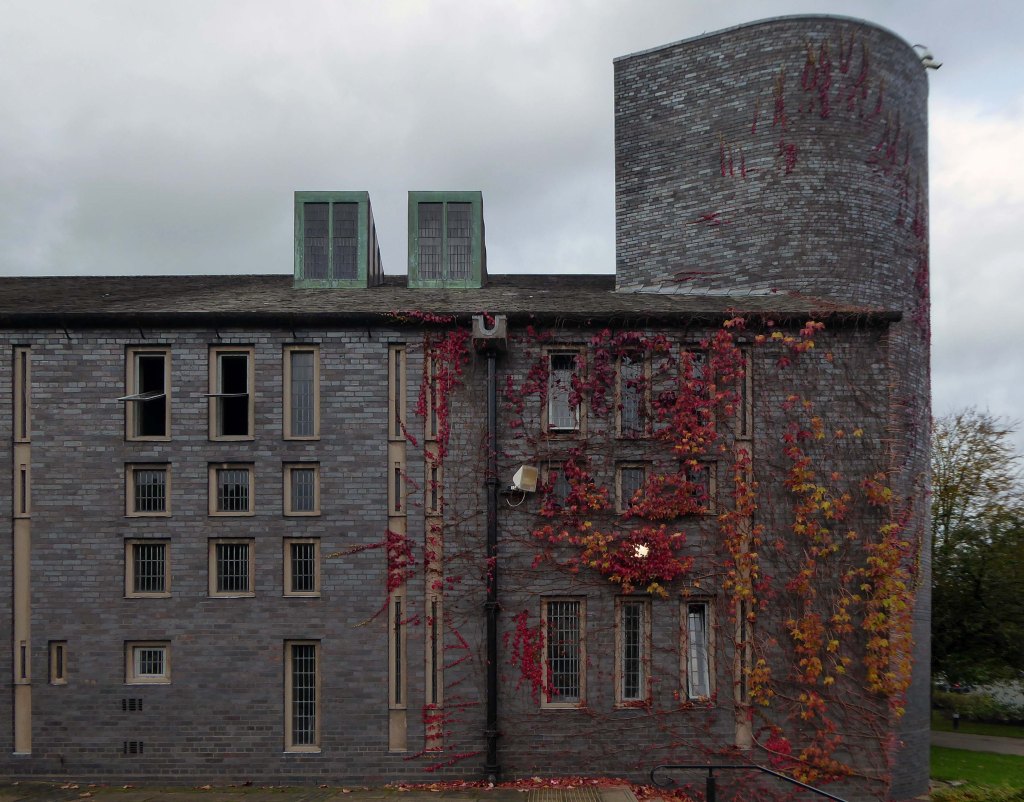
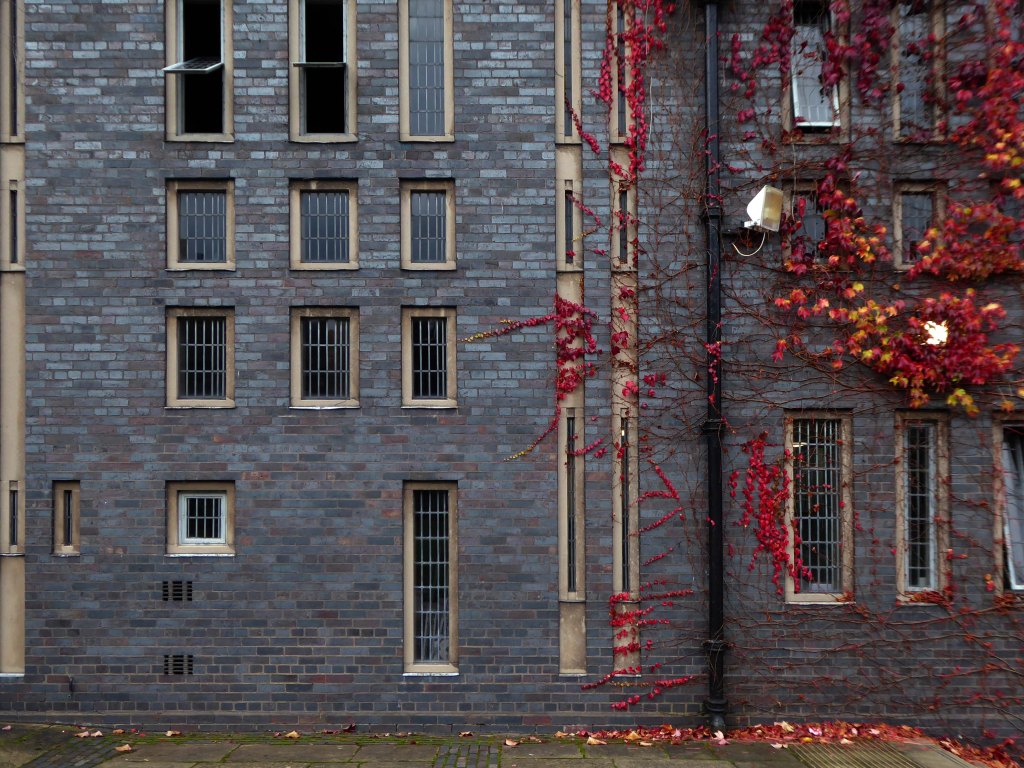
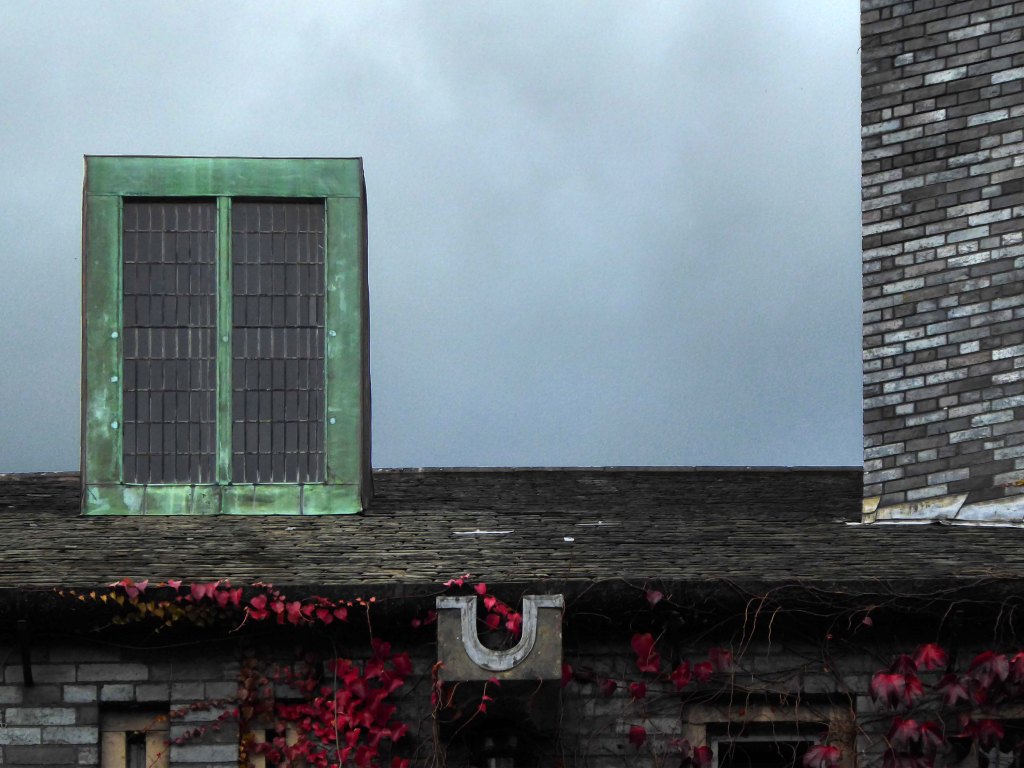
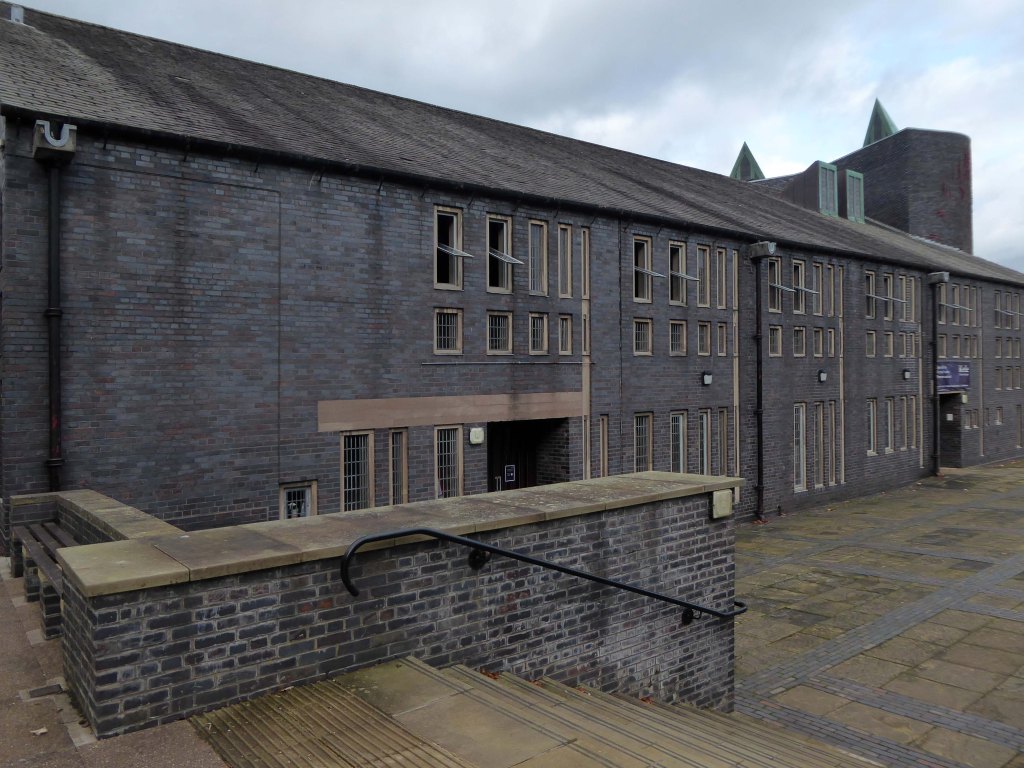
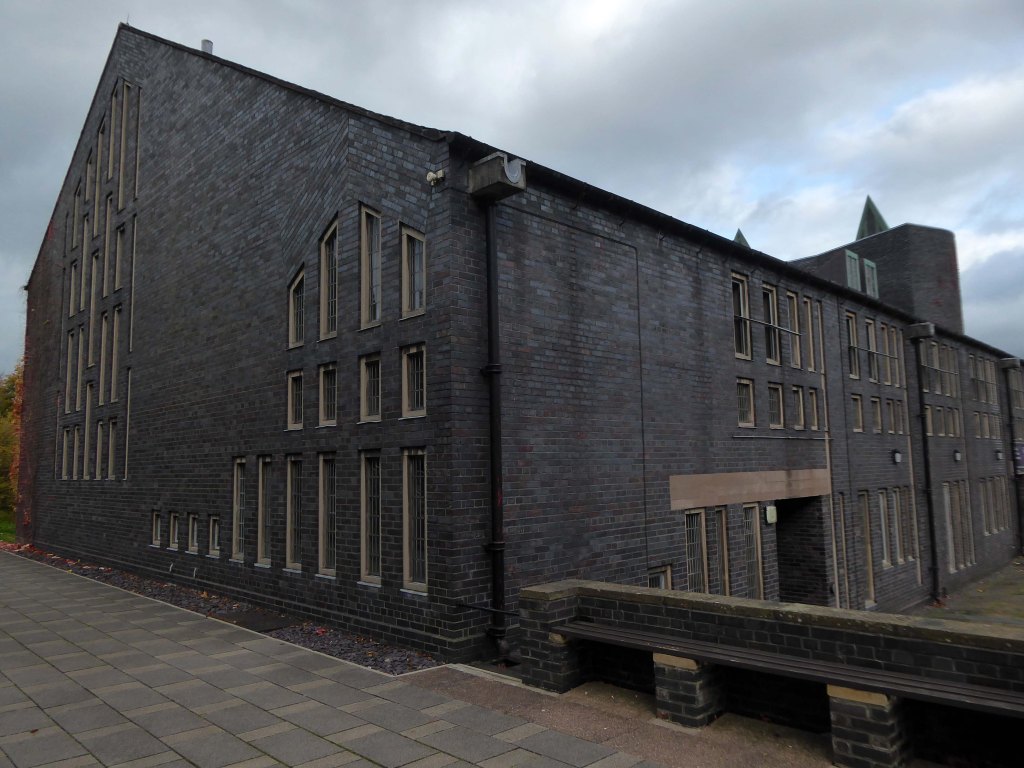
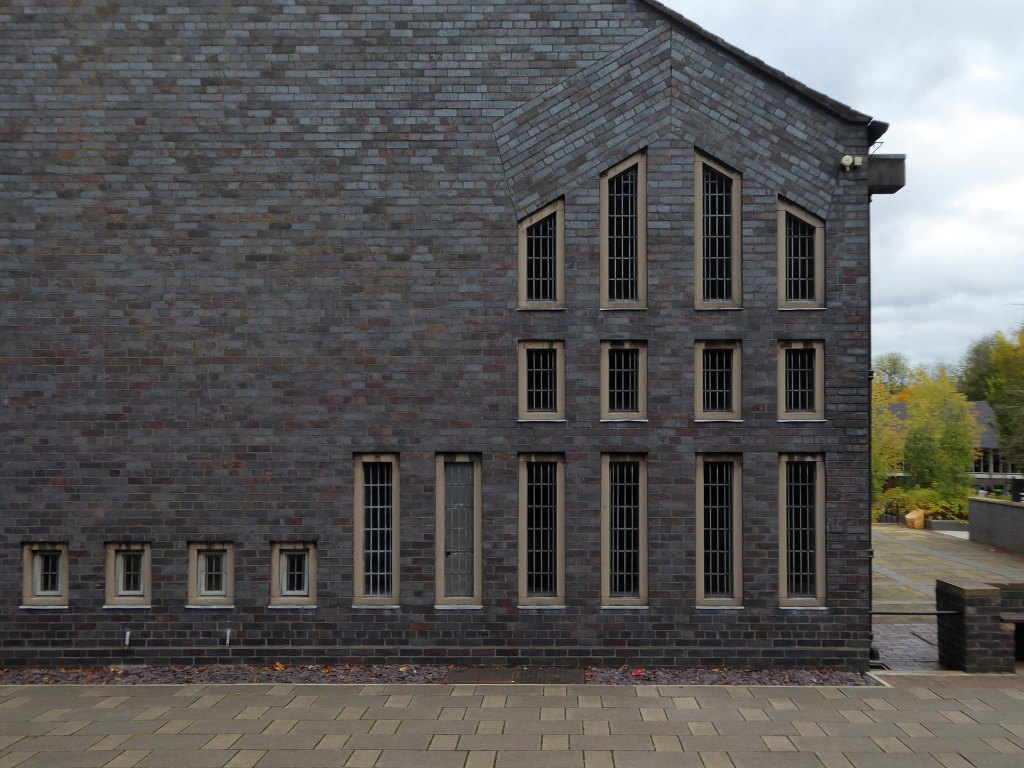
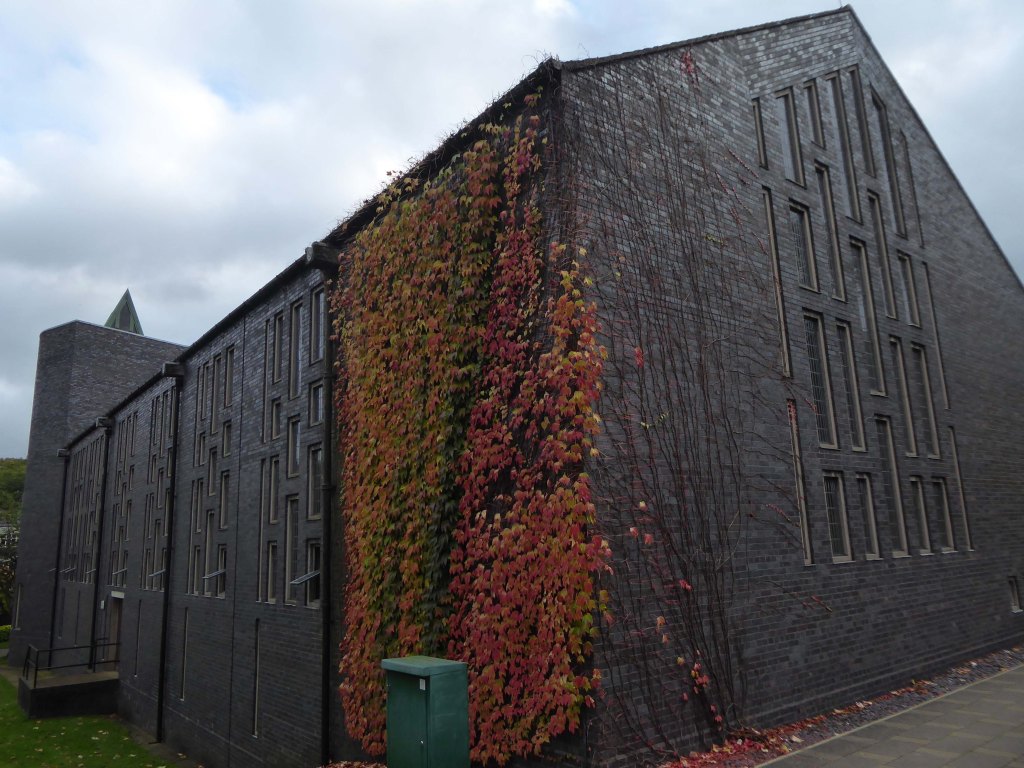
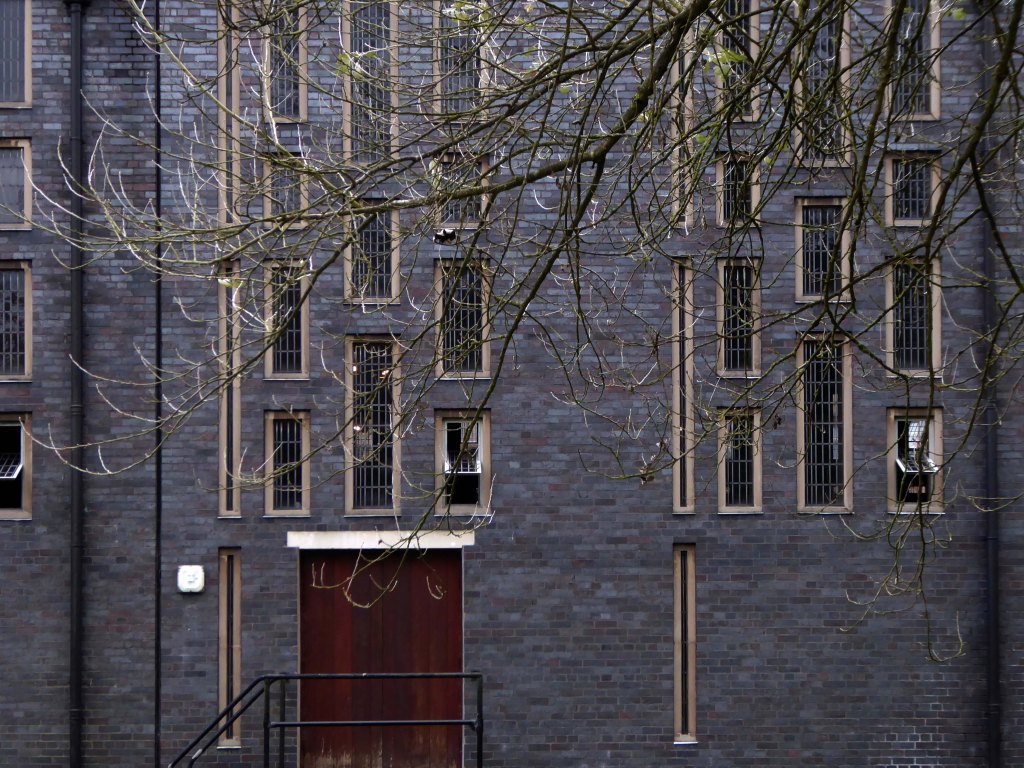
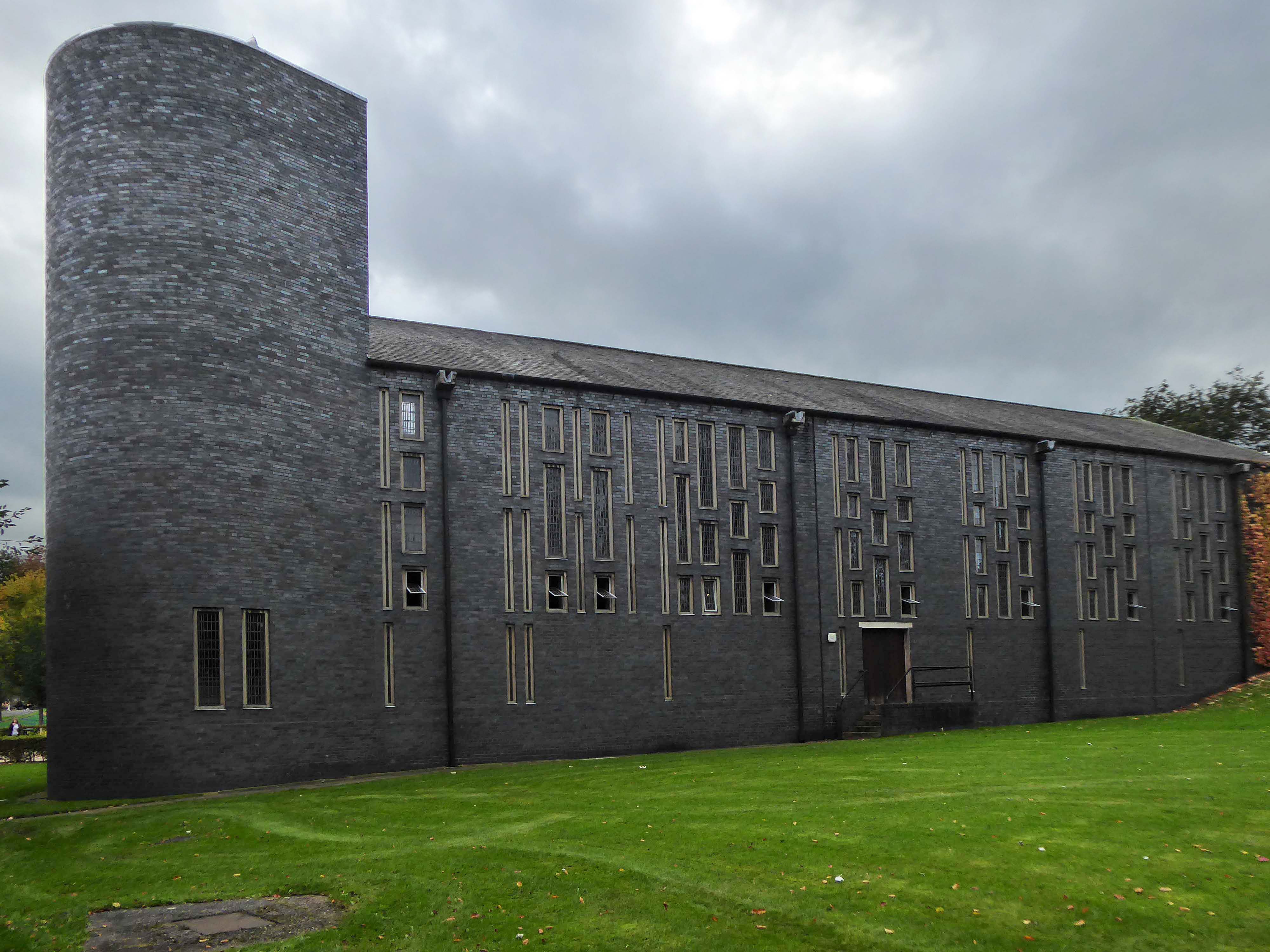
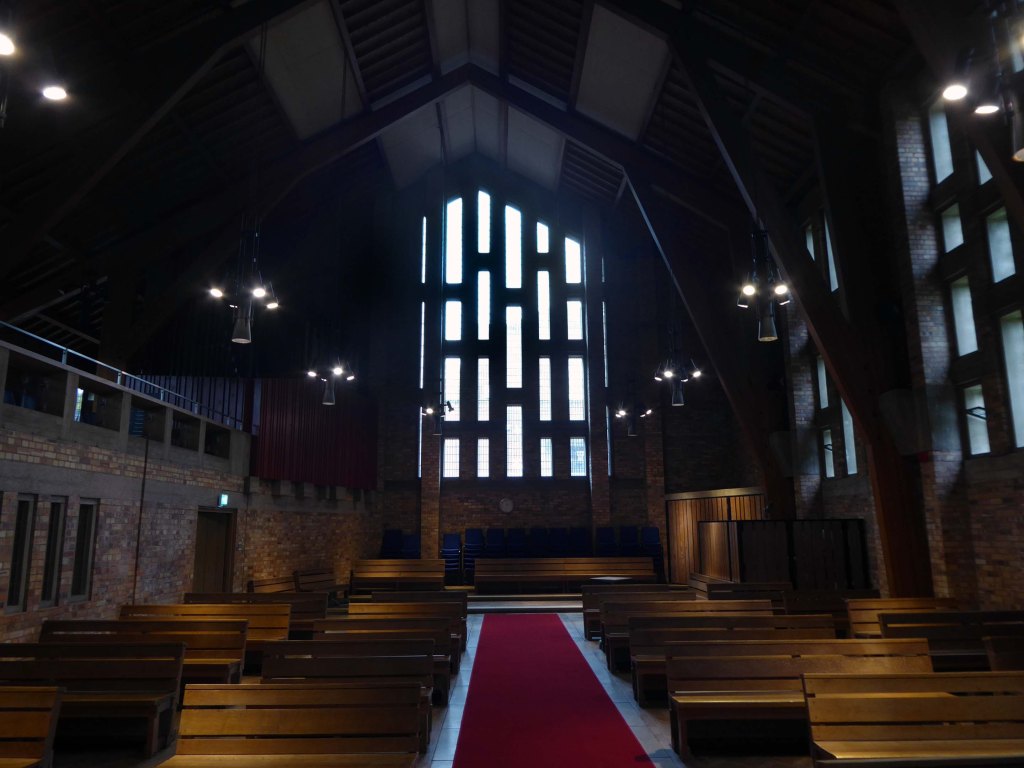
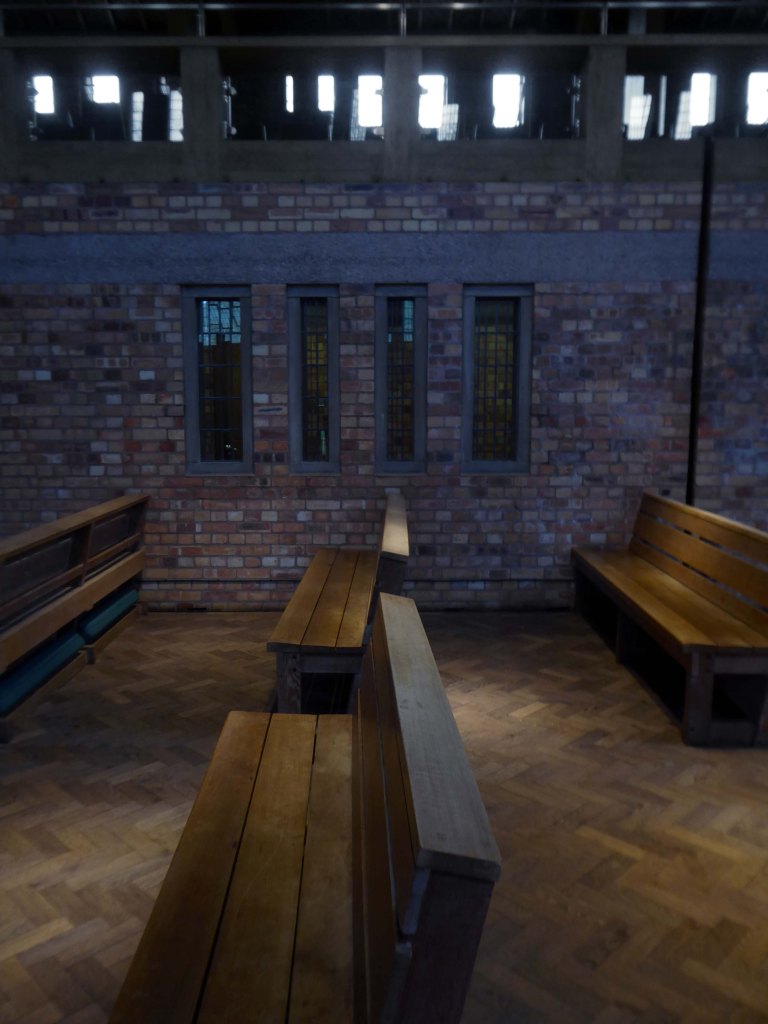
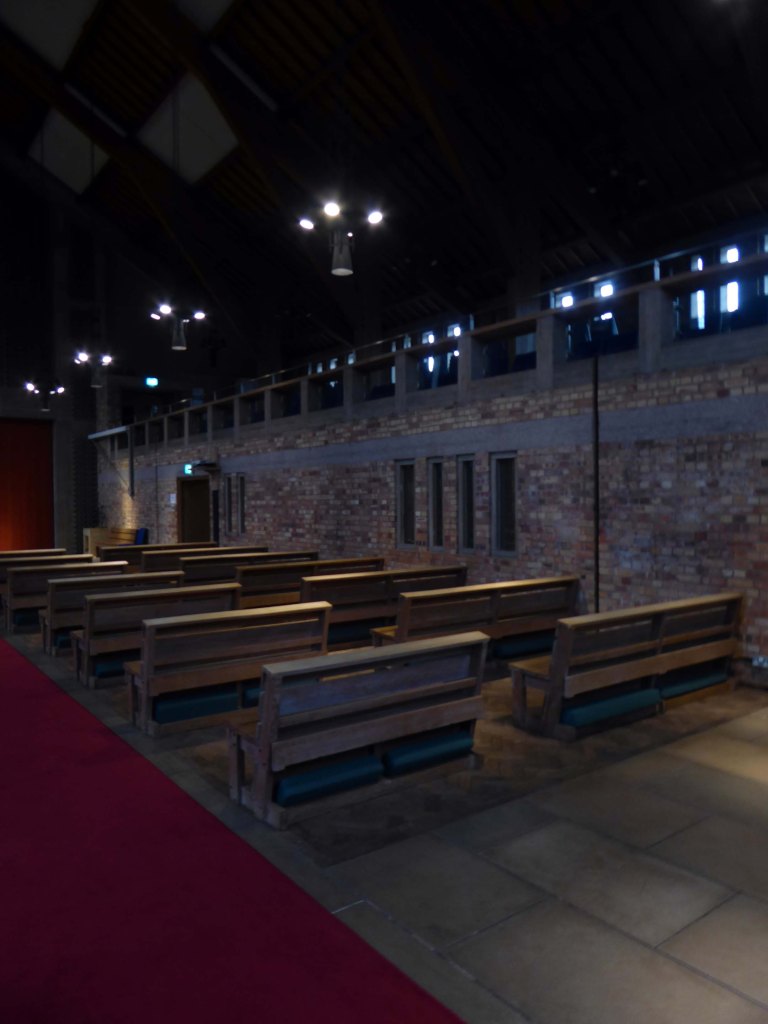
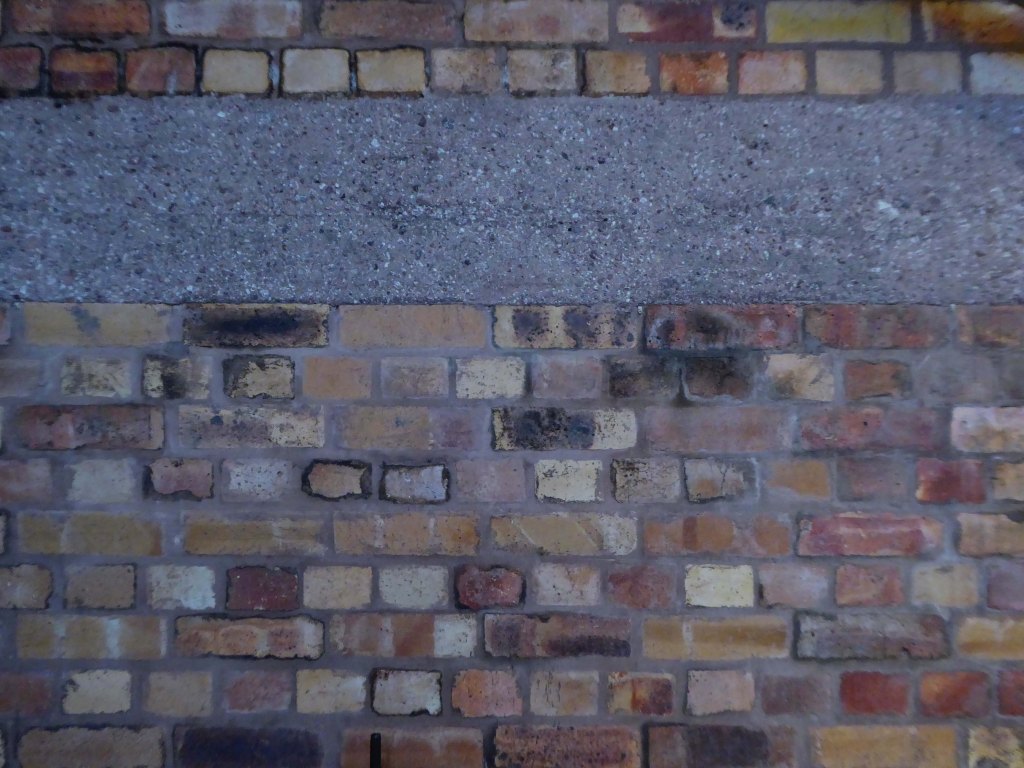
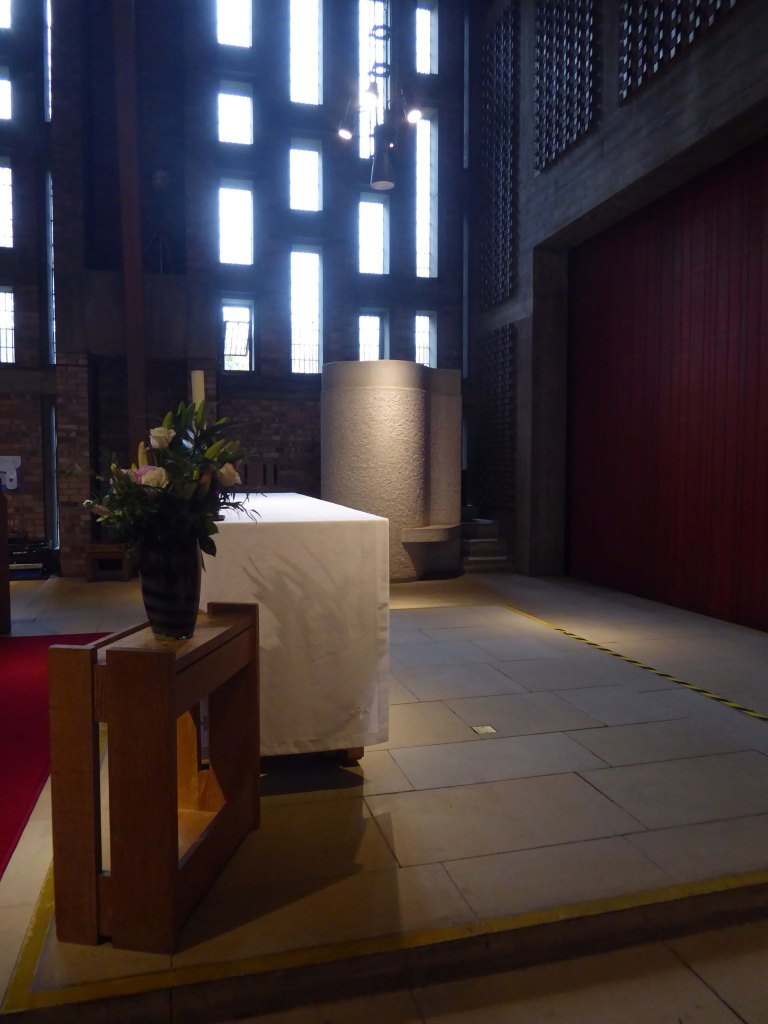
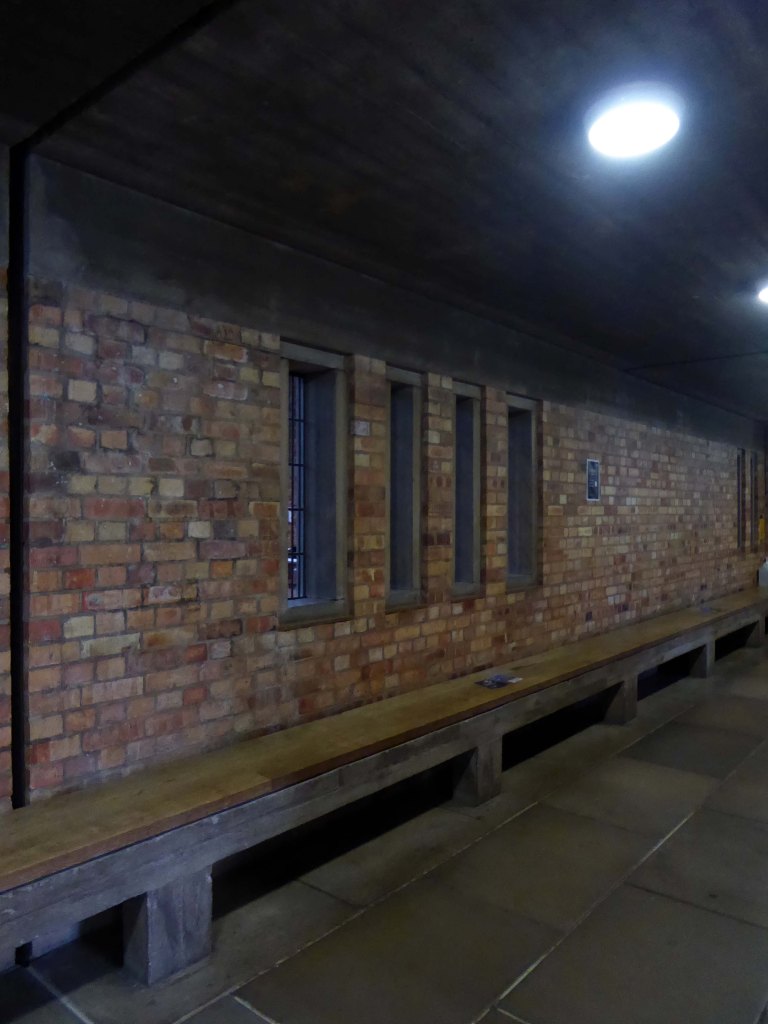
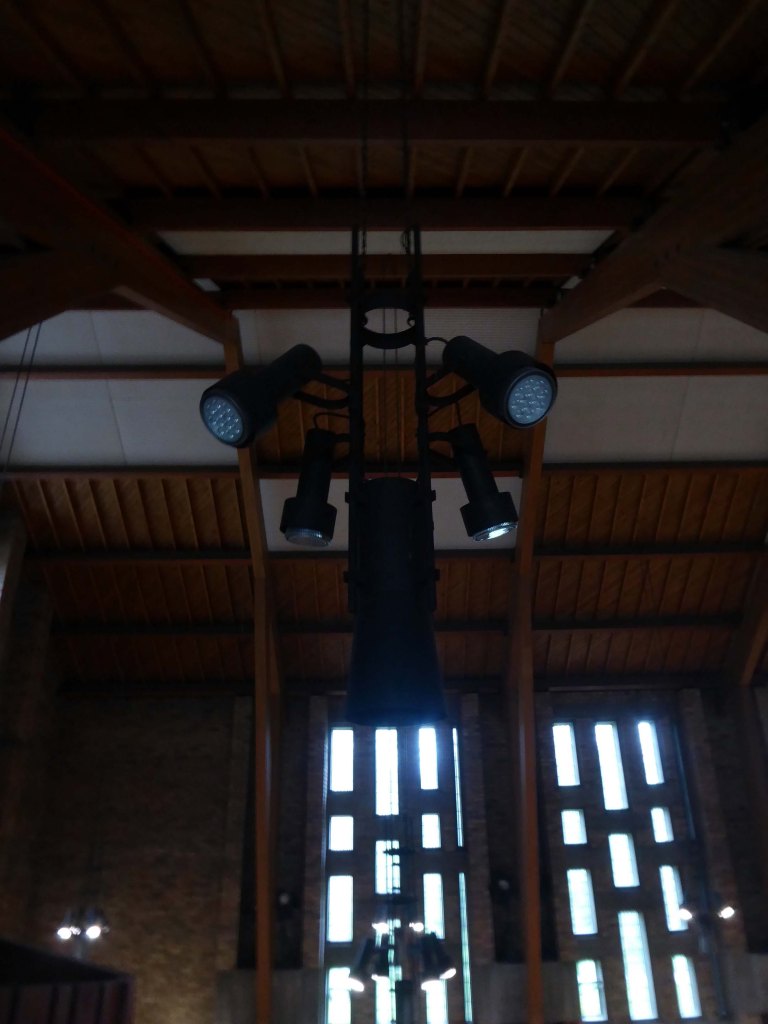
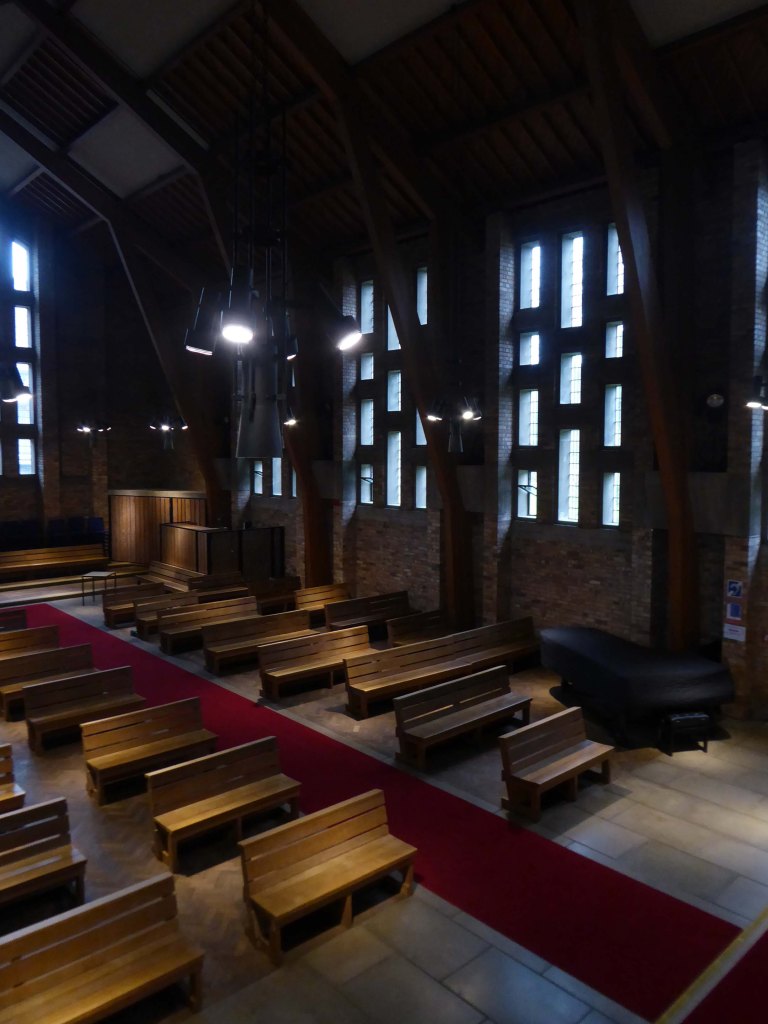
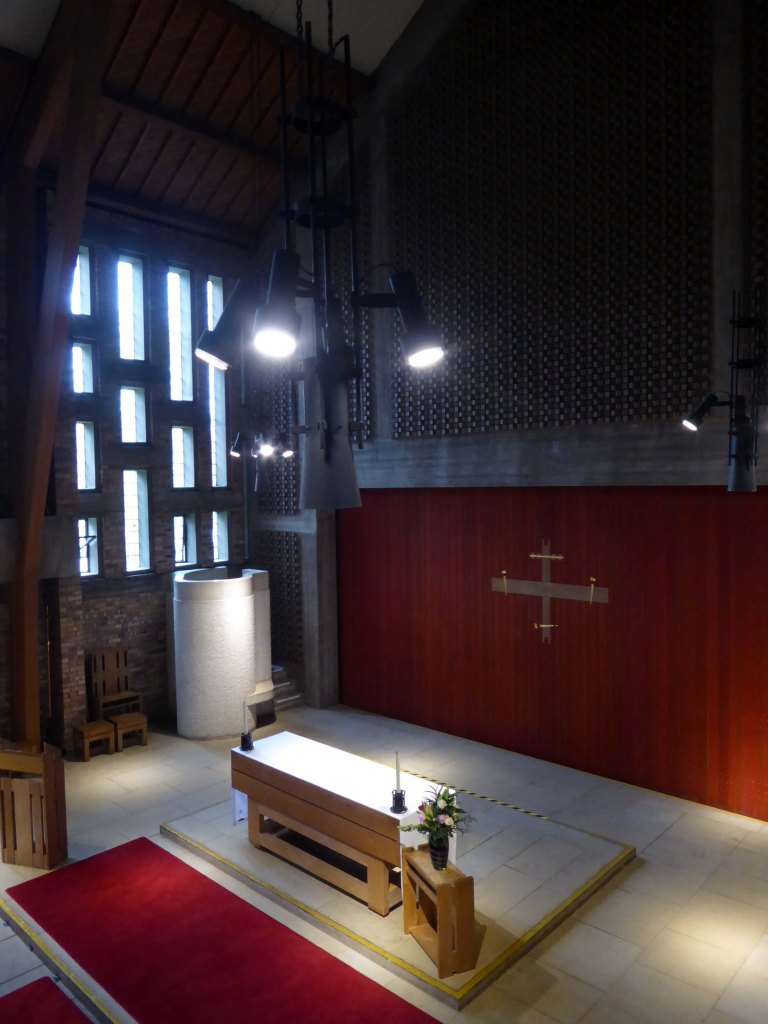
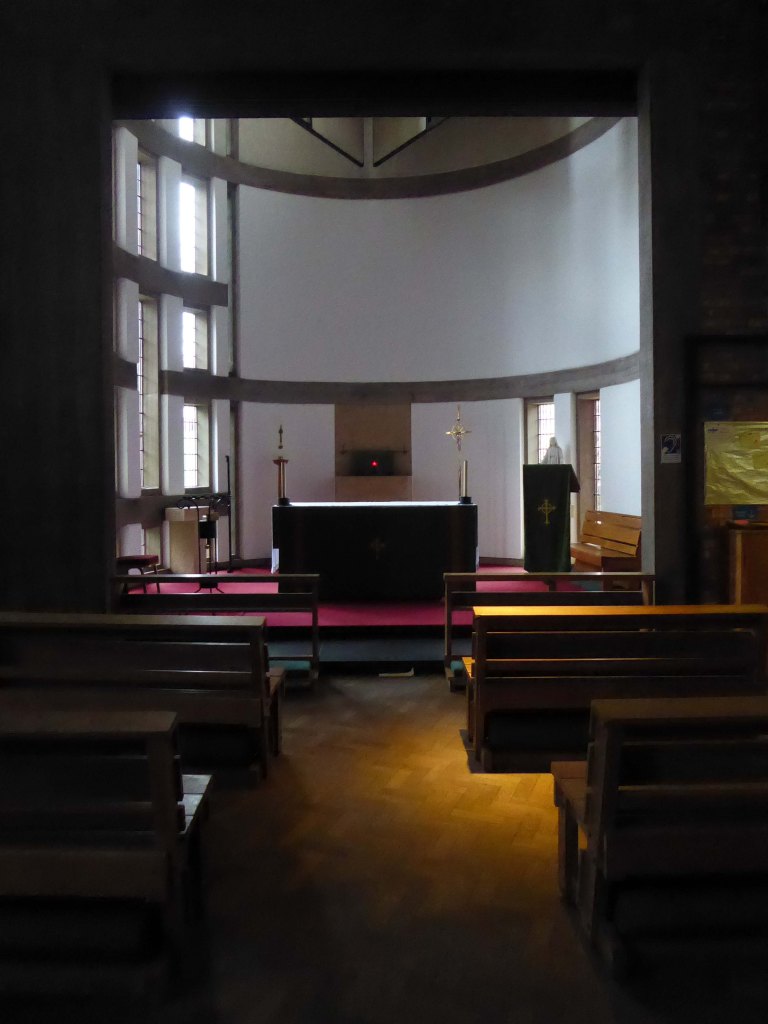
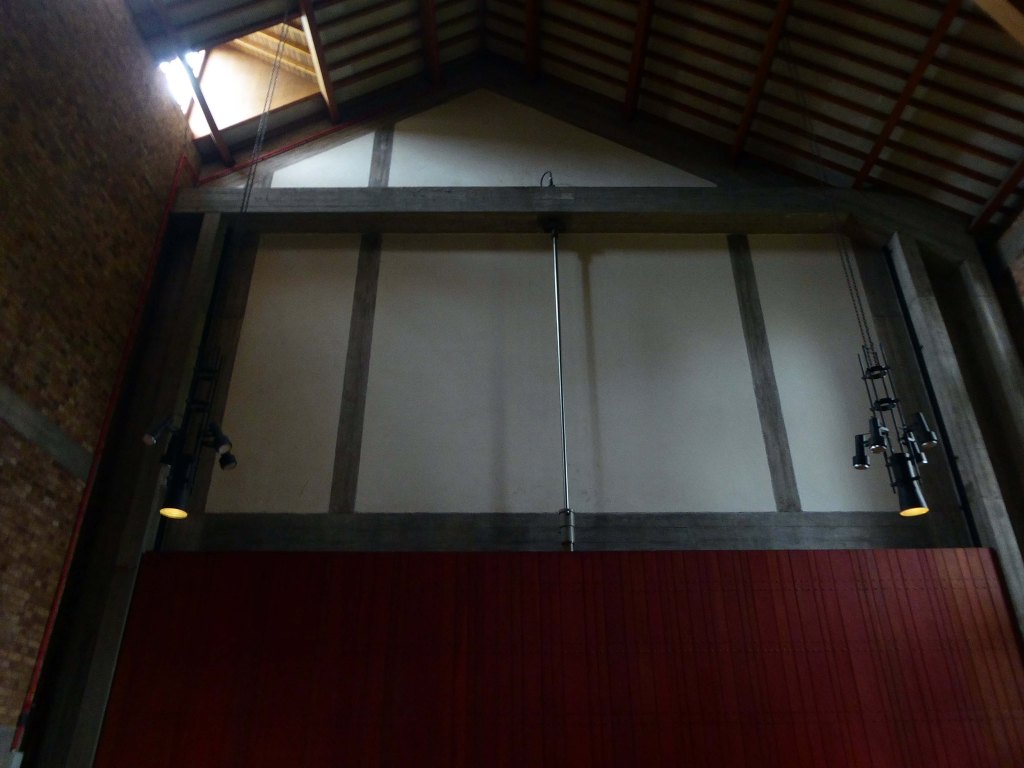
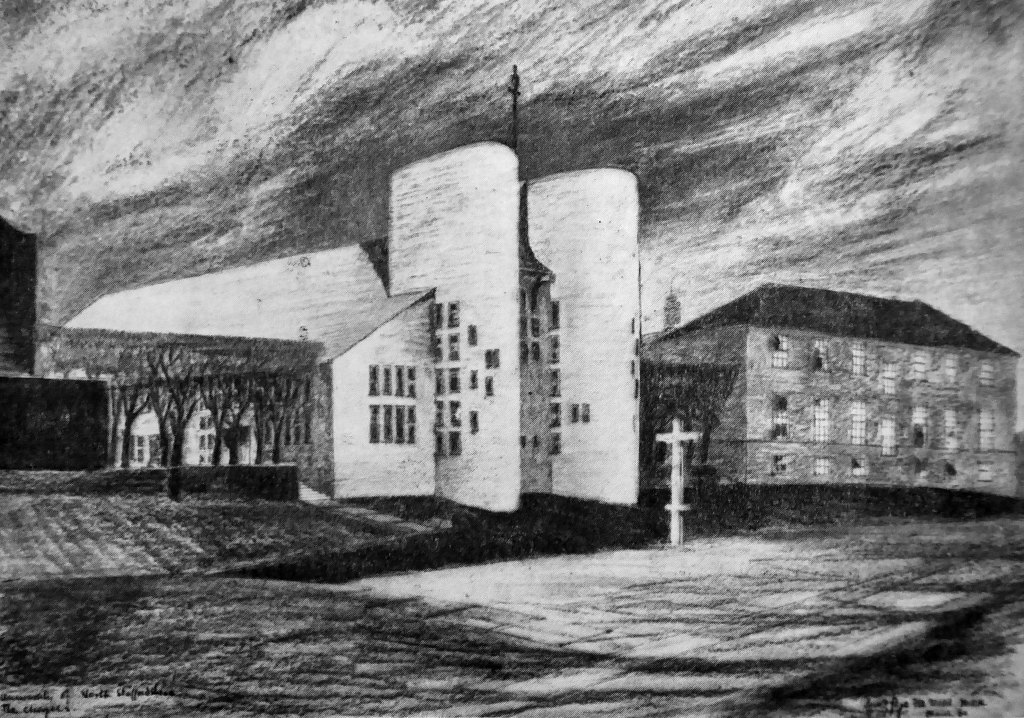
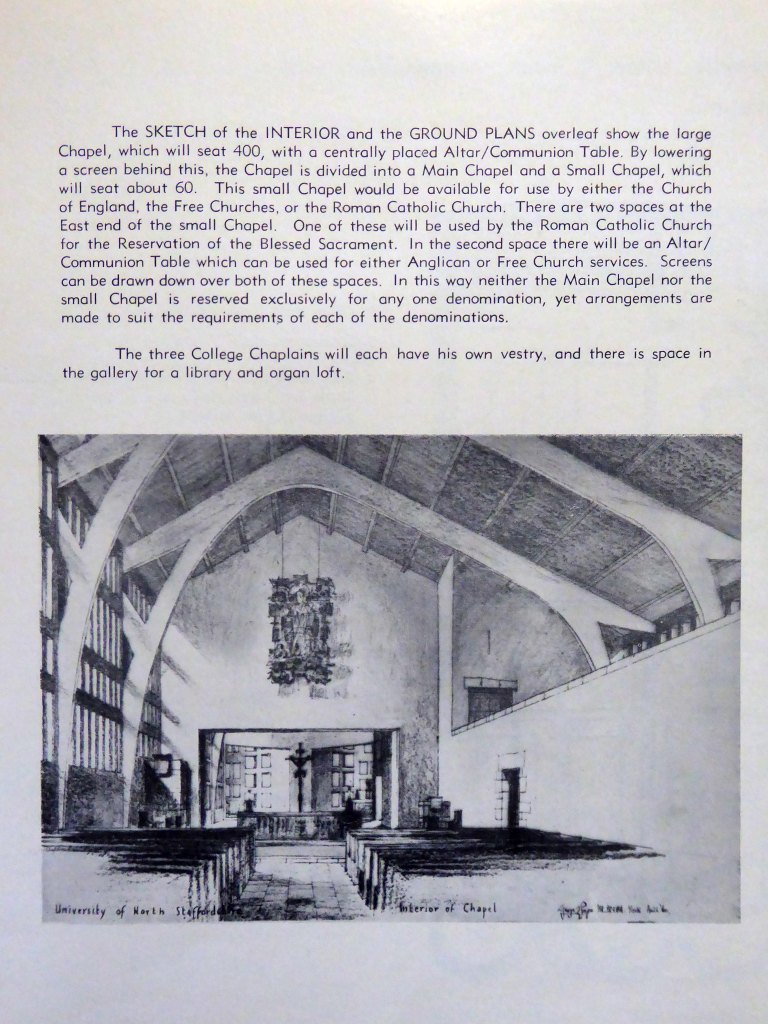
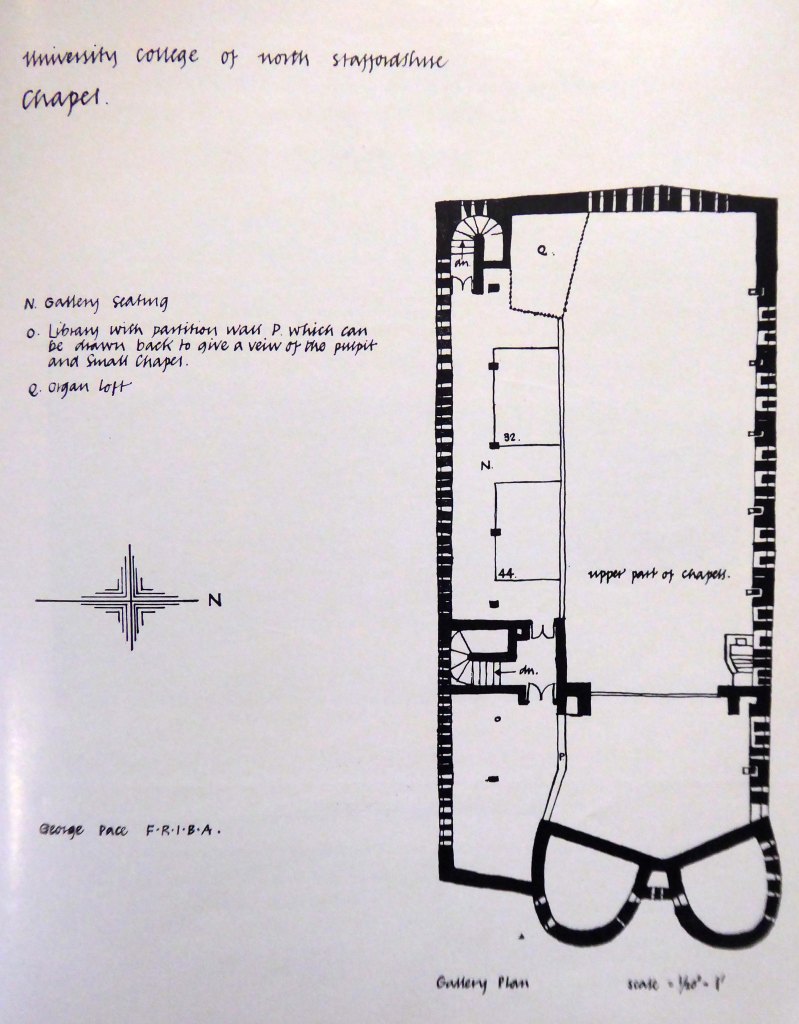
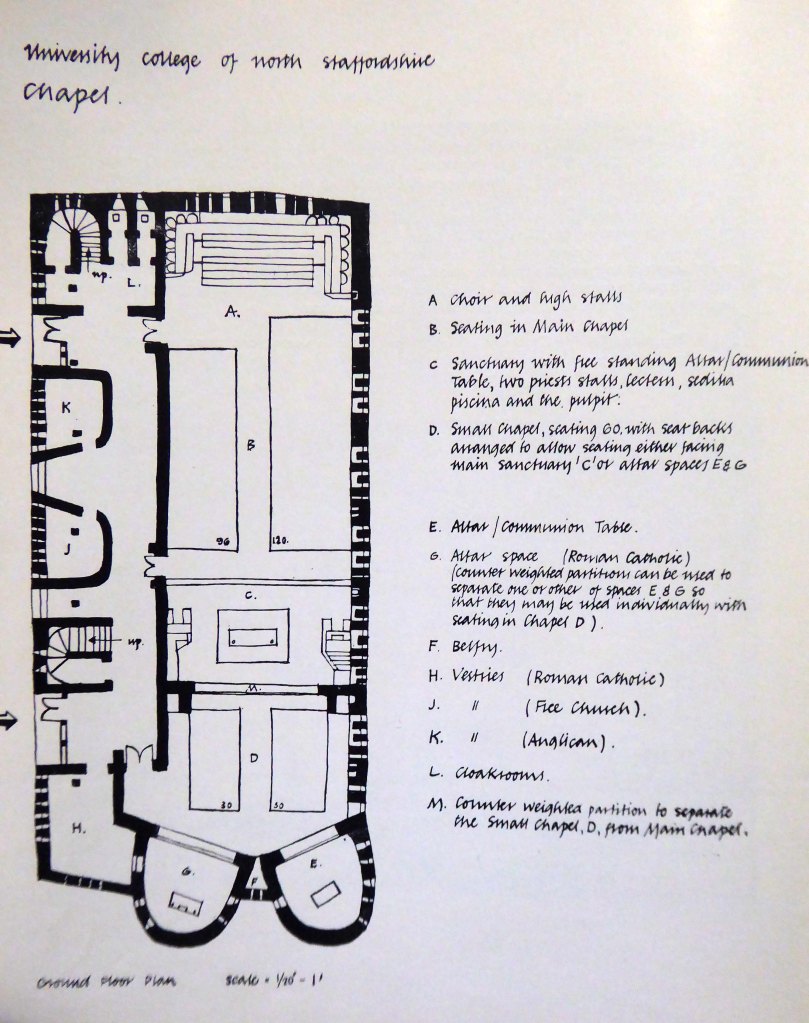
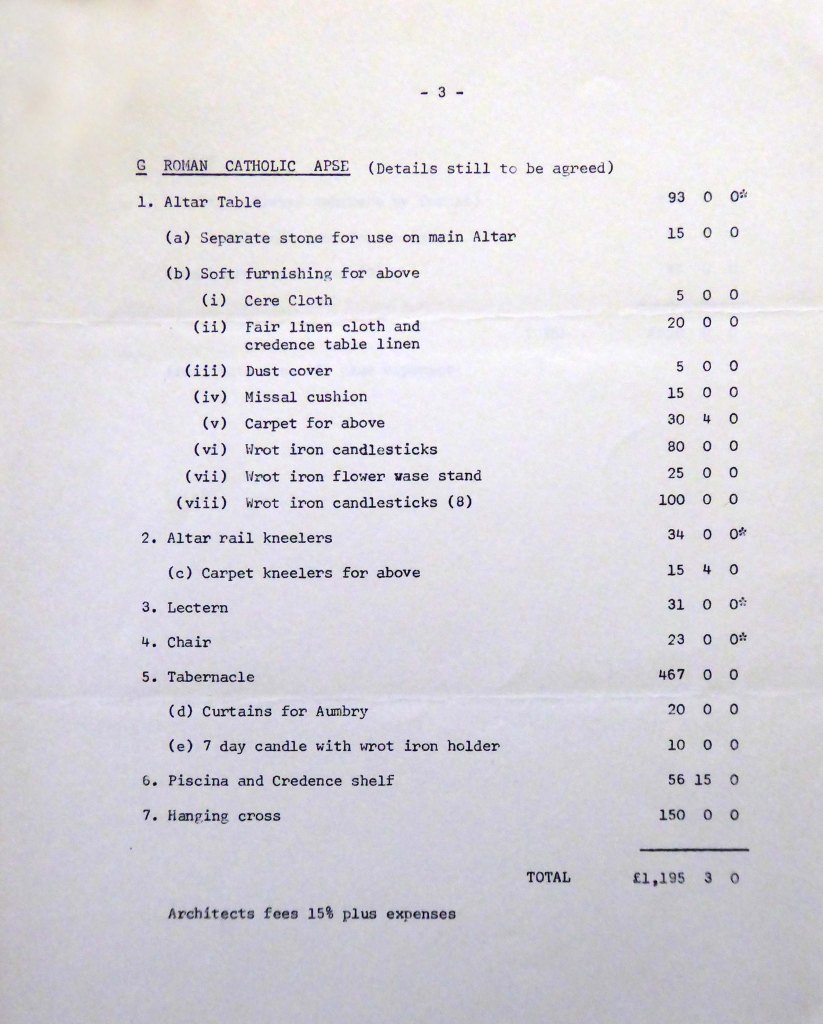
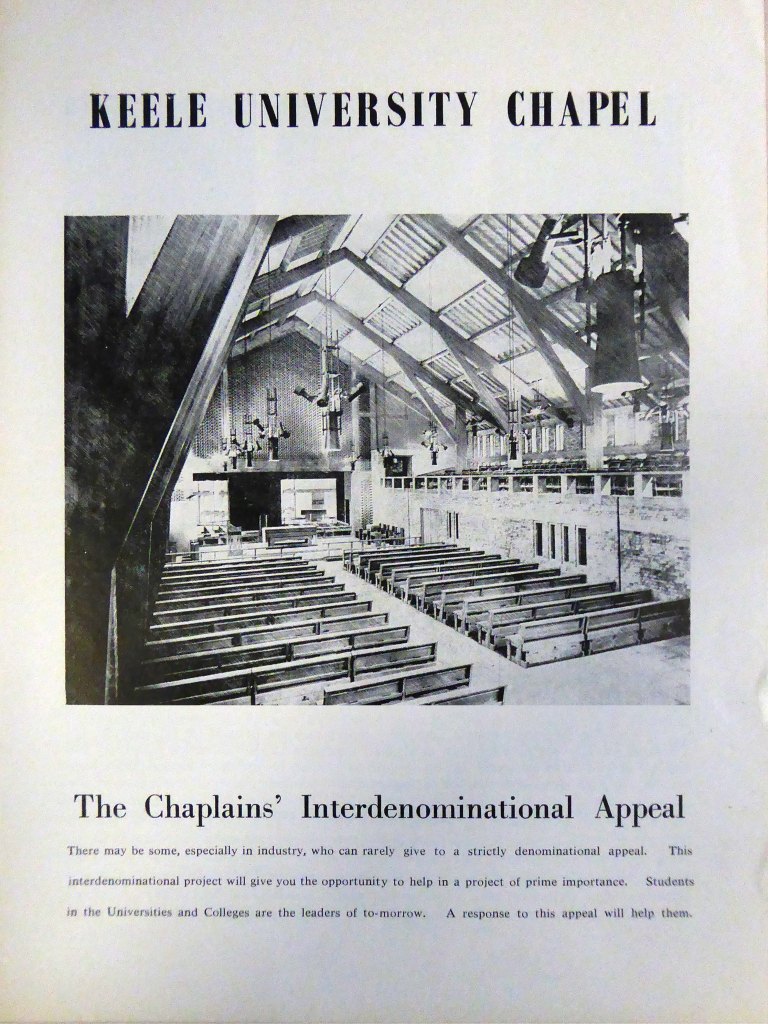
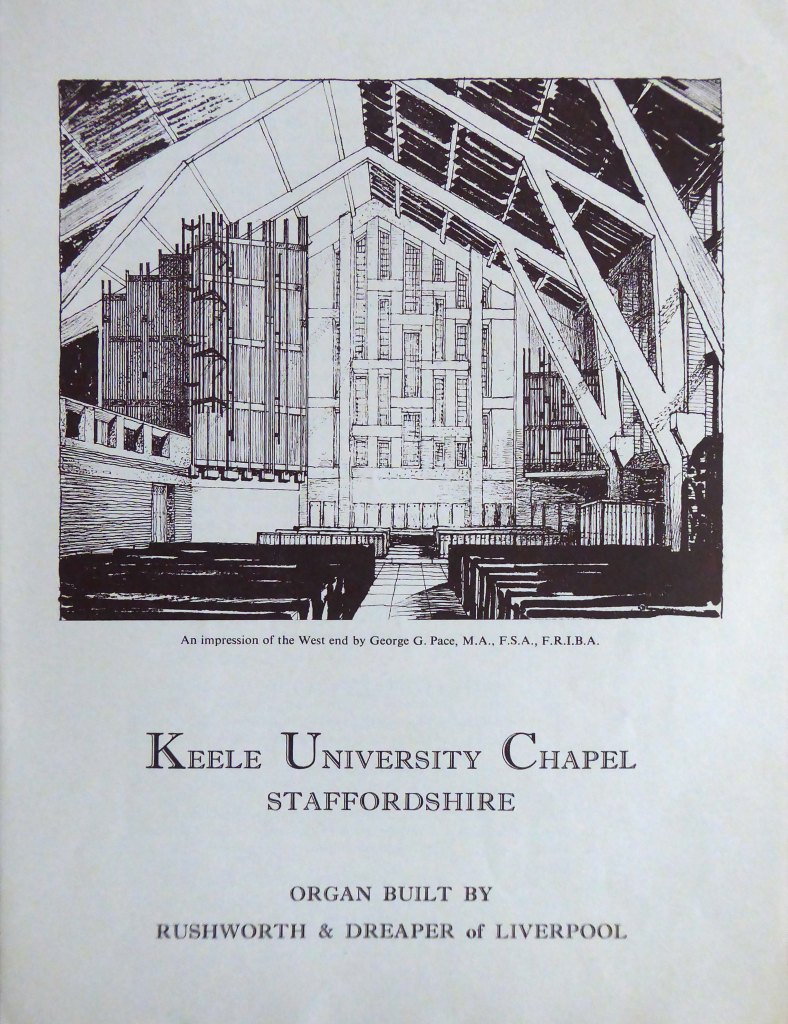
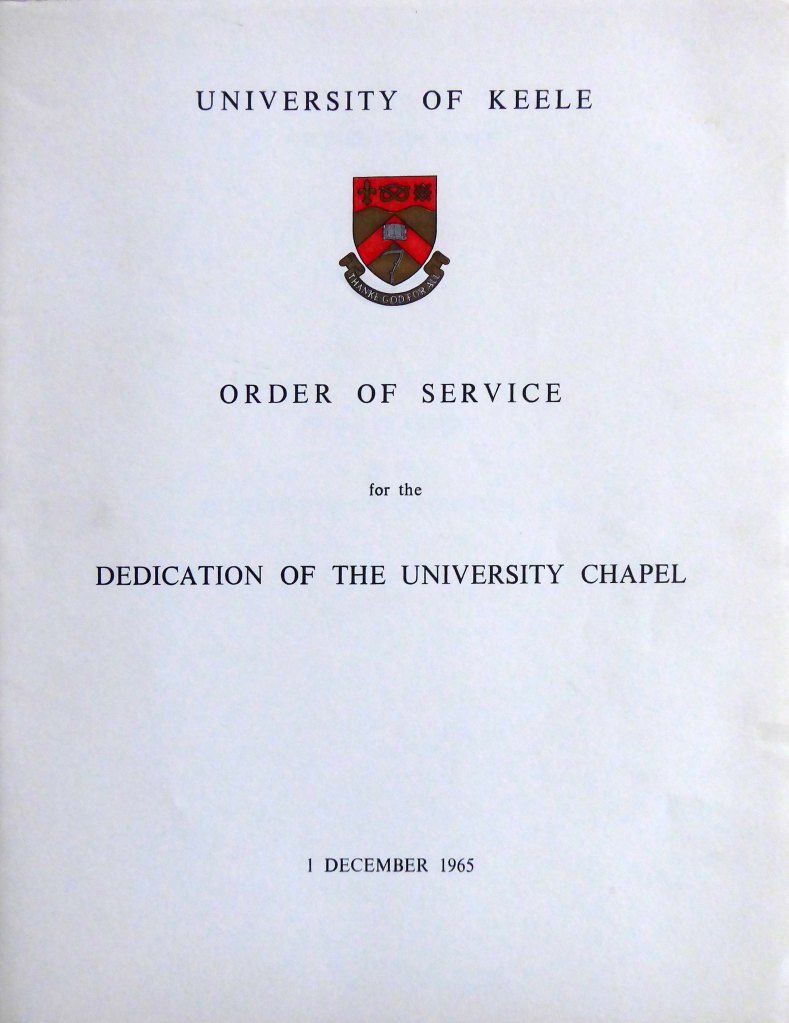
Multi-denominational university chapel. 1964-65 by G.G. Pace. Blue vitrified engineering bricks. Slated pitched roof to eaves. Two copper covered pyramidal roof lights to paired towers and two copper-covered dormers. Rectangular building with paired apses at one end and a gallery along one side, with vestries and entrance below. Main space designed to be flexible, with movable furniture and a hydraulic screen which can be lowered to make two smaller spaces. One of the apses is dedicated to Roman Catholic worship; the other is for Anglicans and Non-conformists.
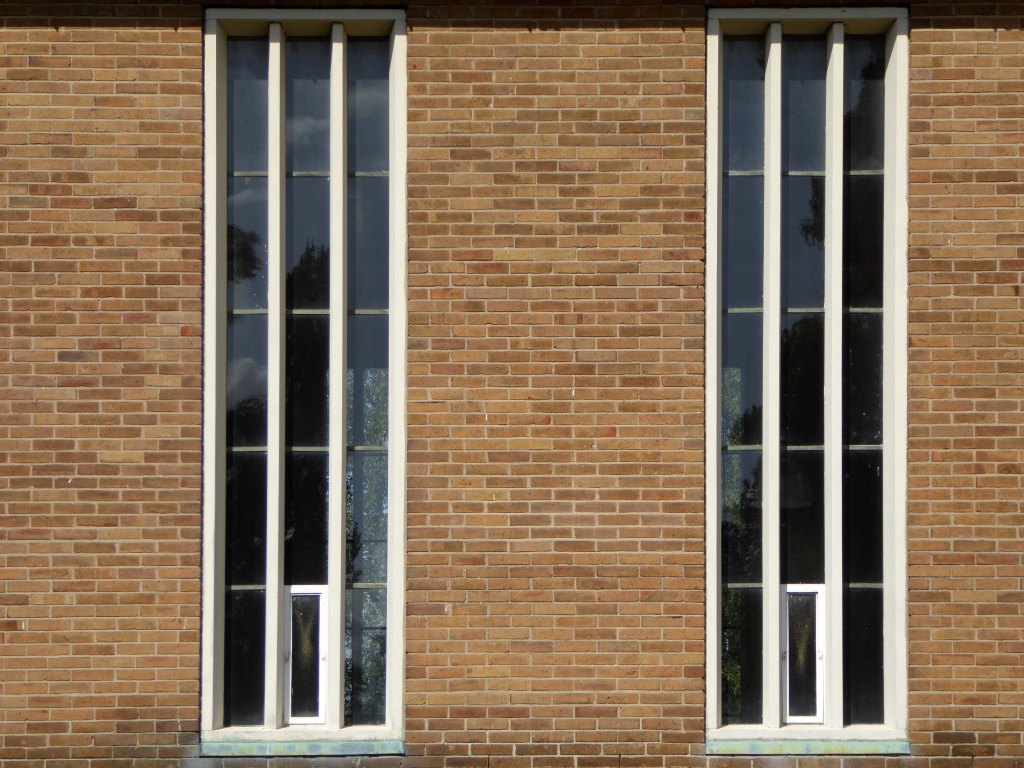
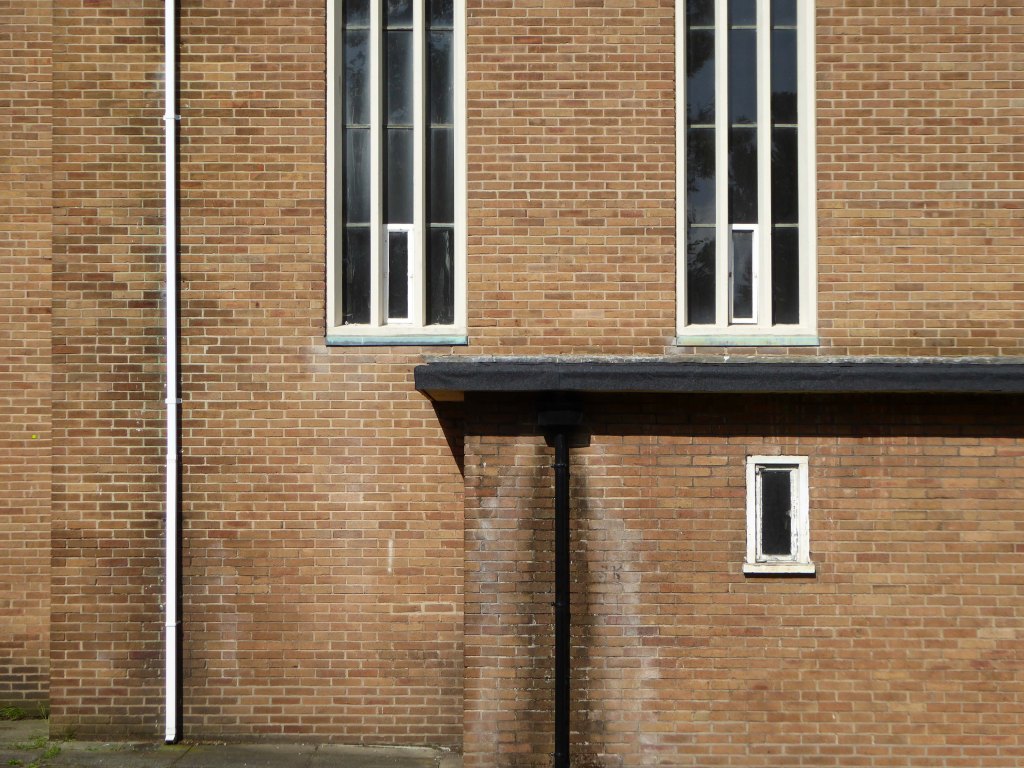
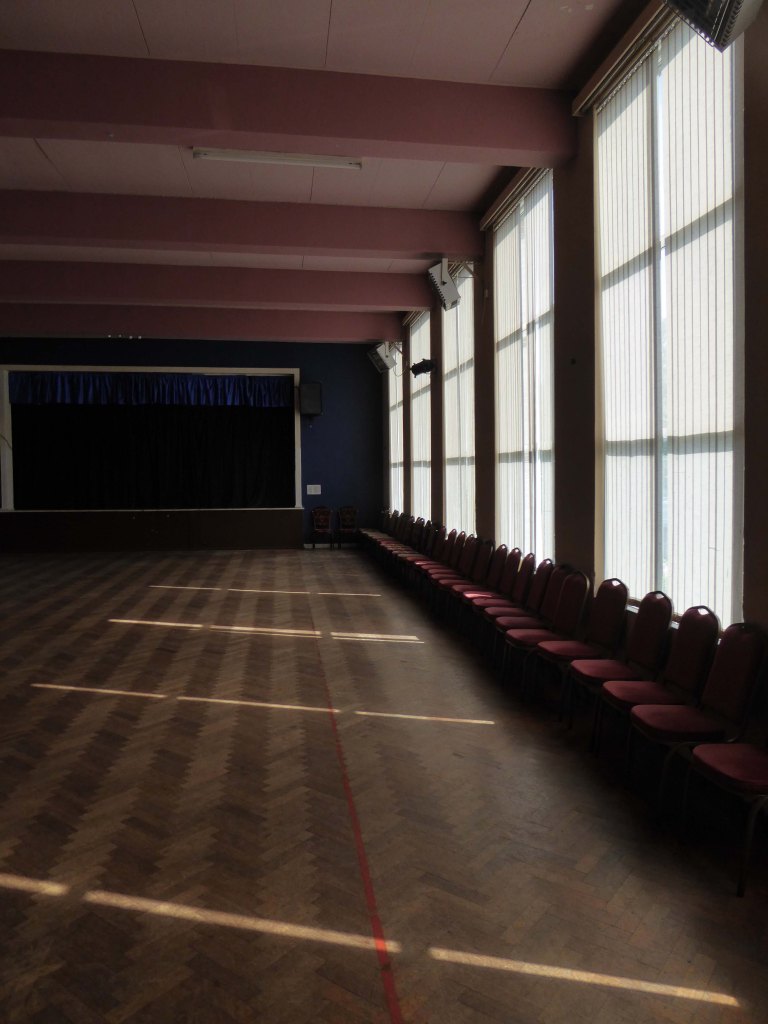
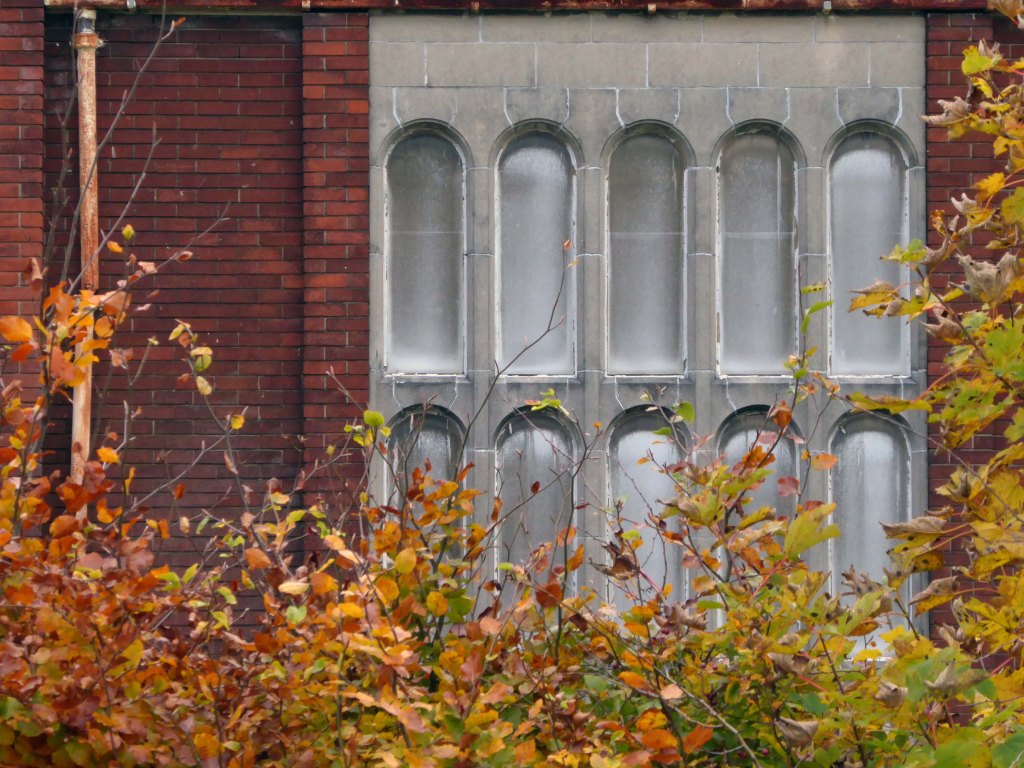
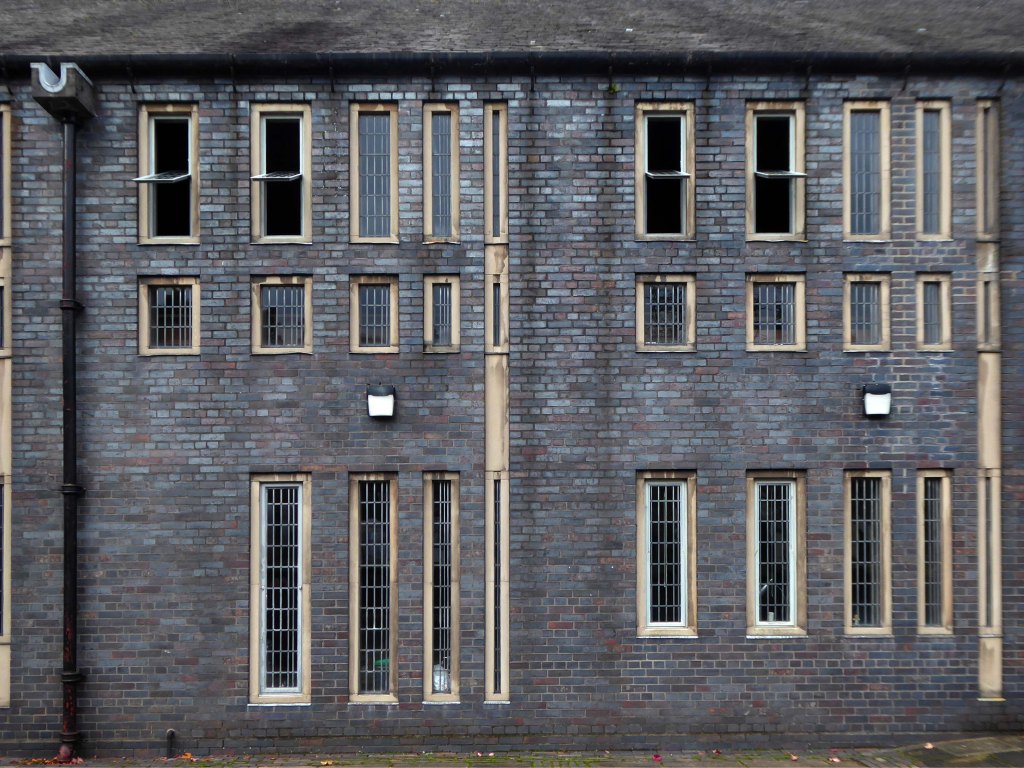
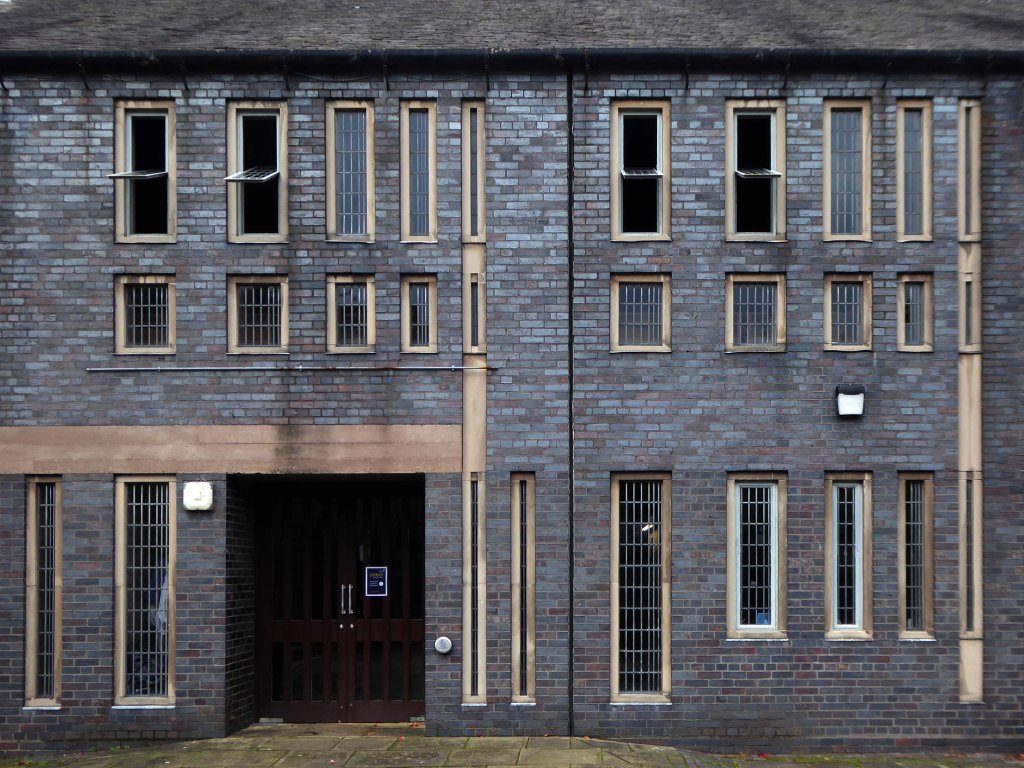
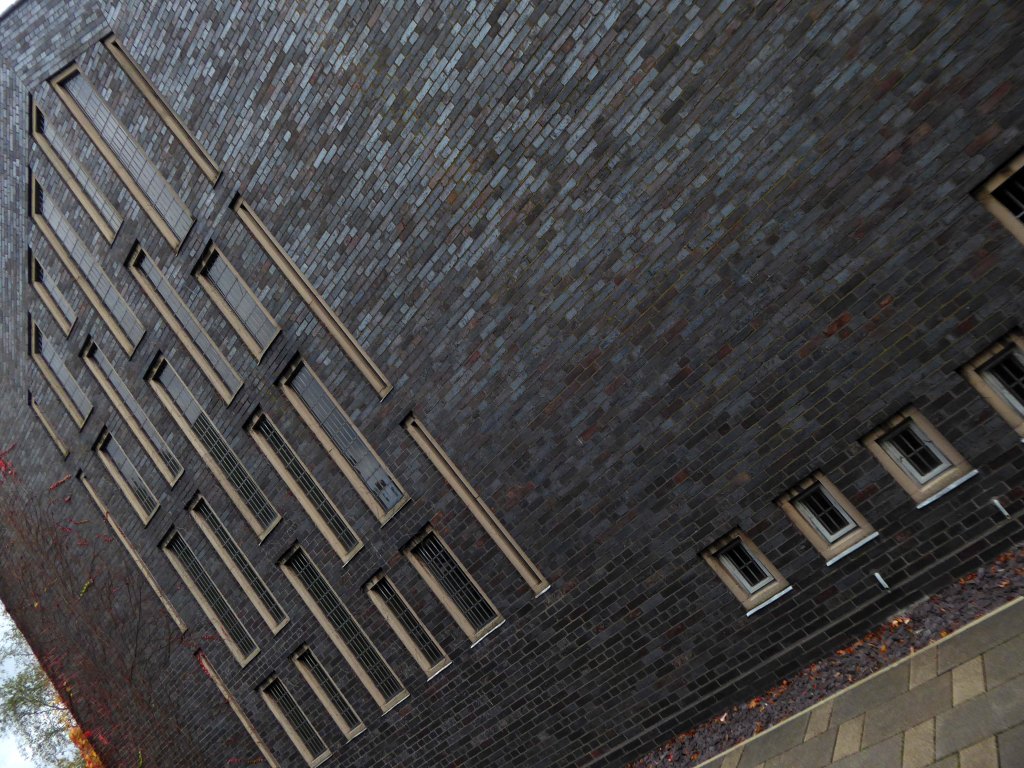
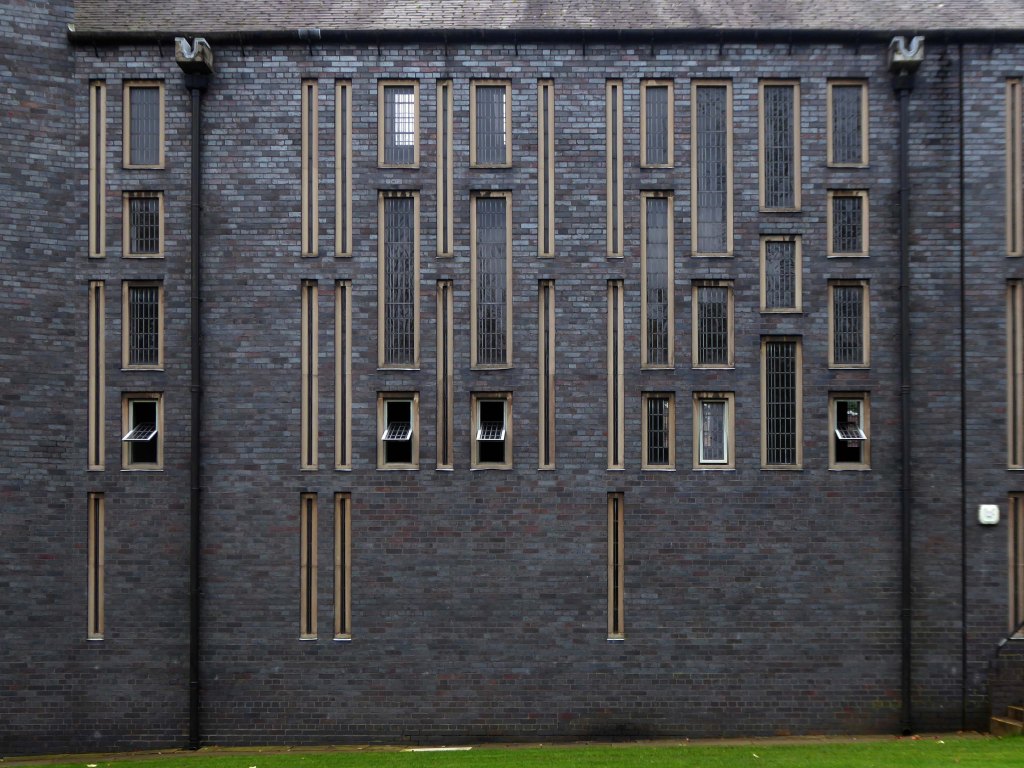
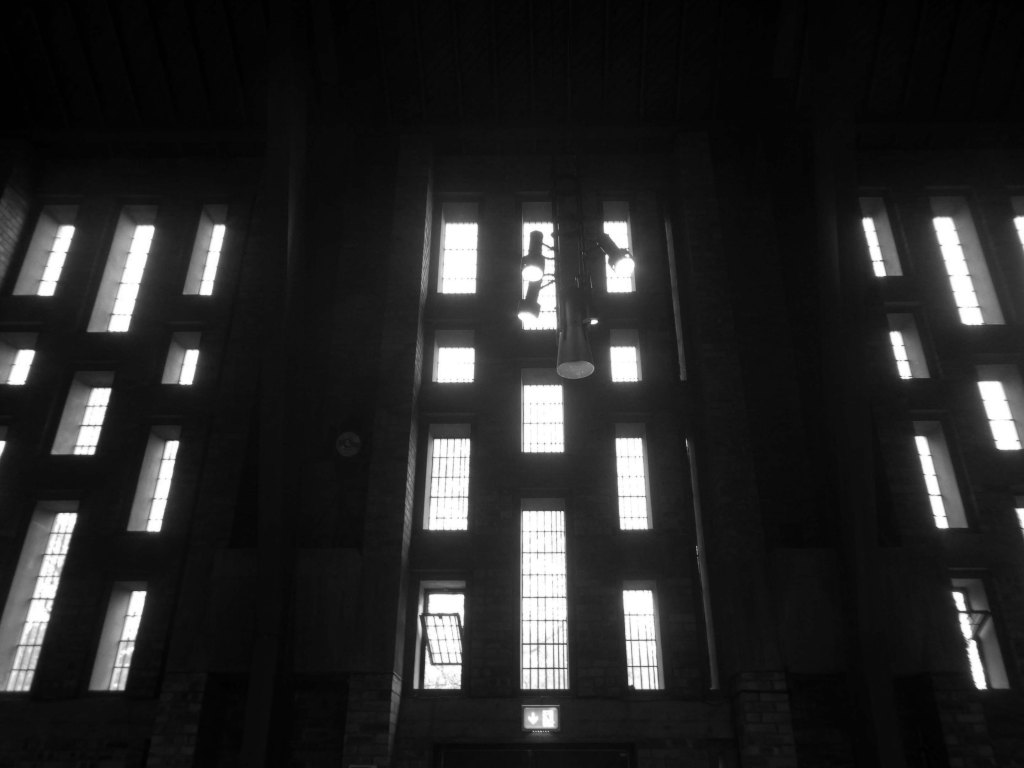
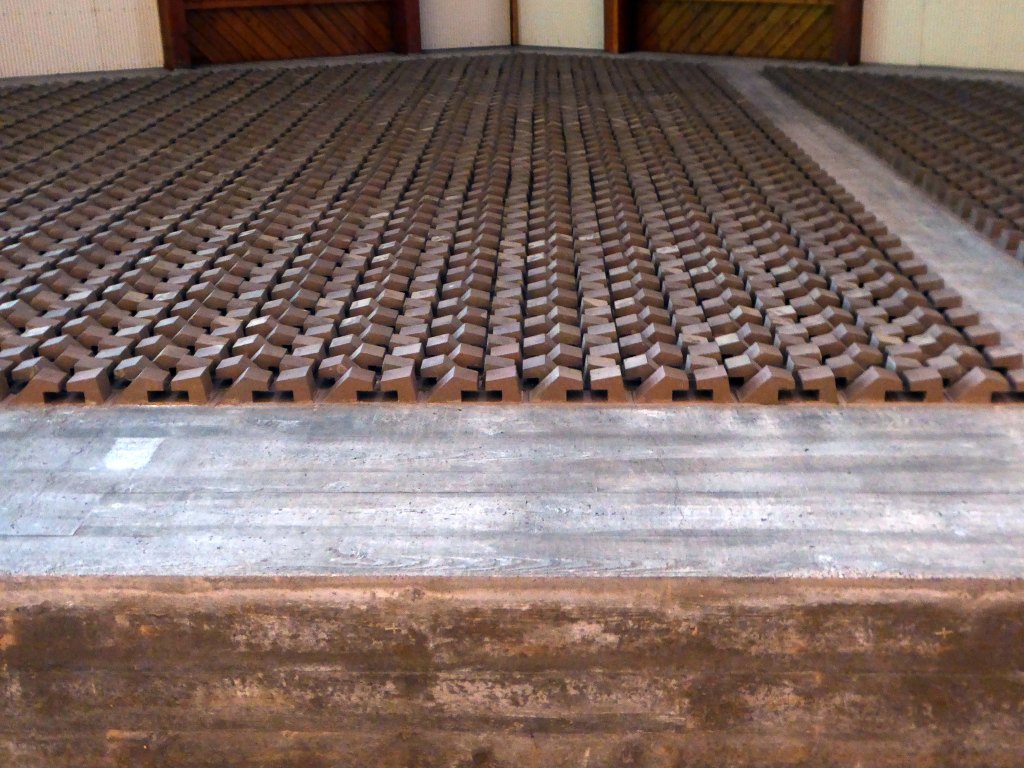
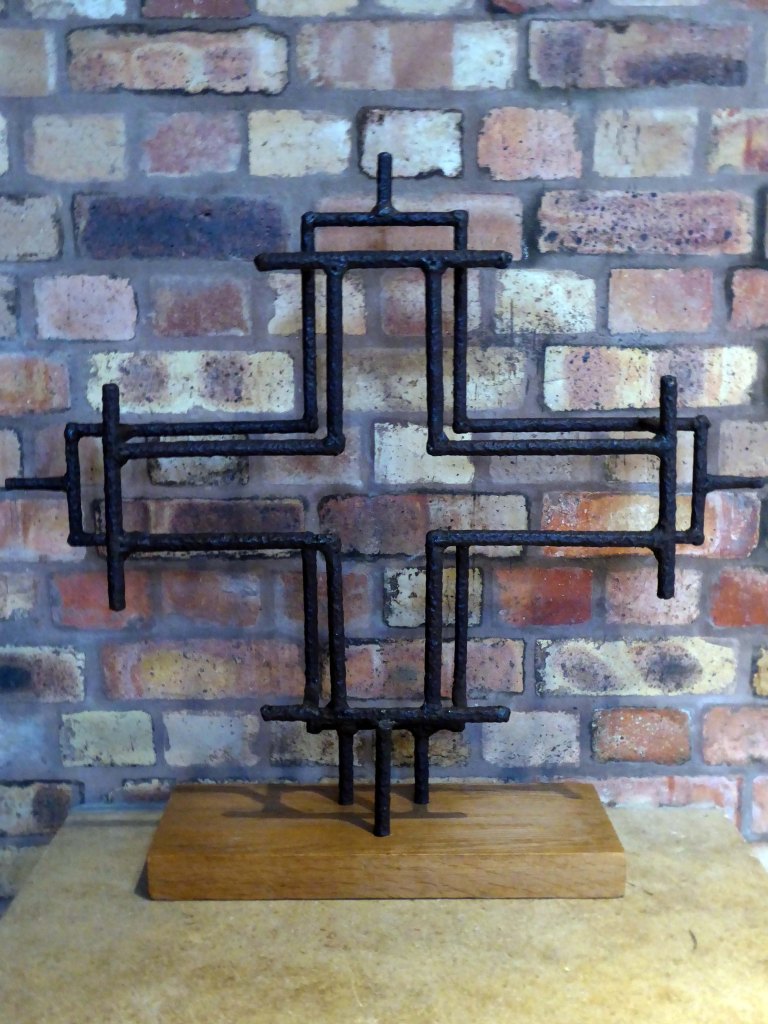
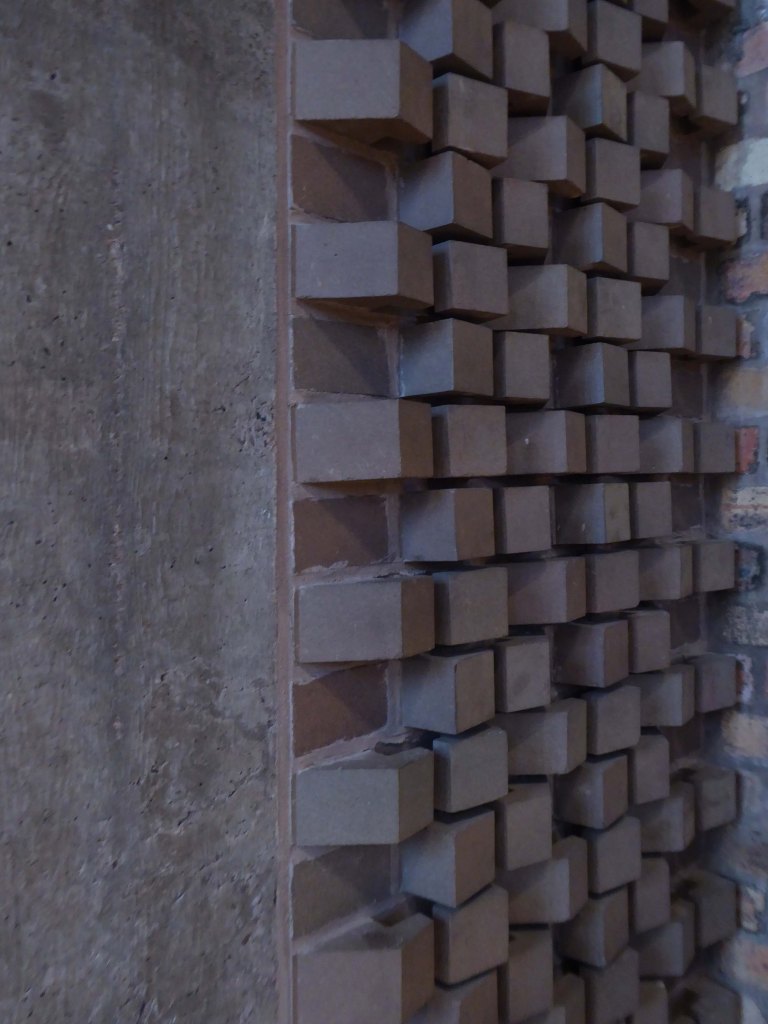
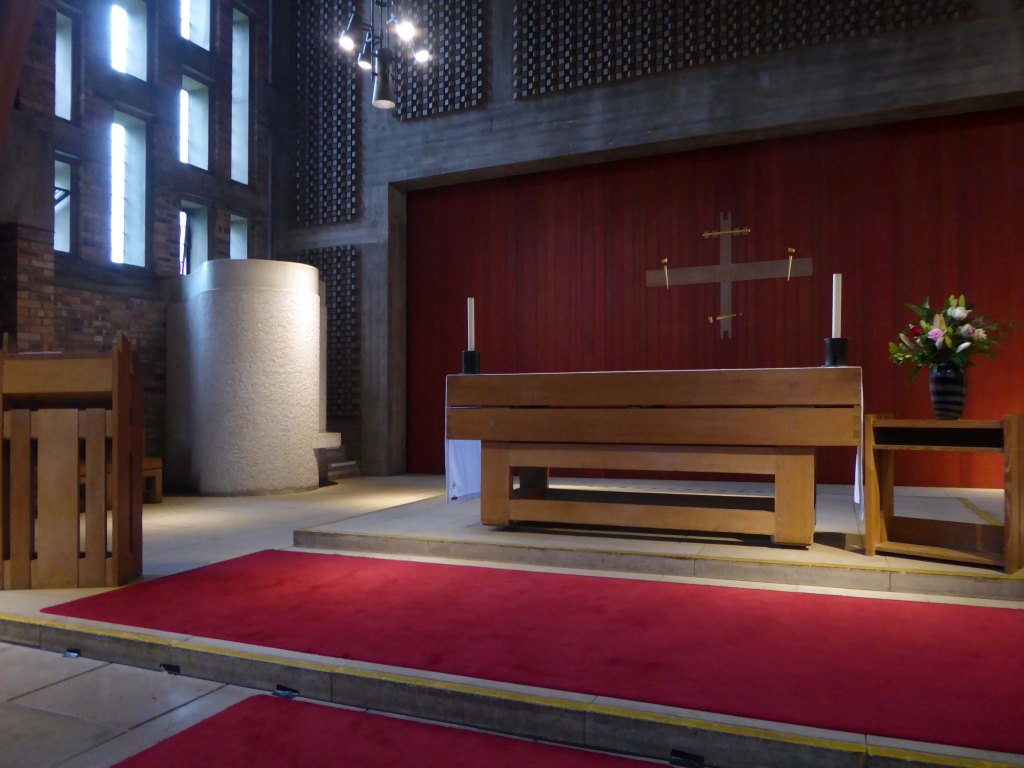
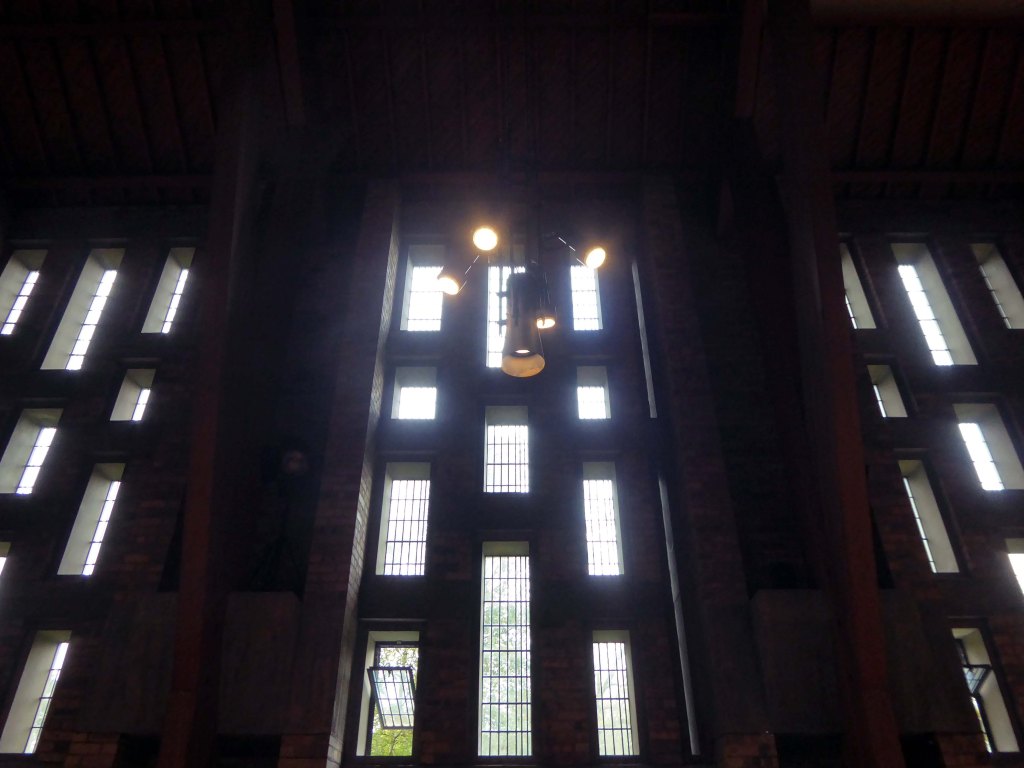
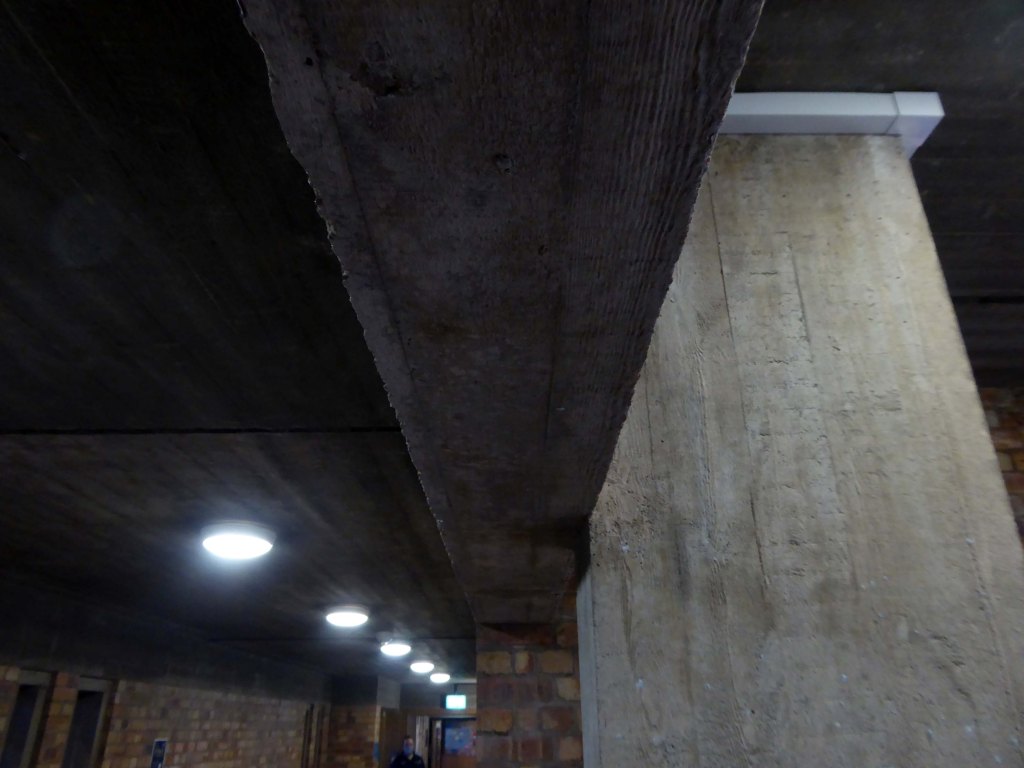
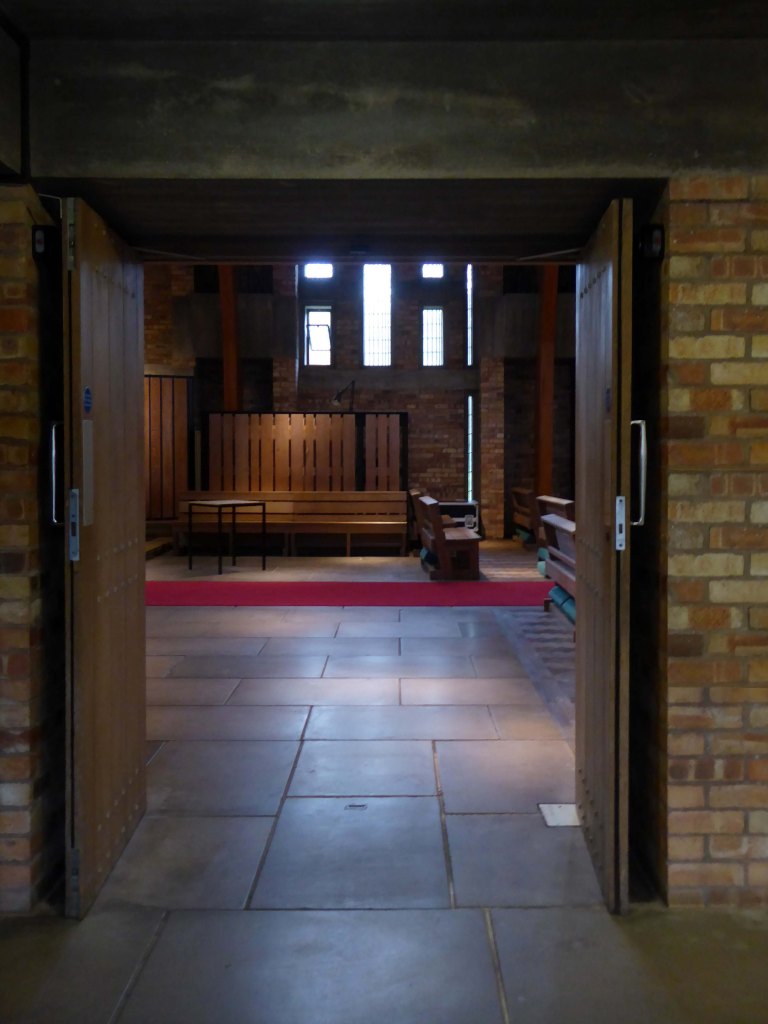
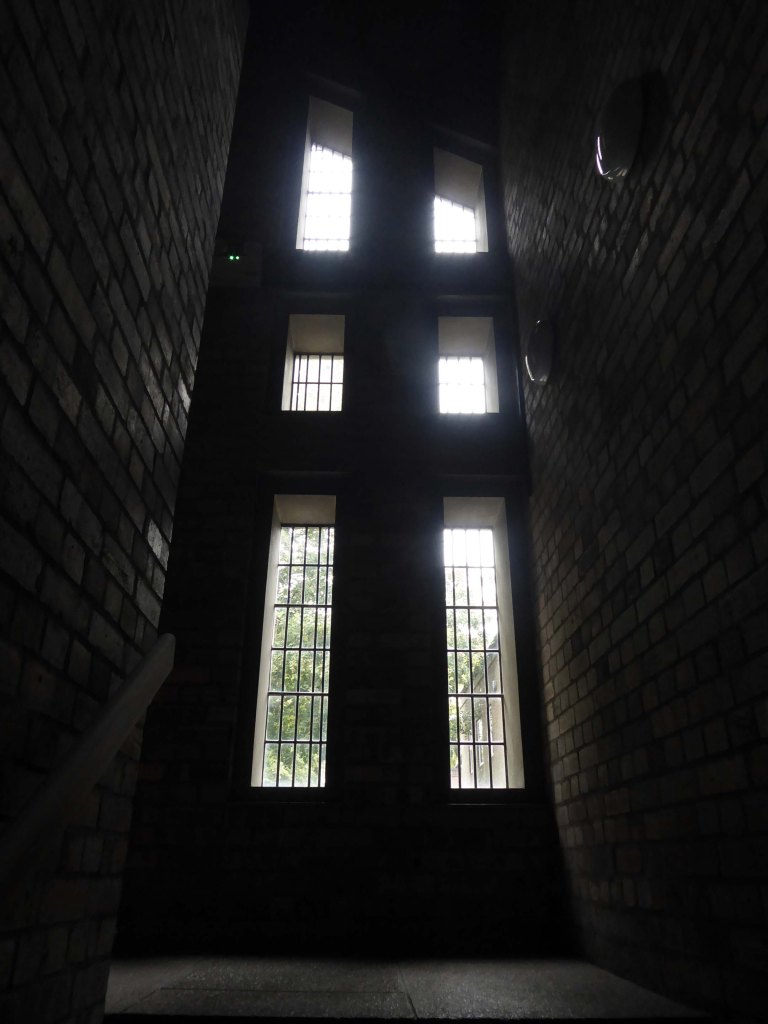
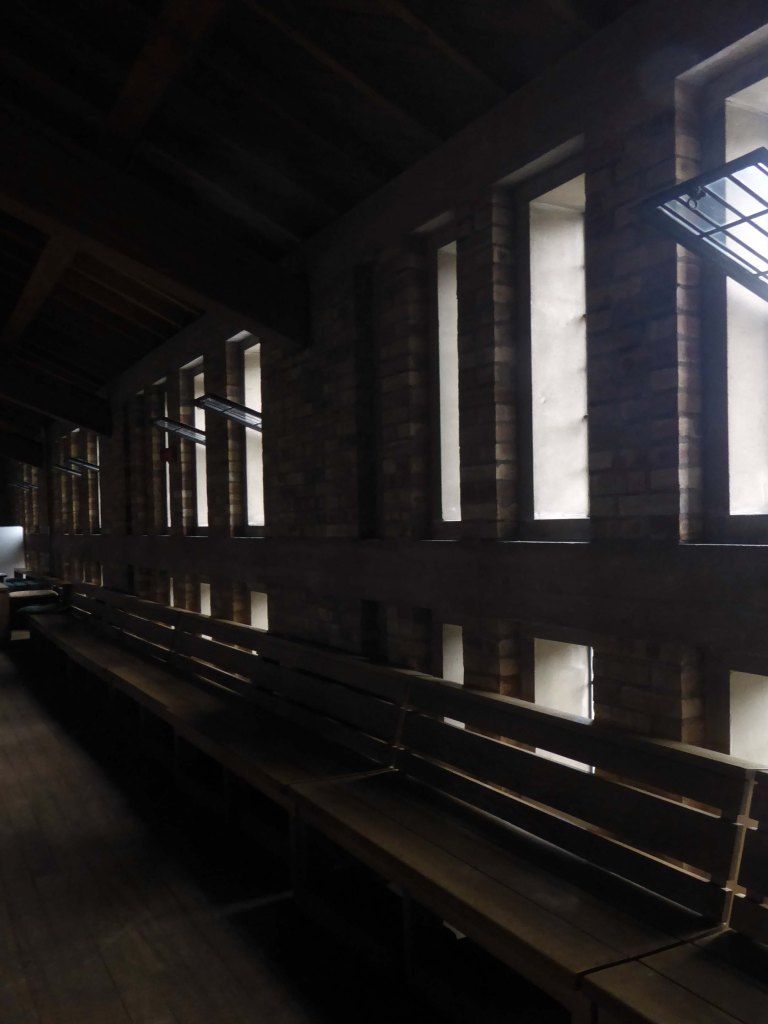
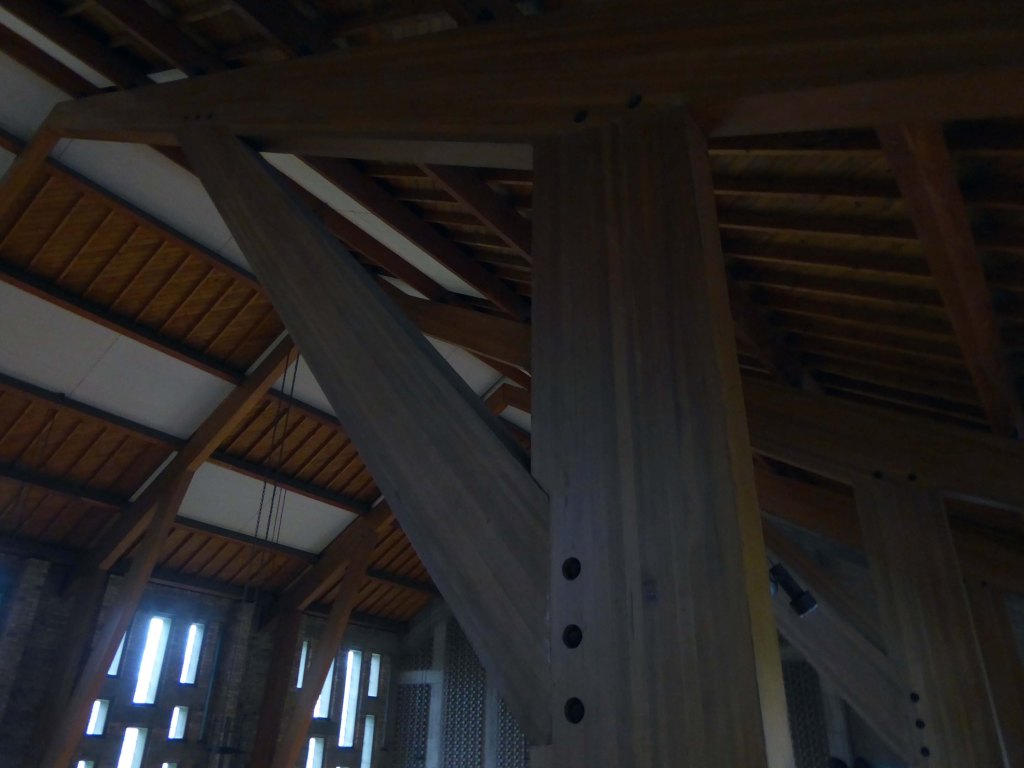
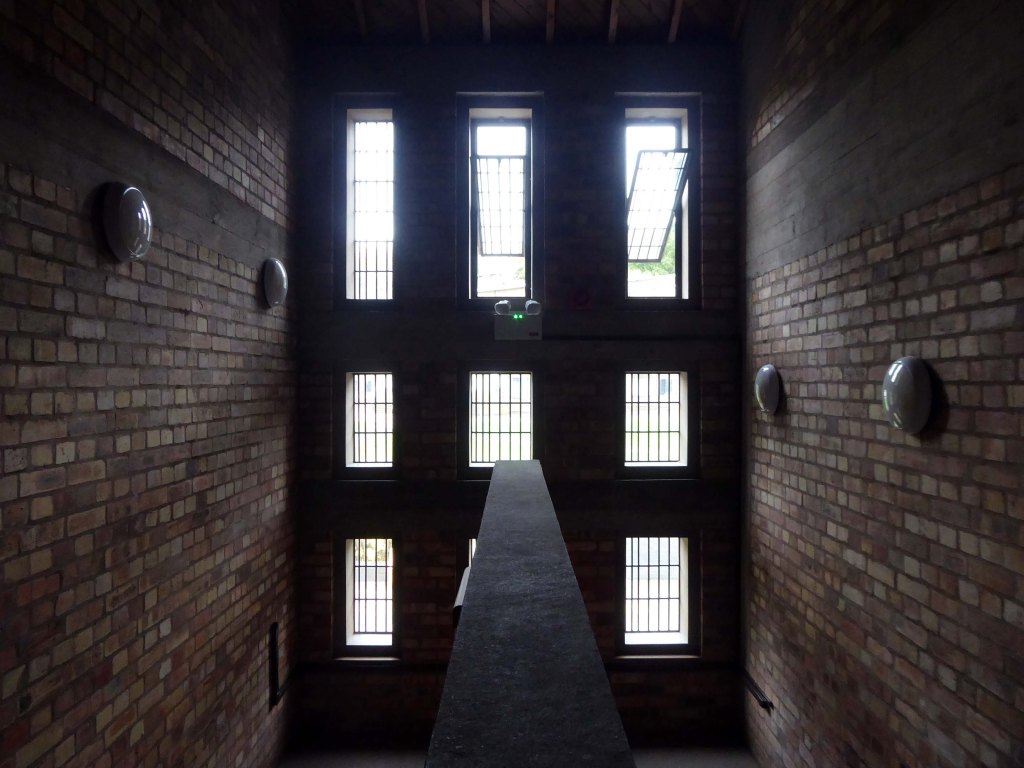
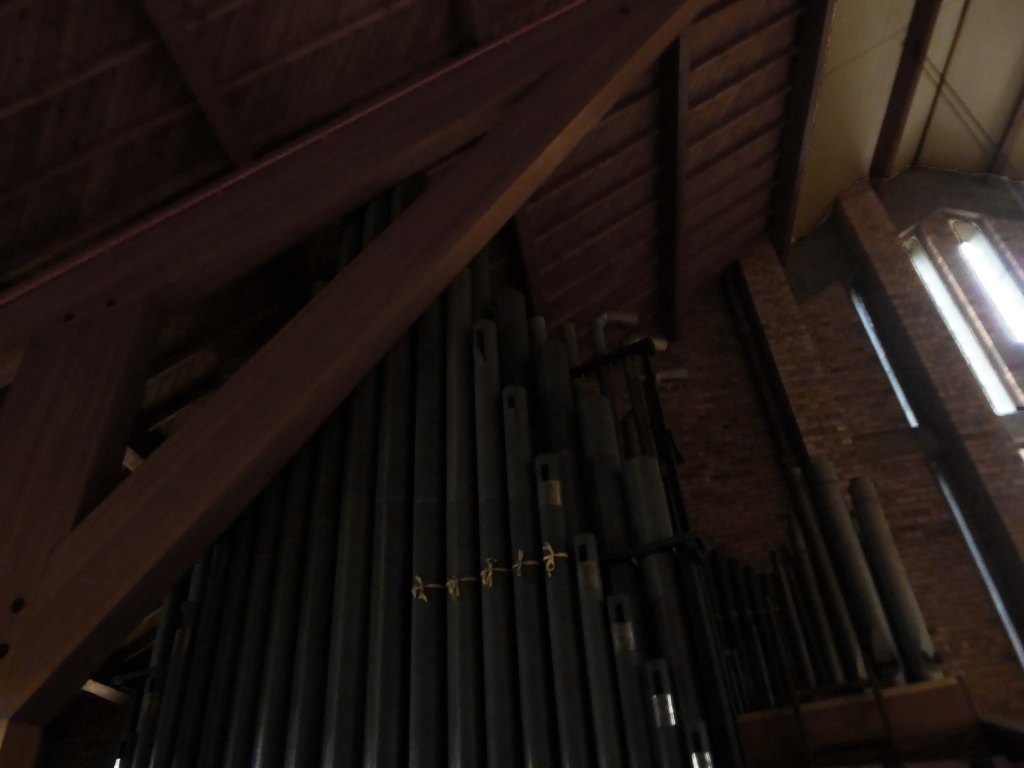
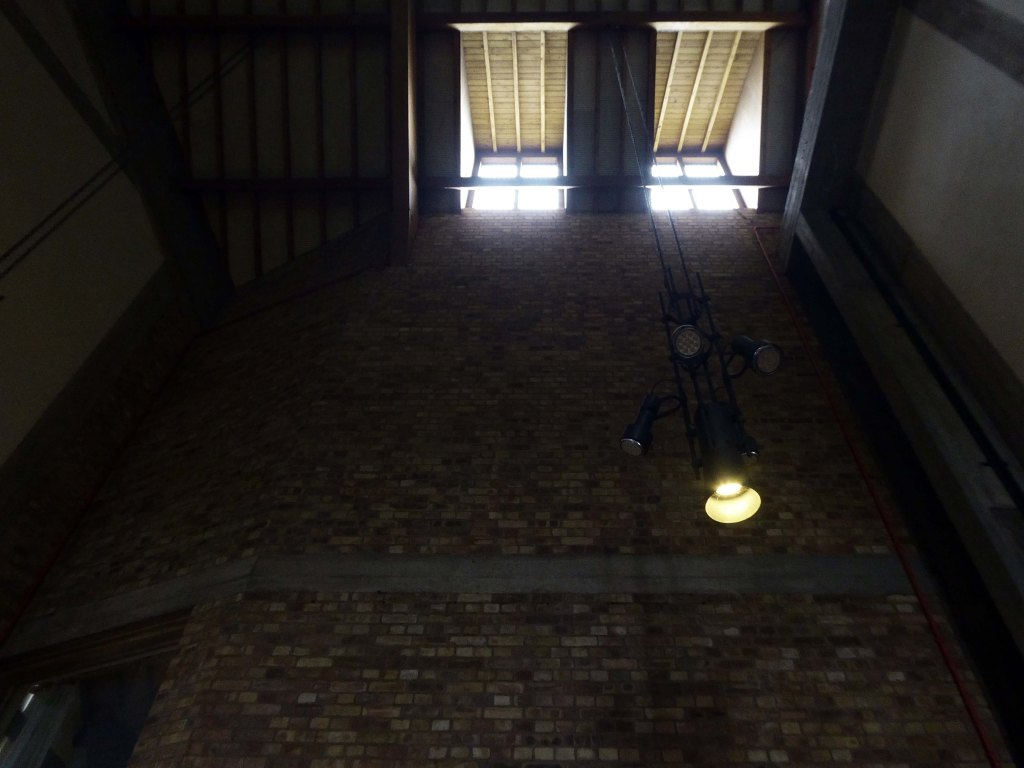
Exterior is dominated by the paired apses, which rise to form a pair of towers, each with panels of vertical strip windows with square-headed lights of irregular length, separated by brick tracery. Similar windows in irregular patterns to the flanks, which are otherwise unmodelled, and to the asymmetrical gable end. Rectangular leaded lights. Square-headed entrance on flank with concrete beam over. Double timber doors, recessed. Projecting concrete gutter spouts, three to each flank. Interior of exposed pink brick and unpainted board-marked concrete. `Y’ shaped laminated timber uprights and trusses, supporting timber roof, partly with timber rafters with exposed boarding behind, and partly with white acoustic tiles, forming a decorative contrast to the timber panels. Patterned brick screen with exposed, unpainted board-marked concrete frame divides the space at the higher level up to the roof, and a hydraulic screen of rust-stained timber, decorated with a cross motif, can be lowered to complete the division. Two similar, but smaller screens can be lowered to close off the apses.
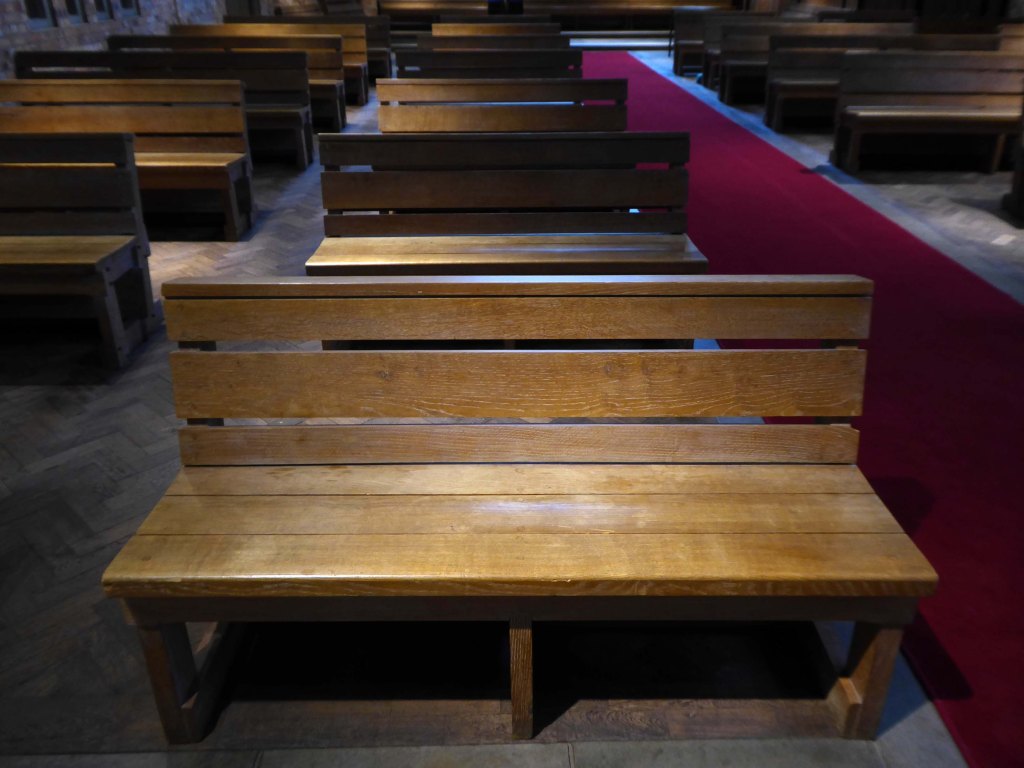
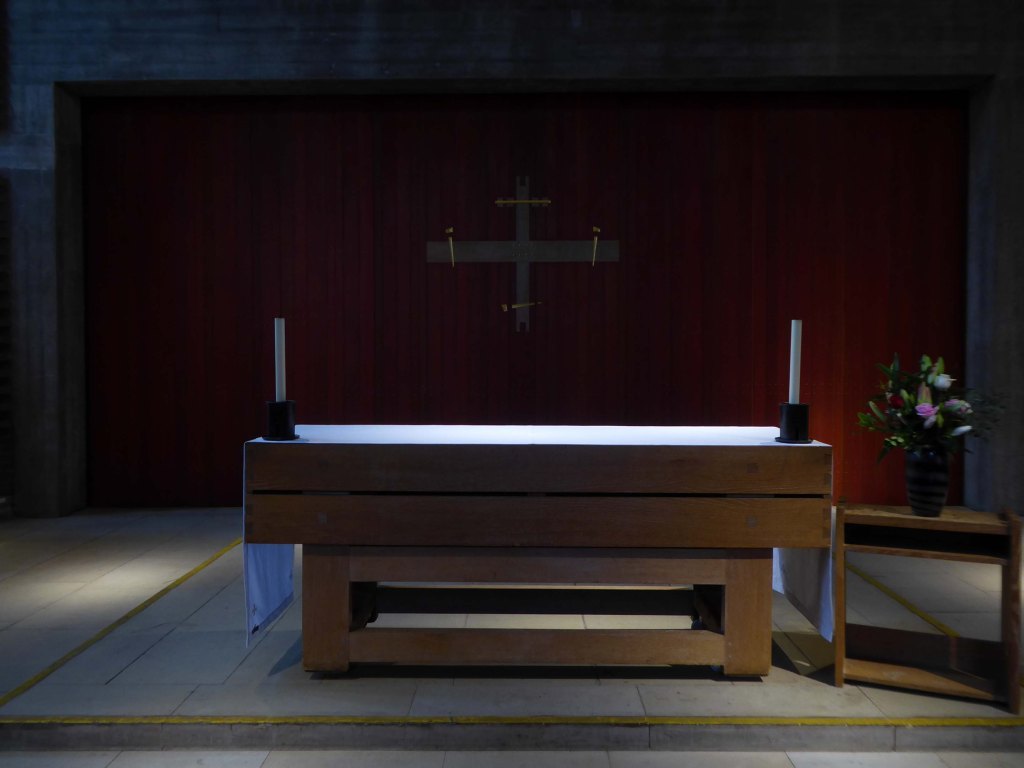
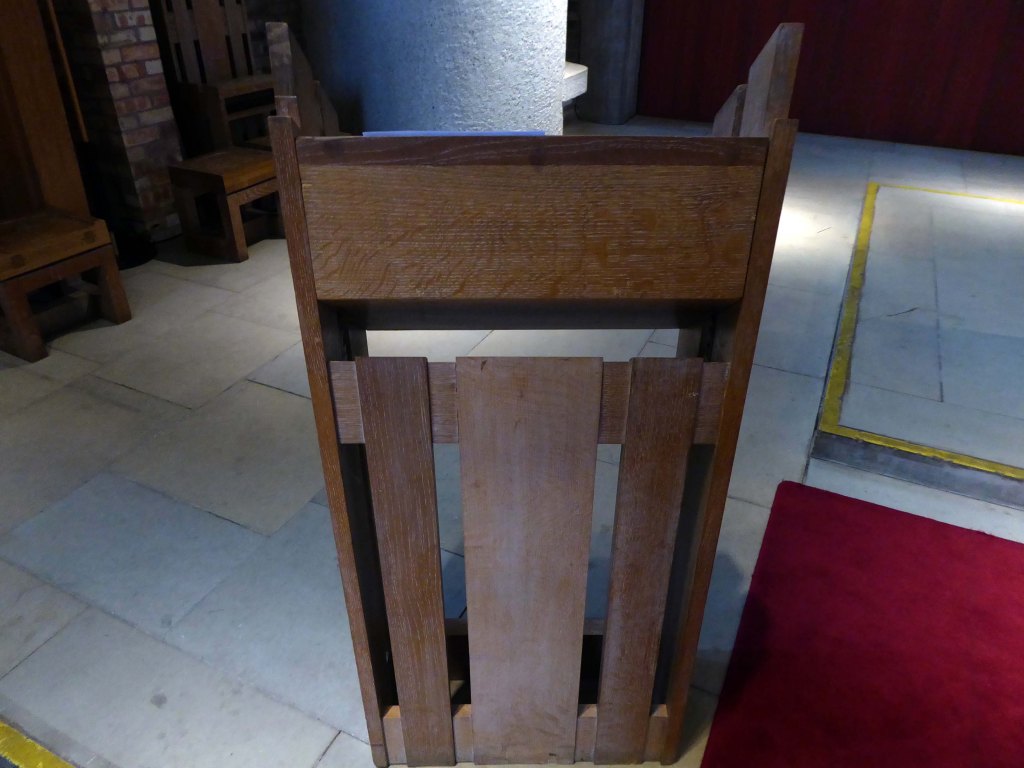
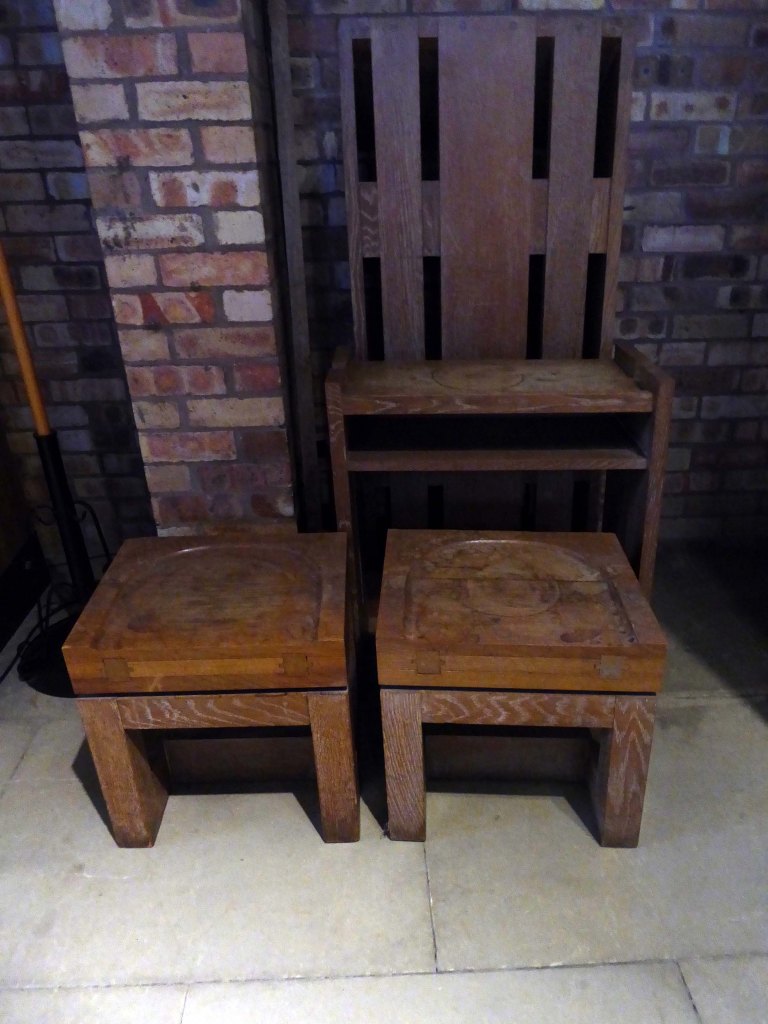
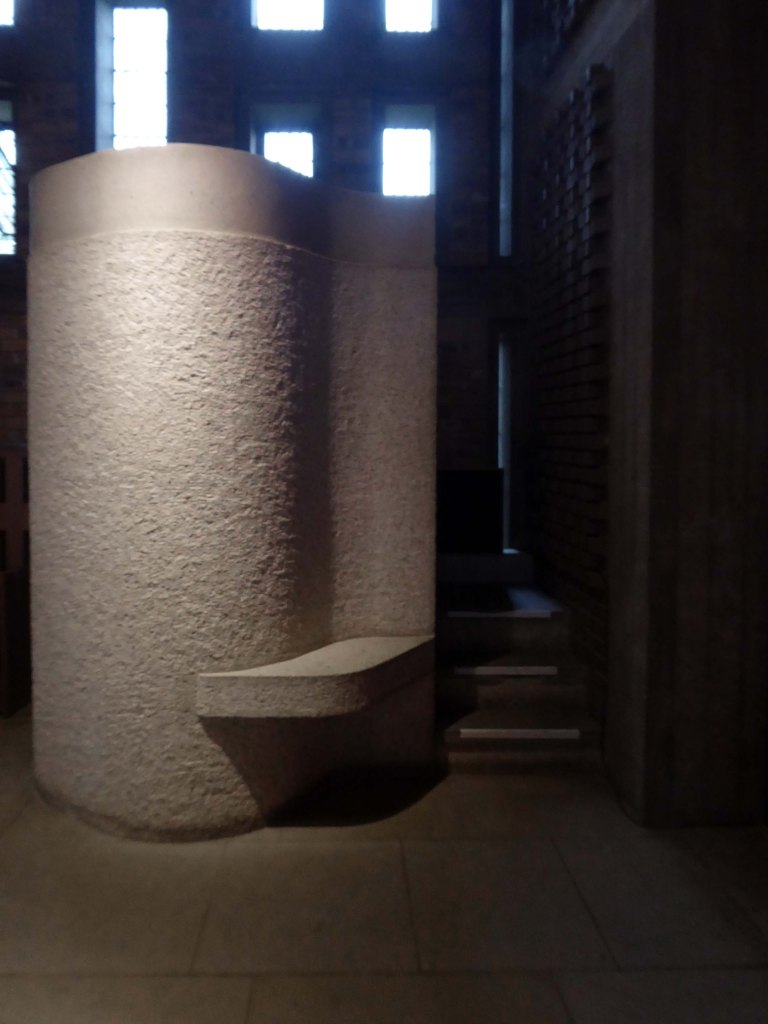
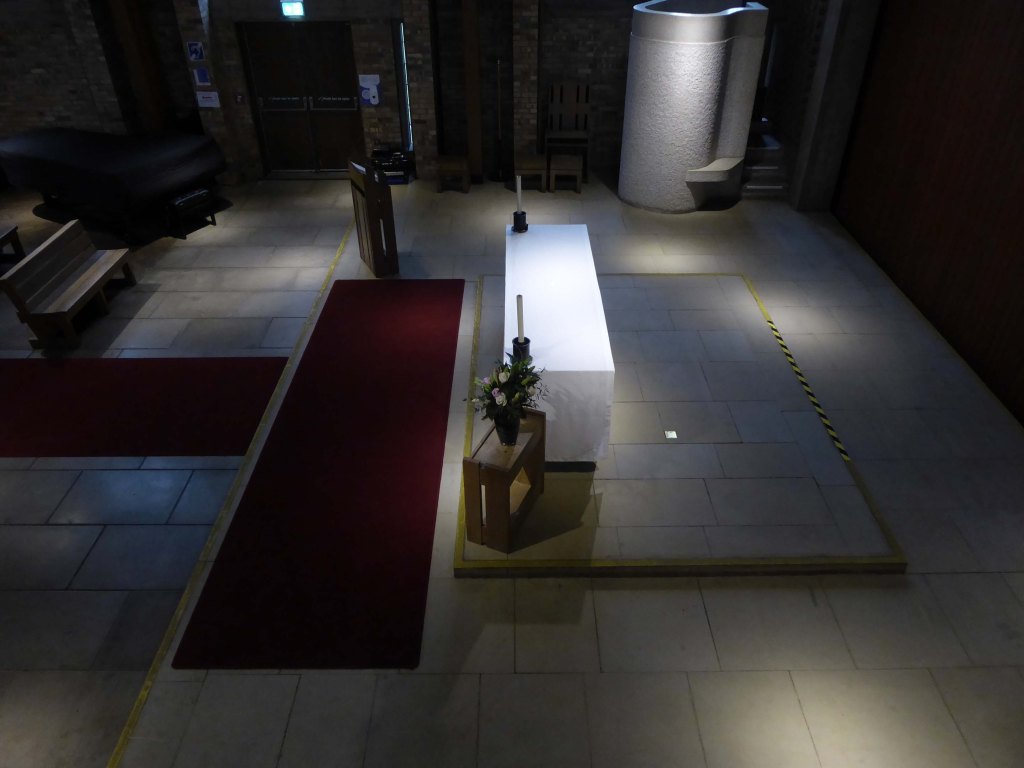
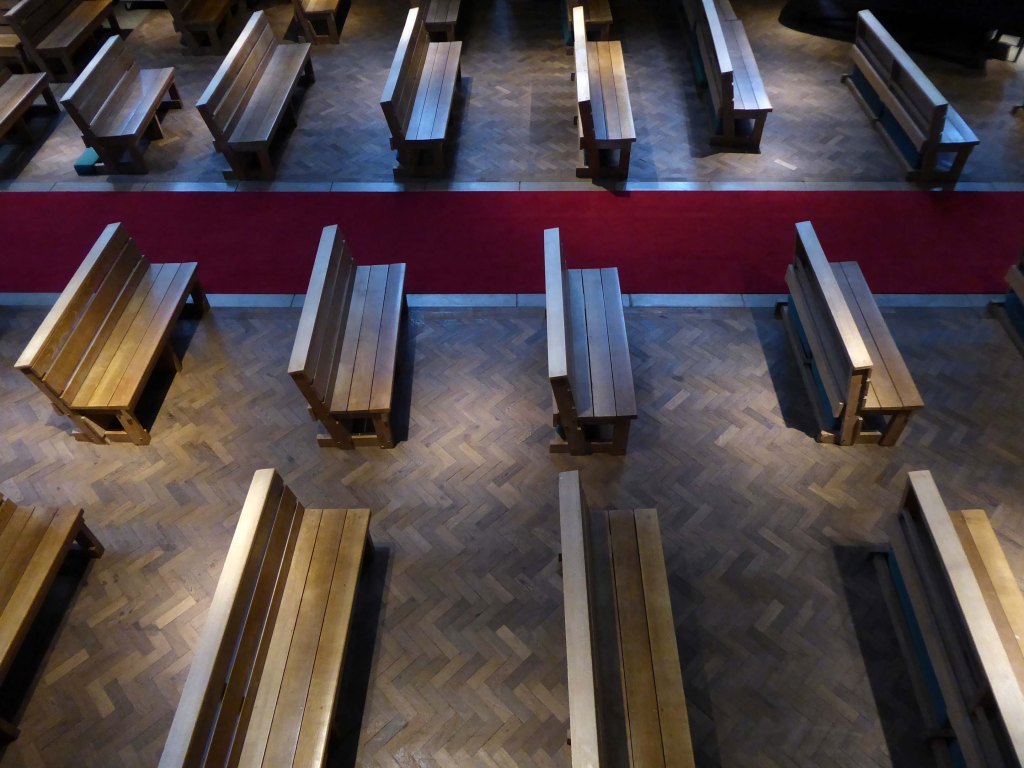
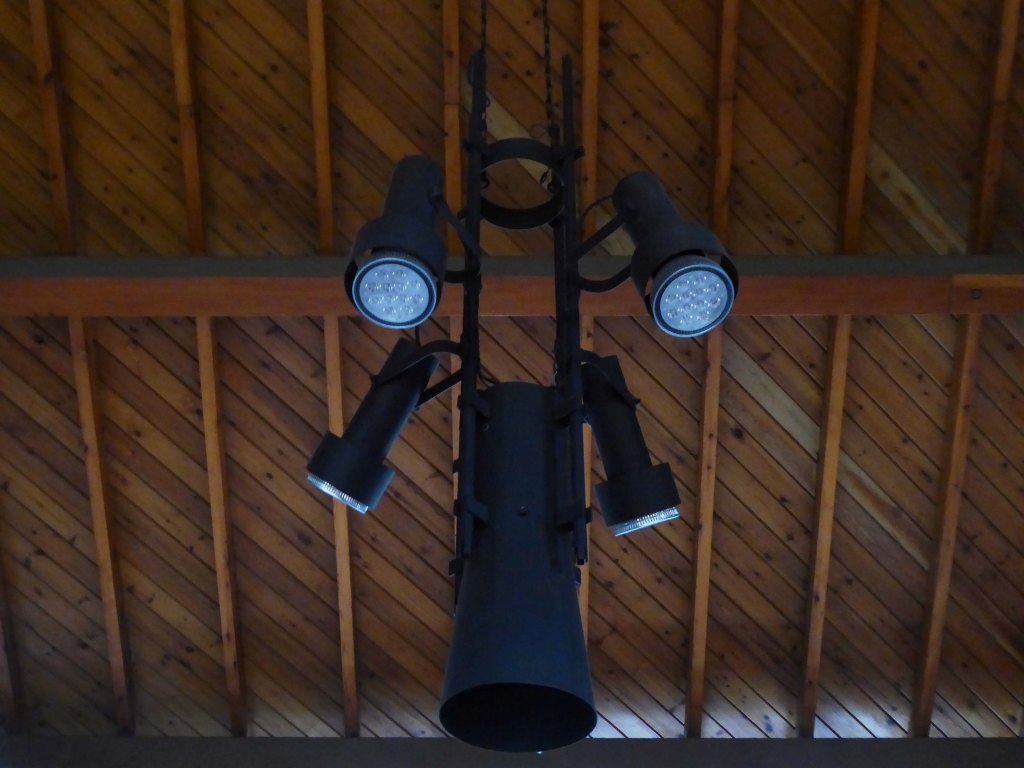
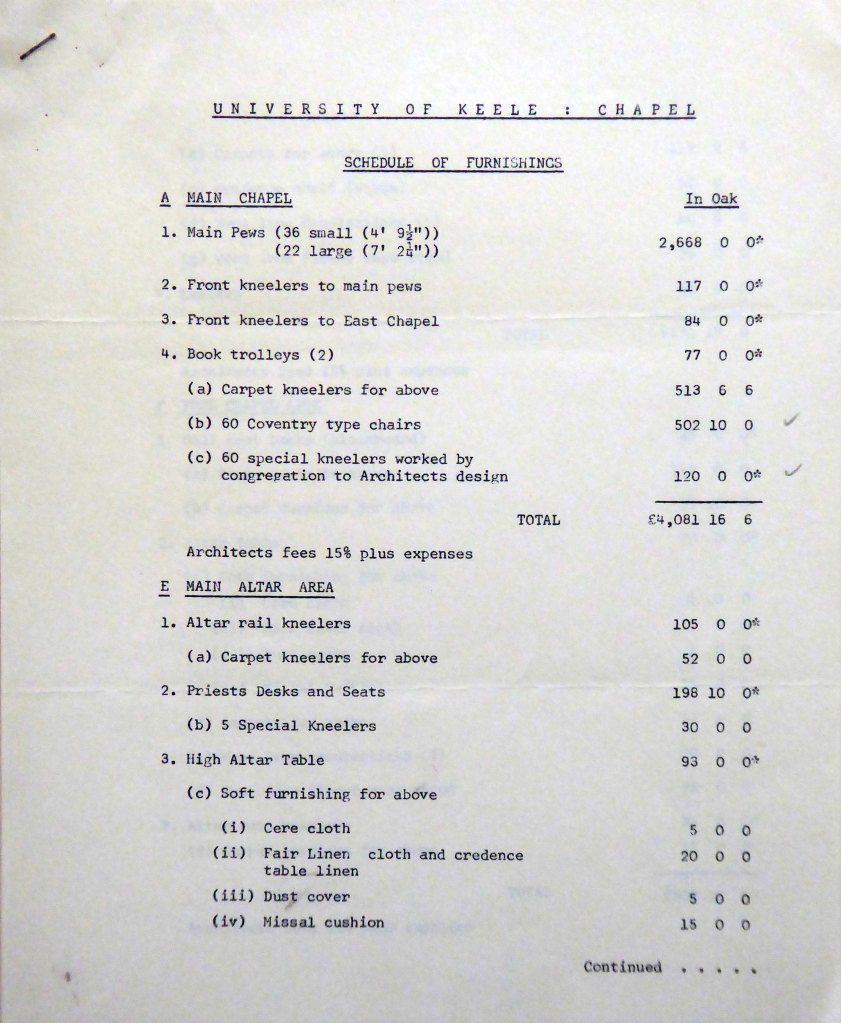
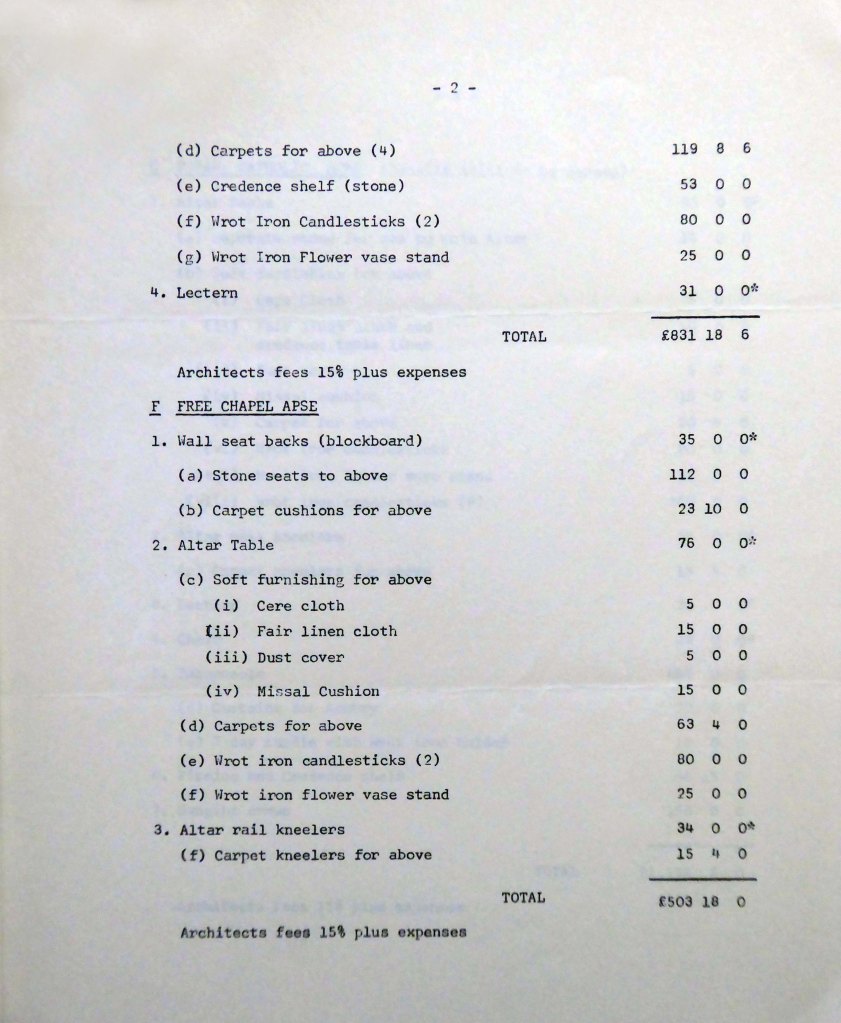
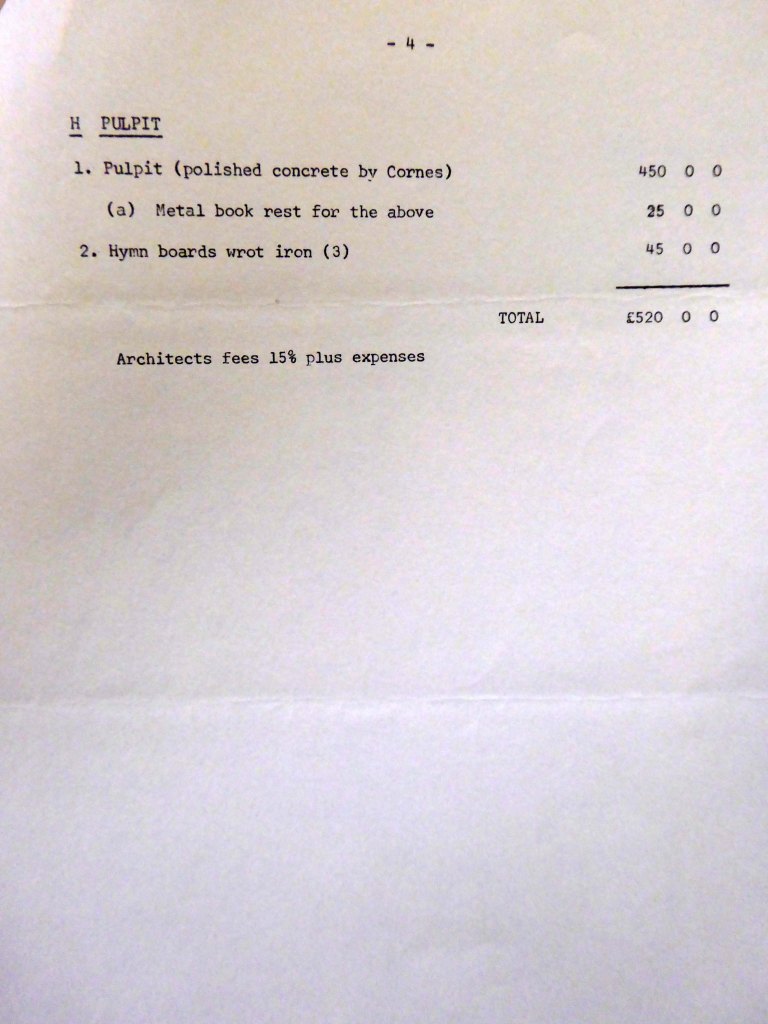
Below the gallery a brick and concrete wall with groups of vertical windows. Broad, light timber handrail/bookrest, to `chunky’ concrete balustrade. Concrete pulpit of organic form attached to left of the screen wall. Also part of the Pace scheme is the limed timber altar, lectern, priest’s chairs, benches and other furnishings and the altars and furnishings in the semi-circular chapels. Also original are the pendant light fittings in black-painted metal. Floor with panels of parquet and polished concrete flags. Liturgically unusual as a multi-denominational chapel of this period, this impressive building is a fine example of Pace’s work.
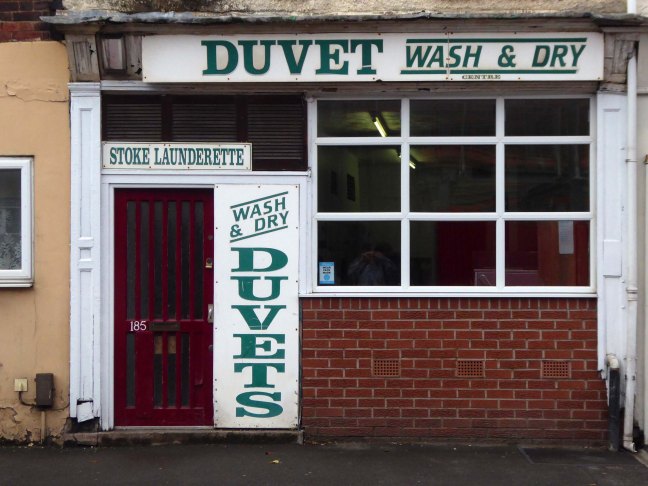
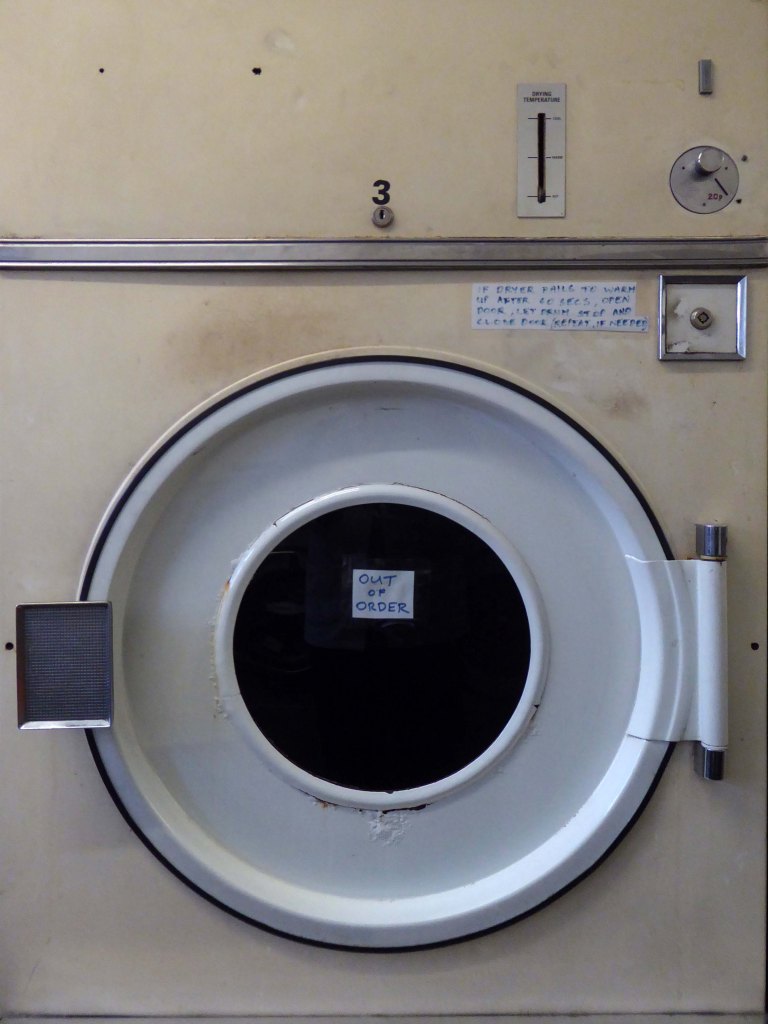
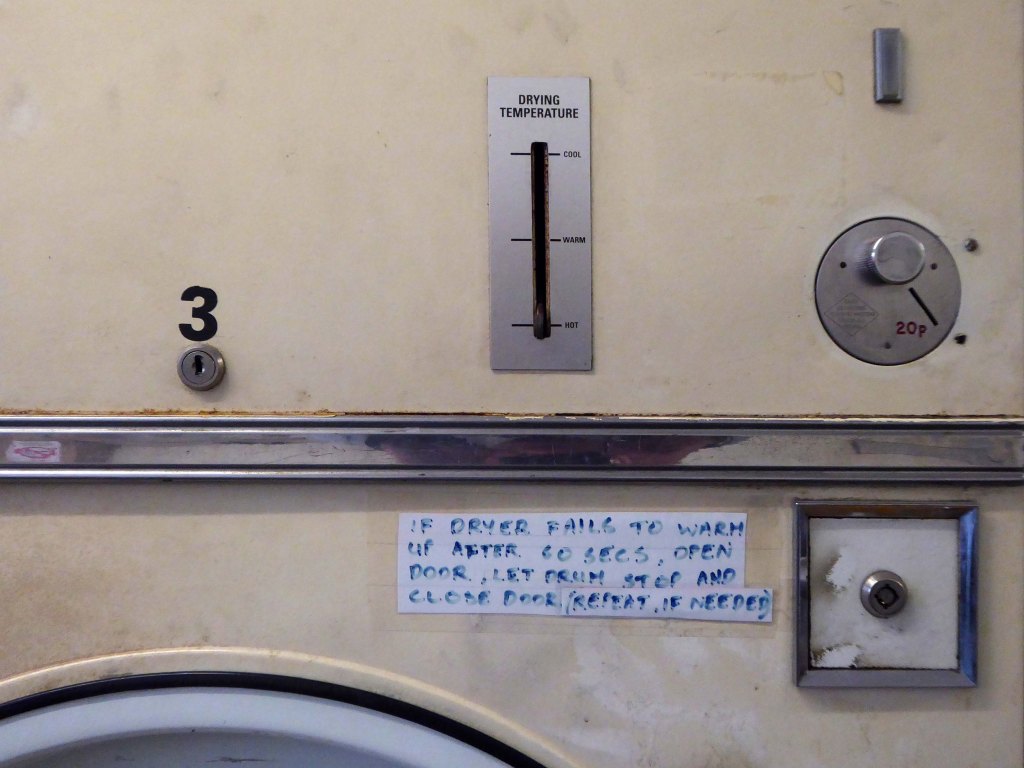
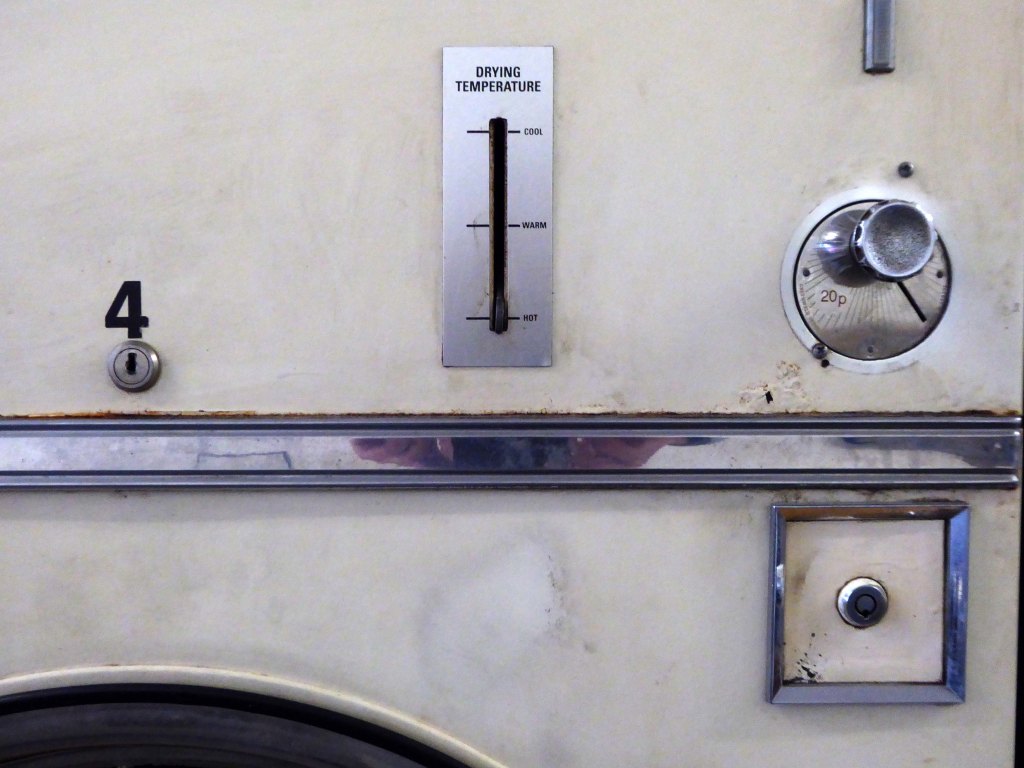
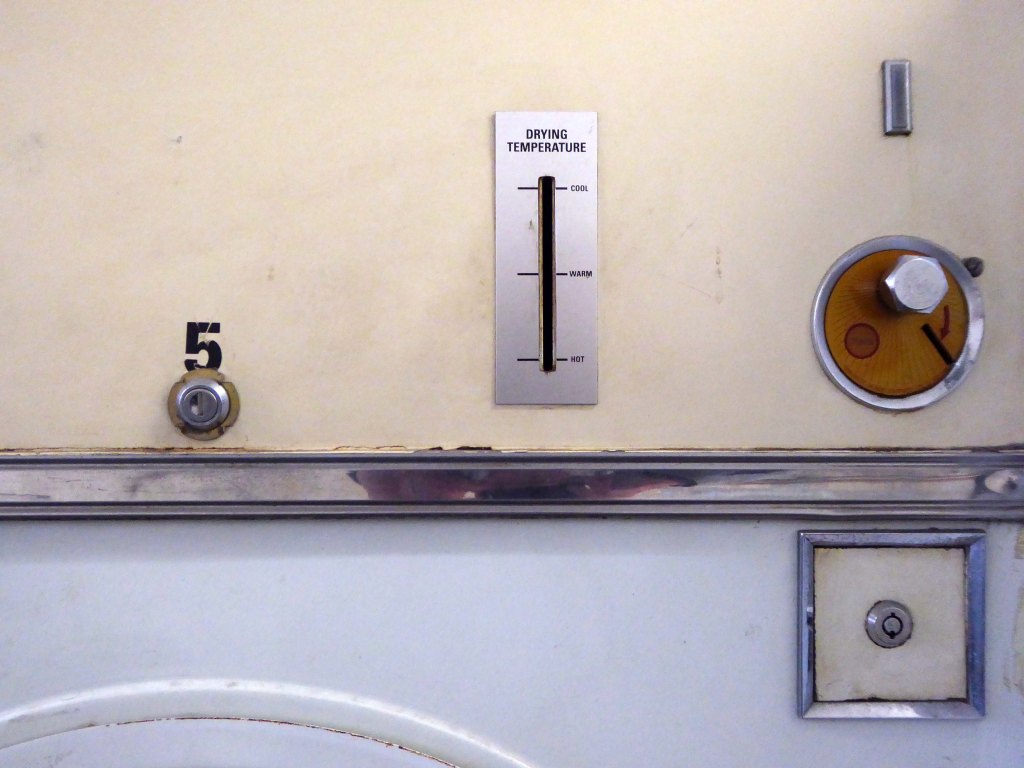
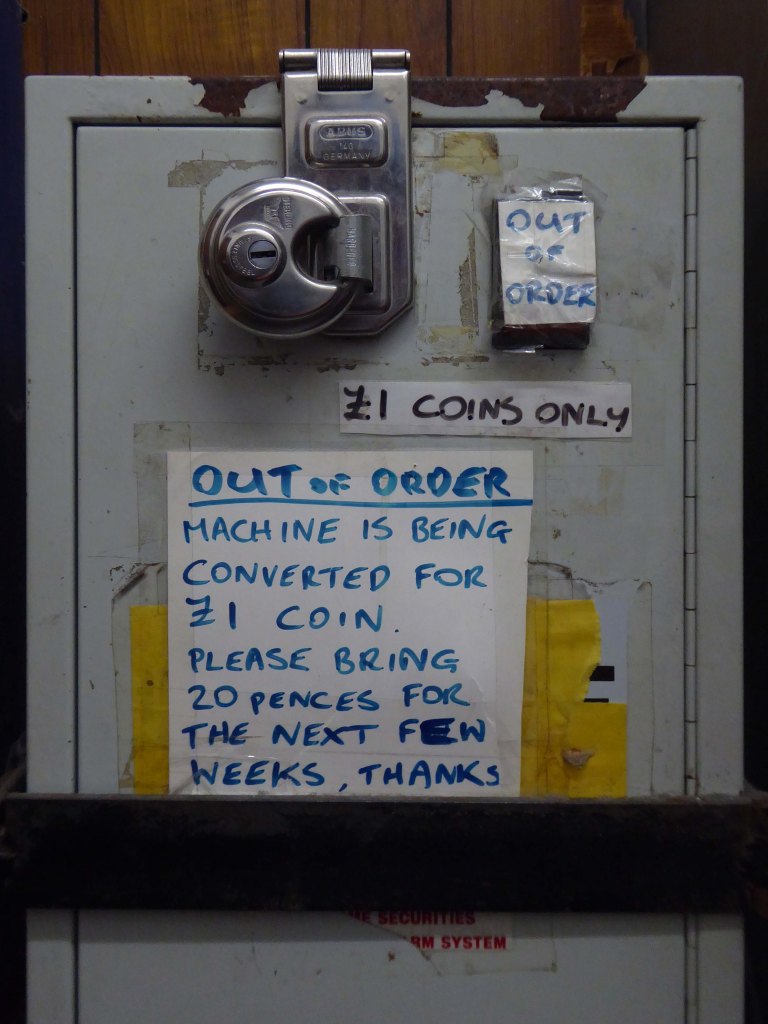
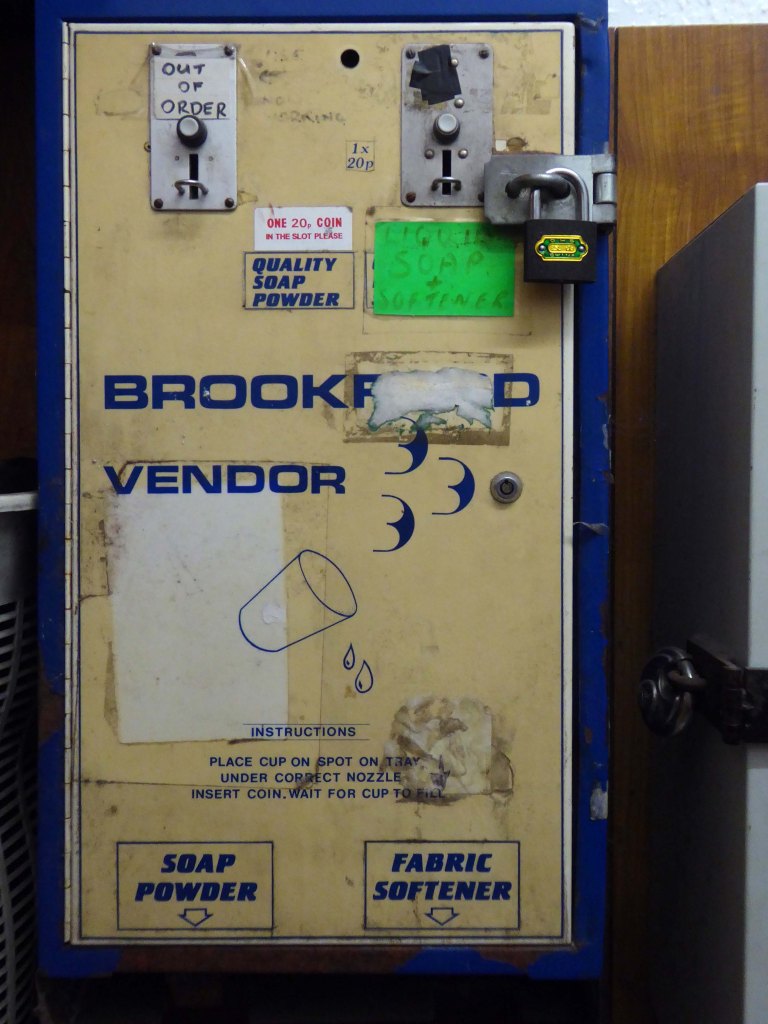
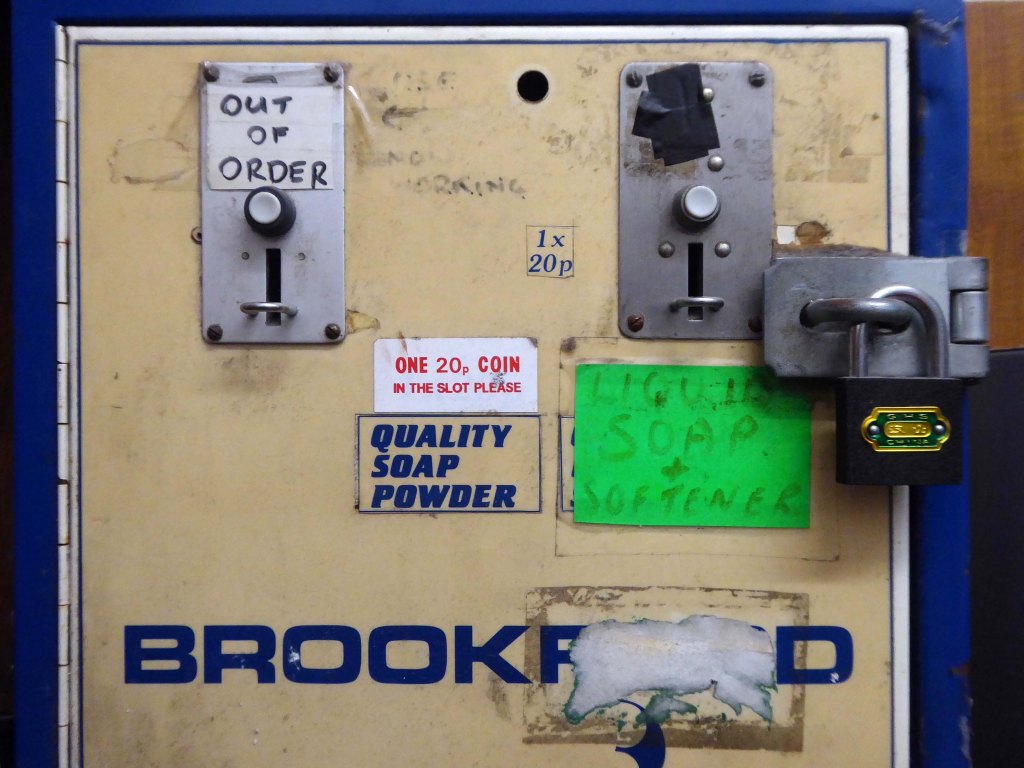
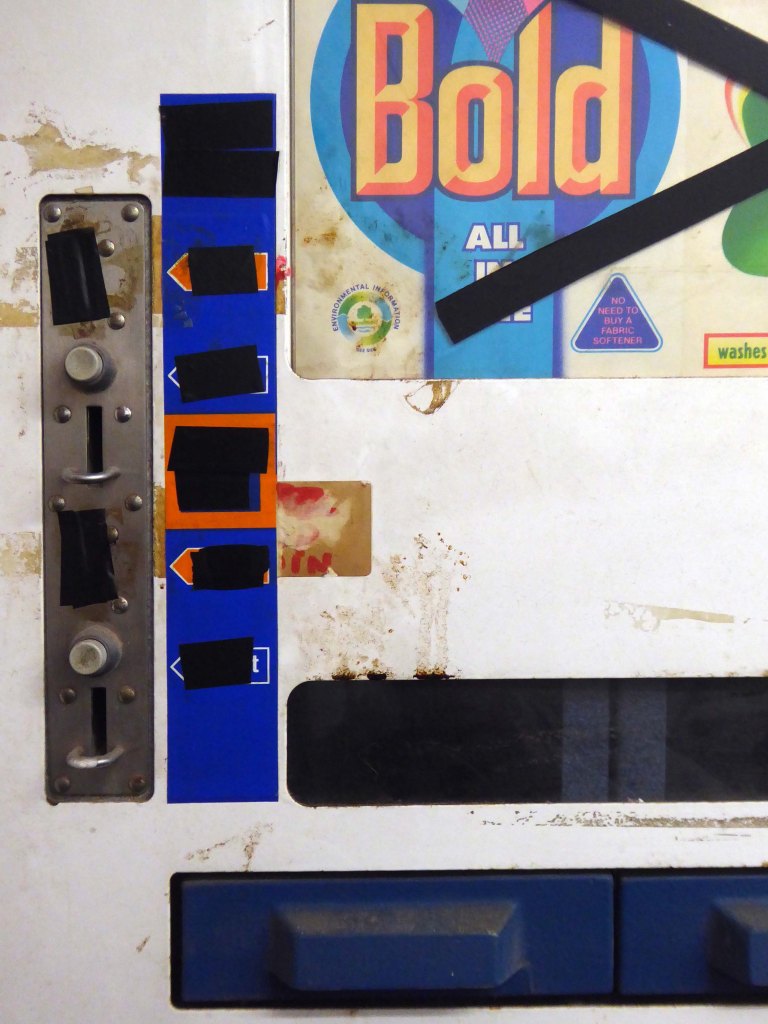
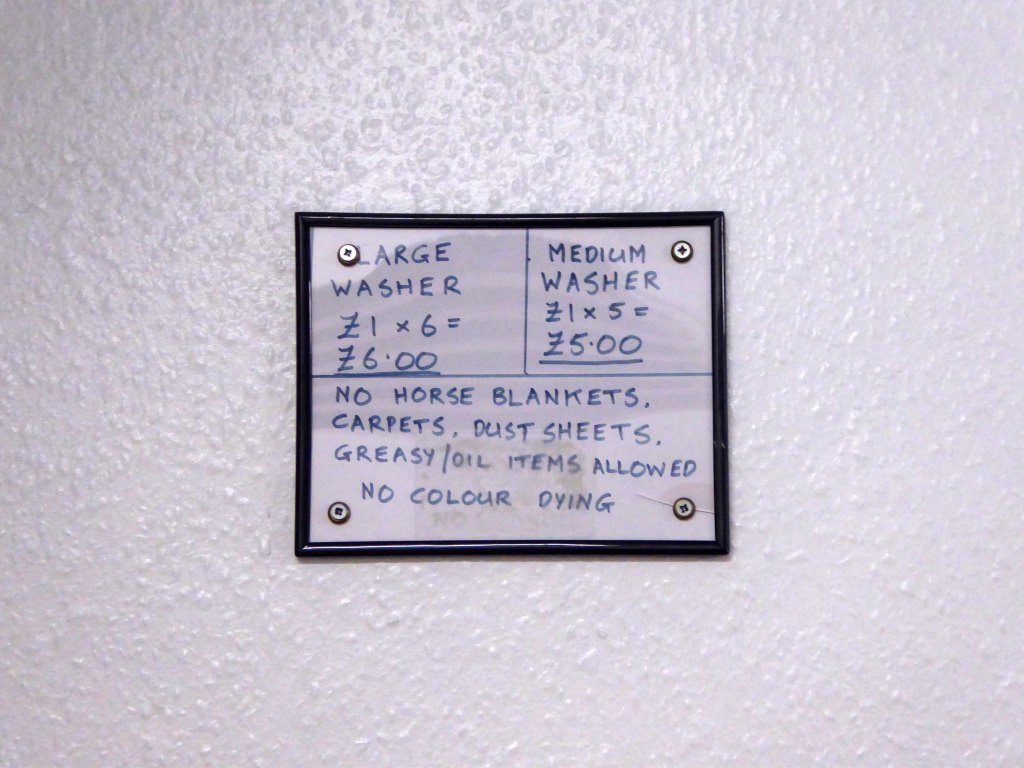
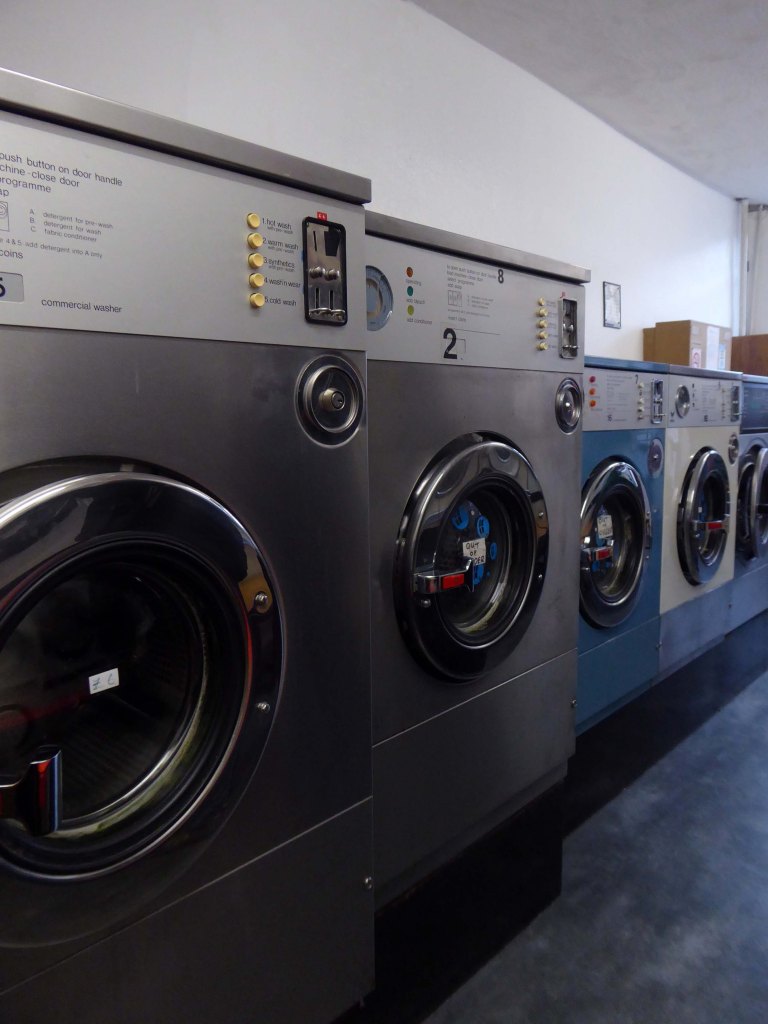
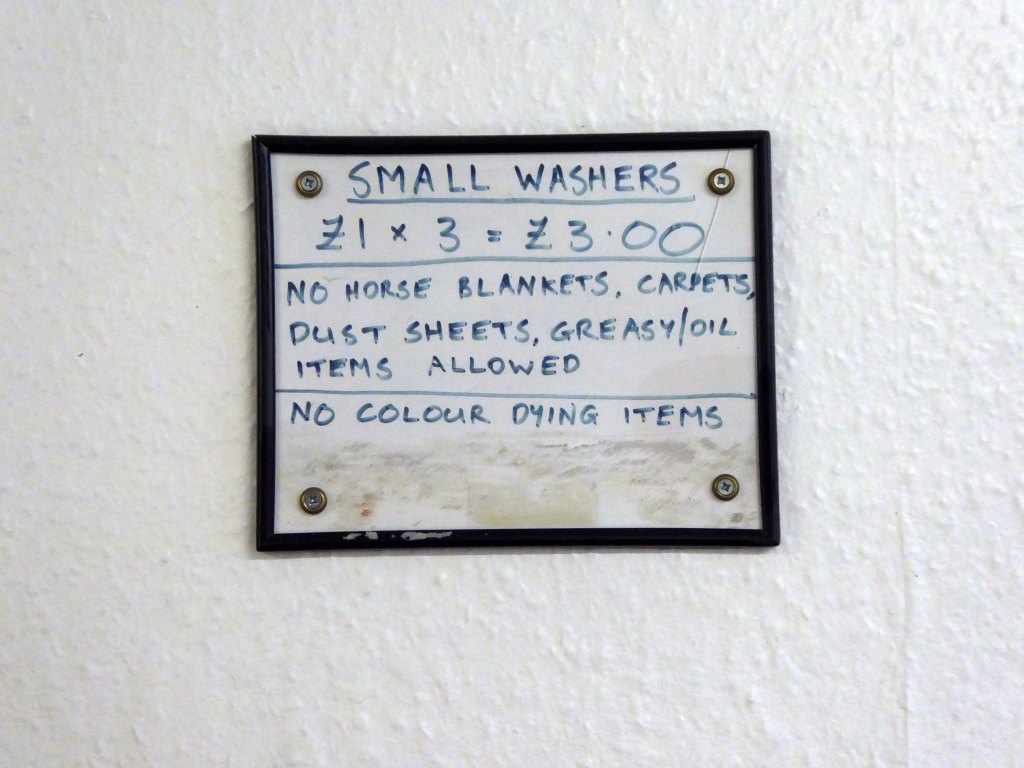
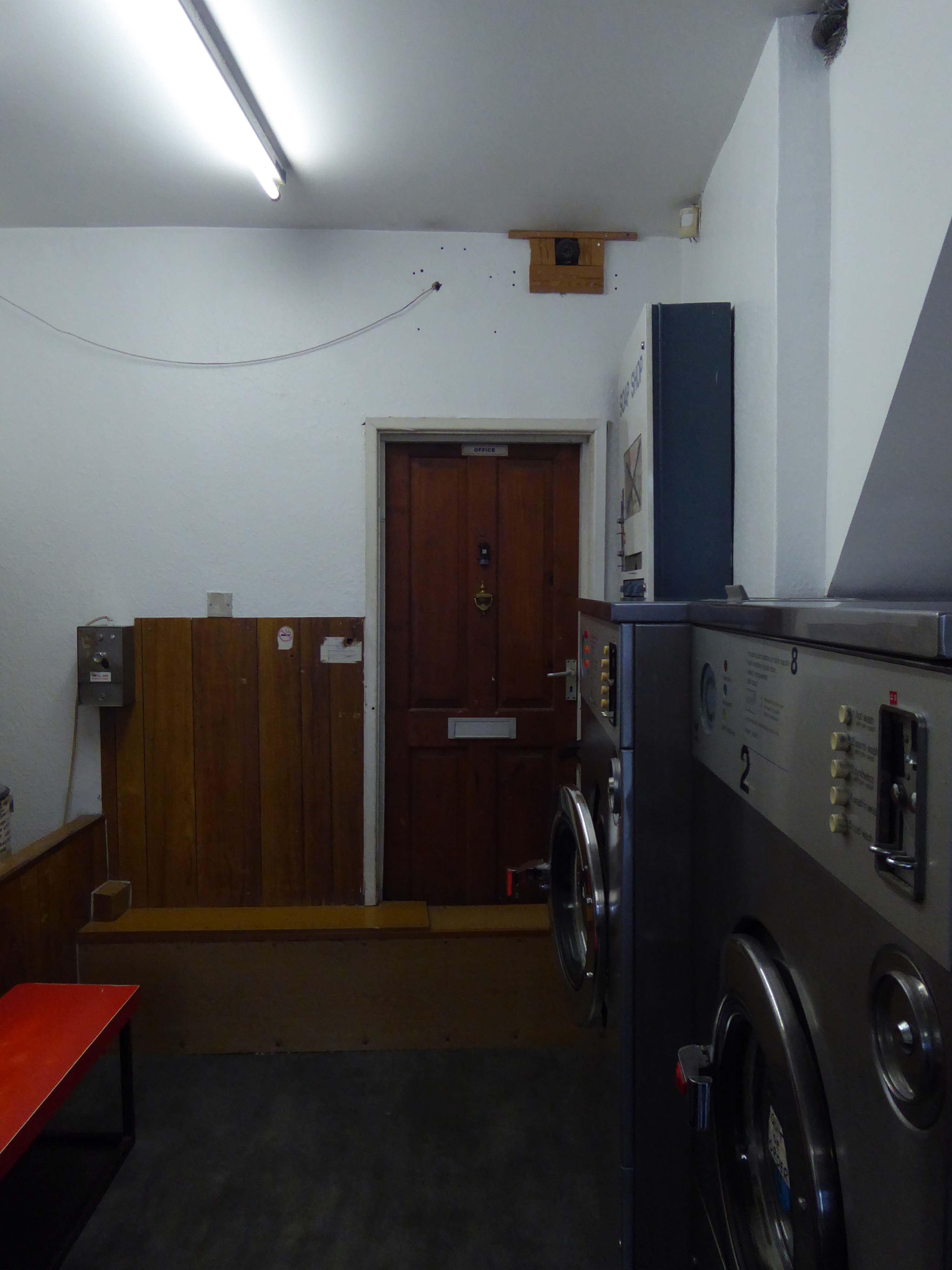
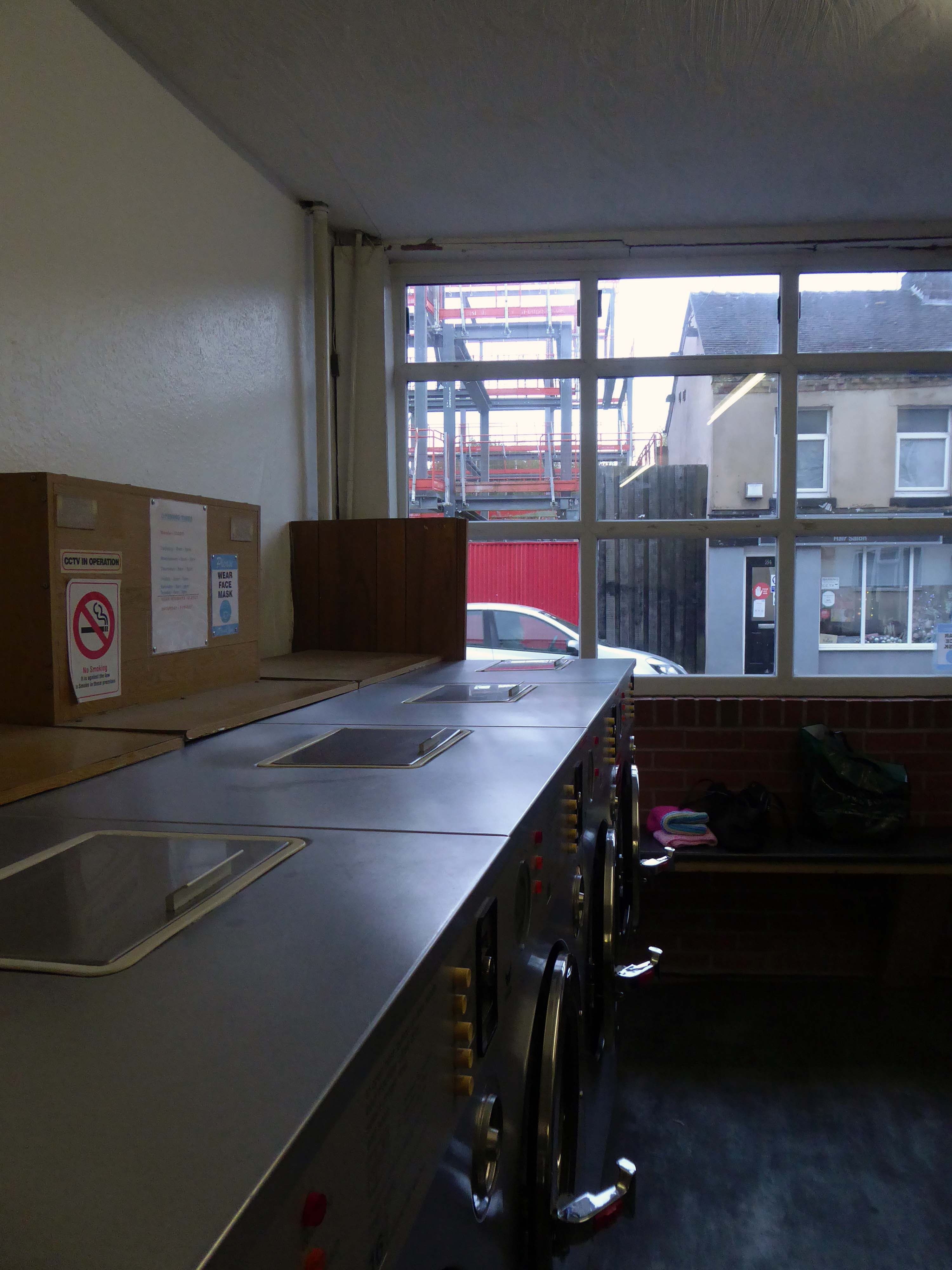
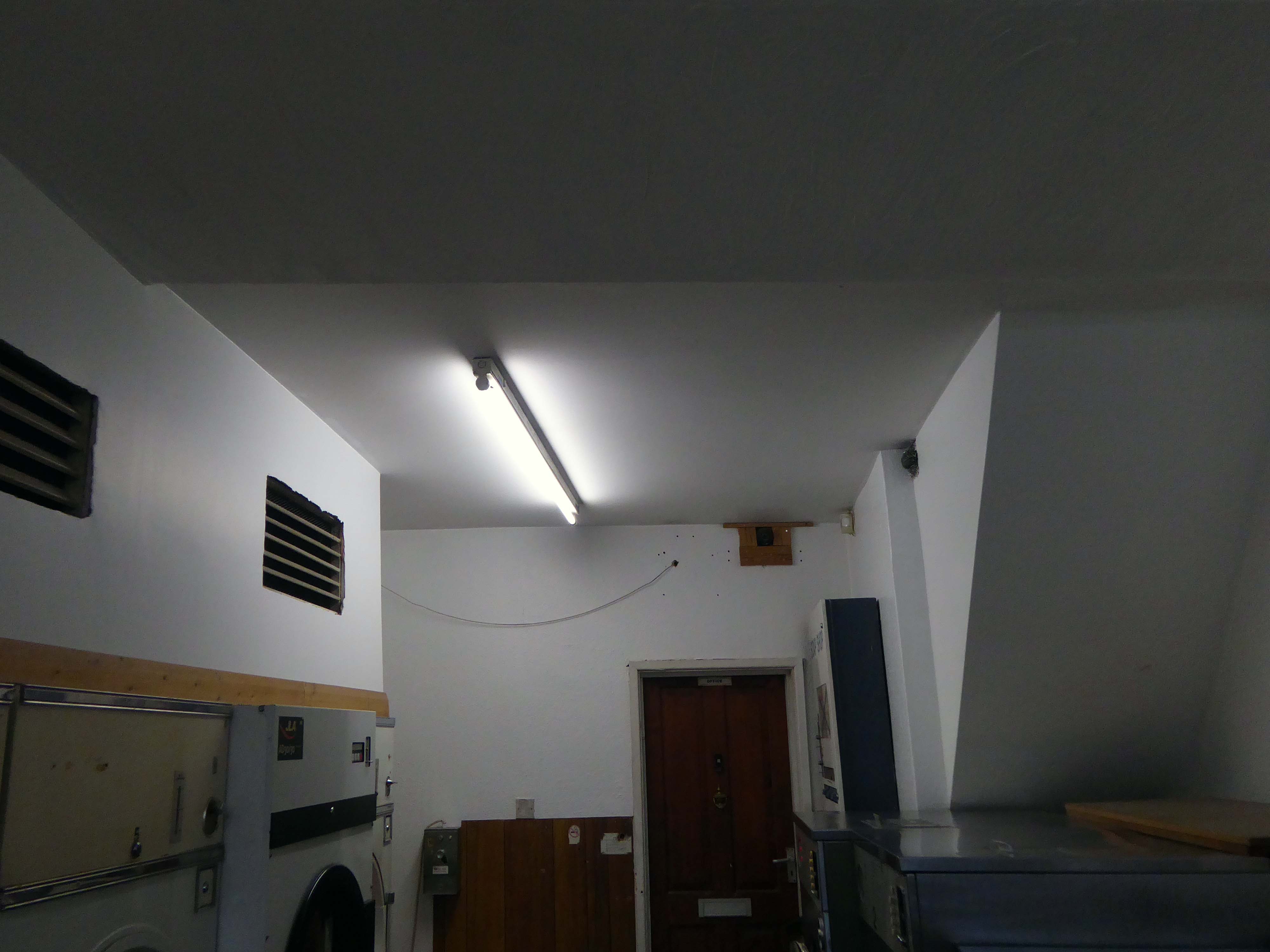
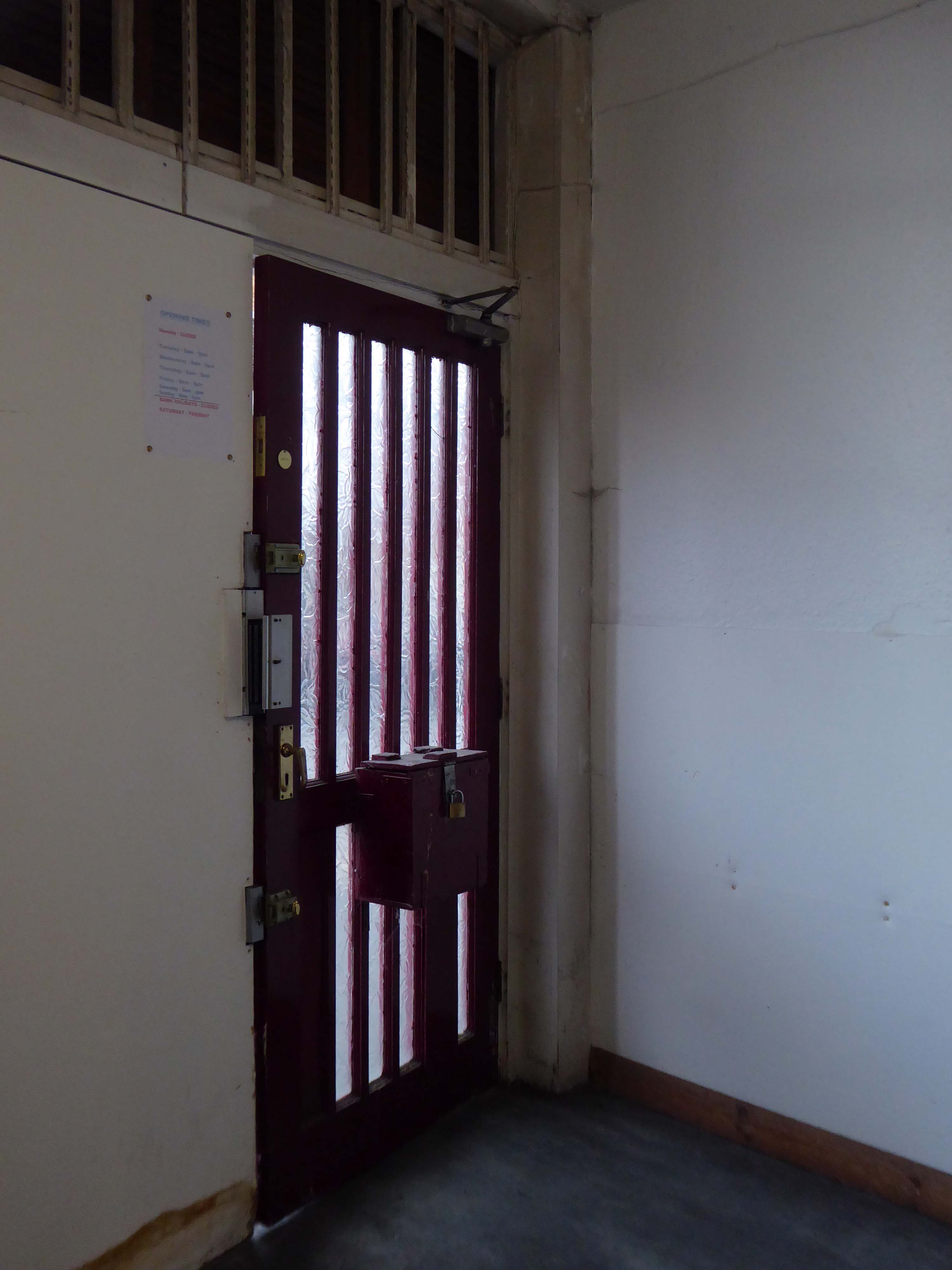
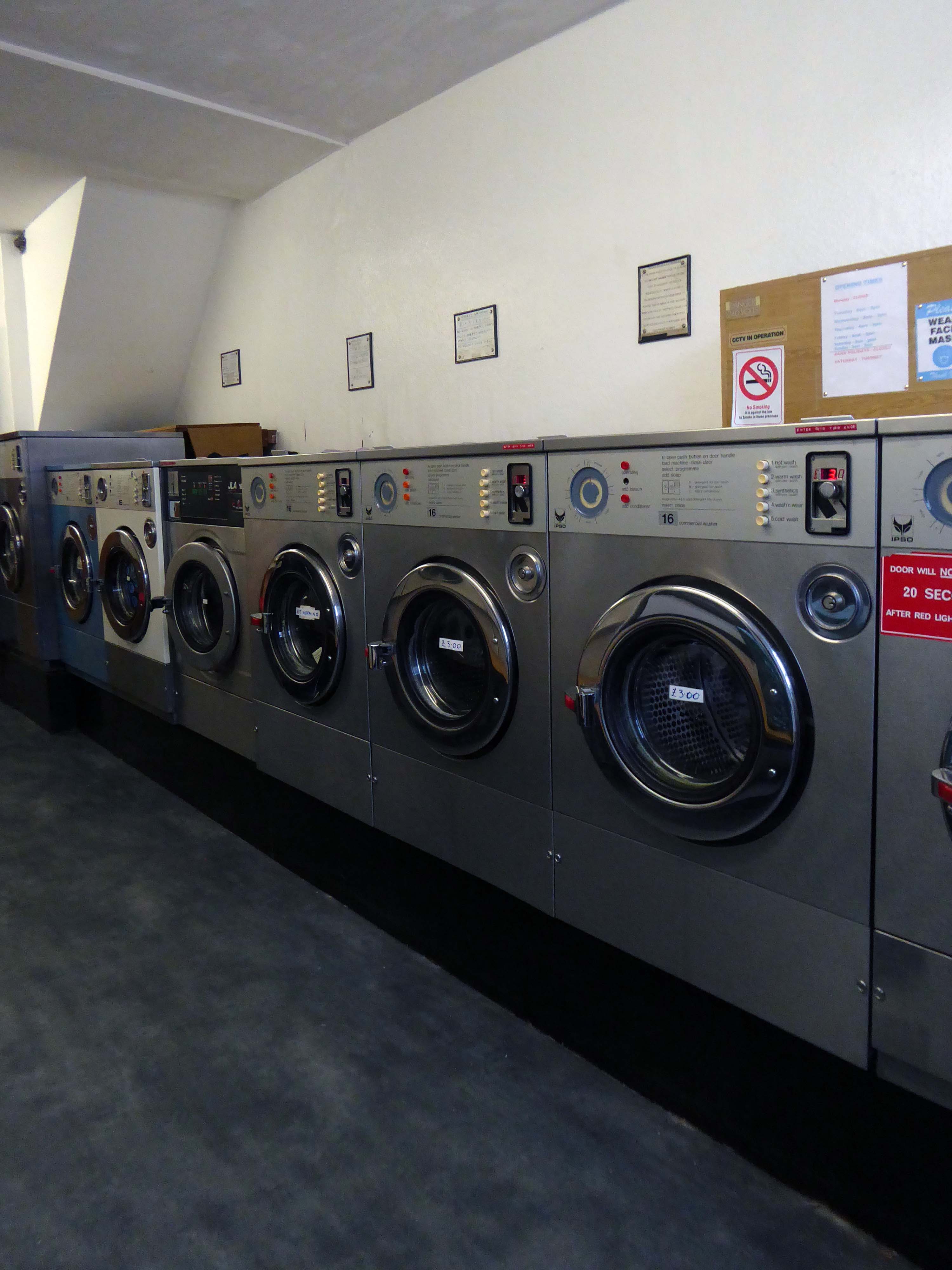
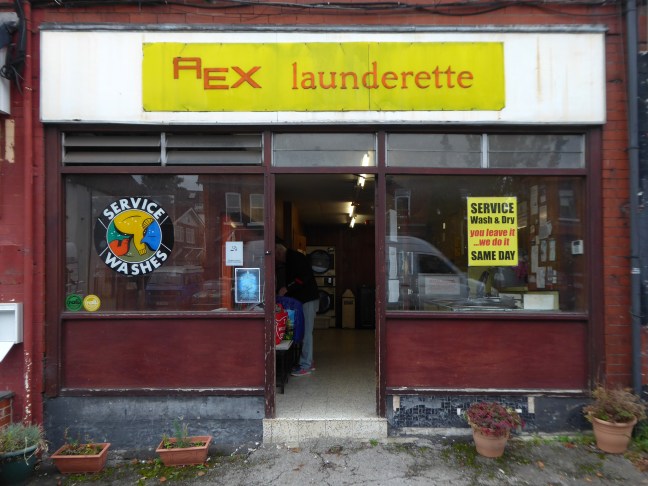
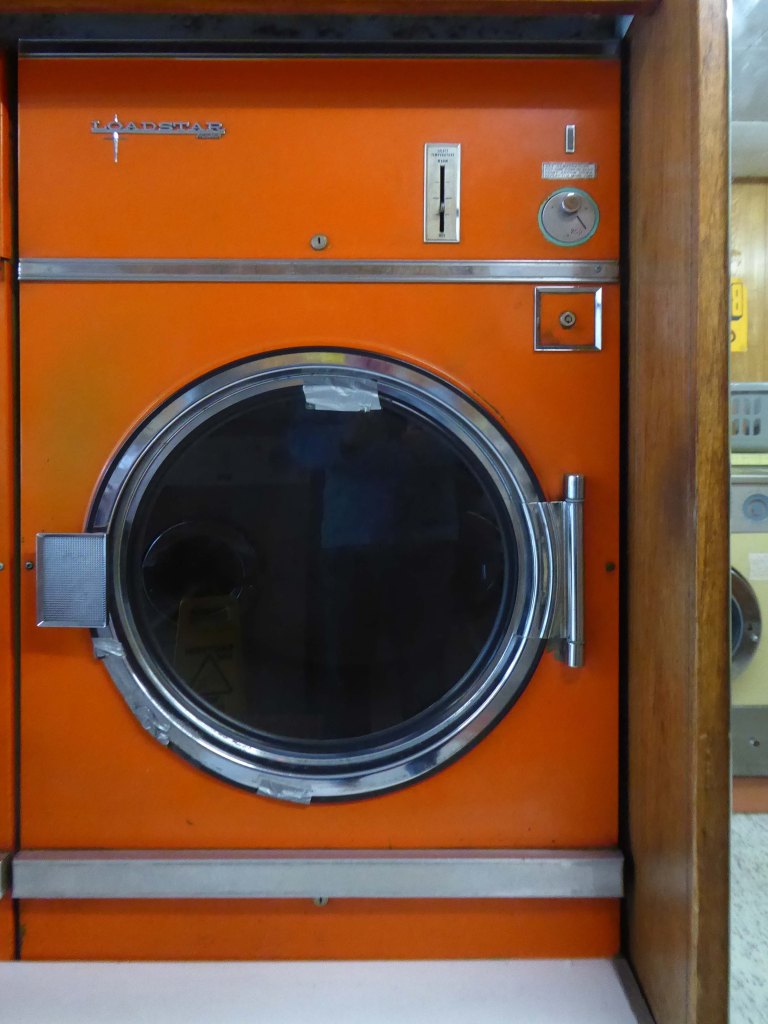
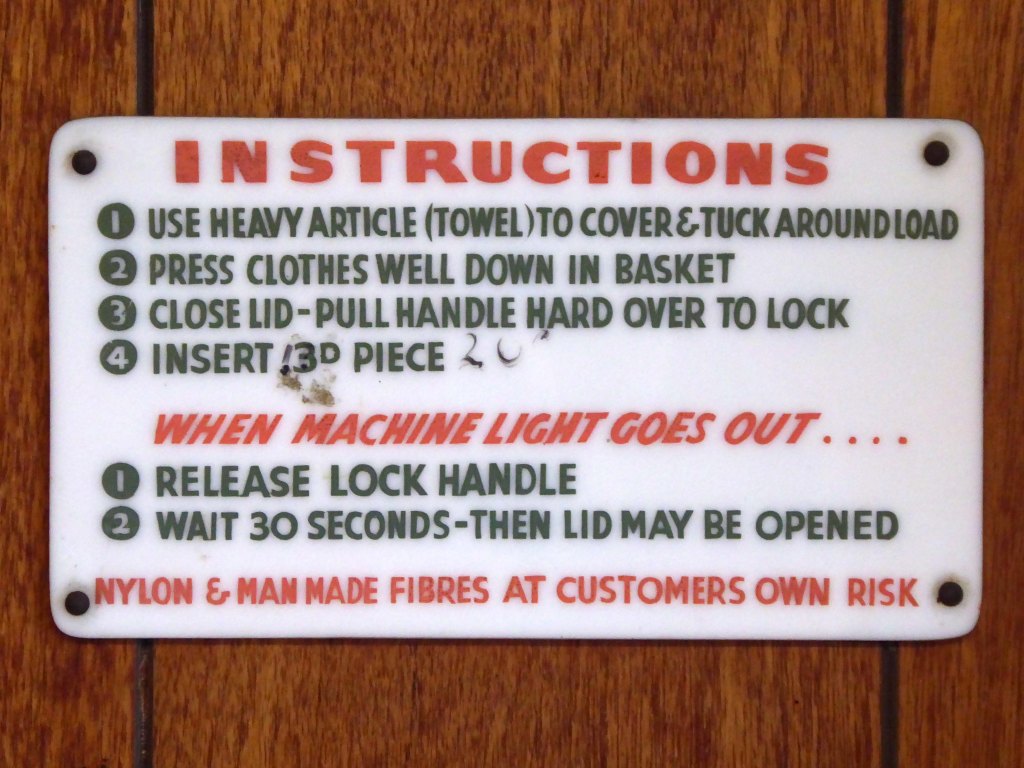
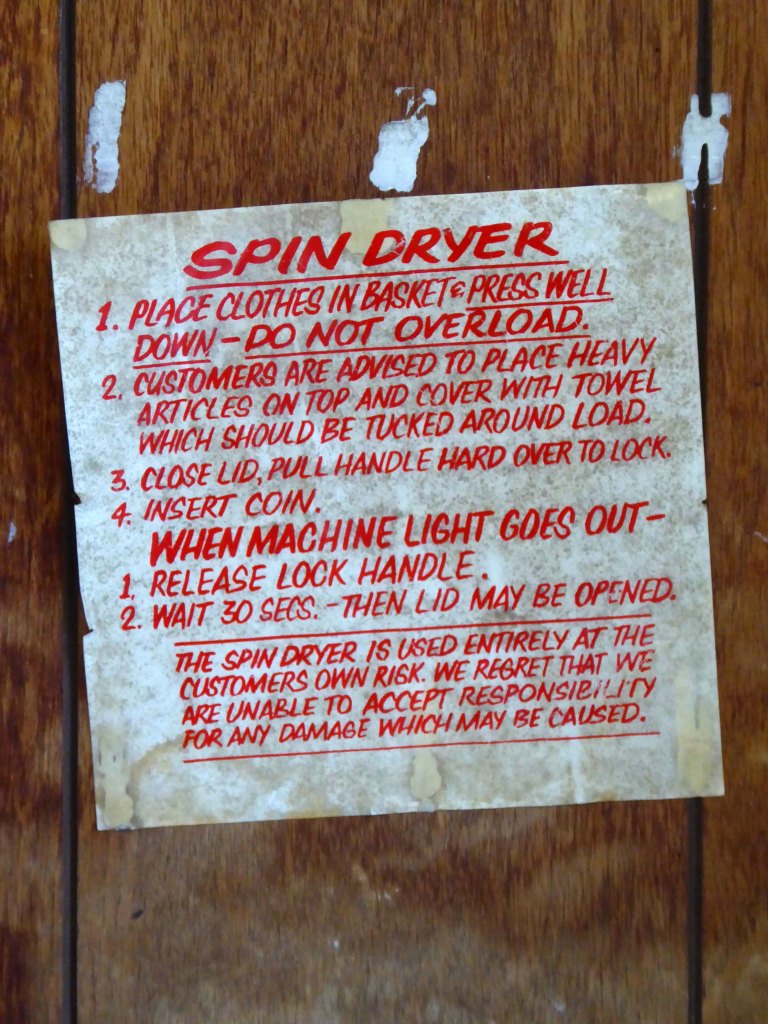
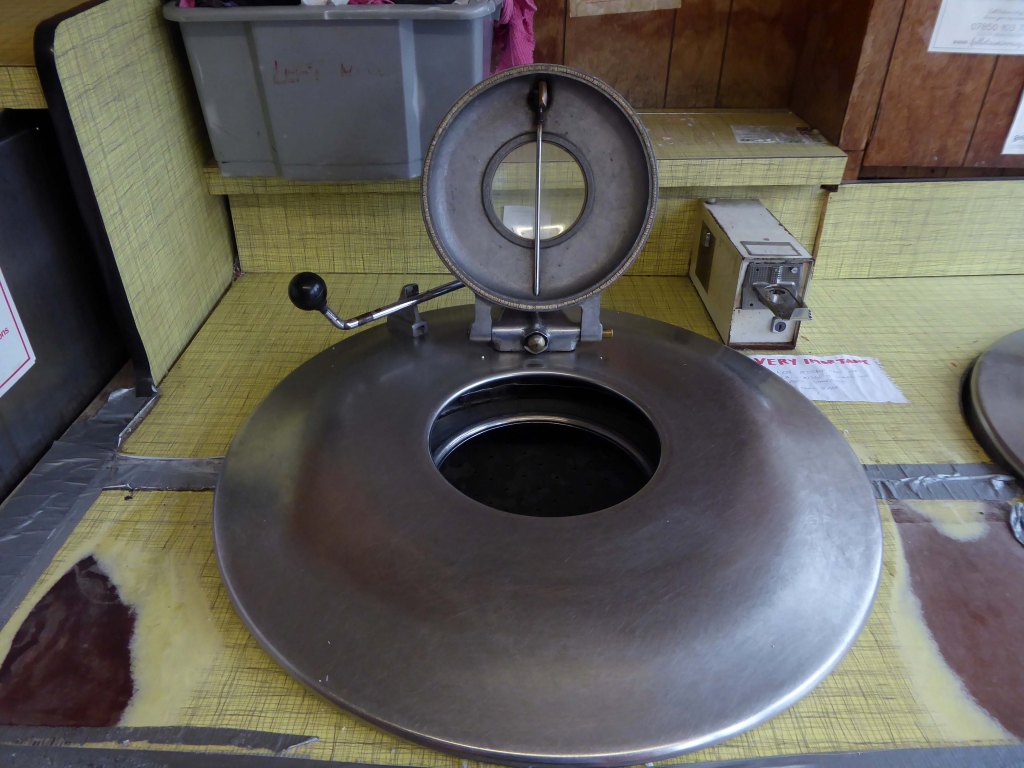
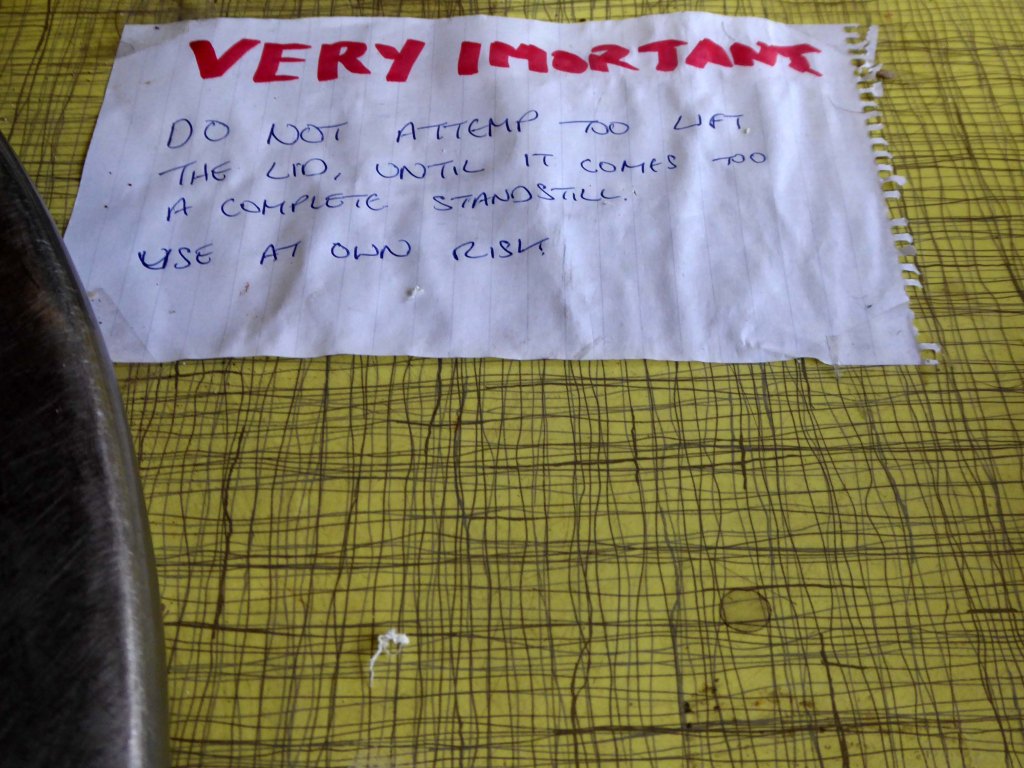
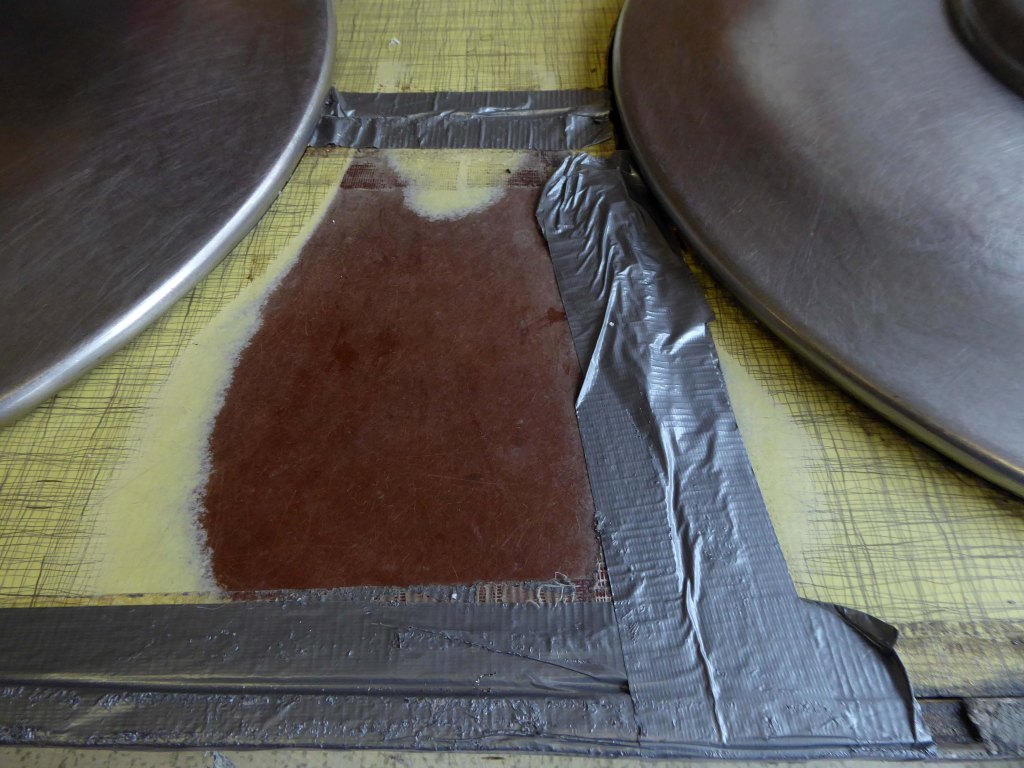
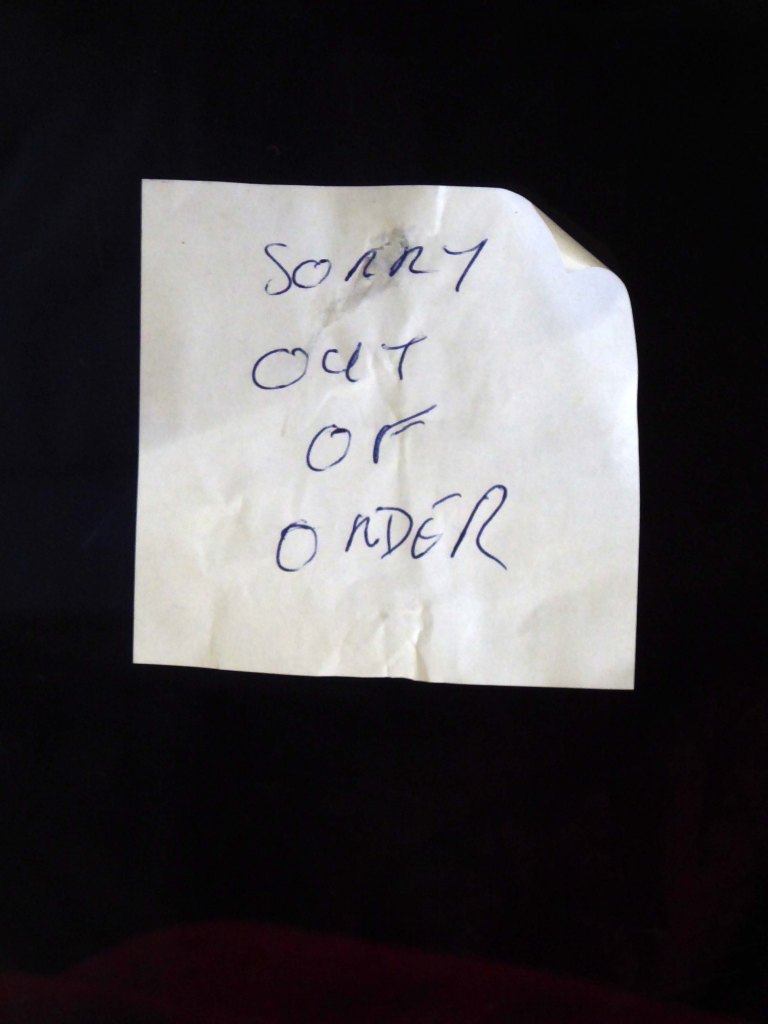
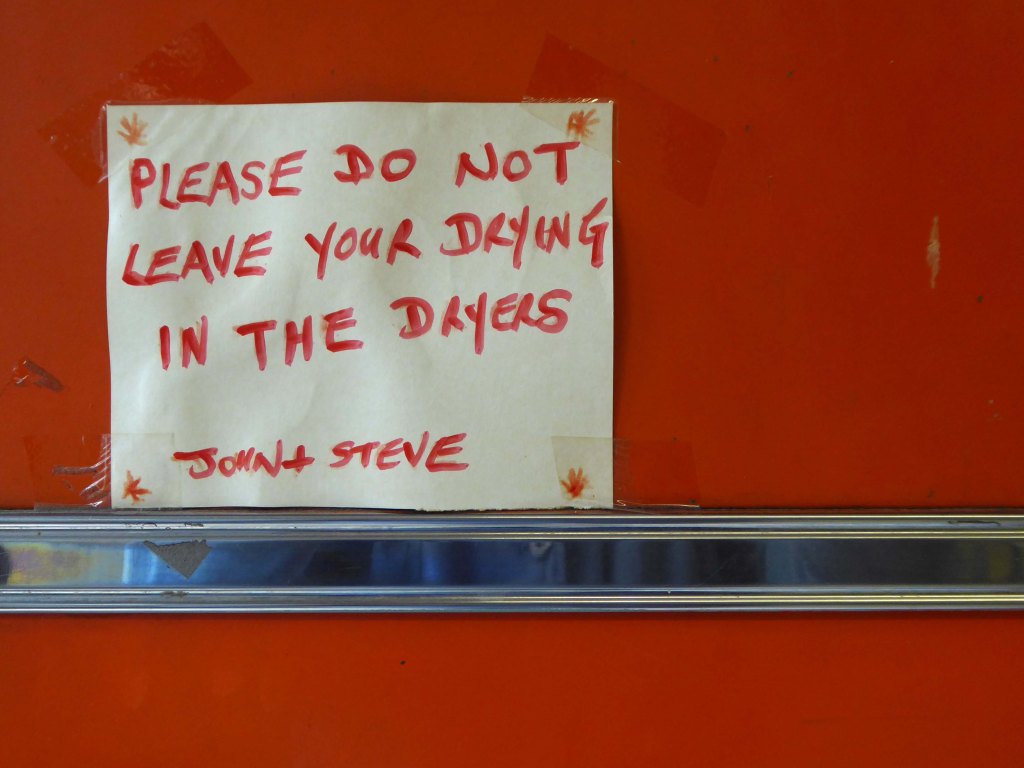
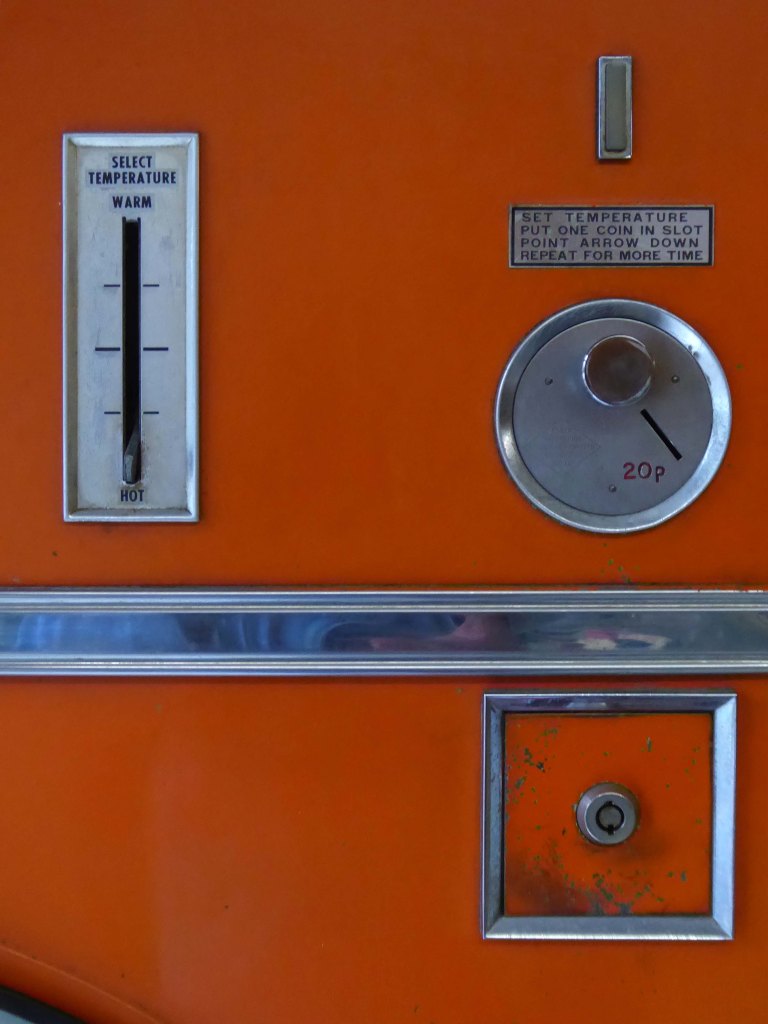
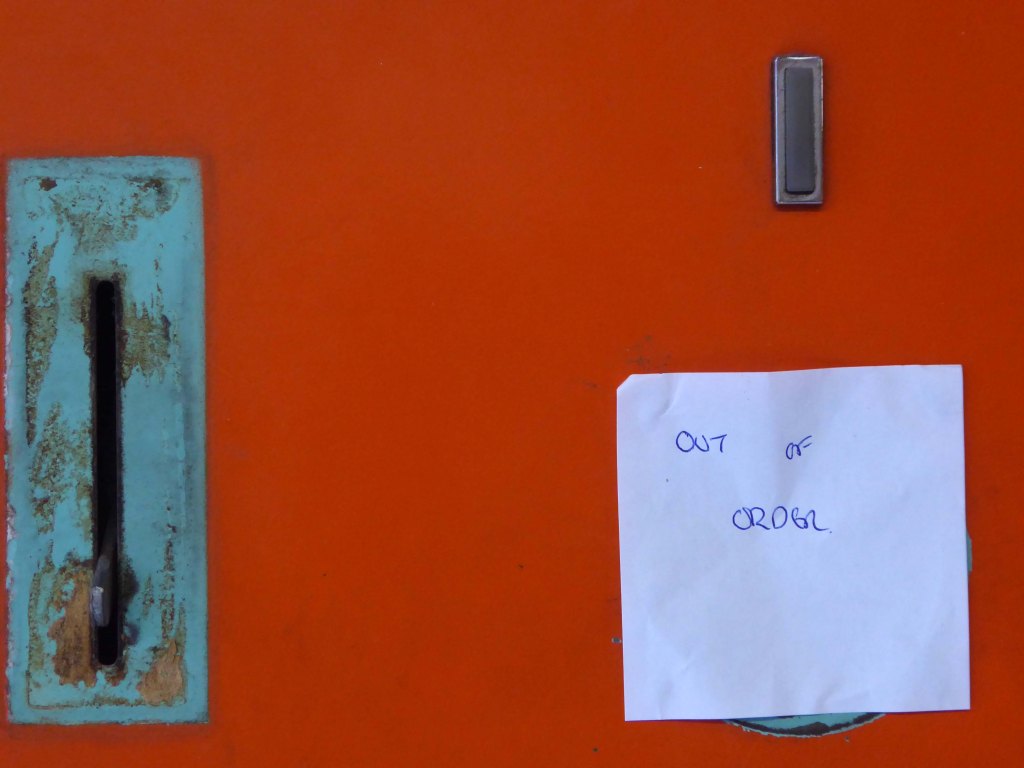
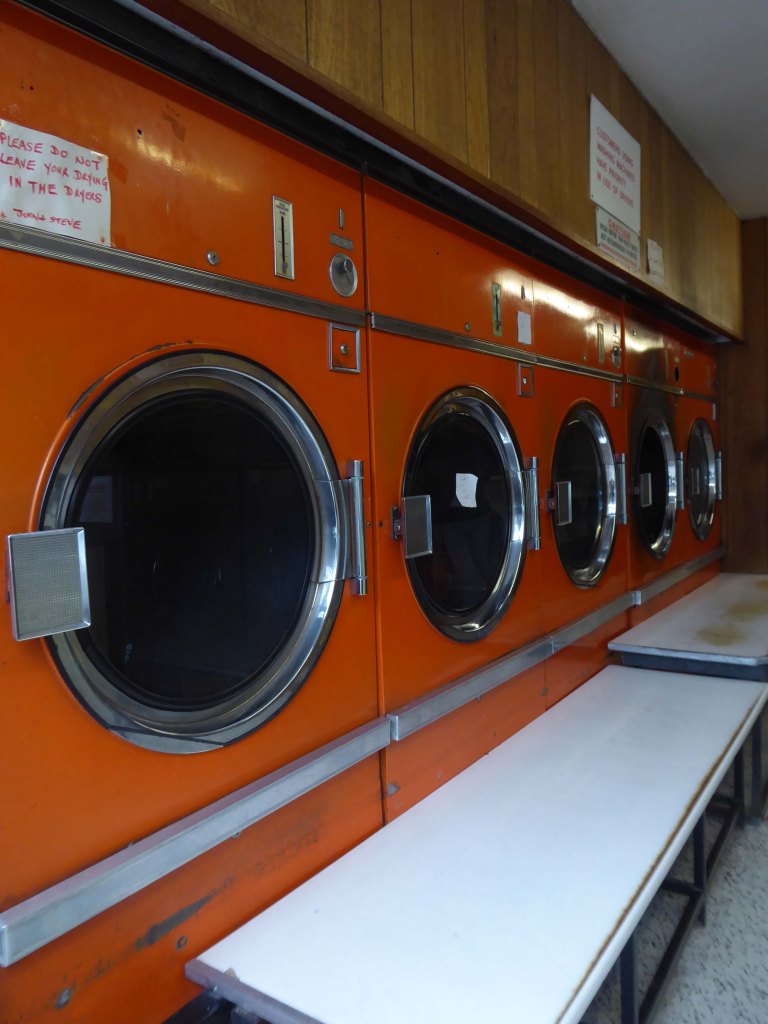
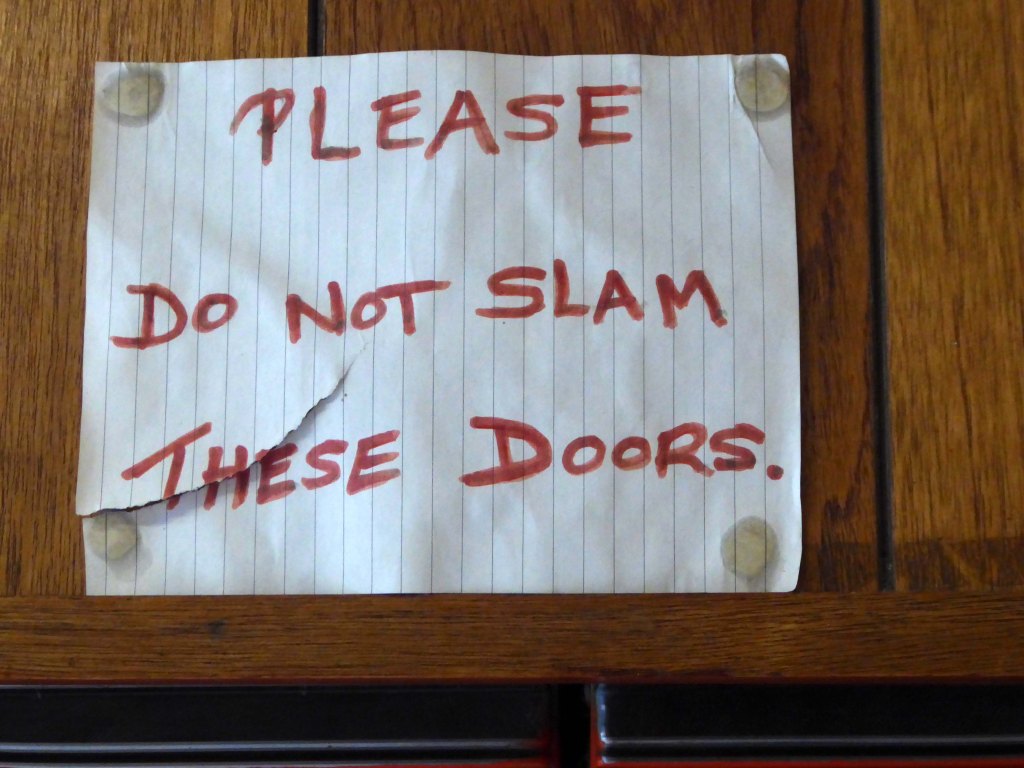
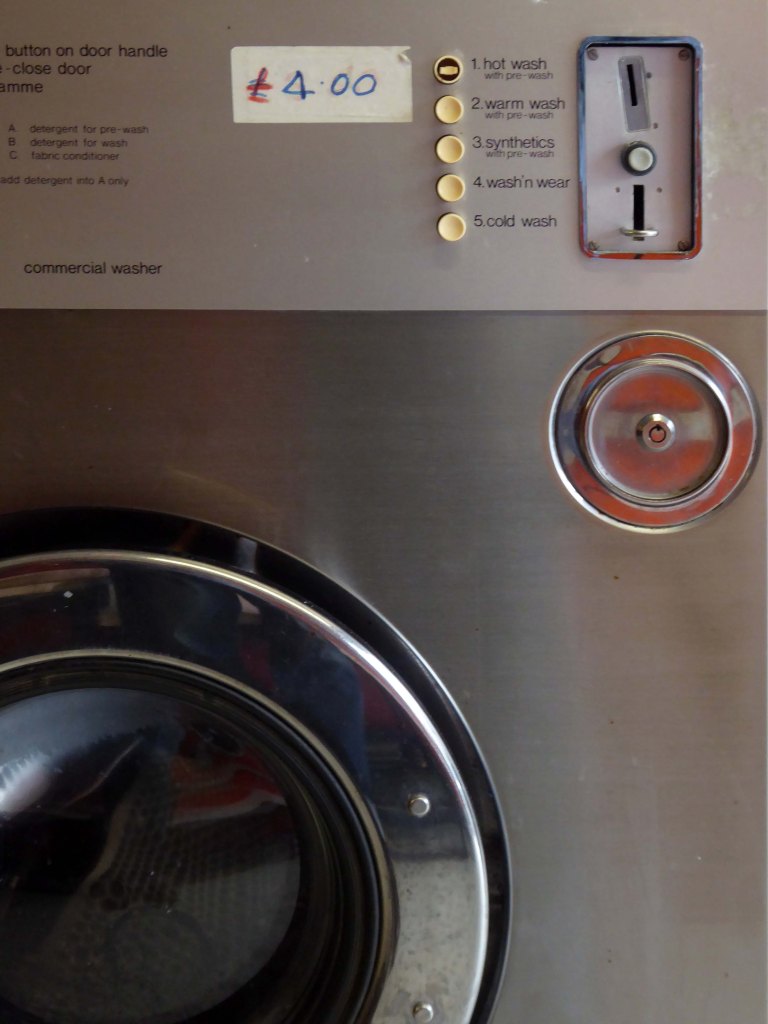
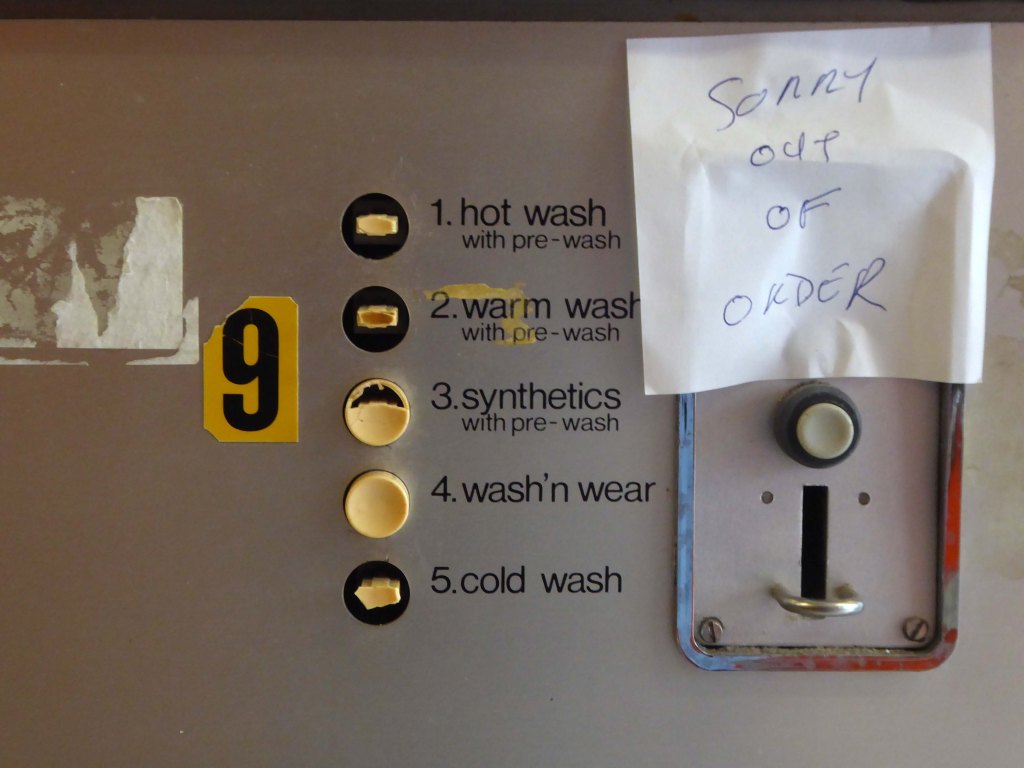
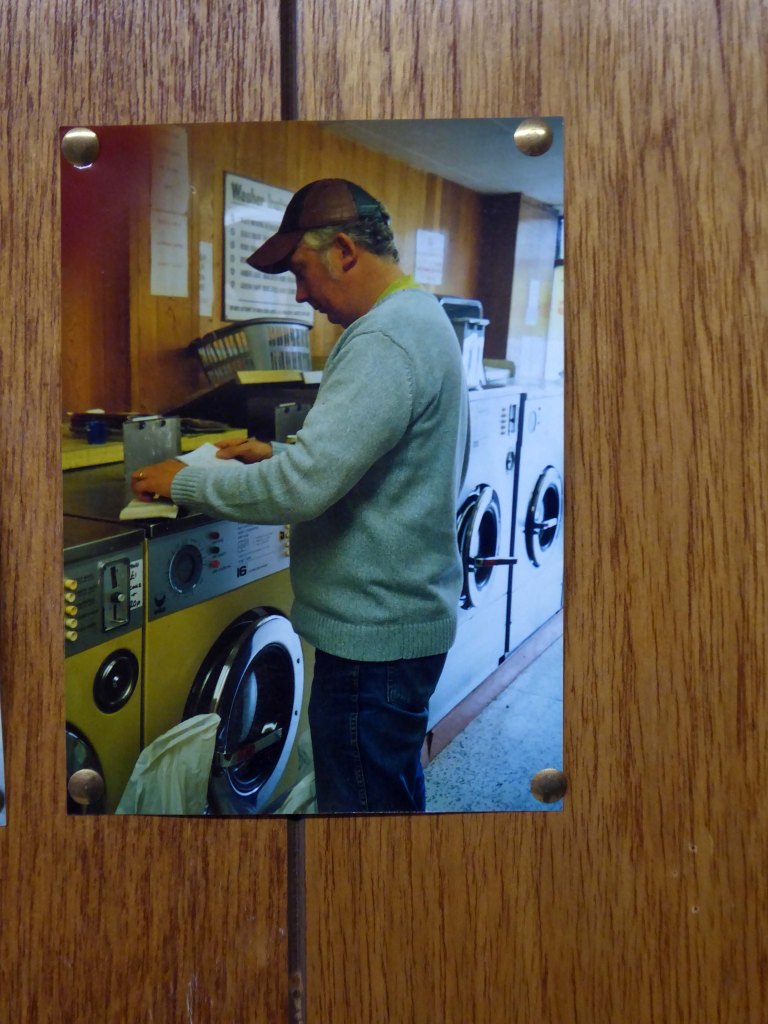
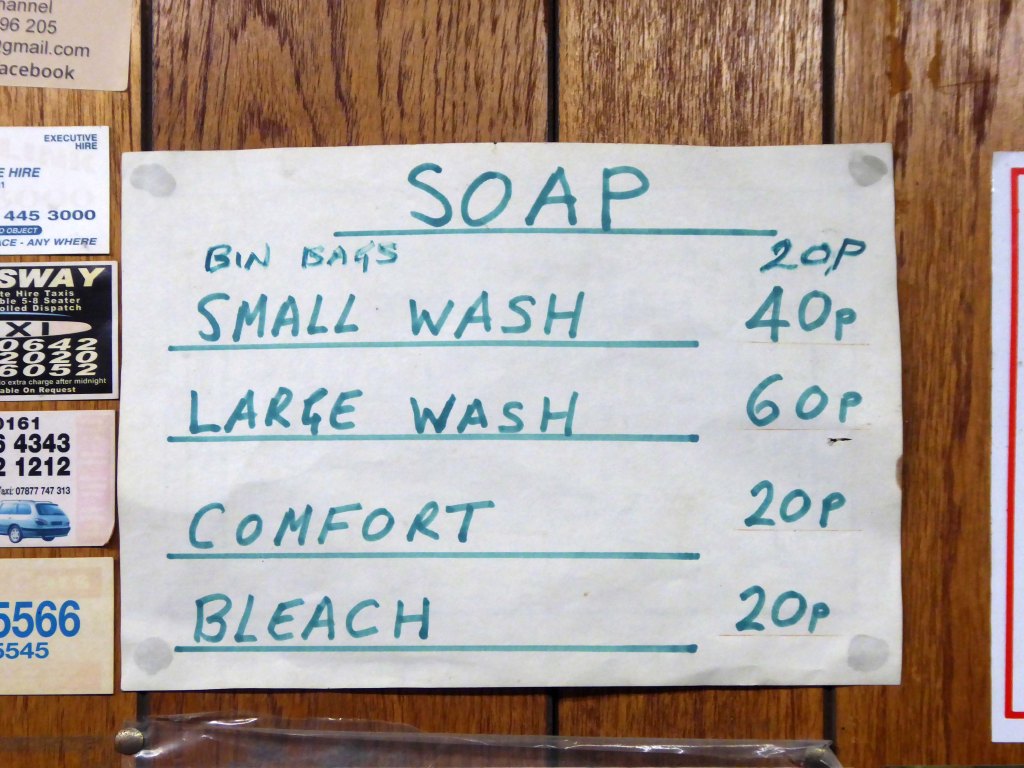
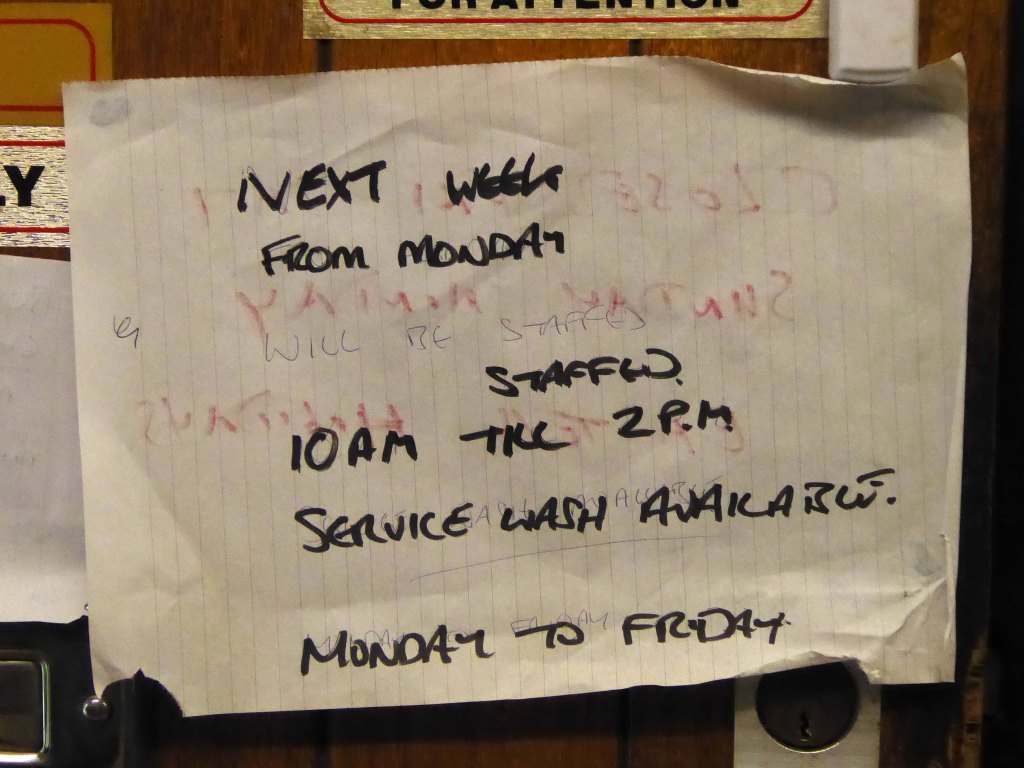
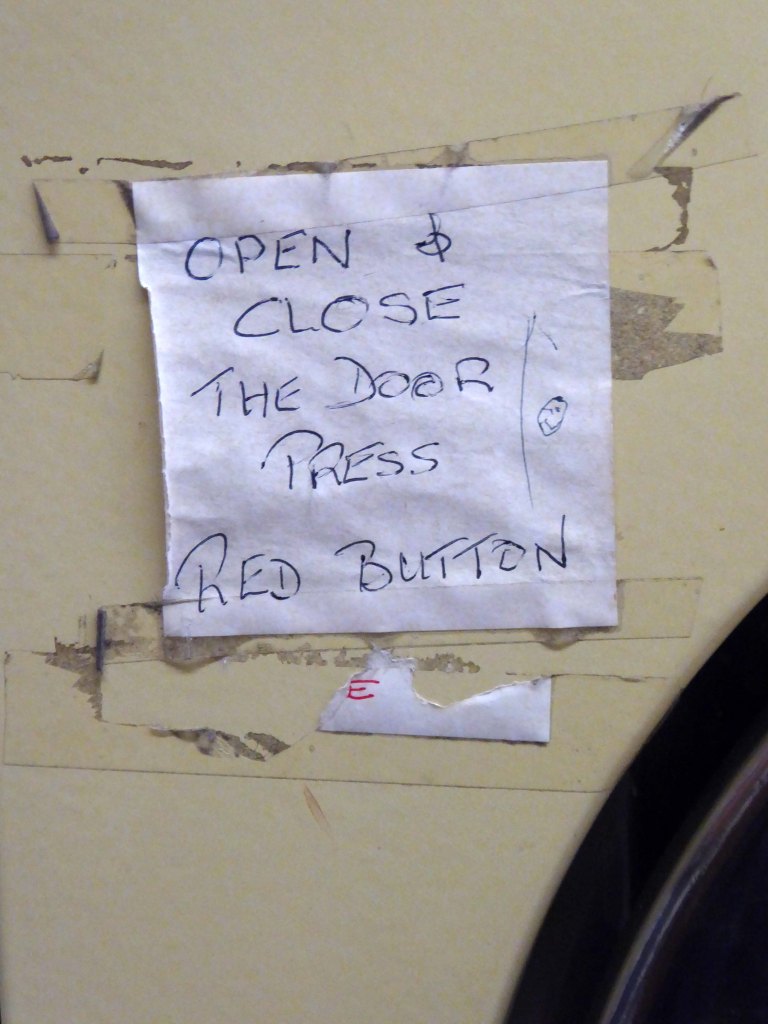
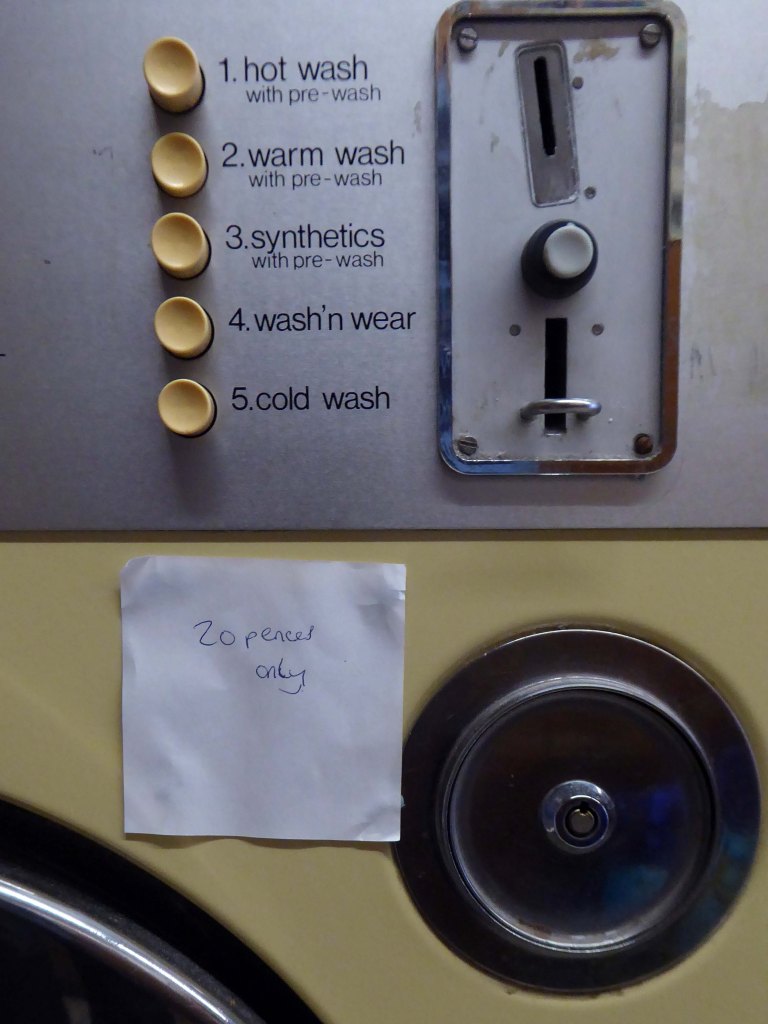
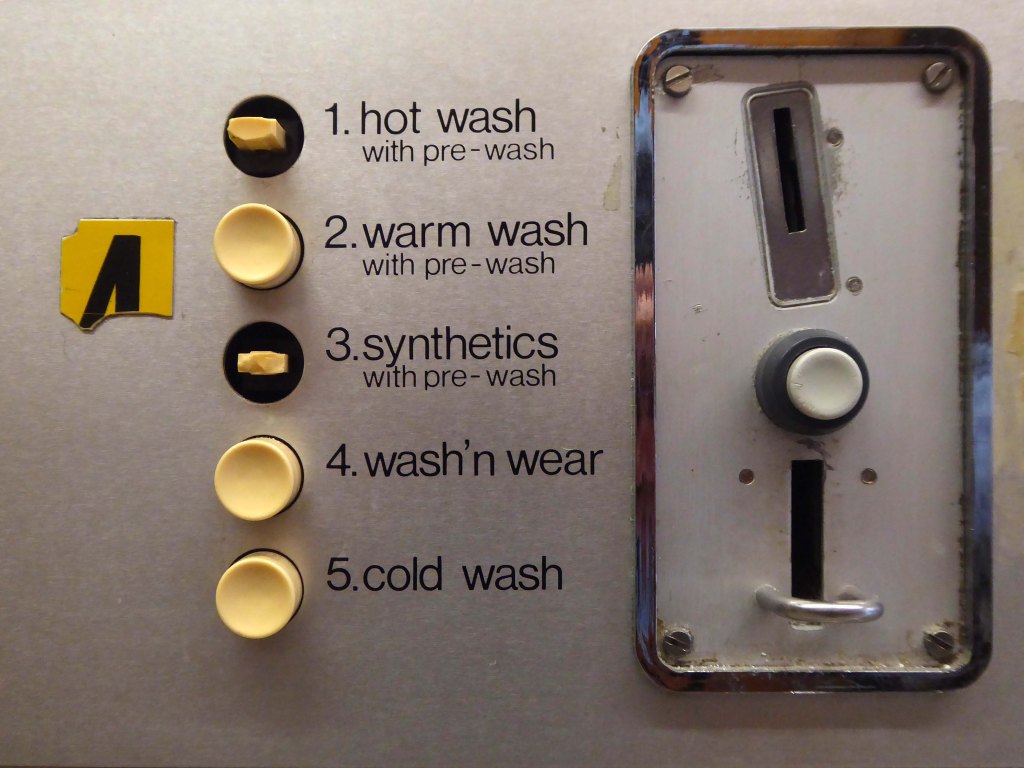
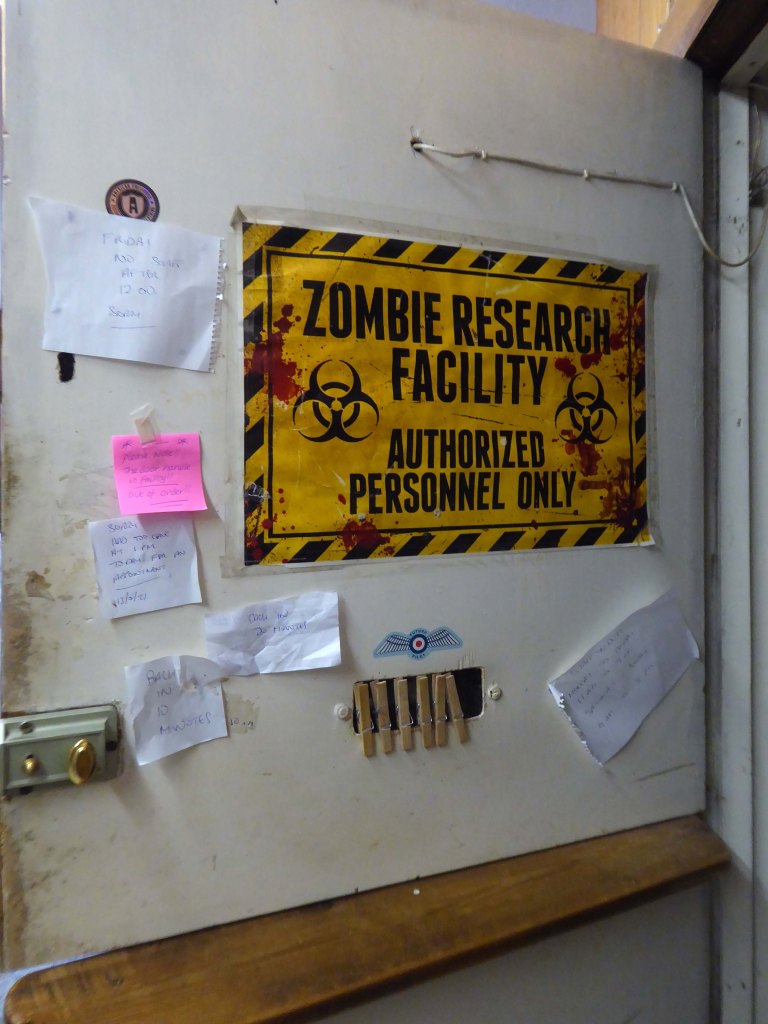
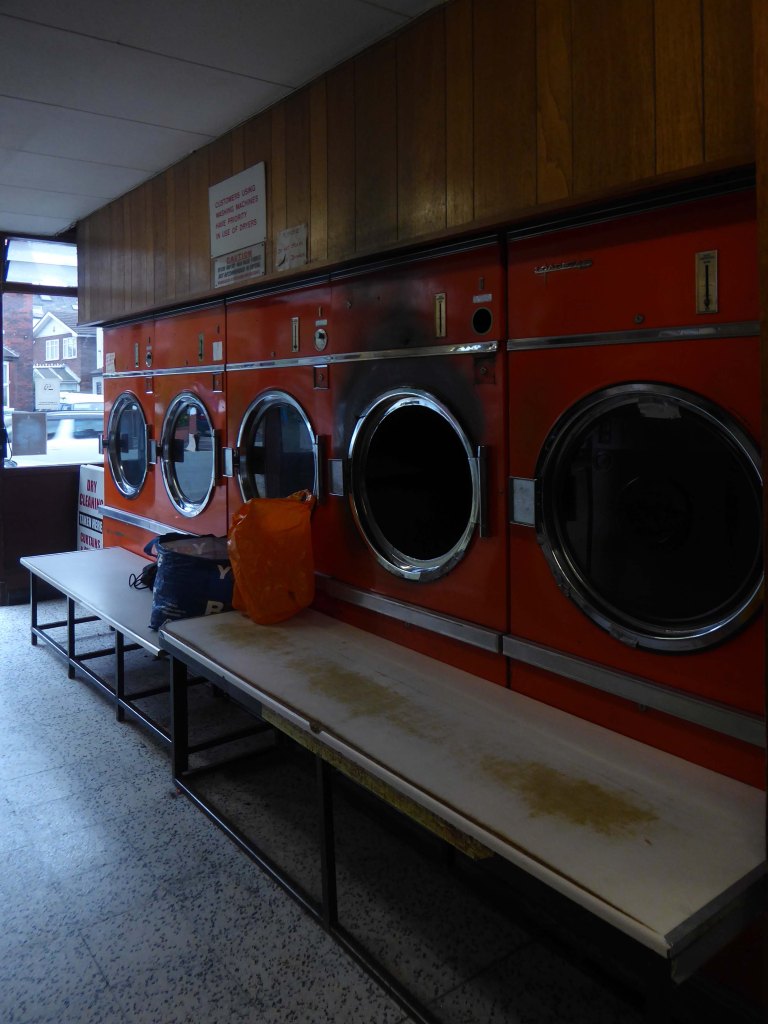
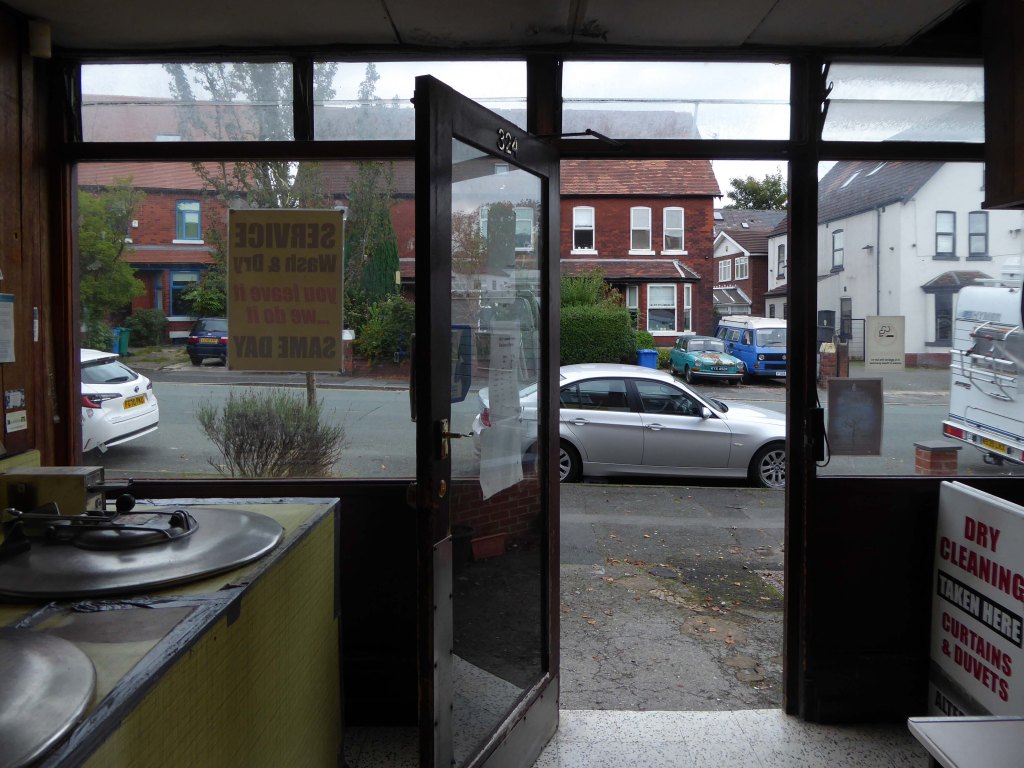
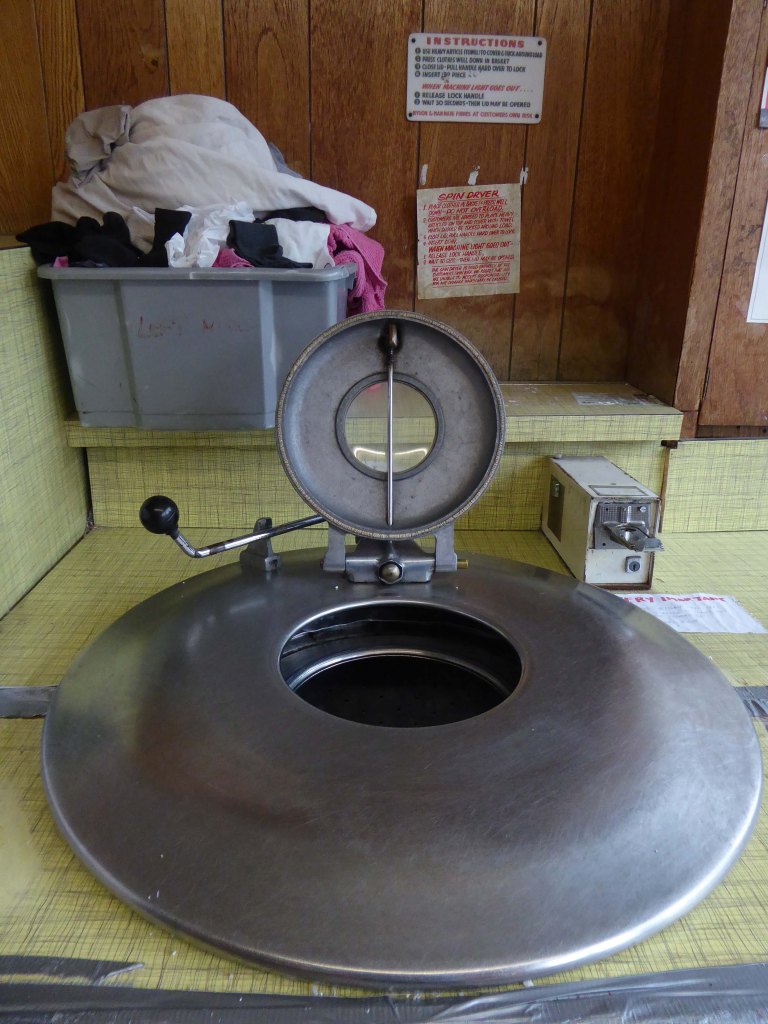
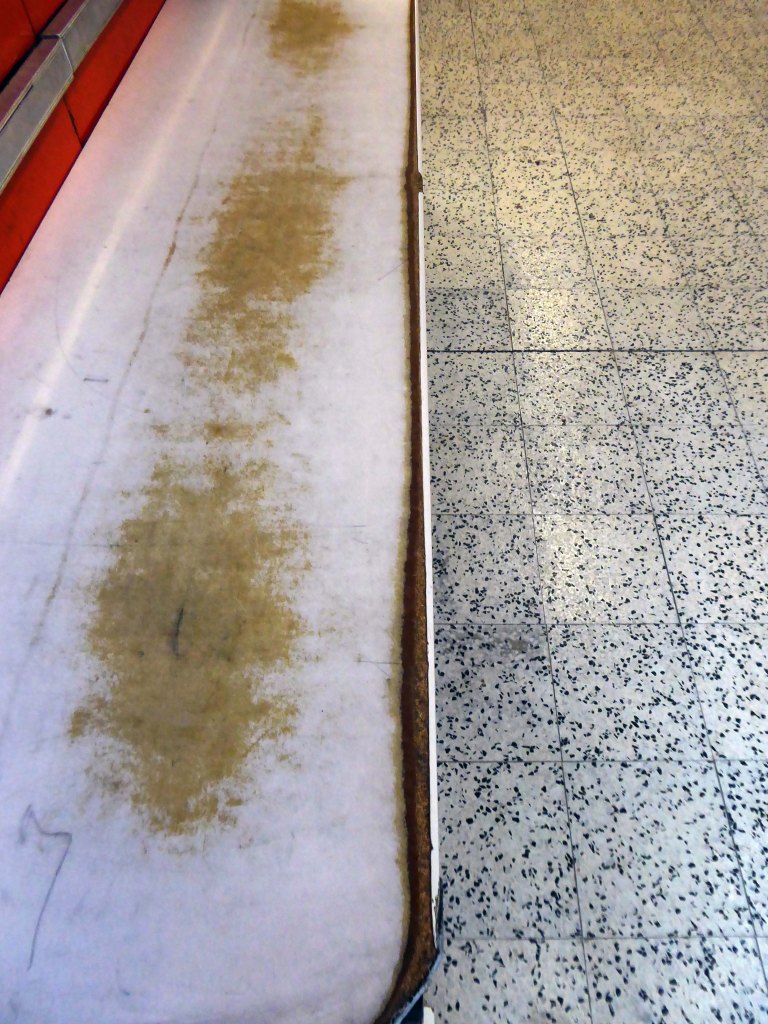
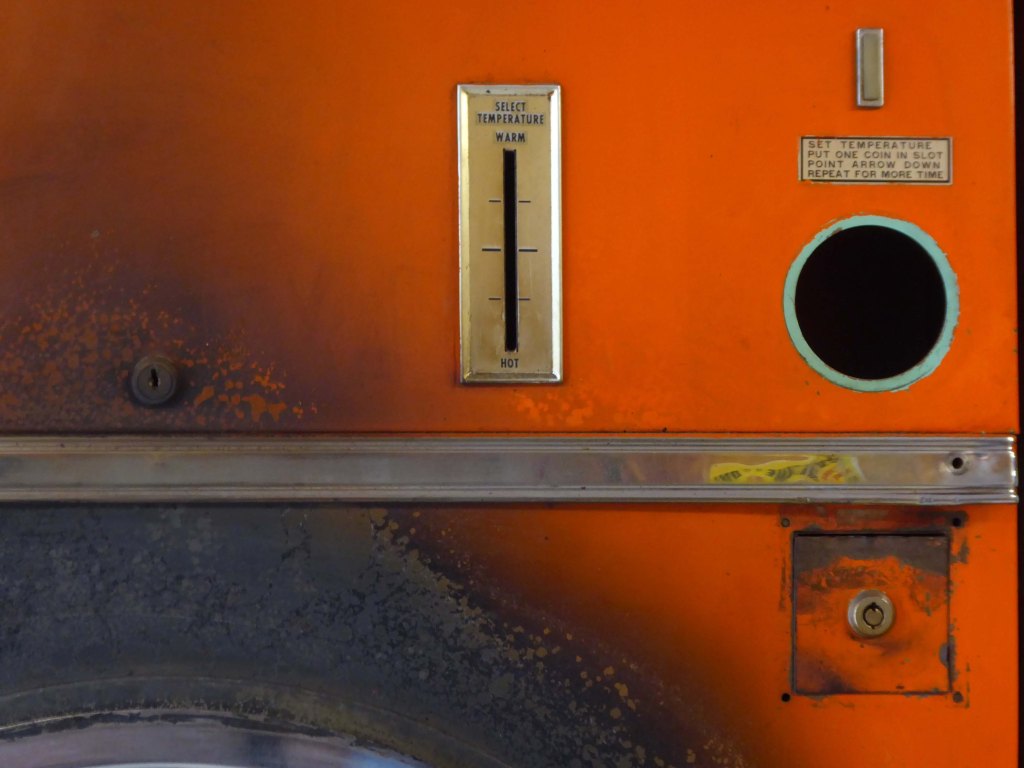
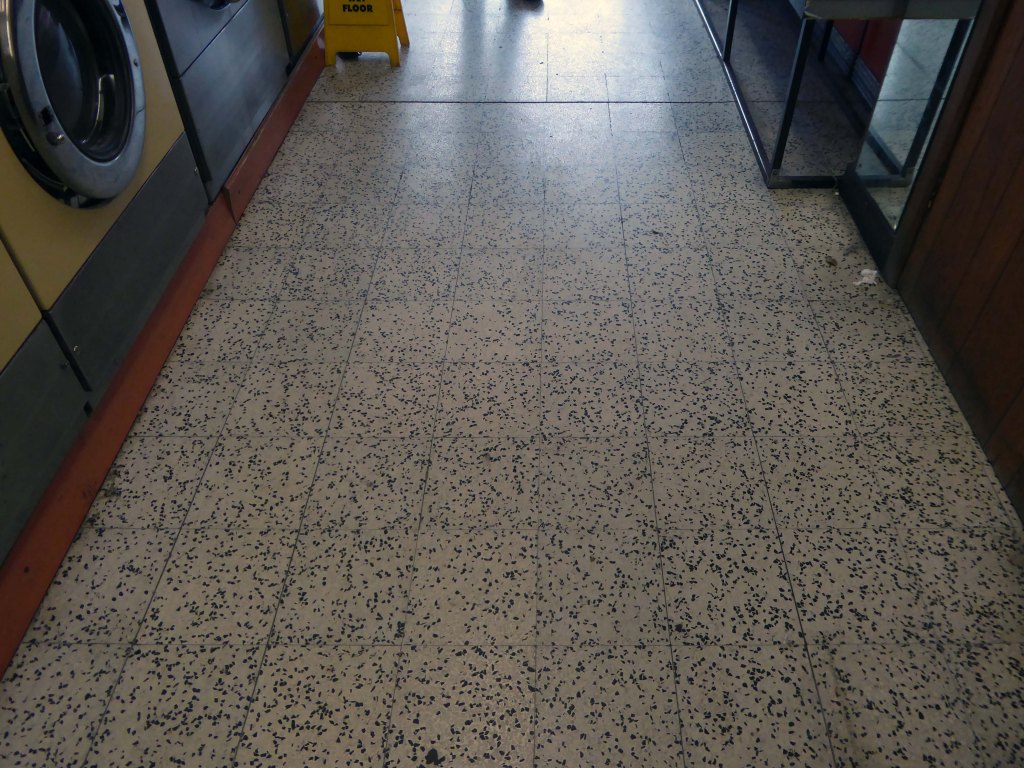
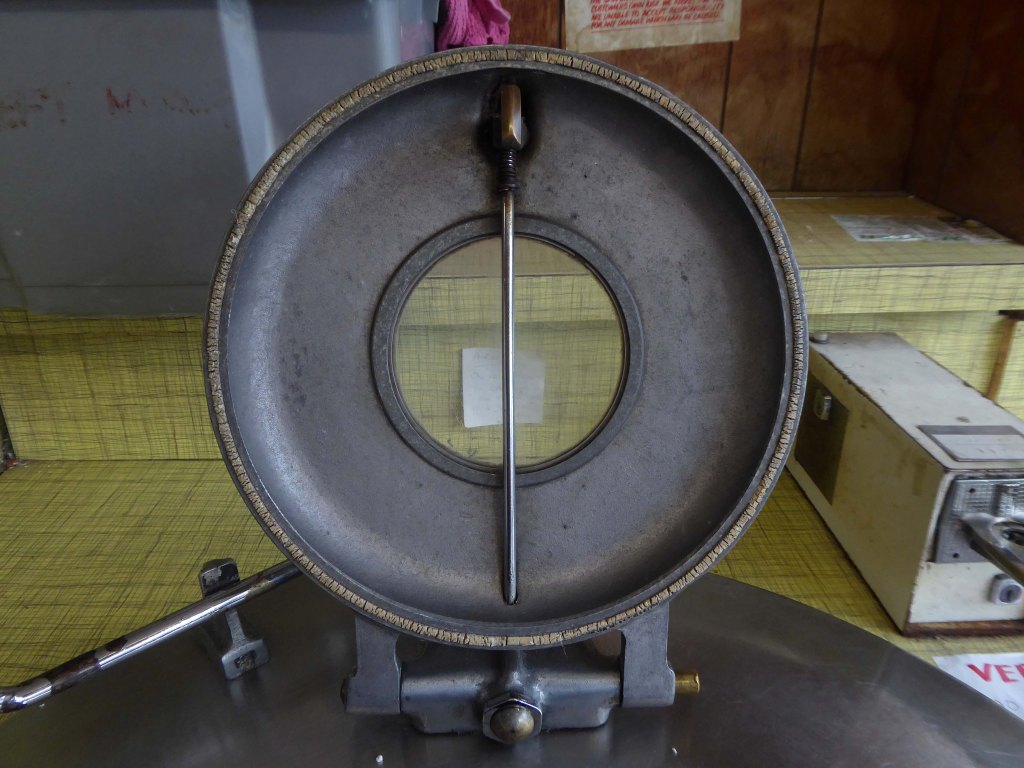
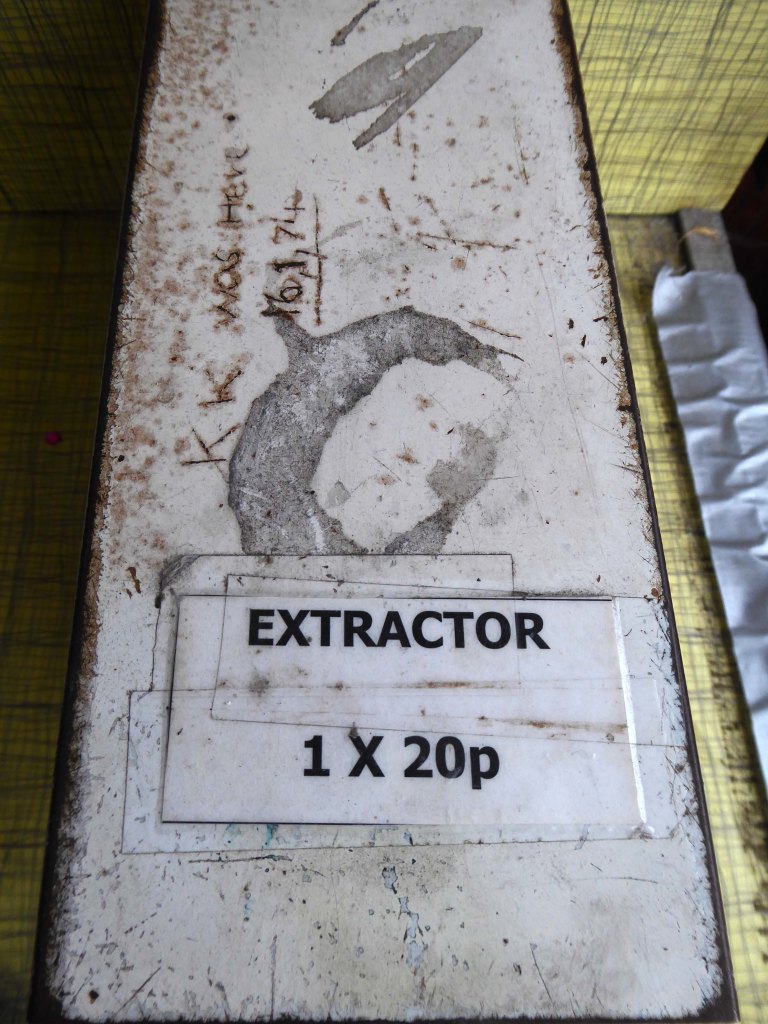
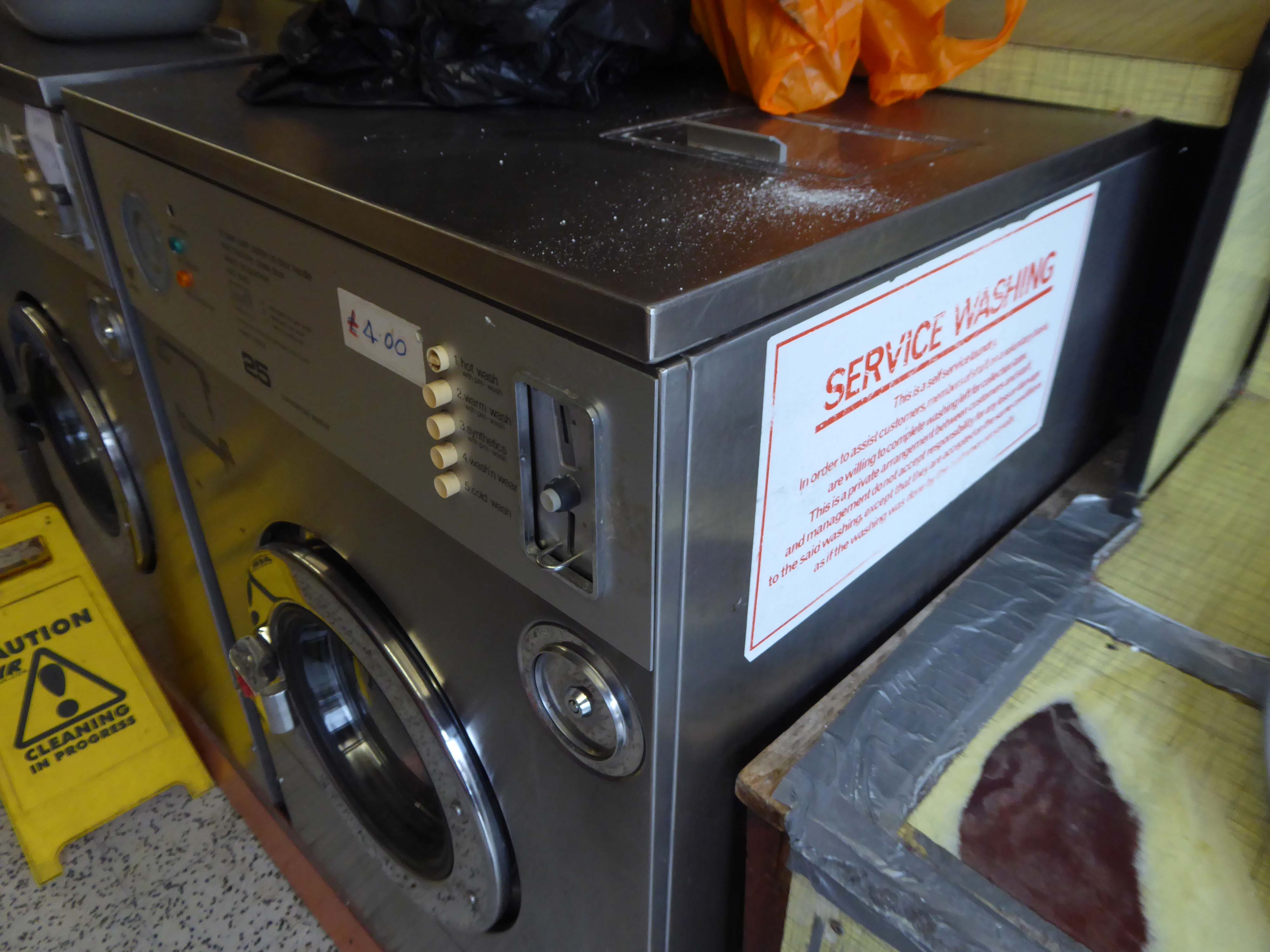
Following a brief interregnum we’re back in the soapy study world of the local launderette.
One of many Rex operations – including those which I visited in Hull and Hull.
I am of course nationally and internationally renowned as Rex Launderette – author of the multi-ward winning eight laundrettes.
Should you care to search this wishy-washy blog there are also countless other laundry related posts.
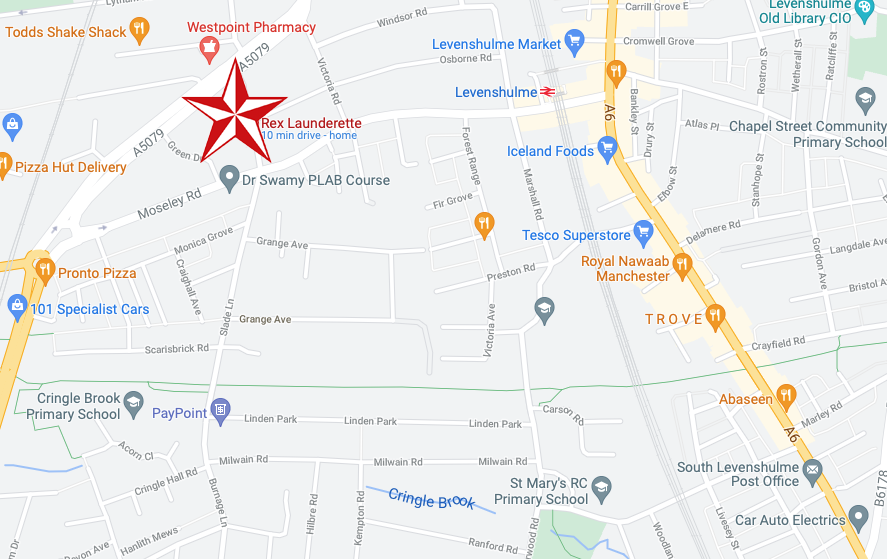
Anyway, I jumped the 197, alighting at the junction of Albert Road and Slade Lane.
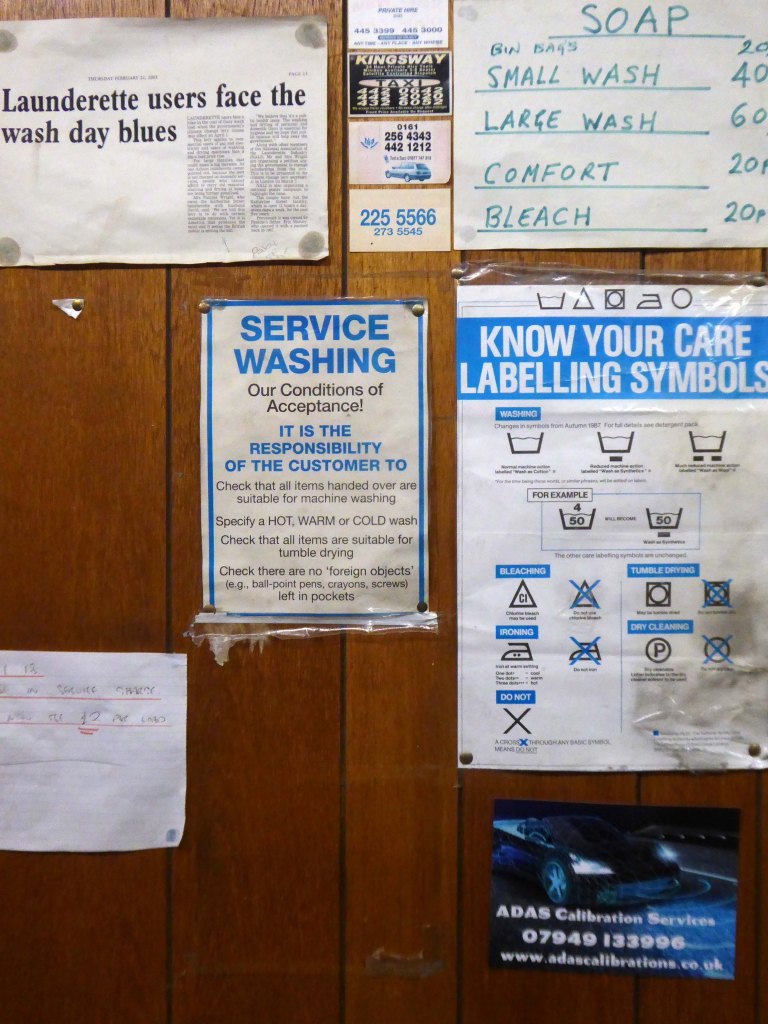
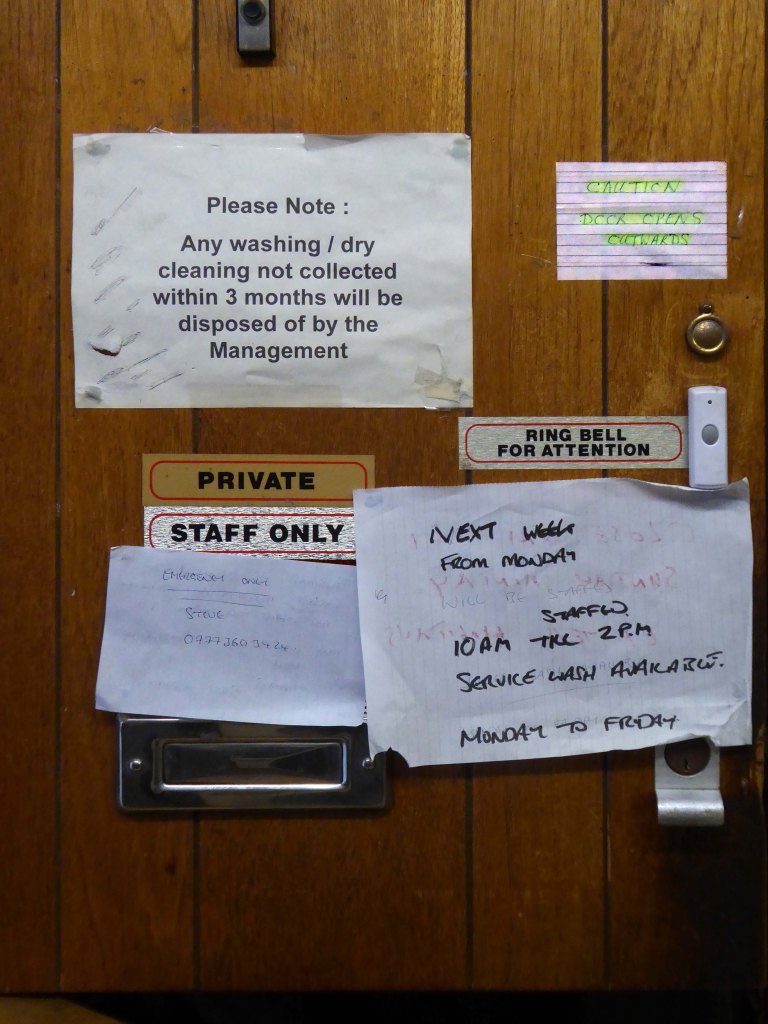
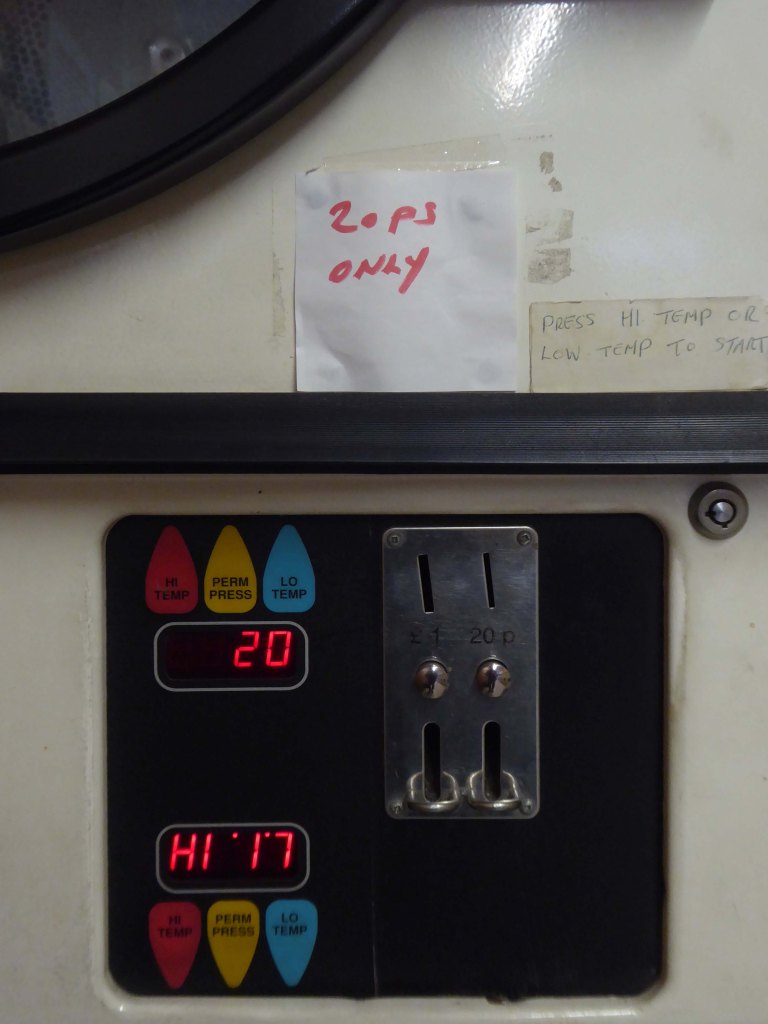
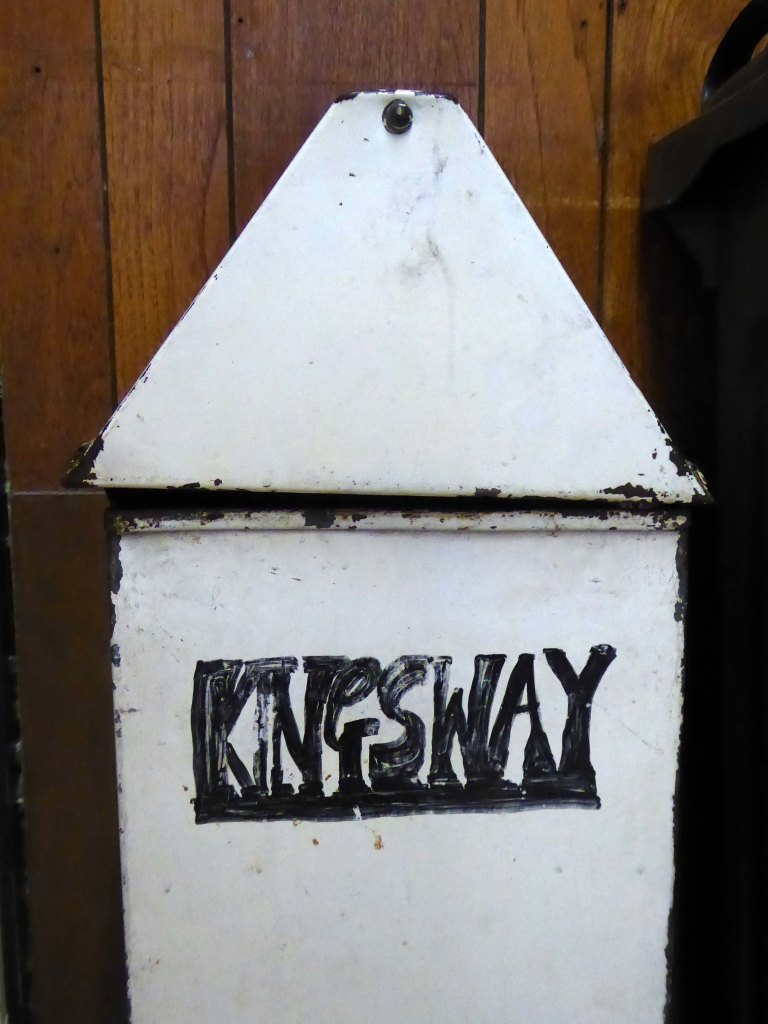
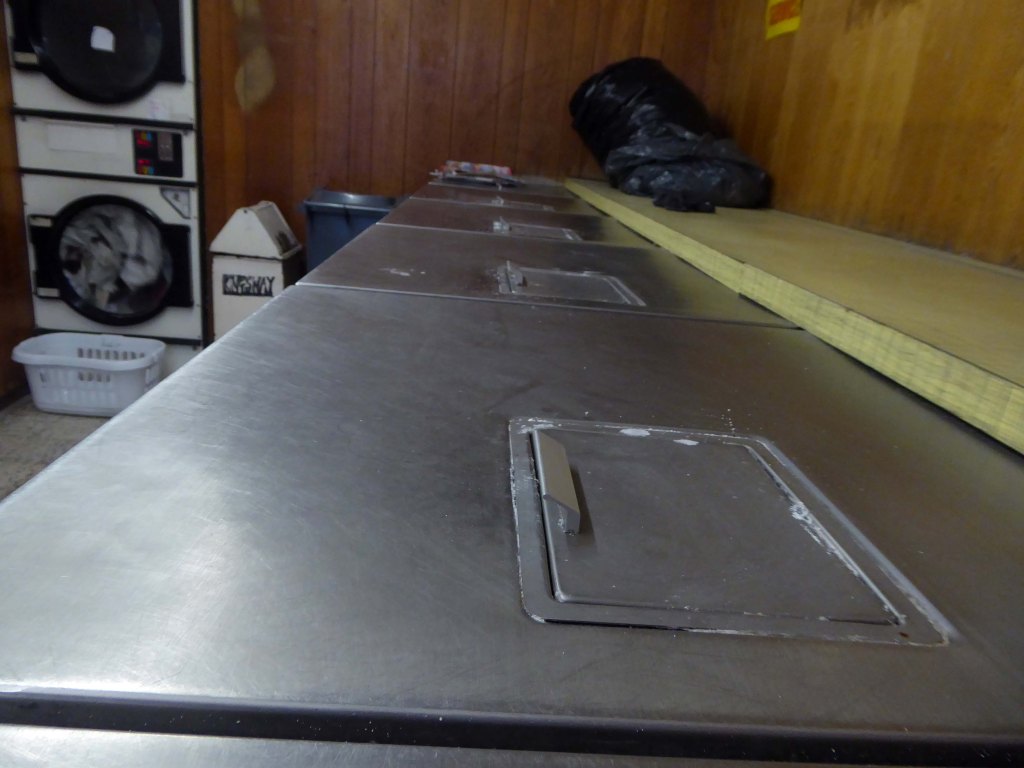
I popped into my local Rex and chatted with owner Steve, who had operated the business for some years, in addition he and his dad had run the late lamented Kingsway branch.
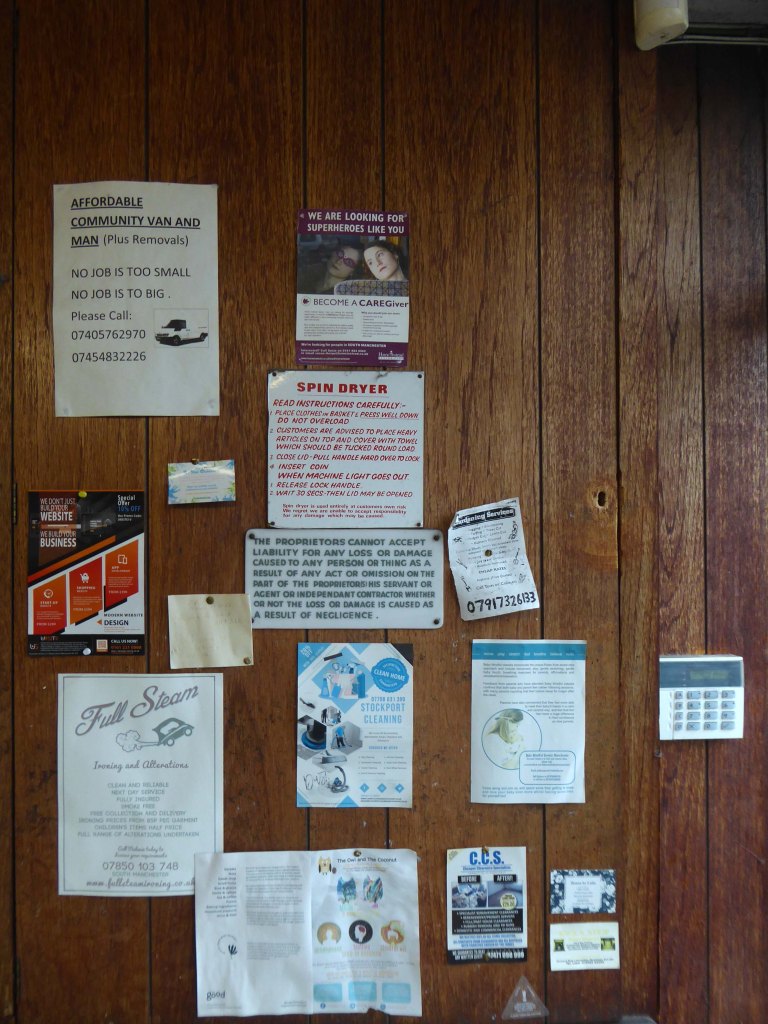
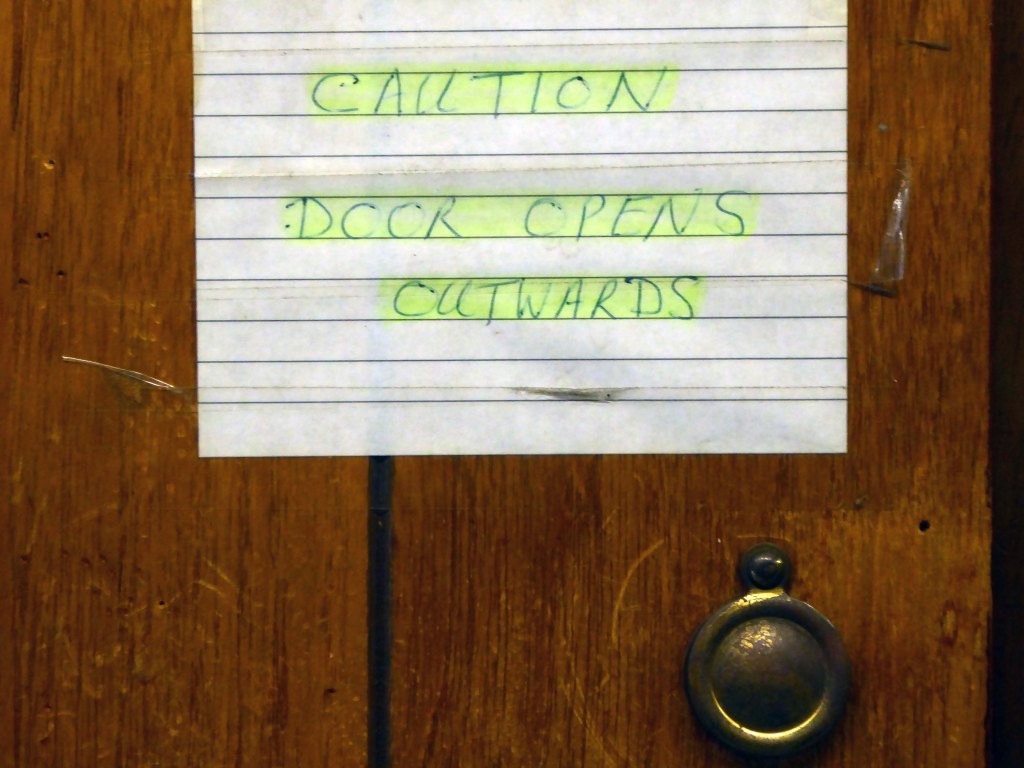
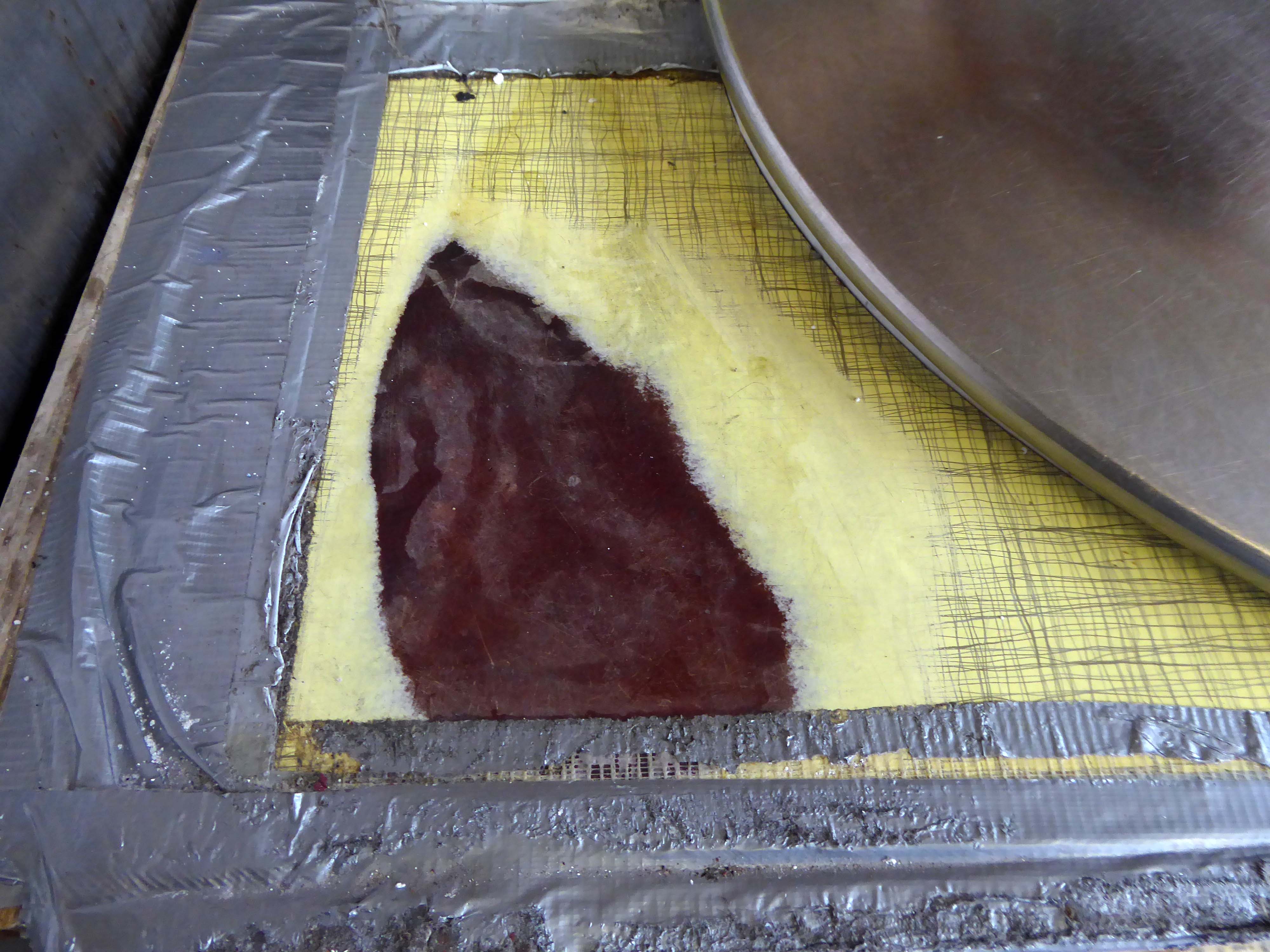
I hung around a while chatting and snapping – here’s the snaps.
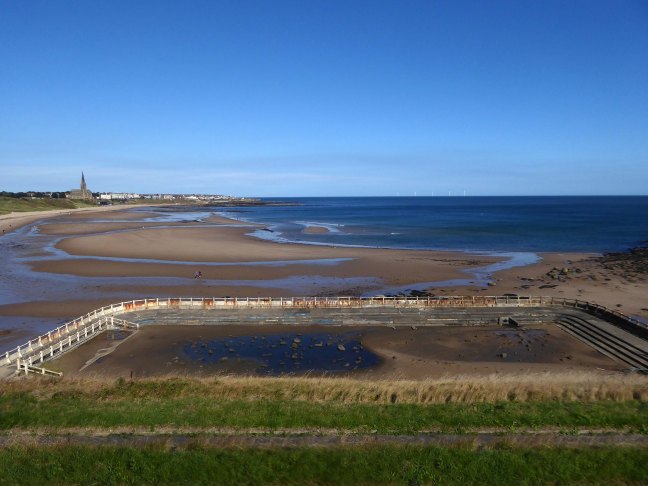
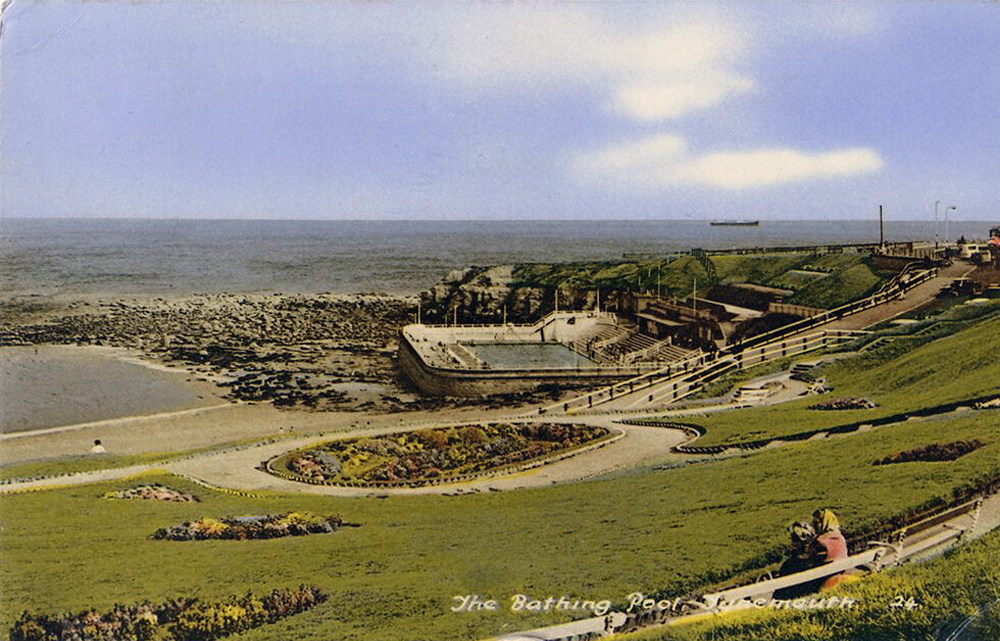
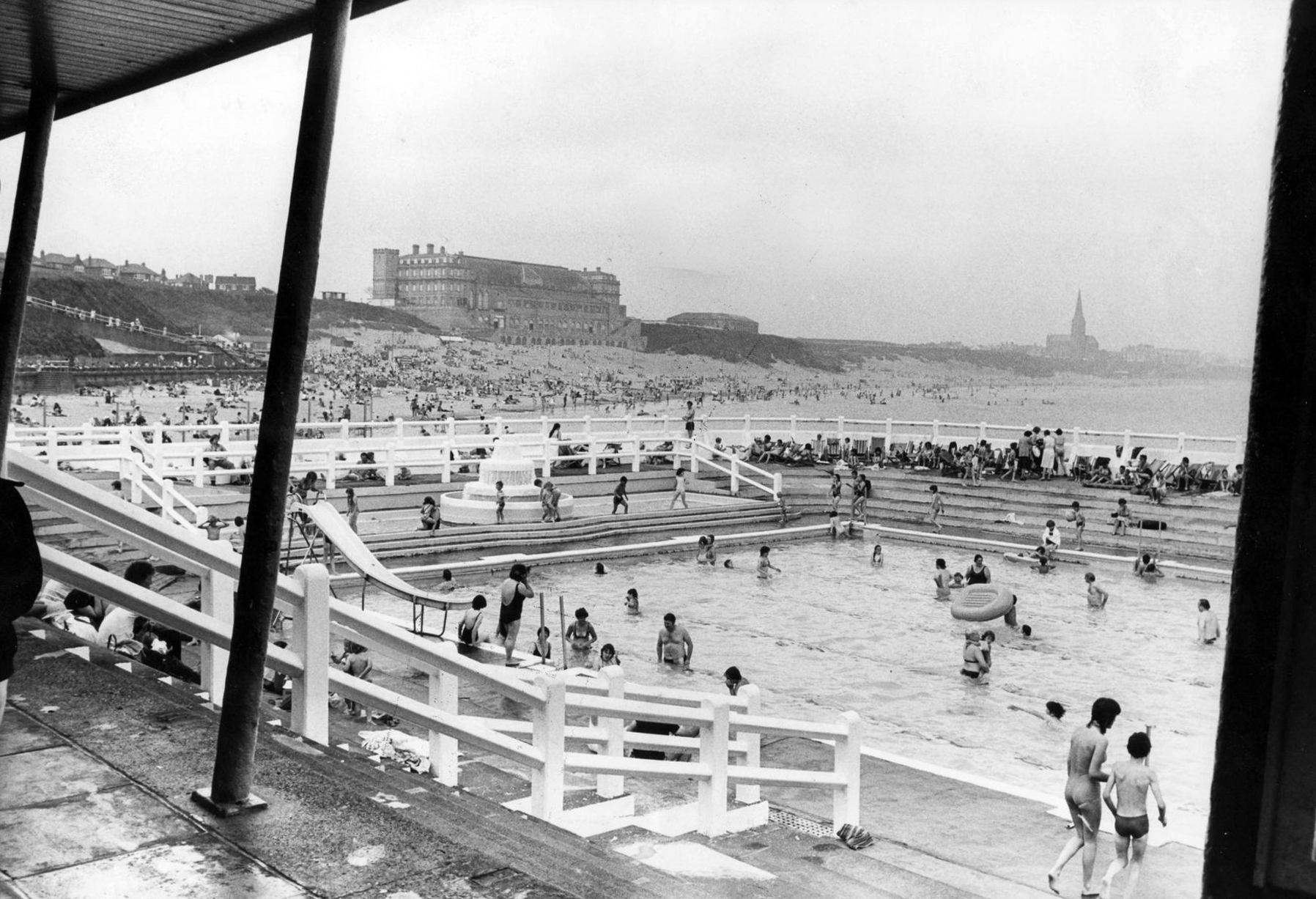
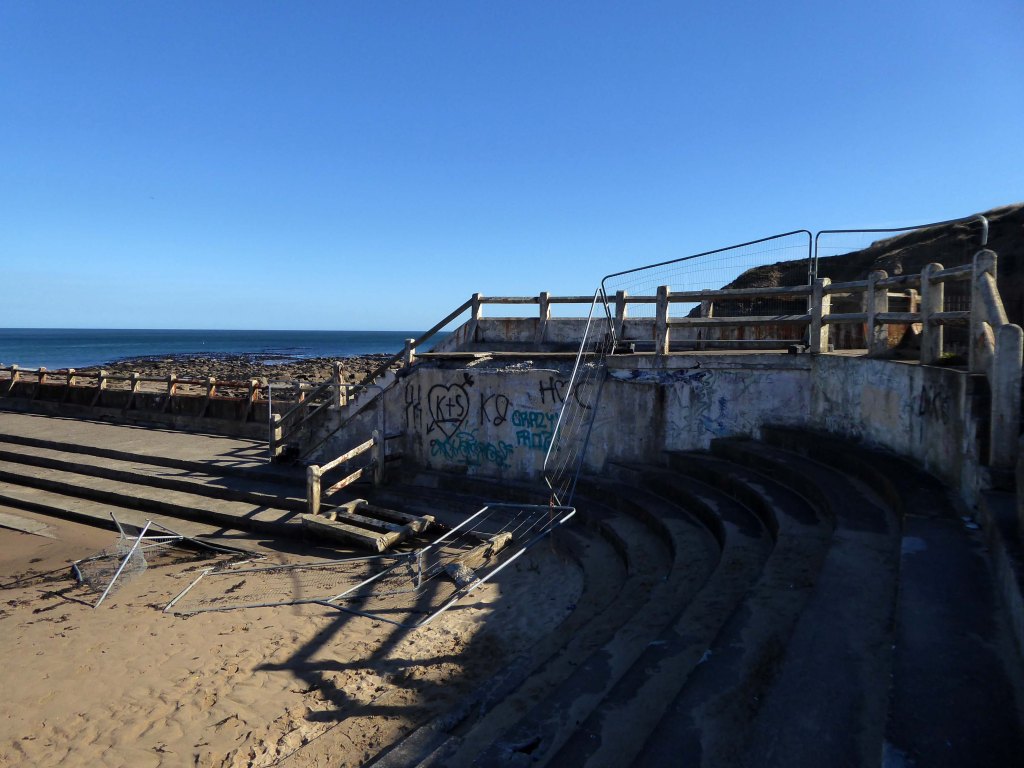
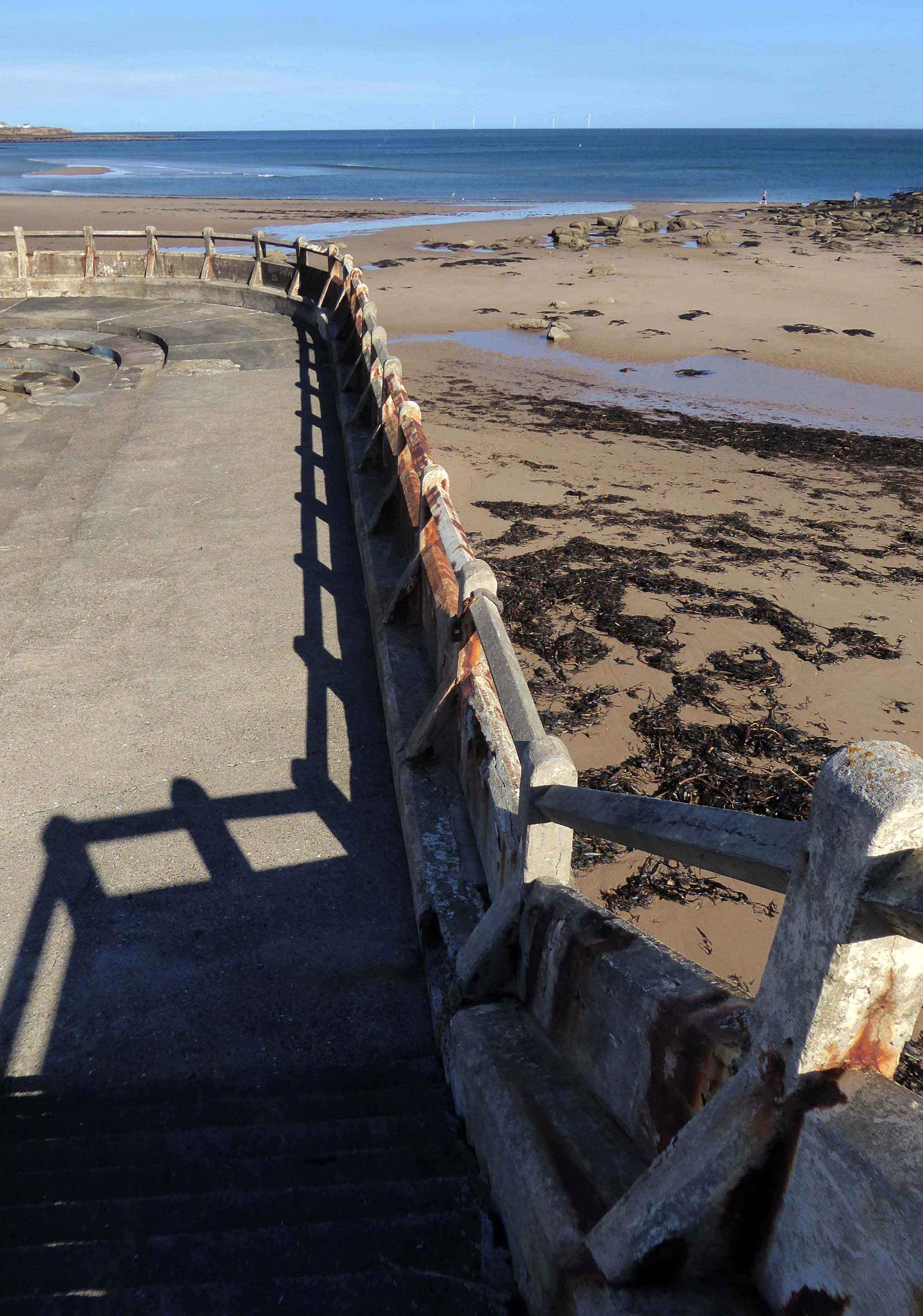
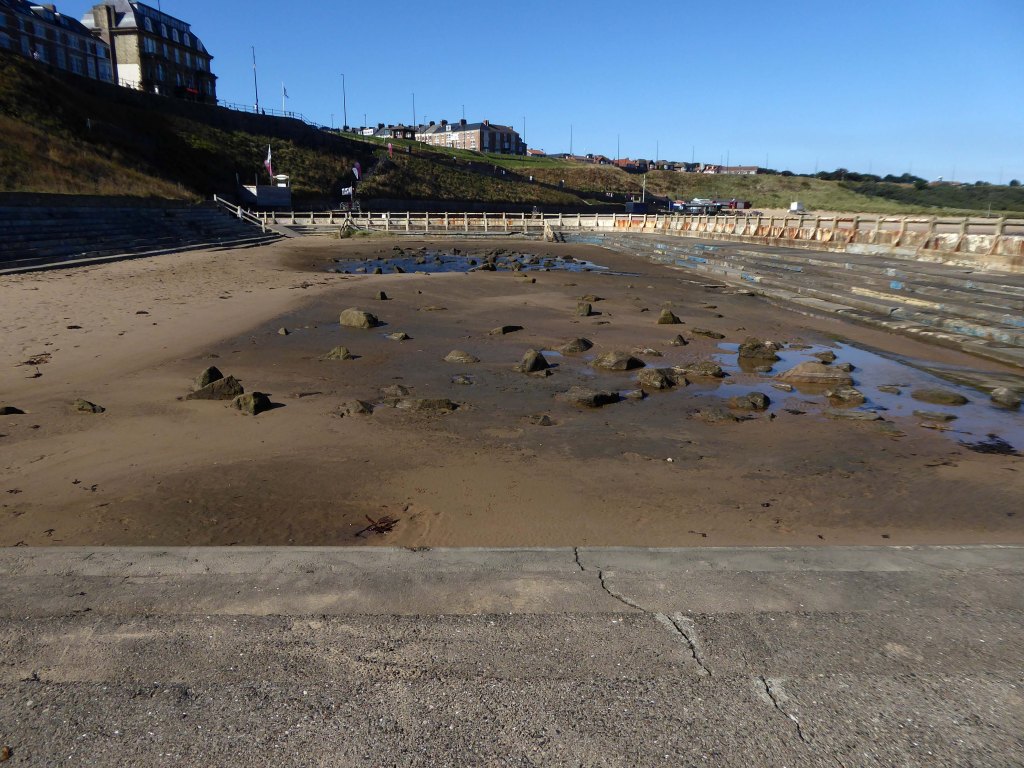
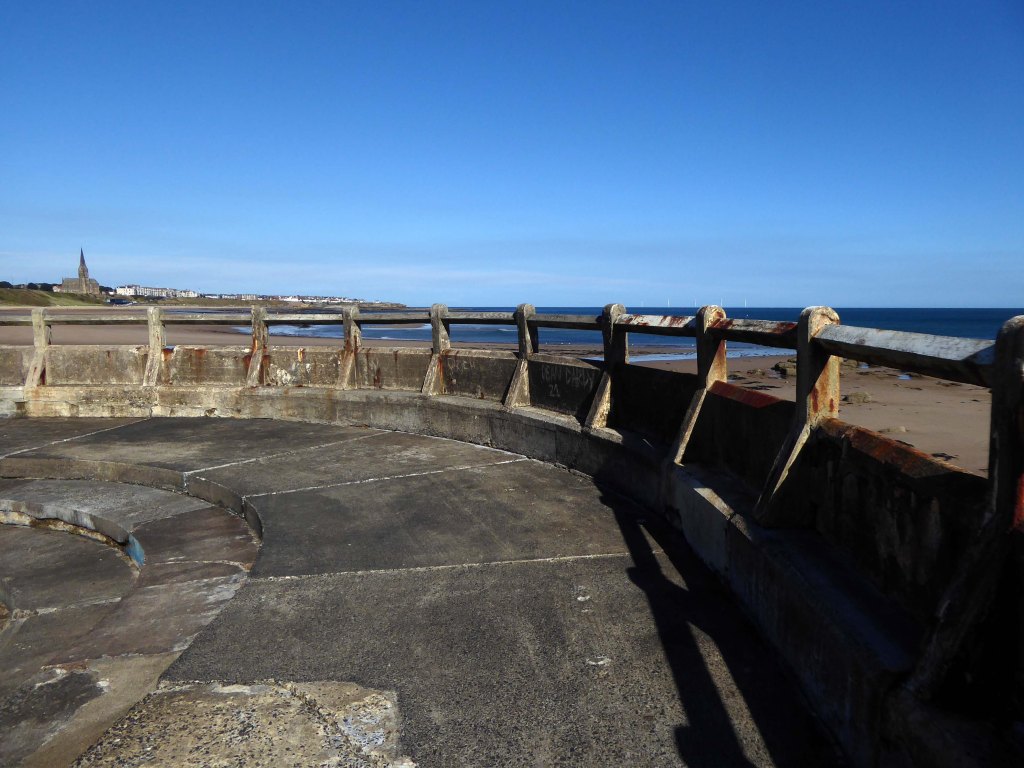
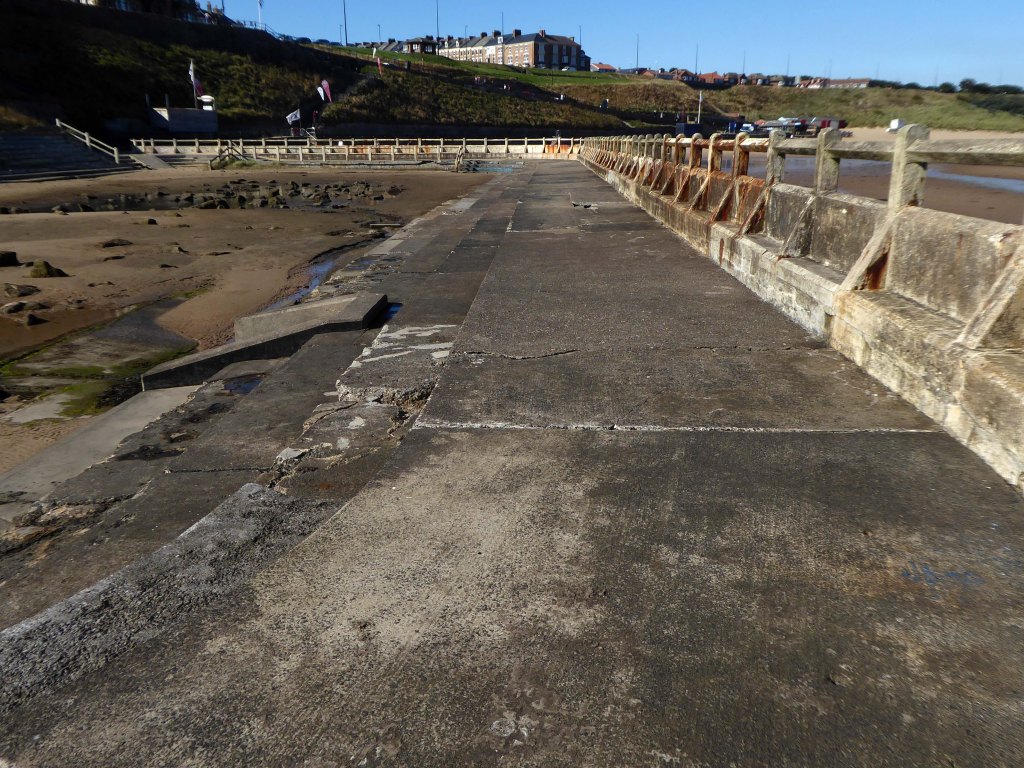
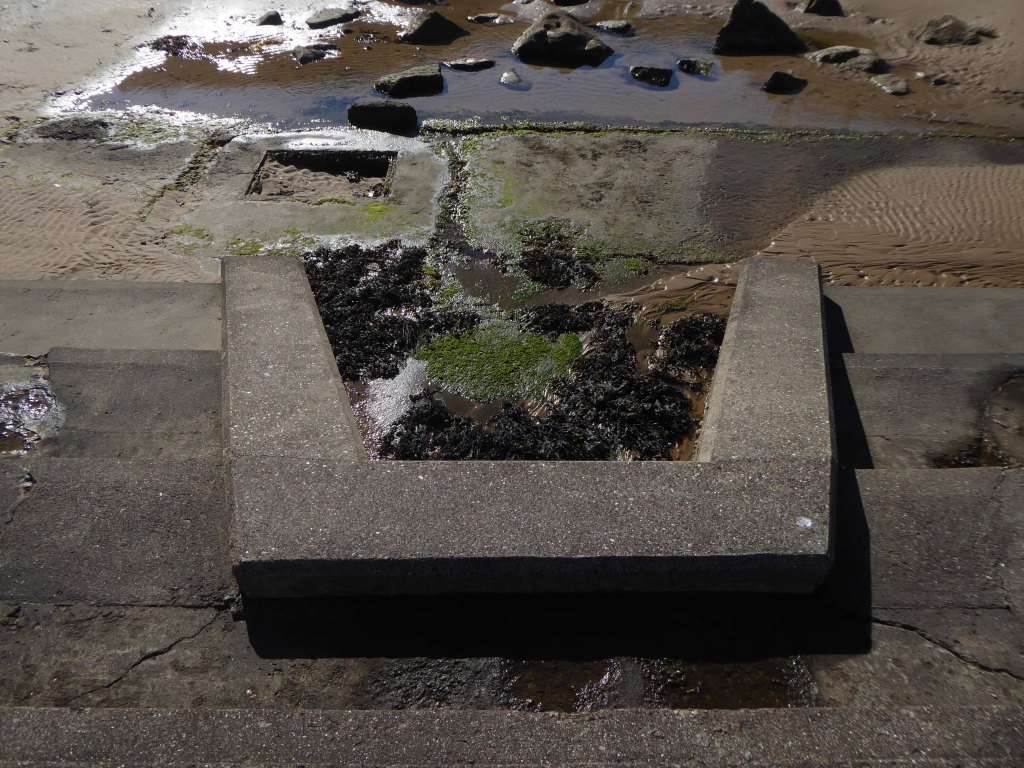
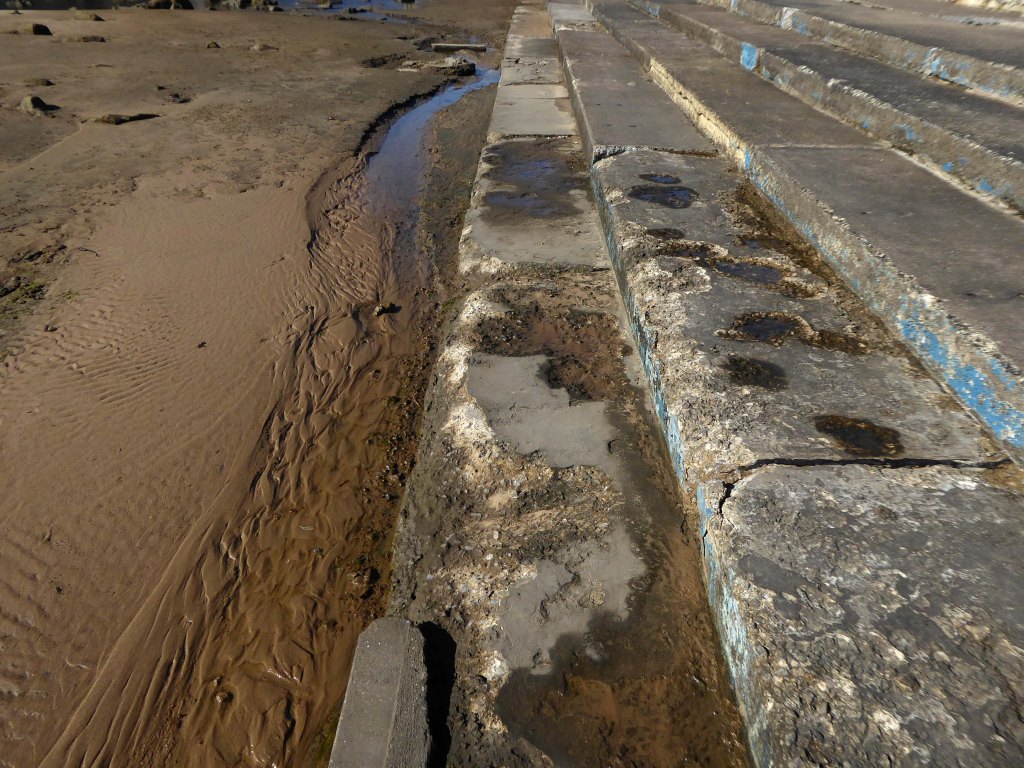
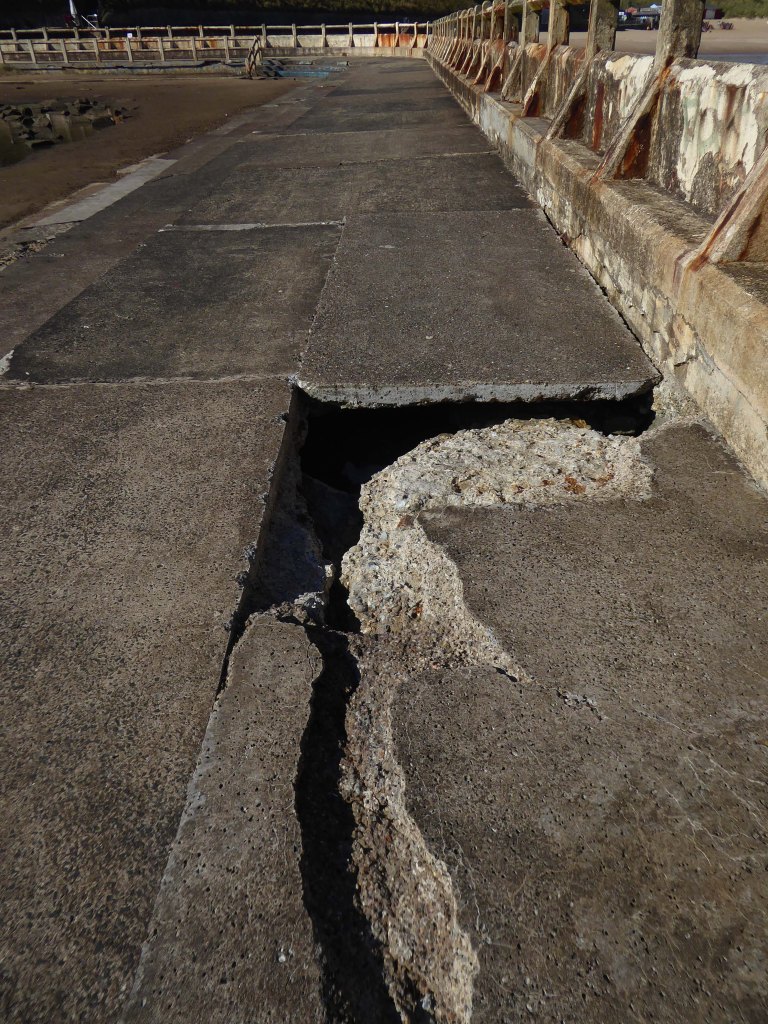
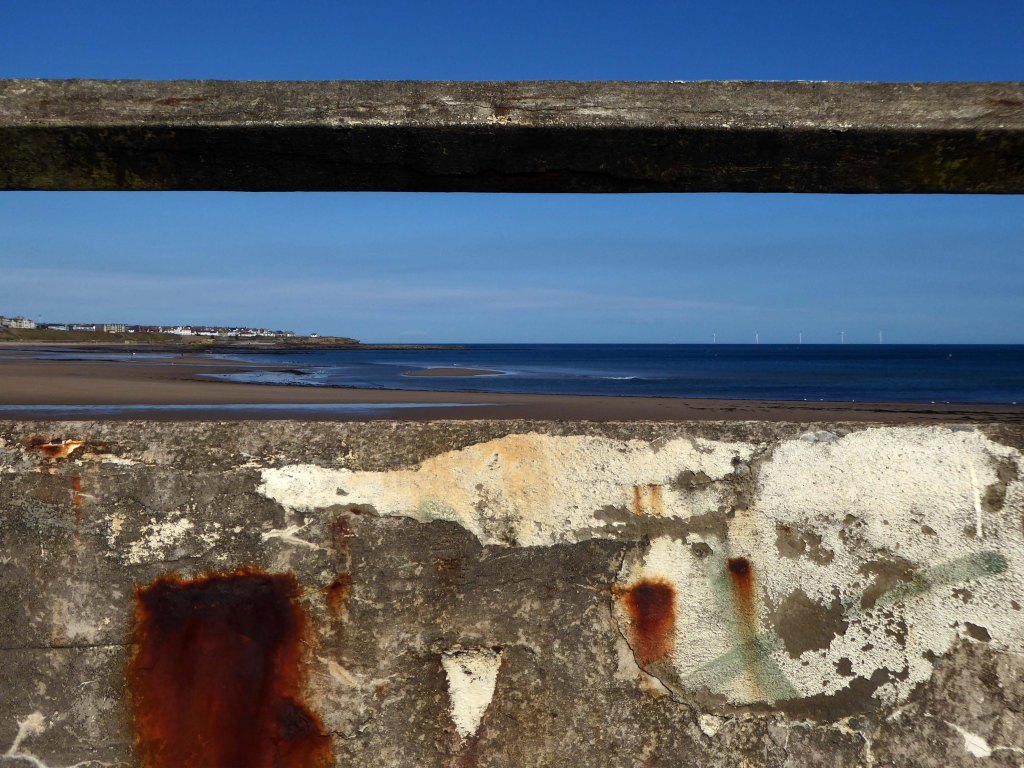
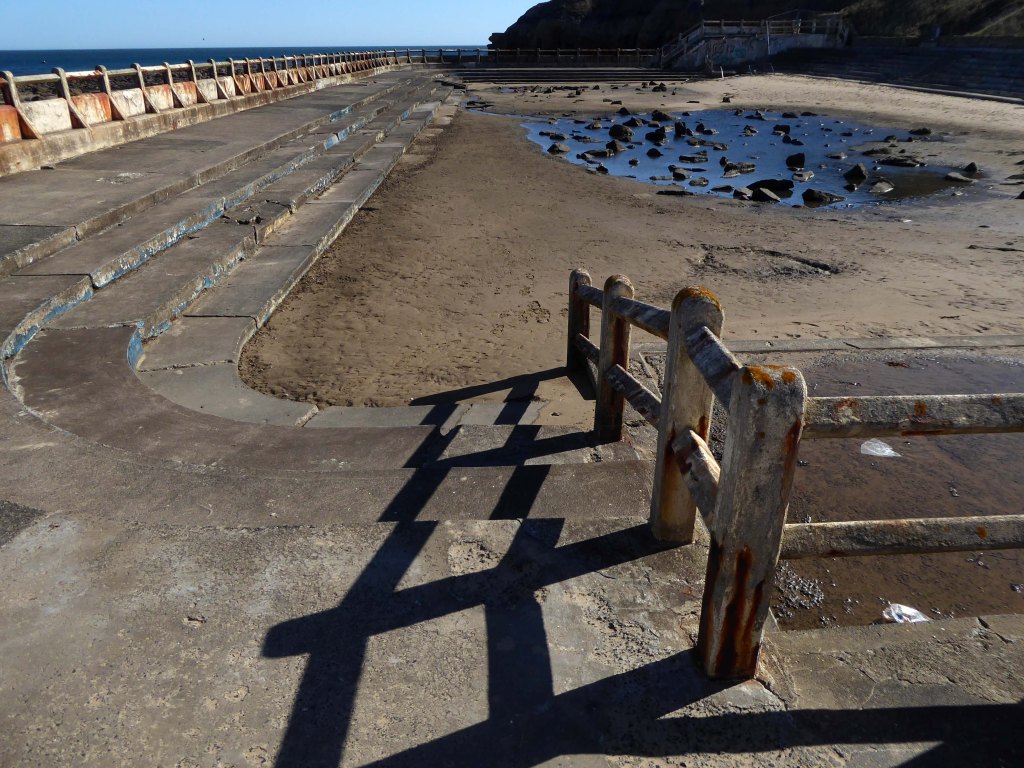
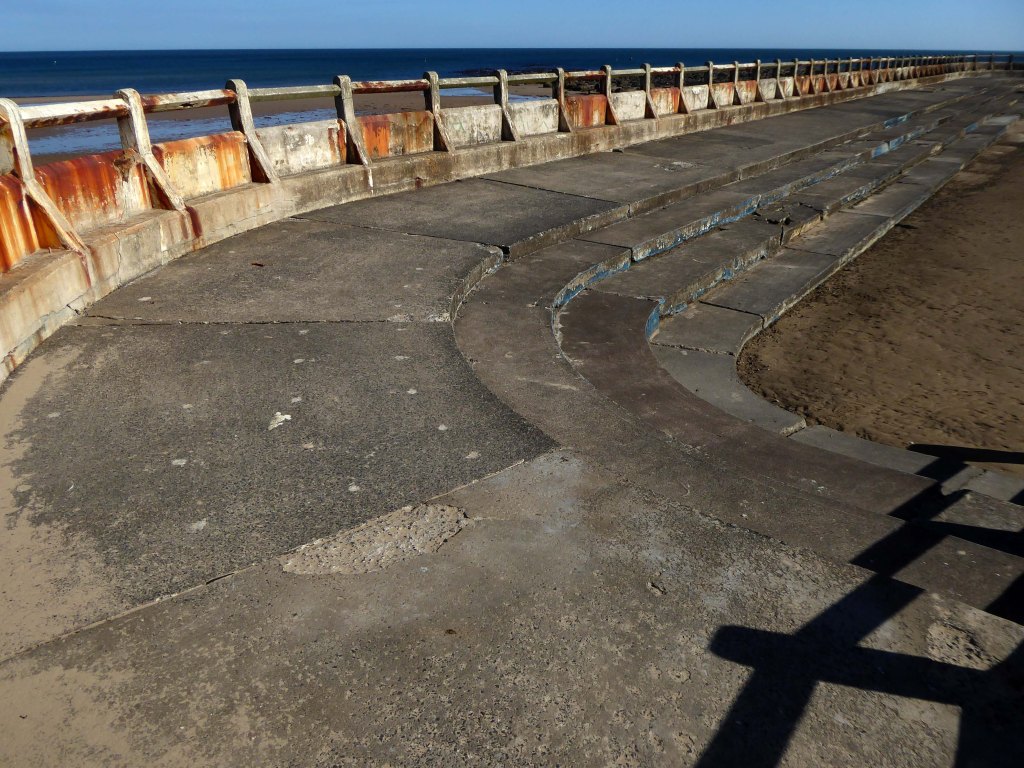
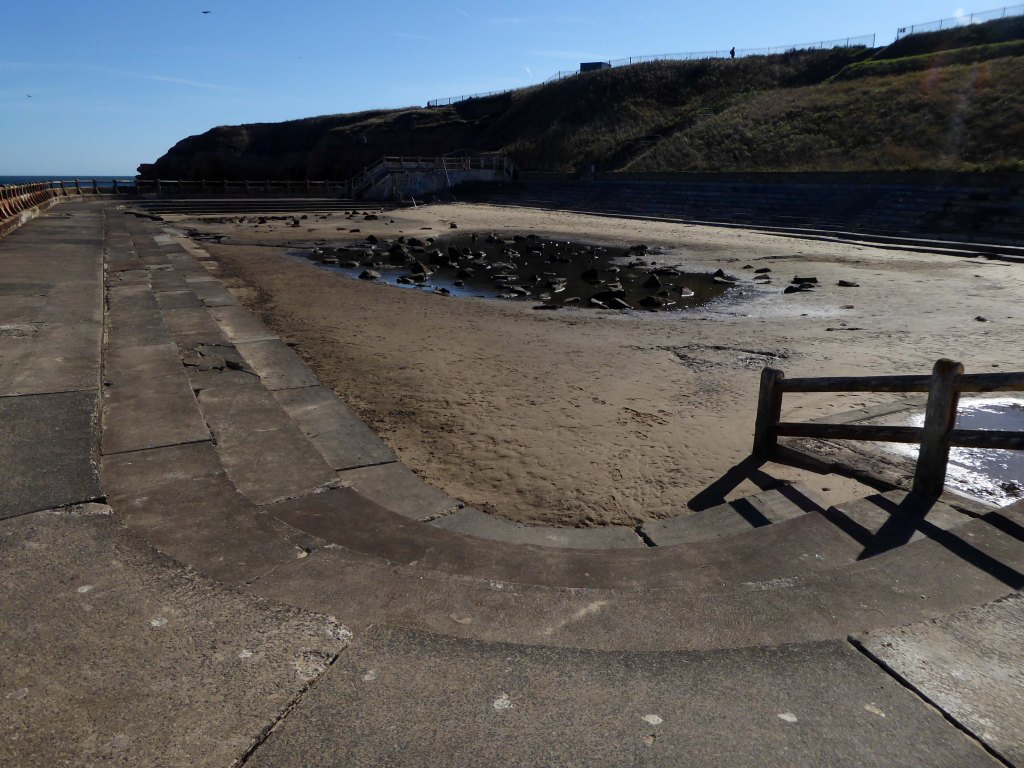
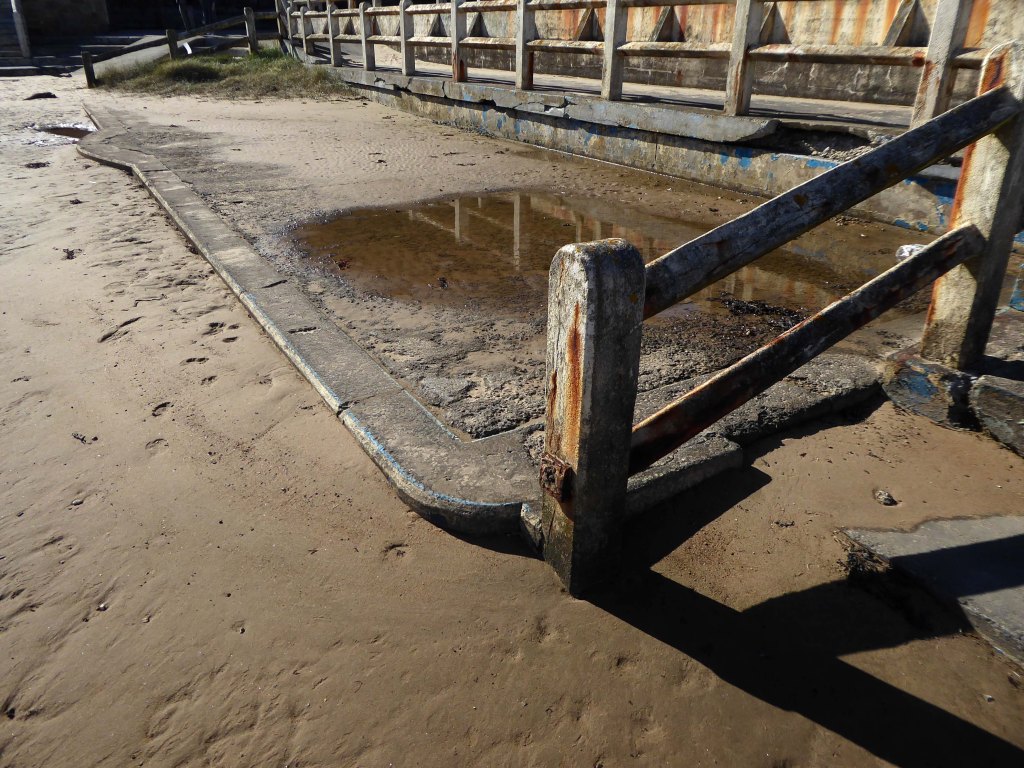
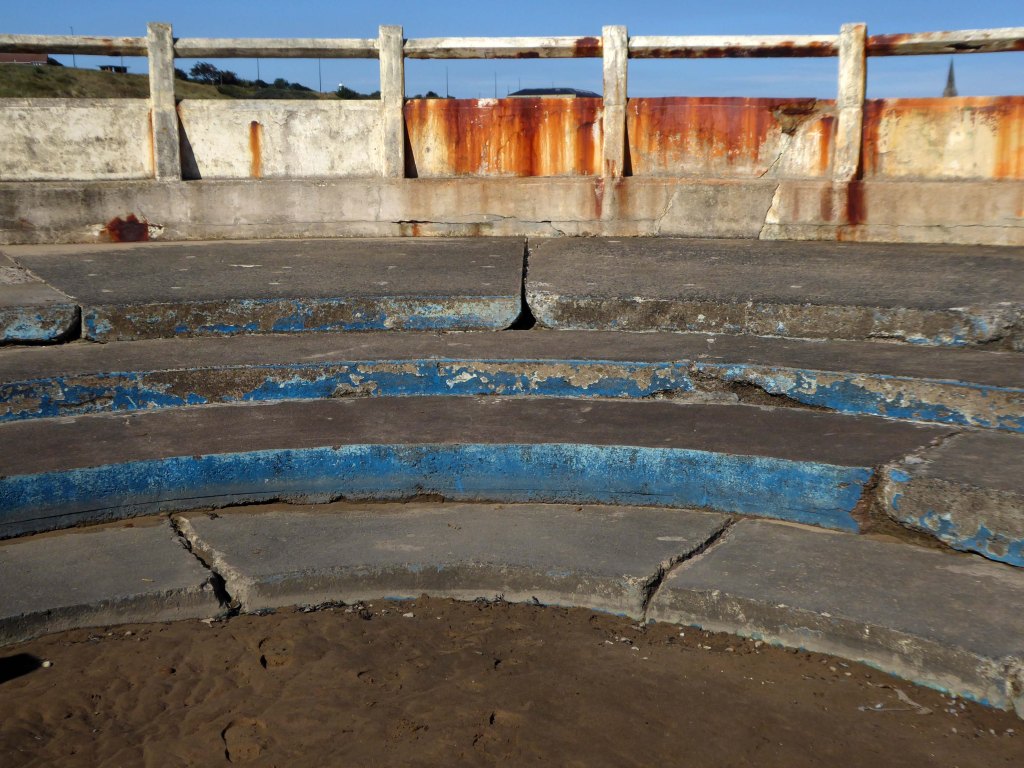
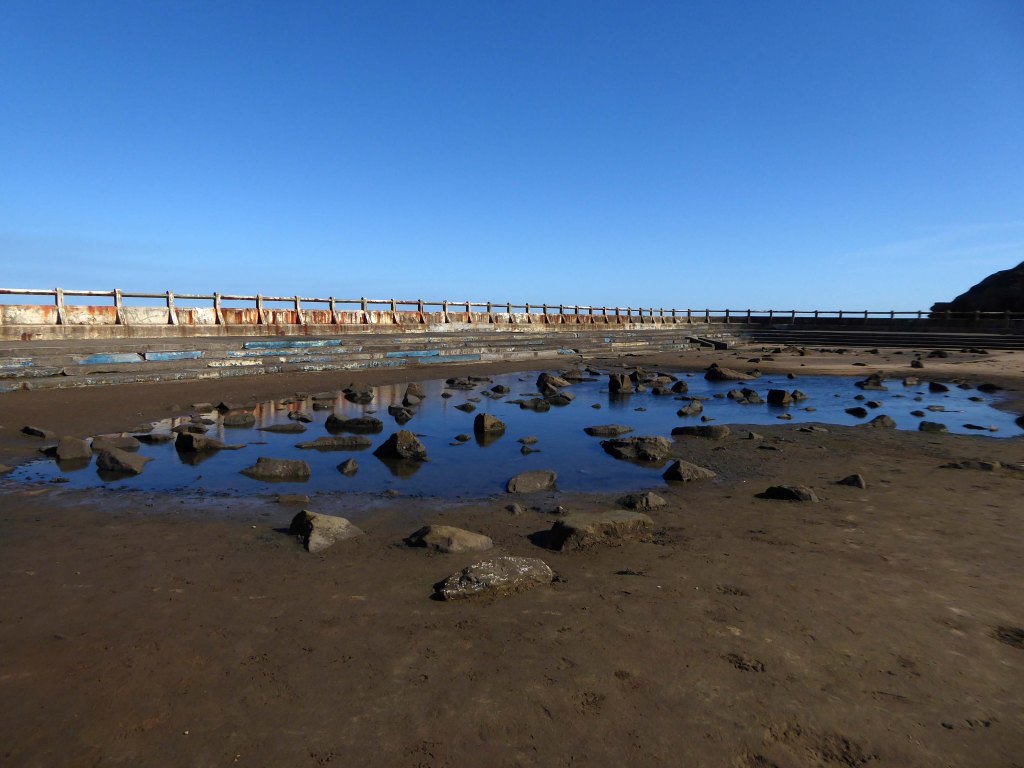
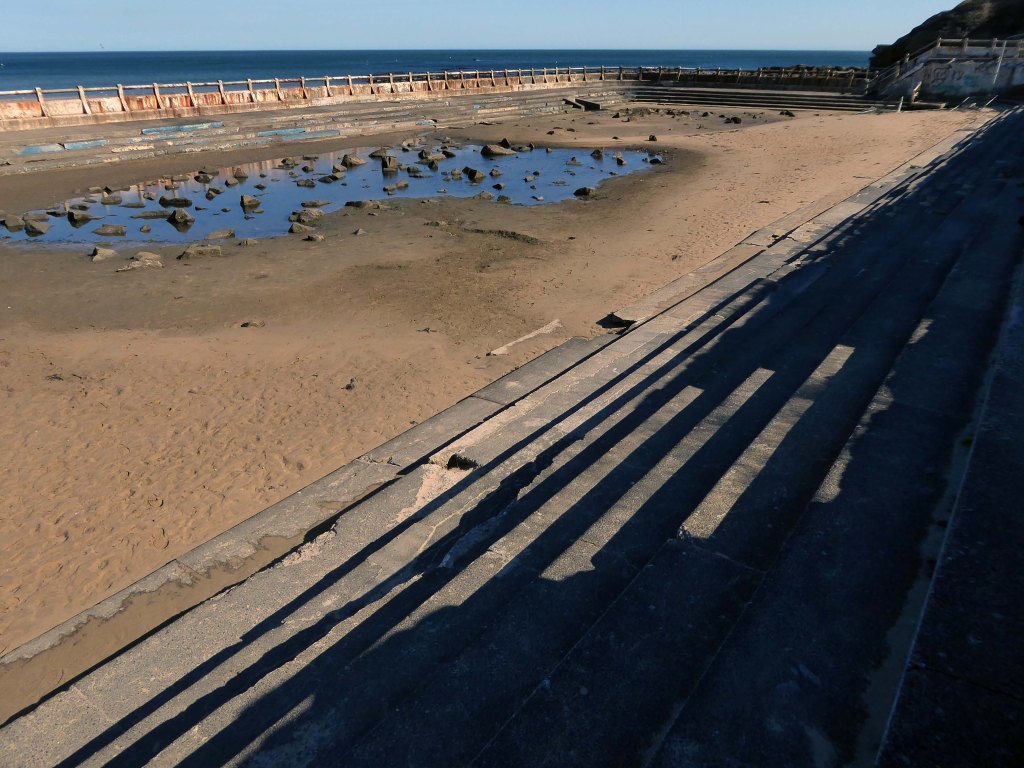
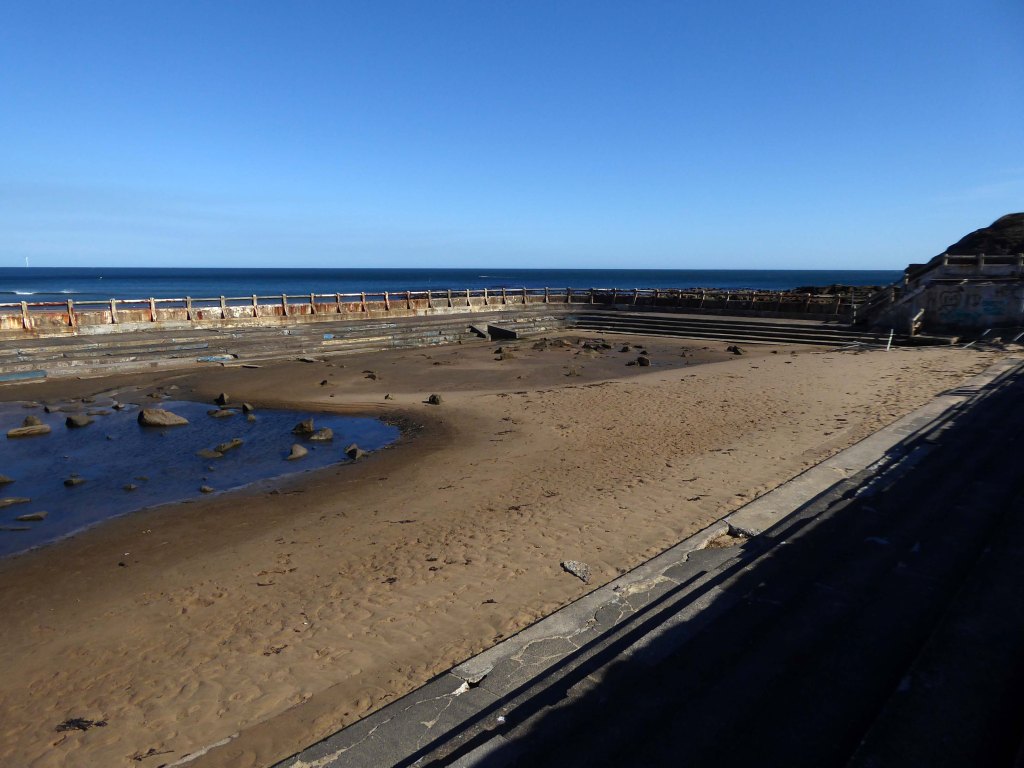
At the Southern end of Tynemouth Longsands beach, on the North East coast, lies the decaying remains of Tynemouth Outdoor Swimming Pool. A concrete, rectangular, salt water tidal pool, built in the 1920s. Popular with locals and holiday makers alike for over 50 years. It began to lose favour in the late 70s with the introduction of cheap package holidays abroad, just as other British coastal holiday destinations lost out.
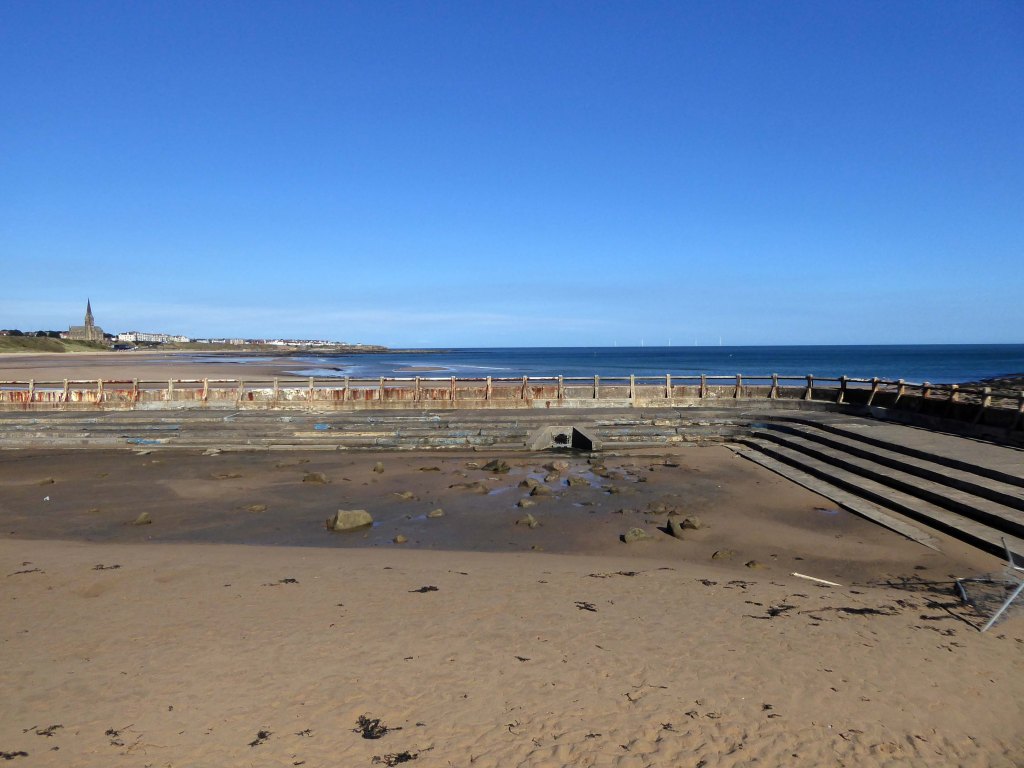
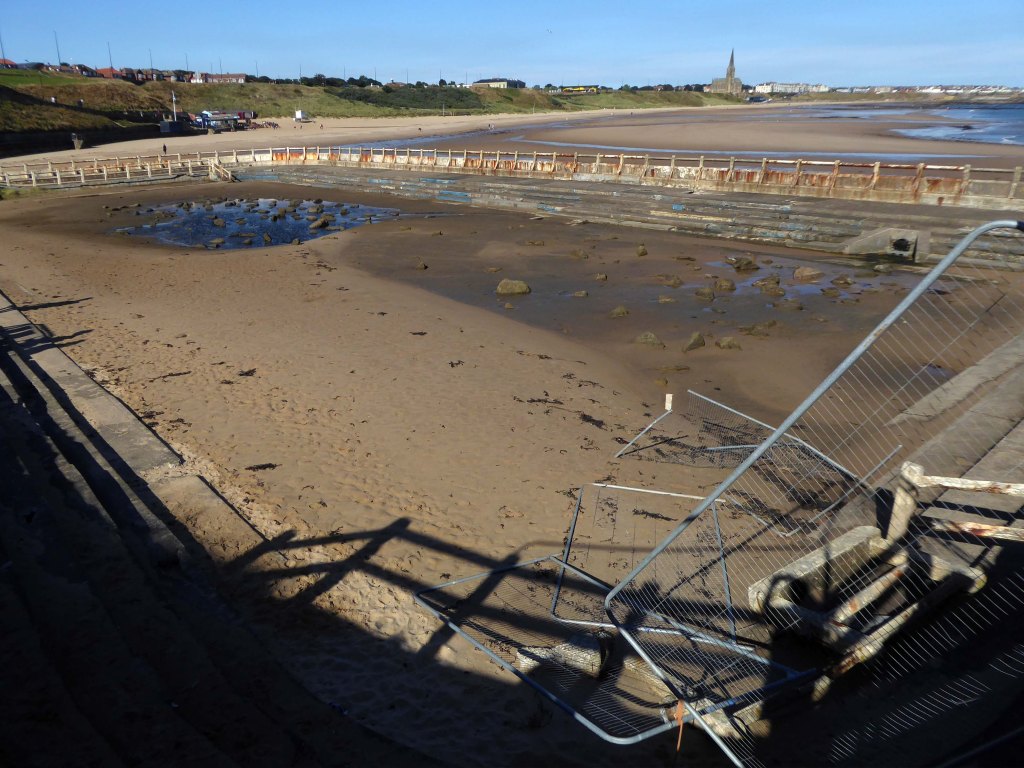
The pool fell into disrepair, and in the mid 90s the Local Authority demolished the ancillary buildings and bulldozed the rubble into the pool, at a cost of £200,000, before filling with concrete and imported boulders to form an artificial ‘rock pool’.
The anticipated marine life they introduced never flourished and the pool remains an eyesore to this day.
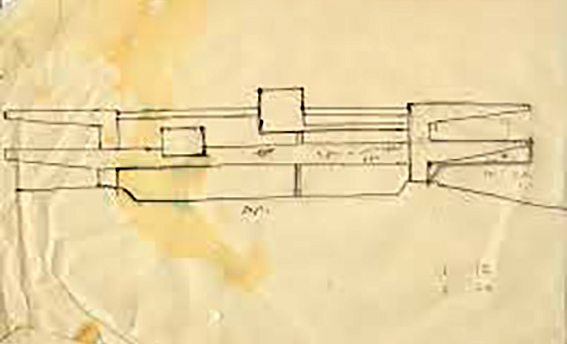
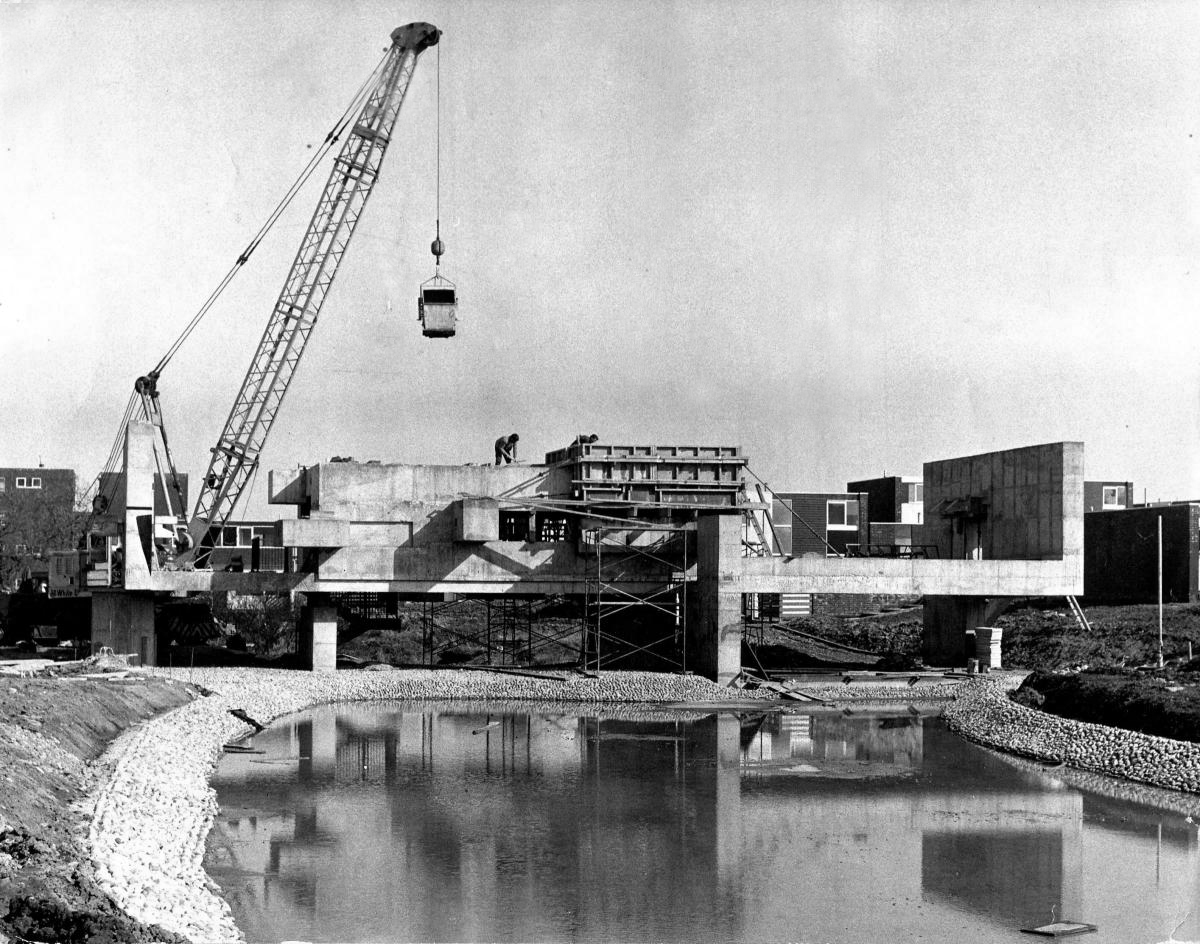
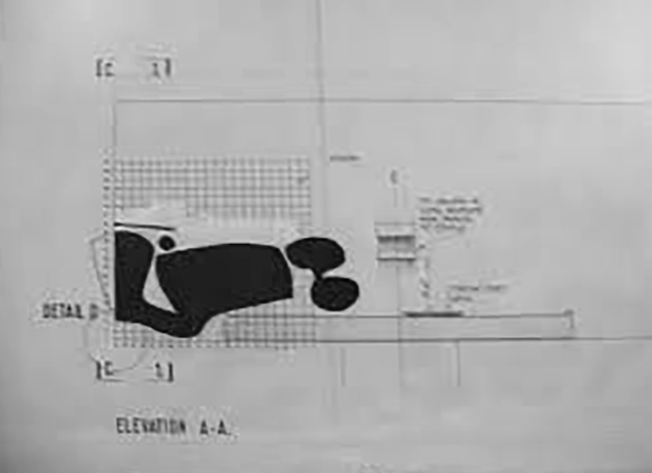
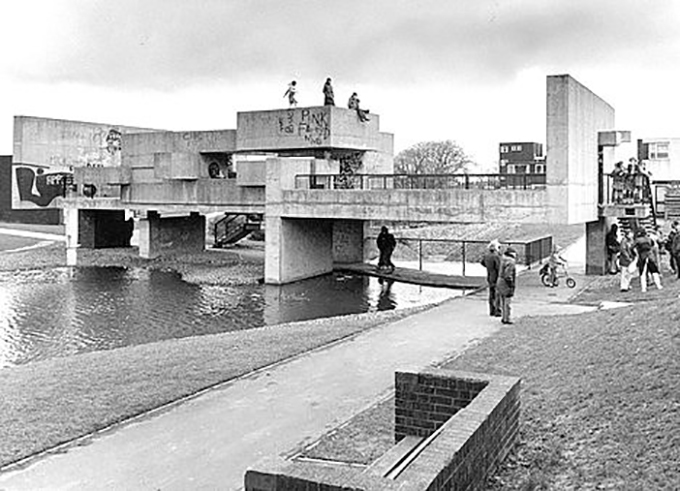
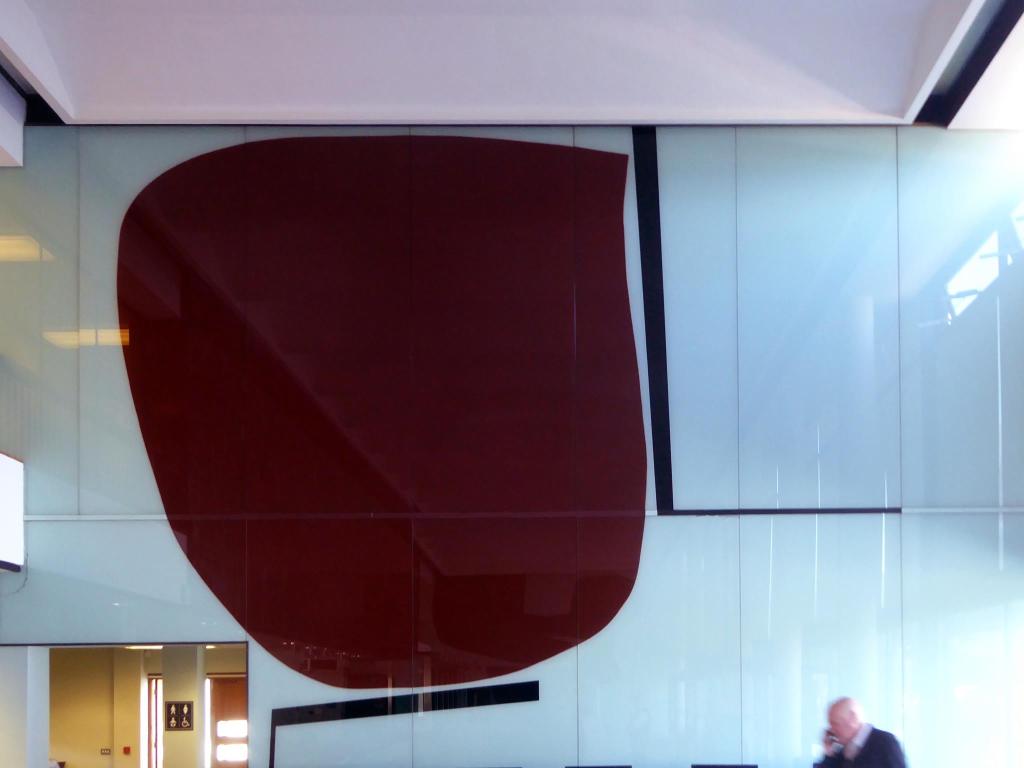
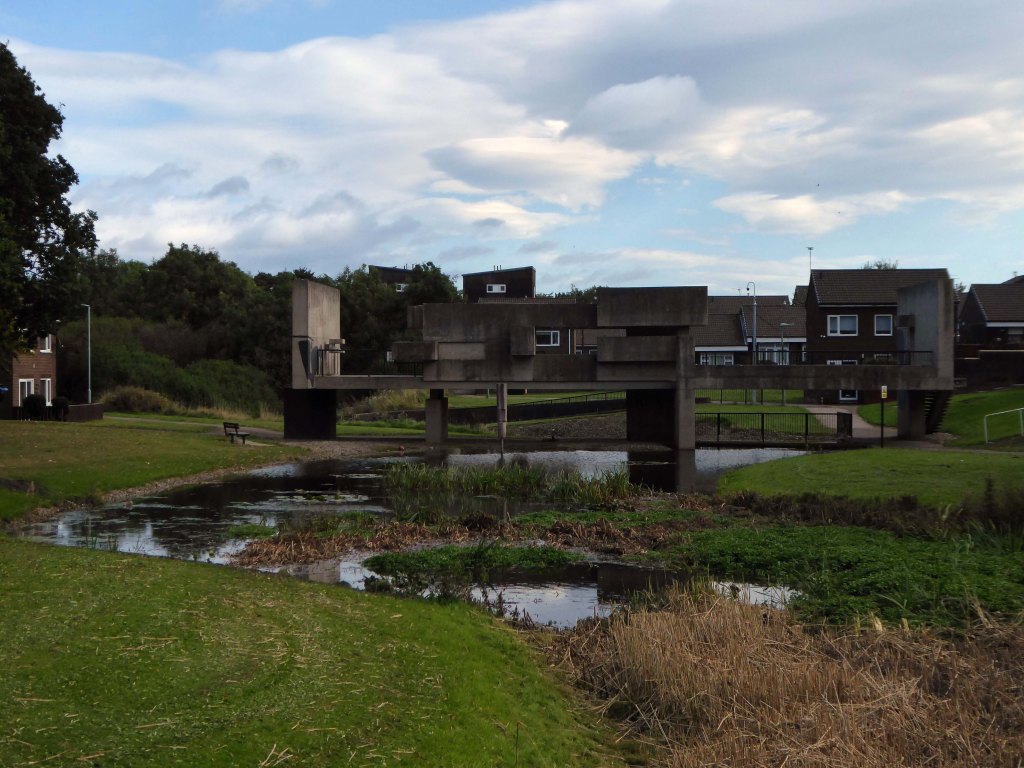
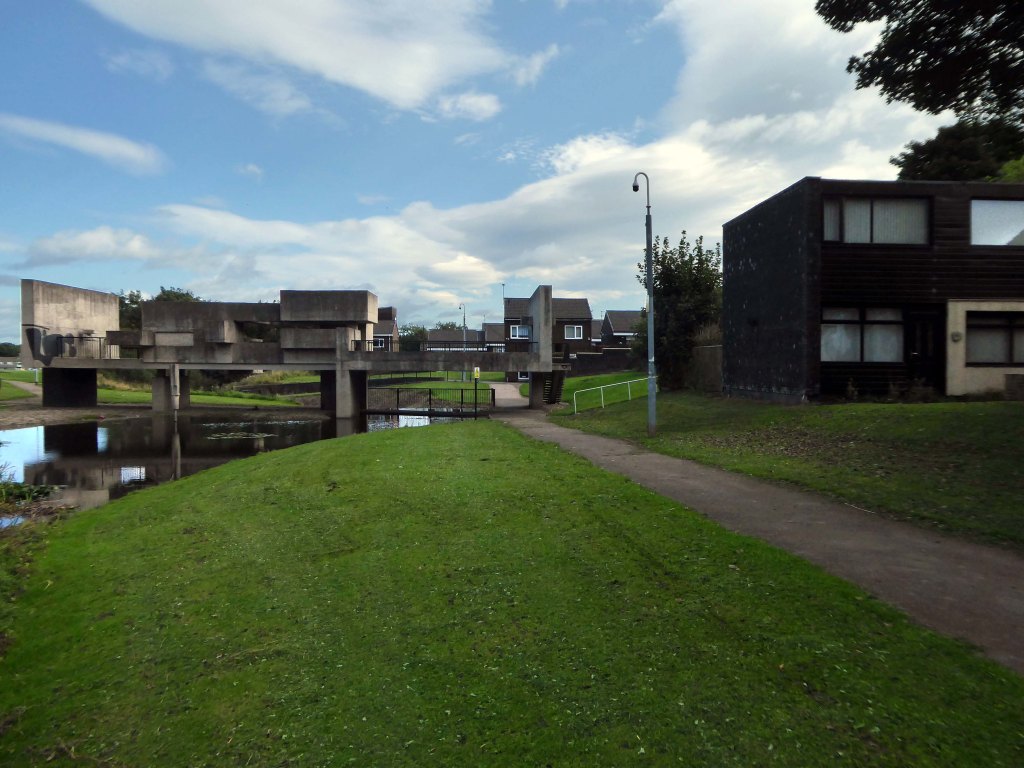
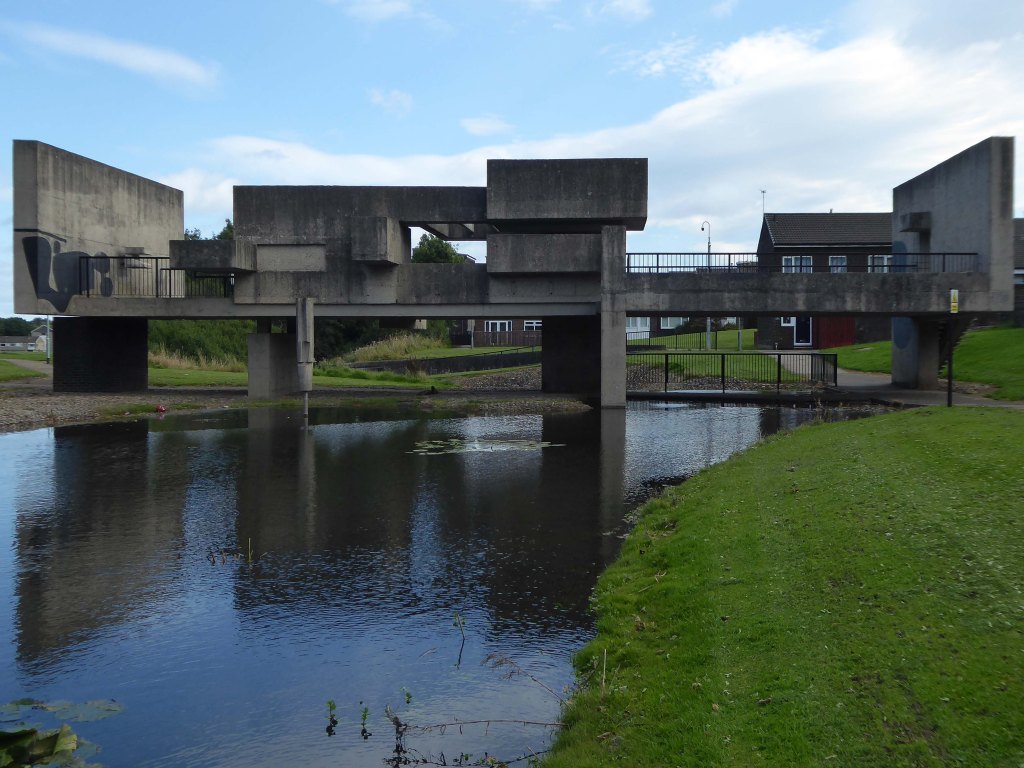
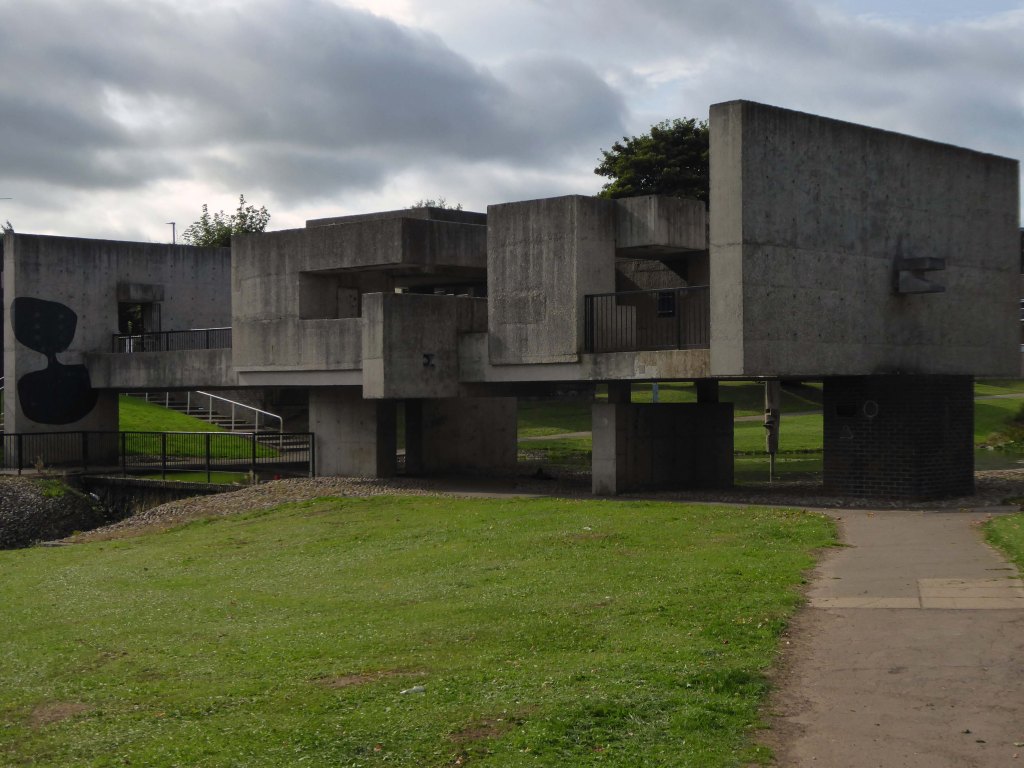
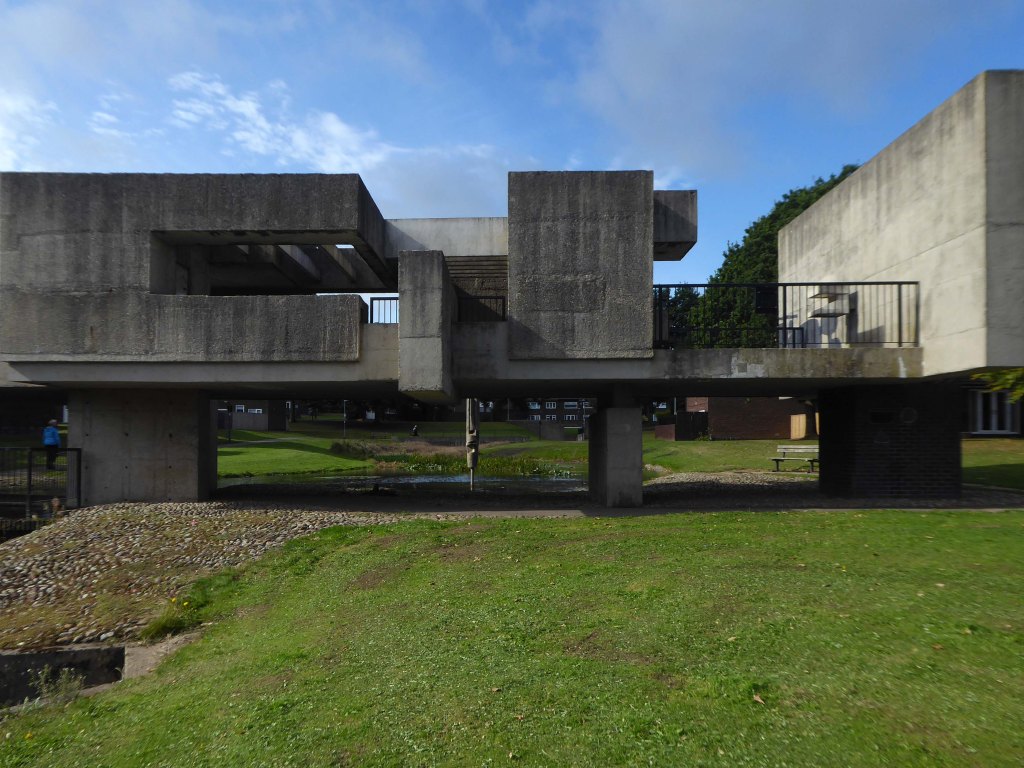
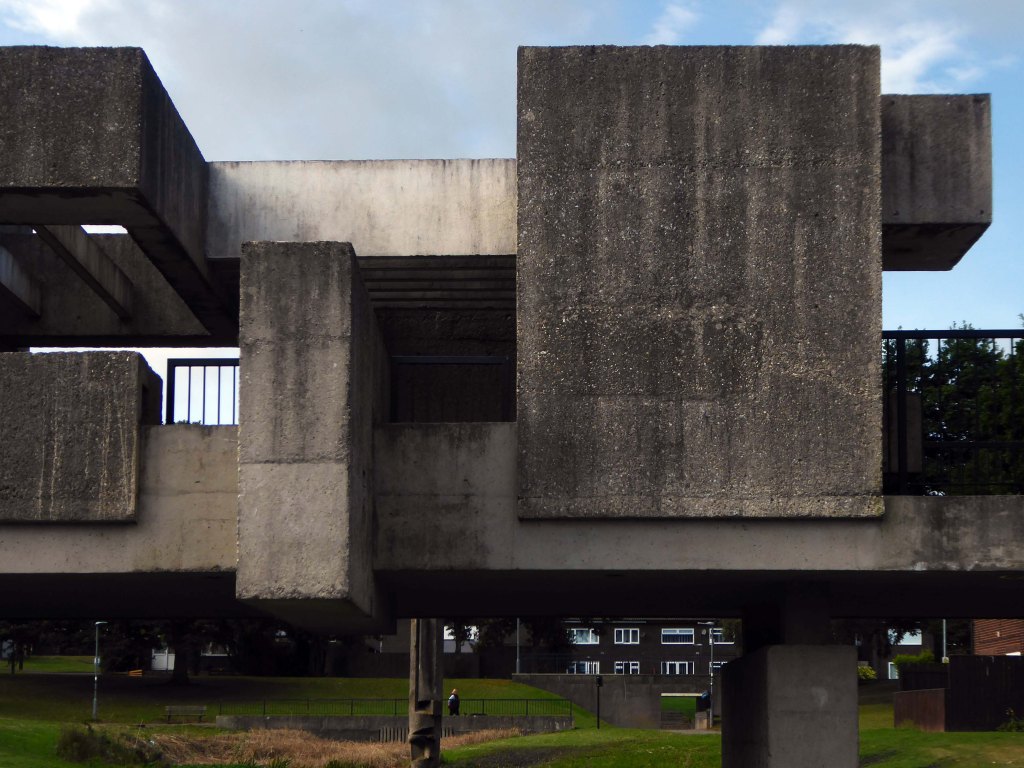
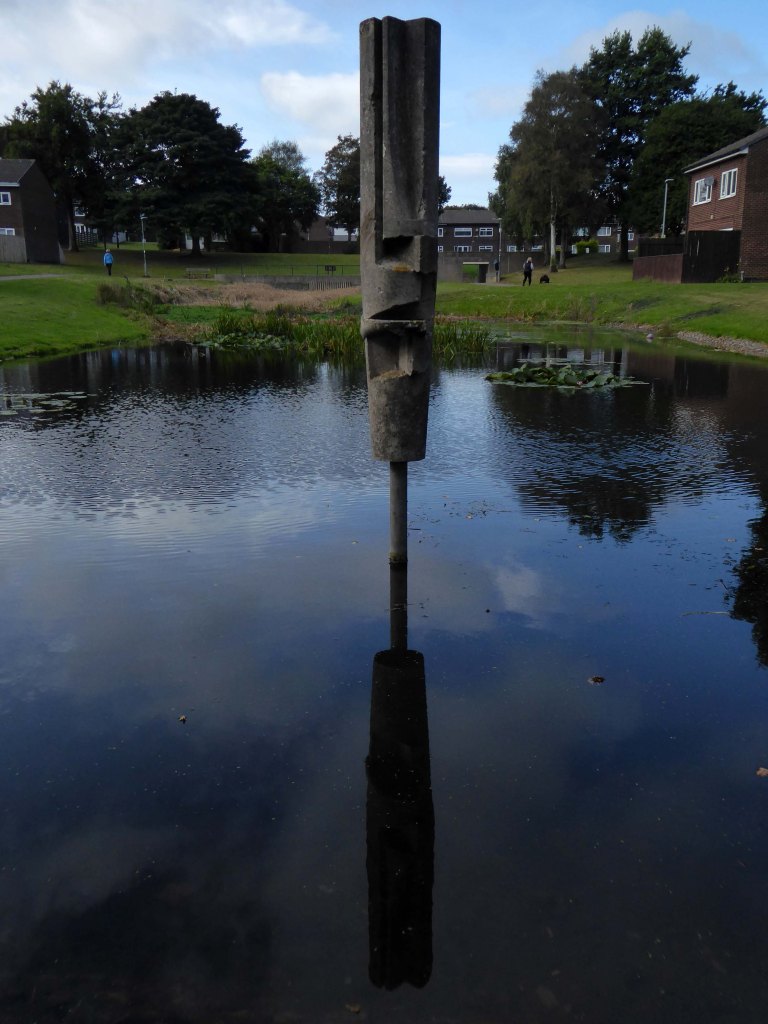
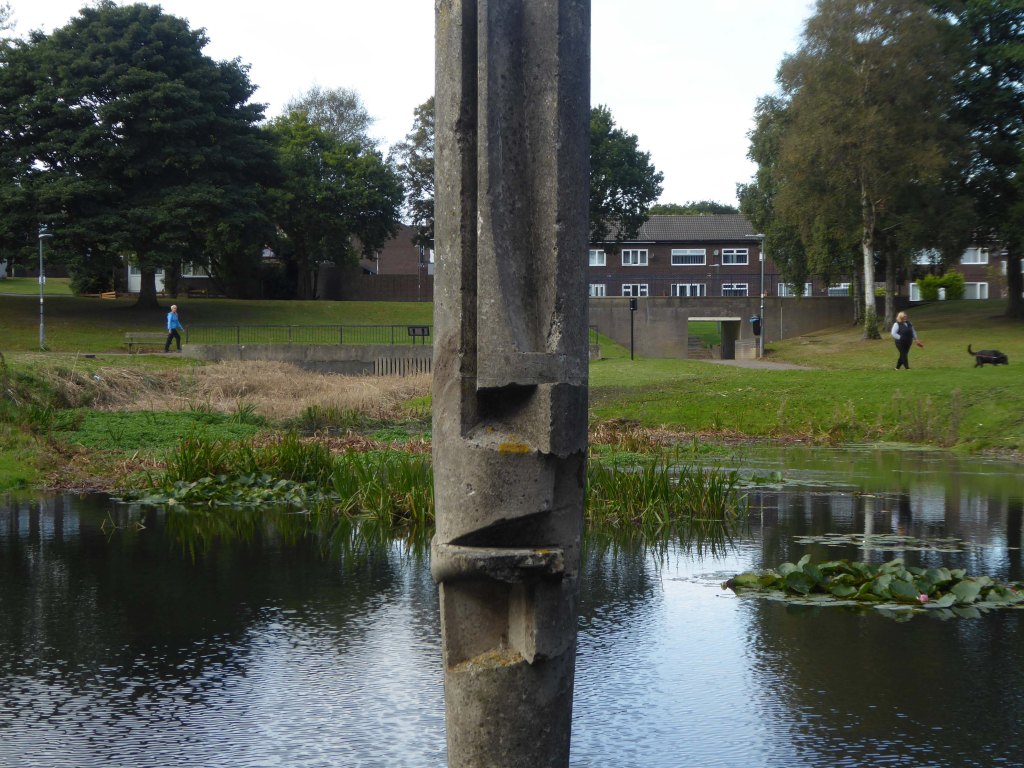
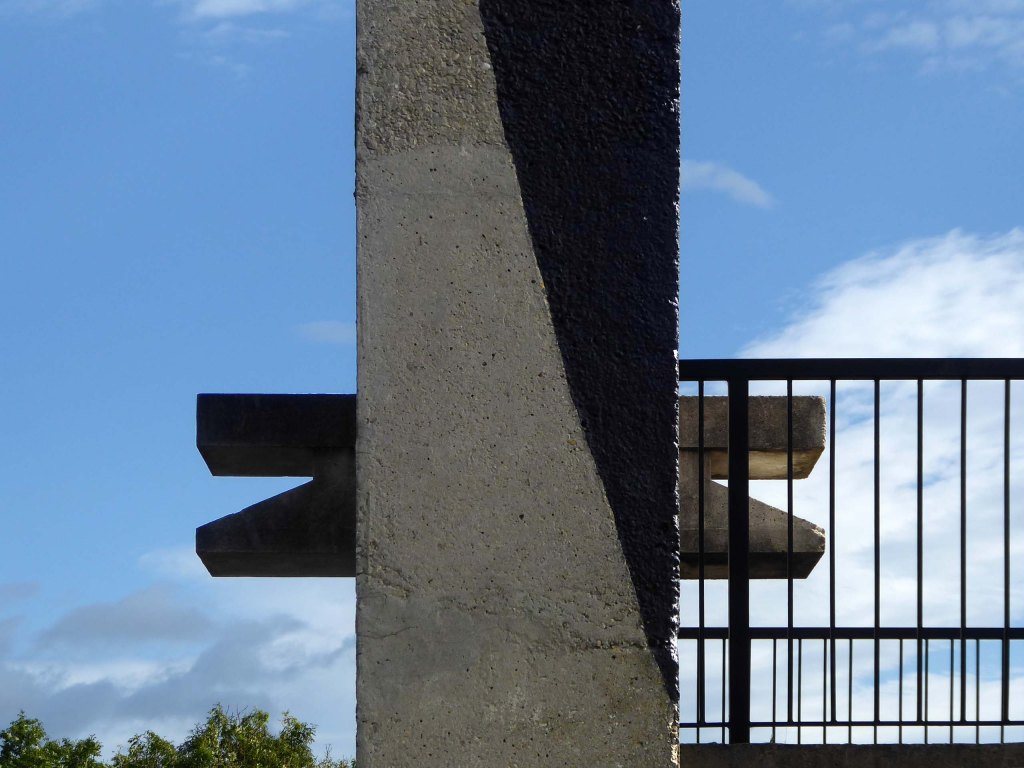
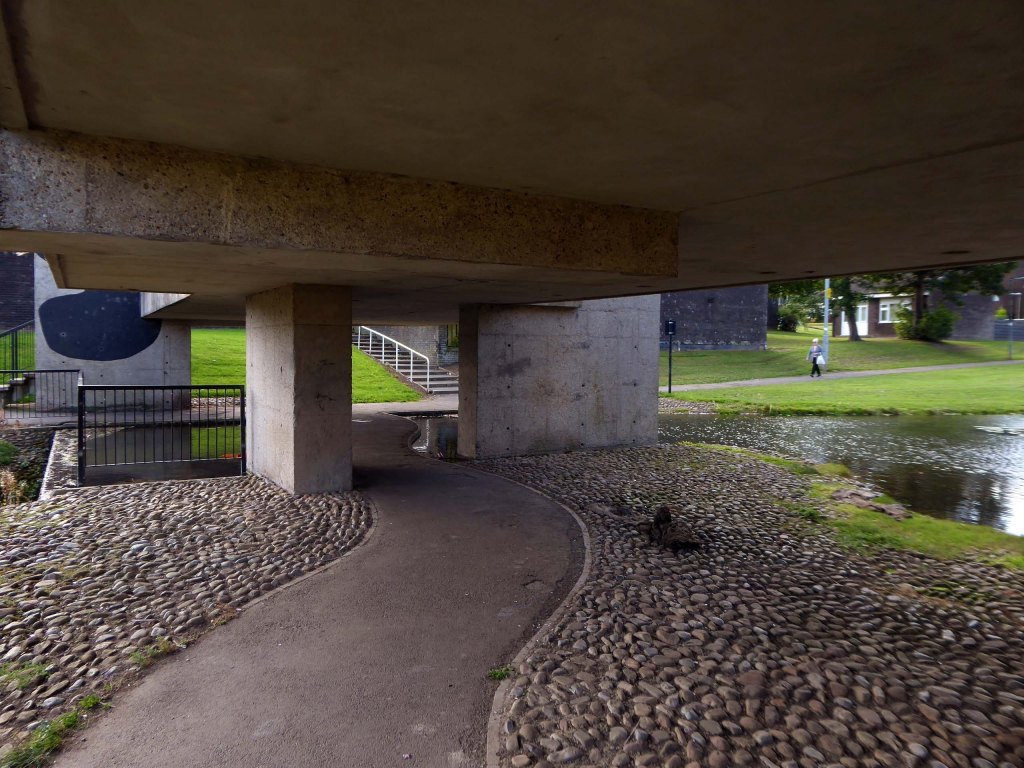
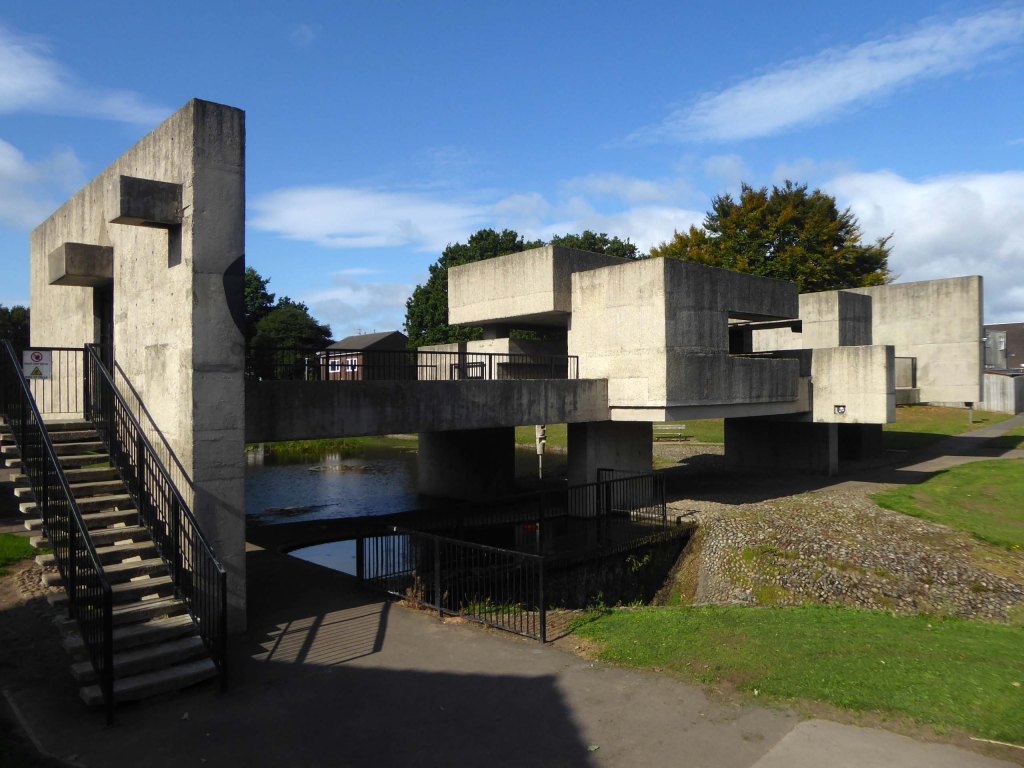
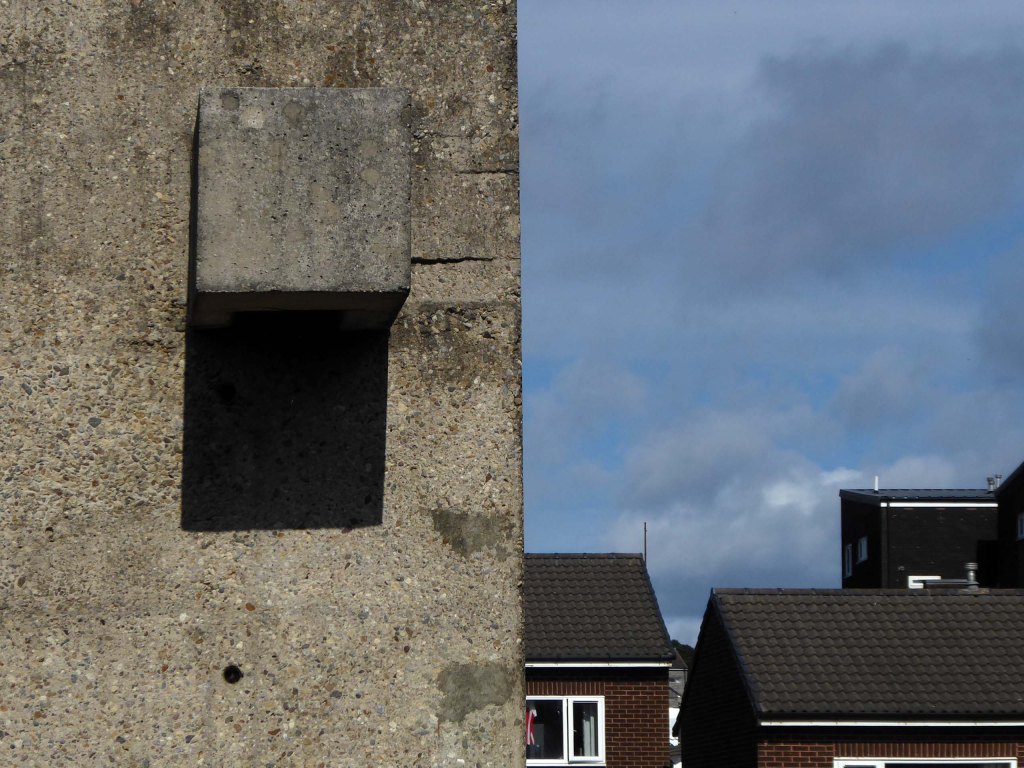
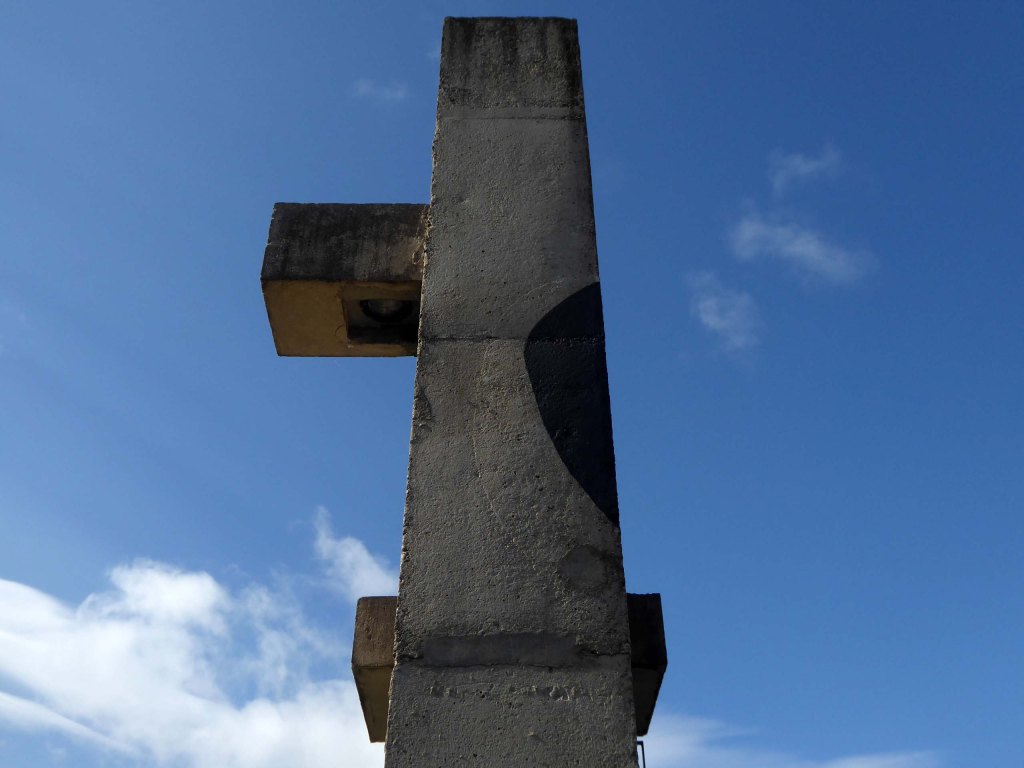
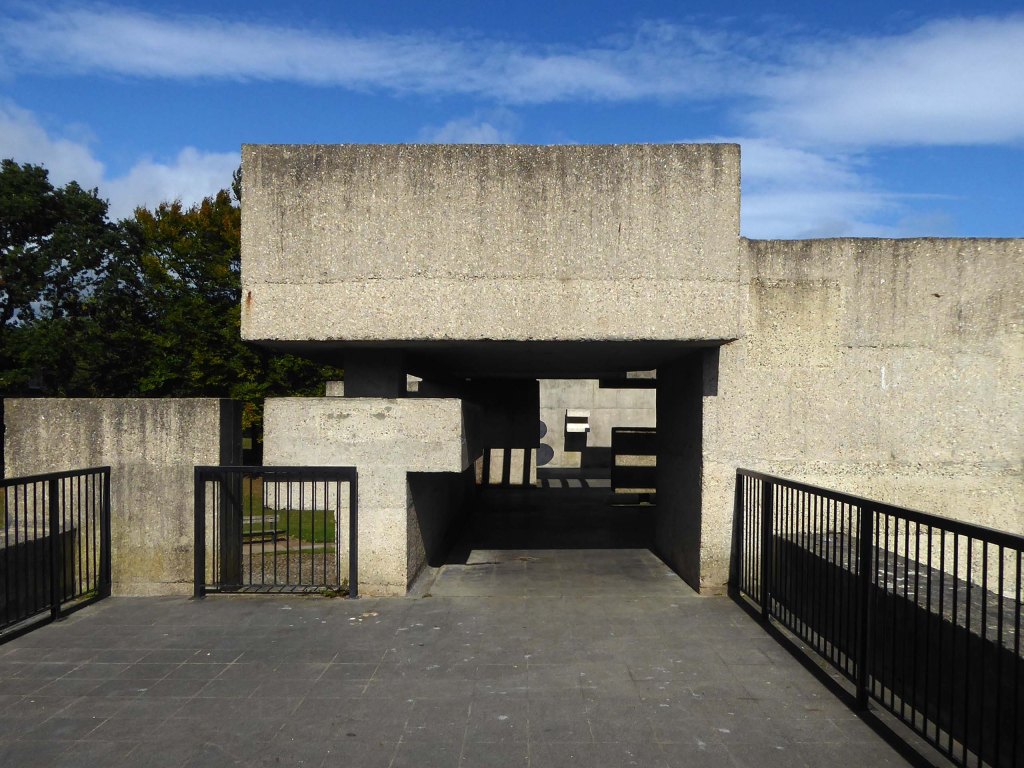
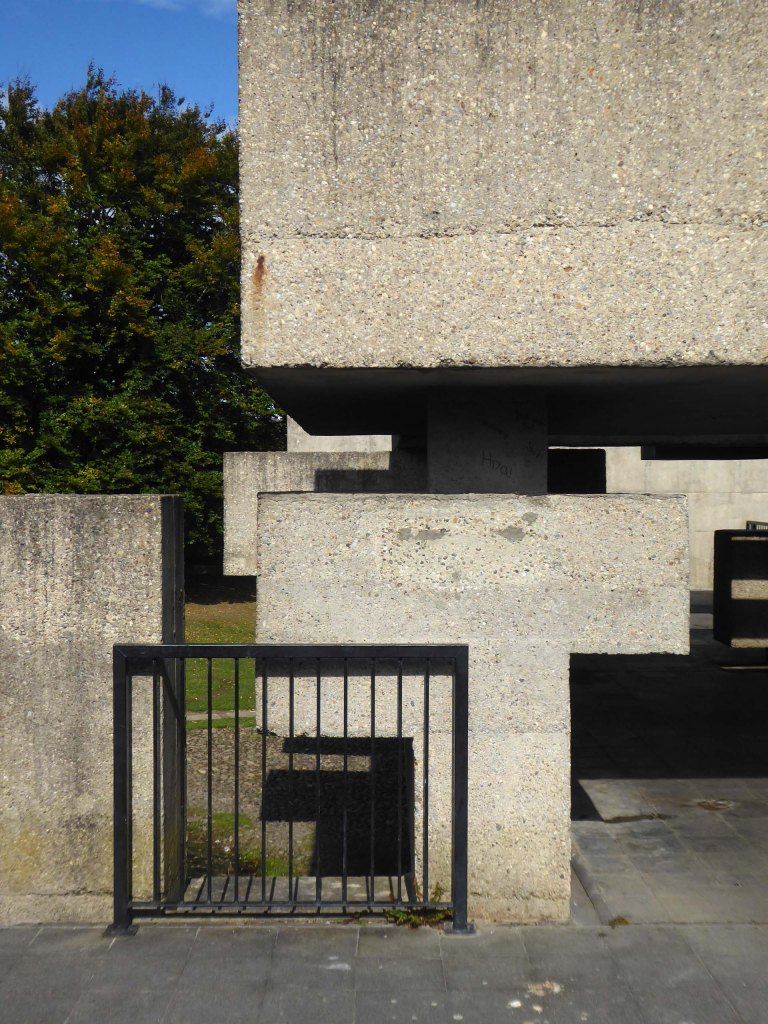
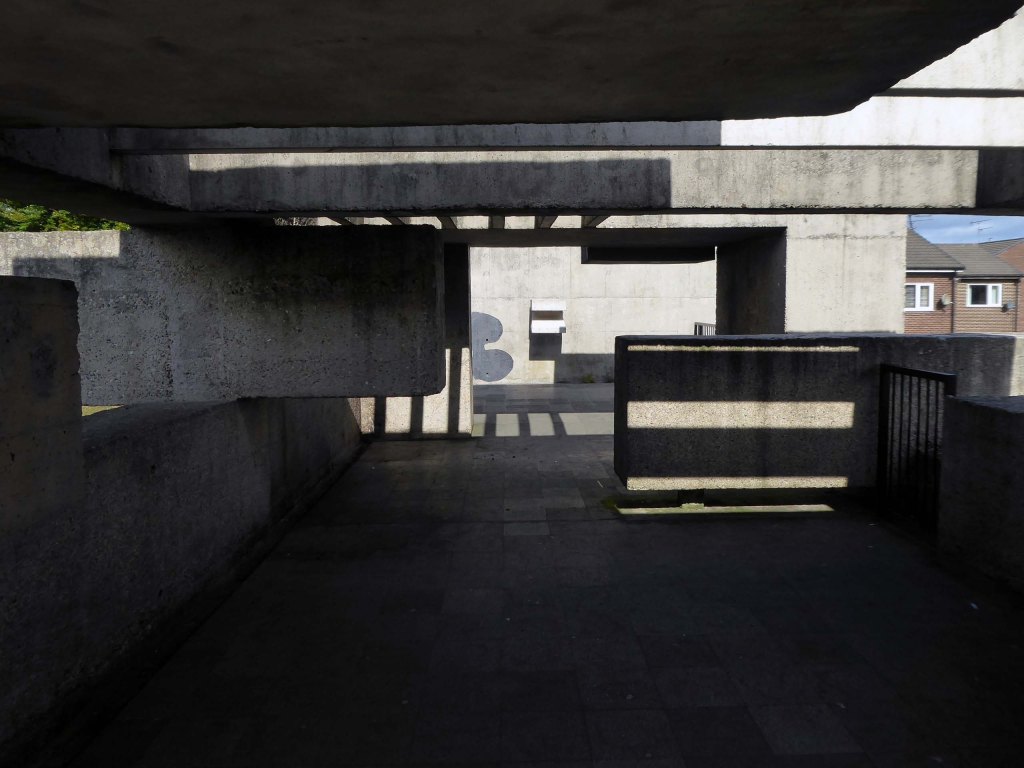
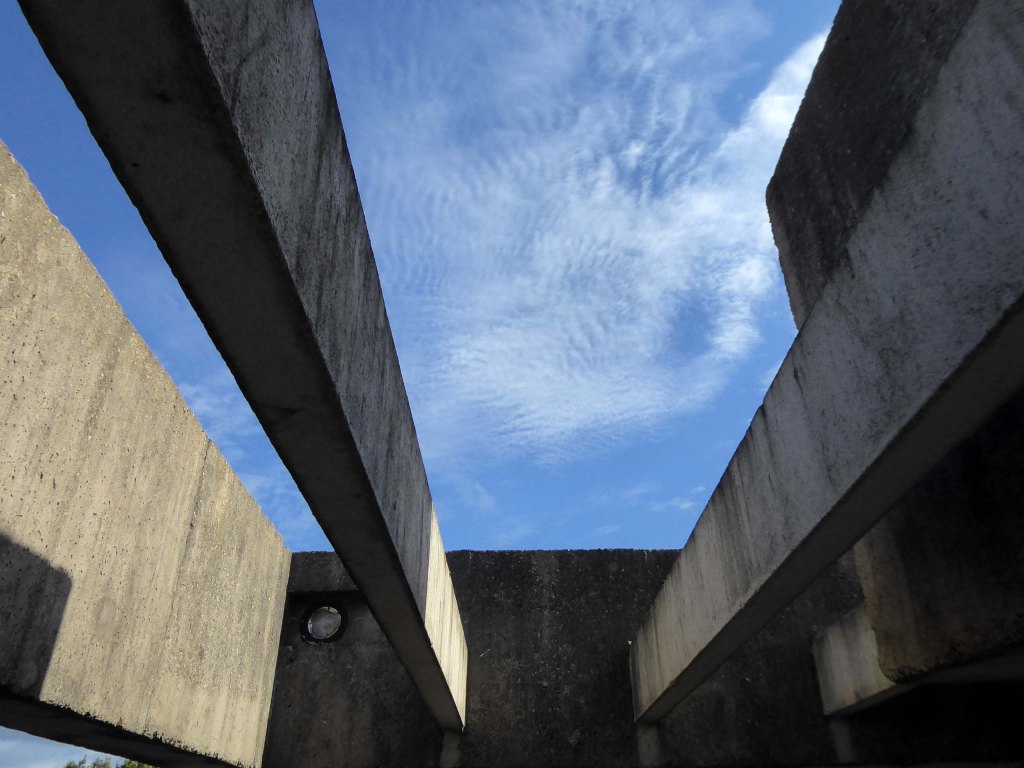
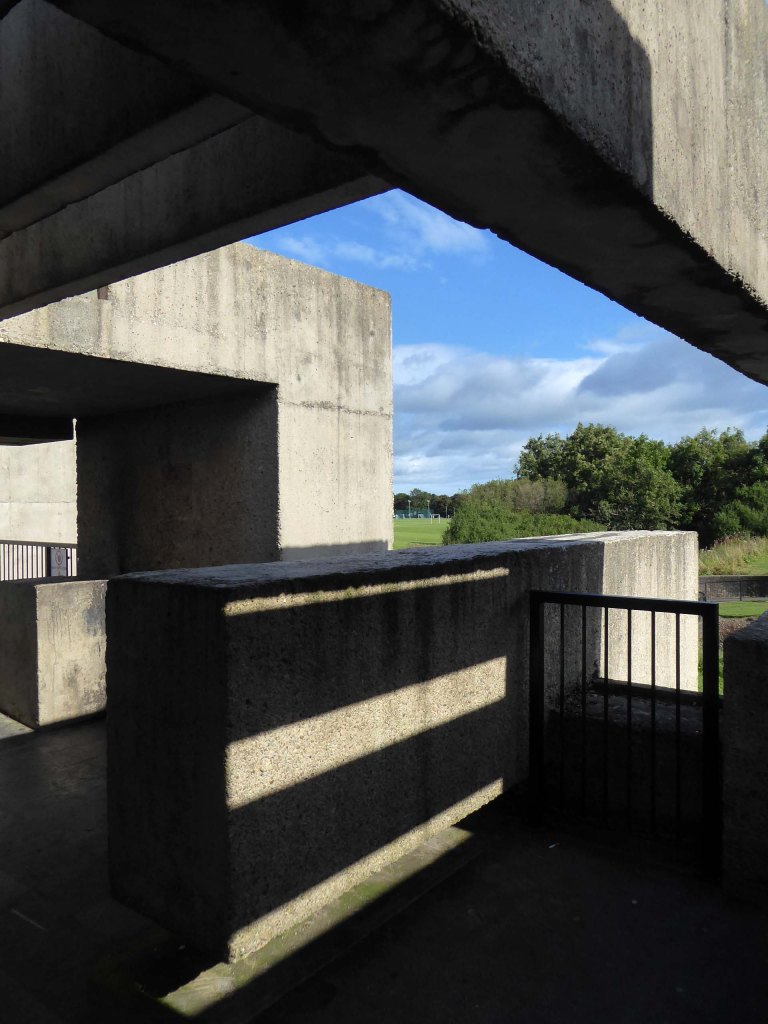
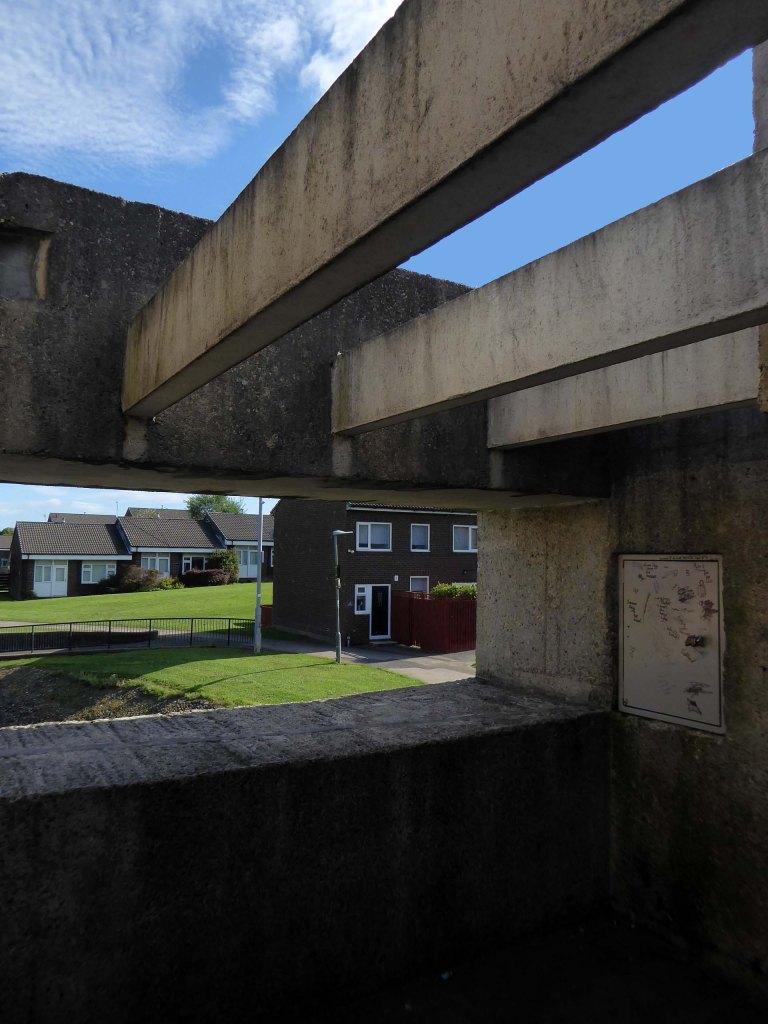
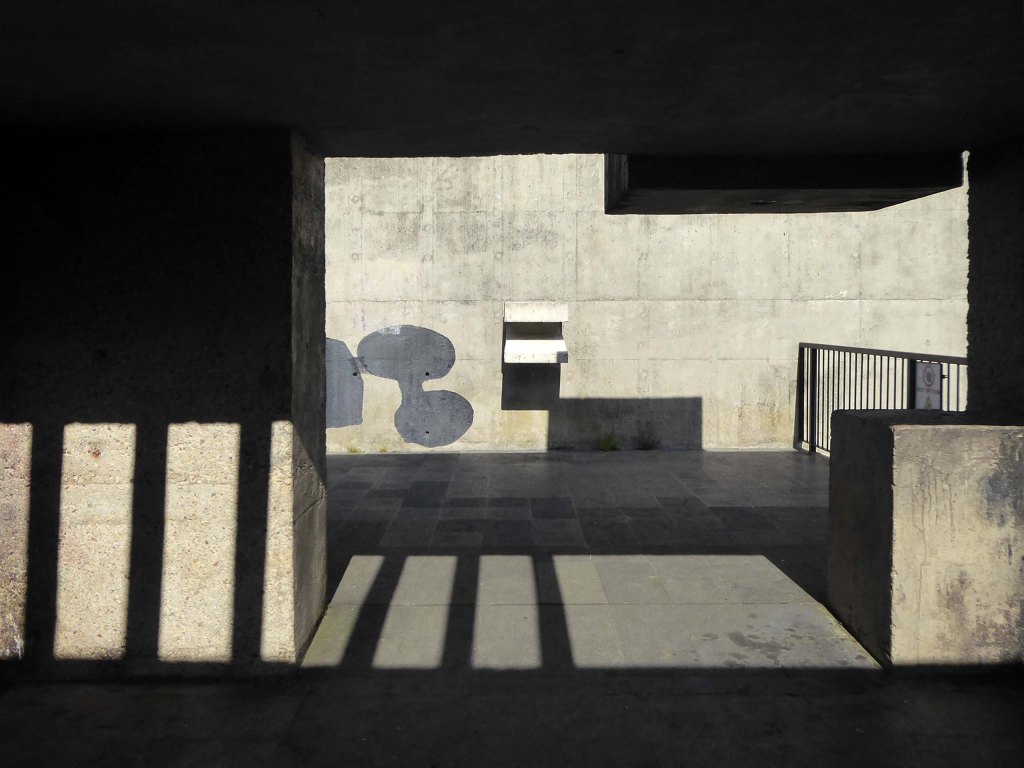
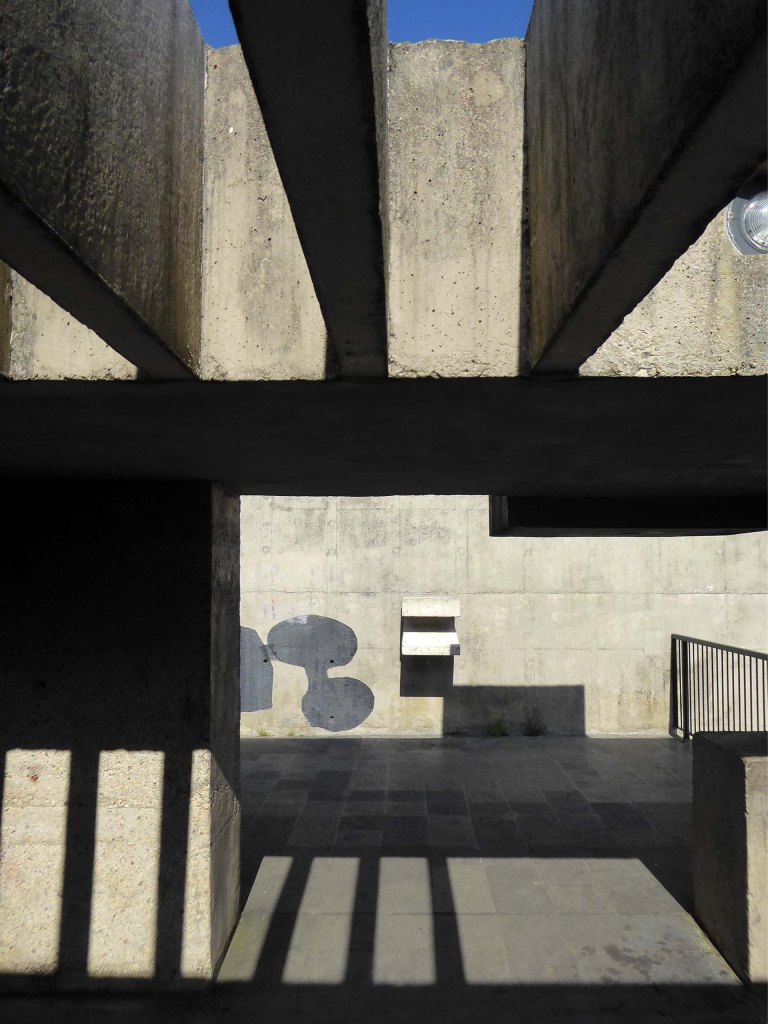
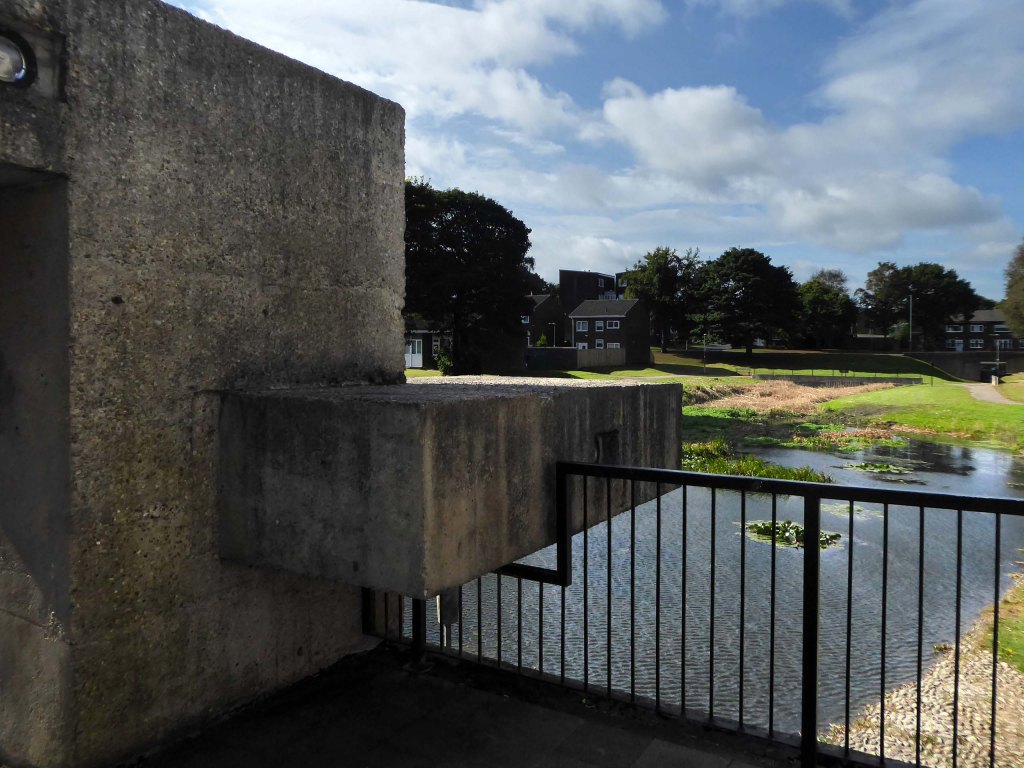
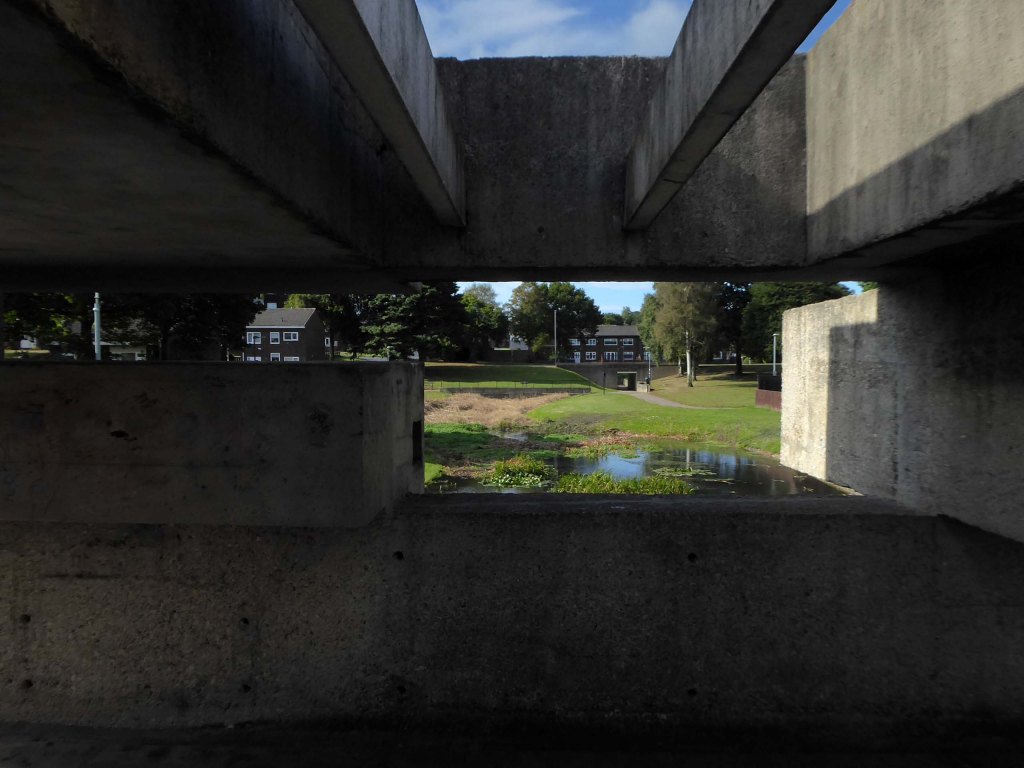
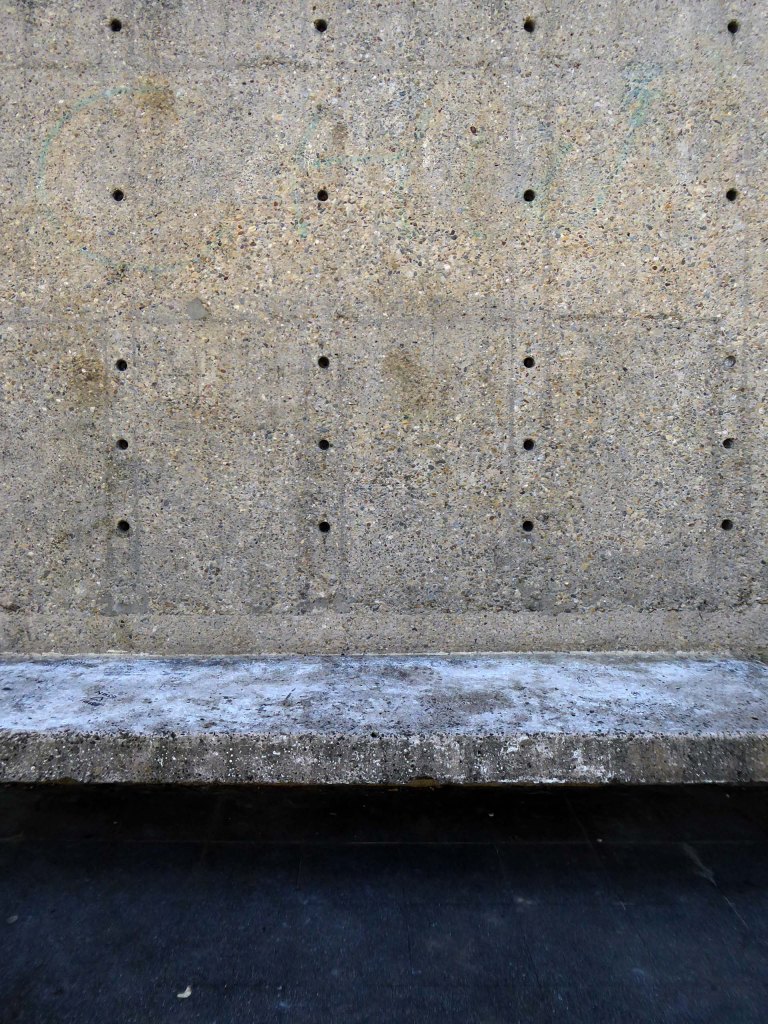
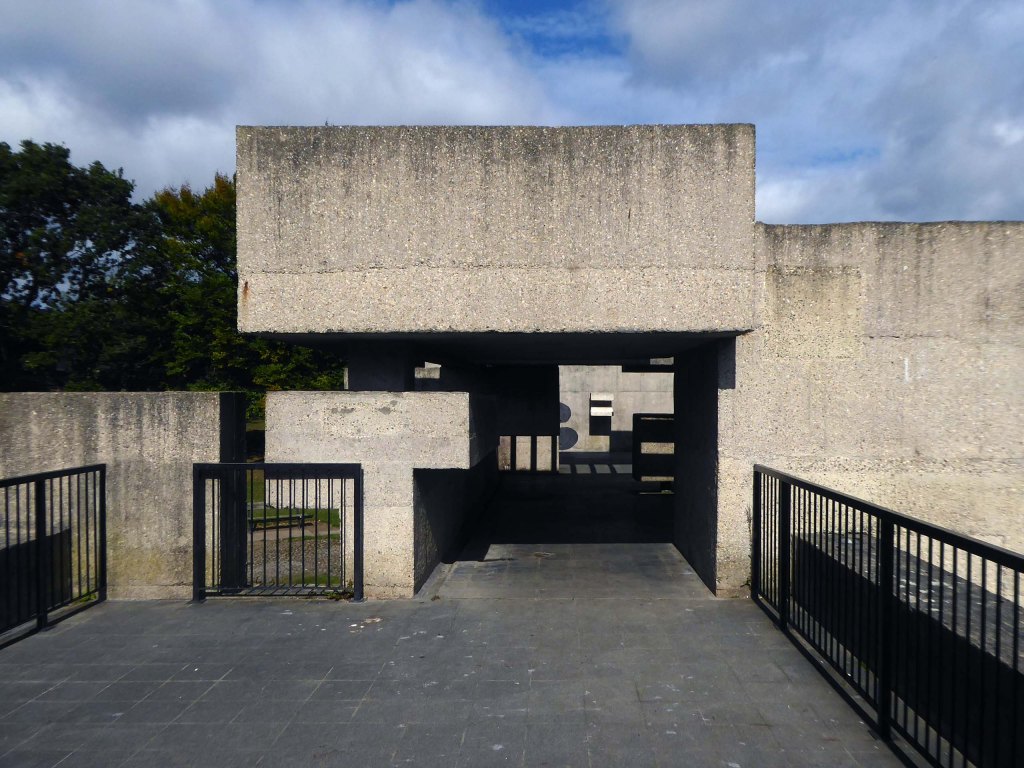
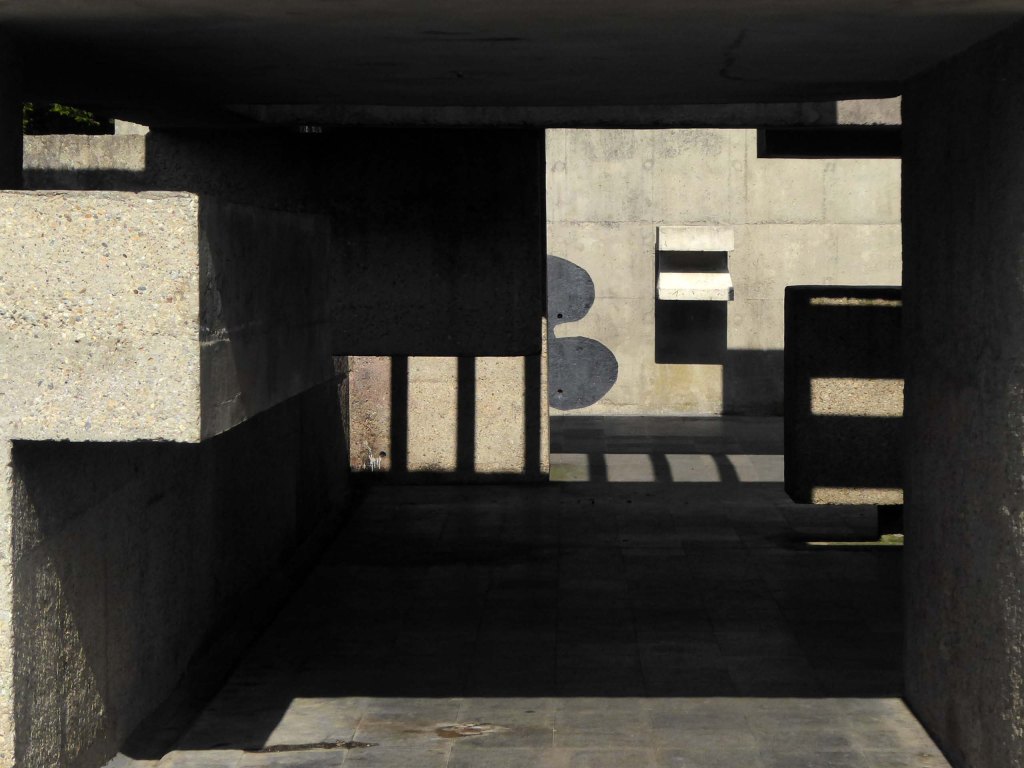
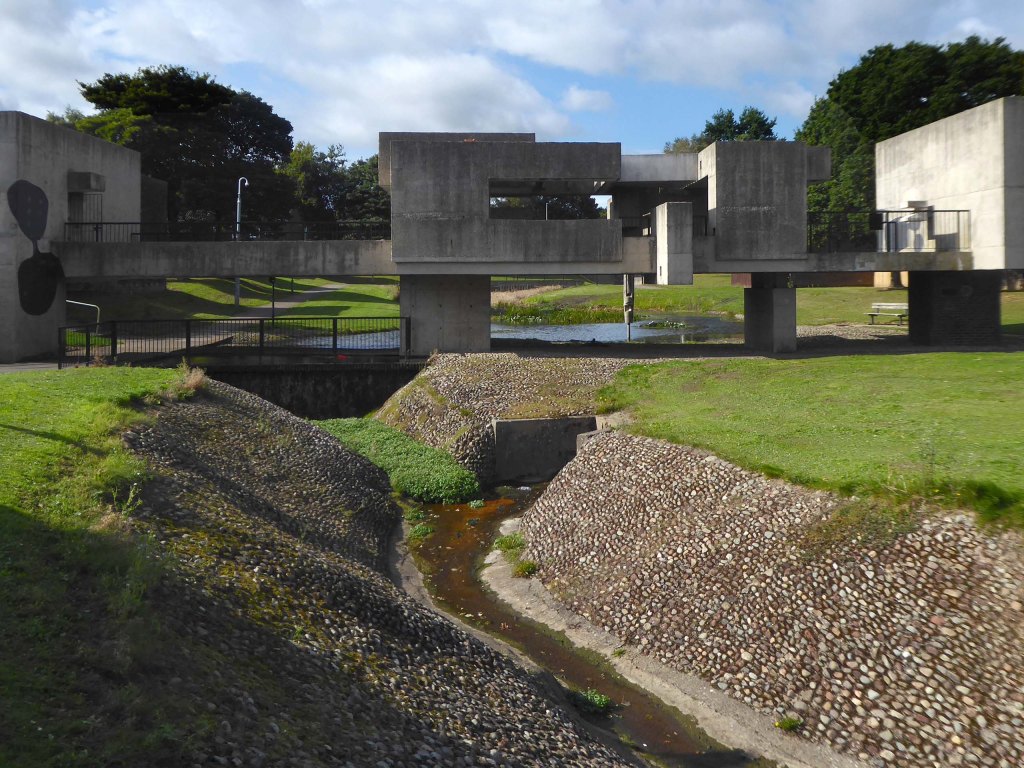
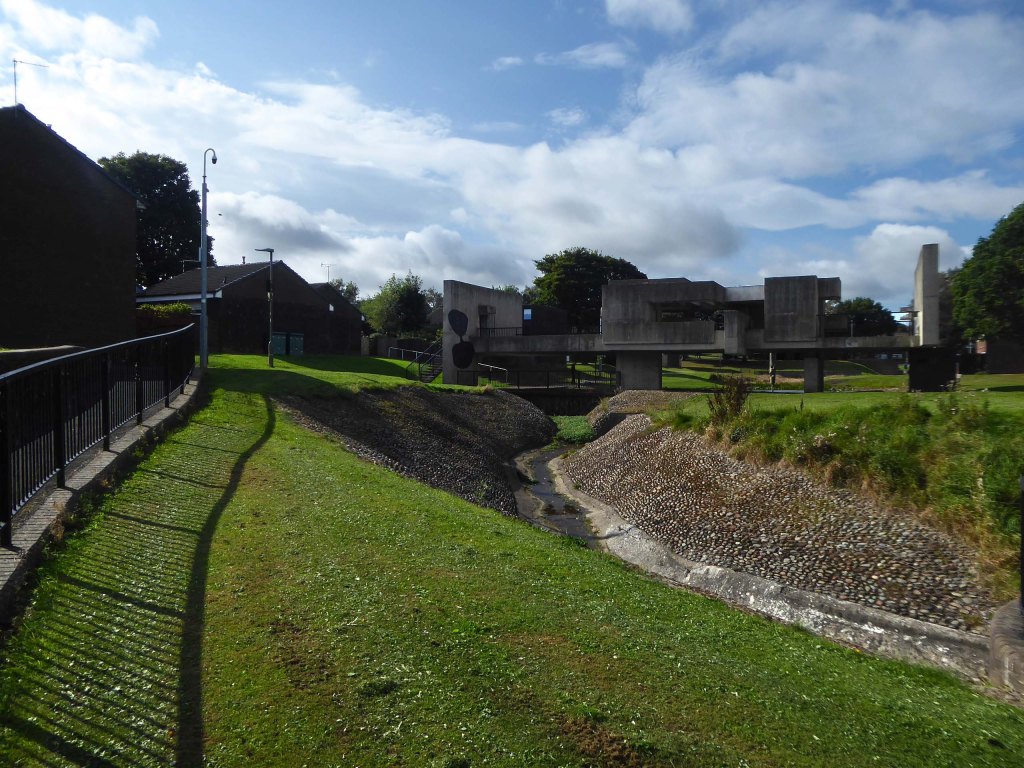
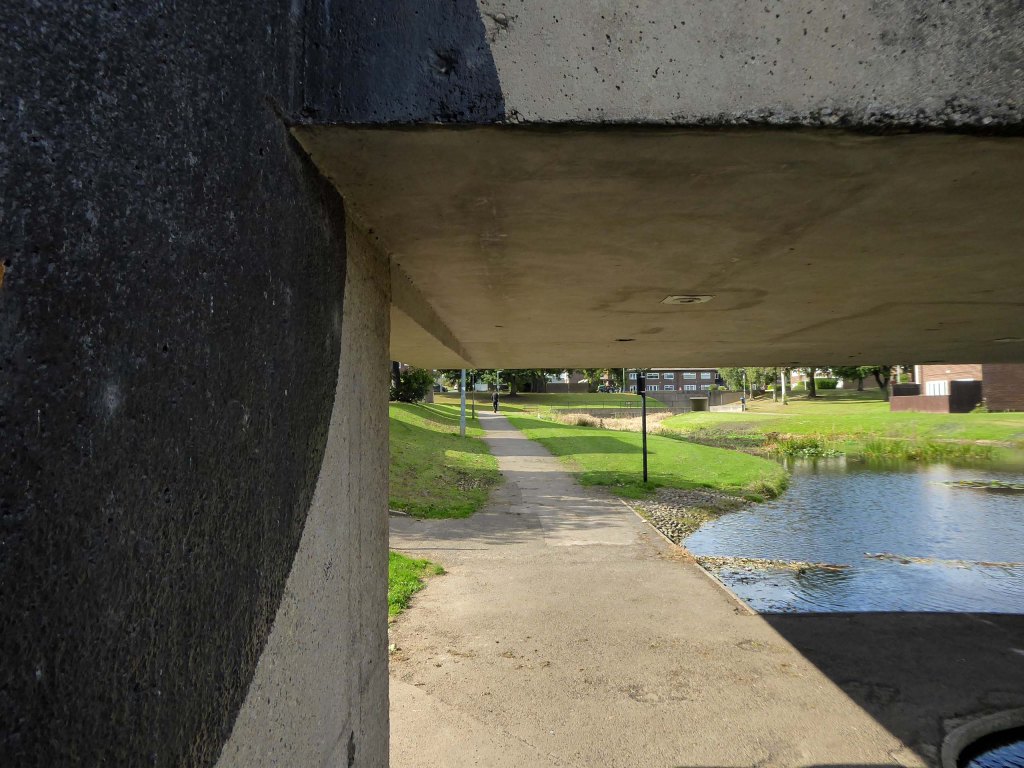
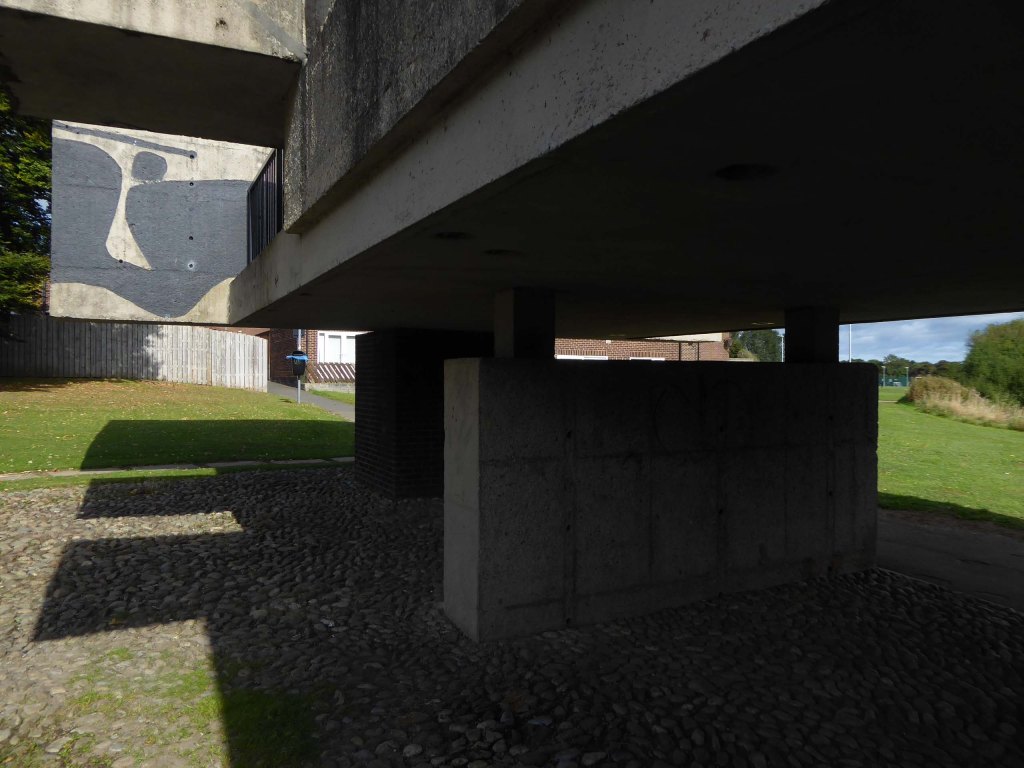
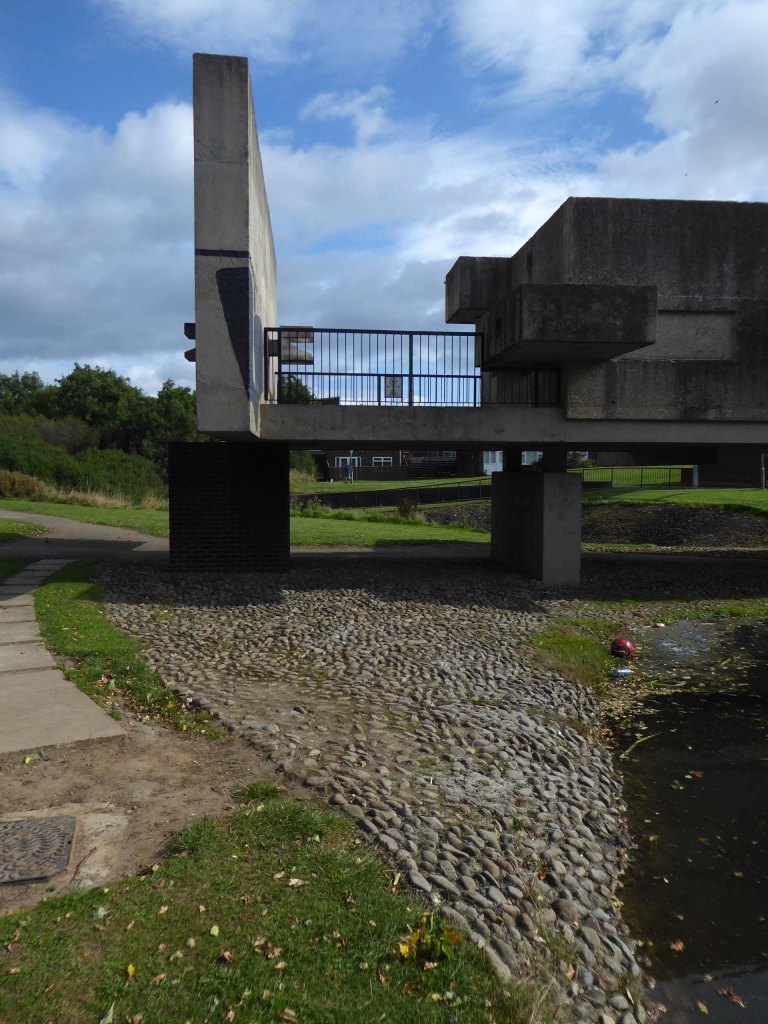
An architecture and sculpture of purely abstract form through which to walk, in which to linger and on which to play, a free and anonymous monument which, because of it’s independence, can lift the activity and psychology of an urban housing community on to a universal plane.
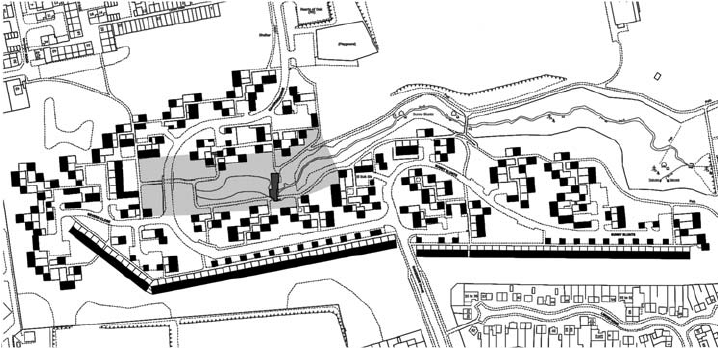
The idea for the Apollo Pavilion was the culmination of Victor Pasmore’s involvement with the planning and design of the new town of Peterlee in County Durham which began in 1954 with his appointment by A.V. Williams, the General Manager, as a consultant architectural designer to the Corporation. The brief was to inject a new initiative into the new town’s design, which had been limited by practical and financial constraints. The early departure of Berthold Lubetkin from the original design team, and the limitations imposed by building on land subject to underground mining, had led to a deterioration in the quality of the architecture being produced at Peterlee.
At Peterlee Pasmore worked initially alongside architects Peter Daniel and Franc Dixon to develop the Sunny Blunts estate in the south-west area of the town, though by the time the Pavilion was built Dixon had left and the team included the more experienced Harry Durell, Colin Gardham and landscape architect David Thirkettle. Pasmore continued to be involved with Peterlee until 1978 and designed the Pavilion as a gift to the town.
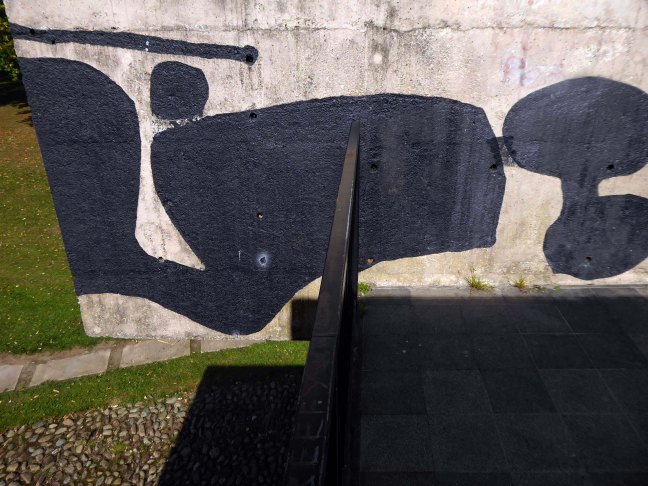
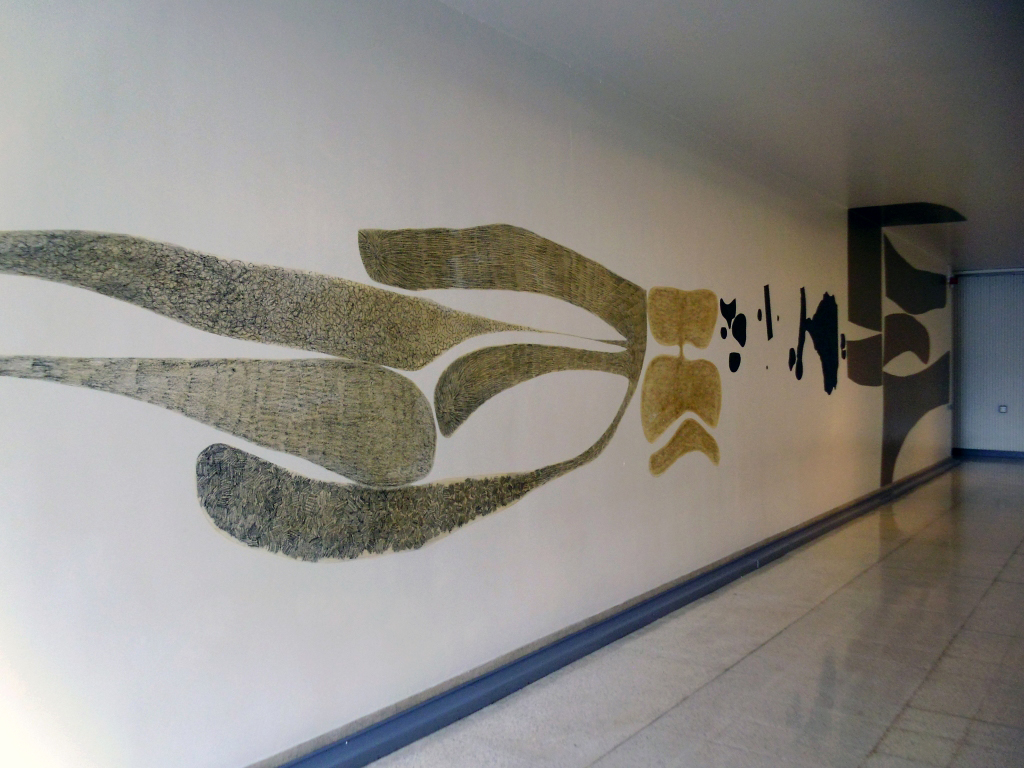
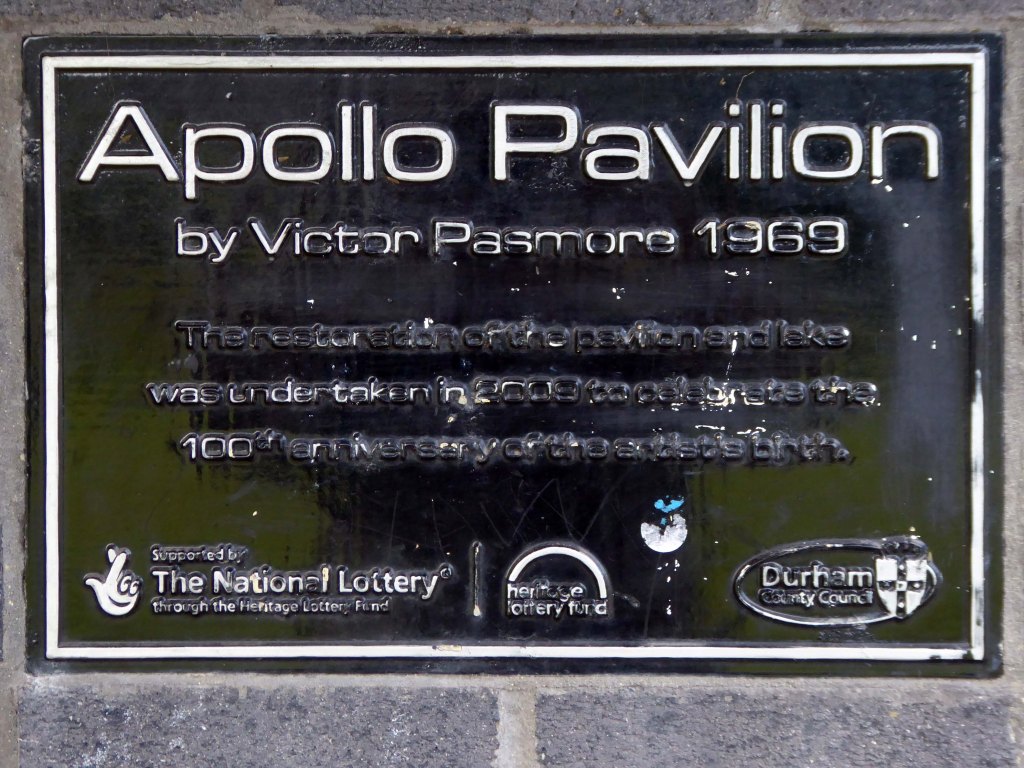
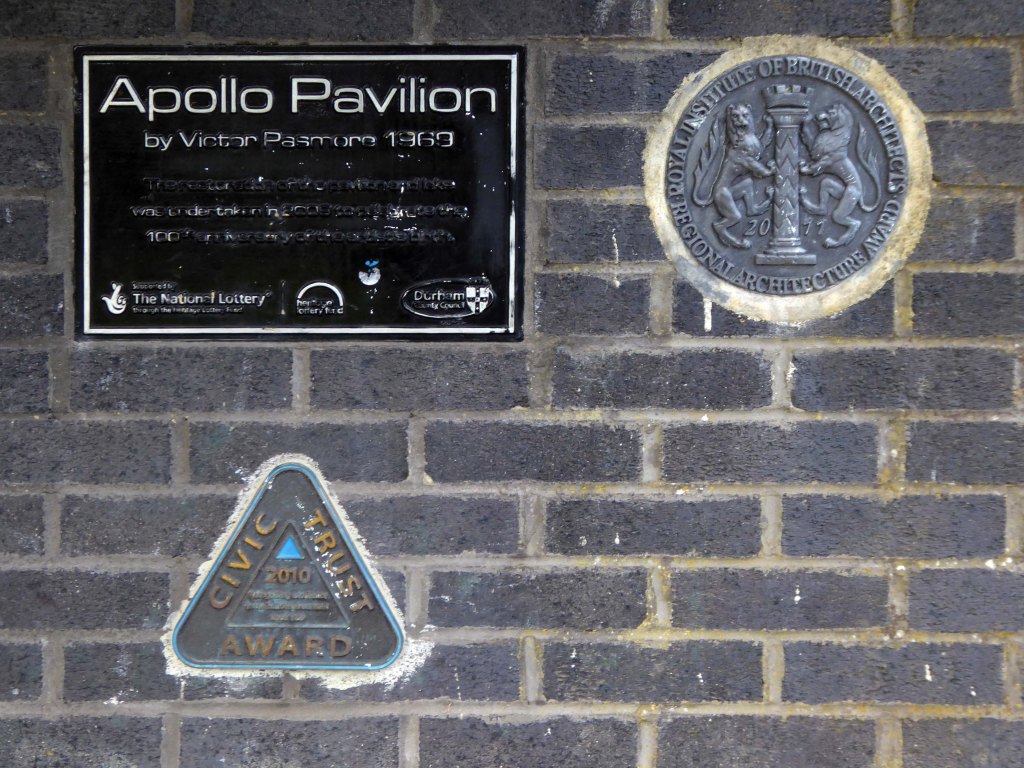
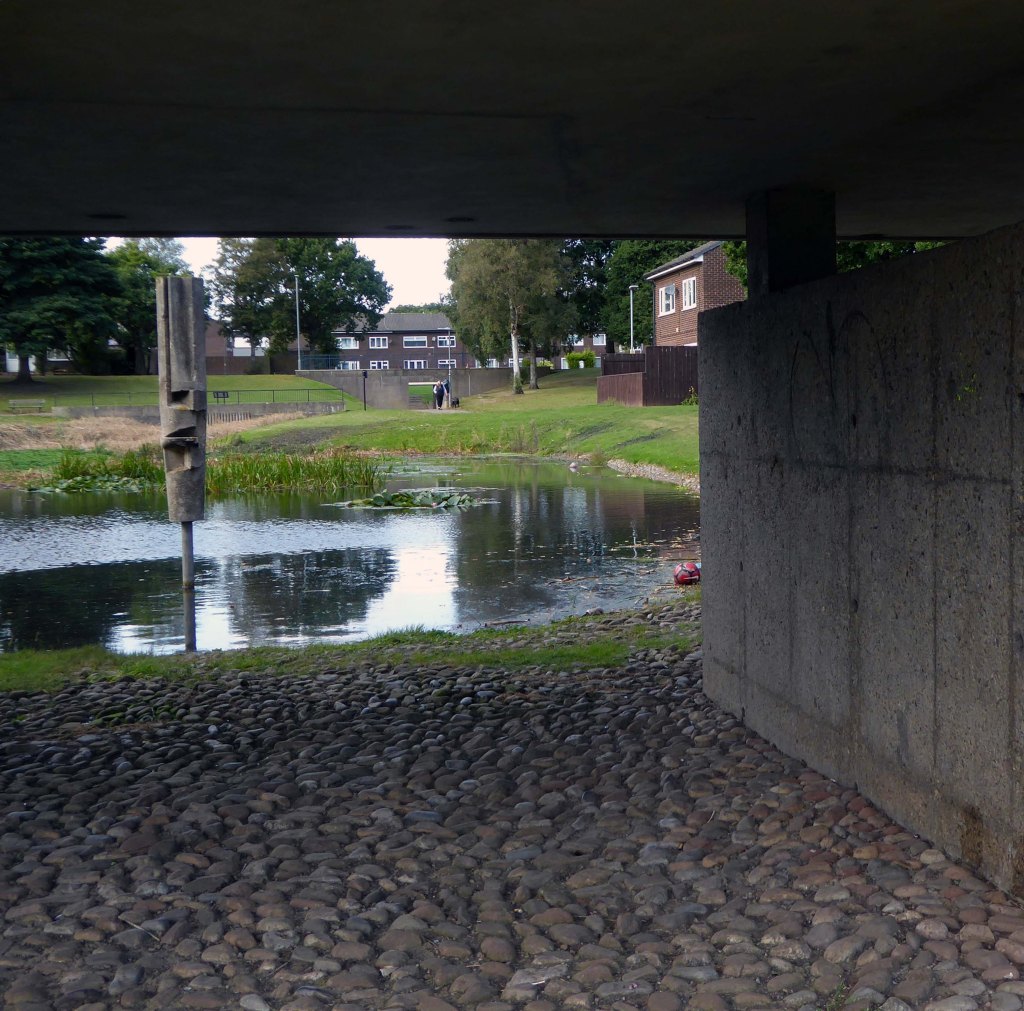
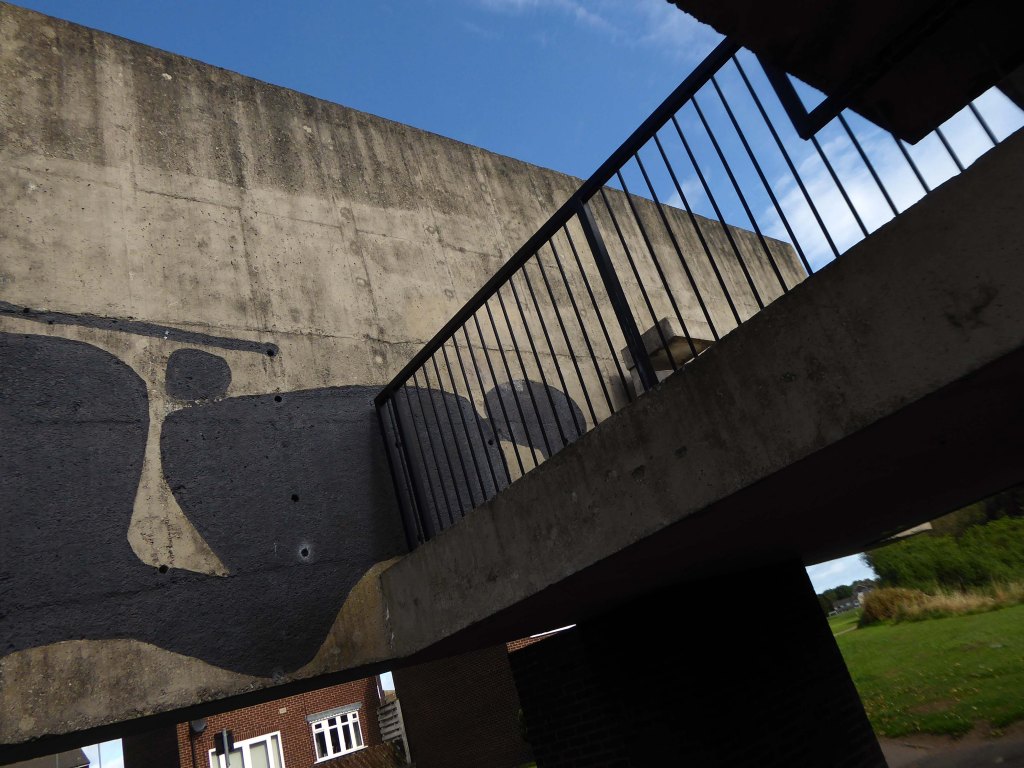
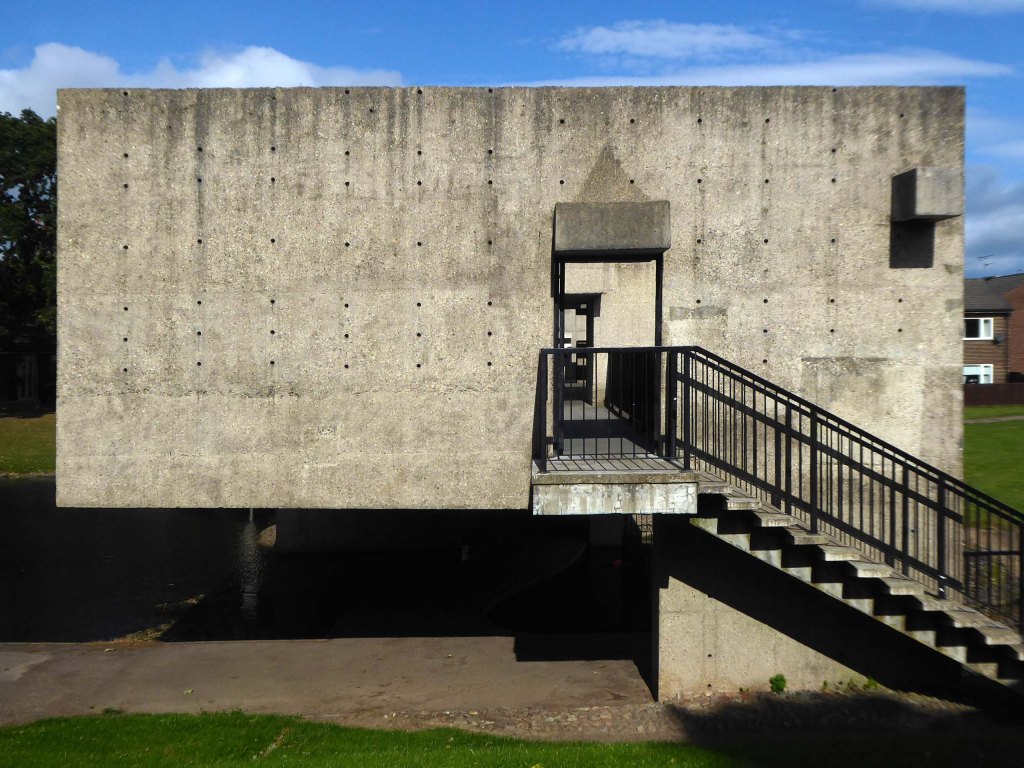
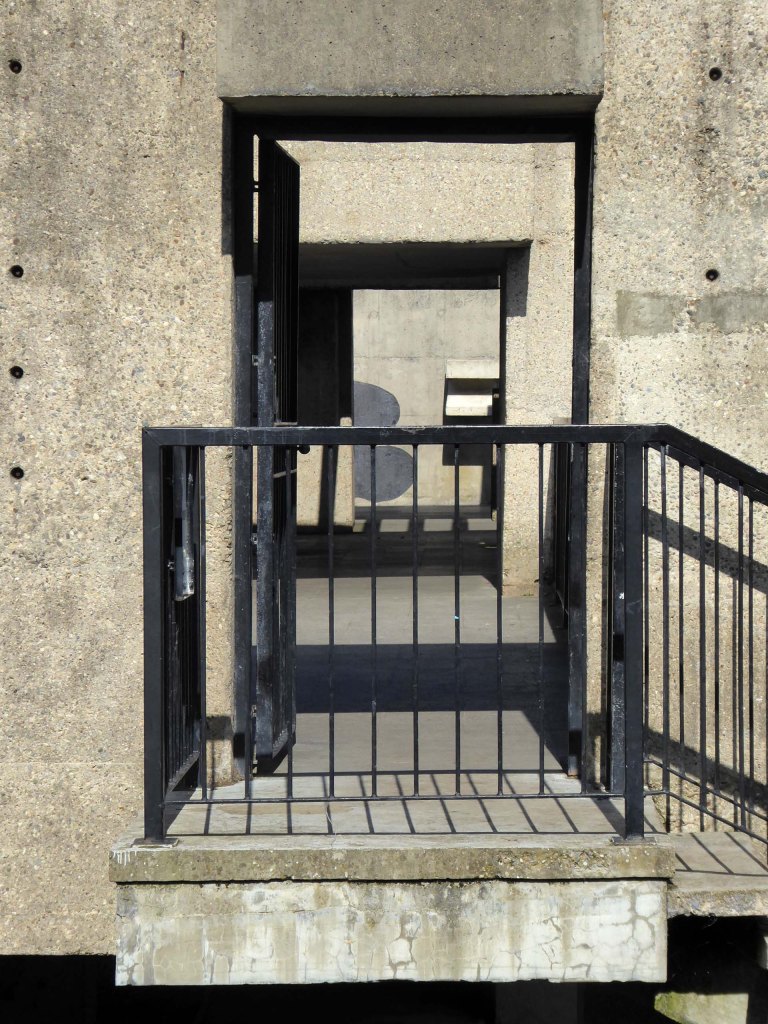
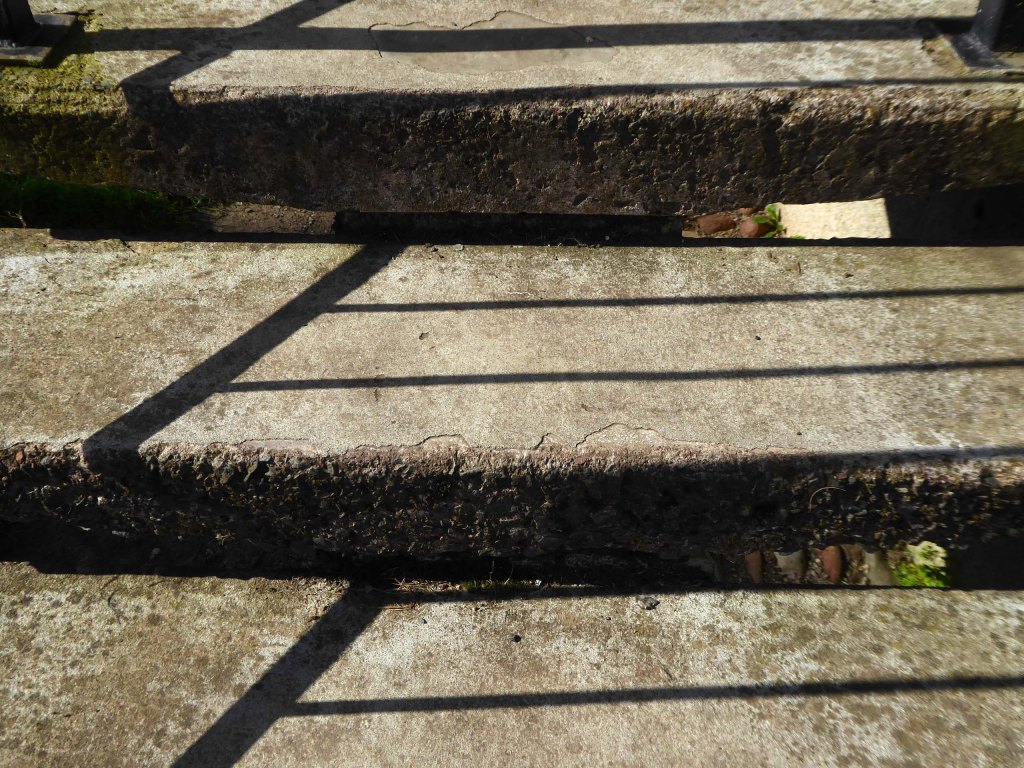
It was restored in 2009 with the help of a Heritage Lottery Grant of £336,000. The restoration restored the south side stairway – the other had not been part of the original design, reset the cobbles in the surrounding area and reinstated the two murals on the north and south walls.
A metal gate restricting access at night time to the upper level has been introduced, and the original lighting scheme, out of action since the mid 1970s, has been reinstated.
I jumped the X9 bus and headed for Peterlee – walked the wide open streets in search of signs.
There were no signs.
I found it instead by chance and instinct.
Here it is.
Peterlee was to be the miners’ capital of the world and was named after the well-known miner and councillor Peter Lee.
Architect Berthold Lubetkin’s plans included everything from football pitches and tennis courts, to a rock-climbing centre and a zoo. However, to Berthold Lubetkin’s frustration, the National Coal Board opposed his plan and, after numerous failed attempts to agree on the siting of housing, Lubetkin quit the project in 1950. He later gave up architecture altogether and took up pig farming.
It remains a grand place to live it seems, tidy housing set in rolling greenery.
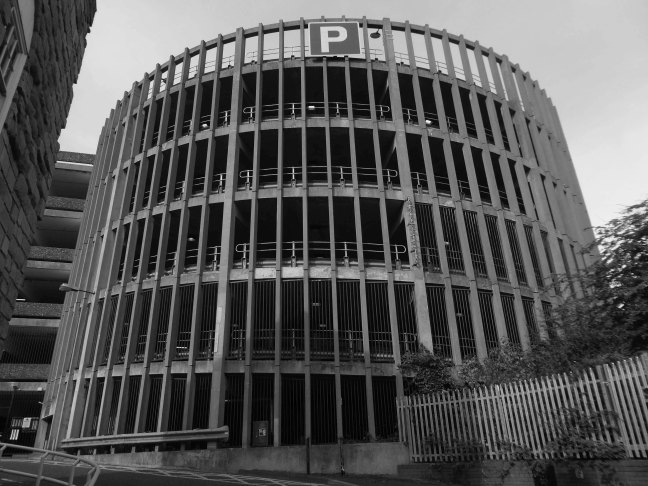
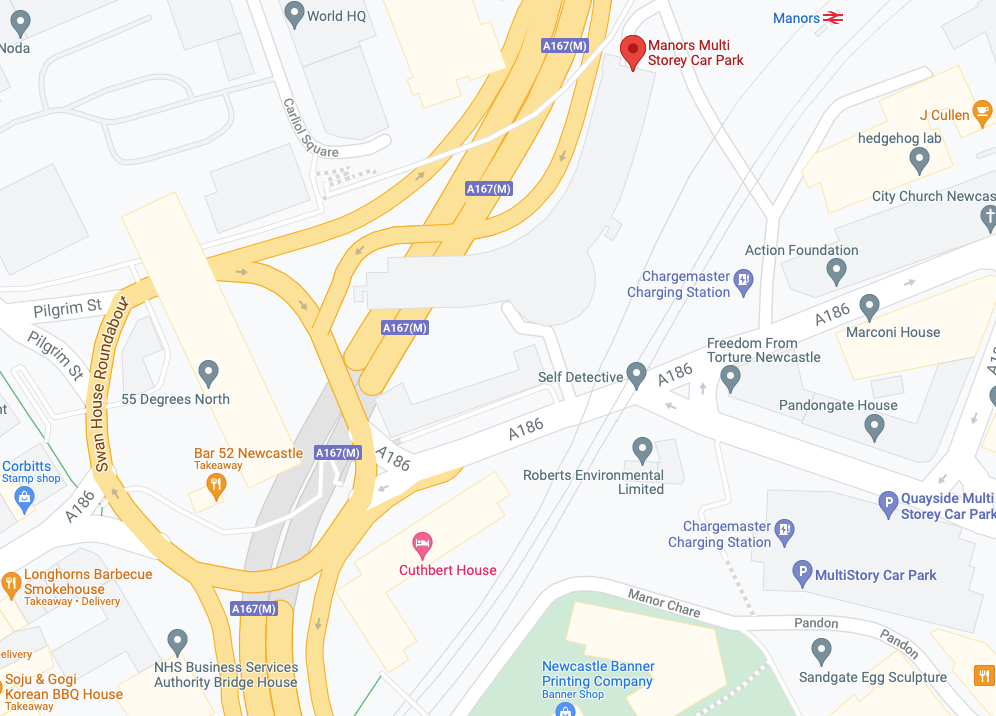
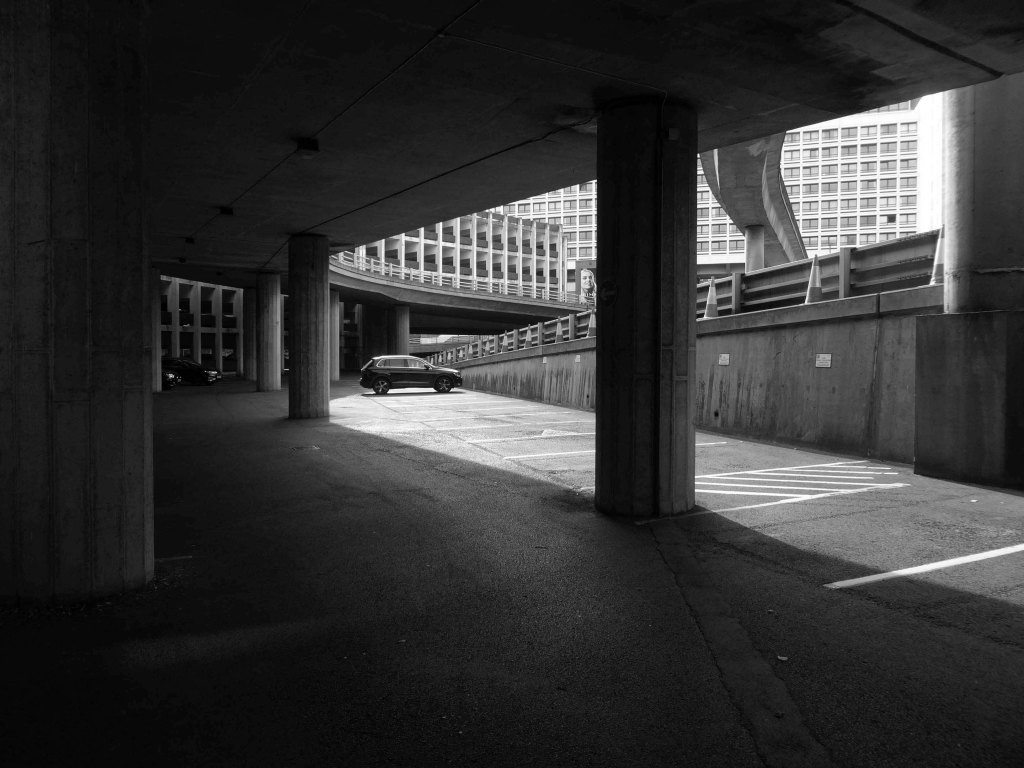
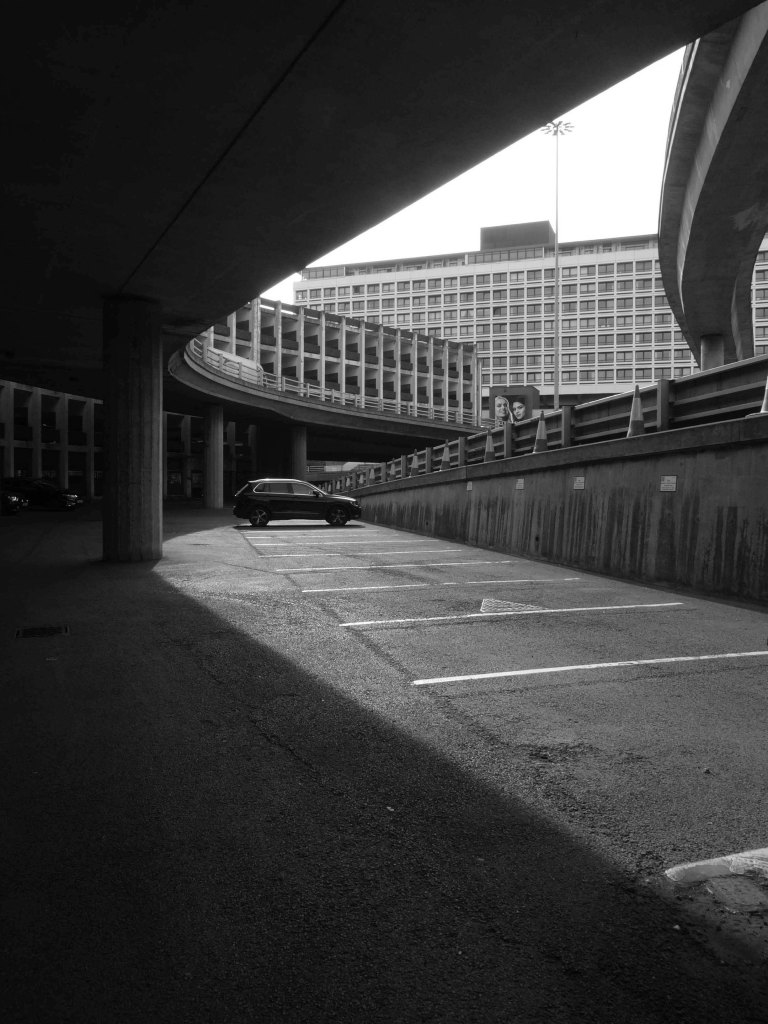
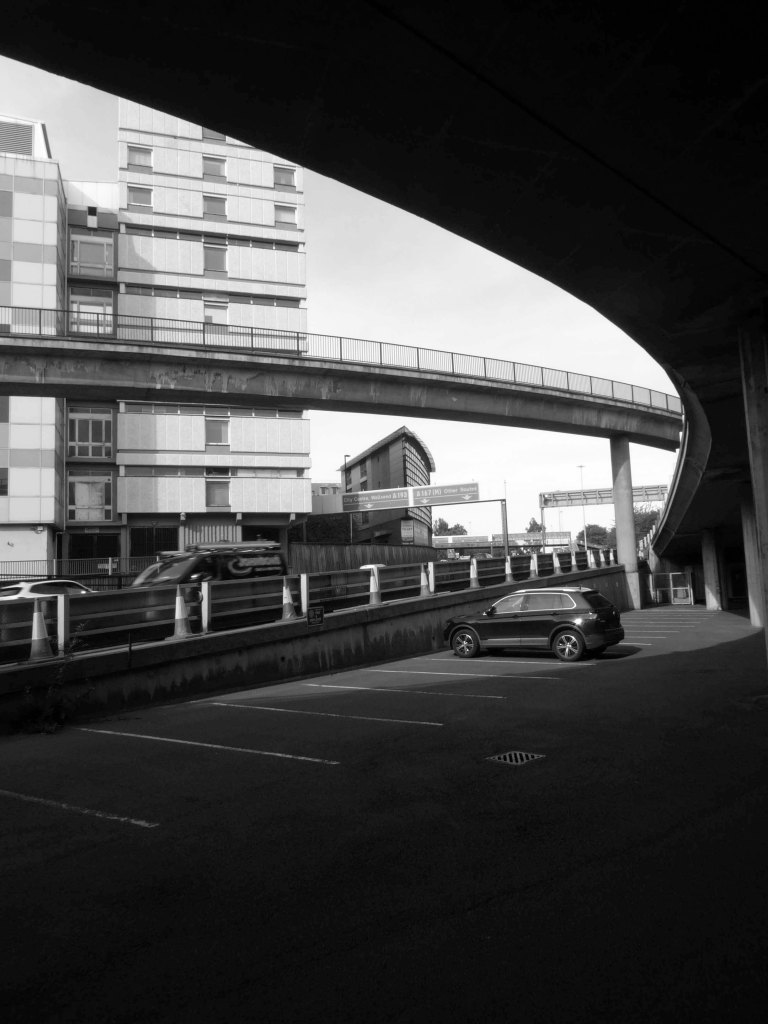
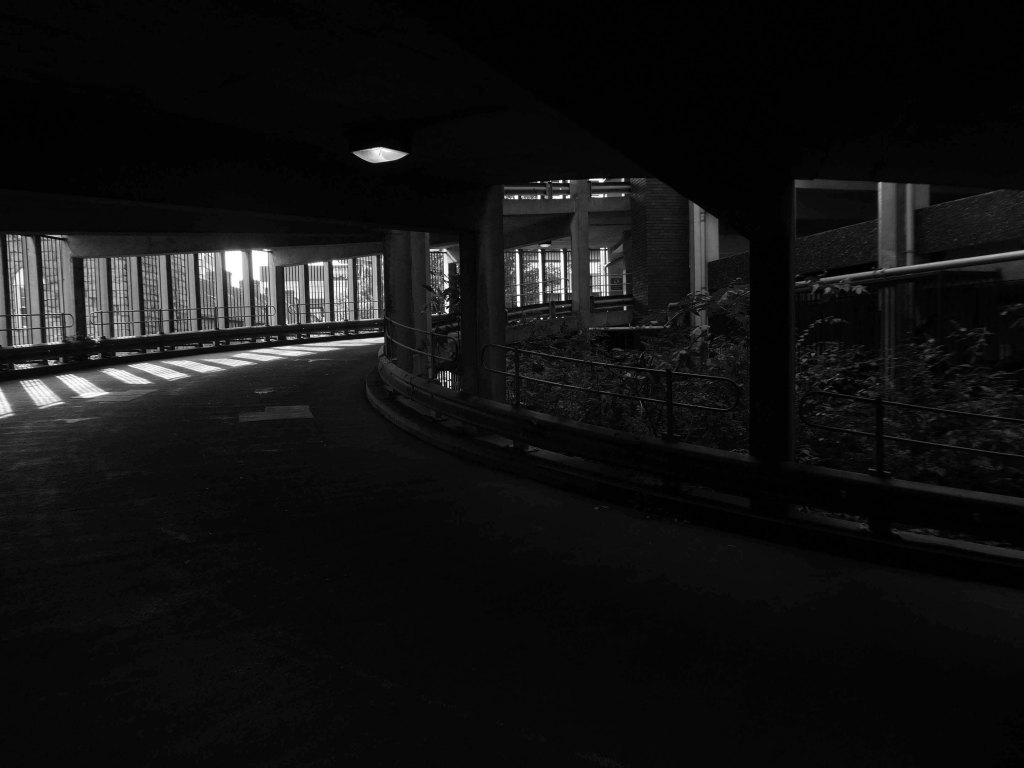
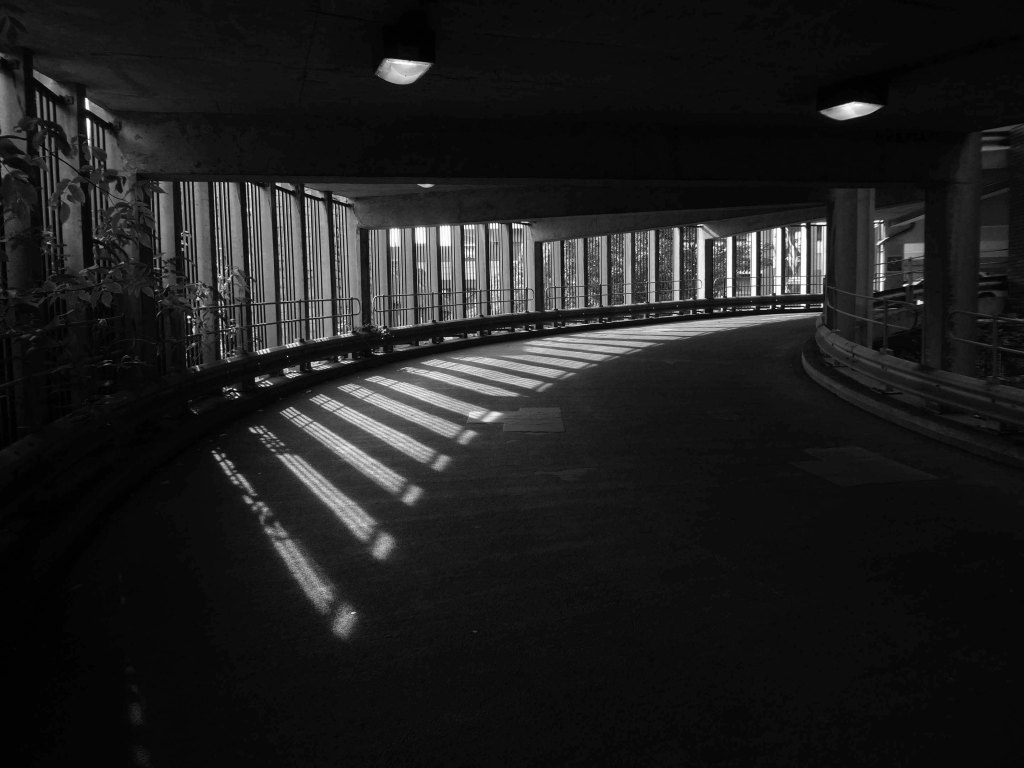
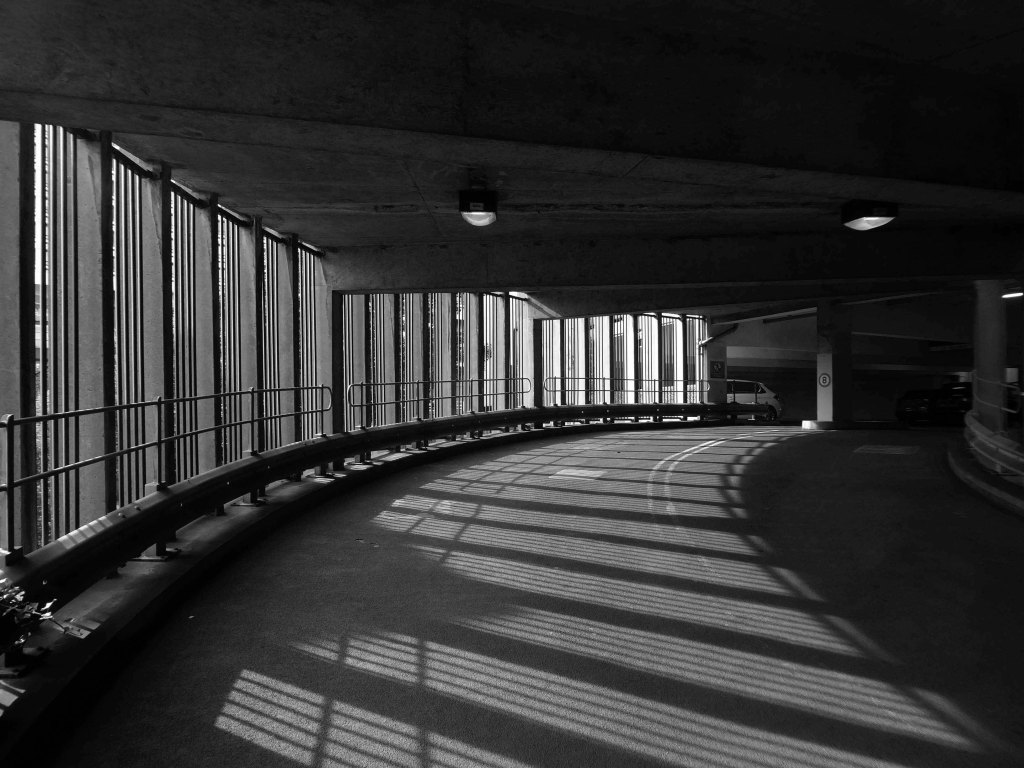
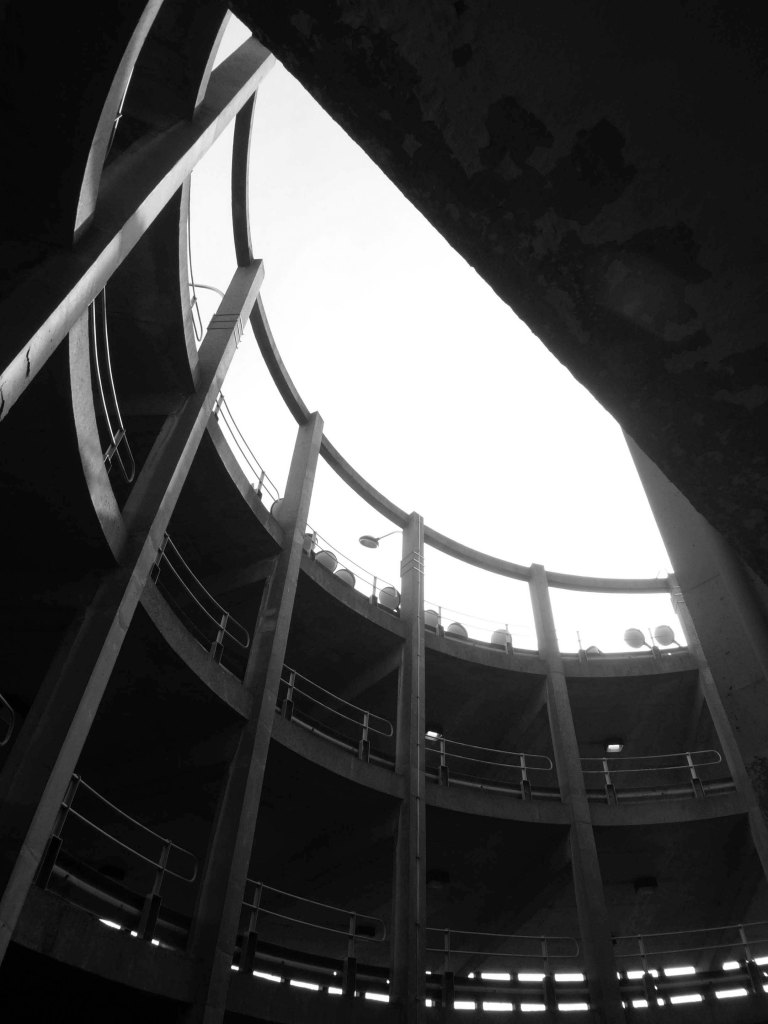
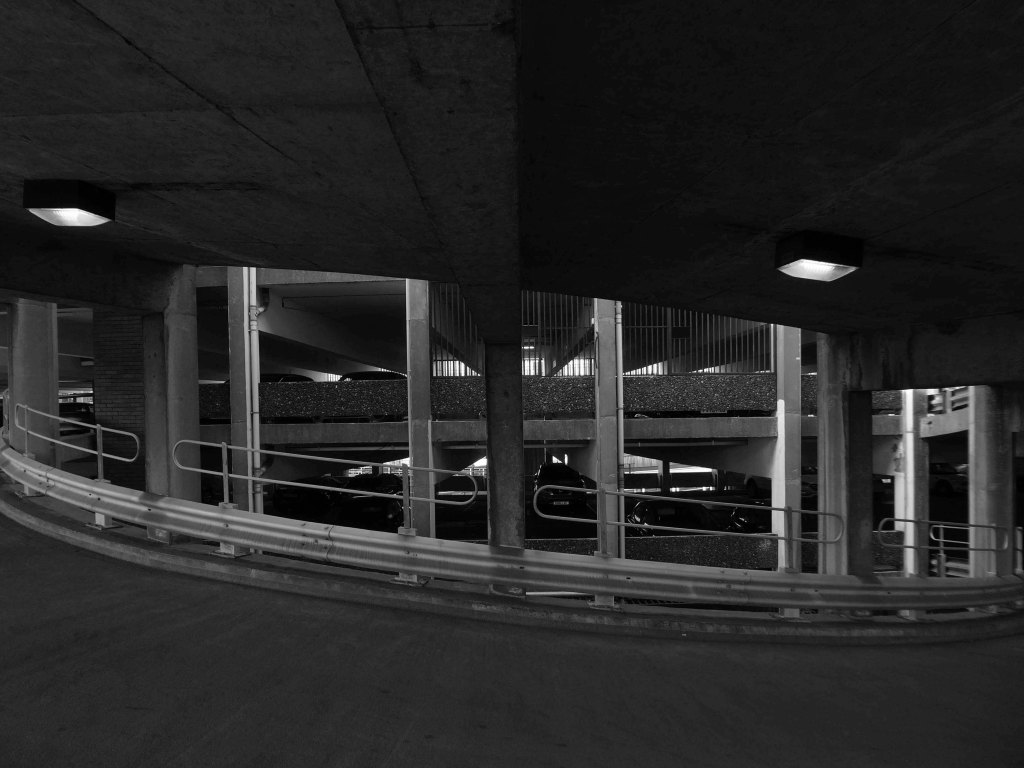
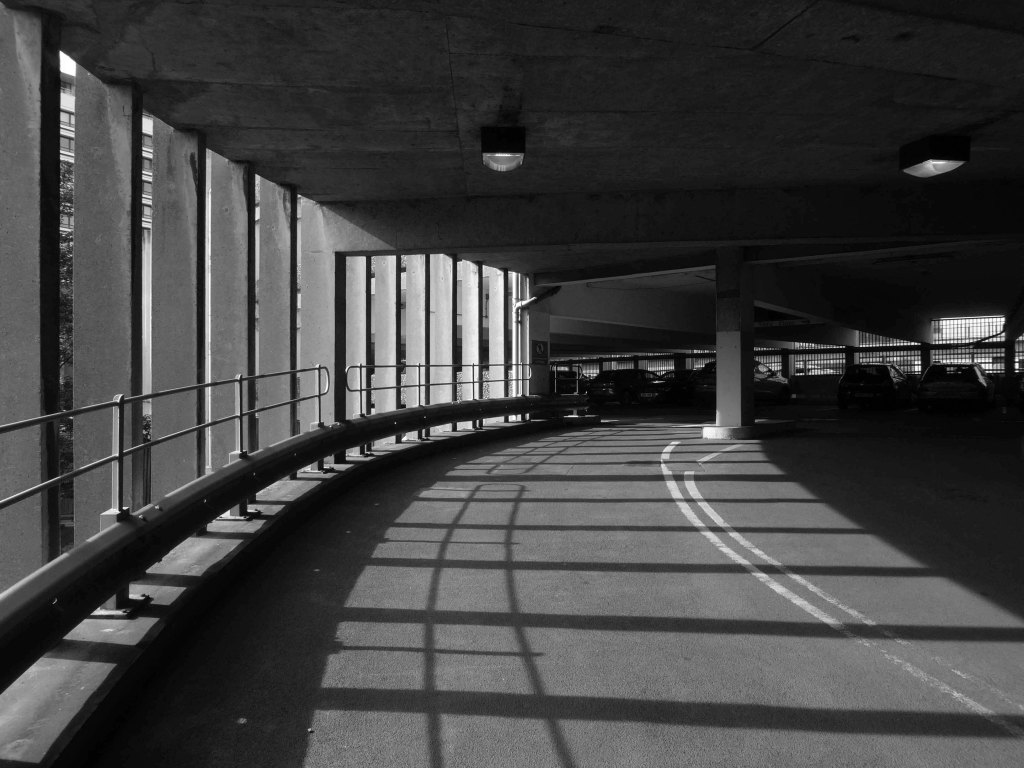
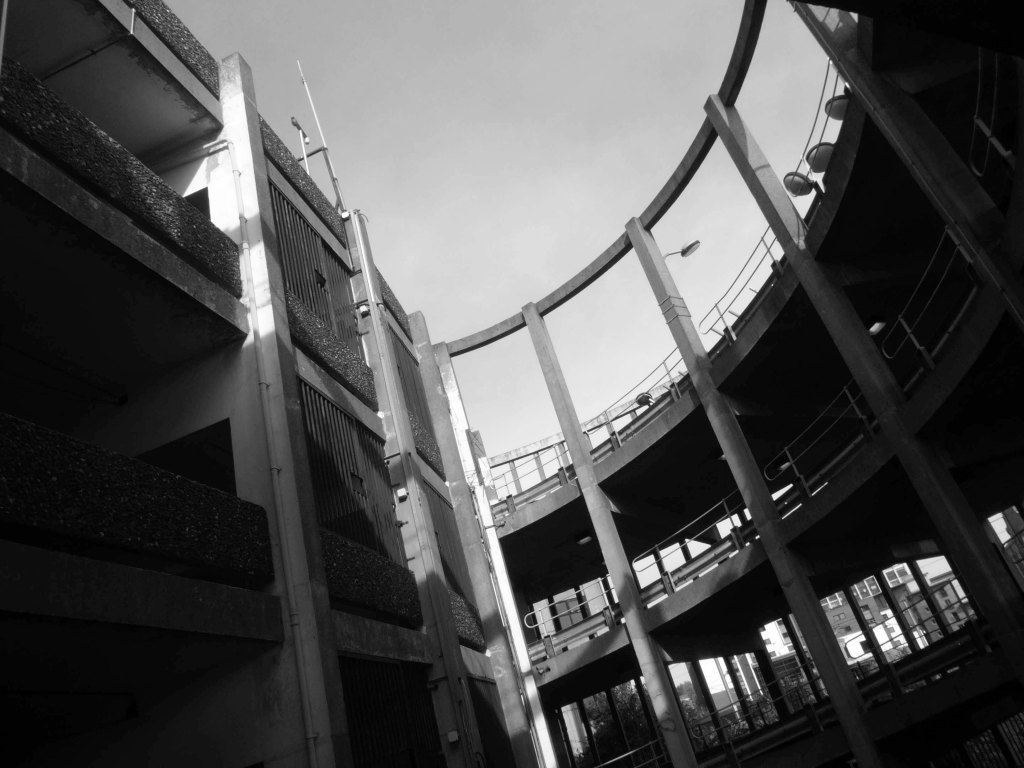
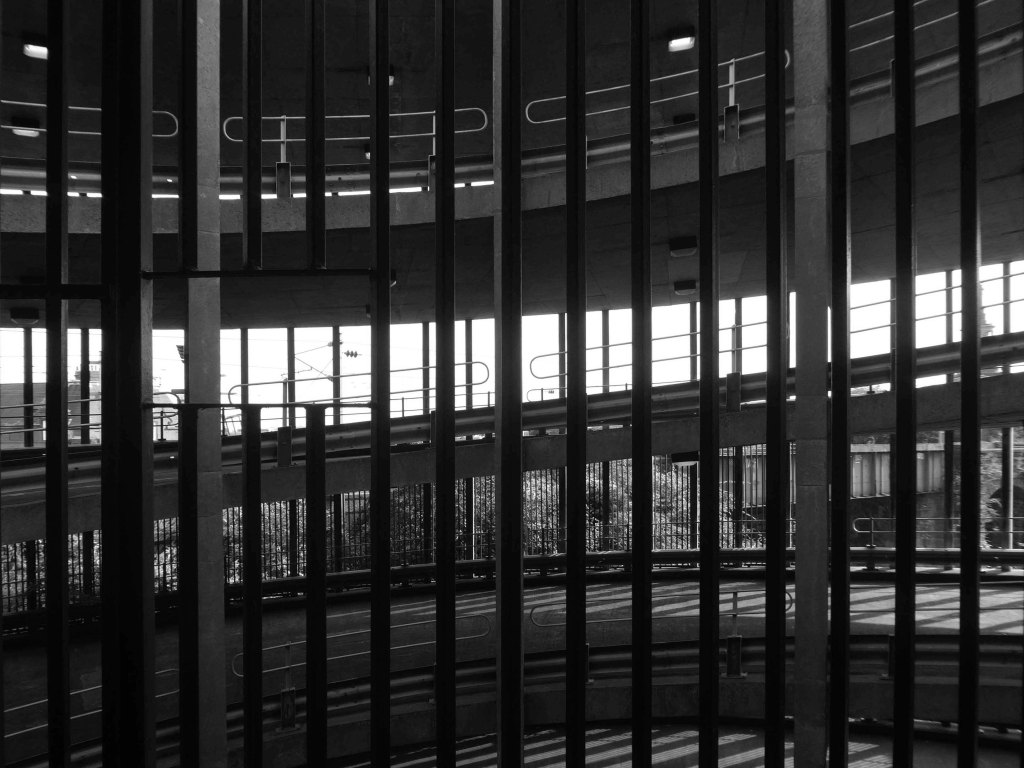
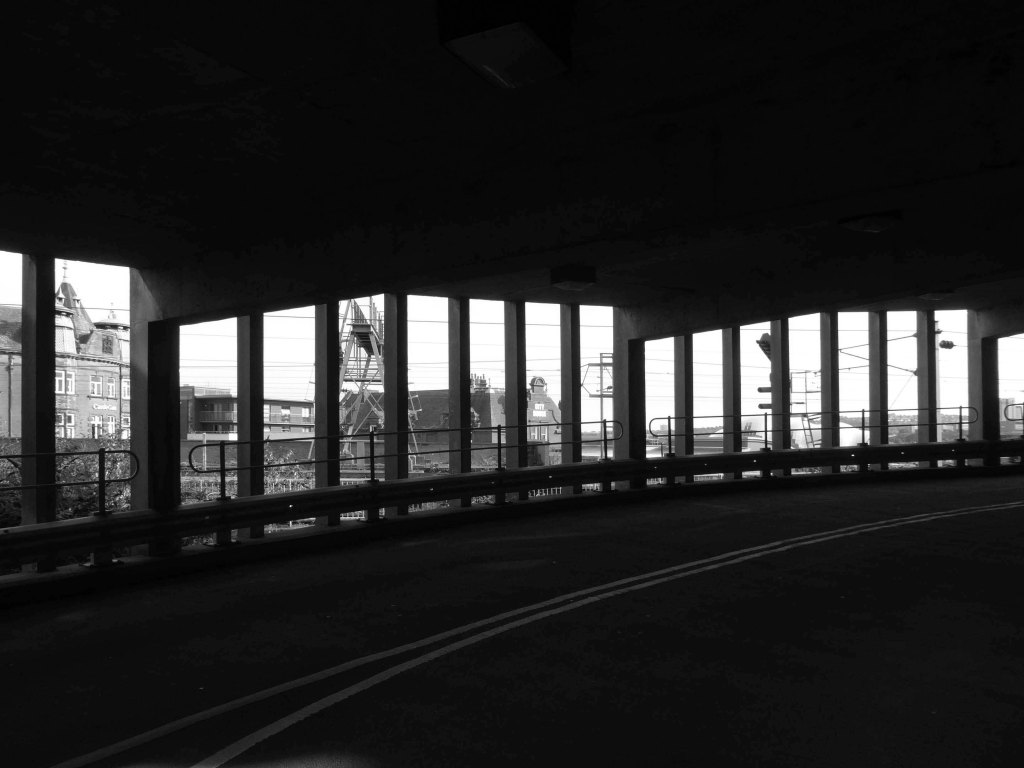
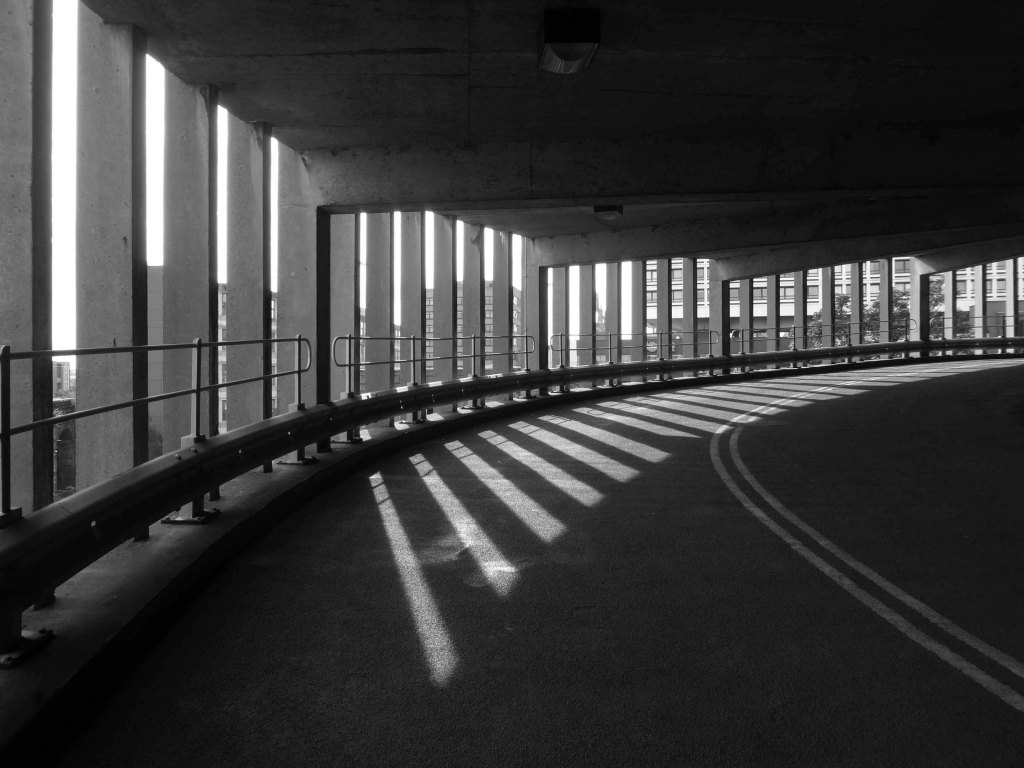
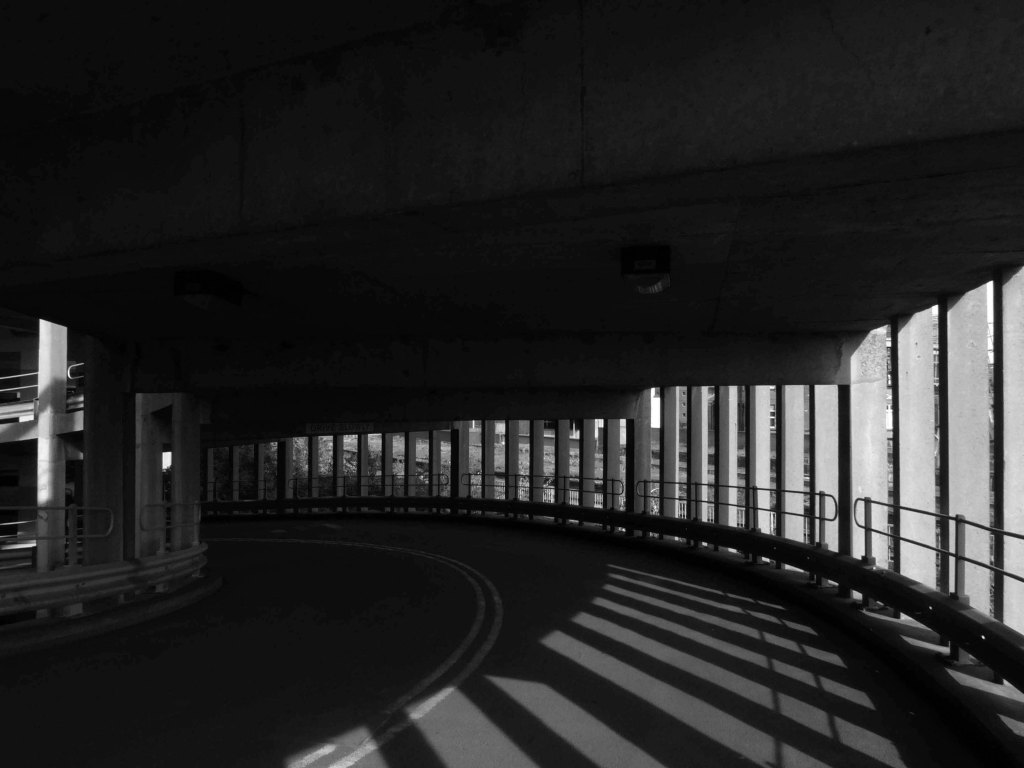
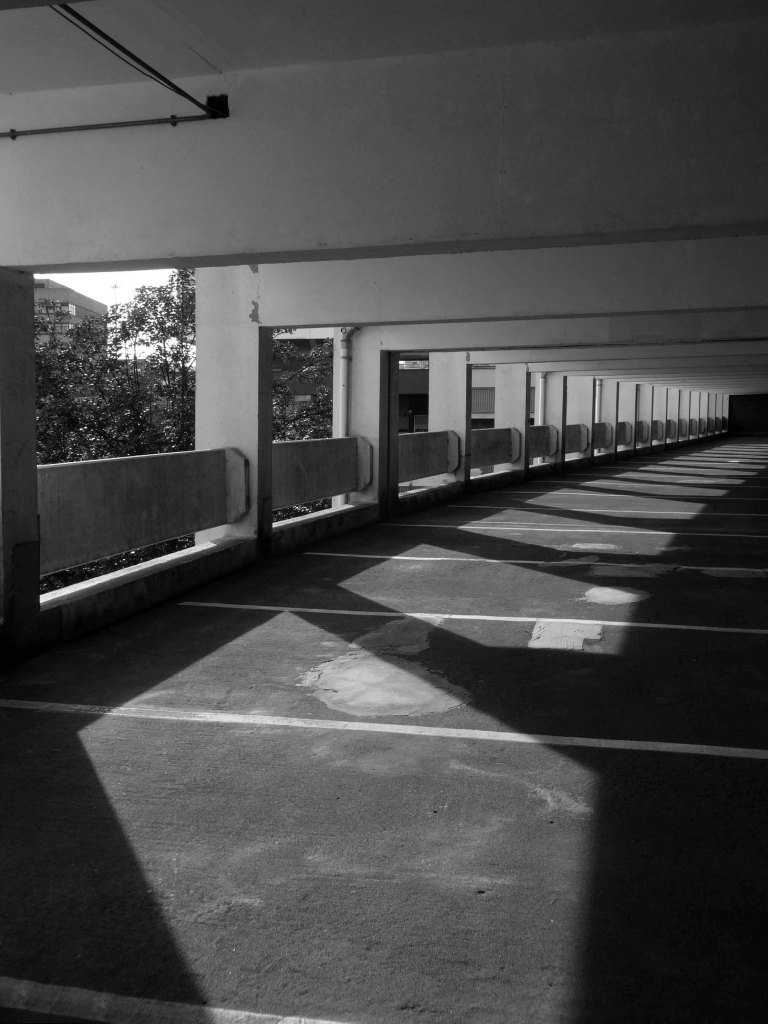
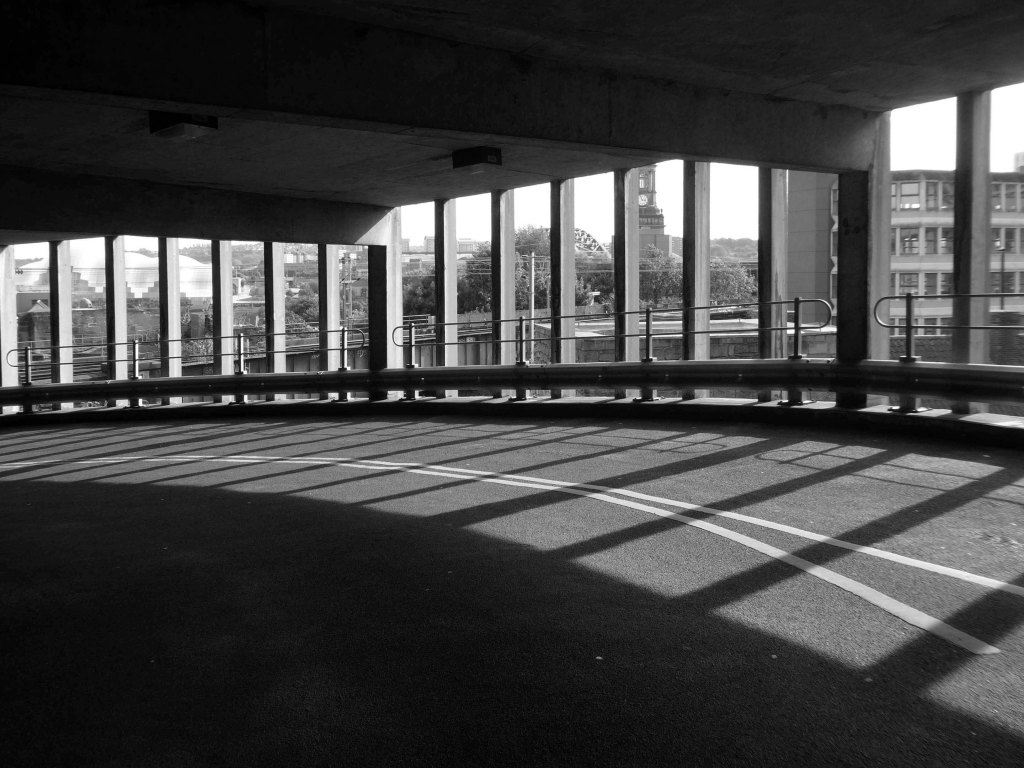
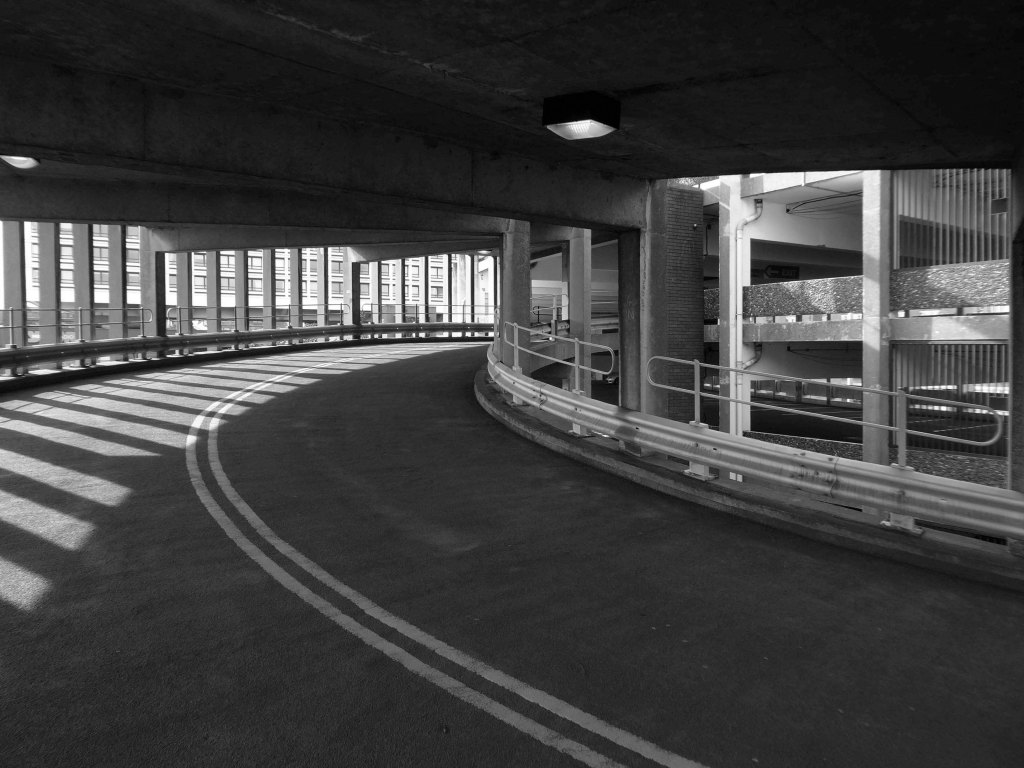
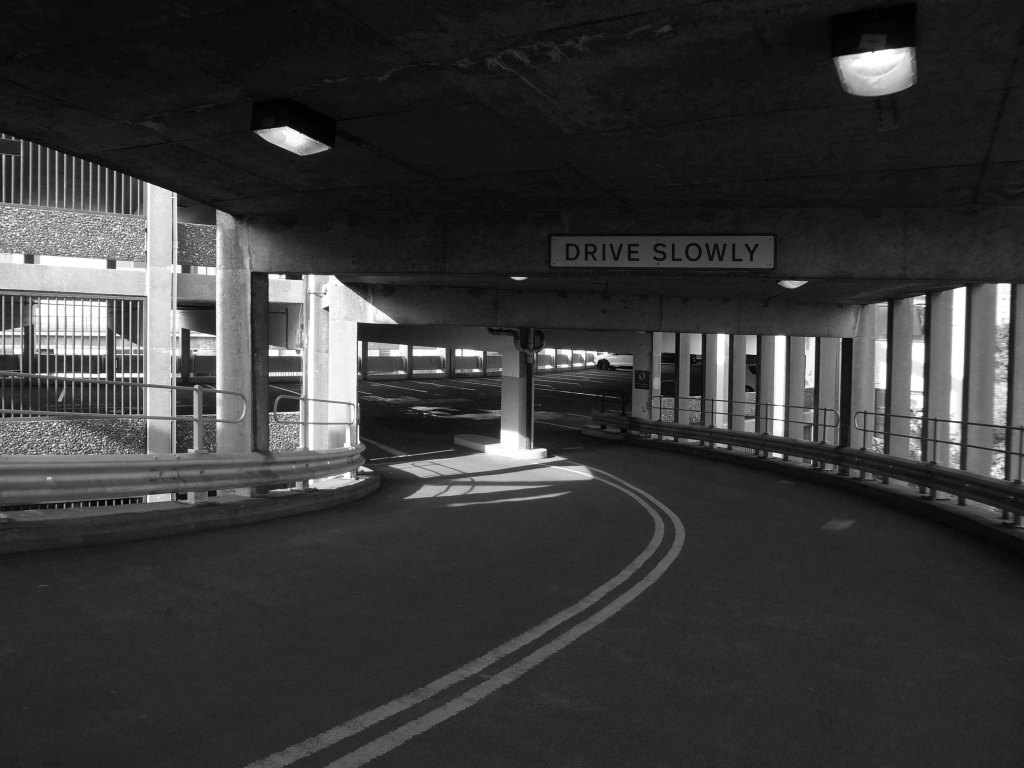
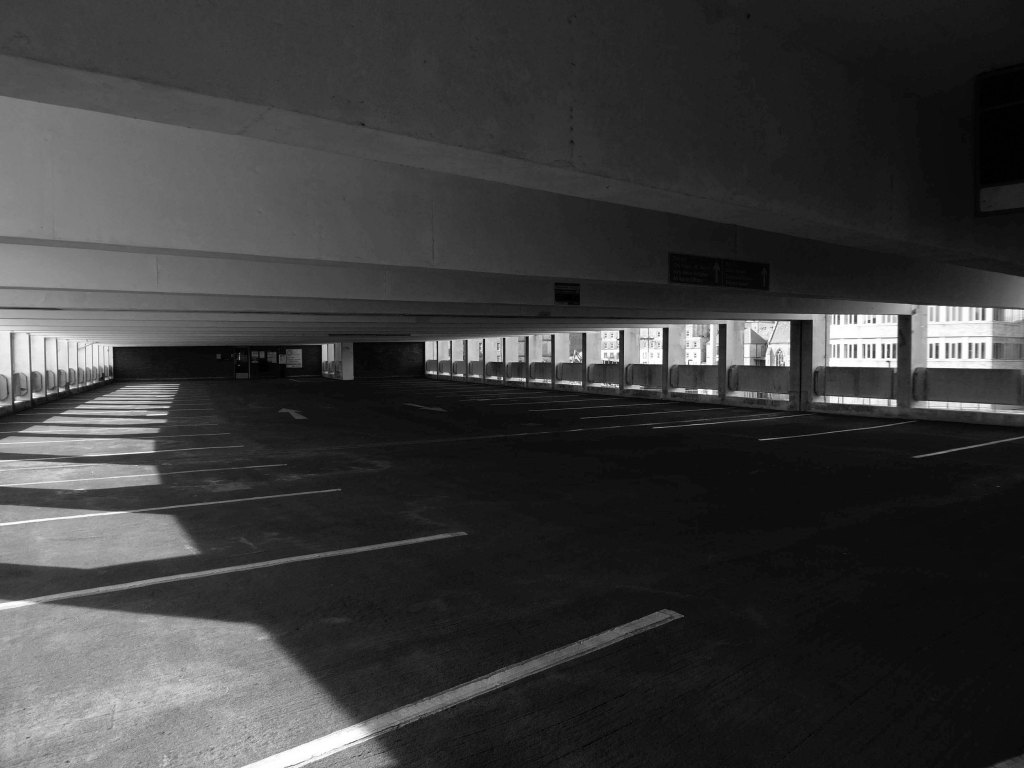
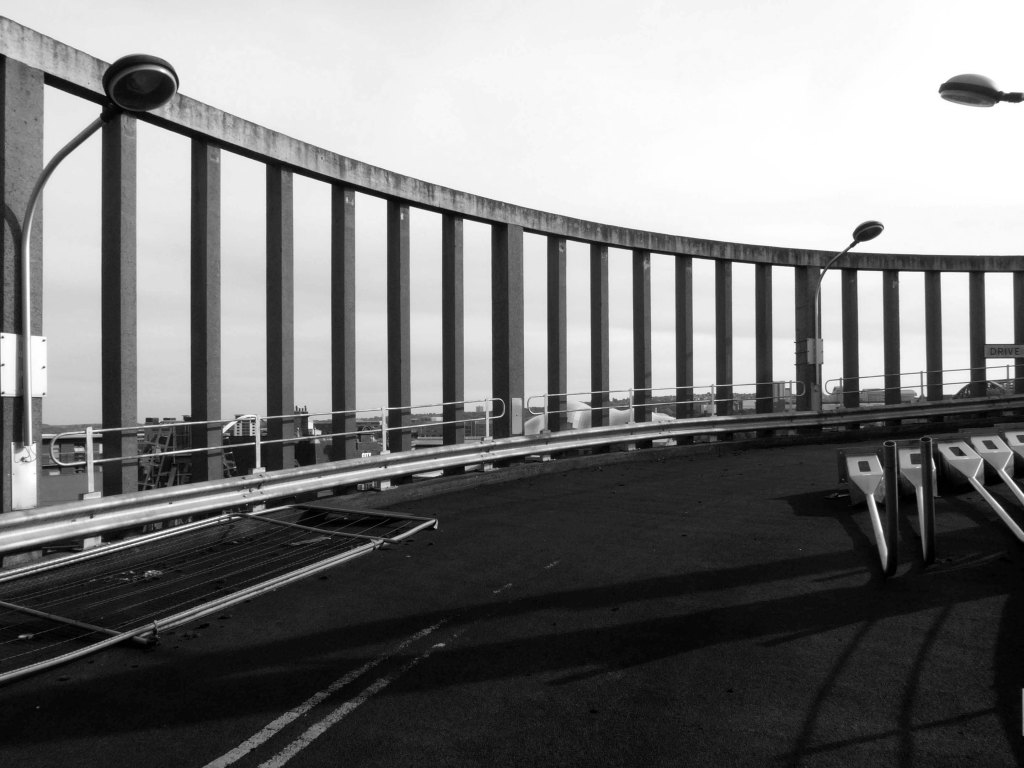
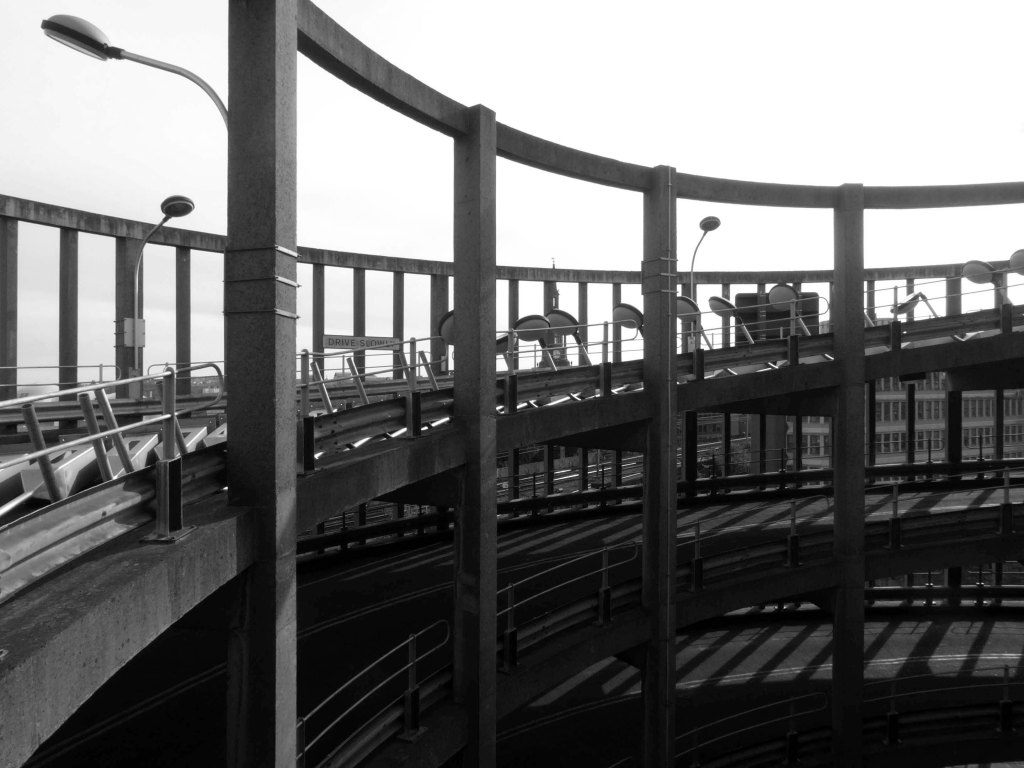
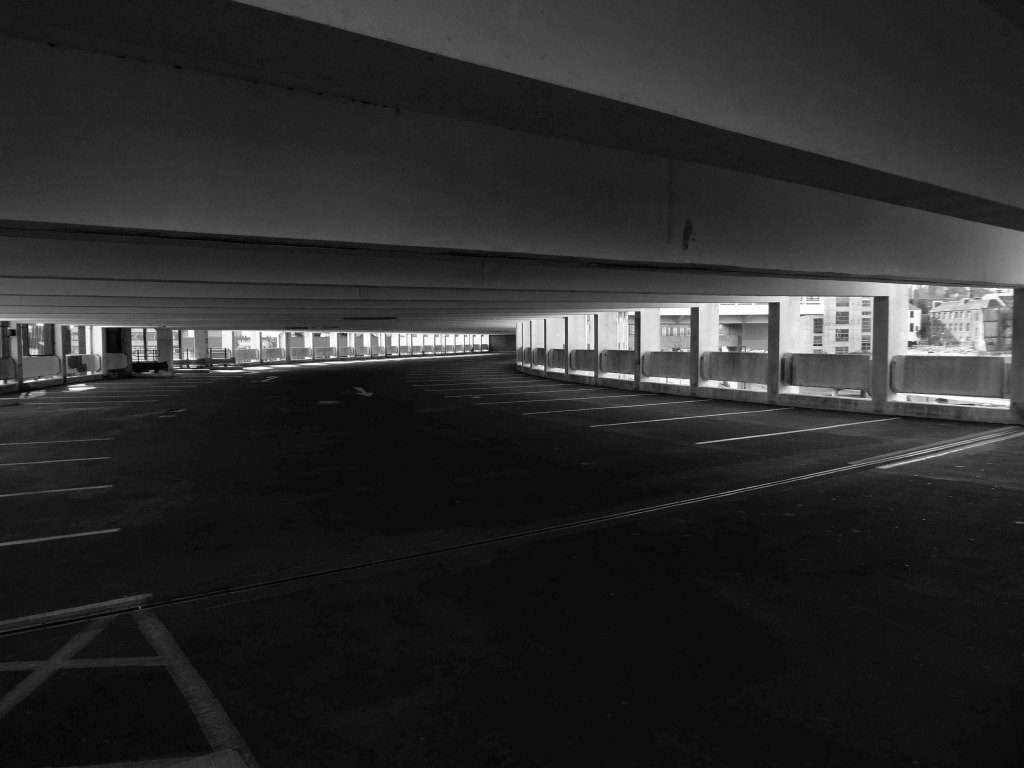
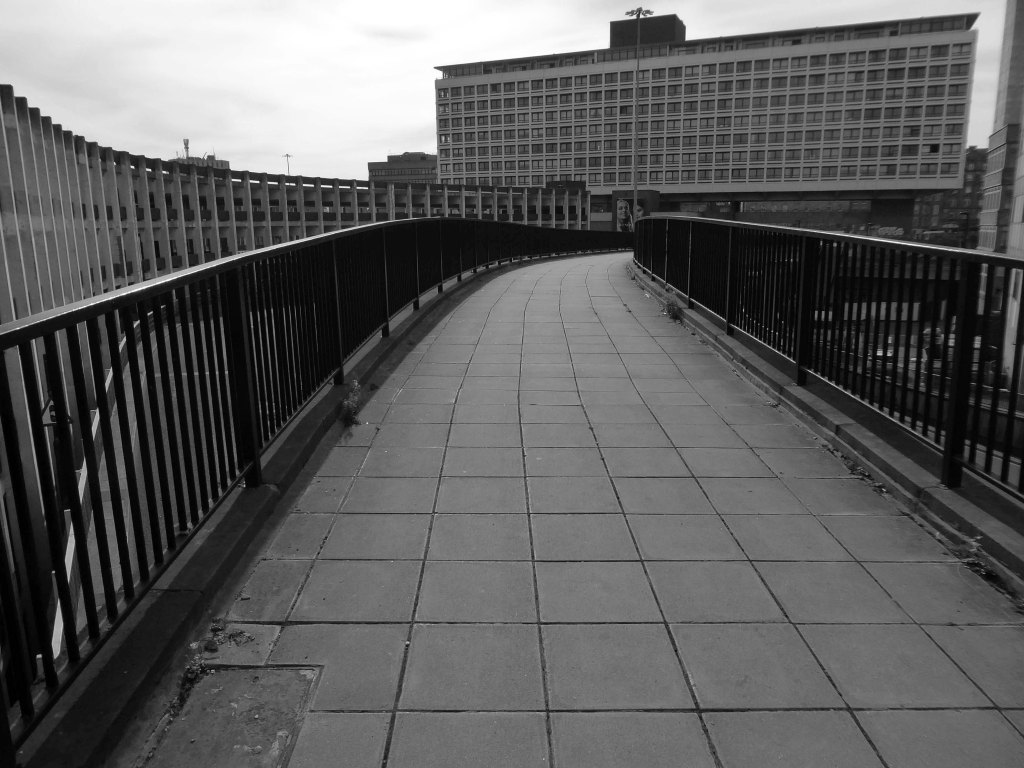
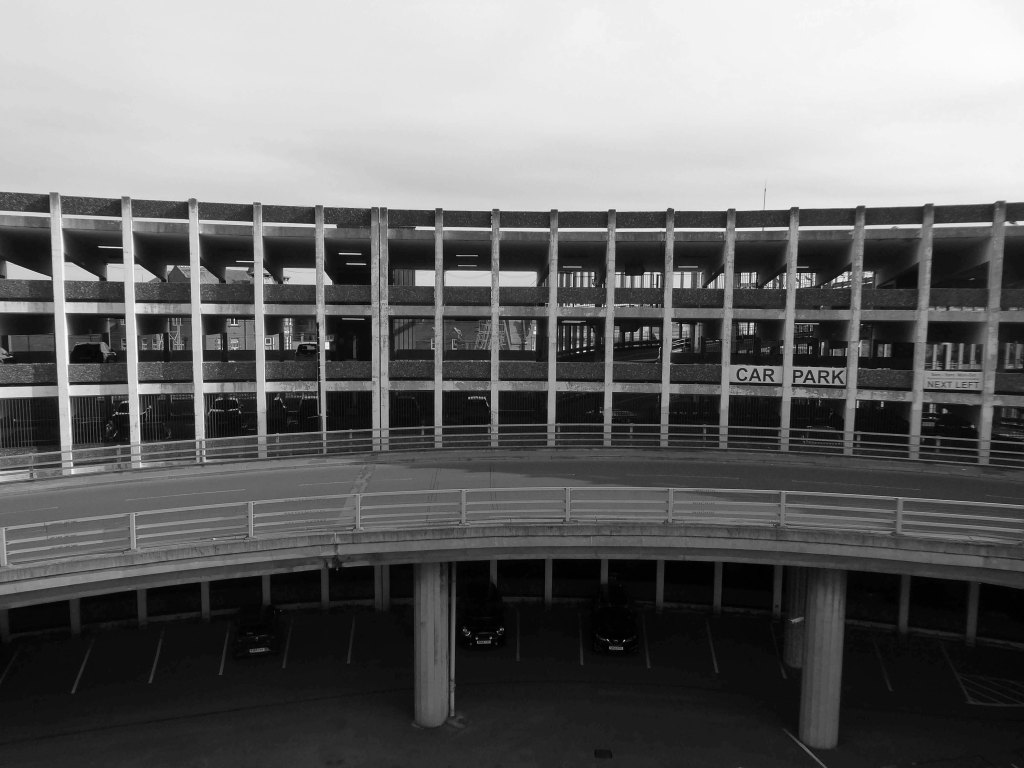
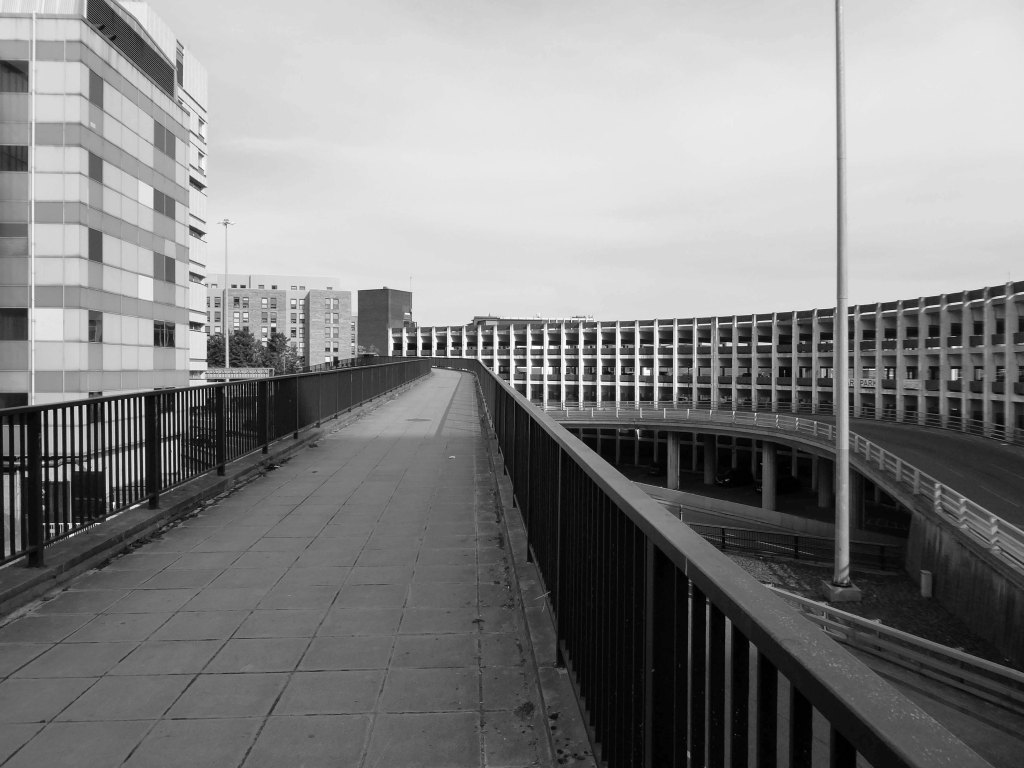
Manors Car Park’s distinctive form derives from the constraints of the train line to east which collided with the new Central East Motorway A167 M which dips beneath, shaping the car park between these constraints. The curvature of the concrete decks sweeps uniformally across the site, interrupted only by the circulation ramp. The car park was the first multi-story car park in Newcastle and marked the beginnings of Wilfred Burns car-centric plans for the modernisation of the city through the Central East Motorway Plan – 1963.
Burns plan aimed to increase the economic growth of the city through greater convenience for an emerging car owning populace and even went as far as to incentivised cars travel by offering limited free parking in the city centre.
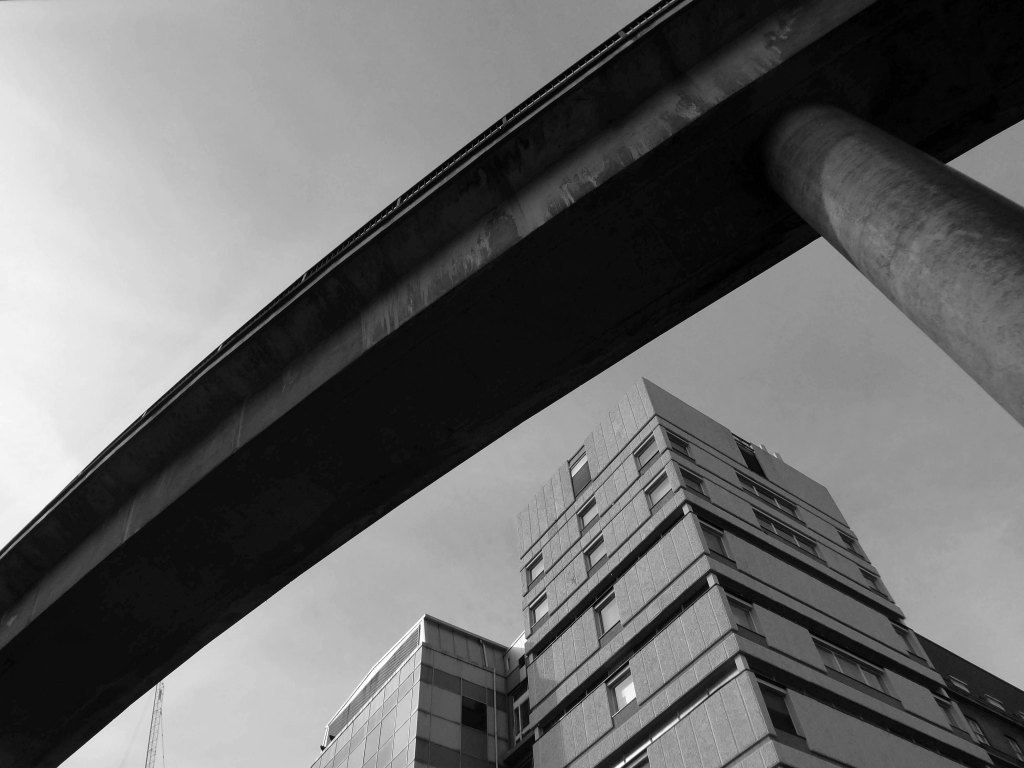
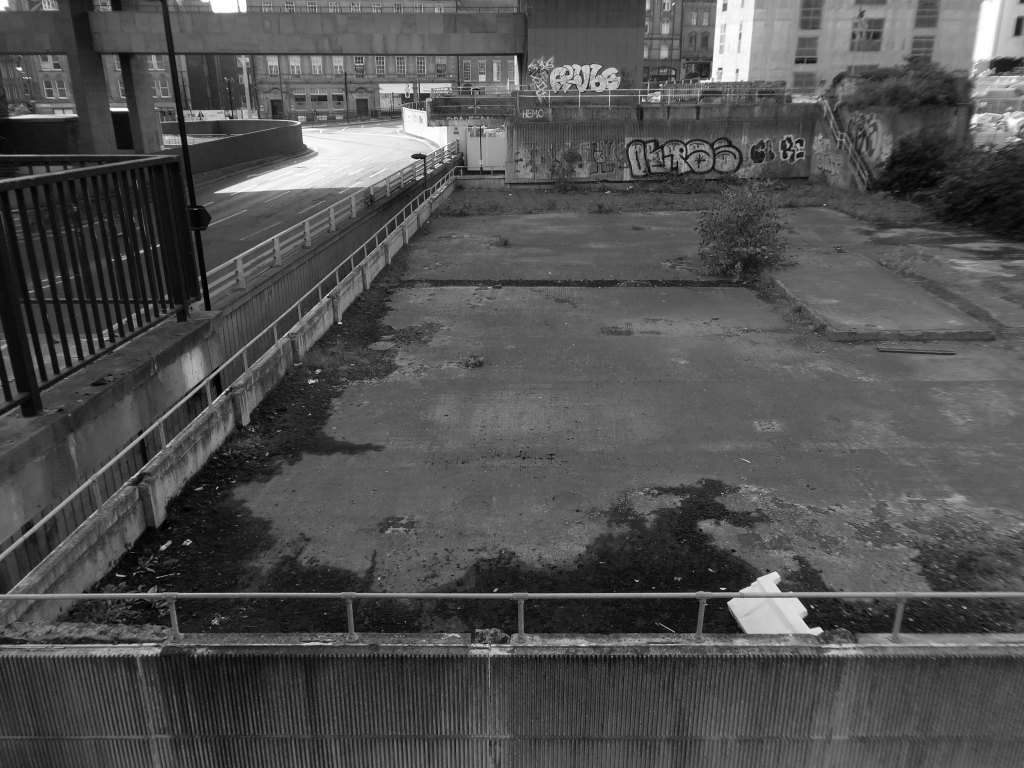
Manors car park connected and accompanied by an equally dramatic and elongated pedestrian footbridge from Manors Train Station – today Manors Metro, touching the car park for access before swooping under Swan House on Pilgrim Street Roundabout. The bridge takes what feels like the longest imaginable route over the motorway, allowing pedestrians to bypass Northumberland high street and take in the theatrics of the swooping concrete forms and motorway traffic.
In the early 1960s, under the leadership of T Dan Smith and his chief planning officer Wilf Burns, Newcastle city council undertook a comprehensive re-planning of the city centre that, had it been carried out to its full extent, would have led to the construction of underground motorways and a series of raised pedestrian decks running along Northumberland Street in the main shopping zone. The plan was that the new city would encircle the historical core, which would be preserved; meanwhile vast swathes of Georgian housing to the east would be razed. There were also plans for high-rise towers in the centre, only one of which was built.
This tendency in town planning was due in part to the publication of H. Alker Tripp’s book of 1942.
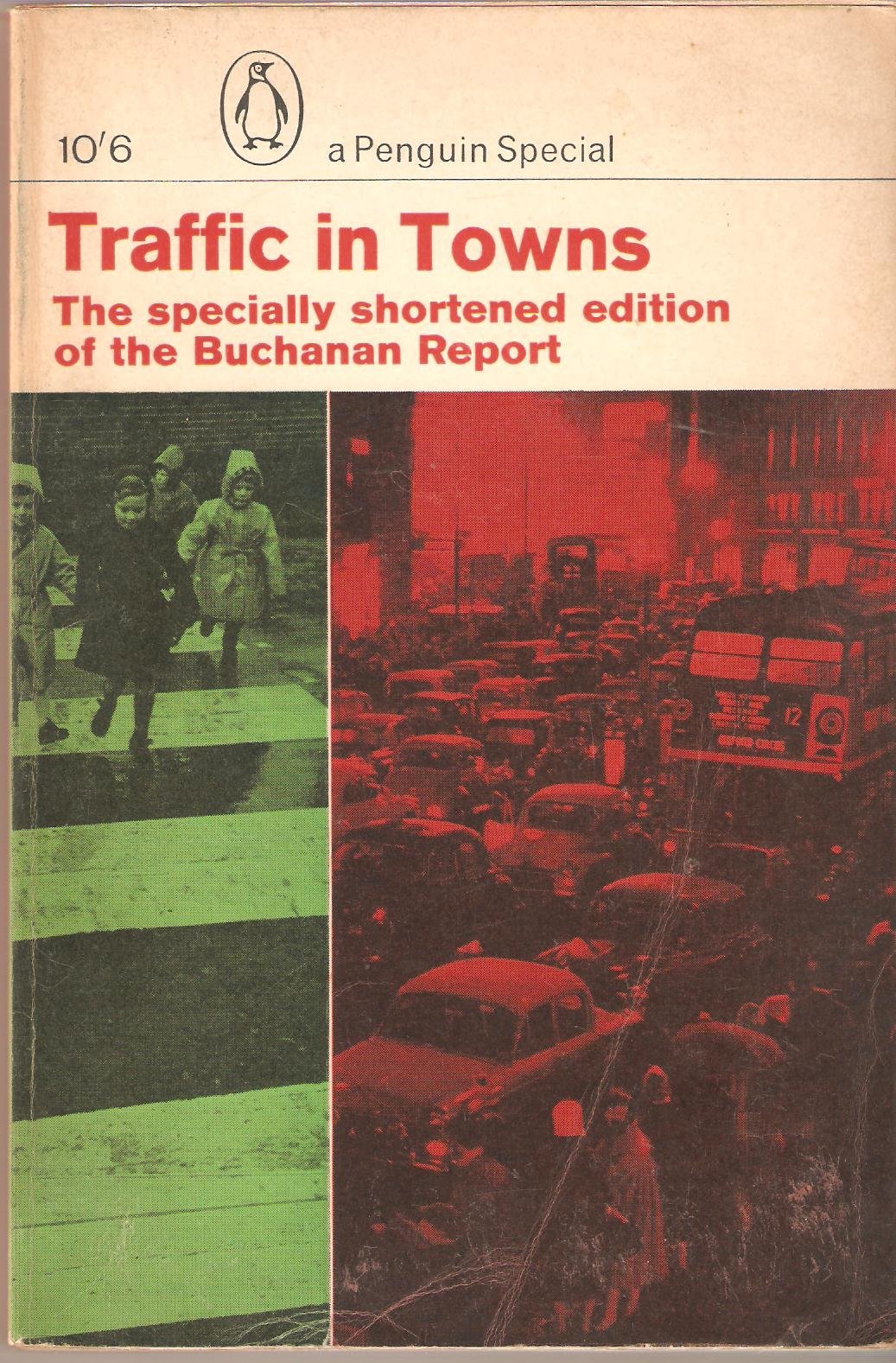
Along with Traffic in Towns an influential report and popular book on urban and transport planning policy published 25 November 1963 for the UK Ministry of Transport by a team headed by the architect, civil engineer and planner Colin Buchanan. The report warned of the potential damage caused by the motor car, while offering ways to mitigate it. It gave planners a set of policy blueprints to deal with its effects on the urban environment, including traffic containment and segregation, which could be balanced against urban redevelopment, new corridor and distribution roads and precincts.
These policies shaped the development of the urban landscape in the UK and some other countries for two or three decades. Unusually for a technical policy report, it was so much in demand that Penguin abridged it and republished it as a book in 1964.
Wikipedia
In a one man war against the segregation of traffic and pedestrian I often walk car parks, ramps and all.
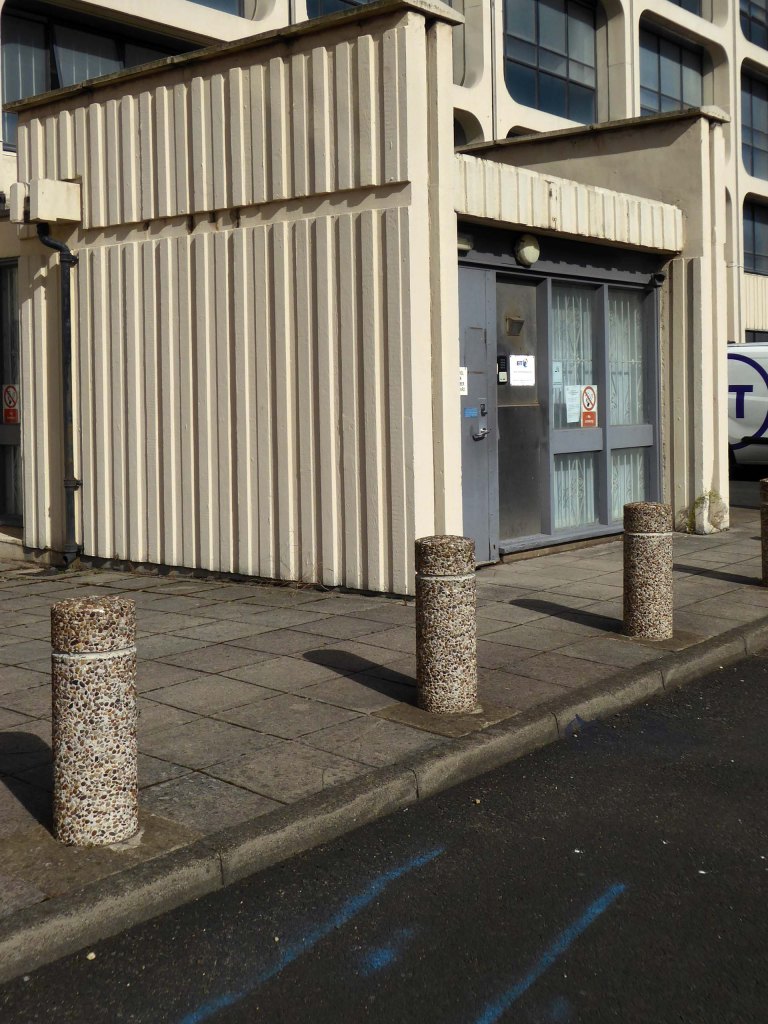
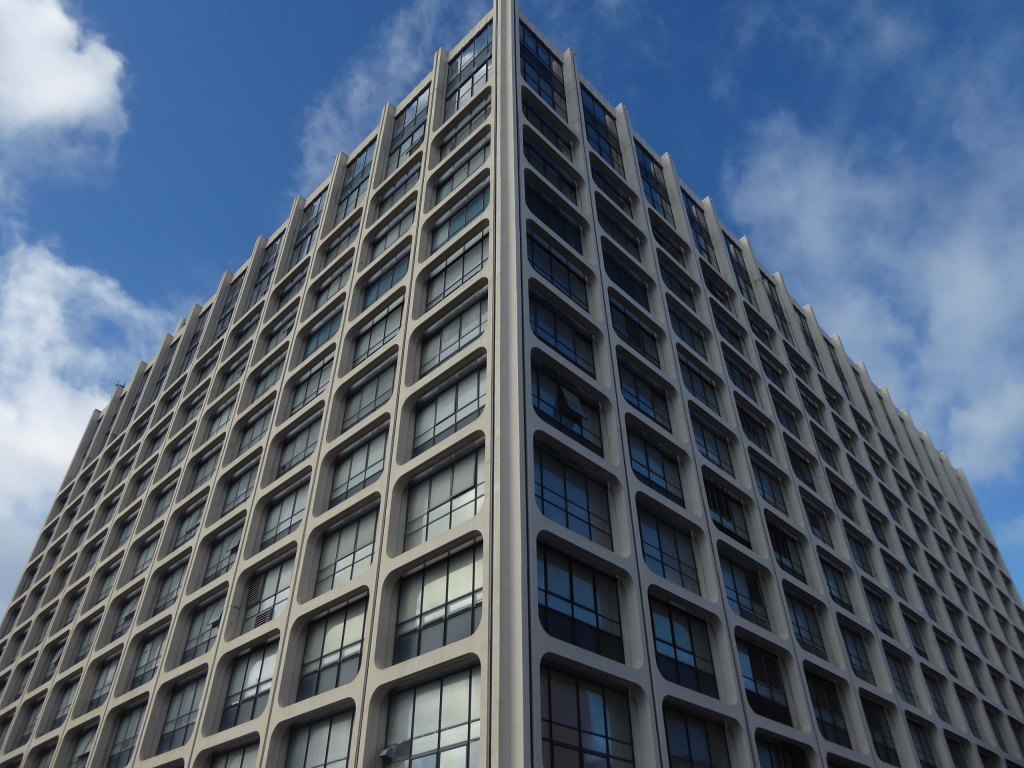
These were demolished in 1966 to make way for the present development.
The current building was phase one of eleven, which was to include a further twenty two storey building with a planned capacity of twenty four thousand people by 1980.
Building construction started in 1969 and was completed in 1972.
Final cost was £1,218,401.
My thanks to Sonna Lawrence BT employee, for his time and information.
There is little by way of background information online, save for this thread.
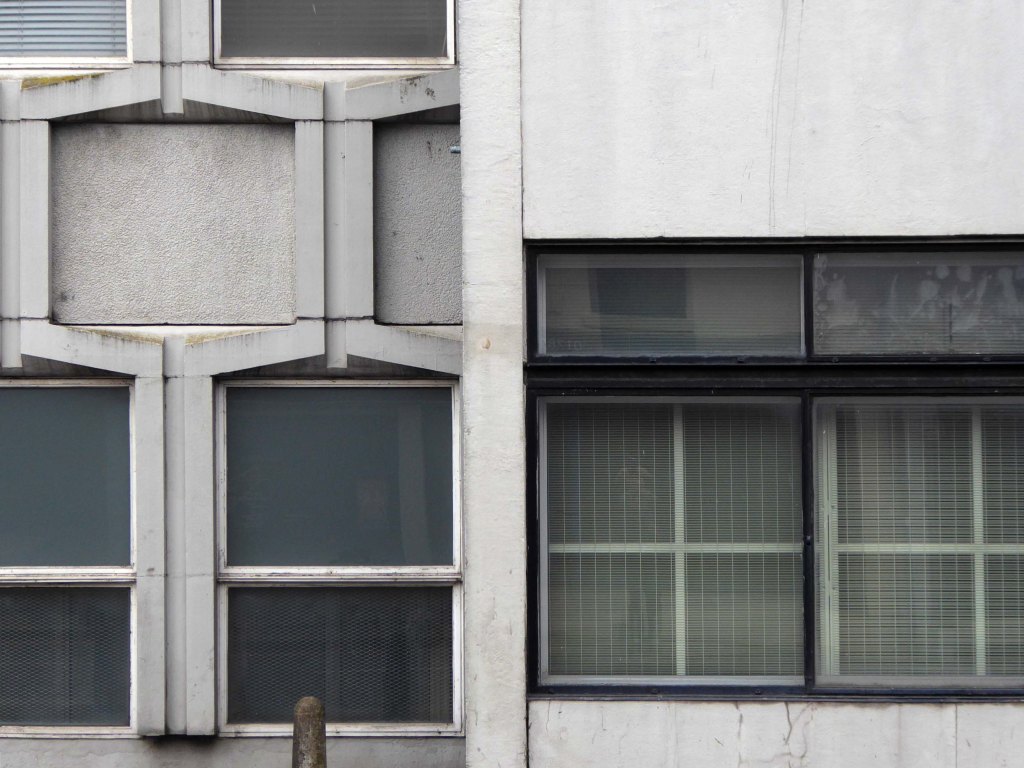
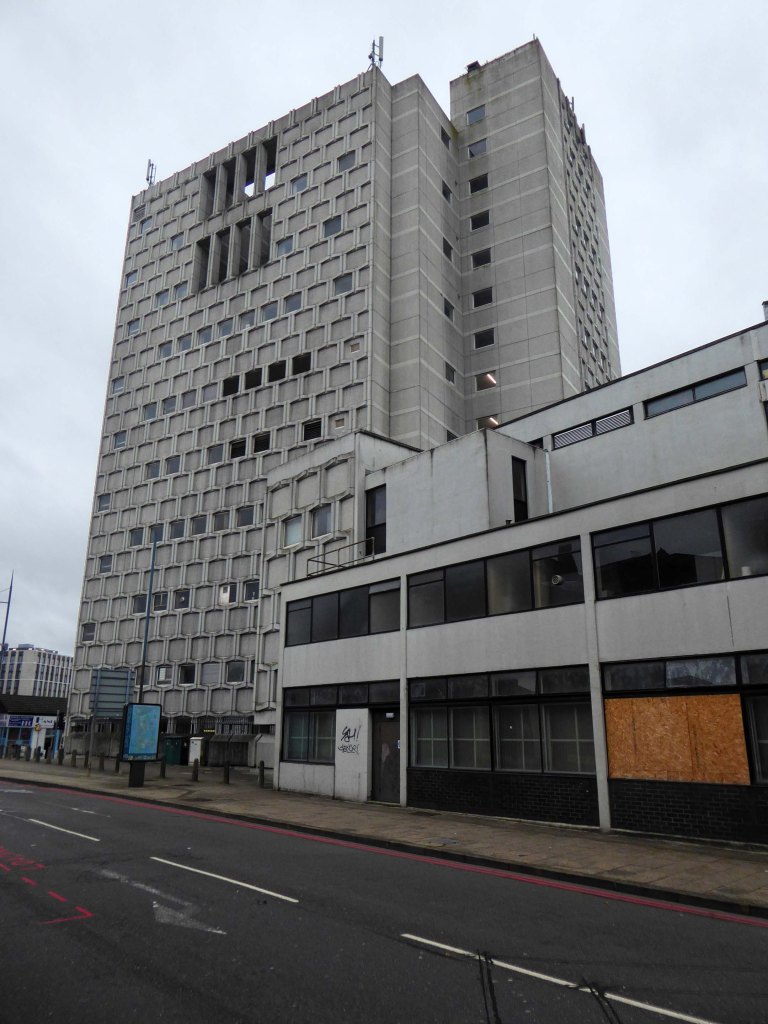
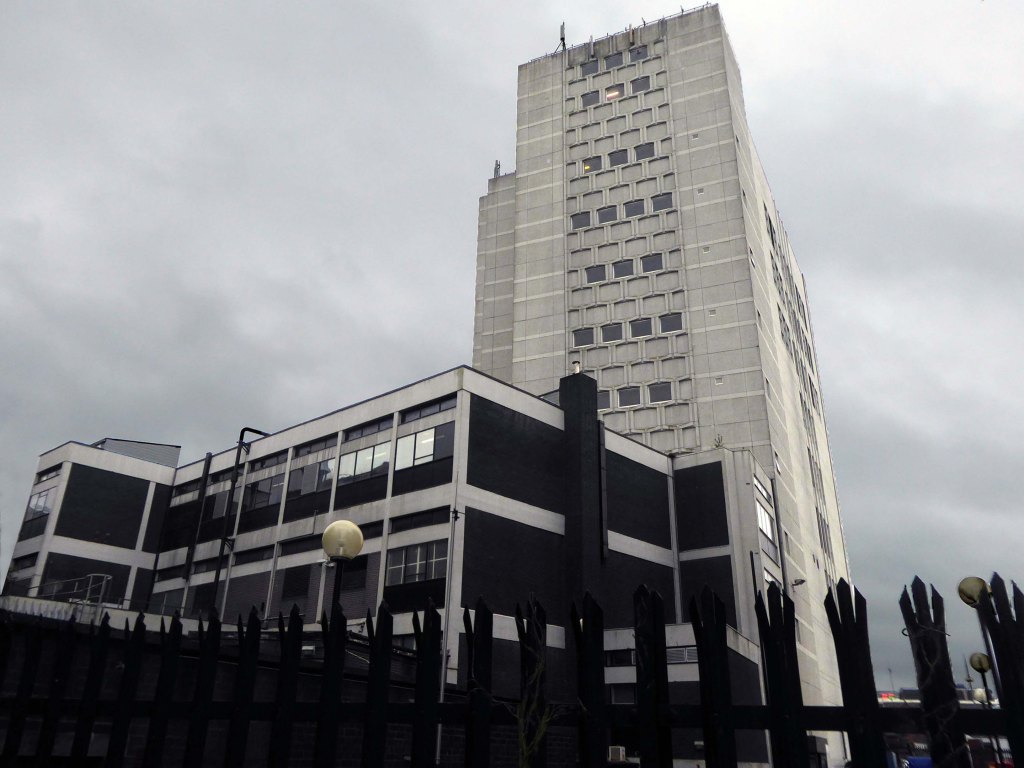
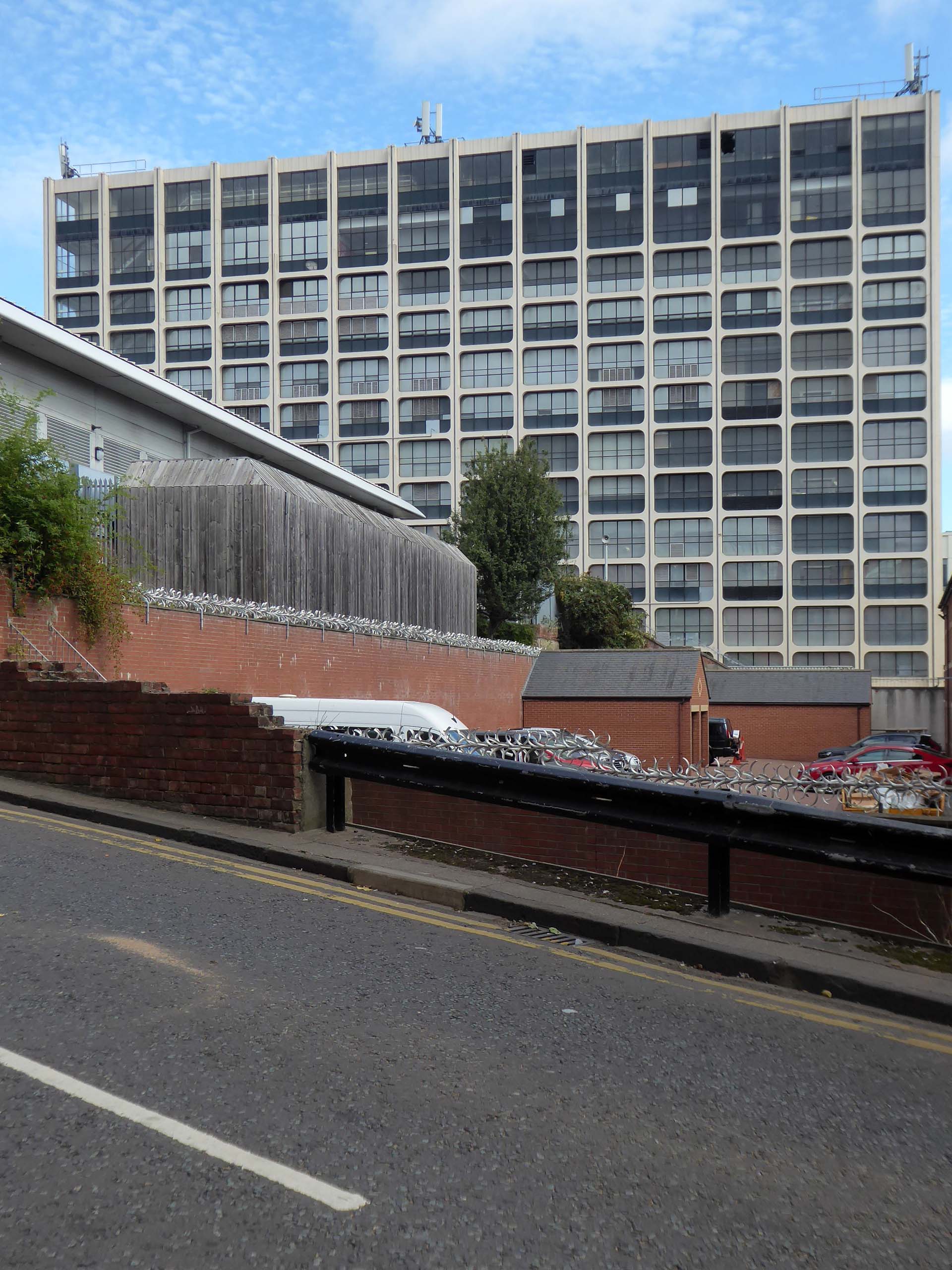
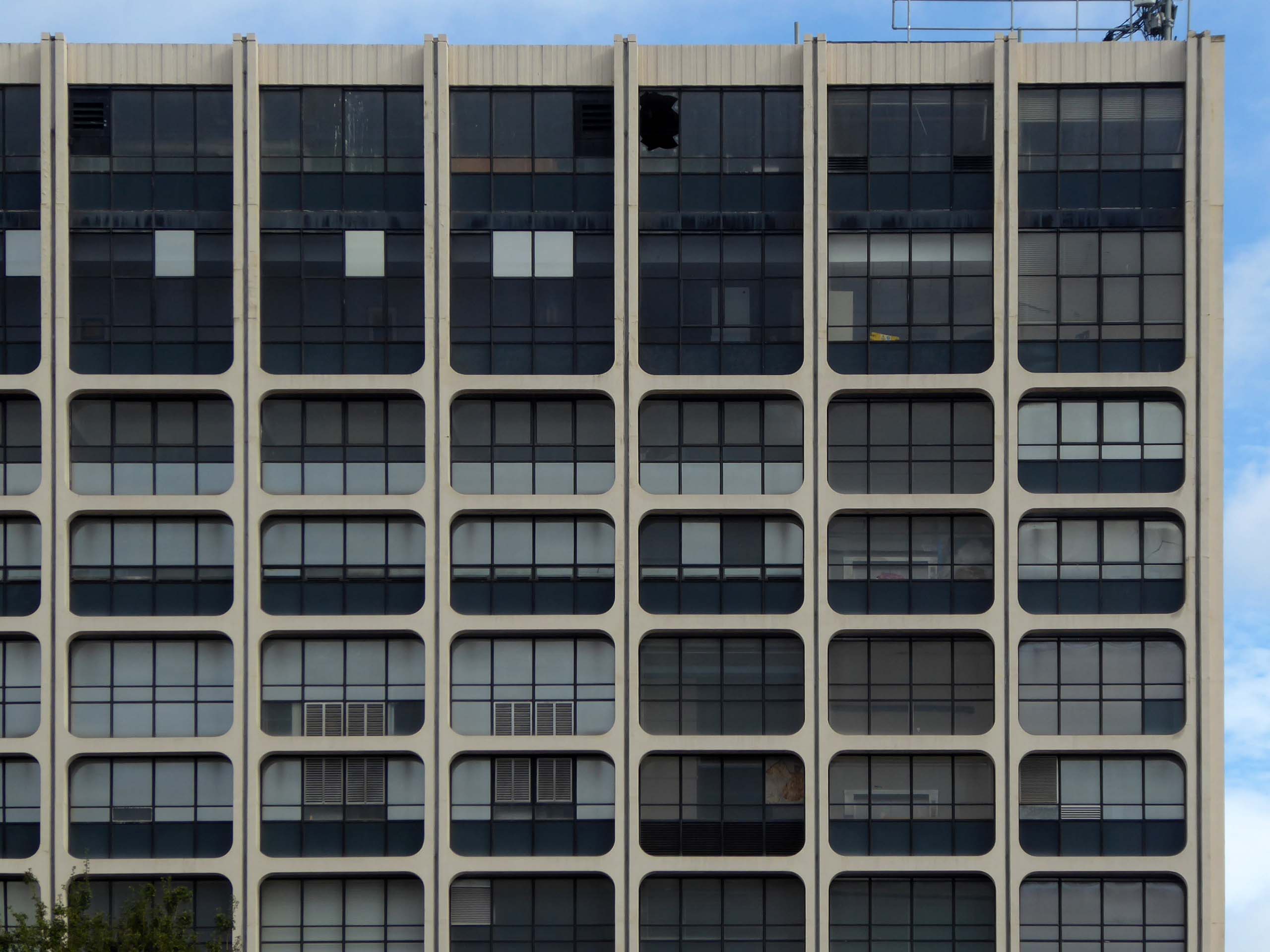
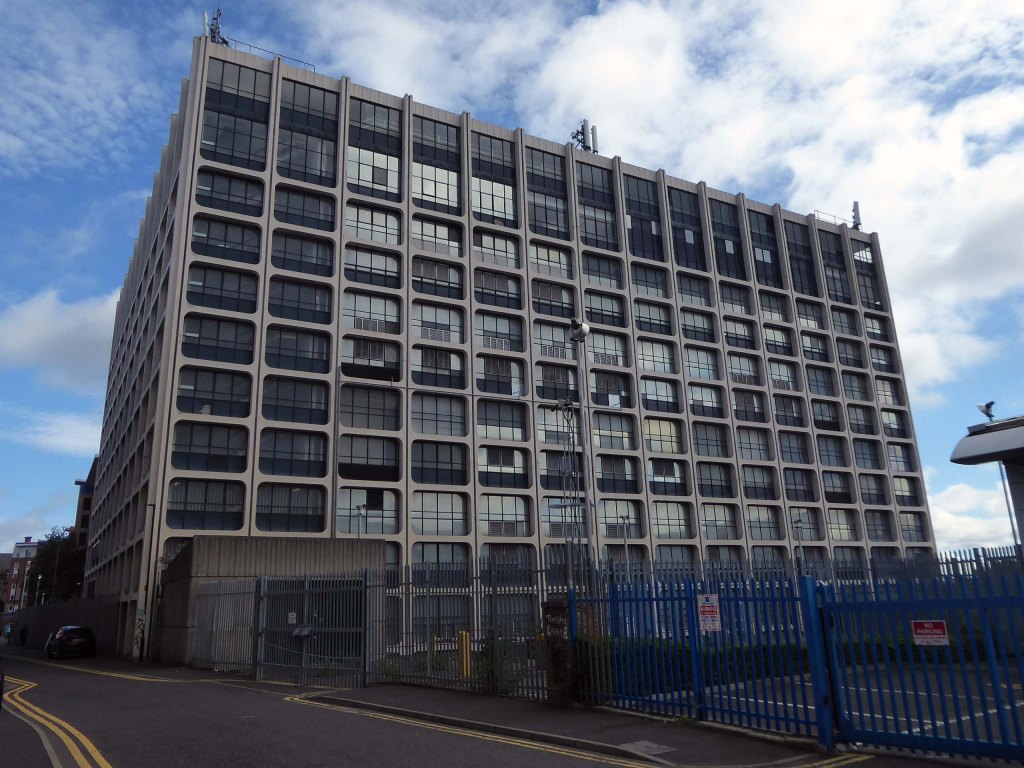
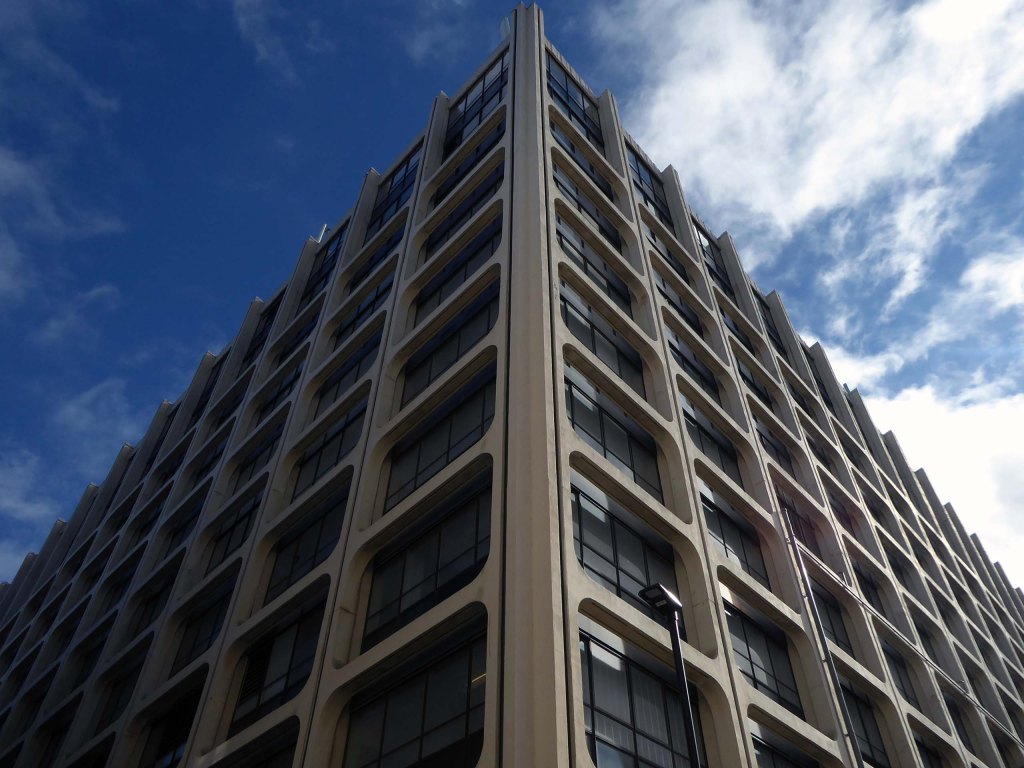
It’s officially The Hadrian Trunk Switching Centre and it is indeed owned by BT. It’s just a telephone exchange with a handful of staff. I only know this as I used to work for BT 150 customer service when ISDN was being rolled out 20 years ago and when there was a fault in the Newcastle area it was usually something going wrong in this building.
I’ve heard that it goes down as far as it goes up.
Someone has mentioned the basement which is legendary amongst the people who work there. Some say it’s a nuclear bunker, some say there’s a tunnel that goes to the other BT building in Carliol Square, others say there’s nothing down there.
The rumour always was that the central core was nuclear bomb proof so people in power could still make phonecalls and there is also a service tunnel going across to the CTE on the other side of the central motorway.
Working as an architectural assistant in Colchester Borough Engineer’s Office in 1935, Winterburn was with the Ministry from the at least the mid-1950s, he is recorded as the Senior Architect for Norwich’s Post Office Sorting Office in 1955. He was also responsible for the now demolished Milburngate House in Durham that housed the Passport Office.
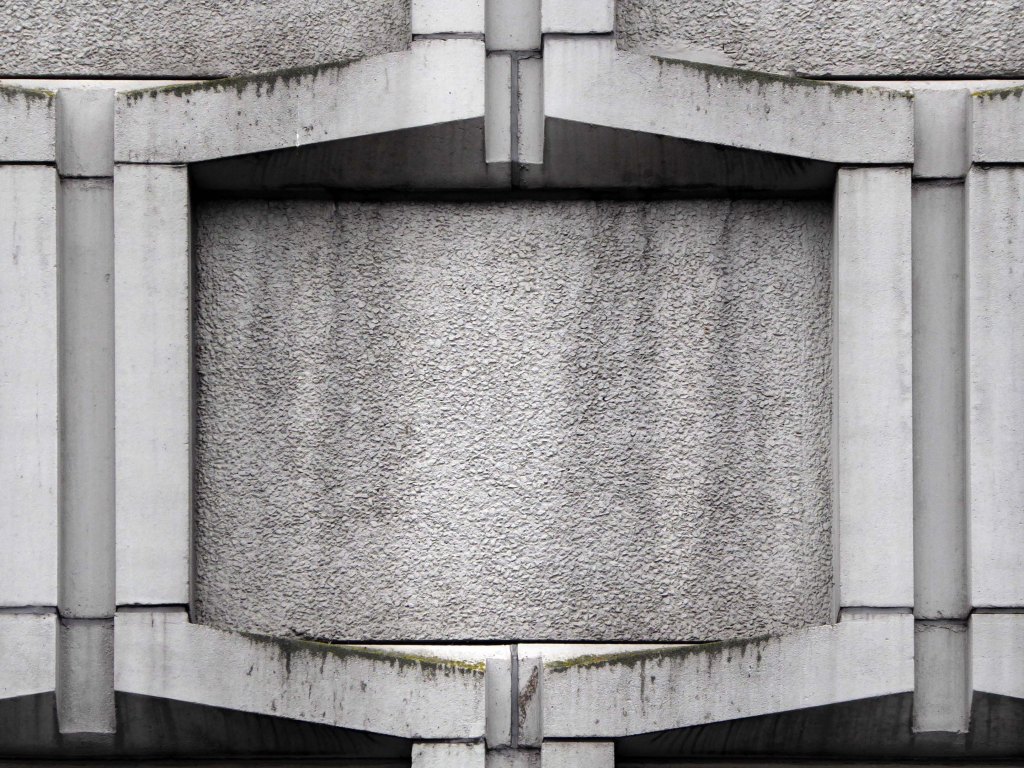
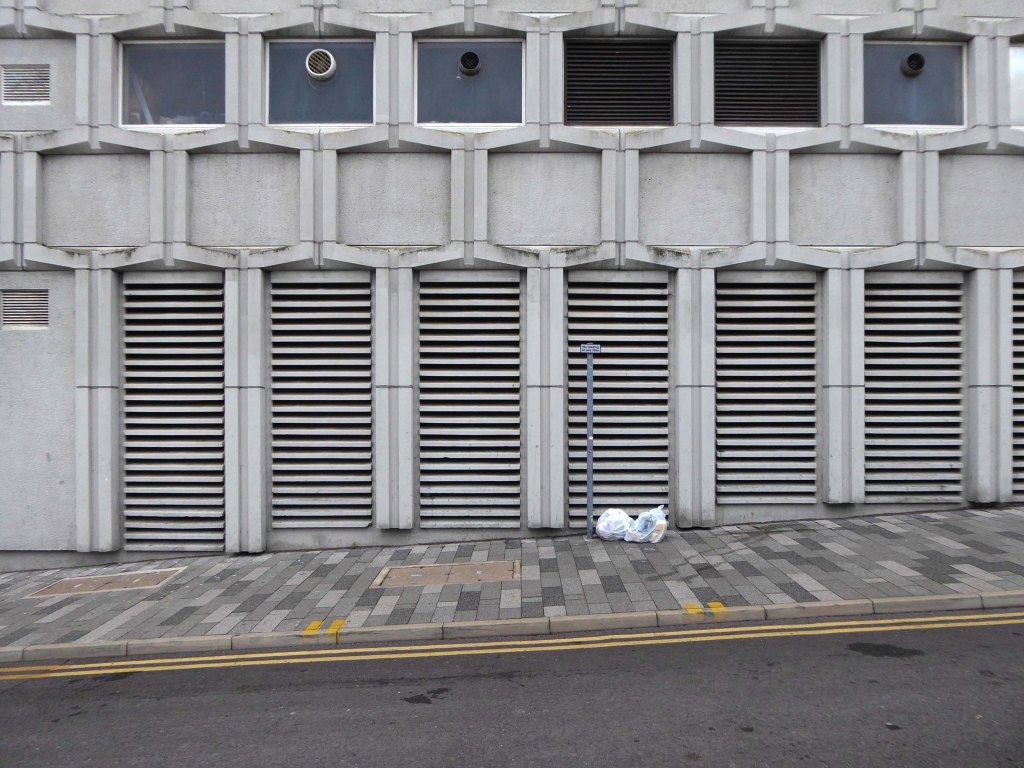
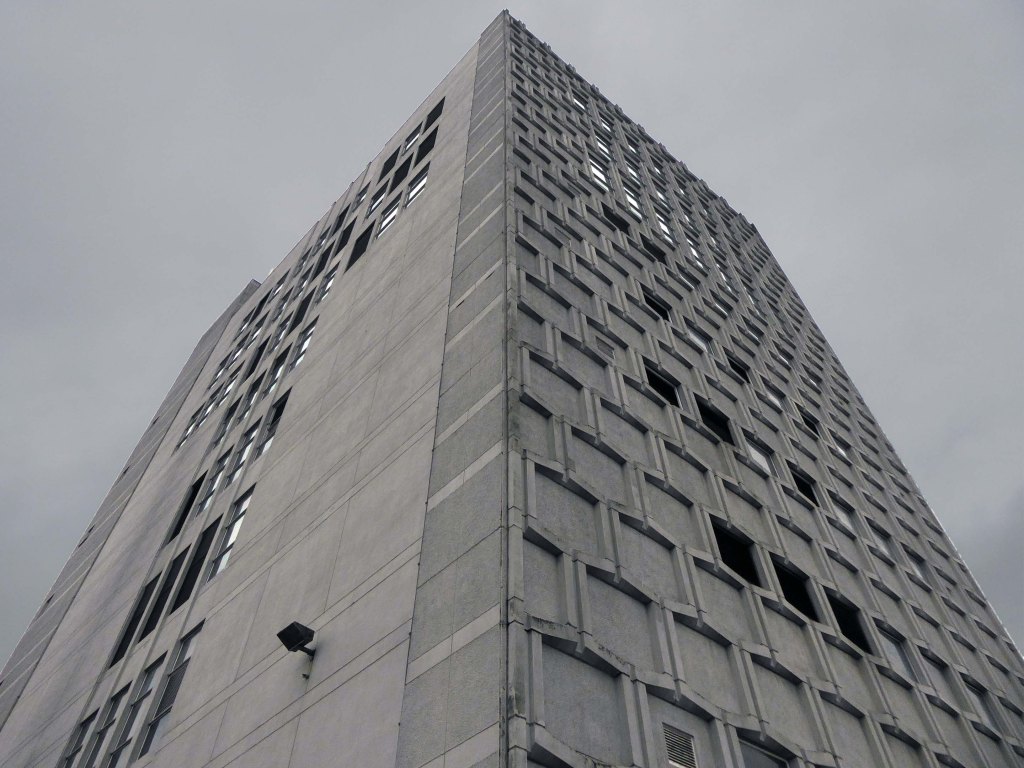
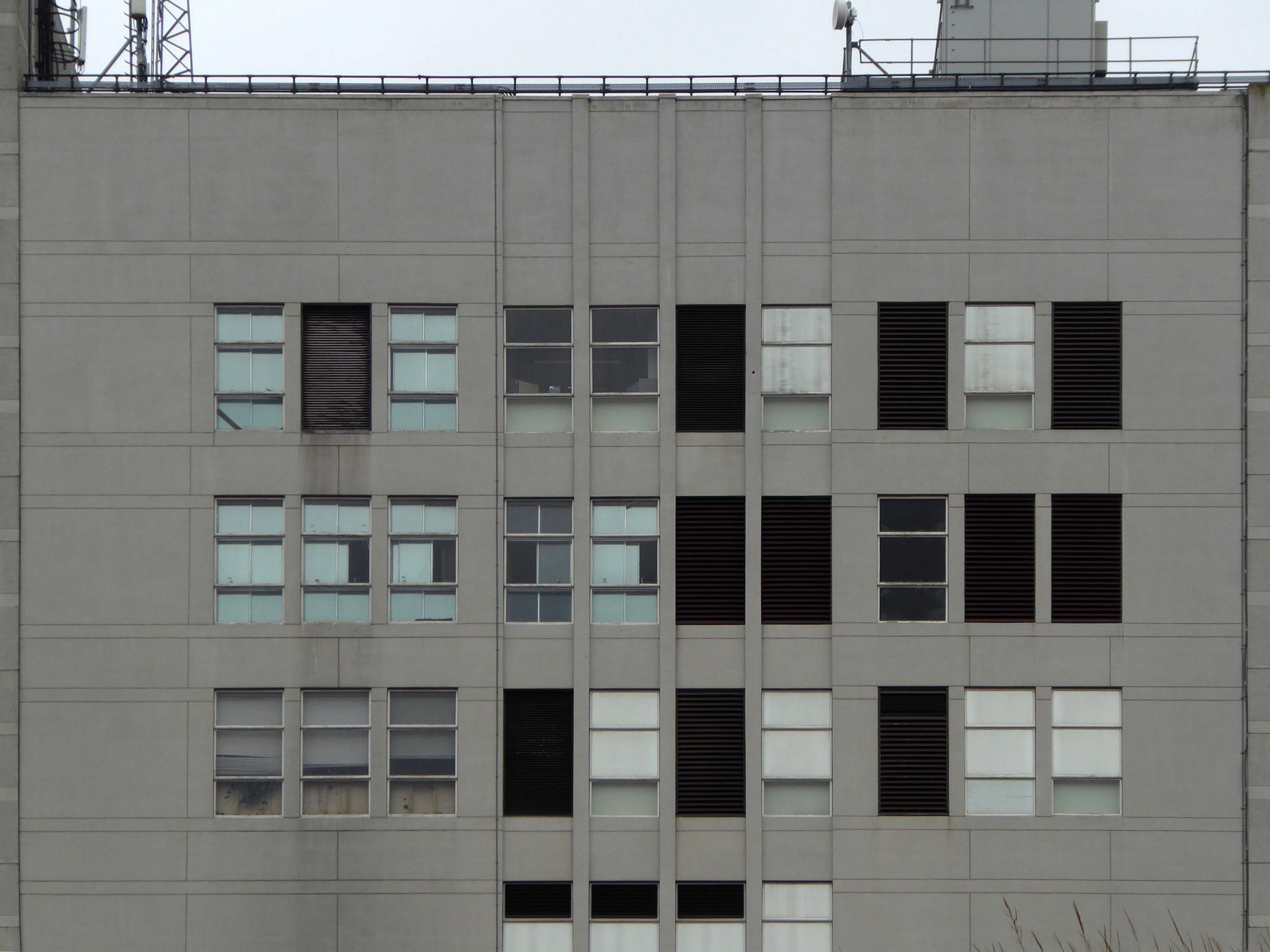
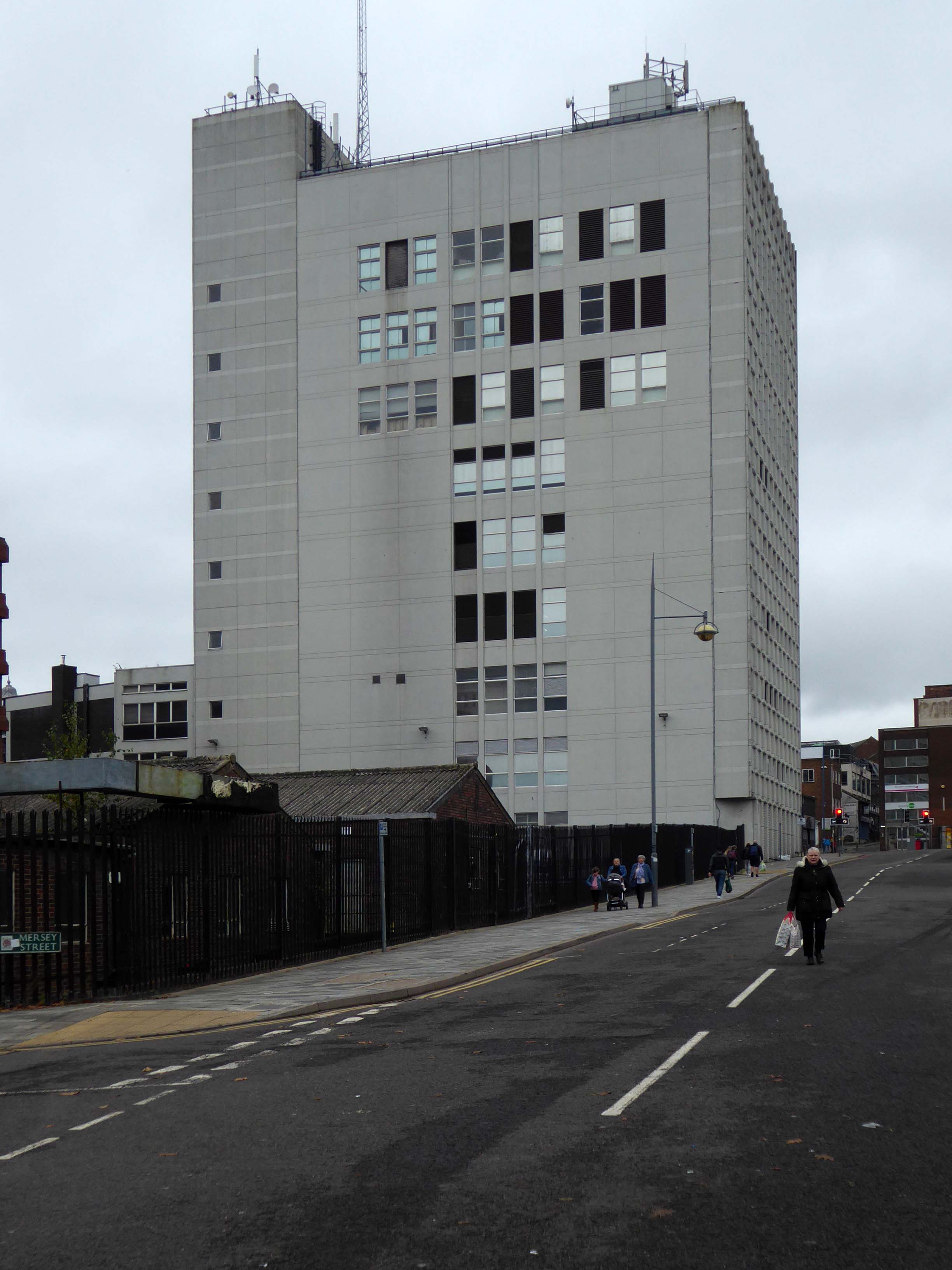
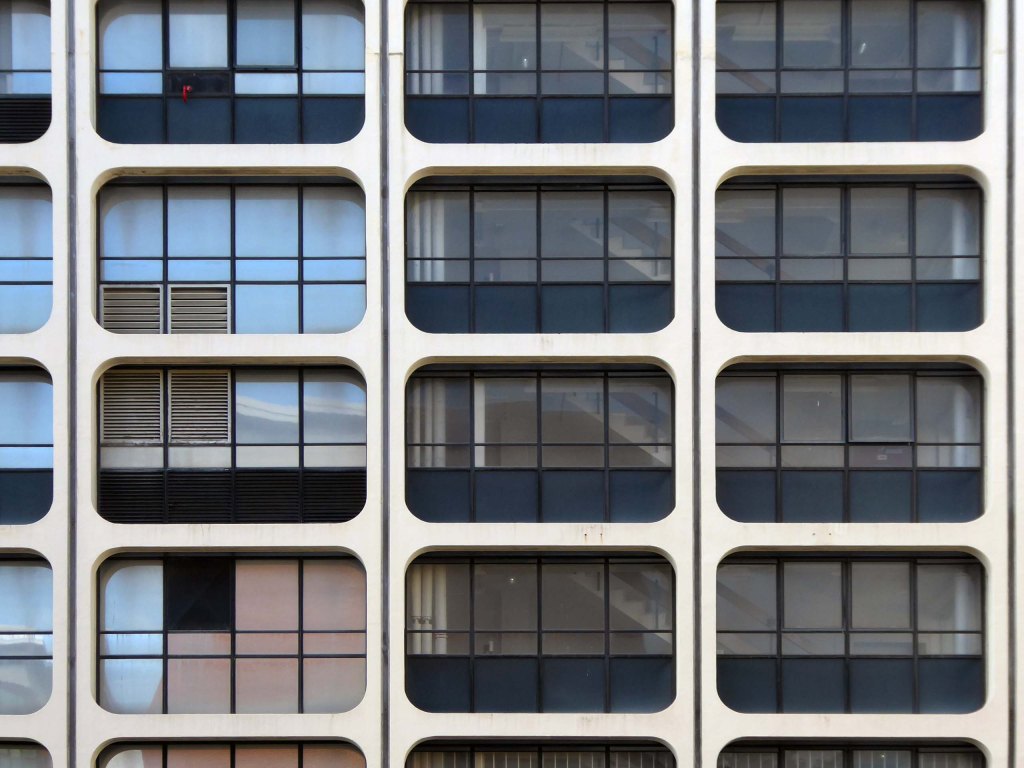
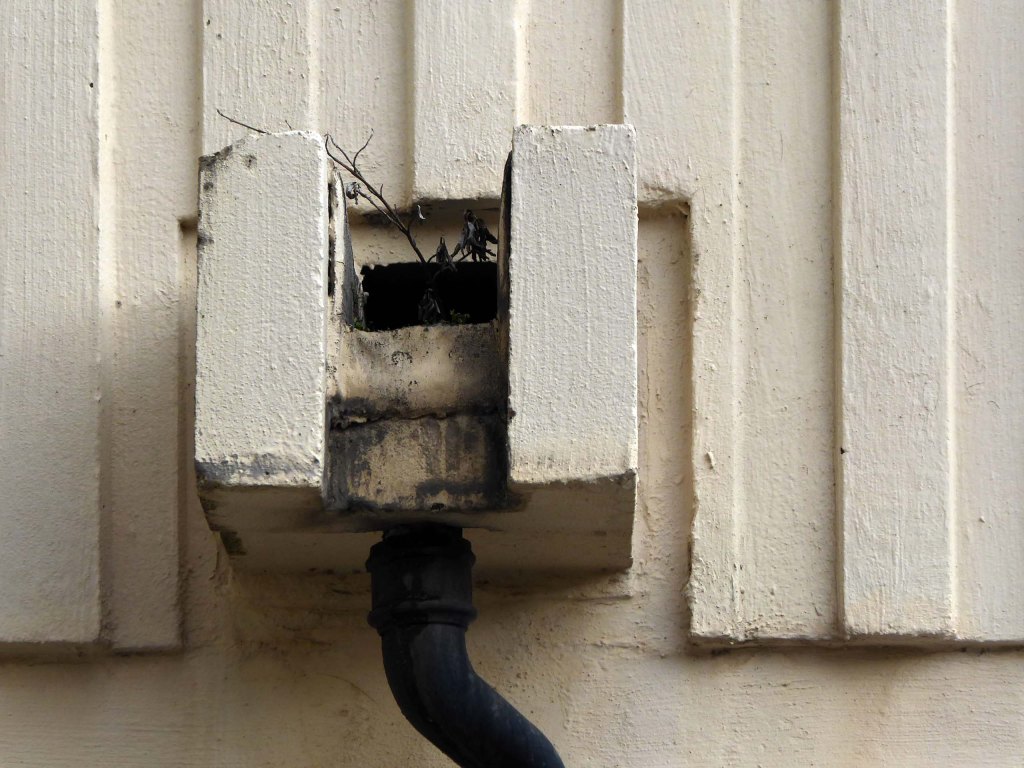
All that aside I took a look around outside, come along circumnavigate along with me.
I was taking a band of merry Modernist Moochers around town, so I stopped to snap this BDP behemoth once again.
On a sunny September morn.
David Lees informs me:
Halifax Building Society HQ, designed by BDP in an a multi-consultant appointment. Bill Pearson, partner and lead designer, John Ellis, M & E partner, David Cowler, Industrial Designer for the conservatrieve document storage and recovery terminals.
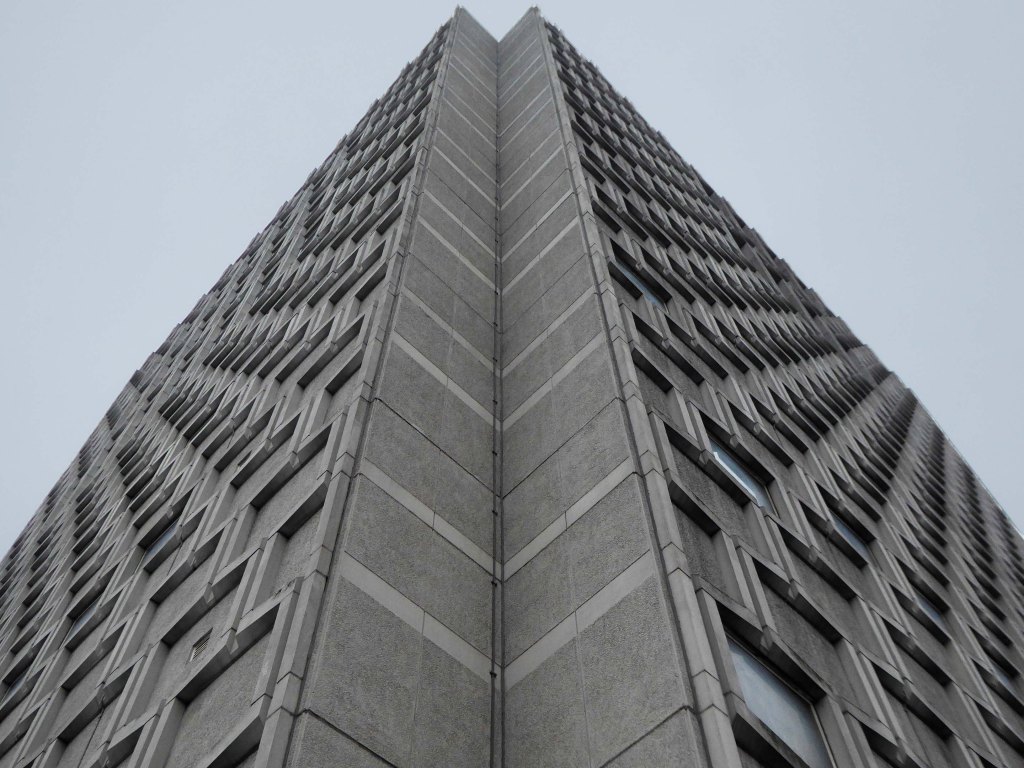
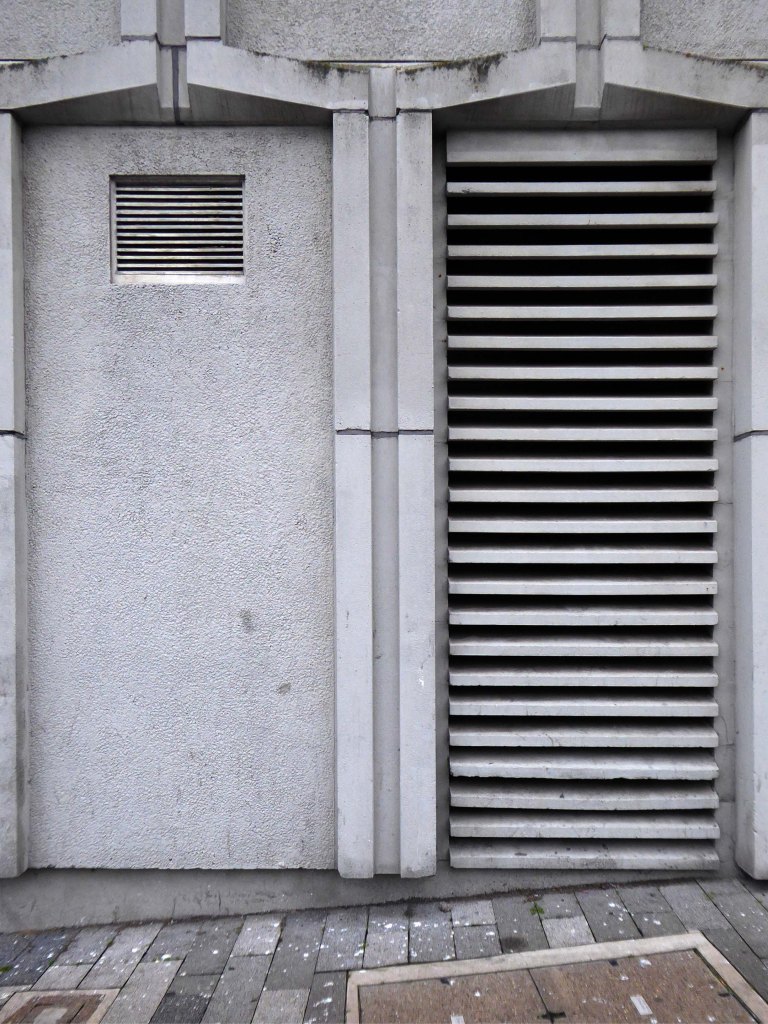
Rod Morris, Graphic Designer designed the sculptural Corten air vents. Richard Saxon, Americanophile introduced the theory of the open plan office. The building has twin fourteen foot deep steel beams clear-spanning between the four corner stair towers, within the chamfered soffit, a floor that also houses all the plant rooms. Lower floor of curtain walled cladding is a one acre open plan beaurolandchaft office, based upon analysis of workflow, the first in the UK and the biggest order for Herman Miller action office furniture at the time.
The office ceiling is a development of BDP’s coffered ceiling creating diffuse, glare free light and massive sound deadening, needed in open plan. Yellow cylindrical air inlet terminals by David Cowler. There ended up being so many duct penetrations in the fourteen foot beams that Harry Halsall, the structural engineer, had to prop them centre span. To create strong columns that could be lost in the window walls he used solid square section forged steel. No holds barred on this building’s cost. Executives suits of offices on the top floor with lavish bespoke joinery have recessed landscaped courtyards.
The building sits on a vast chasm that is storage for physical title documents the society had to keep. Its roof is a crash slab that can take the full weight of the building above collapsing. Large vertical robot arms travel the racks to retrieve the documents that get delivered to the office floor by a conveyor system. Office terminals designed by David Cowler who went on to design the iconic Samsonite Suitcase.
Nobody thought about the groundwater effect when the concrete basement was built. Without the weight of the building on it, it floated eleven inches. Luckily when the water was pumped out it settled back down precisely.
BDP Manchester’s golden years.
I arrived fresh from Uni just as it was finished.
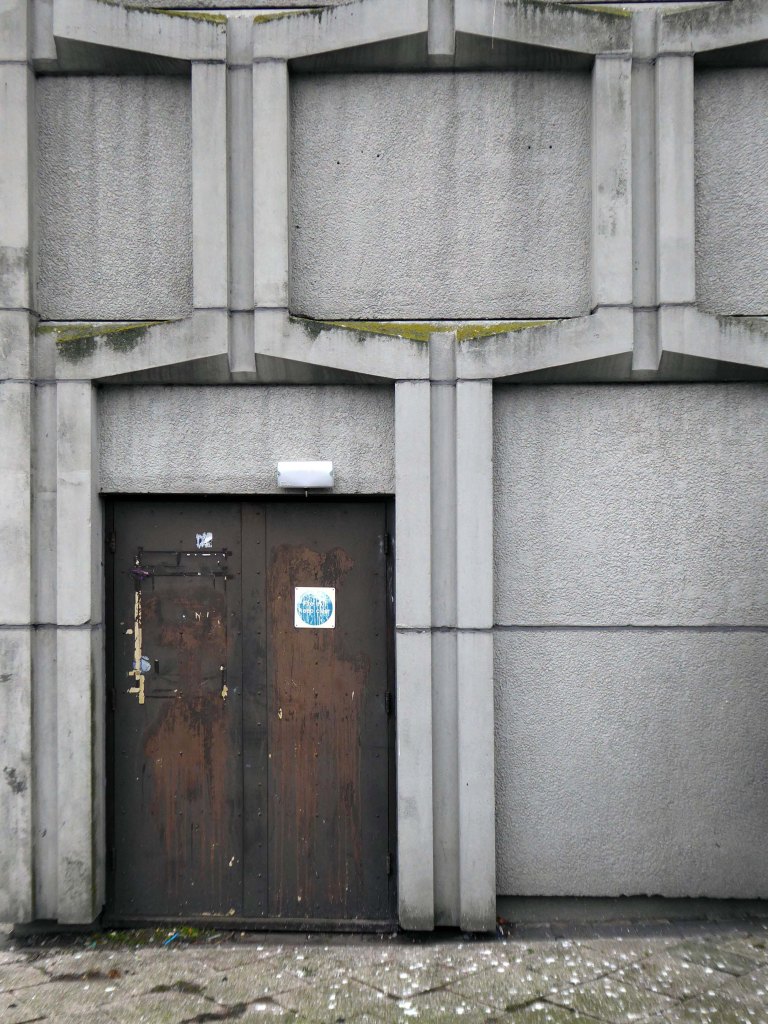
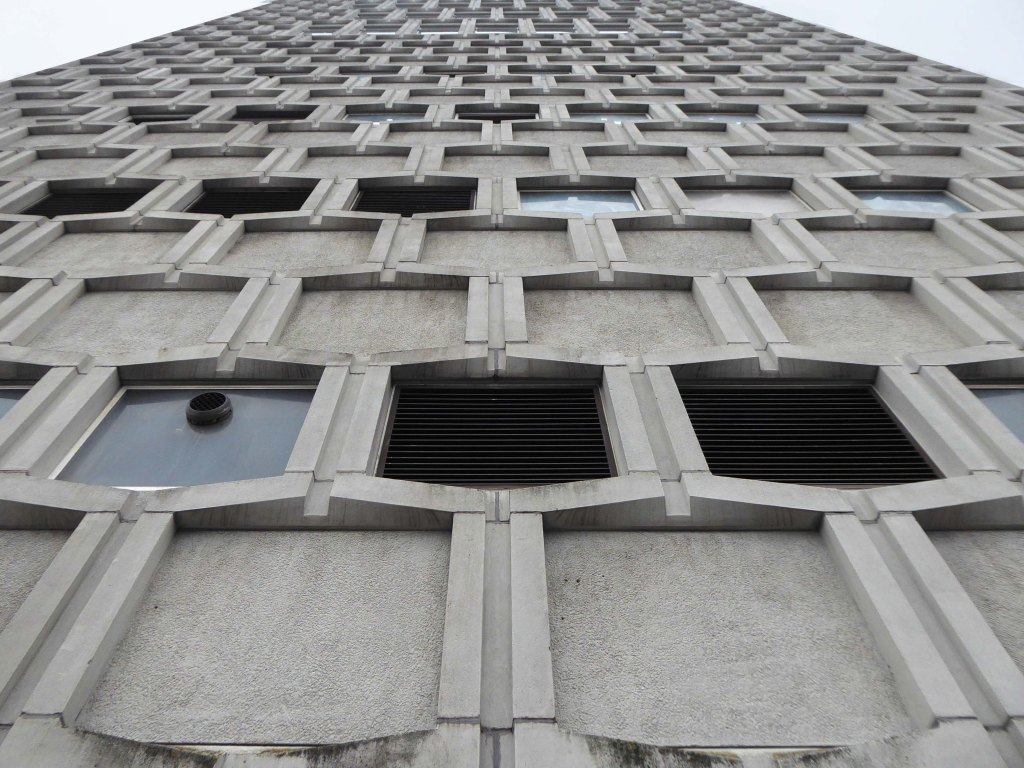
Thanks to David for the inside information, here’s what it looks like on the outside.























































































































 Modern Mooch