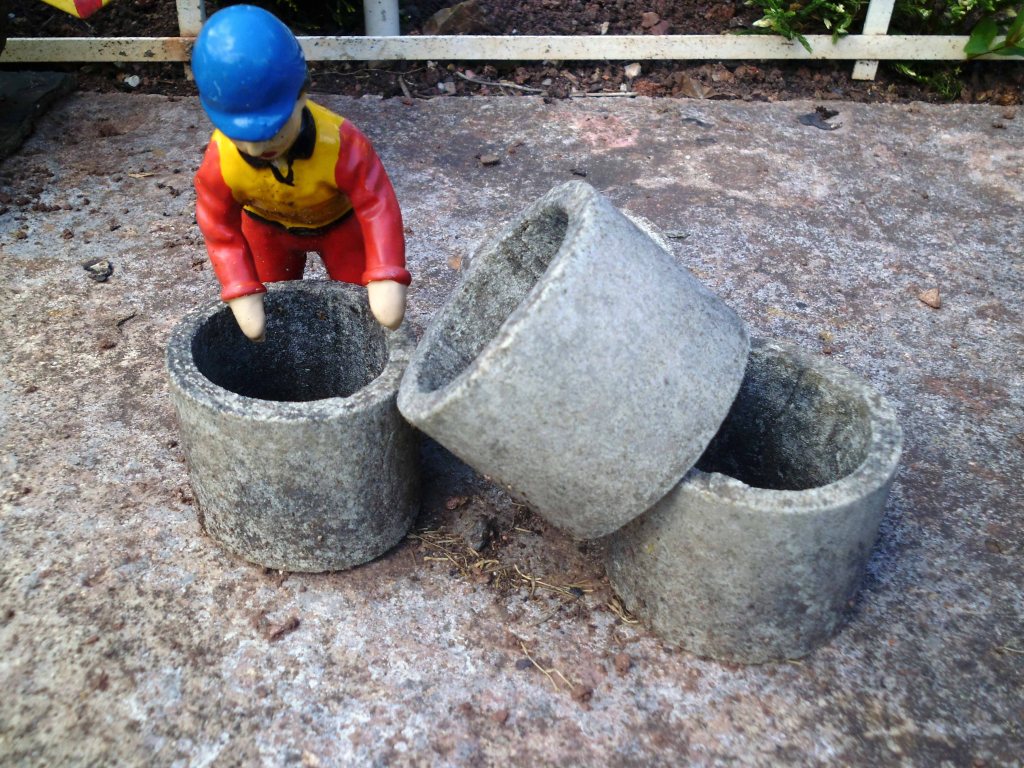
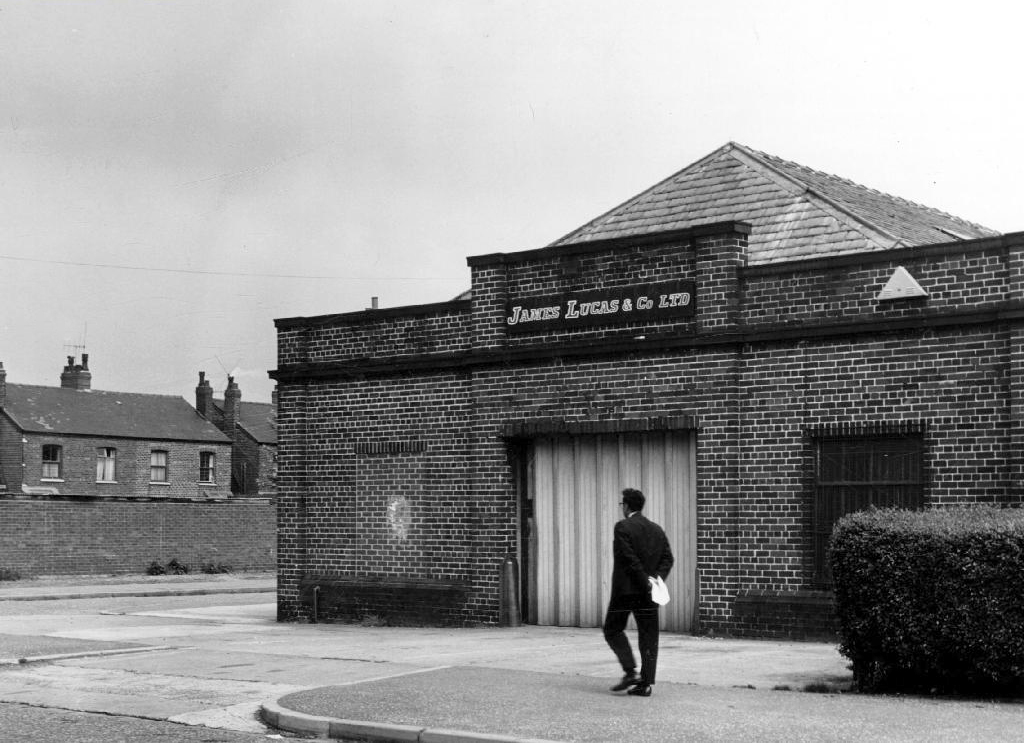
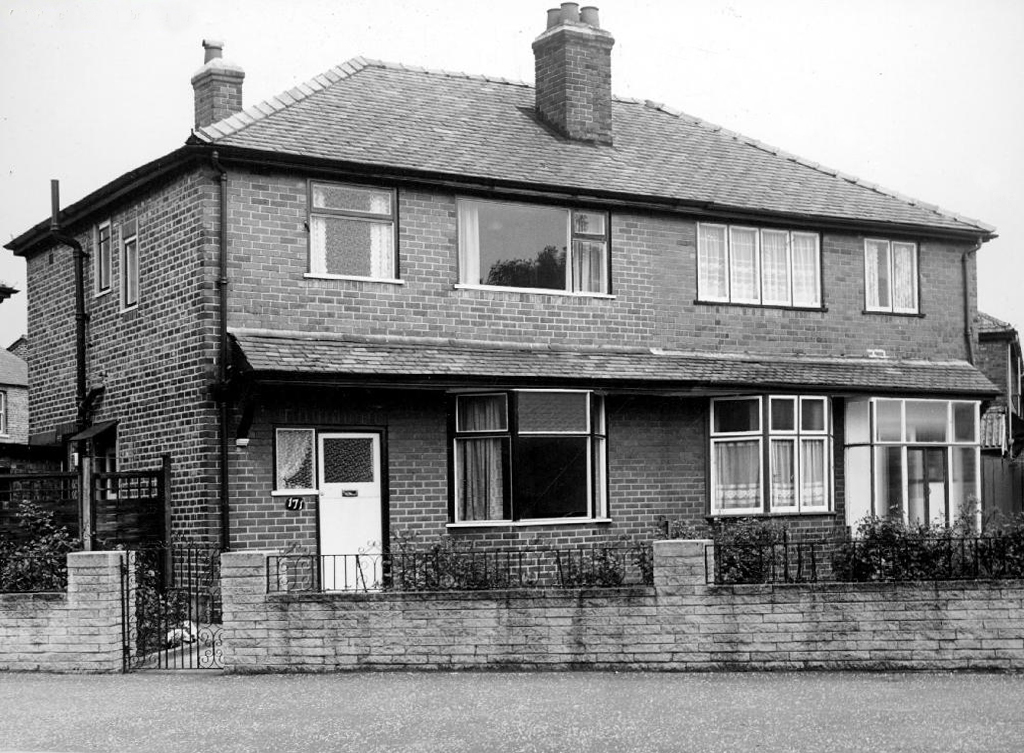
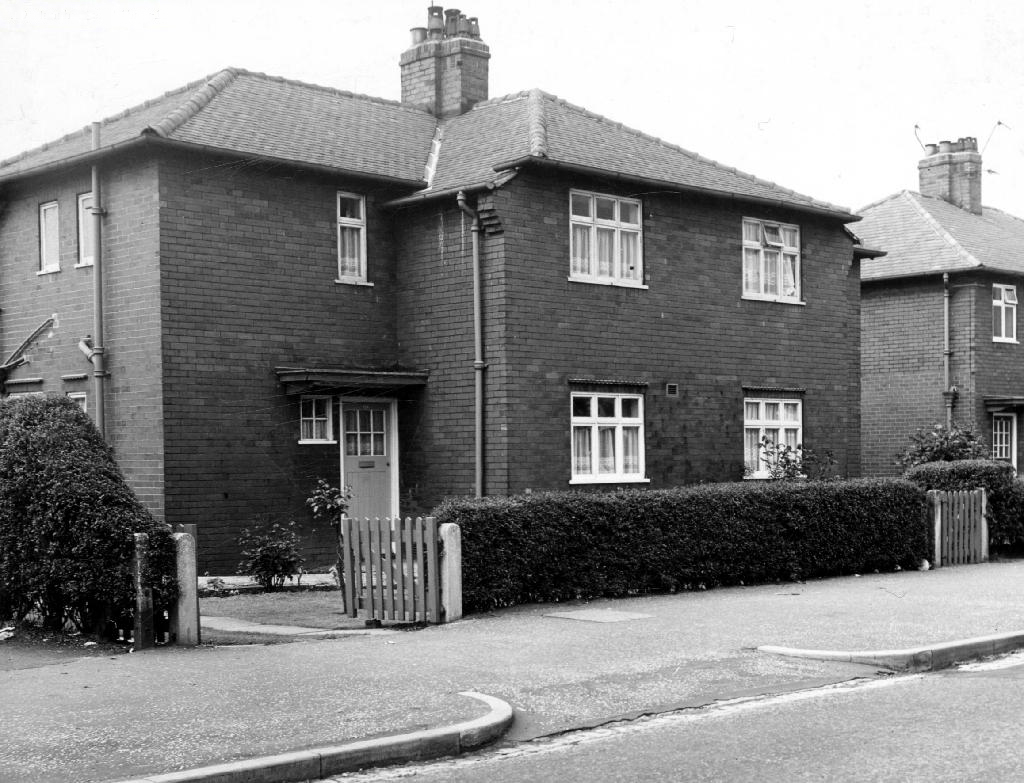
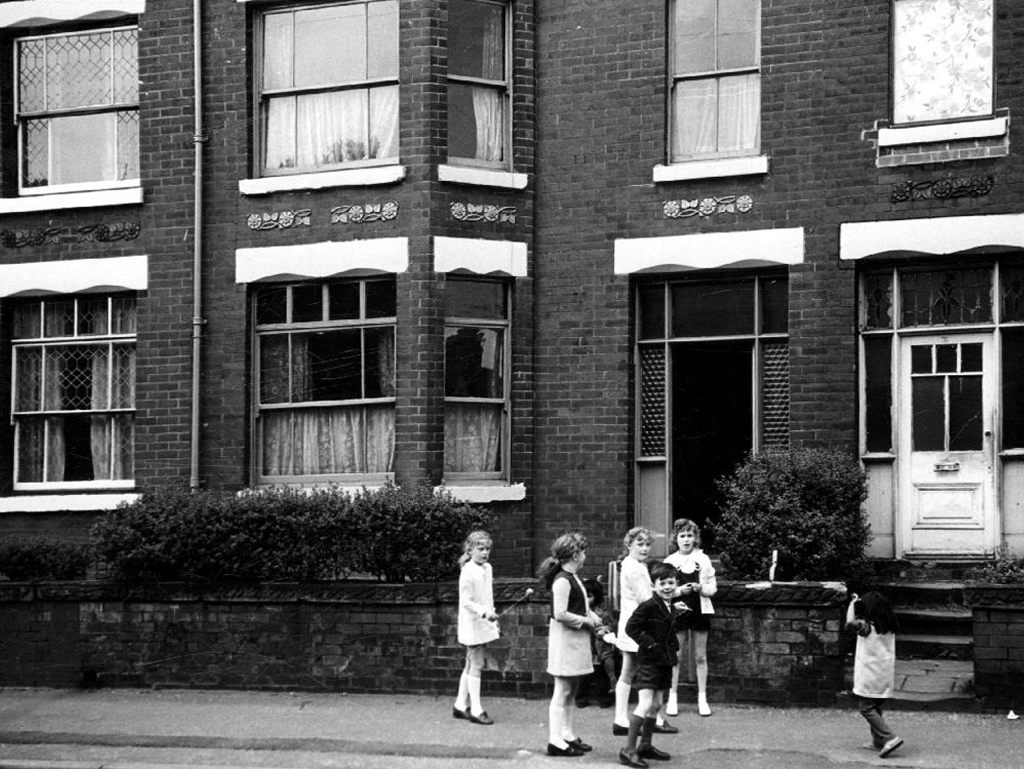
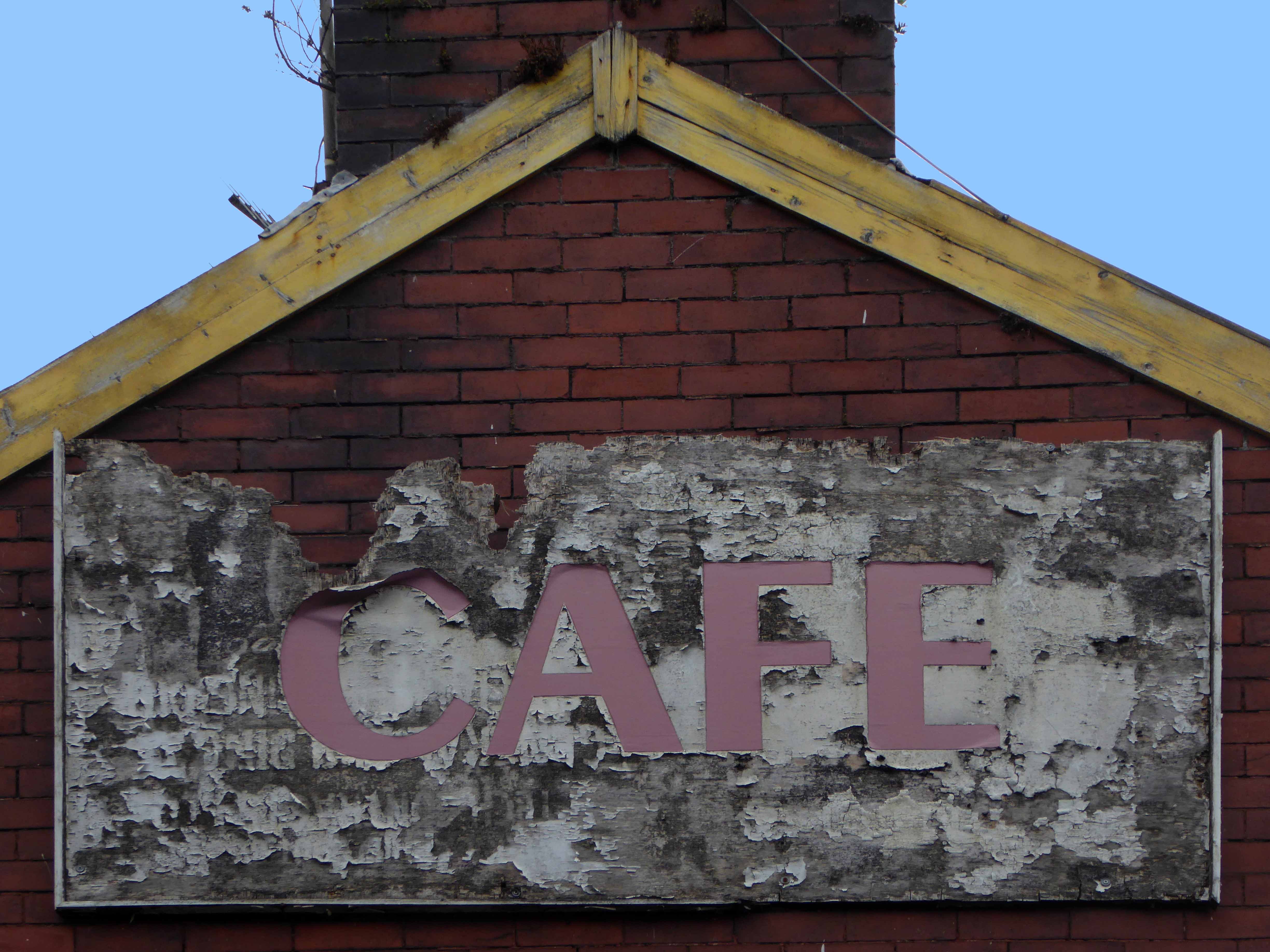
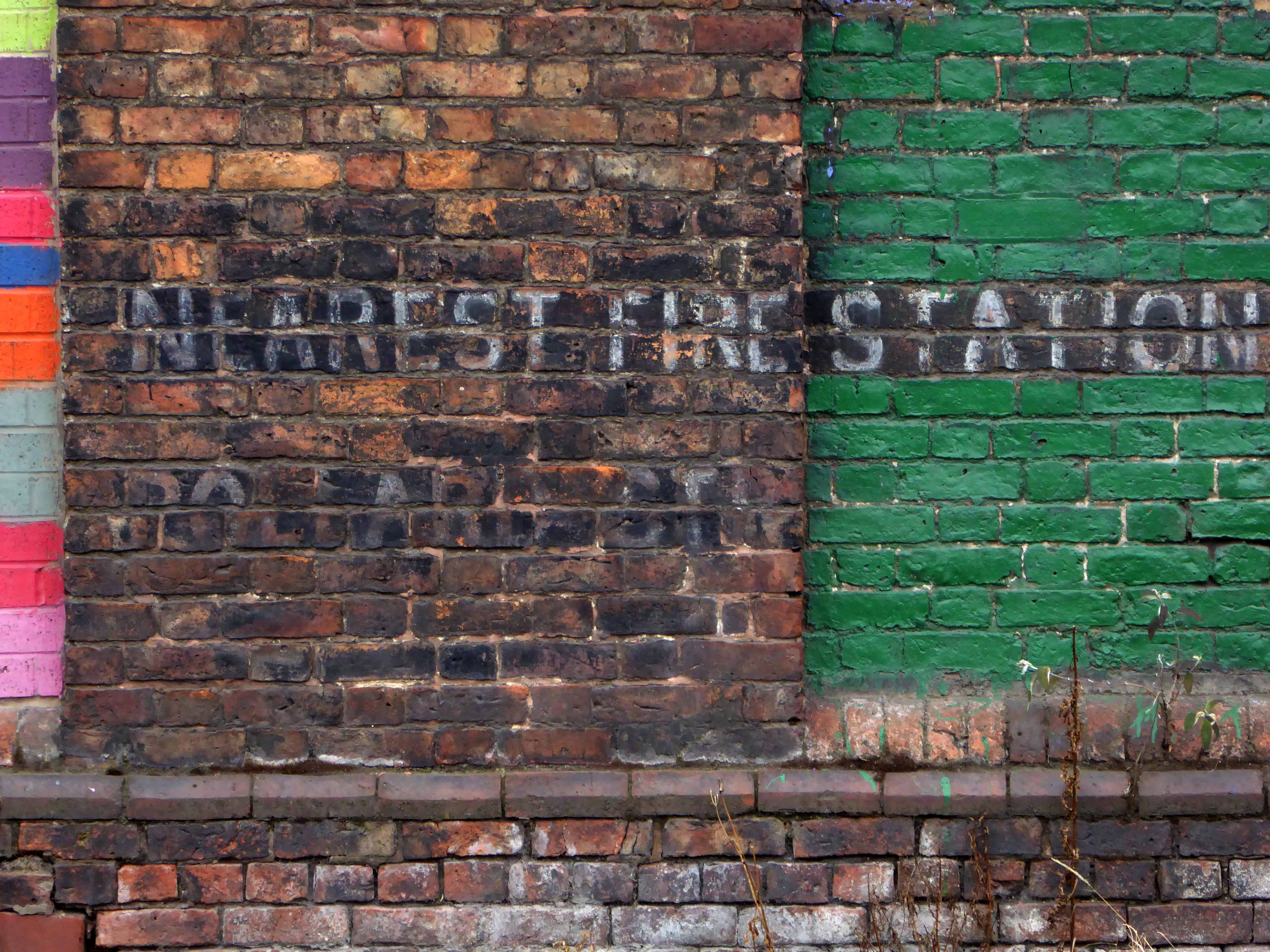
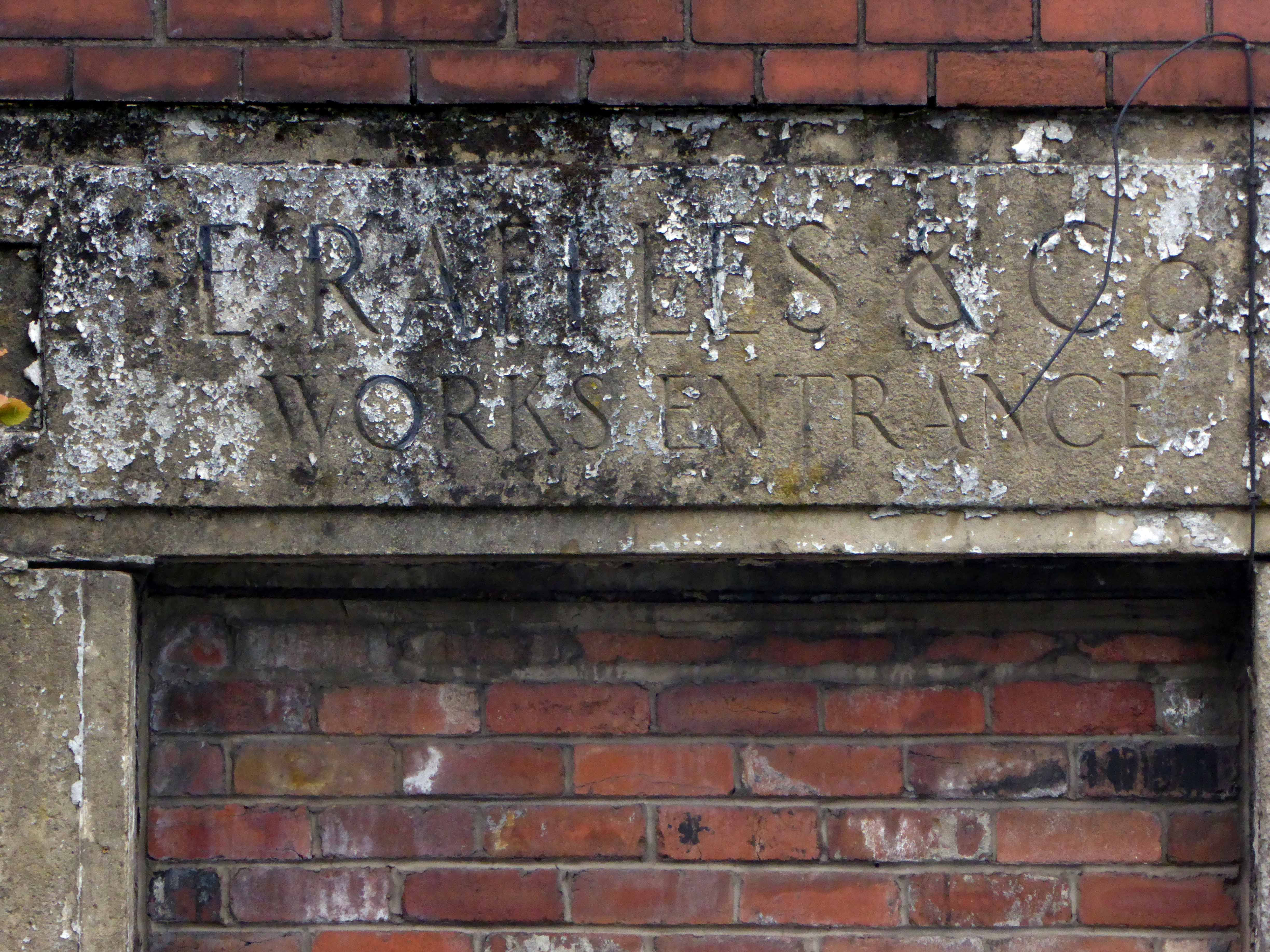
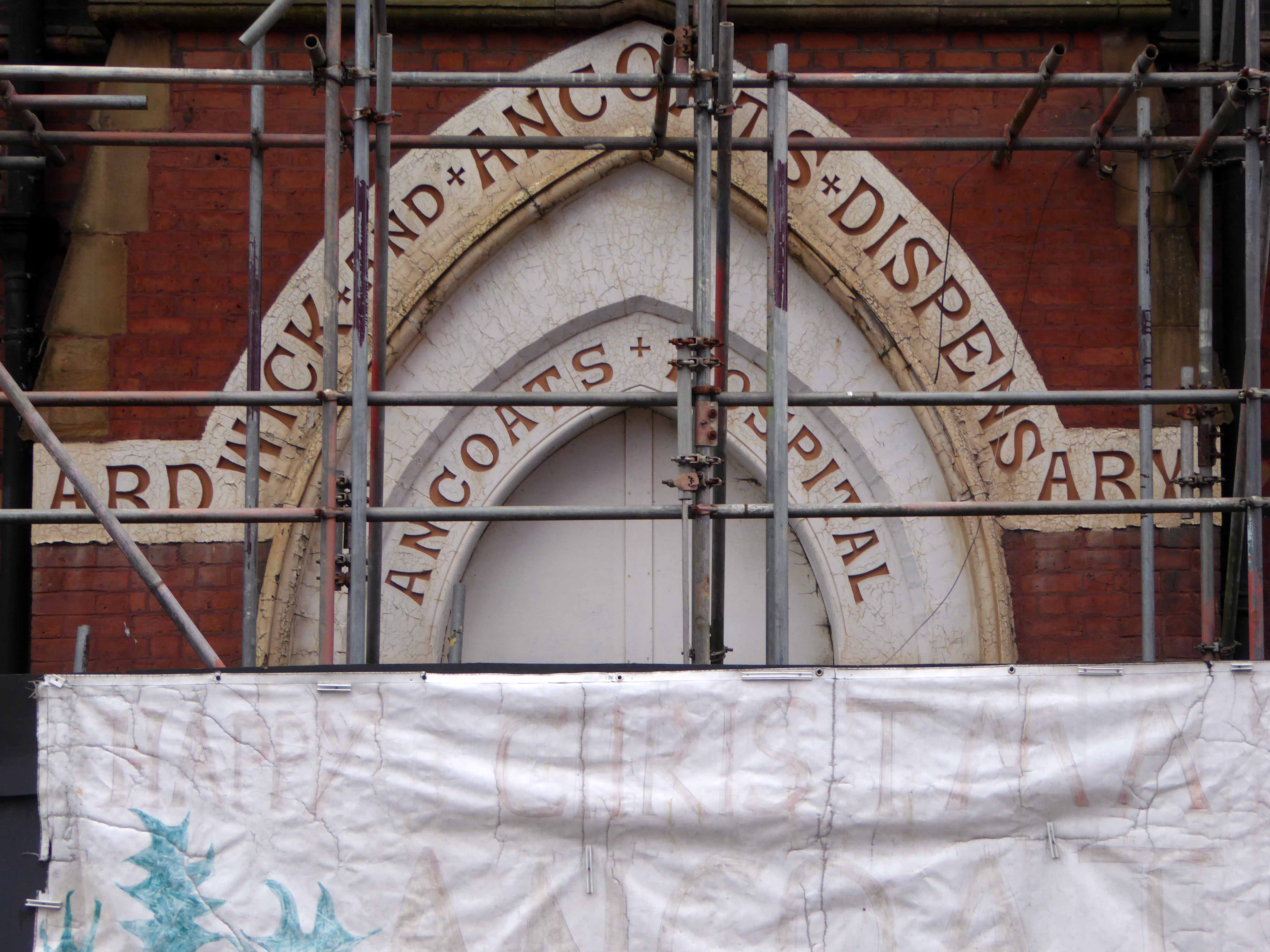
Drew up a list of buildings, made plans – dream on.
The best laid schemes o’ mice an’ men gang aft a-gley.
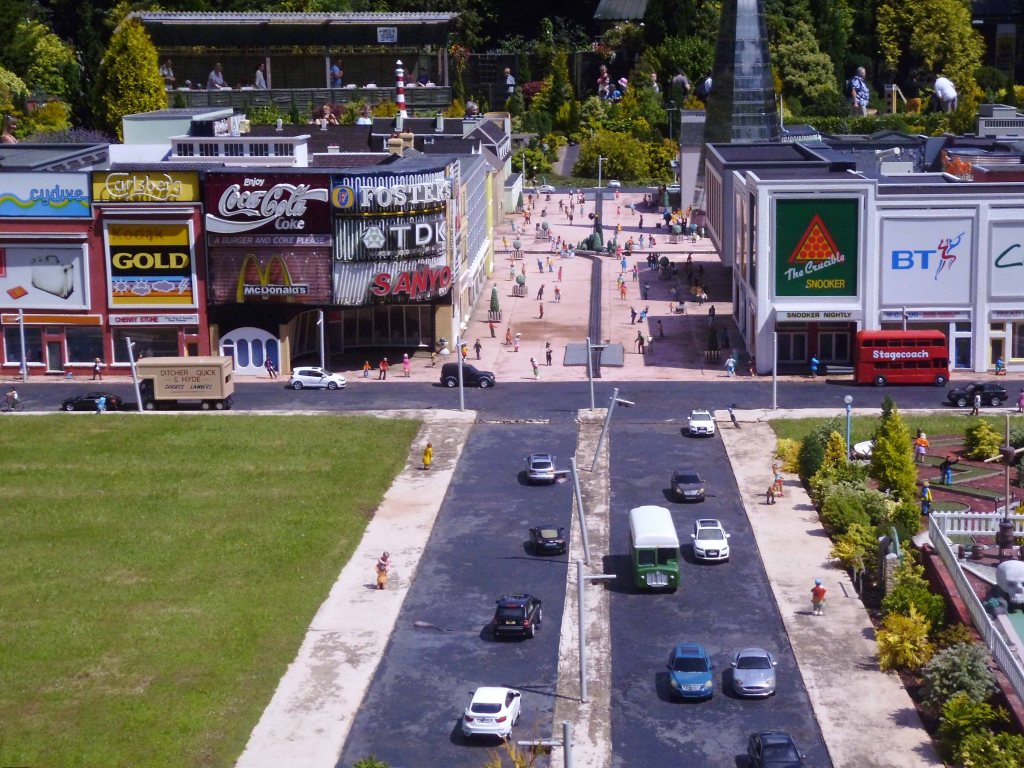
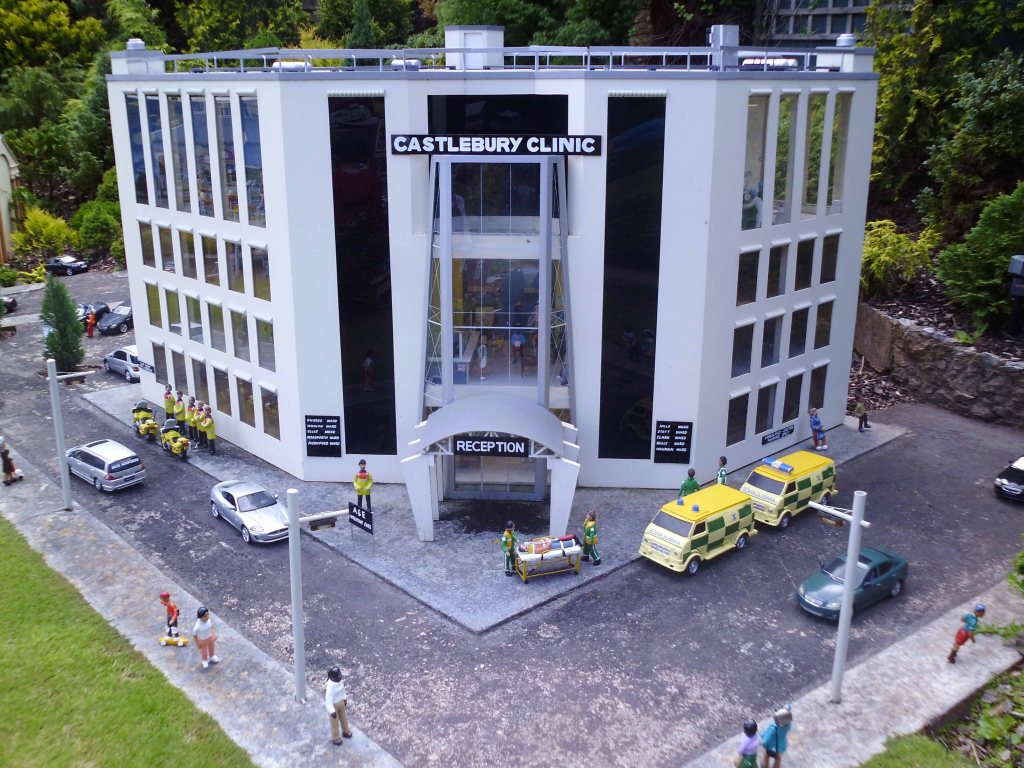
However, whilst on my 2015 cycle tour of the south west coast I arrived almost accidentally yet serendipitously outside Babbacombe Model Village.
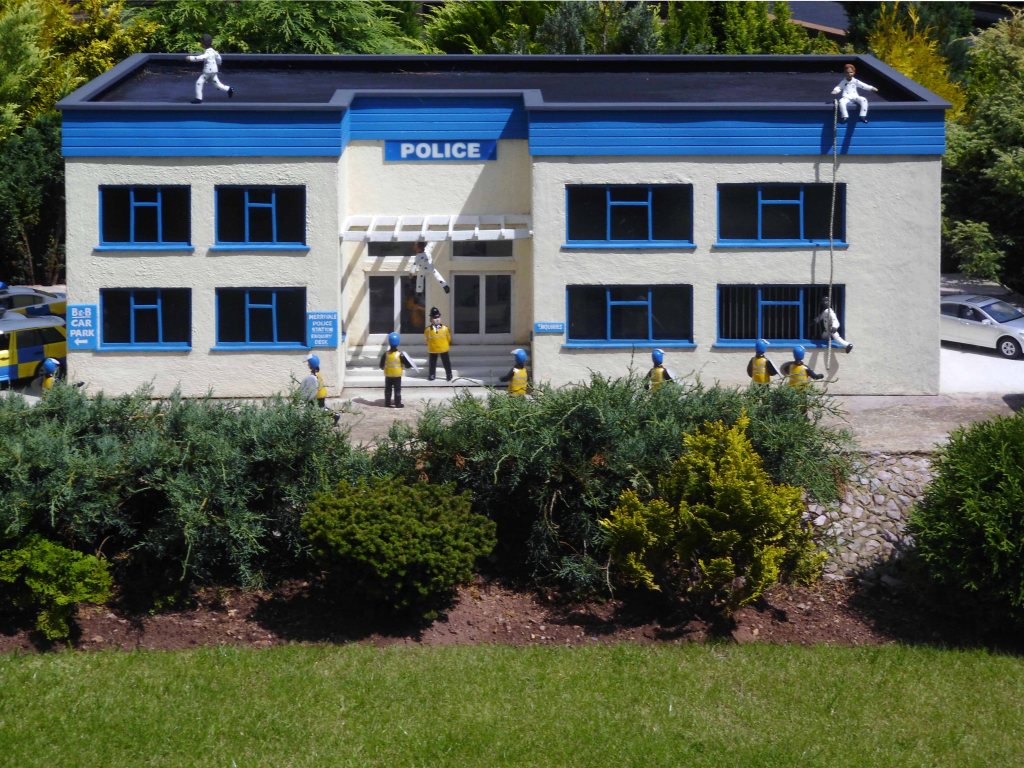
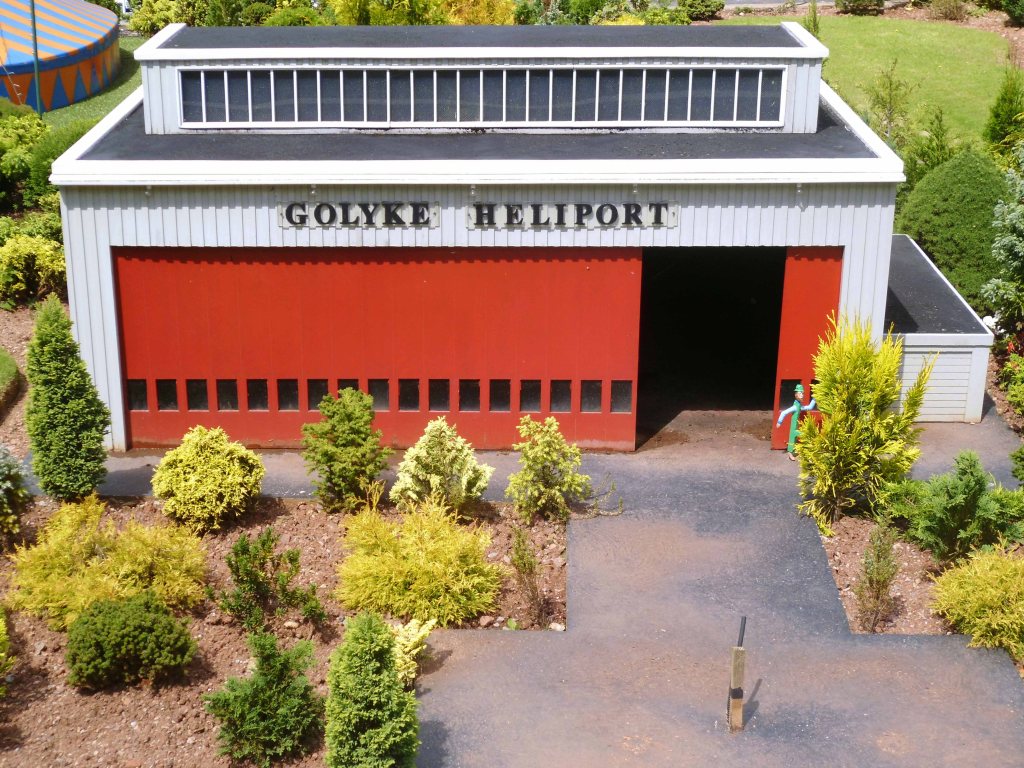
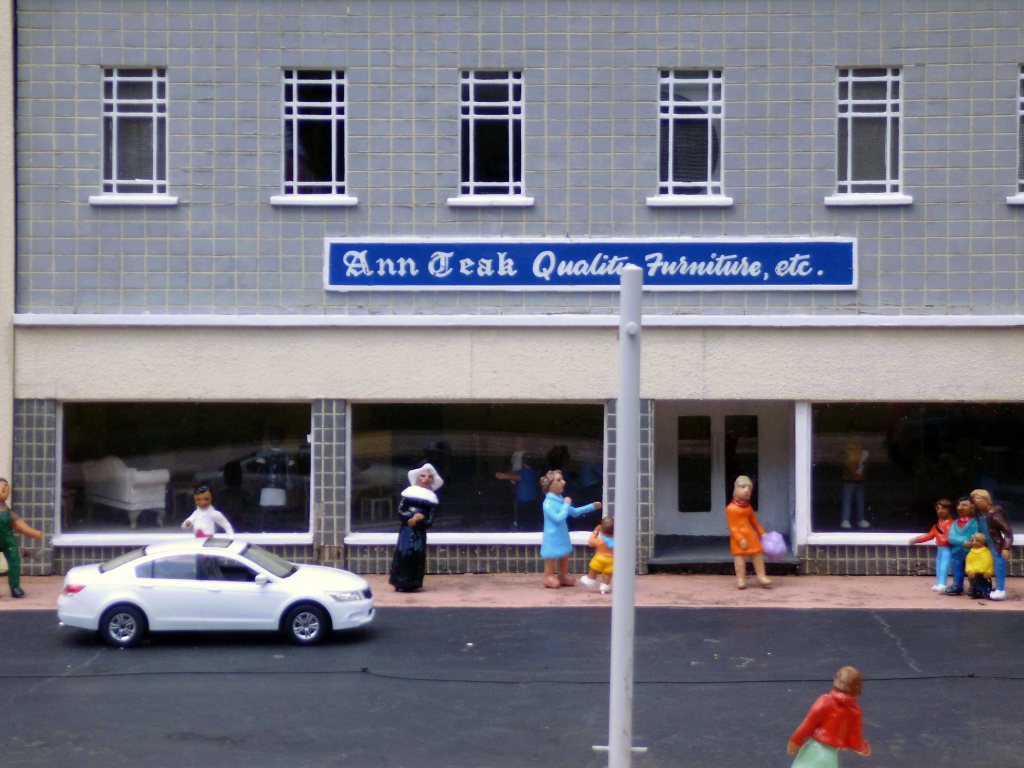
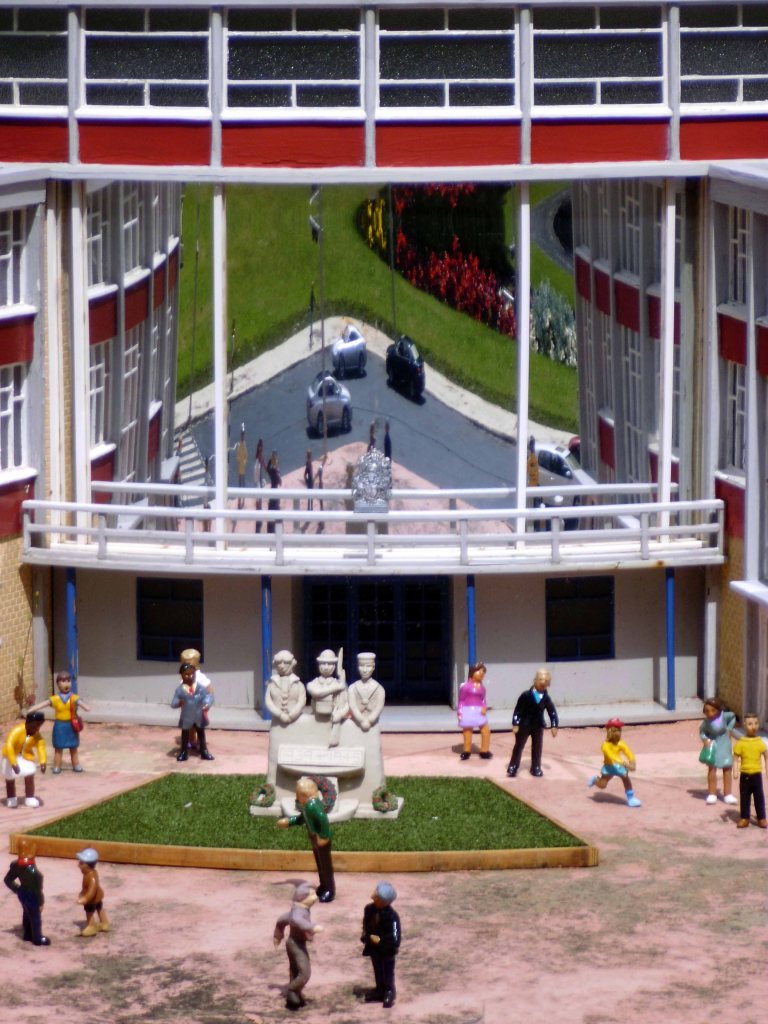
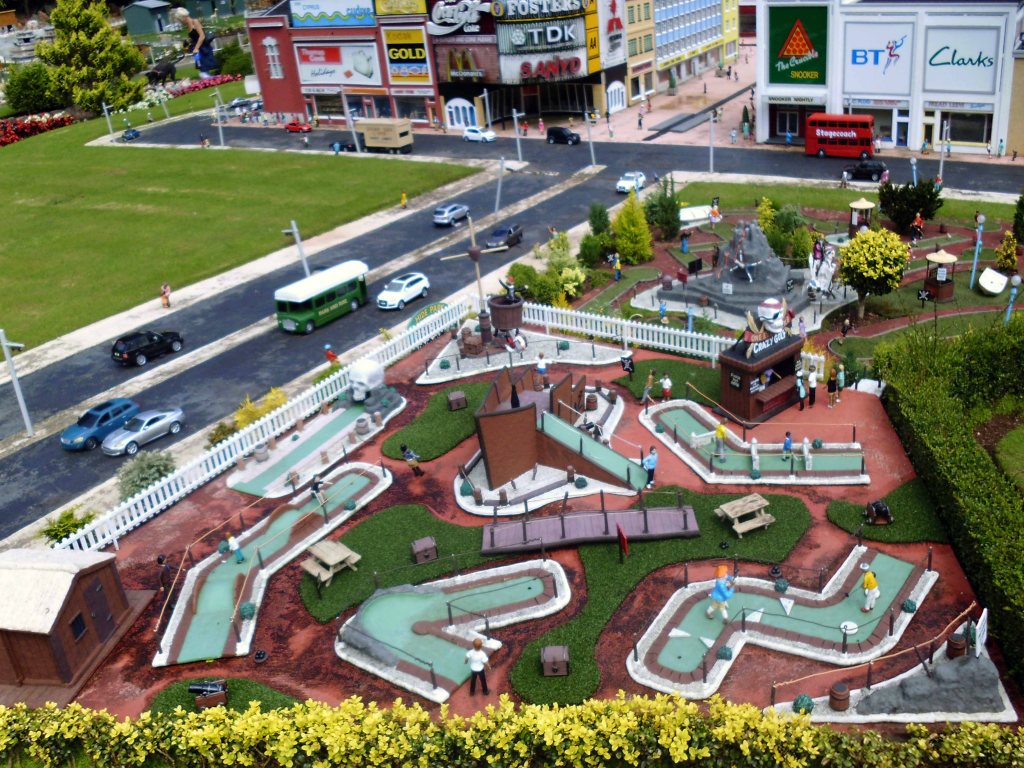
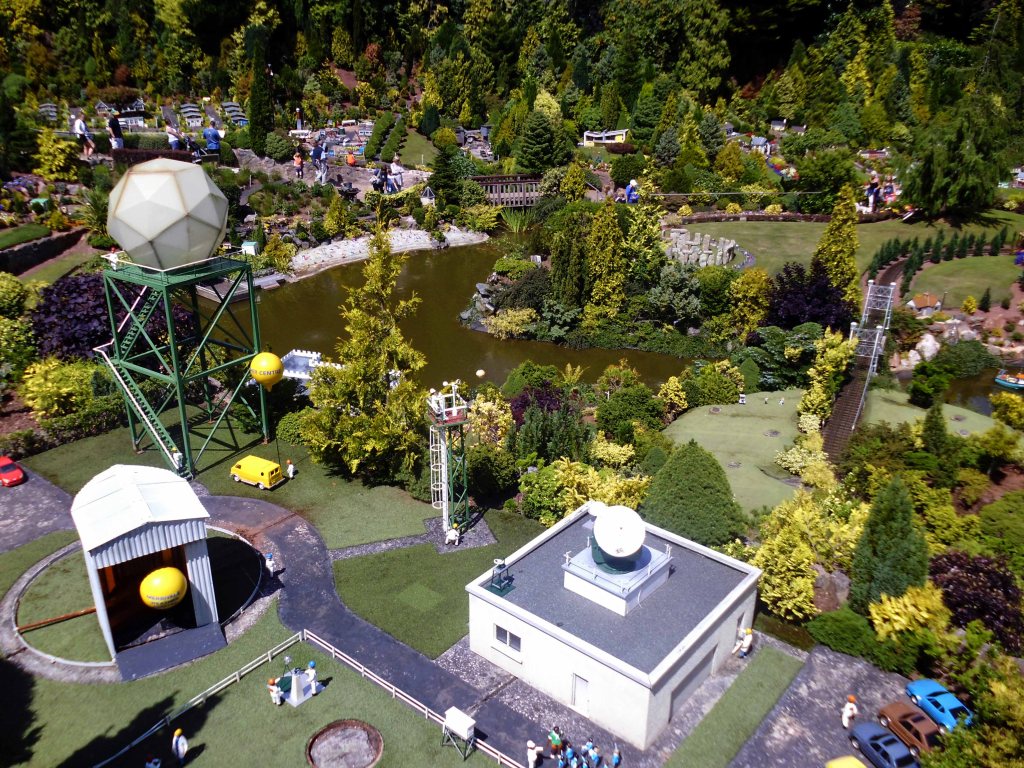
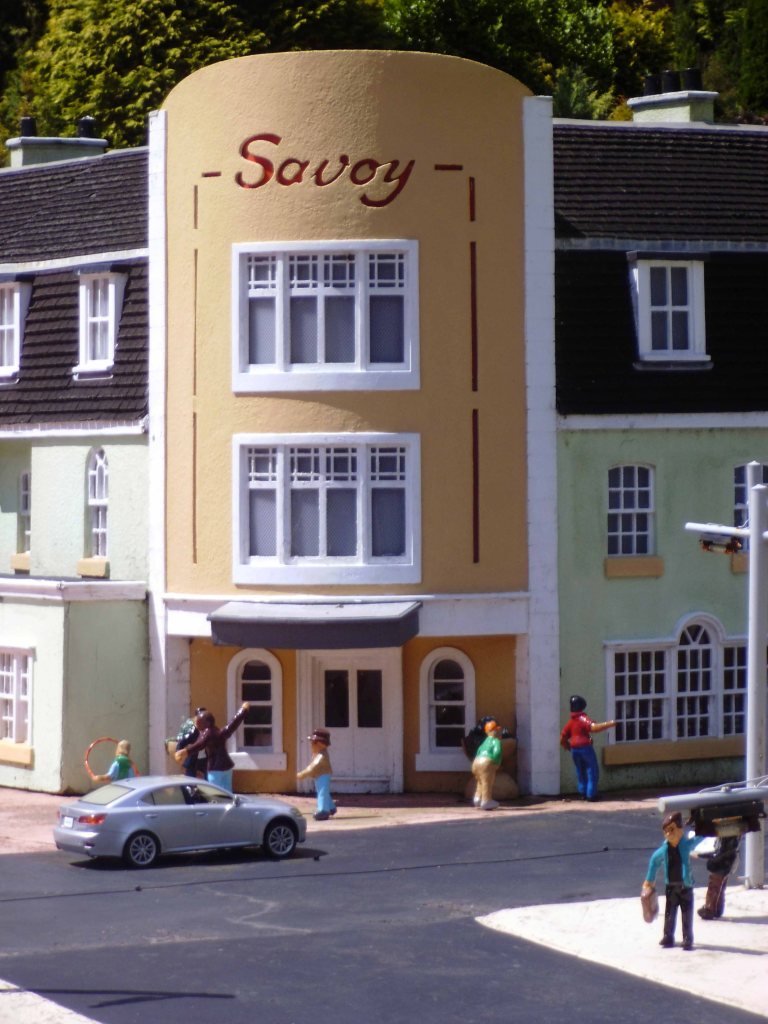
A good place to visit as dogs are welcome and this is important to us. The models were very cleverly designed and each one is recognisable and very funny anecdotes and labels. It was much bigger than it looked but flowed easily and was fun and charming to walk around. There is also a free mini crazy golf room which makes a change to not charge for something like this and a joy to see. I really enjoyed myself and it is all so well maintained you can feel the passion of the people creating it.
I went in – how could I have done otherwise?
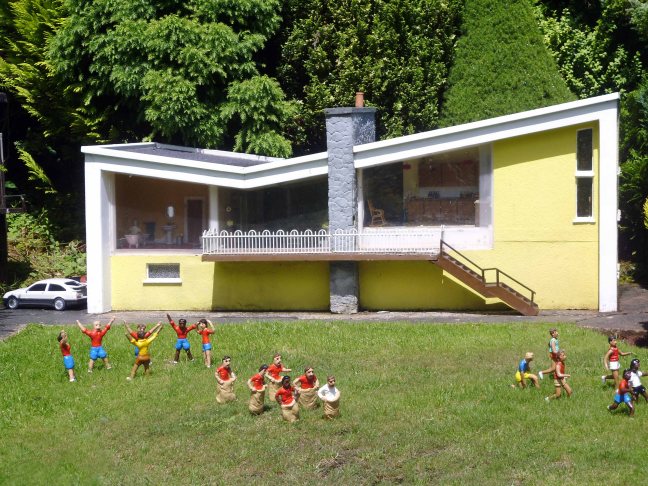
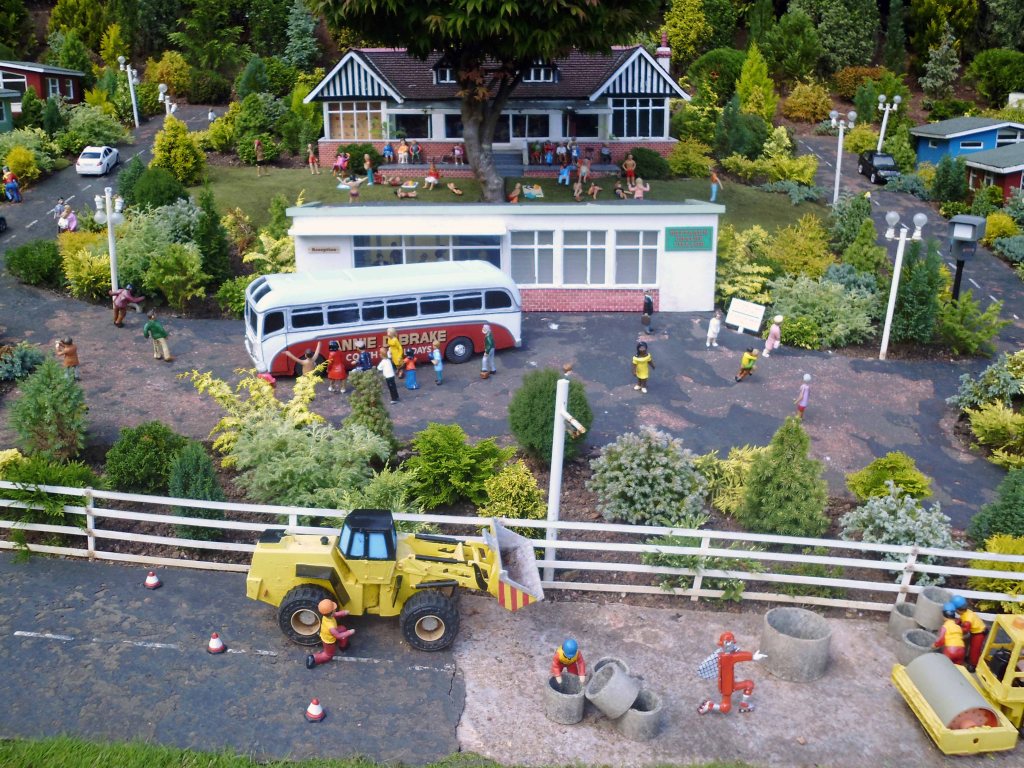
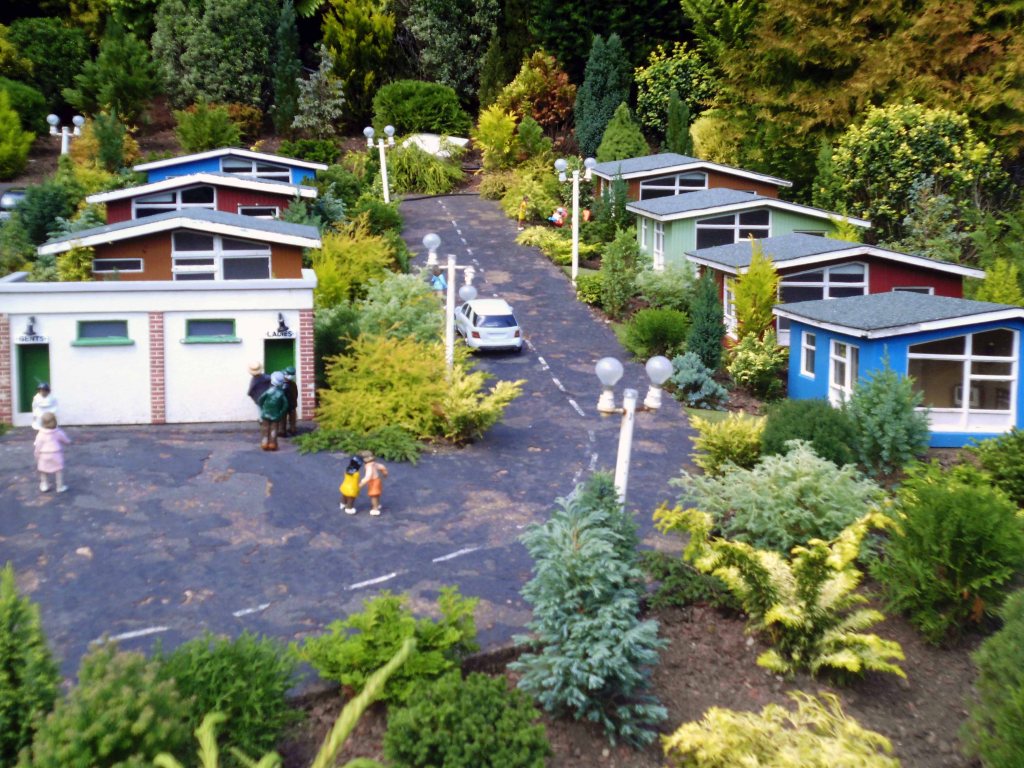
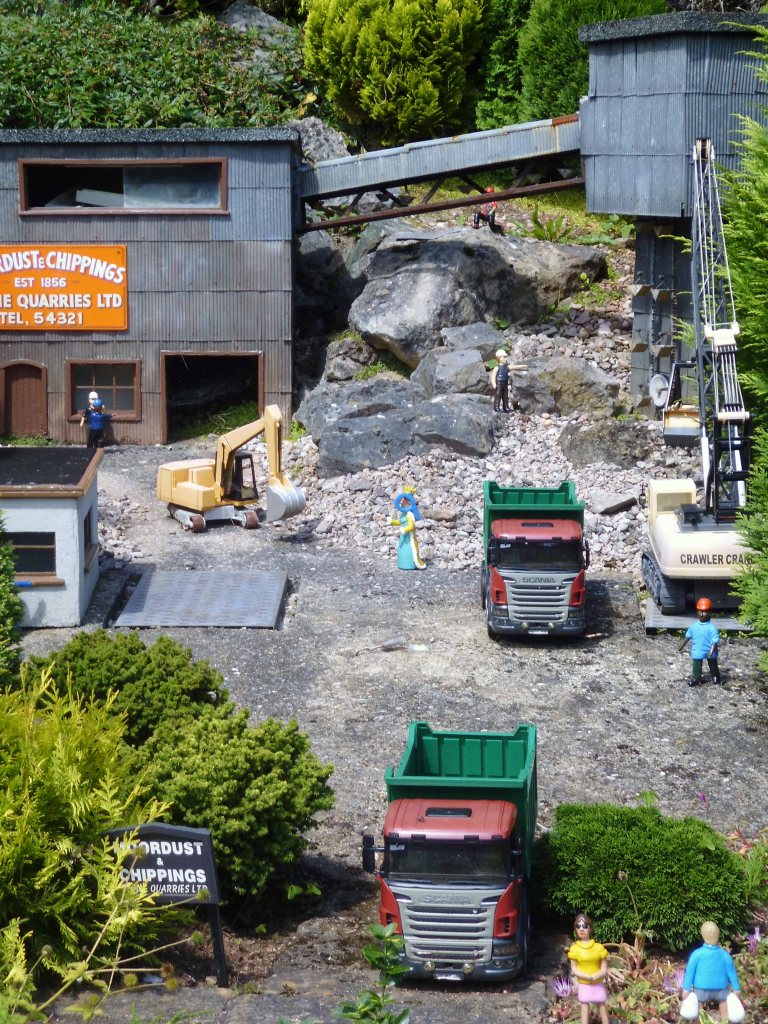
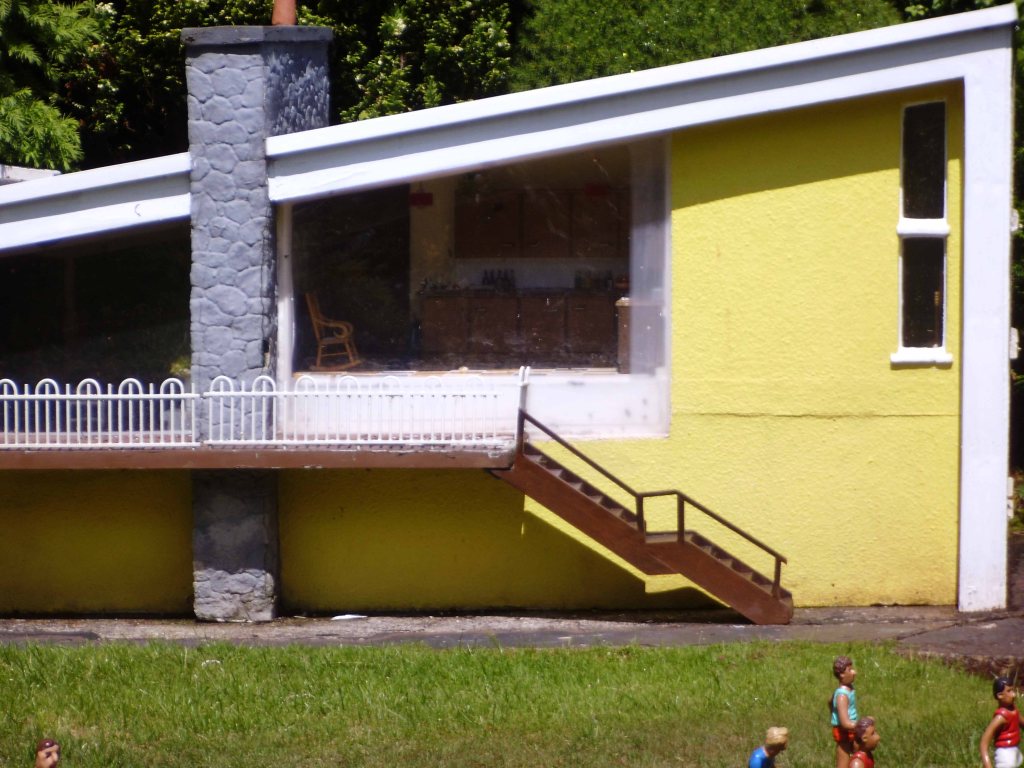
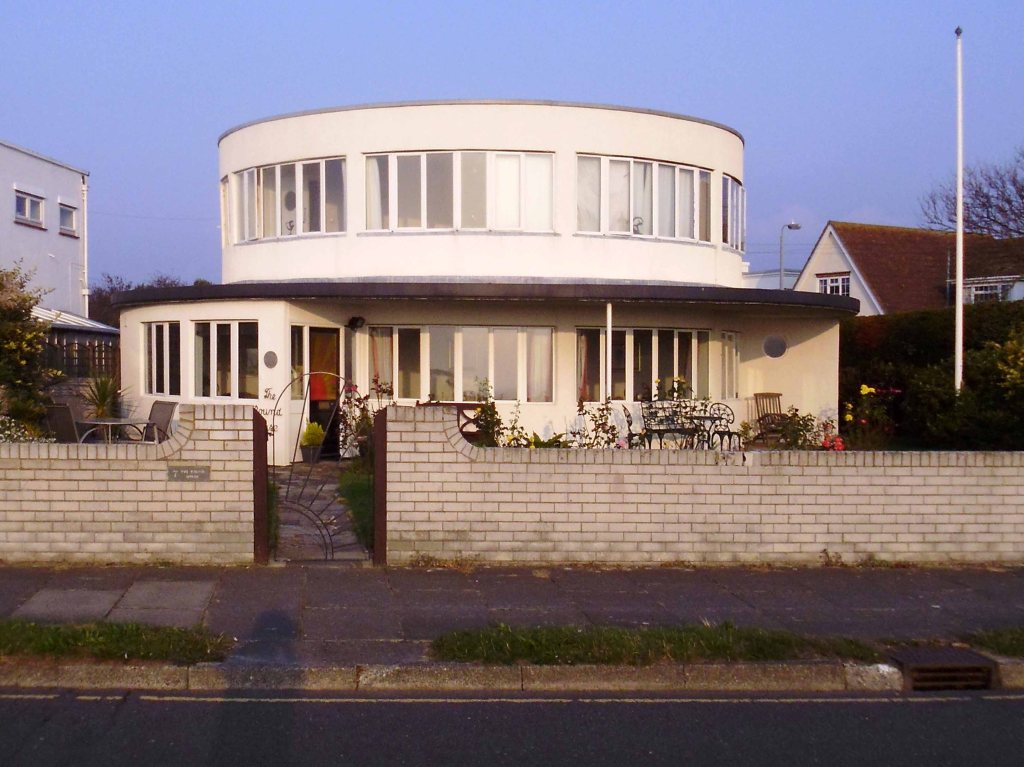
Many of the buildings reflect the areas’ Seaside Moderne styles, from the holiday chalets to the substantial Modernist Villa, plus all the up to the minute services and infrastructure one would expect in a modern model village.
Let’s take a look:
Other model villages are available – Bondville Bridlington and virtually in Hastings
Leaving the compact anonymity of my B&B for the open road!
Having been unable to sample the joys of the Quality Hotel.
The Quality Hotel closed in 2014 and was demolished two years later after the site was bought by the city council following vandalism and fires.
The ten-storey concrete block was built in 1970 in the 350th anniversary year of The Mayflower ship setting sail from Plymouth for North America.
Gilpin Demolition
Plymouth Hoe’s fifty million pound hotel and apartments project appears to have ground to a halt with no building work happening more than a year after developers vowed it would start in 2018.
Henley Real Estate, the firm behind the plans for an 11-story hotel and a 15-floor block of flats on the demolished former Quality Hotel site, has gone silent on plans and not responded to emails and phone calls from Plymouth Live.
When we visited the site the only sign of life was some weeds growing out of the ground.
I’ll leave them to it, I’m off in search of the South West Passage
The South West Coast Path itself is 630 miles long and is the longest established National Trail in the country. Starting at Minehead in Somerset it runs along the coastline of Exmoor, continuing along the coast of North Devon into Cornwall. It follows the entire coastline of Cornwall, goes across the mouth of the River Tamar and continues into Devon. After running along the south coast of Devon it then follows the Dorset coastline before finally ending at Poole Harbour.
However if you follow the Coastal Path you’ll miss this delightful concrete fire station training tower in Plympton.
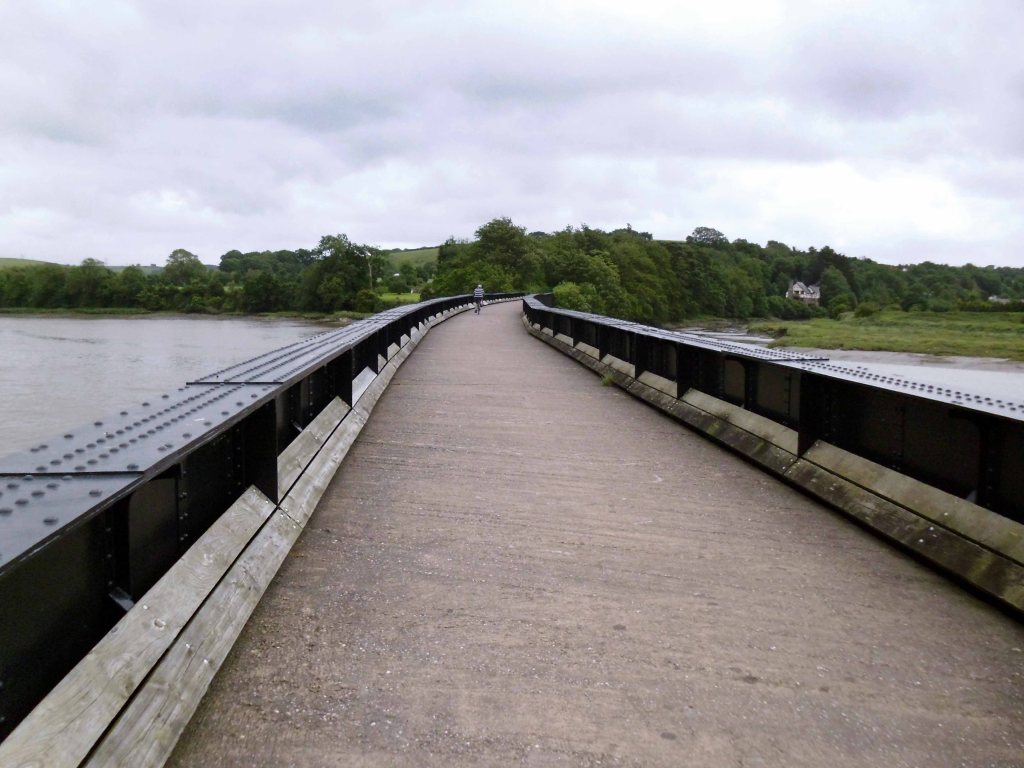
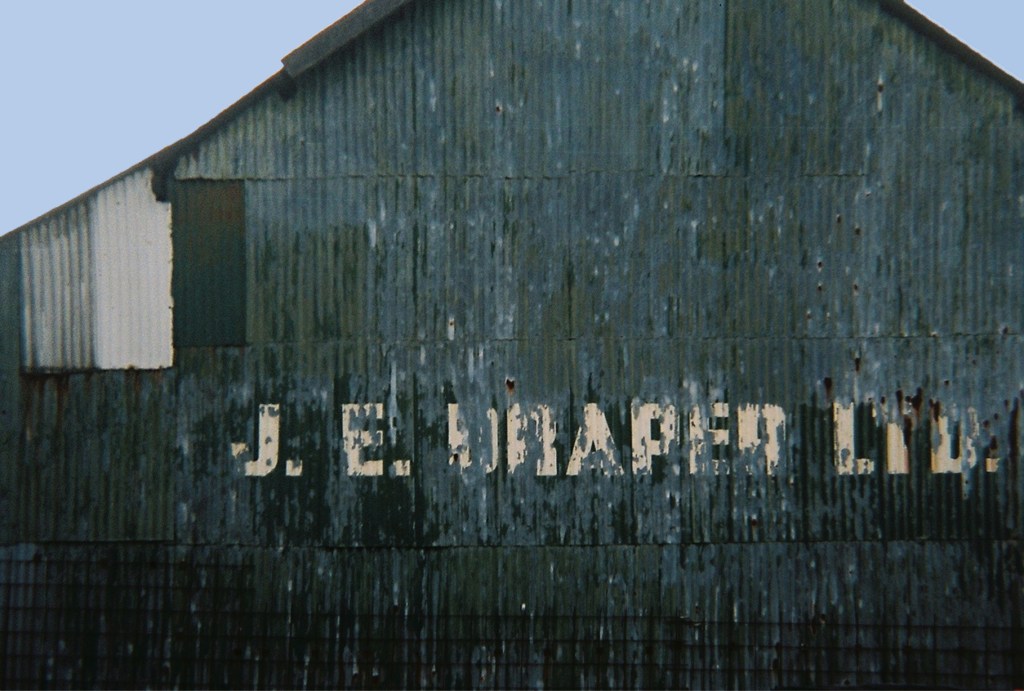
Along with the longest corrugated iron structure in the West Country.
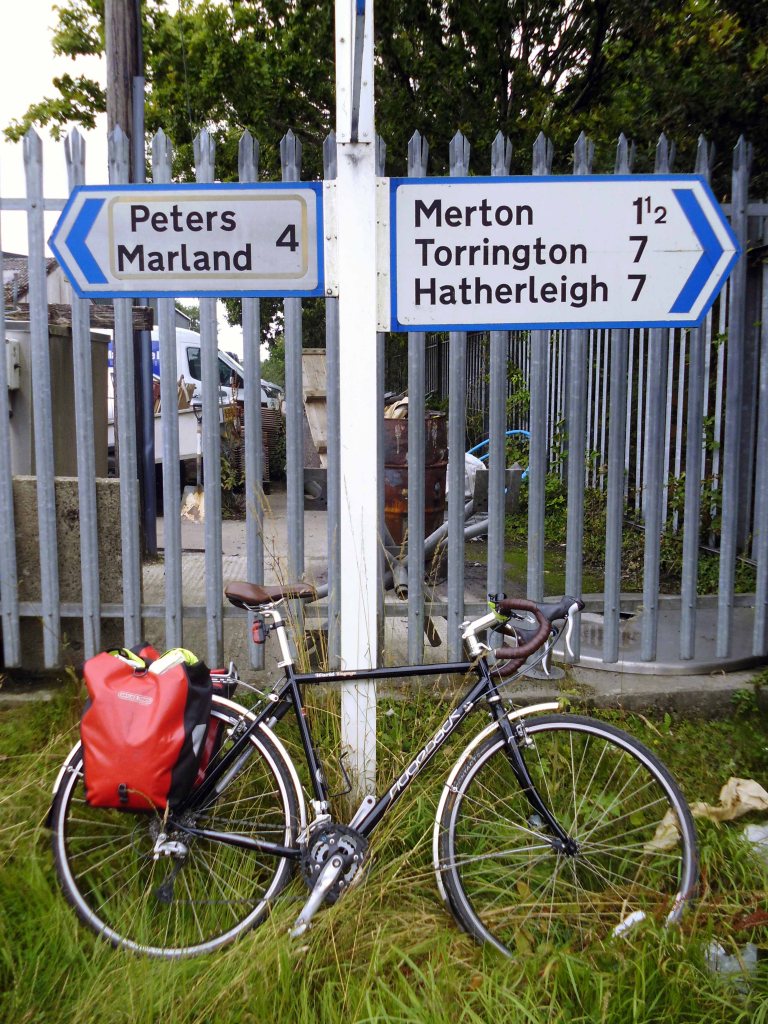
You’ll miss getting slightly lost and a cup of tea at the Dream Bites roadside café in Modbury.
Dream Bites café, we’re all is welcome, from cars to Biker’s to Ride outs to Puplic and to work companies even you the cyclists!
GREAT FOOD GREAT PRICE.
You’ll miss the deep hedged lanes of Devon.
Where the four x fours force you into the roadside brambles with consummate ease and regularity – even on a designated cycle route.
Respite from such trials and tribulations can be found upon siting a water tower or a deserted butchers – down at Slapton Ley.
Slapton Ley is the largest natural lake in south-west England. Although it is only separated from the sea by a narrow shingle bar, it is entirely freshwater.
Much beloved of my old pal Harry H Potts and family.
Then it’s up a hill down a hill to Dartmouth.
I made enquiries at several sea front hotels – who upon assessing my mode of dress and transport, despatched me to a back street pub B&B, suit y’self suits me, and my pocket.
The Seale Arms was just the job.
Quick change for the artist – let’s have a look around.
It’s full of historical architectural detail.
And slightly more hysterical architectural detail.
Time for a pint – chatting in the pub to yachting types, for it is here that the sense of tradition, the sea, power and wealth traditionally resides.
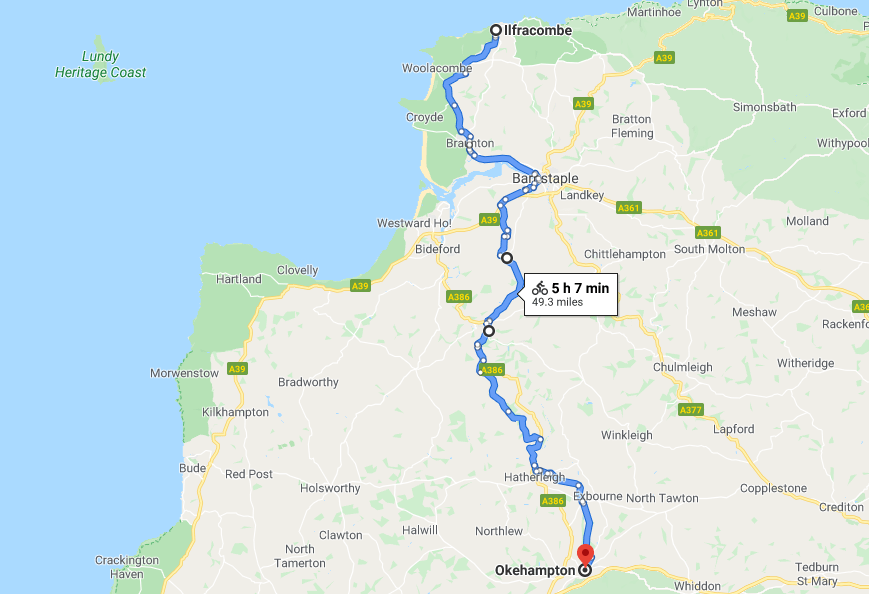
Today Monday 27th July 2015 – leaving Ilfracombe the royal we head south along the Tarka Trail, giving Cornwall a swerve.
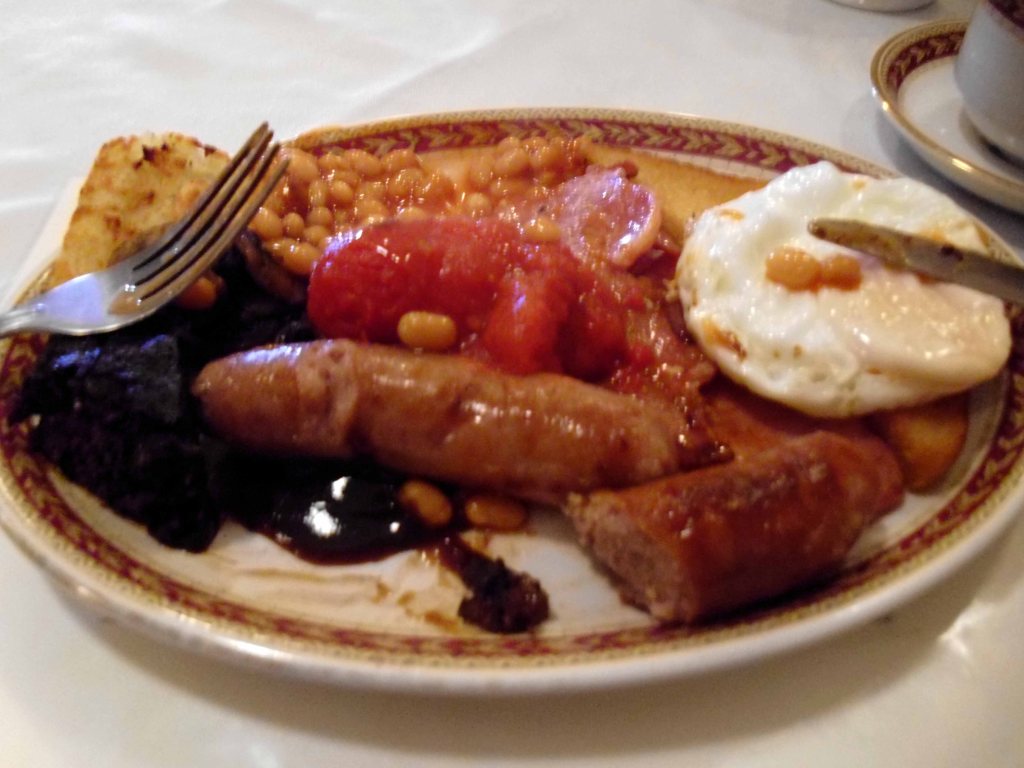
Though first we feast on a slightly out of focus fry up at the digs.
Inspired by the route travelled by Tarka the Otter, this 180 mile, figure eight route traverses unspoiled countryside, dramatic sea cliffs and beautiful beaches. The southern loop incorporates the longest, continuous off-road cycle path in the UK. Walking or cycling, you can experience the best this beautiful area has to offer.
Then away we go following the former train line out of town.
The Ilfracombe Branch of the London & South Western Railway, ran between Barnstaple and Ilfracombe. The branch opened as a single-track line in 1874, but was sufficiently popular that it needed to be upgraded to double-track in 1889.
The 1:36 gradient between Ilfracombe and Mortehoe stations was one of the steepest sections of double track railway line in the country.In the days of steam traction, it was often necessary to double-head departing passenger trains.
Named trains such as the Atlantic Coast Express and the Devon Belle both started and terminated at Ilfracombe.
Despite nearly a century of bringing much-needed revenue into this remote corner of the county, passenger numbers dropped dramatically in the years following the Second World War, due to a massive increase in the number of cars on Britain’s roads, and the line finally closed in 1970.
Much of the course of the line is still visible today, and sections of it have been converted into public cycleways.
We leave behind – theshadowy world of secret handshakes, favours for friends and strange initiation ceremonies.
For the equally shadowy world of military installations.
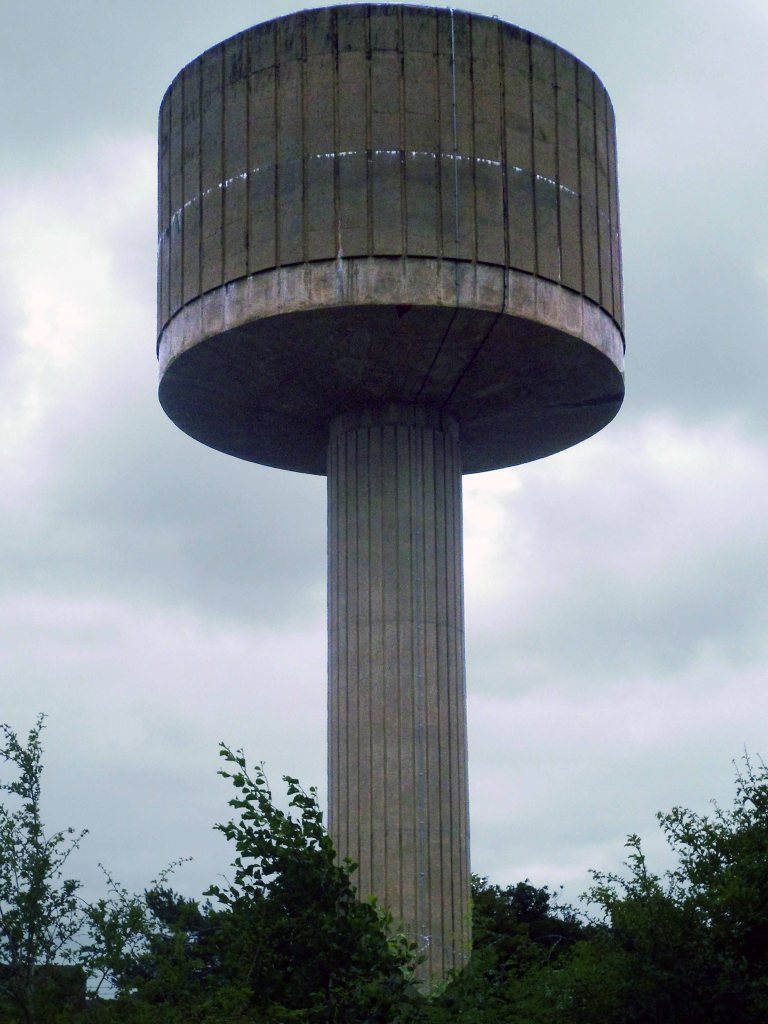
The water tower at RAF Chivenor.
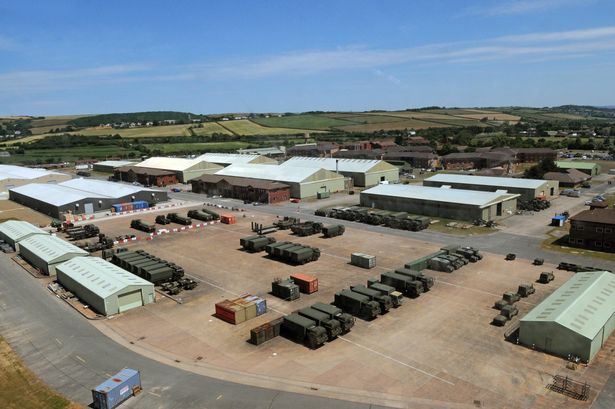
Originally a civil airfield opened in the 1930s, the site was taken over by the Royal Air Force in May 1940 for use as a Coastal Command Station. After World War II, the station was largely used for training, particularly weapons training.
In 1974 the station was left on care and maintenance, in 1994 7 FTS left Chivenor, merging with No. 4 Flying Training School RAF at RAF Valley, and the airfield was handed over to the Royal Marines.
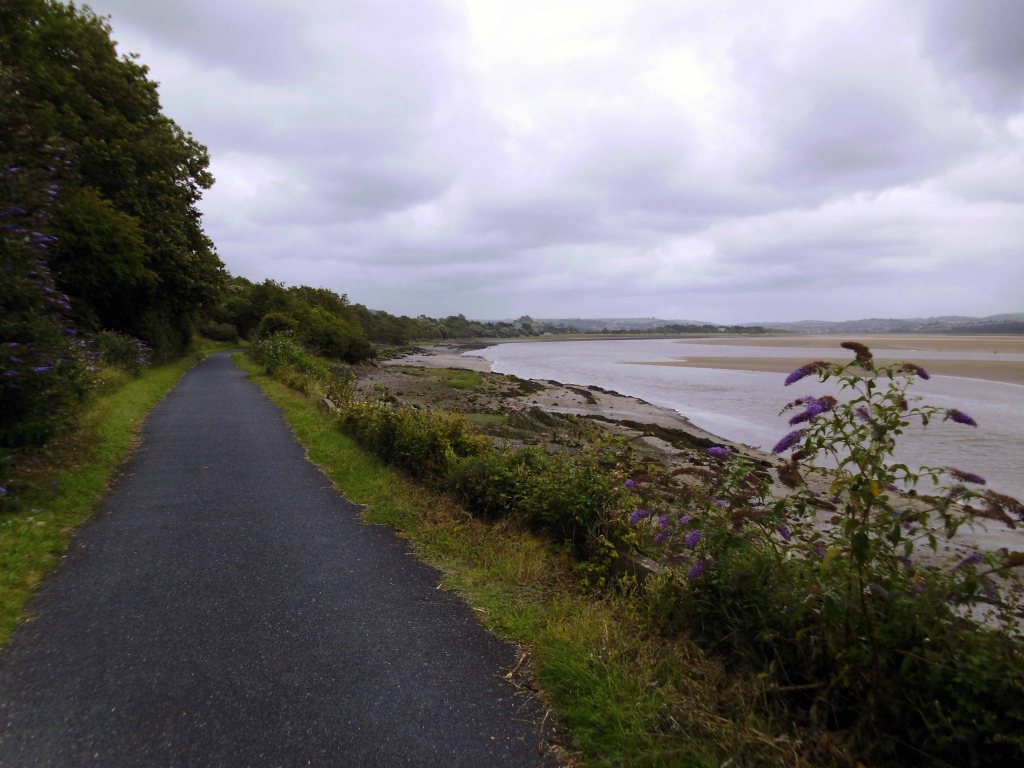
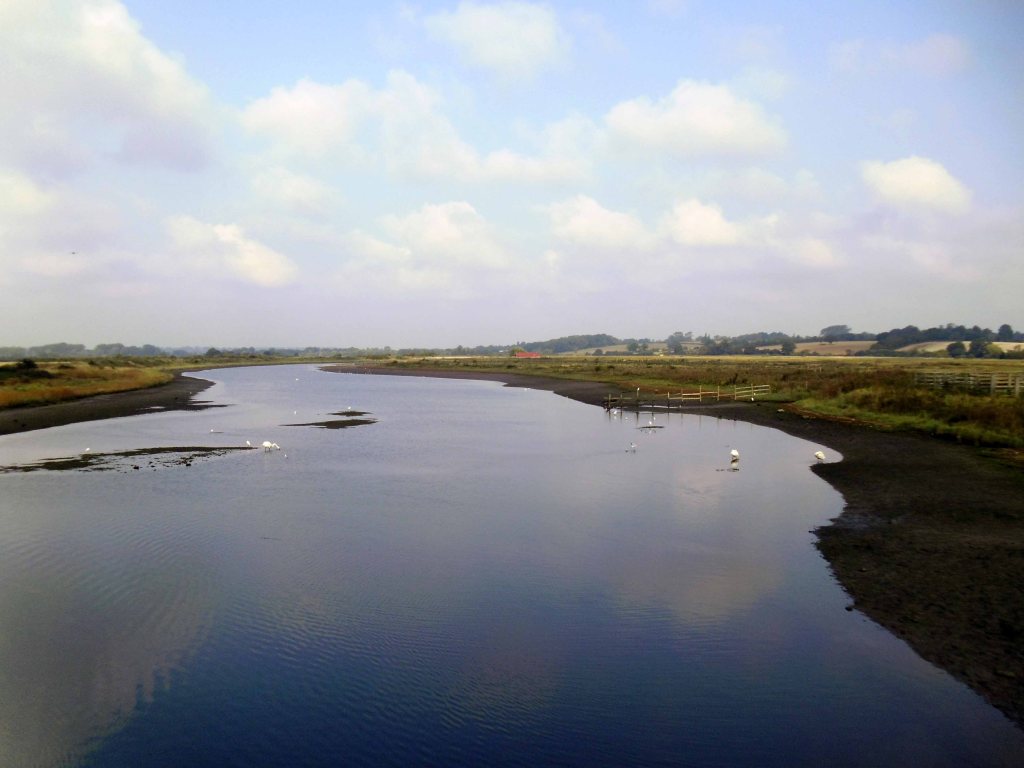
A most delightful cycle path alongside the estuary of the River Taw.
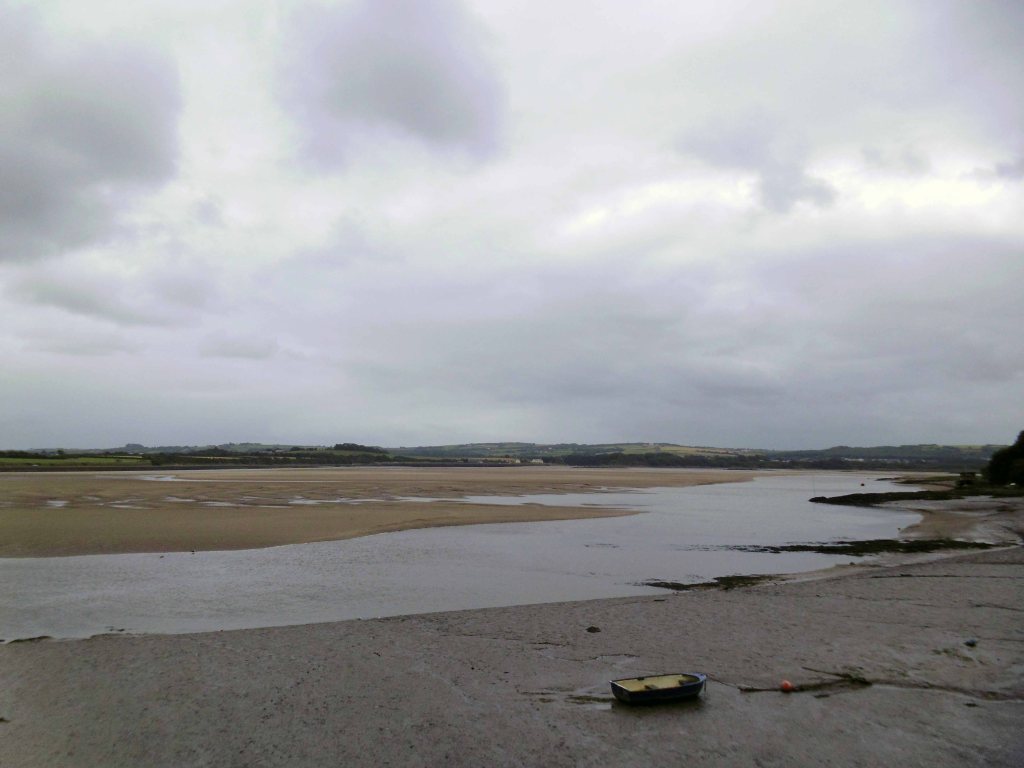
The River Taw rises high on the slopes of Dartmoor and together with its tributaries, the River Mole, Yeo and little Dart, runs north through beautiful rolling countryside down to Barnstaple and into the Bristol Channel.
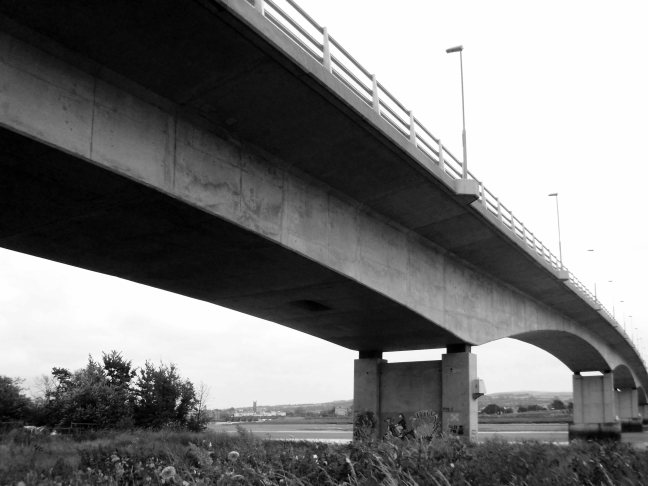
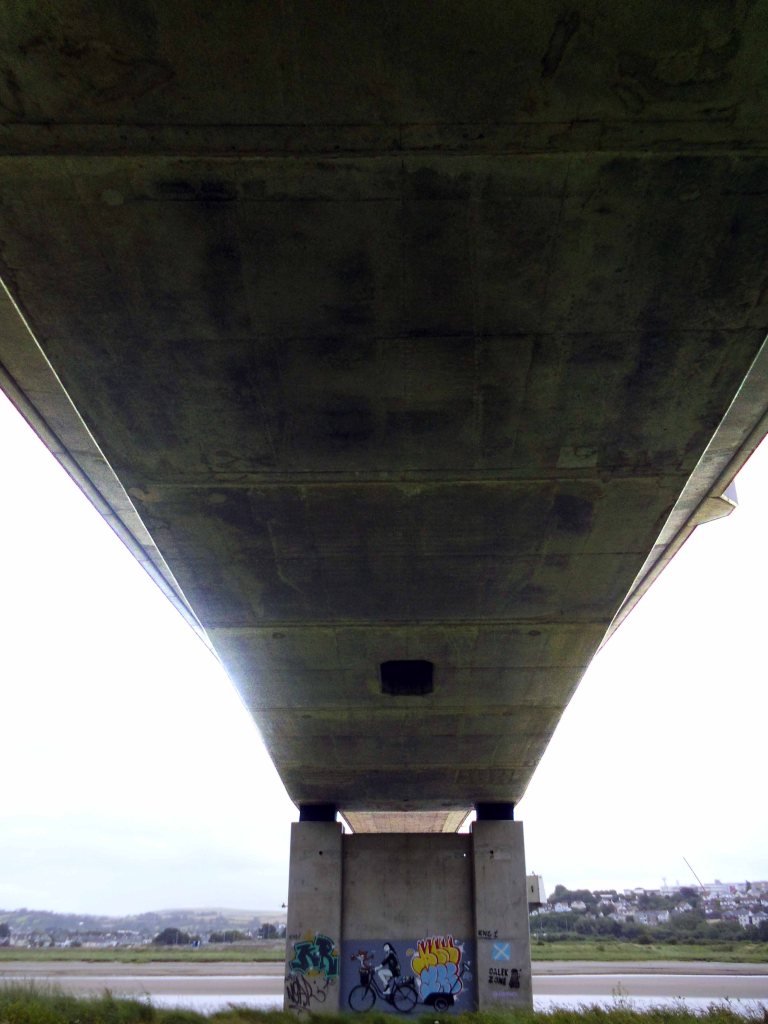
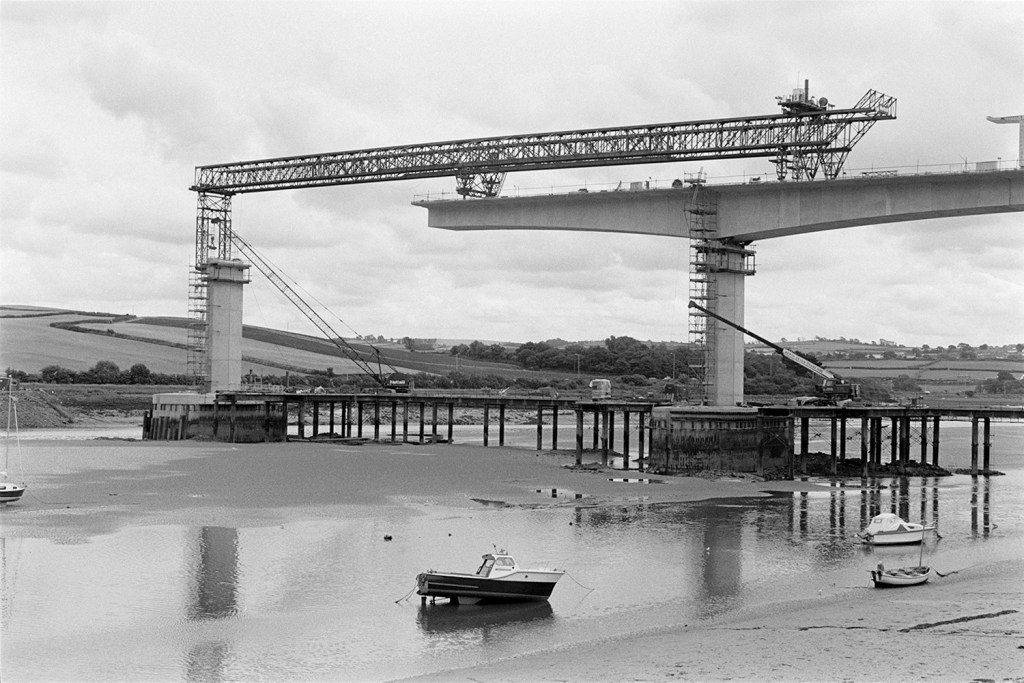
Passing under the Torridge Bridge at Bideford – a 650 metre long concrete structure built in 1987.
Three piers are in the river. Each of the piers in the water is protected by concrete fenders twenty four metres long by eight metres wide by eight metres high. The concrete piers of the bridge are around twenty four metres high.
It was designed by MRM Partnership.
Here we are in Barnstaple by the Civic Centre.
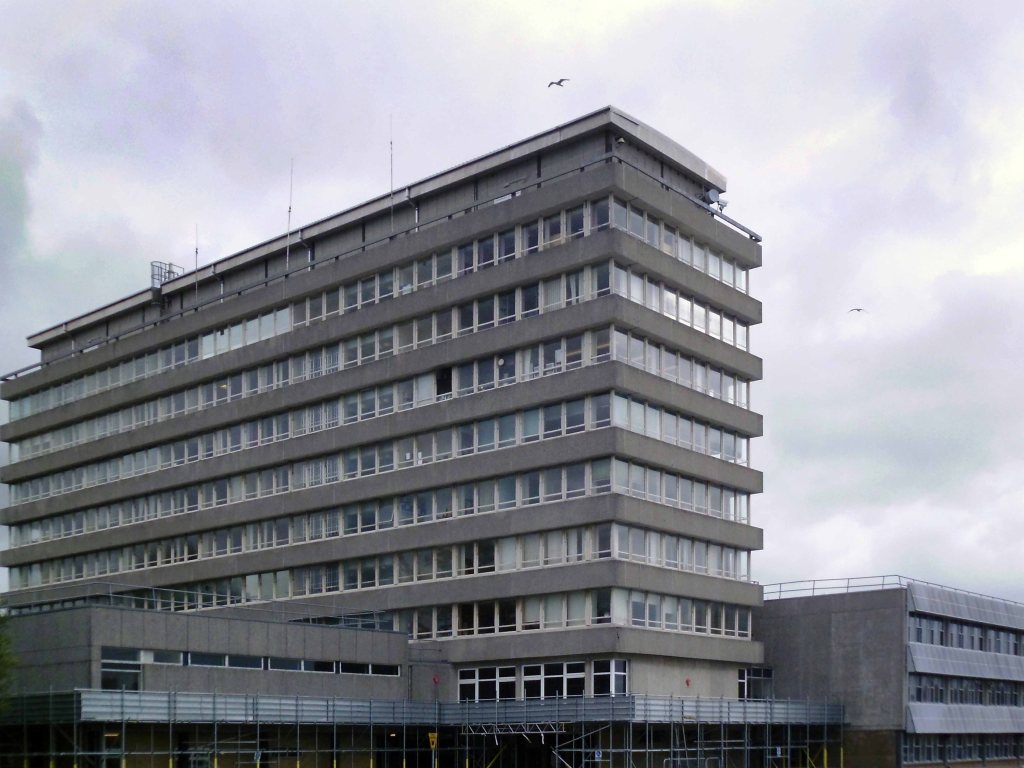
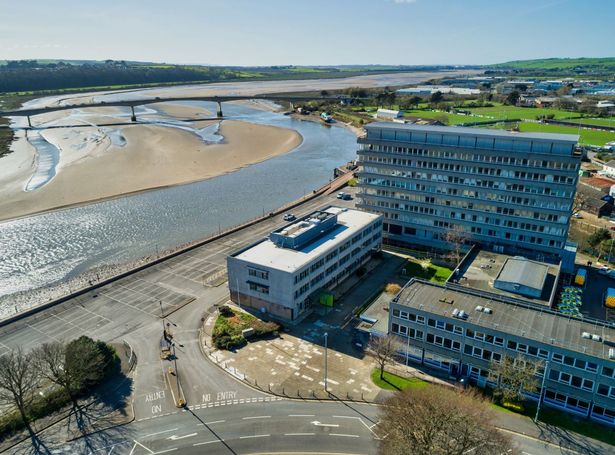
It’s described as an ‘iconic’ building, but not many locals would agree, this huge building widely considered to be one of the ugliest in Devon could soon be under new ownership.The council has confirmed that following a tender exercise, it is working with a preferred bidder to finalise the details of the sale.
Devon Live
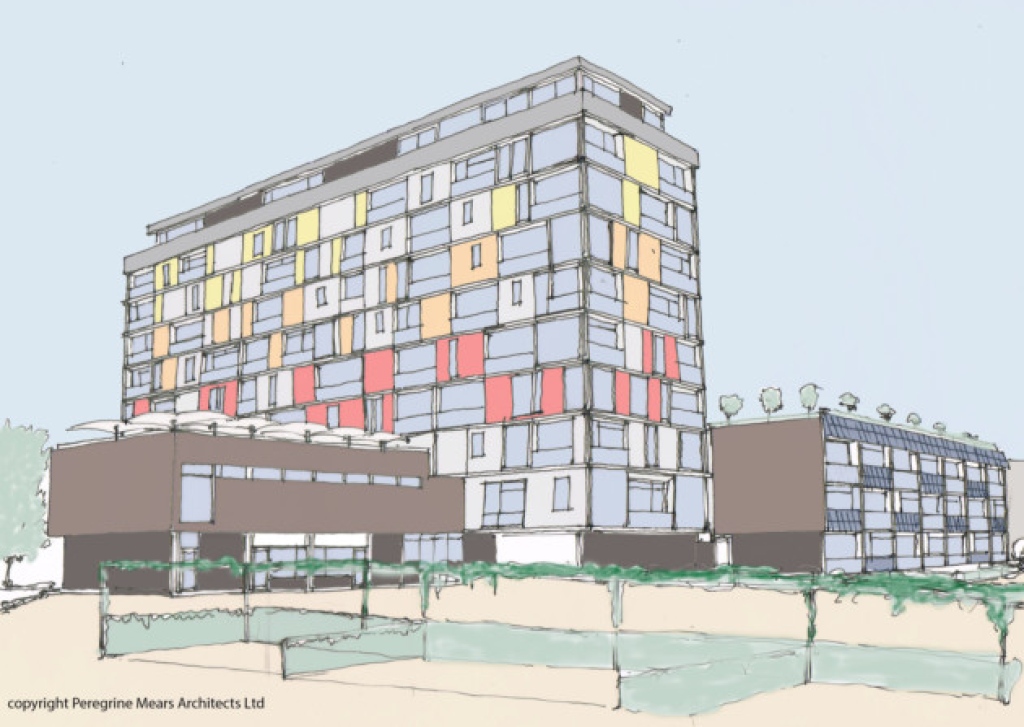
In 2014Barnstaple based Peregrine Mears Architects believed the civic centre could provide up to 84 modern apartments.
Artist’s impression by Peregrine Mears Architects – looks a little too wobbly to me, Peregrine Mears Architects should get right back to the drawing board, where they started from.
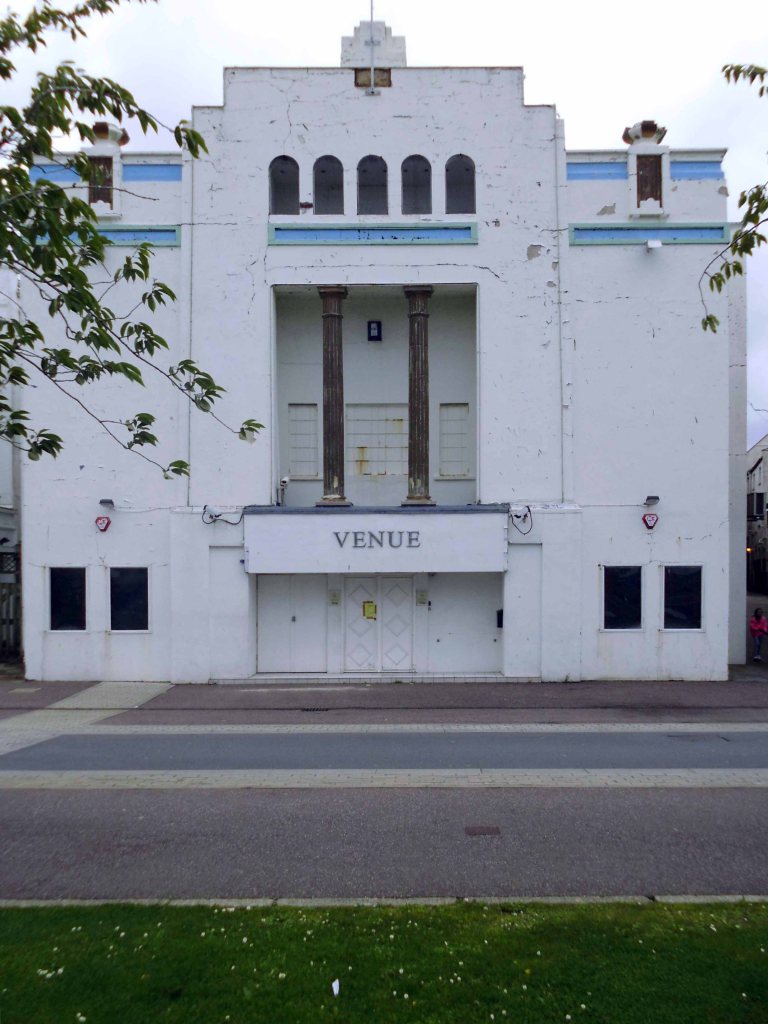
The Neo-Classical facade restrained Deco of The Venue.
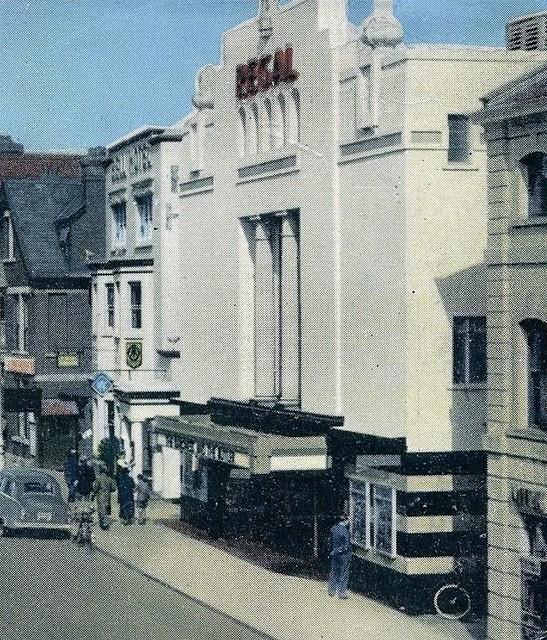
Formerly The Regal Cinema – opened on 30th August 1937
Architects – BM Orphoot
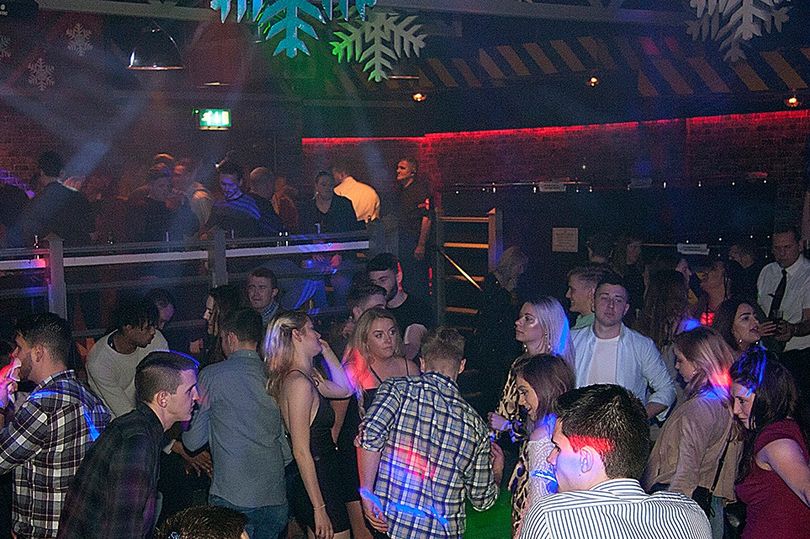
Revellers dancing at The Worx nightclub– as The Venue was to become.
The building in Barnstaple is for sale with Webbers estate agents for just £225,000. The striking building in a prime position on the town’s Strand was originally opened in 1937 as the Regal Cinema.
The building will probably be best known under the guise of Kaos, the name it was given during the 1990’s and at the height of its popularity.
Other nightclub incarnations at the premises included Babylon, Rockabillies, Coco, Club Tropicana and of course The Venue.
The Tarka Trail crossing the River Torridge, just south of Bideford, utilising the former railway bridge.
The old home town looks the same as I step down from the bike, and there to meet me is – well nobody.
And I realise, yes, I was only dreaming.
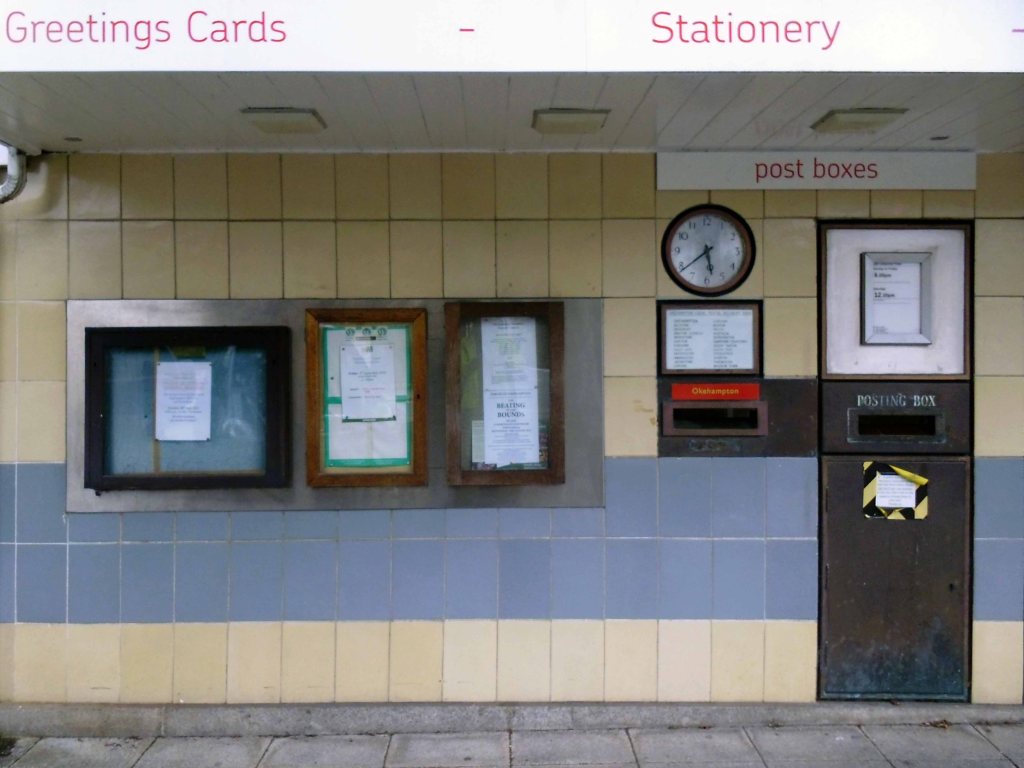
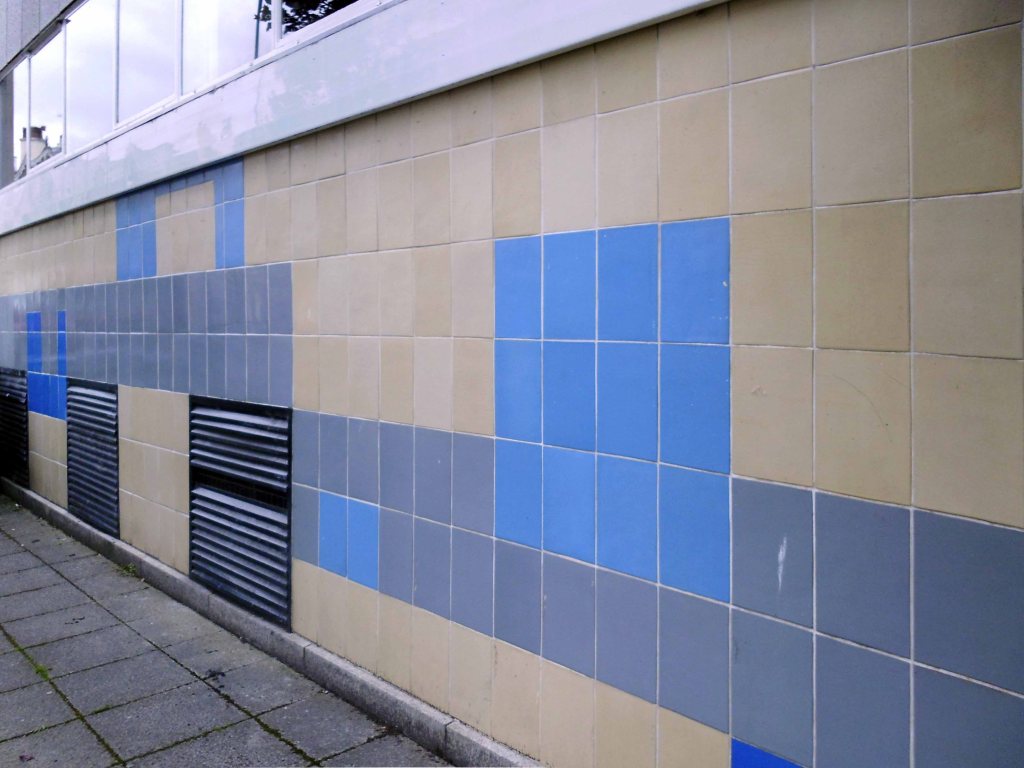
I’ll go to Okehampon then – take a look at the lovely tiled Post Office, whilst completely ignoring one of the oldest Norman castles in the country.
Walking around town in search of a B&B proved fruitless, though I was directed to an out of town Roadhouse aways away.
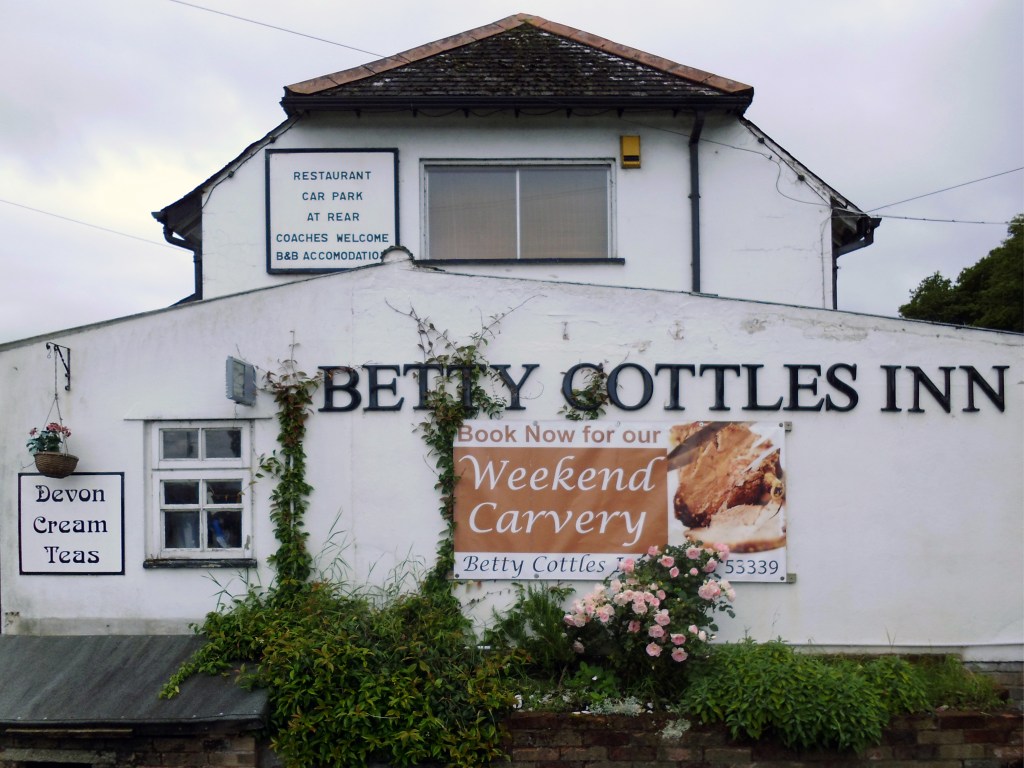
Welcome to Betty Cottles Inn – land of the lost apostrophe.
Rooms are not as photos/described on hotel booking sites, wi-fi hardly ever works. I prepaid/booked for nine nights, I checked out after two days. Needless to say I didnt receive a seven day refund. Owner with attitude problem, he had my money, and was not keen on helping with my concerns about the property. Musky smell to carpet in bar and restaurant areas. Not been cleaned for a long time. Rooms unsafe and not private, with curtains not long enough, lock on room doors inadequate.
Neil H – July 2109
You sneaked in a female into your single room without paying for her and got caught so obviously you have retaliated by way of a negative review. You were probably the most rude and hostile guest we have ever had and have had to report you to booking.com for guest misconduct and also banned you from being able to book here again.
Matthew owner at Betty Cottles Inn
I ate a reasonable meal in the Carvery and chatted amiably with a representative salesman on the move, whilst seeing off a few pints of Guinness – any port in a storm.
Although there is evidence in the local area of occupation since the Iron Age, it was still a small village until the 19th century when it became a seaside resort, and was connected with local towns and cities by a railway, and two piers were built. The growth continued until the second half of the 20th century, when tourism declined and some local industries closed. A regeneration programme is being undertaken with attractions including the Helicopter Museum, Weston Museum, and the Grand Pier. The Paddle Steamer Waverley and MV Balmoral offer day sea trips from Knightstone Island to various destinations along the Bristol Channel and Severn Estuary. Cultural venues include The Playhouse, the Winter Gardens and the Blakehay Theatre.
I arrived mid-morning on Saturday 25th July 2015 – having travelled some two hundred miles or so from Stockport by train.
The Iron Age seemed to be over and regeneration slowly but surely under way.
This marked the start of another coastal tour, following last year’s epic which began in Hastings.
This time I was heading for Hastings – but that can wait until tomorrow, let’s have a look around town.
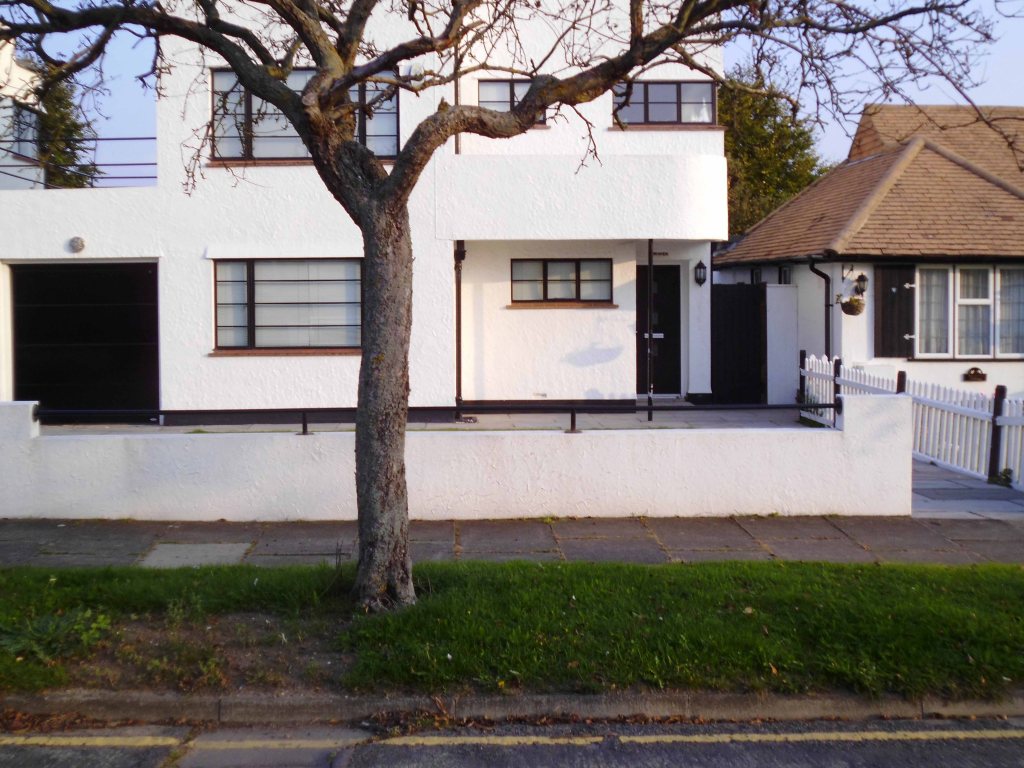
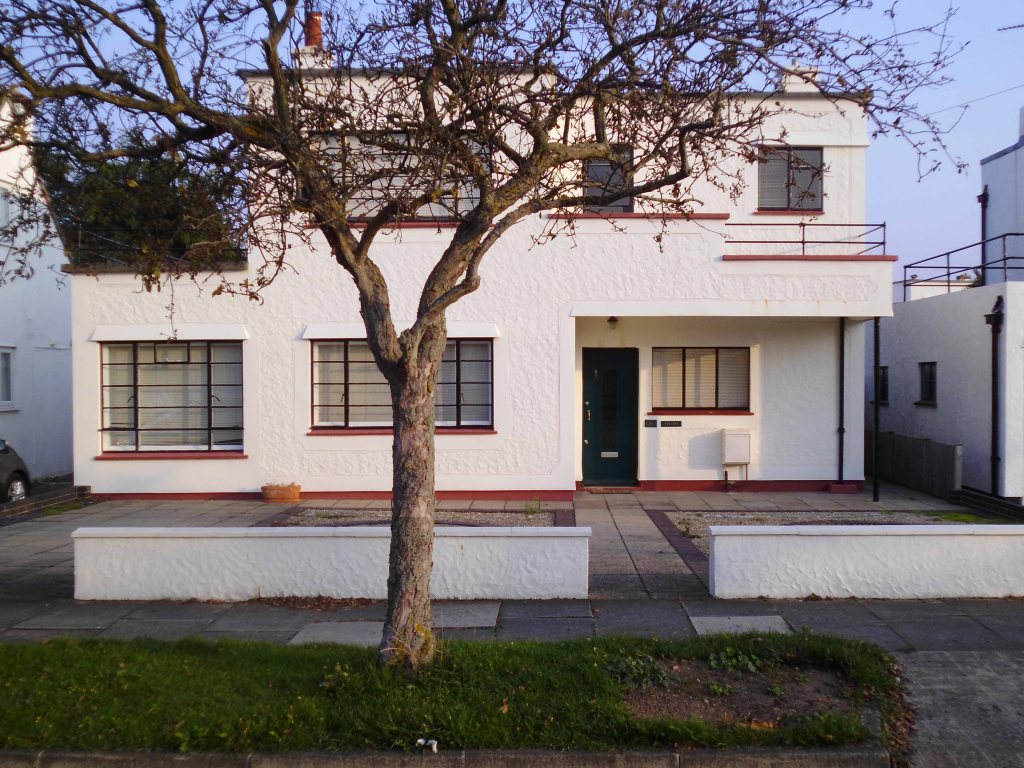
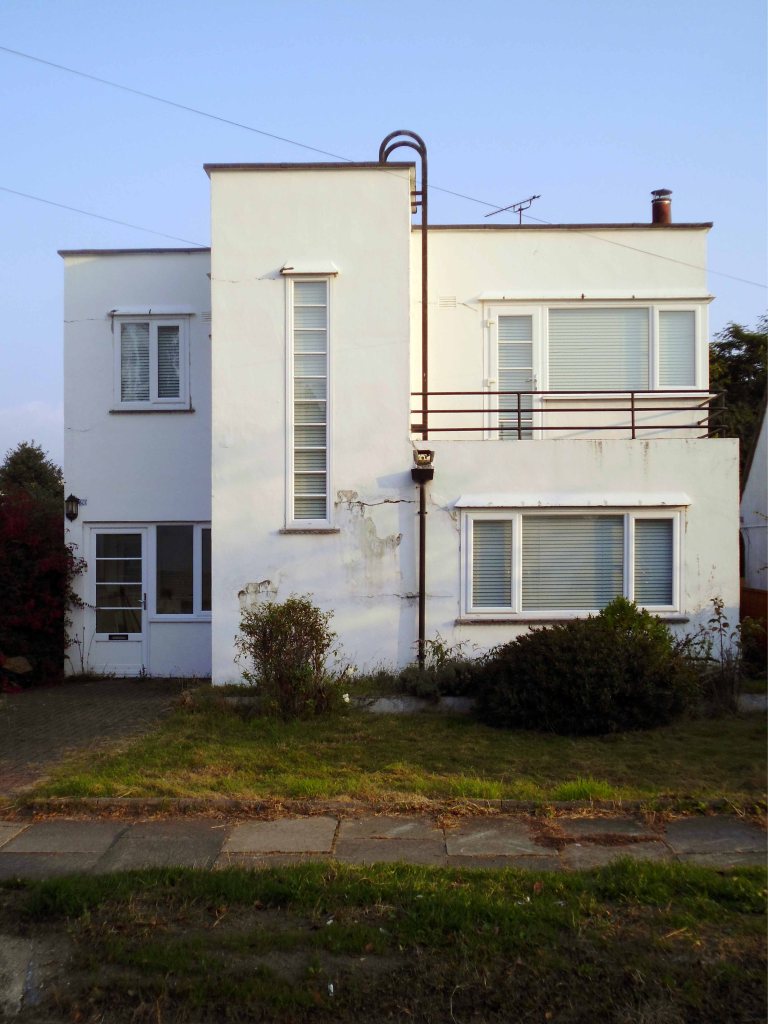
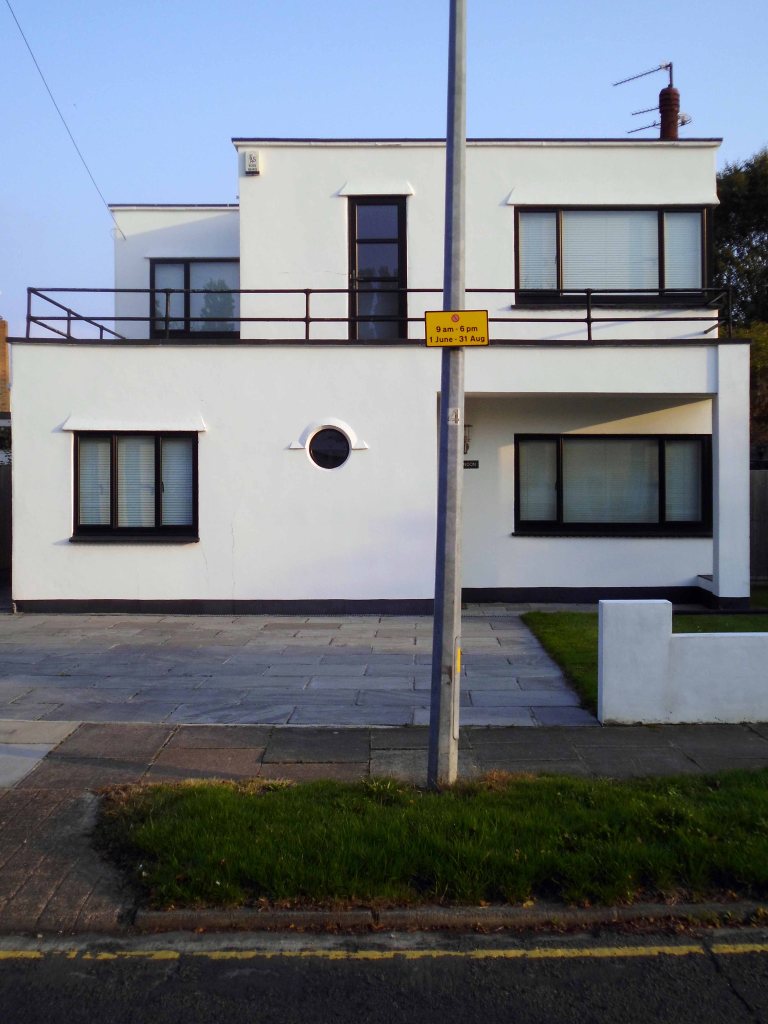
Directly opposite the station is a group of Seaside Moderne homes in various states of whiteness – standing in line along Neva Road.
Reasonably priced, cheaper than Frinton – check it out
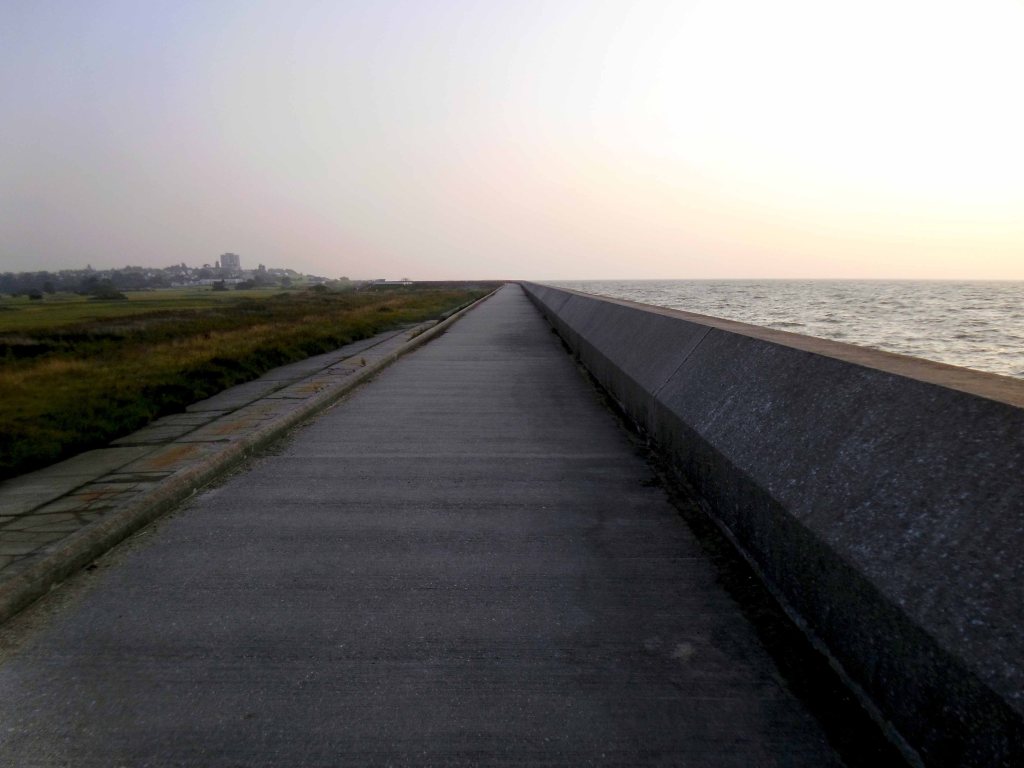
I pushed my bike along the prom heading for my pre-booked digs in a stylish seafront hotel.
Past the Marine Causeway linking the shore to some kind of modern day Post Modern Shangri-La.
A mystical, harmonious valley, gently guided from a lamasery, enclosed in the western end of the Kunlun Mountains, possibly not.
You can stroll onto Knightstone Island, where you will find some cafes serving light snacks and refreshments, or to the other side which takes you along the causeway, accessible to walk across according to the tides. At the other side of the Causeway you will find a small rocky beach with tidal rockpools ideal for exploring.
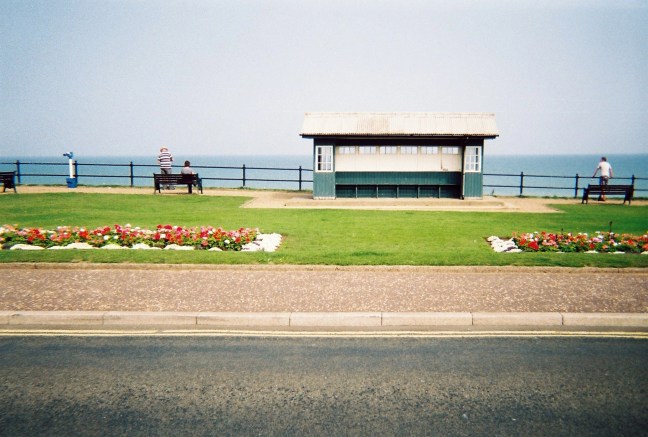
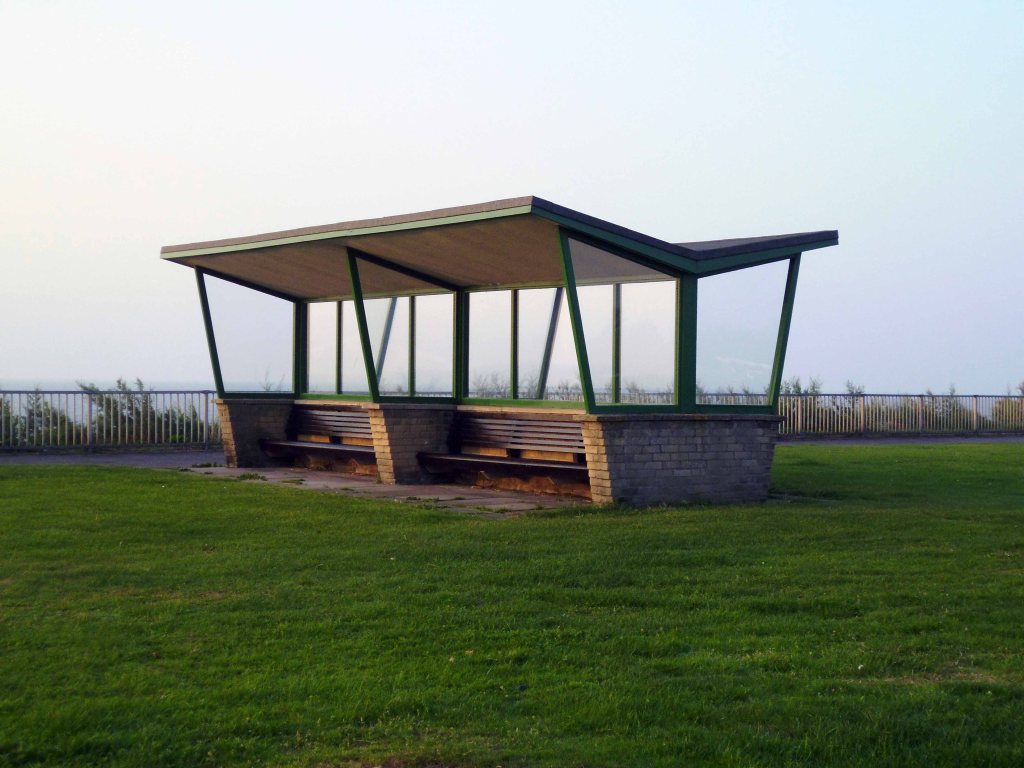
Just along the prom stands one of my all time favourite seaside shelters.
Even further along – what’s all this here then?
The foundation stone of the Birch-designed Birnbeck Pier was laid in 1864. It opened on 5th June 1867 and consisted of a 1040 foot cantilever construction to Birnbeck Island and a short jetty extending westwards from the island.
It seems to have changed hands several times in its relatively short life, including the stewardship of the infamous Urban Splash and the mysterious mystery owners, the current custodians it seems, have done little to secure a secure future.
It remains alone and untended, stretching aimlessly out to sea.
In April 2015, Friends Of The Old Pier Society created a novel fund raising scheme in which 1p and 2p coins would be lined up to stretch from the Grand Pier to Birnbeck Pier.
September 2019 Councillor Mr Crockford-Hawley said:
It’s this end of Weston which is the sore, it’s the carbuncle, it’s clearly well past its prime and it needs some serious attention. I mean it would be wonderful if somebody came along with an open ended bank account and said ‘yup, I’d love to restore it for the sake of restoring it’, but quite clearly there’s got to bean economic future for the pier, there’s got to be a purpose for the pier.
Possibly a wealthy Beatle could bail the ailing pier out of deep water?
Having made a bob or two since they appeared here in 1963.
Next thing I know I’m outside the imposing and impressive sounding Ocean Hotel. Sad to say on the day/night of my visit it wasn’t just this weary traveller that appeared to be over tired, happy to report the the New Ocean Hotel has been revamped and in tip-top condition by all accounts.
Any road up, let’s get out, take a walk up the road – have look at some local type.
Watney’s mythical Red Barrel.
Watney’s was the Evil Corporation which sought to crush plucky small brewers and impose its own terrible beer on the drinking public. It acquired and closed beloved local breweries, and it closed pubs, or ruined them with clumsy makeovers.
Its Red Barrel was particularly vile – a symbol of all that was wrong with industrial brewing and national brands pushed through cynical marketing campaigns.
Keeler Productions has taken over Locking Road Car Park, opposite Tesco, and The Regent Restaurant, in Regent Street, to film a BBC period series The Trial of Christine Keeler, based on the Profumo Affair in the 1960s.
Enough of all that period drama, let’s have a look at some period architecture.
Madeira Court – 67 flats built in 1988.
Weekly Social Activities include – coffee mornings, card evenings and occasional days out, organised by social club. New residents accepted from sixty years of age, both cats and dogs generally accepted.
I can find no reference for this dalle de verre stained glass window.
Boulevard United Reformed Church – Waterloo Street
Architects Gordon W. Jackson and Partners 1959
Constructed on part of the site of the former Electric Premier Cinema, the Odeon Theatre was opened on 25th May 1935 with Jack Buchanan in Brewster’s Millions. Built as one of the original Odeon Theatres in the then emerging Oscar Deutsch Odeon Theatres circuit, it was built on a prime corner street position in this sea-side town and was the first of several Odeon Theatre’s to be designed by architect Cecil T Howitt.
The Weston-super-Mare Odeon was built by C Bryant & Son Ltd of Birmingham on the site of the former Electric Premier Cinema. It opened on 25 May 1935, at which time it was described in the souvenir programme as ‘modernity at its best’, with seating accommodation that was ‘luxurious and spaced to give ample room for true comfort’.
A short walk along the prom snapping shelters and the sheltered – no two the same.
I then chanced to fall into a Beer Festival and bad company – the rest is a blur, see you all tomorrow there’s some cycling to be done.
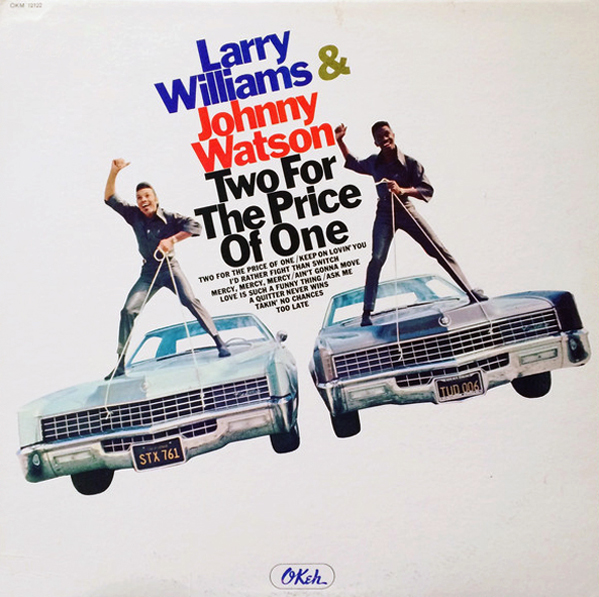
You’re getting three for the price of one – Larry and Johnny only offered two between them.
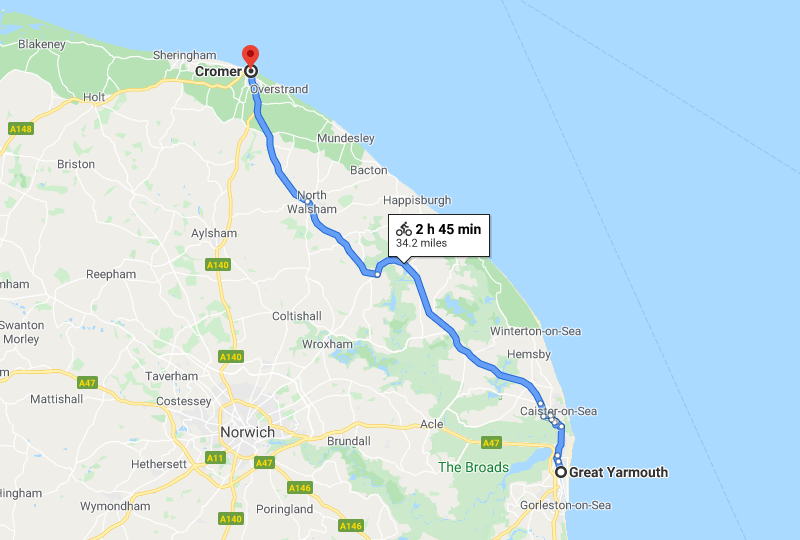
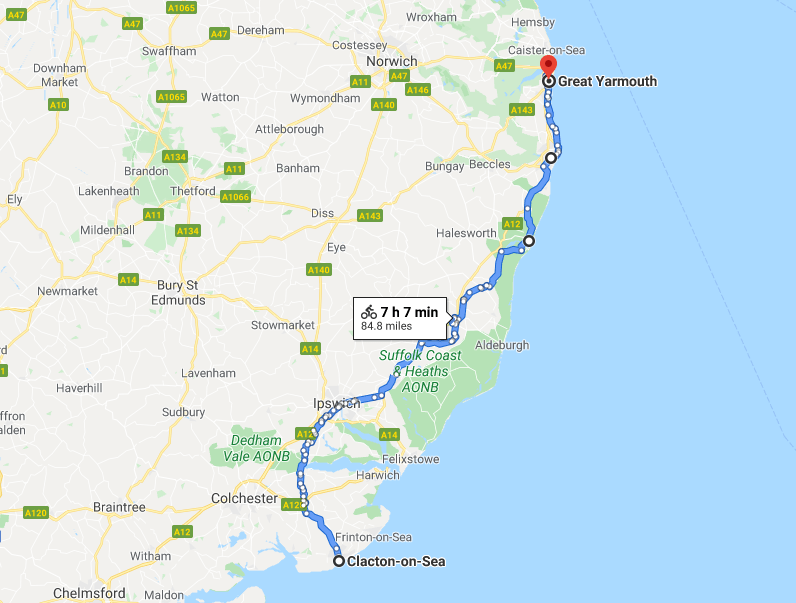
Friday 5th September Great Yarmouth to Cromer.
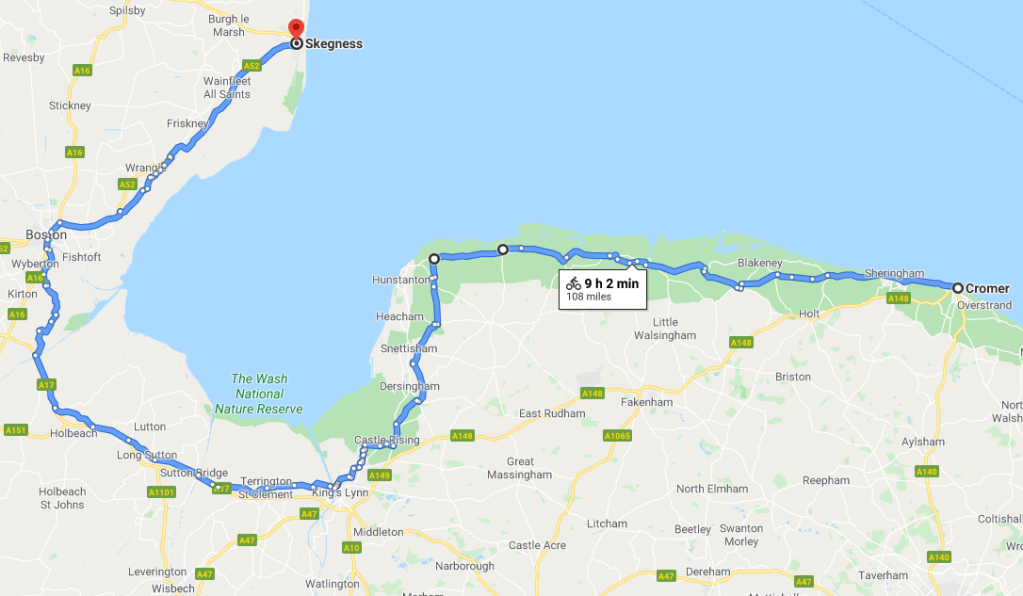
Saturday 6th September Cromer to Skegness.
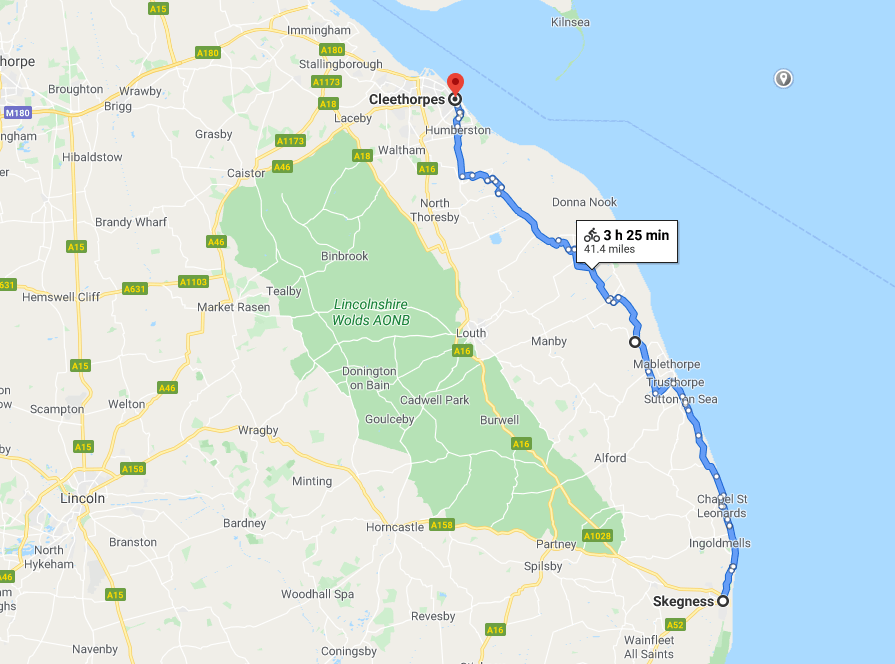
Sunday 7th September Skegness to Cleethorpes.
The royal we however are unable to display the fine array of snaps to which you have become accustomed – normal service will not be resumed as soon as possible.
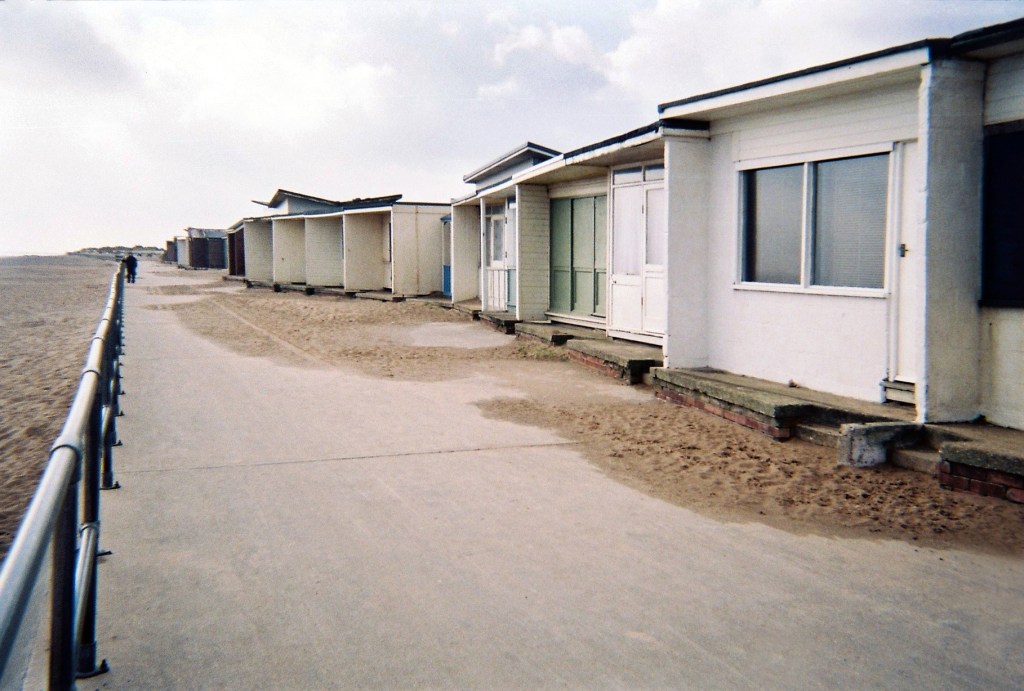
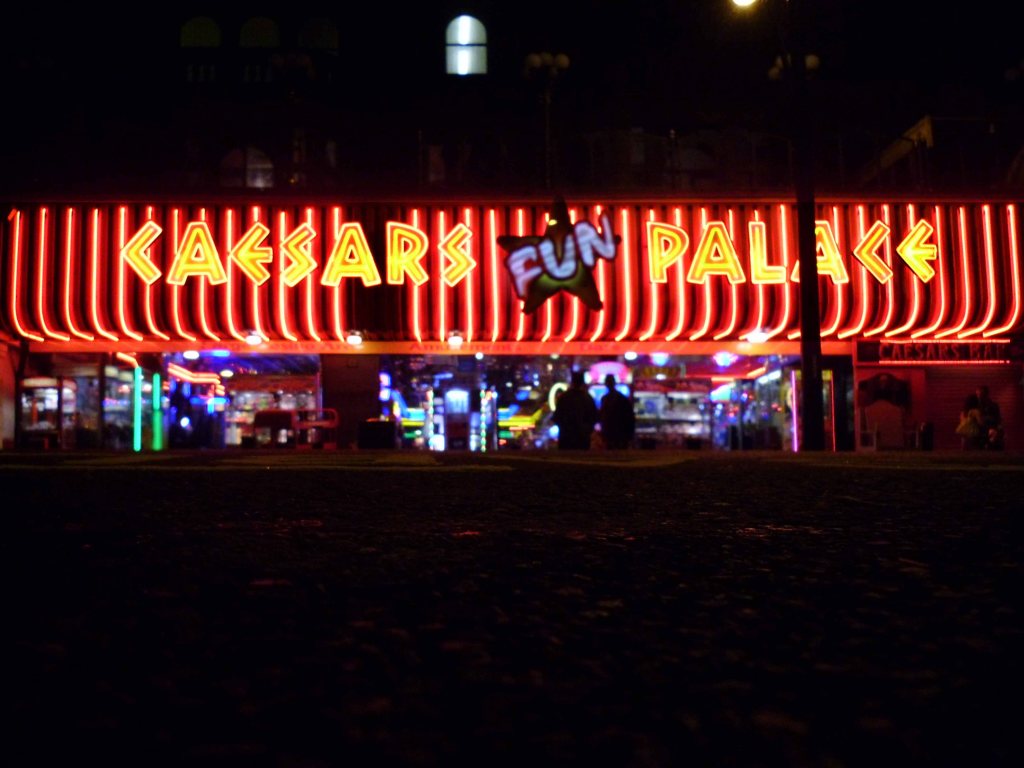
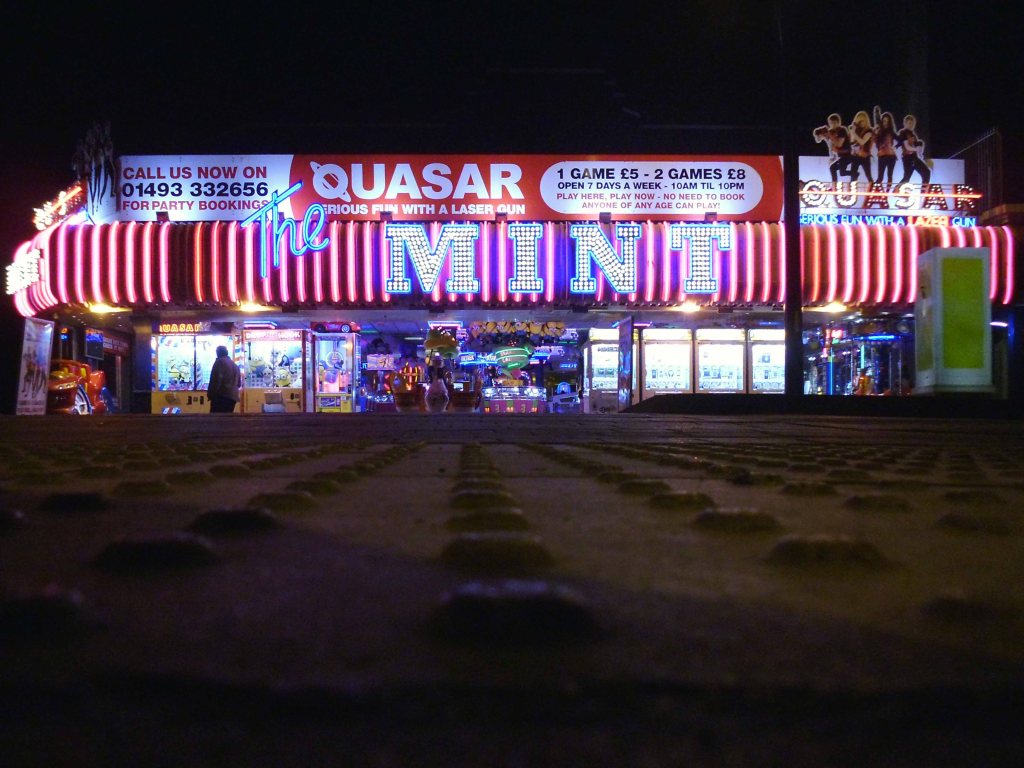
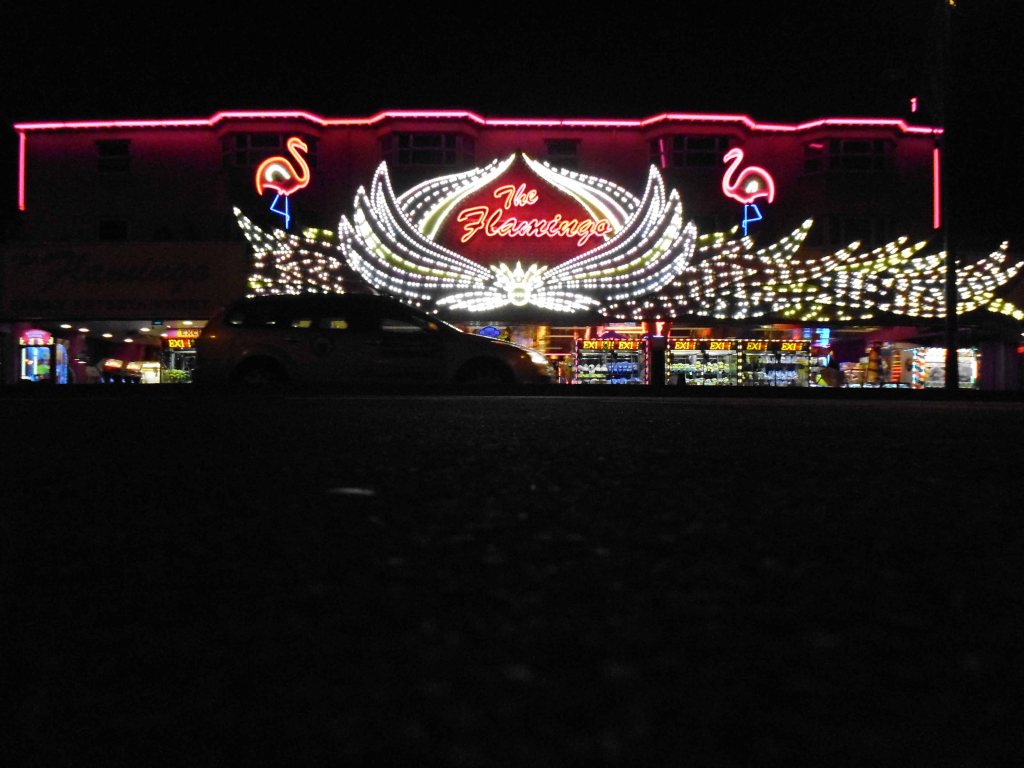
How so you ask – I’ll tell you how so, you may recall the seafront snaps taken on Great Yarmouth prom under the cover of darkness.
Well you see, I inadvisedly rested my camera upon sandy surfaces in order to steady the shot. I subsequently discovered that sand and photographic technology are a poor pairing.
I killed my camera.
To see a world in a grain of sand, and a heaven in a wild flower, hold Infinity in the palm of your hand, and eternity in an hour.
I think not.
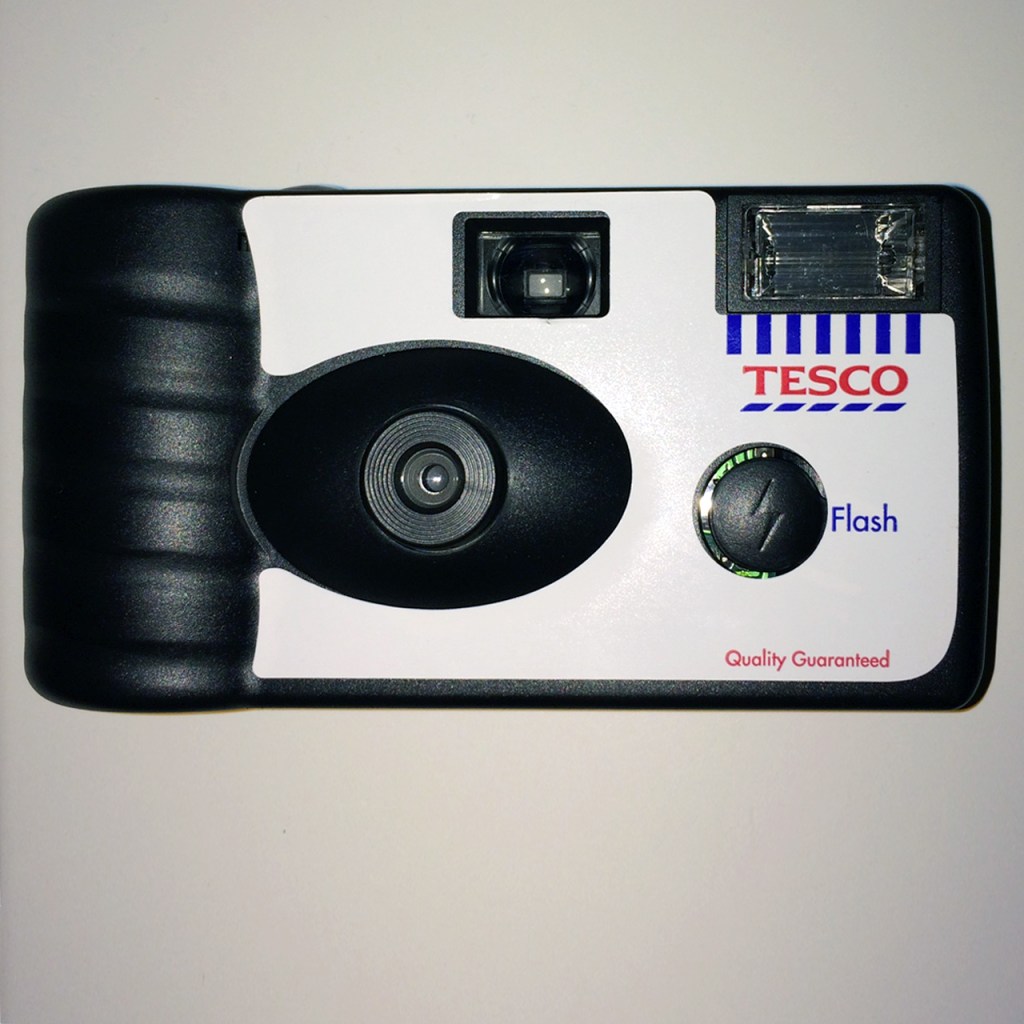
There’s only one thing for it – two Tesco Value disposable cameras!
With diminished means the royal we hurried on, with diminished returns in view, it is with heavy heart and sand filled socks that I present such thin gruel.
No pearls from this grit filled oyster, all chaff and no wheat – that’s me.
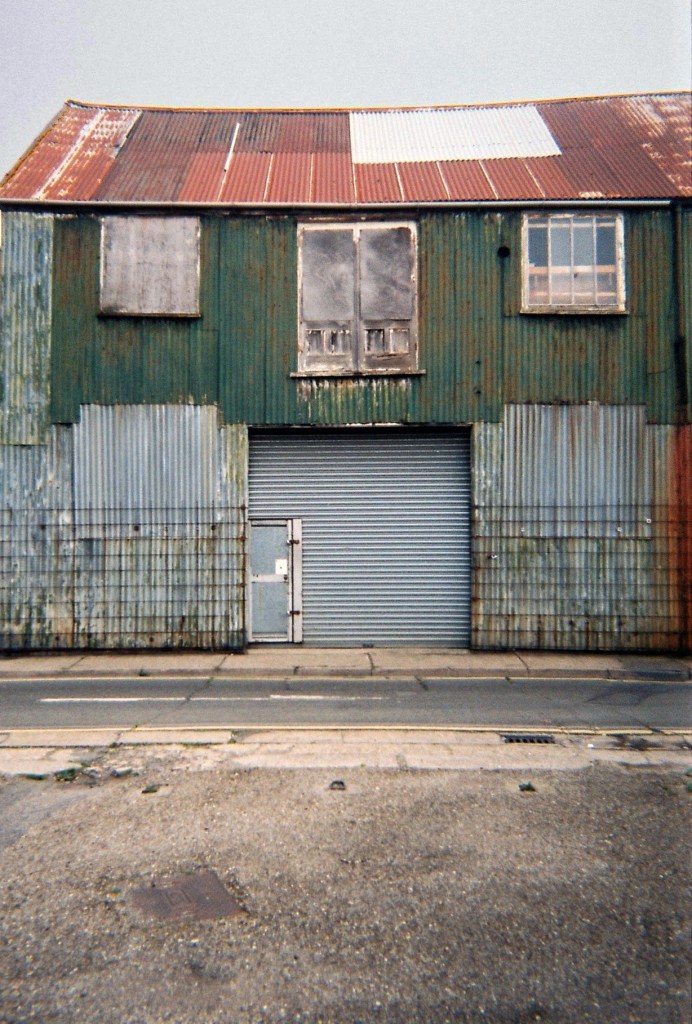
It was hard work editing these images – resembling archival material discovered at the bottom of a 16th century tar barrel.
They’re not even in the right order.
And I’m unsure of many of the locations.
Please accept my profound apologies, I’ll never do it again – I promise.
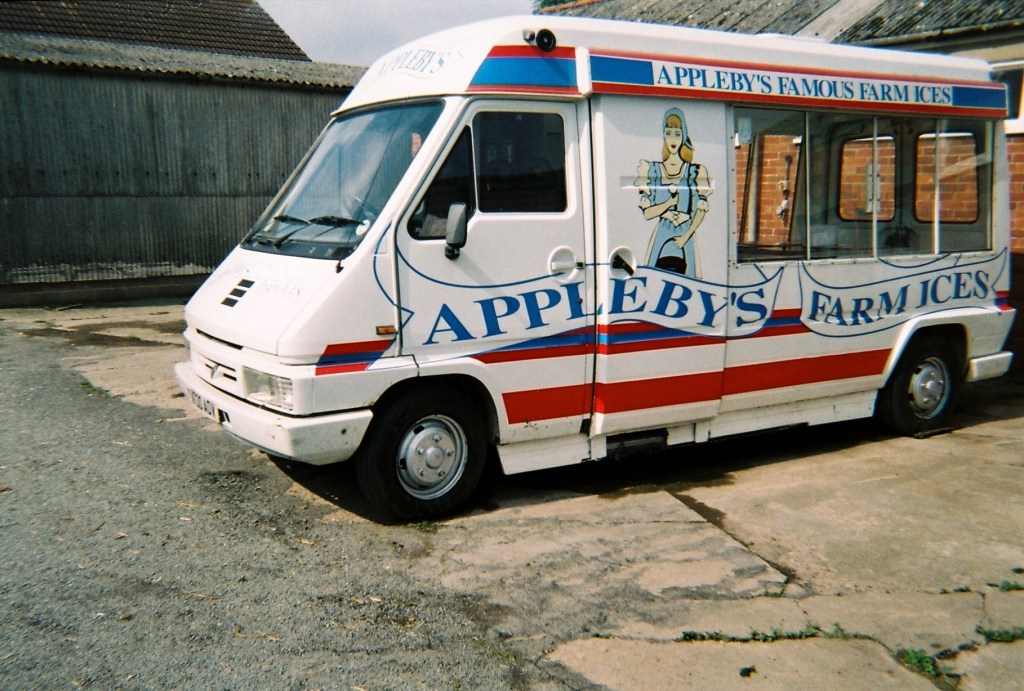
Appleby’s Famous Farm Ices – Main Rd Conisholme Louth LN11 7LS
This is all the information we have available, if you pop in, please ask them to get in touch with Big Barn to add more.
Stymie Bold Italic aka Profil double whammy coming right up!
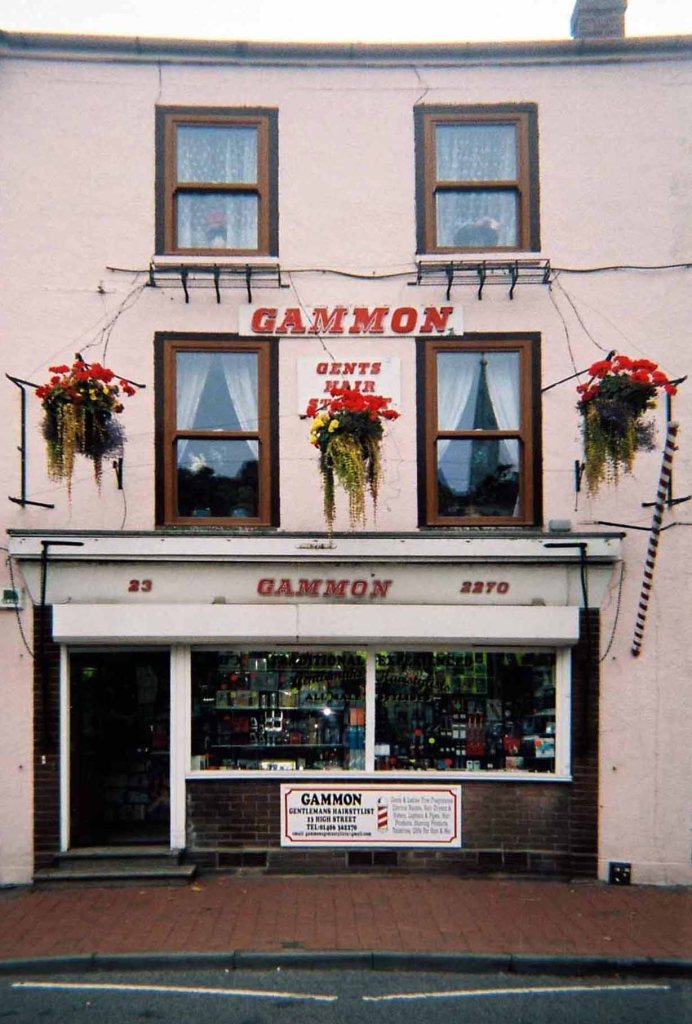
Gammon is a traditional gentlemen’s hairdressers in Long Sutton, call into Gammon’s and experience the atmosphere of Long Sutton’s only male hairdressers.
We are exclusively a traditional men only salon, catering for all ages. Running a drop-in system, and with two chairs available waiting times are kept to a minimum.
At Gammon Traditional Gentleman’s Hairdressers you can also purchase a range of Electric Razors and Toiletries along with a large variety of Gifts.
Gammon Traditional Gents Hairdressers also stock fragrances for him and her that include:- Chanel, Safari, Polo, Ghost, Opium, Quorum, Tabac, Lacoste, Calvin Klein, Dolce and Gabanna, Poison, Davidoff, Iceberg Twice, Jazz, Aramis, Sergio Tacchini, Azzaro, Farenheit, Giorgio, and many more.
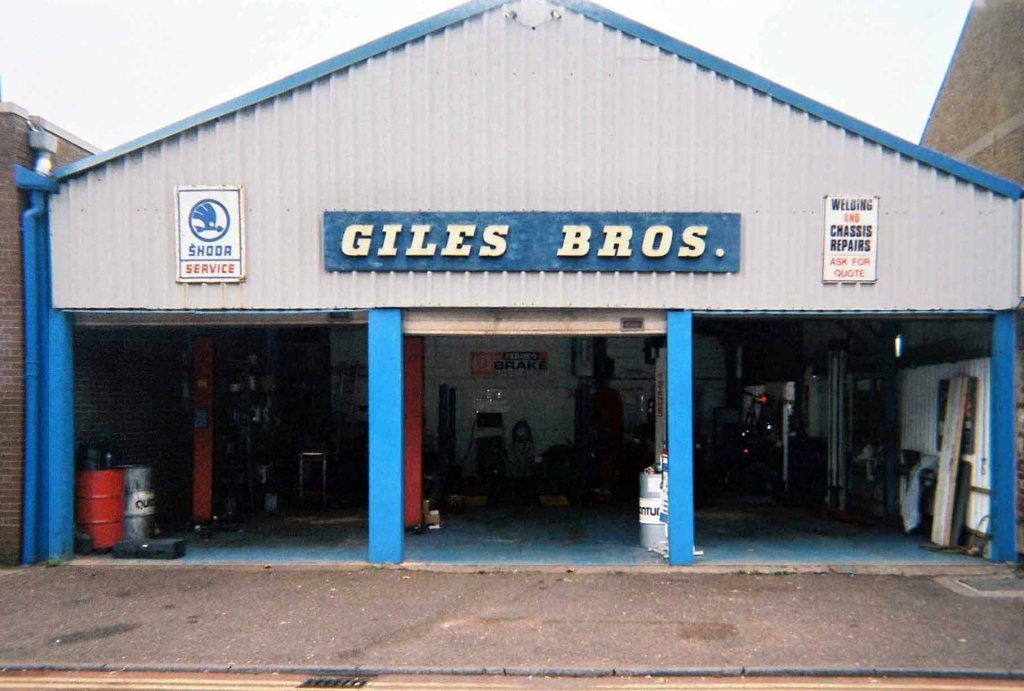
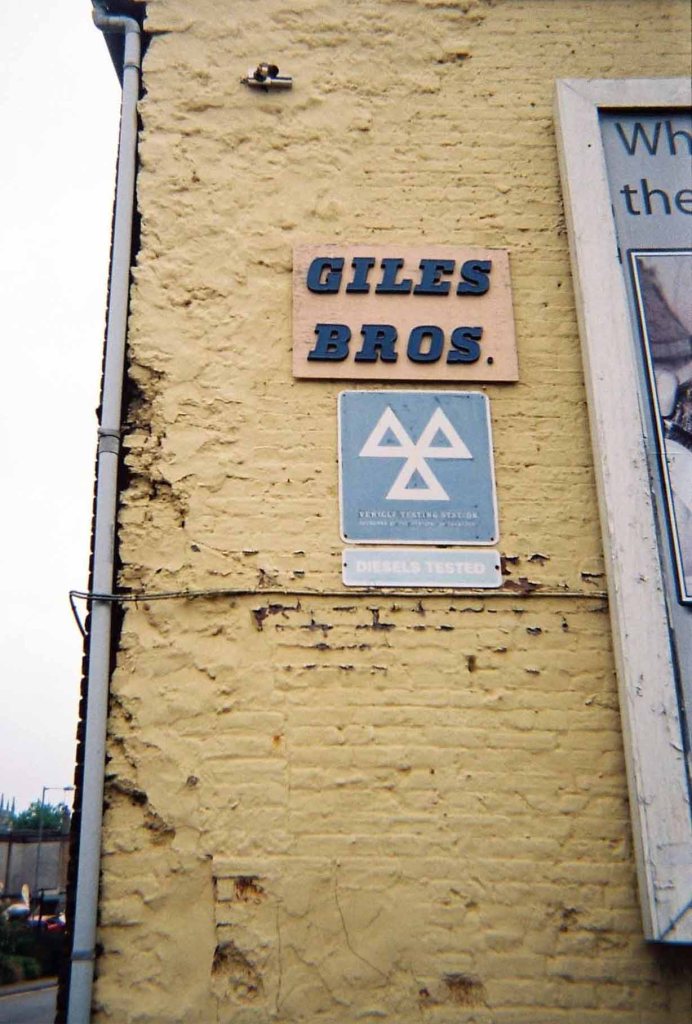
Welcome to Giles Bros located in Kings Lynn town centre. Established in 1921 and still trading from the same premises offering MOT’s on all makes of vehicle in the centre of King’s Lynn. If your looking for a reliable and friendly service you have come to the right place. Please feel free to look around our website and see just what we offer.
Although modern motor vehicles have changed so much since the early days our customer commitment hasn’t.
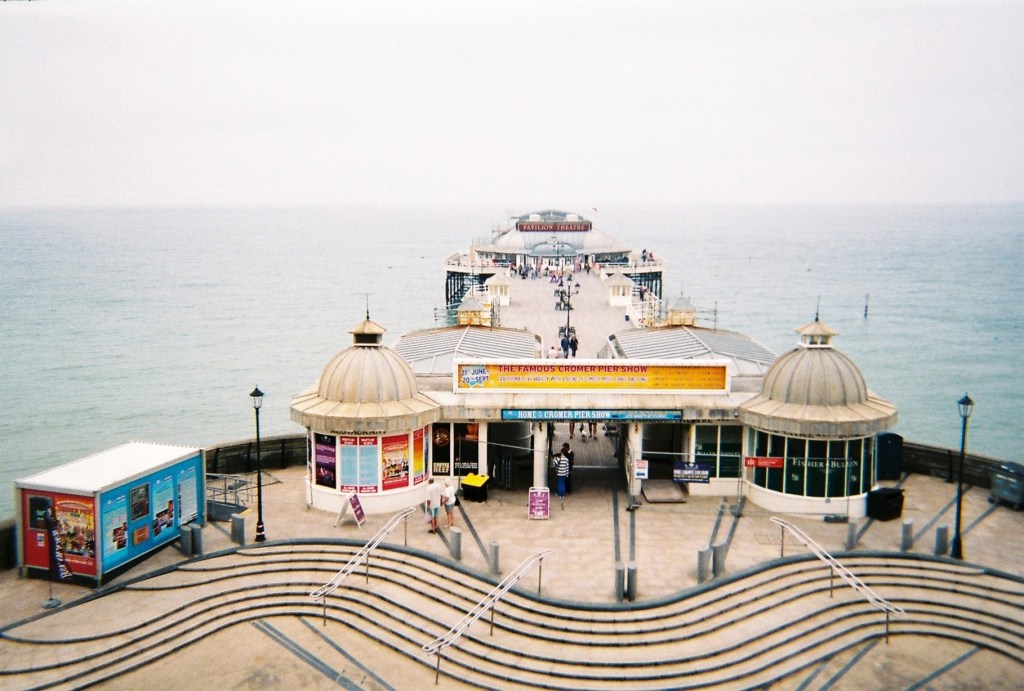
There has been a pier in Cromer since 1391, but history really relates from 1822 onwards. In this year, a 210 foot wooden jetty was built, but unfortunately it was washed away in 1843. It was then replaced with another slightly longer one, 240 foot, which lasted until 1890. This one was also destroyed by the stormy seas and the remains were consequently sold at auction for £40.
Following this, very sensibly, an iron jetty was built that was 500 foot long, together with a bandstand which was eventually extended into a pavilion.
During the war Cromer Pier was sectioned for defence purposes.
The poor Pier also had its fair share of being damaged too, which I suppose is understandable, being stuck out in the sea!
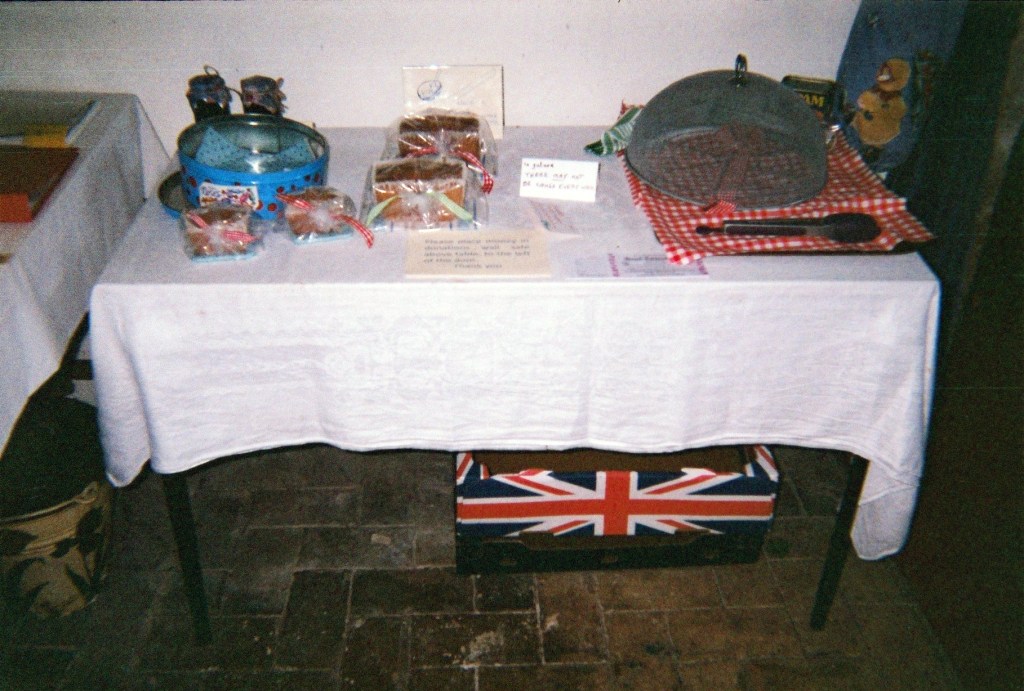
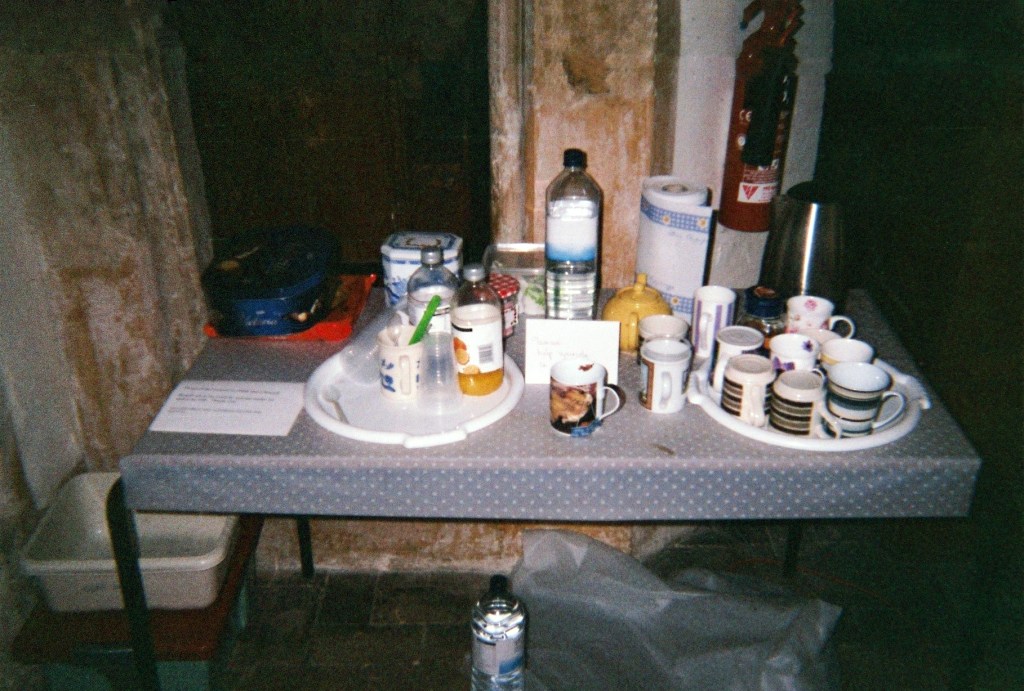
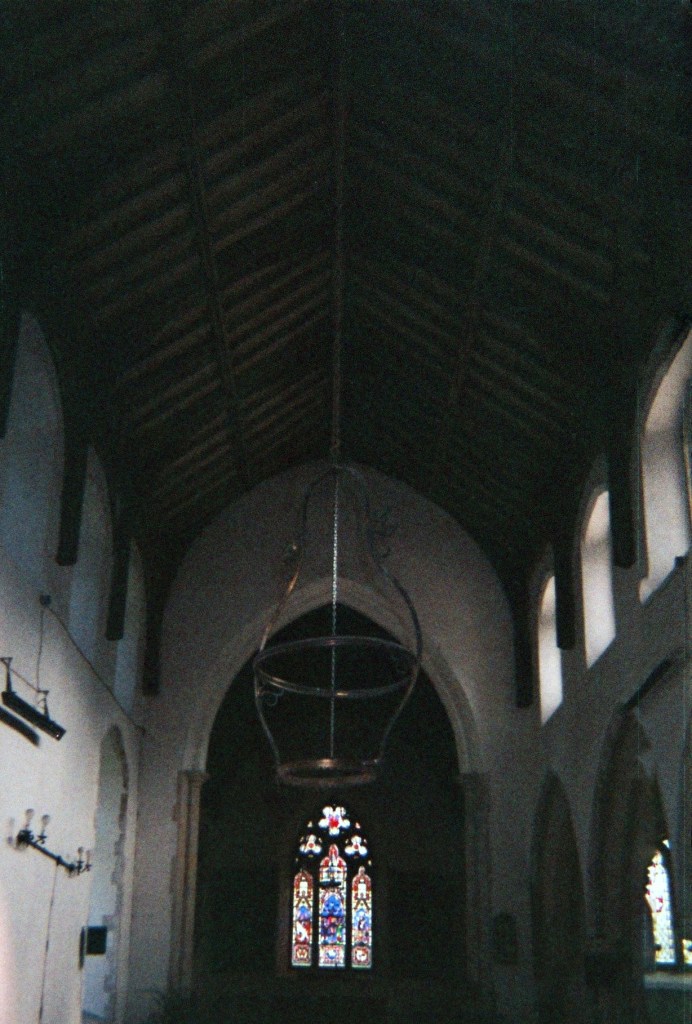
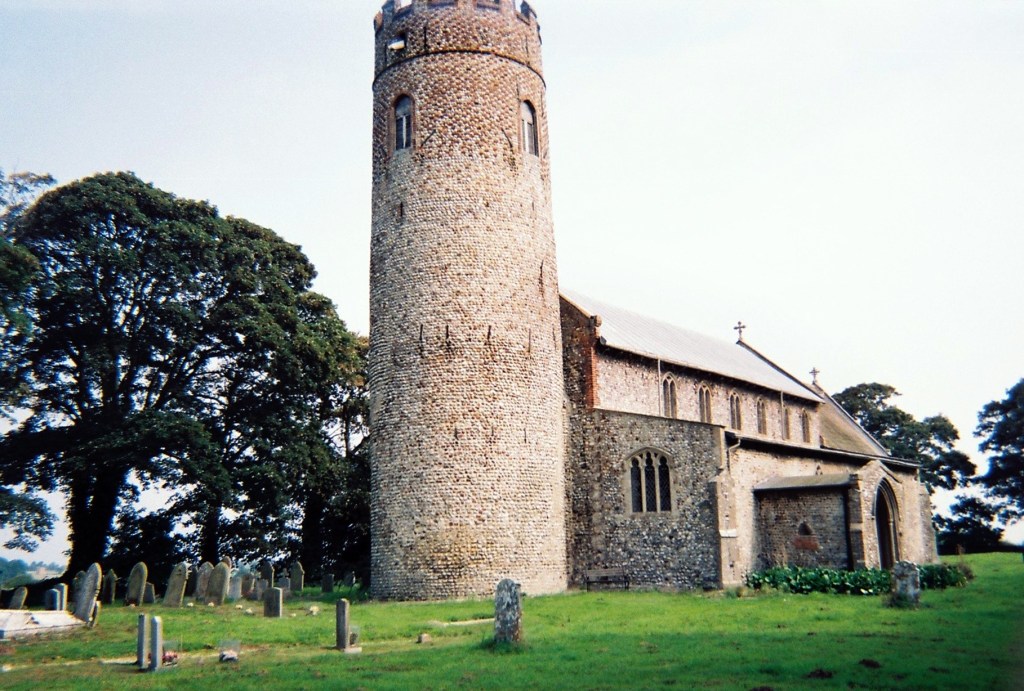
St Magaret Witton-by-Walsham one of the enchanting Norfolk churches I passed by and the only one I entered. It had provision for an unattended brew and home made cake, just the job.
The church is an elegant, well-kept, peaceful building, but it is also rather quirky. There are two splayed round windows in the lower north side of the nave it seems reasonable to think that they are genuine Saxon windows, and this is a genuine Saxon piece of wall. As is the lower part of the south wall, for both sides have long and short work ironstone blocks forming the corners with the west wall.
In the early 14th Century they began to expand the church, but rather than rebuild it they heightened the existing walls, which is why the tower and the church still make an awkward juxtaposition even today. There is a clerestory on both sides of the church, but an aisle only to the south, contemporary with the clerestory, rather than with the 15th century crowning of the tower with a bell stage and battlements.
When the Tudors extended the tower, they needed a way for people to get up to the bell stage. Rather than build a stairway inside the tower in the conventional manner, they built a stair turret inside the church, against the west wall of the nave, which is at once awkward and intriguing. Tucked in beside the stair turret is a large converted barrel organ. I remembered the late Tom Muckley observing that small villages like this usually owned just one barrel organ, which was used in the church on Sunday and then moved to the pub for the rest of the week.
Day four Thursday 4th September 2014 – leaving Clacton on Sea for Frinton on Sea is the equivalent of crossing continents, time zones, aesthetic and social sensibilities.
Leaving the razzle-dazzle, frantic fish and chip frazzle, for the sedate repose of germ free Frinton.
Green sward and restrained modernist shelters adorn the foreshore.
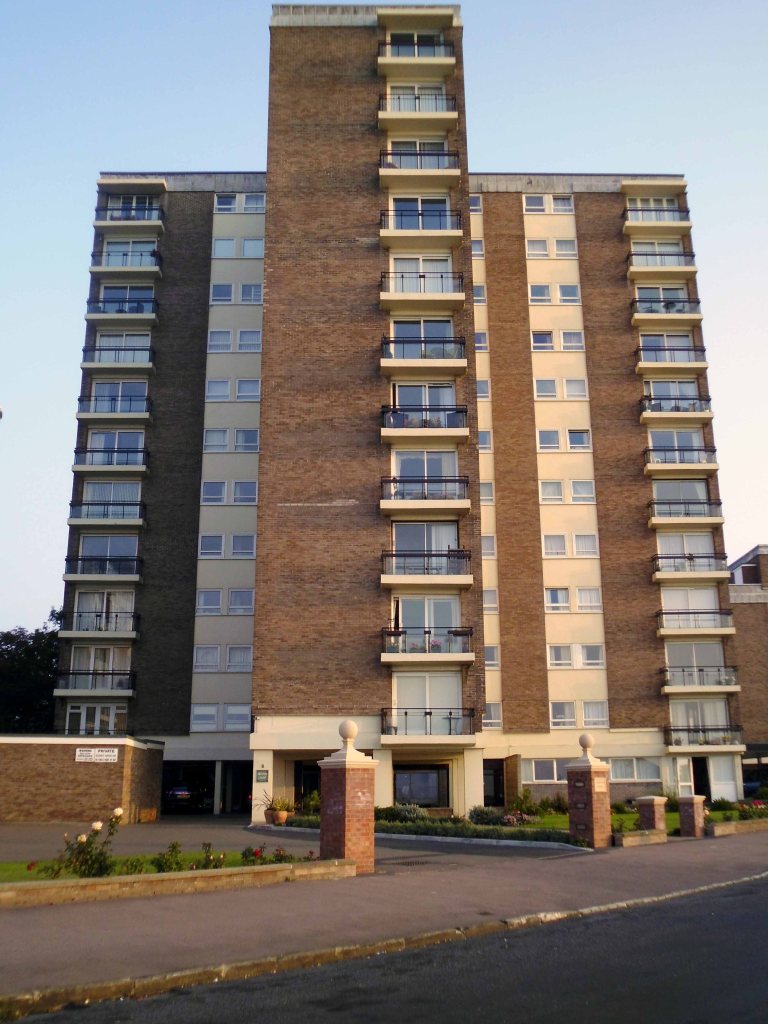
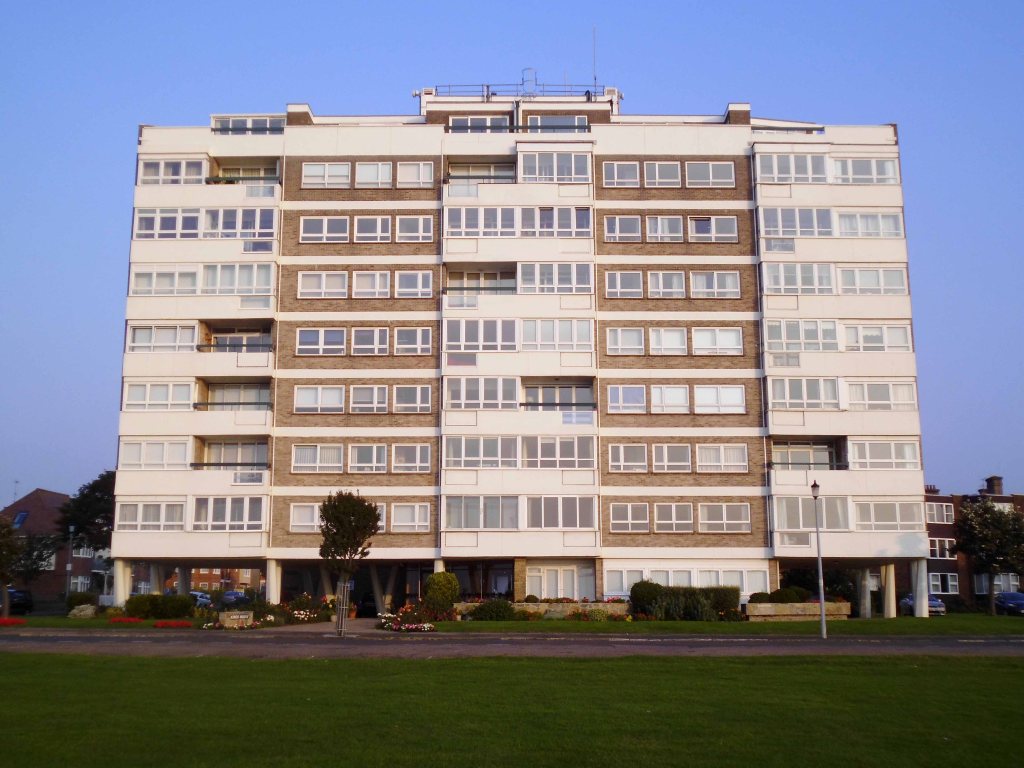
I love the bold optimism of Maritime Moderne – the bright eyed, forward looking window grid of these fine flats.
I have a cautious admiration for the faux Deco newcomers.
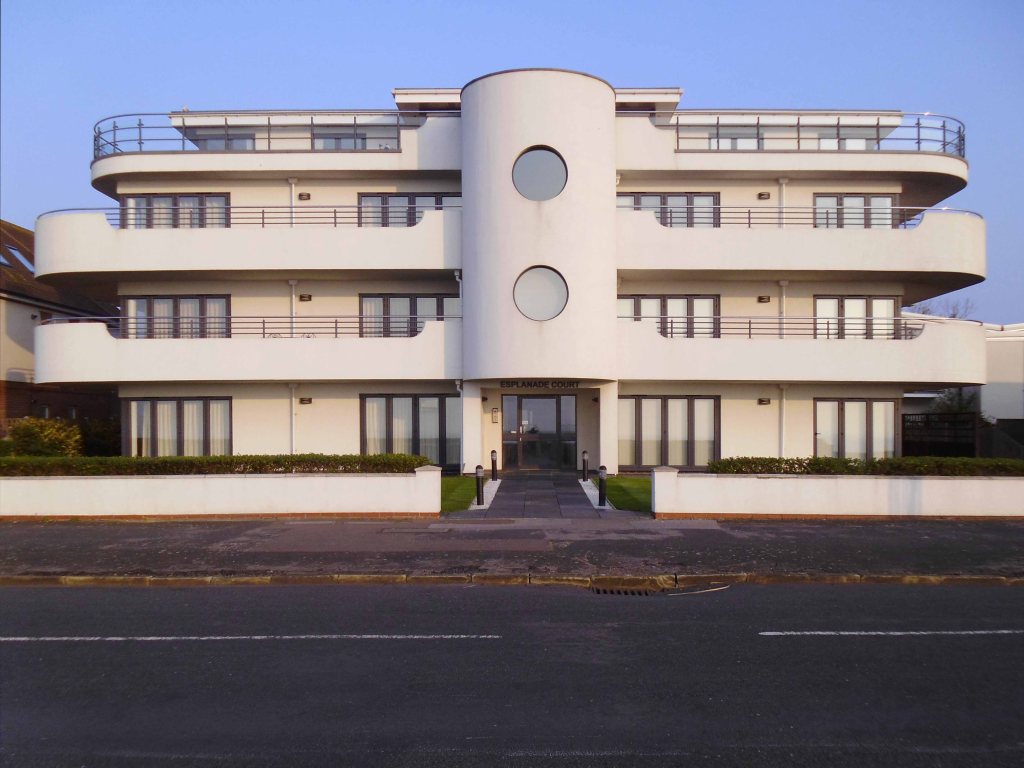
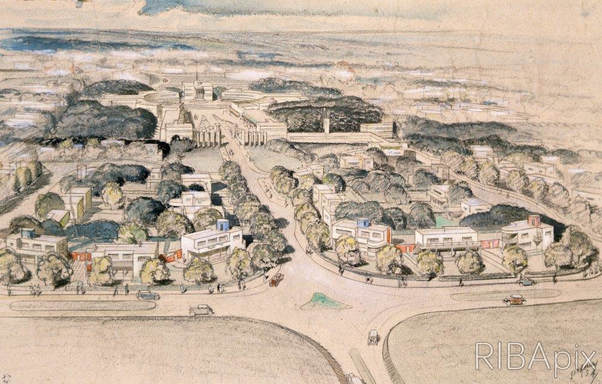
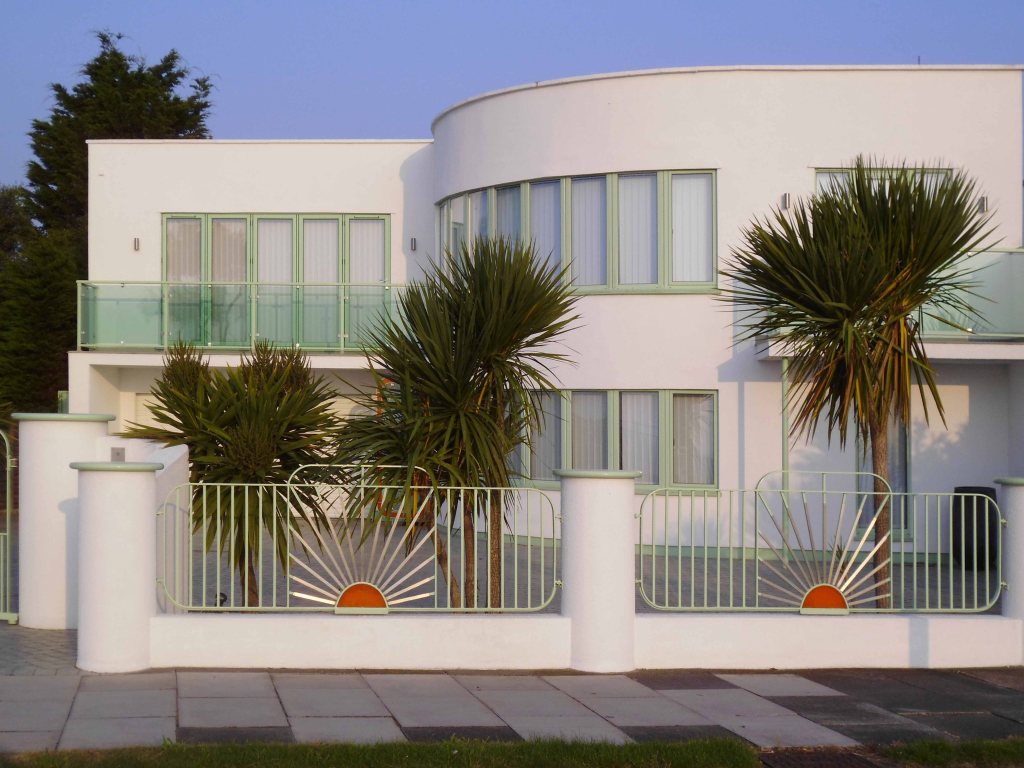
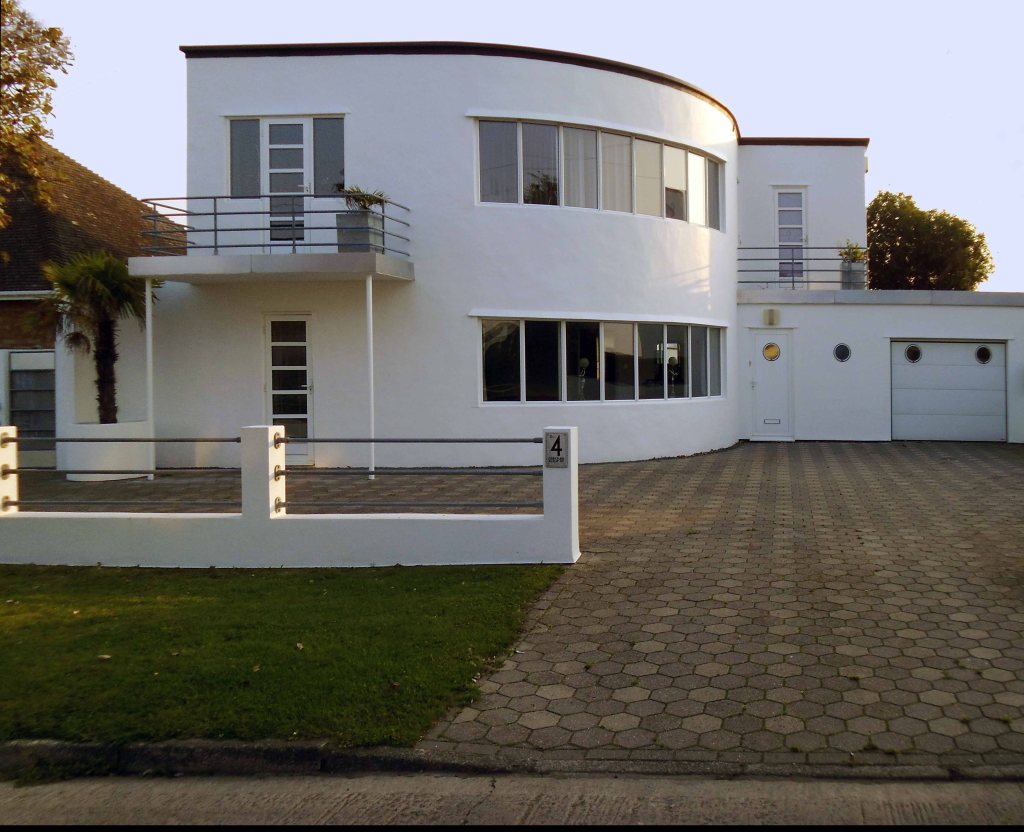
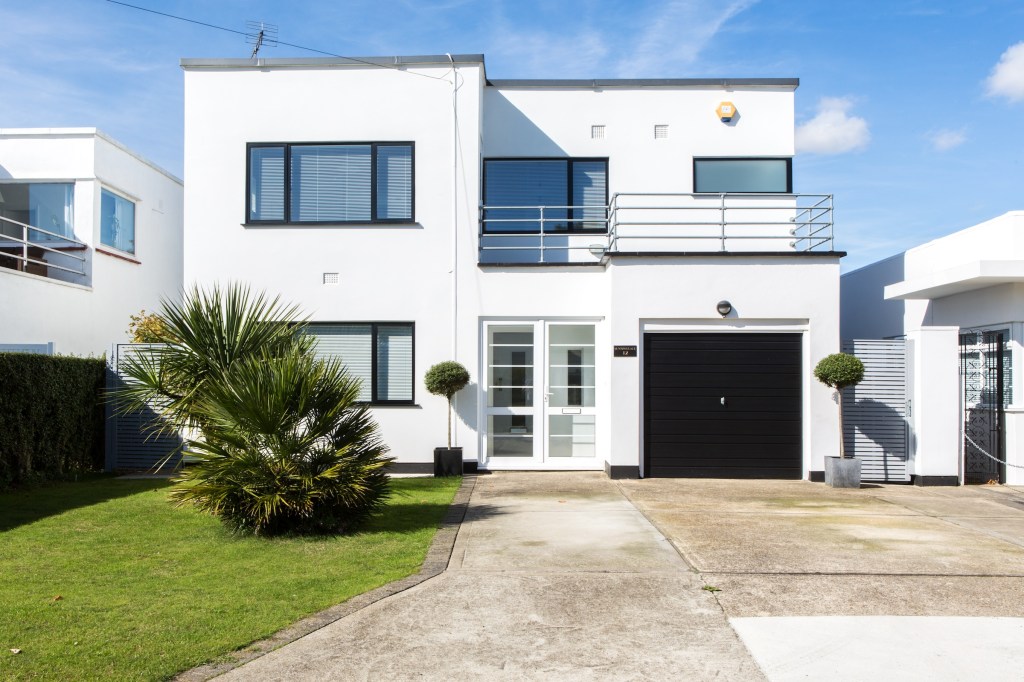
The modernist estate was attempted many times in the interwar years; visions of rows of fashionable white walled, flat roofed houses filled developers eyes. In practice the idea was less popular with potential house buyers. In the Metro-Land suburbs of London, estates were attempted in Ruislip and Stanmore, with a dozen houses at most being built. One estate that produced more modernist houses than most, albeit less than planned, was the Frinton Park estate at Frinton-on-Sea on the Essex coast.
Oliver Hill was known for his house designs, which spanned styles from Arts and Crafts to Modernist. Hill was to draw up a plan for 1100 homes, as well as a shopping centre, luxury hotel and offices. The plan was for prospective buyers to buy a plot and then engage architects to design their new house from a list of designers drawn up by Hill. The list featured some of the best modernist architects working in Britain at the time; Maxwell Fry, Wells Coates, F.R.S. Yorke and Connell, Ward & Lucas.
As wonderful as this sounds today, the buying public of 1935 did not quite agree. The majority of potential buyers were apparently put off by the Estates insistence on flat roofs and modernist designs. Plan B was to build a number of show homes to seduce the public into buying the modernist dream. Of 50 planned show homes, around 25 were built, with about 15 more houses built to order. The majority of these were designed by J.T. Shelton, the estates resident architect, with a number designed by other architects like Hill, Frederick Etchells, RA Duncan and Marshall Sisson.
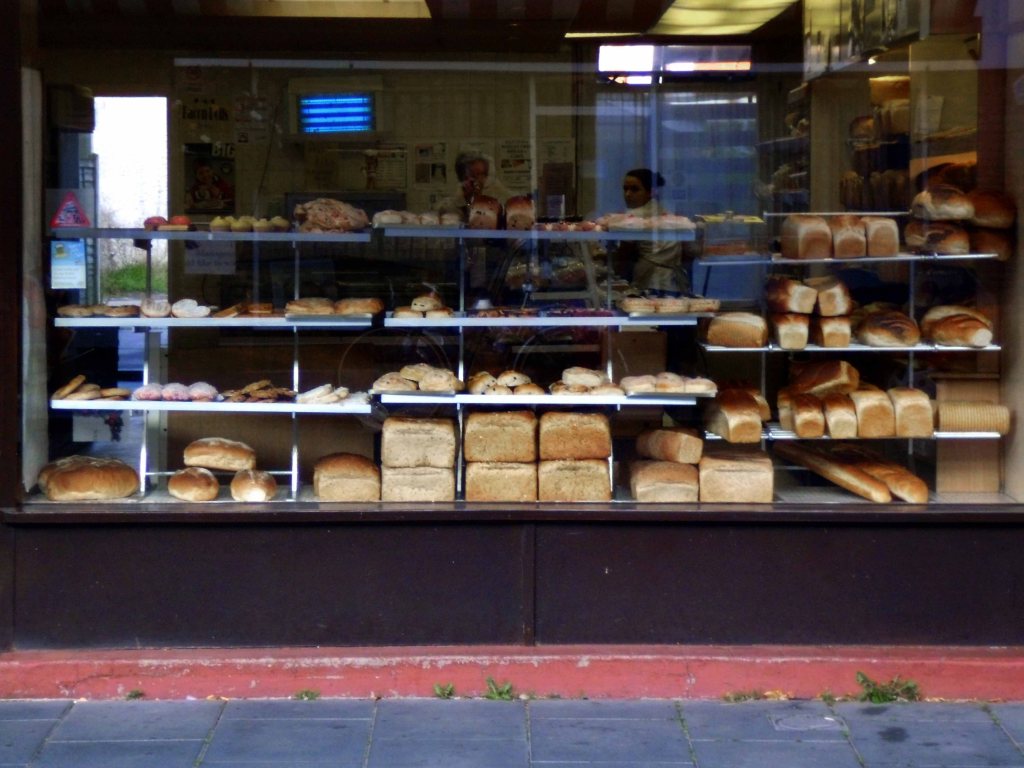
The town is also home to this traditional confectioners – Lilley’s Bakery.
Leaving the coast for pastures new – well, a ploughed field actually.
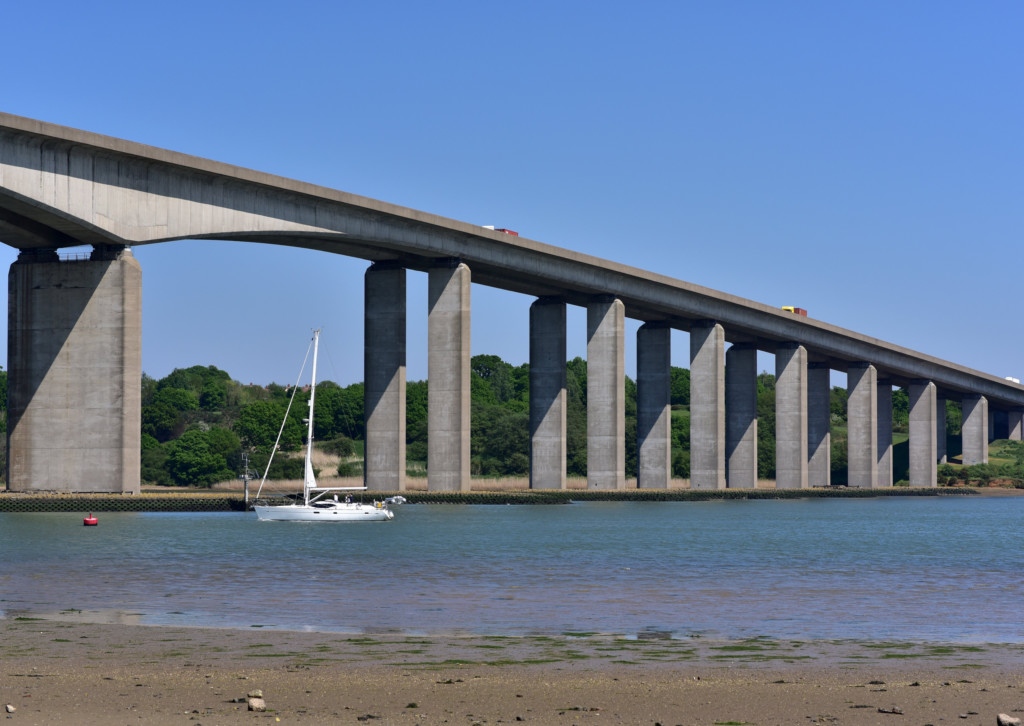
Crossing the River Orwell over the Orwell Bridge on my way to Ipswich.
The main span is 190 metres which, at the time of its construction, was the longest pre-stressed concrete span in use in the UK. The two spans adjacent to the main span are 106m, known as anchor spans. Most of the other spans are 59m. The total length is 1,287 metres from Wherstead to the site of the former Ipswich Airport. The width is 24 metres with an air draft of 43 metres; the bridge had to be at least 41 metres high. The approach roads were designed by CH Dobbie & Partners of Cardiff.
The bridge is constructed of a pair of continuous concrete box girders with expansion joints that allow for expansion and contraction. The girders are hollow, allowing for easier inspection, as well as providing access for services, including telecom, power, and a 711mm water main from the nearby Alton Water reservoir.
The bridge appears in the 1987 Cold War drama The Fourth Protocol, in which two RAF helicopters are shown flying under it, and at the end of the 2013 film The Numbers Station.
Time for a Stymie Bold Italic stop – much to the obvious consternation of an over cautious customer.
It seems to still be extant – but with a tasteful coat of subdued grey paint according to its Facebook page.
Having completed this journey in 2016, then reacquainting myself in 2020, I have little recollection of visiting Ipswich, but I did, yet there are no snaps.
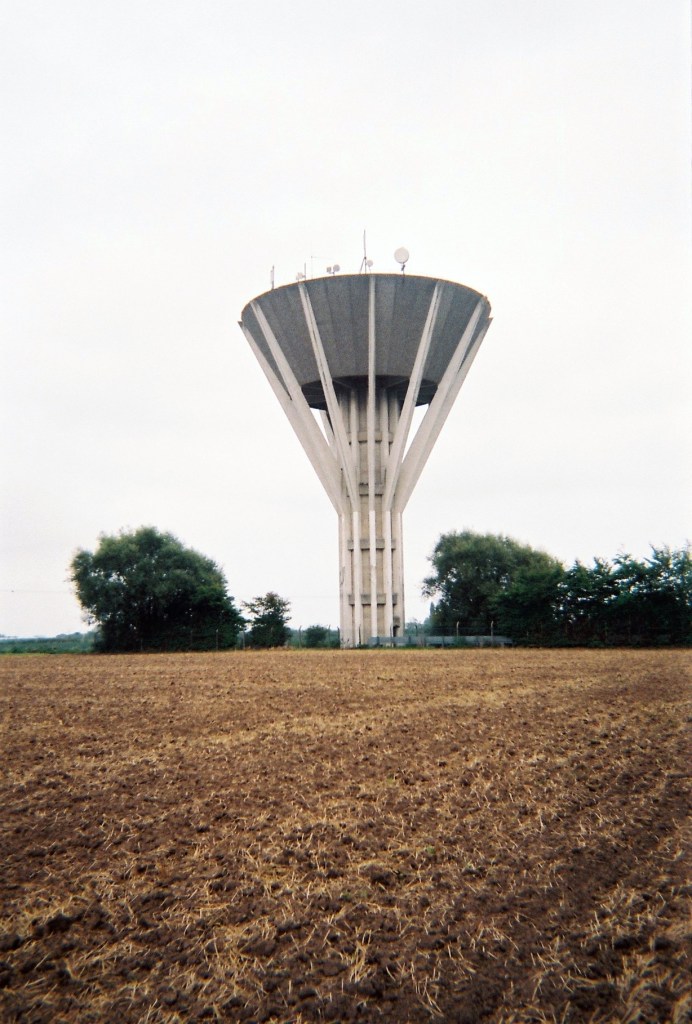
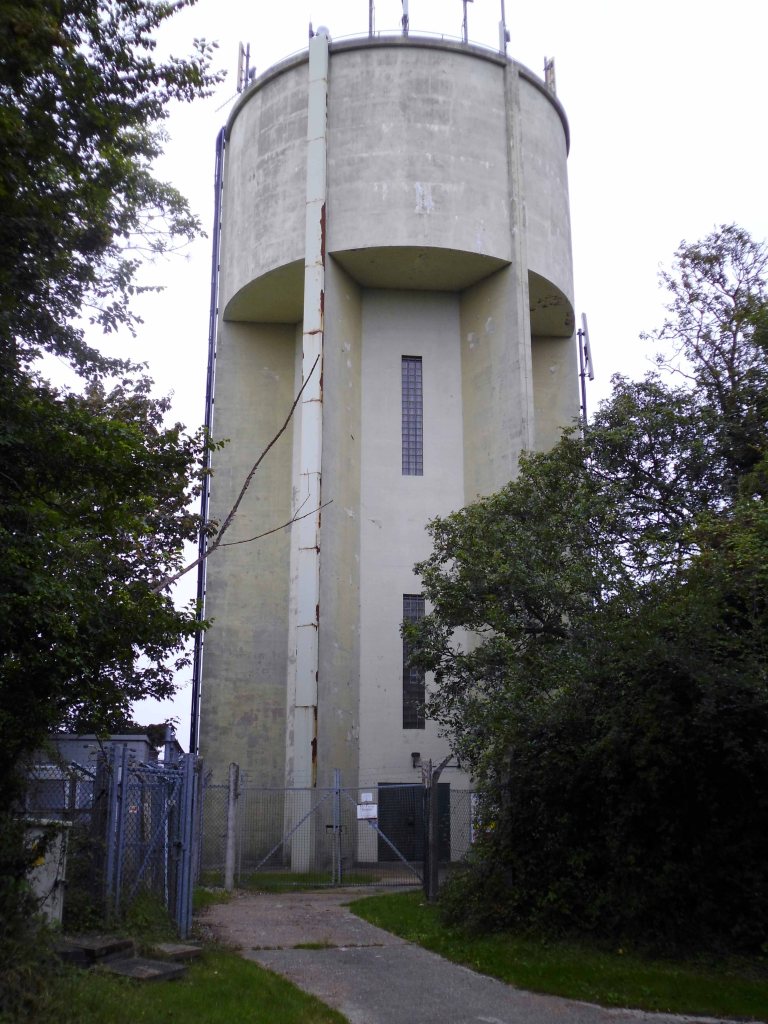
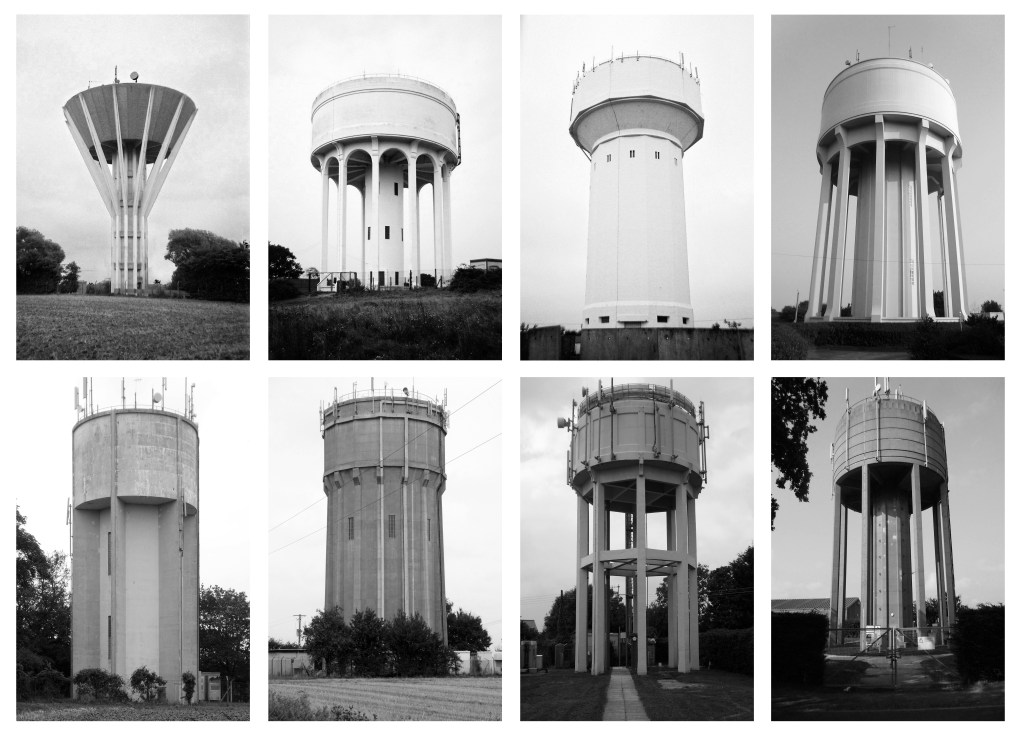
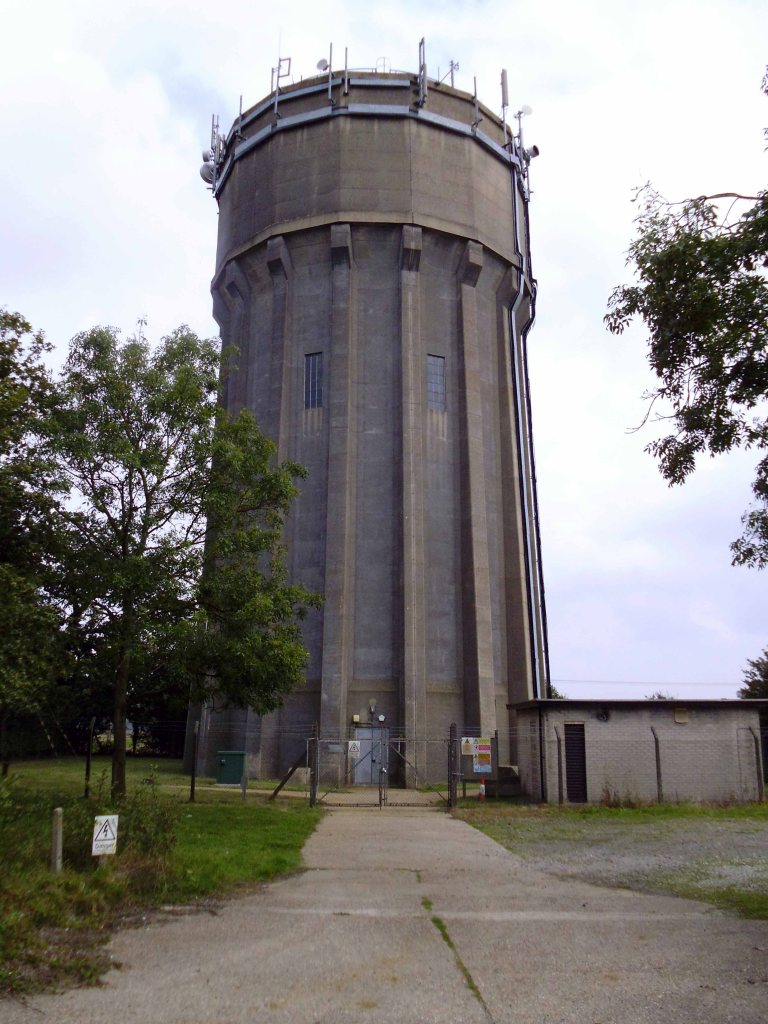
I photographed this and several other water towers, precisely where, I could not honestly say.
Suffice to say that it is somewhere – as is everything else.
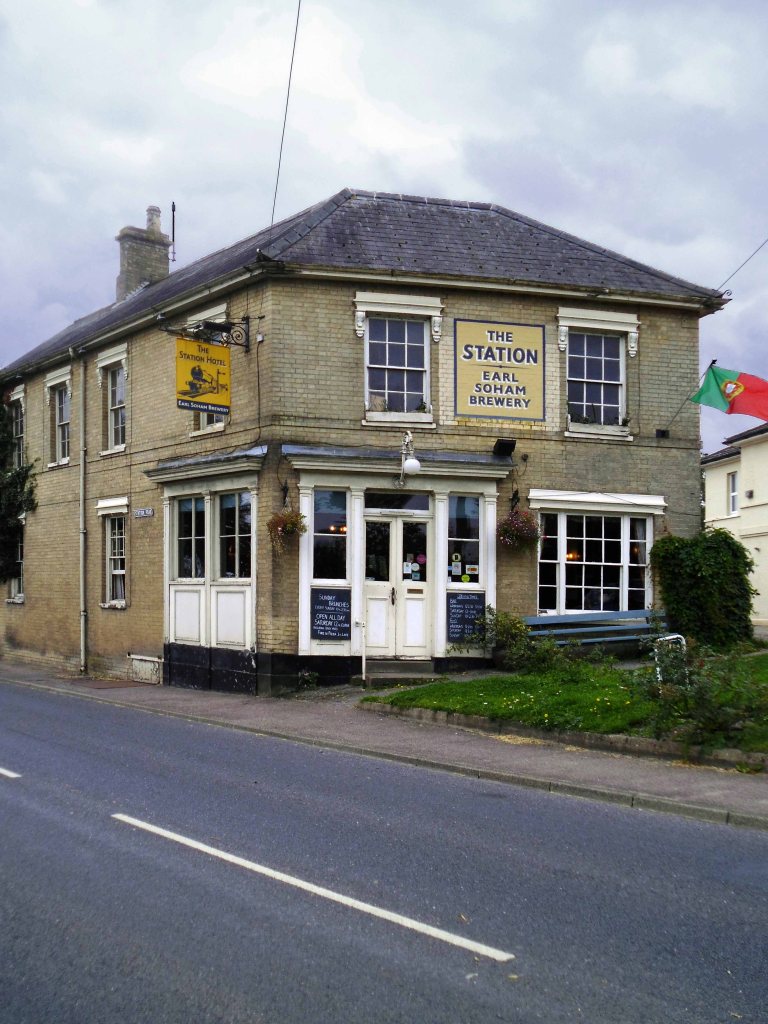
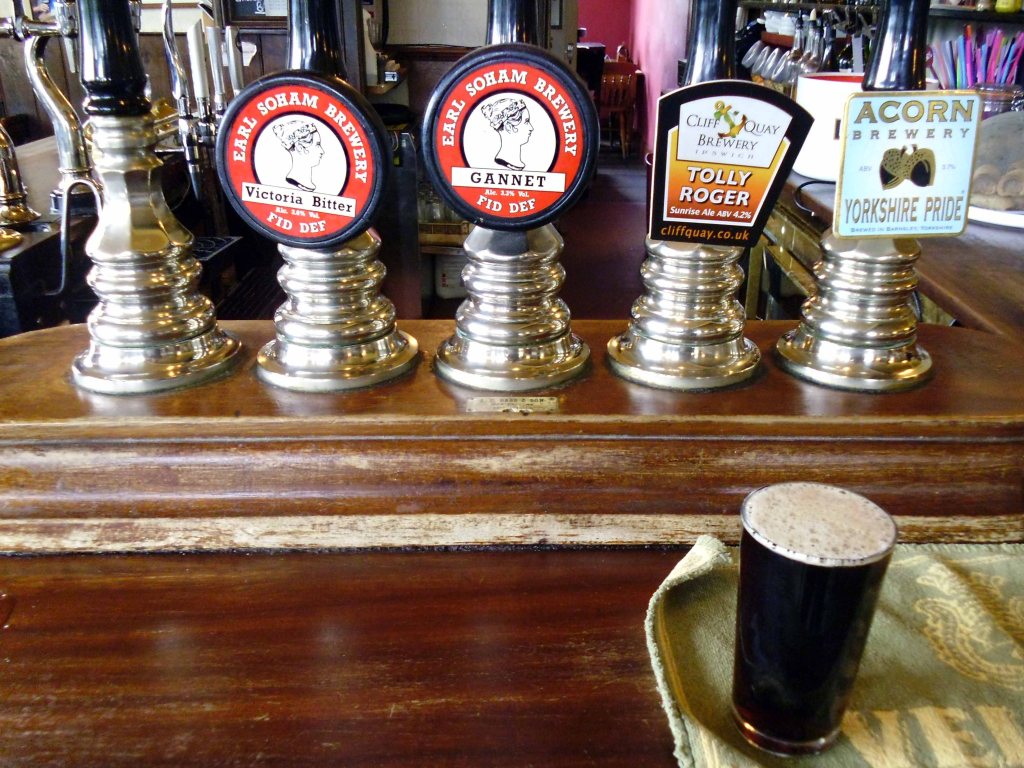
This the only time that I chose to have a glass of beer whilst awheel, normally waiting until the evening – I couldn’t resist this charming looking brew pub in Framlingham.
Earl Soham is a village close by, on the A1120. The Earl Soham Brewery beers started out in life being brewed in local man Maurice’s old chicken shed. You may be pleased to hear they have a slightly more sophisticated set-up now, without forgetting their humble roots.
If you haven’t tasted them before, we think you’ll be as delighted with them as our regulars, and you can be guaranteed of a warm welcome if you come to try them out.
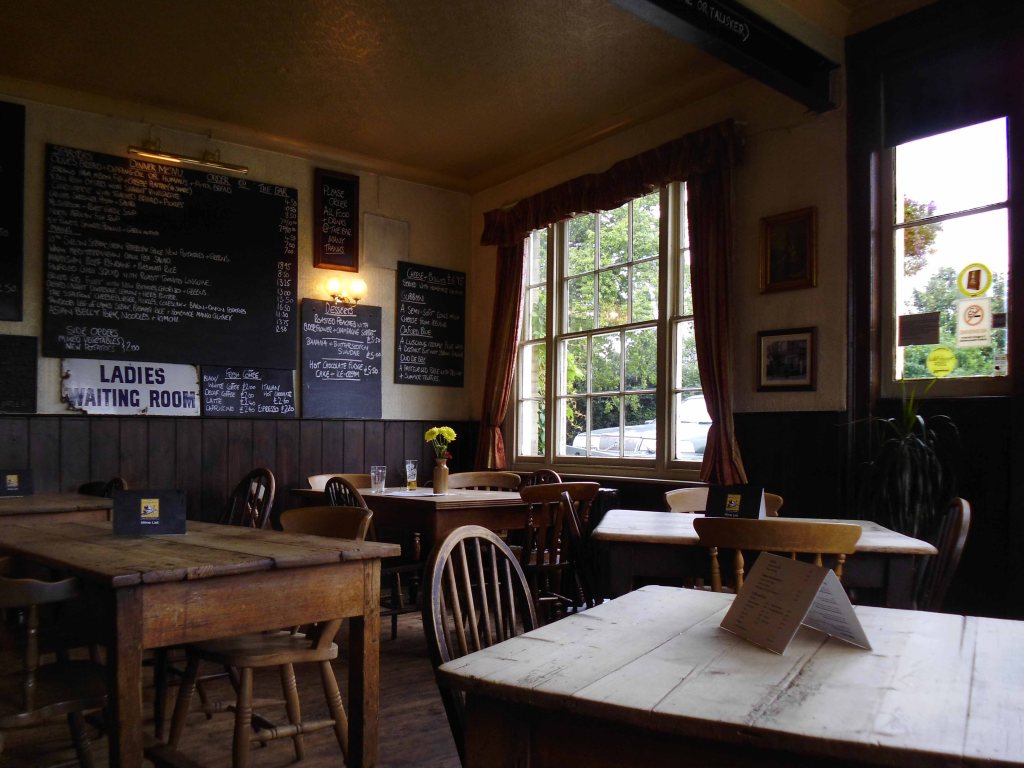
The sort of wayside boozer where I could have easily idled away an hour or two – hopefully I’ll pass by again some time and linger longer.
Another water tower – somewhere.
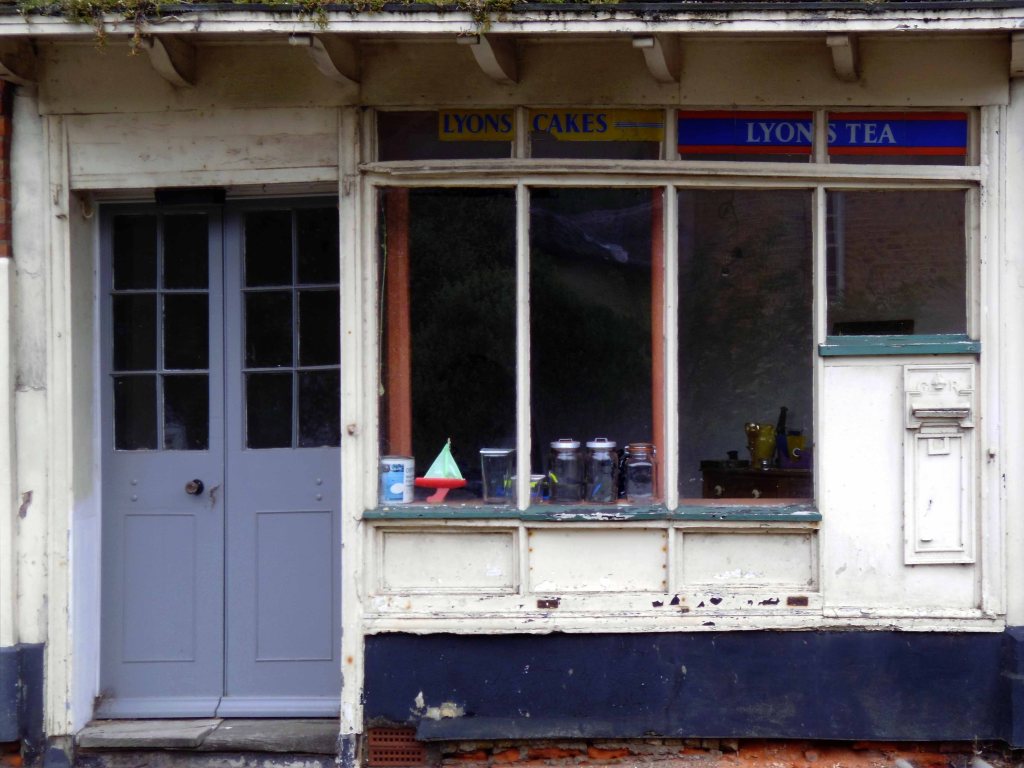
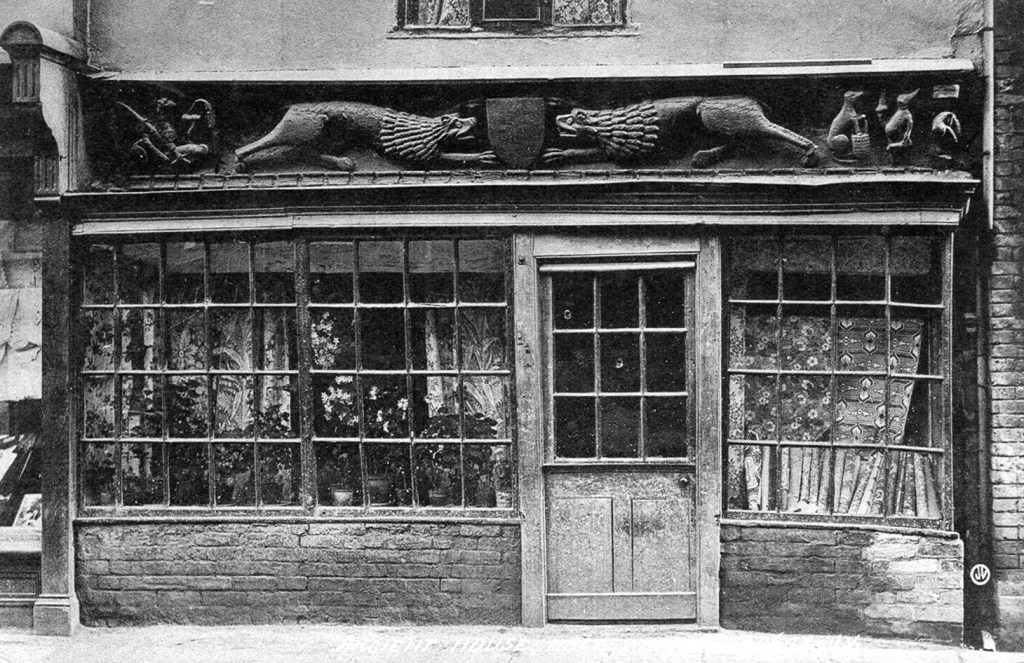
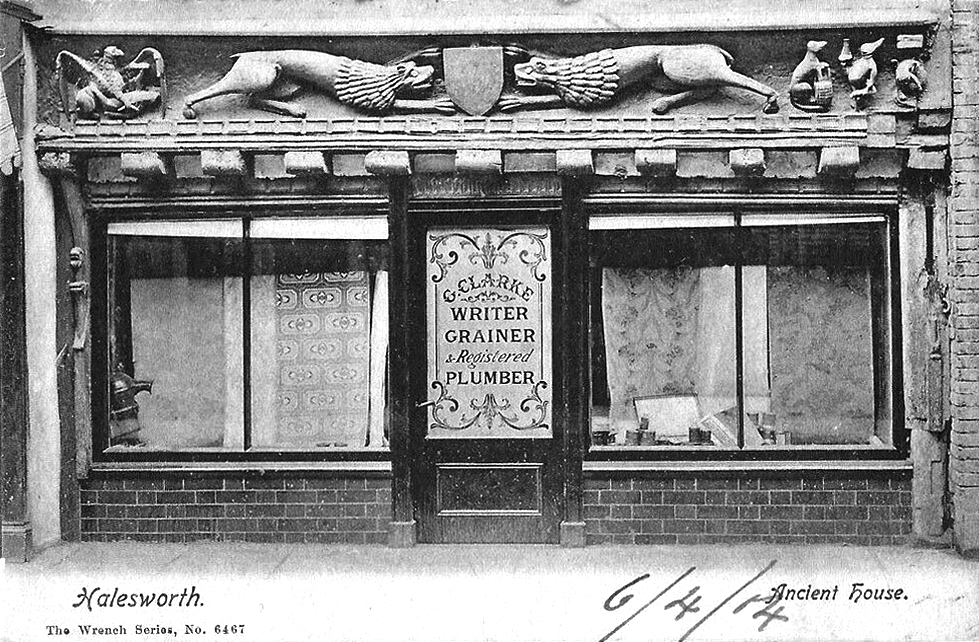
The most enchanting of shop fascias.
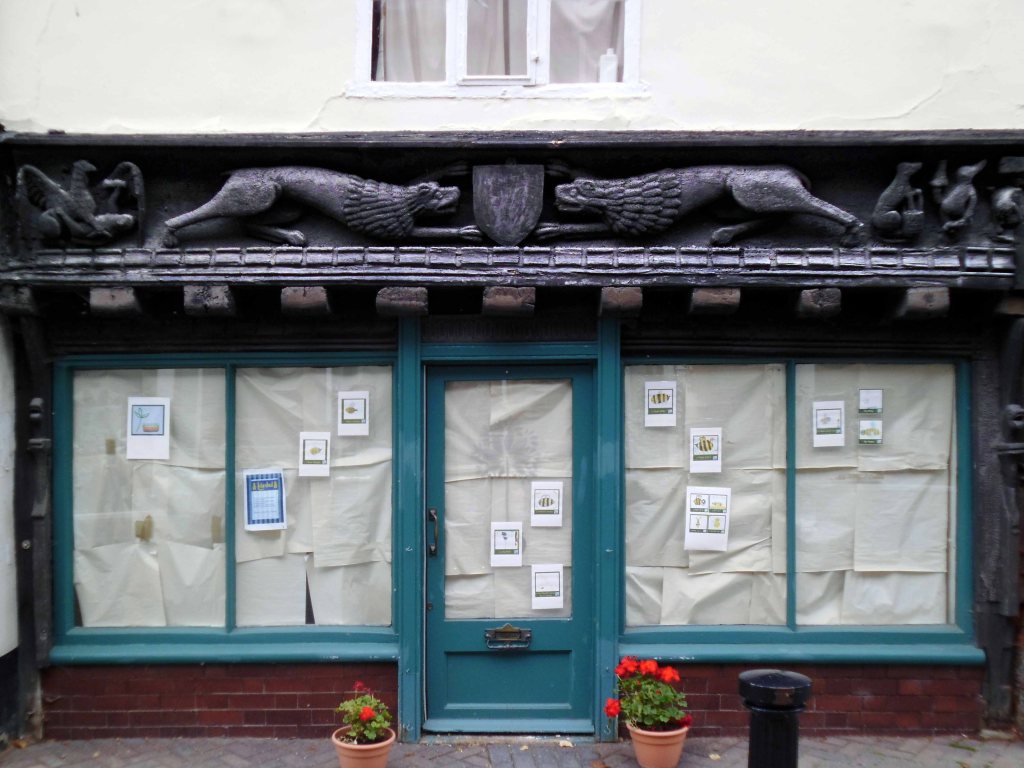
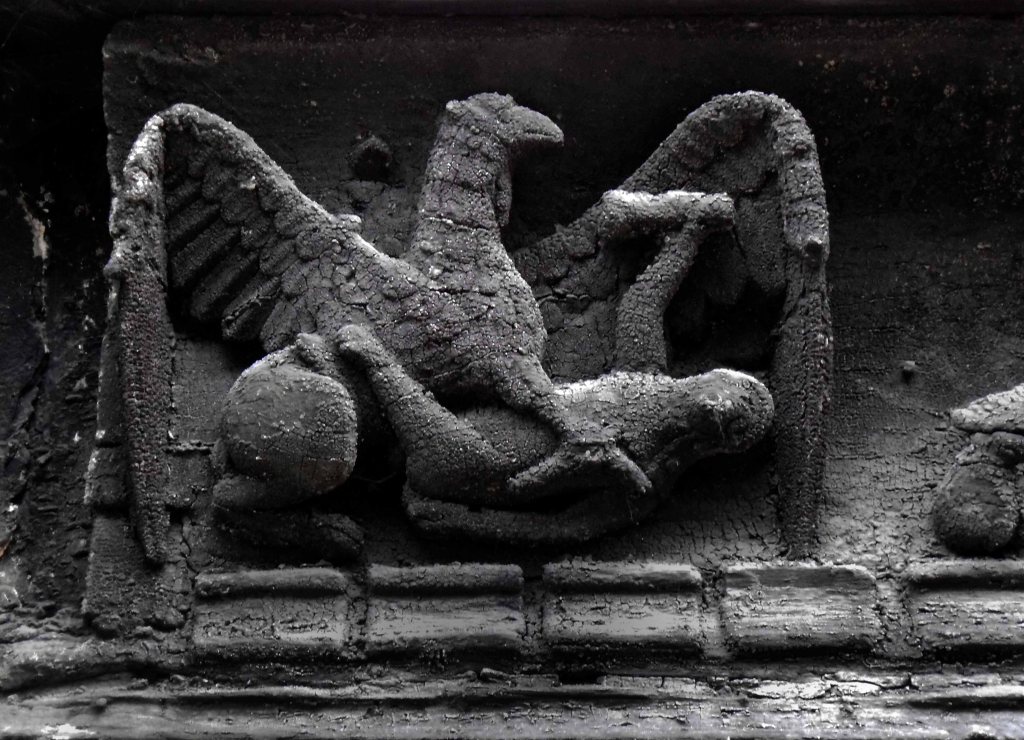
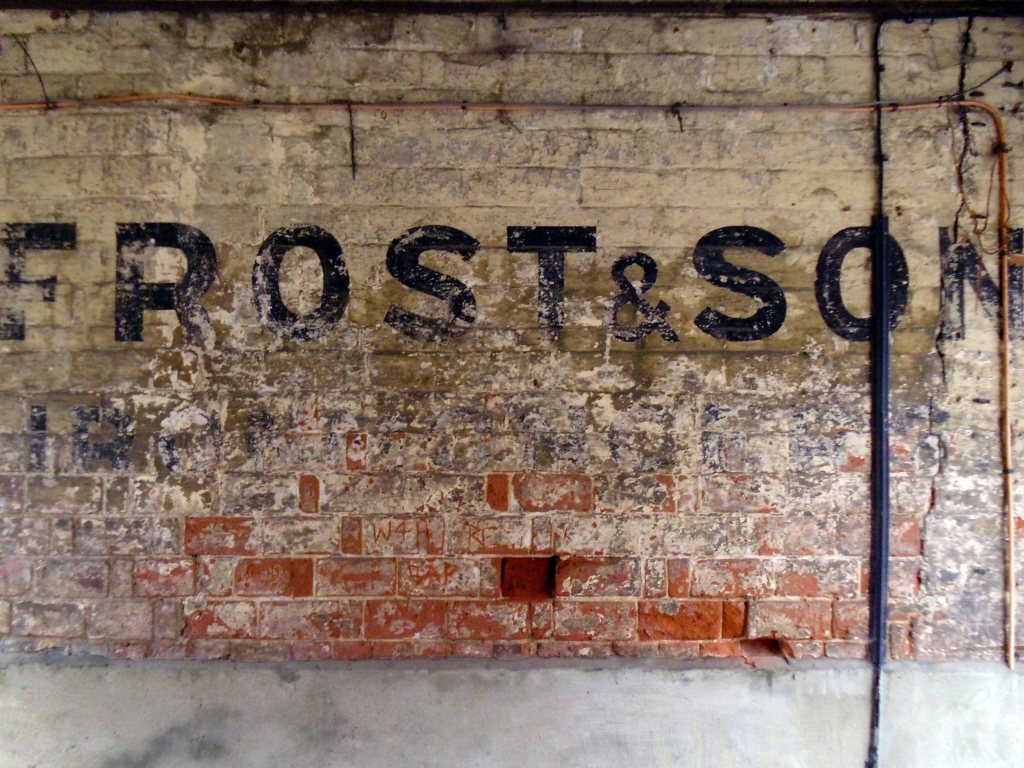
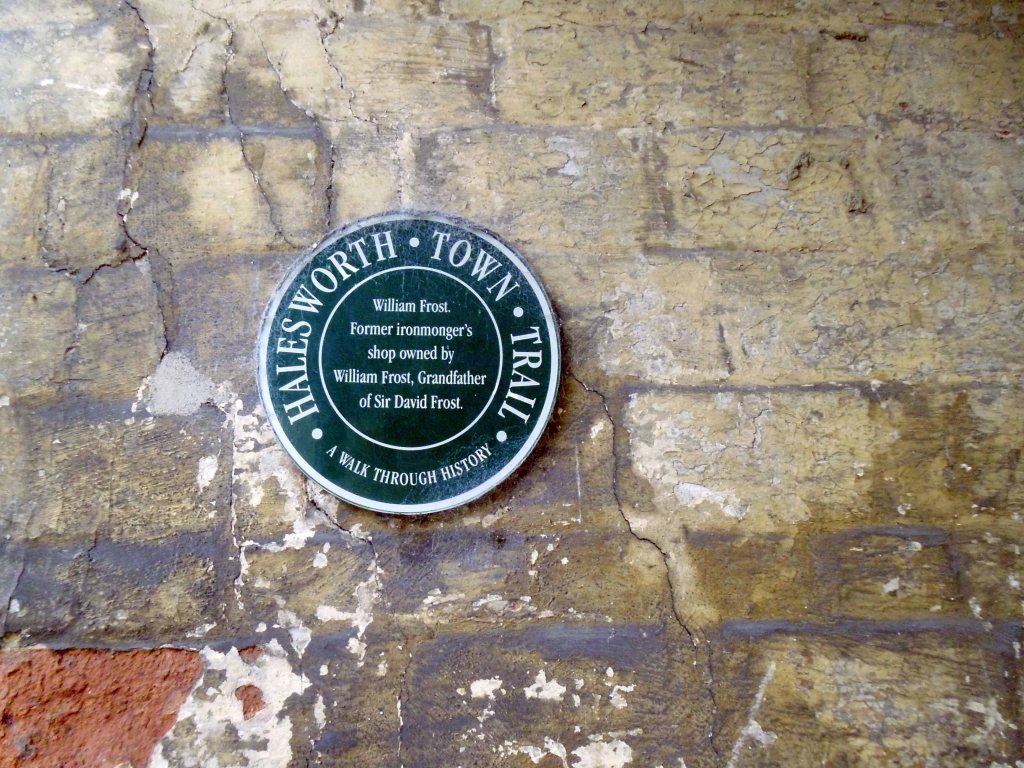
Something of a curiosity – David Frost’s father’s ironmongers in Halesworth – and the Ancient House with its ancient carving.
The bressumer beam at the front of the is linked with Margaret de Argentein in the late 14th and 15th century, it is believed t it could have been a manor or toll house.
Currently trading as a Bistro with paranormal problems;
Things in the window were swaying the other day and when we went to stop them they almost fought back.
I’ve seen two ghosts in the kitchen. One was clearly a man, the other was when I thought my daughter was over my shoulder but when I looked around she wasn’t there, and we were the only two in the building.
Rides include the world famous Snails and Tyrolean Tub Twist.
A huge toy town mountain incorporates the Spook Express kiddie coaster, Jet Cars and Neptune’s Kingdom undersea fantasy ride, Pirate Ship, Major Orbit, Balloon Wheel and Skydiver complete the rest of the rides.
Hungry – why not grab a bite at the American Diner.
I actually went to the Wetherspoons.
Though the town is full of tiny pubs.
And a chippy.
I wandered the highway byways and promenade of Great Yarmouth, all alone in a neon nightmare!
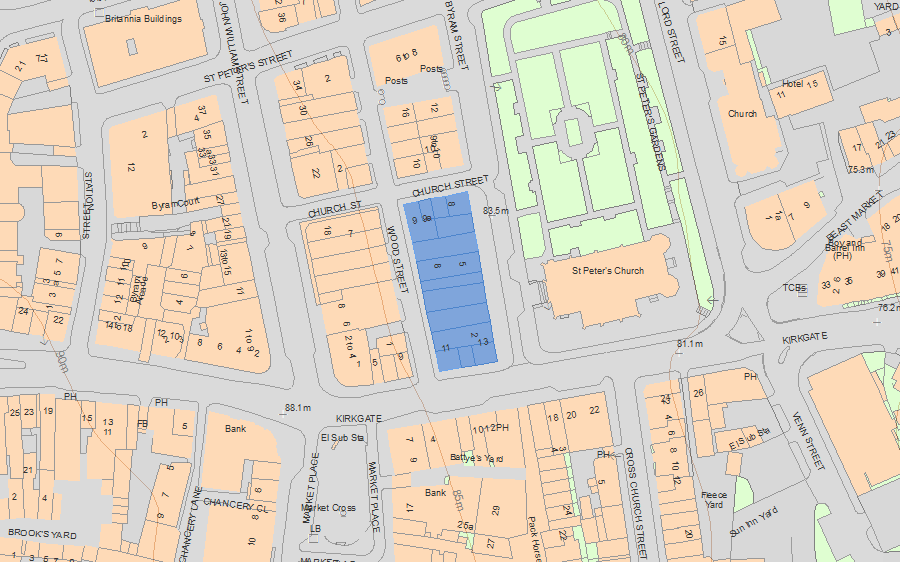
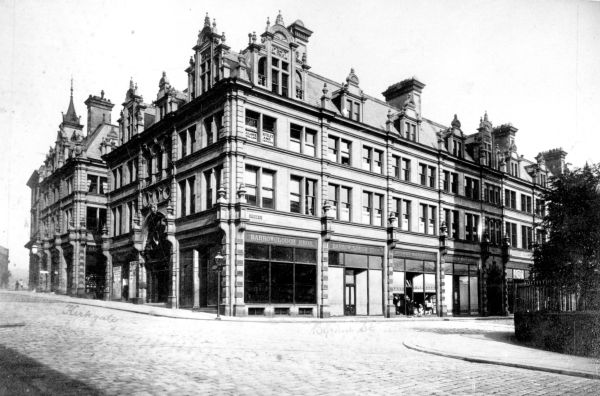
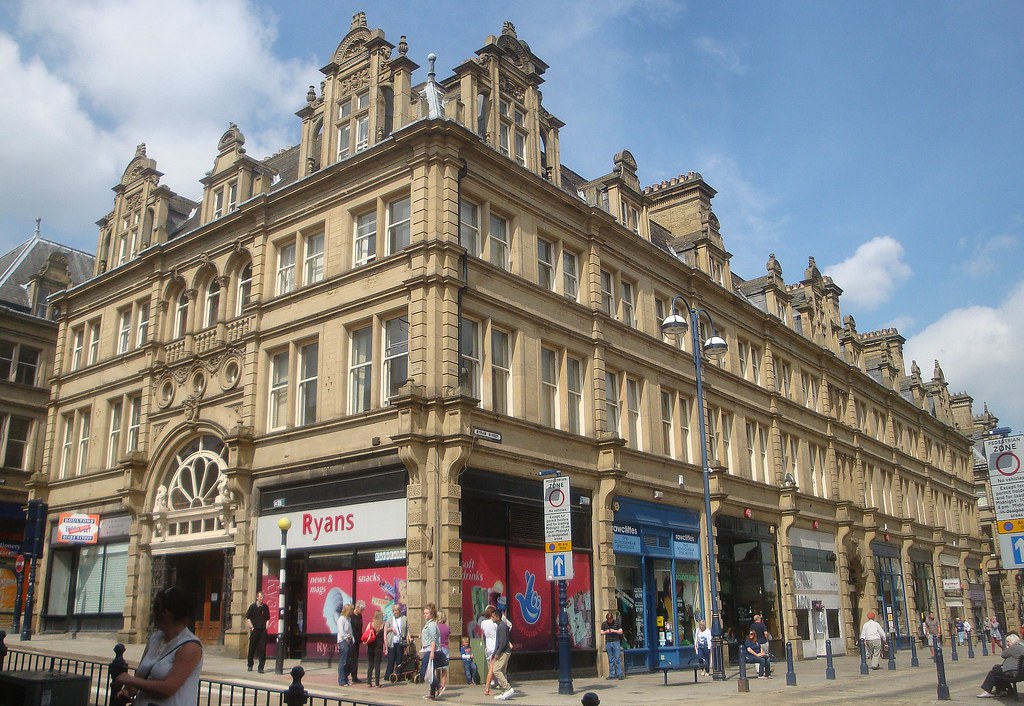
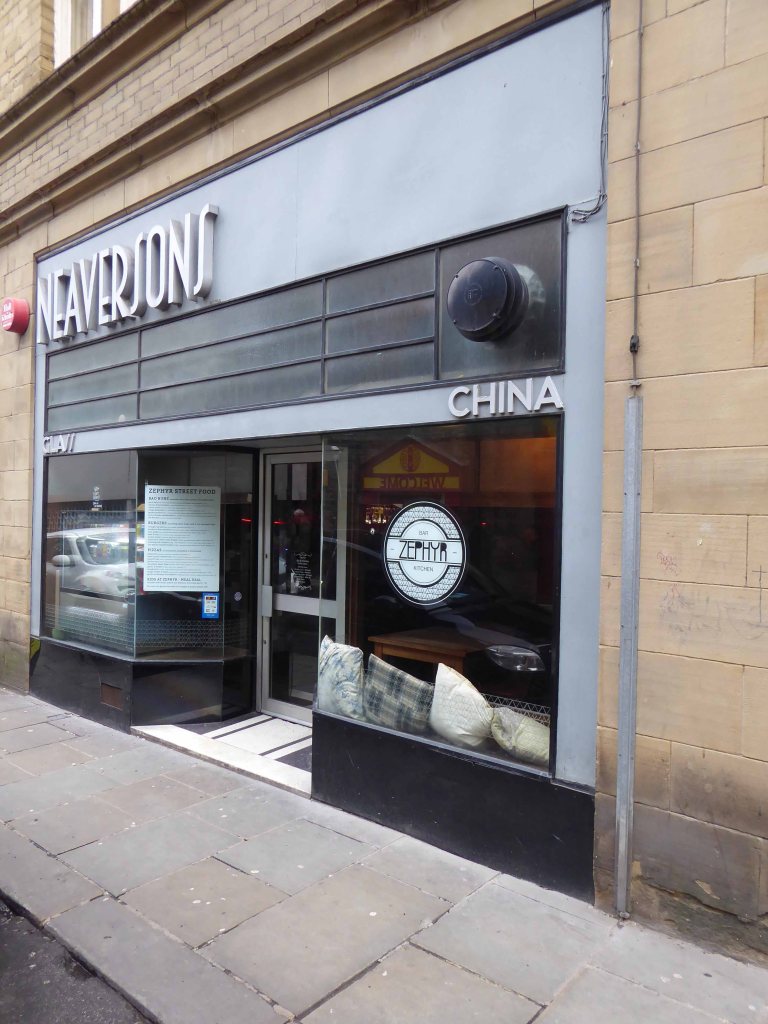
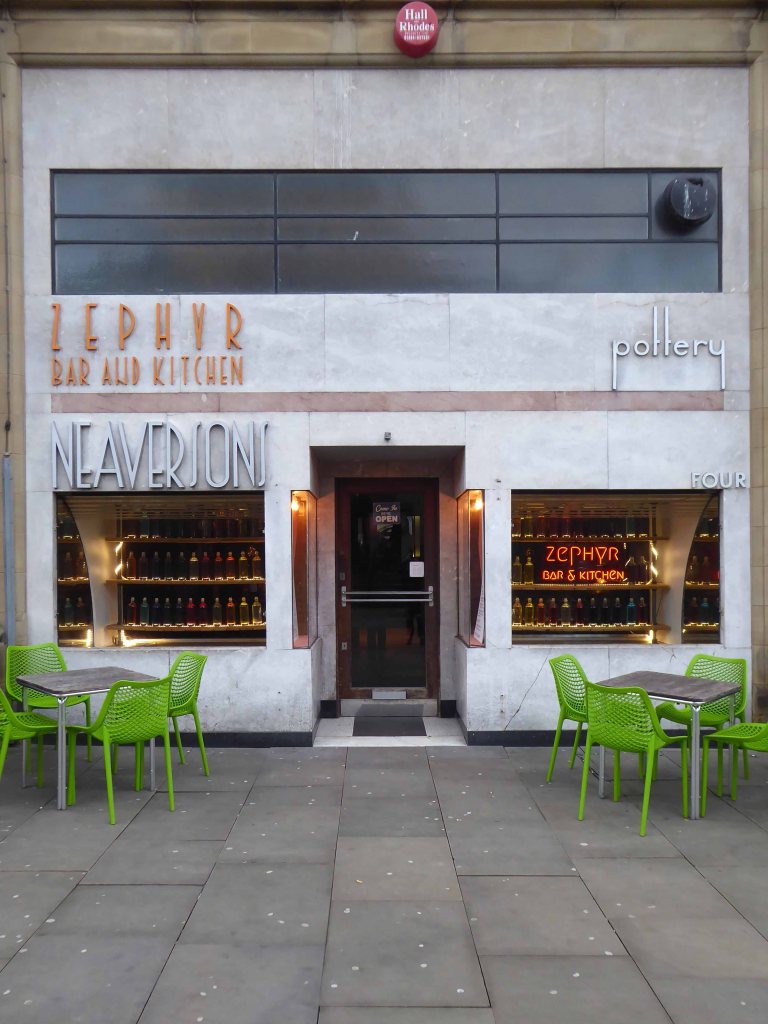
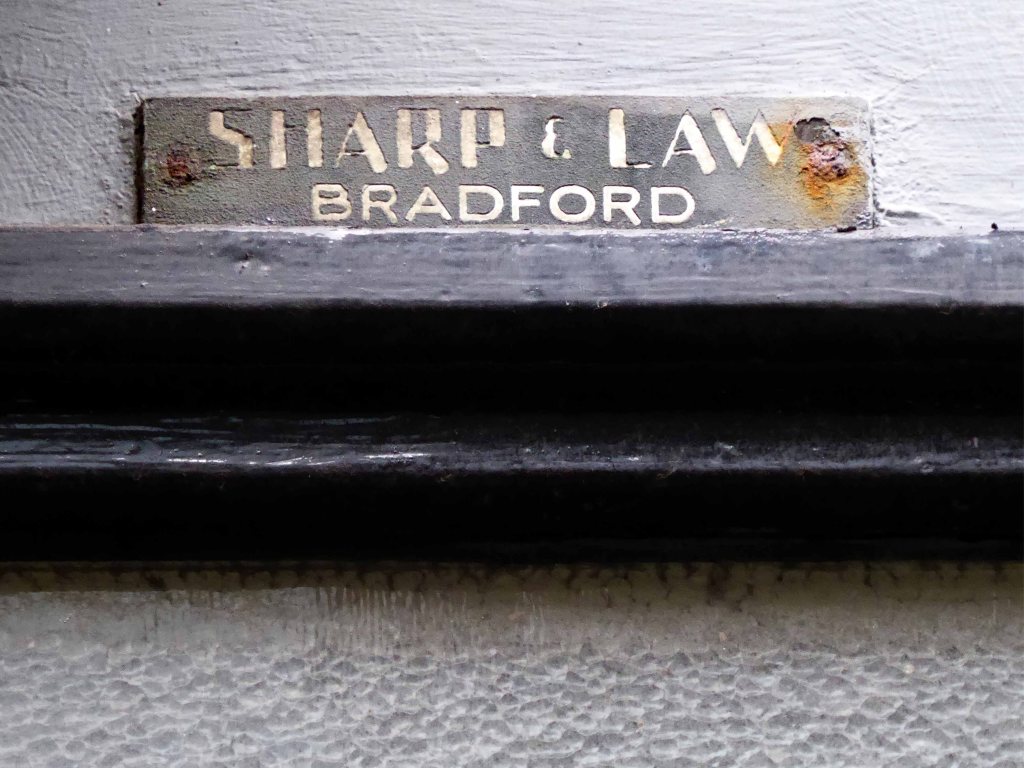
Commercial building with ground-floor retail units and offices to the upper floors, c1883, by W H Crossland with sculptural work by C E Fucigna. Sandstone ashlar, slate roof, substantial ashlar ridge stacks. C19 Queen Anne style with French influences and classical Greek sculpture. One of the ground-floor shop units was remodelled in 1935 by Sharp and Law of Bradford with Moderne shopfronts and interior fittings.
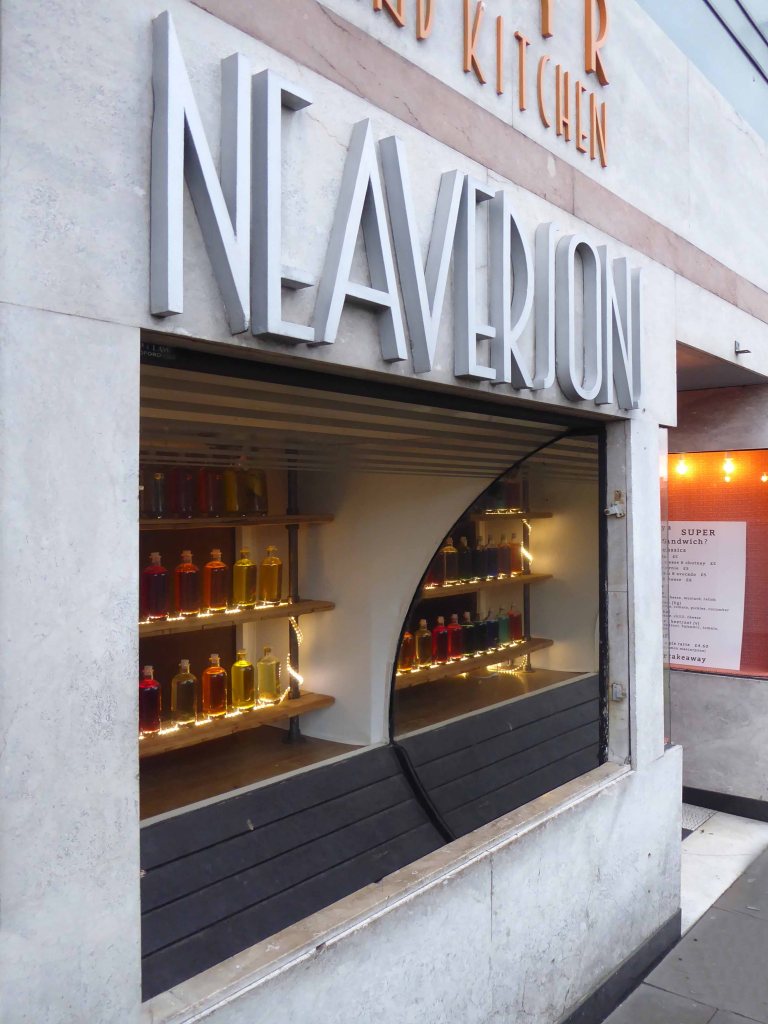
The cultural and visual collision is immediate – the pairing of Huddersfield’s grand Victorian manner with the latest of European Moderne.
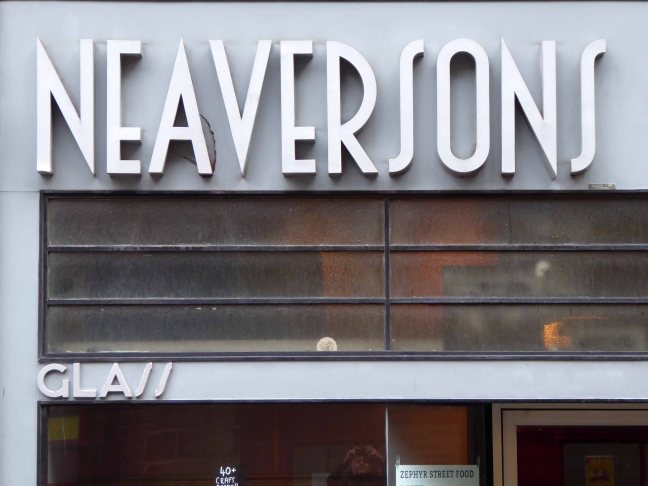
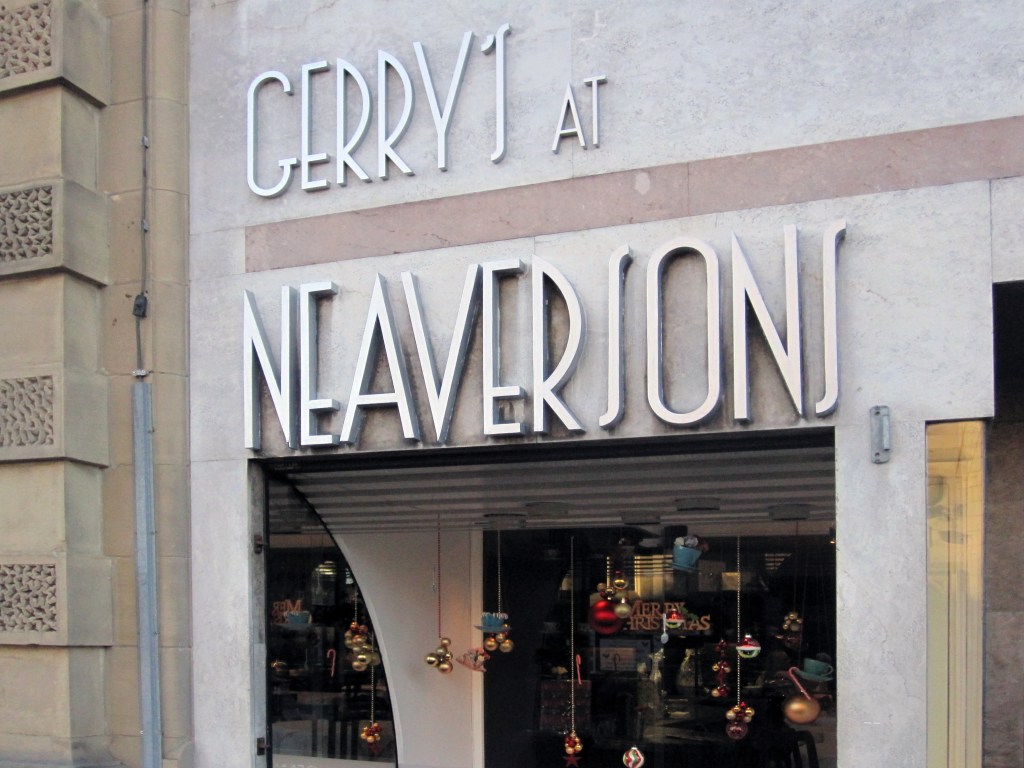
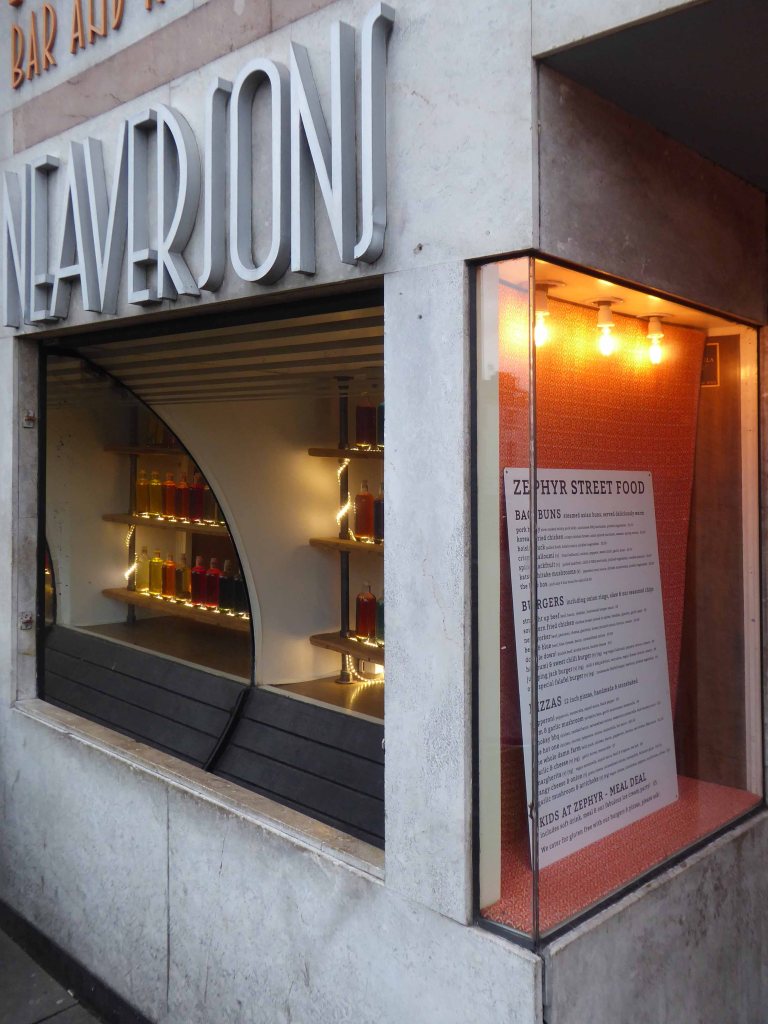
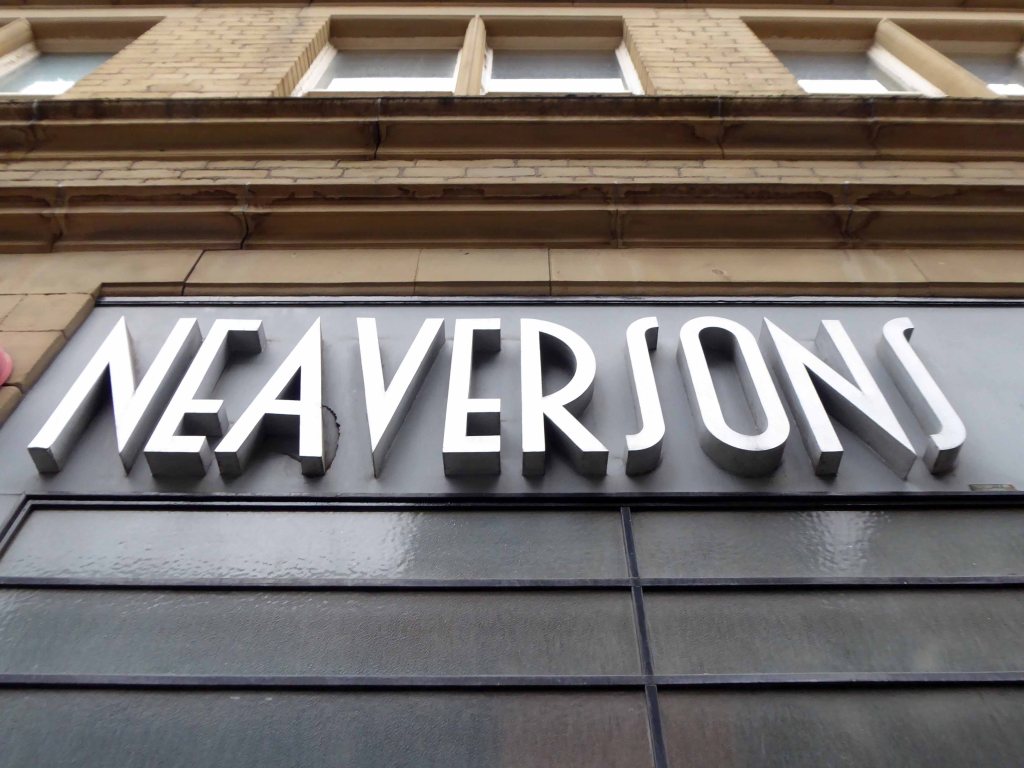
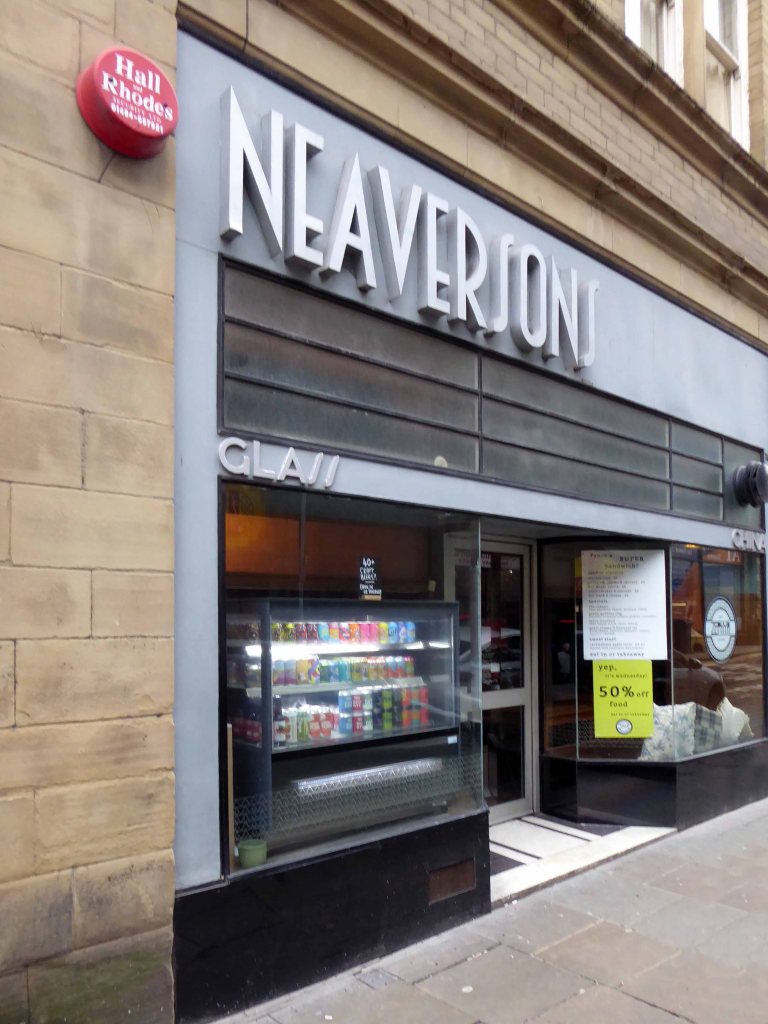
Neaverson’s – purveyors of pottery and glass began life in 1893 in premises on Cross Church Street, before moving to the Grade I-listed Byram Street building in 1935.
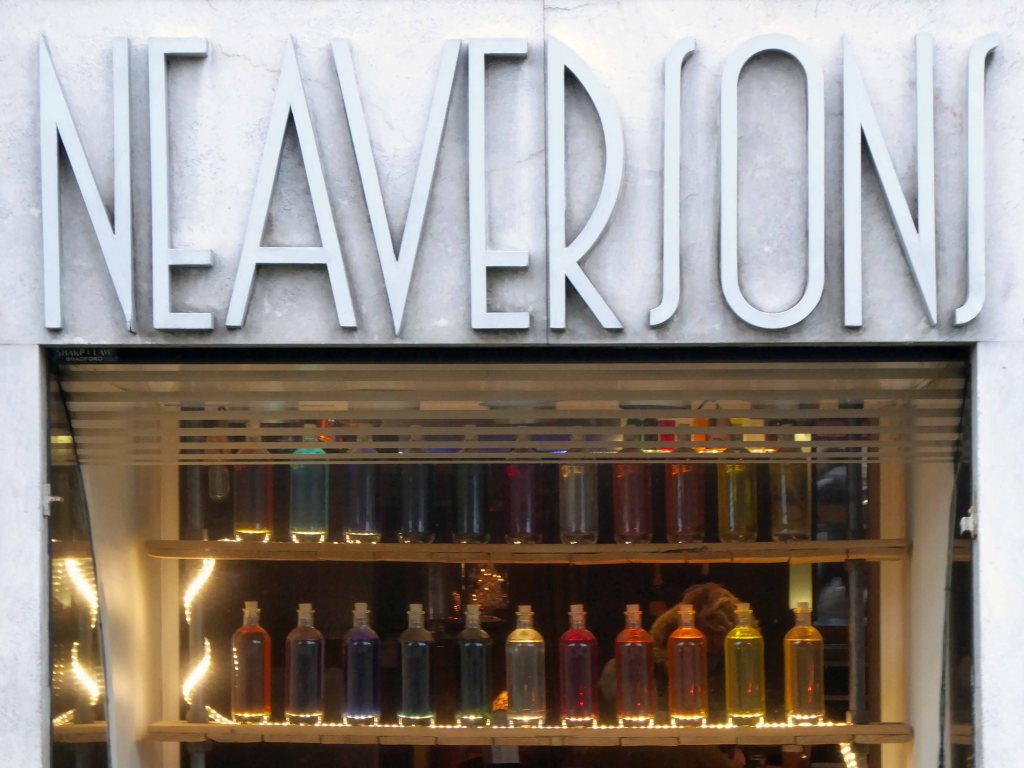
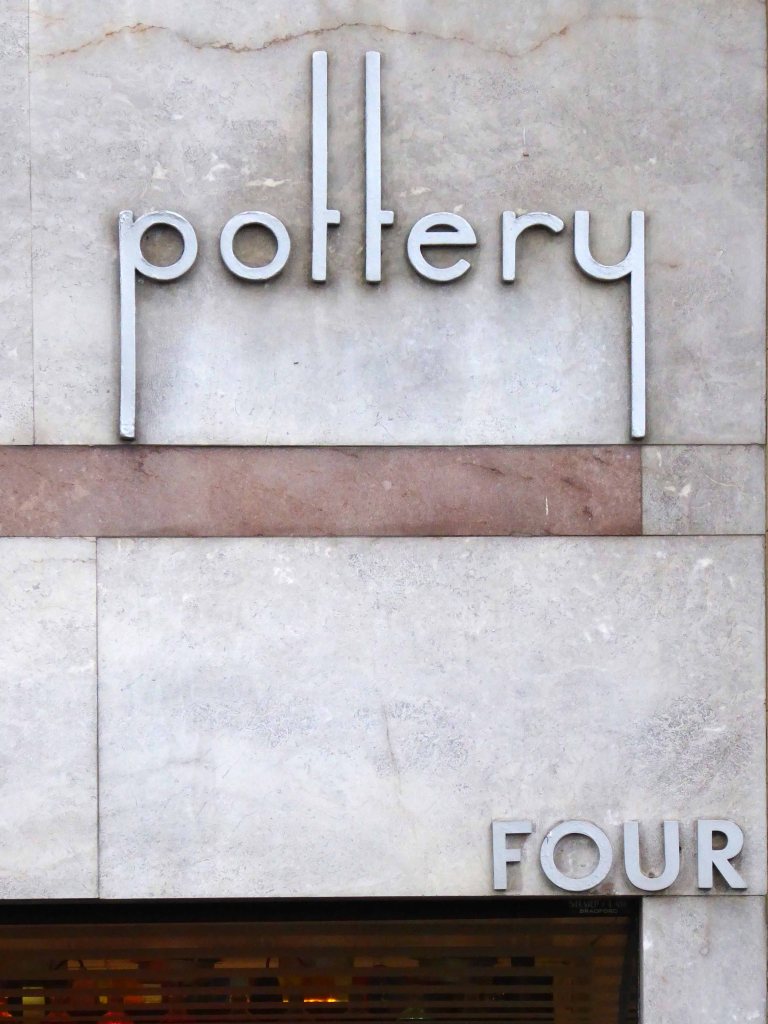
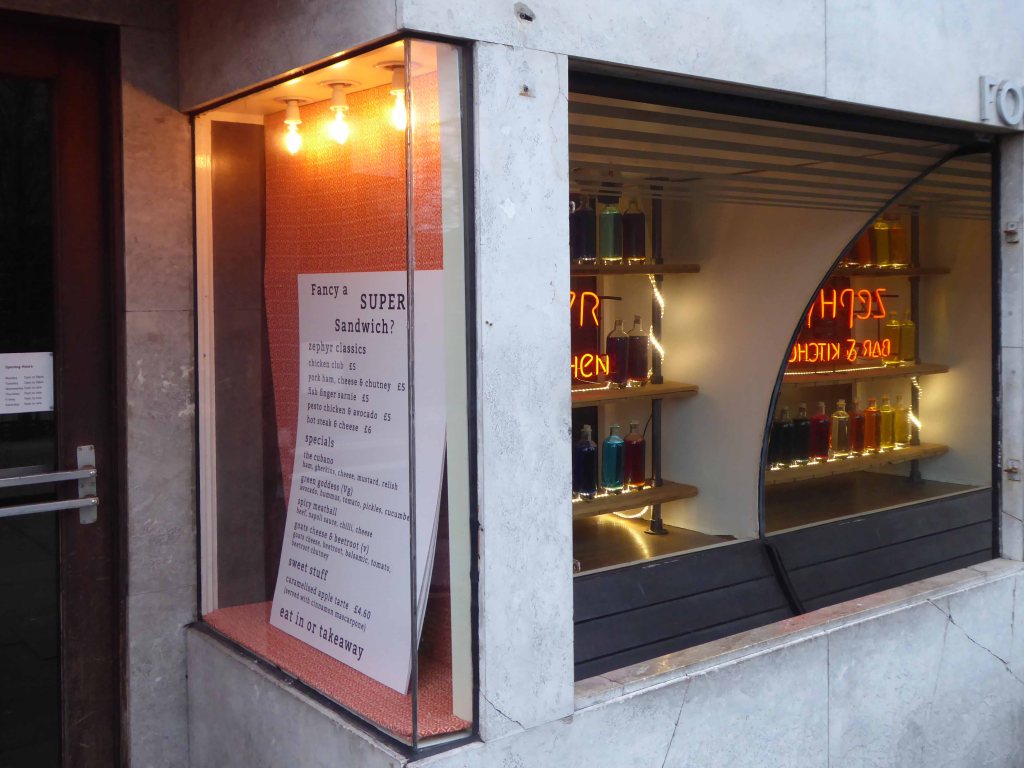
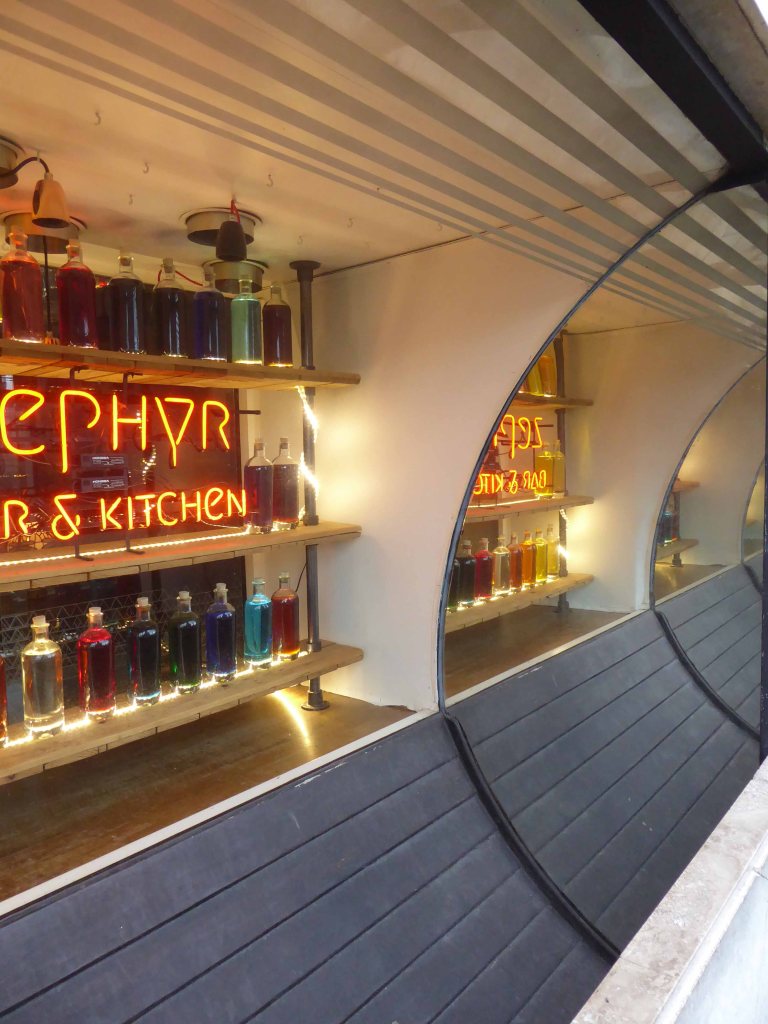
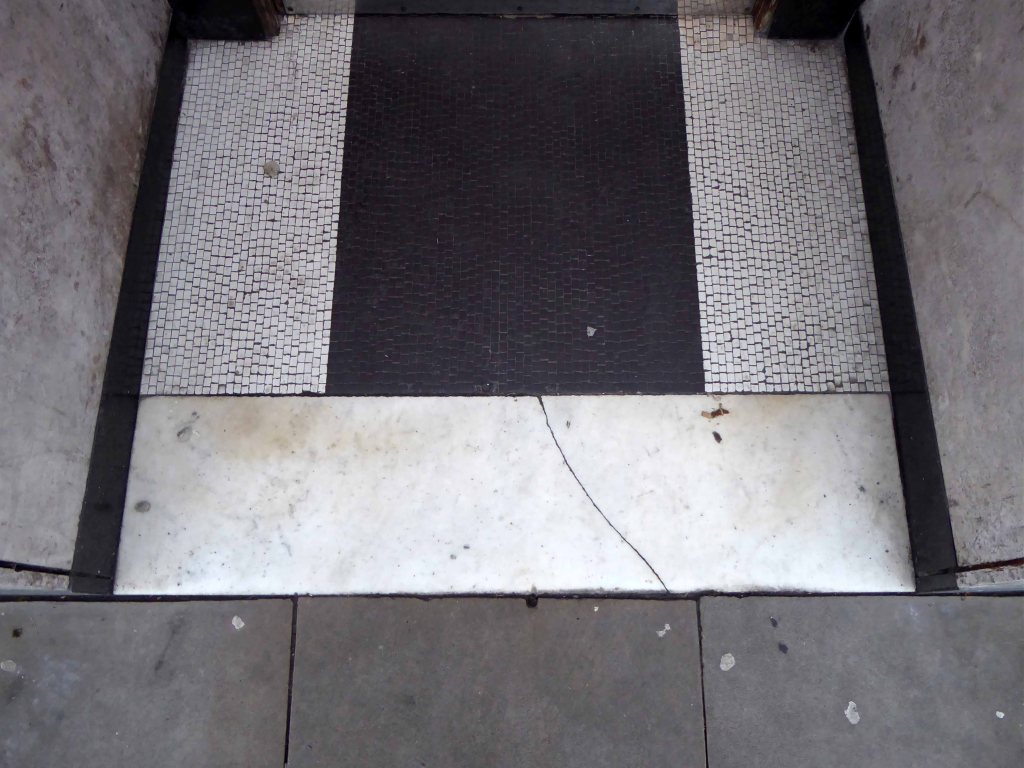
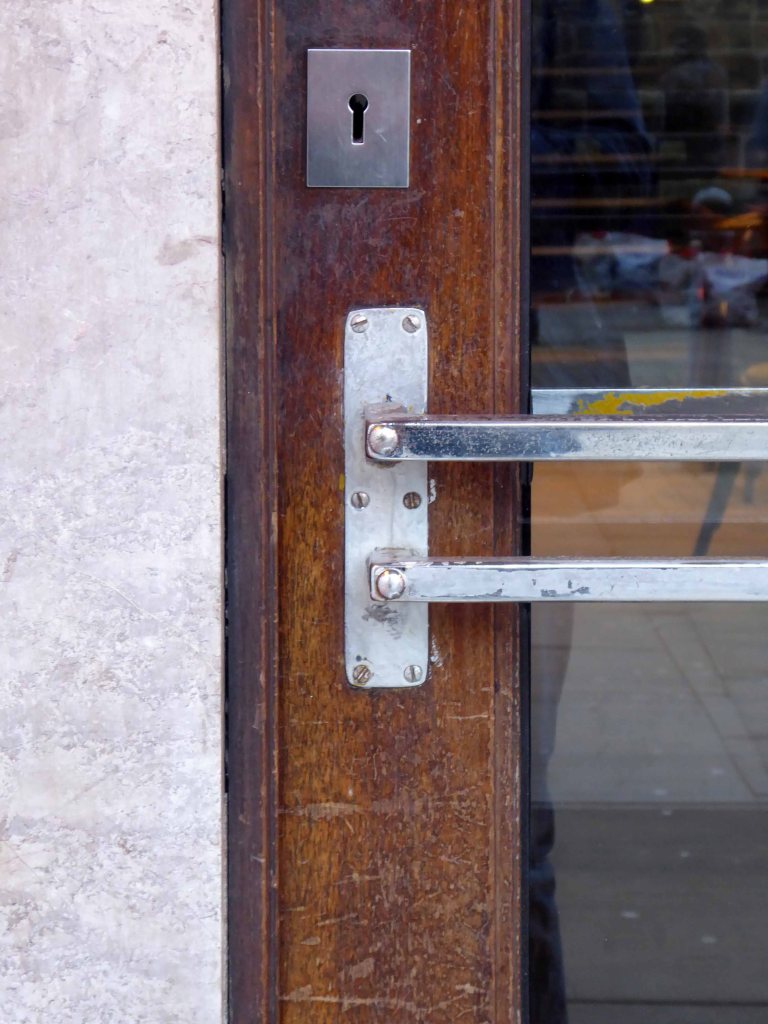
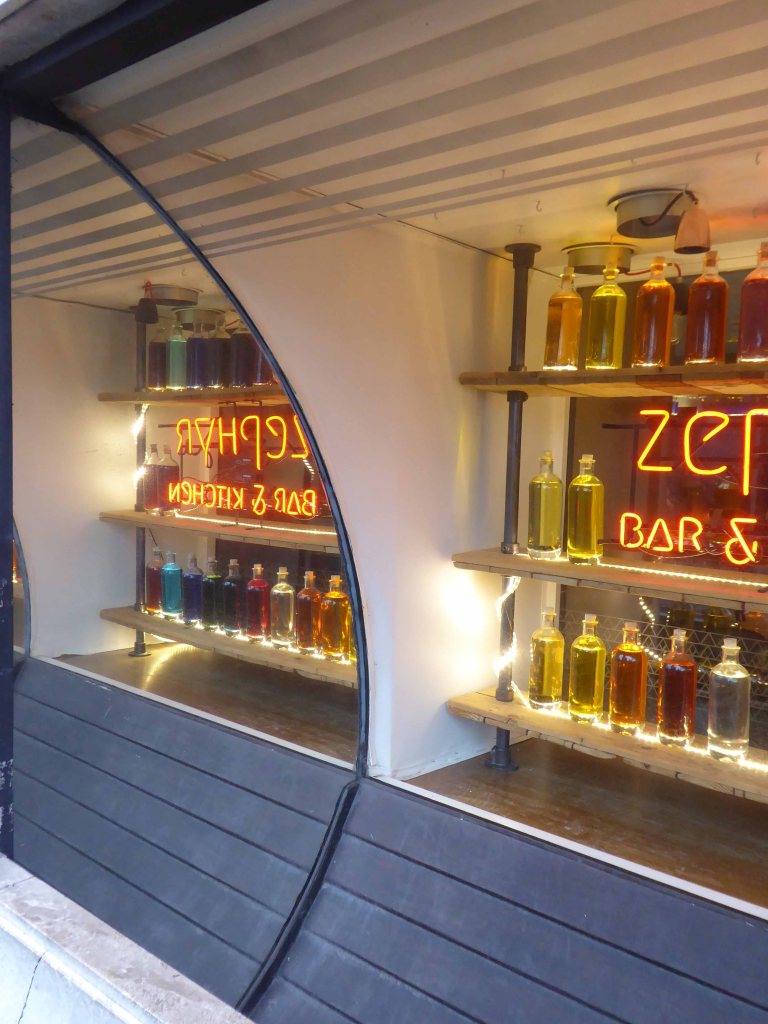
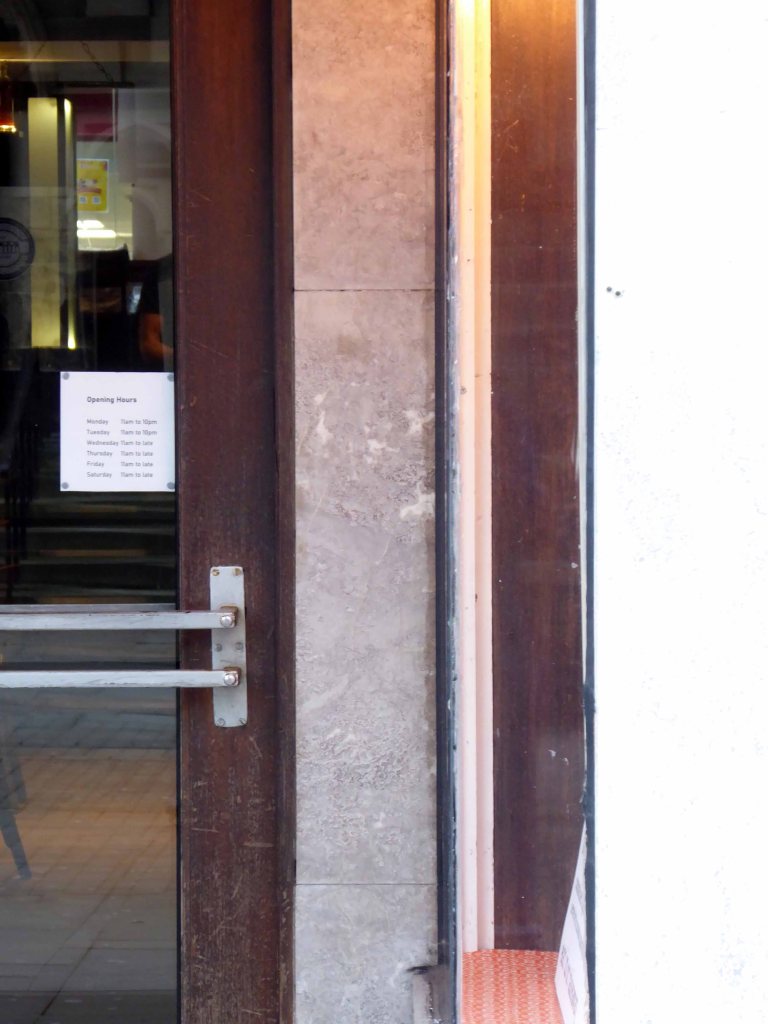
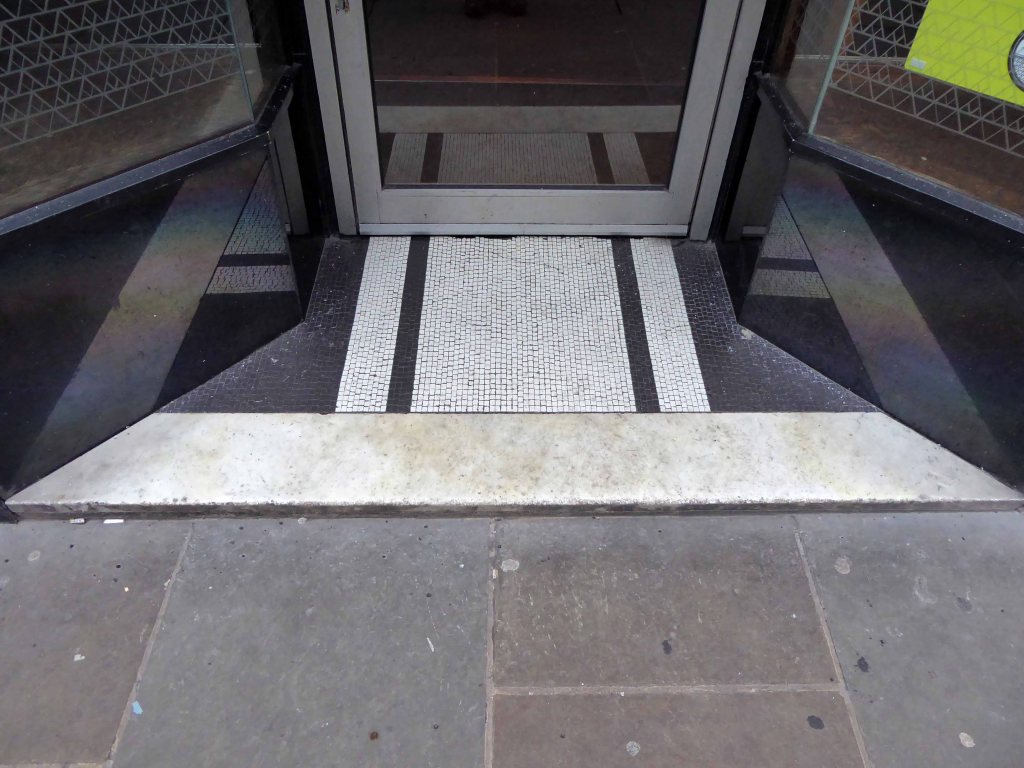
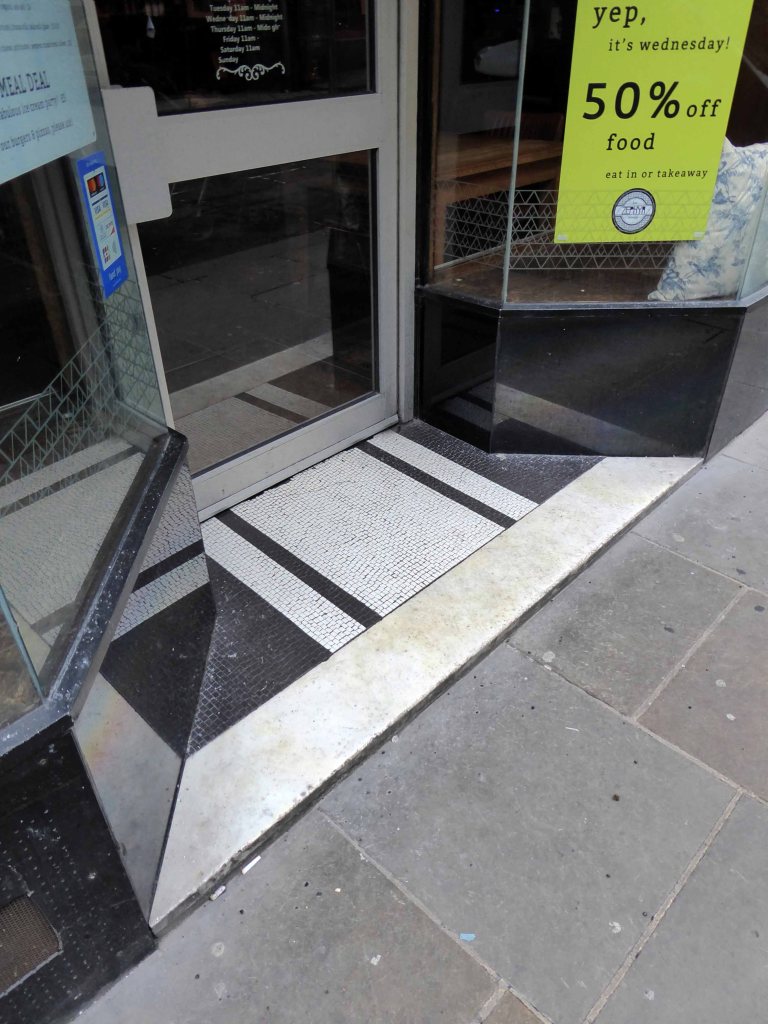
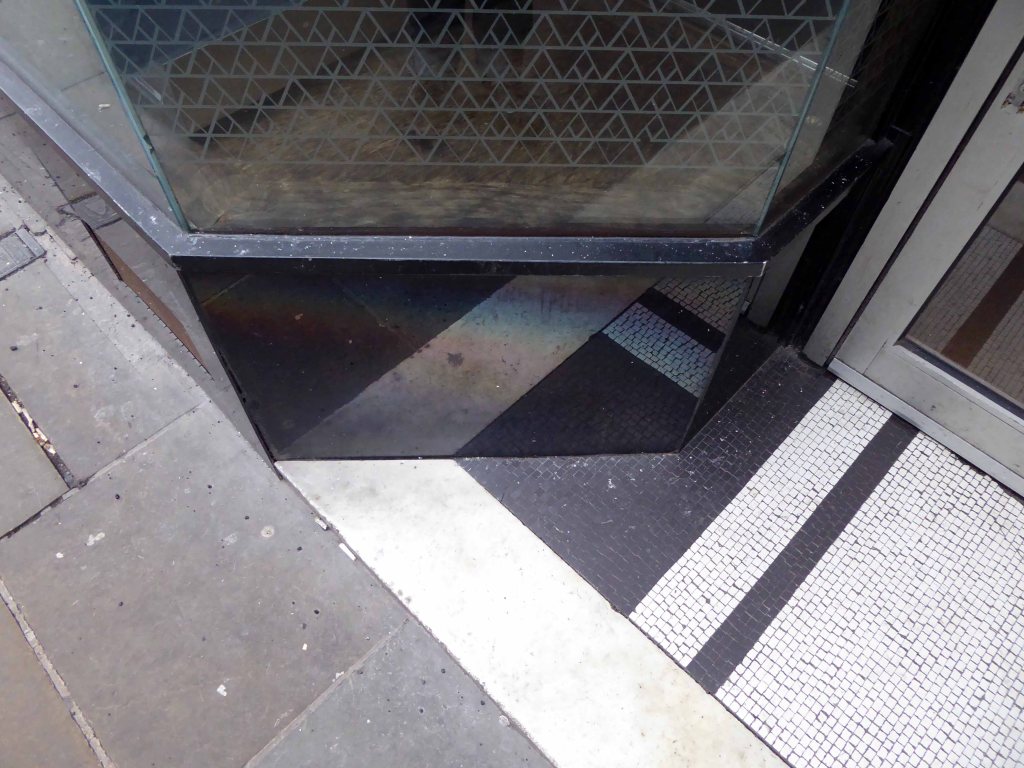
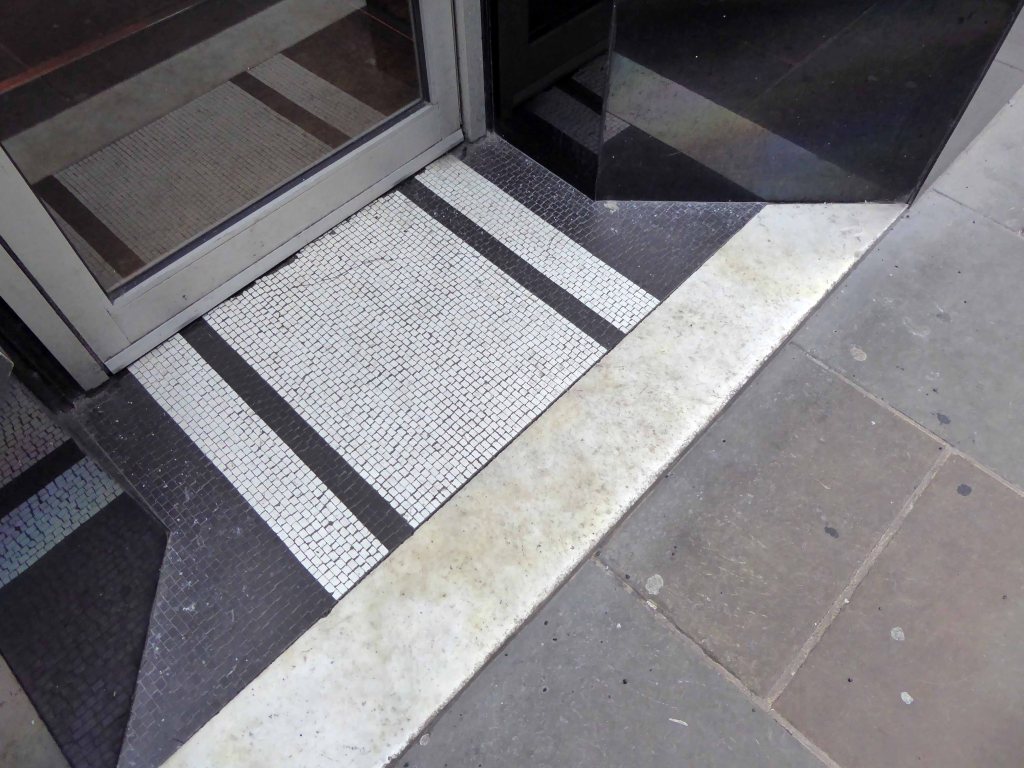
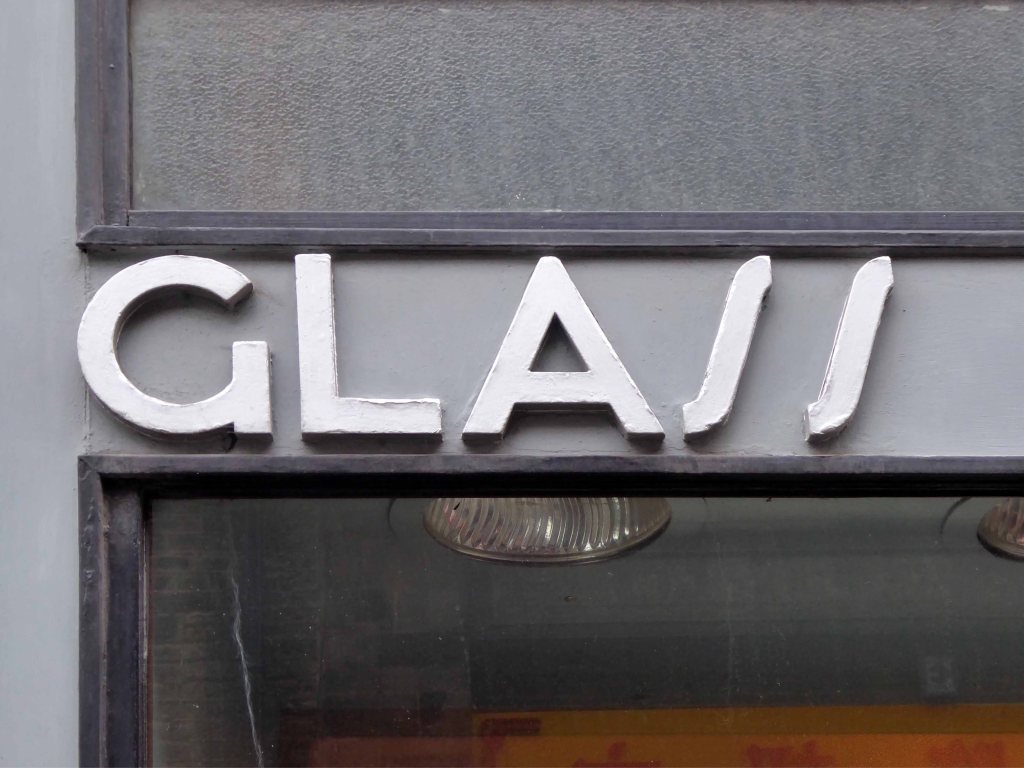
Set to the ground floor of bay 4 is a 1935 Moderne shopfront by Sharp and Law of Bradford. The shopfront is of grey and pink/beige marble with unmoulded windows that are curved to eliminate reflection, and has a glazed door set within a recessed porch. Set below the top of the shopfront is a ribbon window with dark tinted glazing and slender vertical and horizontal muntin bars arranged in a geometric pattern. The original metal signage in stylised sans-serif relief lettering reads ‘NEAVERSONS’, ‘pottery’ and ‘four’.
Thought to echo Susie Cooper’s London shop and unswervingly now – the fascia must have been something of a shock to the taciturn Tykes.
There is not a day goes by when I don’t see some of my customers asking what went wrong. They think I was a failure and that is so not the truth.
Along came a restaurant:
The Grade II 1930’s interior has been refurbished by the new owners and exudes understated sophistication.
“Wow, I feel like I’m in London,” said Trish as she stepped into the newly-opened Neaversons restaurant, having just arrived on the train from the capital.
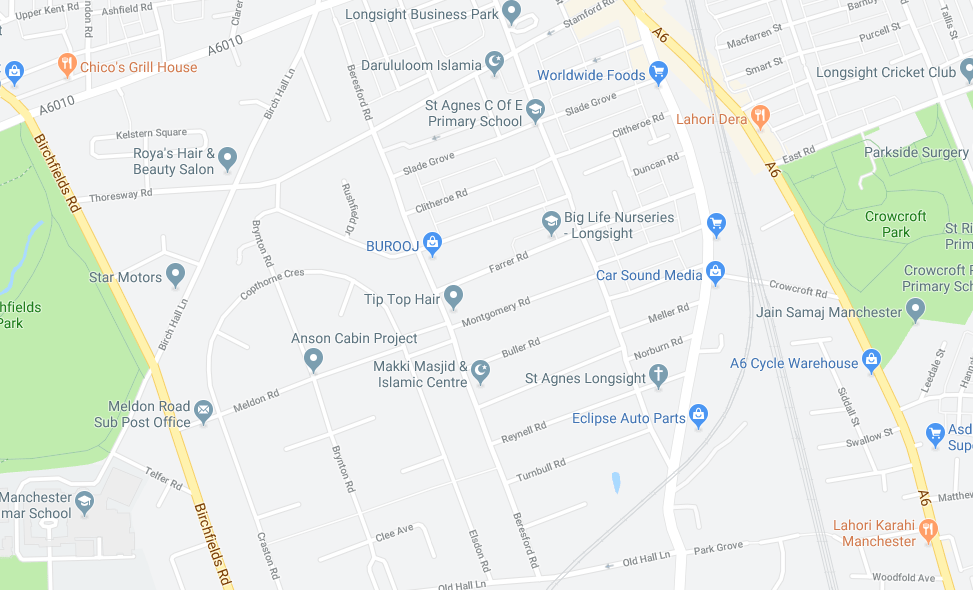
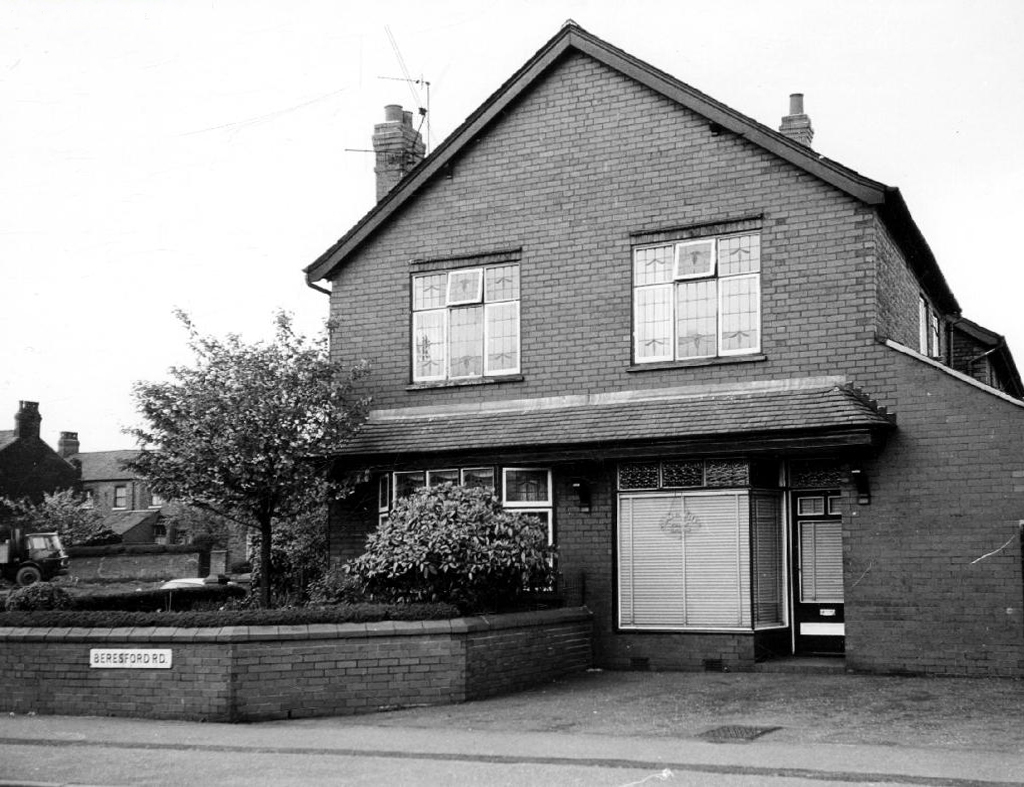
Cycling back from Town, zig zagging between the A6 and Birchfields Road, I headed down Beresford Road and bumped into a behemoth.
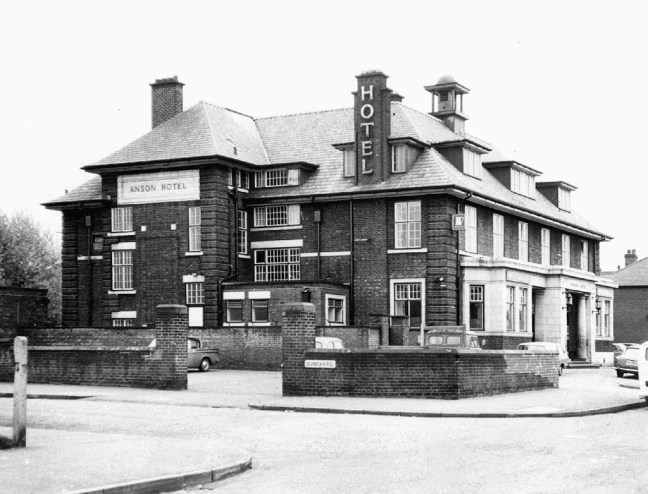
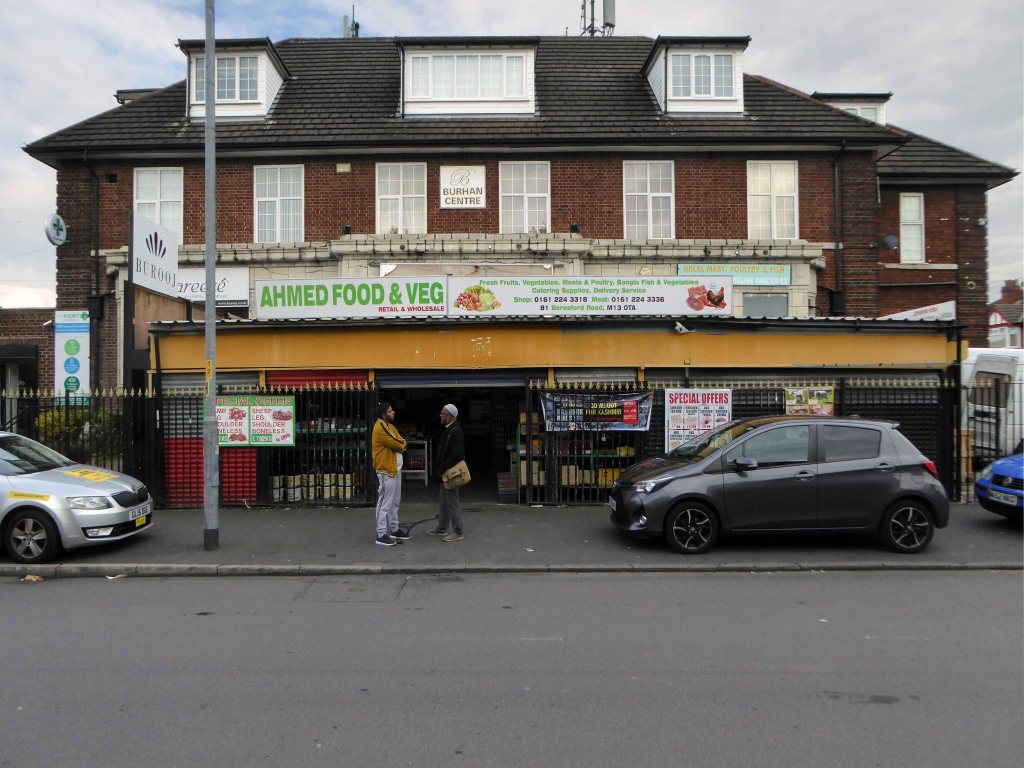
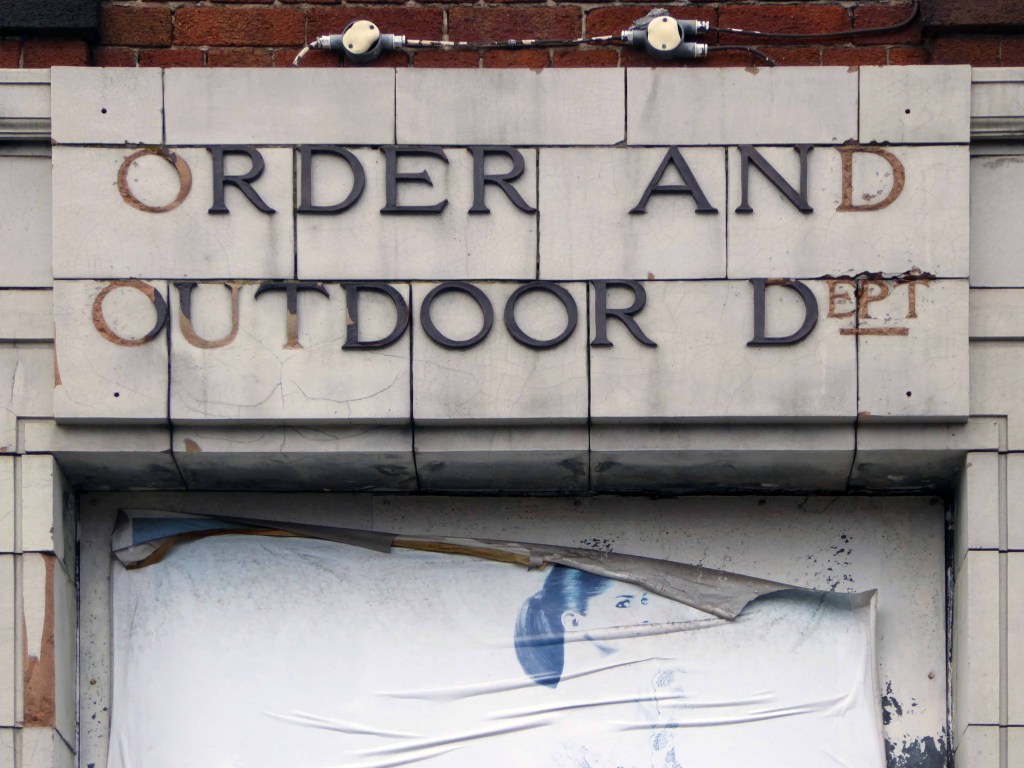
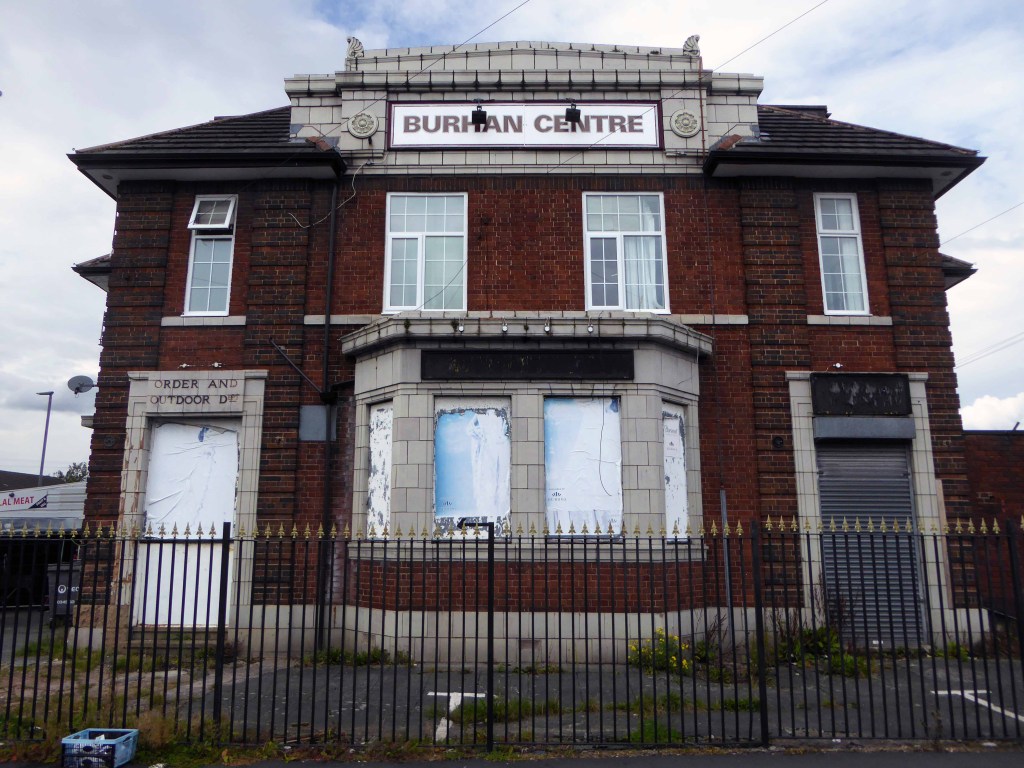
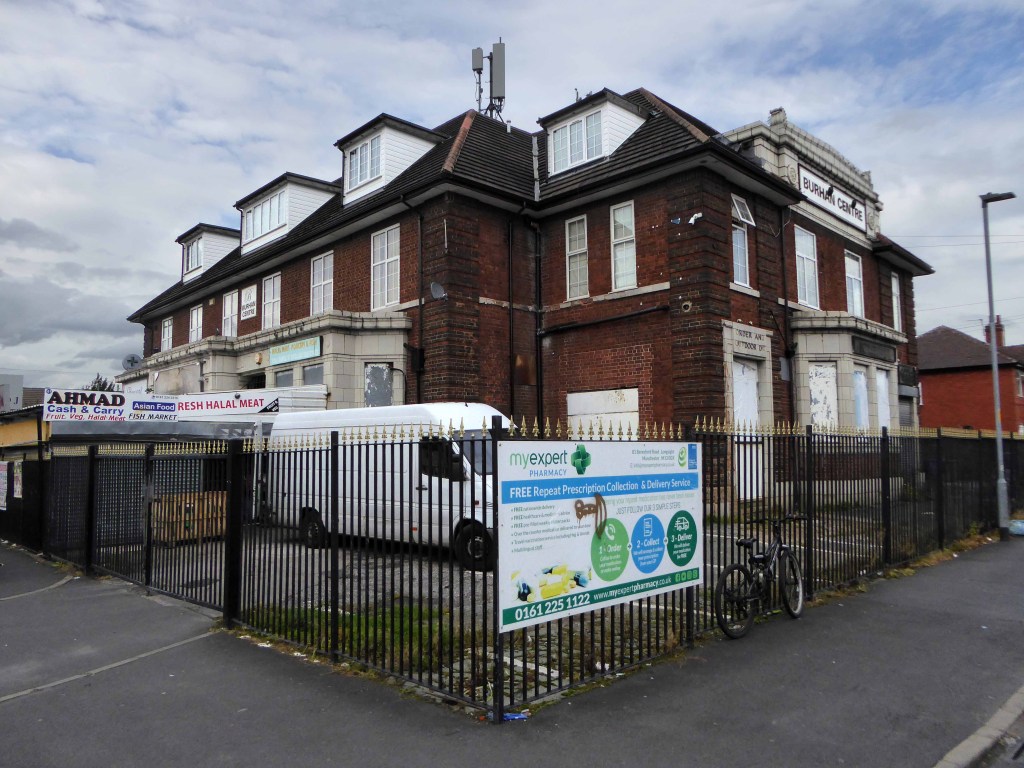
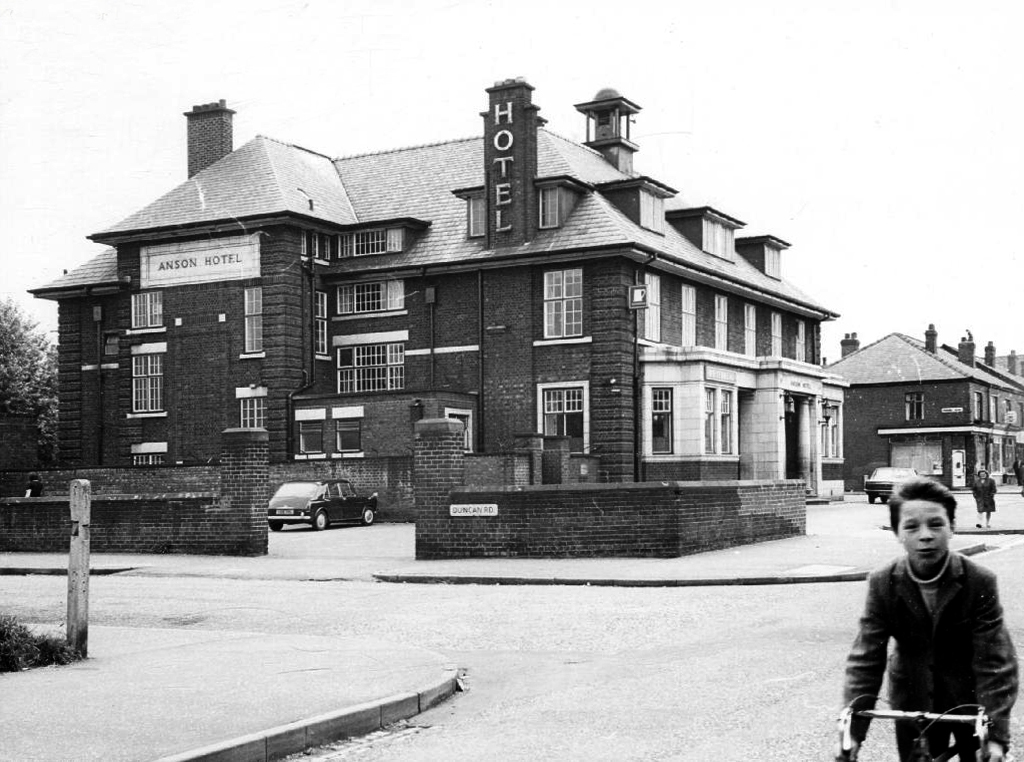
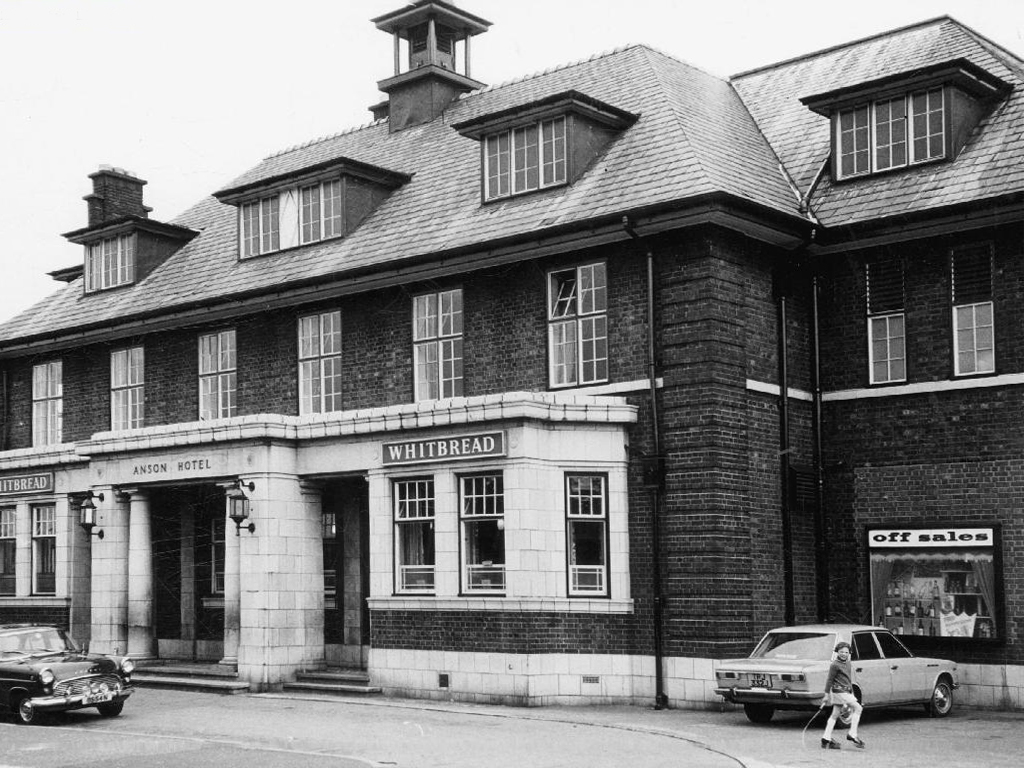
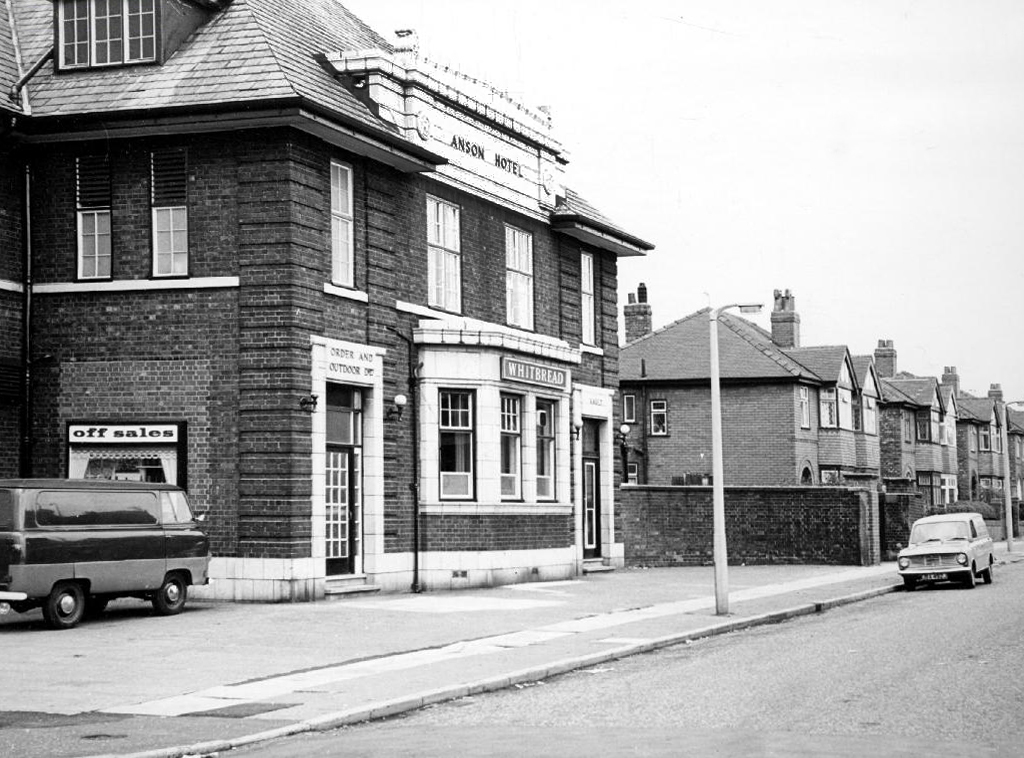
A huge inter-war Whitbread boozer long since closed, now a retail food outlet and badged as the Buhran Centre, also trading as Burooj.
This change of use is far from uncommon, the demographics, socio-economic conditions and drinking habits which shape this and countless other pubs, have since shifted away from the lost world of this immense, roadhouse-style palace of fun.
No more outdoor or orders here – the supermarket now supplies the supplies for the self satisfied home drinker.
The sheer scale of the building guaranteed its demise, a three storey house with no more stories to tell.
Searching online for some clues as to its history there is but one mention, on the Pubs of Manchester:
This is my attempt, in some small way, to redress the balance, snapping what remains of this once top pub.
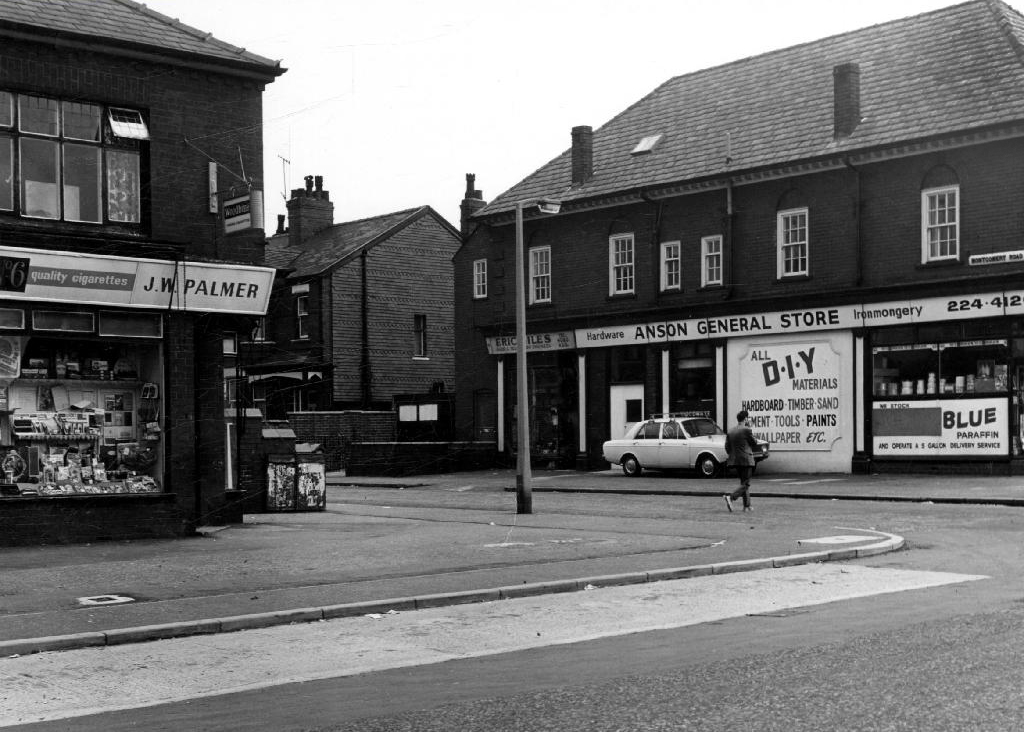
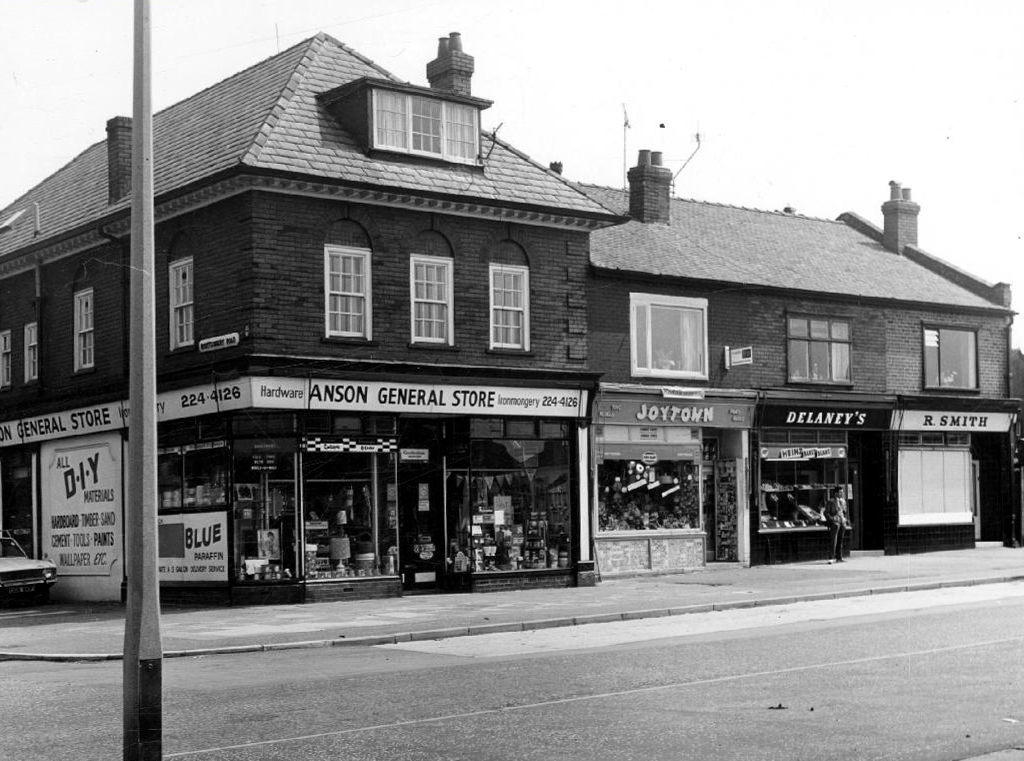
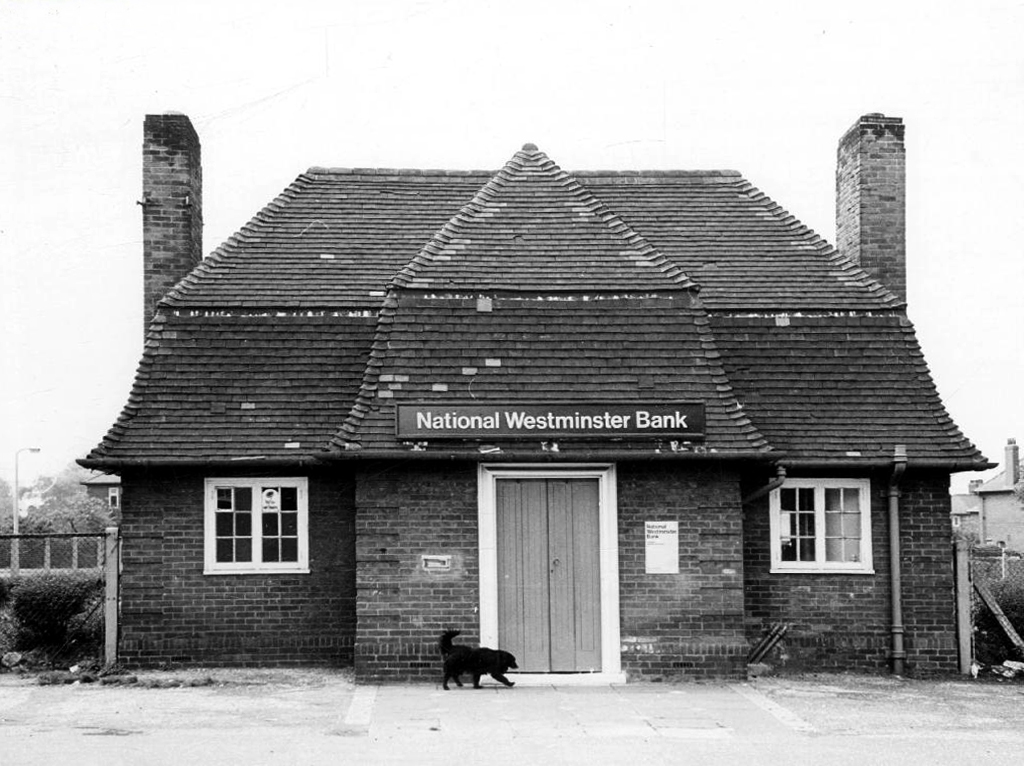
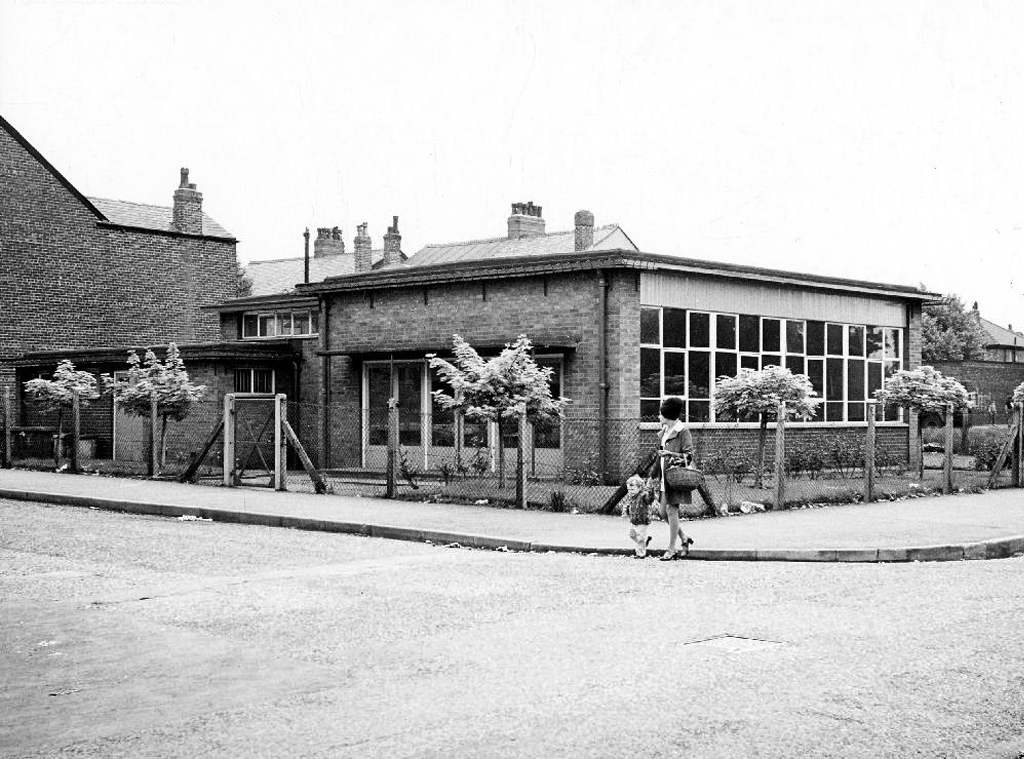
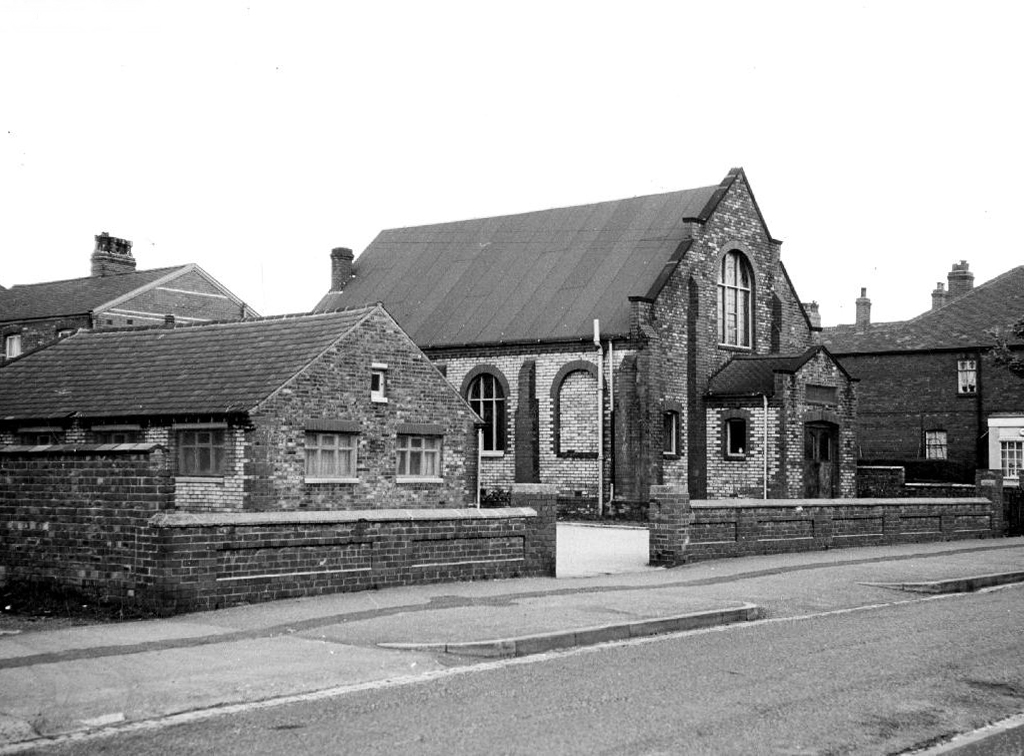
Safe home I searched the Manchester Local Image Collection, hoping to find some clues and/or images elucidating Beresford Road and the Anson in times gone by.
I found a typical inner Manchester suburban thoroughfare, a healthy mix of homes socially and privately owned, industry, independents shops, schools and such. Kids at play, passers-by passing by, captured in 1971 by the Council’s housing department photographers.
This was not a Golden Age – wasn’t the past much better, brighter, cheerier and cleaner reminiscence – simply a series of observations.
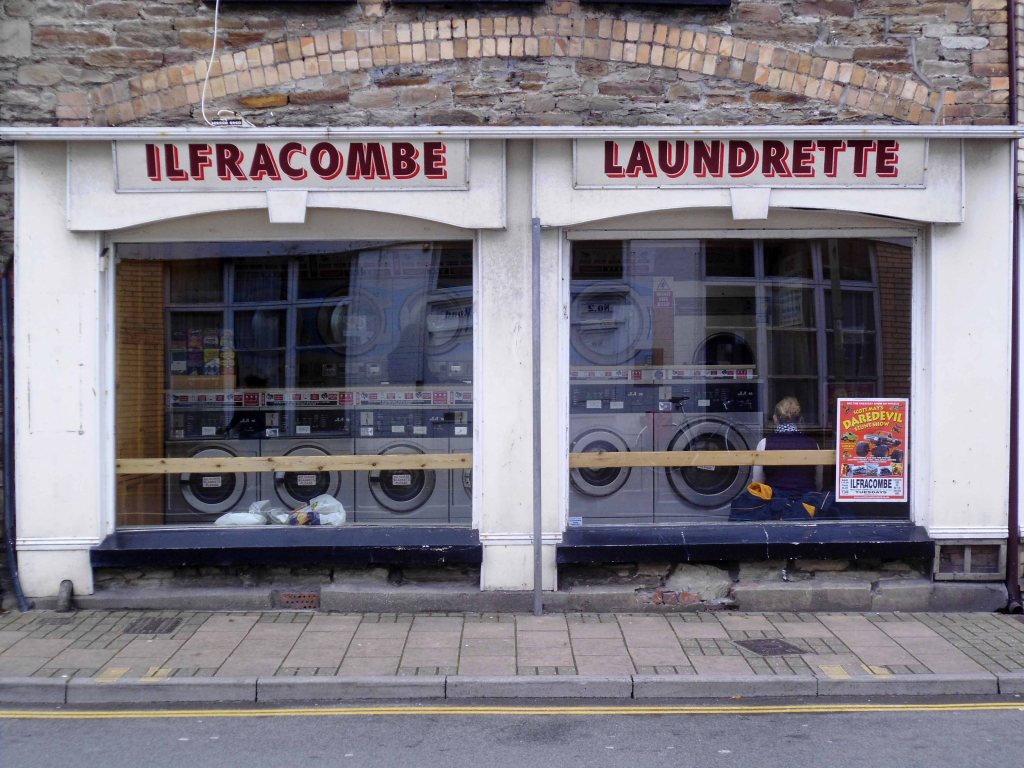
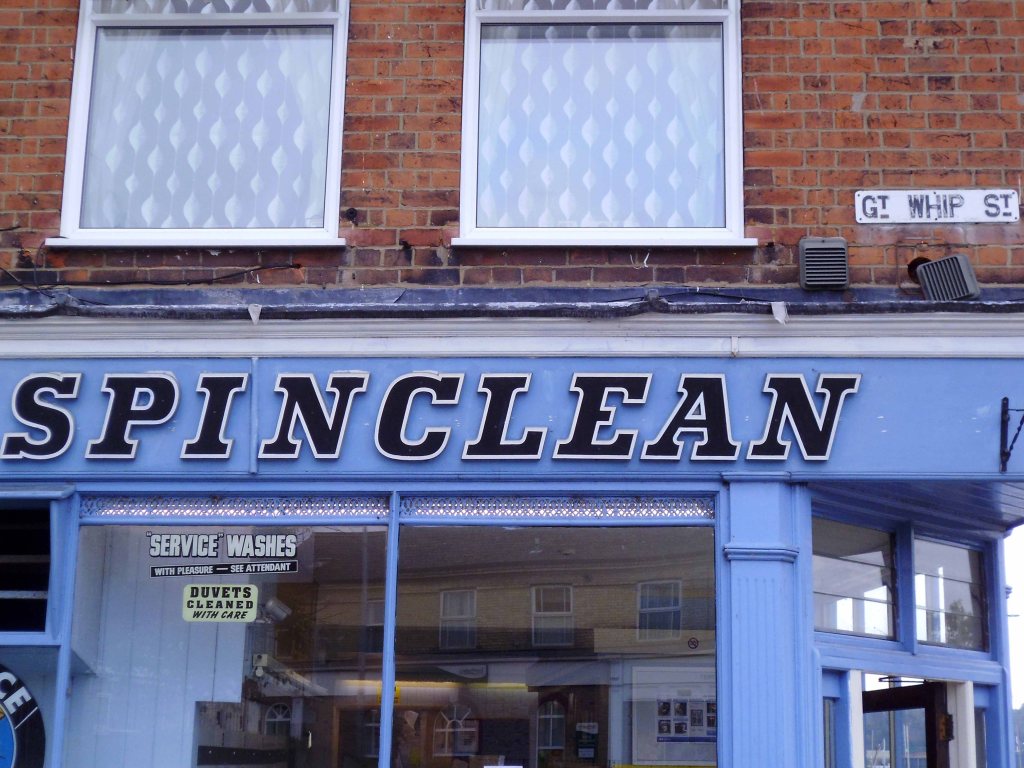
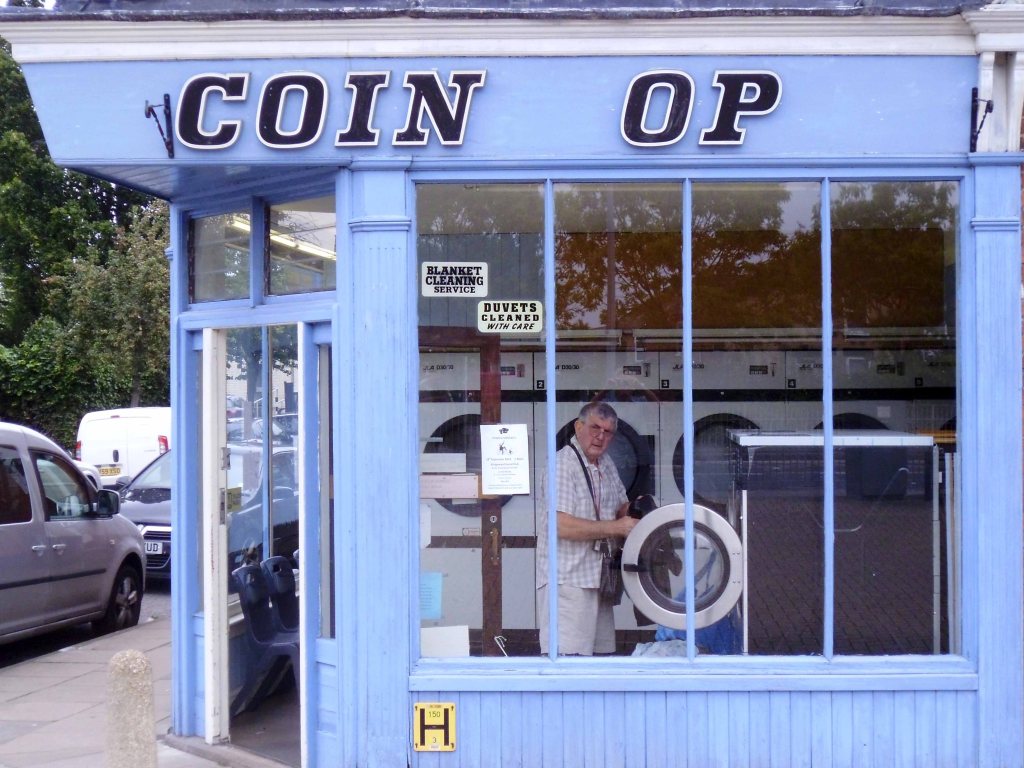
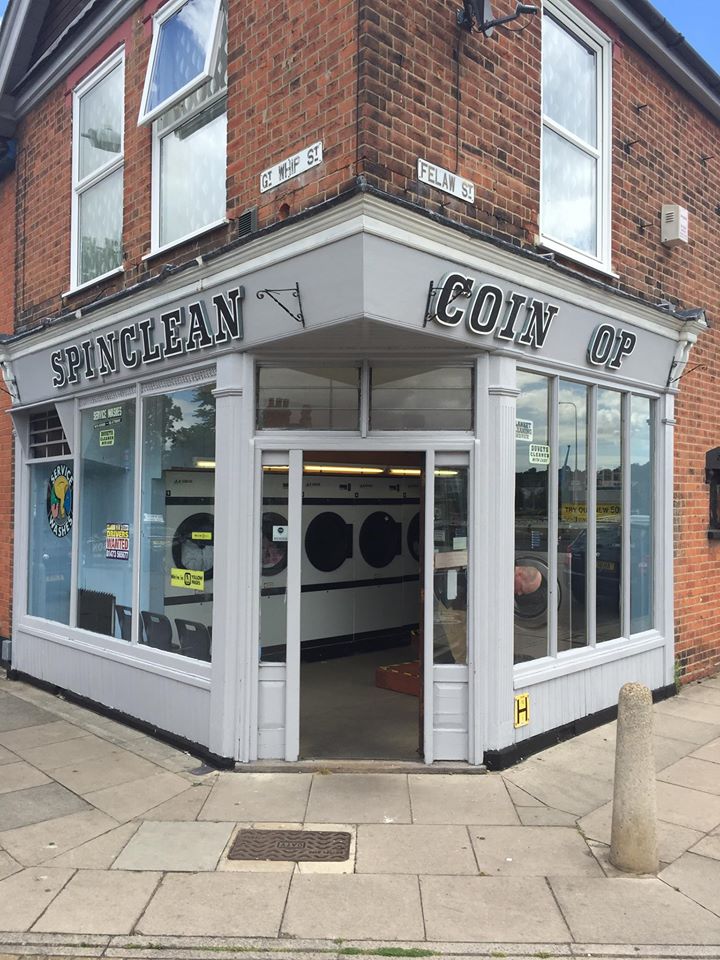
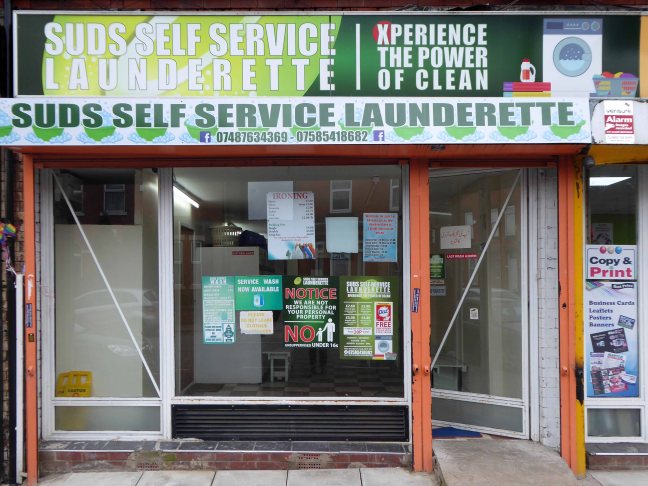
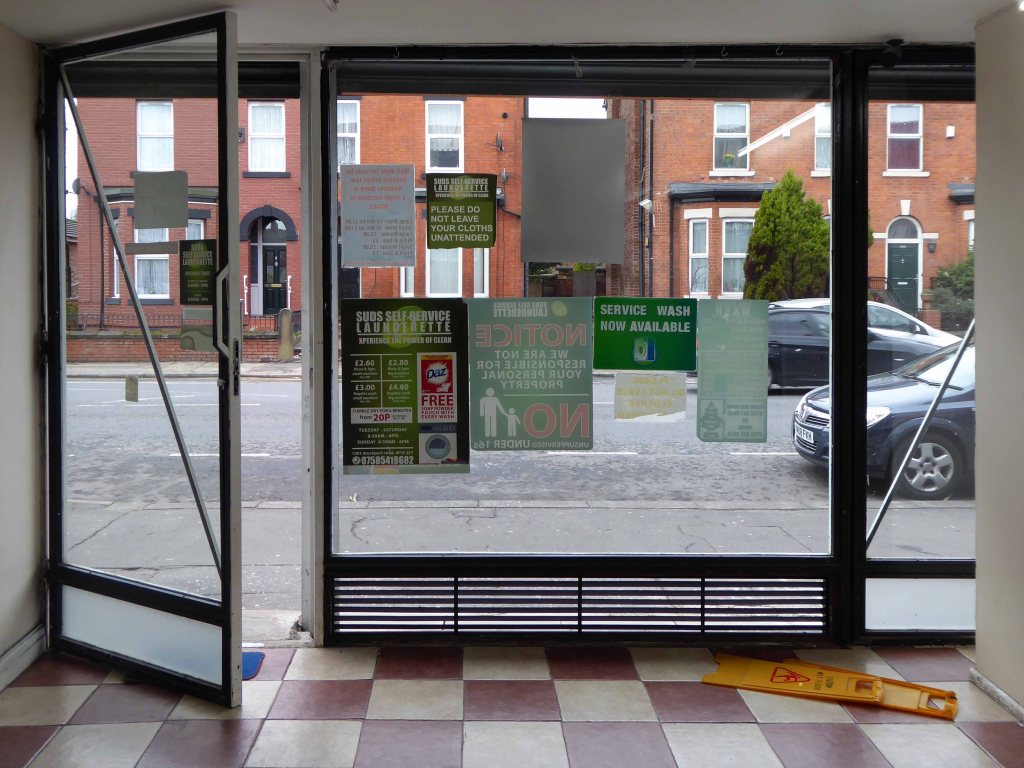
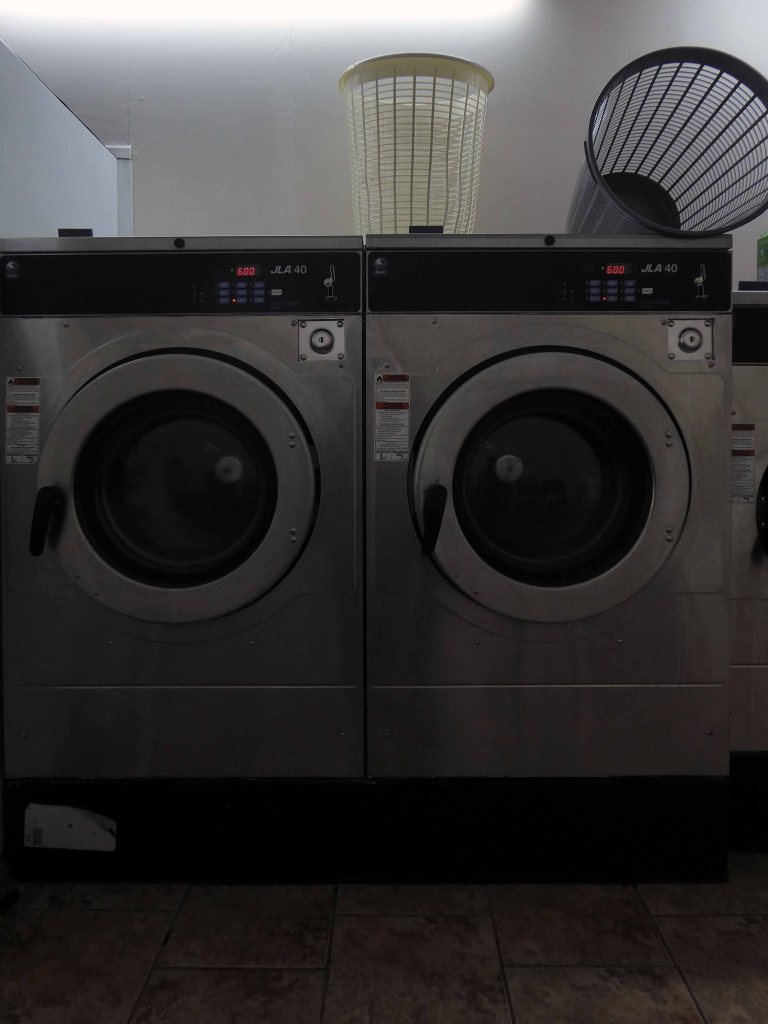
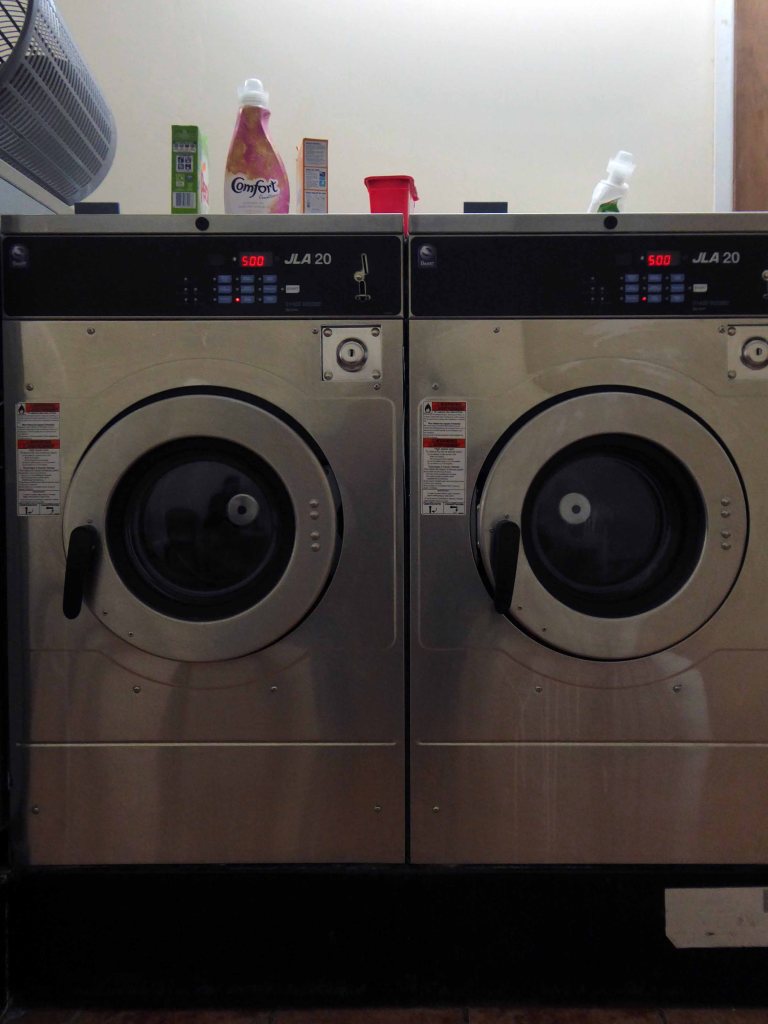
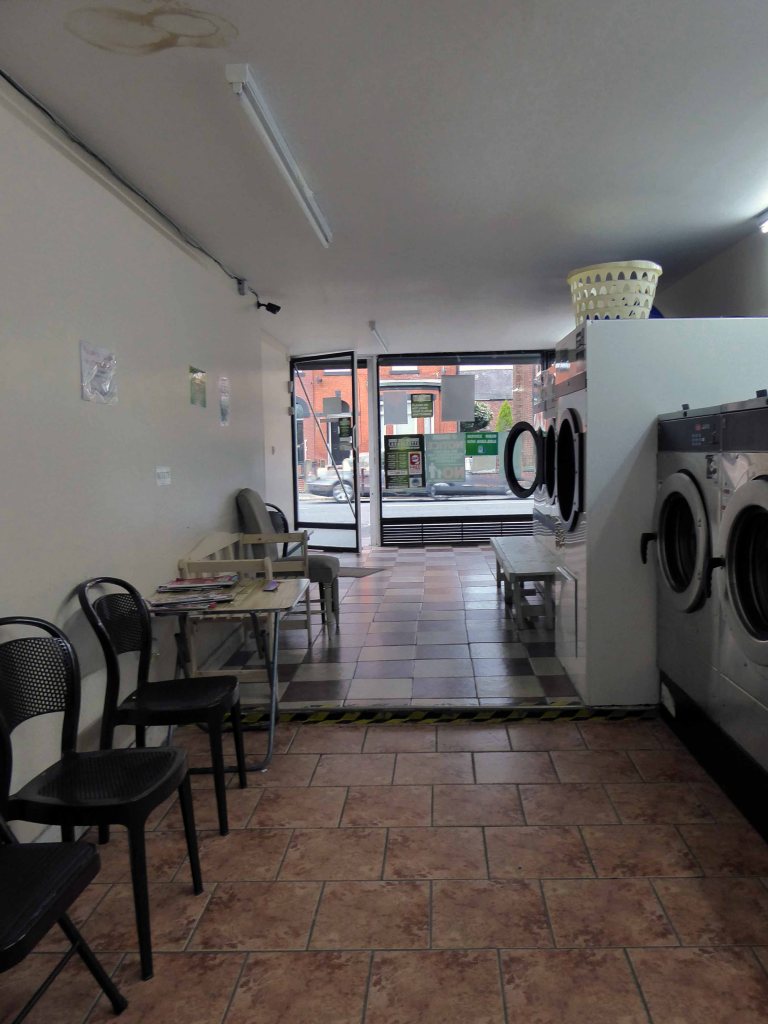
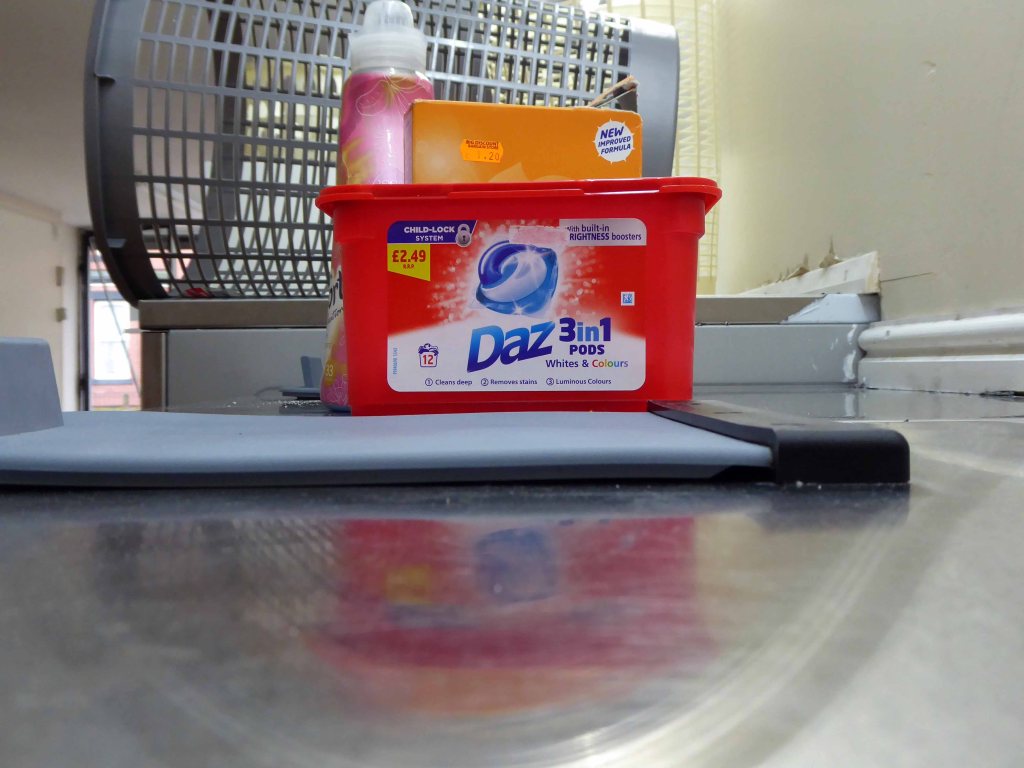
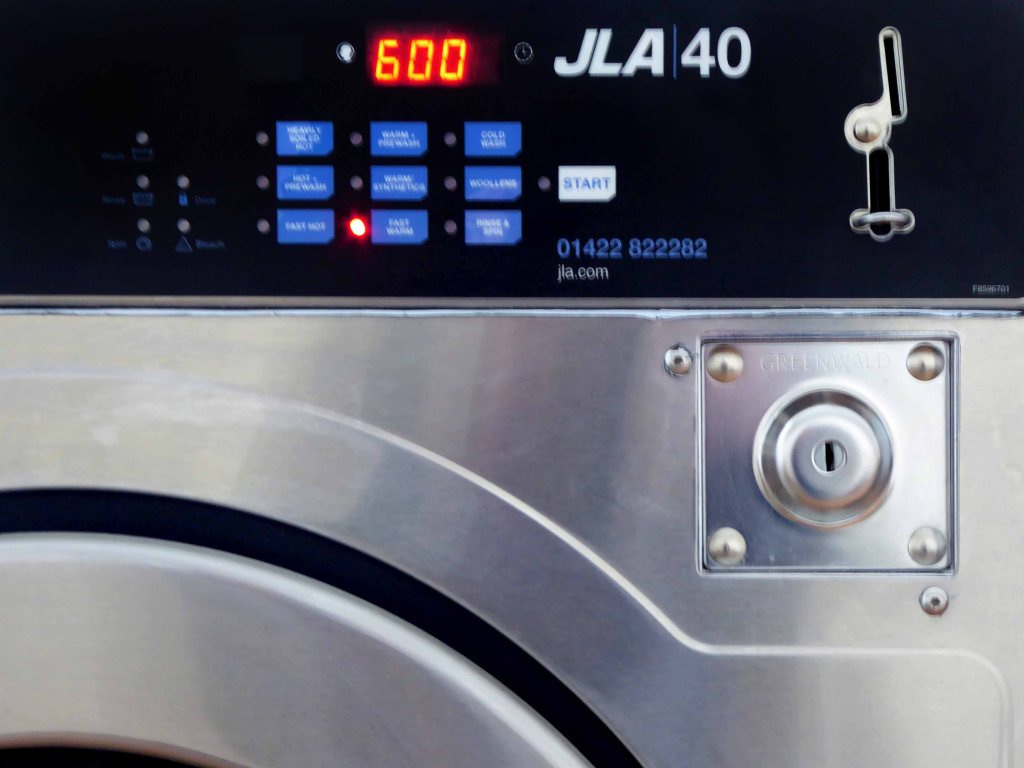
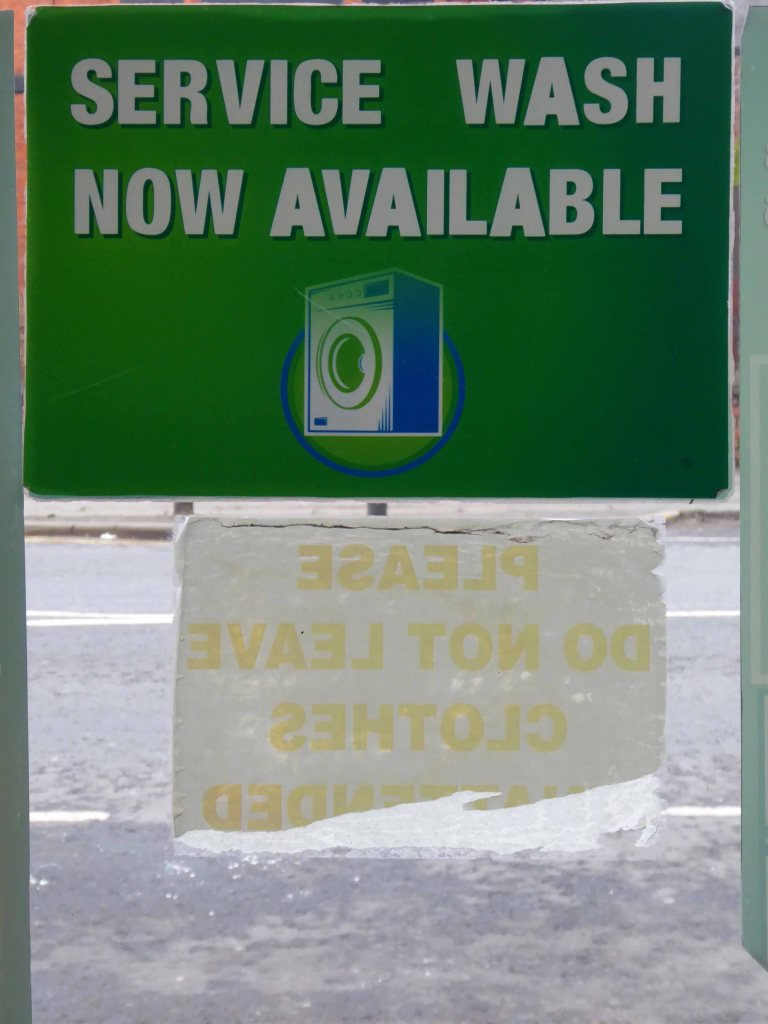
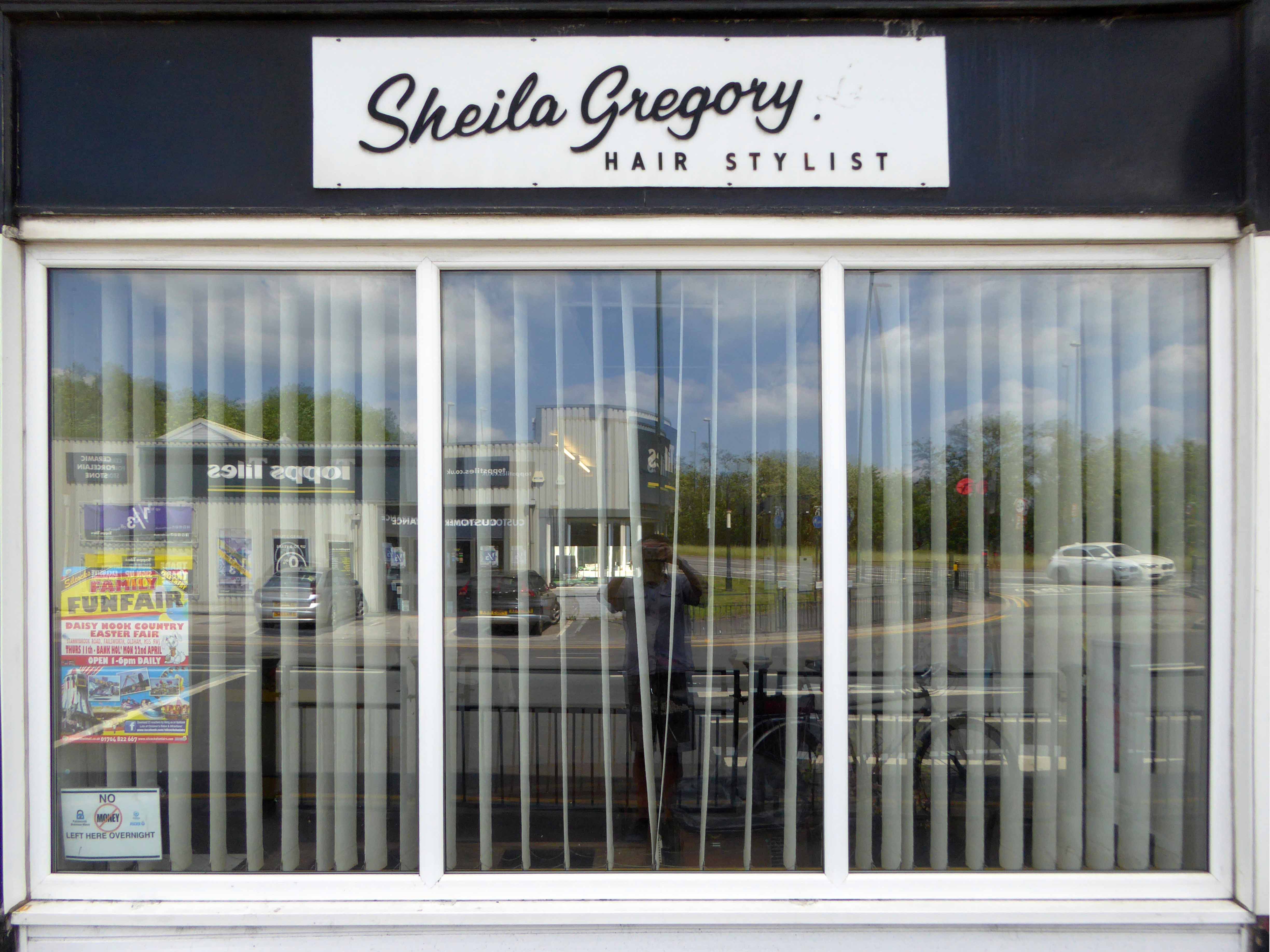
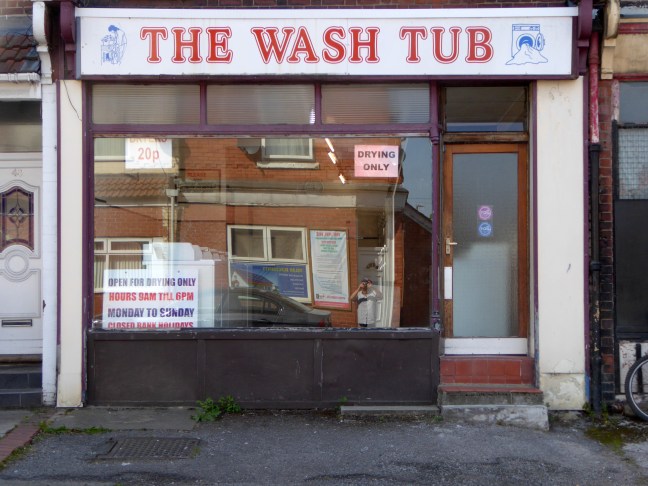
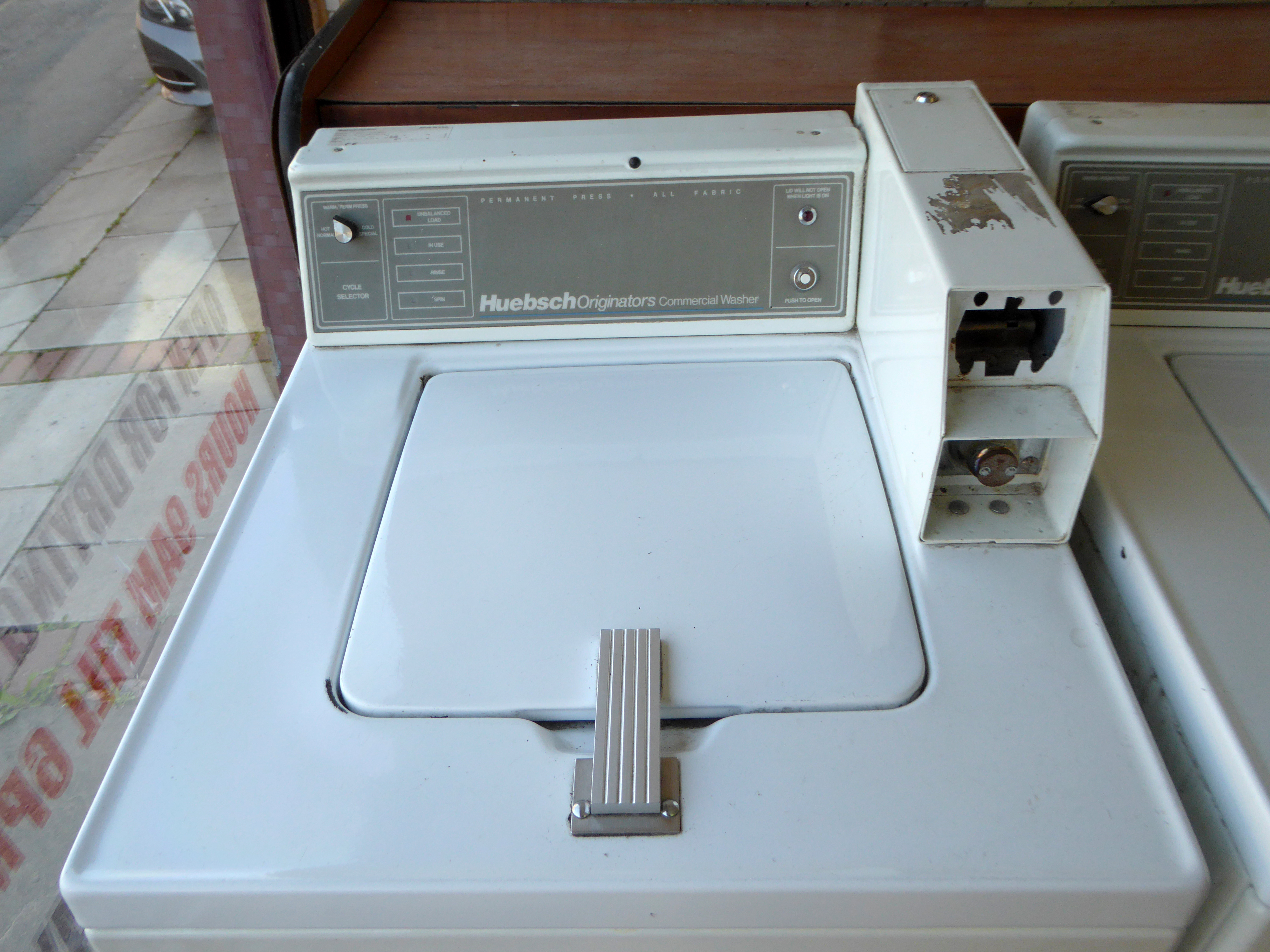
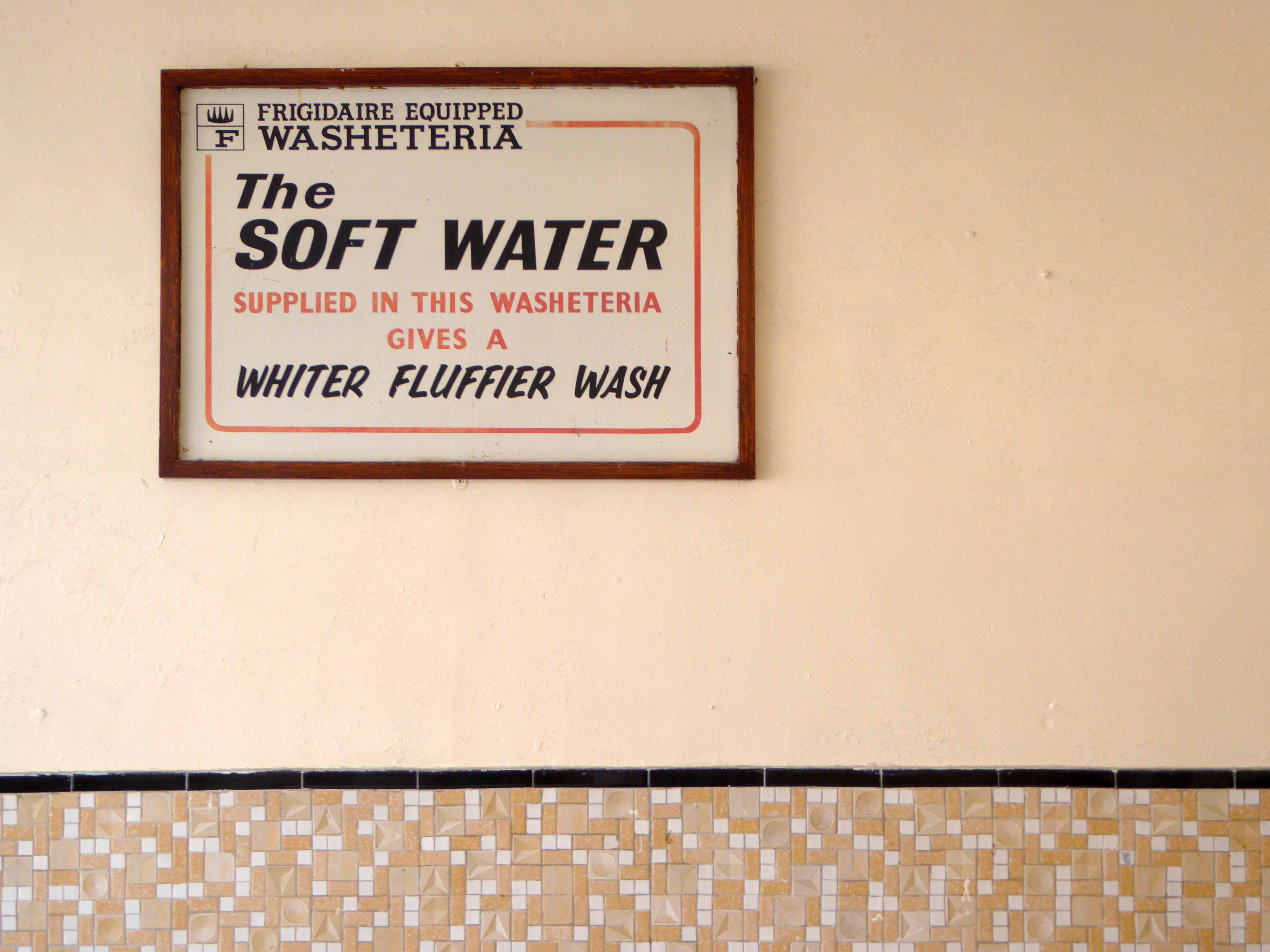
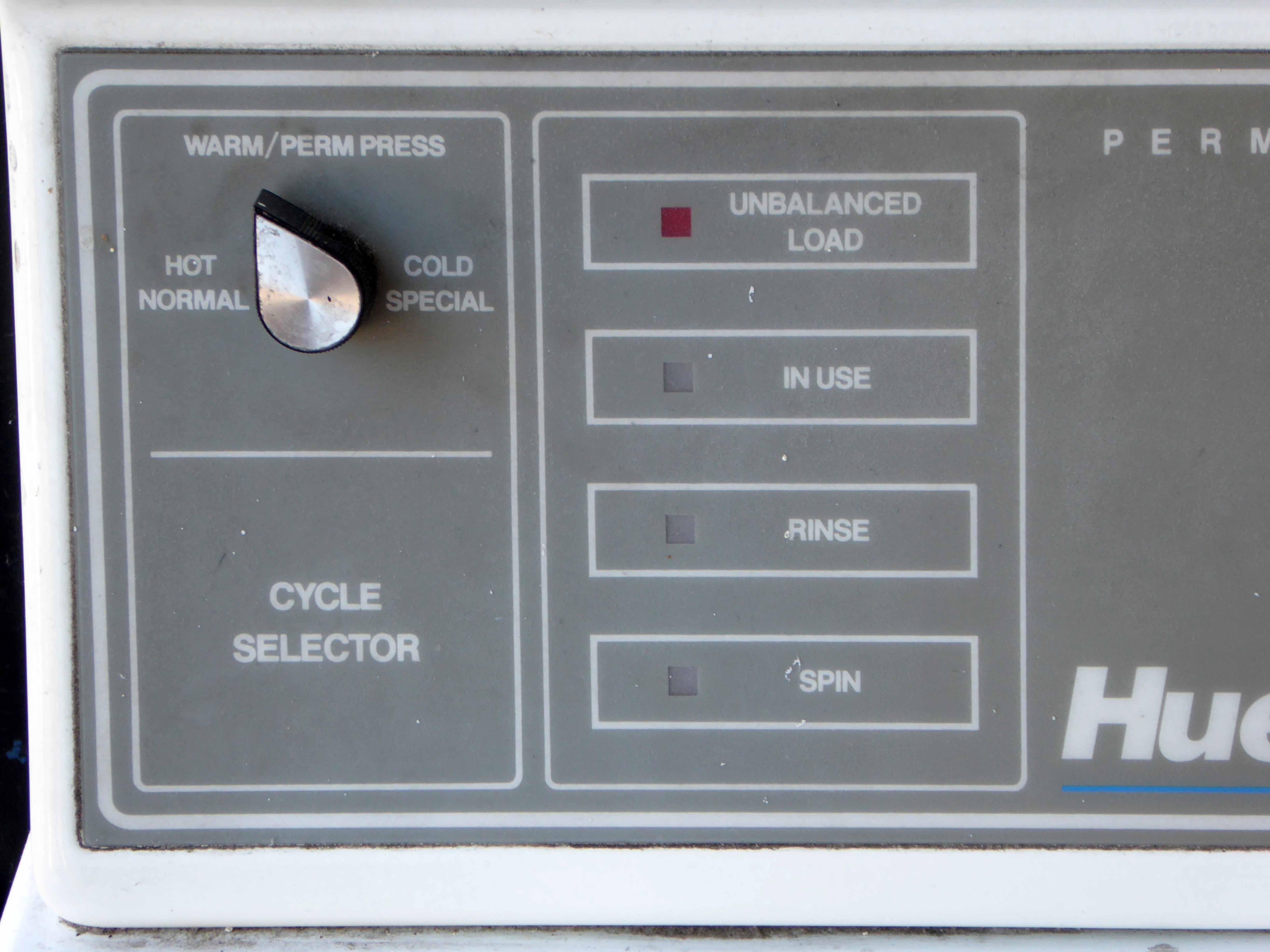
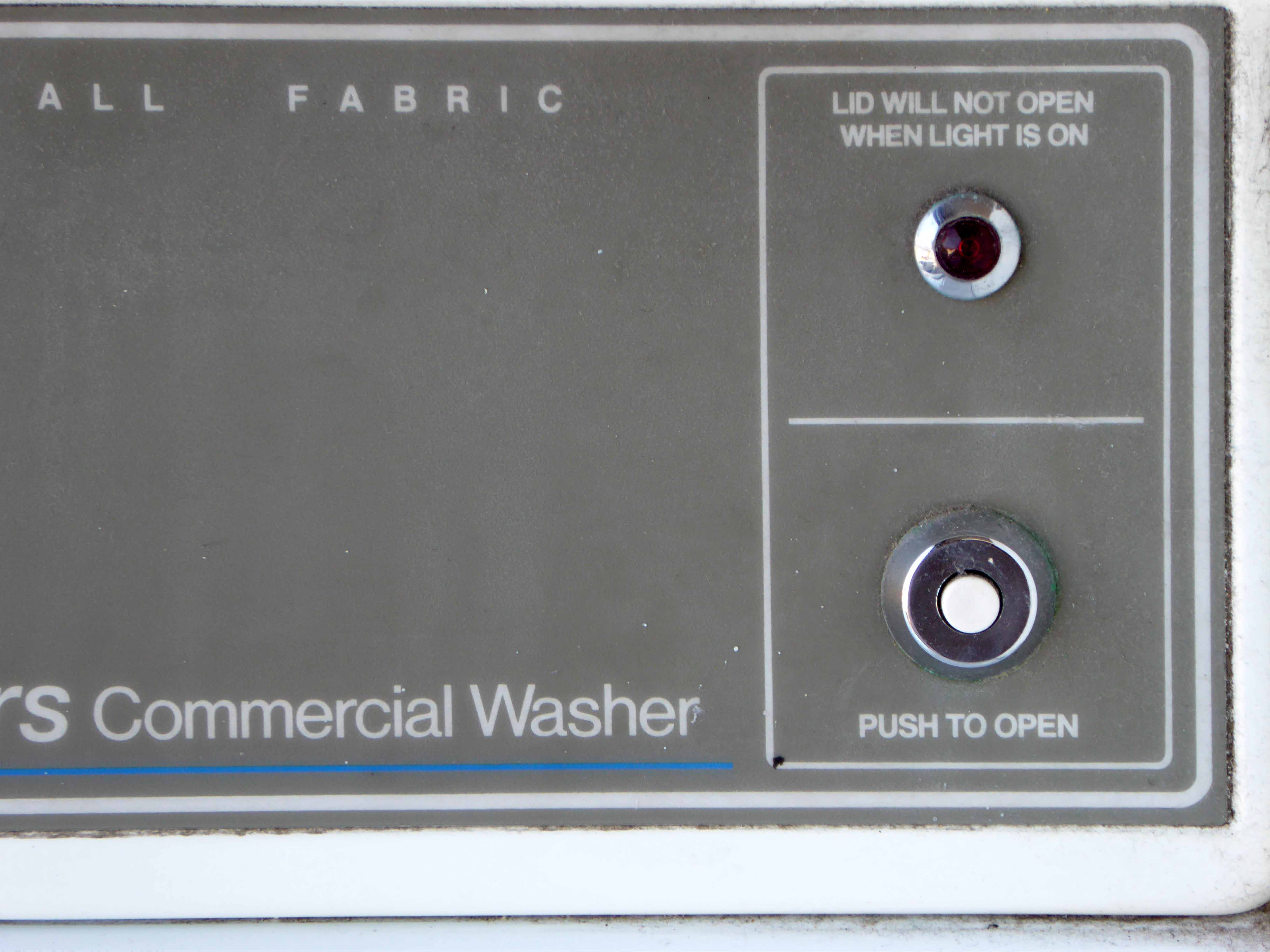
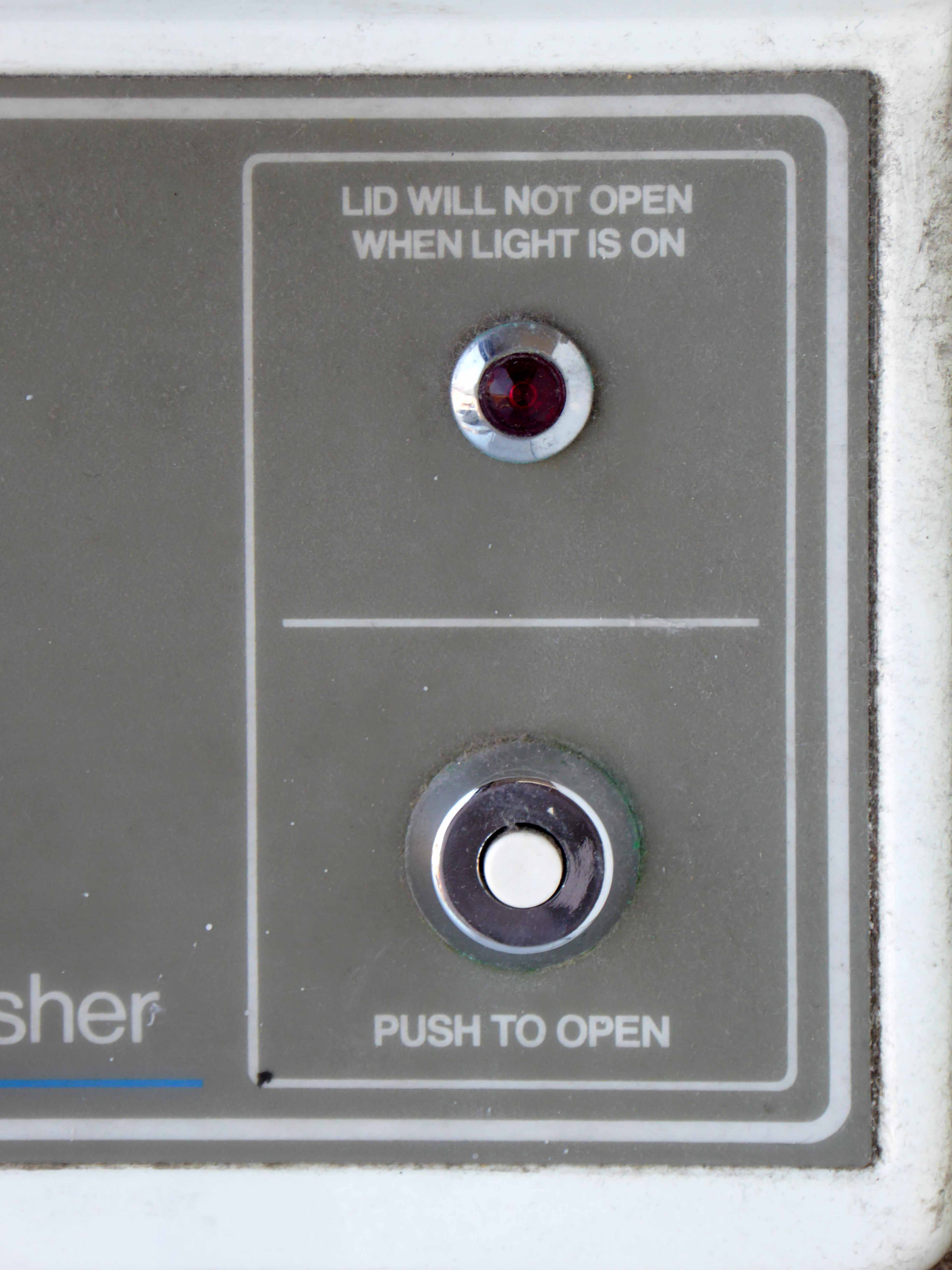
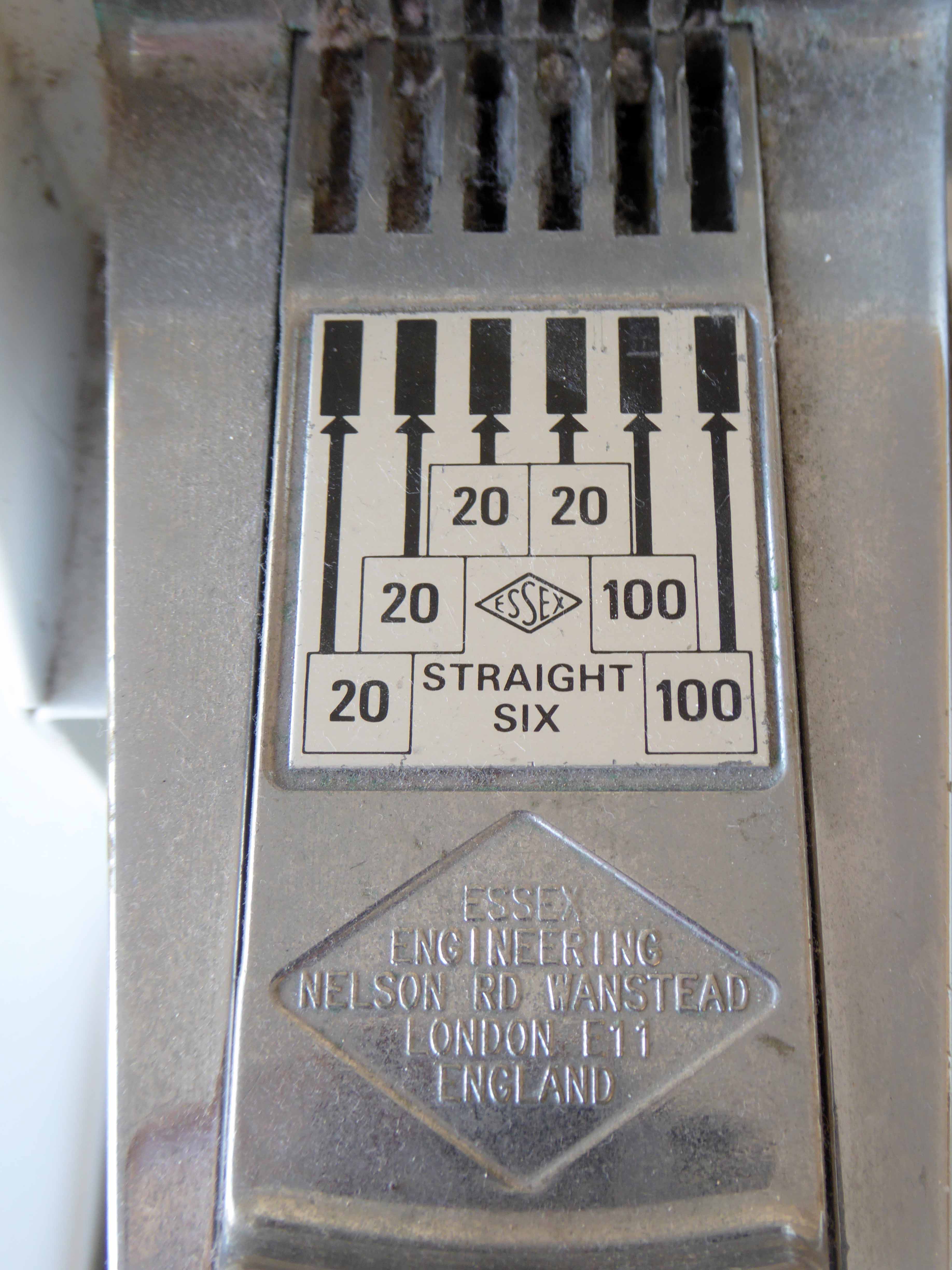
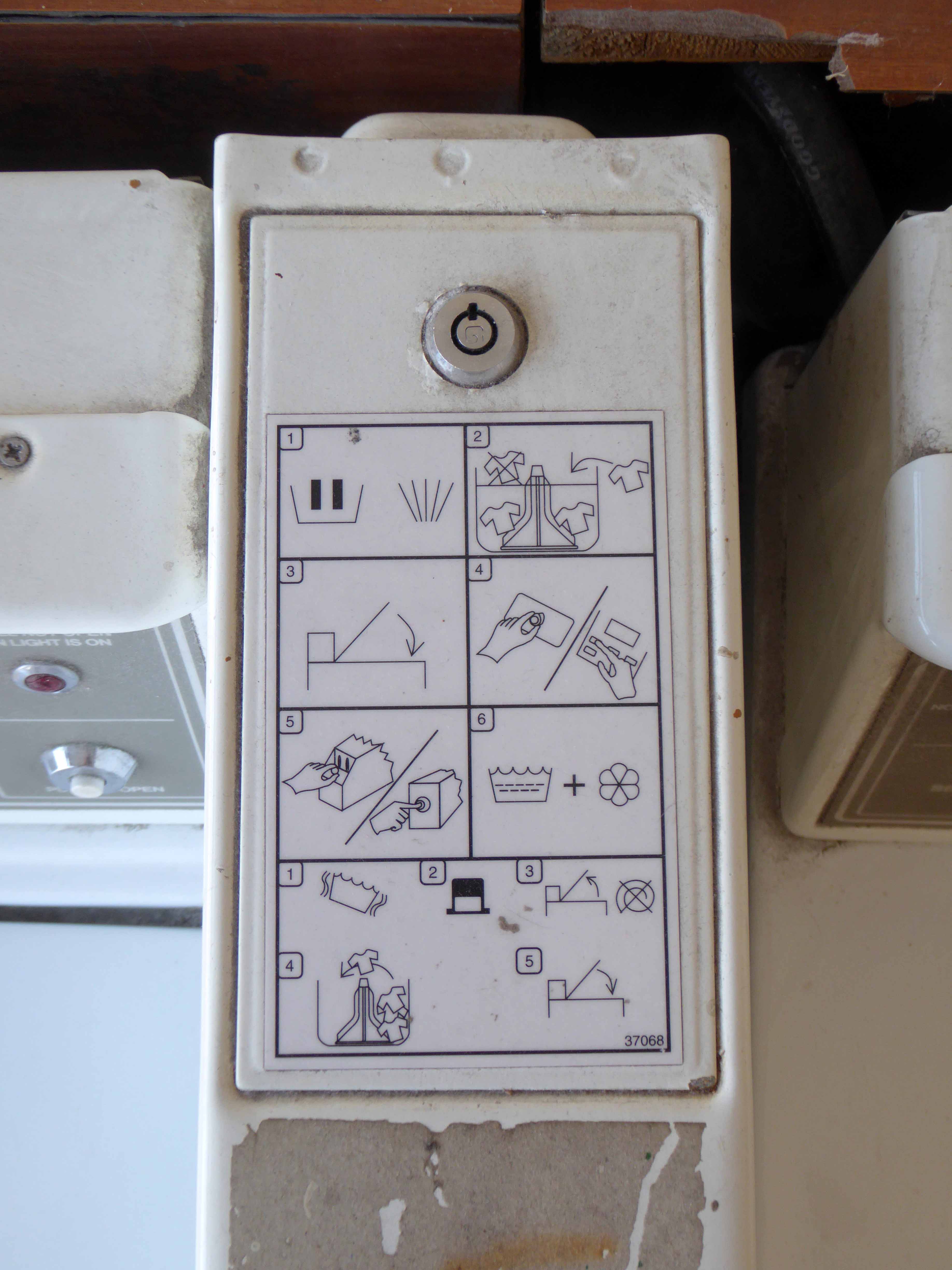
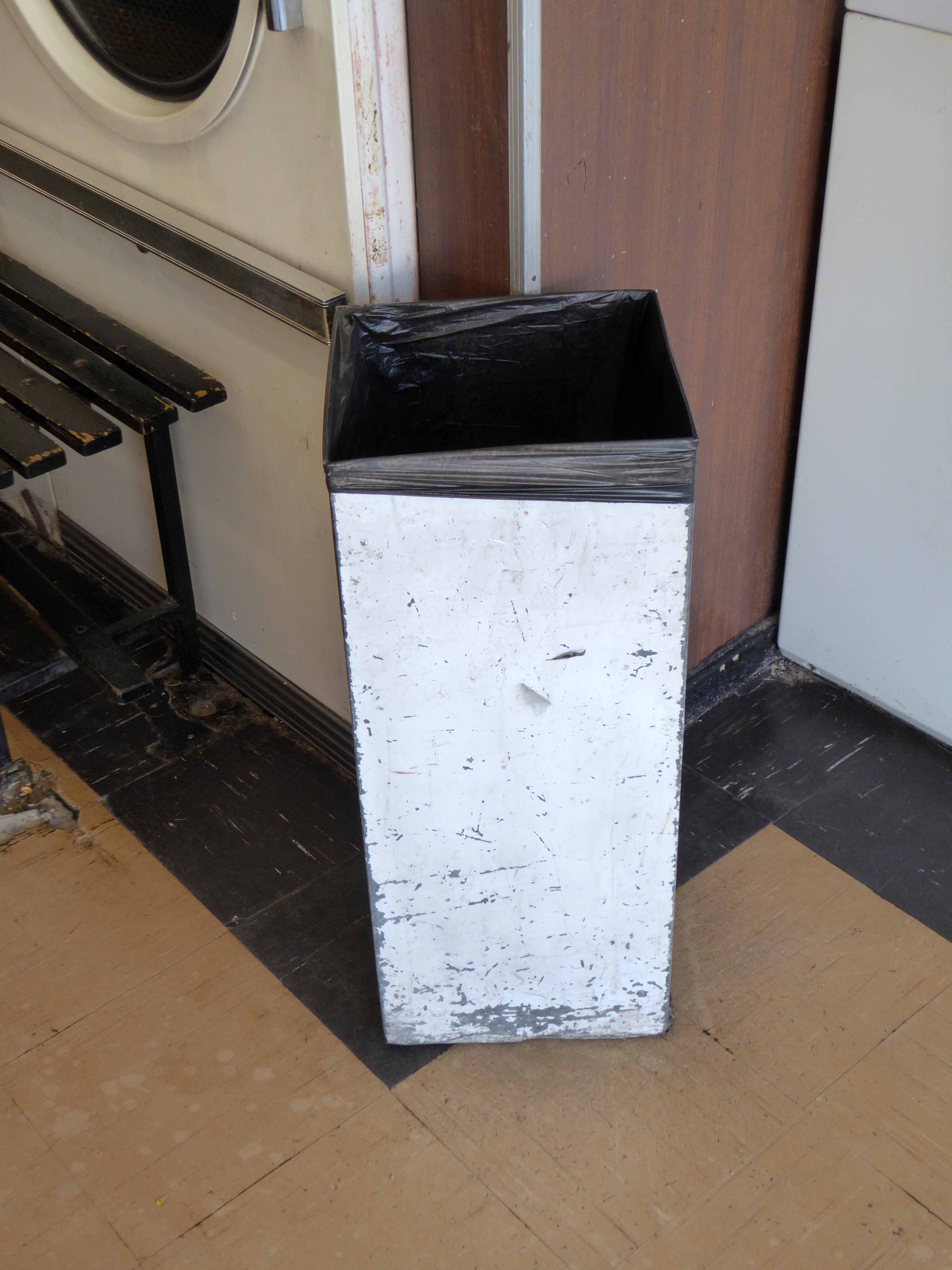
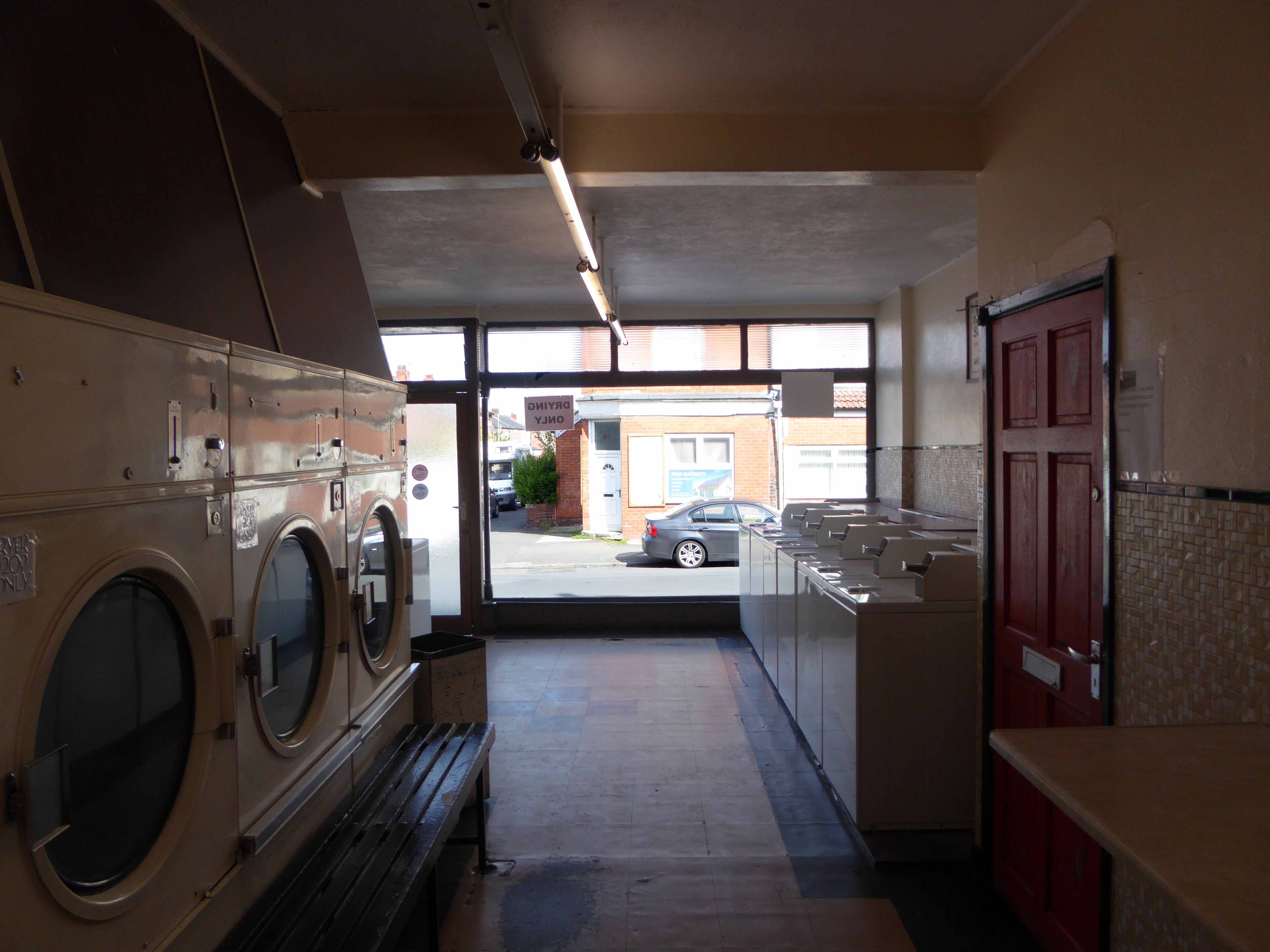
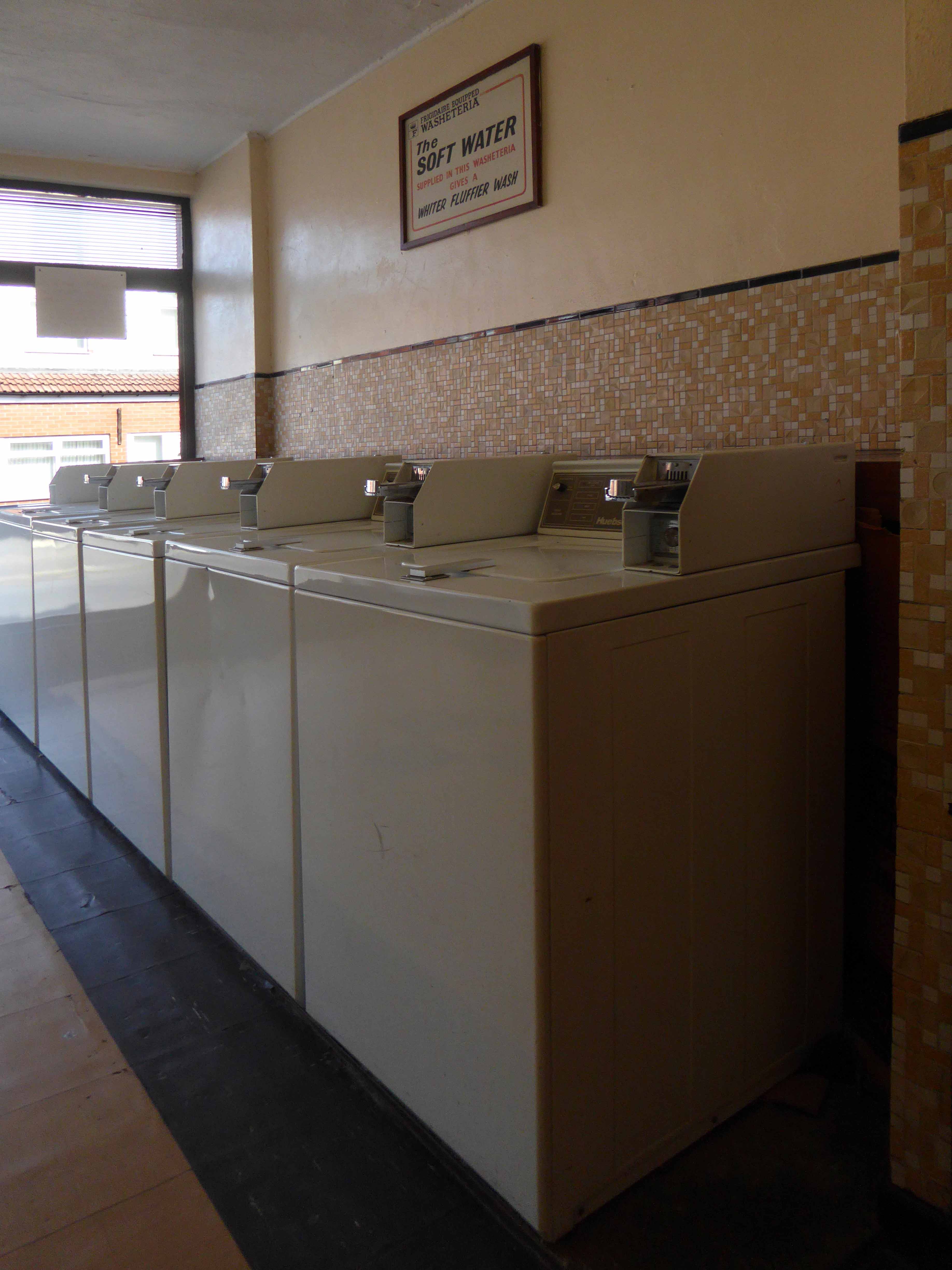
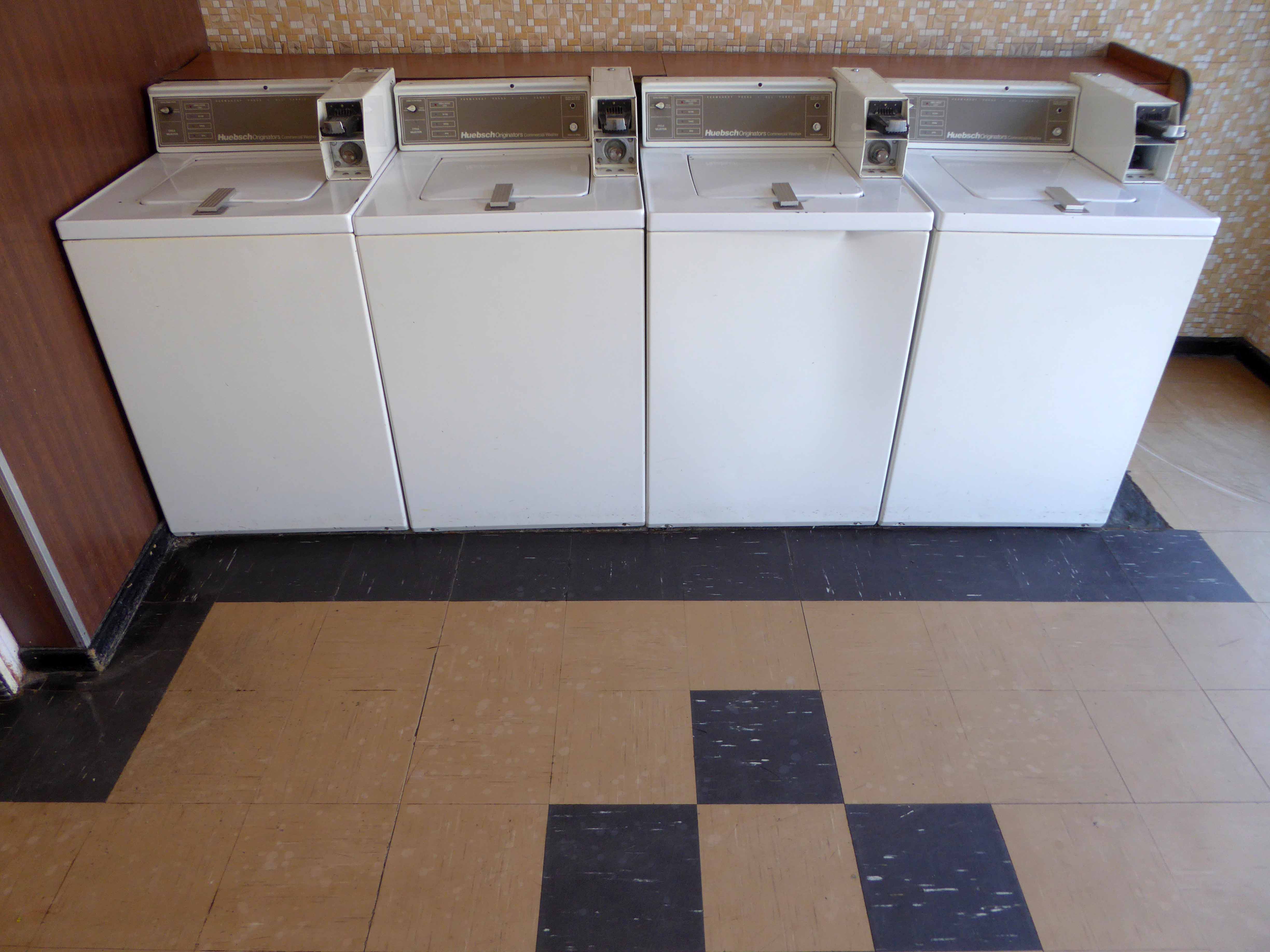
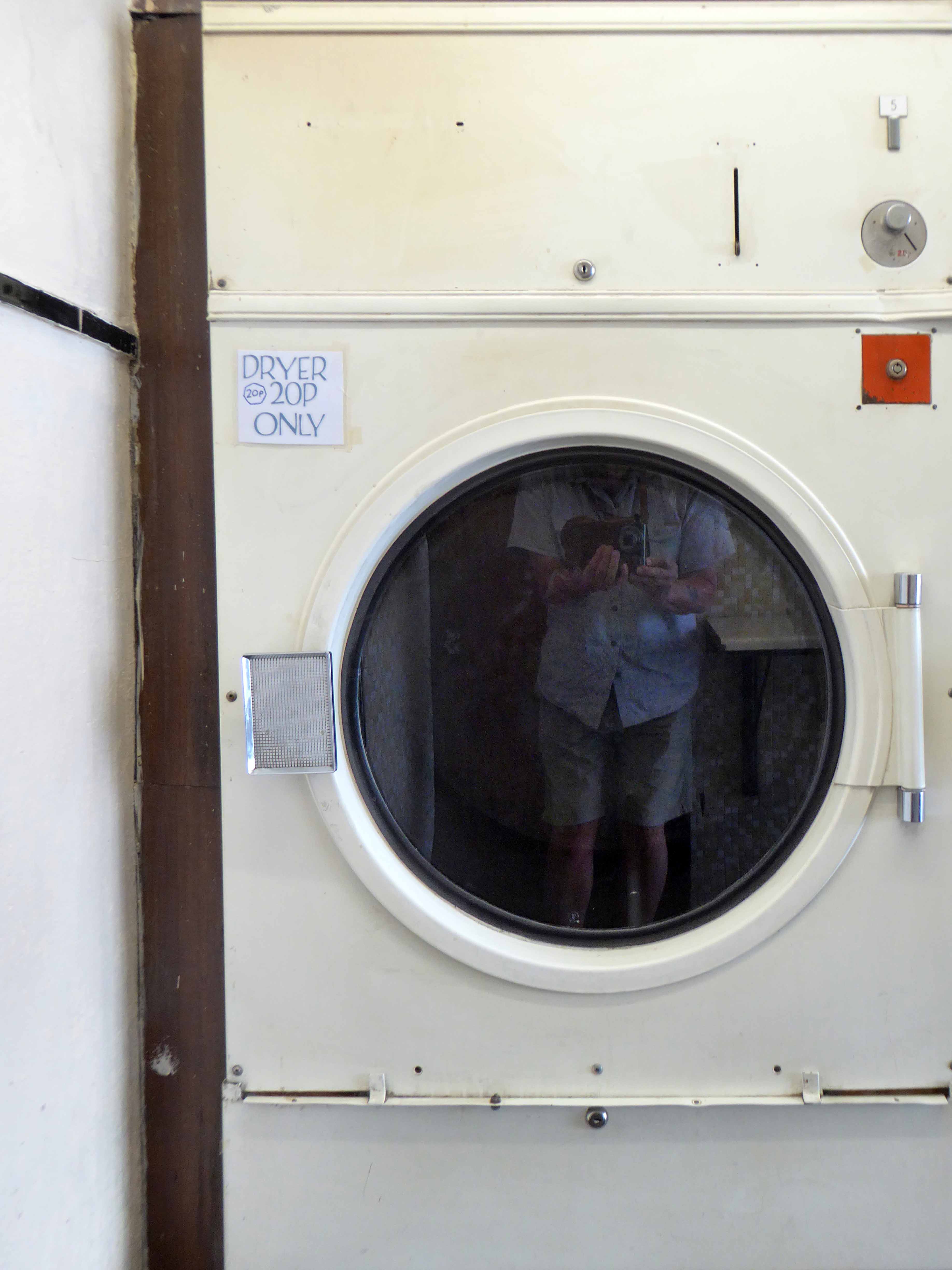
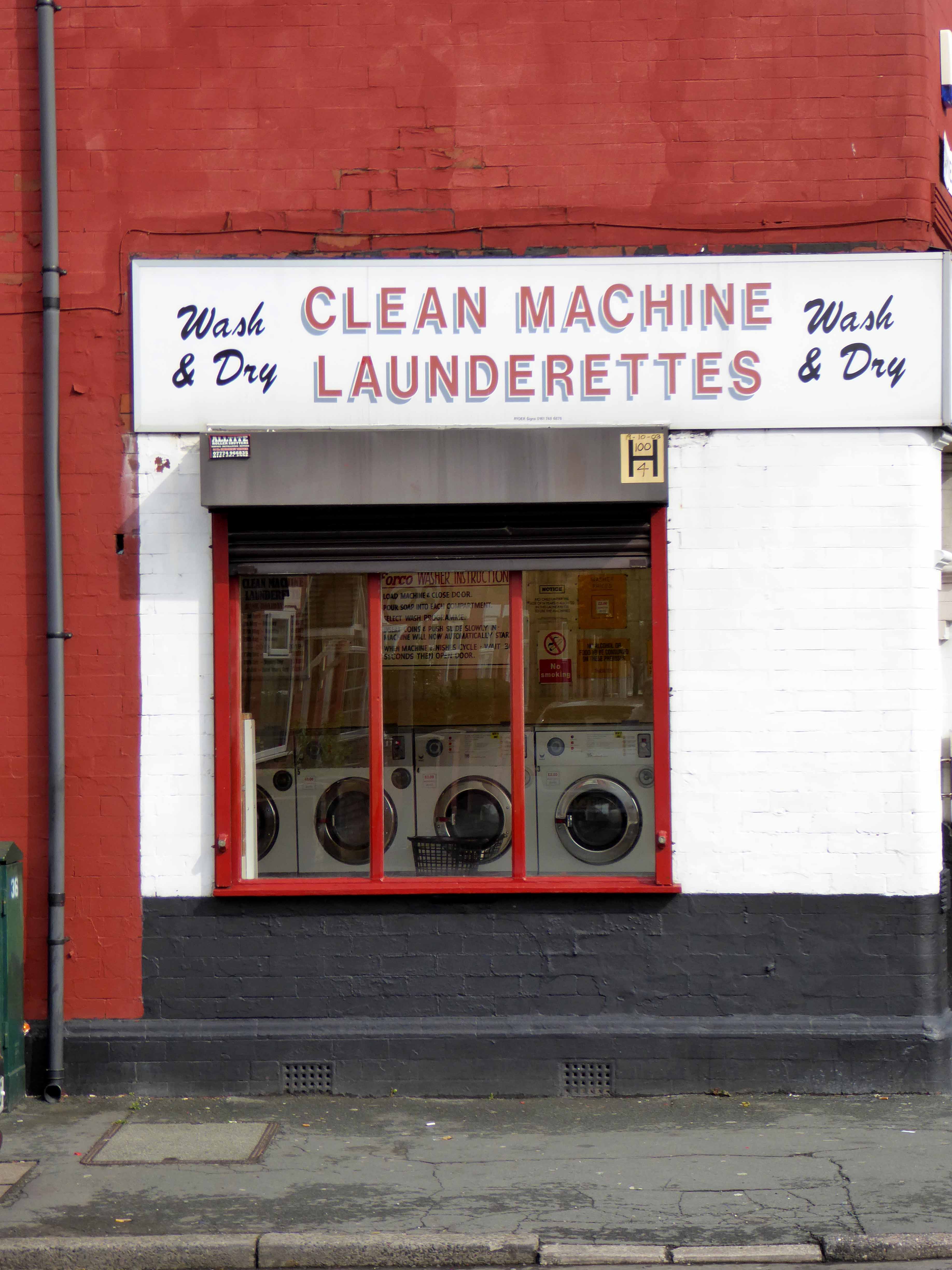
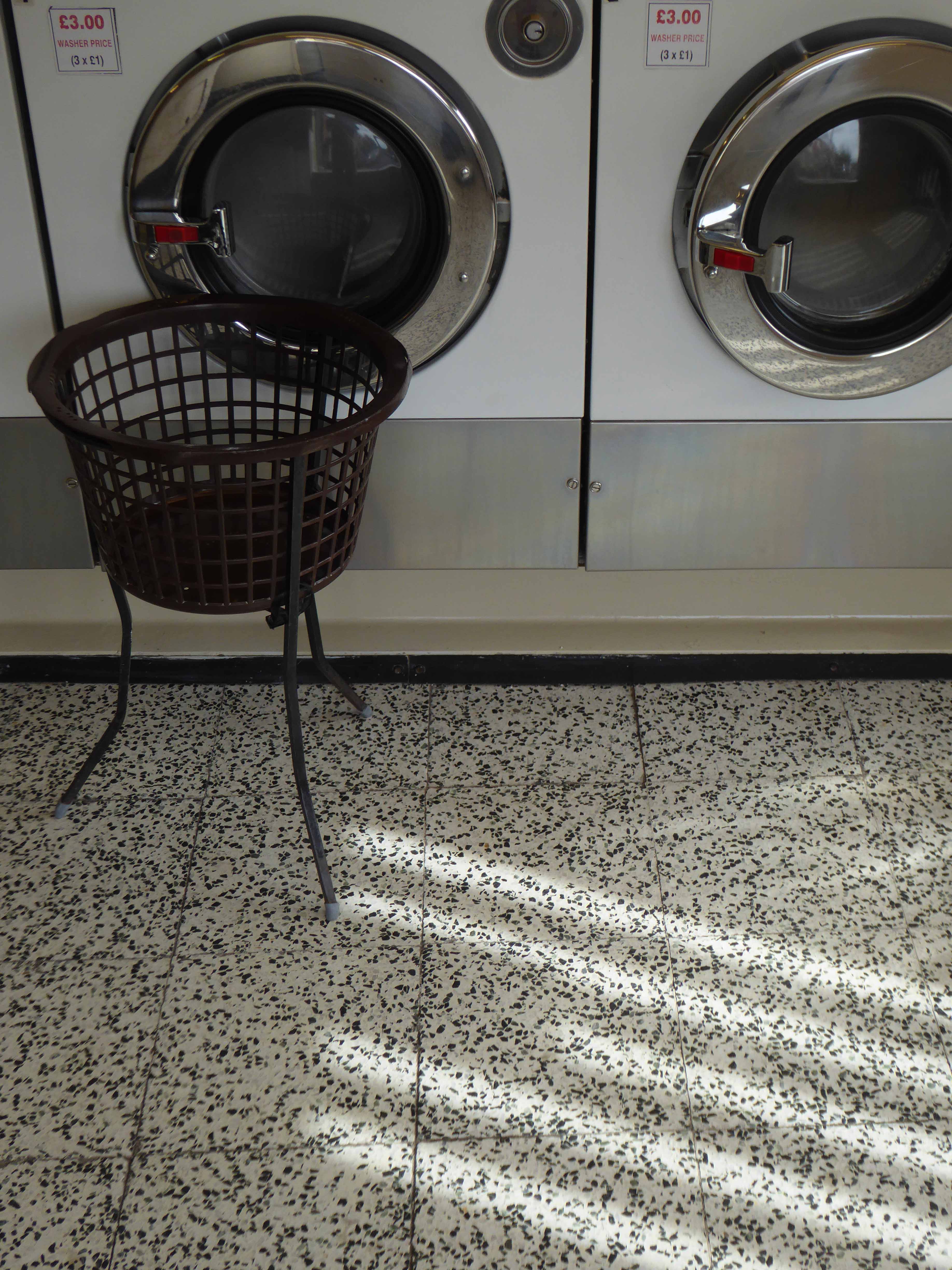
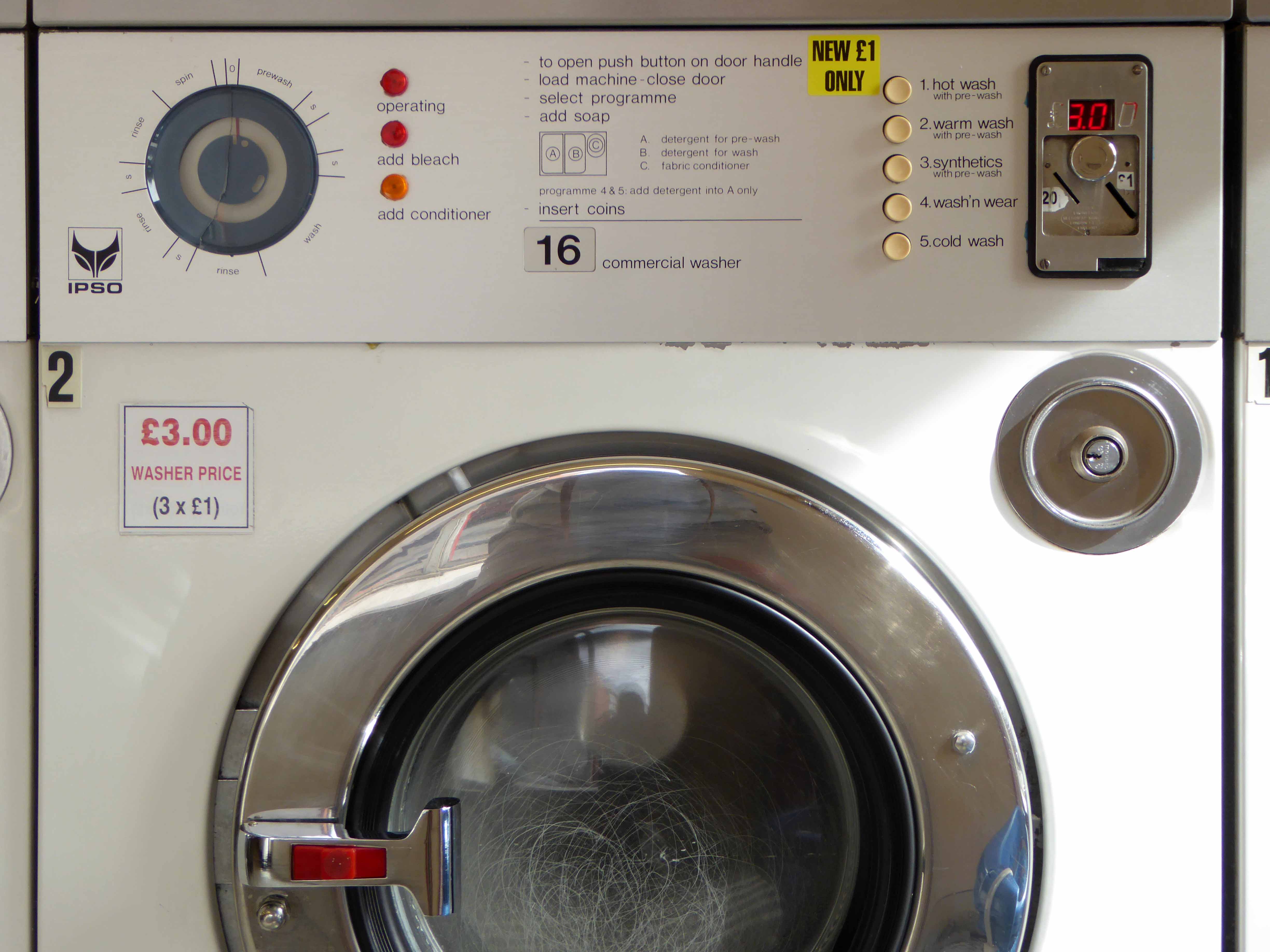
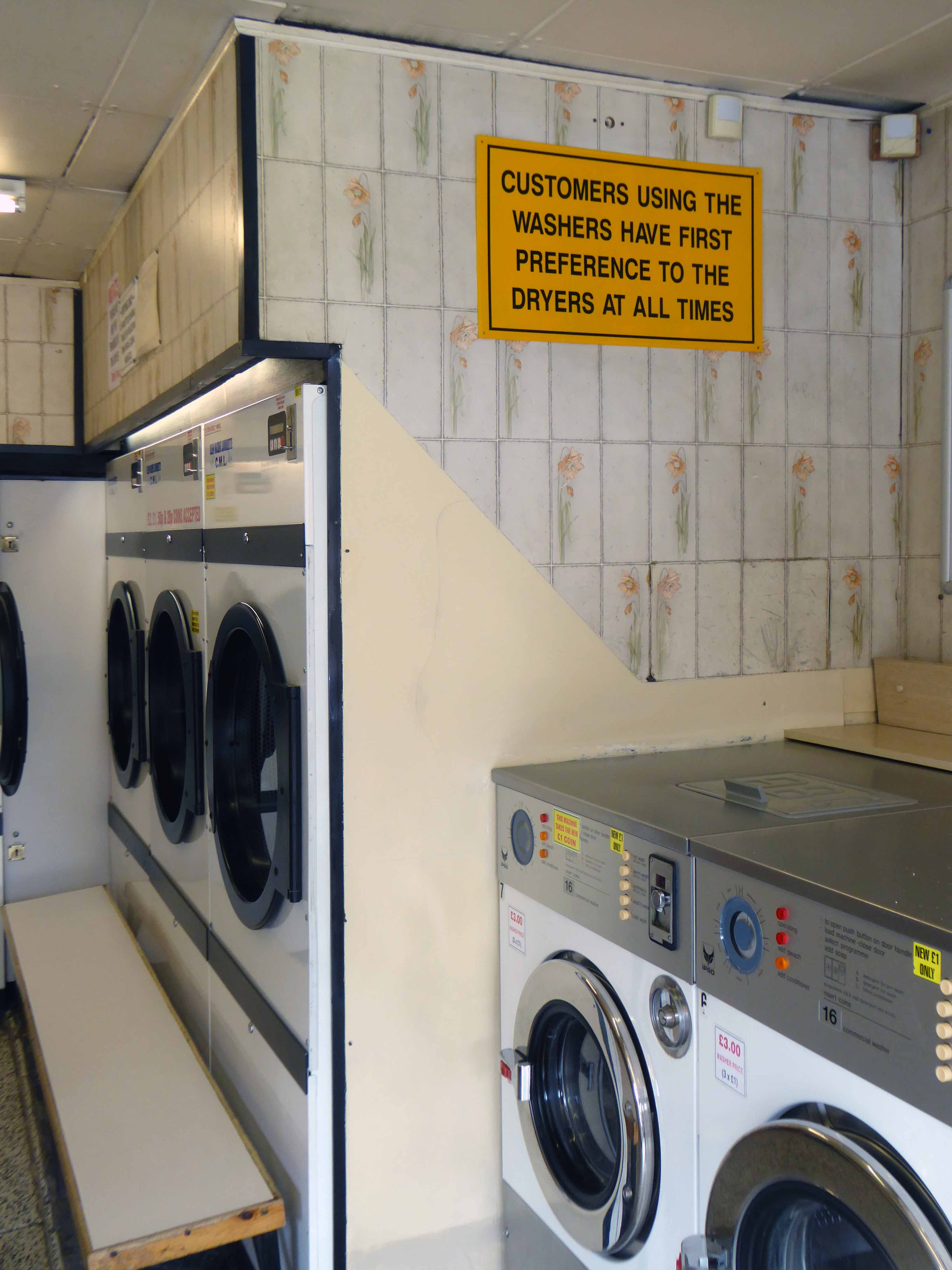
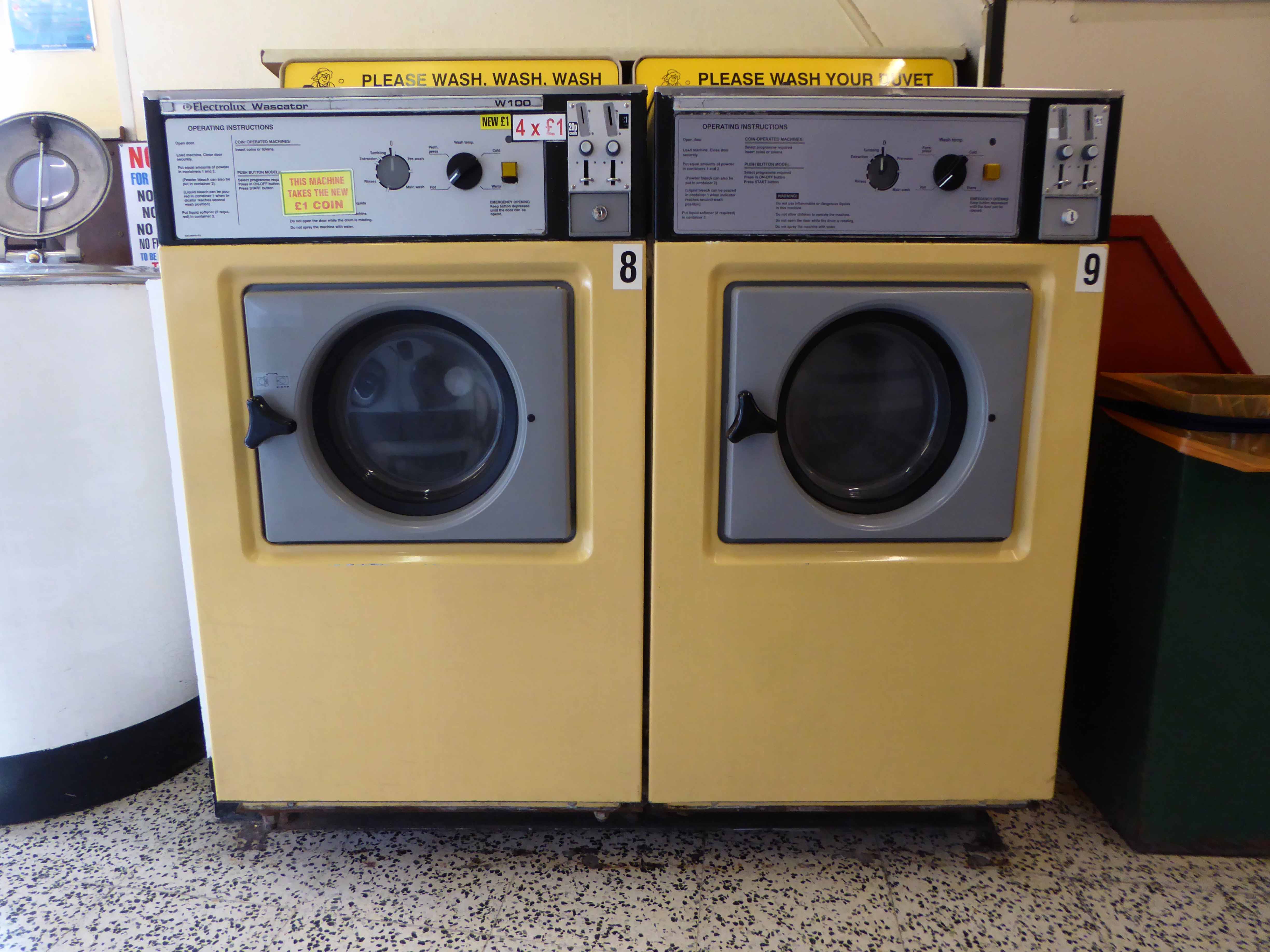
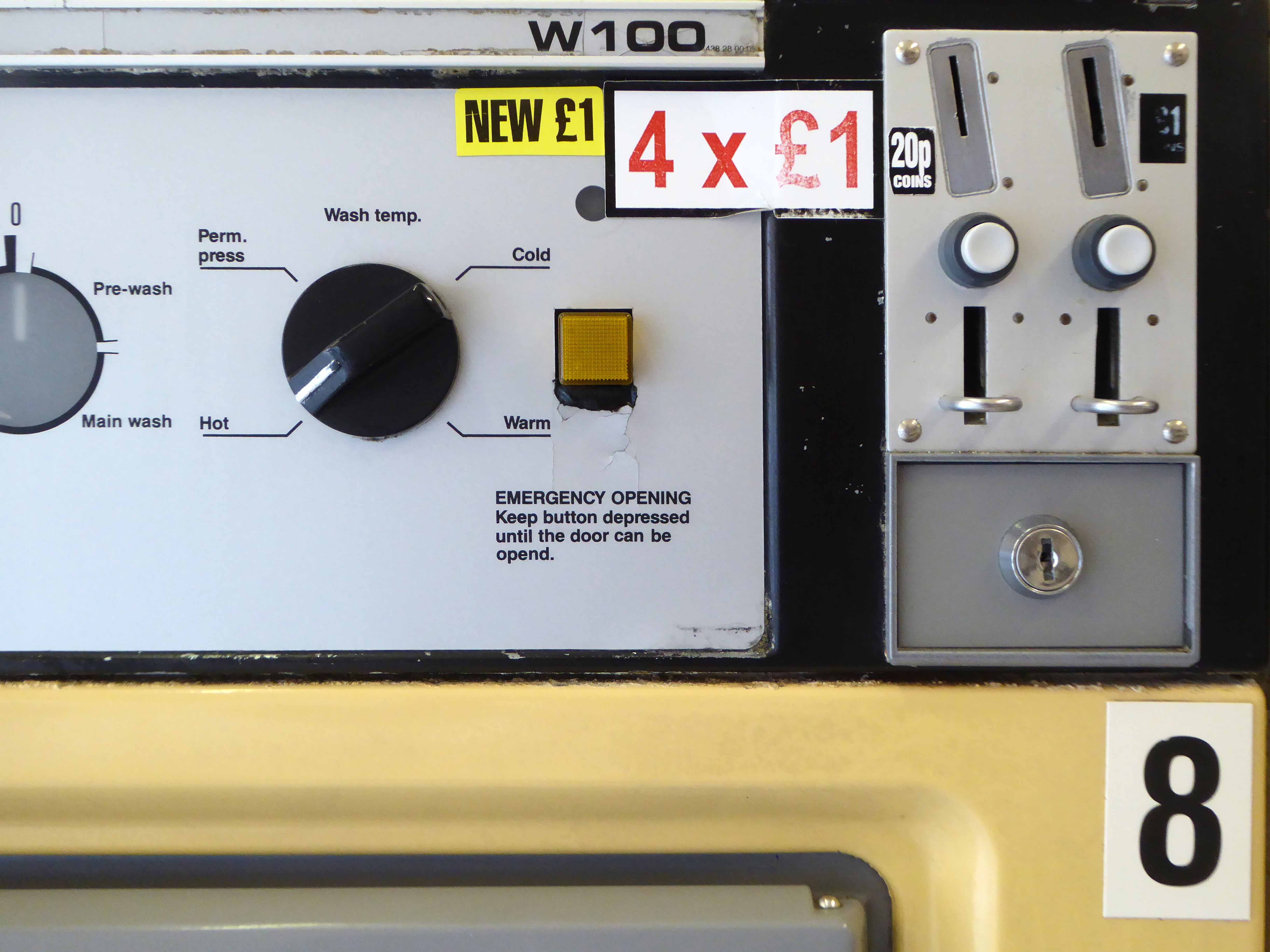
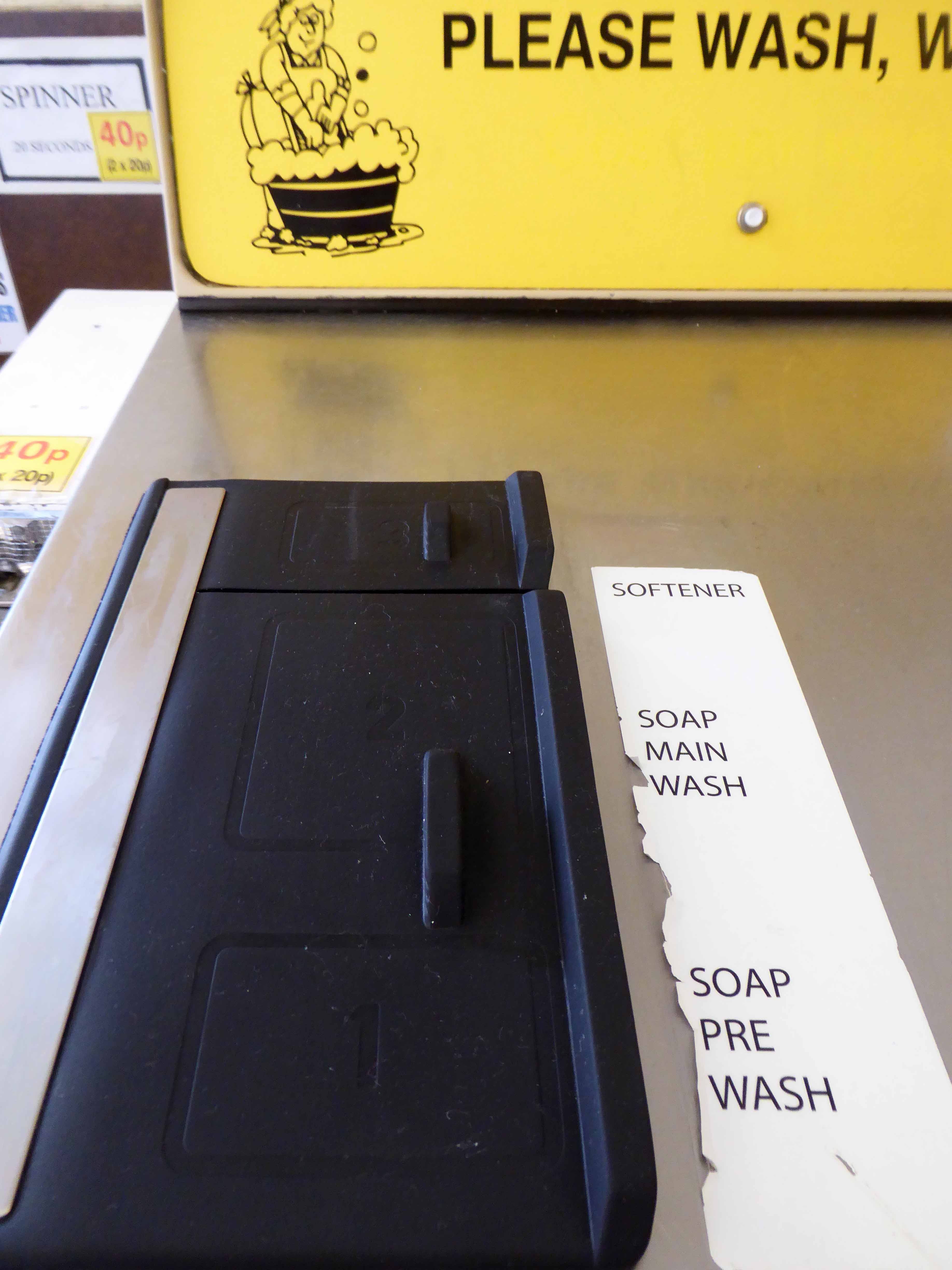
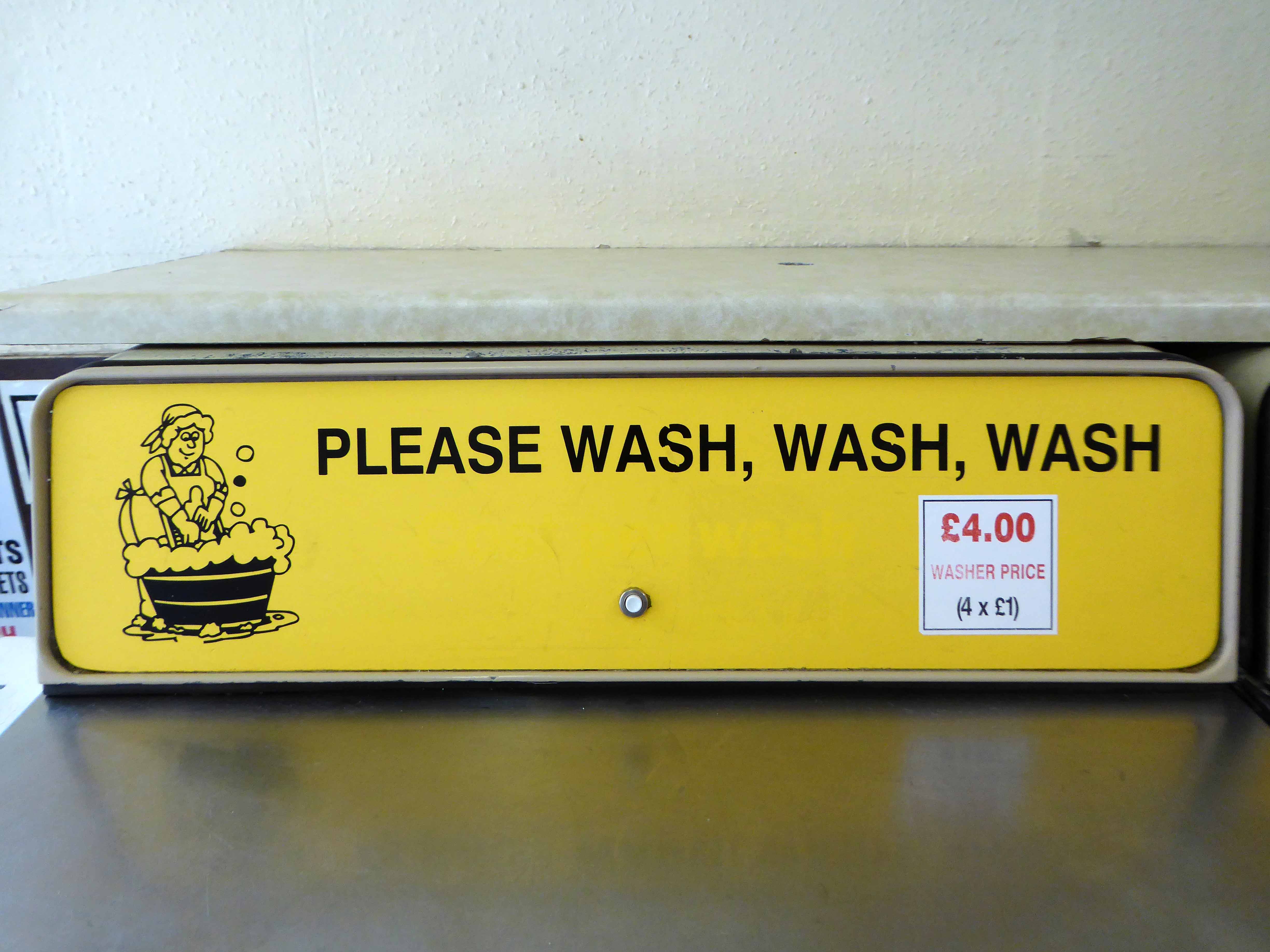
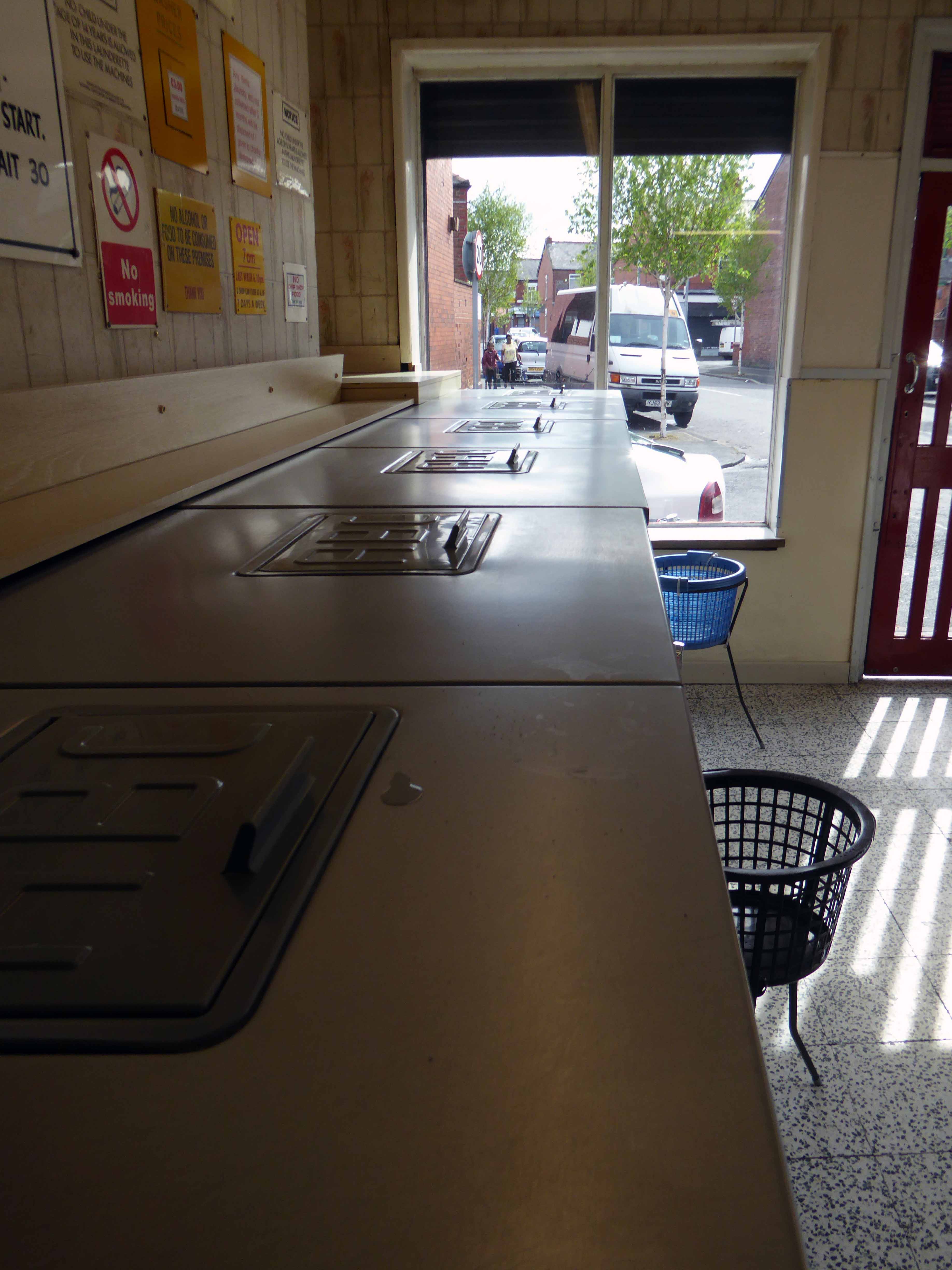
When is a washtub not a washtub – self evidently when it doesn’t wash.
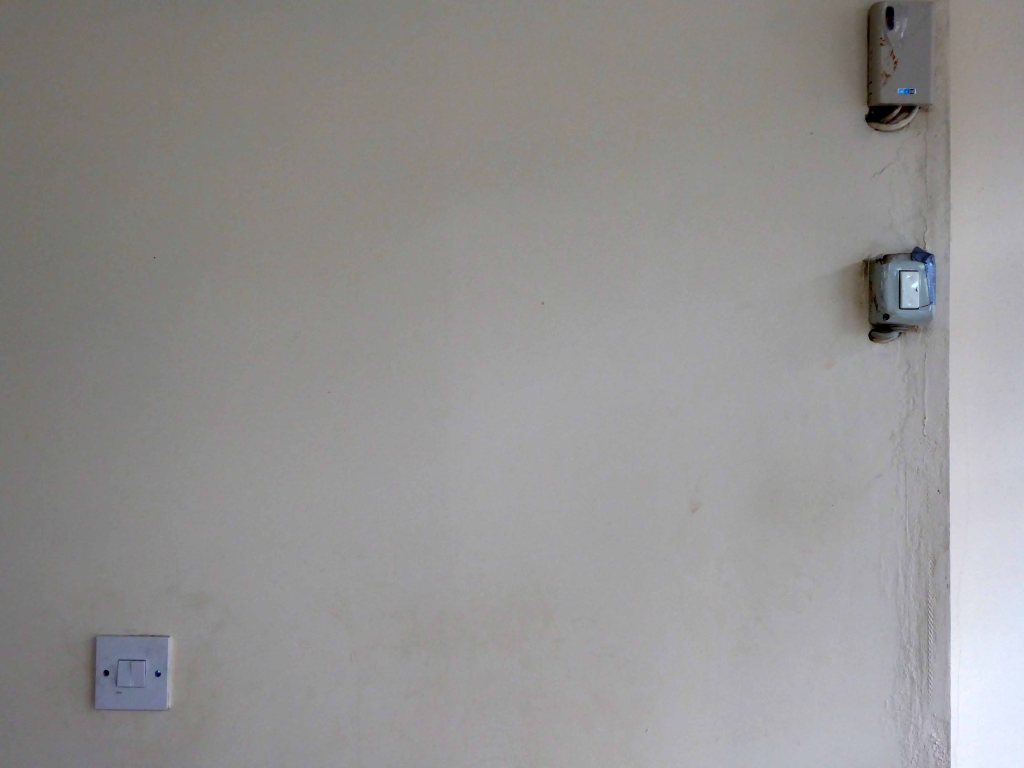
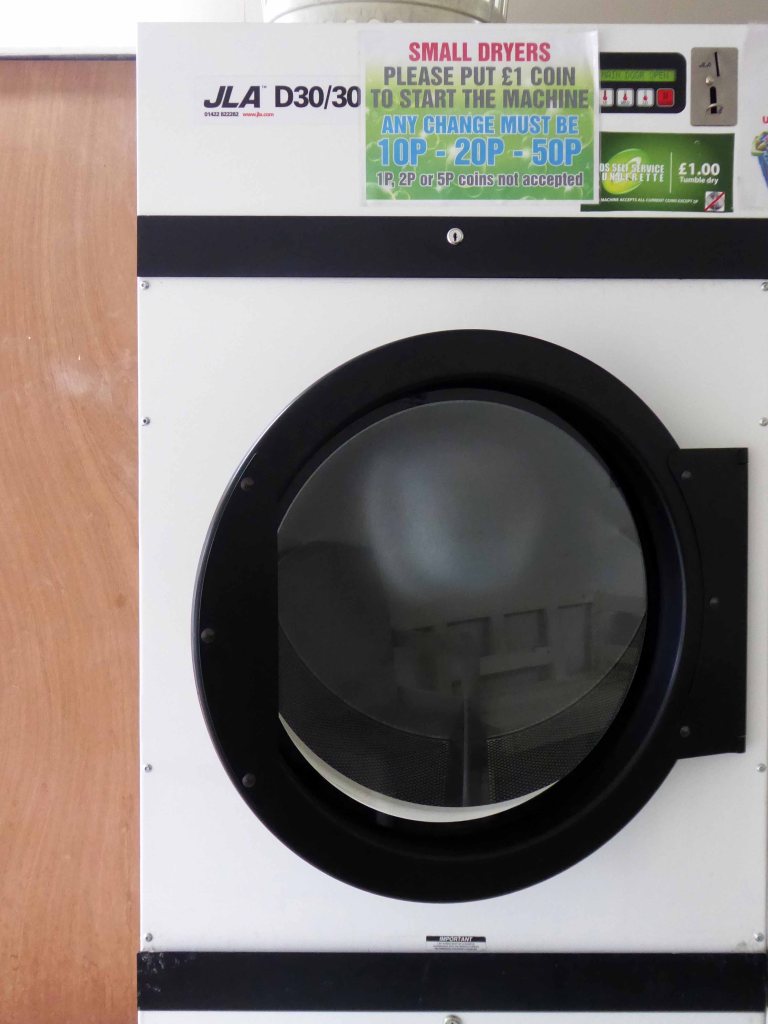
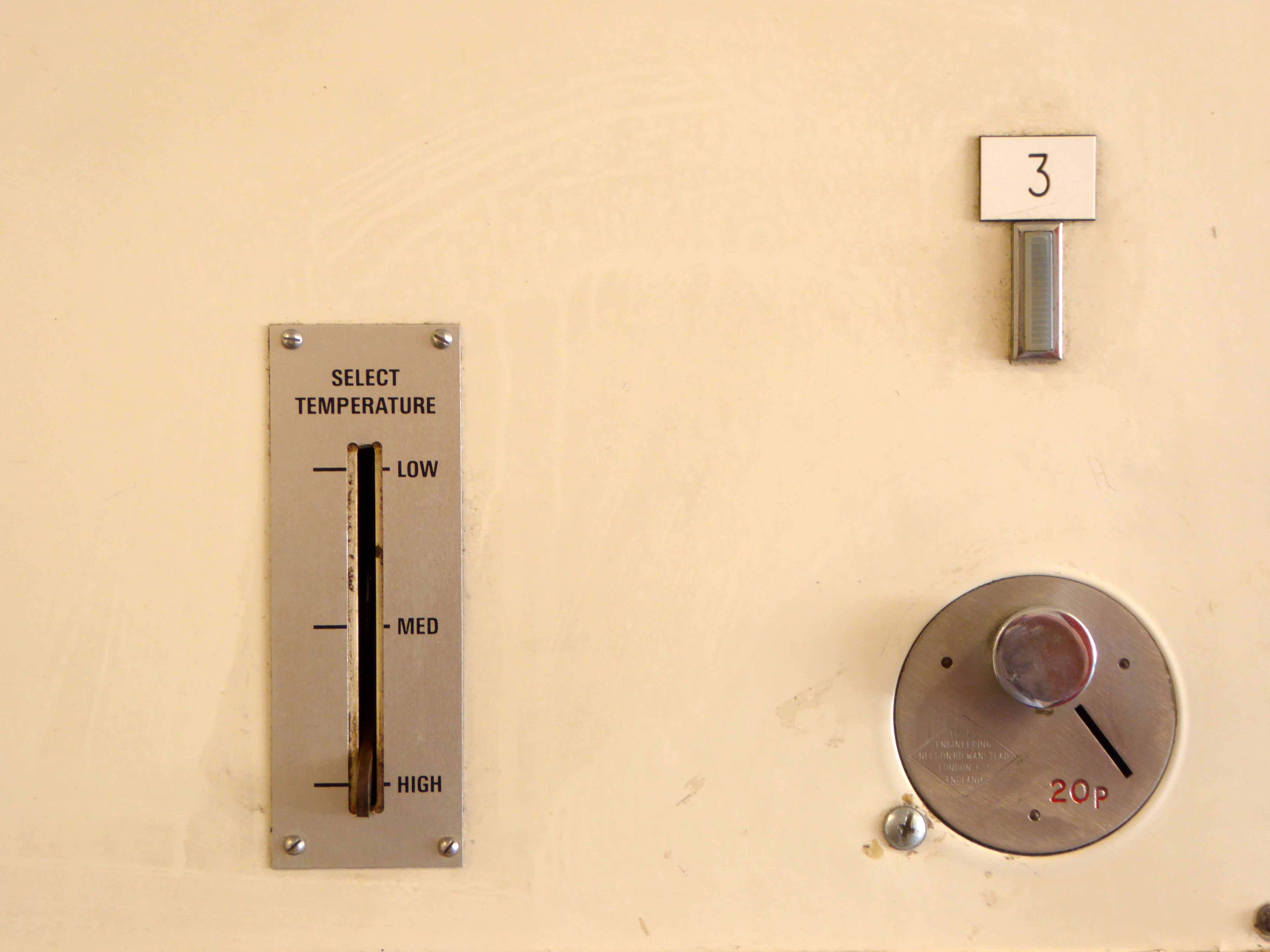
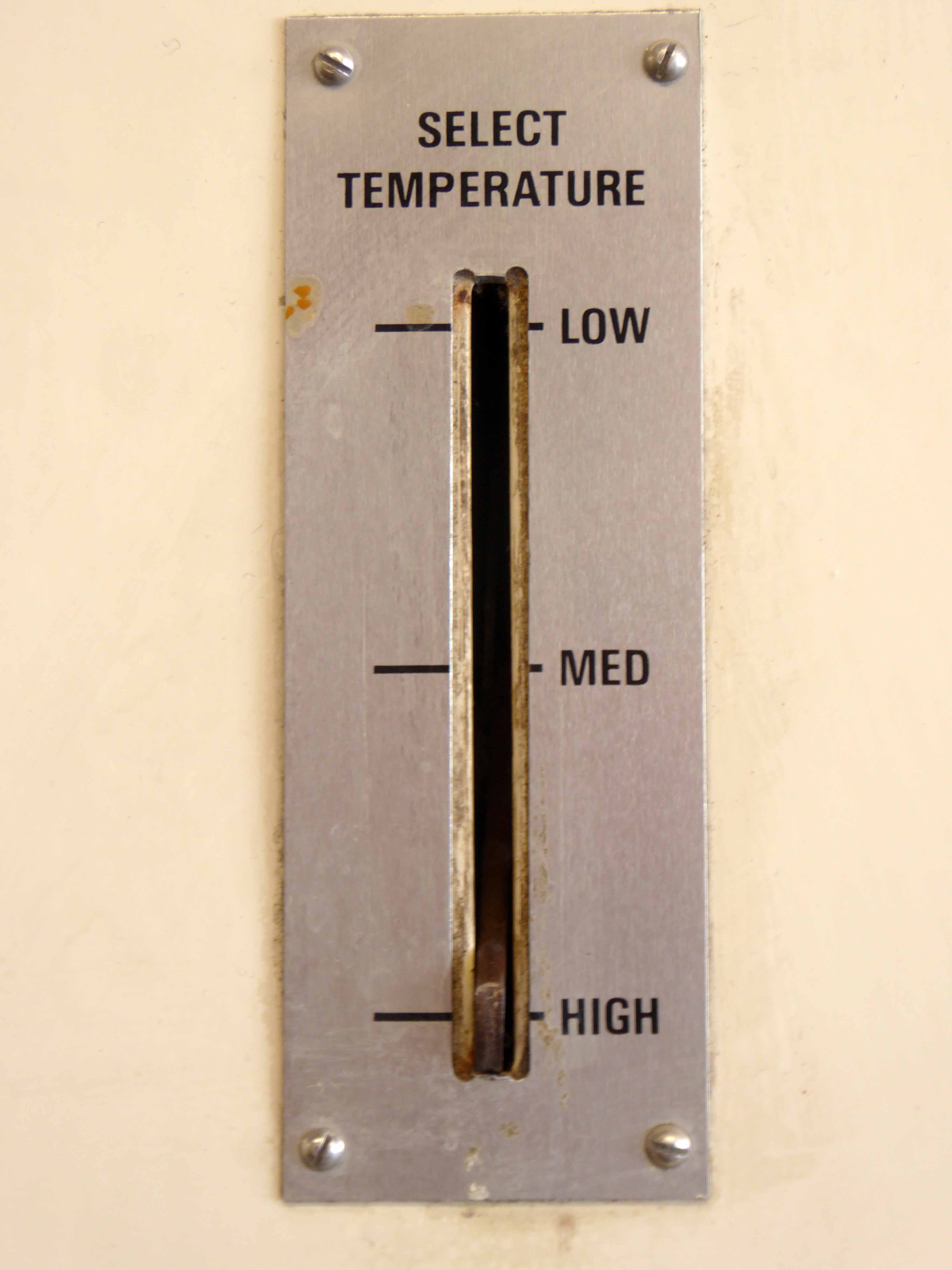
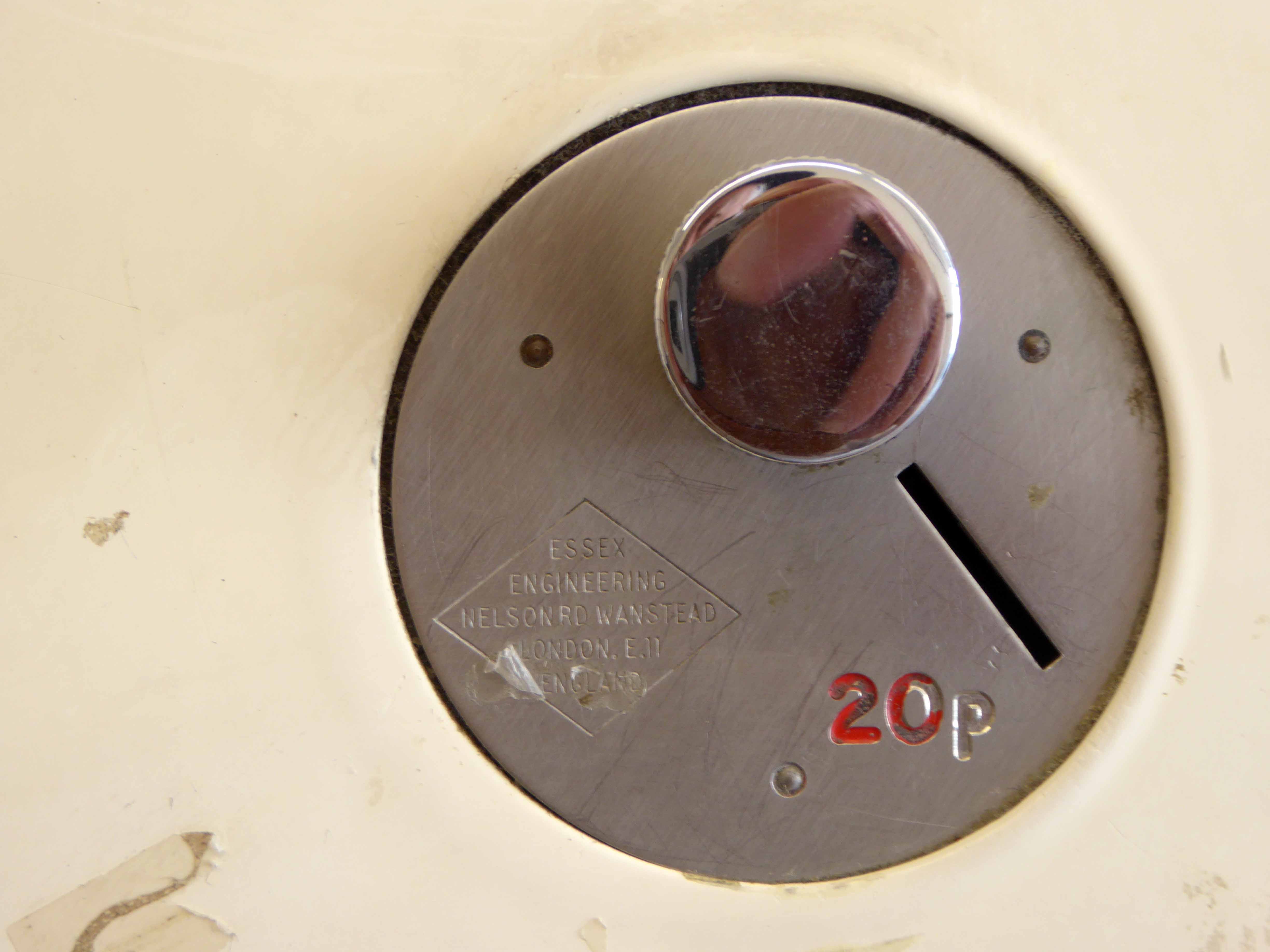
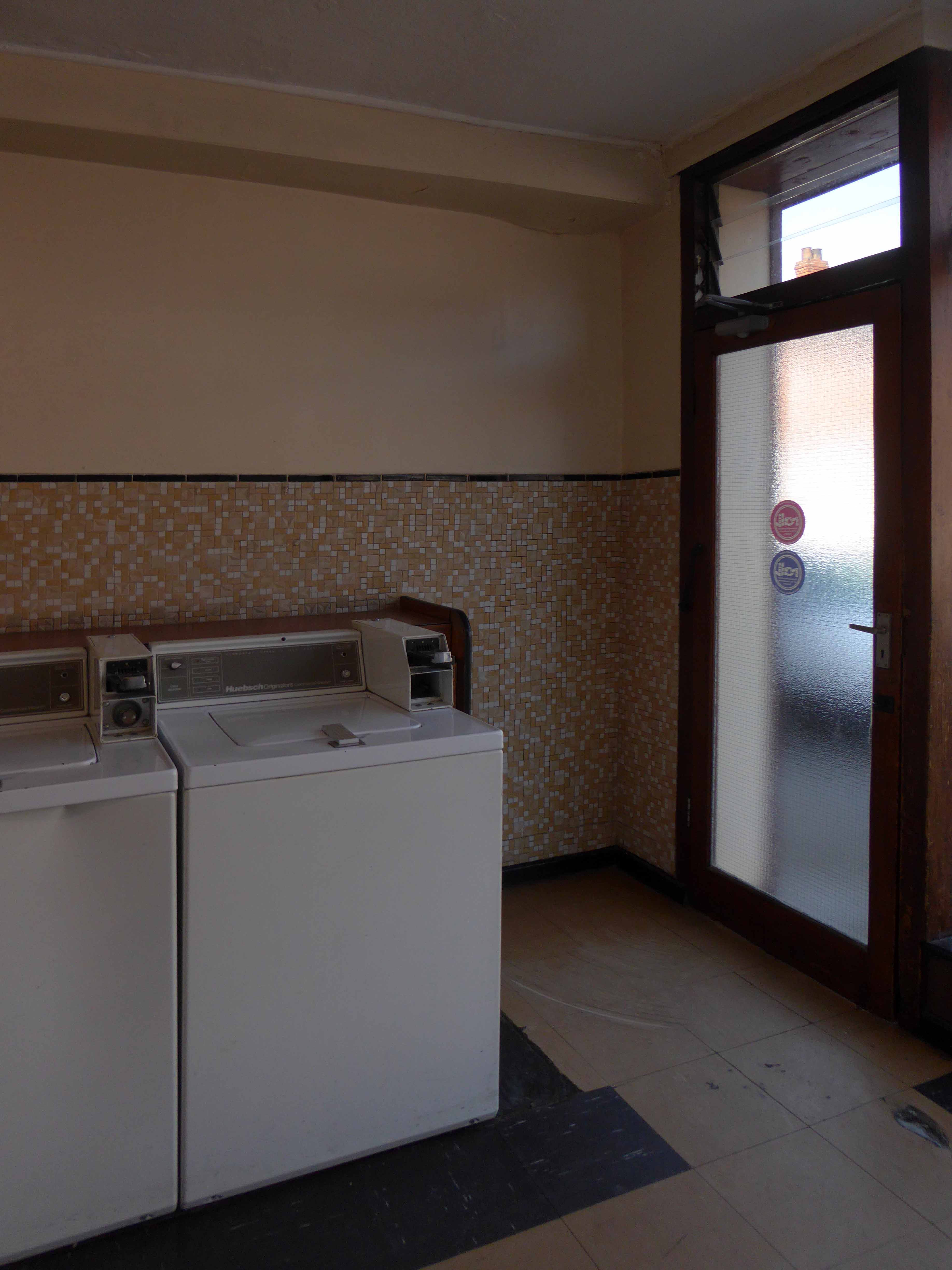
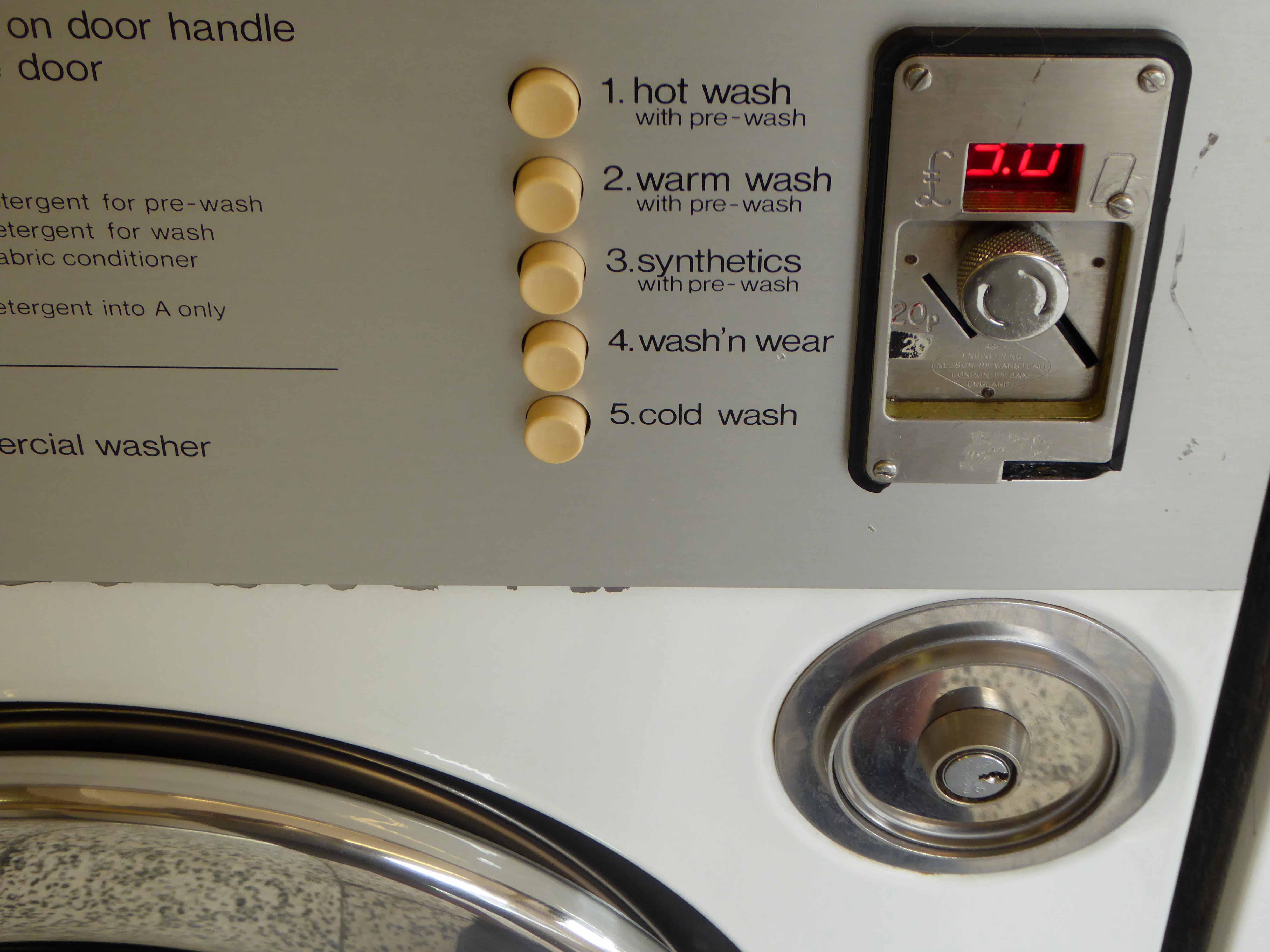
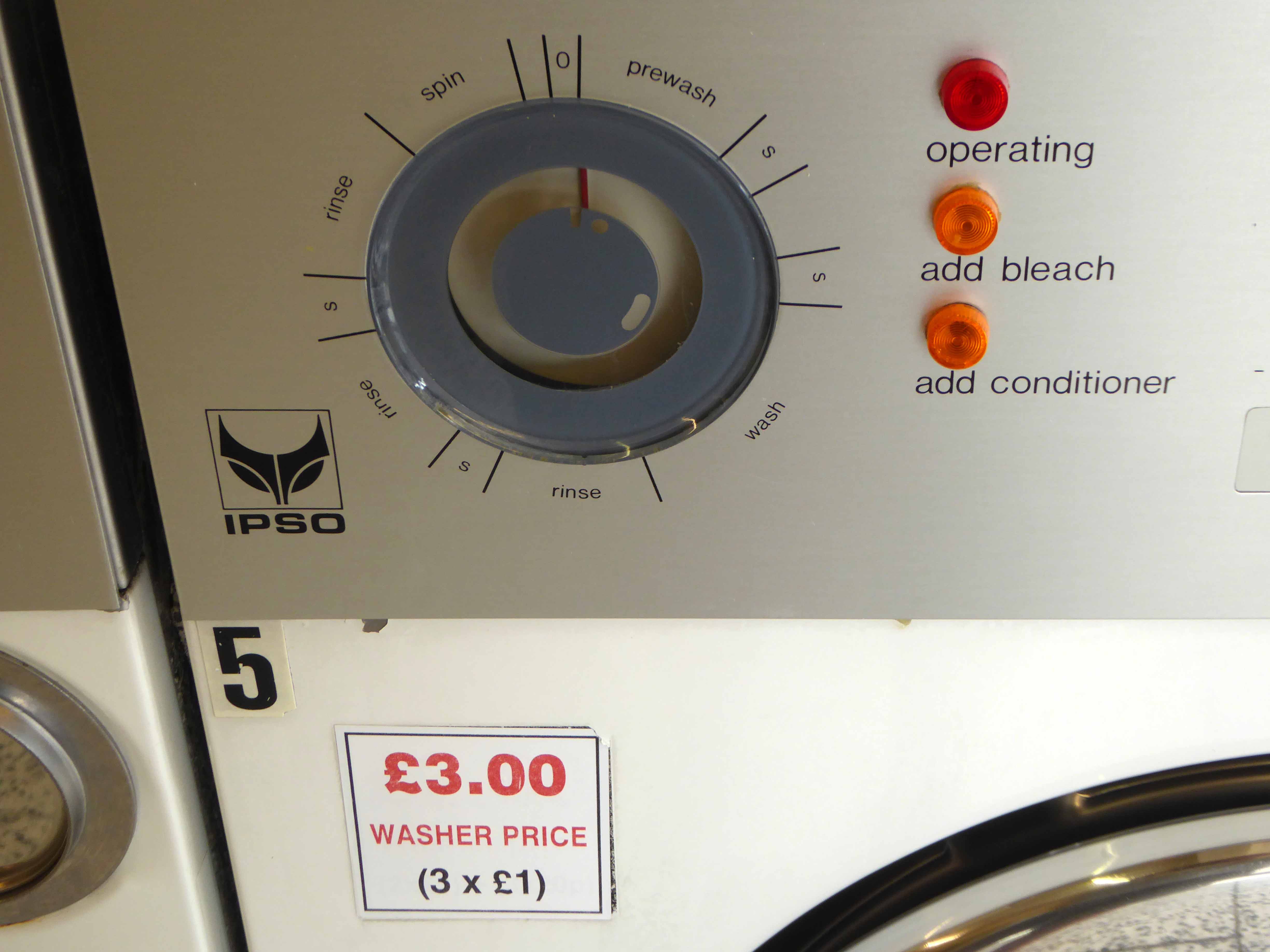
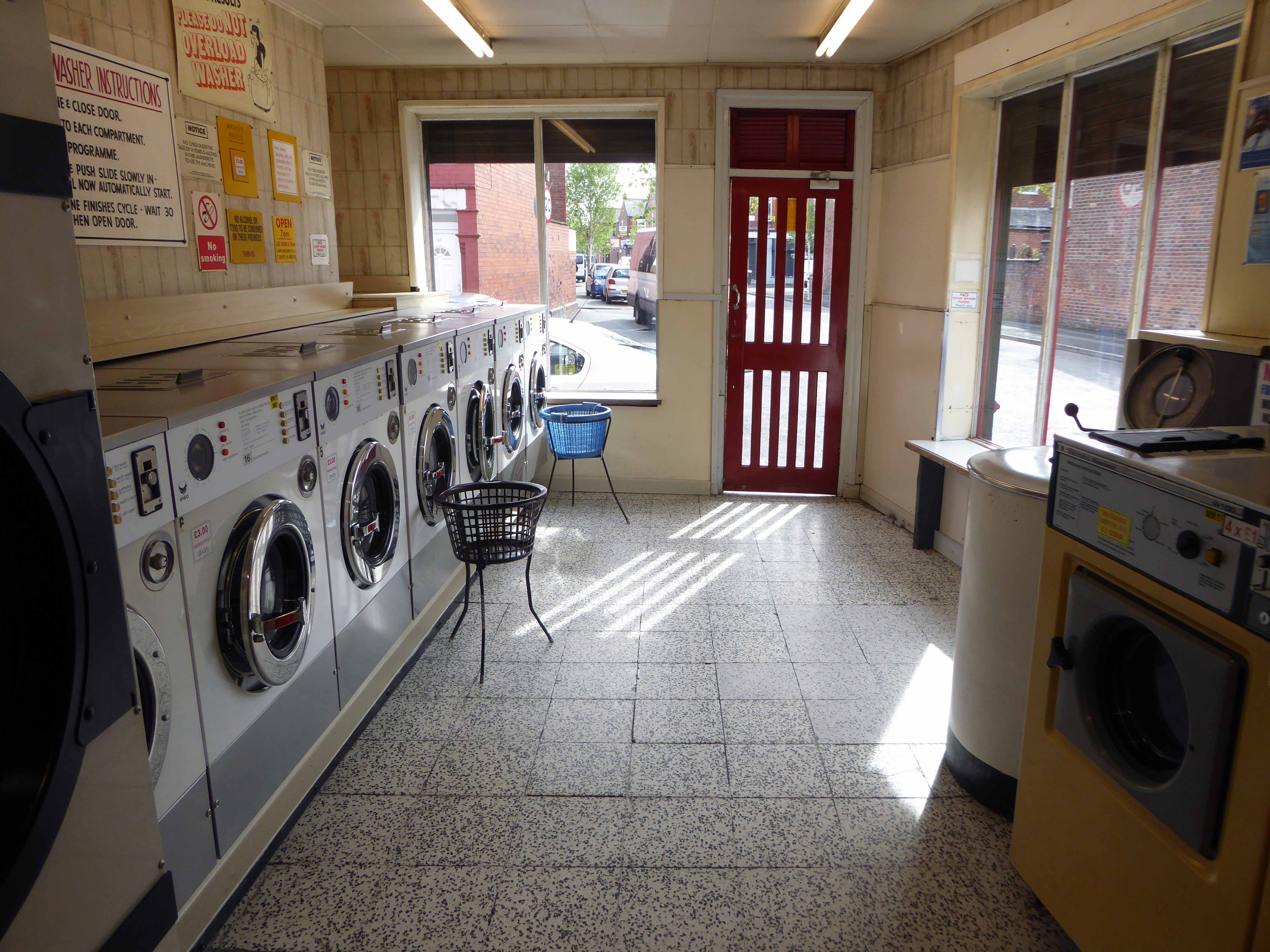
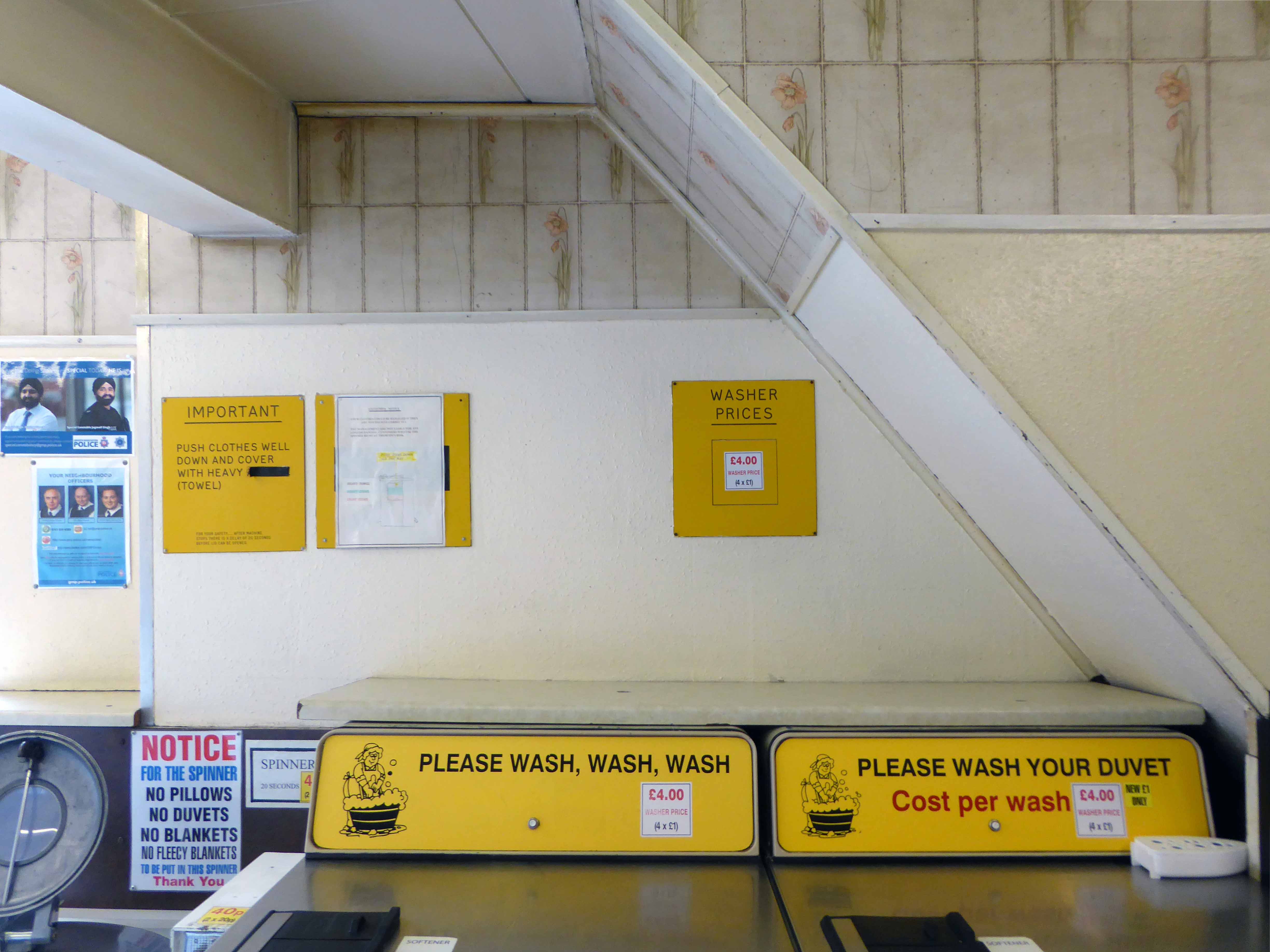
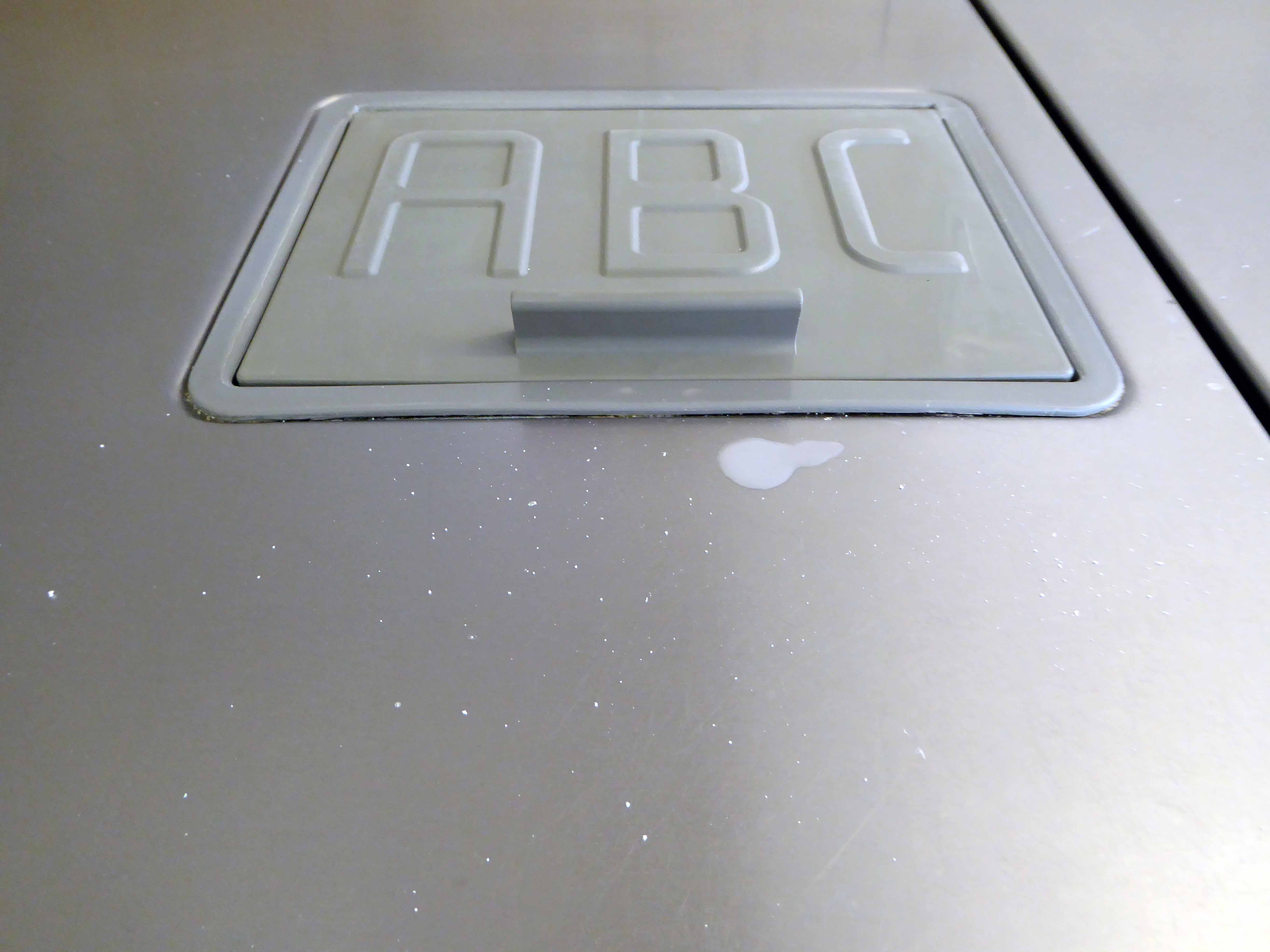
This is the land of the decommissioned washer – cash box removed, unrepurposed, demure and decorative yet sadly redundant.
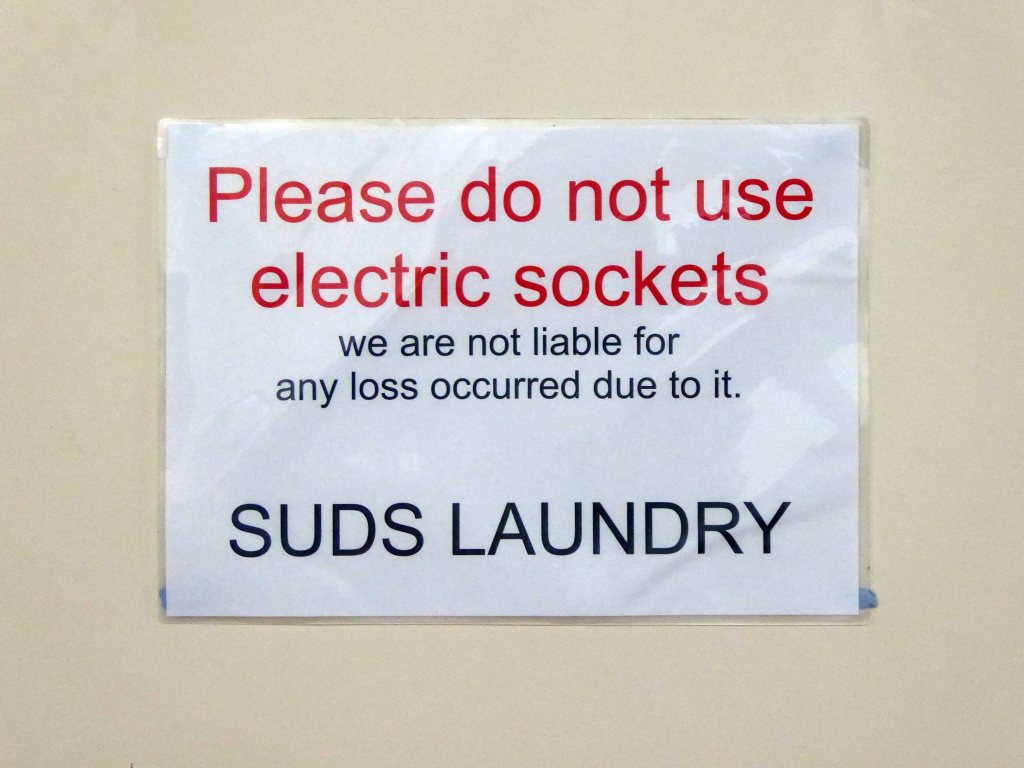
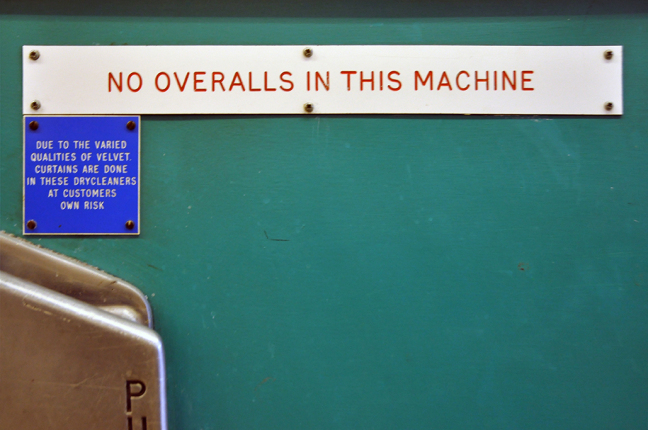
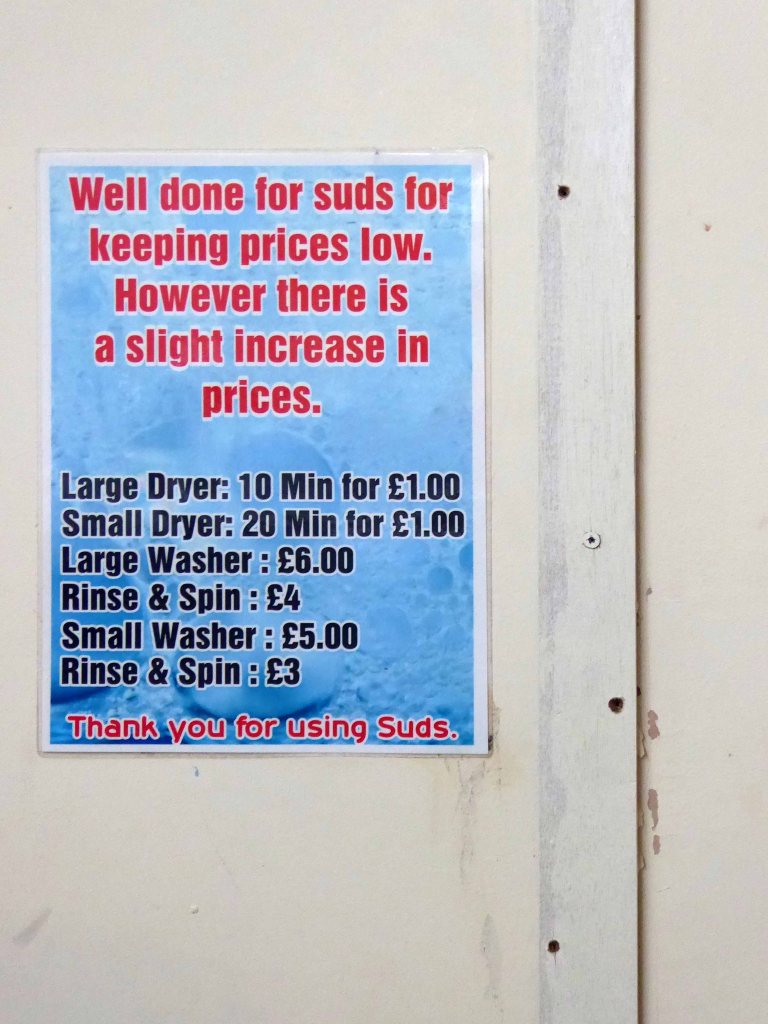
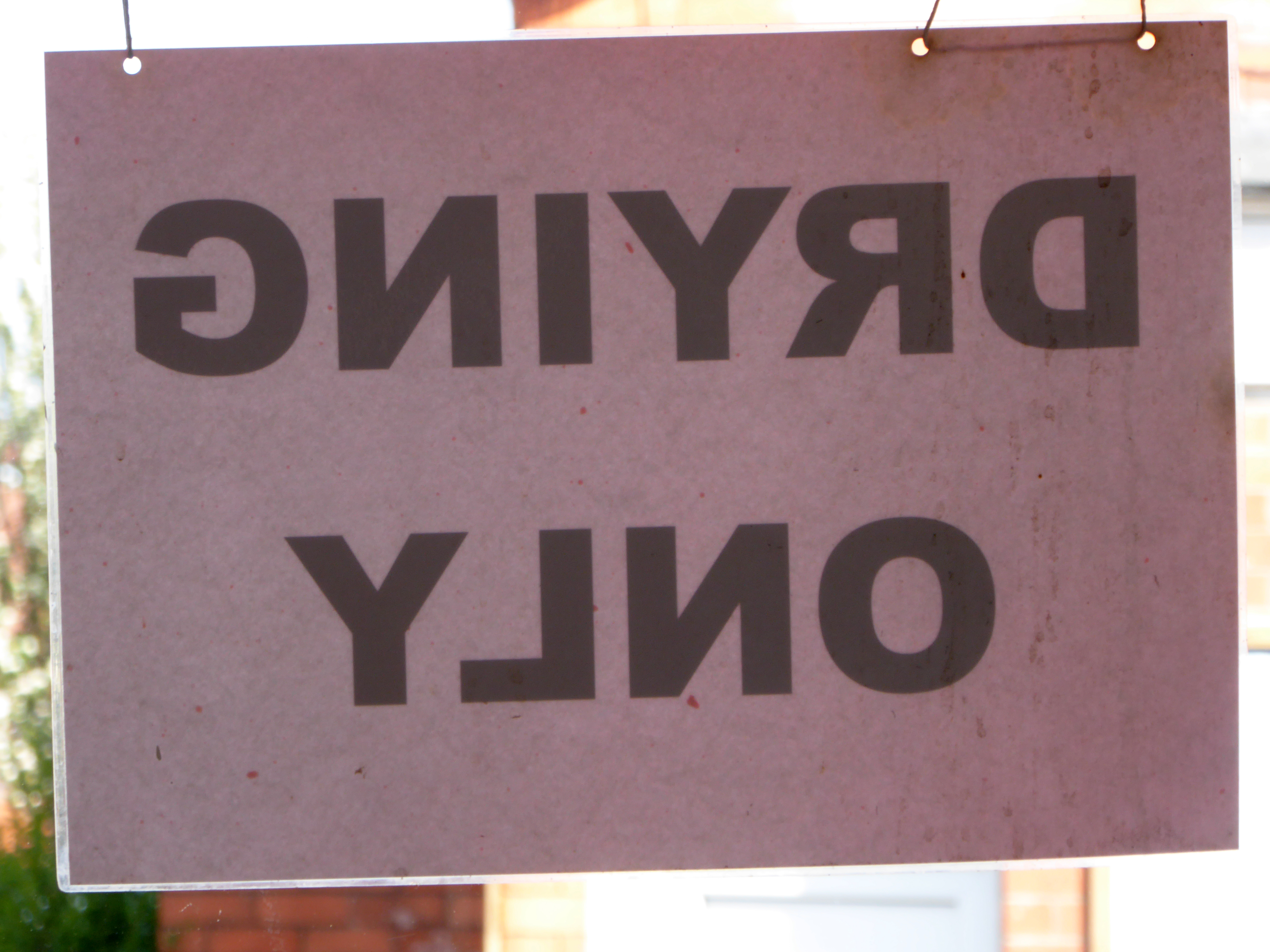
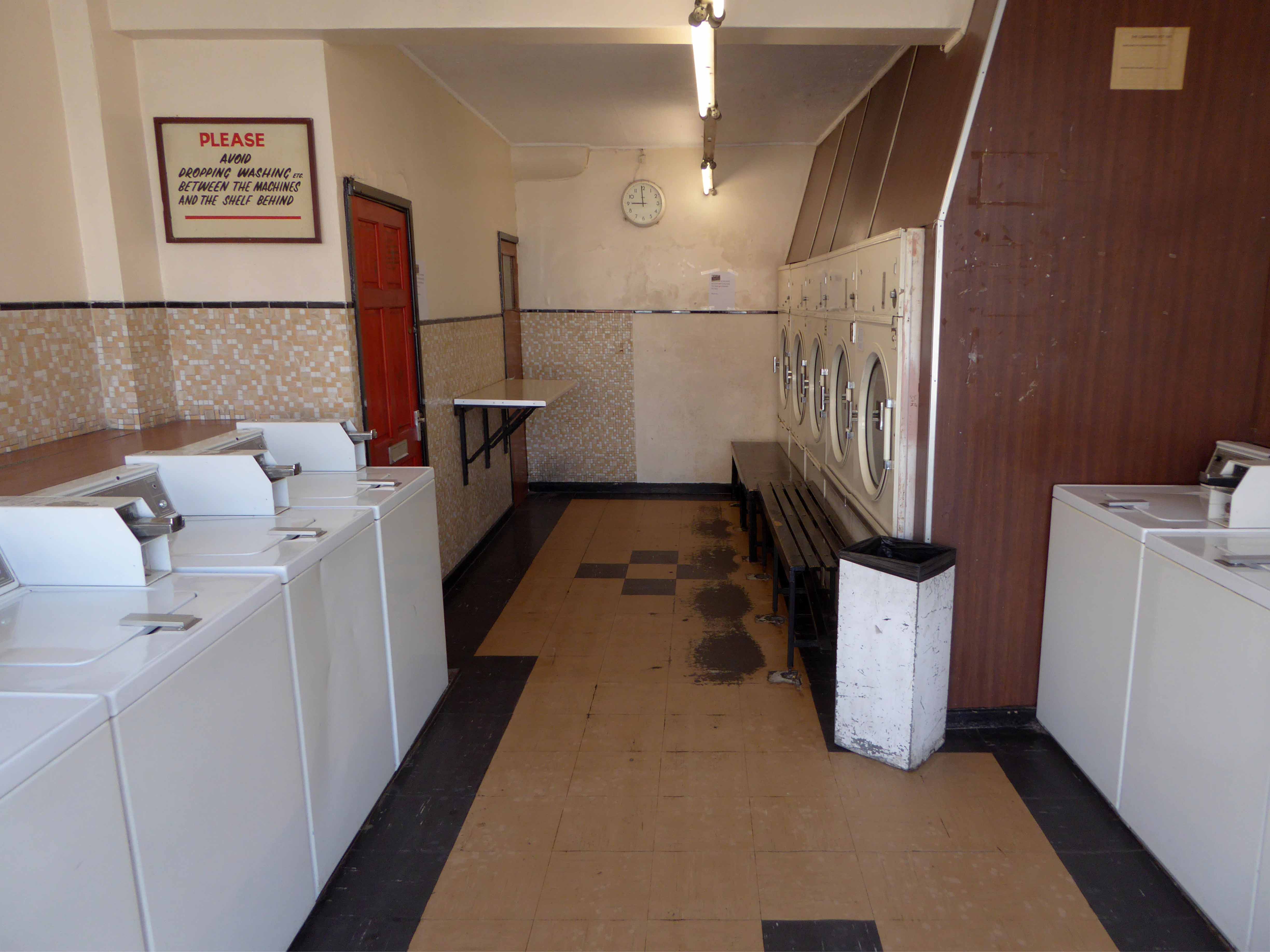
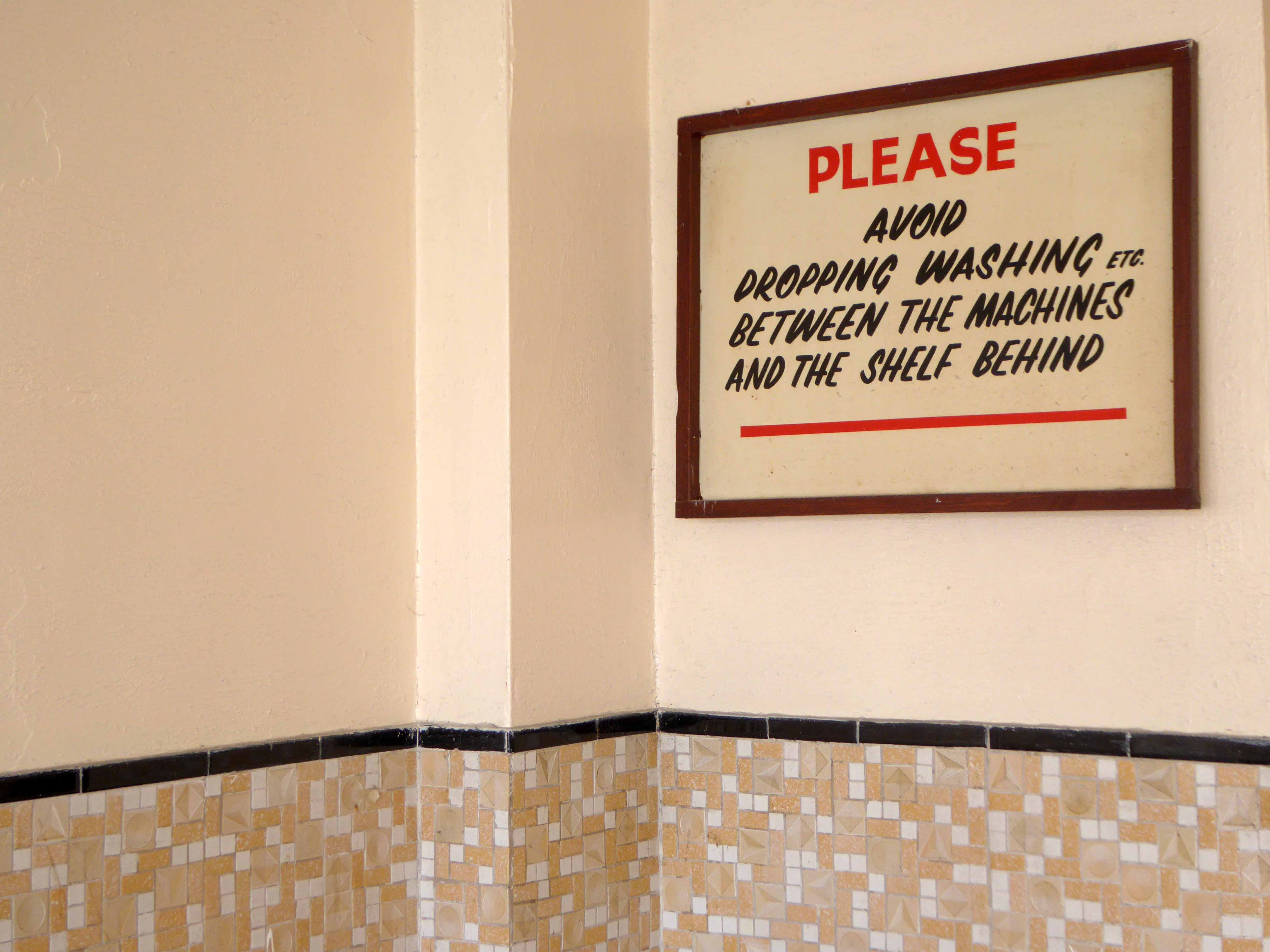
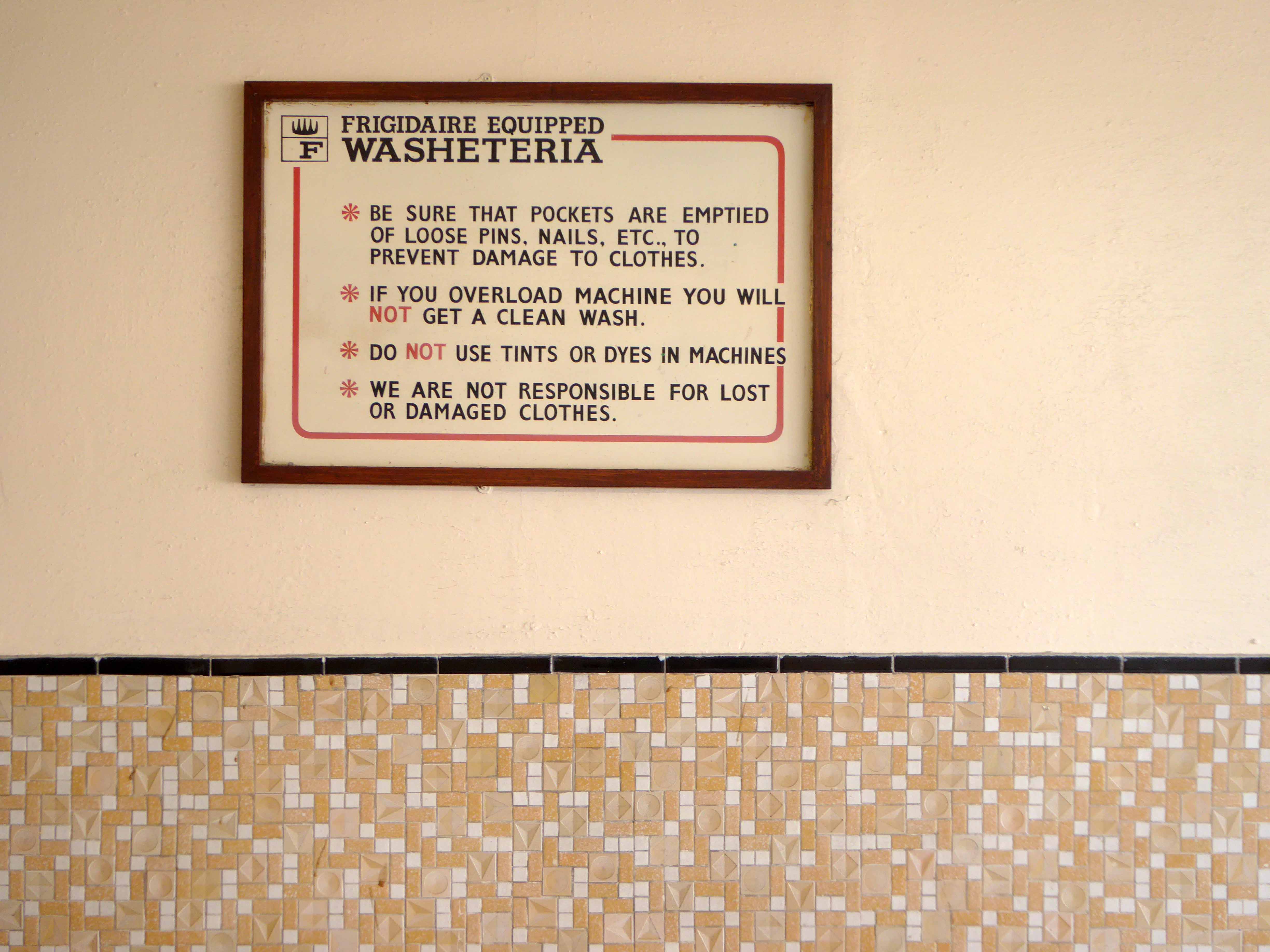
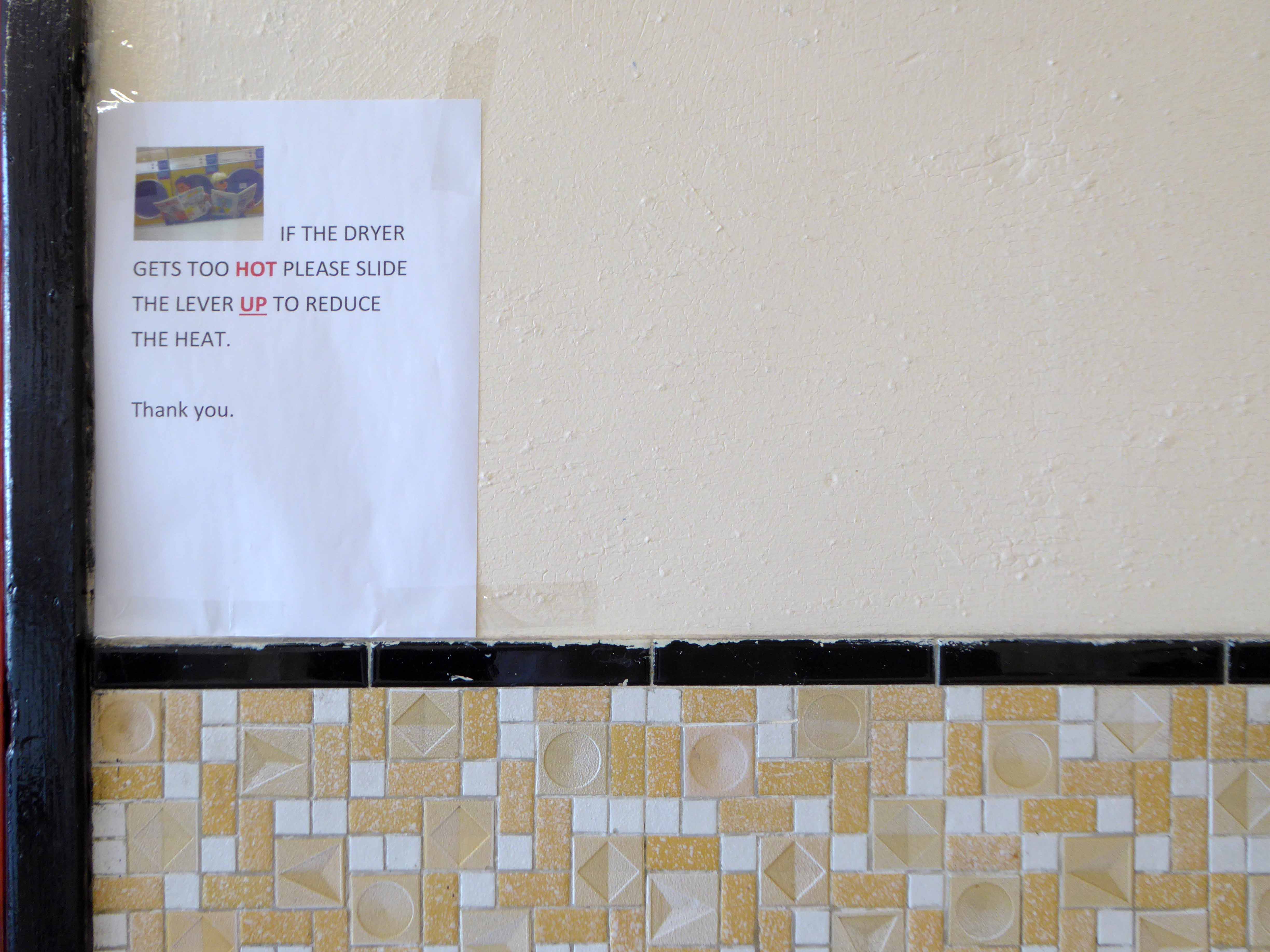
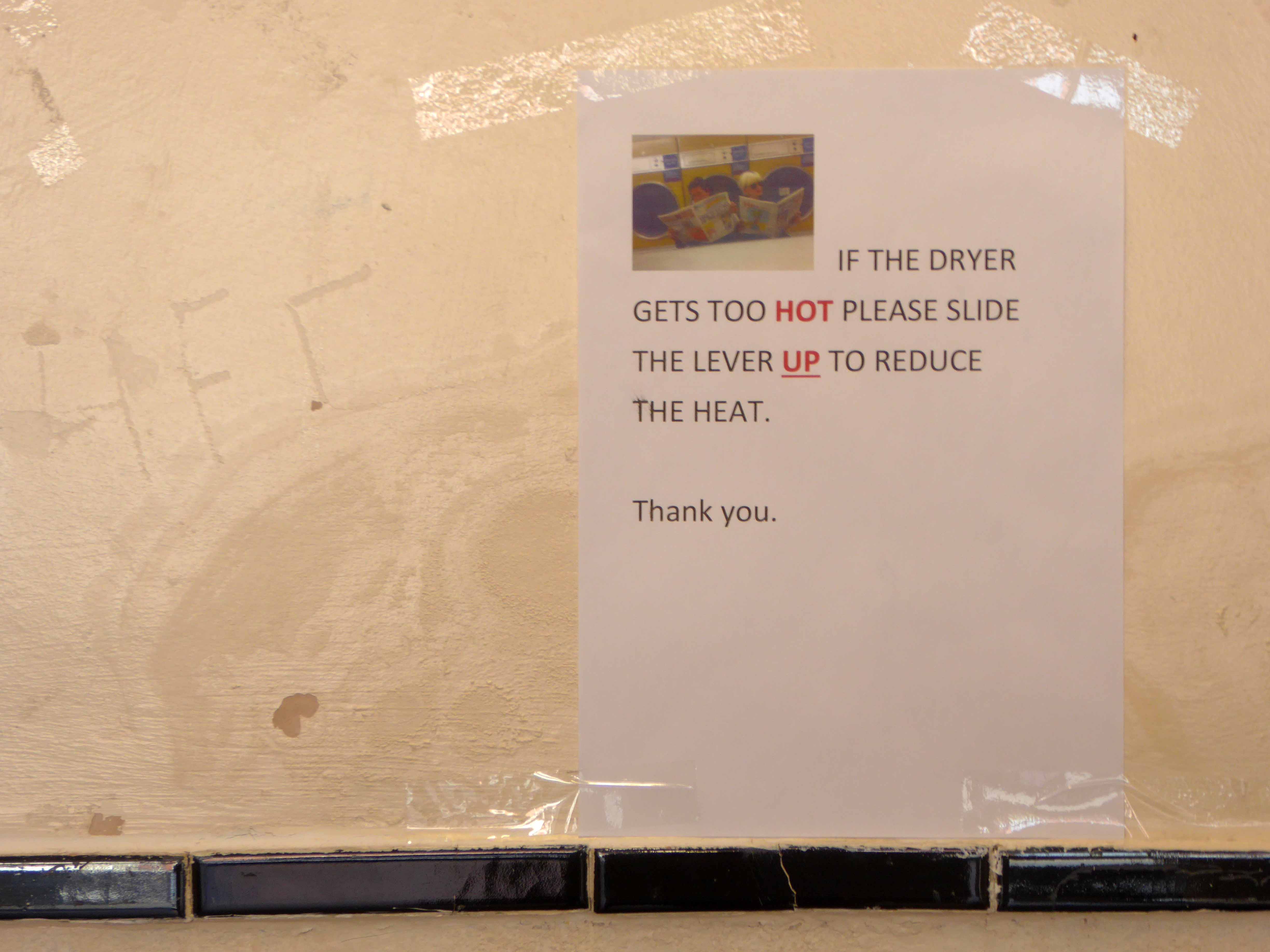
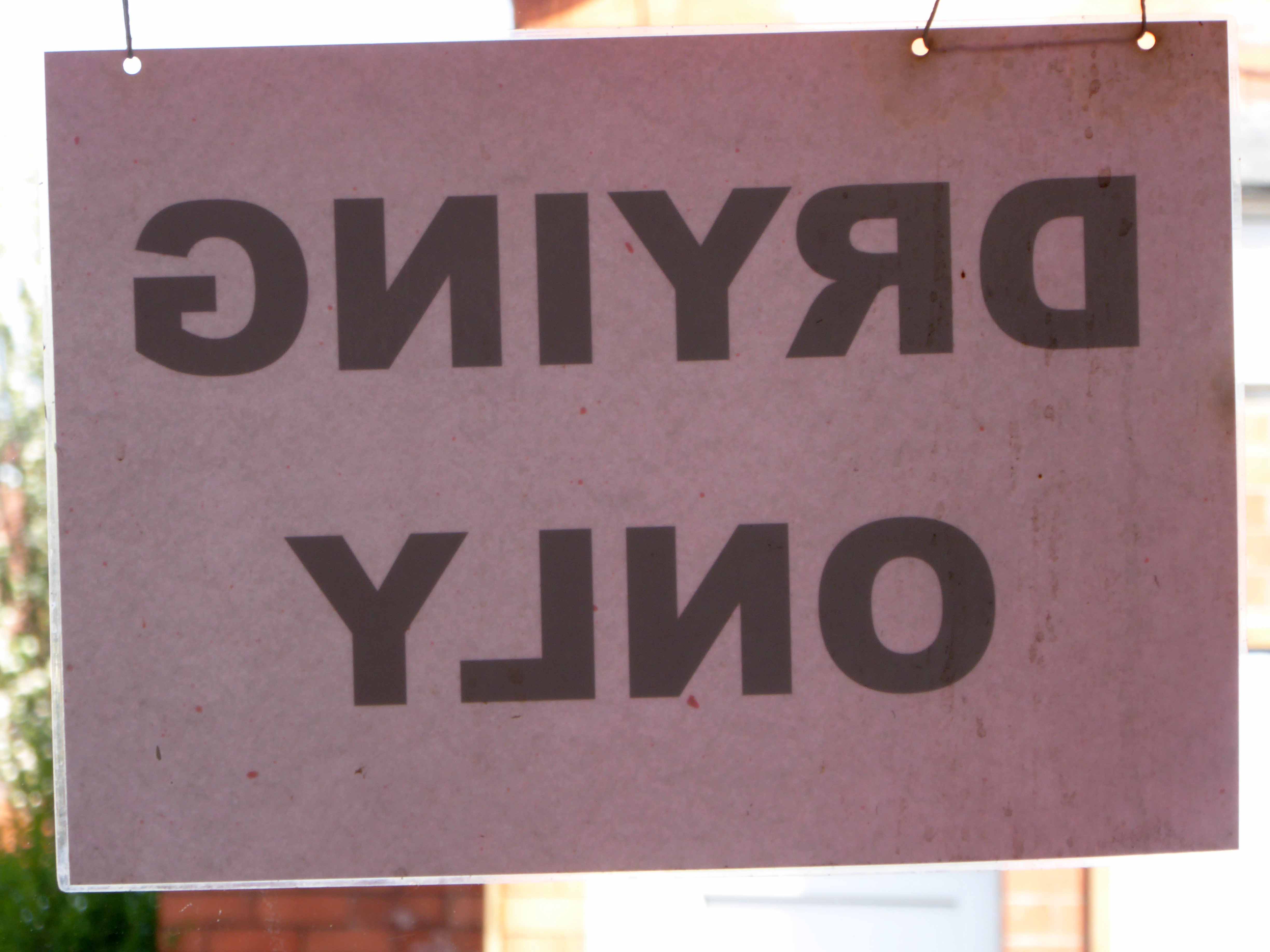
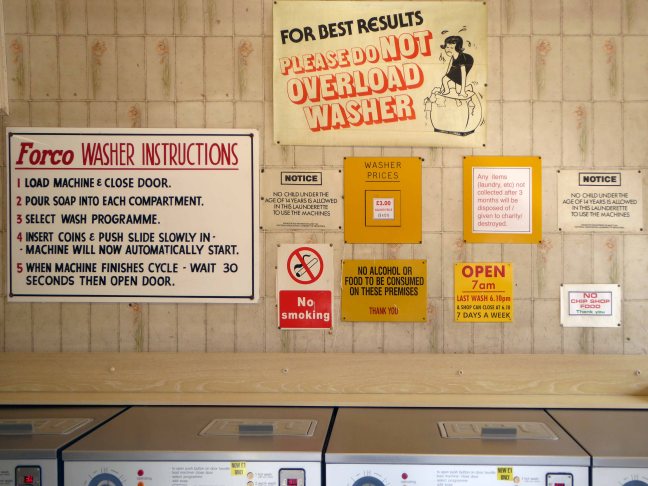
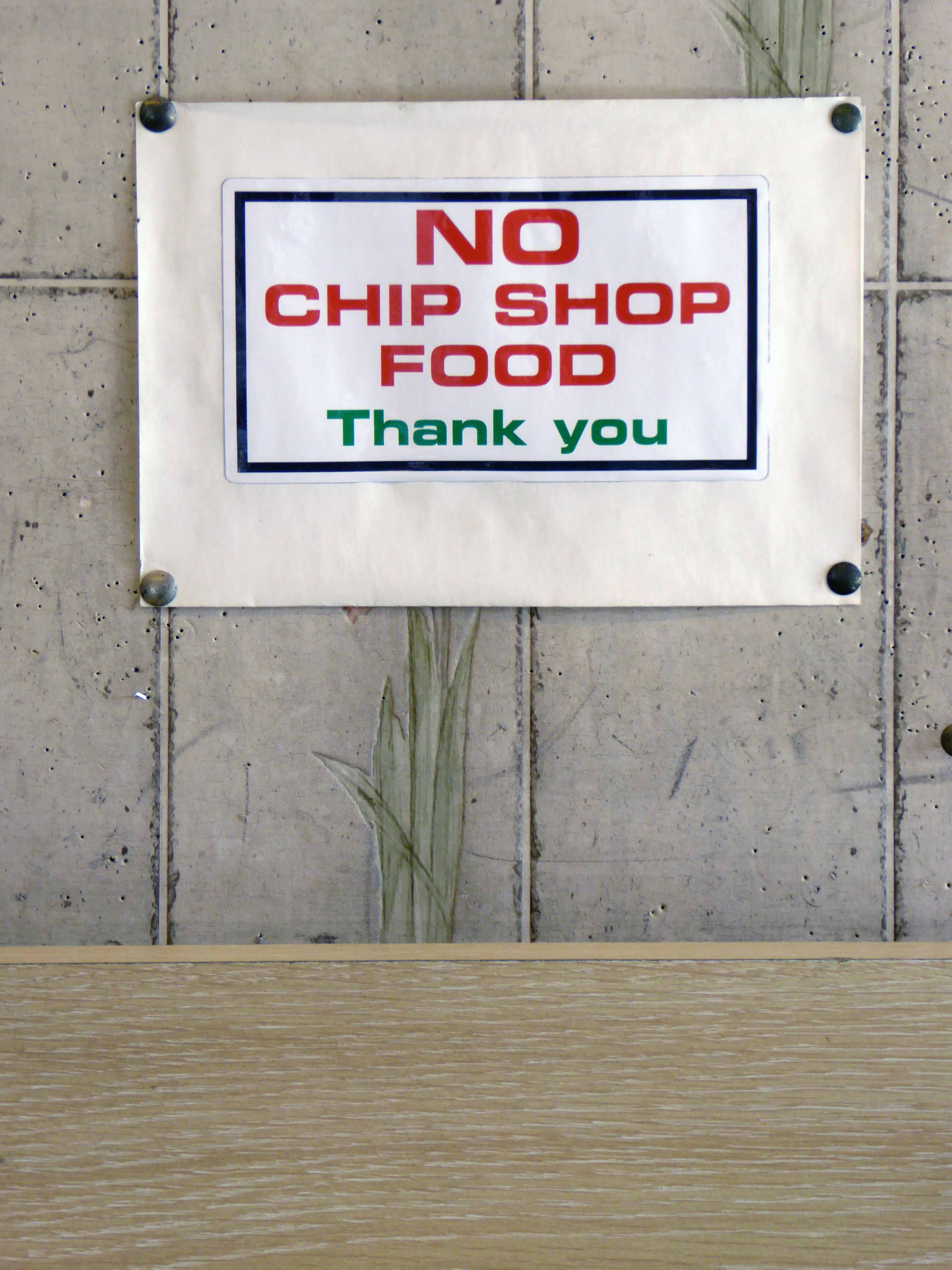
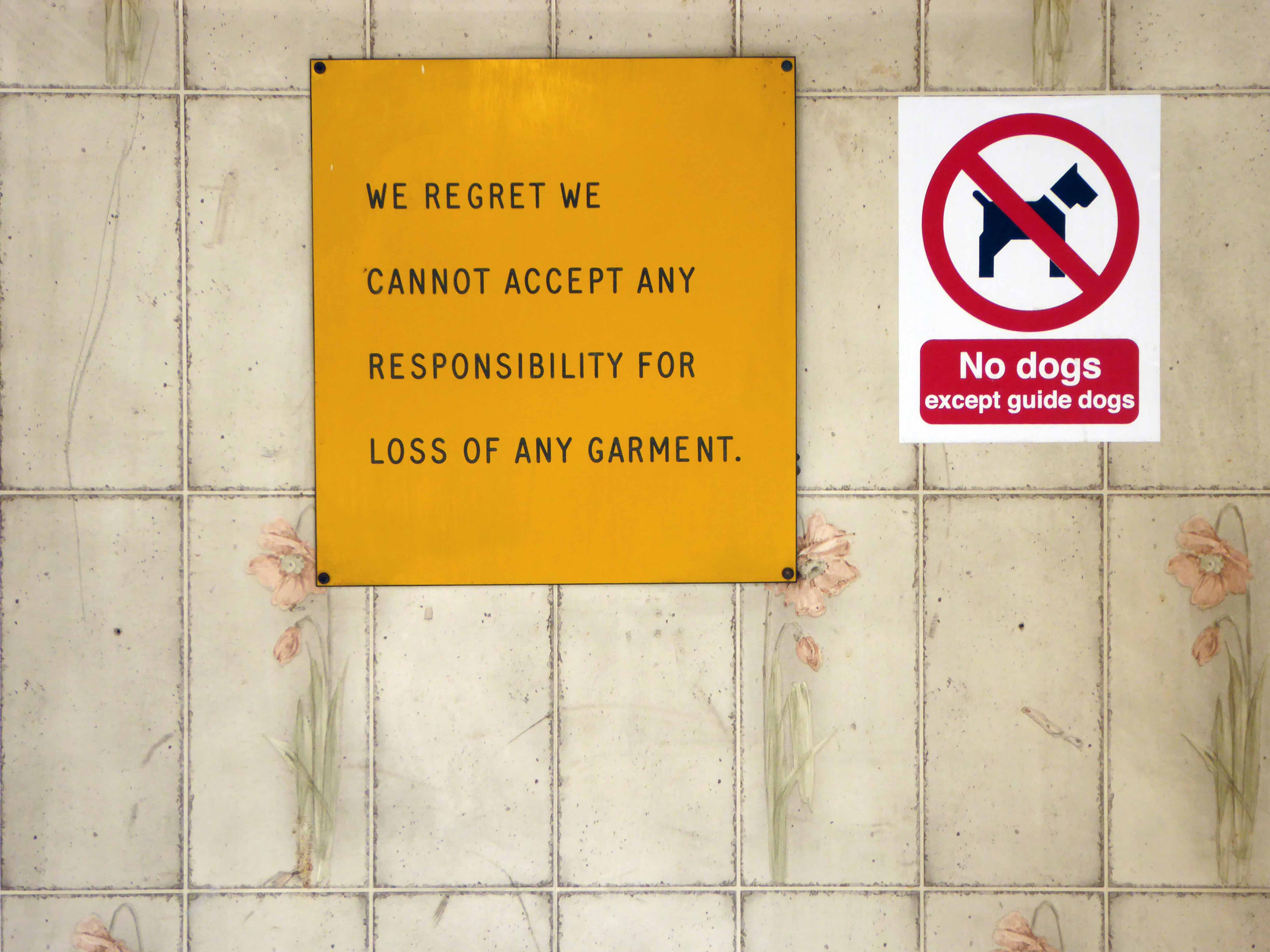
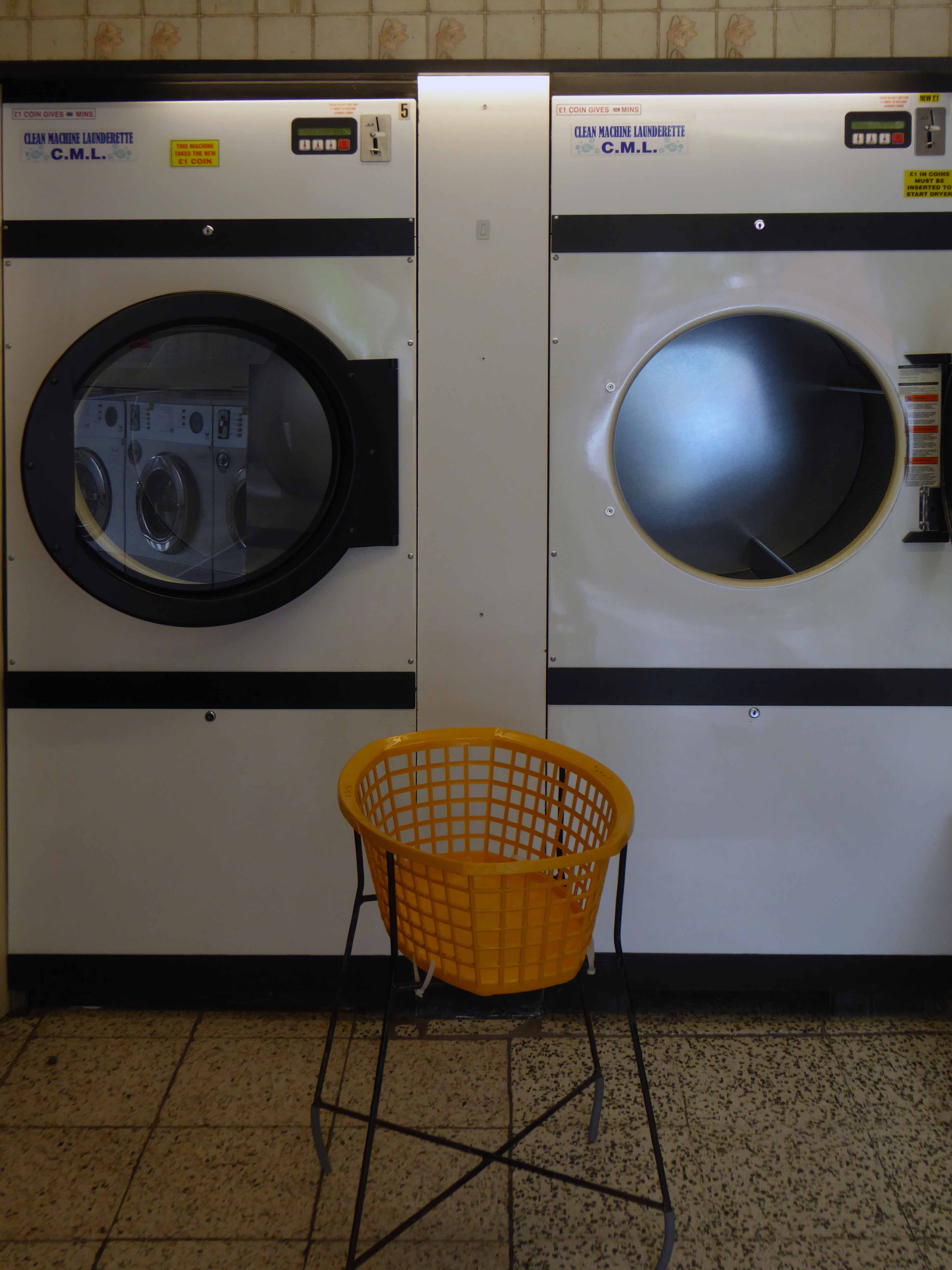
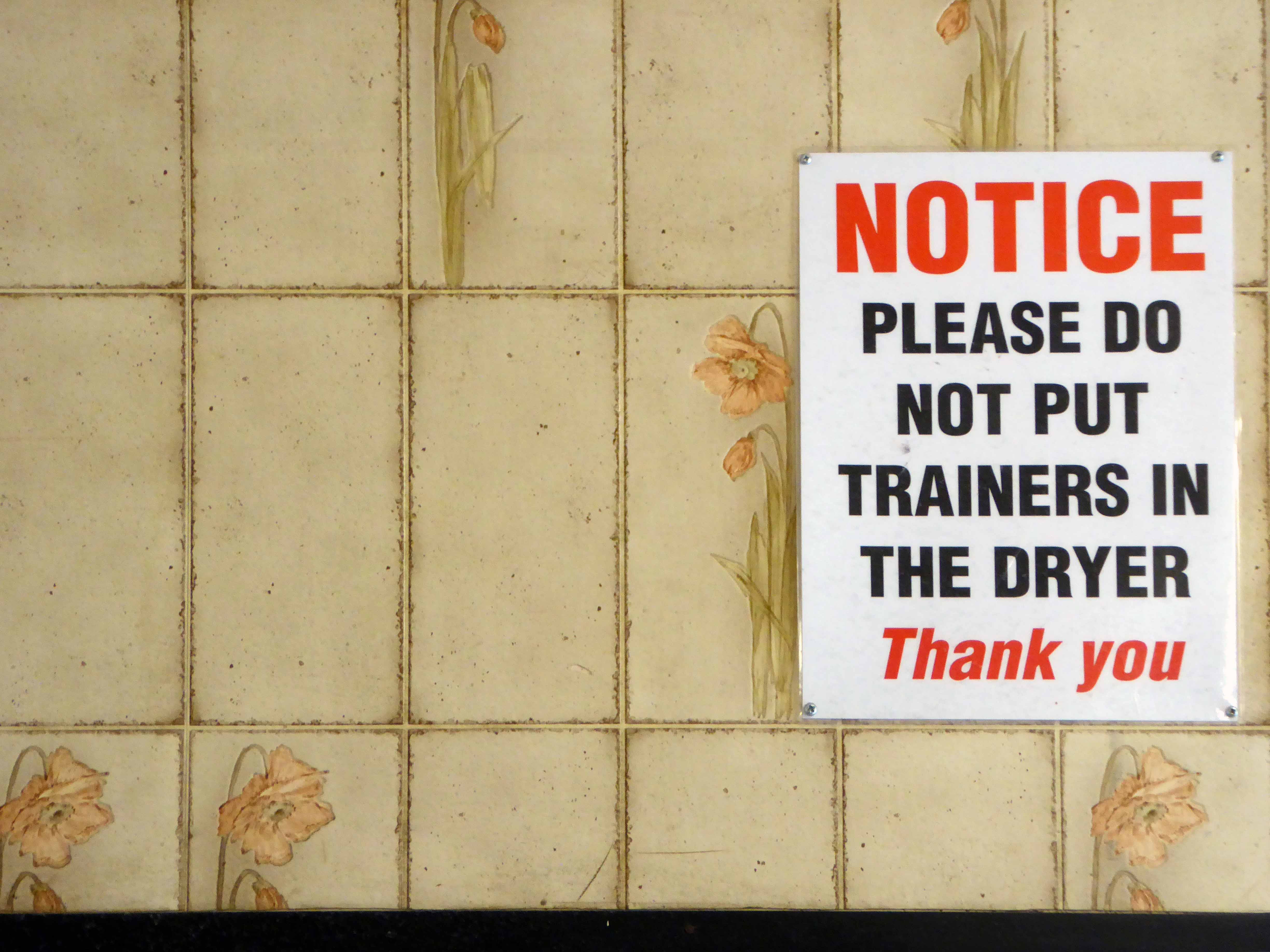
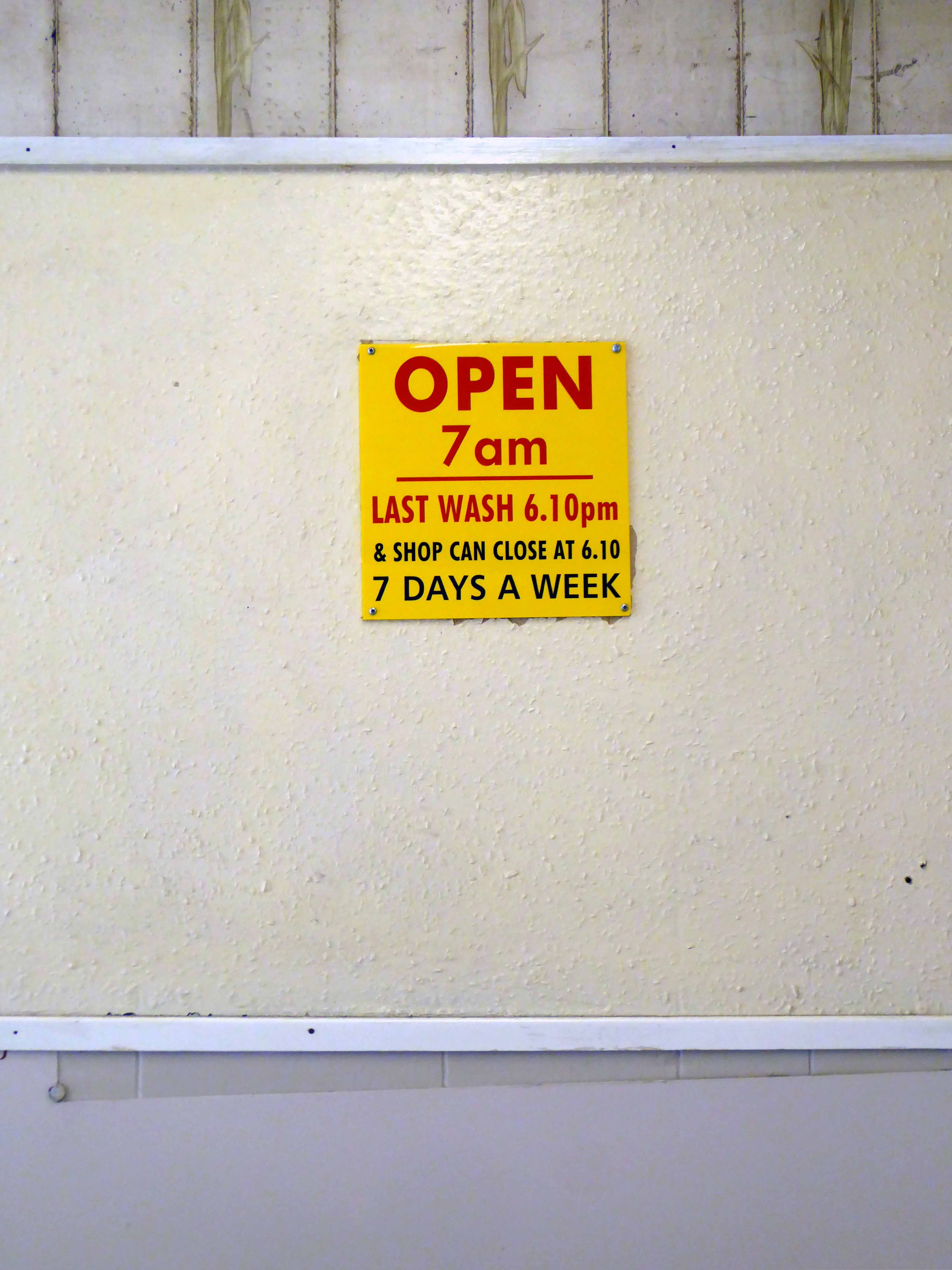
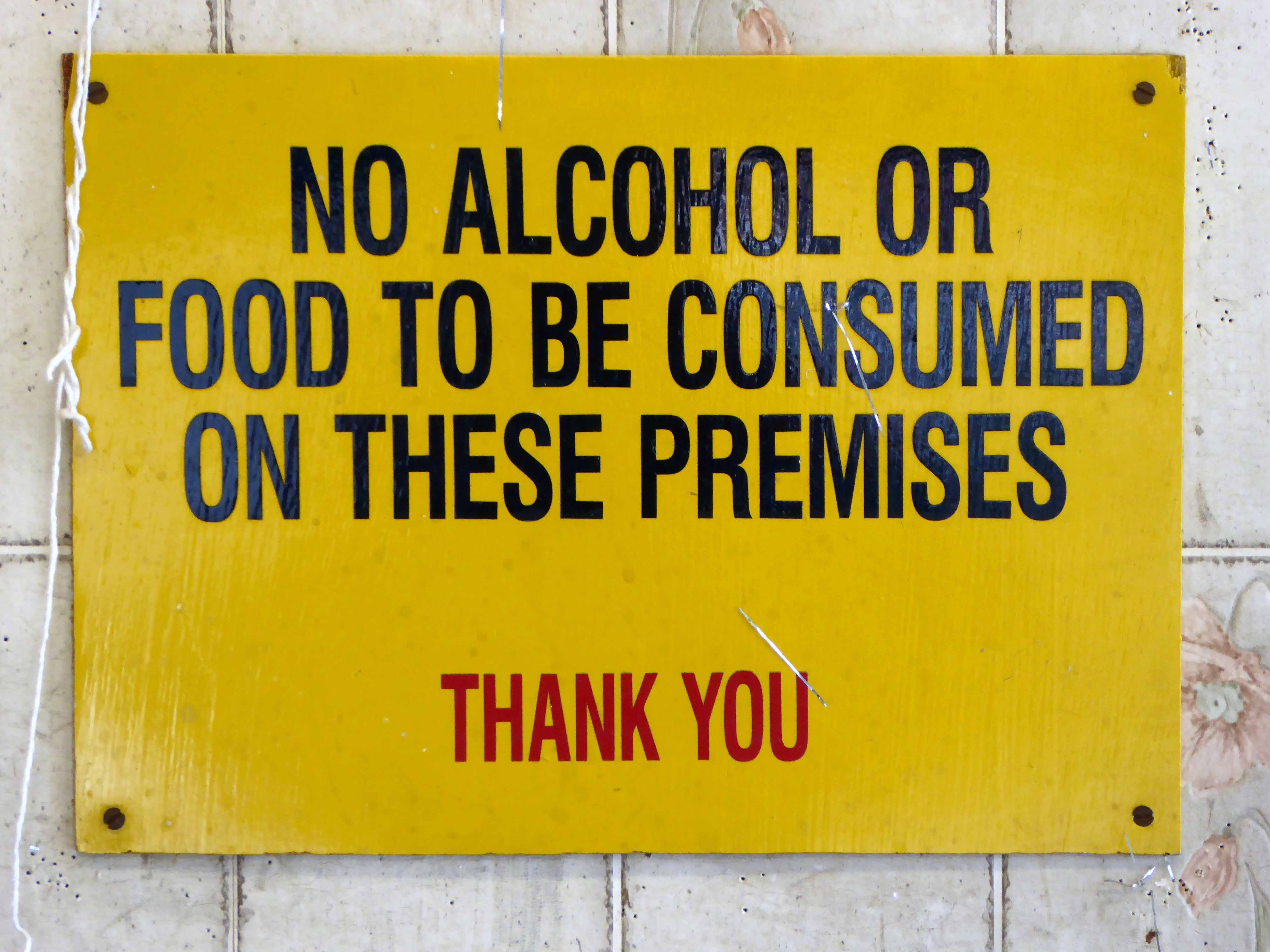
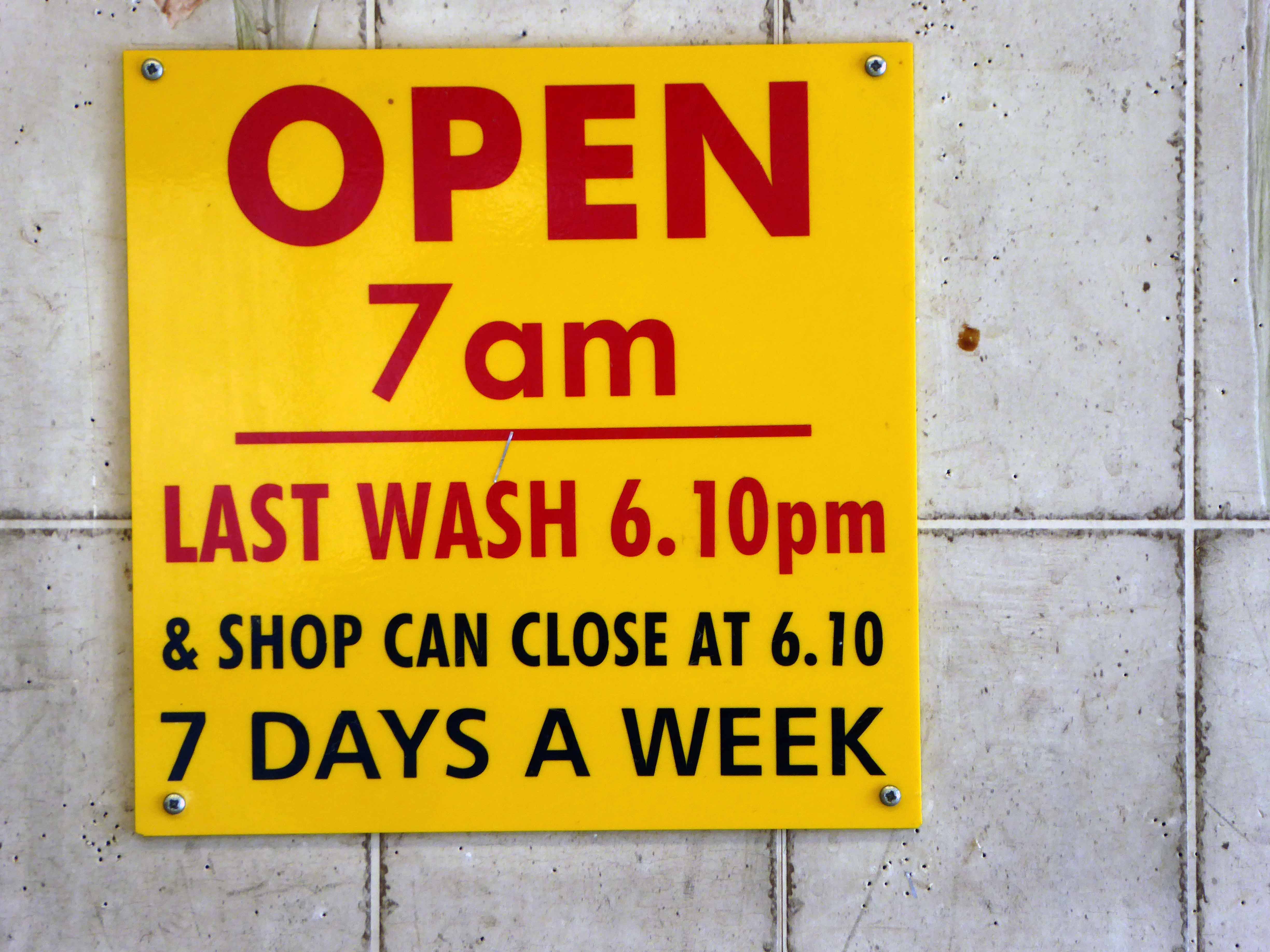
This is a dry only facility its surfaces inert, frozen in time, its sign declaiming pointless imperatives to nobody in particular.
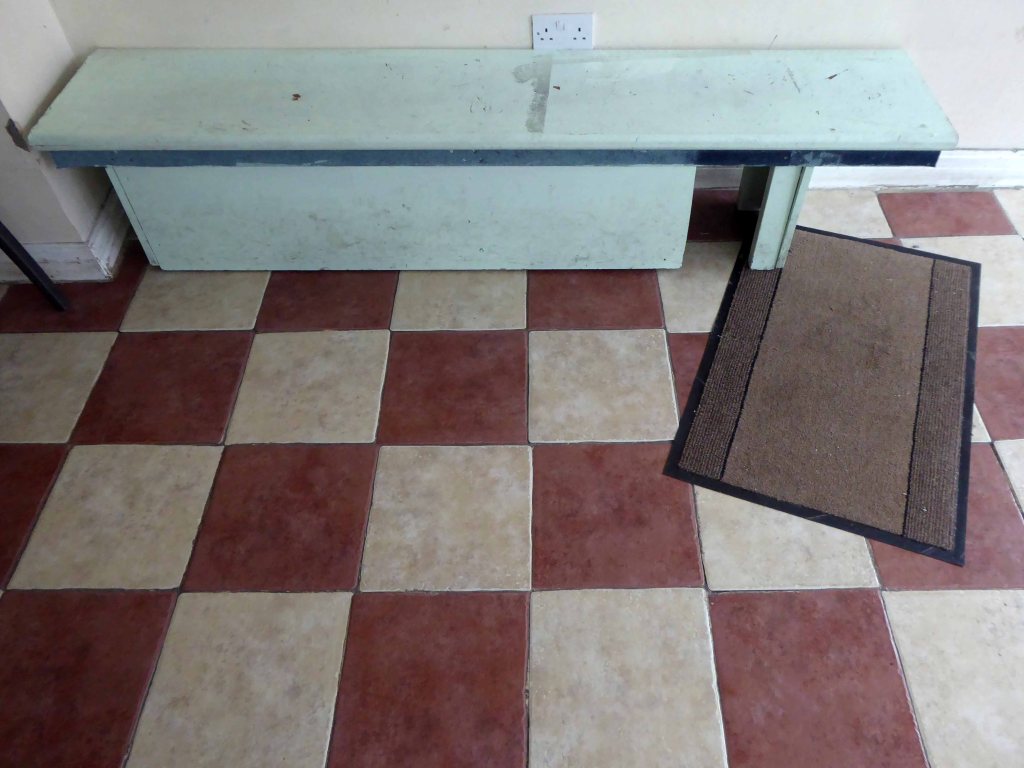
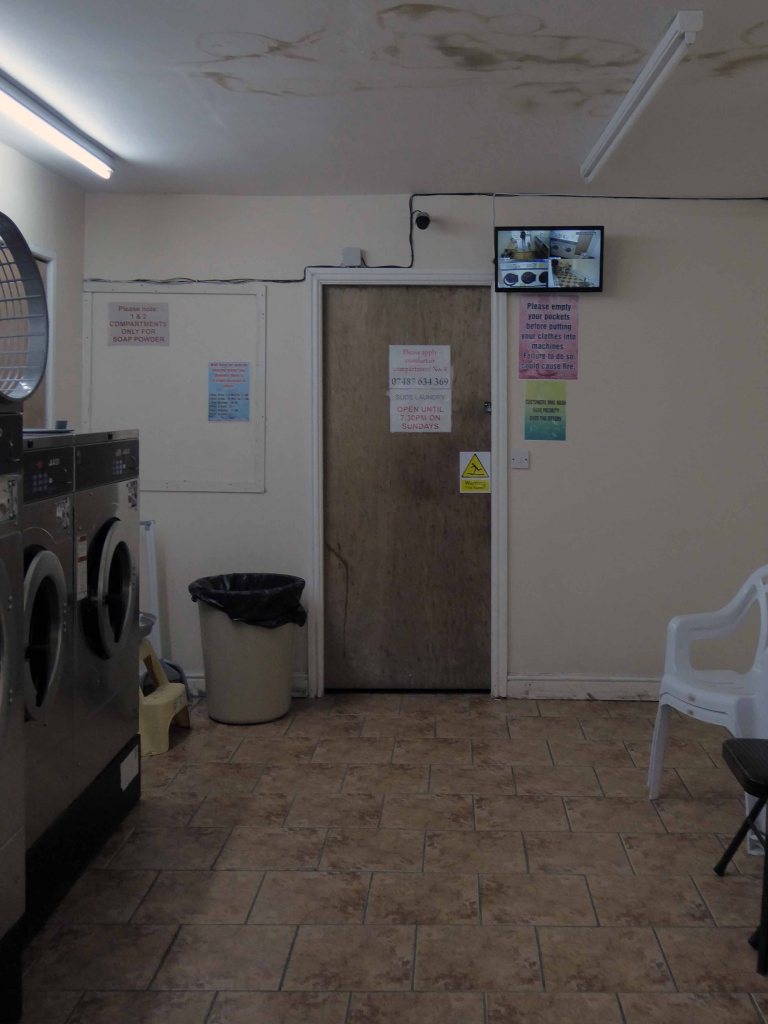
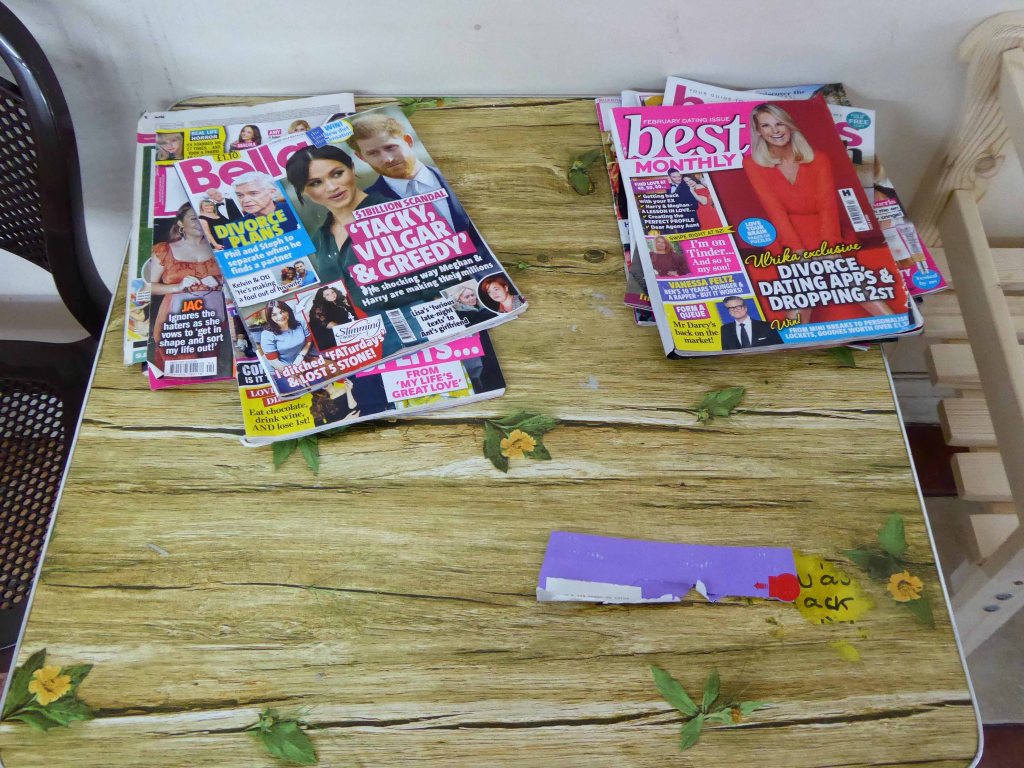
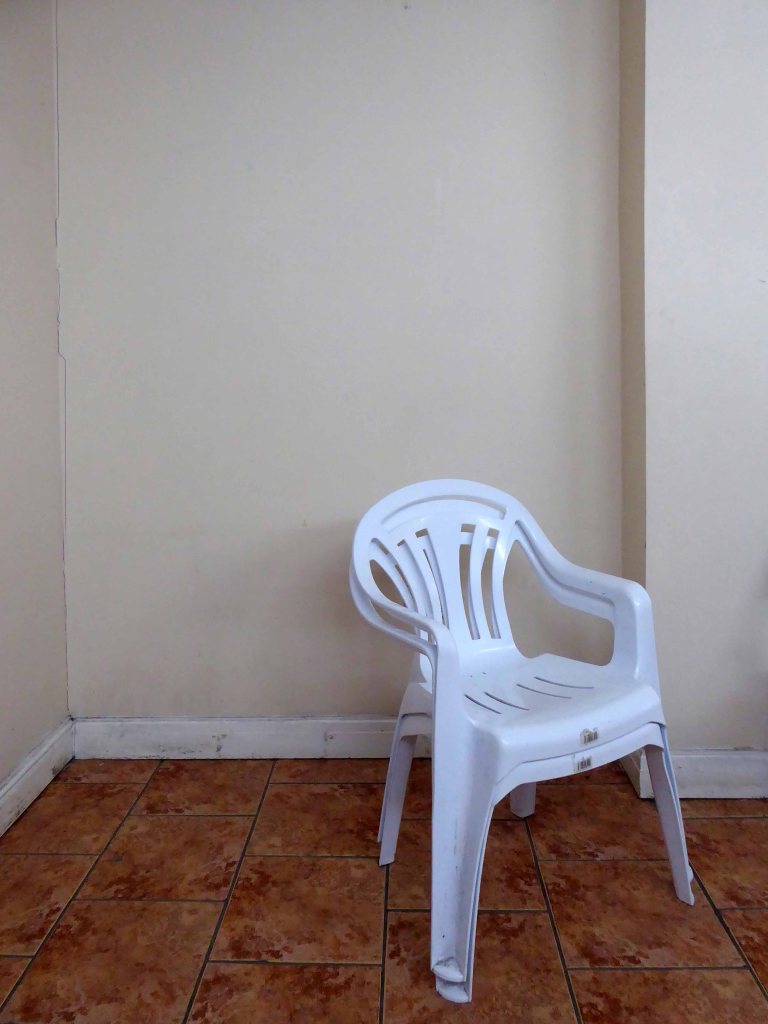
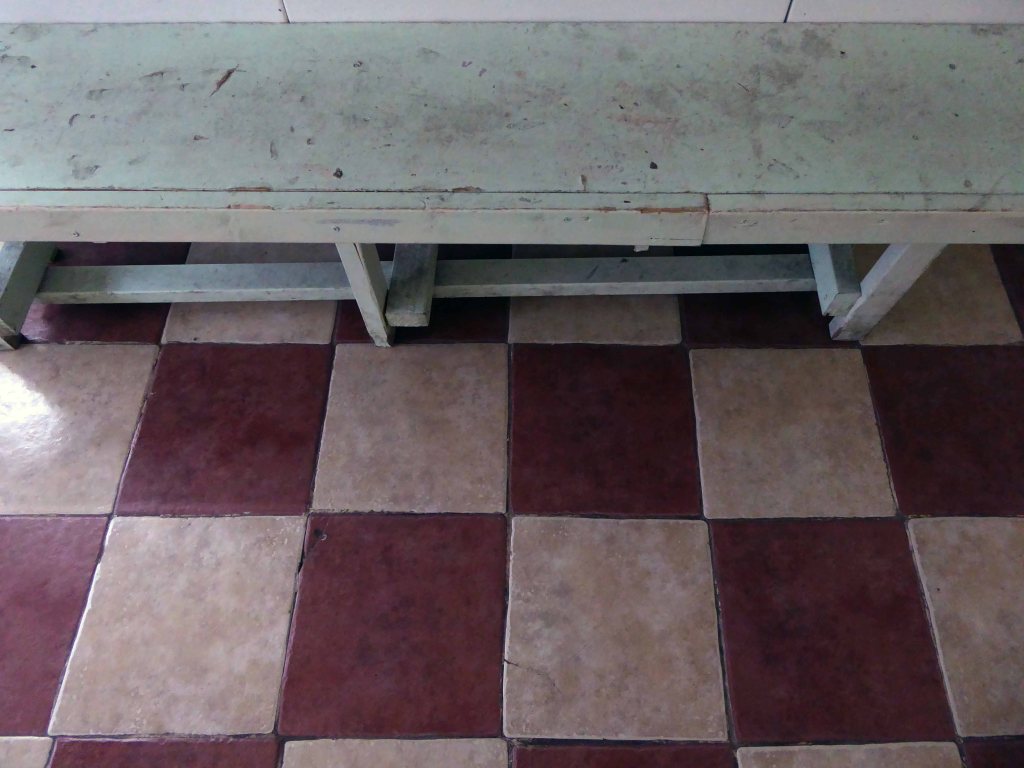
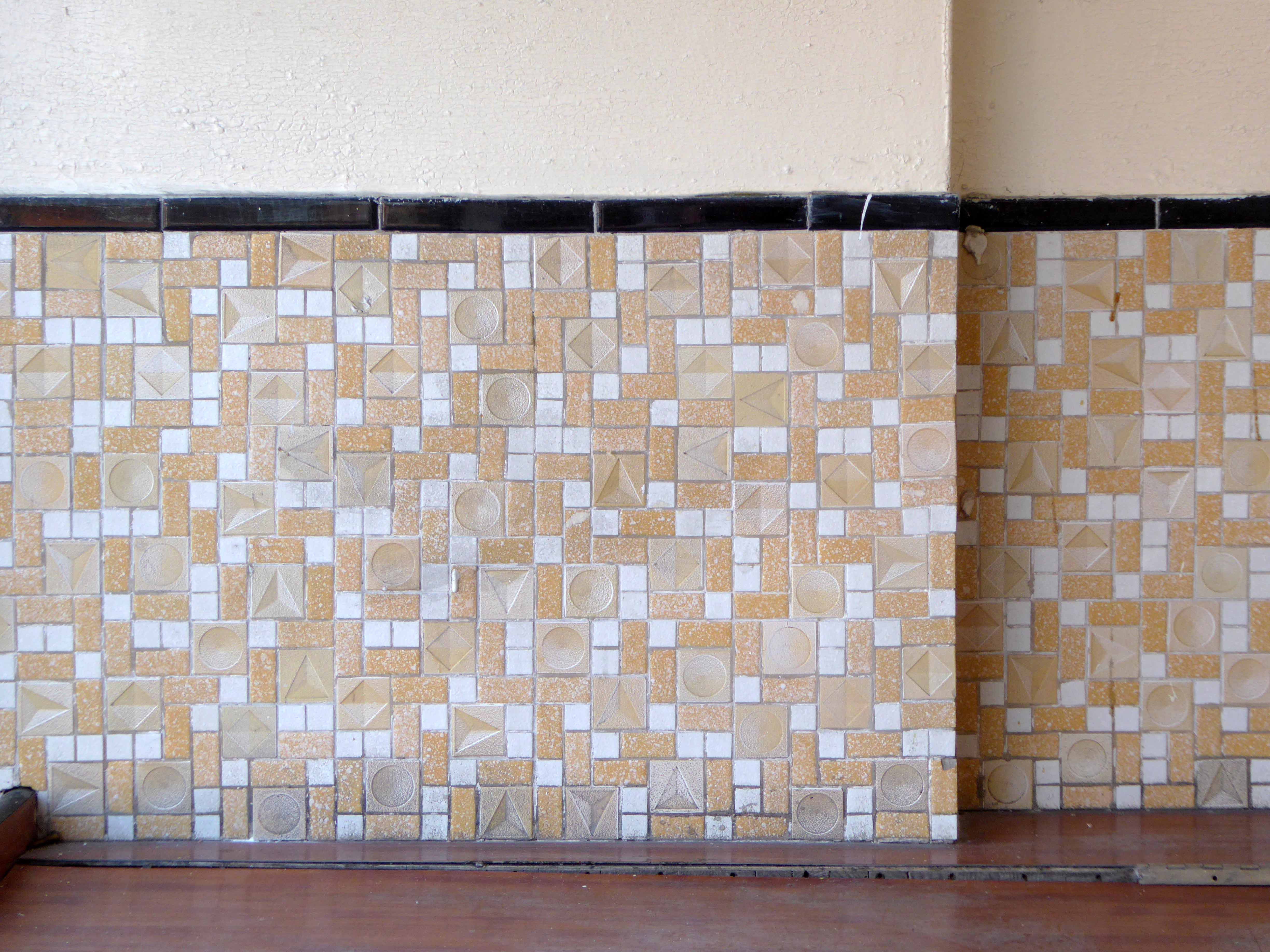
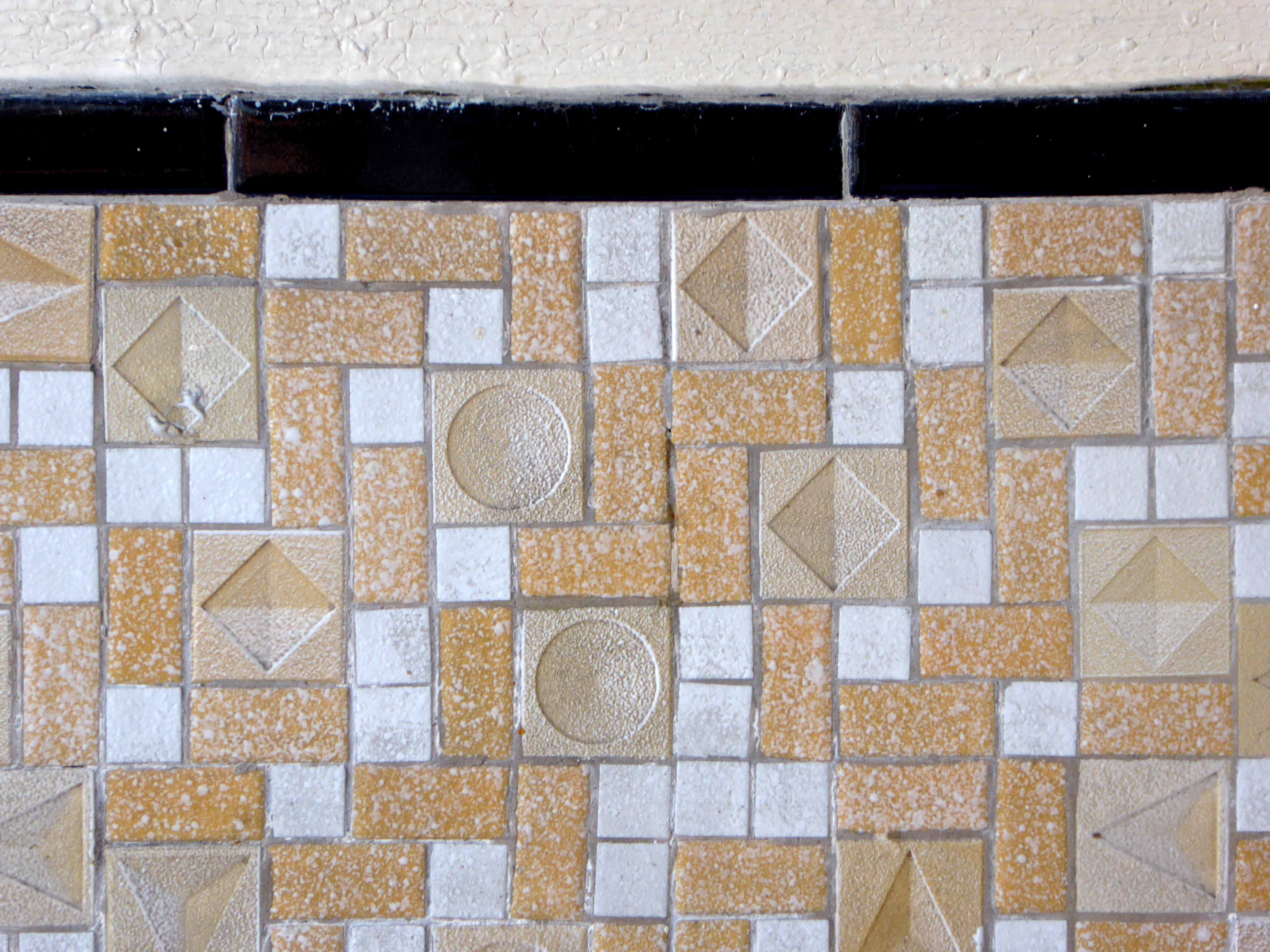
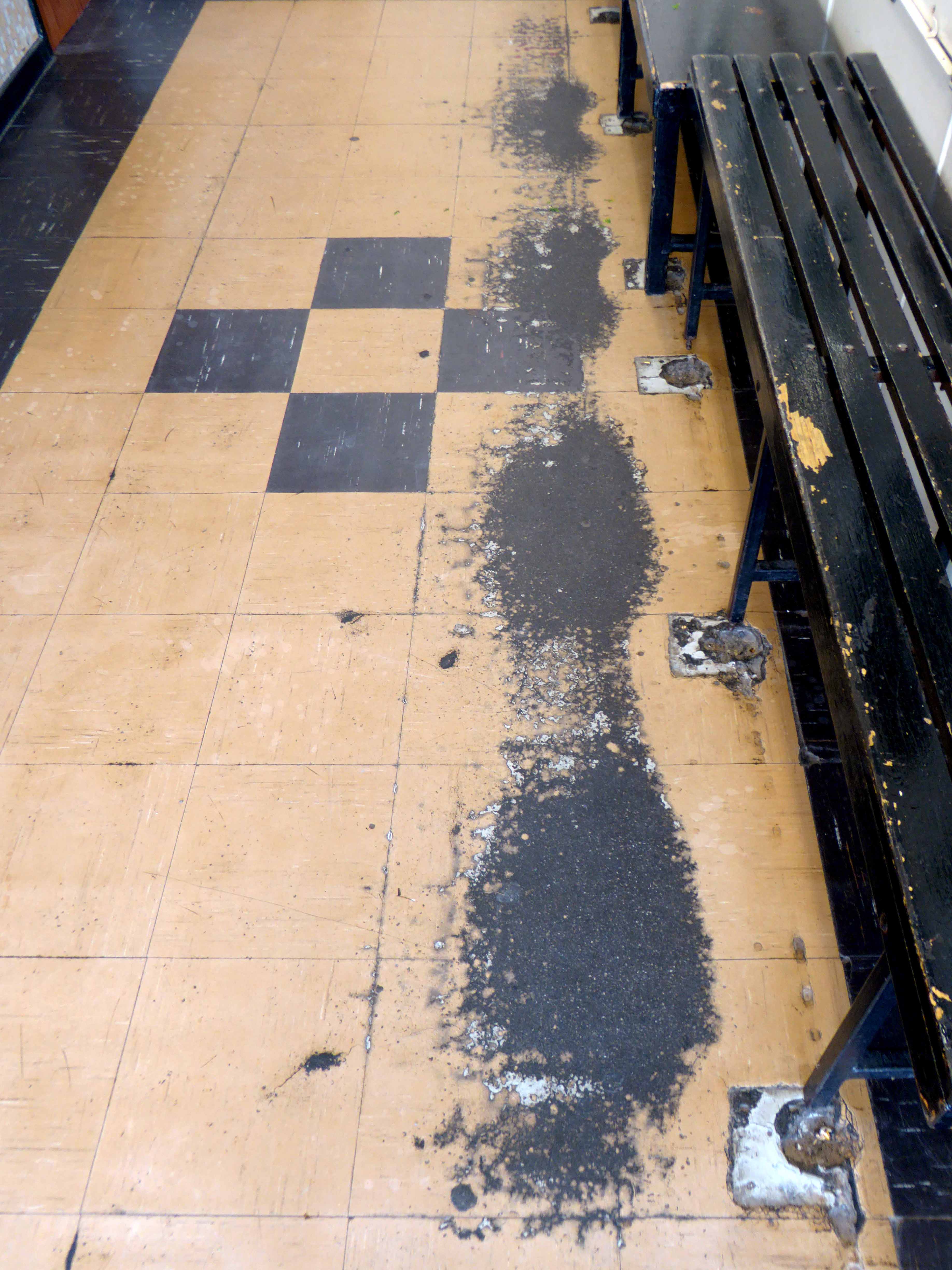
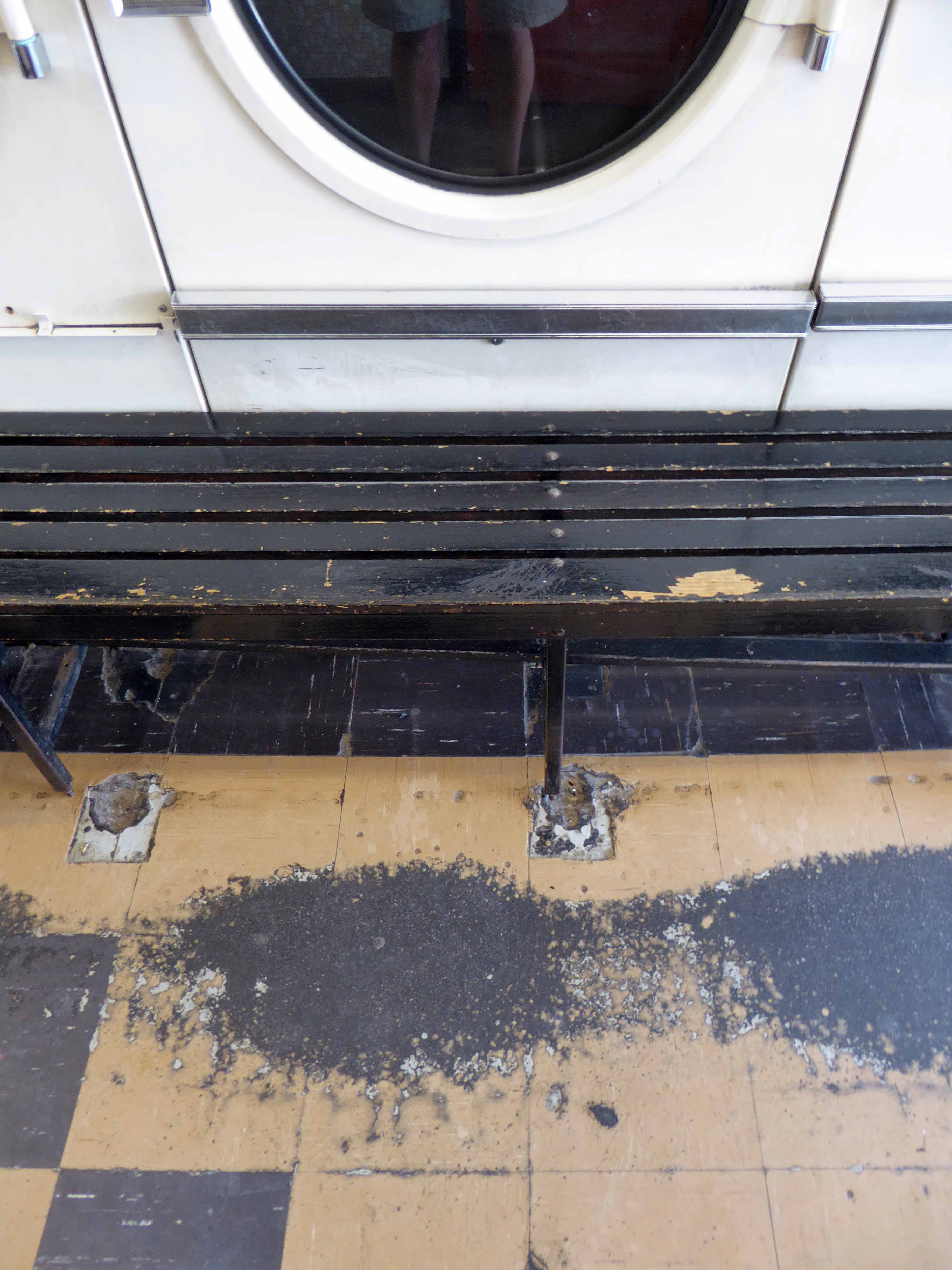
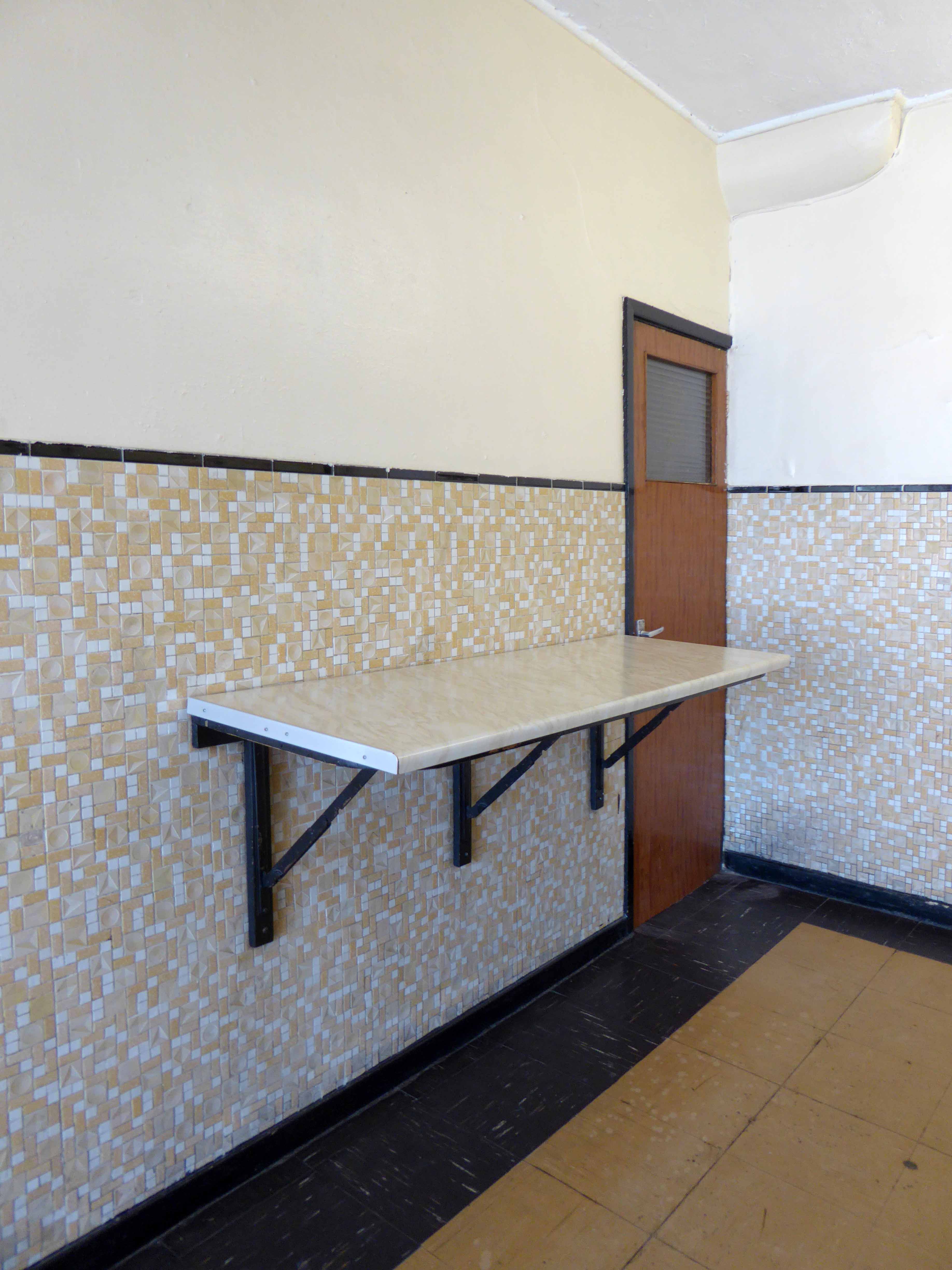
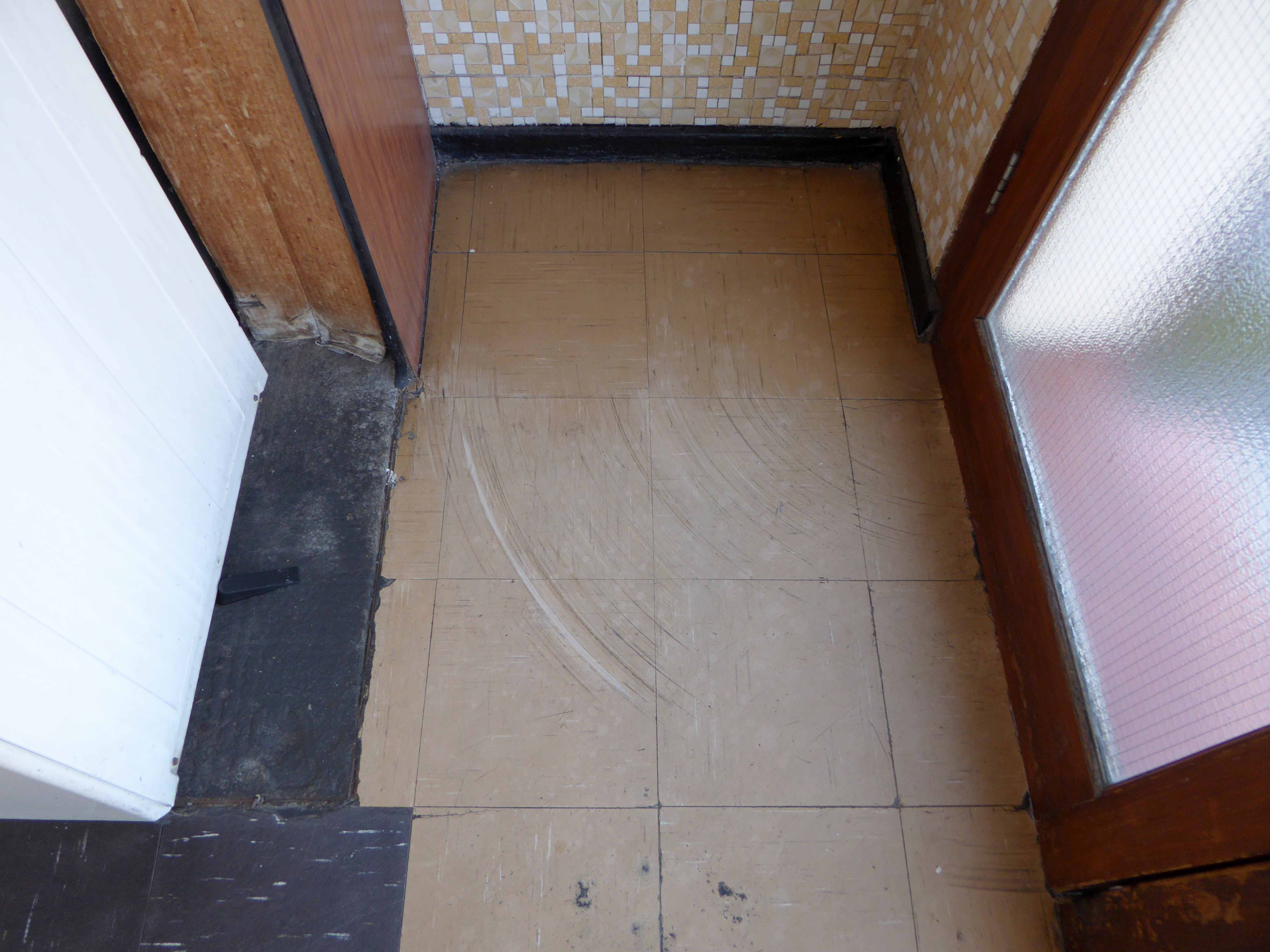
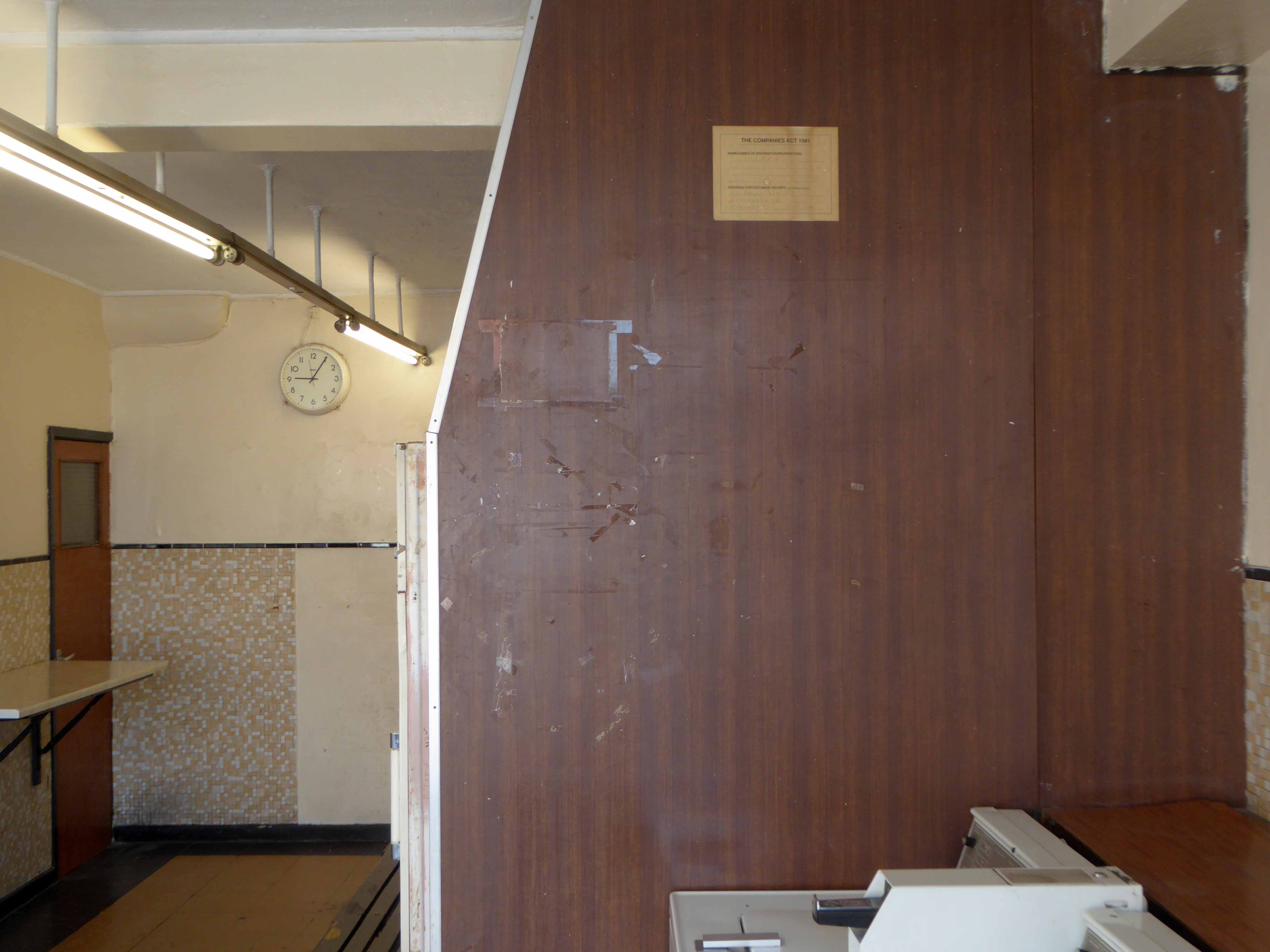
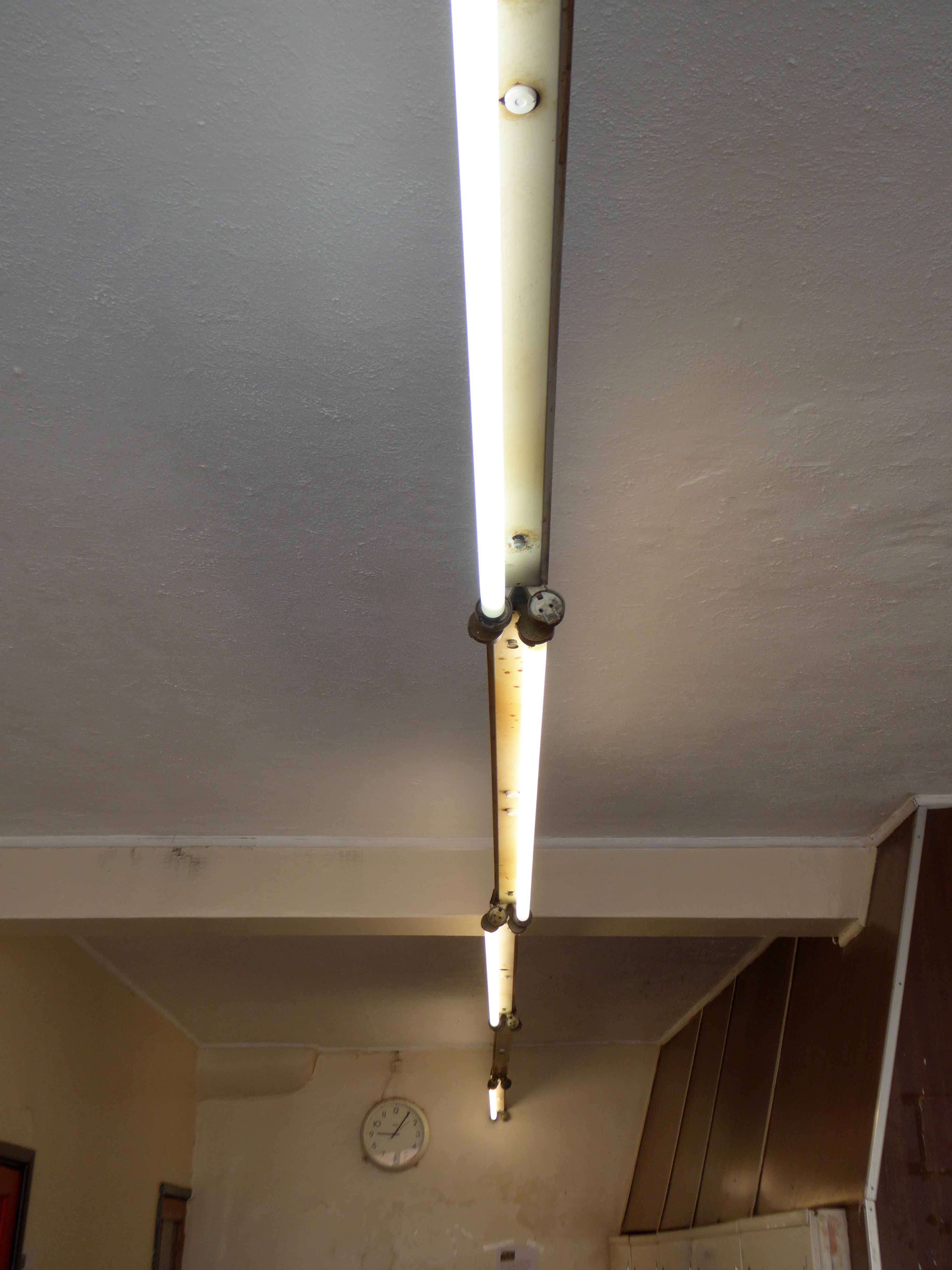
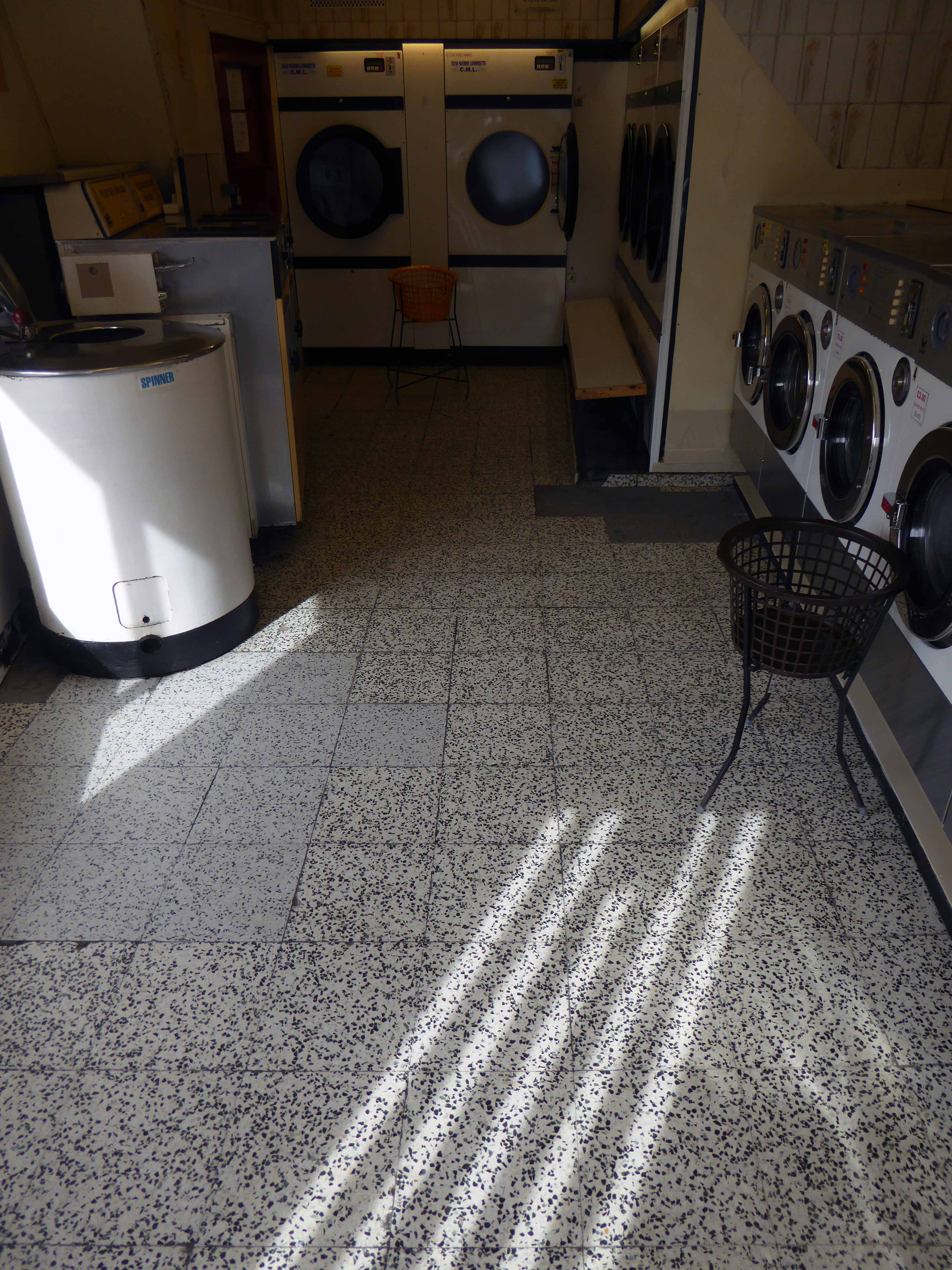
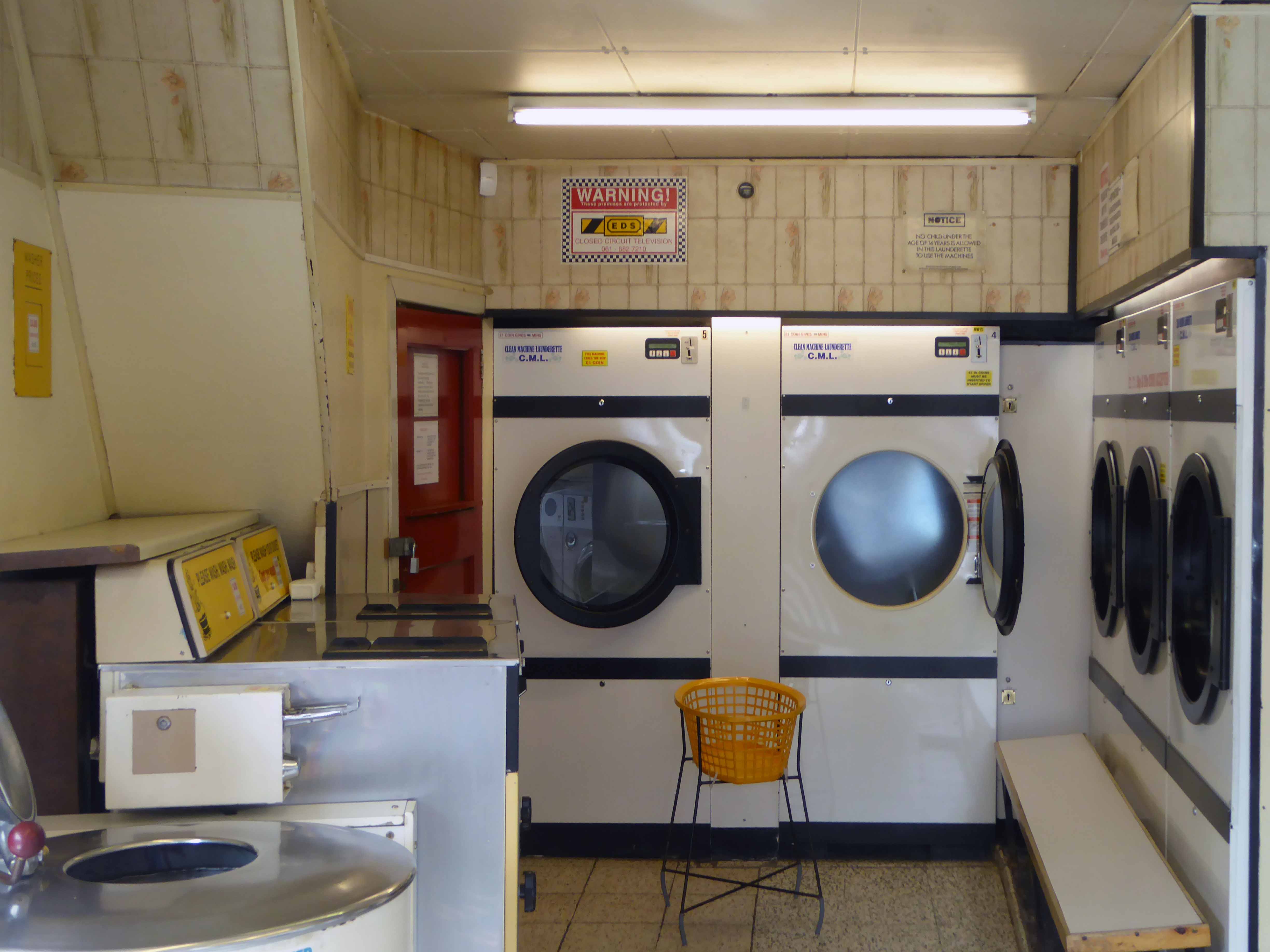
Worn lino, prosaic mosaic, strip lighting, wood-grained Formica, black wooden benches backed up against the warmth of the warm drier – time becomes elastic, limitless.
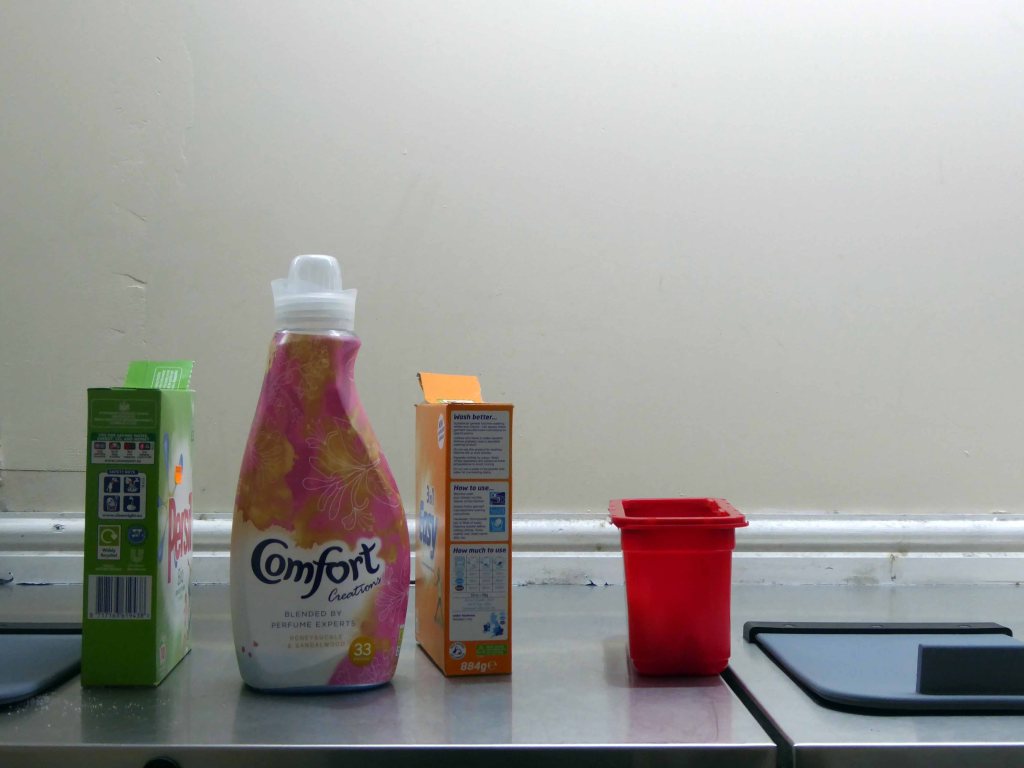
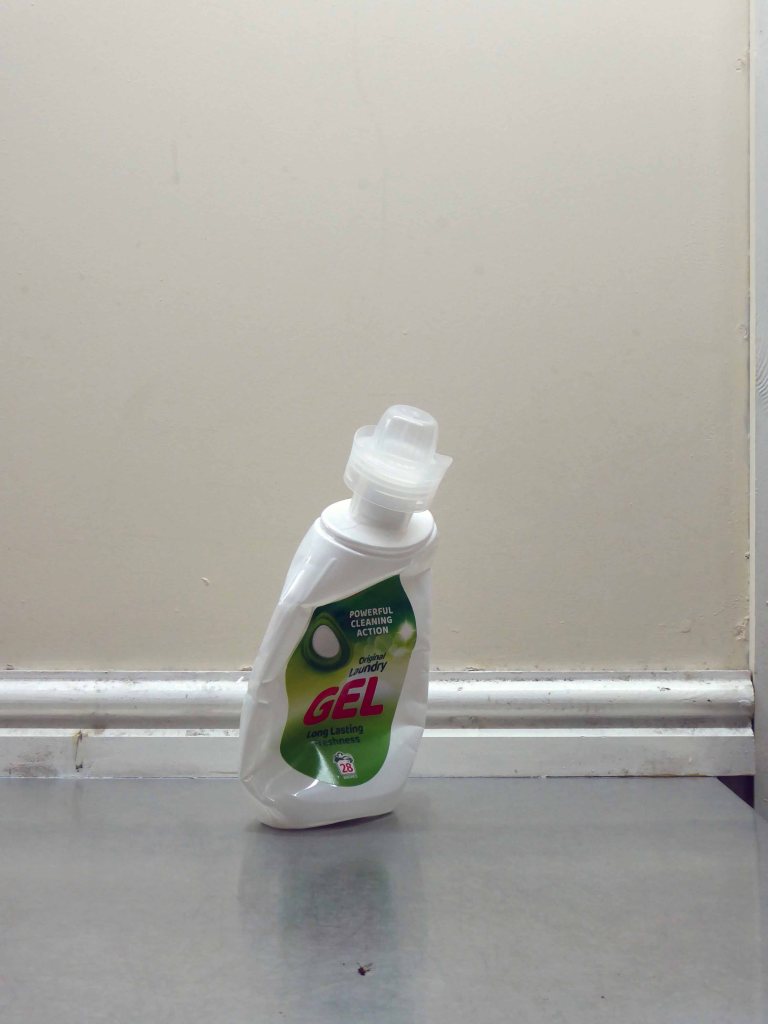
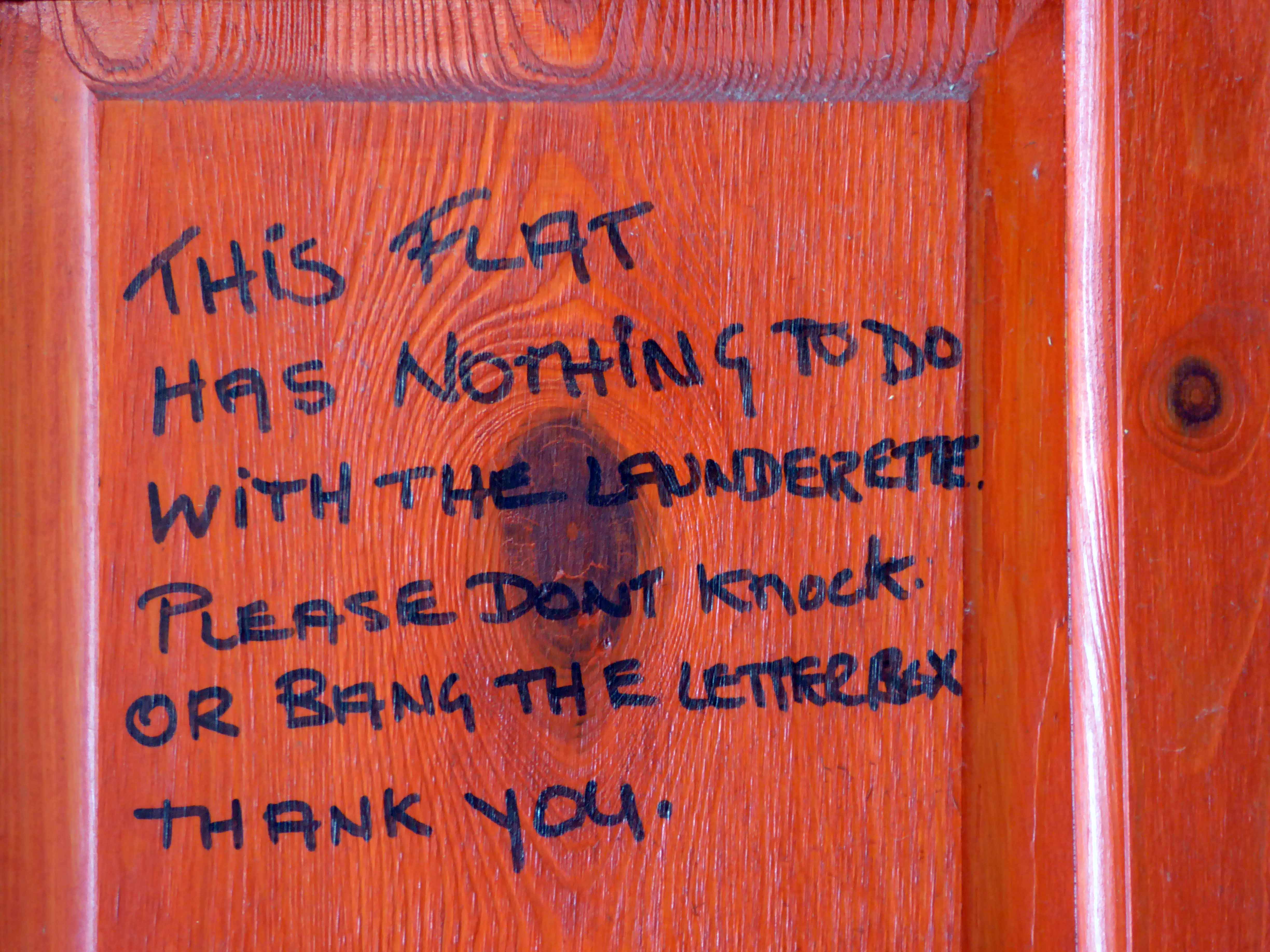
Enter at your own peril, Persil in hand prepare to be disappointed.
I was all washed up, rinsed and spun out – I had to call it a day.
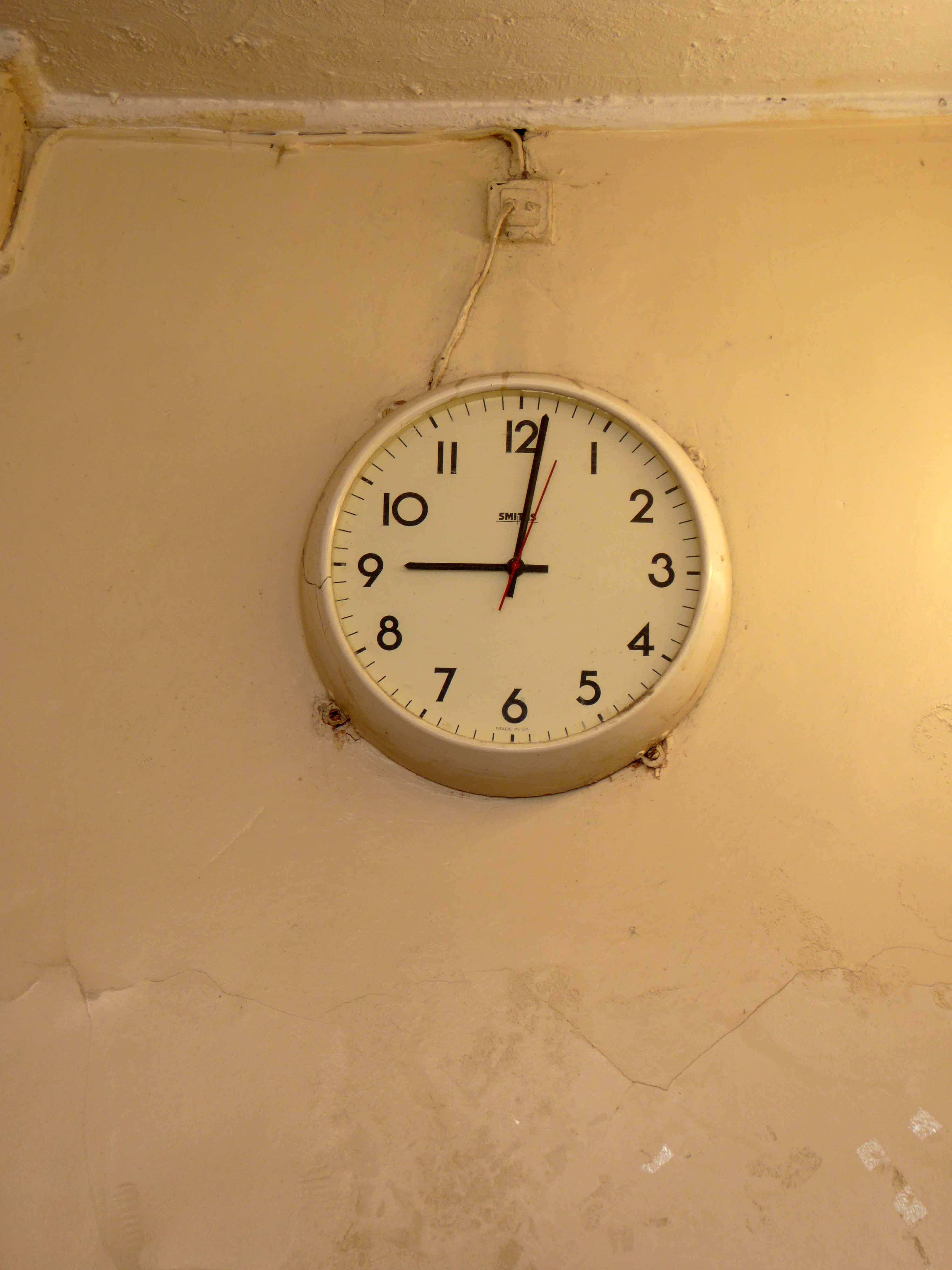
Yesterday things changed – I turned a corner in life when I turned the corner into Matthews Road, the familiar aroma, signs and things signified came flooding right back – time stood still beneath a strip light lit suspended ceiling.
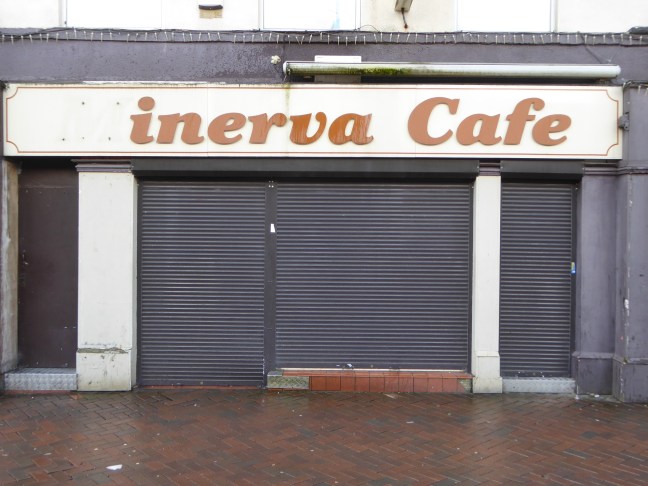
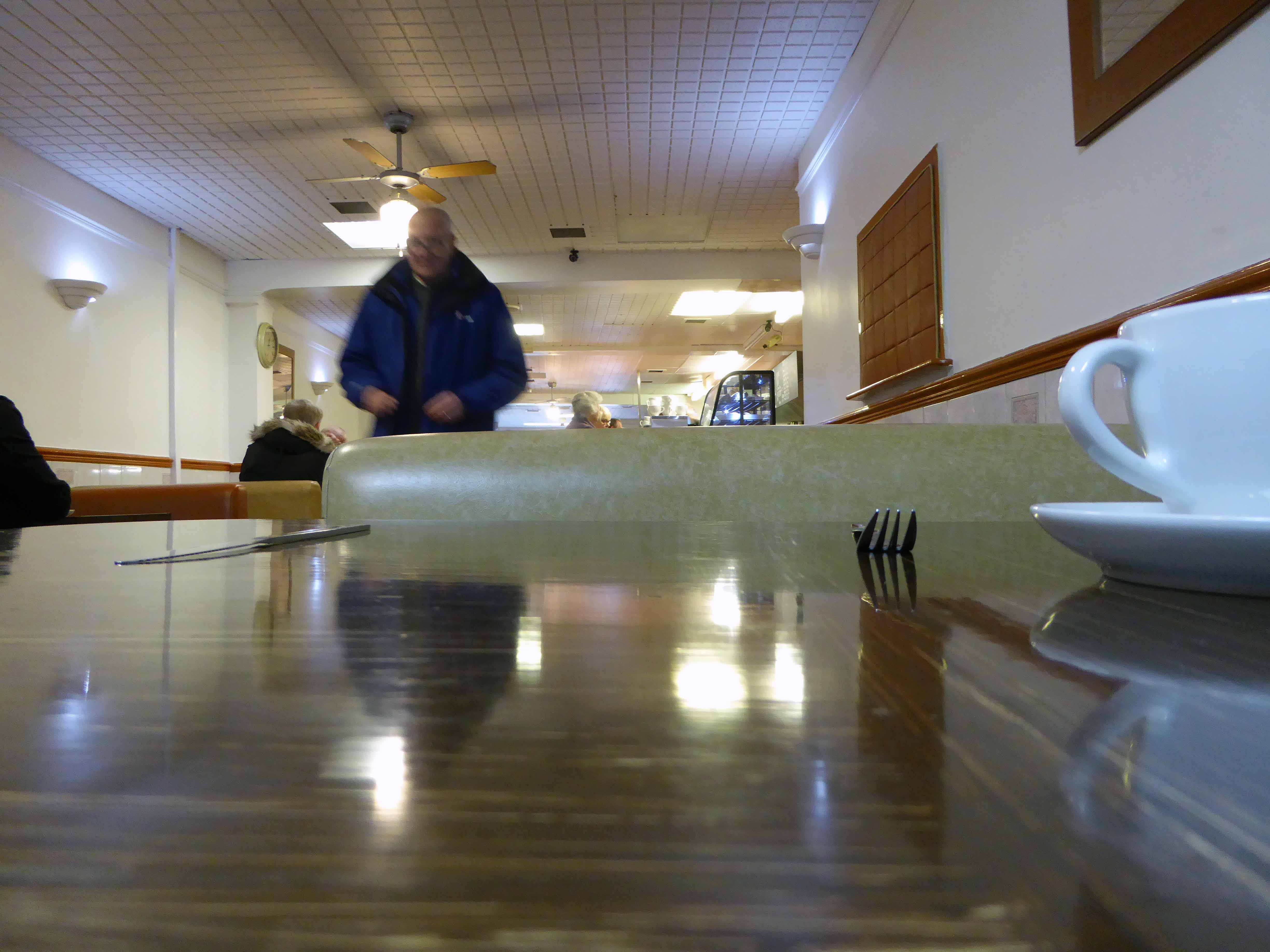
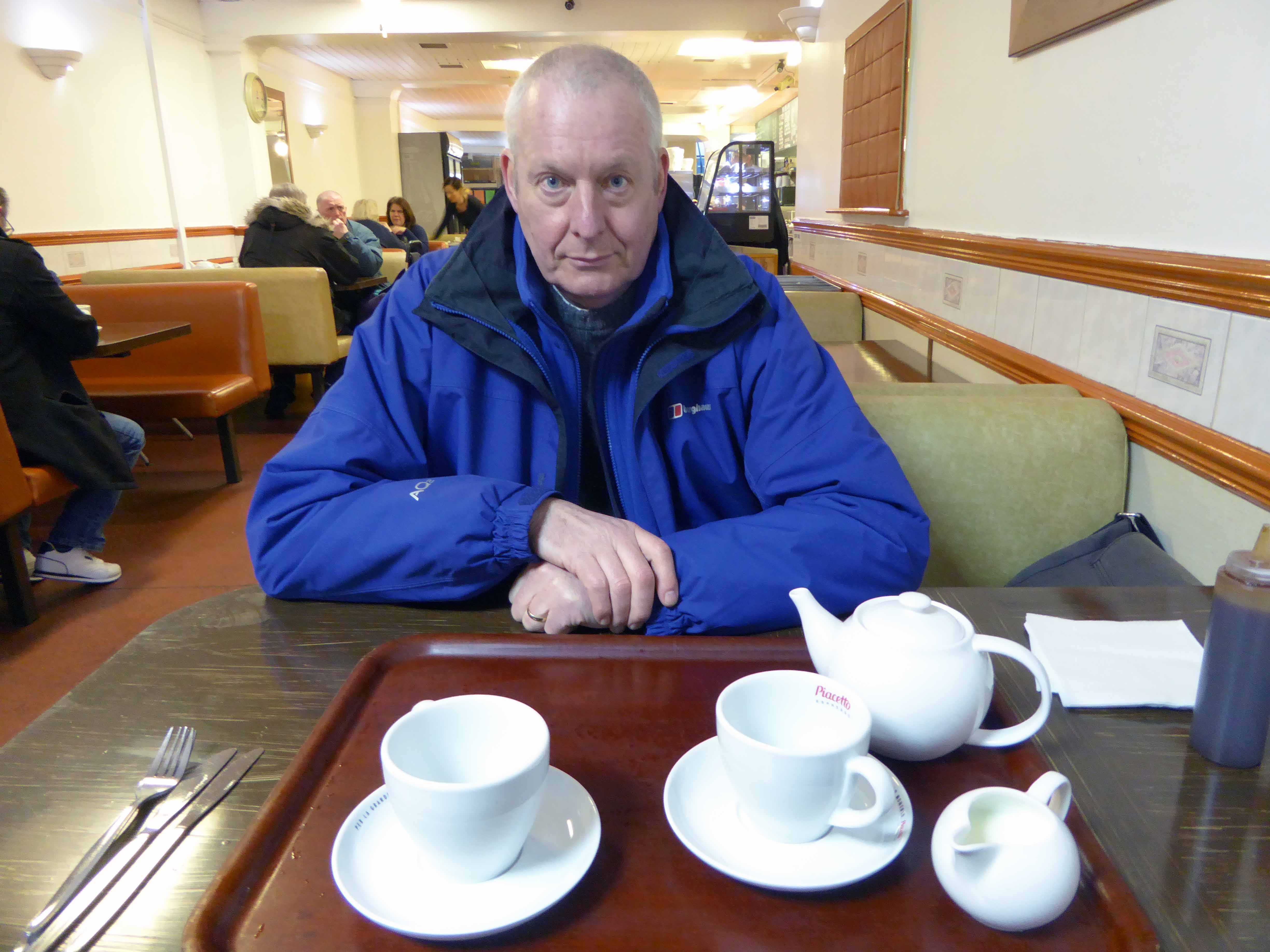
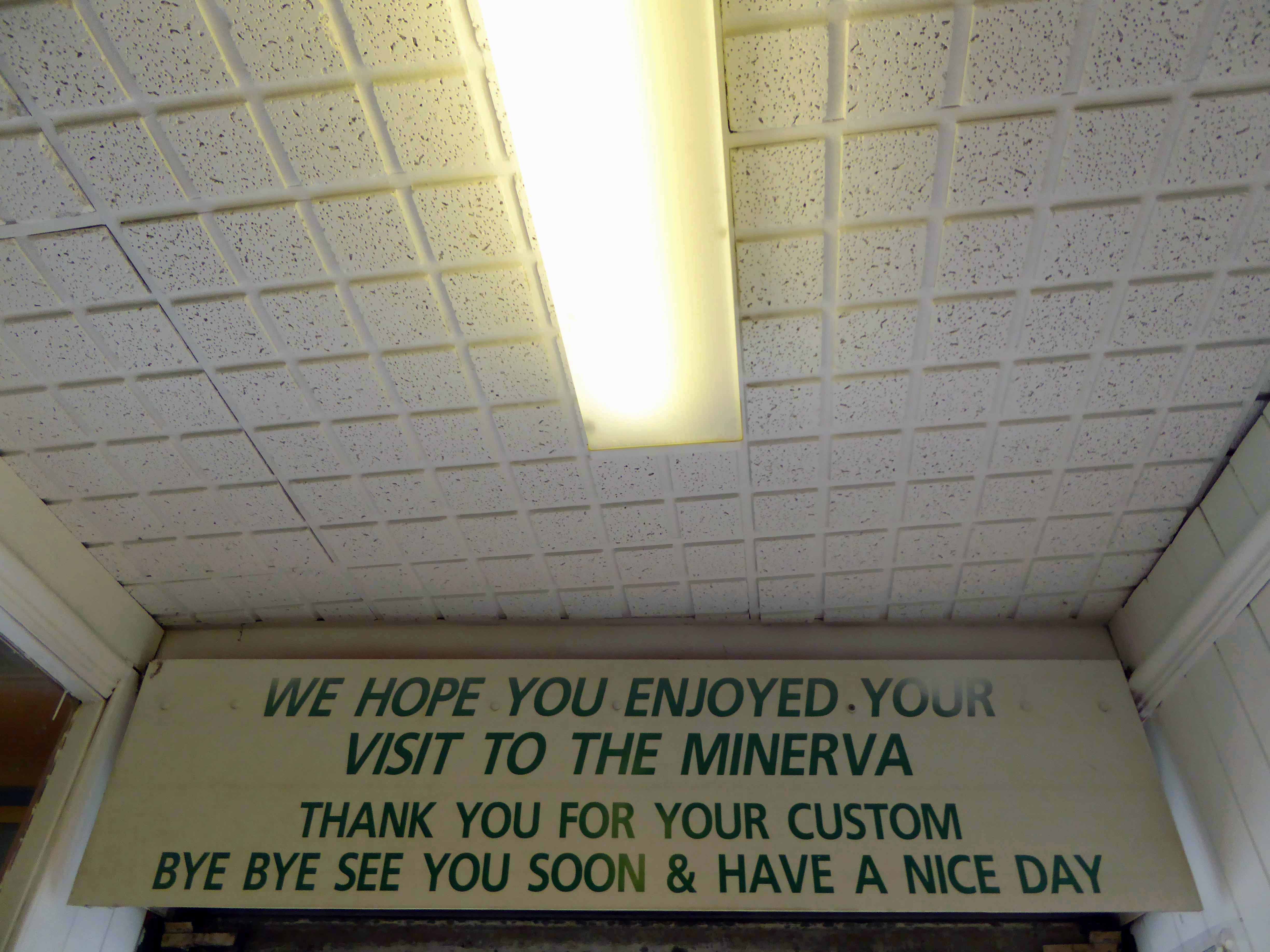
A Doncaster town centre cafe, once used by former pop star Louis Tomlinson to film a pop video, has closed after trading for more nearly 50 years near the market. The Minerva Cafe has closed down after trading sine the 1970s offering breakfasts and lunches to shoppers.
The shutters are now down on the shop, which has not now been used for two weeks, say neighbouring businesses. Minerva was well known for its big breakfasts which often earned rave reviews on the internet. It also had a celebrity link, having been used by the former One Direction star Louis Tomlinson for the shooting of his Back to You video, last year. Doncaster Council town center bosses confirmed they understood the cafe had closed down, but did not know the reason. Long serving Doncaster market trader Nigel Berrysaid he had seen no sign of activity at the cafe for two weeks. He said: It has been here in the market for such a long time. It’s been there since I first started on the market in 1971. People have commented to me it feels like it has been there forever.
“It is a shame to see it closed. It has been a bit of an institution round here.”
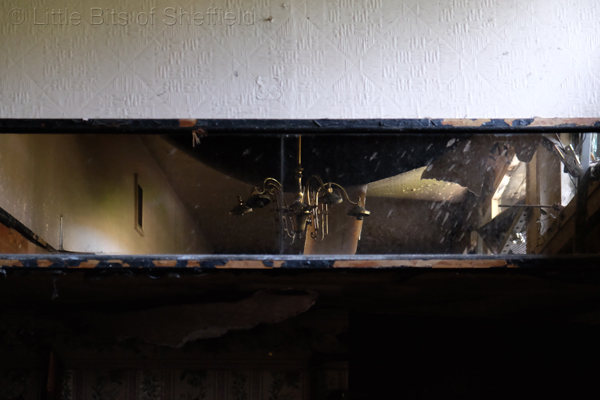
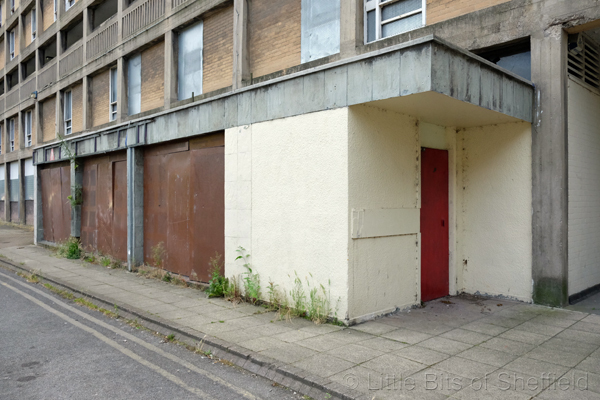
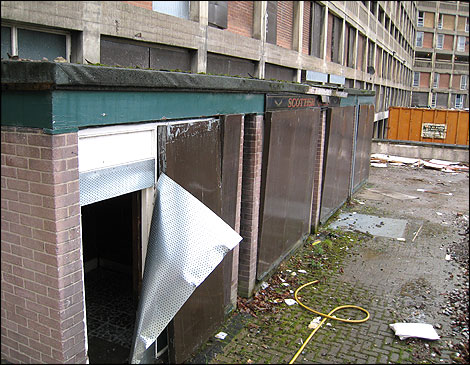
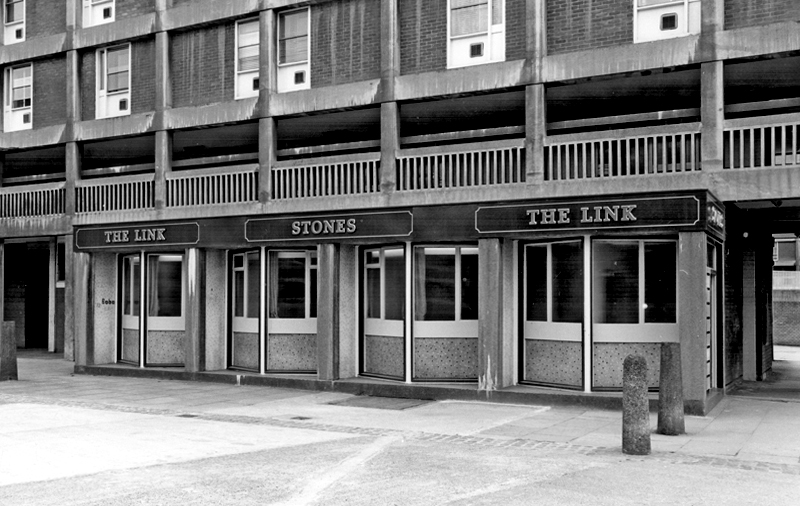
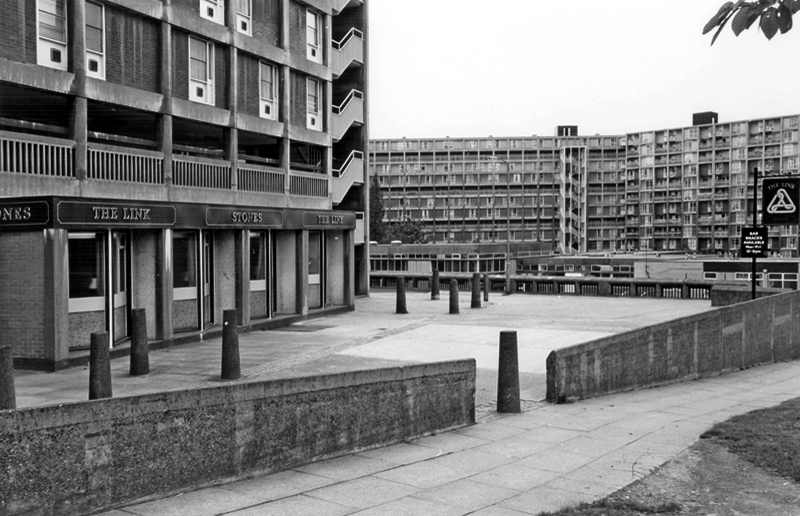
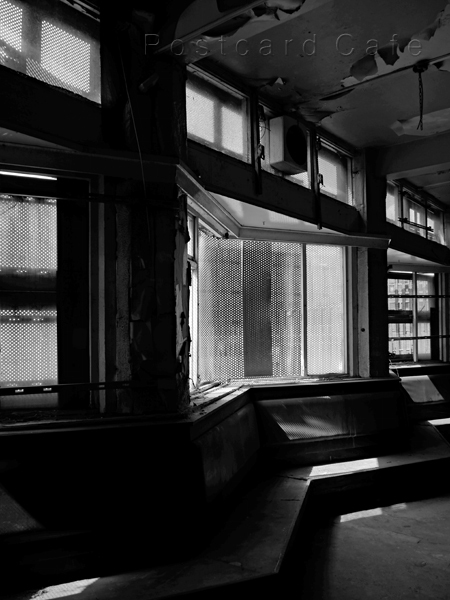
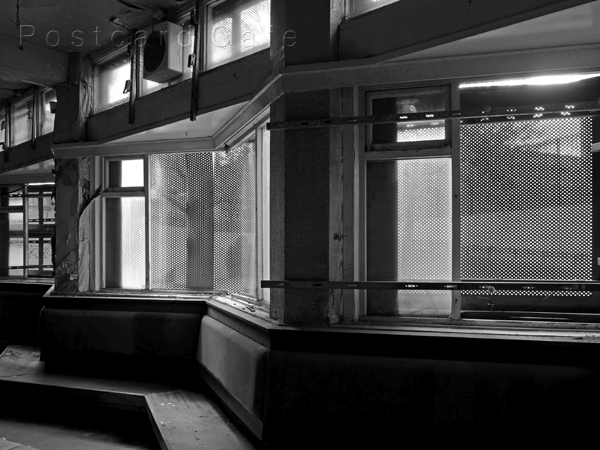
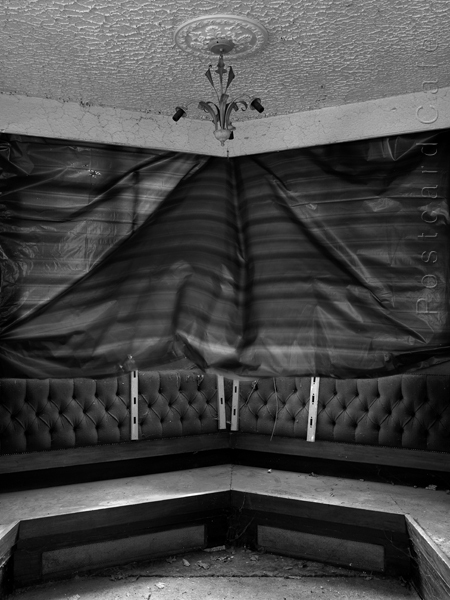
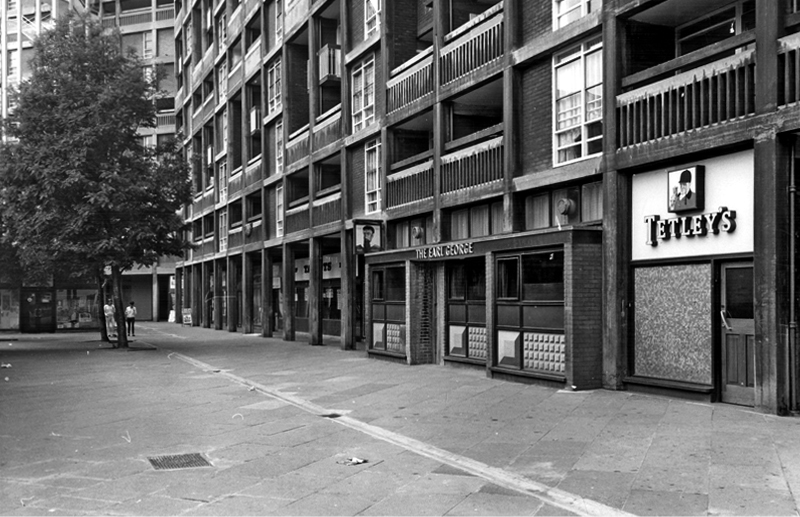
I’m a virtual visitor to the four pubs that served the population of Park Hill Estate.
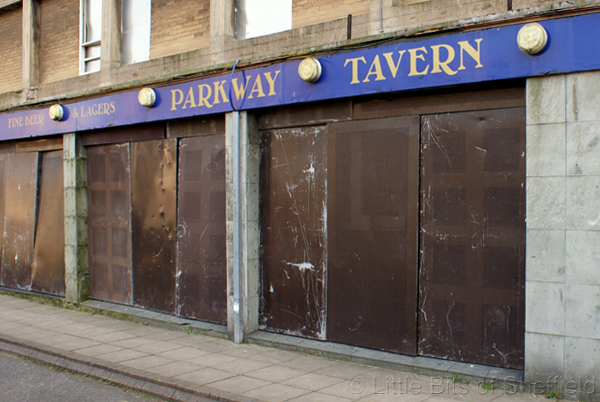
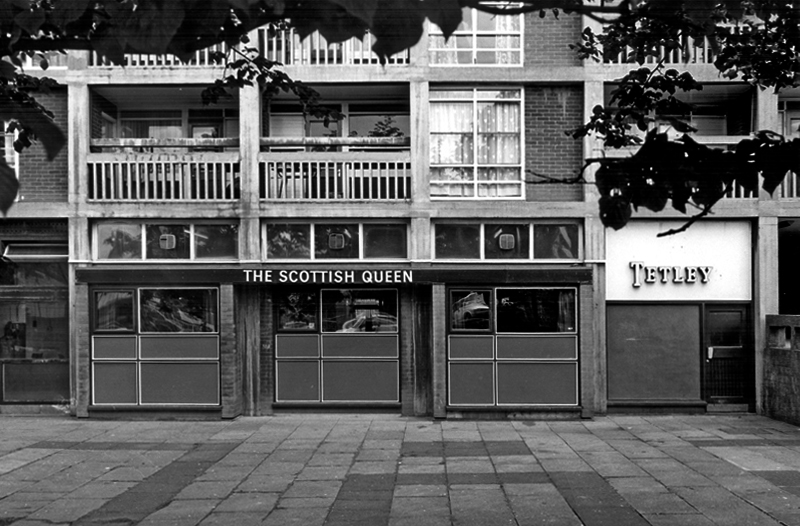
I arrived late on the scene from not too distant Manchester, sadly much too late to stop and have a pint in The Parkway, Scottish Queen, Link or Earl George.
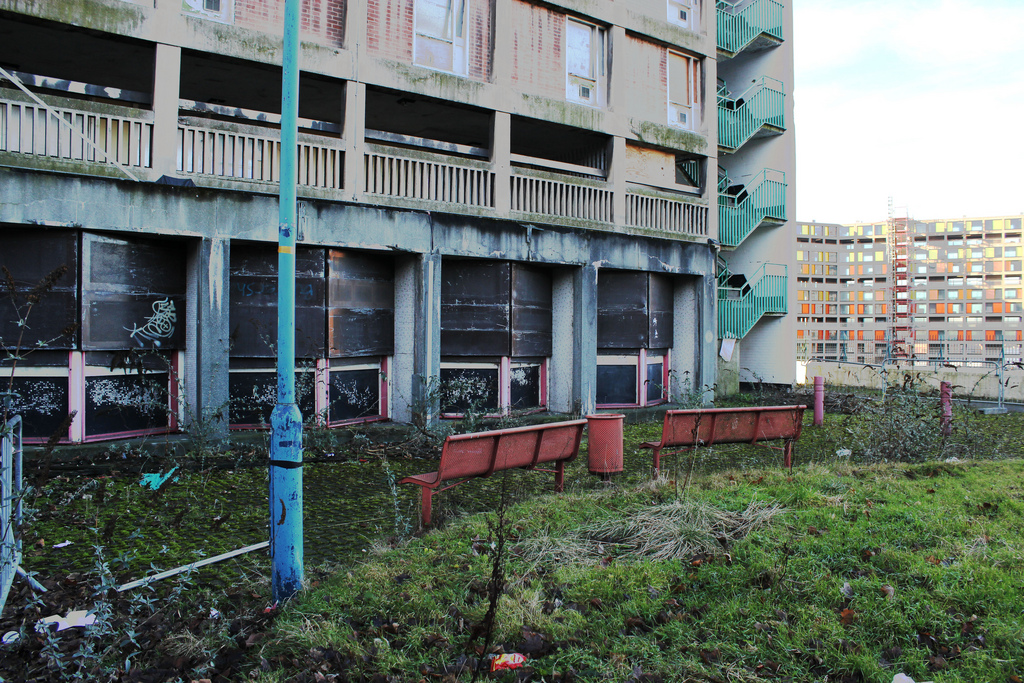
Built in the 1960s when municipal architecture spoke of optimism and innovation, the story of the estate is an oft told tale of decline and renovation.
Grade II* listed the building’s structure has prevailed, the original social structures, tenants and consequently their pubs have not.
Piecing together photographs and the distant reminiscences of those that lived, breathed and drank in their pubs beneath the streets in the sky.
The Link on Park Hill had some colourful characters.
If you want any info on the Link next time you are in town see the man selling fishing tackle outside Castle Market ,he is called Chris Hardy his dad ran the link in the 60’s they used to have the Sun Inn on South St before Park Hill was built, tell Chris that Alan Betty’s cousin told you about him.
I once did a job outside the Scottish Queen and had a lump of concrete thrown at me! it landed about 2m away, that made me jump!
Joe Fox used to be the landlord in the George in the 70s, didn’t stand for any messing about.
Earl Francis! Of course! That was driving me mad; I was just going to ring my mum and ask her if she could remember what it was called. I think it closed in the early 90s, at the same time as the renovations of Hyde Park Walk and Terrace – 1990/1991, if I remember correctly.
The Earl Francis was still open in 1994 – the last time I went in there, but was dying on its feet.
Park Hill is empty, and due to be refurbished.
It’s amazing to think that each complex had all these pubs and people actually went in them!Drove past Park Hill a few months ago at night and it didn’t look like a soul lived in them.
Not surprised the Tavern has closed down. Don’t know whether people are happy or sad about it…They looked like an absolute dive, but I’ve always wanted to go and have a look around them to see what they’re like close up!
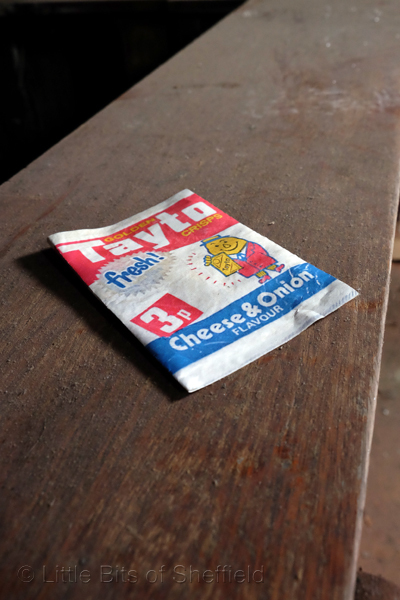
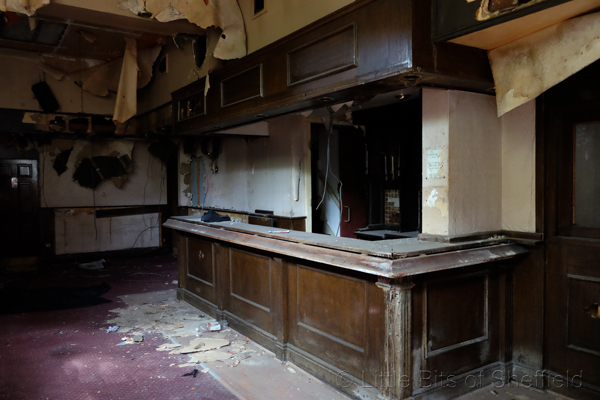
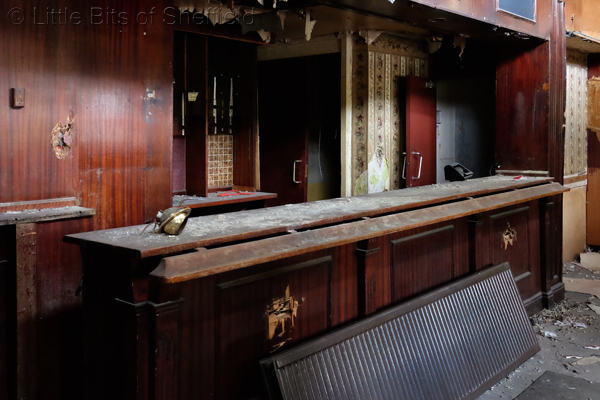
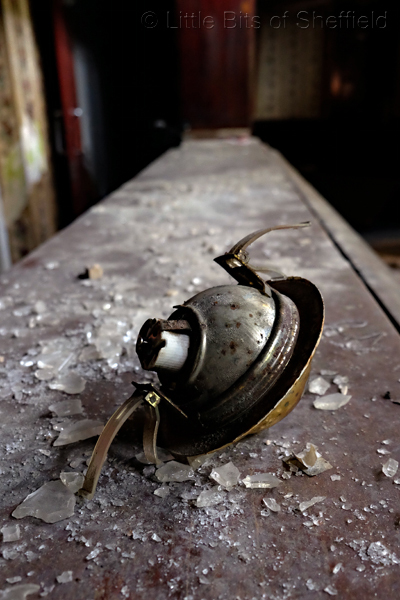
The flats and in particular the Parkway Tavern were used in the 2014 film ’71 – which was set in Northern Ireland. So this photograph showing the bar with a packet of crisps is actually slightly misleading because the crisp bag was only a printed film prop and what looks like broken glass on the bar is fake! – Mr C
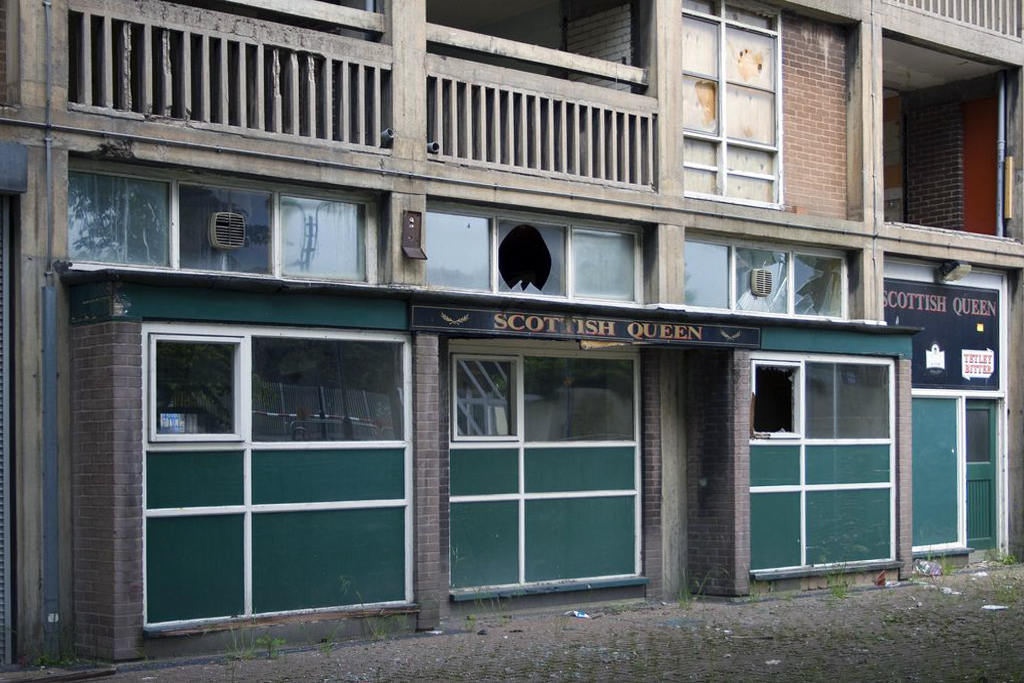
A new pub could open on the site of what was once voted Britain’s second most dangerous watering hole. The Scottish Queen at Park Hill was notorious for violence, with only the most hardy drinkers brave enough to cross its threshold.
April 2015 saw the launch of a new exhibition space in Sheffield, housed within the former Scottish Queen pub at the Brutalist icon that is the Park Hill estate. The Scottish Queen hosted a temporary programme of exhibitions, events and residencies in partnership with a range of artists and organisations from across Sheffield supported by S1 Artspace.
Possibly the second toughest art space in Britain.
Both pubs have survived and the street is home to several relative newcomers, including the Richard Goodall Gallery and celebrated men’s outfitters Oi Polloi.
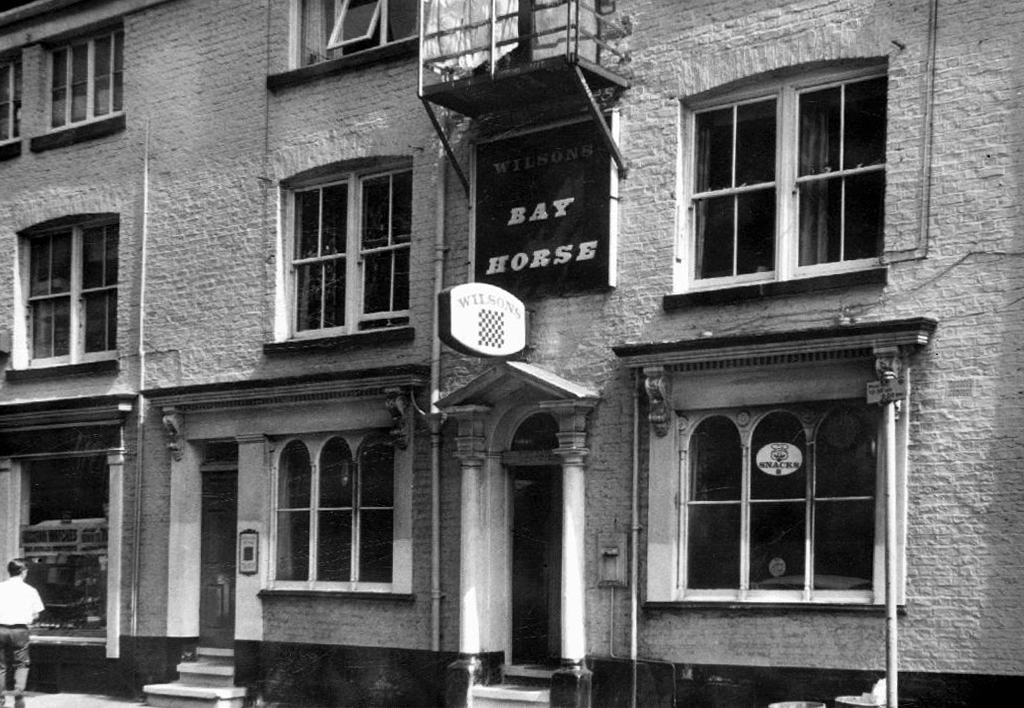
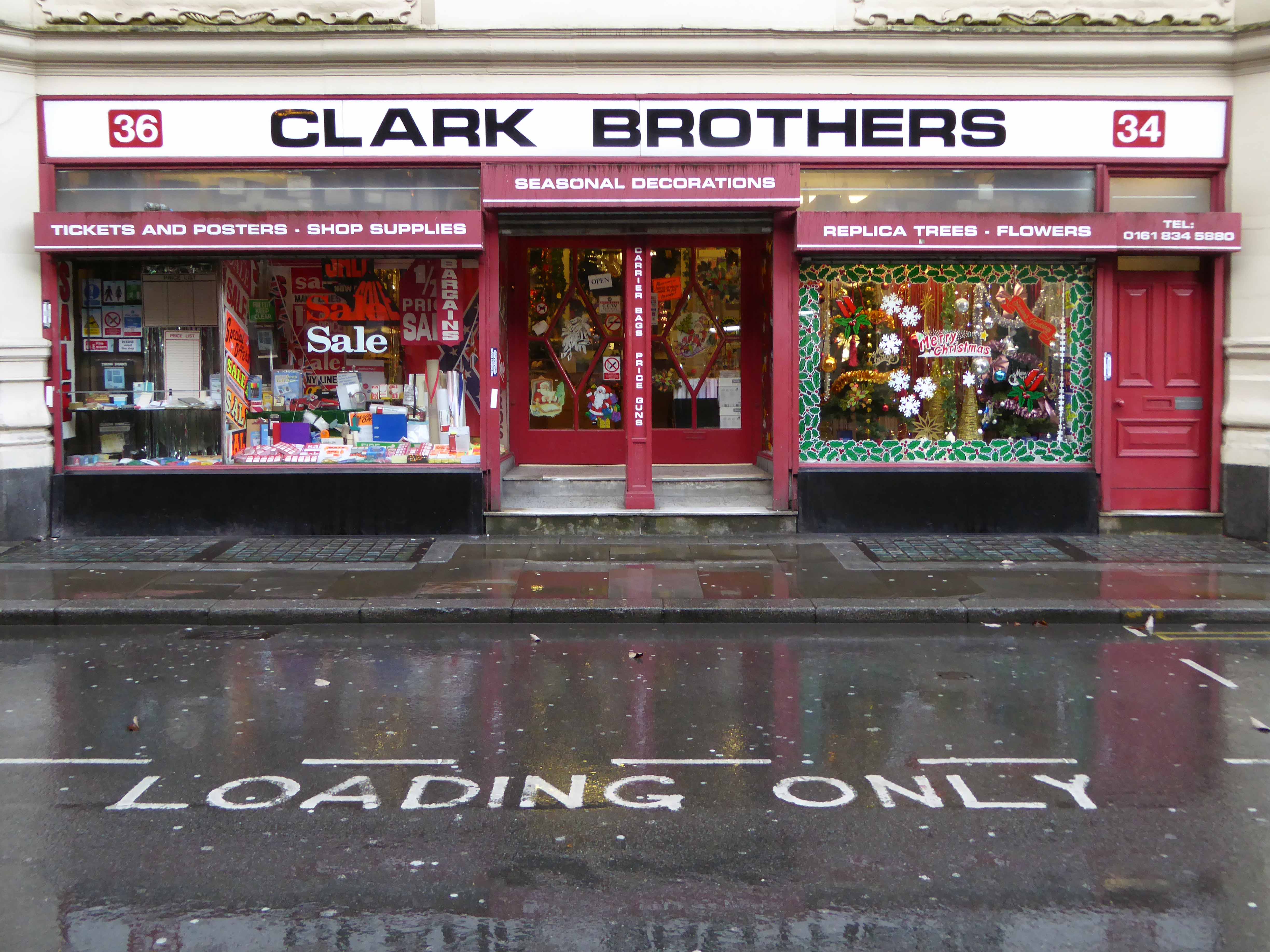
Also the location of my most favourite shop in the whole wide world.
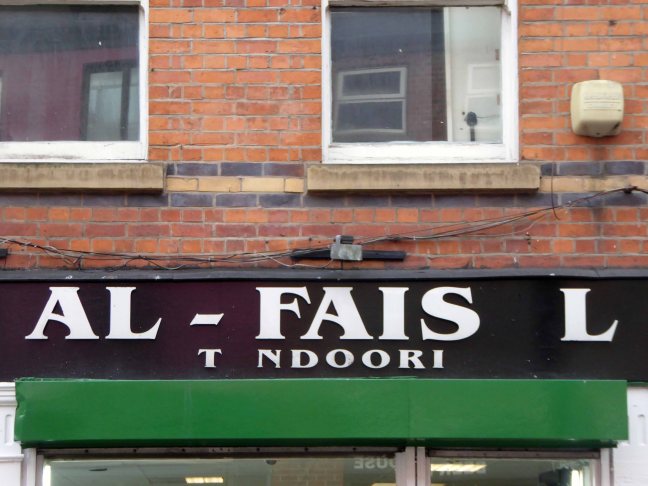
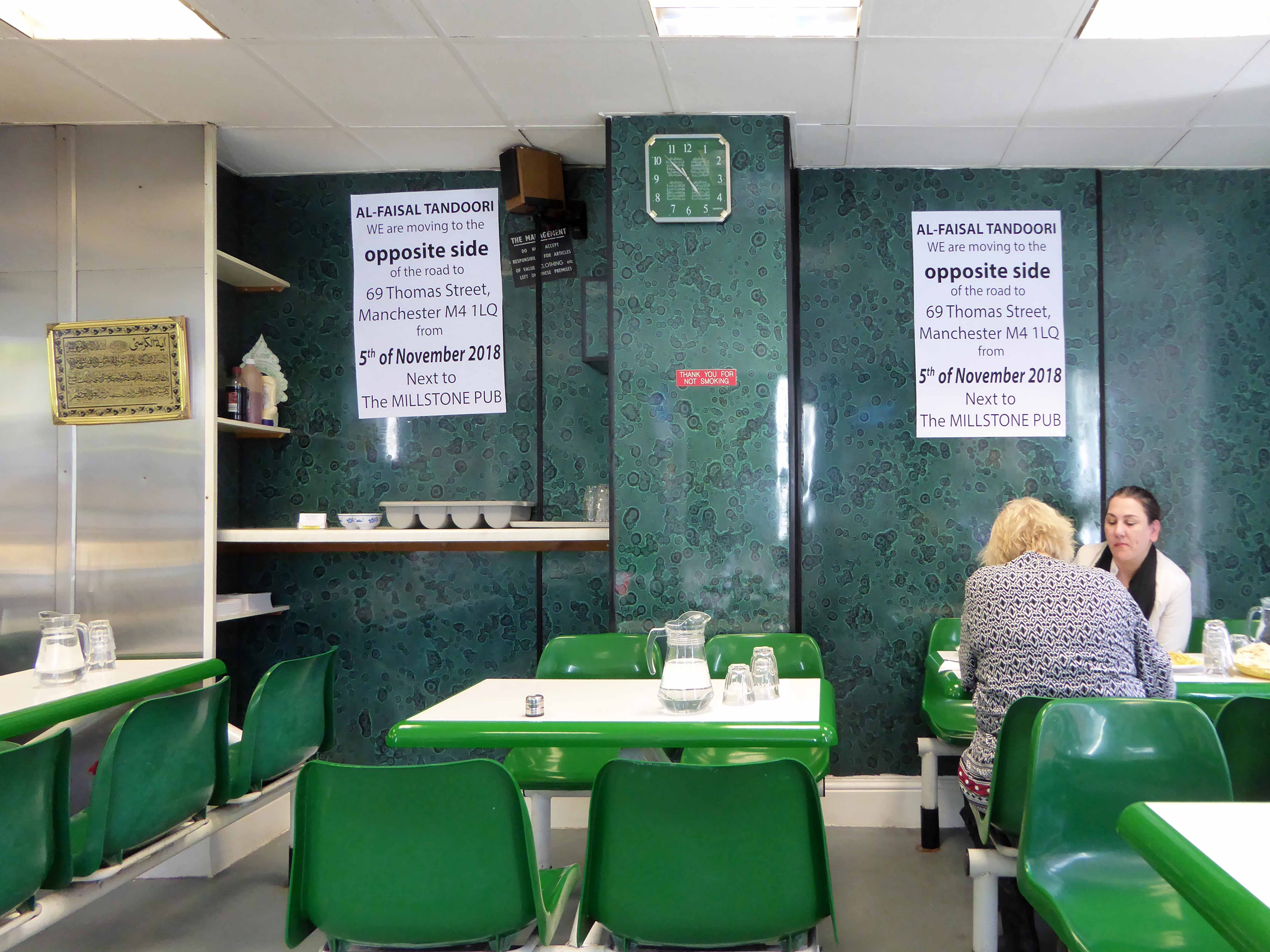
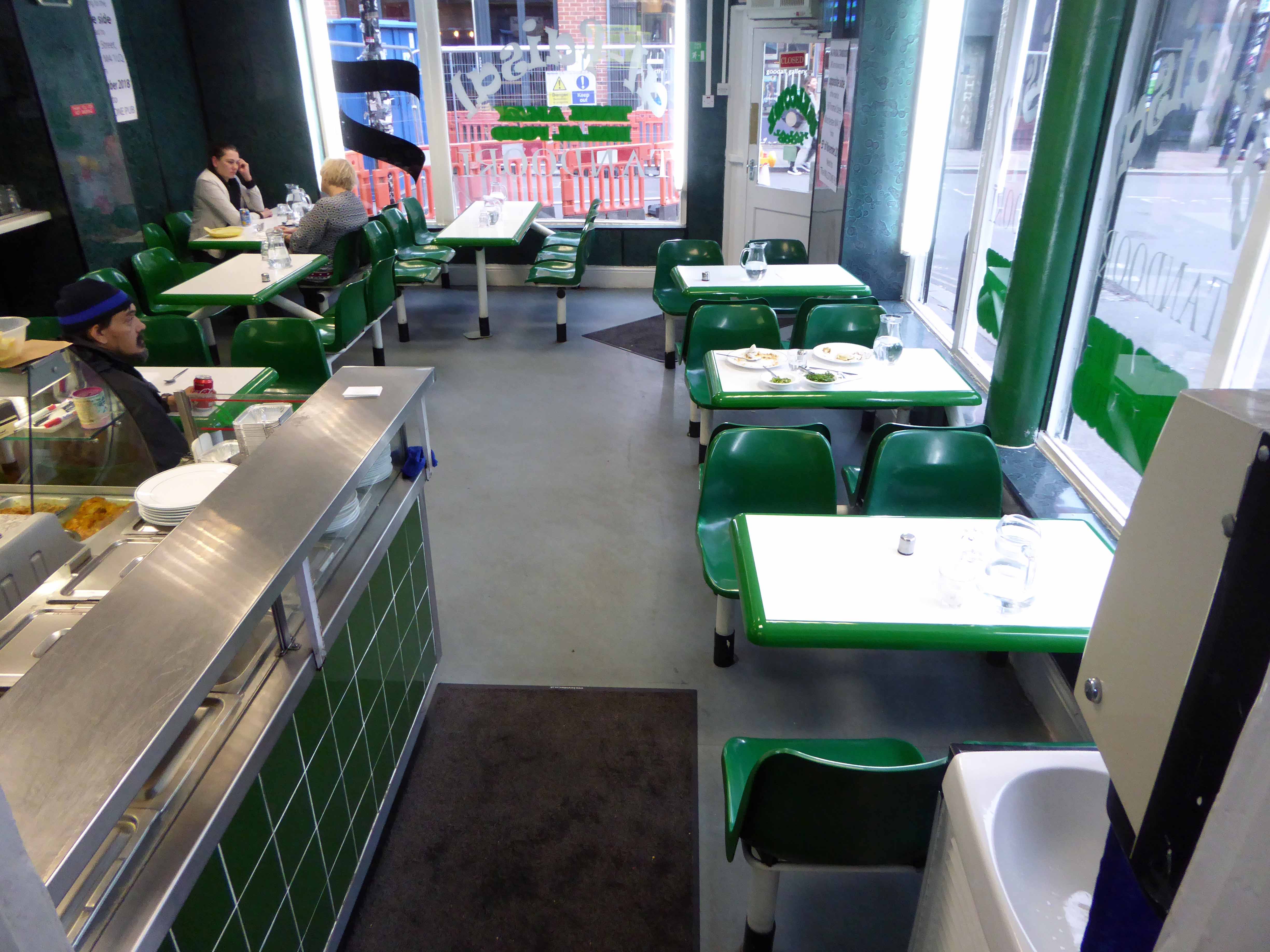
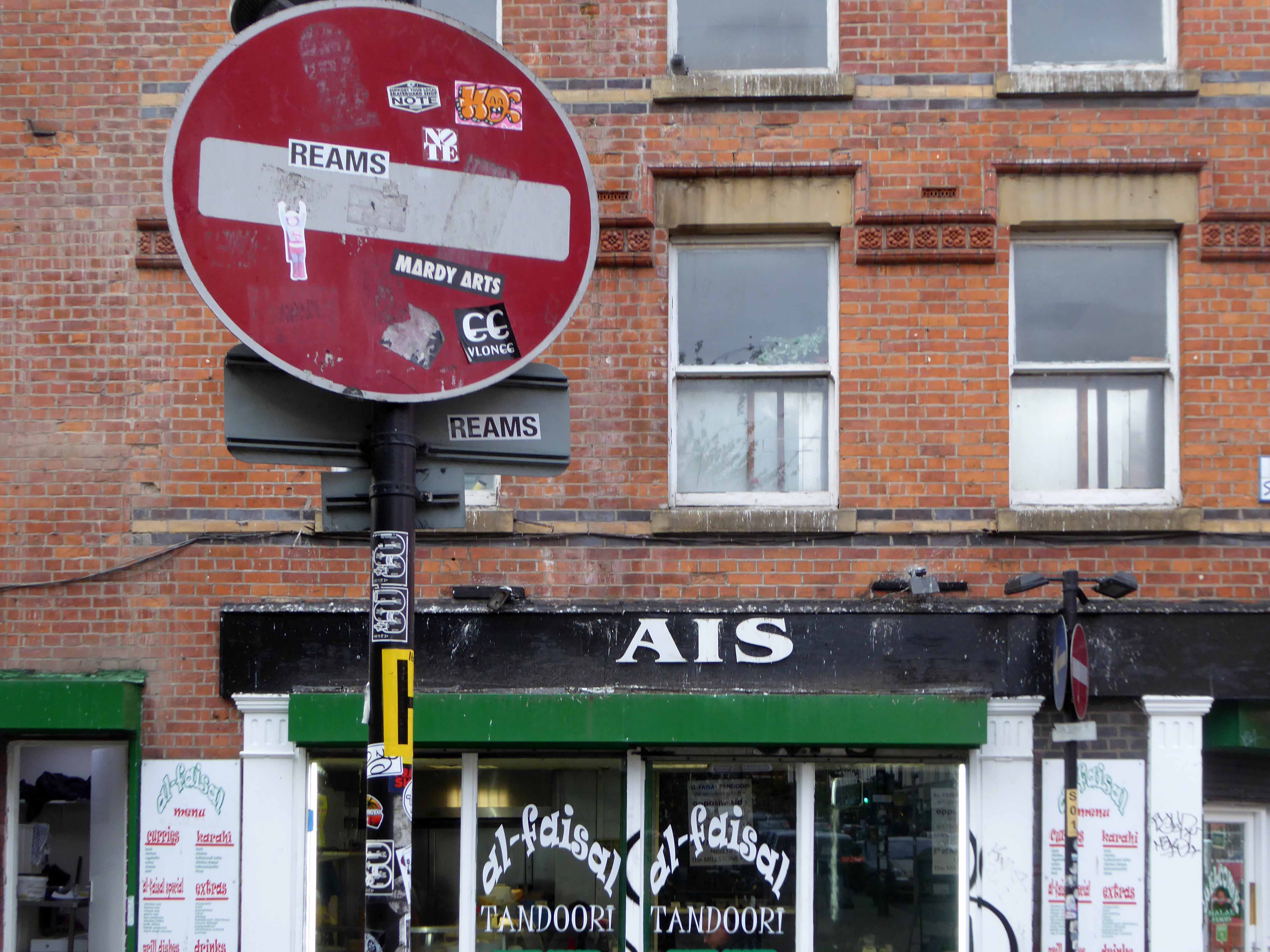
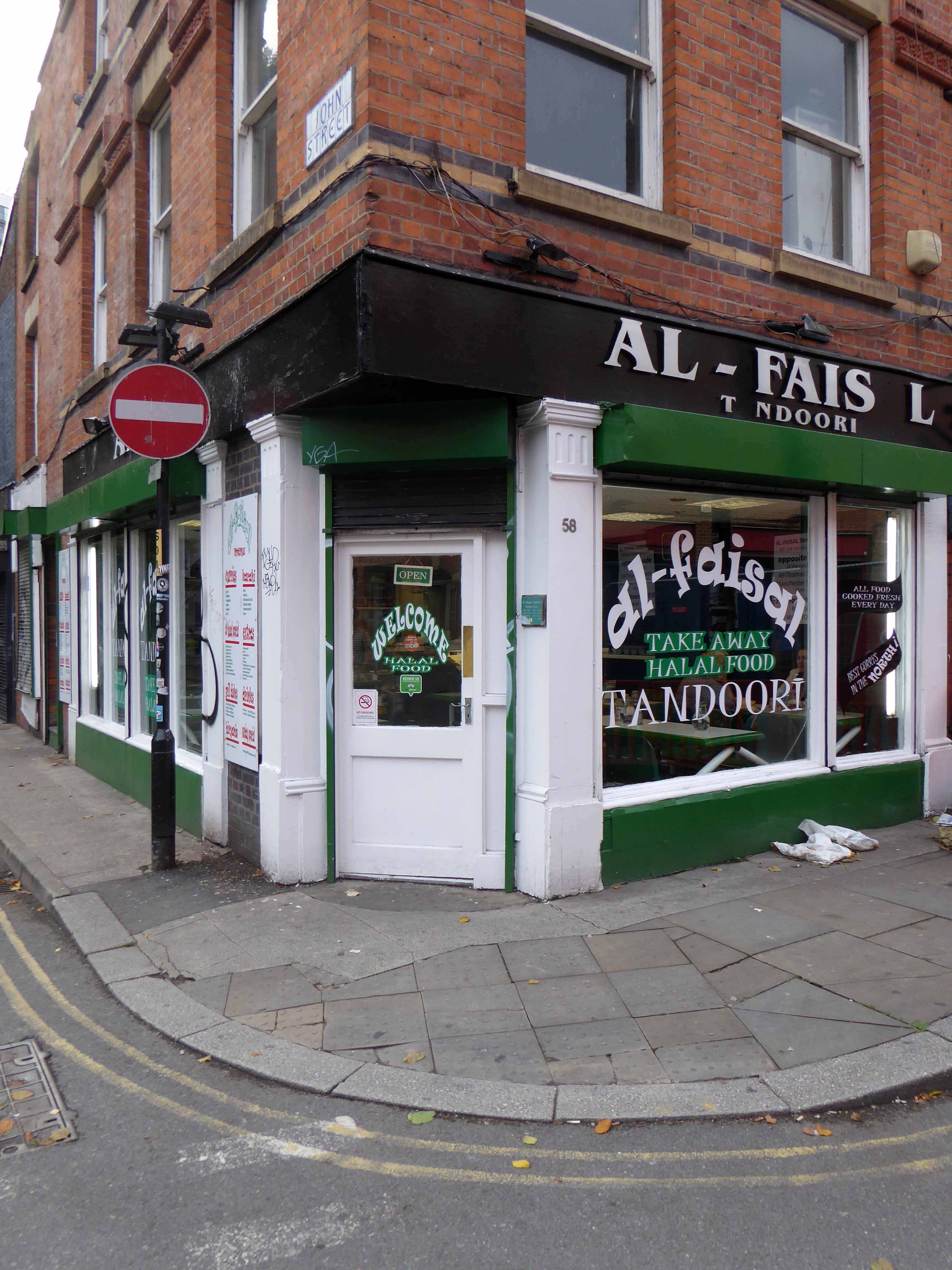
From the 70’s onwards the area had been at the centre of the Asian garment trade – and so it came to pass some 26 years ago the Al Faisal arrived, one of several curry cafés, feeding the faces of the passing parade.
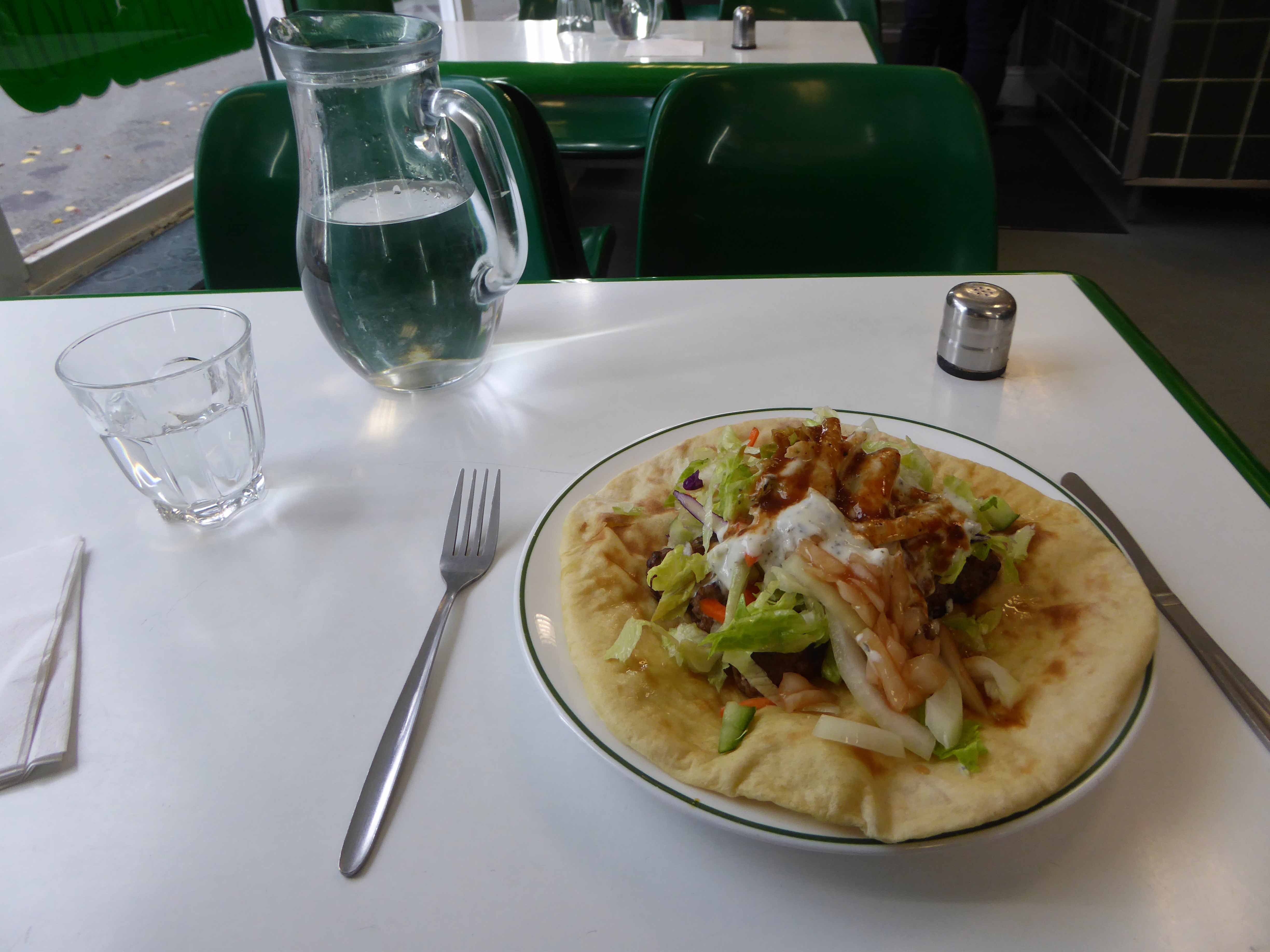
I’ve eaten there for most of that time, fed very well indeed thank you very much, for way less than a king’s ransom.
Yesterday I popped in at teatime, for my tea – posters proclaimed an imminent move.
The whole block is to be demolished and a hotel to be built – there is naturally a suspicious resistance to such change, what was a protected area of historical interest, is fast becoming a deregulated playground for the avaricious developer.
A Manchester council spokesman said:
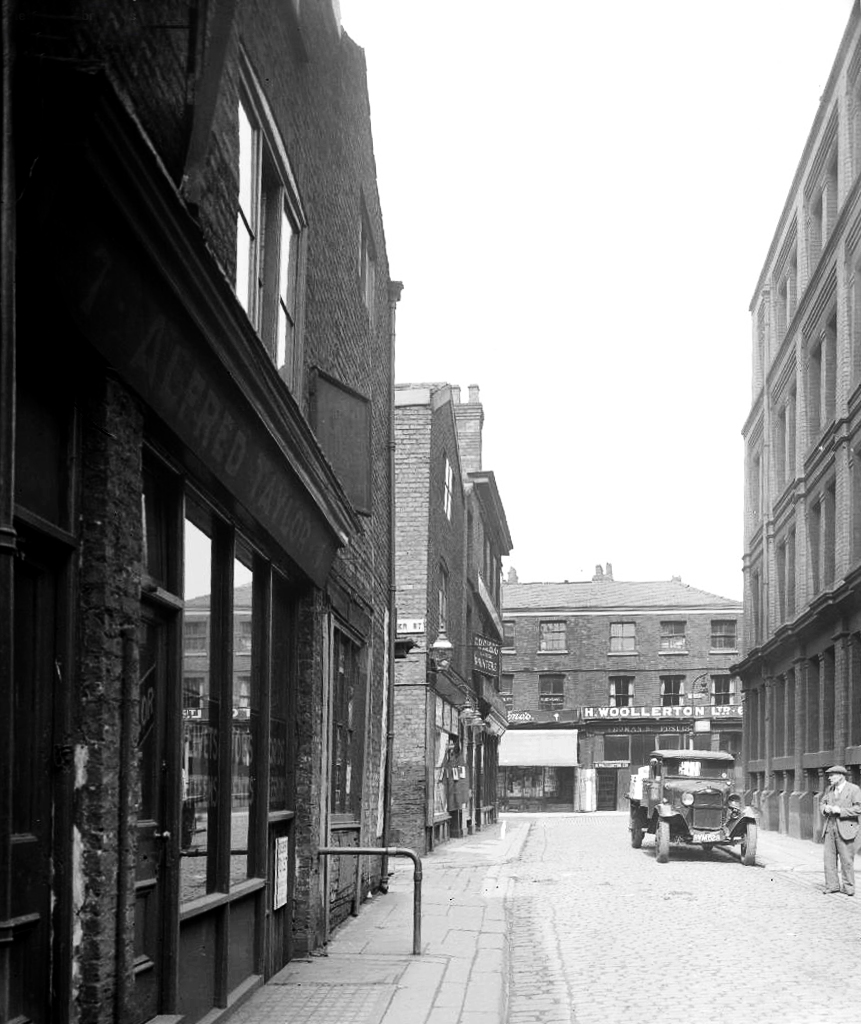
Our building control officers have been engaged with owner of the property on Thomas Street for some time.
The condition of the building means there is an imminent danger of collapse and a potential threat to pedestrians. Unfortunately, the poor weather has only served to add to our concern over the safety of the building.
A conservation specialist will be on site working closely with the building owner to ensure as much of the fabric of the property can be retained as possible, and only parts that are unsalvageable will be removed to ensure public safety.
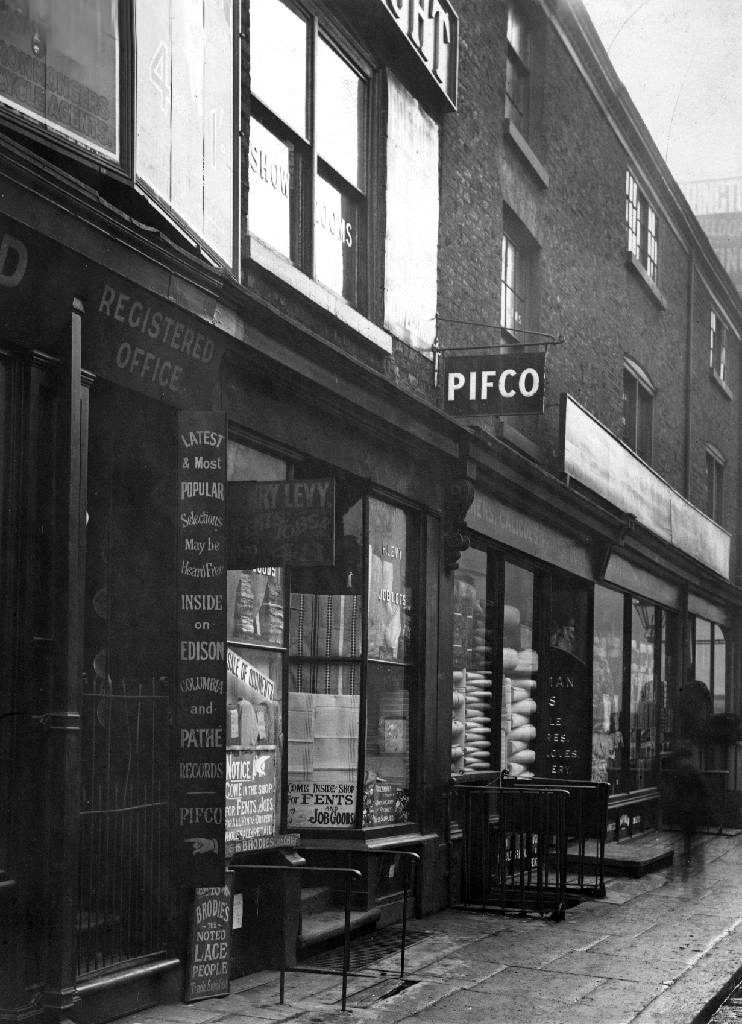
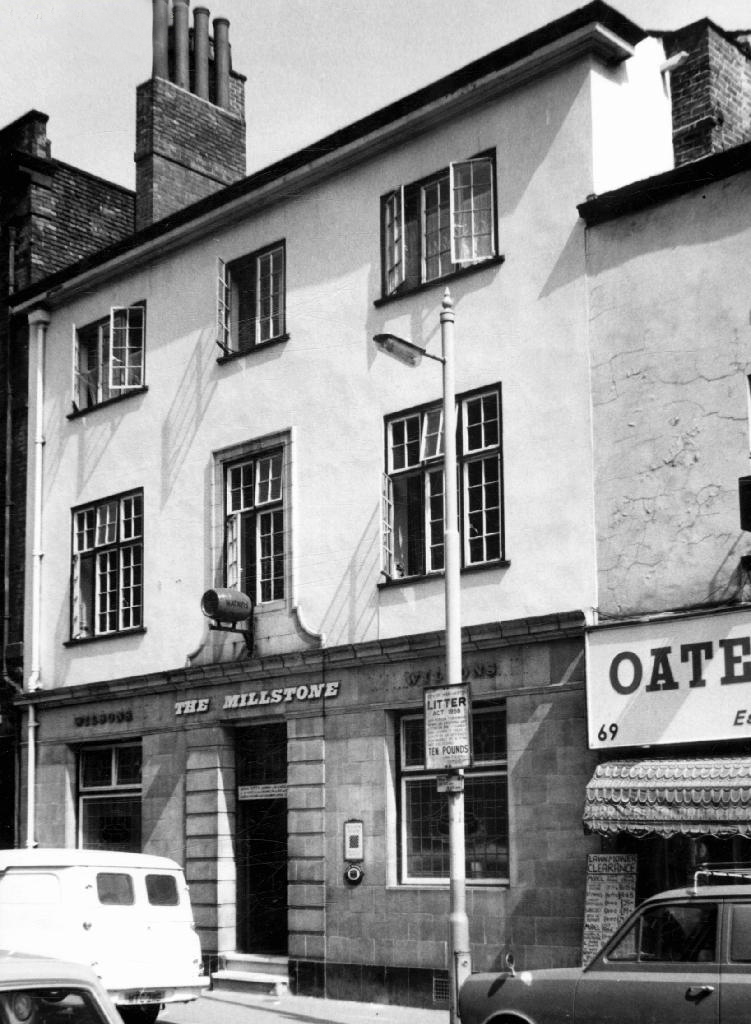
Rumours have also been rife concerning the fate of the nearby This & That – an essential part of the heartbeat of the city – the affordable independent trader.
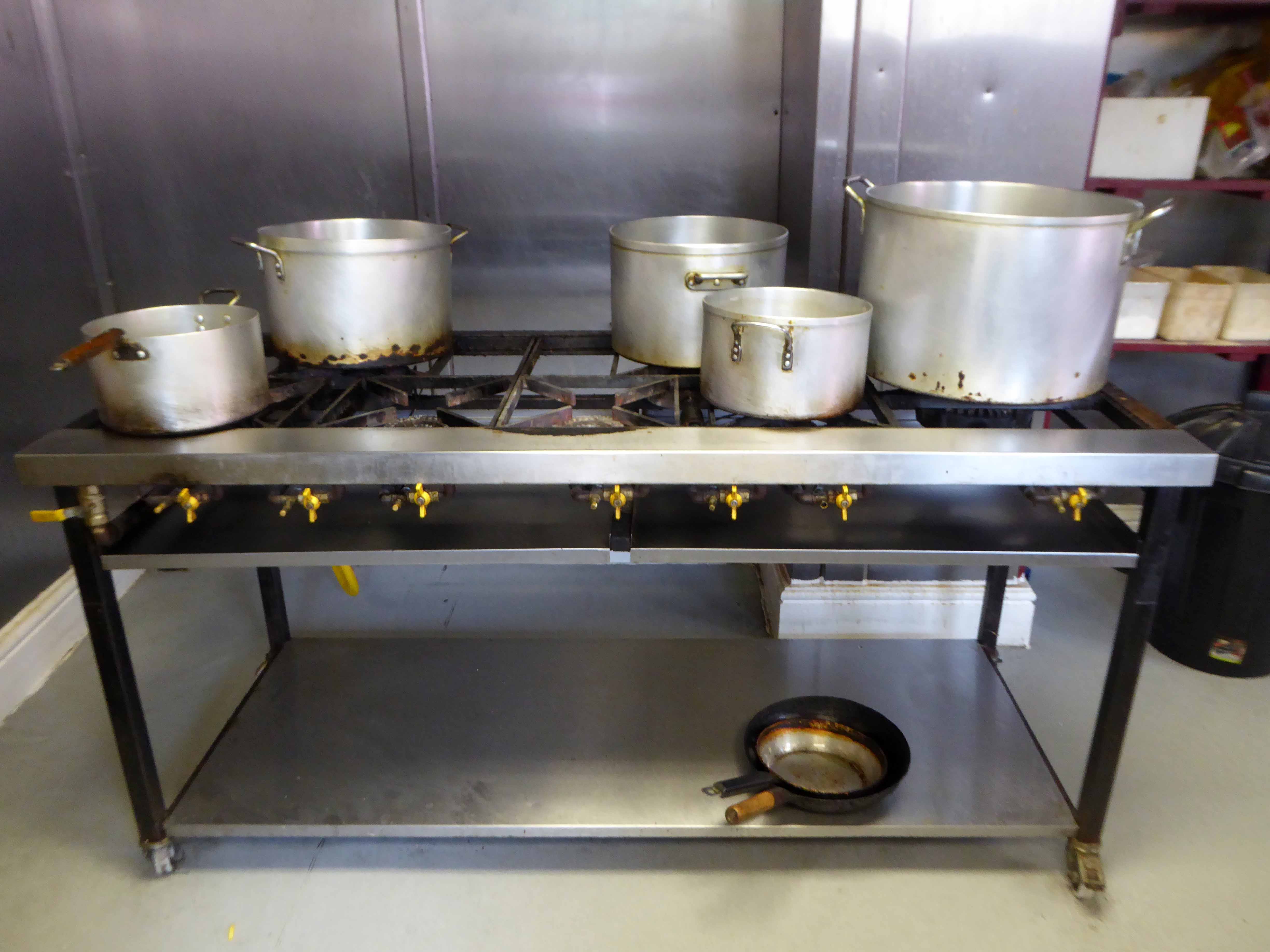
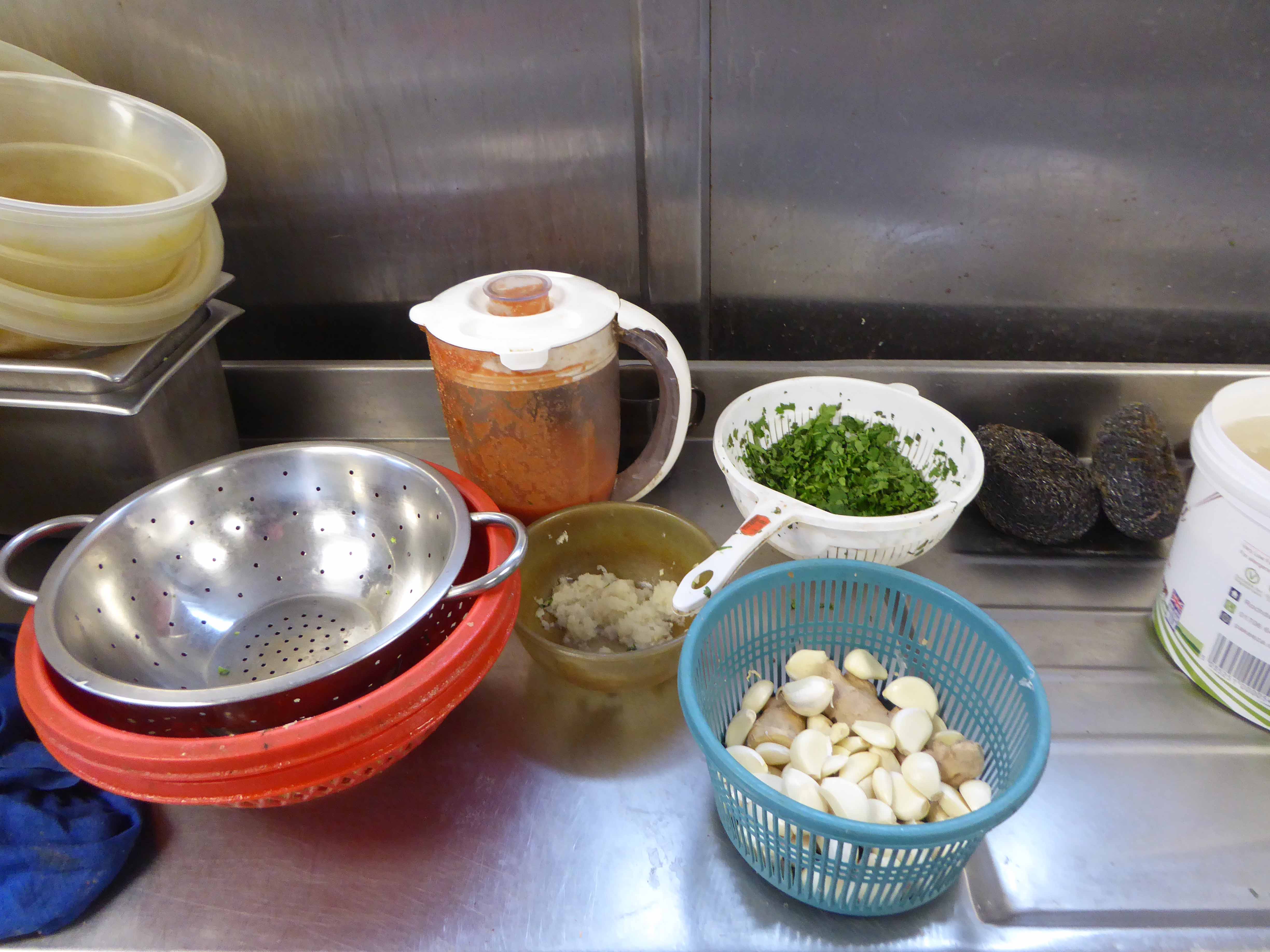
I sat and ate happily, and was privileged to be given a tour of the kitchens by owner Tariq, recording for posterity a site of some culinary and social consequence.
Let’s take a look around and look forward to a meal just across the road real soon.
The Beefeater Grill and Griddle is a long established family run grill and coffee house located at George Square Halifax. The place has an old fashioned feel to it and serves typical English cafe food which seems to make it popular amongst its local regulars.
Long may it do so.
Strangers to the town we wandered the streets in search of sustenance.
Bewitched bothered and bewildered – seduced by the tiles and signage, it was love at first sight.
The ability and will to resist the broad brush of regeneration and reinvention is all too rare, the traditional café is constantly under threat – the Beefeater has prevailed.
A stunning tiled exterior, a multi level interior and a menu to match, it’s win, win, win, win all the way.
The whys and wherefores of your seemingly unknowable comings and goings.
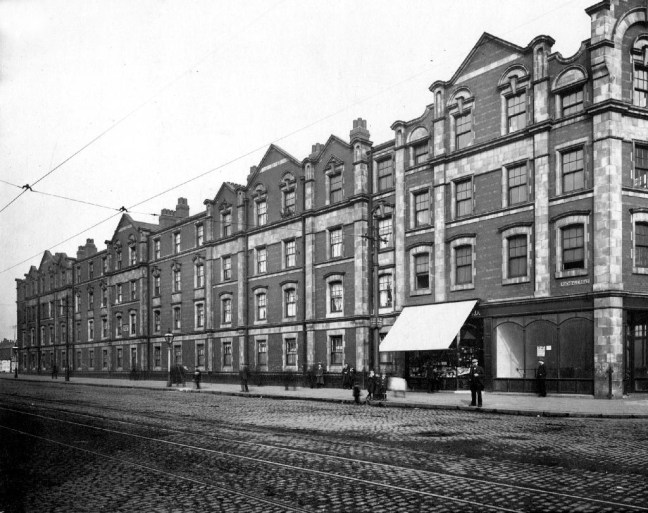
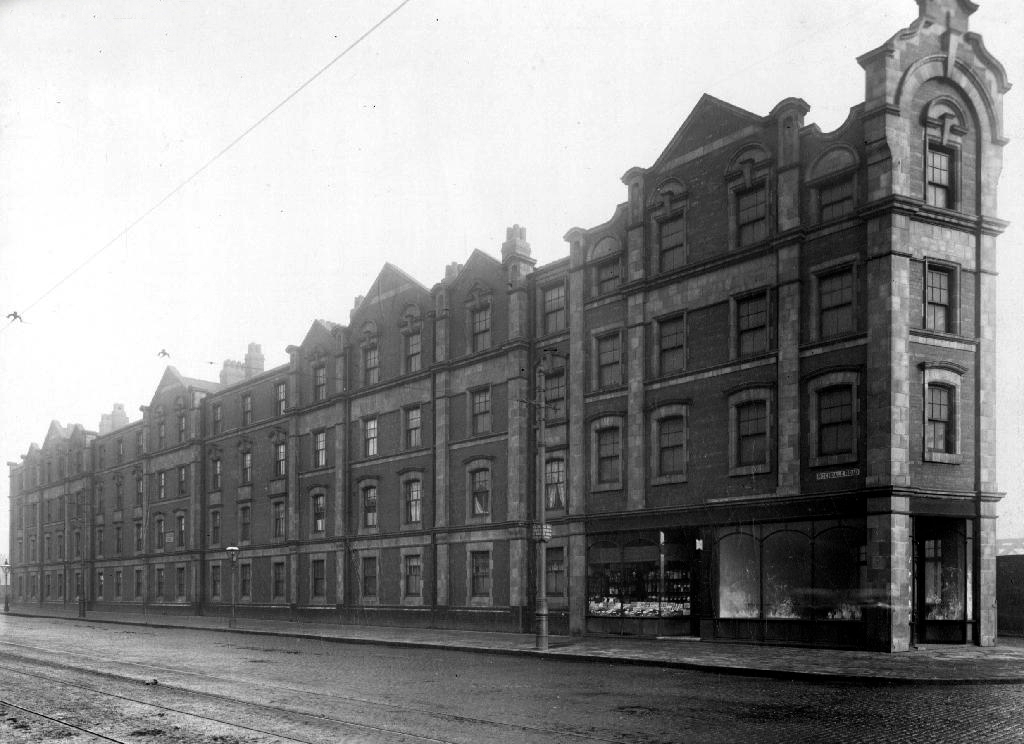
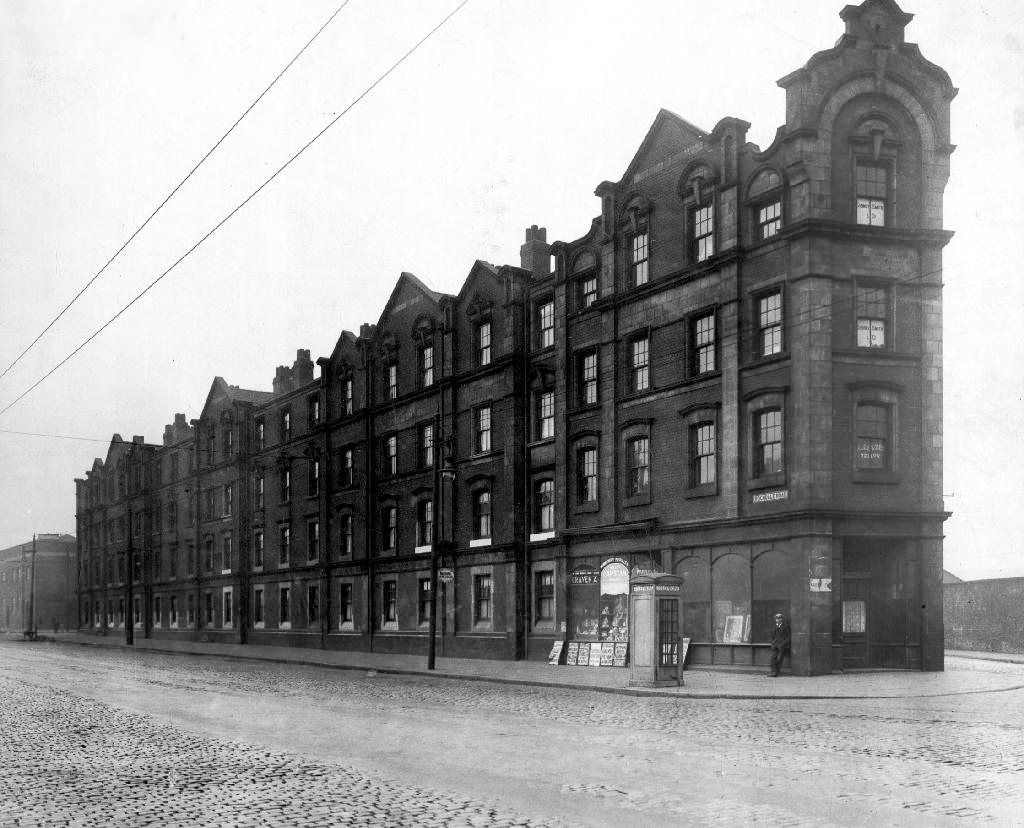
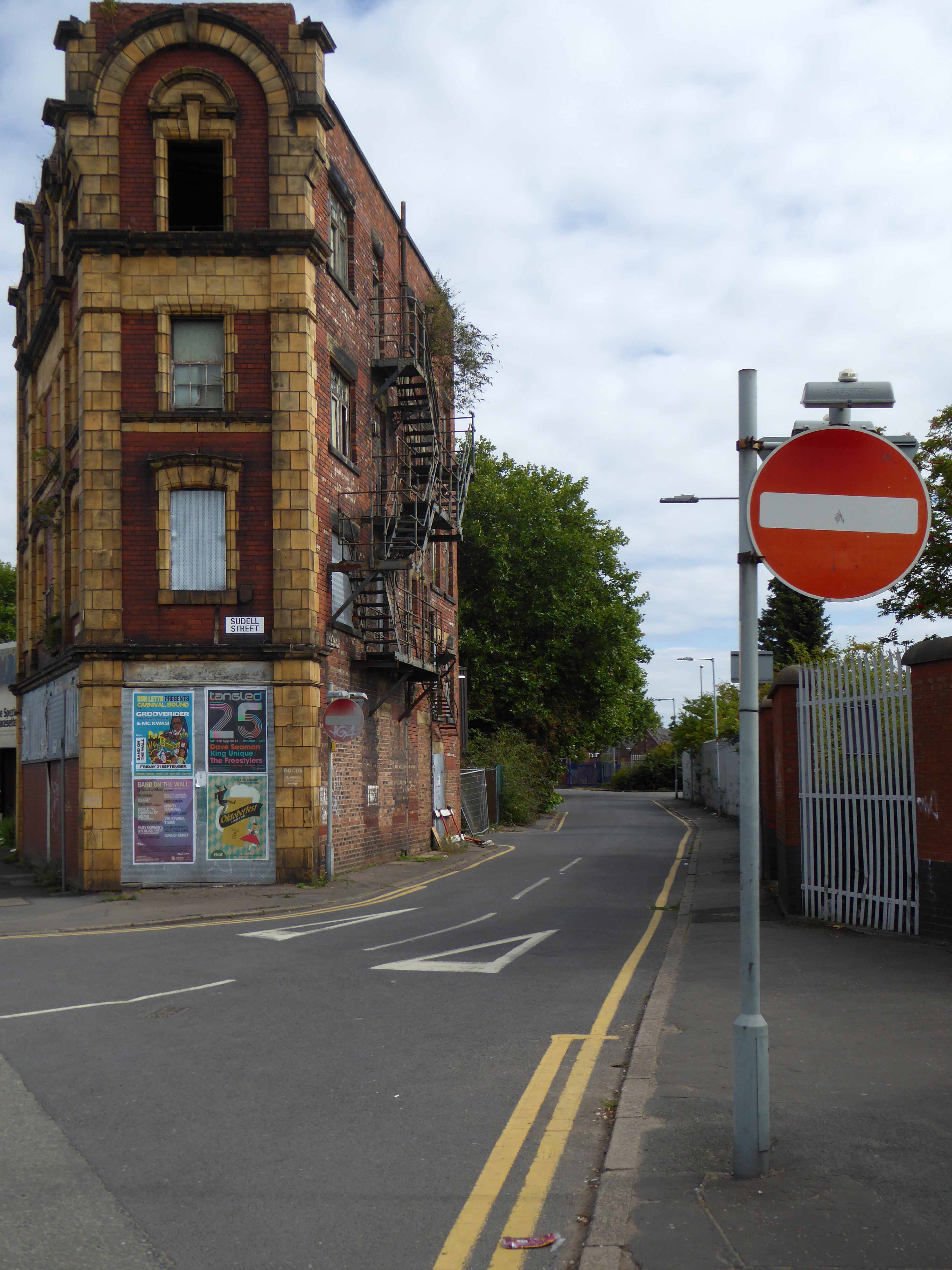
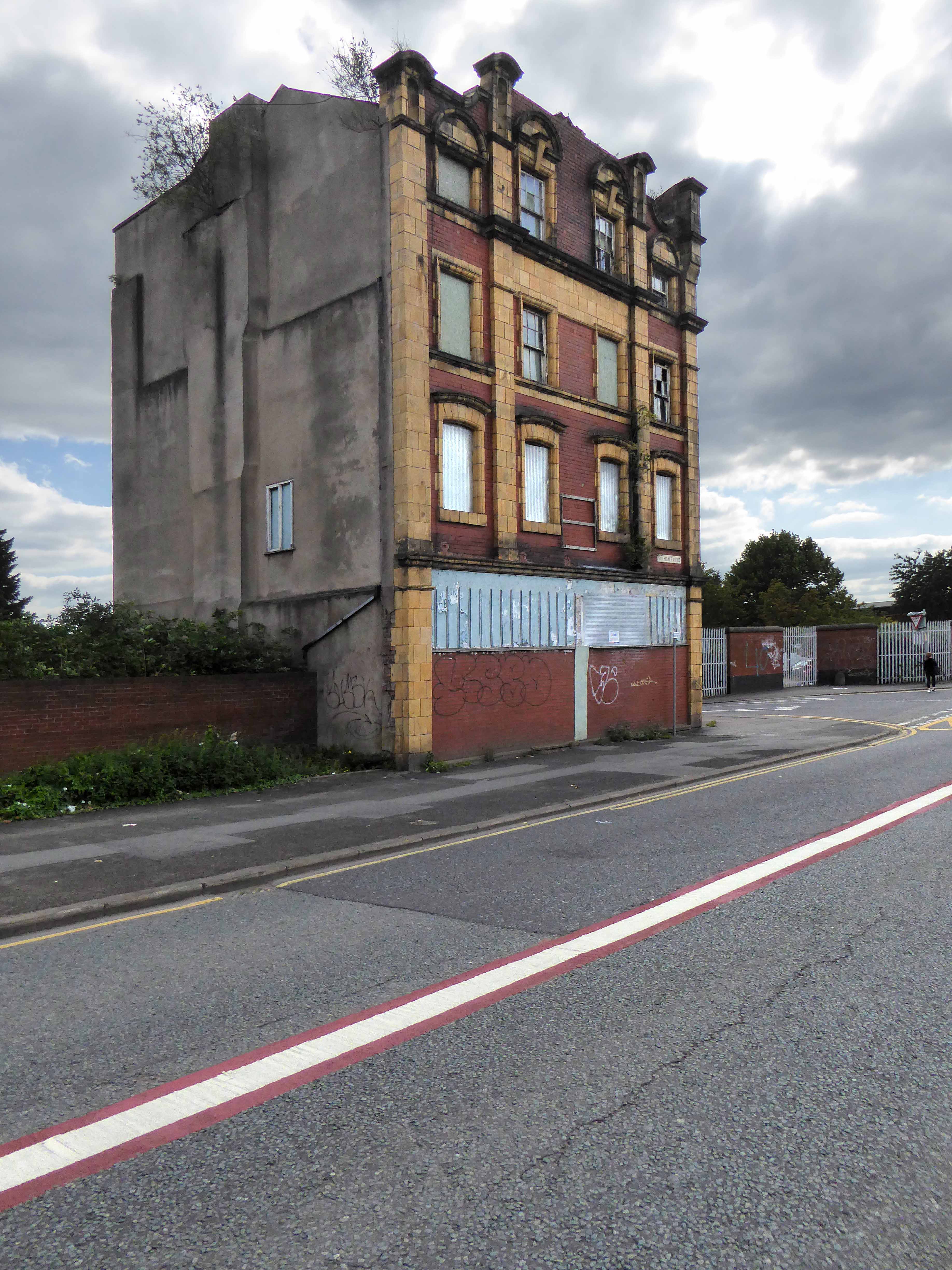
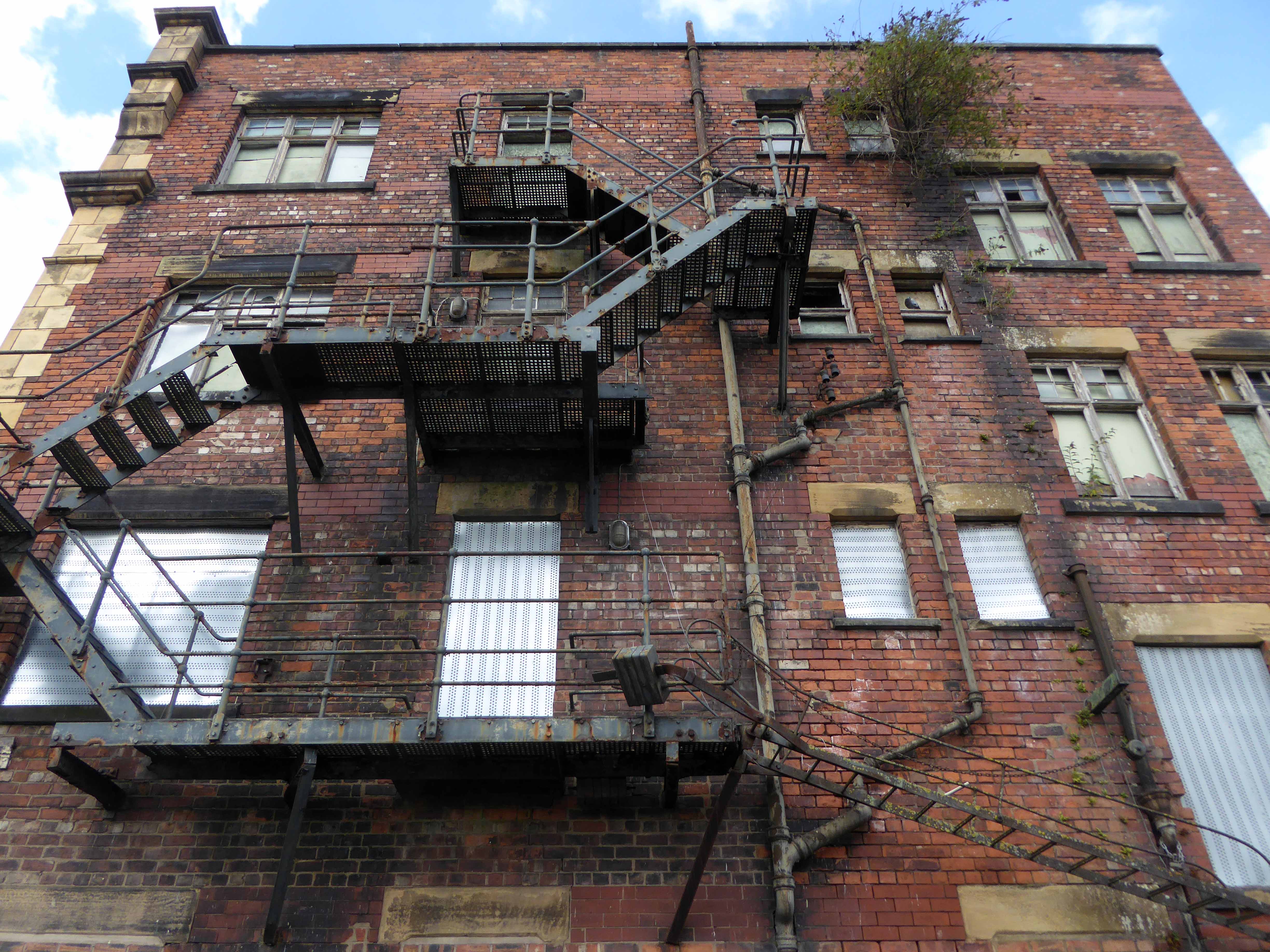
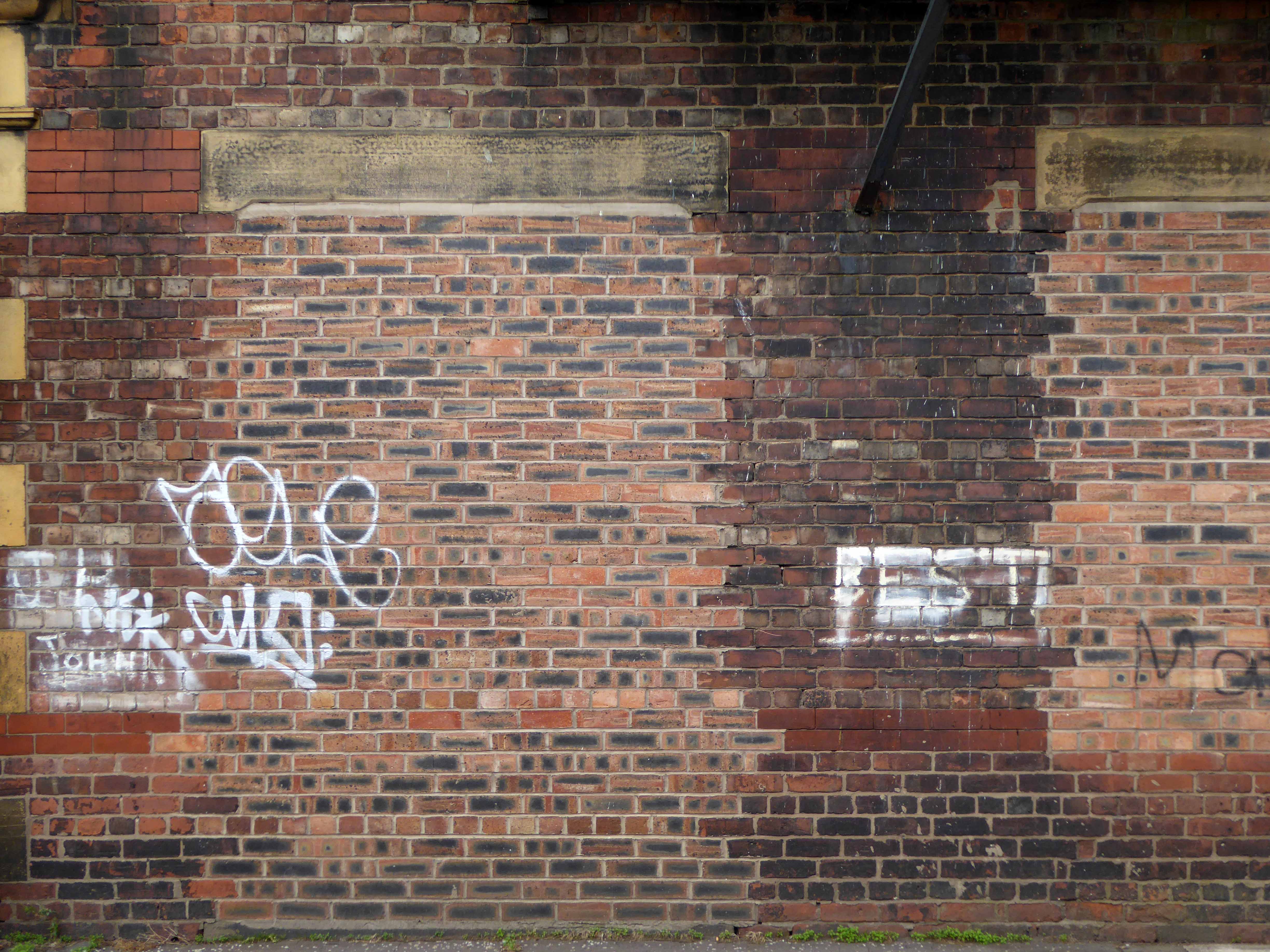
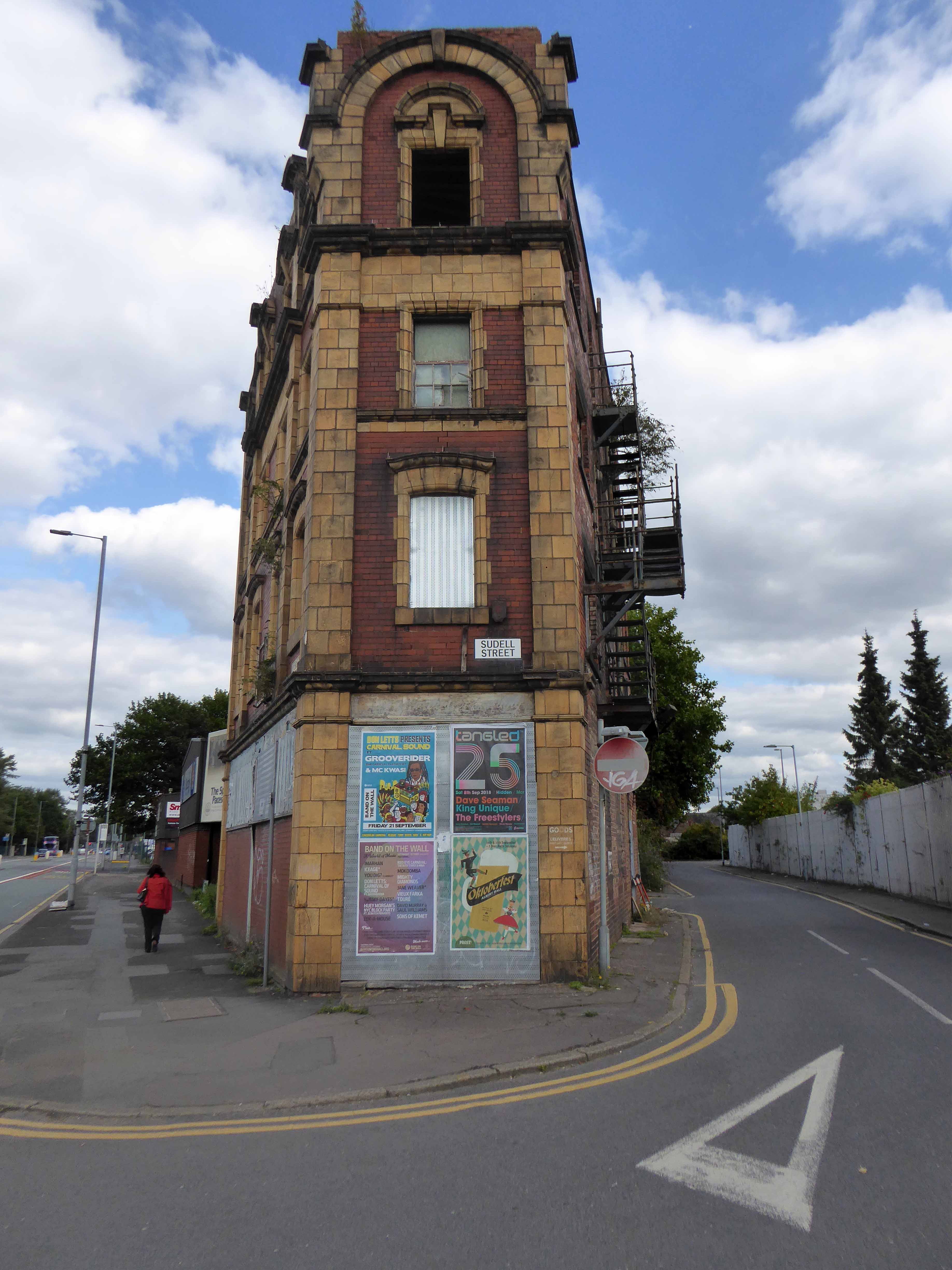
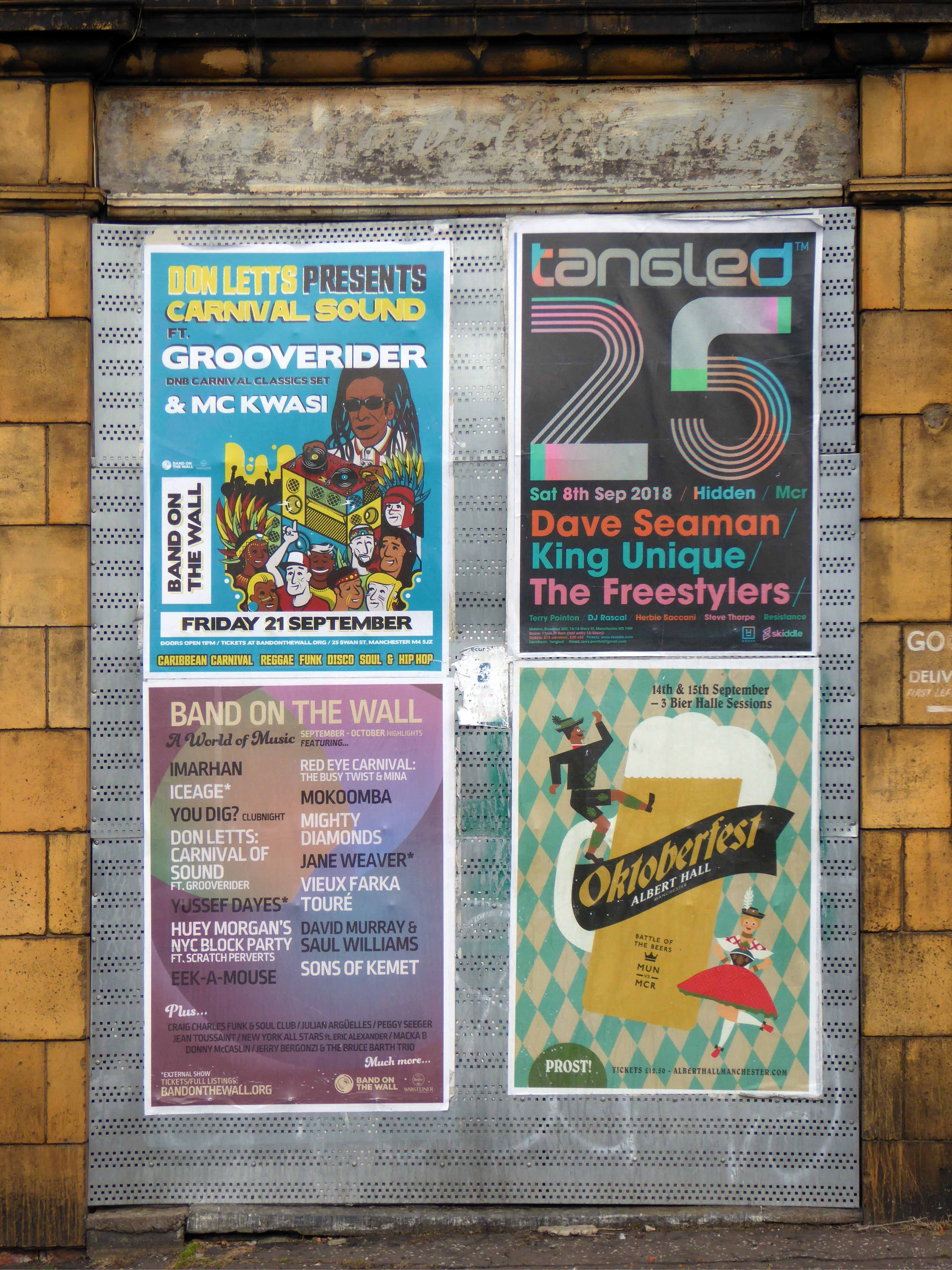
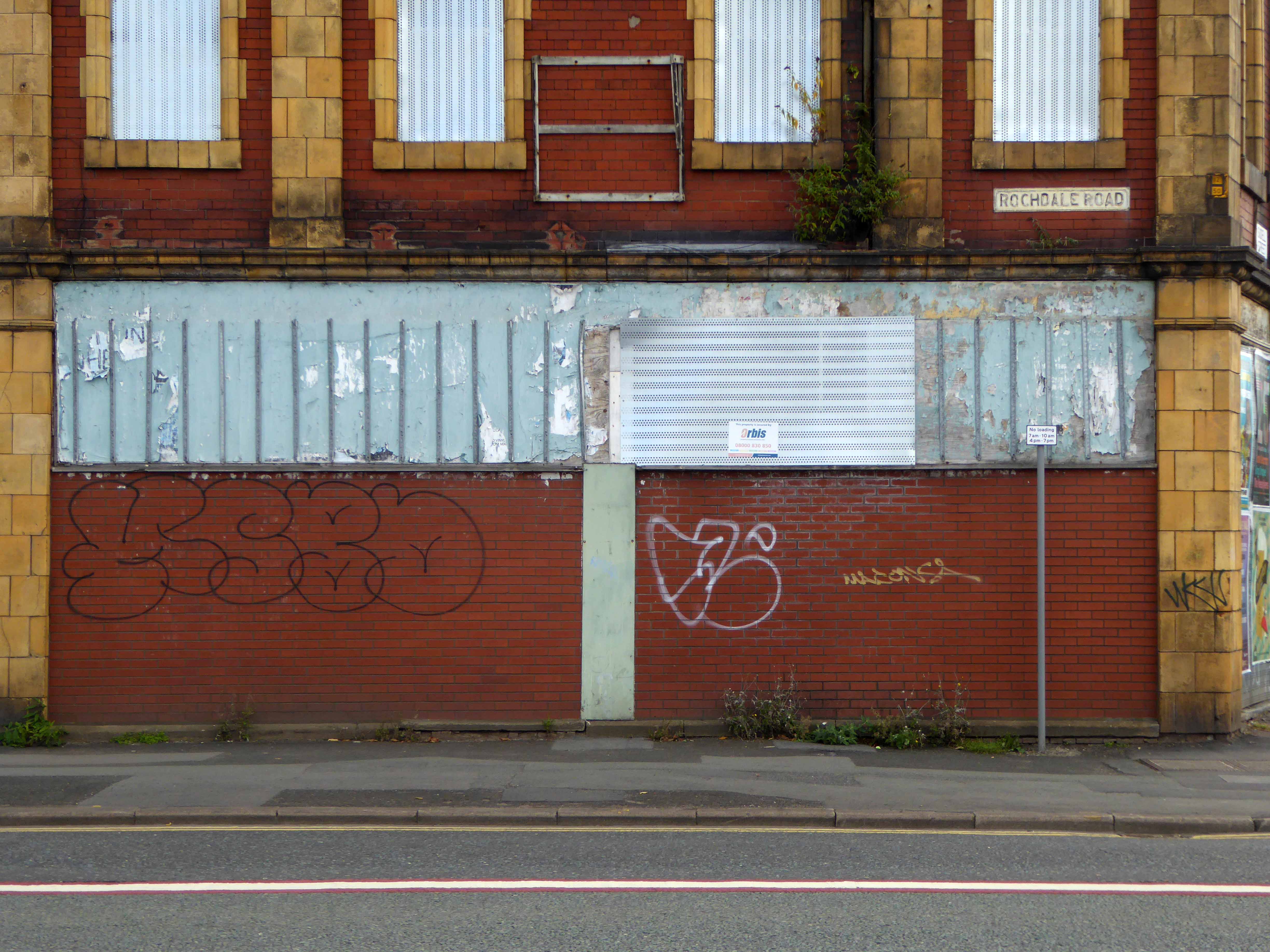
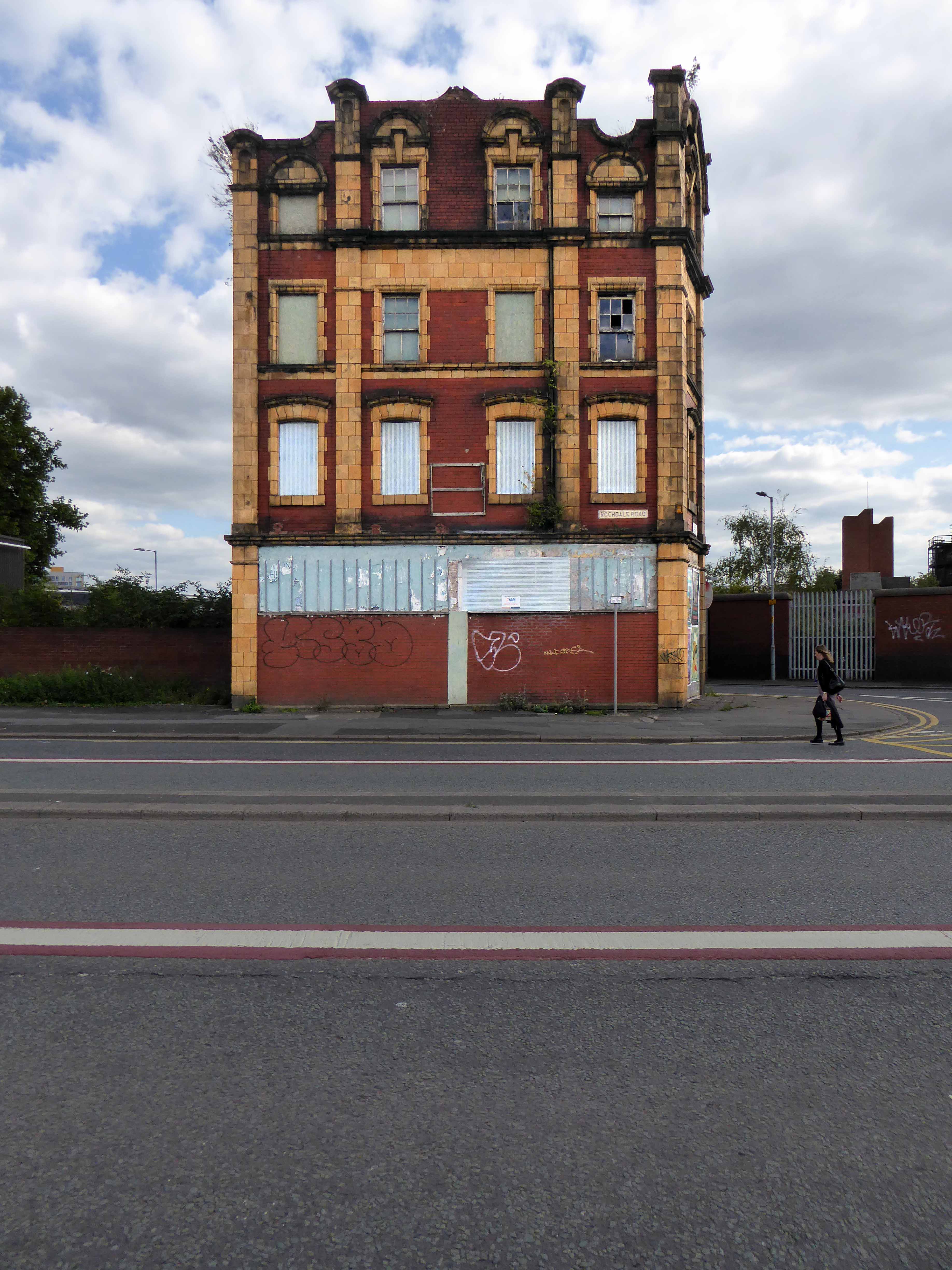
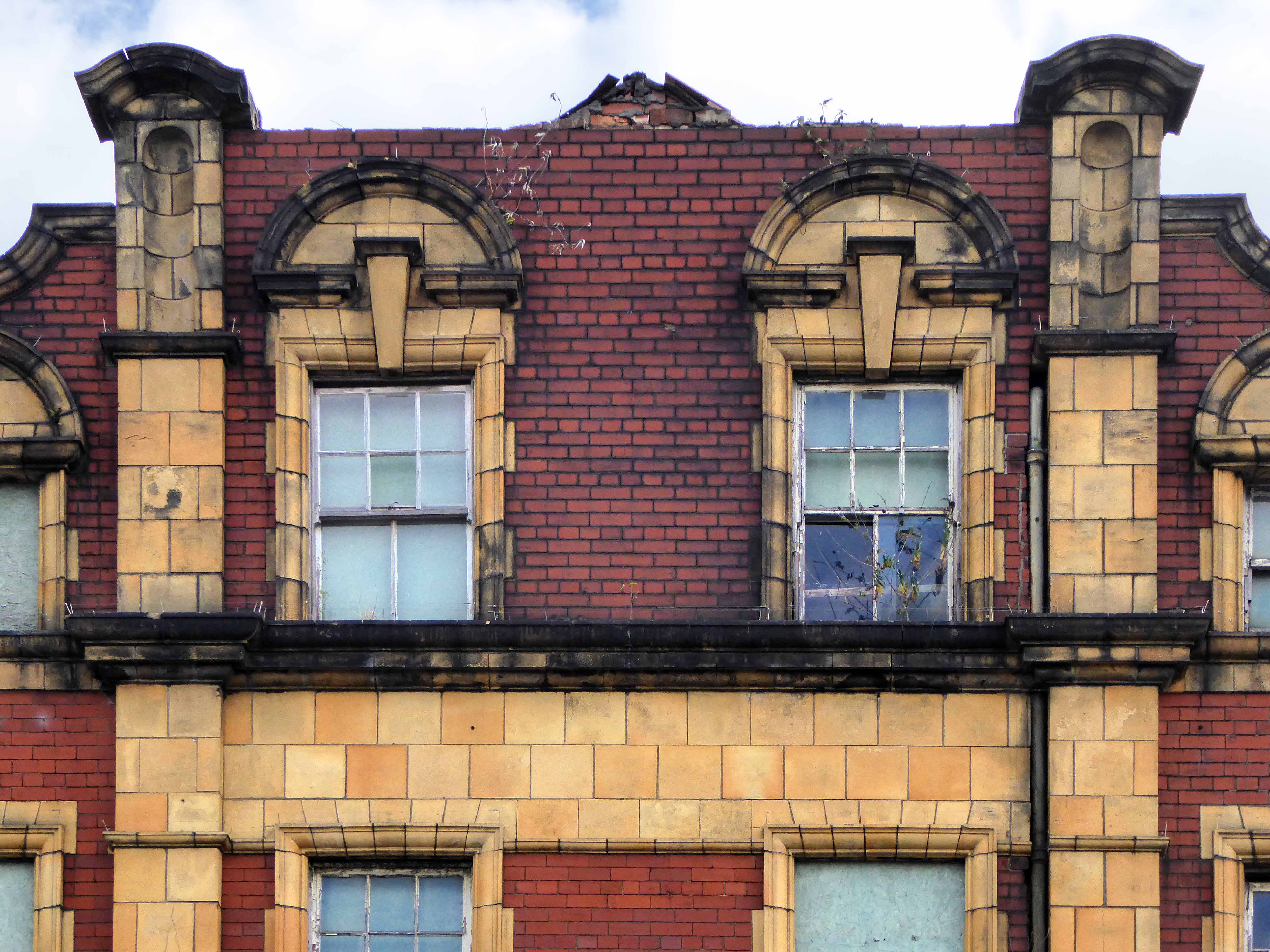
Standing alone, aloof and unloved on the corner of Rochdale Road and Sudell Street.
Something was missing.
I was missing something.
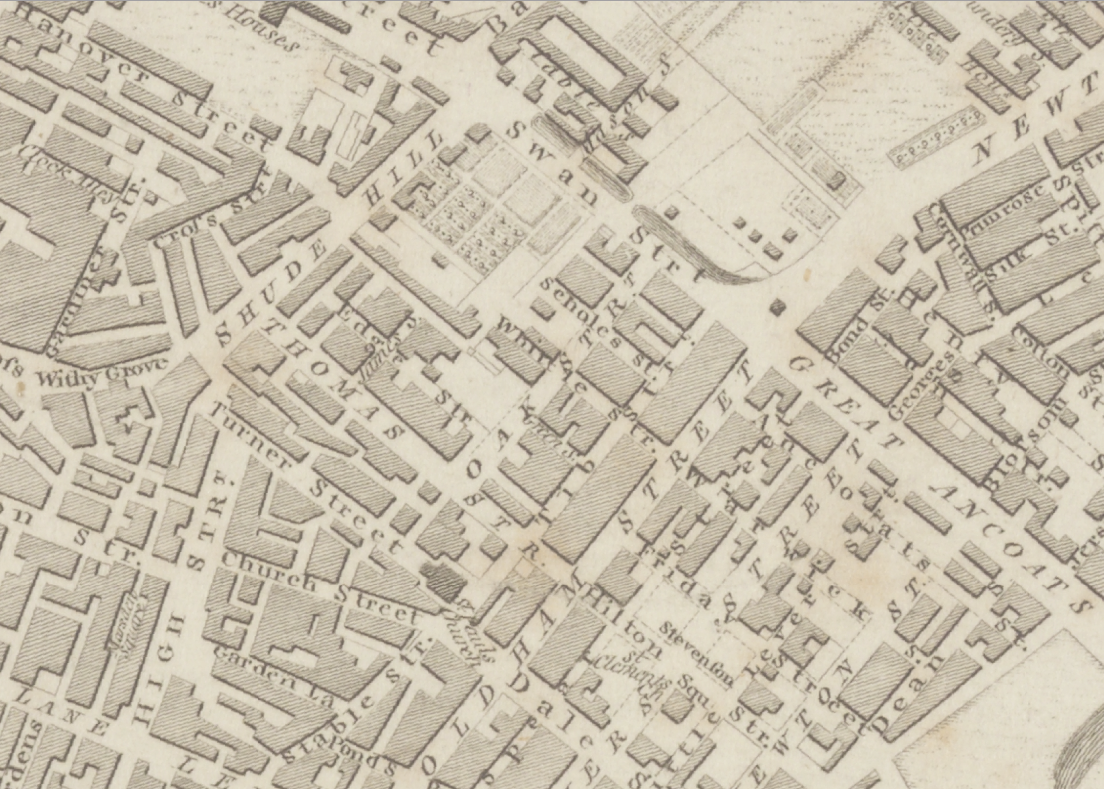
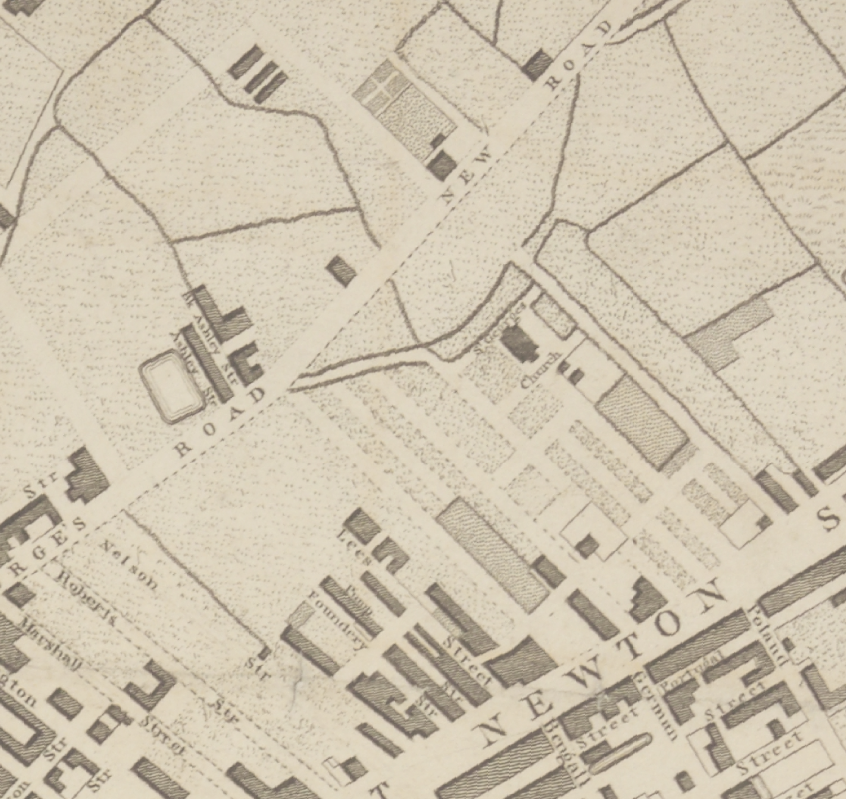
In 1813 there’s a field
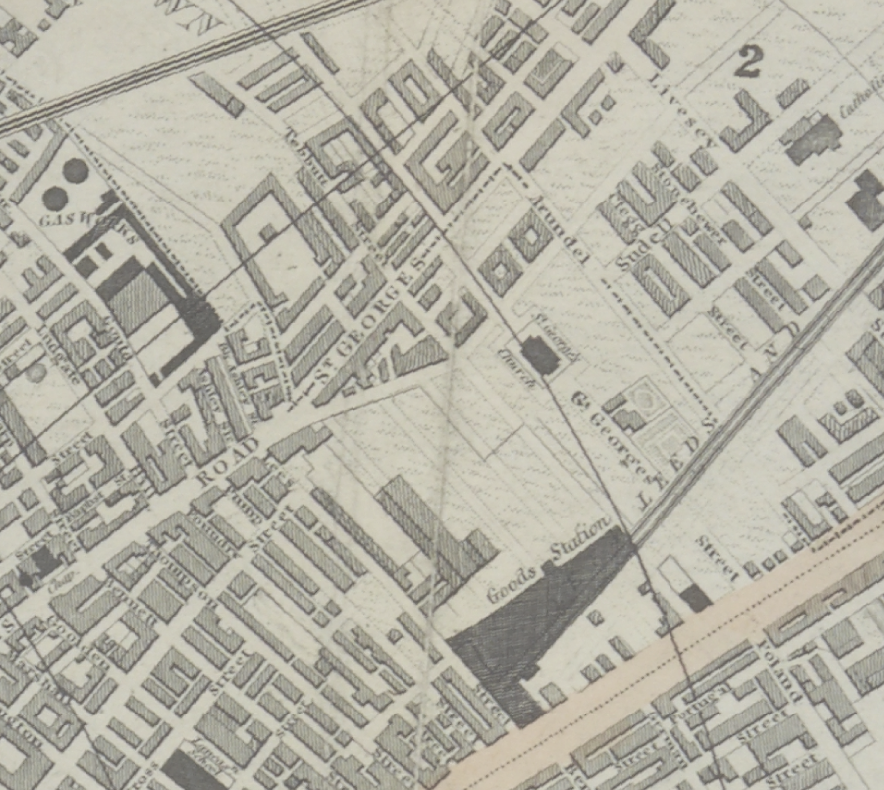
In 1836 something’s there, but not it’s you.
Yet.
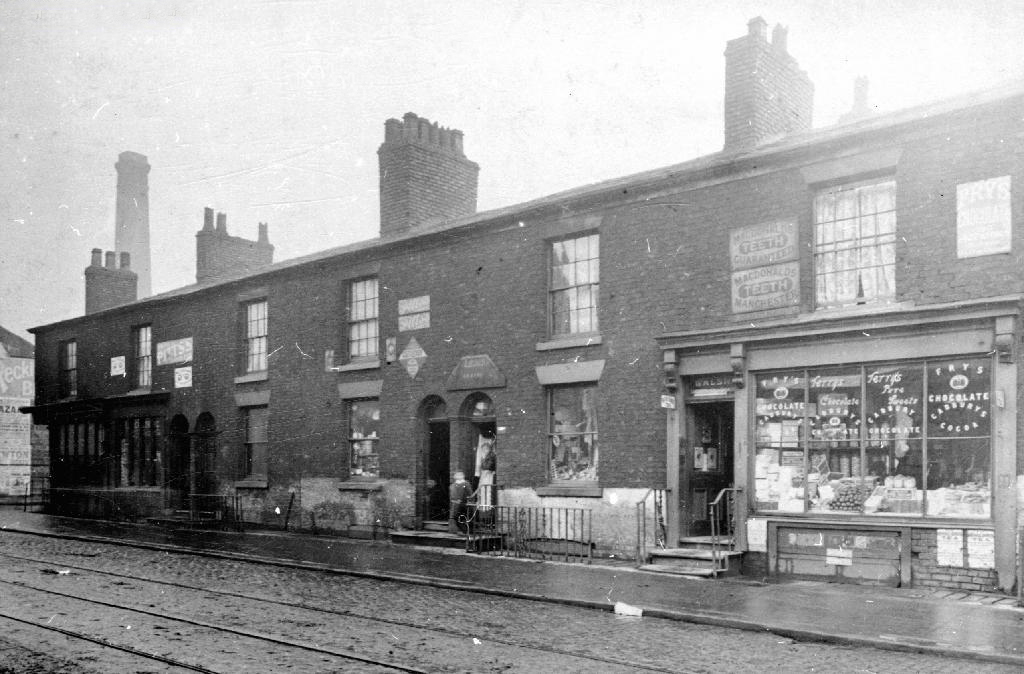
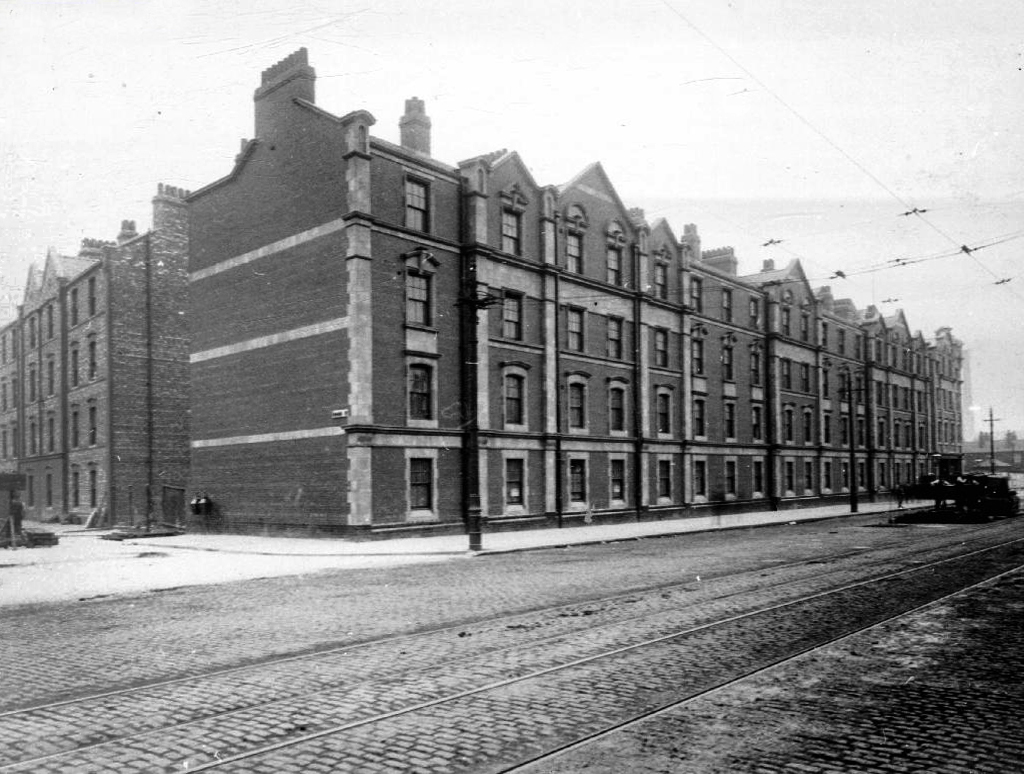
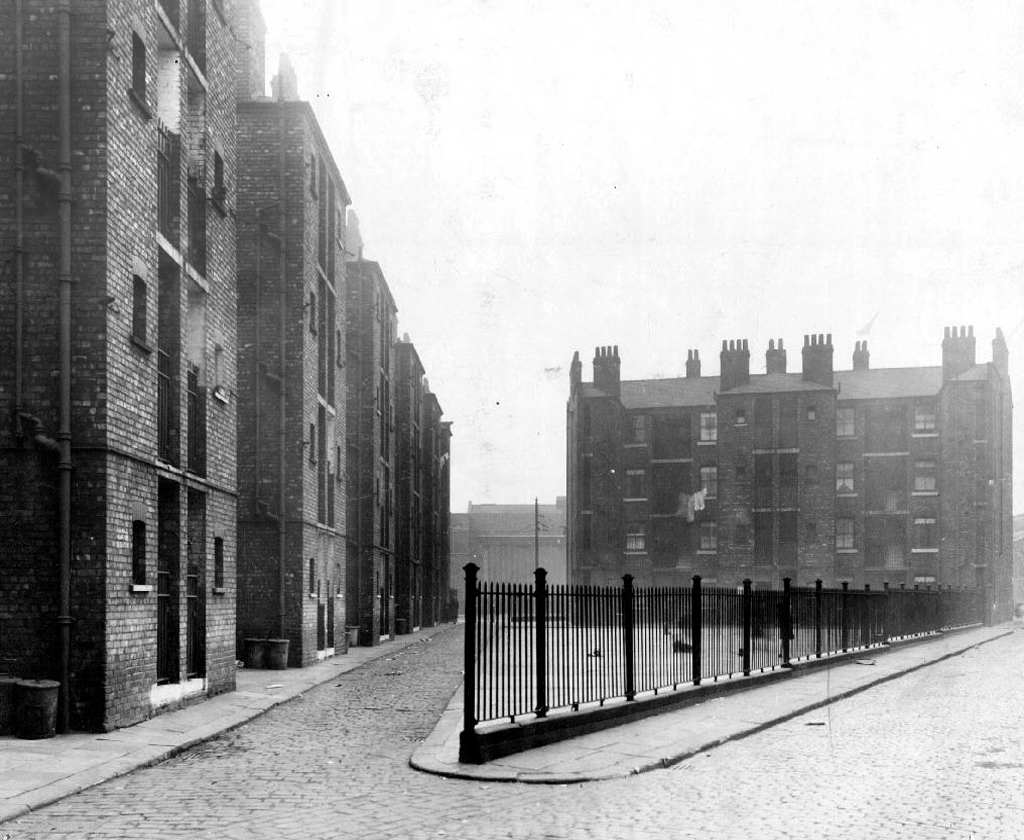
By 1900 the days of the two up, two downs are numbered – sanitary dwellings are the order of the day, plans are drawn up, the local council have decreed that workers dwellings are to be built.
Henry Price was appointed Manchester City Architect in June 1902, at a salary of £600 per annum, and he was the first person to hold the office of ‘City Architect’ in Manchester Corporation’s newly created City Architect’s Department. Early in 1902 the chief architectural assistant, a clerk of works a district building inspector and a measuring assistant in the City Surveyor’s department were all dismissed, or forced to resign from the Council’s service, for allowing bad workmanship on a new housing estate.
In April 1902, within a month of this incident Henry Price had been appointed City Architect. Over the next two years the roles of the City Surveyor and City Architect were more clearly defined to prevent a repetition of the trouble. In March 1904, the Surveyors Department was enlarged, a Deputy Surveyor being appointed in 1912. Under the new regime the City Architect was to Act as Surveyor for all new building while the City Surveyor remained responsible for drainage and sewerage.
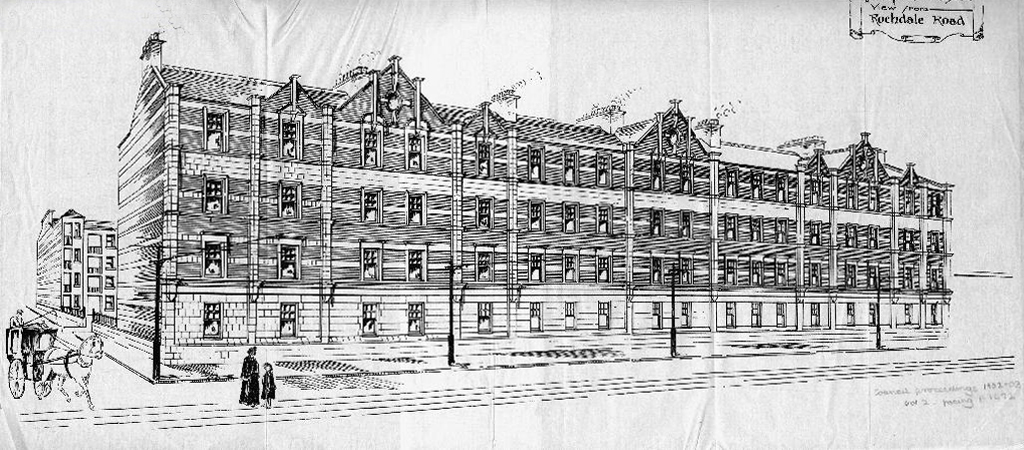
In 1903 Manchester Corporation proposed to demolish 56 houses with 228 inhabitants in order to extend and improve three of the provided schools to meet the requirements of the Board of Education. Land amounting to 2444 squared yards bounded by Rochdale Road, Sudell Street and Moor Street, part of a site originally acquired for road improvements, was earmarked for the building of new accommodation for the dispossessed tenants. The corporation proposed to erect “tenement” dwellings; there would be 32 tenements having two rooms each let at 5s per week and 32 tenements having three rooms each let at 6s 4d per week. The total cost of the scheme was estimated at £11,500. At the inquiry into the loan application Henry Price, City Architect, described the proposed plans. They were to be erected in blocks four storeys high. The three-roomed tenements would each contain a living room and two bedrooms with scullery, larder, fuel store etc. The two-roomed tenements would have only one bedroom, but in other respects would be similar to the others. He estimated that the whole would provide accommodation for 224 persons.