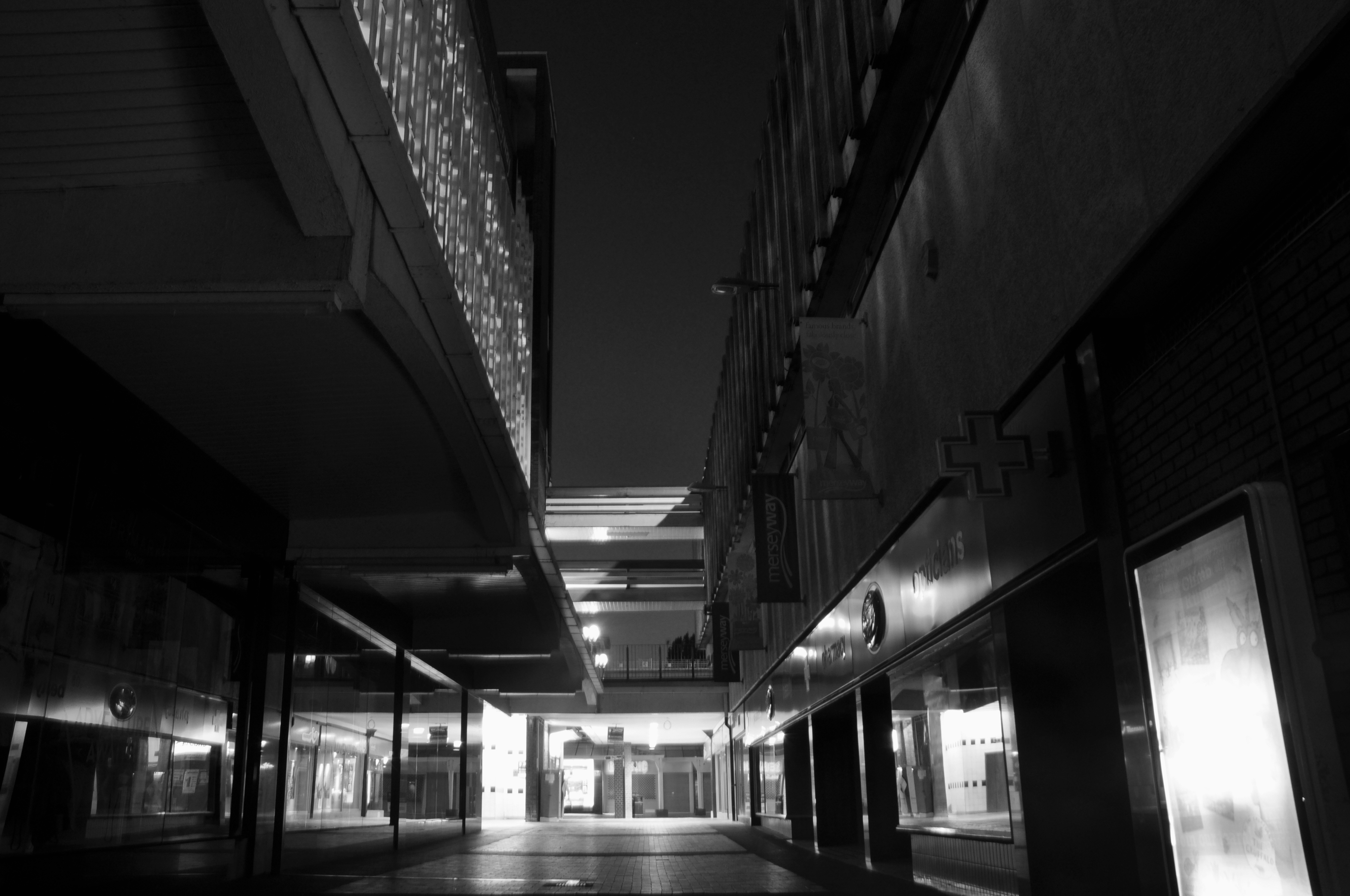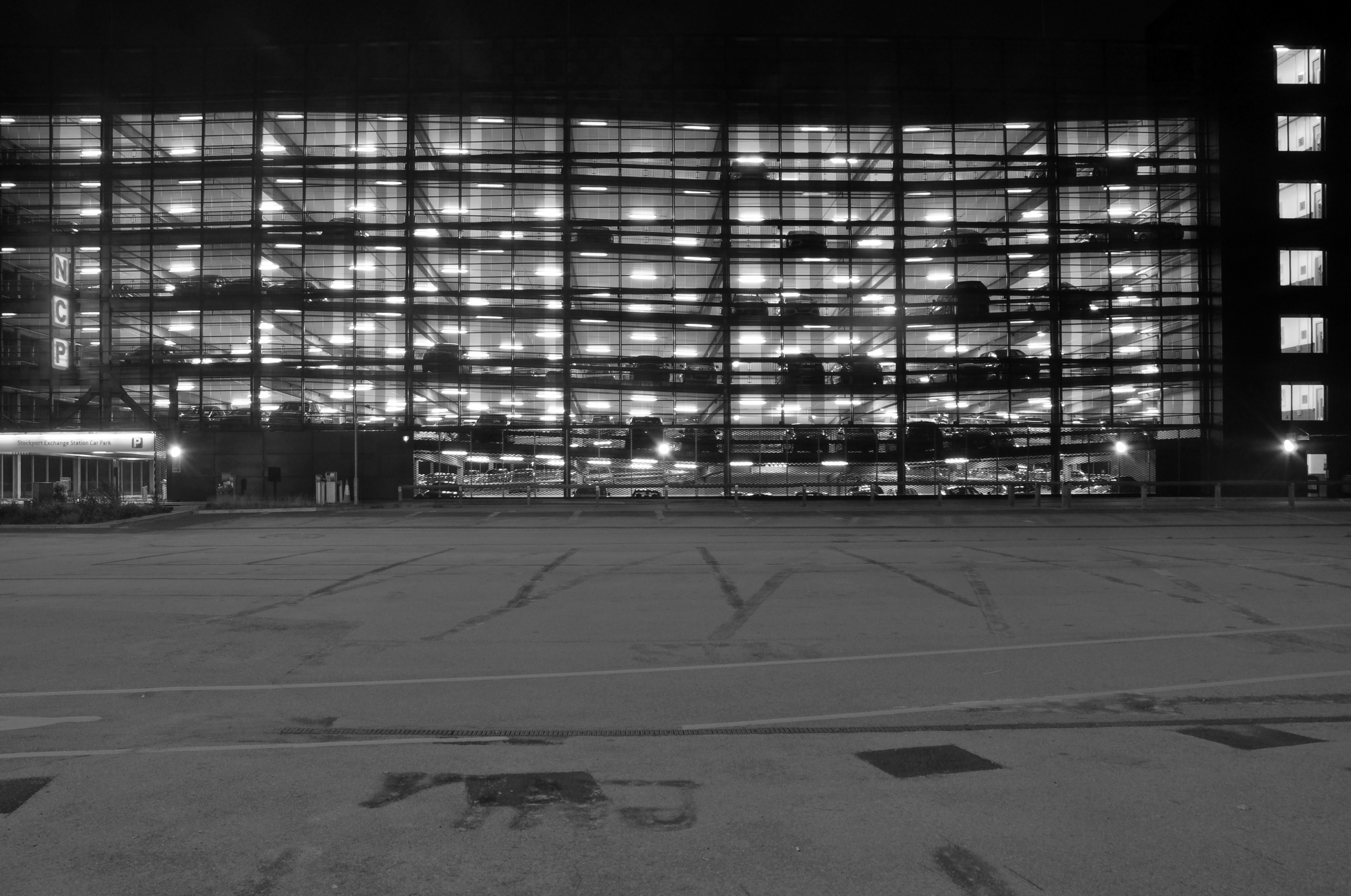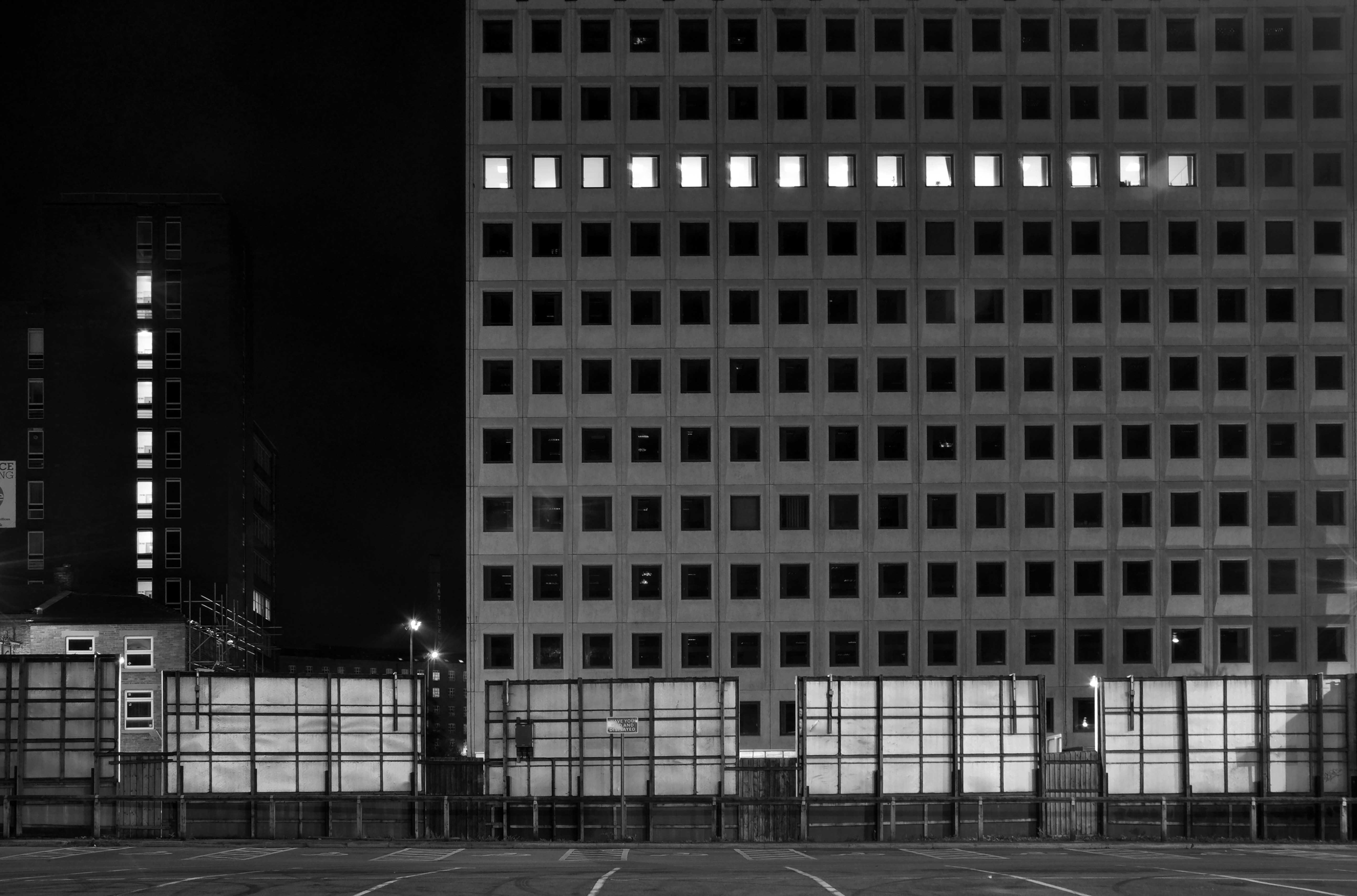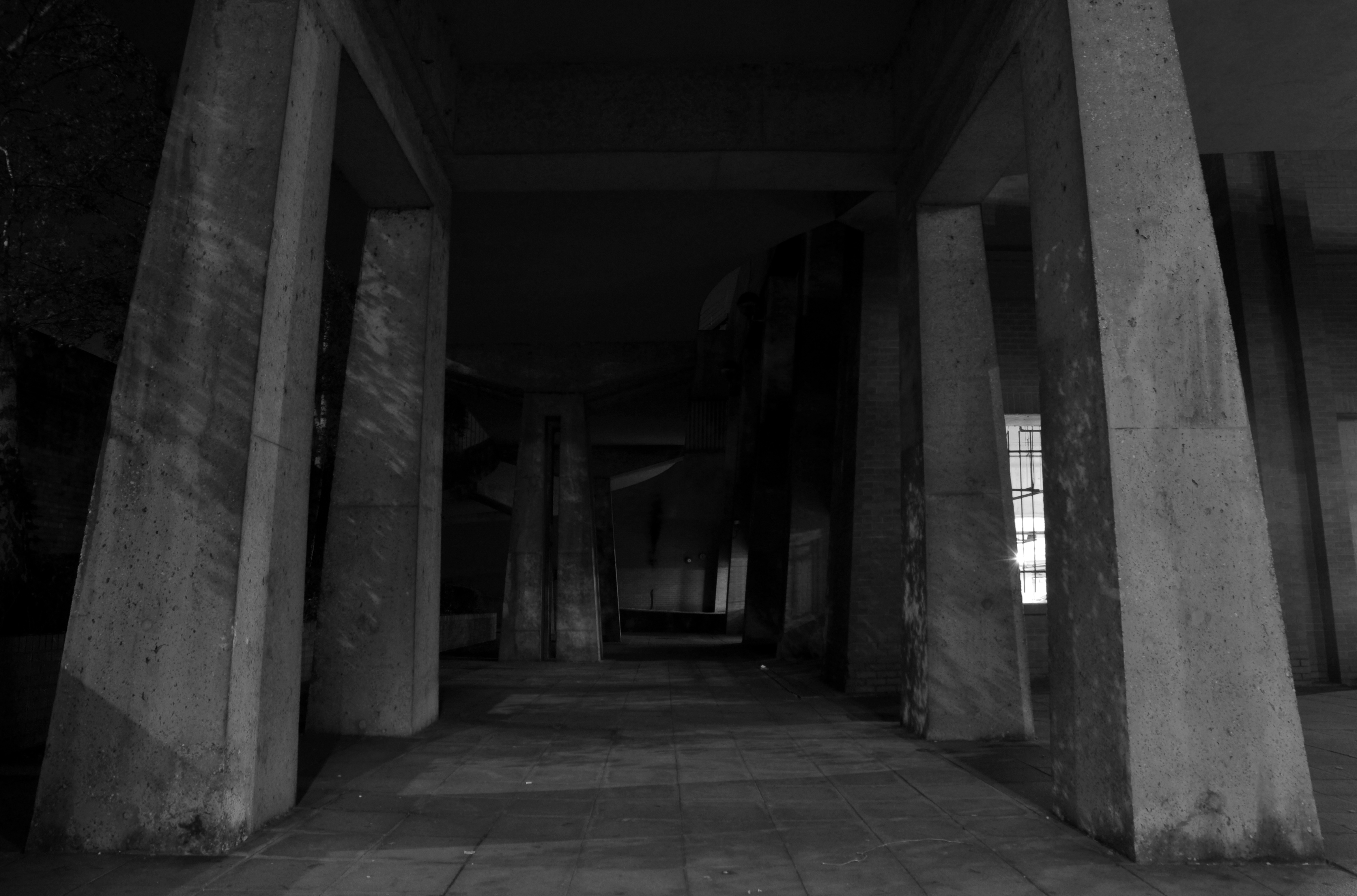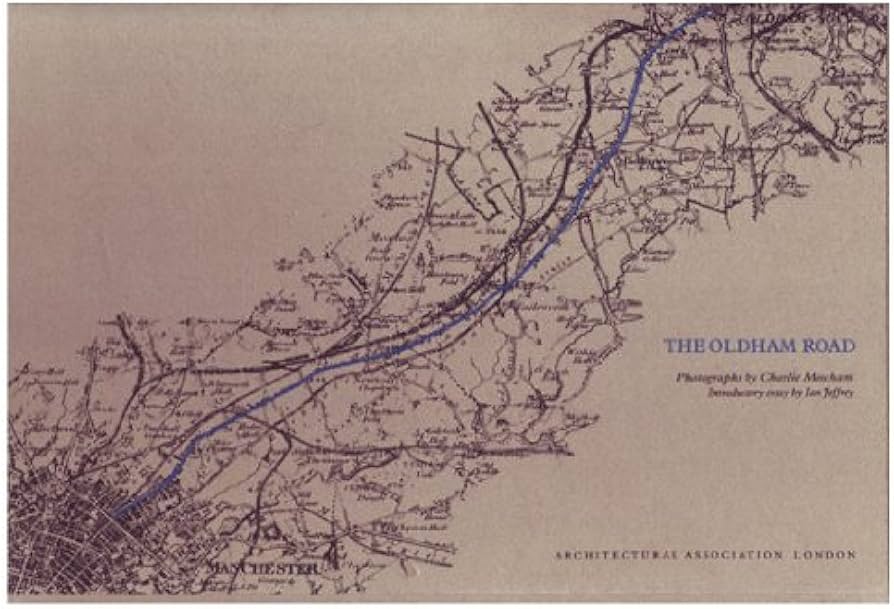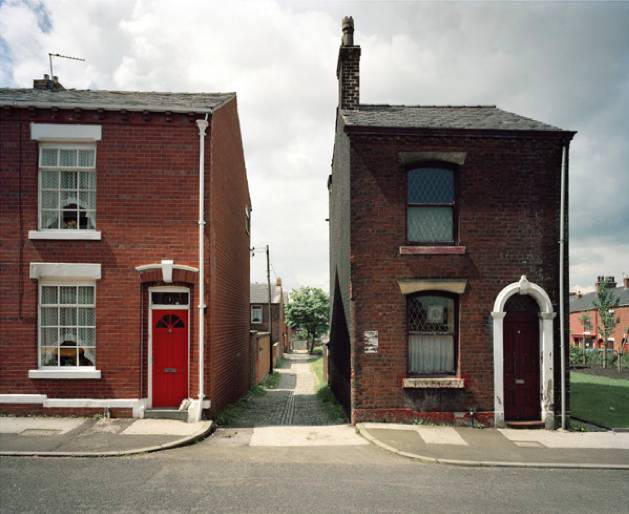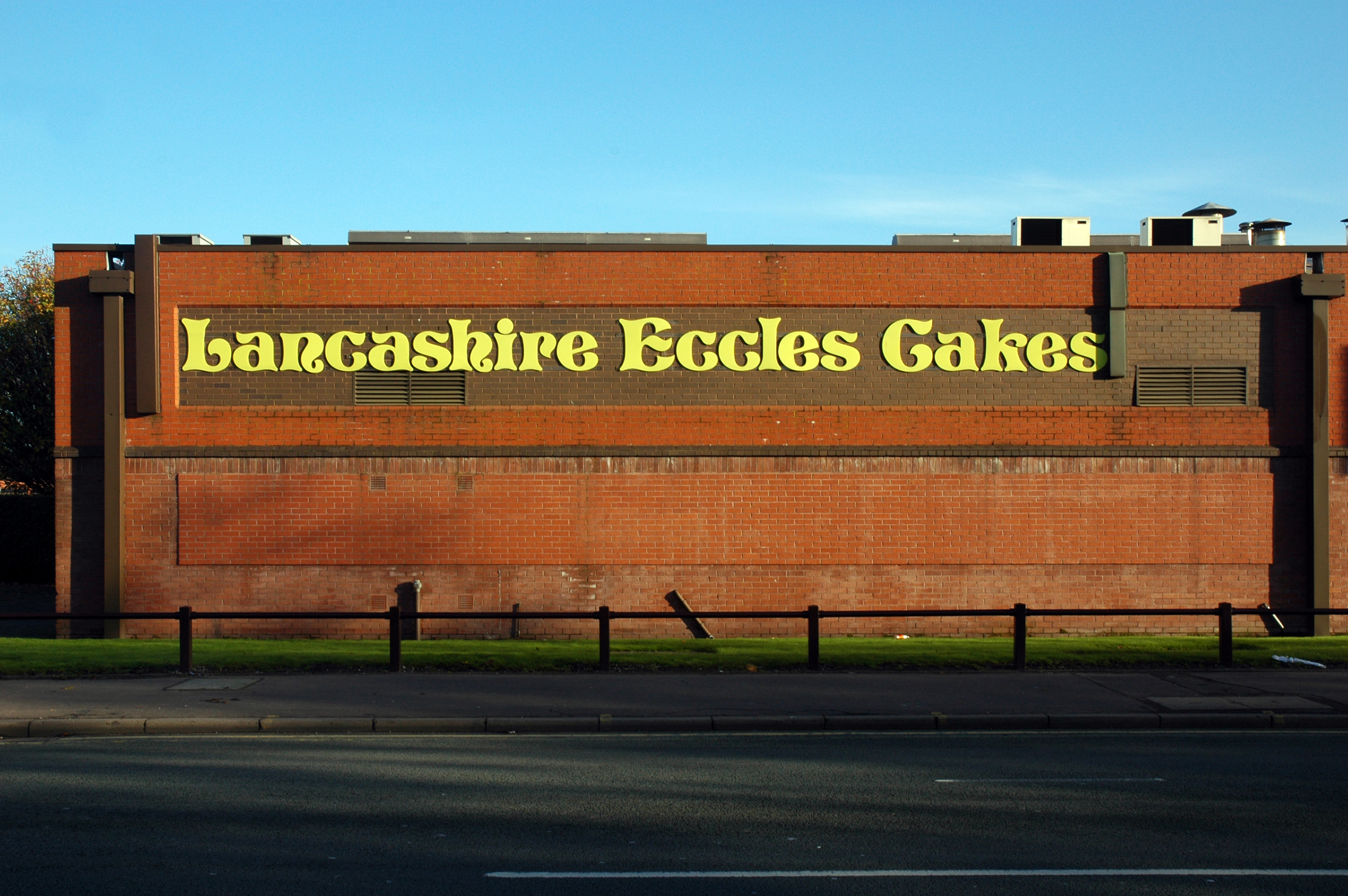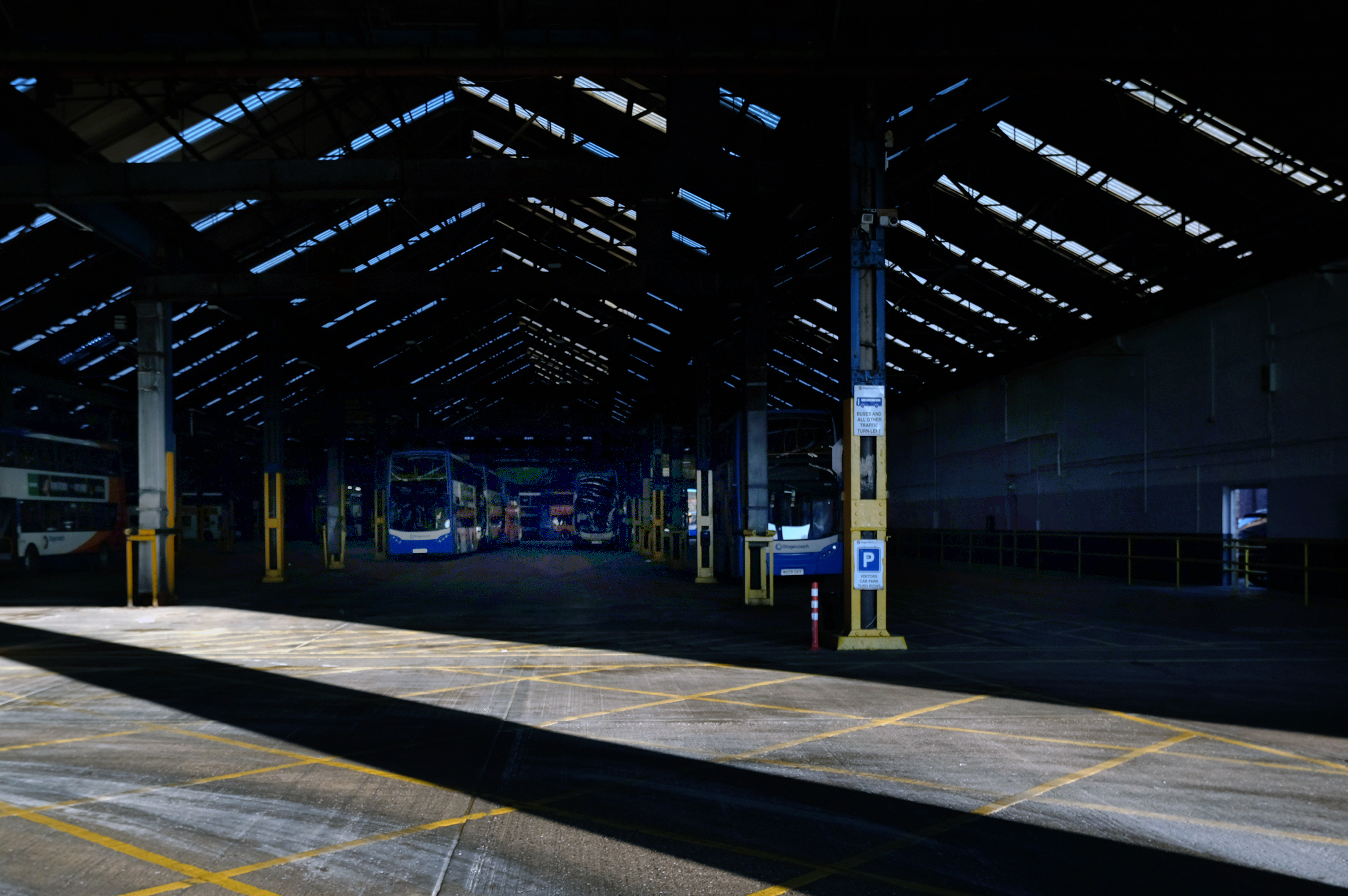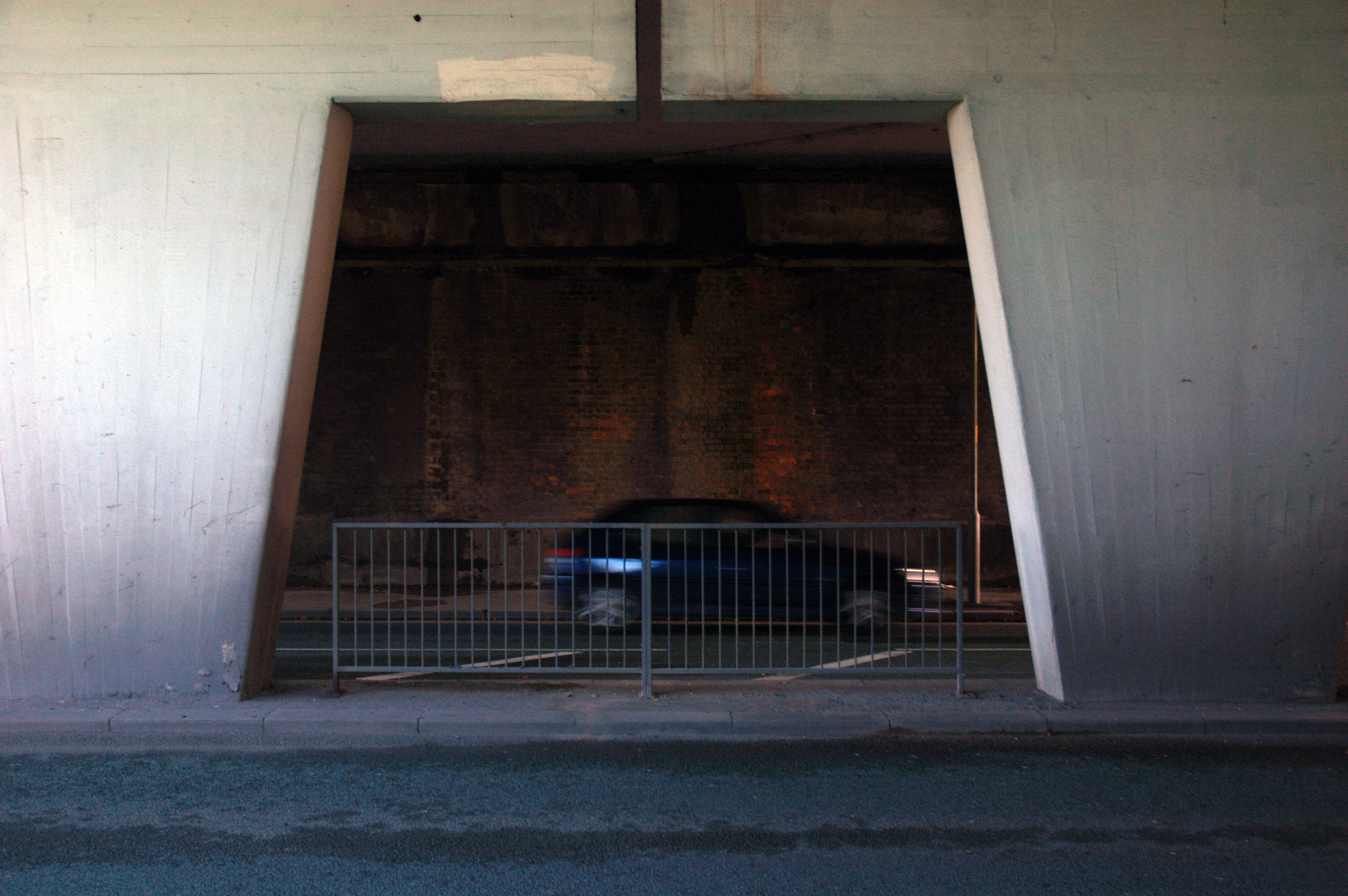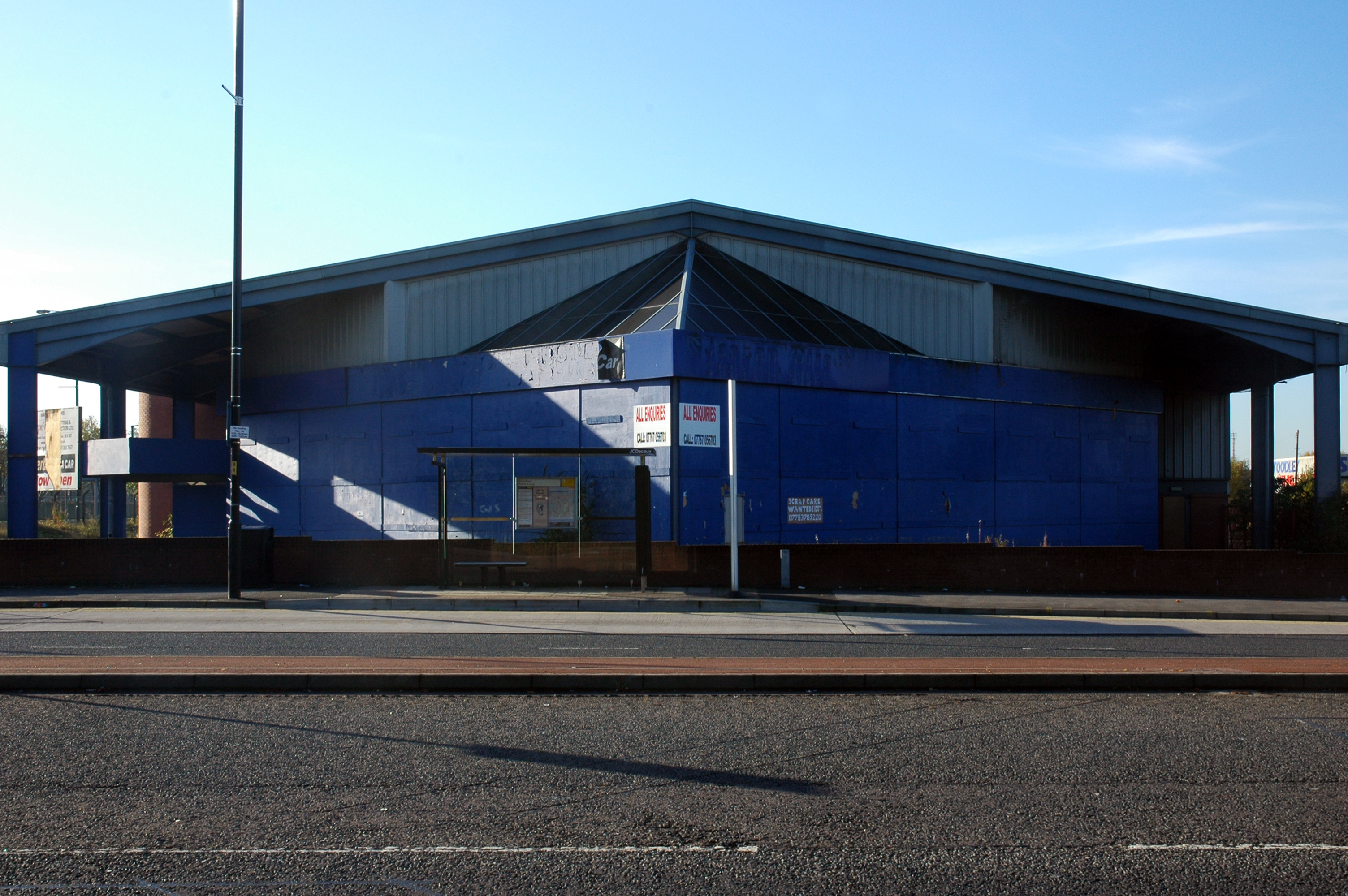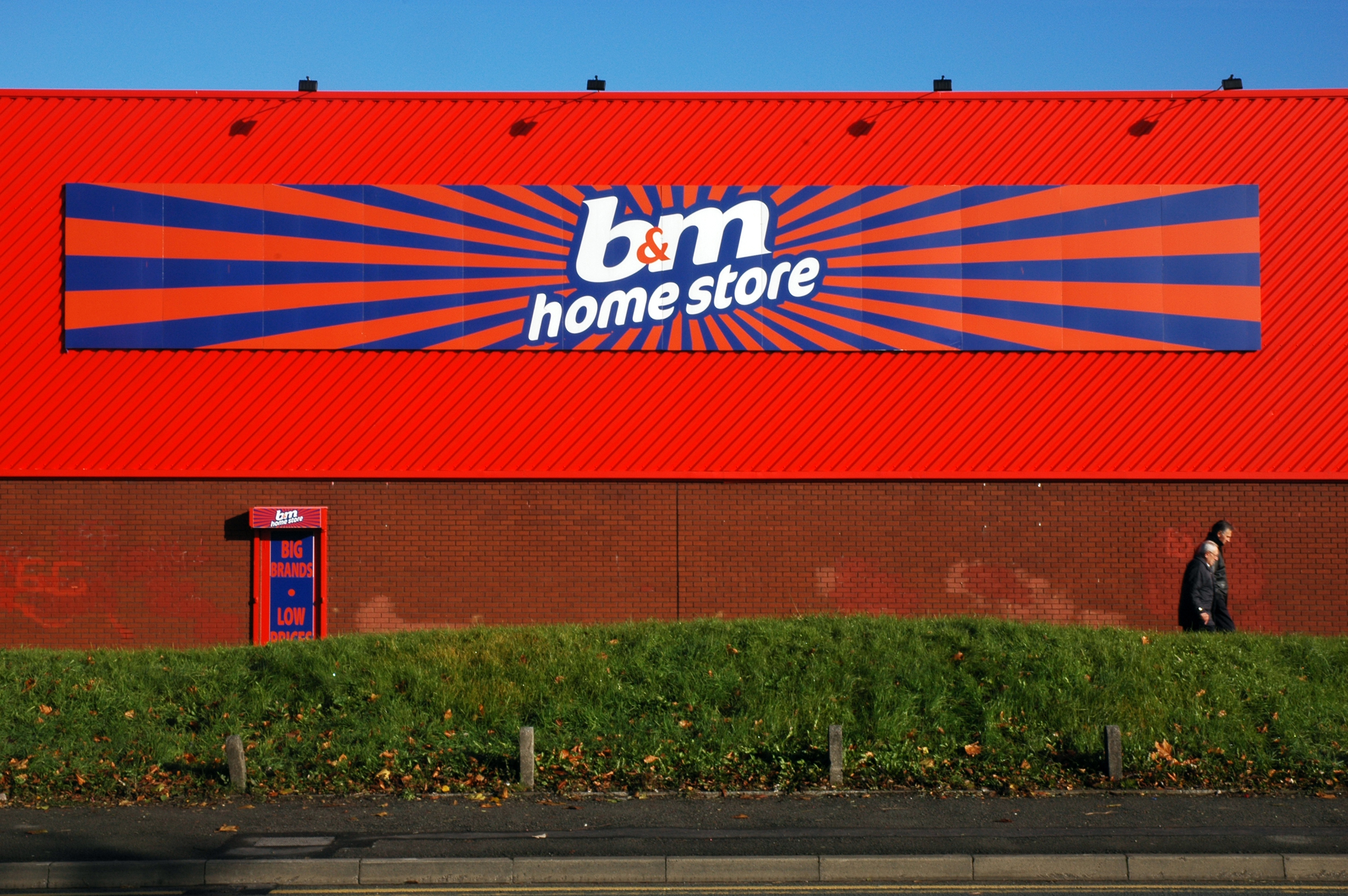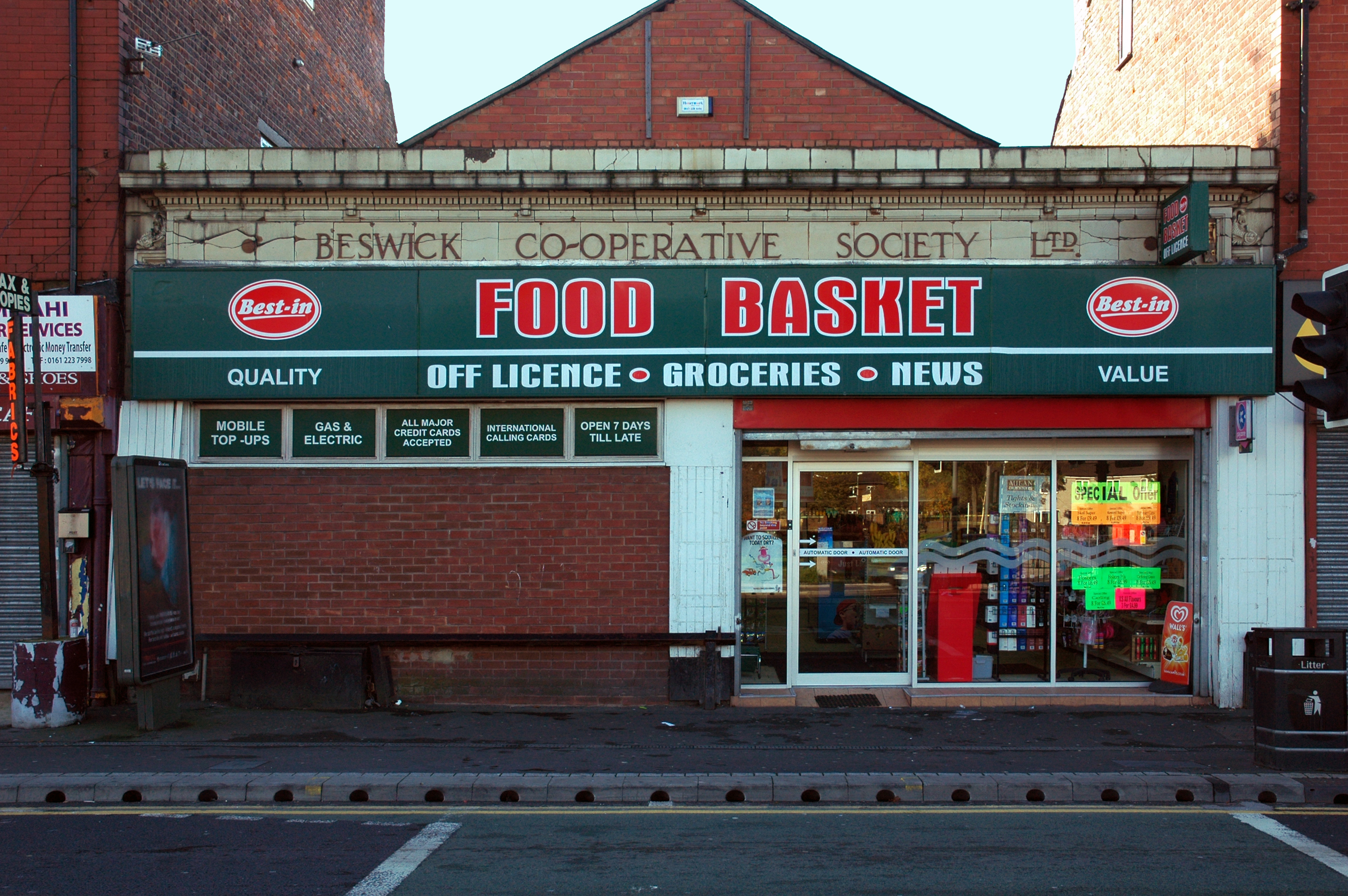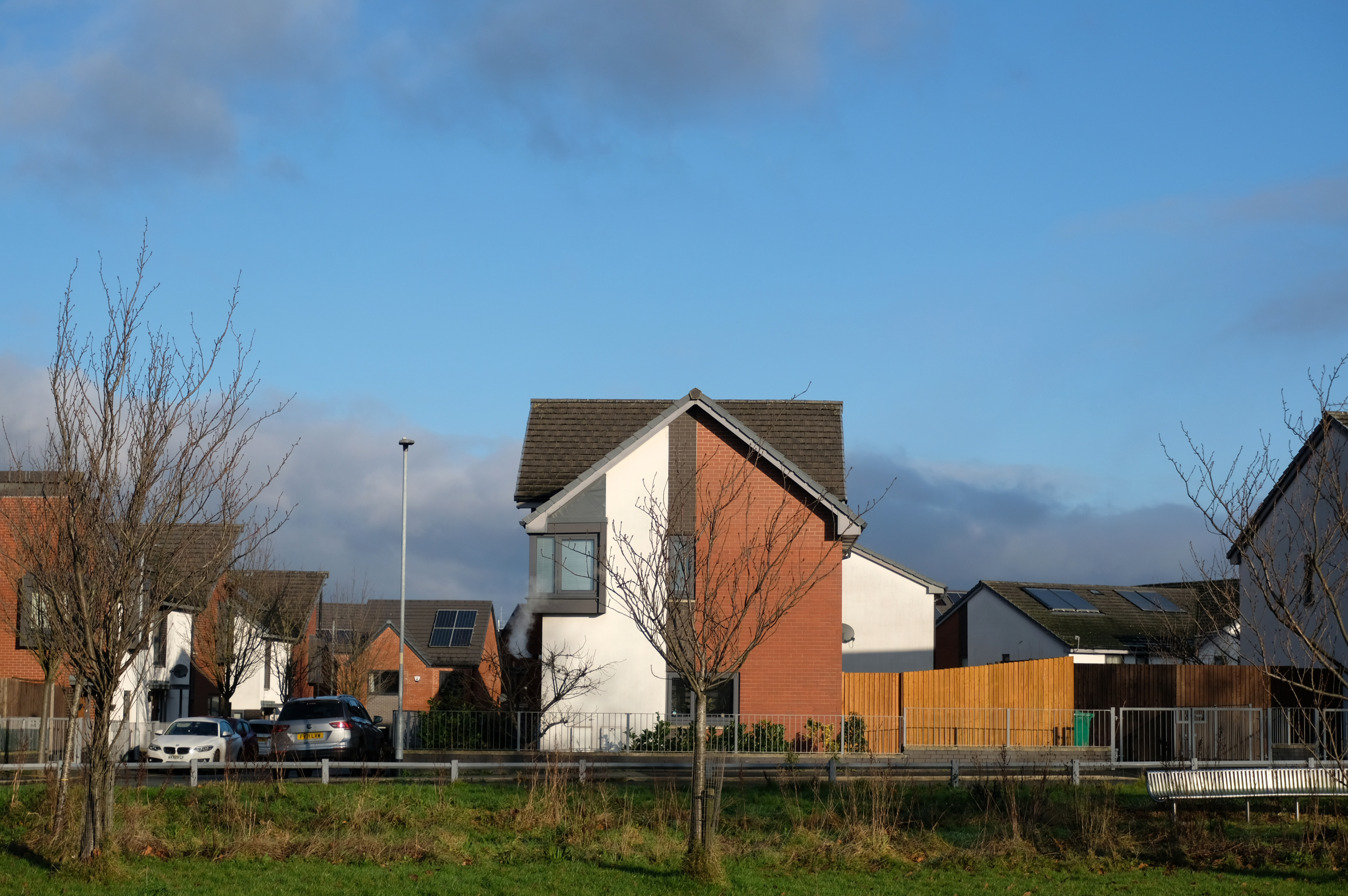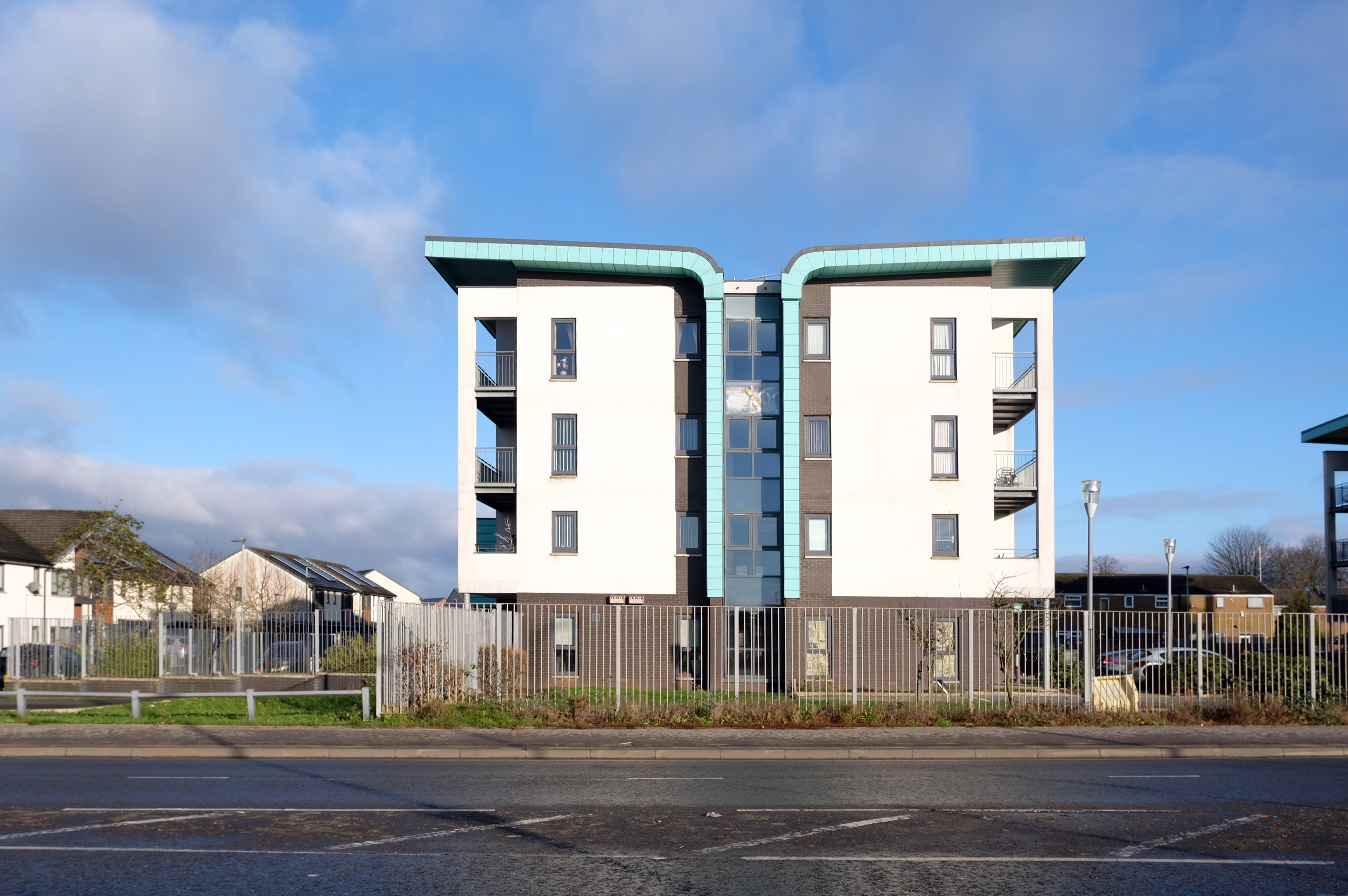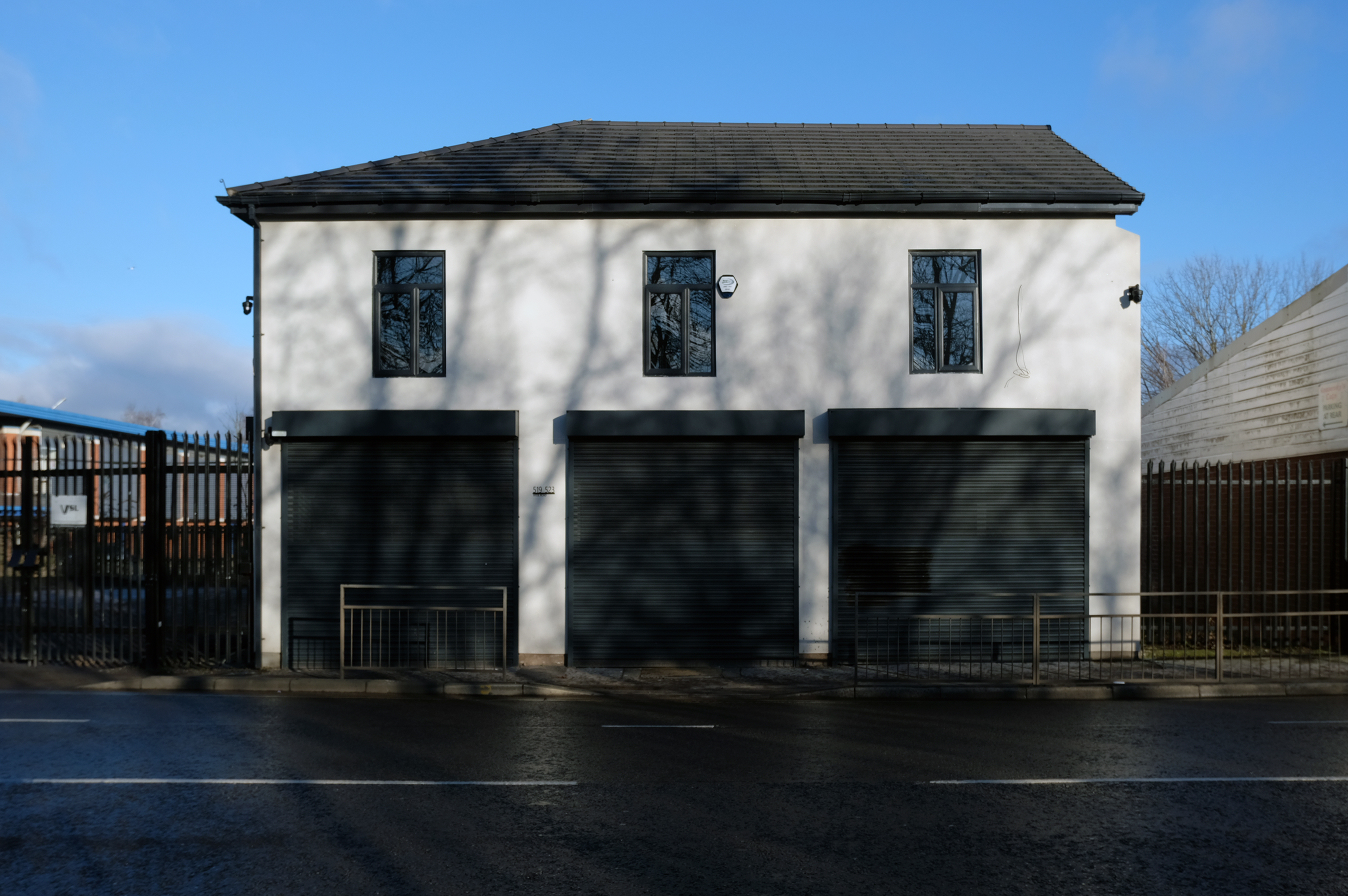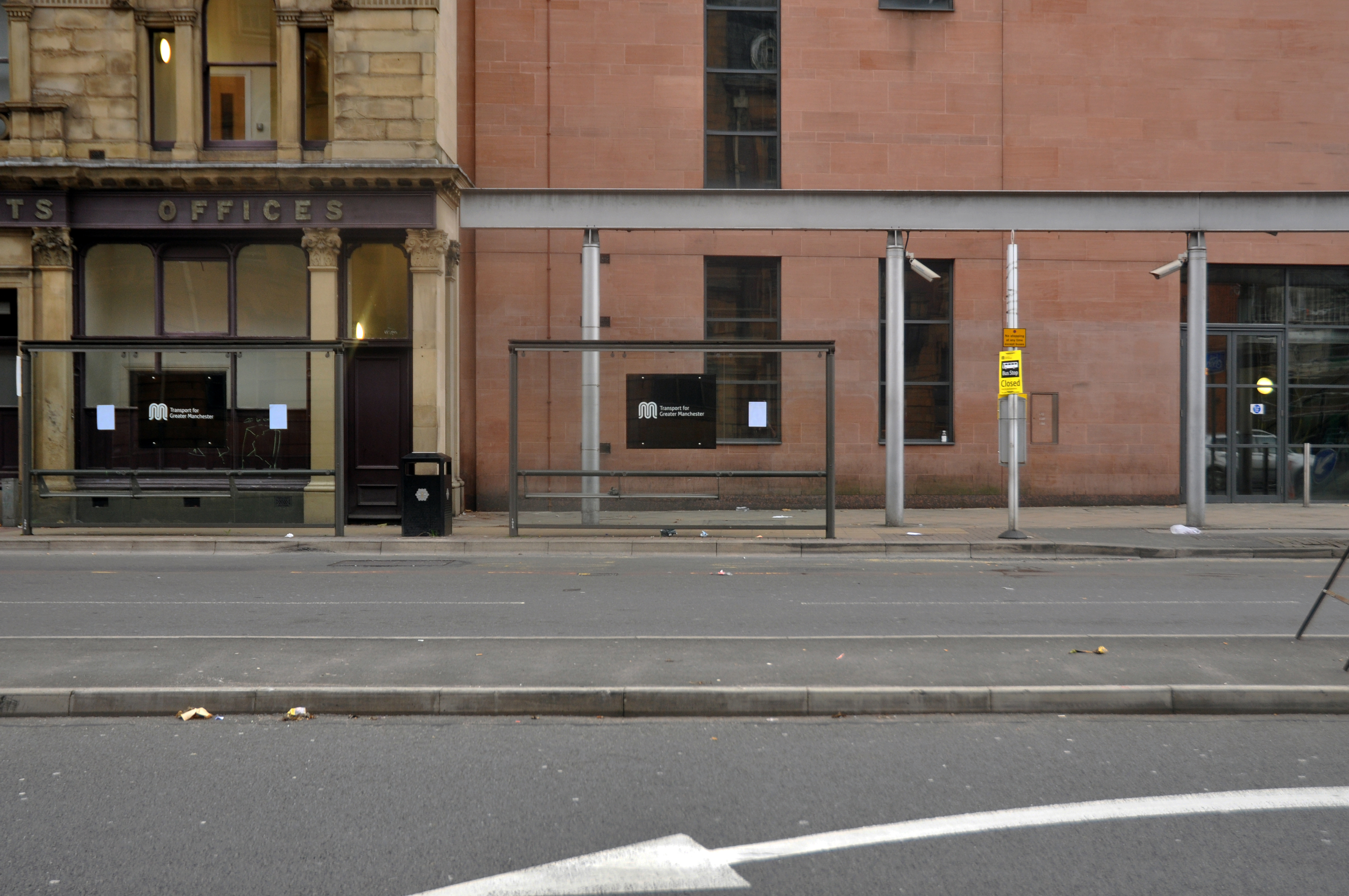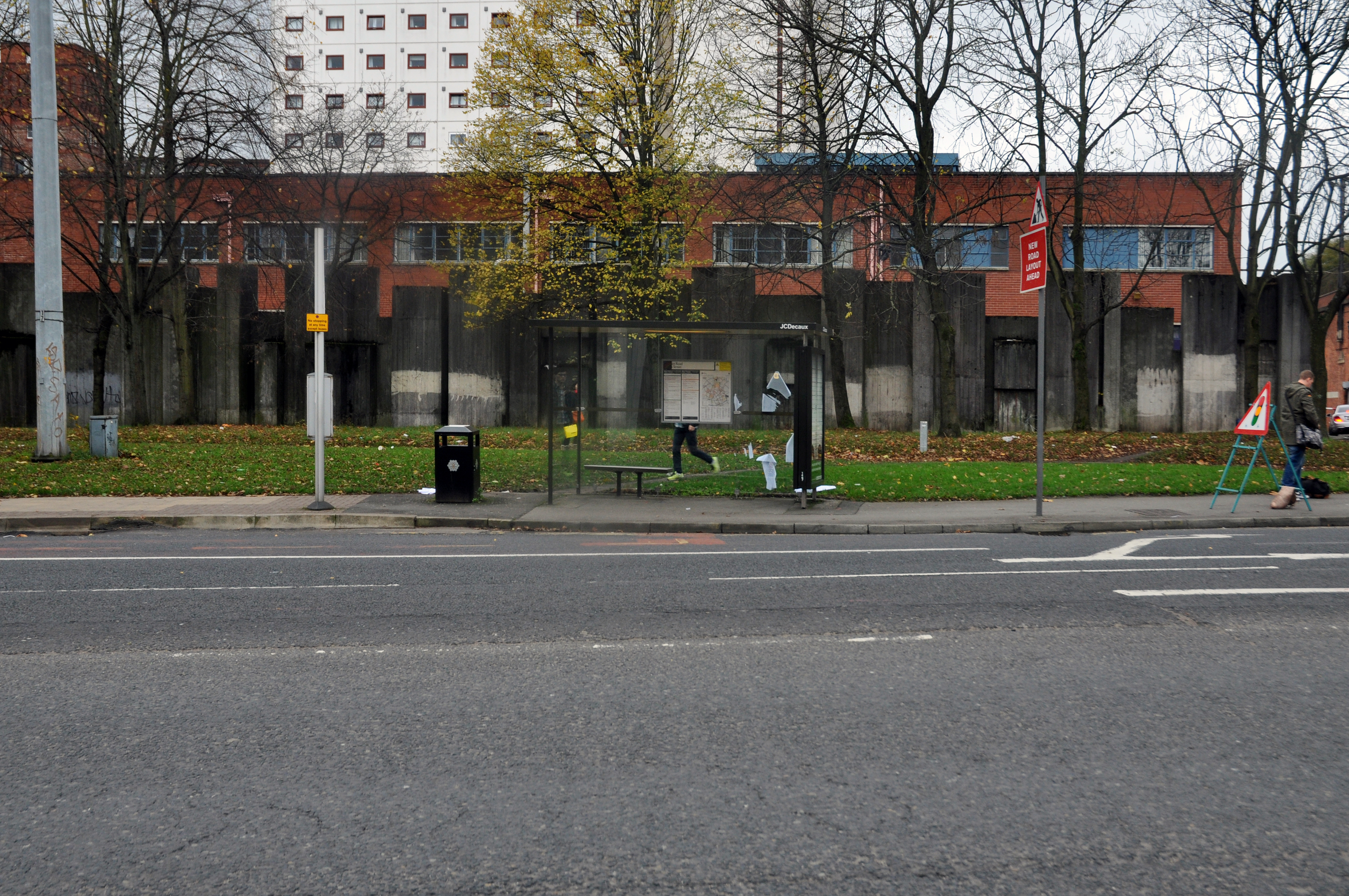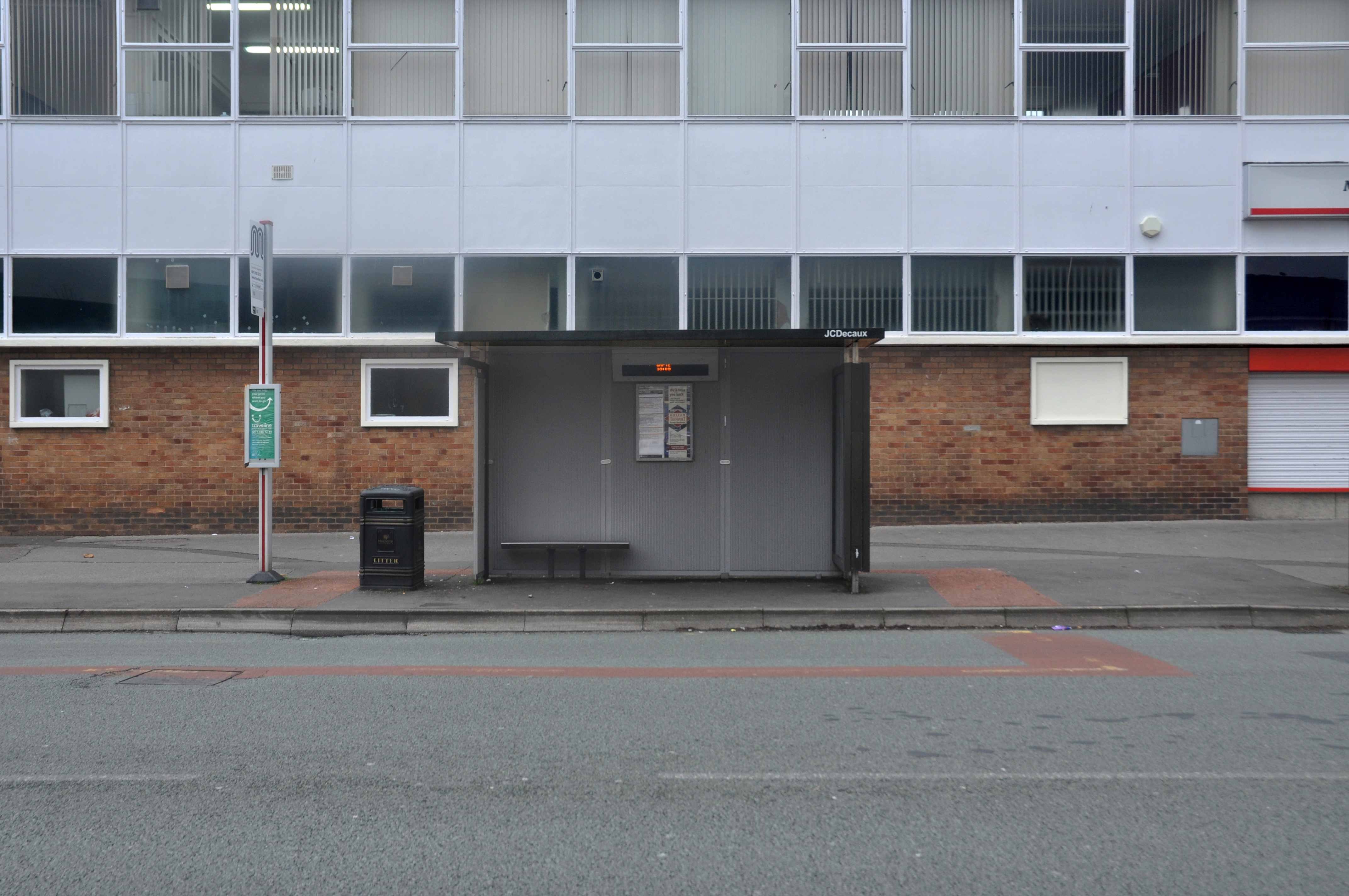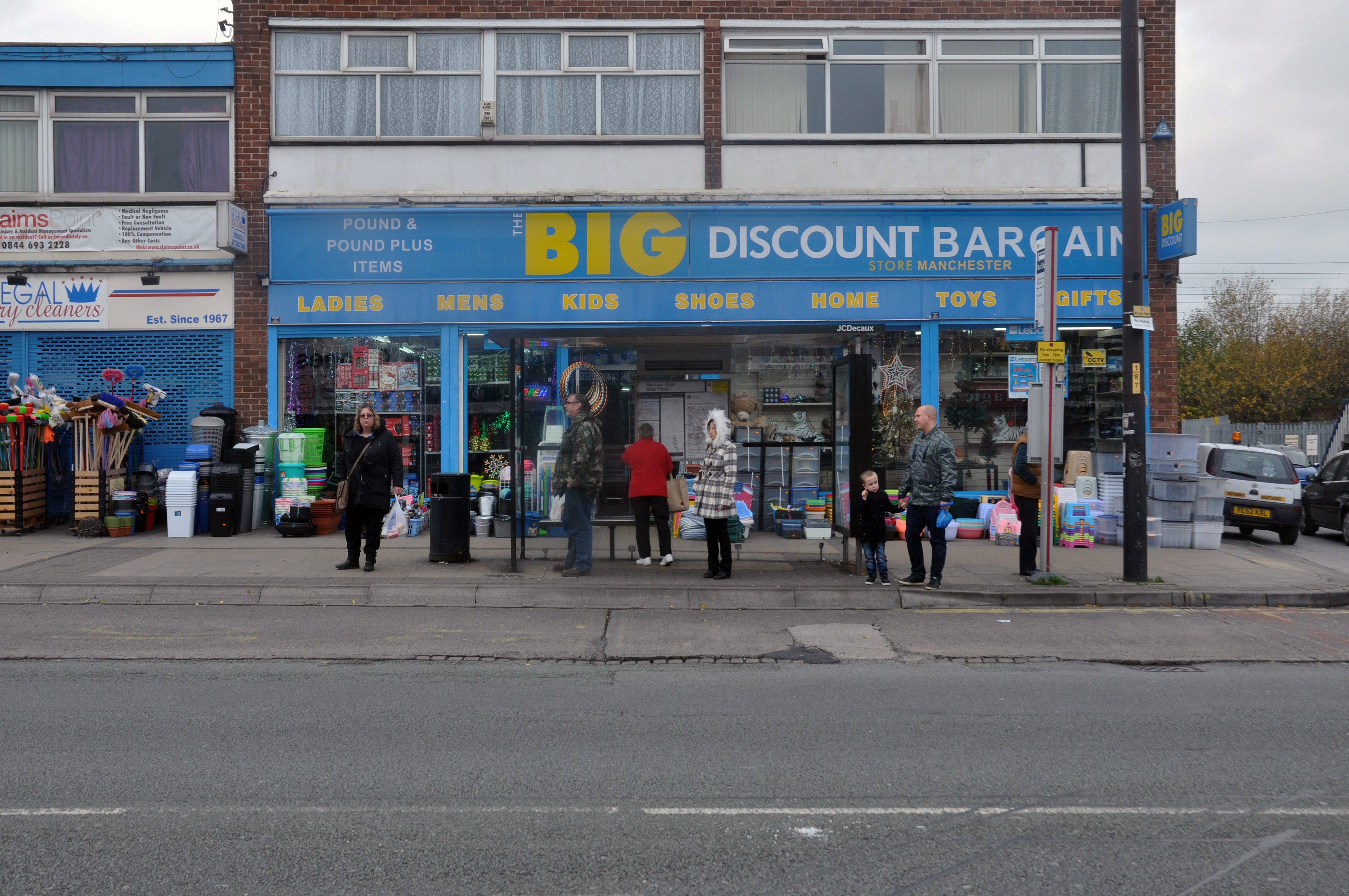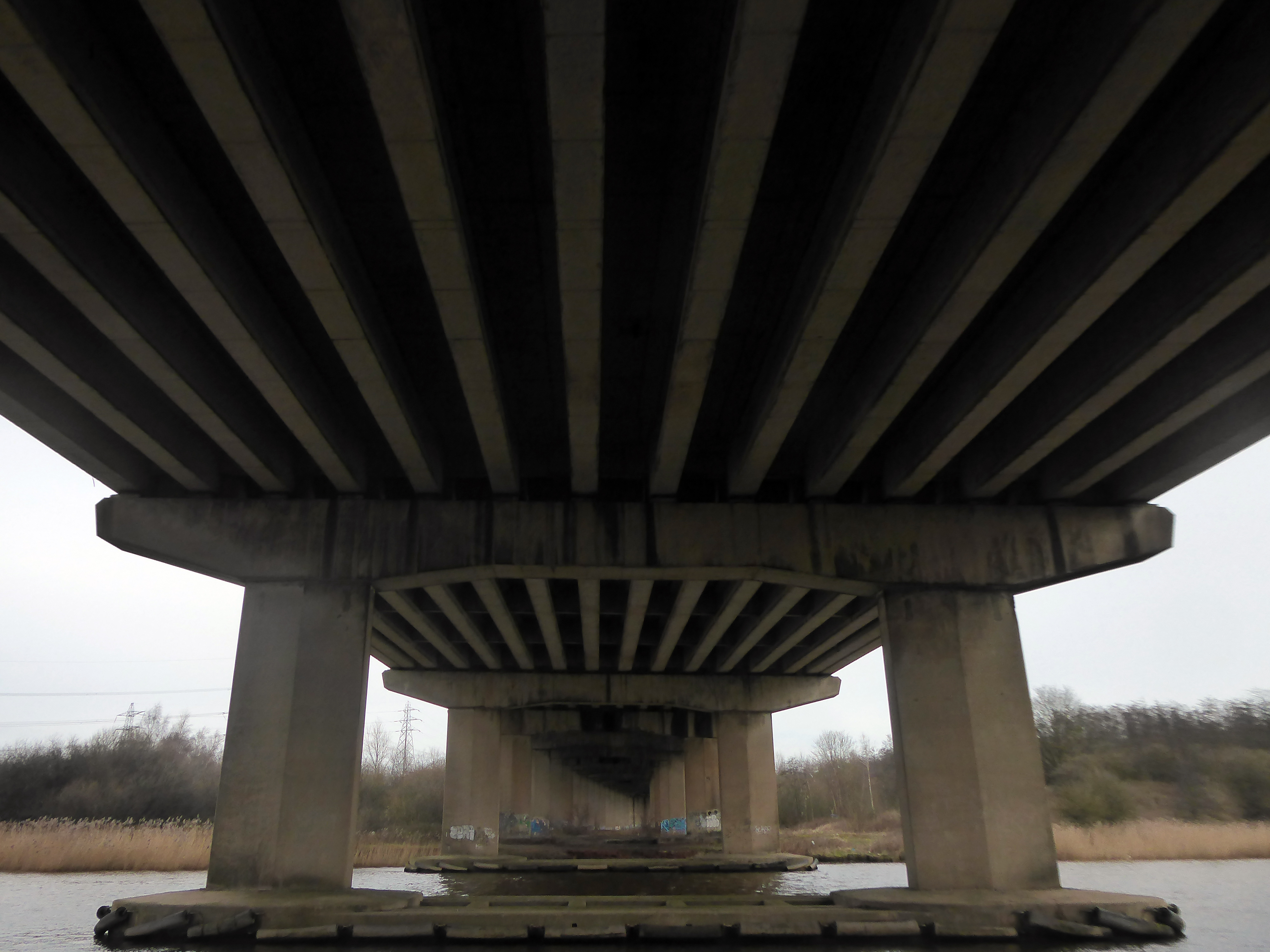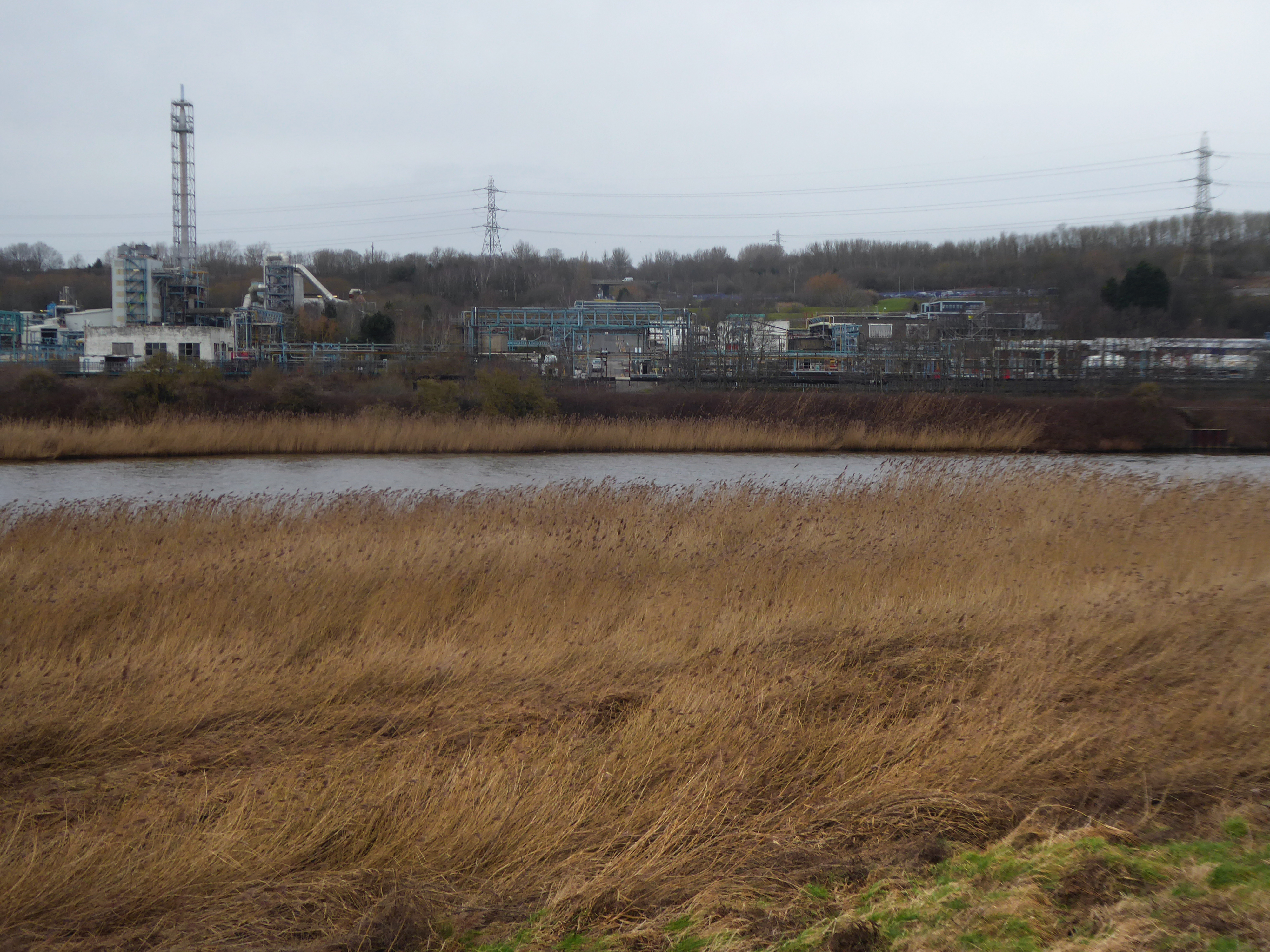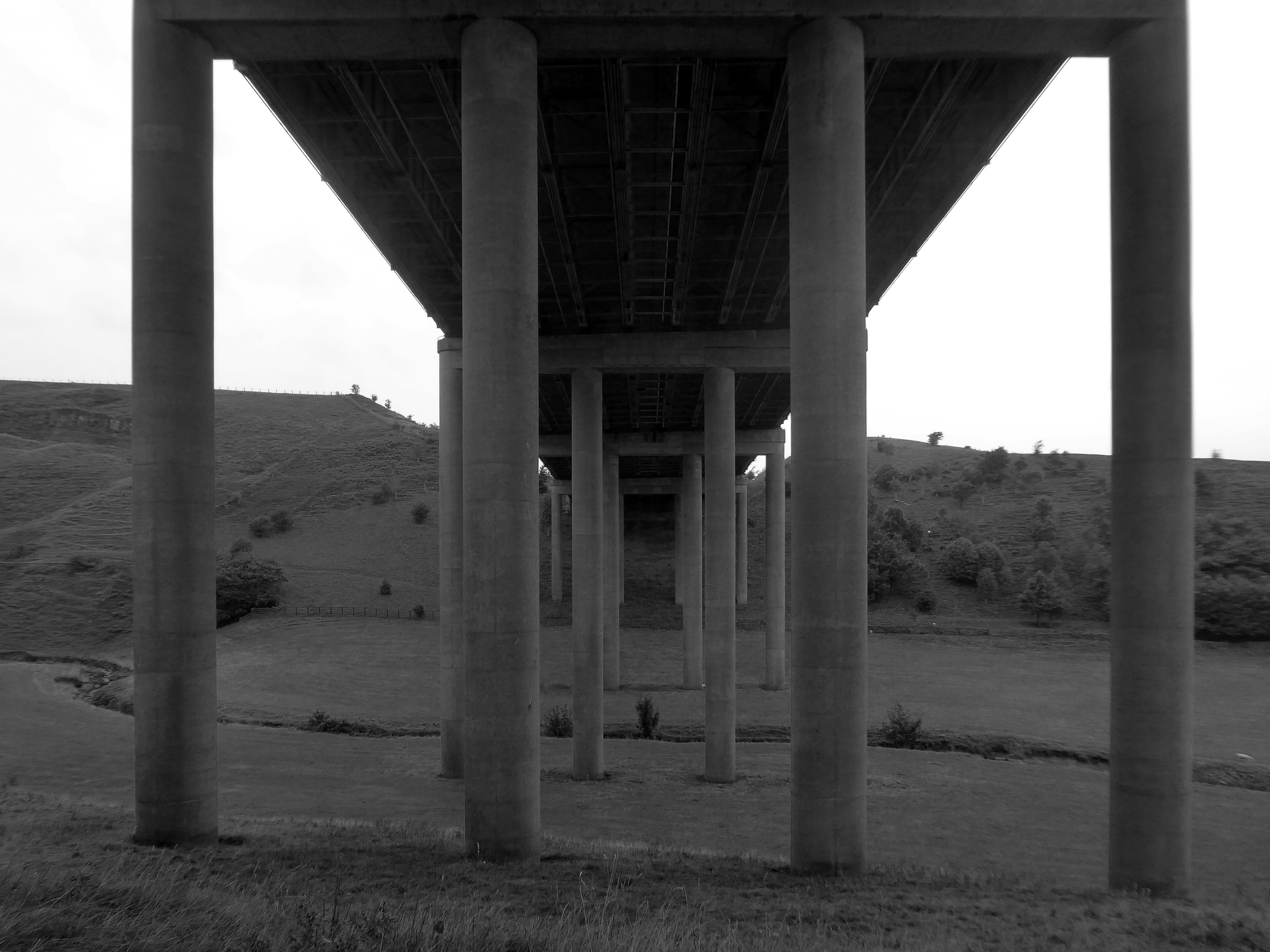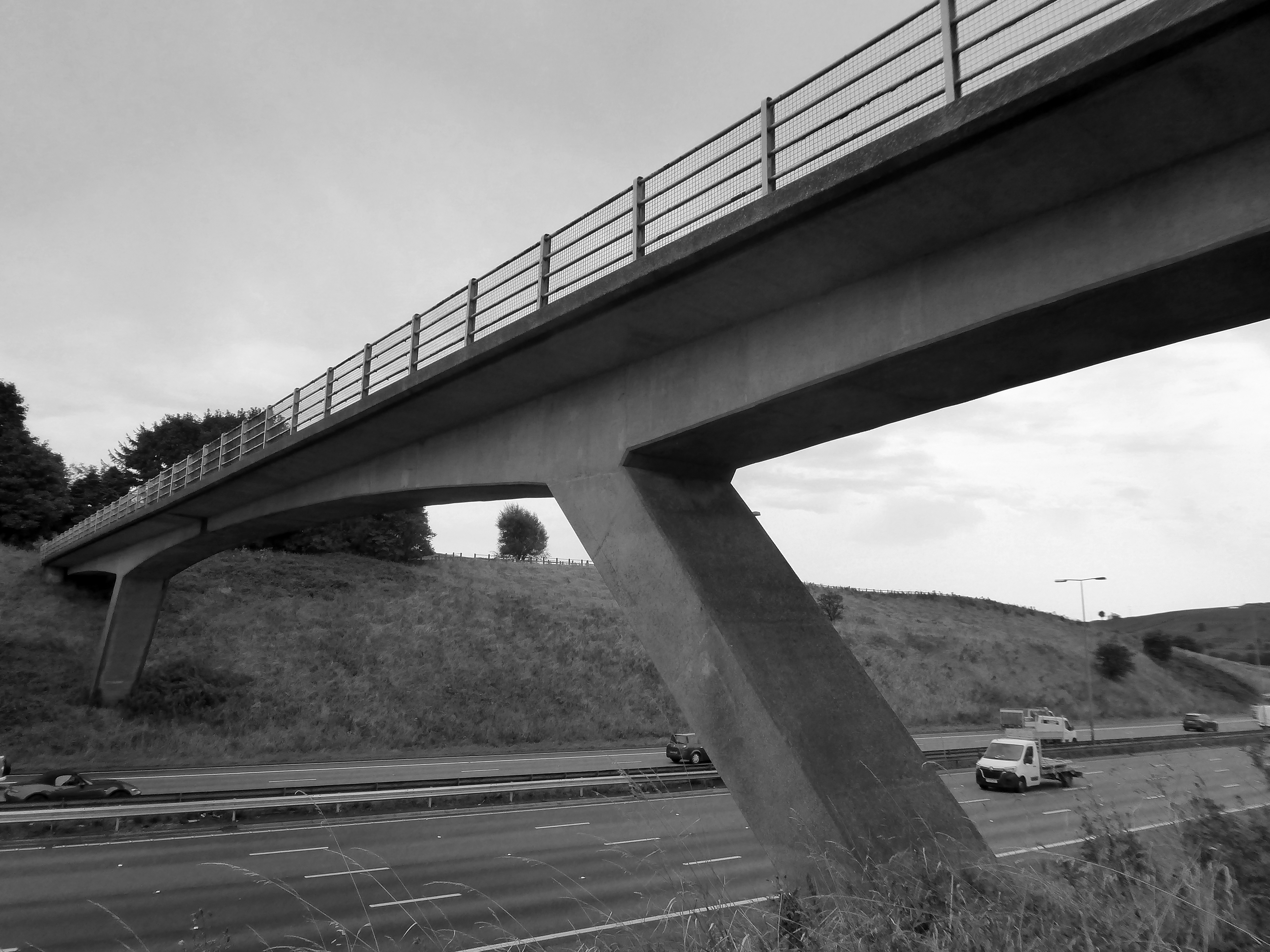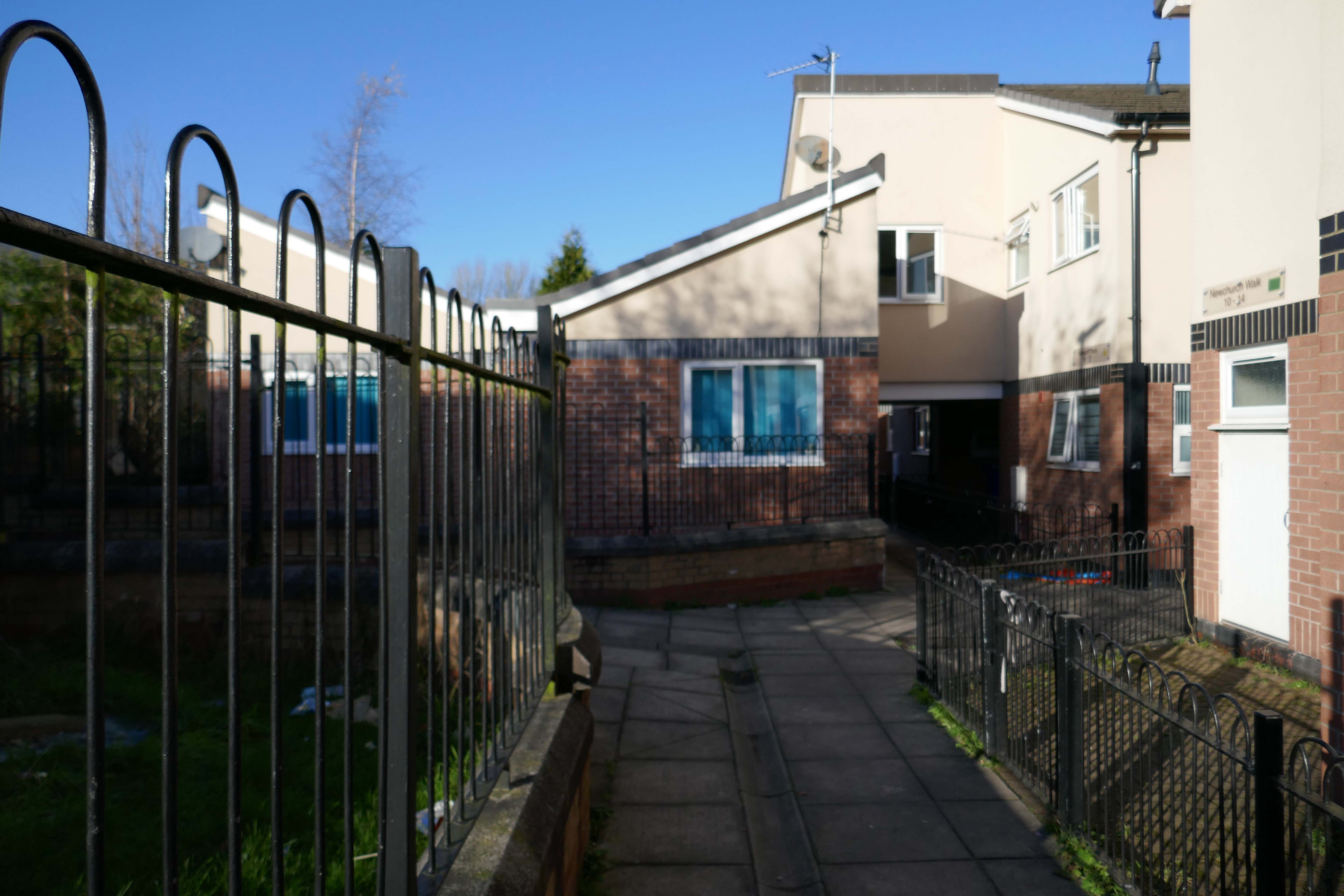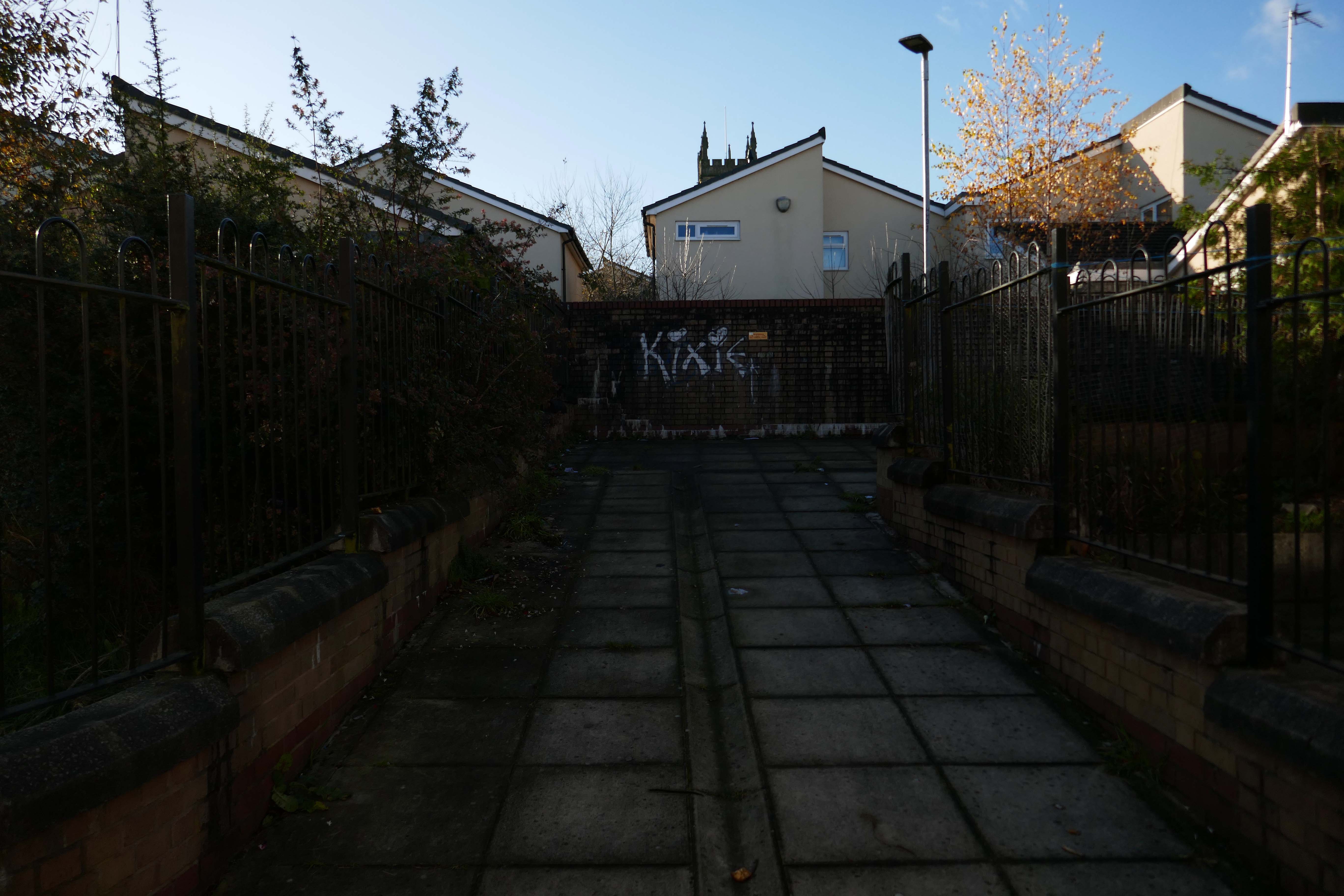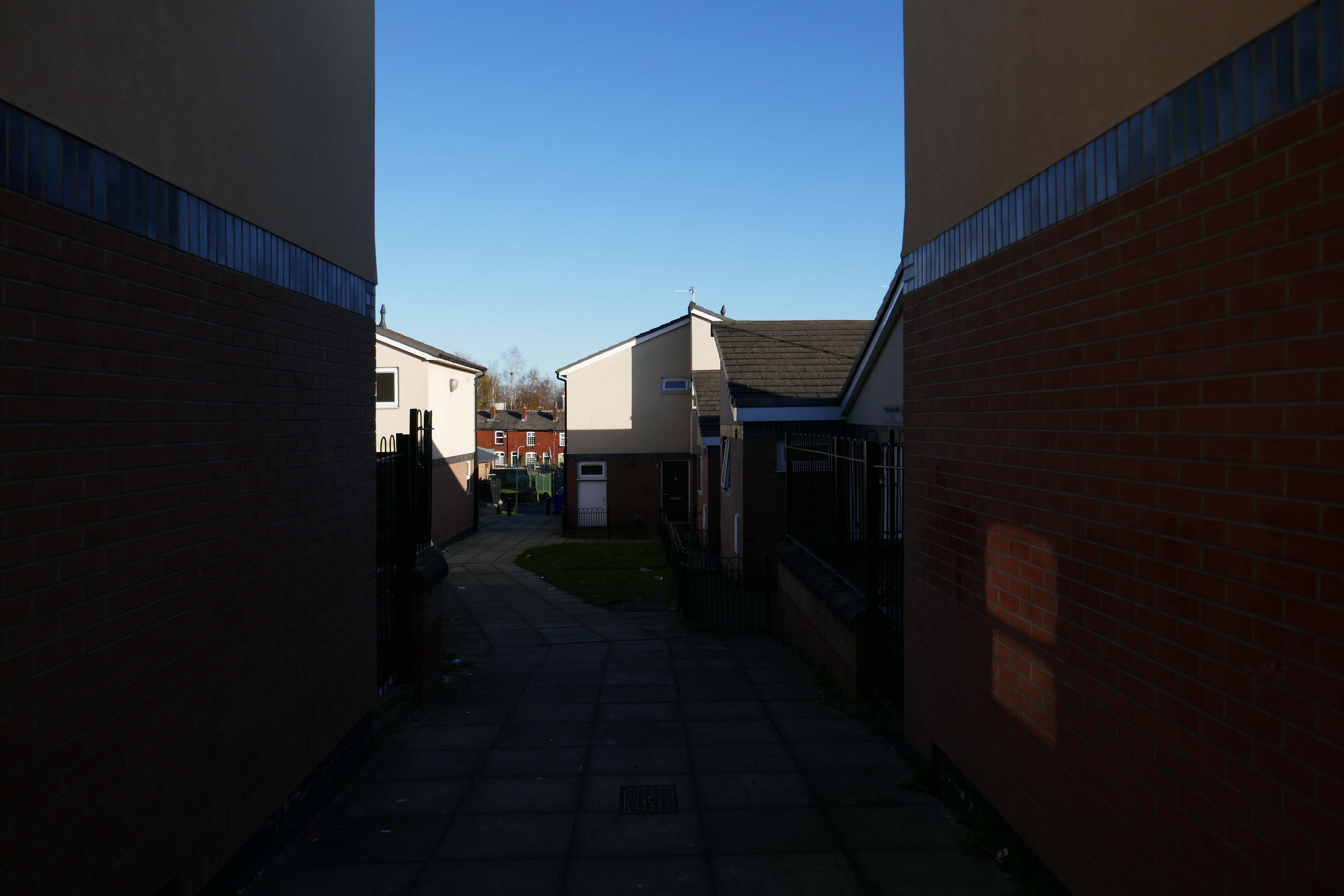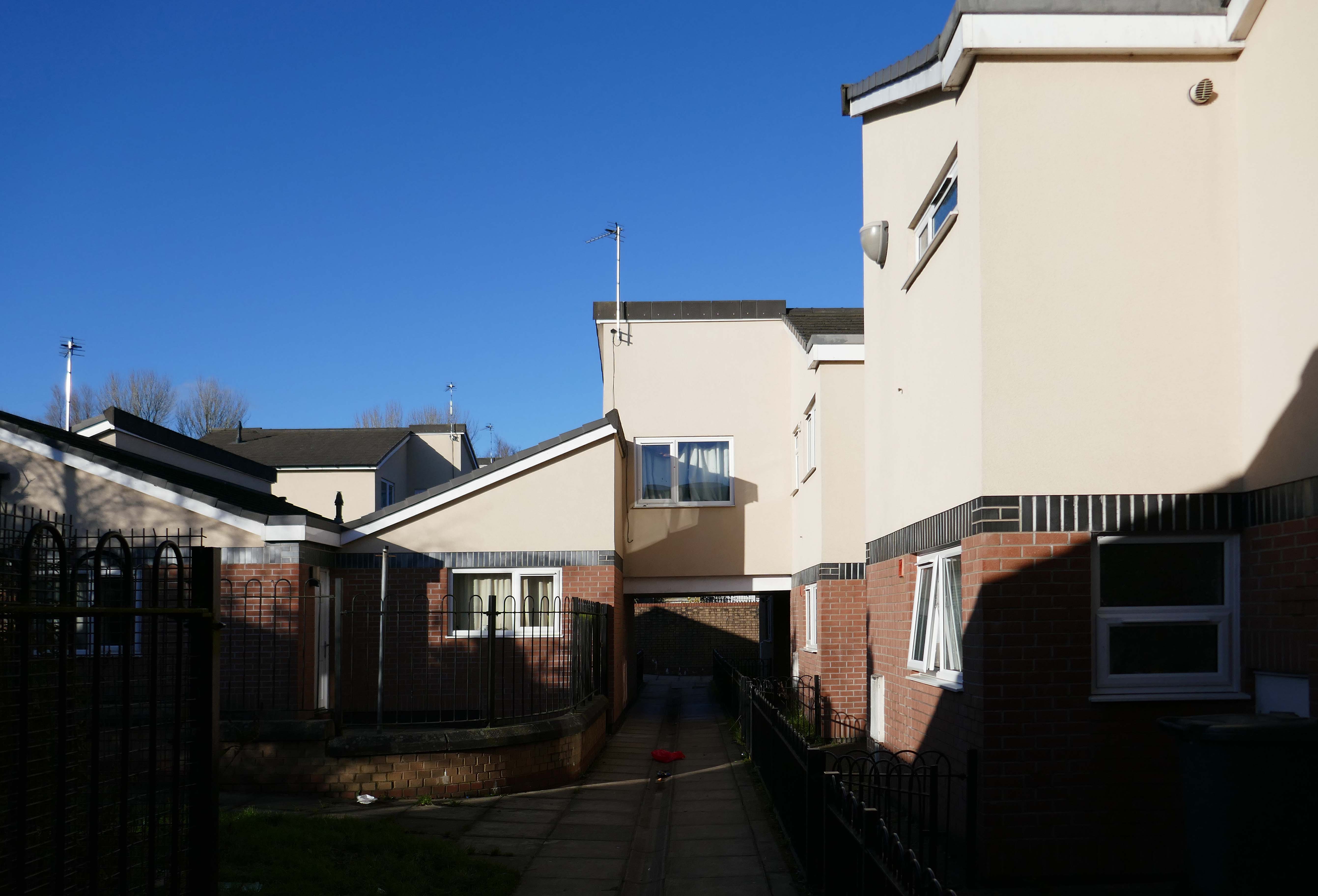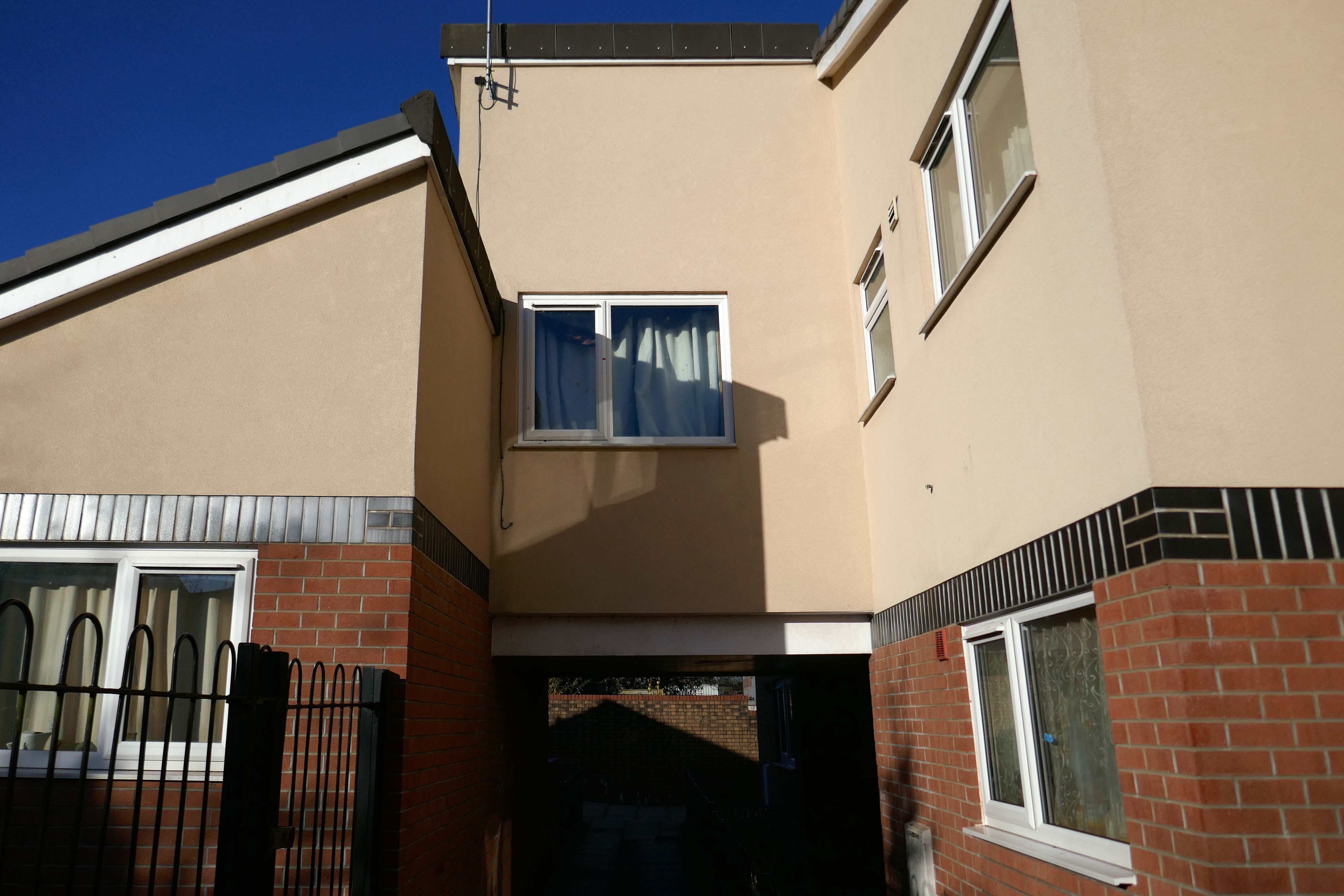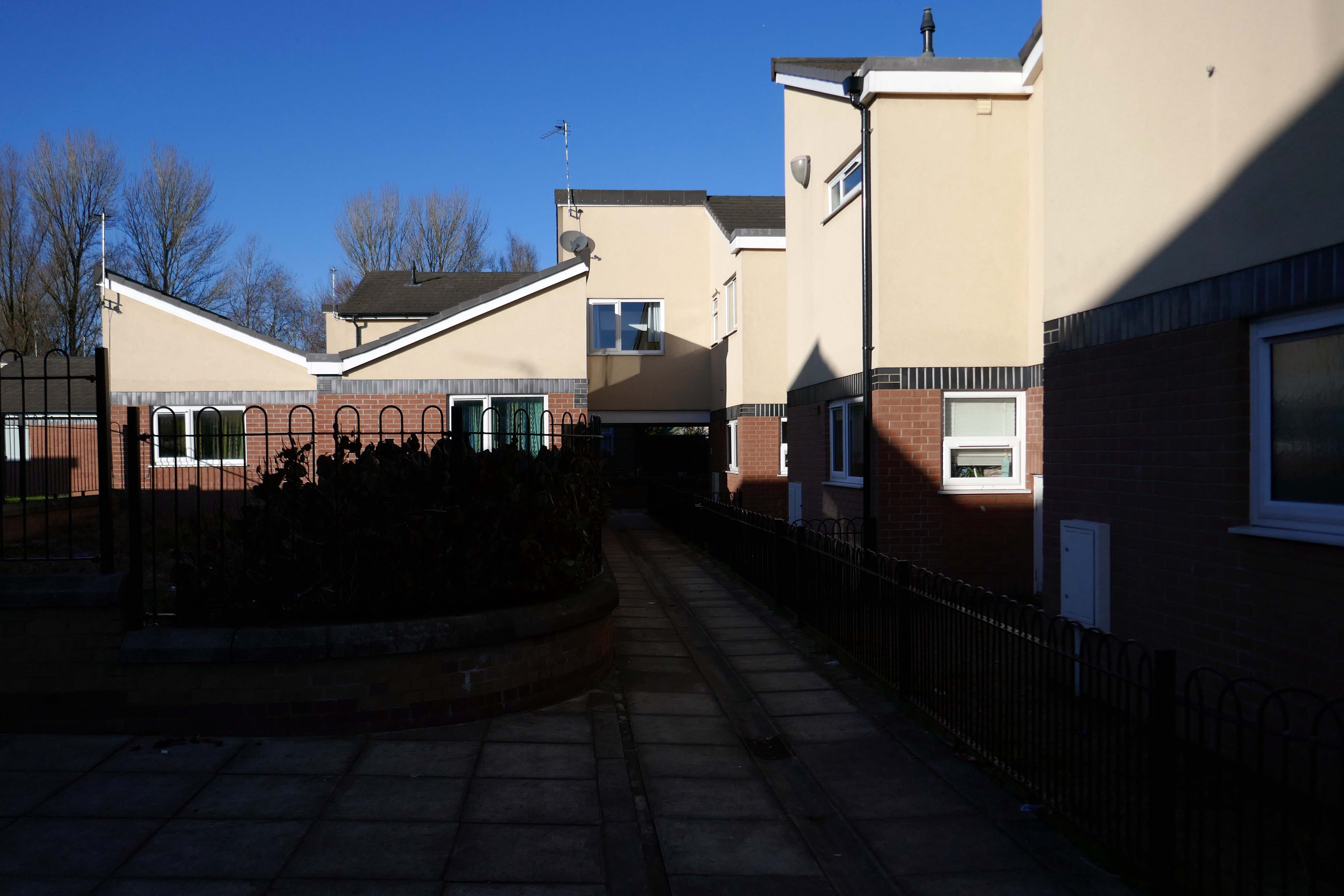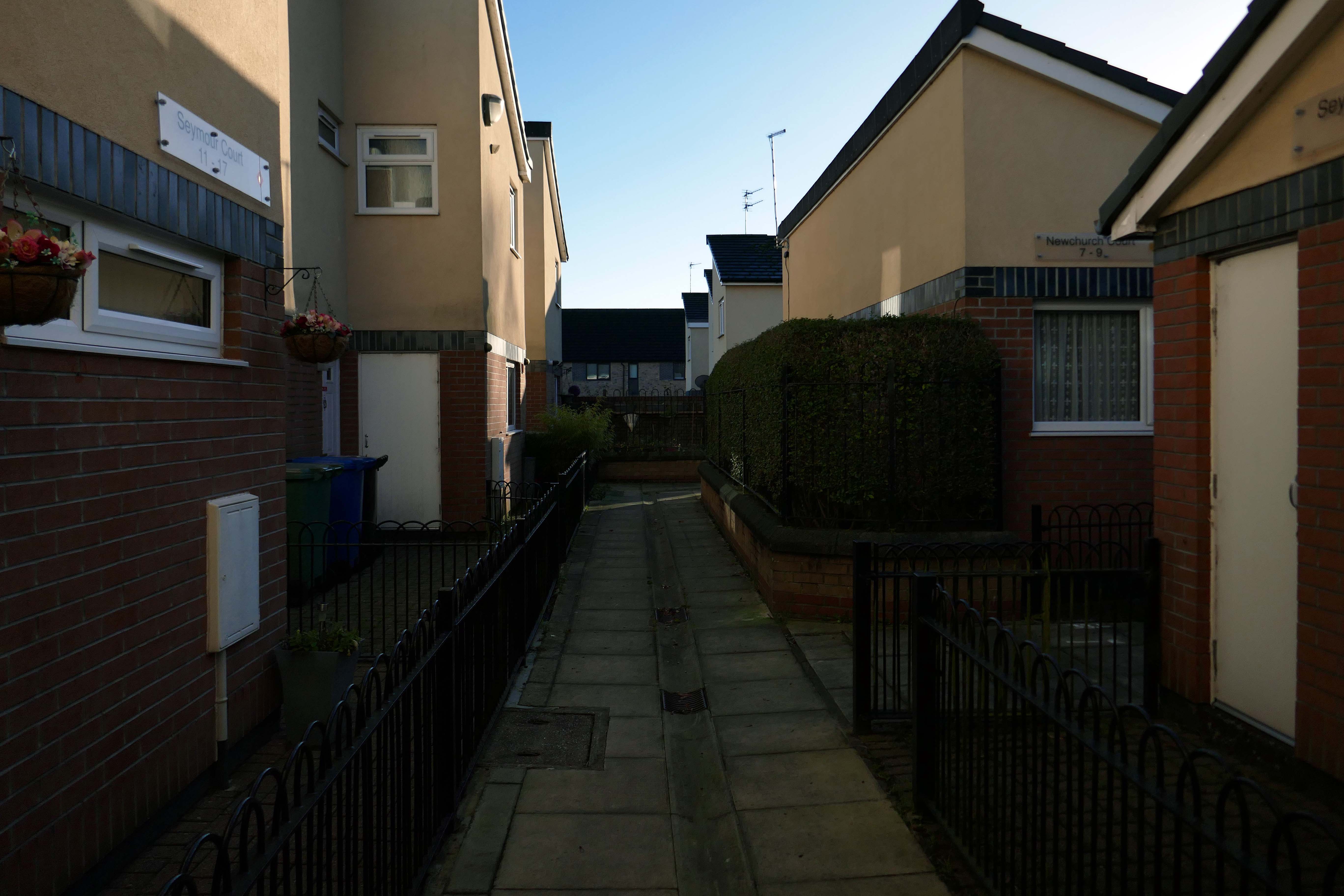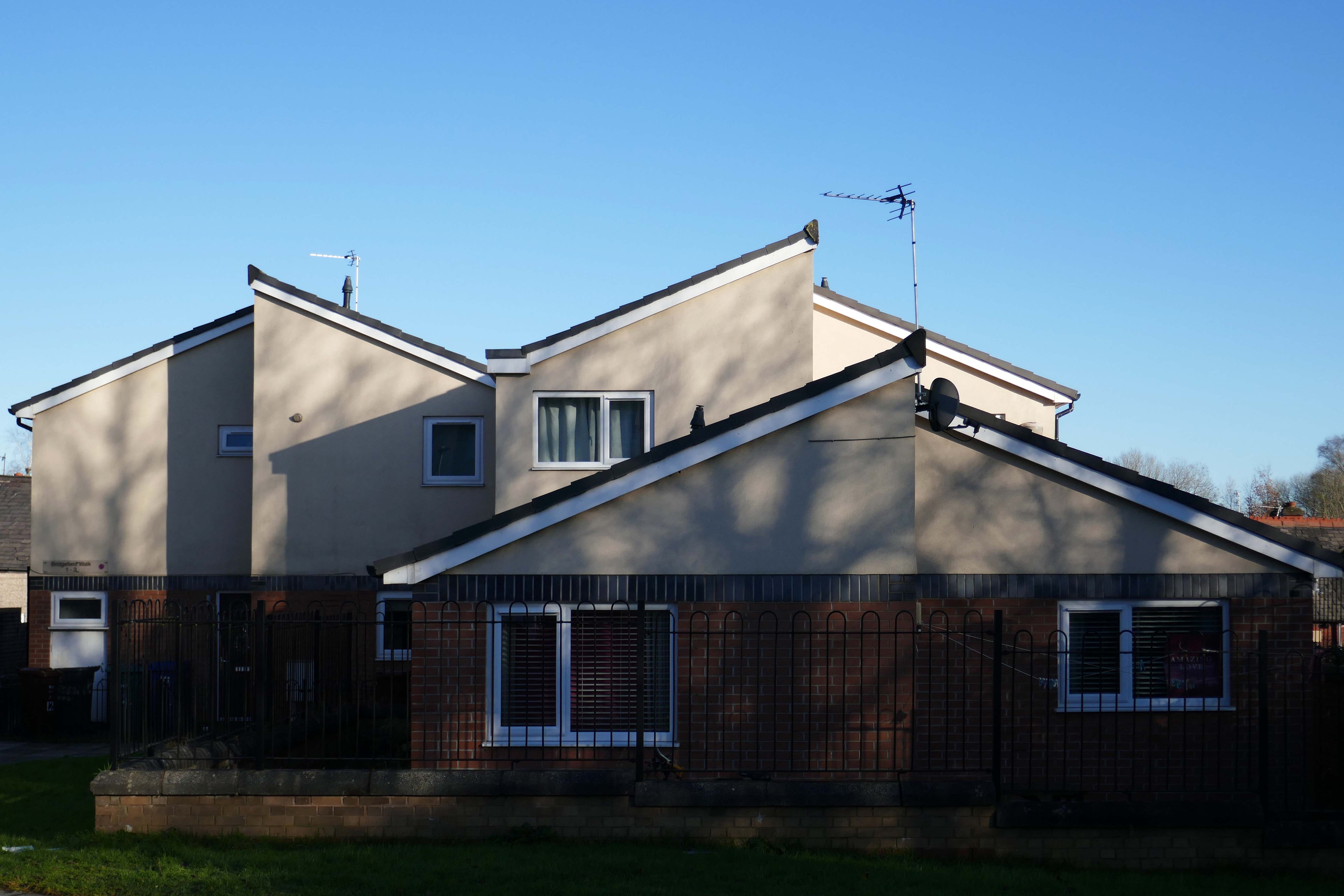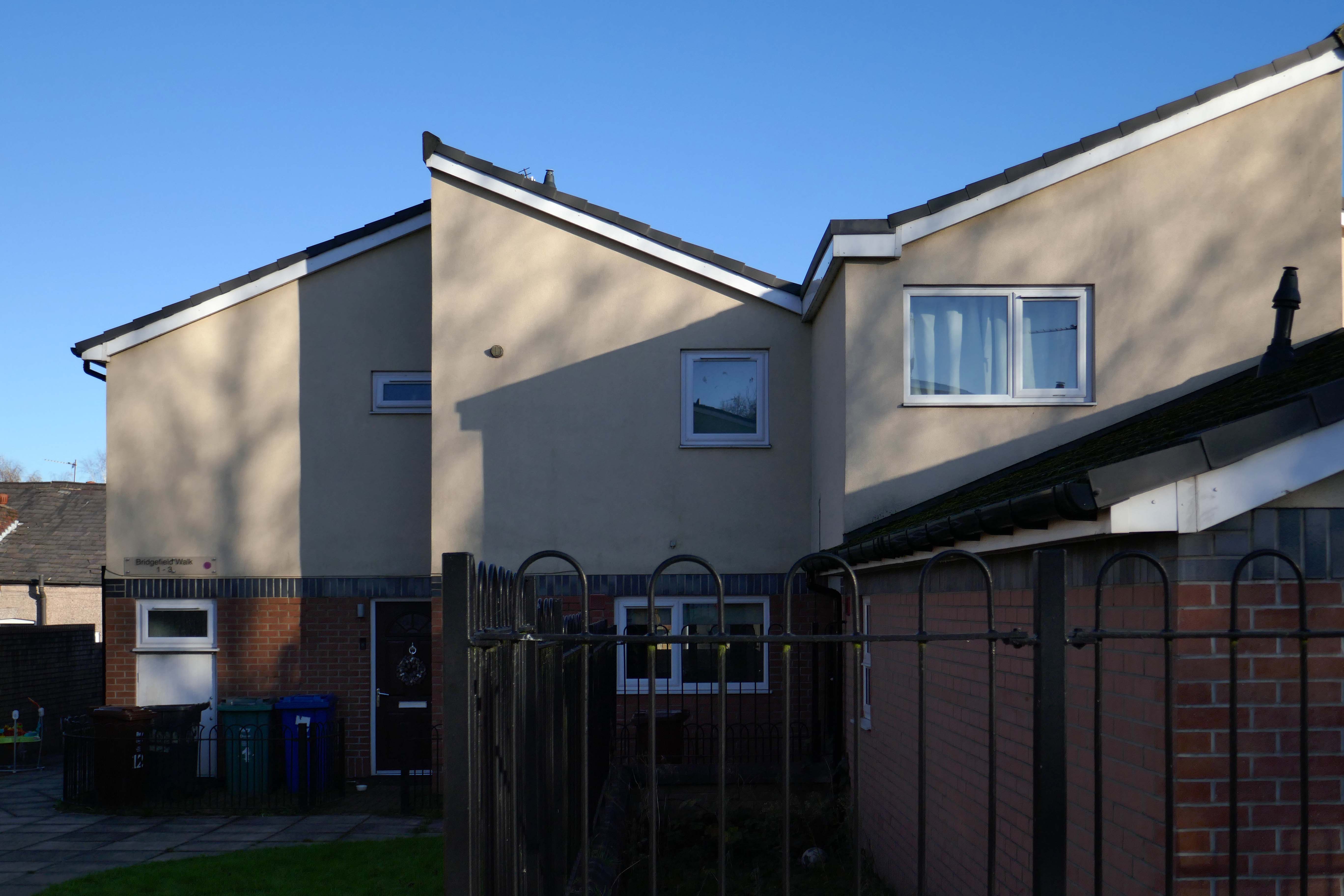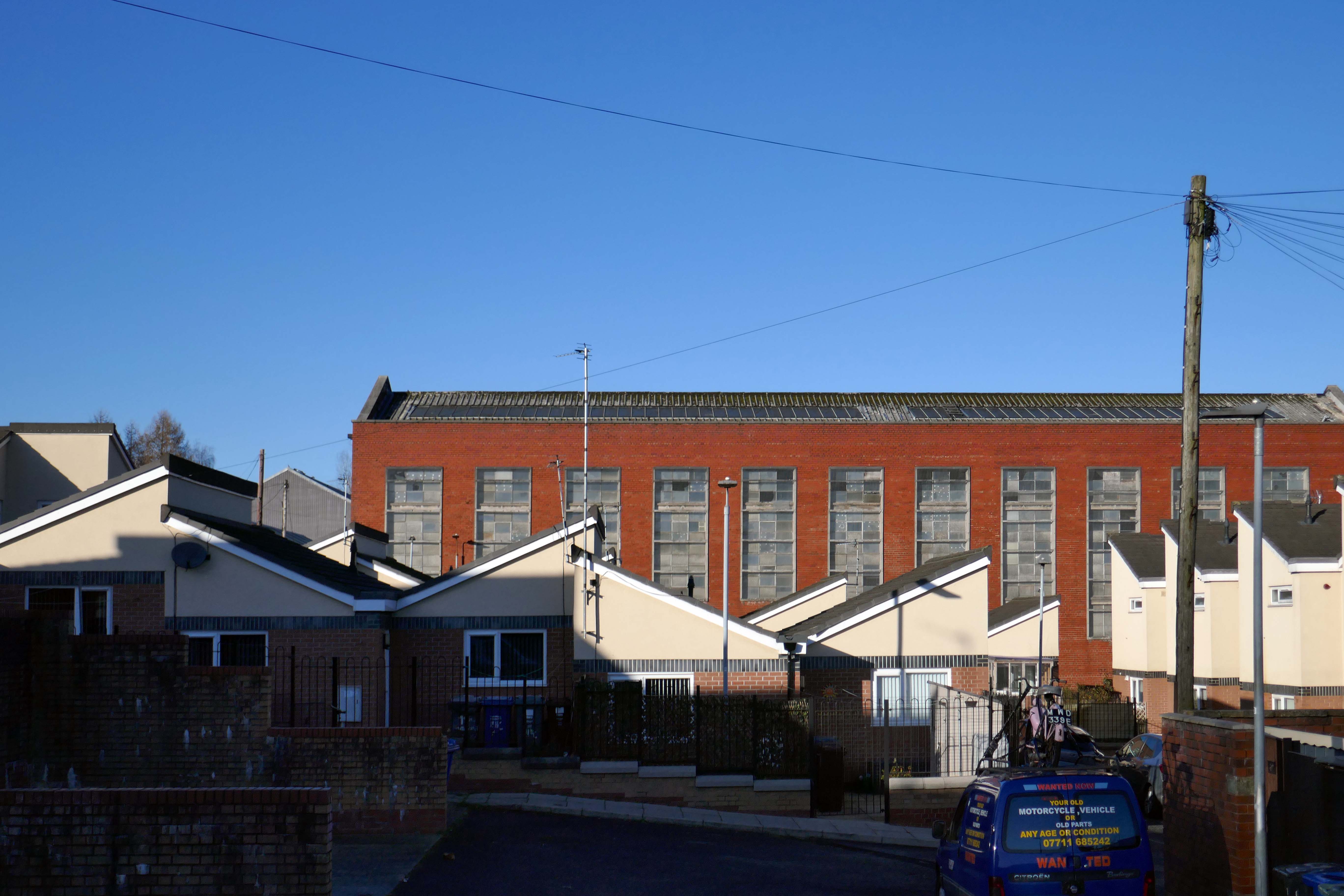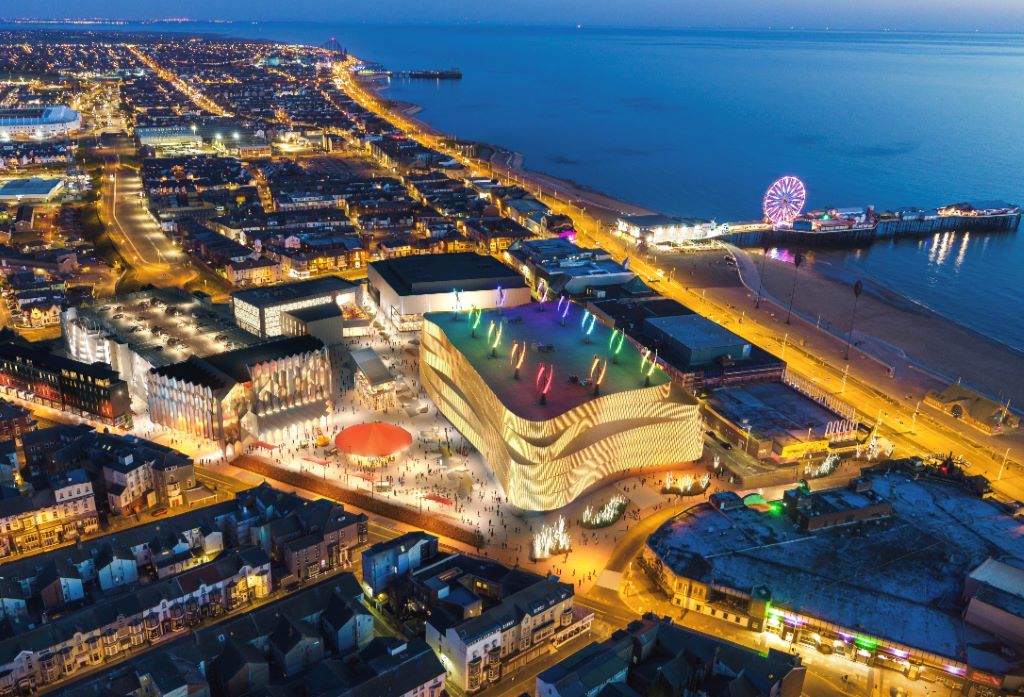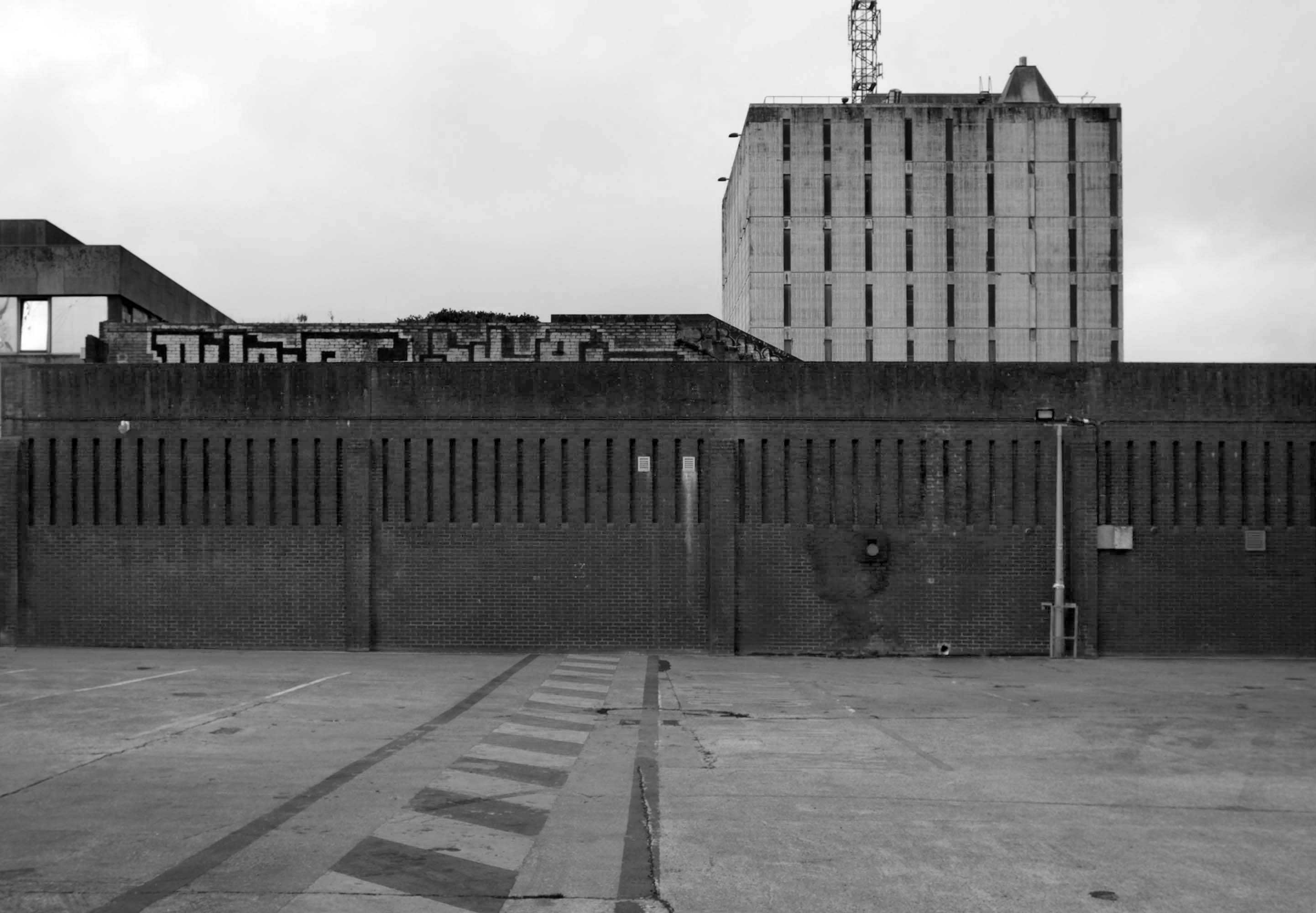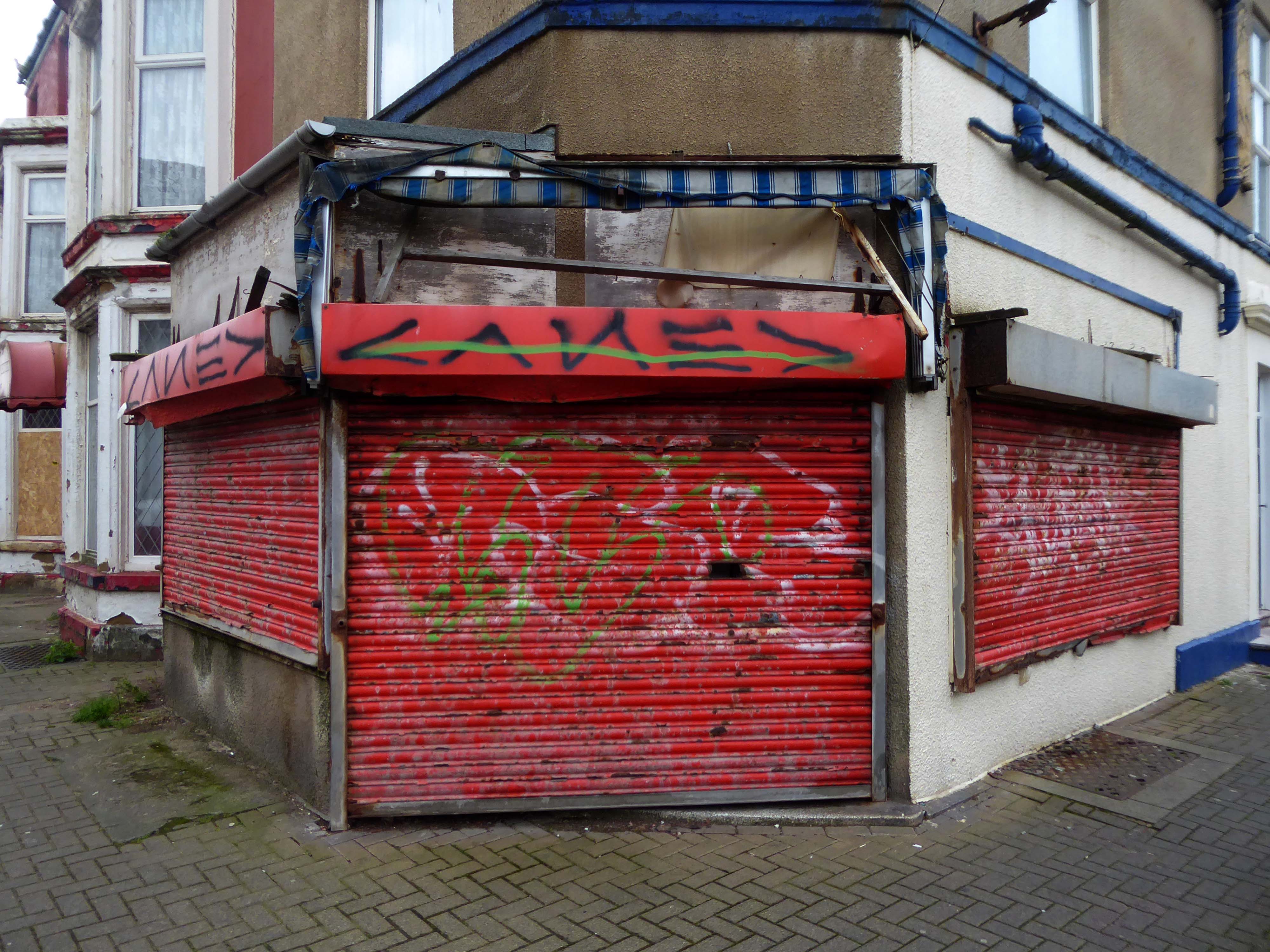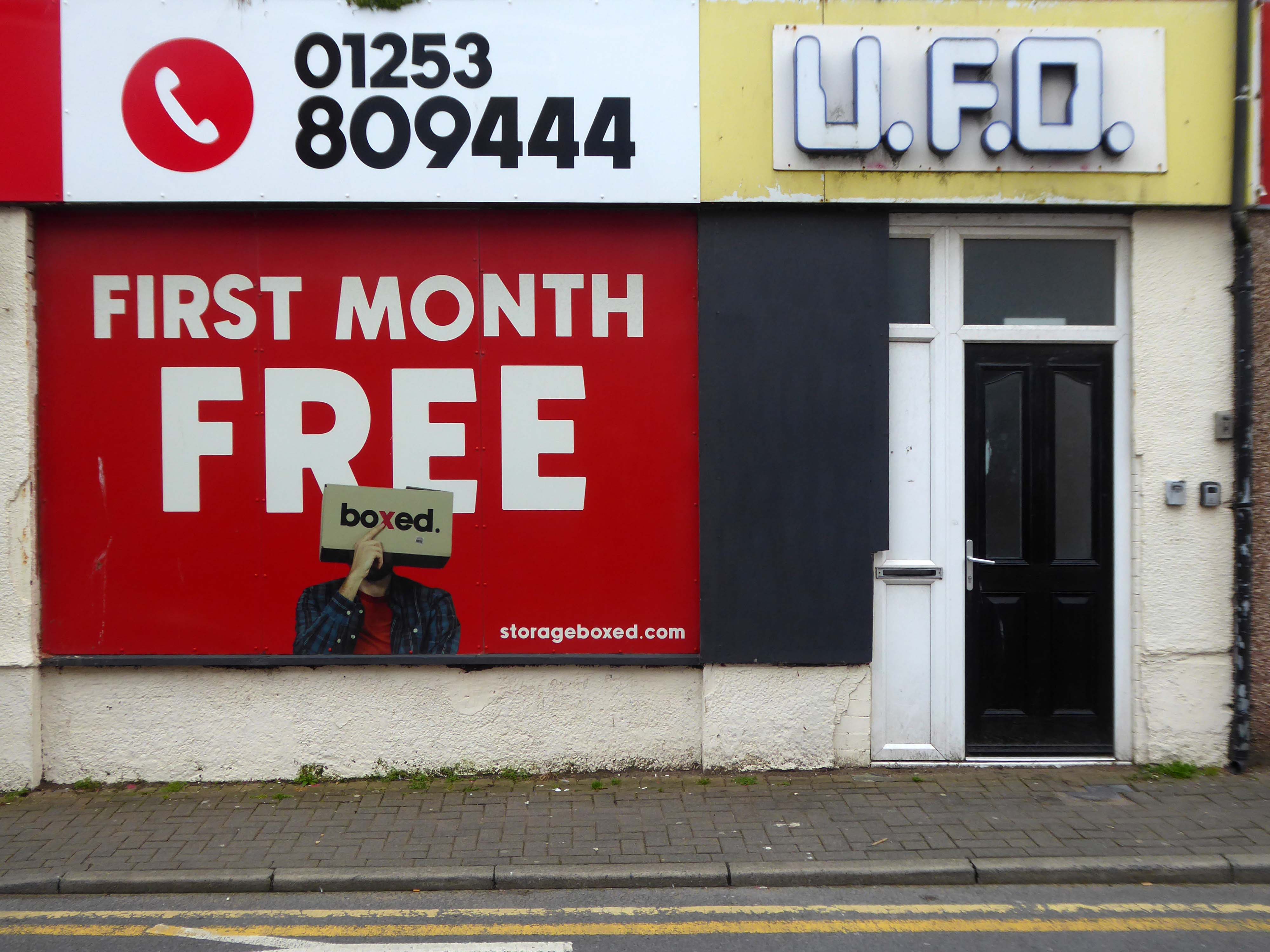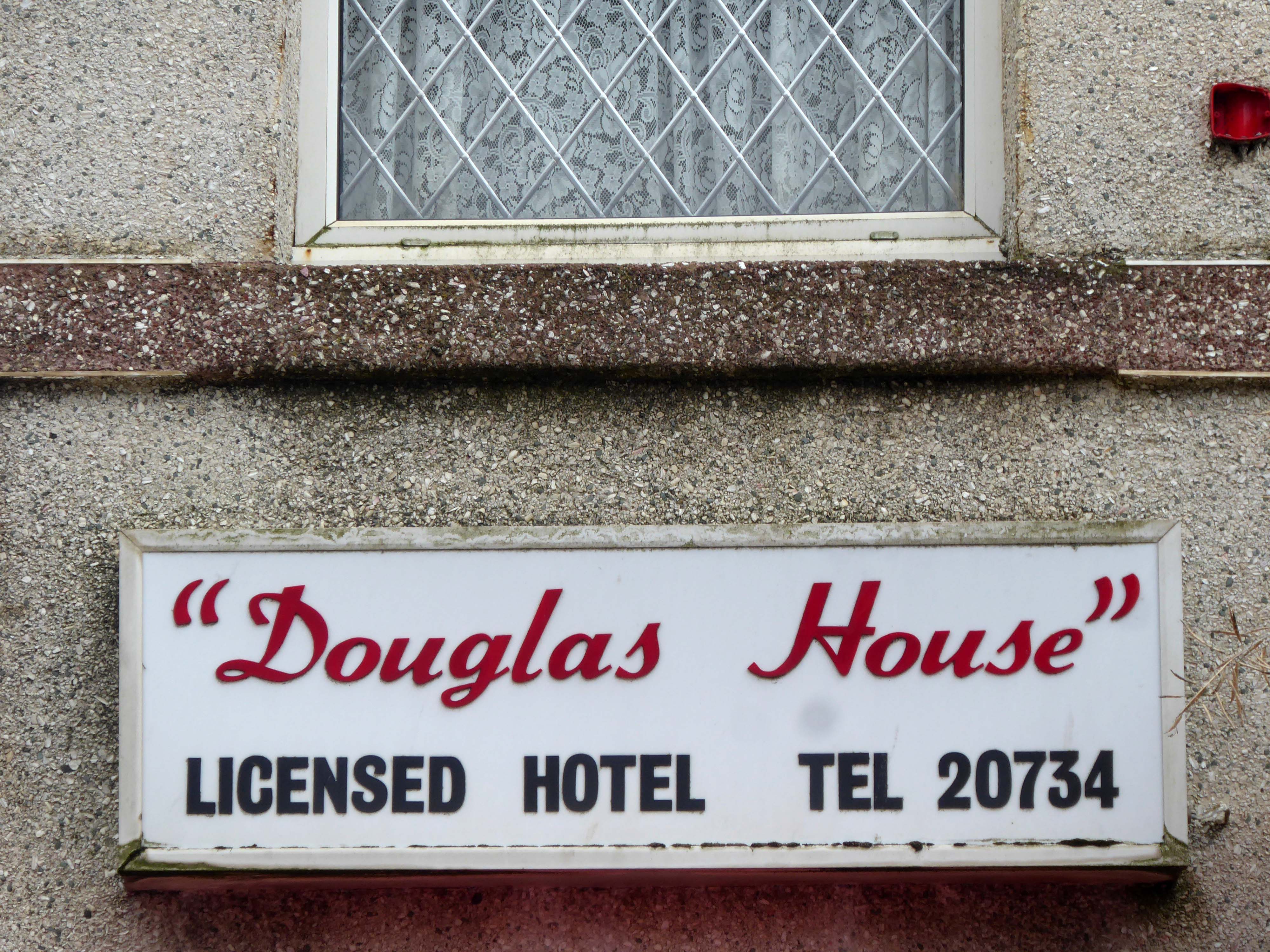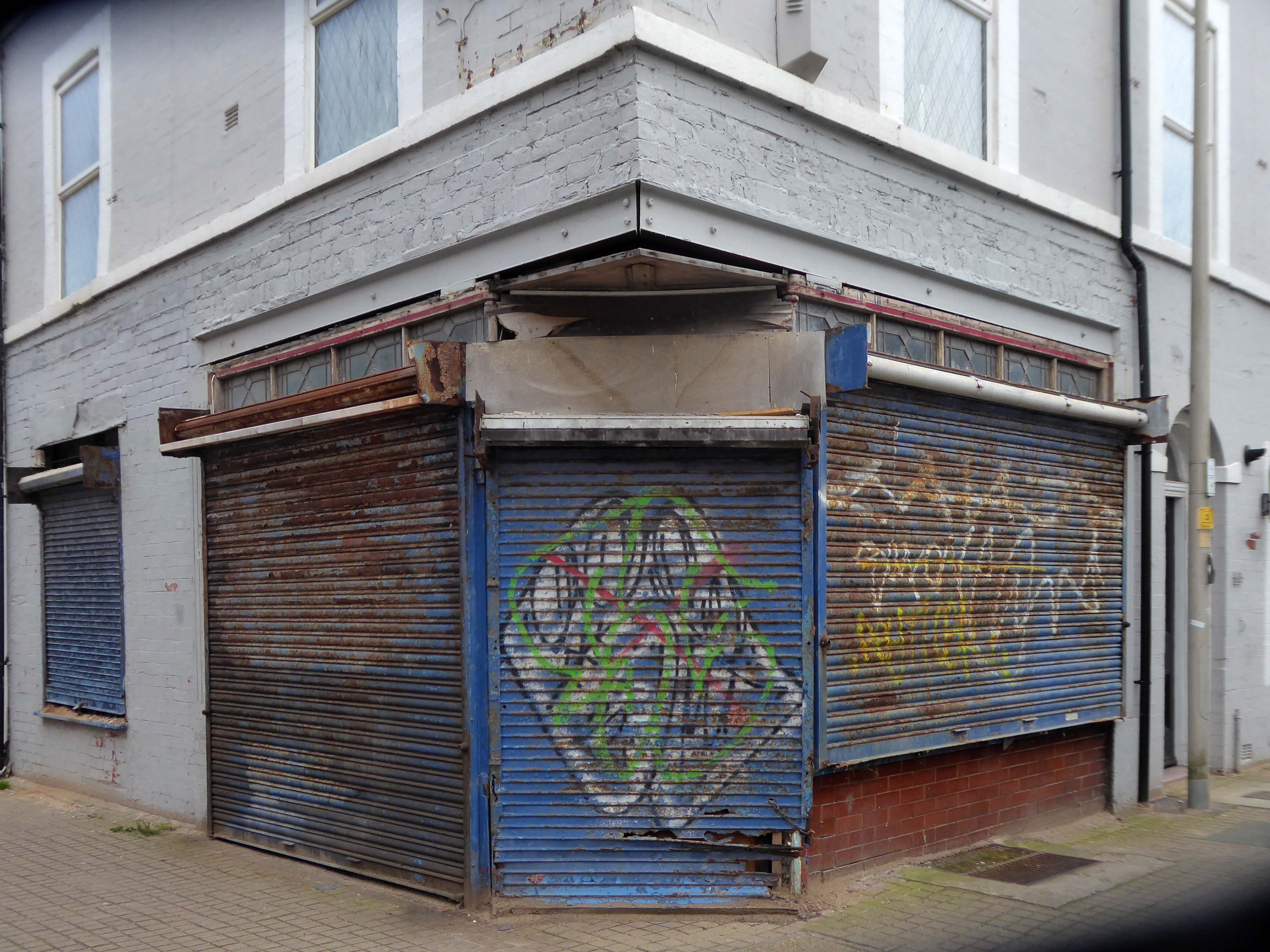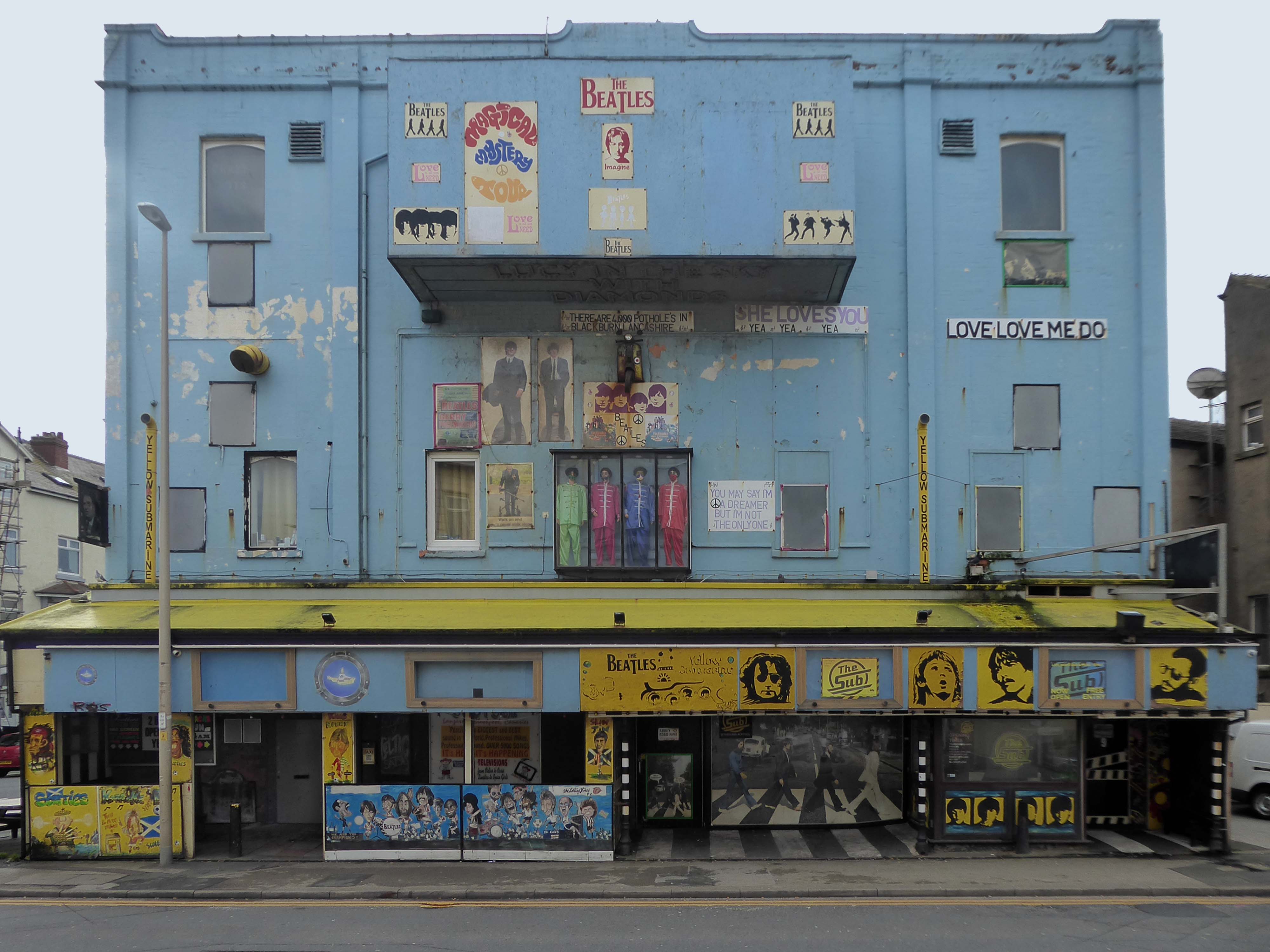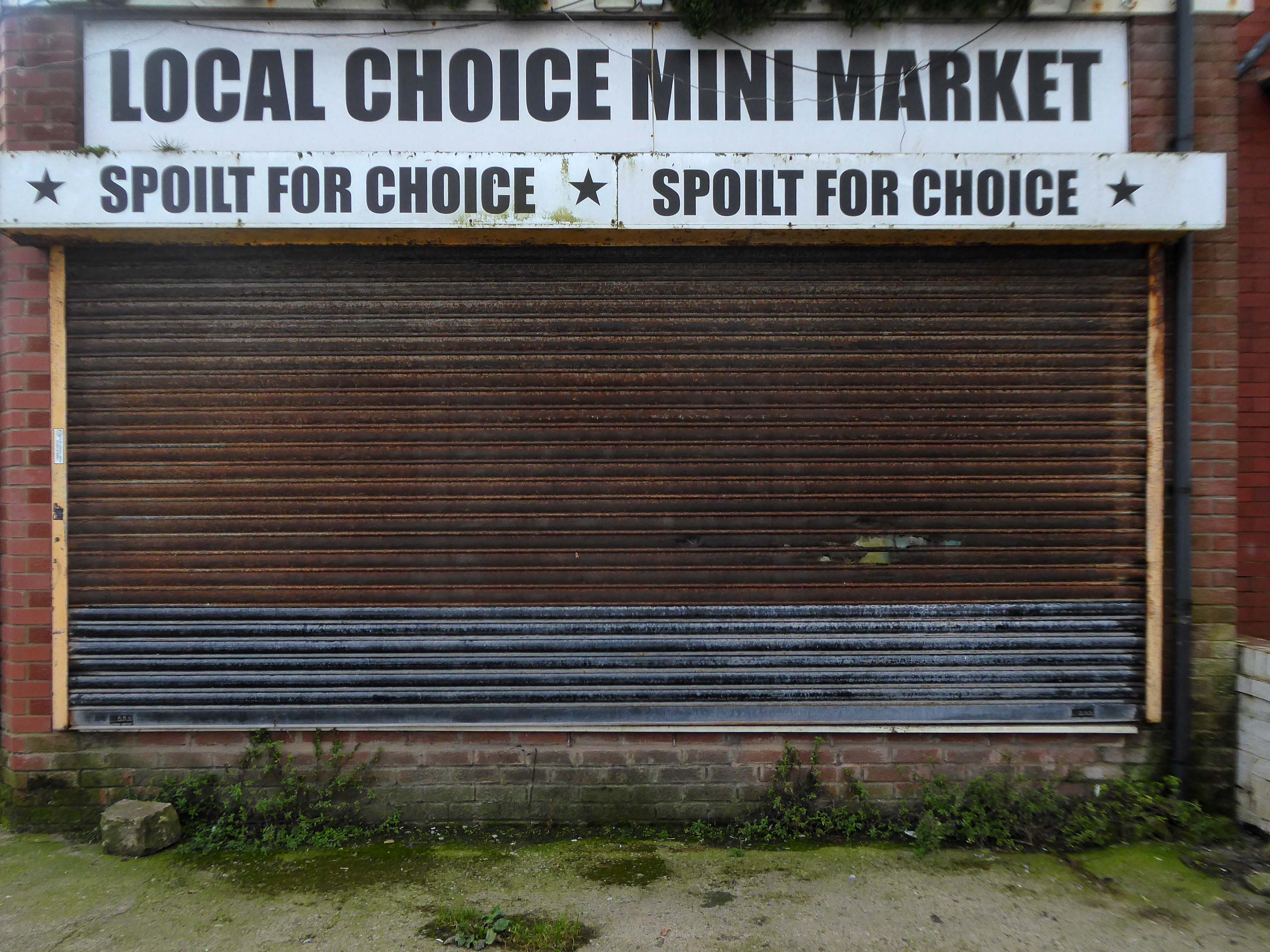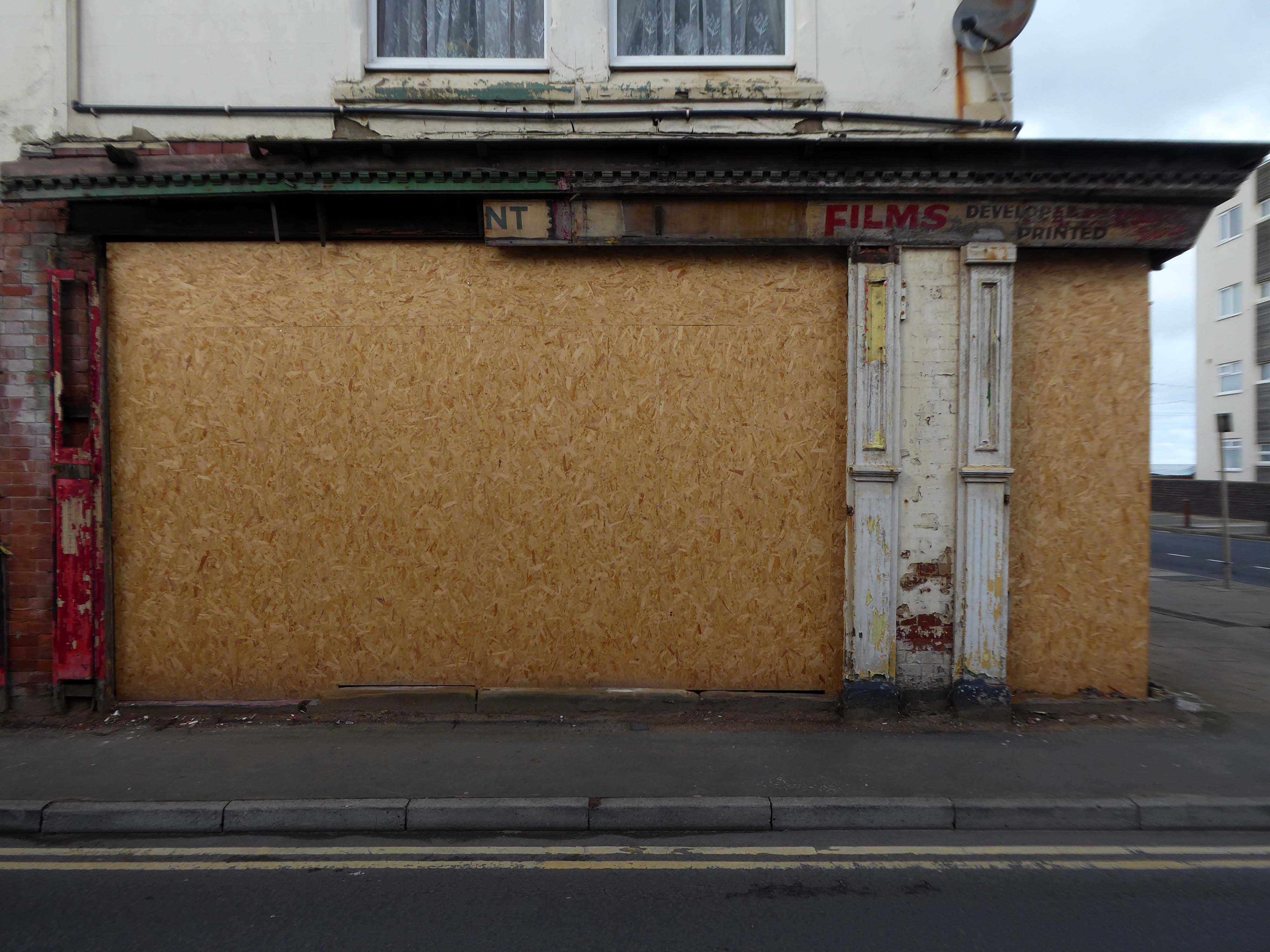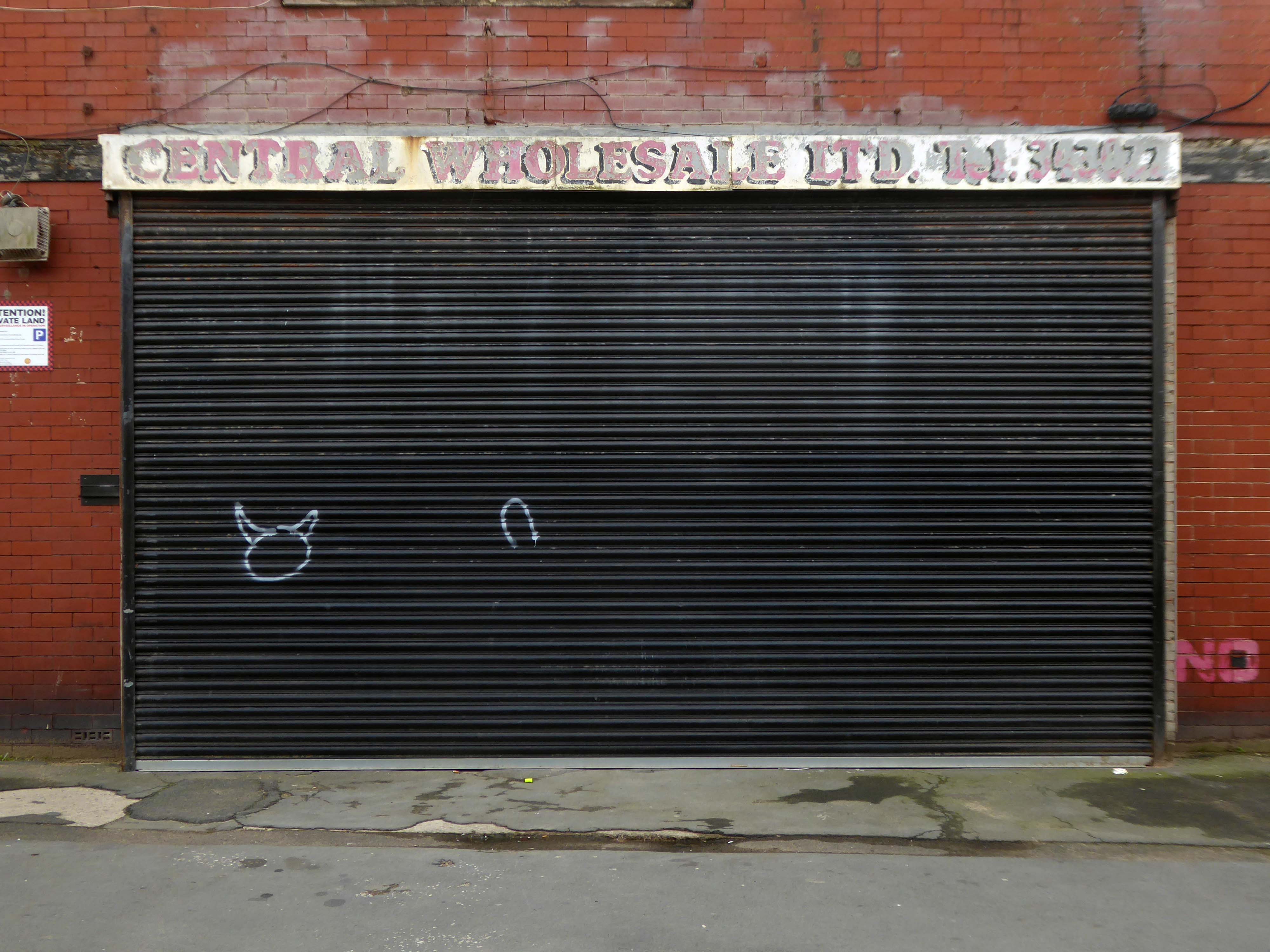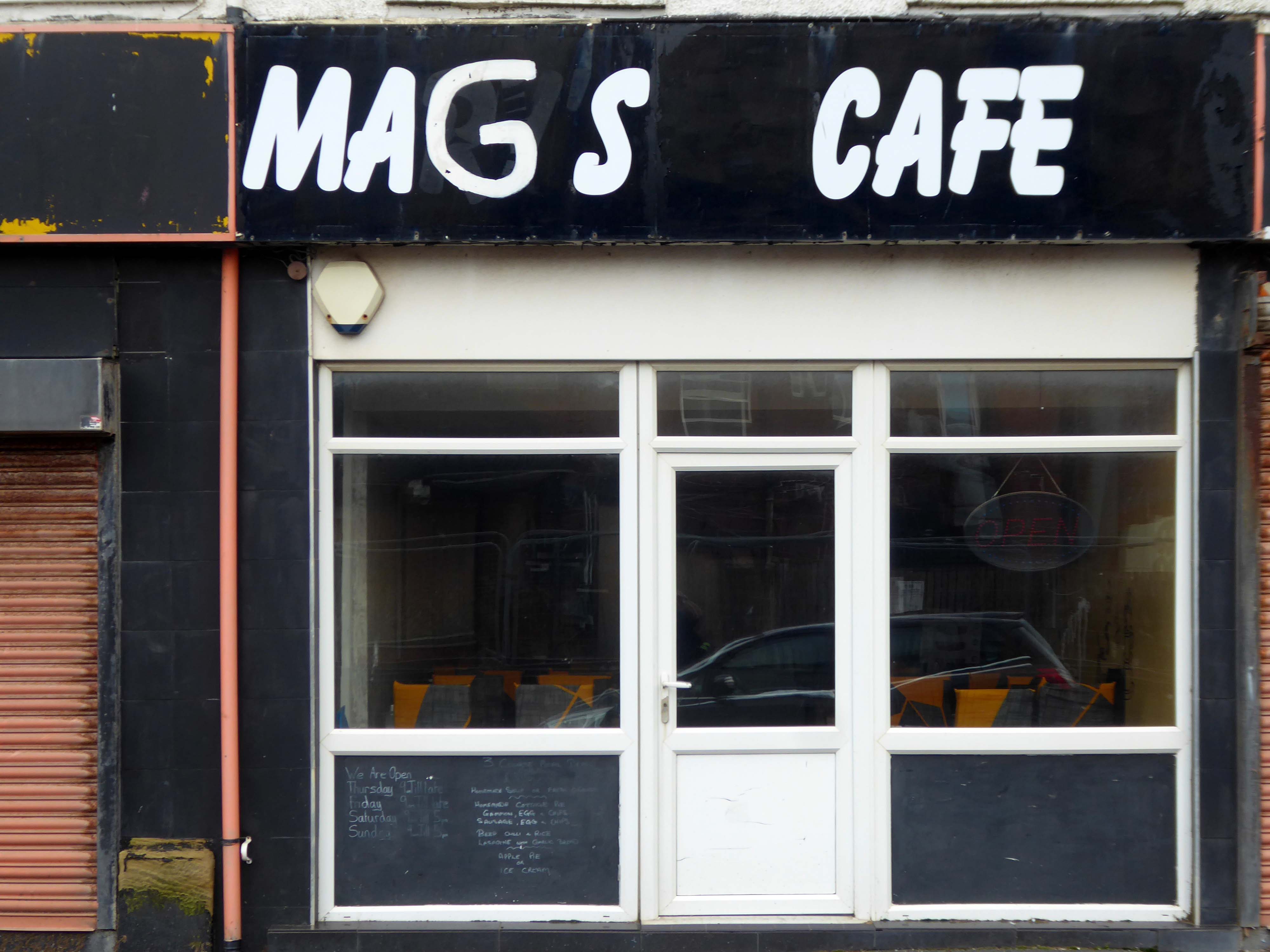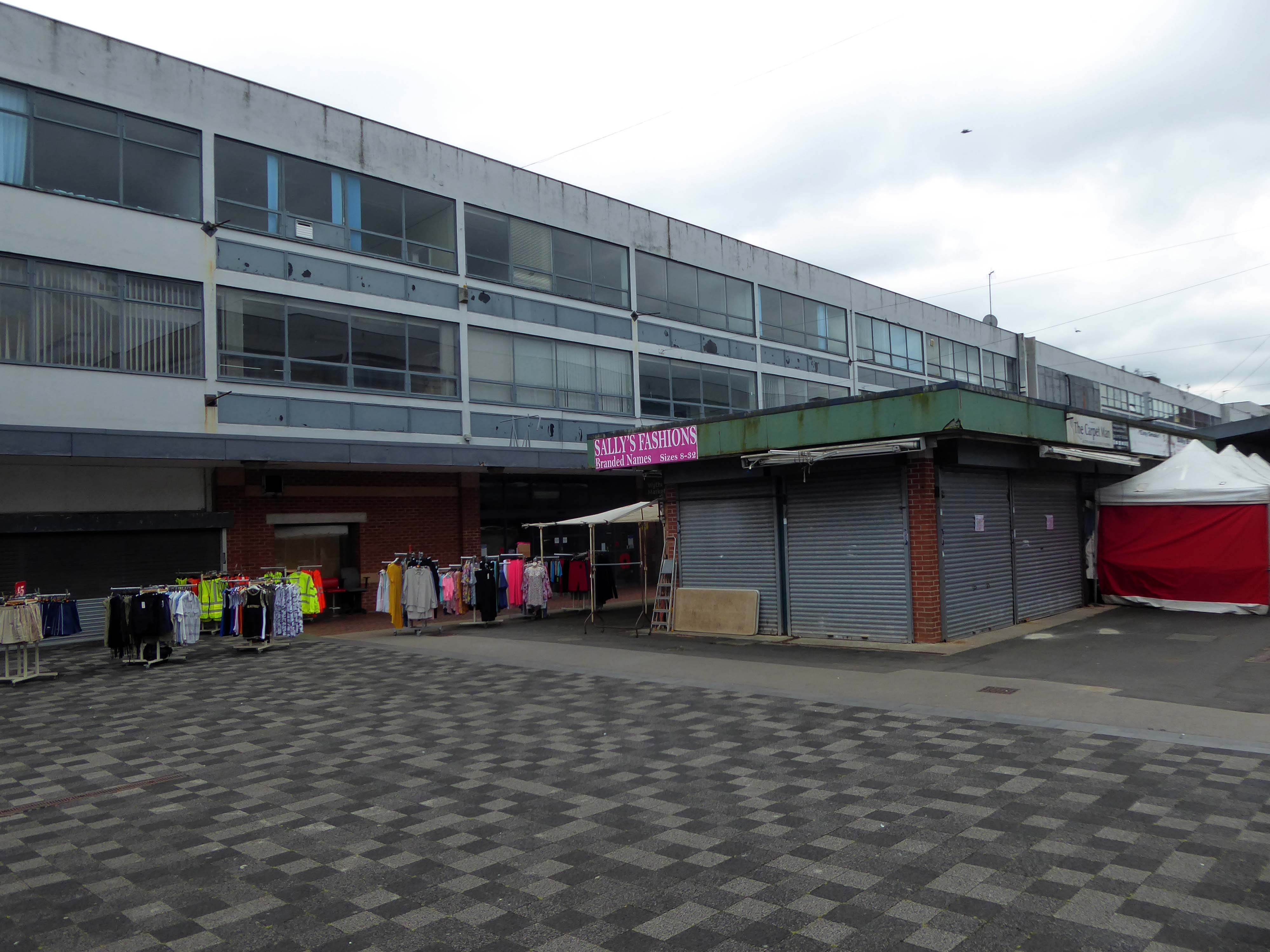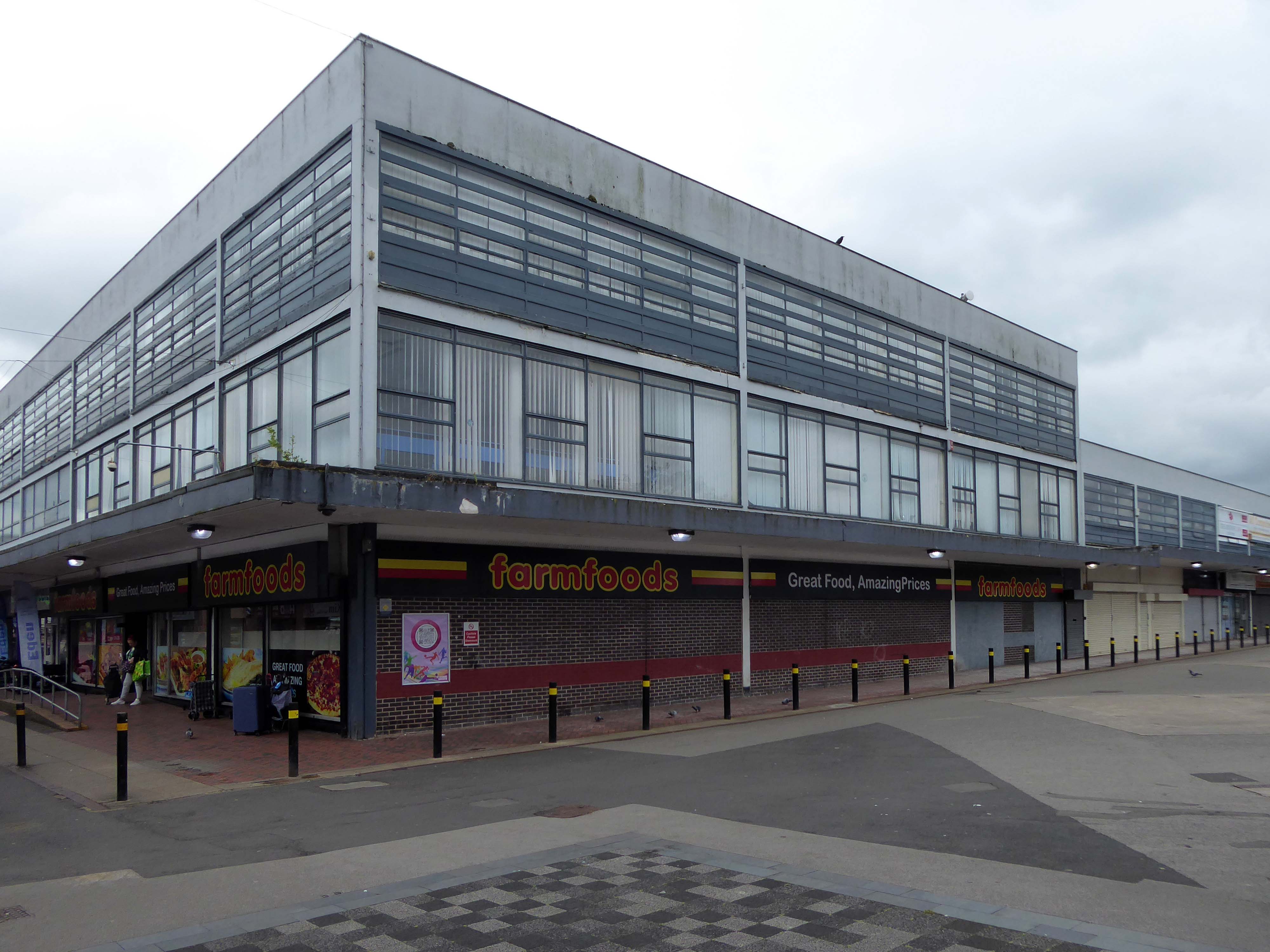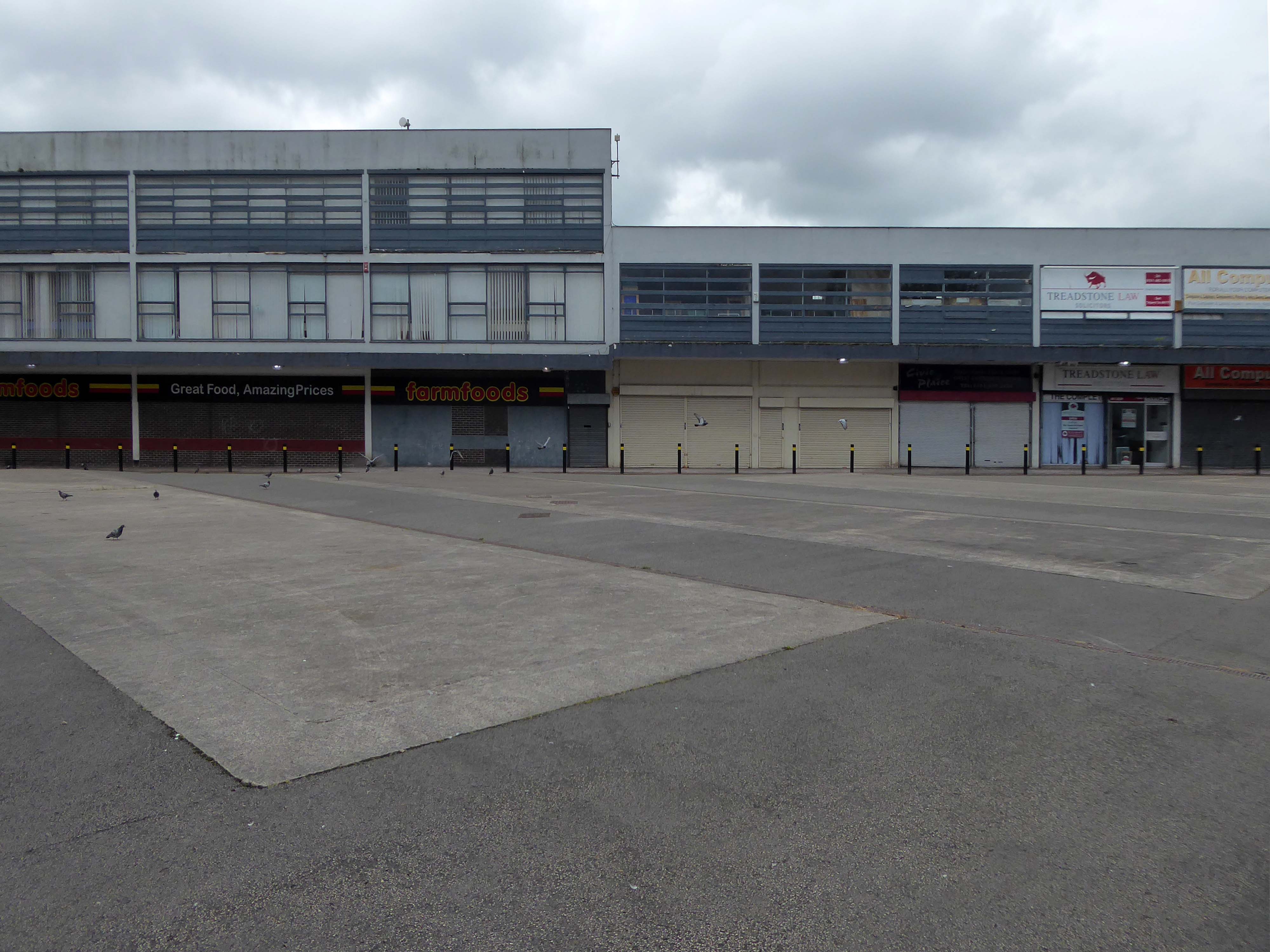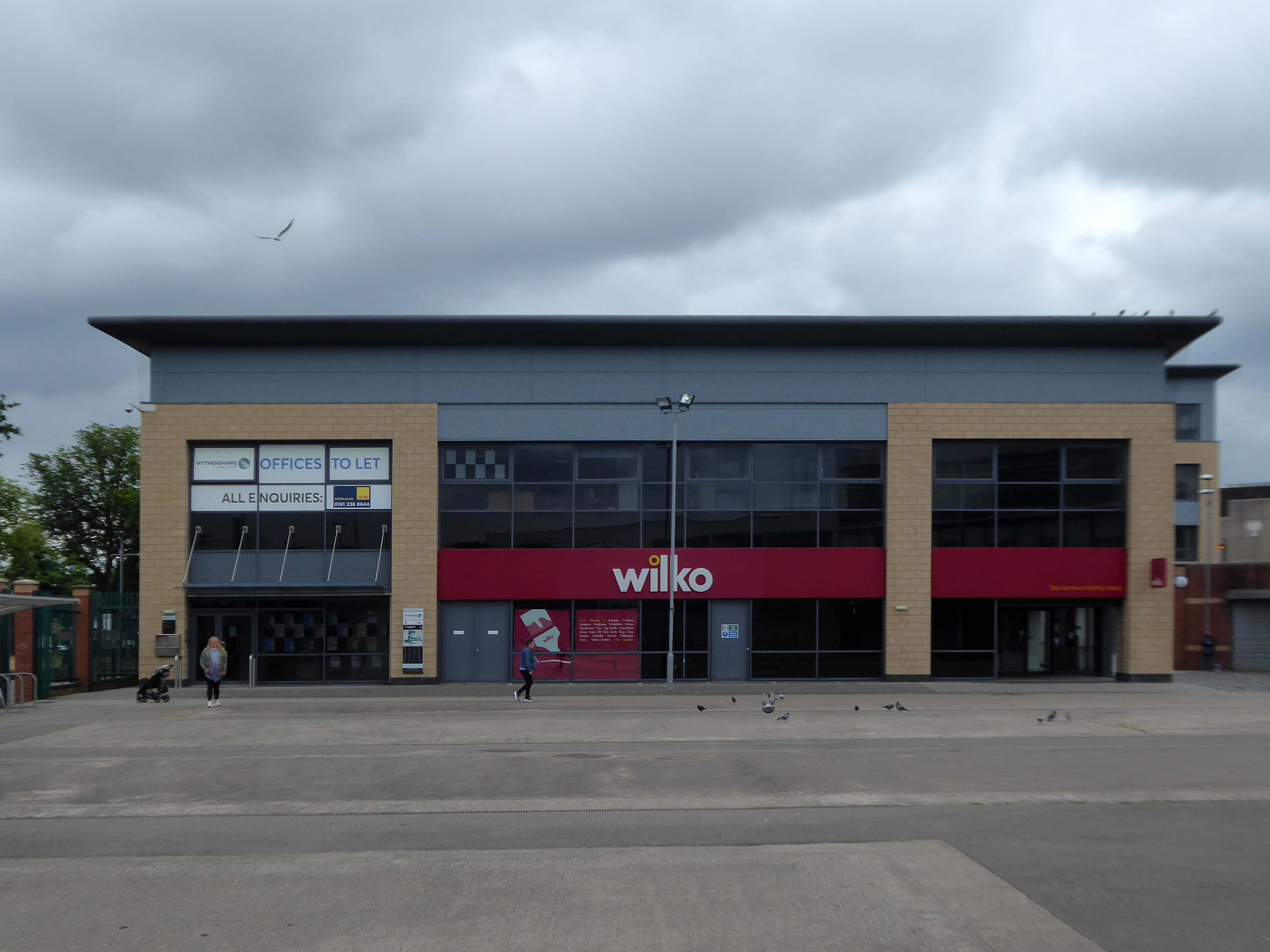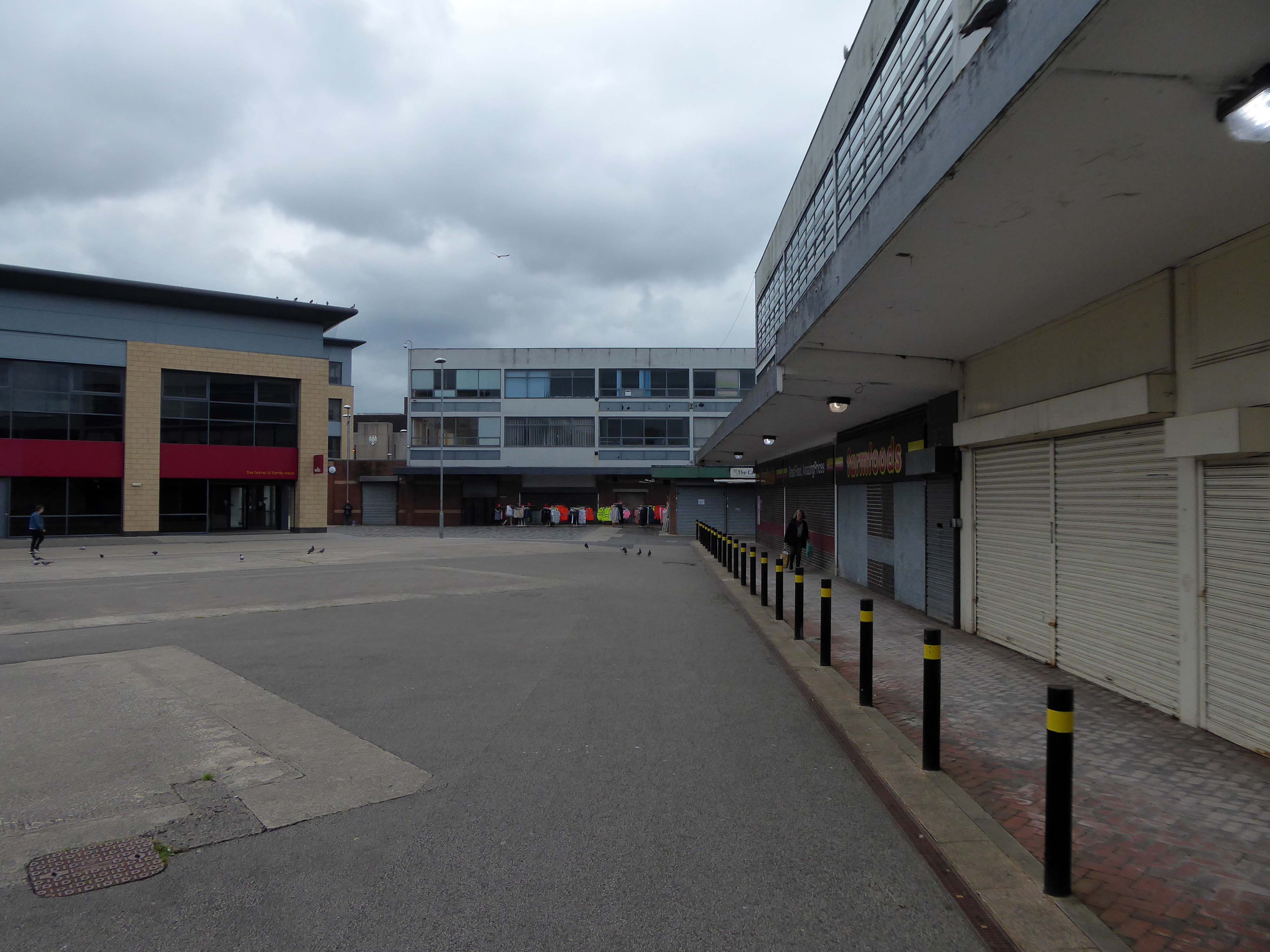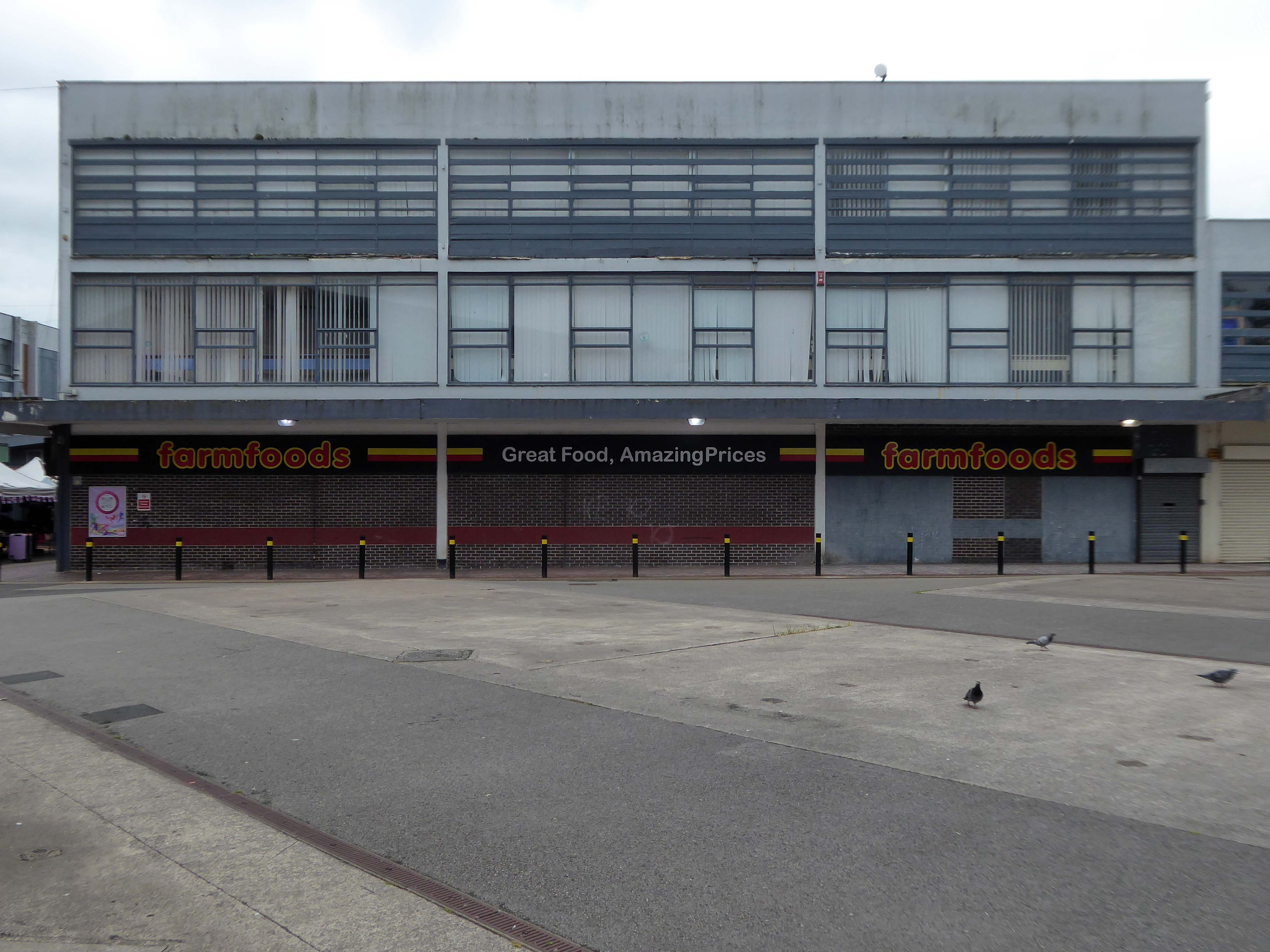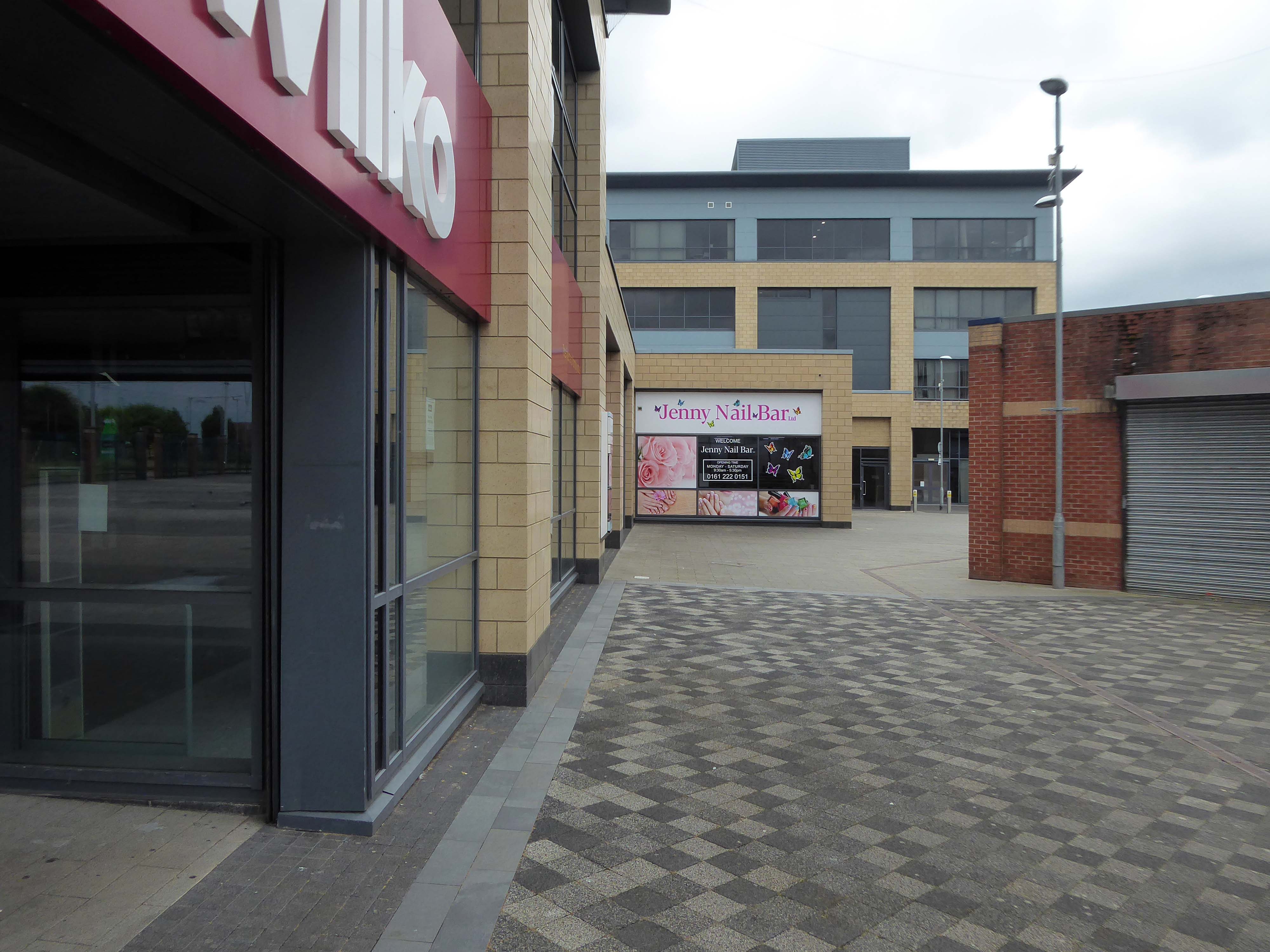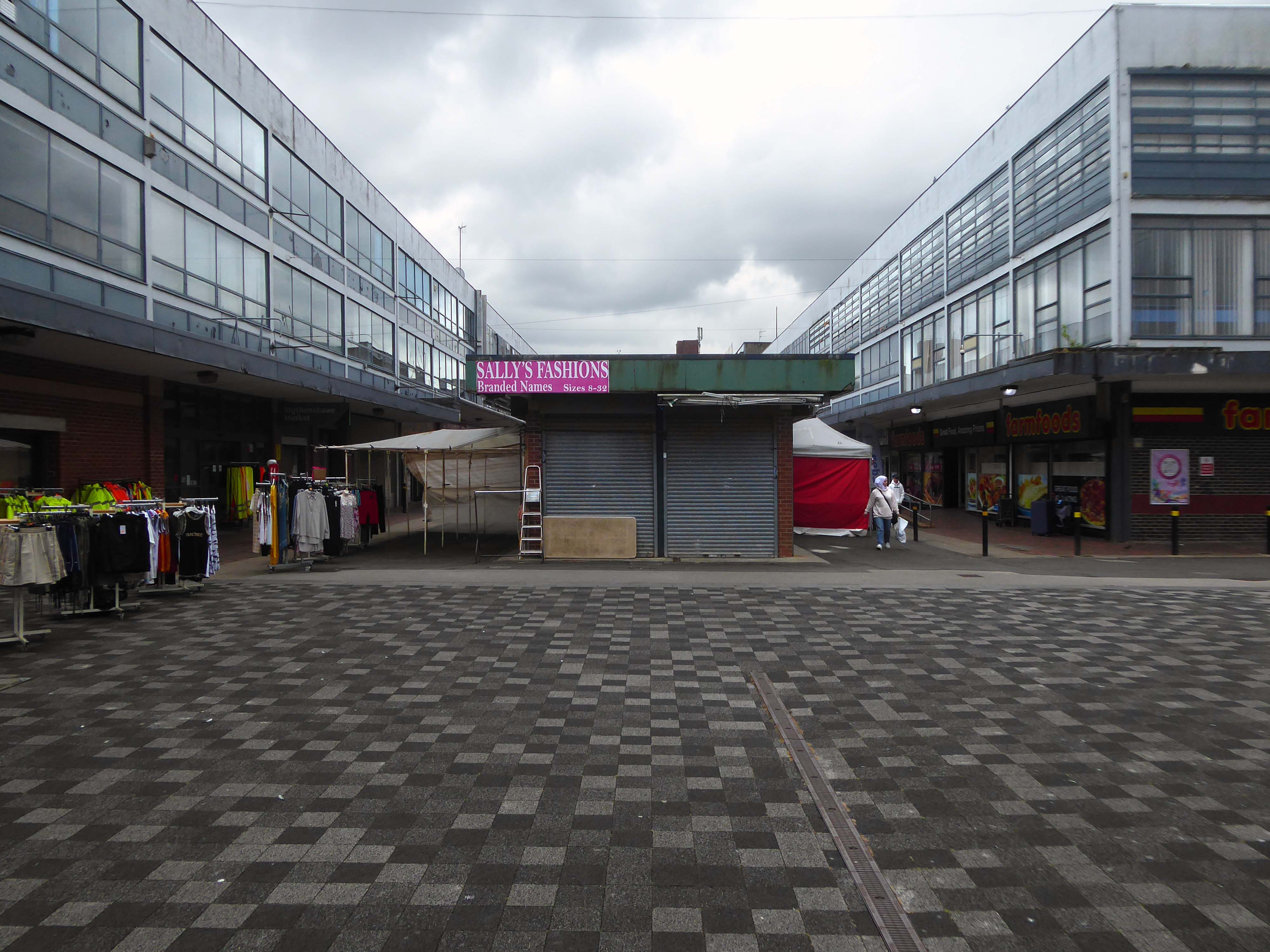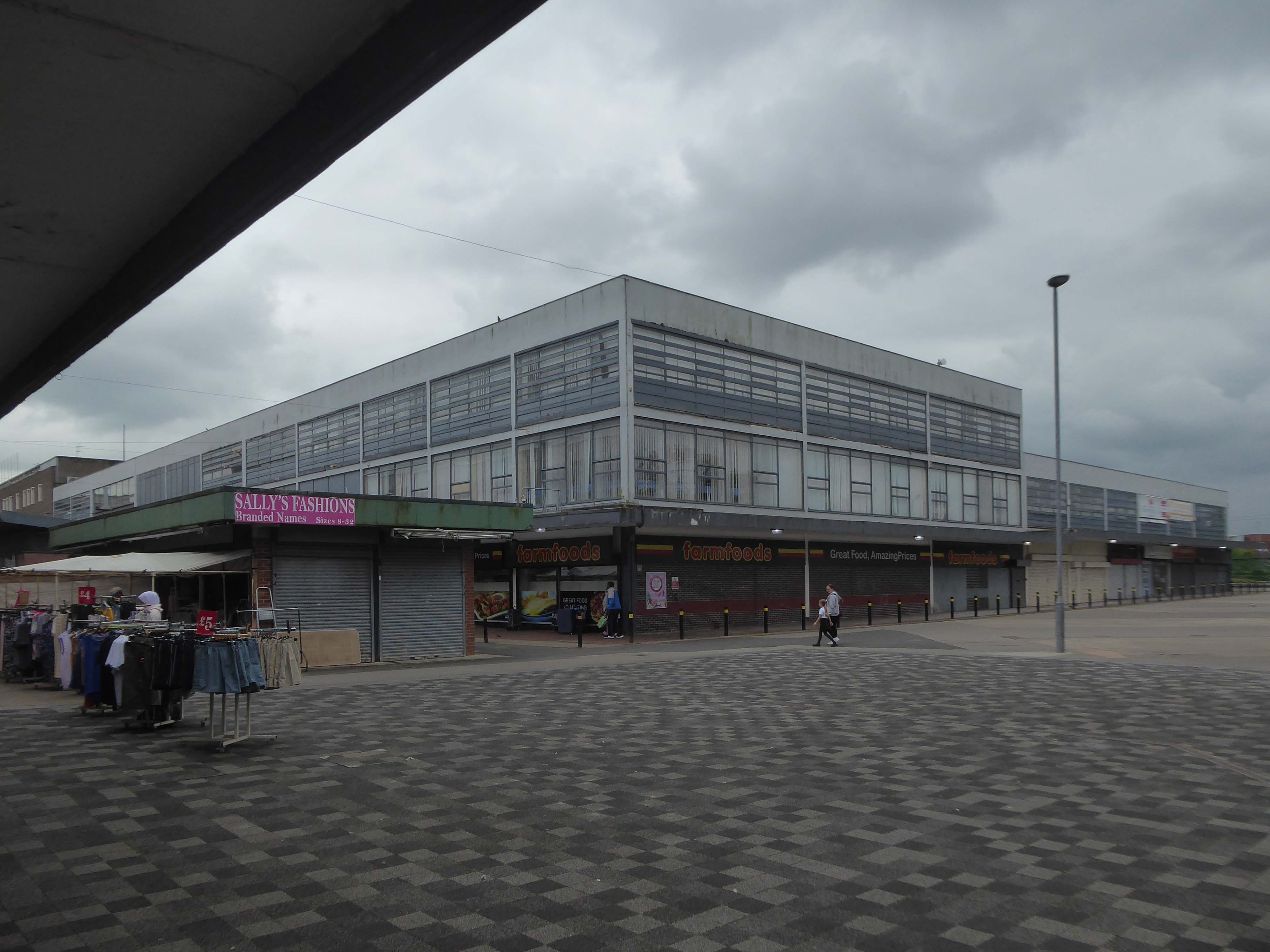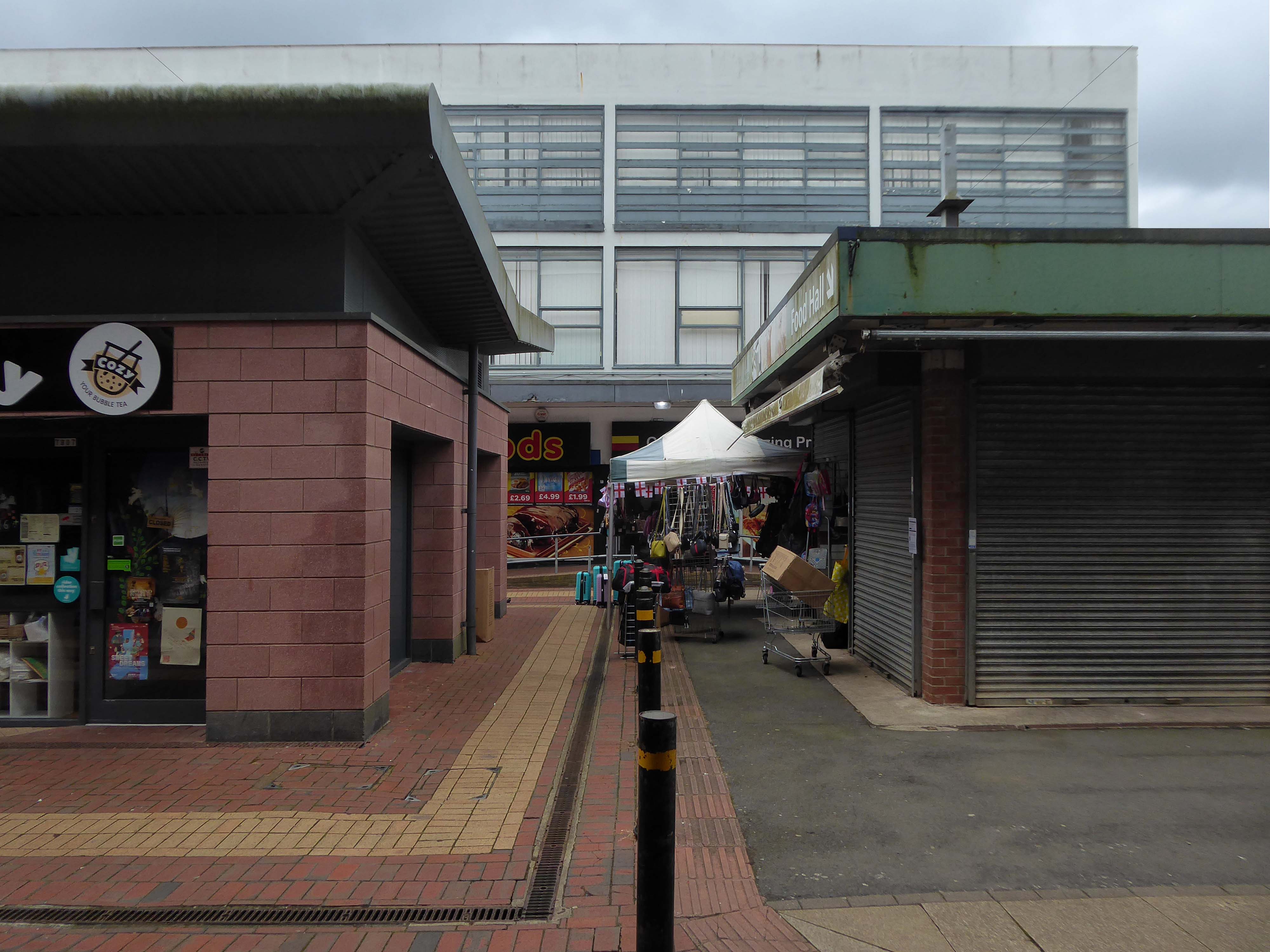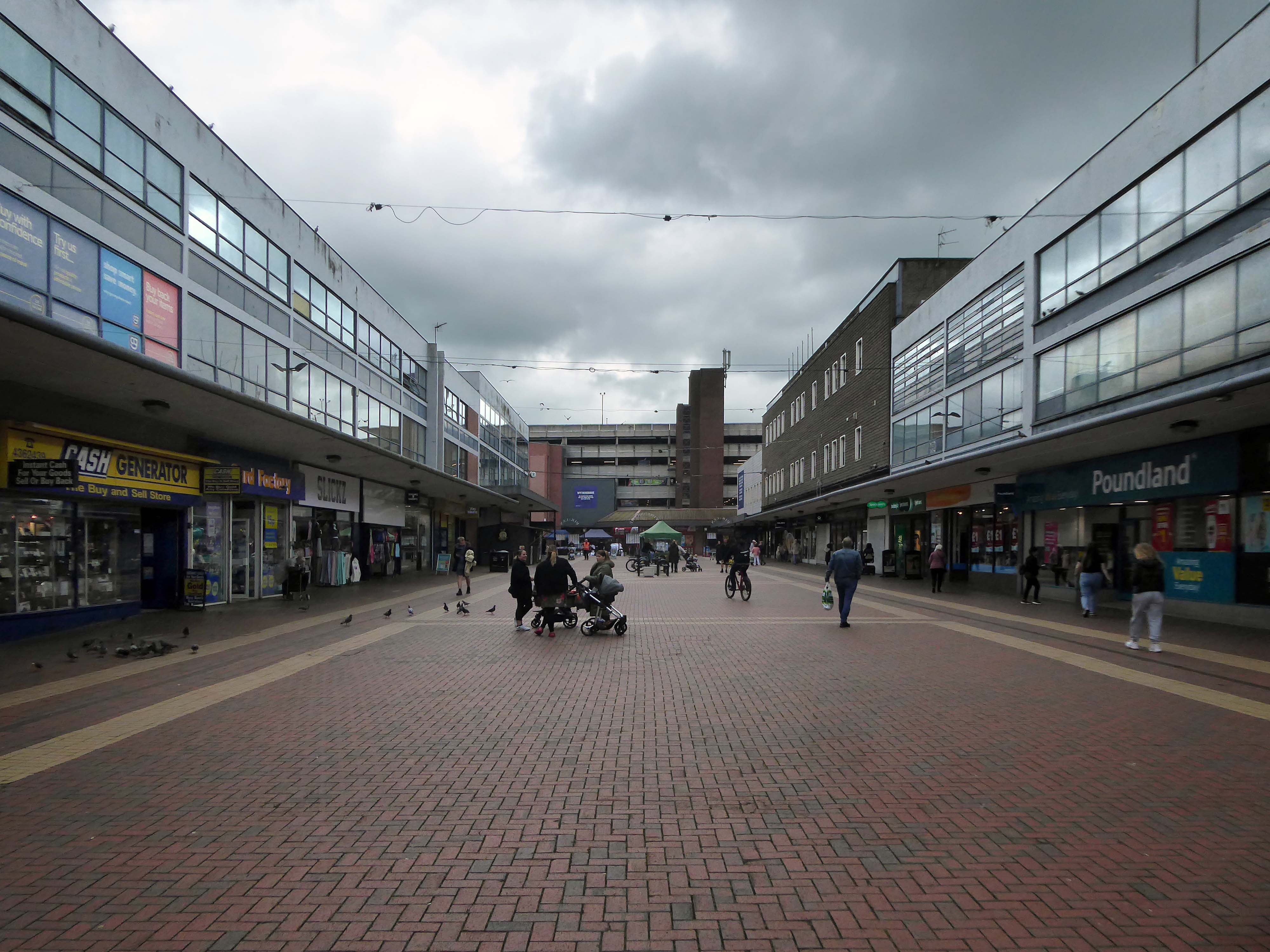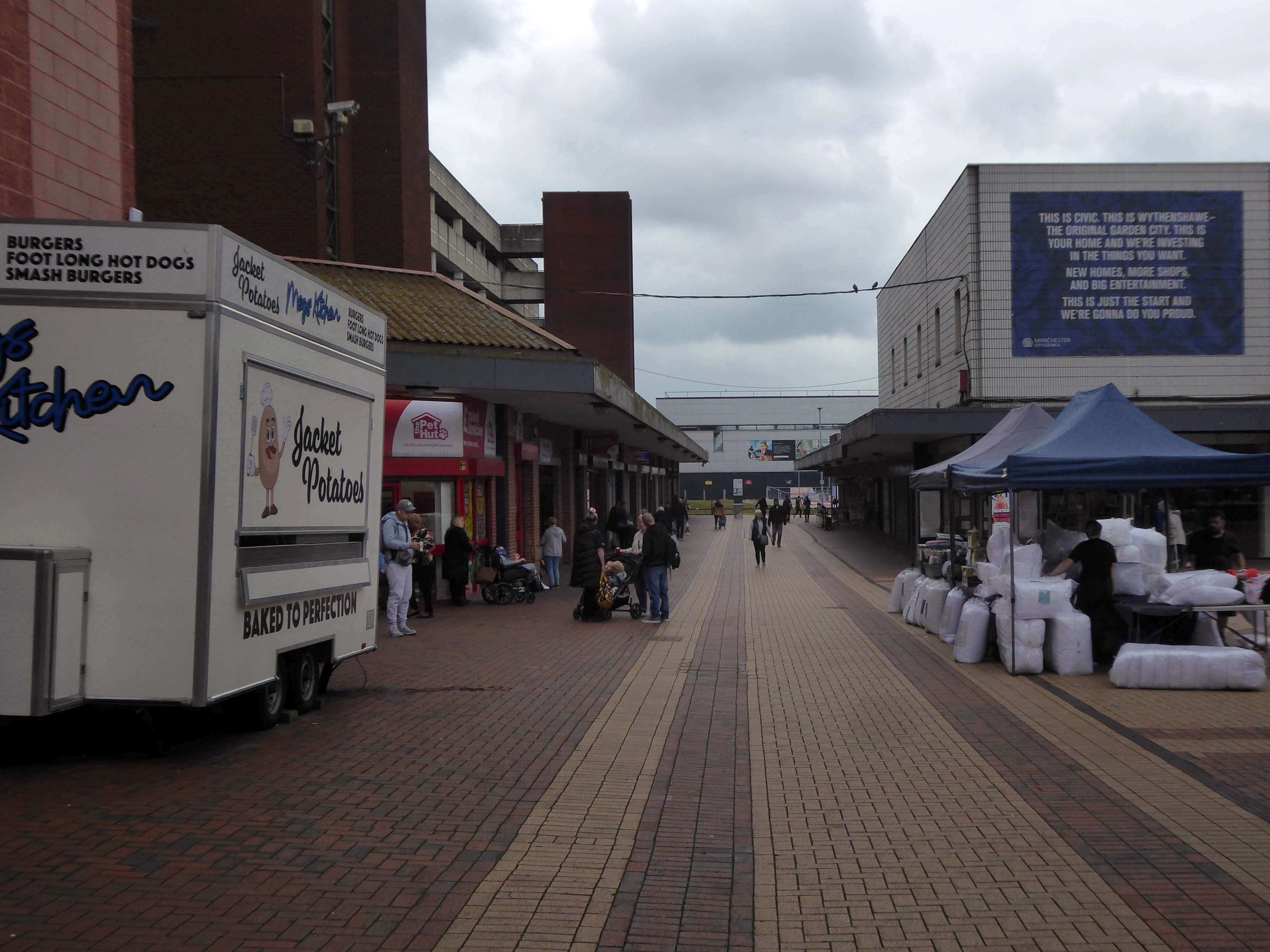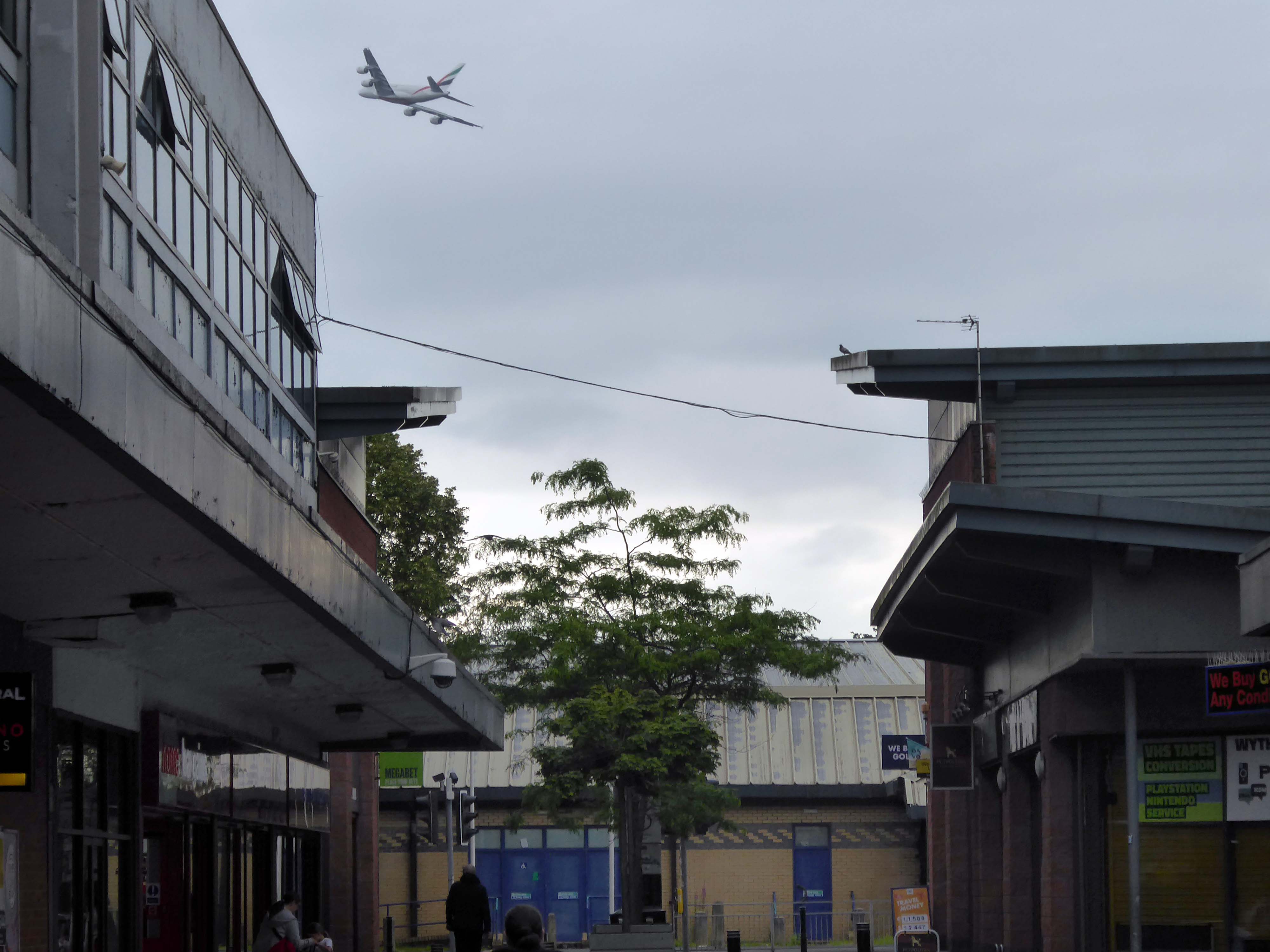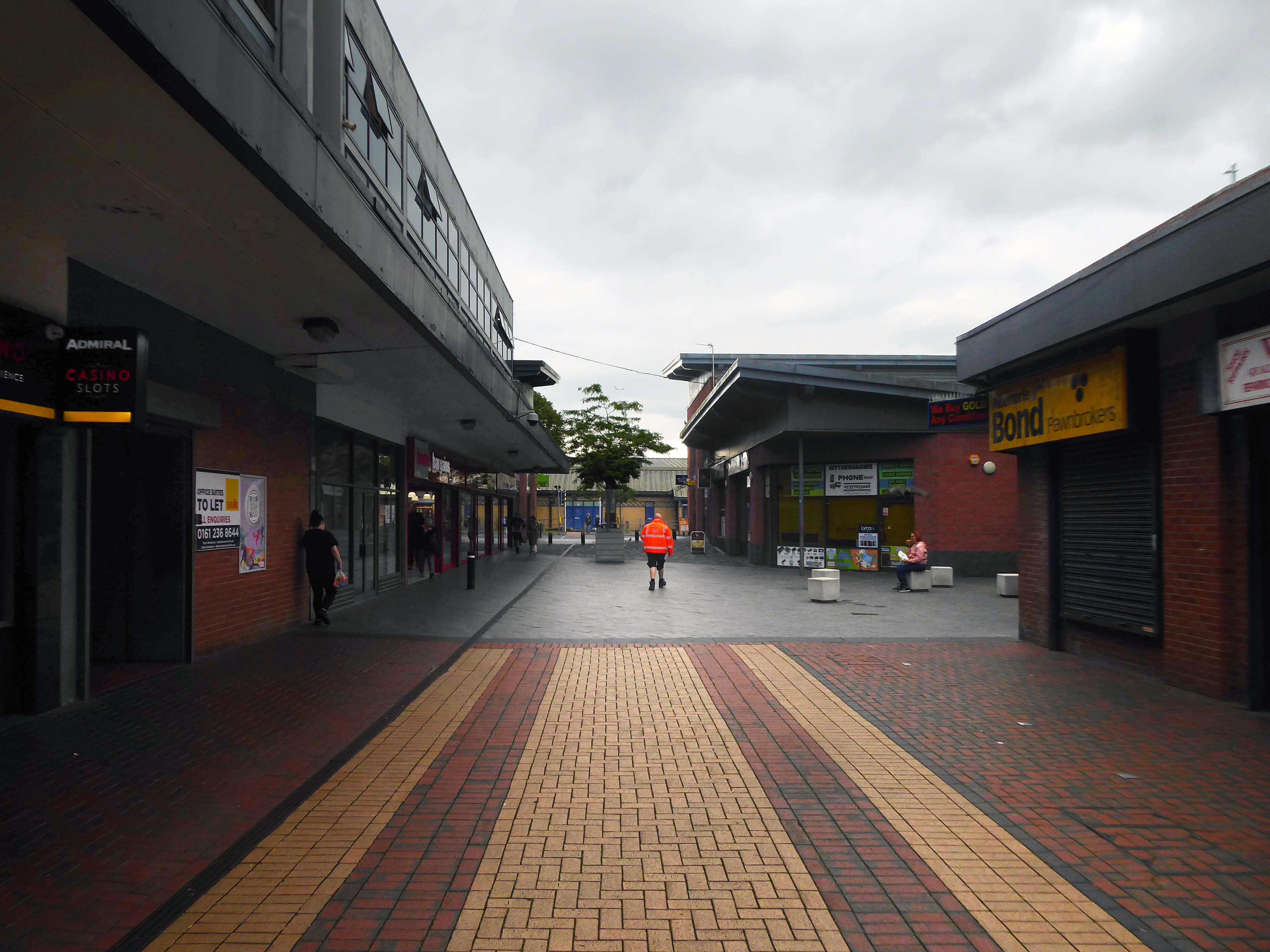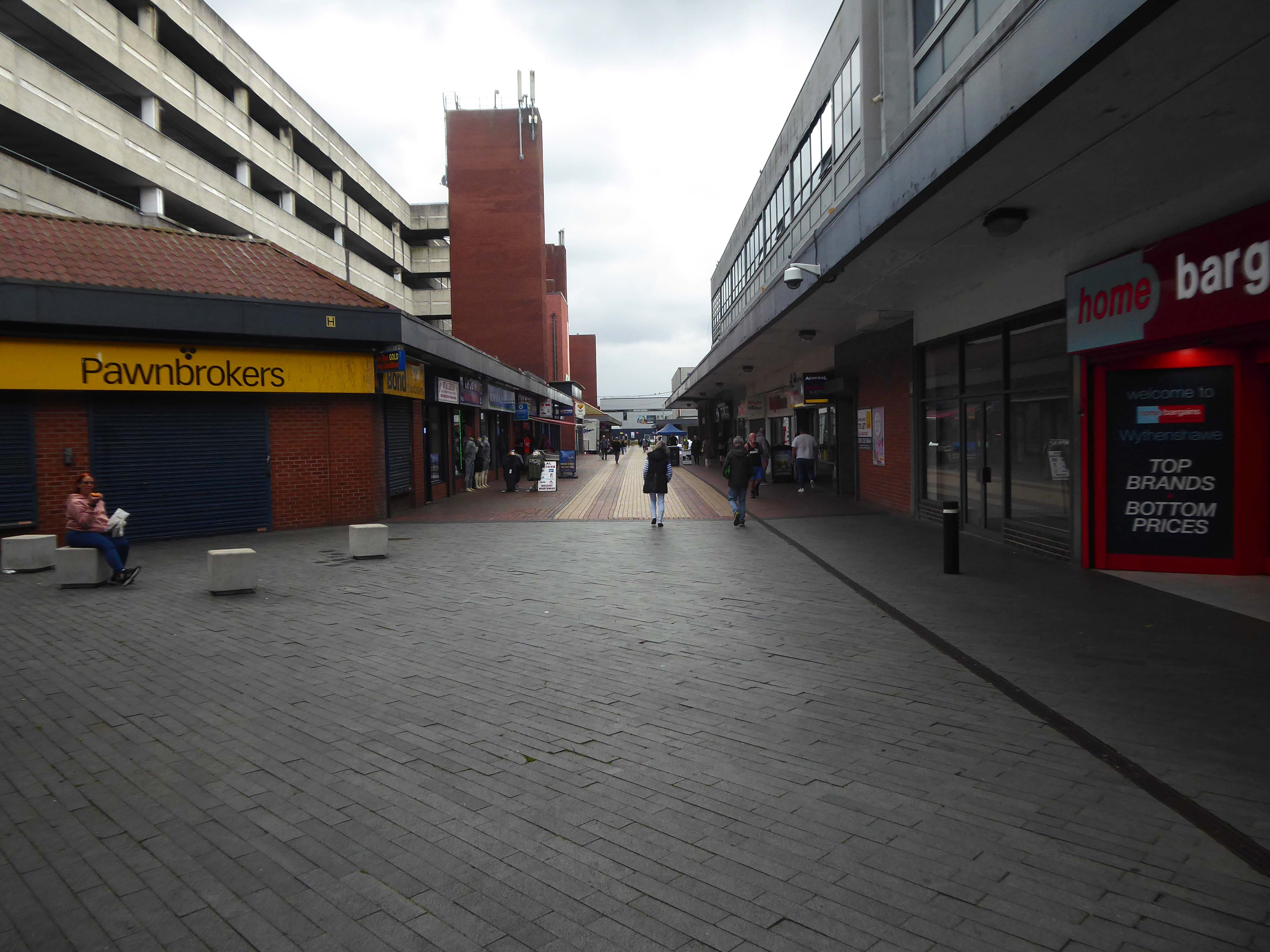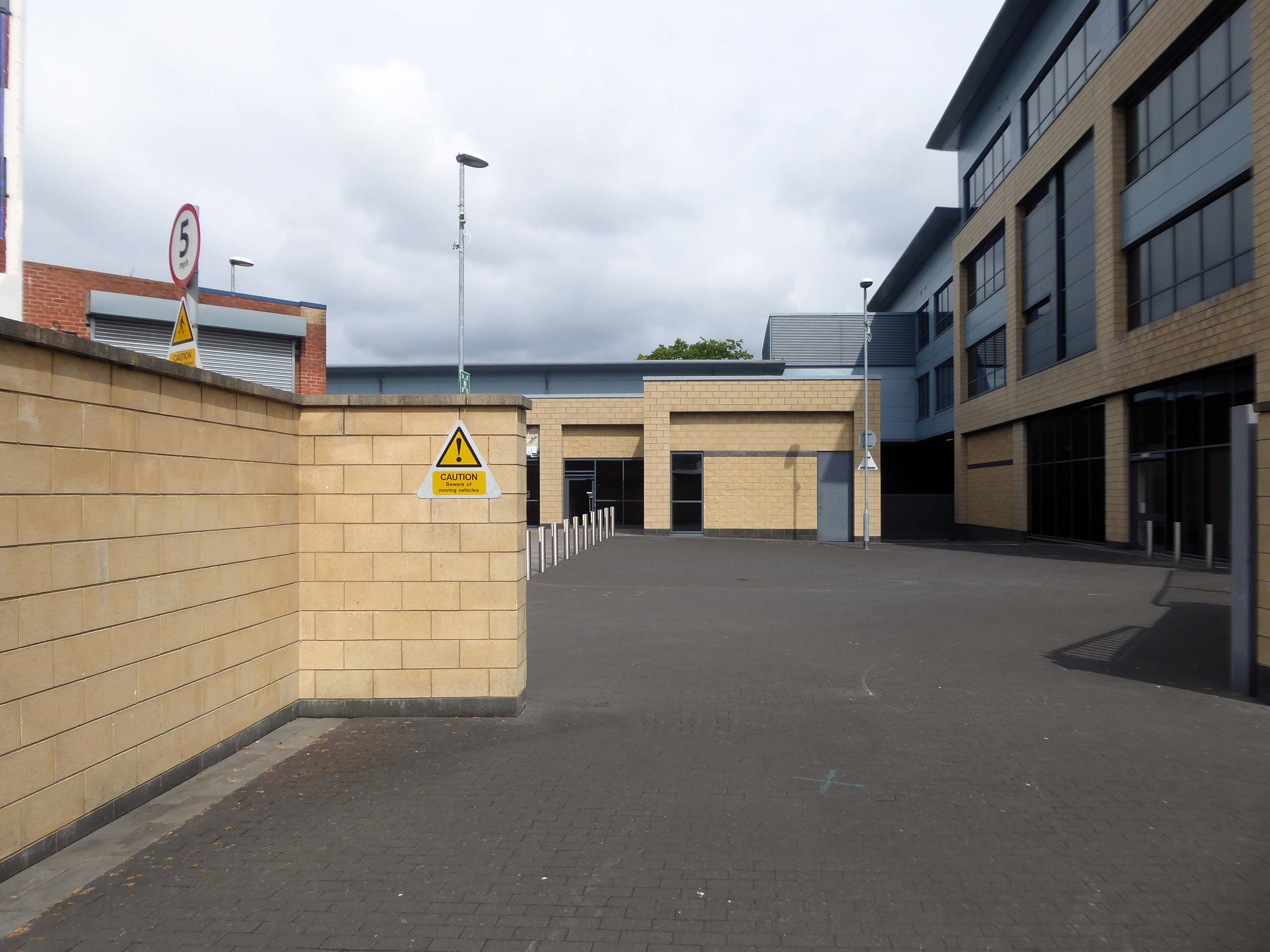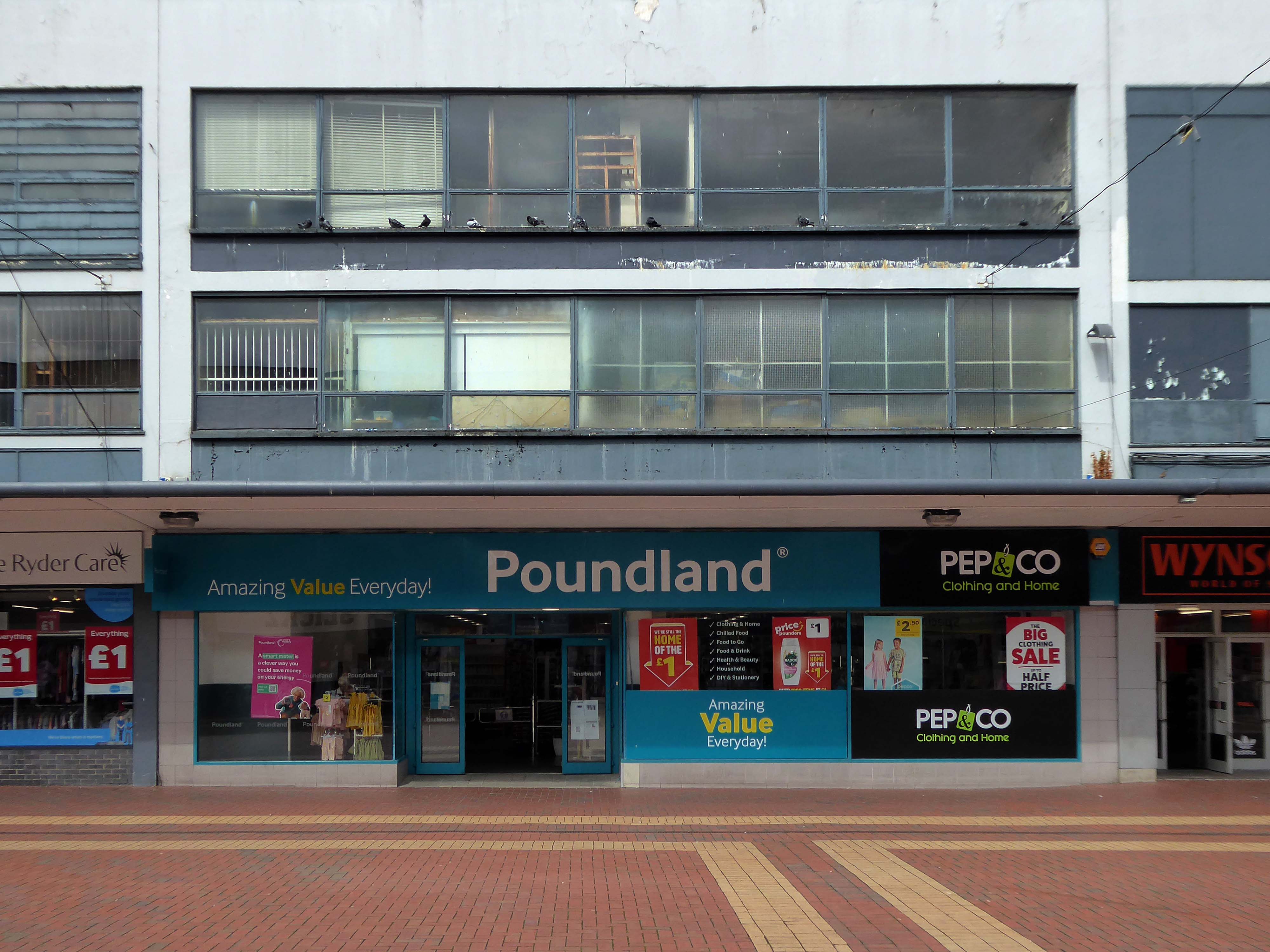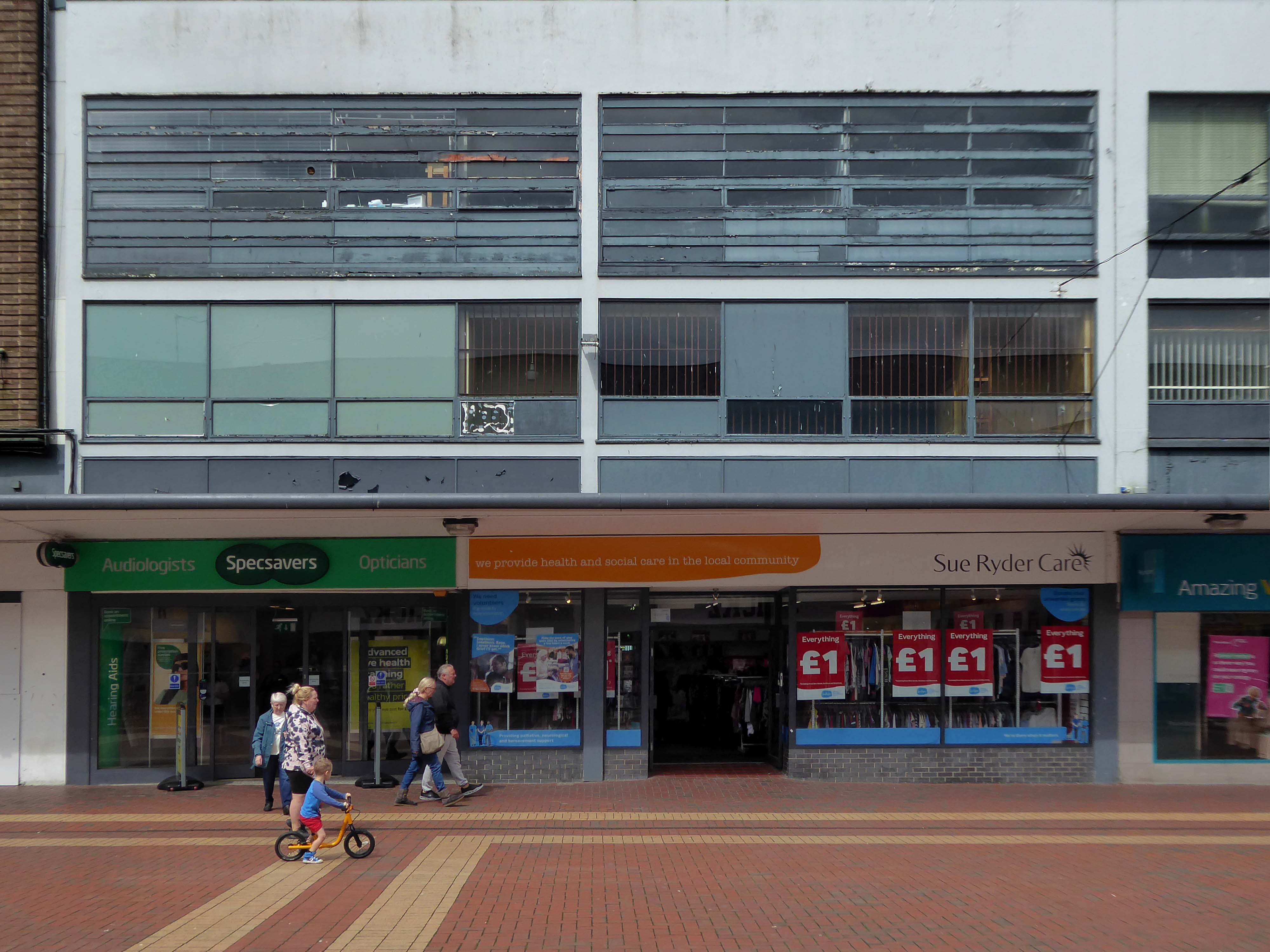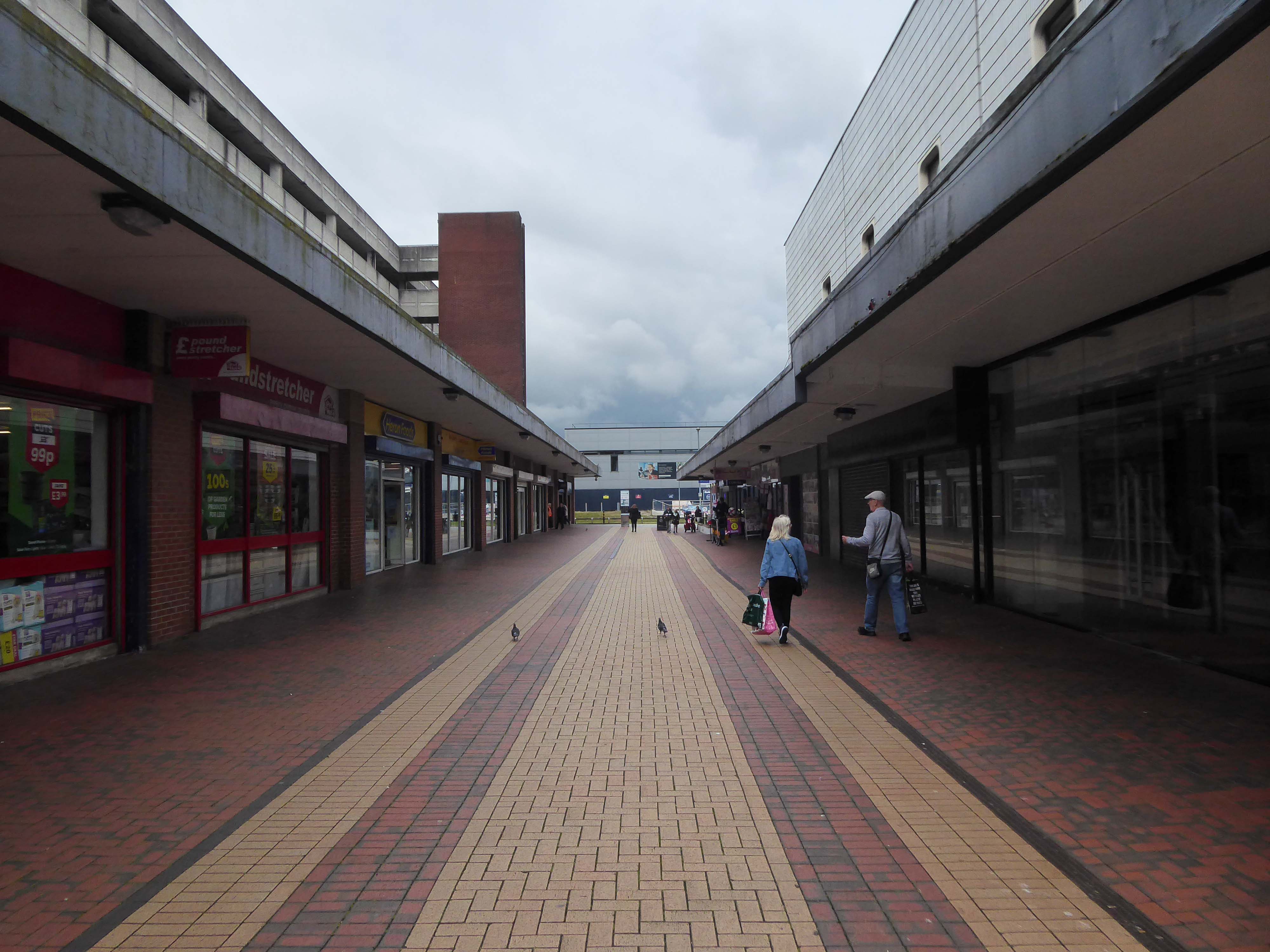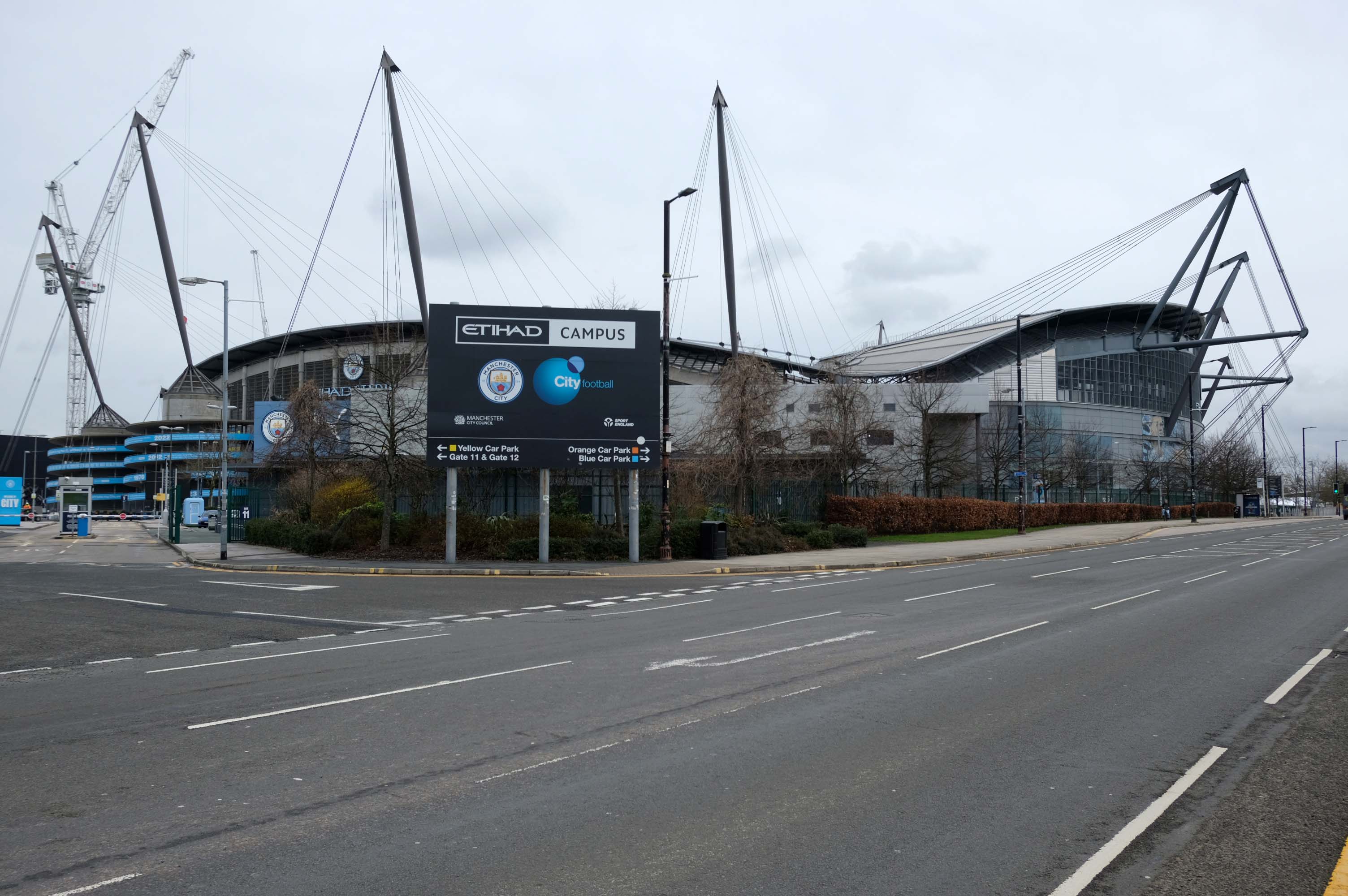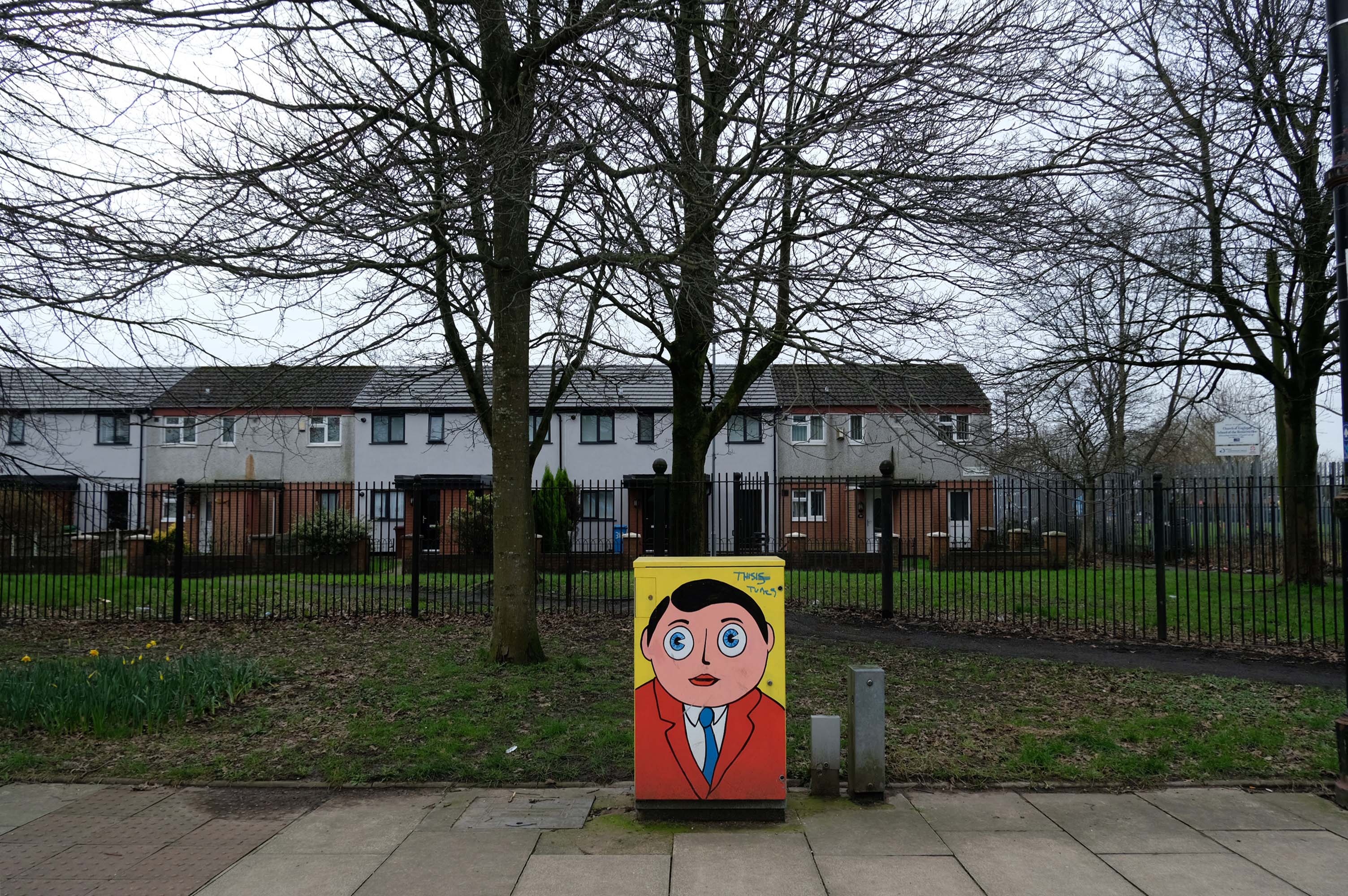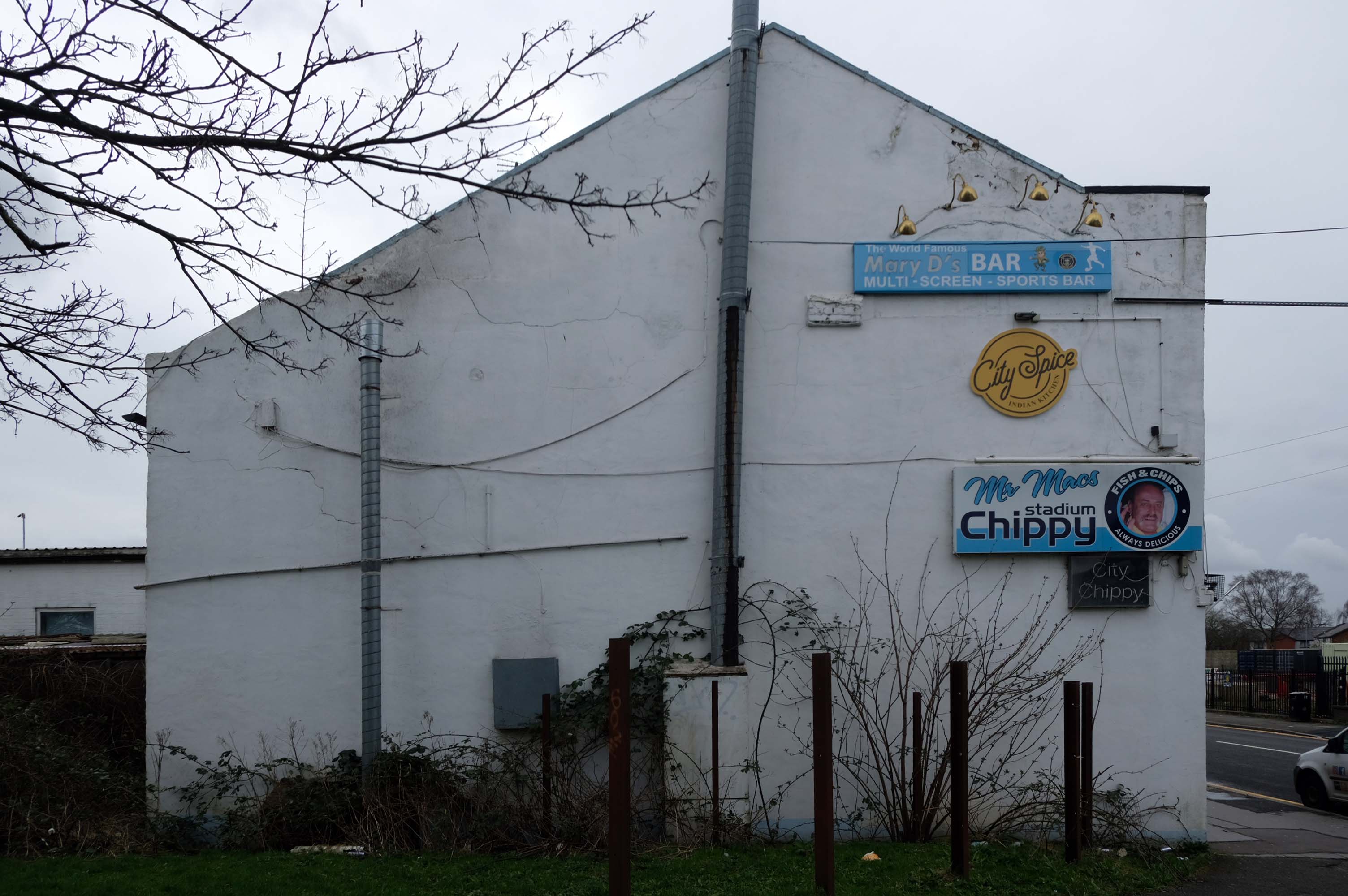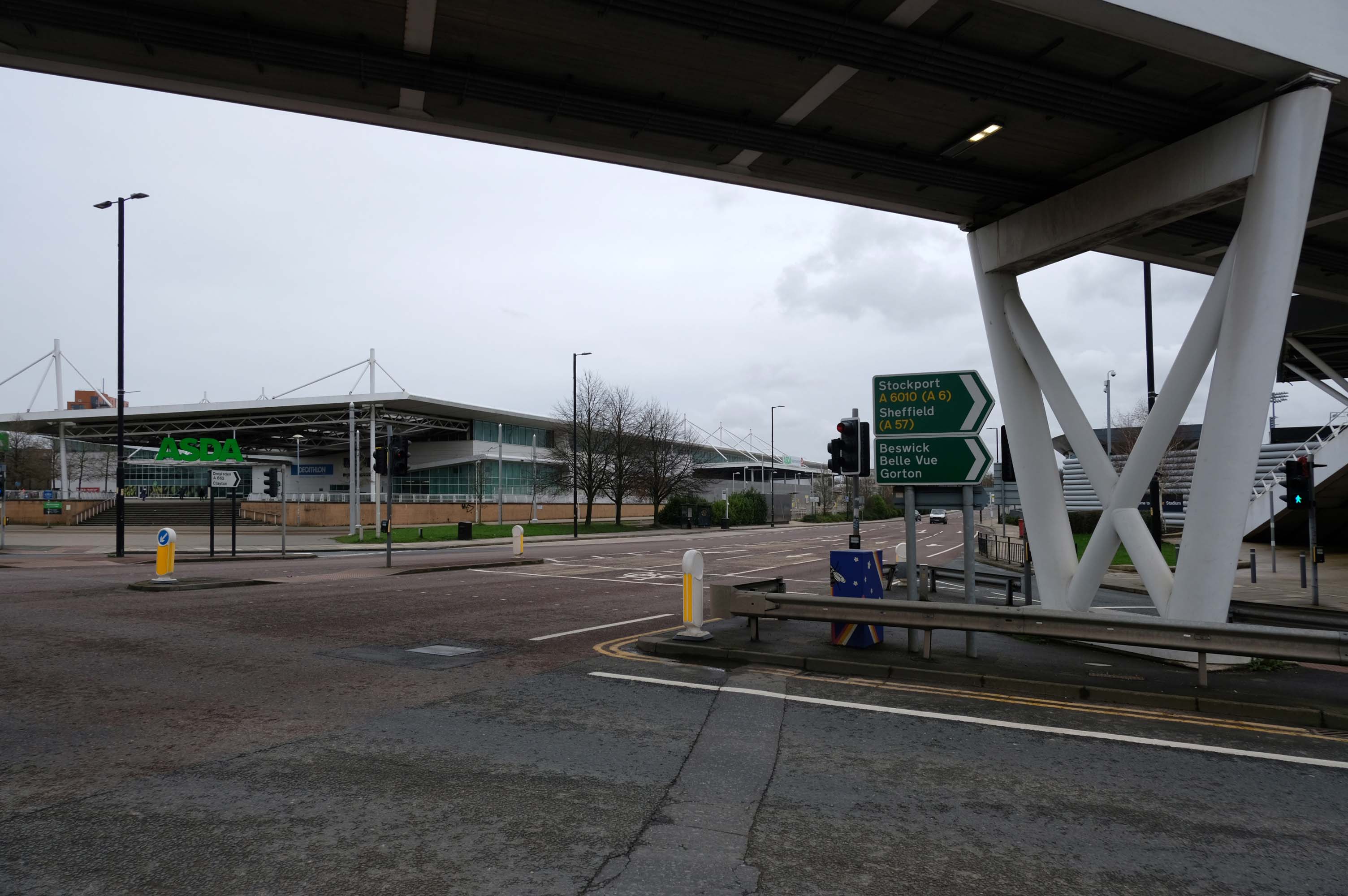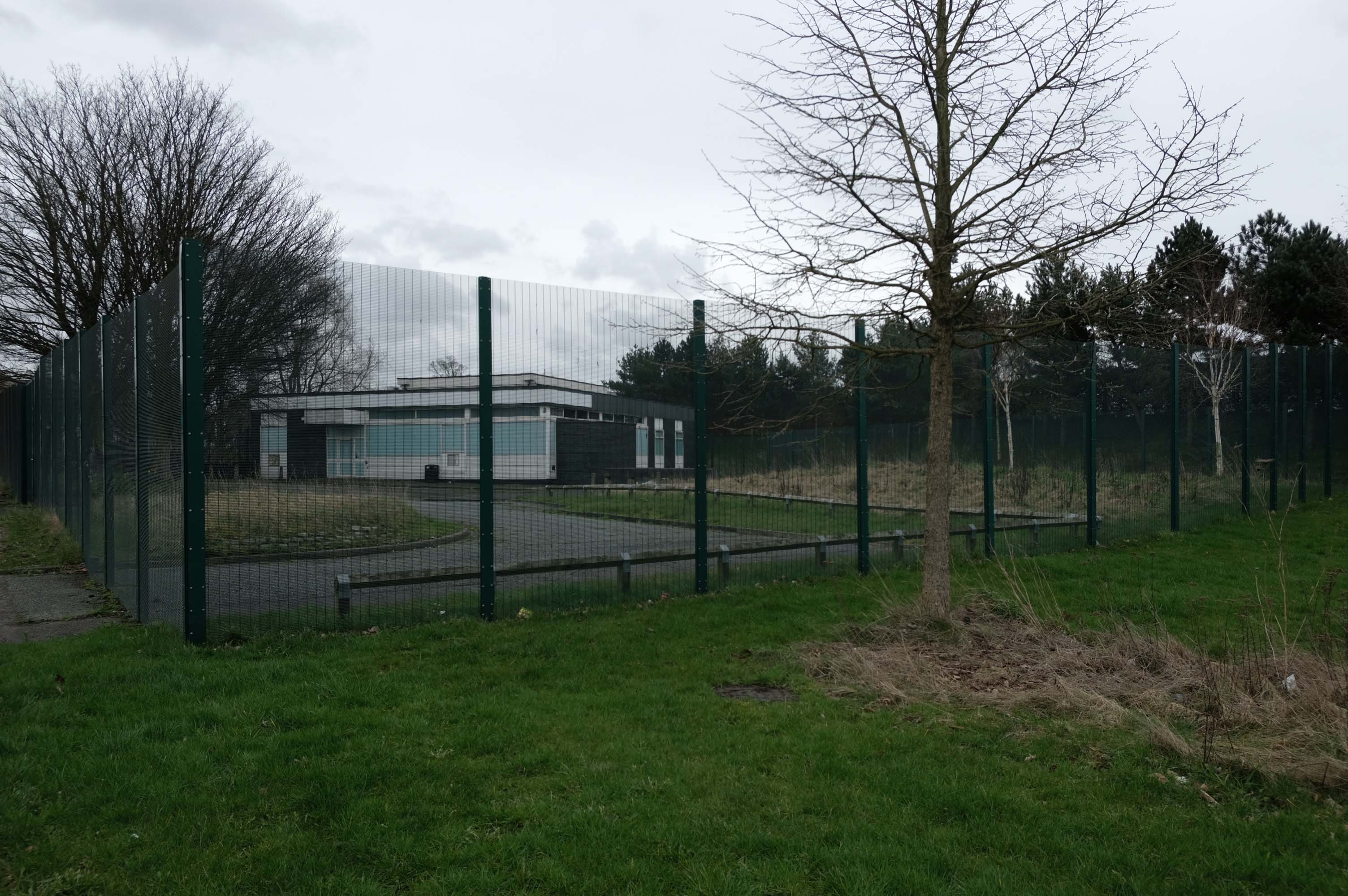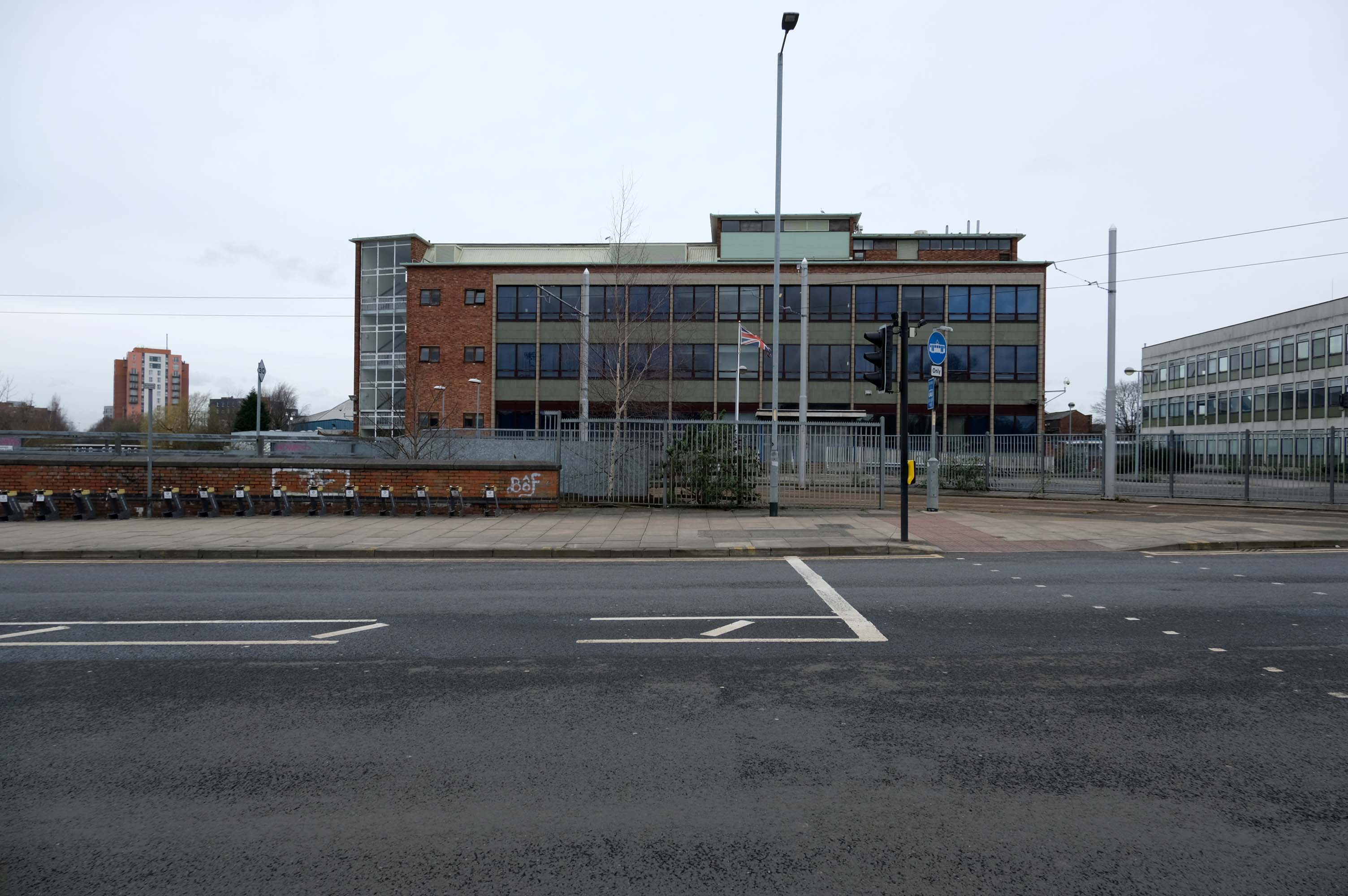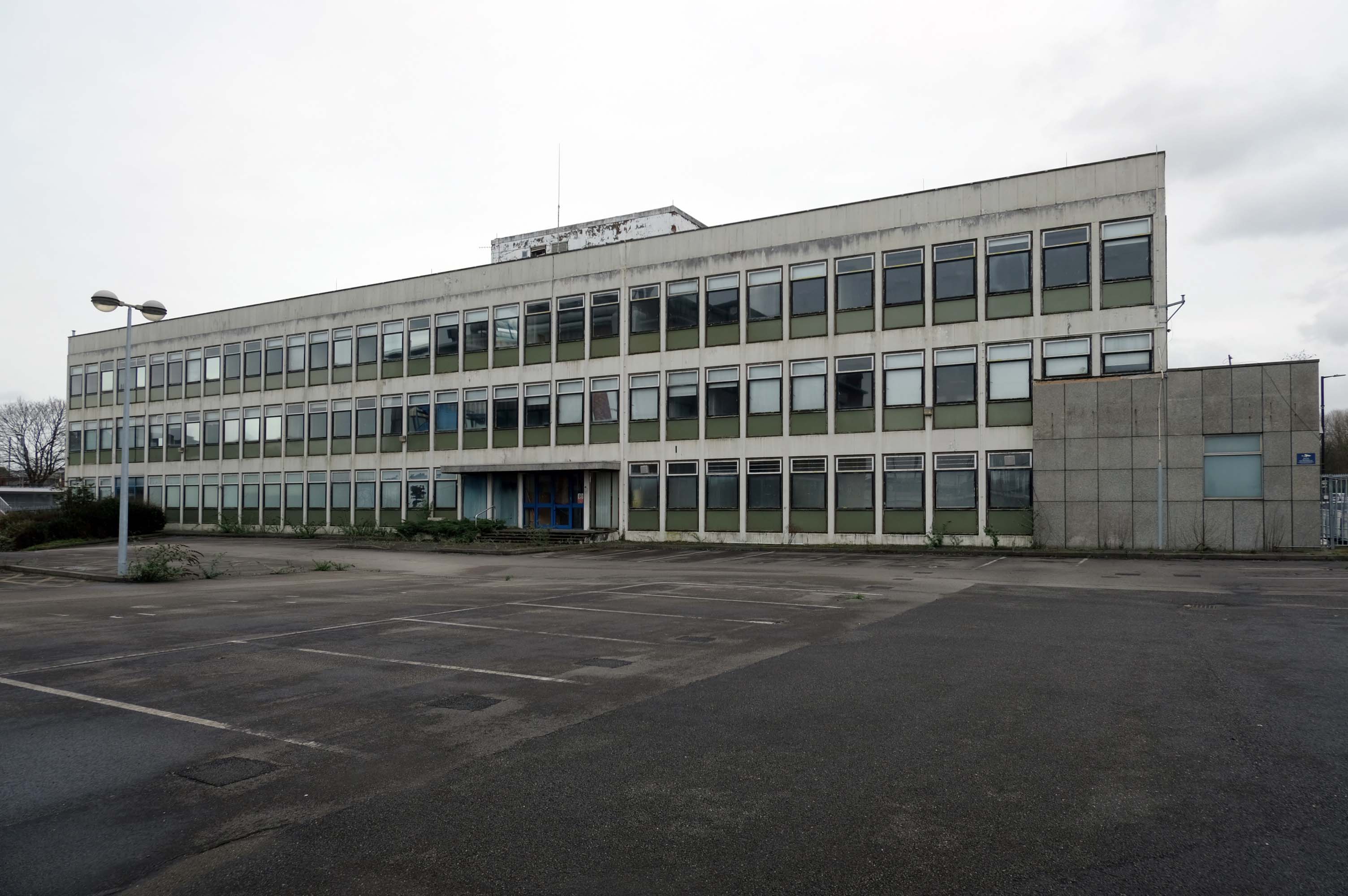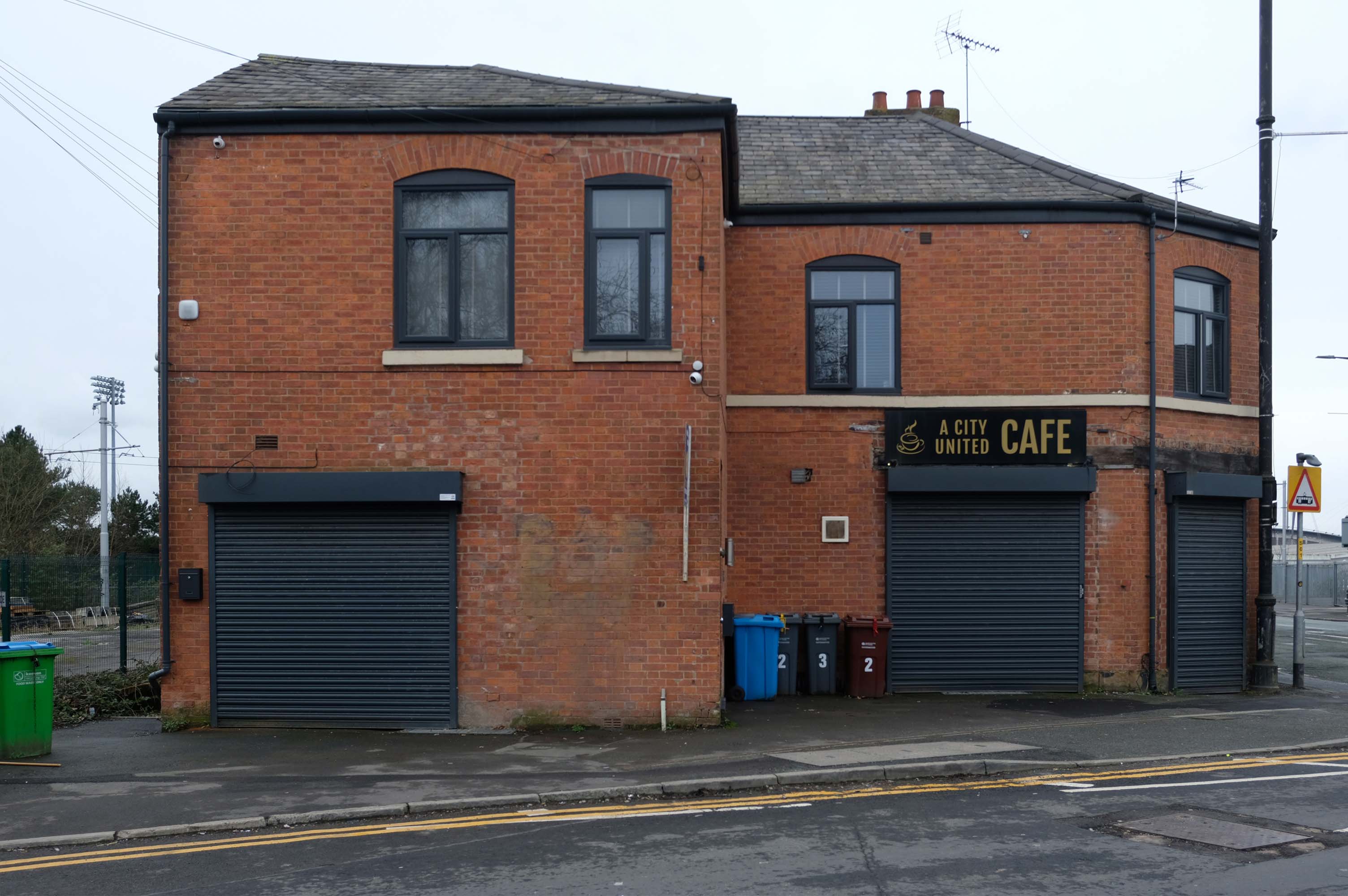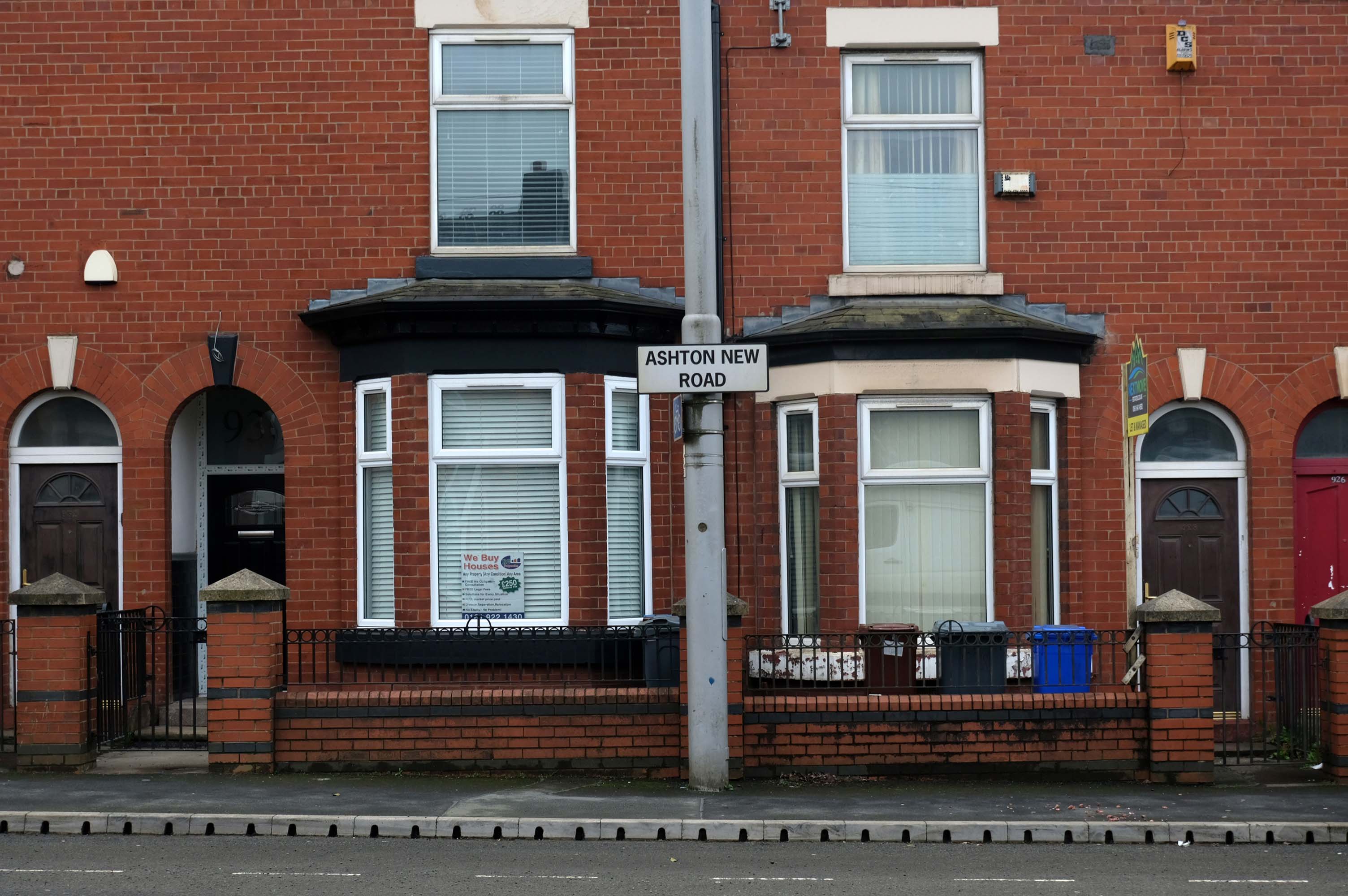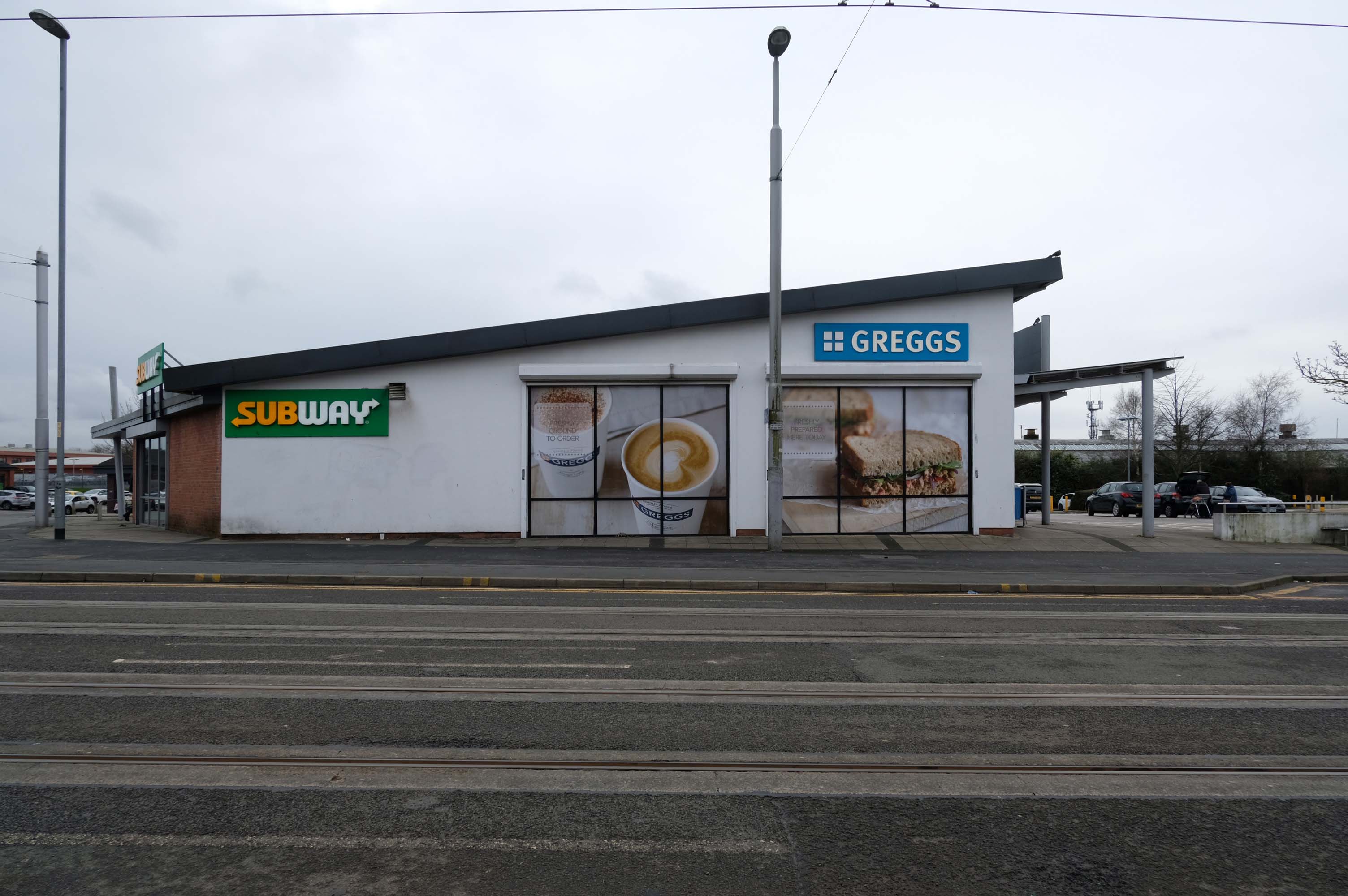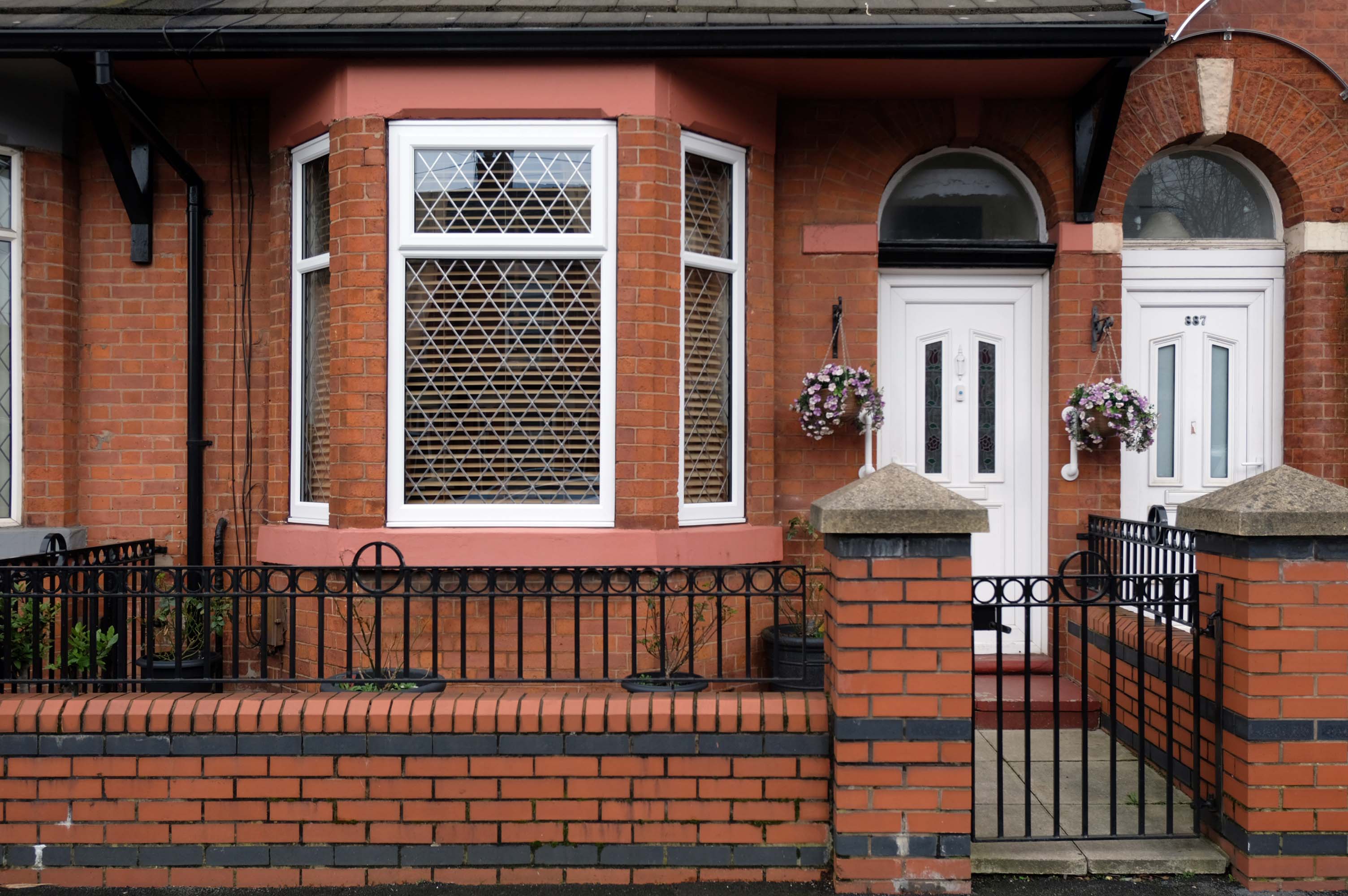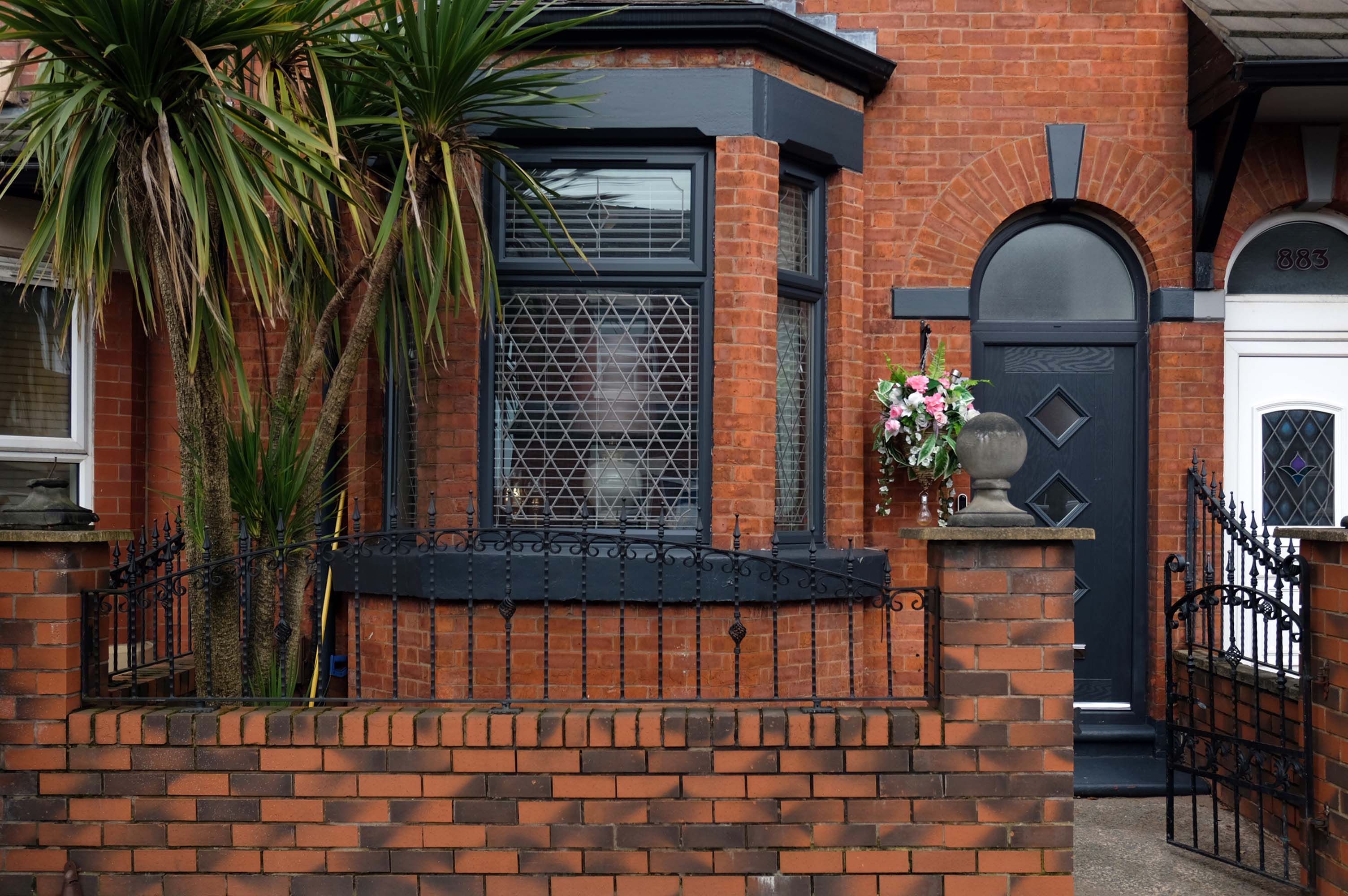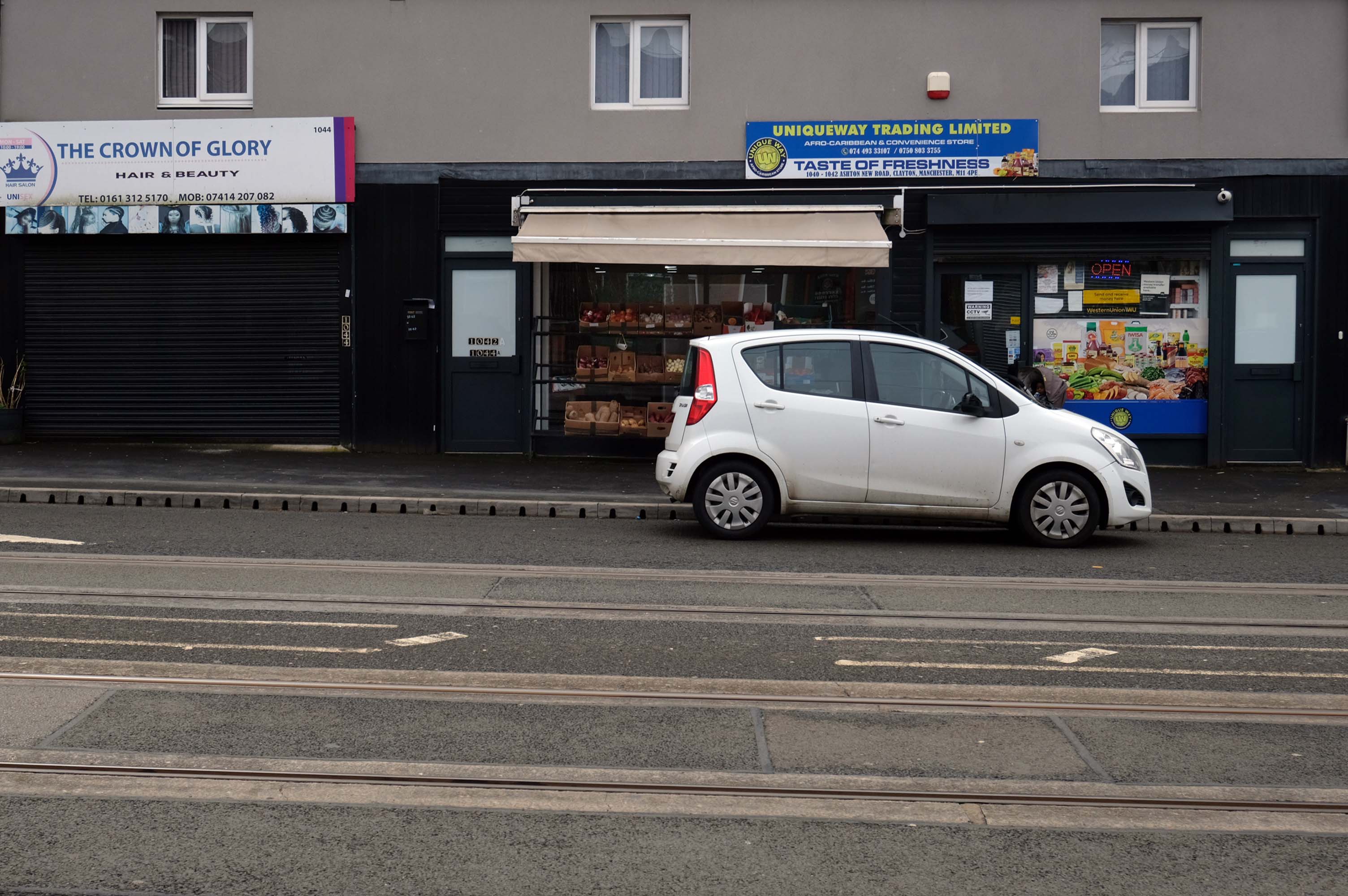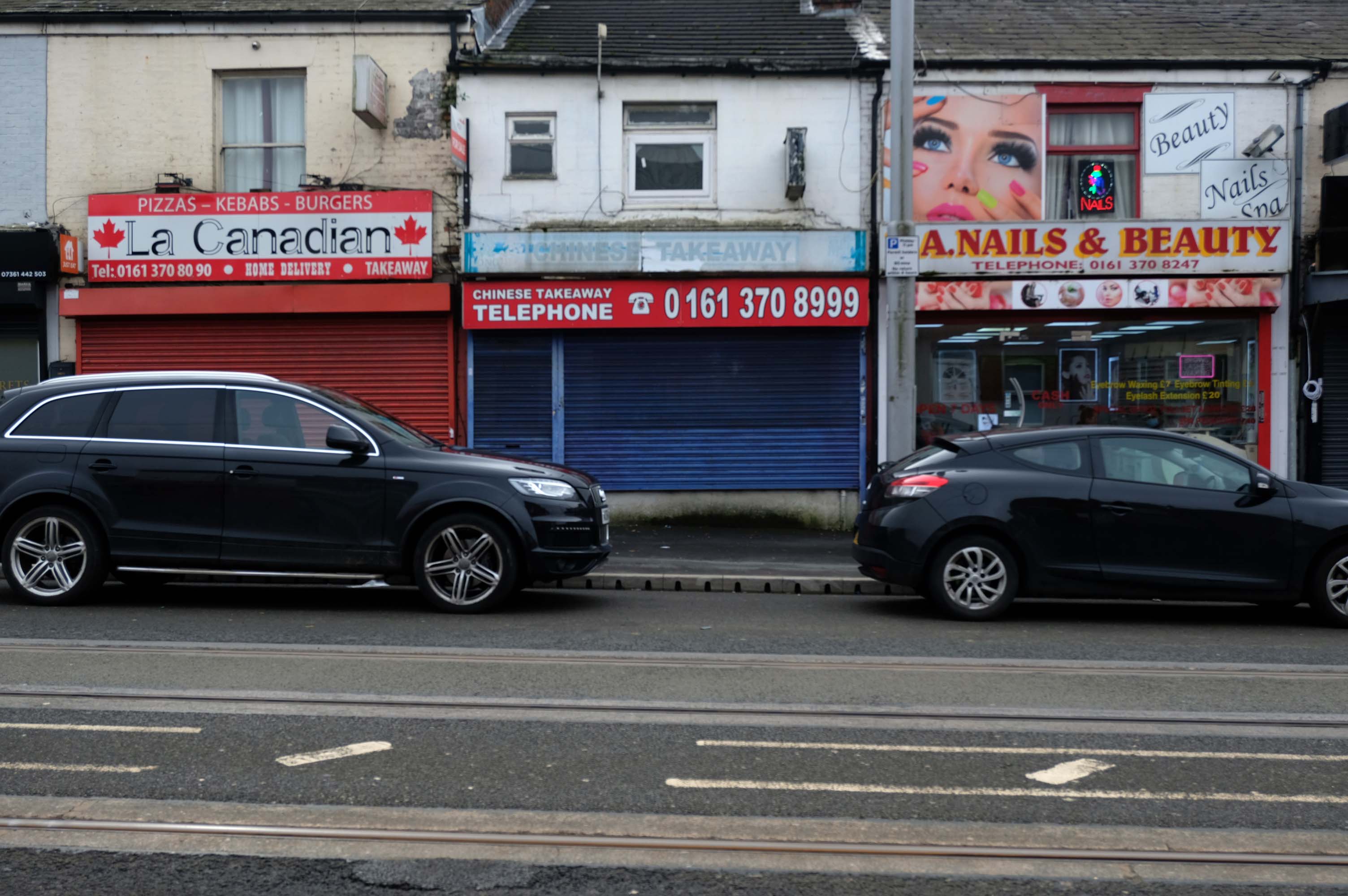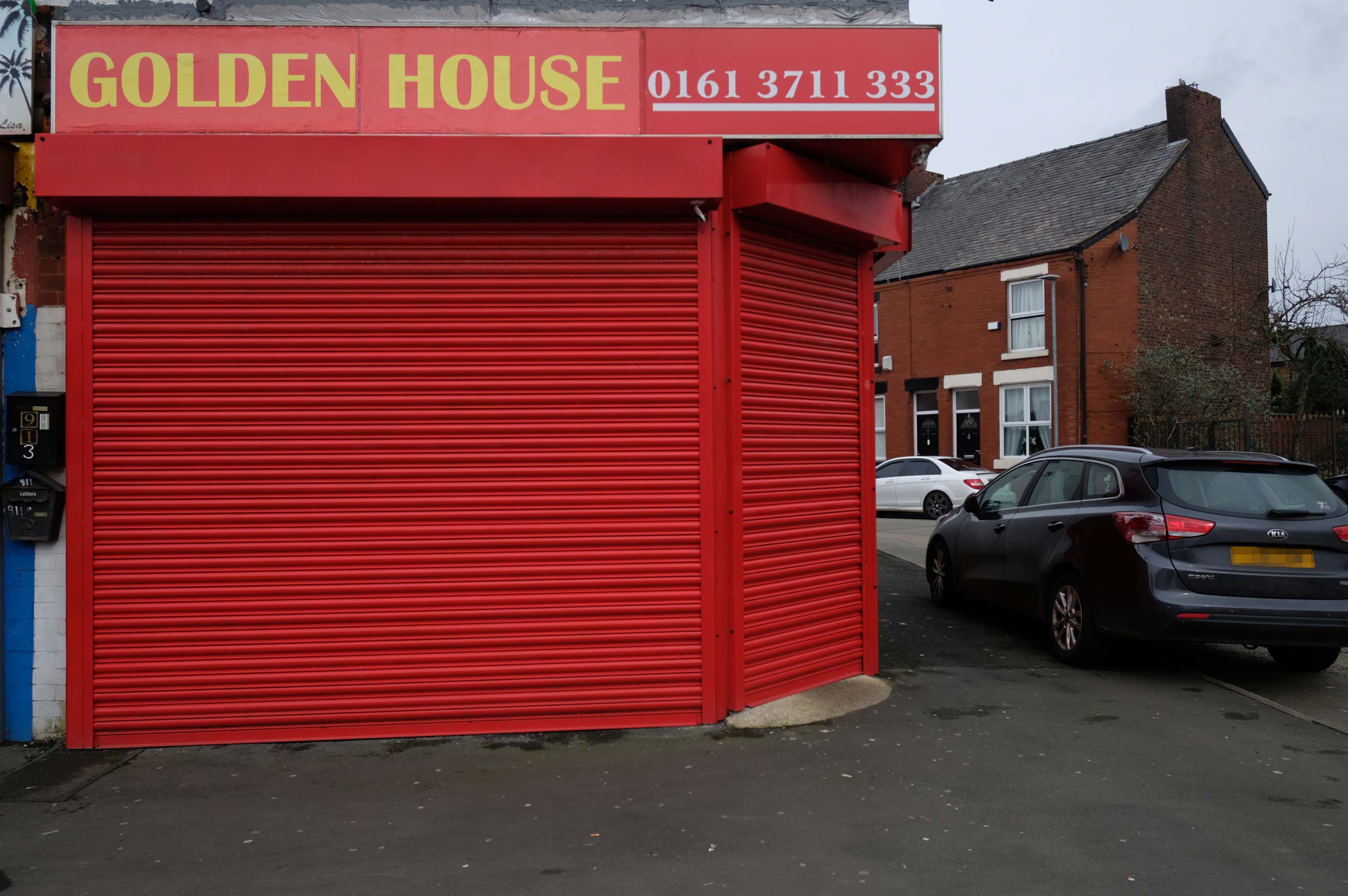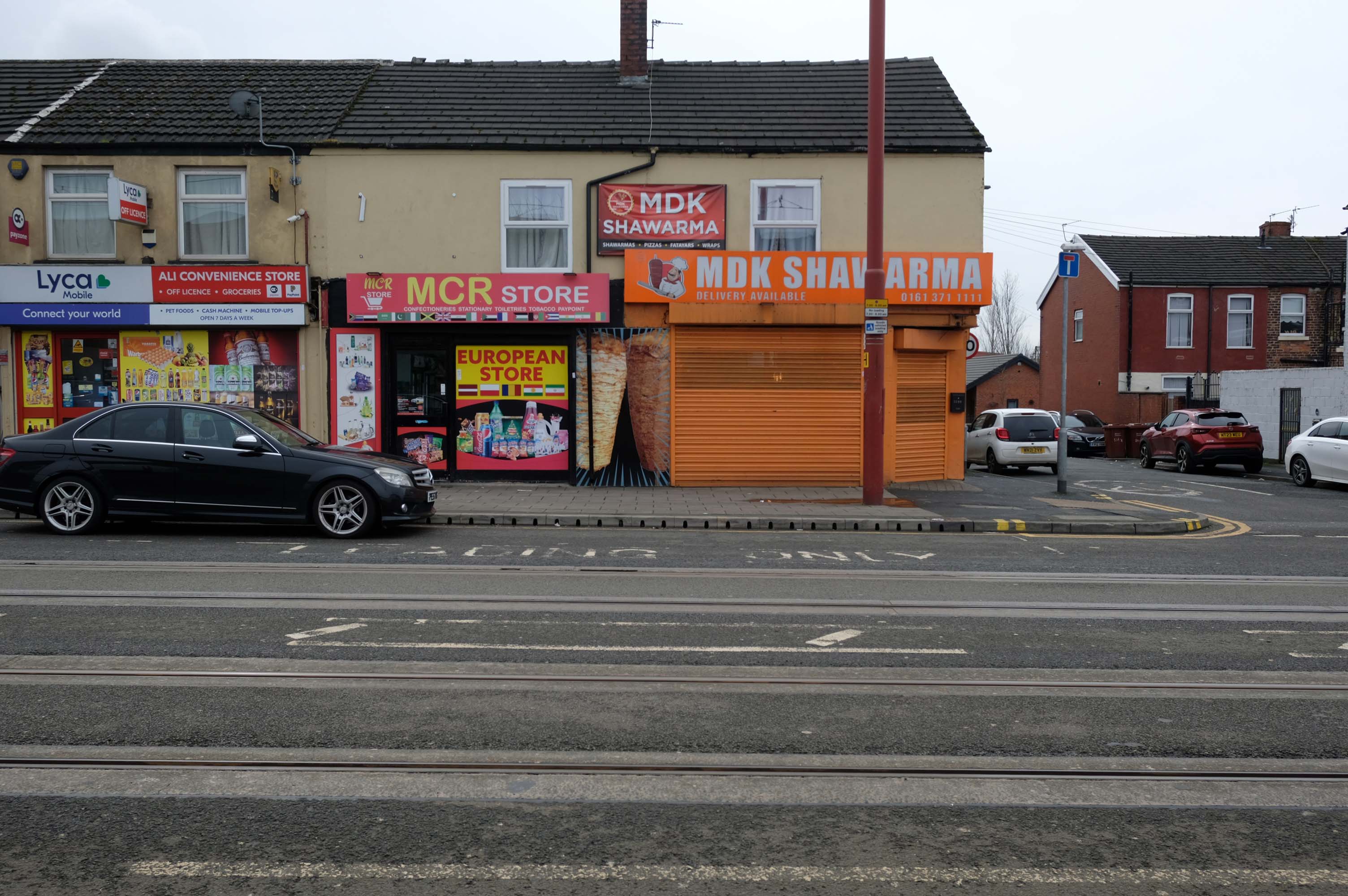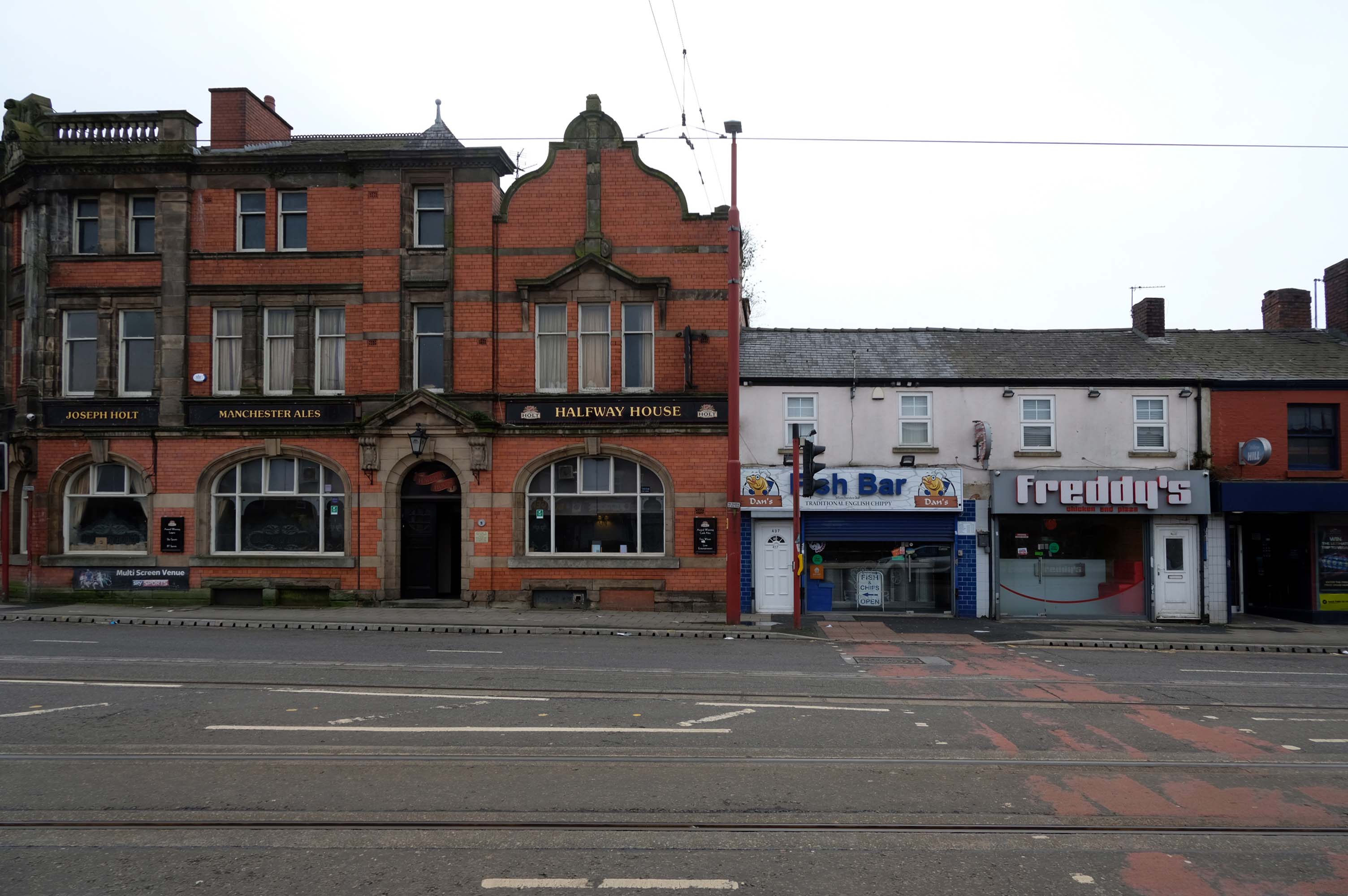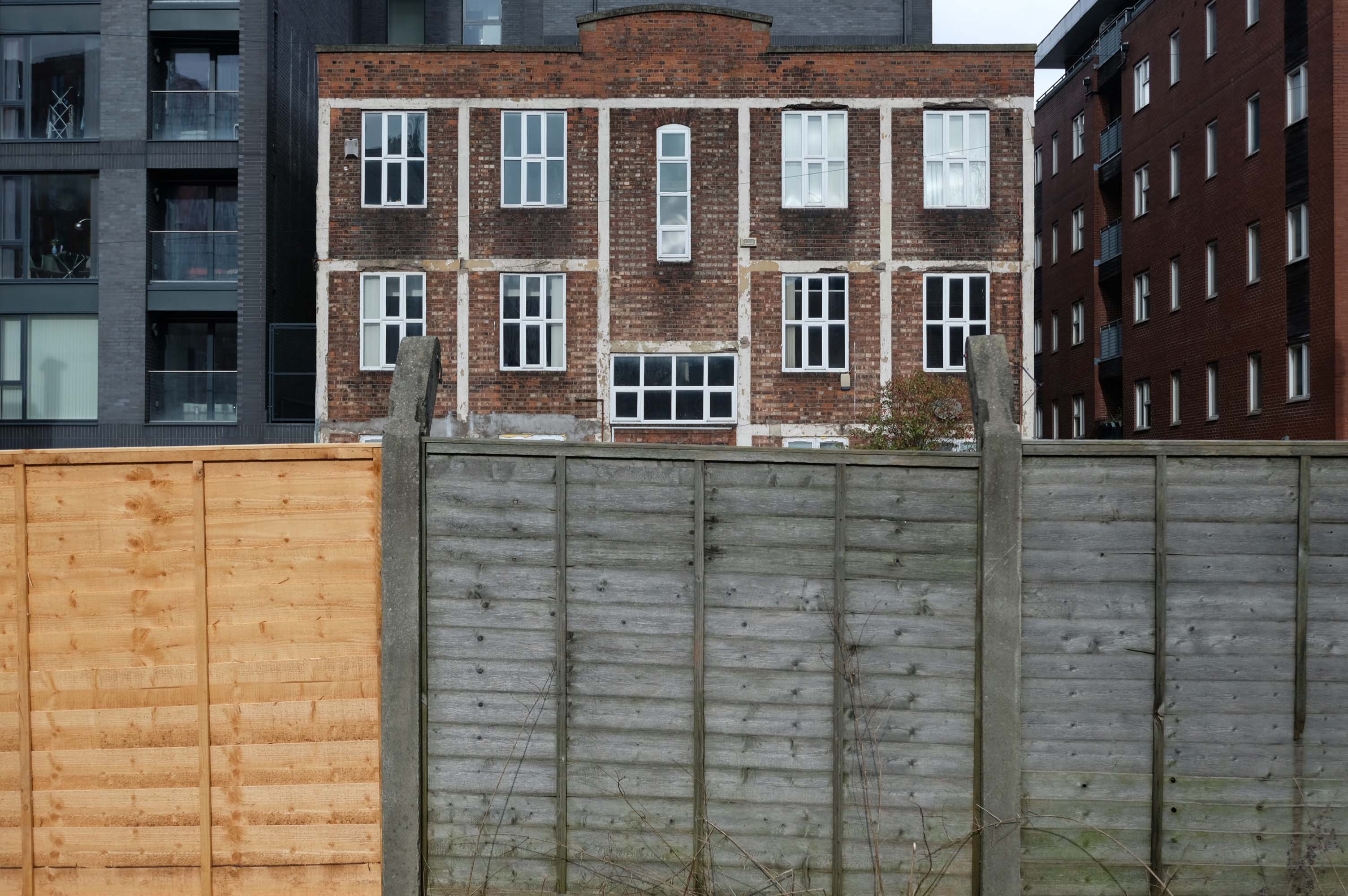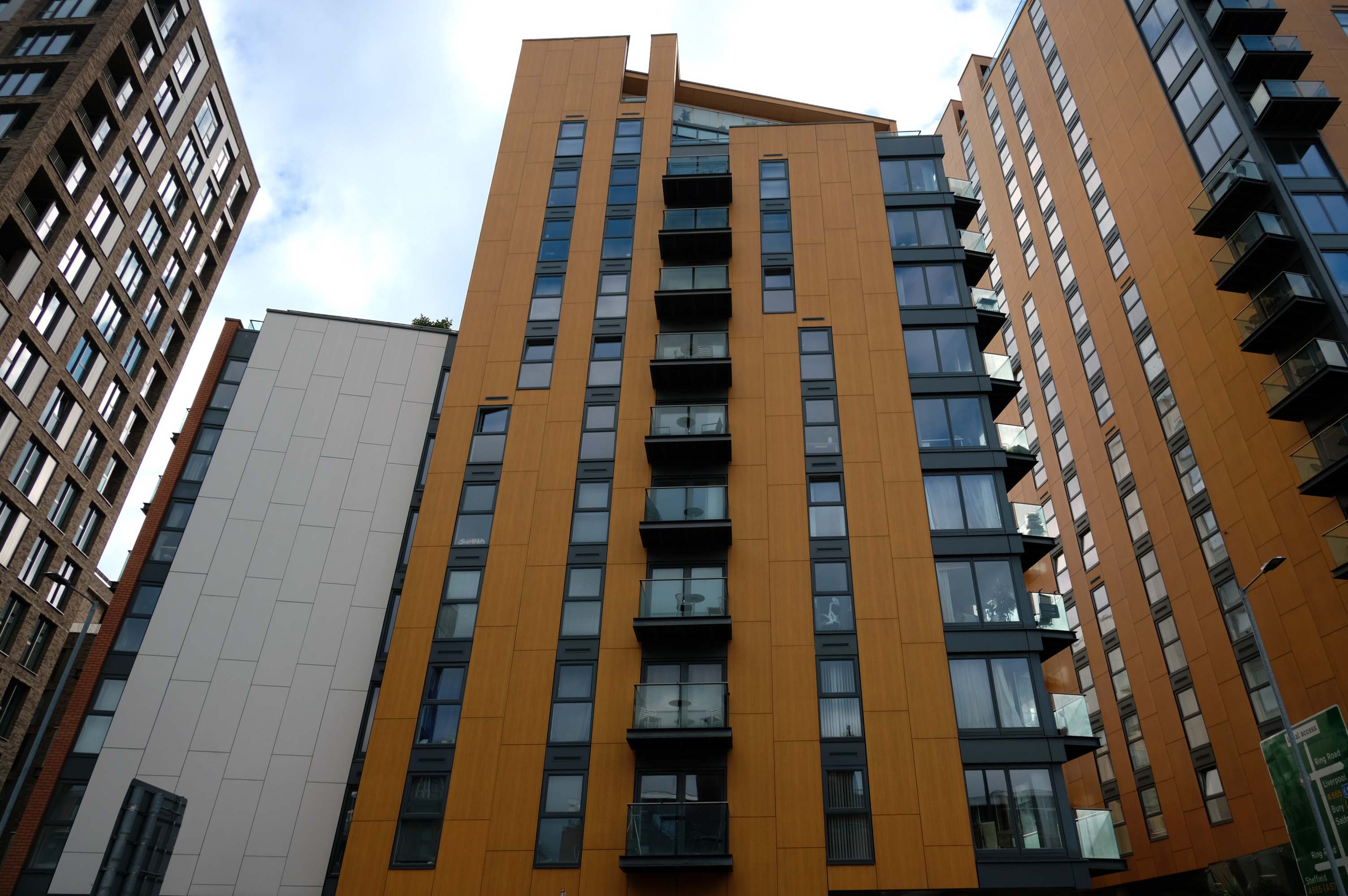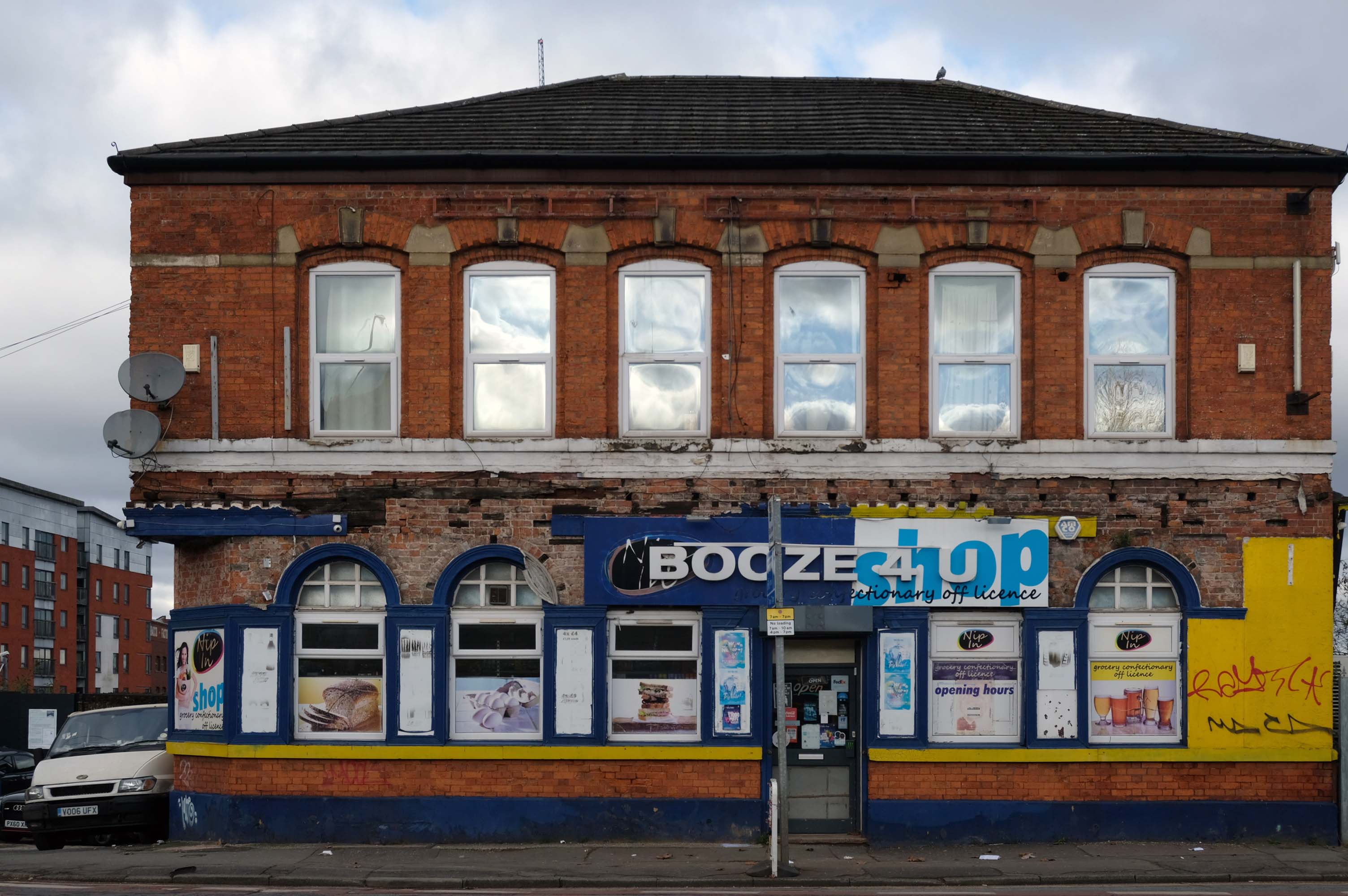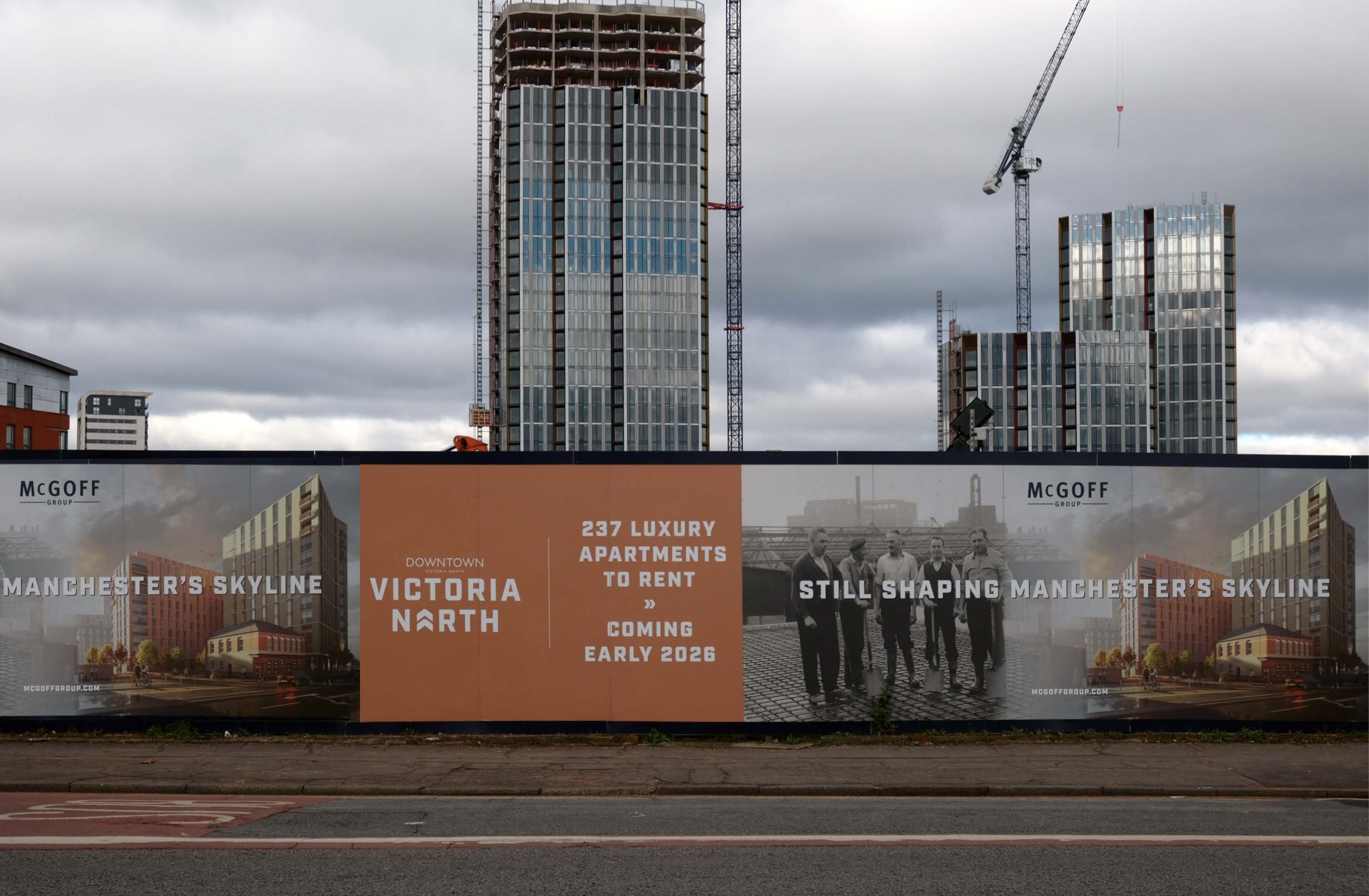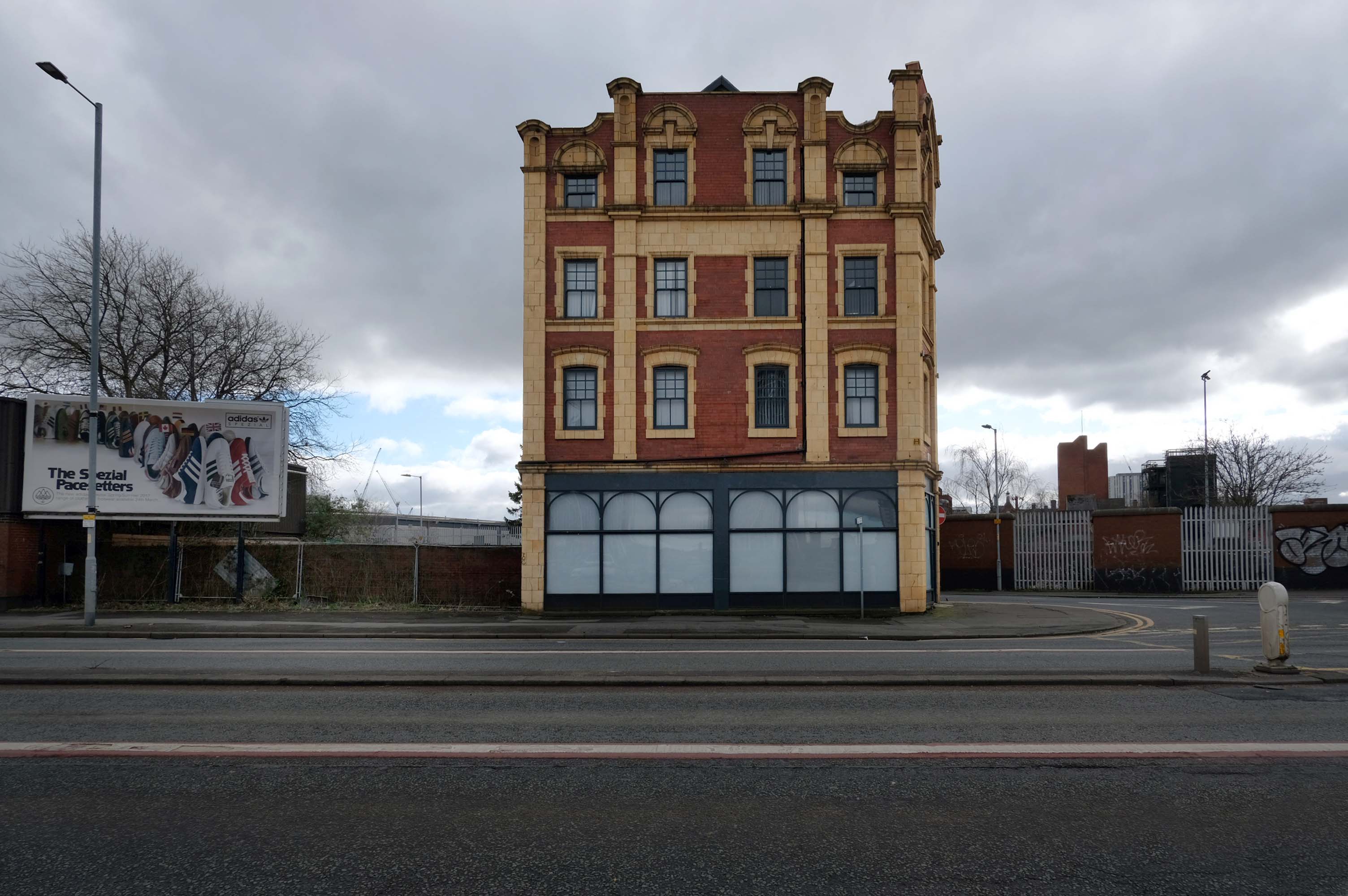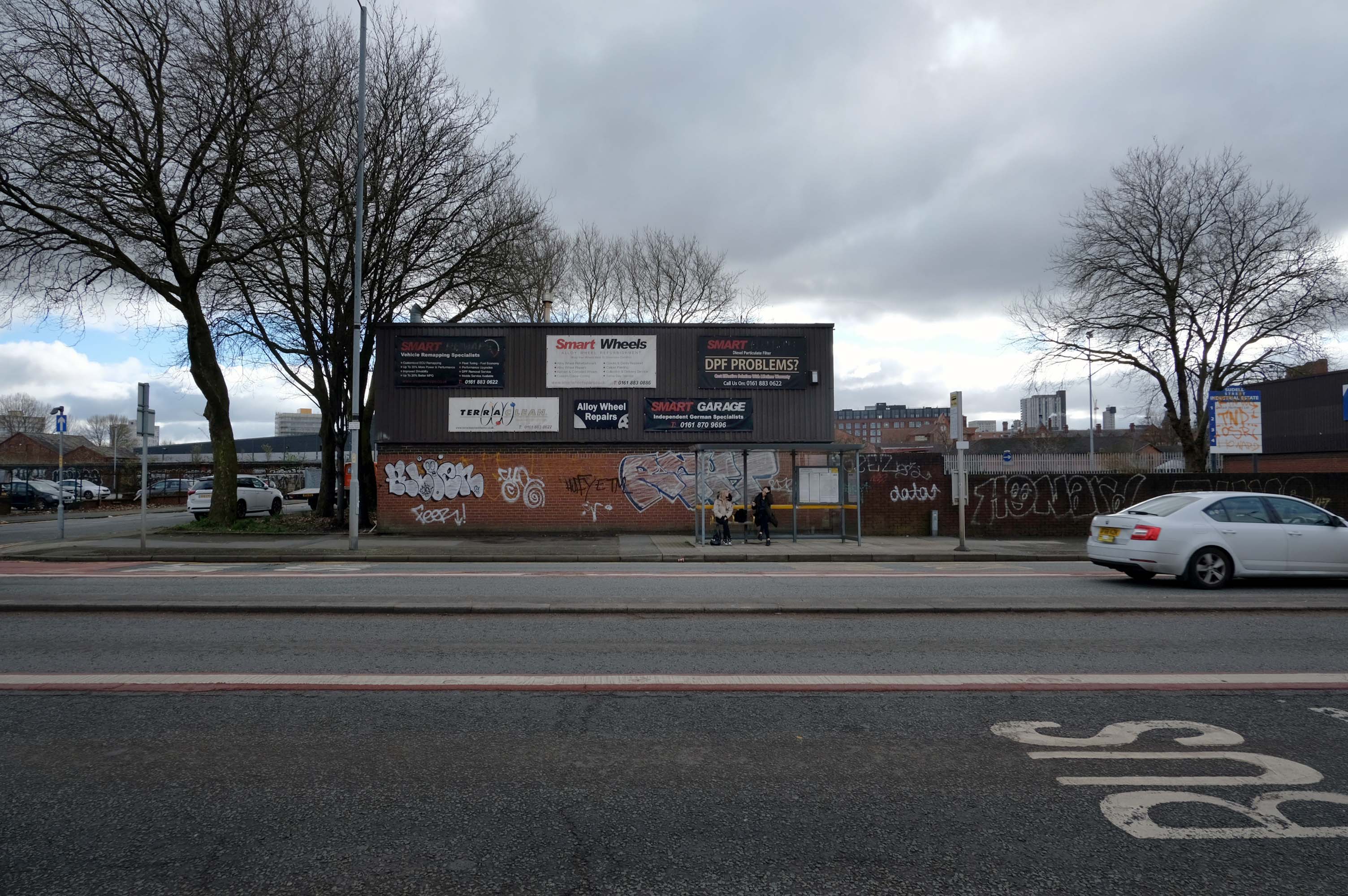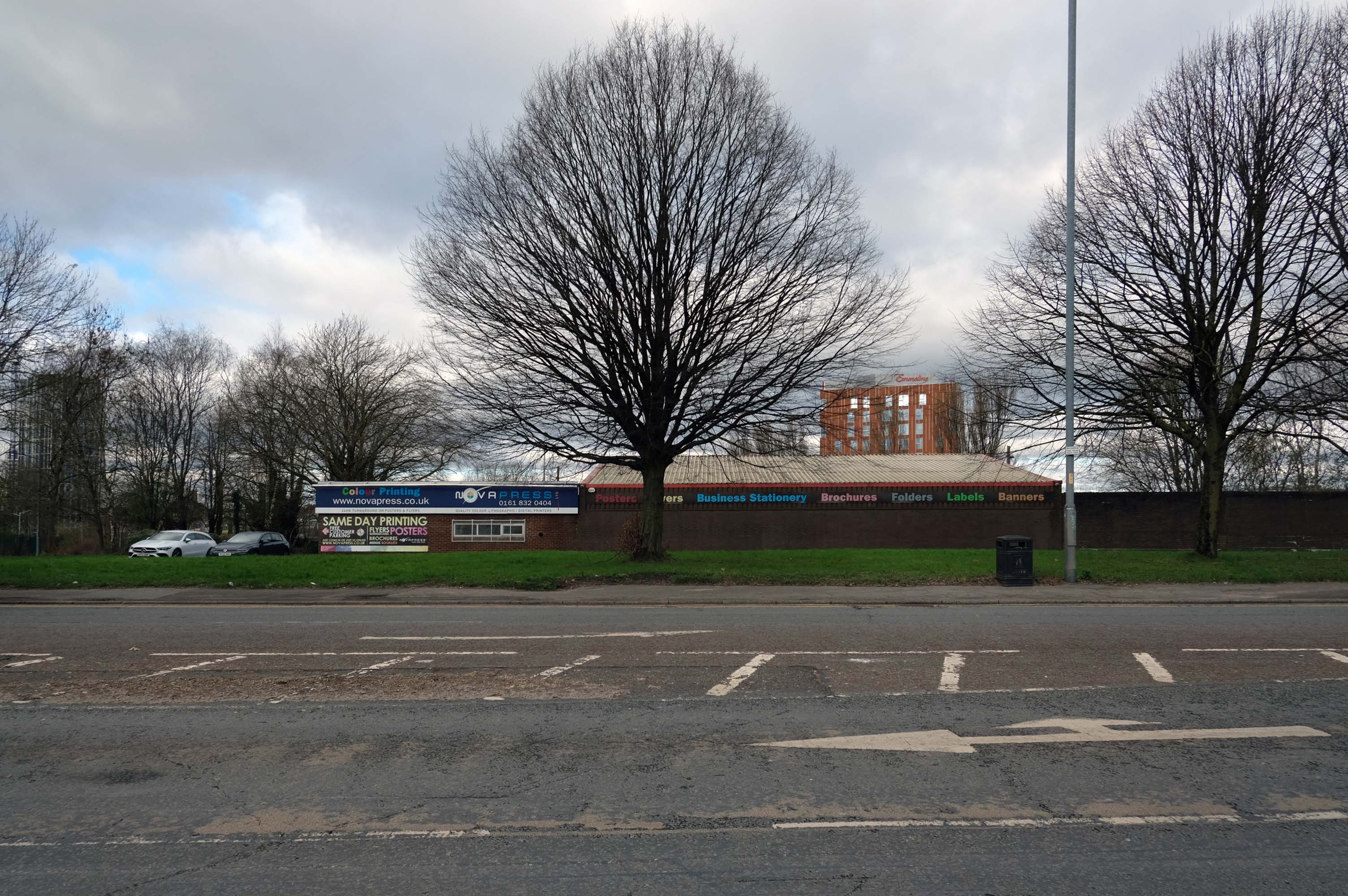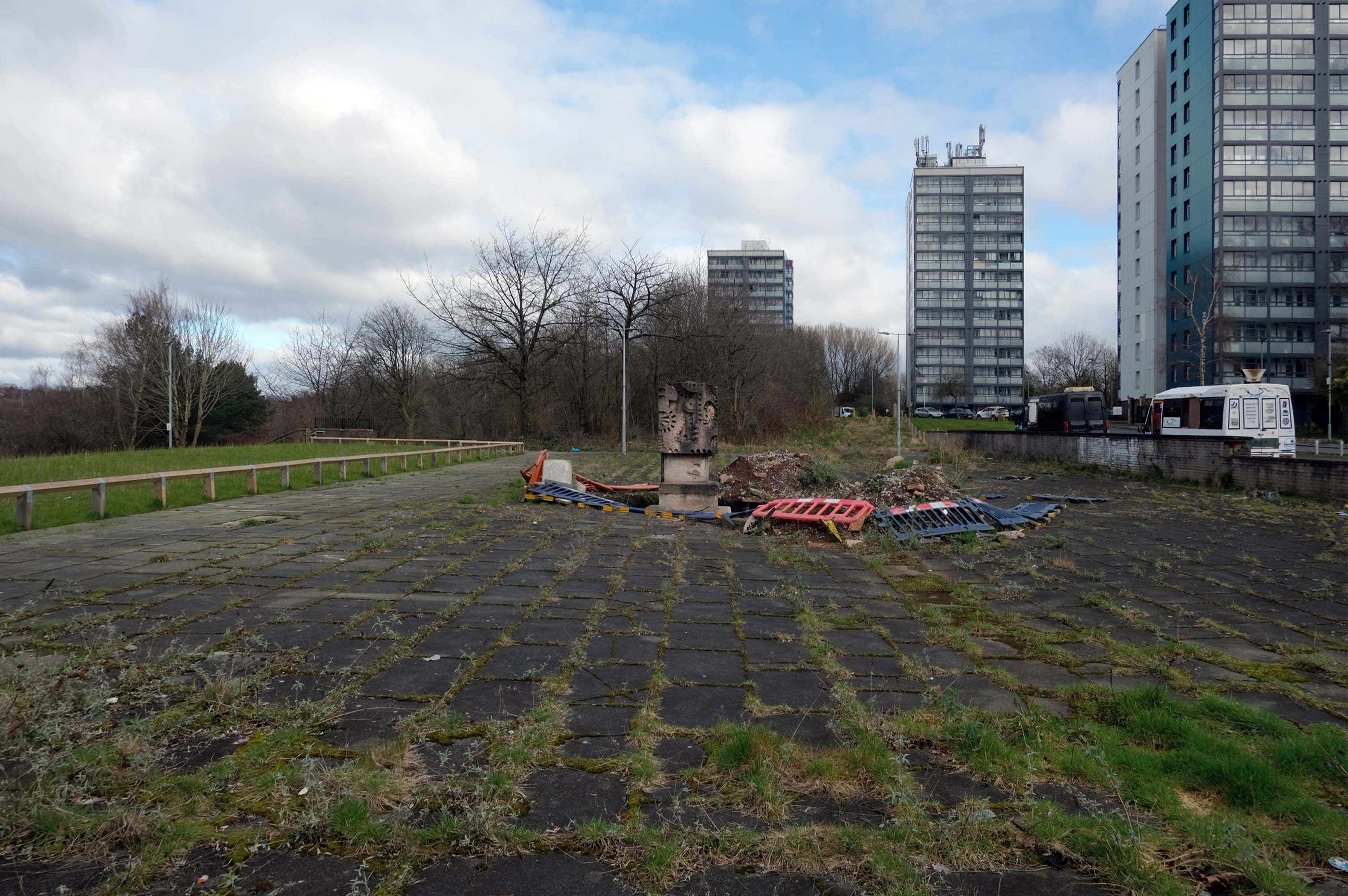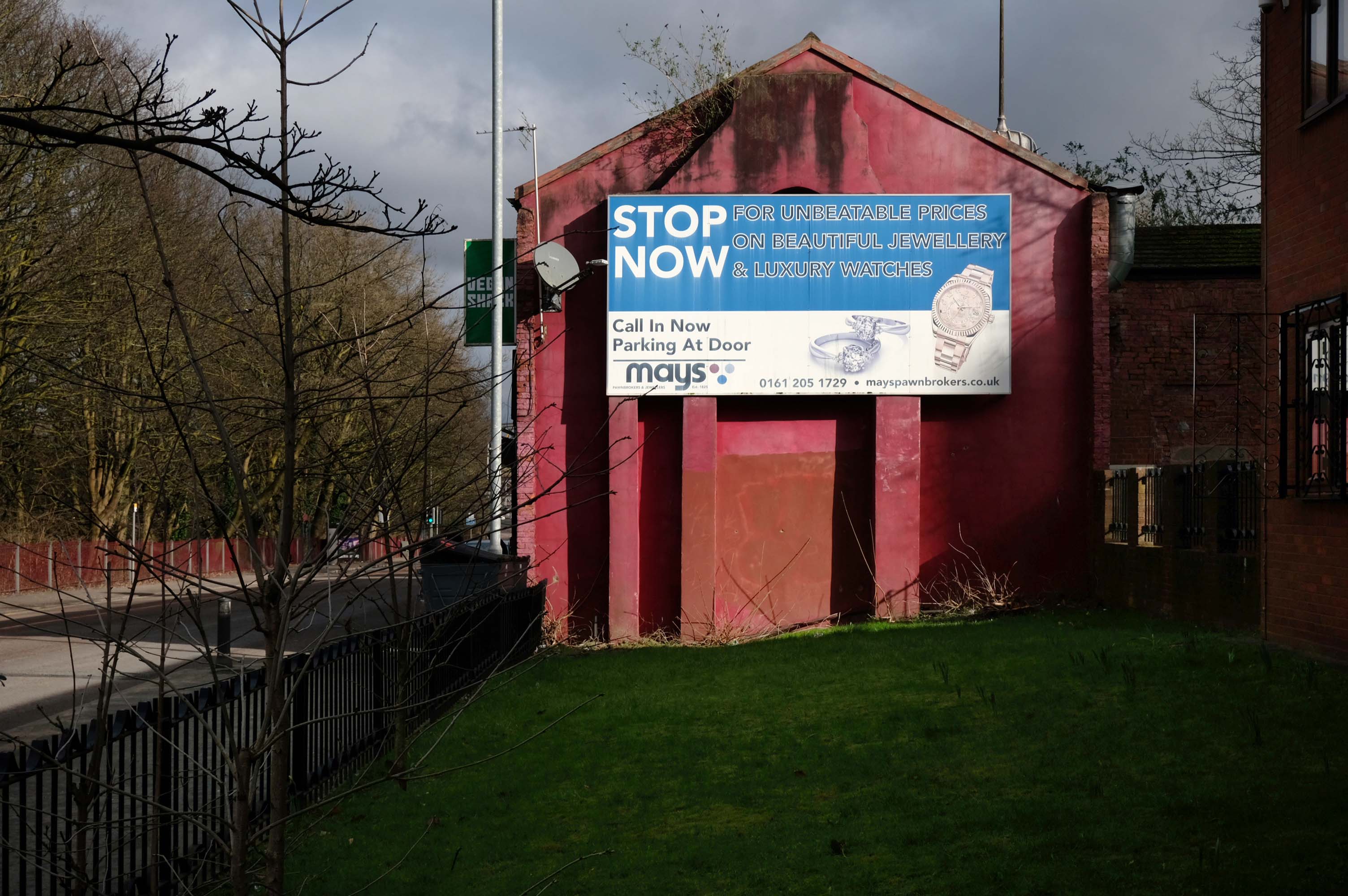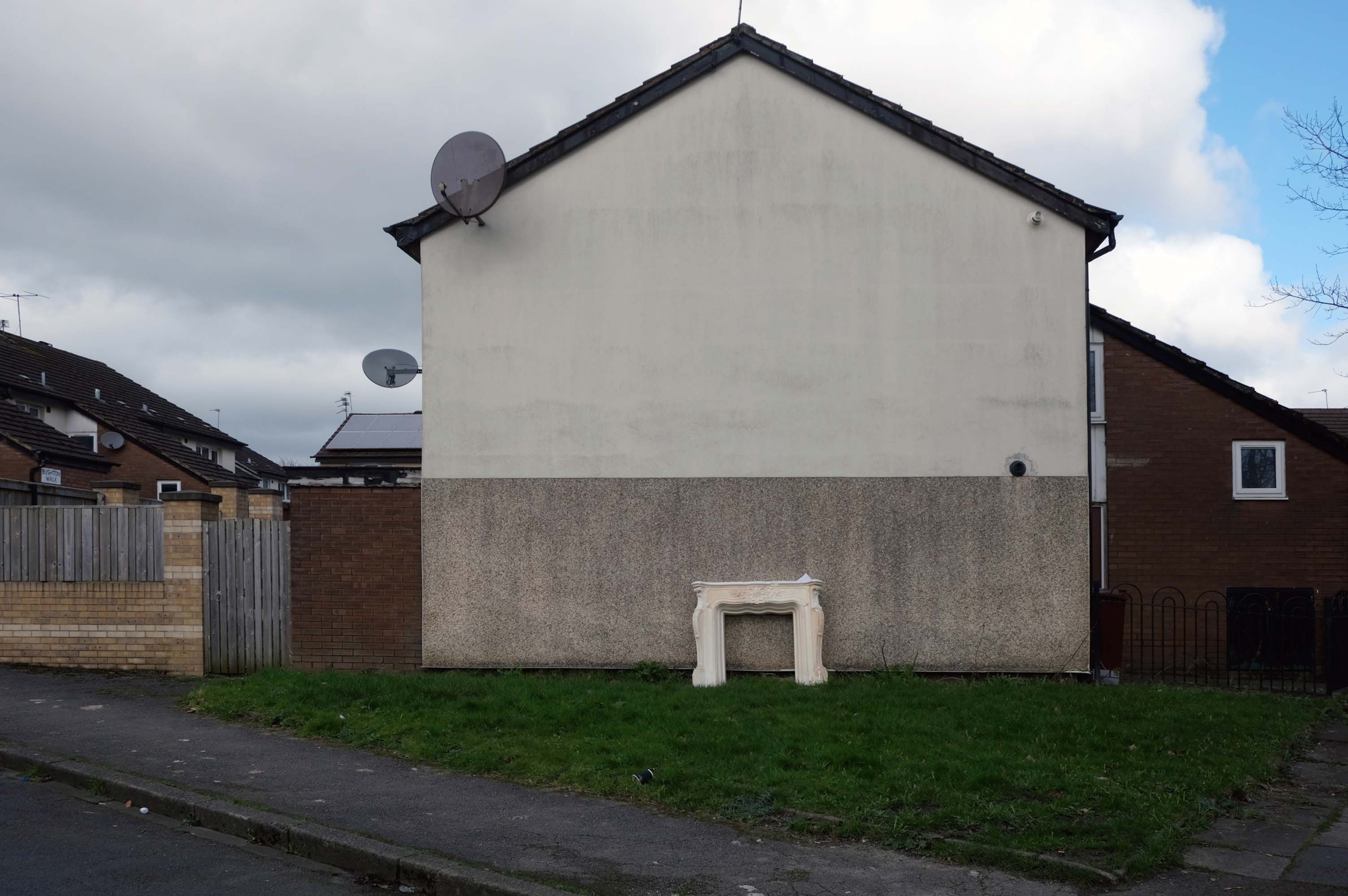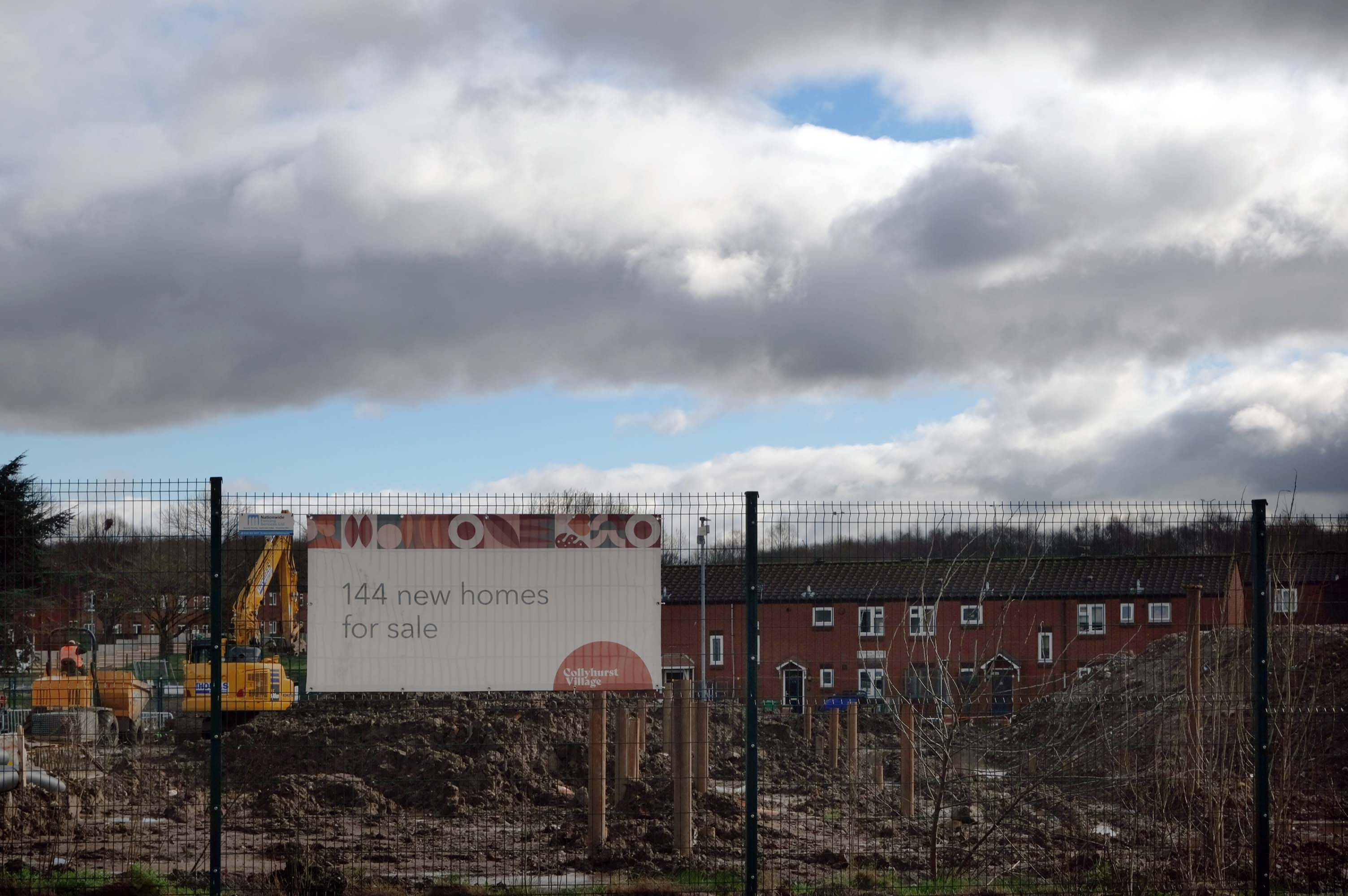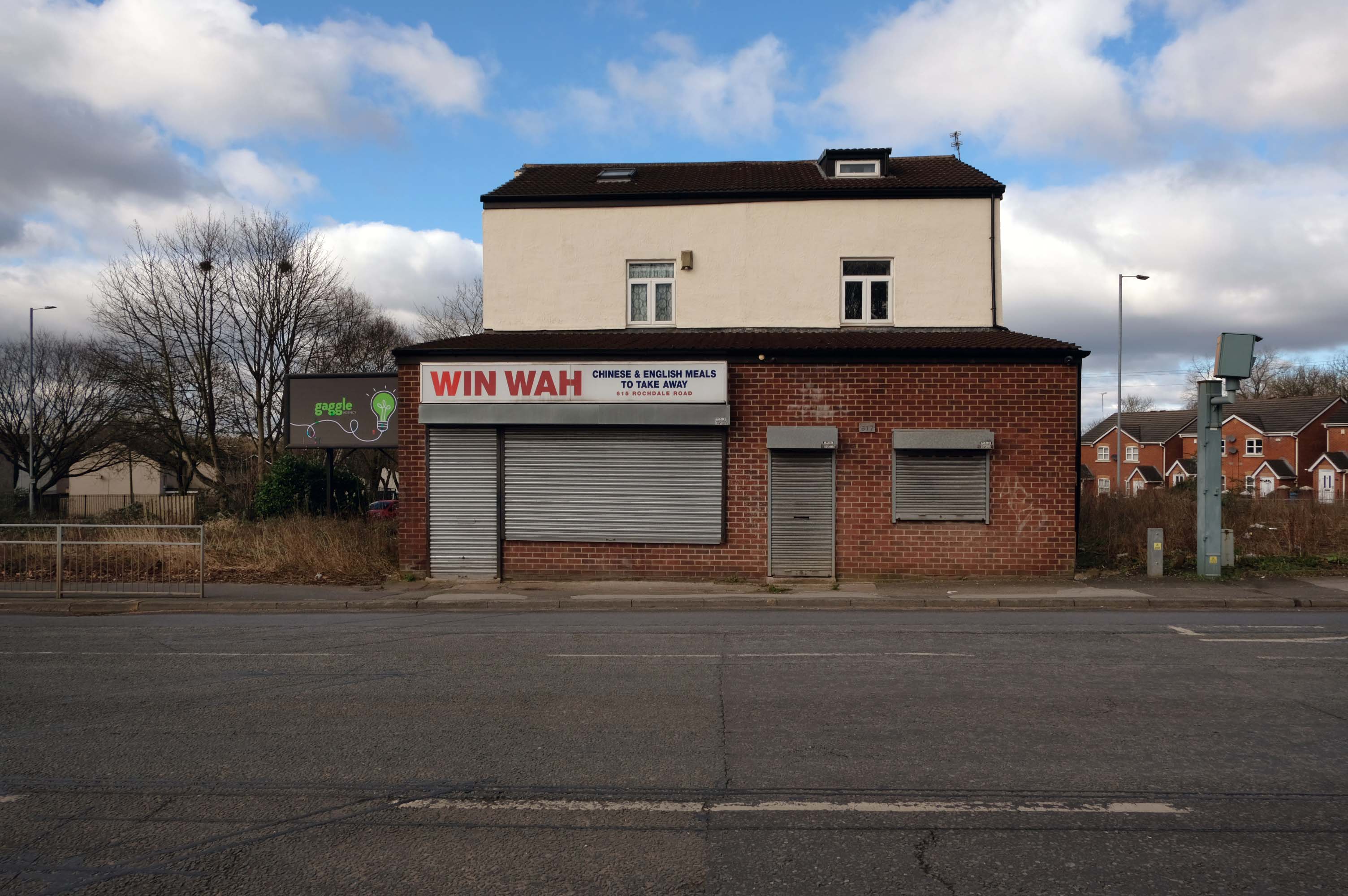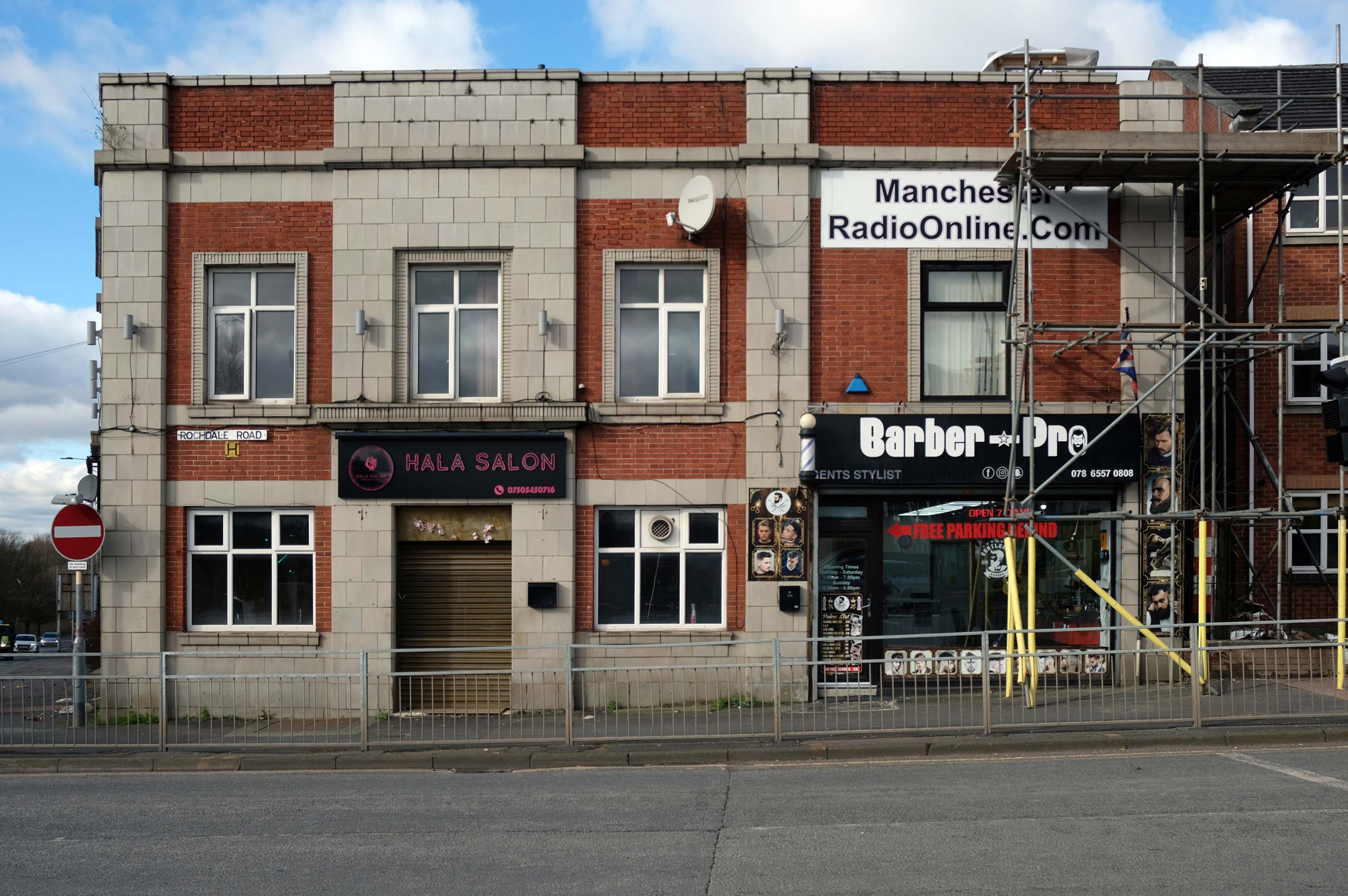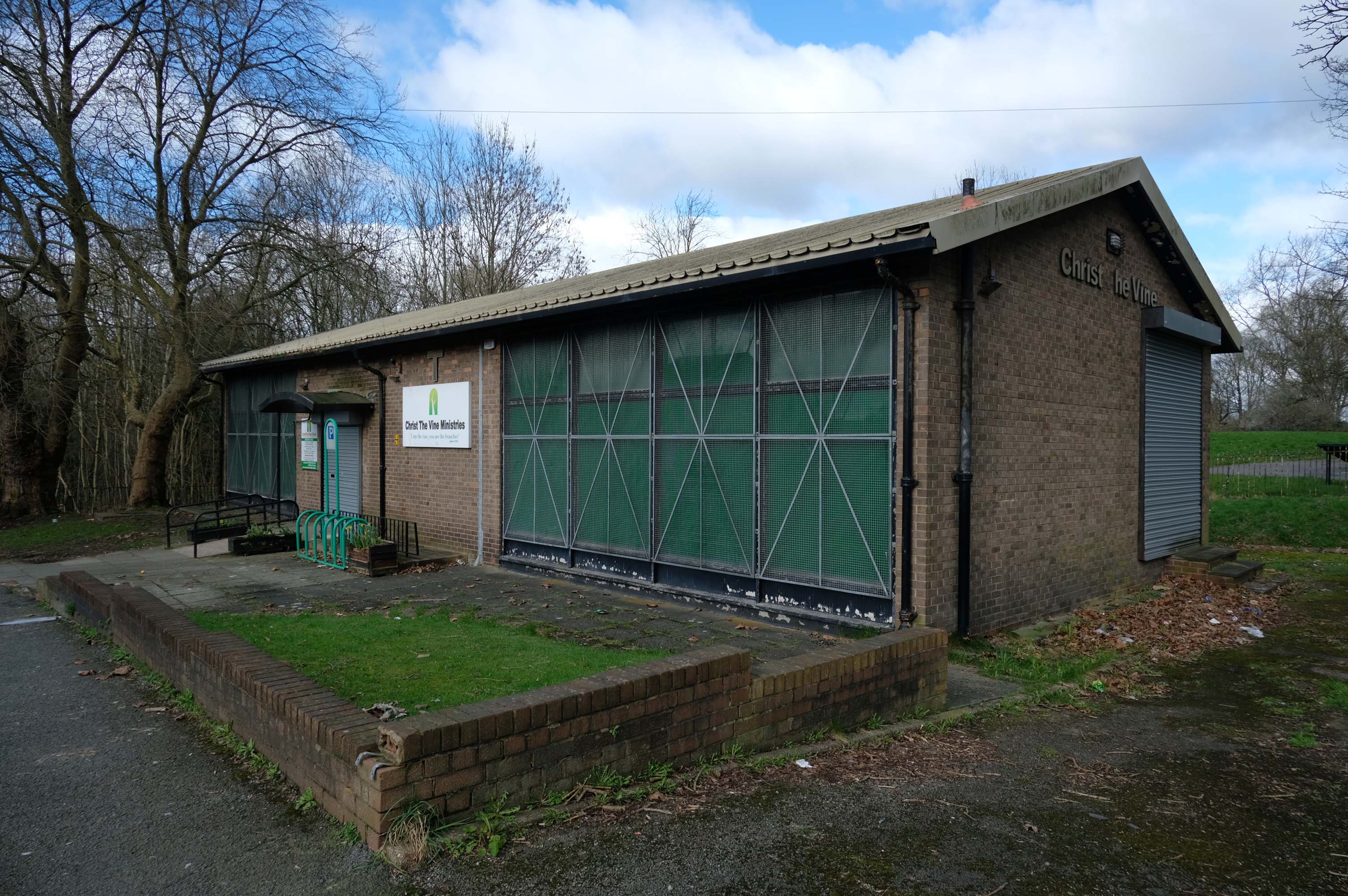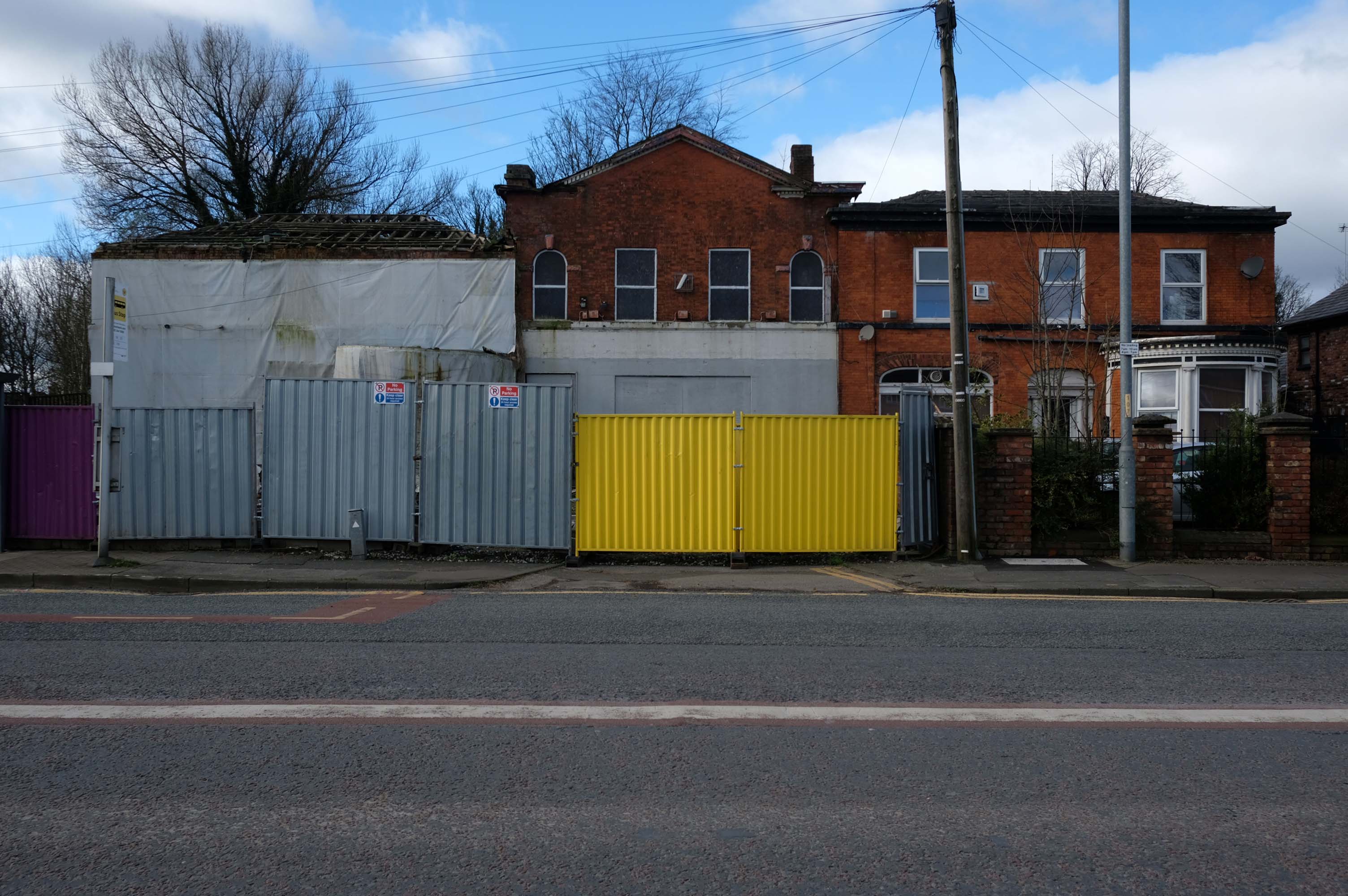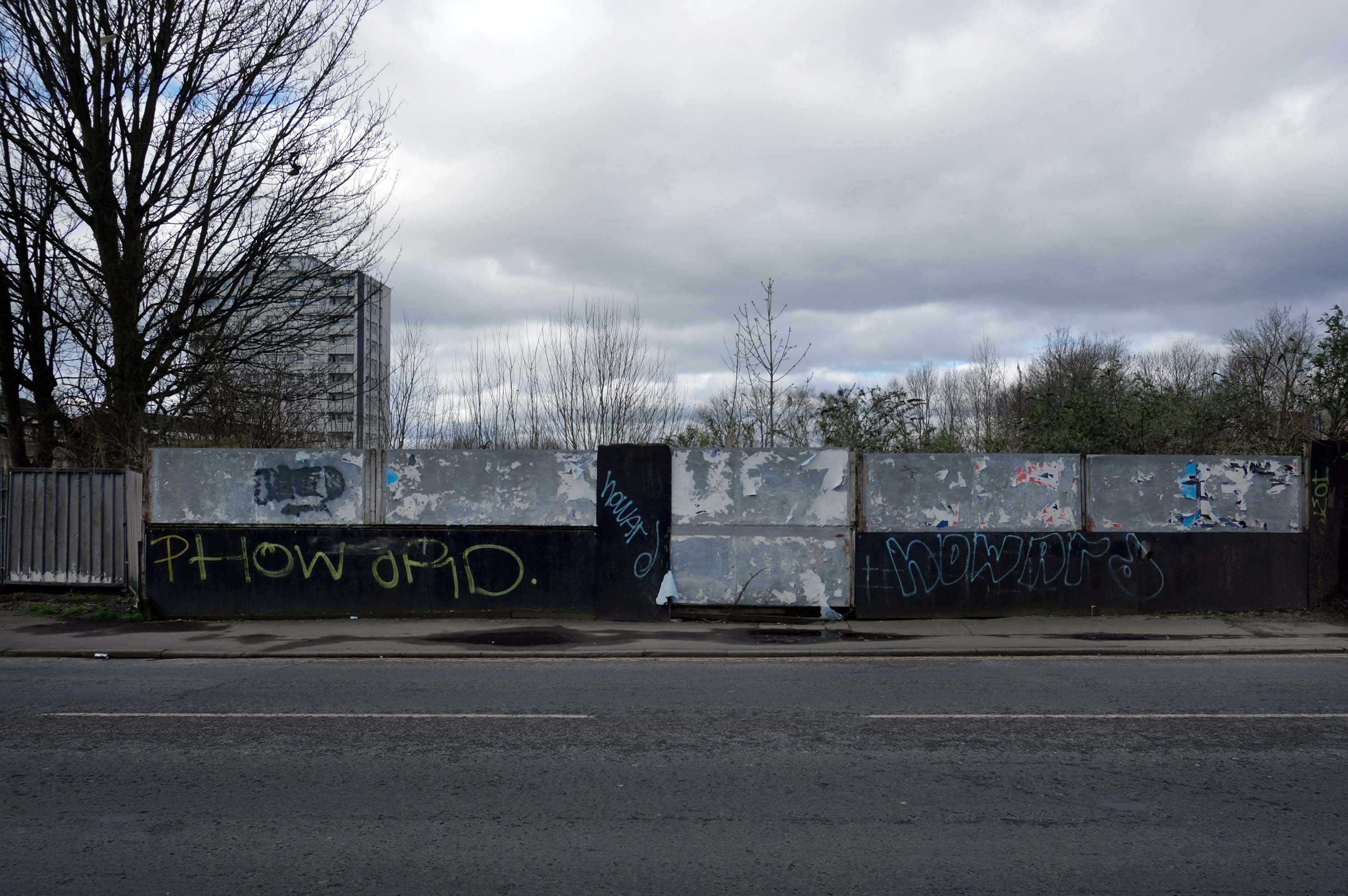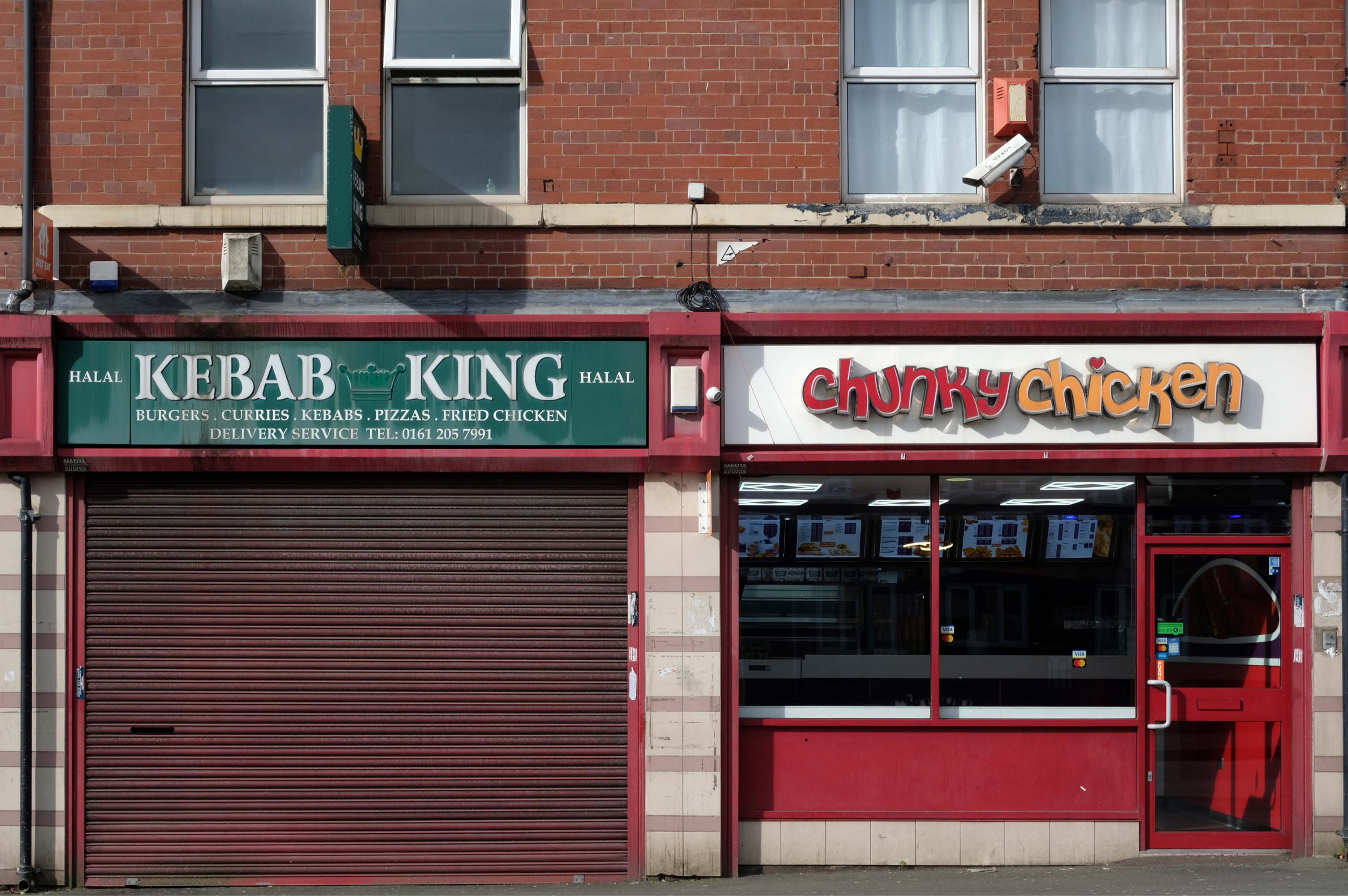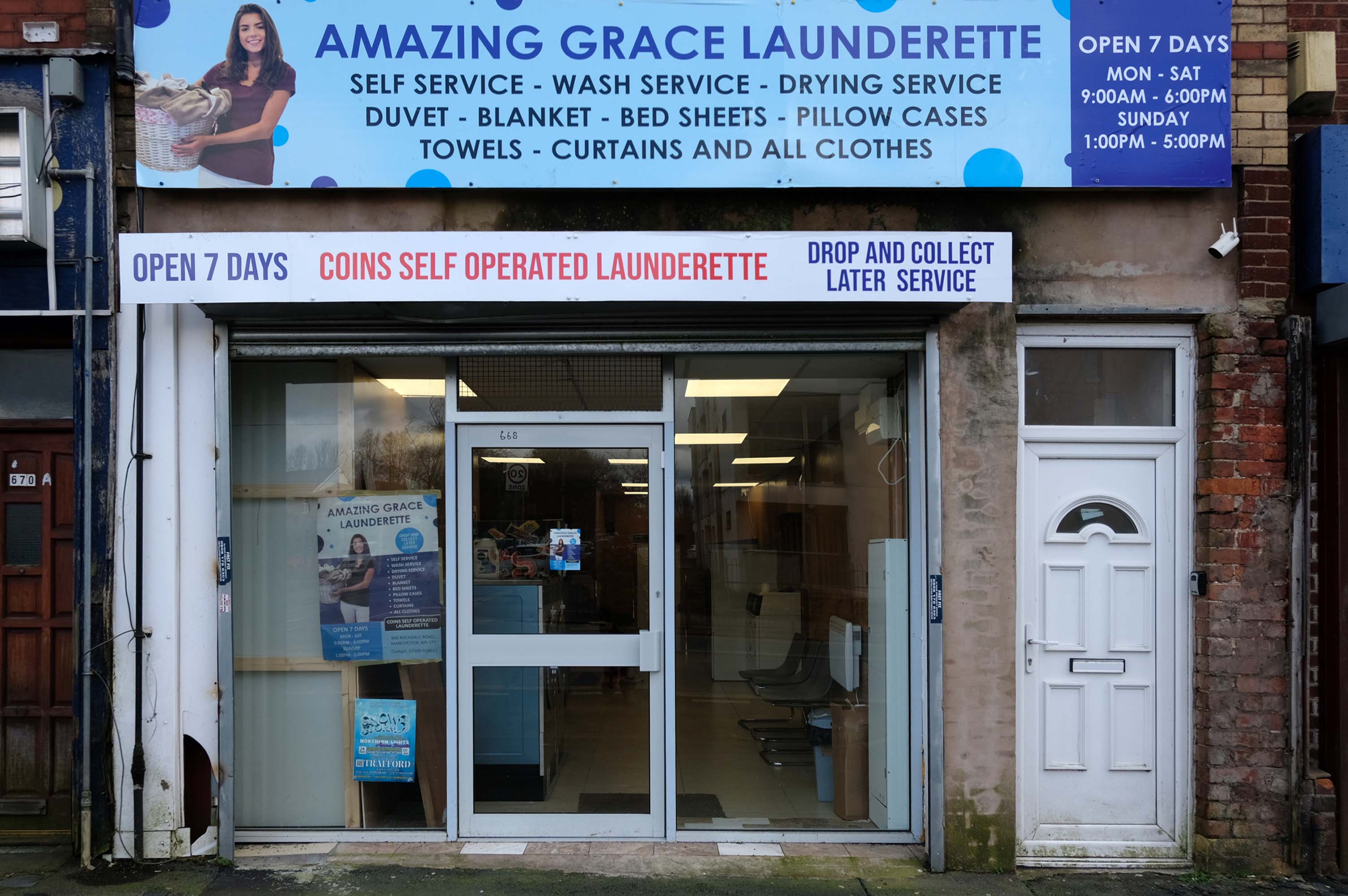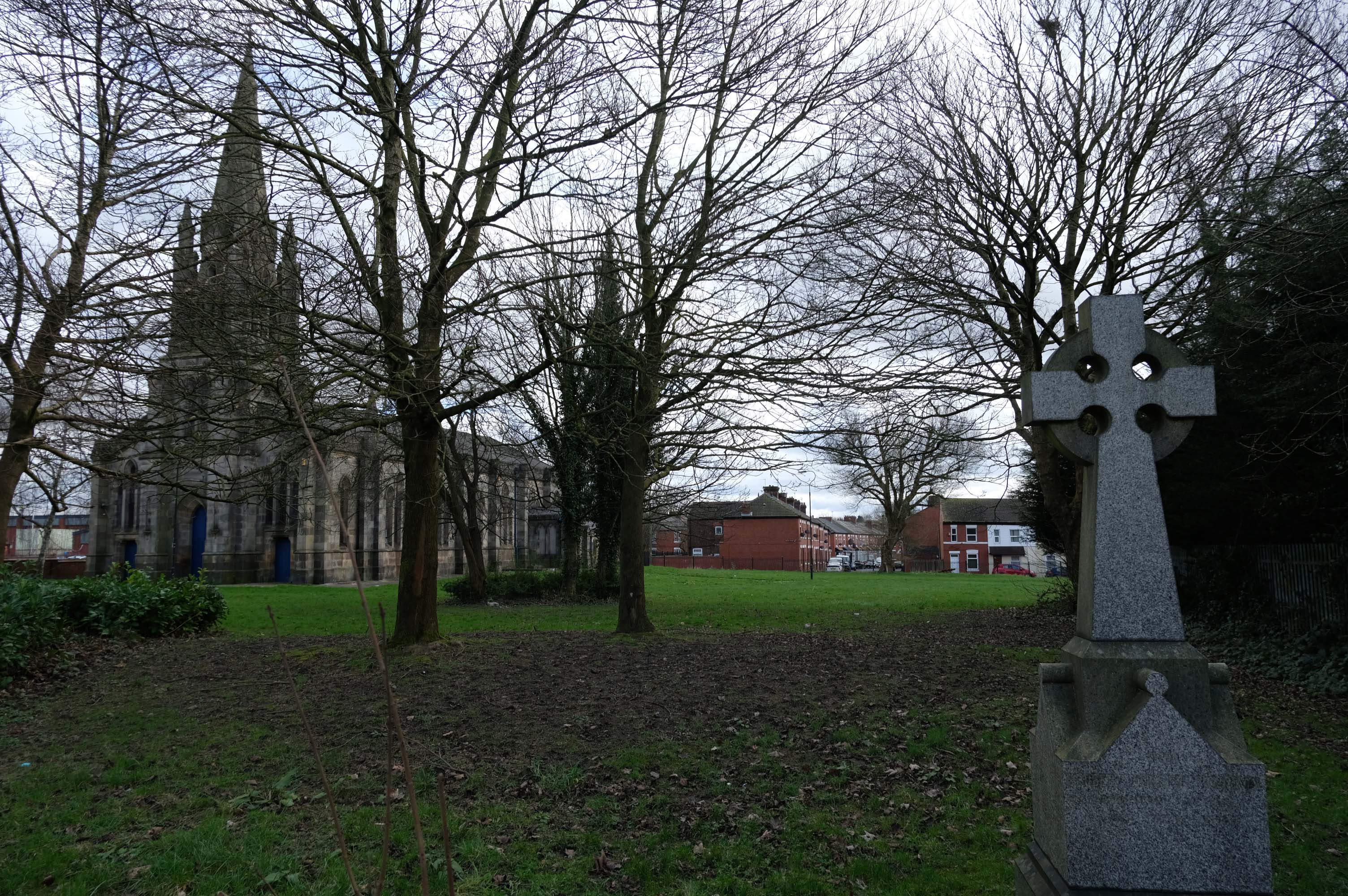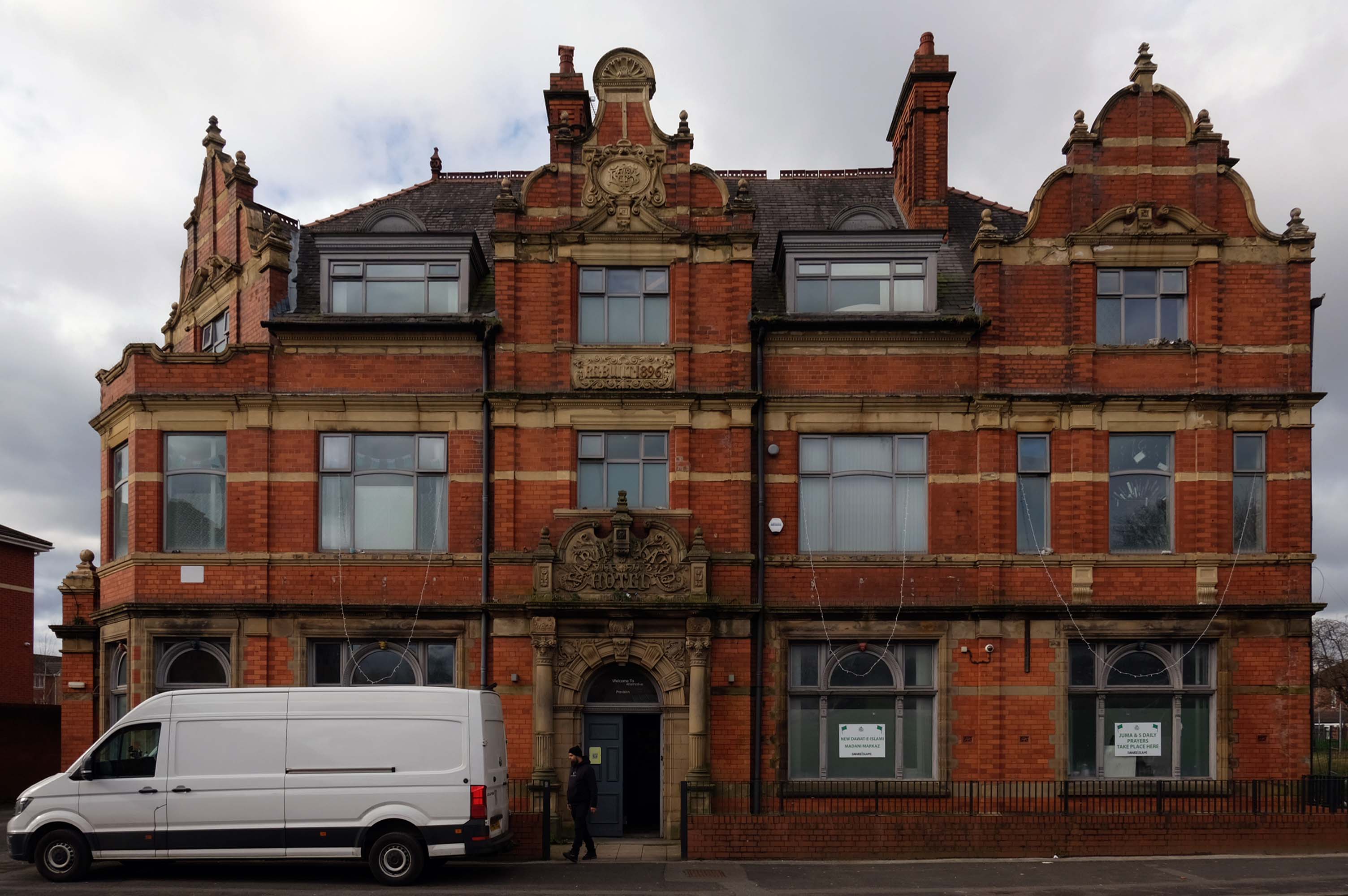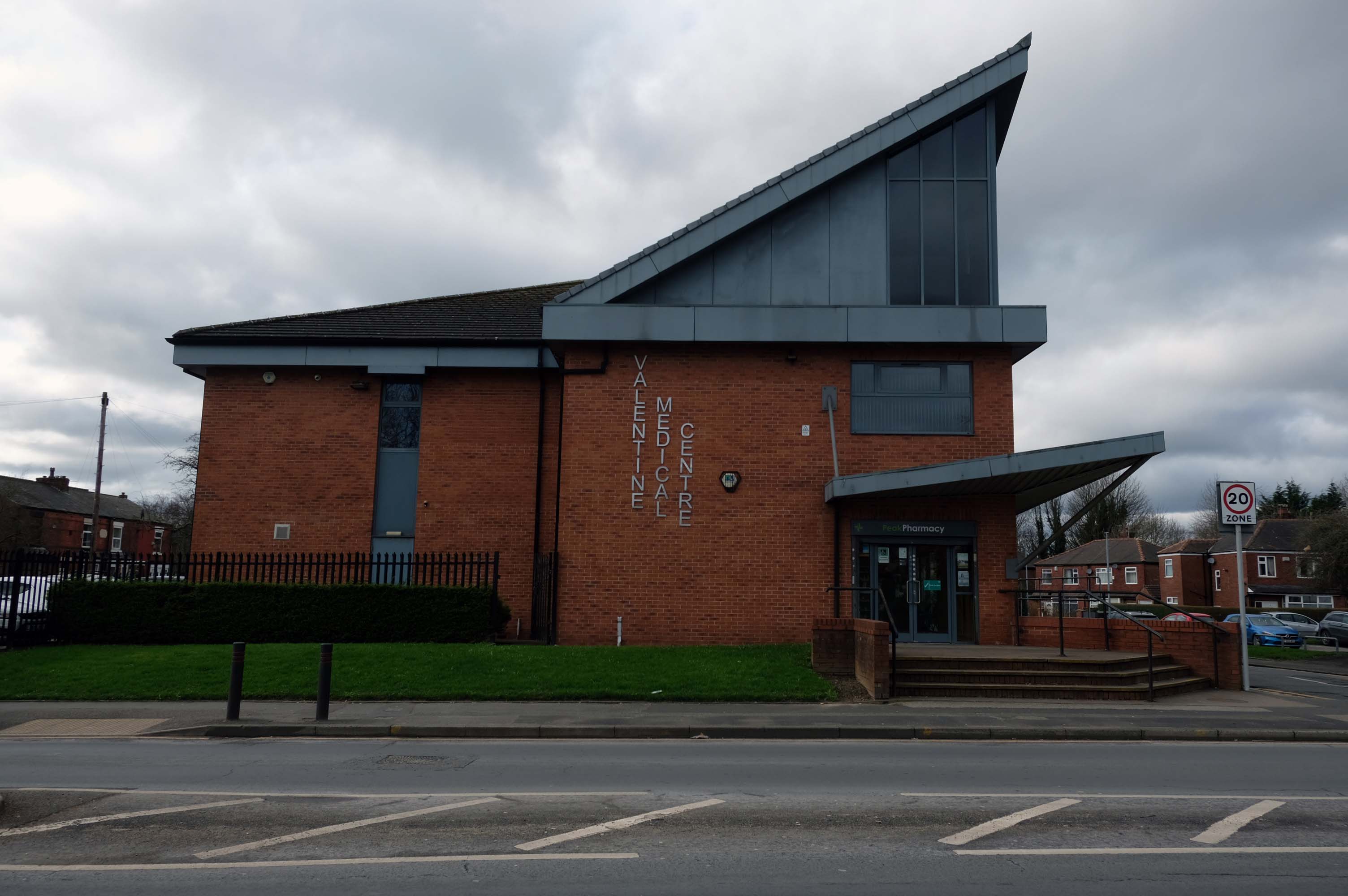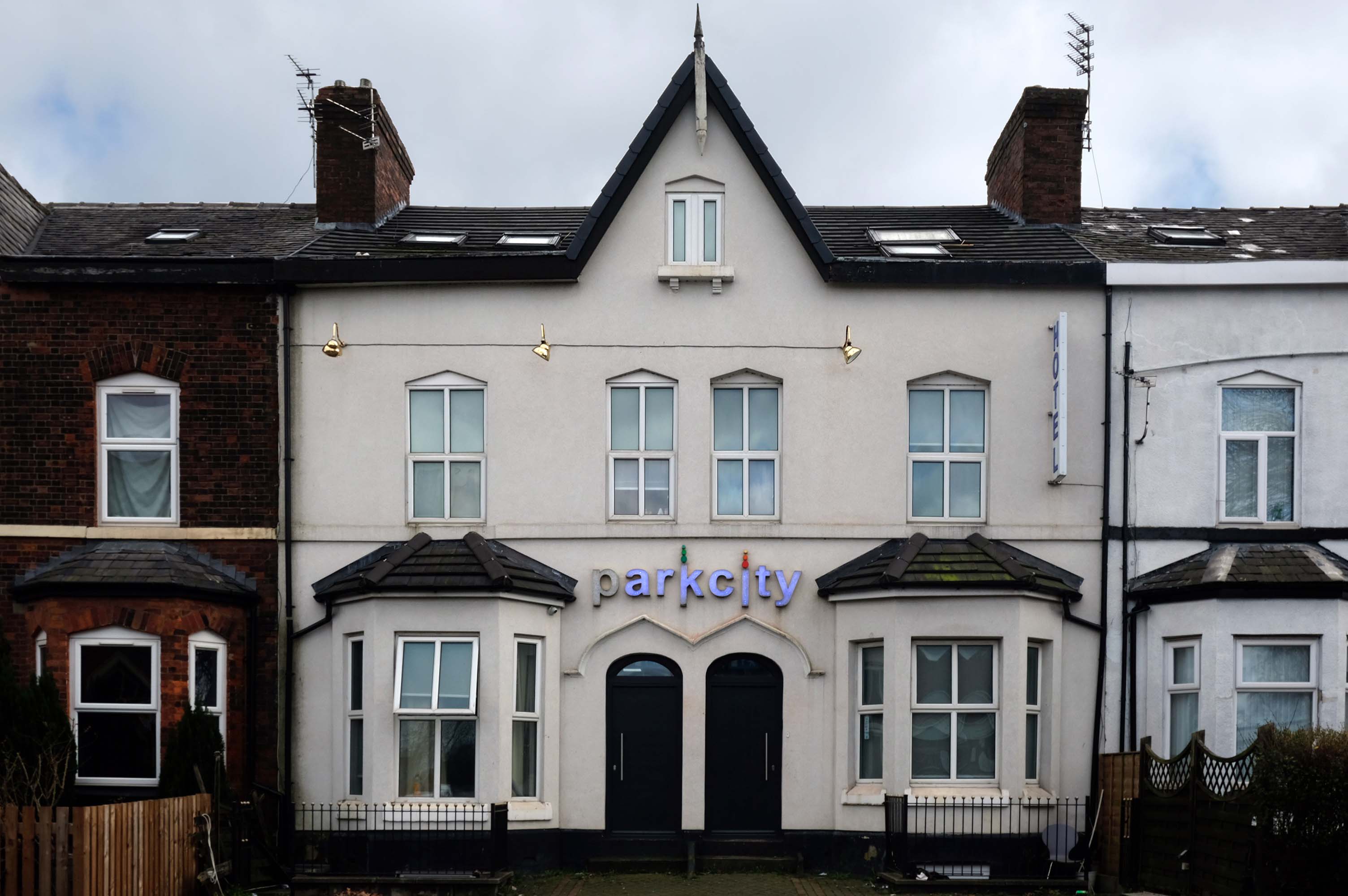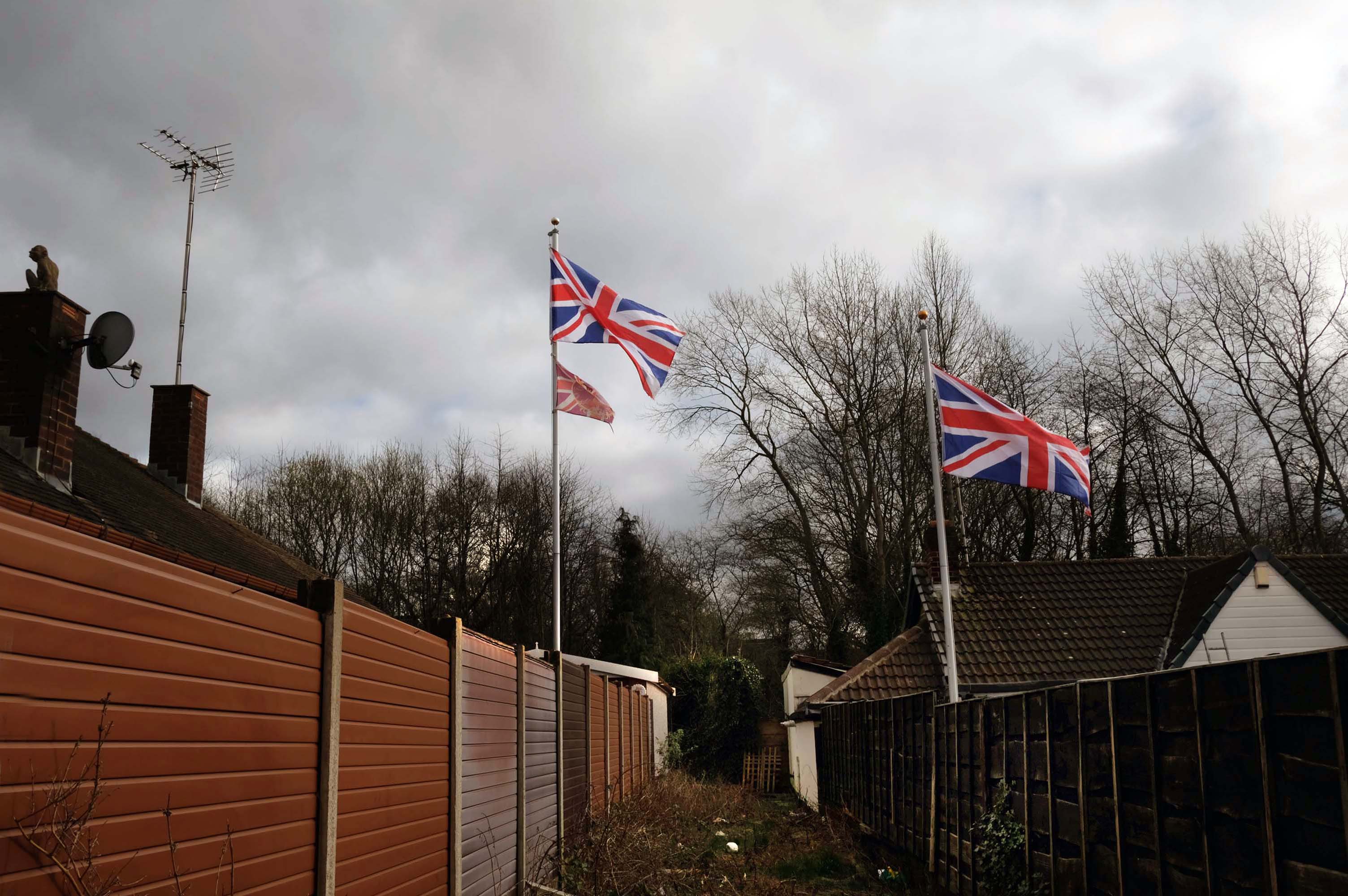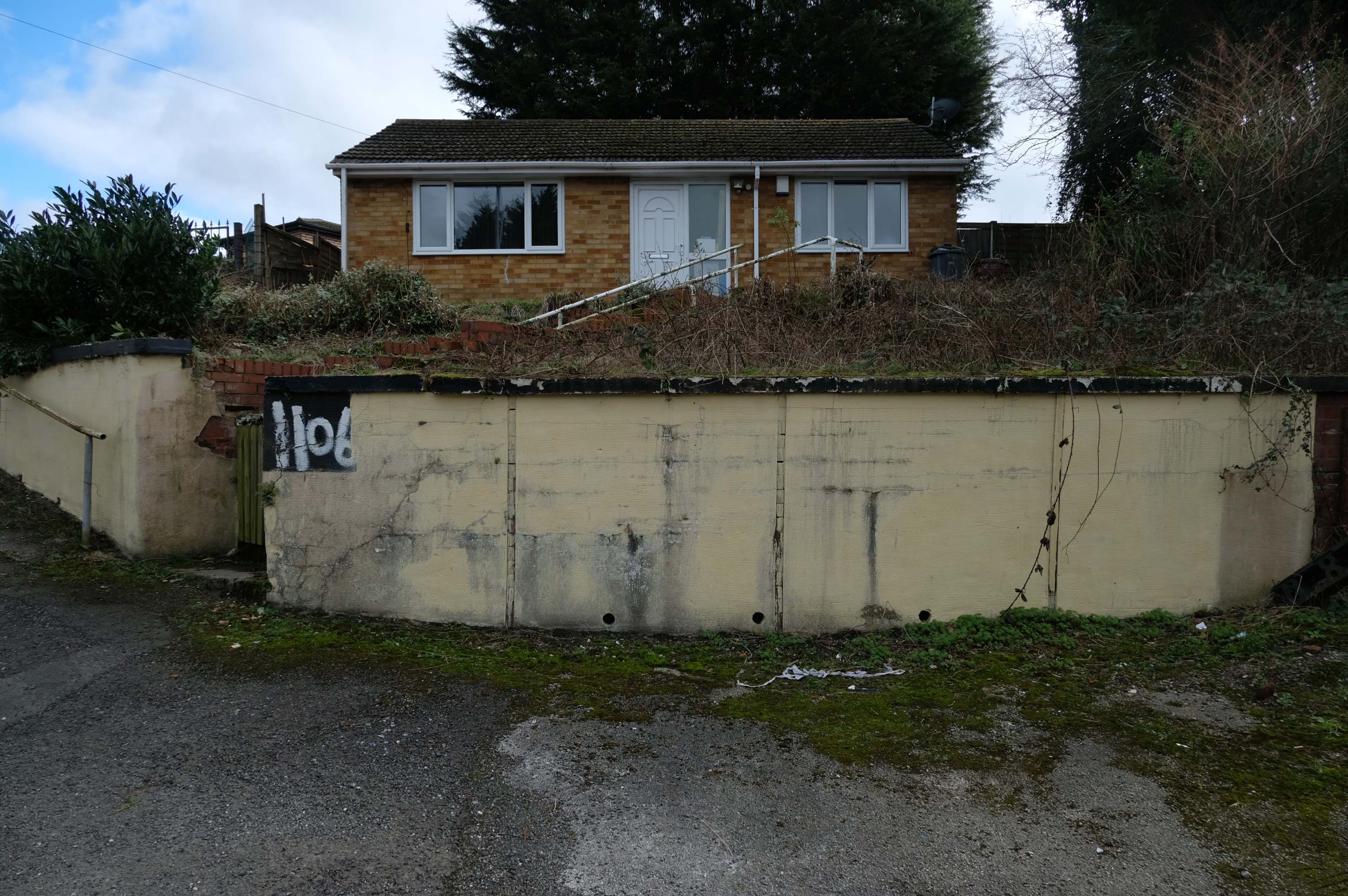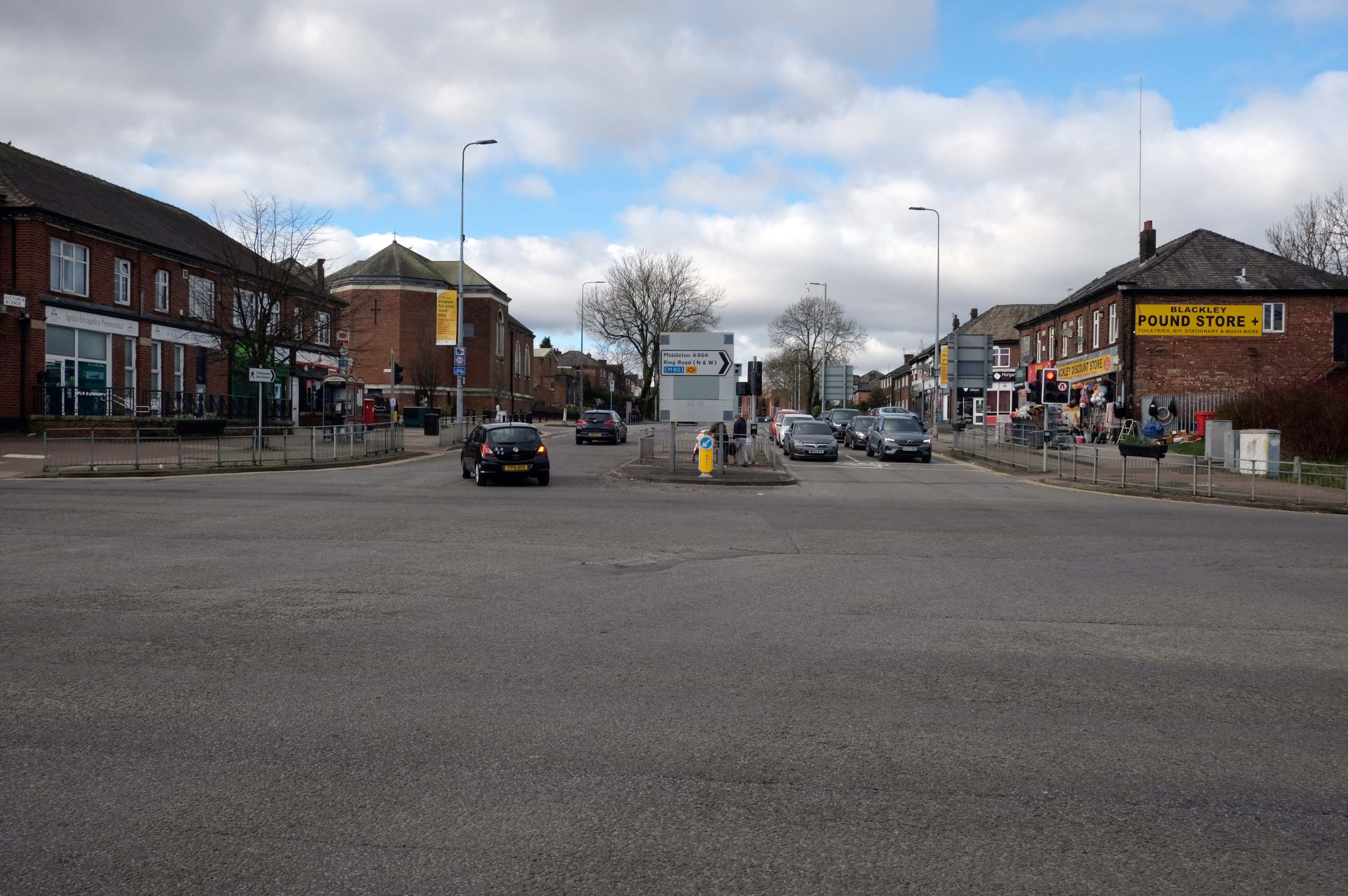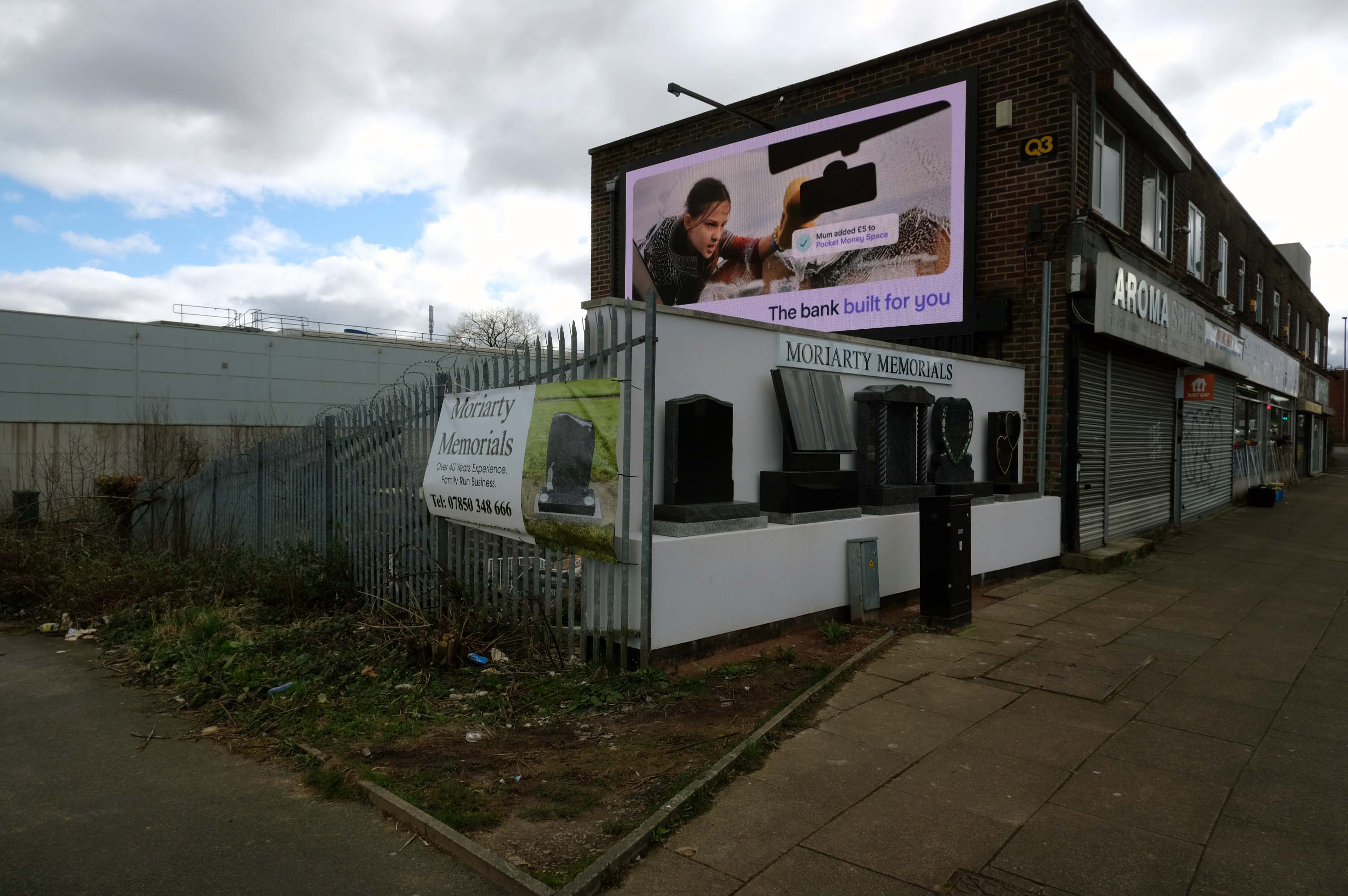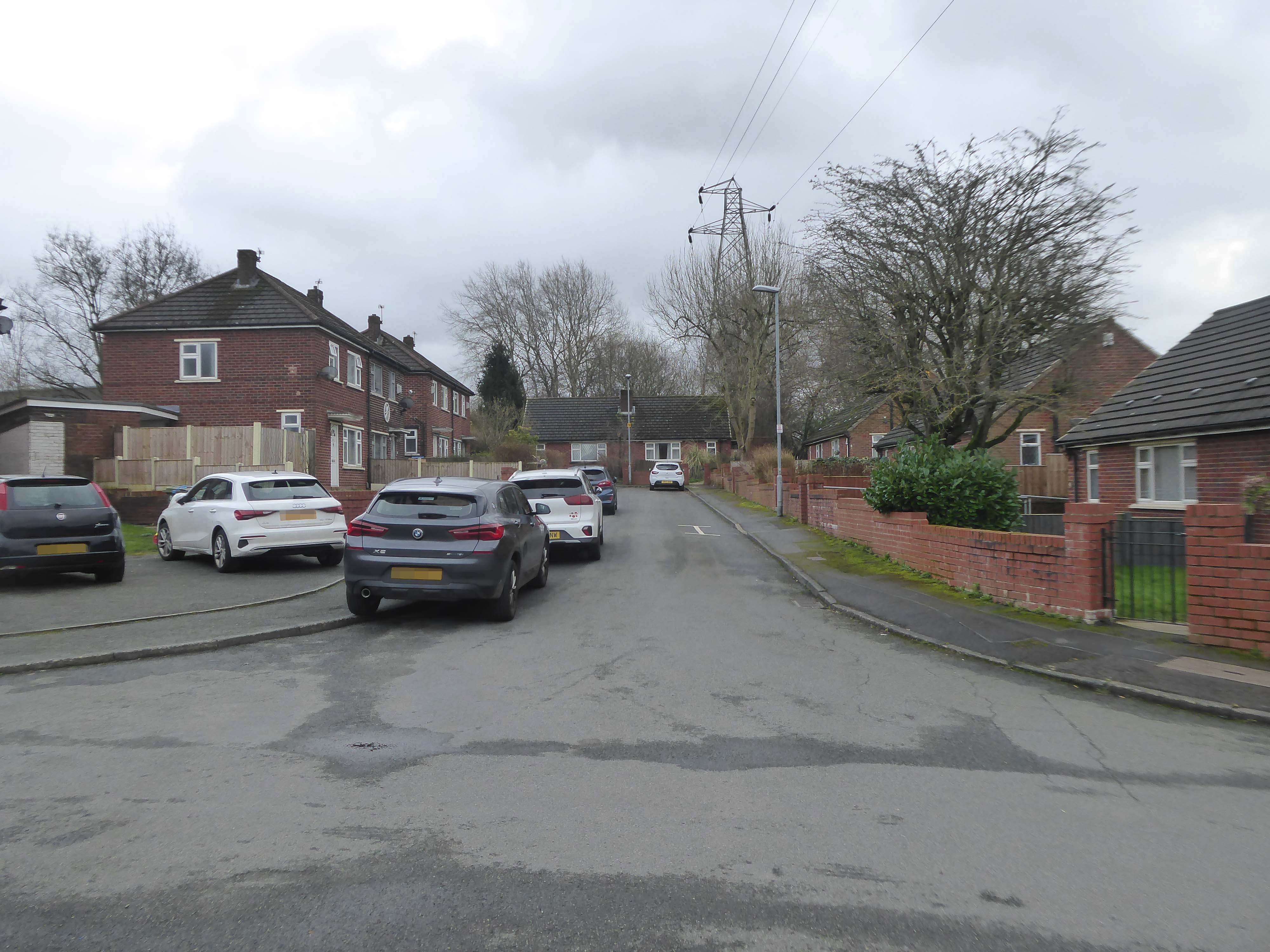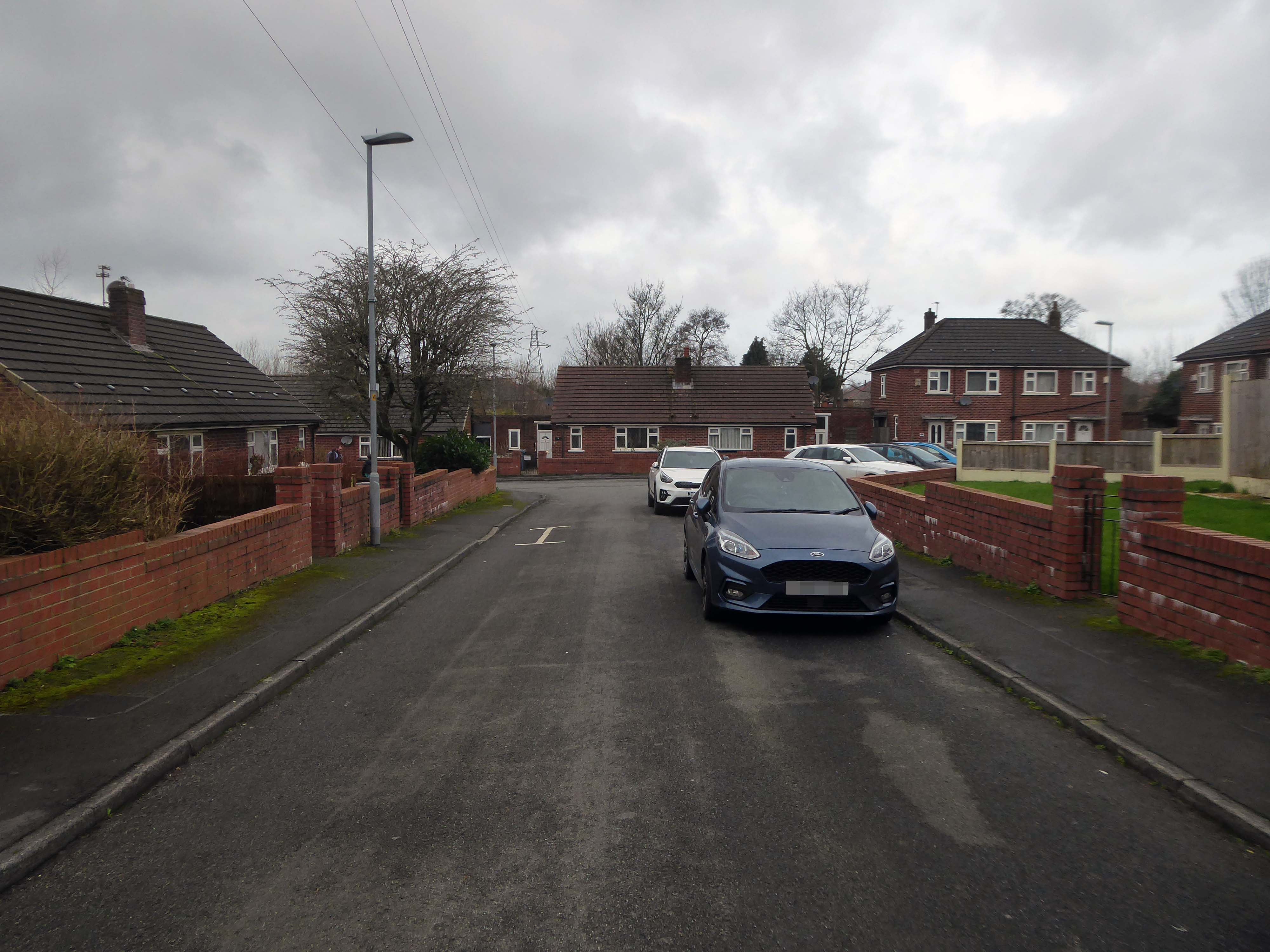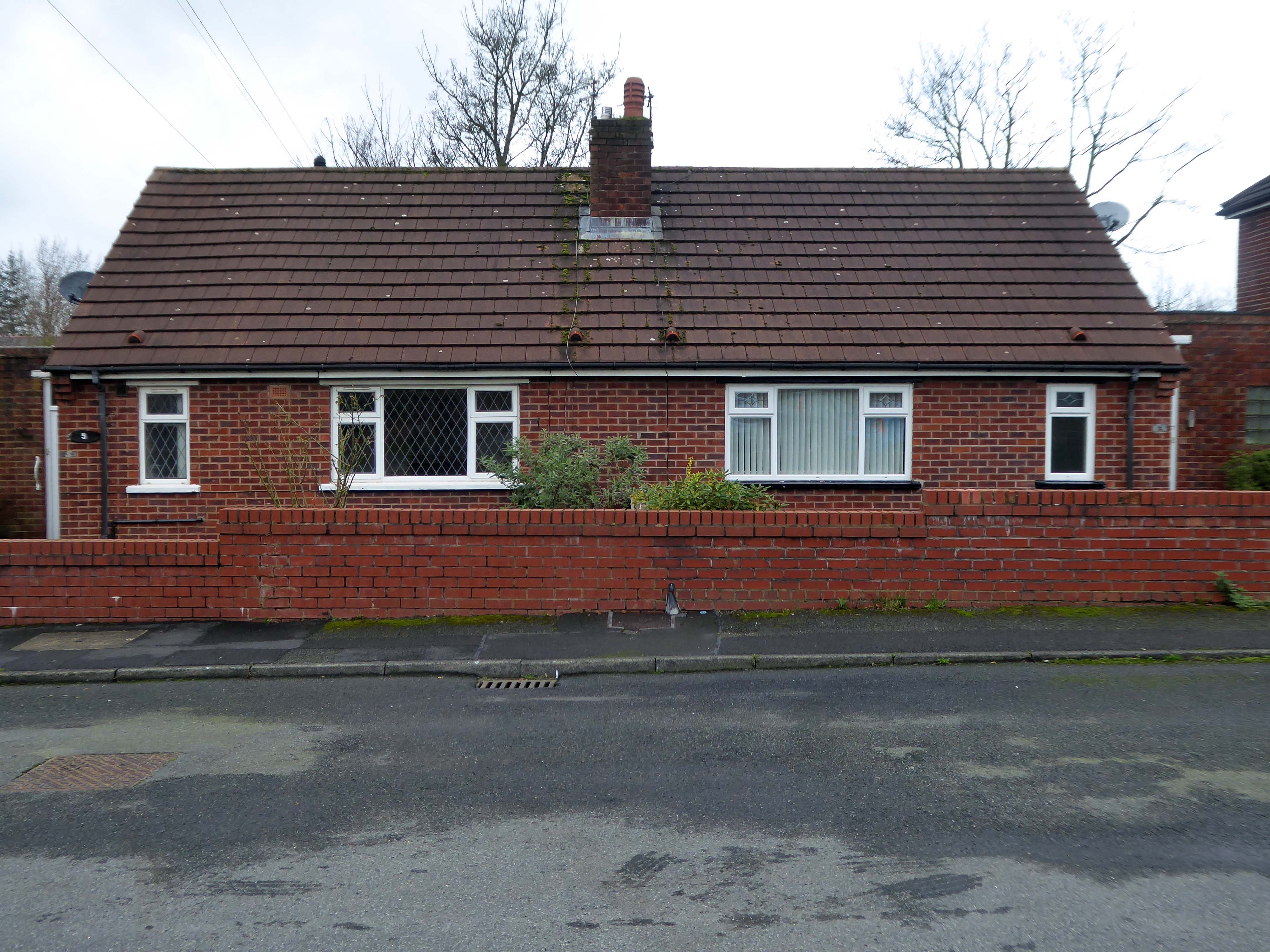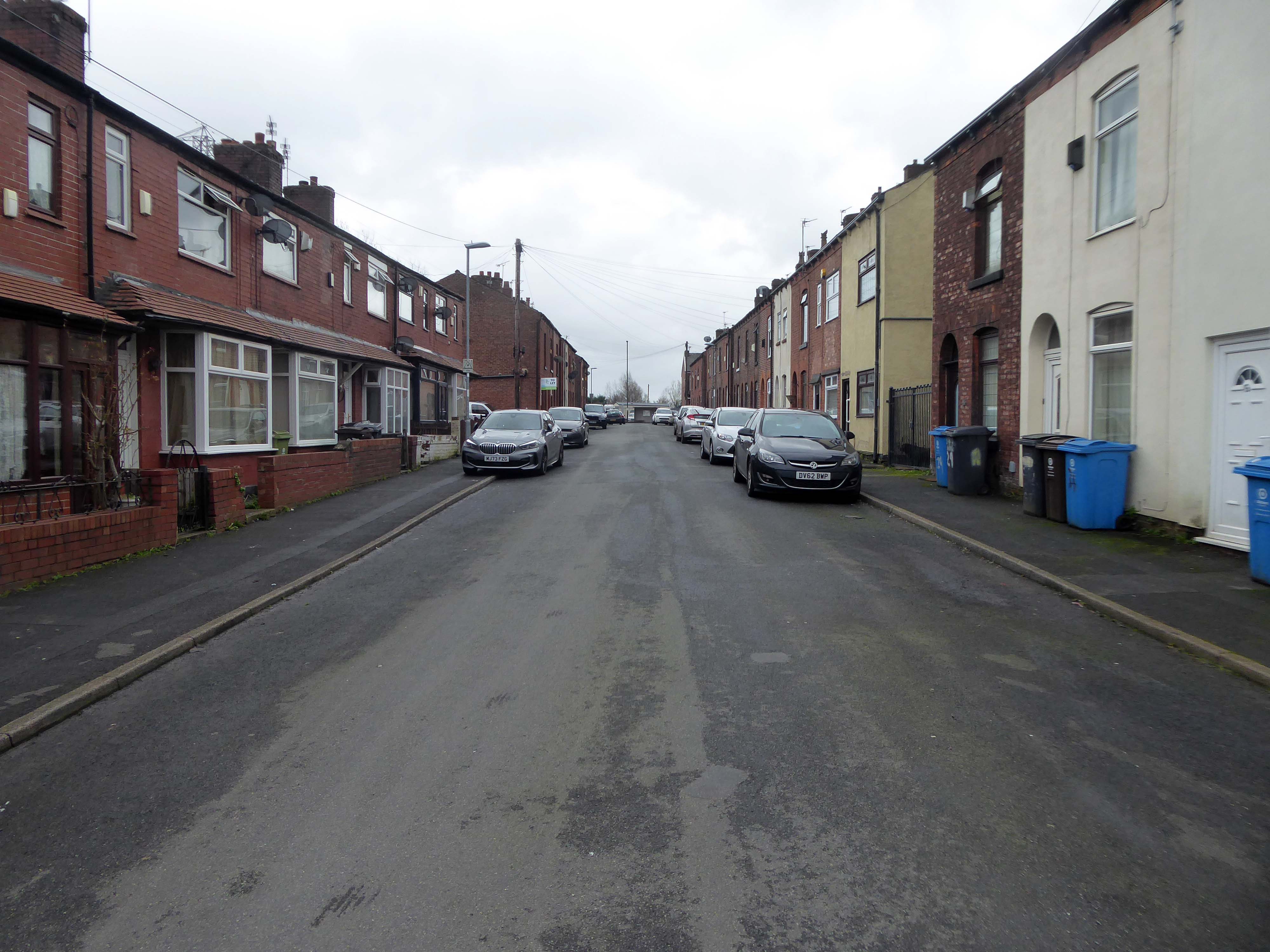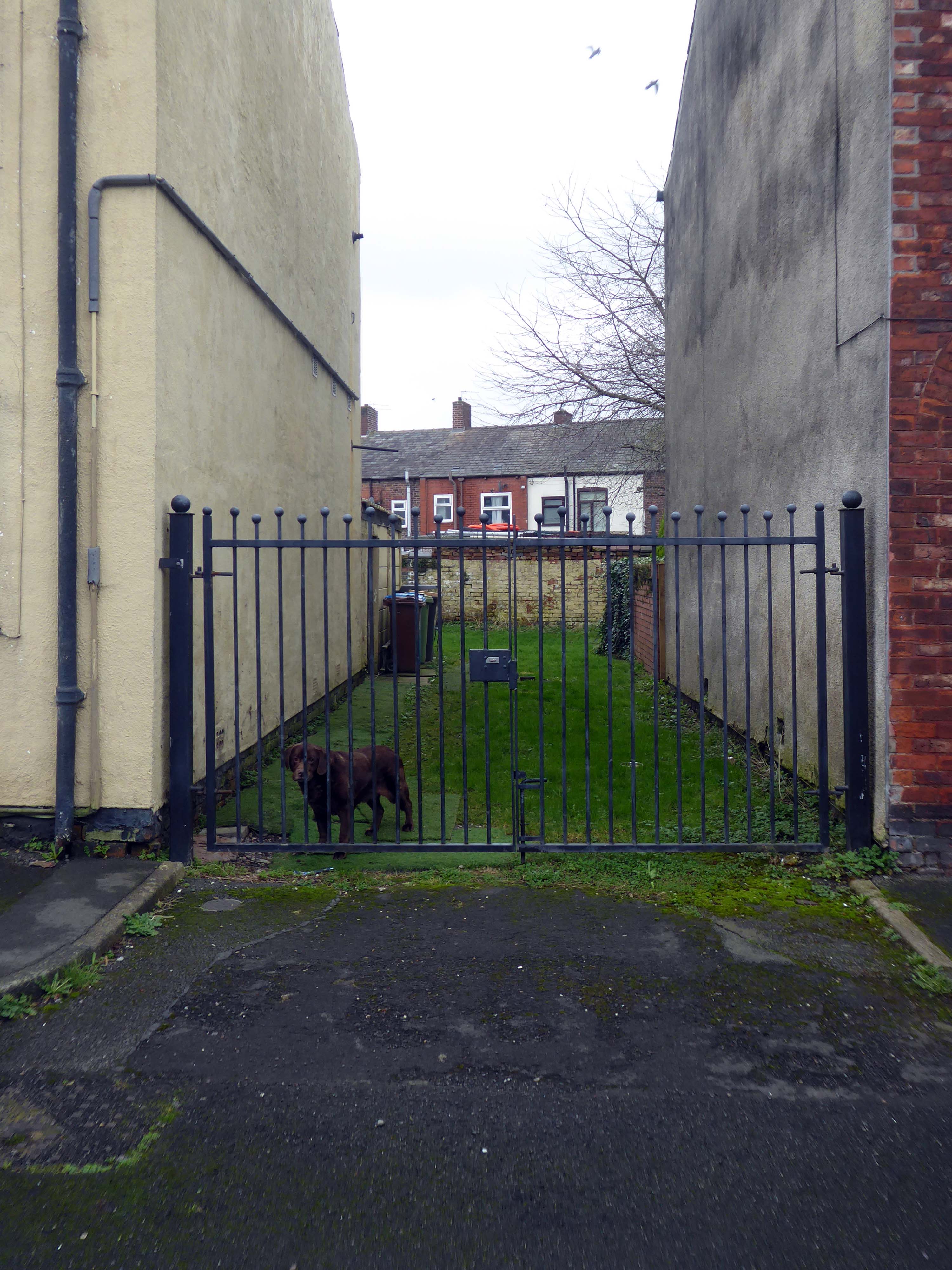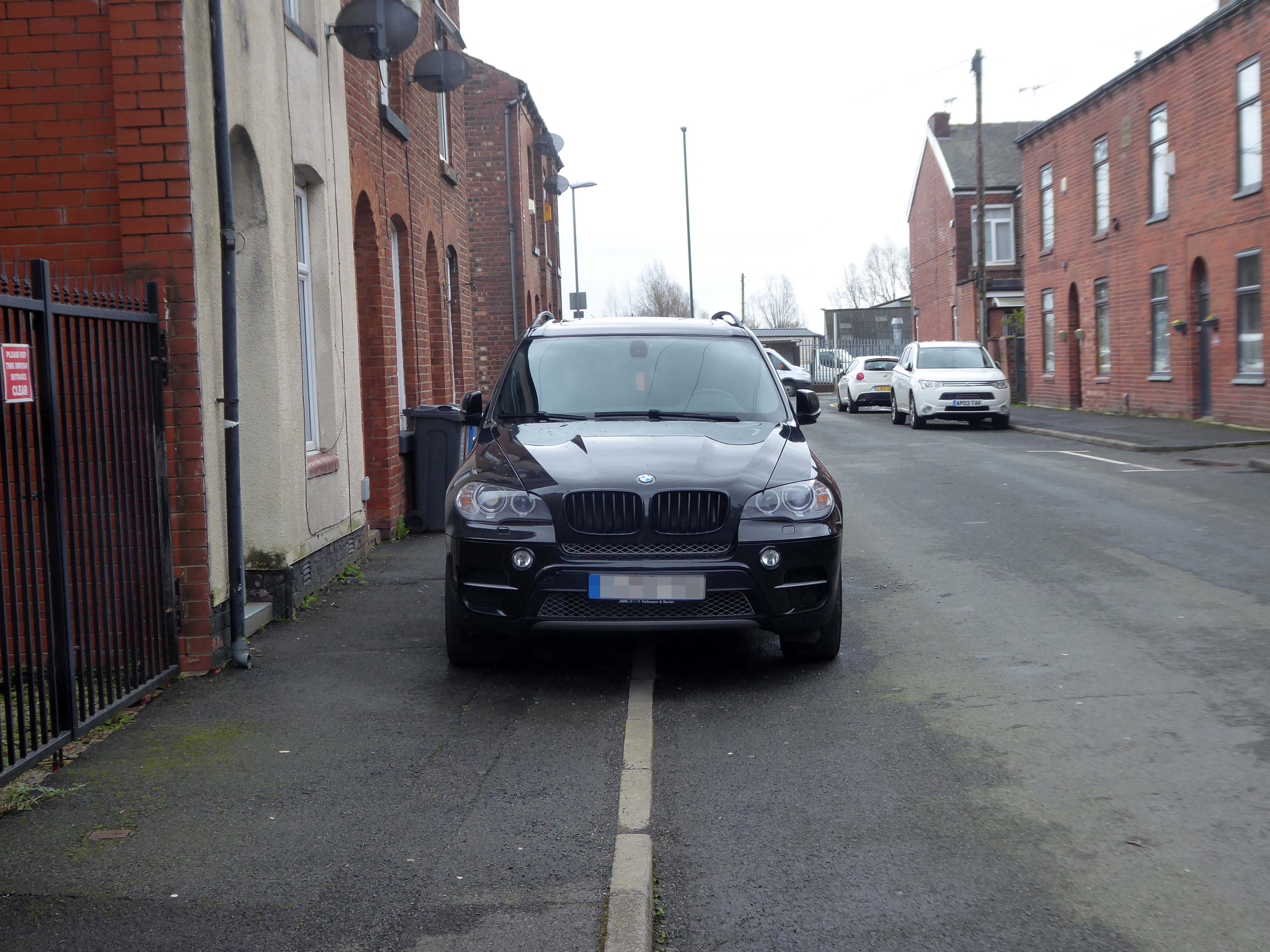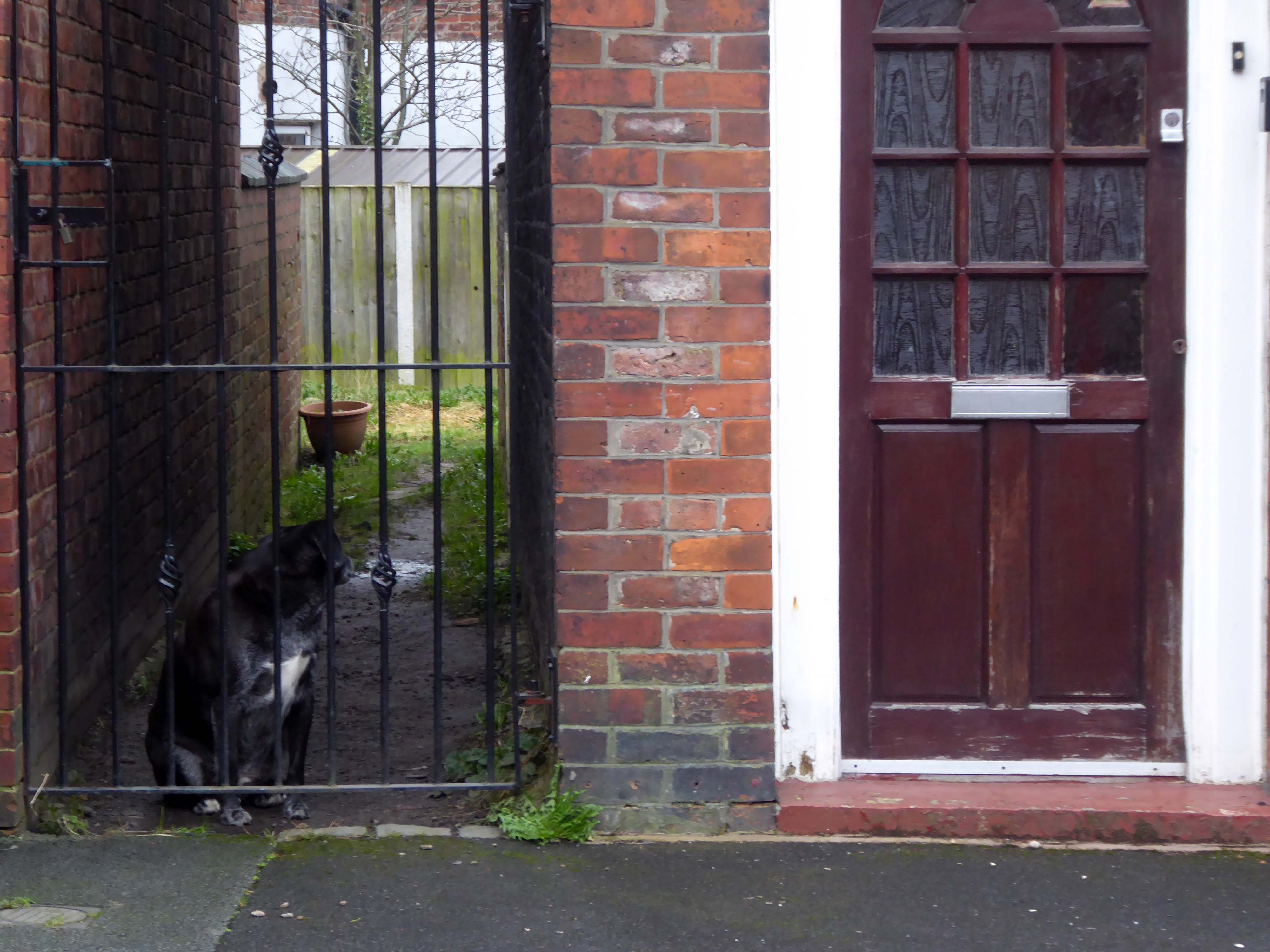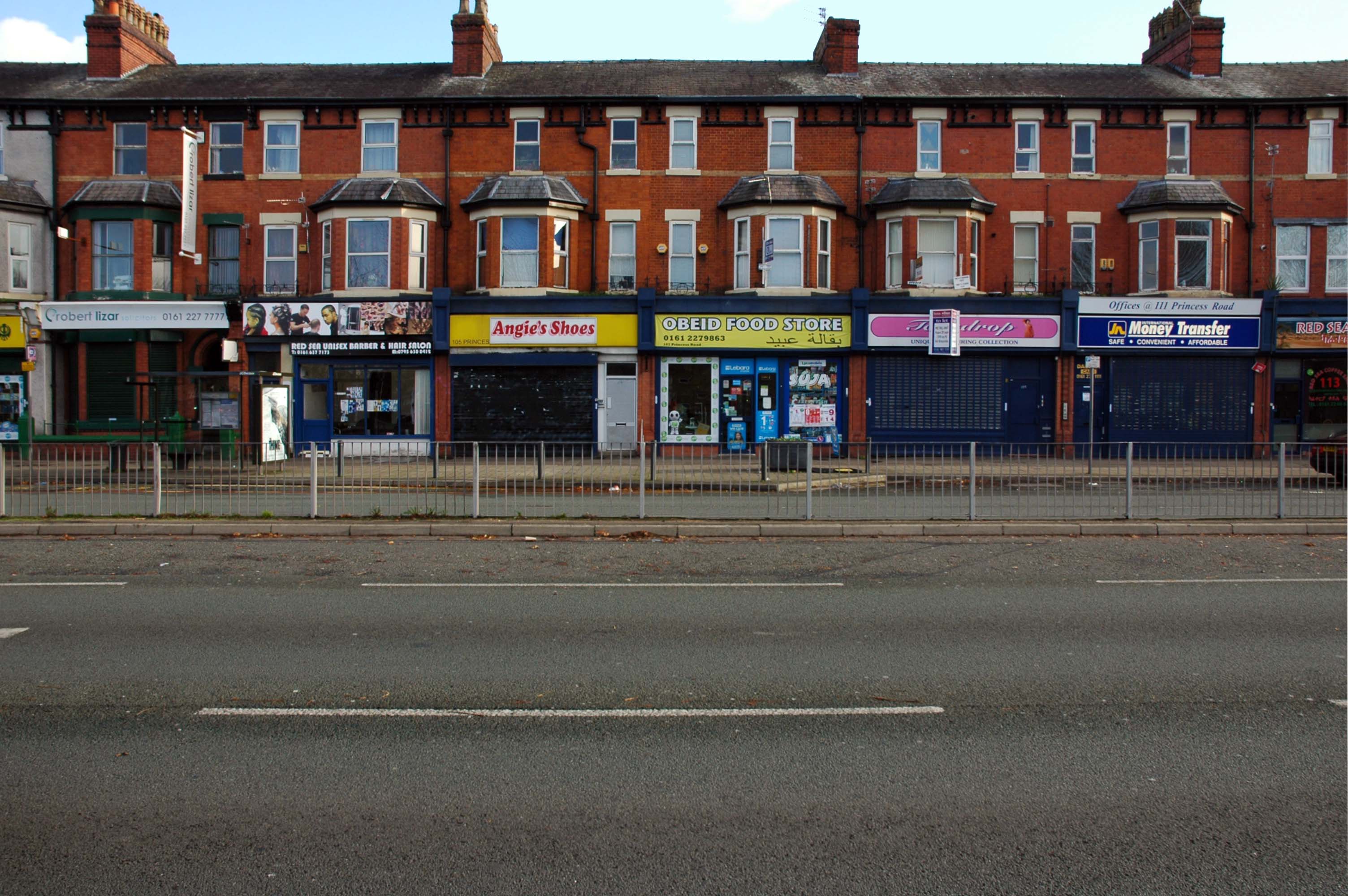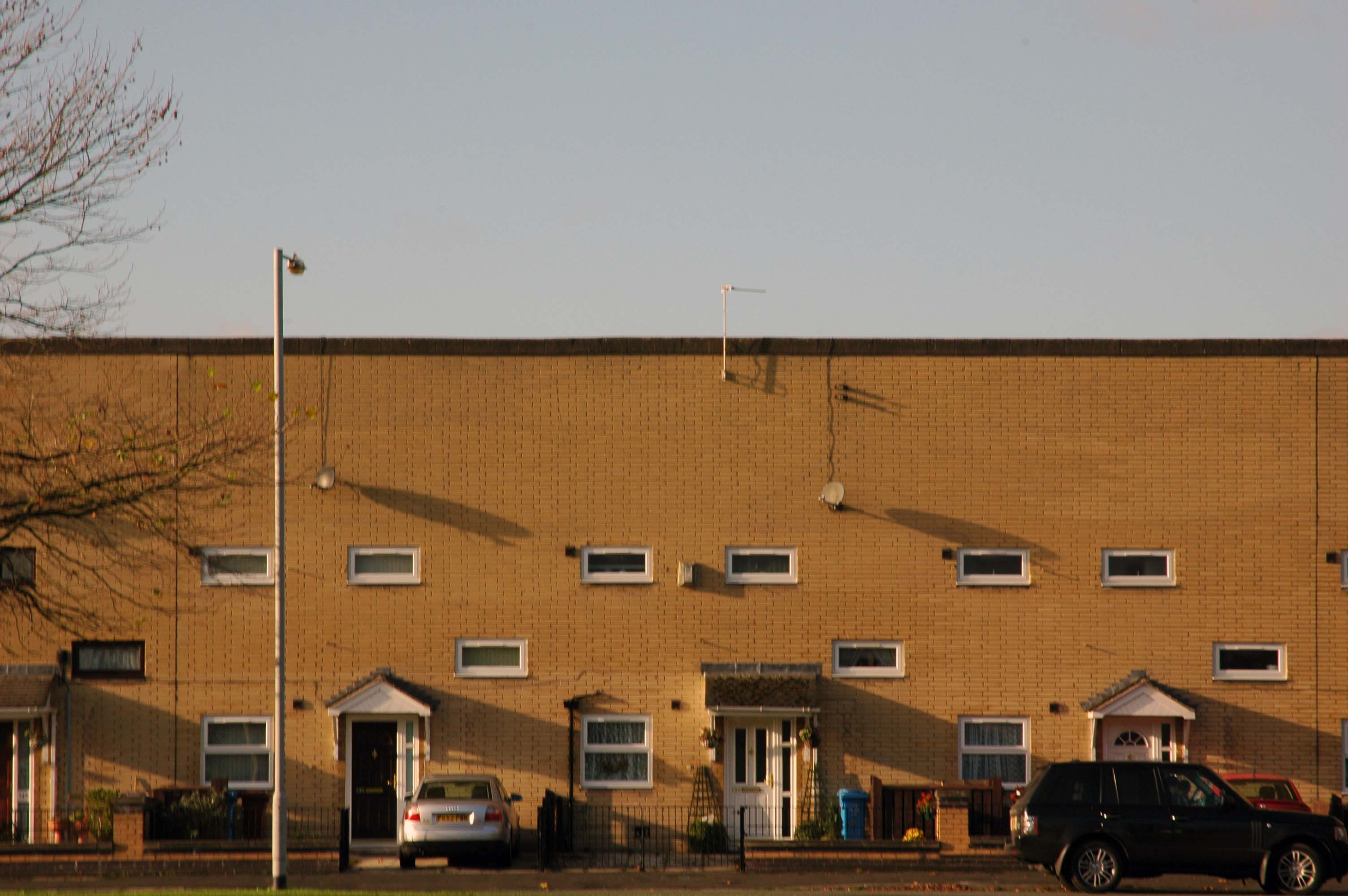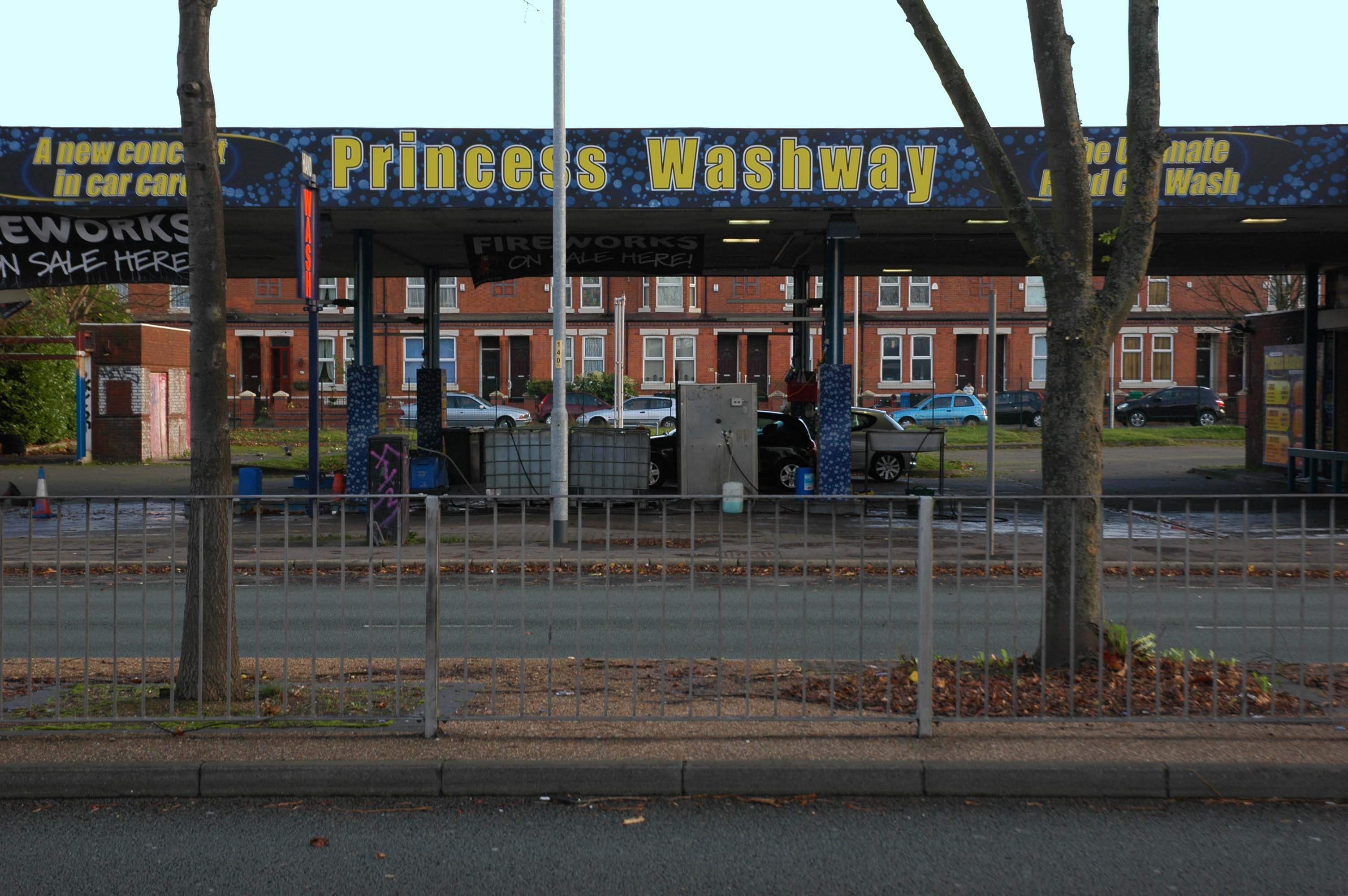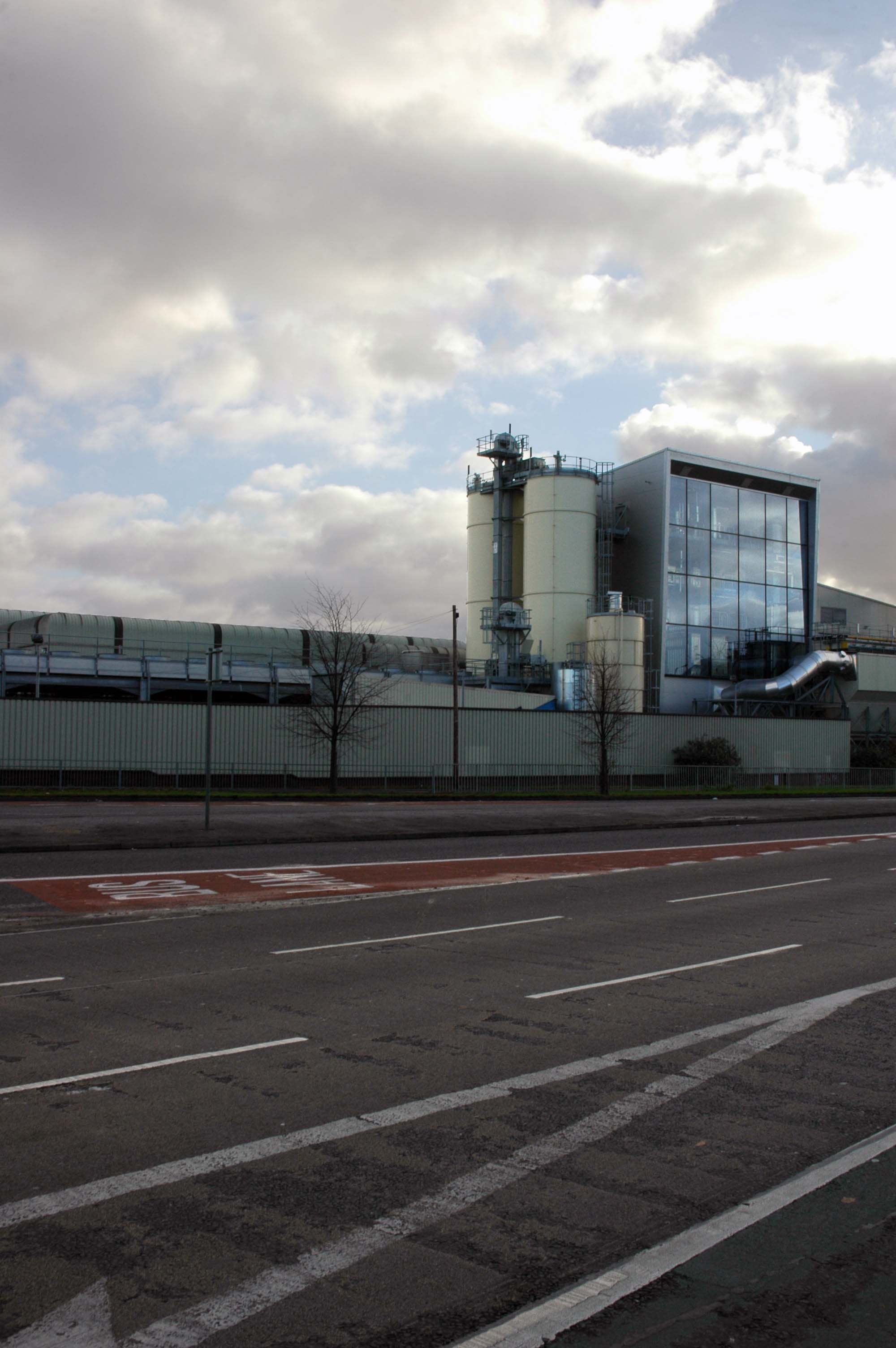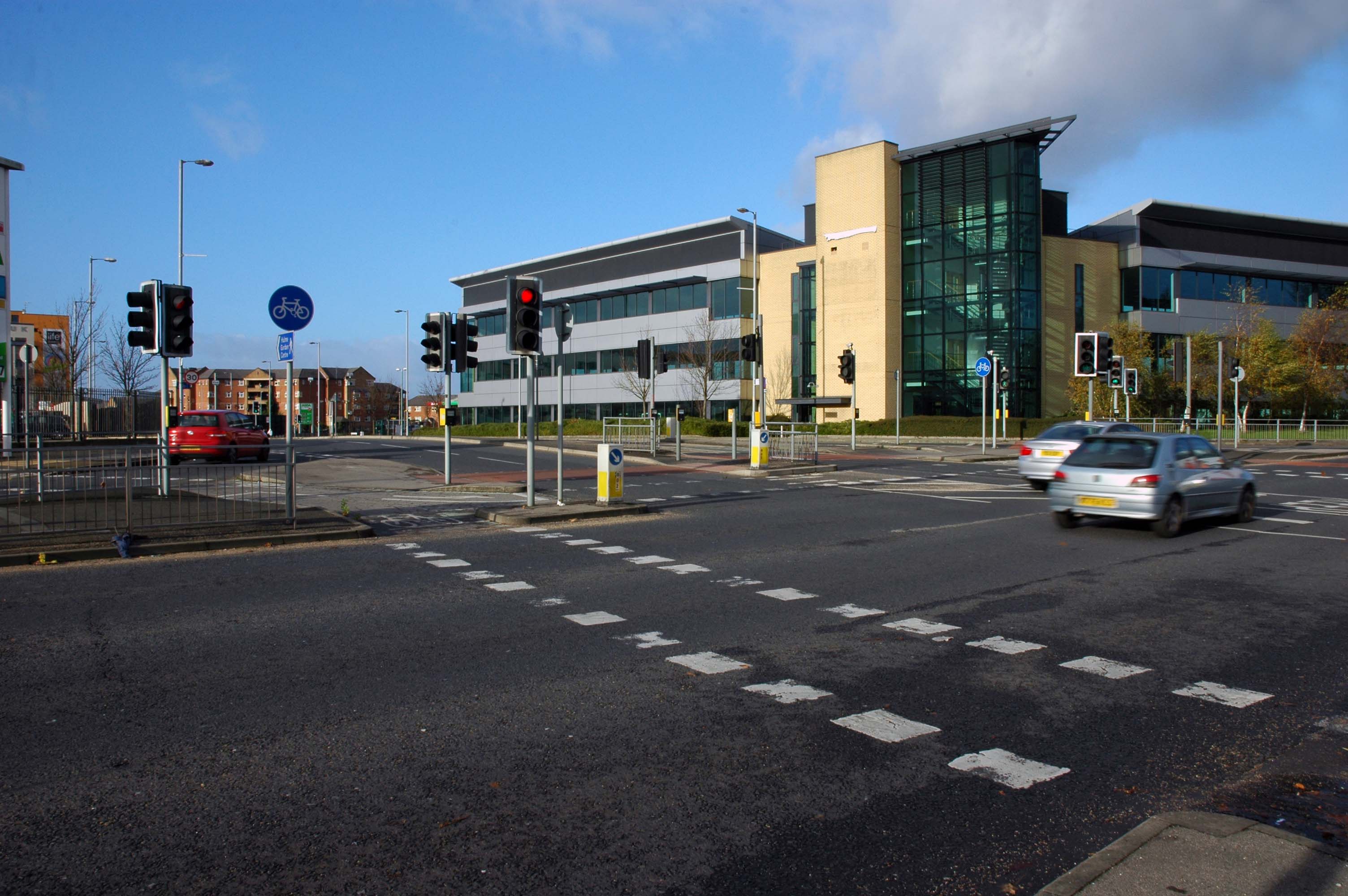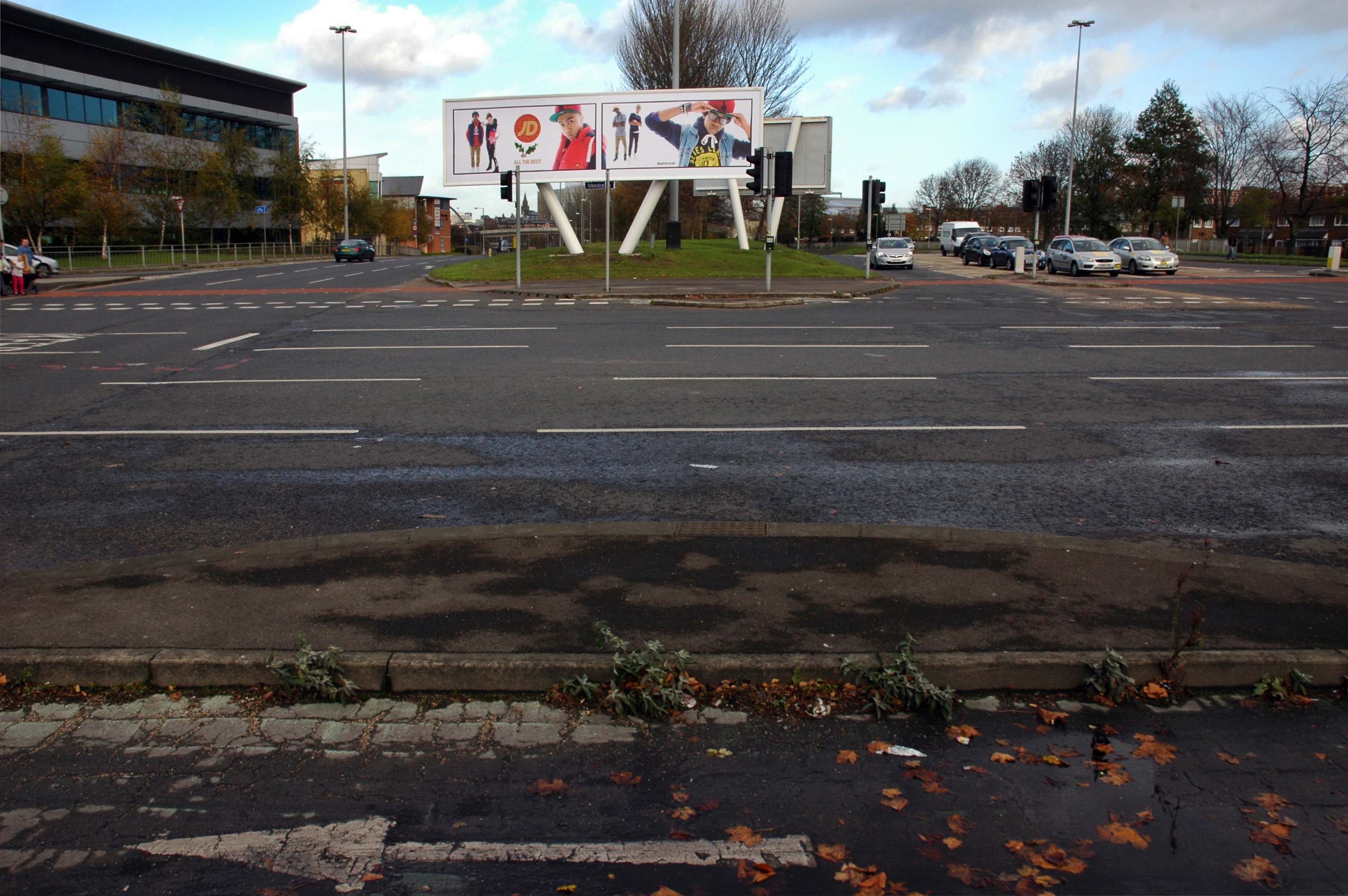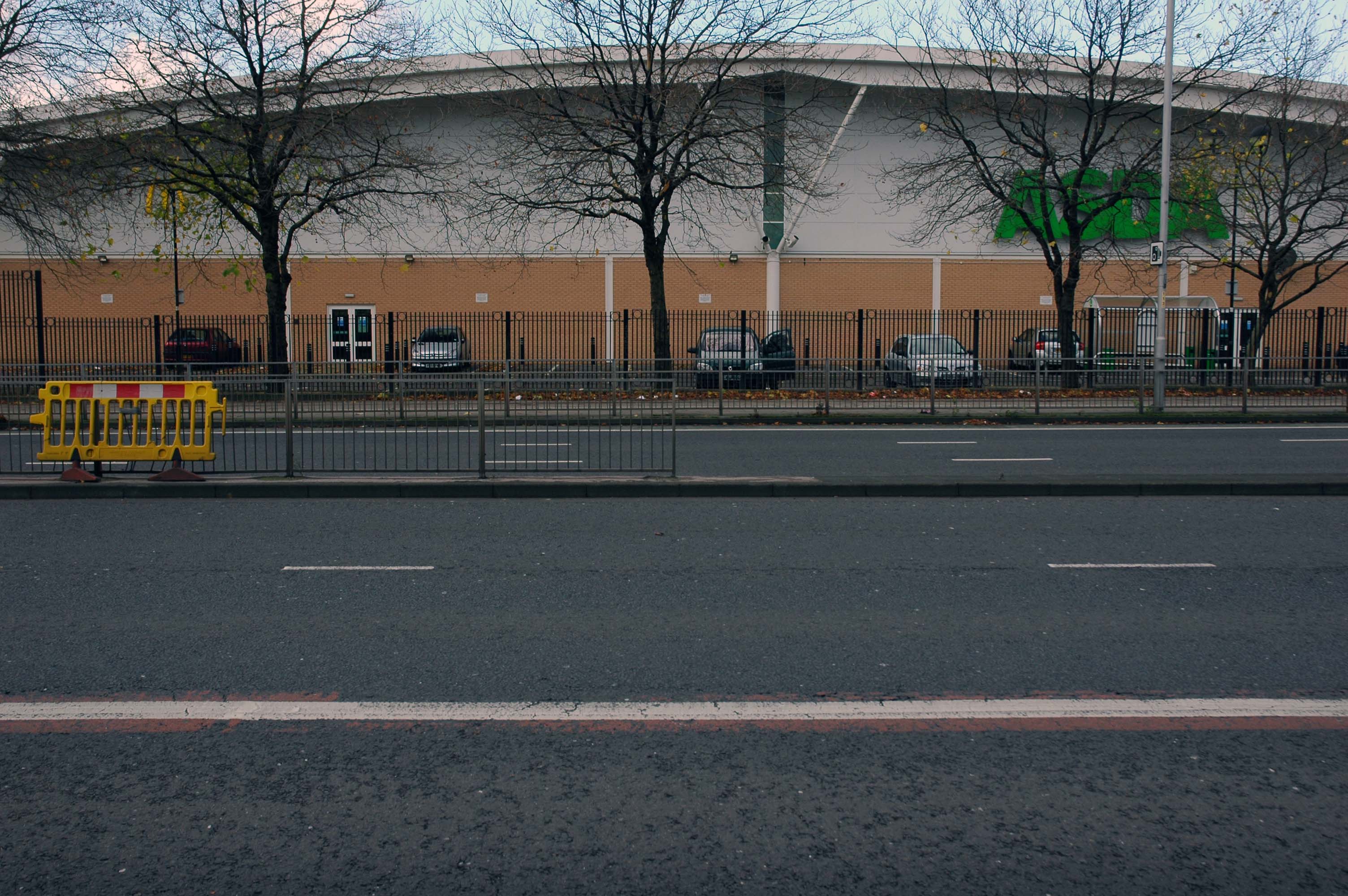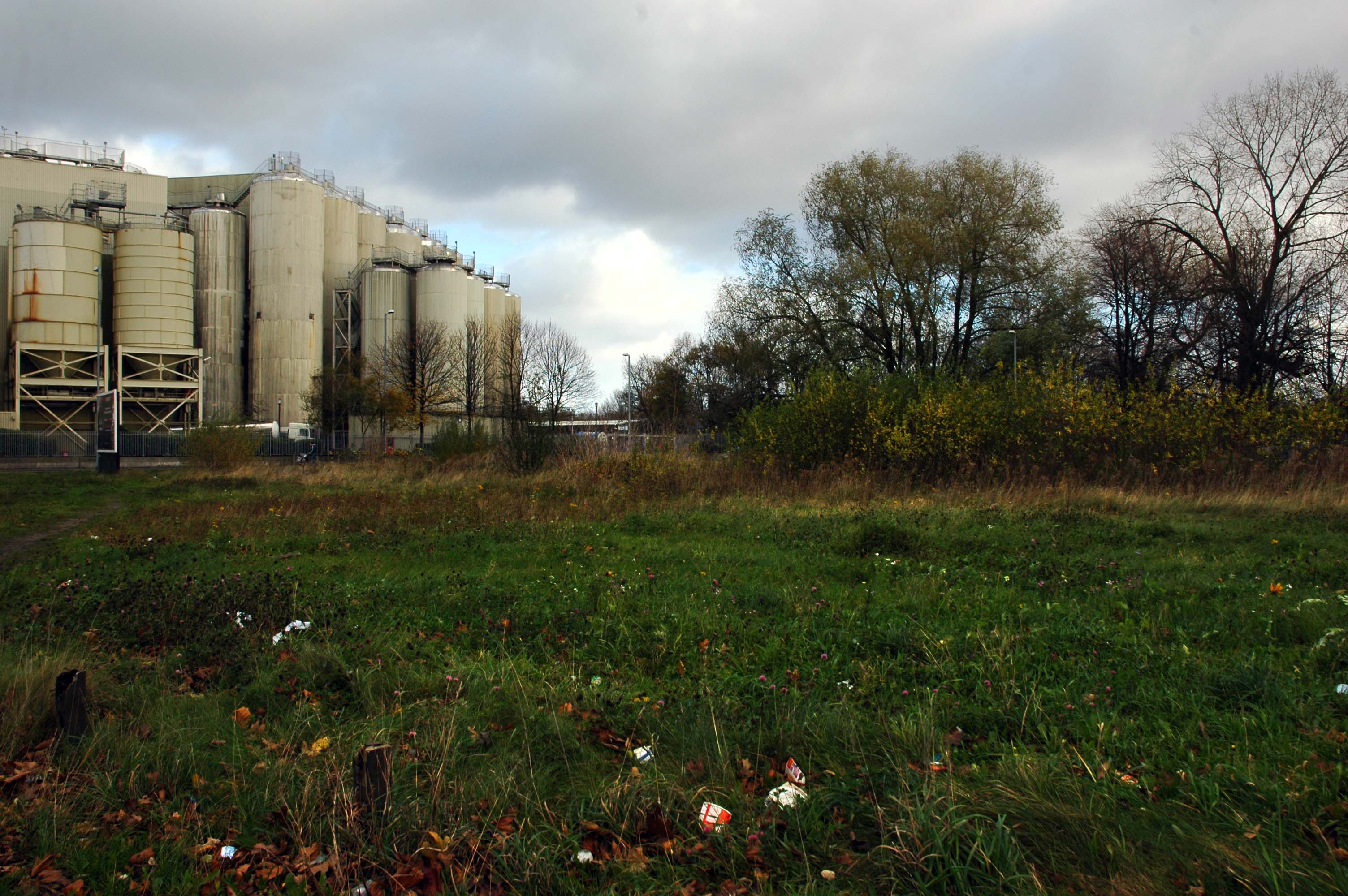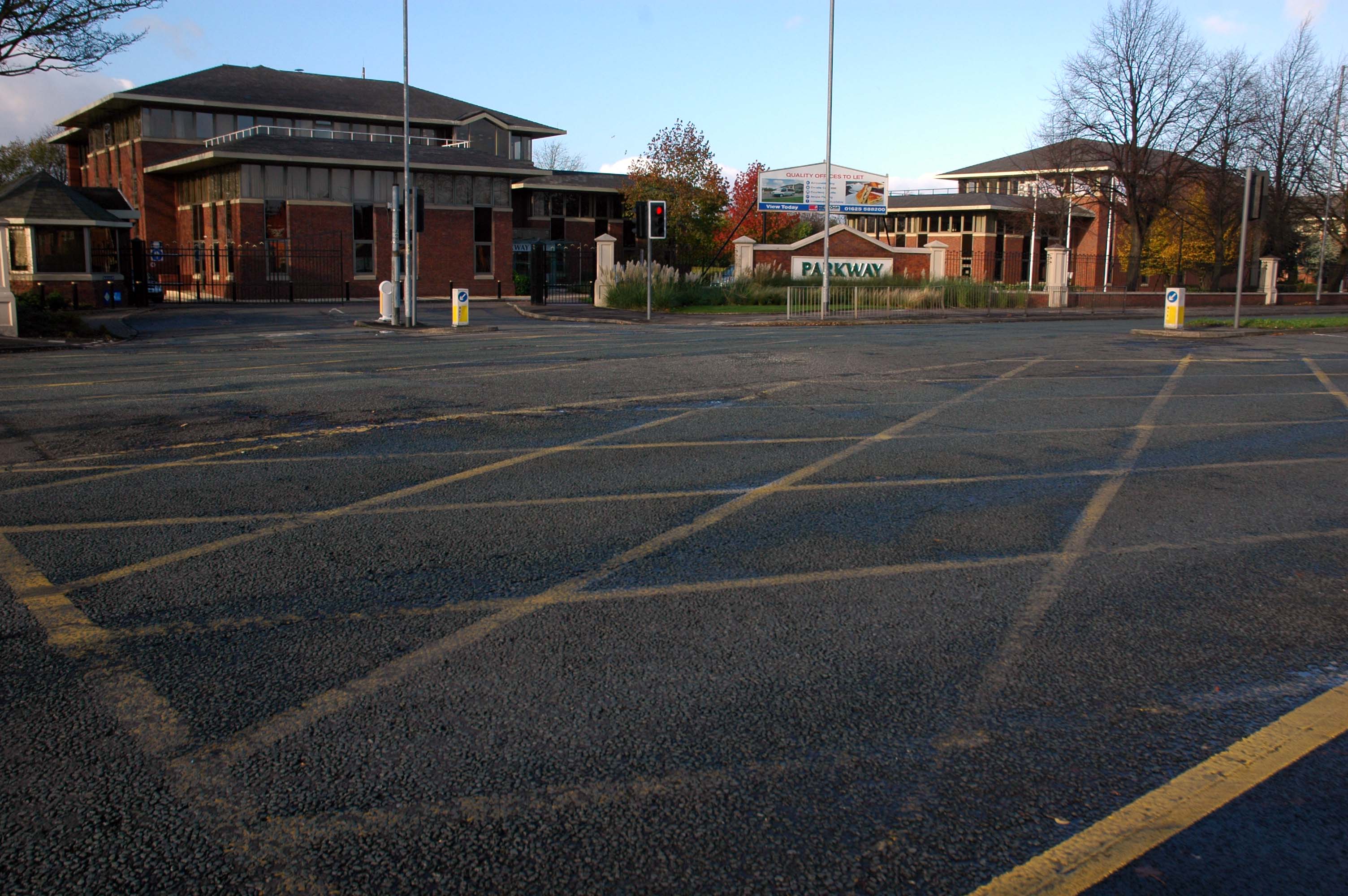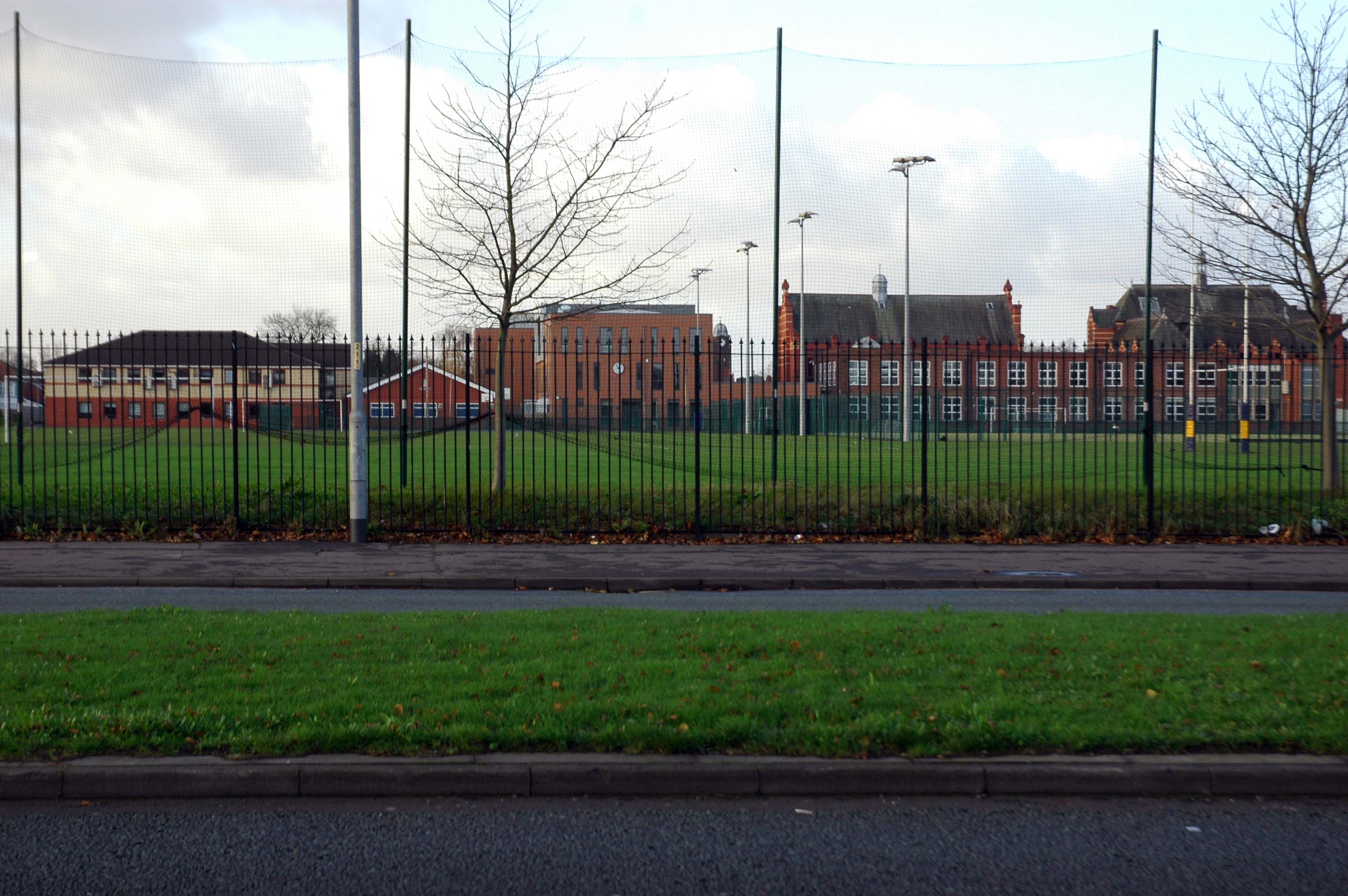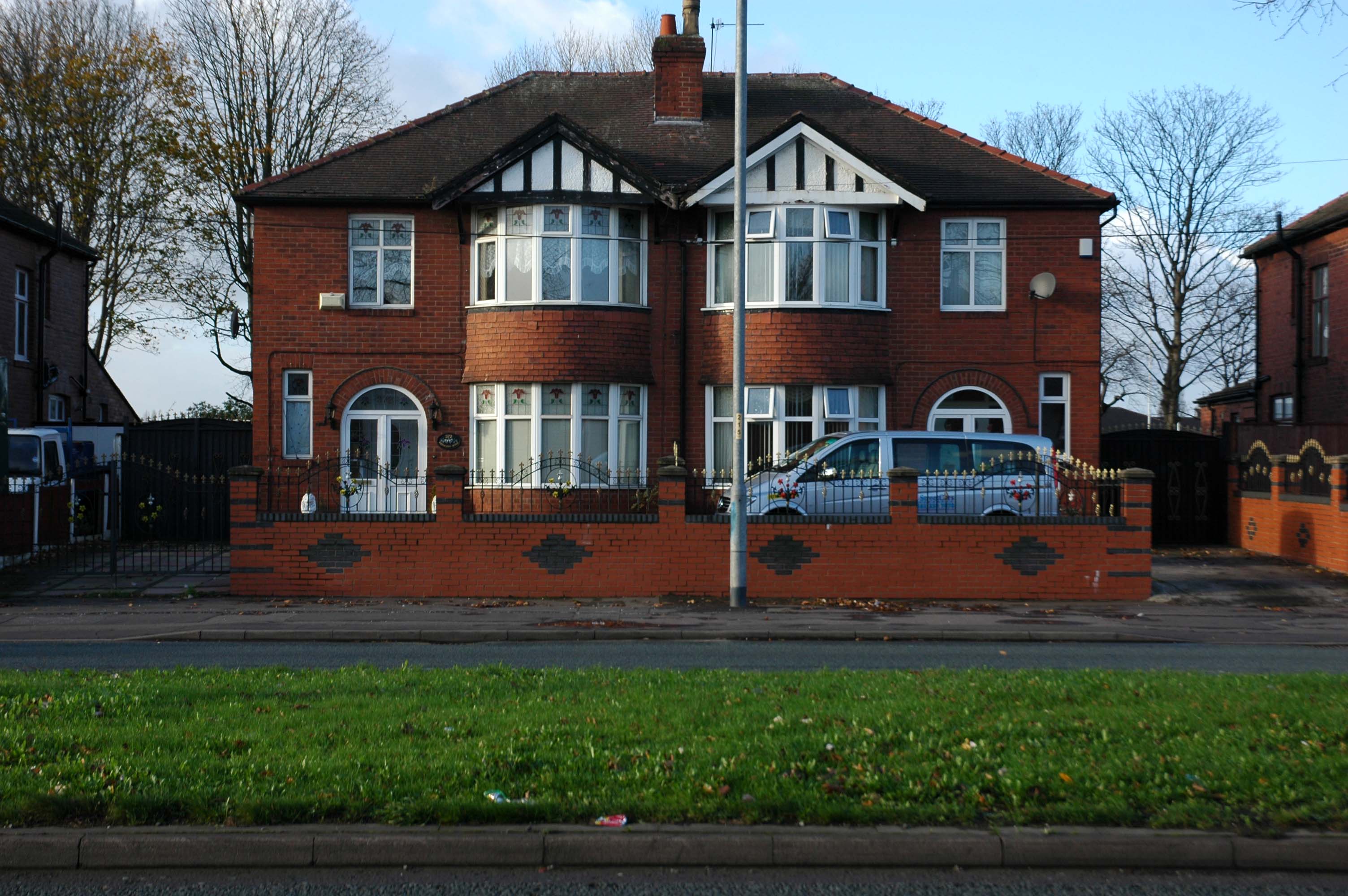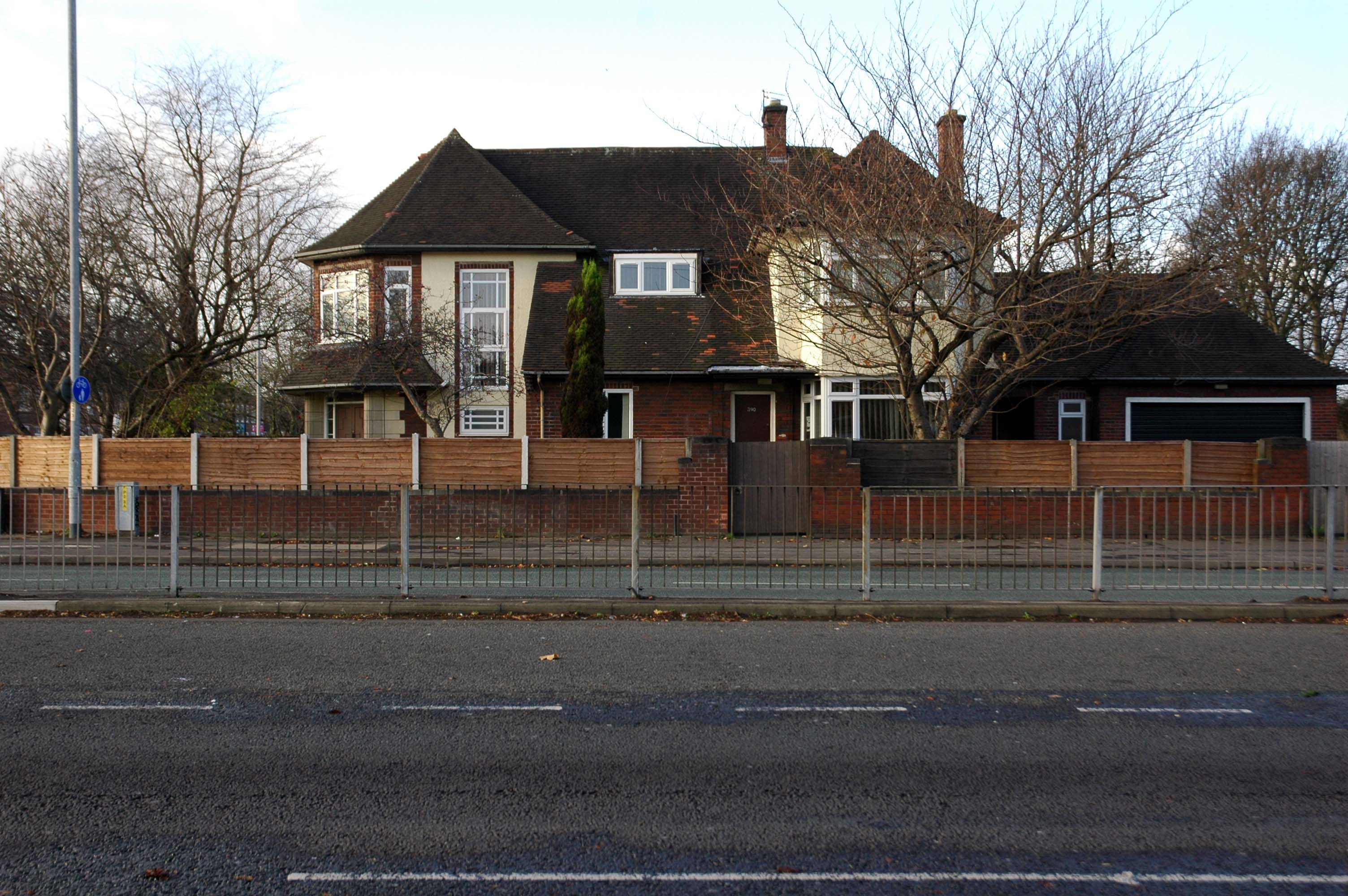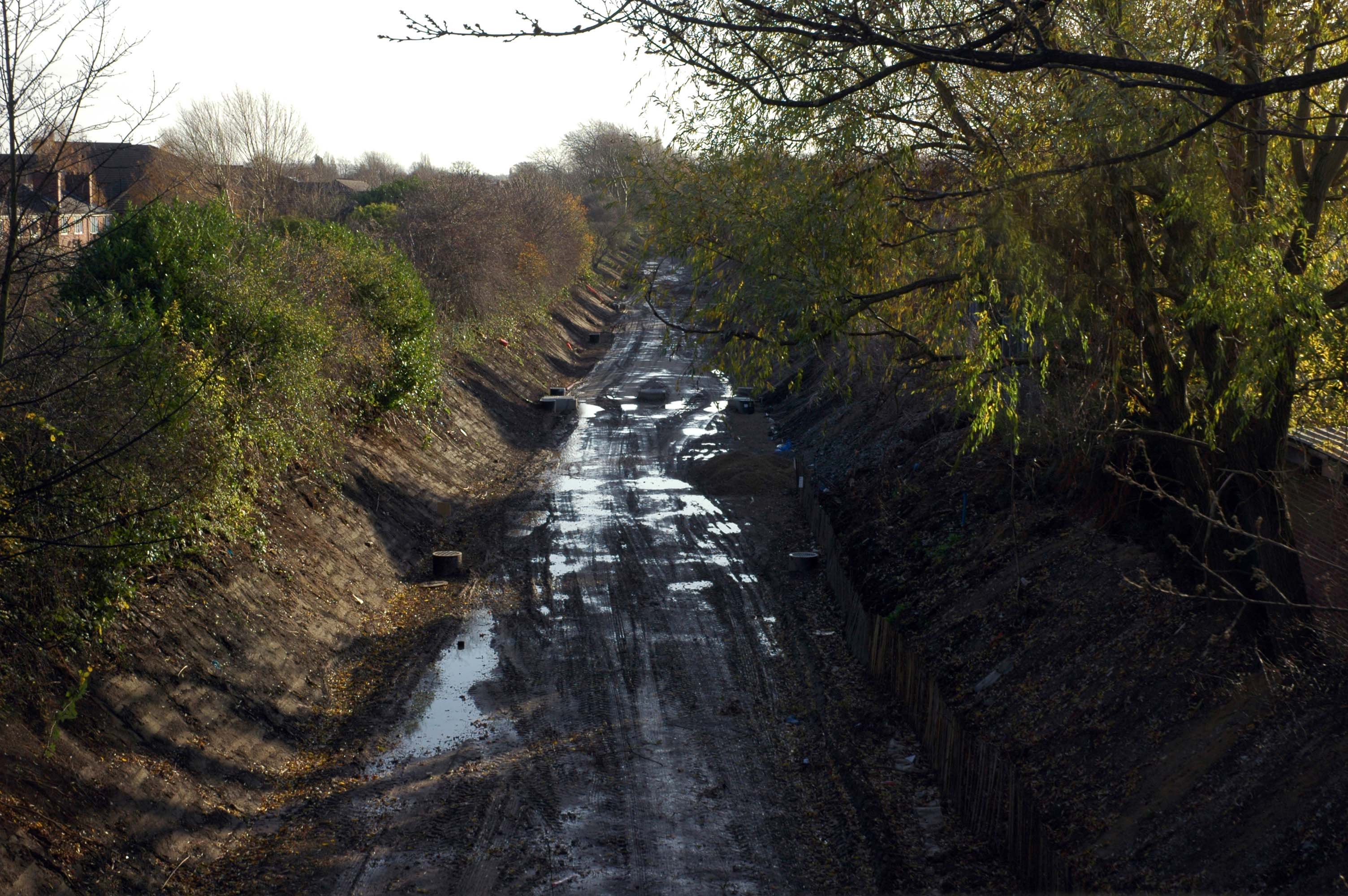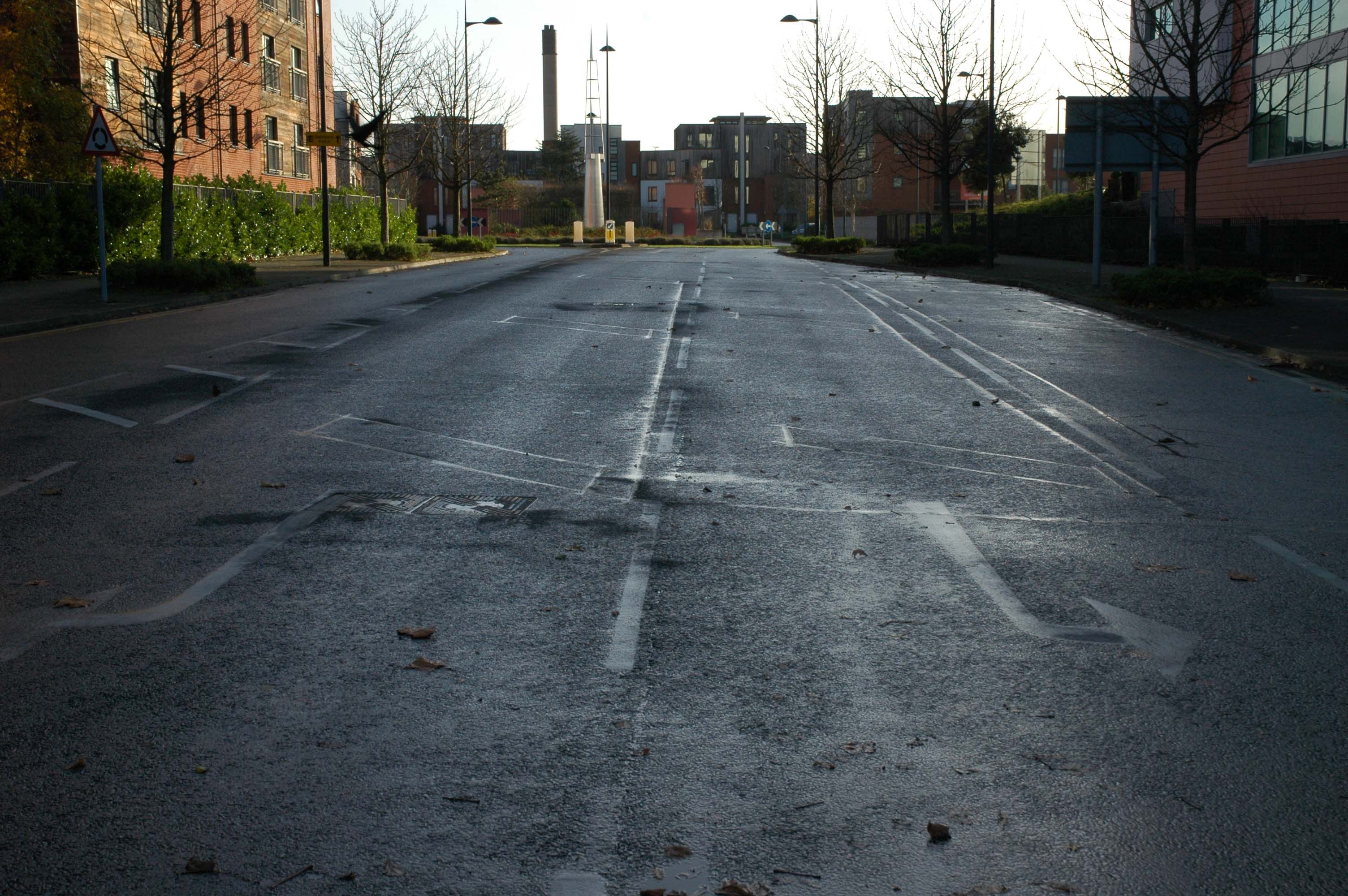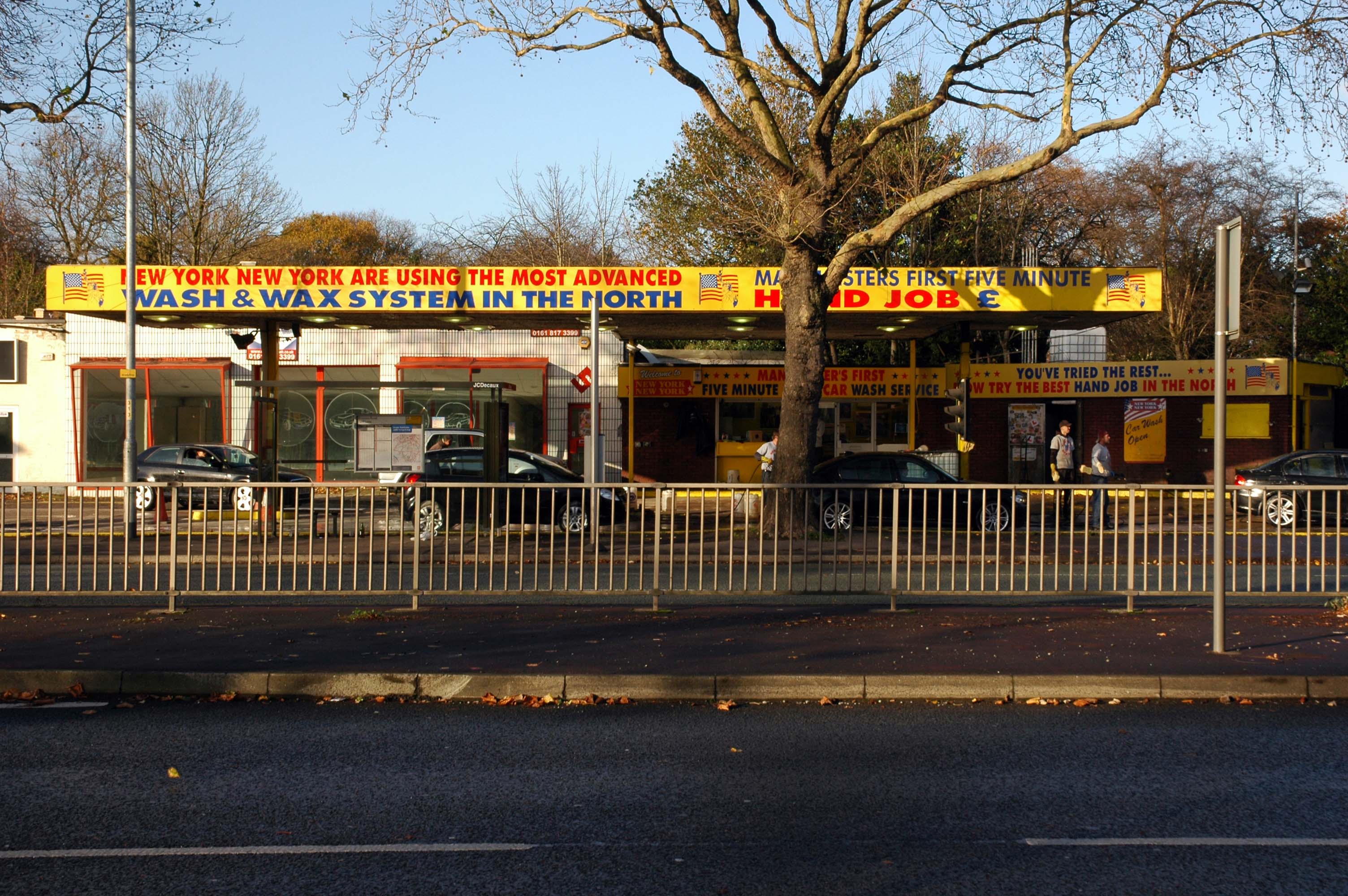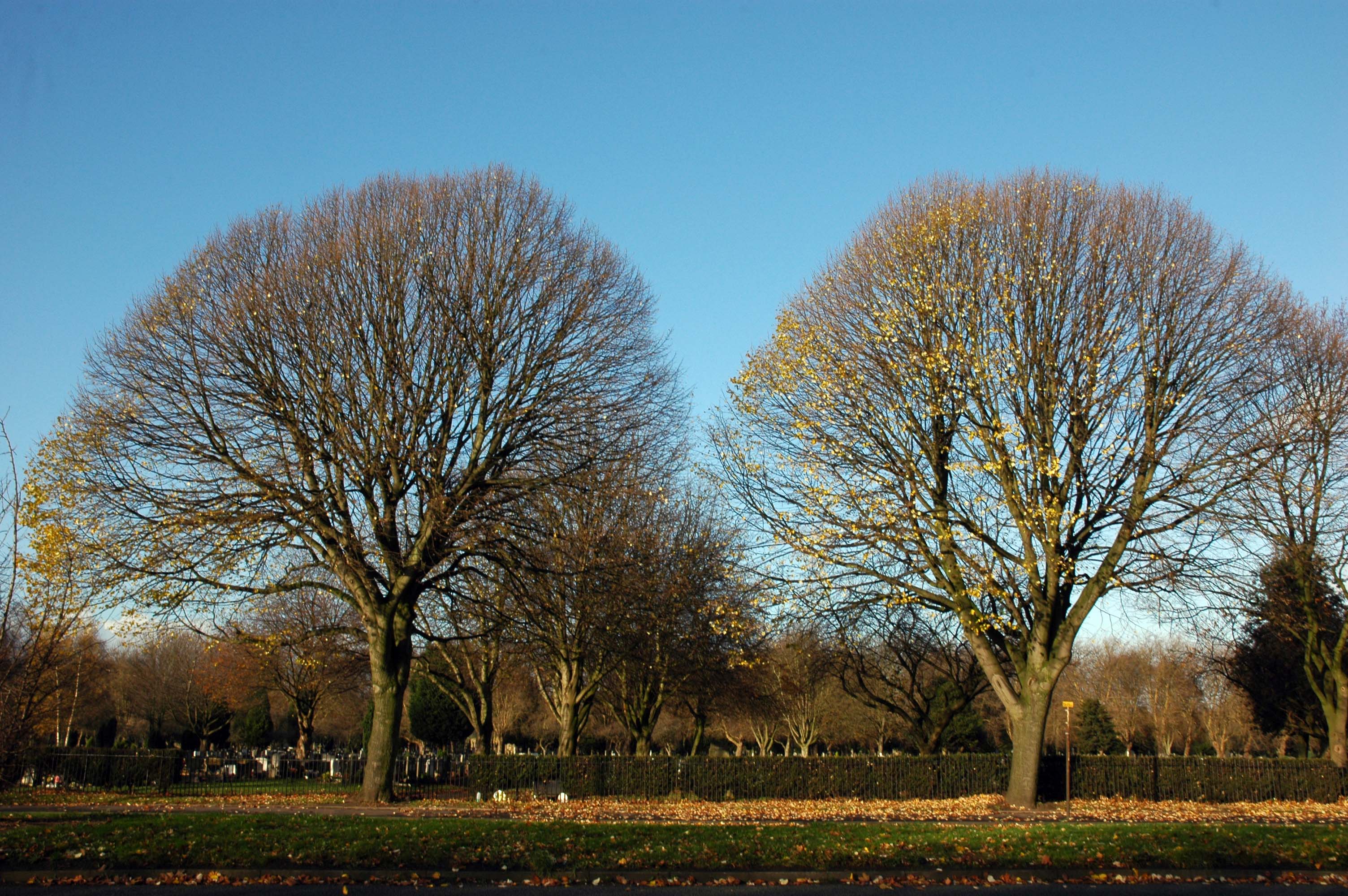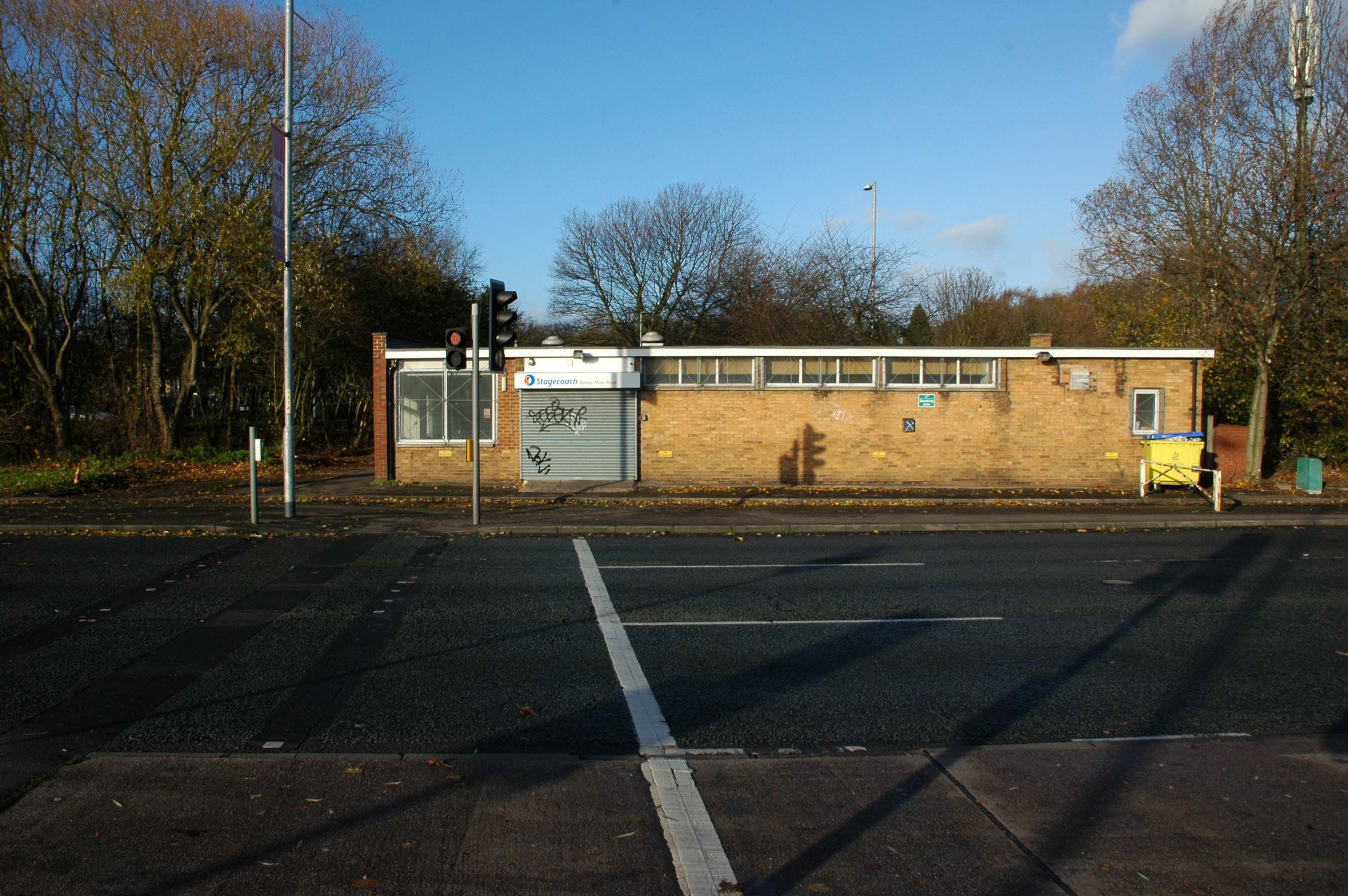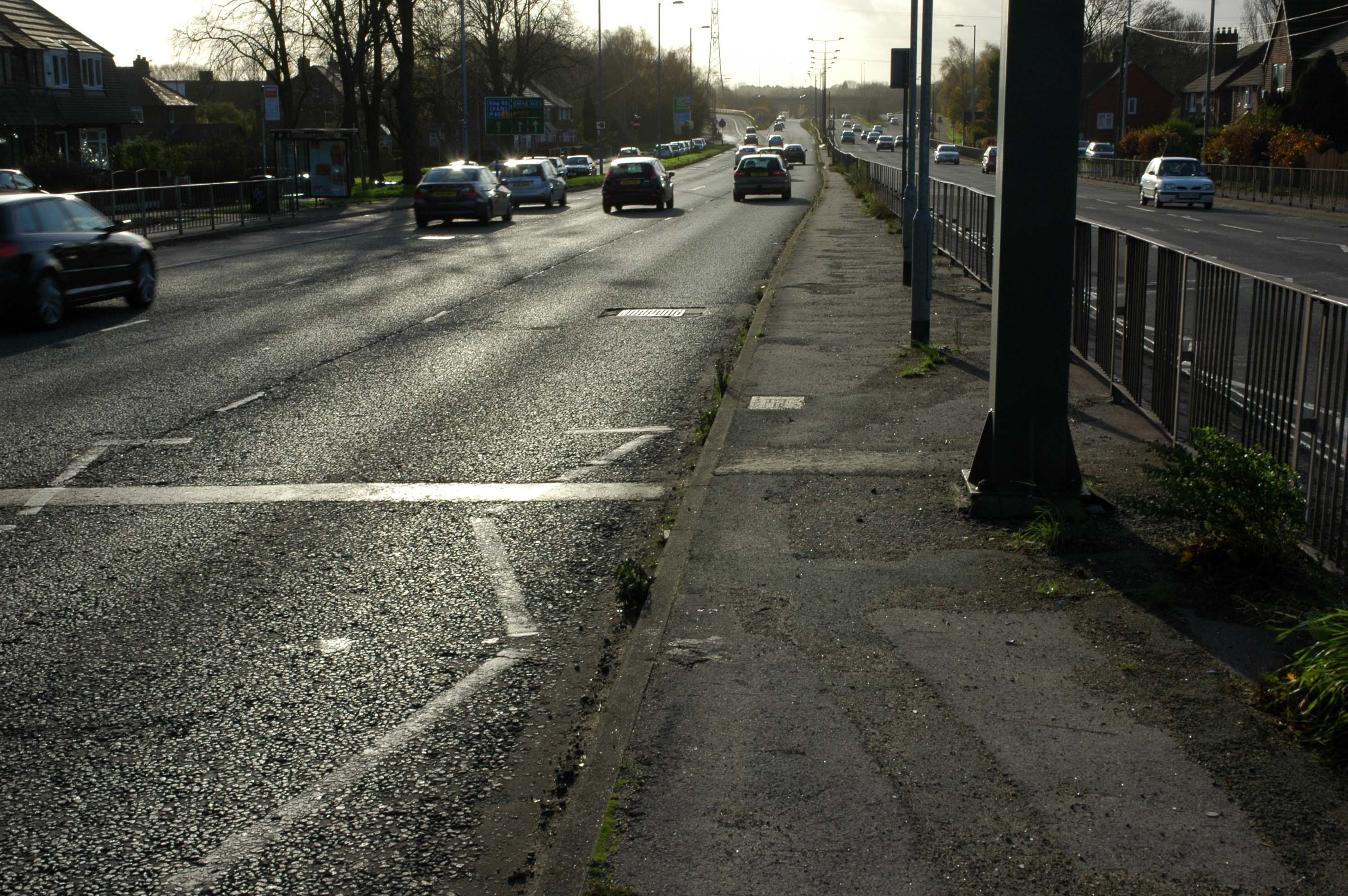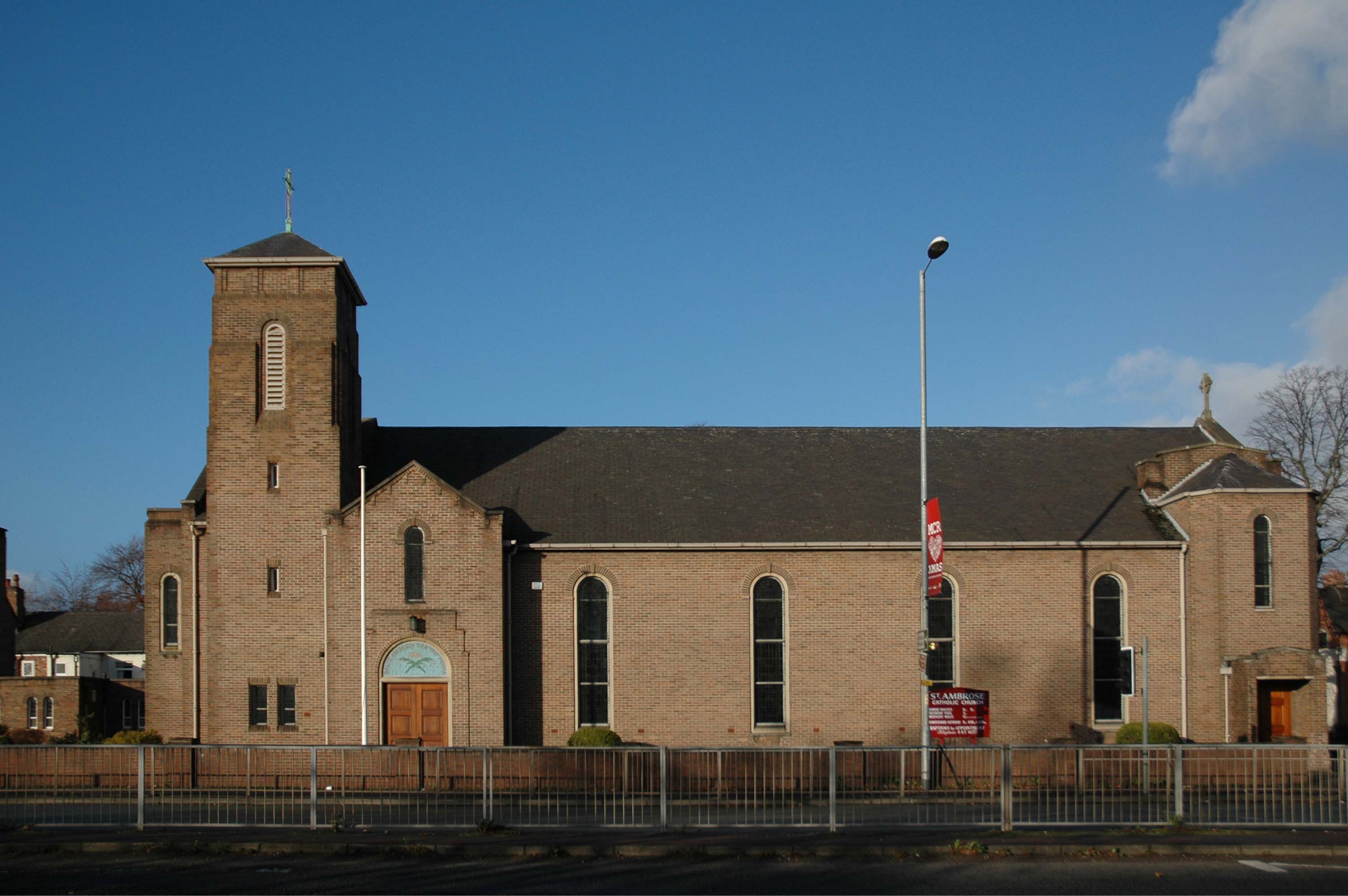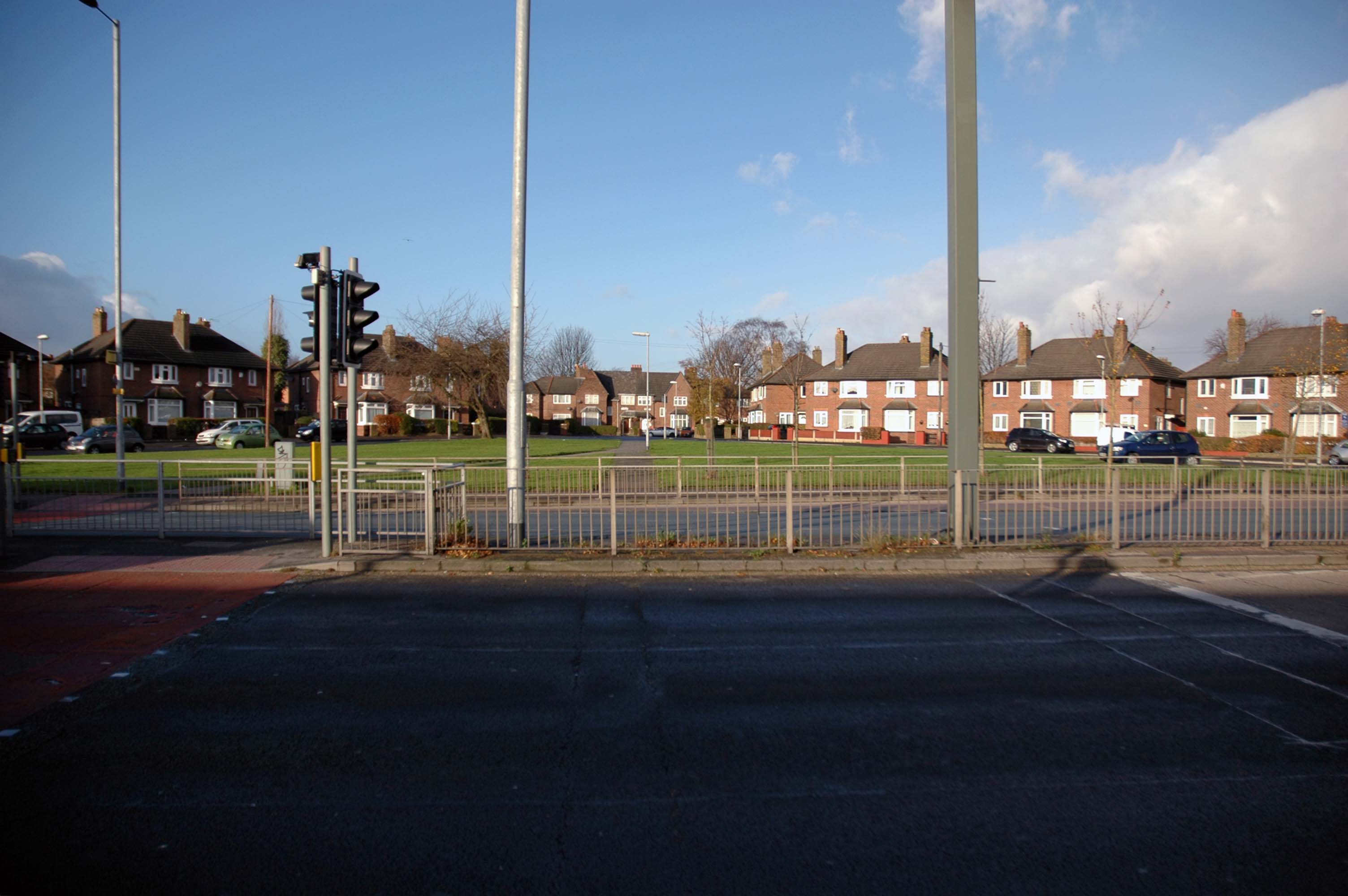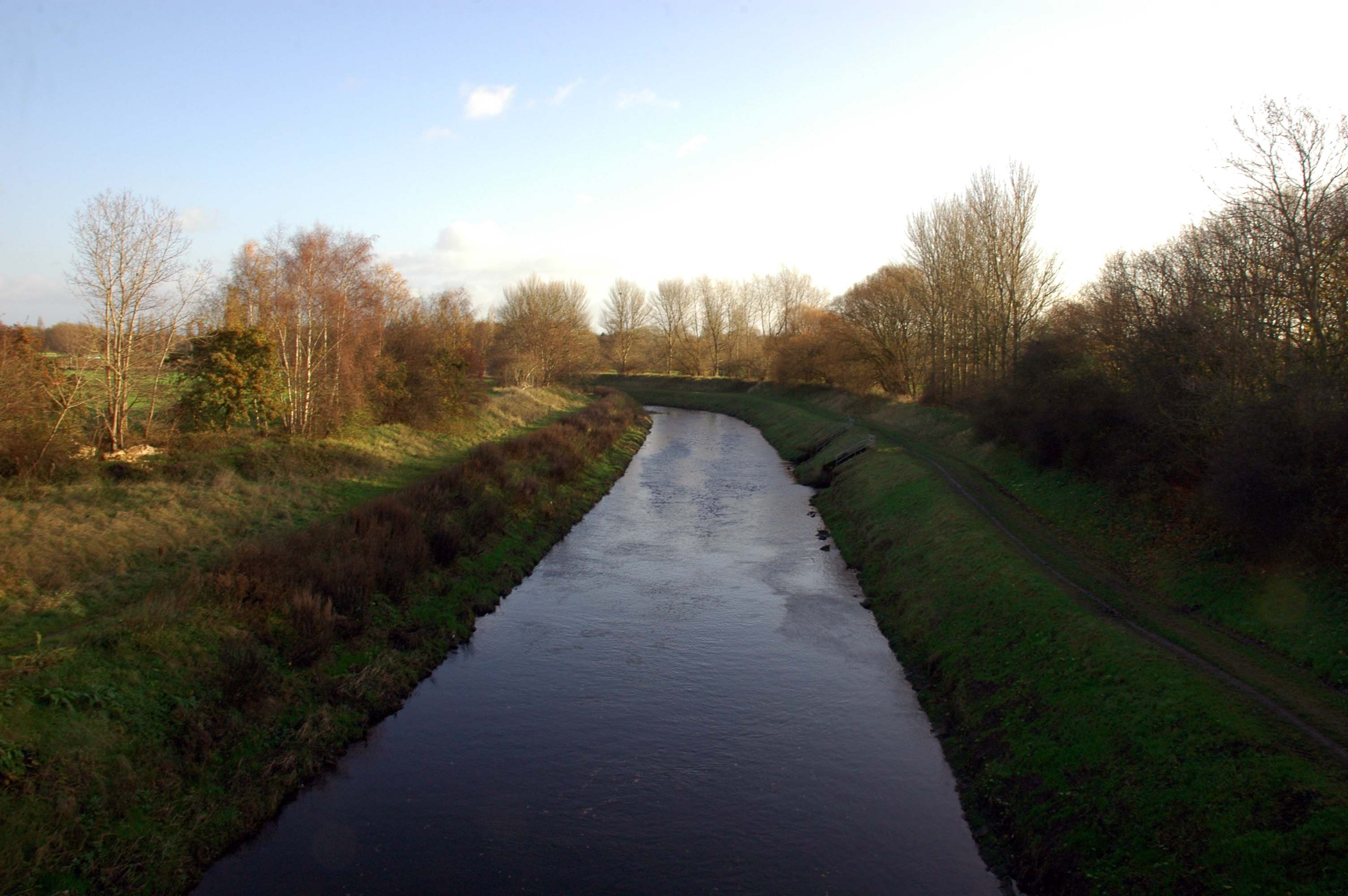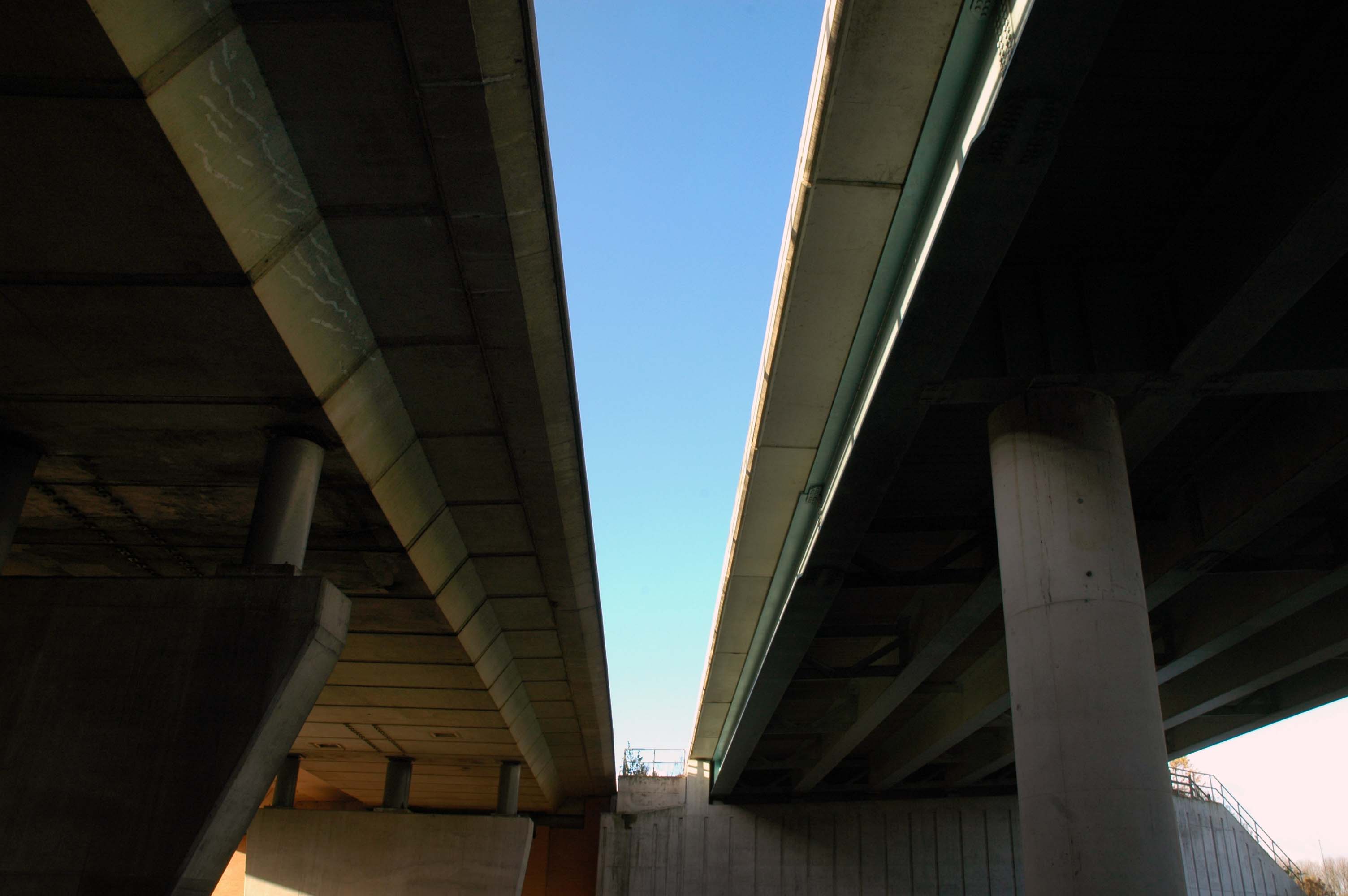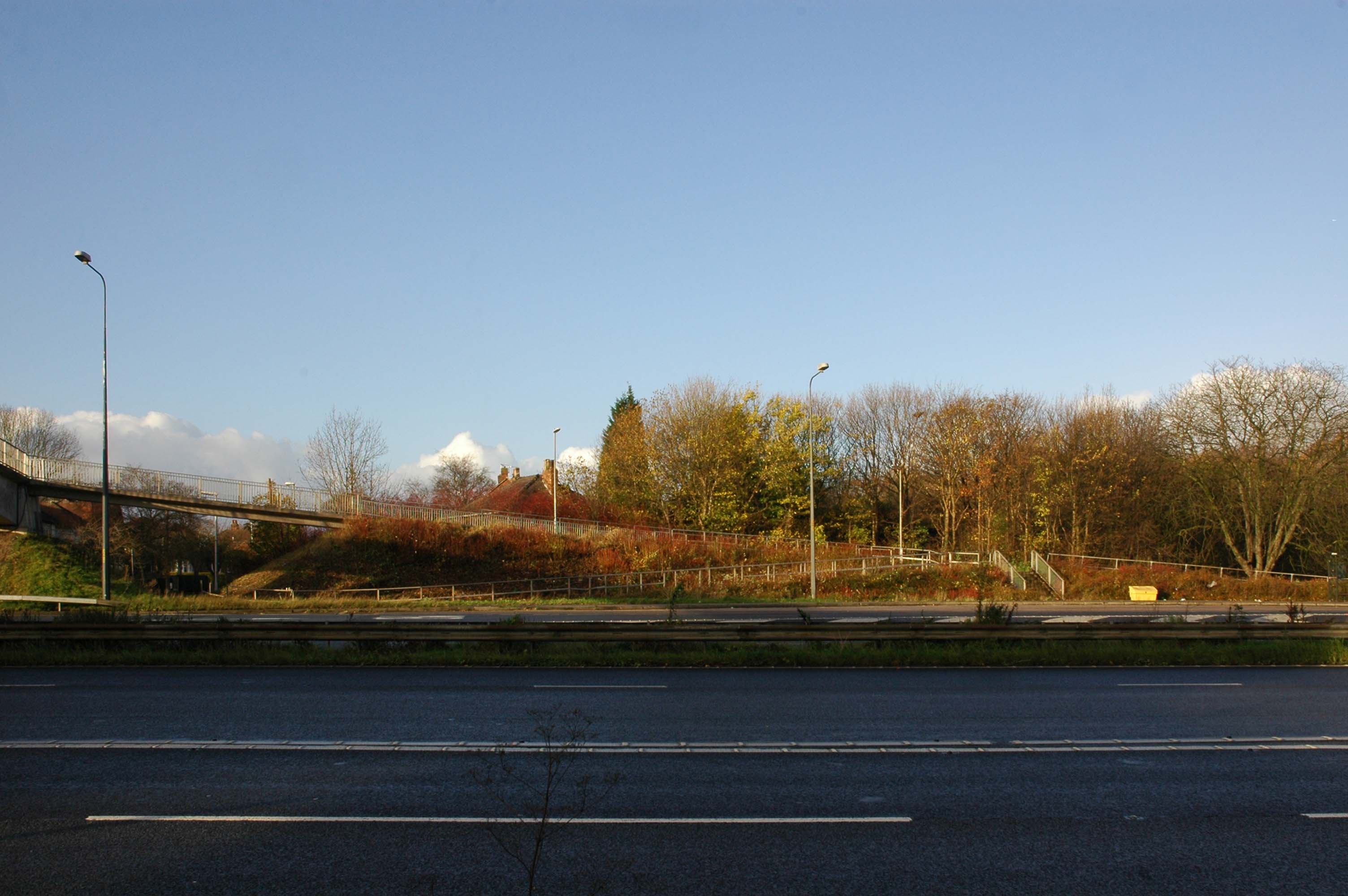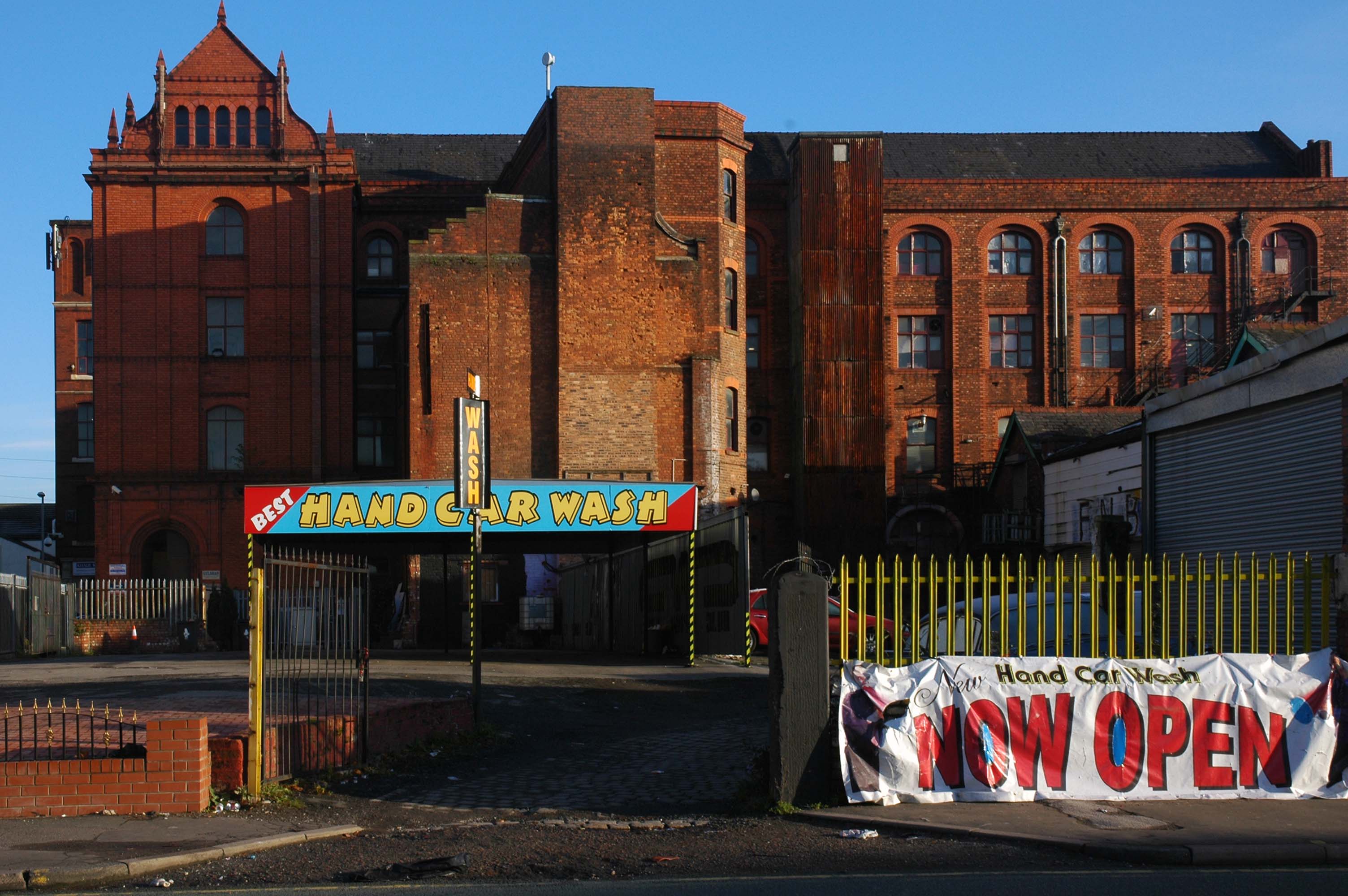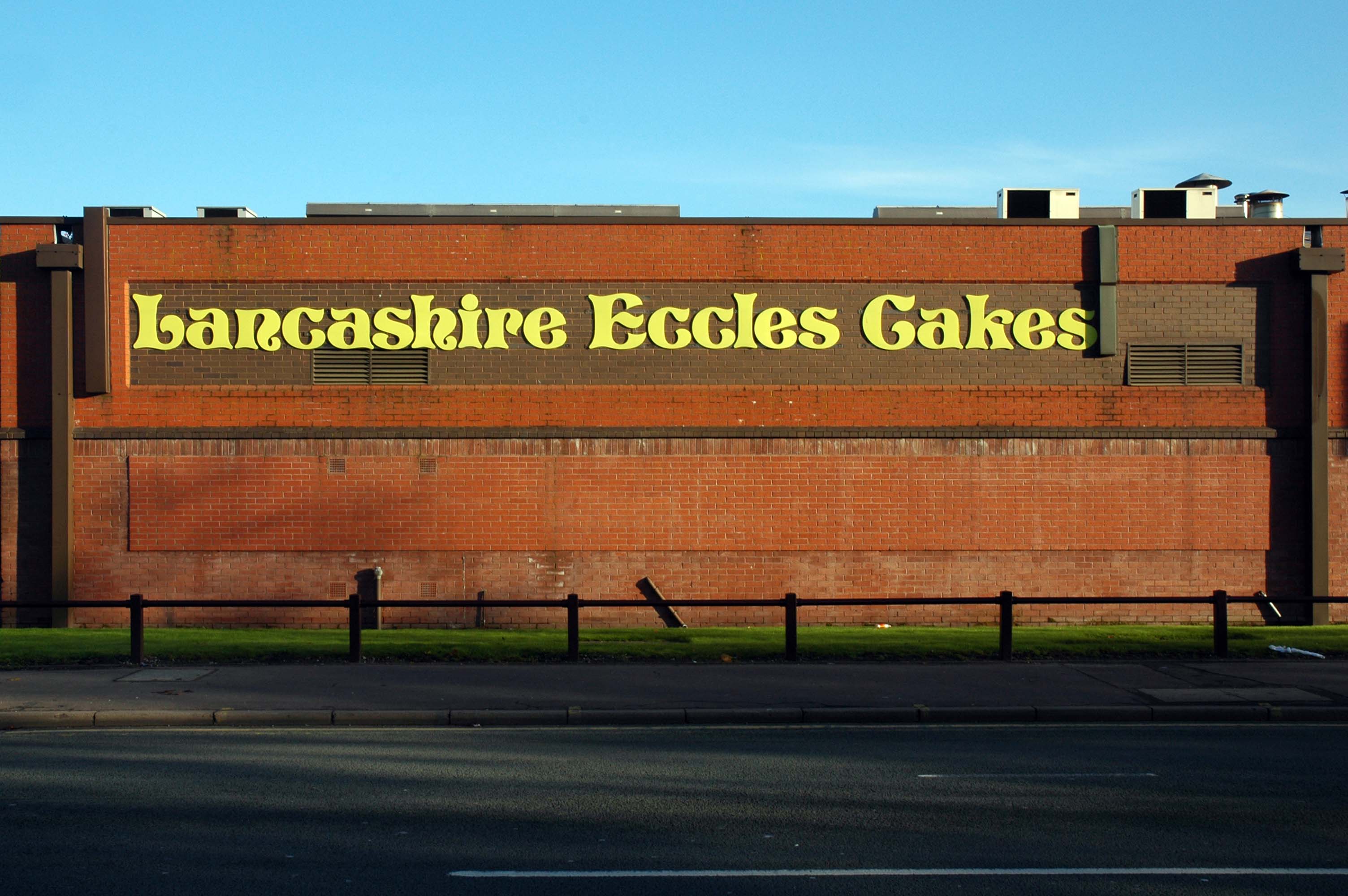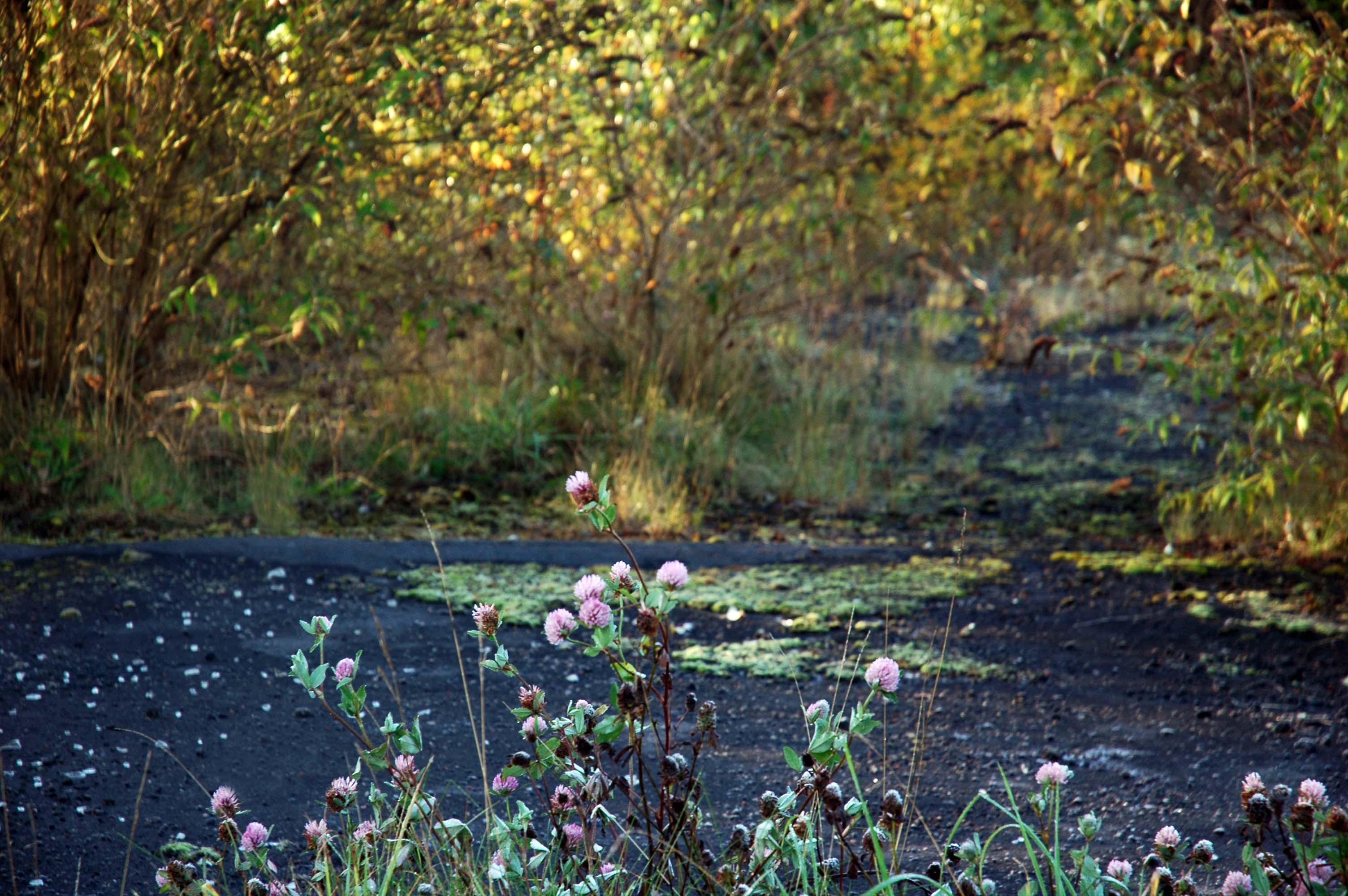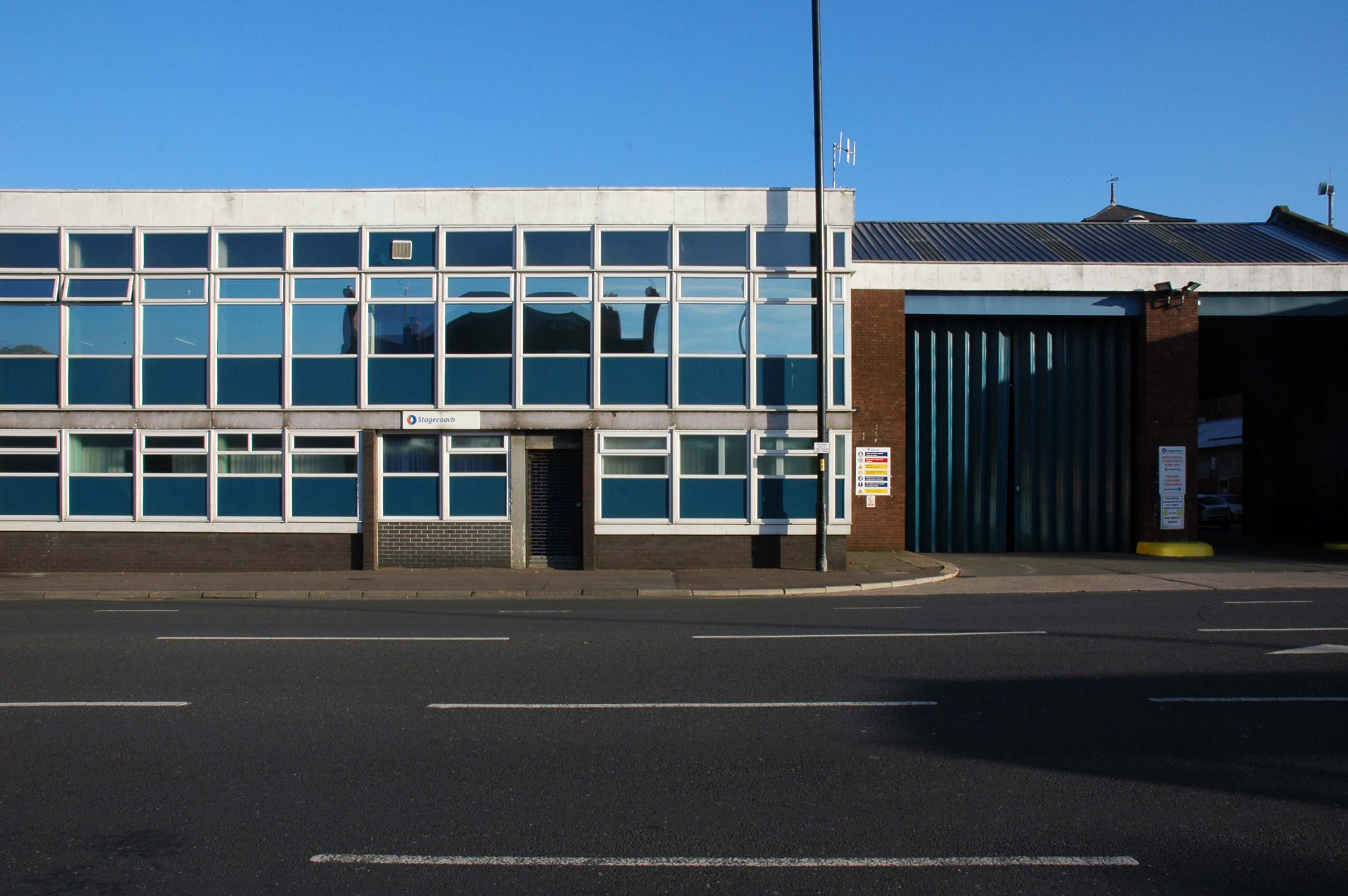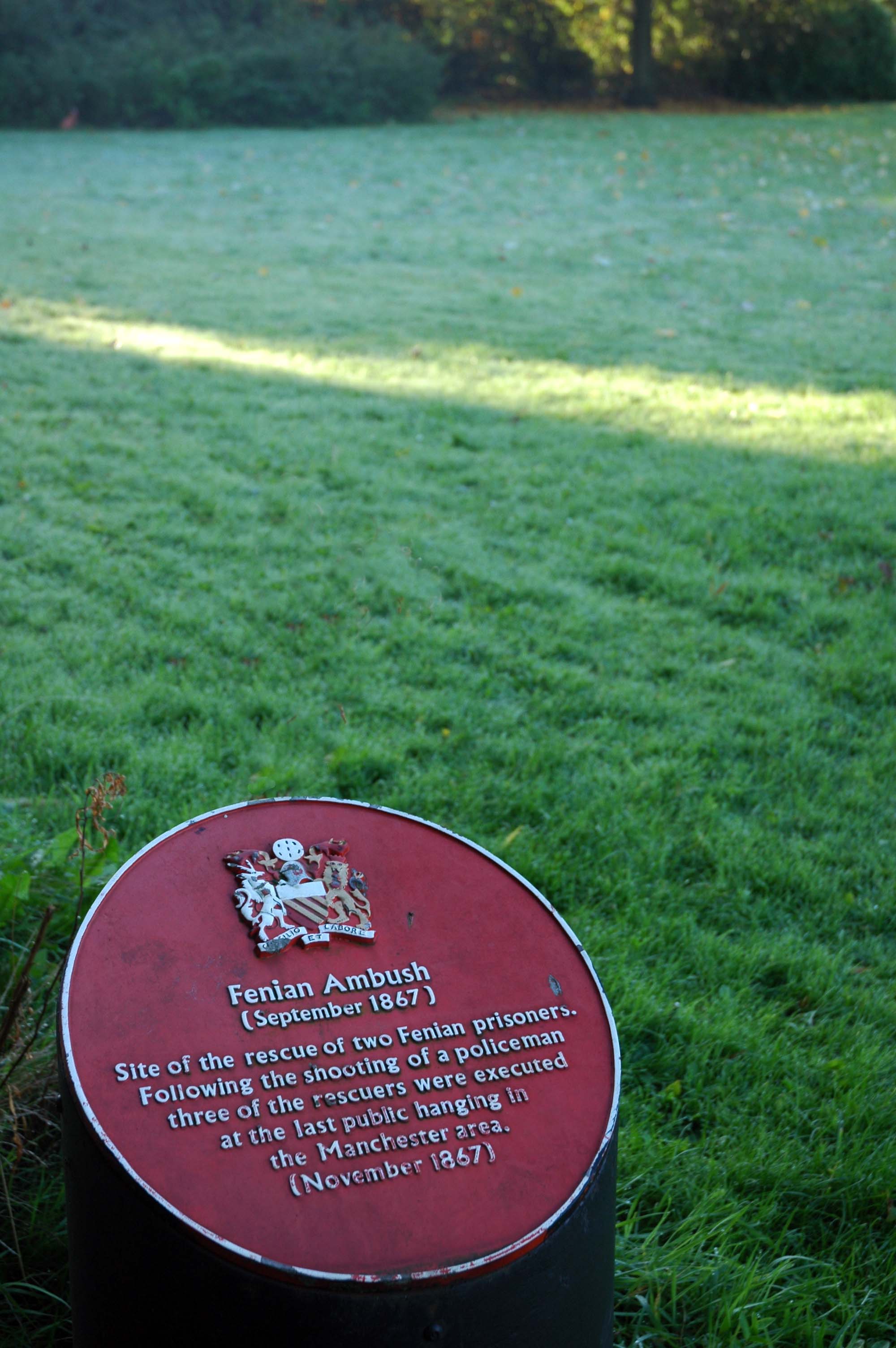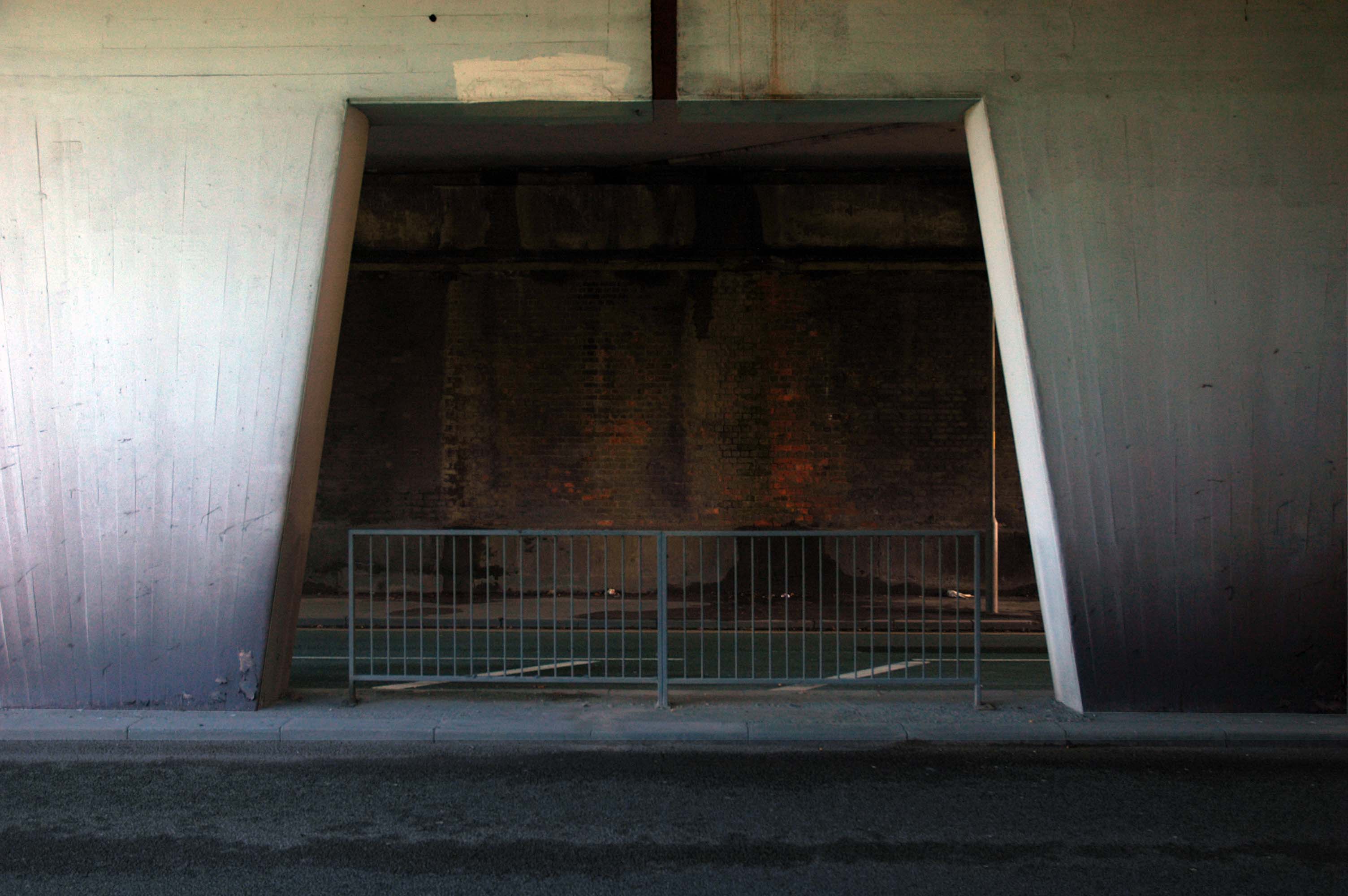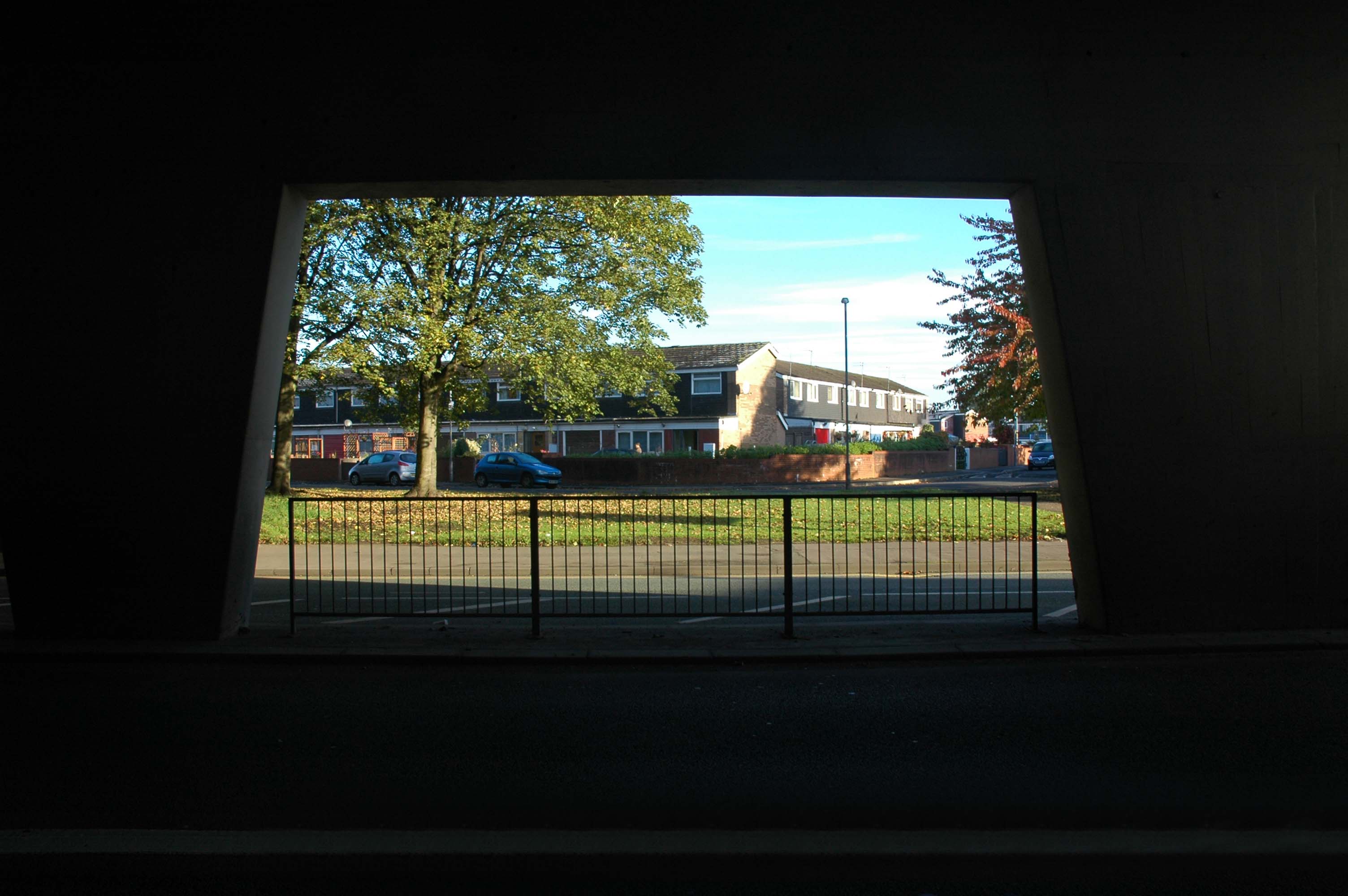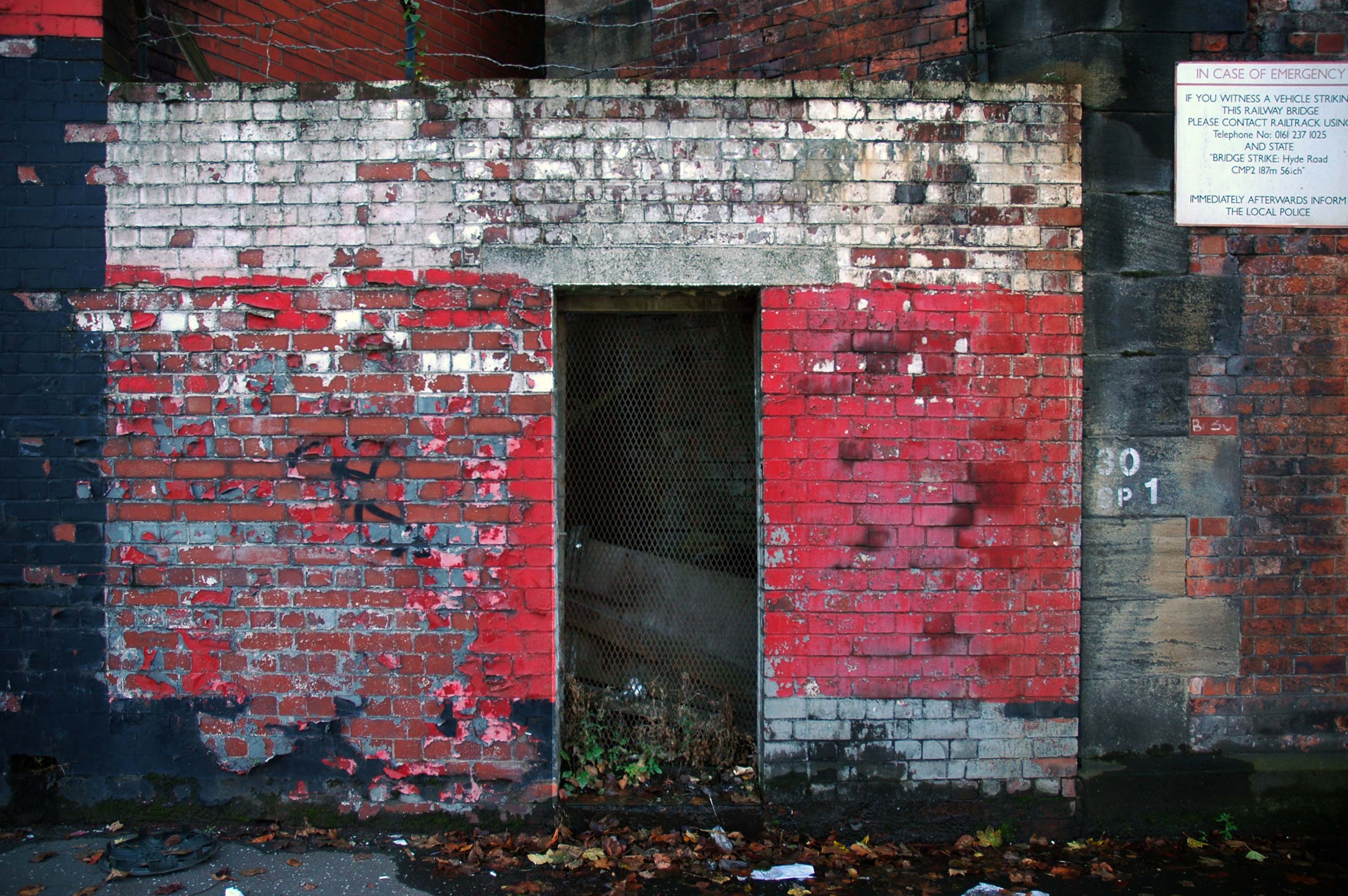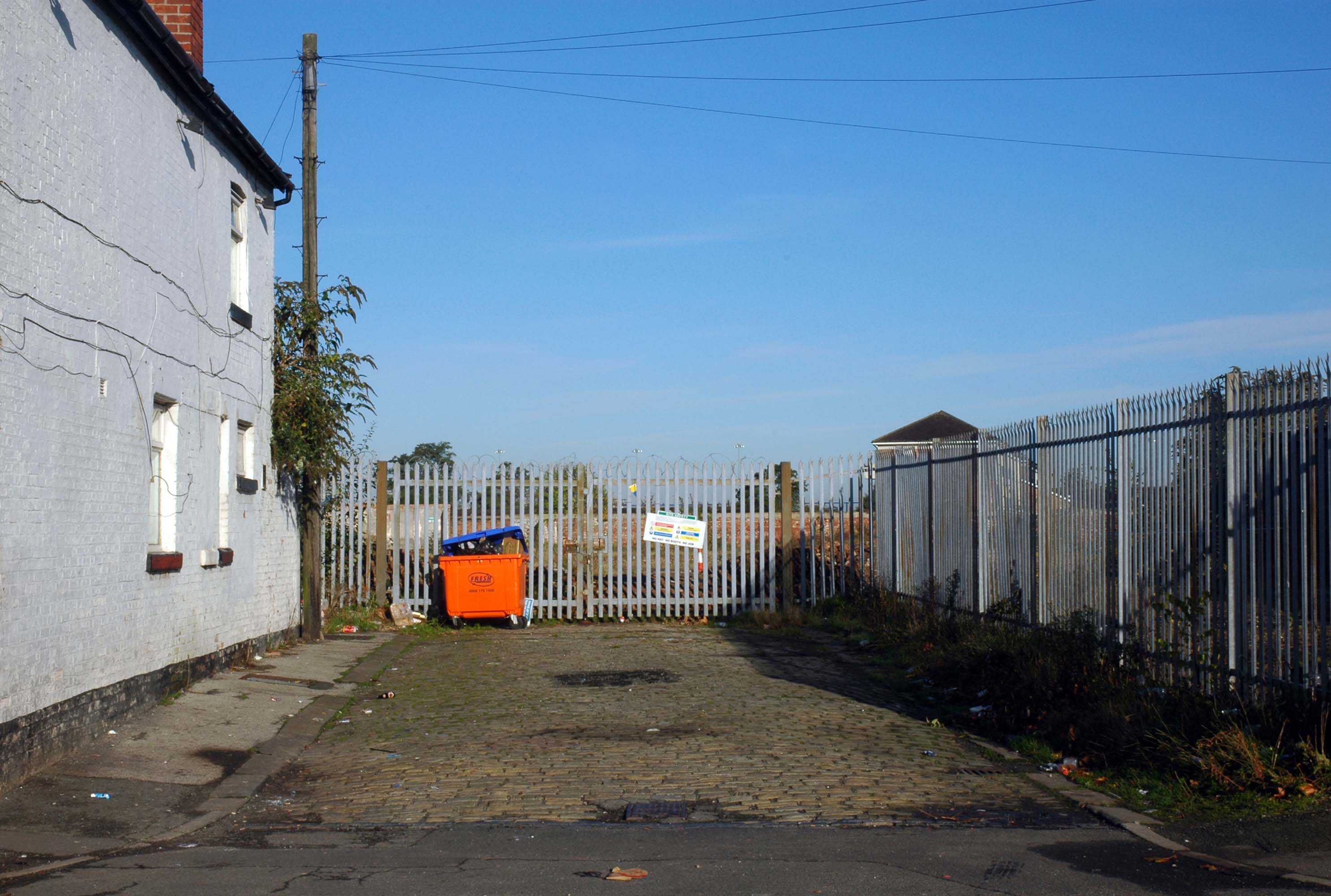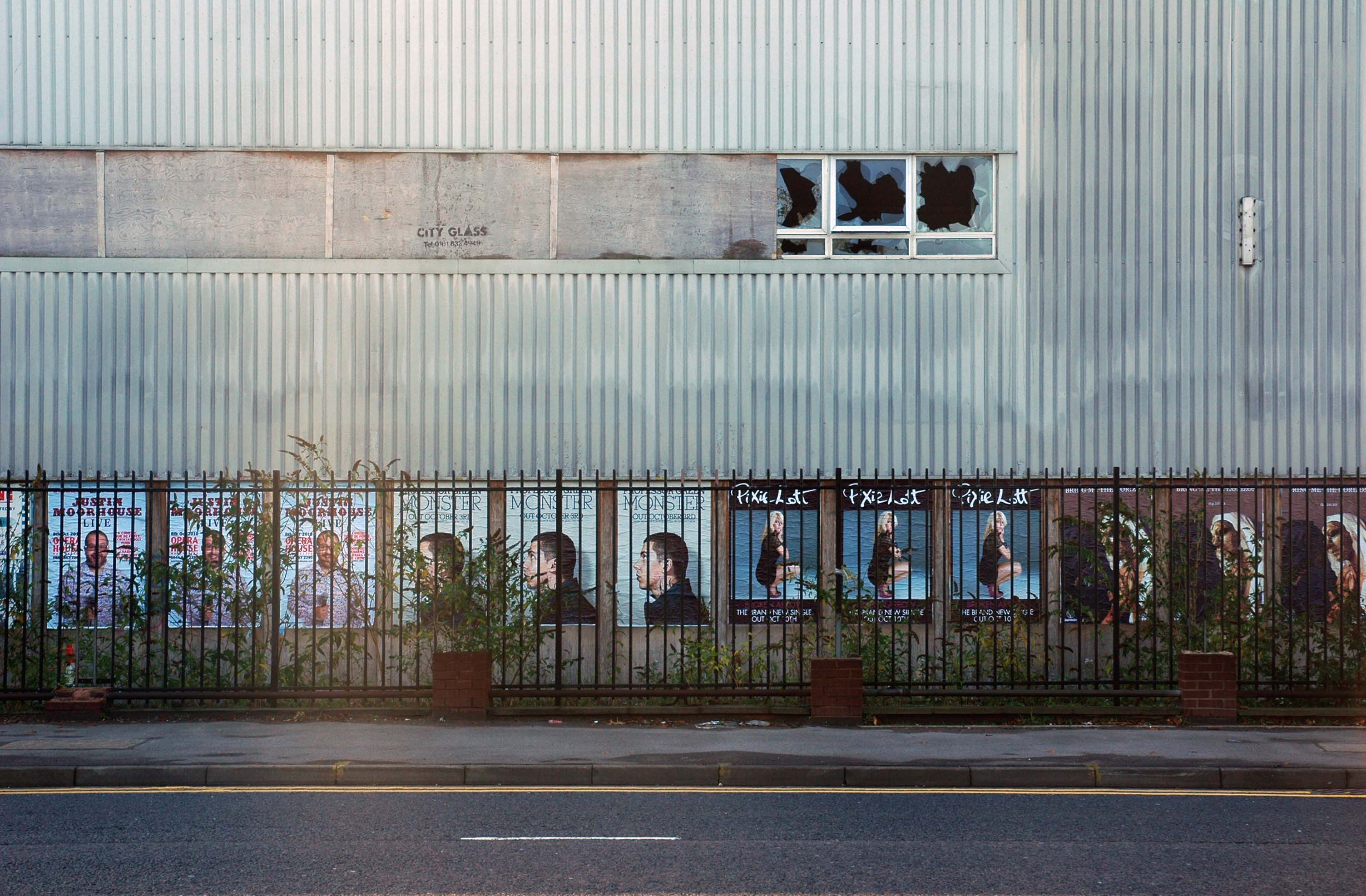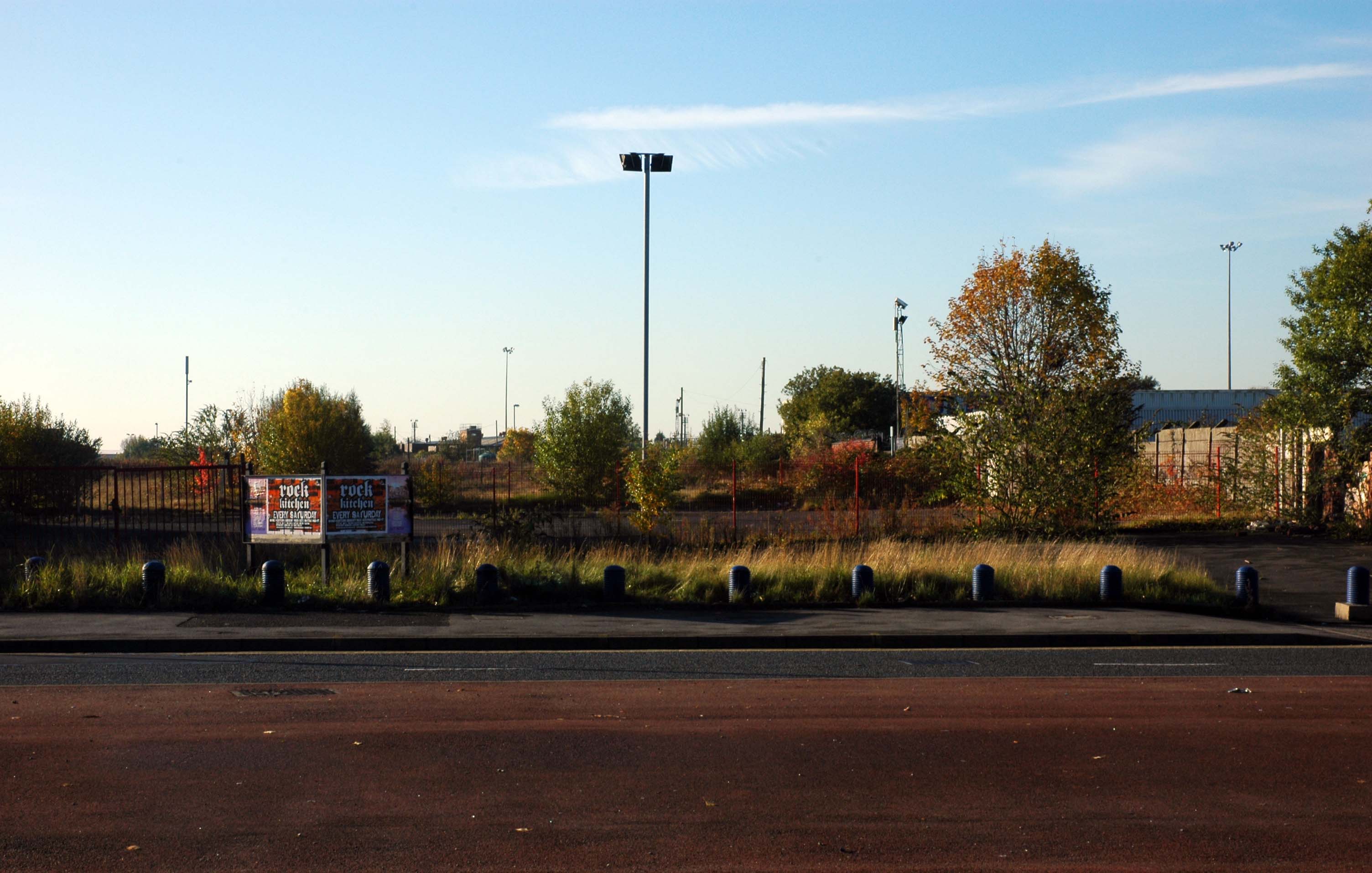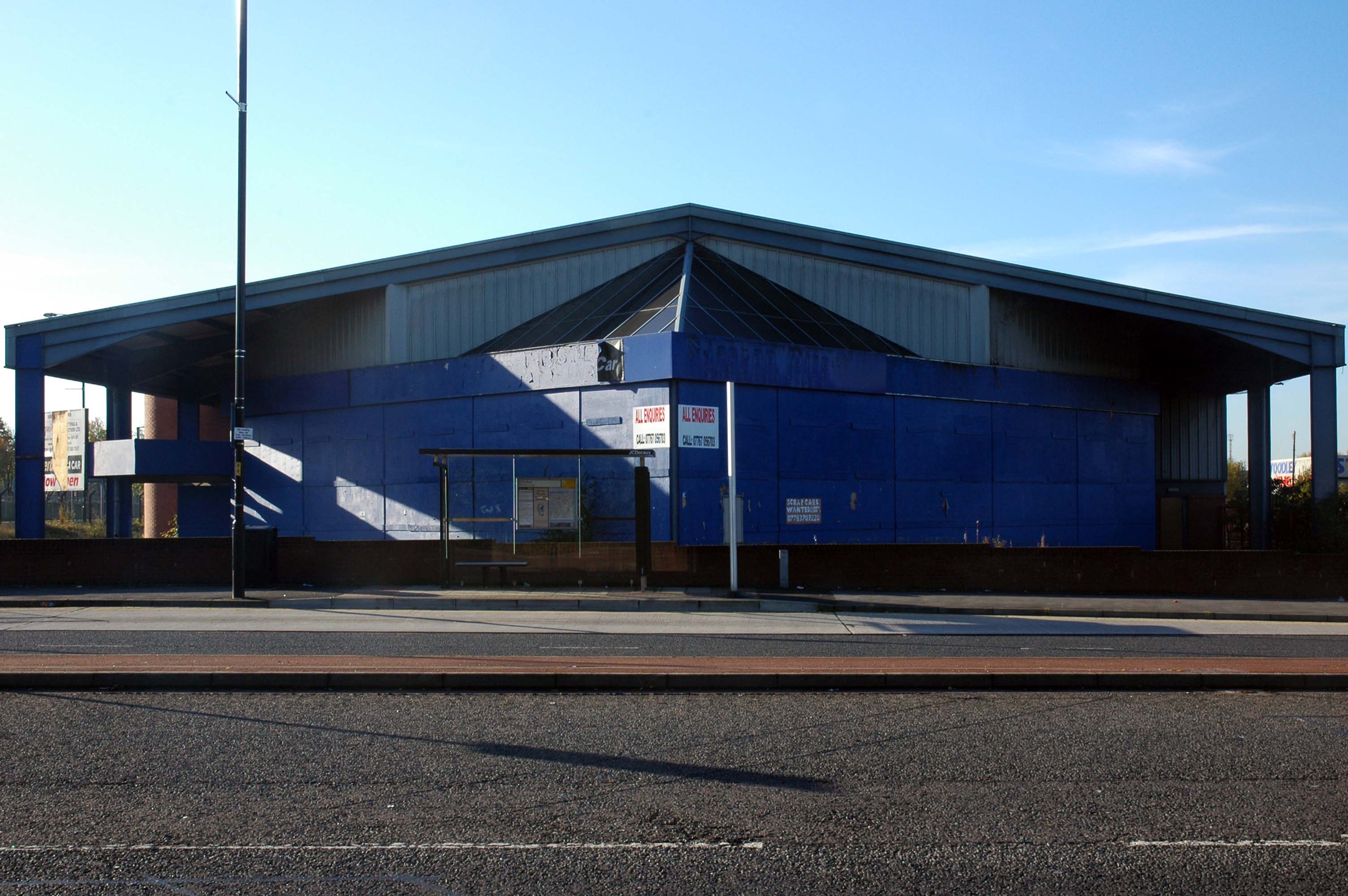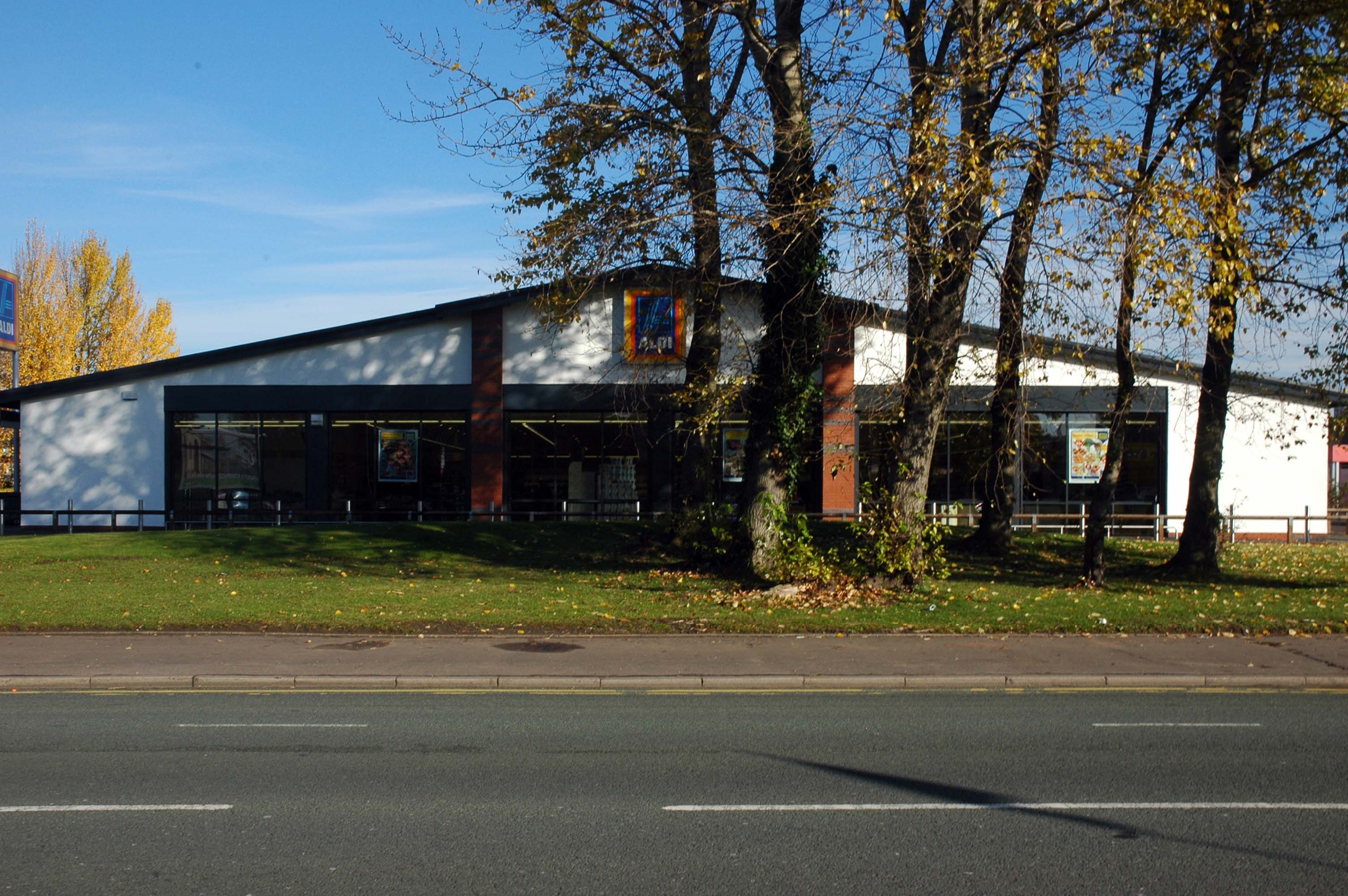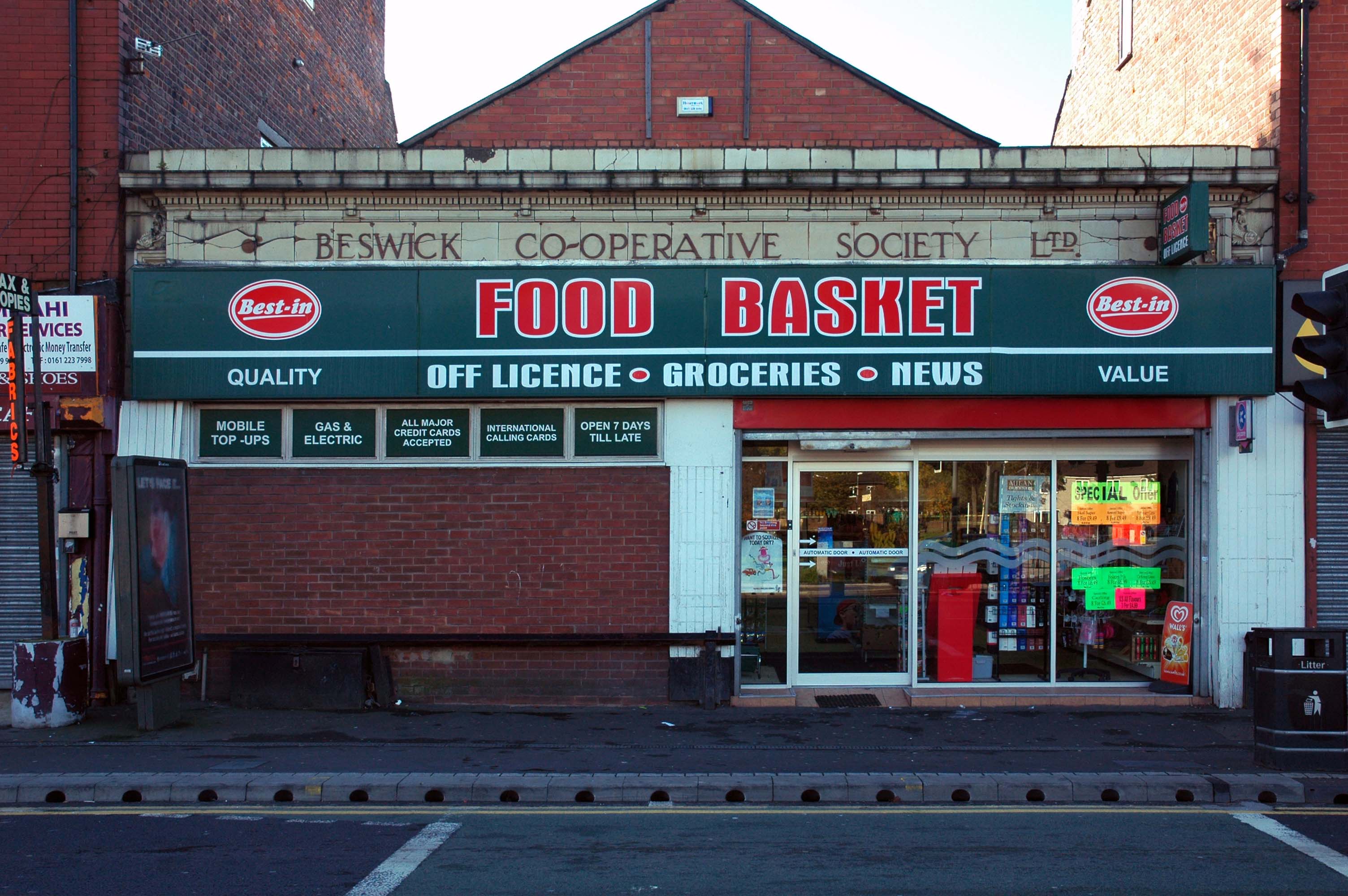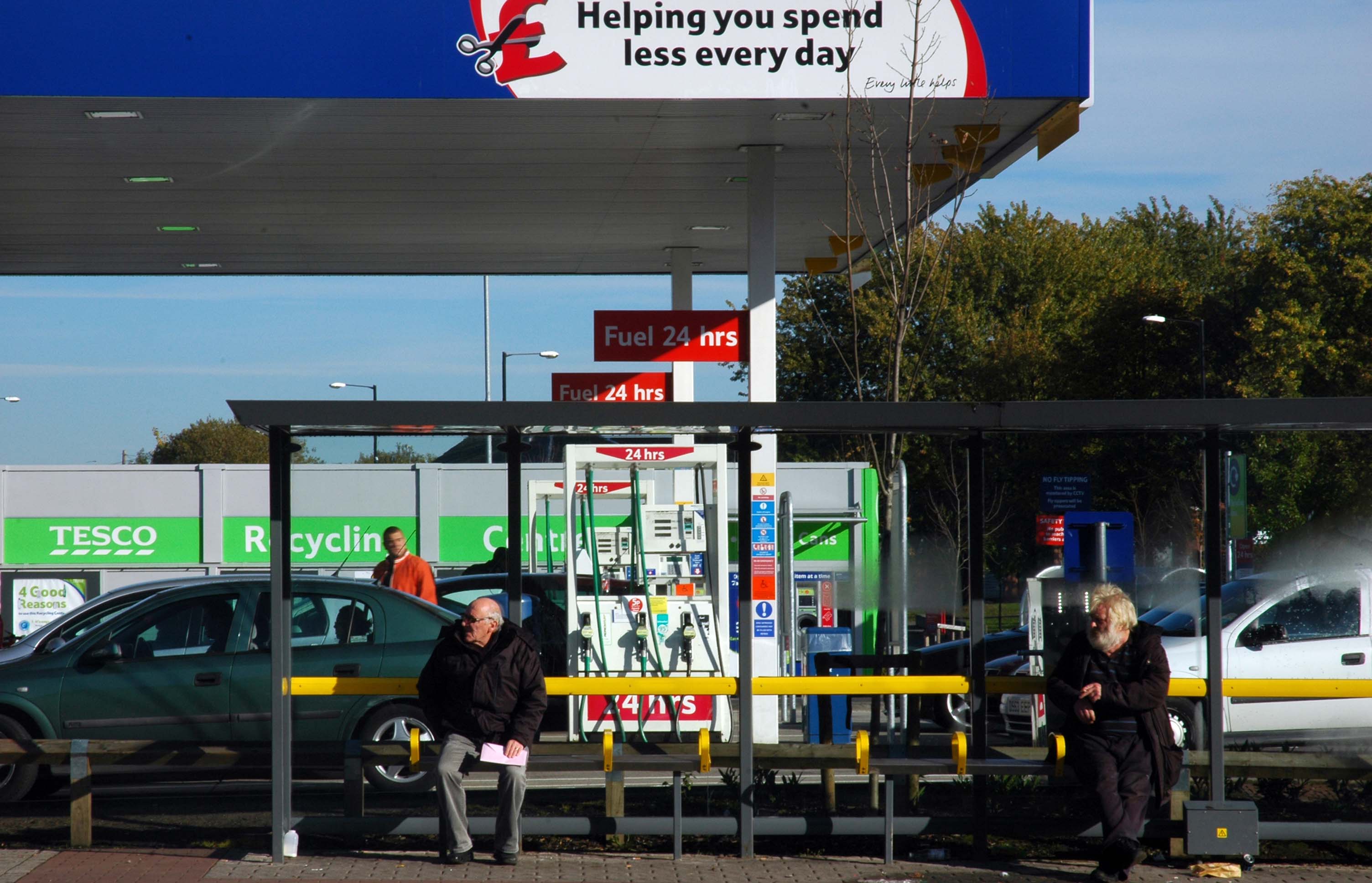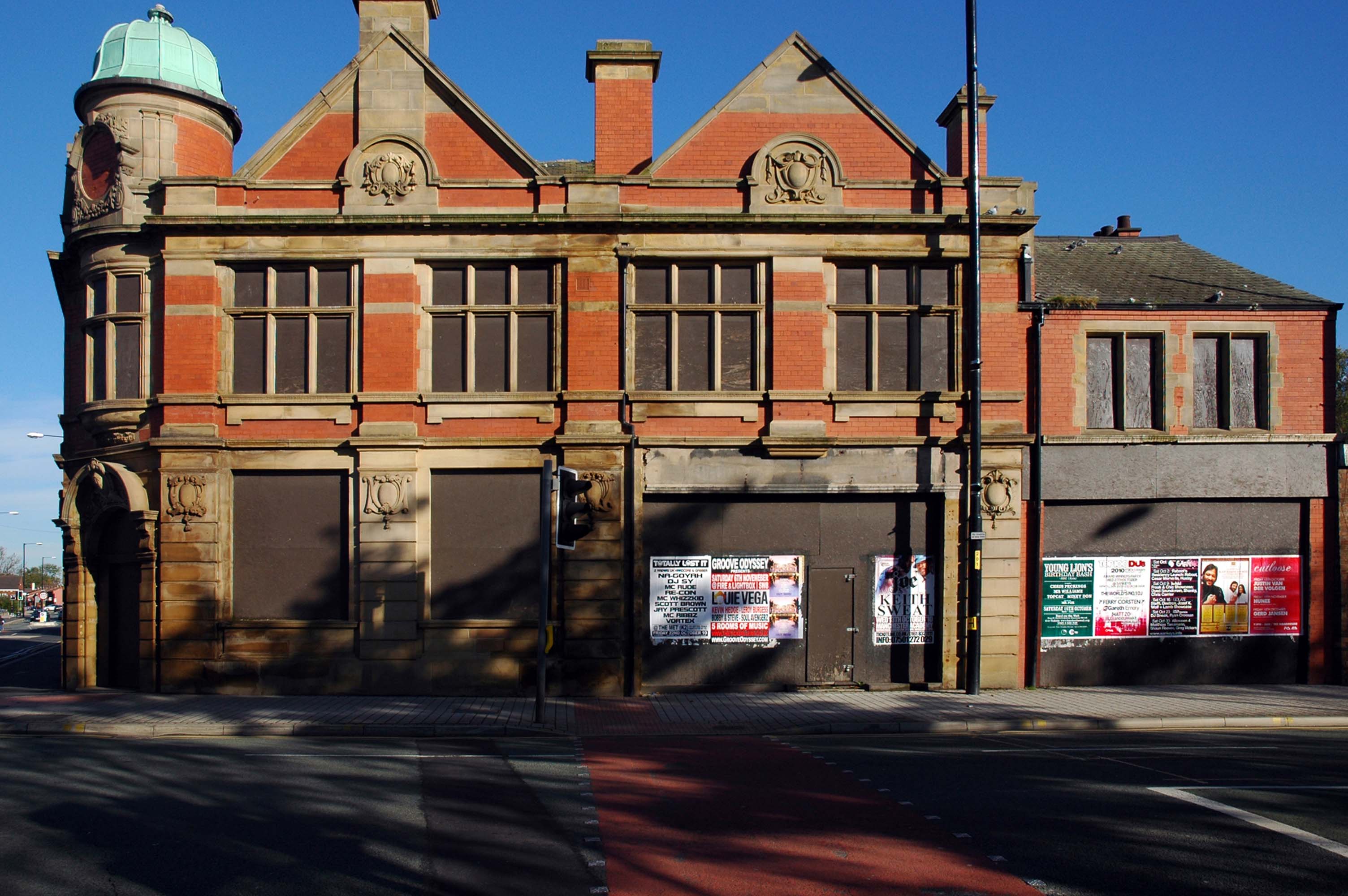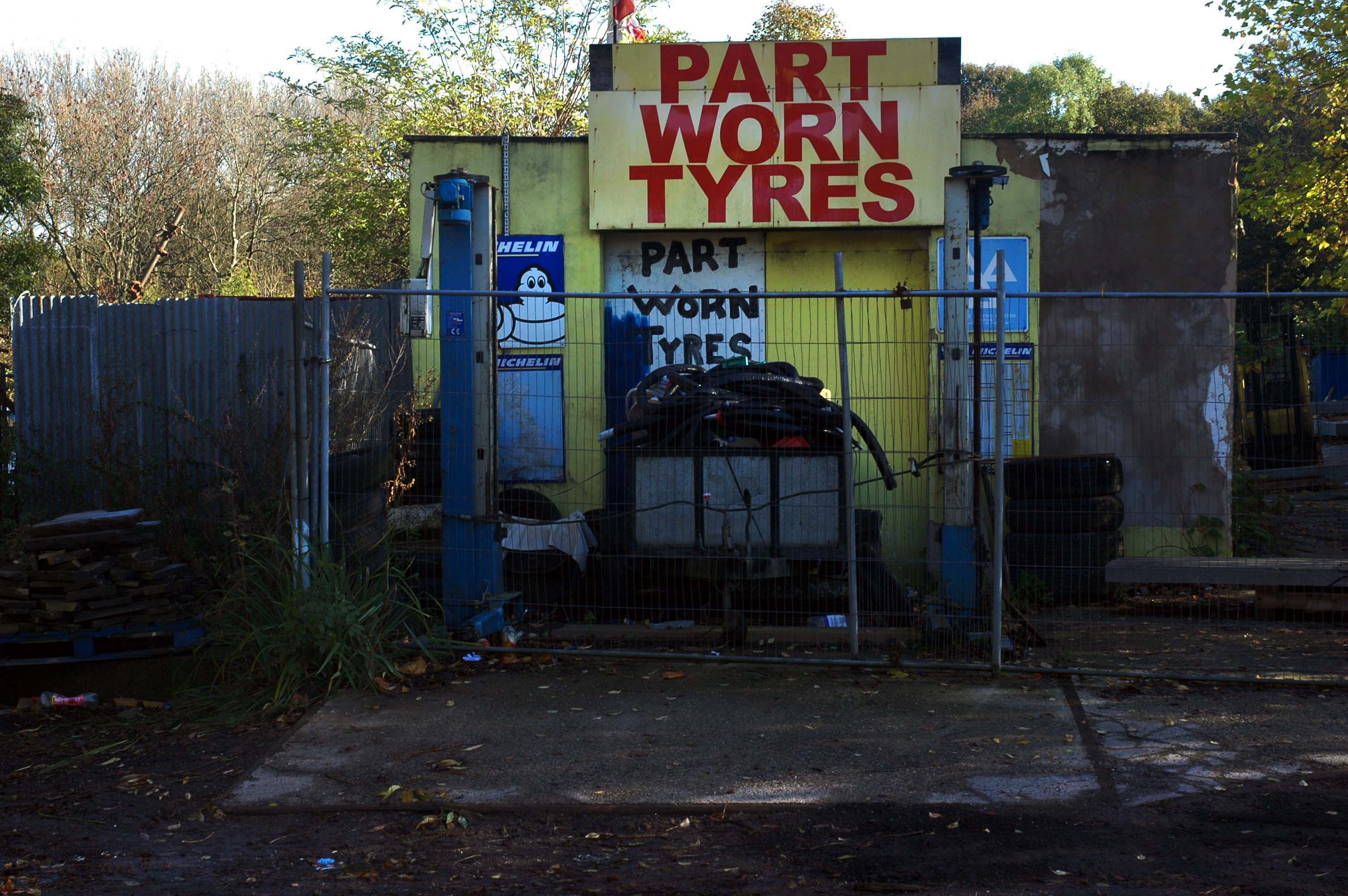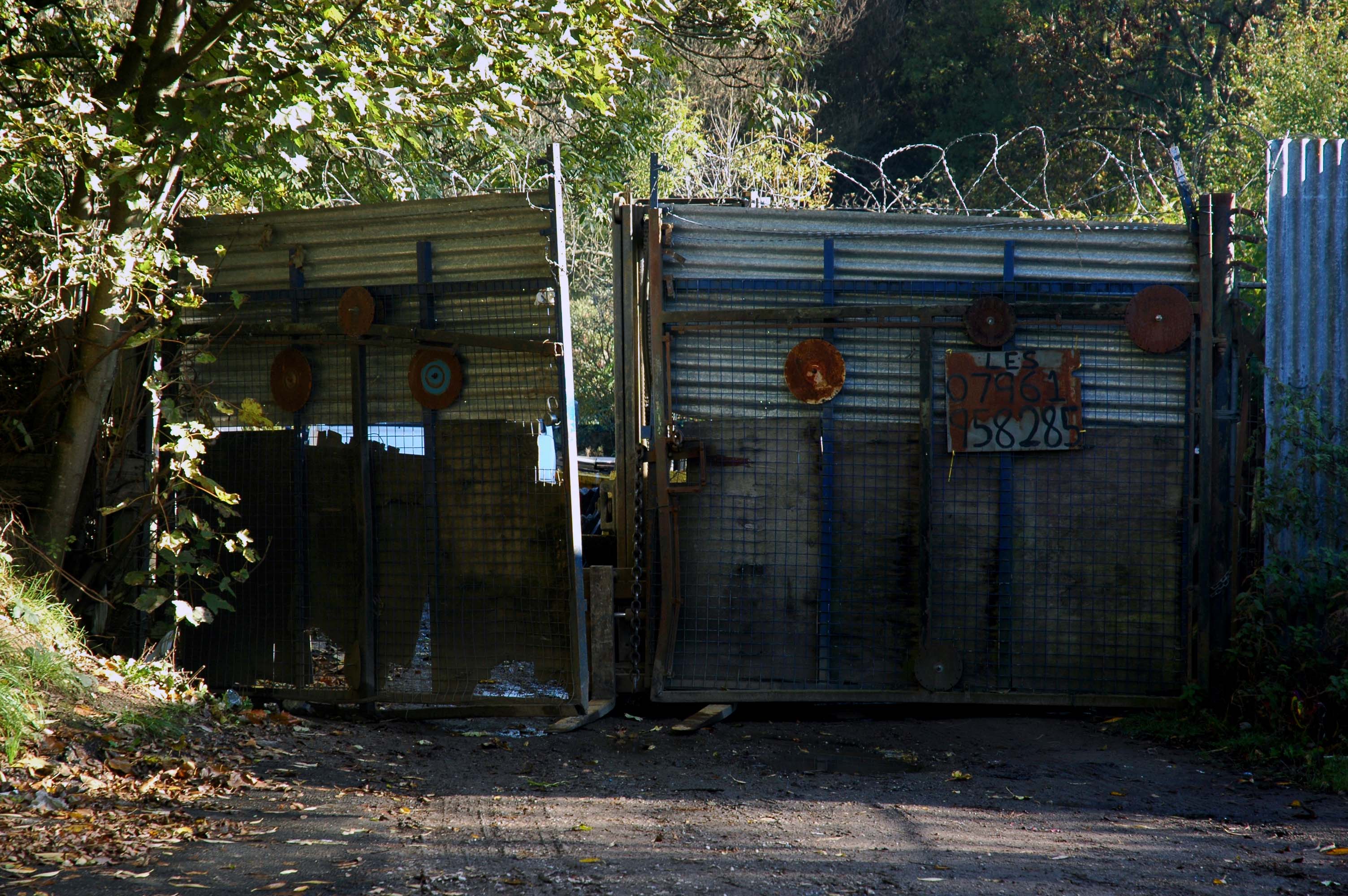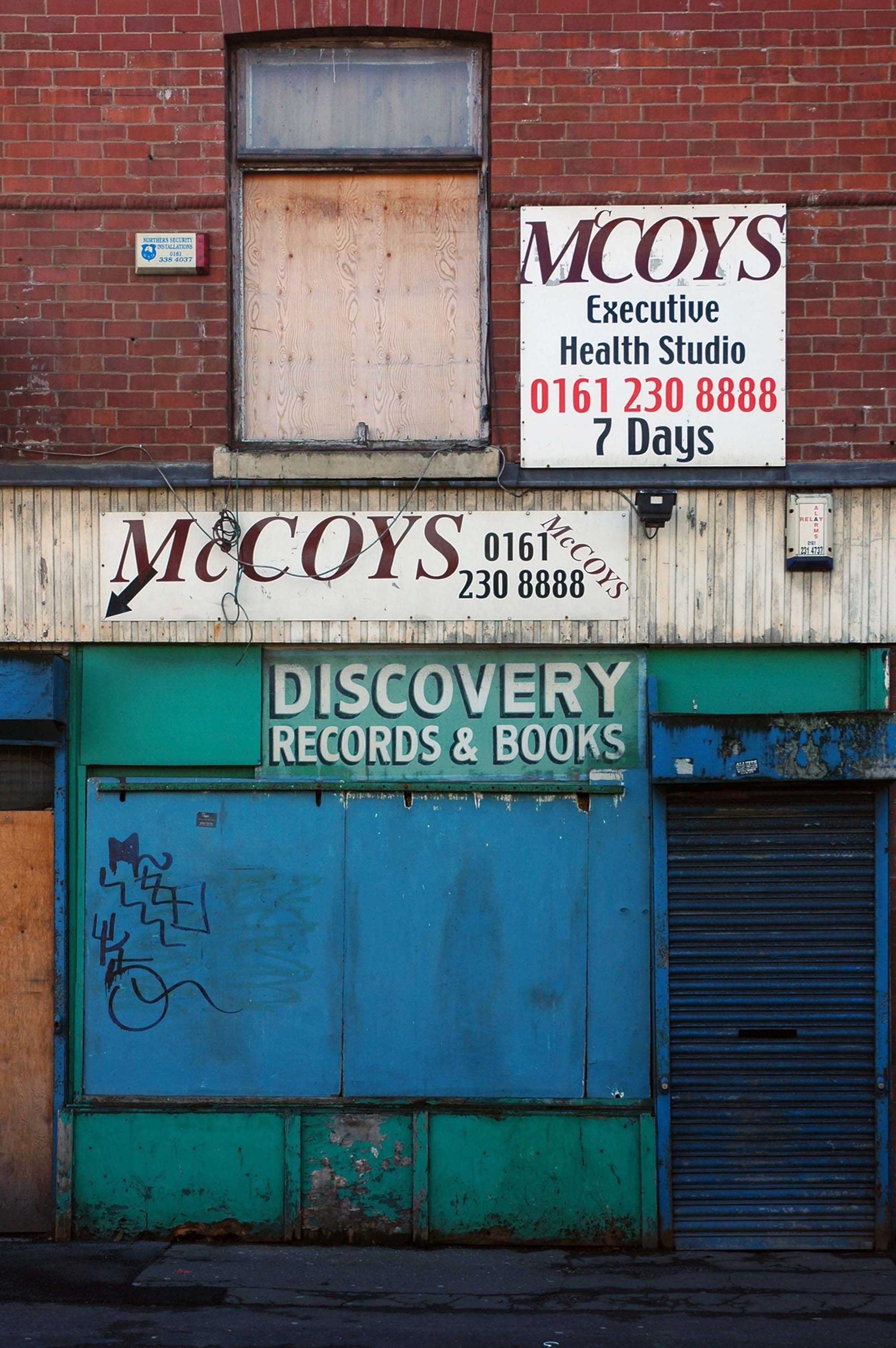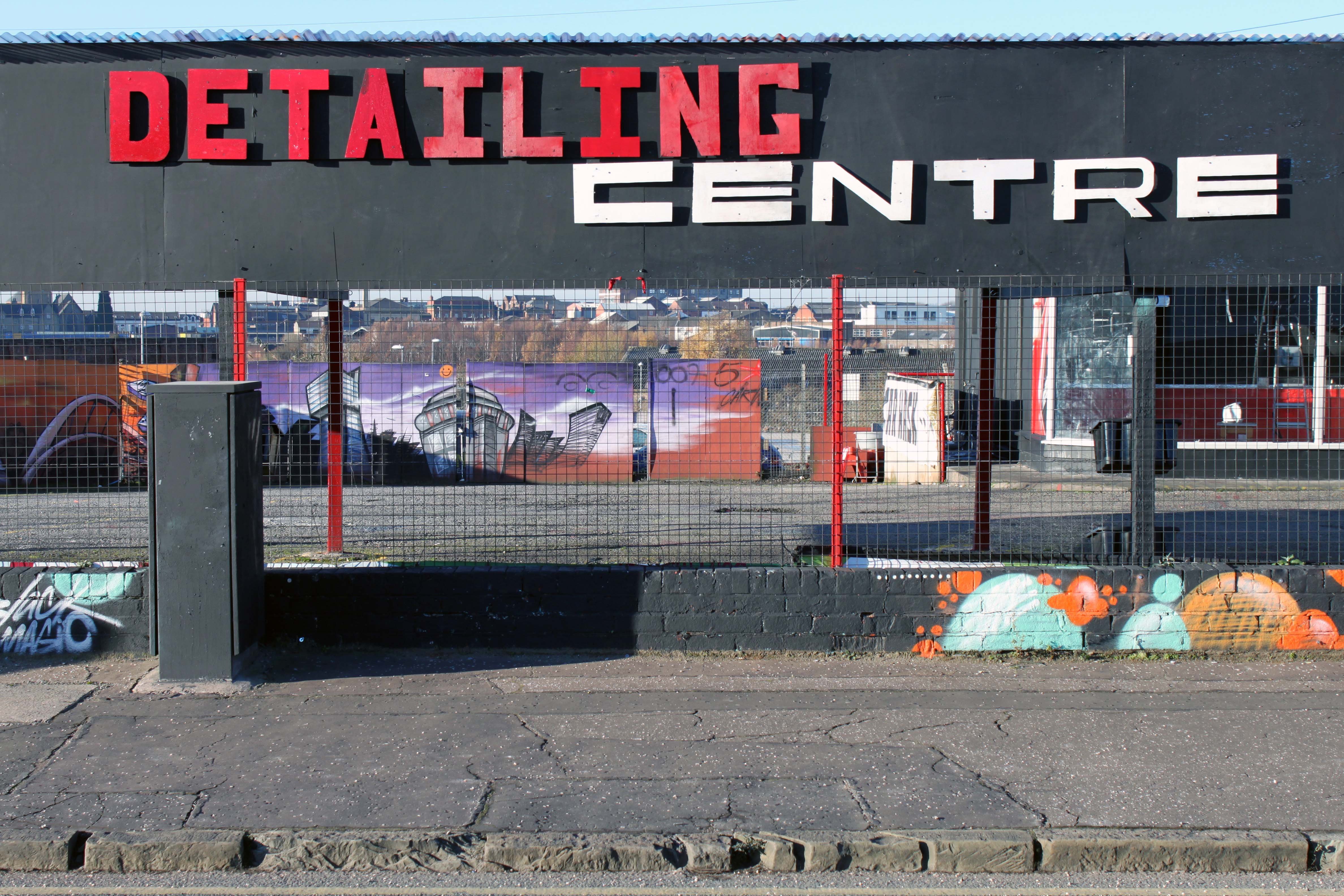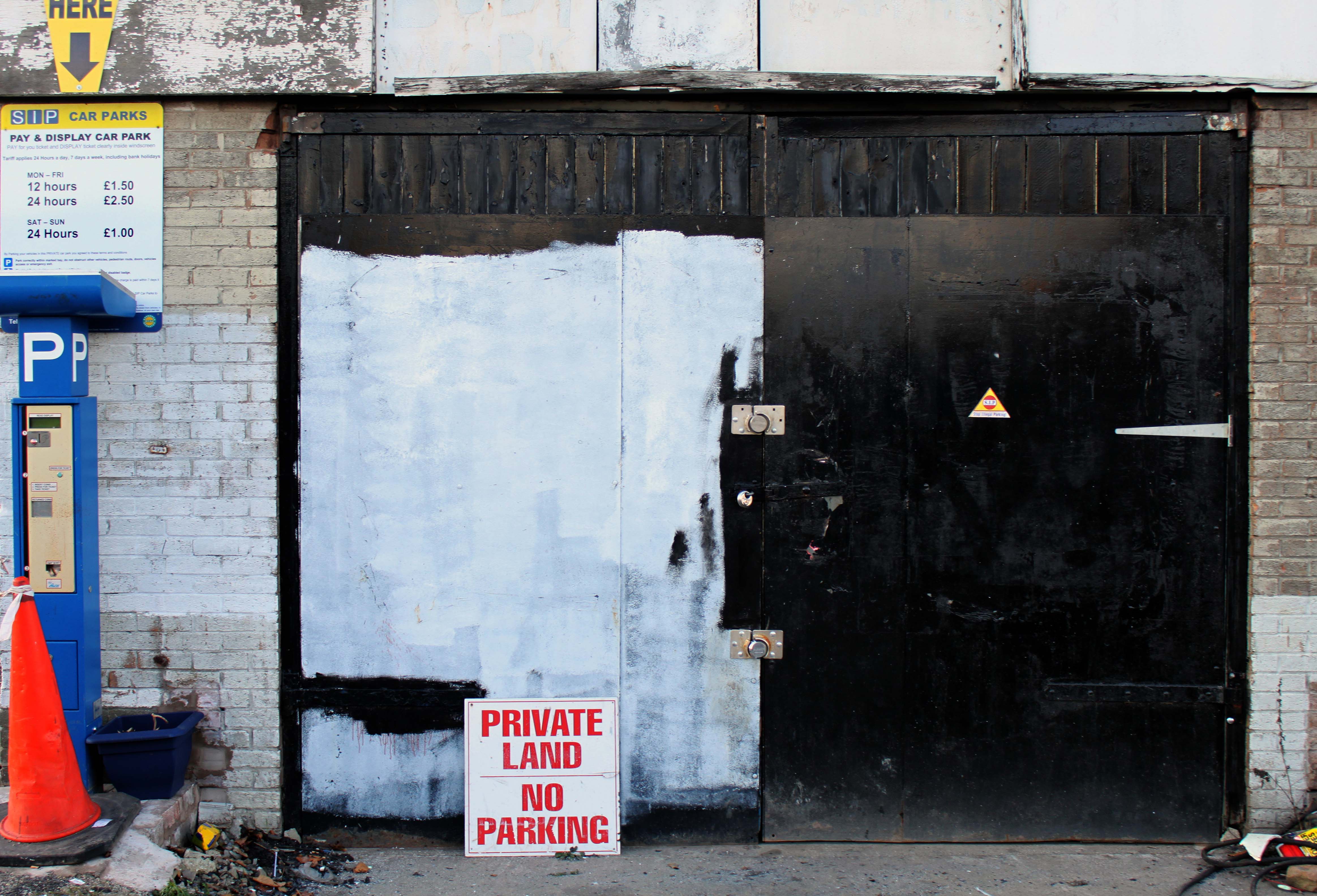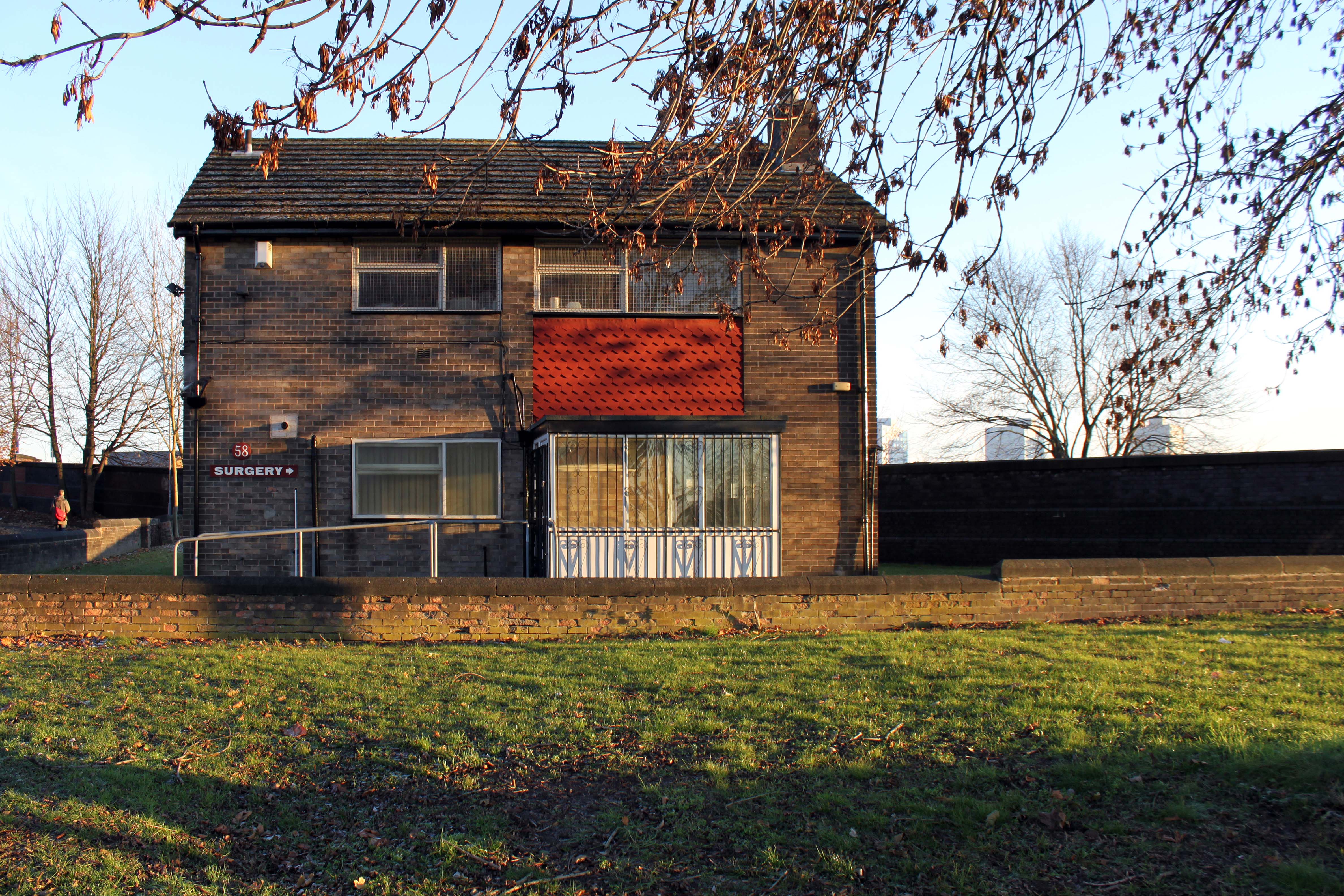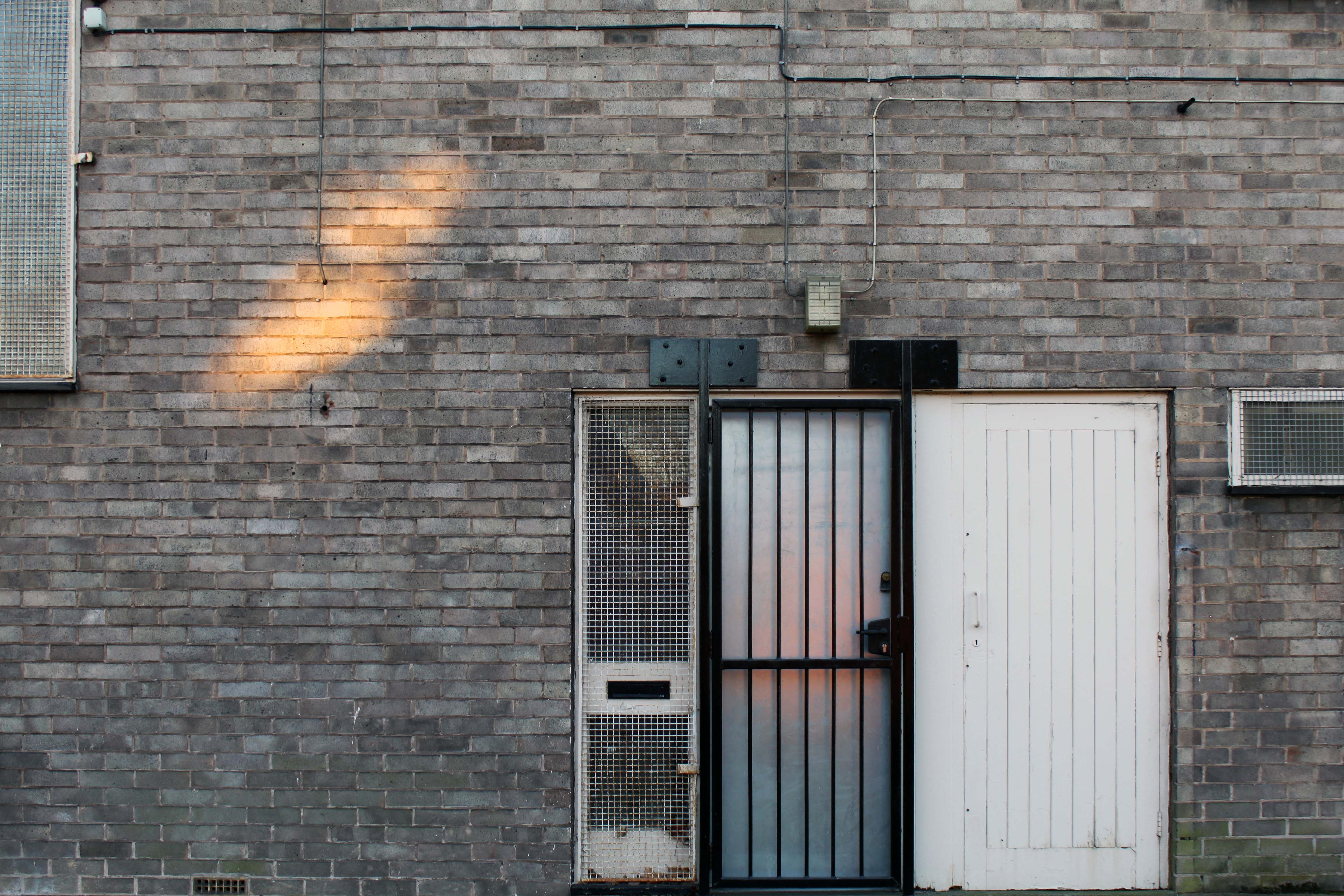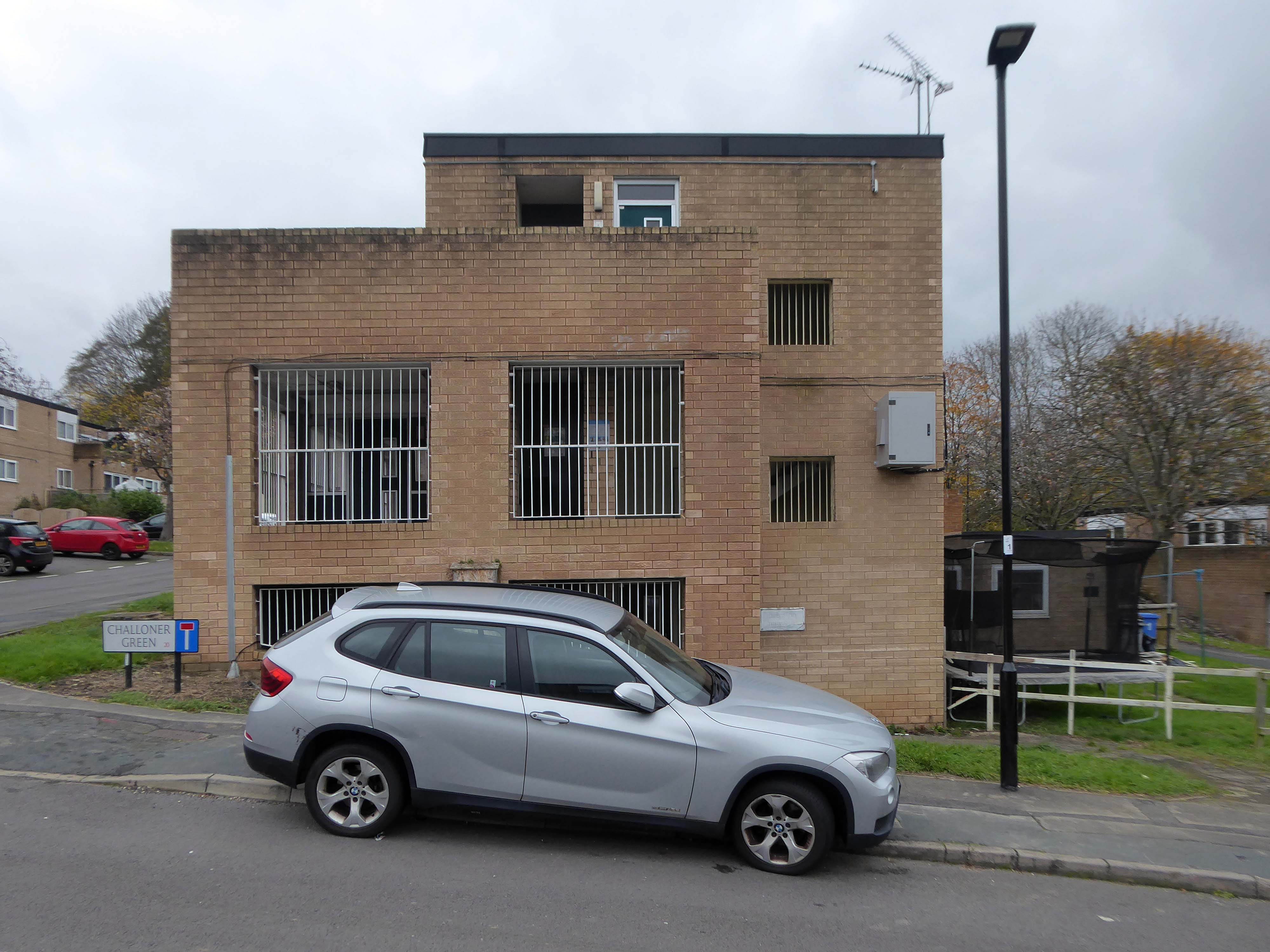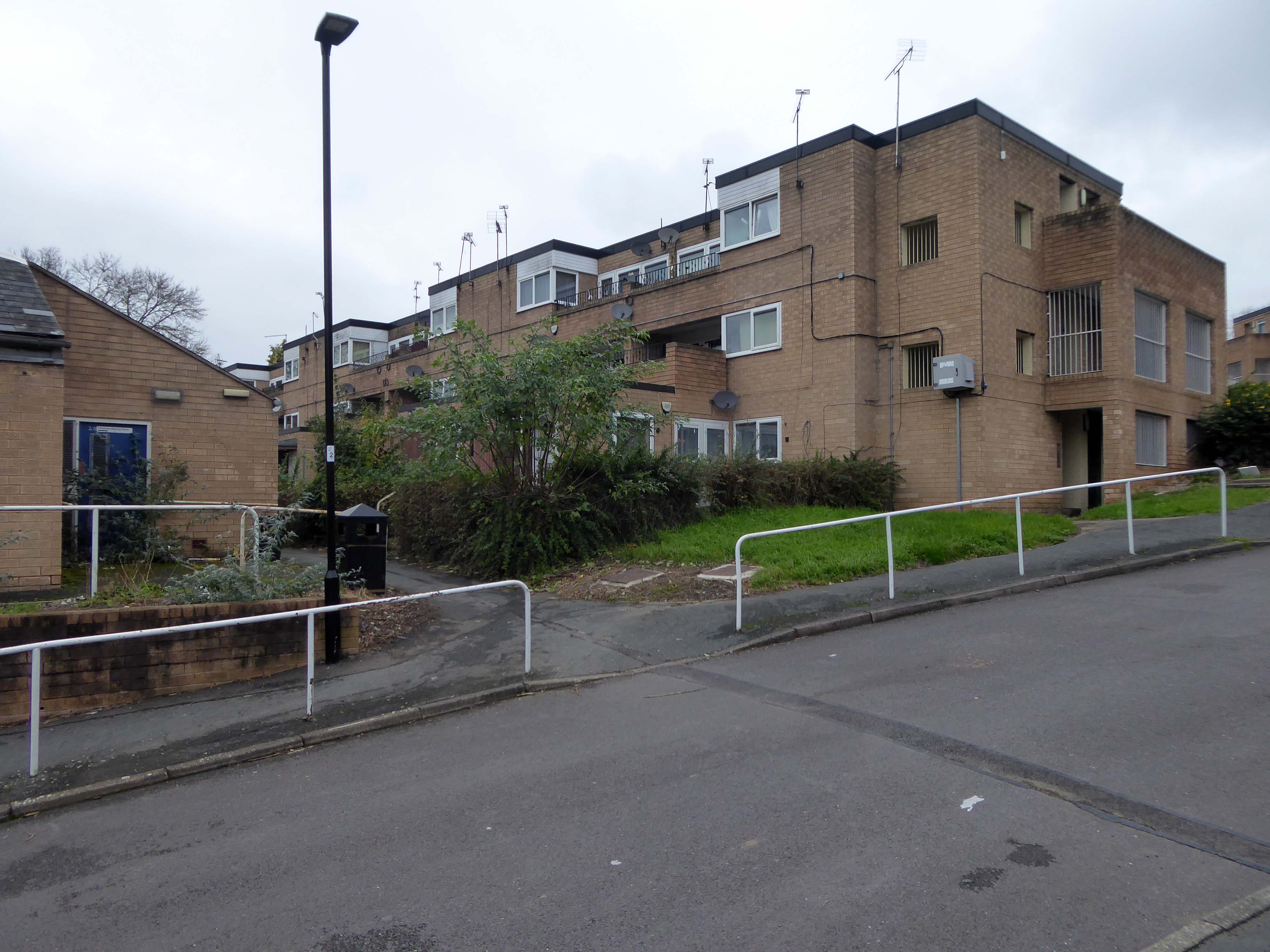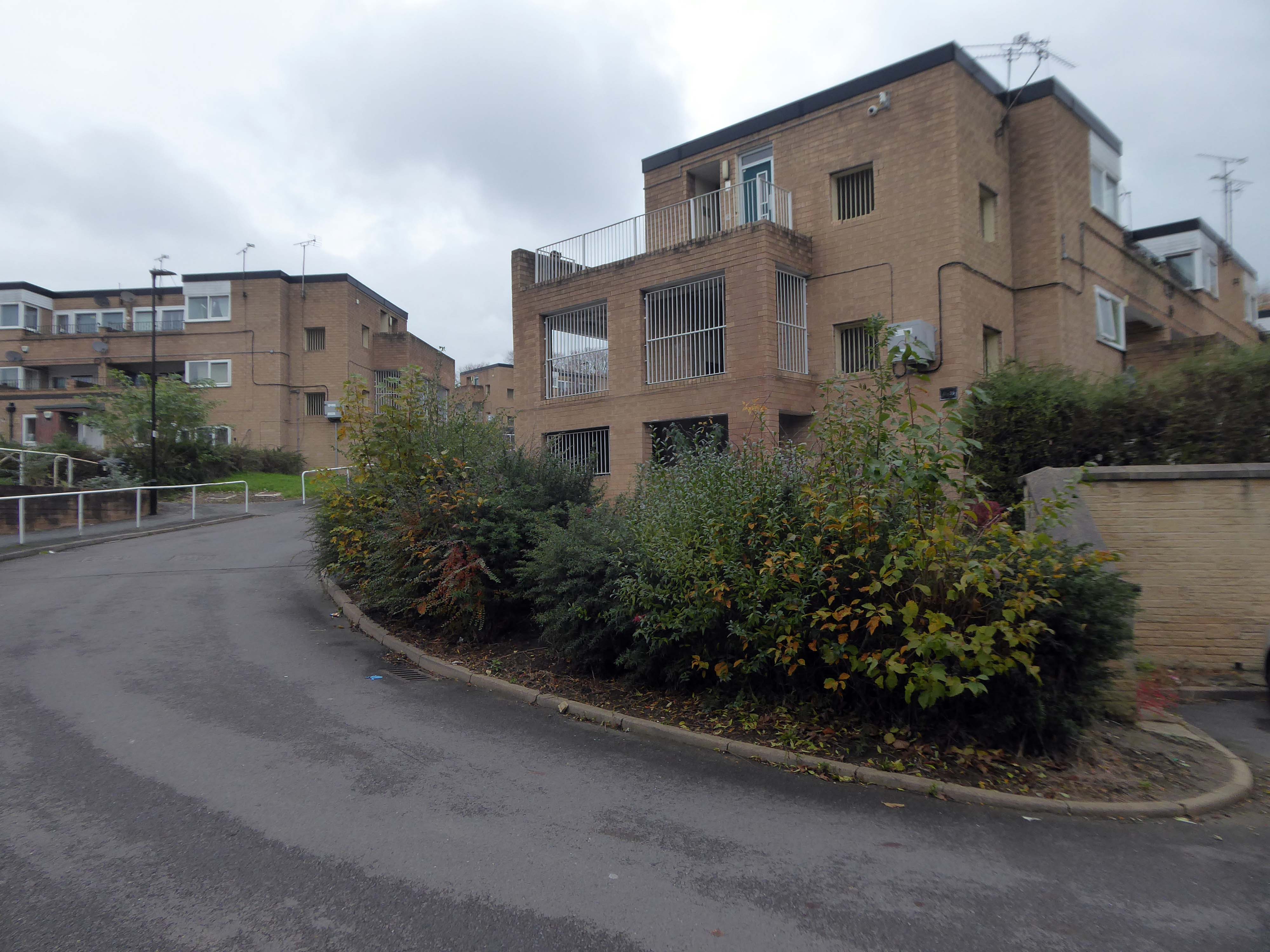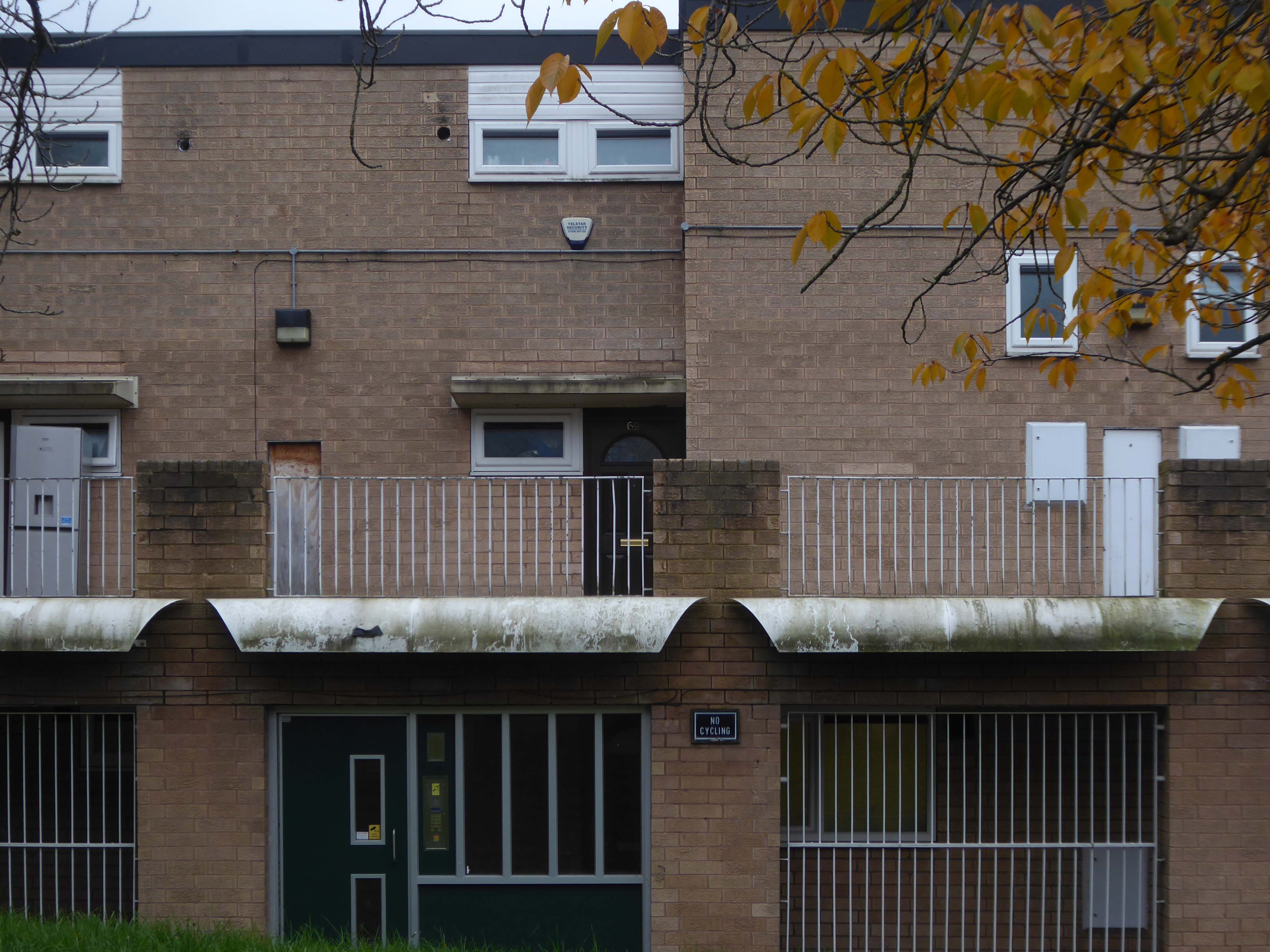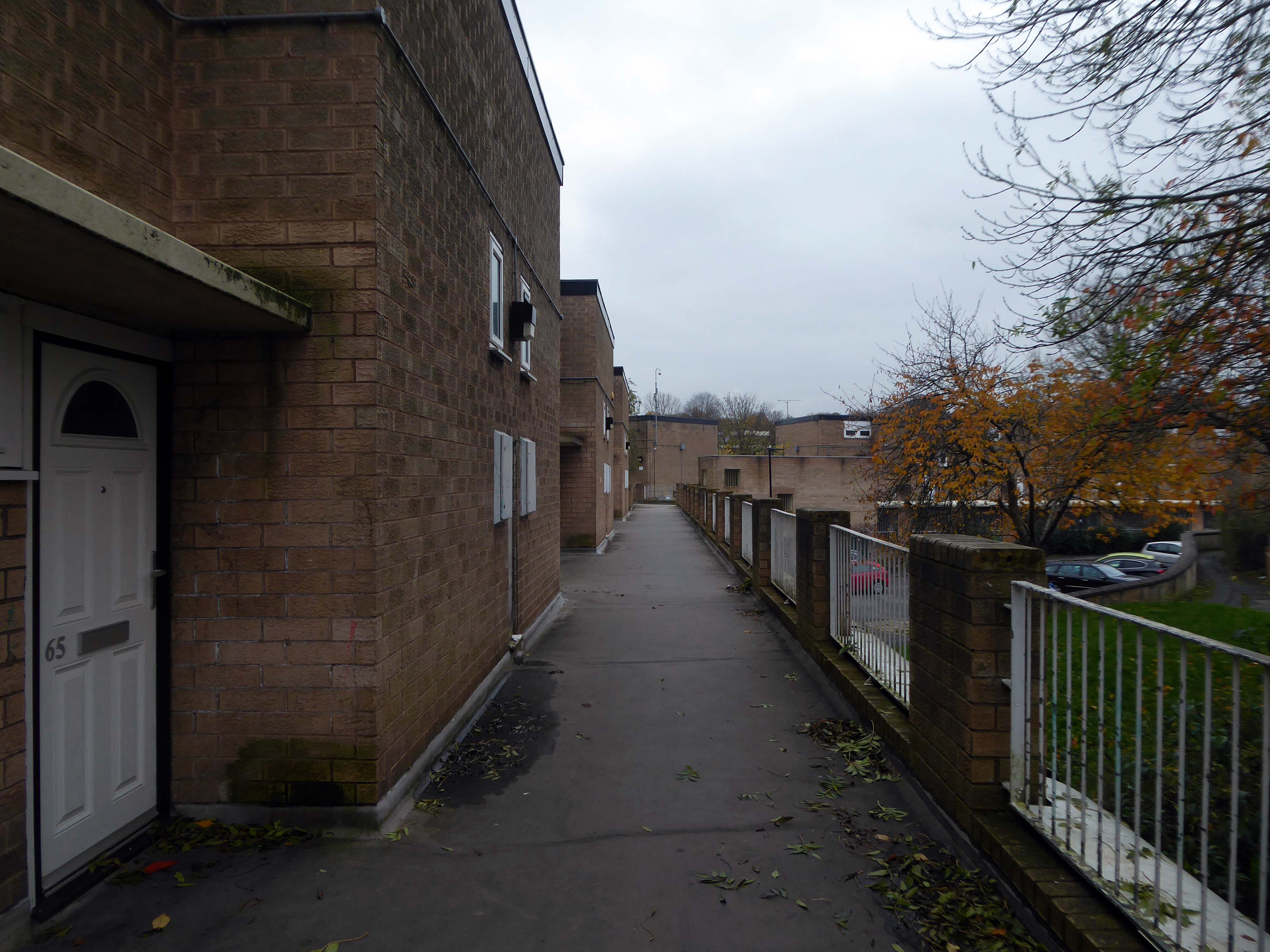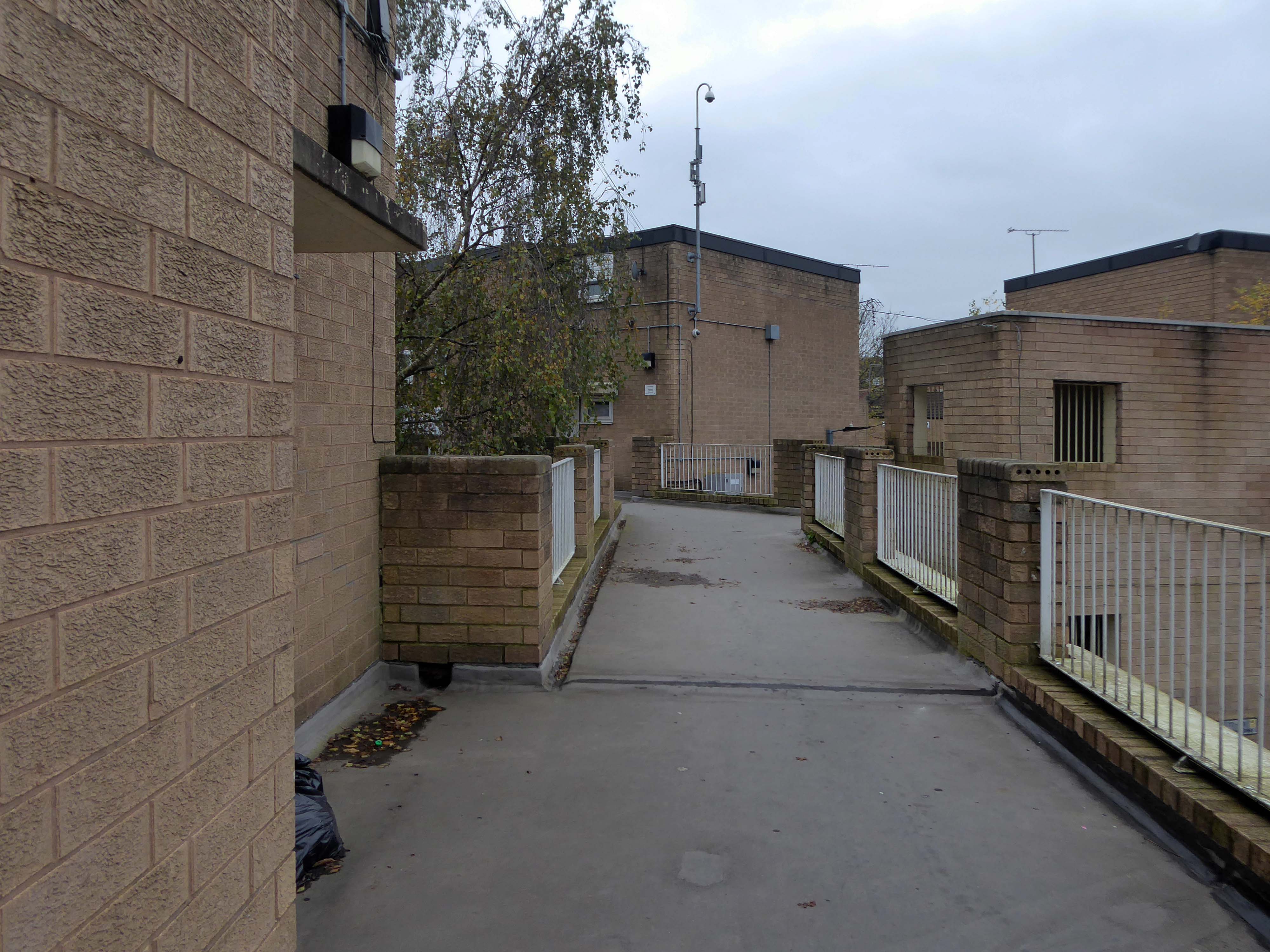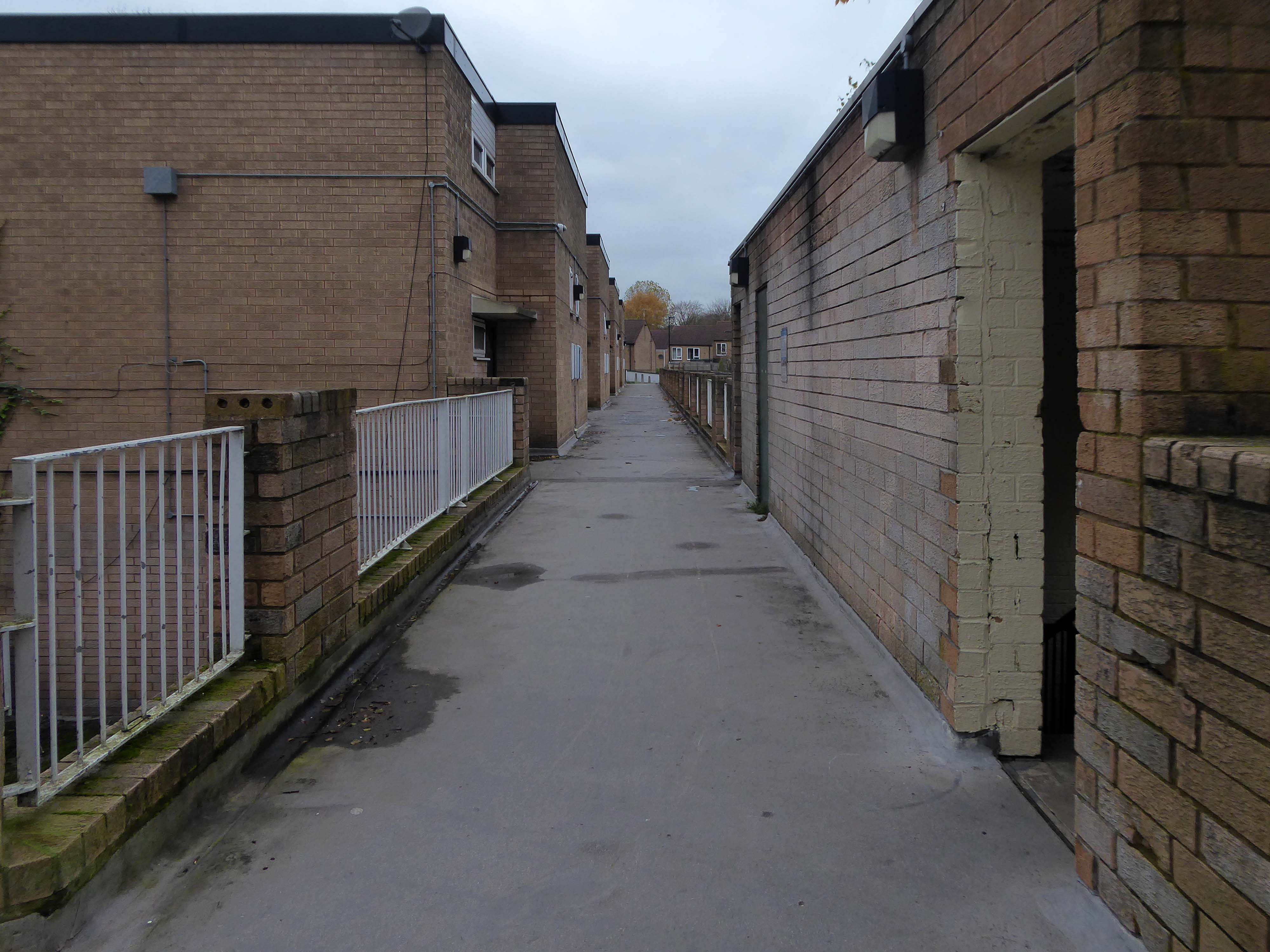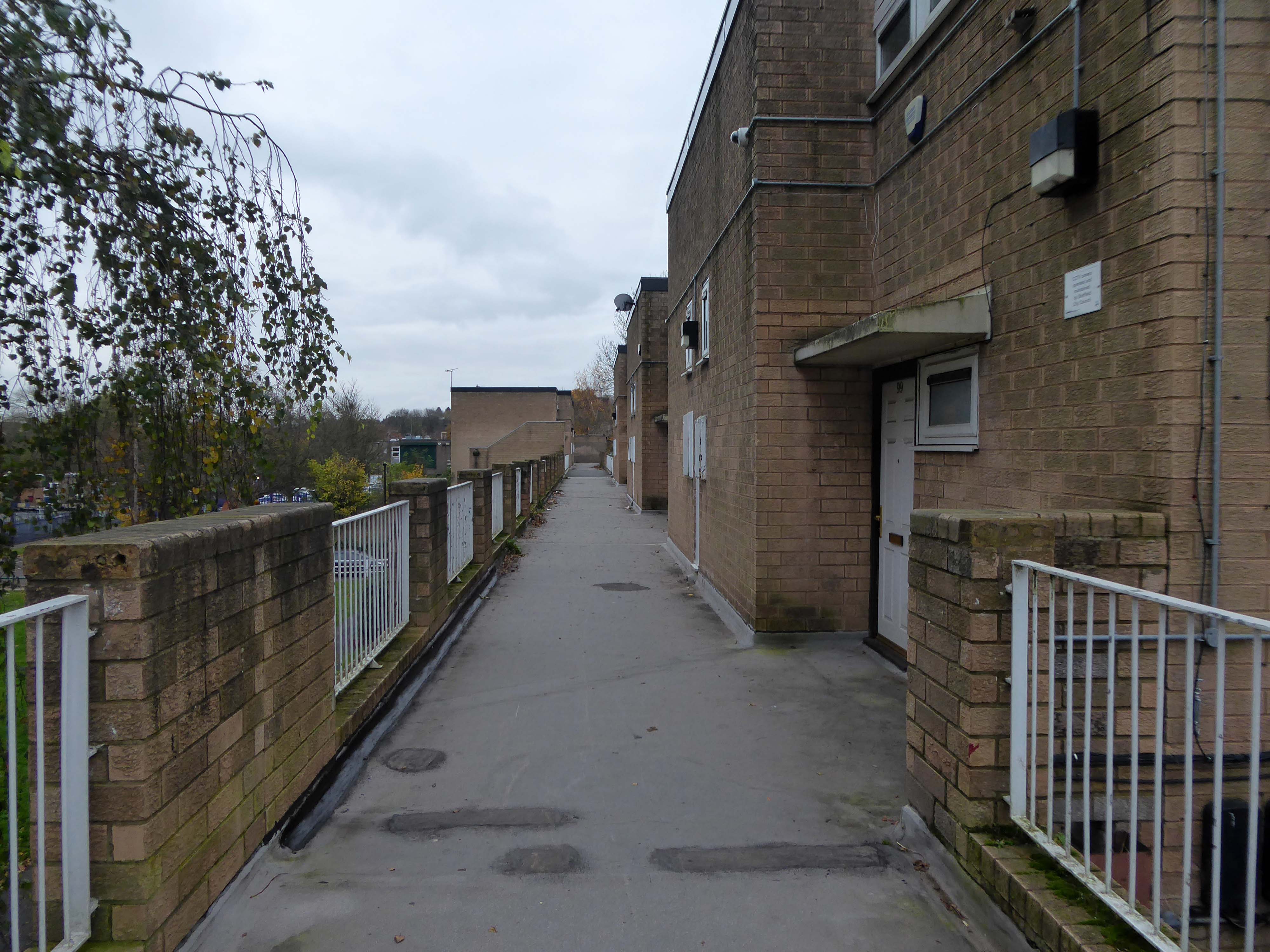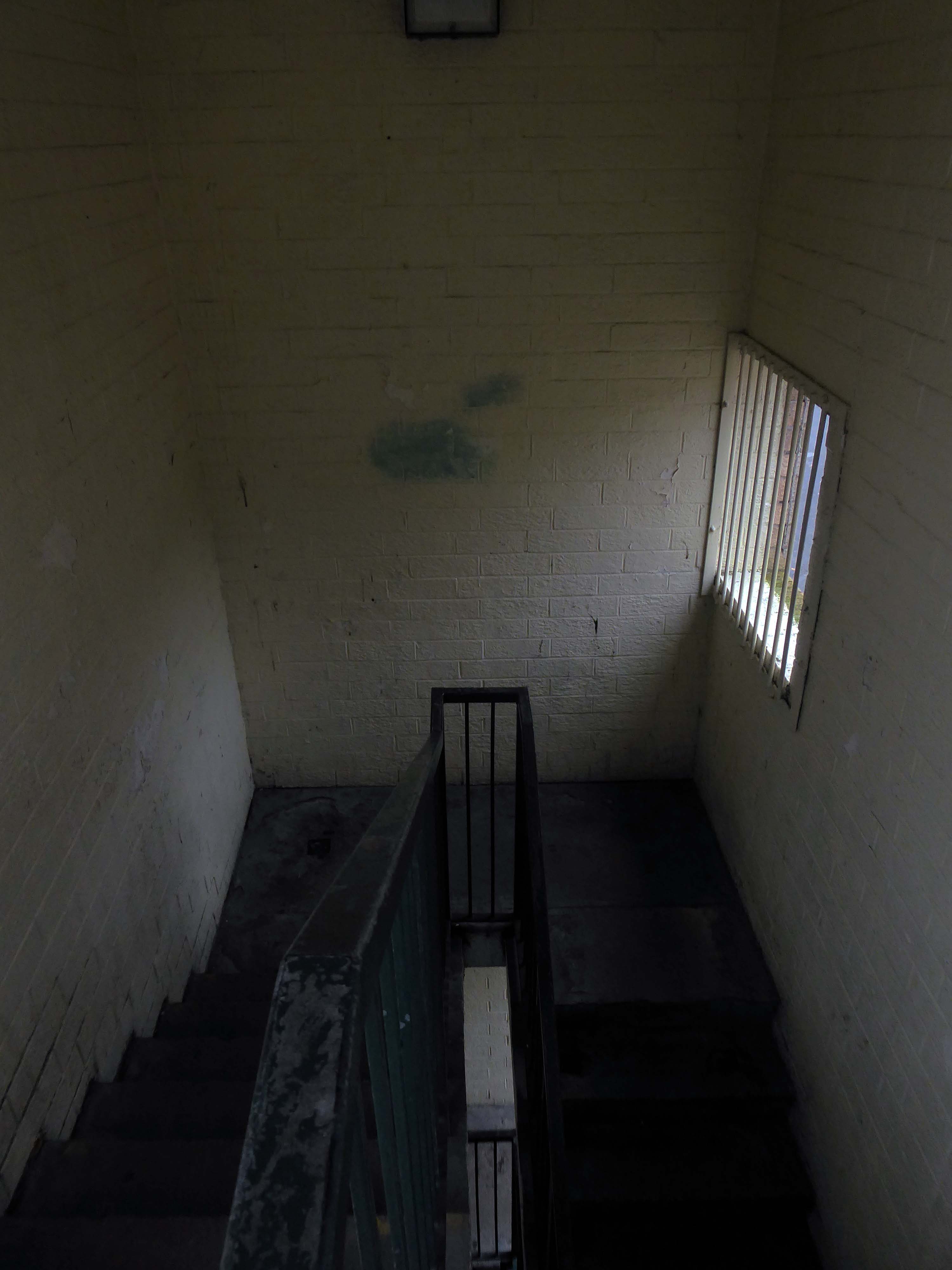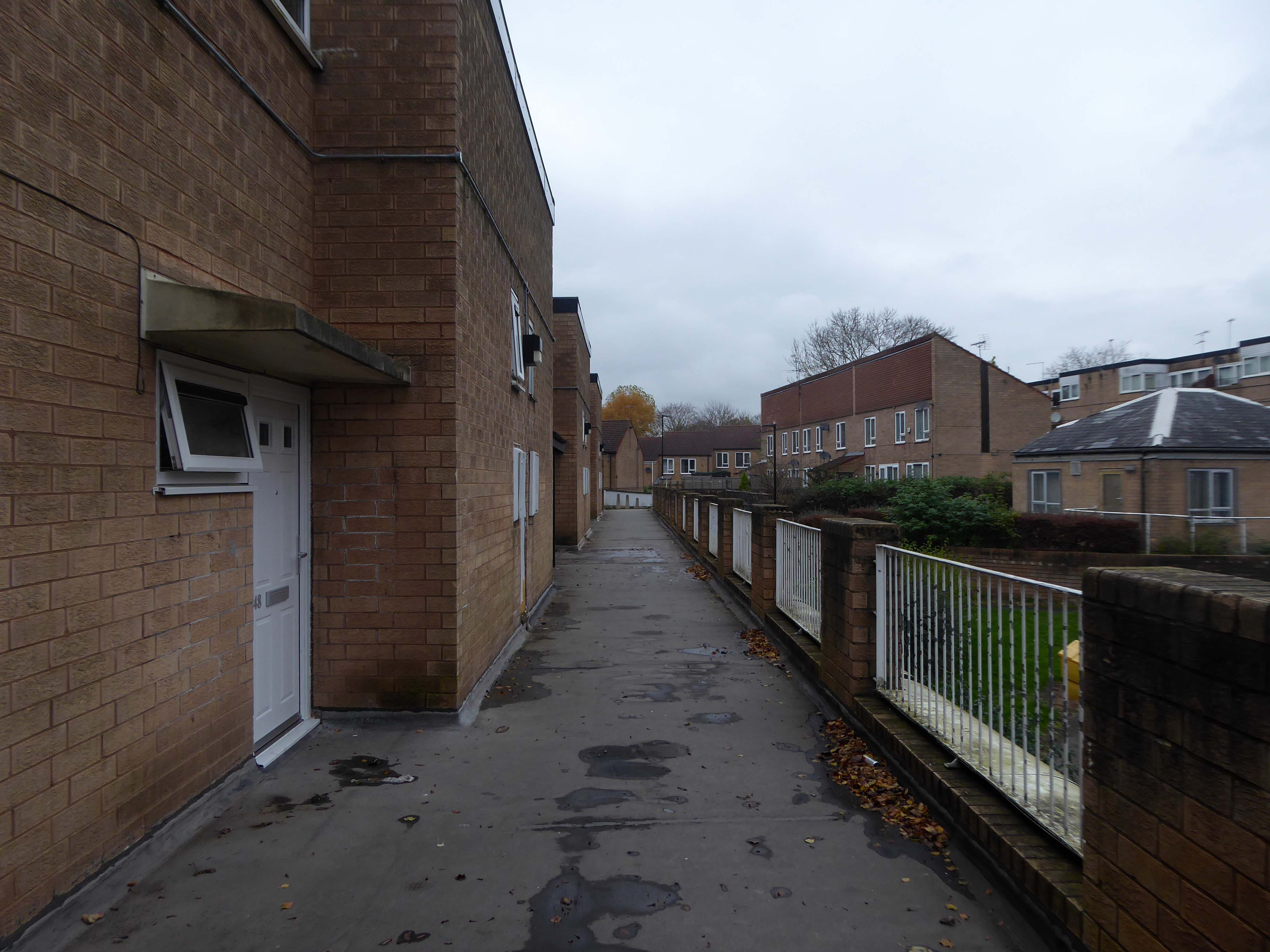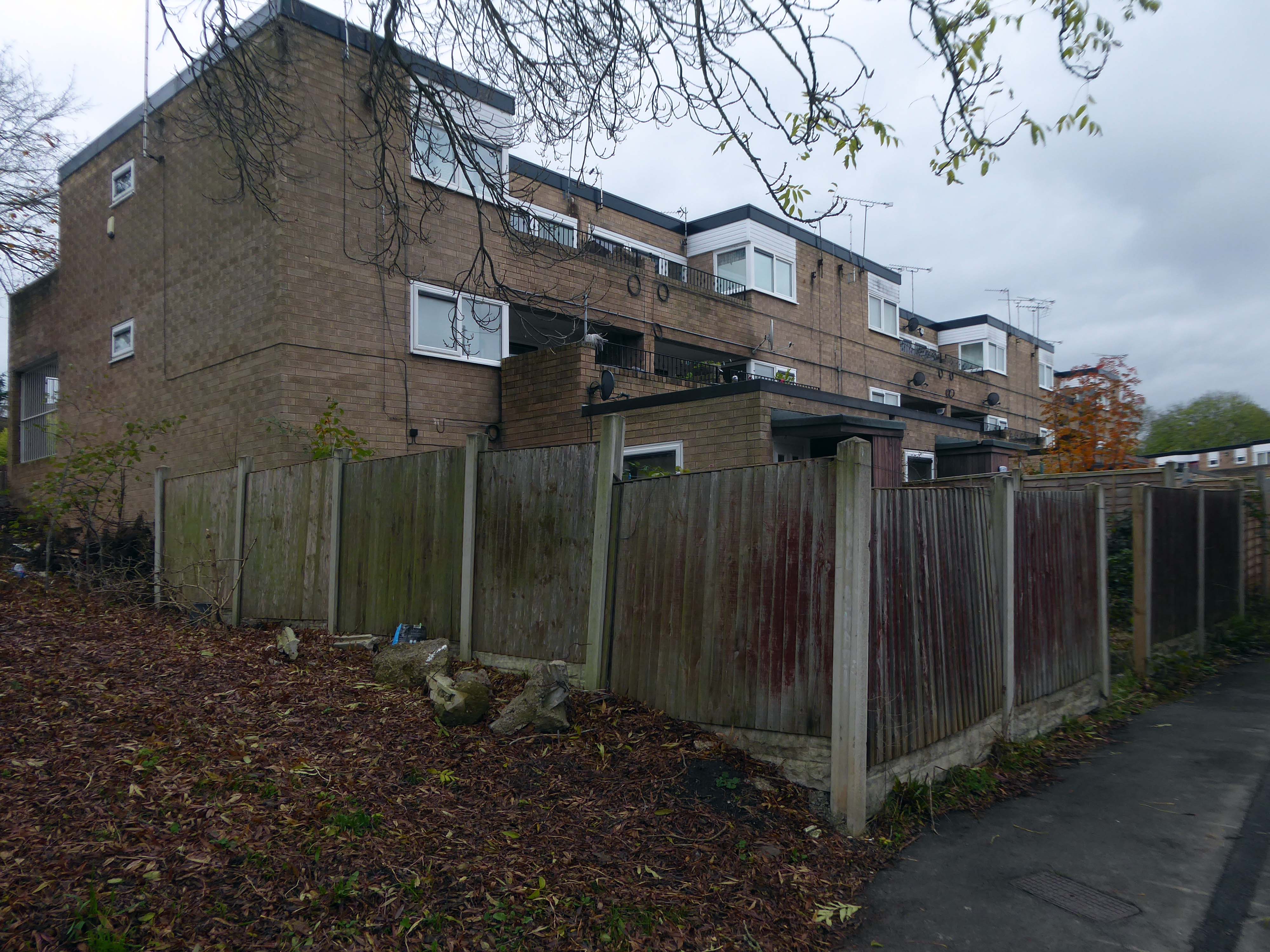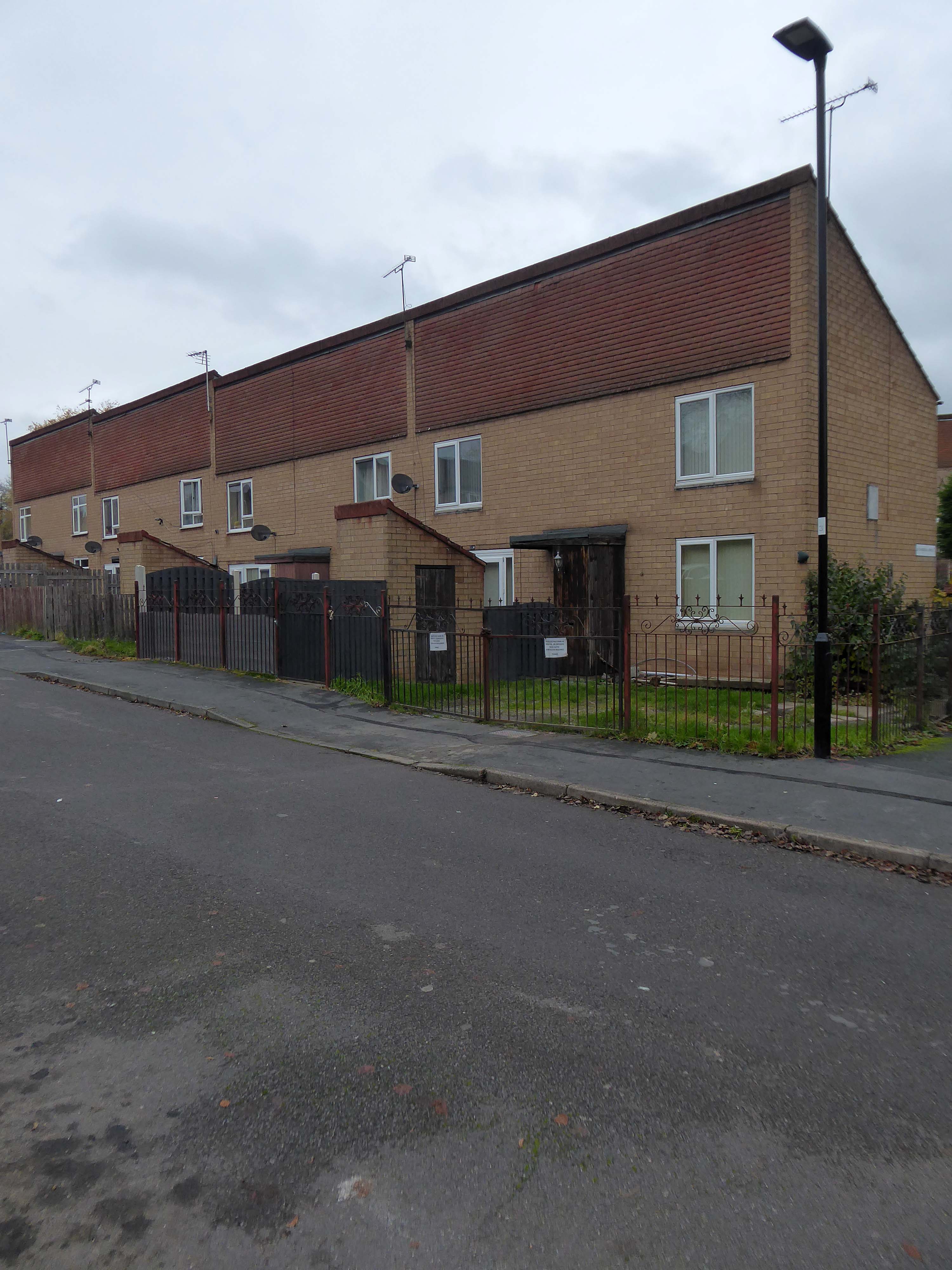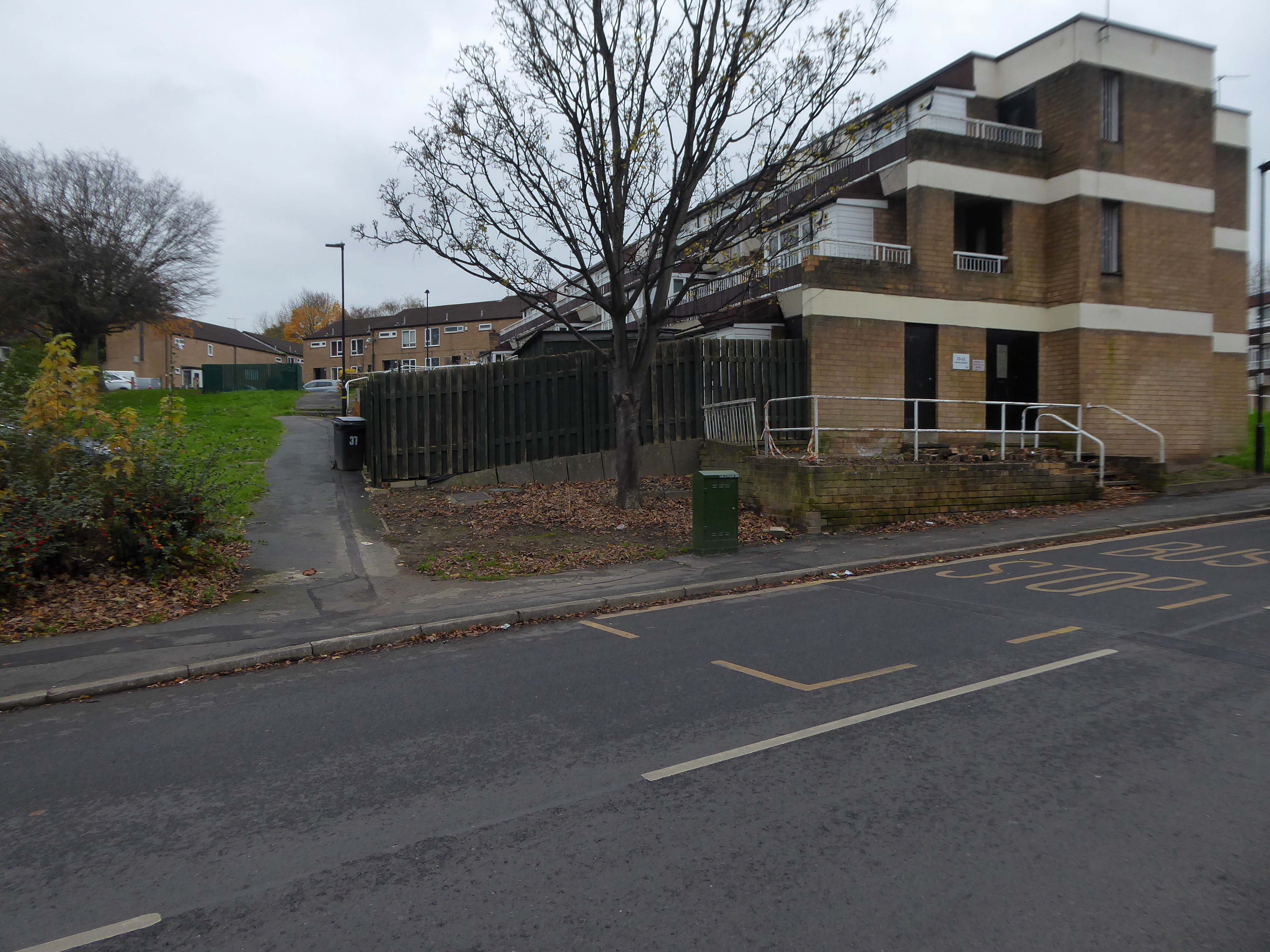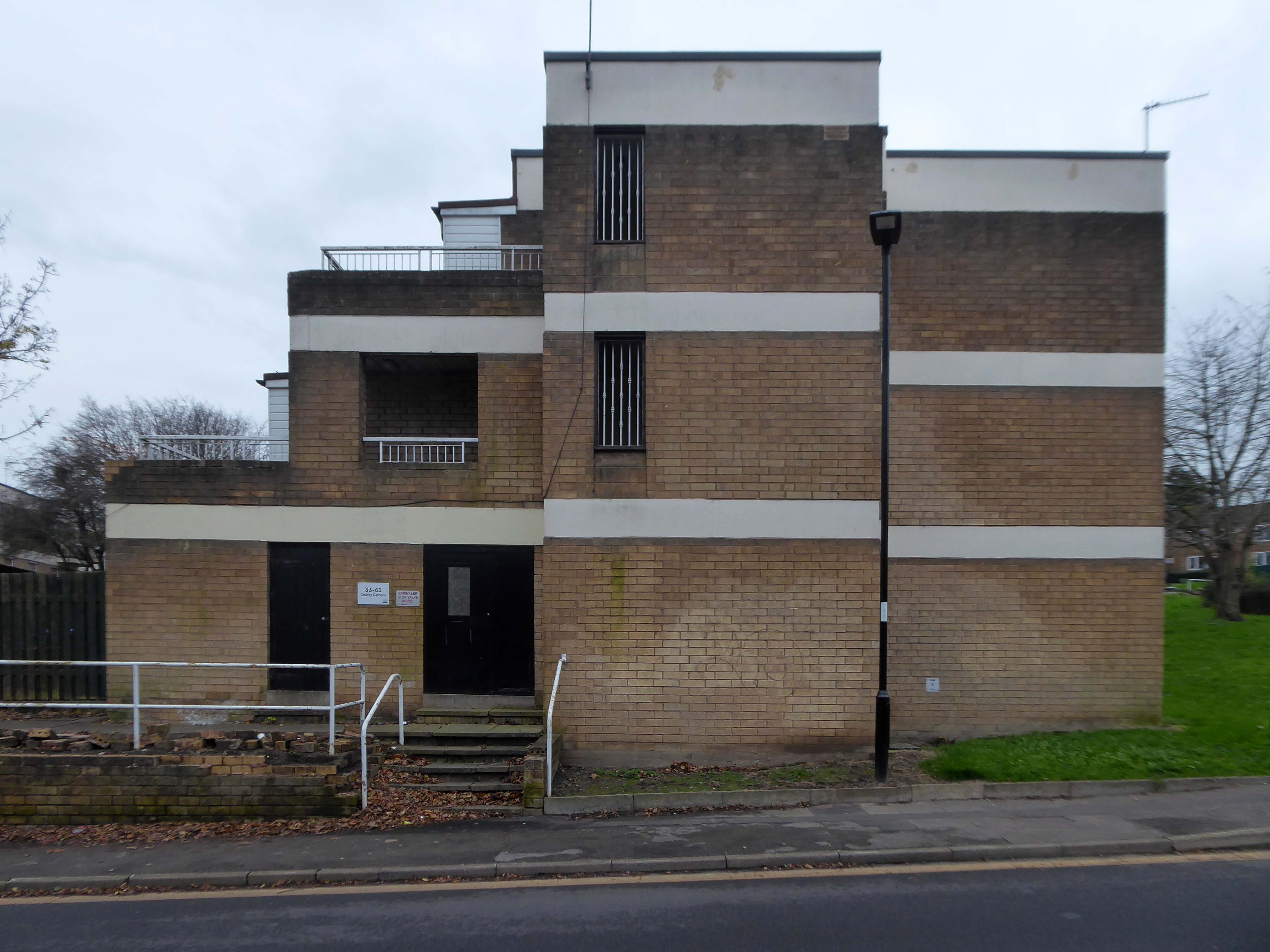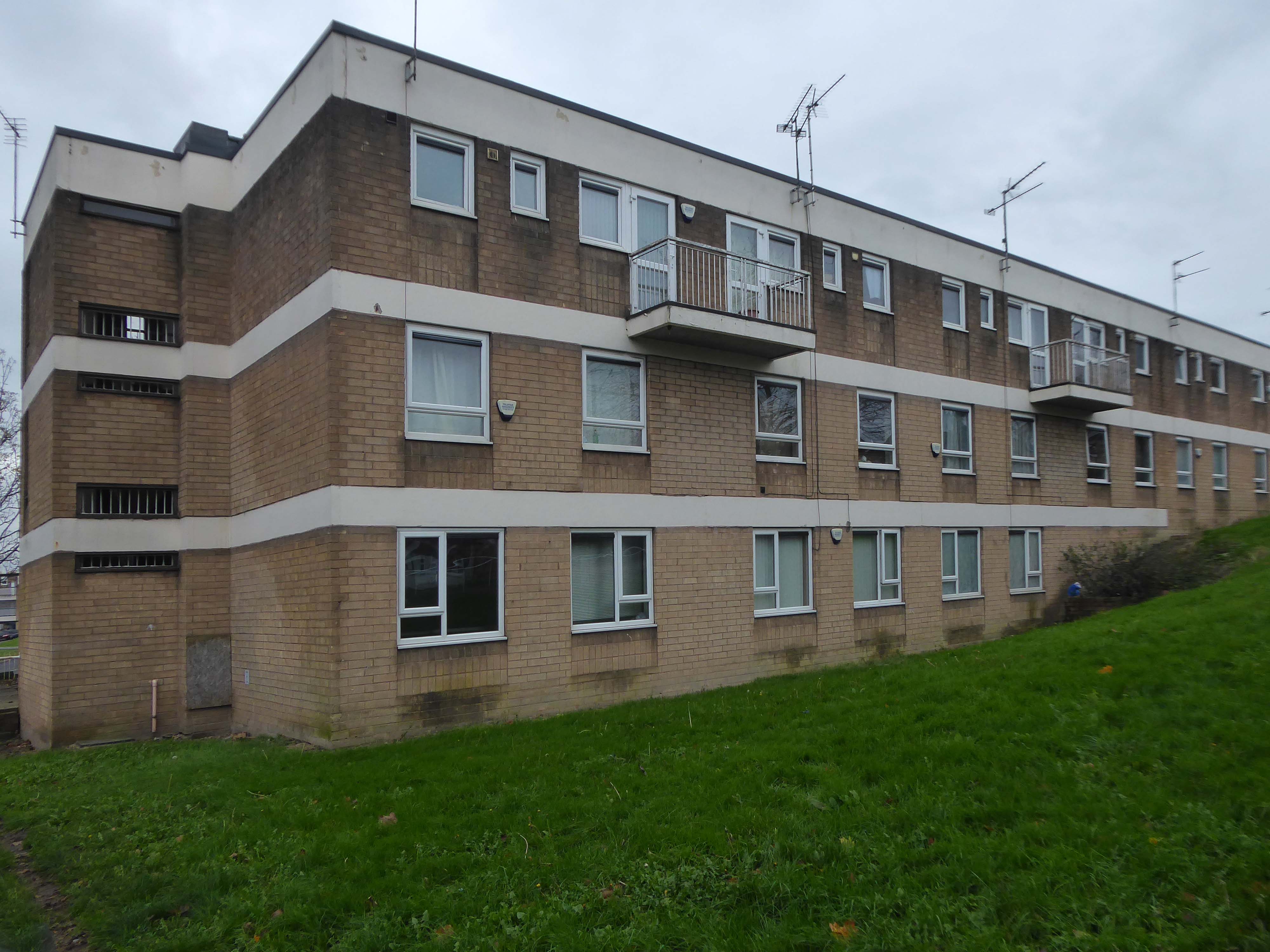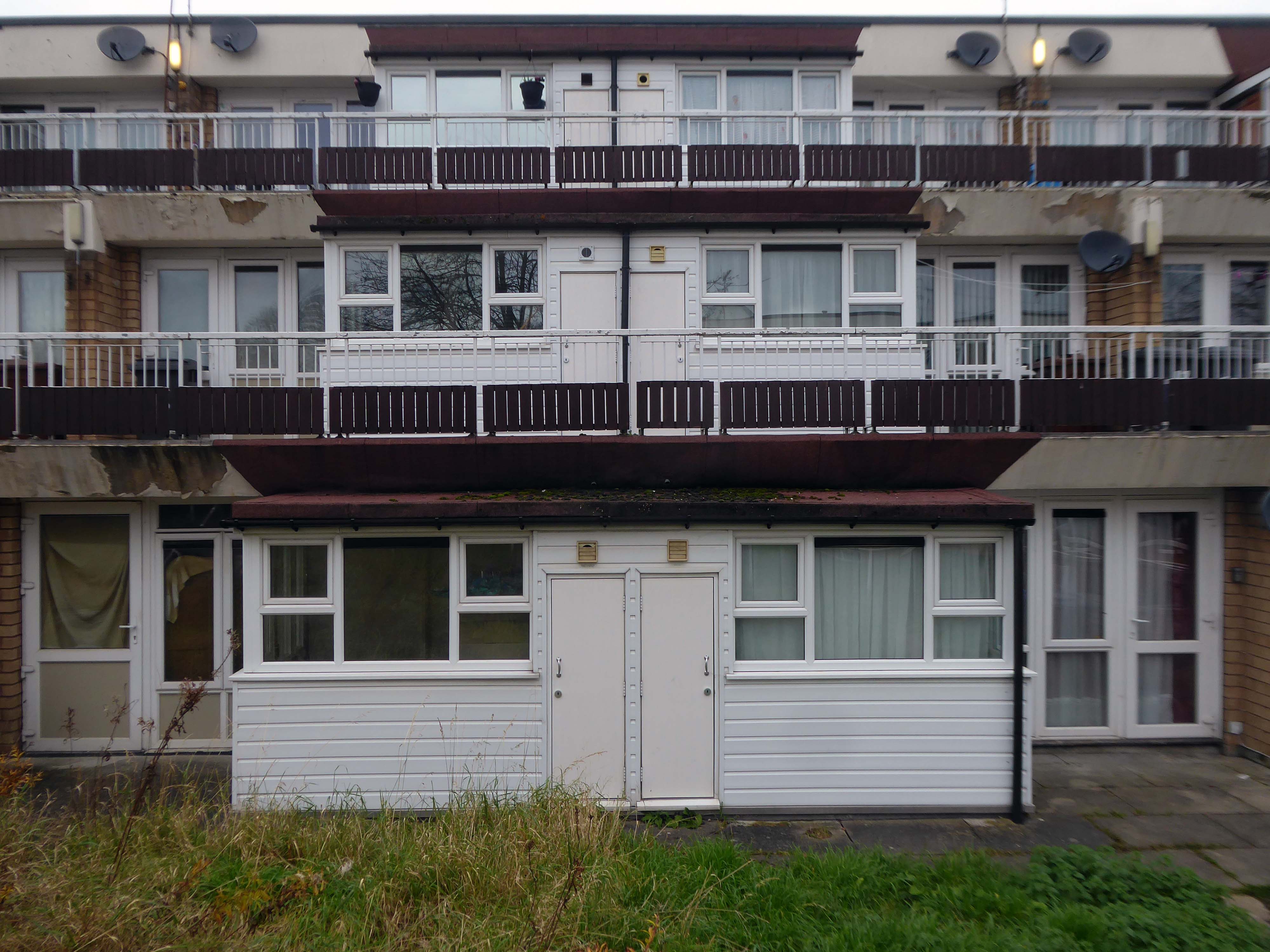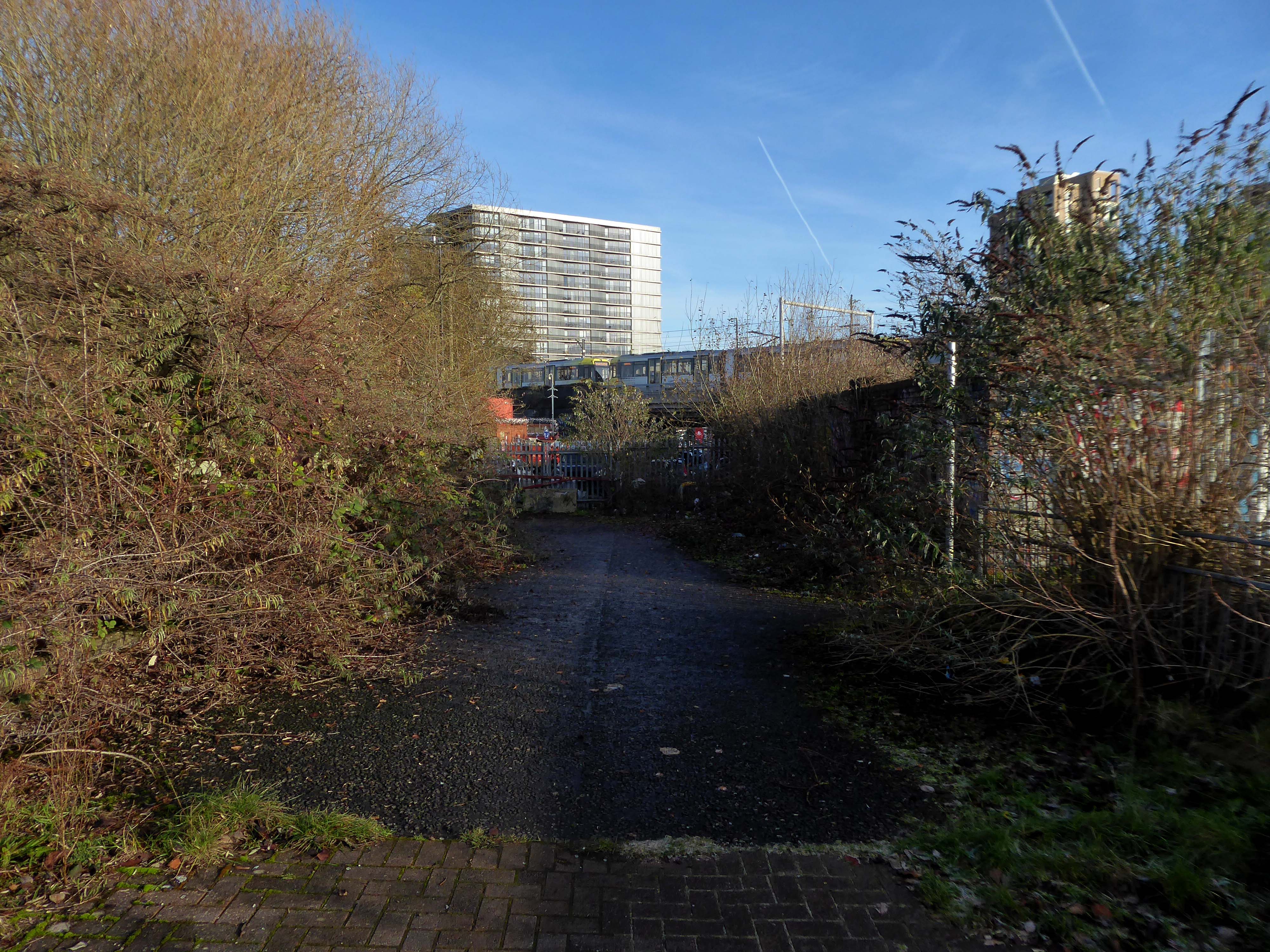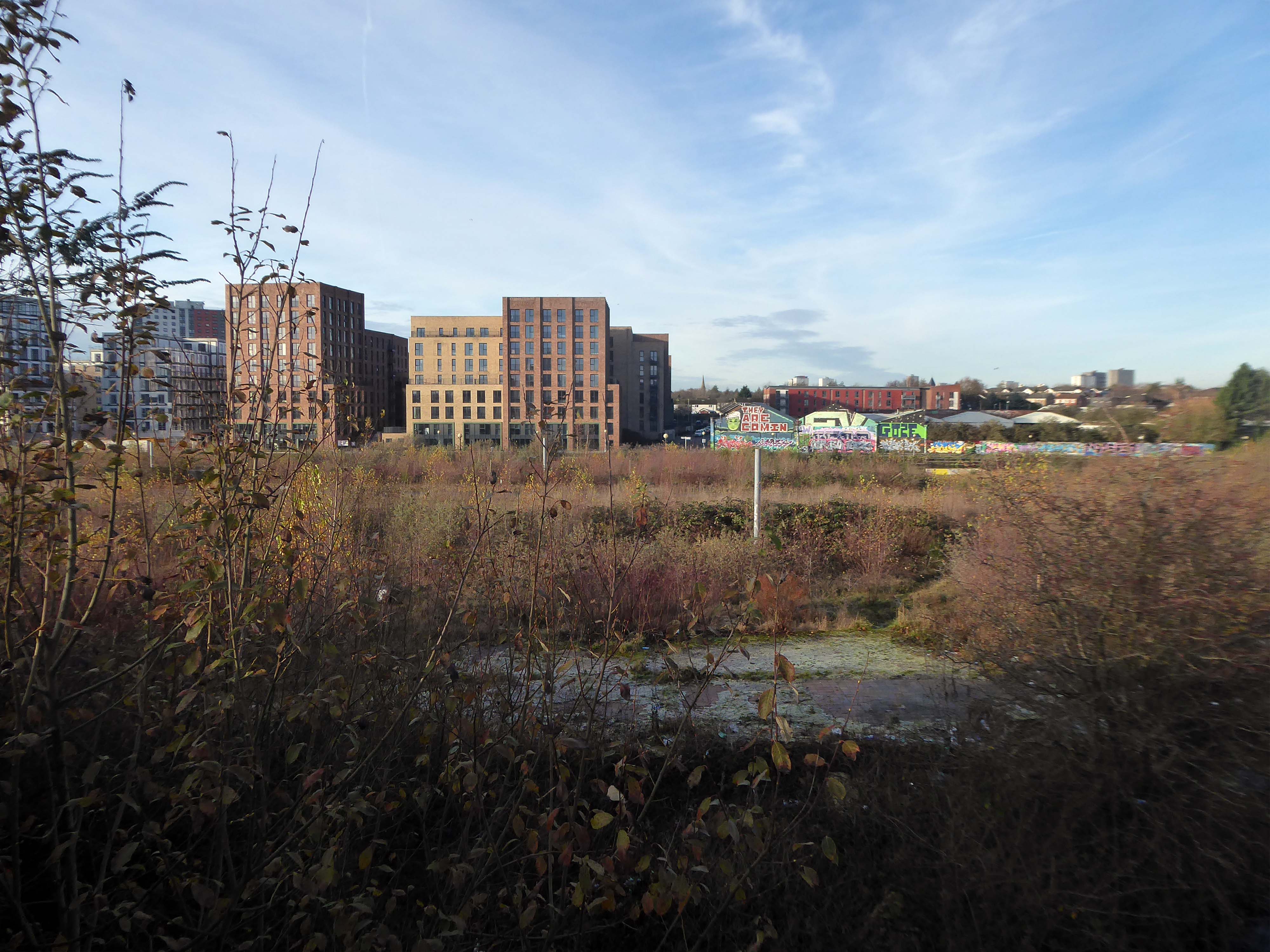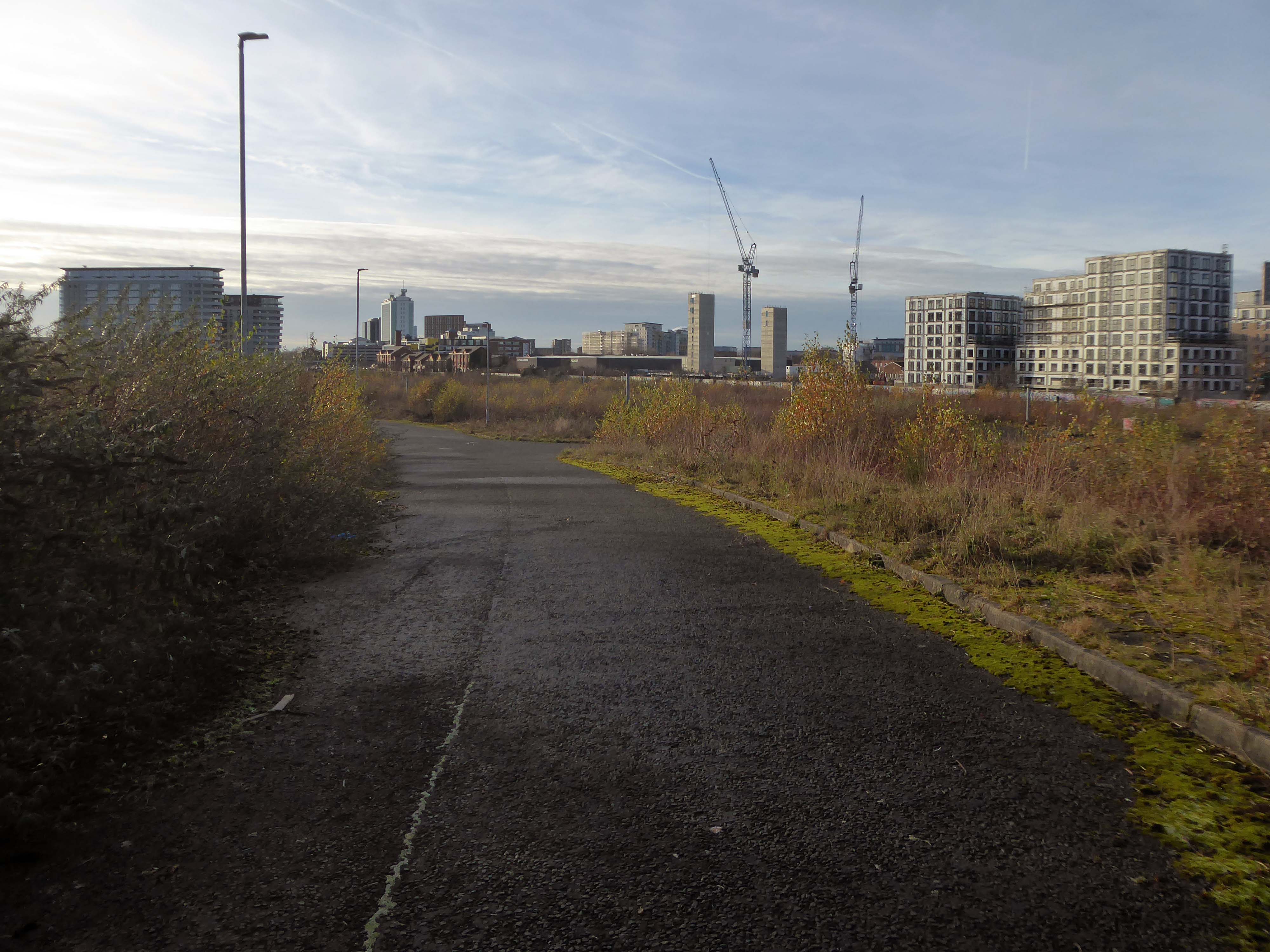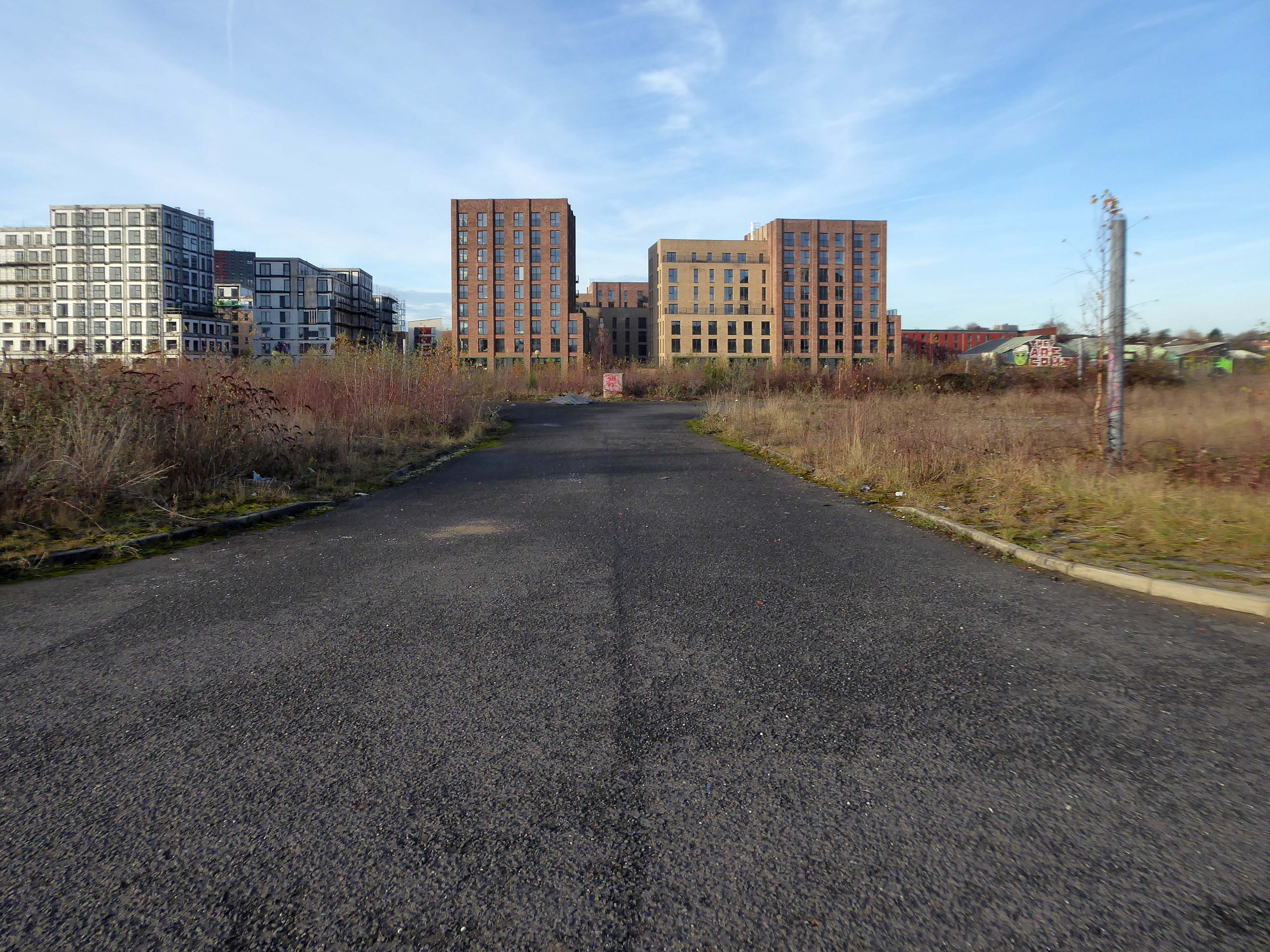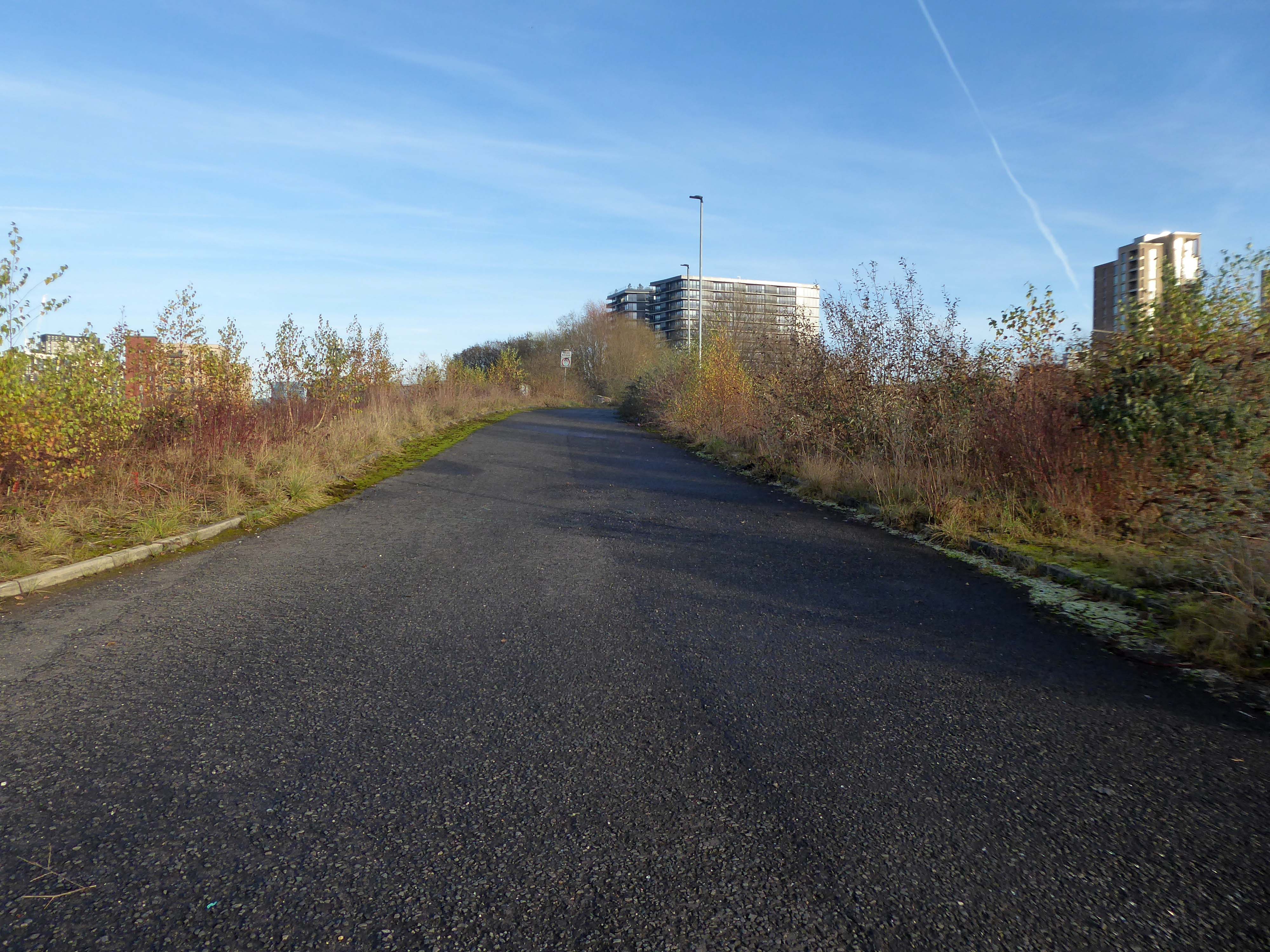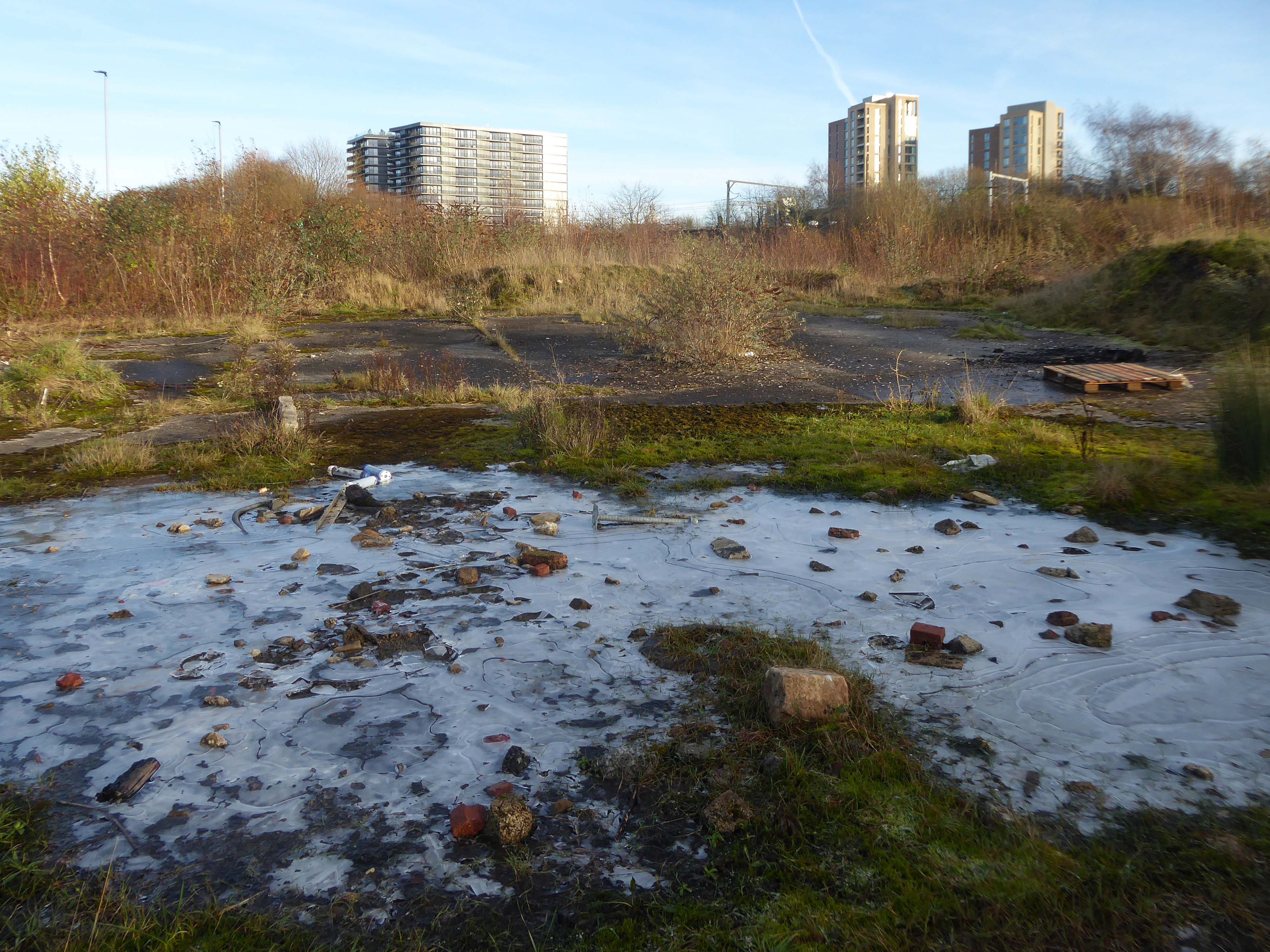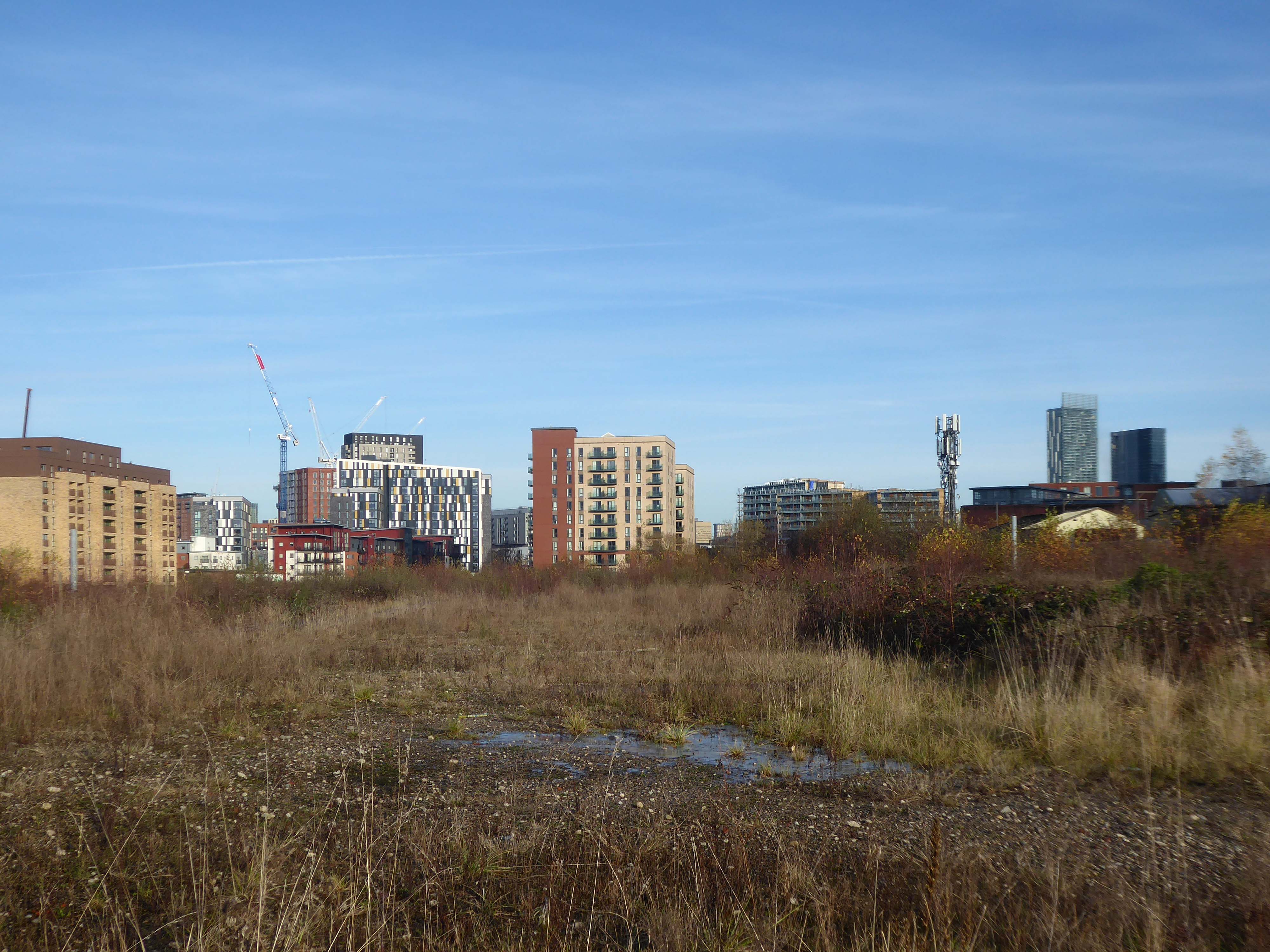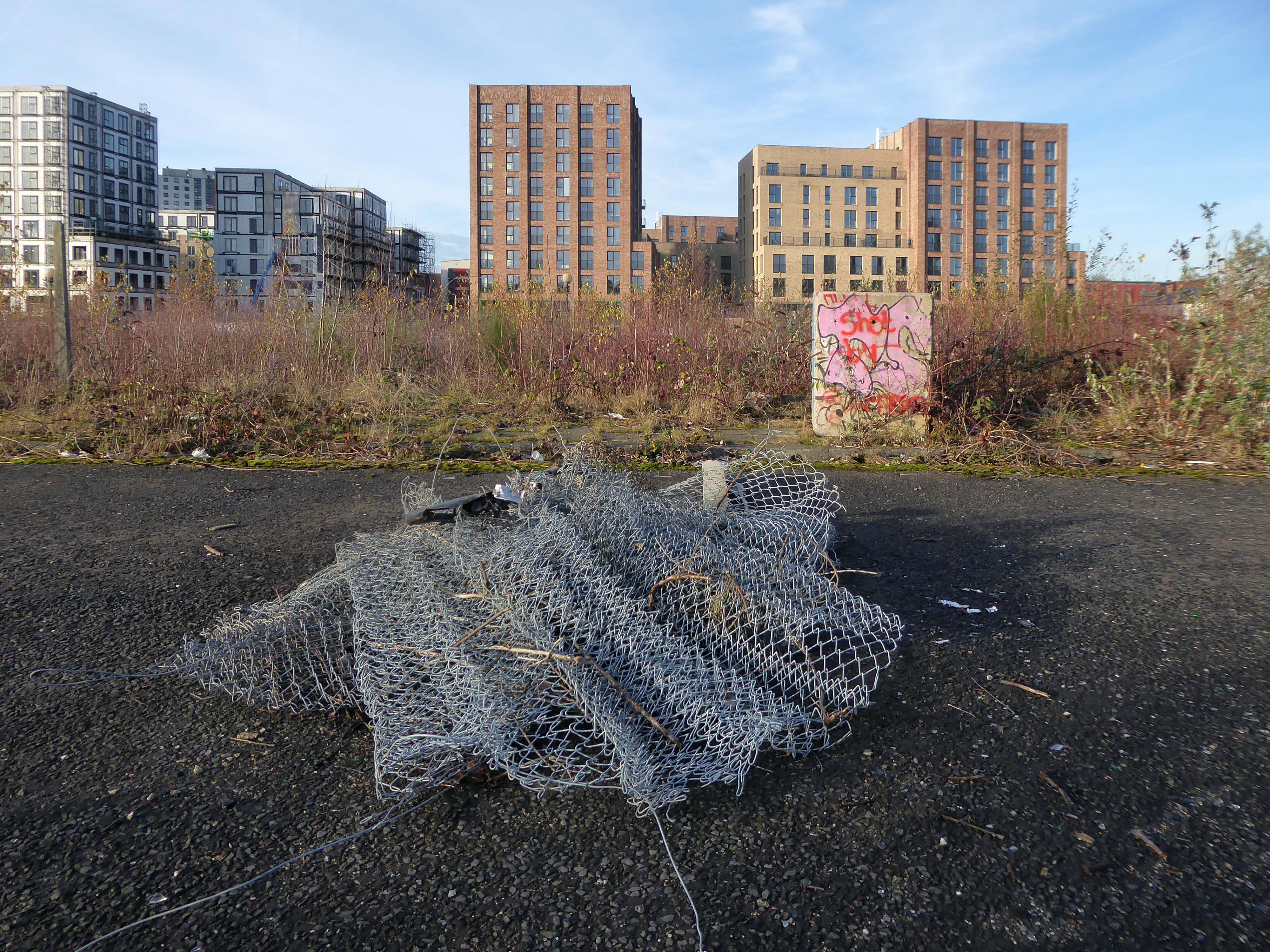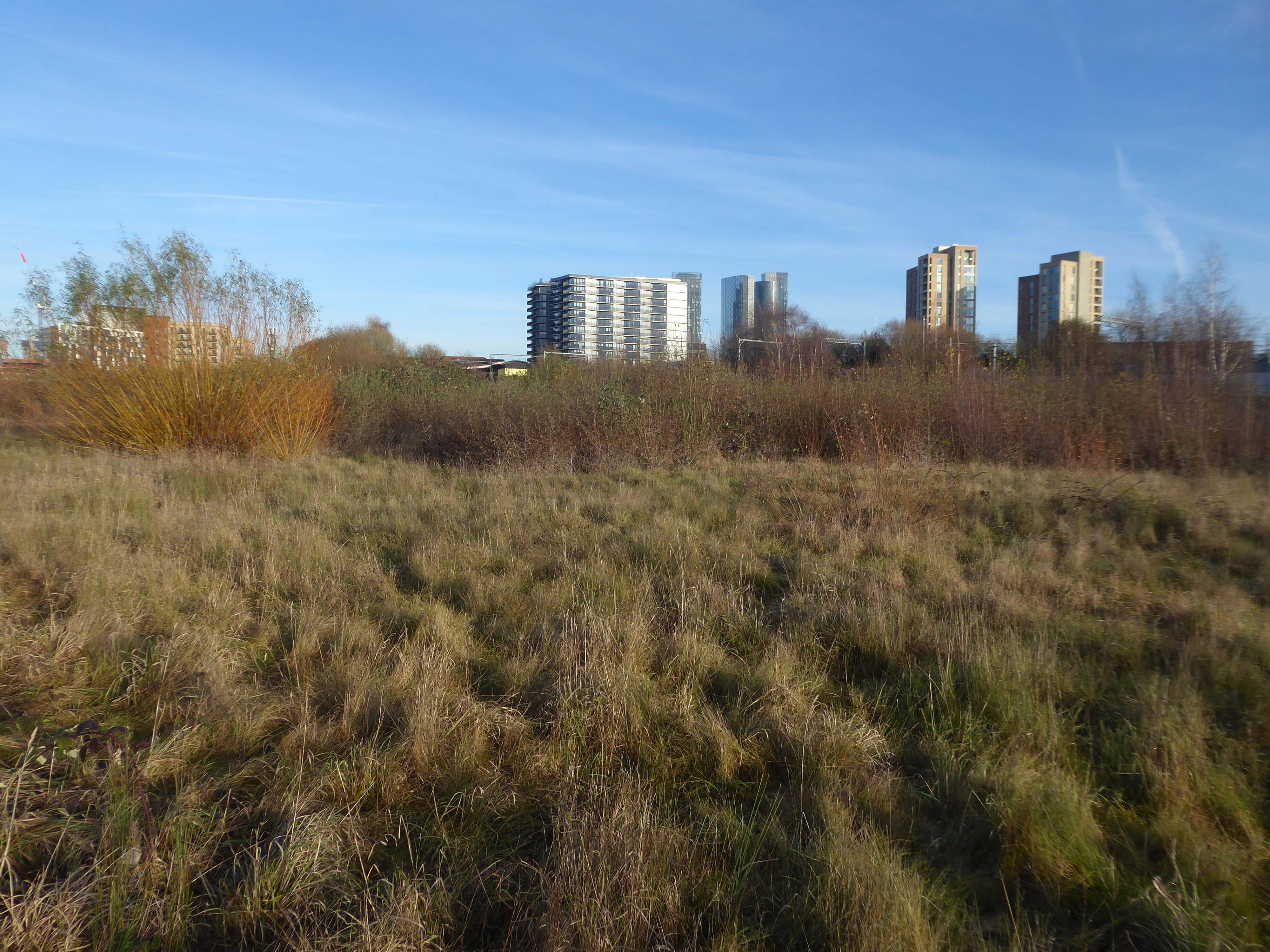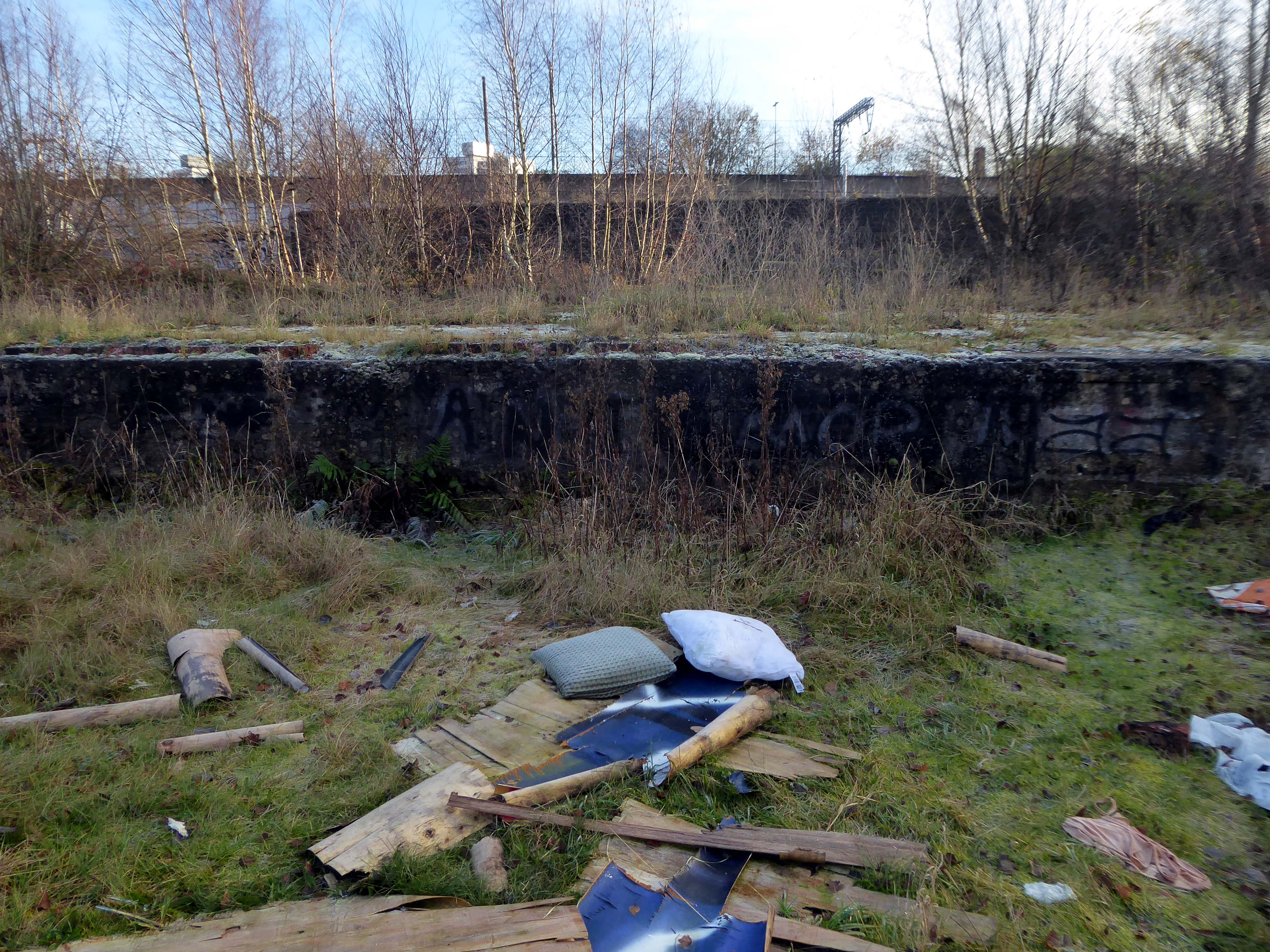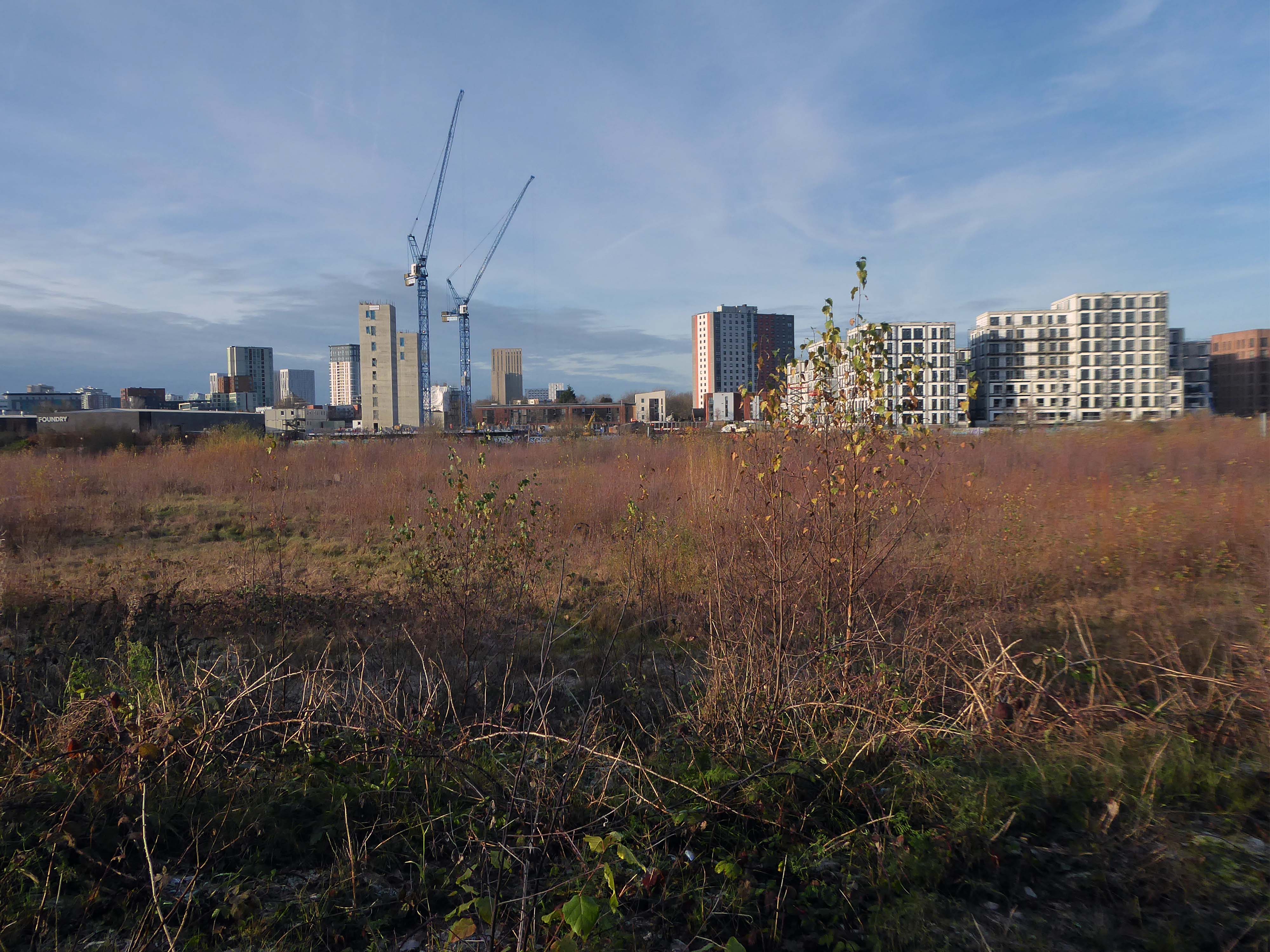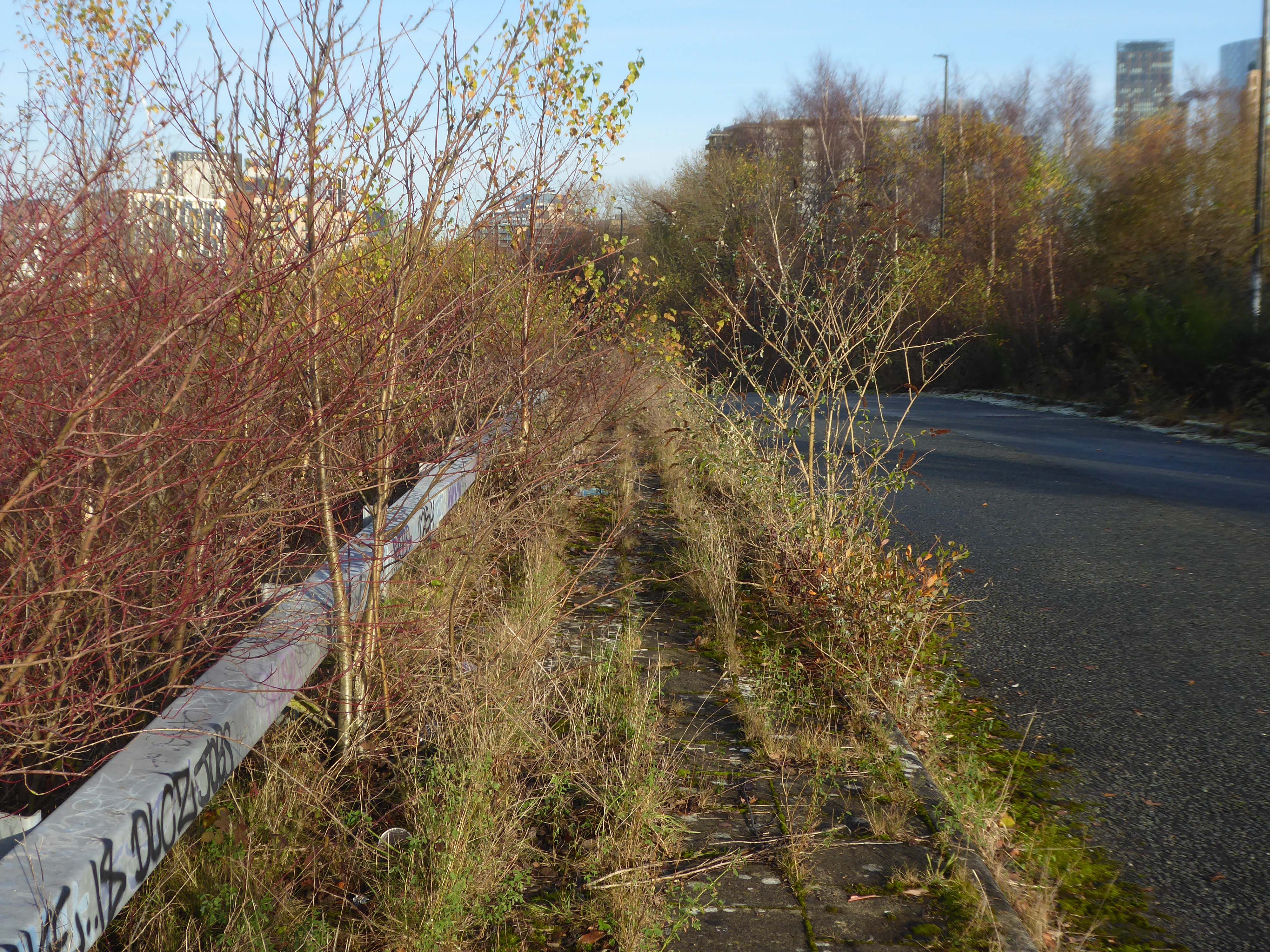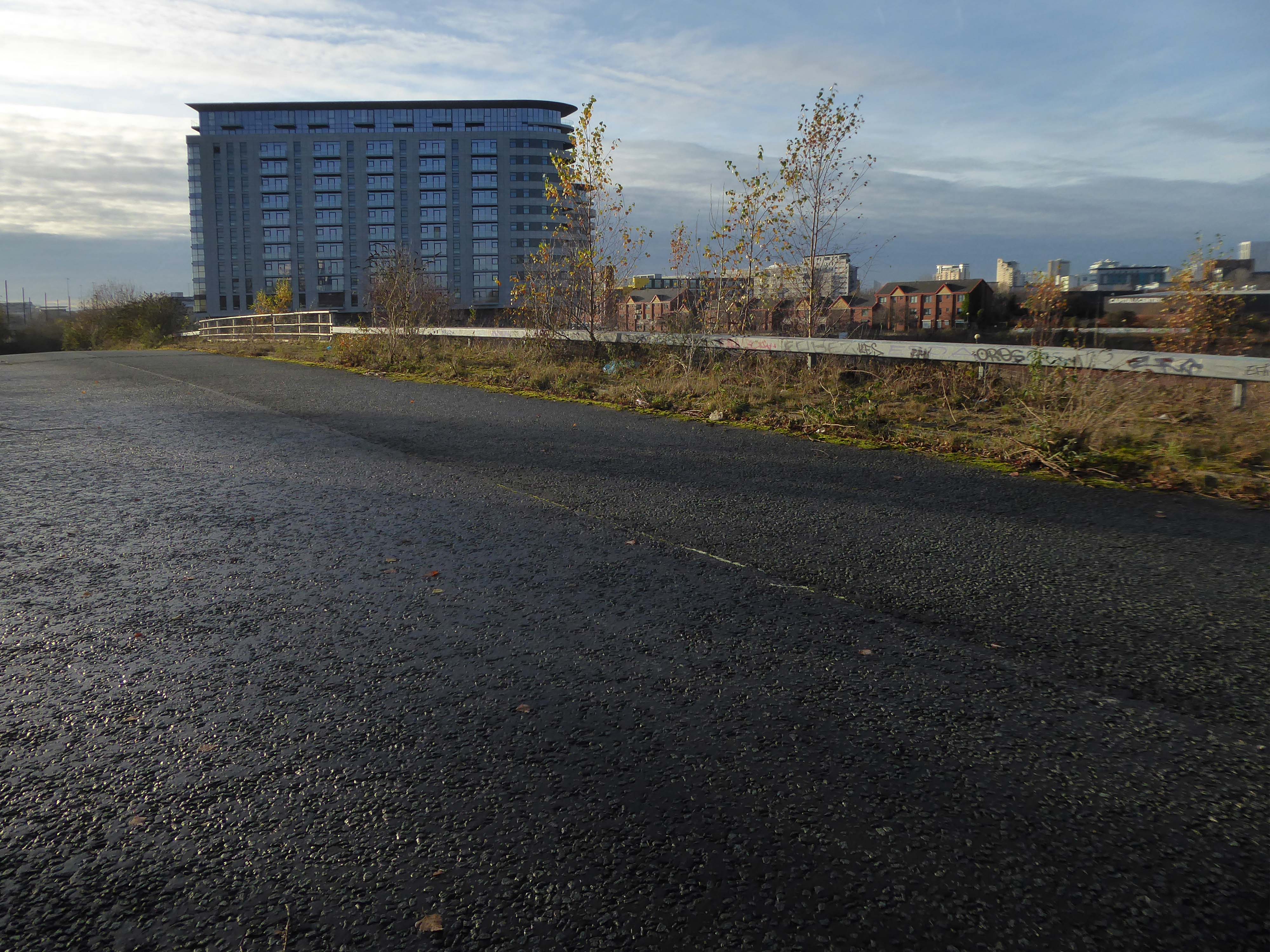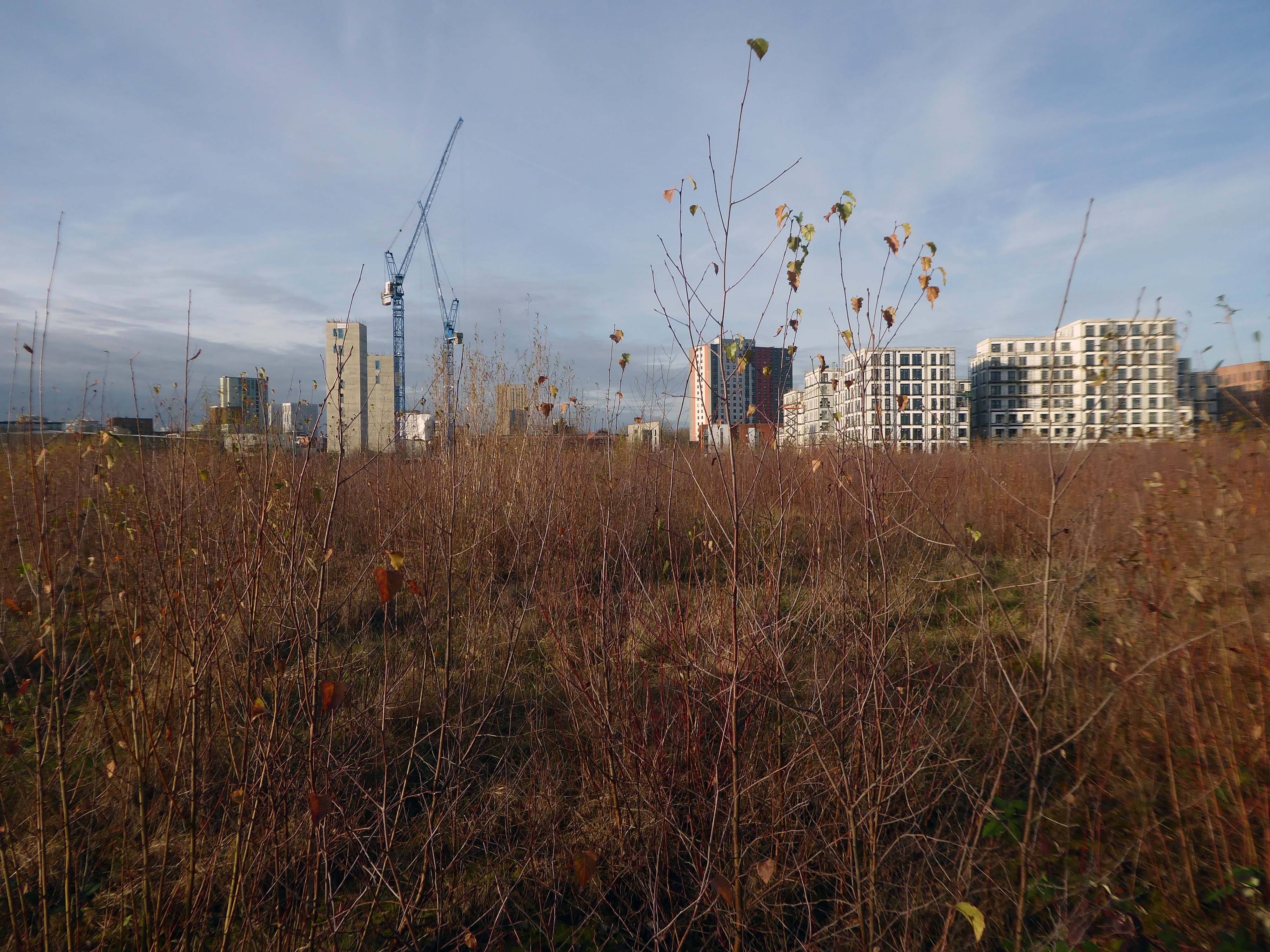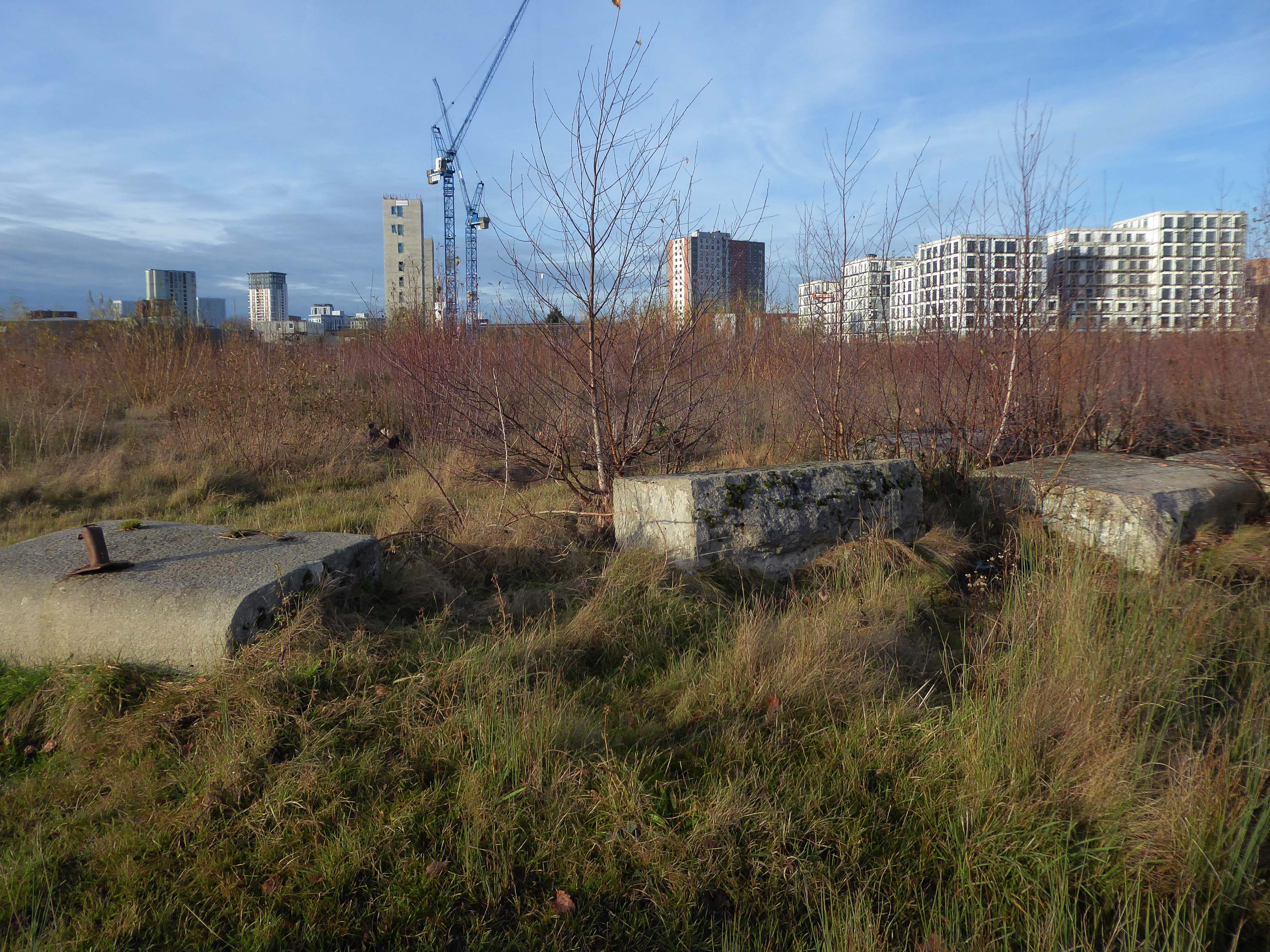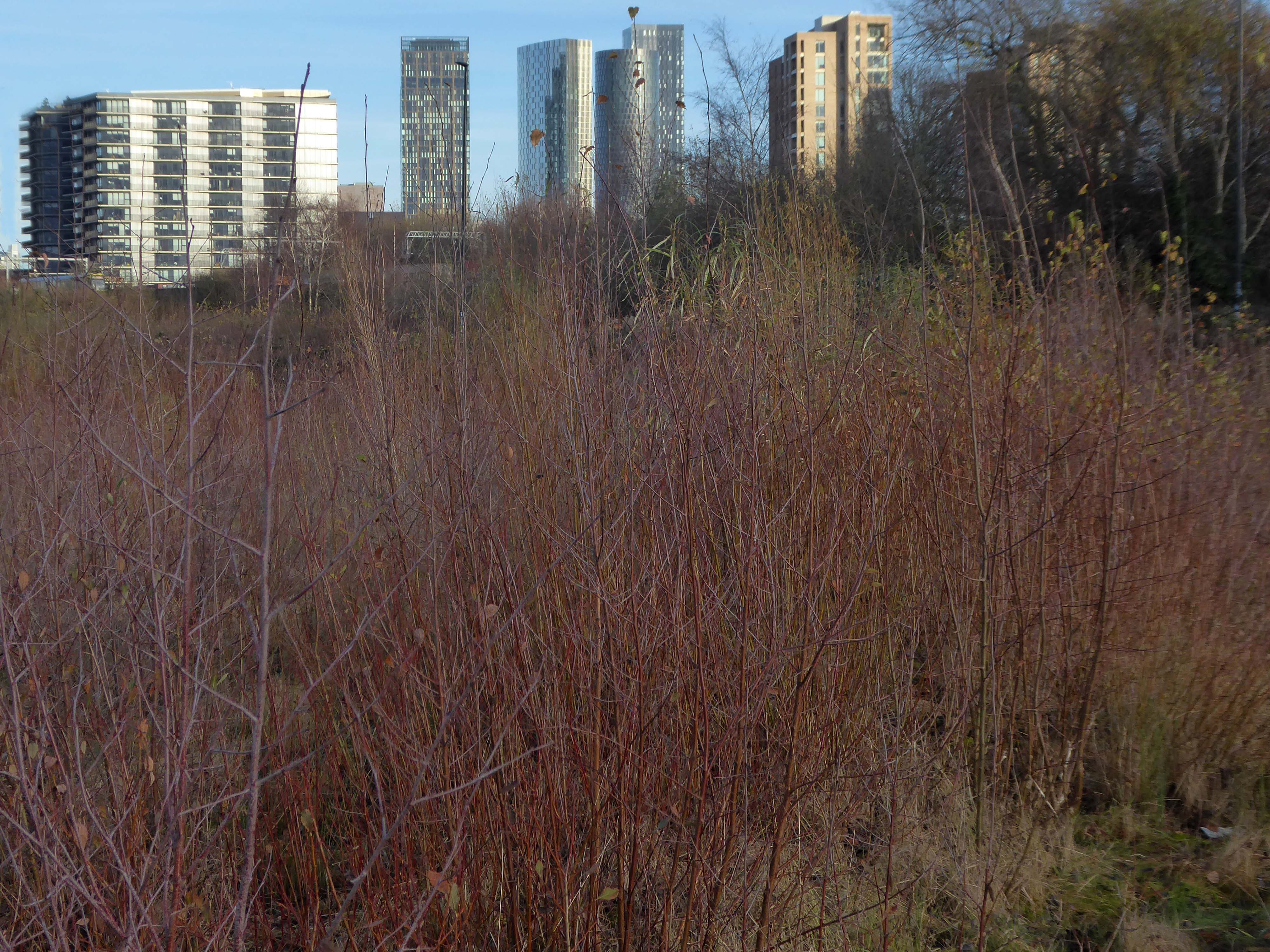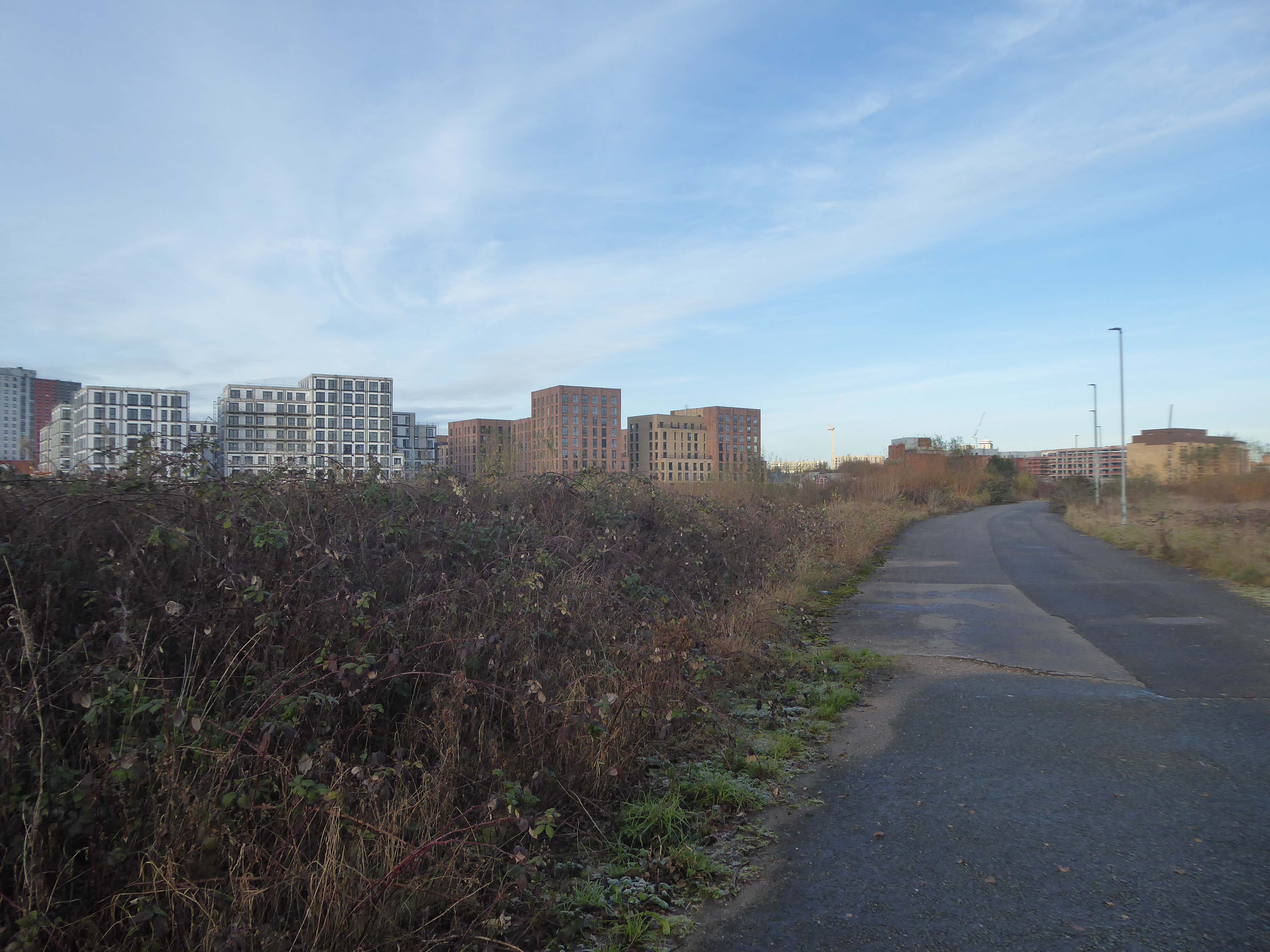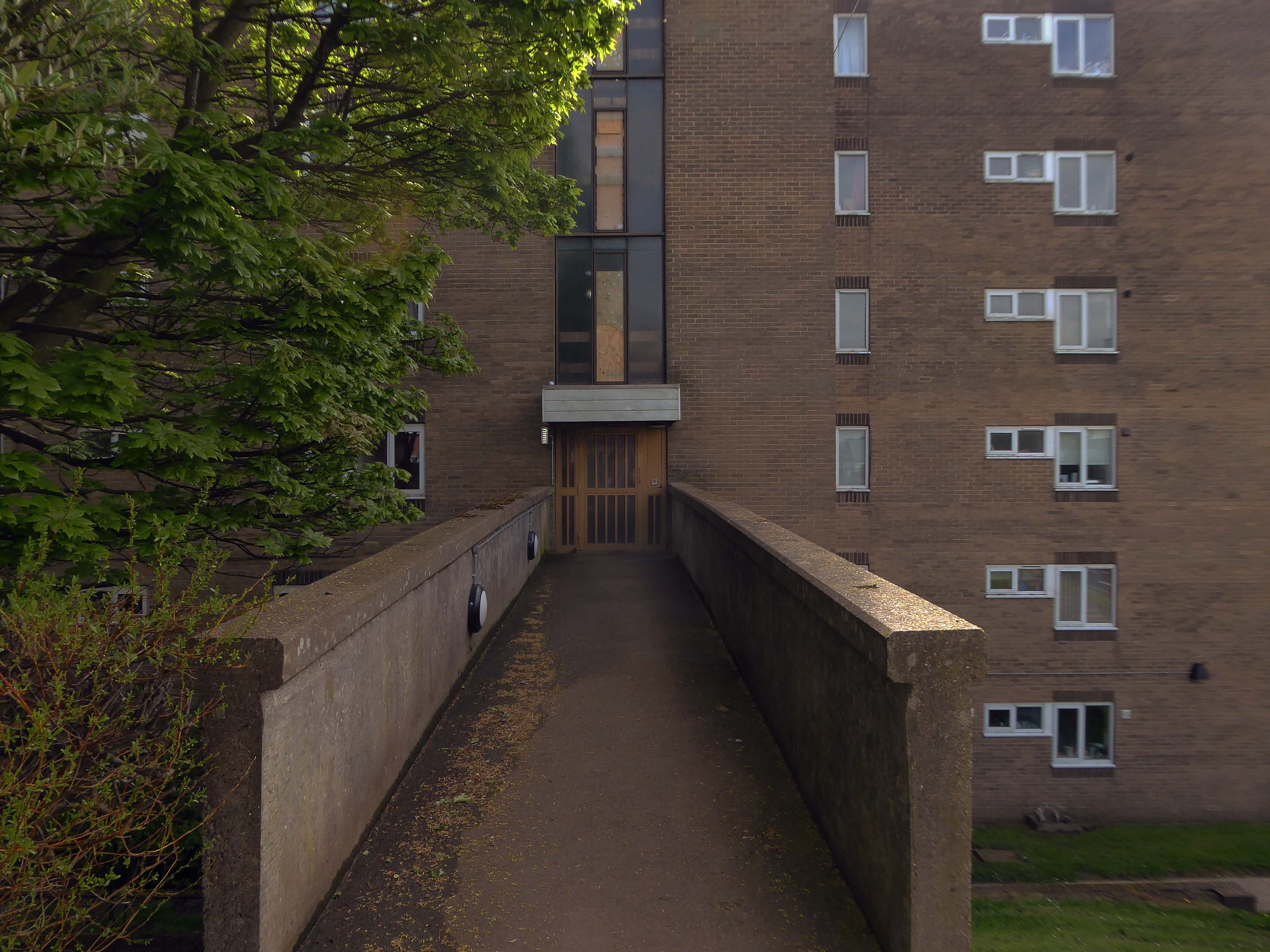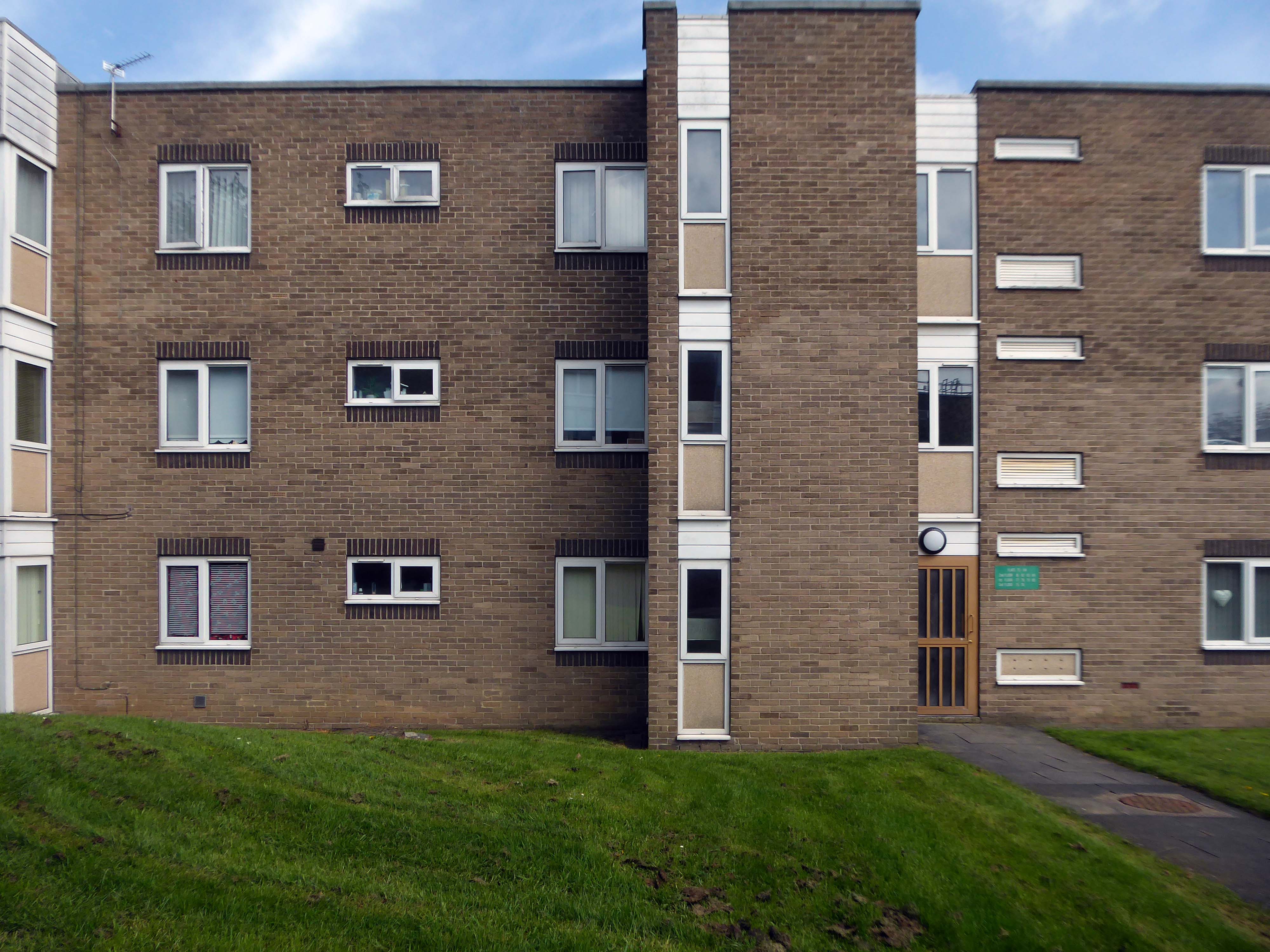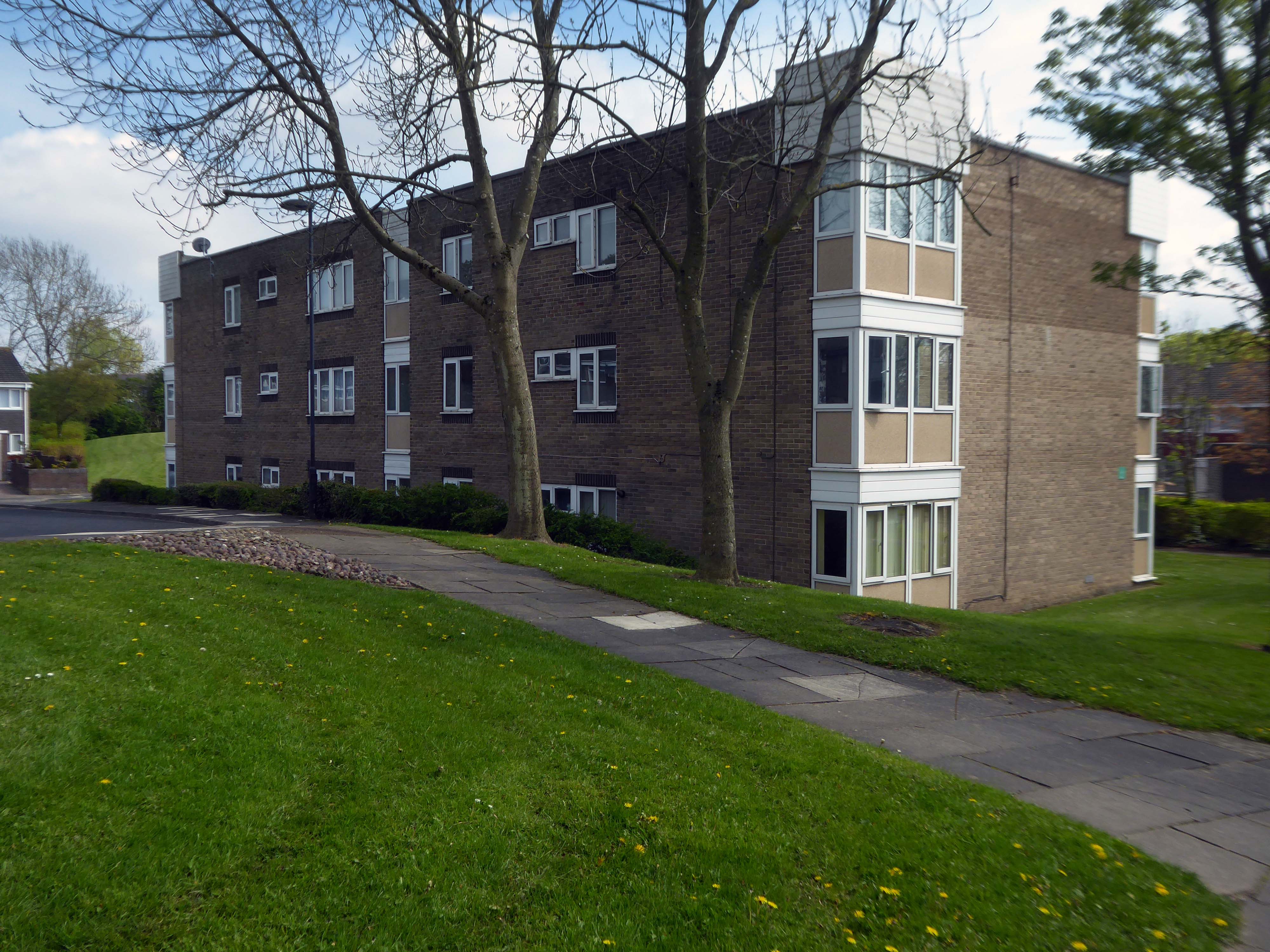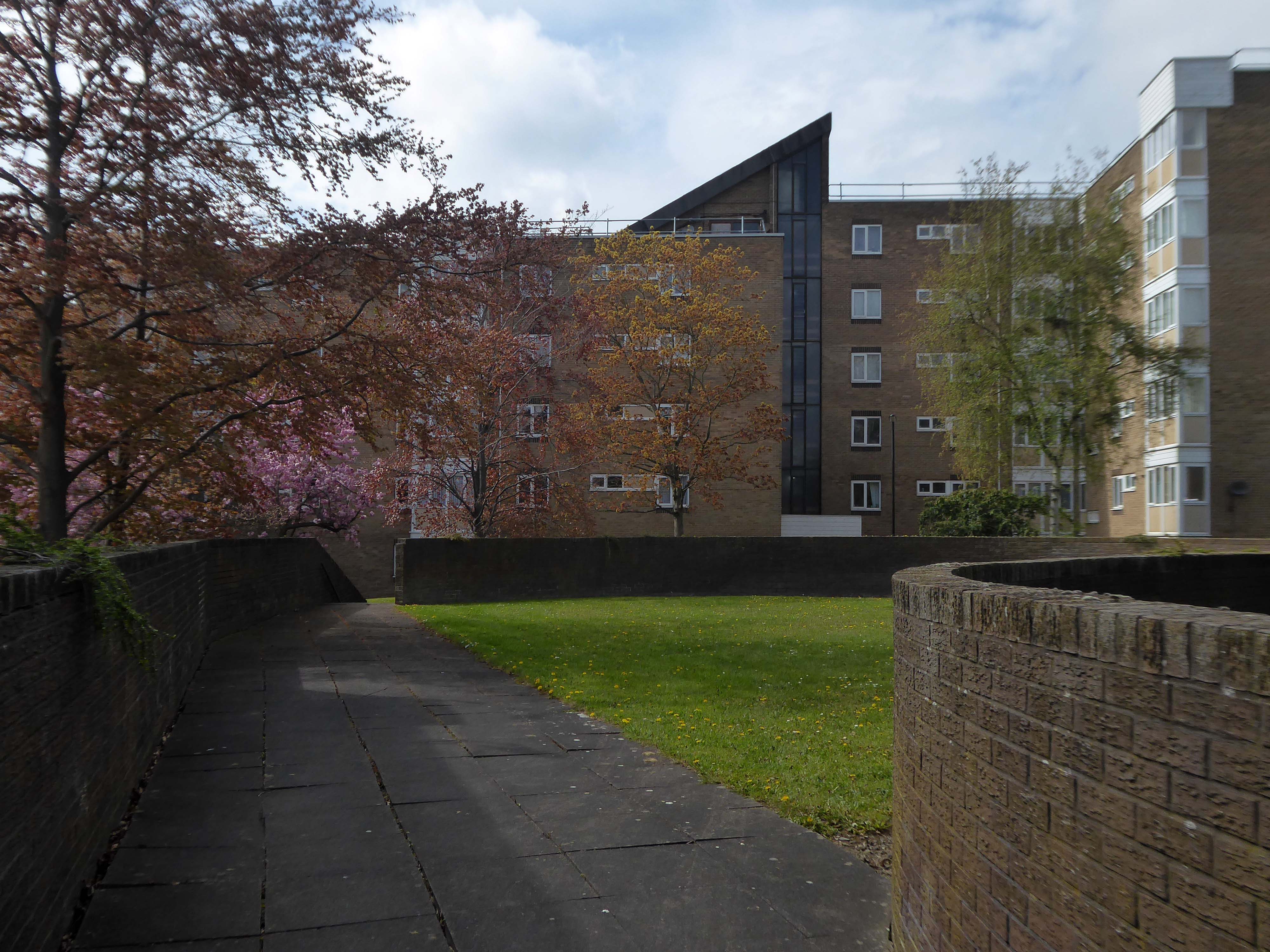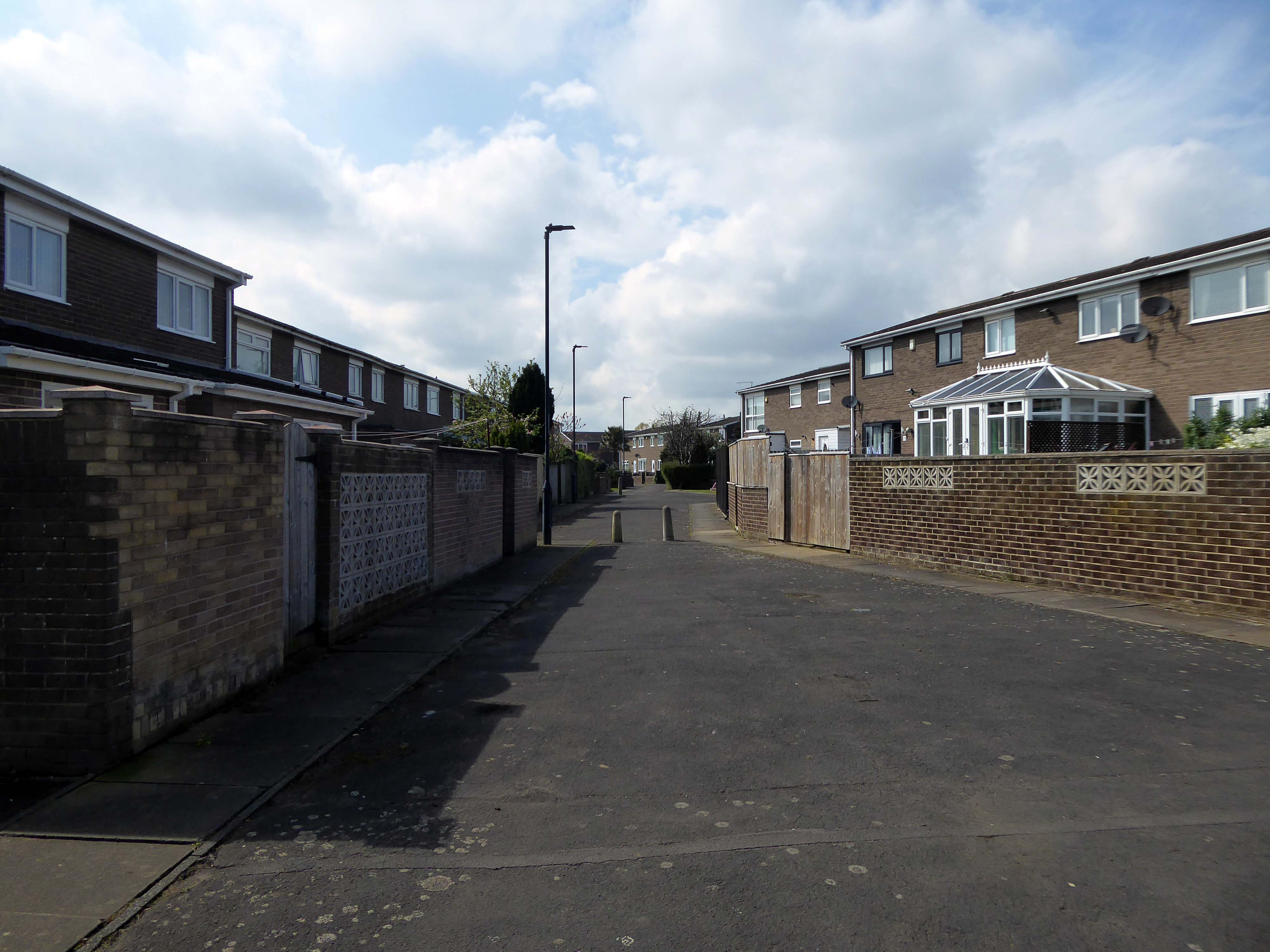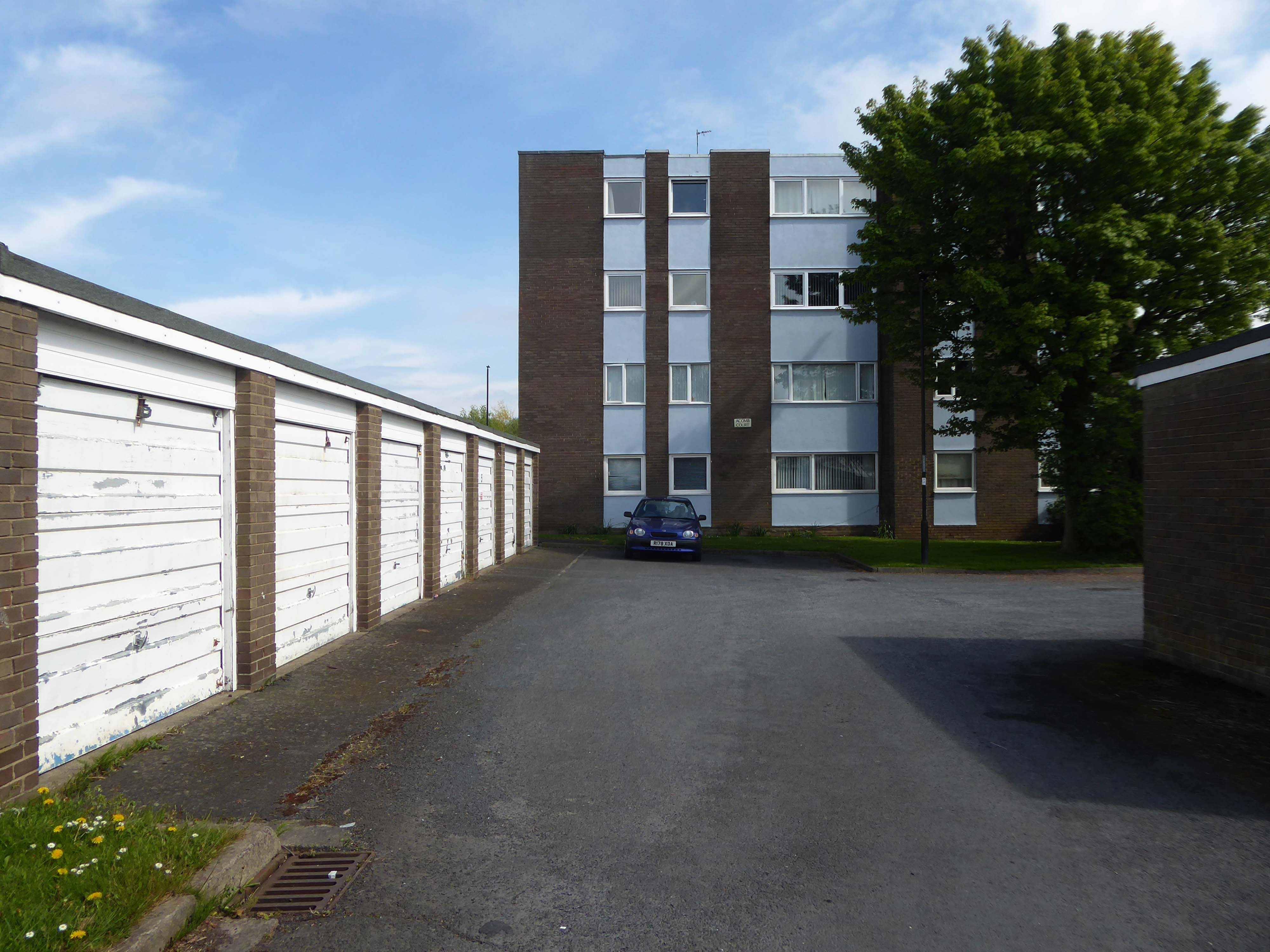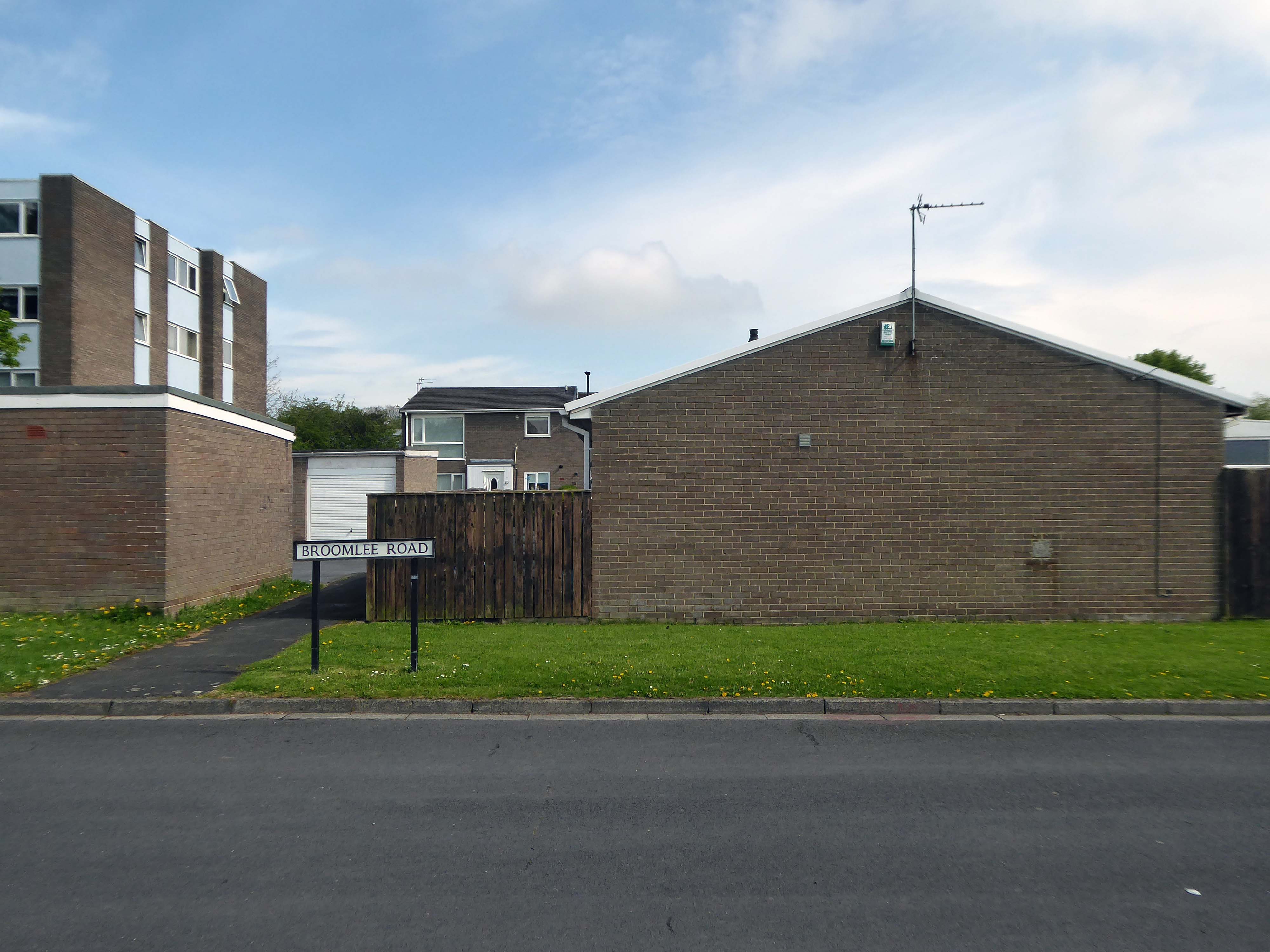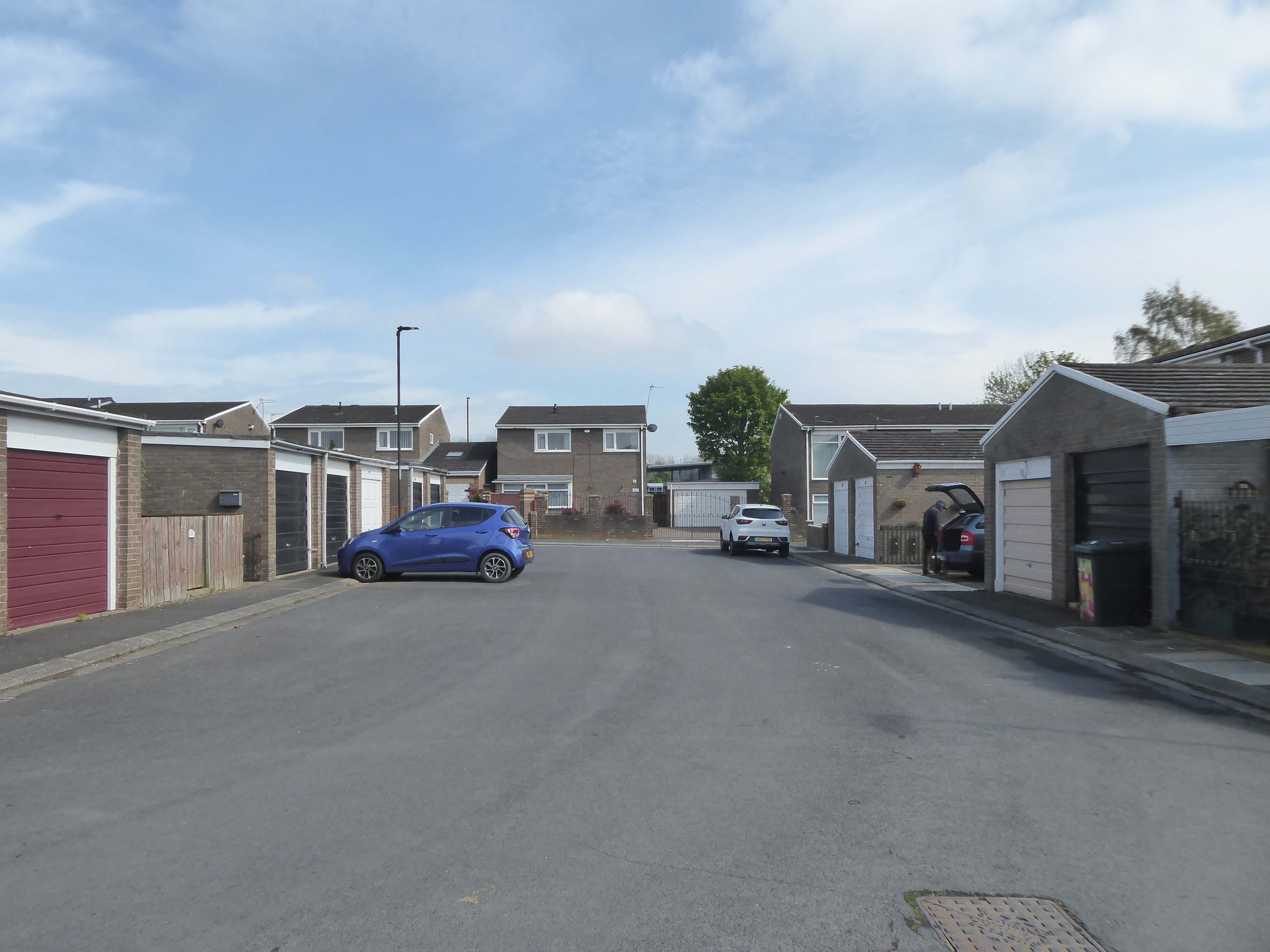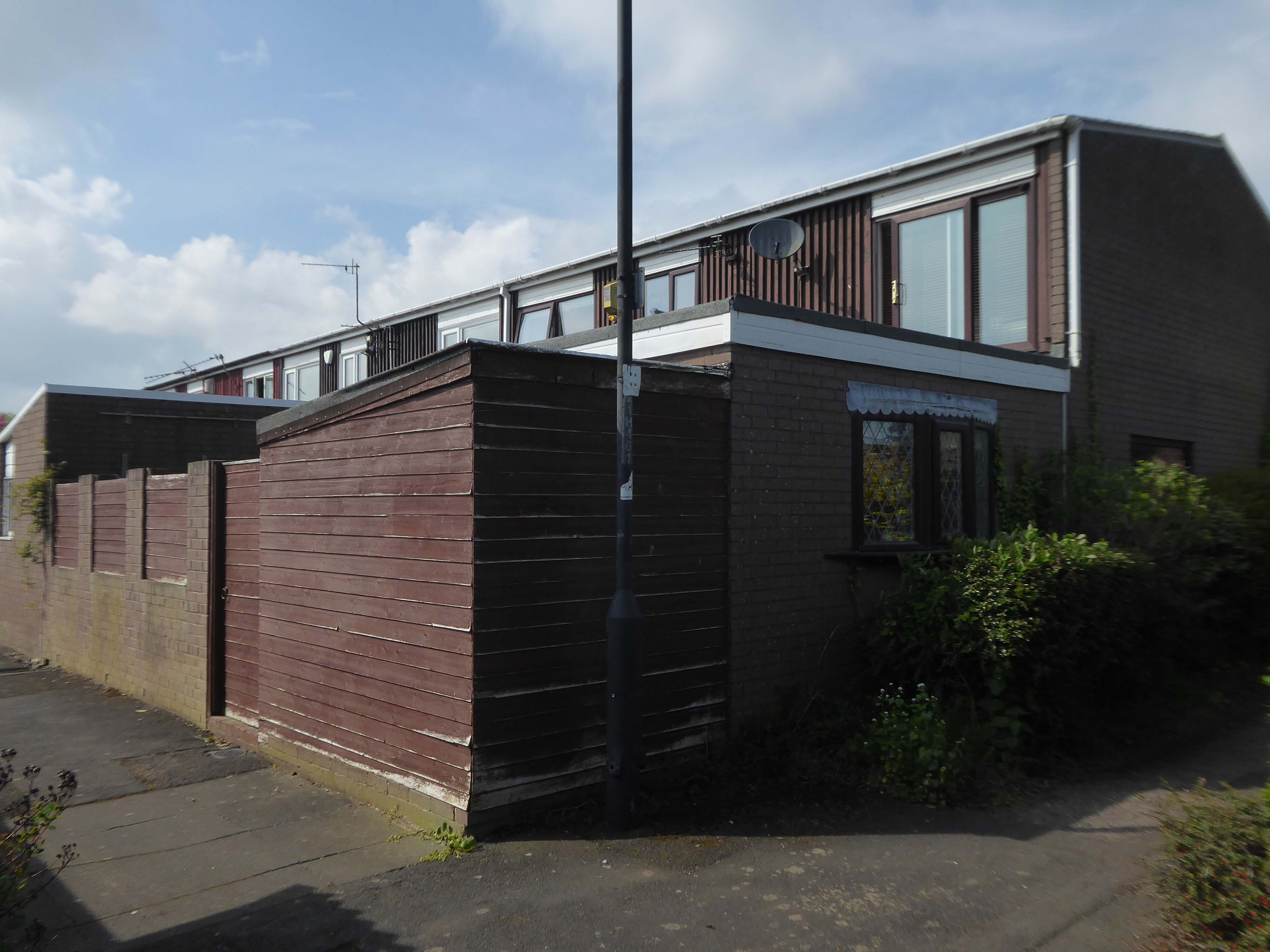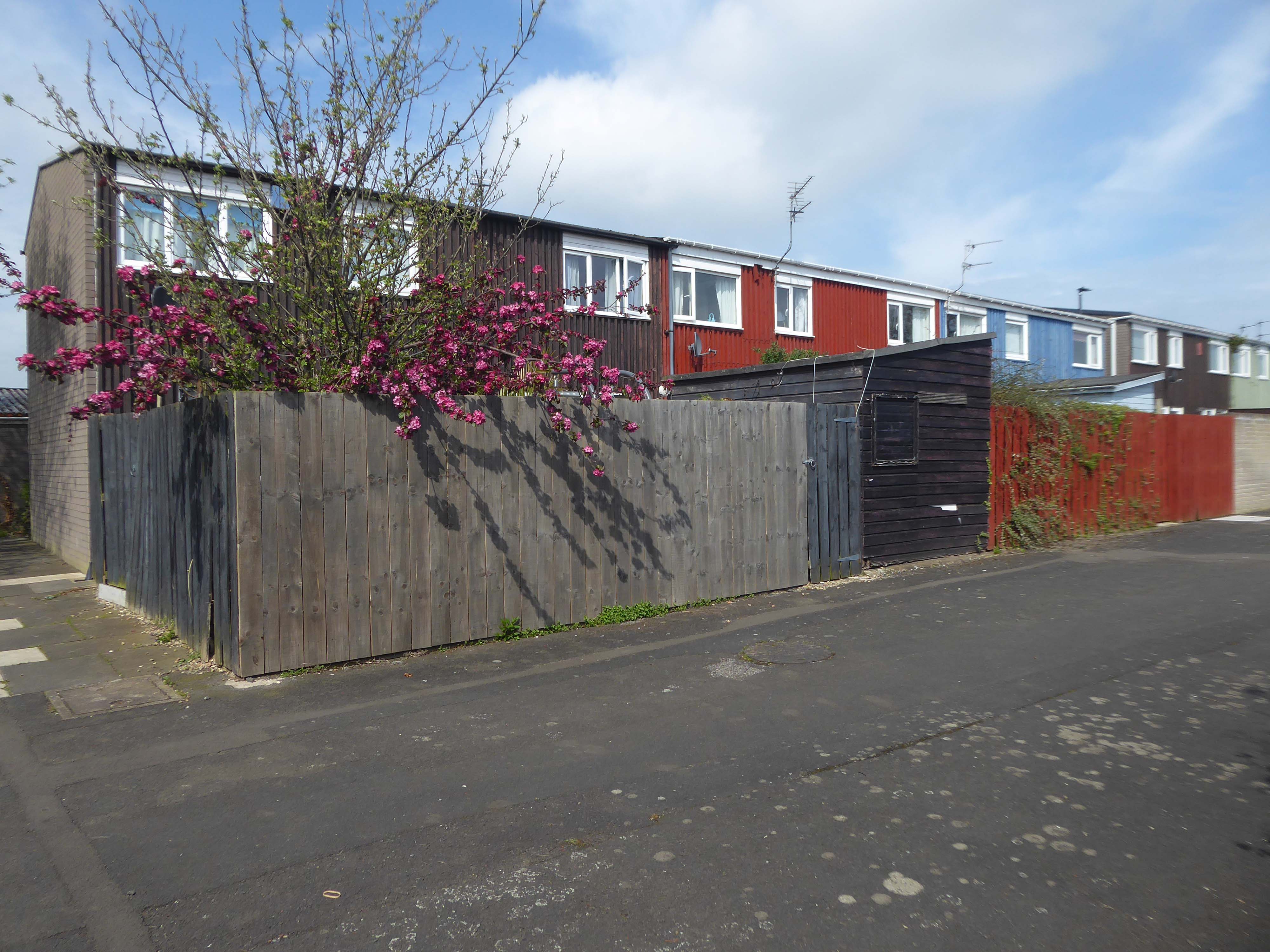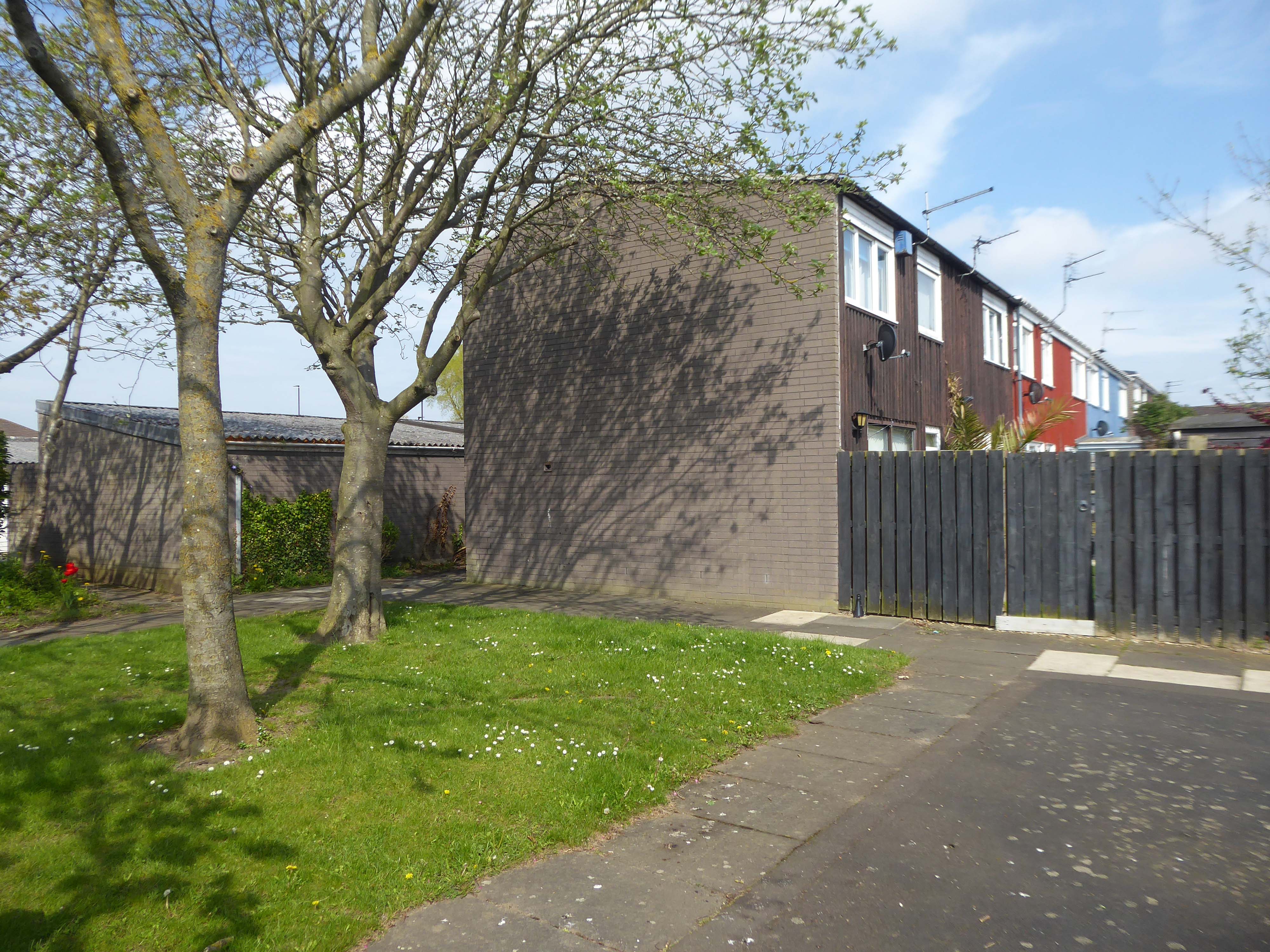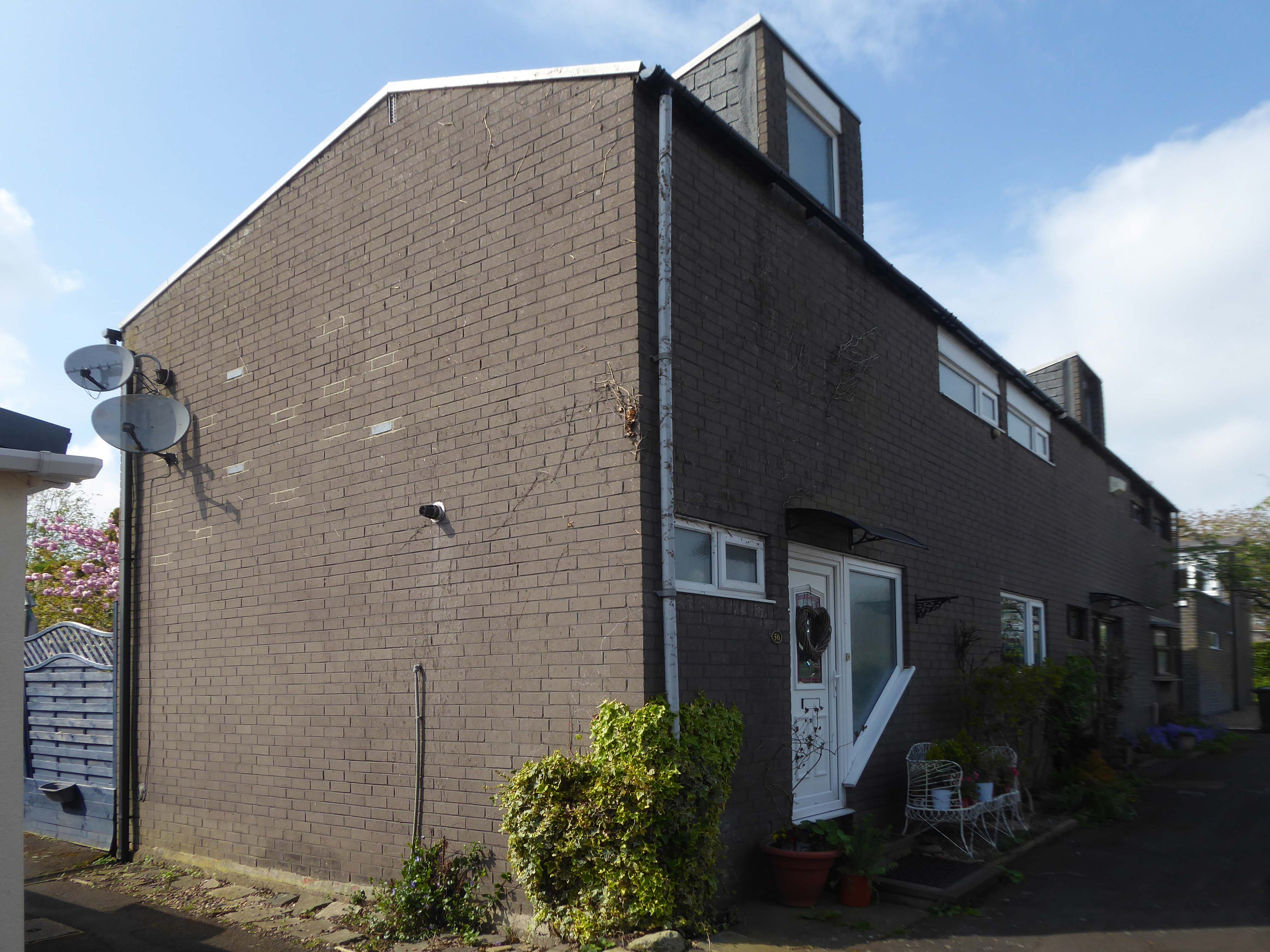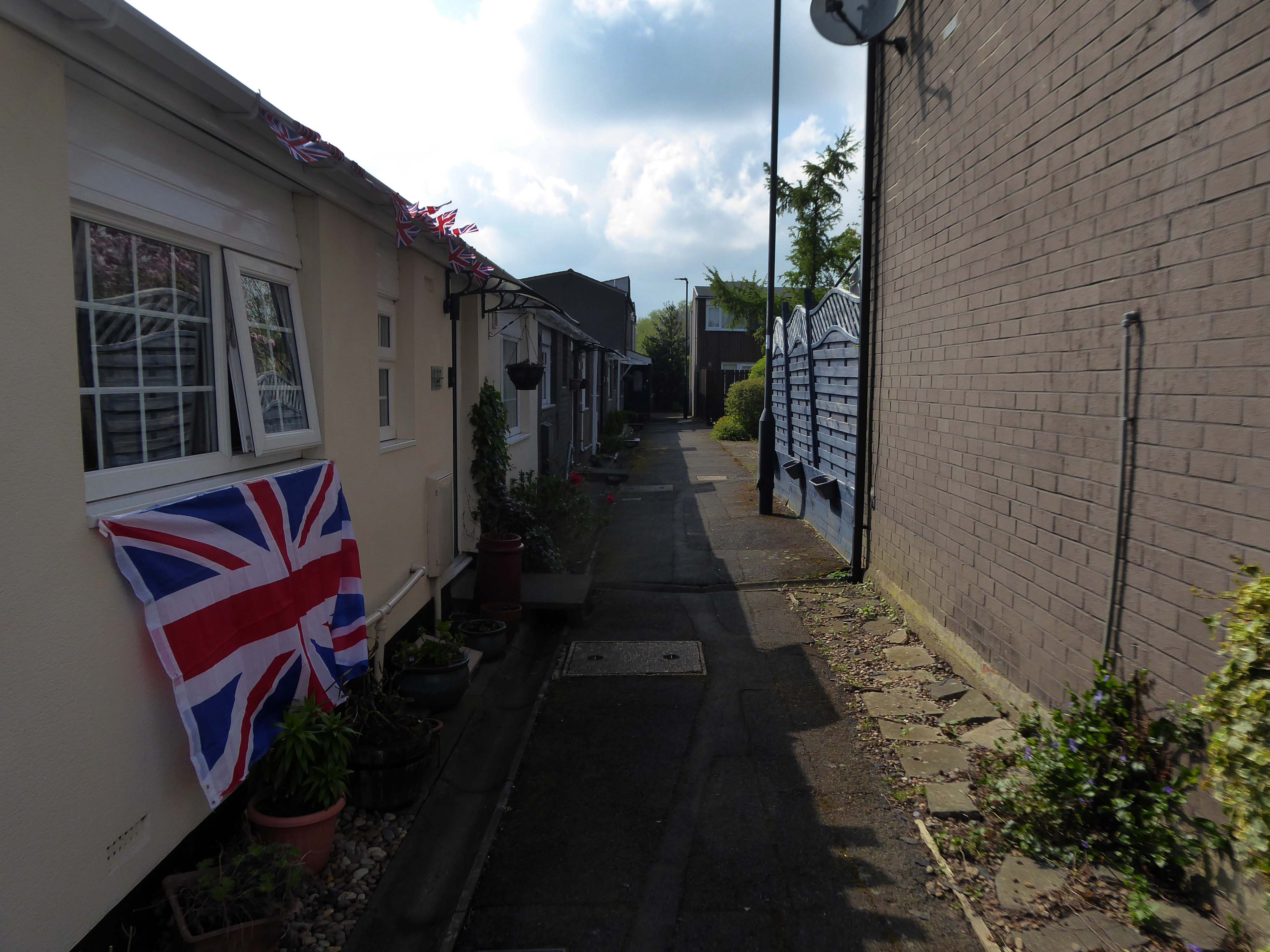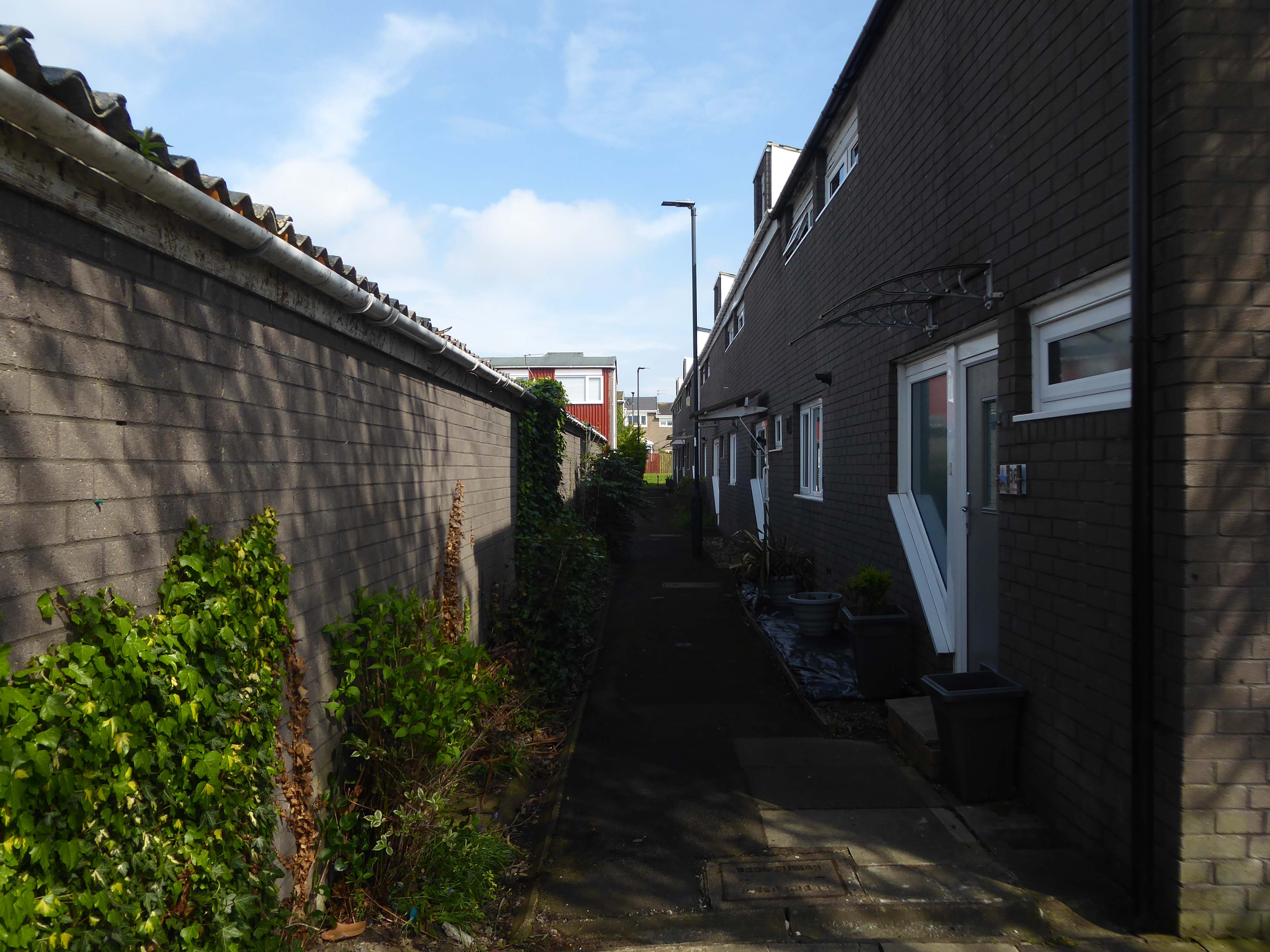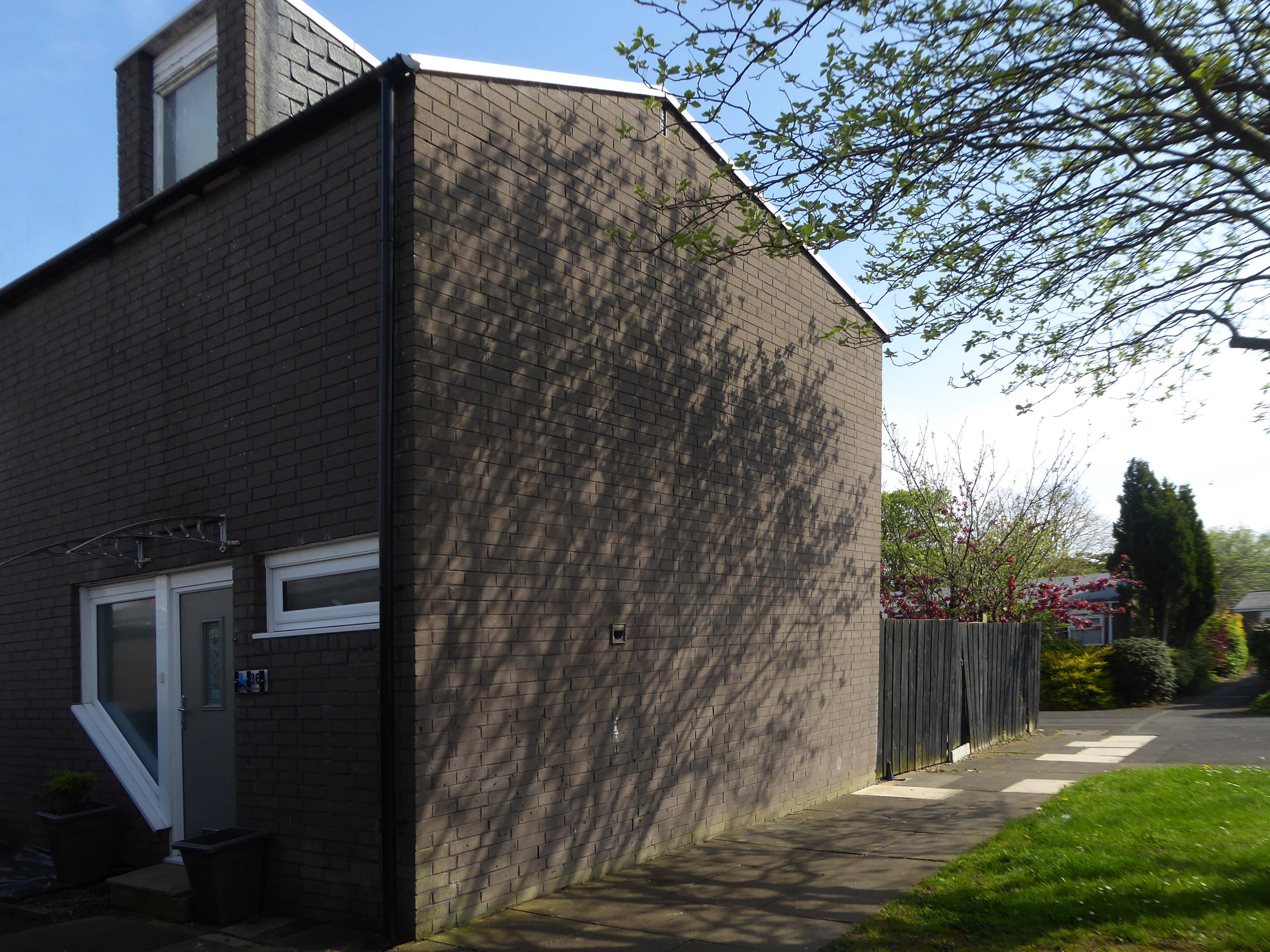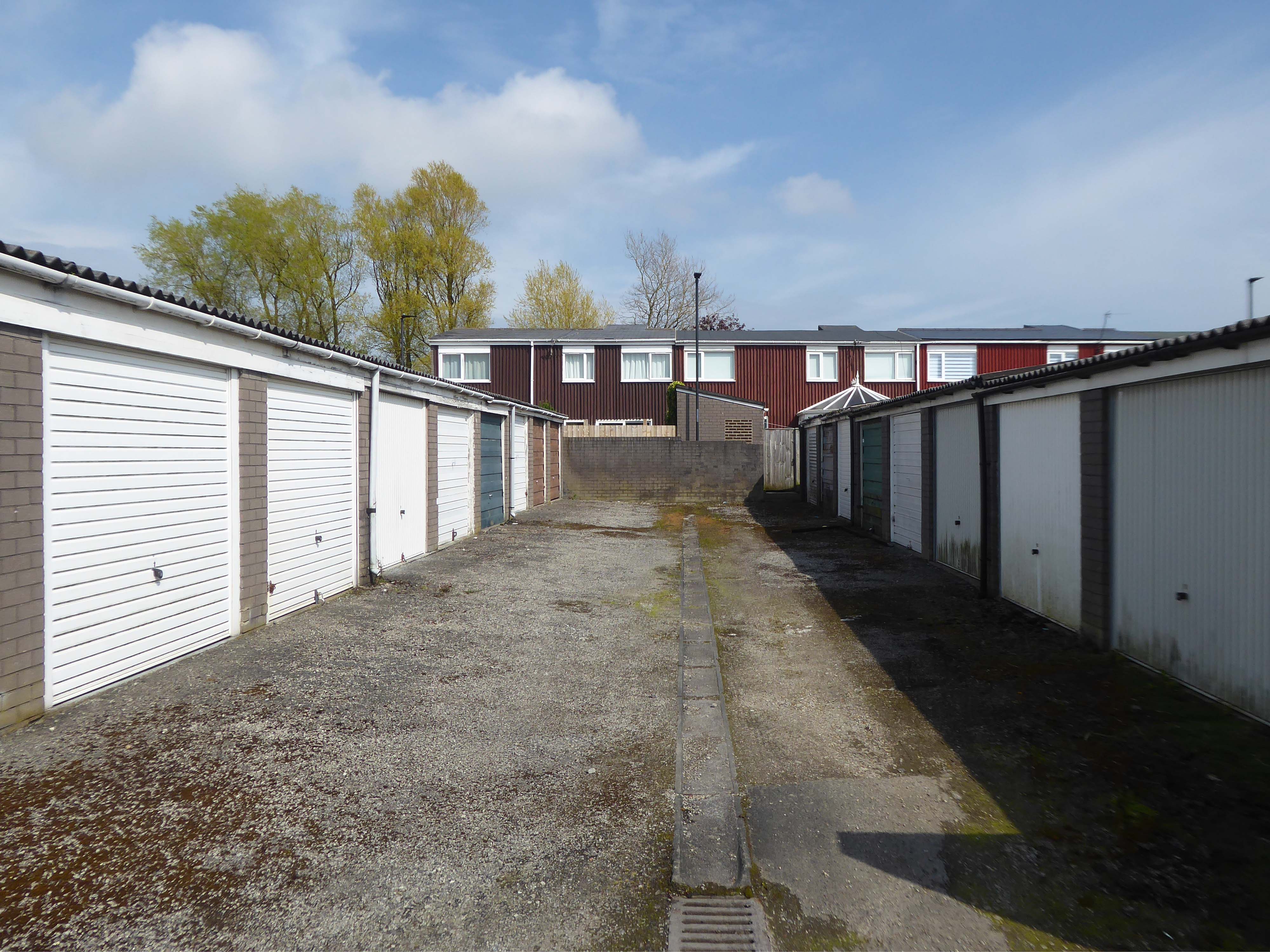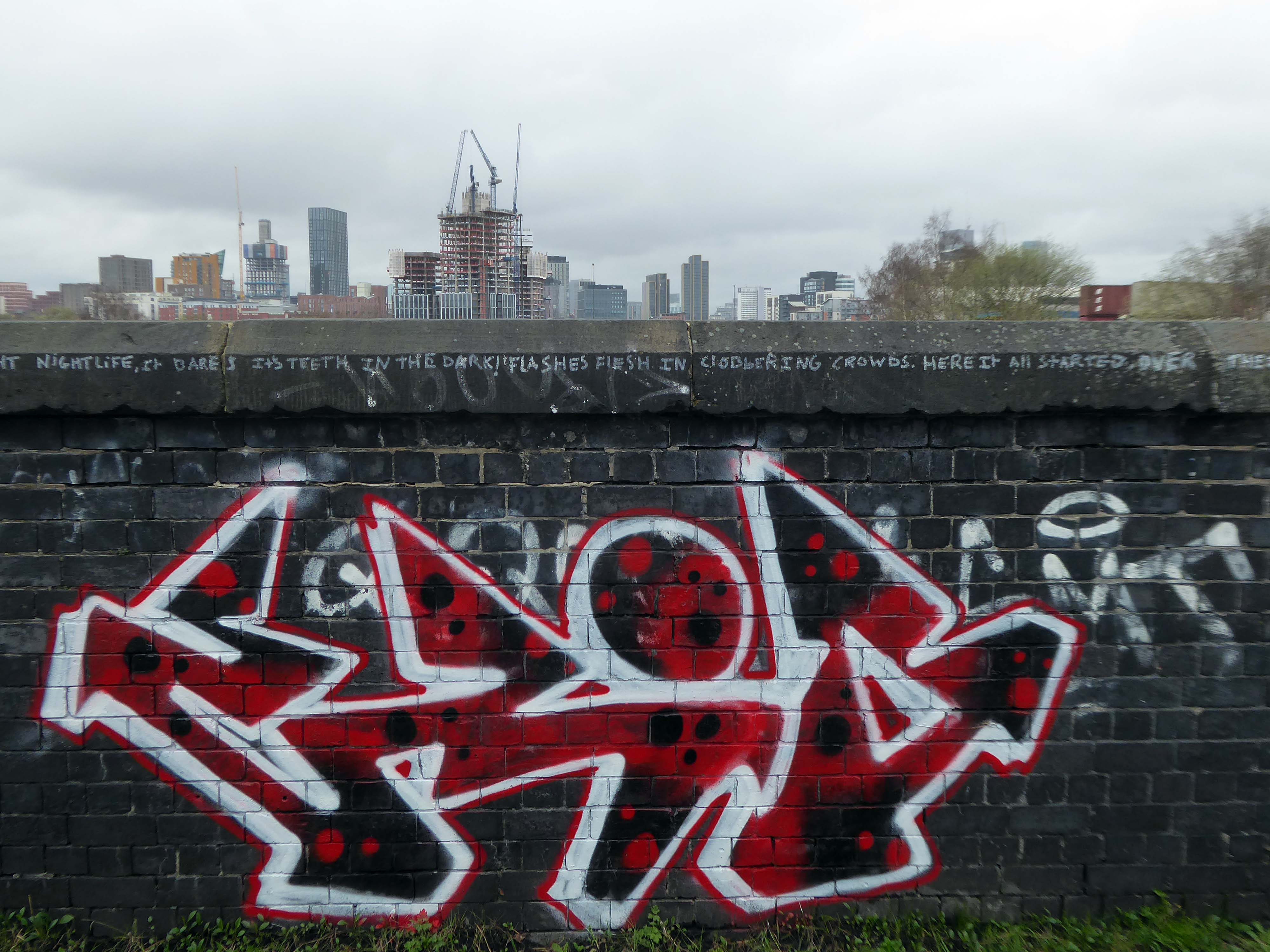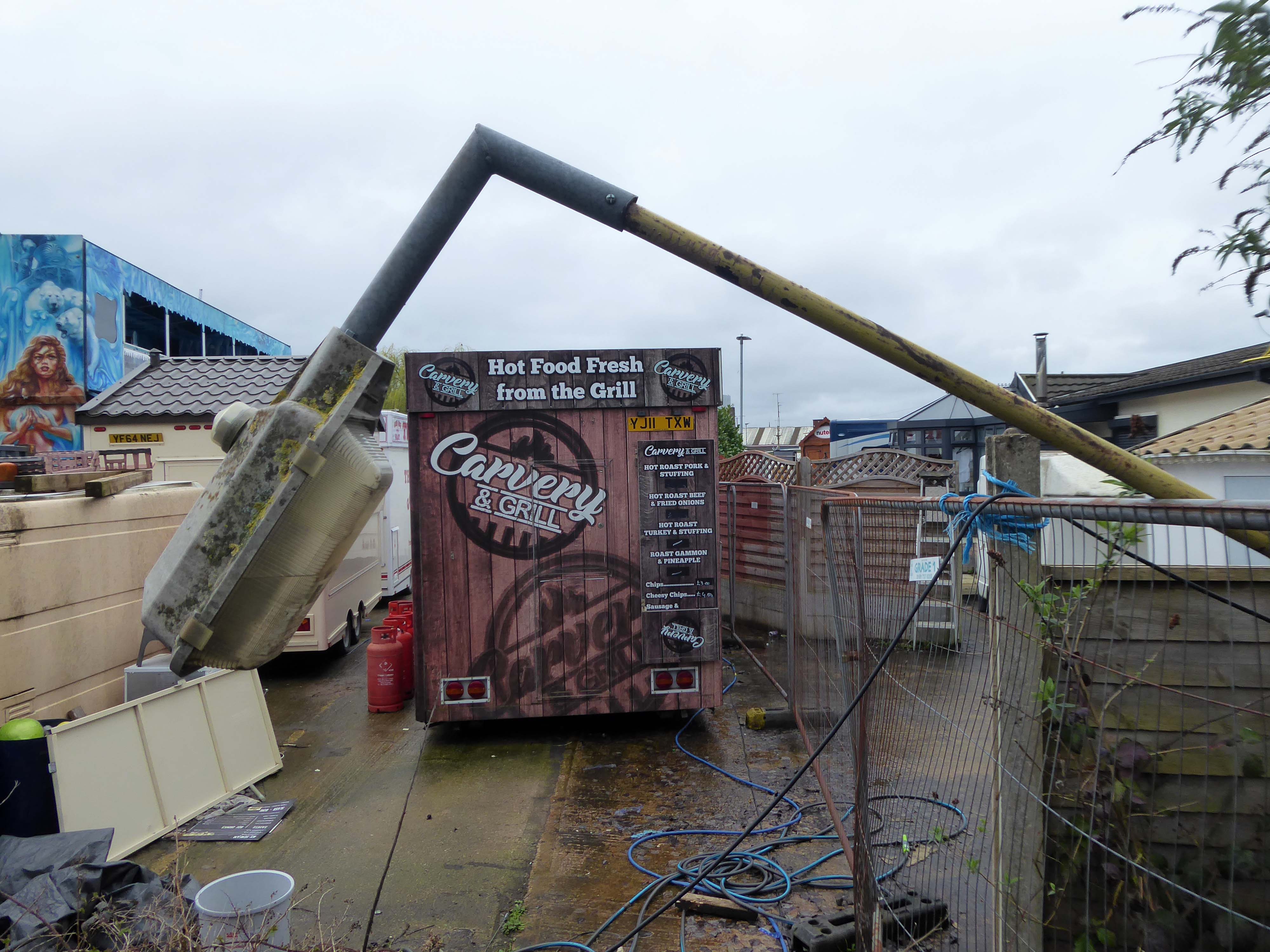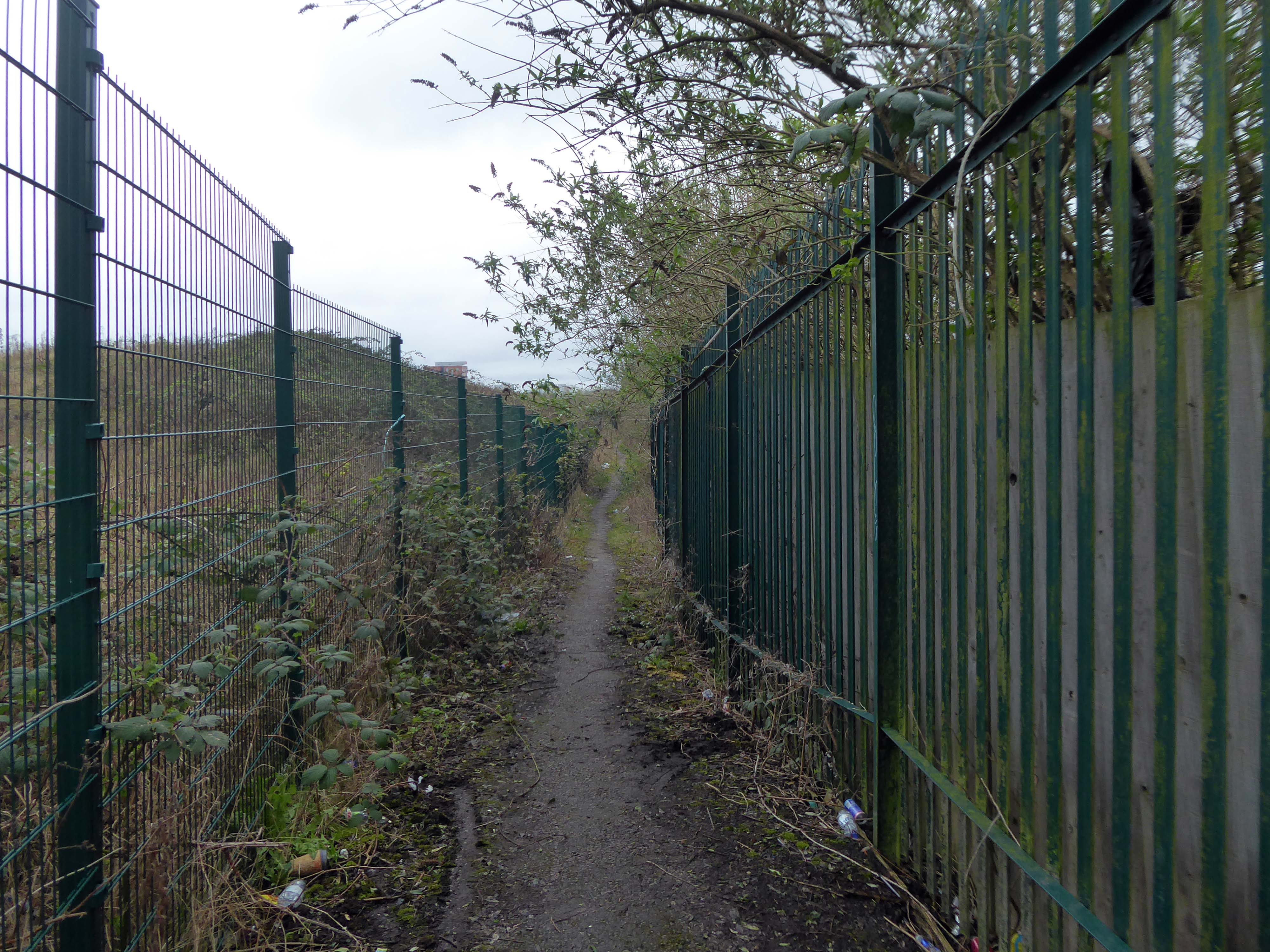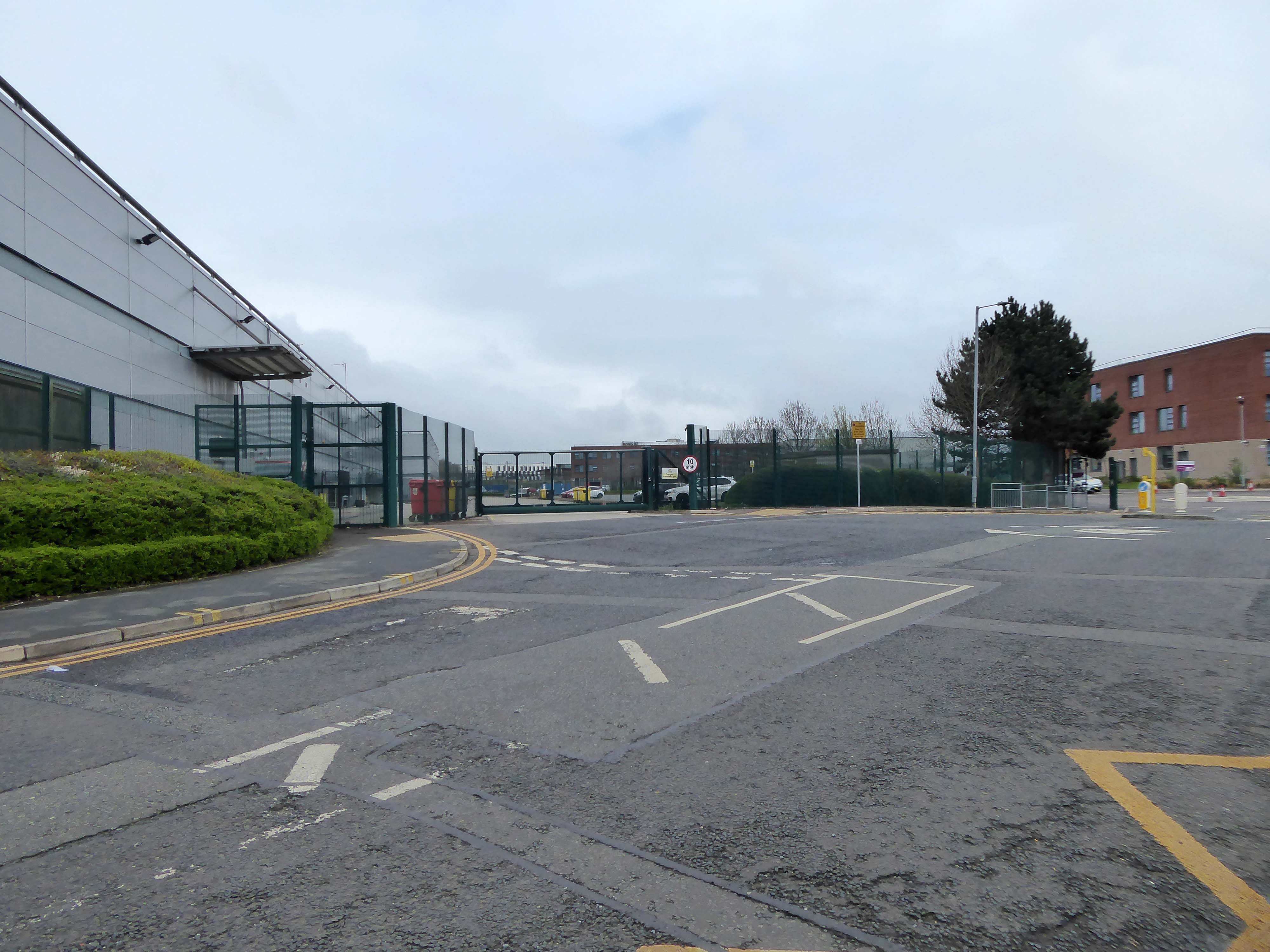
Manchester Arterial – A662

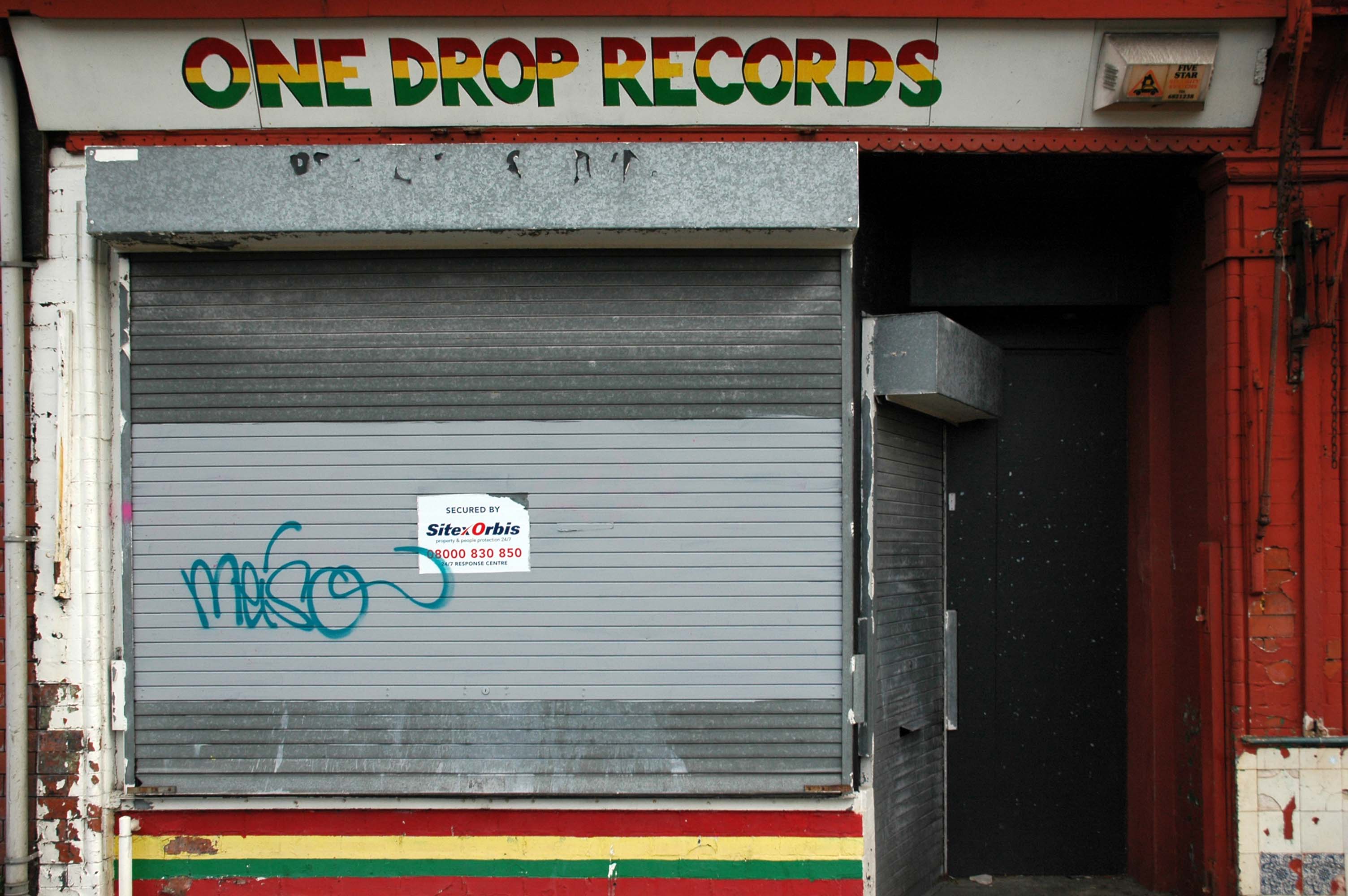
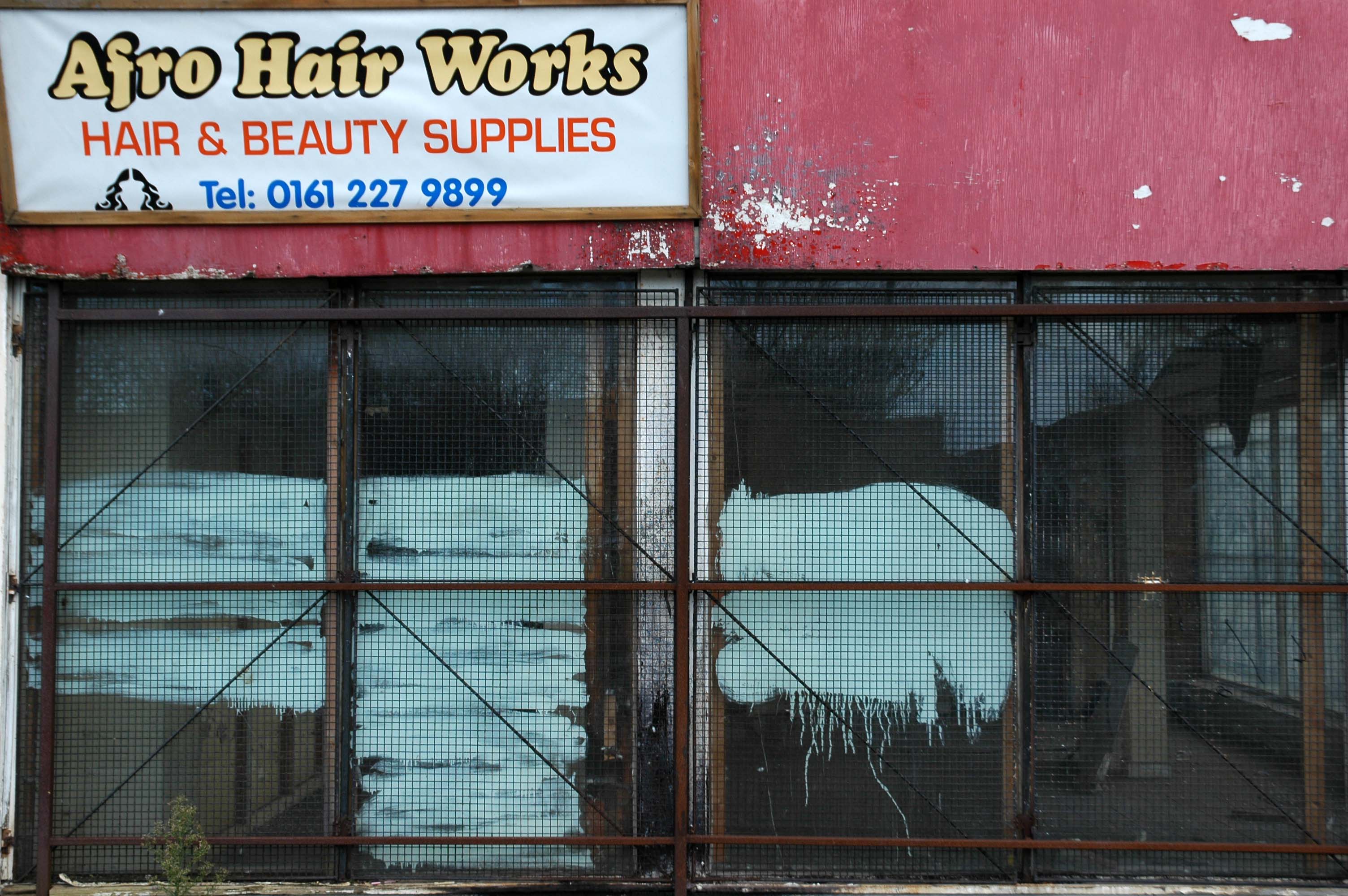
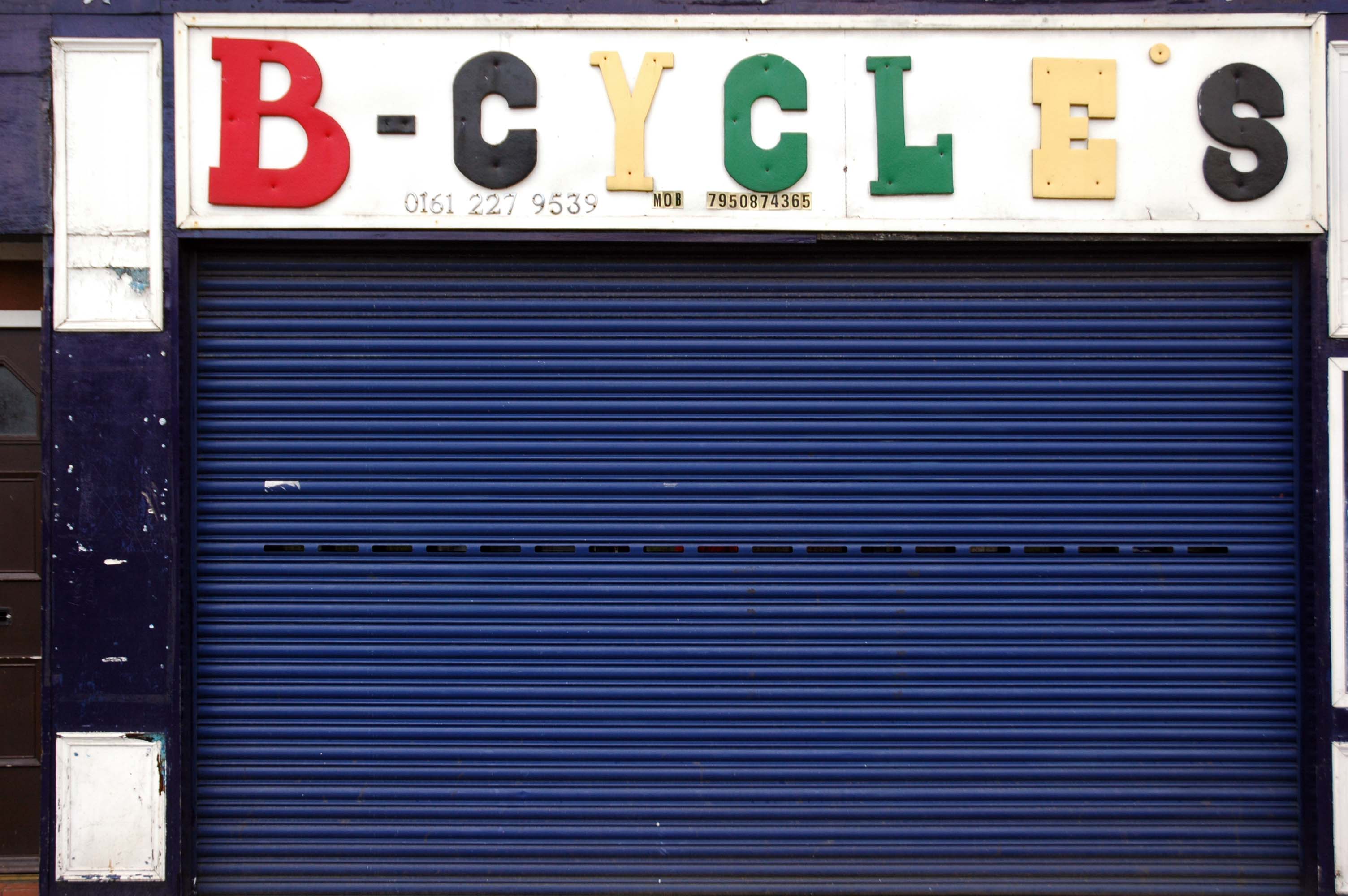
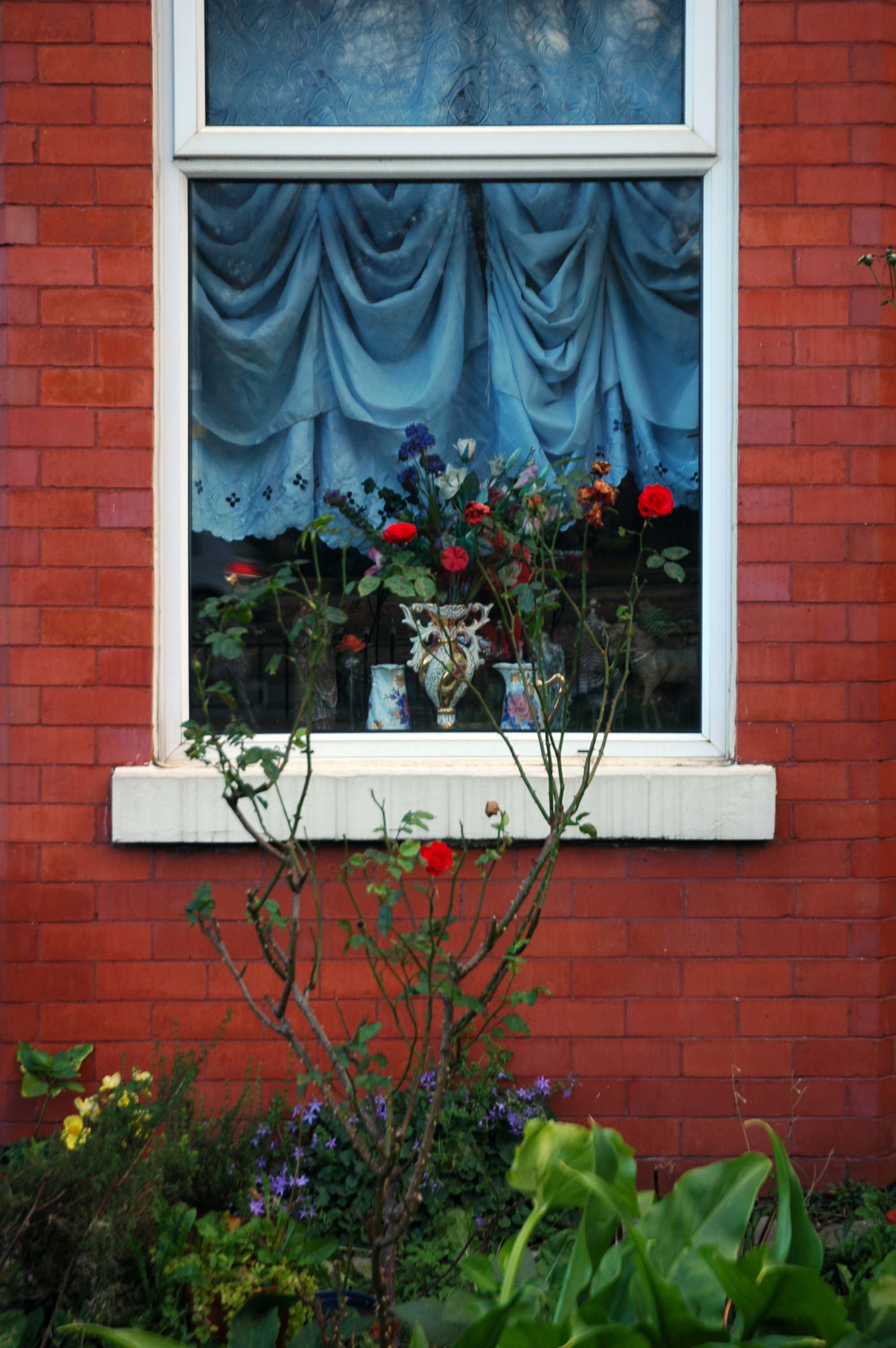
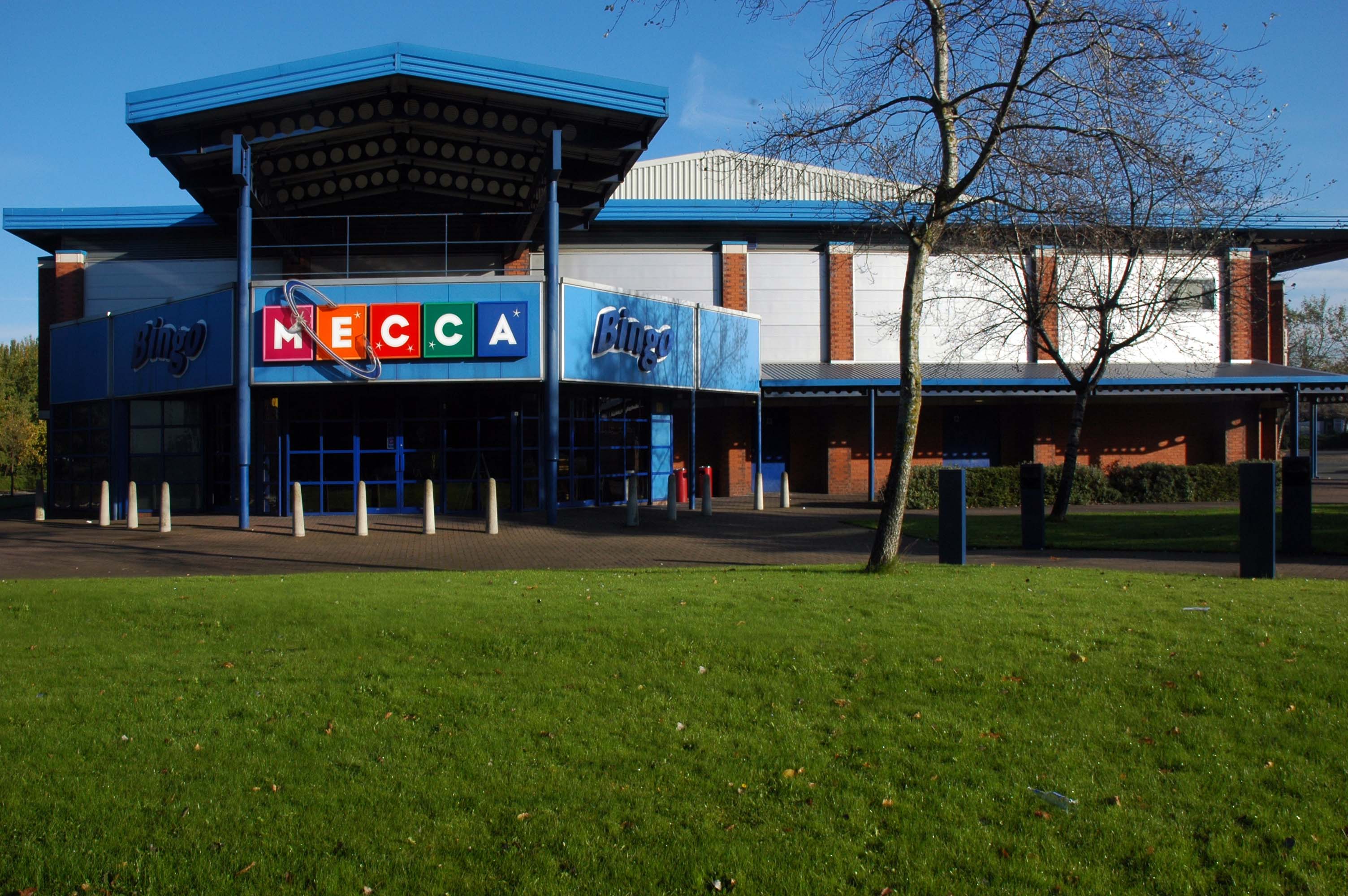
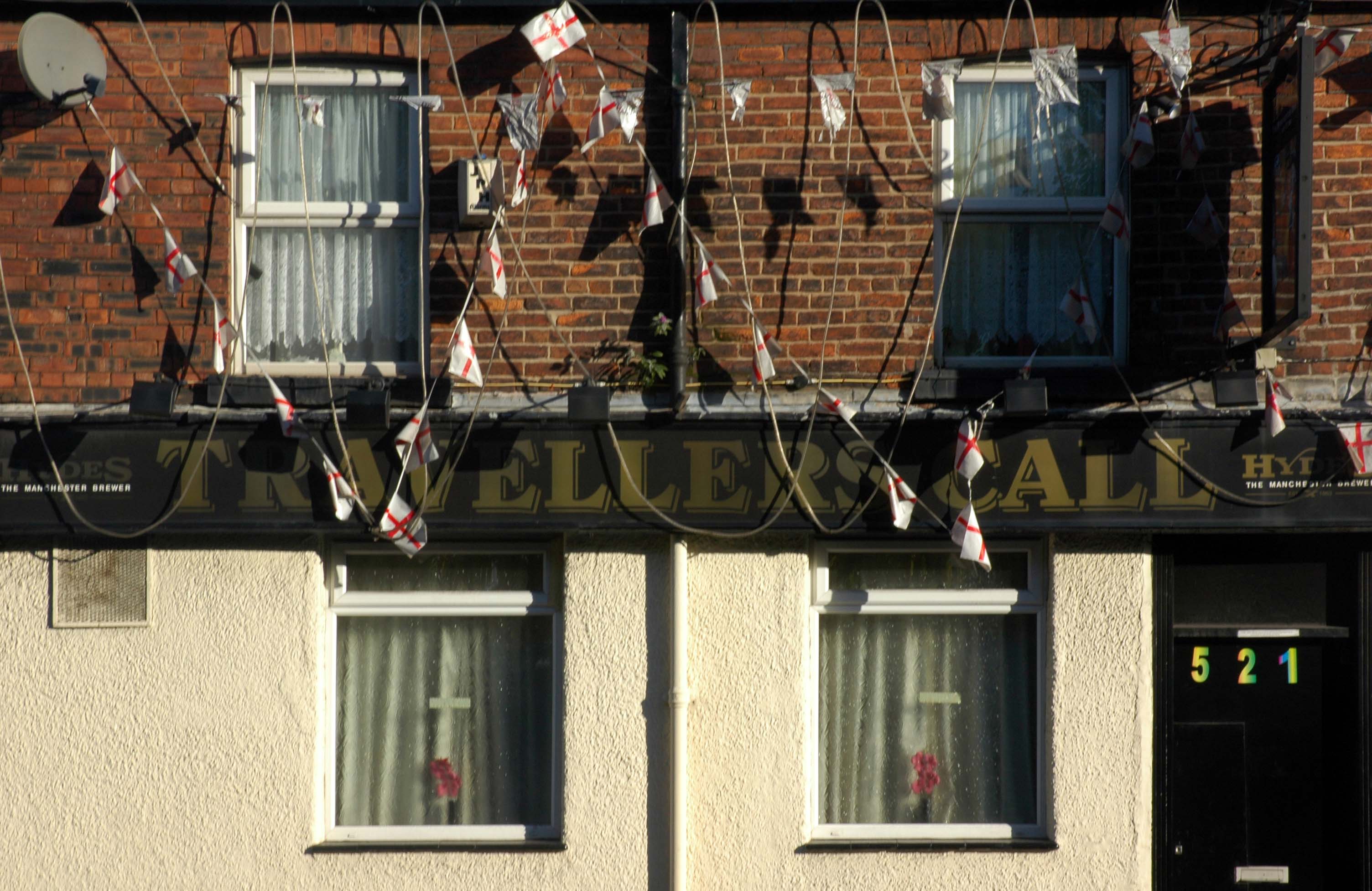
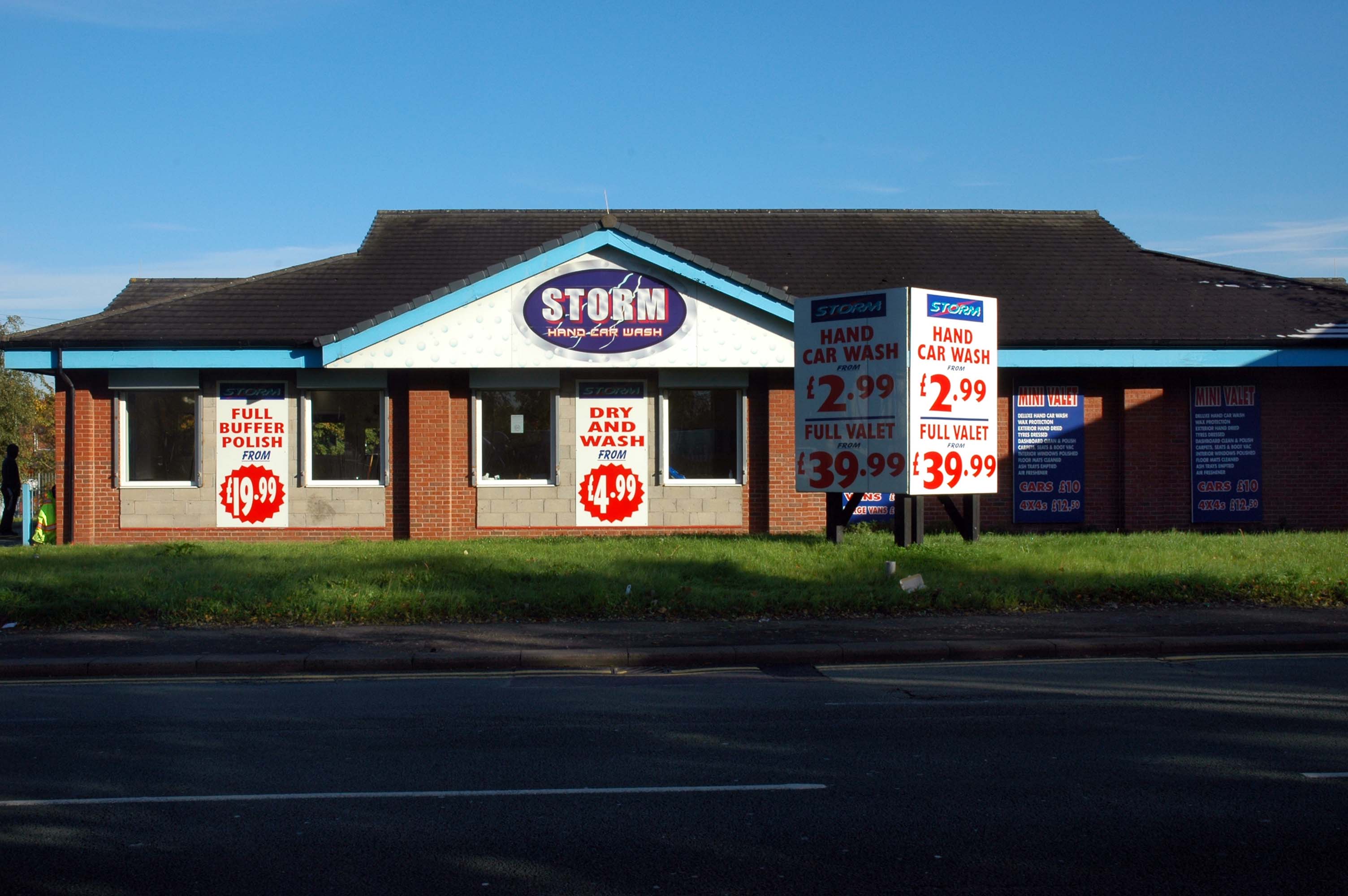
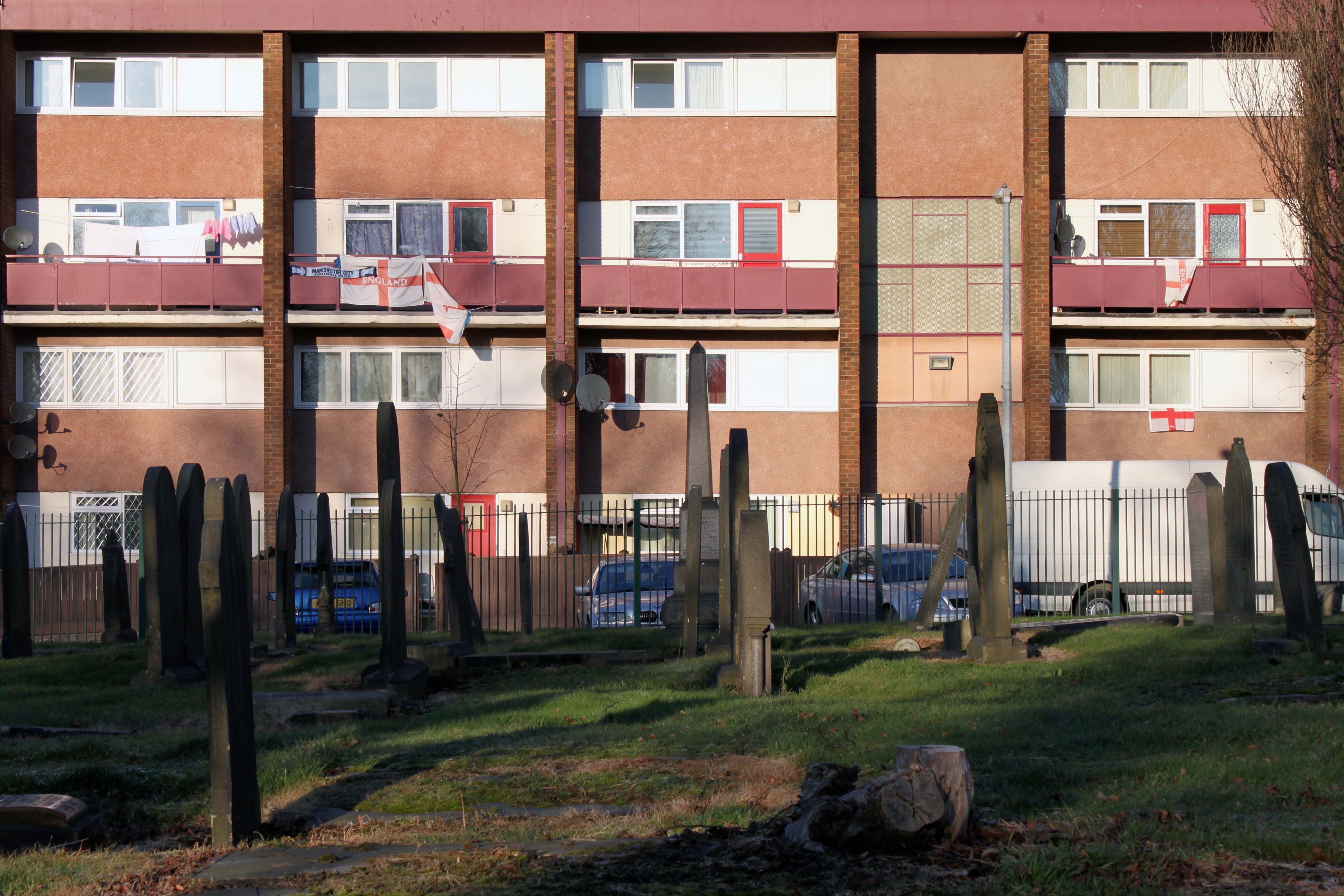
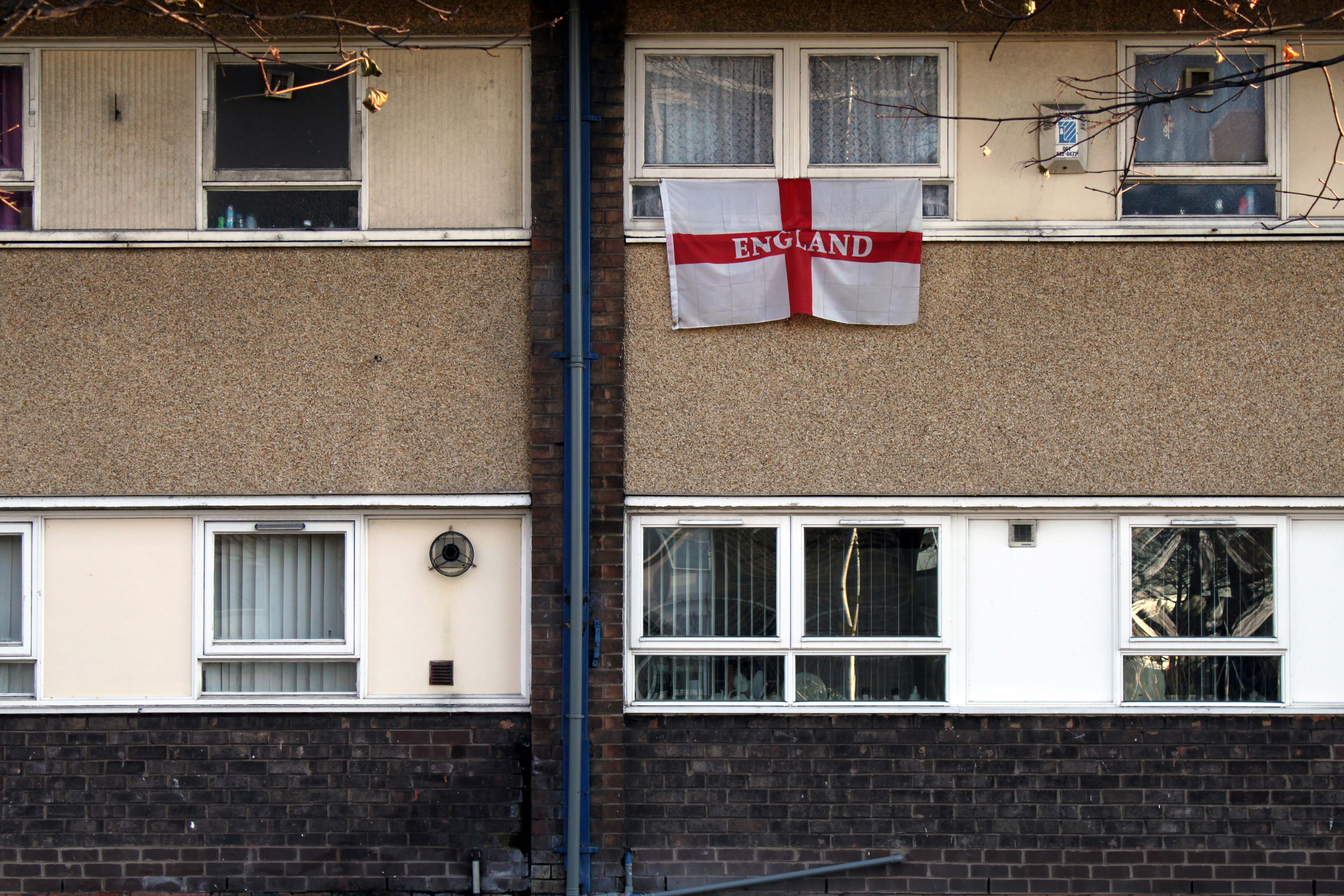
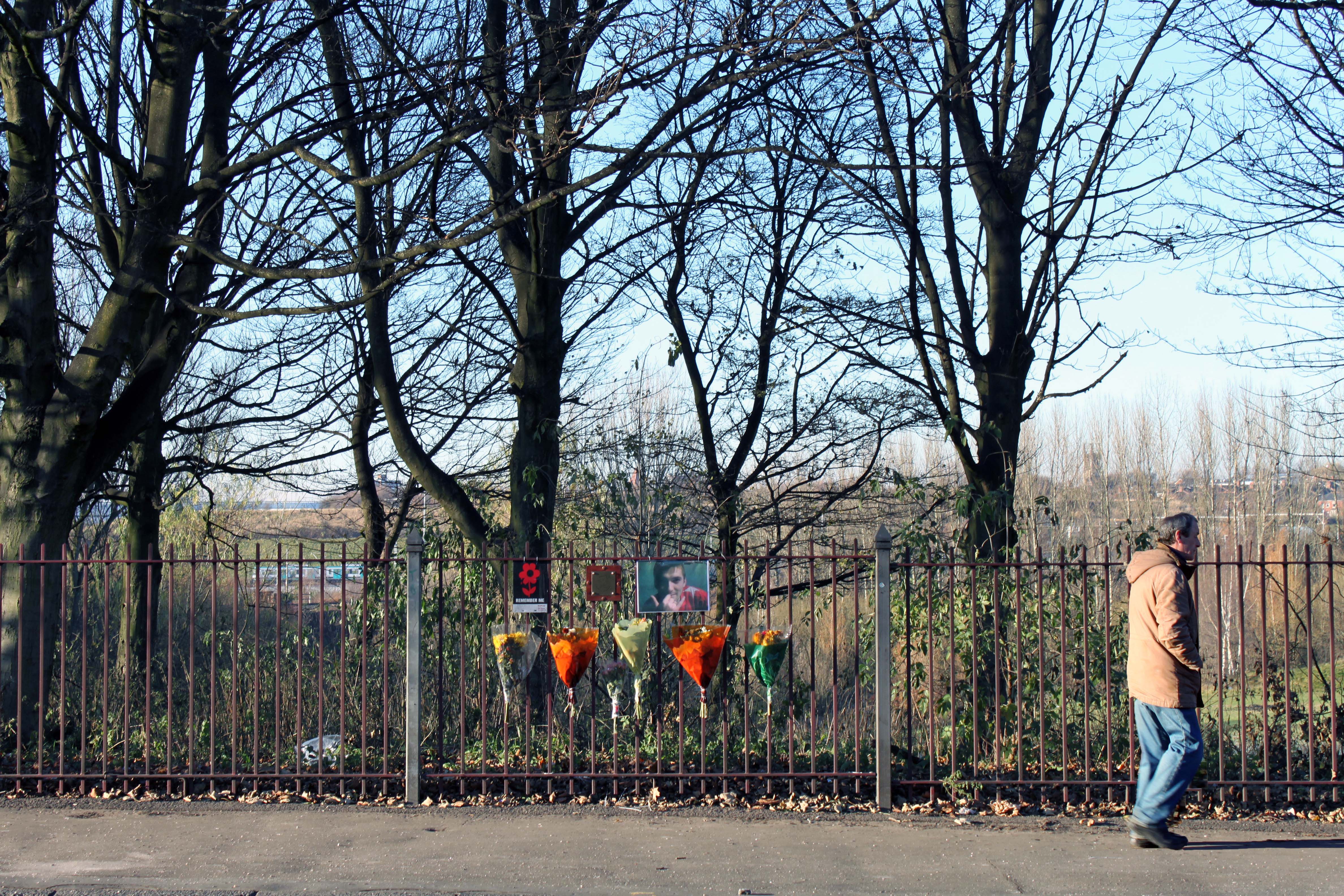
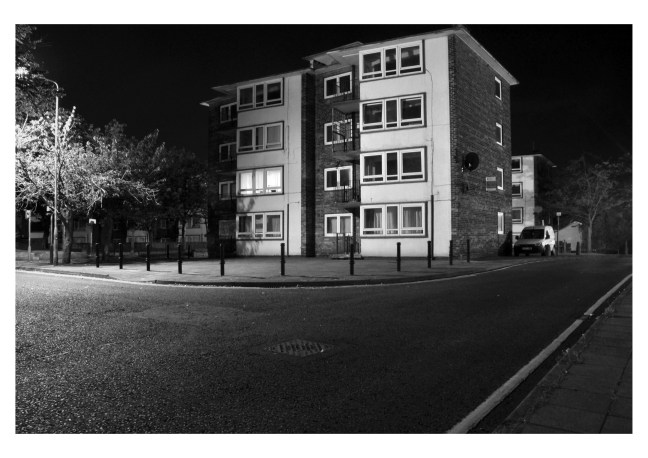
Having photographed the arterial roads of Manchester in 2014  I have resolved to return to the task in 2024.

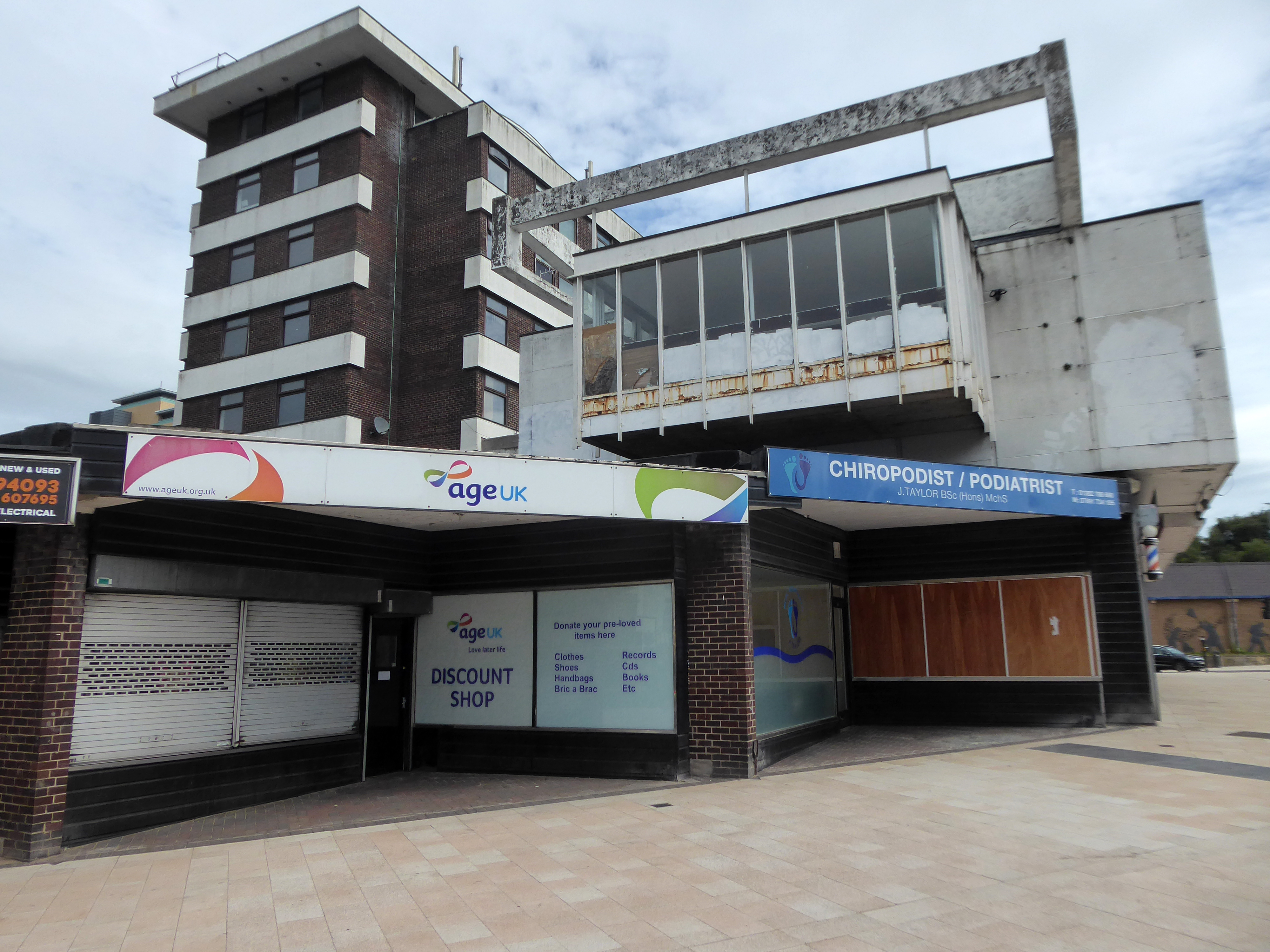
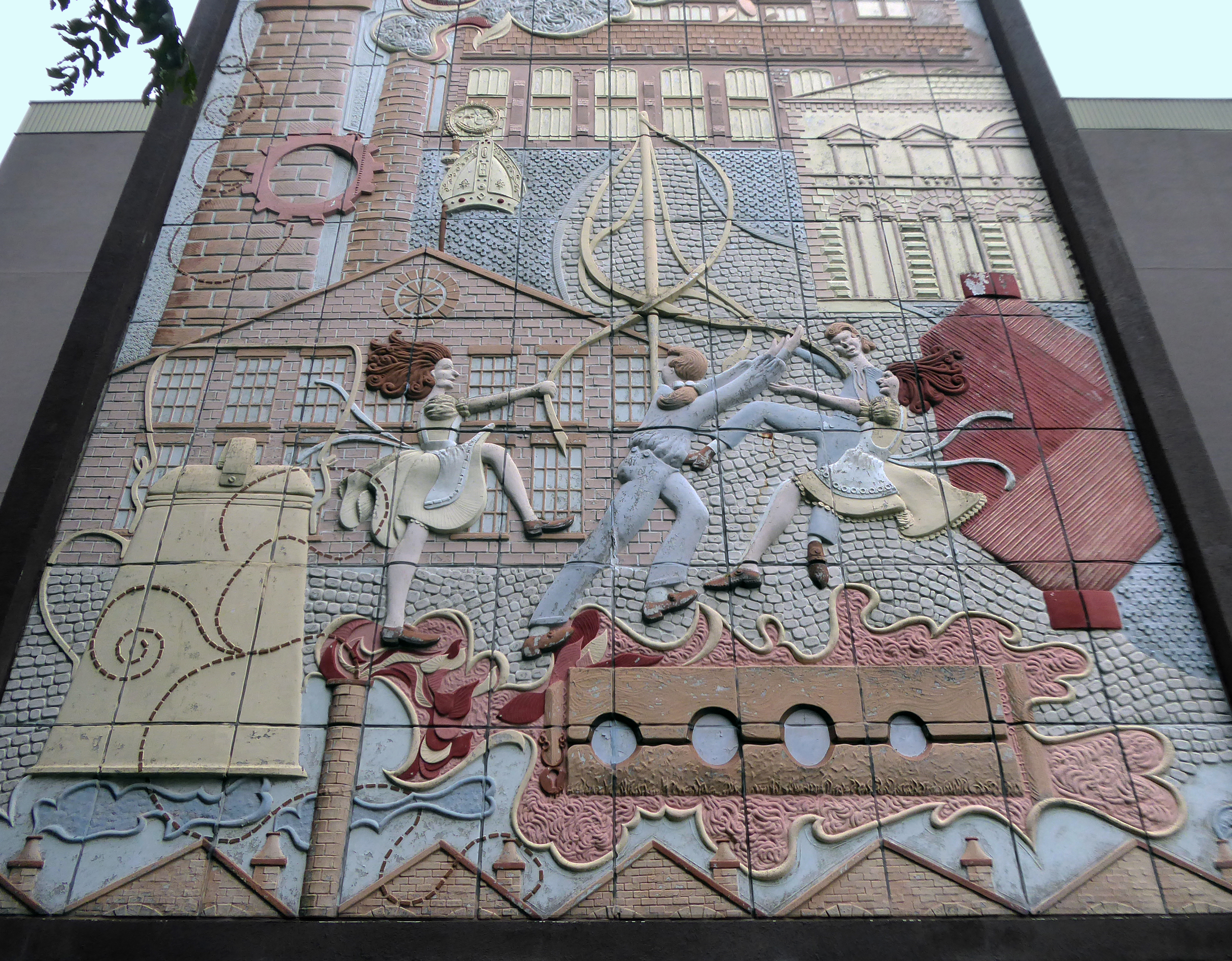
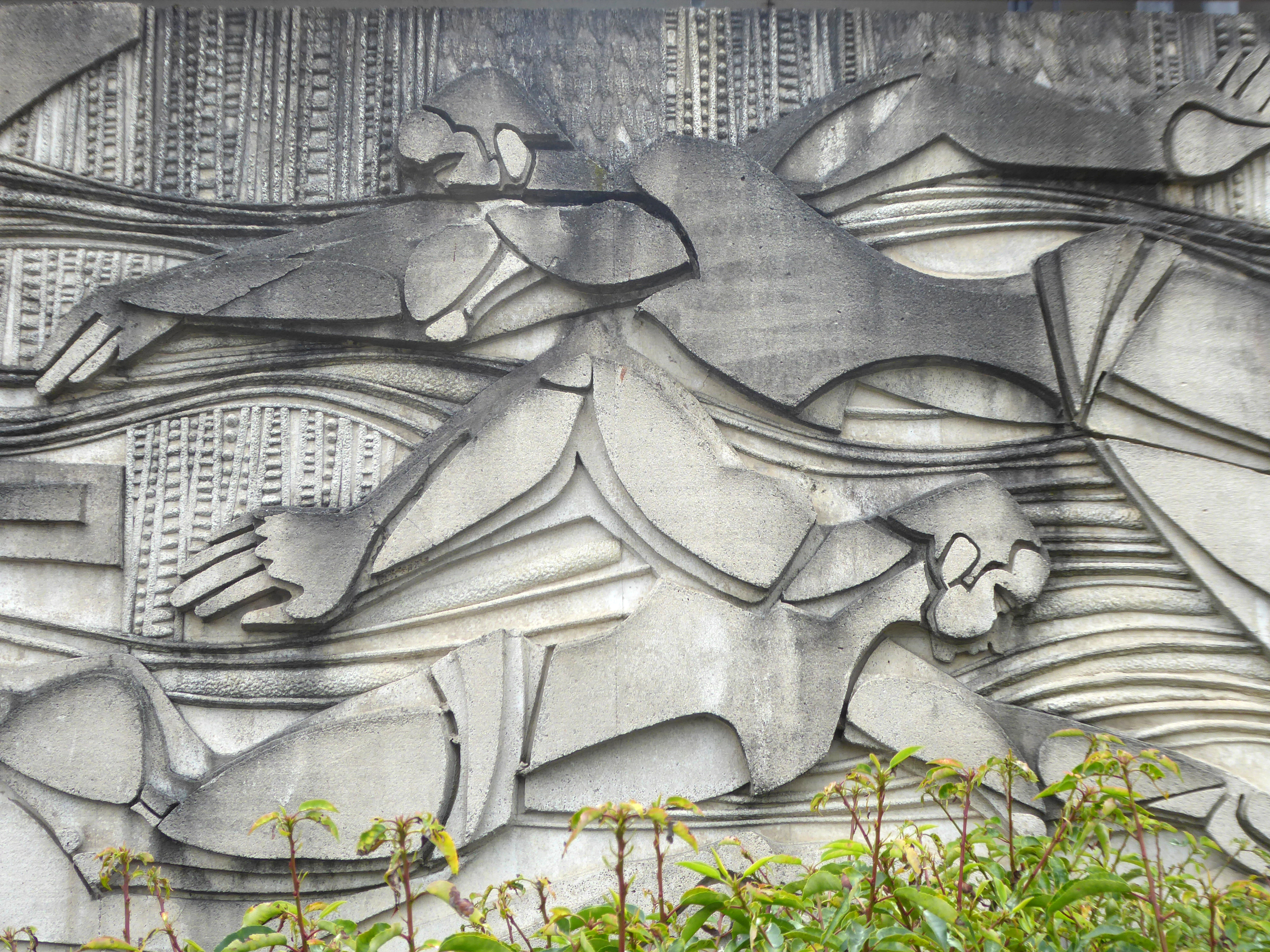
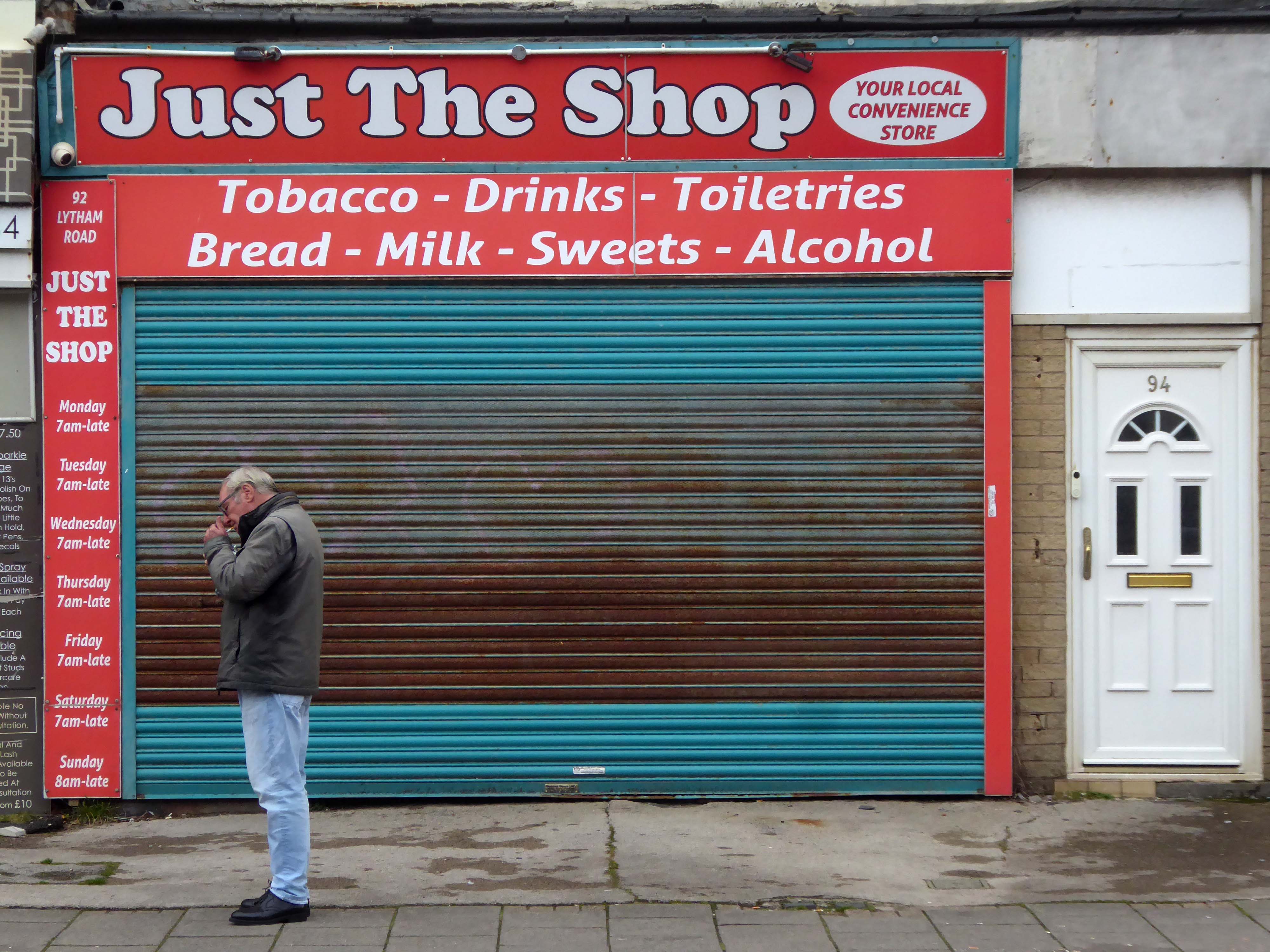
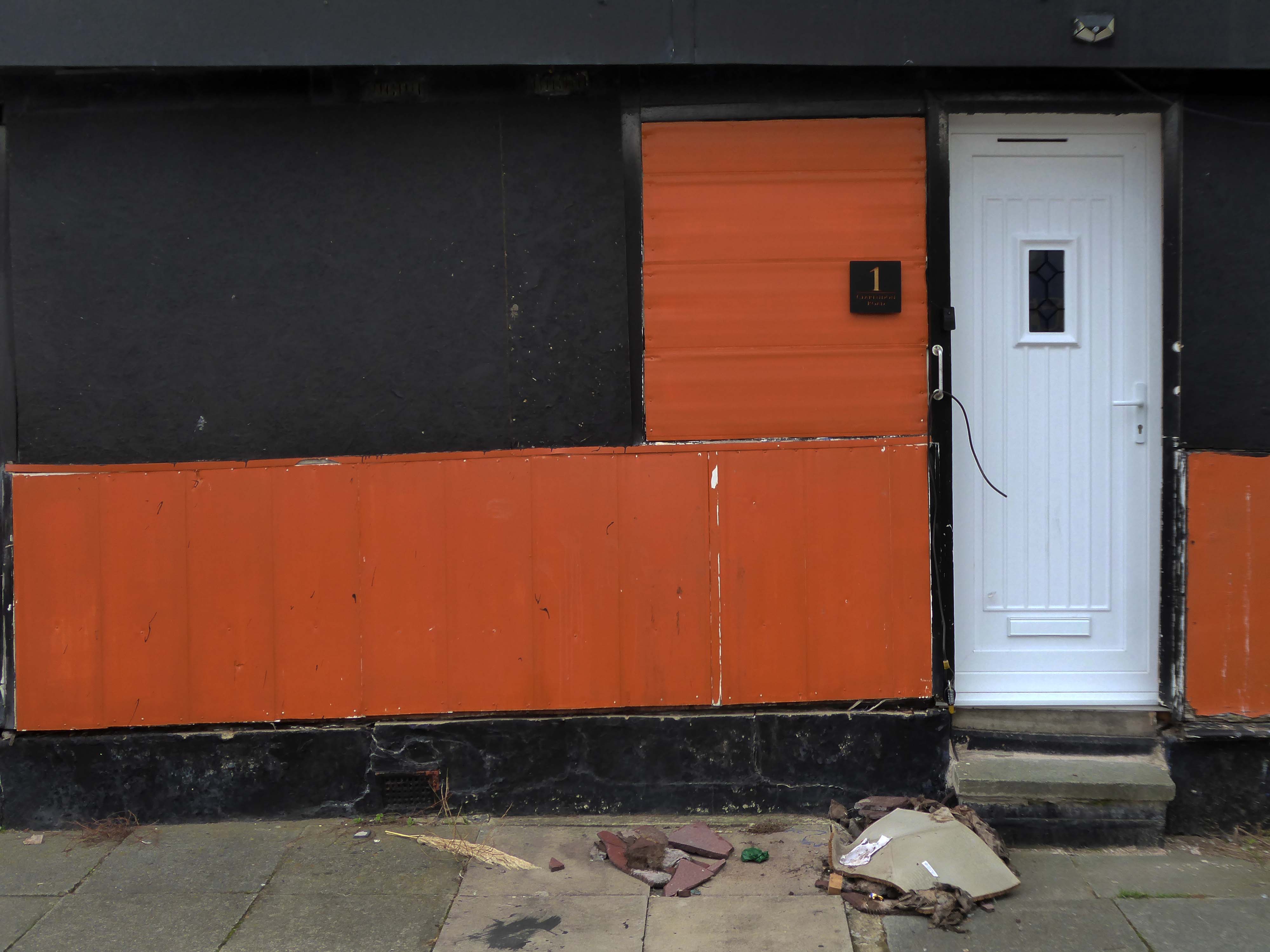
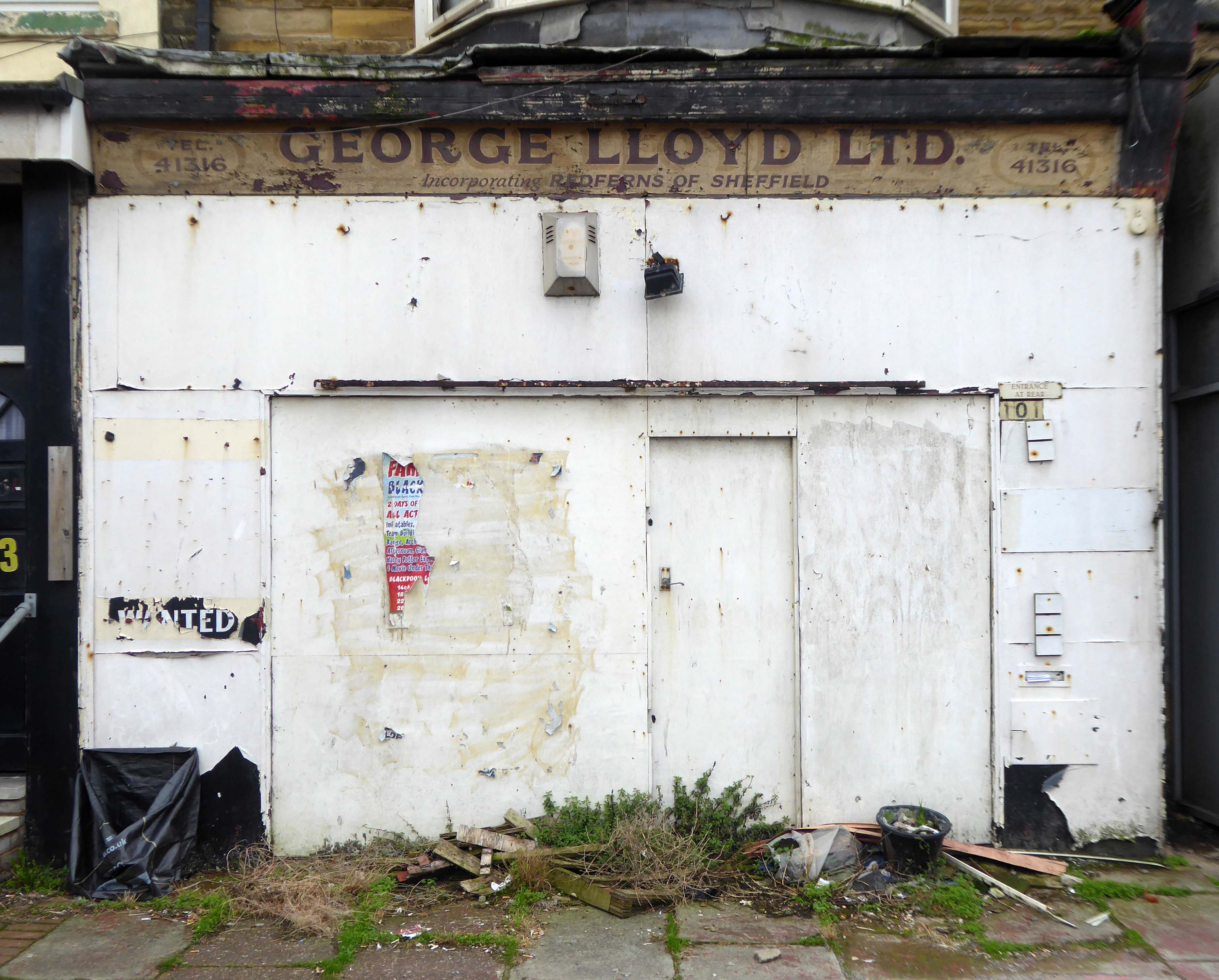
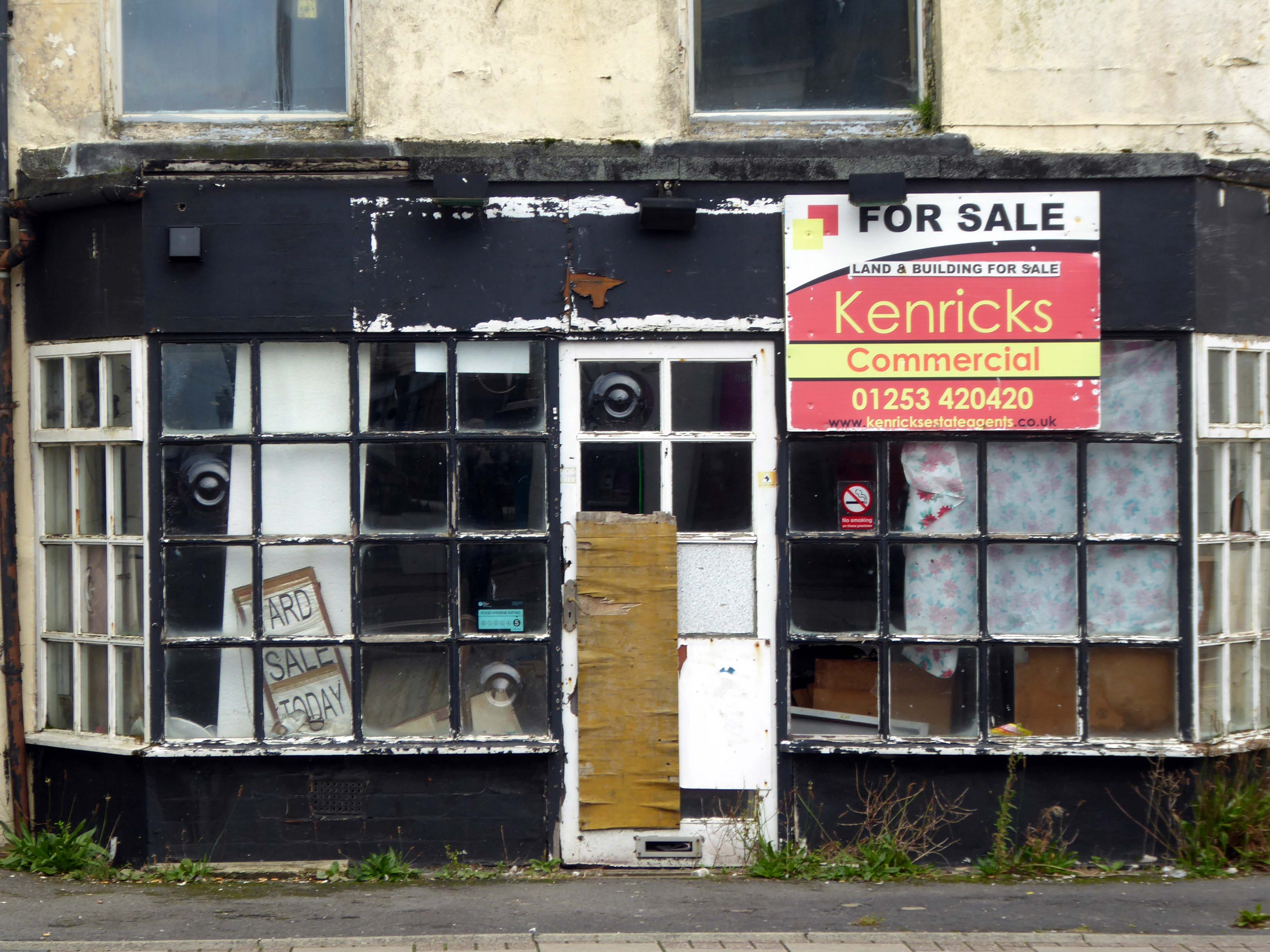
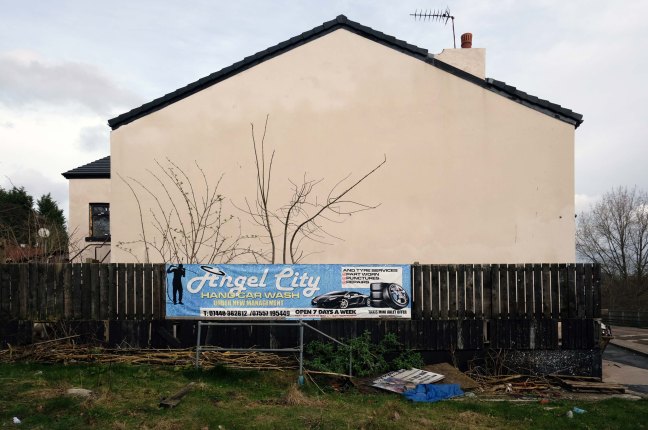
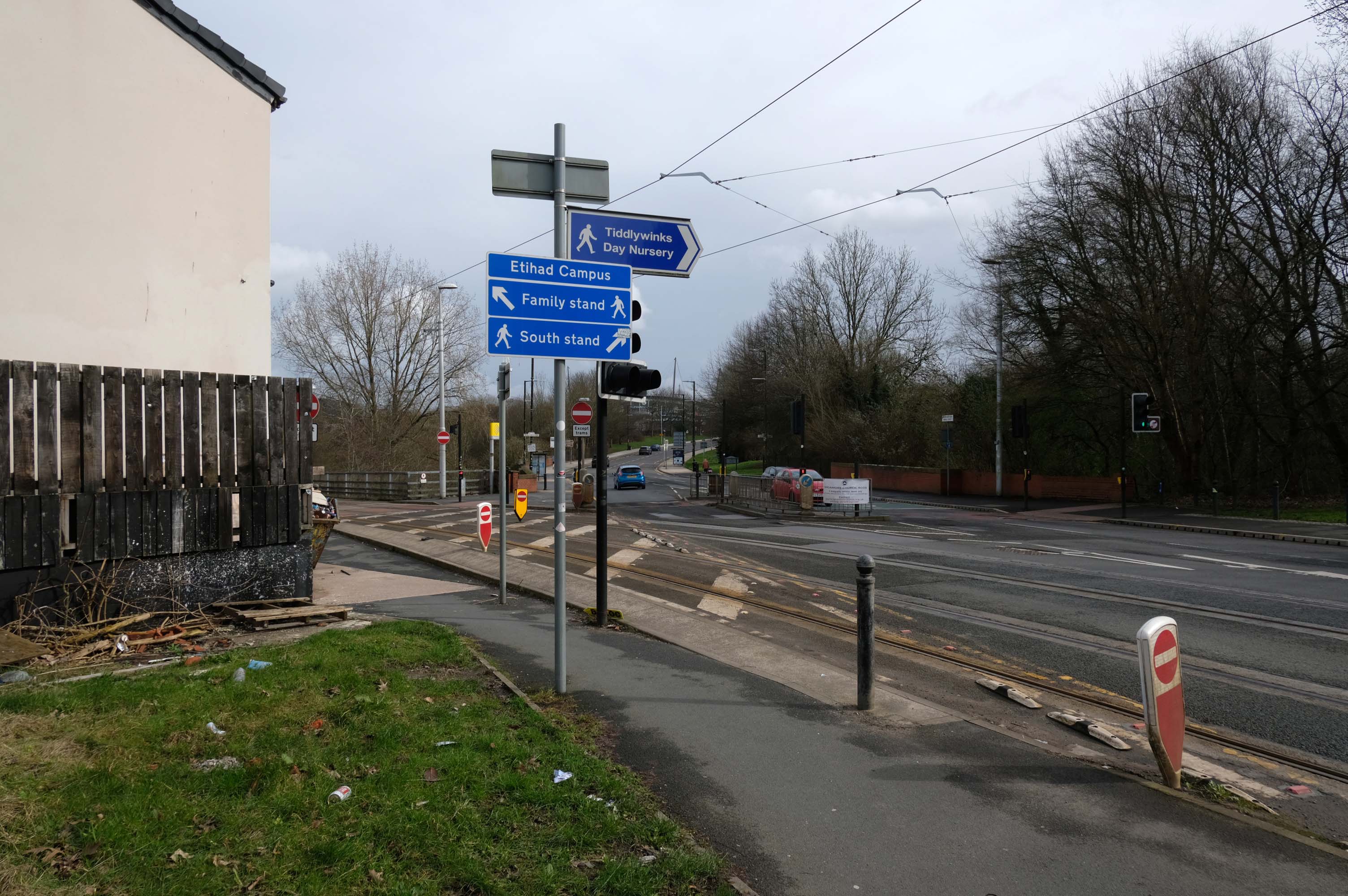
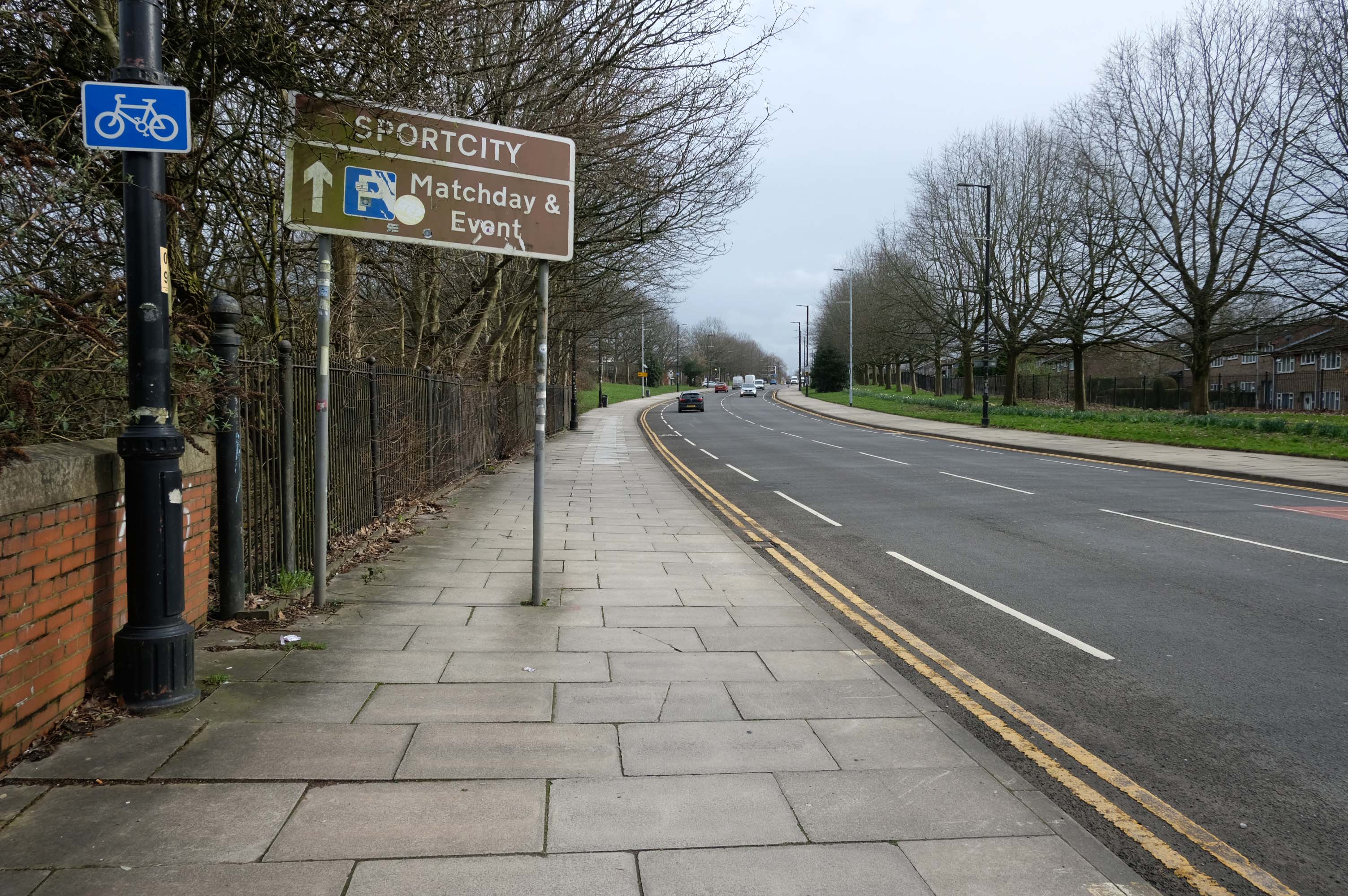
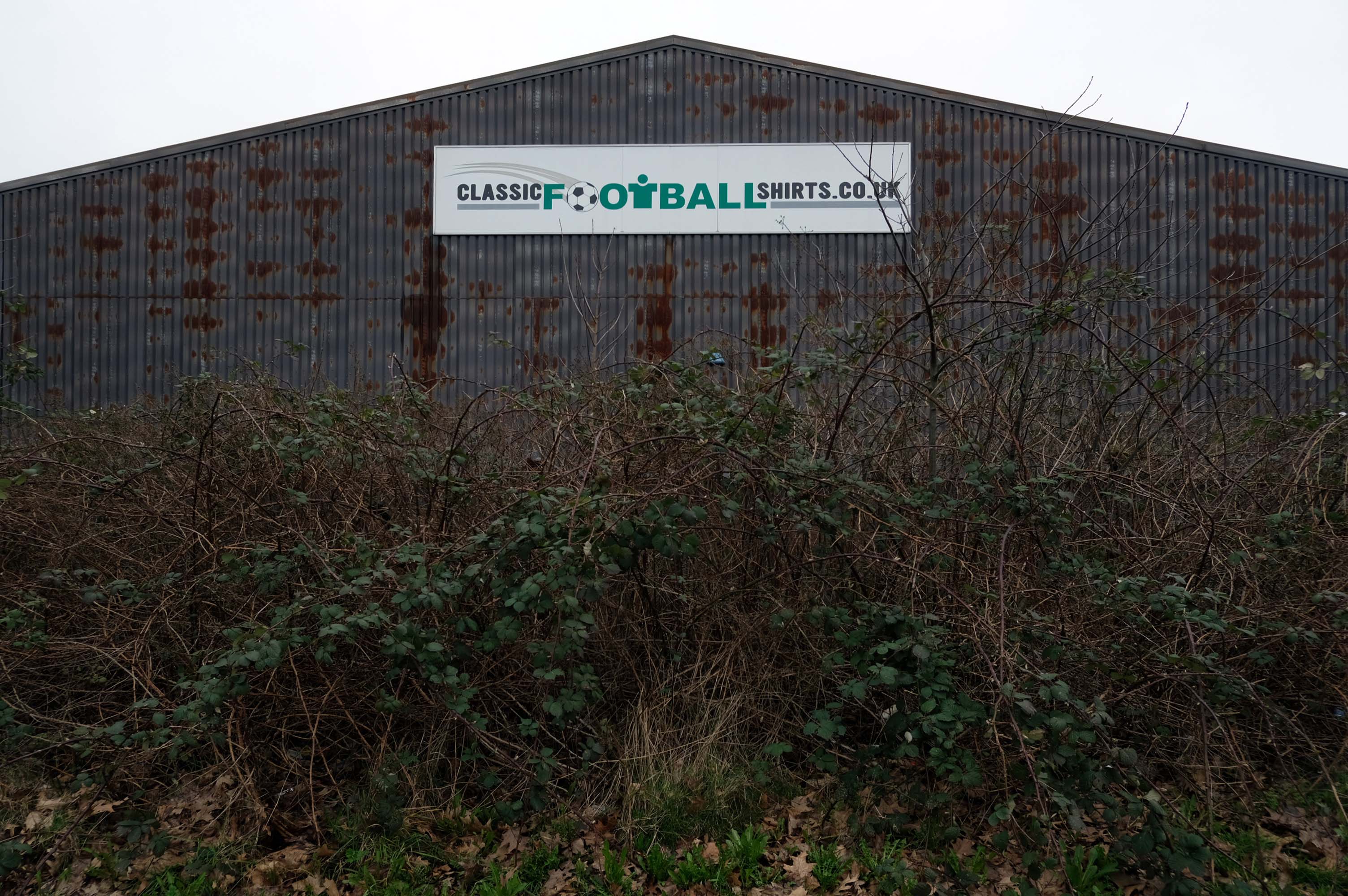
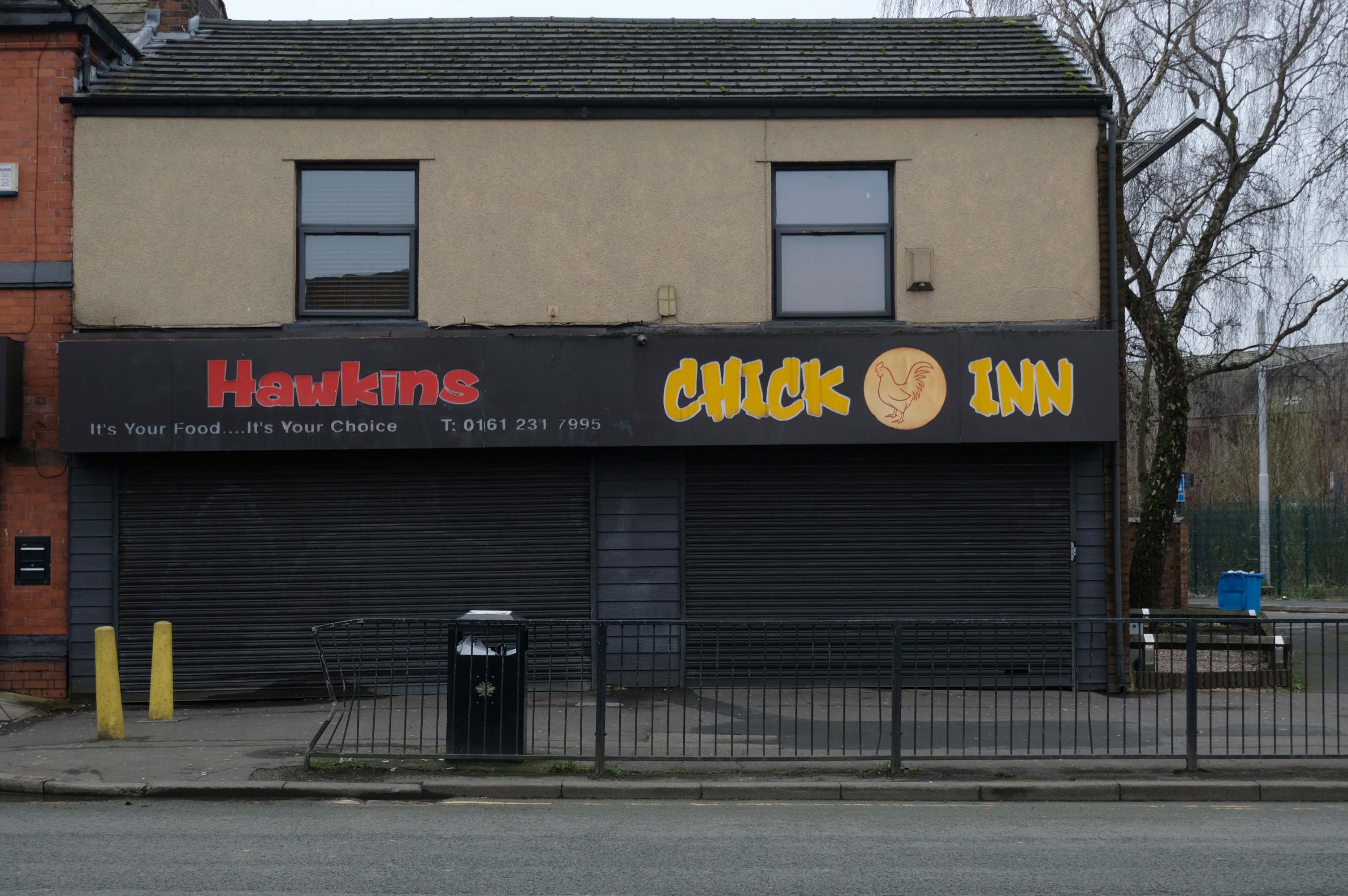
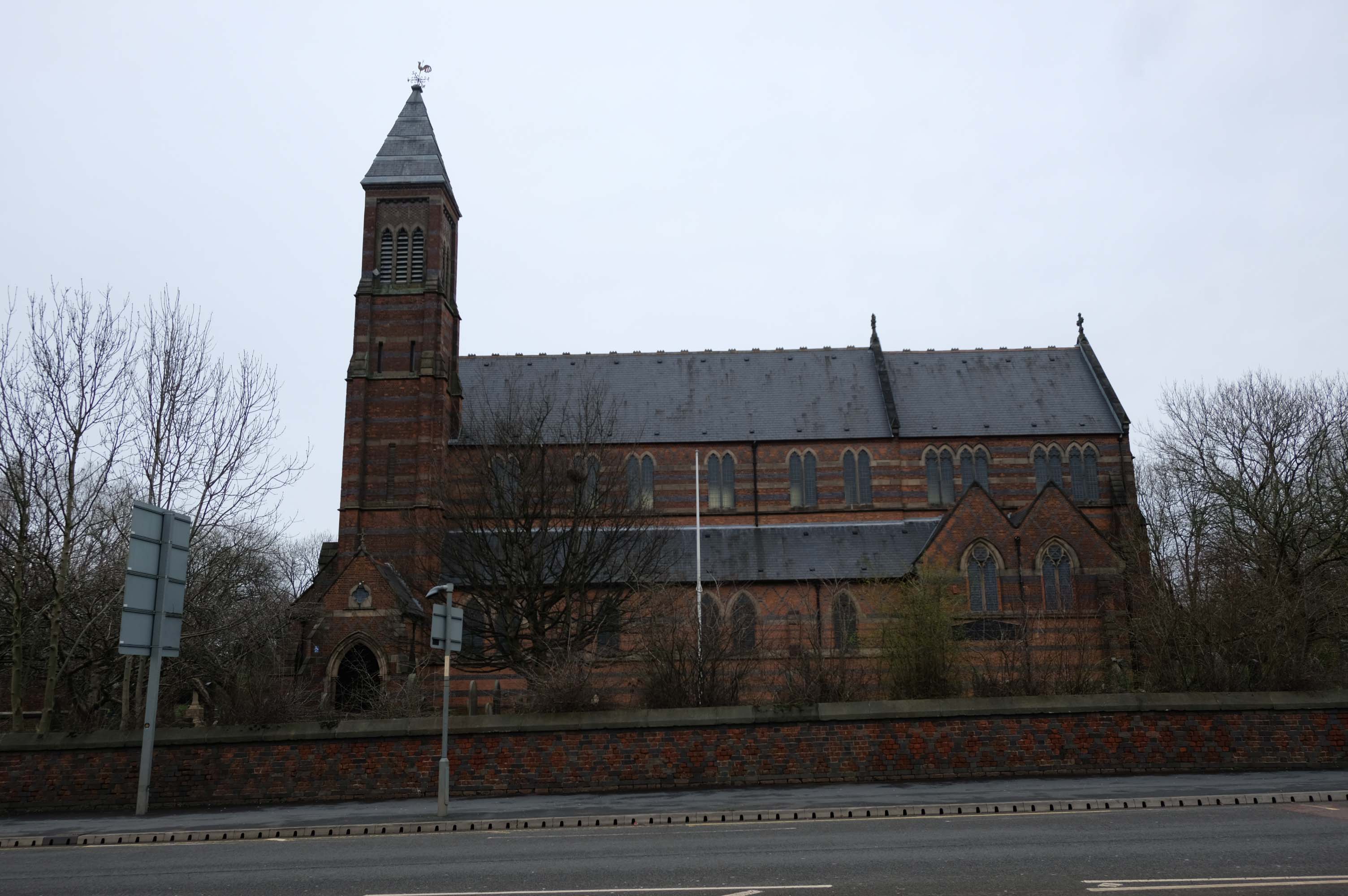
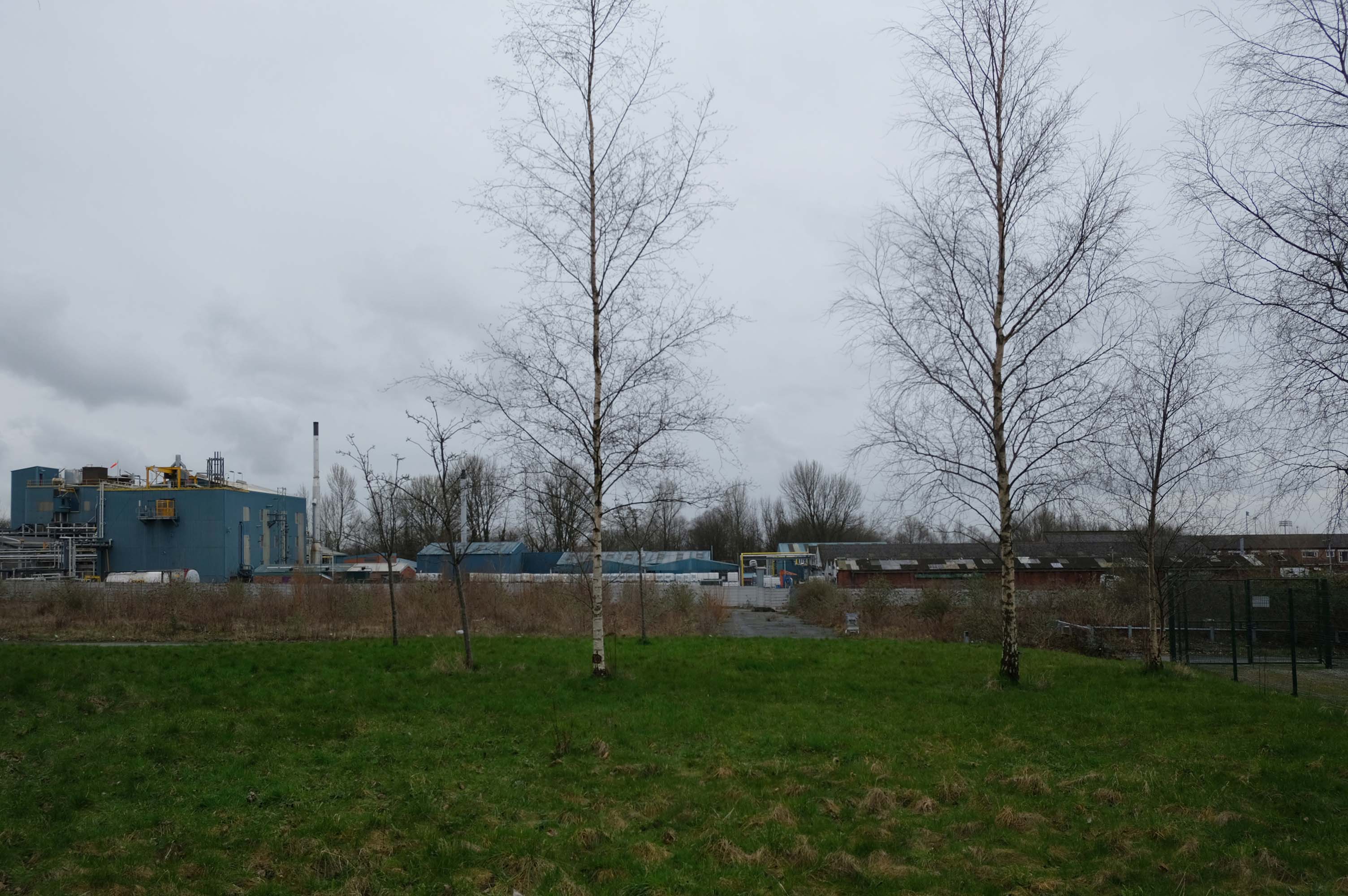
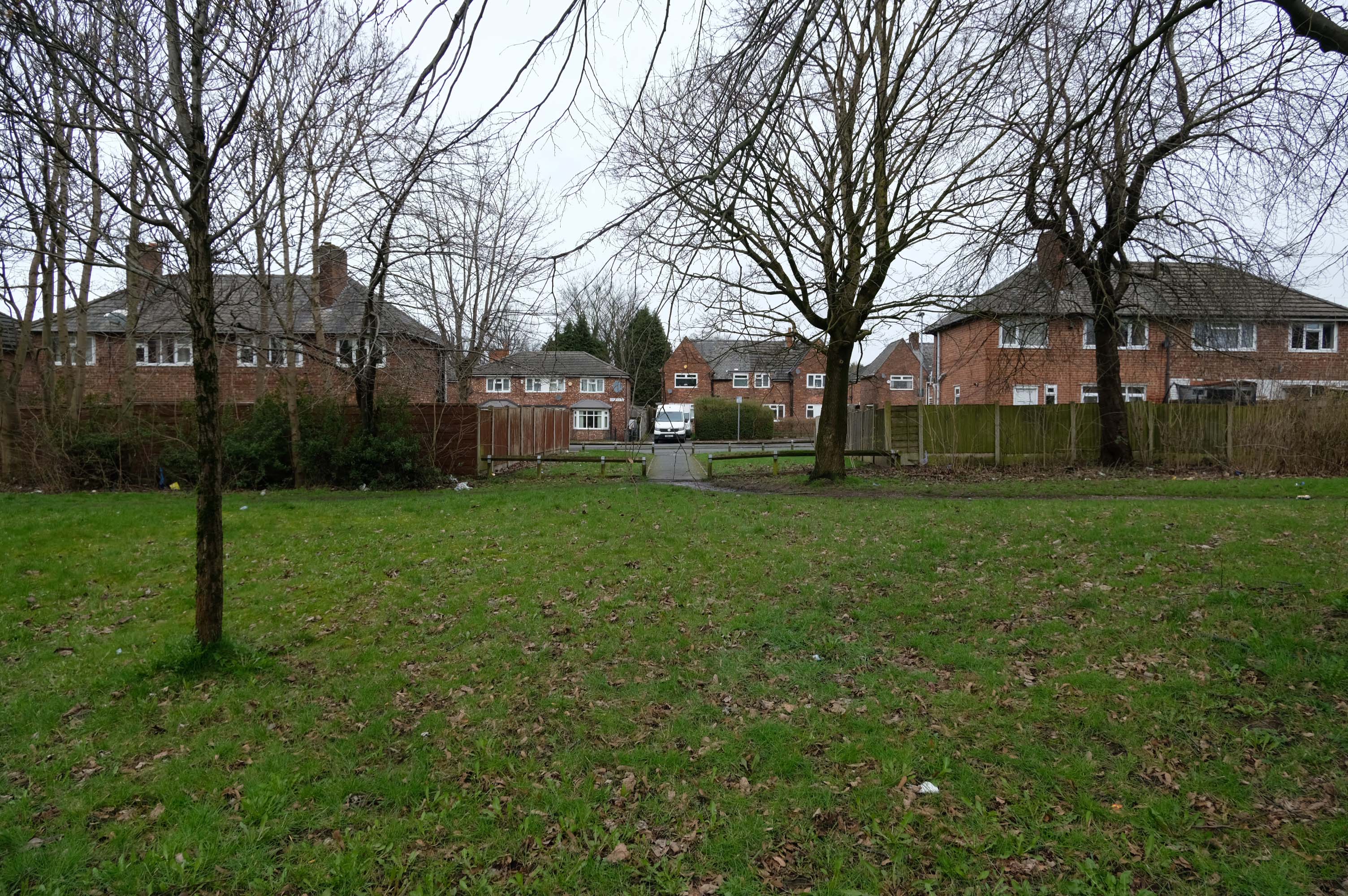
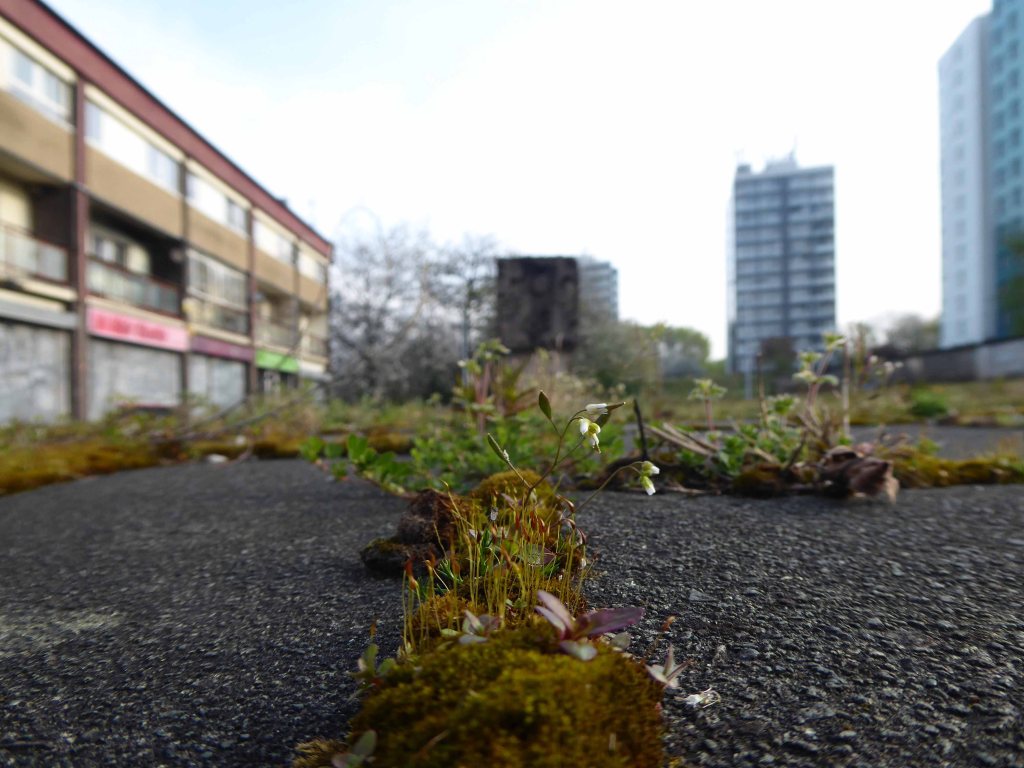
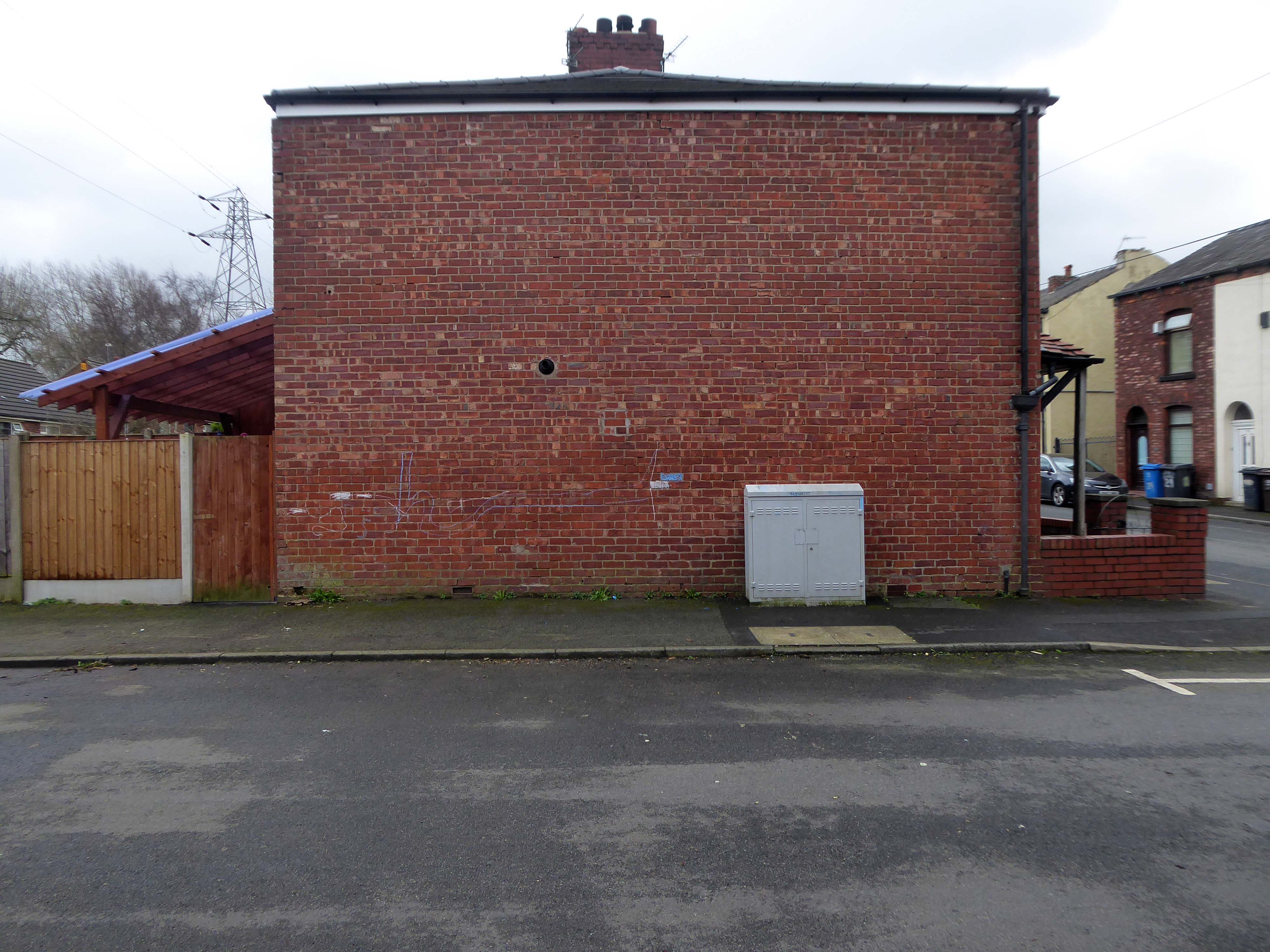
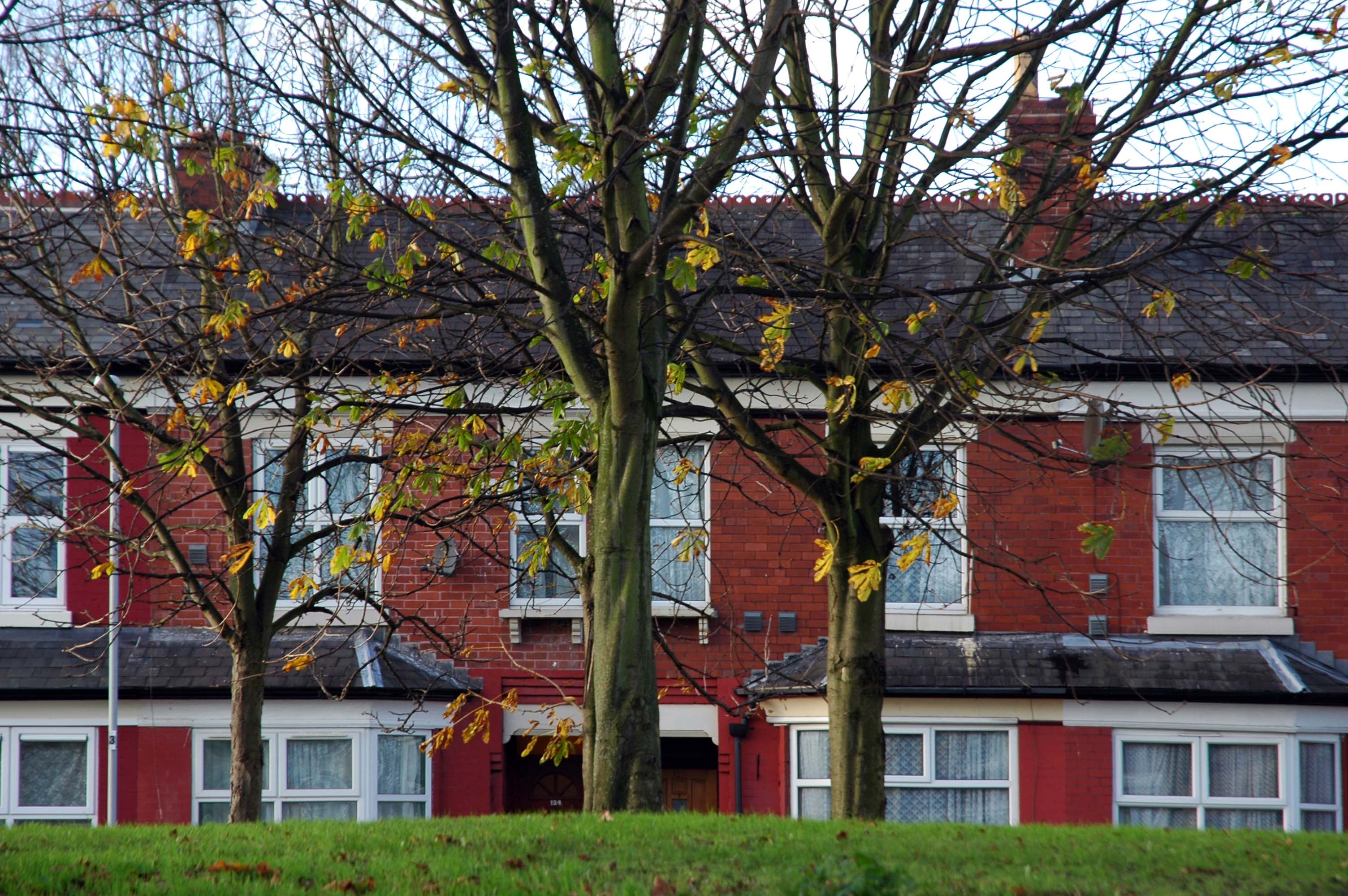
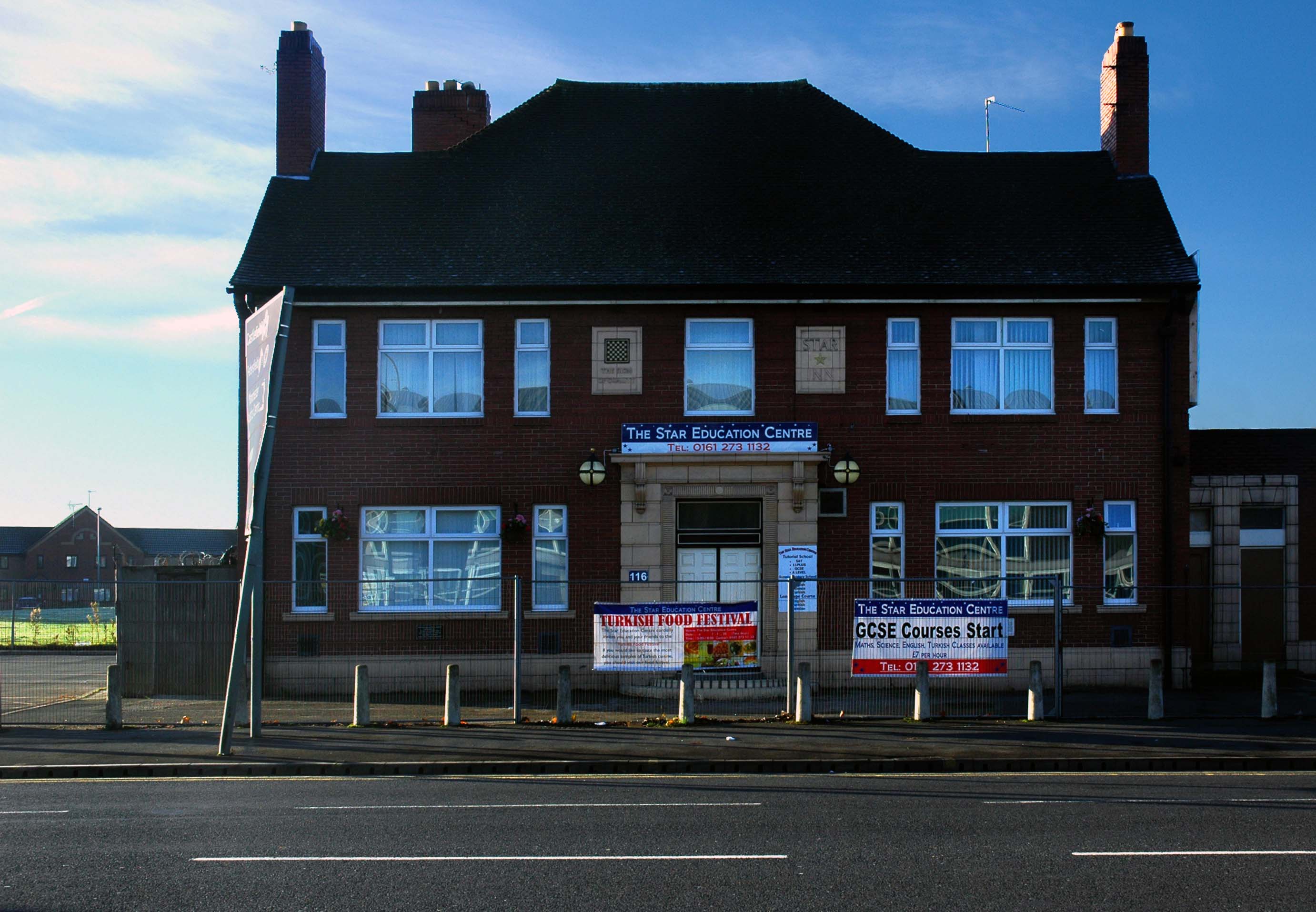
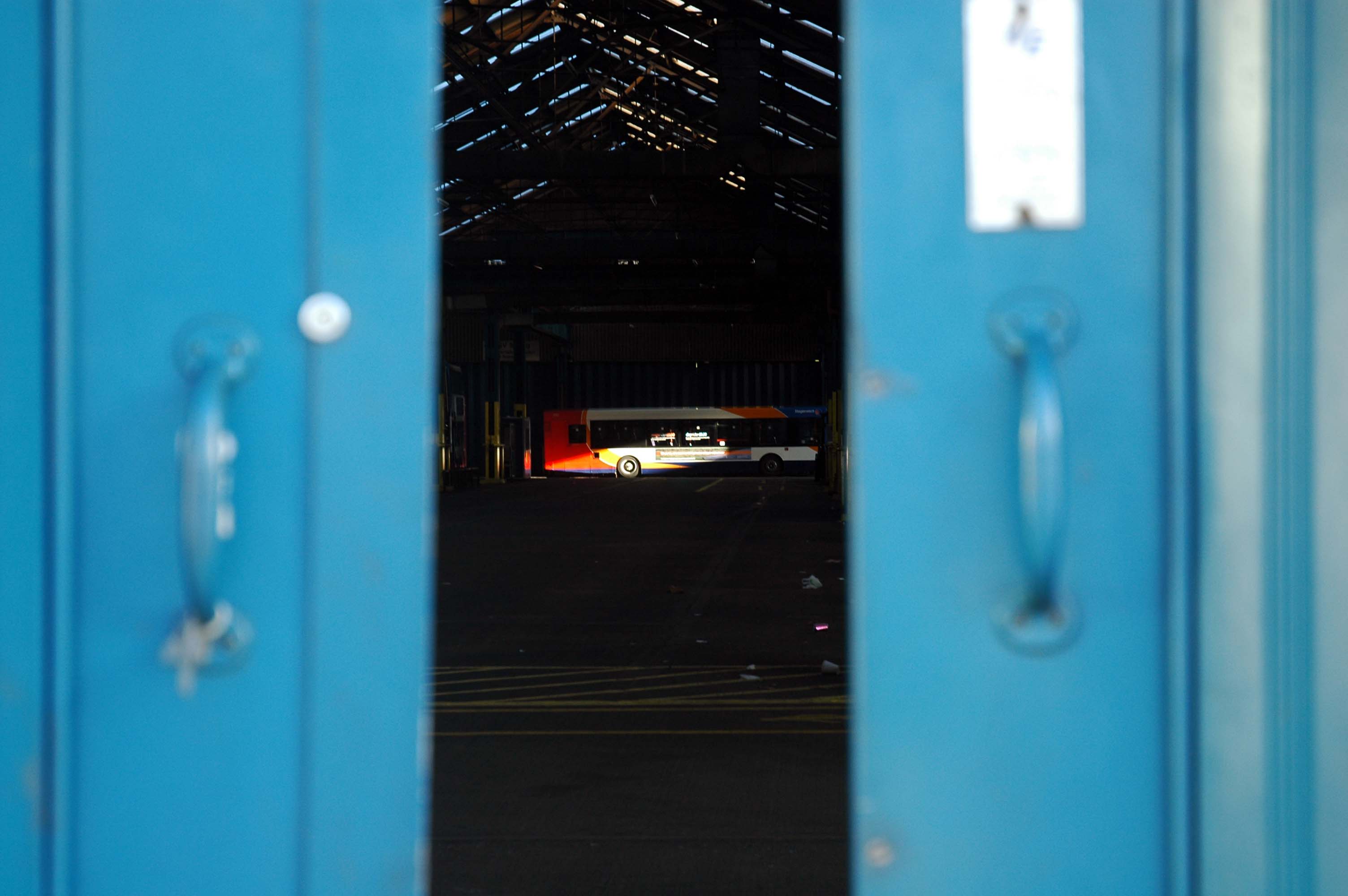
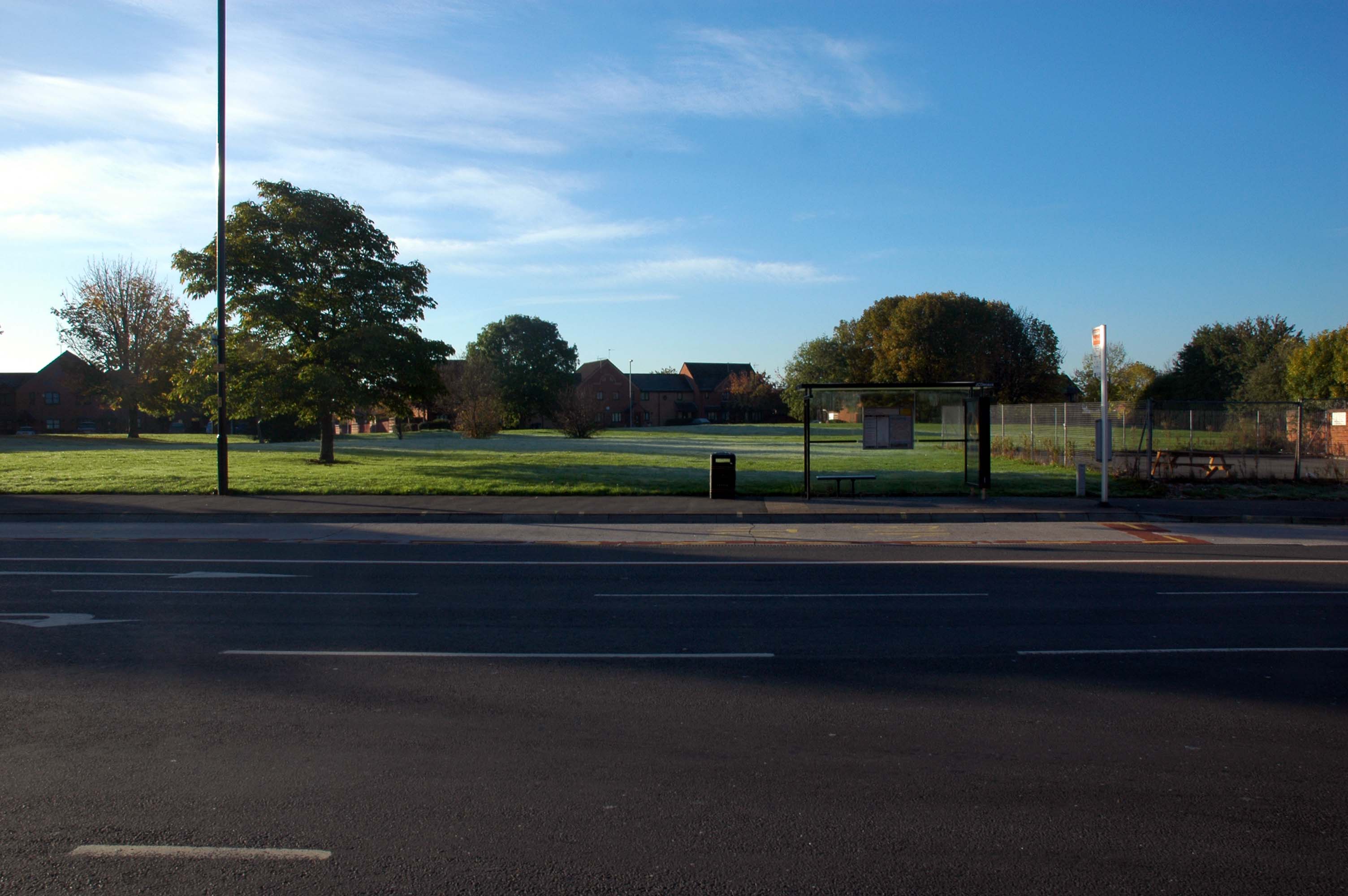
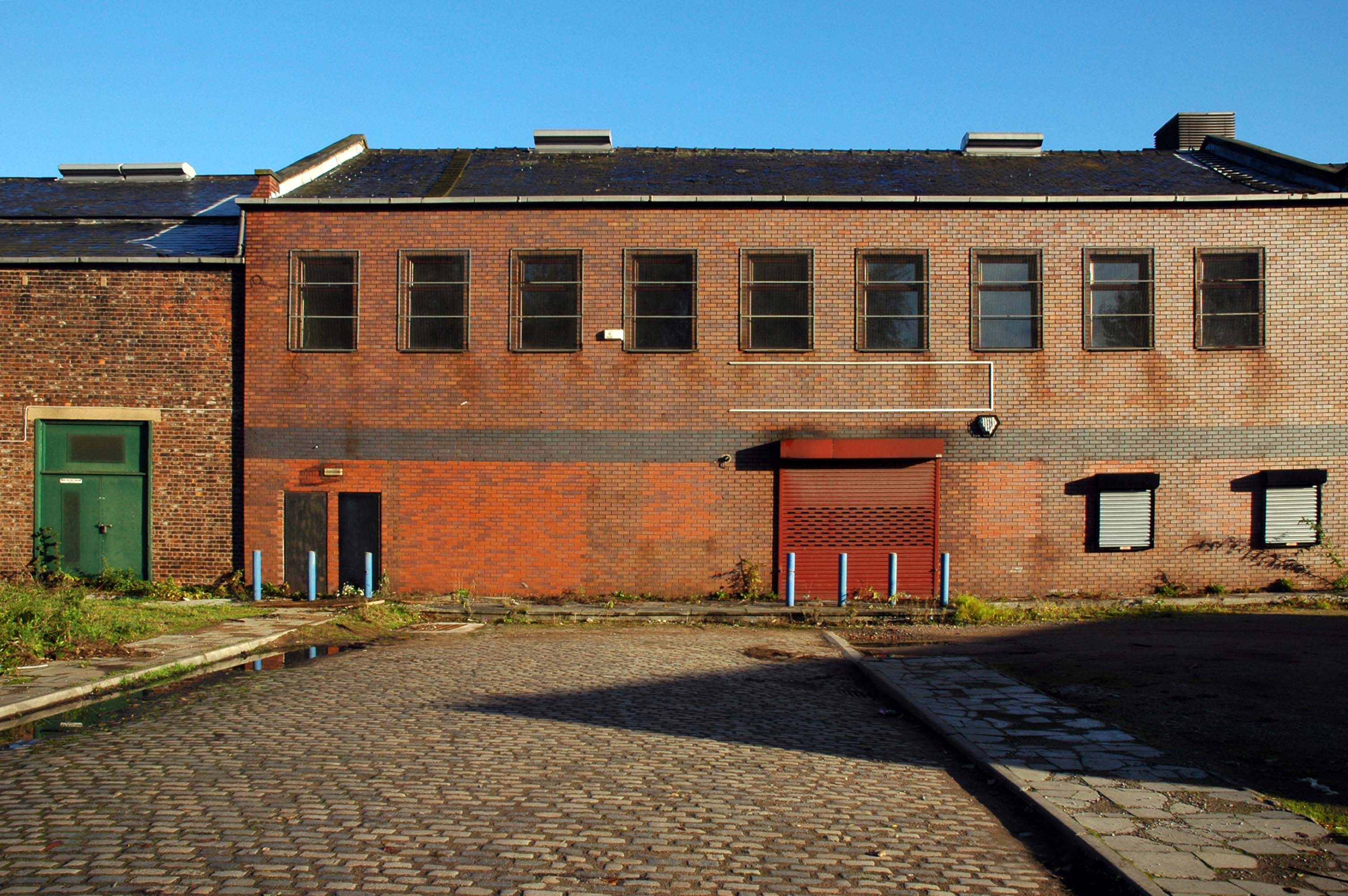
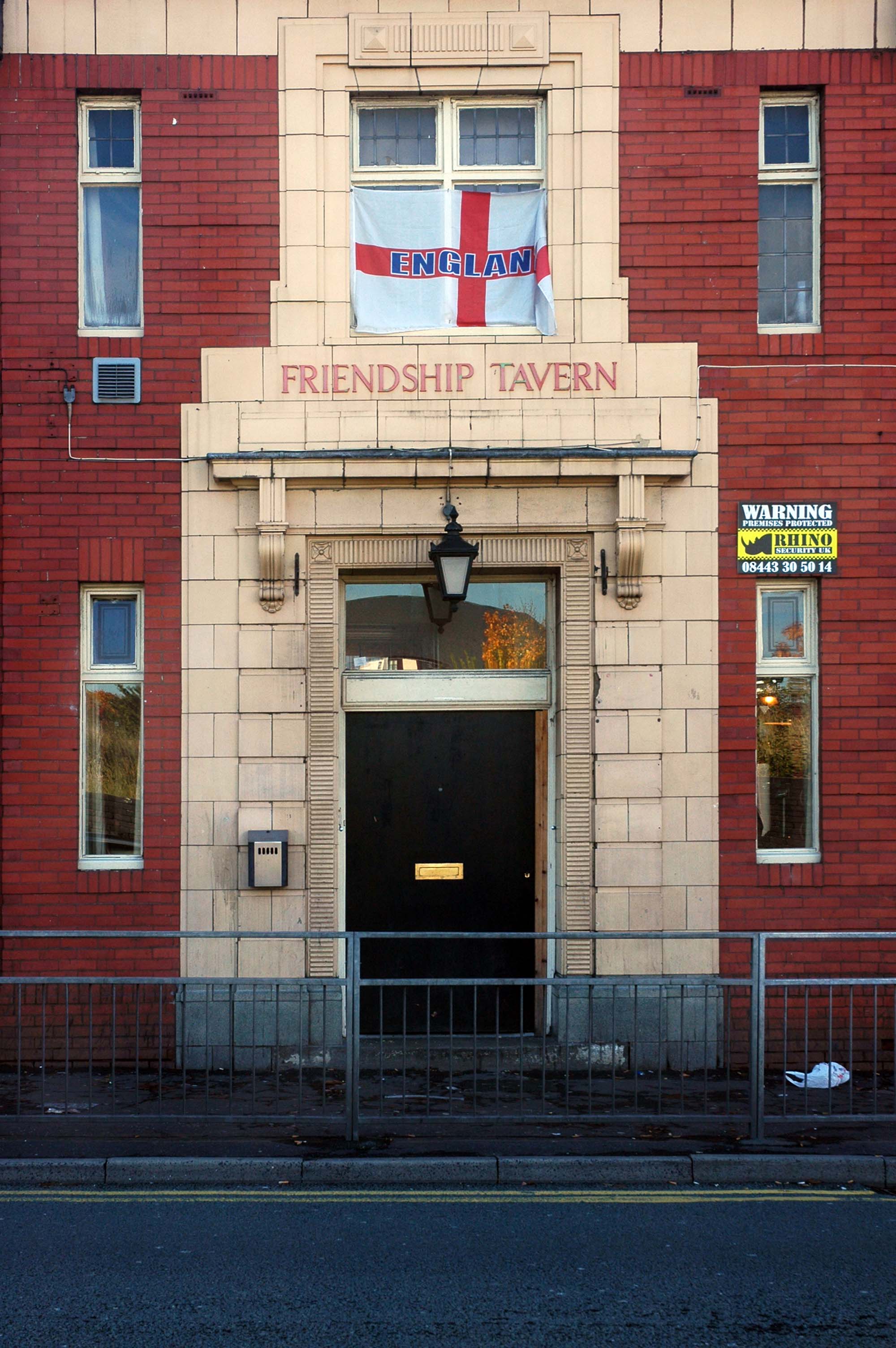
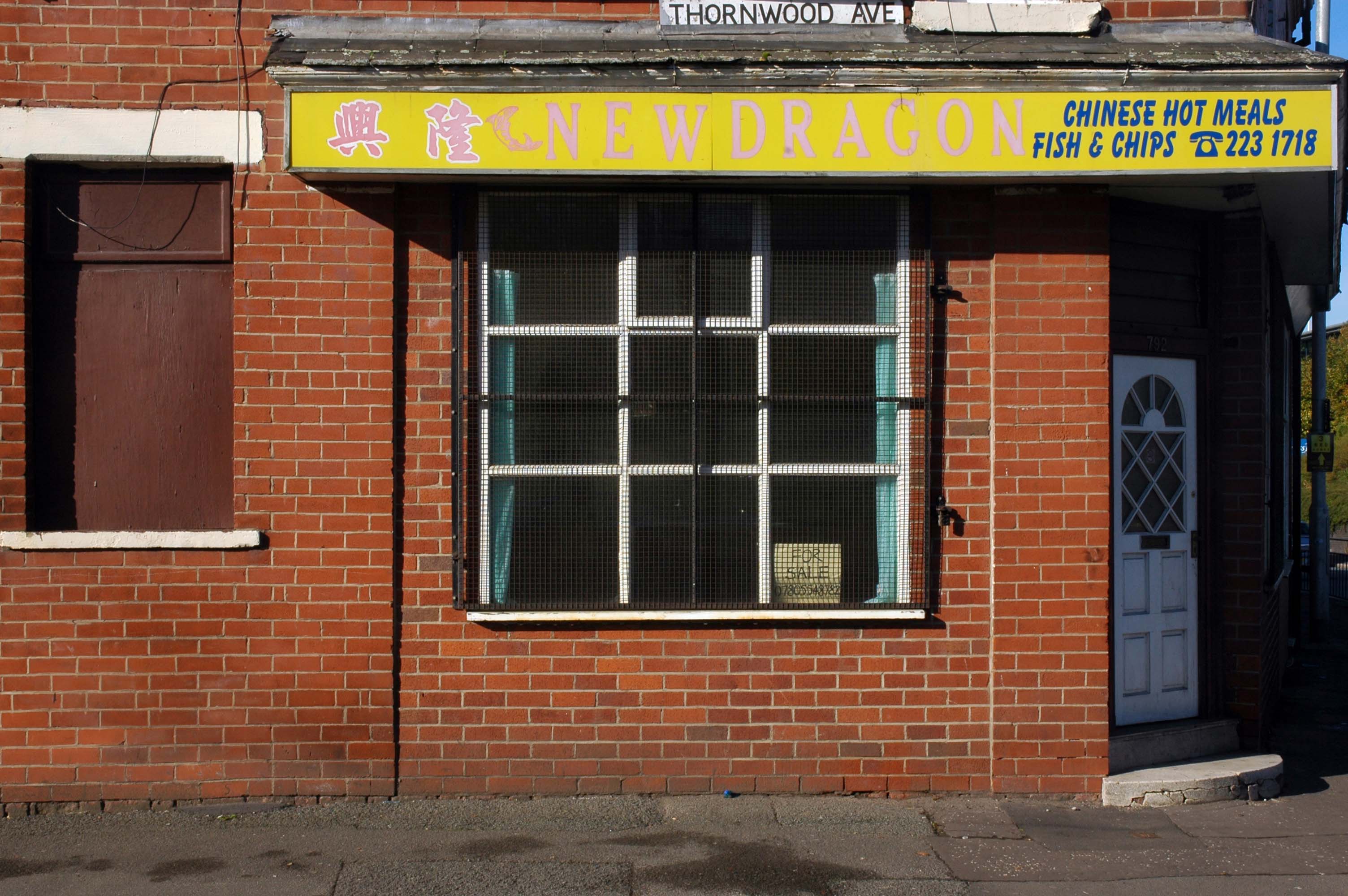
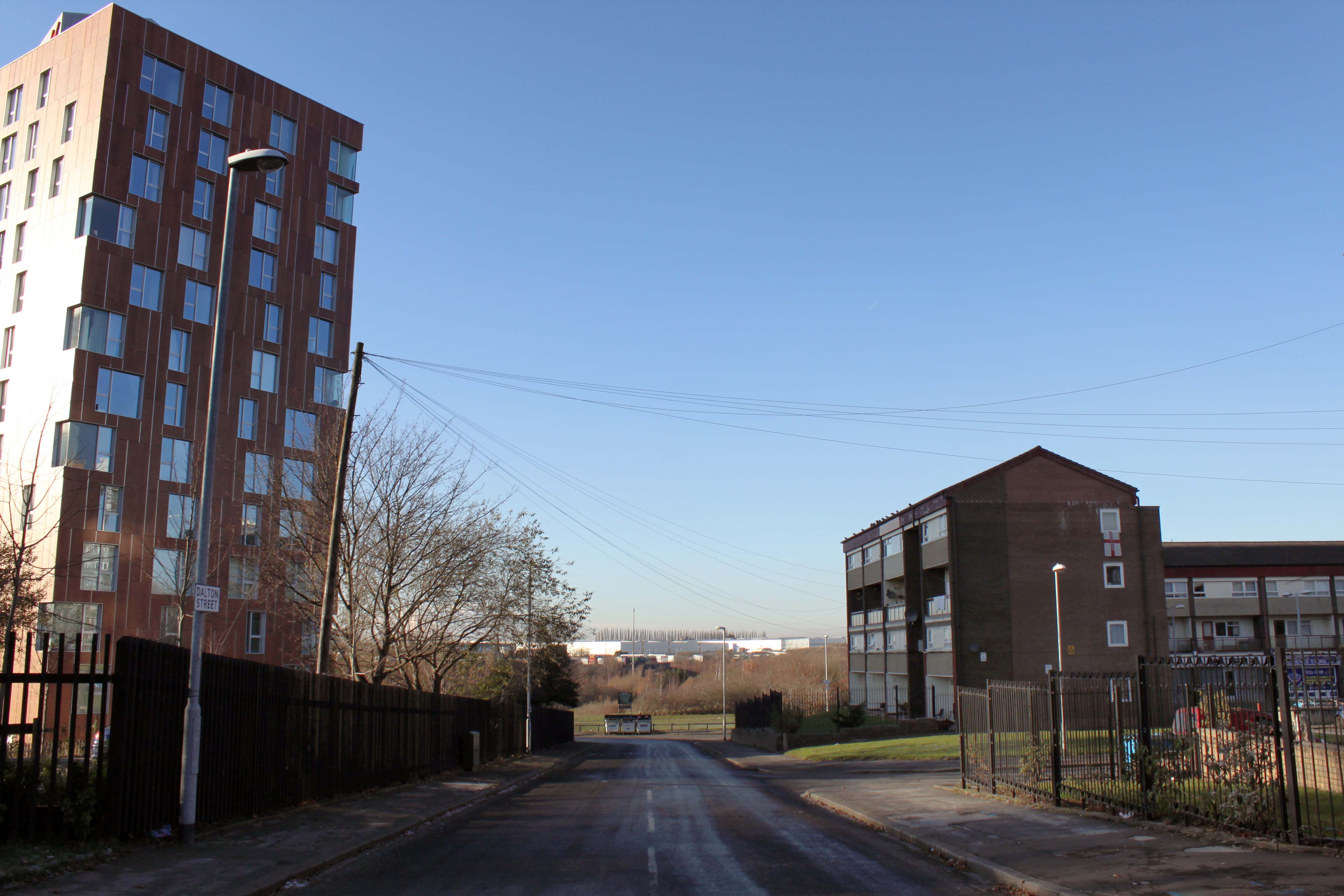
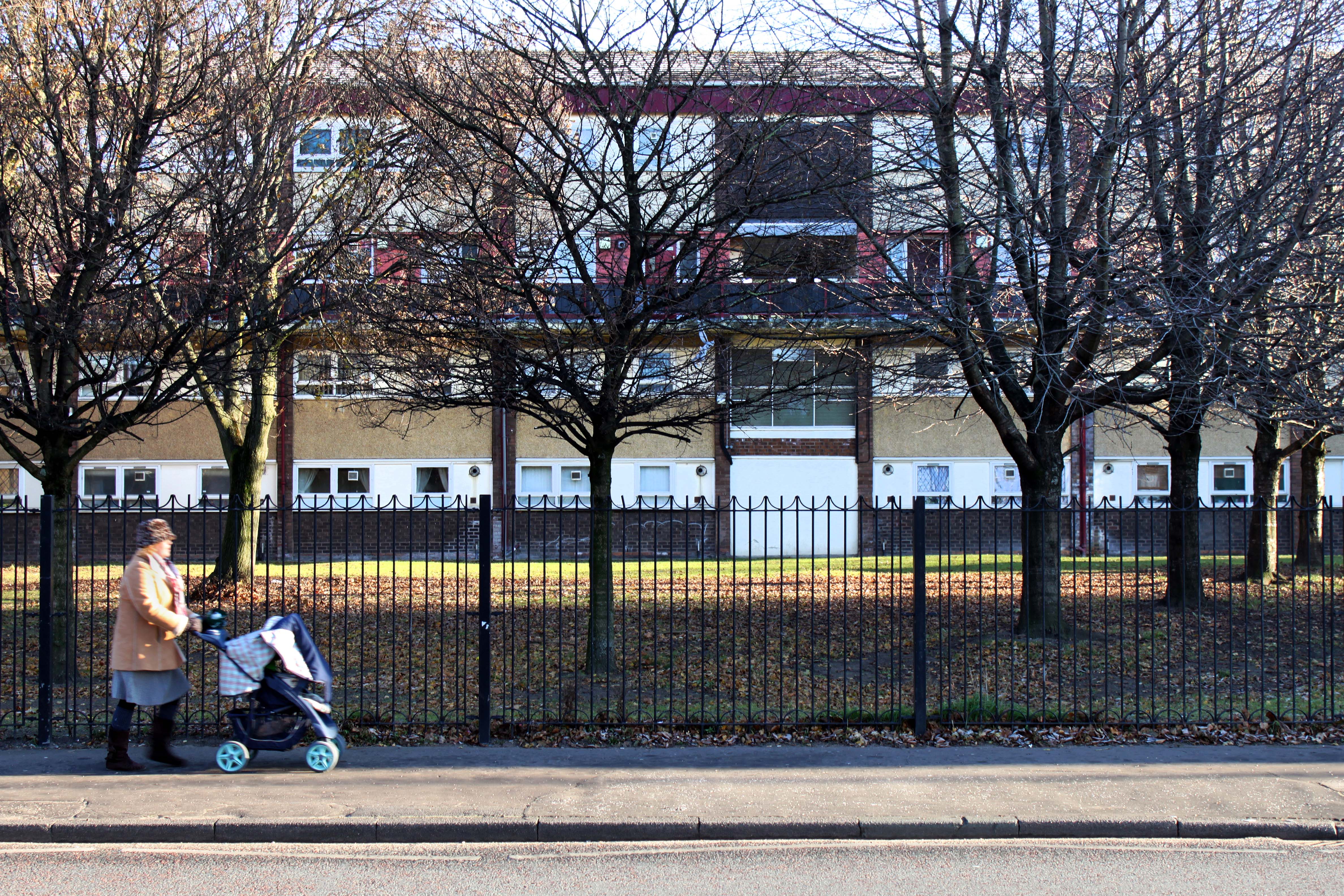
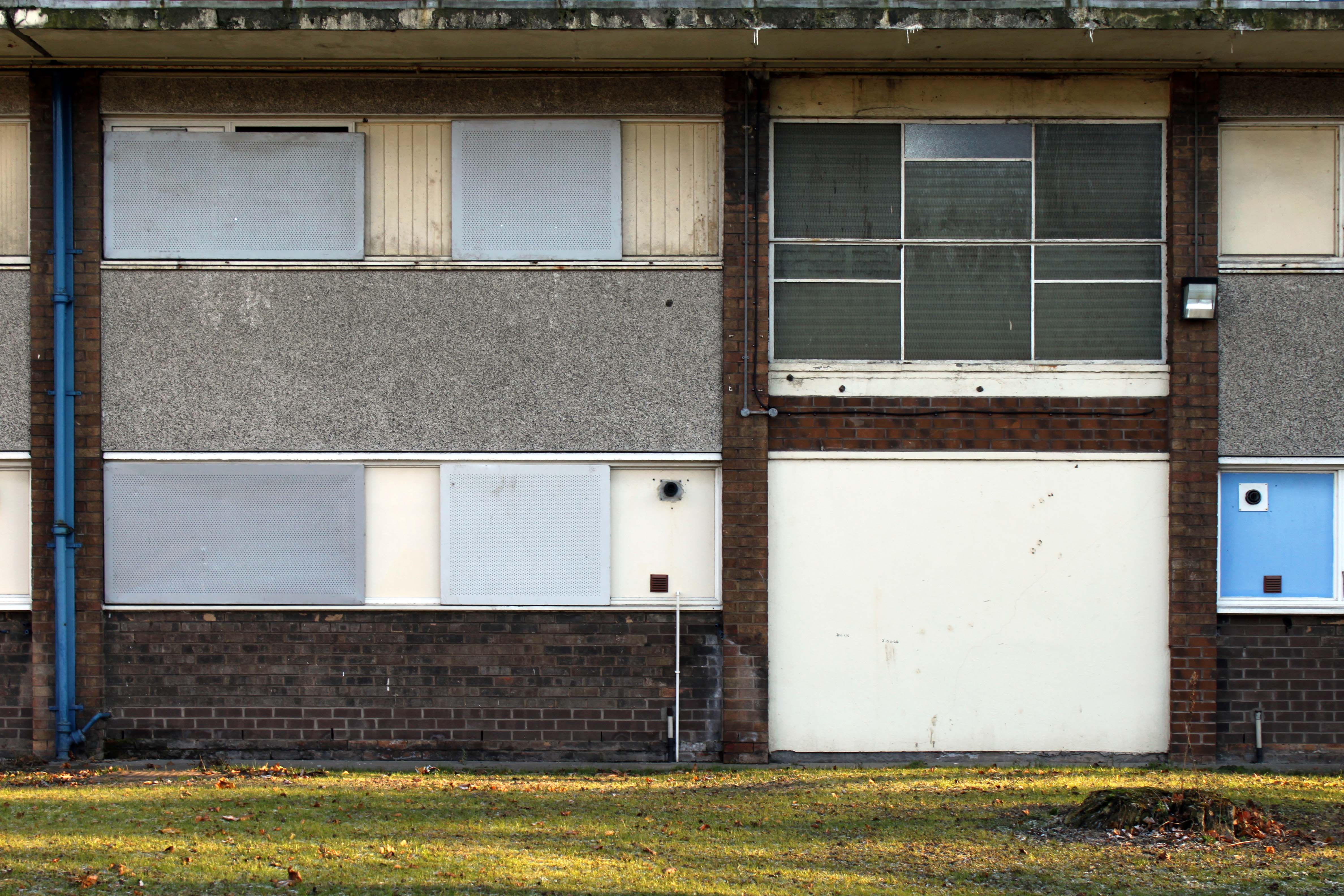
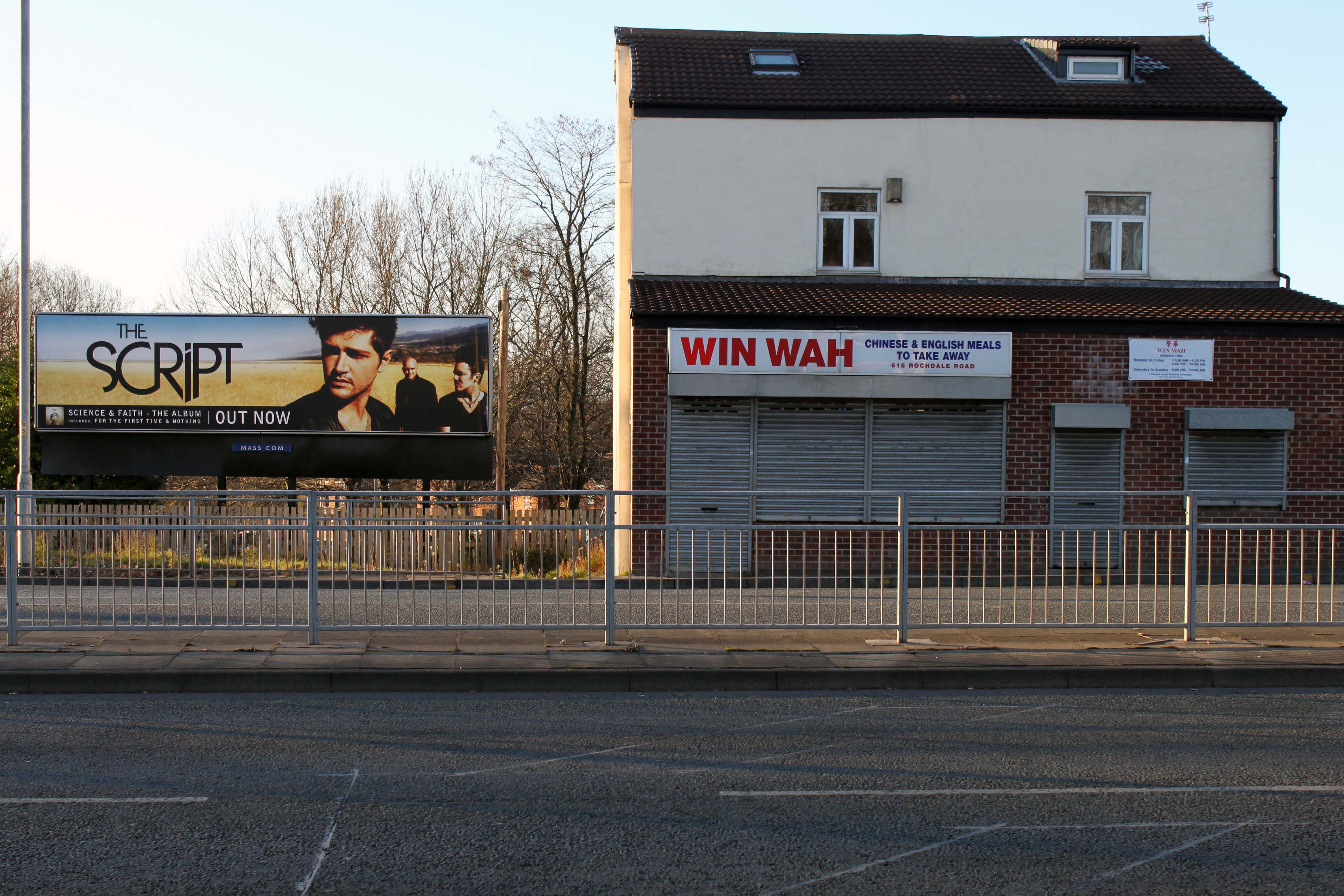
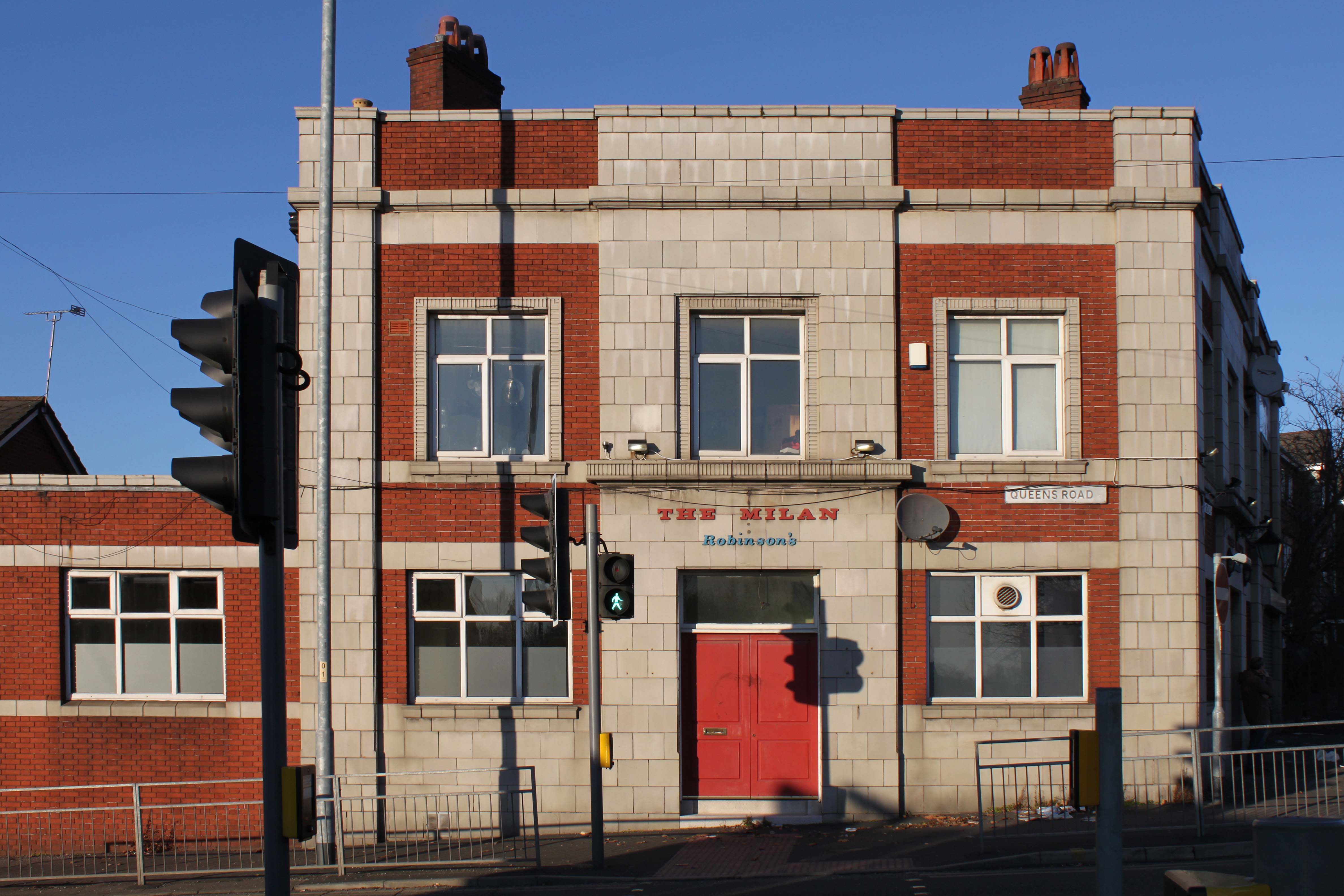
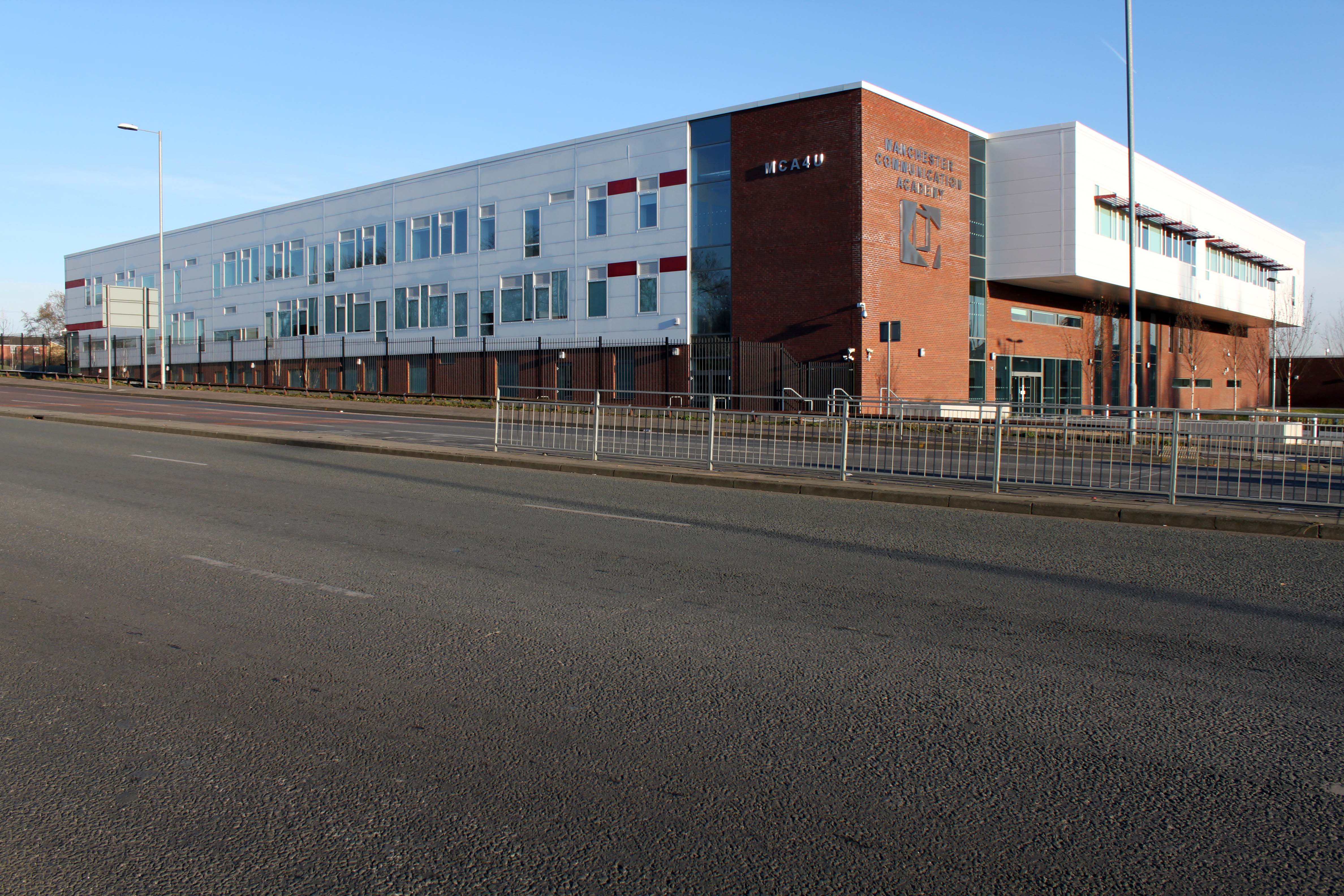
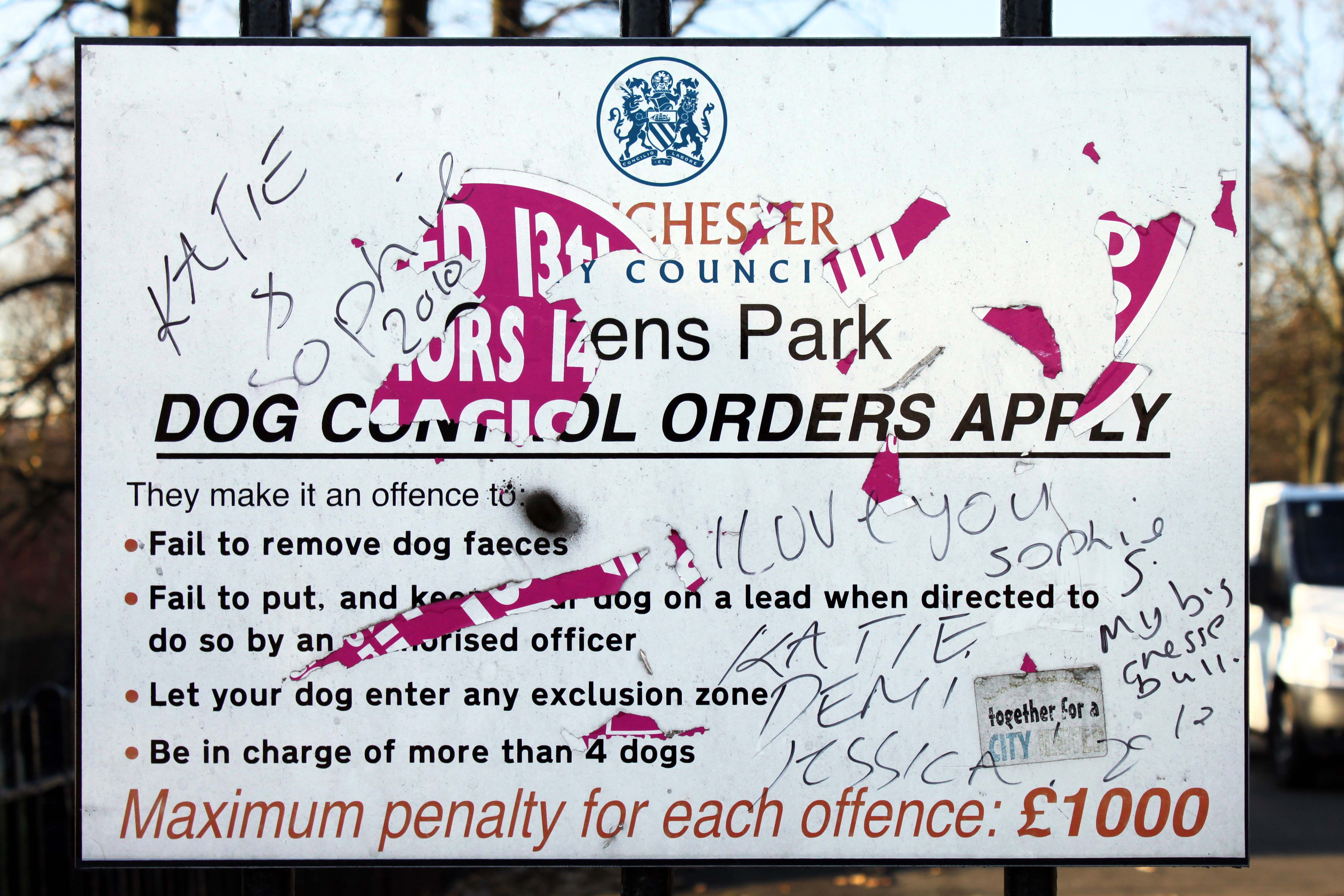
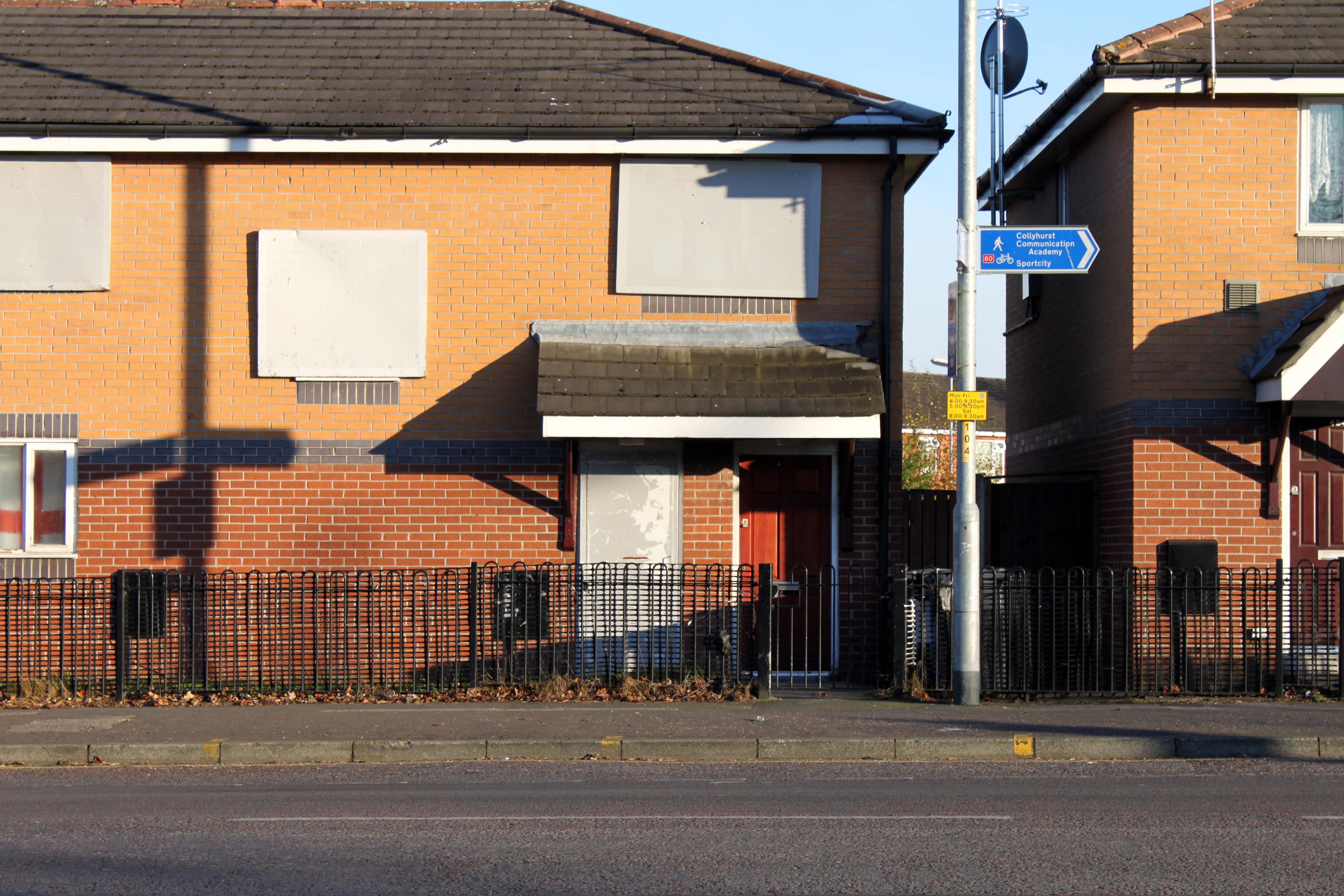
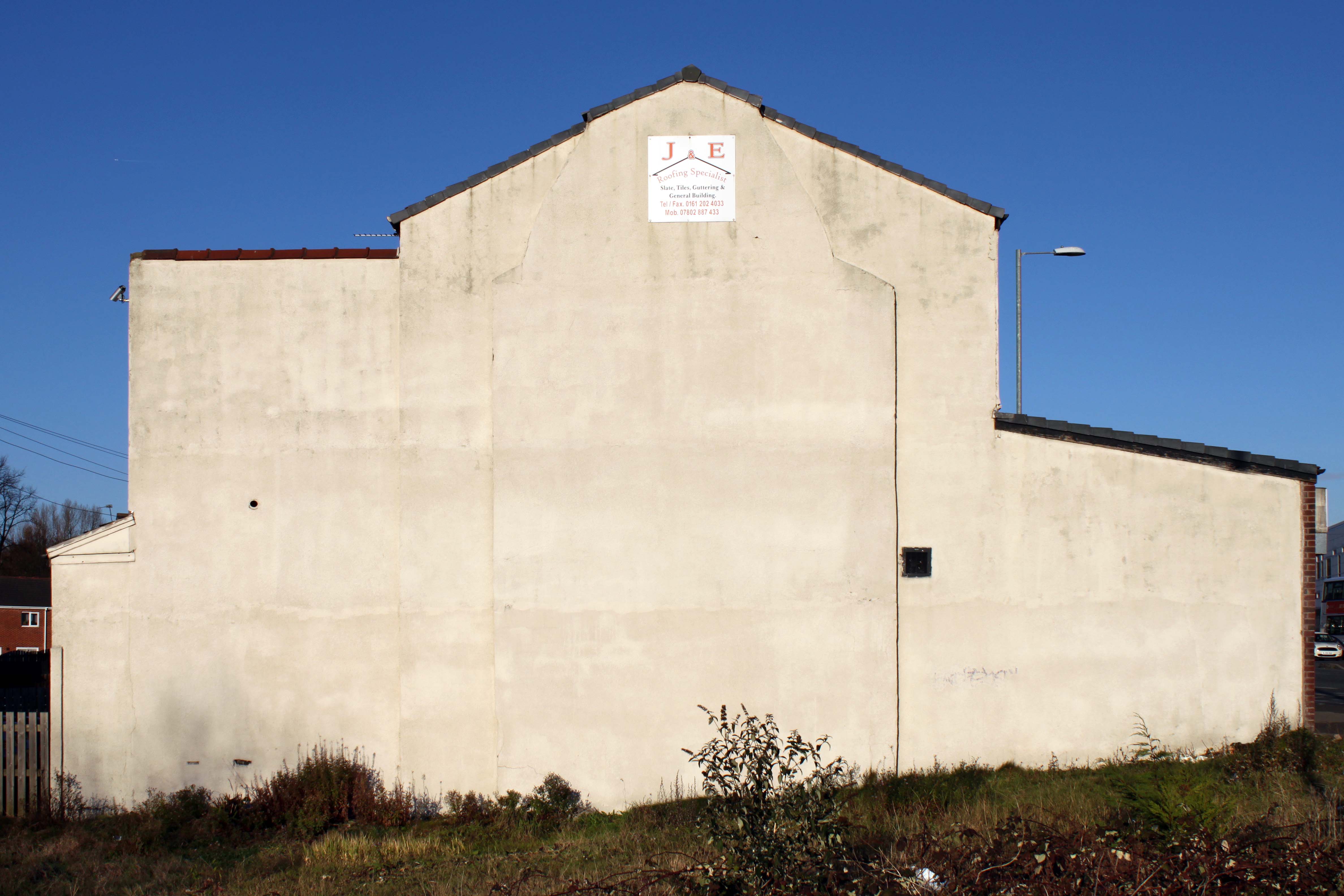
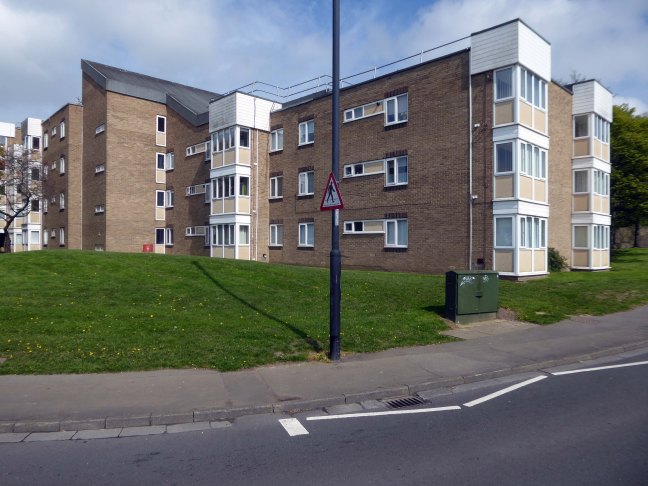
Some things seem to have changed, some things seem to have stayed the same on Ashton New Road.

Manchester Arterial 2024 – A664

Having photographed the arterial roads of Manchester in 2014, I have resolved to return to the task in 2024.

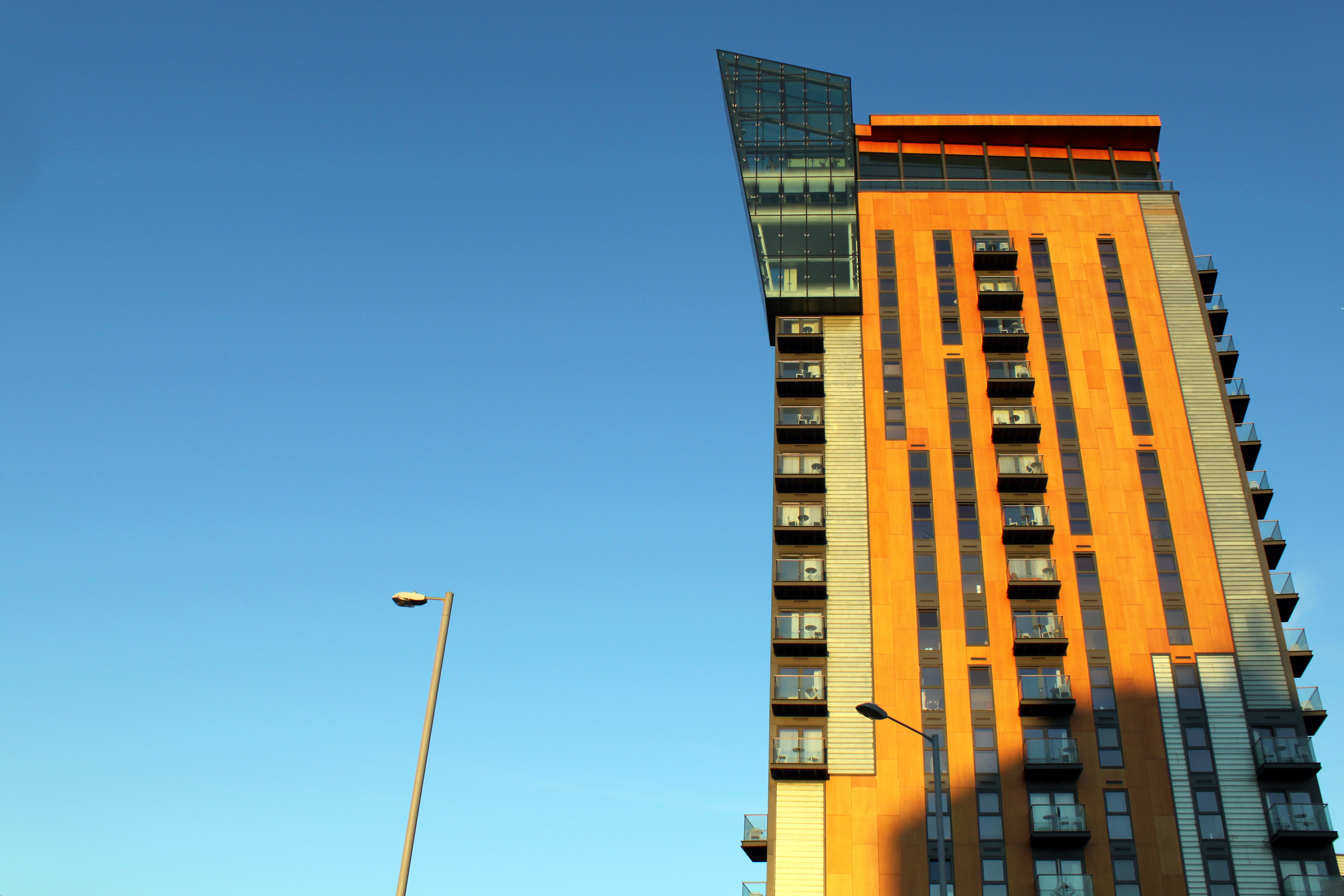
Some things seem to have changed, some things seem to have stayed the same.

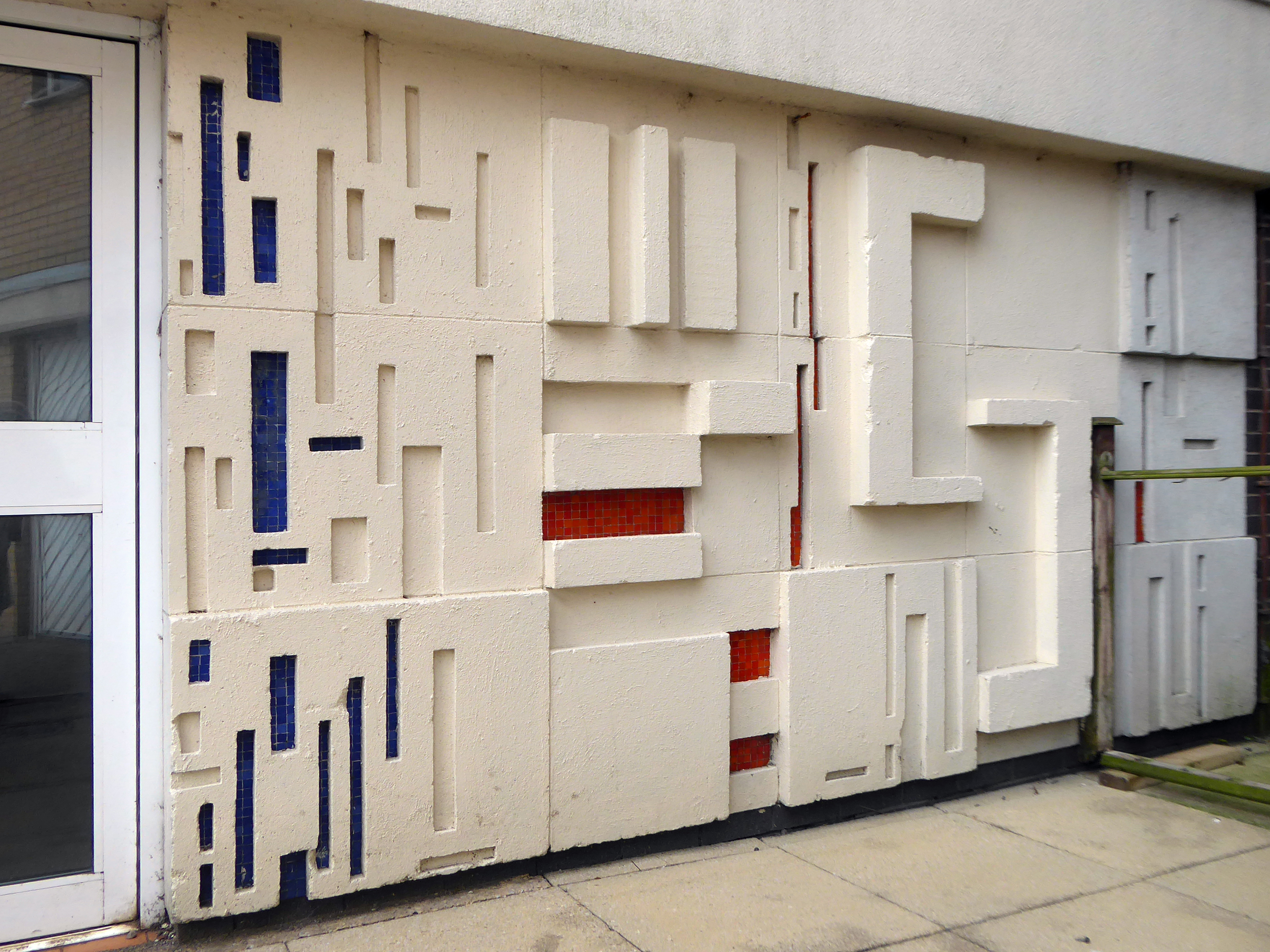
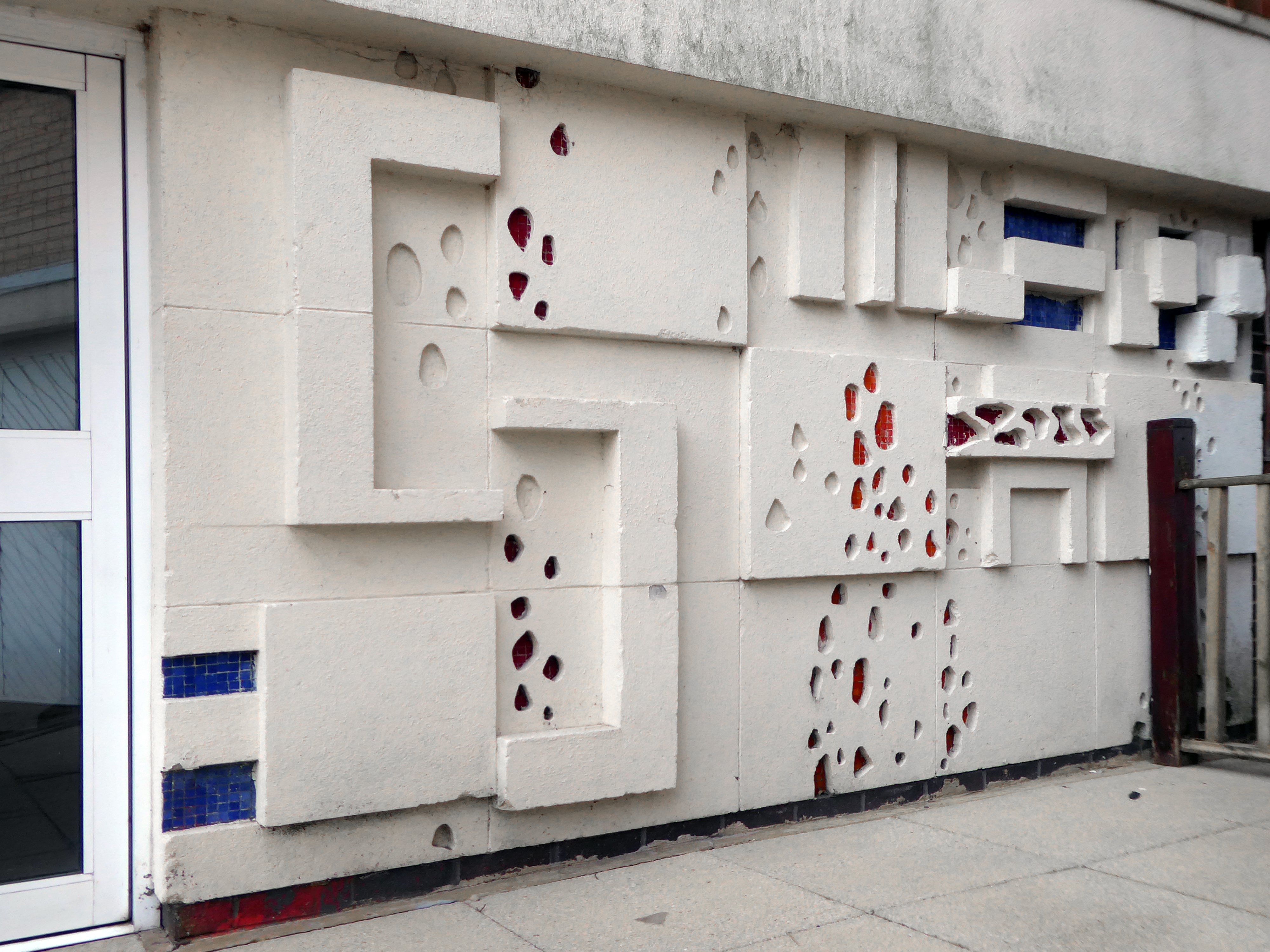
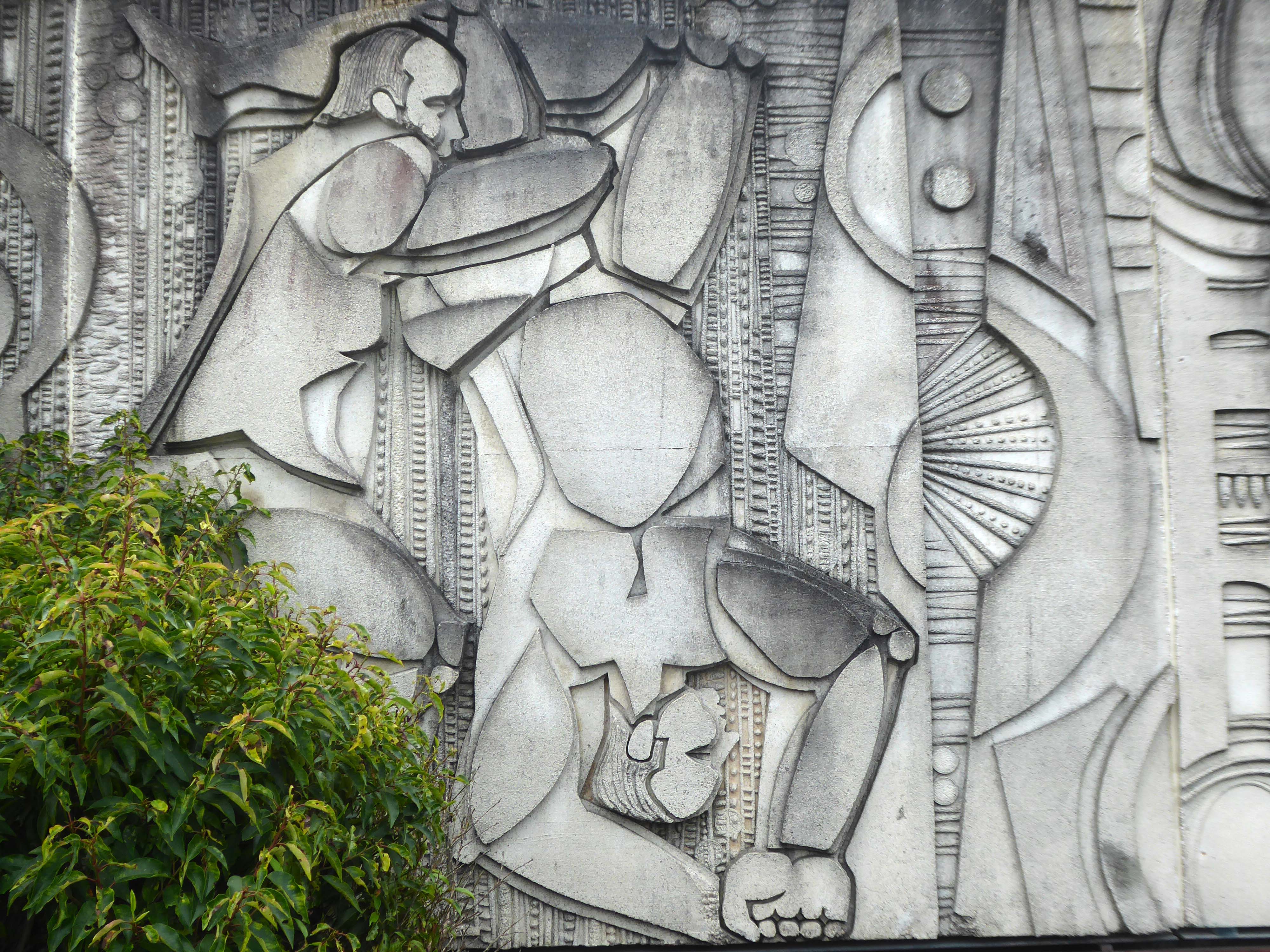
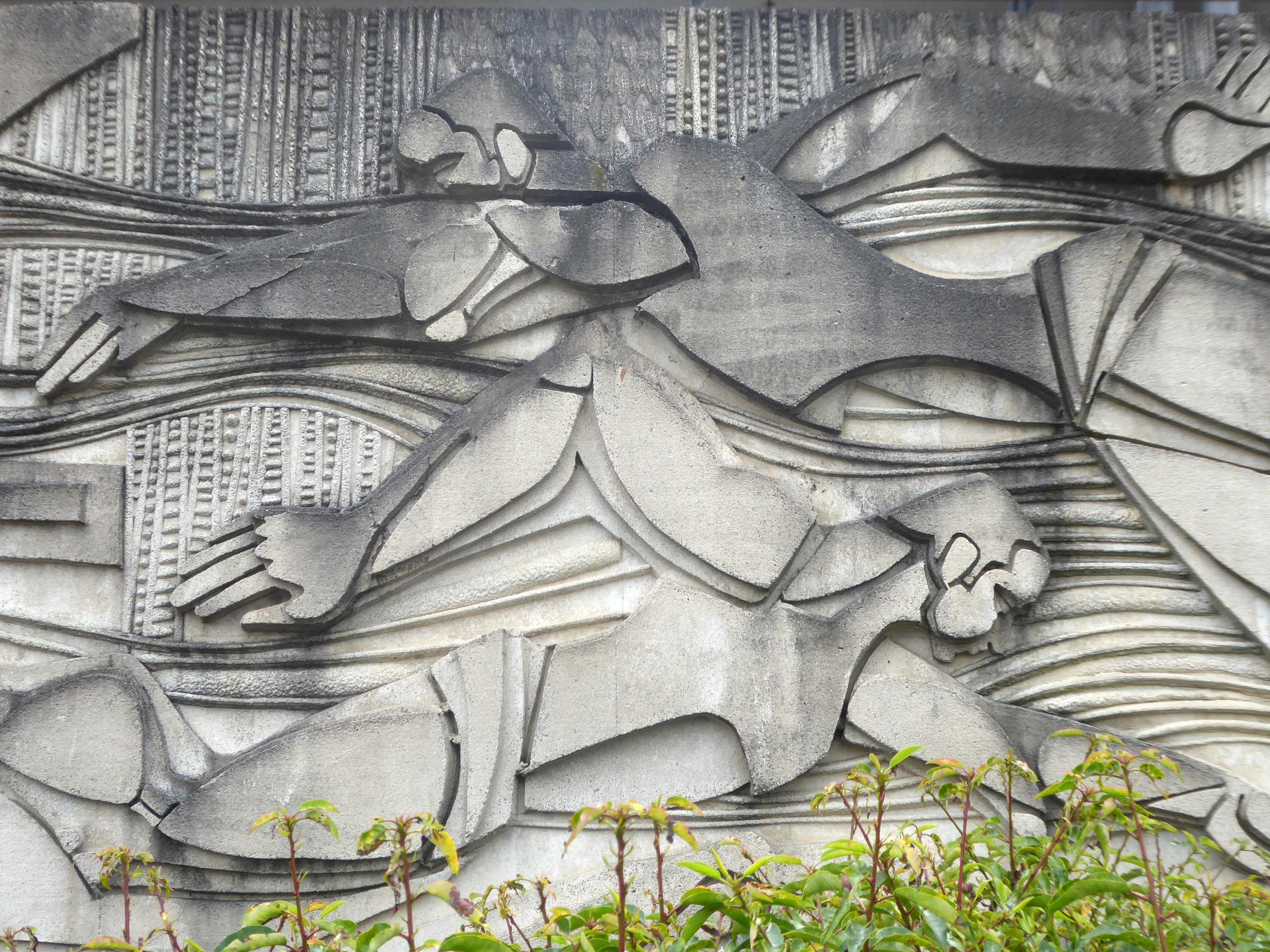
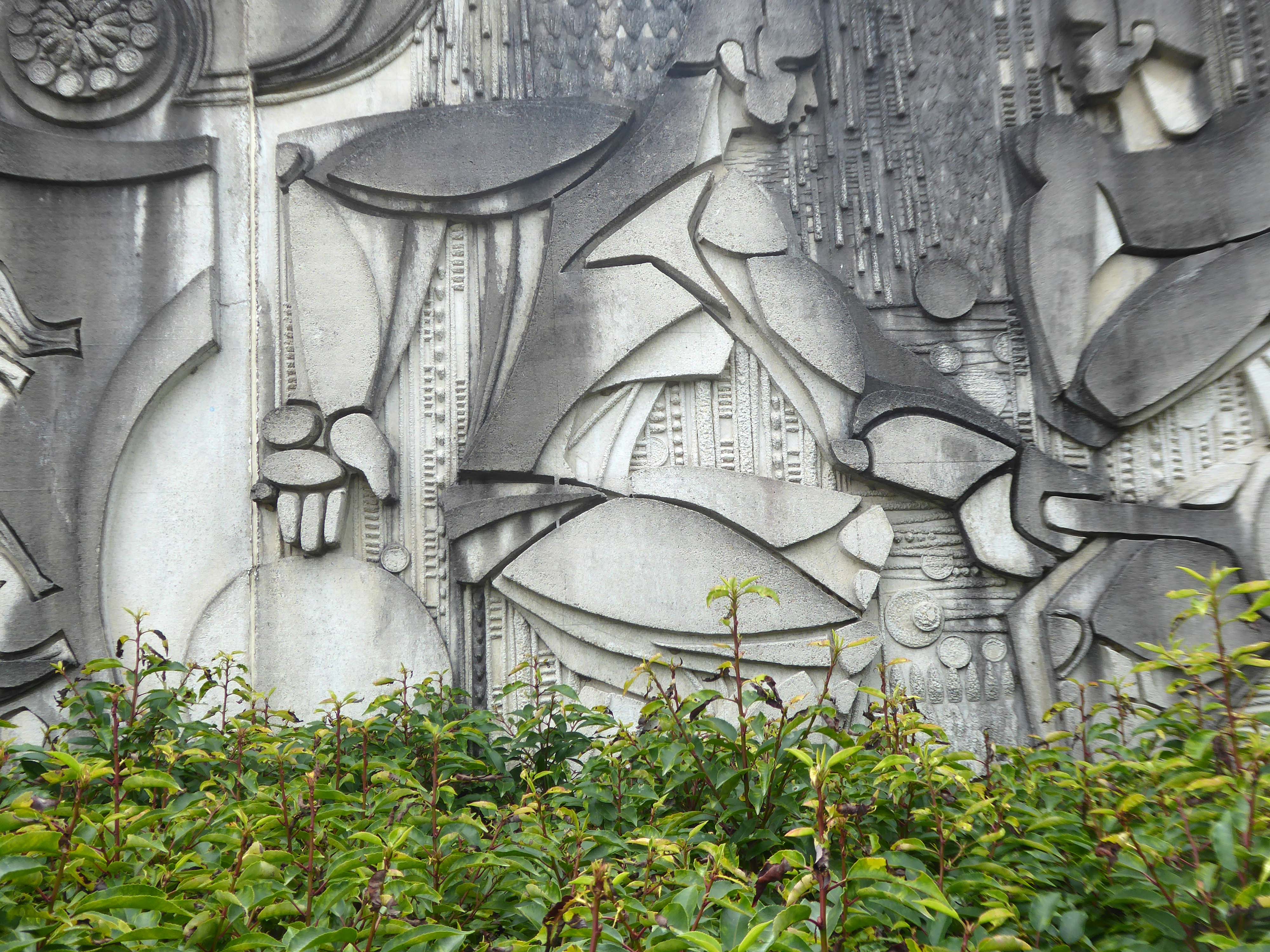
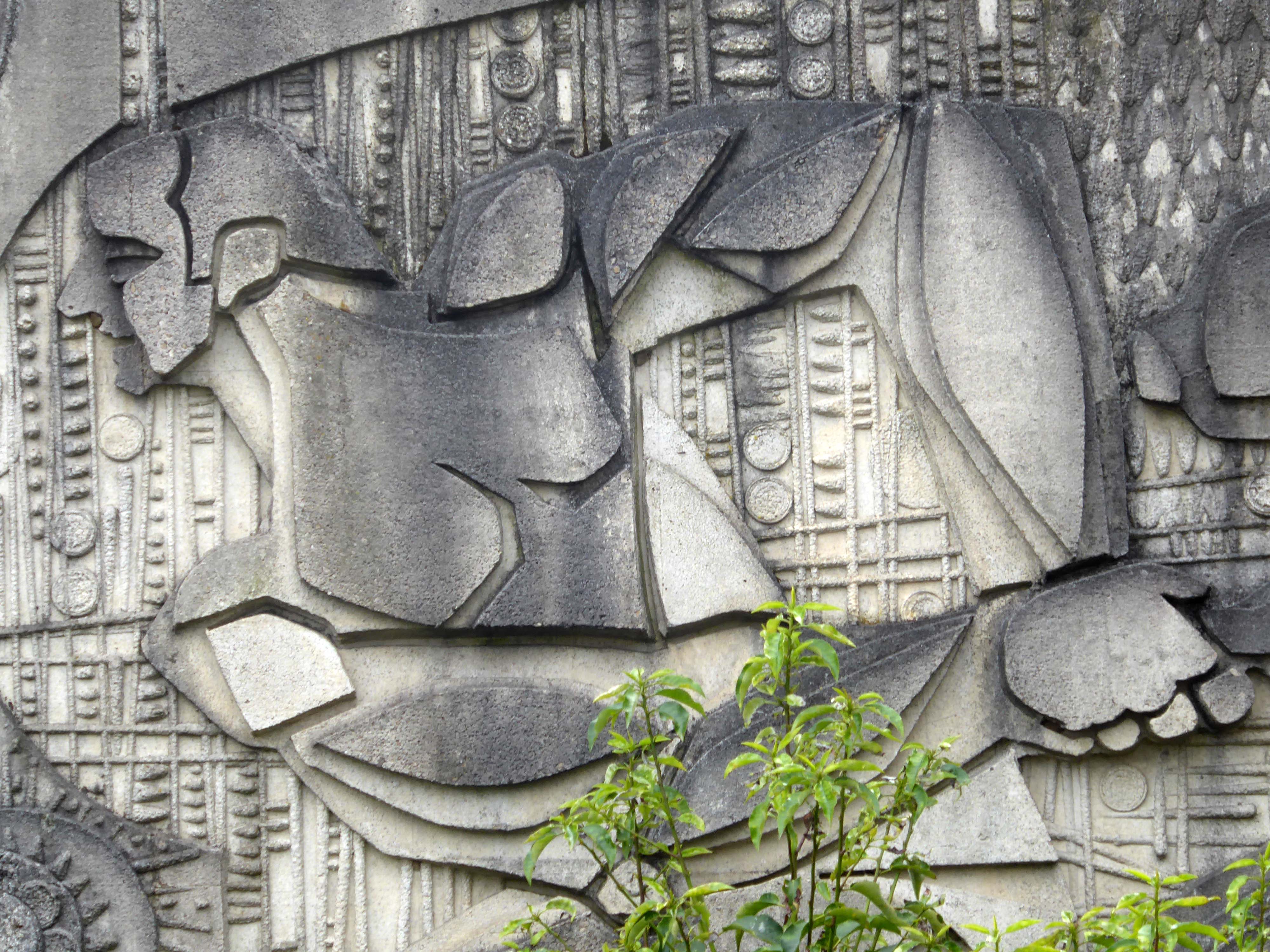
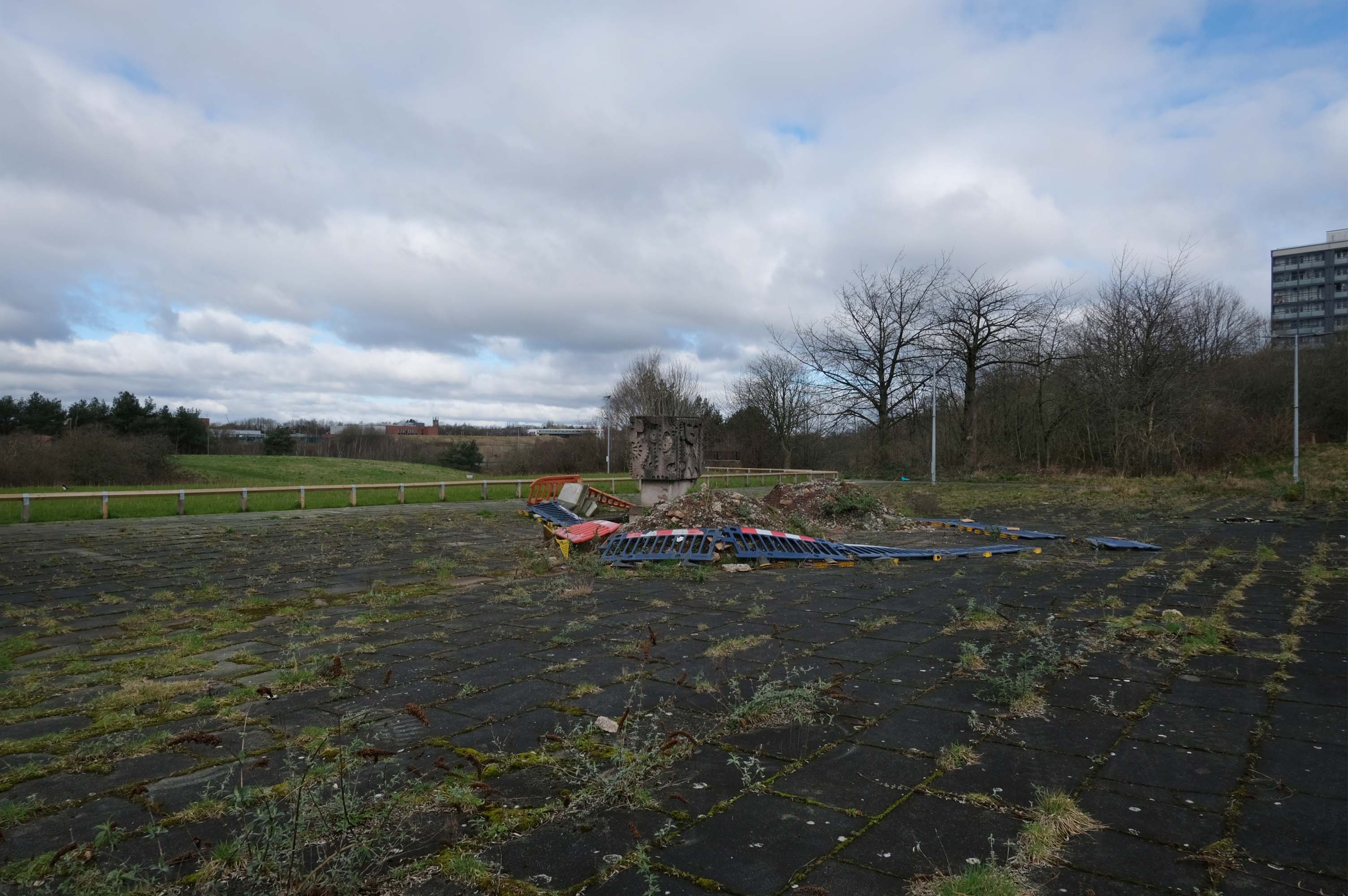
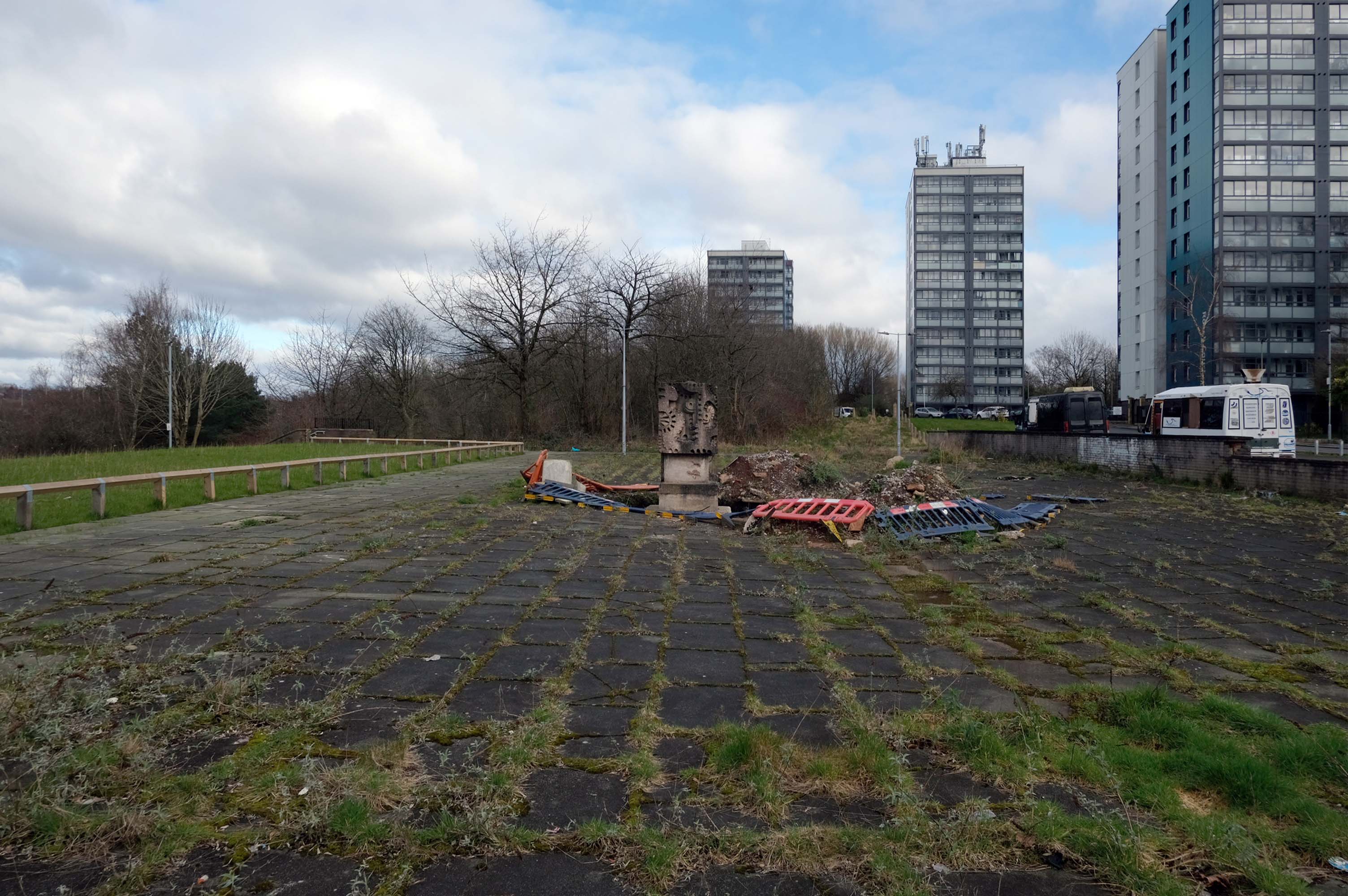
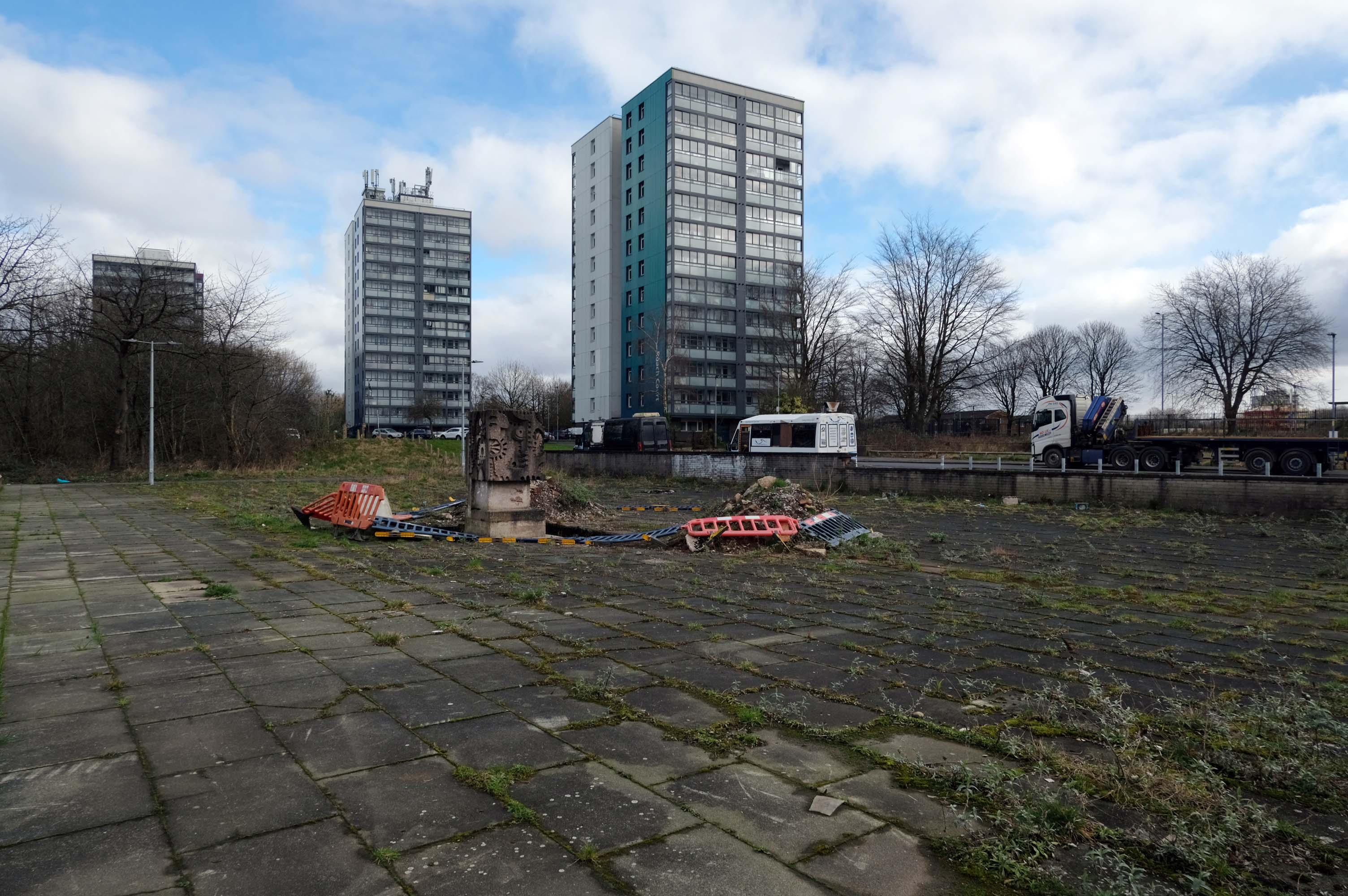
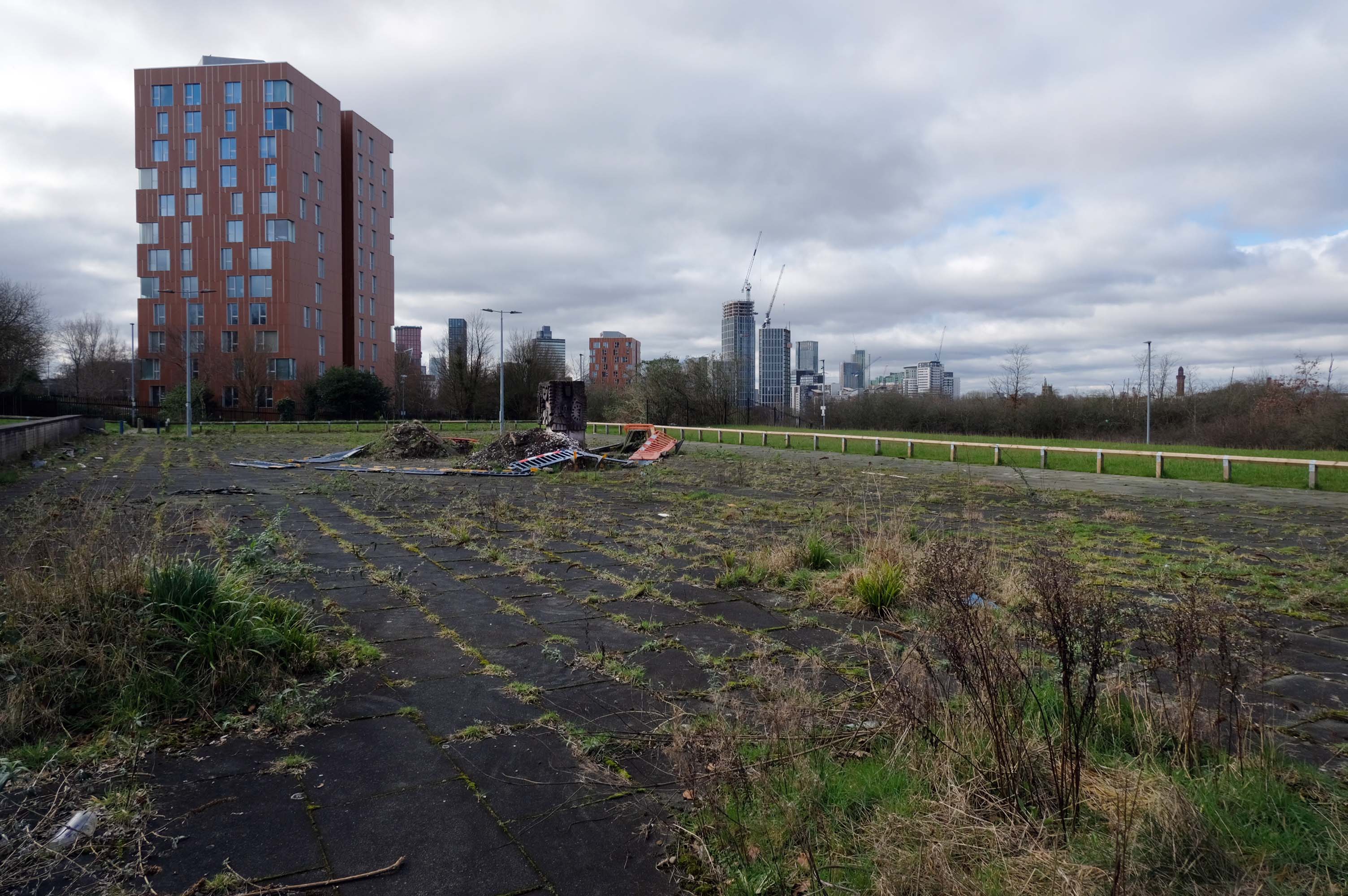
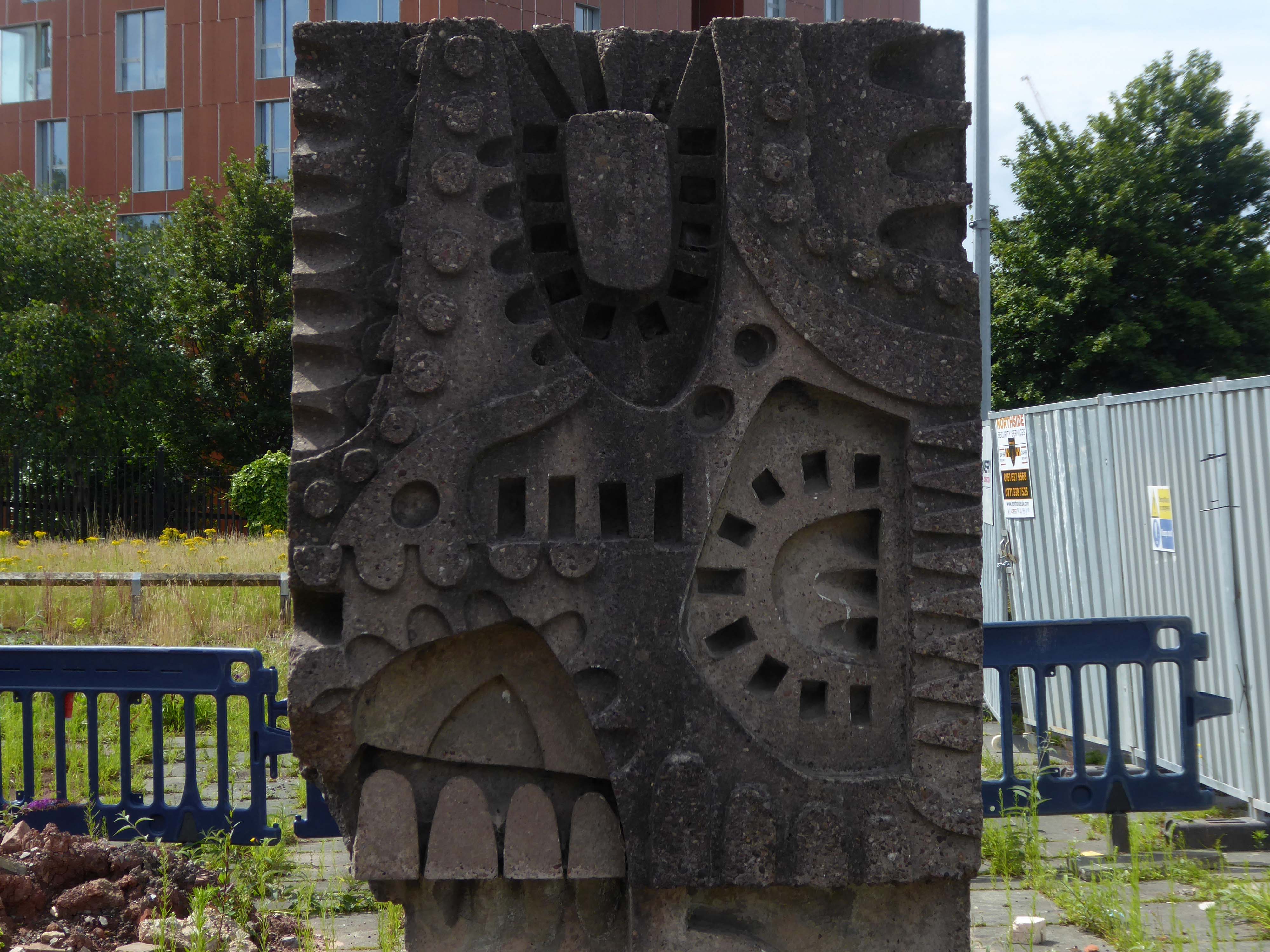
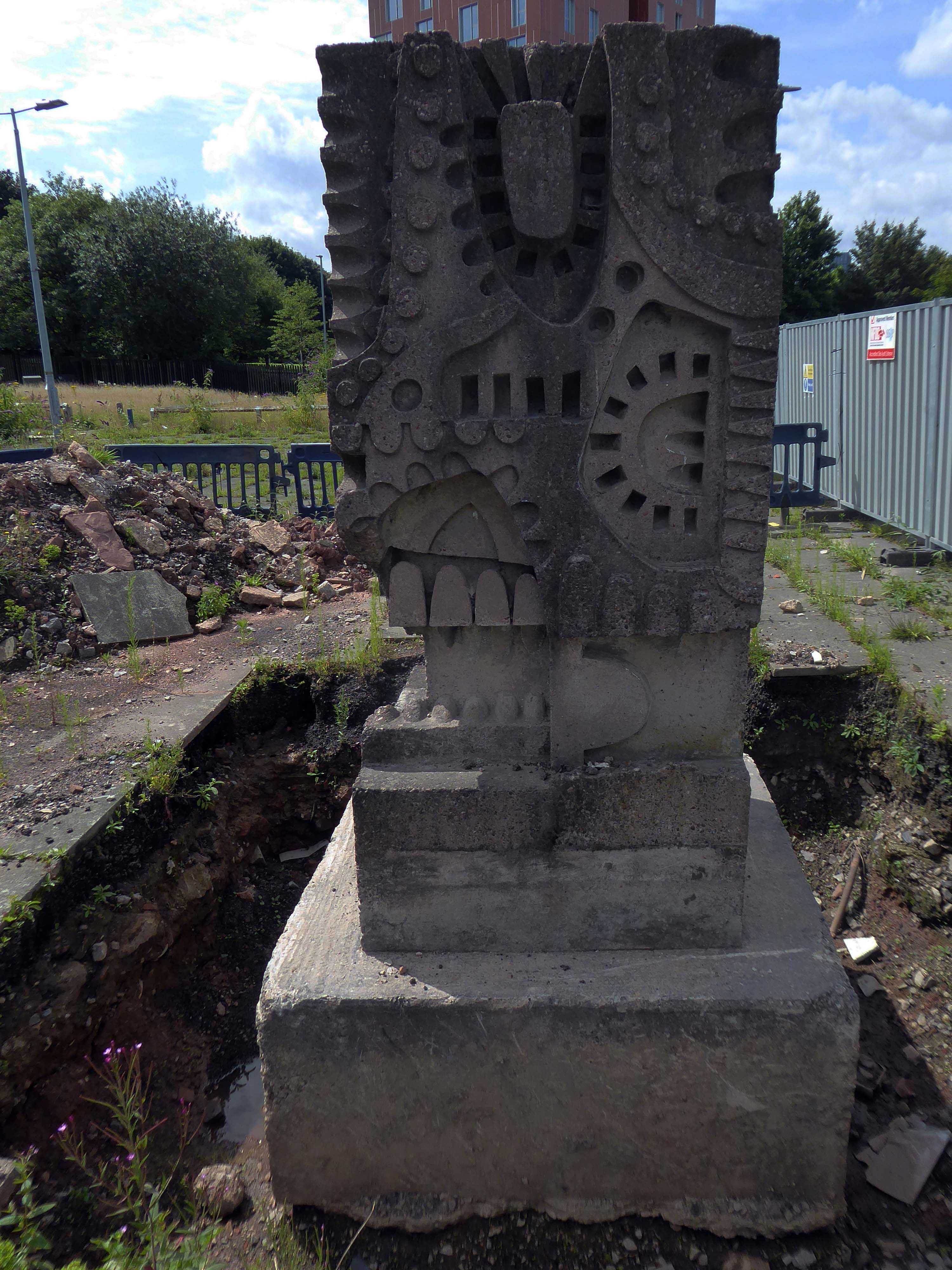
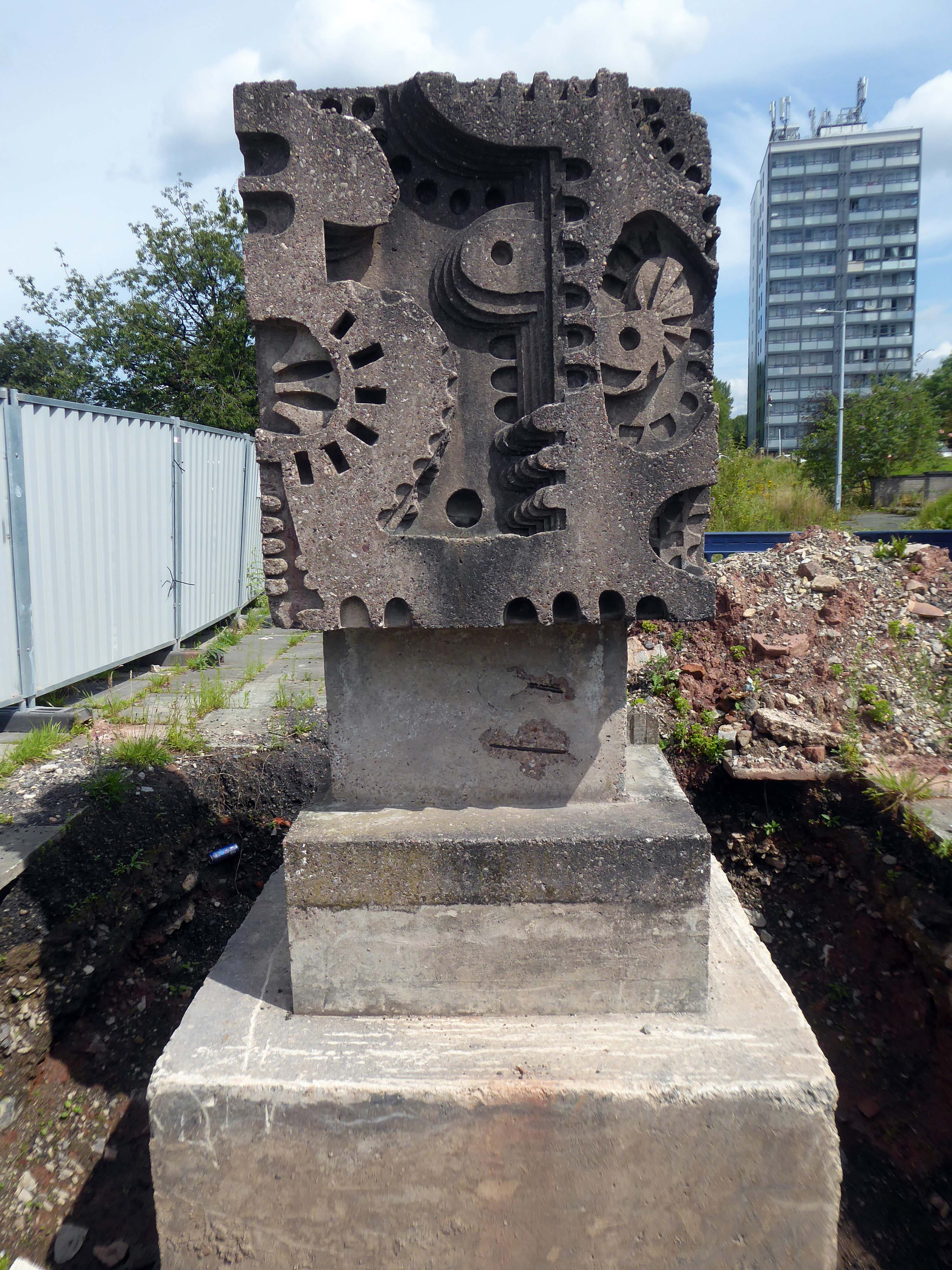
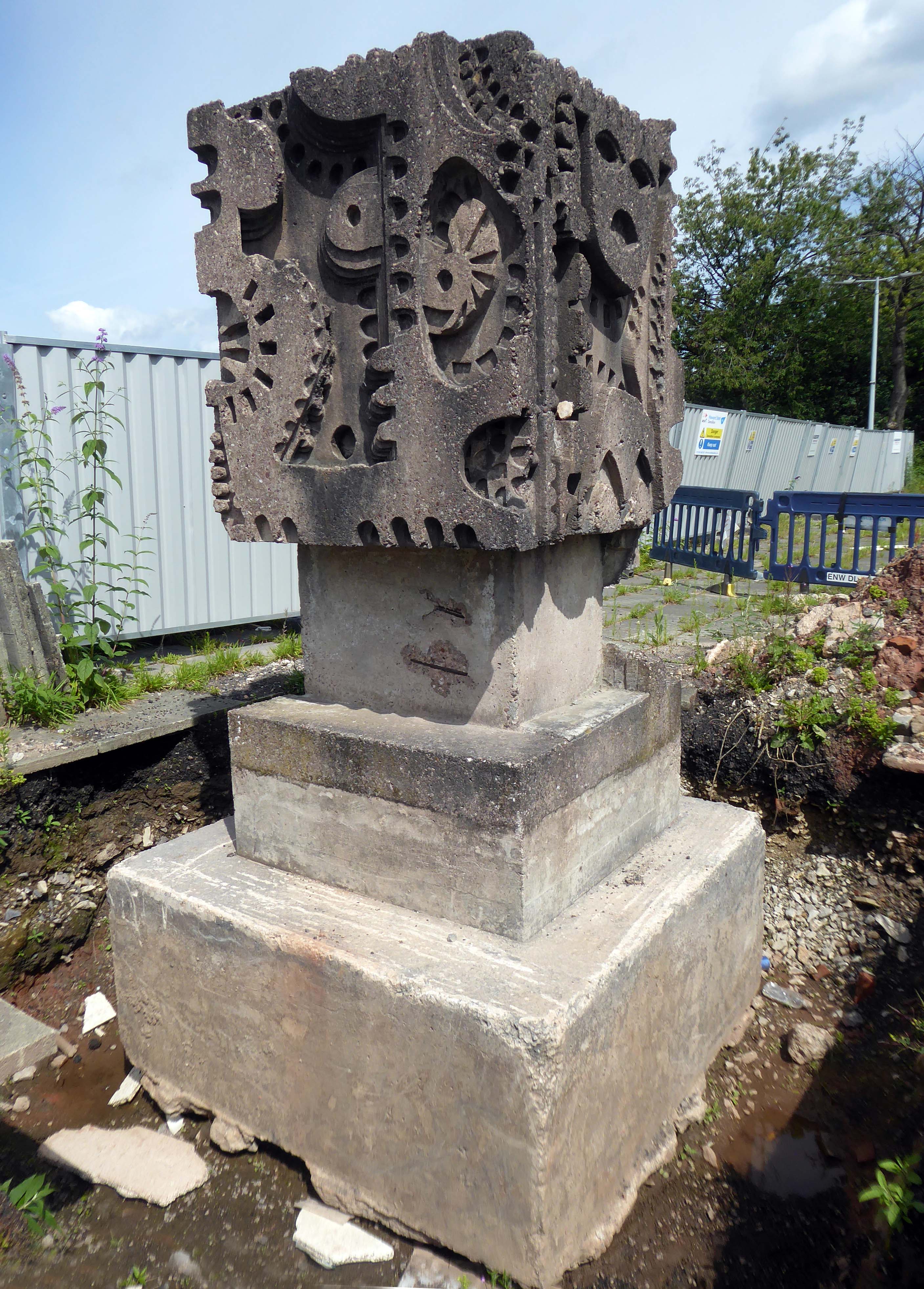
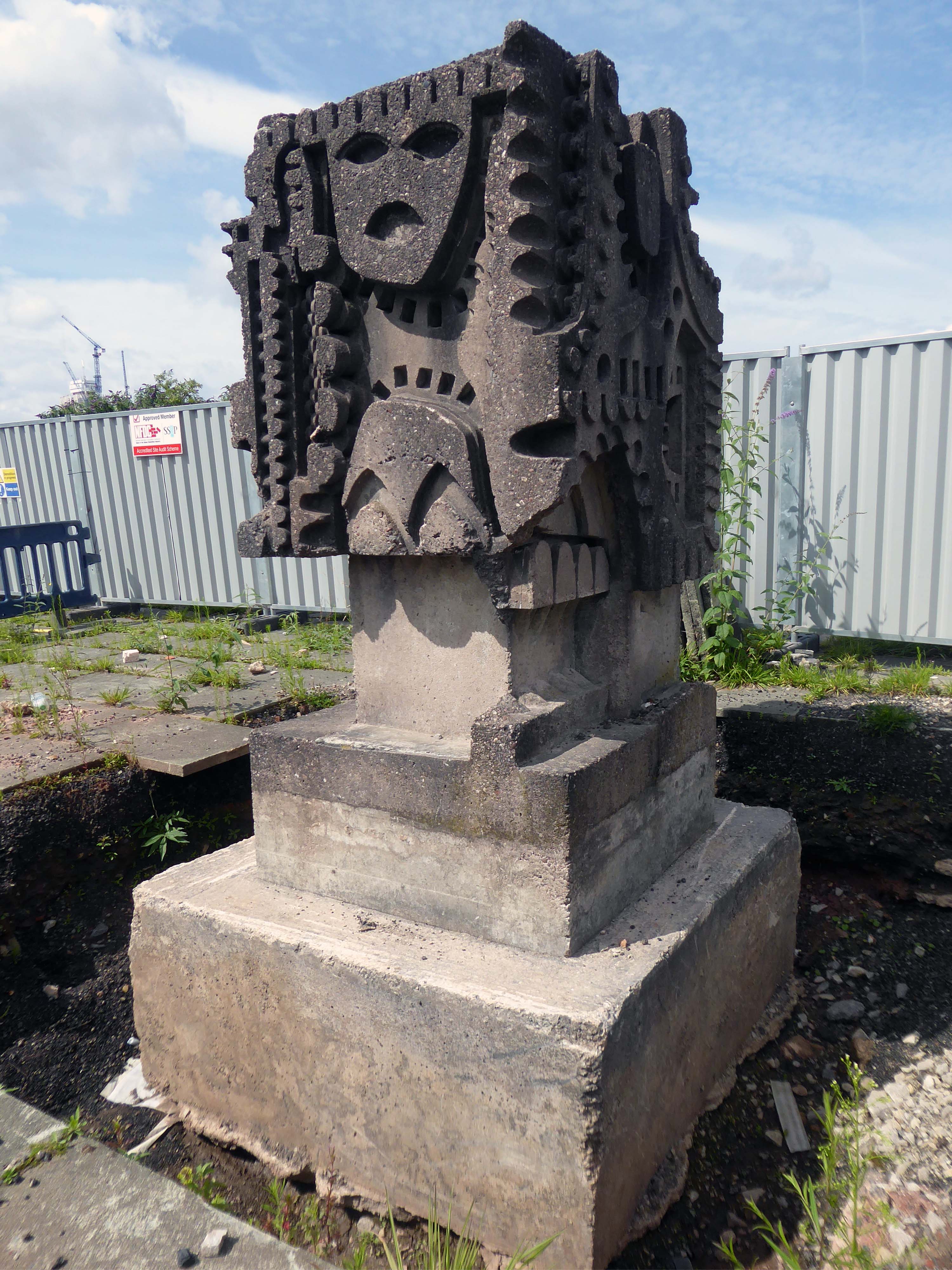
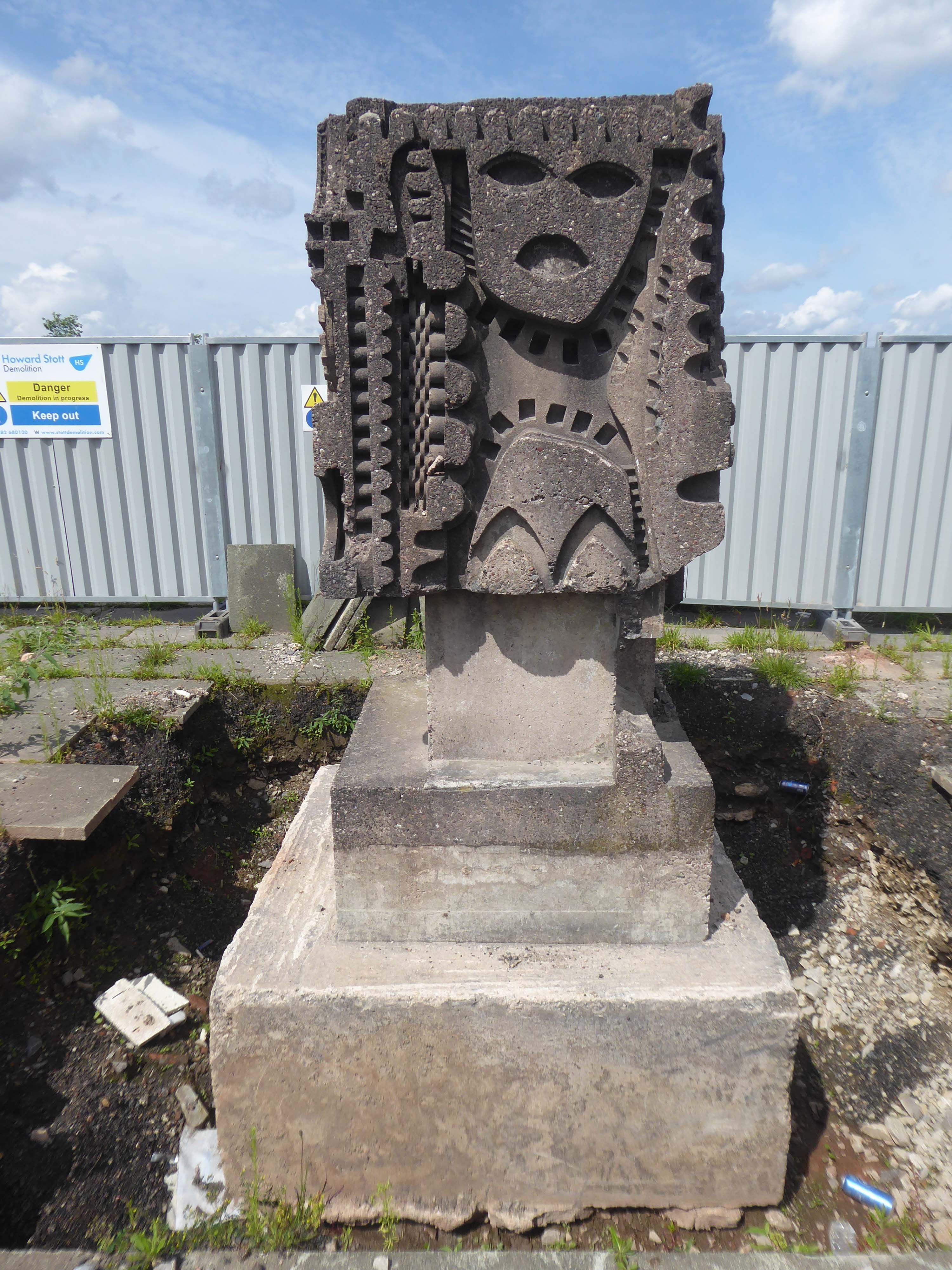
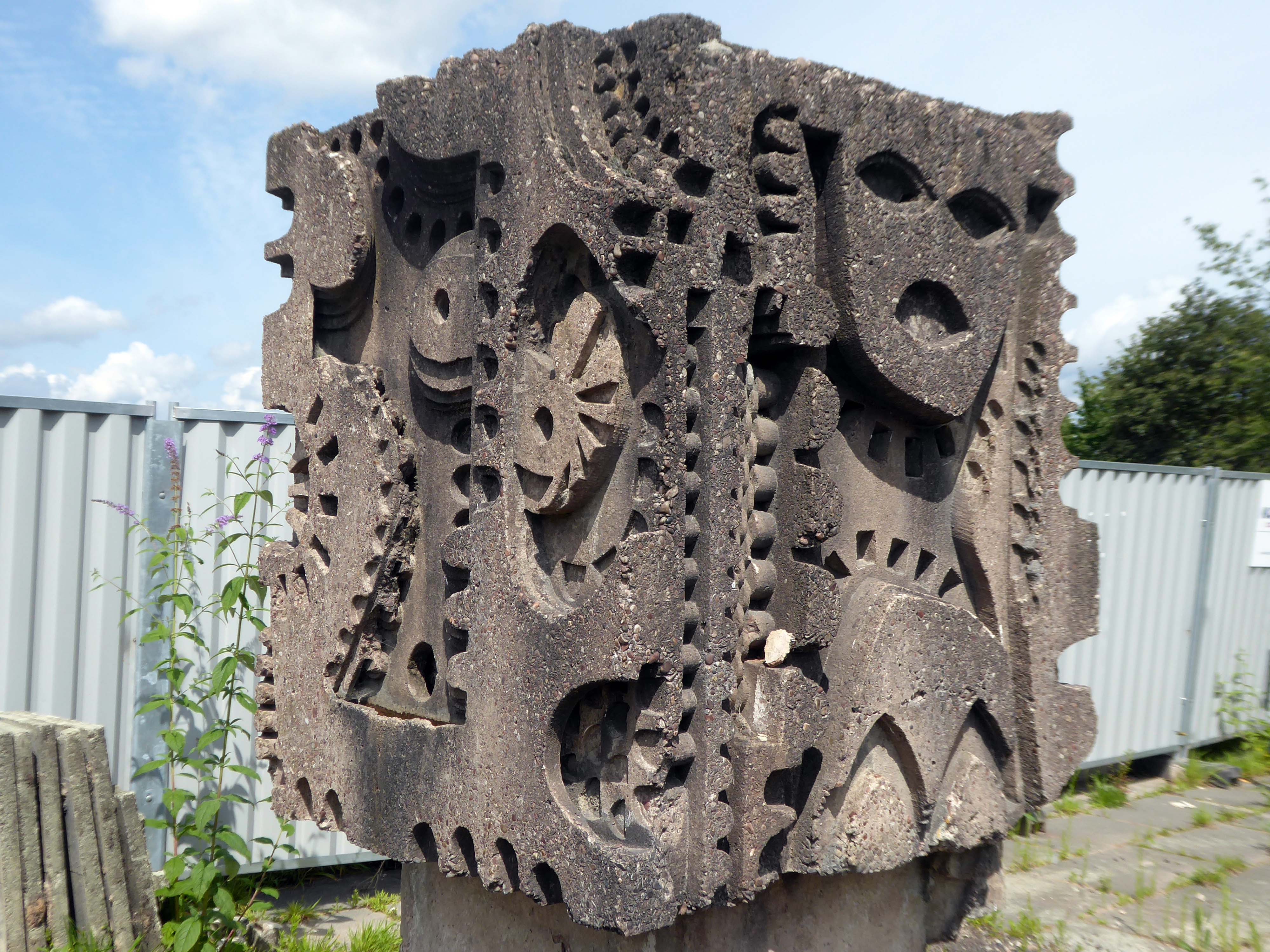
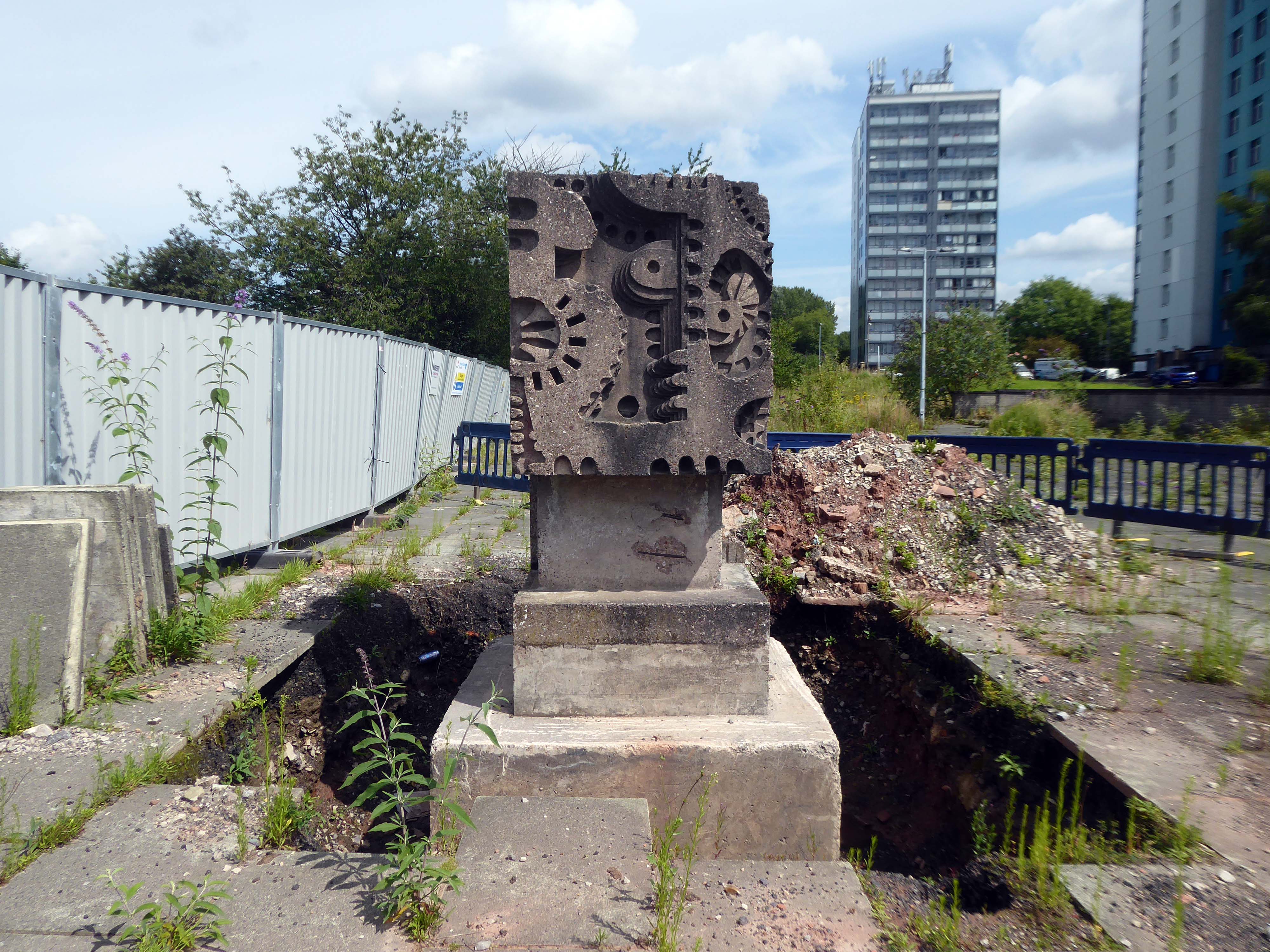
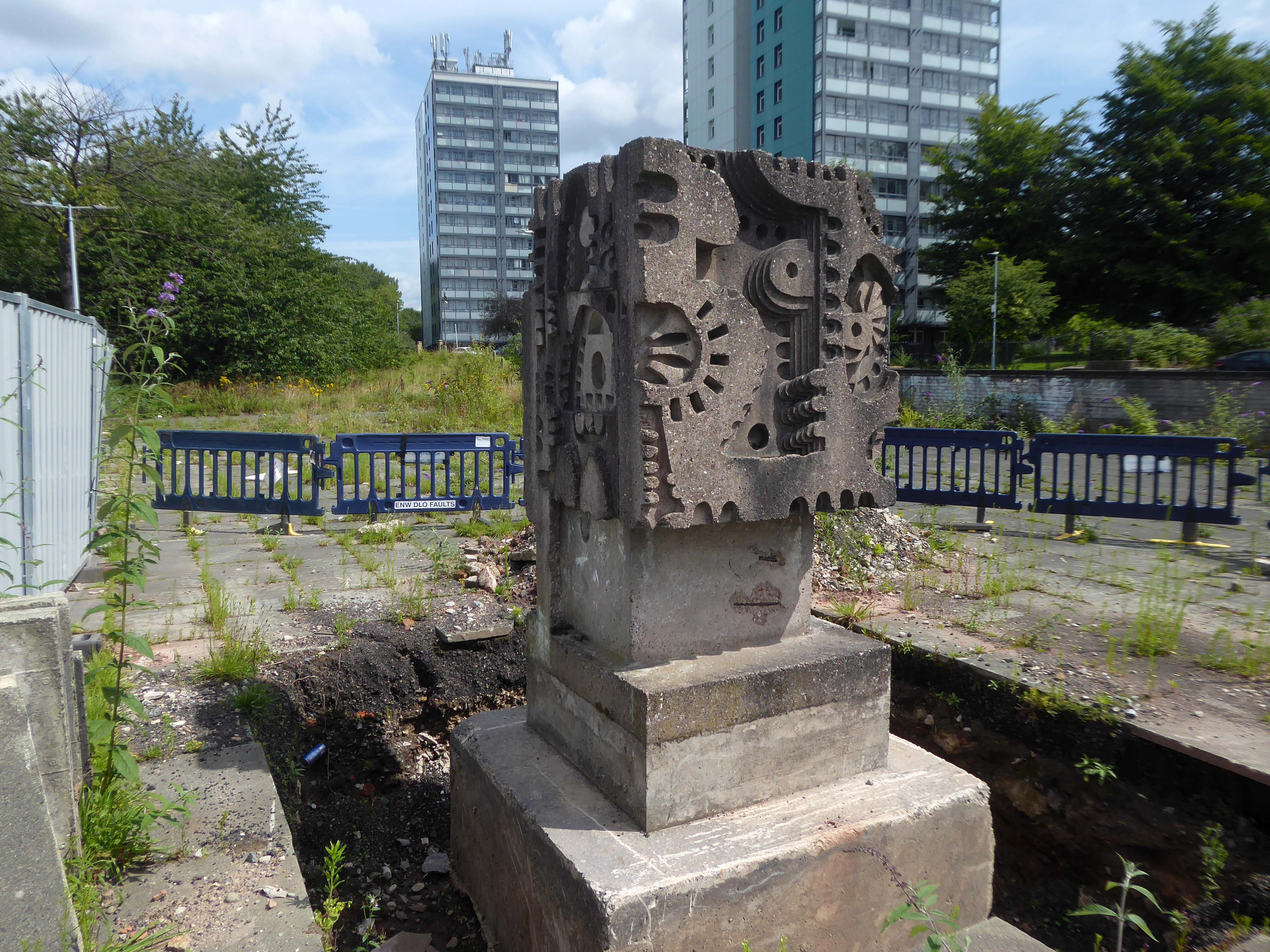
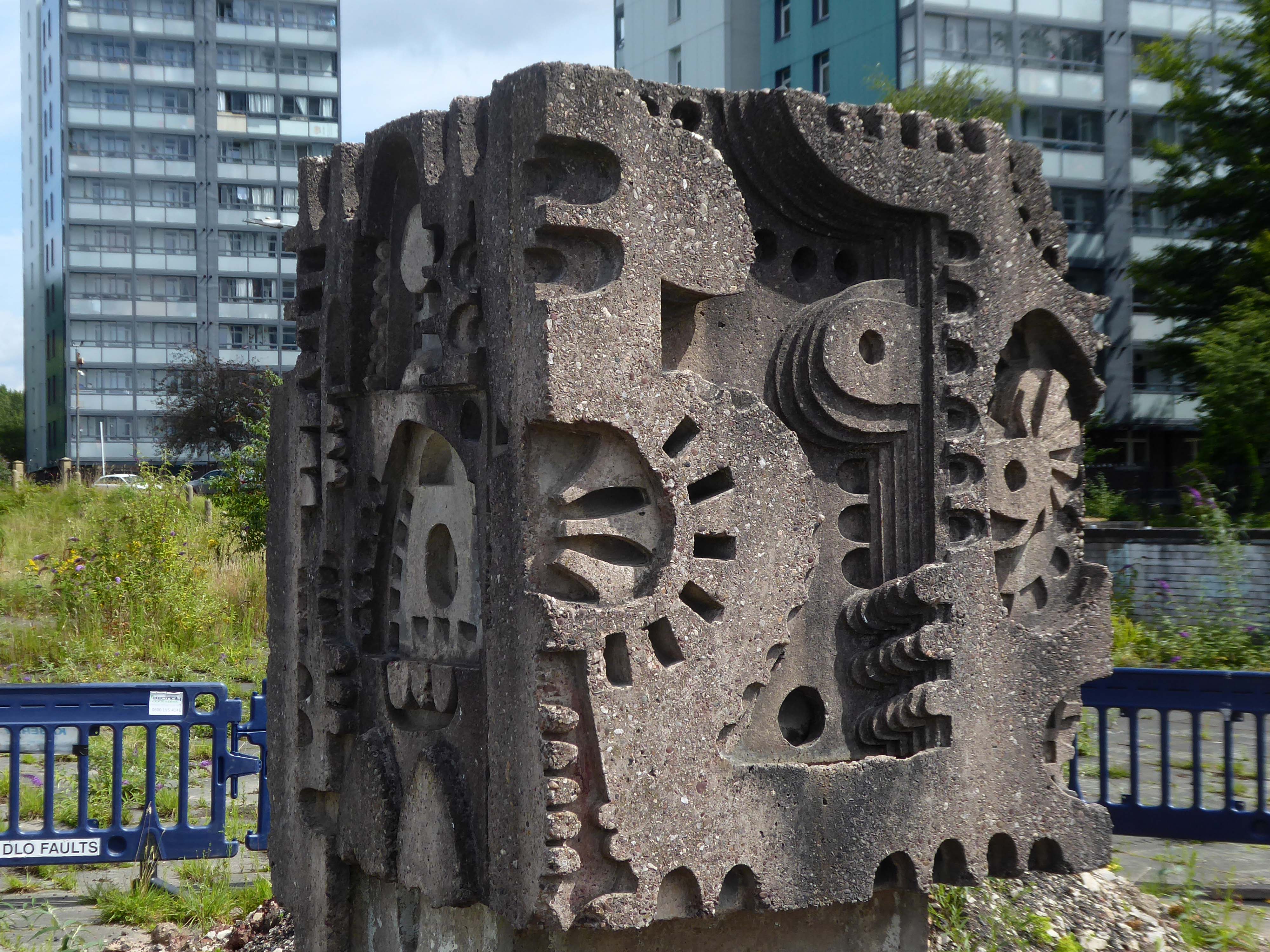
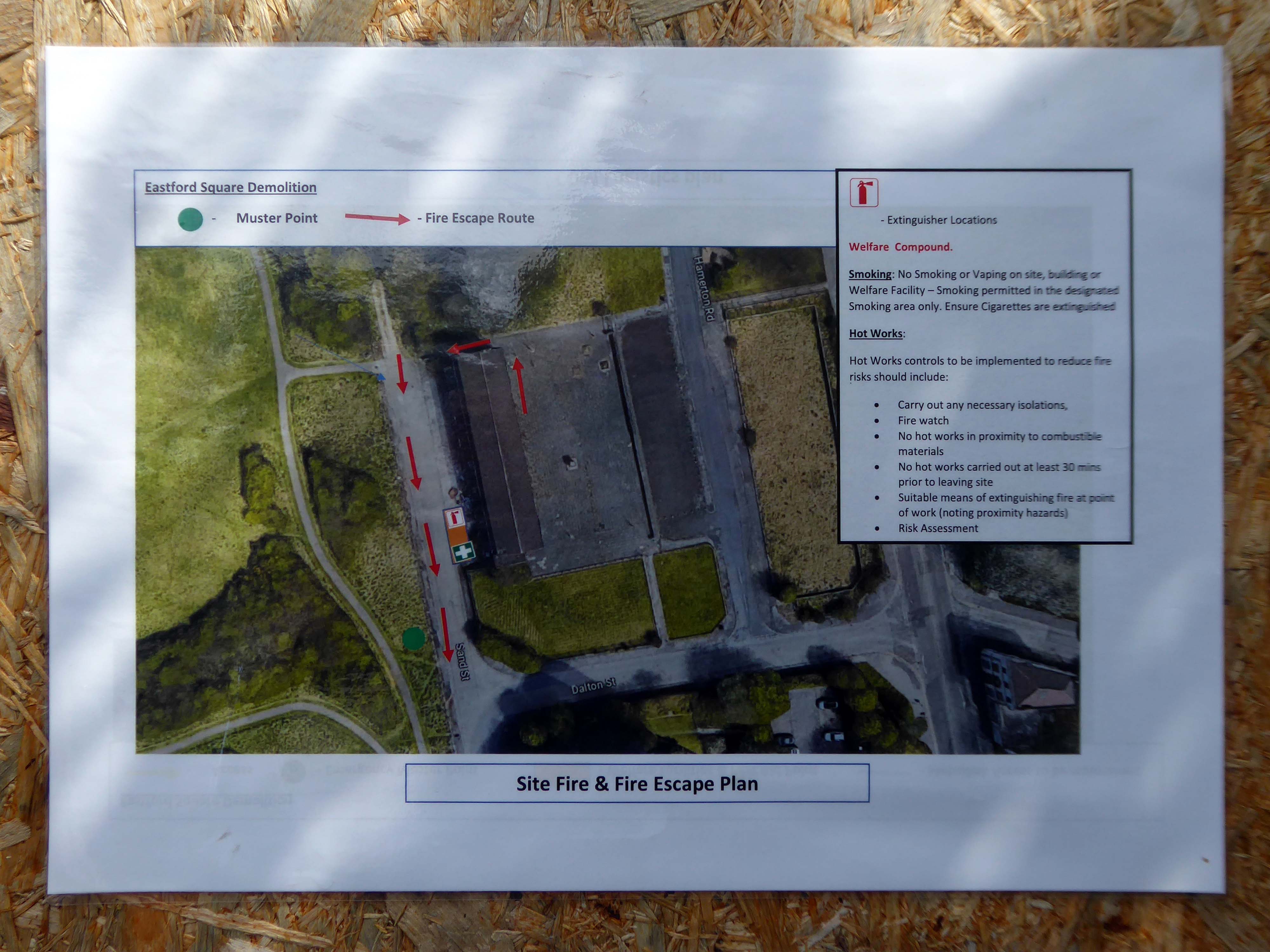
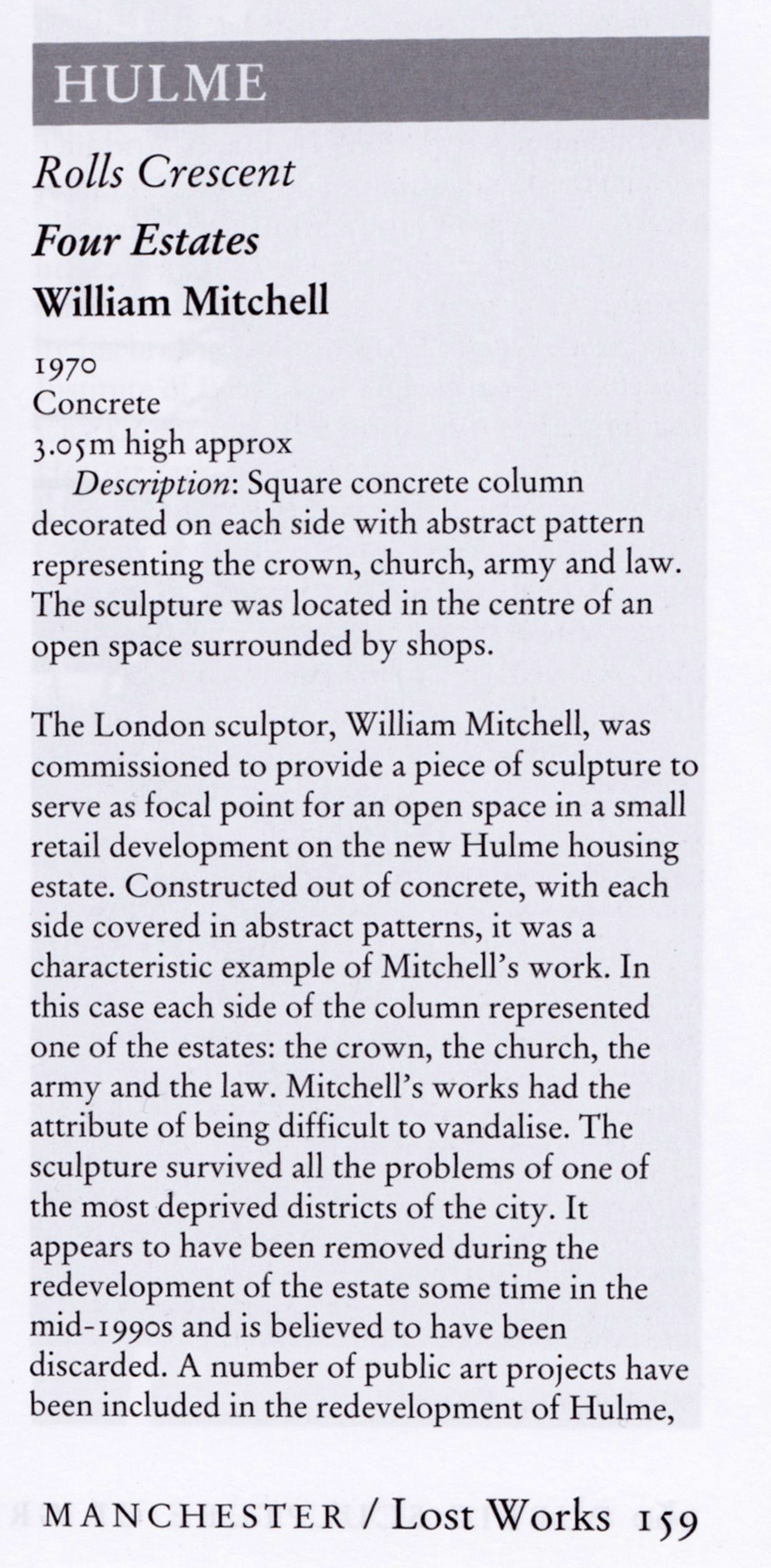
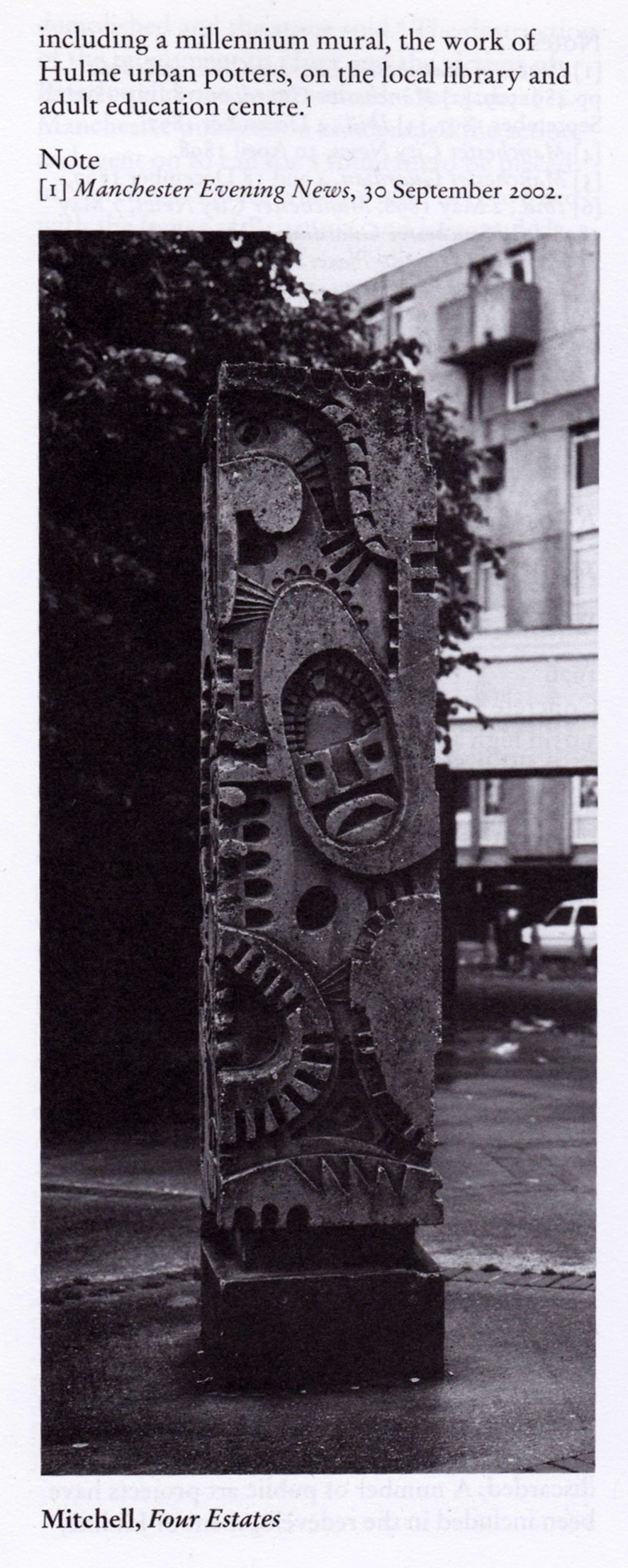
Eastford Square Collyhurst – William Mitchell

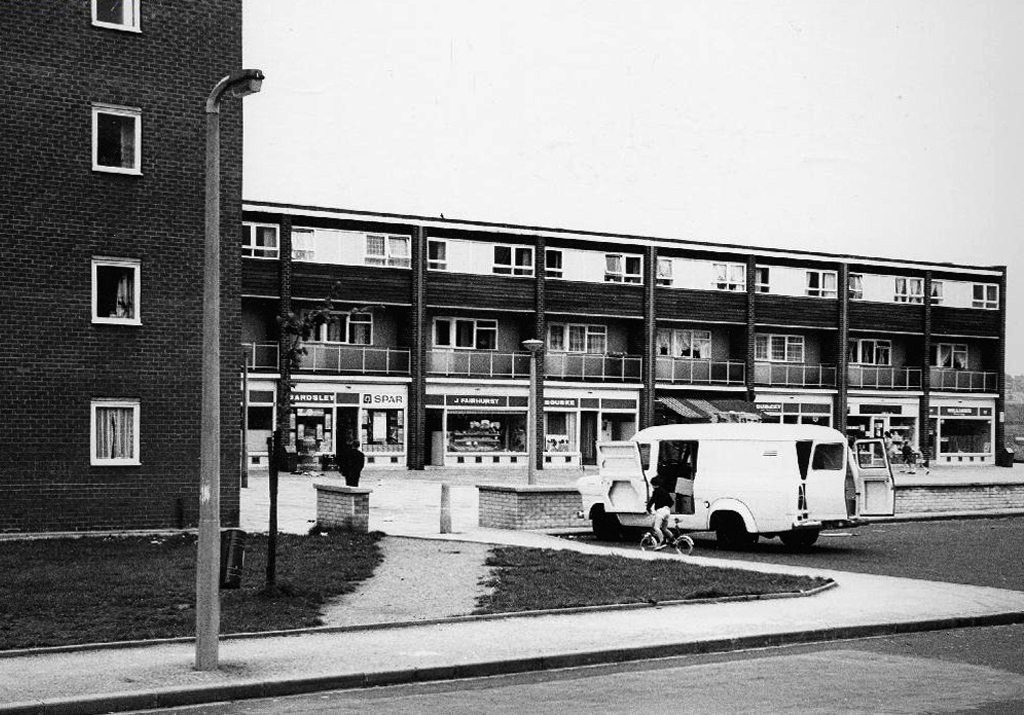
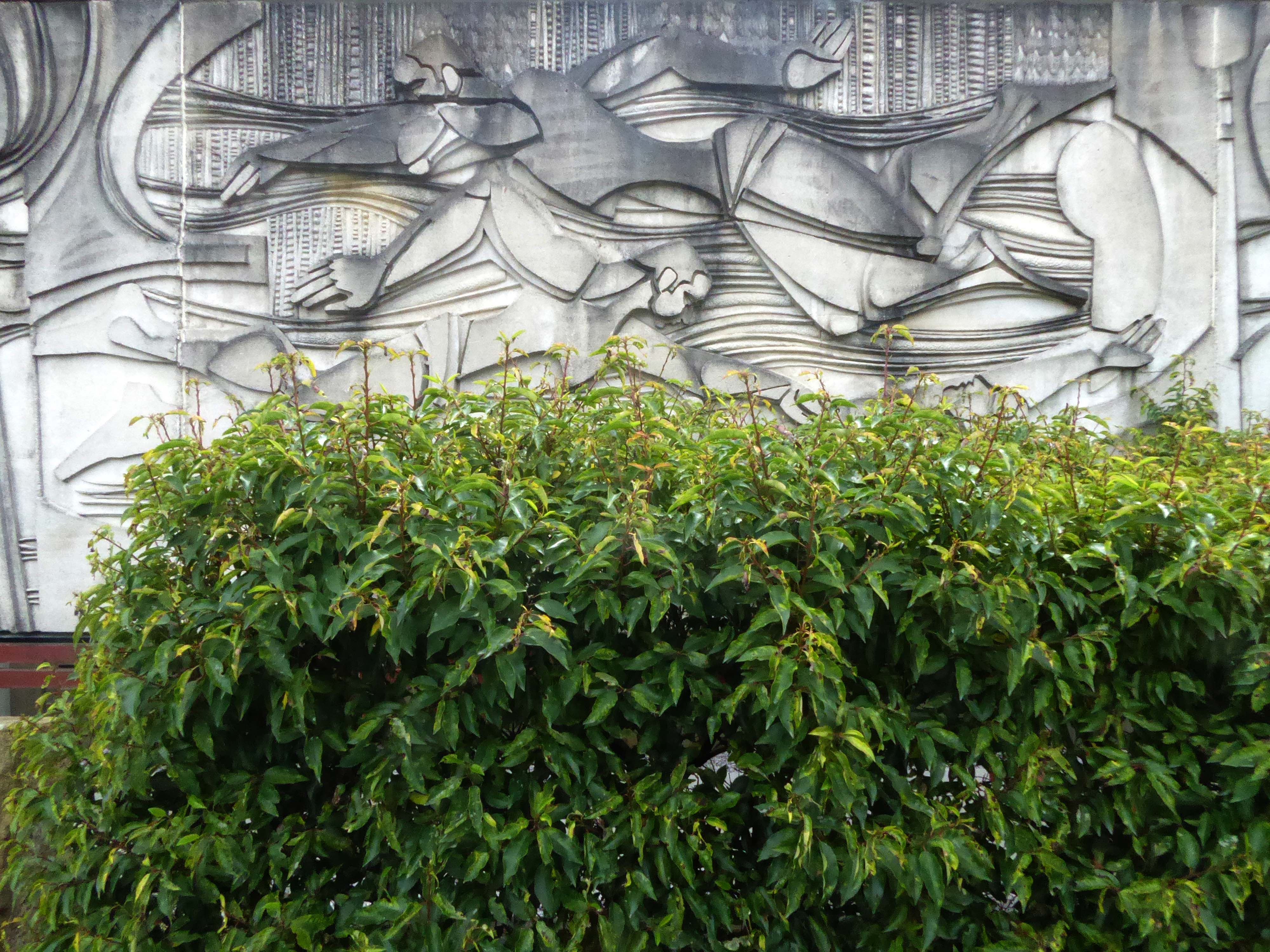
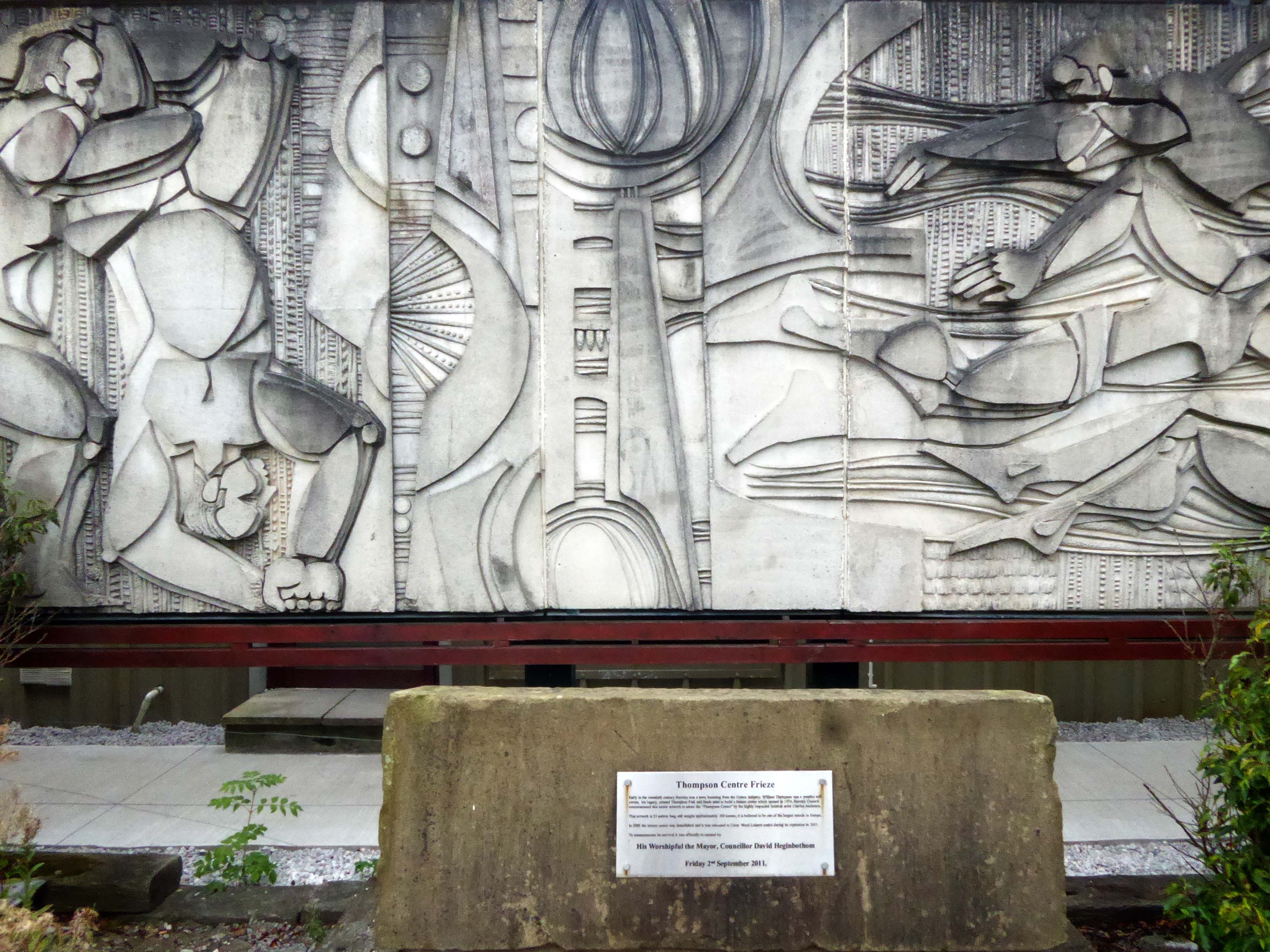
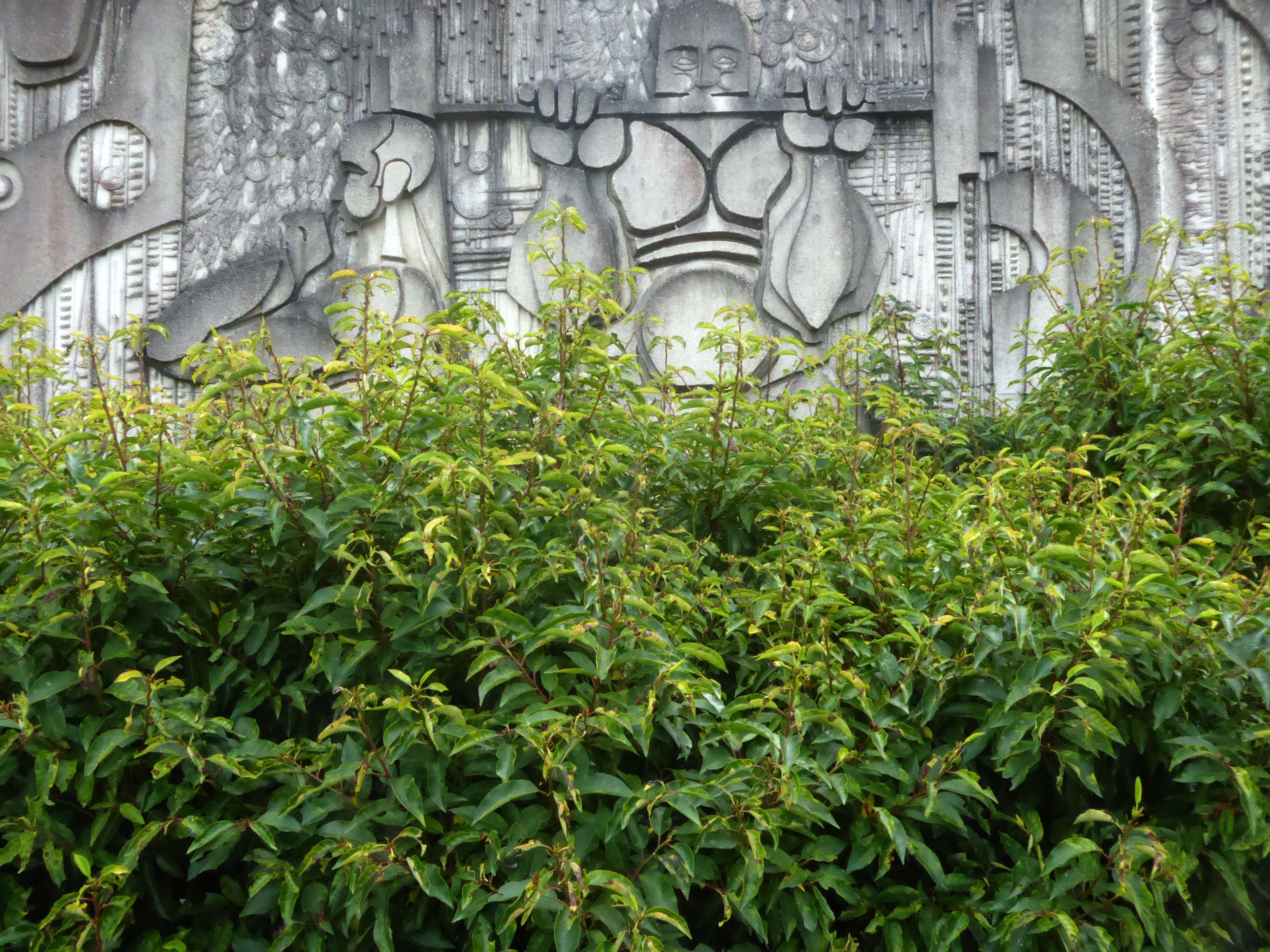
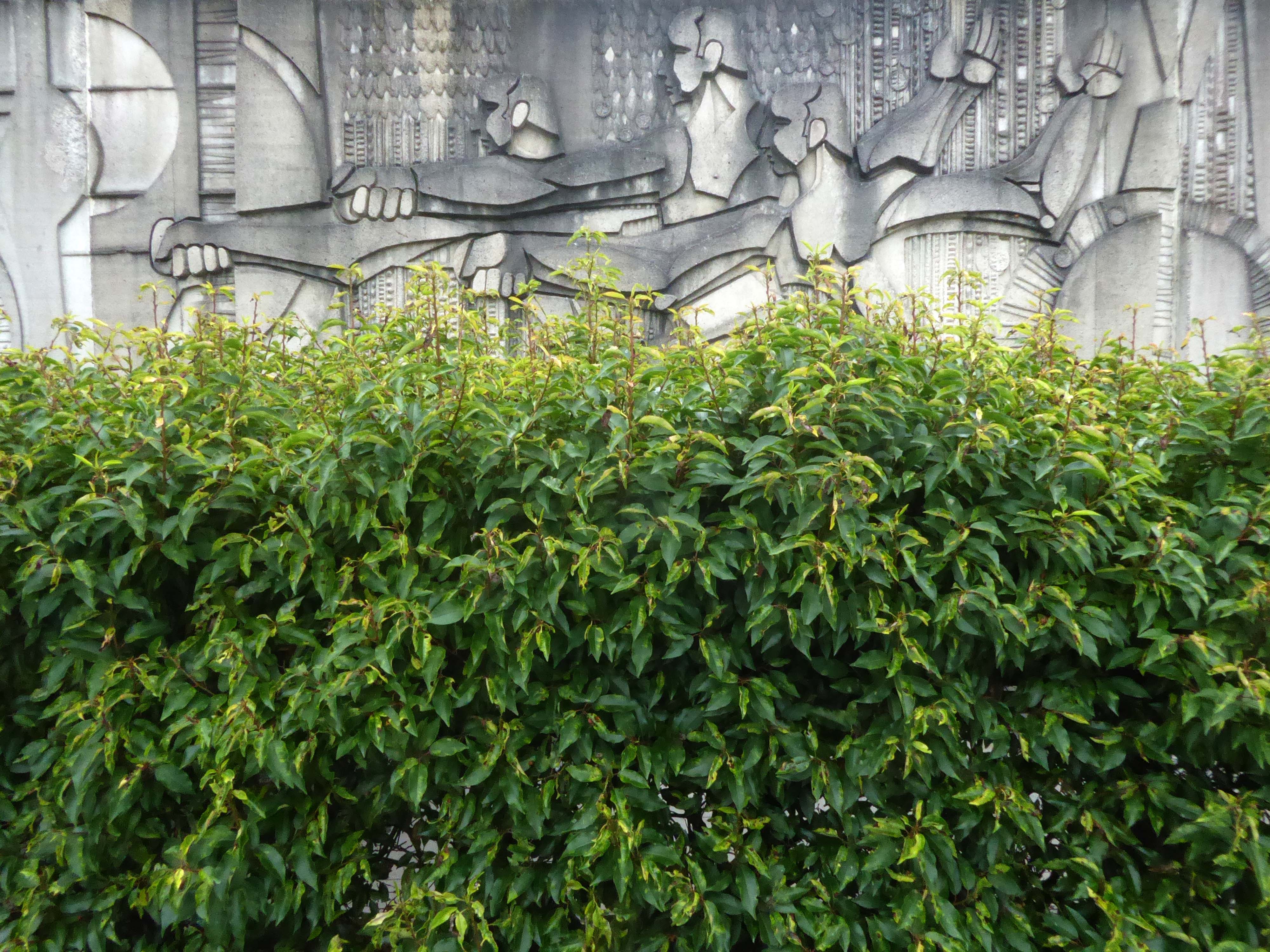
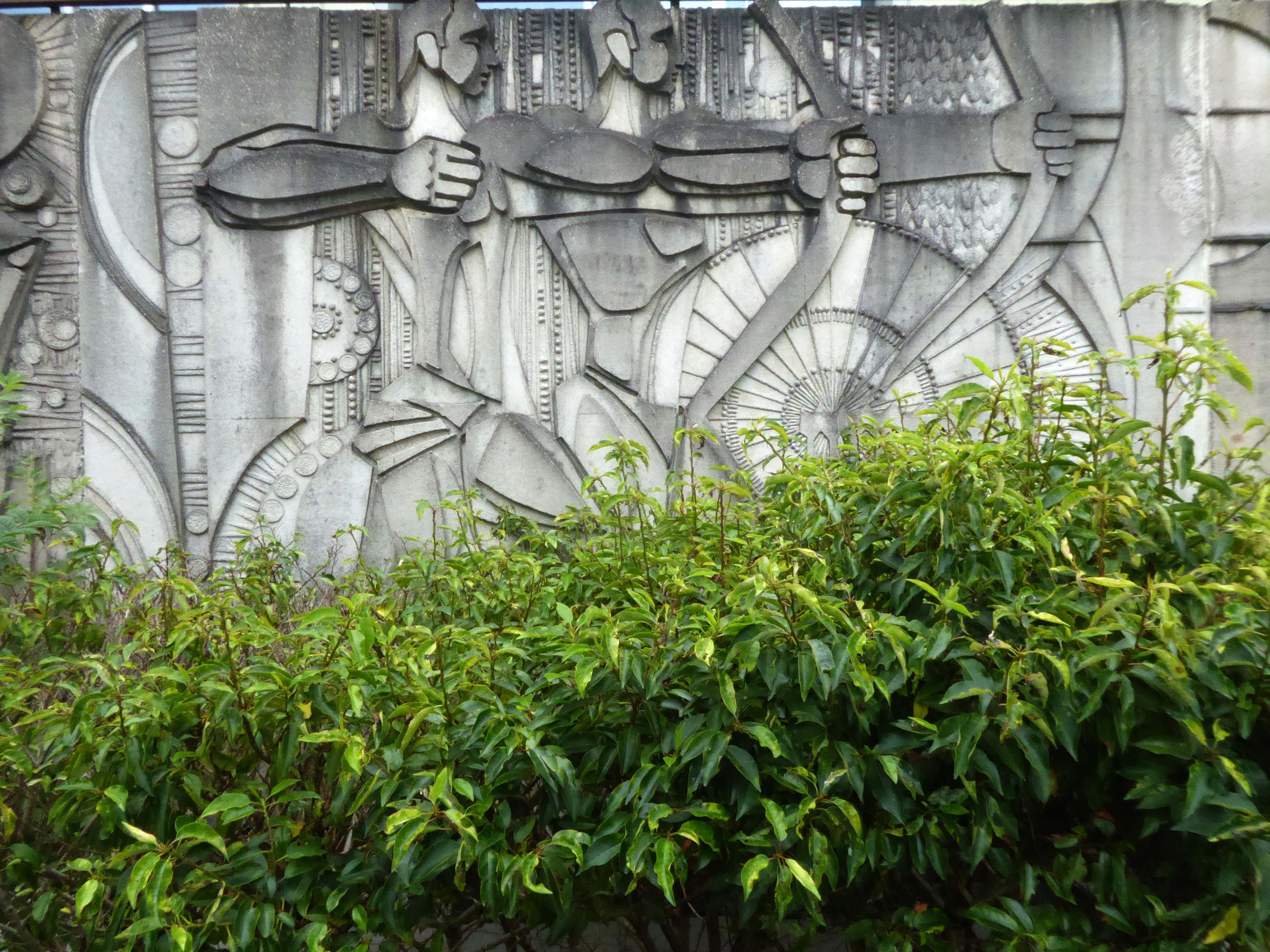
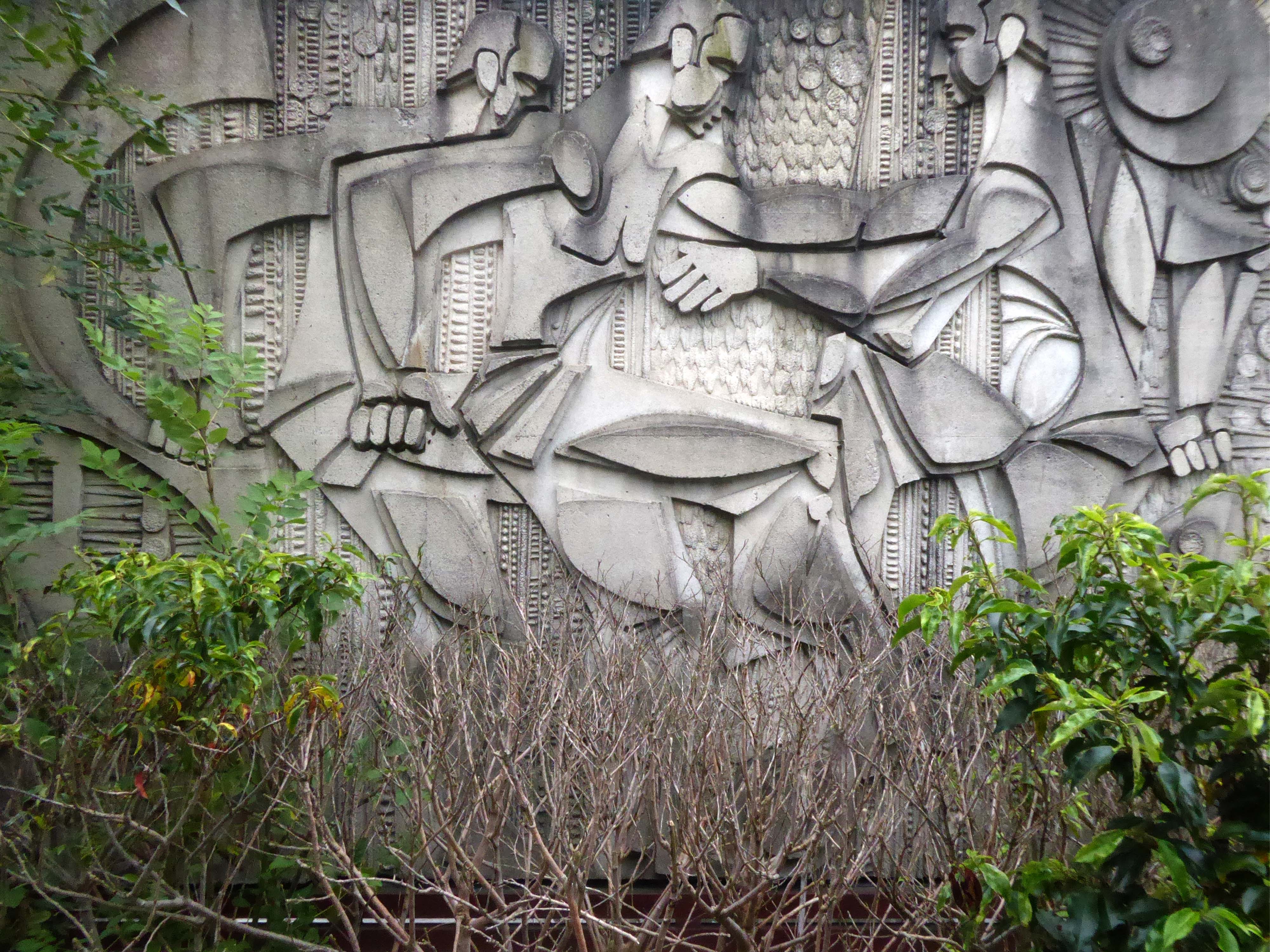
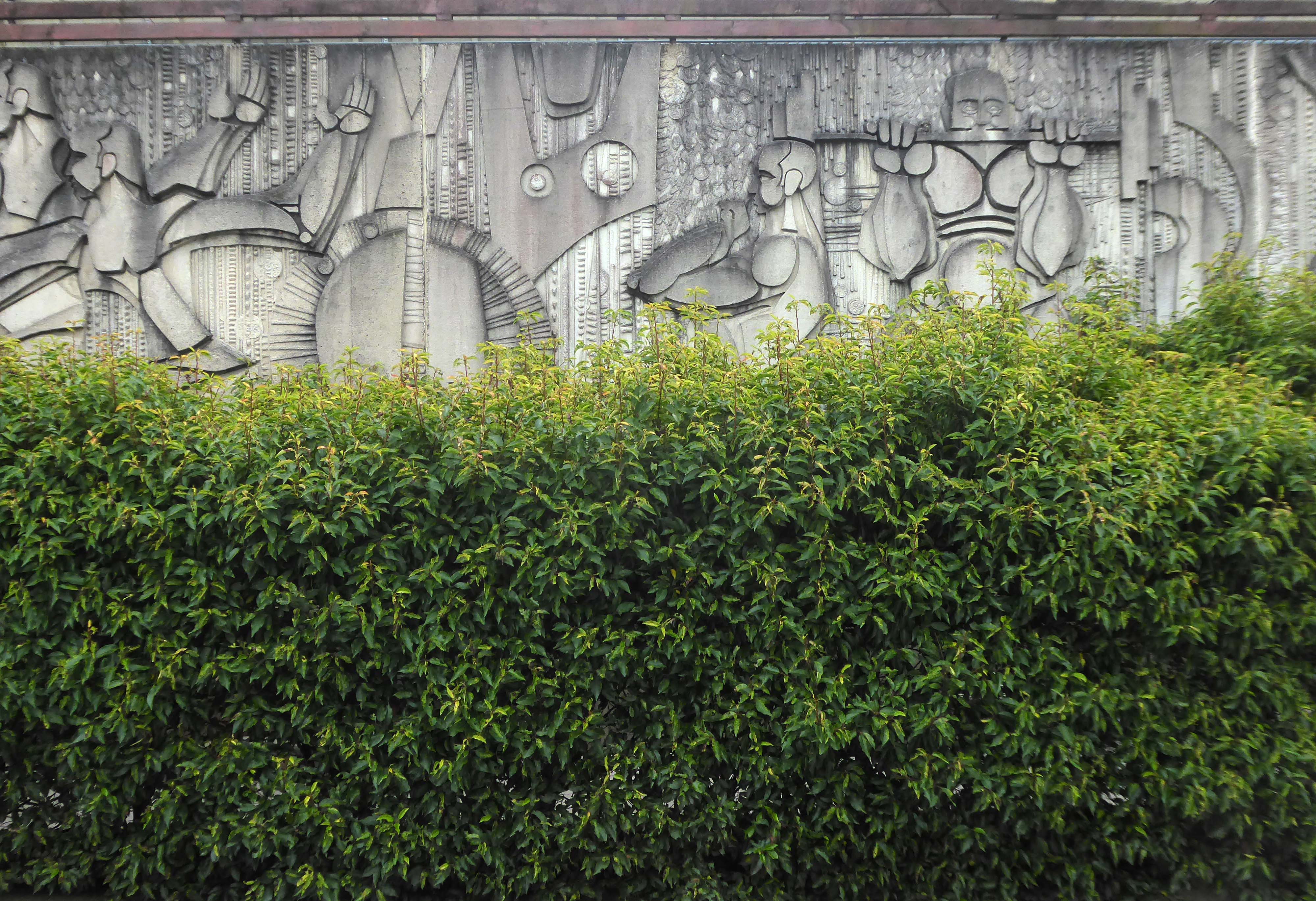
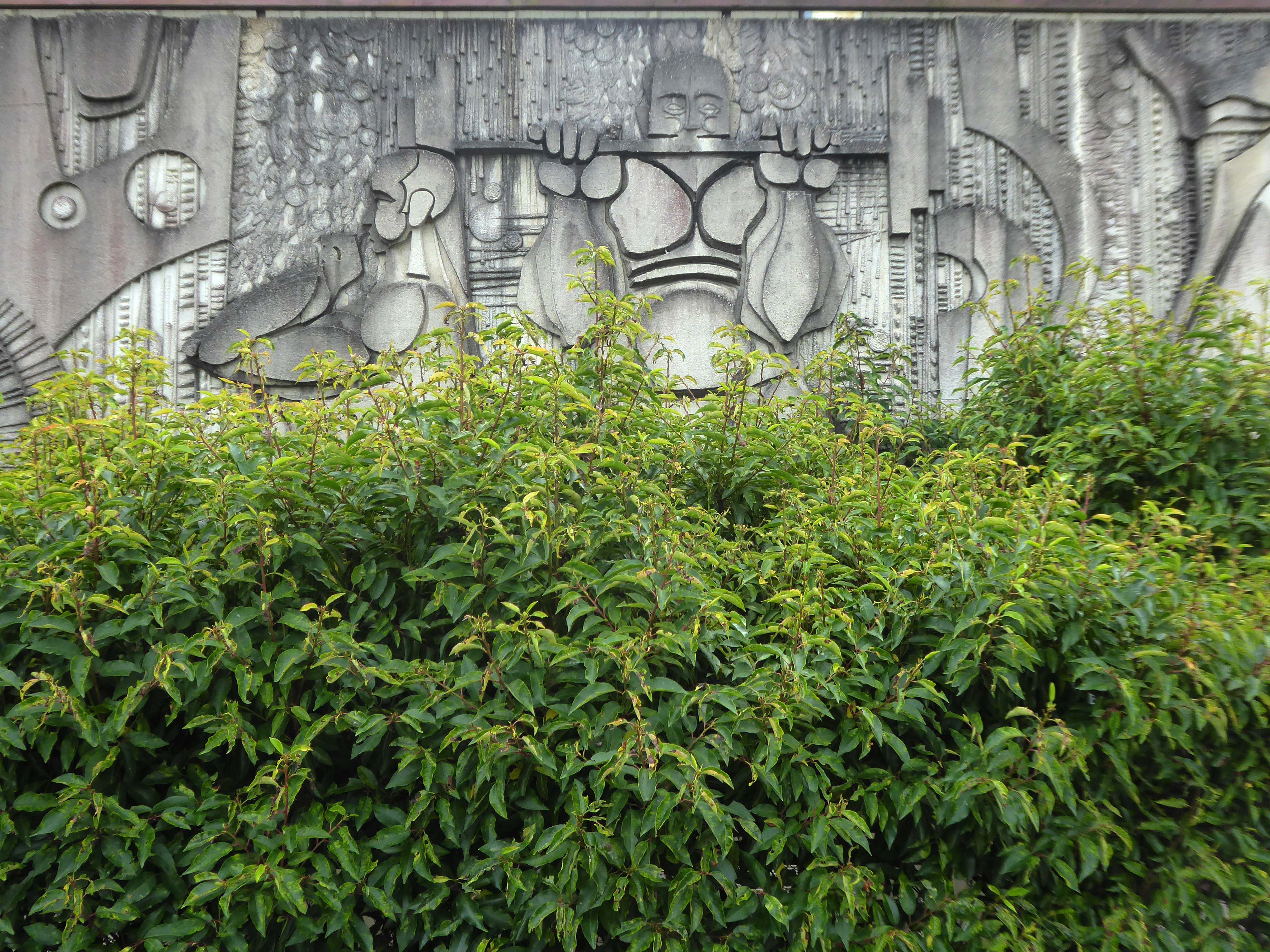
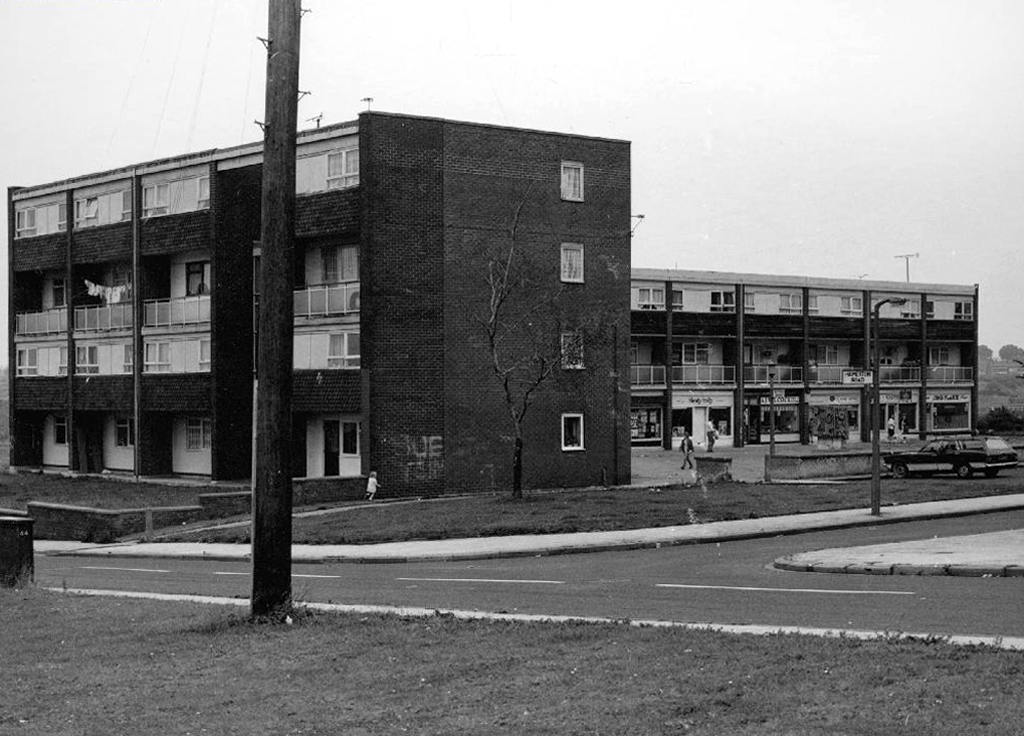
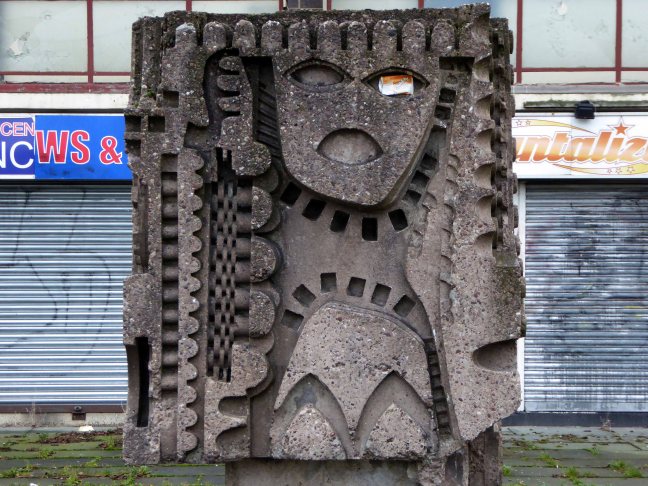
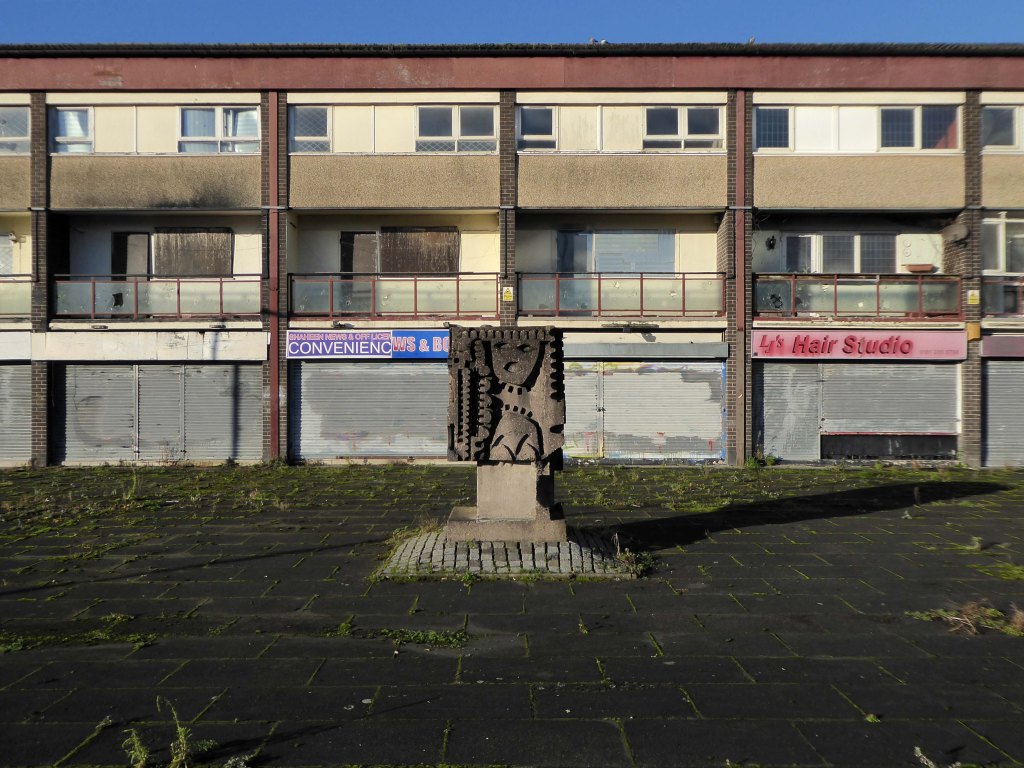
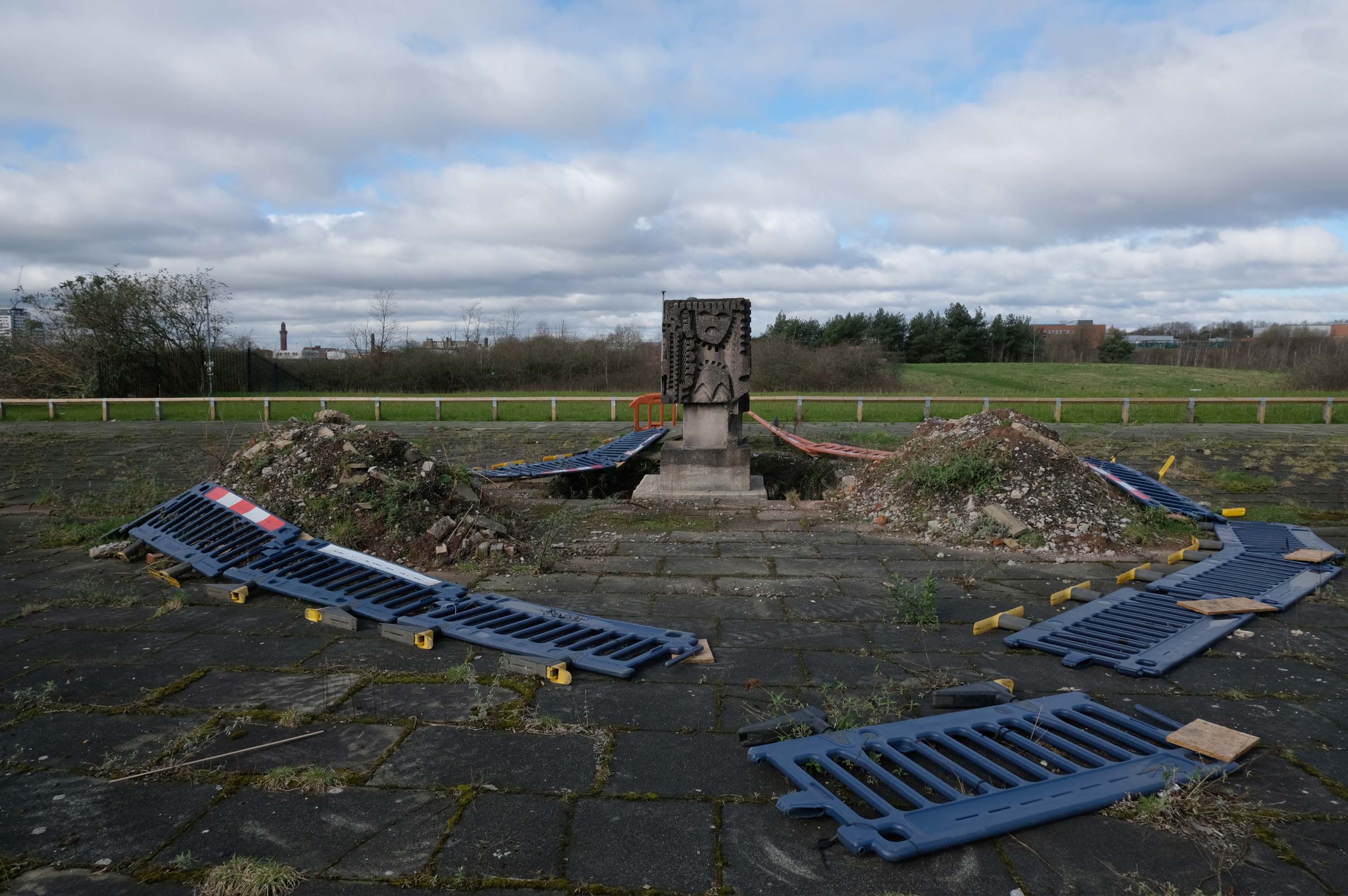
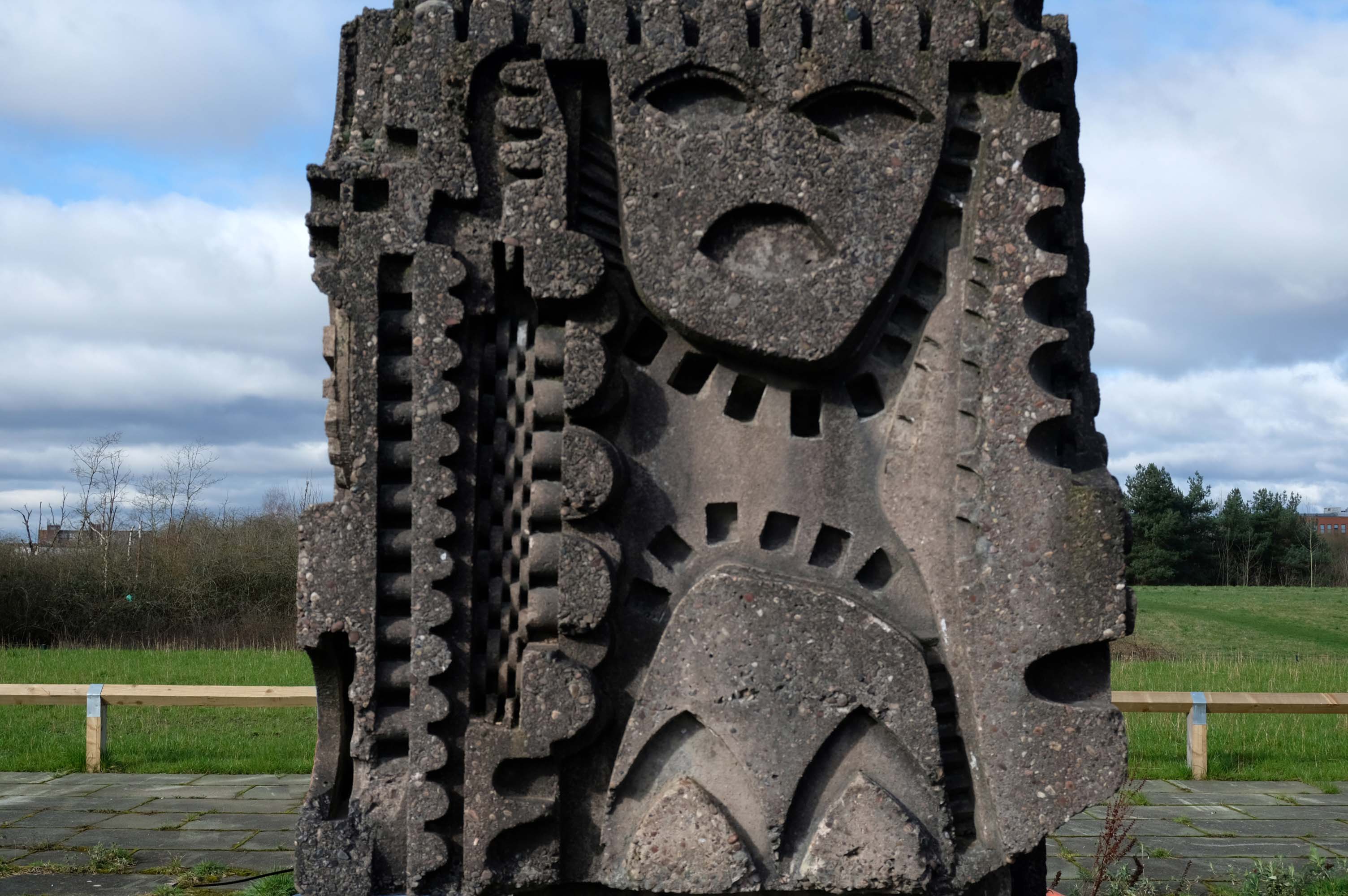
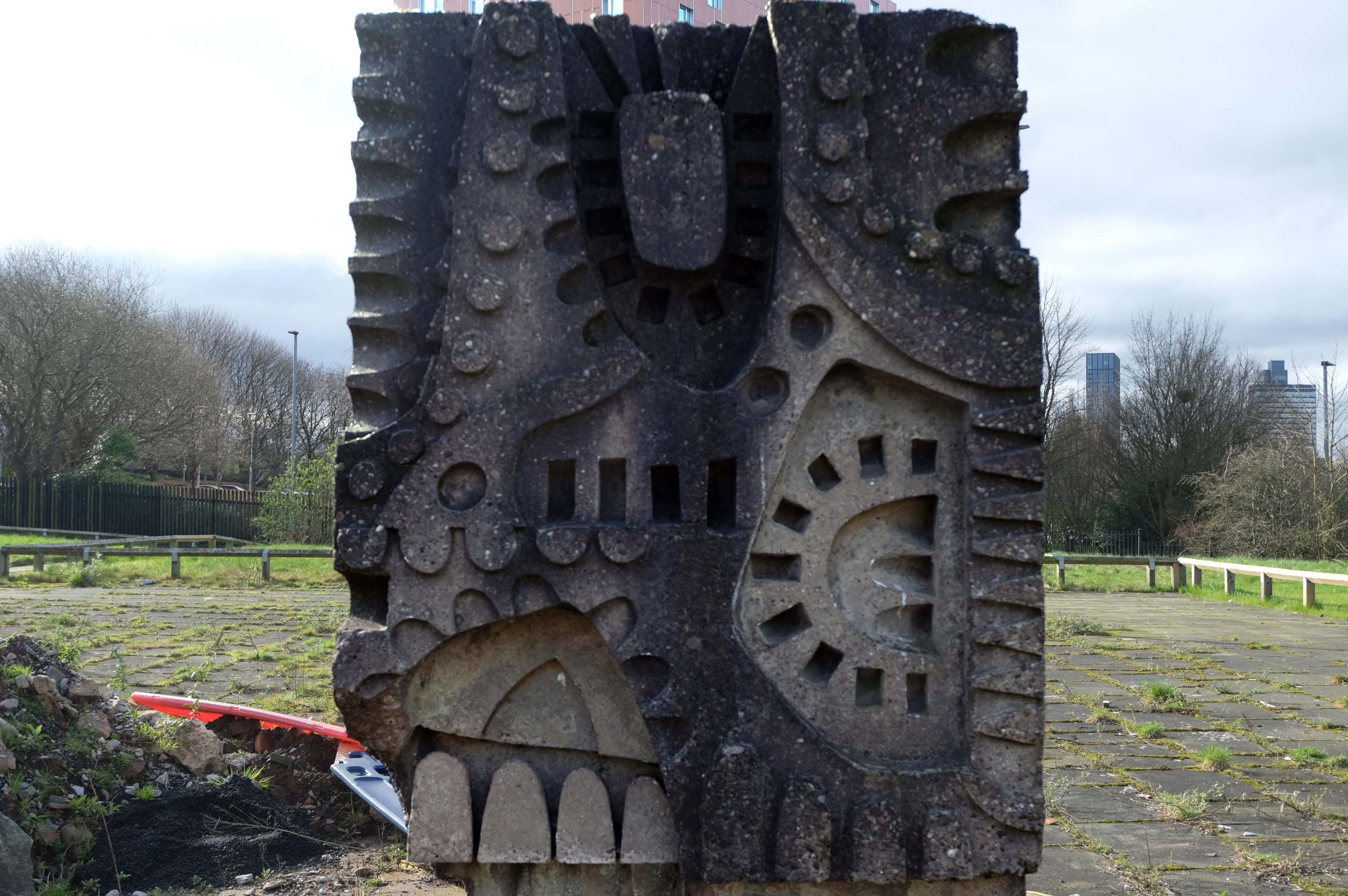
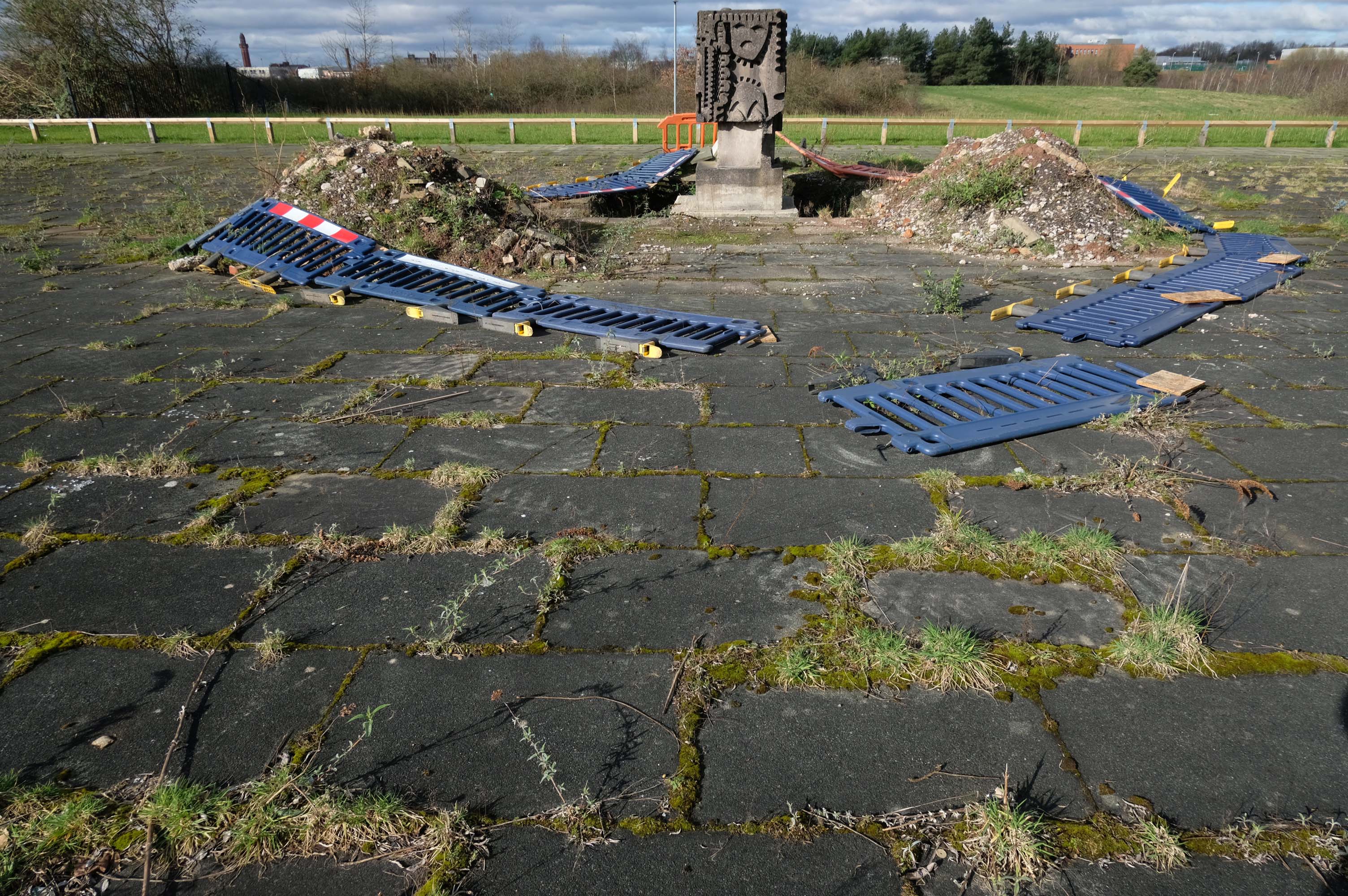
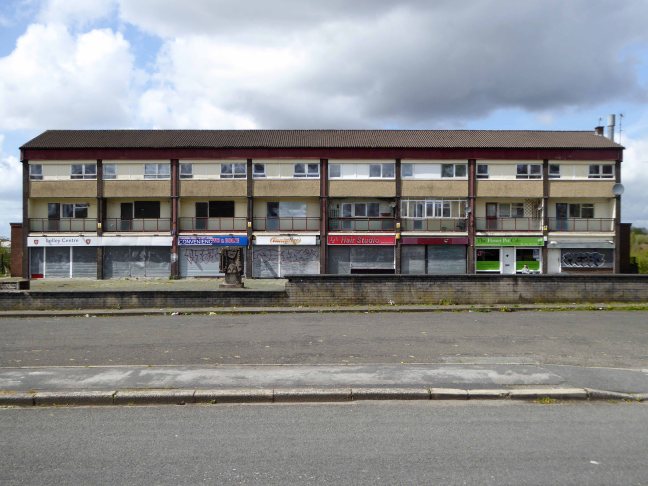
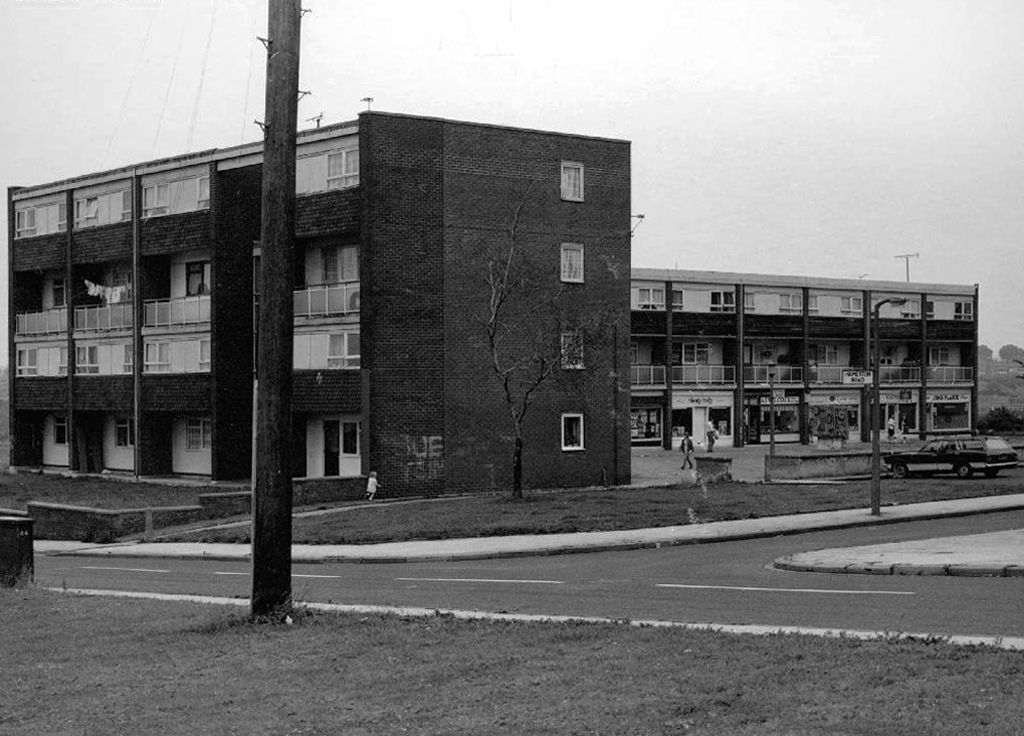
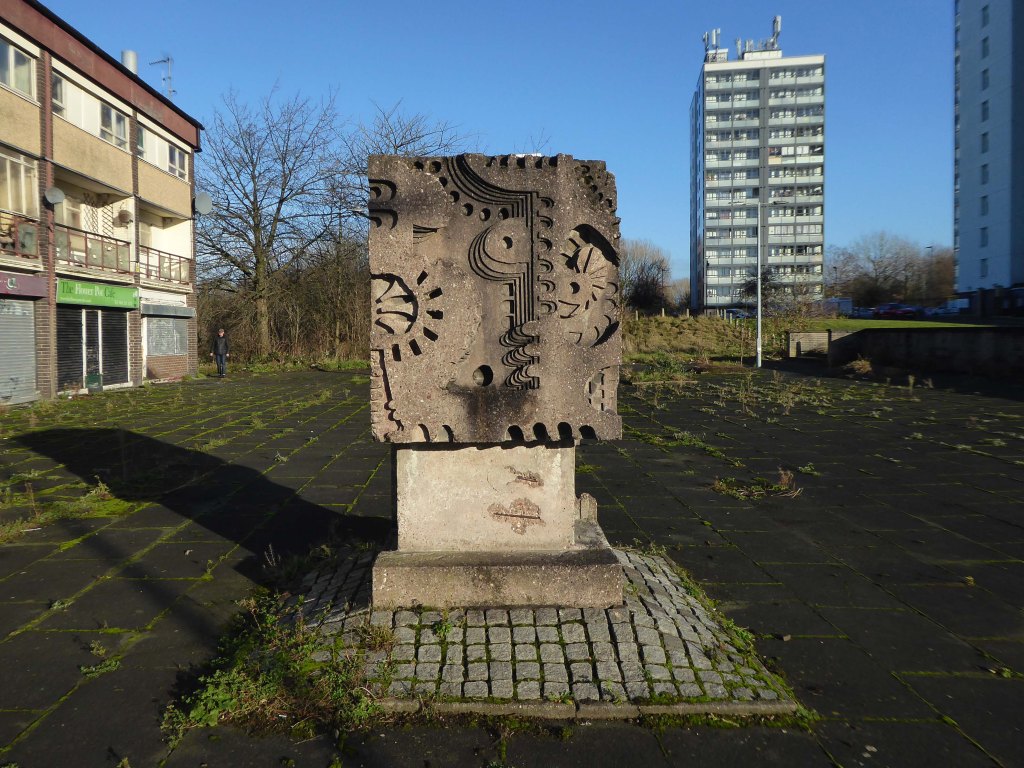
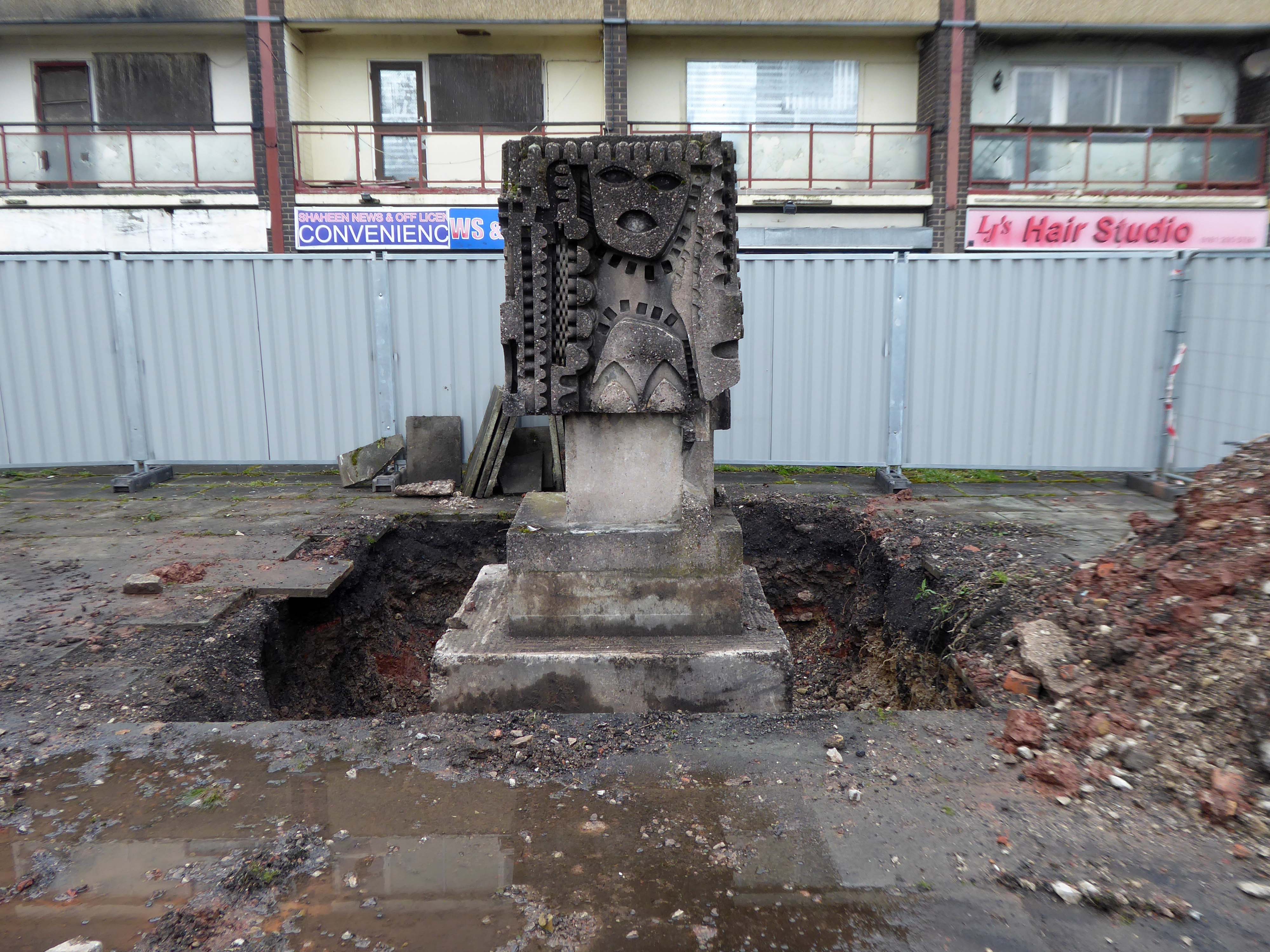
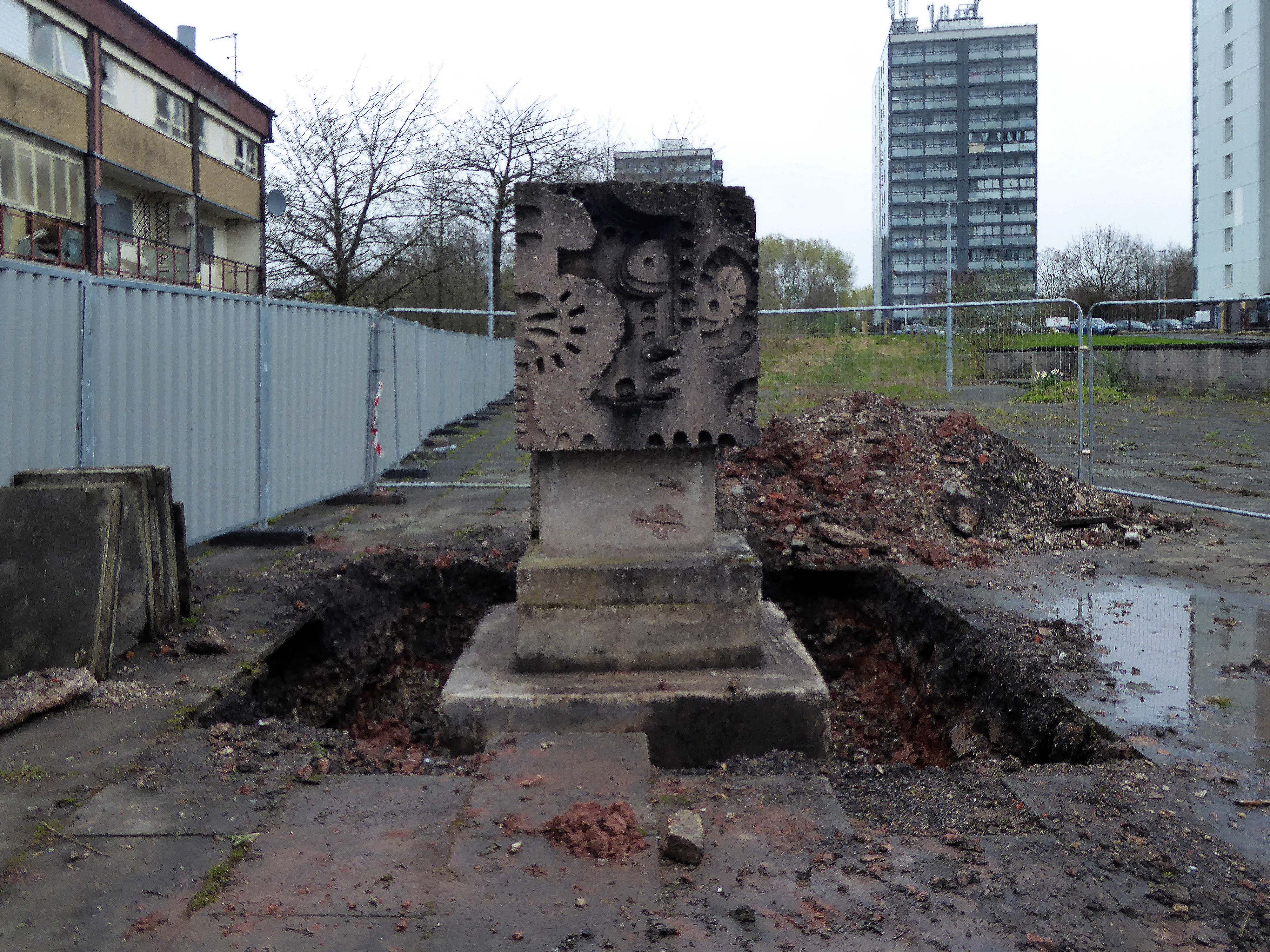
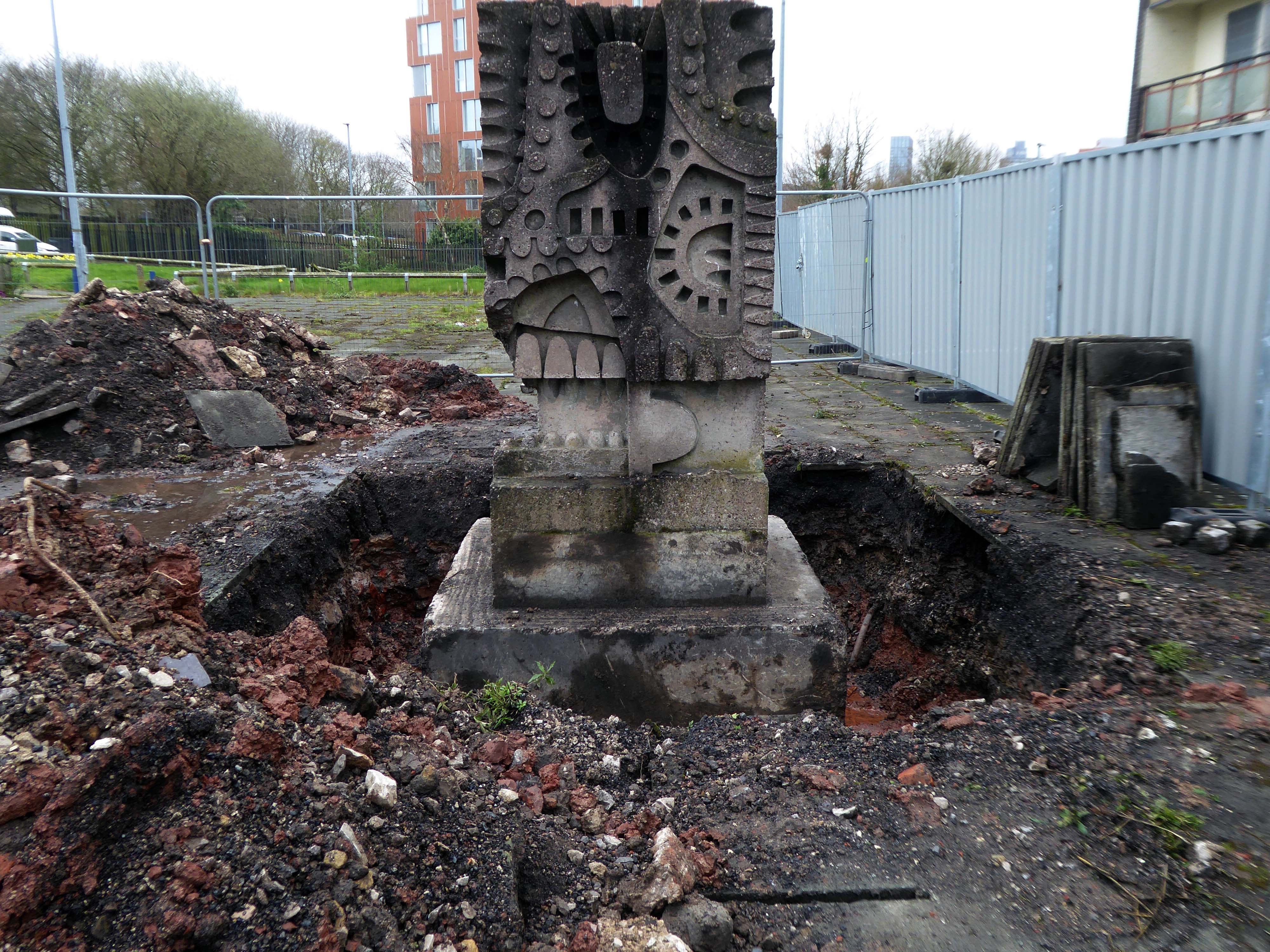
It was 2016 when I first stopped to snap and blog – the shops, homes and William Mitchell concrete sculpture.

By then the missing housing block was already missing.

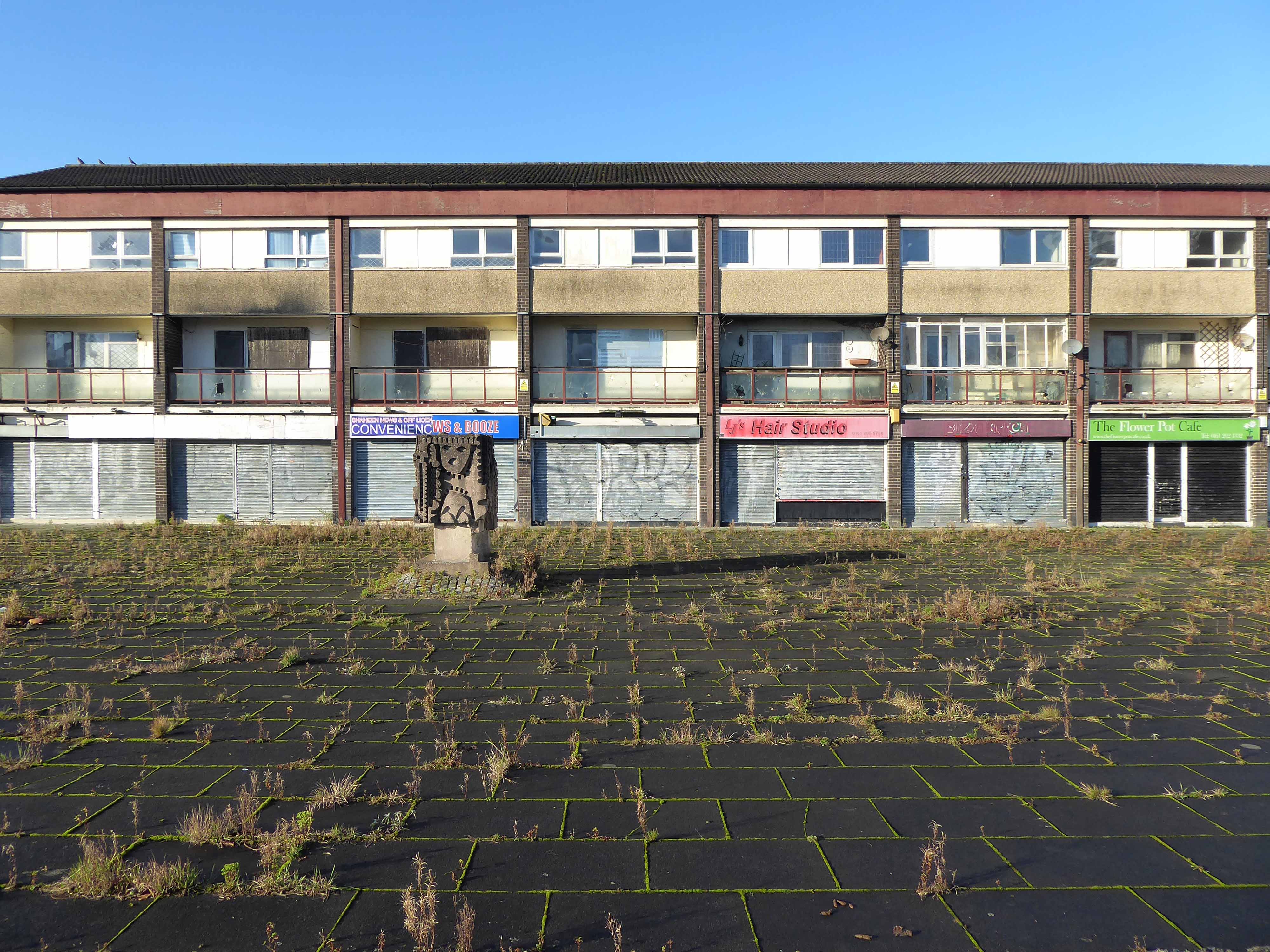
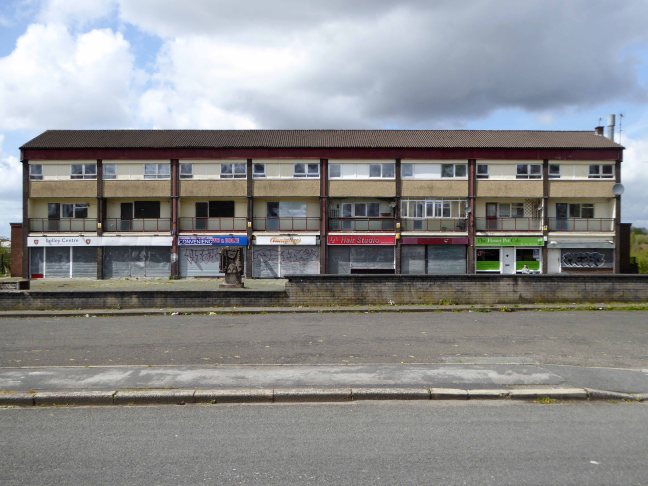
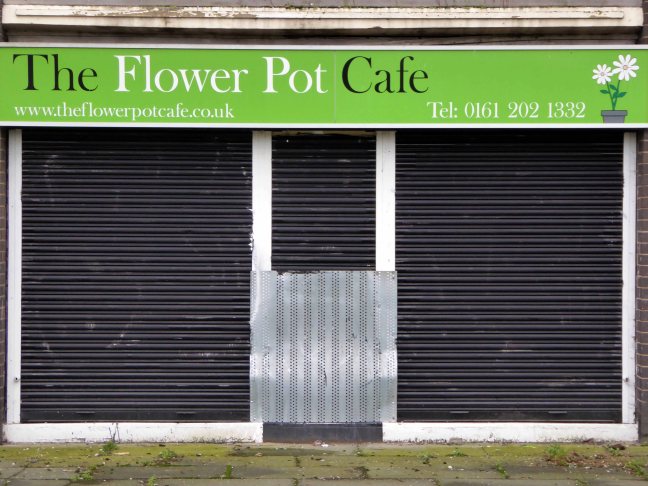
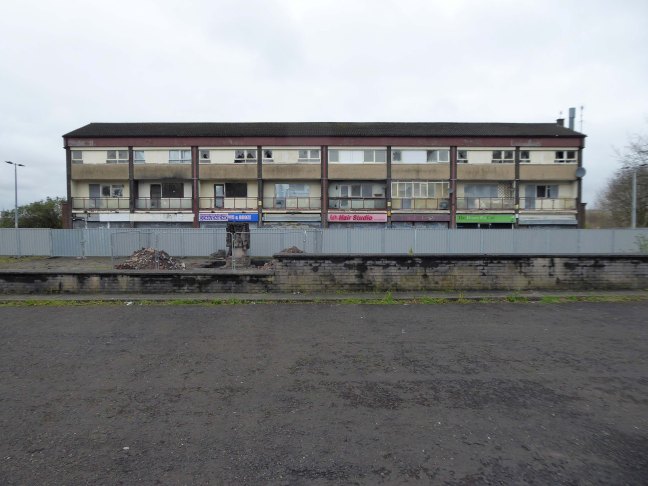
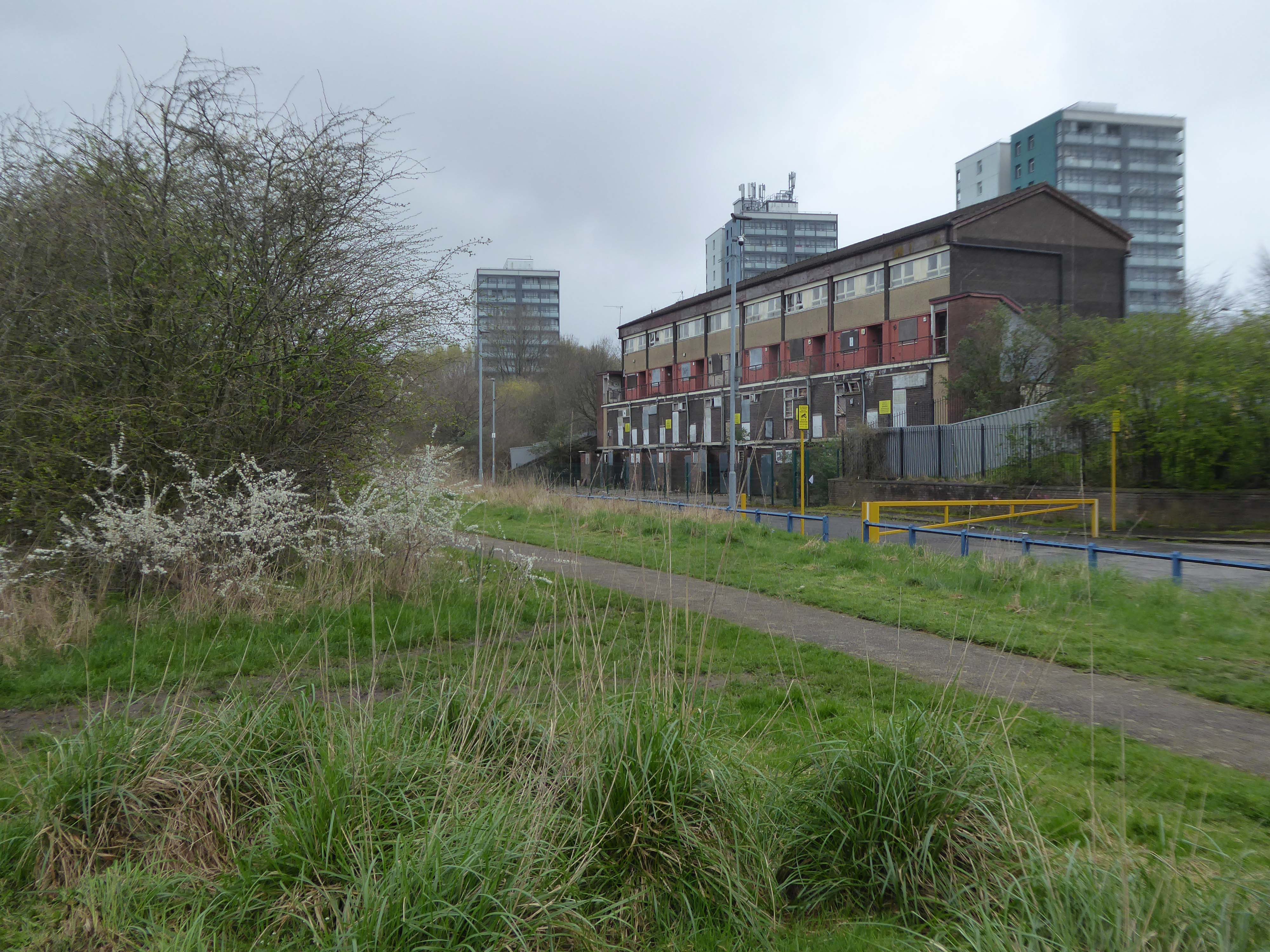
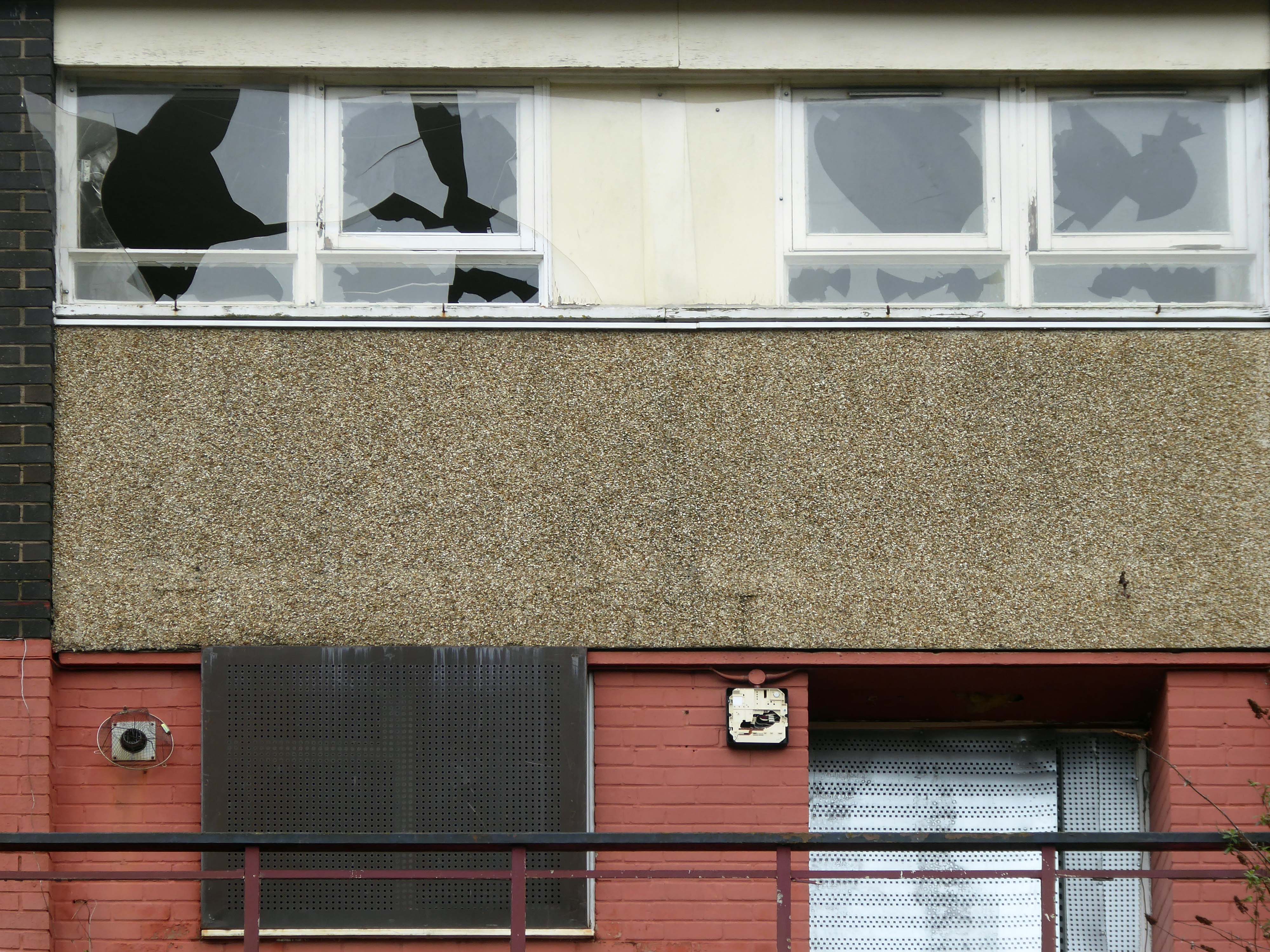
Returning in 2018 the shops are now shut and the homes stand empty.

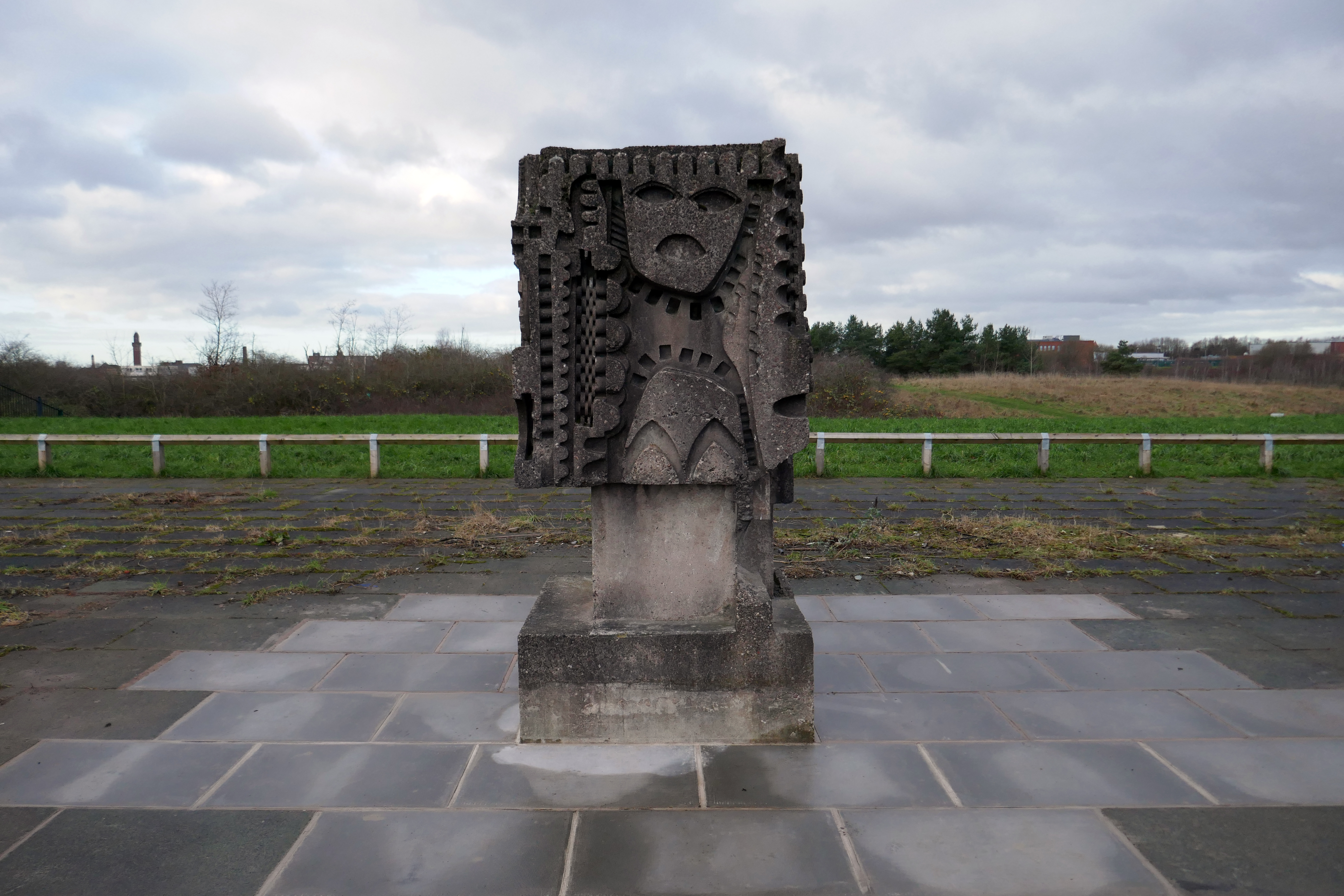
In 2019 there’s still nobody home, but the totem is in place.

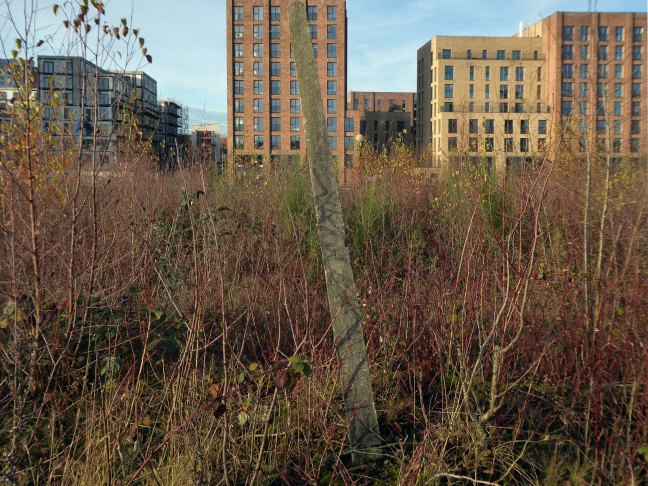
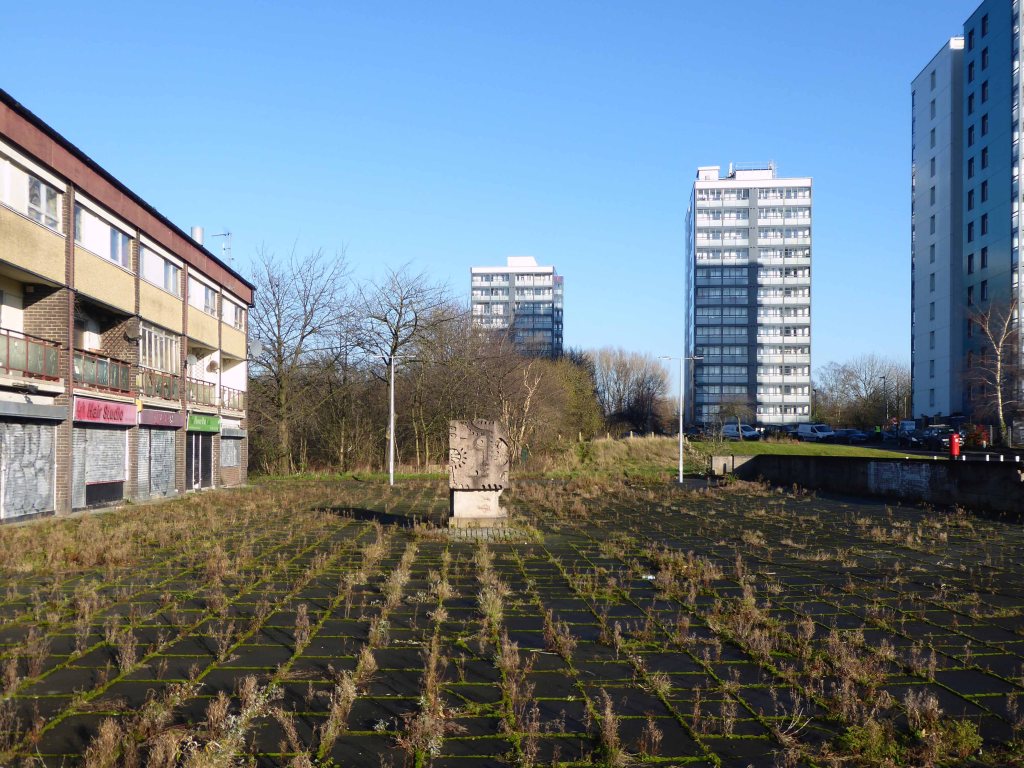
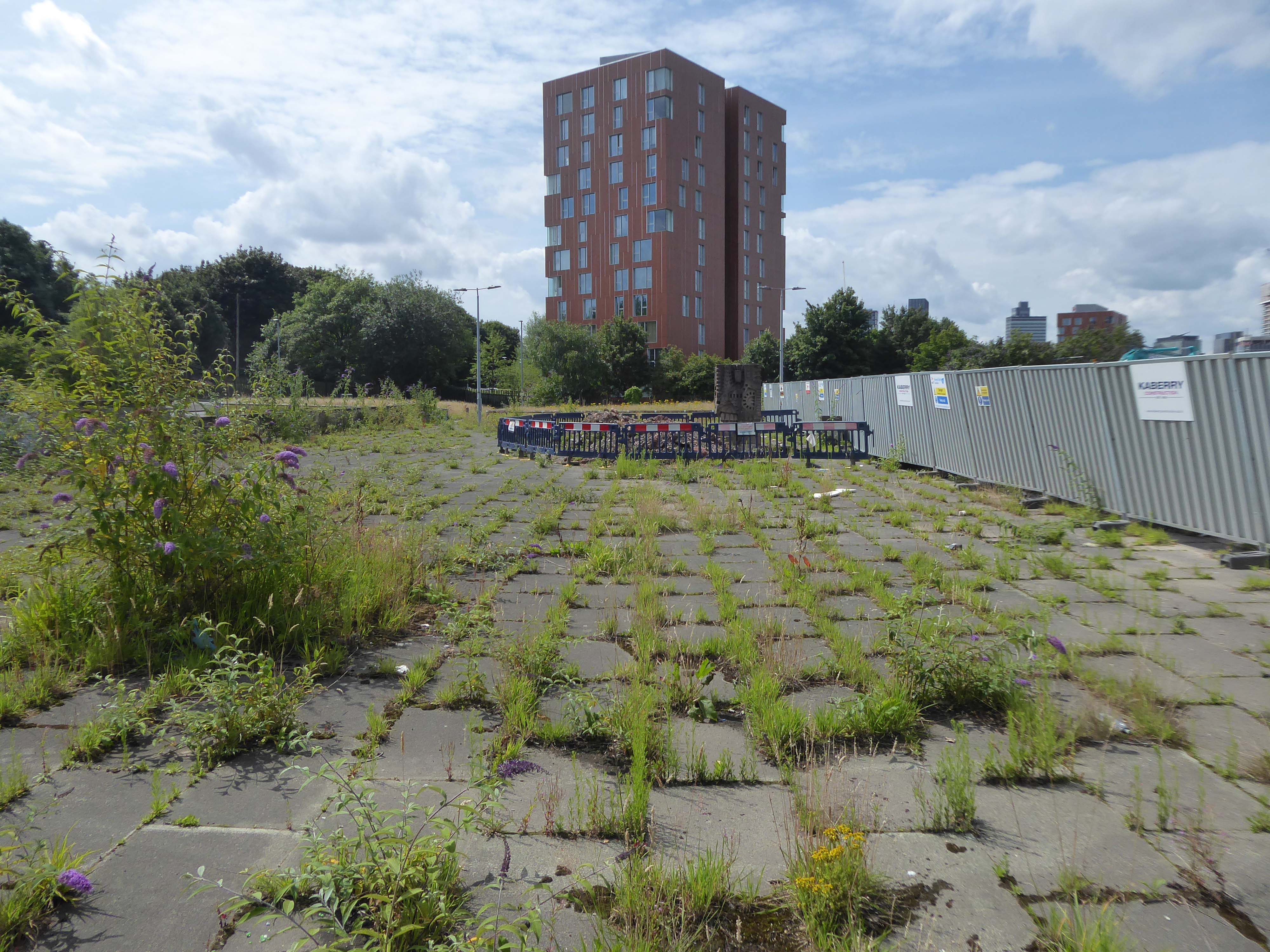
In 2020 the undergrowth has grown over the square.

It’s 2021 and stasis is the order of the day.

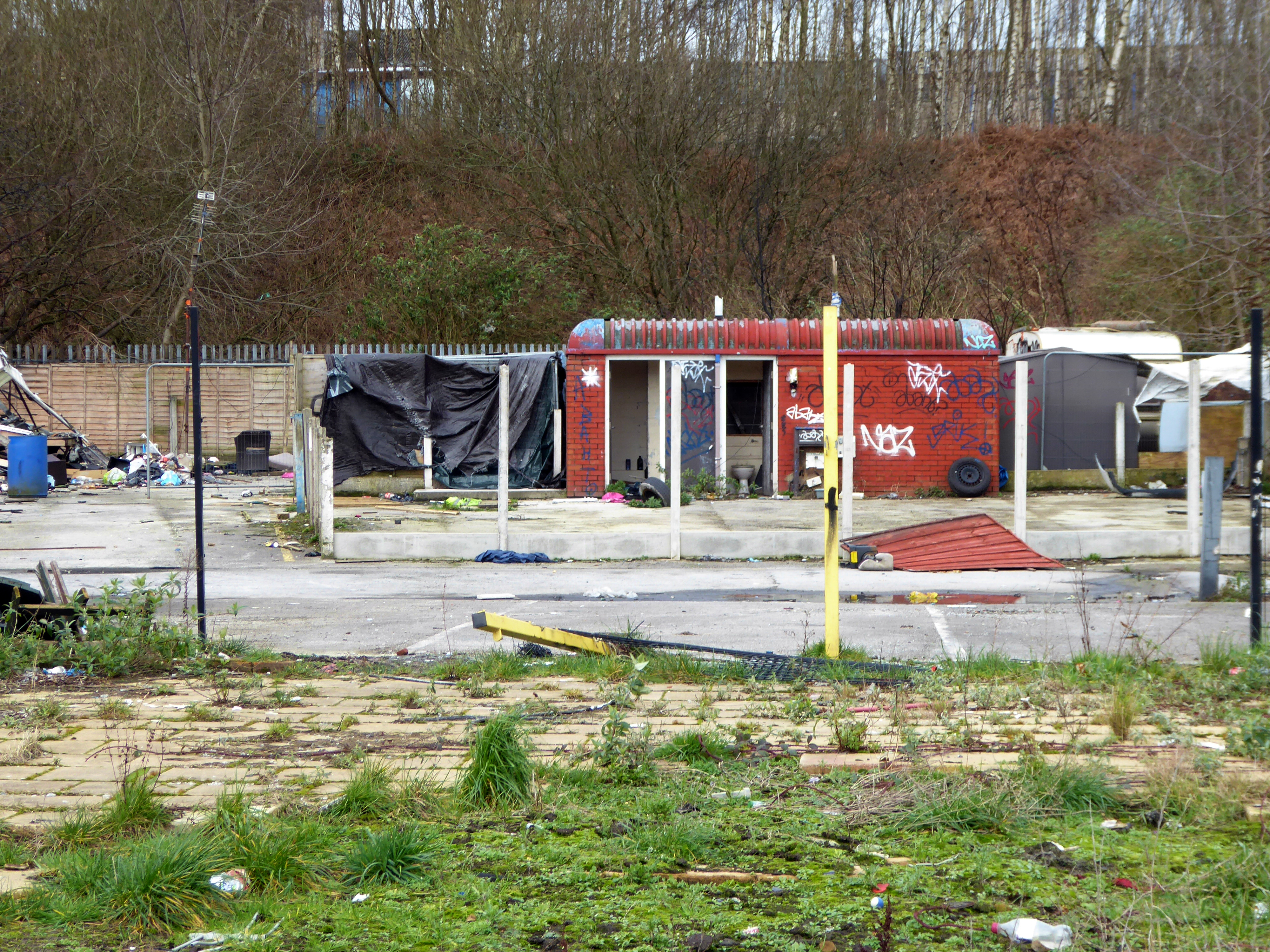
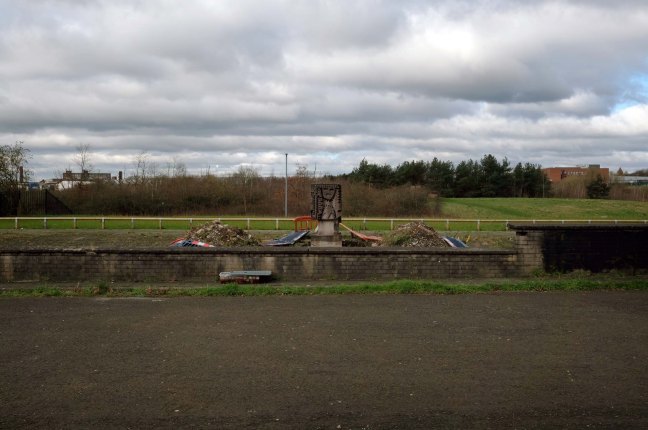
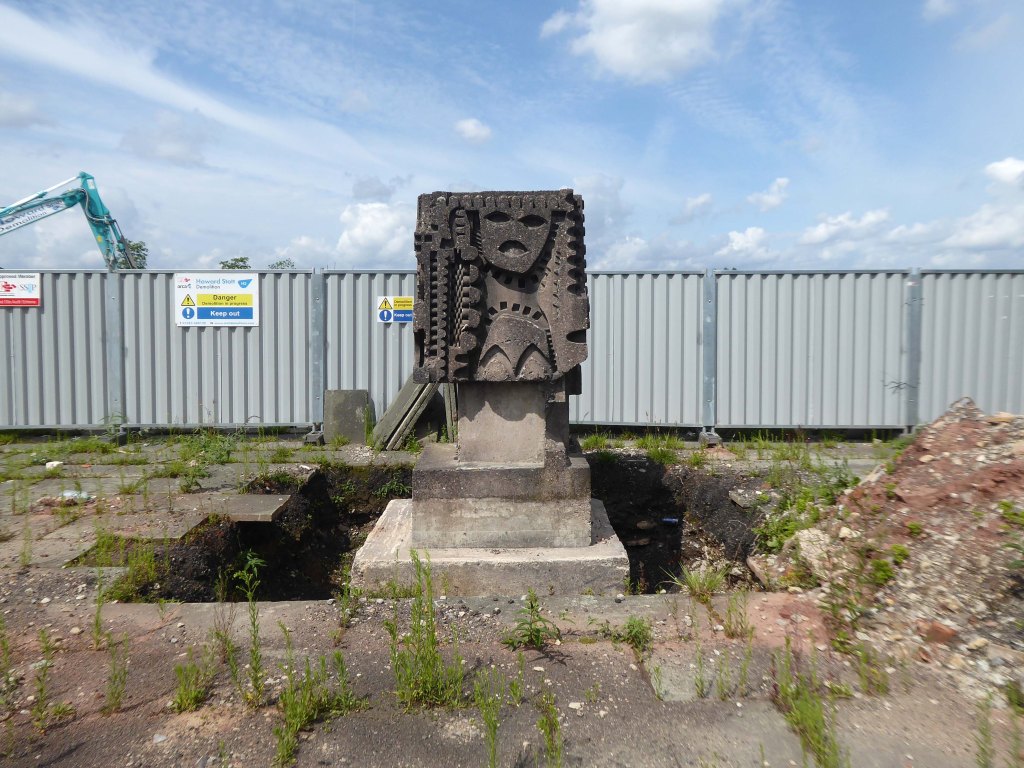
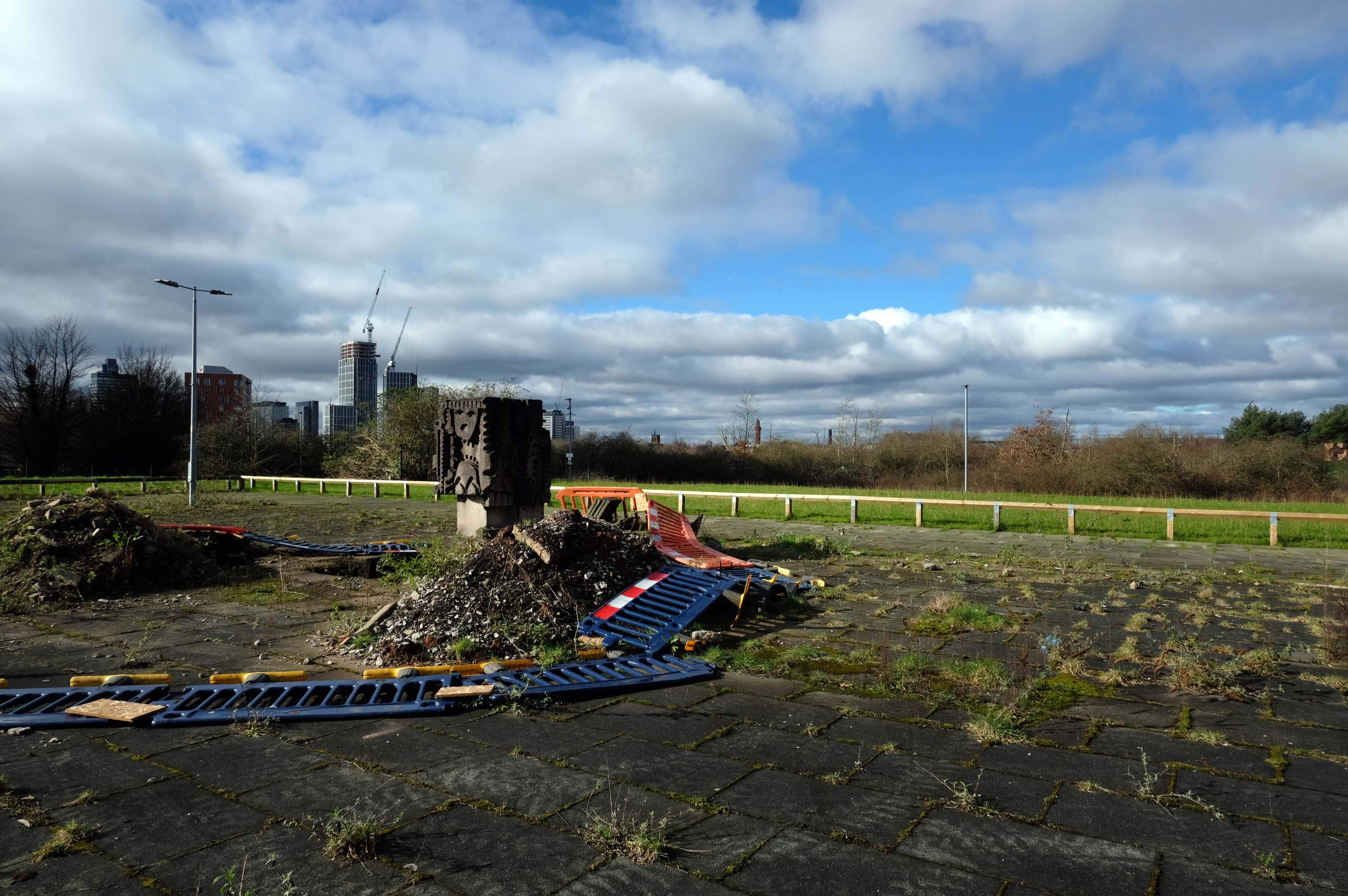
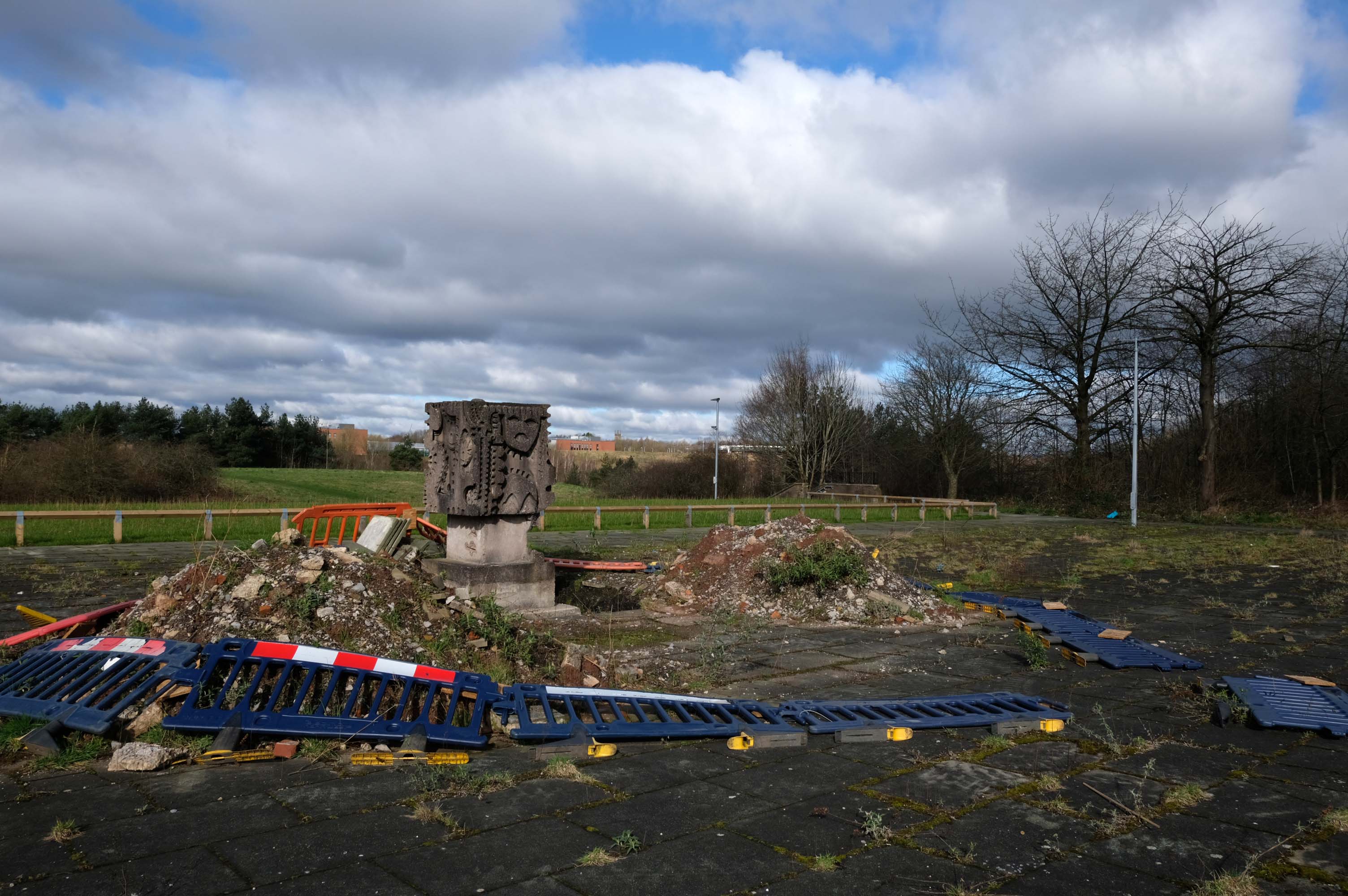
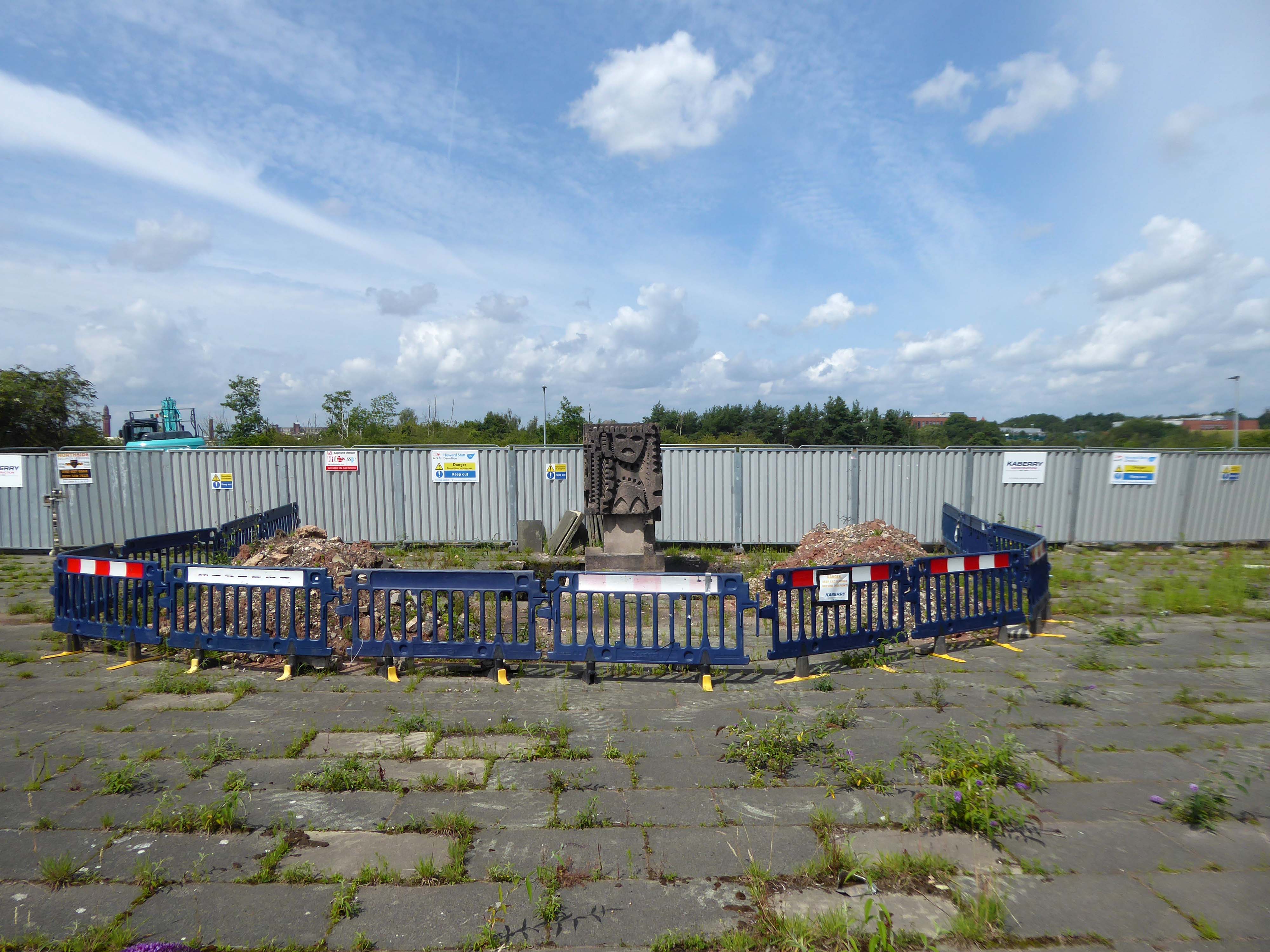
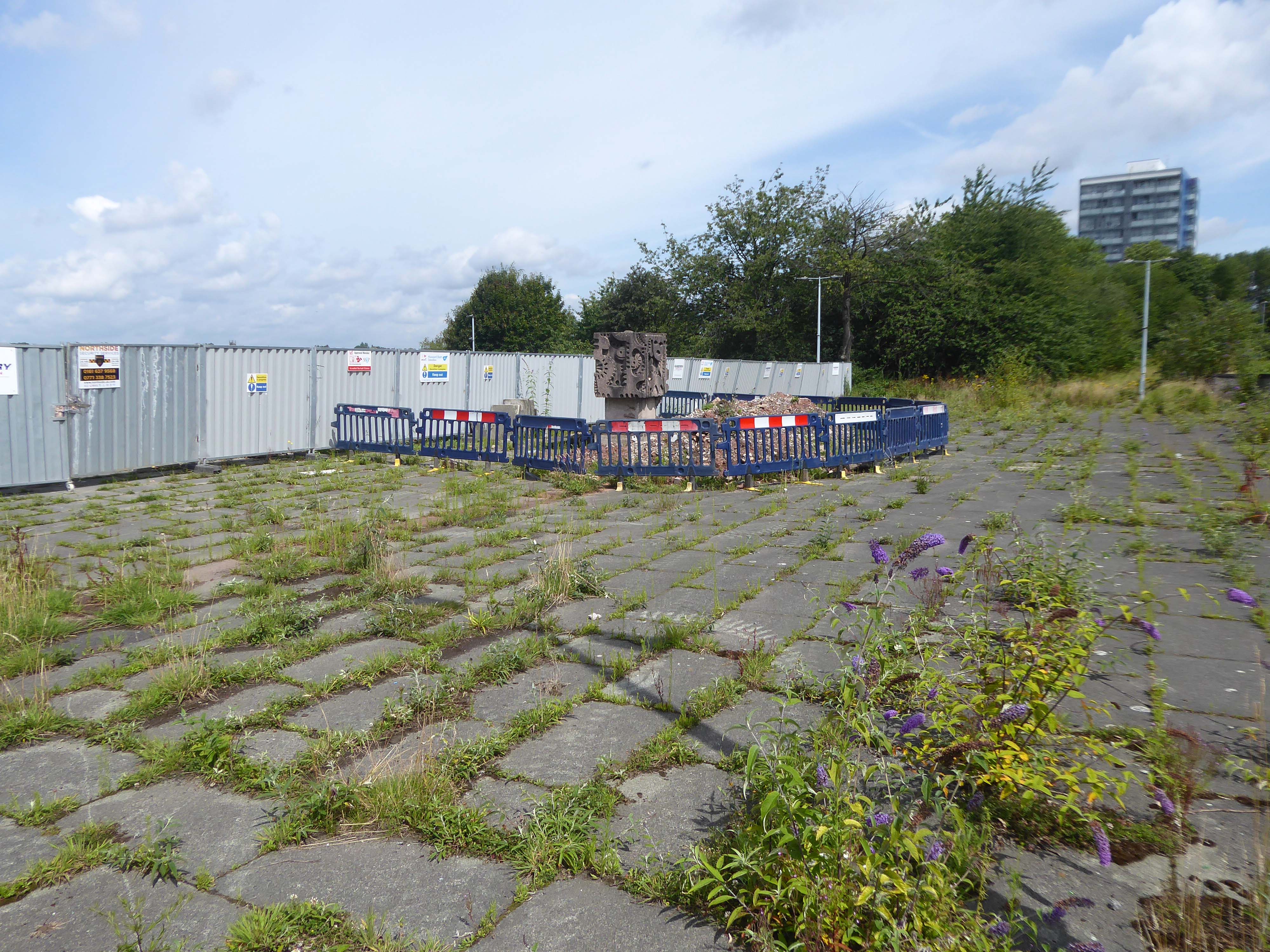
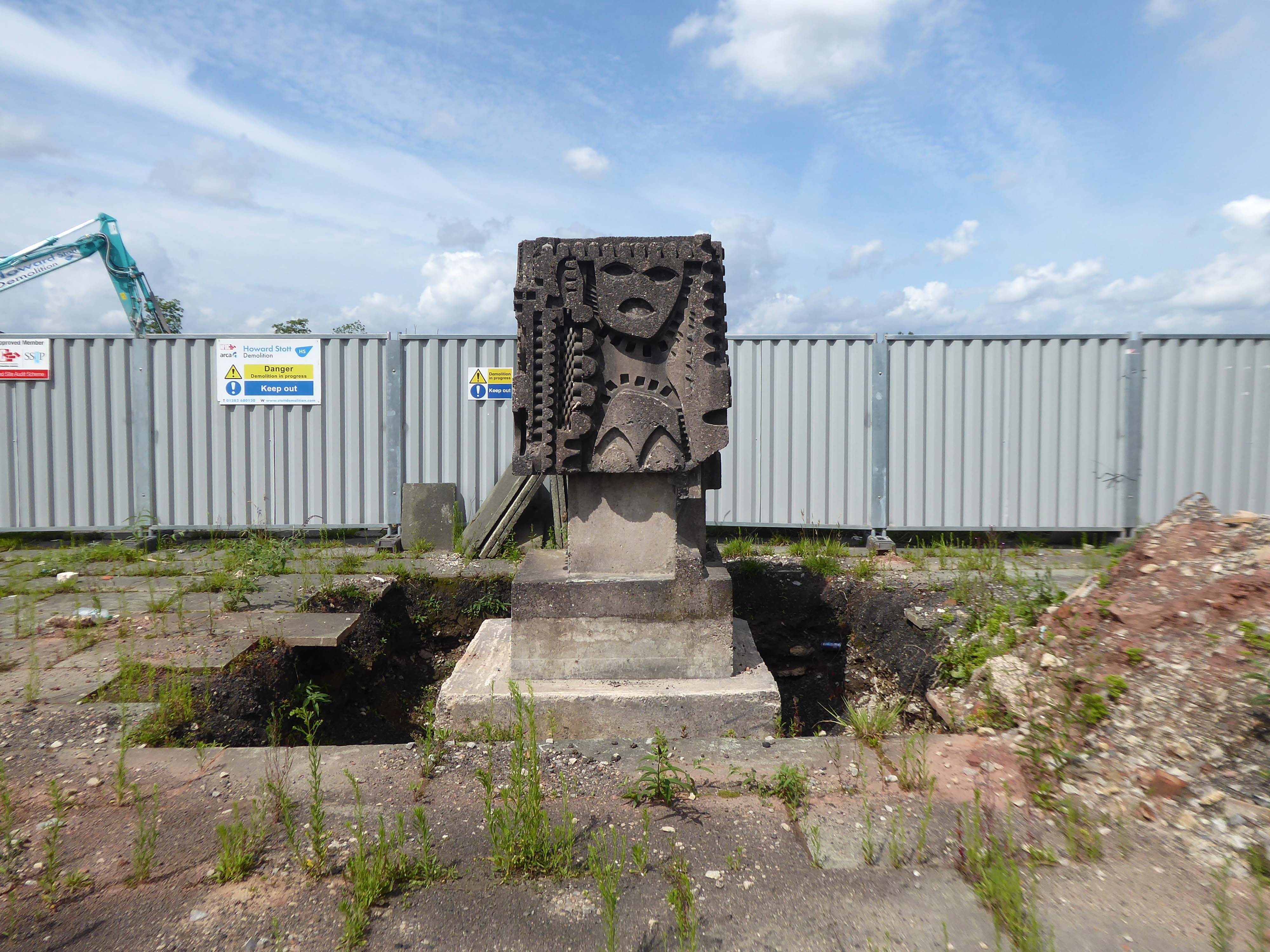
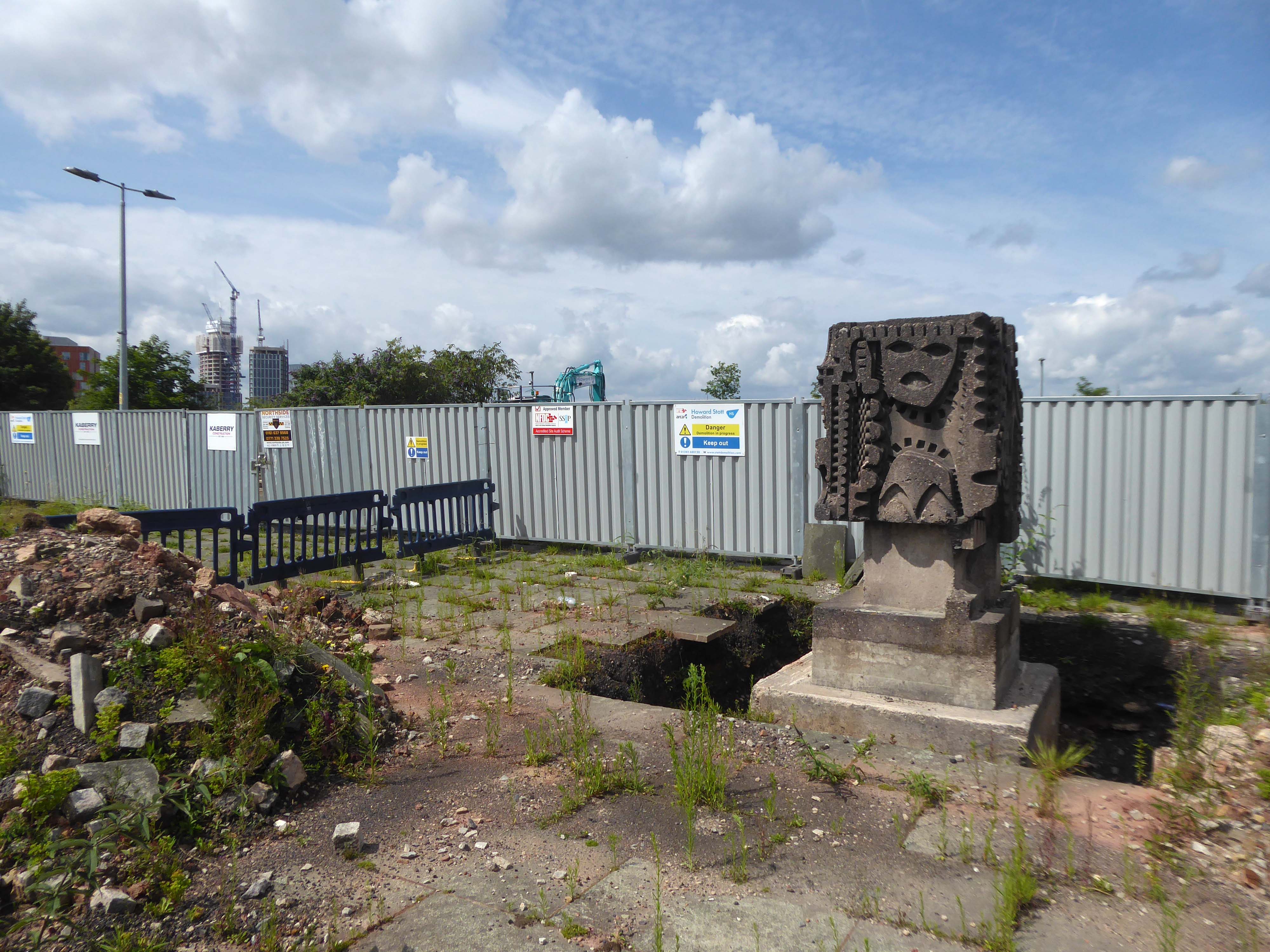
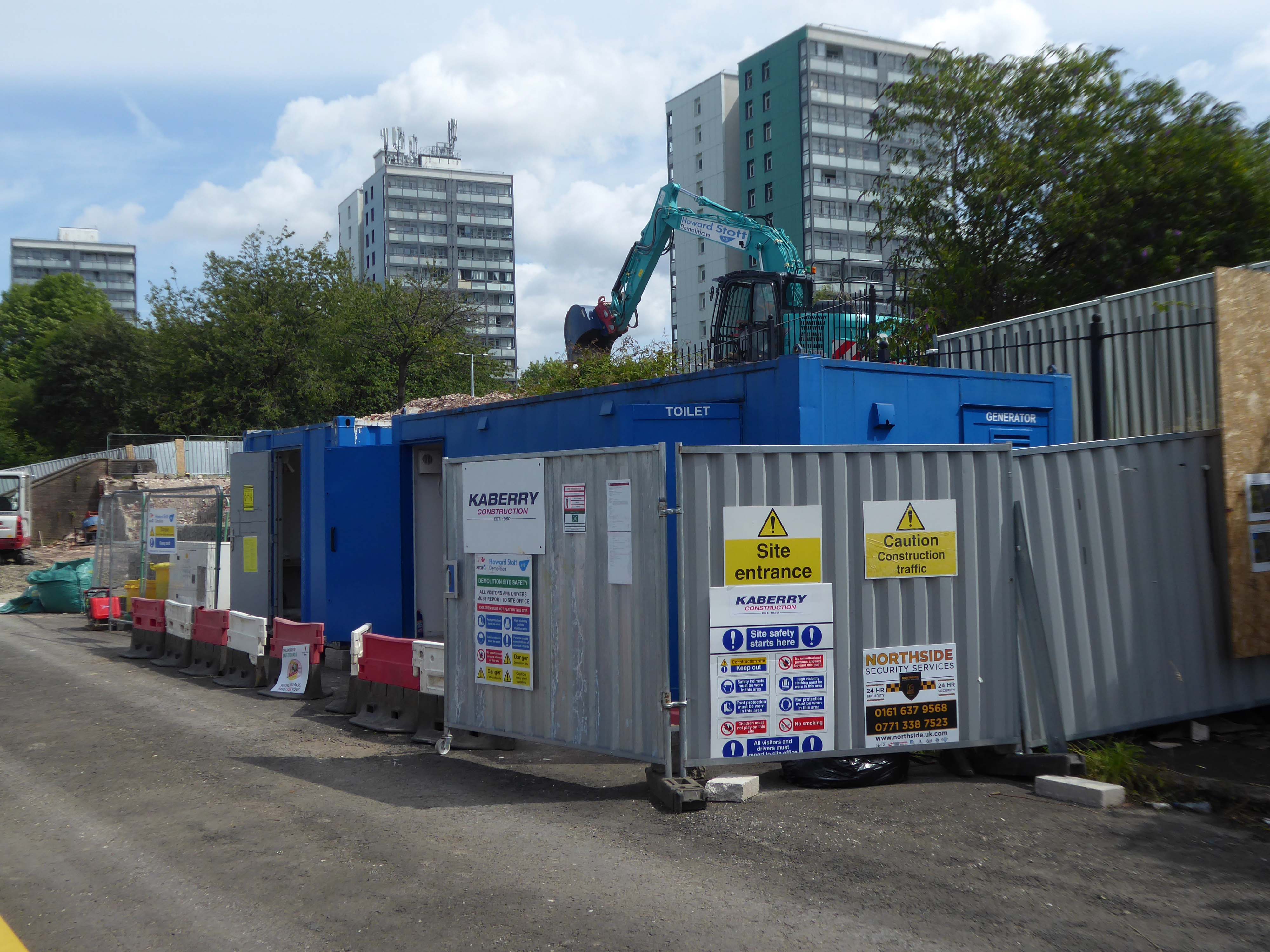
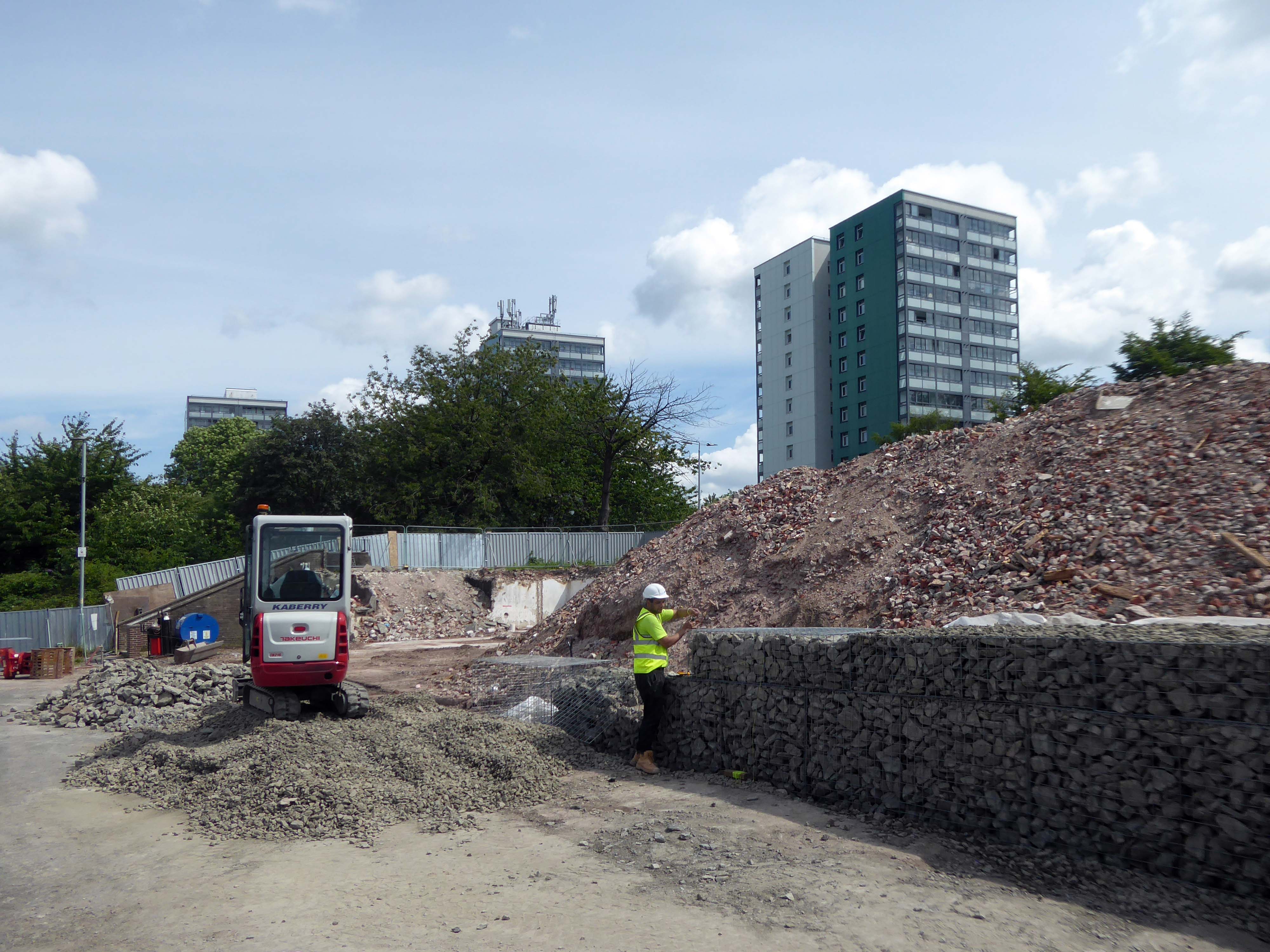
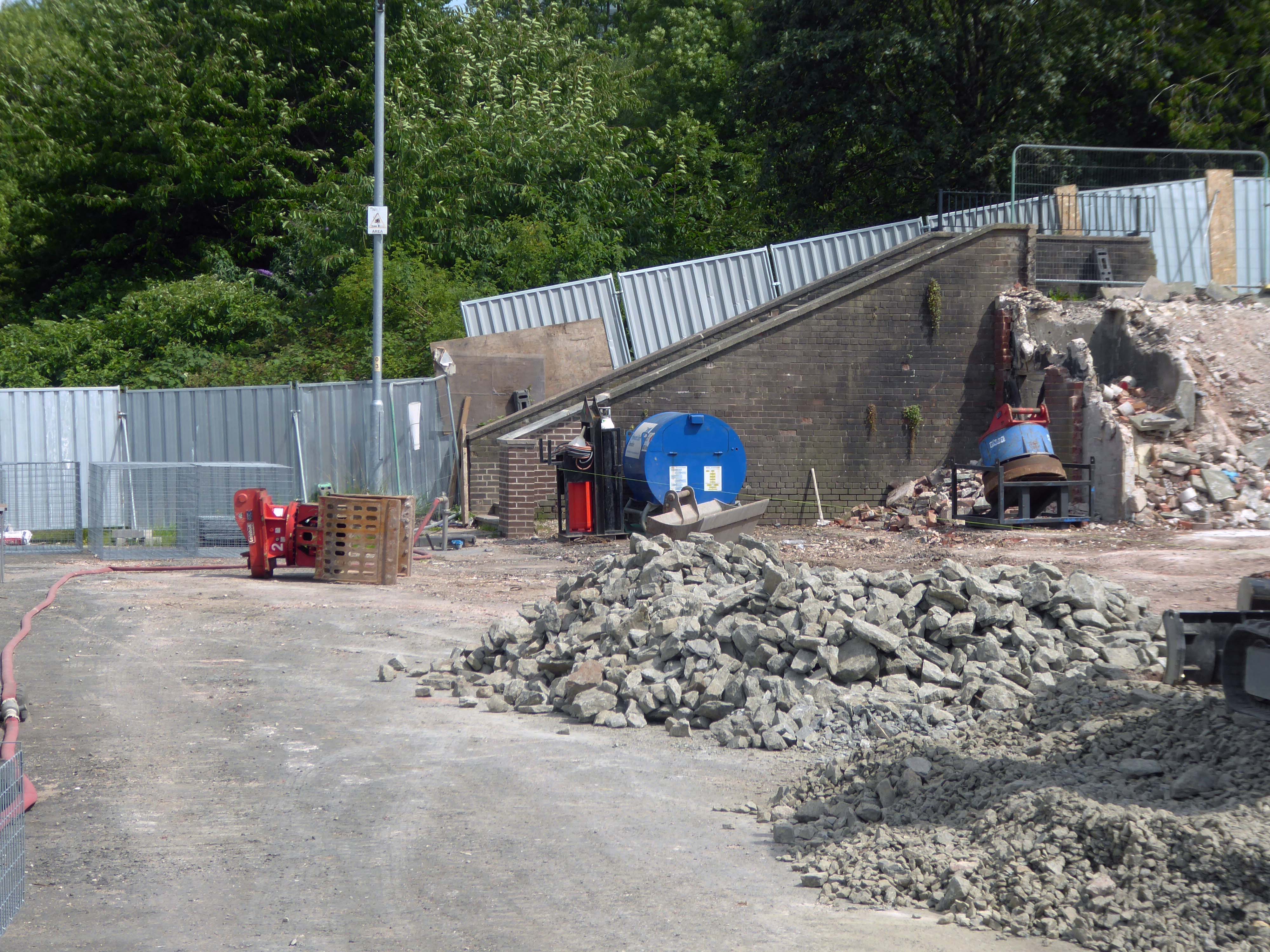
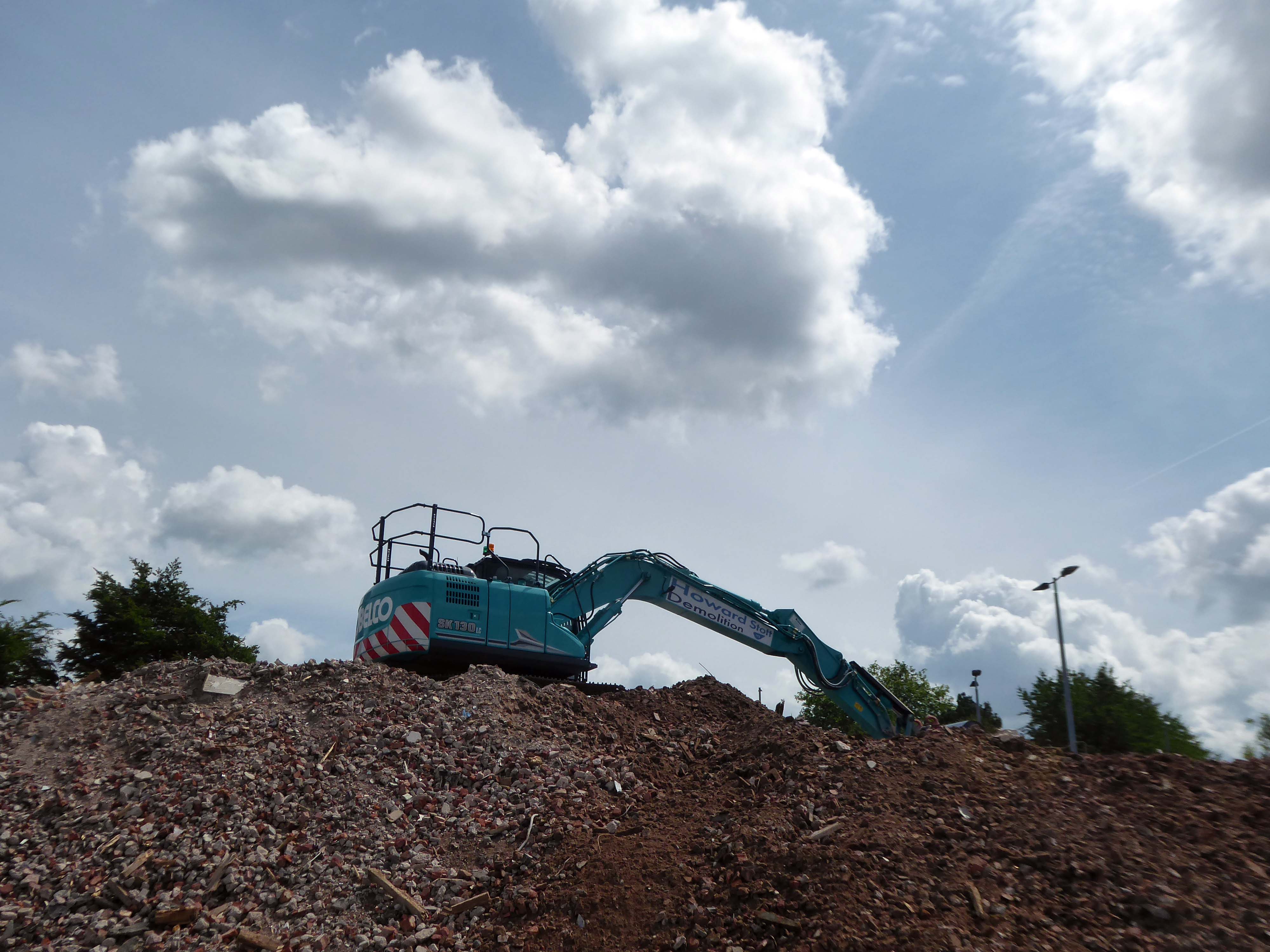
Fast forward to 2023 and the shops and homes are finally demolished – the totem still still in place.

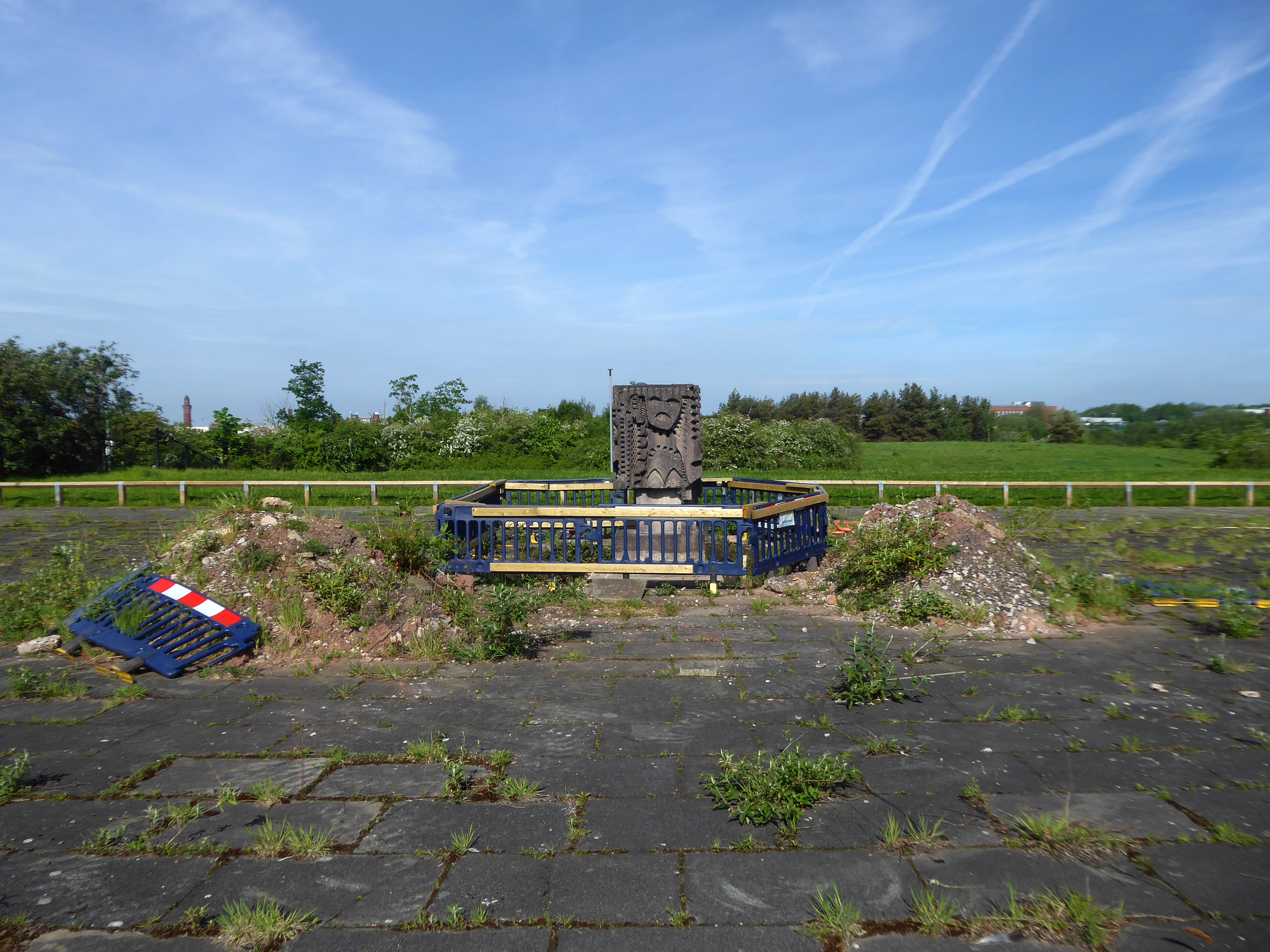
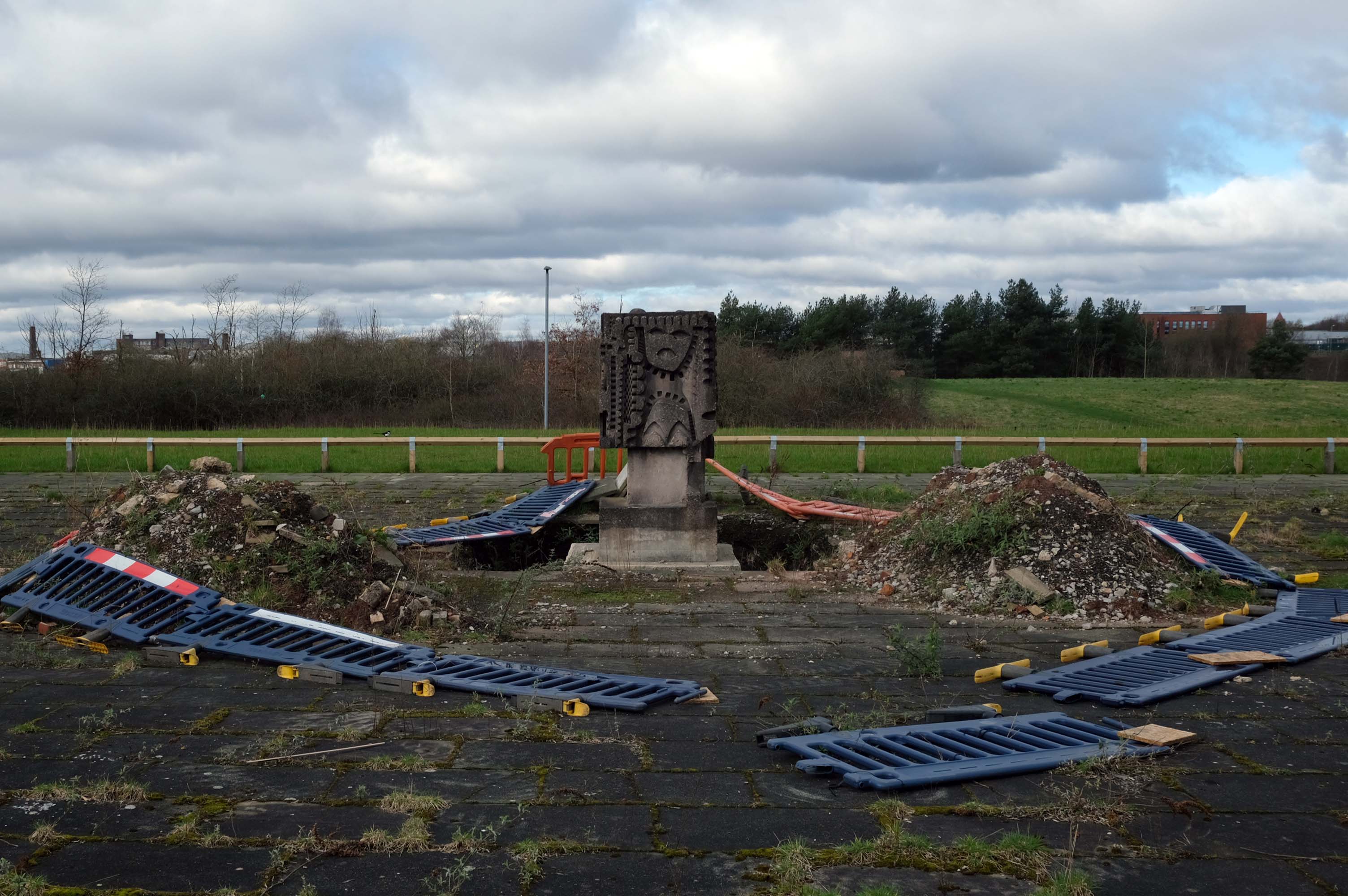
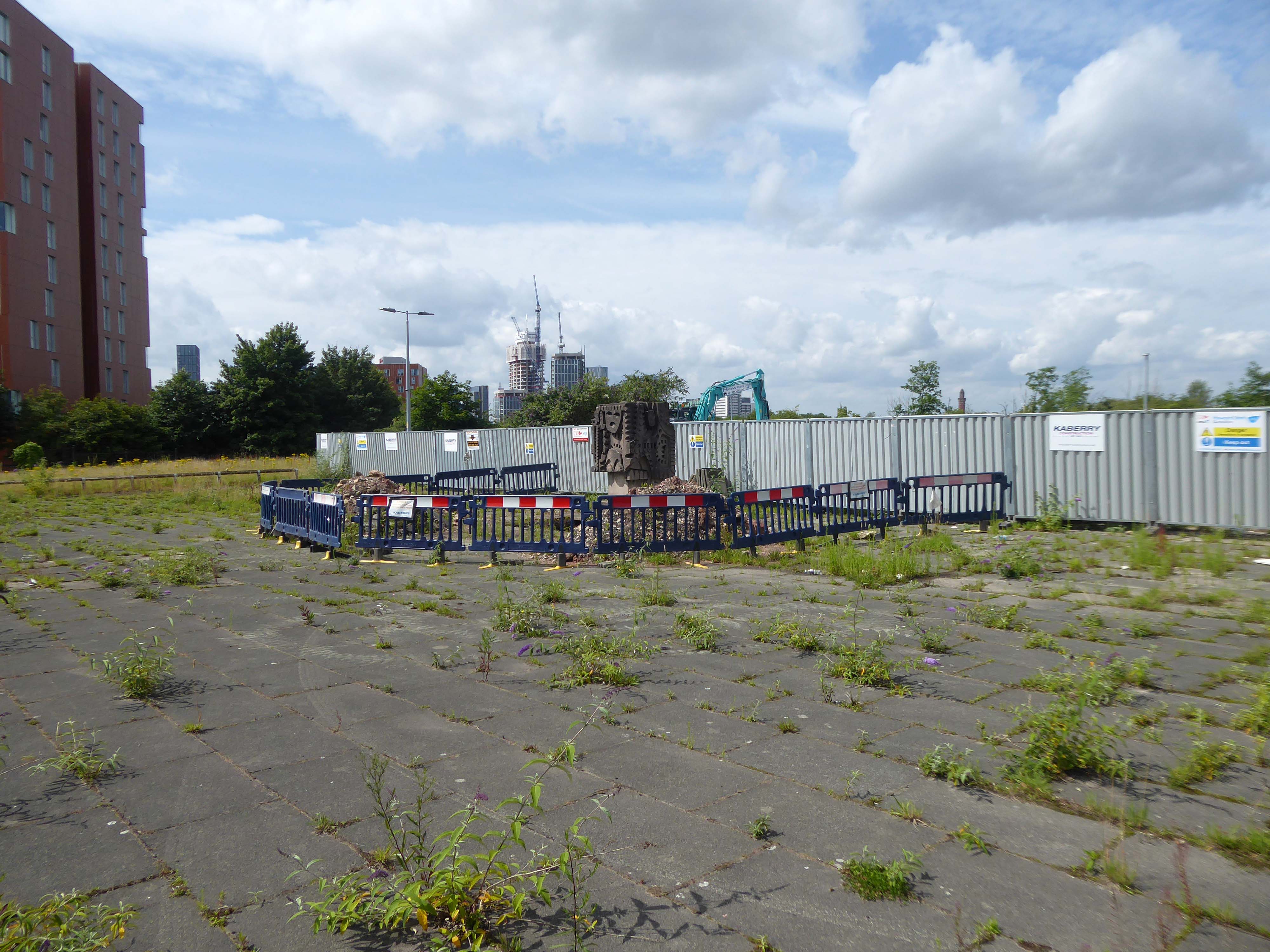
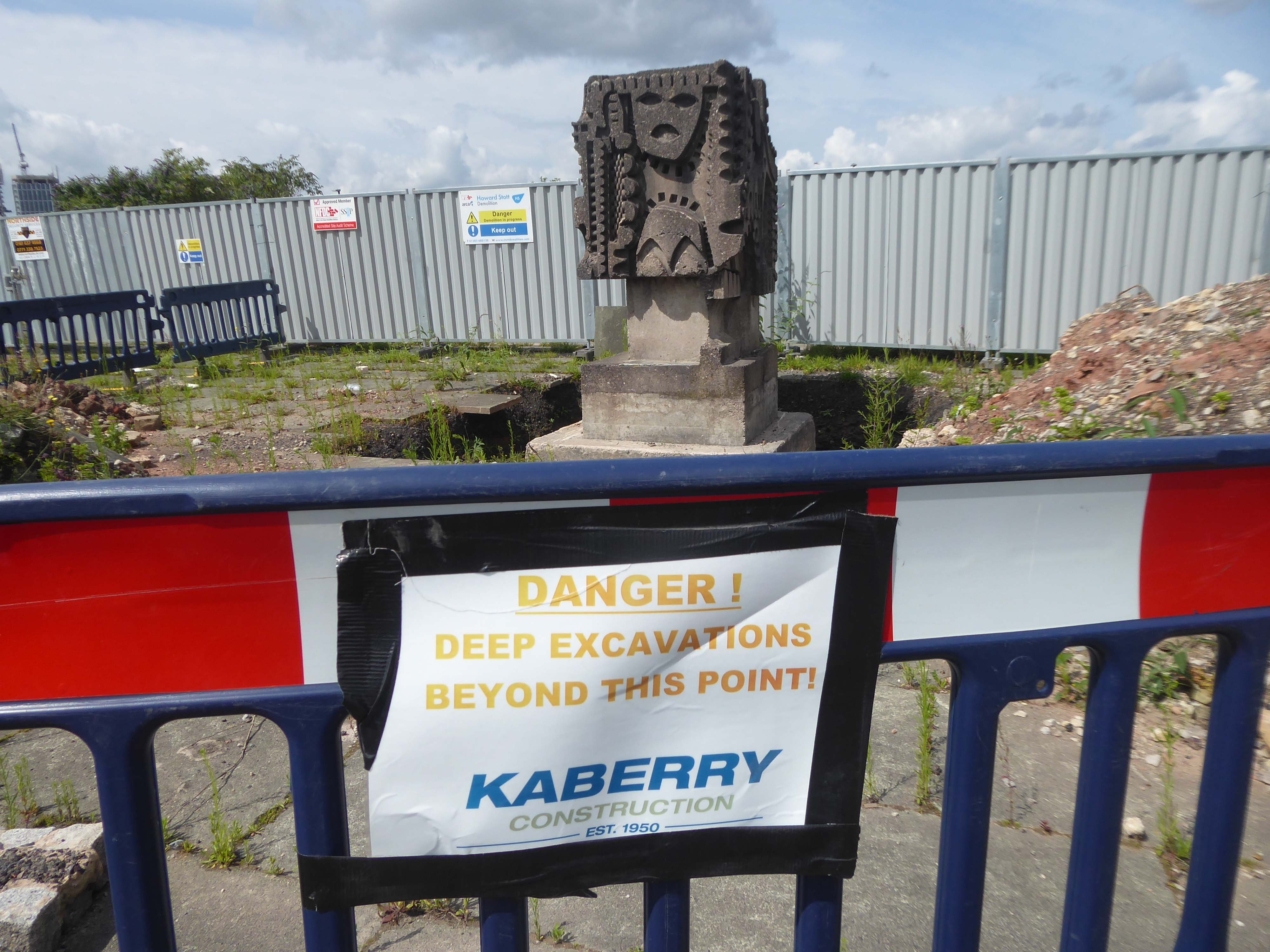
The base has been dug out and the sculpture awaits removal to the adjacent flats.

I was told that one estimate for the job was £120,000 – given its weight and location over railway tunnels.

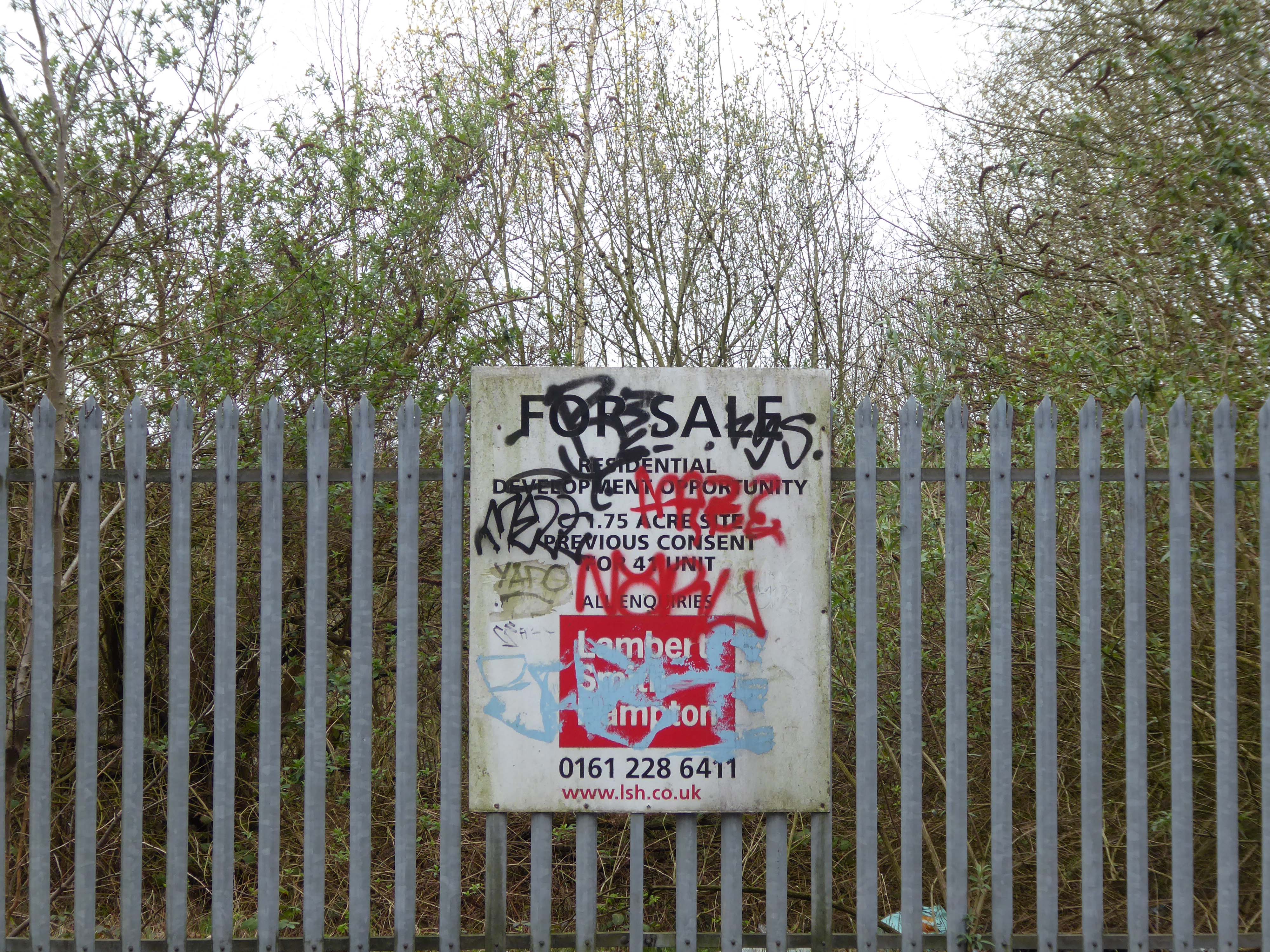
So as of today today 26th February 2024 – ain’t nothing shaking but the weeds twixt the flags.

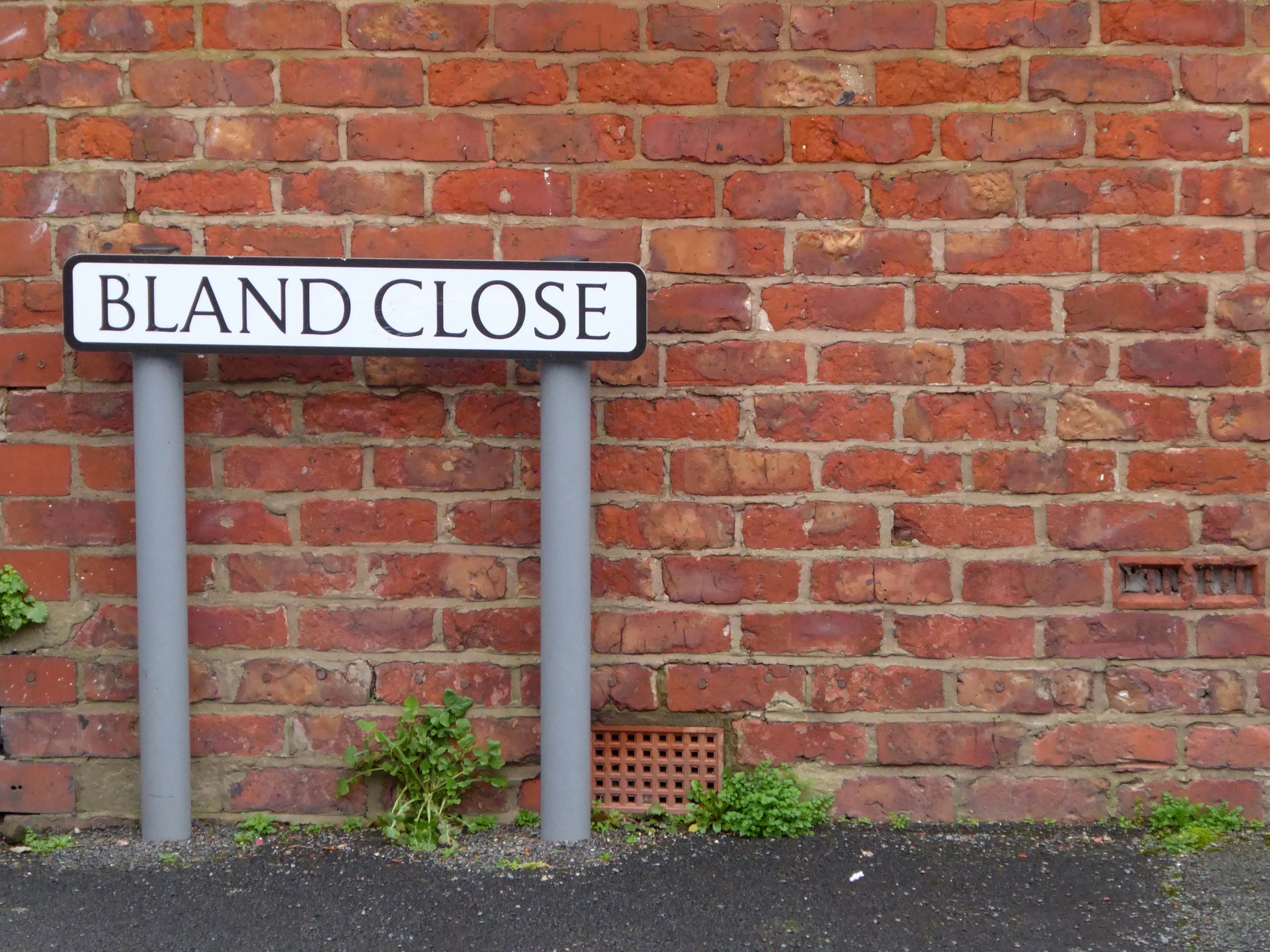
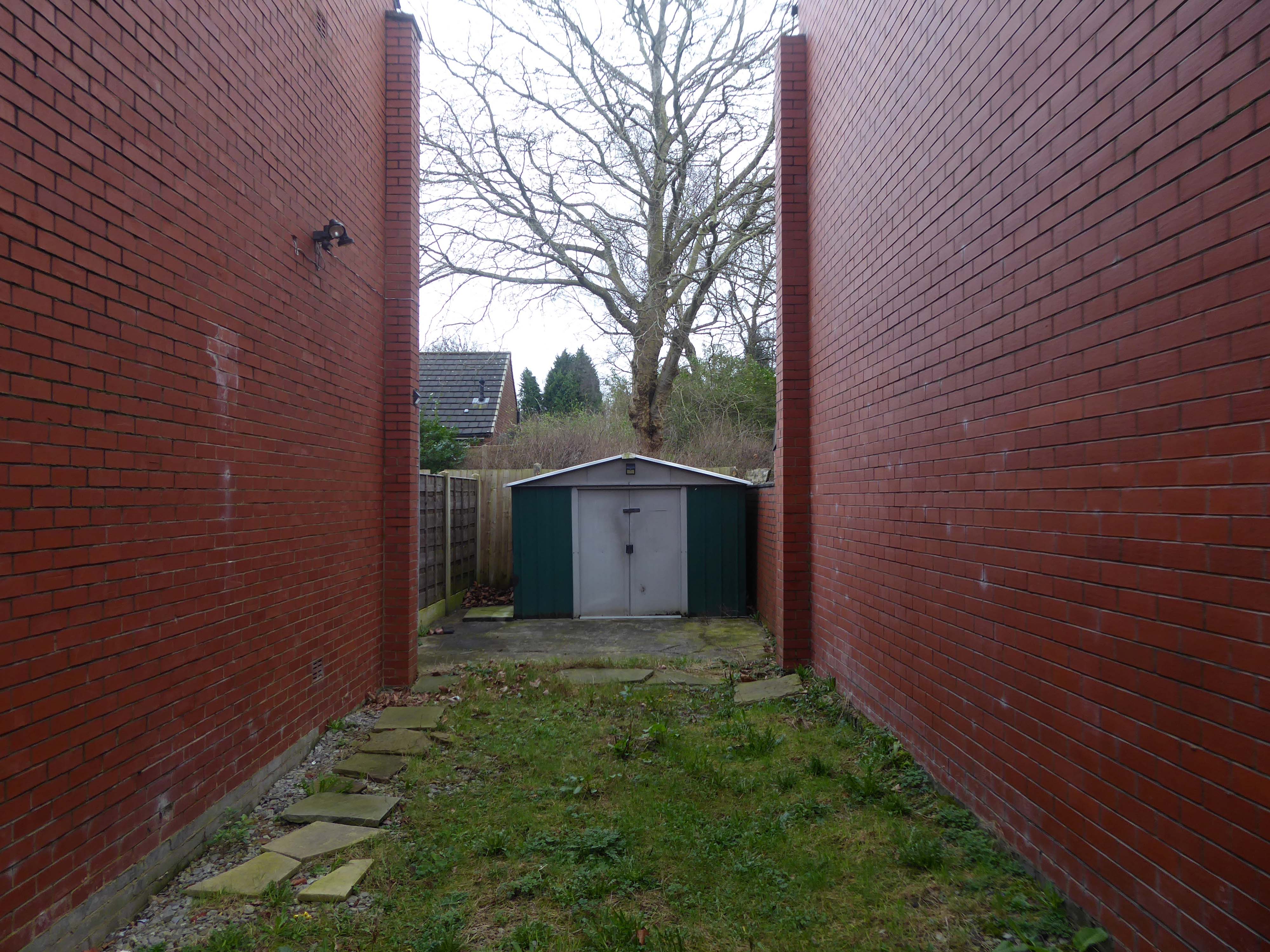
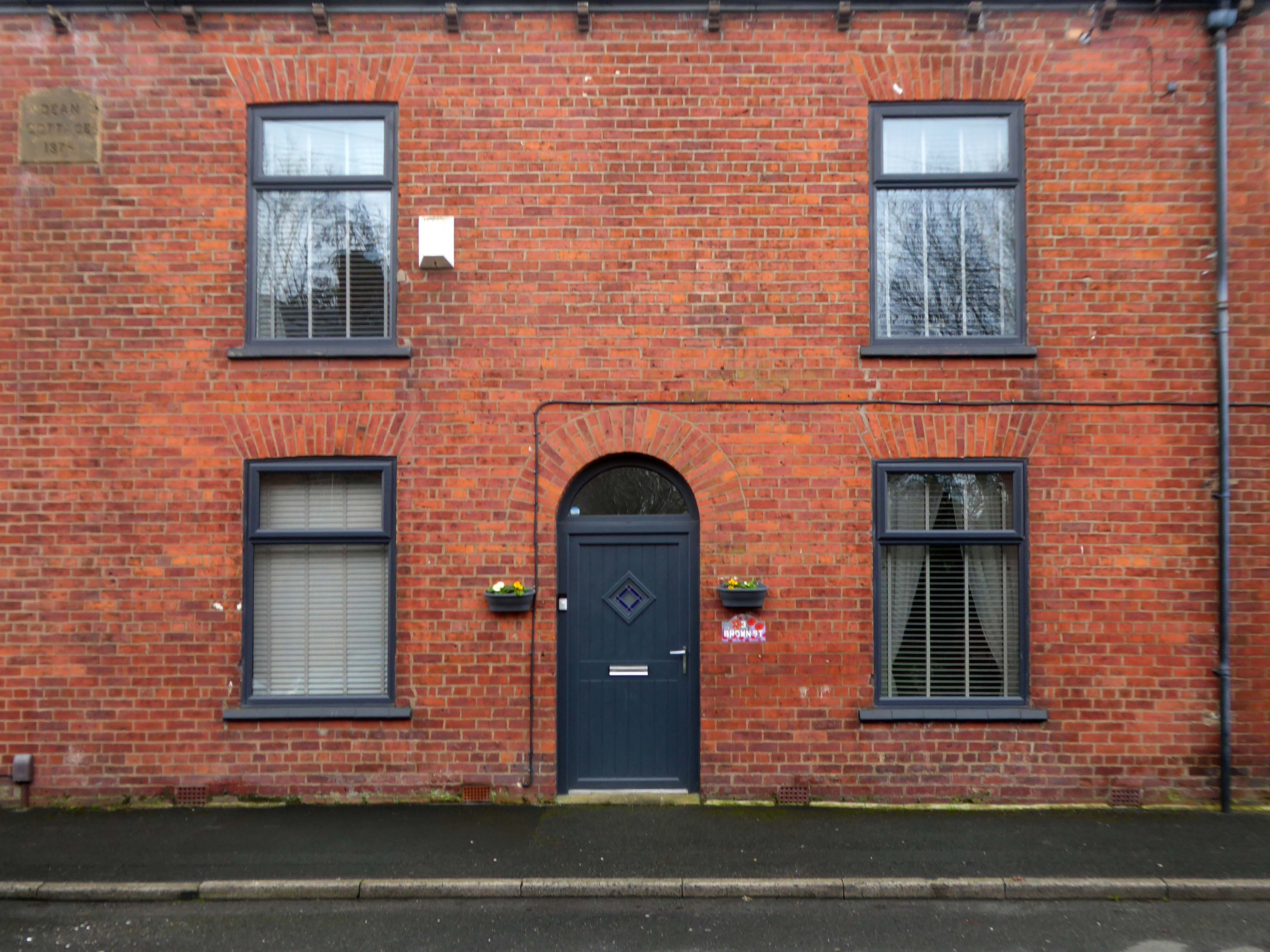
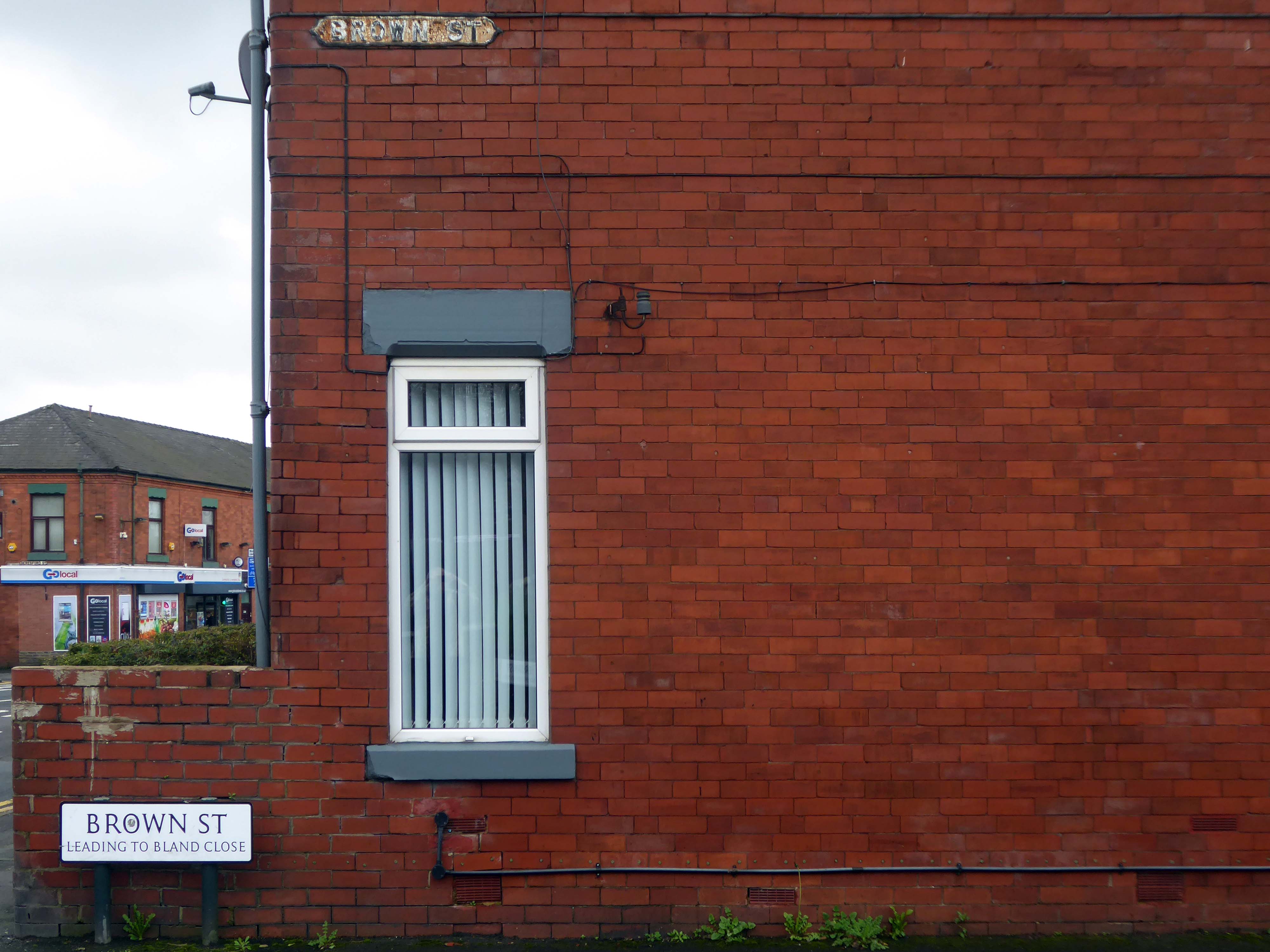
Bland Close And Brown Street – Failsworth

What’s in a name?

Is there such a thing as nominative determinism when it comes to streets?

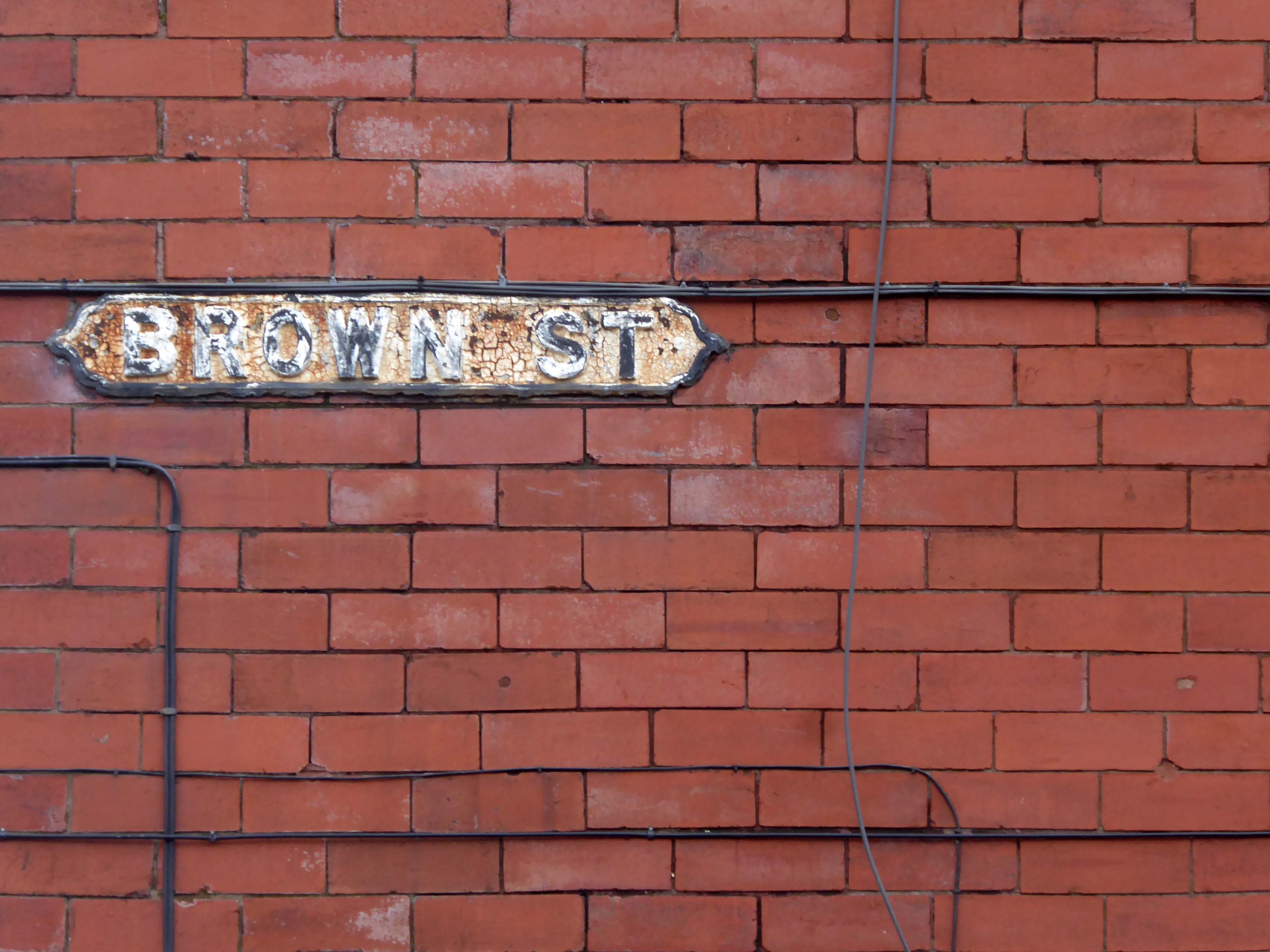
The naming of Bland Close as Bland Close seems to me to be an act of municipal cruelty, compounded by the addition of the adjoining Brown Street.

Having previously visited Blank Street in Ancoats I was eager to find out.

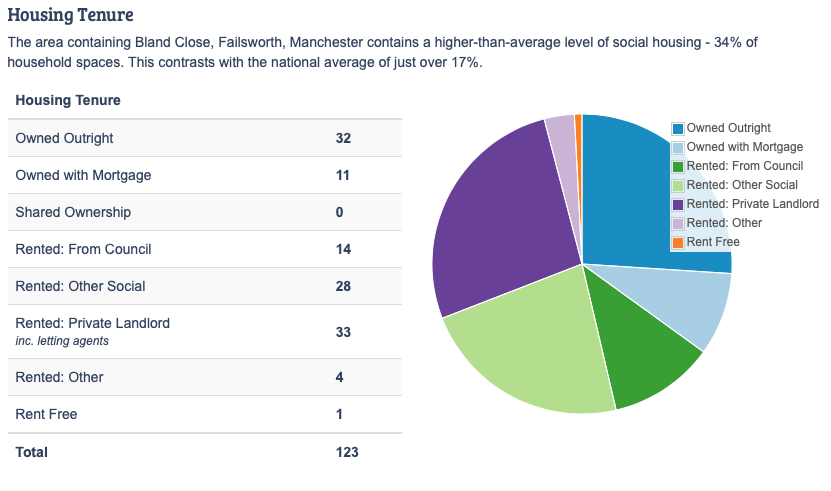
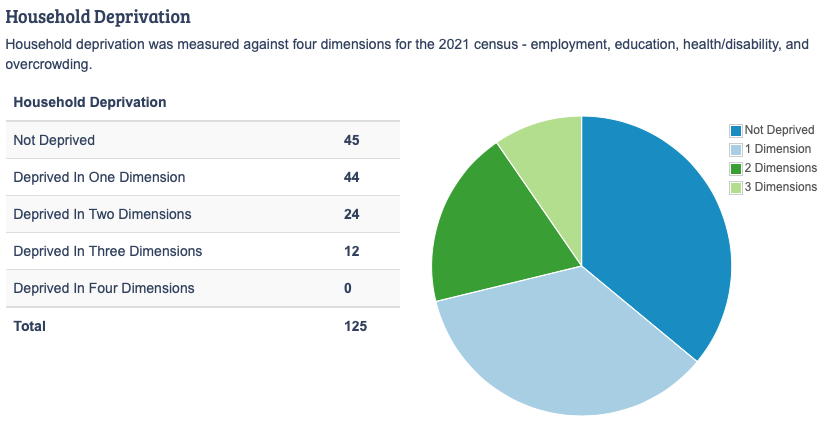
Statistically there are no anomalous details, which indicates any discernible difference between the streets and the surrounding area.

Streetcheck

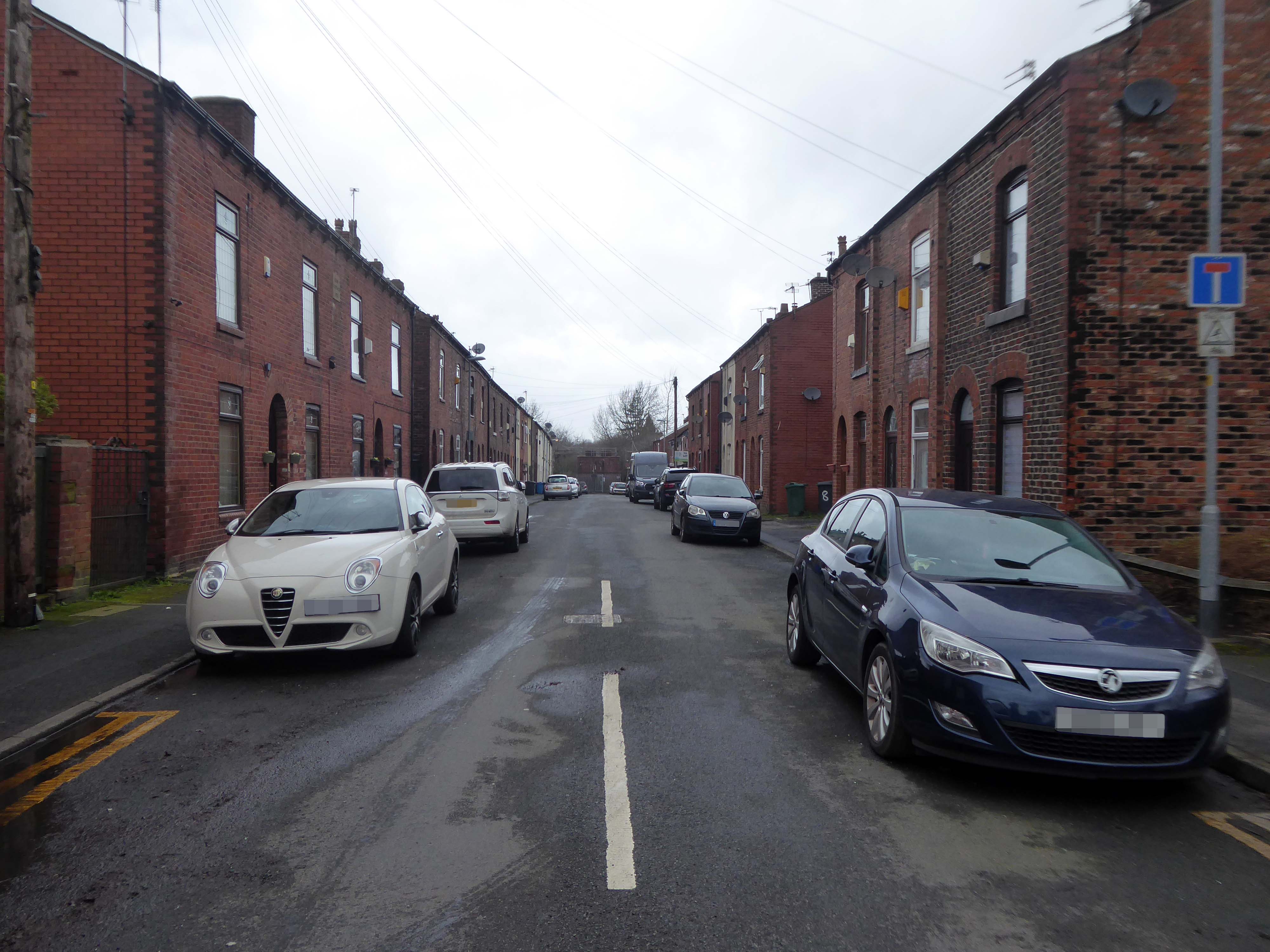
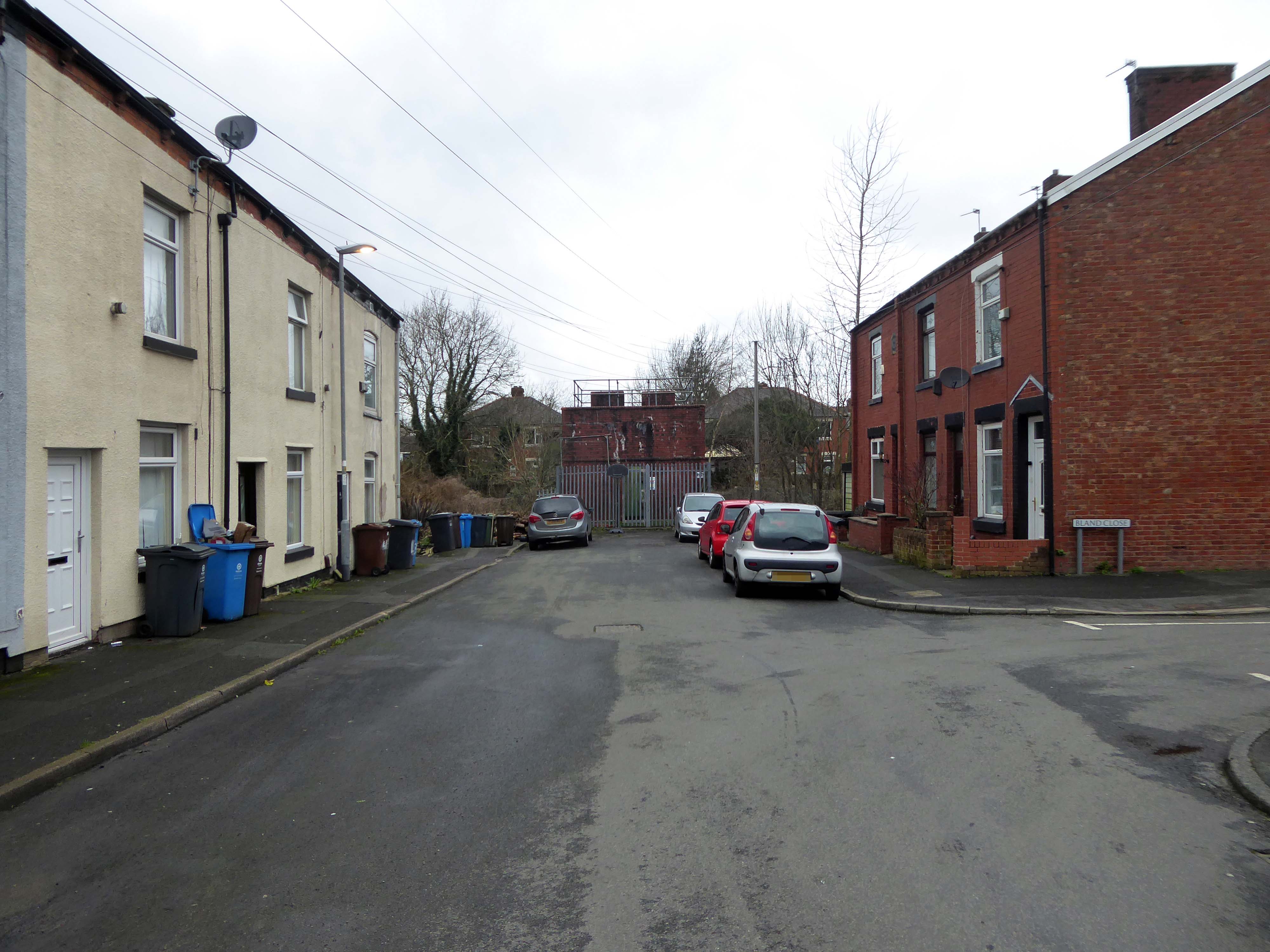
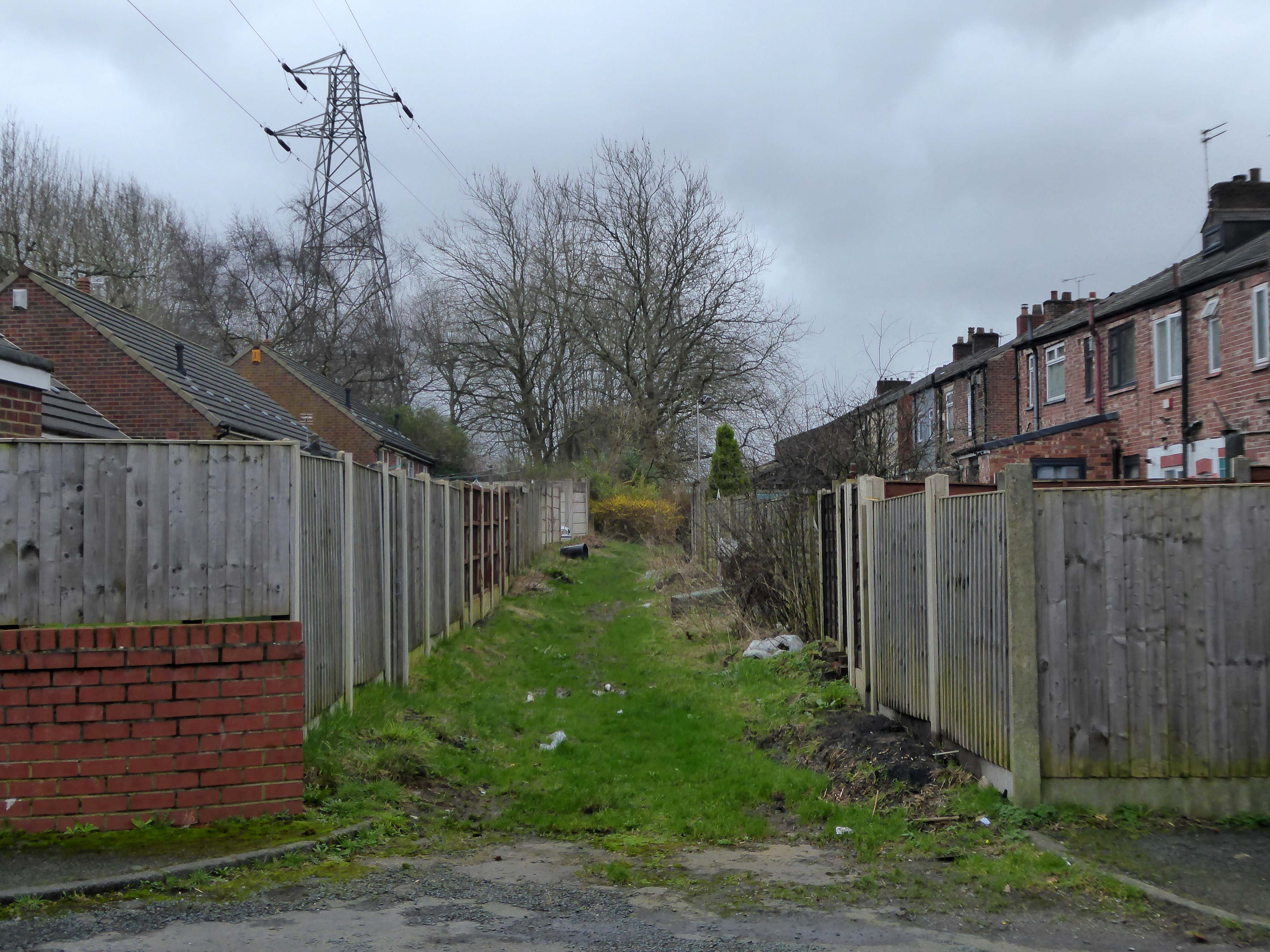
On a February morning the streets were well behaved and consisted of a typical mix of nineteenth century terraces and postwar semis, the residents chatty and welcoming, whilst they went about their business.

There are different causes that can make a street name controversial:

  • A person, organisation or event who or which was once honoured with a street name is subsequently thought to not or no longer deserve one, for example because that person later turned out to be a criminal.
  • A group of street names – for example in a residential area, is deemed to be unrepresentative for the population of that place, region or country because some demographics are overrepresented and others underrepresented, for example, because a disproportionate number of streets are named after men, and few after women.

Wikipedia

Research has found that if you live on Pear Tree Lane your property is more likely to attract potential buyers and a higher price, than those living in a similar property on Crotch Lane.

What are the guidelines for street naming?

  • The exclusion or inclusion of certain numbers for cultural or religious reasons
  • The use of building names without numbers
  • New building or street names should not begin with The
  • The use of street names which include numbers that can confuse, for example – 20 Seven Foot Lane sounds the same as 27 Foot Lane
  • The use of the names of deceased people in the adoption of any street names. The reason for choosing a person’s name should be established in the council’s policy
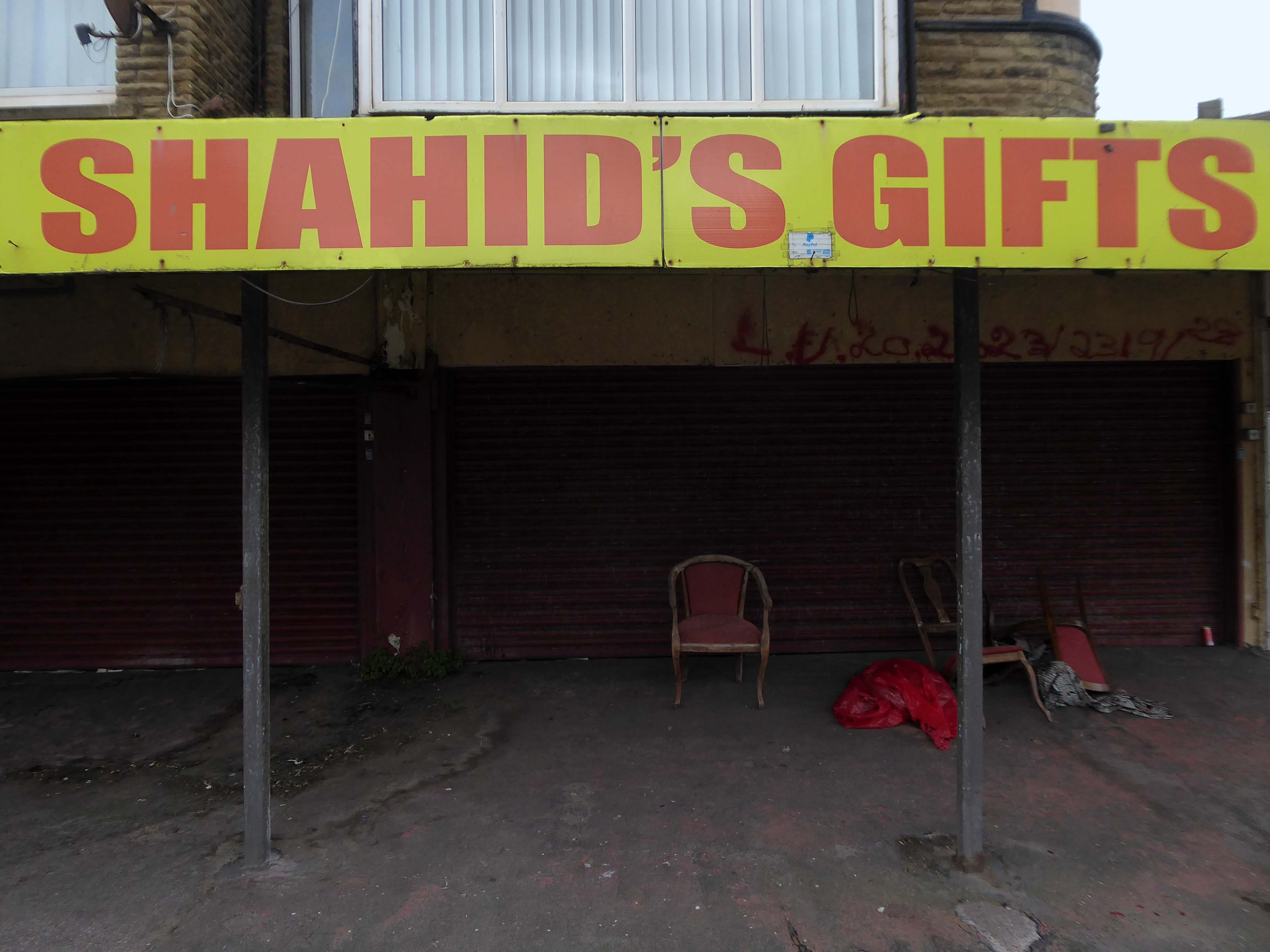
  • The use of the name of a living person – it’s not recommended
  • The adoption of historic connotations by developers – guidance on this should be provided by the council to all developers through close liaison with local historic societies.
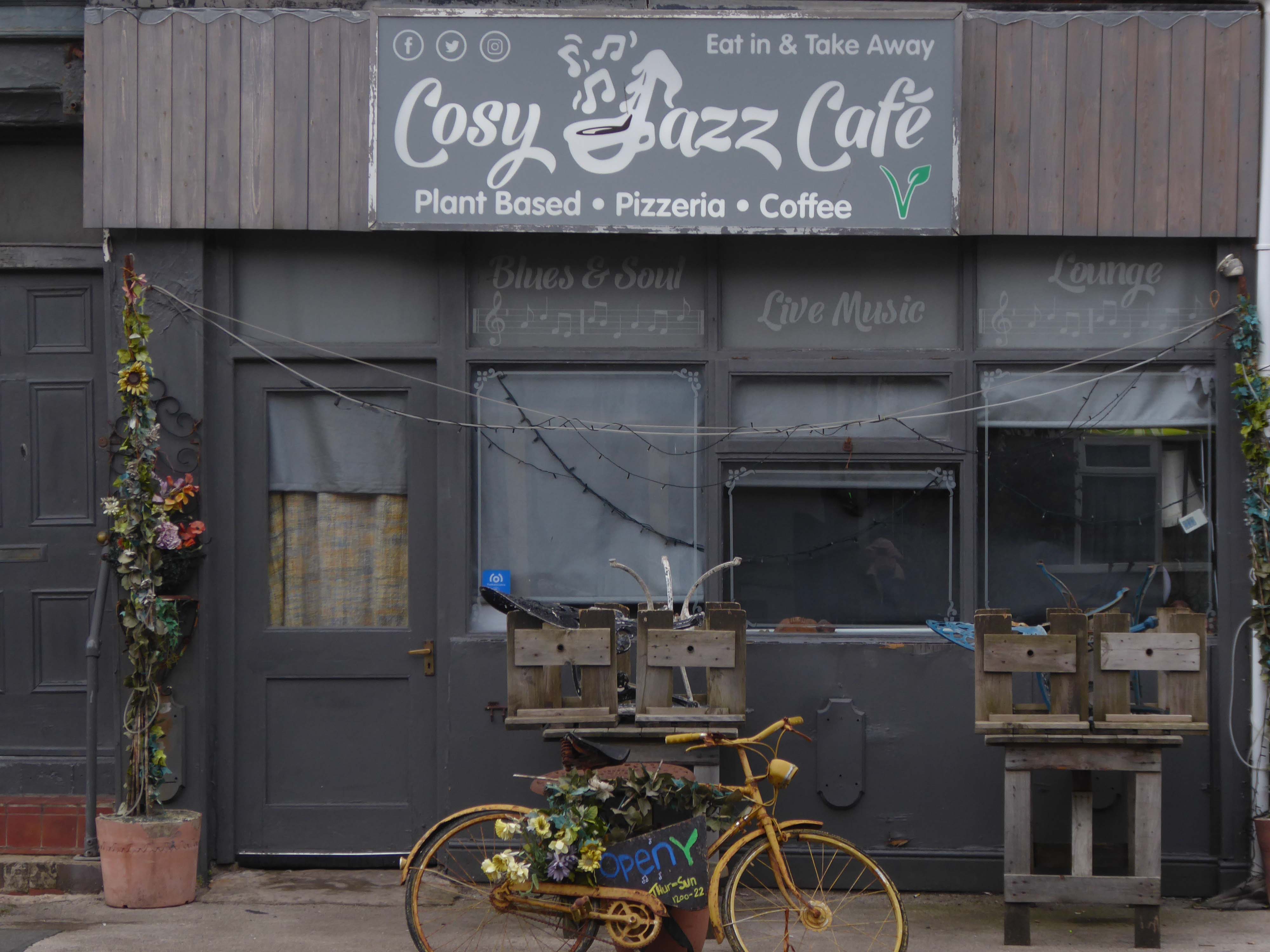
  • The use of national or local historic figures or events
  • The use of a name with Royal connotations – the Lord Chamberlain’s office must be contacted if a name has any reference to the Royal family or if the word ‘Royal’ is suggested.
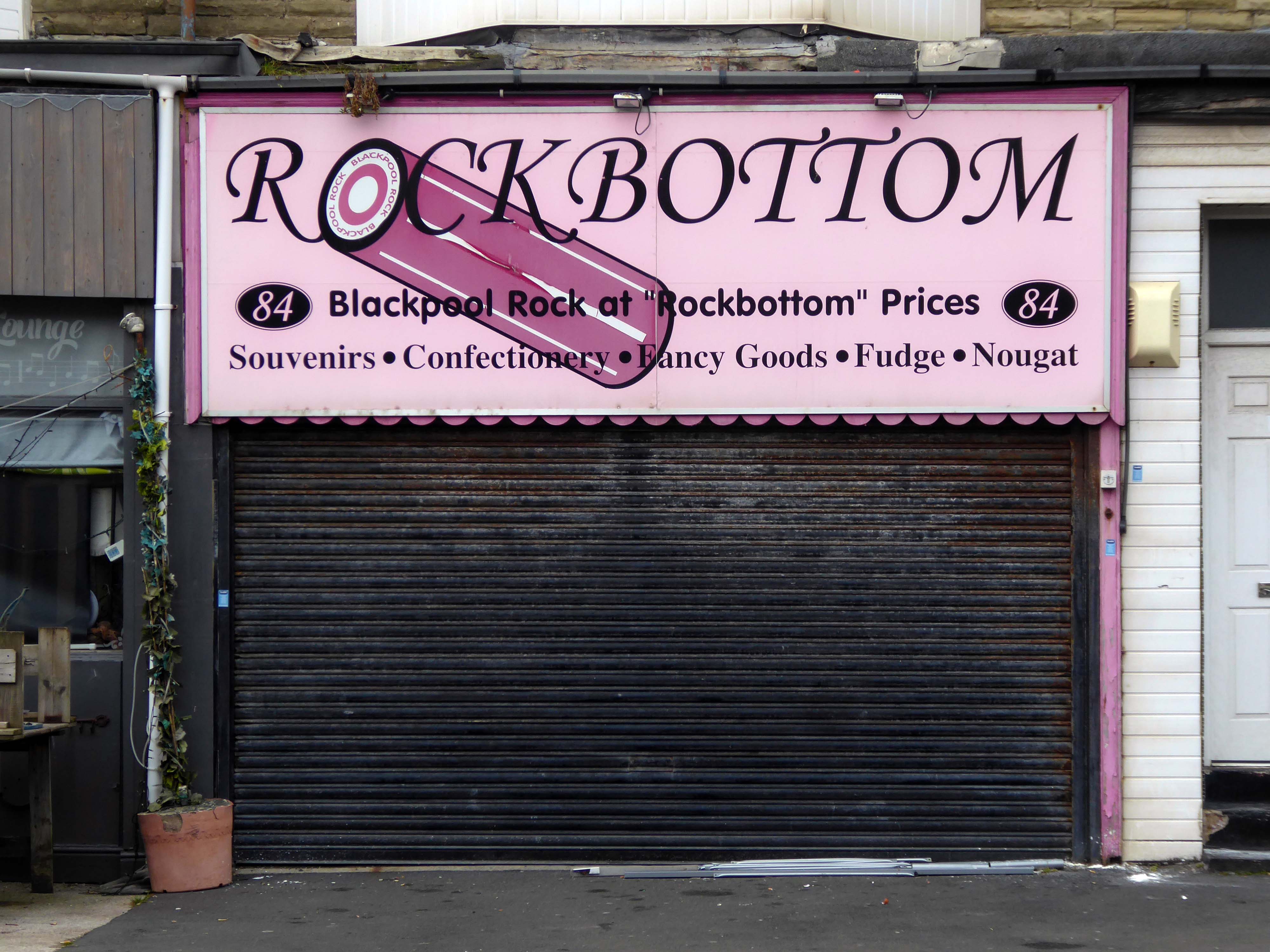
  • The use of names and their combination with numbers that could be considered rude, obscene, and racist or contravene any aspect of the council’s equal opportunities policies
  • The use of names and their combination with numbers that could be easily vandalised or changed into any of the above, for example – Canal Turn
  • The use of names that can cause spelling or pronunciation problems
  • The use of names that can be construed to be used for advertising or commercial gain
  • The use of names would lead to variations in the use of punctuation as these can confuse or result in early demands for a change of address from occupiers.

Geo Place

So in summary the name Bland does not in my opinion represent the close’s appearance and may in fact detract from the value of the property and possibly the perception of the area.

Let’s take a look – see what you think.

Manchester Arterial – A5103

The A5103 is a major thoroughfare running south from Piccadilly Gardens in Manchester city centre to the M56 in Northenden. The road is two-lane dual carriageway with a few grade-separated junctions. It is used by many as a link to the airport and to the motorway network south.

The road starts at Piccadilly Gardens where it meets the A6. It heads along Portland Street – at one time it ran along the parallel Mosley Street, past fast-food outlets and off-licences and then meets the A34 Oxford Street. It multiplexes with that road north for 200 yards into St Peter’s Square and then turns left into Lower Mosley Street, initially alongside the tramlines and then past the former Manchester Central station, now a conference centre with the same name. The road becomes Albion Street and goes over the Bridgewater Canal and under the railway line east of Deansgate station. The road then meets the A57(M) Mancunian Way at a roundabout interchange. This is where most of the traffic joins and leaves. 
The road is now 2×2 dual carriageway with the name Princess Road. It passes under the Hulme Arch, a grade-separated junction with the A5067, with an unusually large central reservation. This is presumably because of the proposed plans from the 1960s of a motorway. However, after passing under the junction, there are innumerate sets of traffic lights, with the B5219, the A6010 and the A5145, as well as many other unsigned roads. There are also many speed cameras set at 30 mph.
The road picks up pace as we exit the sprawl of South Manchester and the road becomes Princess Parkway, with a 50 mph speed limit. We cross the River Mersey and almost immediately hit the M60 at J5.

Except for the Manchester City Centre section – which was numbered A5068, this road did not exist on classification in 1922. Princess Road was built in 1932 to serve the new southwestern suburbs; initially it ran between the B5219 and A560 and was numbered B5290, with the road later extended north into the A5068 on the southern edge of the city centre and renumbered A5103.

The northern extension through Hulme initially followed previously existing roads, so followed a zigzag route. As part of the road’s upgrade and the reconstruction of Hulme in the 1970s the road was straightened and the original route can no longer be seen. The A5068 was severed around this time with the construction of the A57(M) and the A5103 took on its city-centre section, taking it to the A6.

Sabre Roads

See also Bury New Road and Cheetham Hill Road and Rochdale Road and Oldham Road and Ashton New Road and Ashton Old Road and Hyde Road and Stockport Road and Kingsway.

Manchester Arterial – A57

The A57 was nearly a coast to coast route. It passes through three major city centres (Liverpool, Manchester, and Sheffield – with elevated sections in each) and several smaller ones, multiplexes with the A6 and the A1, follows the banks of two canals and negotiates the remotest part of the Peak District. In one city it part of it is a tram route, whilst in another its former route is also a tram route. After all these adventures, it sadly gives up just 40 miles short of the east coast, Lincoln apparently proving too big an obstacle.

The A57 crosses the River Irwell at Regent Bridge before entering its moment of motorway glory as the A57(M) Mancunian Way skirting the south of Manchester’s city centre on an elevated section and crossing the A56 and A34. This includes a half-completed exit that goes the wrong way up Brook Street – a one way street. The original A57 ran further north through the city centre along Liverpool Road (now the A6143) and Whitworth Street – B6469 as far as the A6 London Road which marked the start of a multiplex.

At the end of Mancunian Way, we reach a TOTSO, straight on being the short unsigned A635(M) and thence the A635 – for Saddleworth Moor, Barnsley and Doncaster whilst the A57 turns south, briefly multiplexing with the A6, and then branching off along Hyde Road. This section of road was extensively cleared for the westward extension for the M67, and consequently has seen a lot of redevelopment.

Sabre Roads

In 2014, having taken early retirement from teaching photography, I embarked on a series of walks along the arterial roads of Manchester.

See also Bury New Road and Cheetham Hill Road and Rochdale Road and Oldham Road and Ashton New Road and Ashton Old Road.

Manchester Arterial – A664

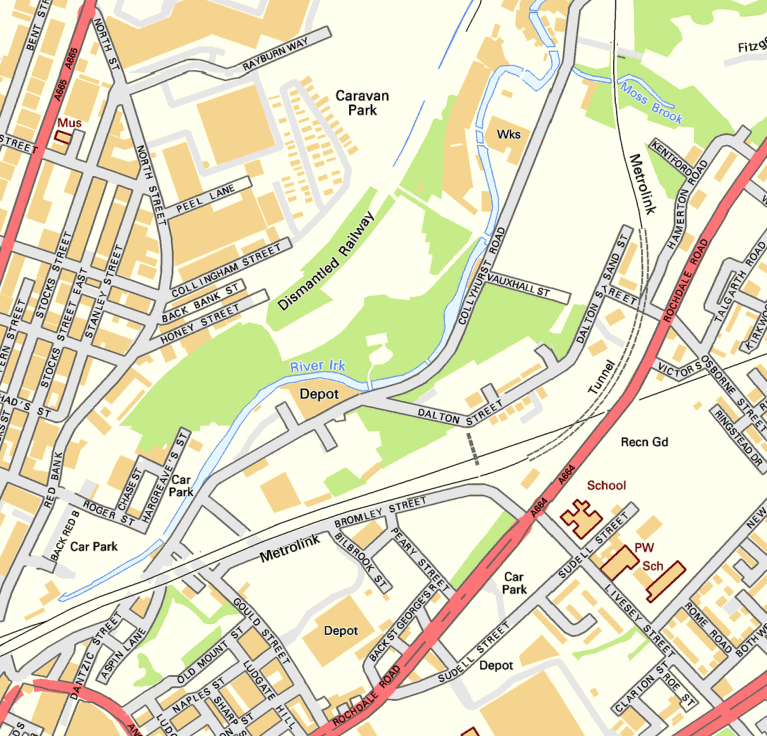
The obvious place for the A664 to start is on the A665 Manchester & Salford Inner Relief Route, which at this point is actually two parallel one-way streets. However, many maps show the road continuing a short distance into the city centre to end at traffic lights by the Shudehill Interchange – this is presumably for historic reasons: the road originally continued along the High Street to its terminus on the A6 Market Street.

The road heads northeastwards through the suburbs, the street name Rochdale Road, already emphasising its destination. Initially dual, the road narrows just before crossing the bridge over the railway line east of Victoria station. It continues through Collyhurst and widens again just before crossing the A6010 Intermediate Ring Road, which here is made up of two parallel one-way streets, requiring two separate sets of traffic lights to cross.

Now non-primary – but still dual for a short distance more, the road runs in a more northerly direction through Blackley, where it becomes wooded for a short distance as it passes the Boggart Hole Clough park. Slightly further on the road has been straightened, after which it bears right to widen considerably and cross the A6104 at traffic lights just before M60 J20, which only has west-facing sliproads. The road narrows again on the far side of the motorway and leaves Manchester for Rochdale at the same point.

Sabre Roads

In 2014, having taken early retirement from teaching photography, I embarked on a series of walks along the arterial roads of Manchester.

See also Bury New Road and Cheetham Hill Road.

Westfield Estate – Sheffield

I was asked to give a talk for Photo North in response to Sean Madner’s photographs.

Speaking on behalf of the Sheffield Modernists.

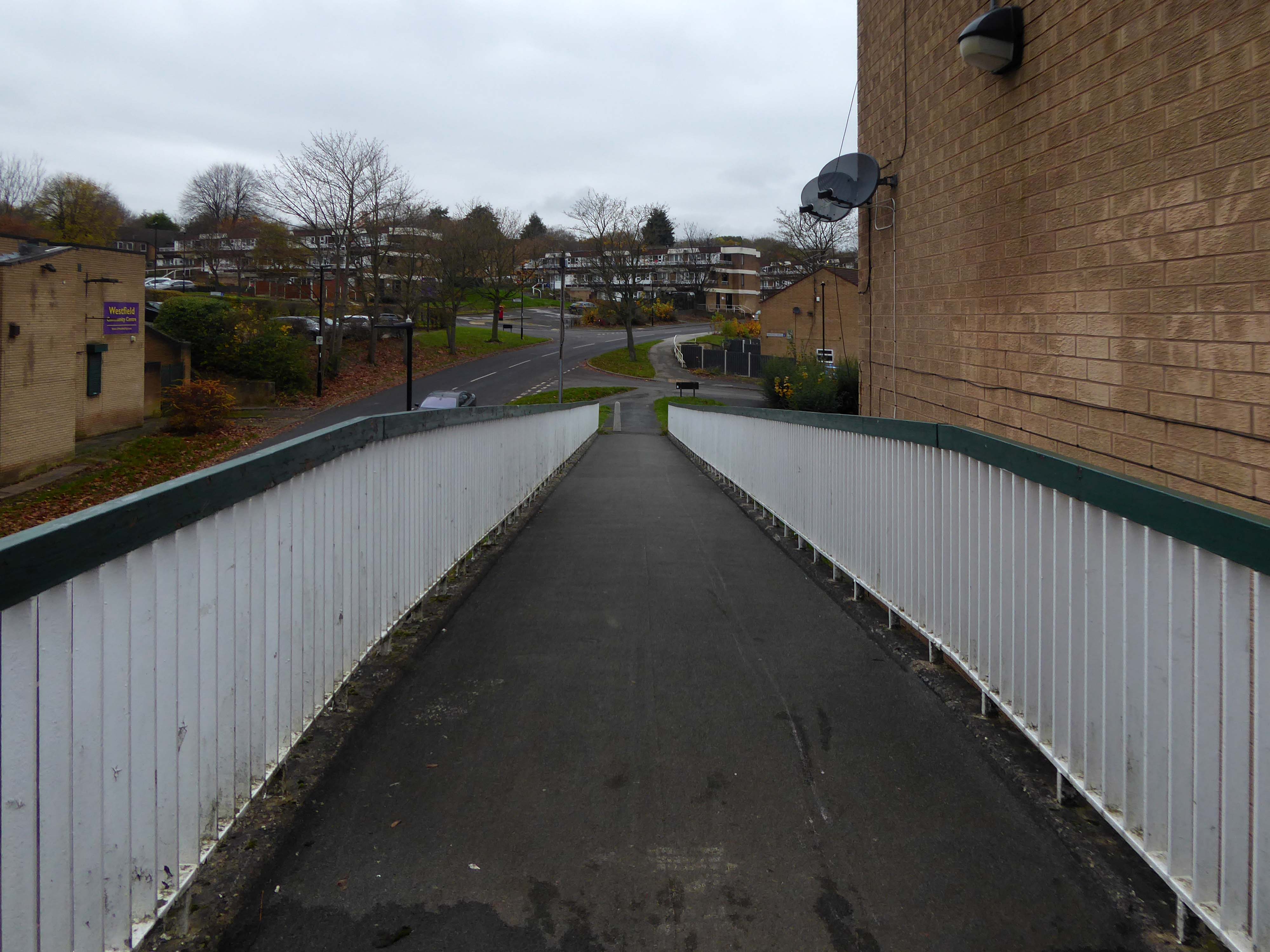
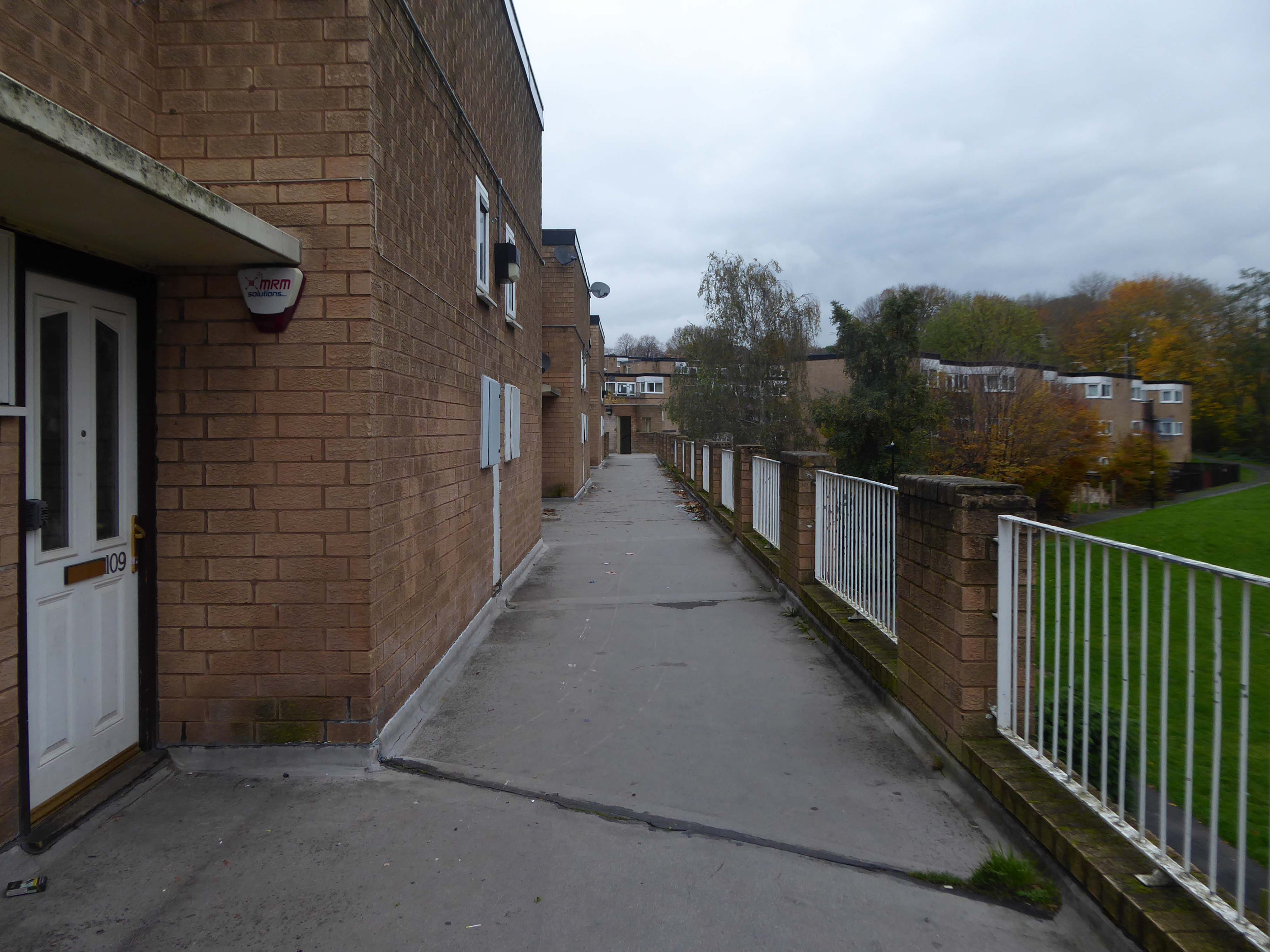
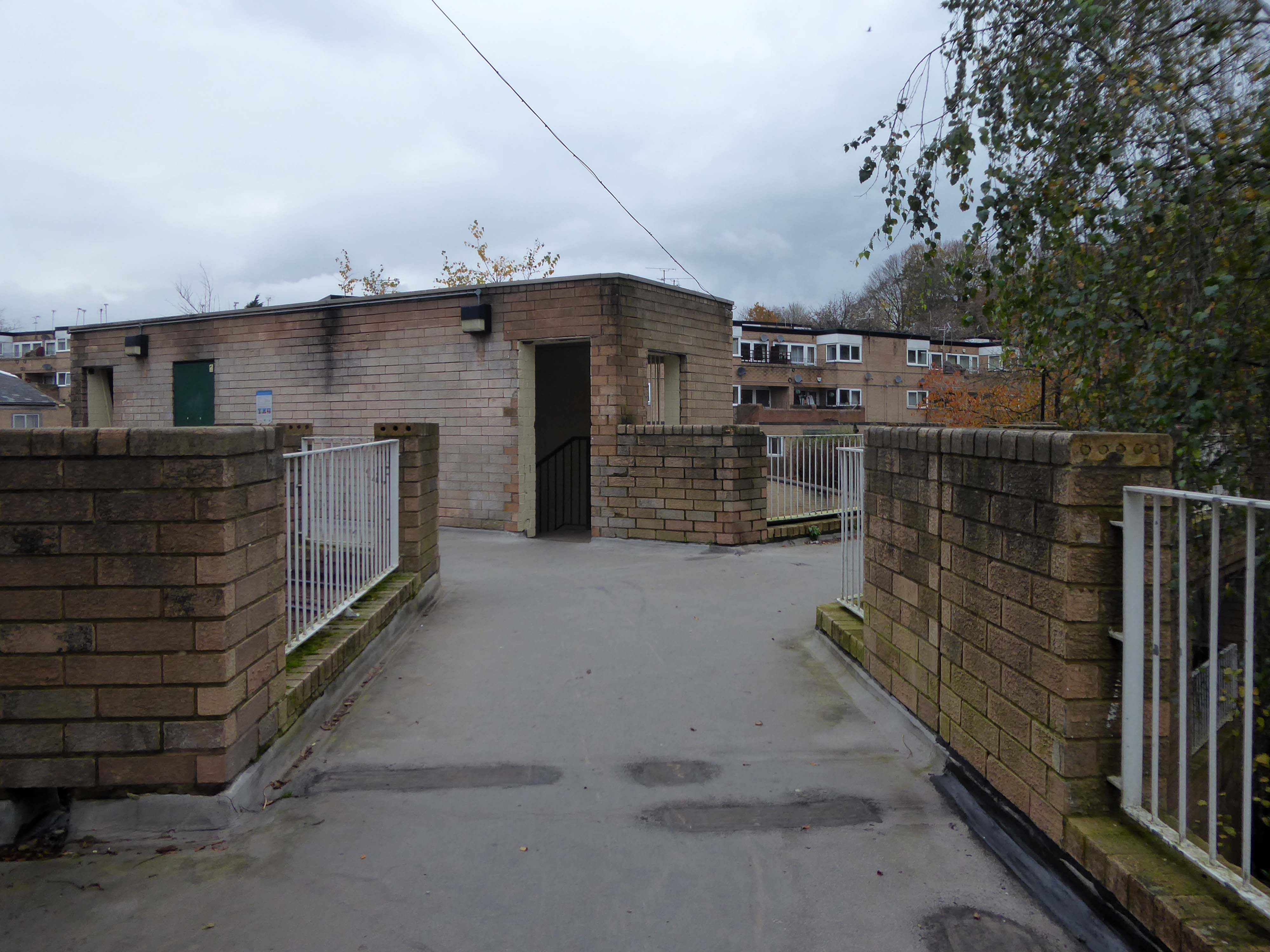
On the day, I was eager to visit the Westfield Estate for the first time.

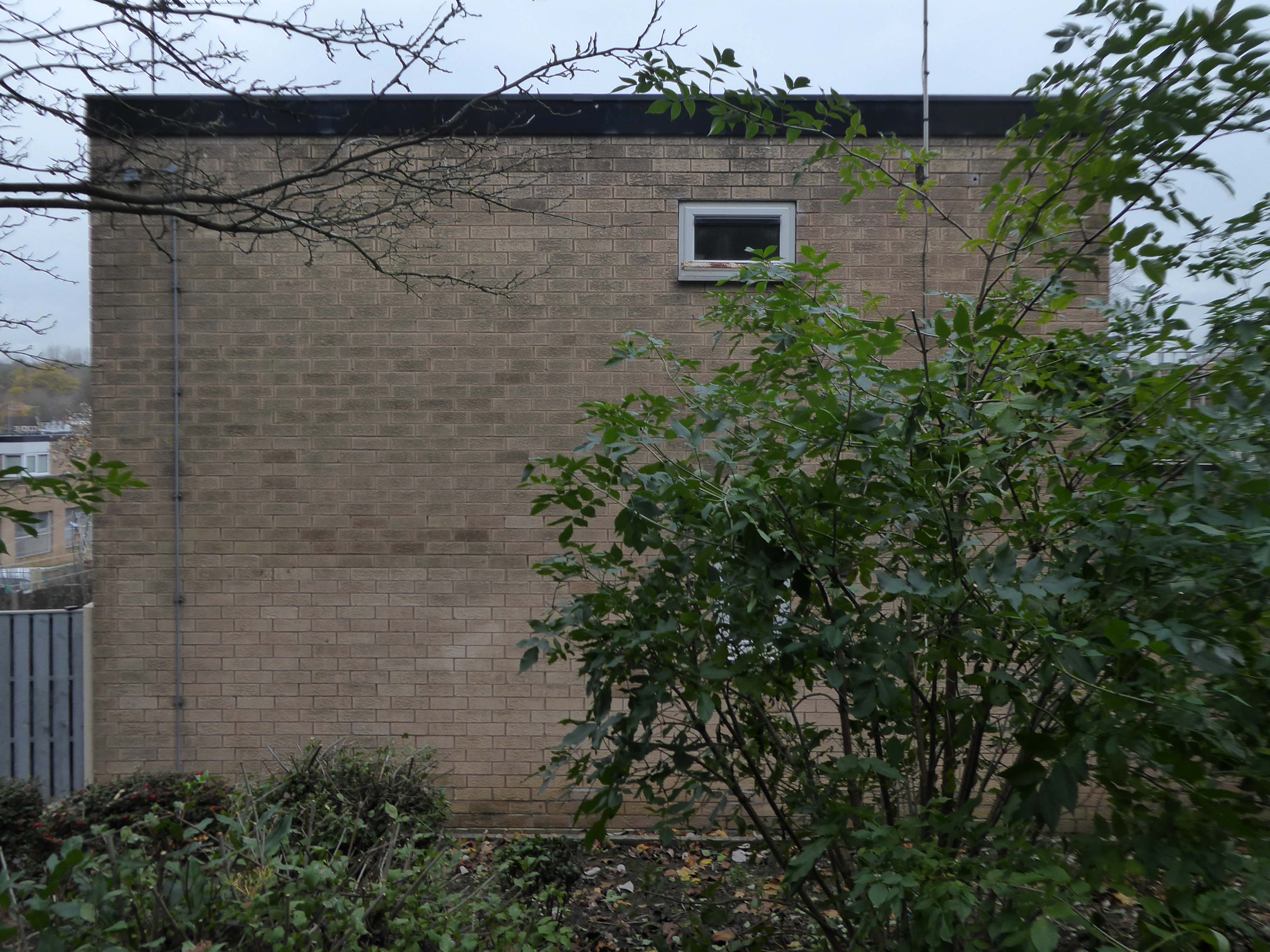
Westfield Estate Mosborough, formerly Waterthorpe Farm Estate, a rural township which was subsumed by Sheffield’s expanding housing schemes.

Mosborough, a vastly expanding village, eight miles North East of Chesterfield and six miles South East of Sheffield.

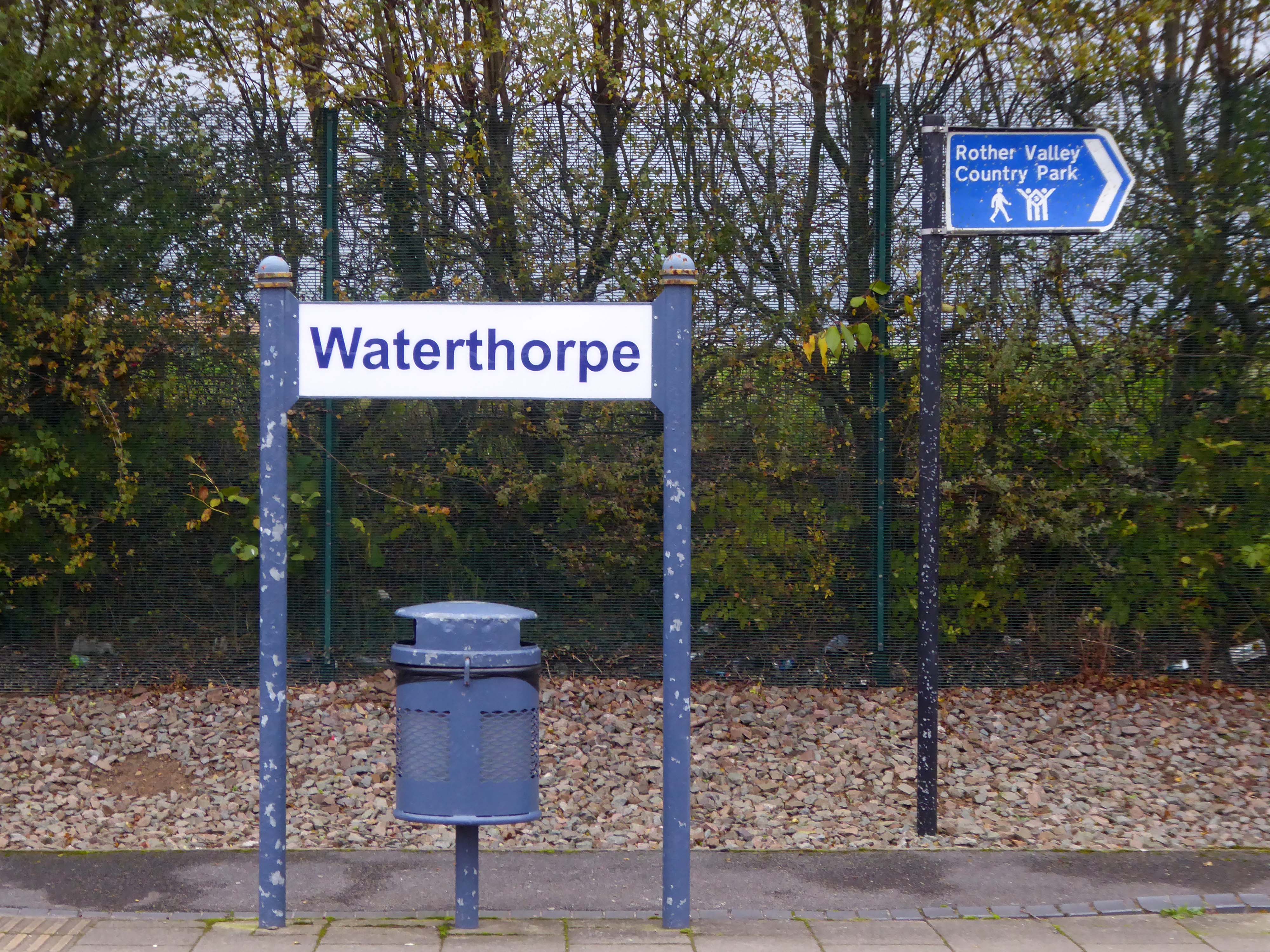
Waterthorpe Housing Estate near Beighton named after Waterthorpe – formerly Walterthorpe Farm.

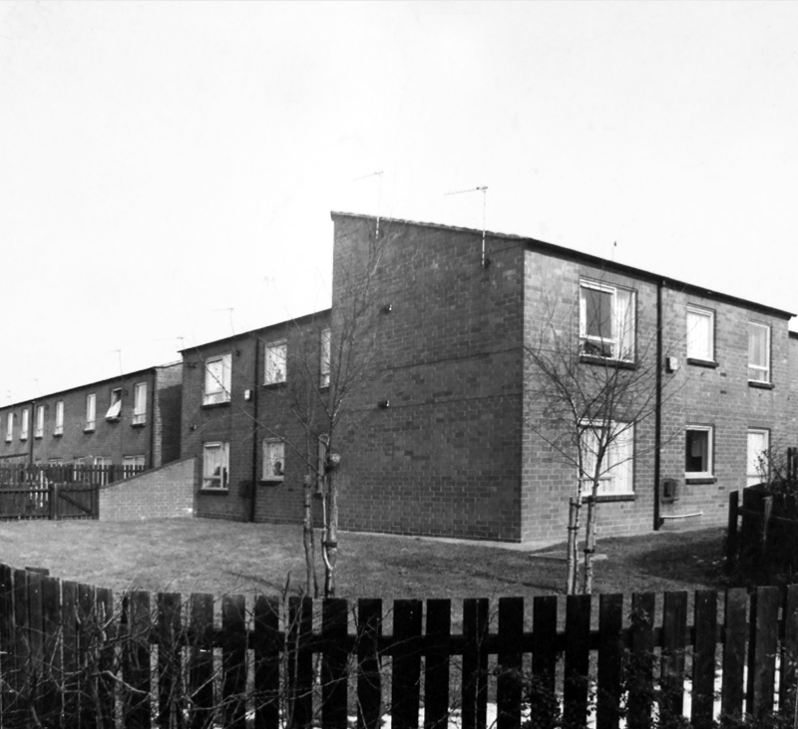
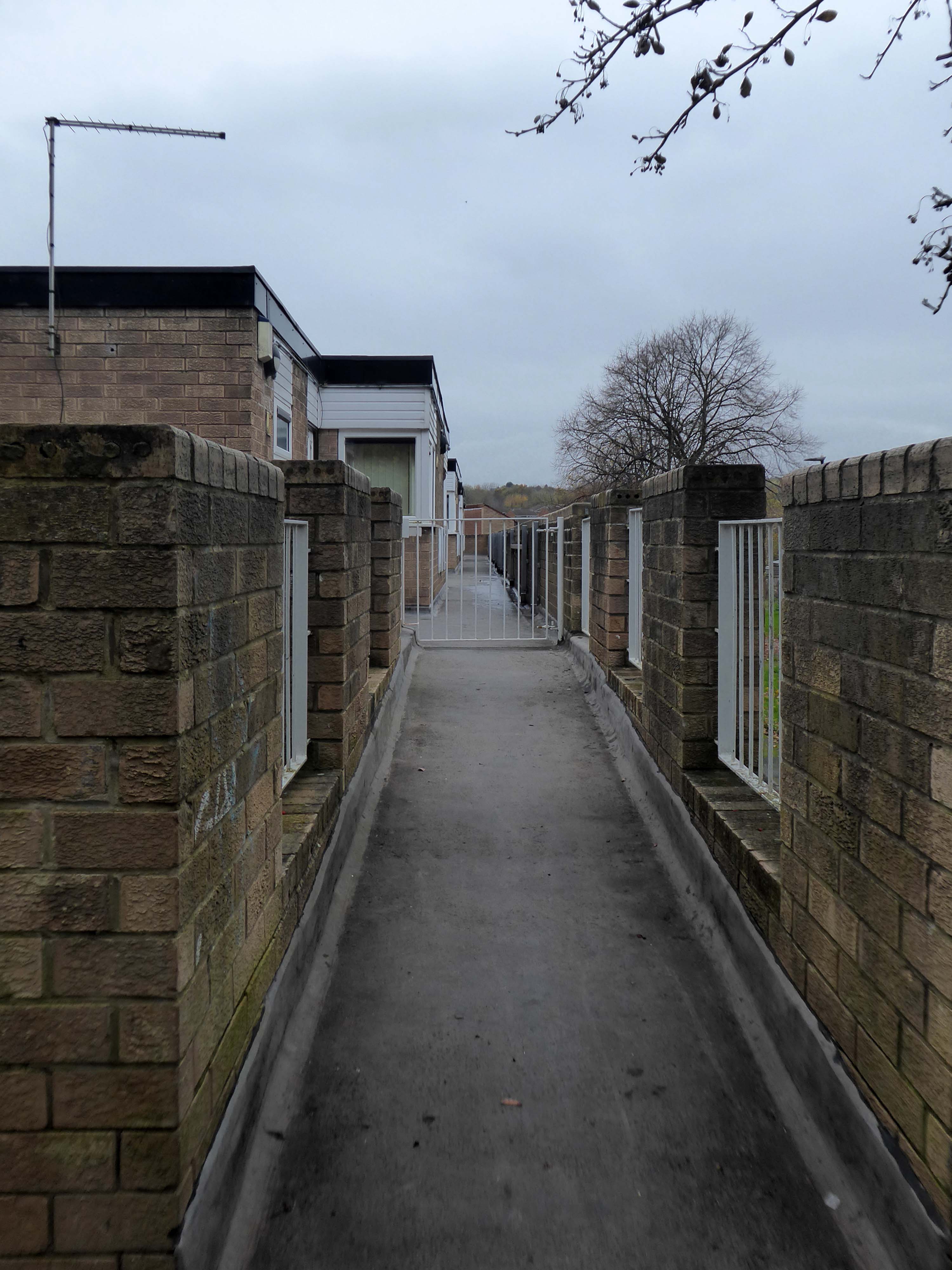
Path which goes behind houses on Short Brook Close 1974

The Waterthorpe and Westfield housing estates were built from mid-1970s and were added to over a number of years. Eventually linking with both the old council estate of Beighton and the new estate of Halfway, the estates house a condensed significant number of almost wholly local authority owned properties following the phasing down and demolition of the original estates around Parson Cross and Shiregreen in the north of the city.

Wikipedia

Eastcroft Glen 1986

May Tree Lane

Archive photographs – Picture Sheffield

So I jumped the tram from Sheffield Station to Halfway alighting at Waterthorpe.

A long rambling ride, rolling in and out of rolling hills.

I headed over the footbridge and into the heart of the estate.

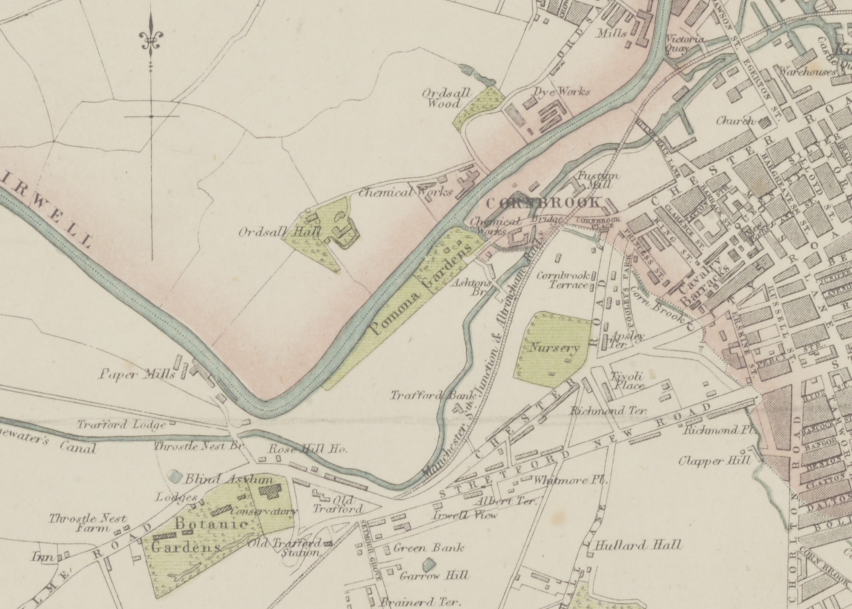
Pomona Island

June 2015 the last post of the lost last posts of Pomona.

April 2020 a history and appraisal of Pomona Gardens – the undergrowth having recently having had a trim.

What were once opulent Pleasure Gardens now await the Midas touch of Peek Holdings.

What knows what fates awaits you?

Long-awaited plans to redevelop the 26-acre swathe of land will not come forward until Peel L&P and Trafford Council reach an accord on the level of affordable housing to be provided on a separate project. 

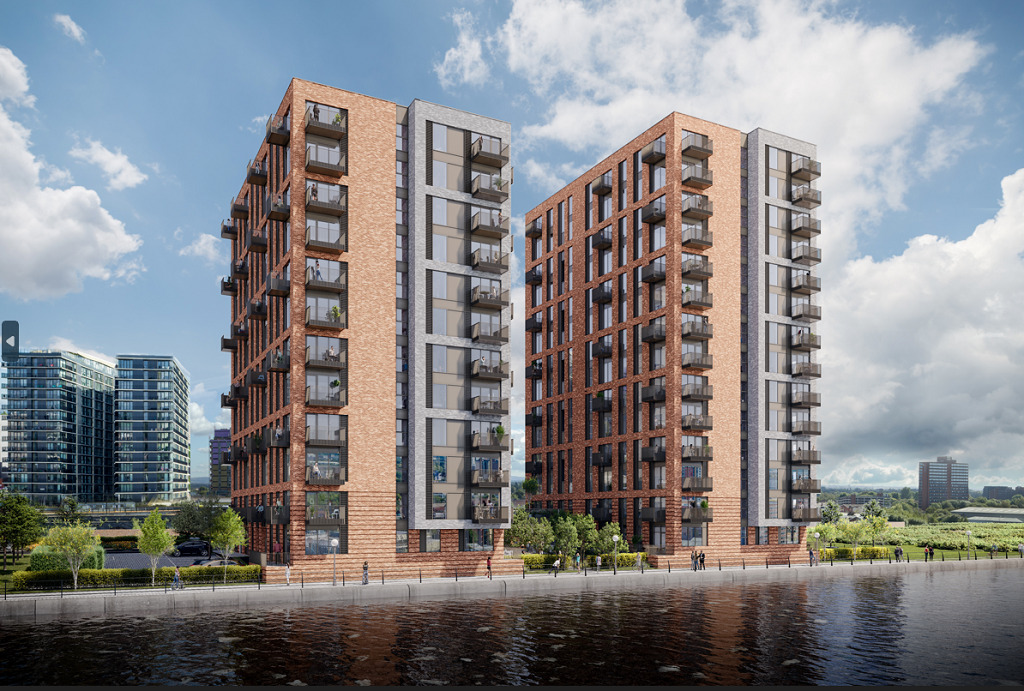
In 2021, Peel lodged plans for a 162-apartment build-to-rent scheme on part of Pomona Island.  

The project featured no on-site affordable housing provision – although Peel did offer a ‘significant financial contribution’ towards off-site affordable housing – and Trafford Council subsequently recommended the development be refused. 

This promoted Peel to withdraw the £35m proposals before they were discussed at committee. 

Place Northwest 2022

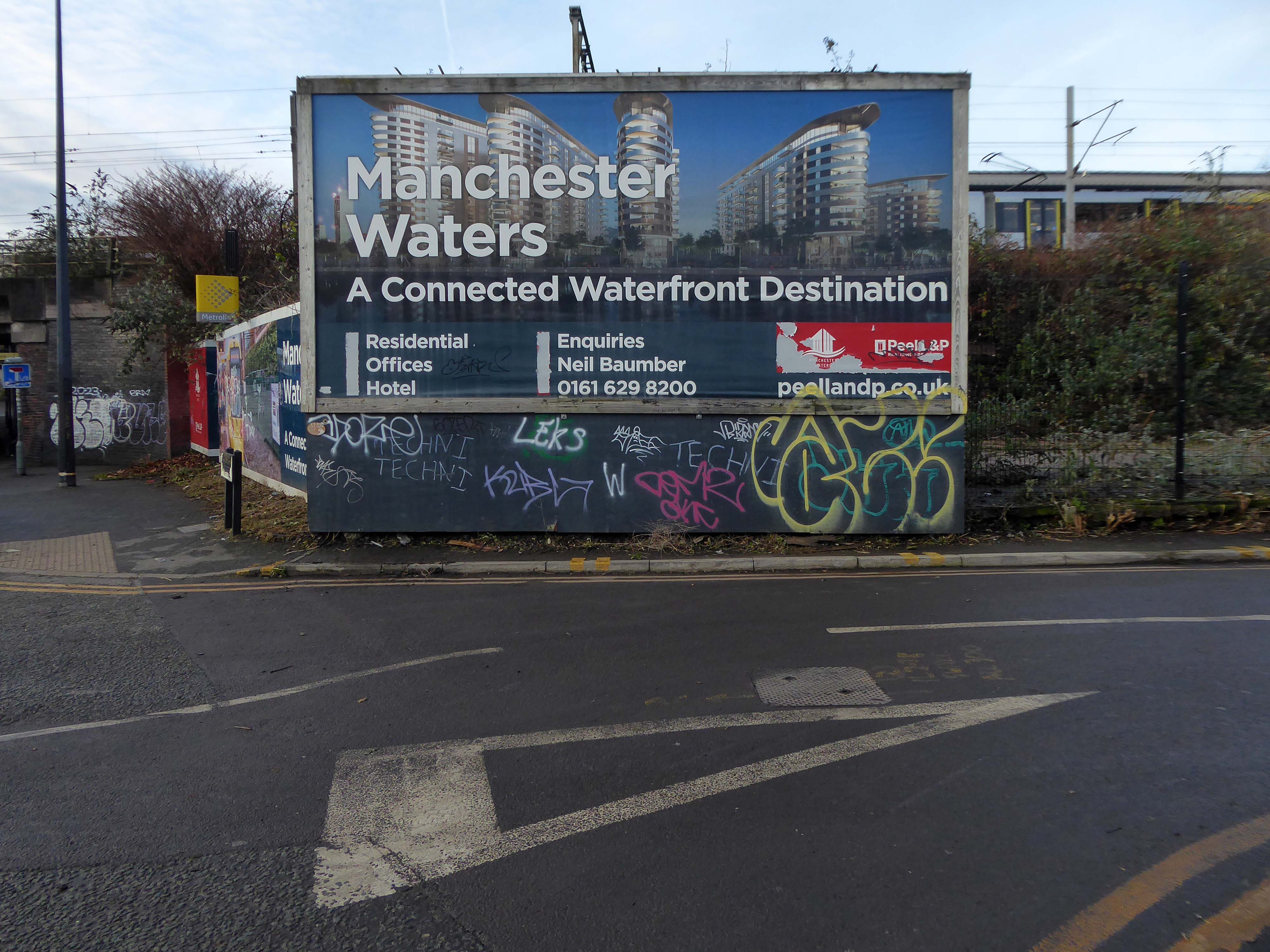
The 2023 iteration of the project, part of the developer’s Manchester Waters masterplan, also features no on-site affordable homes. 

However, as part of the proposals, Peel will be making a contribution equivalent to 20% affordable housing within Trafford, the developer said. The earlier iteration proposed 5%.

Place Northwest 2023

The proposed nature reserve seem like a distant dream

Despite suggestions that Pomona could become the Eden Project of the north, 3,000 homes are planned for the site by owners Peel L&P and the first development, Pomona Wharf, is already complete.

This green space could have been a globally significant urban park, and a powerful statement of Manchester’s commitment to fighting climate change and protecting green spaces.

Unfortunately, the city chose more apartments and financial growth over the natural world and not for the first time – Luke Blazejewski.

The Big Issue

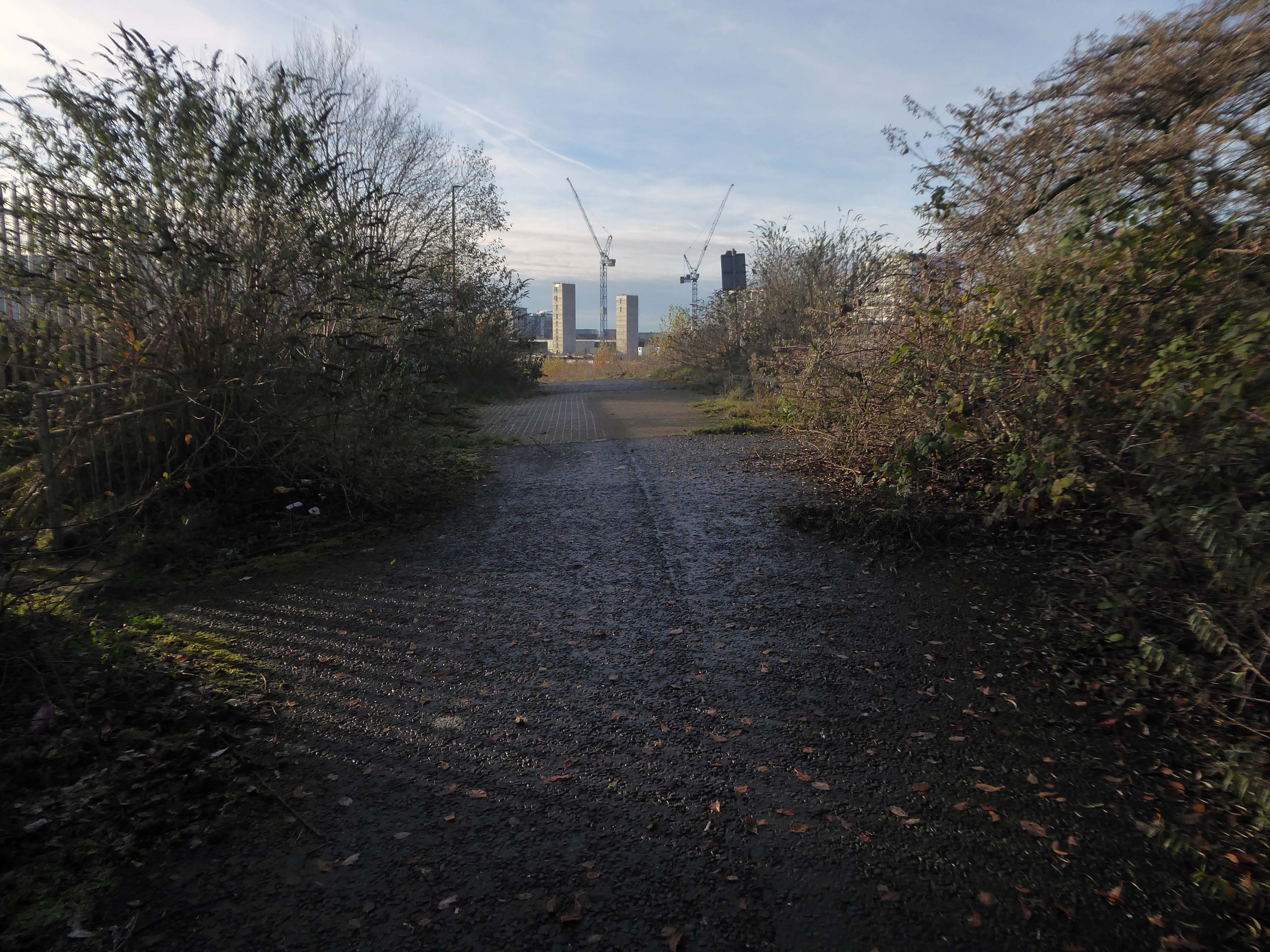
So once again we venture down the rabbit hole of a hole in the fence by Cornbrook.

Sheffield Modernists

The outline of a presentation for Photonorth – November 16th 2023.

I was asked to talk about the photographs which Sean Madner had selected for exhibition on behalf of the Sheffield Modernists.

Illustrating a wide range of building types in and around Sheffield sheltering beneath the broad umbrella of Modernism.

By way of context the photographs are all Topographic in nature –  in which a landscape subject is photographed, devoid of people, framed orthogonally and lacking artifice or effect.

Practiced most famously by the 1970s New Topographics photographers, including Robert Adams, Lewis Baltz, Nicholas Nixon, and Bernd and Hilla Becher.

Bernd and Hilla’s photographs lead us to:

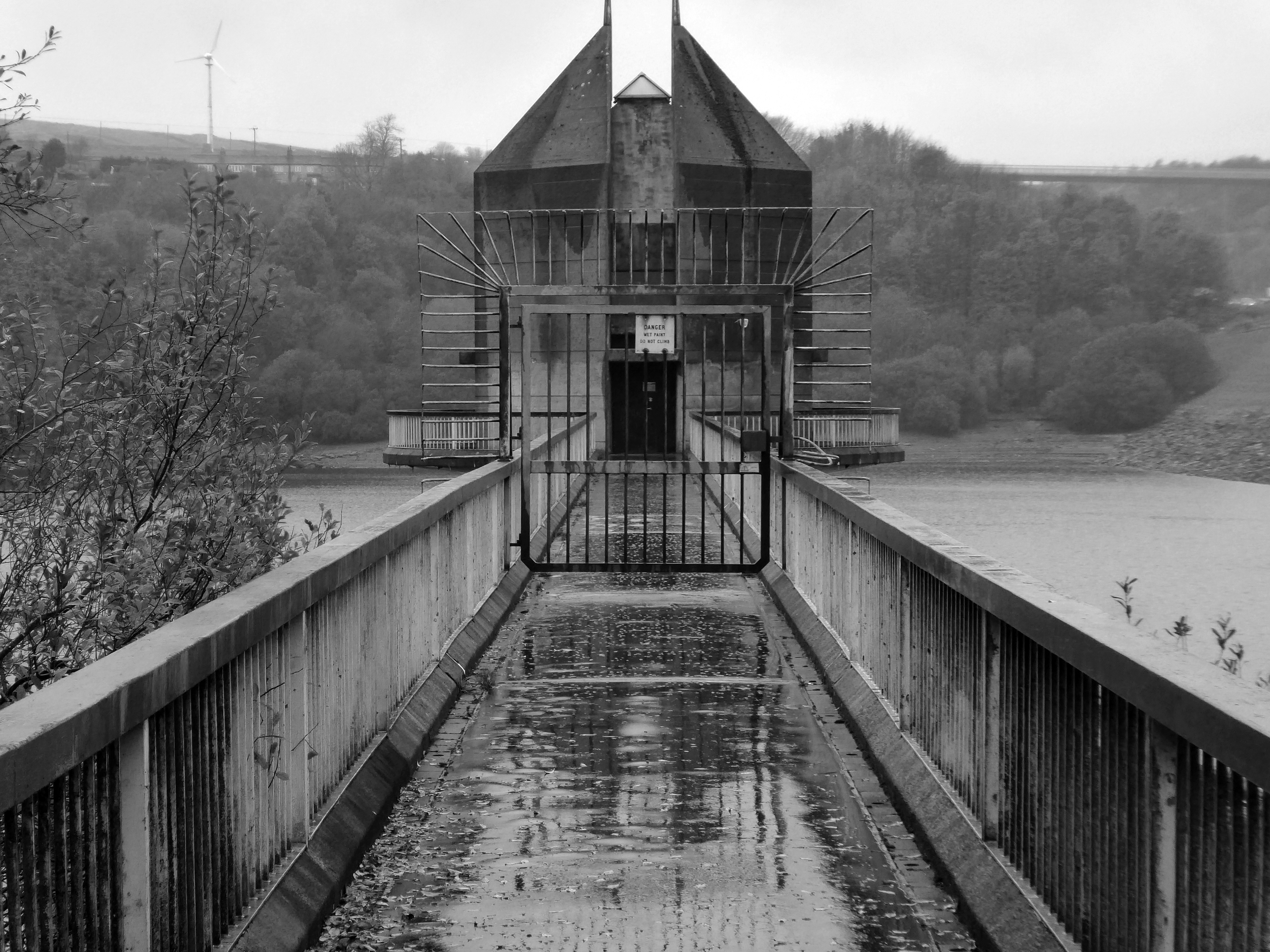
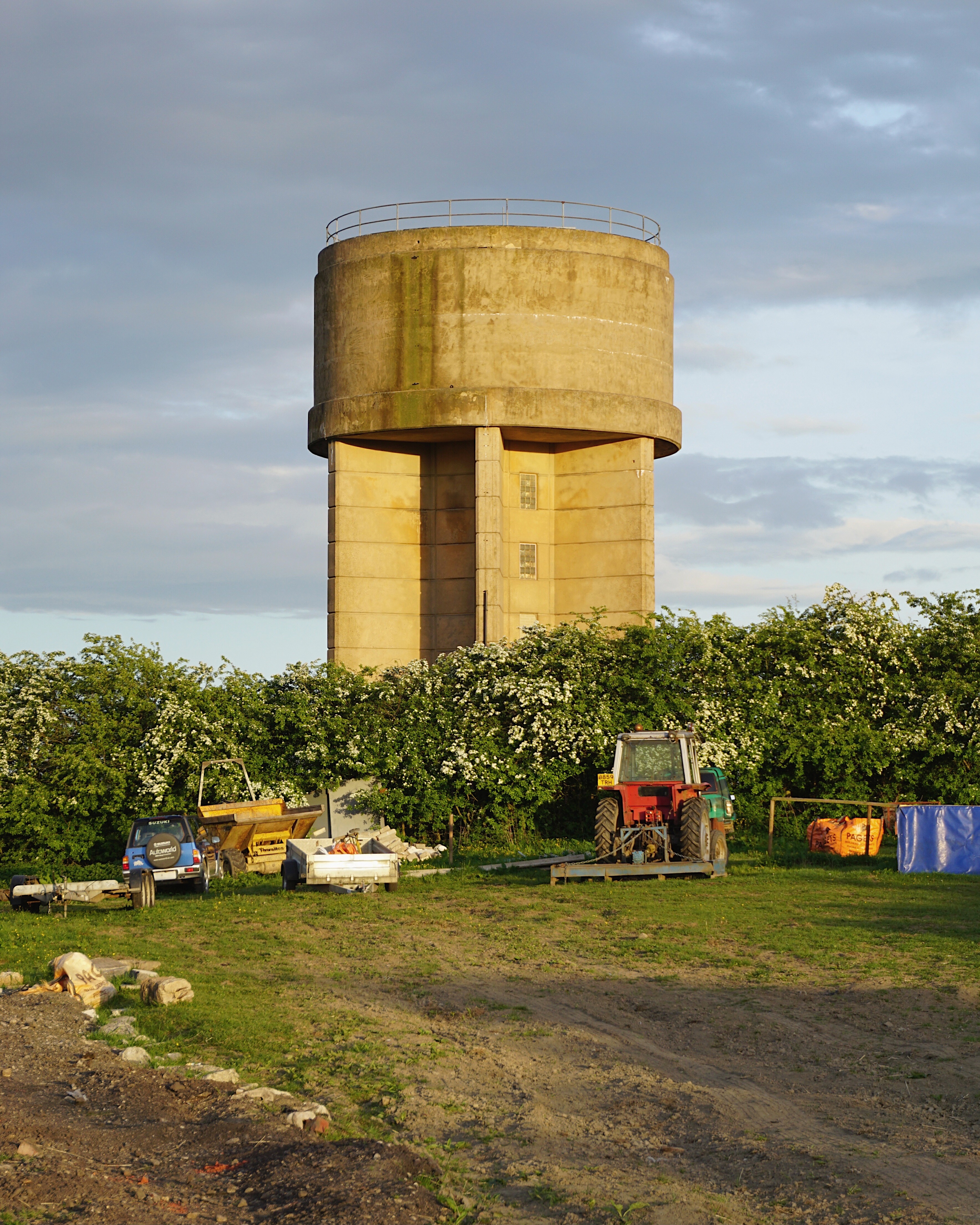
1 Potter Hill Water Tower

The British Water Tower Appreciation Society

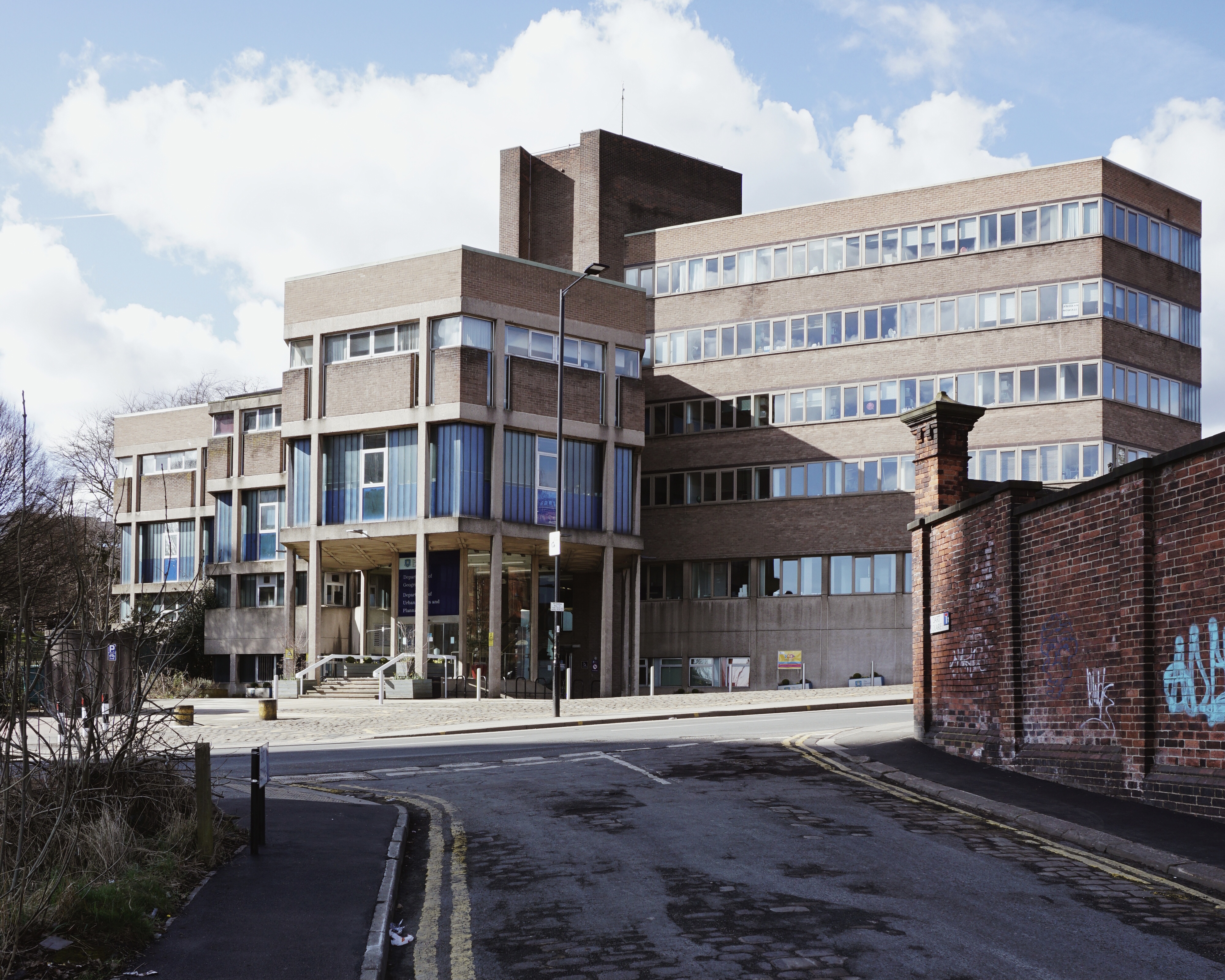
2 Geography Building 1970 Sir William Whitfield

Alterations made 2022

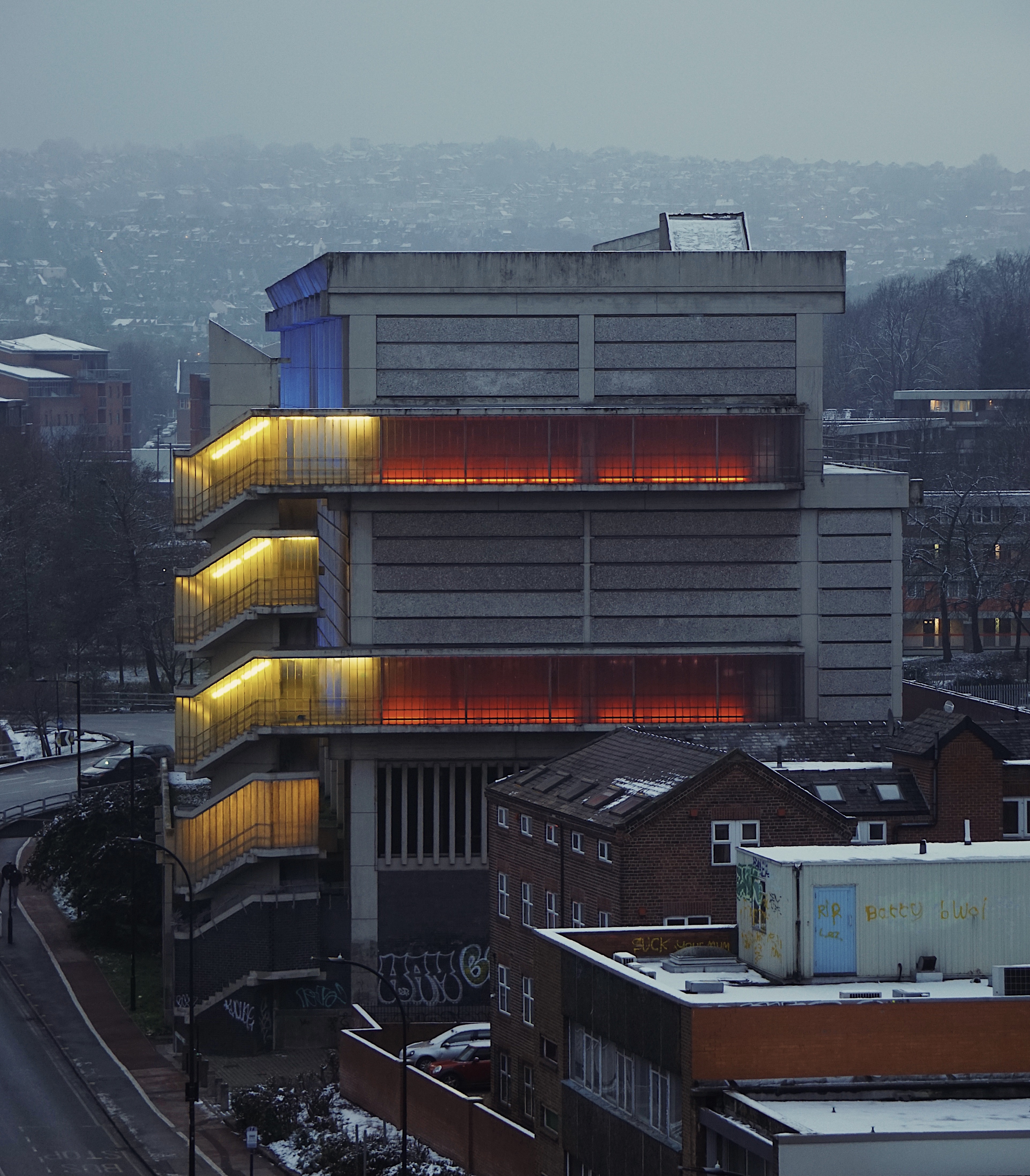
3 Moore Street Substation 1968 Jefferson Sheard

Owen Hatherley describes it as:

A shocking paroxysm of a building, an explosion in reinforced concrete, a bunker built with an aesthete’s attention to detail, a building which is genuinely Brutalist in both senses of the term.

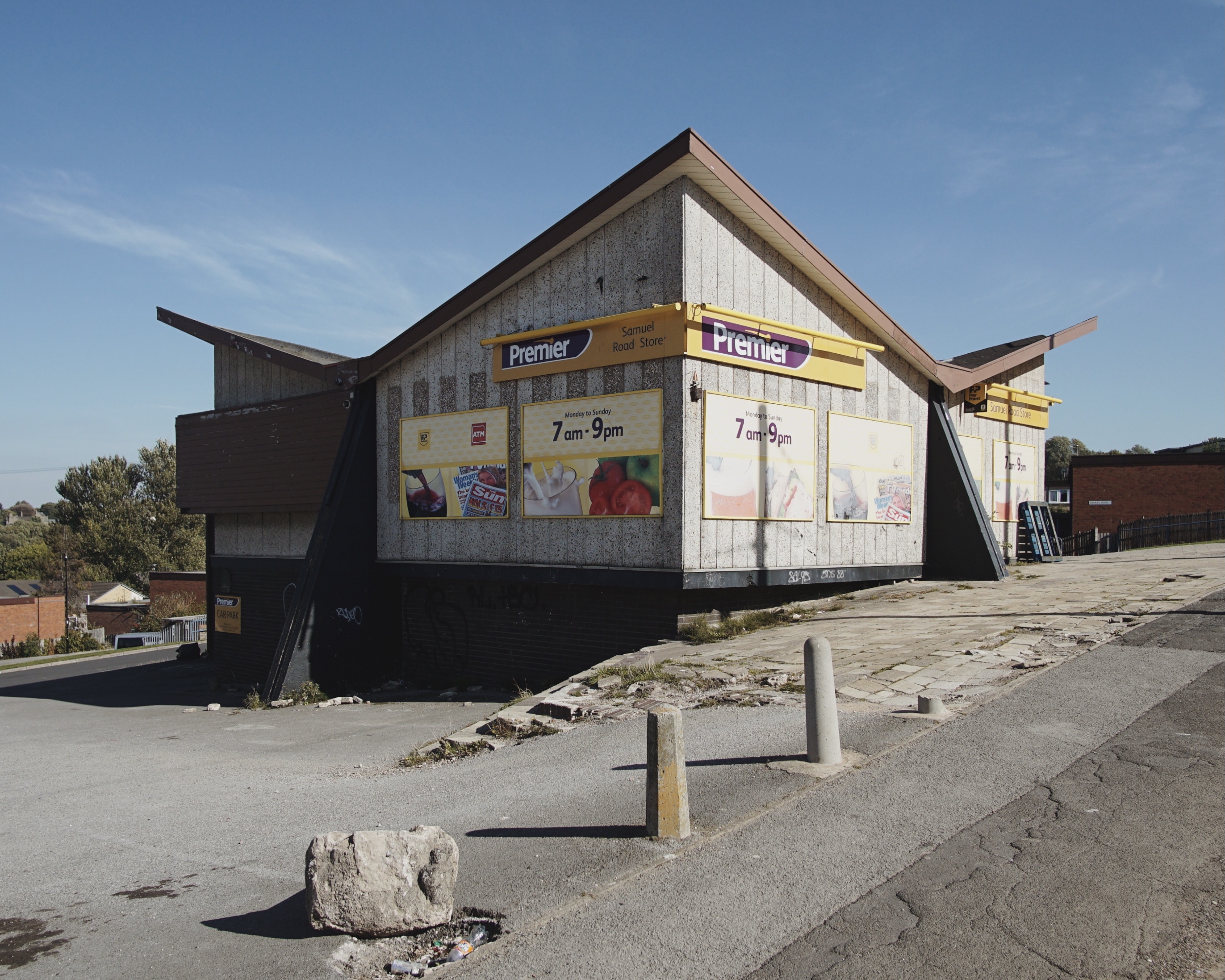
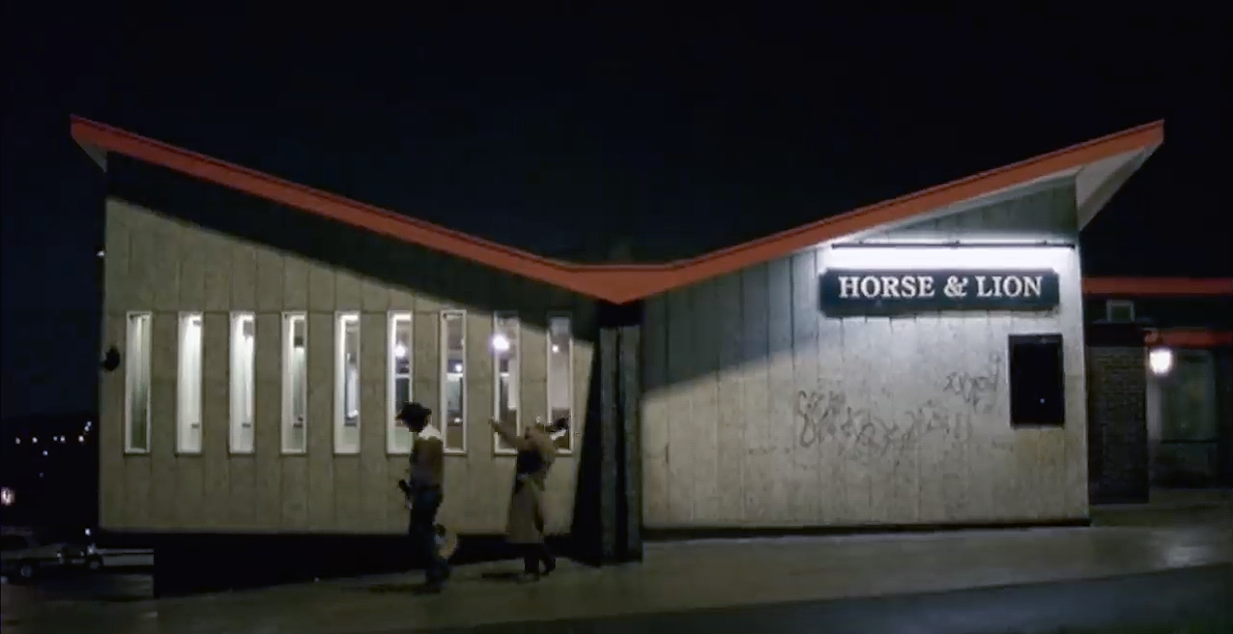
4 Horse and Lion Pub – Bass Charringtons

Prime example of a so-called Estate Pub.

With a hyper parabolic roof a doubly-curved surface that resembles the shape of a saddle, that is, it has a convex form along one axis, and a concave form on along the other.

Featured in the video for the Arctic Monkeys’ 2006 number one hit – When the Sun Goes Down at 1.21.

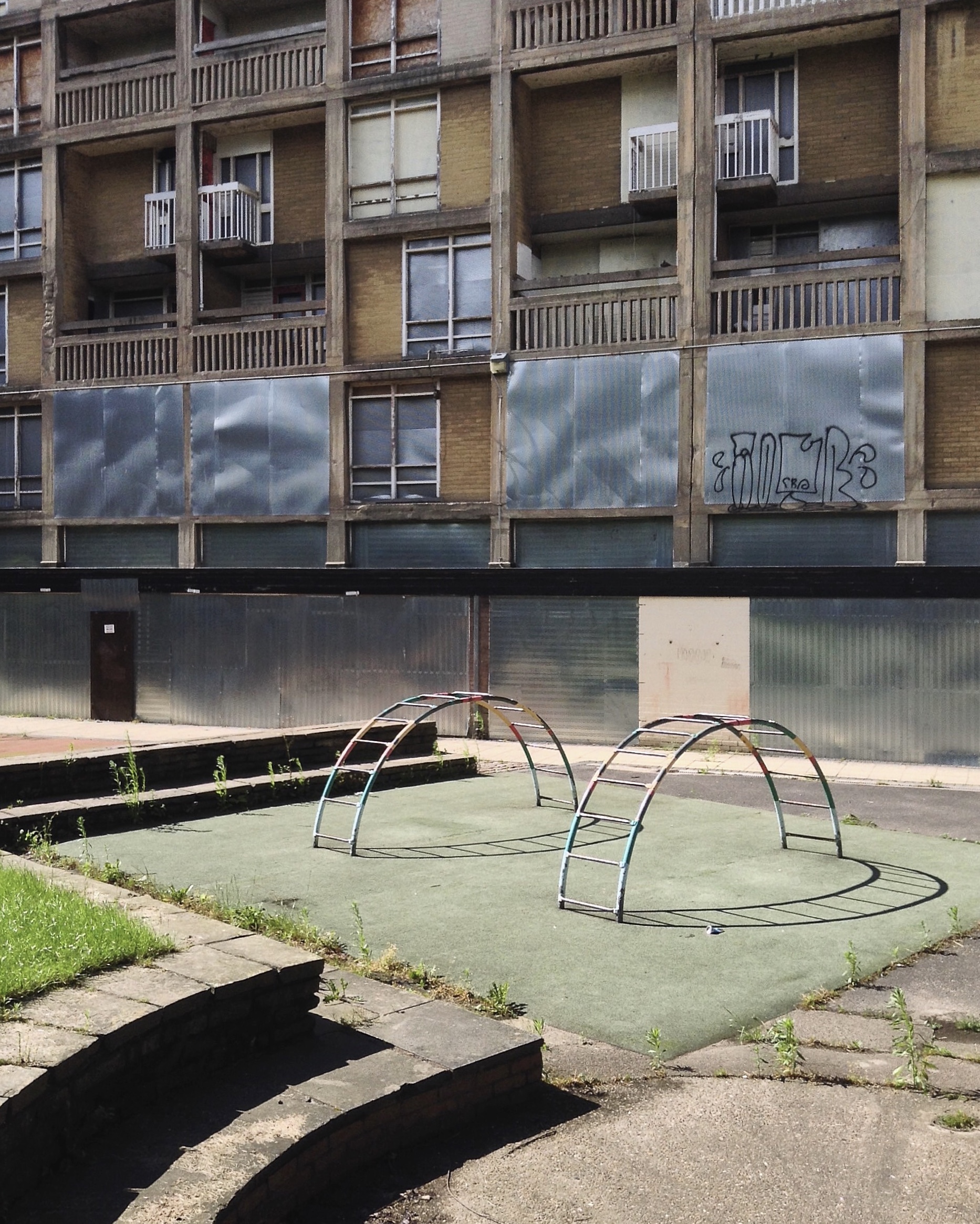
5 Park Hill – 1957 and 1961 Jack Lynn and Ivor Smith under the supervision of JL Womersley, 

Grace Owen Nursery – with two Wicksteed climbing frames

The Play Ground should not be put in a corner behind railings, but in a conspicuous and beautiful part of a Park, free to all, where people can enjoy the play and charming scenery at the same time; where mothers can sit, while they are looking on and caring for their children.

Charles Wicksteed

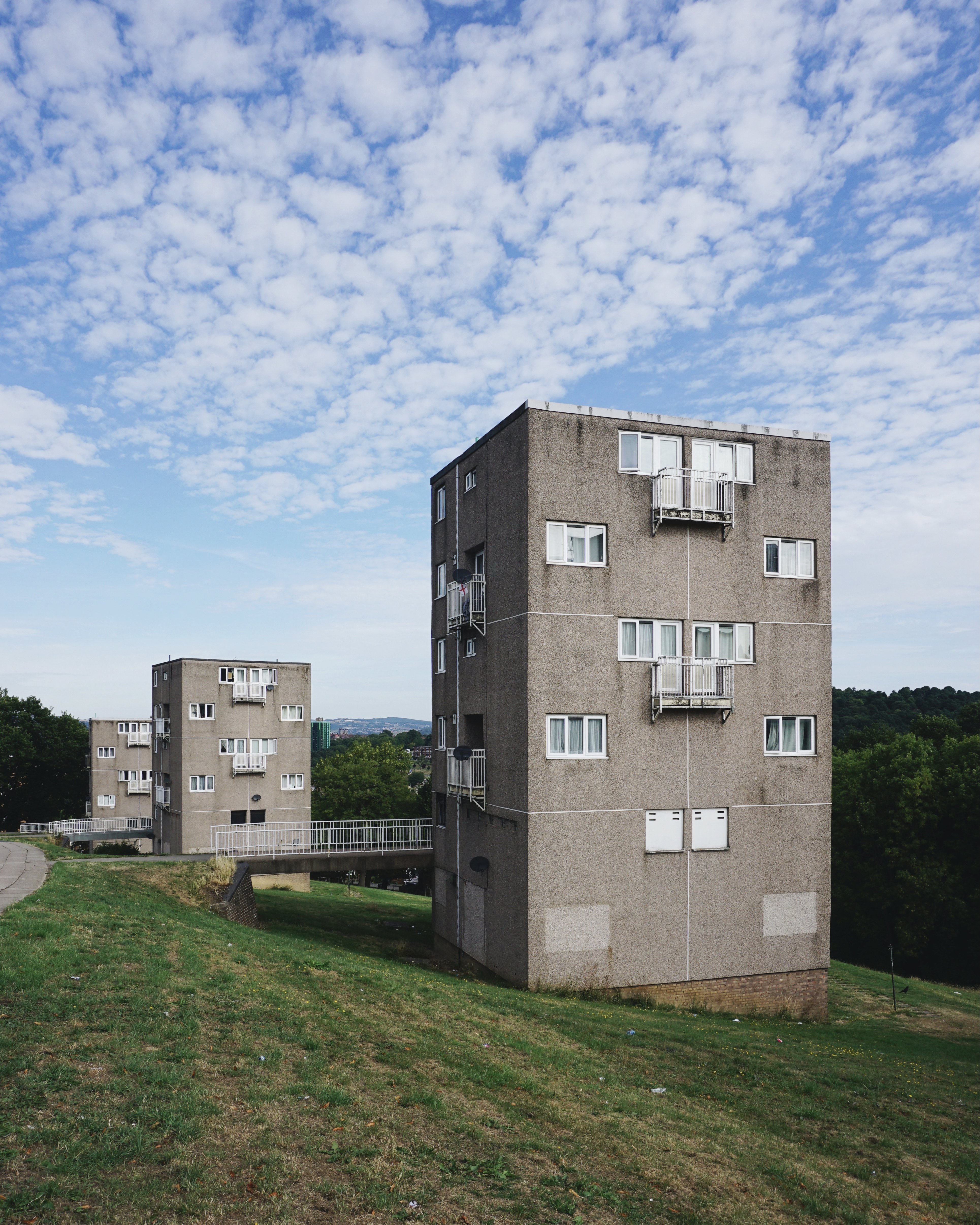
6 Gleadless Estate 1963 Lewis Wormersley City Architect

The Sheffield Blitz in December 1940 killed almost 700 and damaged some 82,000 homes, over half the city’s housing stock. As the city looked to rebuilding, its 1952 Development Plan estimated the need to replace 20,000 unfit homes and build a further 15,000 to cater for the natural increase of population.

Supreme, but often overlooked, achievement … is the Gleadless Valley Estate which combined urban housing types and the natural landscape so effectively that it still looks stunning, especially on a bright winter’s day.


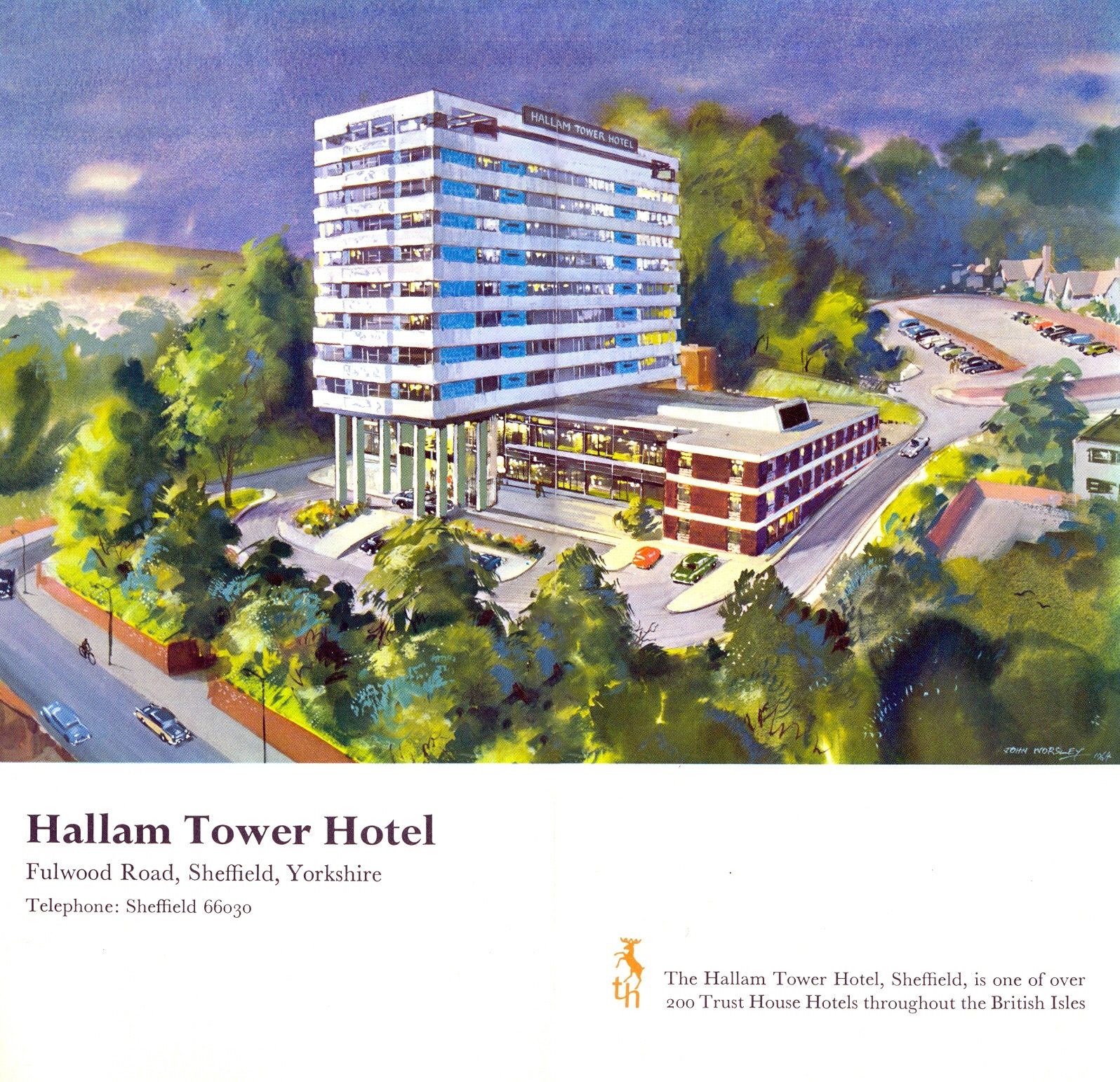
7 Hallam Tower Hotel 1965 Nelson Foley of Trust House Architectural Department

It opened officially on 24th March 1965 and was the first luxury hotel to be built in the north of England since the Second World War. The exterior was designed to complement Sheffield’s post-war modernist developments; the interior by Colefax and Fowler of Mayfair offered warm, gay colours to contrast with the black and grey tones of the city.

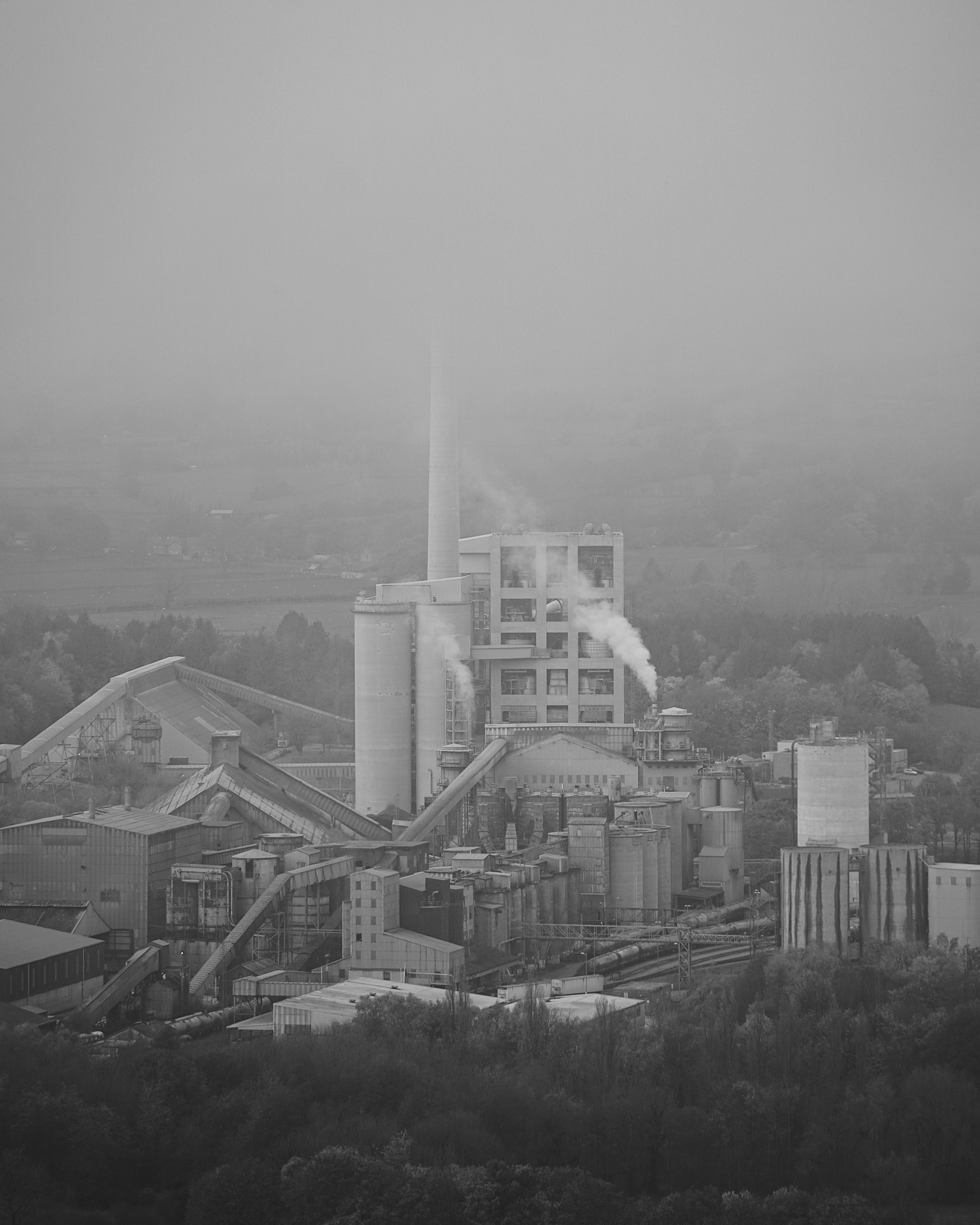
8 Hope Cement Works

The plant started its first full year of production in 1929 

The plant was located at Hope, because it is at the edge of where carboniferous limestone of the Monsal Dale Group, meets Edale Shale, the two main components of finished cement.

Since 1951, when the Peak District National Park was created, most of the outbound traffic from the plant has been exported by rail.

As seen in the Channel 4 TV ident.

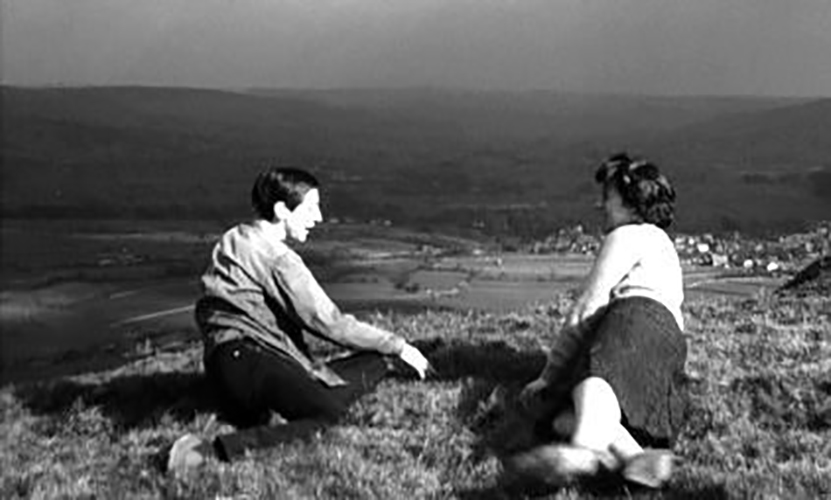
The same location used in Shelagh Delaney’s A taste of Honey.

9 Droppingwell FootbridgeWest Riding County Architect Colonel Stuart Maynard

Colleagues in the team included Bill Varley, Ron Bridle, Sri Sriskandan and FA Joe Sims. The team was responsible for the introduction of a great deal of new computing technology into bridge design, as well as for some of the most imaginative bridge engineering going on anywhere in the country. Their design efforts were supported by close involvement in research and testing work, for example, on half-joints and concrete hinges. All the above named engineers went on to considerable seniority, some in the Department of Transport, and Sims and Bridle in particular have published various papers and contributed to books on the history of Britain’s motorway development.

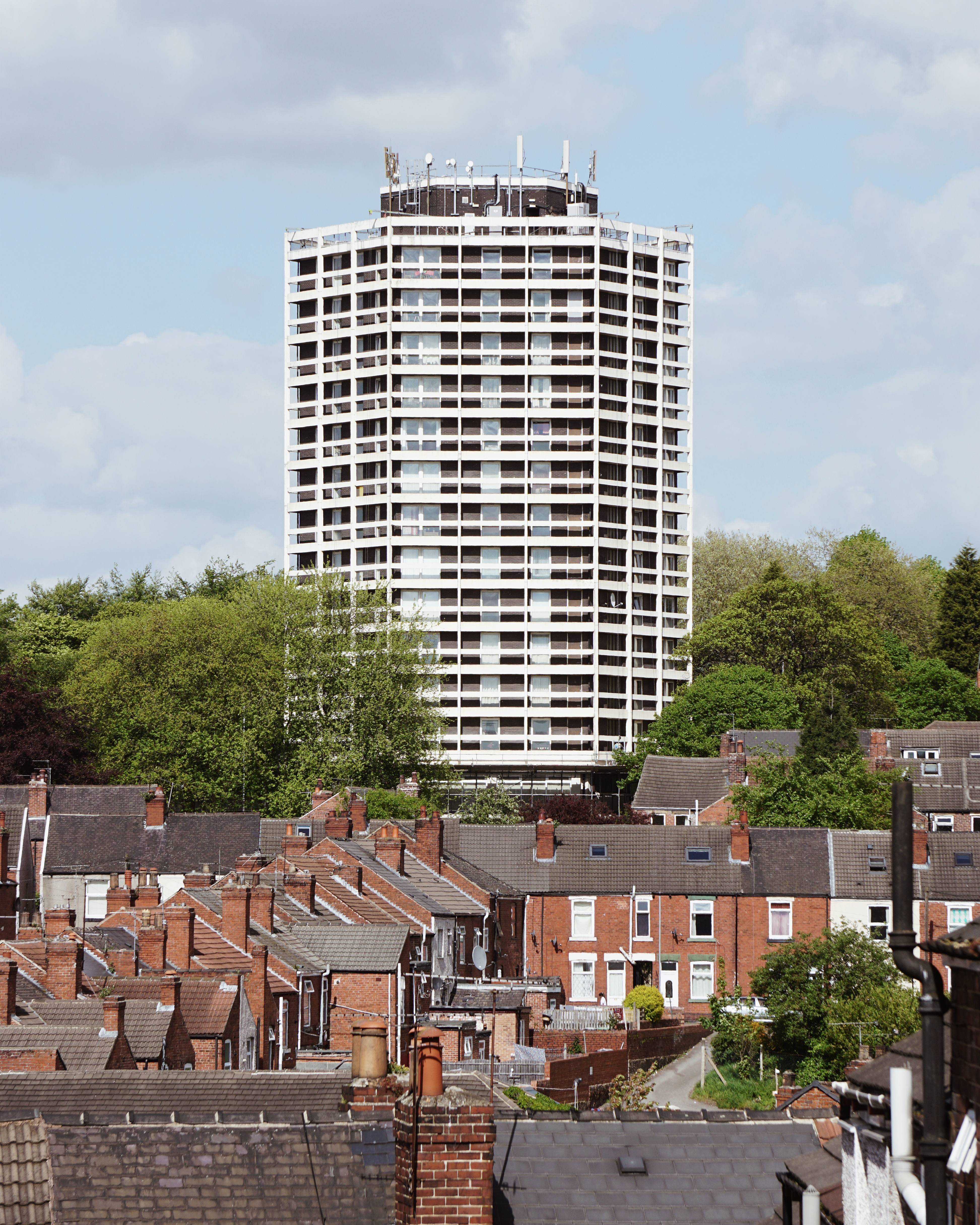
10 Beeversleigh Rotherham 1968-71 Main contractors J Finnegan 

It’s thirteen storeys high – housing forty eight dwellings.

11 Park House School 1964 Lyons Israel Ellis Gray

Listed in 2017 – then demolished.

12 Magistrates Court 1978 B Warren City Architect

13 Smithy Wood Footbridge

Built using a structure developed by EM Wincher in Pittsburgh 1930.

14 Westfield Estate Mosborough

Formerly Waterthorpe Farm Estate a rural township which was subsumed by Sheffield’s expanding housing schemes.

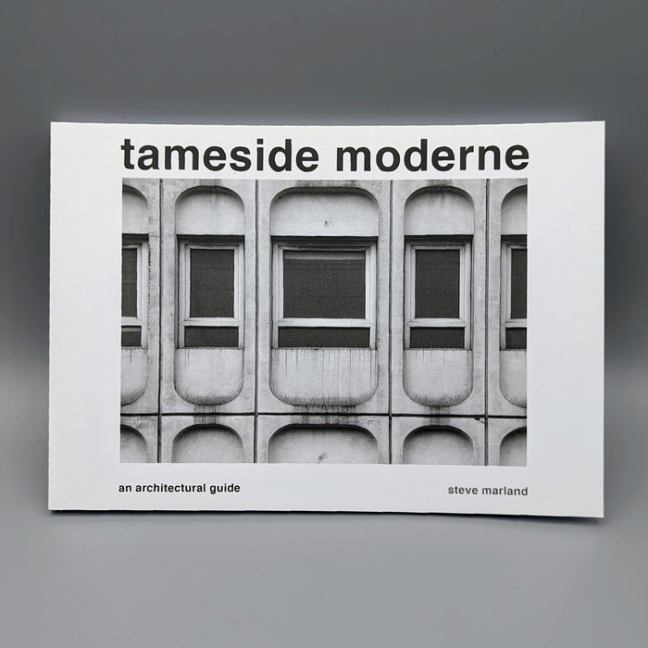
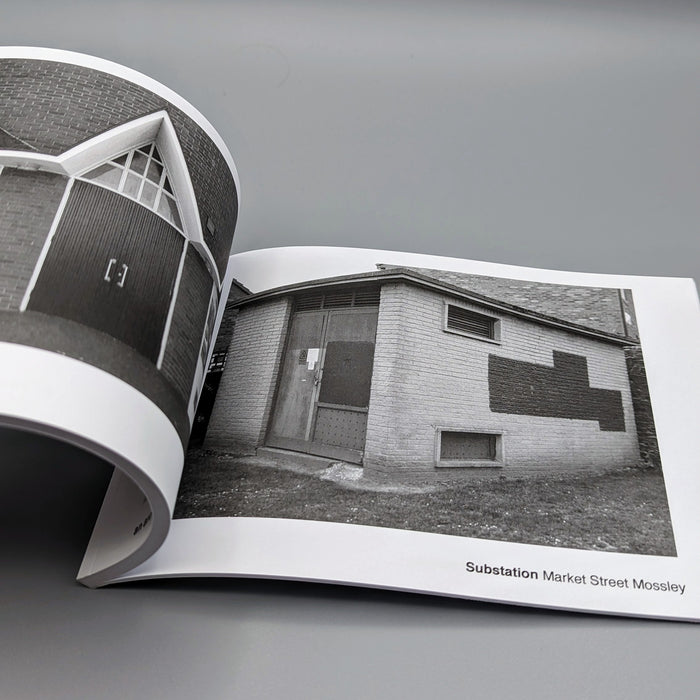
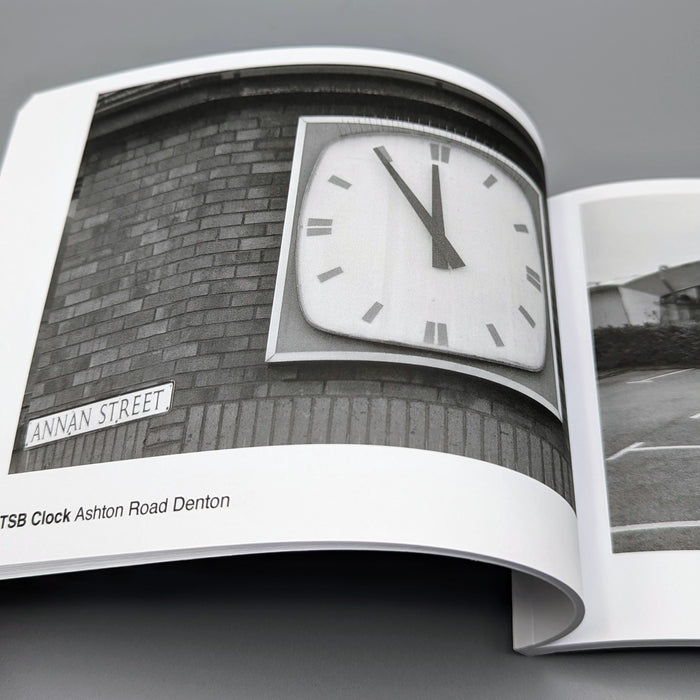
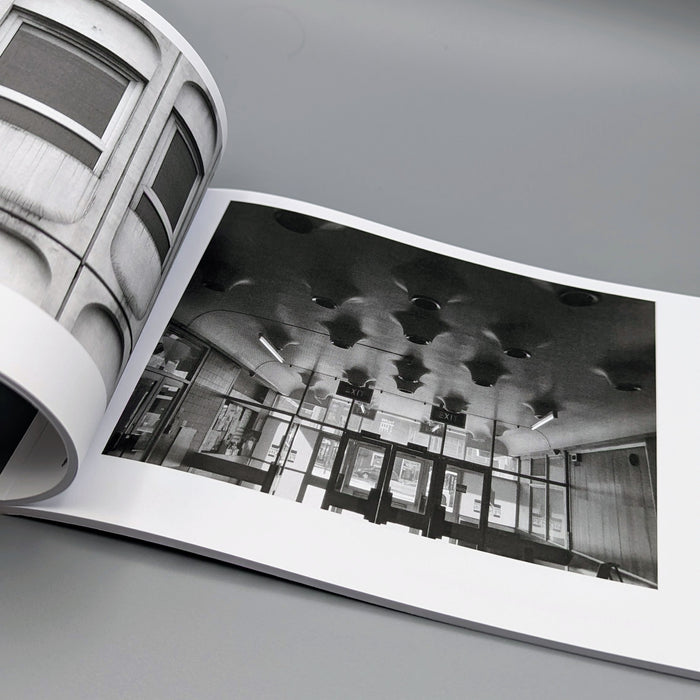
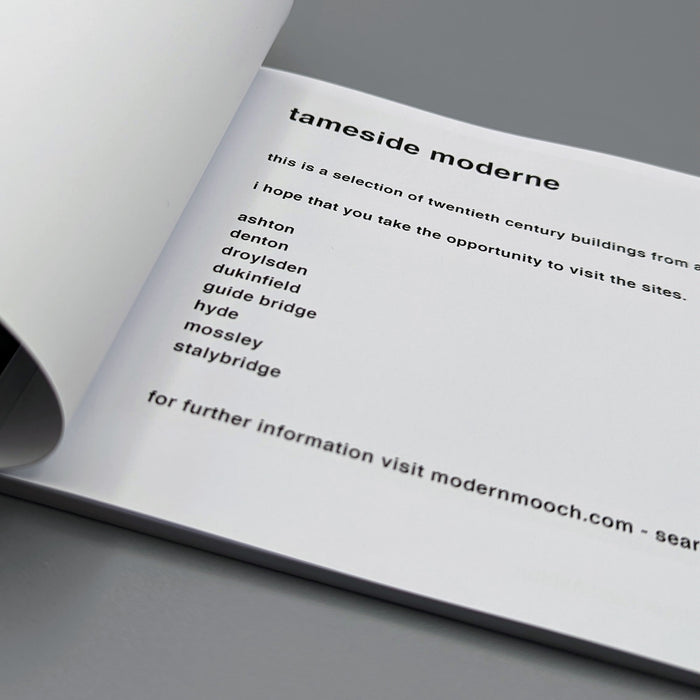
tameside moderne book

Available online here or call in the Modernist Shop on Port Street Manchester.

Tameside Moderne

By Steve Marland

A comprehensive guide to the Borough’s modern architecture.

Almost two years in the making.

Tameside east of Manchester – a volcanic explosion of concrete, glass, steel, brick and wood!

From sacred sites to suburban substations, a rollercoaster ride through provincial style.

  
Softcover, 84pages,
B&W
148 x 210xmm – landscape

£10 well spent – be quick these will fly!

Eastford Square 2023

Here we were in 2016 – the last gasp of businesses on the square.

A hangover from the optimism of a long lost decade.

Local Image Collection

Returning in 2018 to find the shops all shut

In 2019 the grass now fills up the cracks.

April 2023 and the shops and homes are being prepared for demolition.

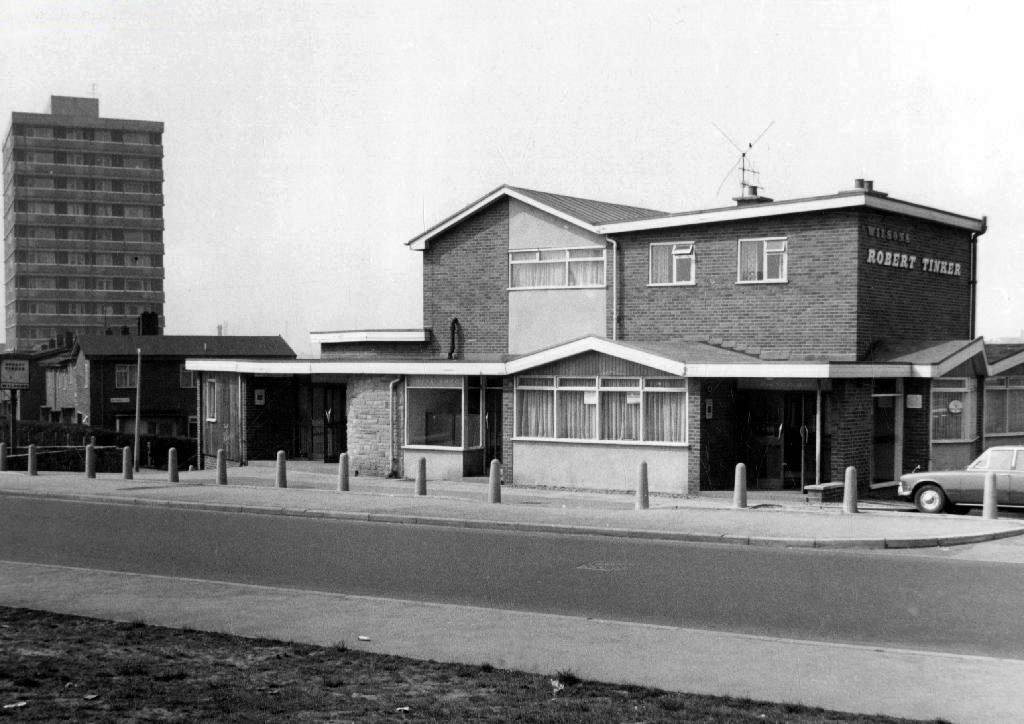
The company responsible for the demolition also dropped the Robert Tinker, on nearby Dalton Street.

While it is not yet clear exactly what will replace the shopping parade, work has already started nearby on other projects within the scheme. The first phase of development in Collyhurst will see 274 new homes built in the area.

MEN

The council has pledged to reinstate the William Mitchell totem nearby.

However the weight of the concrete sculpture and its base have presented unforeseen challenges.

Siting a crane above the Victorian rail tunnel is an issue, as is the cost, a quote for £100,000 was deemed excessive. So stasis is the order the day – the immovable object awaits an unstoppable force.

The sculpture is one of four around Manchester – the Hulme exemplar is long gone.

The Newton Heath and Platt Court totems are both still intact.

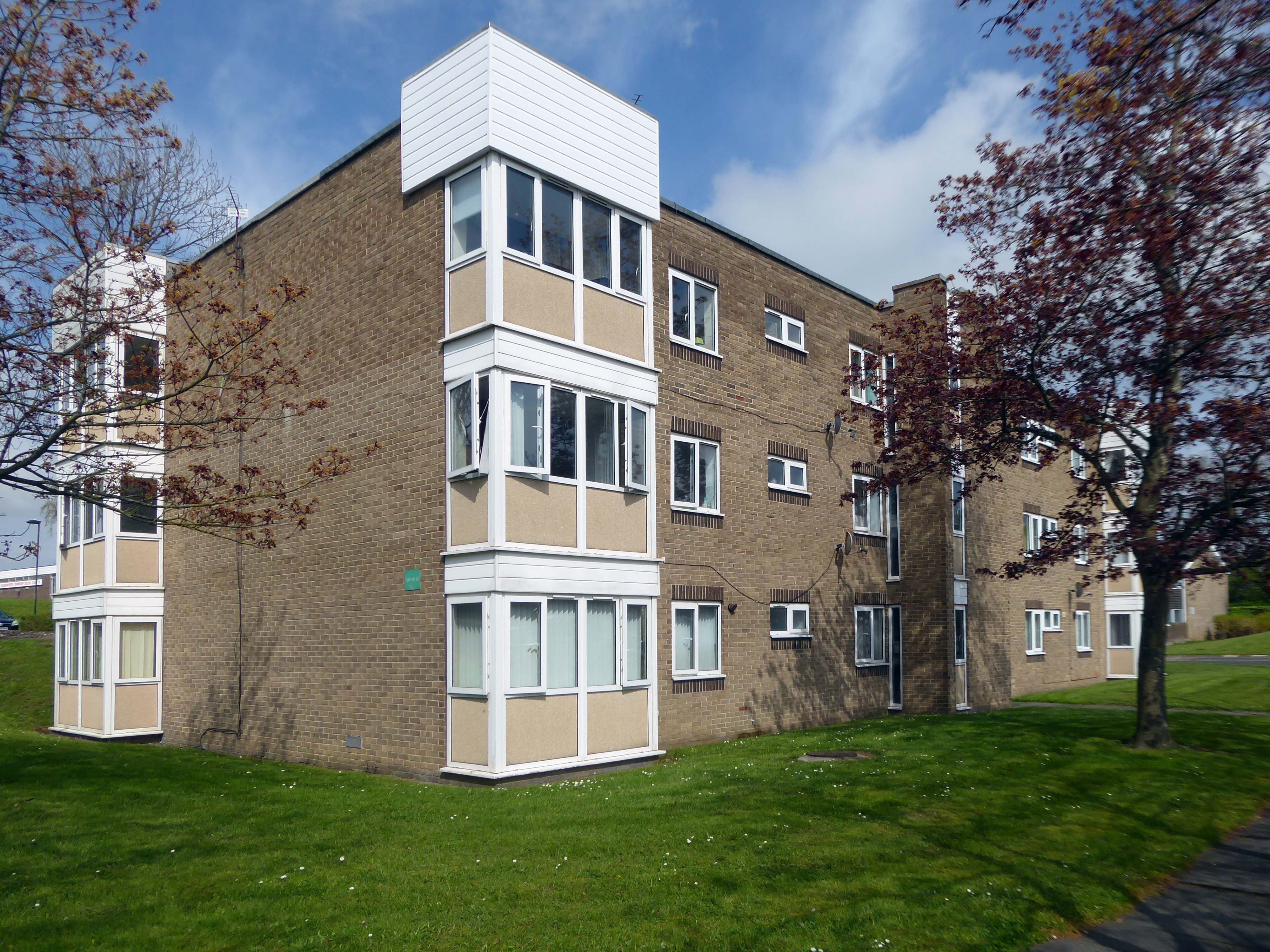
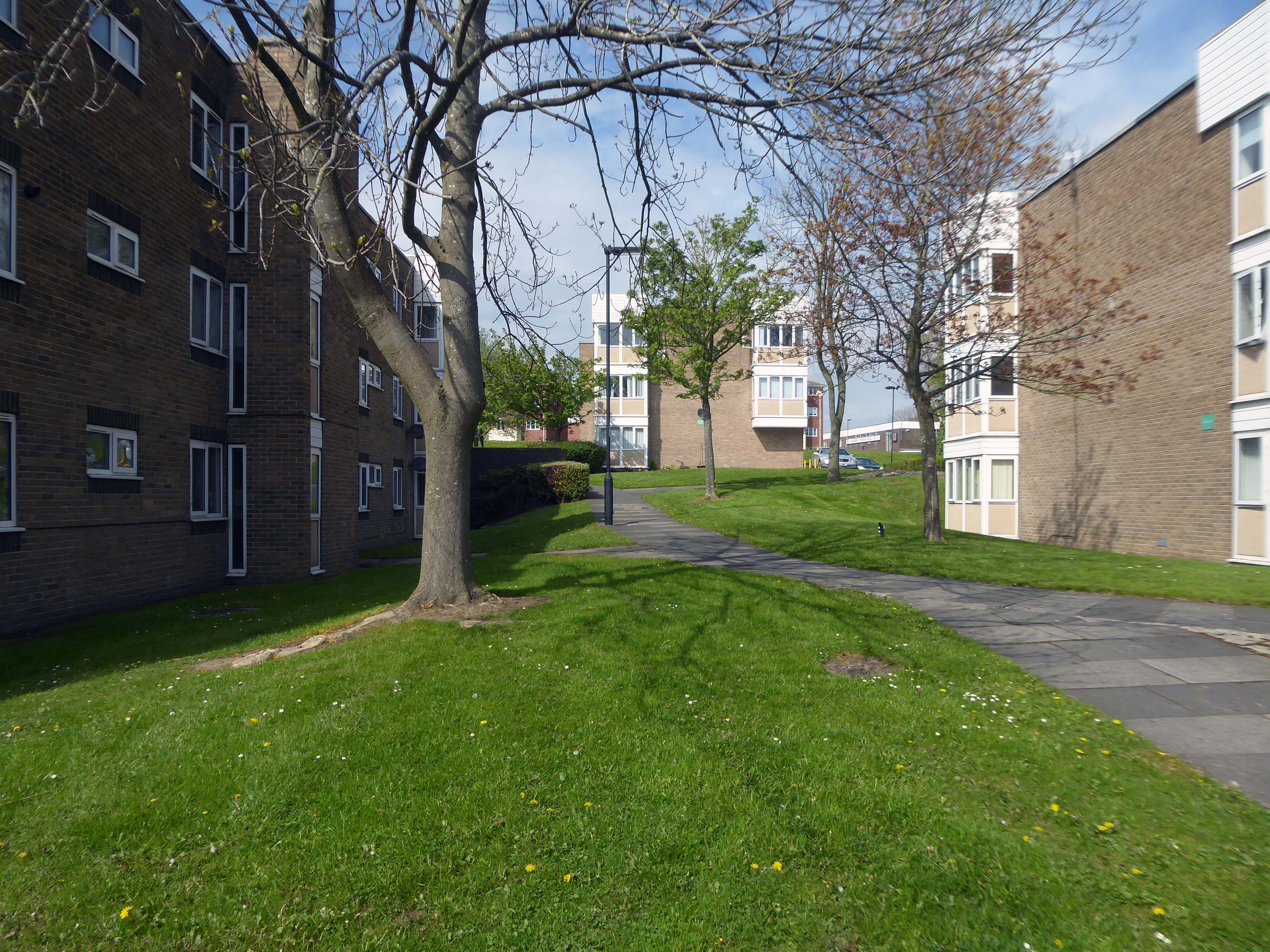
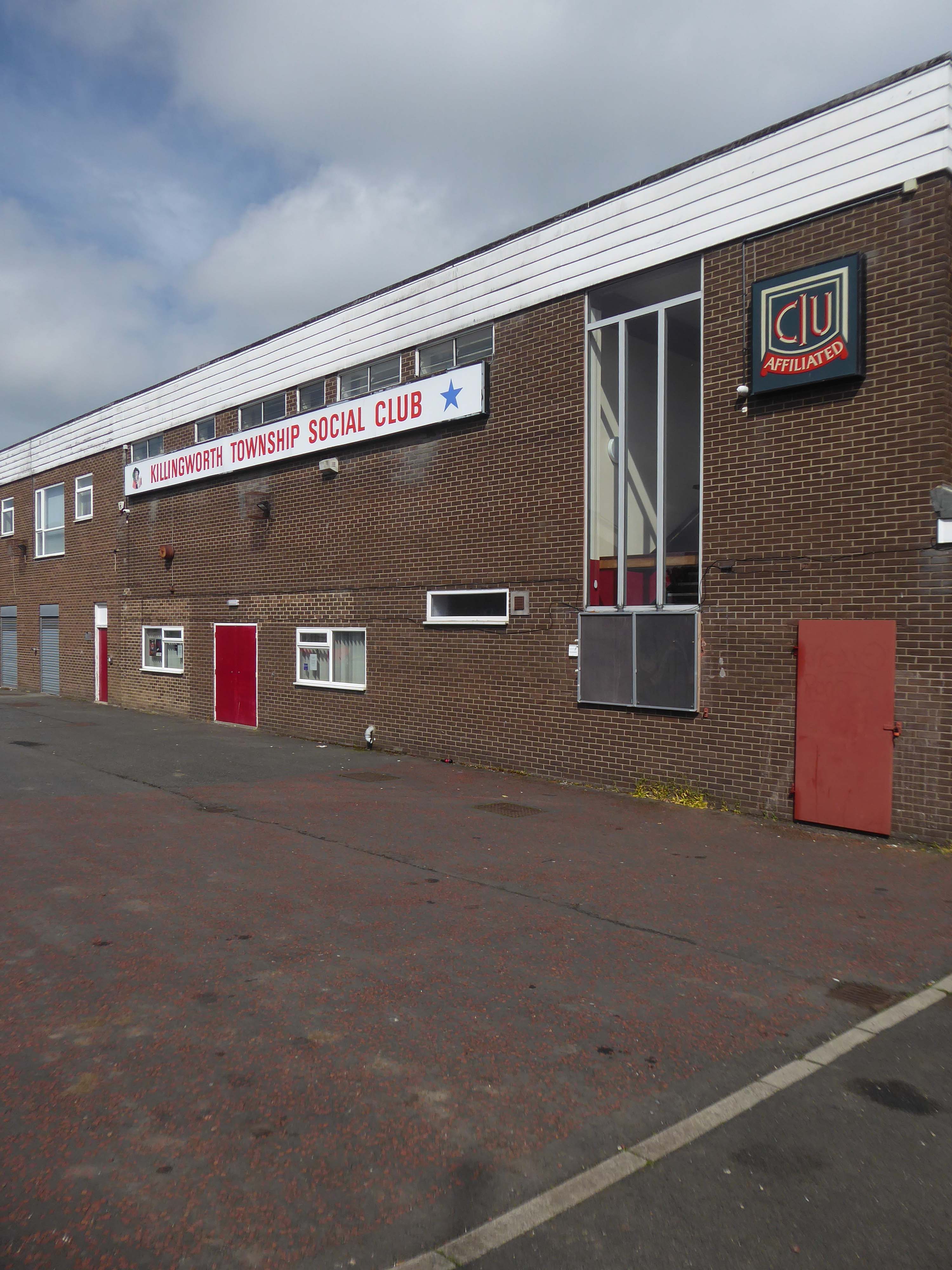
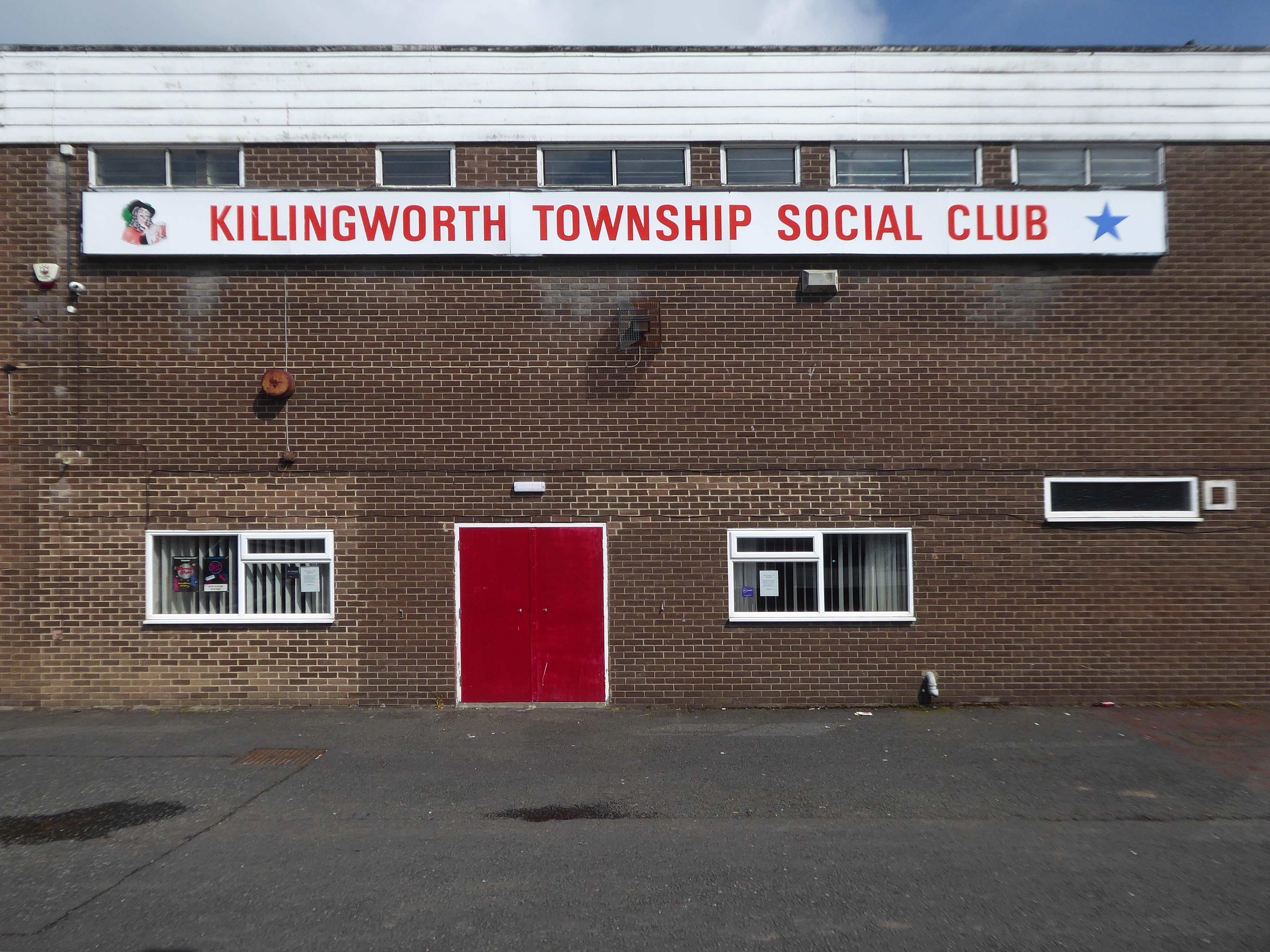
Killingworth

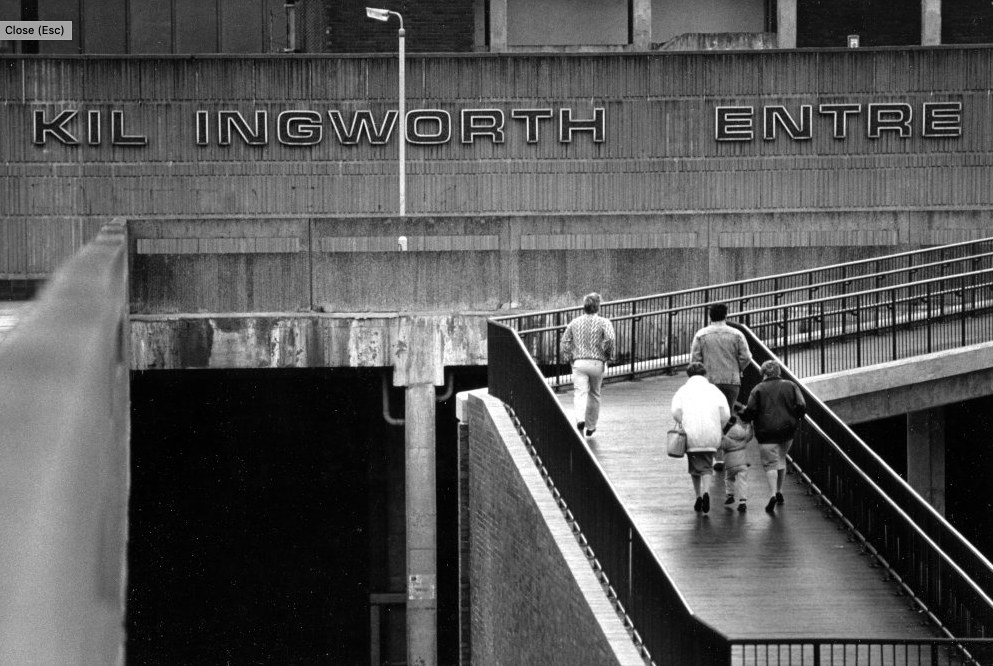
Construction of Killingworth, a new town, began in 1963. Intended for 20,000 people, it was a former mining community, formed on seven hundred and sixty acres of derelict colliery land near Killingworth Village. The building of Killingworth Township was undertaken by Northumberland County Council and was not formally a New Town sponsored by the Government. 

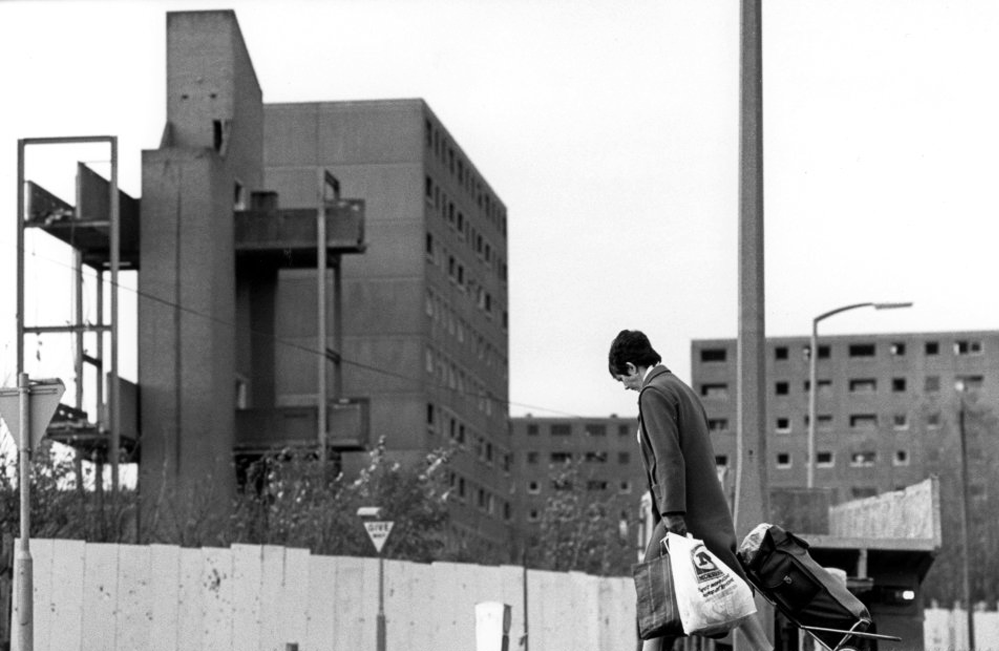
Unlike that town, Killingworth’s planners adopted a radical approach to town centre design, resulting in relatively high-rise buildings in an avant-garde and brutalist style that won awards for architecture, dynamic industry and attractive environment.

This new town centre consisted of pre-cast concrete houses, with millions of small crustacean shells unusually embedded into their external walls, five to ten storey flats, offices, industrial units and service buildings, which often consisted of artistic non-functional characteristics, shops and residential multi-storey car parks, interconnected by ramps and walkways. These made up a deck system of access to shopping and other facilities, employing the Swedish Skarne method of construction.

Killingworth Towers were demolished in 1987

Originally named Killingworth Township, the latter part was quickly dropped through lack of colloquial use.

Killingworth is referred to as Killy by many residents of the town and surrounding areas.

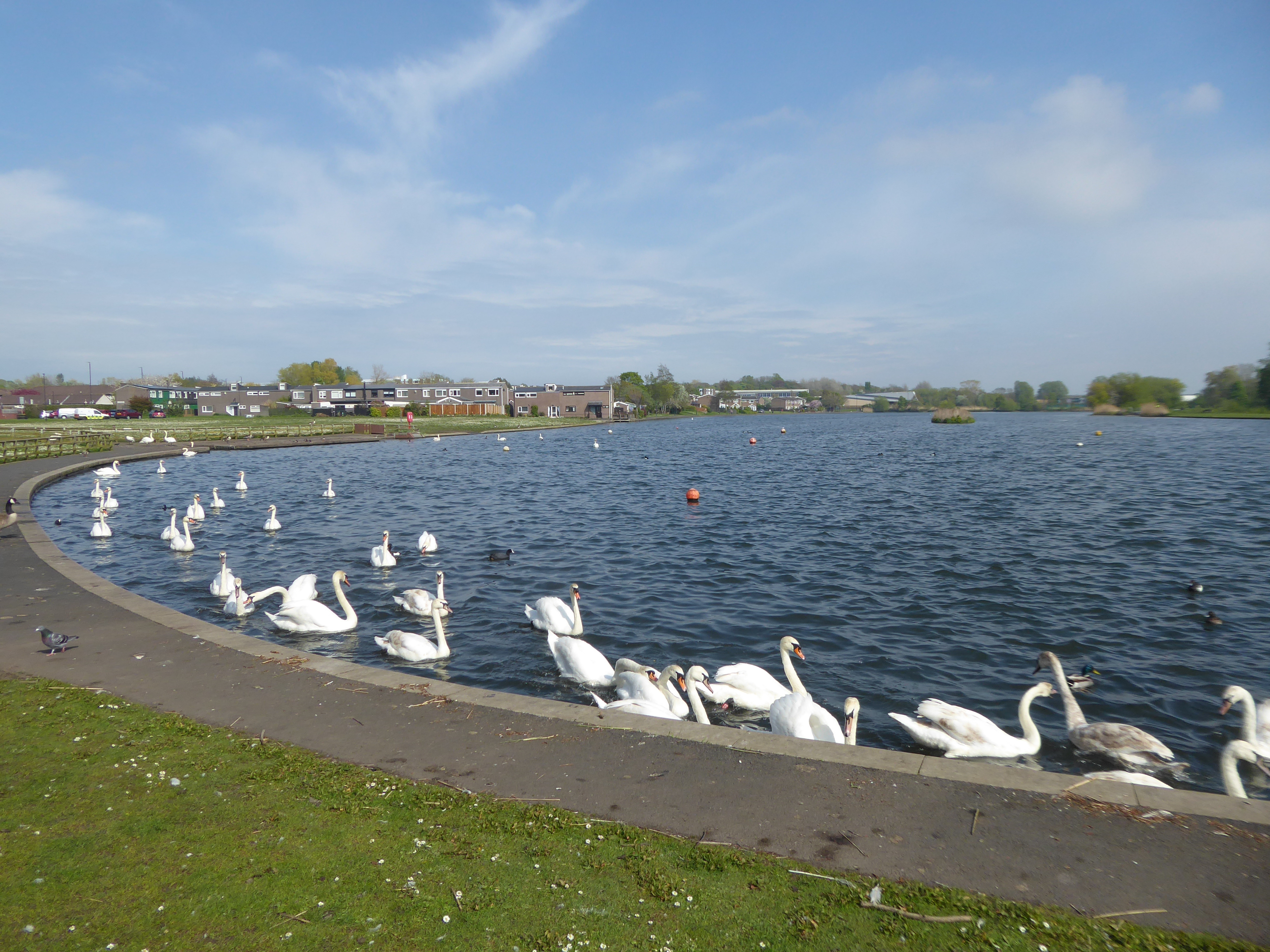
Around 1964, during the reclamation of the derelict pit sites, a fifteen acre lake south of the town centre was created; spoil heaps were levelled, seeded and planted with semi-mature trees.

Wikipedia

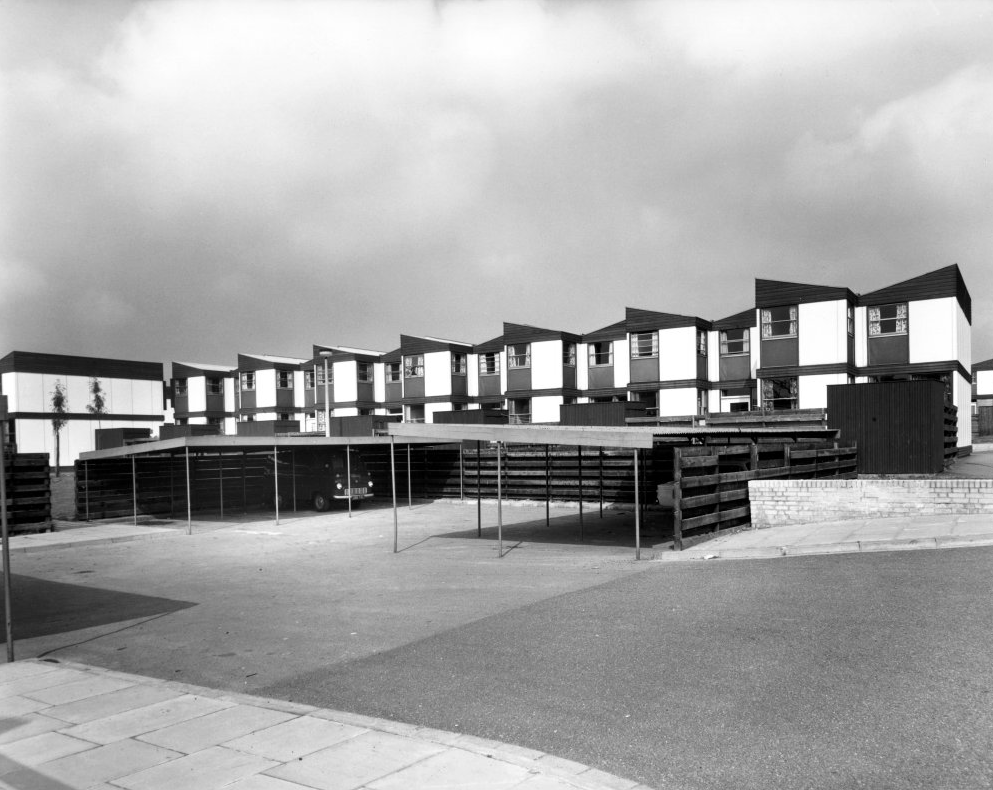
There were also groups of Calder Houses built, subsequently rendered neutral with render, their period characteristics erased.

Rightmove

All archive images RIBA pix

Once home to Thelma and Bob Ferris – whatever happened to the likely lads’ and lasses’ homes?

I had come in search of paradise on a 52 bus – too late was the cry, too late.

The winds of change had blown away the new coal dream, so I wandered lonely around the quiet streets.

The daffodils were past their best.

Collyhurst Cheetham Circular

It’s Friday, the rain has almost stopped and I have a job to do.

The putative William Mitchell totem in Eastford Square is being moved.

Having taken a particular interest in this particular piece of public art for some time – I need to go and take a little look.

But what will we see along the way, as we hasten along Rochdale Road?

Which once looked like this, way back when in 1904.

Though some things inevitably come and go, as some things are prone to do.

The city is undergoing yet another reinvention as Manchester becomes – an attractive place to invest and do business.

See, I am doing a new thing!

Now it springs up; do you not perceive it?

I am making a way in the wilderness and streams in the wasteland.

Isaiah 43:19

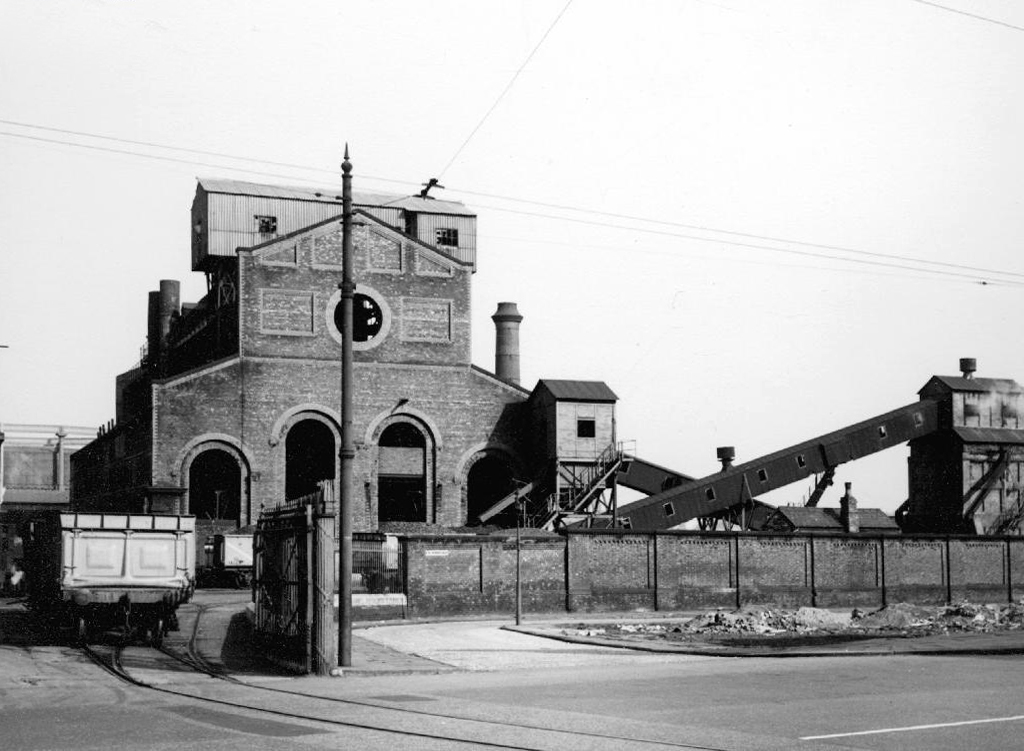
Once there was a gas works here – adjoining Gould Street, seen here in 1958.

The Gould Street Gas Works was a gas manufacturing plant located in Manchester, England. Originally built in 1824, the plant was operated by the Manchester Corporation Gas Department and was in operation from 1833 to 1969. It was named after the street on which it was located, which was named after John Gould, who was a prominent Manchester businessman in the 19th century.

Derelict Manchester

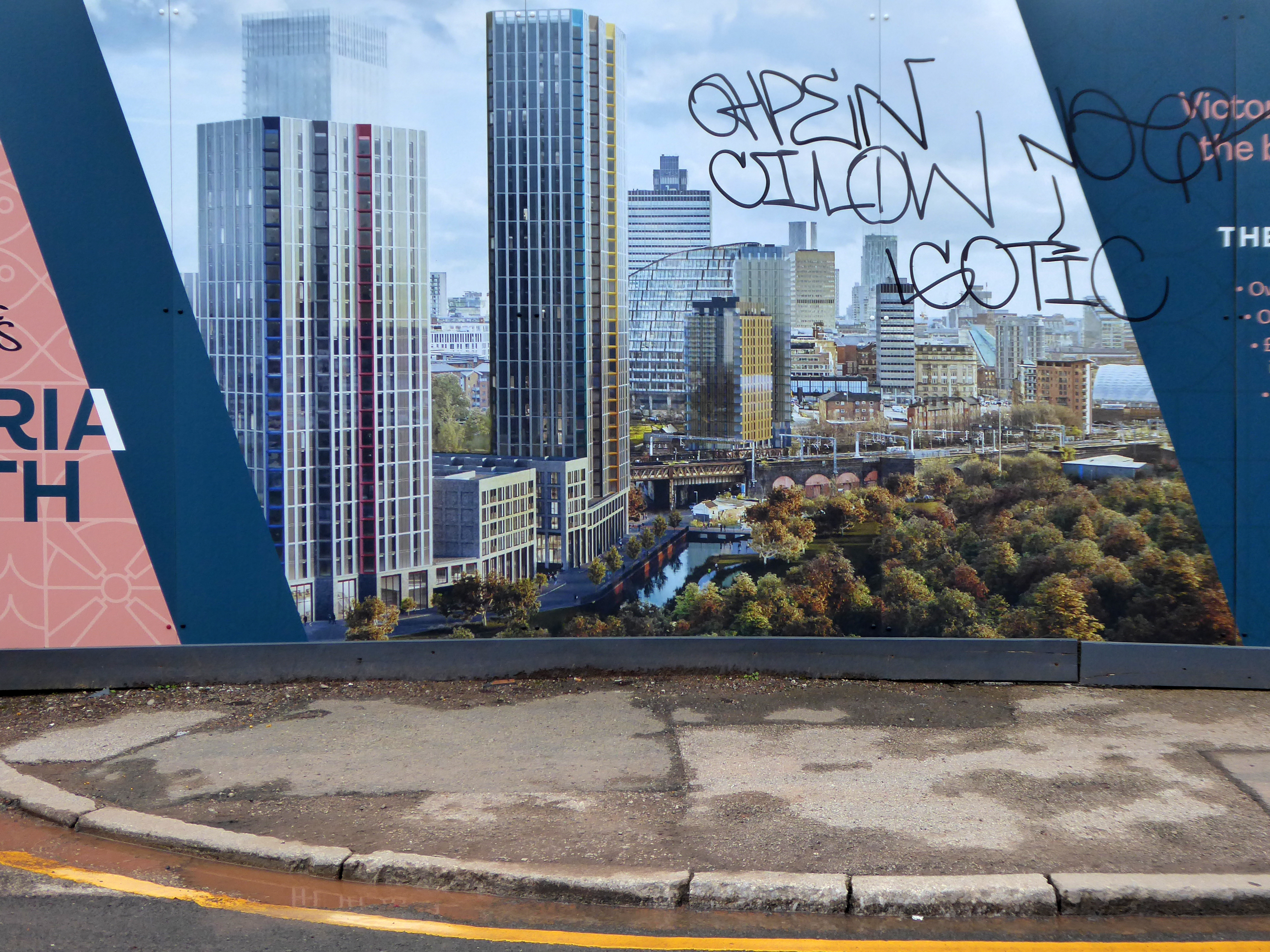
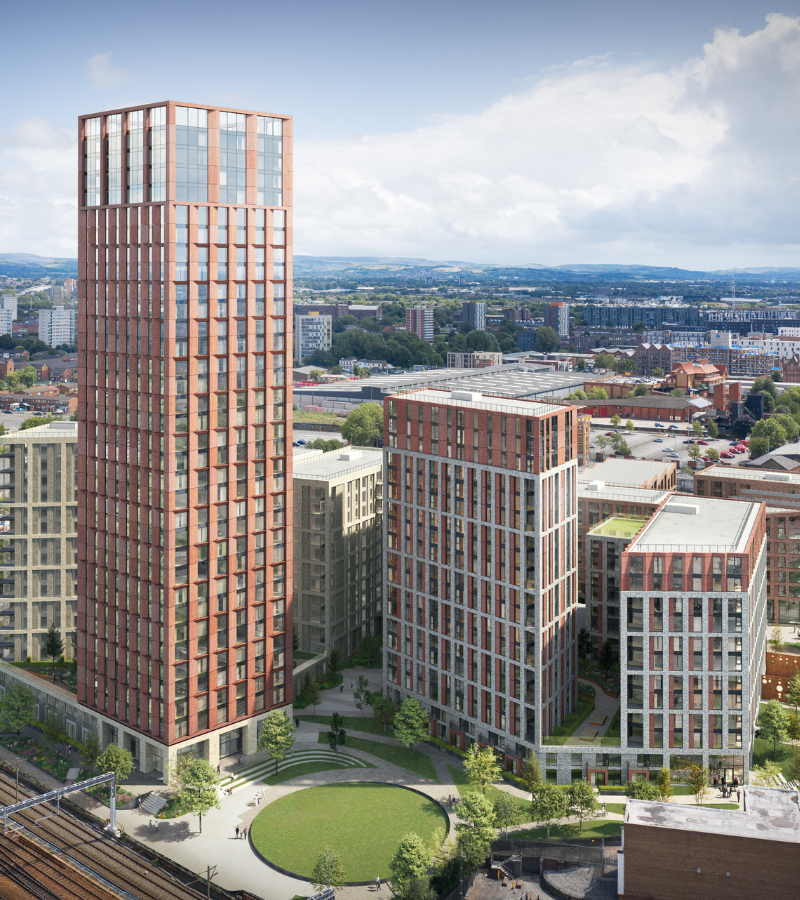
The Gasworks New Town neighbourhood is one of seven envisioned by the £4bn Victoria North masterplan. It will feature nine buildings ranging from 8 to 34 storeys. The 6.6-acre site has most recently been home to a car park but the green development will overwhelmingly prioritise walking and cycling over driving. It will result in tens of millions of pounds being pumped into the city’s economy over the lifetime of the development.

Plans for a trailblazing city centre regeneration scheme that will create more than 1200 homes has been approved by Manchester City Council.

MCR Property

A total of 85 of the 1200, will be affordable homes available through Shared Ownership. 

Though as of March 31st 2023 ground is yet to be broken, no signs of the:

New centre of gravity for central Manchester that will create thousands of jobs and inject tens of millions of pounds into the city’s economy.

So you zig-zag wanderers, make the most of these wide open expanses of affordable car parking, while you can.

The future may yet be here today – or the next.

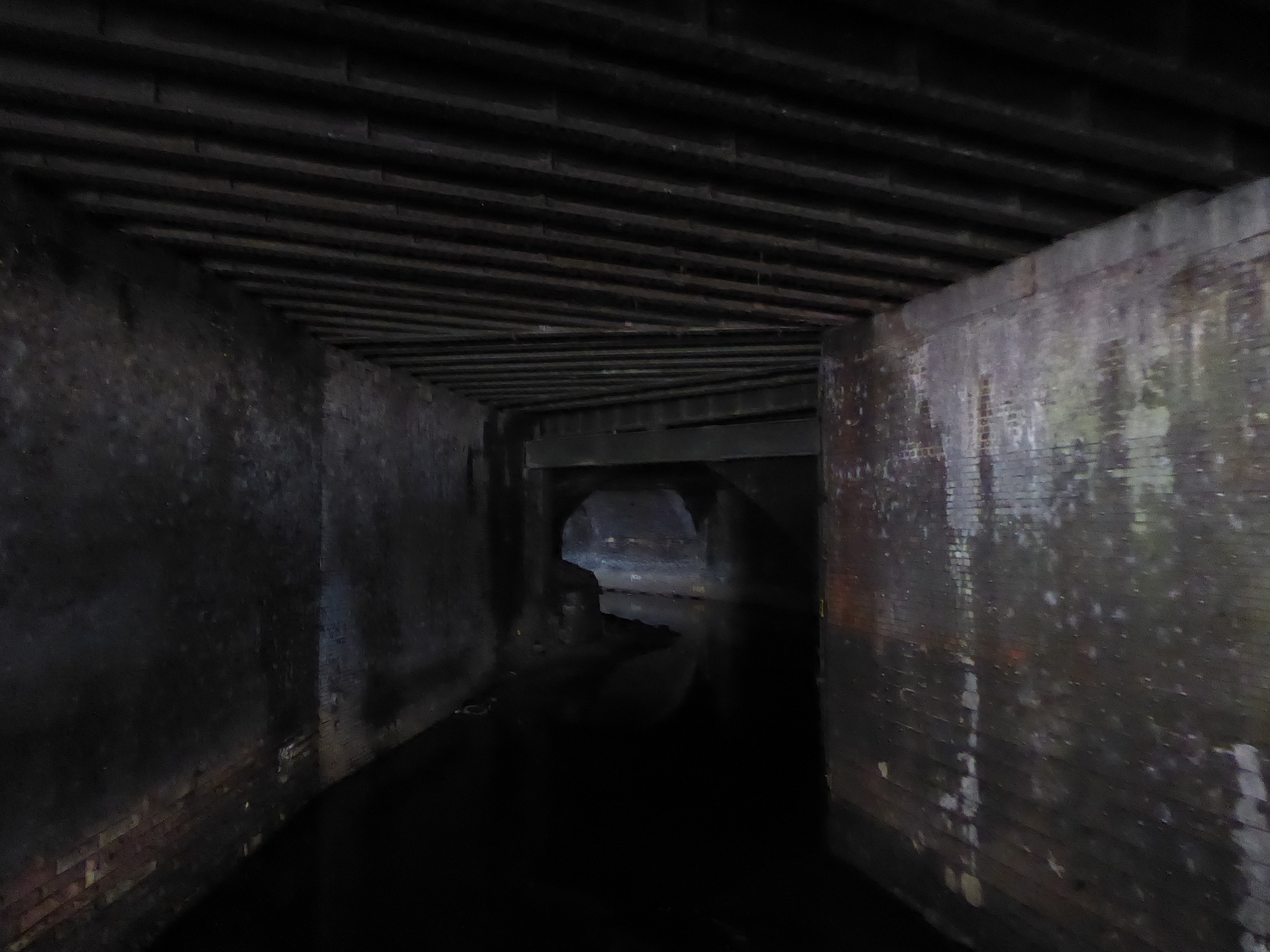
Let’s duck under the railway, through this sad damp pedestrian tunnel – the domain of the cash strapped daytime drinker, transient tagger and disaffected leaflet distributor.

Next thing you know you have emerged into the daylight on Dalton Street – we have been here before seeking the Collyhurst Cowboy.

Photograph: Dennis Hussey

Onwards to Eastford Square.

The shops and maisonettes are due to be demolished any day now – no longer to gaze open-eyed upon the former quarry of Sandhills.

Around the front the diggers have been a digging – digging up around the base of the totem.

The work is to be re-sited by the nearby tower blocks.

The end is nigh.

Heading now for Collyhurst Road and the Irk Valley – seen here in 1960.

Looking back on the Square and the Dalton Street flats – Humphries, Dalton, Roach, Vauxhall and Moss Brook Courts under construction.

Vauxhall Street now but a shadow of its former self – the last traces of industry long gone.

Reclaimed over time by trees and dense underbrush.

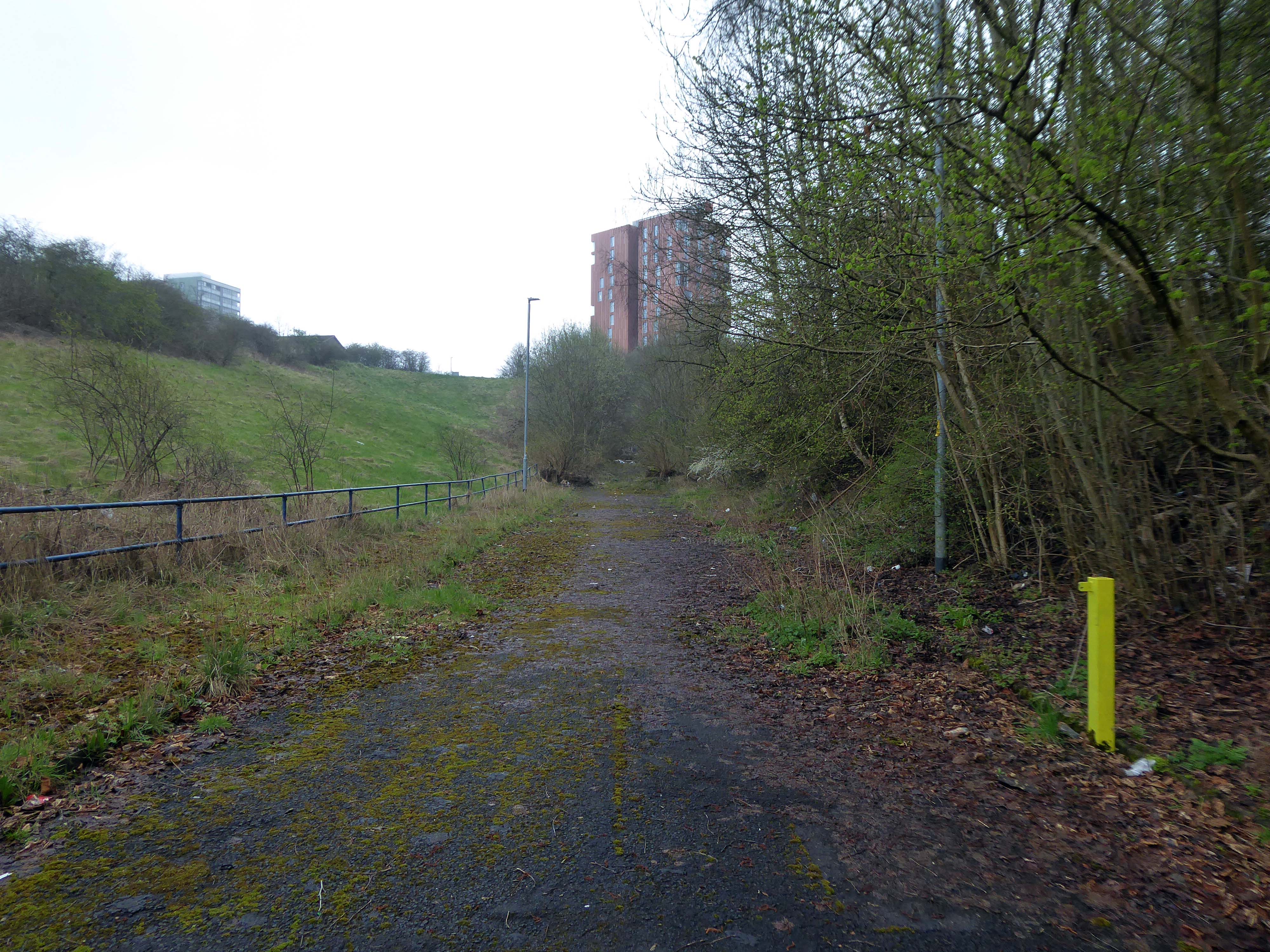
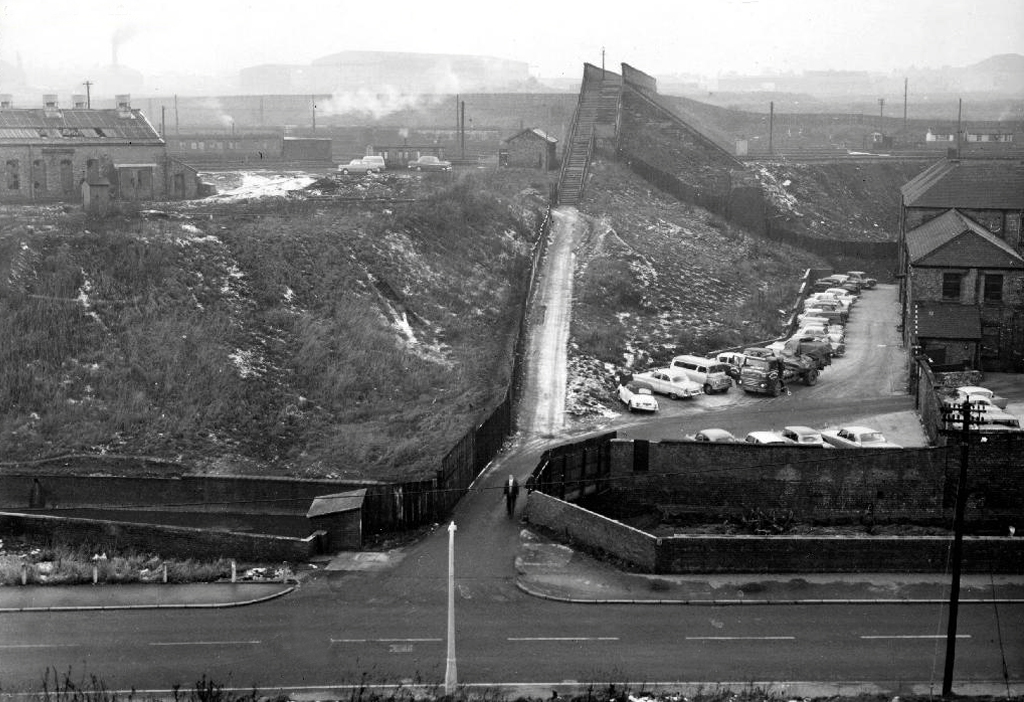
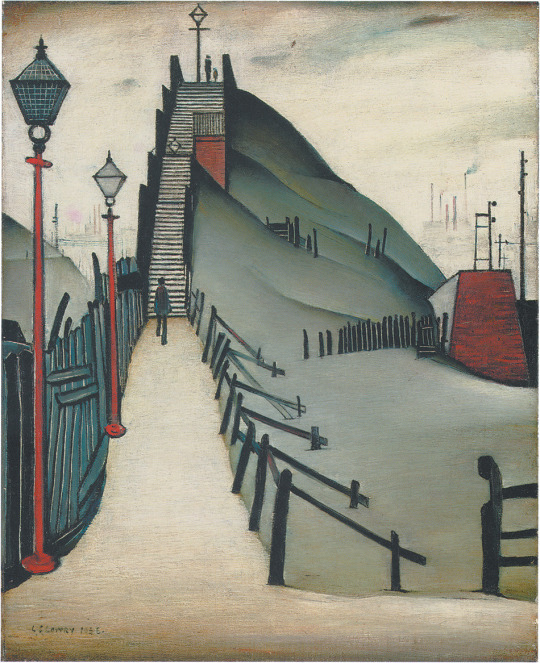
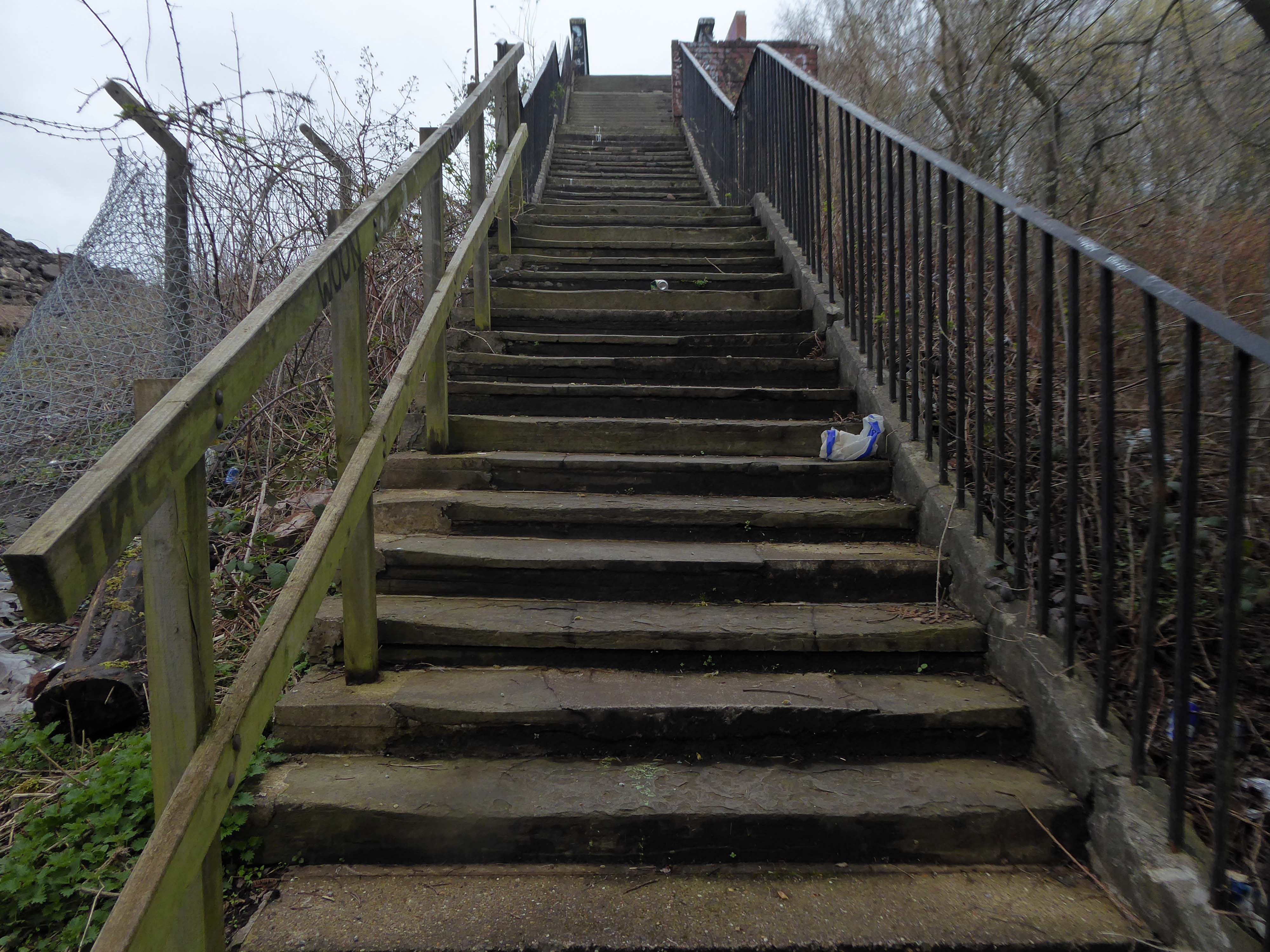
Crossing Collyhurst Road and up and over the railway via Barney’s Steps also known as the Lowry Steps.

LS Lowry

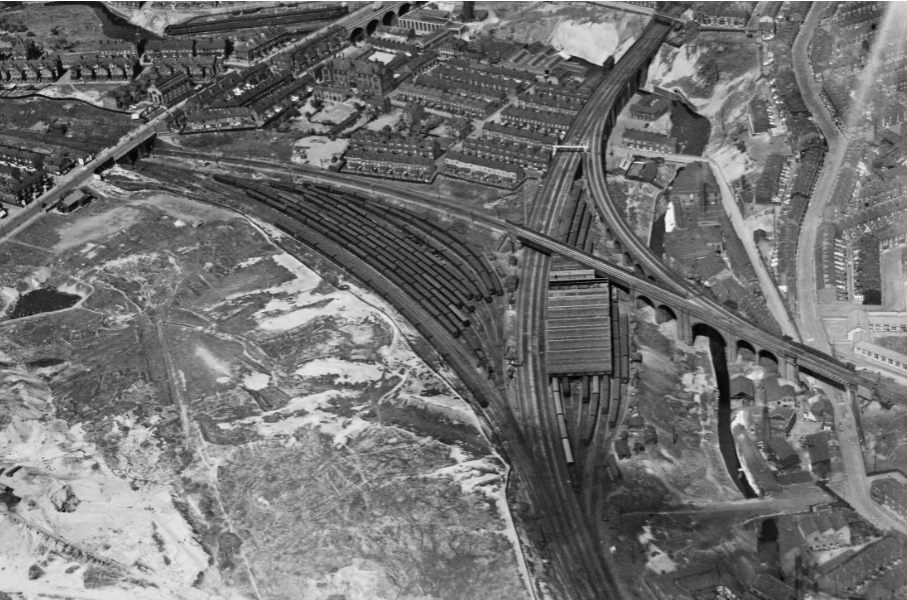
By the late 1950’s the whole of this area which we called Barney’s Tip became a refuse tip for Manchester City Council.

Britain from Above

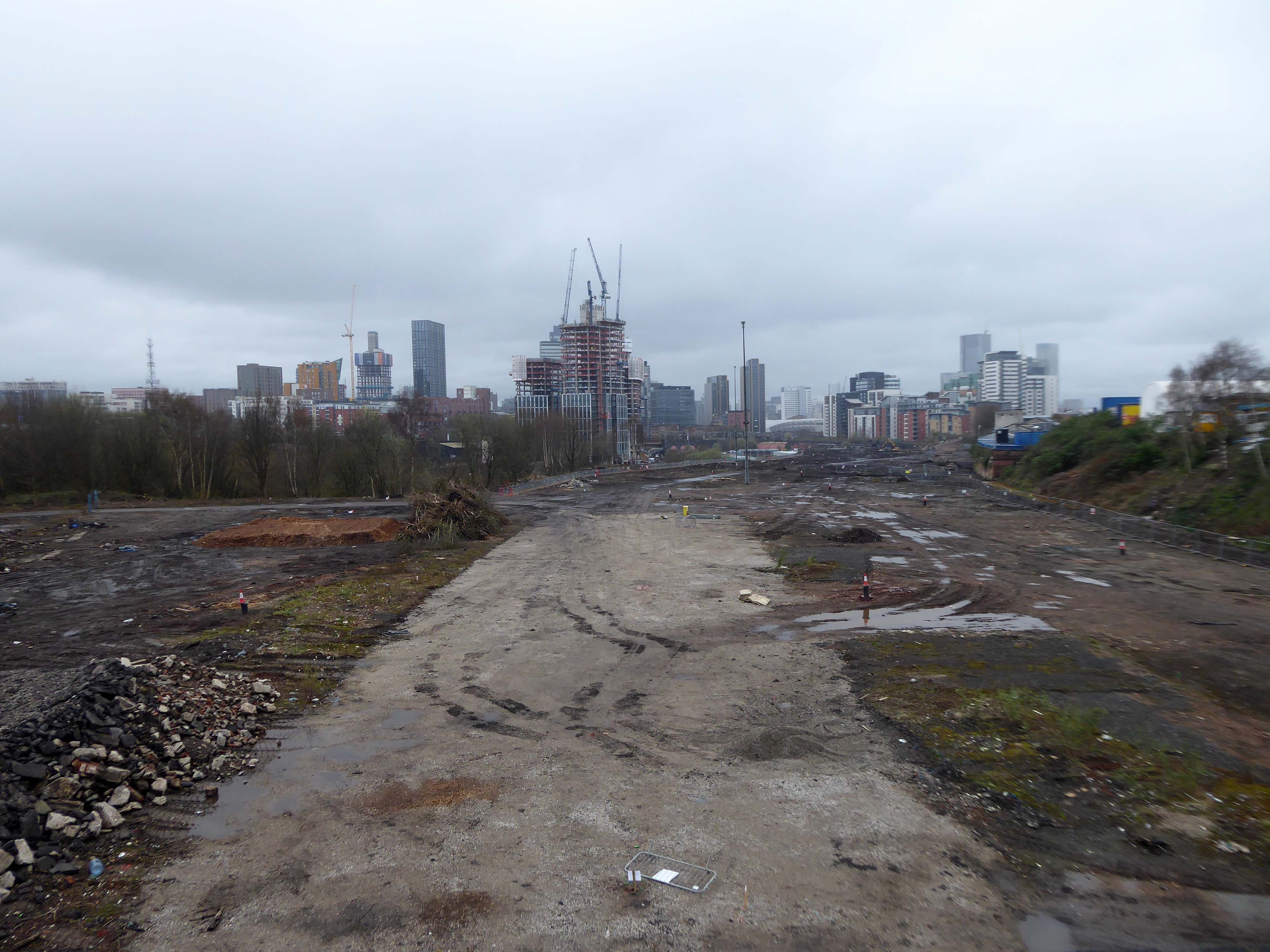
The area is in the process of being reconfigured as a delightful country park.

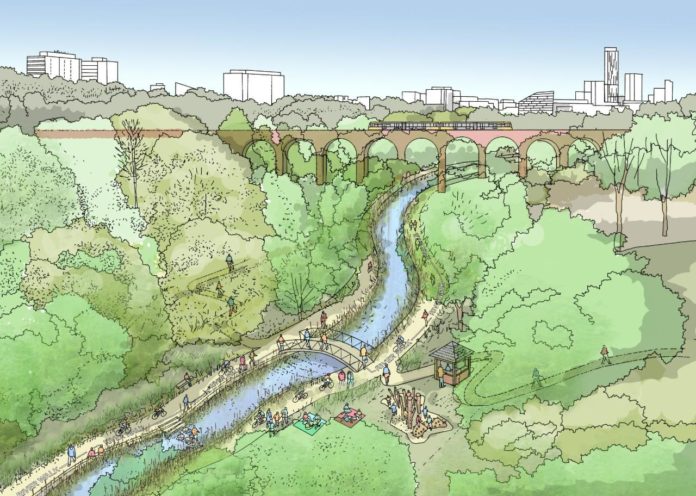
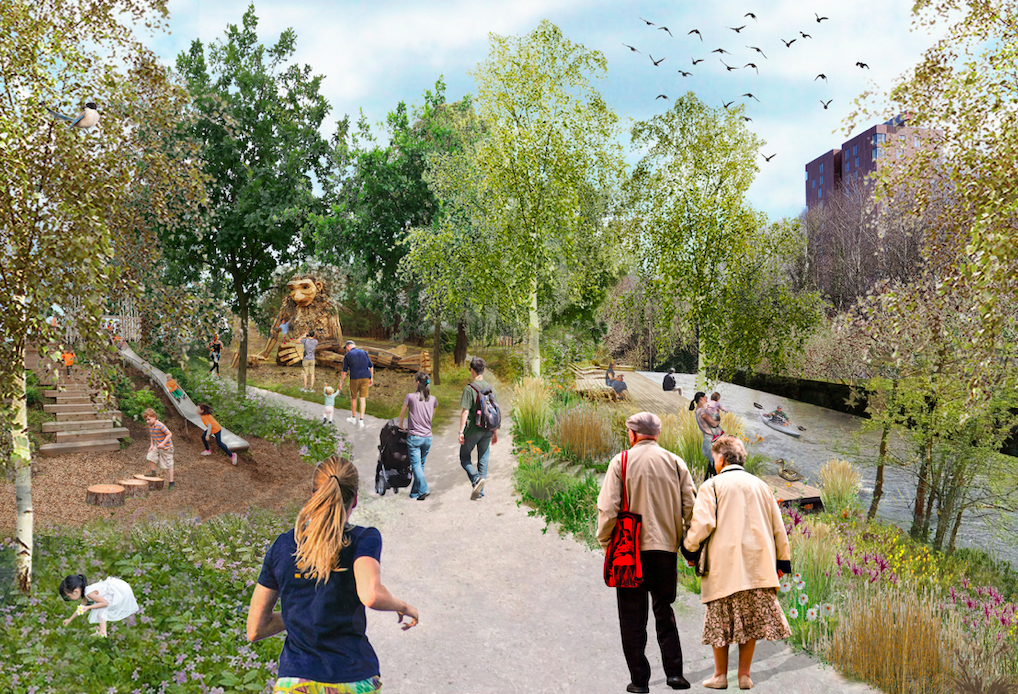
The investment will also help develop an initial phase of the planned City River Park incorporating St Catherine’s Wood as part of a network of public open space, including improvements along the River Irk and works to improve flood resilience, unlocking the potential of the Irk Valley that will characterise the wider Northern Gateway project.

About Manchester

The first phase of the City River Park will begin work to transform former railway architecture to develop the new Viaduct Linear Park north of Victoria Train Station, new stepped public realm space – Red Bank Terraces, along with new green space by the River Irk and the key improvements to St Catherine’s Wood.  

Manchester Gov UK

The Victoria North Express is coming your way!

Pressing on we pass the Showman’s quarters.

Collingham Street is lined with trucks, trailers, stalls and mobile homes.

But there’s nothing temporary about this Cheetham Hill neighbourhood; most residents have lived here for years and many plan to spend the rest of their lives here.

Founded more than forty years ago, it was created by the Showman’s Guild of Great Britain – and it’s reserved exclusively for fairground workers both retired and current.

Built on Queens Road tip, a former rubbish dump, and rented out by Manchester Council, many of the 52 homes belong to older retired showmen or families for whom an itinerant lifestyle has become more challenging.

It’s a close-knit community with a unique shared history.

MEN.

Emerging eventually onto Rayburn Way.

Home to the Eden Girls Leadership Academy and Eden Boys Leadership Academy.

And a whole host of delightful light industrial units.

Let’s all go west – along North Street.

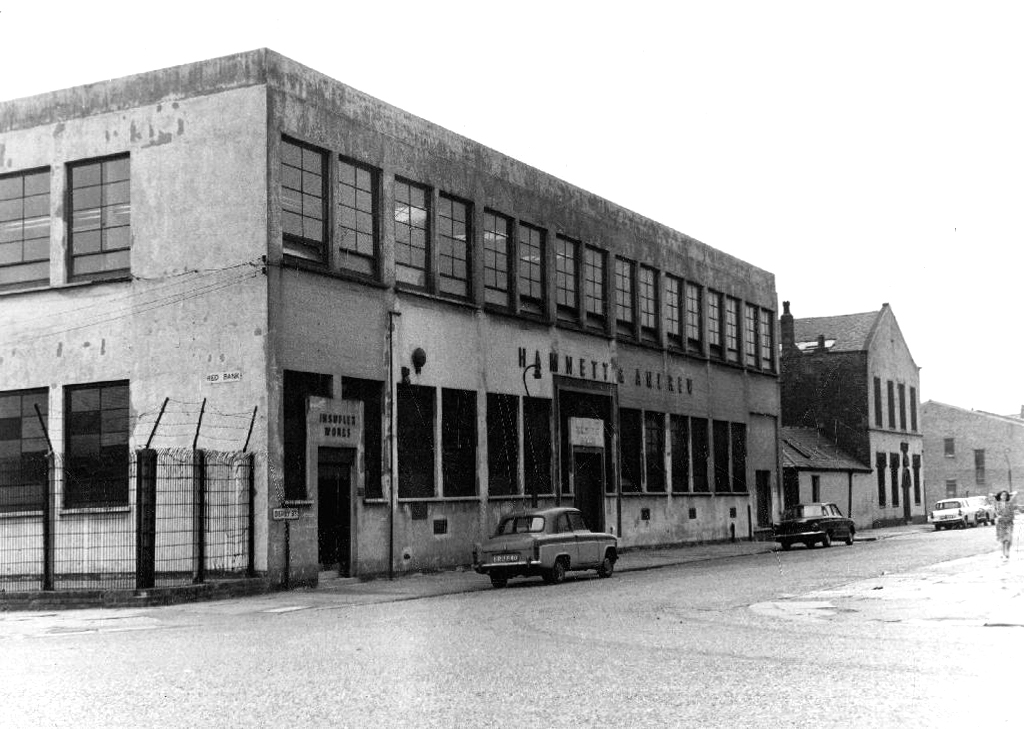
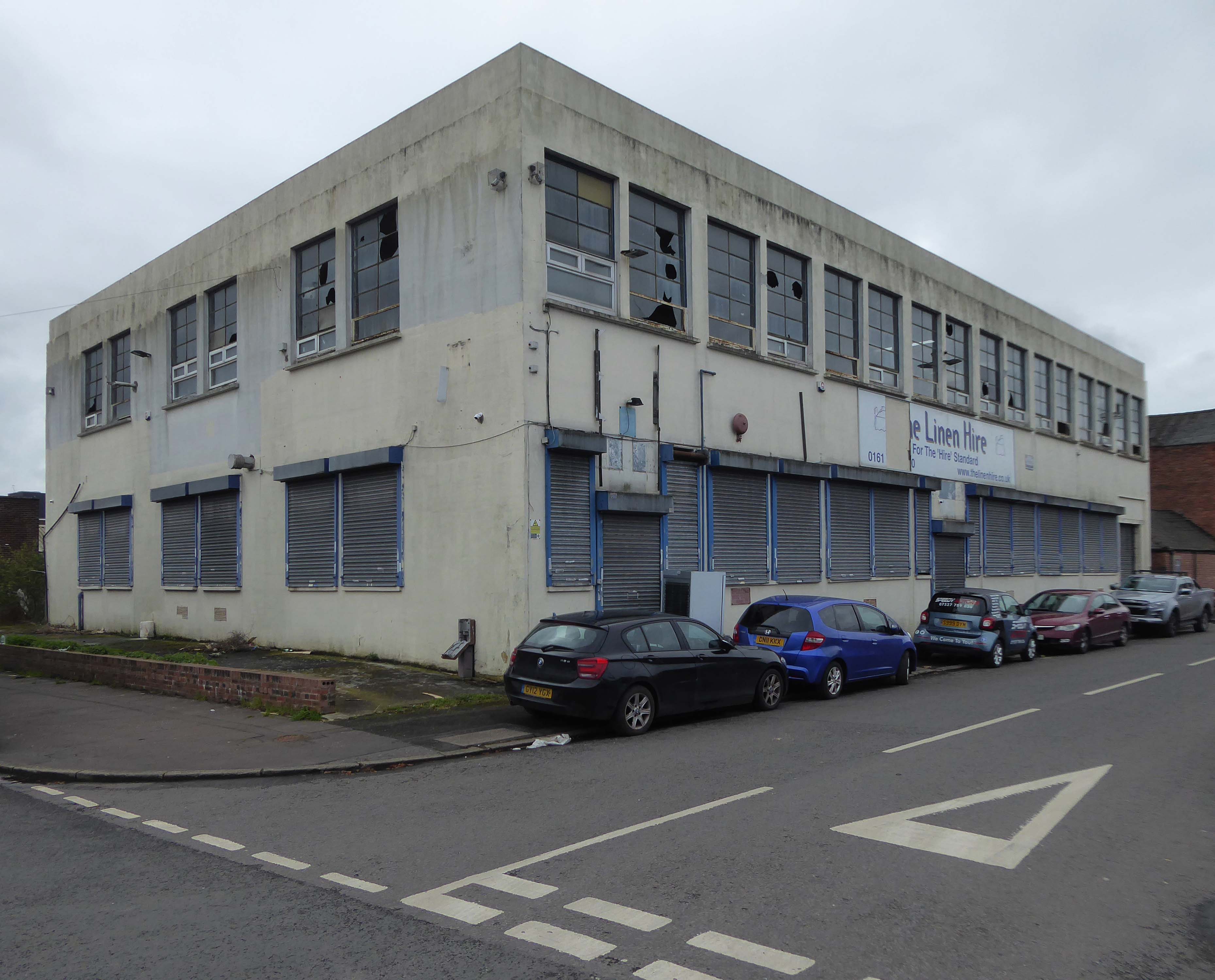
On the corner of Derby Street and Honey Street we find Hamnett & AndrewInsuflex Works

Later transformed into Linen Hire, though I fear that further linen hire may well be in abeyance, on a permanent basis.

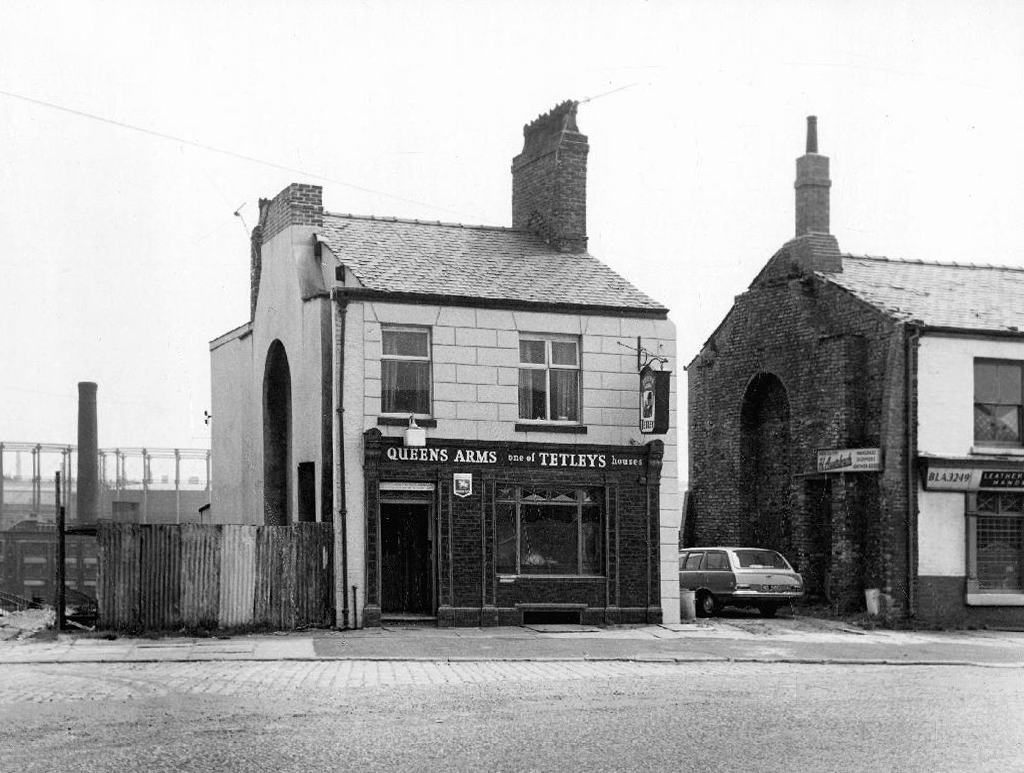
What was happening at the Queens Arms back in 1966?

These were the older premises.

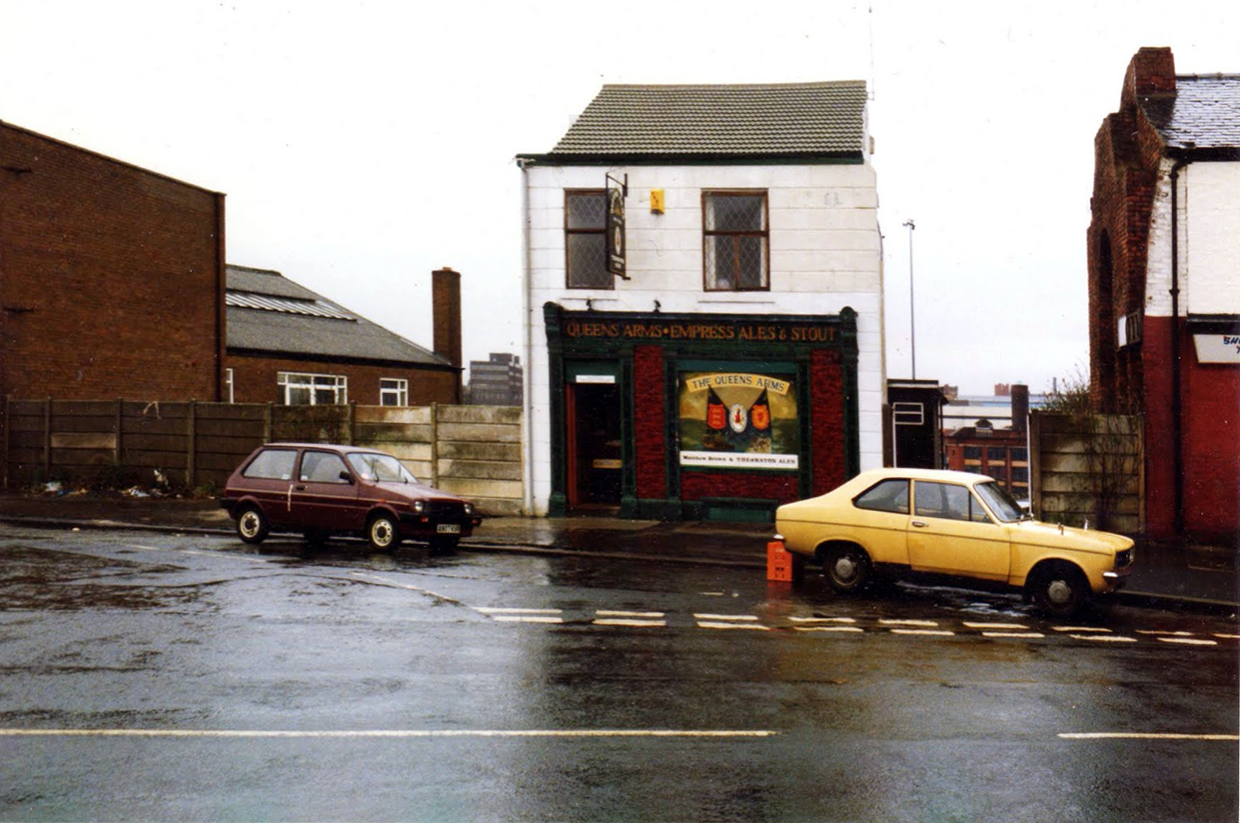
Then next door, the newer premises.

Photo: Alison G

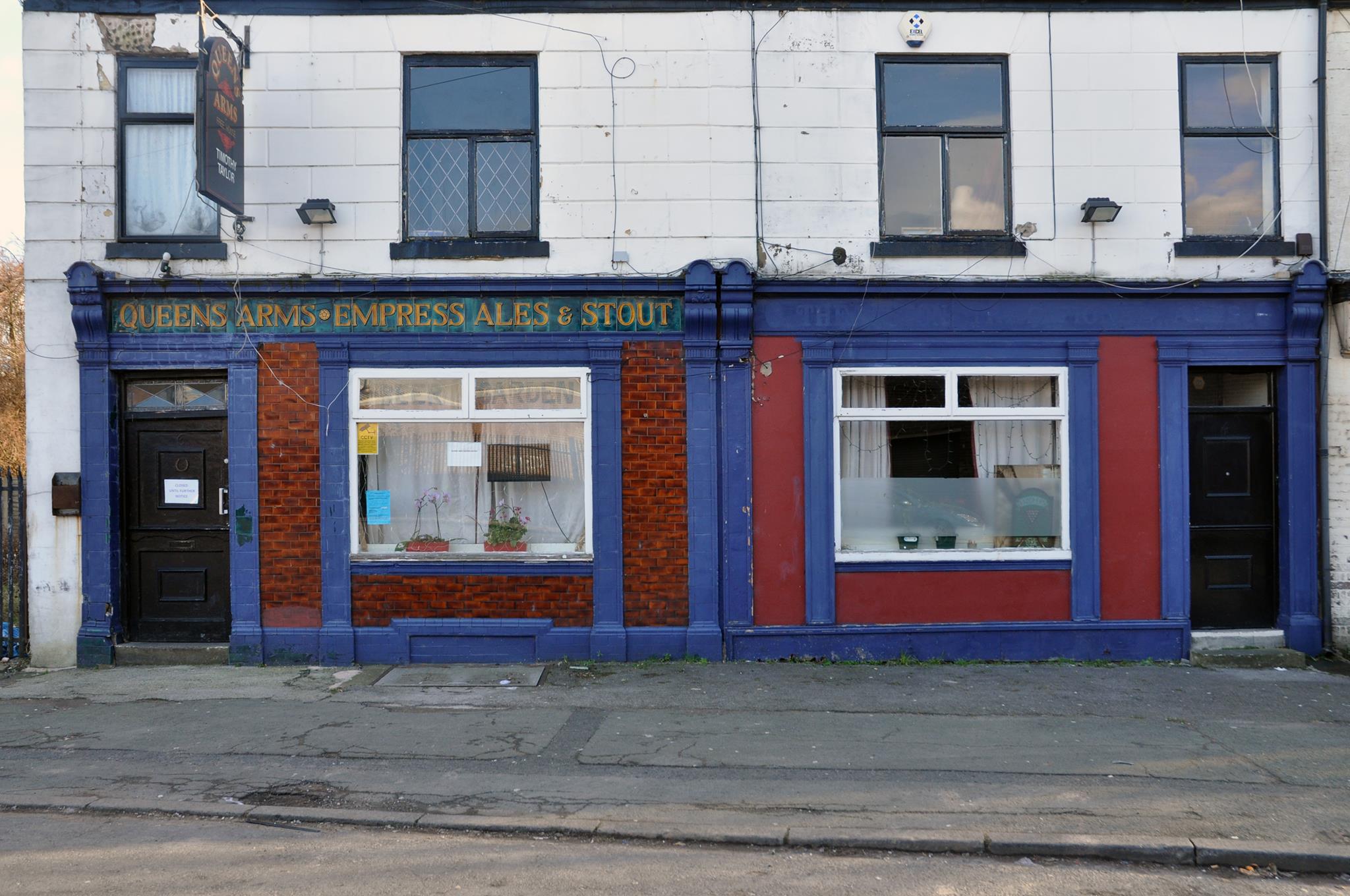
The Queens Arms was held in high regard amongst the real ale crowd and had been a regular fixture in the Good Beer Guide.  

As recently as 2007 it was named the City Life Pub of the Year, 

Empress Brewery Co Ltd – 383 Chester Road, Old Trafford.

Registered as above May 1896 – 236 public houses. 

Acquired by Walker Cain Ltd. 1929 and brewing ceased.

Brewery History

The pub was extended in 1987.

Seen here in 2015 closed for the foreseeable.

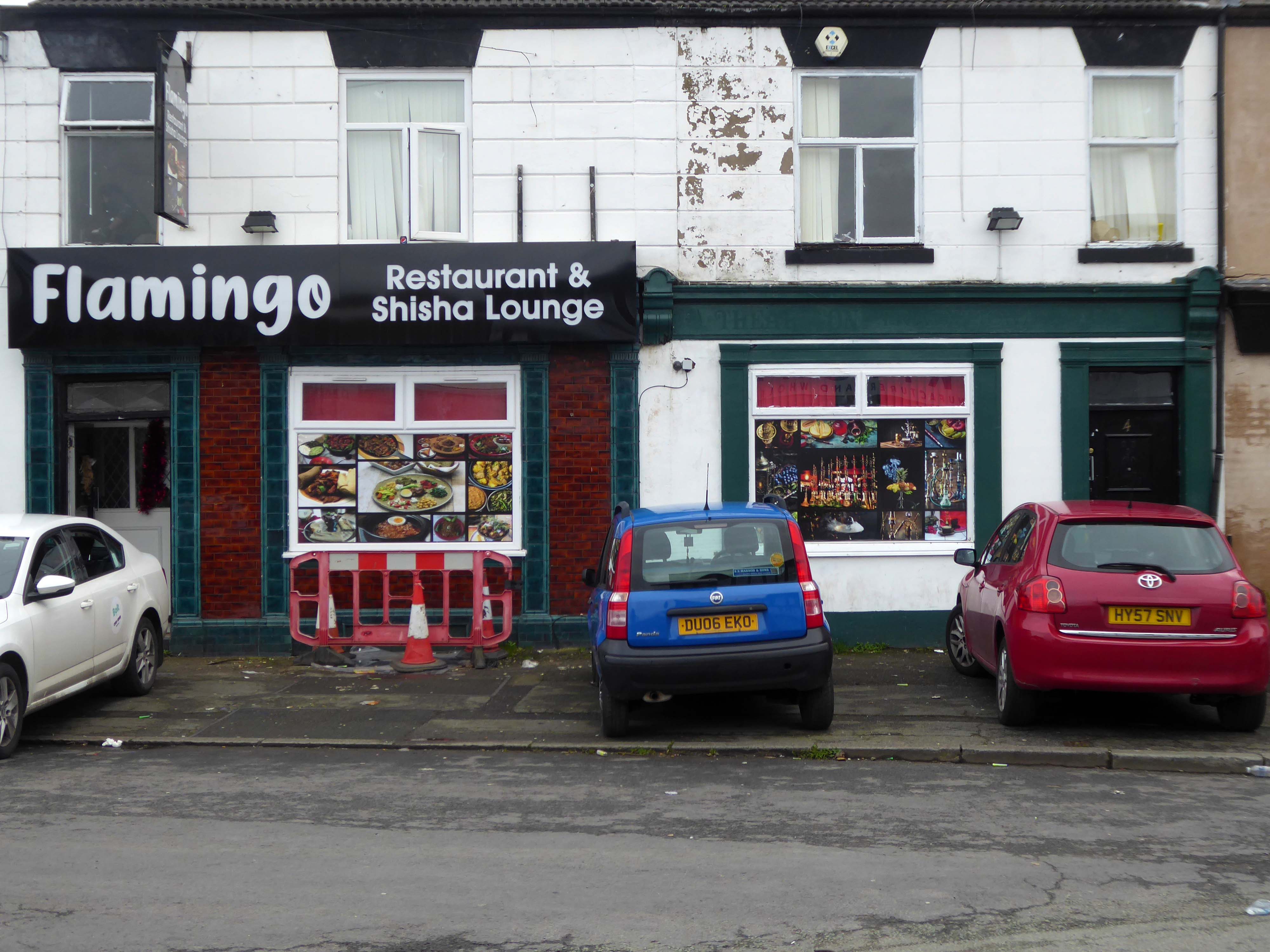
Recently becoming Flamingo – well strike me pink!

Though not without its own particular issues it would seem, according to the MEN.

The licensing out of hours team has received noise complaints relating to the premises which was found to be open beyond permitted hours when visited. Officers also identified breaches of the Health Act during inspections in which people were seen smoking shisha pipes in an enclosed extension at the back.

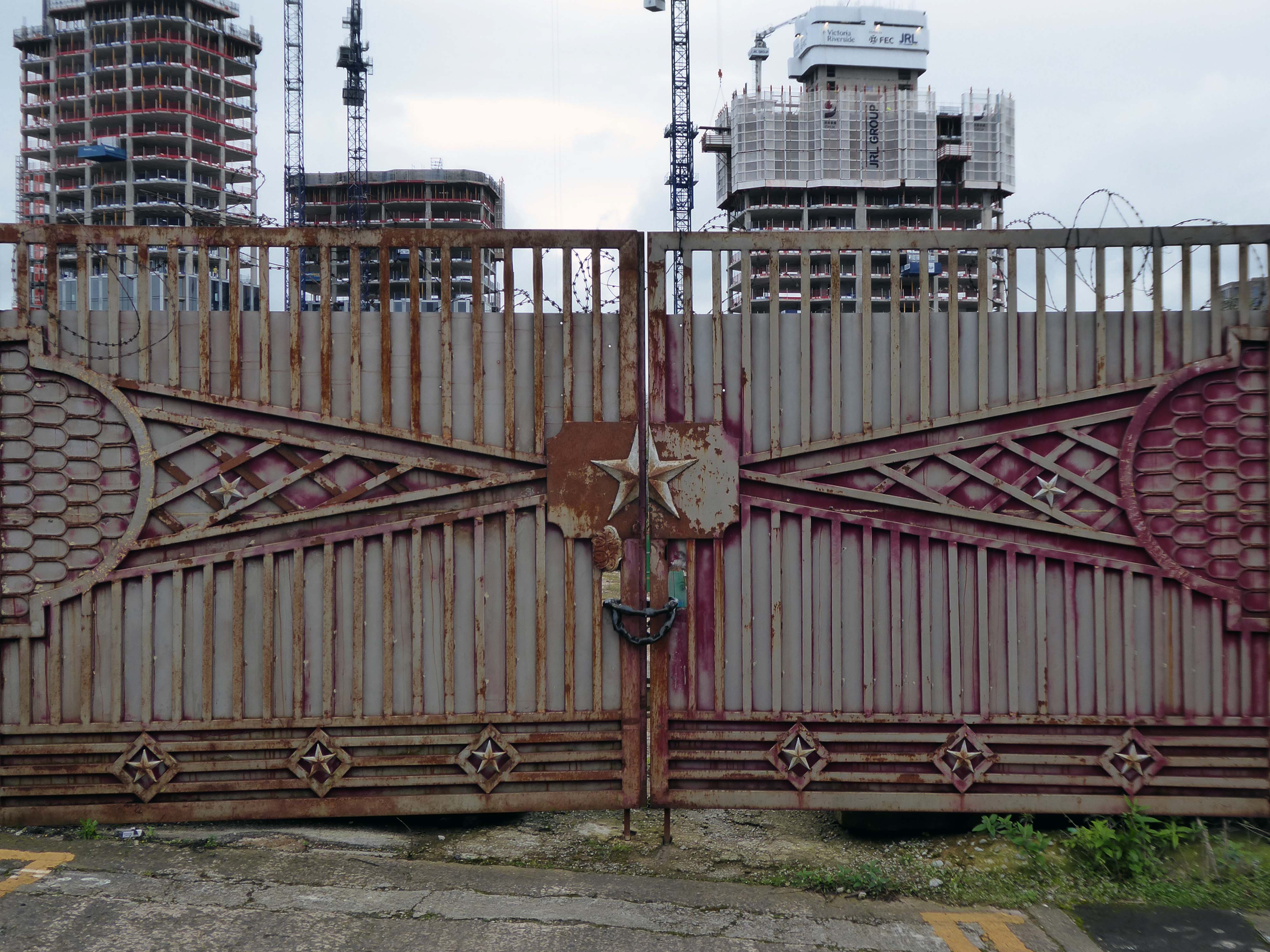
We will leave the Flamingo be and head back into town – but not without giving a nod to this confusing collision between this self-made scrapyard-man chic gate and the ever changing skyline of overheated urban regeneration.

The new creation has come: The old has gone, the new is here!

Corinthians 5:17

Archival photographs – Manchester Local Image Collection

Huddersfield Re-walked

I have walked this way before.

More than once, though that’s no reason not to do so again – so I did.

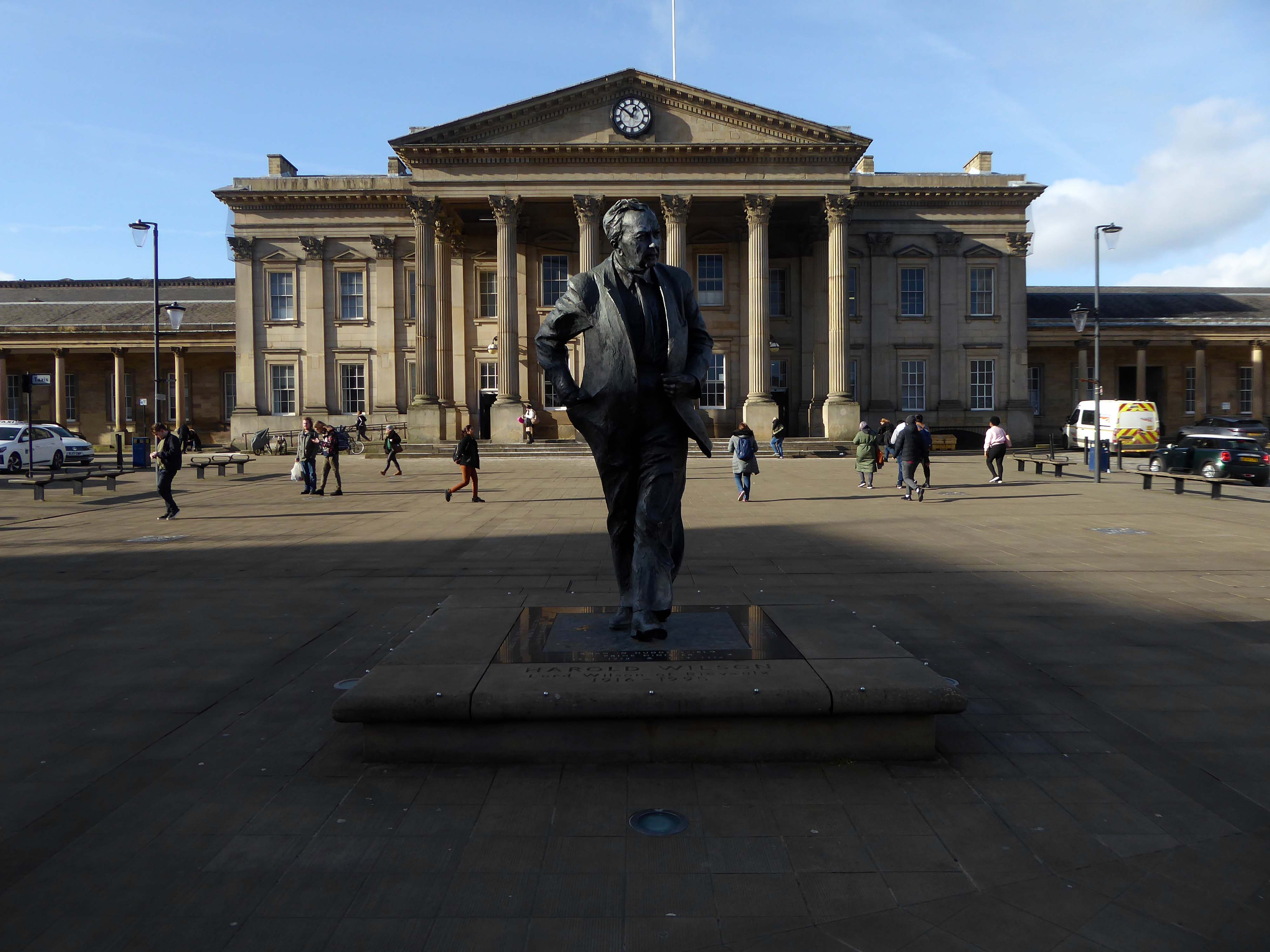
Saying hello to Harold.

Harold saying hello to us:

Nostalgia won’t pay the bills; the world doesn’t owe us a living; and we must harness the scientific revolution to win in the years to come. This scientific revolution is making it physically possible, for the first time in human history, to conquer poverty and disease, to move towards universal literacy, and to achieve for the whole people better living standards than those enjoyed by tiny privileged classes in previous epochs.

He warned change would have to reach every corner of the country; The Britain that is going to be formed in the white heat of this revolution will be no place for the restrictive practices or for outdated methods on either side of industry.

Fabian Society

Standing sentinel over one of Nikolaus Pevsner and John Betjeman’s favourite railway station front elevations.

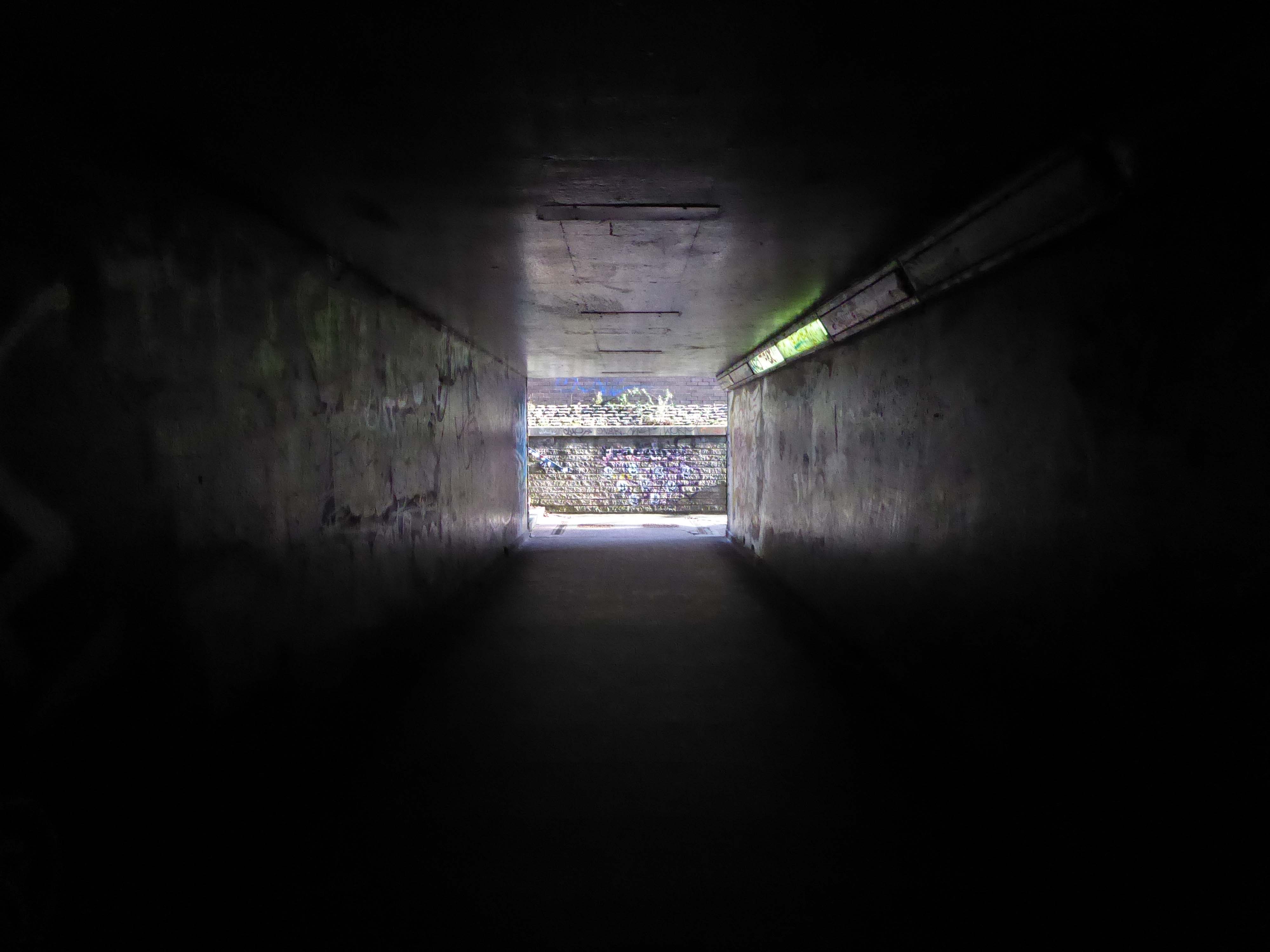
Through a passage darkly.

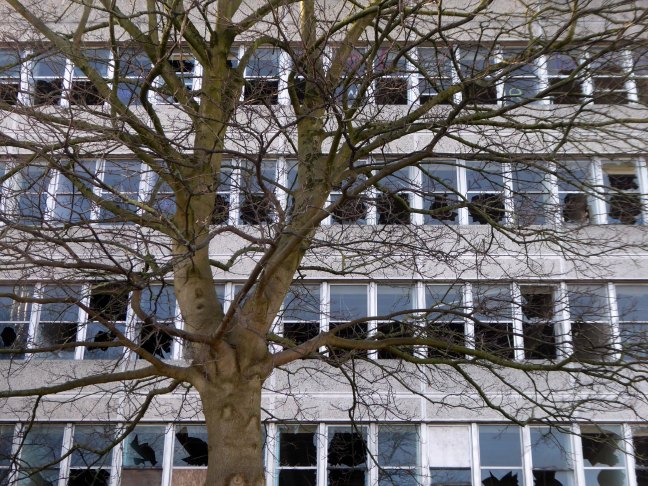
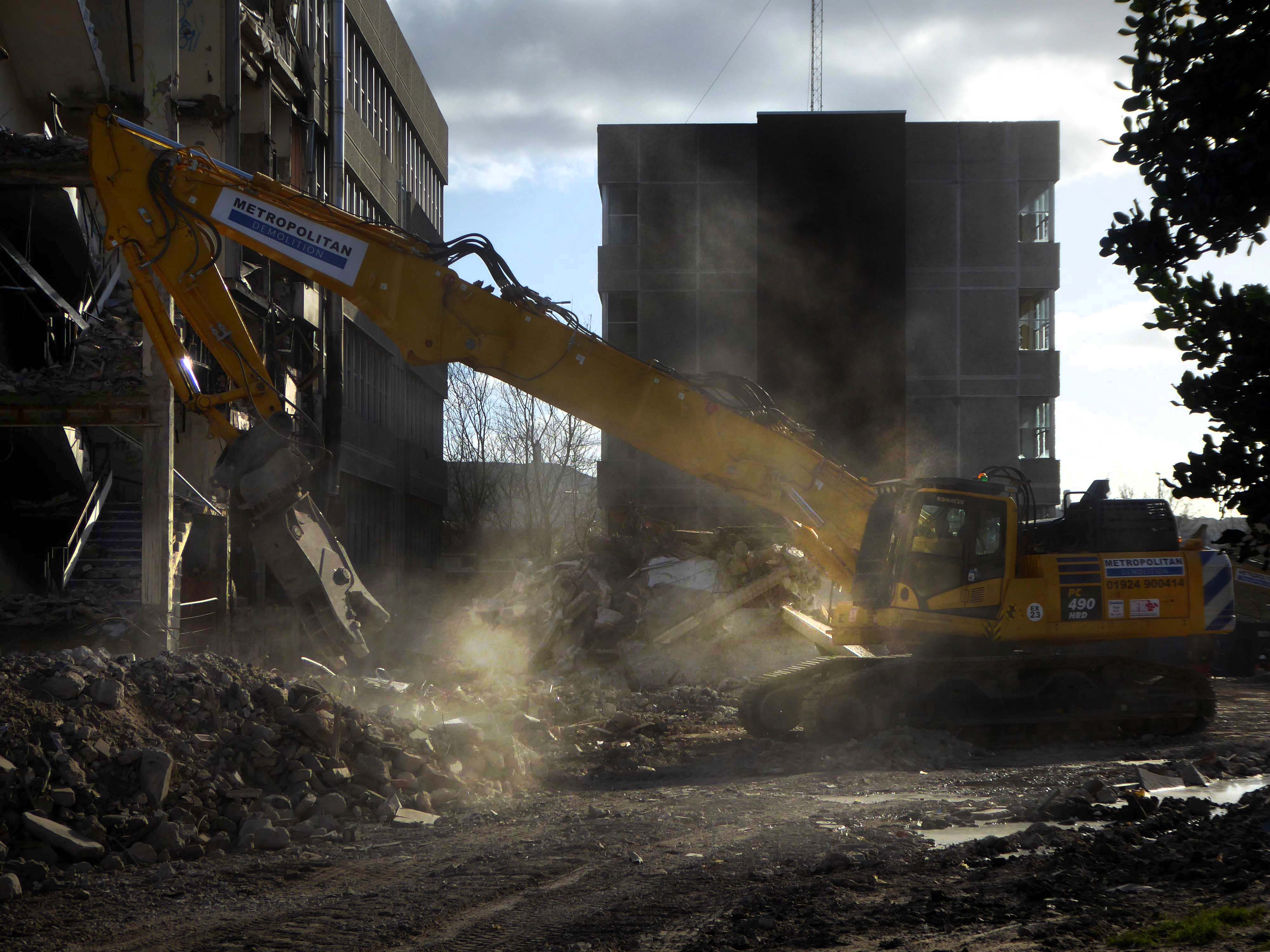
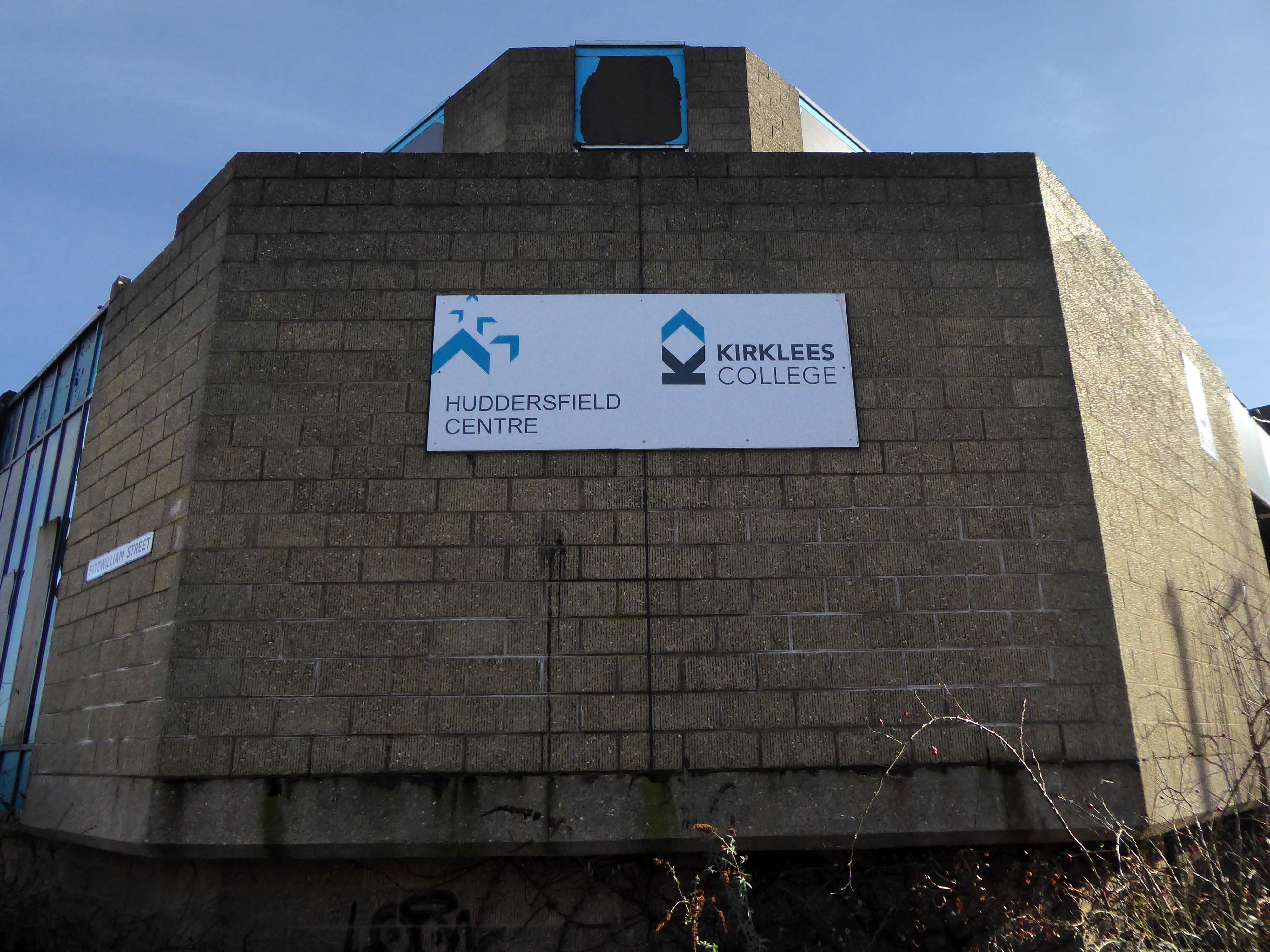
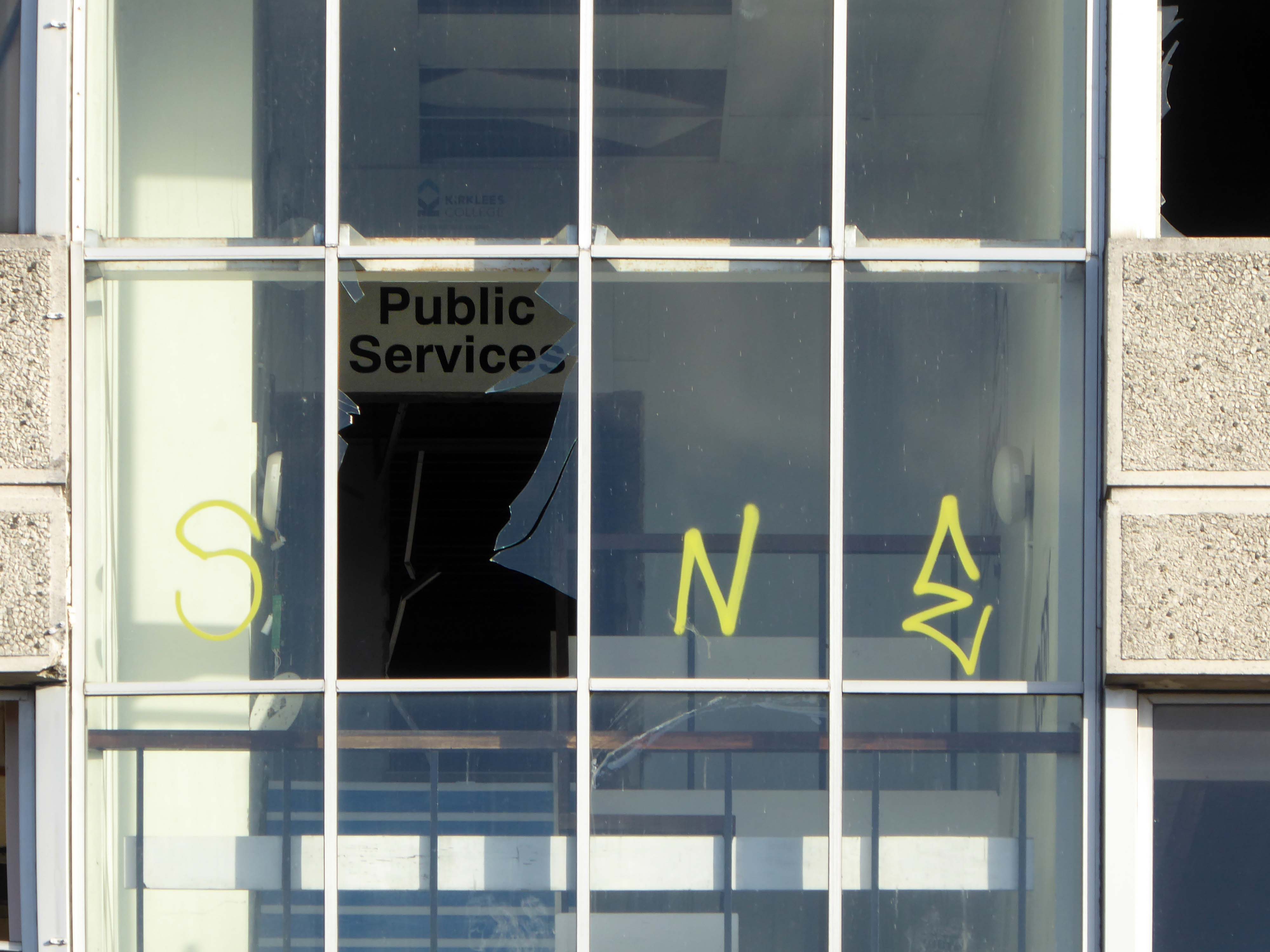
Emerging into the light of day and the demolition of the Kirklees College 1969-72 by Borough Architect Charles Edmund Aspinall.

My thanks to the Metropolitan team who invited me in beyond the barriers.

We provide safe and efficient demolition services across a broad range of projects, from the small domestic dwelling to  large scale industrial units – we offer the complete solution. With excellent communication and impeccable health and safety standards, we can project manage the decommissioning a structure on time and on budget.

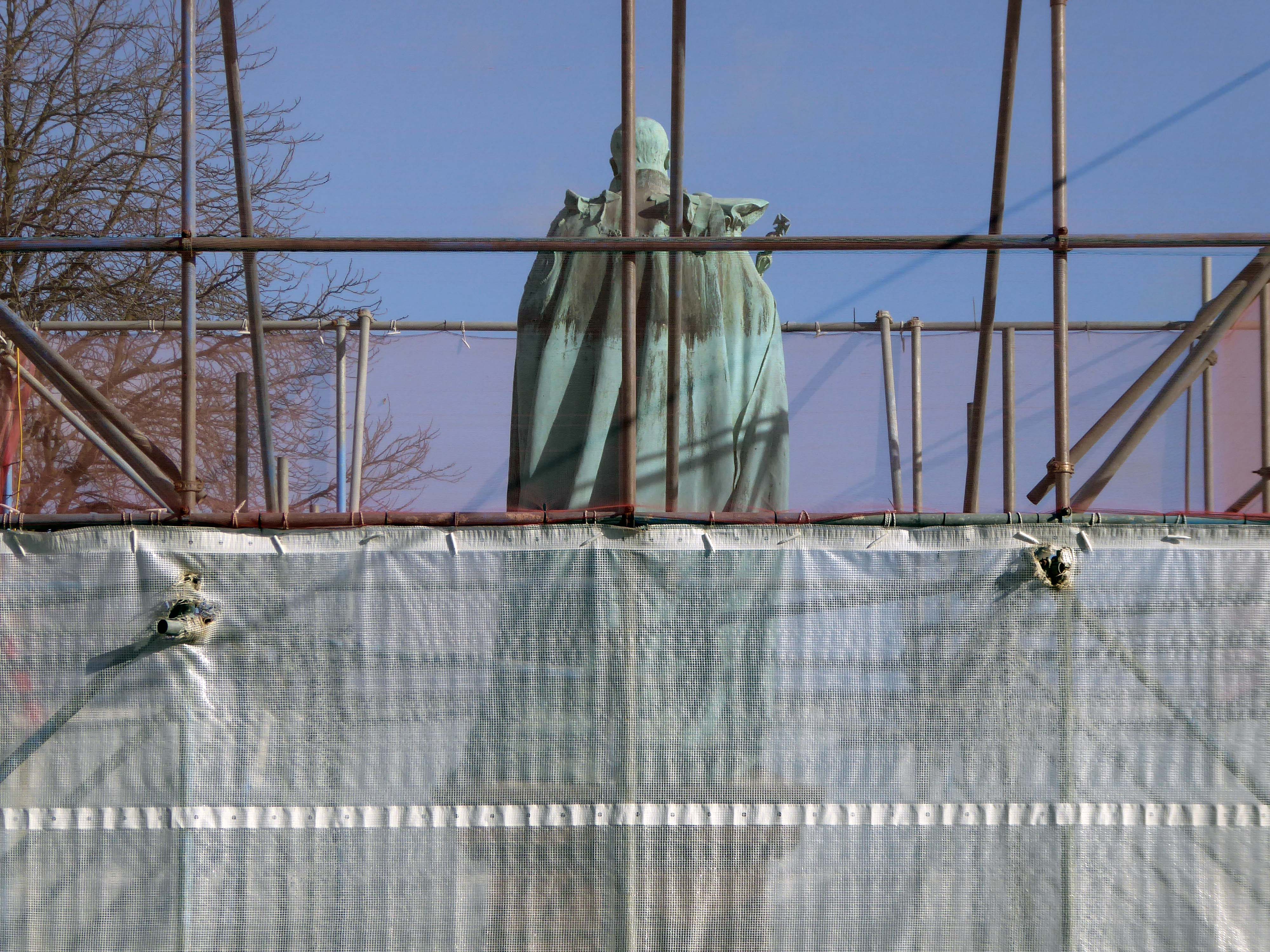
Edward VII is under wraps.

Everything else is up for smash and grab – including the later concrete block immortalised by Mandy Payne.

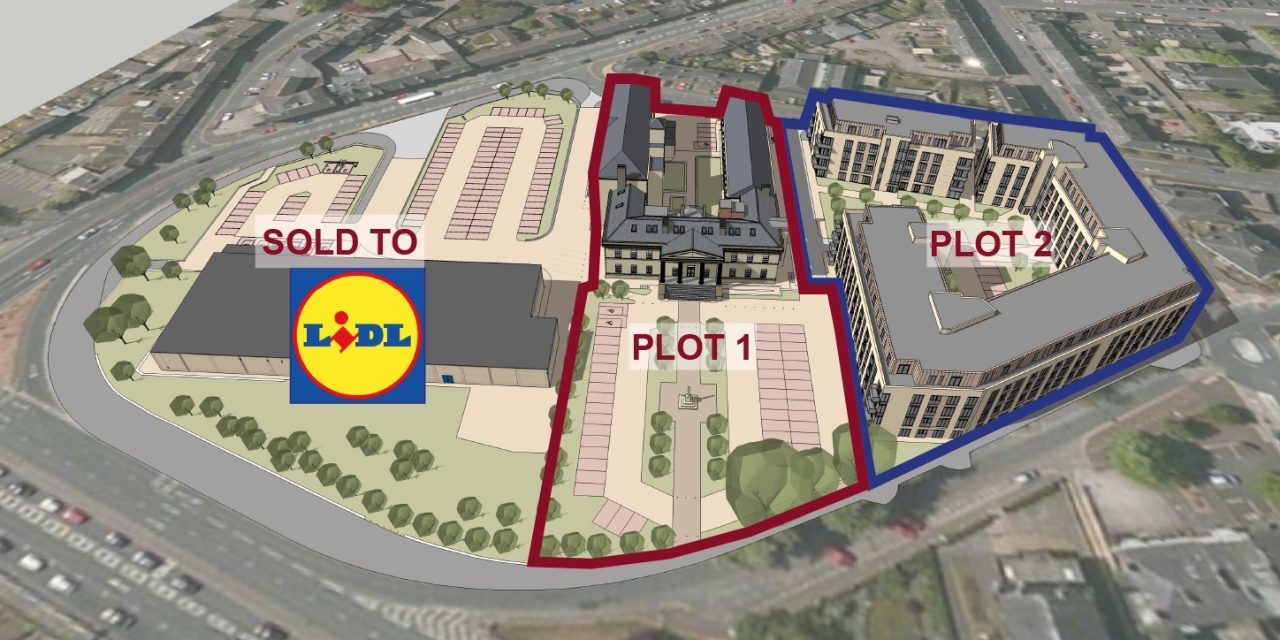
LIDL is coming – and some homes

The final details have now been signed off by the council and work on the six-acre site – which includes the Grade II-listed original Huddersfield Royal Infirmary – can now begin.

The vandal-hit and fire-damaged late 1960s and early 1970s college buildings are to be demolished and Lidl will build a new supermarket with a 127-space car park. The store will eventually replace the store on Castlegate.

The former hospital will be retained and the site will see 229 apartments and an office complex. The apartments are expected to be for older or retired people.

Huddersfield Hub

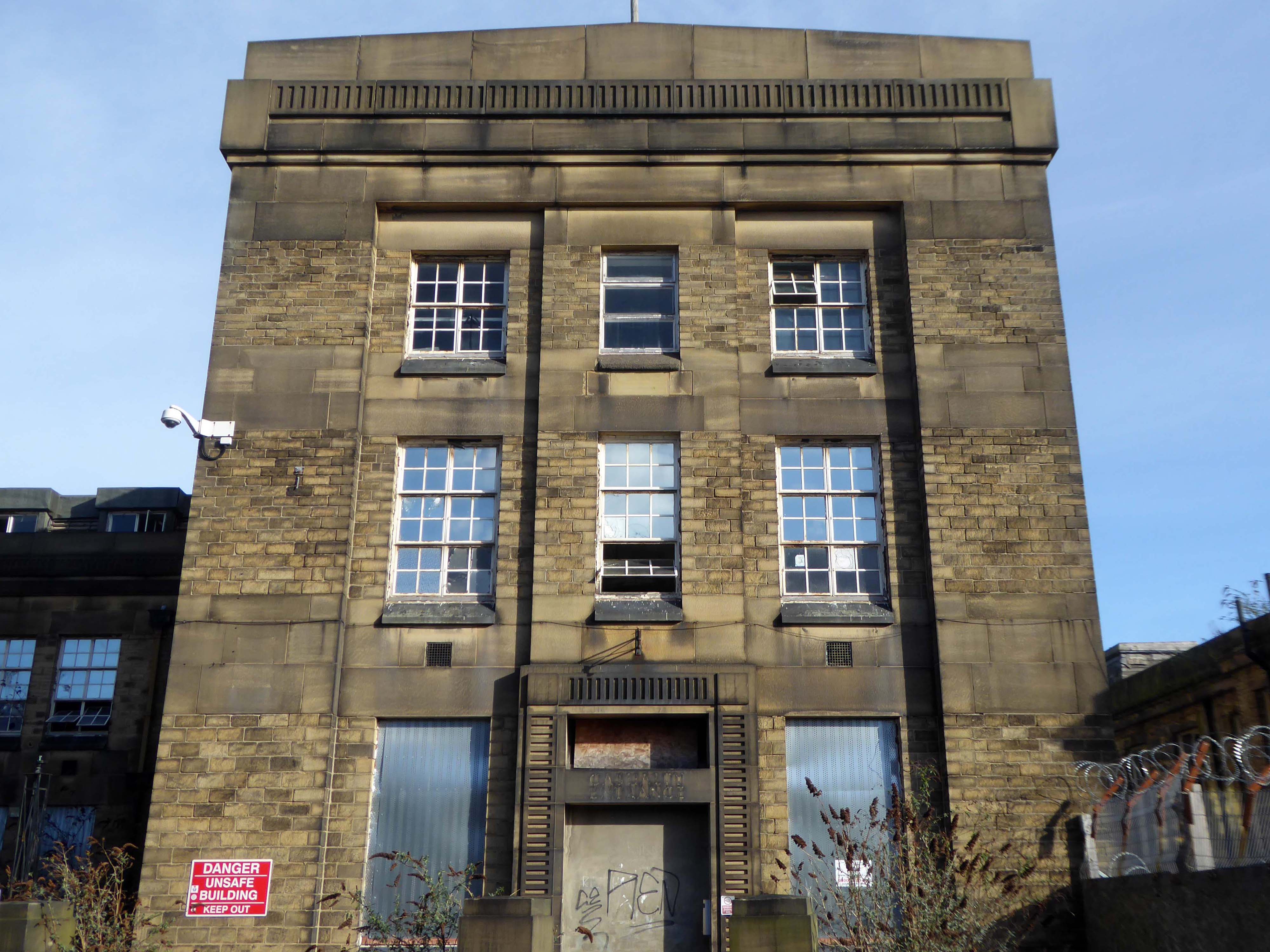
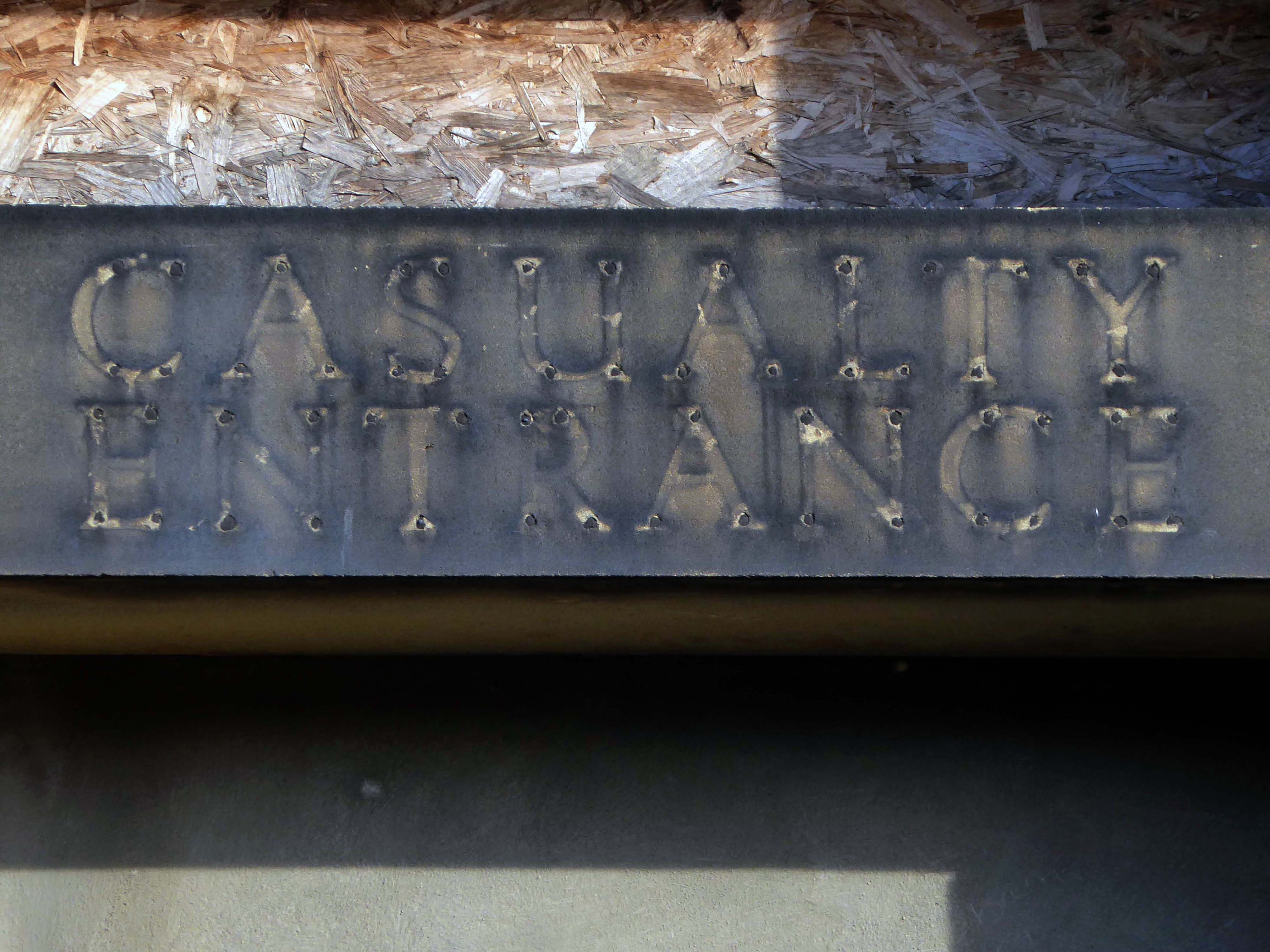
The inter-war infirmary is also destined for an imminent demise.

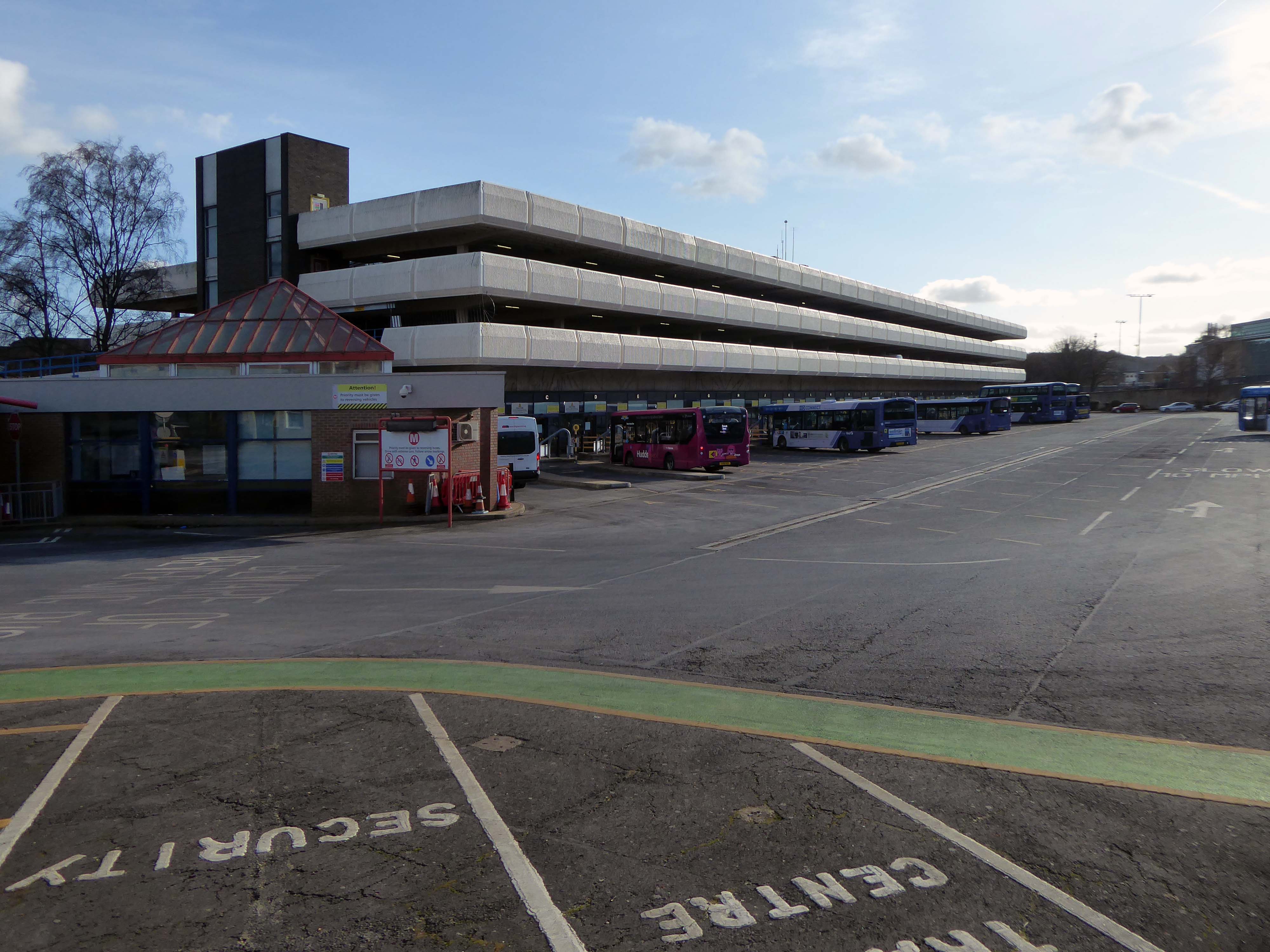
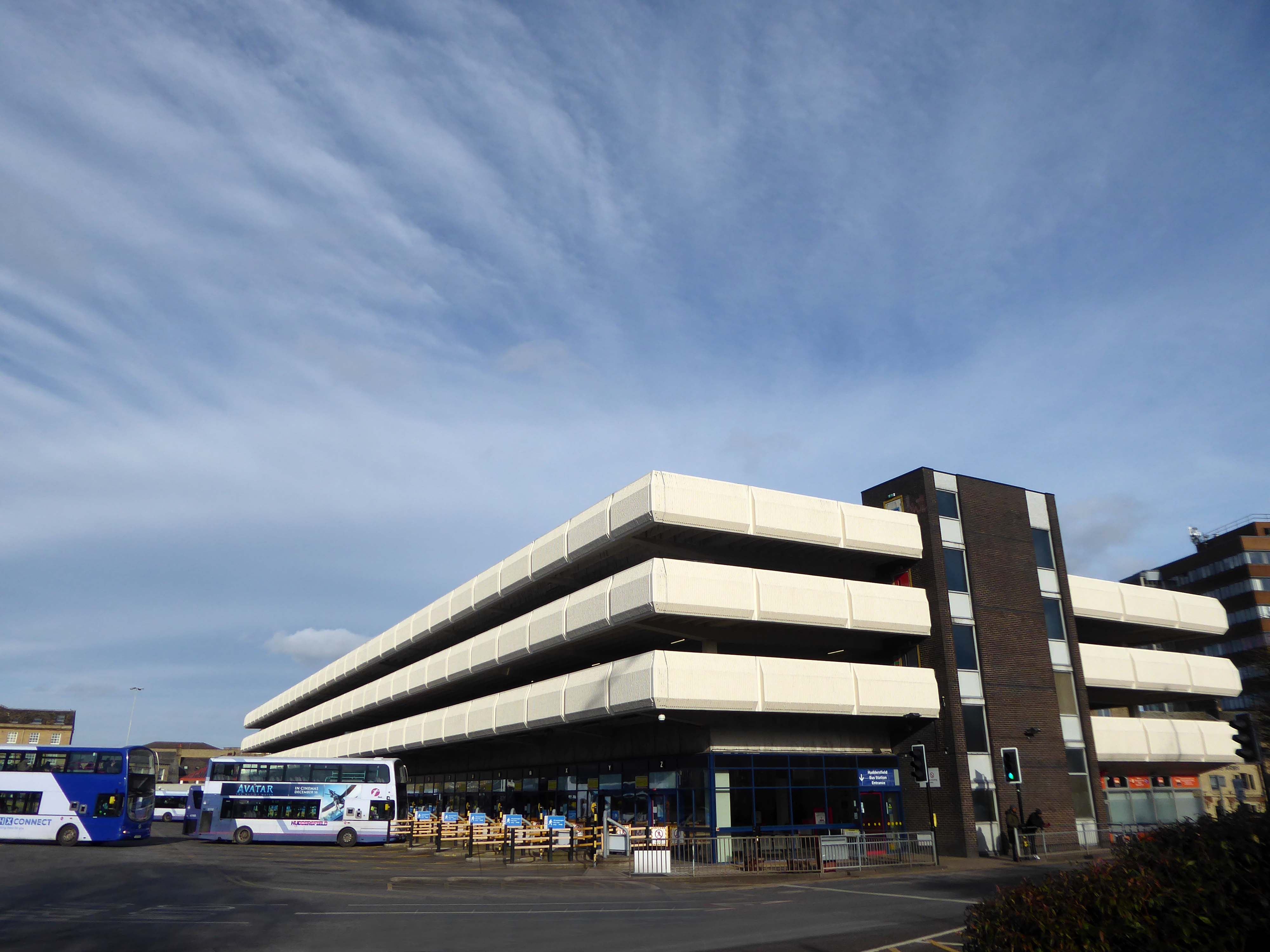
Next we take a turn around the bus station.

Changes are afoot for the buses.

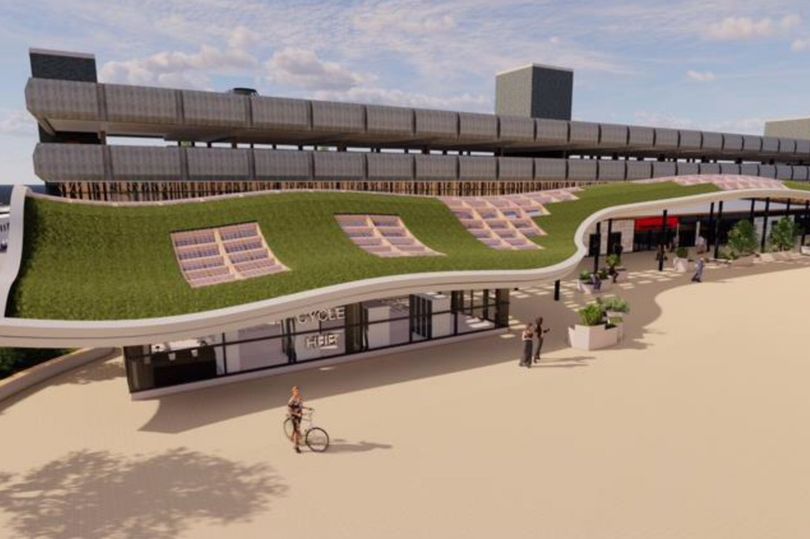
Huddersfield’s £20M game-changing bus station is set to be completed by the end of 2025 with a living grass roof, sixty bike cycle hub, upgraded shops and new facilities

The project between West Yorkshire Combined Authority and Kirklees Council aims to transform one of West Yorkshire’s busiest bus stations, and uplift the area that surrounds it.

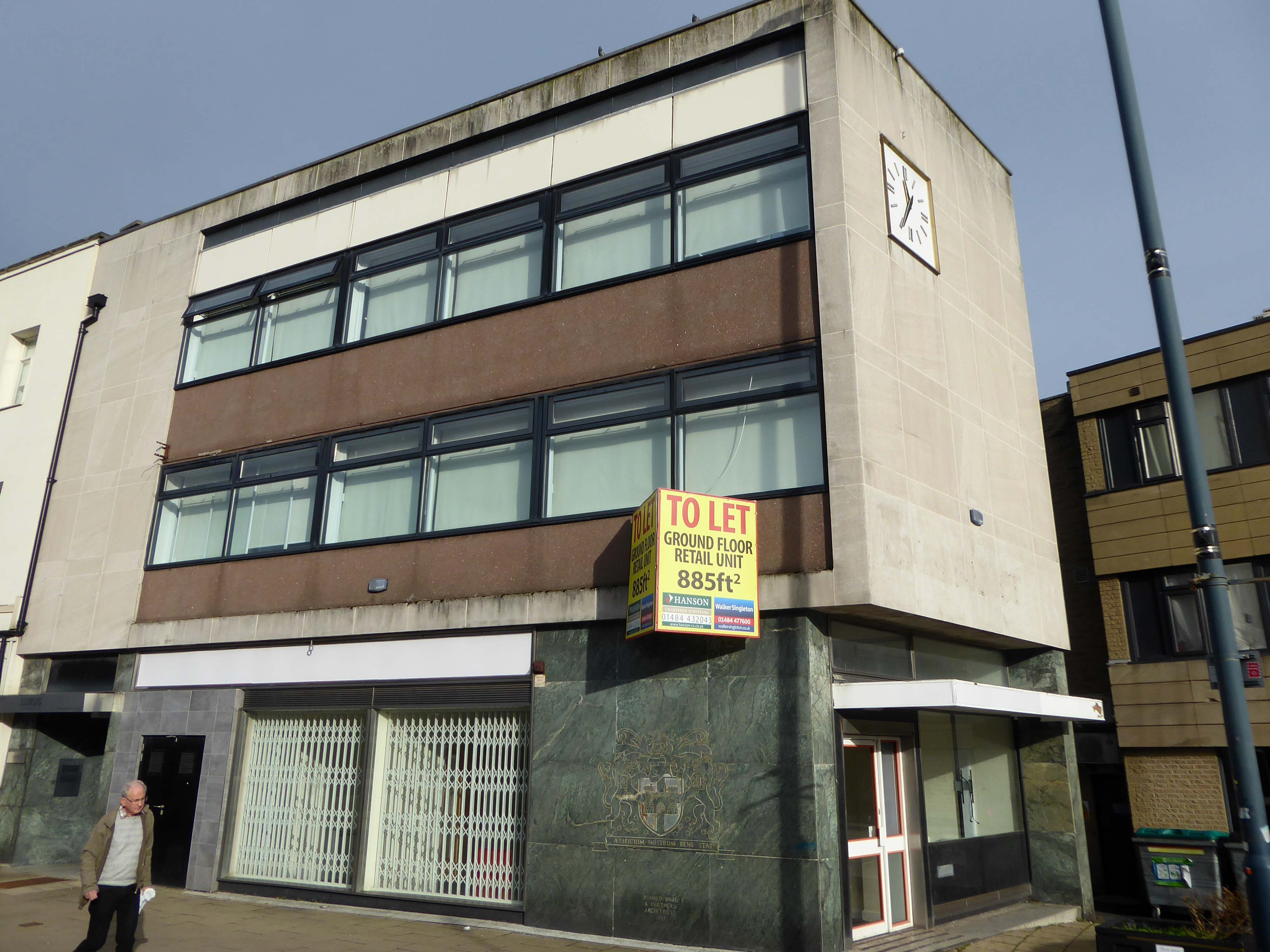
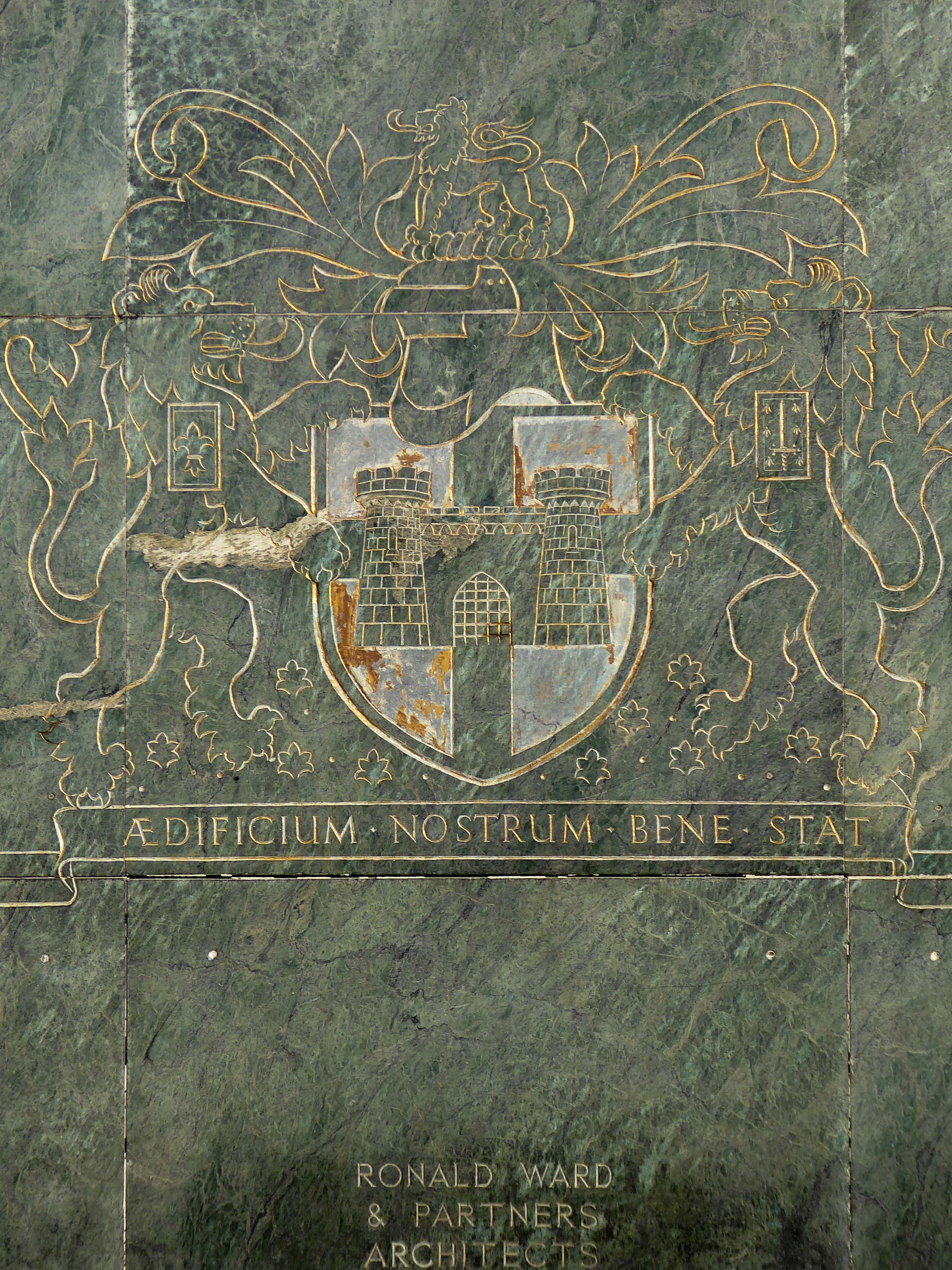
Over the way this diminutive commercial building – with a distinctive rectangular stopped clock and boldly incised gold leaf heraldic device.

Architects: Ronald Ward & Partners.

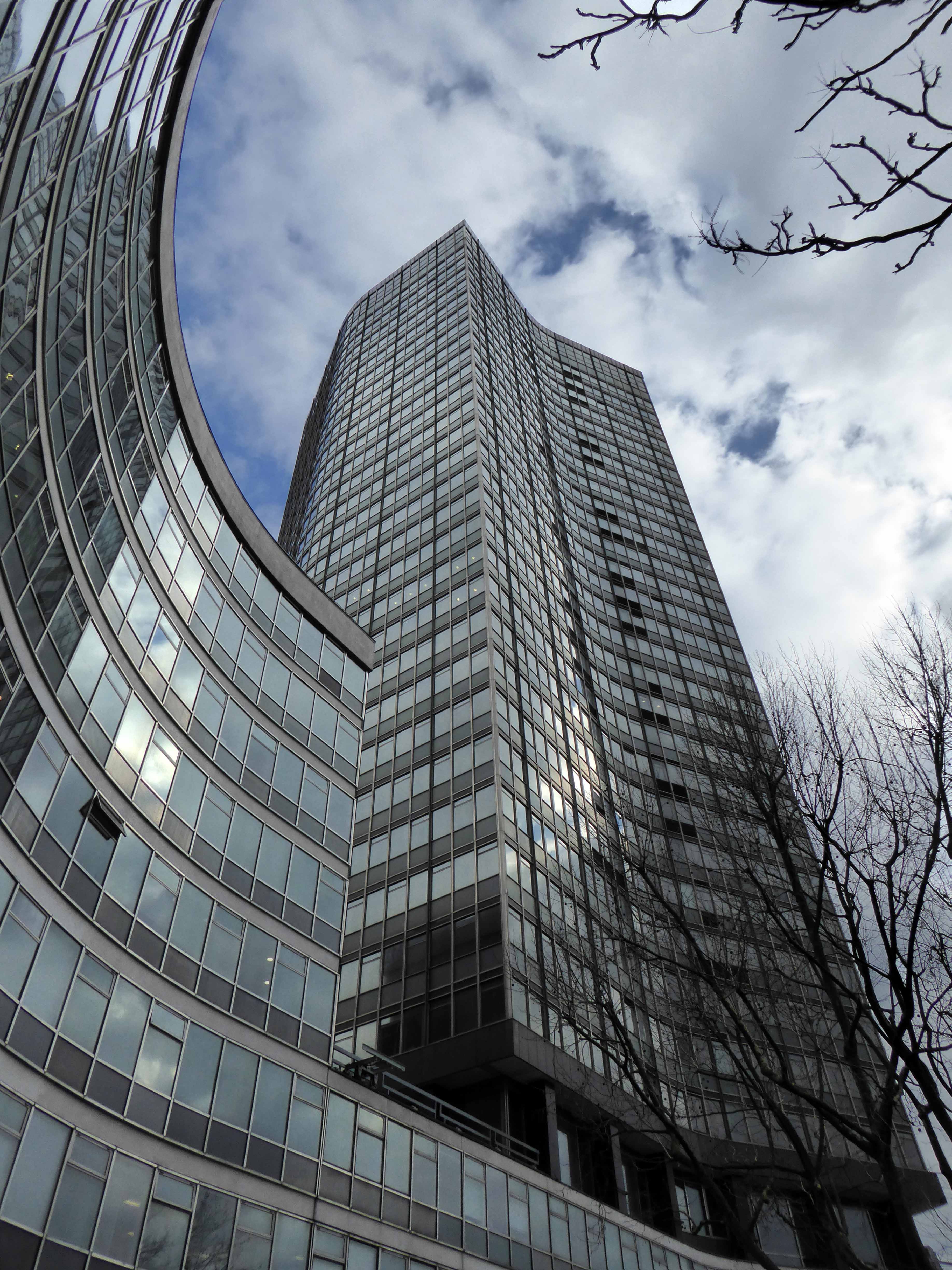
The same crew were also responsible for Millbank Tower

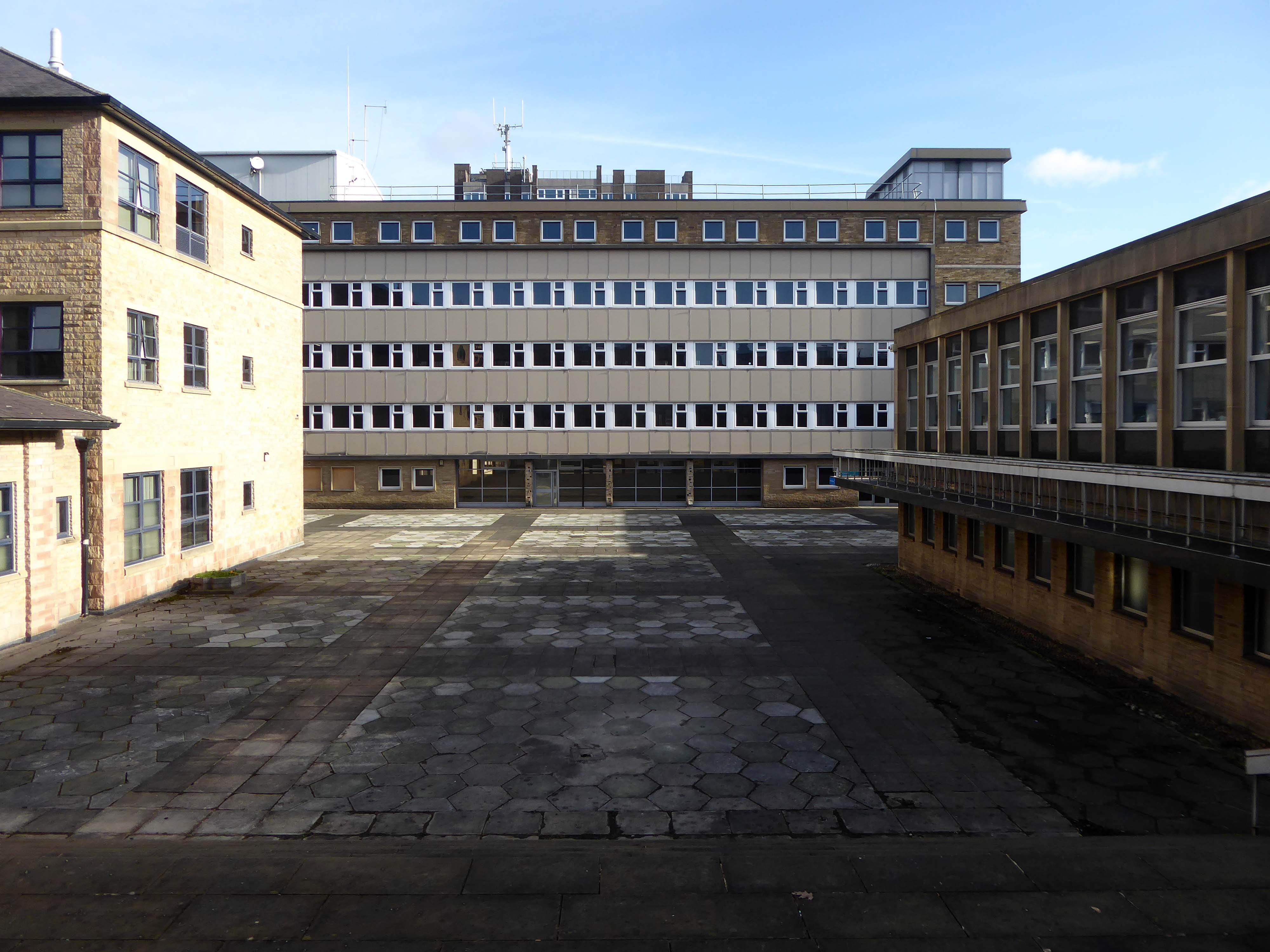
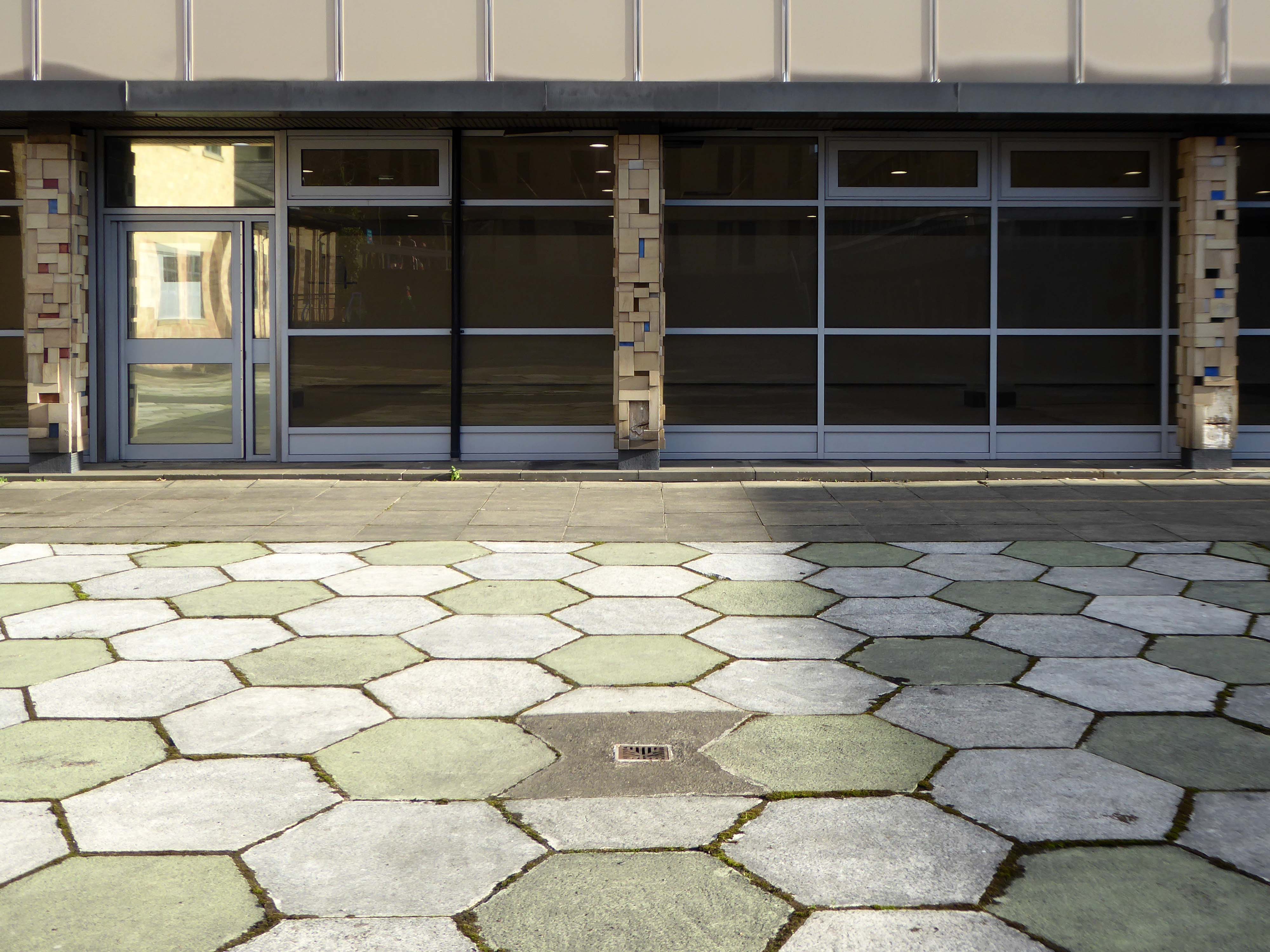
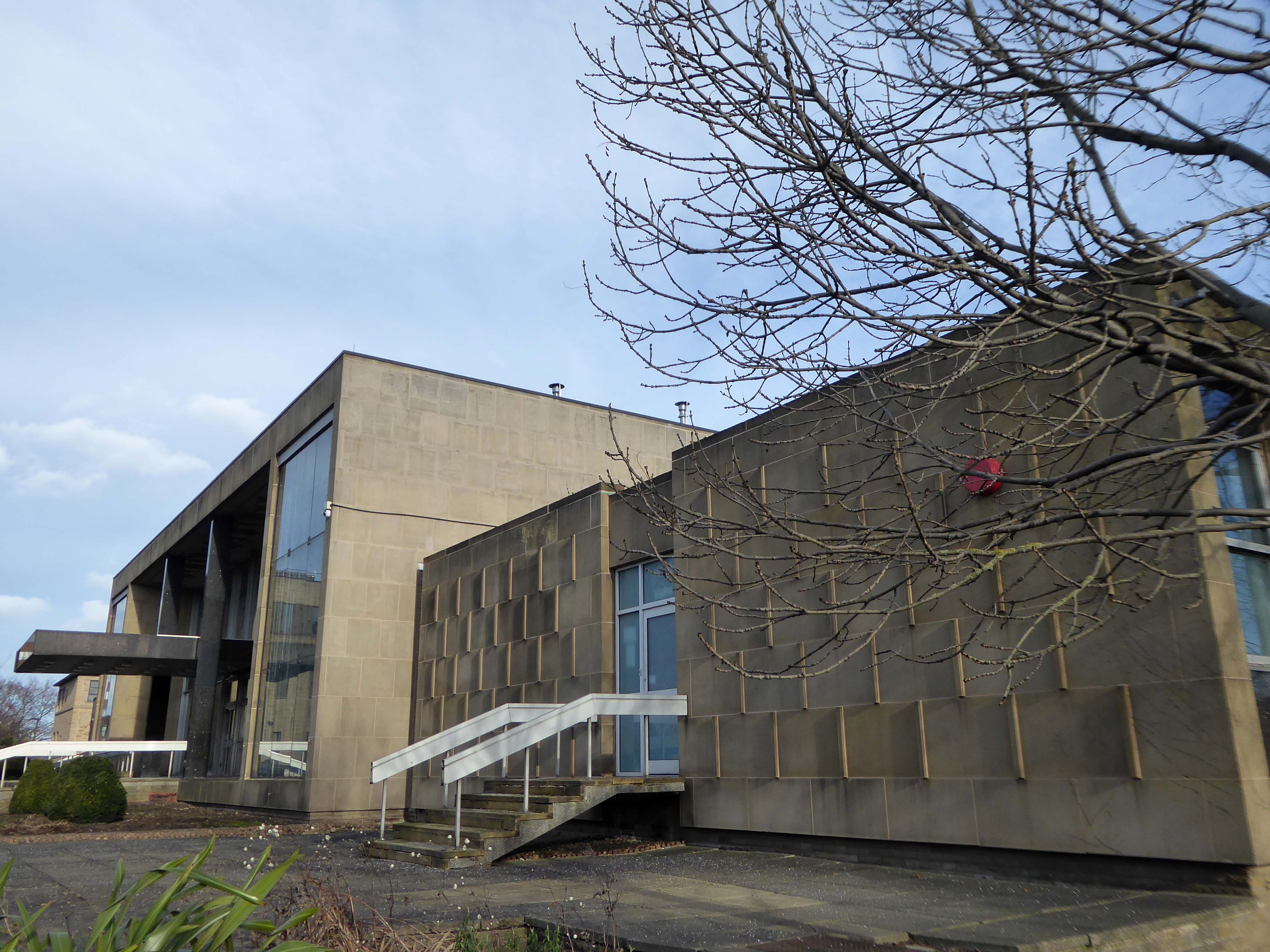
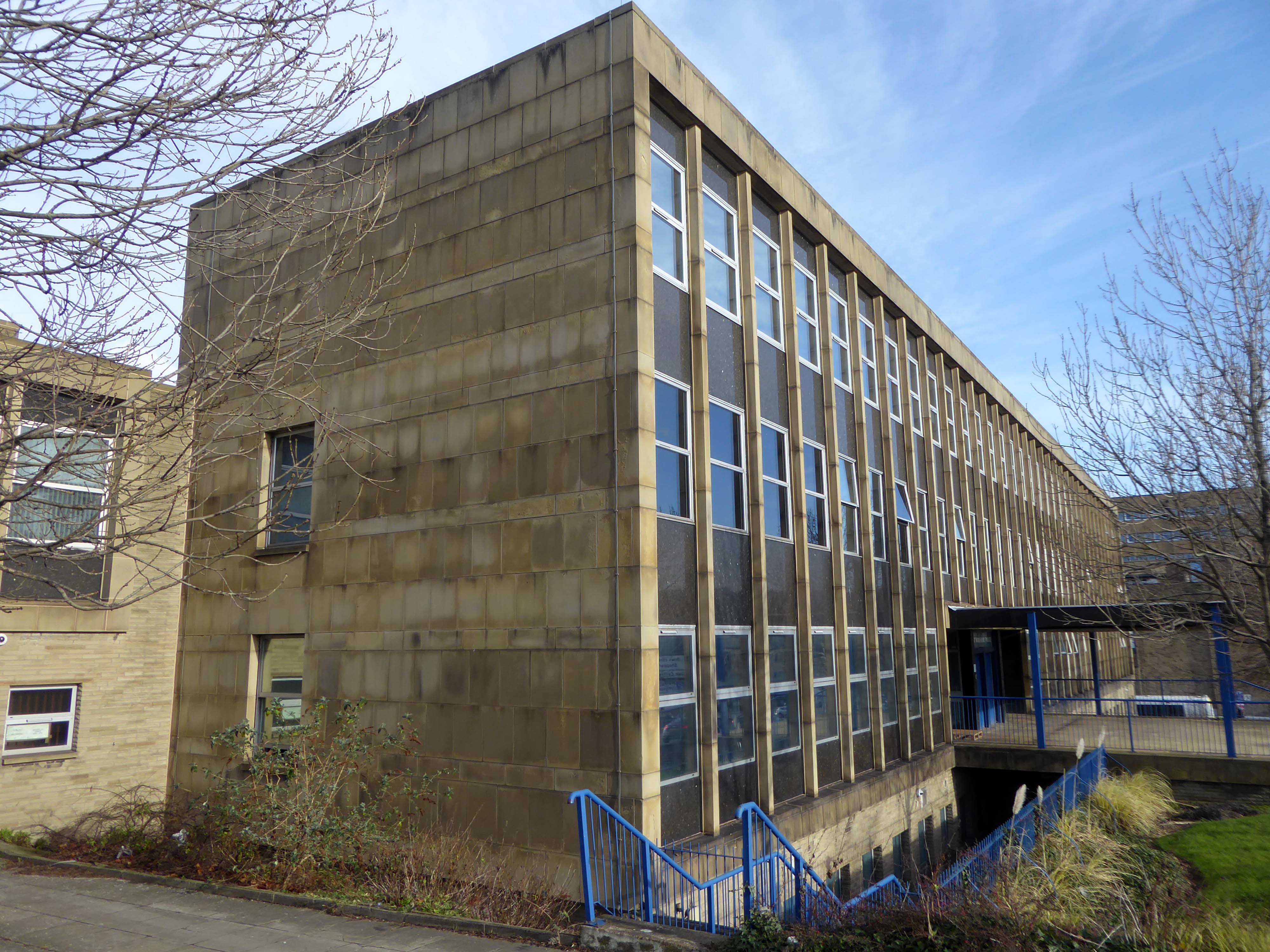
Crossing the road to the Civic Centre and the perennially empty piazza which along with the Magistrates Courts and Police Station was the work of the Borough Architects team – led by Charles Edmund Aspinall.

Walking excitedly toward the Exsilite panels set in the stone faced columns – a brand name for a synthetic, moulded, artificial marble.

Magistrates Courts

Police Station

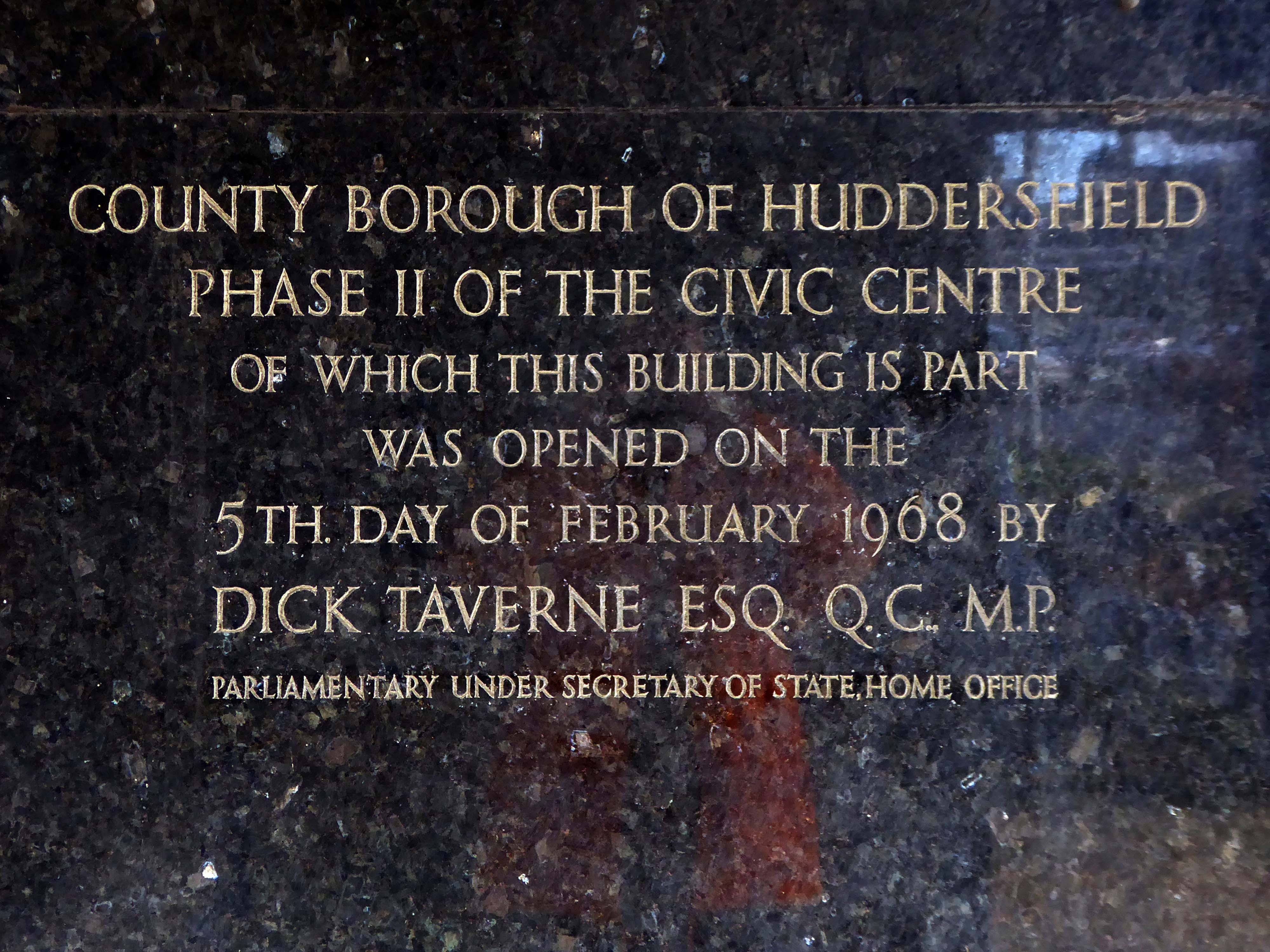
Dick Taverne served under Harold Wilson’s premiership in the 1960s, he served as a Home Office Minister from 1966 to 1968, Minister of State at the Treasury from 1968 to 1969 and then as Financial Secretary to the Treasury from 1969 to 1970.

In 1970, he helped to launch the Institute for Fiscal Studies, now an influential independent think tank and was the first Director, later chairman.

Wikipedia

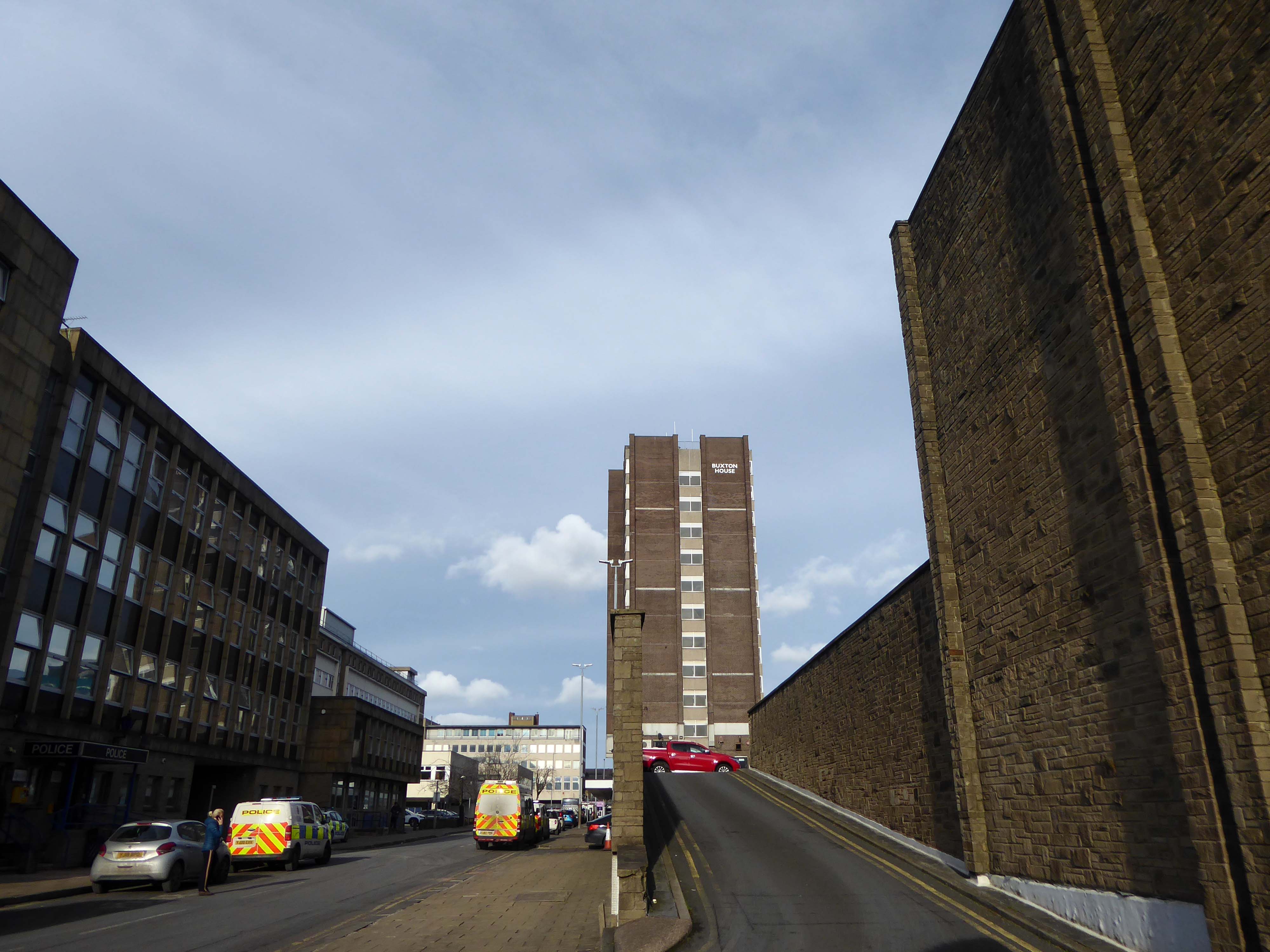
A view up the road to Buxton House – Contractor J Gerrard.

J Gerrard & Sons Ltd’s tender for the contract was £146,210. 

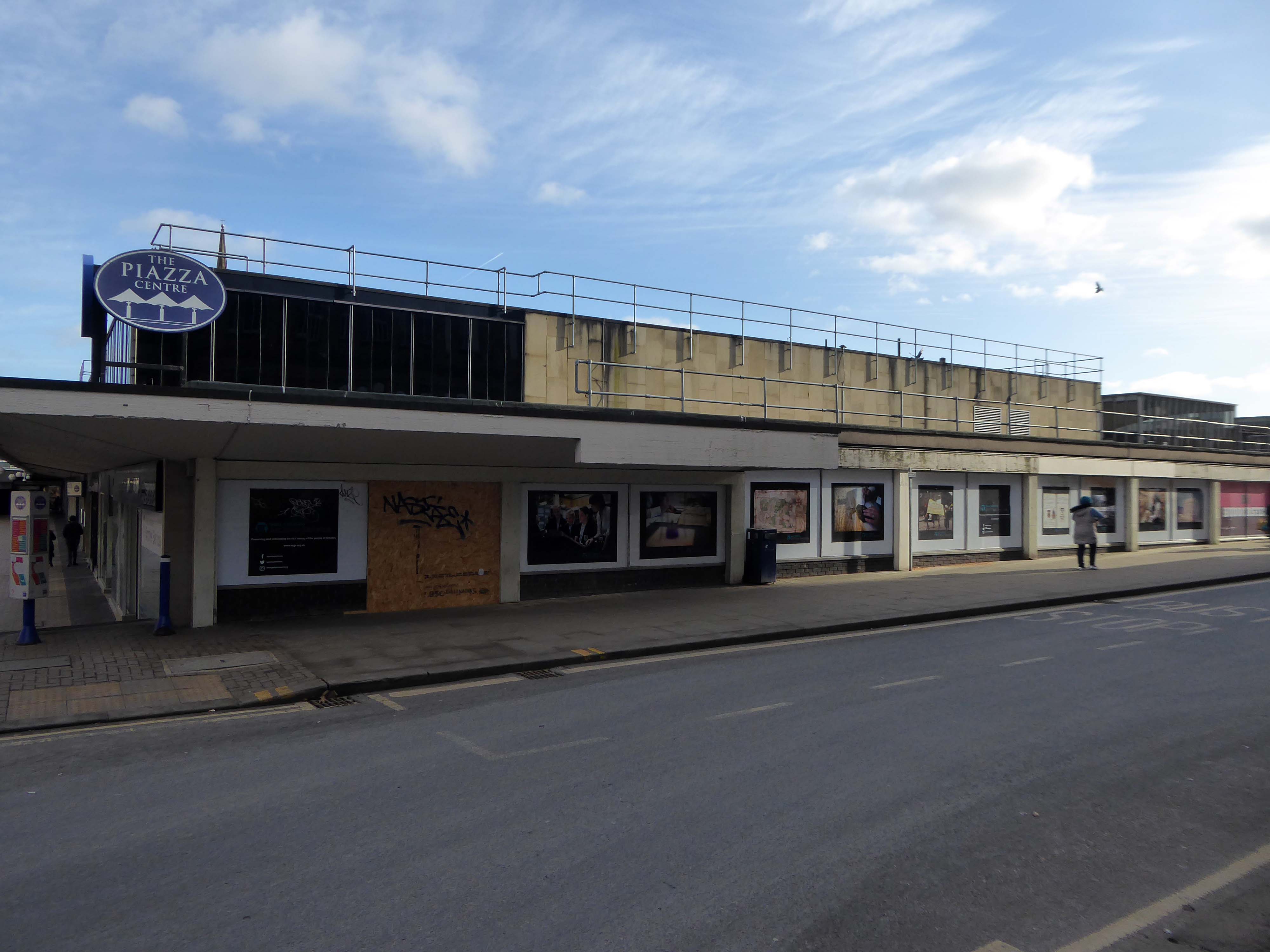
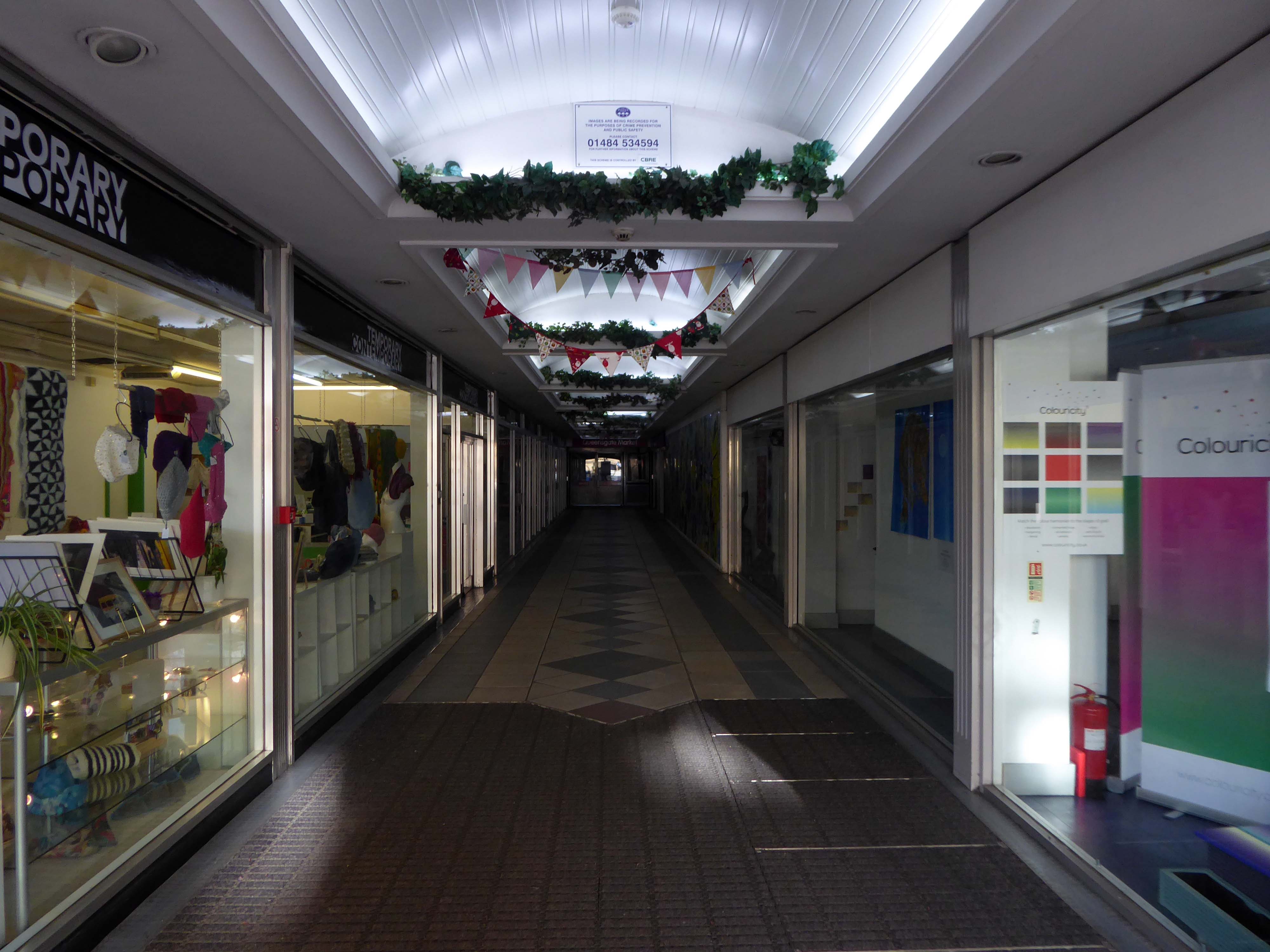
The Queensgate Market and Piazza Centre is at the heart of redevelopment plans.

The vision is to create an inclusive space where families, residents and visitors can enjoy a vibrant mix of music, arts, food and more in one central area, overlooking a stunning new urban park.

Kirklees Together

The Market is currently closed.

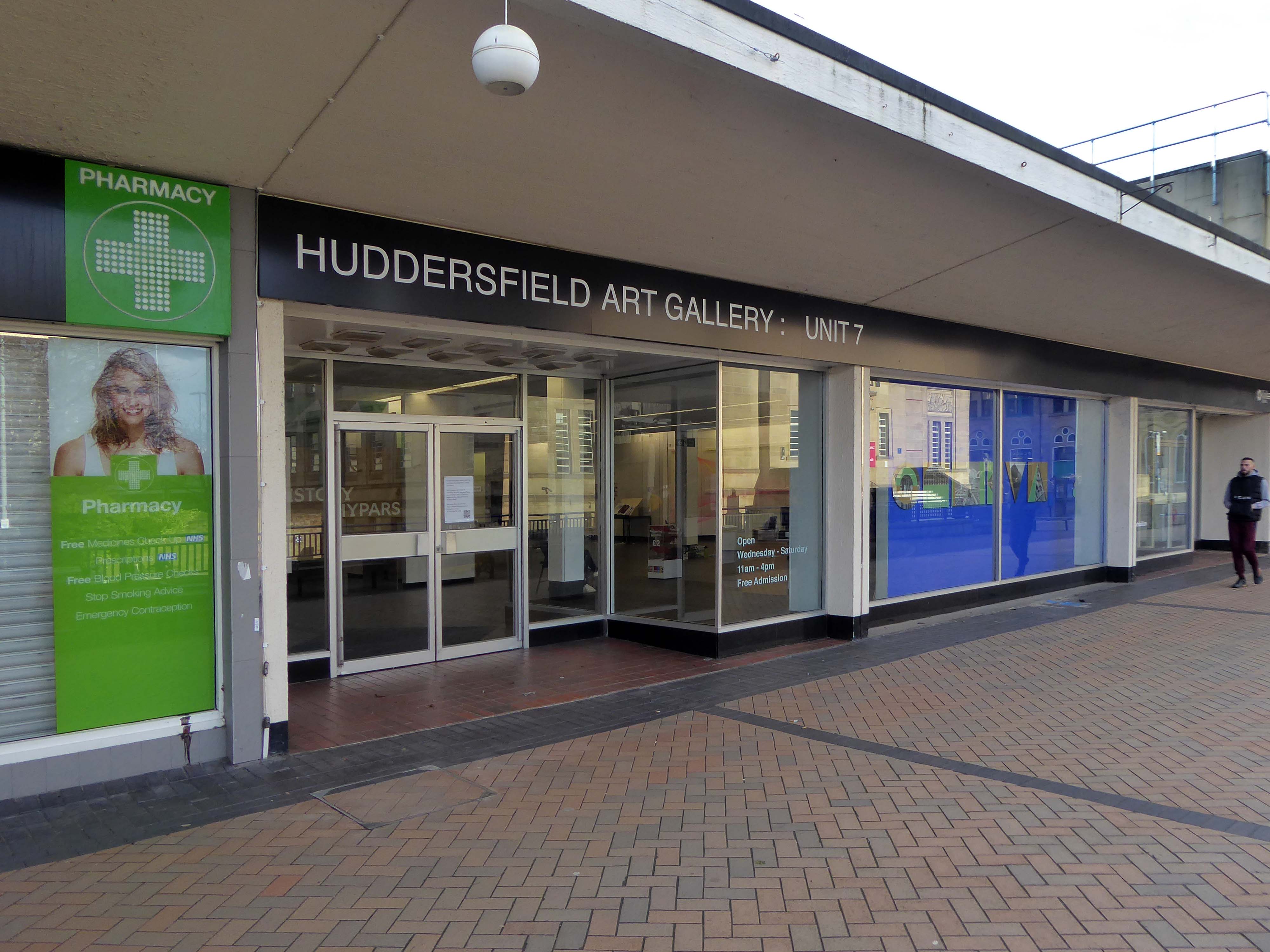
The Piazza repurposed – currently housing the regeneration exhibition.

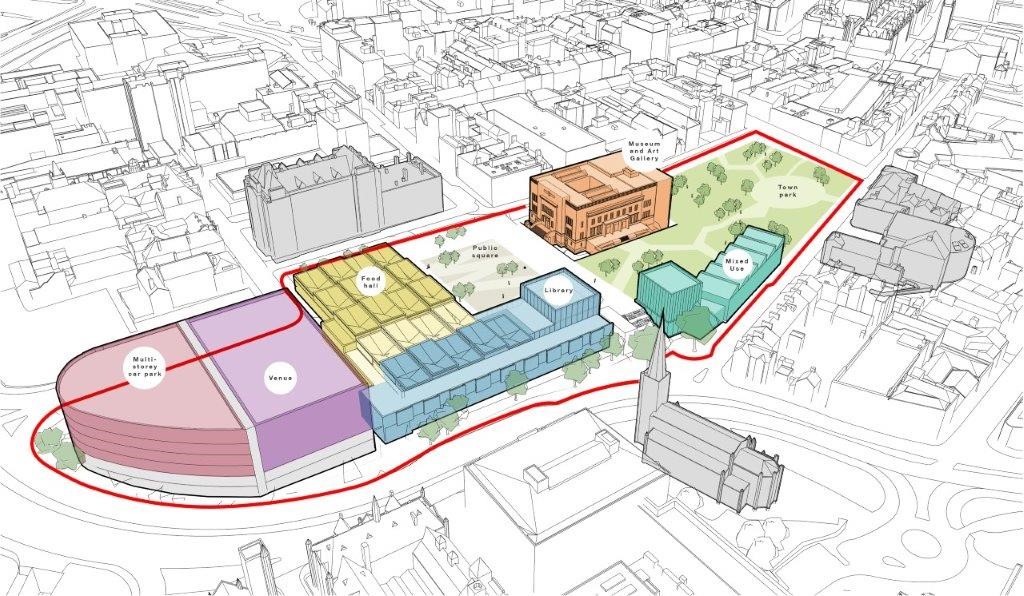
The council plans to demolish the Piazza Centre and create a new events/live music venue, a food hall, a museum and art gallery, a new library and a new multi-storey car park, all centred around a new Town Park.

Huddersfield Hub

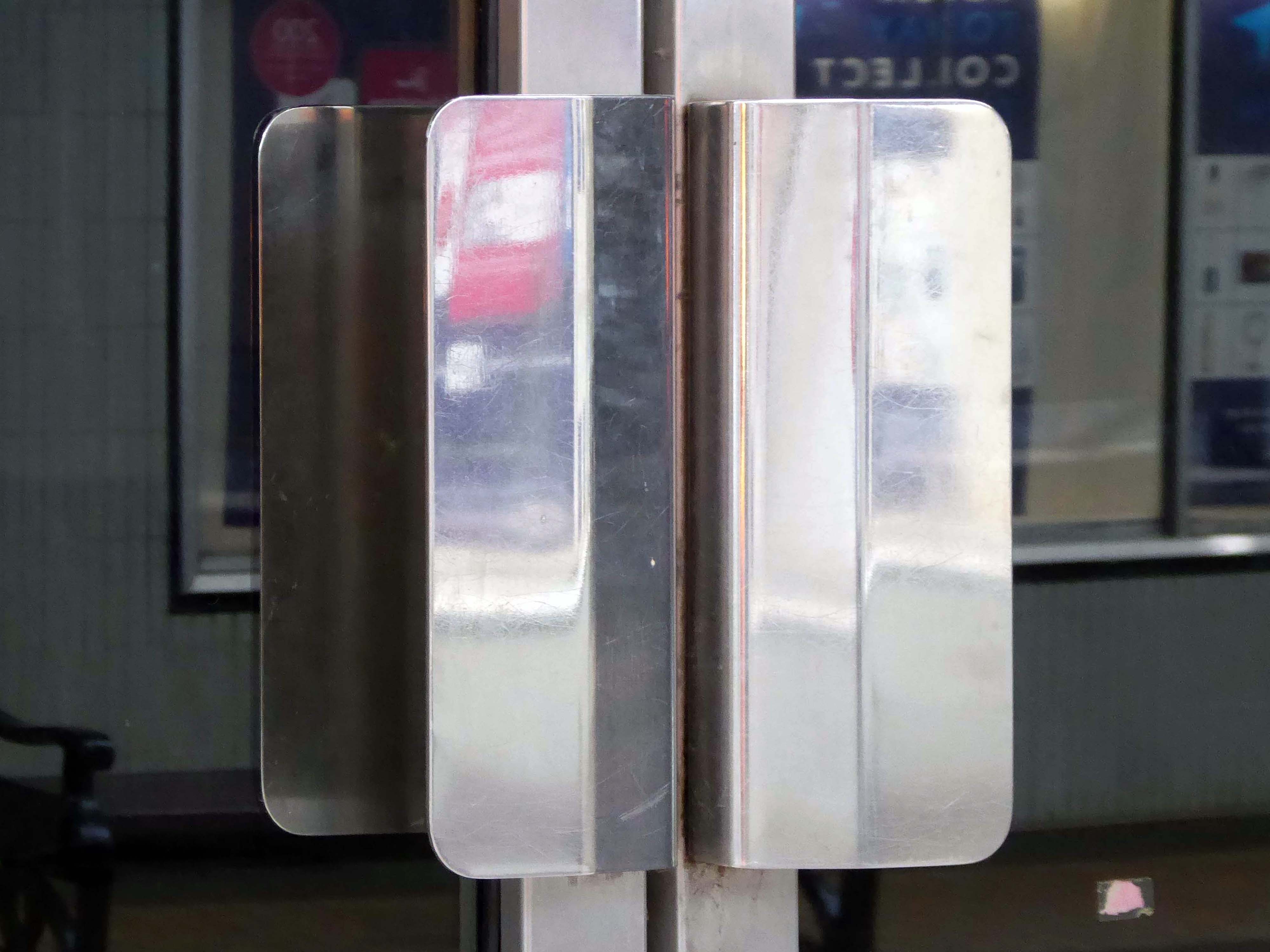
I do hope that the decorative panels and door handles survive.

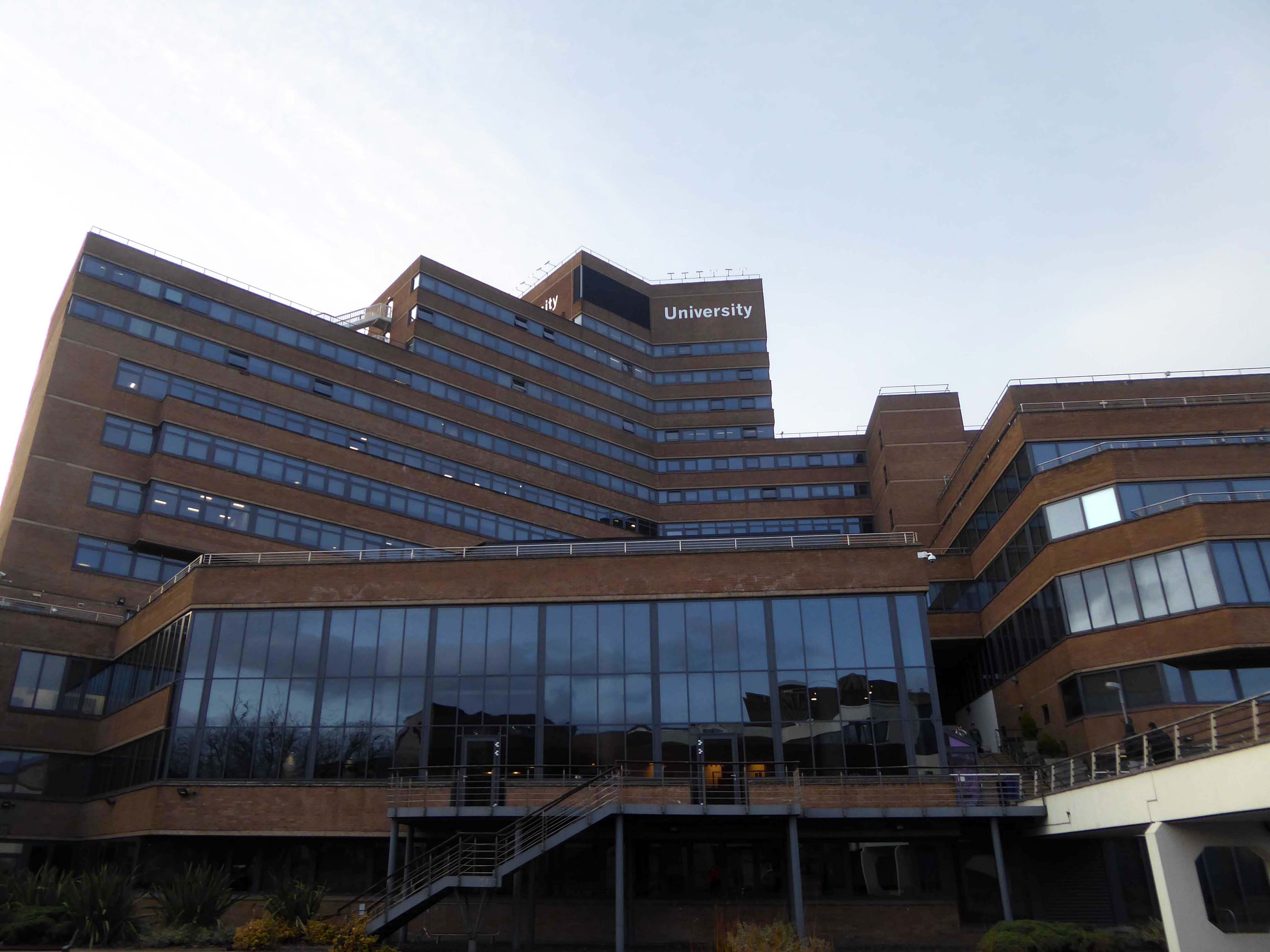
Wandered around the University Campus as the light faded.

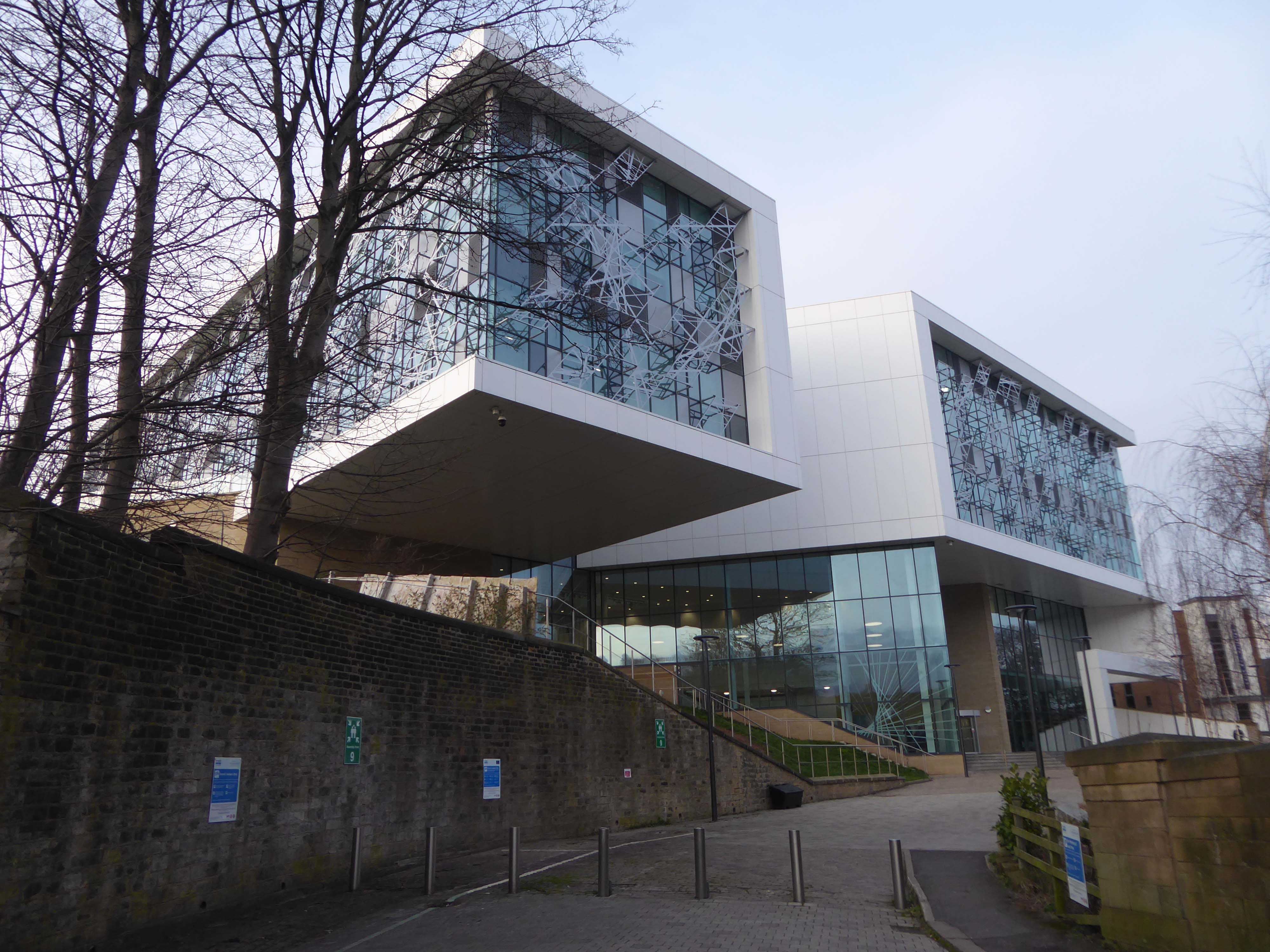
Barbara Hepworth Building Architects: AHR

Named after one of the Twentieth Century’s finest artists, the space nurtures a new and inspired generation of designers. Through visual and physical connection, the environment encourages students to work together, stimulating communication and ingenuity, the ingredients of successful collaboration.

Take that to the bank/s

Keep savin’, keep buildin’
That interest for our love
Take that to the bank
Keep savin’, keep buildin’
That interest for our love
Take that to the bank

Shalamar

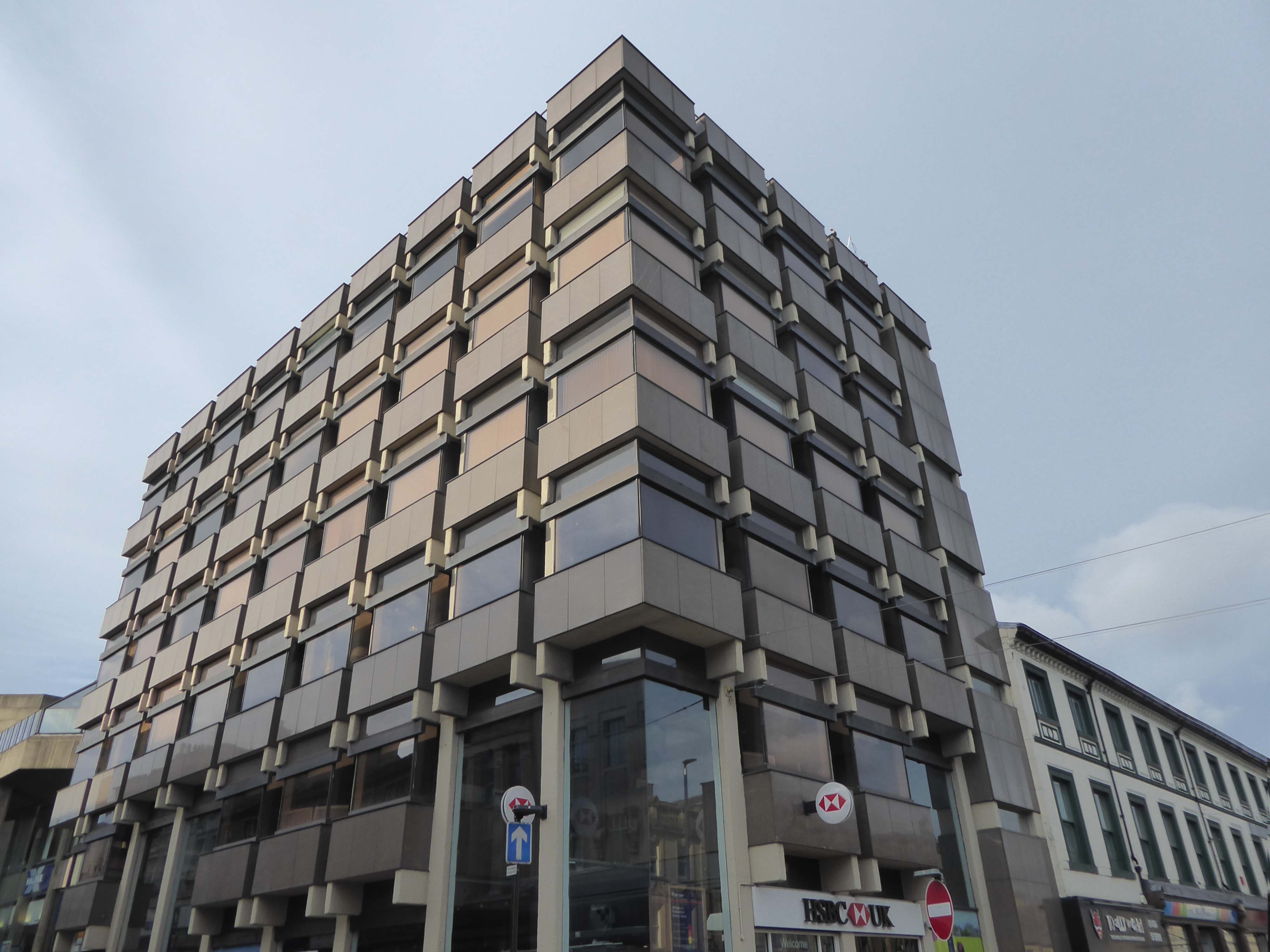
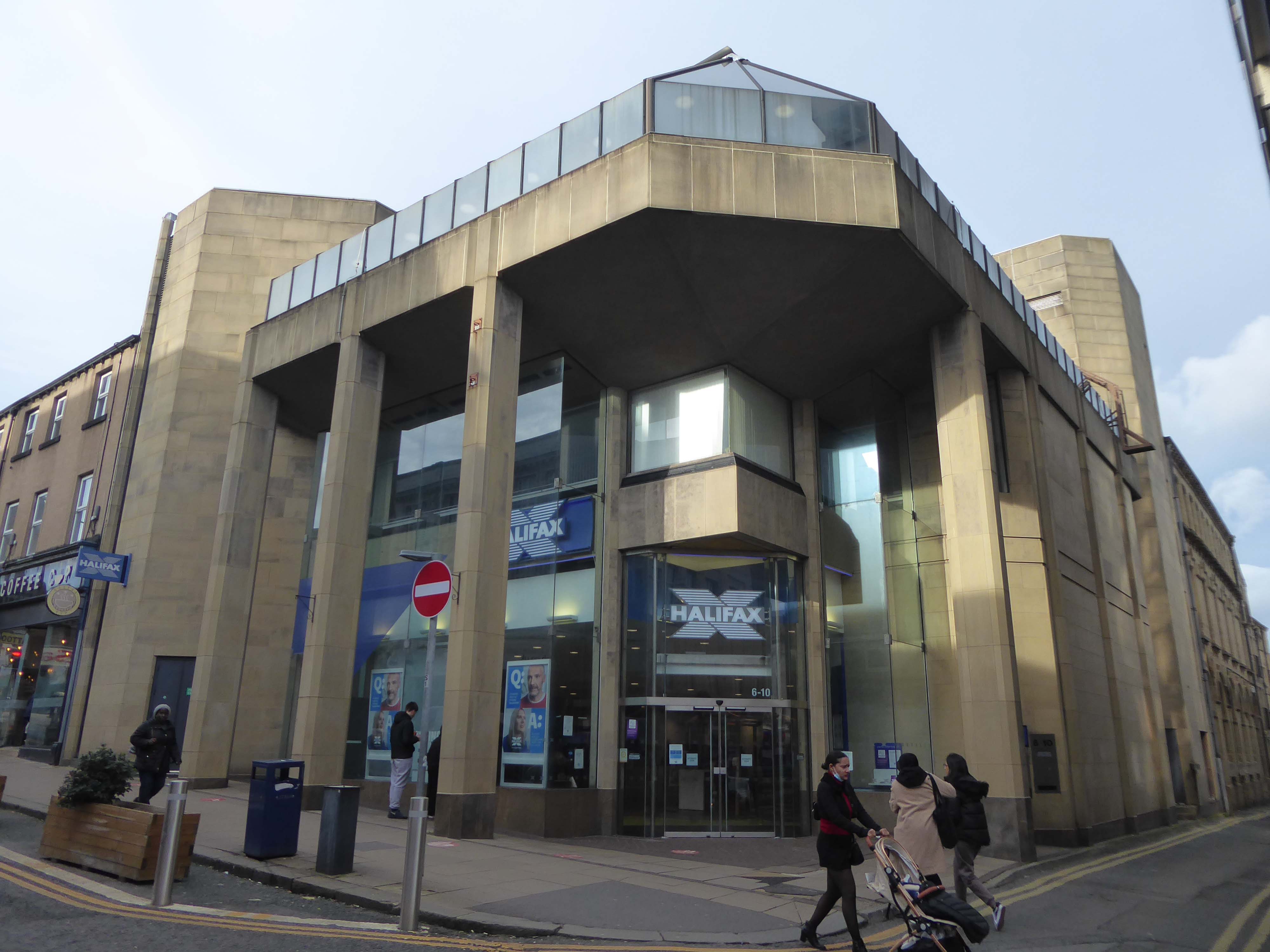
HSBC was designed by Peter Womersley, who also designed the thoroughly modern private house, Farnley Hey, near Castle Hill, which won the RIBA Bronze Medal in 1958.

Halifax Building Society

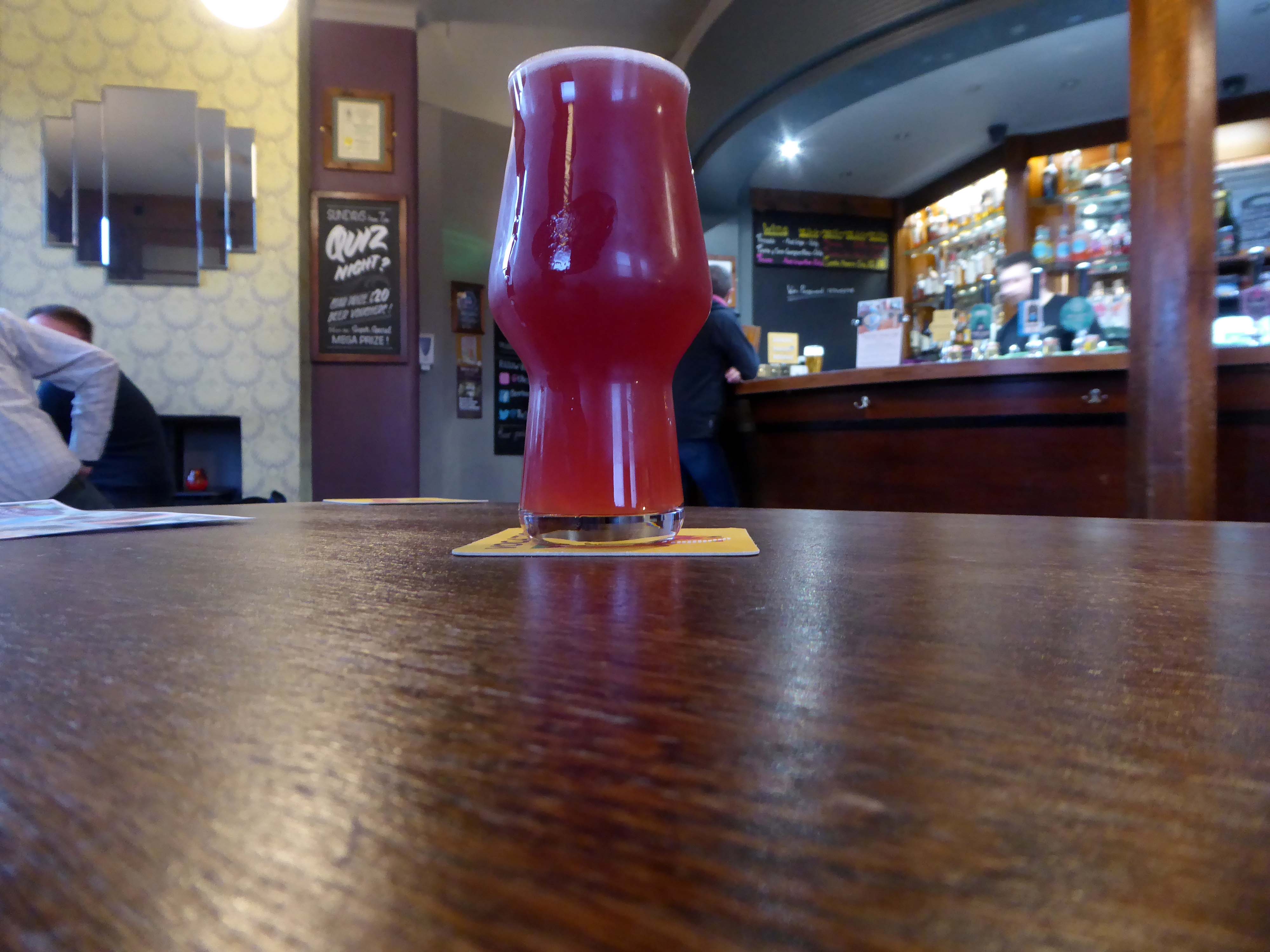
Having walked around town for more hours than enough I sought respite in The Sportsman and a glass of Squawk multi-berry fruited sour

St John The Baptist RC – Rochdale 2022

I was last here in 2020 – made ever so welcome in this Byzantine cathedral like church.

The apsed sanctuary is completely covered in a mosaic scheme with the theme Eternal Life designed by Eric Newton. Newton was born Eric Oppenheimer, later changing his surname by deed poll to his mother’s maiden name. He was the grandson of Ludwig Oppenheimer, a German Jew who was sent to Manchester to improve his English and then married a Scottish girl and converted to Christianity. In 1865 he set up a mosaic workshop, (Ludwig Oppenheimer Ltd, Blackburn St, Old Trafford, Manchester) after spending a year studying the mosaic process in Venice. Newton had joined the family company as a mosaic craftsman in 1914 and he is known to have studied early Byzantine mosaics in Venice, Ravenna and Rome. He later also became art critic for the Manchester Guardian and a broadcaster on ‘The Critics’. Newton started the scheme in 1932 and took over a year to complete it at a cost of £4,000. It had previously been thought that he used Italian craftsmen, but historic photographs from the 1930s published in the Daily Herald show Oppenheimer mosaics being cut and assembled by a Manchester workforce of men and women. It is likely, therefore, that the craftsmen working on St John the Baptist were British.

Historic England

There had, as ever, been issues with the structure, water ingress and such, given several flat roofs and a temperamental ferro-concrete dome.

Happily, a successful Lottery Heritage Fund grant has covered the cost of two phases of repair to the physical fabric.

Thanks to the Parish Team, for once again making us all feel so welcome, and thanks also for their efforts in securing the finances which have made the restoration possible.

We were all issued with our hard hats and hi-vis at the comprehensive and informative introductory talks.

Followed by a detailed explanation of the mosaic work being undertaken by Gary and his team from the Mosaic Restoration Company.

This involves skilfully cleaning the whole work, whilst repairing and replacing any damaged areas.

We were then privileged to ascend the vast scaffold, the better to inspect the work up close and personal.

And this is what we saw.

Many thanks again to our hosts, the contractors and all those involved with this spectacular undertaking.

Housing – Cwmbran

Here we are again in Cwmbran having previously visited Monmouth Square and Taliesin.

The Masterplan, produced for the Cwmbran Development Corporation by Minoprio & Spencely & Macfarlane in 1950 – image from the Gwent Archives

Royal Commission

Cwmbran was founded in 1949 as a new town, to provide new employment opportunities in the south eastern portion of the South Wales Coalfield, but the area has a long history.

We shall now explore the housing framed by the railway and shopping centre.

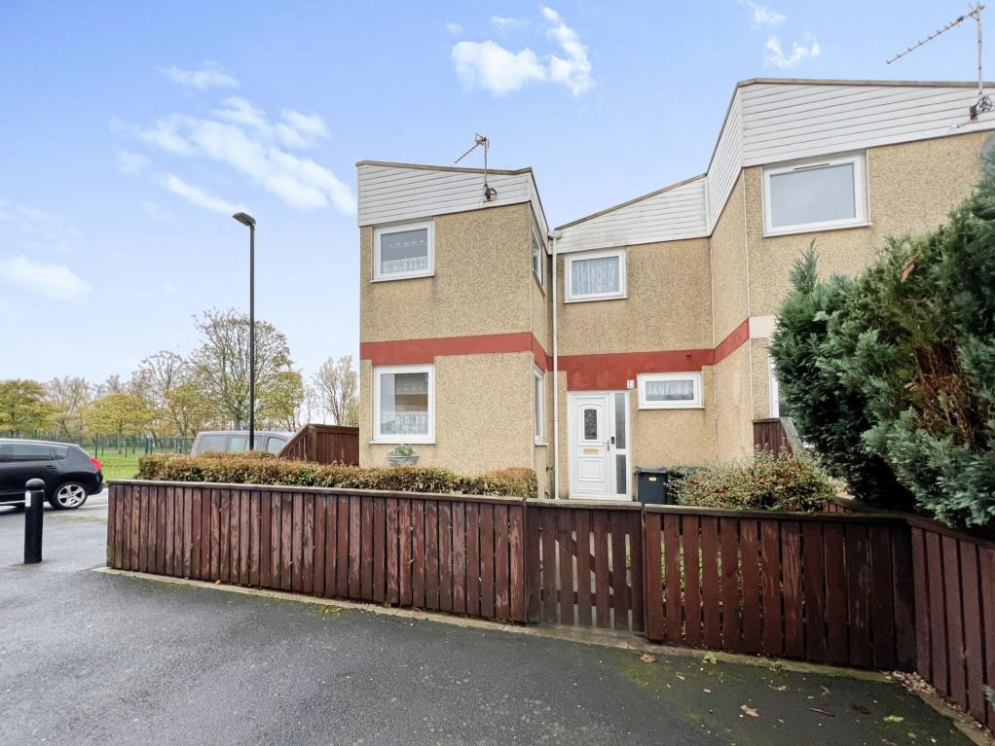
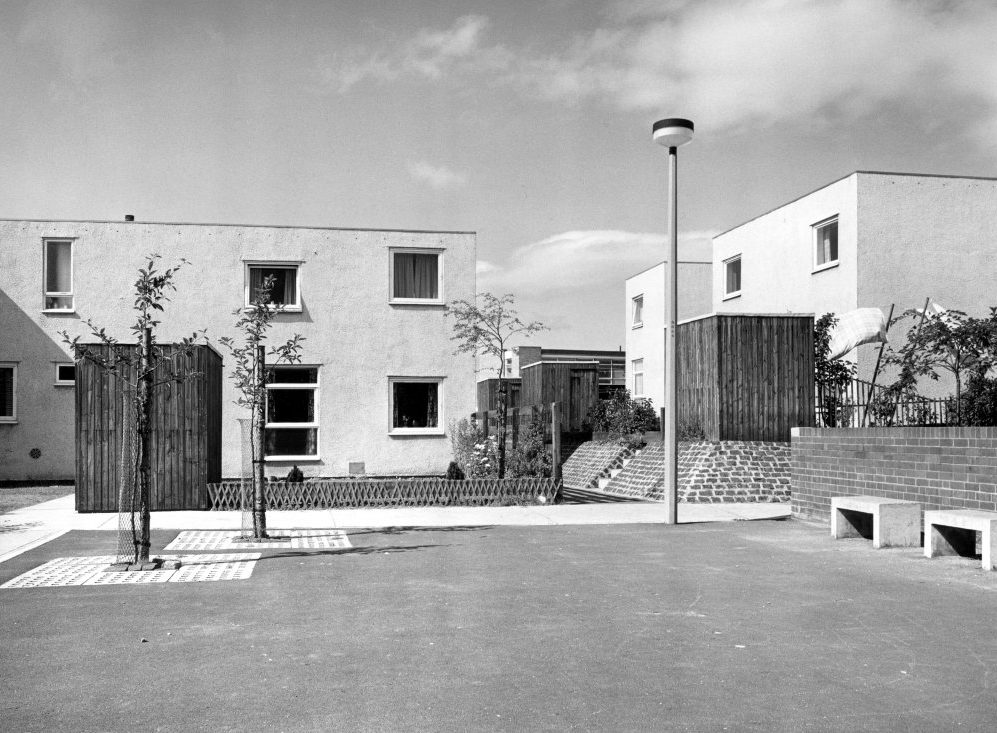
From Cleeve Barr’s Public Authority Housing – published in 1958.

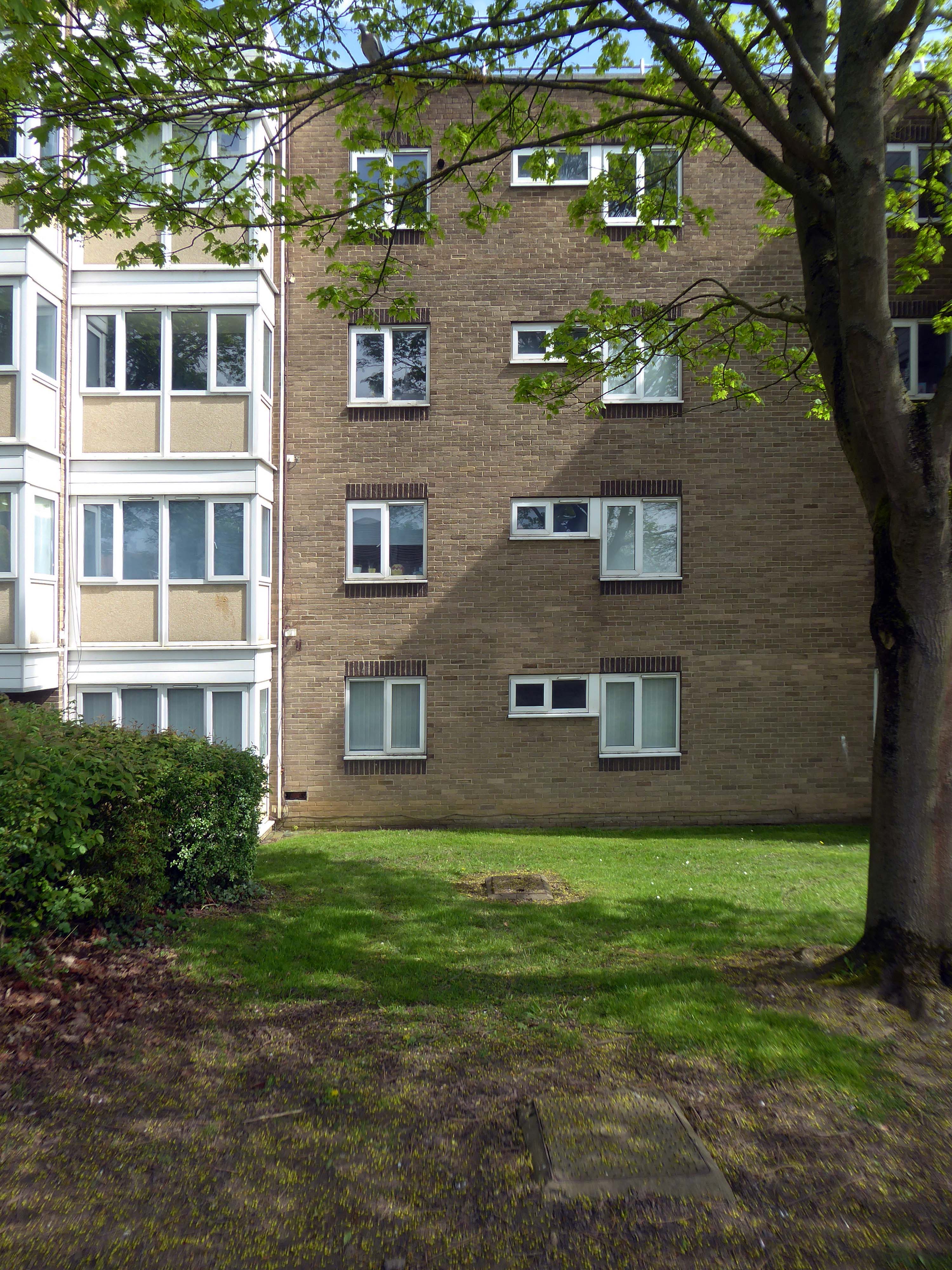
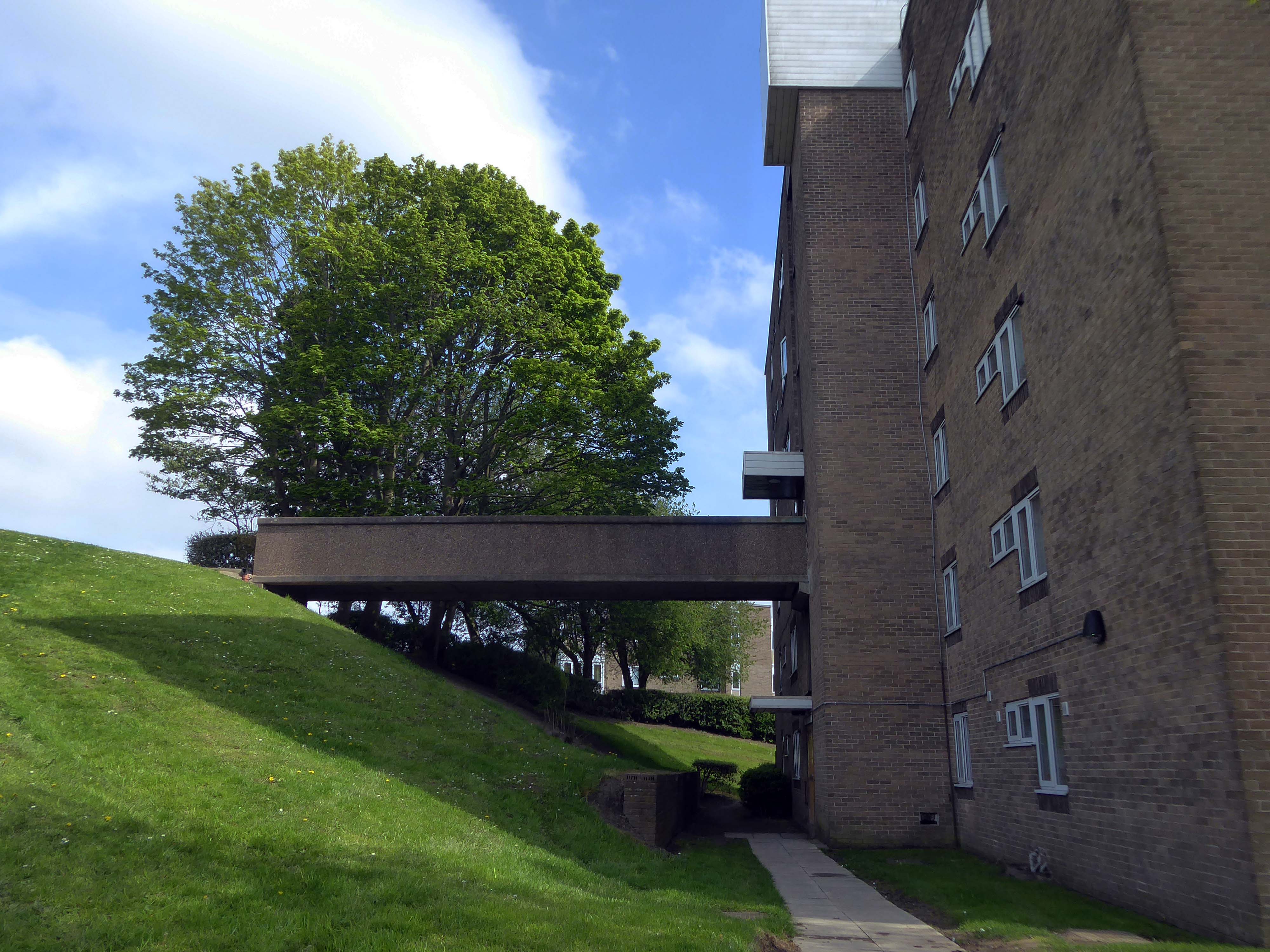
A mix of pedestrianised terraces and low rise blocks, set in a loose grid of roads and rolling, tree-lined, grassed areas.

Over time there has been the addition of uPVC and the revisionist intrusion of the ahistorical carriage lamp.

Incidentally an area with more al fresco shopping trolleys than I had ever seen, I assume that the big Asda, located within walking distance of the homes, to be the progenitor of such a notable proliferation.

It remains, generally speaking a well kept lived in area – let’s take a look.

Central Retail Park – Ancoats Manchester

We have been here before – before the wrecking ball.

Subsequently, the tills have long since ceased to ring.

The road to redevelopment is paved with good intentions, and so far a profound lack or realisation.

The local folk objected to the planned luxury offices.

Tomorrow Manchester City Council’s Executive is set to approve the development framework for the former Central Retail Park that will see it turned into a zero carbon office district. But, according to a public consultation carried out by grassroots campaigners, an overwhelming majority of locals want public spaces on the 10.5 acre site in Ancoats rather than luxury offices.

The Meteor October 2020

As of April 2022 Trees Not Cars have sought the views of local representatives following the decision not to go ahead with the building of a multi-storey car park

What we need are councillors who will stand up for us and push for as much green space as possible at Central Retail Park development.

It’s council owned, it would link in well with Cotton Field Park and will give the capacity for locals to enjoy the outdoors – without driving, once New Islington Green has been developed into offices.

Trees Not Cars April 2022

There is a perennial plea for affordable homes and green space, along with perennial structural and institutional barriers to their financing and building.

Place North West 2019

The circle between the developers, landowners, local authority and central government stubbornly refuses to be squared.

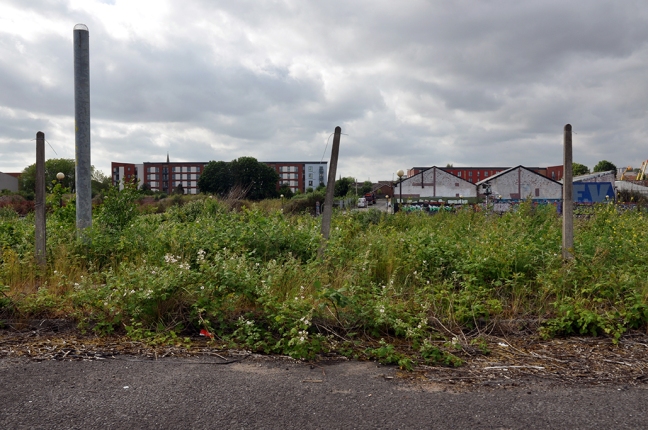
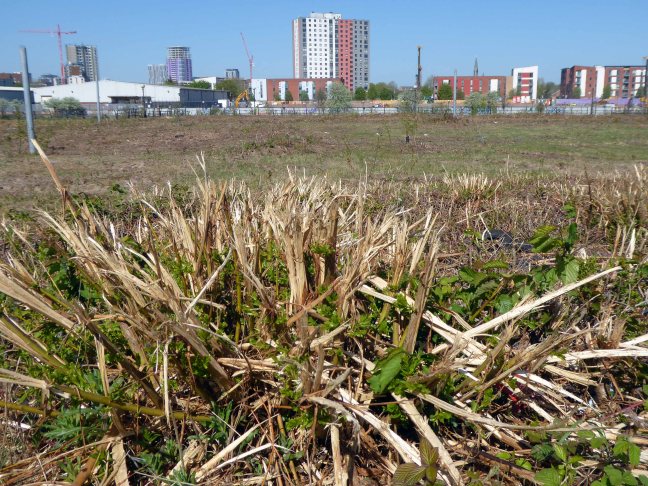
As of 20th September 2022 the land remains derelict – currently the domain of wayward taggers, spray-can jockeys and homemade mini-ramp skaters.

A concrete rectangle dotted with Buddleja davidii  – surrounded by Manctopia and main roads.

BISF Prefabs Wadsworth Lane – Hebden Bridge

Wadsworth Lane Hebden Bridge HX7 8DL

Calderdale is awash with non-traditional housing as can be seen on this site:

Non-traditional housing in Calderdale

The Second World War brought an even greater demand for the rapid construction of new dwellings. In addition to the need to rebuild homes damaged as a result of the war, the Government had other objectives that were set out in a white paper in 1945, to provide a separate dwelling for any family who wanted one and to complete the slum clearance programme started before the war. After the Second World War there was a surplus of steel and aluminium production, and an industry in need of diversification. These factors drove the move towards the use of prefabrication, as a result many new varieties of concrete, timber framed and steel framed systems emerged. Whilst most systems were intended to provide permanent or long-term housing a few were intended only as emergency or temporary solutions.

The homes on Wadsworth Lane are BISF Type A1 – designed by architect Frederick Gibberd and engineer Donovan Lee.

Manufactured by British Iron & Steel Federation and British Steel Homes Ltd.

Over 34,000 three-bedroom semi-detached houses and 1048 terraced houses were erected across England, Scotland and Wales.

Northolt

Non Standard House

We have encountered the very same houses in Tin Town Wythenshawe

I walked up Wadsworth Lane in 2021.

I walked past again in 2022 – the home appear to be in good health, many improved or extended, yet retaining at least a little of their heritage.

They are lived in and loved.

Leo Fitzgerald House – Dublin

Leo Fitzgerald House Hogan Place Erne Street Upper Dublin 2

The second post featuring the work of Herbert Simms following on from O’Carroll Villas.

These homes were named for Civil War hero Leo Fitzgerald.

London born Herbert George Simms was responsible for the building of some 17,000 new working class dwellings in his time in office as Dublin’s pioneering Housing Architect, ranging from beautiful Art Deco flat schemes in the inner-city to new suburban landscapes.

Freestanding L-plan multiple-bay four-storey social housing block, built c. 1940, having attached stairs tower to east elevation. Flat roof concealed behind rendered parapet with concrete coping, and having rendered chimneystacks with concrete copings and clay pots. Flemish bond brown brick and rendered walls. Square-headed window openings with rendered surrounds and sills, and replacement uPVC windows. Square-headed door openings with rendered surrounds and timber doors to galleries. Square-headed door opening in attached stairs tower with mild-steel double-leaf gate, concrete platform and steps.

Statue of Sacred Heart to south elevation.

Buildings Of Ireland