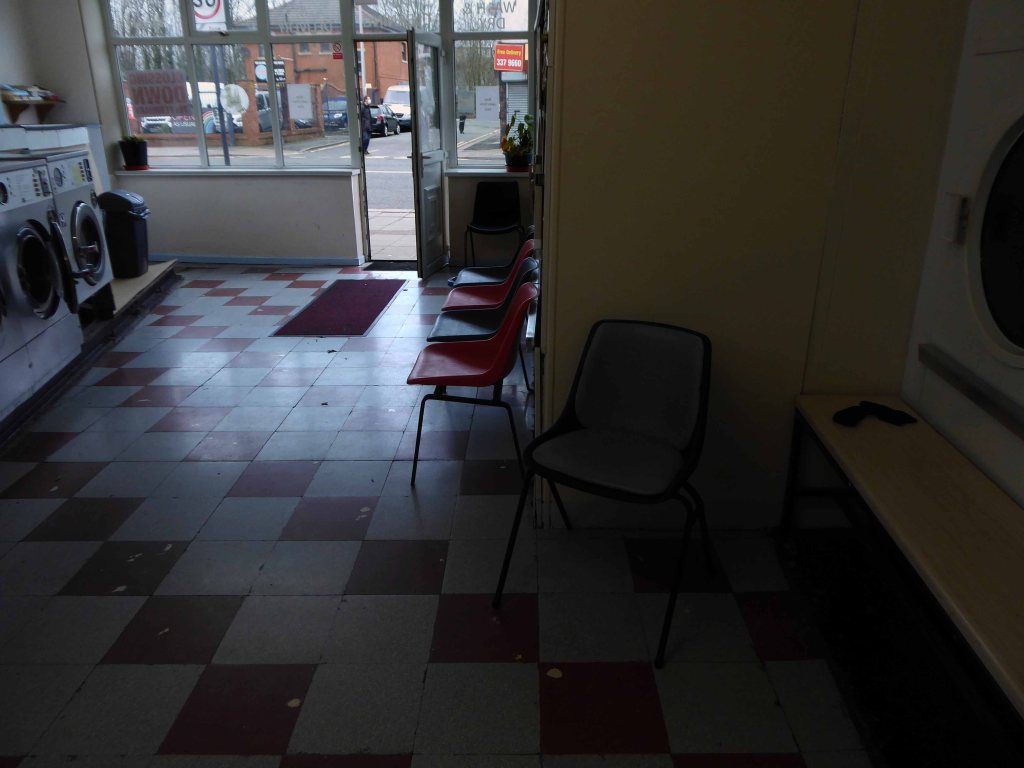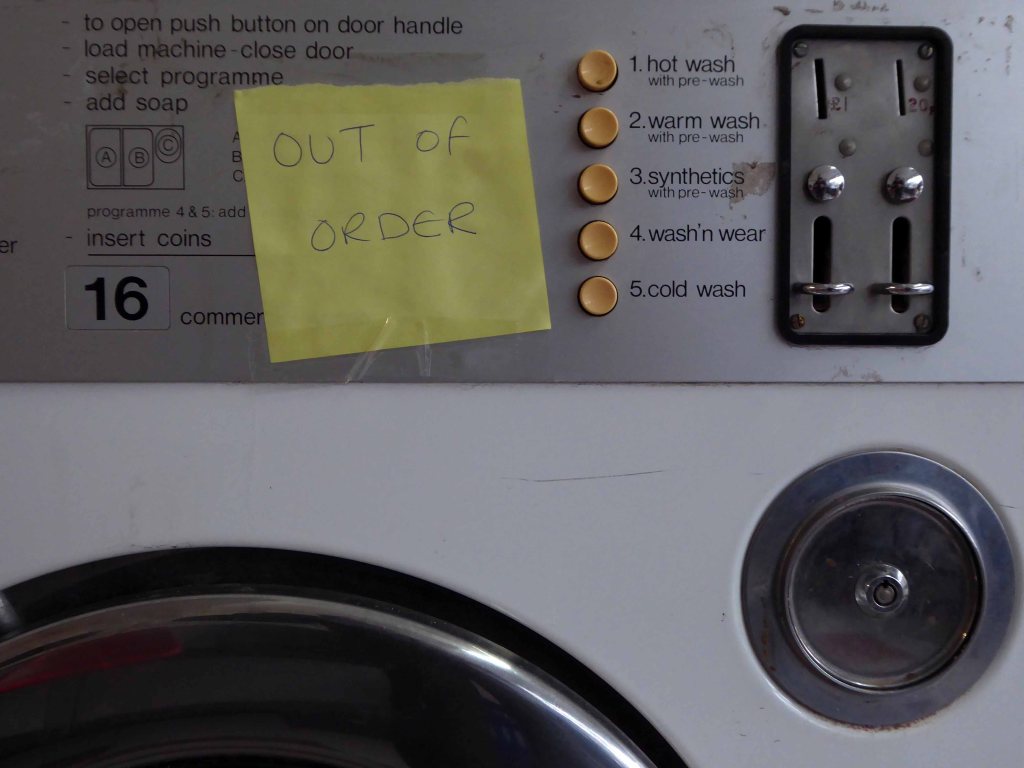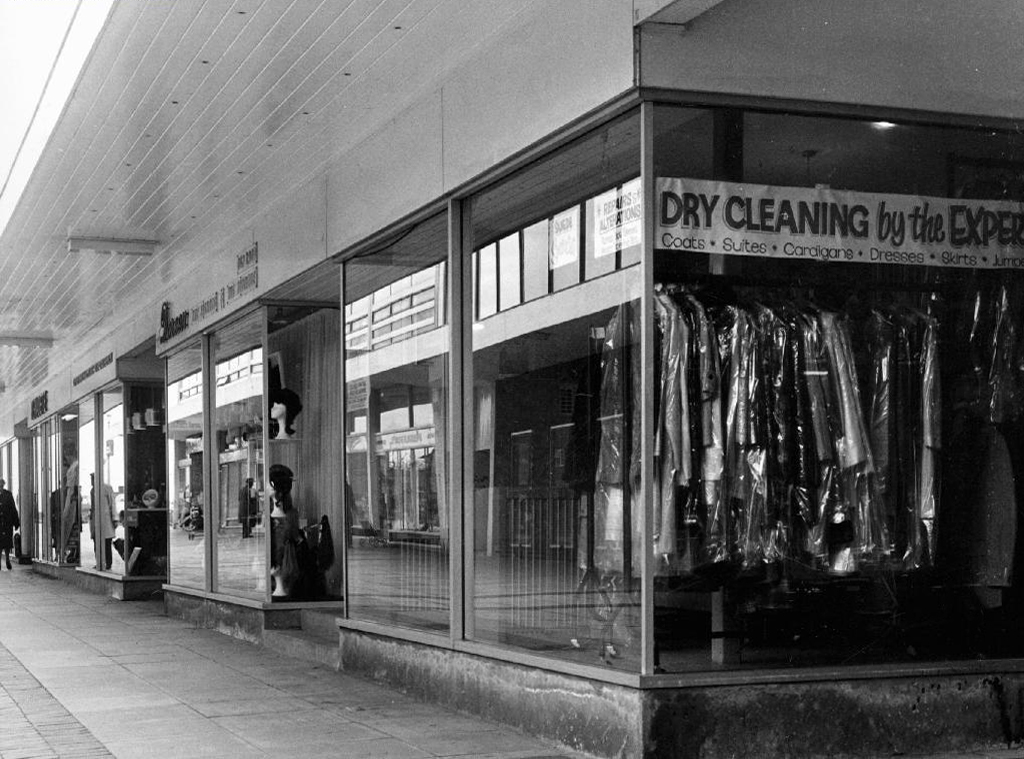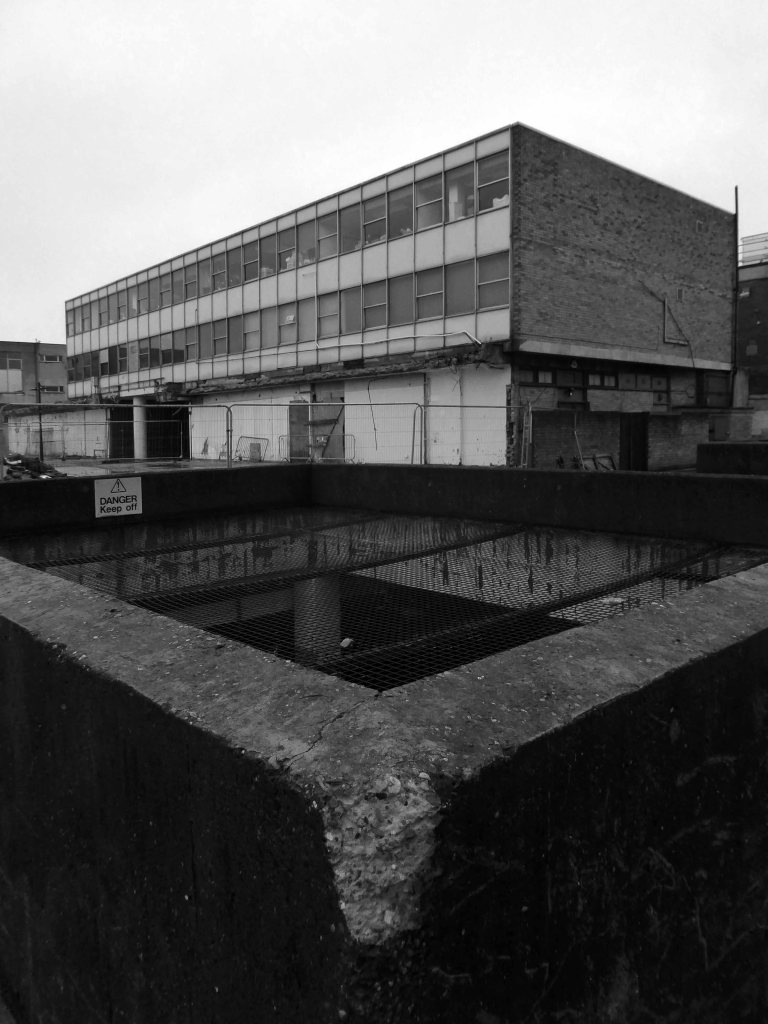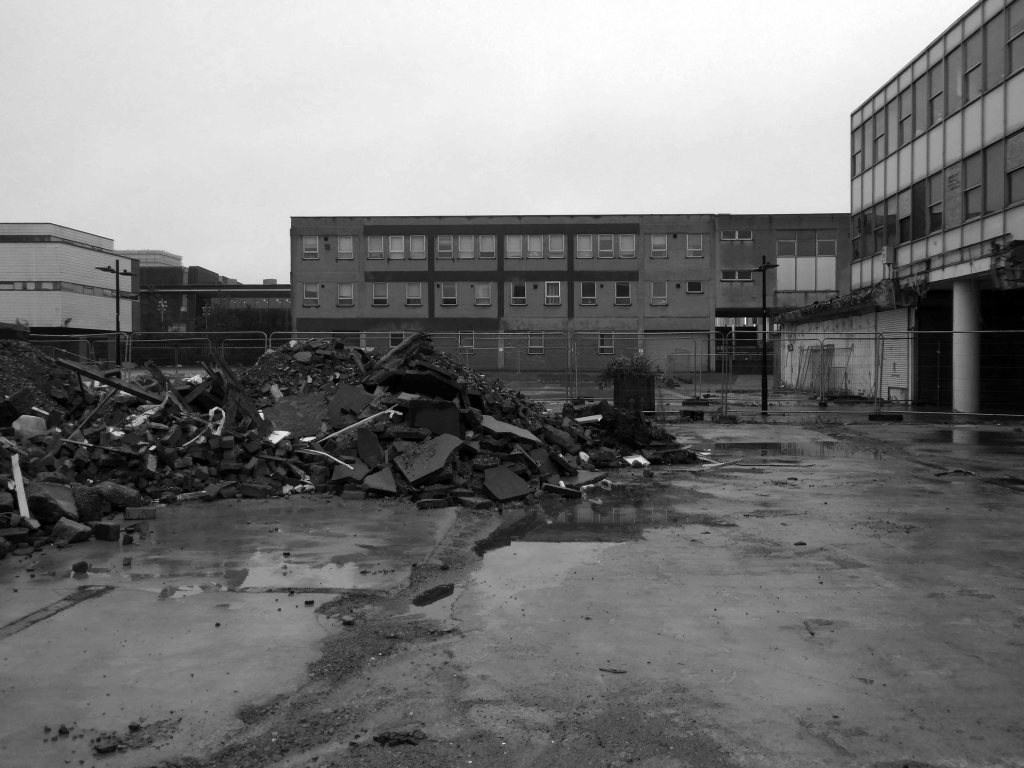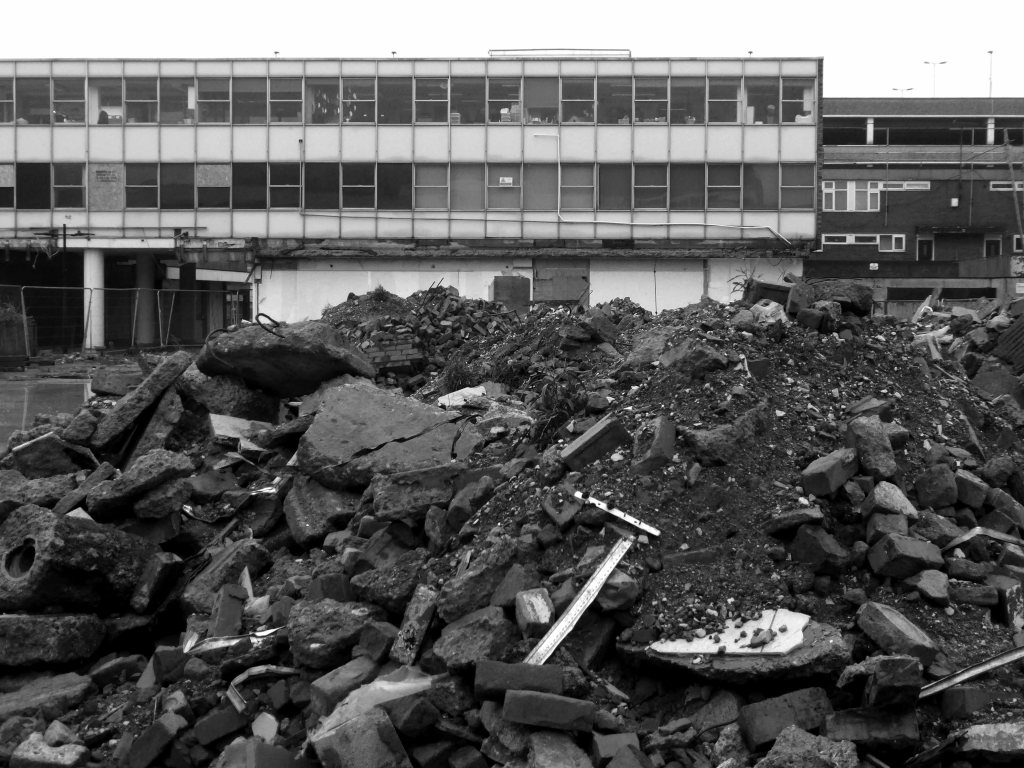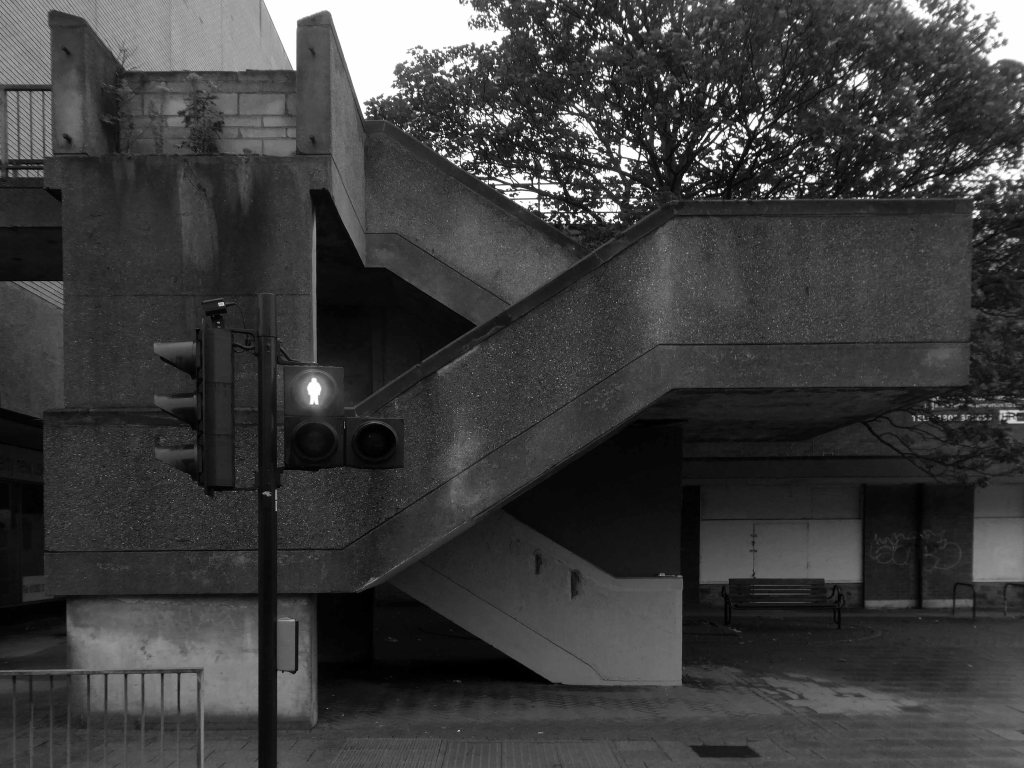
Billingham

Whilst cycling twixt Redcar and Newcastle one sunny Monday morn, I espied a tower on the distant horizon.

I pedalled hurriedly along and this is what I found.

Dawson House aka Kingsway.

A fifteen-storey circular tower block of 60 one-bedroom flats and 29 two-bedroom flats, making 89 dwellings in total. The block was built as public housing at the western fringe of the Town Centre development that began in 1952. Approved in 1973, the block is of triangular concrete-beam construction.

The architects were Elder Lester Associates.

The block was built by Teeside County Borough Council.

Stanley Miller Ltd.’s tender for the contract was £778,850.

The tower block was opened on 3rd April 1975 by the Mayor of Stockton Borough Council, John Dyson.

The block is described as ‘gimmicky circular tower block’ in The Buildings of England: County Durham by N. Pevsner.

Historic England

Across the way the cosmically named Astronaut pub known locally as the Aggy.

Though all it seems, is not well in outer space:

Locals say punters are creating a giant toilet next to a Billingham pub – and performing sex acts.

I wouldn’t disregard what they say, and I can’t say that didn’t happen, said boss Jordan Mulloy.

I know urinating goes on from time to time but people do it outside every pub – anyone I catch doing it will be barred.

Teeside News

The pub stands at the outer edge of the West Precinct.

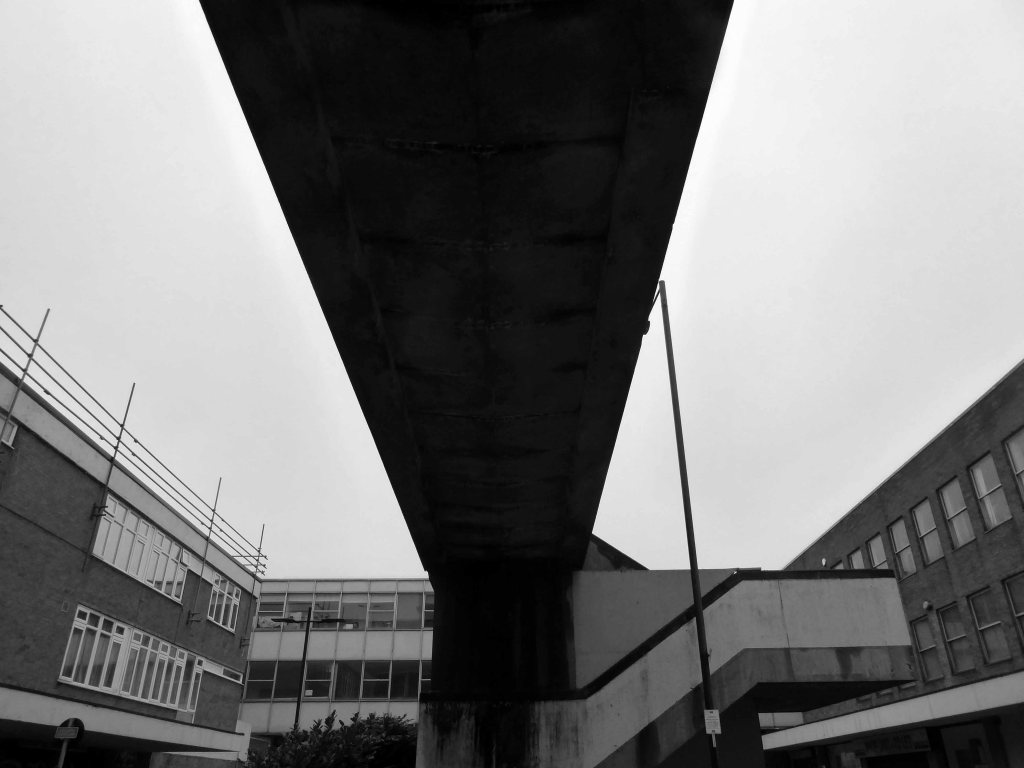
The precinct sits beneath the Civic Offices.

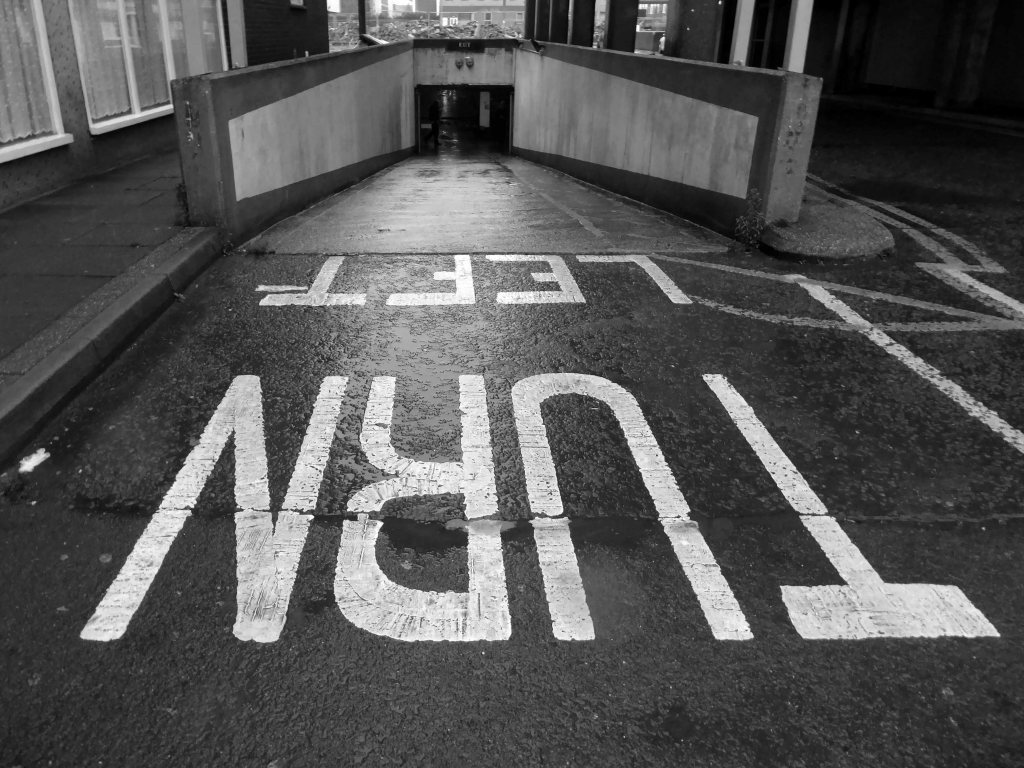
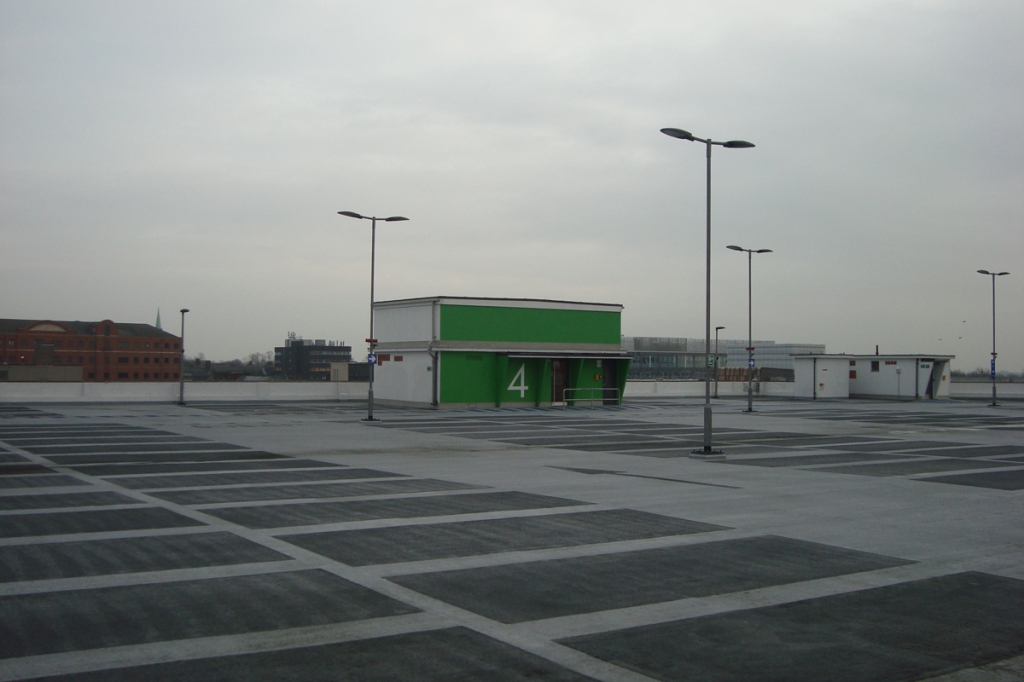
And has a ramp leading to the roof top parking.

Next door the earlier Queensway Centre.

The Family unveiled by HRM Queen Elizabeth II in 1967 the country’s first pedestrianised precinct.

Edward Bainbridge Copnall 

In November 2013, a time capsule was buried in front of The Family, under a stone with the inscription Forever Forward 30 11 2013.

The capsule is not to be unearthed until the year 2078.

Twenty million pound bid to take back control of the centre of Billingham.

The council says: Proposals include addressing the physical condition of Billingham town centre in support the Council’s ambition to take back control of the centre. Redevelopment would solve the challenges of changing retail trends that are contributing towards excess retail space and high vacancy rates.

This includes exploring options for mixed-use redevelopment and high-quality public spaces that improve accessibility within the town centre and a modern retail offering.

Hartlepool Mail.

Missing in action – La Ronde aka Eleanor Rigby’s.

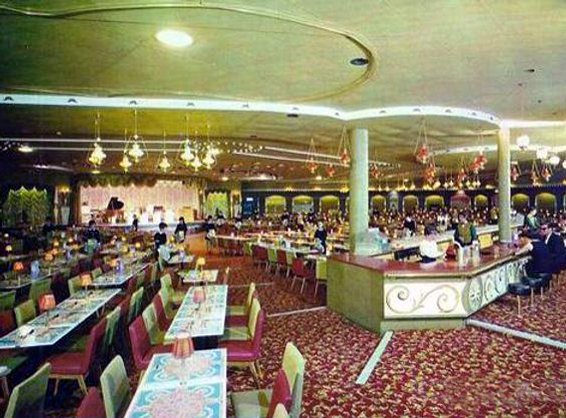
Built in 1968 by local architects Elder Lester and Partners as part of the expansive plans for the town centre along with the Forum, La Ronde nightclub was to form part of the expansive plans for Billingham focused on the pursuit of increased leisure time.

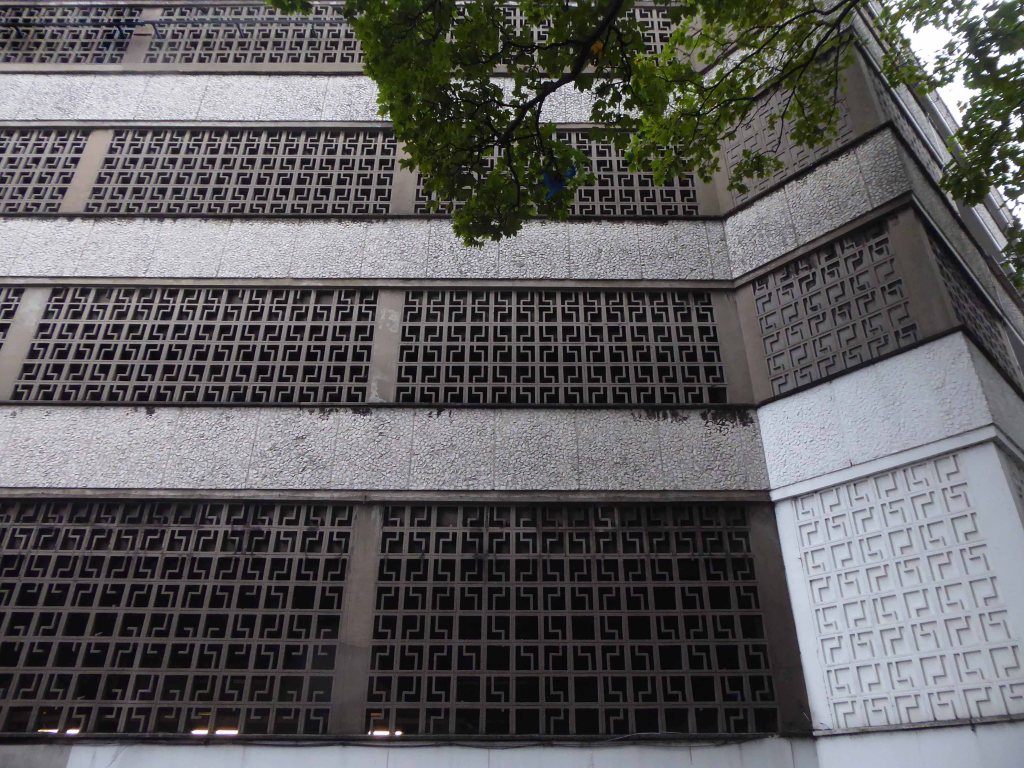
La Ronde’s distinct cylindrical form comes from the car park access ramp that winds around the stair core to the upper floors of the club. The elevated drum-like form inset with cross latticed concrete webs was cast entirely in-situ.

In 2006, the council demolished La Ronde and Forum House at the cost of £500,000 to make way for a supermarket.

The Forum

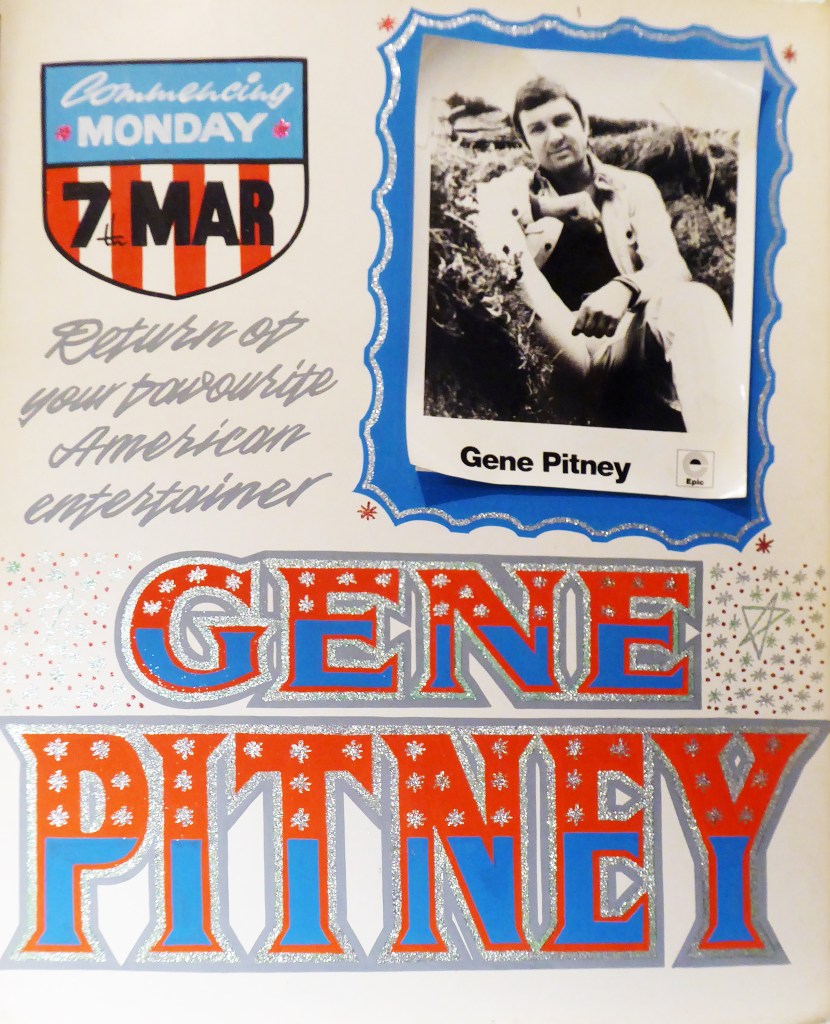
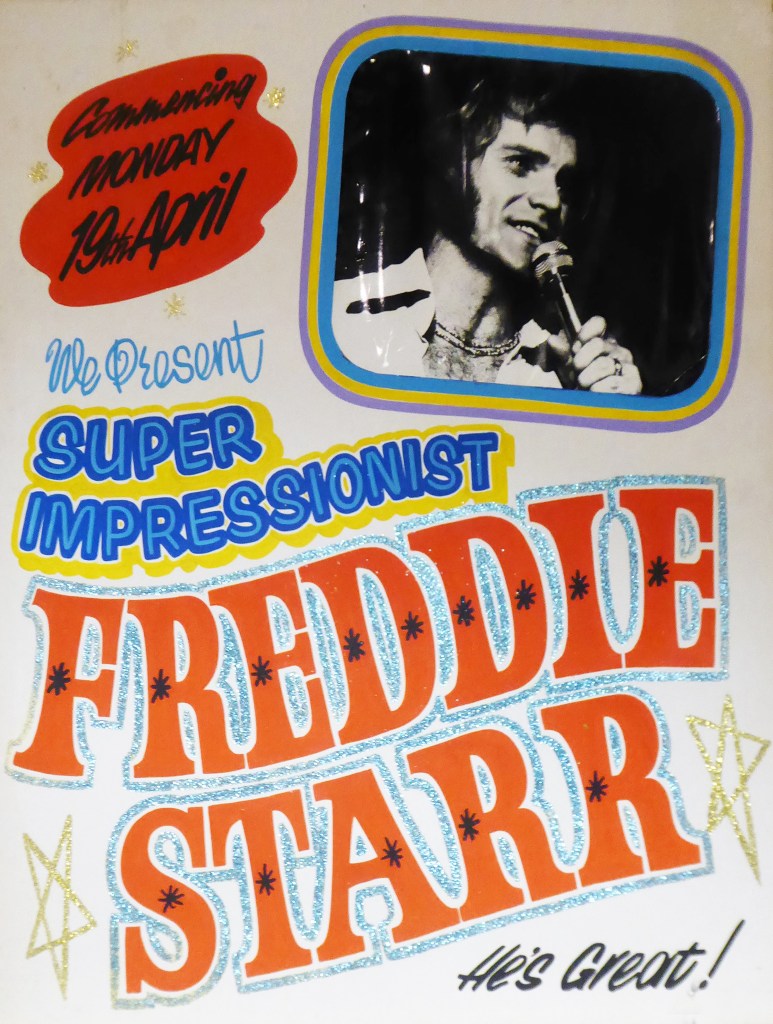
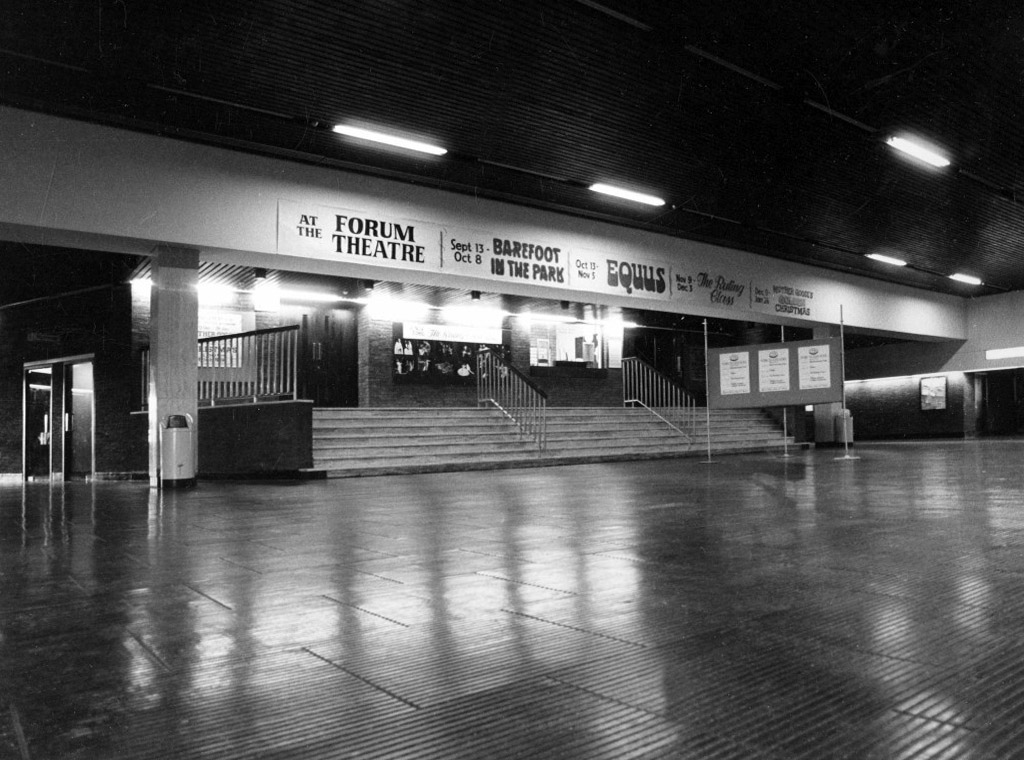
In 1960, Billingham Urban District Council, began one of the most ambitious new leisure centres in Europe. The Forum was funded by the district’s new-found wealth – a product of the local petrochemical industry.  It was designed by local architects Elder Lester and Partners and brought together a variety of recreational activities including an ice rink, swimming pool, sports centre, theatre, and bar all under one roof. The Forum opened in July 1967 to great enthusiasm.  Weekly attendance over the first six months was between 20 000 and 30 000 people, far exceeding all expectations.

The inclusion of the theatre alongside the sports facilities broke new ground in recreational planning and in the shift from sport to the broader notion of ‘leisure’, the Forum predated architectural thinking of the time by nearly a decade.  The building’s form is derived from the functions within, expressed in a variety of bulbous elements.  The most distinctive is the canopy of the ice rink roof which is hung using steel cables running the length of the roof and cross-braced to achieve a clear 73m span.
Something Concrete and Modern

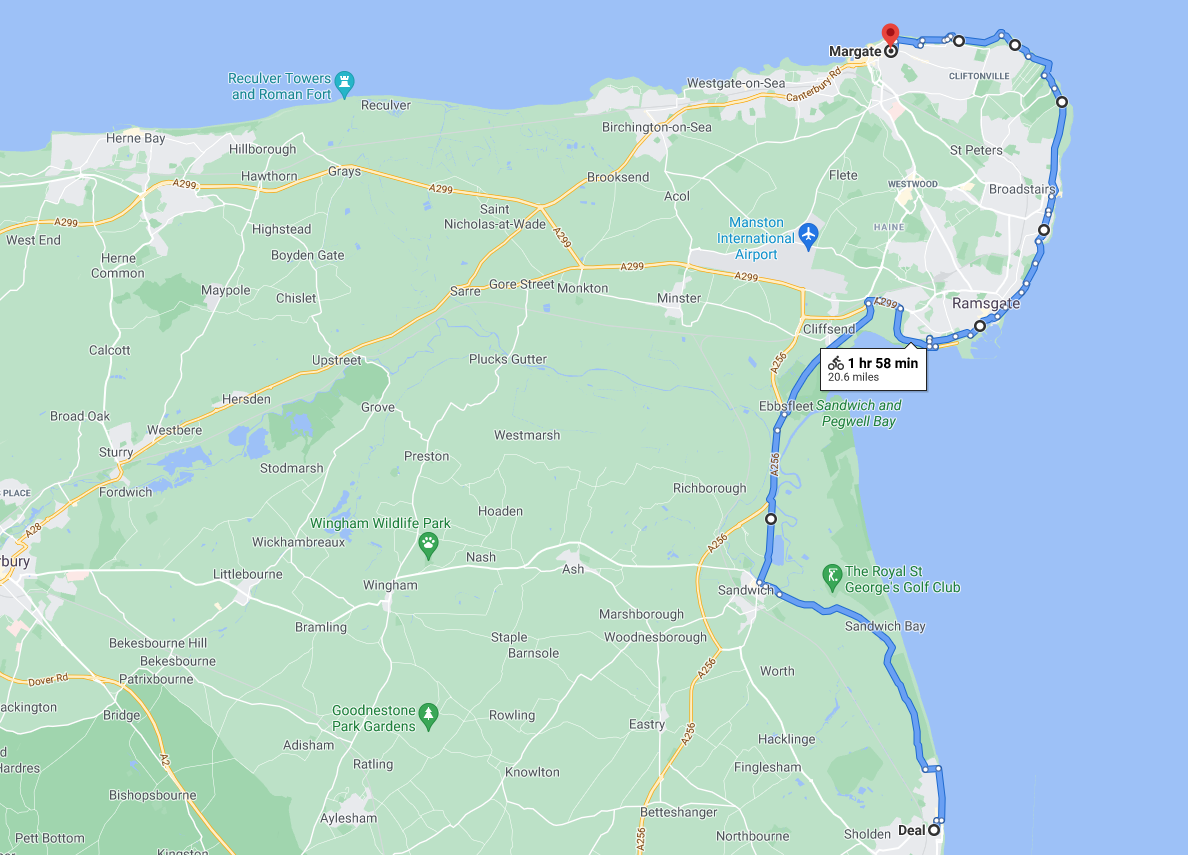
Deal To Margate

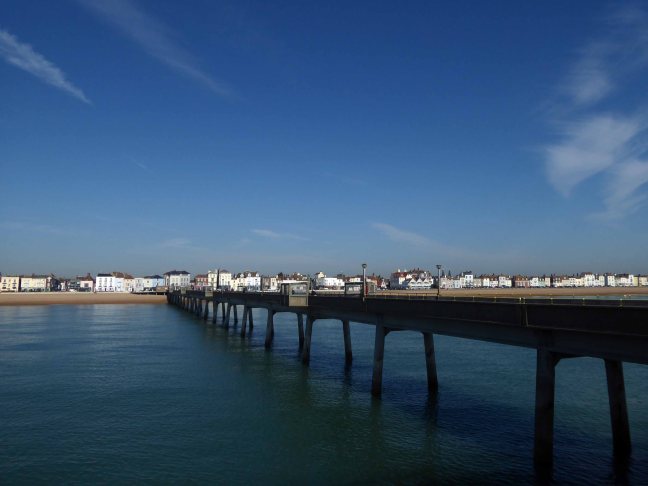
We awoke, we dawdled around Deal, prior to our delightful breakfast.

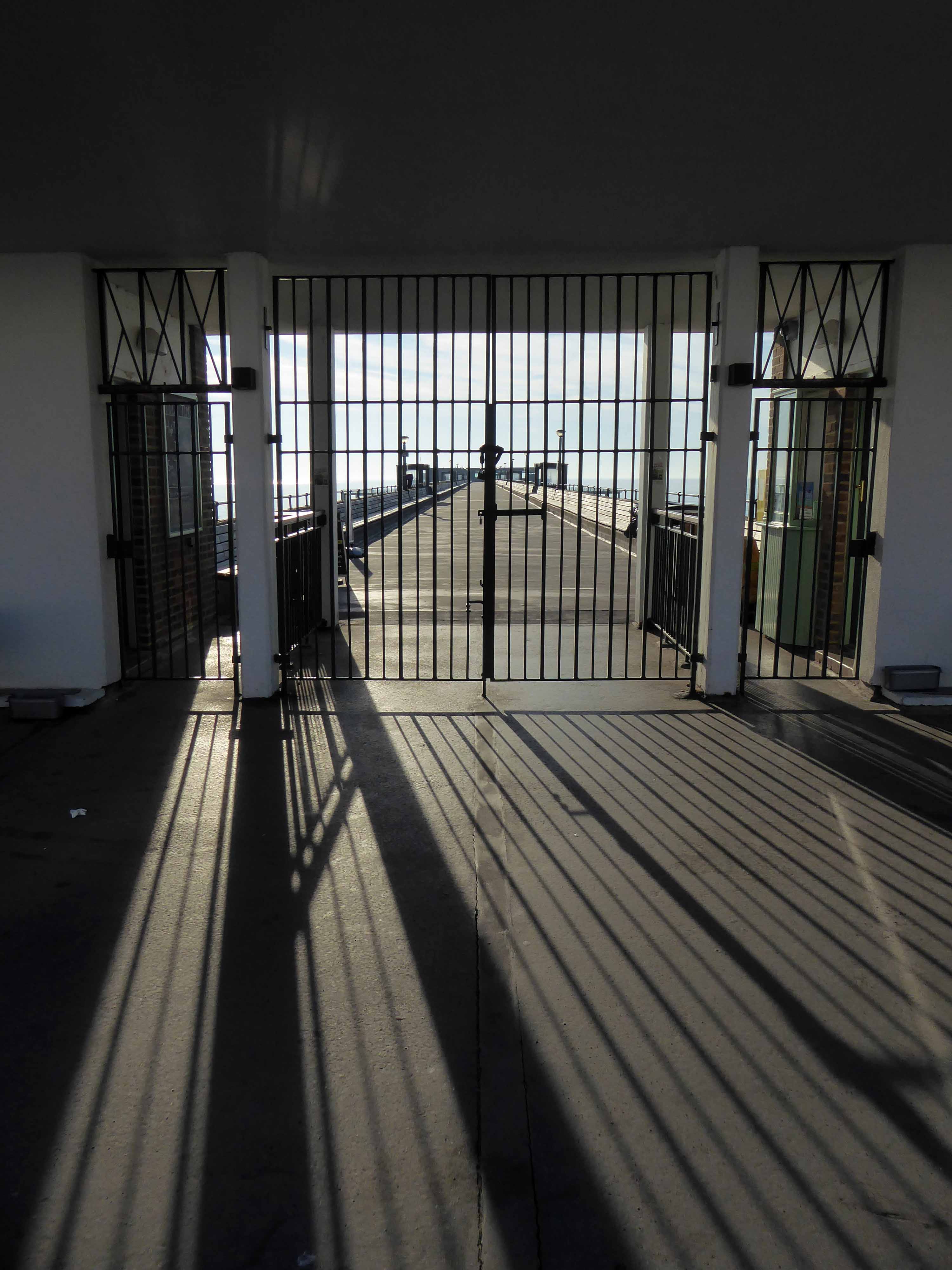
Though the pier appeared to be closed.

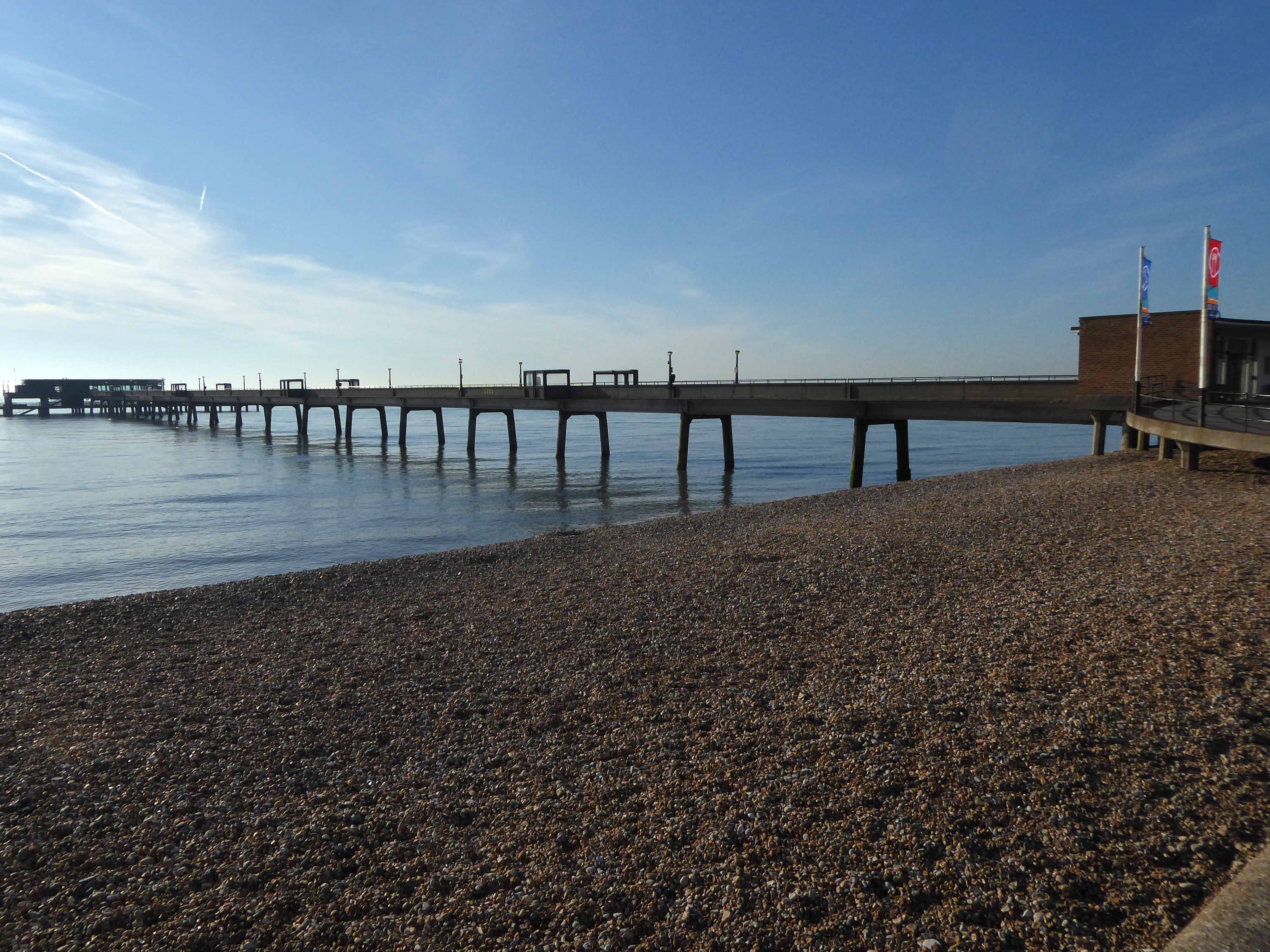
Extending elegantly over a still, still sea.

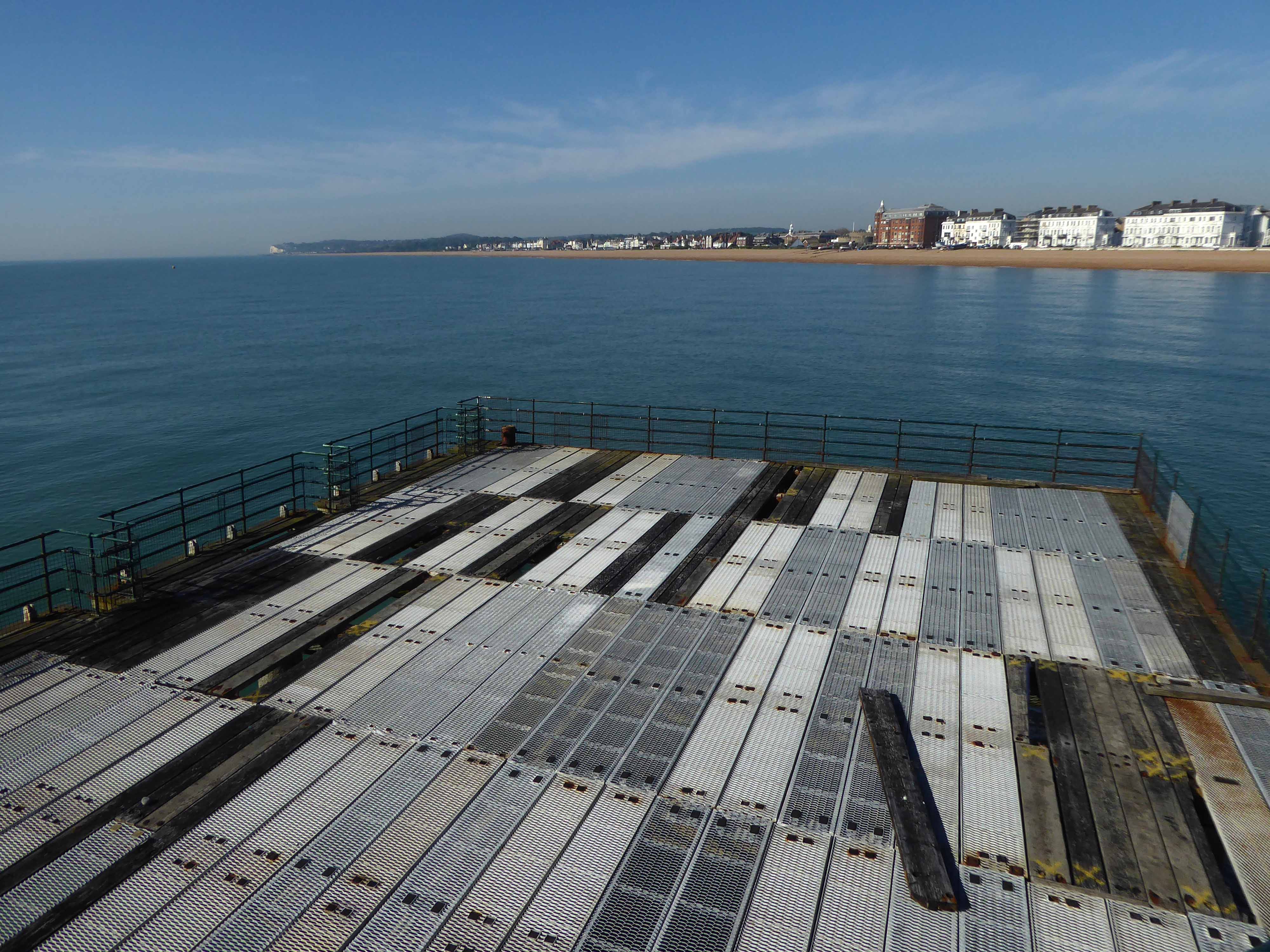
The present pier, designed by Sir W. Halcrow & Partners, was opened on 19 November 1957 by the Duke of Edinburgh. Constructed predominantly from concrete-clad steel, it is 1,026 ft in length – a notice announces that it is the same length as the RMS Titanic, but that ship was just 882 feet, and ends in a three-tiered pier-head, featuring a cafe, bar, lounge, and fishing decks.

The lowest of the three tiers is underwater at all but the lowest part of the tidal range, and has become disused.

Wikipedia

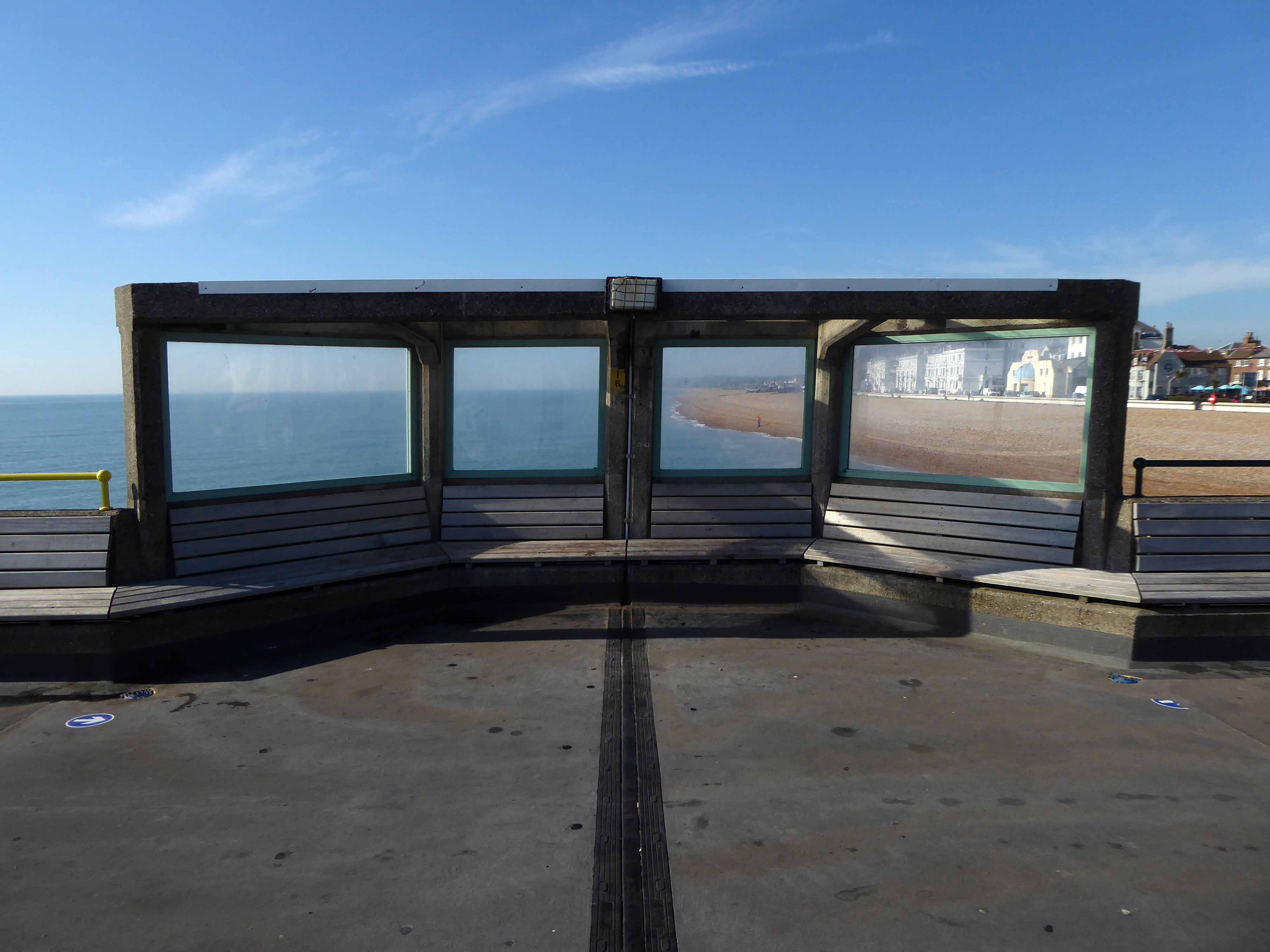
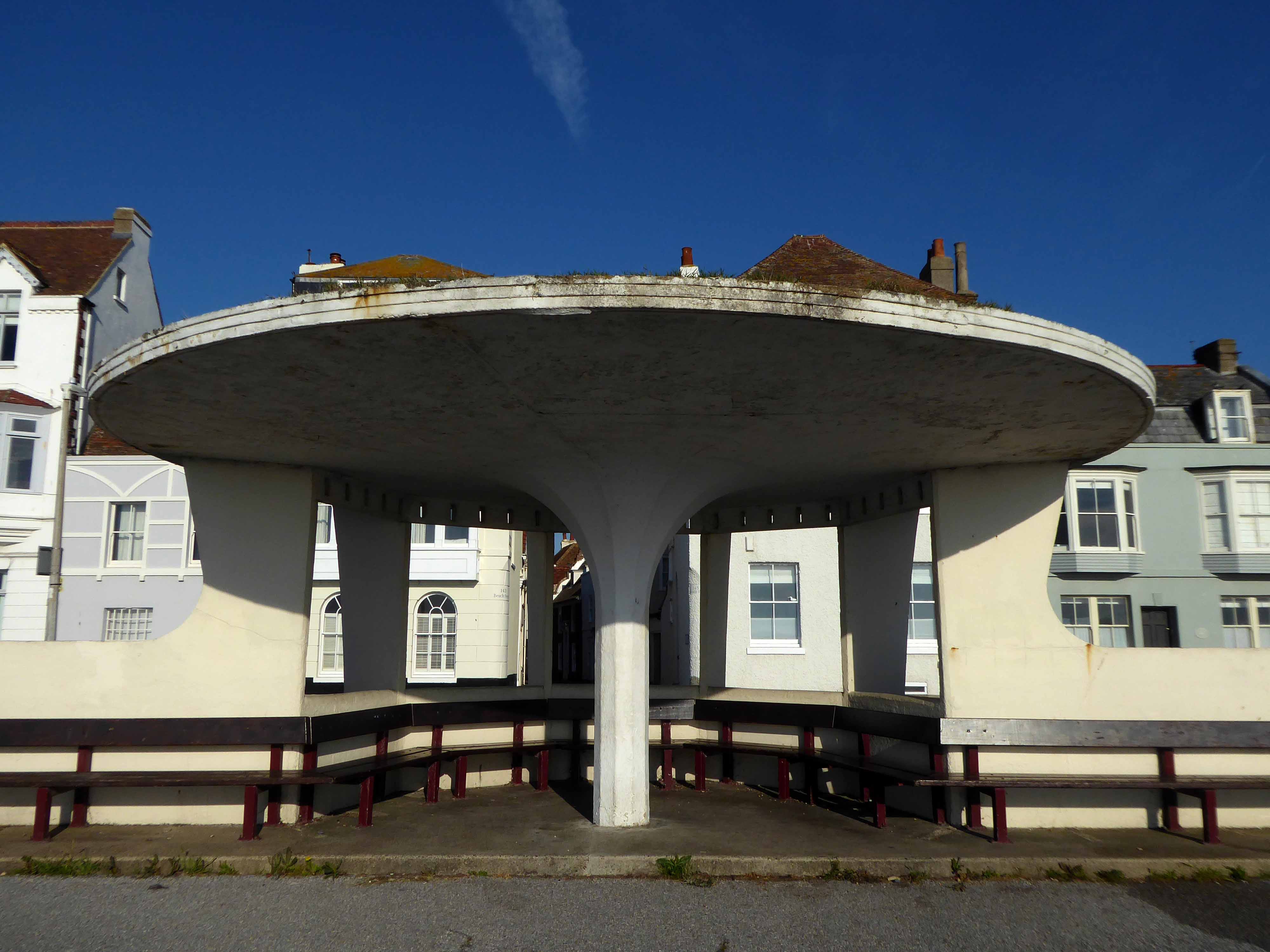
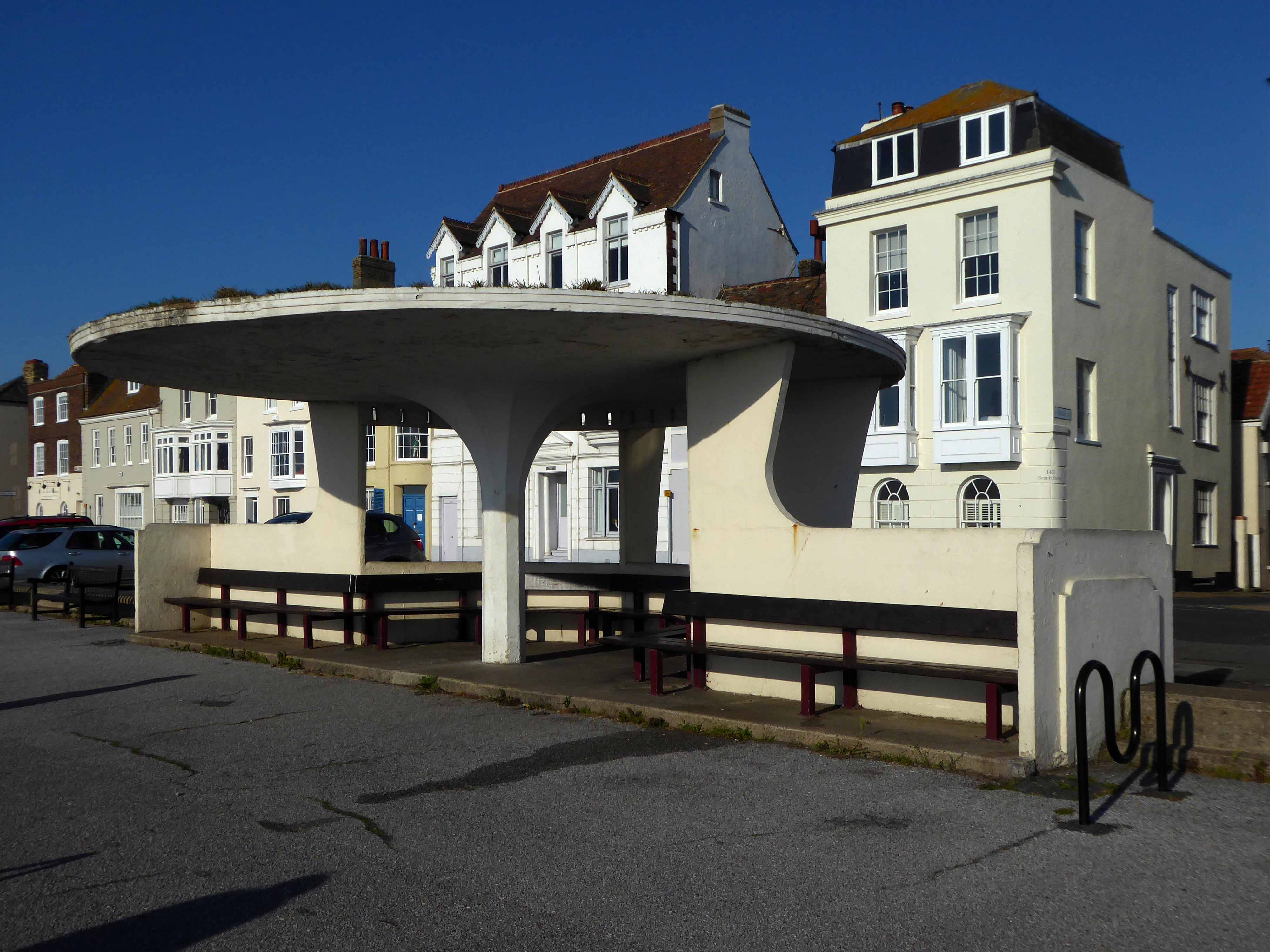
Deal is home to some of the most extraordinary concrete shelters.

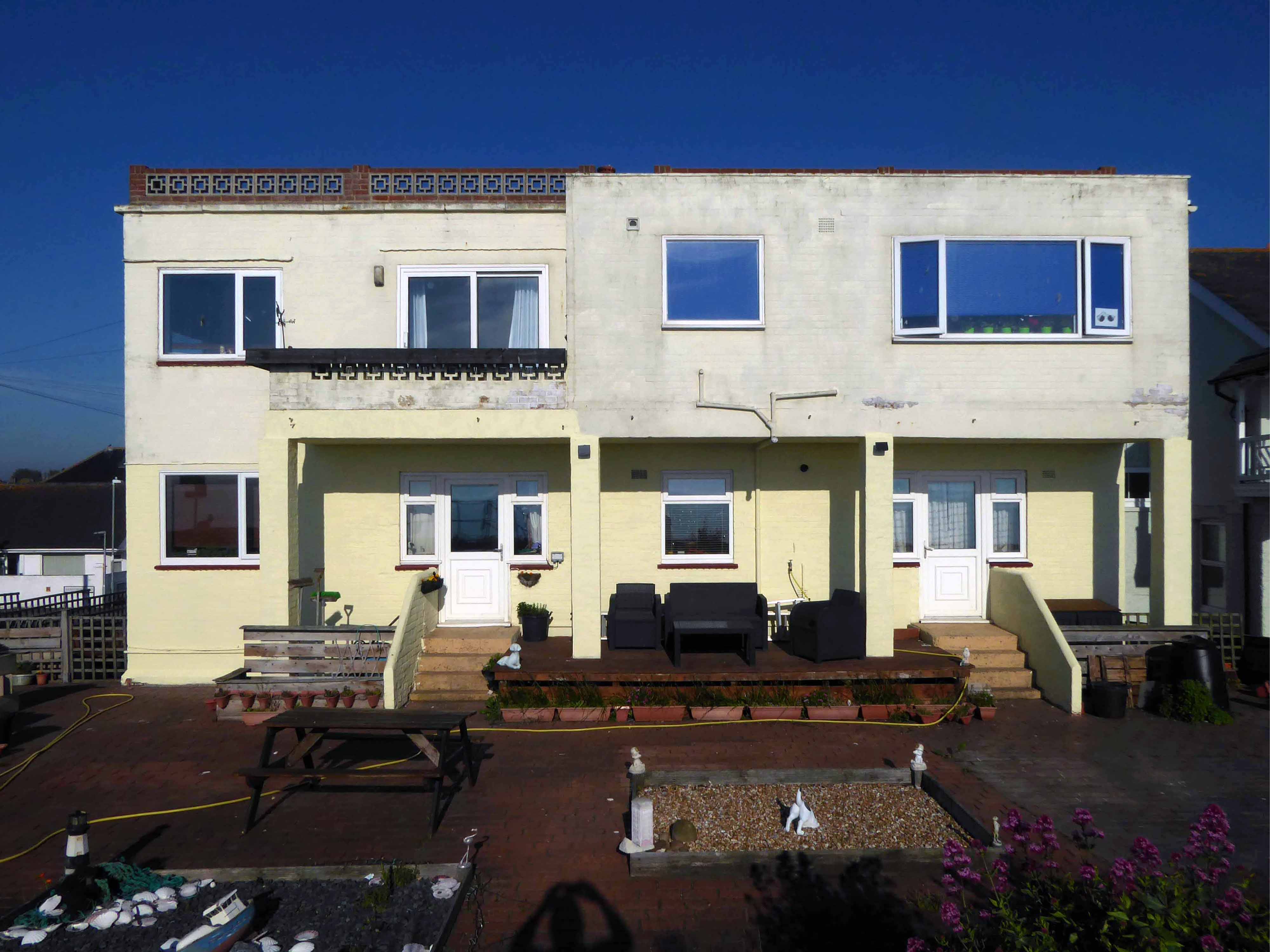
Home to some understated Seaside Moderne homes too.

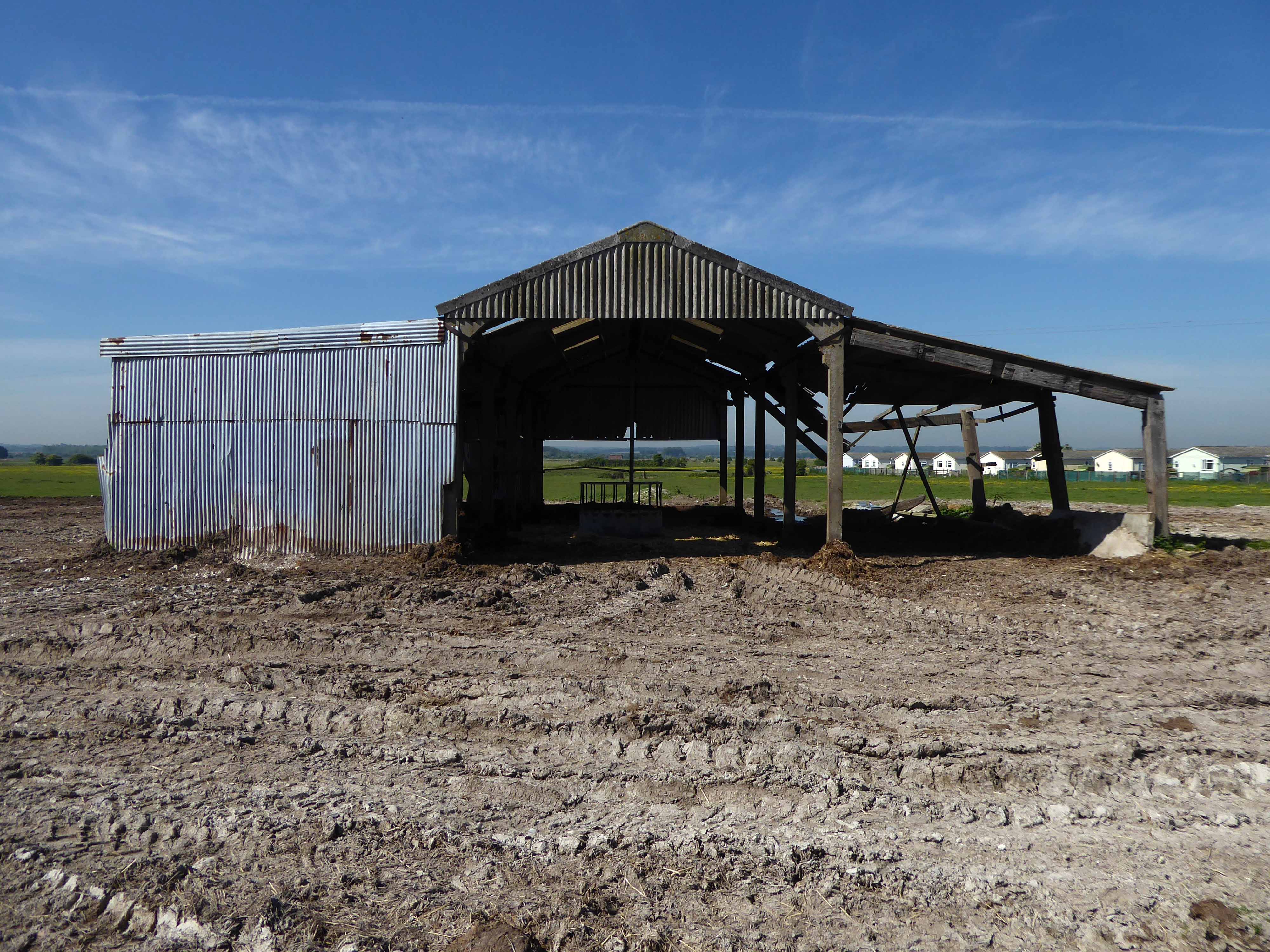
Well fed, we set out along the private road that edges the golf course, encountering some informal agricultural architecture.

We took time to explore Pegwell Bay Hoverport – currently trading as a Country Park.

Pausing in Ramsgate to admire Edward Welby Pugin’s Grade II Listed – Granville Hotel.

The Granville development, so named after George Leverson Gower, second Earl Granville (1815-1891), was a venture undertaken by Edward Welby Pugin, together with investors Robert Sankey, George Burgess and John Barnet Hodgson on land acquired from the Mount Albion Estate in 1867. The scheme was to be an important new building in the eastward expansion of the town and the emergence of a fashionable new suburb. At the outset, the intention was to build a relatively restrained speculative terrace of large townhouses with some additional facilities. However, as the scheme progressed and it became apparent that buyers could not be secured, revised plans for an enlarged hotel complex were adopted in 1868 and brought to completion in 1869. These plans, which added a series of grand rooms including a banqueting hall, receptions rooms and an entrance hall in addition to a tunnel to connect to the railway line on the seafront, gardens, a complex of Turkish baths and a vast landmark tower (originally 170ft high, although truncated at a relatively early date), were remarkably ambitious. Ultimately, as it would transpire, the scheme was rather too ambitious on Pugin’s part; with his increasing reliance on loans eventually culminating in bankruptcy in October 1872, an event which precipitated his demise as an architect, tragically followed by his death just three years later.

Historic England

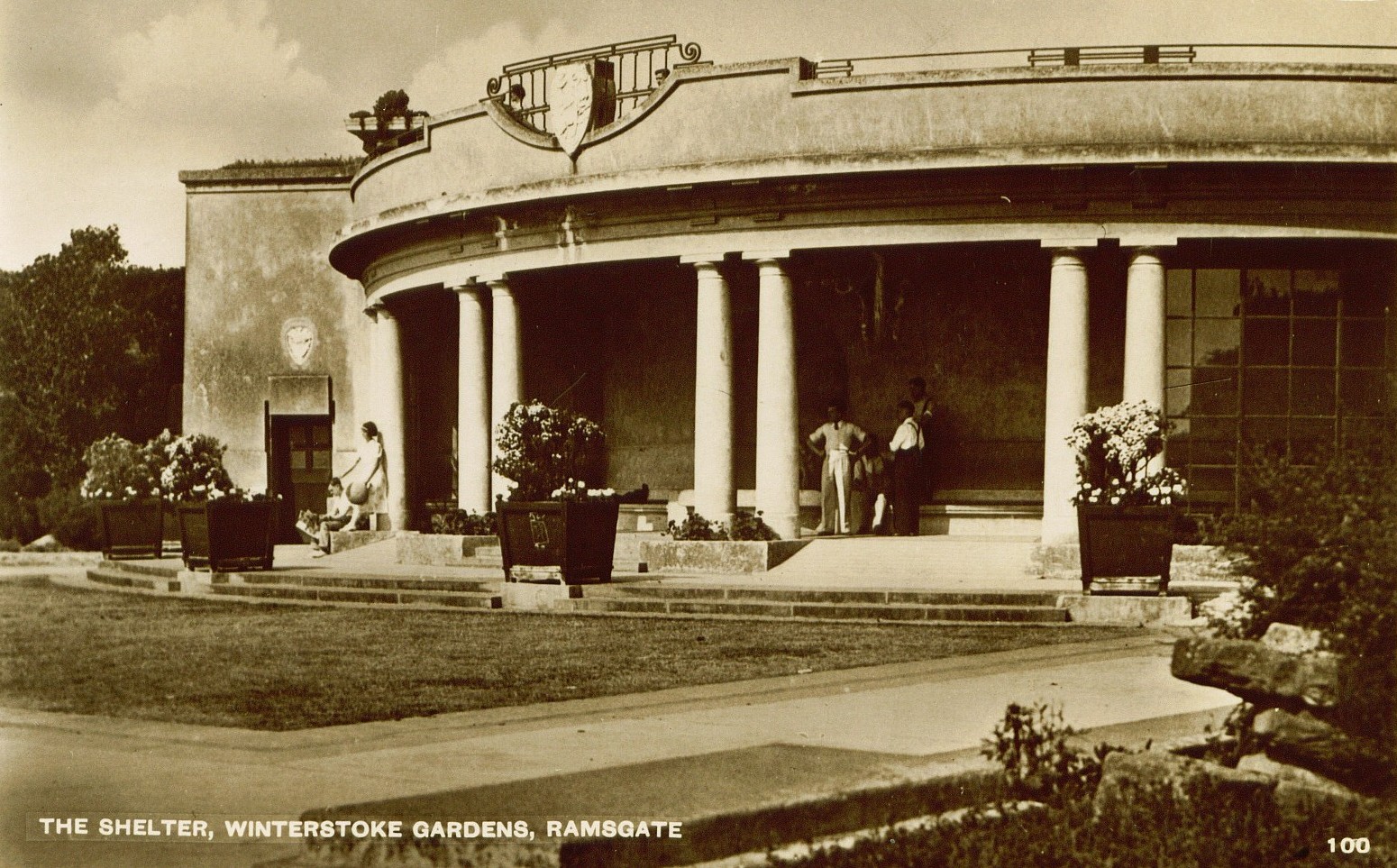
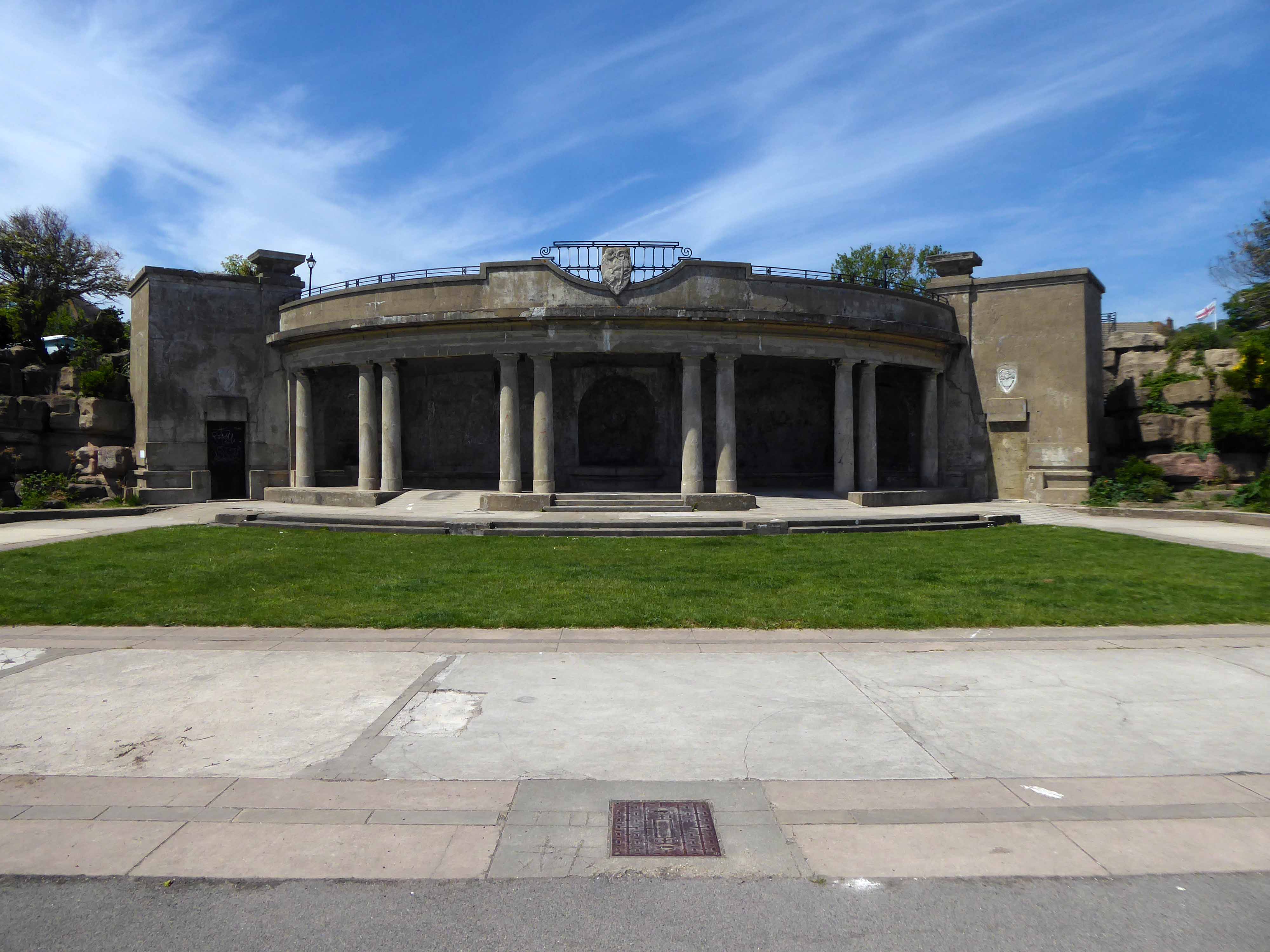
Overlooking the sea, the ornamental gardens were laid out and presented to the Borough of Ramsgate by Dame Janet Stancomb-Wills in 1920 and opened to the public in June 1923 by the Mayor of Ramsgate Alderman A. W. Larkin. They are maintained by Thanet District Council and were Grade II listed on 4 February 1988. 

The gardens were designed by the architects Sir John Burnet & Partners, and constructed by Pulham and Son. The main feature of the gardens, is a semi-circular shaped colonnade carved into the pulhamite recess.

On the upper terrace, approached by broad flights of steps, the gardens proper are reached. In the centre, and immediately over the shelter, is a circular pool enclosed on the north side by a semi-circular Roman seat.

Wikipedia

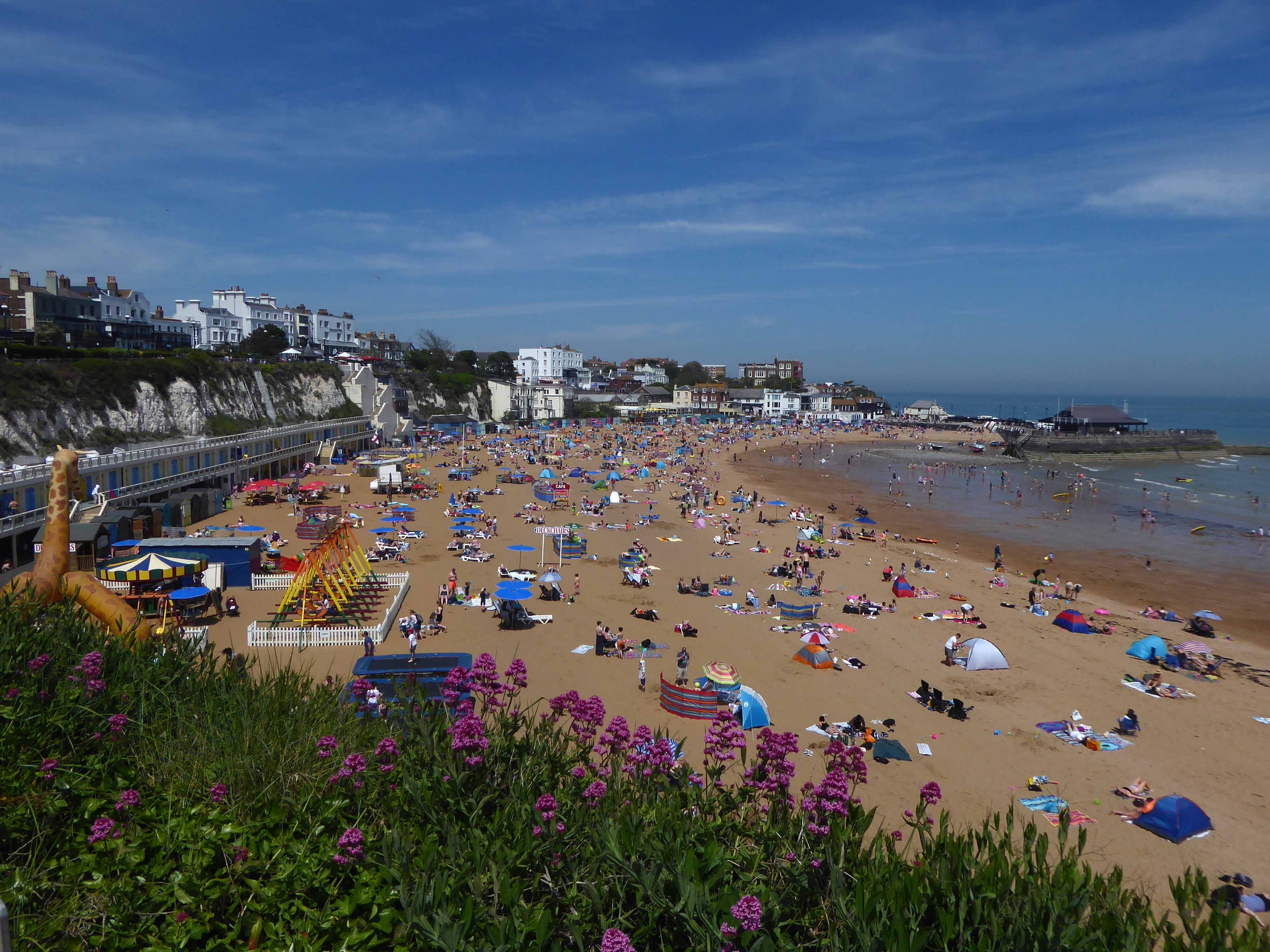
Broadstairs was alive with Bank Holiday activity.

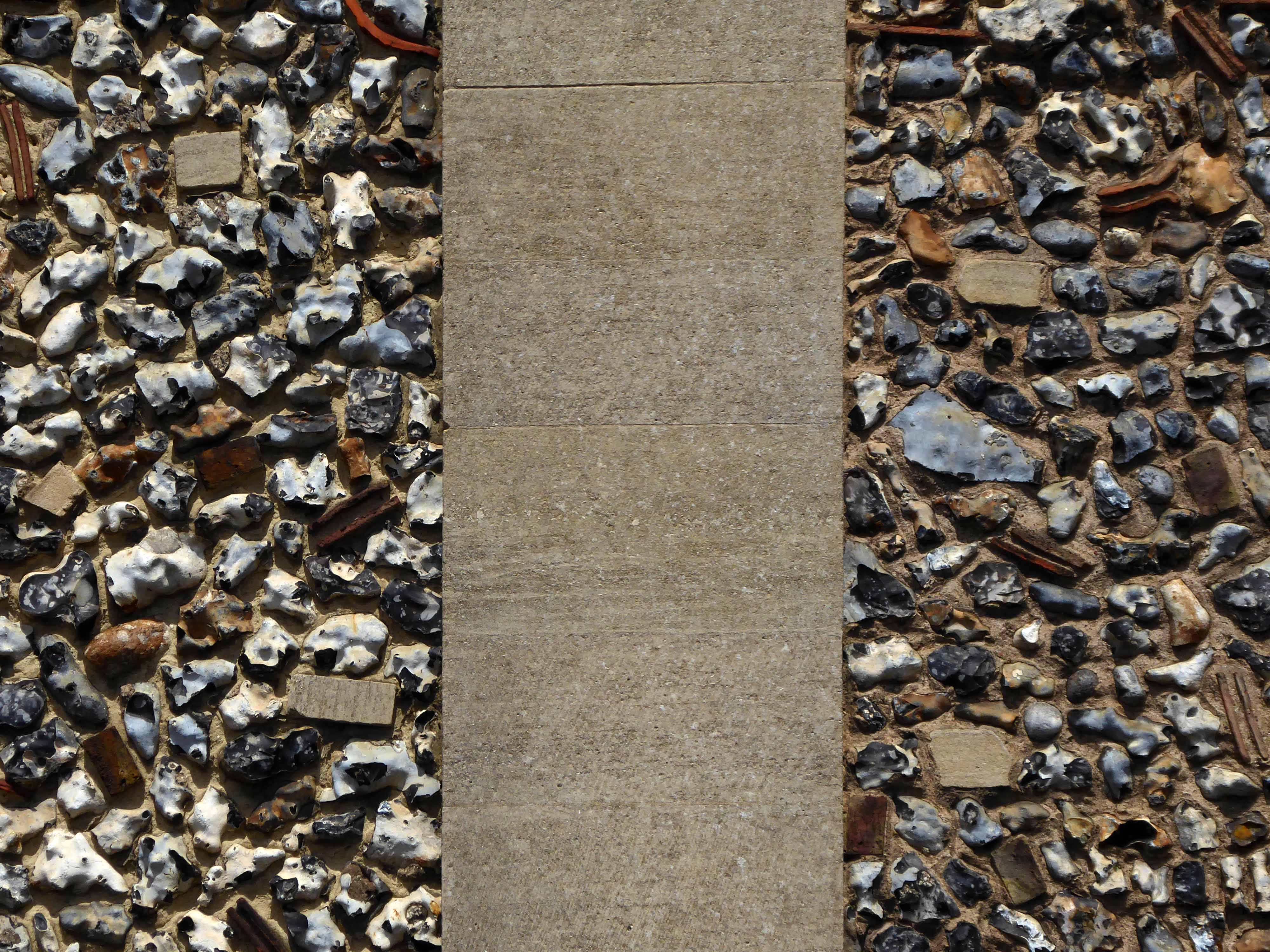
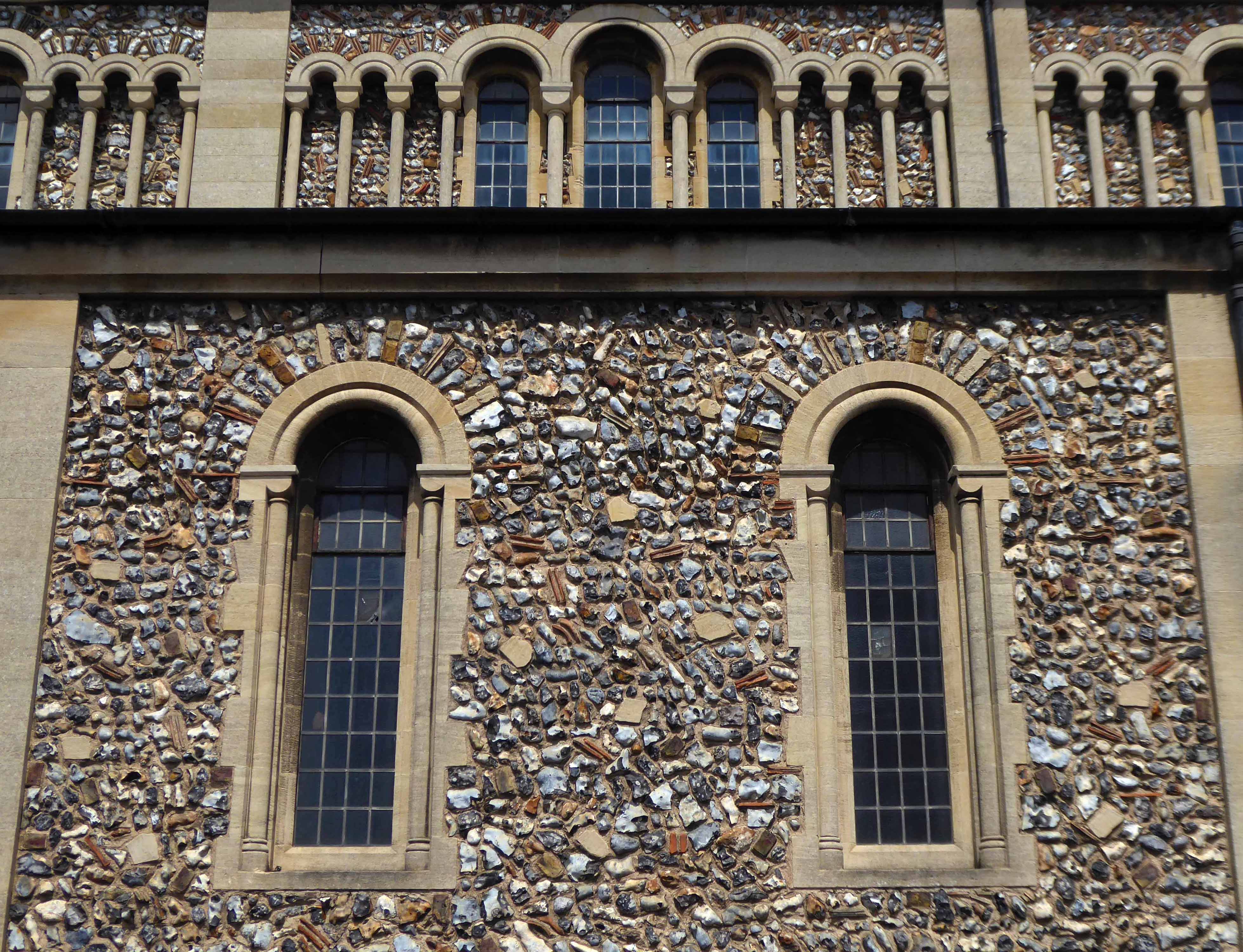
On leaving the town we encounter this engaging flint church – Holy Trinity

Erected 1829-1830. David Barnes Architect, extended 1925.

Built of flint and rubble.

One of the first visitors to this church was Charles Dickens who offered a very unflattering description in his work, Our English Watering Place:

We have a church, by the bye, of course – a hideous temple of flint, like a petrified haystack.  Our chief clerical dignitary, who, to his honour, has done much for education, and has established excellent schools, is a sound, healthy gentleman, who has got into little local difficulties with the neighbouring farms, but has the pestilent trick of being right.

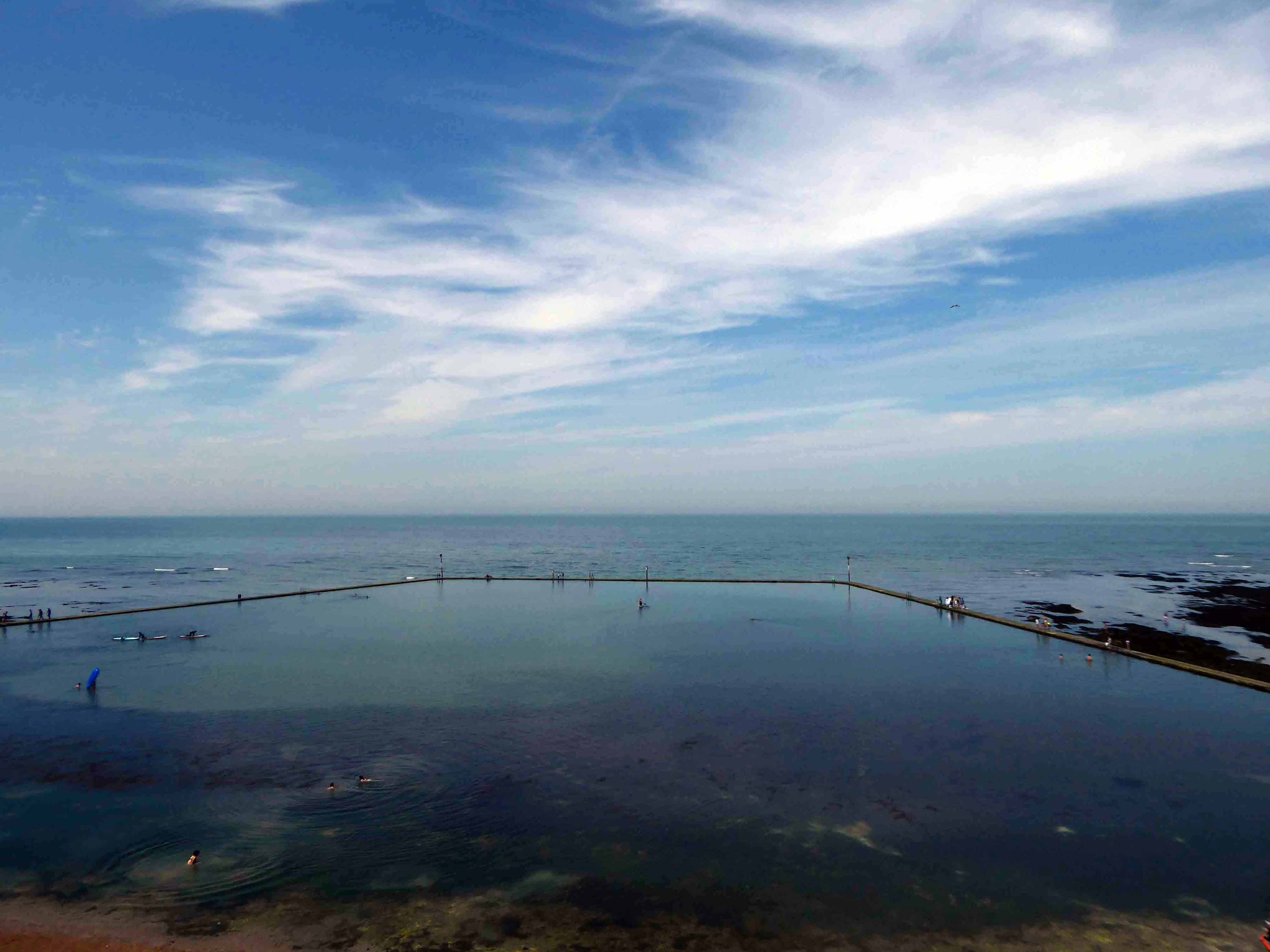
In Margate the tidal pools are full of waveless sea water and kiddy fun.

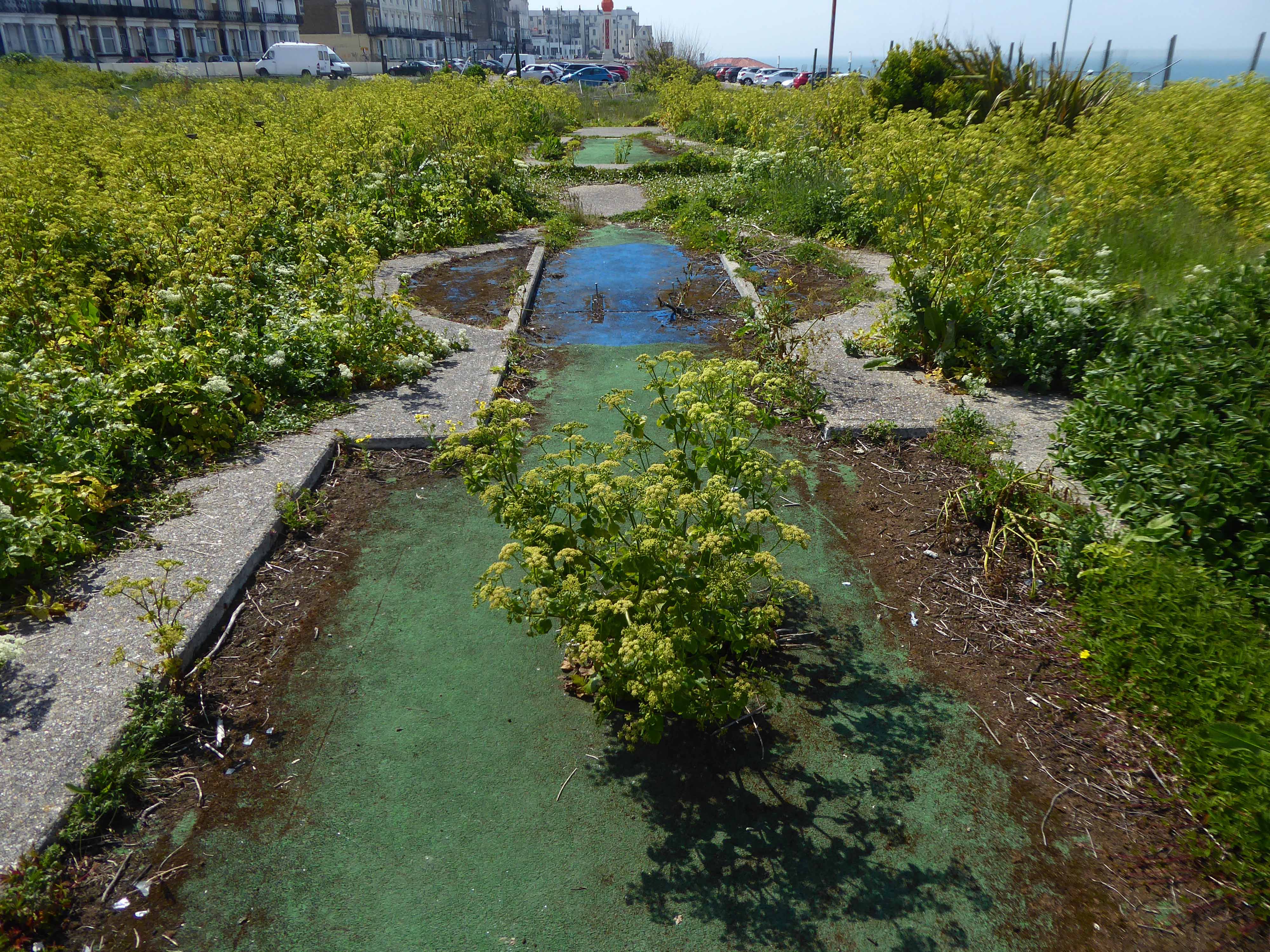
The former crazy golf course is undergoing an ongoing programme of involuntary rewilding.

The Turner Contemporary was hosting an impromptu al fresco sculpture show.

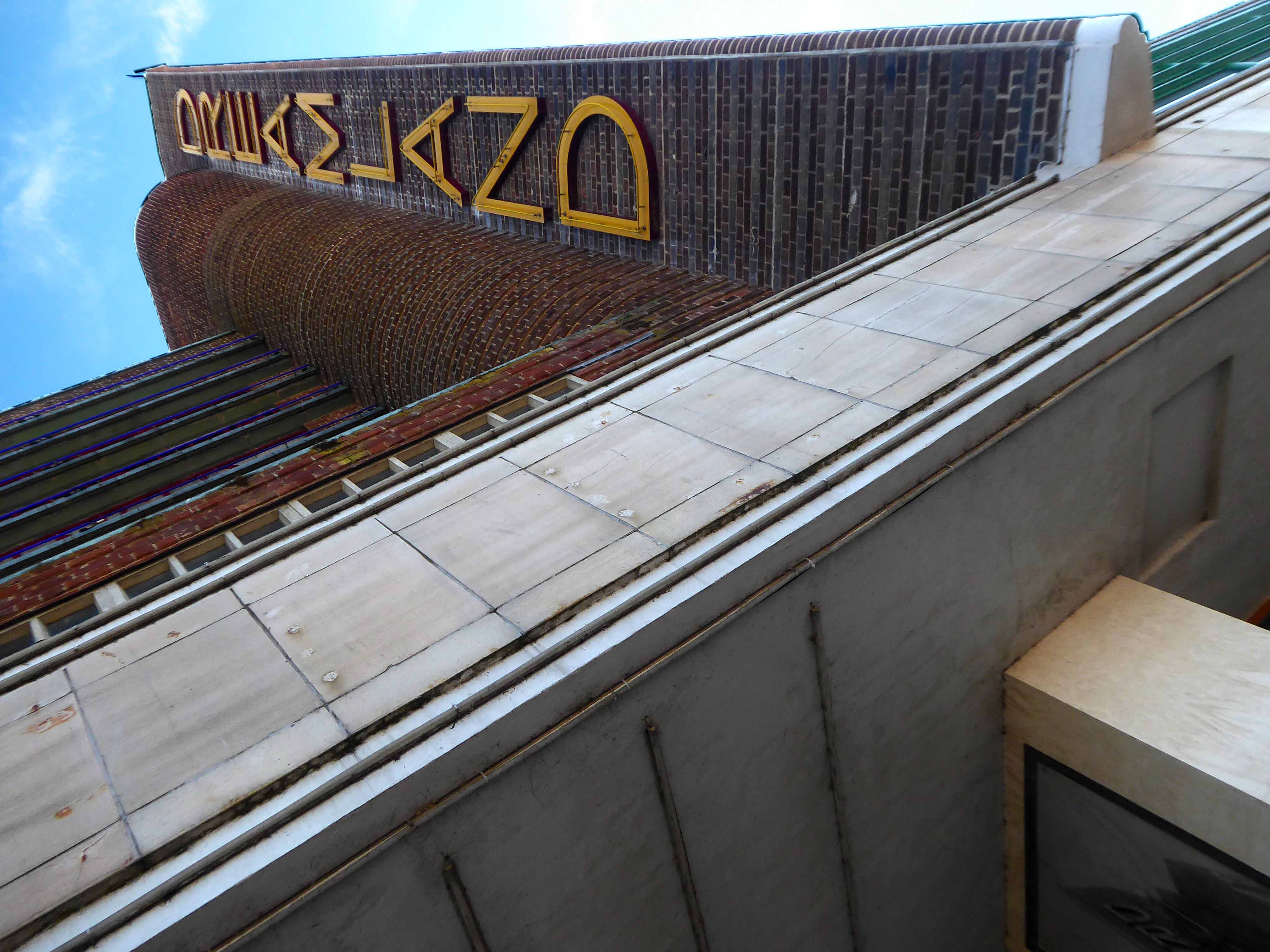
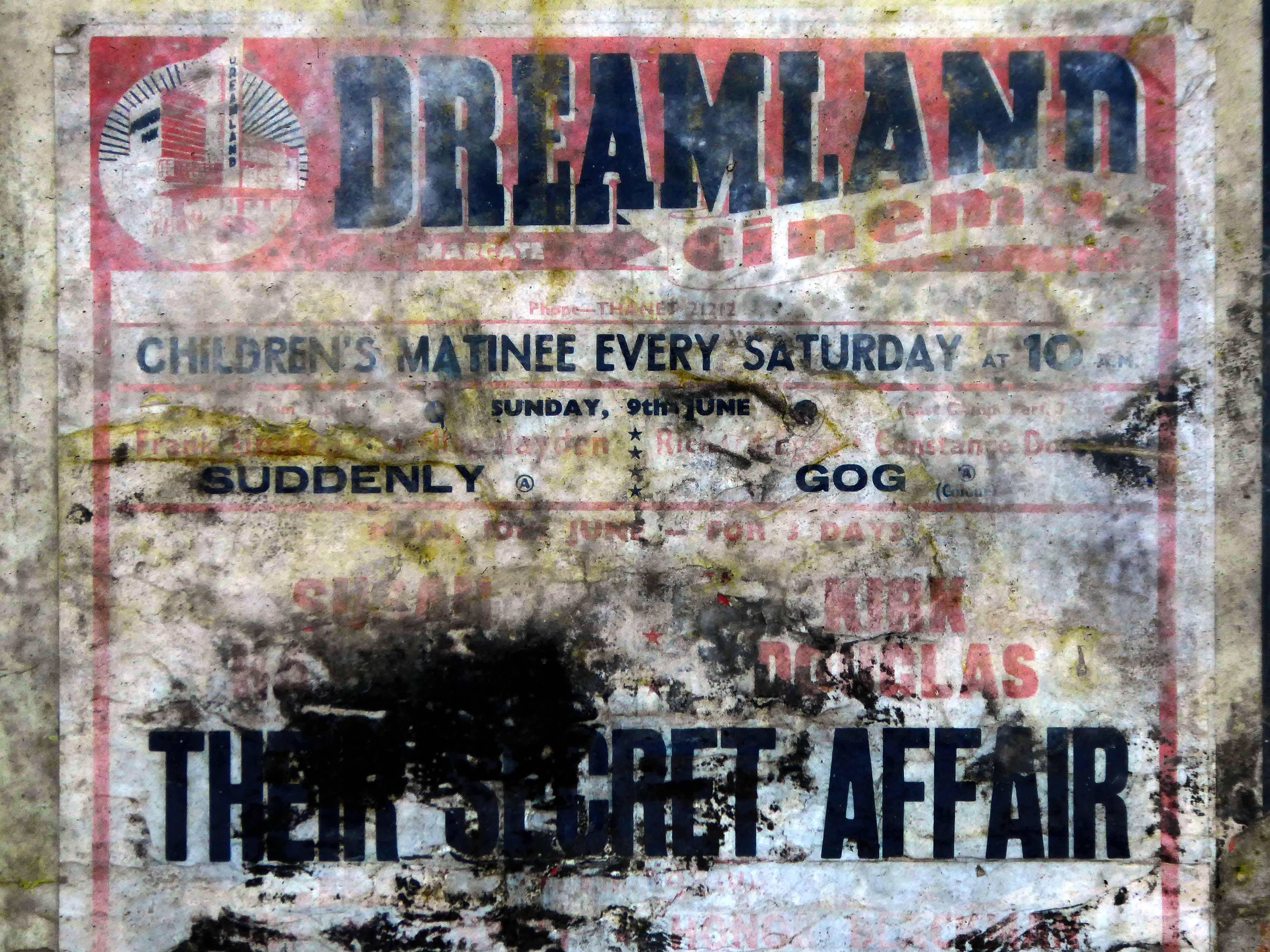
Dreamland was still dreaming.

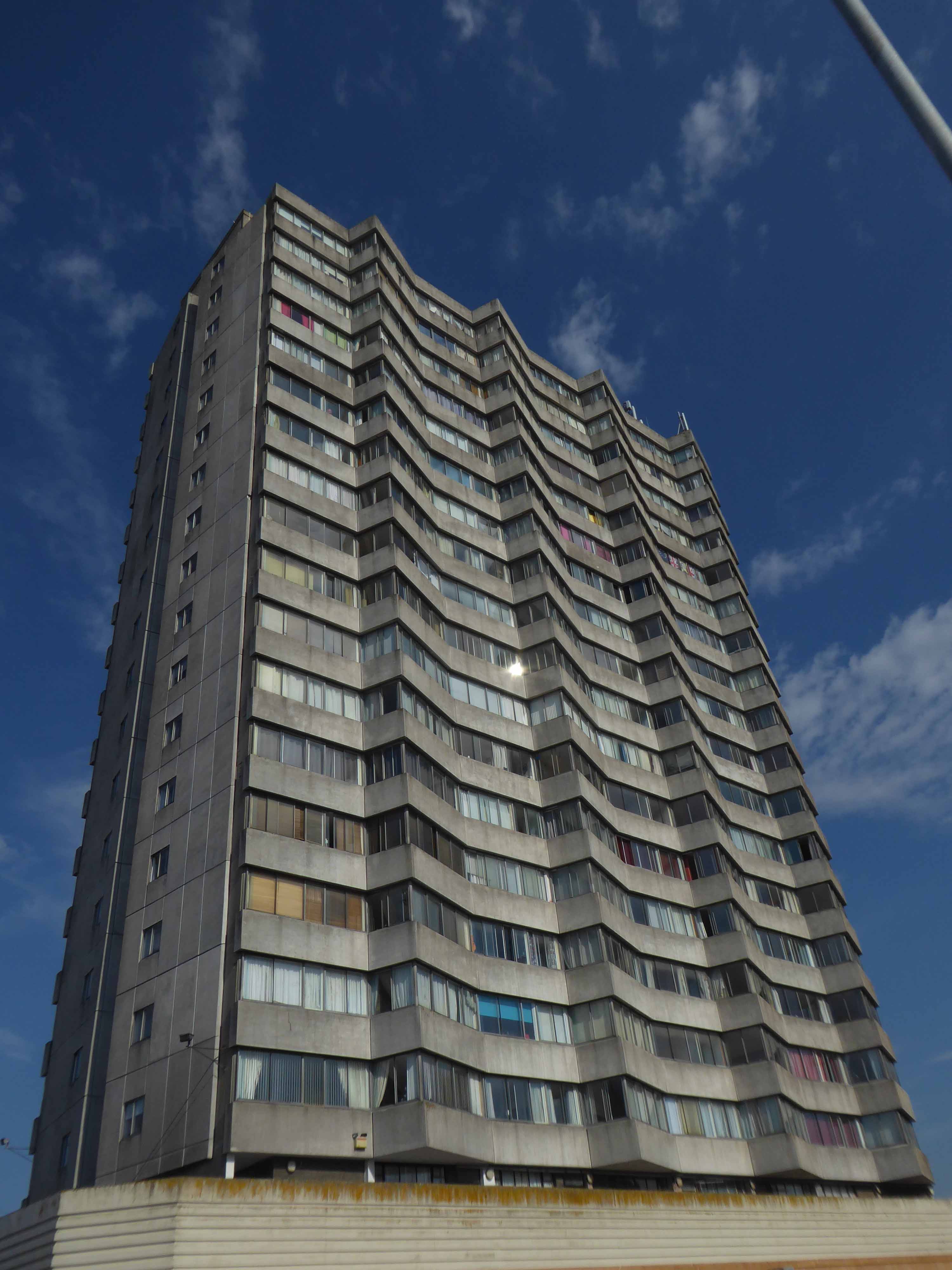
And Arlington House staring steadfastly out to sea.

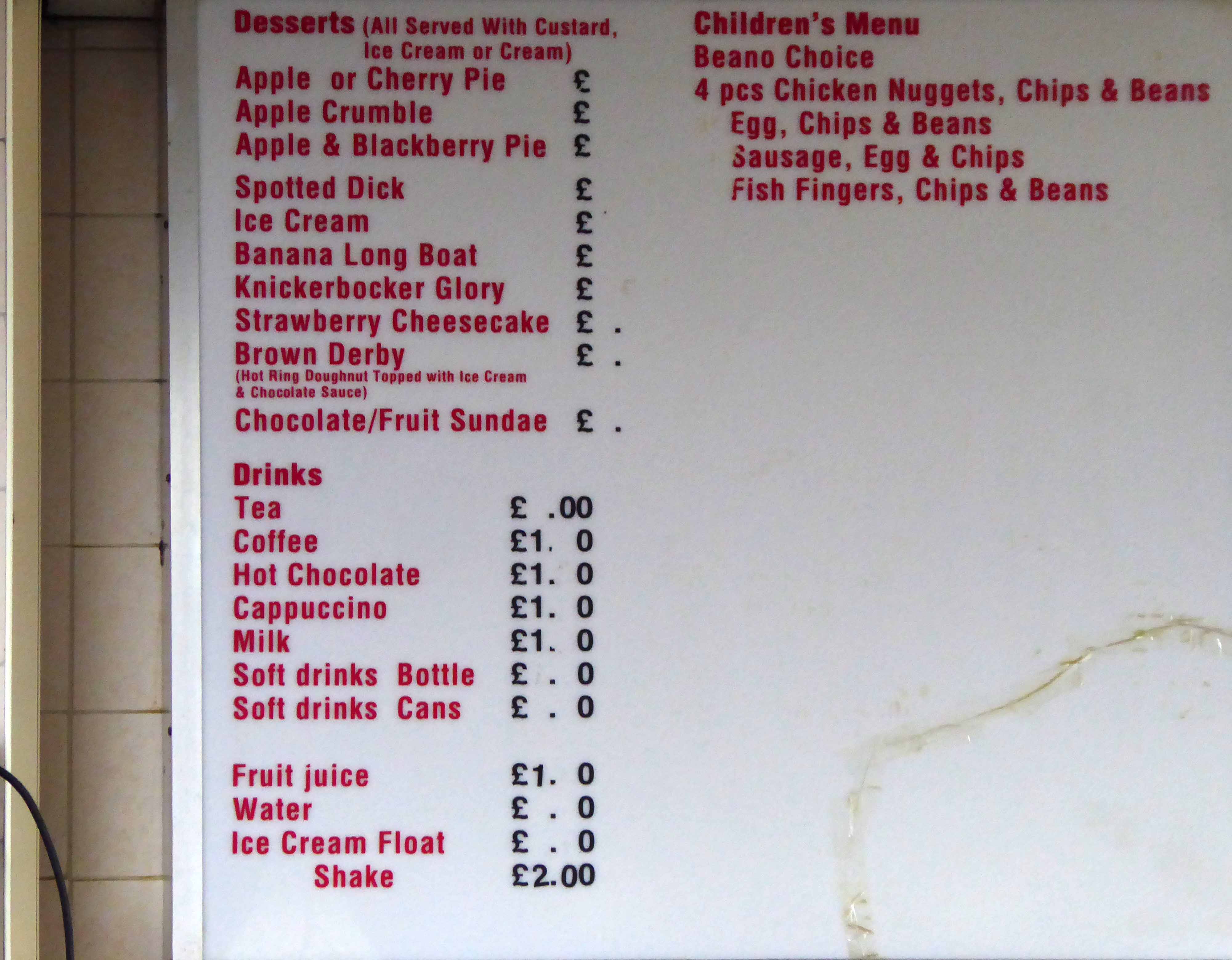
Time now for tea and a welcome plate of chish and fips at the Beano Cafe.

I miss my haddock and chips from Beano in Margate, brought to you with a smile and he remembers everyone.

Great customer service and friendly staff, see you soon.

The food is awful and the customer service is even worse: when we complained about the food the staff argued with us and wouldn’t do anything to change the food or refund, avoid at all costs!

Trip Advisor

Time for a wander around Cliftonville.

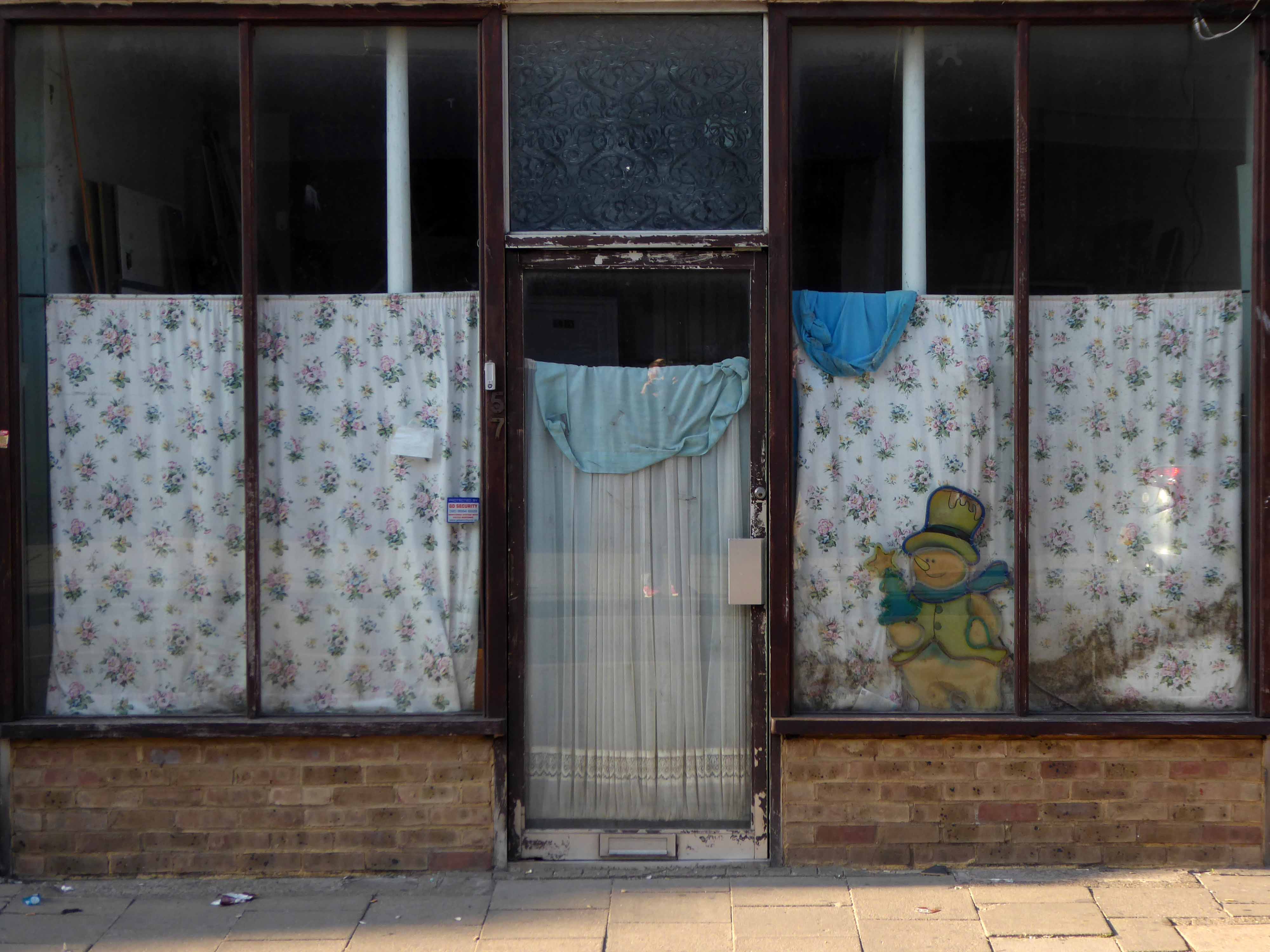
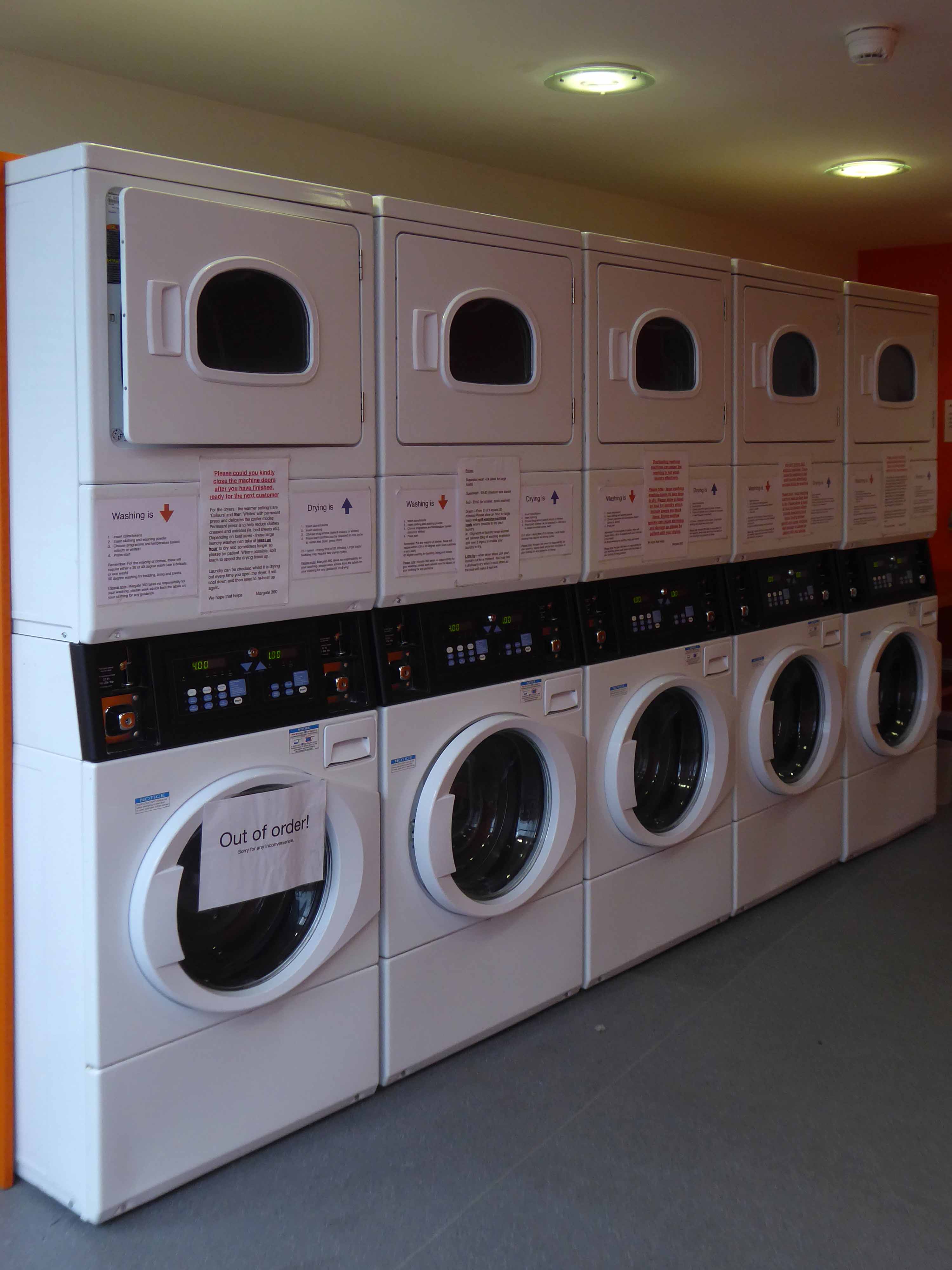
Discovering a shiny new launderette.

And a launderette that wasn’t a launderette – it’s a Werkhaus that isn’t a workhouse.

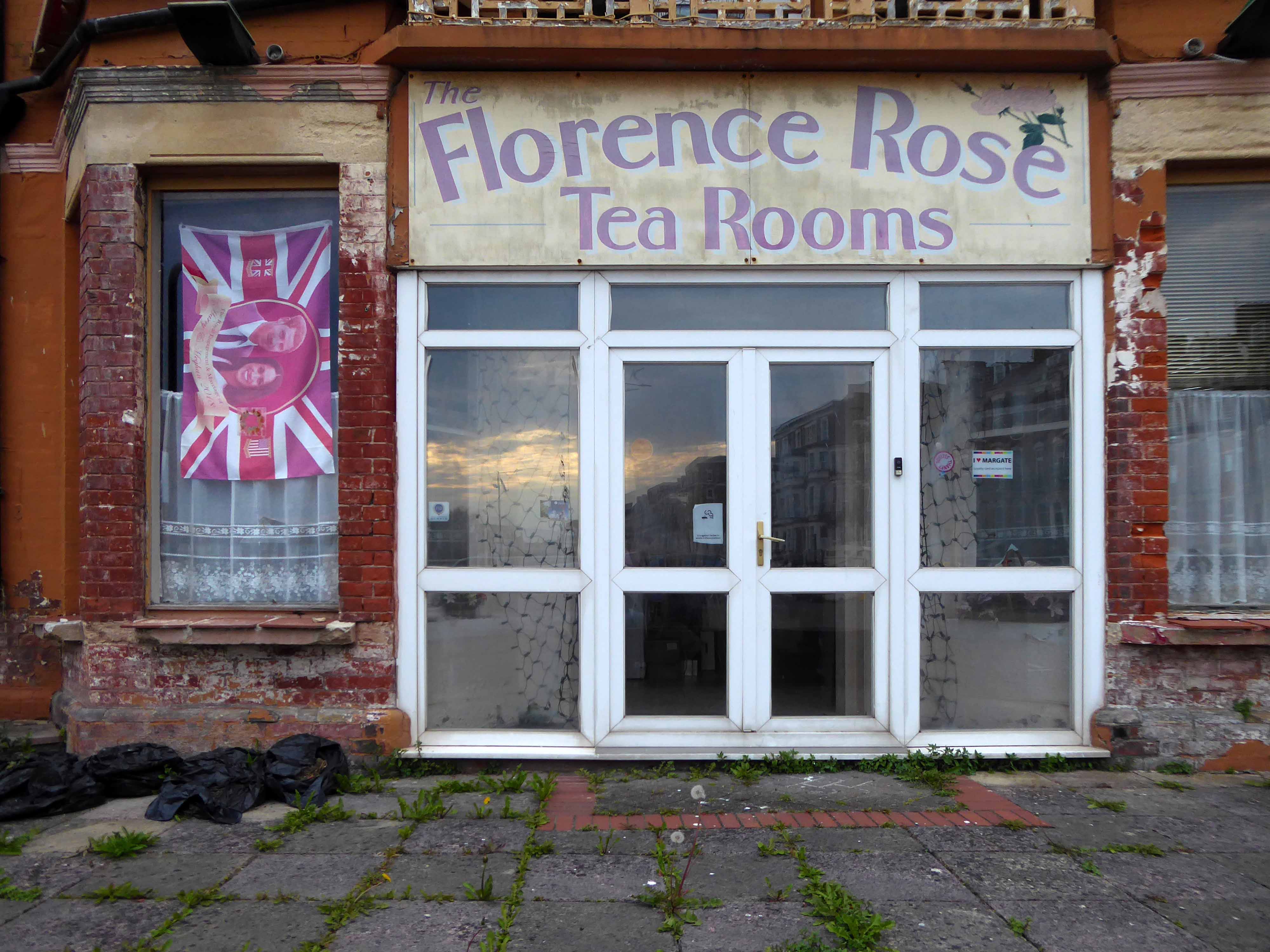
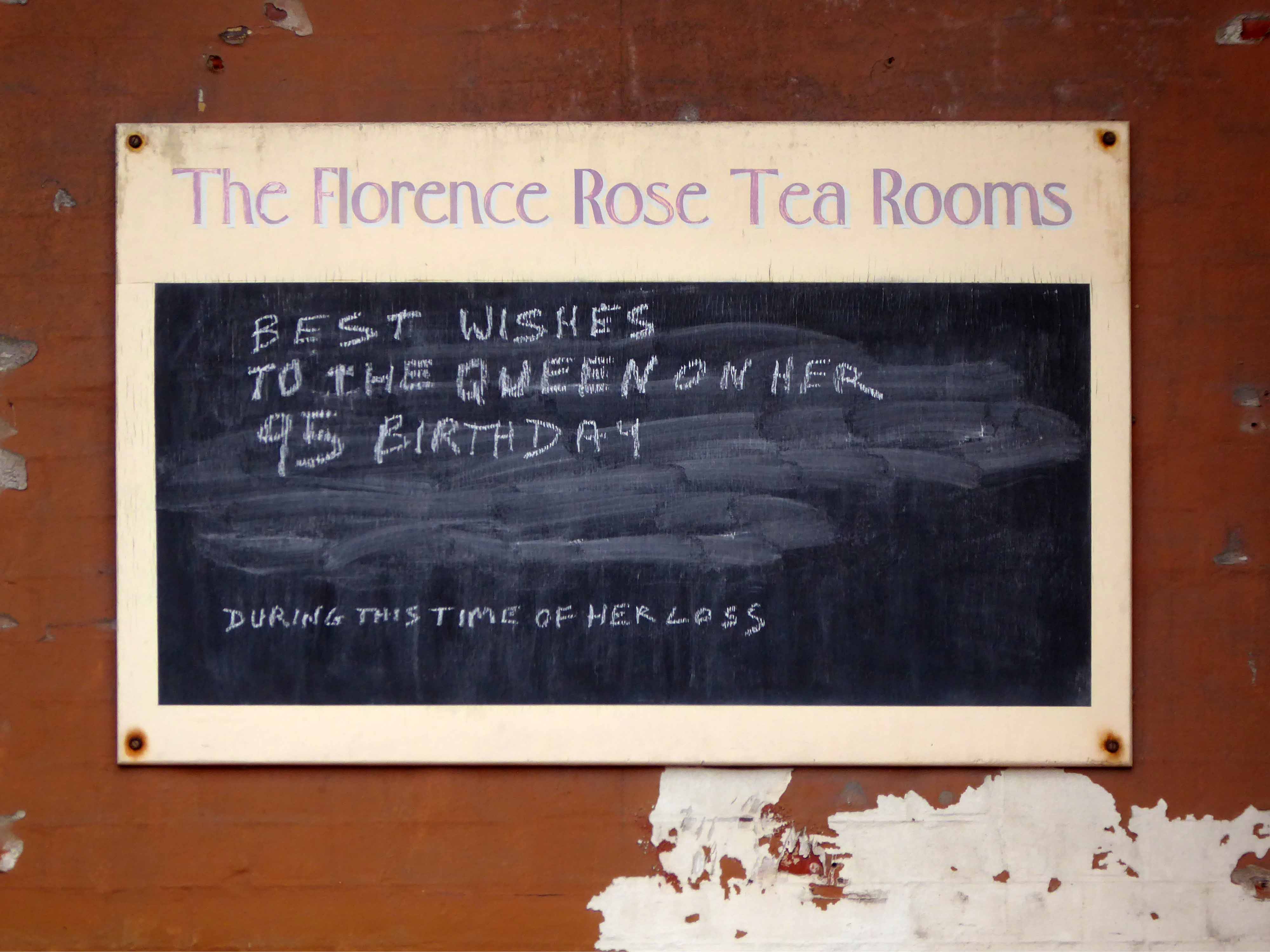
And a patriotic tea rooms.

So farewell then the south coast – we’re off home on the train in the morning.

But first a pint or two.

Porstmouth

Having cycled here from Southampton, we now had time to cool our heels and look around.

Tim Rushton and I were Fine Art students here in the 1970’s, eager to take a trip down Memory Lane to Lion Terrace.

We’ll get there in a bit.

We took a look along The Hard discovering pubs that we never went in which are no longer pubs.

This pub was built in 1900, possibly on the site of an earlier pub. For most of its history it was tied to the Brickwood’s Brewery of Portsmouth. 

The pub closed in 1970 to become a restaurant, before becoming an estate agents offices.

The pub sign appeared in the 1971 film Carry On At Your Convenience.

Many Brickwoods’ pubs were ever so elegantly tiled, though the beer was largely undrinkable.

Just along the way another pub which we never really knew, though still a pub for all that.

Across the water in Gosport our old pals Harbour and Seaward Towers.

Along the way some high quality hard landscaping.

Beneath our feet the smiling face of Pompey!

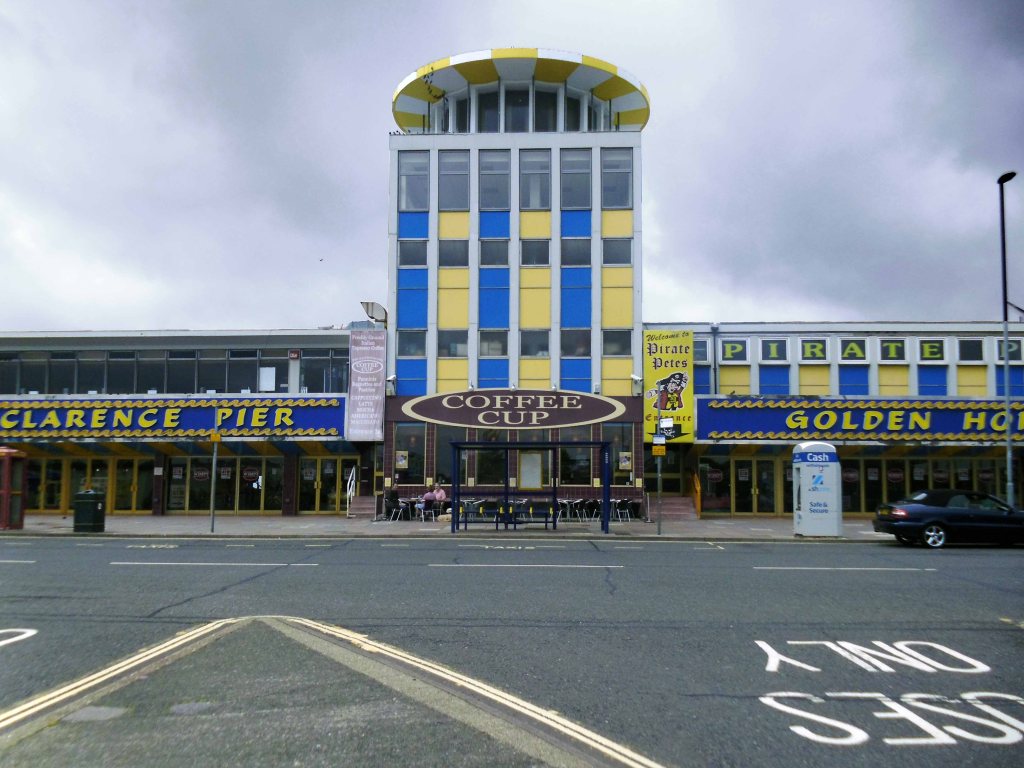
We resisted the charming period charms of the Clarence Pier

The pier was originally constructed and opened in 1861 by the Prince and Princess of Wales and boasted a regular ferry service to the Isle of Wight.

It was damaged by air raids during World War II and was reopened in its current form on 1 June 1961 after being rebuilt by local architects AE Cogswell & Sons and R Lewis Reynish.

Mind the Baby Mr. Bean an episode of British TV comedy series Mr. Bean was filmed on location at Clarence Pier.

Wikipedia

Tim wisely eschews the Wimpy.

Lyons obtained a licence to use the Wimpy brand in the United Kingdom from Edward Gold’s Chicago based Wimpy Grills Inc. and, in 1954, the first Wimpy Bar was established at the Lyons Corner House in Coventry Street, London. The bar began as a special fast food section within traditional Corner House restaurants, but the success soon led to the establishment of separate Wimpy restaurants serving only hamburger-based meals.

In a 1955 newspaper column, Art Buchwald, syndicated writer for the Washington Post, wrote about the recent opening of a Wimpy’s Hamburger Parlor on Coventry Street and about the influence of American culture on the British.

Buchwald wrote:

Food served at the table within ten minutes of ordering and with atomic age efficiency. No cutlery needed or given. Drinks served in a bottle with a straw. Condiments in pre-packaged single serving packets.

In addition to familiar Wimpy burgers and milkshakes, the British franchise had served ham or sardine rolls called Torpedoes and a cold frankfurter with pickled cucumber sandwiches called Freddies.

During the 1970s Wimpy refused entry to women on their own after midnight.

Moving along eye spy the Isle of Wight Ferry through the Hovertravel window.

Hovertravel is now the world’s oldest hovercraft operator, and this service is believed to be unique in western Europe. 

It is the world’s only commercial passenger hovercraft service.

The operator’s principal service operates between Southsea Common on the English mainland and Ryde Transport Interchange on the Isle of Wight: the crossing time of less than 10 minutes makes it the fastest route across The Solent from land to land. 

This service commenced operations in 1965, Hovertravel currently operates two 12000TD hovercraft on a single route between Ryde and Southsea.

Wikipedia 

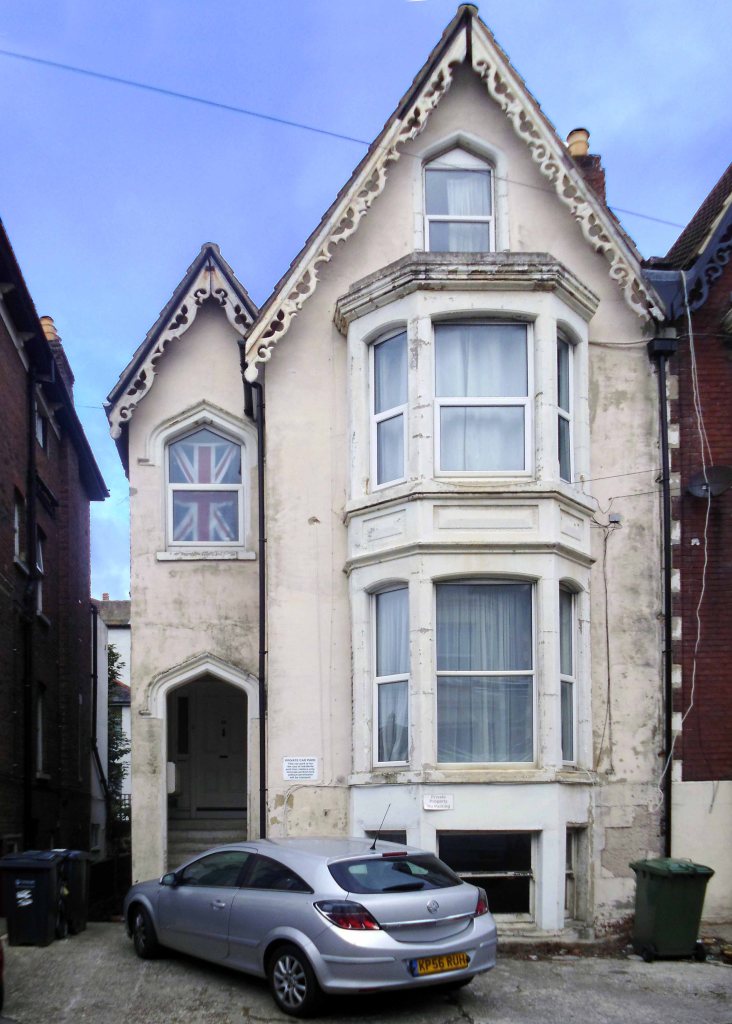
We took a turn into the back streets to visit our old home 20 Shaftesbury Road, where Catherine Lusher, Tim and I lived in the basement flats.

Liz Bavister and Trish Frowd lived above

The former Debenham’s is to become flats.

Hampshire Live

Nearby Knight and Lea has been listed

The Knight & Lee building, which is located between two conservation areas on a prominent corner of Palmerston Road and Clarendon Road in Southsea, Portsmouth, was designed by Cotton, Ballard and Blow.

C20

Notable surviving original interior features include spiral staircases with terrazzo flooring in the northwestern and southwestern corner customer entrance vestibules.

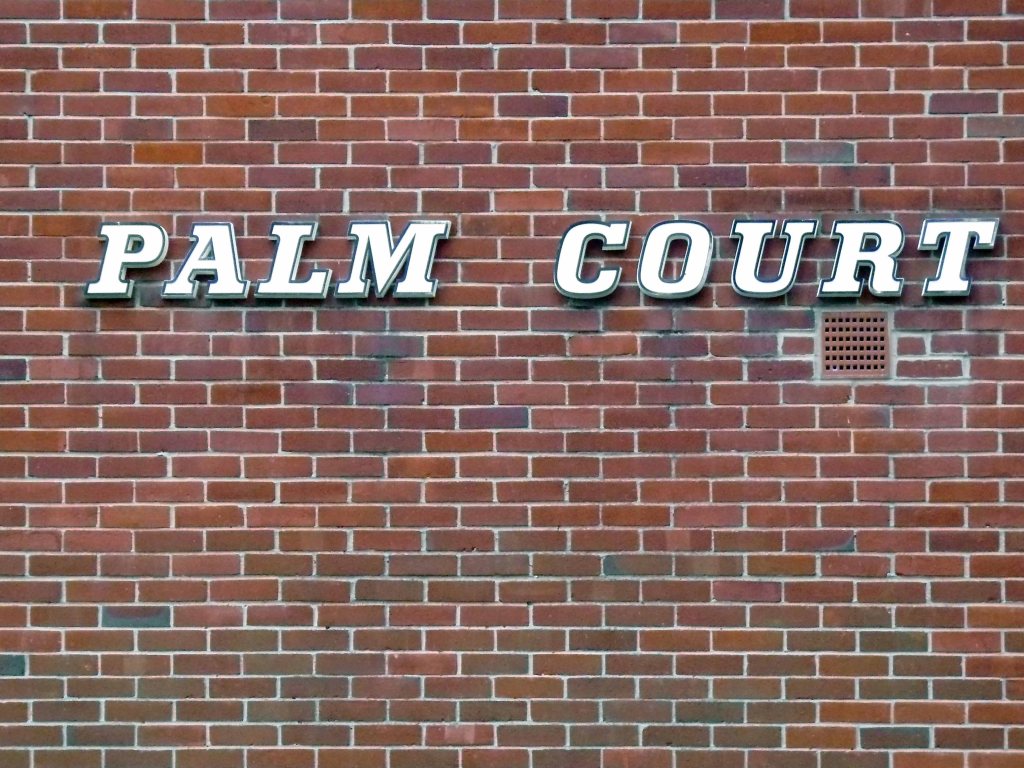
A little Stymie Bold Italic aka Profil for your delectation along with a delightful low concrete fence.

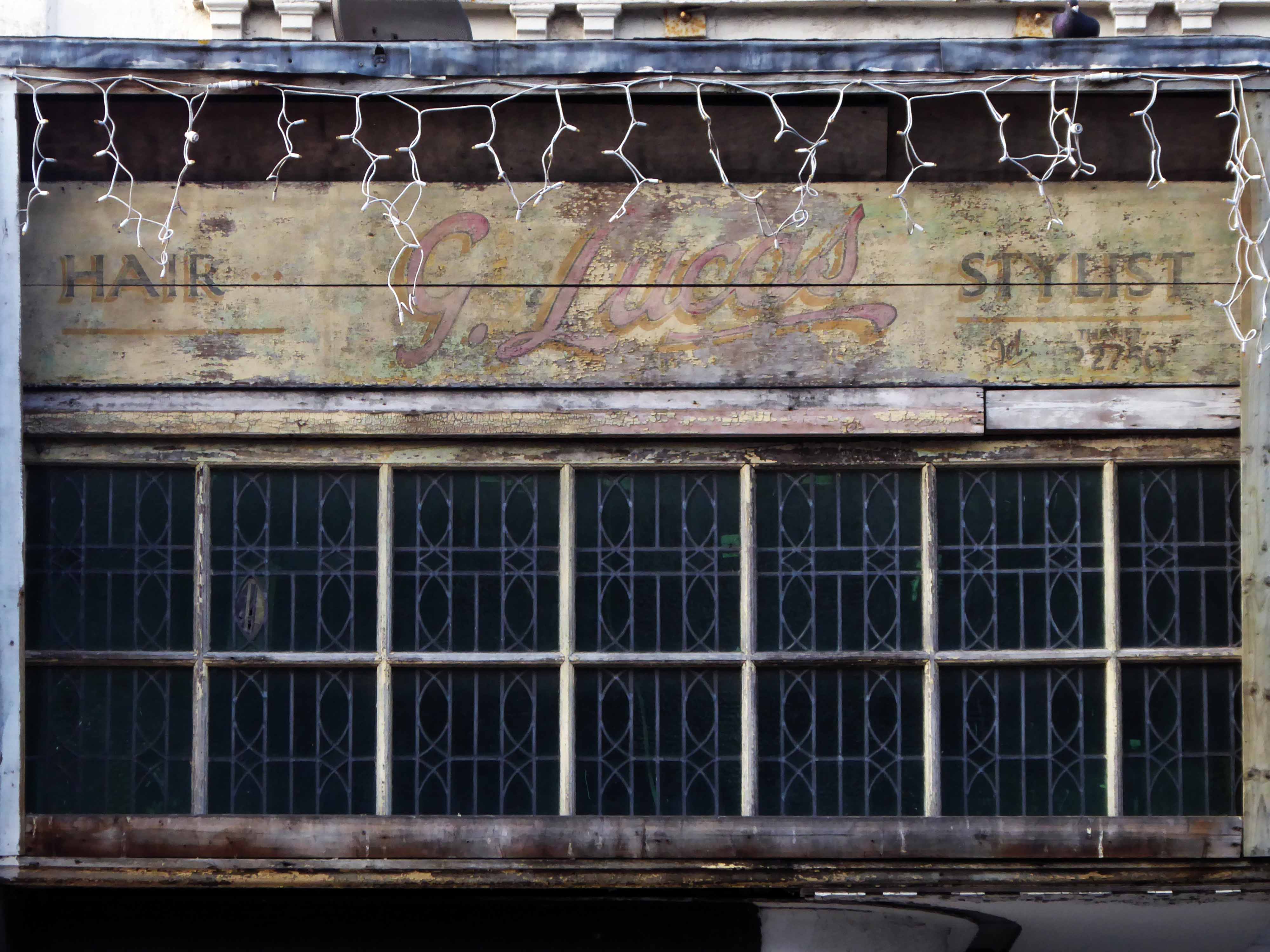
A ghostly sign.

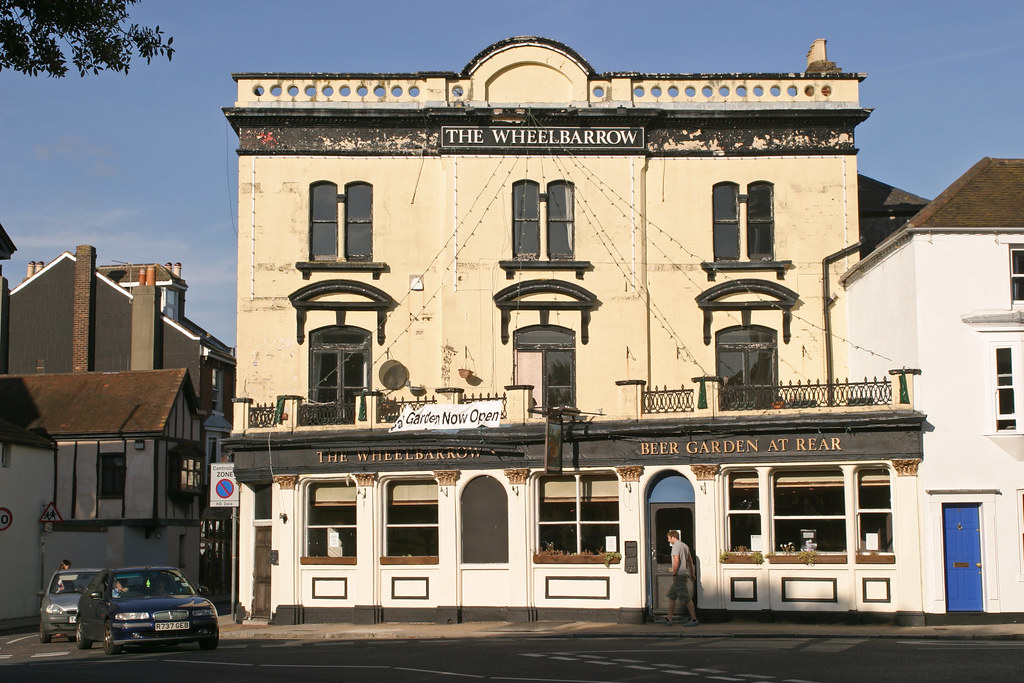
The Wheelbarrow where we drank, currently home to Joe and his pizzas.

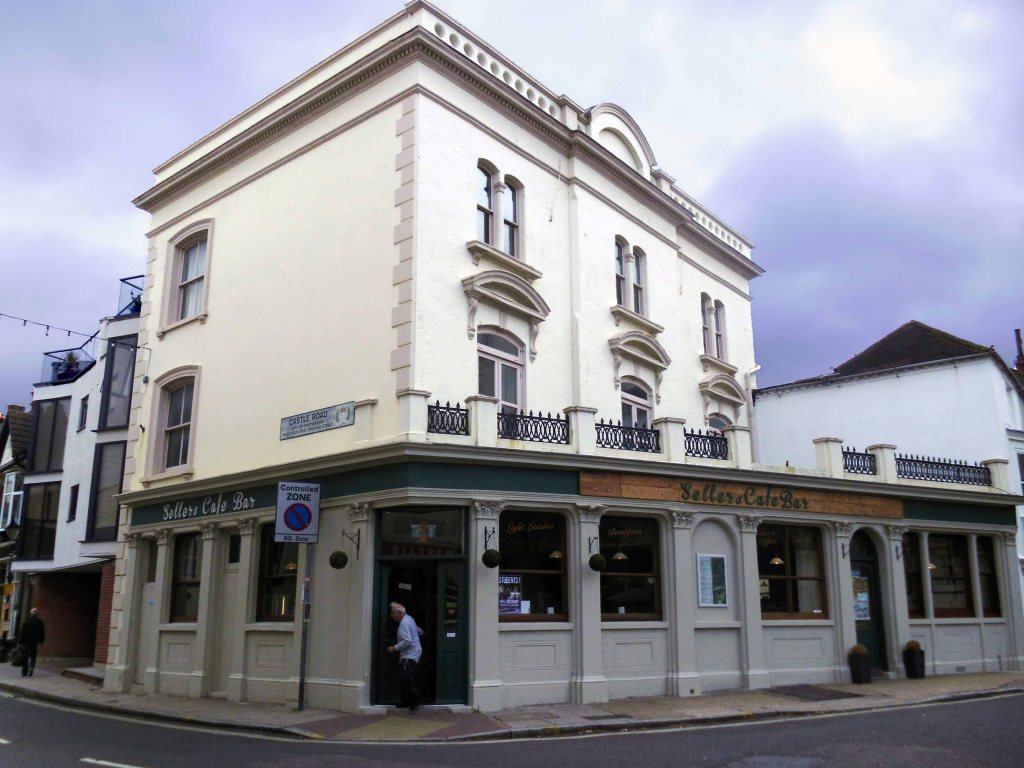
The former Duchess of Fife in Castle Road long gone Long’s pub

Long & Co Ltd Southsea Brewery

Founded by William Tollervey 1814 and was acquired by Samuel Long in 1839. Registered in March 1924. 

Acquired by Brickwoods Ltd 1933 when brewing ceased.

The Barley Mow my favourite local where we would take a drink later.

Later.

The evening was enlivened by the arrival of a drunken wedding party the bride all in white, veil askew.

The besuited groom three sheets to the wind, mayhem ensued, we departed.

The Grade II Listed India Arms – North part 1902 by AE Cogswell; south part formerly Fishmonger and Game shop 1900, which formed the extension to the public house c1980.

Once part of the long gone Gales Brewery estate.

Founded 1847 when Richard Gale acquired the Ship & Bell home brew house.

Registered in April 1888 with 80 public houses. 

Acquired by Fuller, Smith & Turner Ltd in 2005 with 111 houses and closed.

Now we is at the Borough Arms and other favourite – purveyors of strong rough cider.

Built in 1899 architect AE Cogswell as the Old Vic now listed but no longer a pub

Along with the adjacent Wiltshire Lamb which since the 1980s this pub has had a variety of names including, Drummond’s, Tut ‘n’ Shive, Monty’s and now Hampshire Boulevard, usually shortened to HB.

The Norrish Central Library: city architect Ken Norrish 1976 – is all that remains this Brutal part of Portsmouth.

It faces the stylish new Civic Centre: Teggin & Taylor 1976 – a piazza completed by the adjacent Guildhall.

Alas no more:

The Tricorn Centre was a shopping, nightclub and car park complex, it was designed in the Brutalist style by Owen Luder and Rodney Gordon and took its name from the site’s shape which from the air resembled a tricorn hat.

Constructed in the mid-1960s, it was demolished in 2004.

Next we are by the former Portsmouth Polytechnic Fine Art block in Lion Terrace.

The ground floor corner housed the print room where I learnt my craft under the tutelage of Ian Hunter who we hooked up with for a pint and a chat.

Thanks ever so Ian for everything.

The happy days came to an end when the department was acrimoniously closed during a Hampshire shuffle.

We also cycled out to Langstone Harbour in search of the Arundel Canal lock gates, where Tim had languidly drawn away the hours, too many summers long ago.

After some circuitous searching we finally found them.

We ended a long day in the Barley Mow sharing yet another pint, one of many in our almost fifty year friendship.

Higher Openshaw

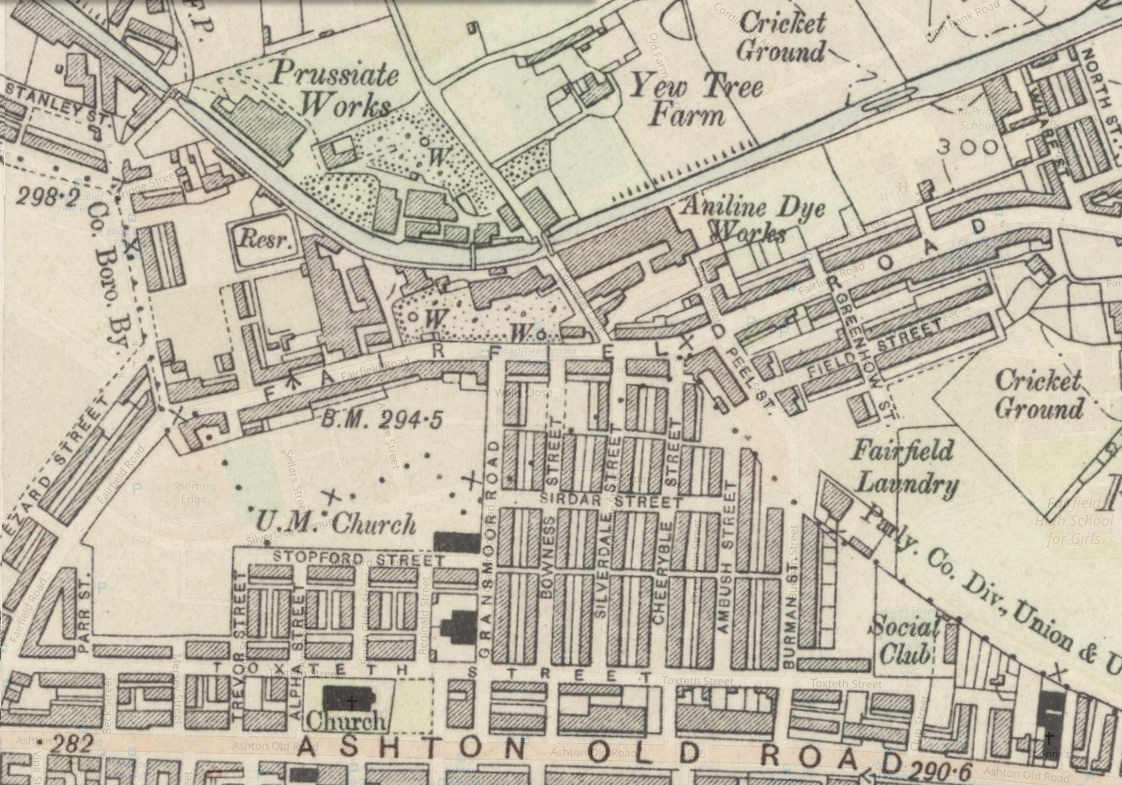
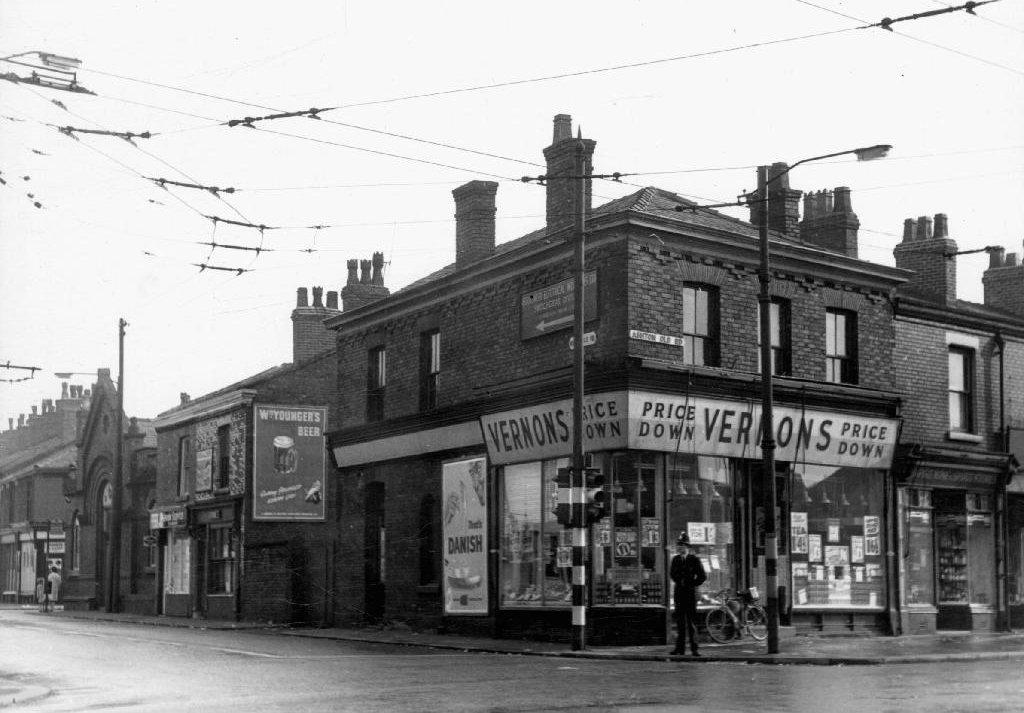
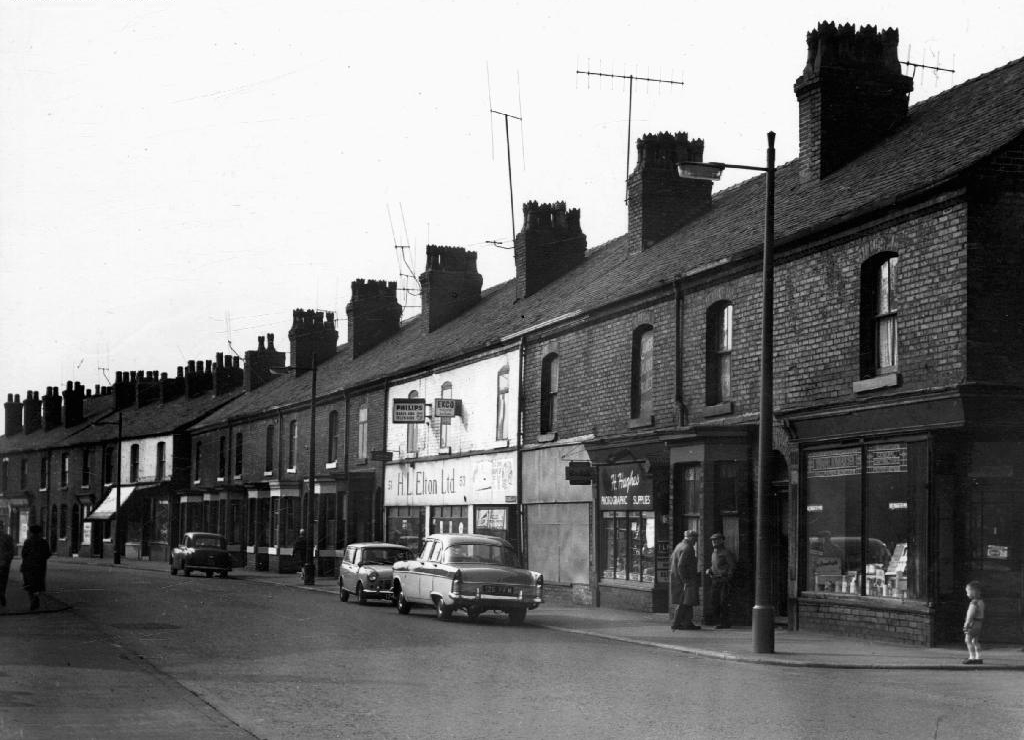
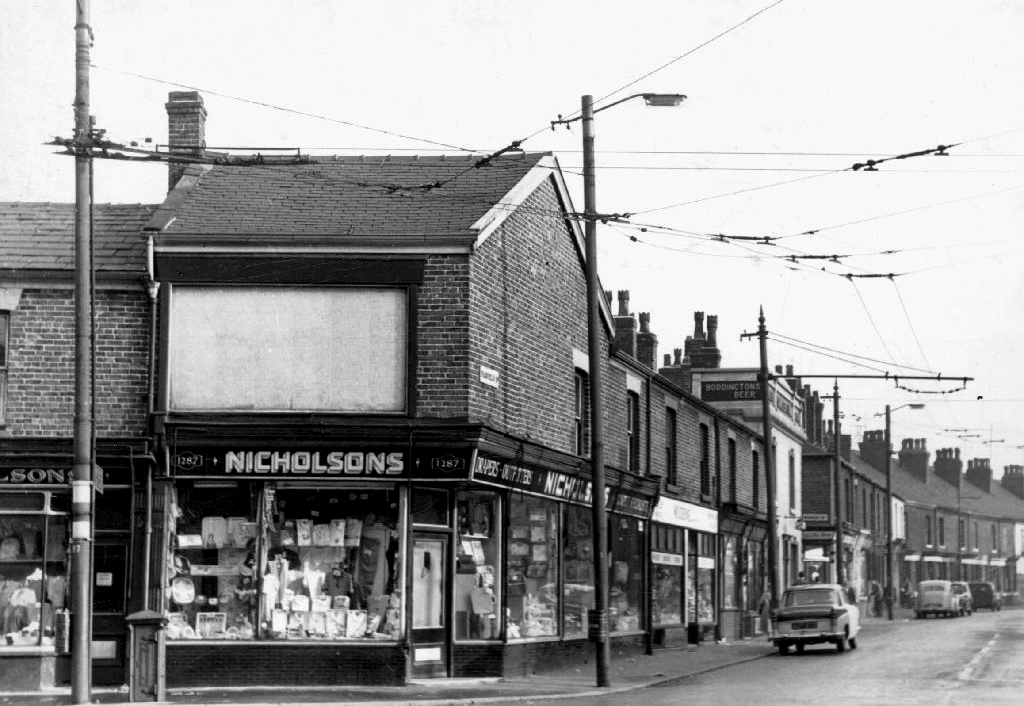
There’s been more than a few comings and goings along Ashton Old Road.

1906

Where once there were fields, homes and industry arrive, as the Industrial Revolution is in full swing.

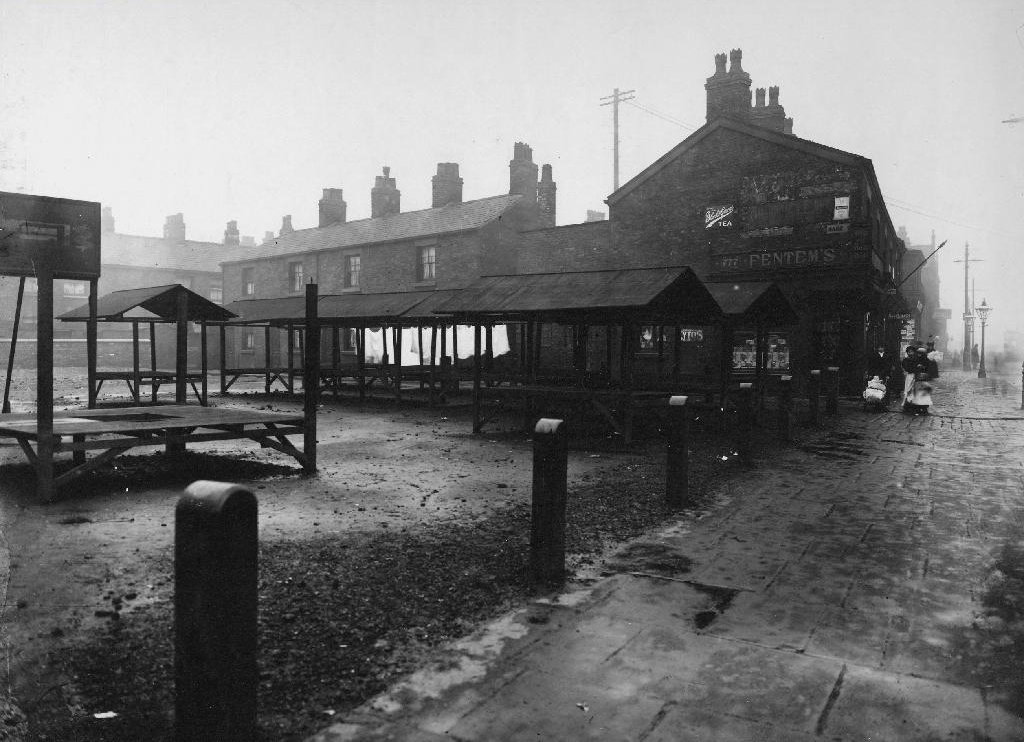
1908

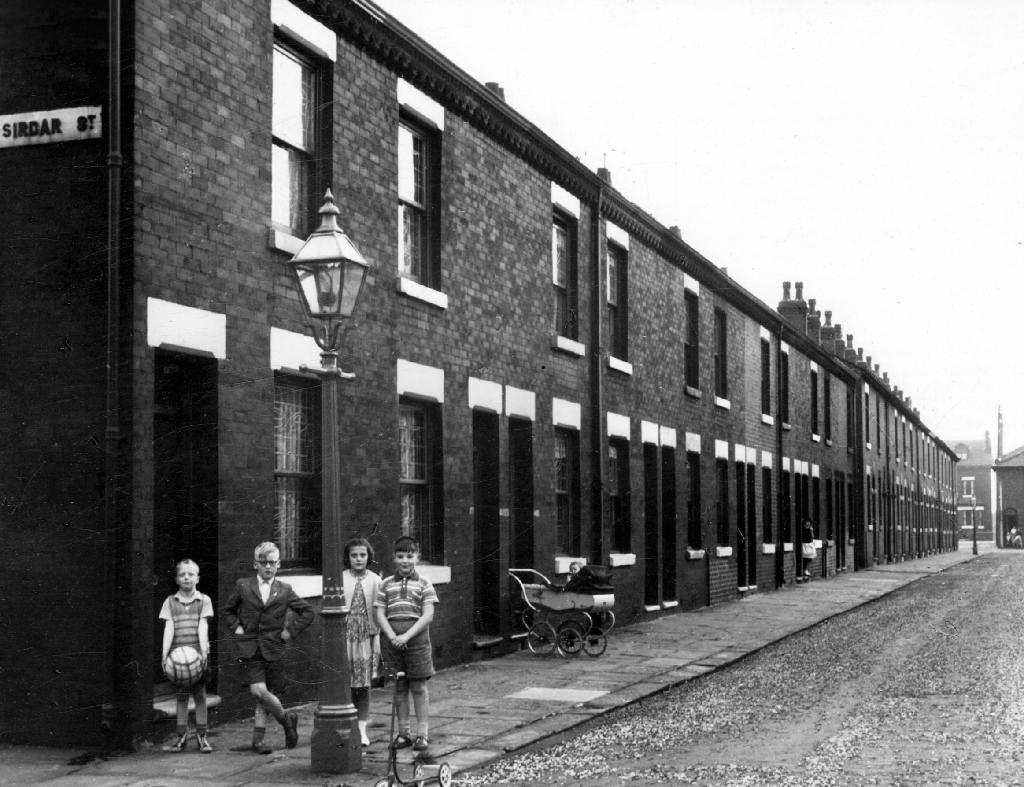
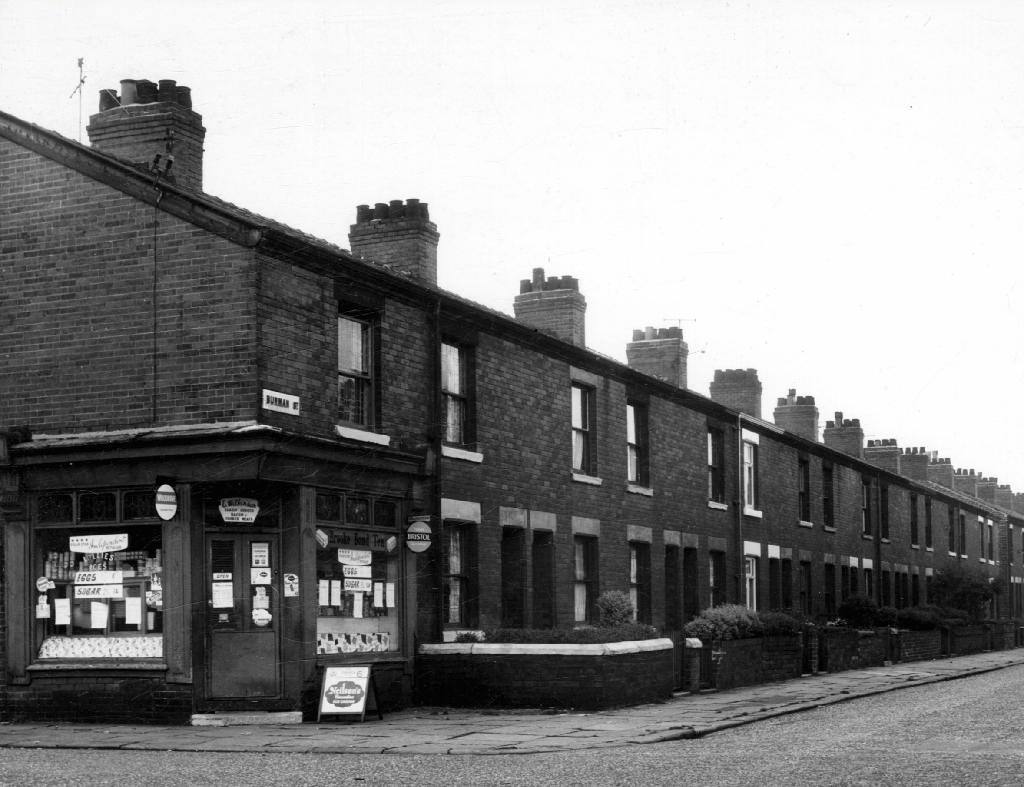
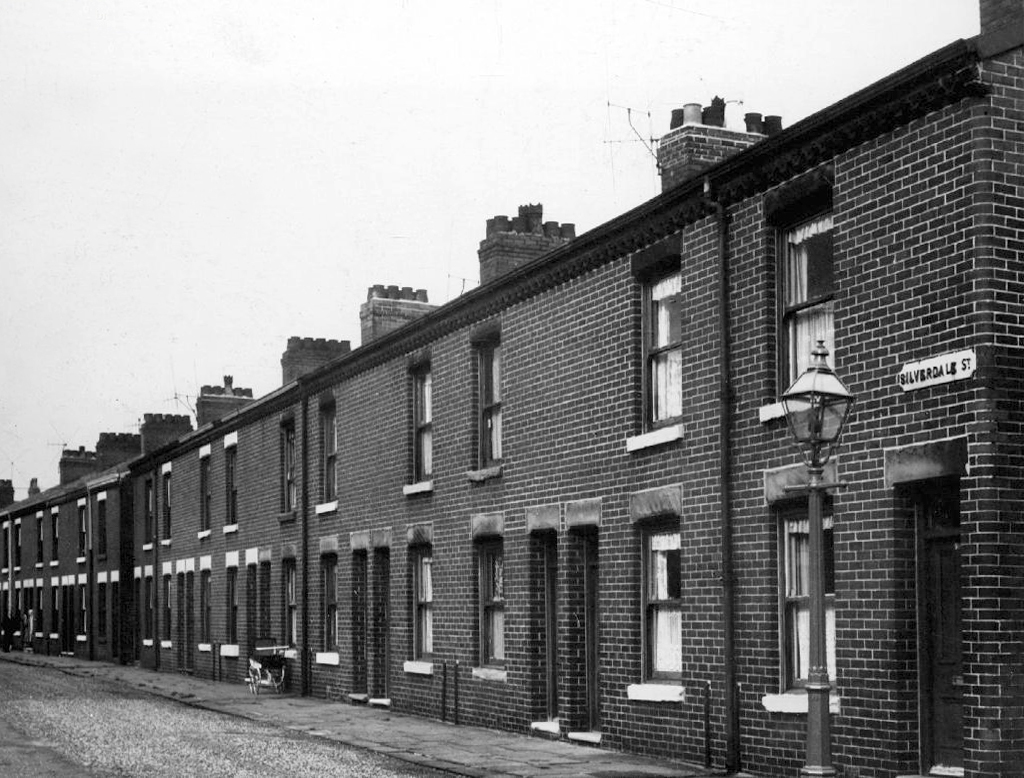
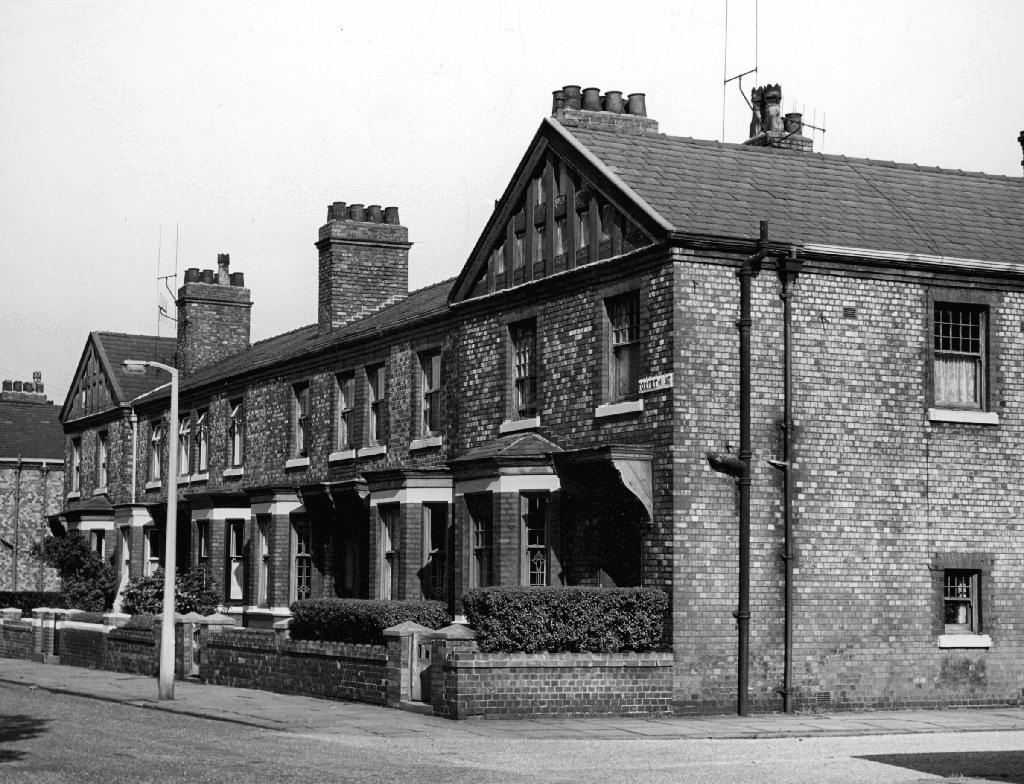
The streets to the north of Ashton Old Road are alive with shops, homes, people and prams.

Along with the occasional motor car.

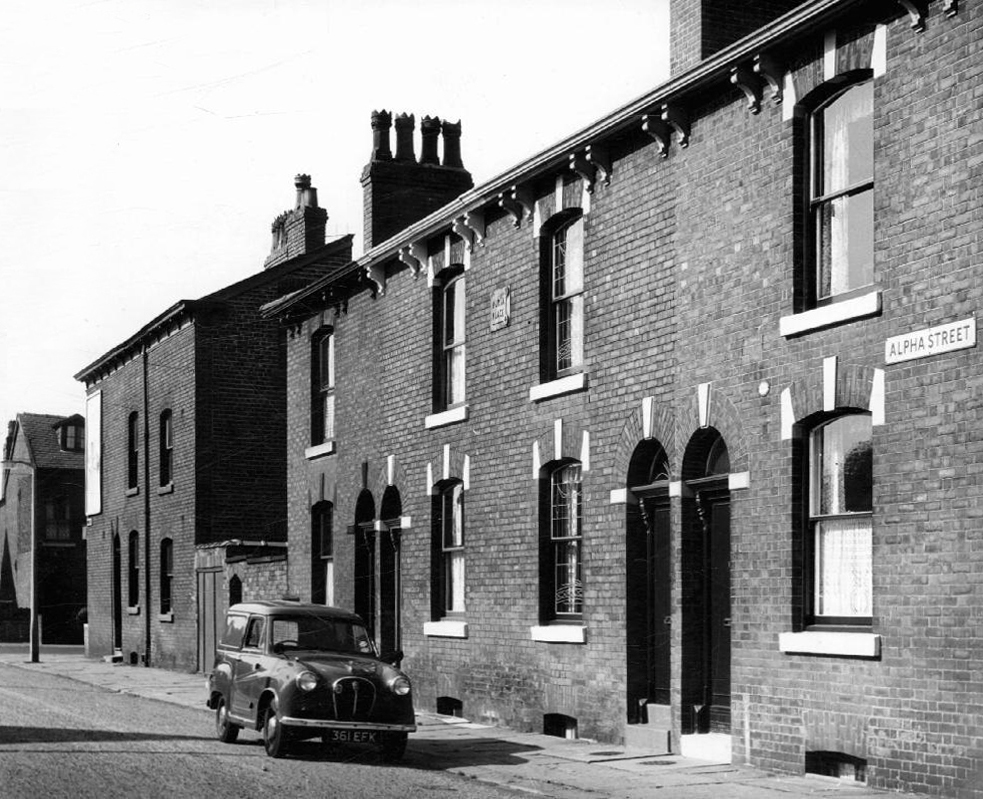
Alpha Street
Bowness Street
Burman Street
Silverdale Street
Toxteth Street
Trevor Street

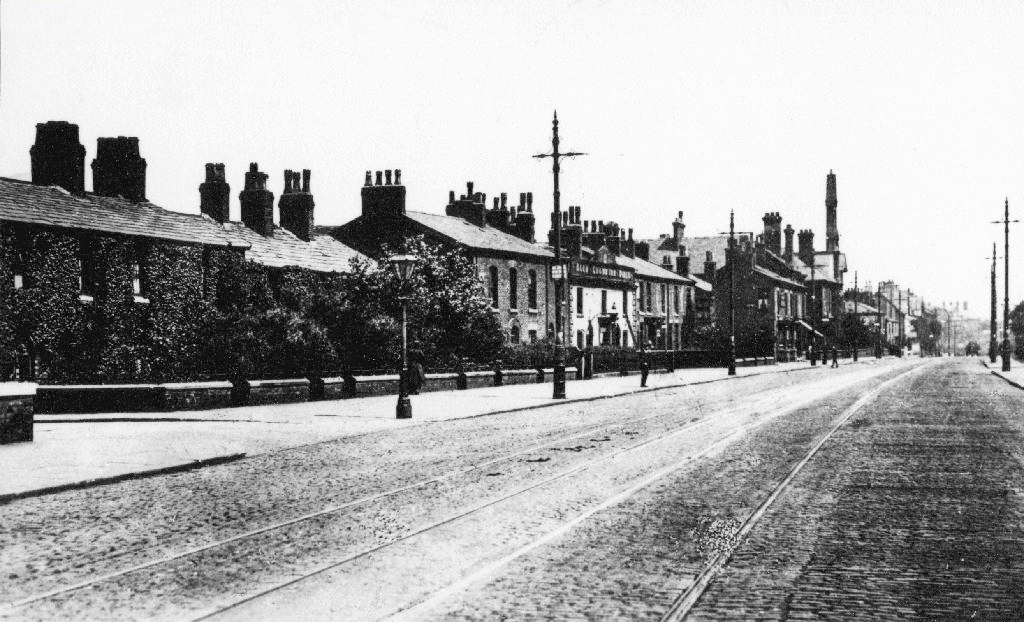
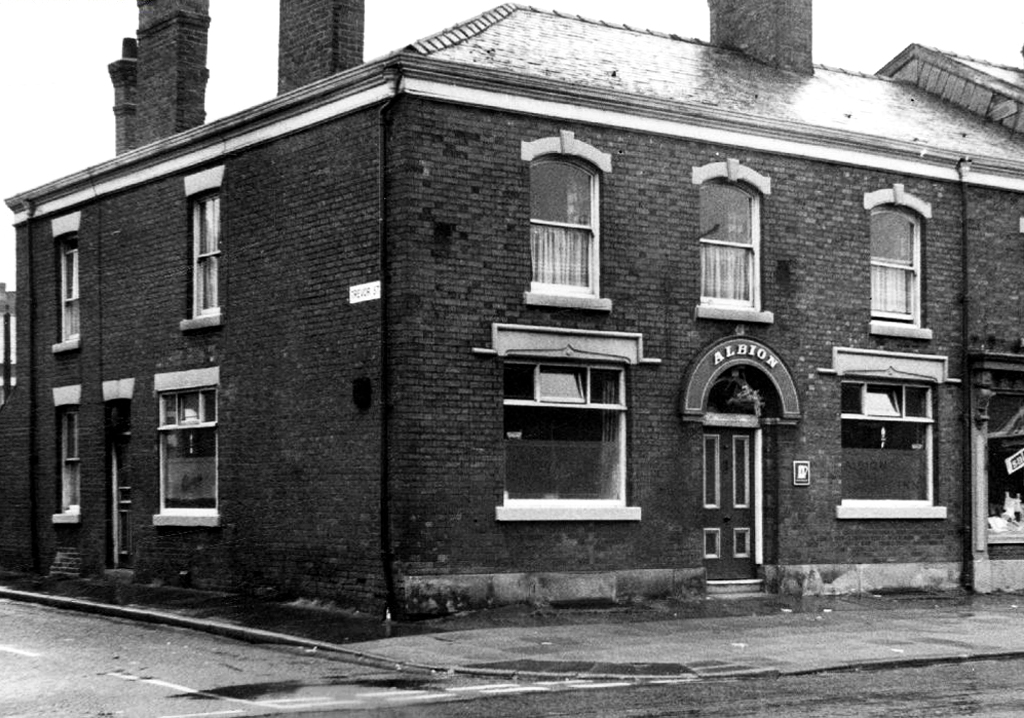
The Old Road boasted some fine busy boozers.

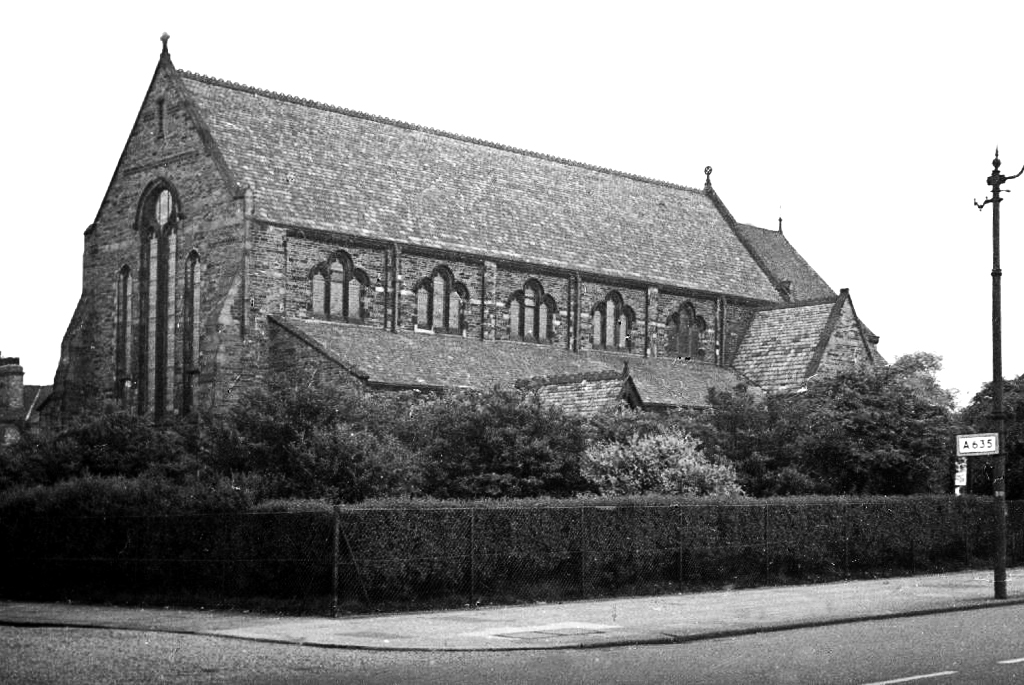
And a splendid church and school.

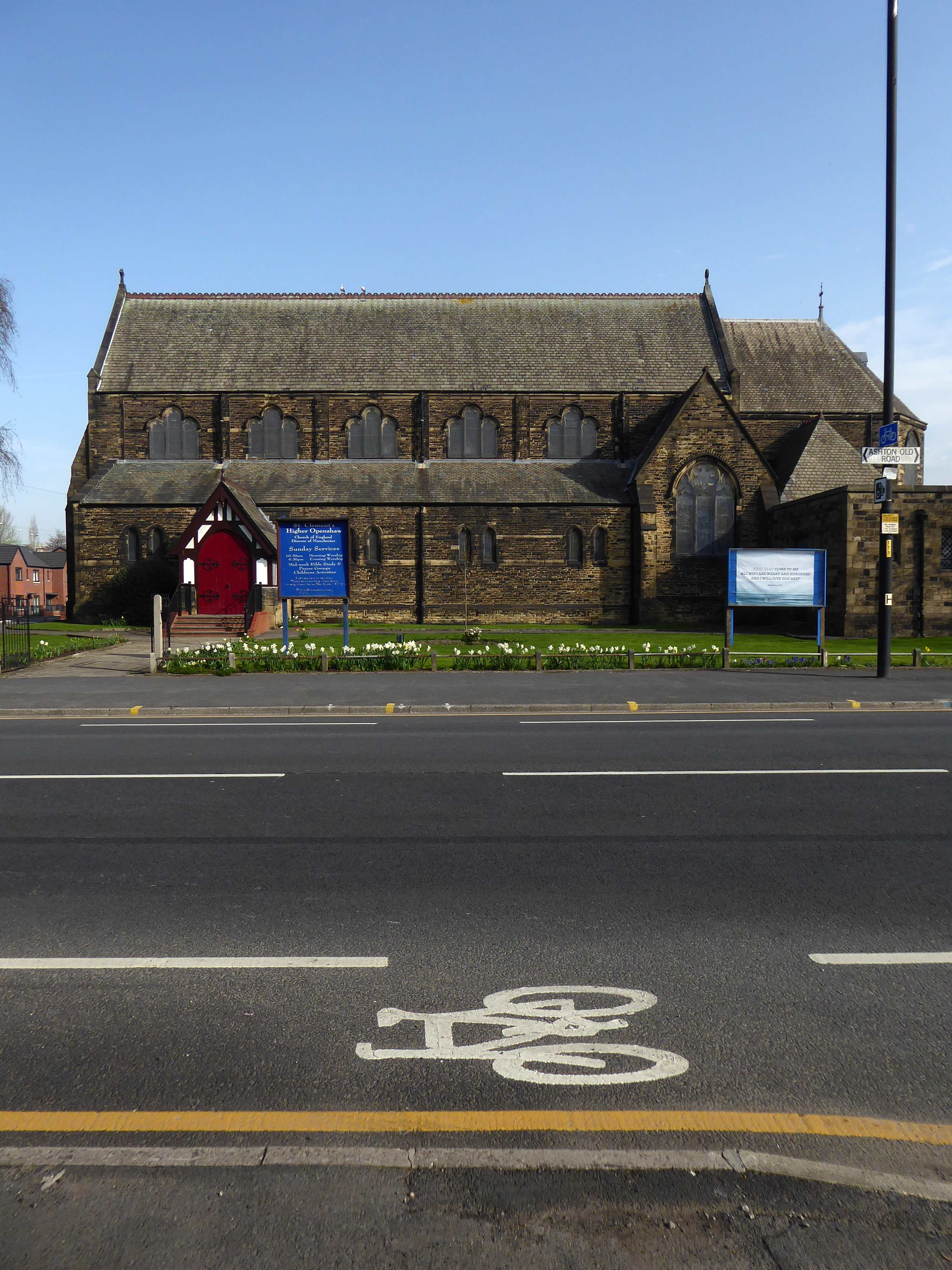
St Clements

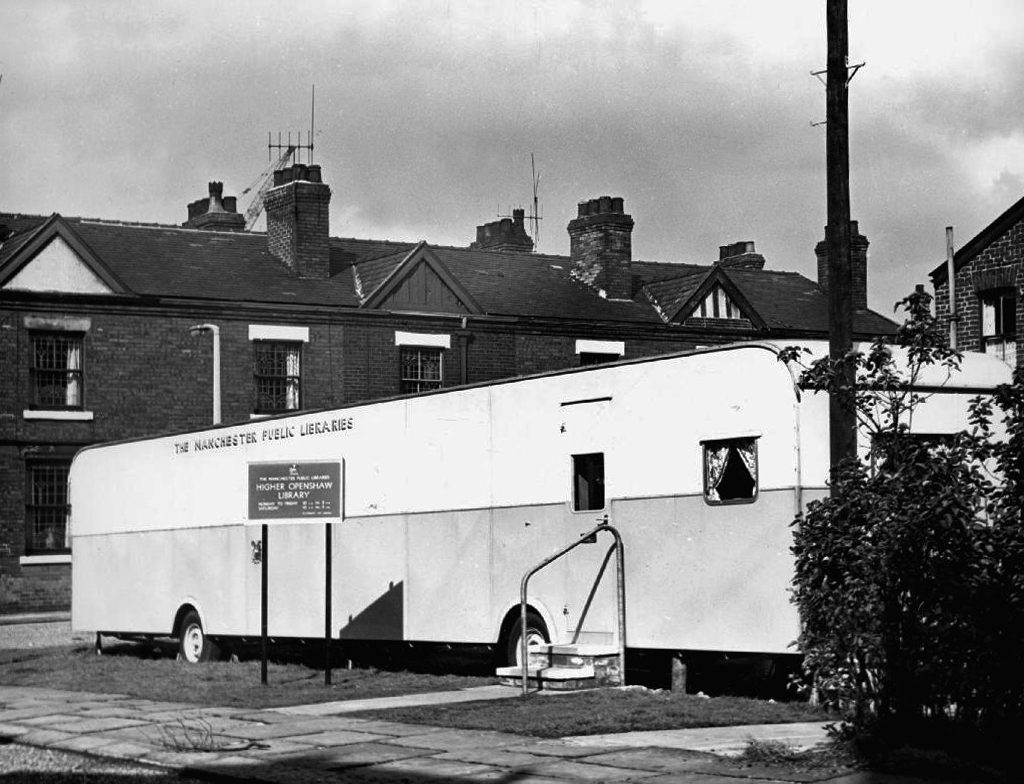
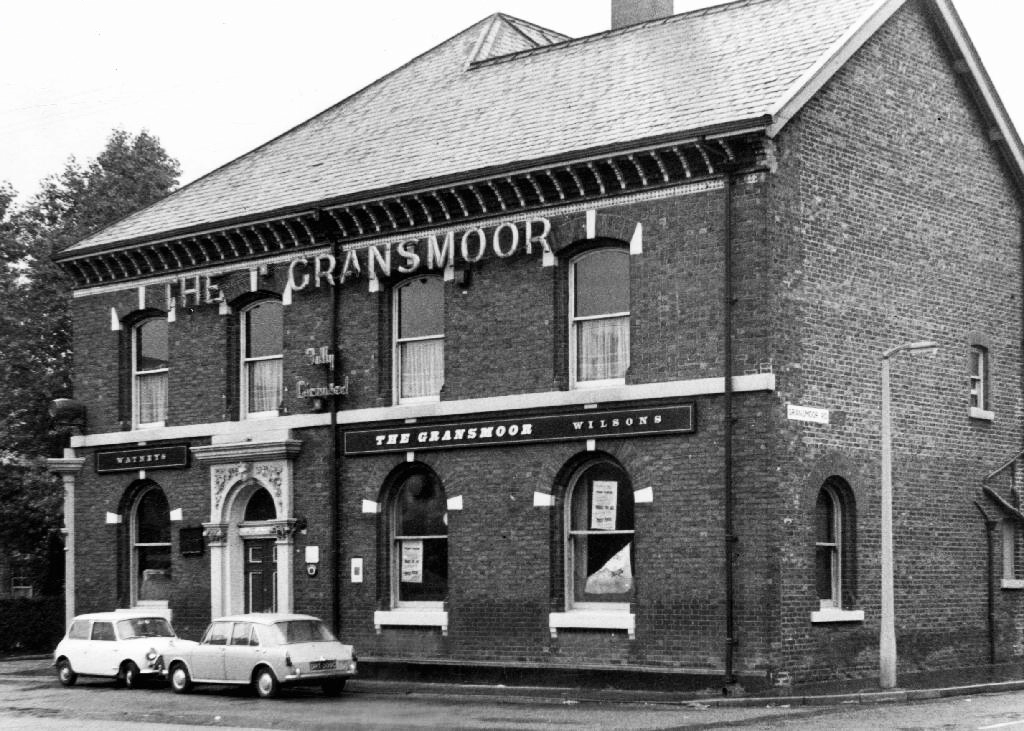
The man responsible for the majority of these archive photographs is Tommy Brooks of 56 Gransmoor Road.

He is my hero, a member go the Manchester Amateur Photographic Society, cycling the streets of Manchester to produce a unique record of life in the Sixties.

The Manchester Image Collection is awash with his work.

Chapeau Tommy!

Gransmoor Road 1963

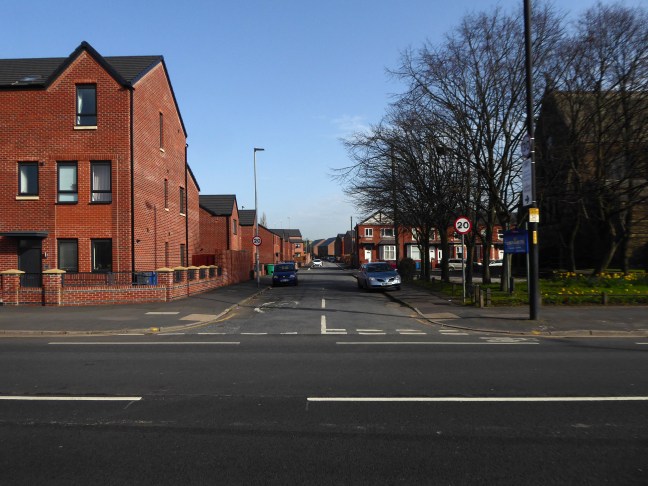
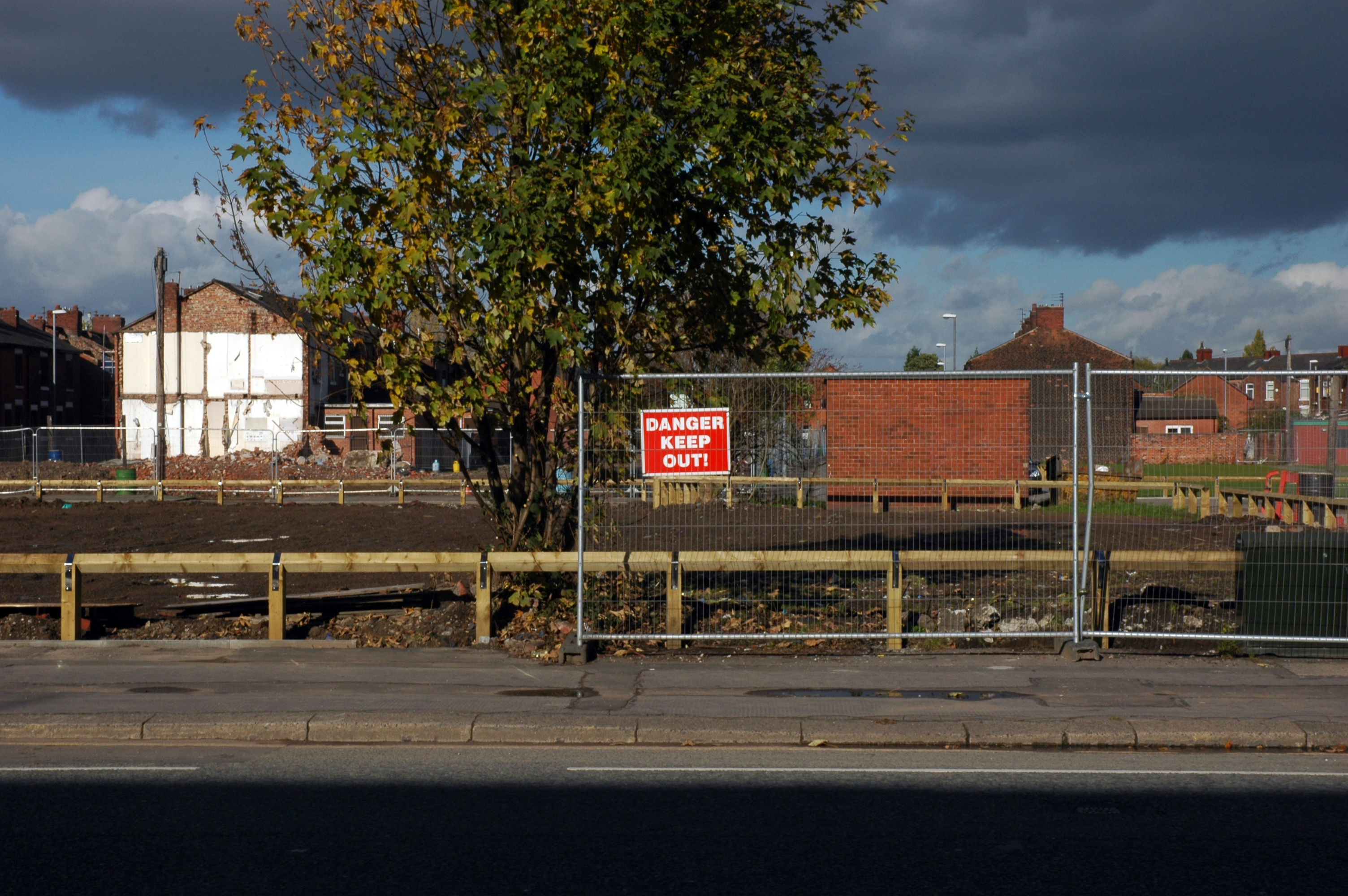
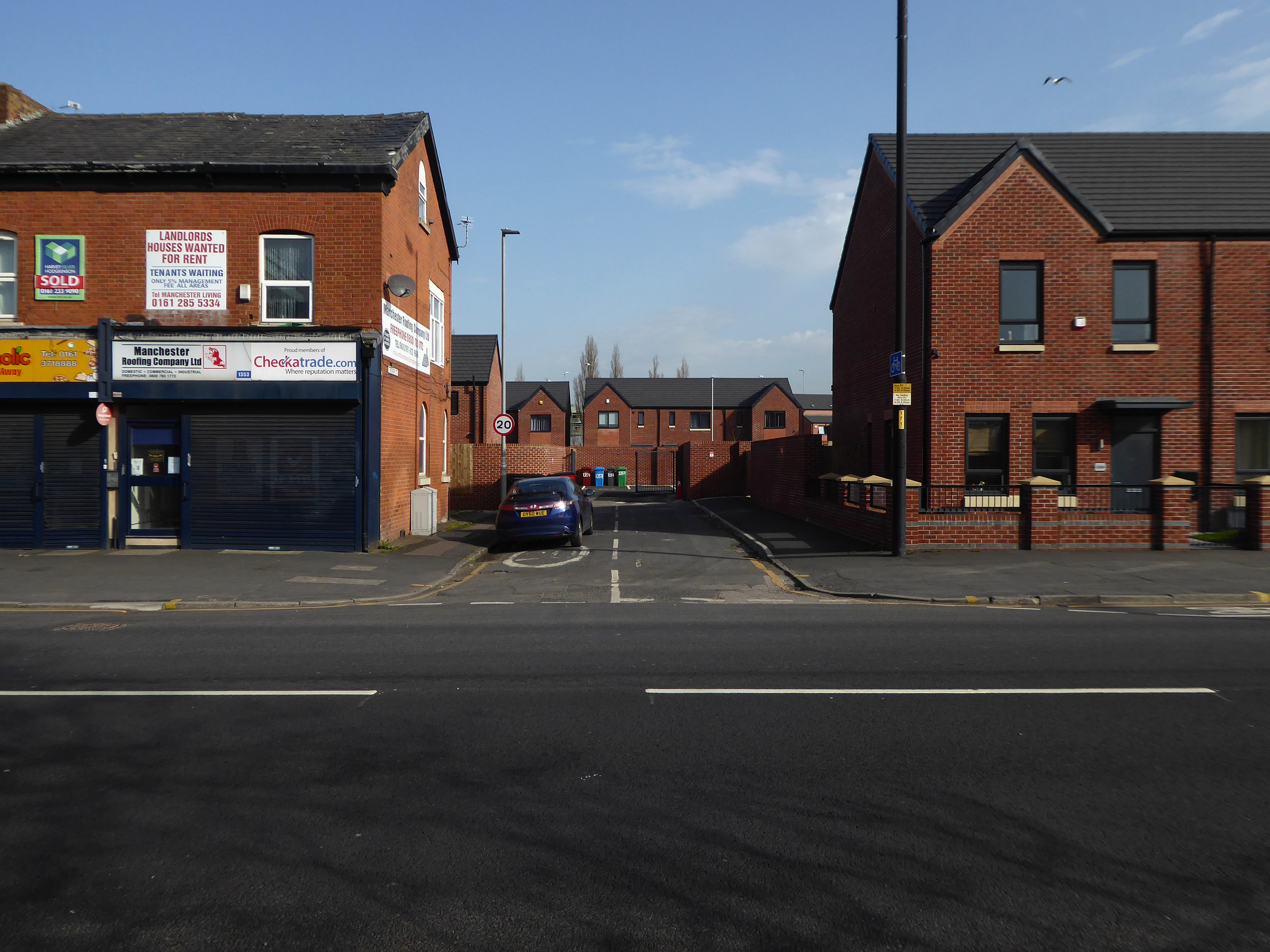
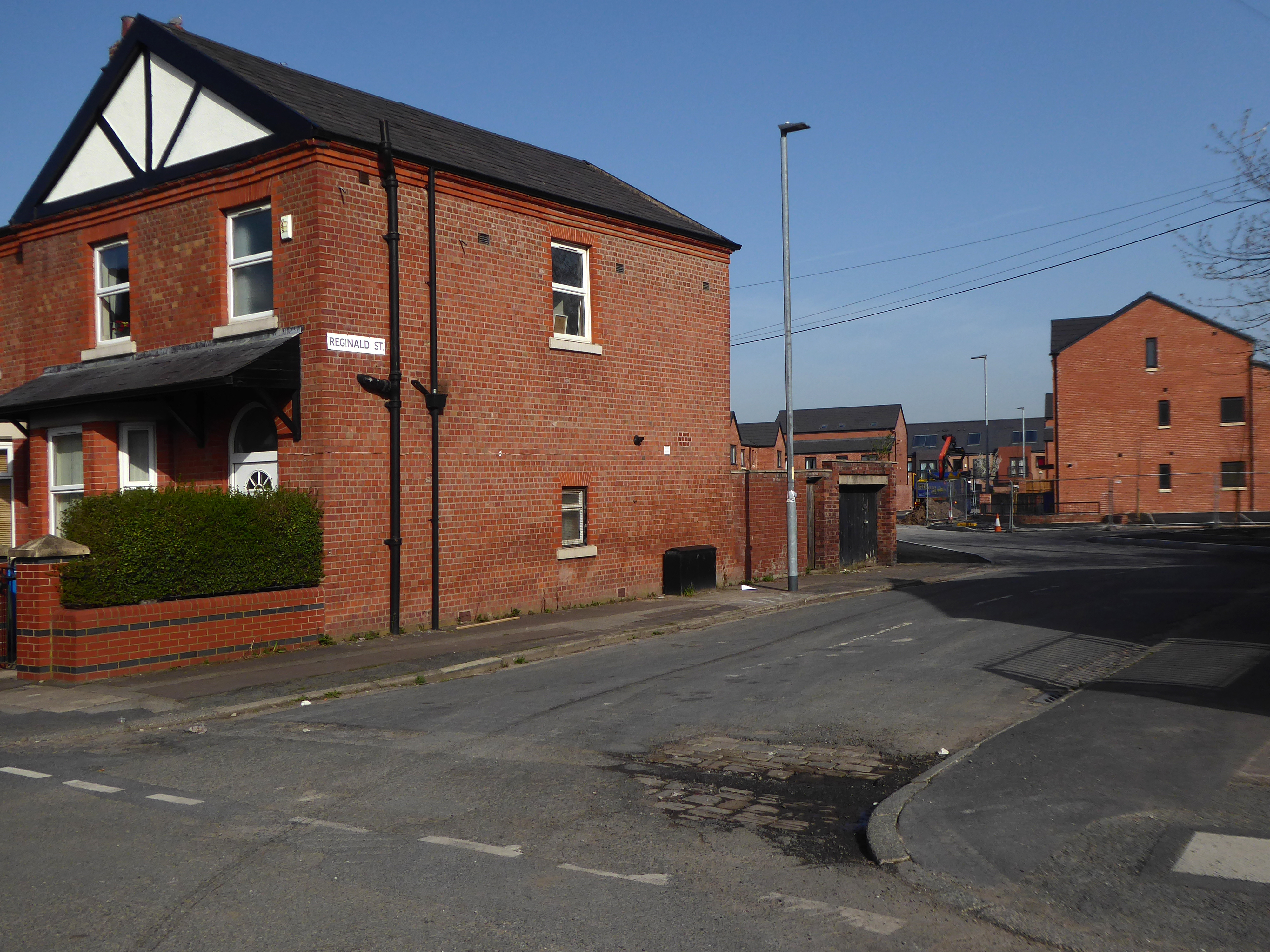
The house is no longer there – the area has recently been redeveloped, some older properties demolished, and new homes built.

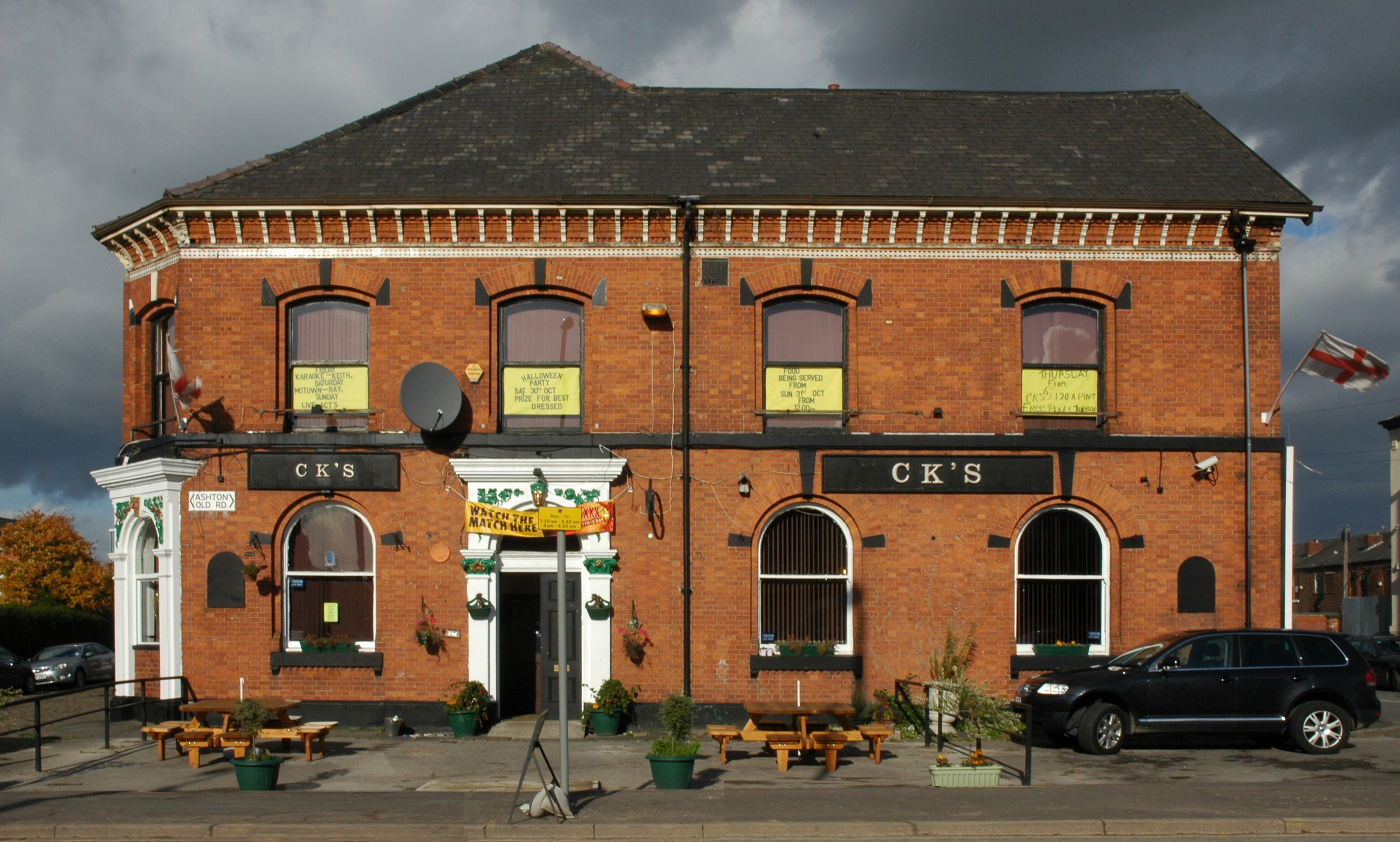
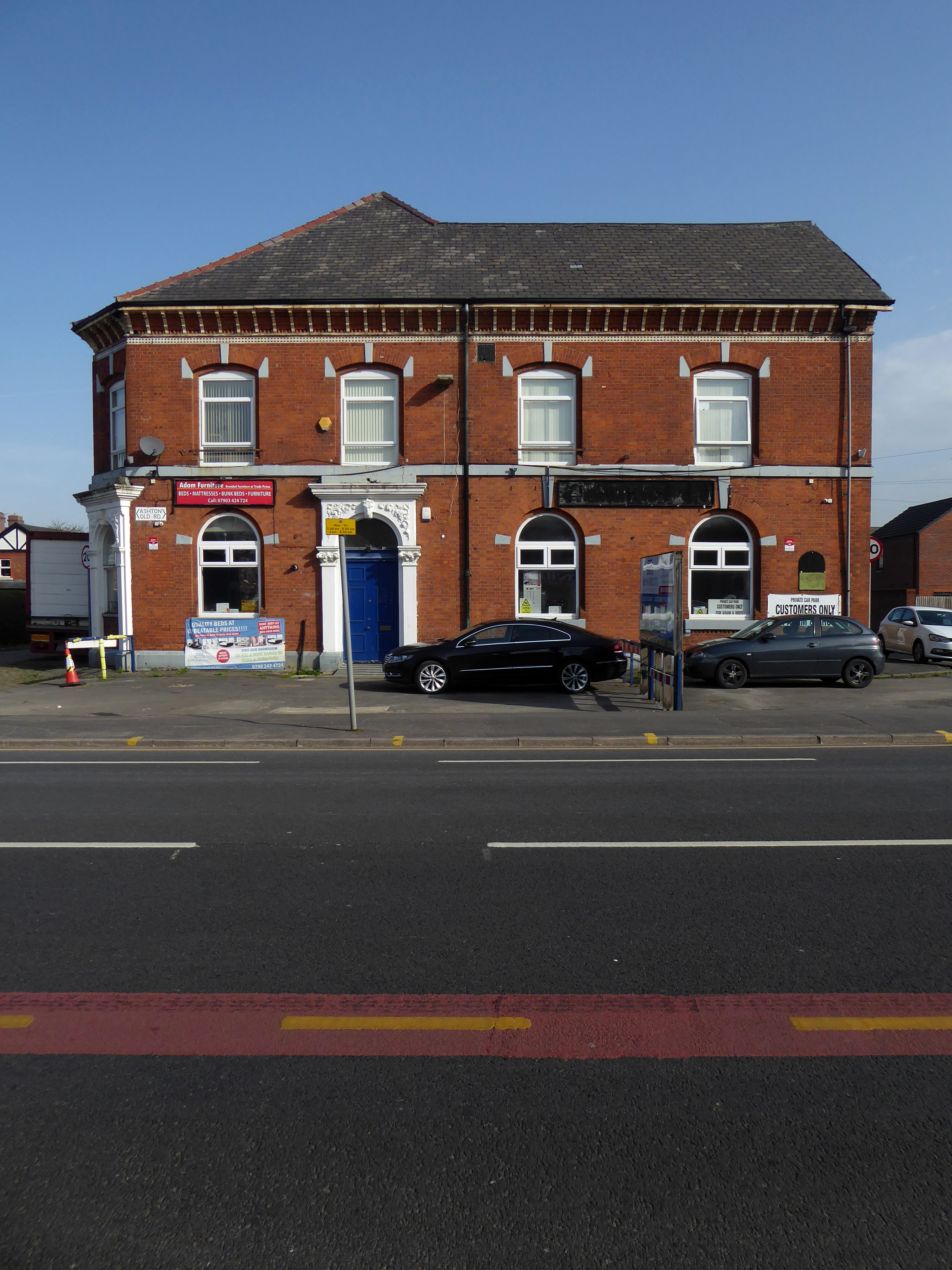
Though The Gransmoor is no longer The Gransmoor.

Although it briefly became CKs

Converted to retail use 24th September 2012 after closure. This interesting Victorian building stands back from the road with what may well be a coach road in front. Inside the high ceilings and glorious plasterwork gave the impression of a gentlemen’s club. Though it previously sold cask Banks’s beers in its earlier years, its final days were seen out with only keg beers being available.

Whatpub

2010
2021

St Clements still prevails with a healthy congregation.

In 2010 several properties were removed and the land levelled.

Eleven years later old and new now snuggle up together.

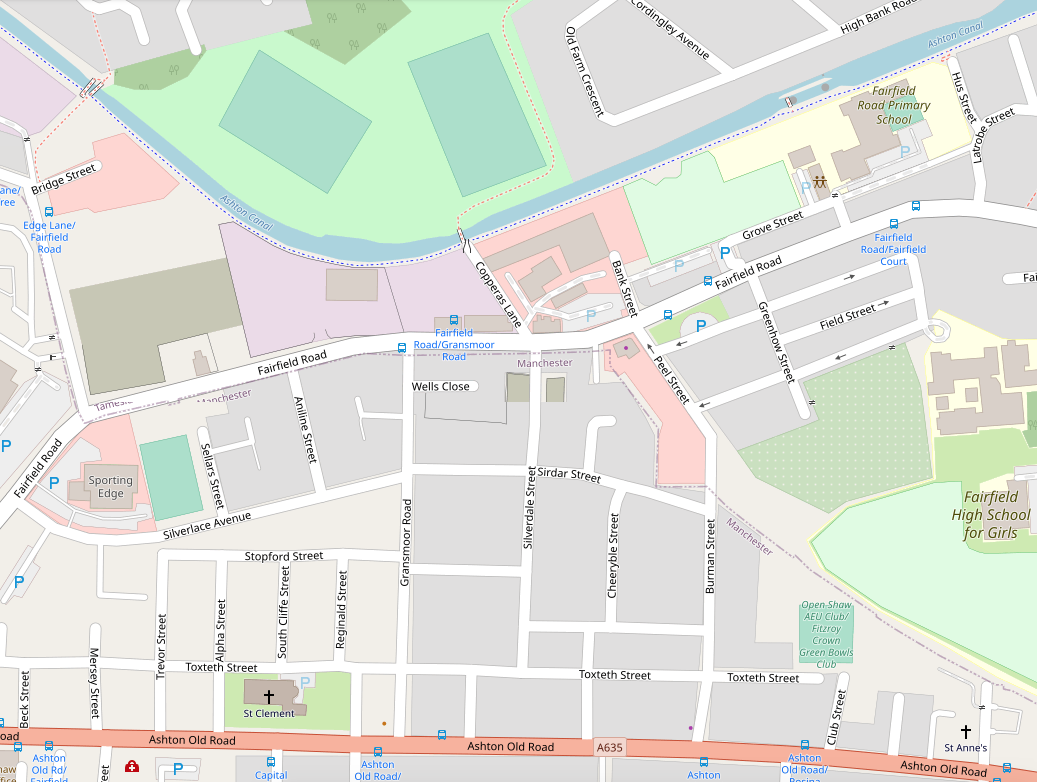
The street structure is more or less unchanged.

Though sadly the wonderfully named Ambush Street is no more.

So the big wheel keeps on turning new homes, new folk and new life for East Manchester.

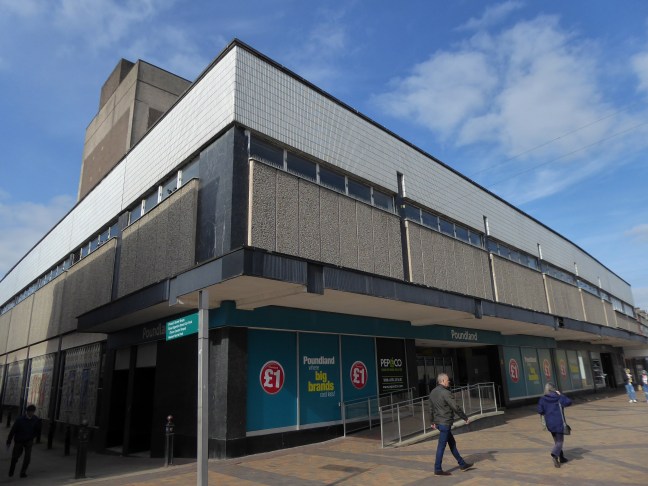
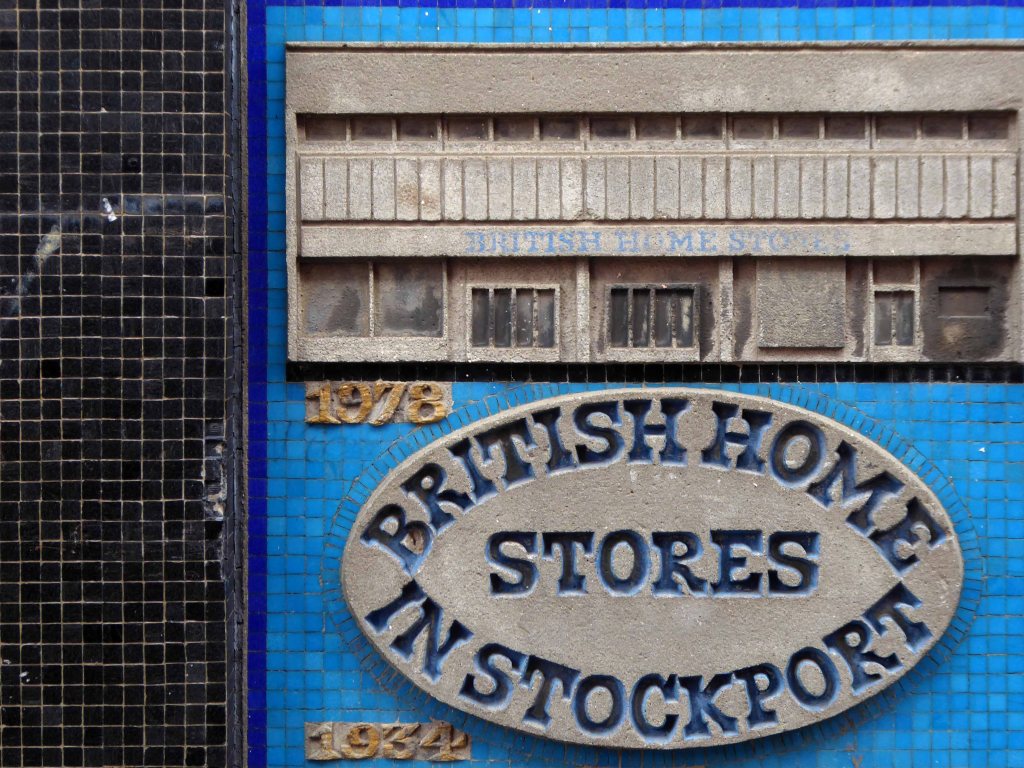
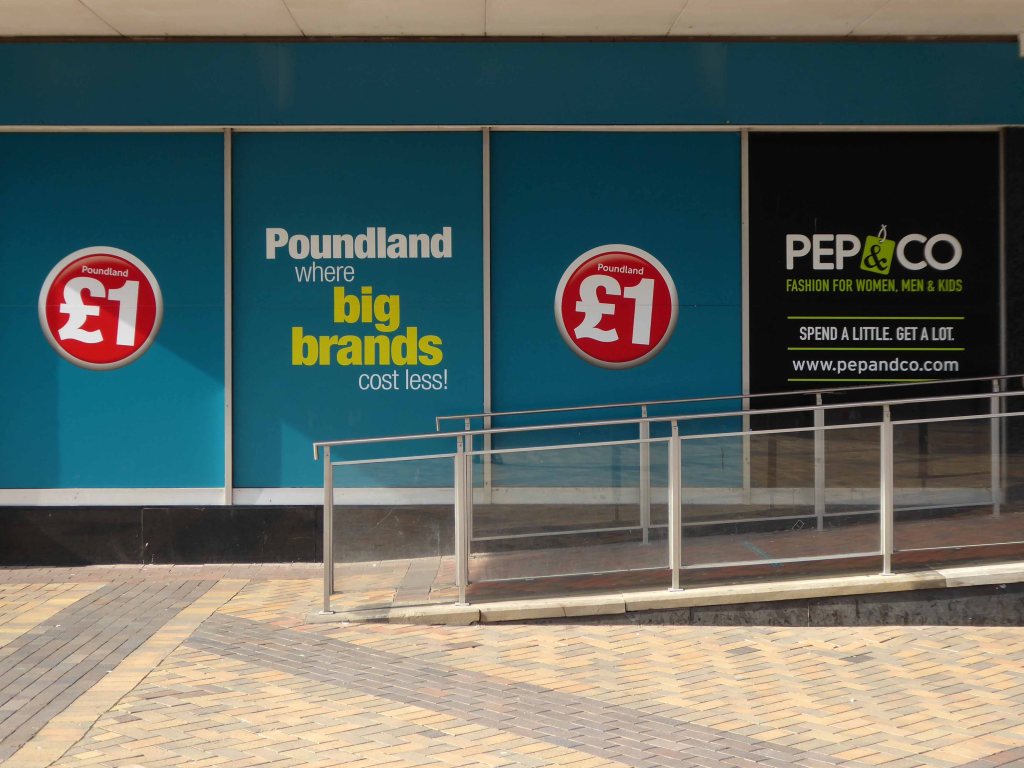
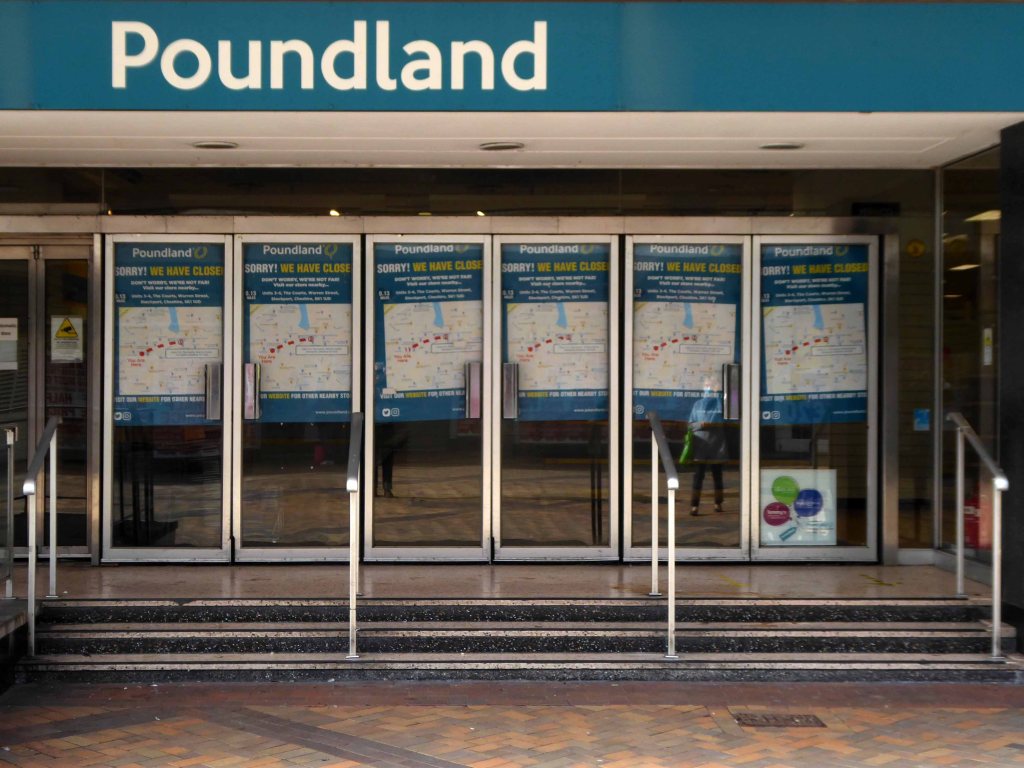
Poundland née BHS – Stockport

Stockport council bought the building in 2019 following the collapse of BHS three years earlier.

The report says the store is now in a poor condition, looks ‘dated and tired’ and ‘contributes to negative perceptions’ of Merseway.

MEN

You were conceived as an integral part of the Merseyway development, which on its inception, was held in the highest regard.

Innovative architecture with confidence, integrity and a clear sense of purpose.

The failure of BHS was a national disgrace, venal management, asset stripping, avaricious, grasping rodents ruled the day.

Dominic Chappell, who had no previous retail experience, bought the high street chain from the billionaire Sir Philip Green for £1 in March 2015. The company collapsed with the loss of 11,000 jobs 13 months later, leaving a pension deficit of about £571m.

Guardian

A sad end for a company with a long history and presence on the high street.

With an architectural heritage to match:

BHS’s chief architect at this time was G. W. Clarke, who generally worked alongside W. S. Atkins & Partners, as consulting engineers. The stores – like Woolworth’s buildings – were composite structures, with steel frames and concrete floors. Clarke sometimes appointed local architects.

At first, like C&A, BHS retained the narrow vertical window bays and margin-light glazing that had characterised high street façades in the 1930s, but by the end of the 1950s Clarke had embraced a modified form of curtain-walling.

This architectural approach became firmly associated with BHS, with framed curtain wall panels – like giant TV screens – dominating the frontages of many stores.

Building Our Past

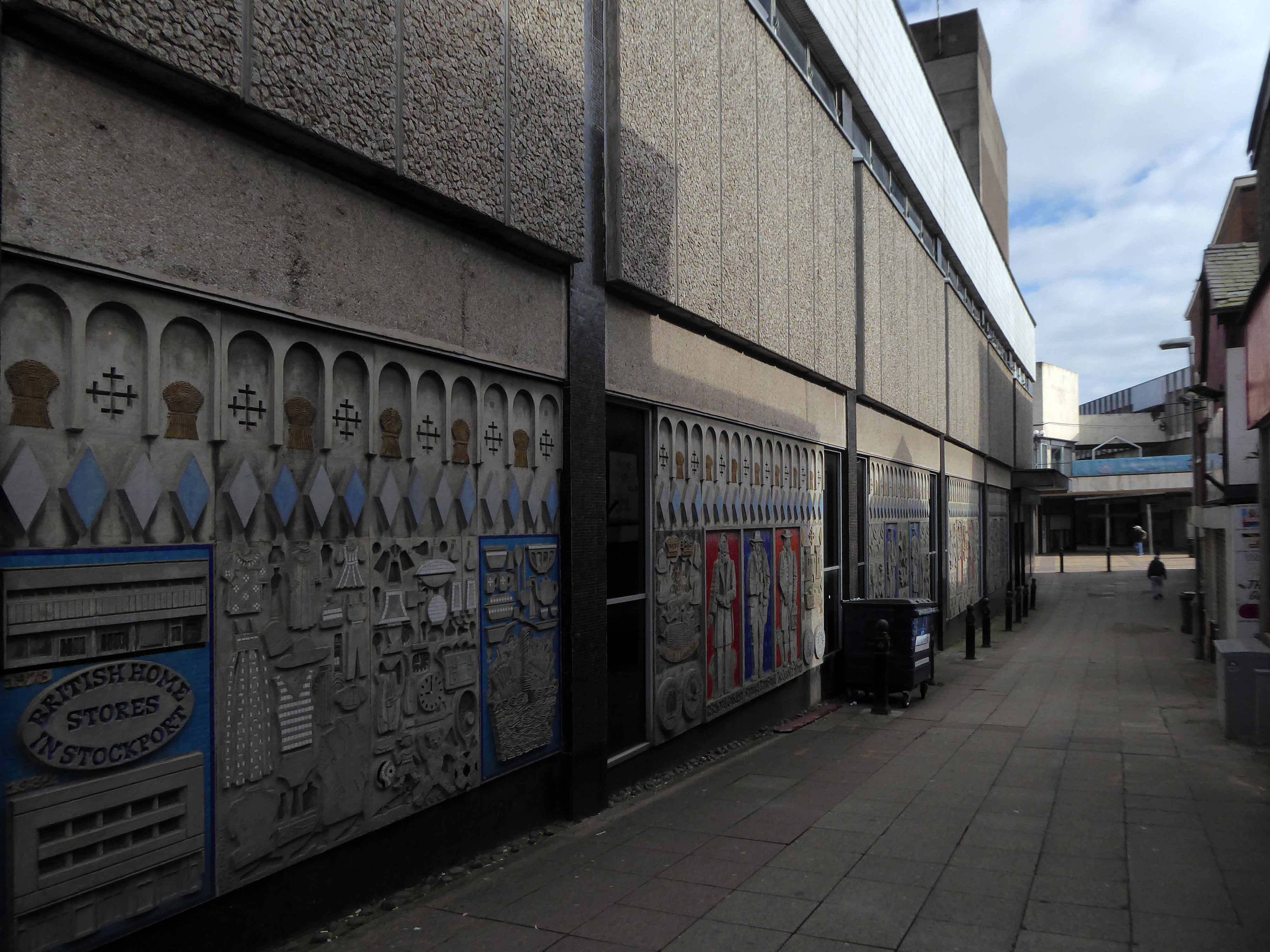
Of note are the Joyce Pallot and Henry Collins concrete panels on the Deanery Row elevation.

There have been moves to have the work listed, without success.

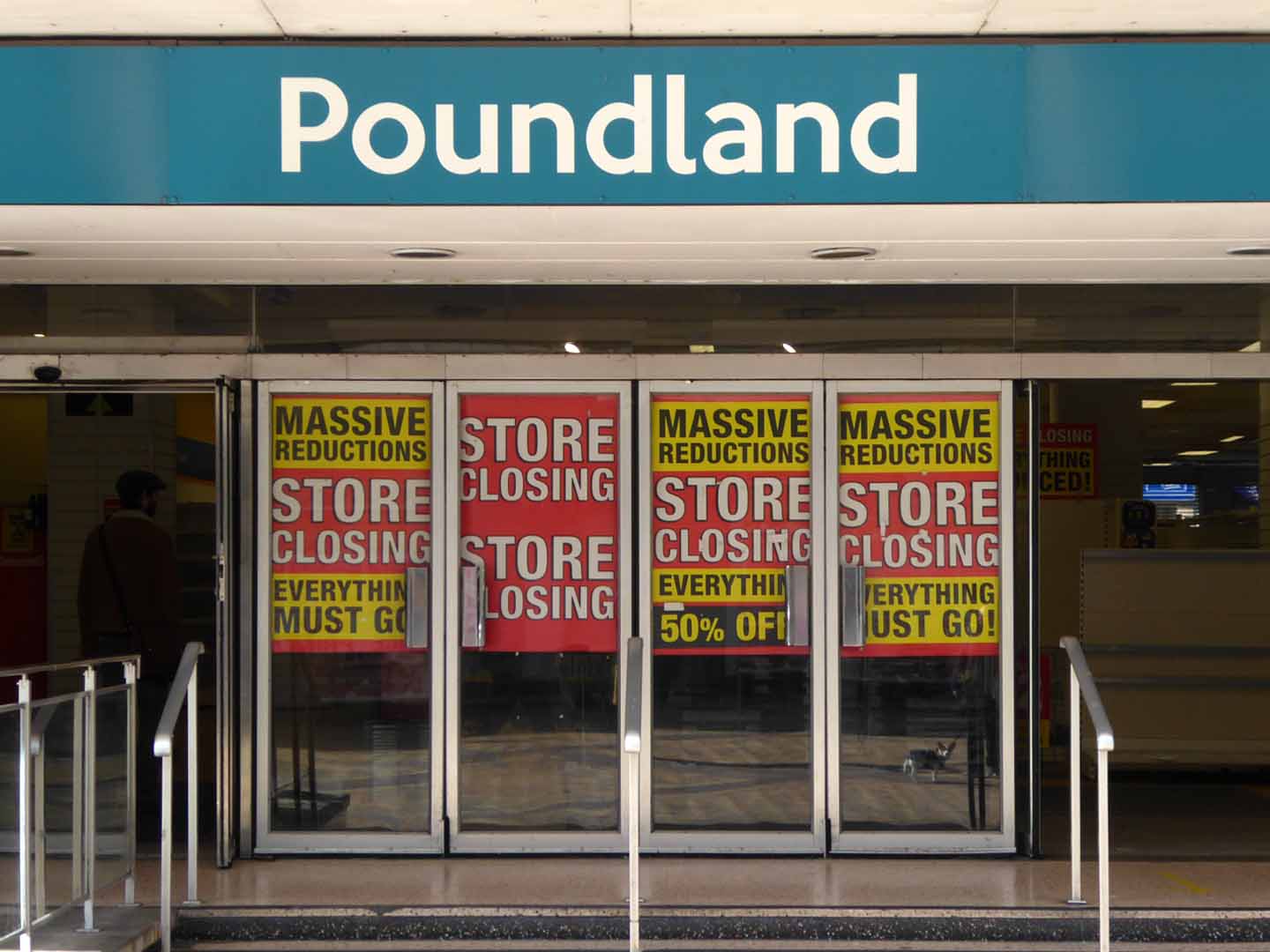
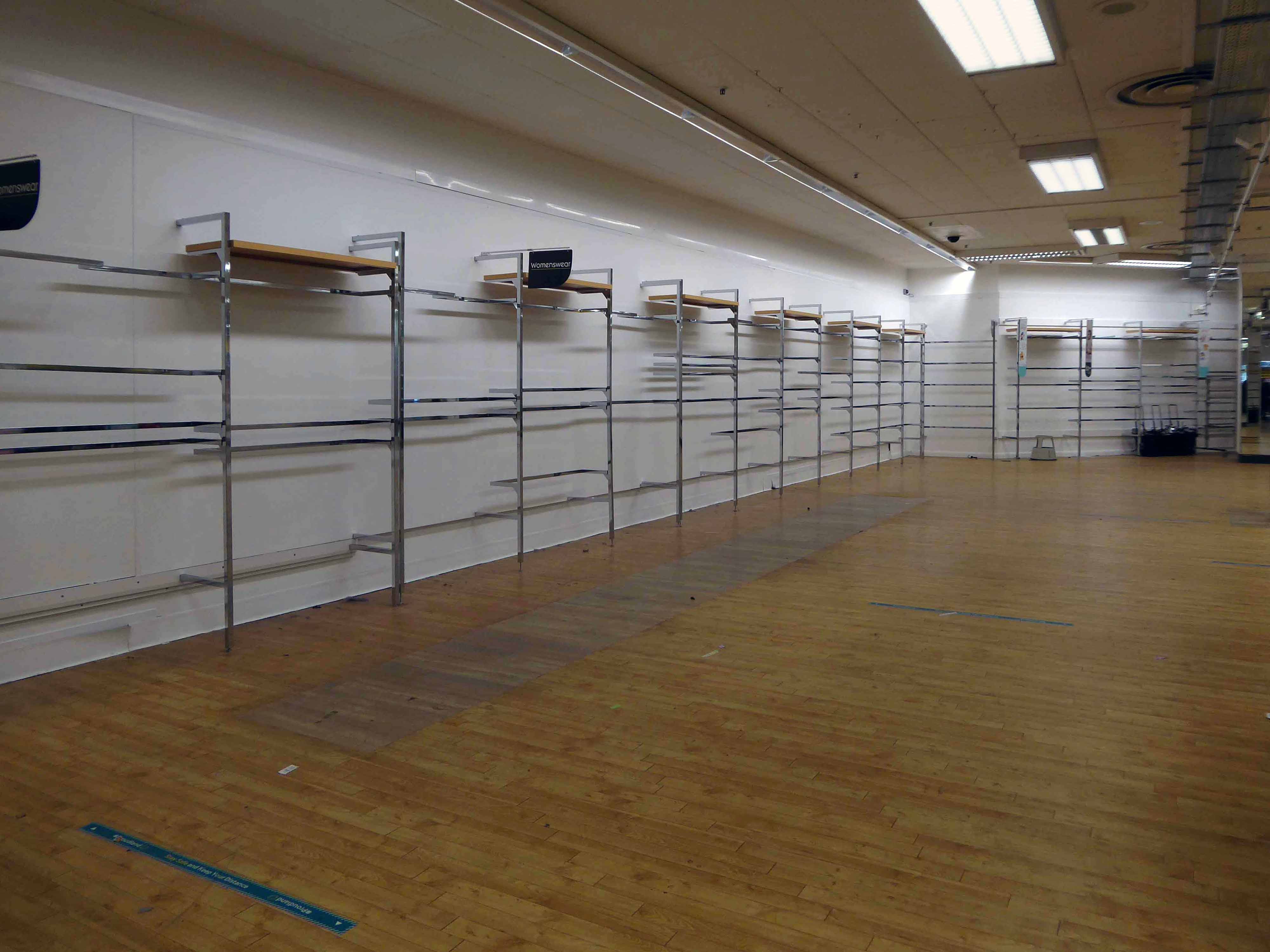
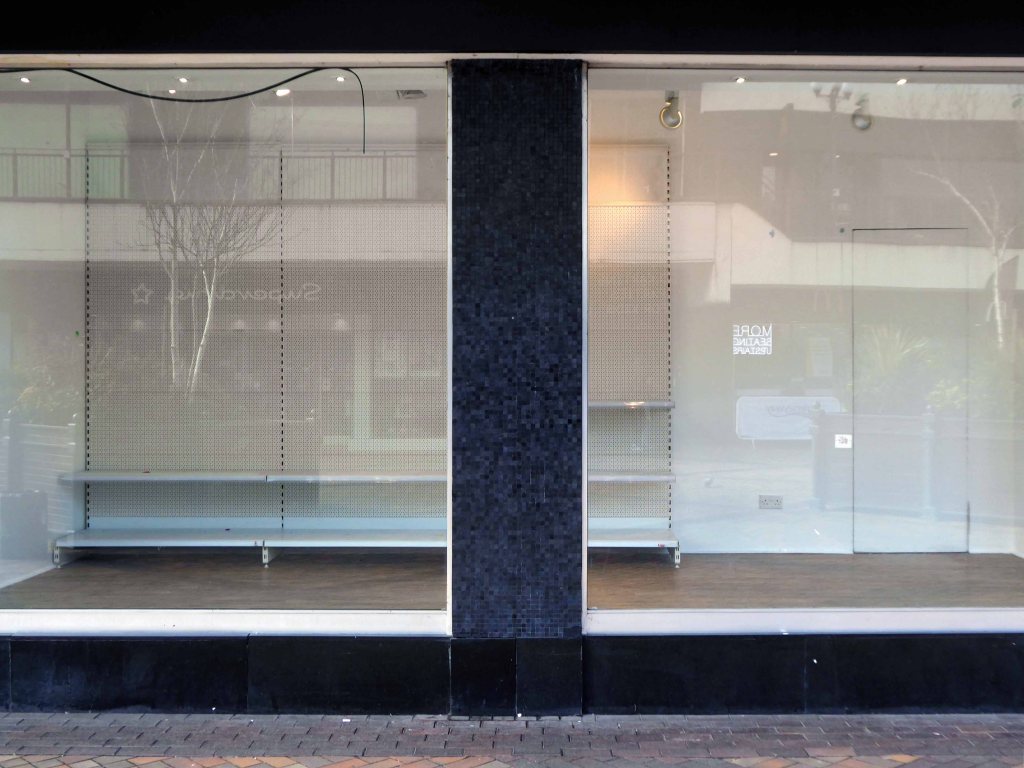
Of late the store has been home to Poundland – though time has now been called.

Poundland’s retailing concept is extremely simple: a range of more than three thousand – representing amazing value for money.

Our pilot store opened in the Octagon Centre, Burton-upon-Trent, in December of 1990, followed by new stores in High Street, Meadowhall and other quality trading locations.  Shoppers loved the concept and so did fellow retailers and landlords.  The stores proved to be a huge success. Meadowhall’s success was repeated by further stores opening by the end of the year.

The store has been a success even during COVID restrictions, let us hope that the planned return goes ahead.

So here is my record of the building as is, a tad tired, but in its day a simple and authoritative amalgam of volumes and materials.

Mixing variegated grades of concrete, tiling, mosaic, brick, steel and glass.

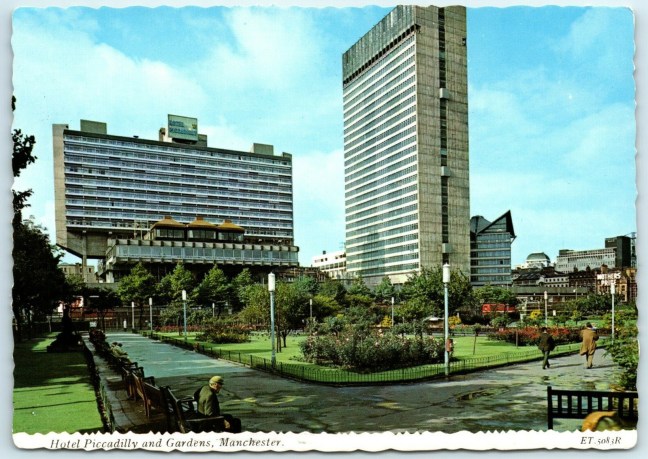
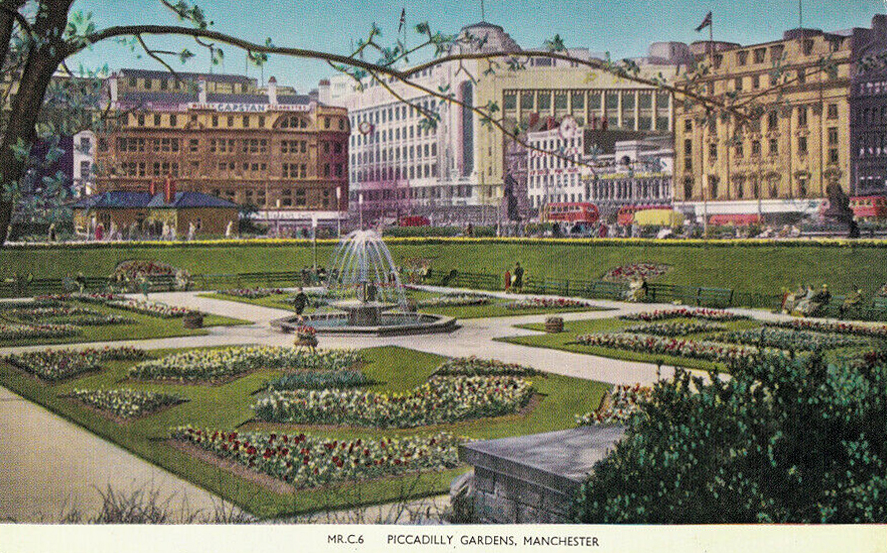
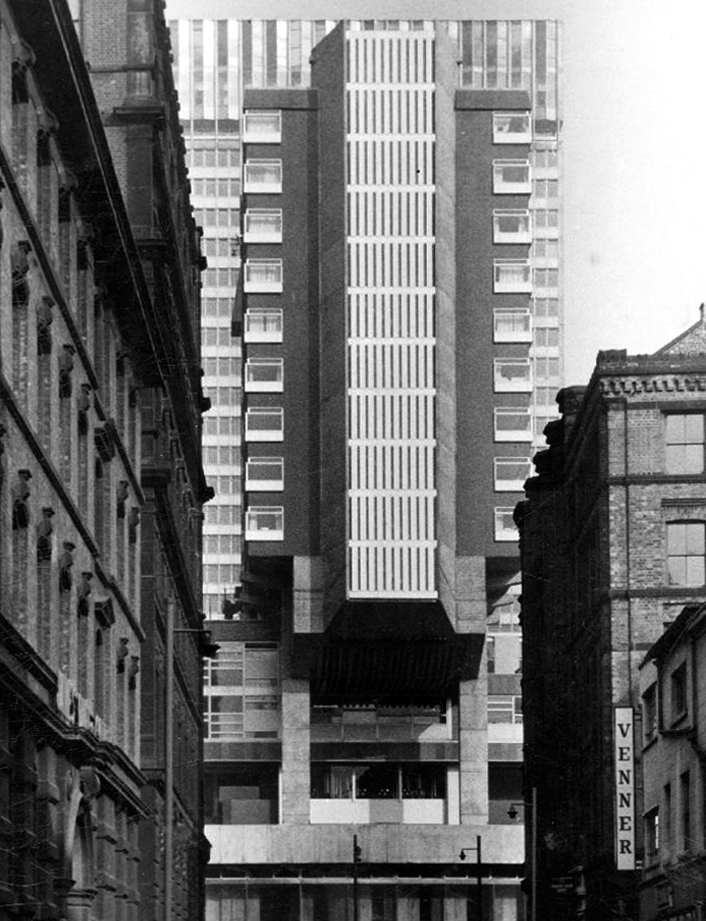
Piccadilly Plaza And Gardens

Here we are, right at the heart of Manchester.

Anything worth looking at?

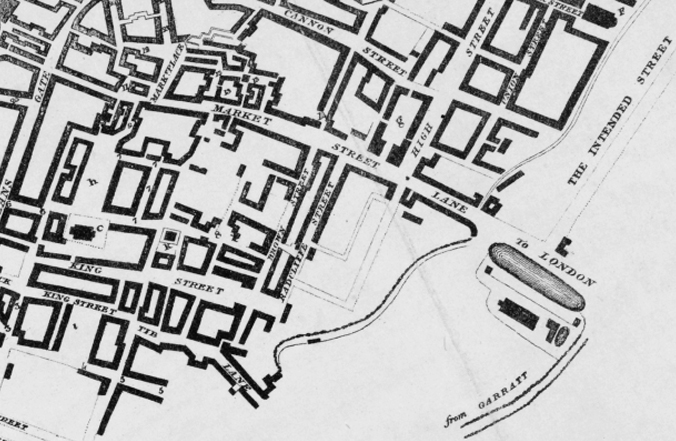
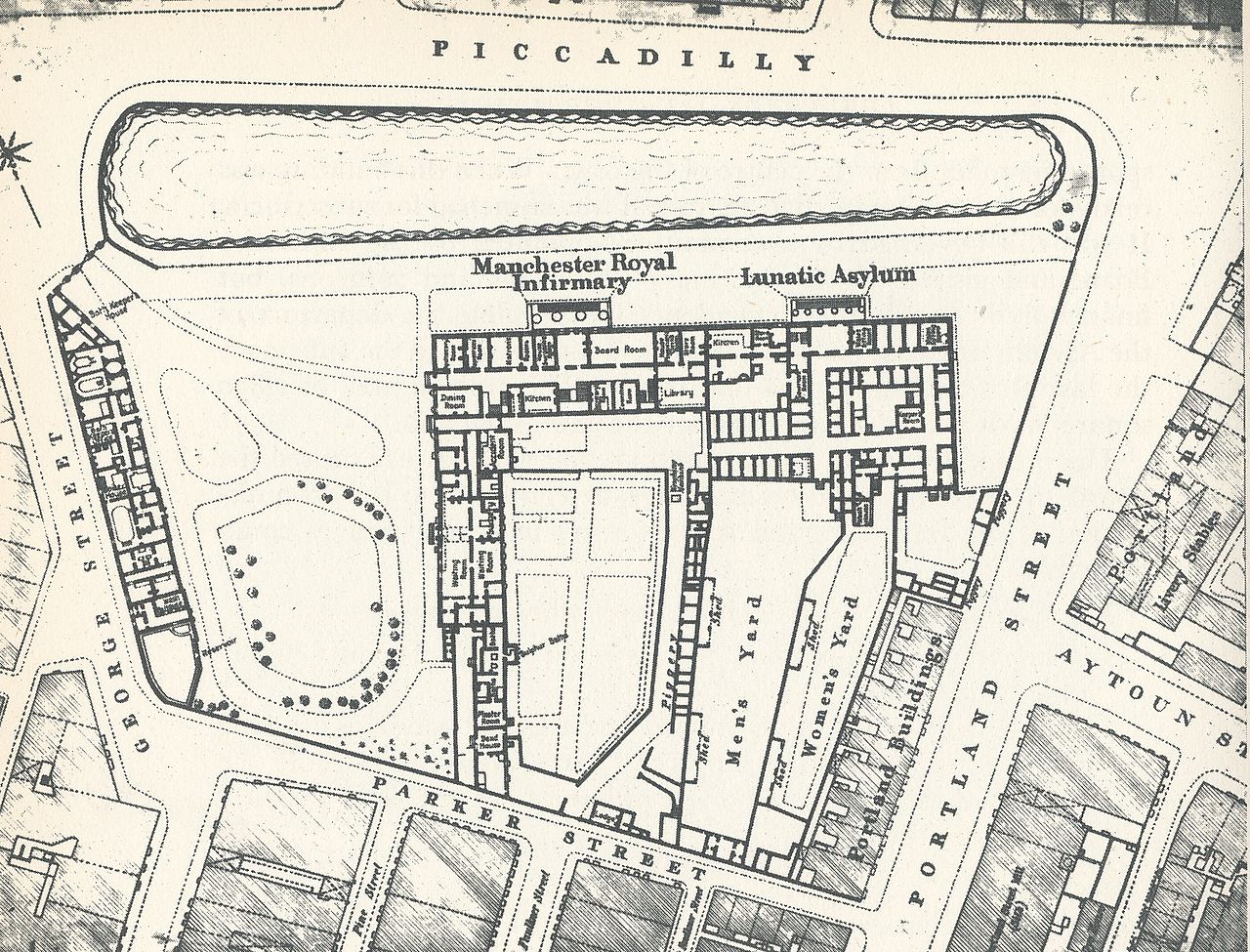
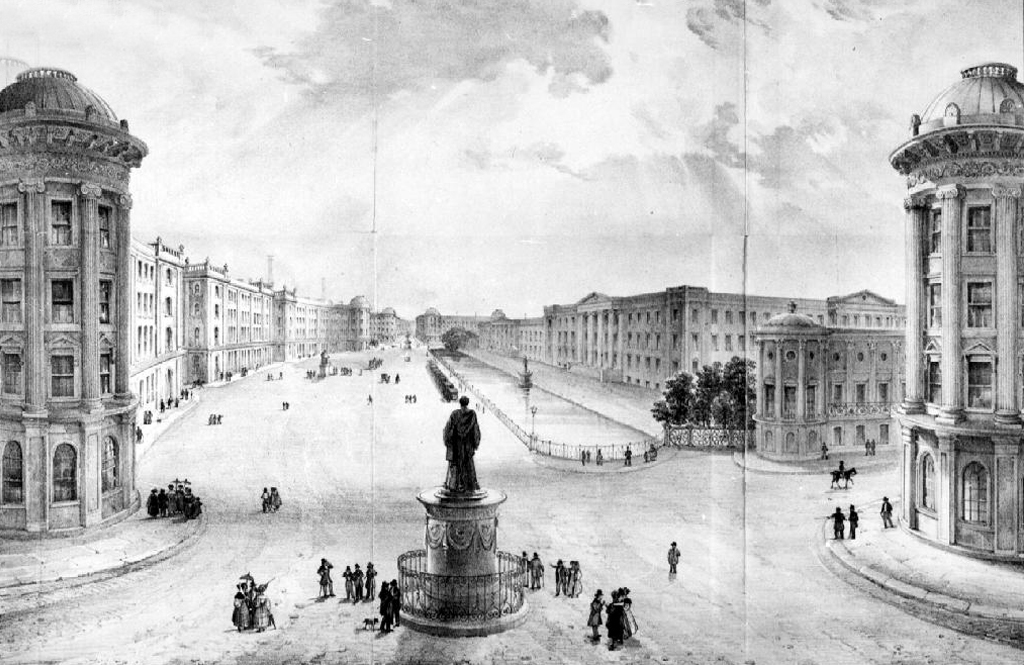
Well not a great deal, it’s 1772 and the Gardens and Plaza, are as yet undreamt of – the area was occupied by water-filled clay pits called the Daub Holes, eventually the pits were replaced by a fine ornamental pond.

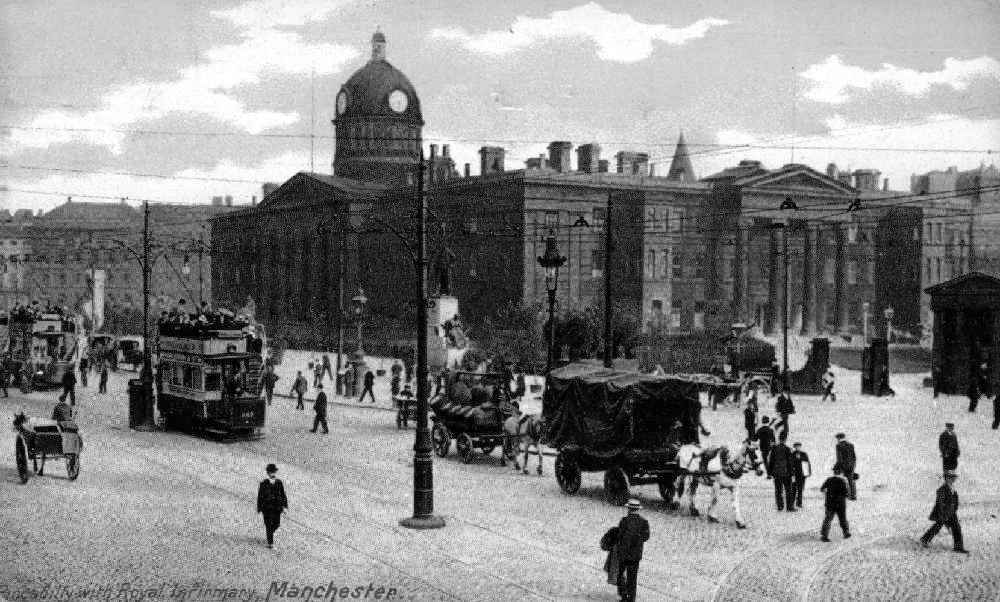
In 1755 the Infirmary was built here; on what was then called Lever’s Row, in 1763 the Manchester Royal Lunatic Asylum was added.

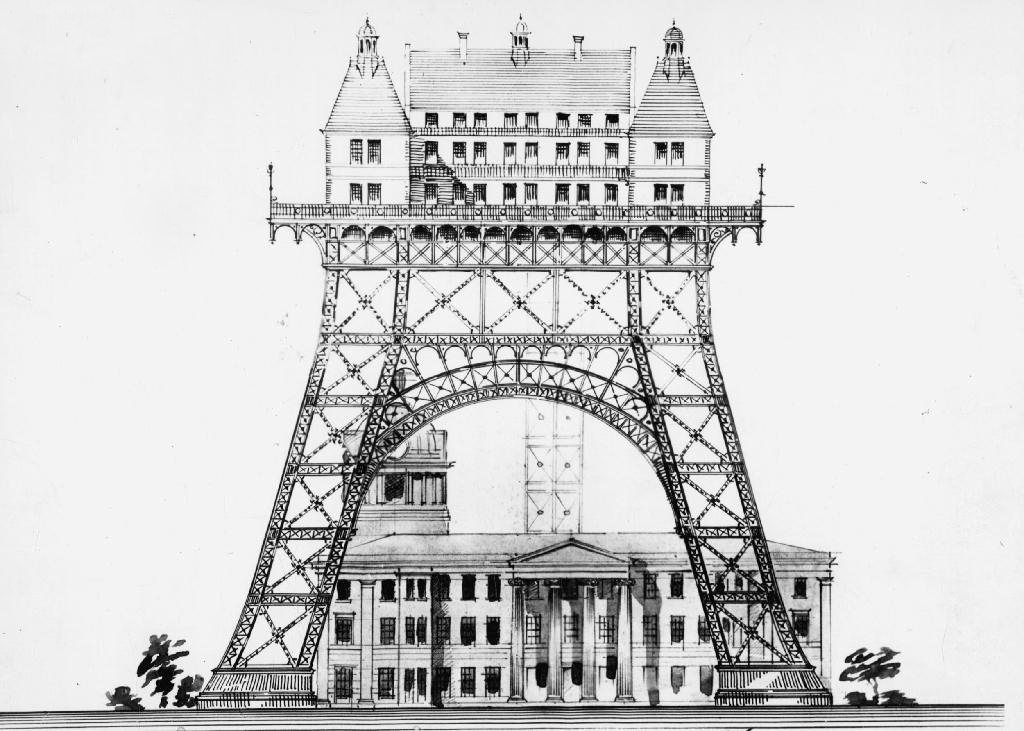
There were grander unrealised plans.

Including an aerial asylum.

The Manchester Royal Infirmary moved to its current site on Oxford Road in 1908. The hospital buildings were completely demolished by April 1910 apart from the outpatient department, which continued to deal with minor injuries and dispense medication until the 1930s.

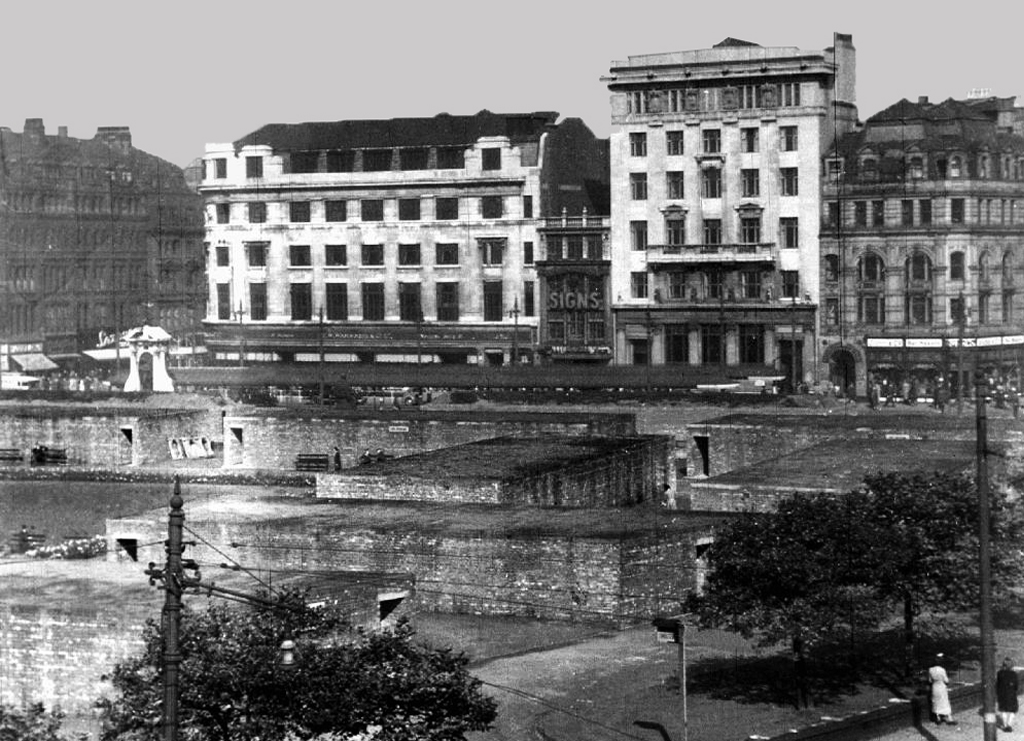
After several years in which the Manchester Corporation tried to decide how to develop the site, it was left and made into the largest open green space in the city centre. The Manchester Public Free Library Reference Department was housed on the site for a number of years before the move to Manchester Central Library.

The sunken garden was a remnant of the hospital’s basement.

Wikipedia

During World War II the gardens were home to air raid shelters.

The Gardens became a festival of floral abundance – in folk memory twinned with the Hanging Gardens of Babylon, but with slightly less hanging.

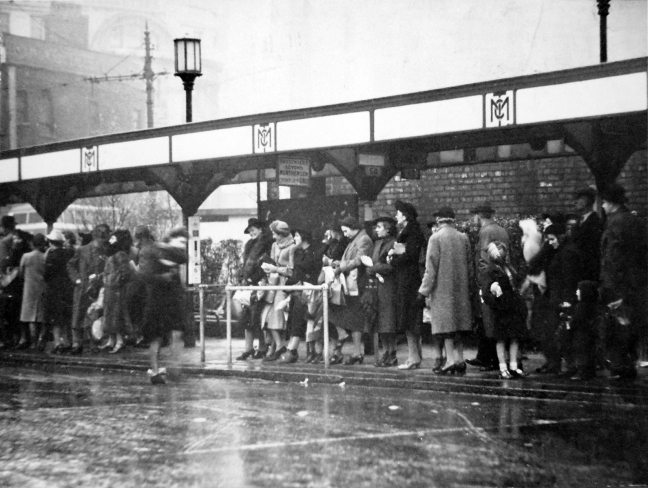
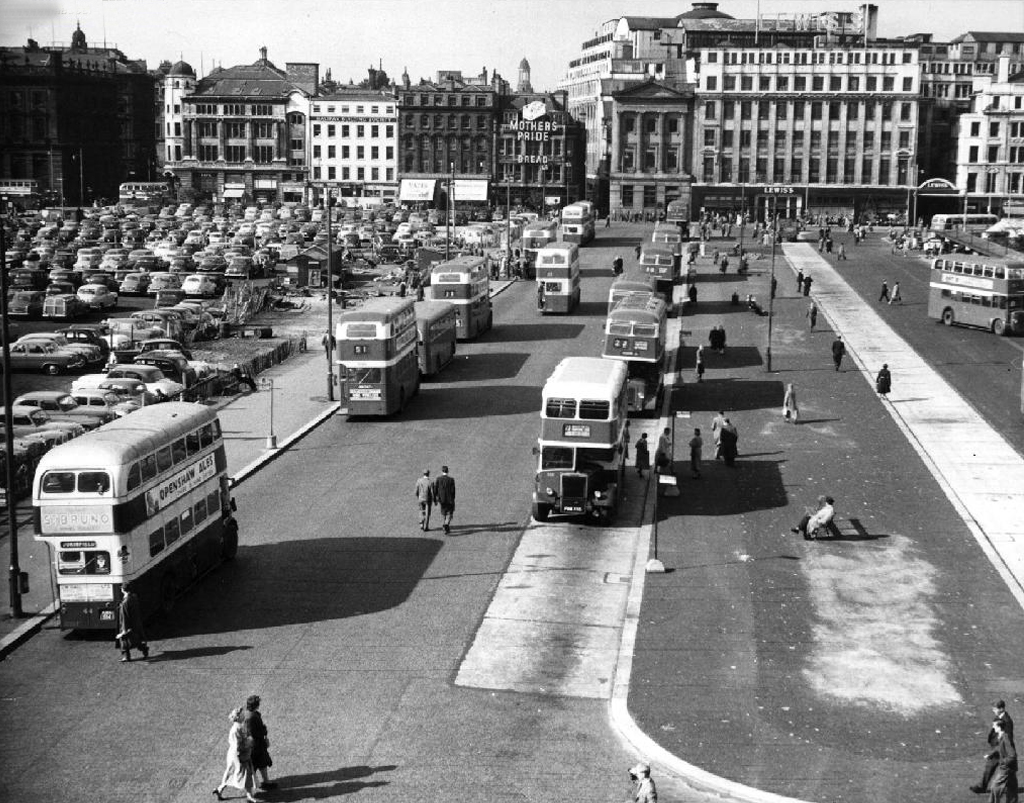
The area has also acted as a public transport hub.

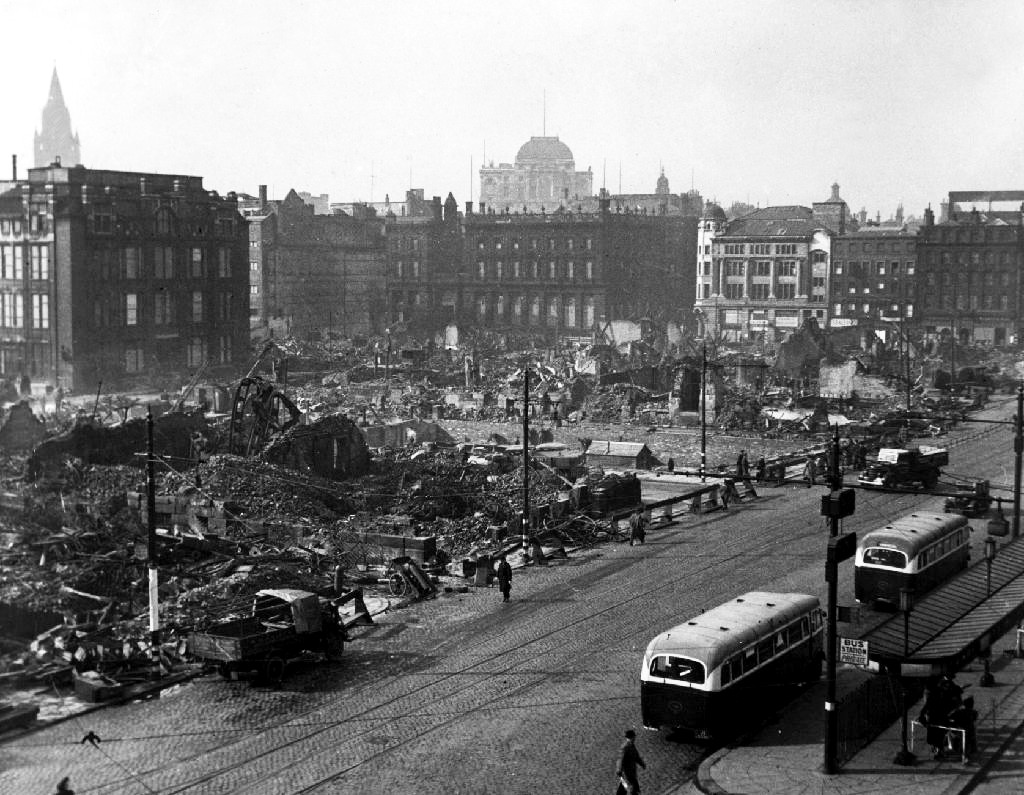
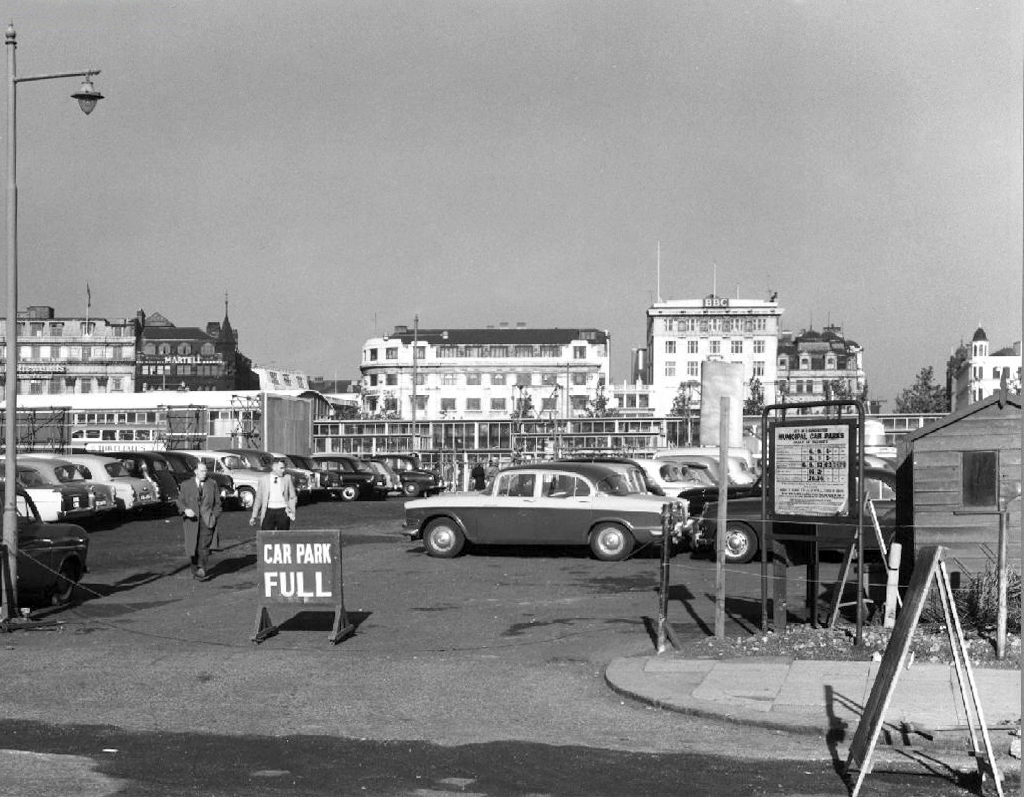
And following post war bomb damage.

A delightful car park.

But this simply can’t carry on, keep calm and demand a Plaza!

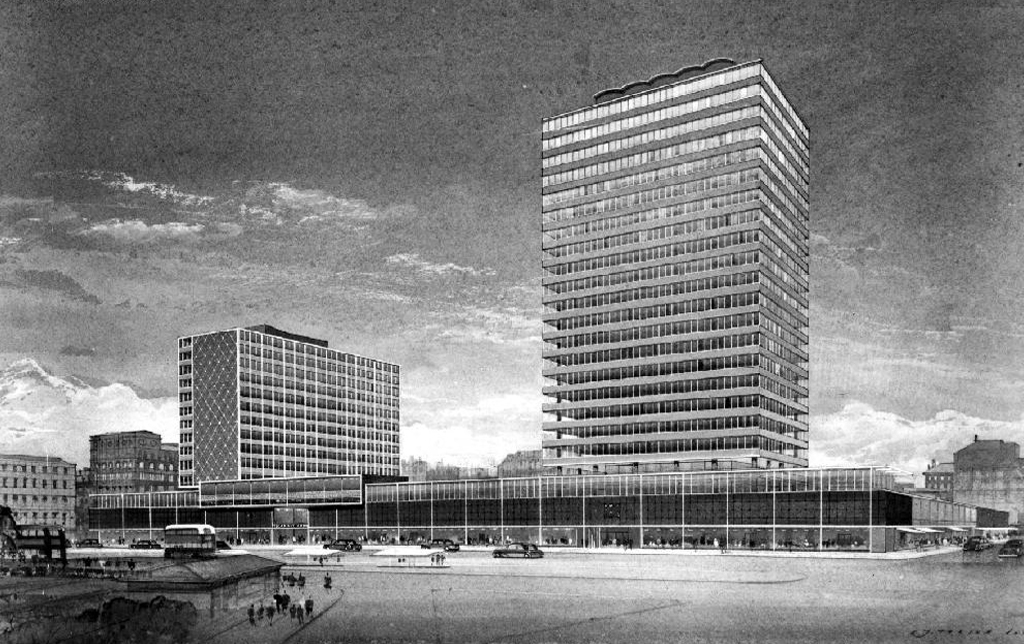
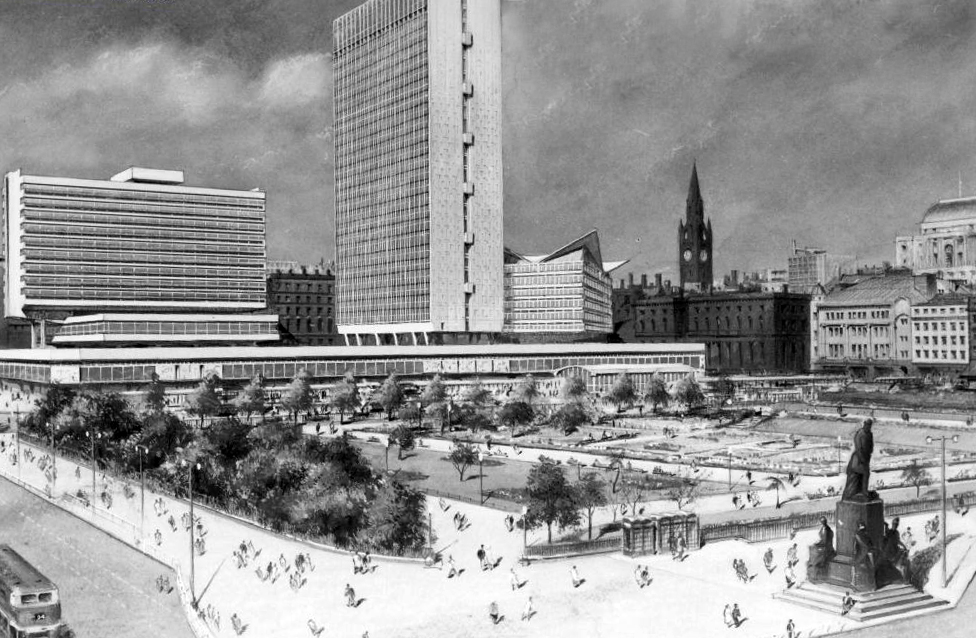
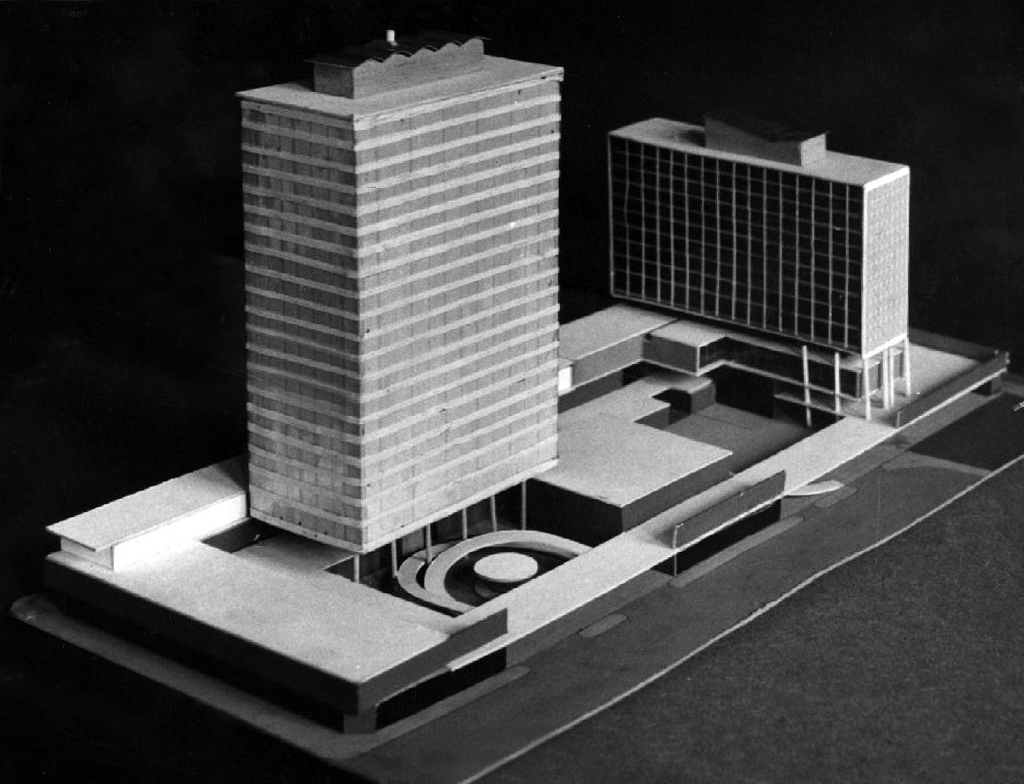
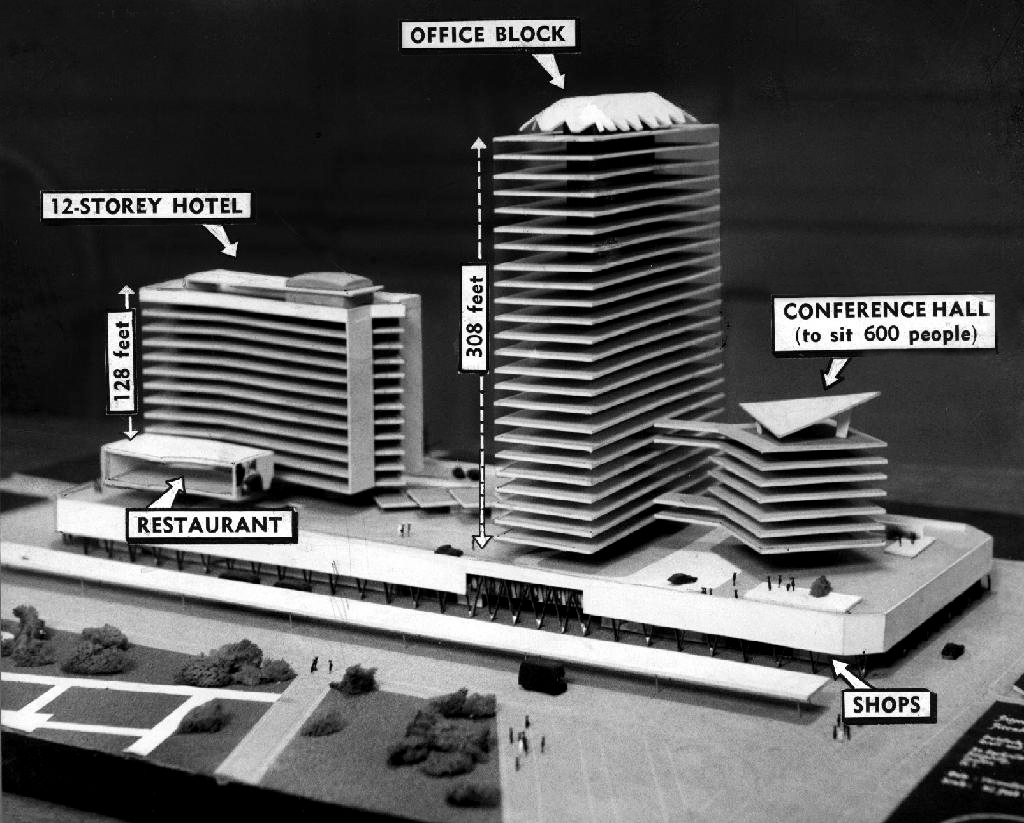
Drawings are drawn, models are modelled.

1965 Architects: Covell Matthews + Partners

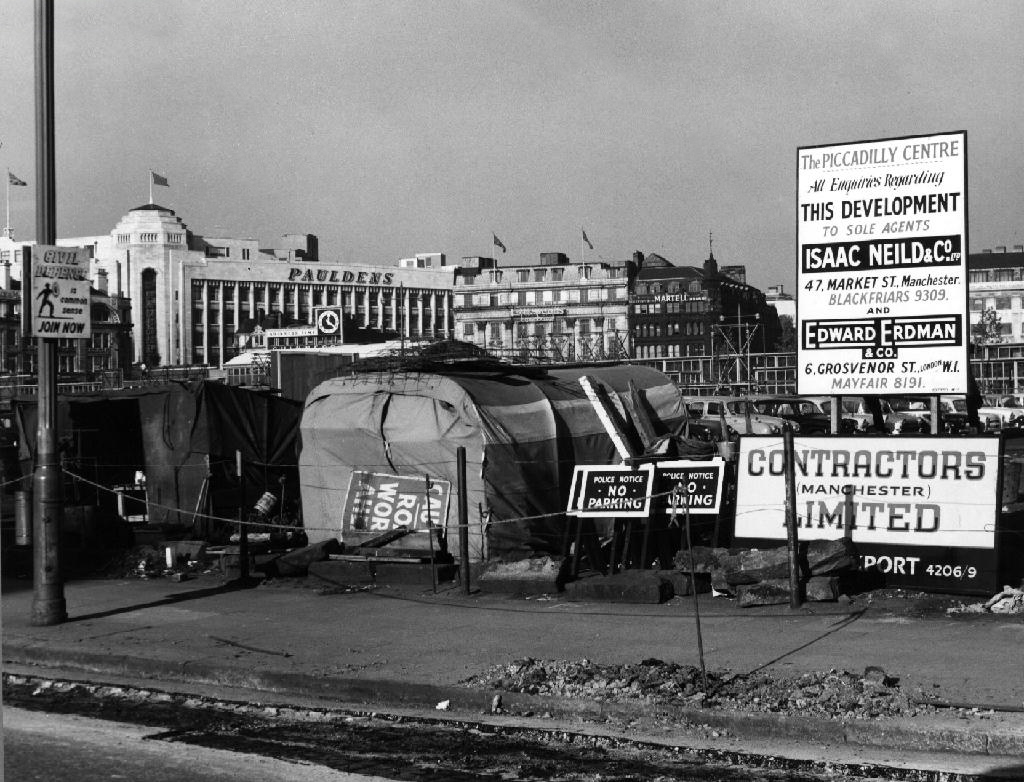
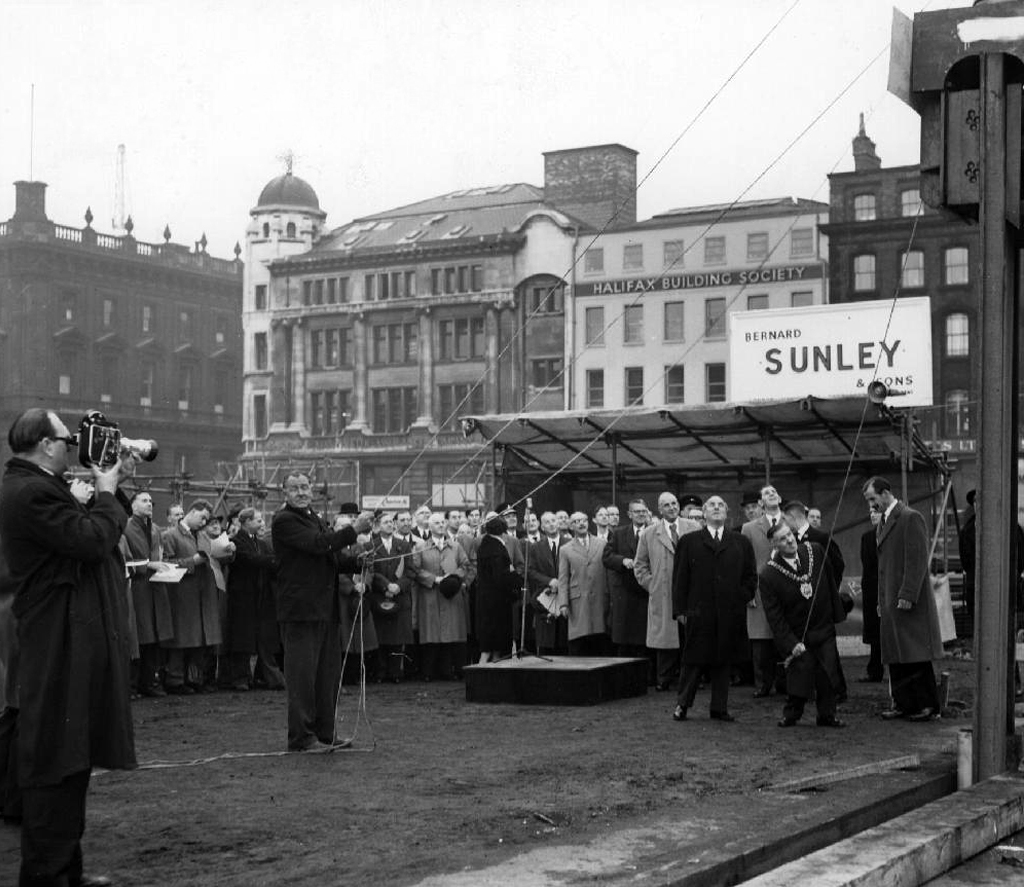
Work is commenced, post haste.

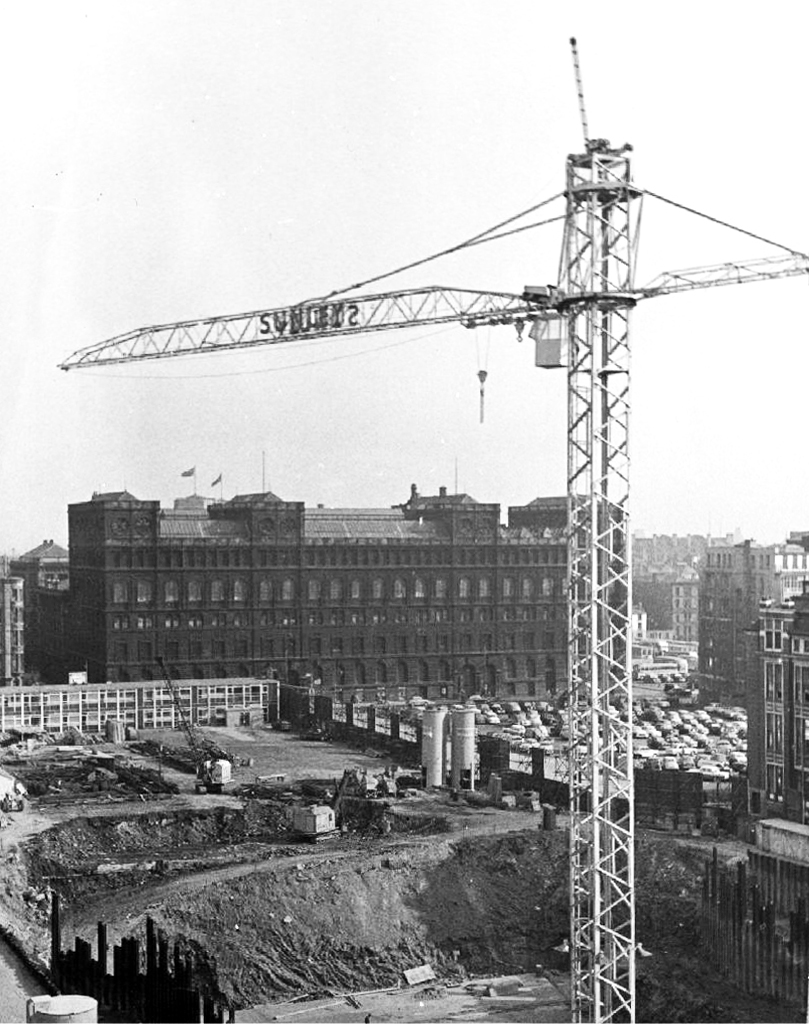
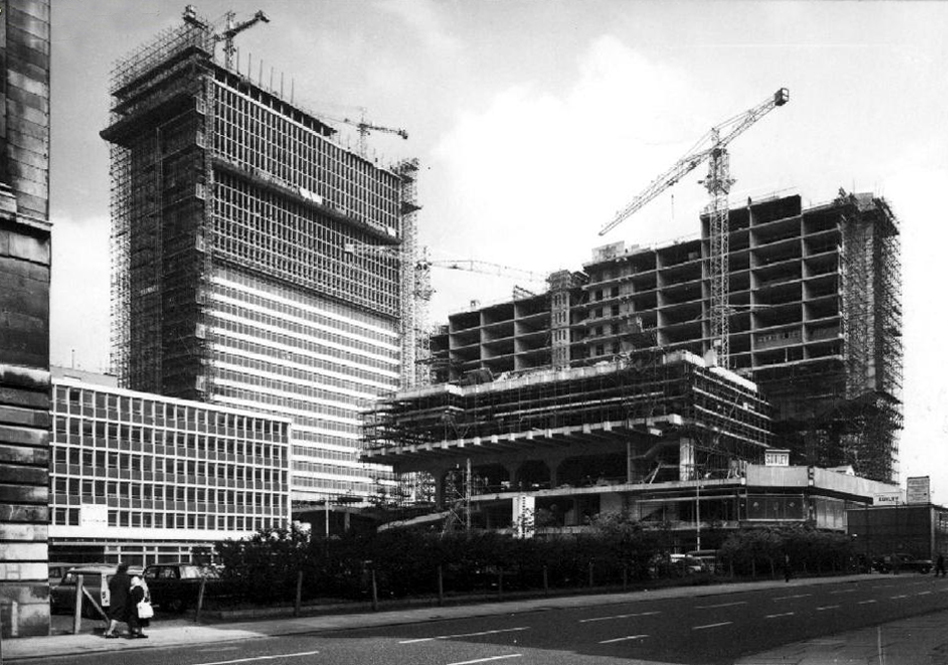
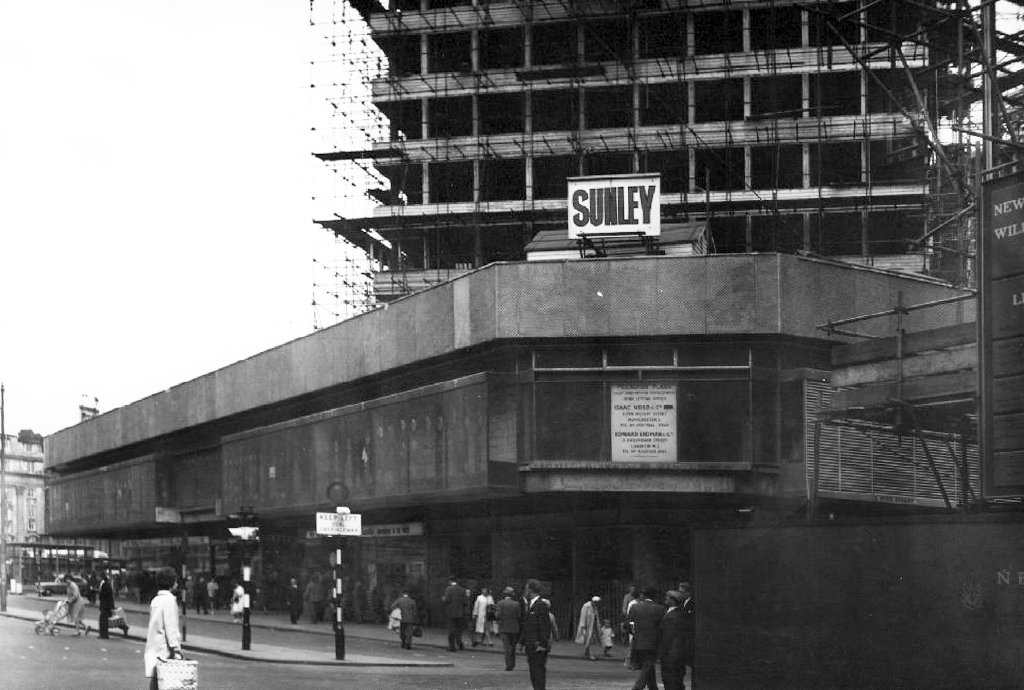
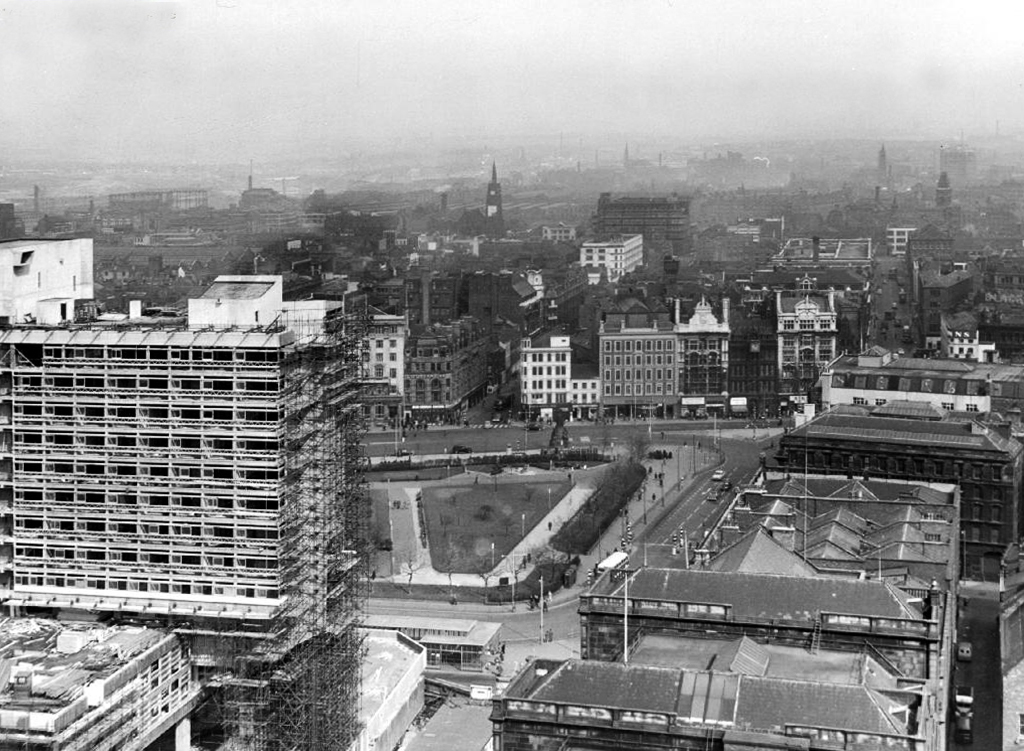
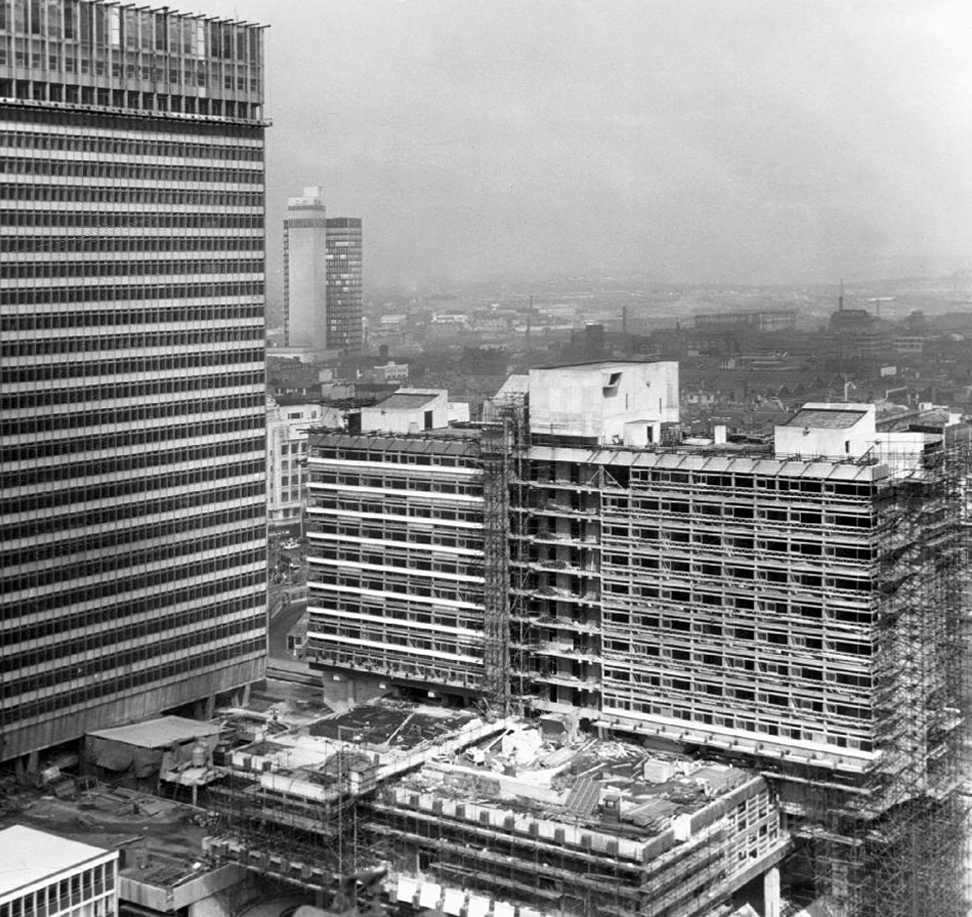
Towering cranes tower over the town, deep holes are dug with both skill and alacrity.

A Plaza begins to take shape, take a look.

Nearly done.

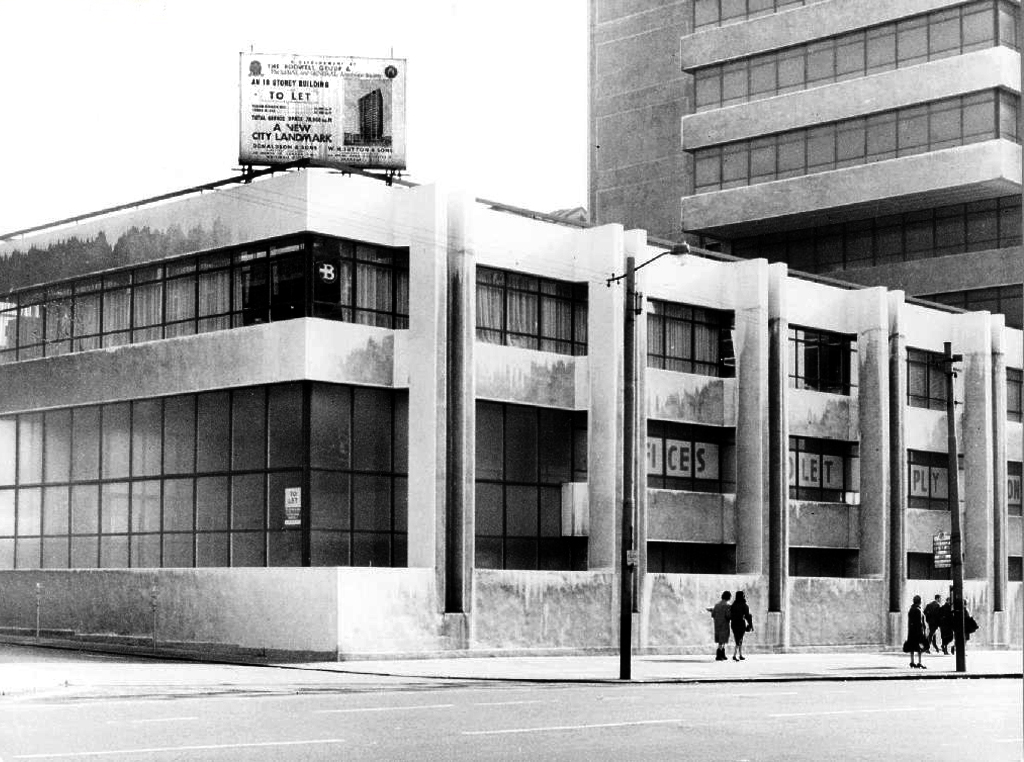
All we need now are tenants.

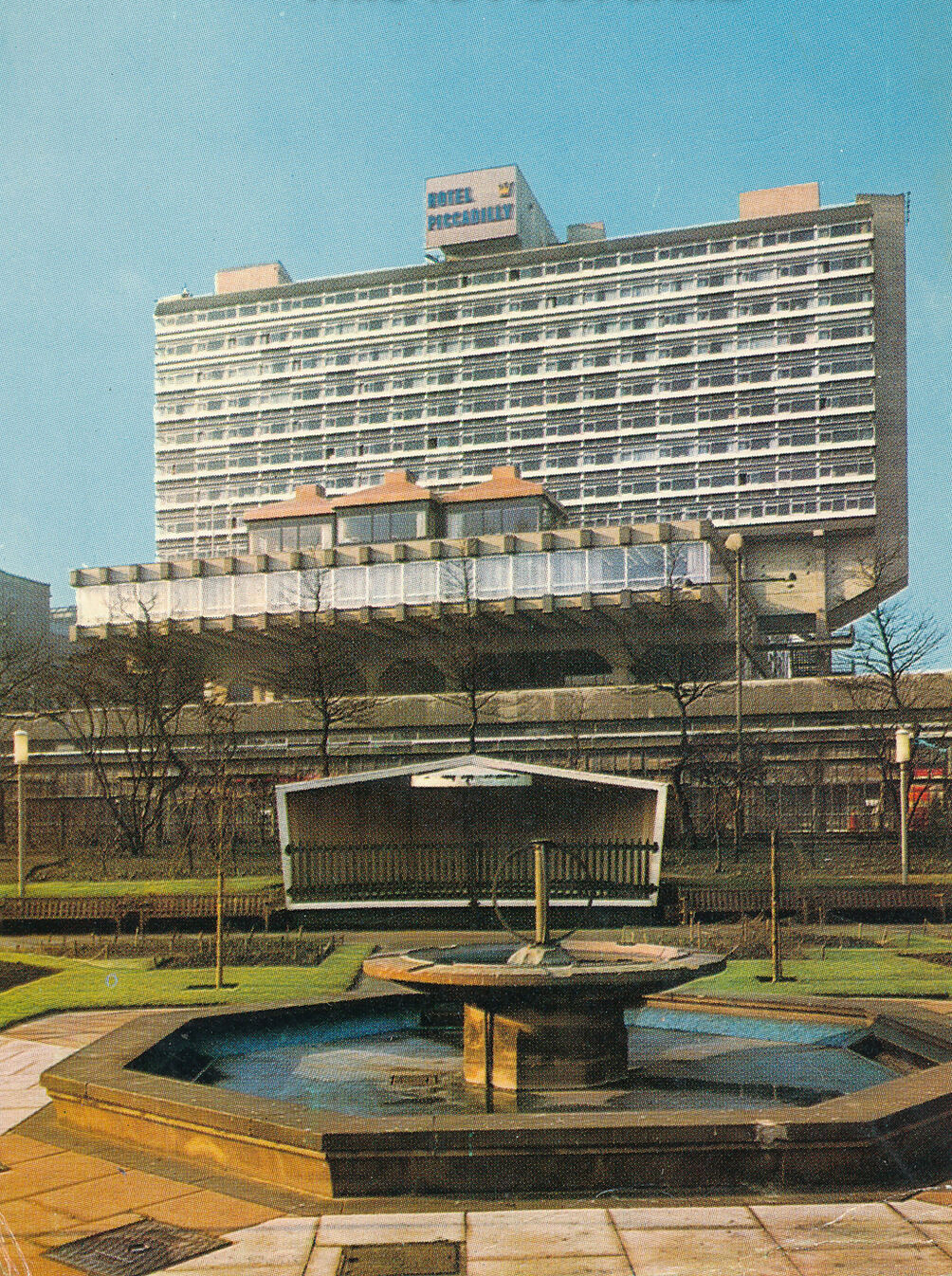
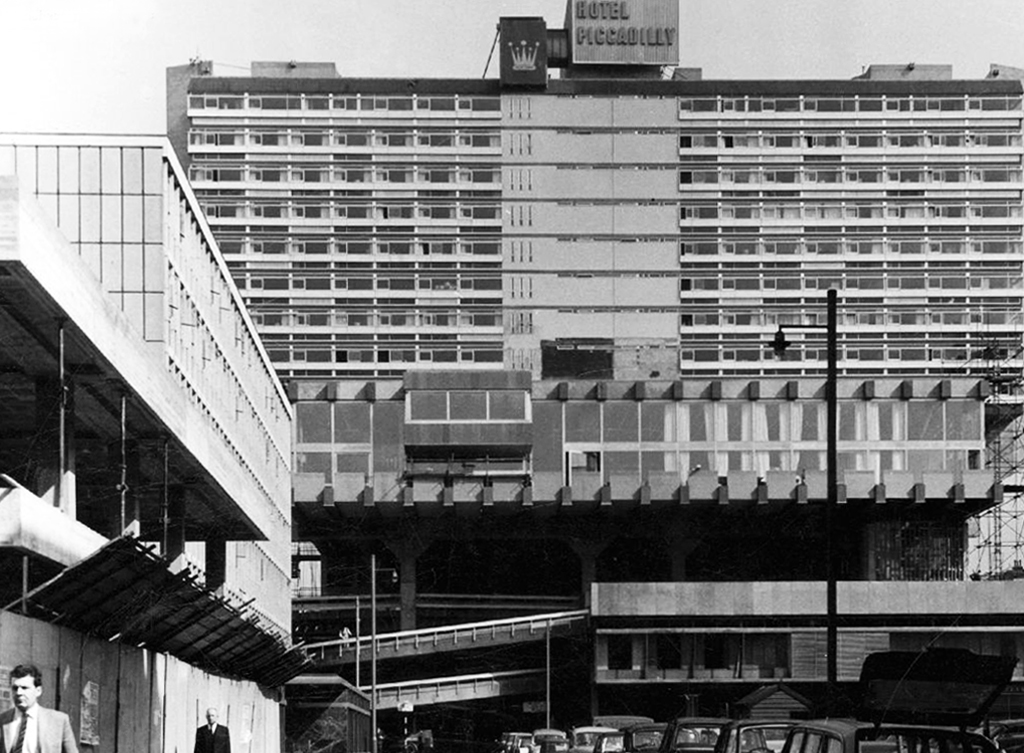
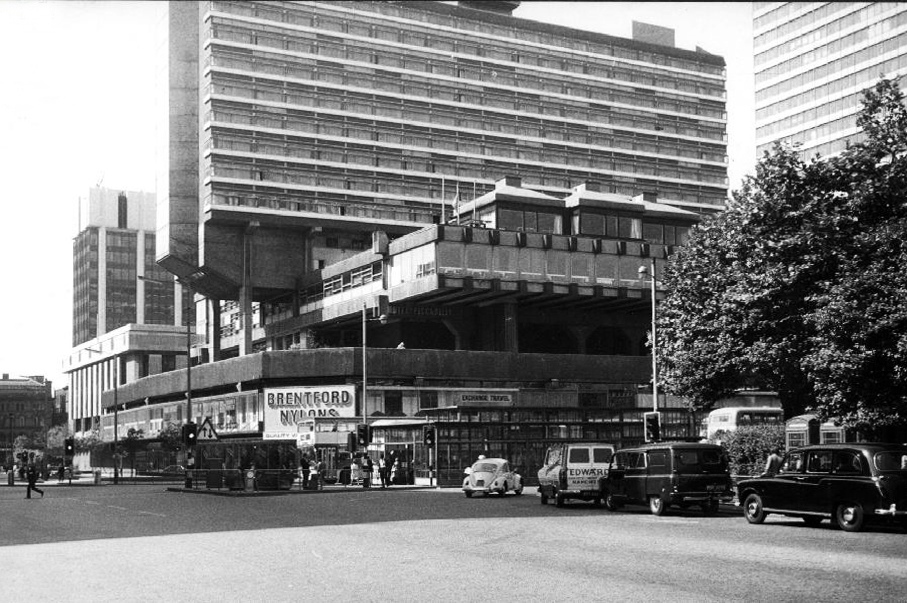
Piccadilly Plaza now contains the renovated Mercure Hotel it was formerly known as the Ramada Manchester Piccadilly and Jarvis Piccadilly Hotel; the refurbishment was completed in 2008.

The retail units famously contained Brentford Nylons.

The company was eventually sold at a knock-down price and the new owner did not think the name worth having.

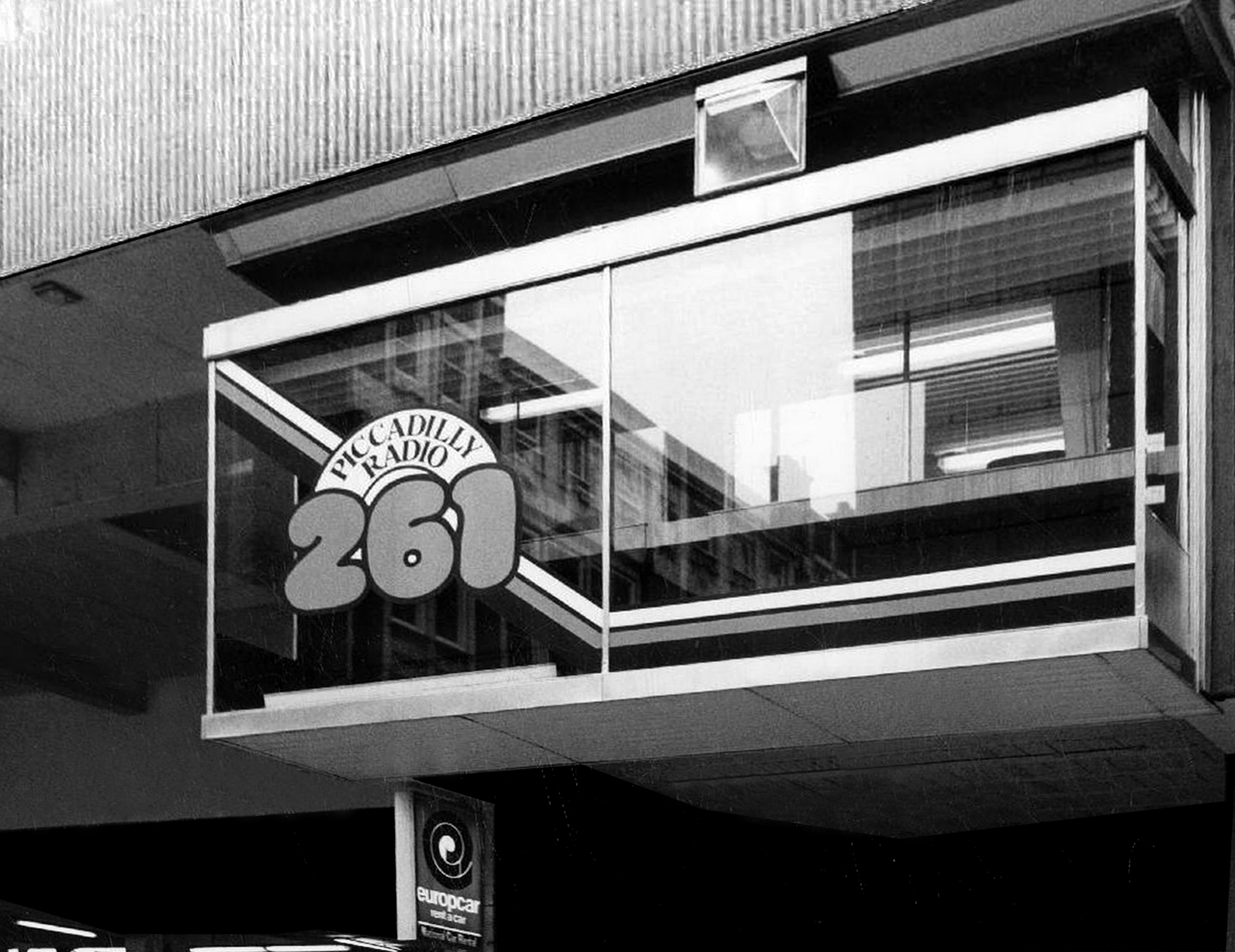
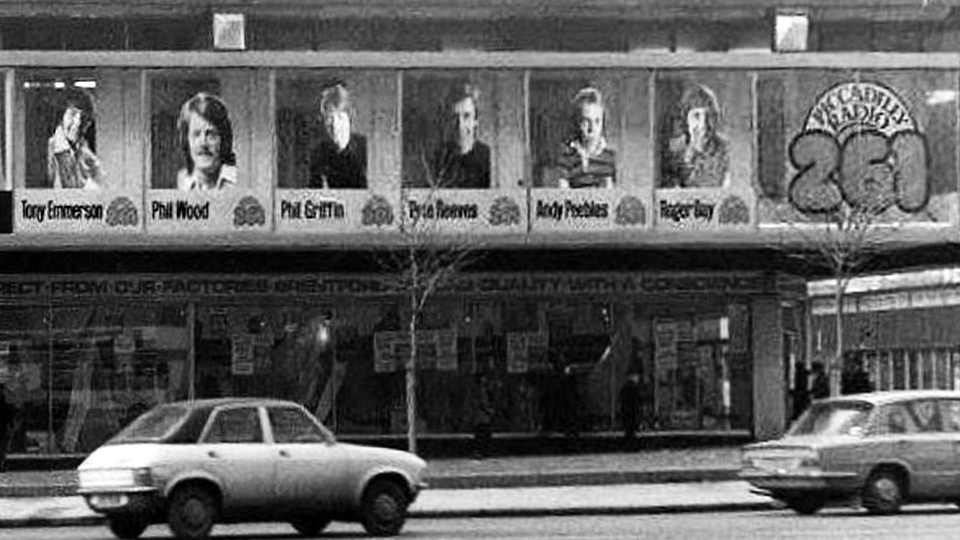
The noisy upstairs neighbours were Piccadilly Radio.

The first broadcast was at 5am on April 2nd 1974, it was undertaken by Roger Day, with his first words to the Manchester audience: “It gives me great pleasure for the very first time to say a good Tuesday morning to you… Hit music for the North West…we are Piccadilly Radio” before spinning Good Vibrations.

It was the first commercial radio station to broadcast in the city, and went on to launch the careers of a host of star DJs, the likes of Gary Davies, Chris Evans, Andy Peebles, Timmy Mallett, Mike Sweeney, Pete Mitchell, James Stannage, Steve Penk and James H Reeve.

Manchester Evening News

And of course my good friend Mr Phil Griffin.

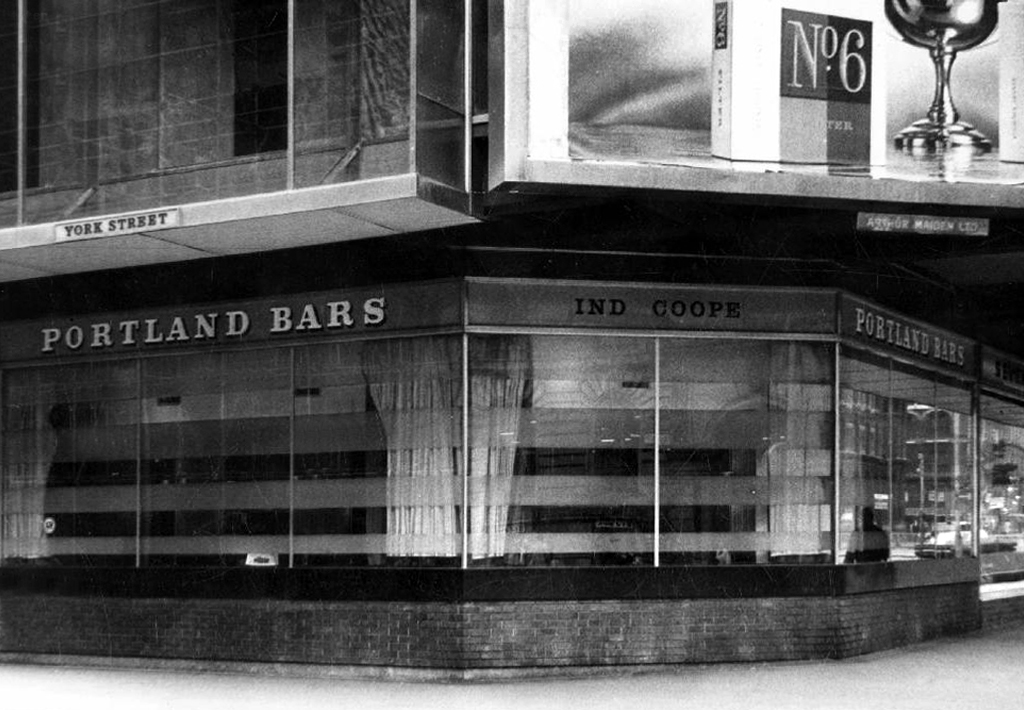
Just around the corner the Portland Bars.

Waiting for a mate who worked at Piccadilly Radio we ventured down the stairs next door to get a drink and because of our clothes/leather jackets we were chucked back up the steps. We should of stood our ground like one of my mates who was told he could stay if he turned his jacket inside out, thinking he wouldnt do it, but he did and had a drink with his red quilted lining on the outside.

MDMA

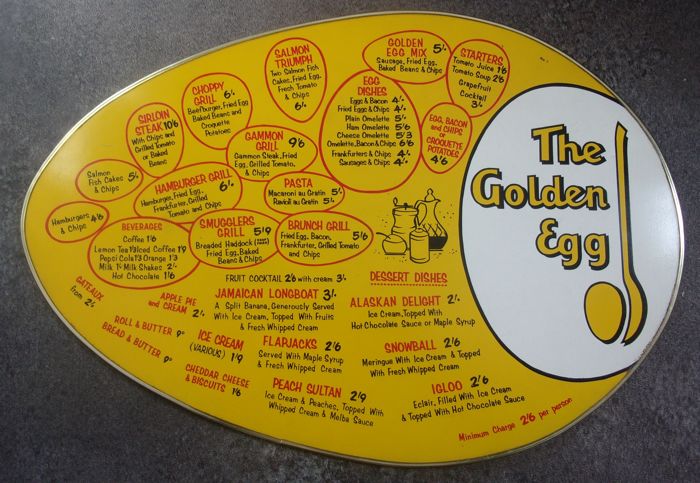
Oh and not forgetting the Golden Egg.

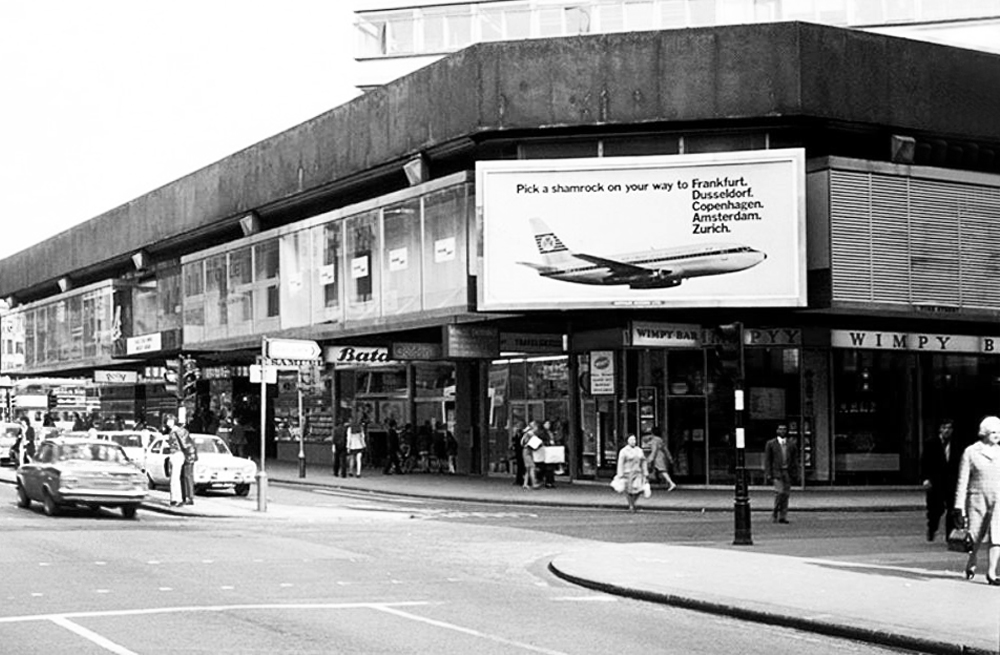
Bata Shoes and a Wimpy Bar.

“Food served at the table within ten minutes of ordering and with atomic age efficiency. No cutlery needed or given. Drinks served in a bottle with a straw. Condiments in pre-packaged single serving packets.”

In addition to familiar Wimpy burgers and milkshakes, the British franchise had served ham or sardine rolls called torpedoes and a cold frankfurter with pickled cucumber sandwiches called Freddies.

Even on the greyest days the Plaza was a beacon of Modernity.

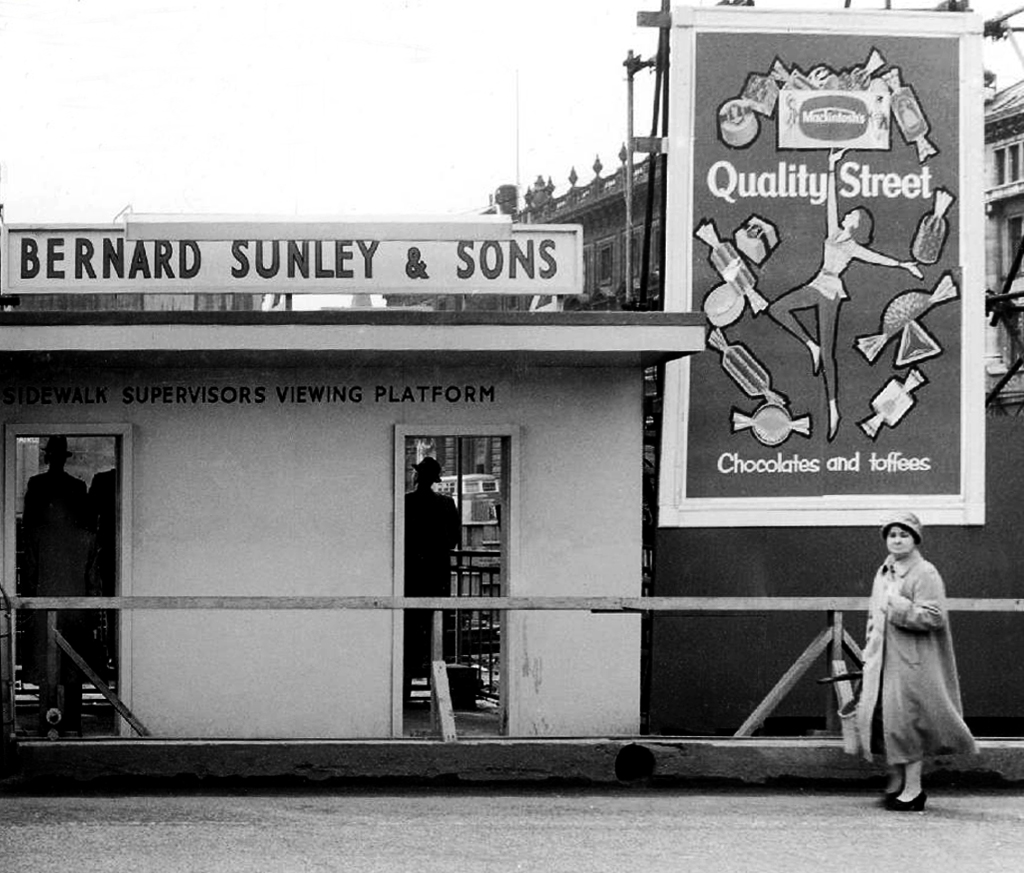
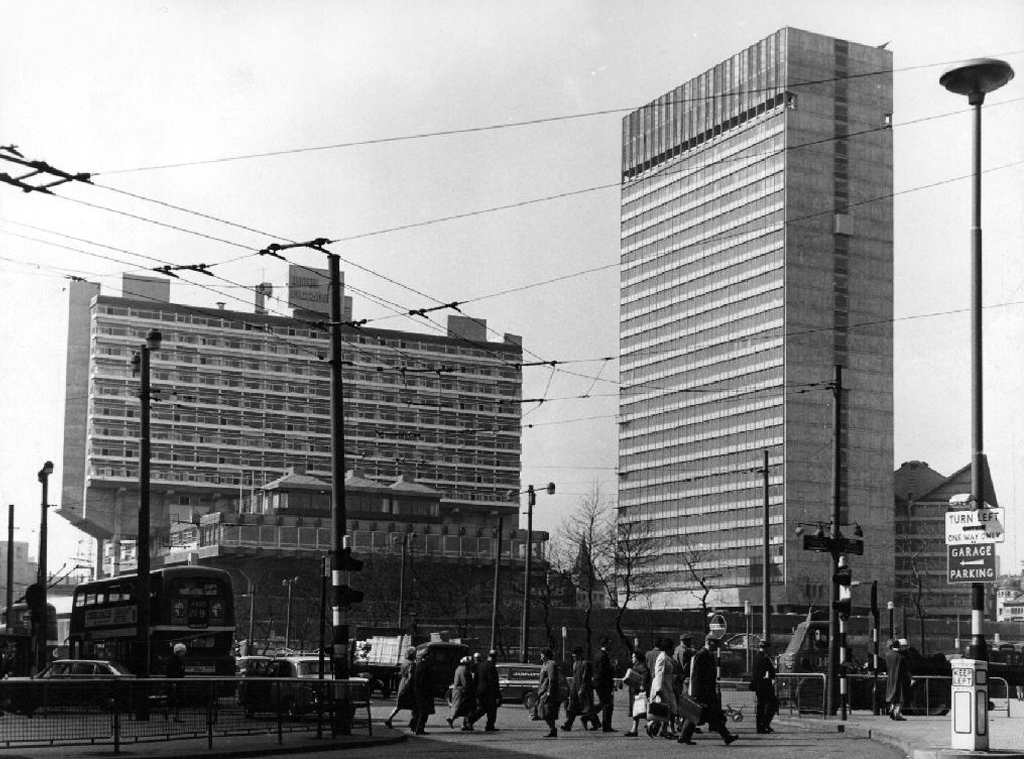
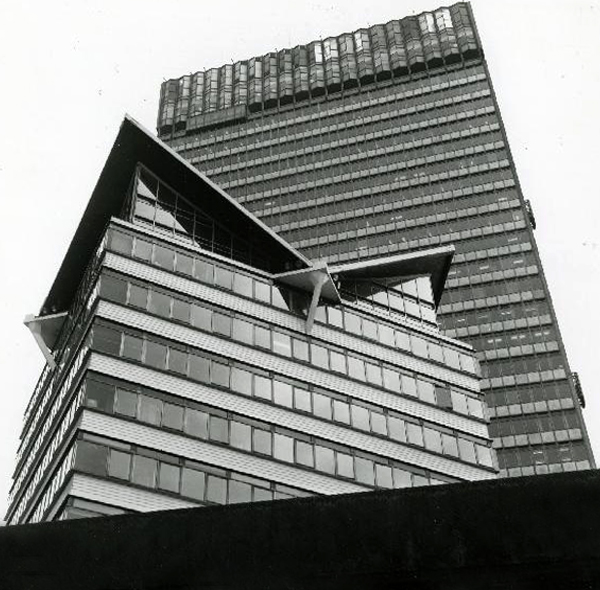
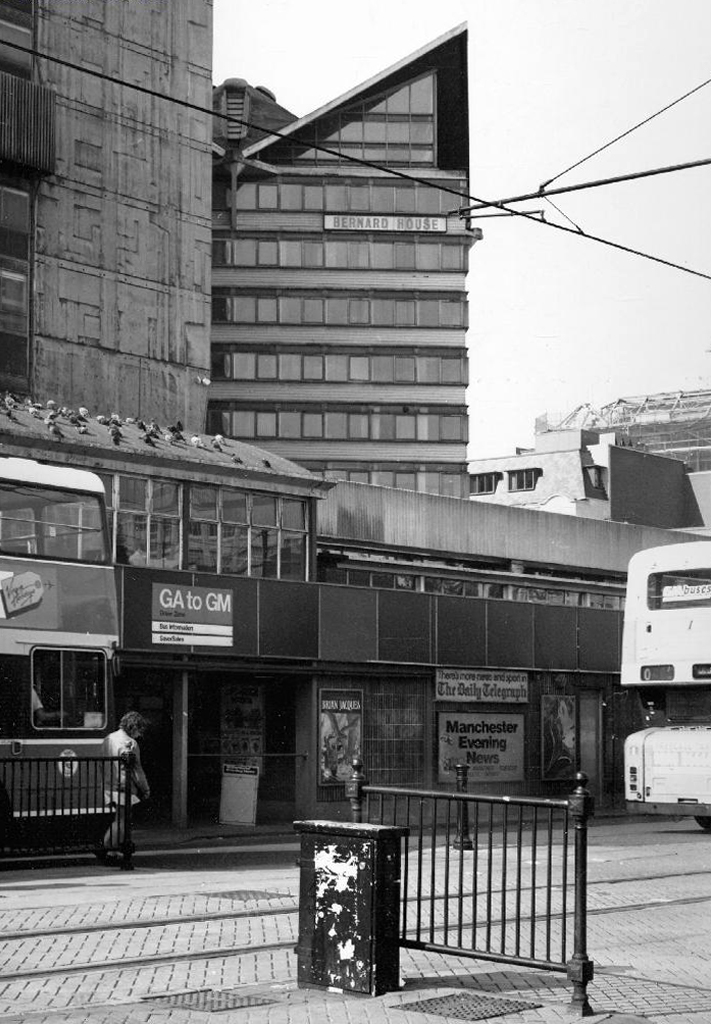
Though sadly we eventually lost Bernard House.

However, City Tower still prevails as a mixed use office block, adorned east and west with big bold William Mitchell panels.

Which were to be illuminated by ever changing images, produced by photo electric cells – sadly unrealised.

So goodbye Piccadilly – farewell Leicester Square? – it’s a long, long way to the future, and we’re barely half way there.

While we’re in the vicinity take a quick trip up and down the car park ramp.

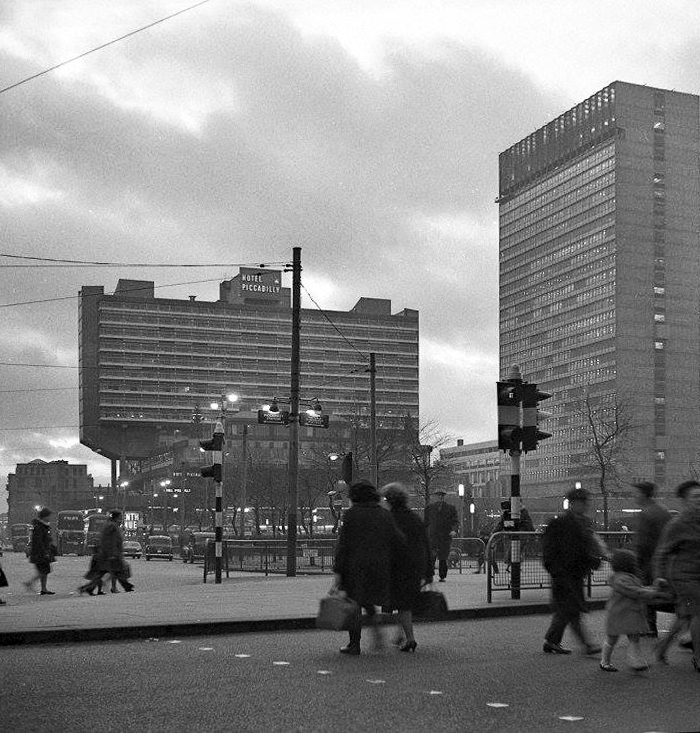
Notably the entrance to the Hotel Piccadilly was on the first floor, accessed by non-existent highways in the sky – sweet dreams.

Black and white archive photographs – Local Image Collection

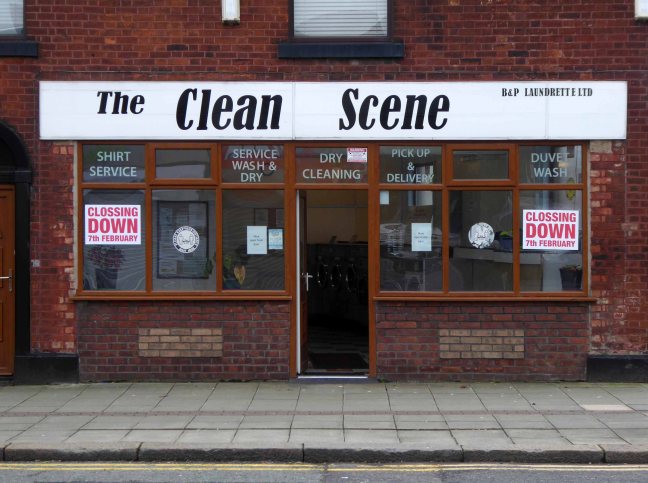
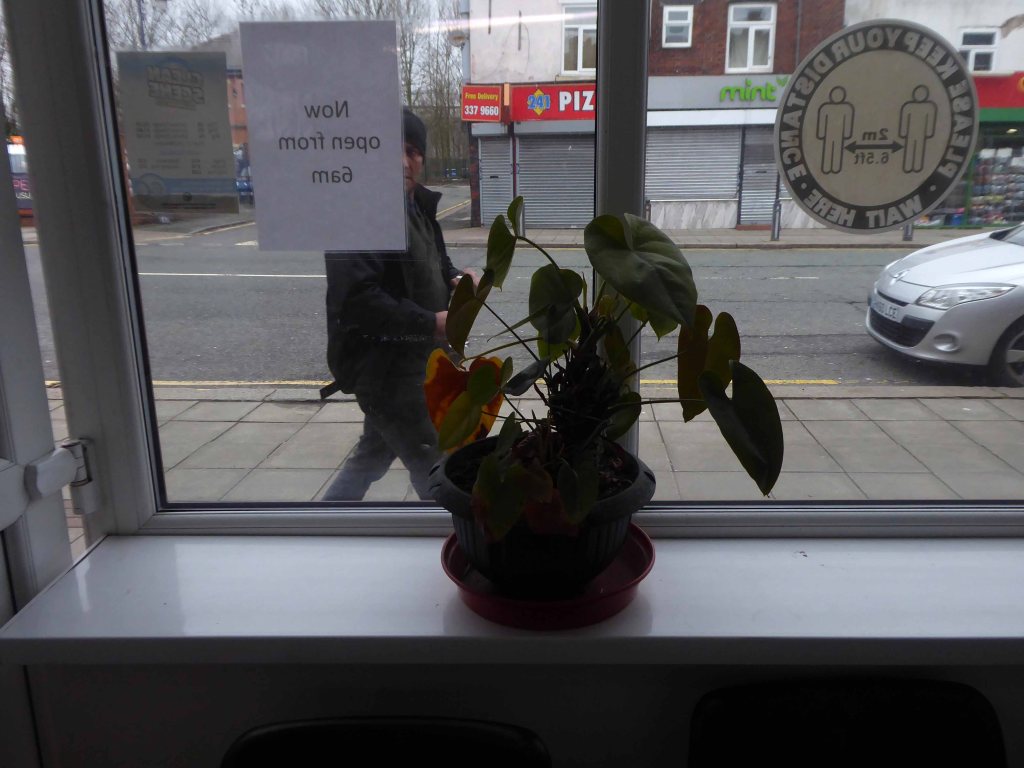
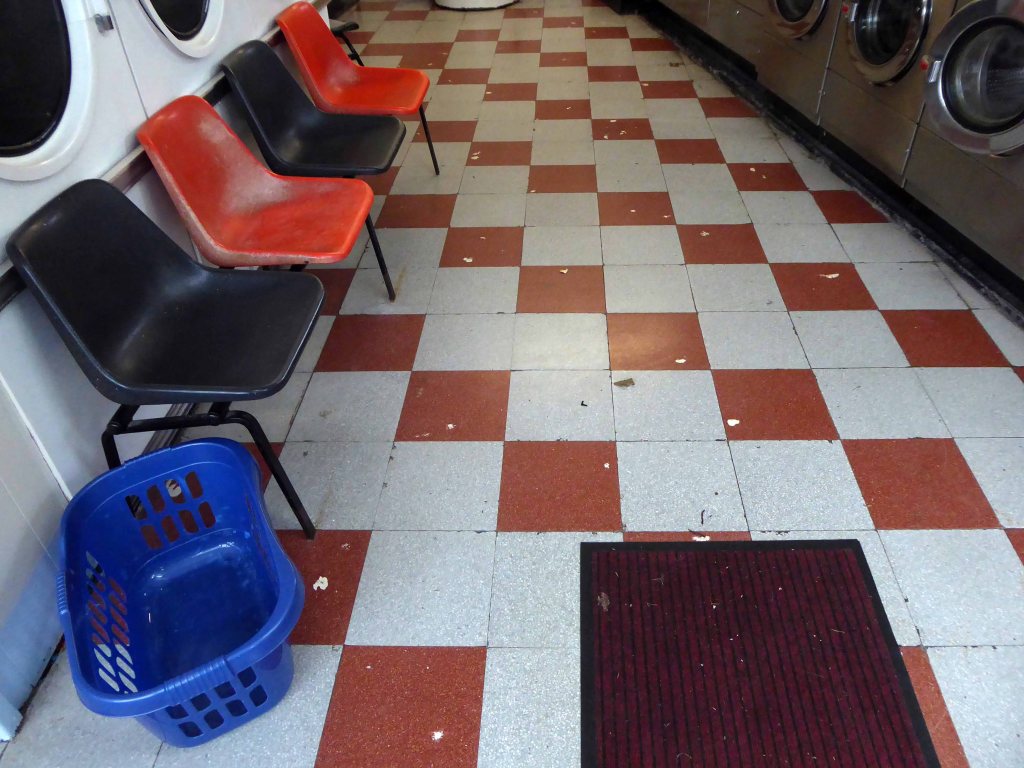
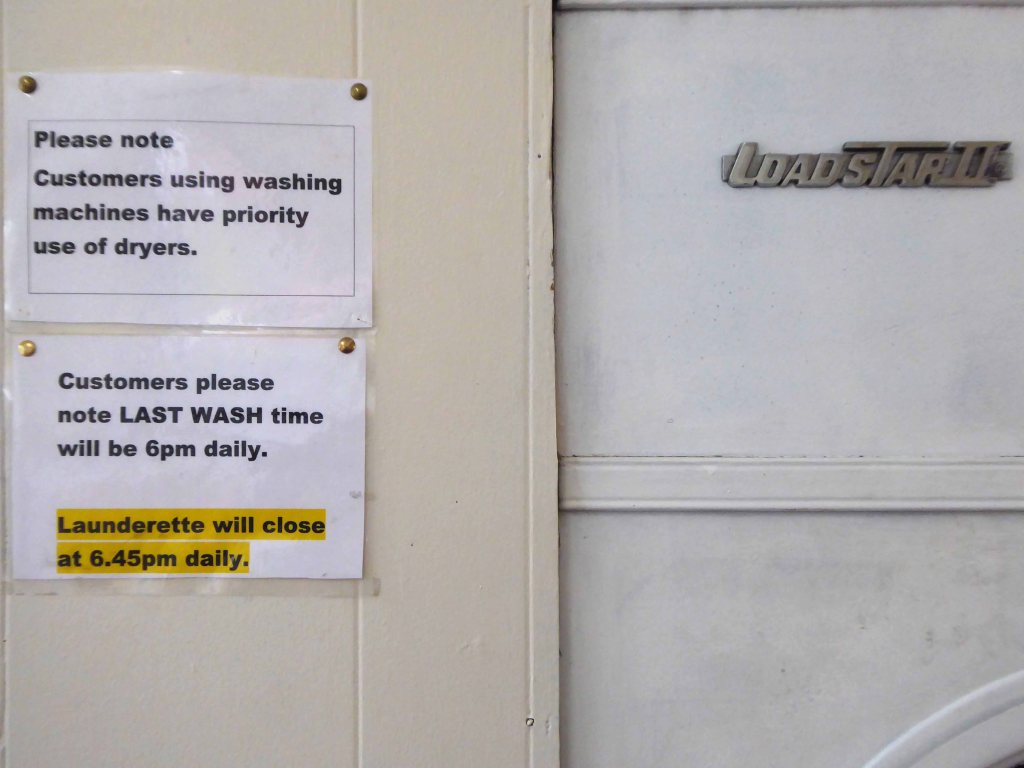
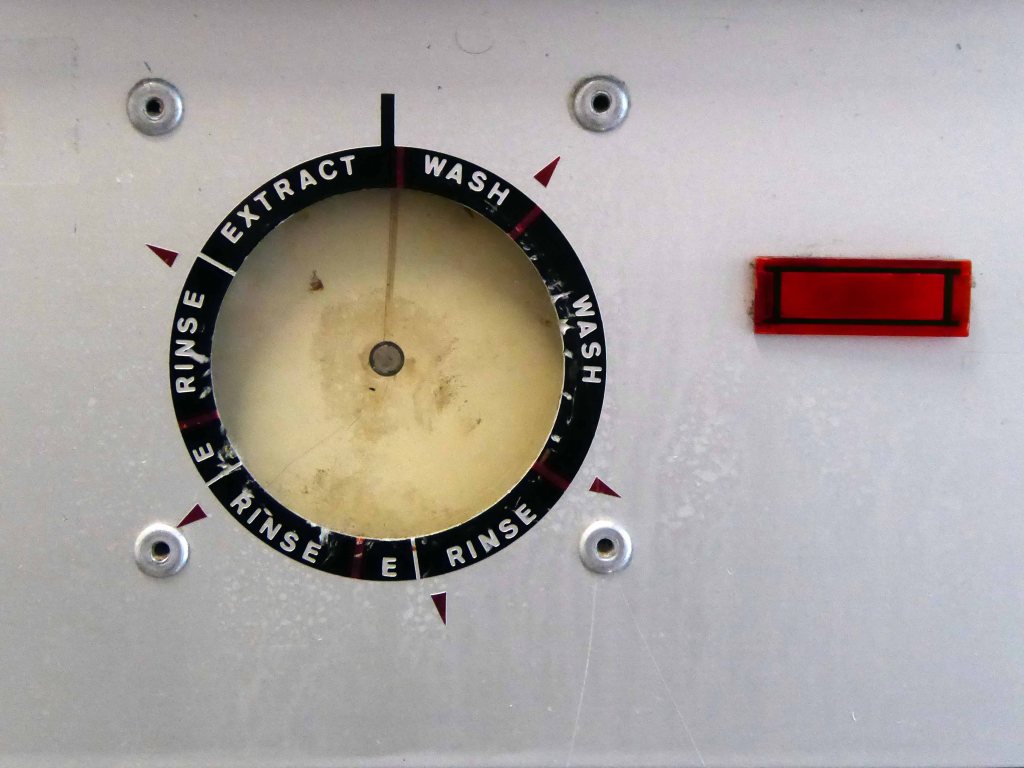
The Clean Scene – Denton

75 Manchester Rd Denton Manchester M34 2AF

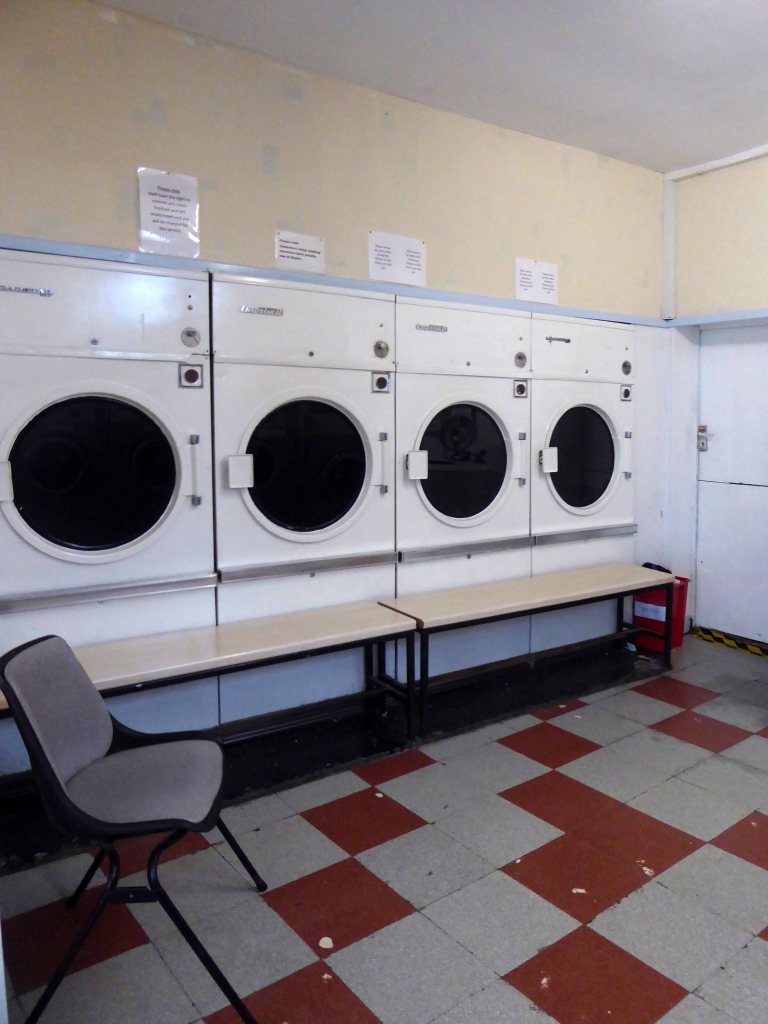
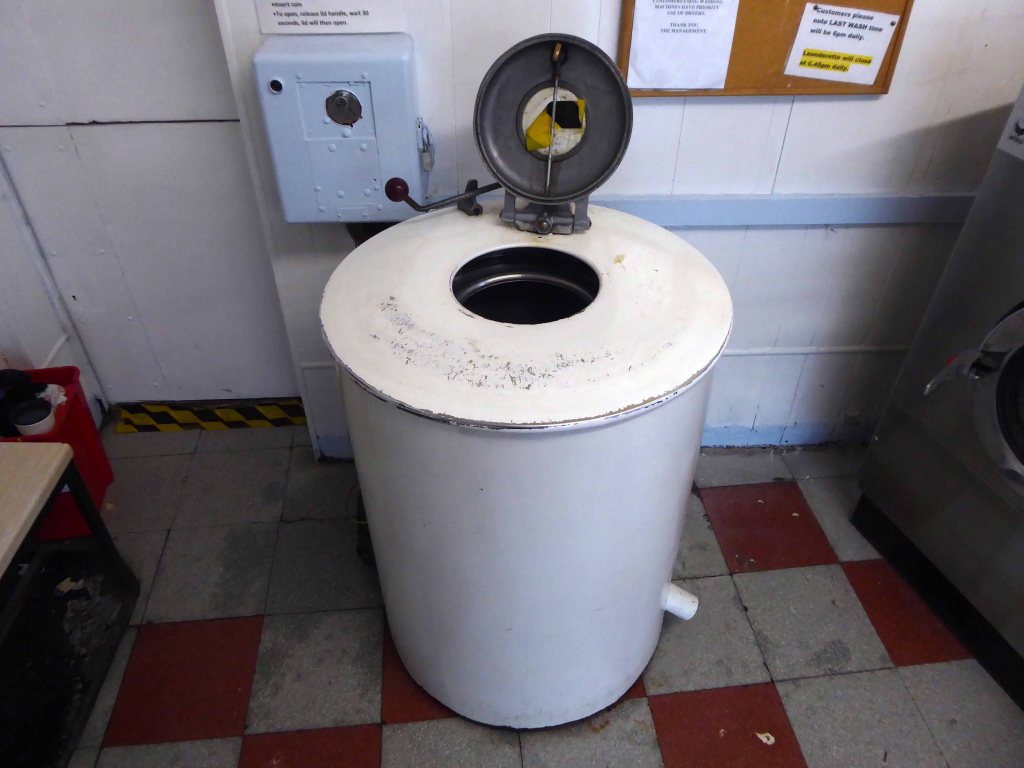
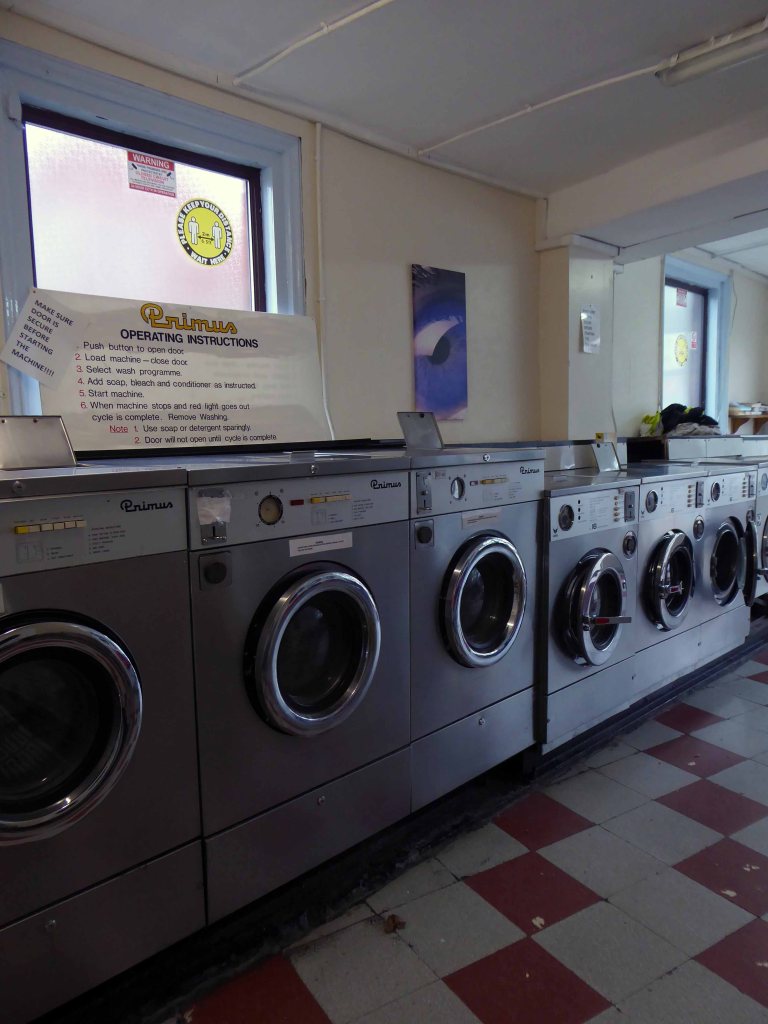
Not unusually, whilst on my way somewhere else, quite by chance, I came upon The Clean Scene.

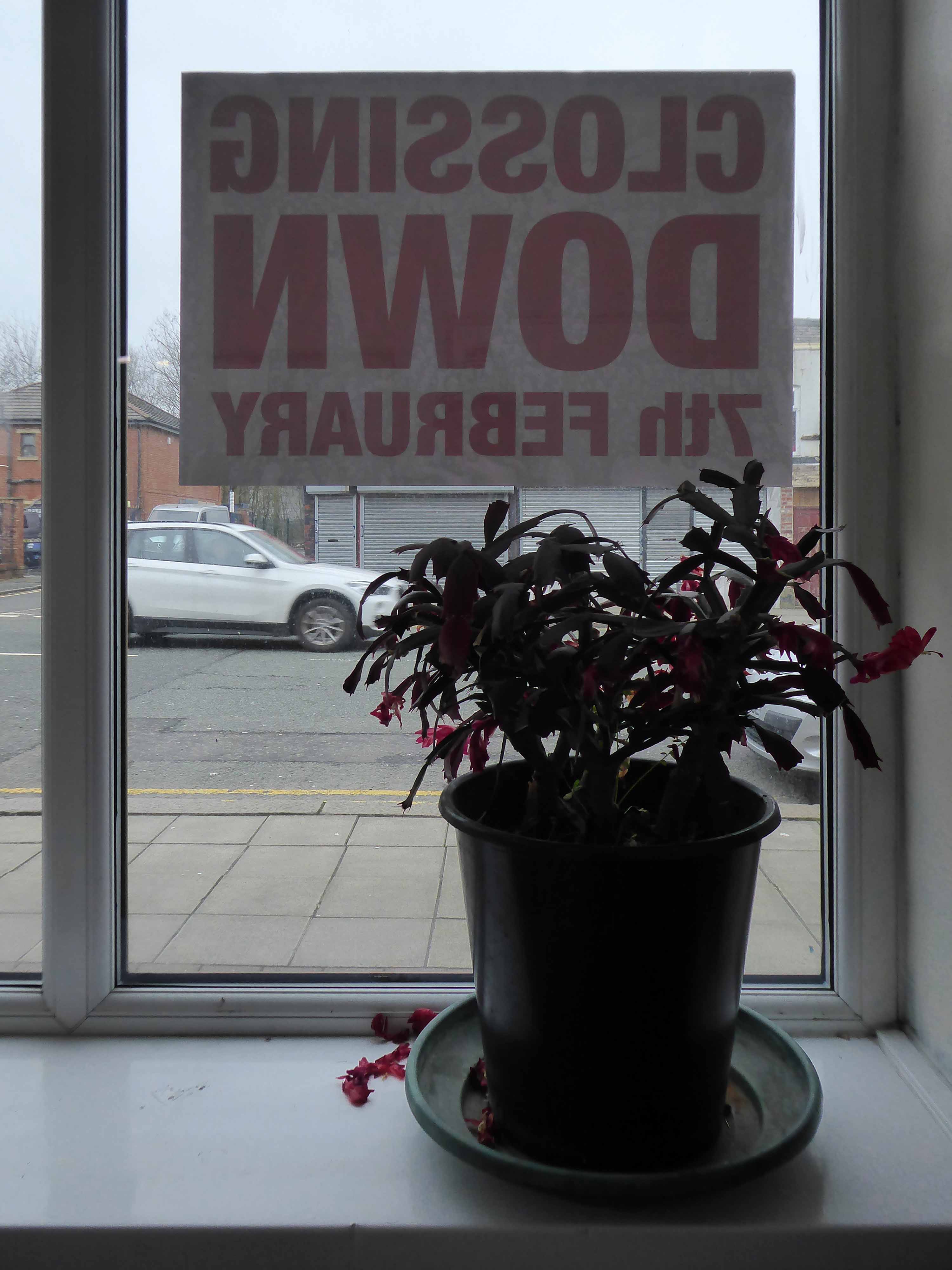
Sadly soon to be CLOSSING DOWN.

Pleas such as: Are you open Christmas Eve I need the dryers

– will from hereon in remained unanswered.

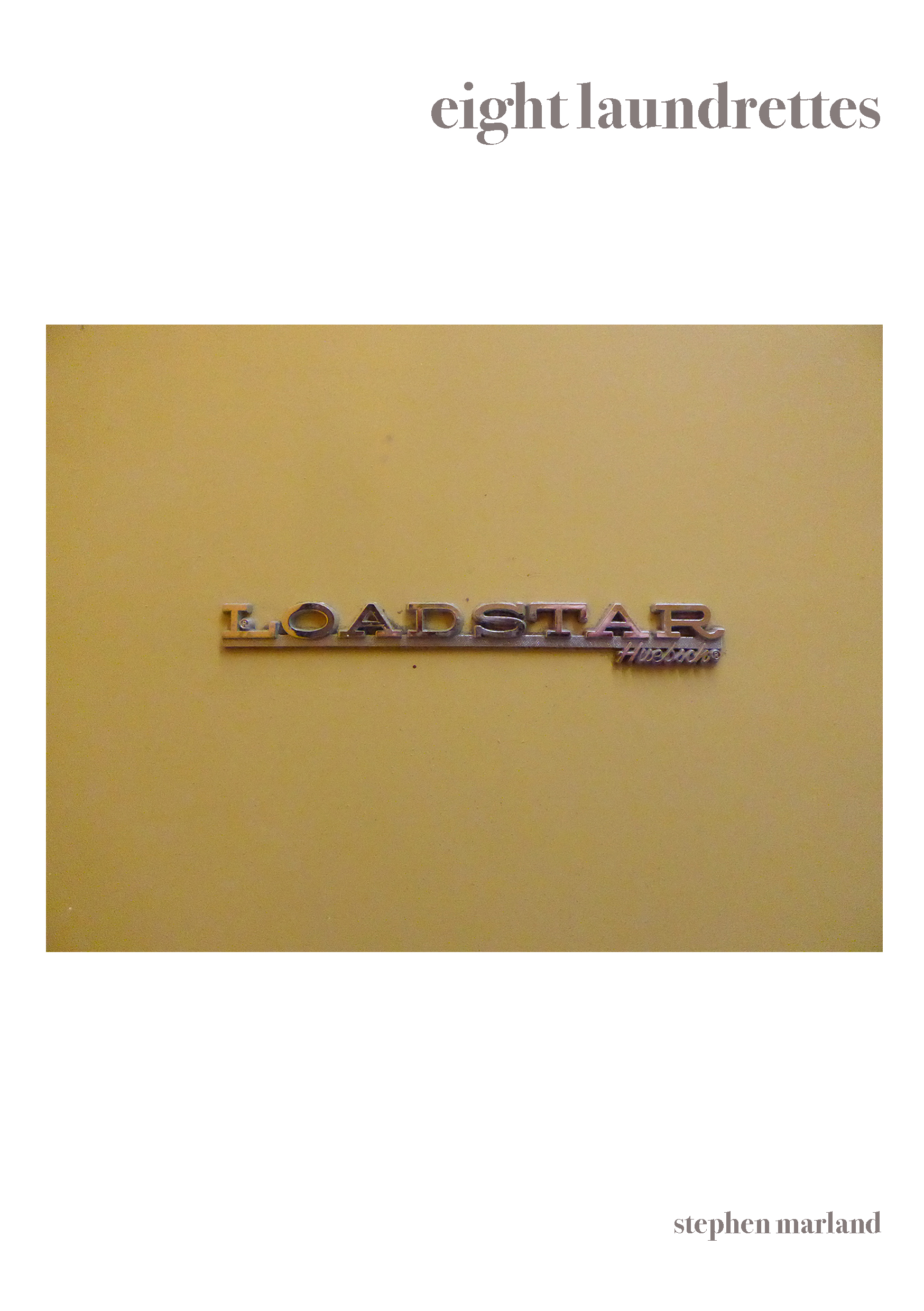
Having almost abandoned the wet and dry world of the laundrette, following the publication of the era-defining, runaway success of my eight laundrettes, I almost walked on by.

For just one brief moment I hesitated, then walked right on in.

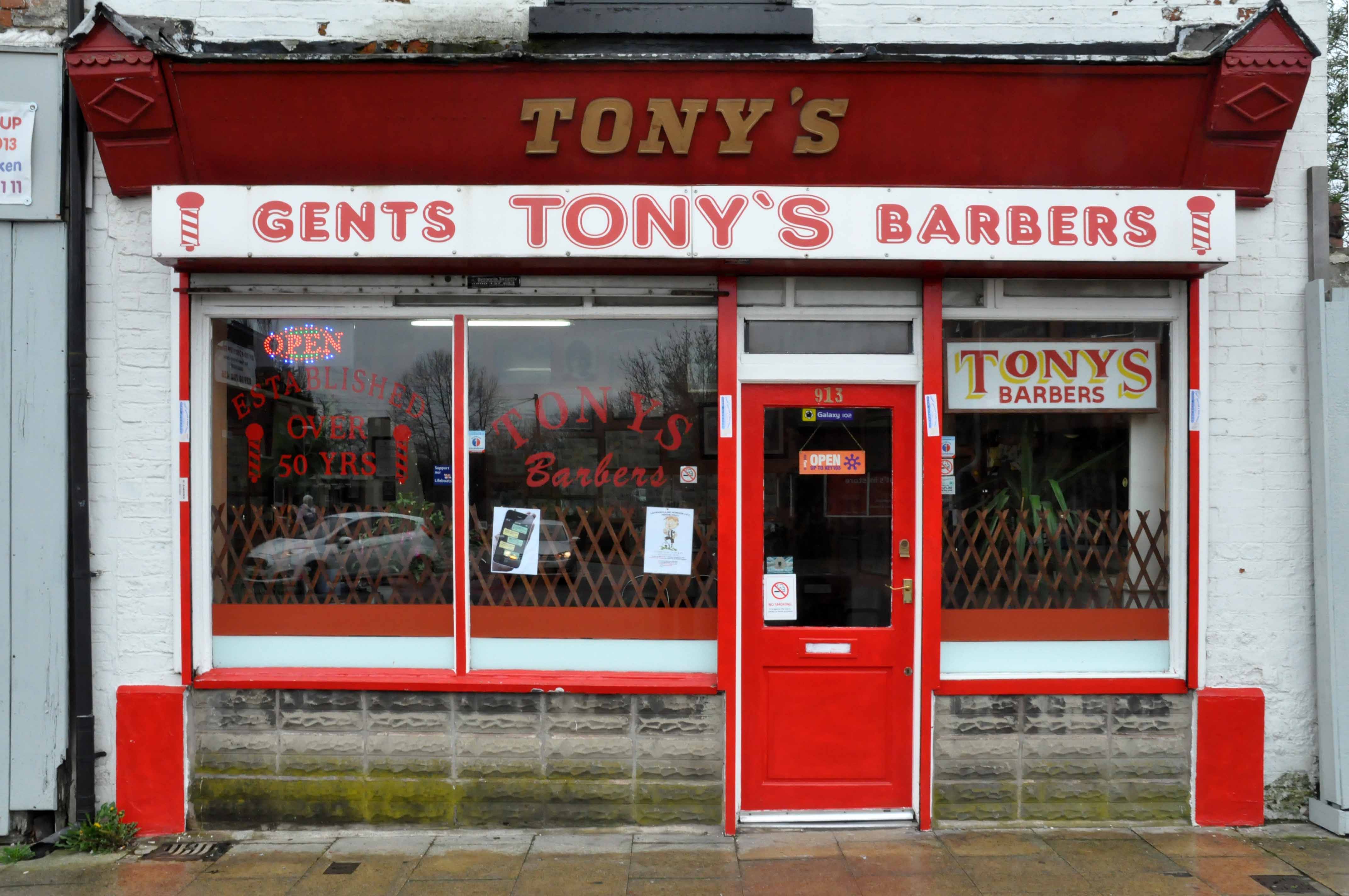
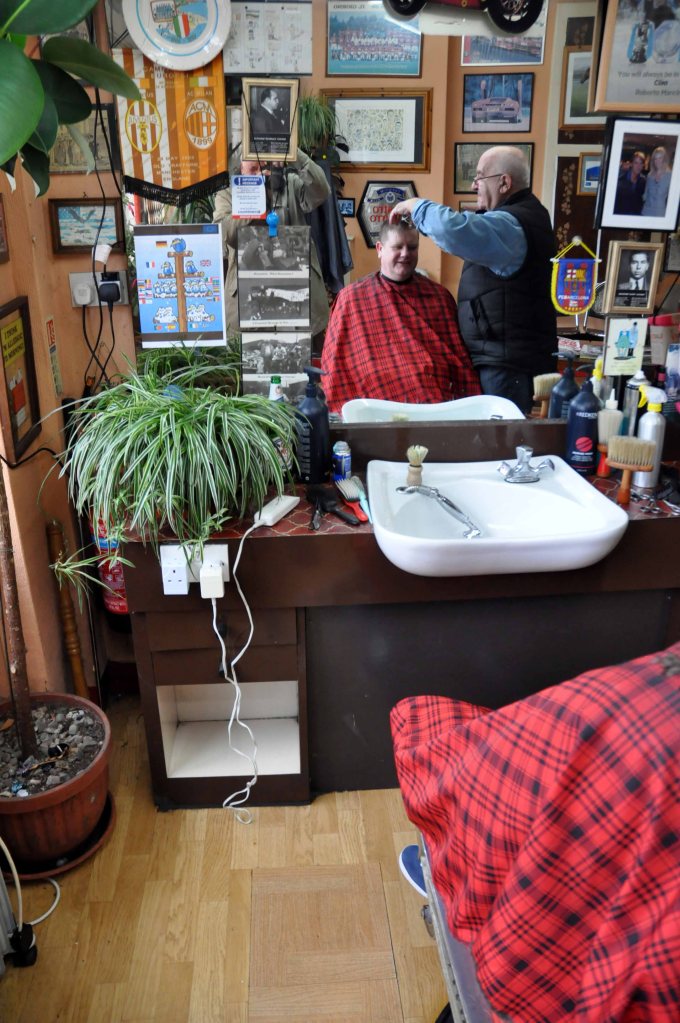
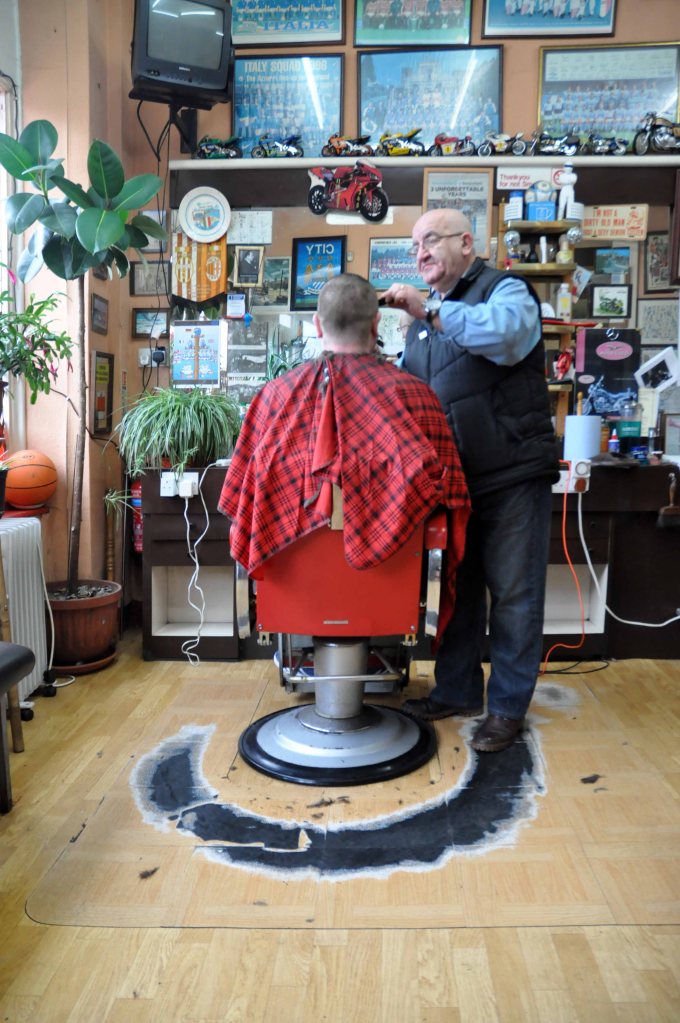
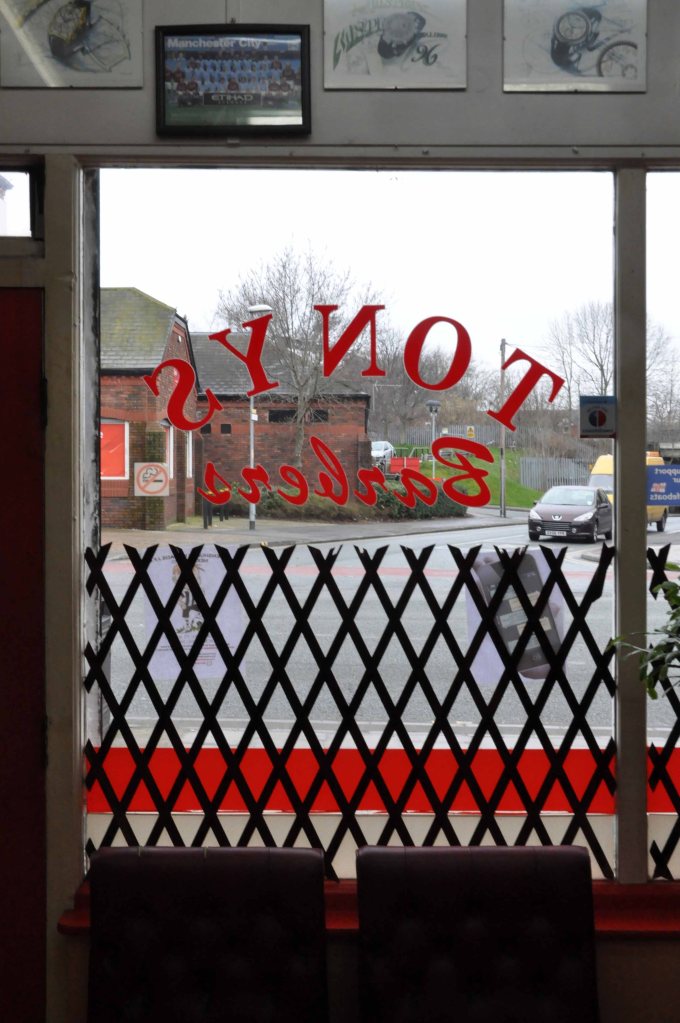
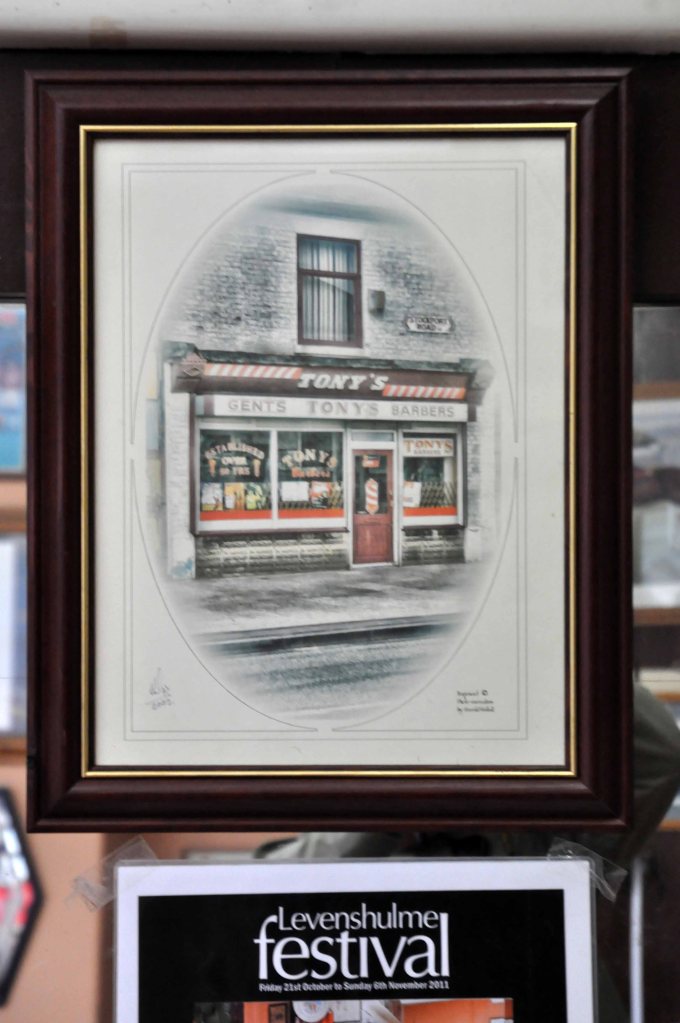
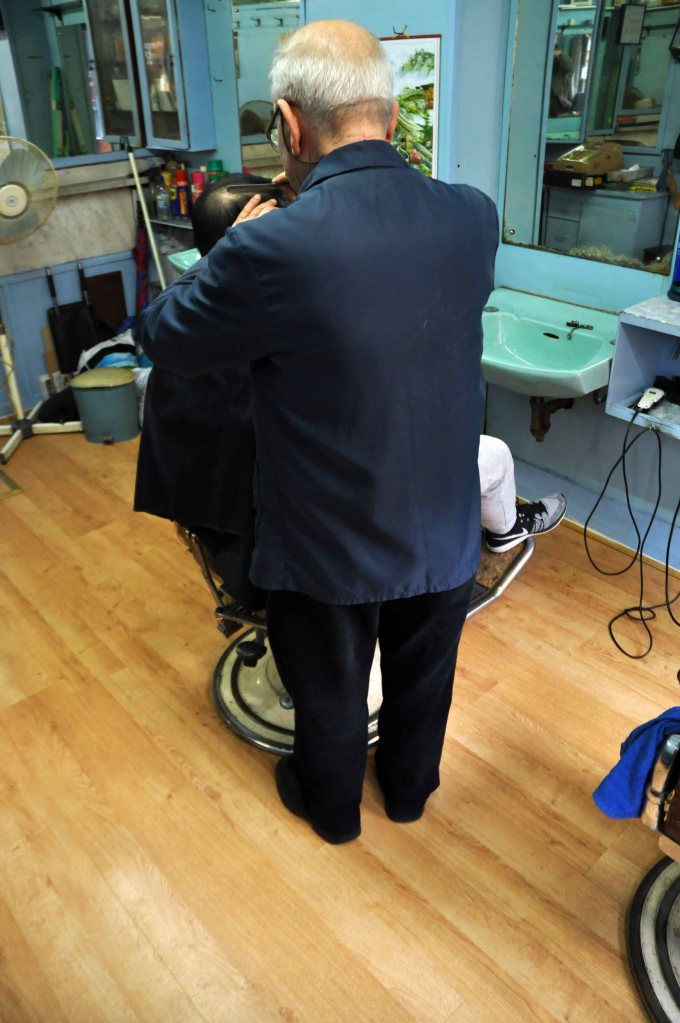
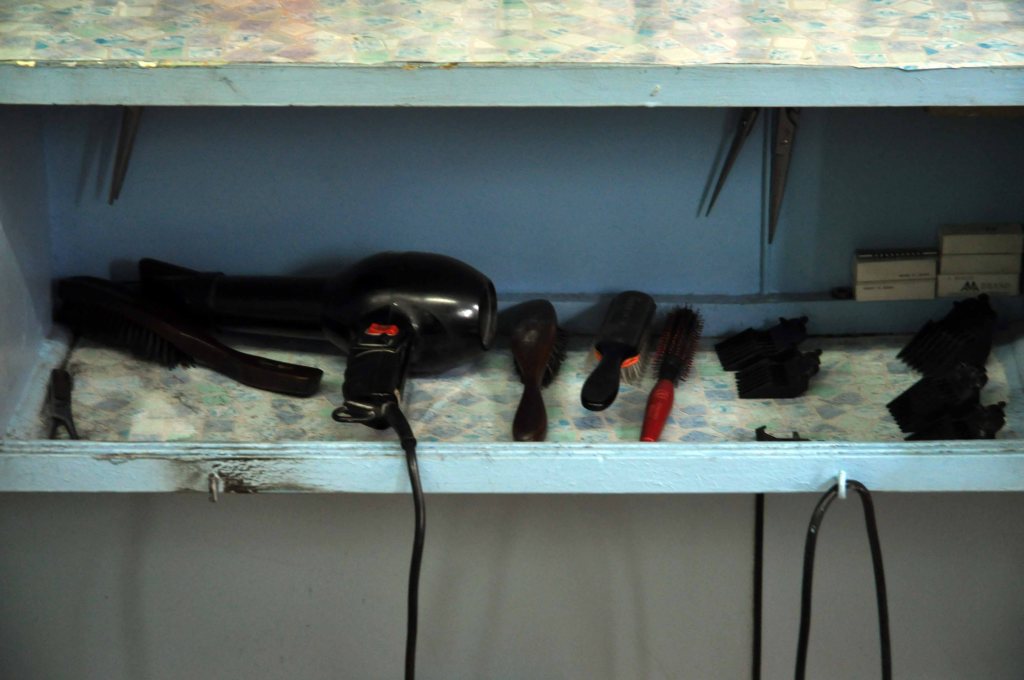
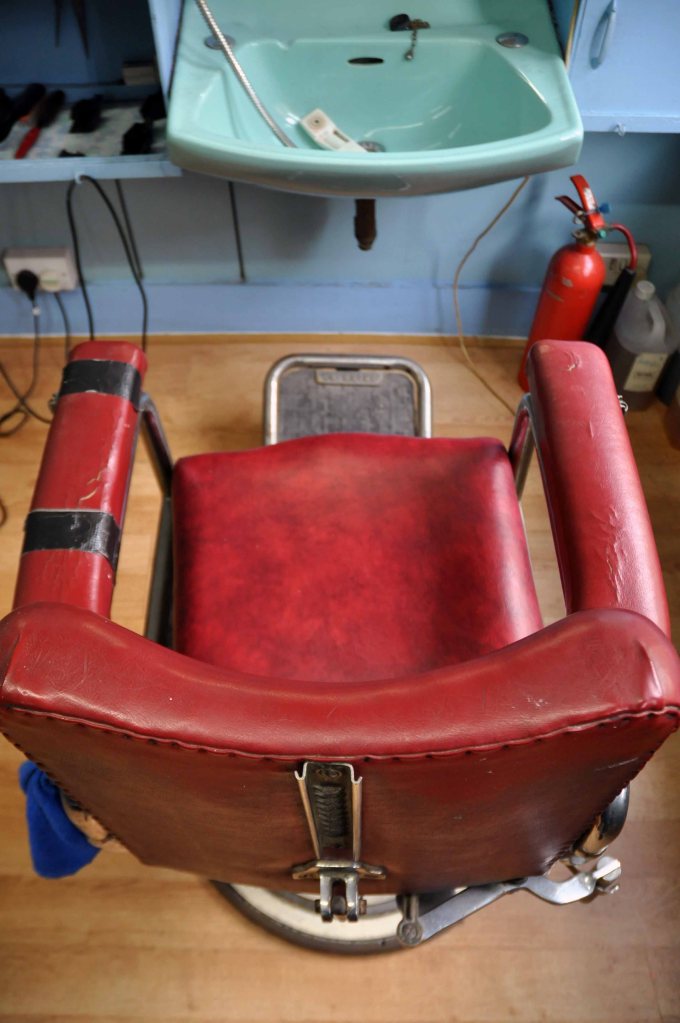
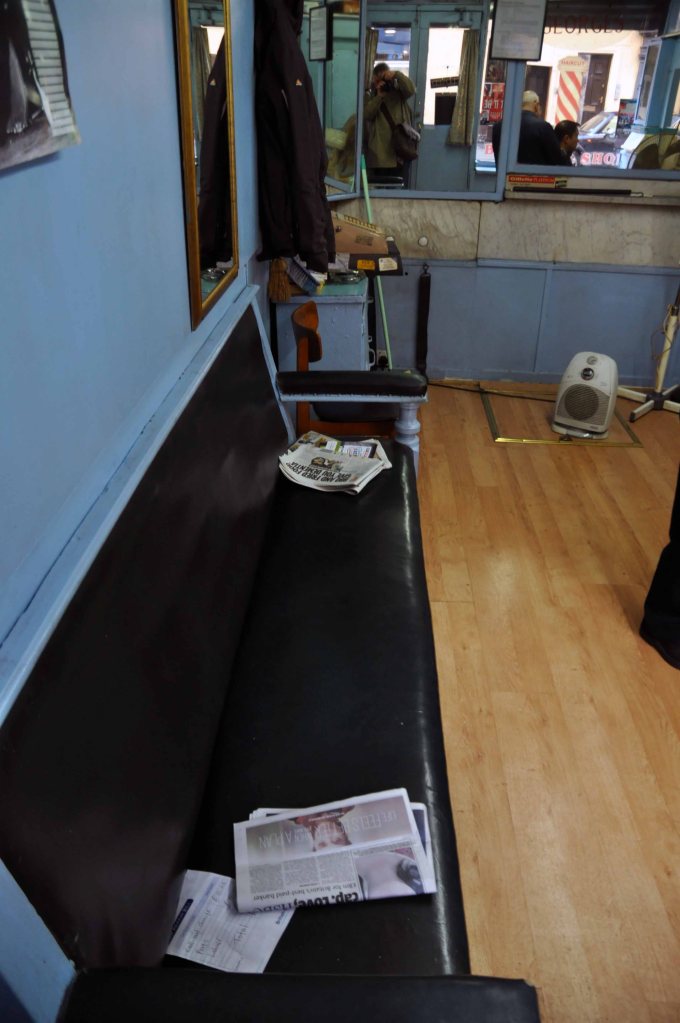
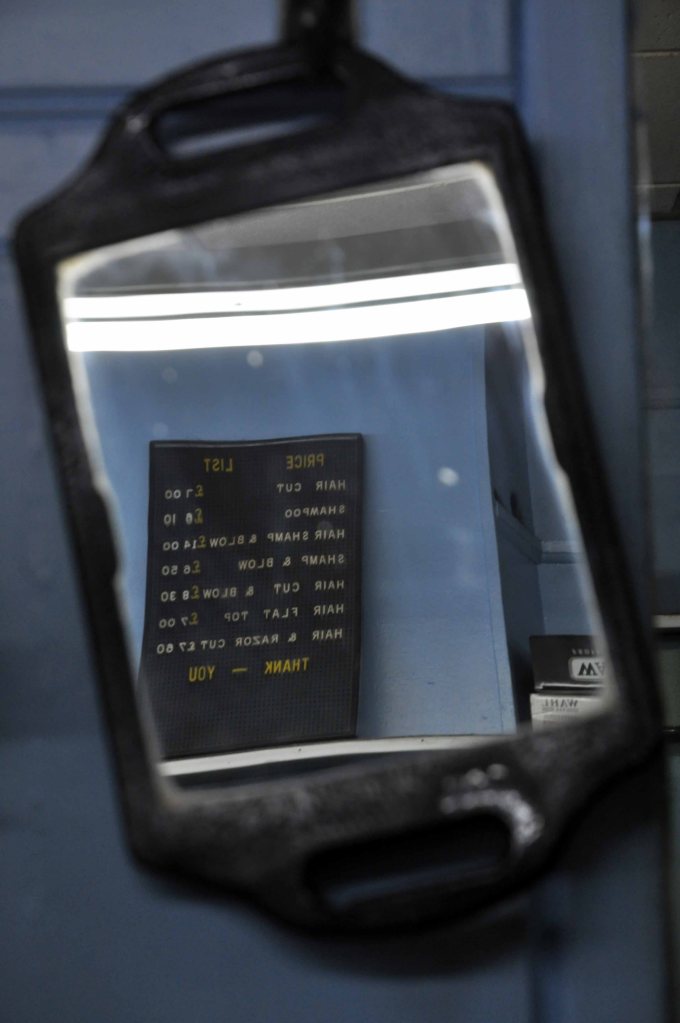
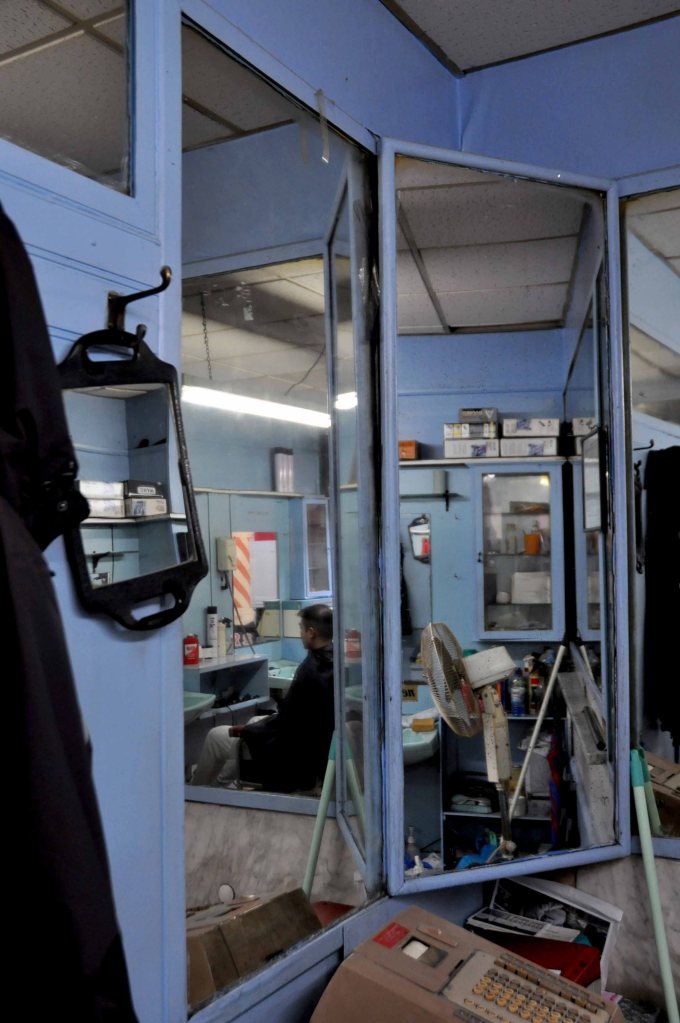
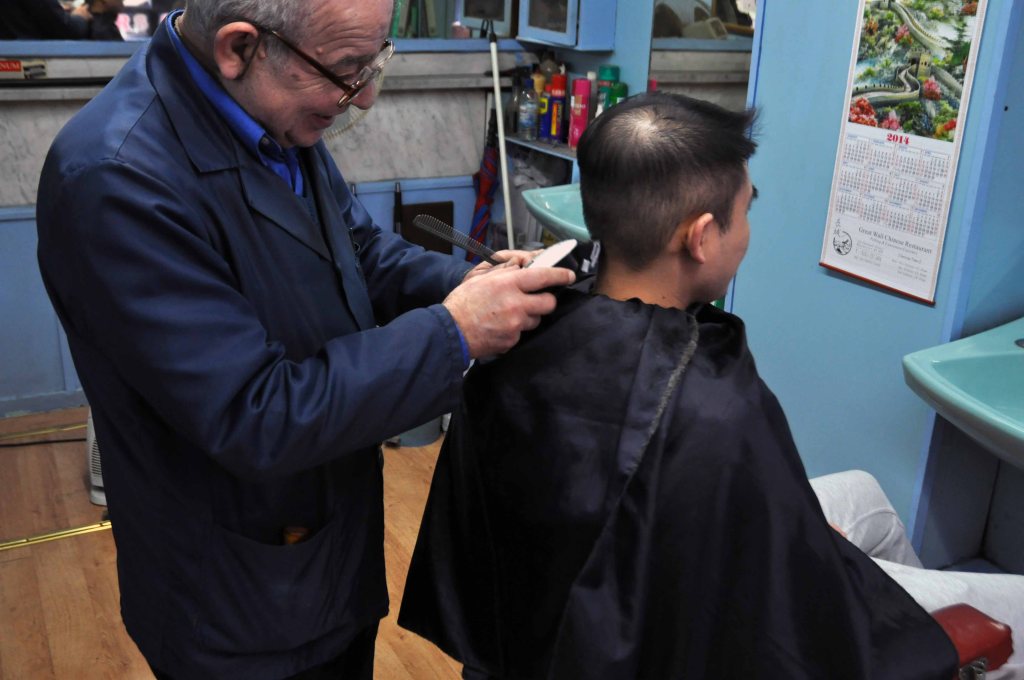
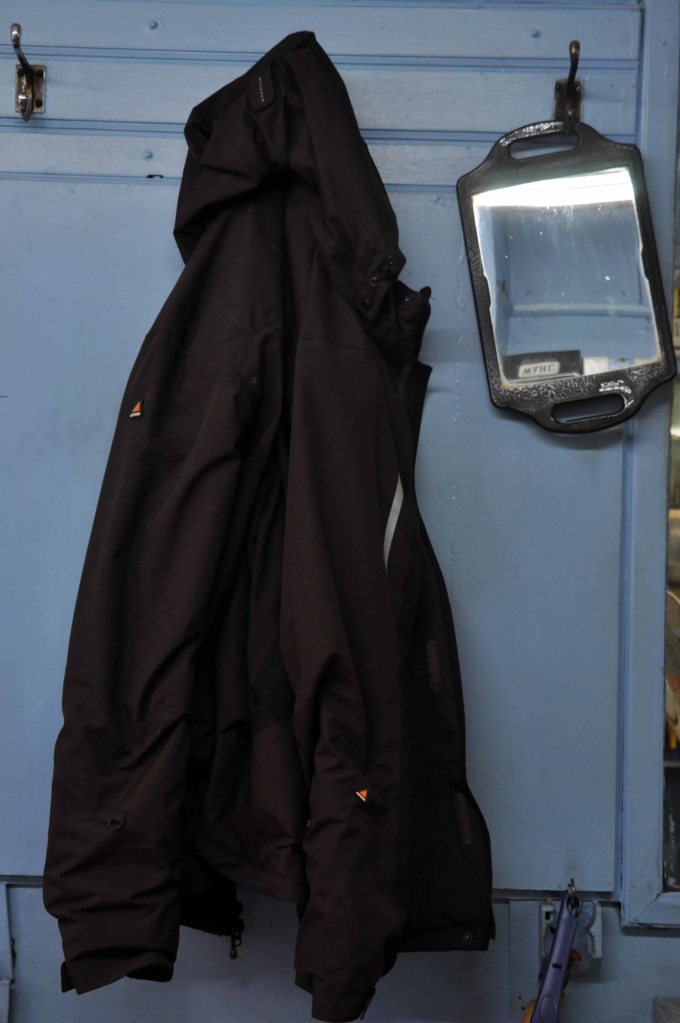
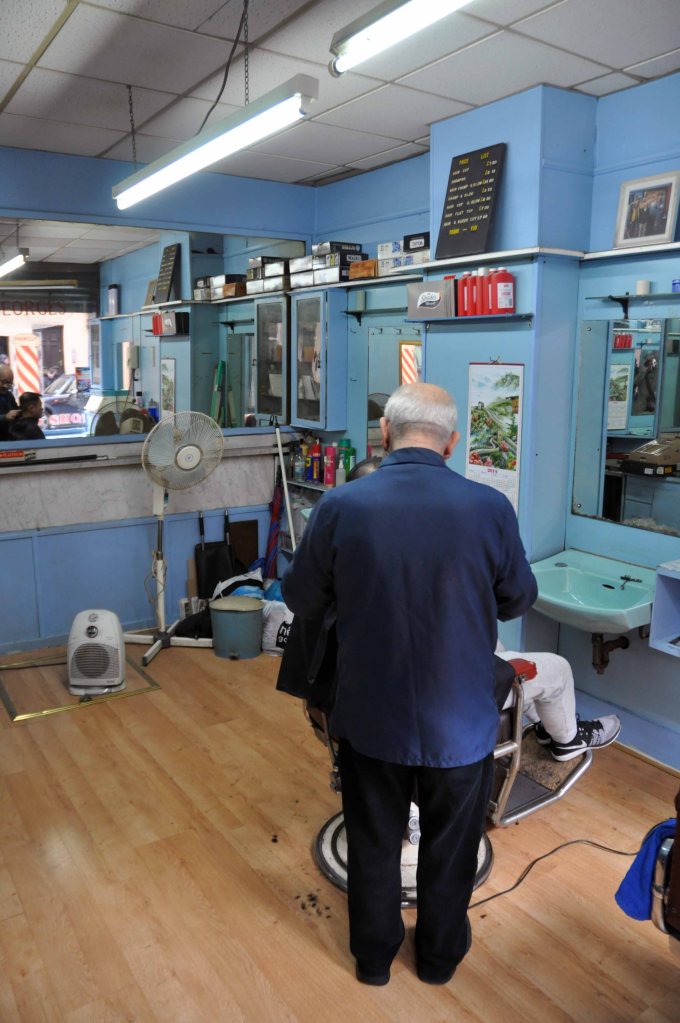
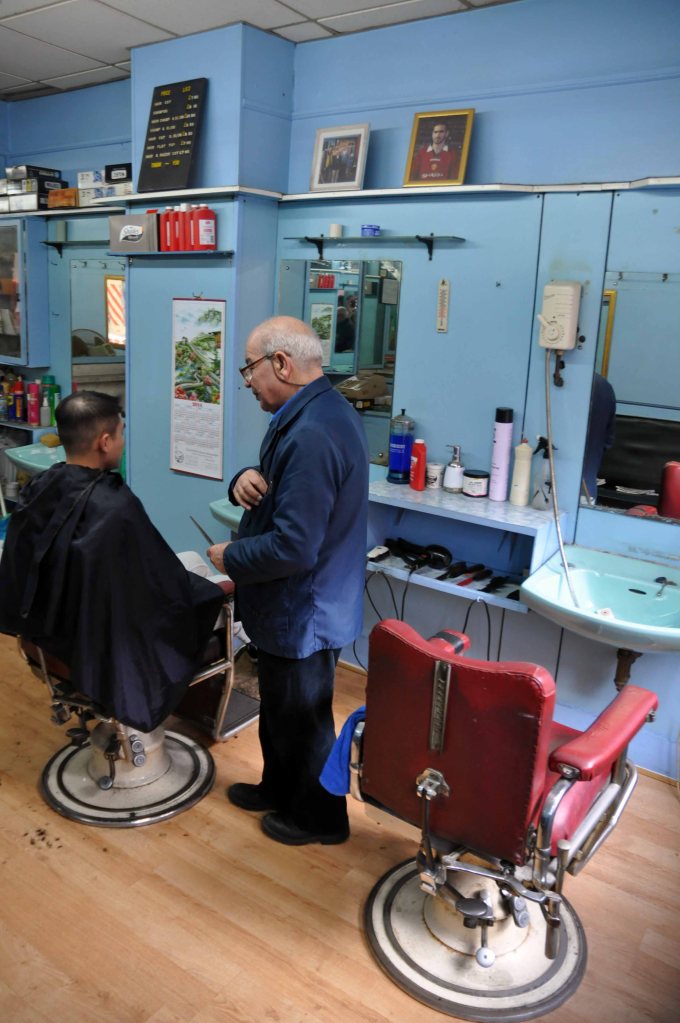
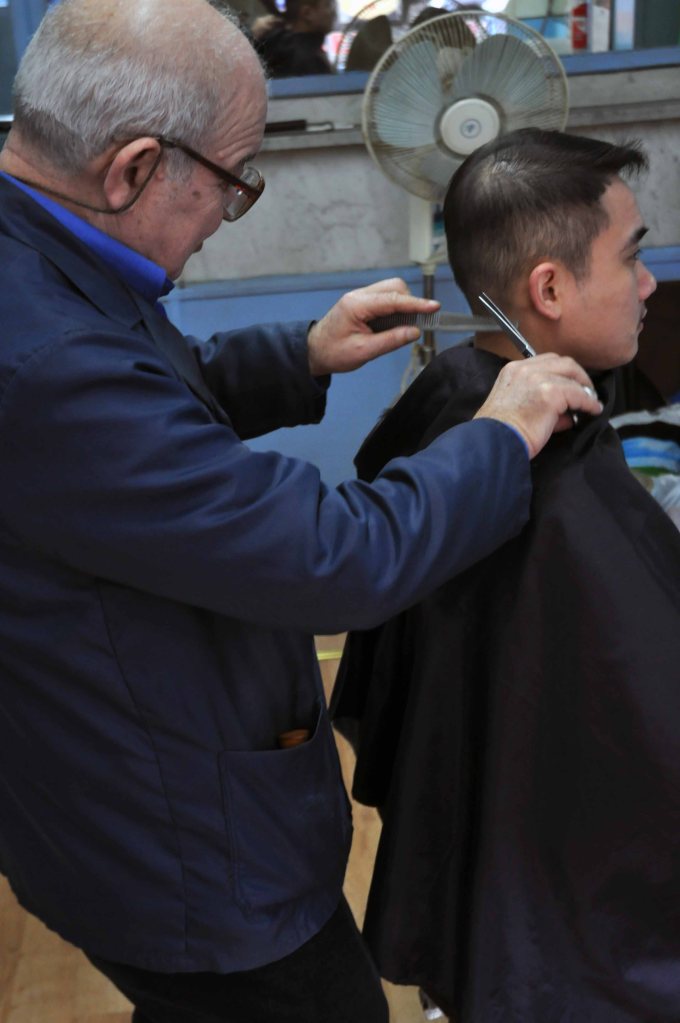
Tony’s Barbers – Manchester

913 Stockport Rd Levenshulme Manchester M19 3PG 

I passed by almost every day, cycling back and to, to work.

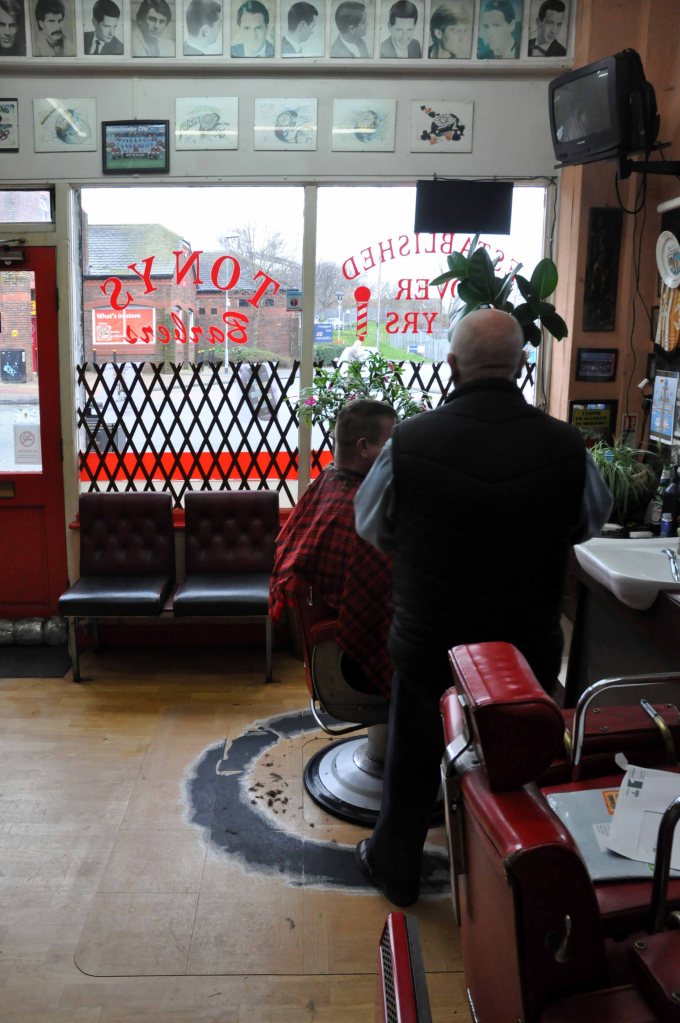
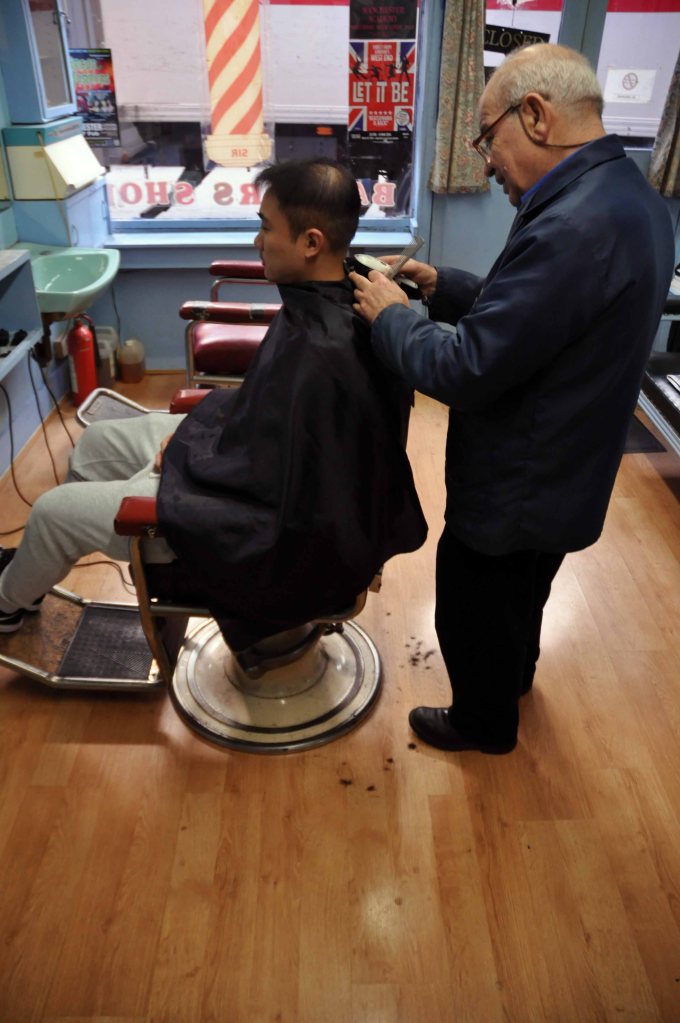
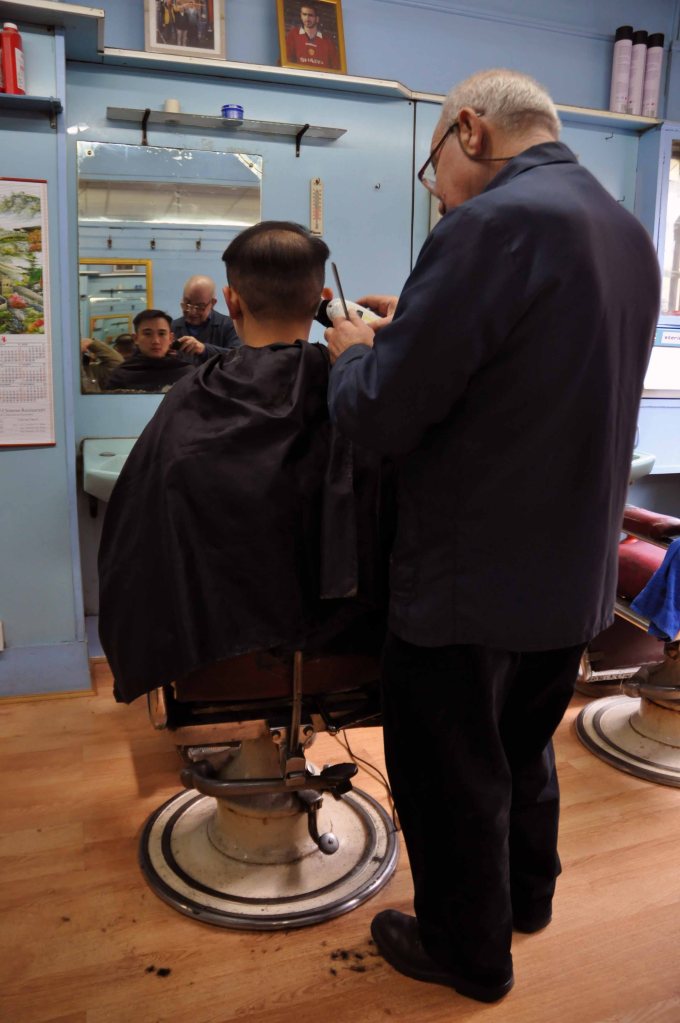
One day I stopped, popped in, asked to chat and snap – Tony obliged.

Cypriot George in the city centre had already give me salon time.

These photographs were taken in March 2014 – Tony’s still there, cutting hair.

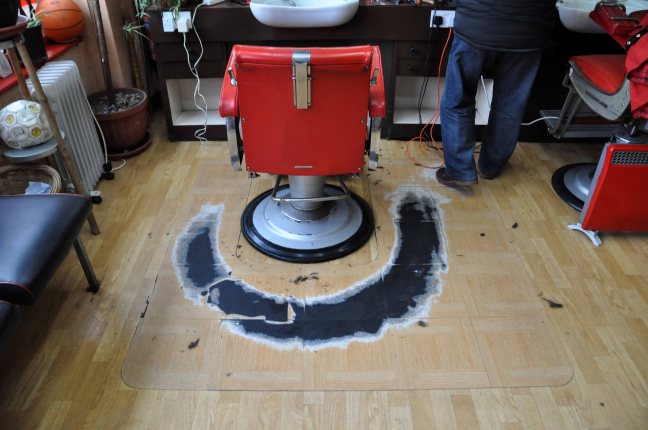
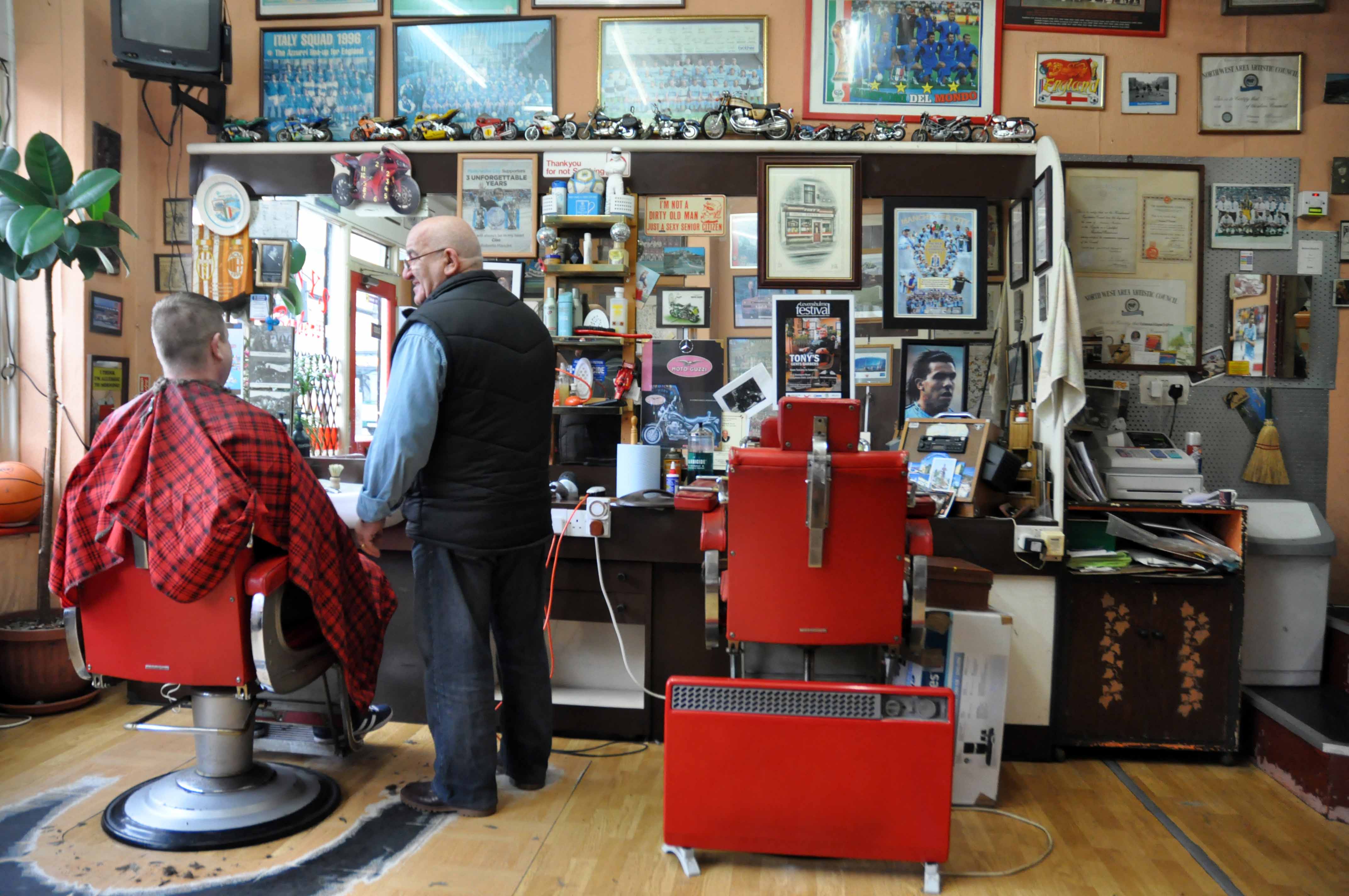
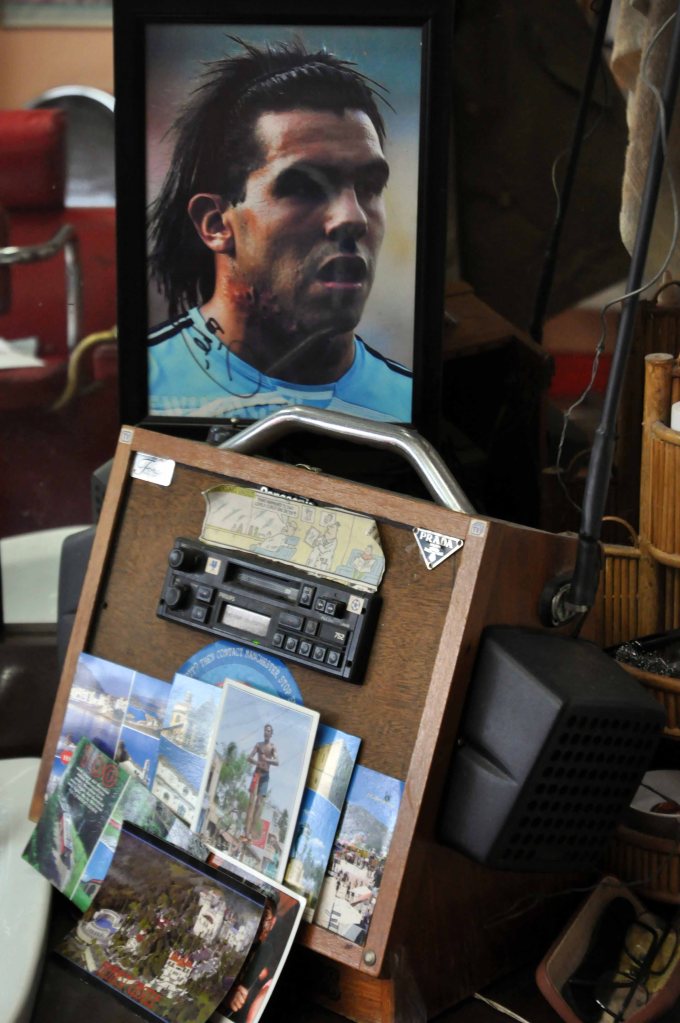
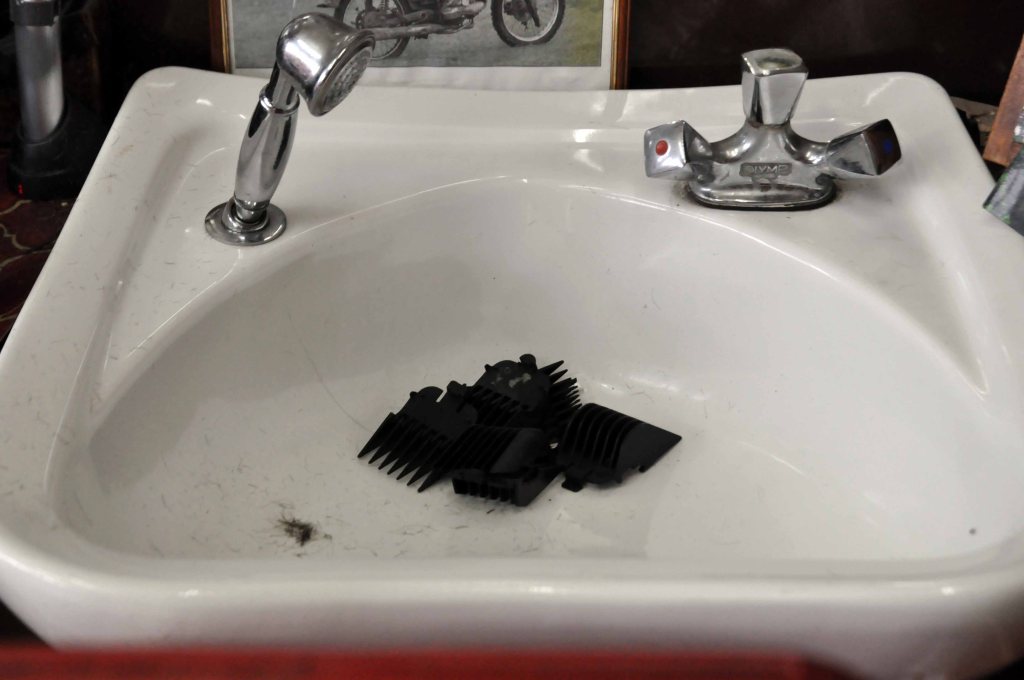
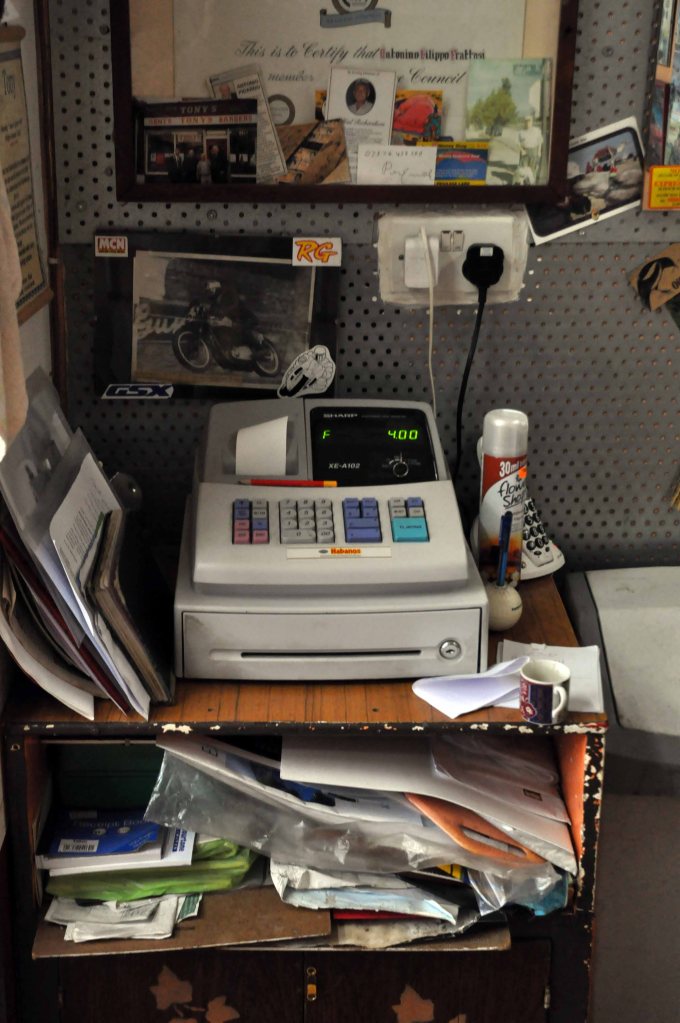
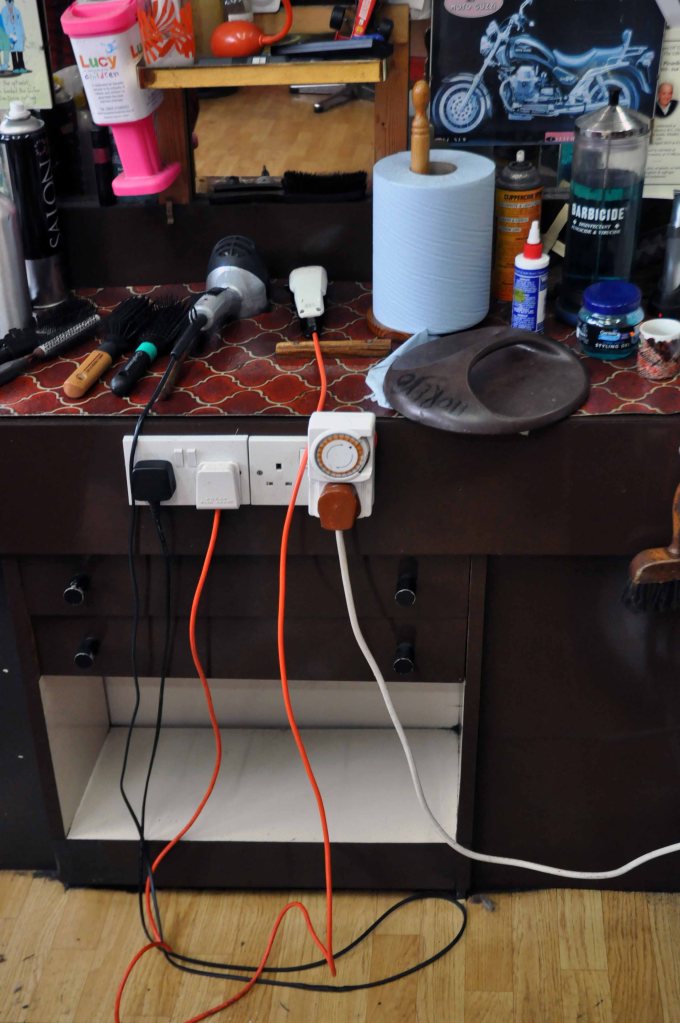
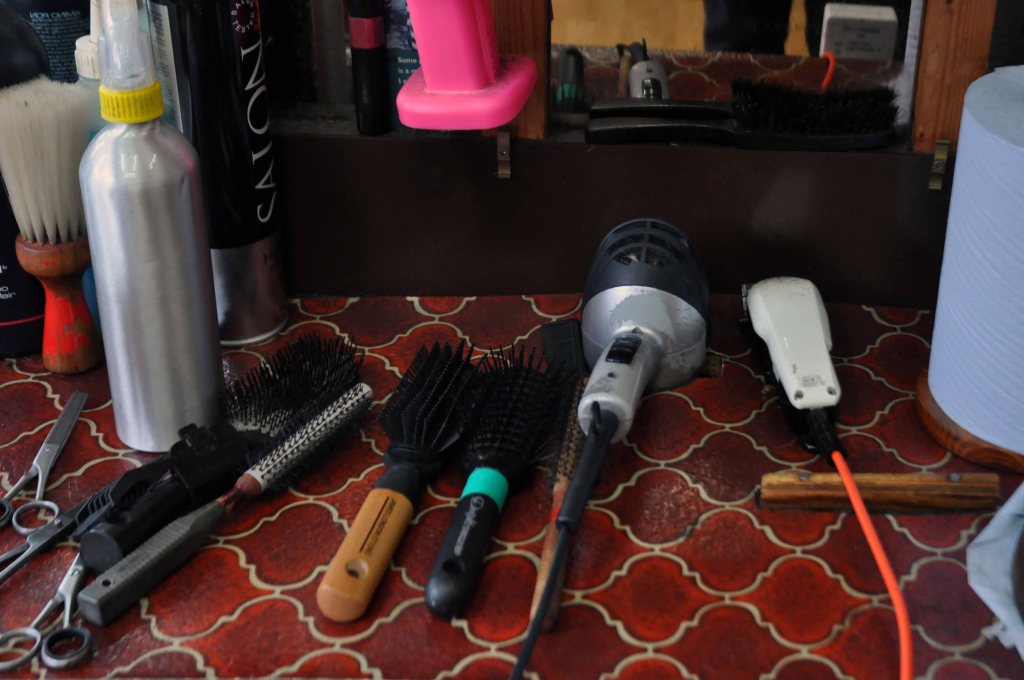
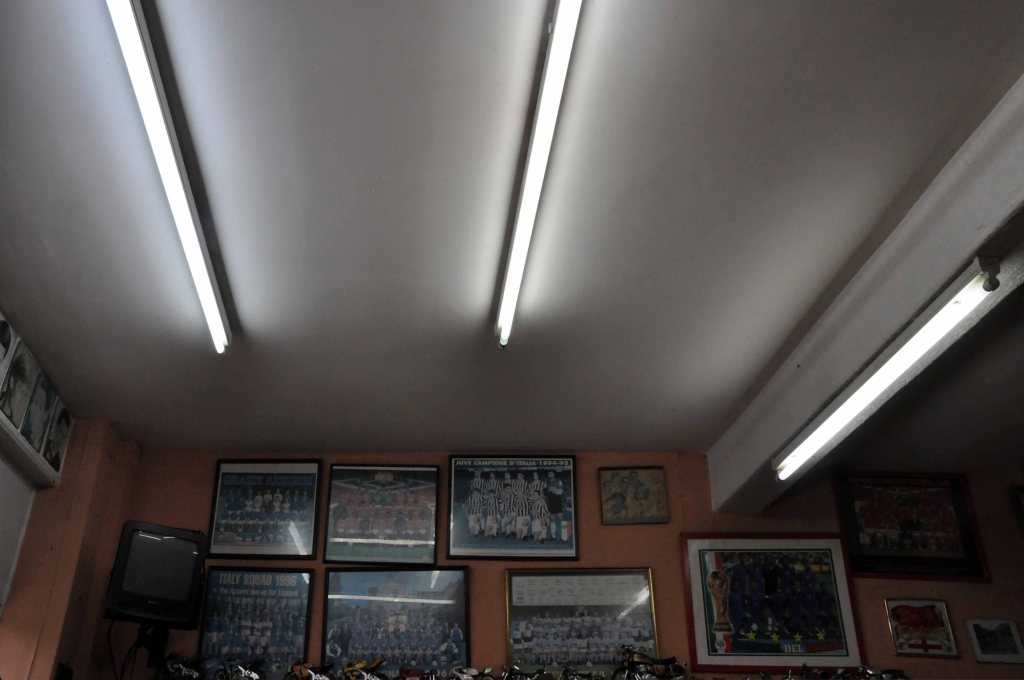
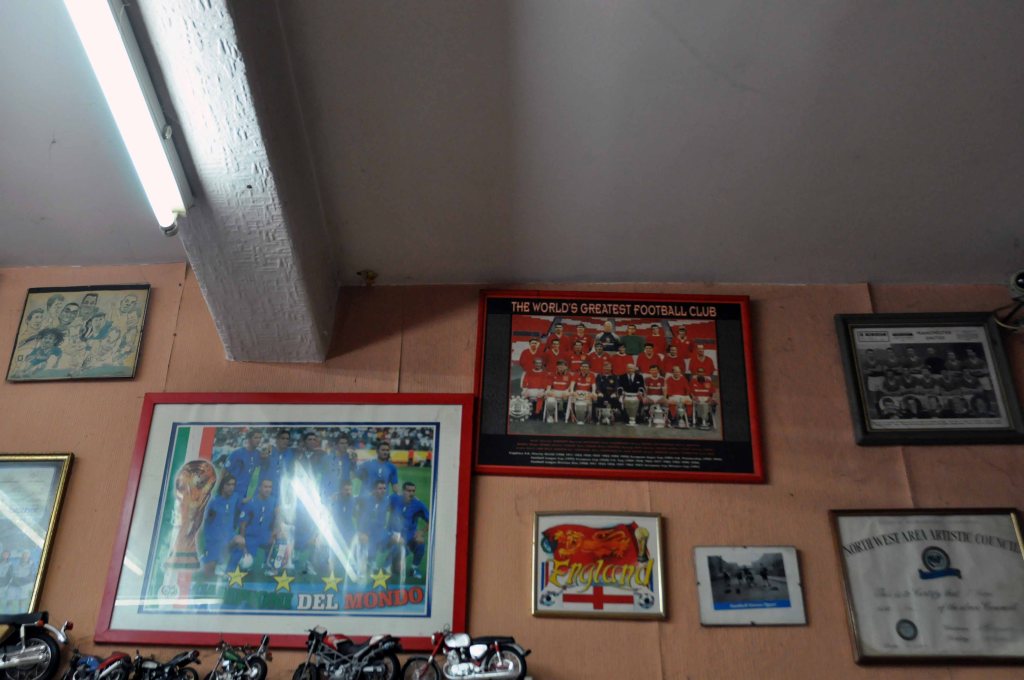
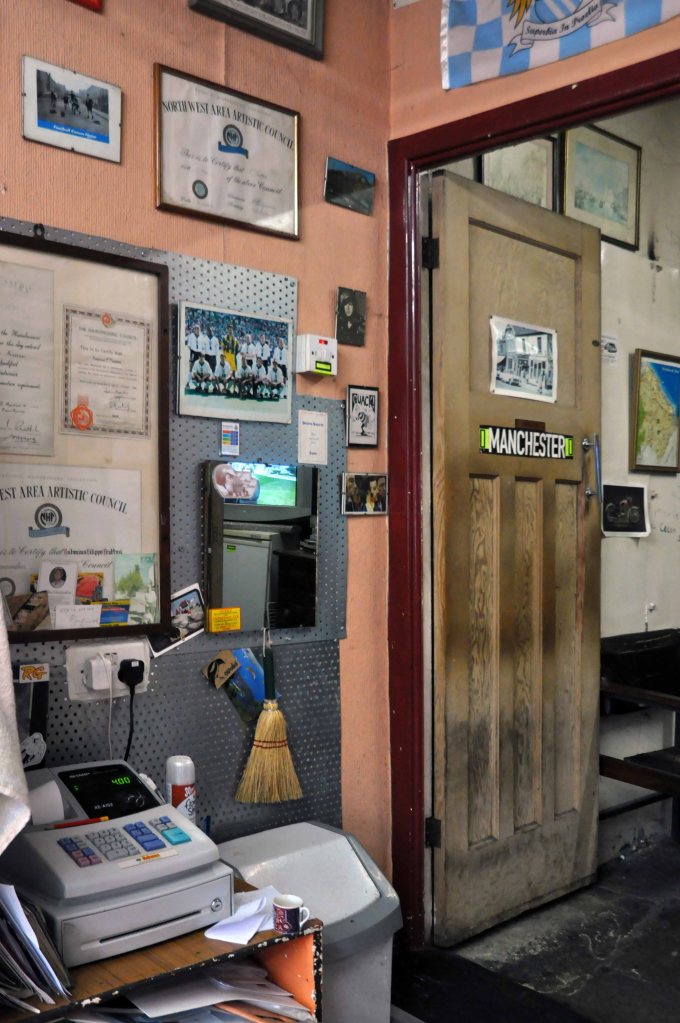
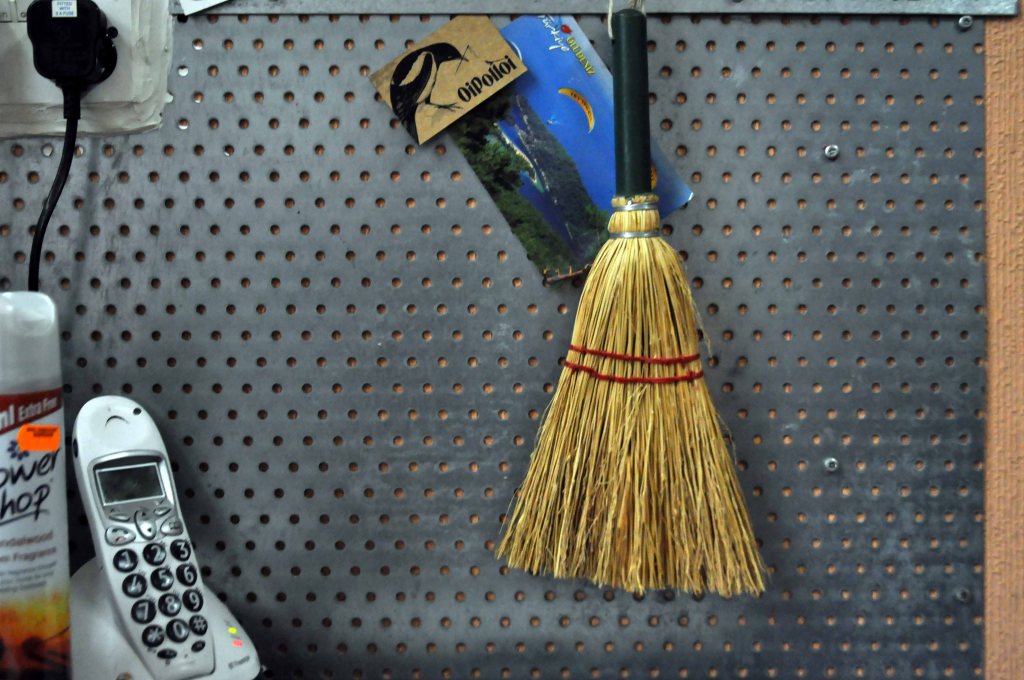
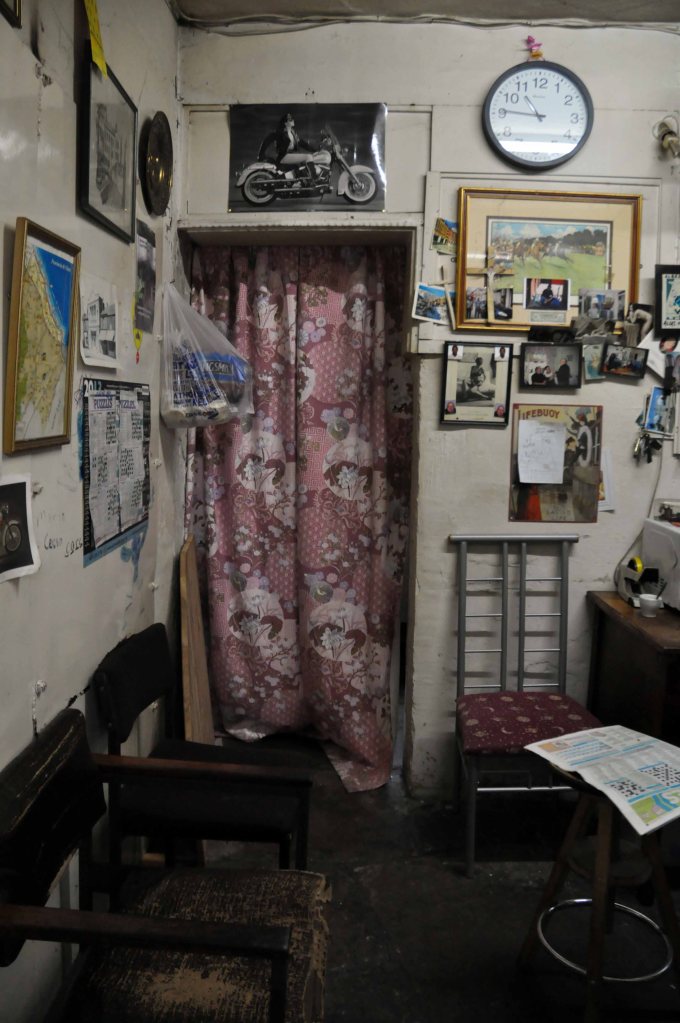
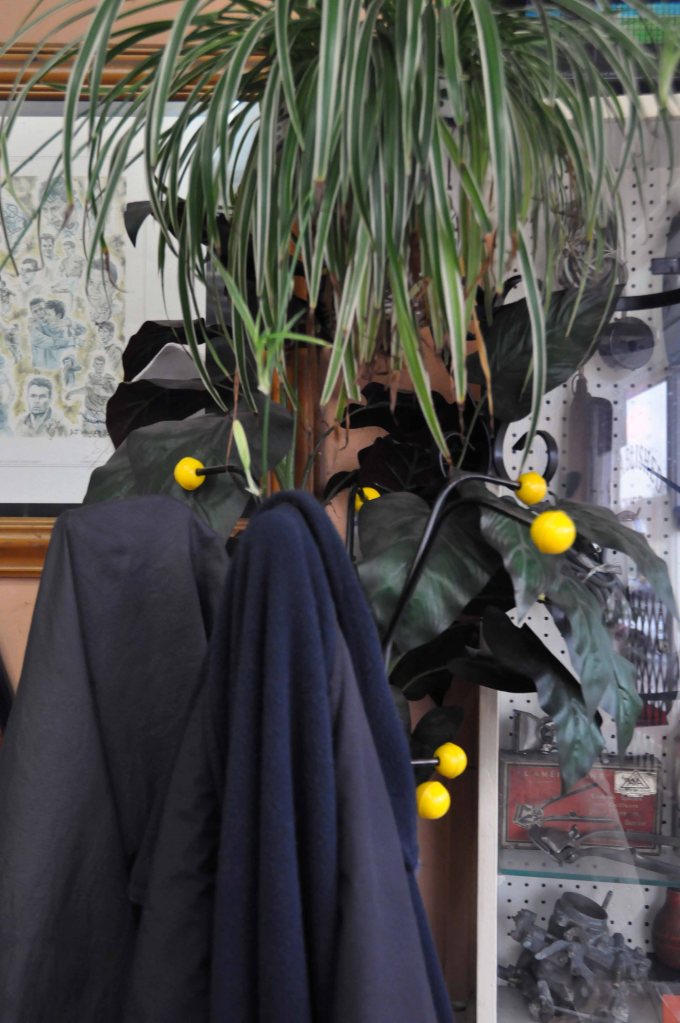
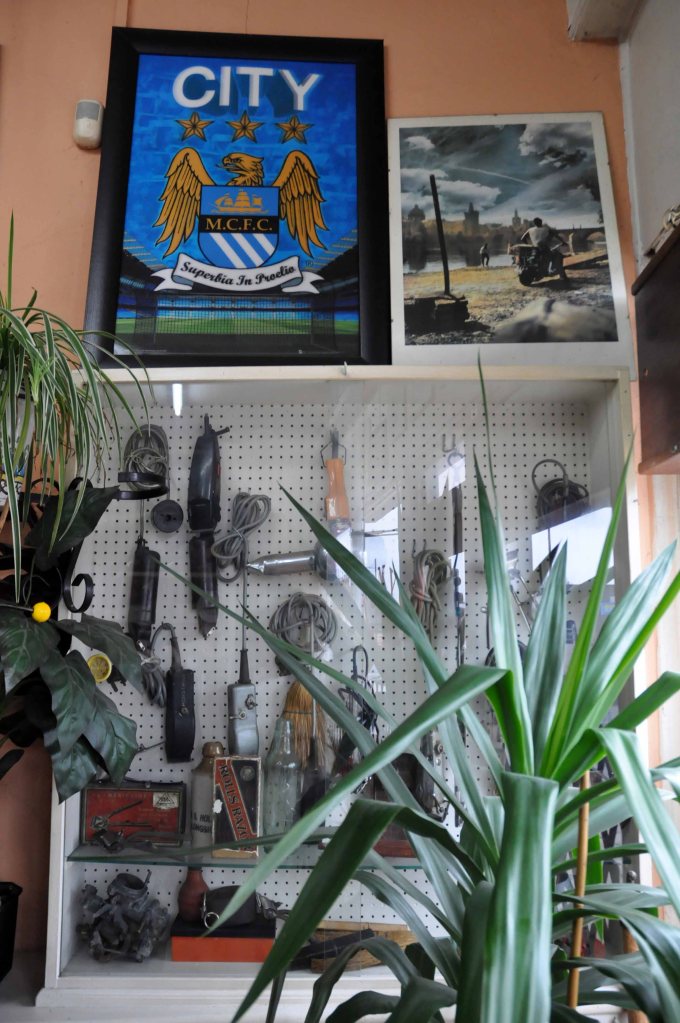
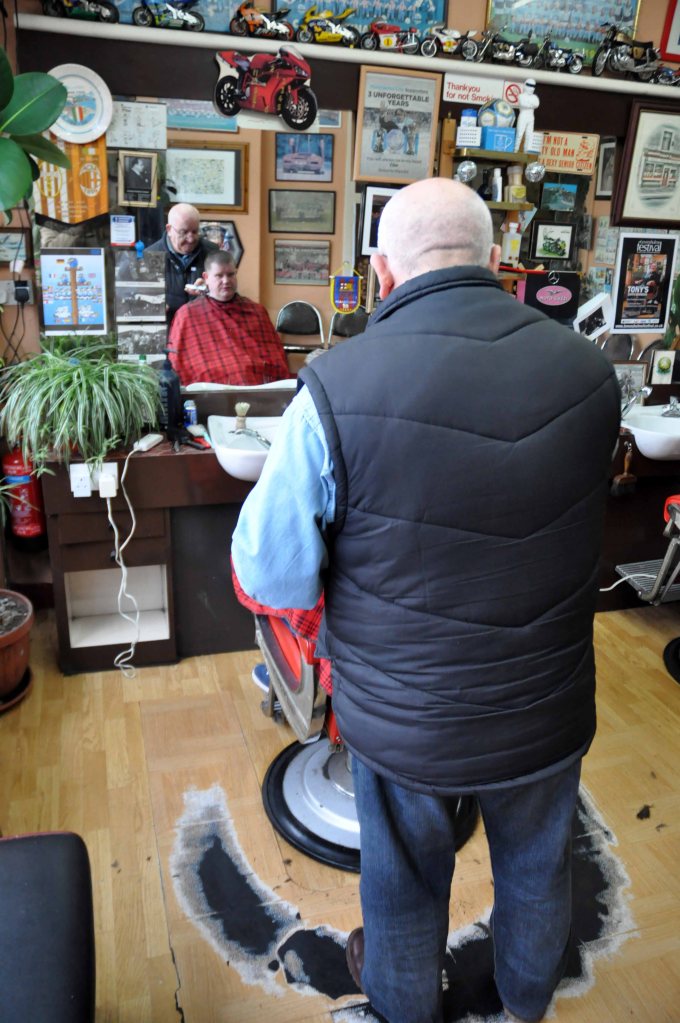
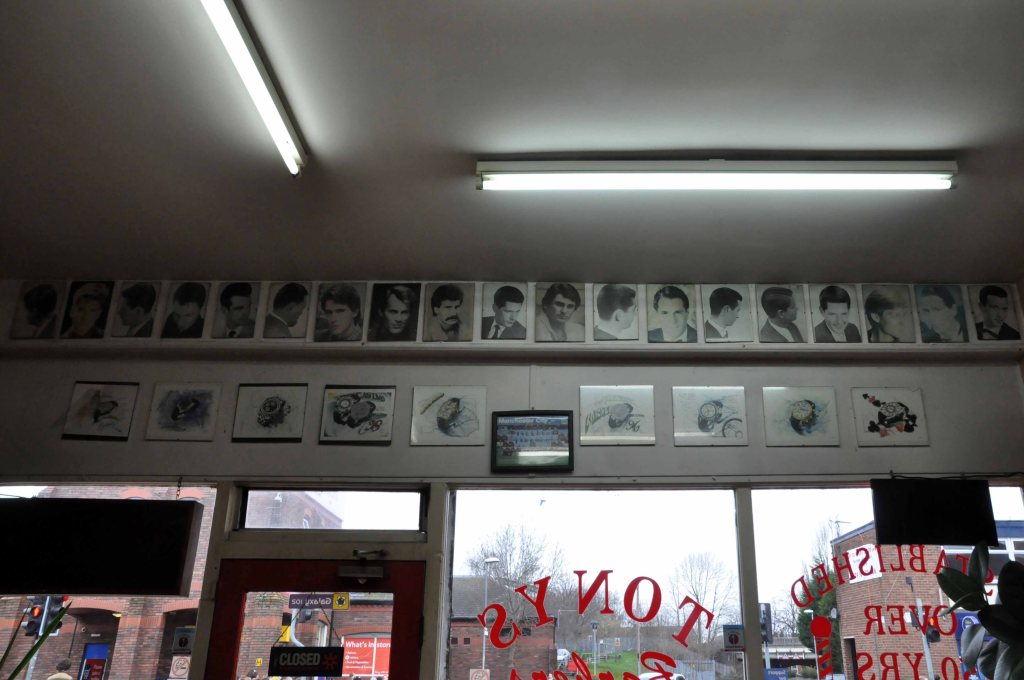
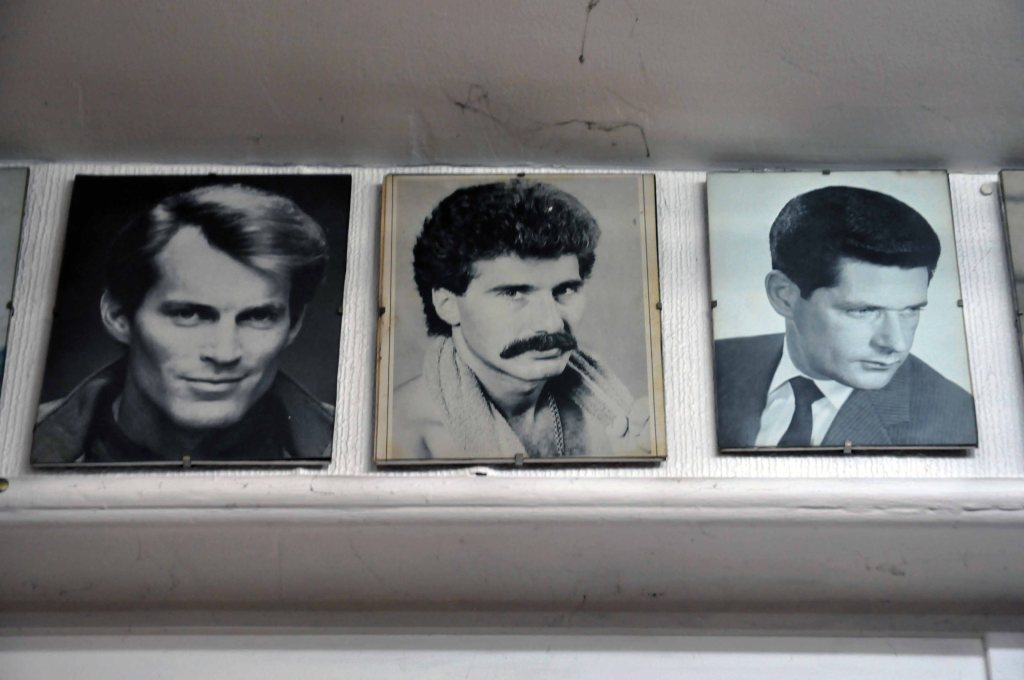
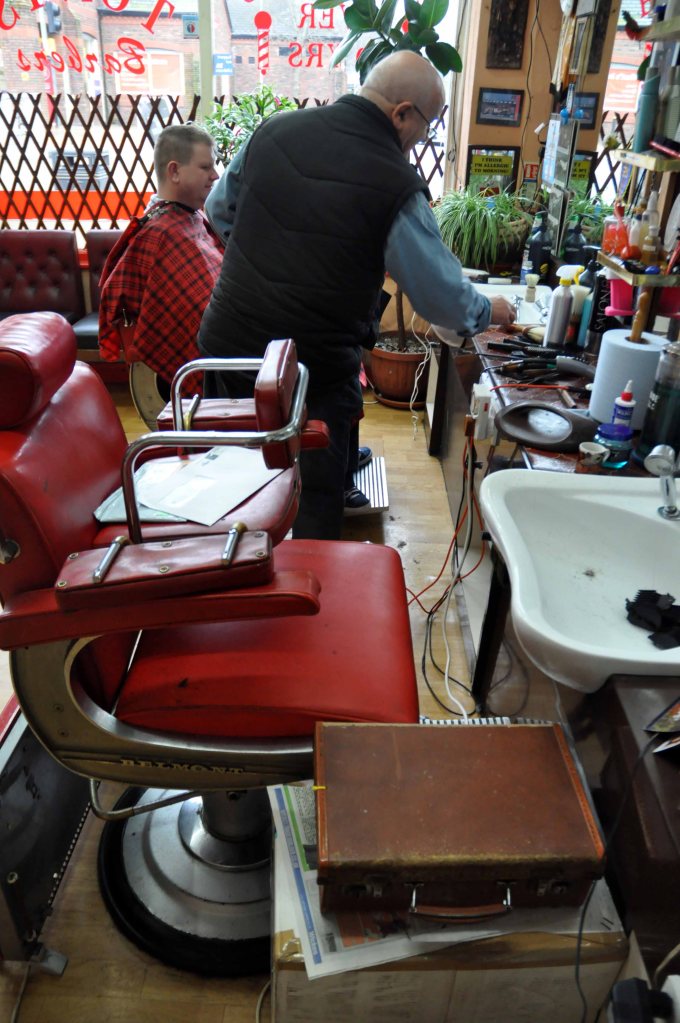
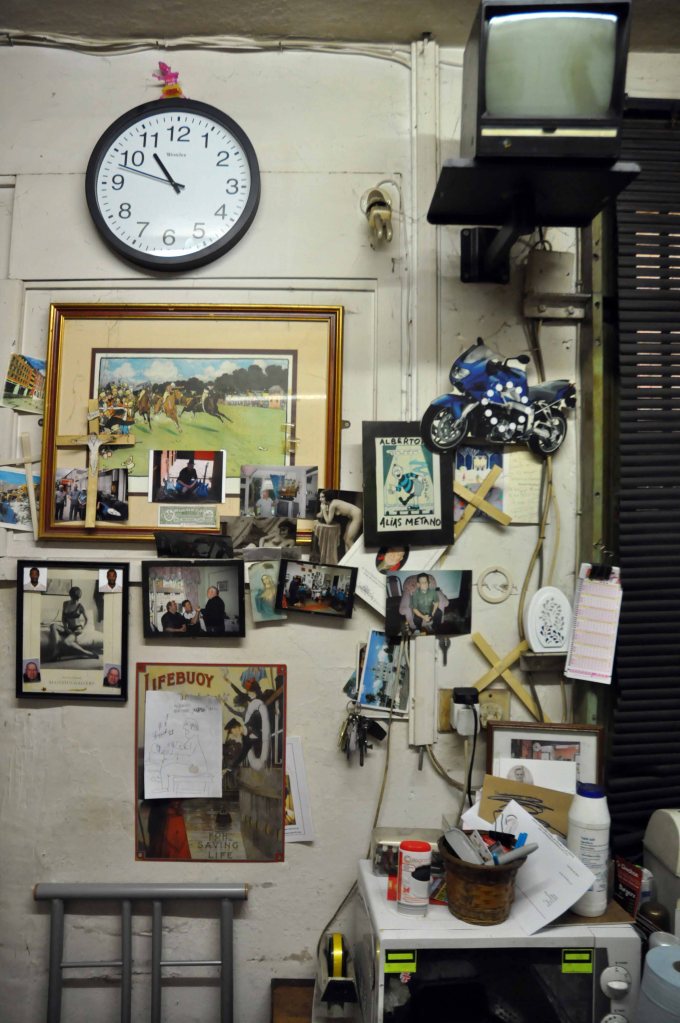
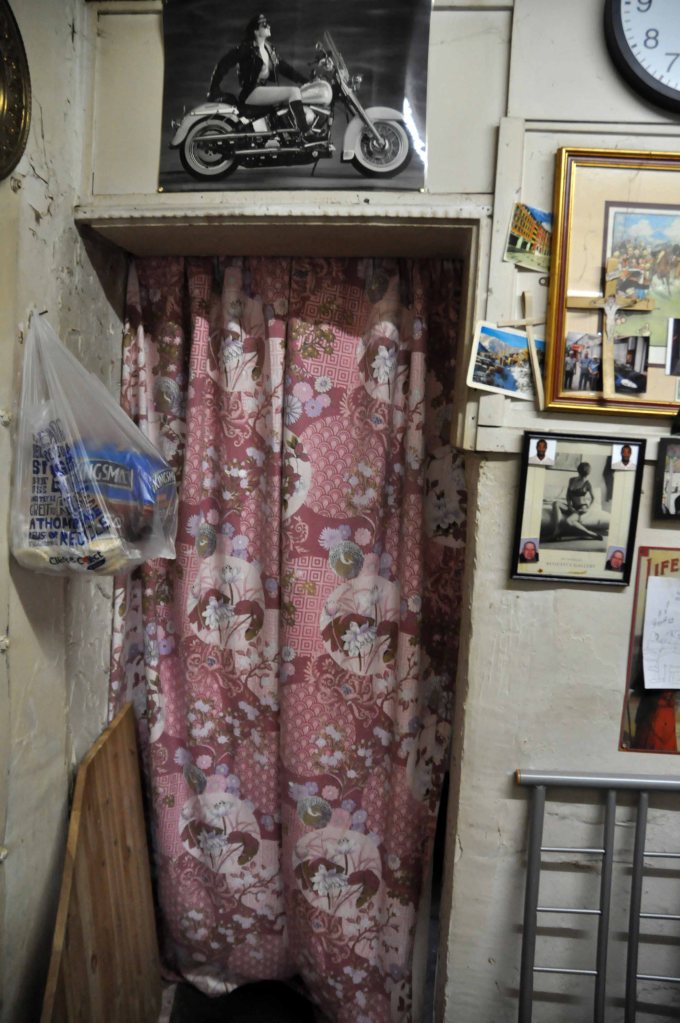
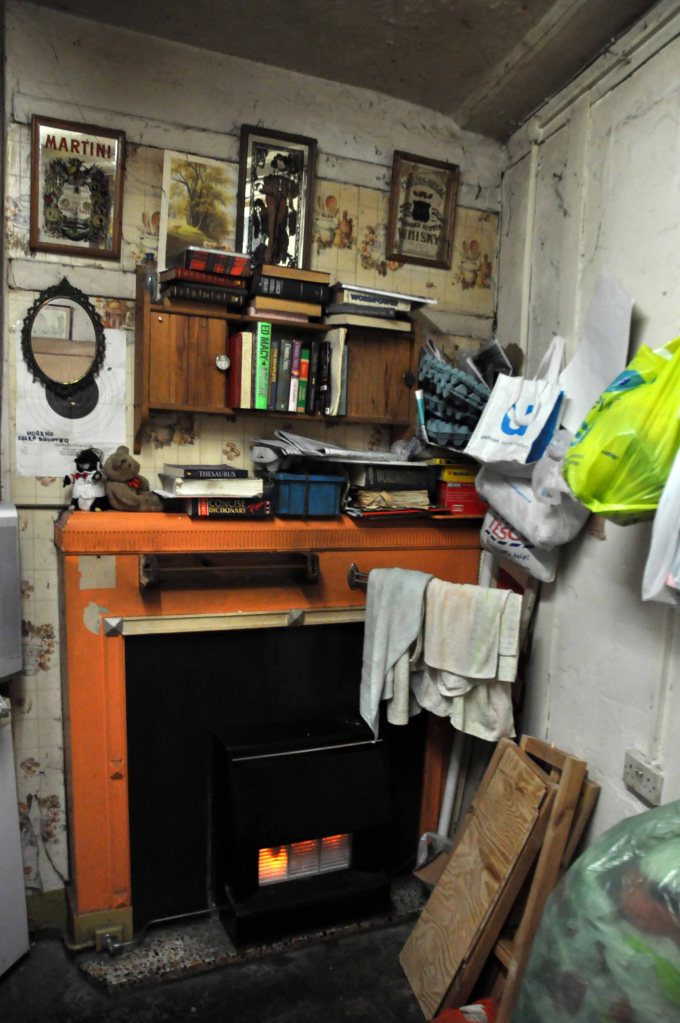
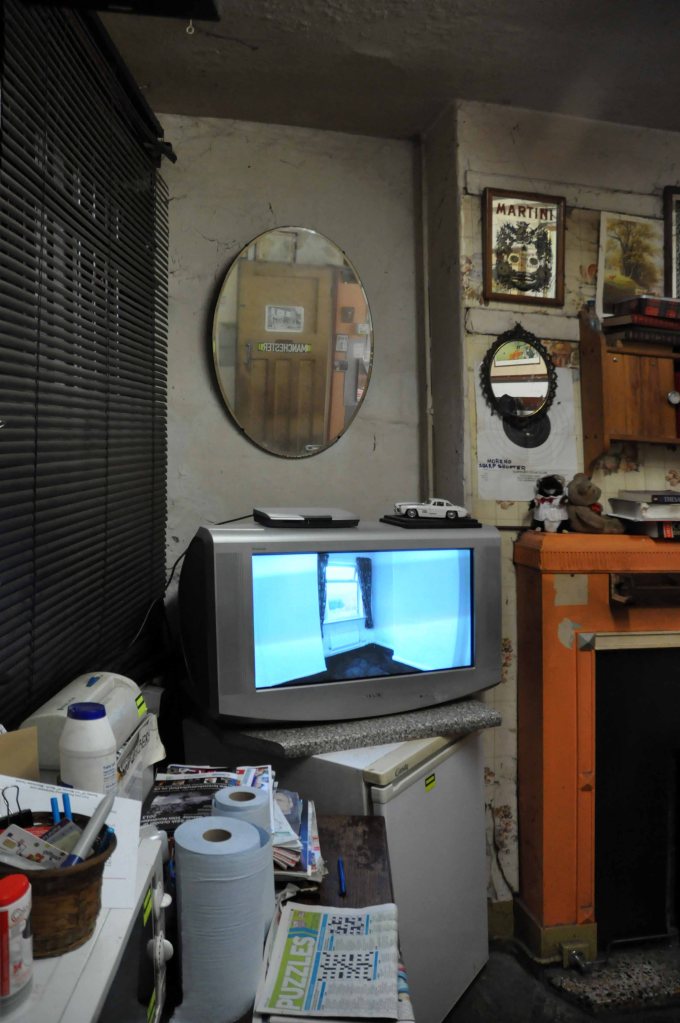
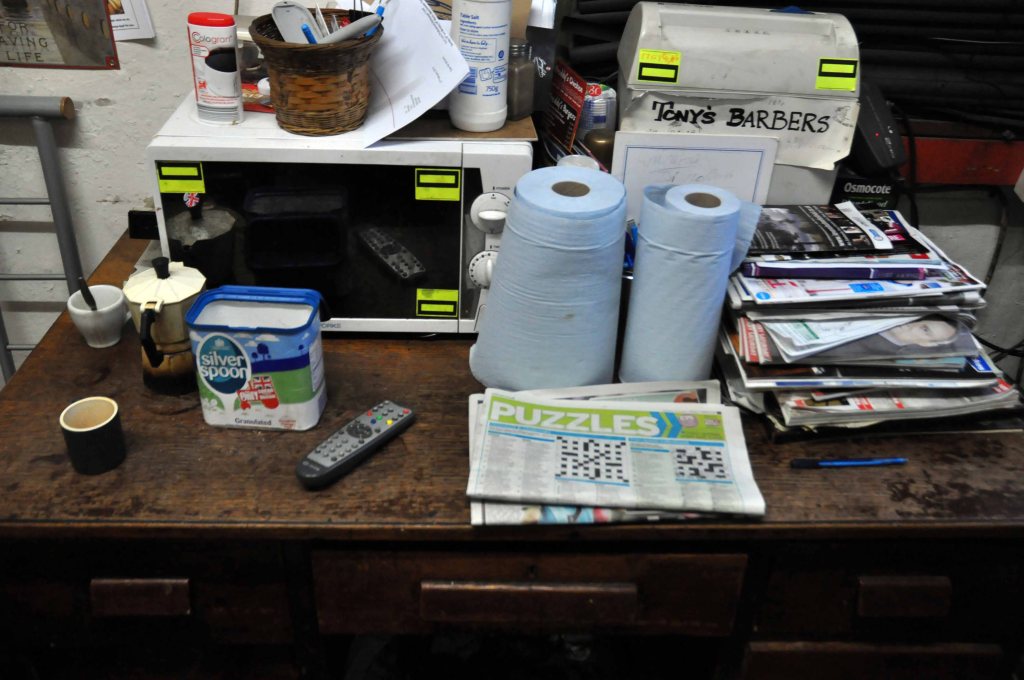
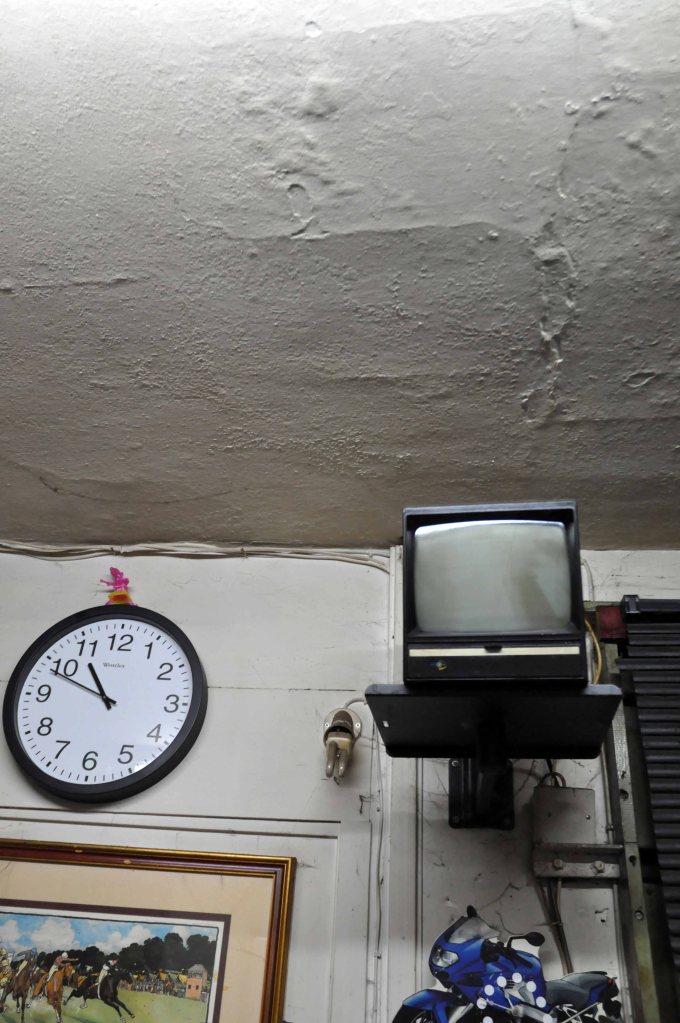
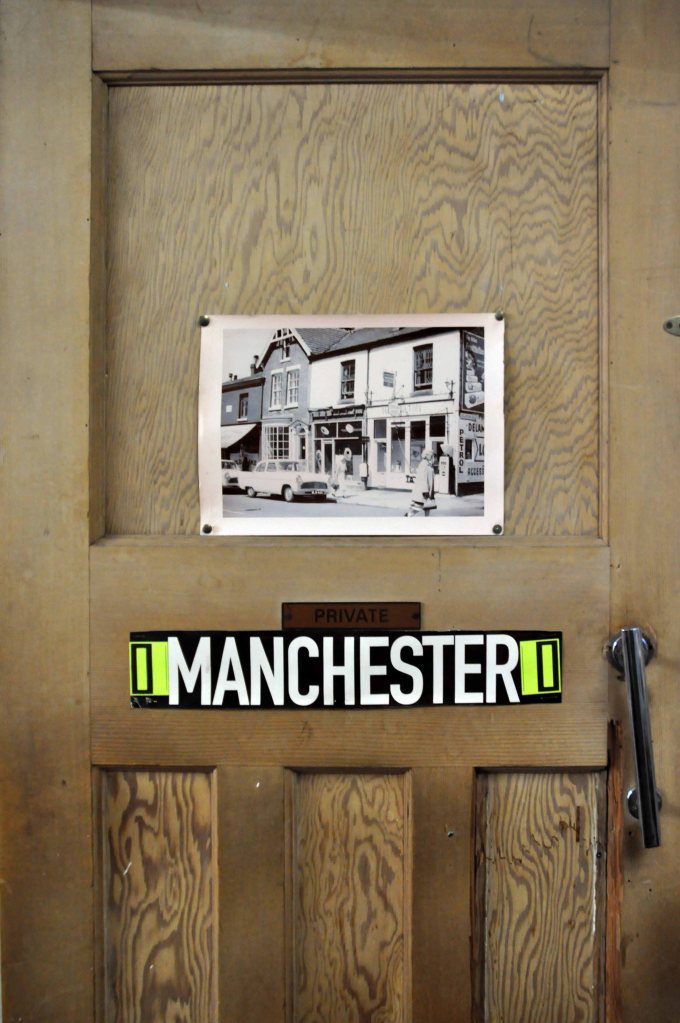
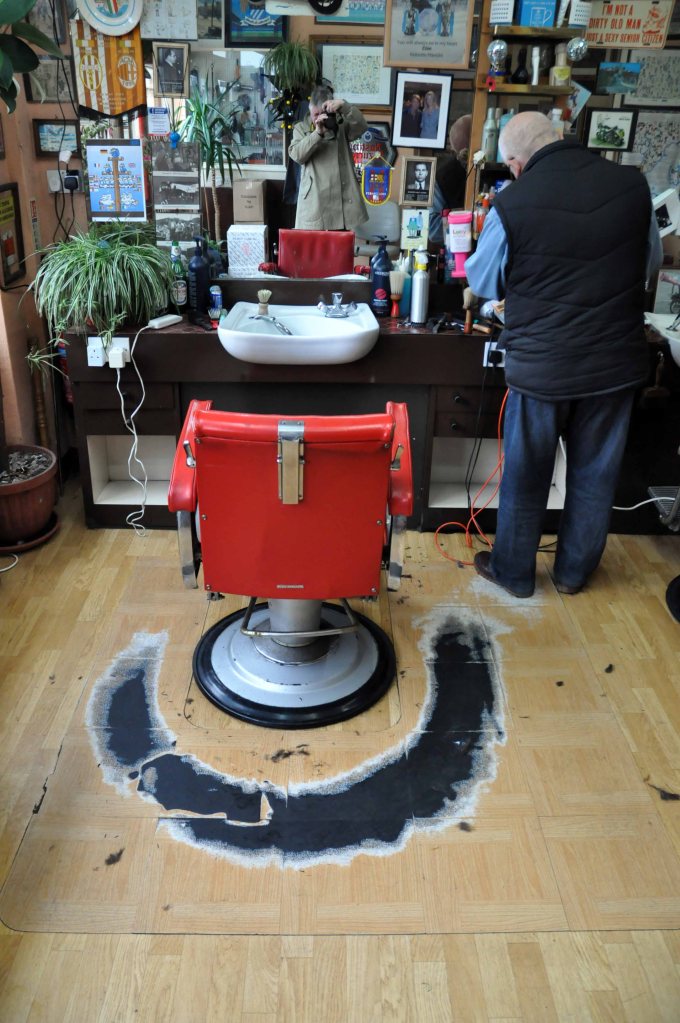
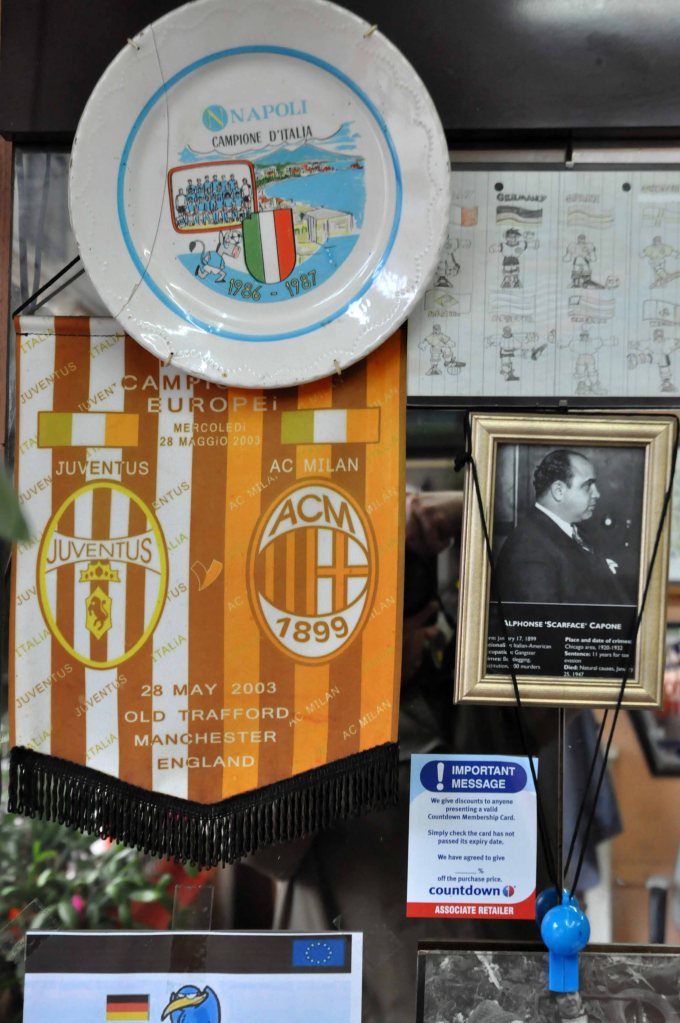
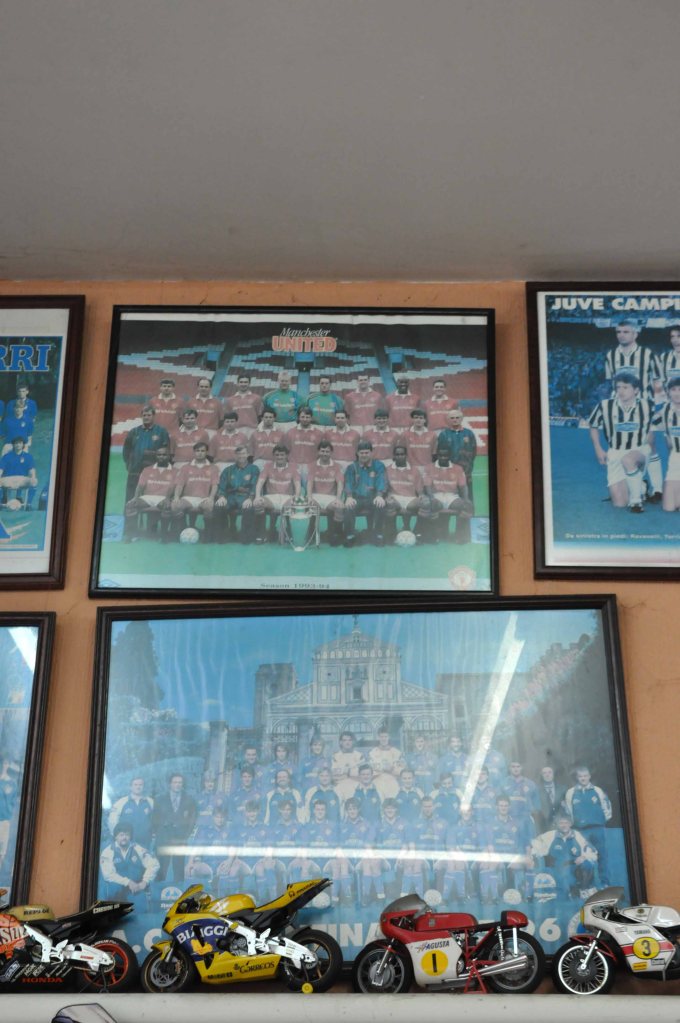
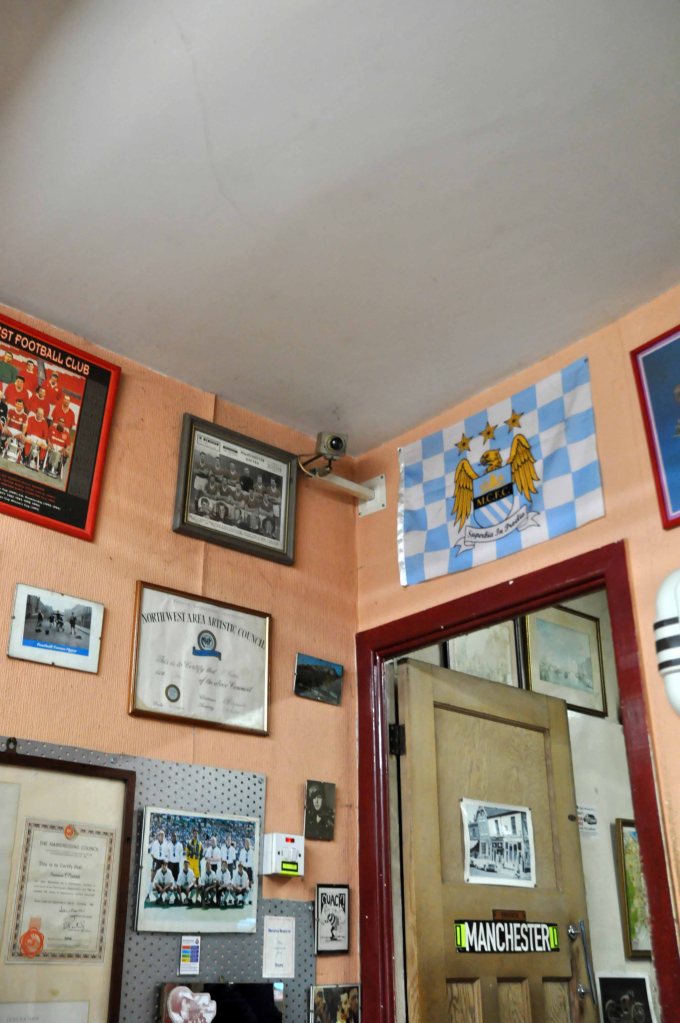
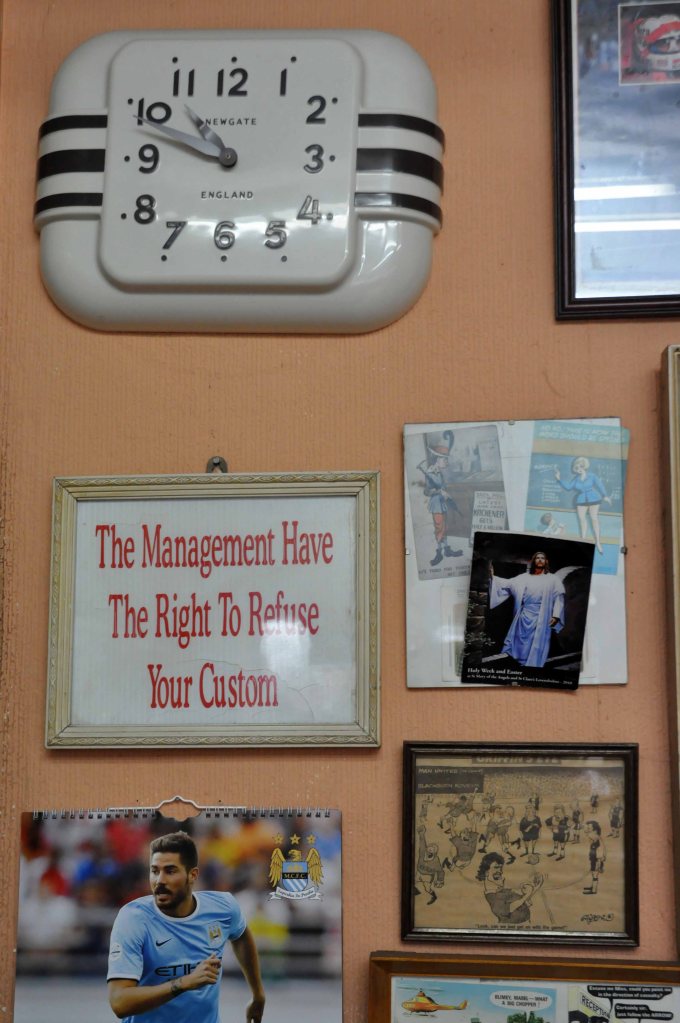
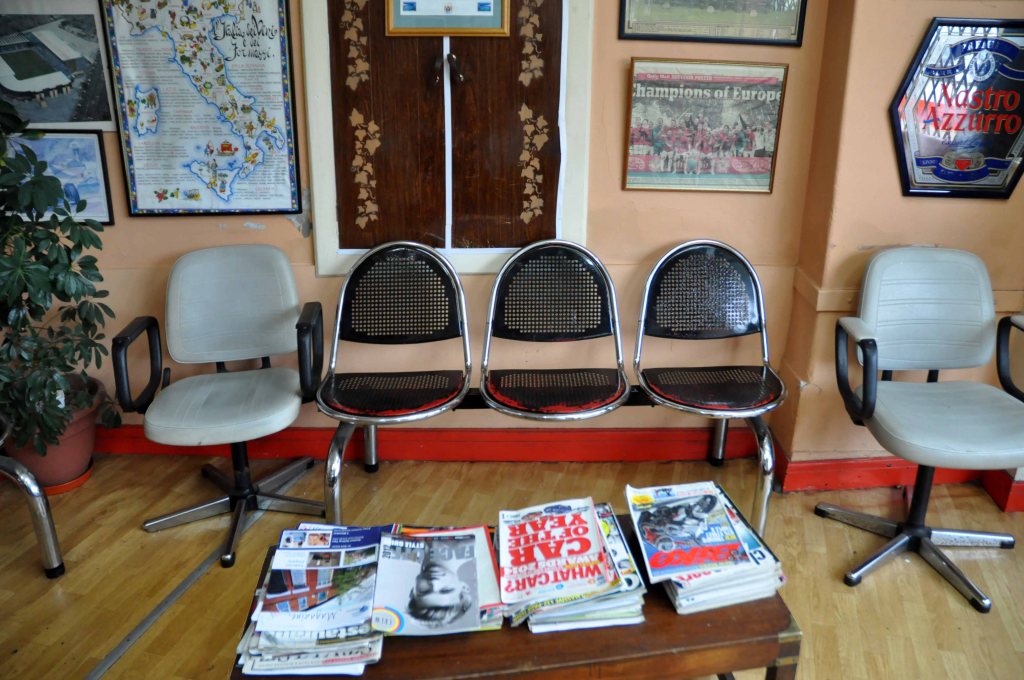
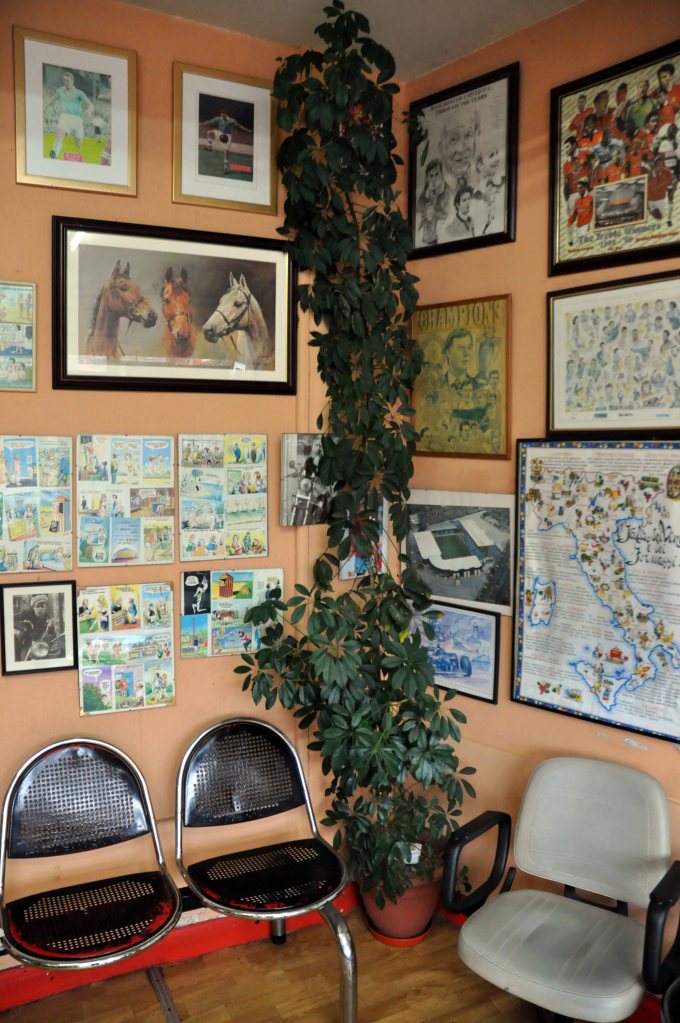
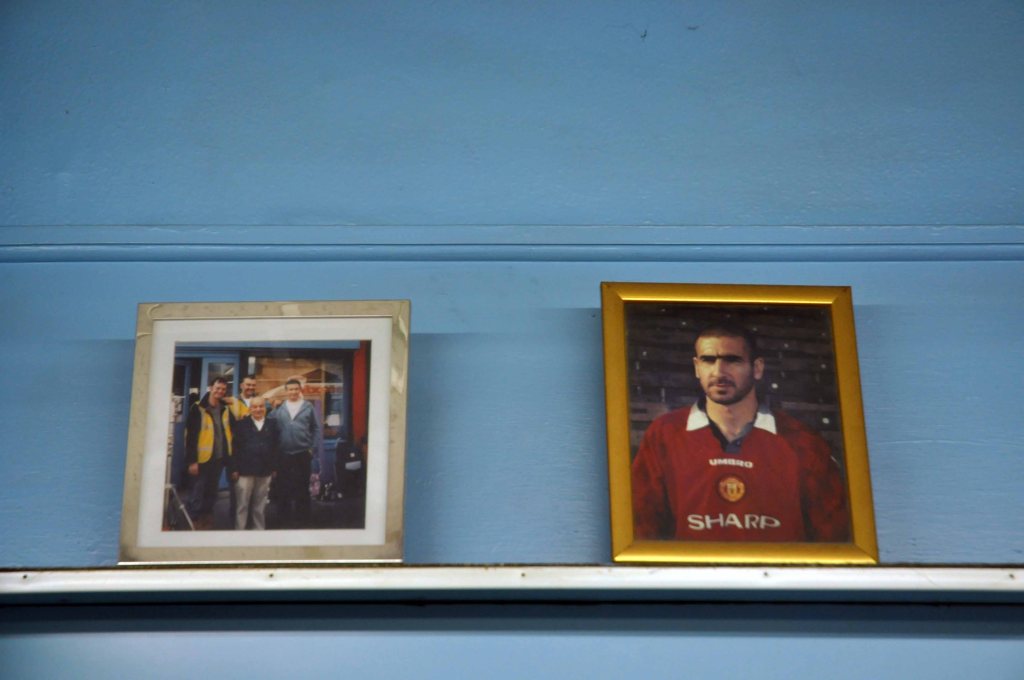
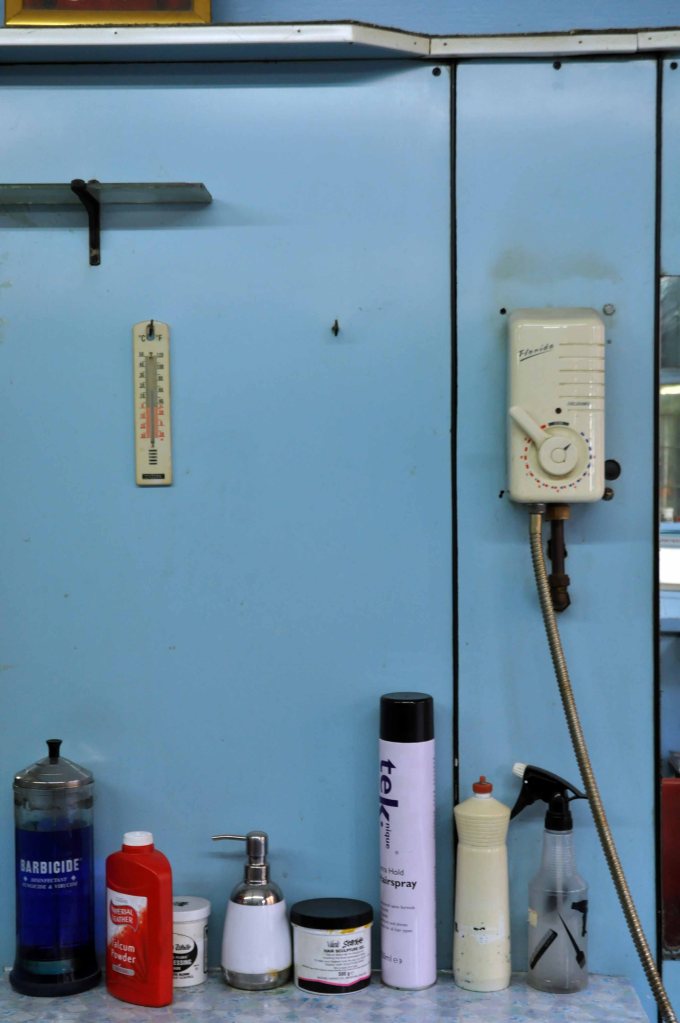
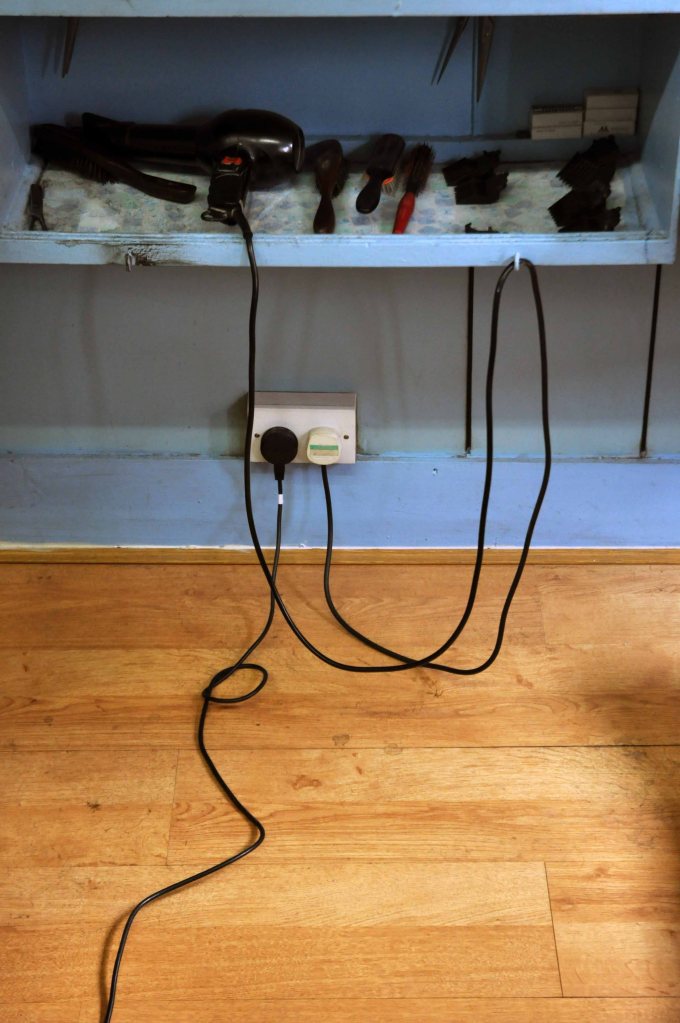
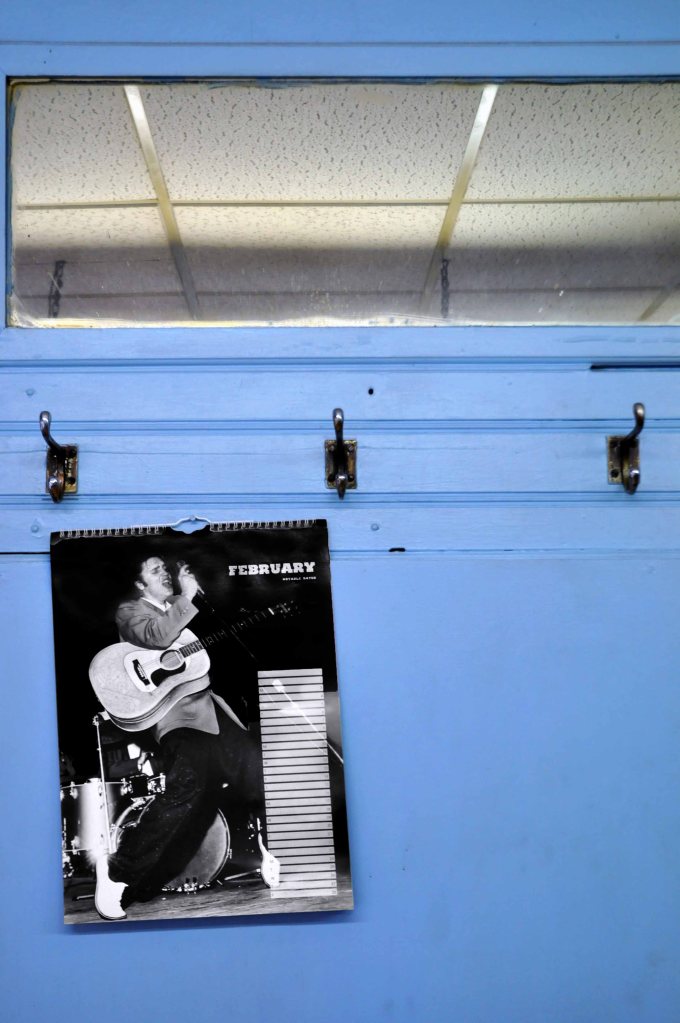
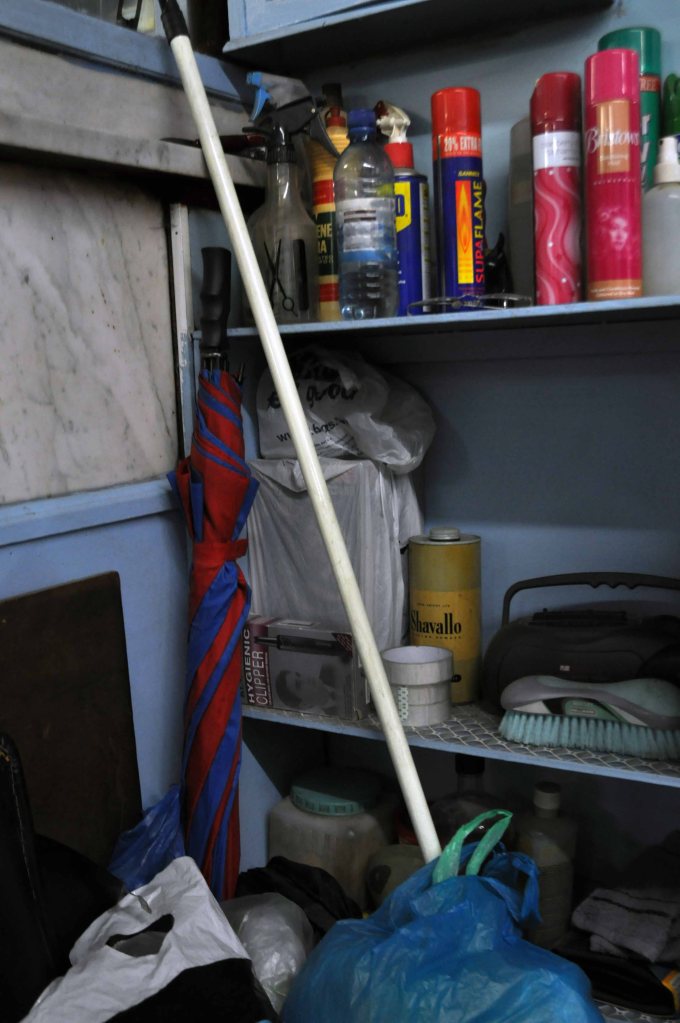
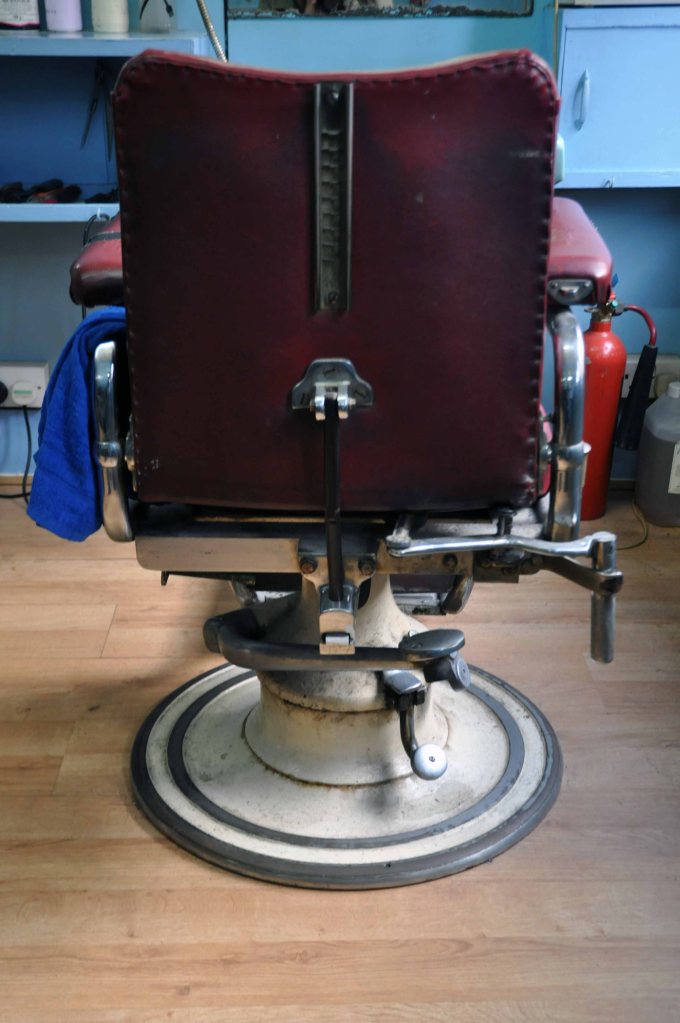
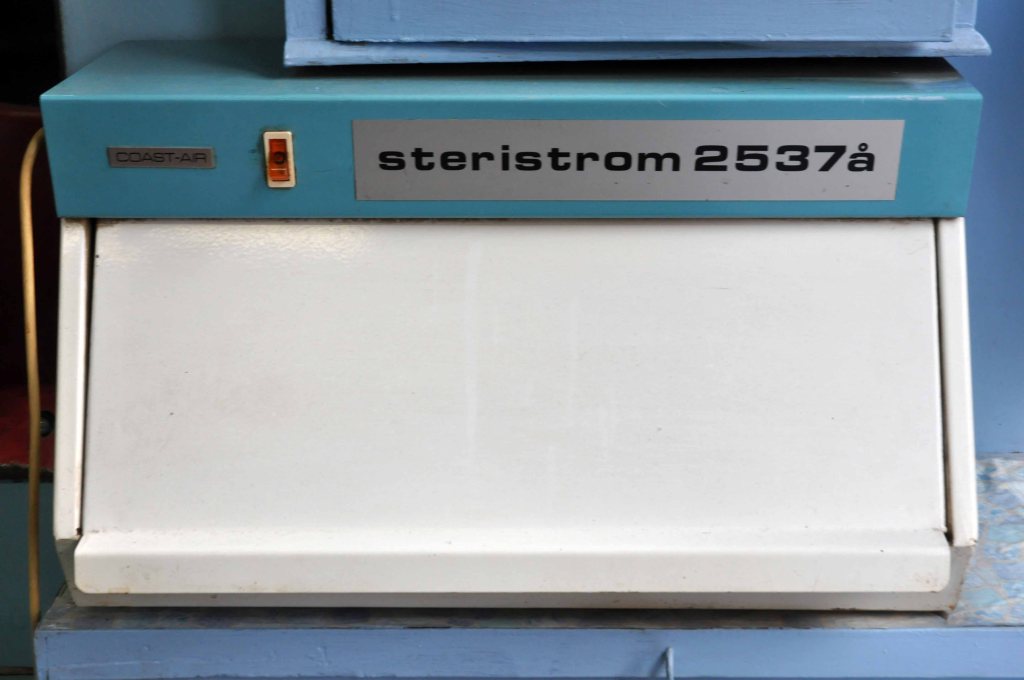
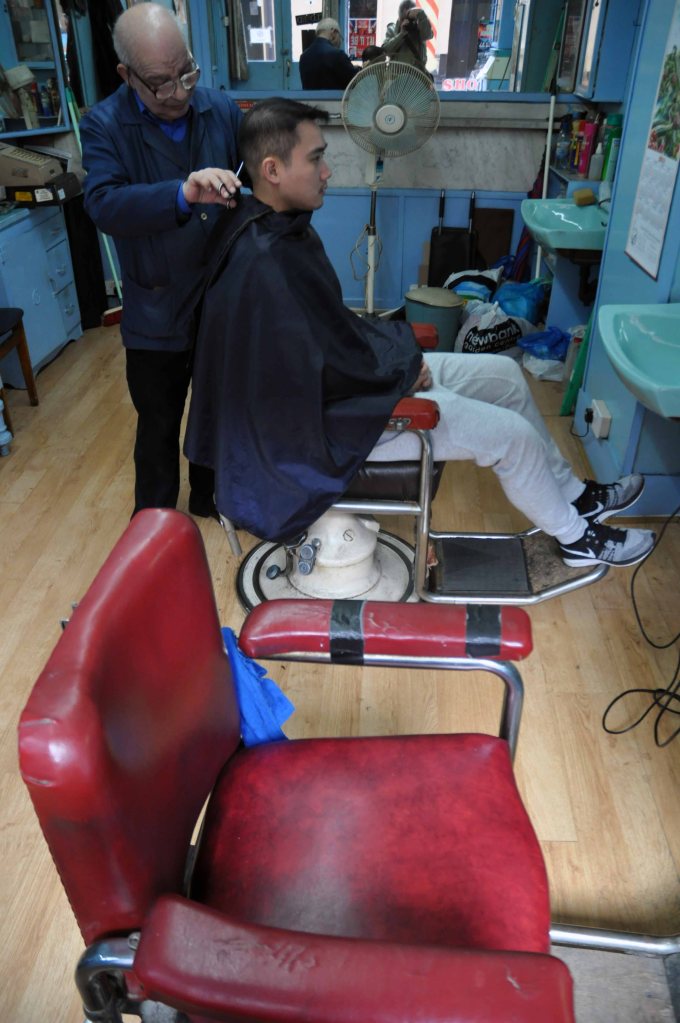
Since 1971, presiding over his empire of mainly masculine ephemera, rival football clubs fight it out for space on the crowded walls. Motorcycles race around the dado rail, stood stock still, gathering another dusting of dust. A slow accretion of memories and memorabilia, tracing a lengthy short back and sides life, of short back and sides, as stylists’ style snaps come in and out of style and back again.

Let’s take a look.

Thanks again Tony a privilege to spend some time in your world.

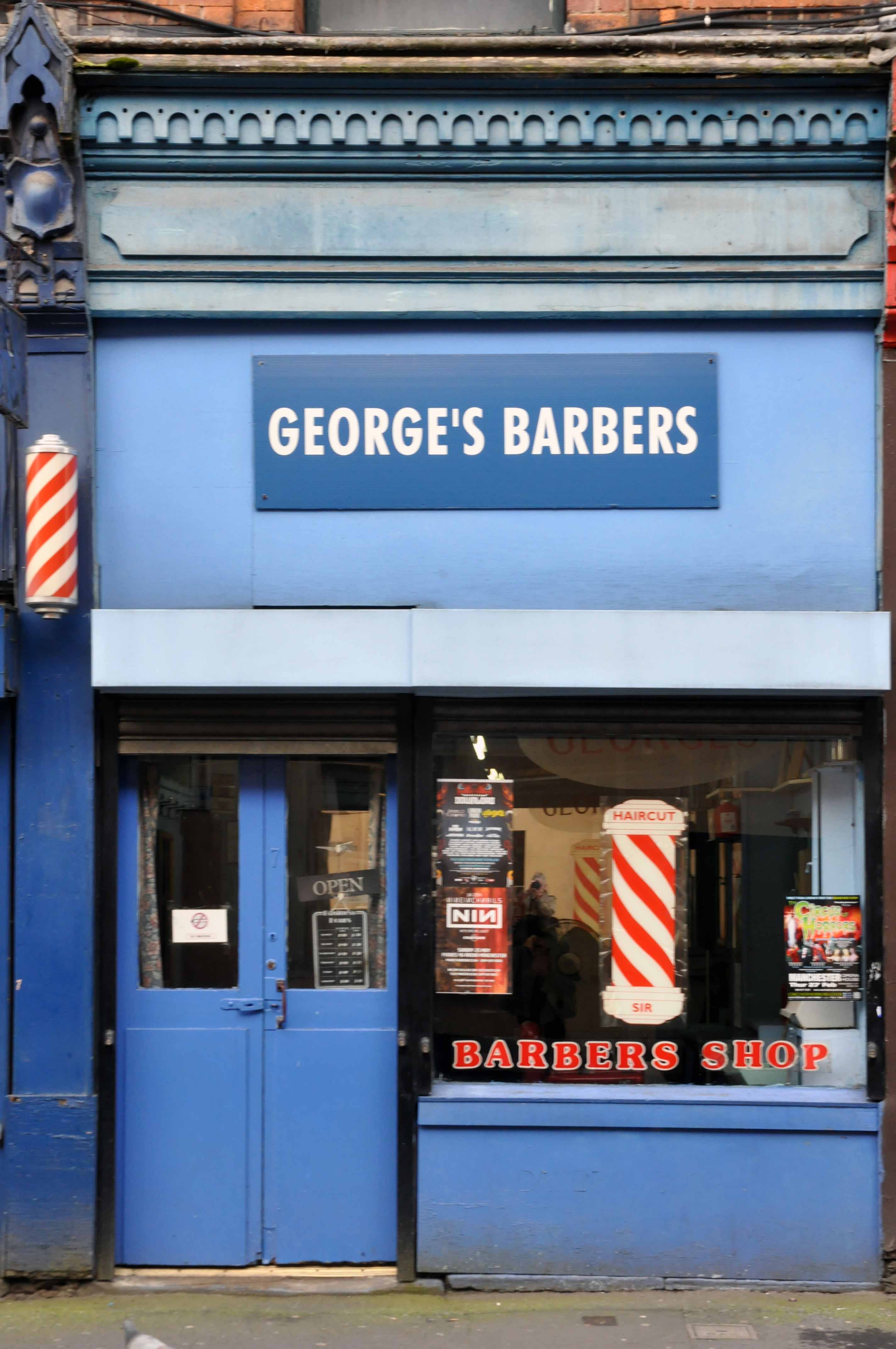
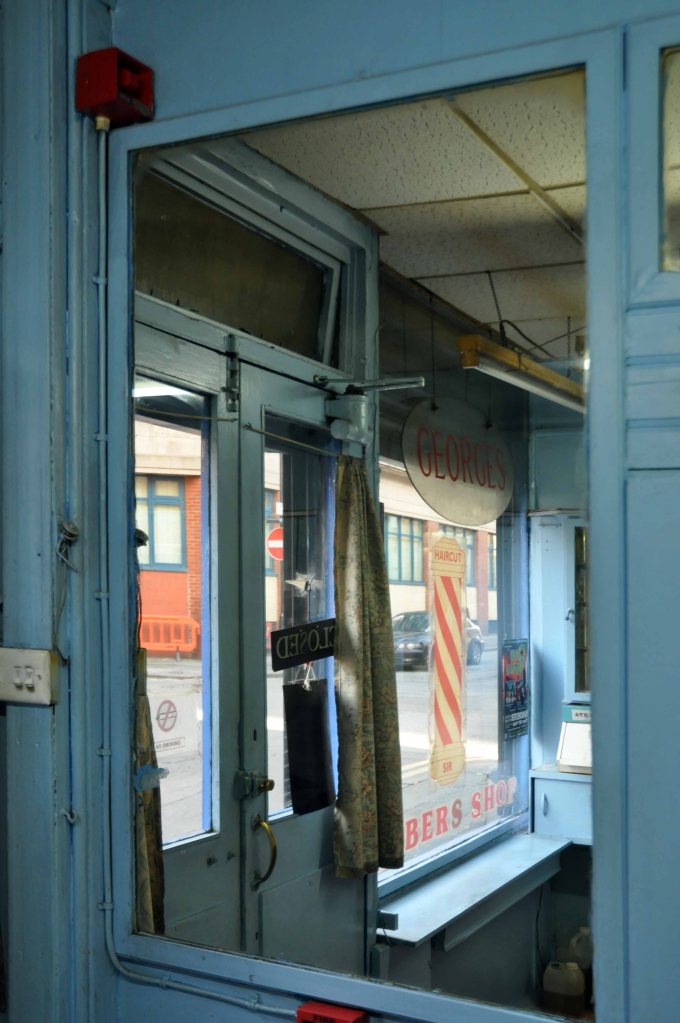
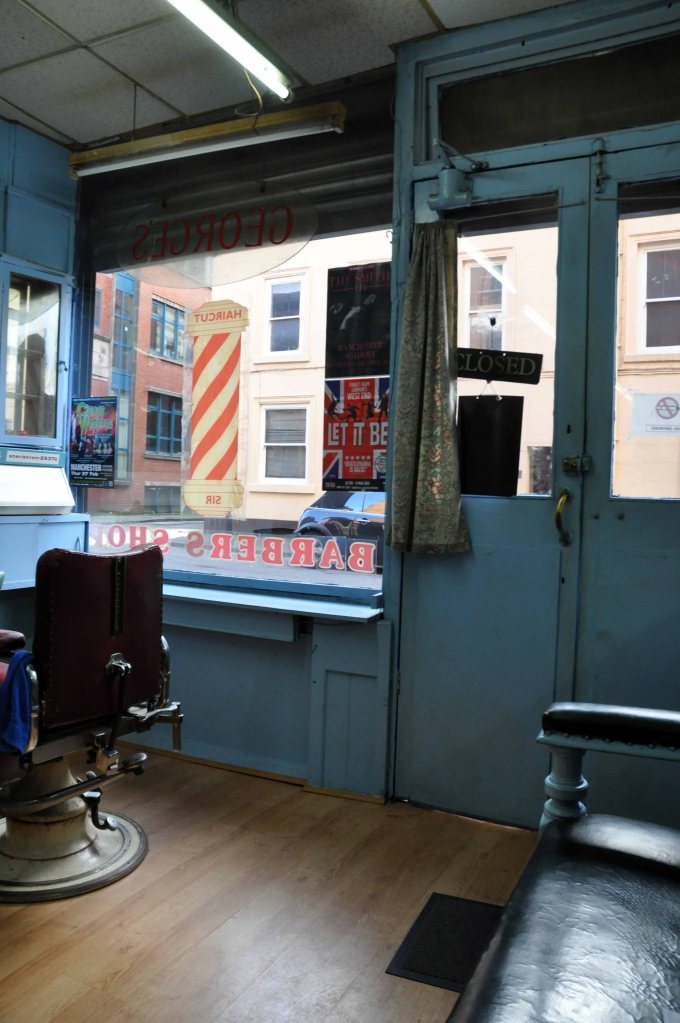
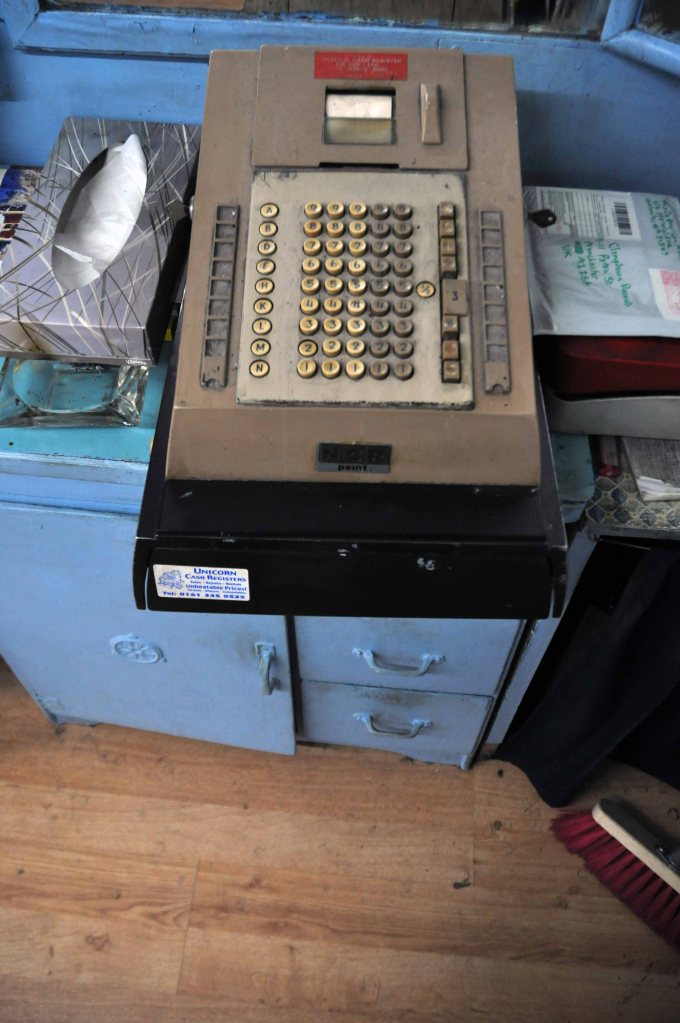
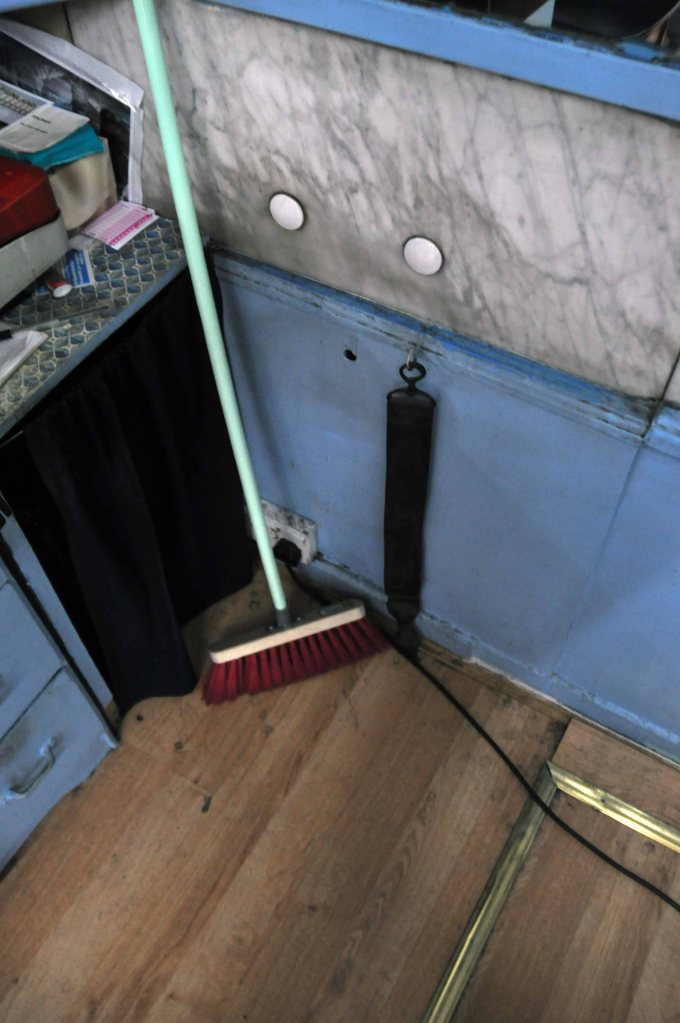
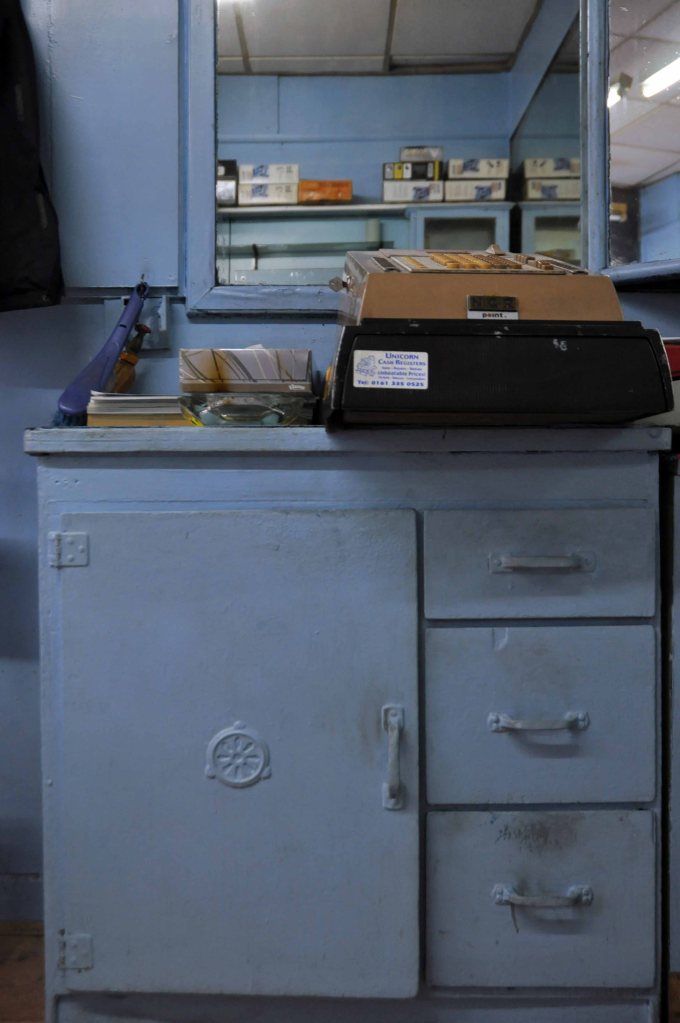
George’s Barbers – Manchester

7 Paton Street M1 2BA

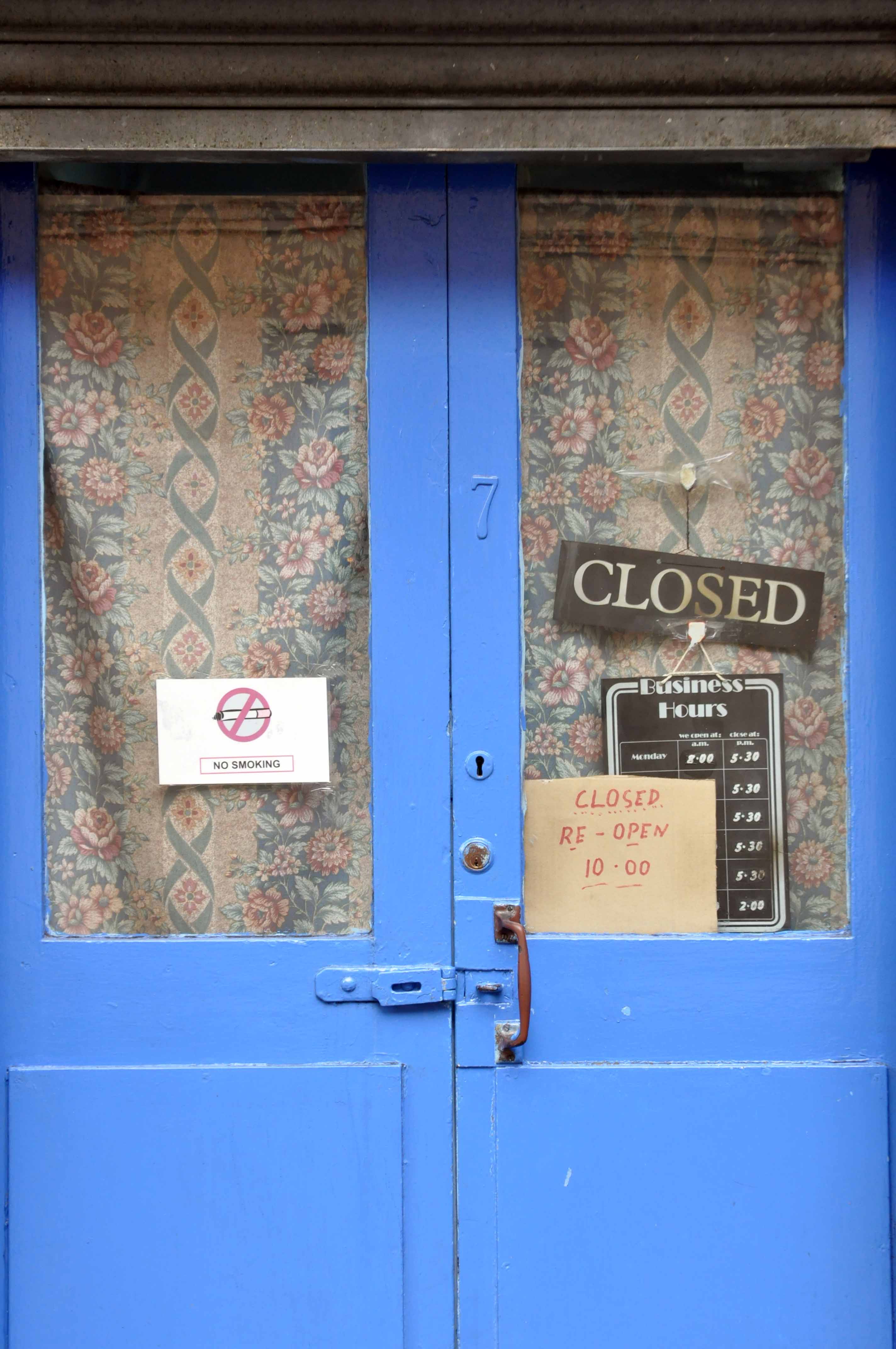
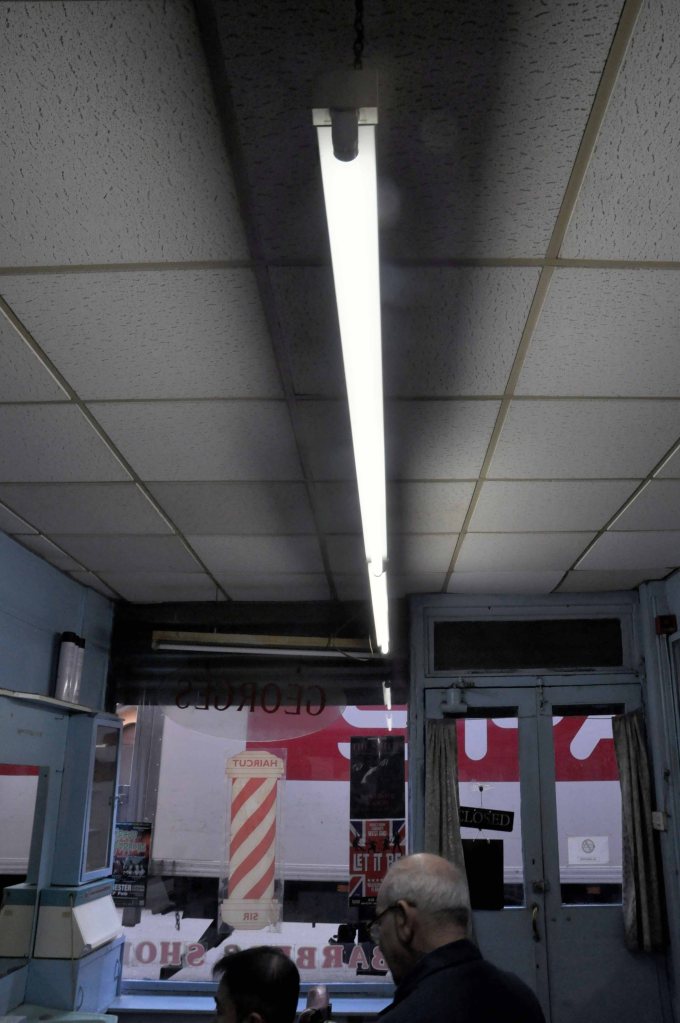
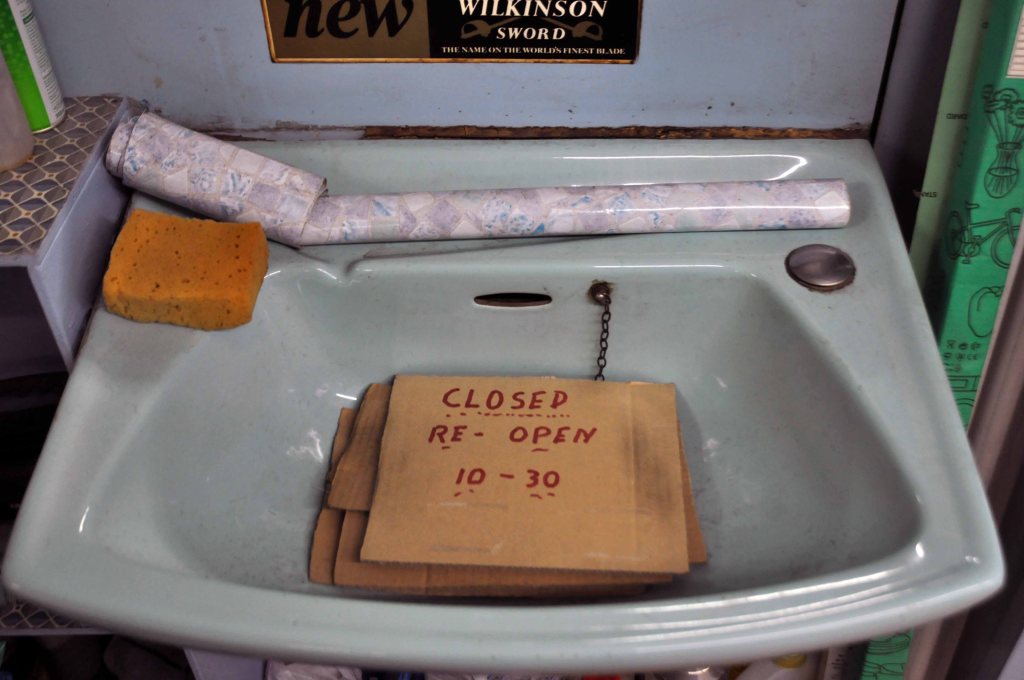
I came here on February 25th 2014, arrived early the shop was still closed, I’ll pop back.

Walked around the block and found that true to his word, he had re-opened.

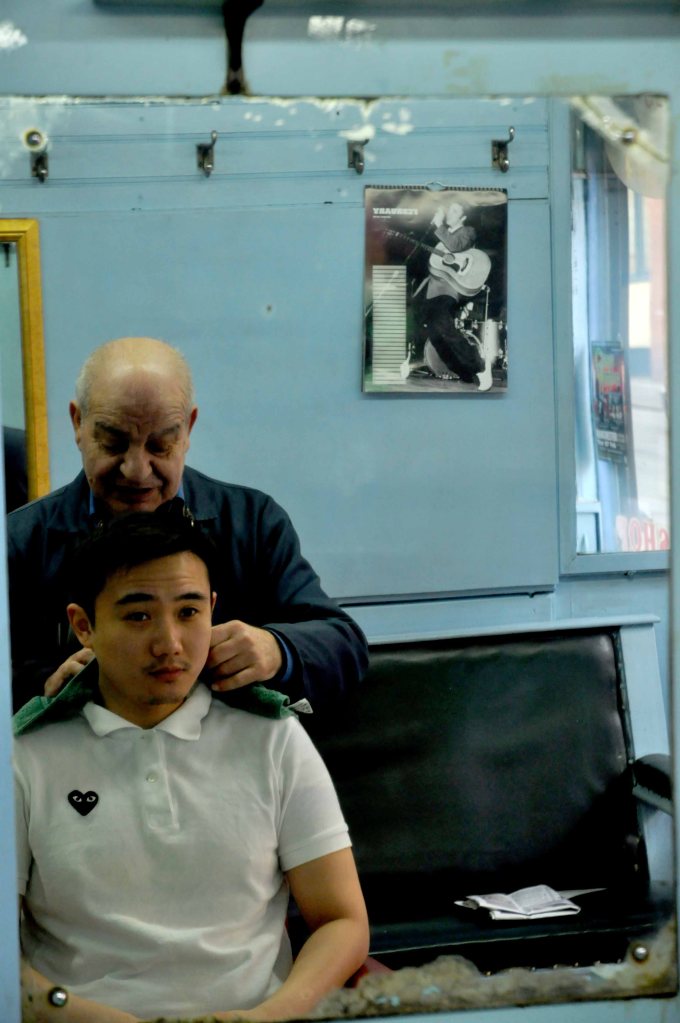
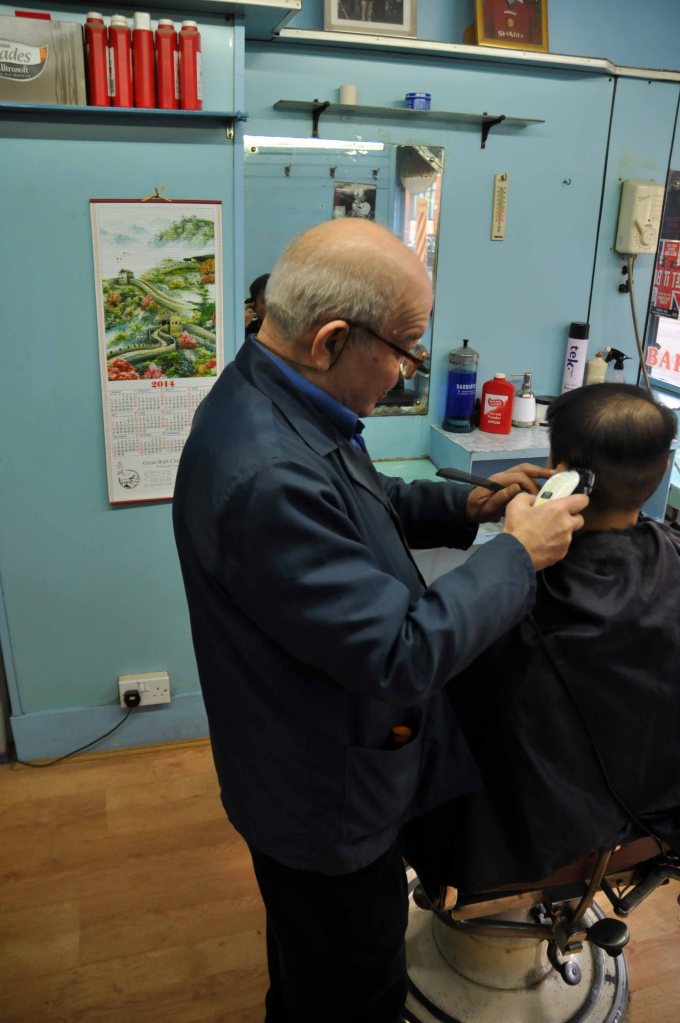
I explained my intentions, asking to spend some time in the salon, chat and take some snaps as he worked away.

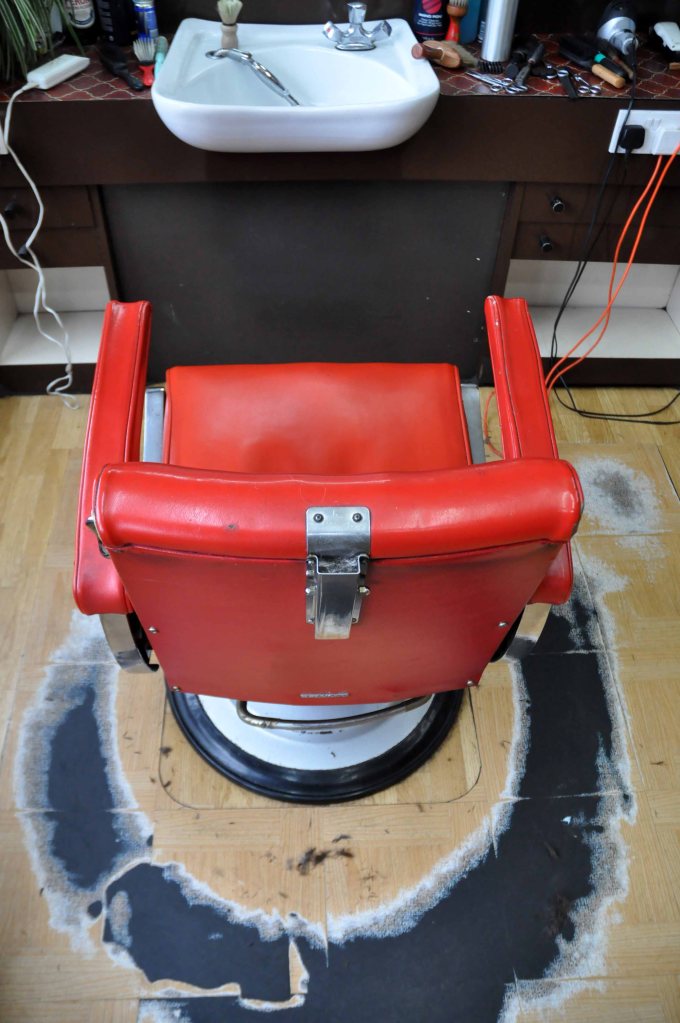
He was more than happy to accommodate my needs, he worked, we chatted, I snapped. This was some seven years ago now, typically, I forgot to make any written notes. Suffice to say he had been there some 48 years finally retiring on Christmas Eve 2014.

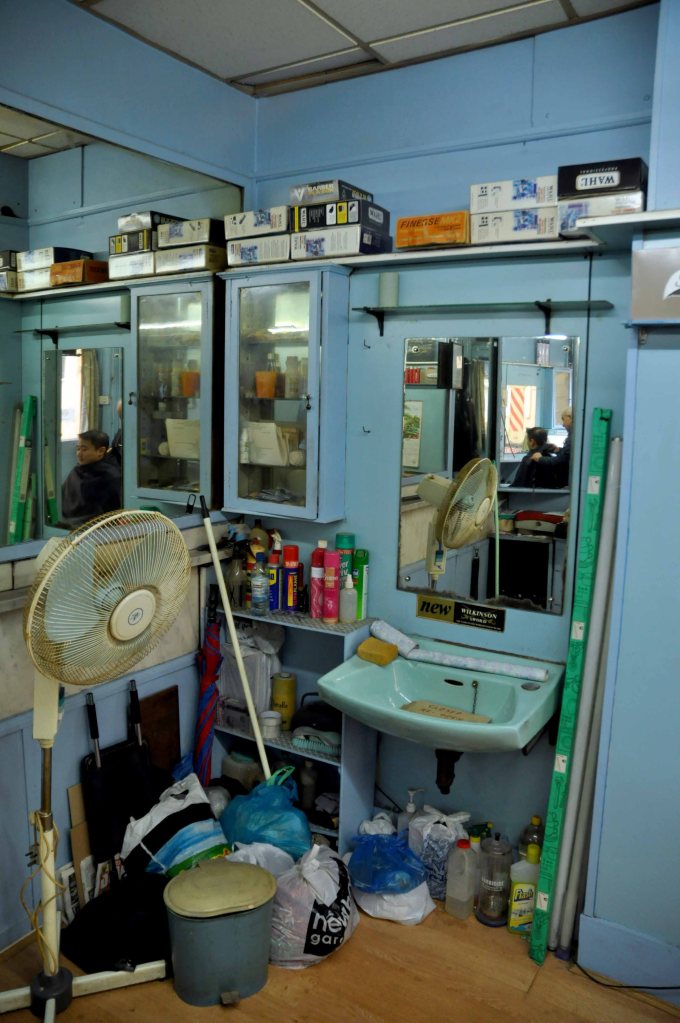
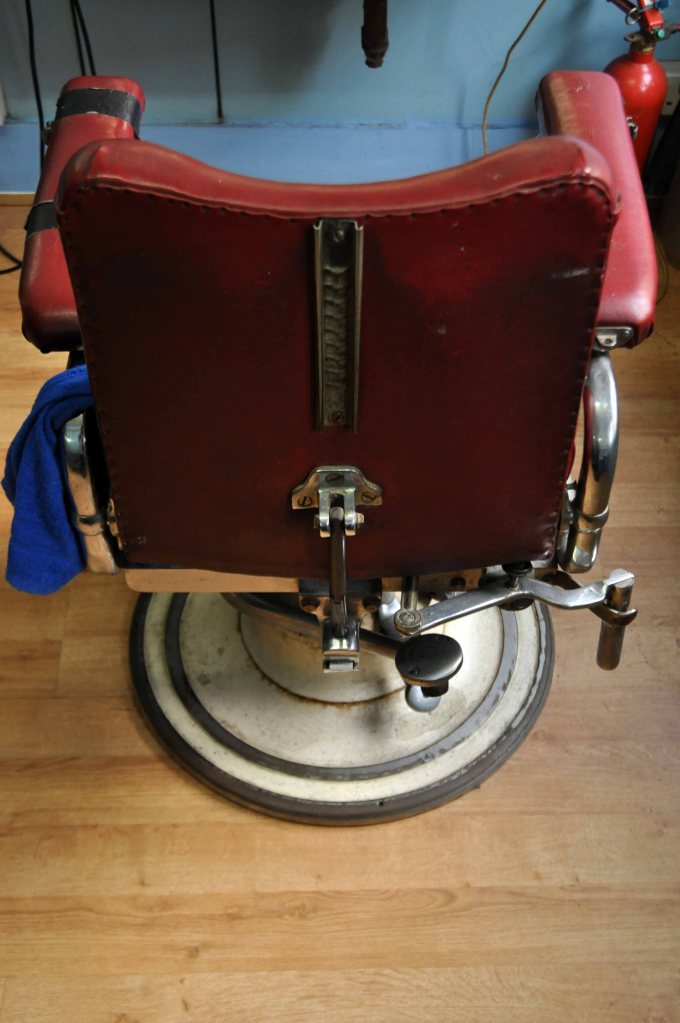
As city centre Manchester changes for good or for bad, the likelihood of a neighbourhood barber appearing is negligible. It was a privilege to spend some time with George, one of many Cypriot immigrants who found work here between and after the wars, we were more than happy to welcome him here.

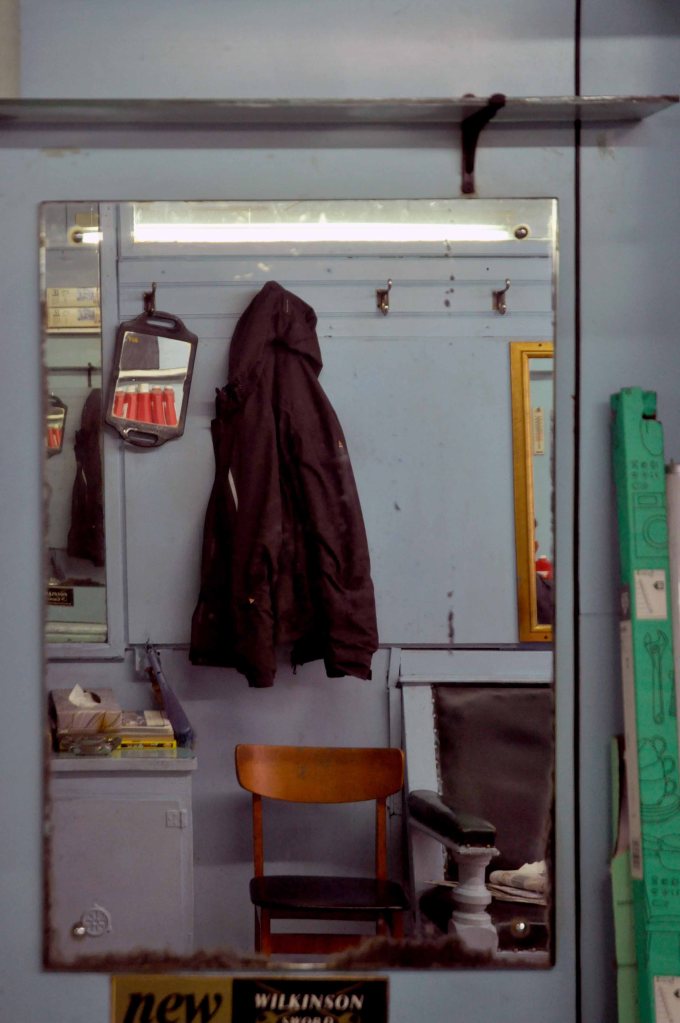
Let’s take a look around.

A companion to Marilyn and Sheila.

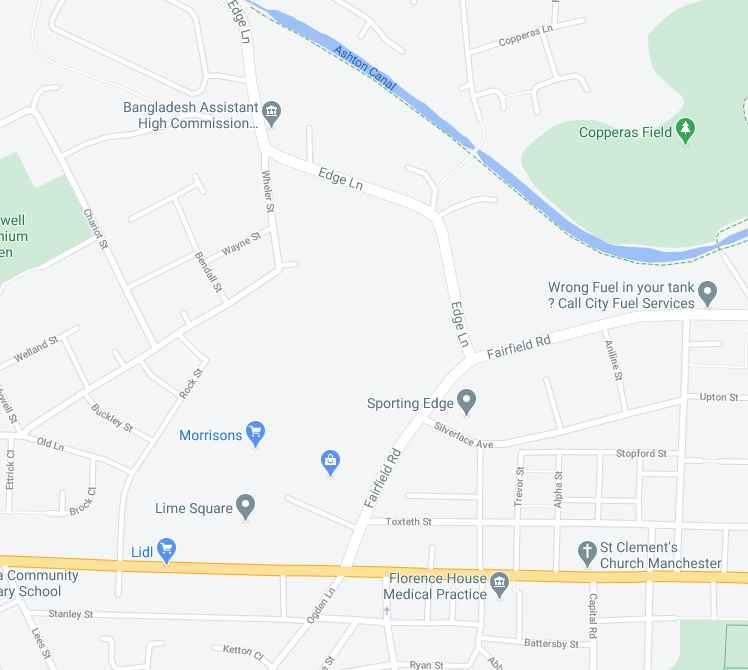
Fairfield Road – Edge Lane

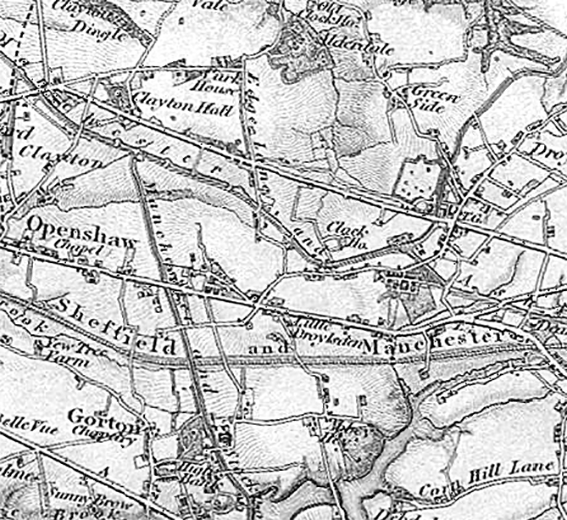
In 1802 there’s mostly nothing here, nothing to speak of.

A few buildings on Ashton Old Road and fields, lots of fields.

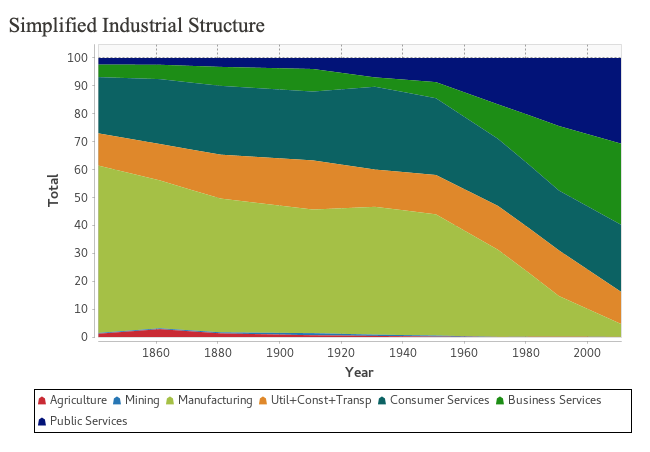
Then along comes the Industrial Revolution, manufacturing is in the ascendancy, mostly.

Vision of Britain

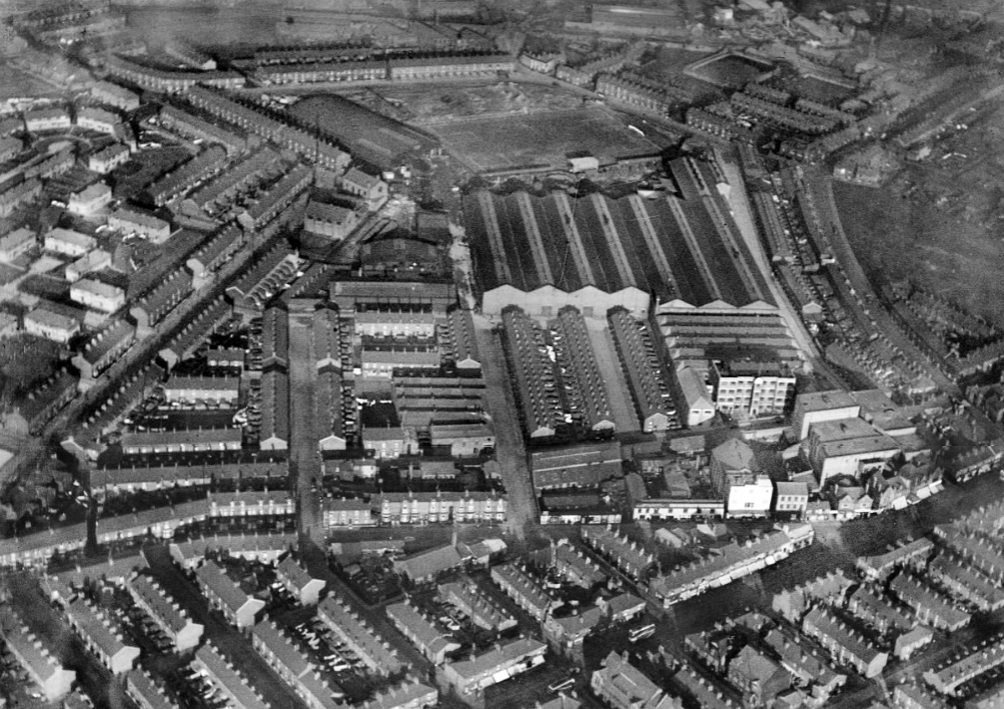
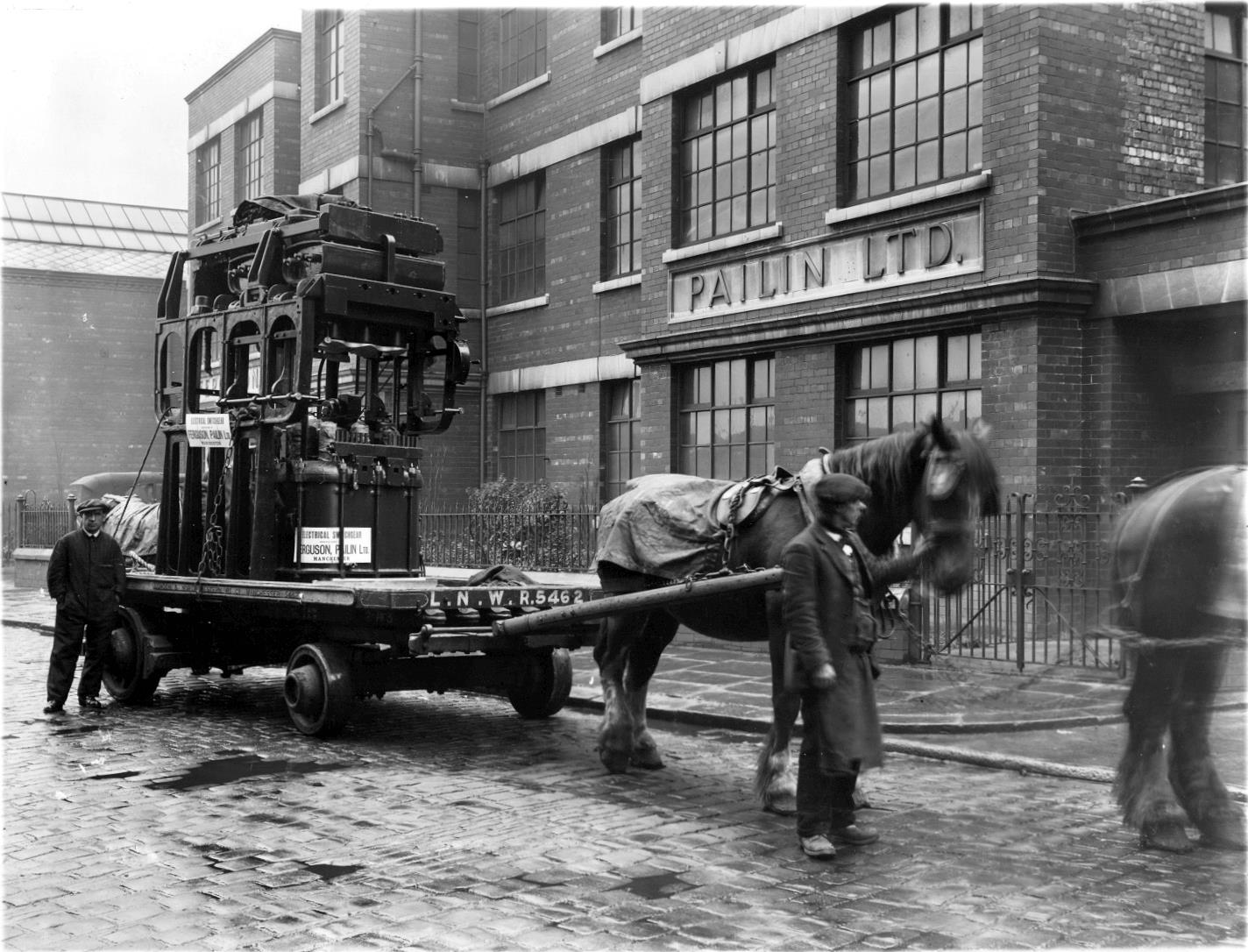
Ferguson Pailin Electrical Engineering are established in 1913 on Fairfield Road/Edge Lane.

By 1939 the factory is fully formed and the area a dense warren of industry and terraced housing.

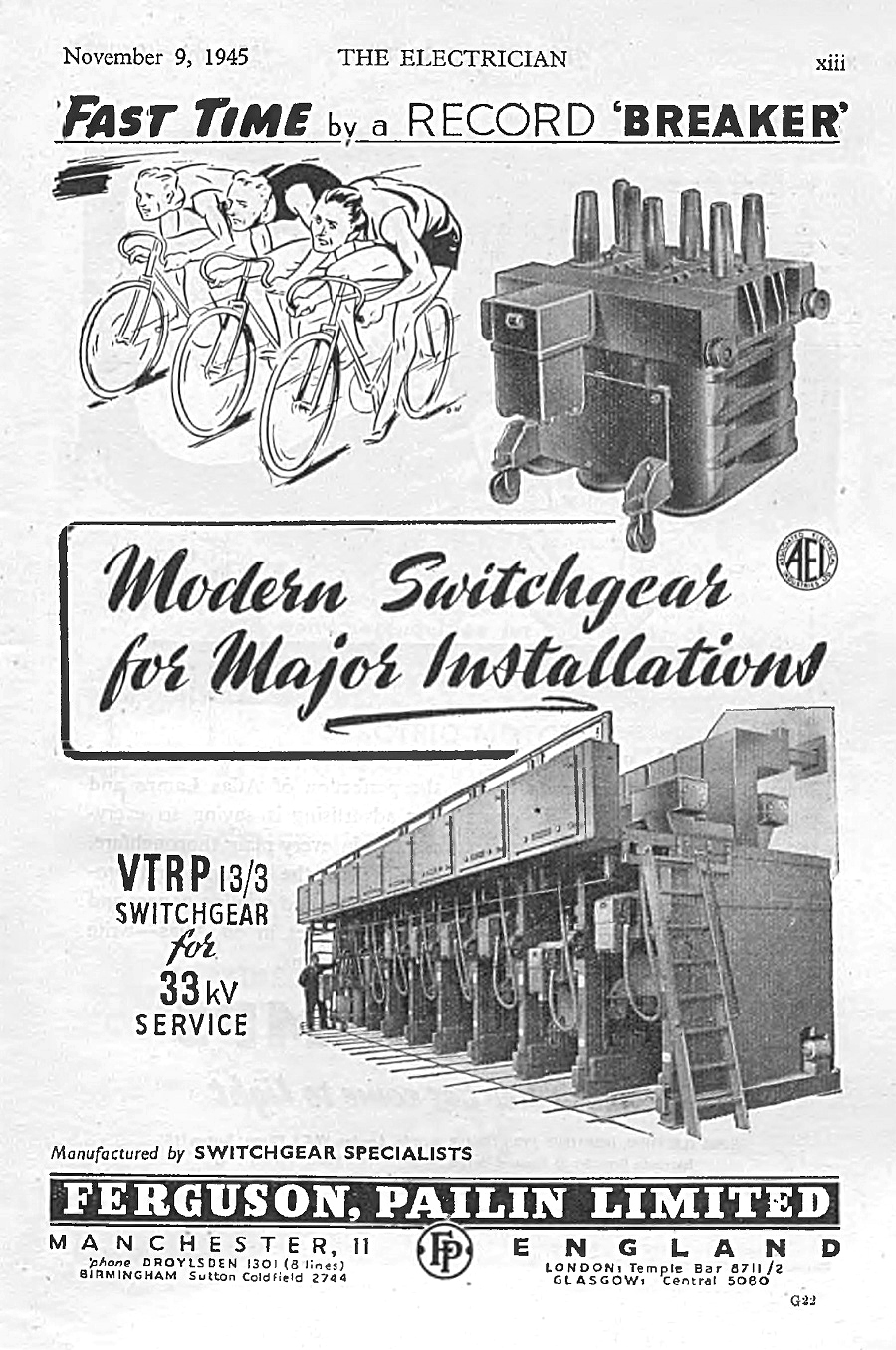
Makers of heavy duty electrical switchgear and general electrical engineers, of Higher Openshaw, Manchester.

1913 Ferranti Ltd sold its switchgear patents and stock to Ferguson, Pailin Ltd. Samuel Ferguson and George Pailin had worked for Ferranti as switchgear engineers. They left in 1913 to set up their own switchgear business at a factory in Higher Openshaw, Manchester.

Graces Guide

The company was acquired by Associated Electrical Industries (AEI) in 1928. Following the restructuring of AEI in 1960, Ferguson, Pailin & Co ceased to be a separate subsidiary and was merged into AEI switchgear. Following the takeover of AEI by GEC in 1967, the Higher Openshaw works became part of GEC Switchgear. In 1989, GEC merged its electrical engineering interests with those of Alsthom to form GEC Alsthom. The factory was later closed by Alstom in 2003, with most of the employees finishing on 22 November 2002.

Wikipedia

The company has a Facebook page which shares former employees memories – from which these archive photographs were taken.

Notably the firm provided extensive leisure facilities for their employees.

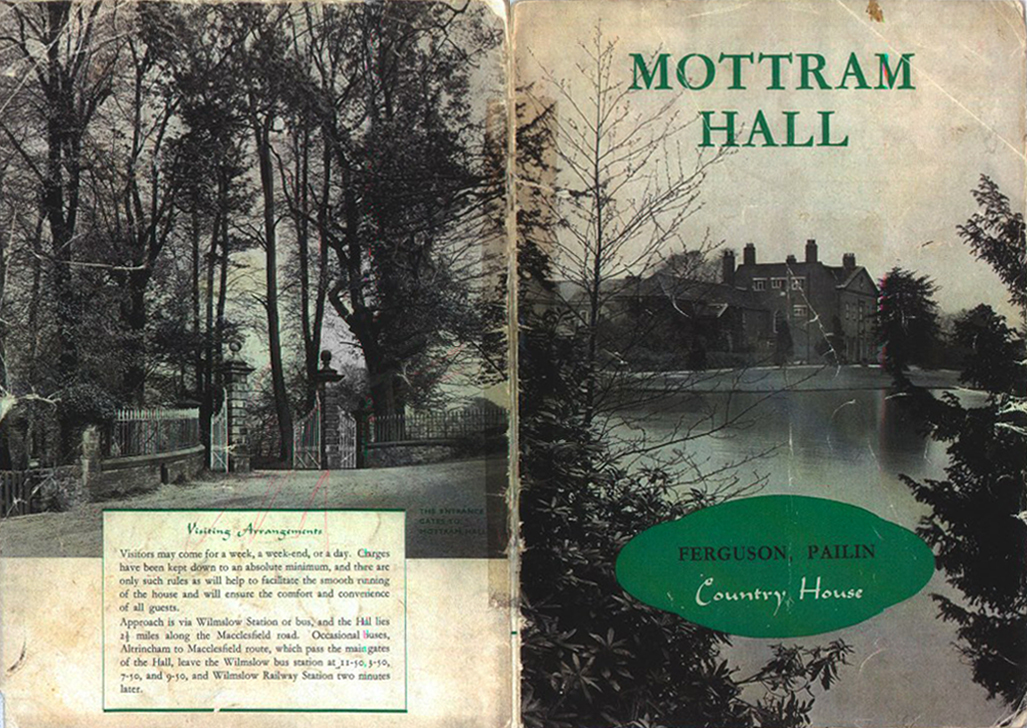
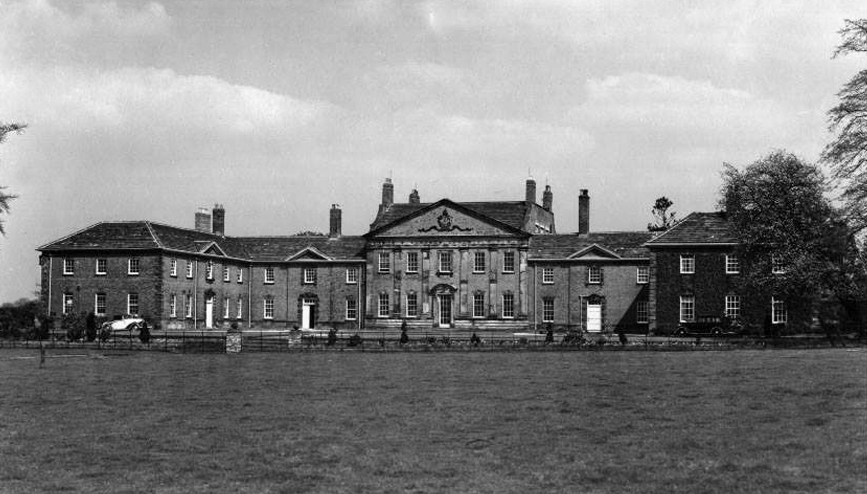
The company acquired Mottram Hall to give employees an opportunity to go on affordable holidays during World War II. The company bought three properties in 1939/40 in order to provide holidays for staff and workers during the war. Mottram Hall was bought for the works, a small hotel in Llandudno for the middle level staff and a property in Criccieth for senior staff. Mottram Hall was sold as surplus to requirements by GEC in 1968 and is now a luxury country house hotel.

Sadly the days when benevolent employers thought to take care of their employees in such a manner, are largely a thing of the past.

For business guests, our sleek and sophisticated conference rooms feature the latest technology to get your agenda off to a prompt and professional start. Plus, catering facilities and a plush break out space for comfortable downtime between meetings.

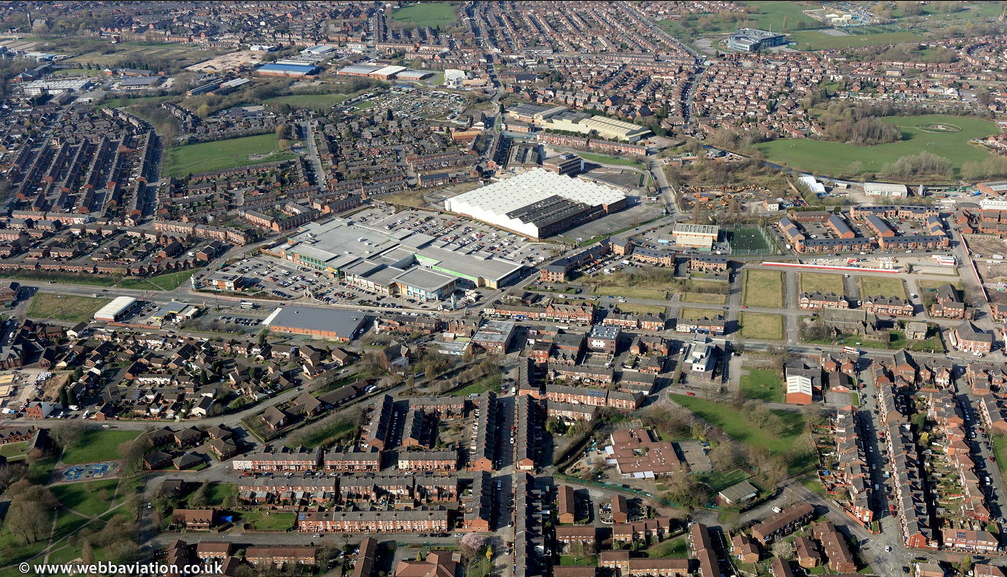
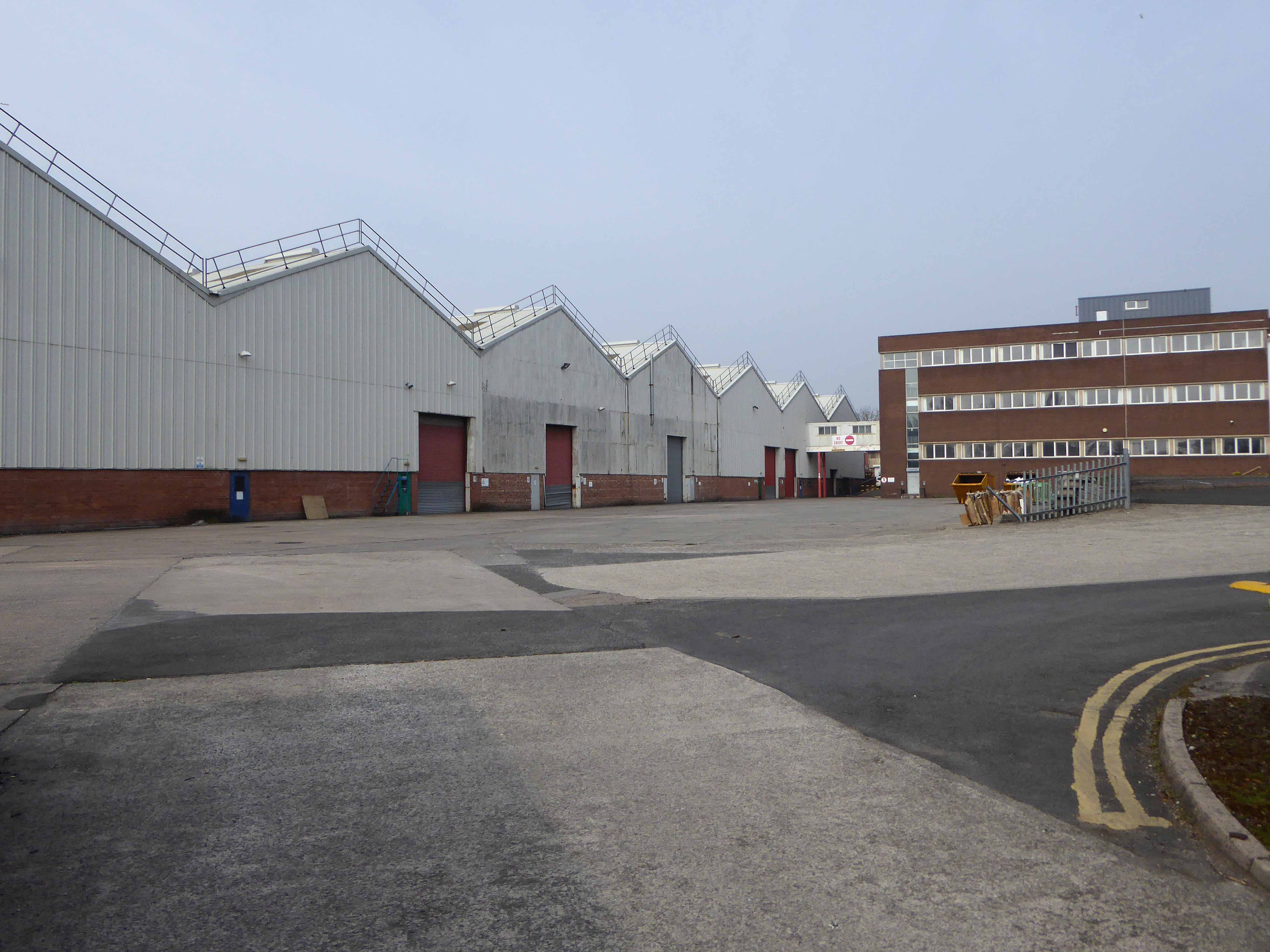
Last time I passed through many of the factory buildings were still extant though underused. A portion of the site lost to the development of the Lime Square Shopping Centre.

Lime Square is a shopping destination which is helping to put the heart back into Openshaw district centre here in east Manchester. Lime Square is home to the stunning Steamhammer sculpture and a host of great High Street names.

By and large replacing the plethora of busy local businesses which once thrived in the area.

Part of the site became the site of a car park for B&M Bargains.

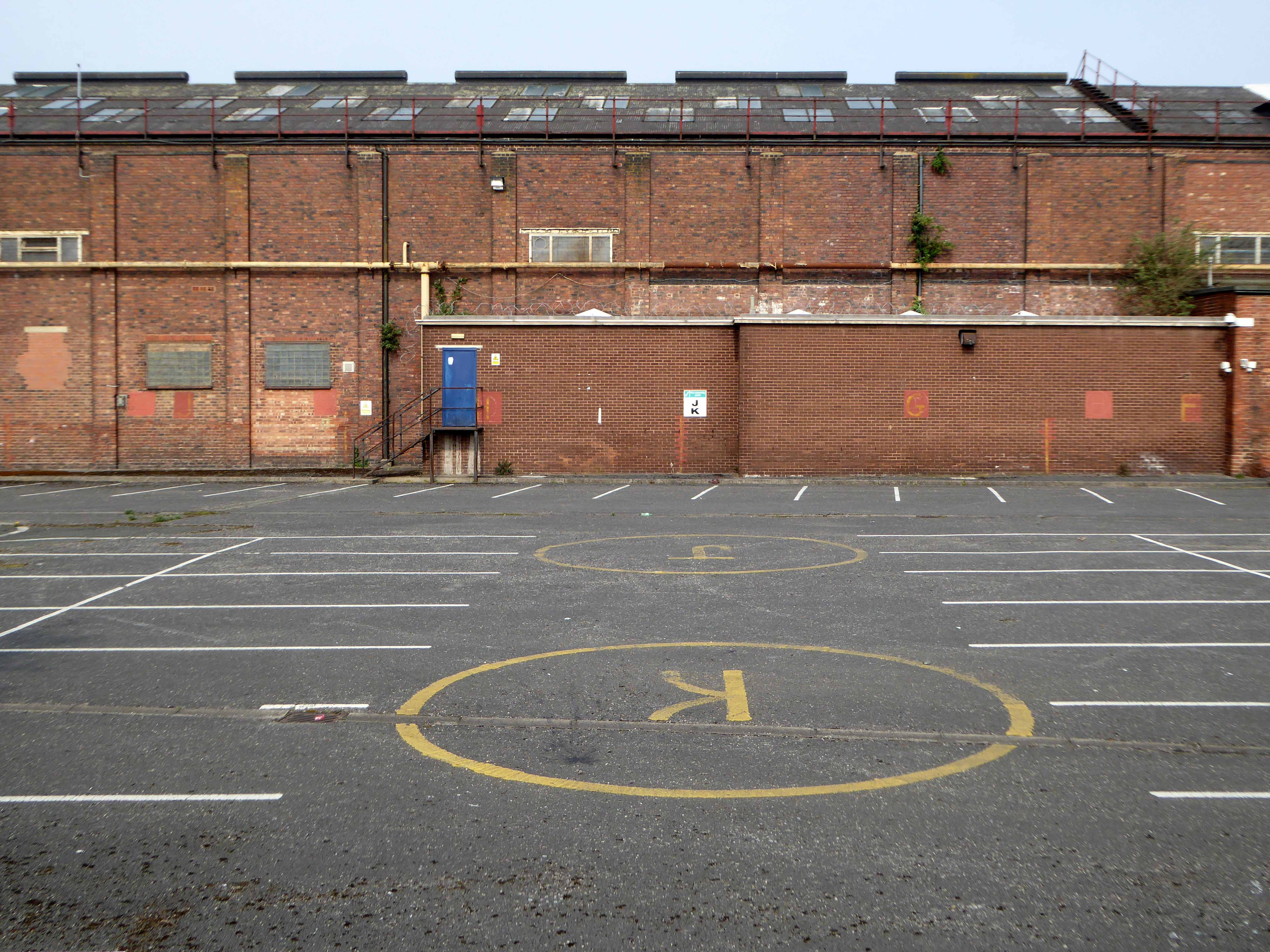
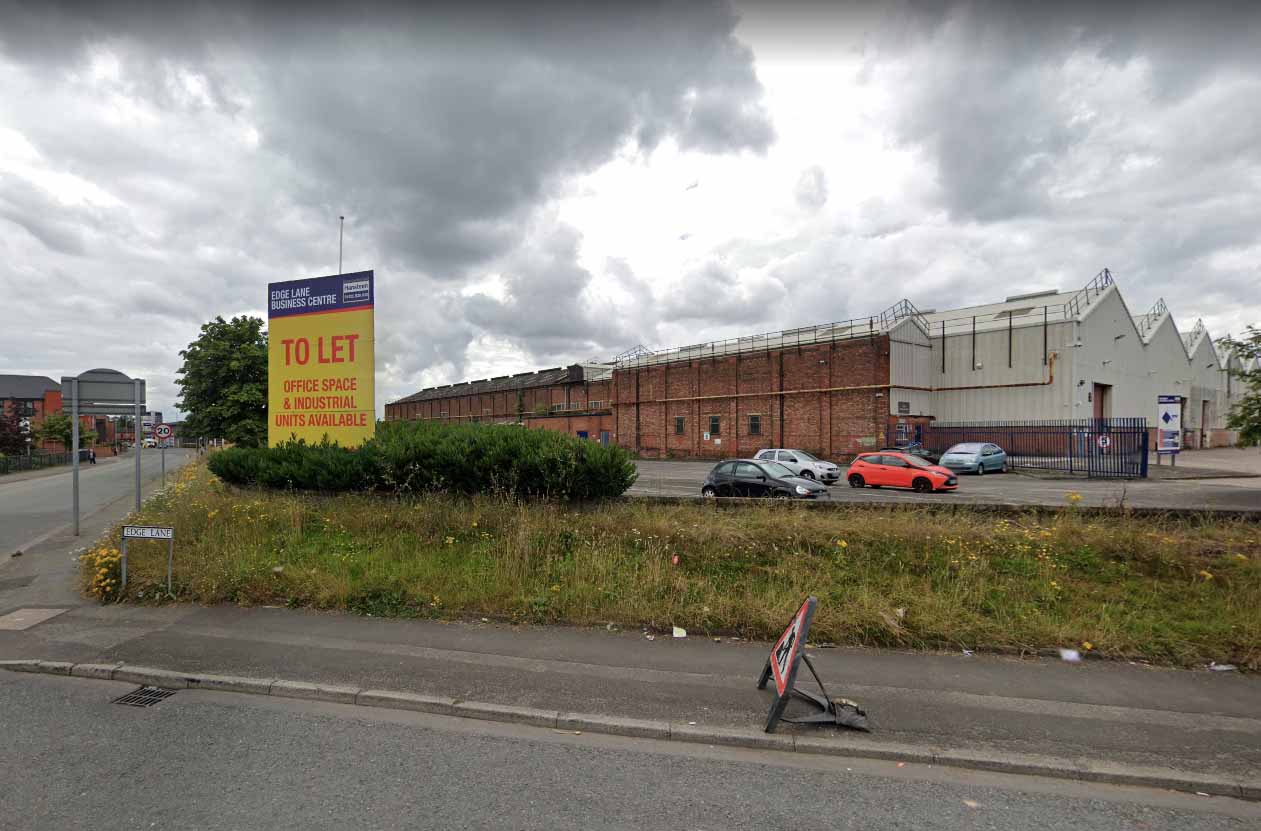
Empty car parking and to let signs in superabundance.

So there we are the end of an era – the decline in manufacturing, the structure ending life as an empty warehouse.

But wait, what’s all this?

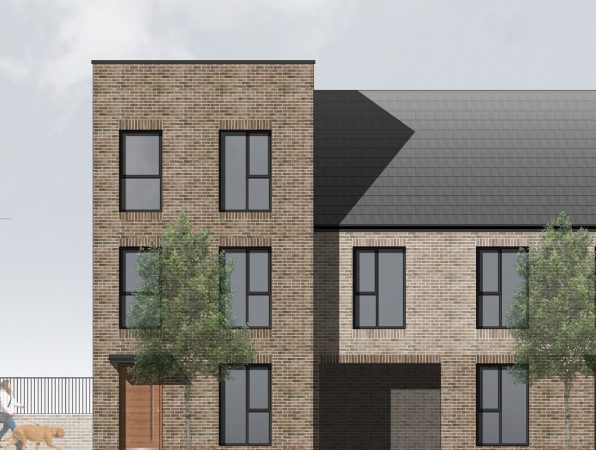
Your Housing Group, the Warrington-based affordable housing provider, wants to build a residential scheme on the site of a former warehouse on Edge Lane, with work starting this summer subject to consent.

The project in Openshaw comprises 216 homes available on a mix of tenures, according to a planning application submitted to Manchester City Council. A total of 72 will be for sale as shared ownership schemes, another 72 will be for private rent, and 72 will be for affordable rent.

Place North West

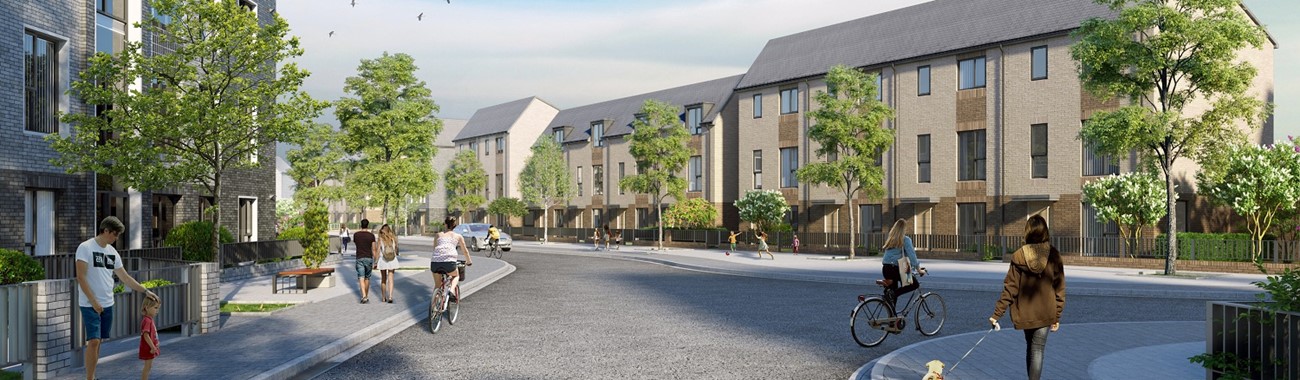
The development, to be known as Edgefield Green

Your Housing Group

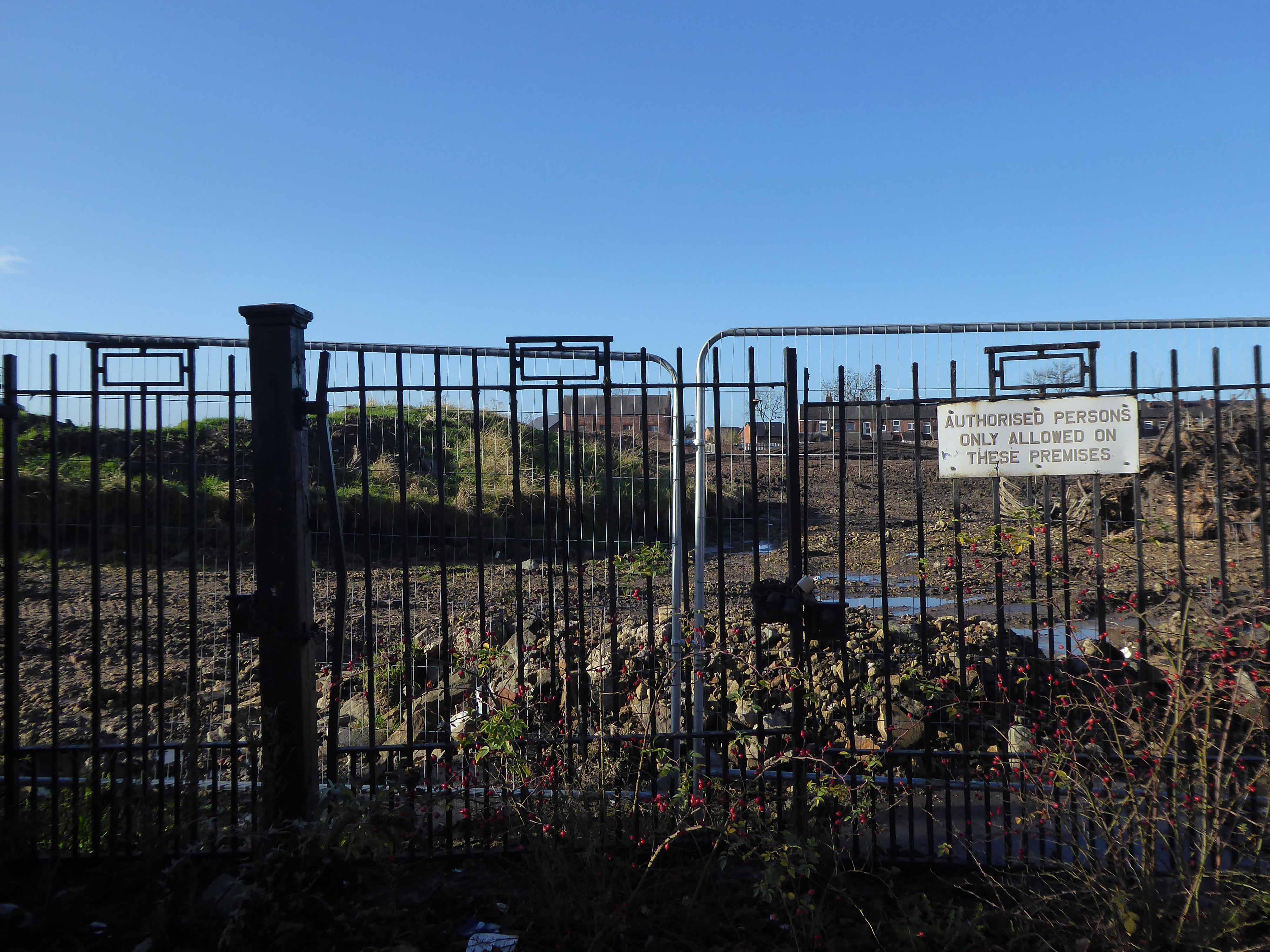
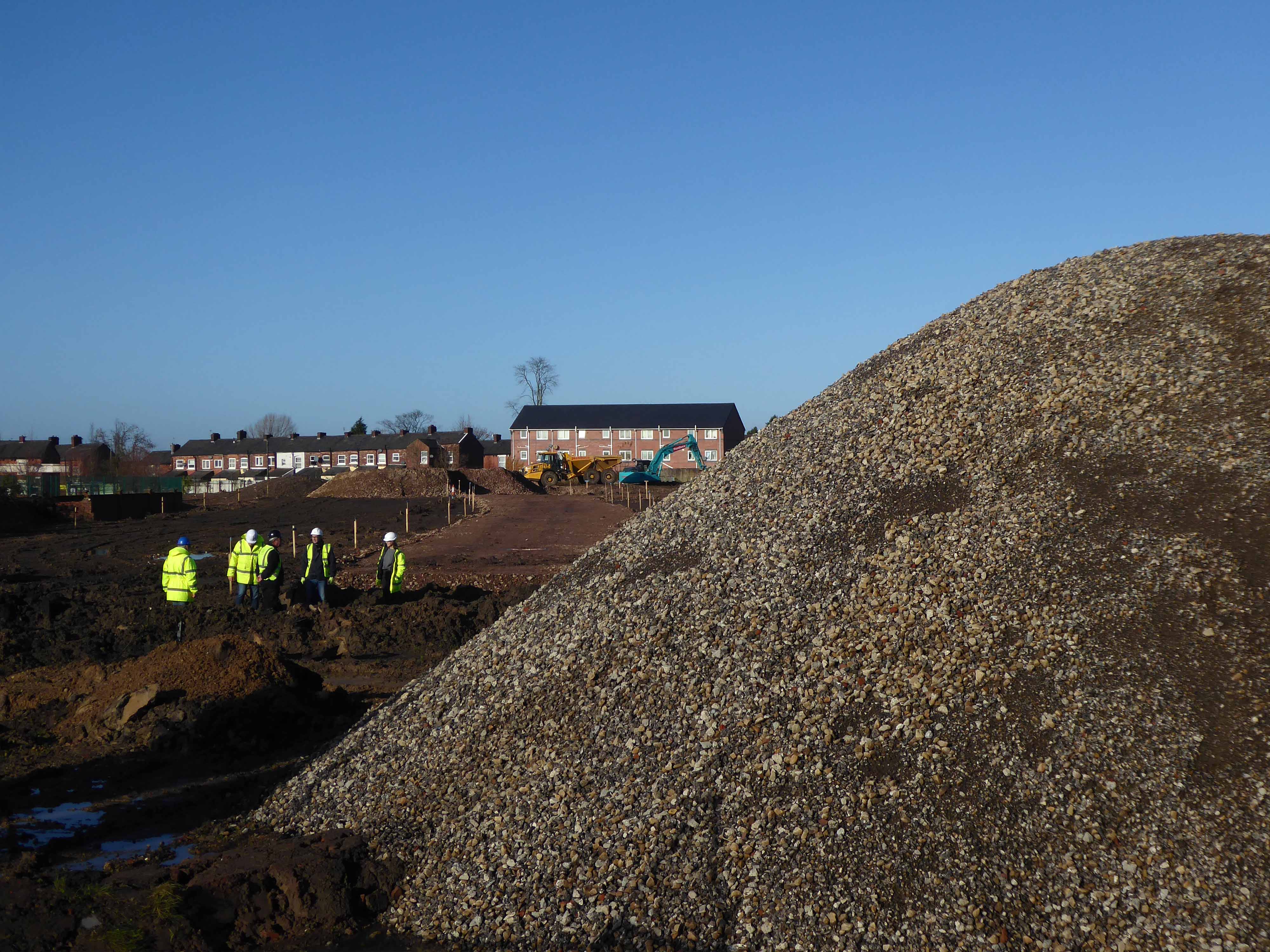
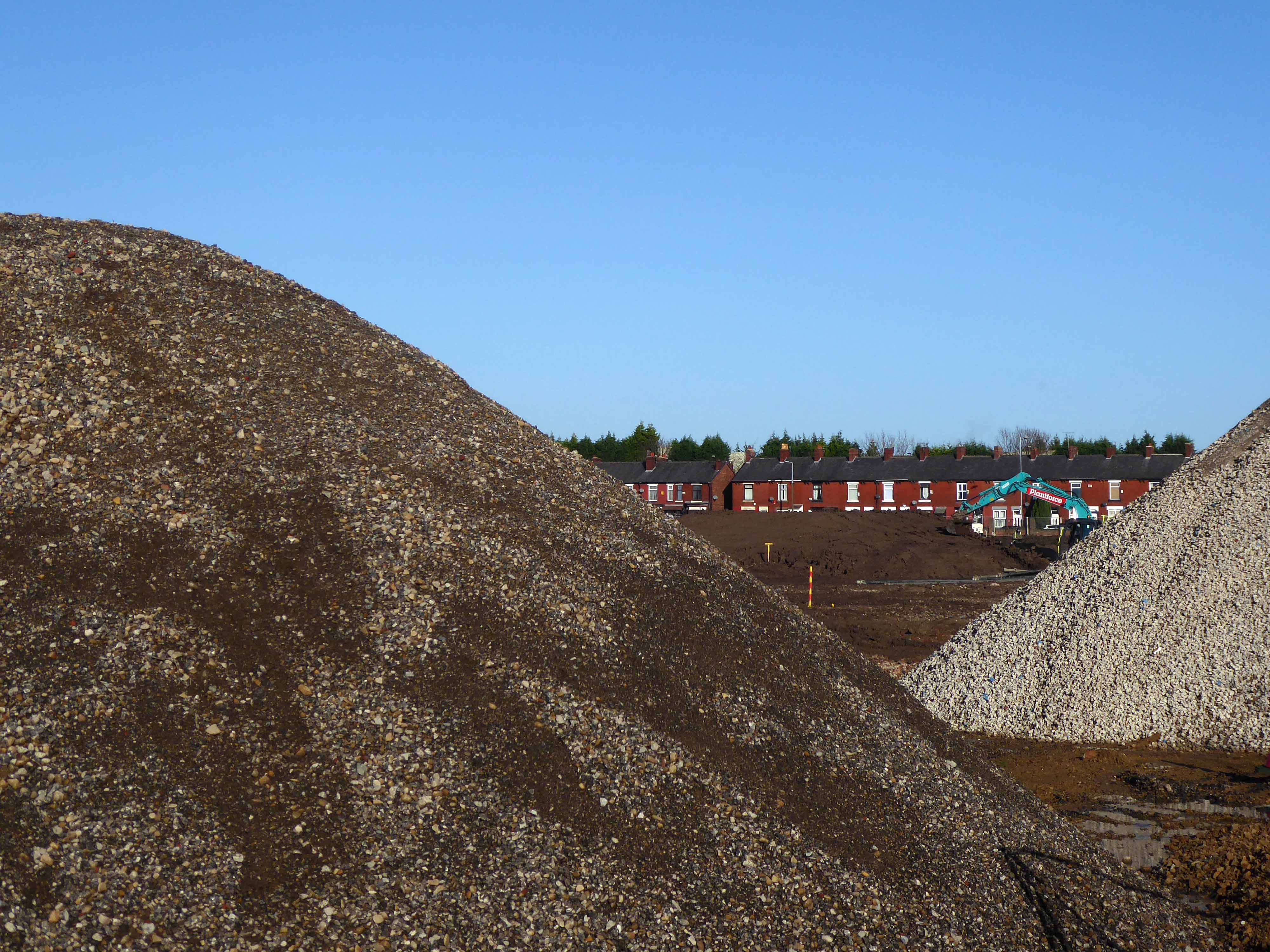
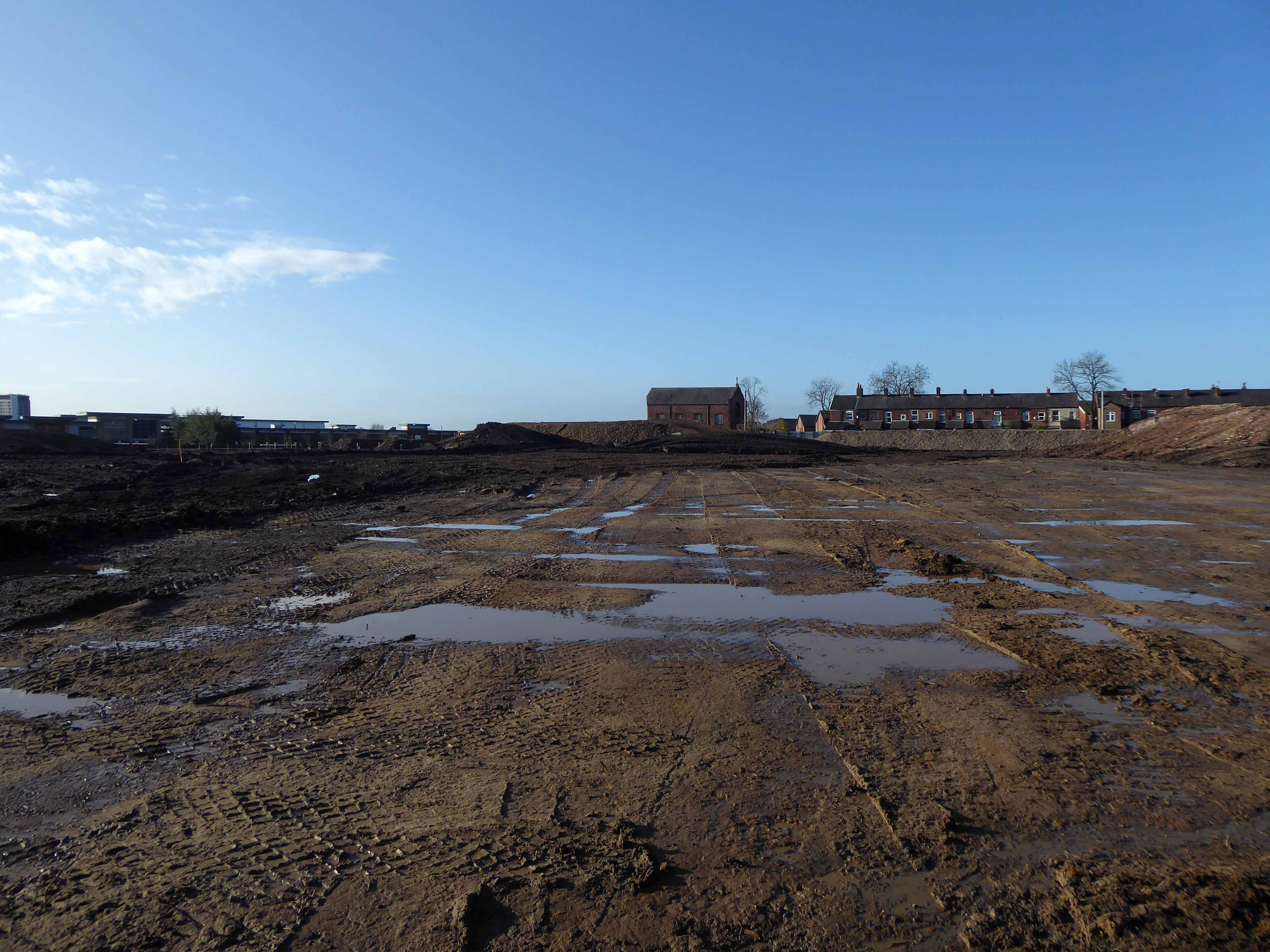
As of Friday 13th November 2020 – the site has been cleared, little or no signs of its former occupants save for a dilapidated fence or gate.

This land is your land.

Our hearts beat as one as we had our fun but time changes everything.

Tommy Duncan of the Texas Playboys

So there we are another phase of development for one small area of Manchester, should you change to pass, just spare a moment to recall those thousands of souls that laboured their whole working lives – right here on Fairfield Road and Edge Lane.

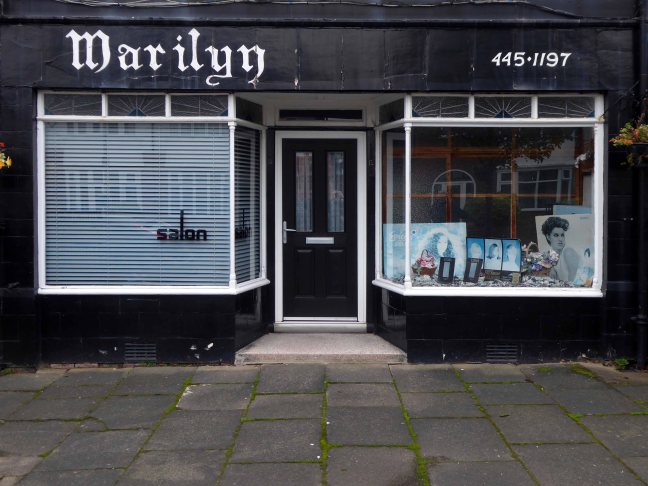
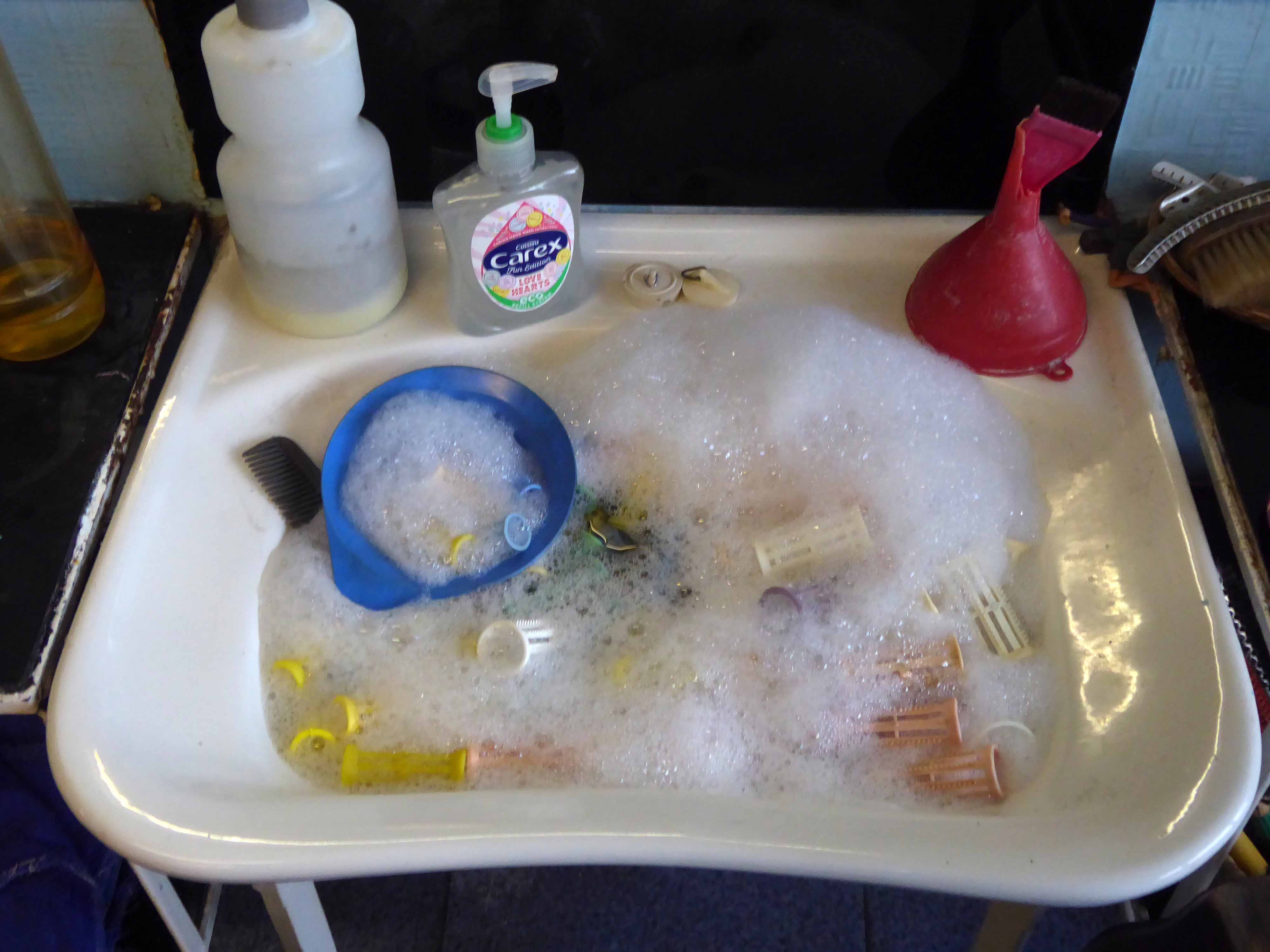
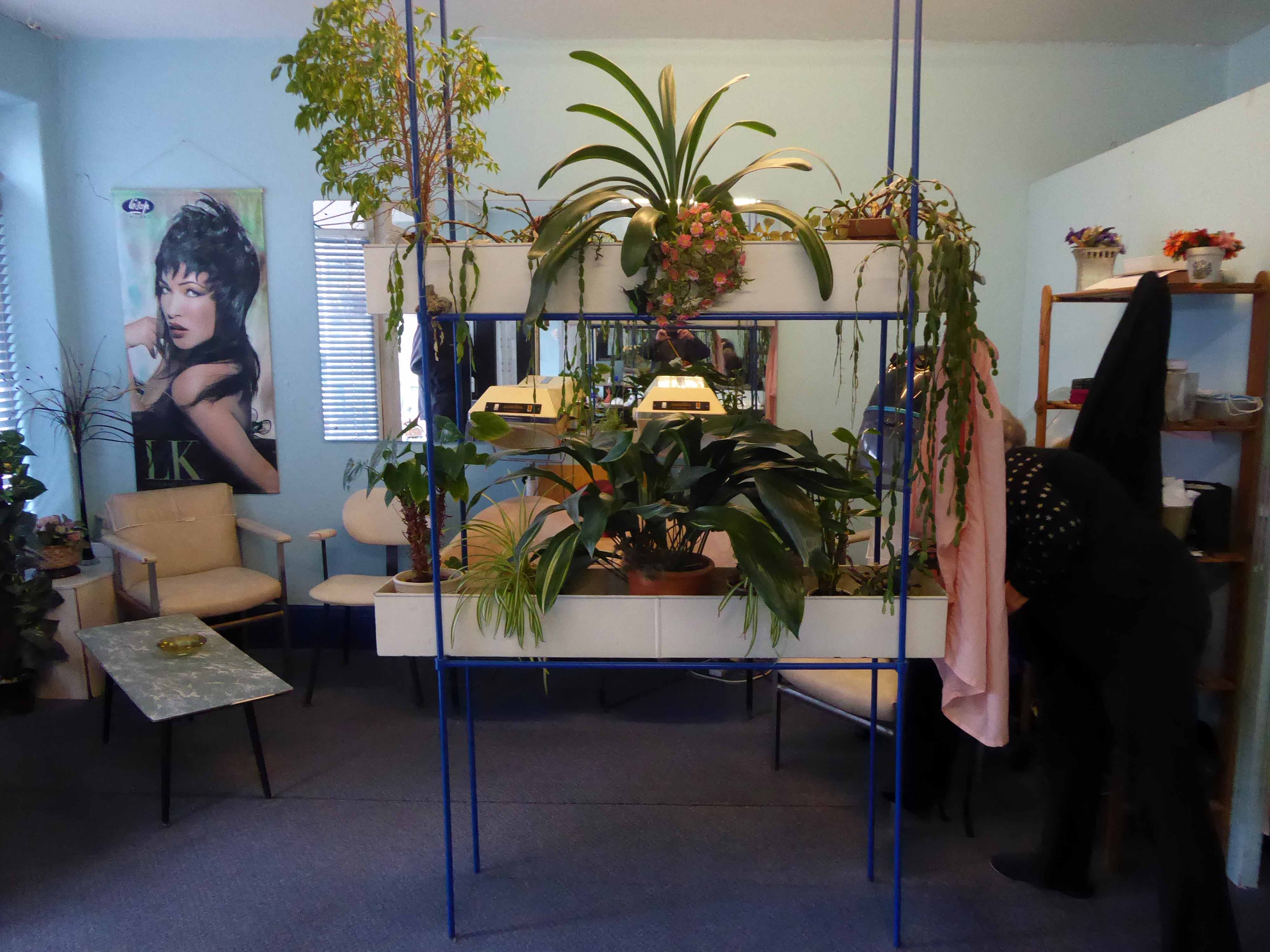
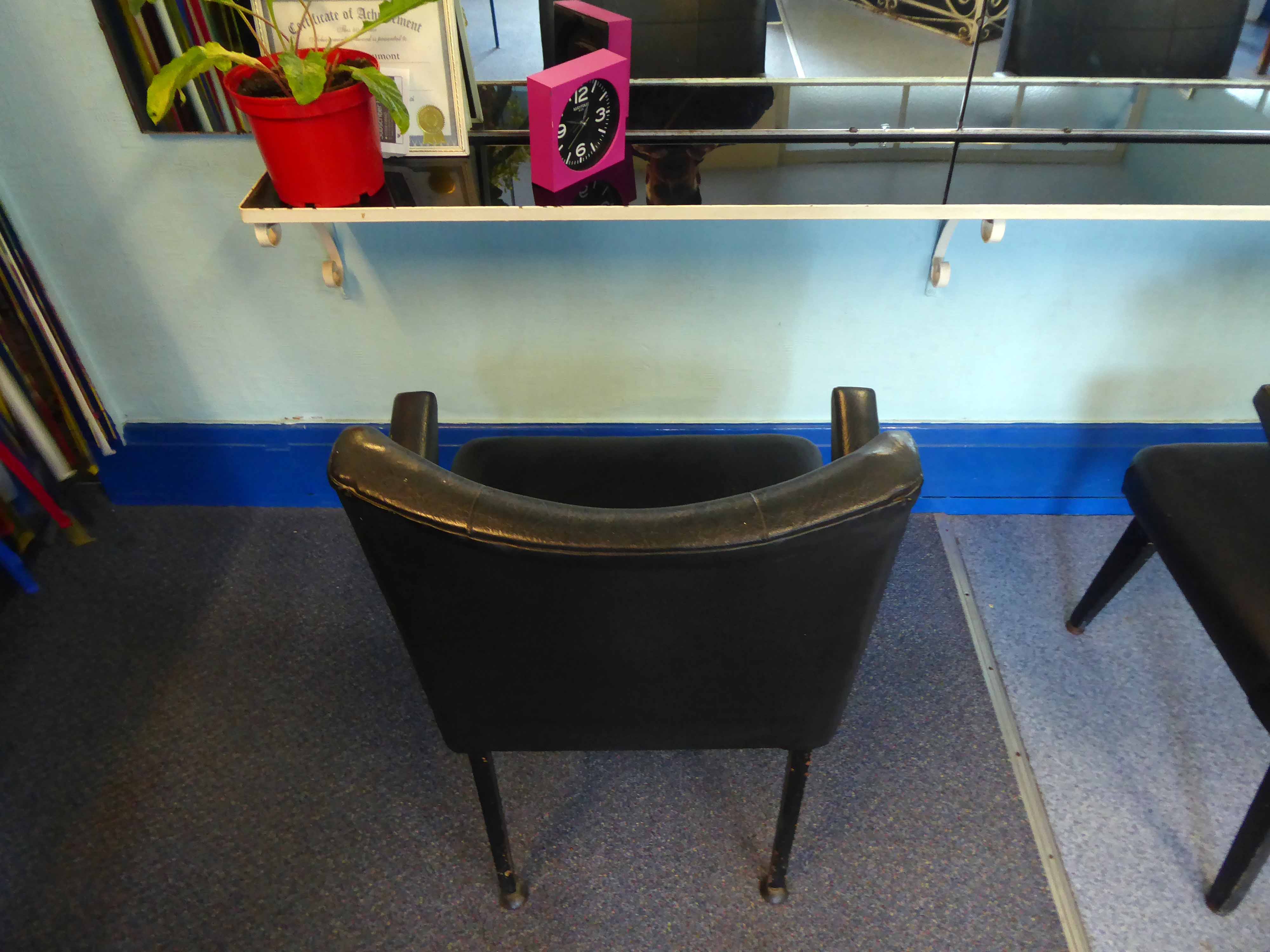
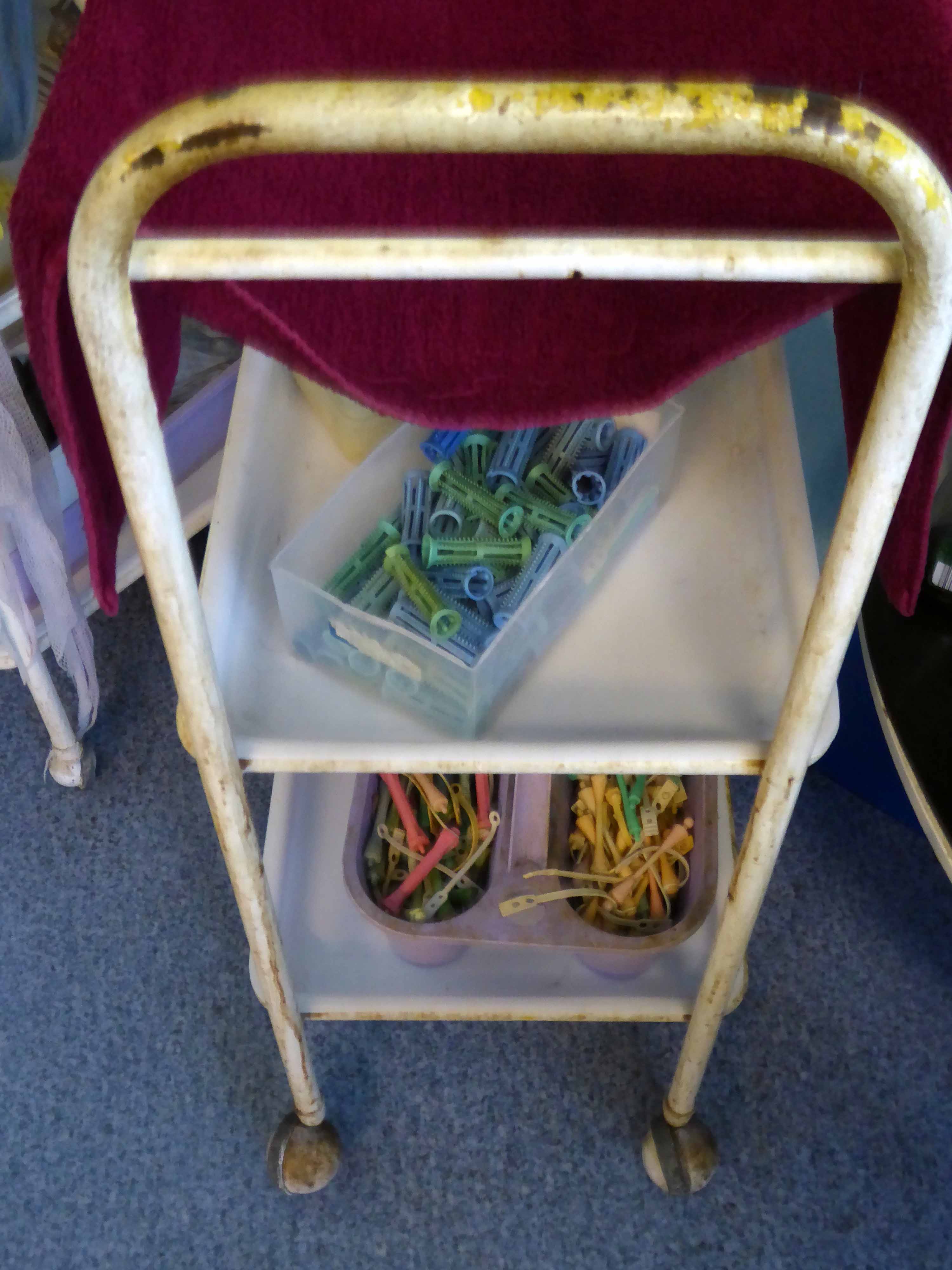
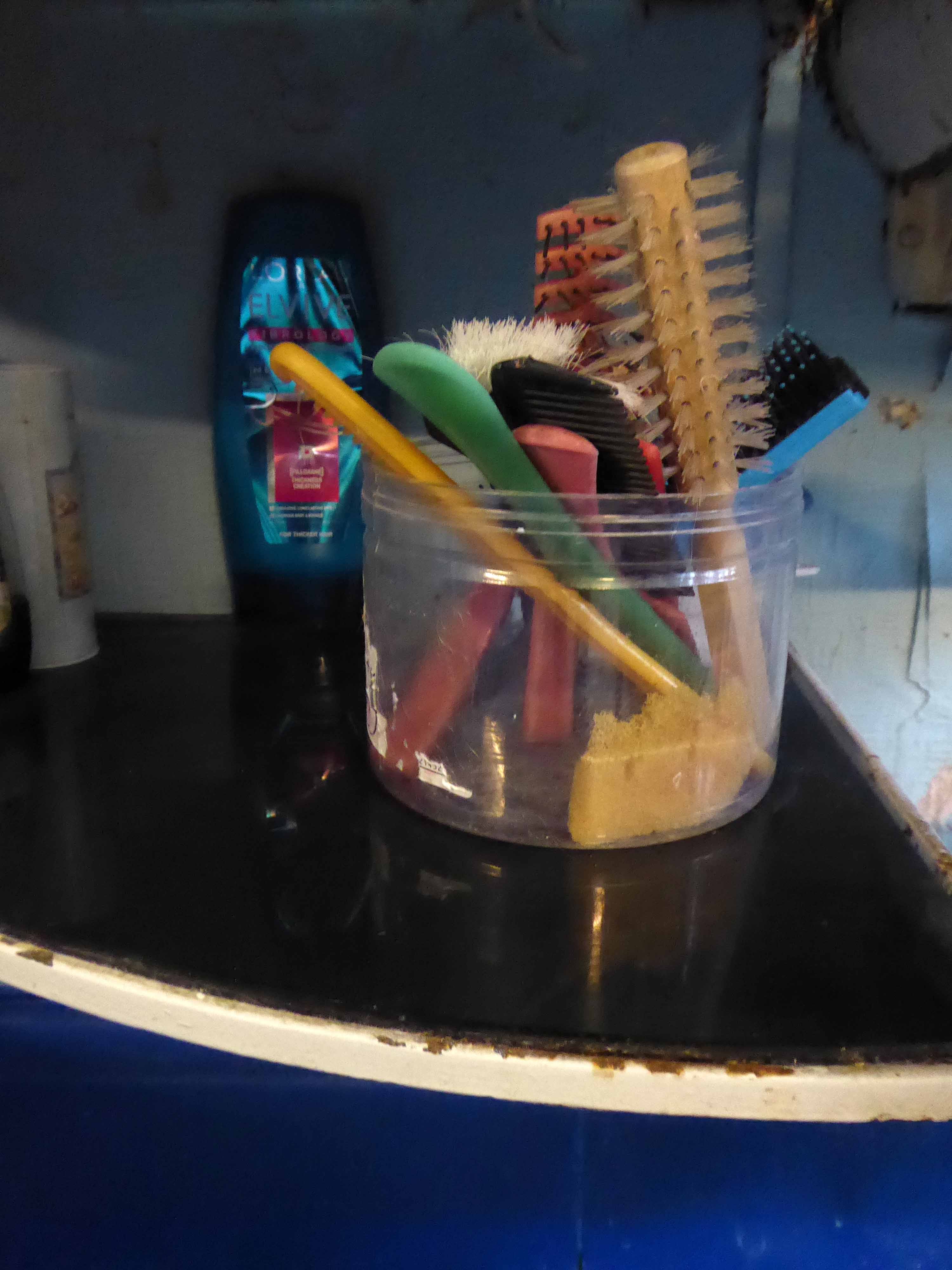
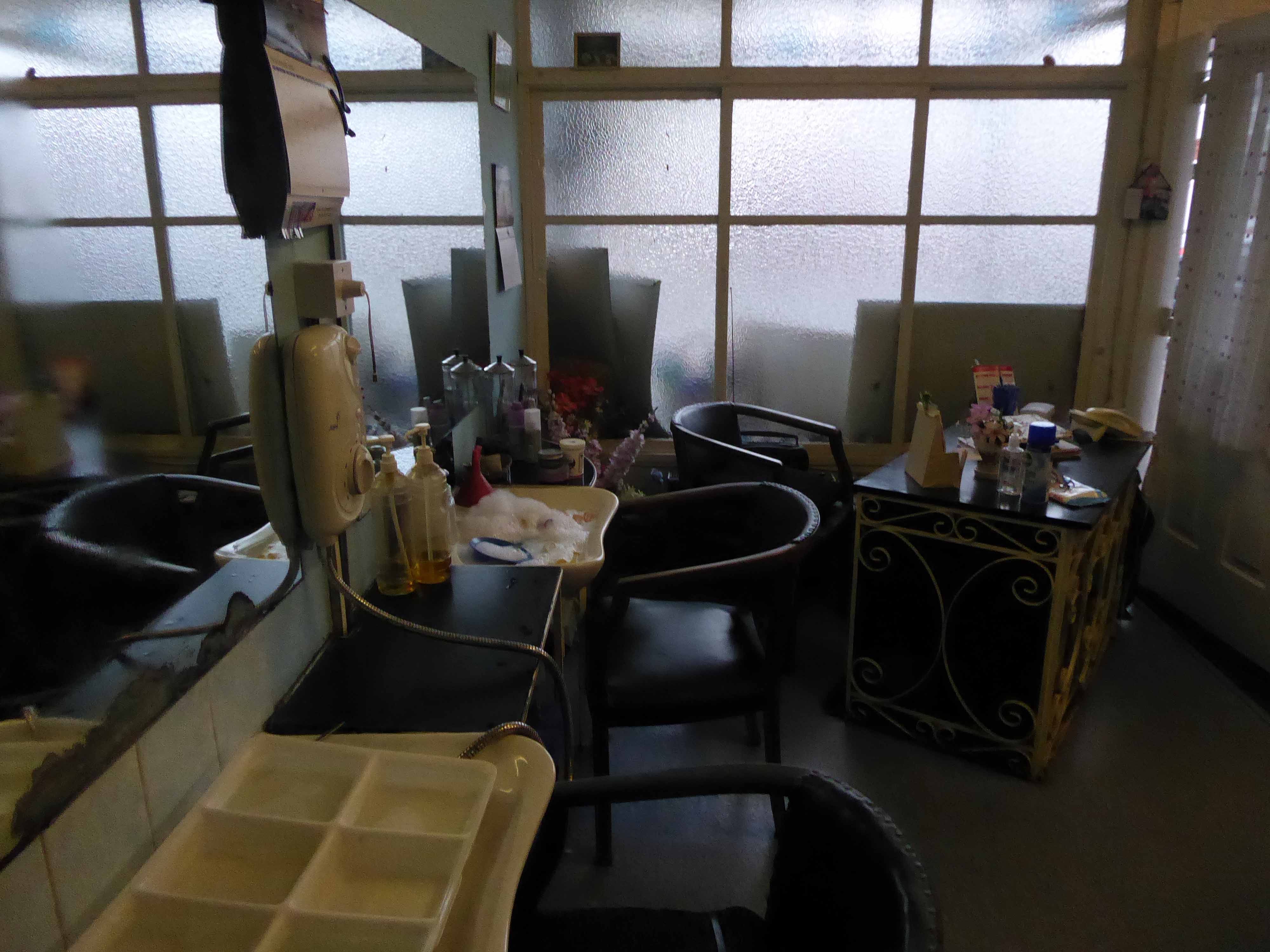
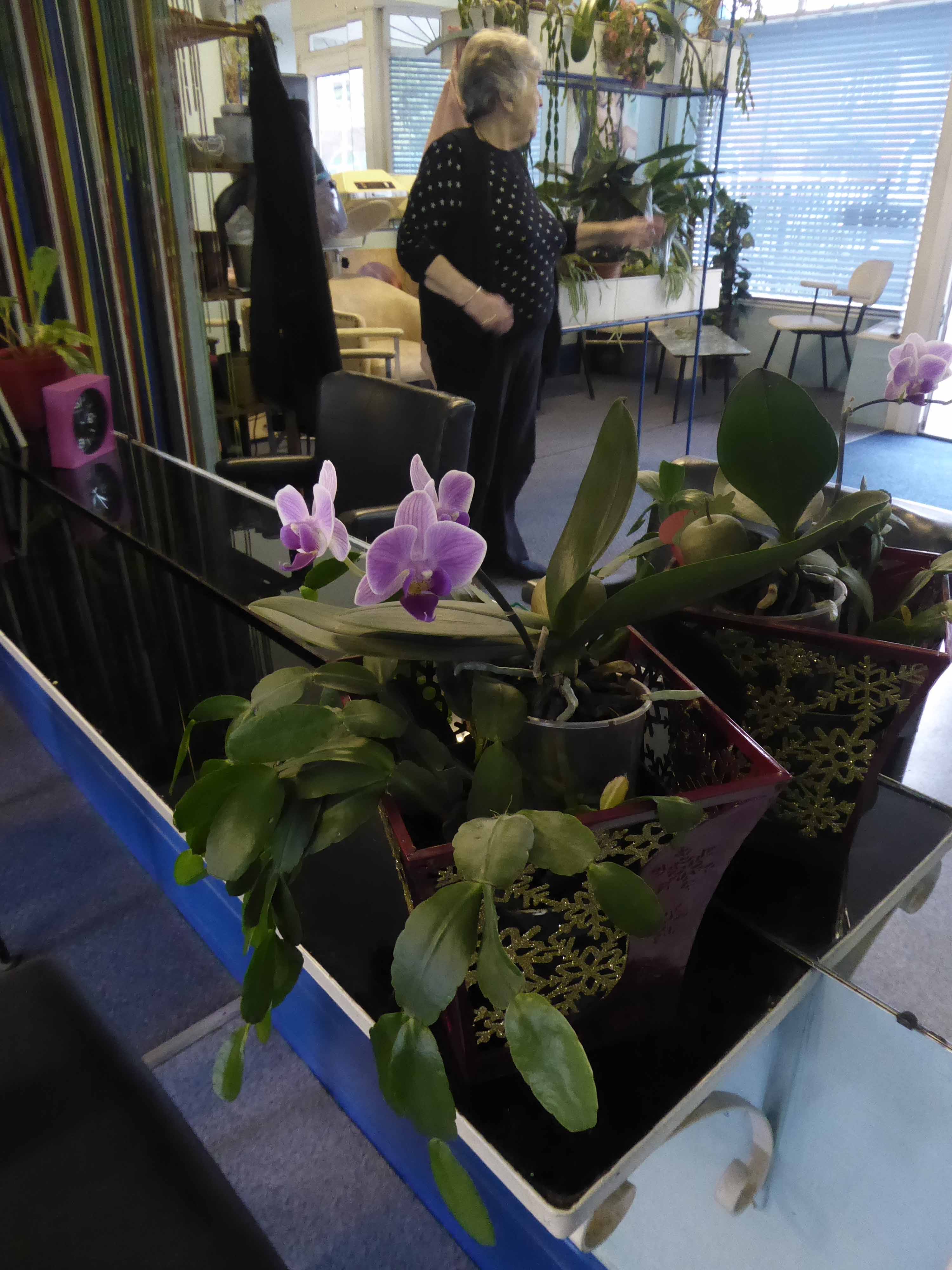
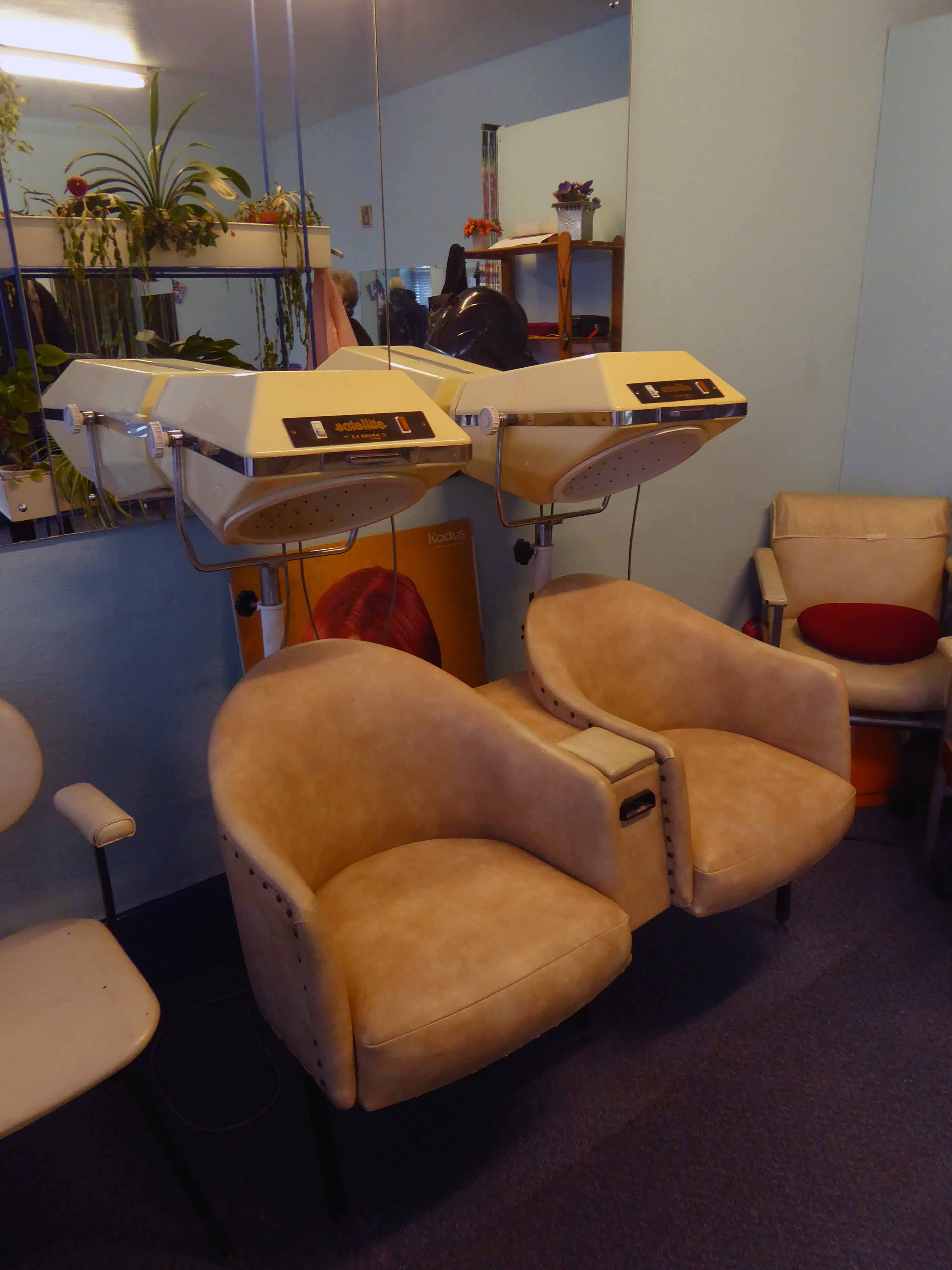
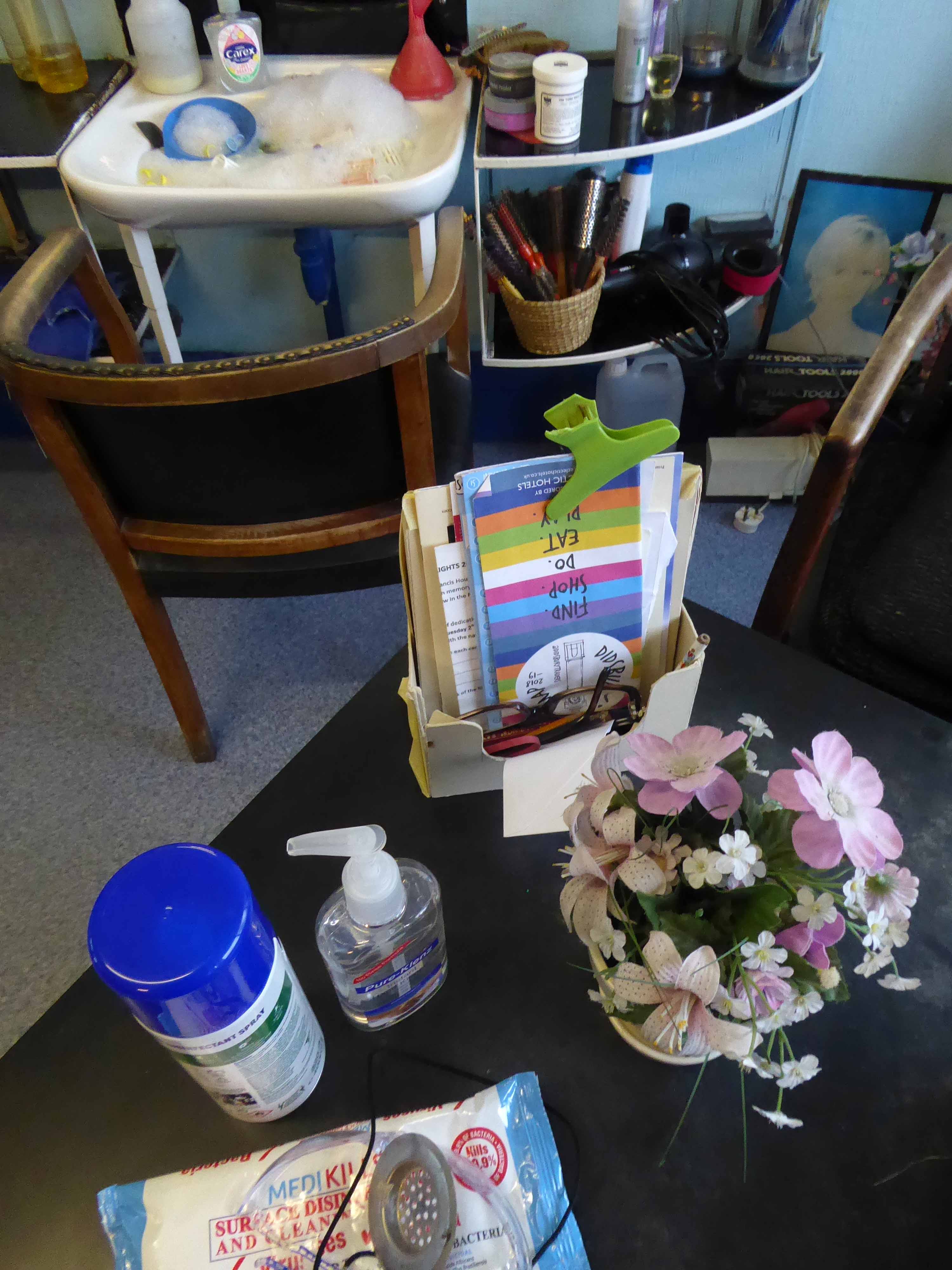
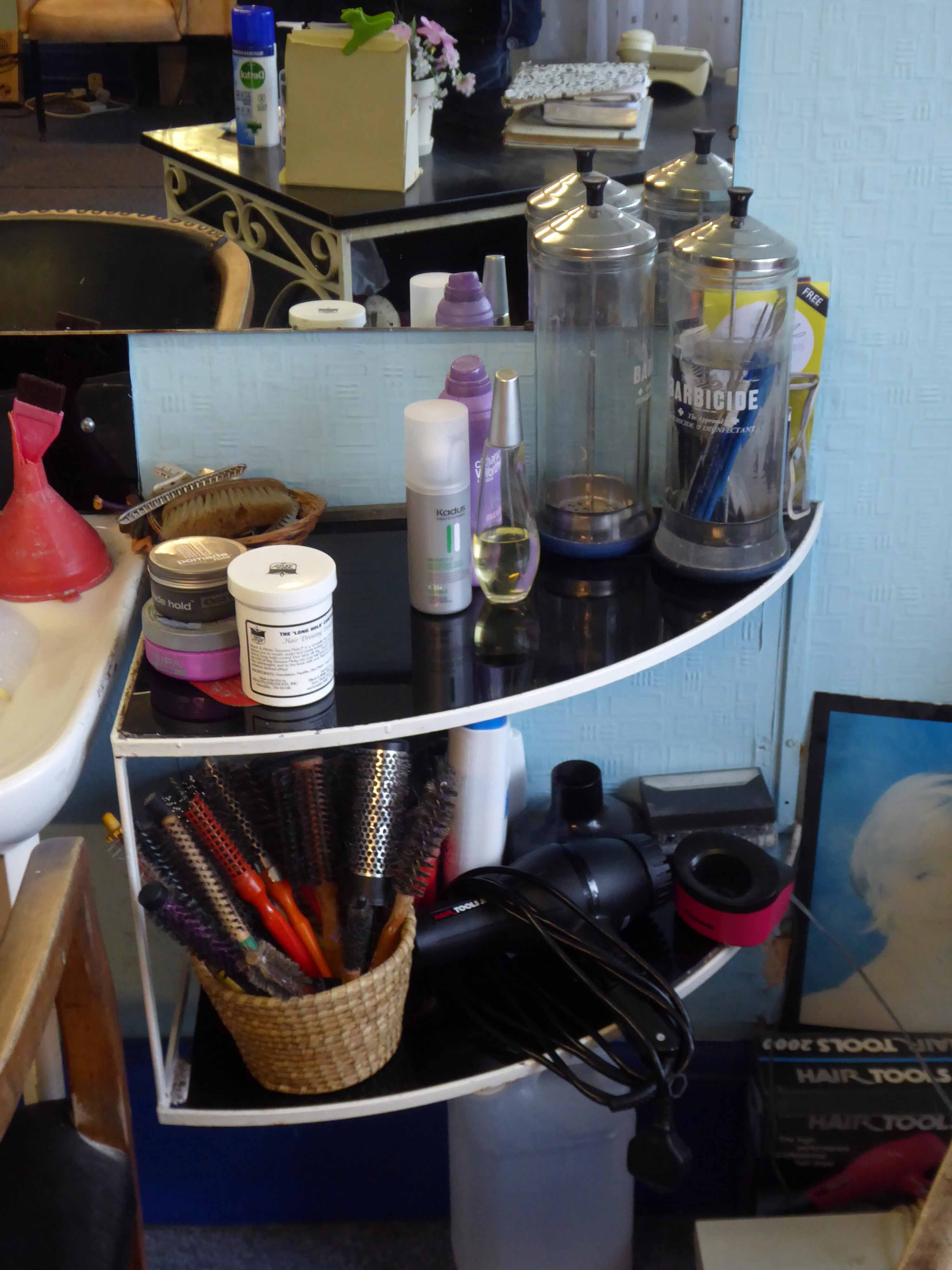
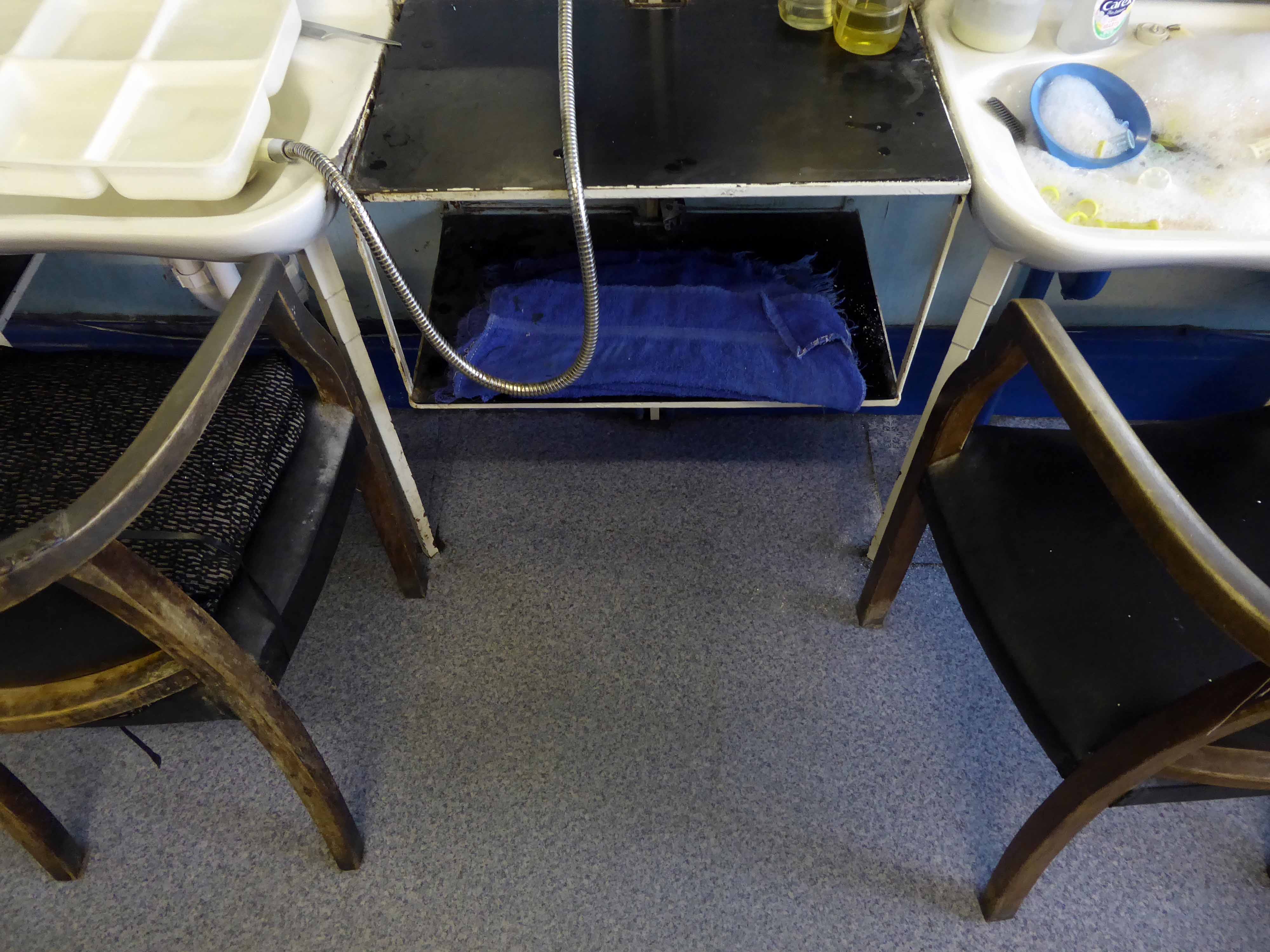
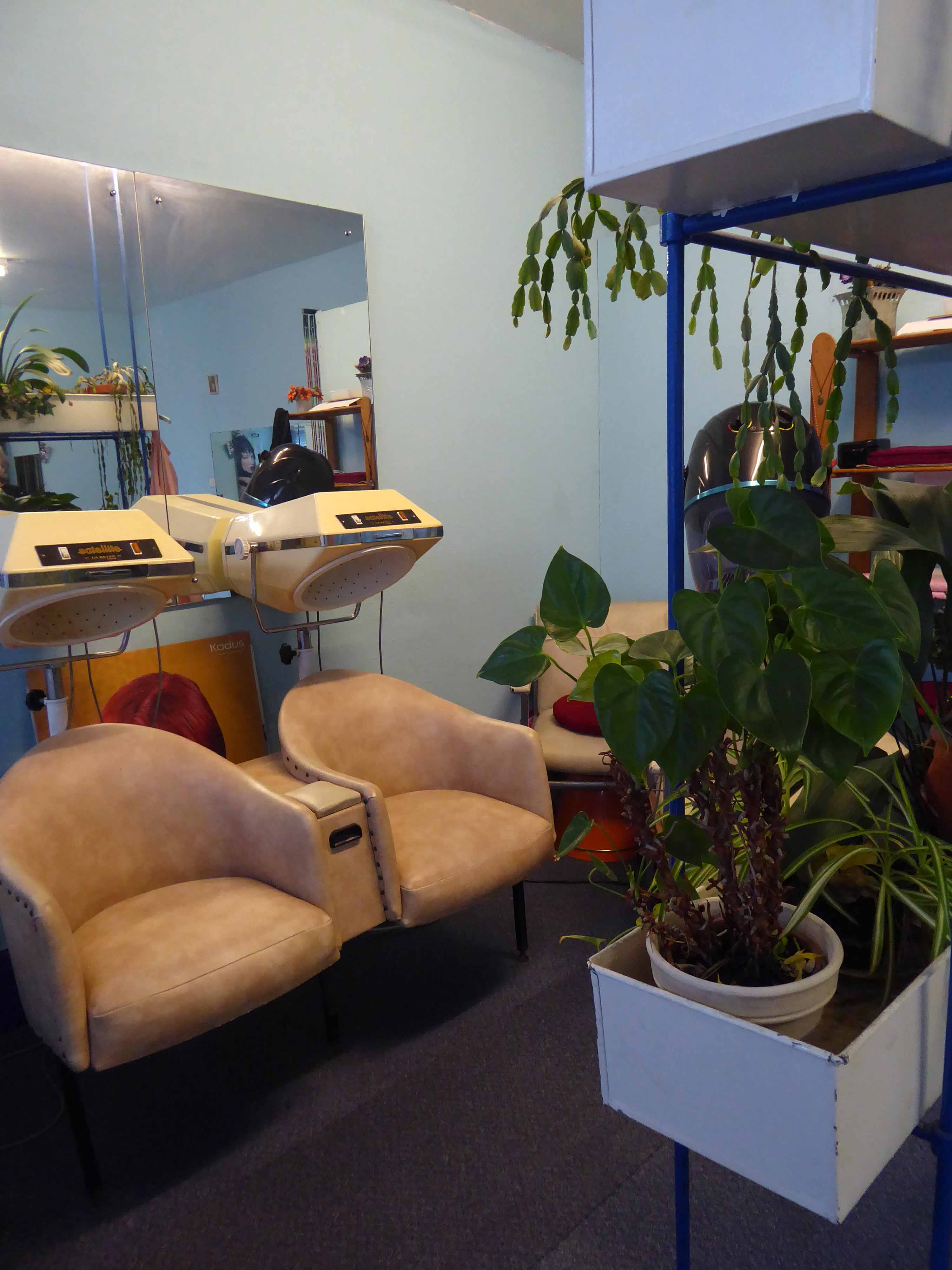
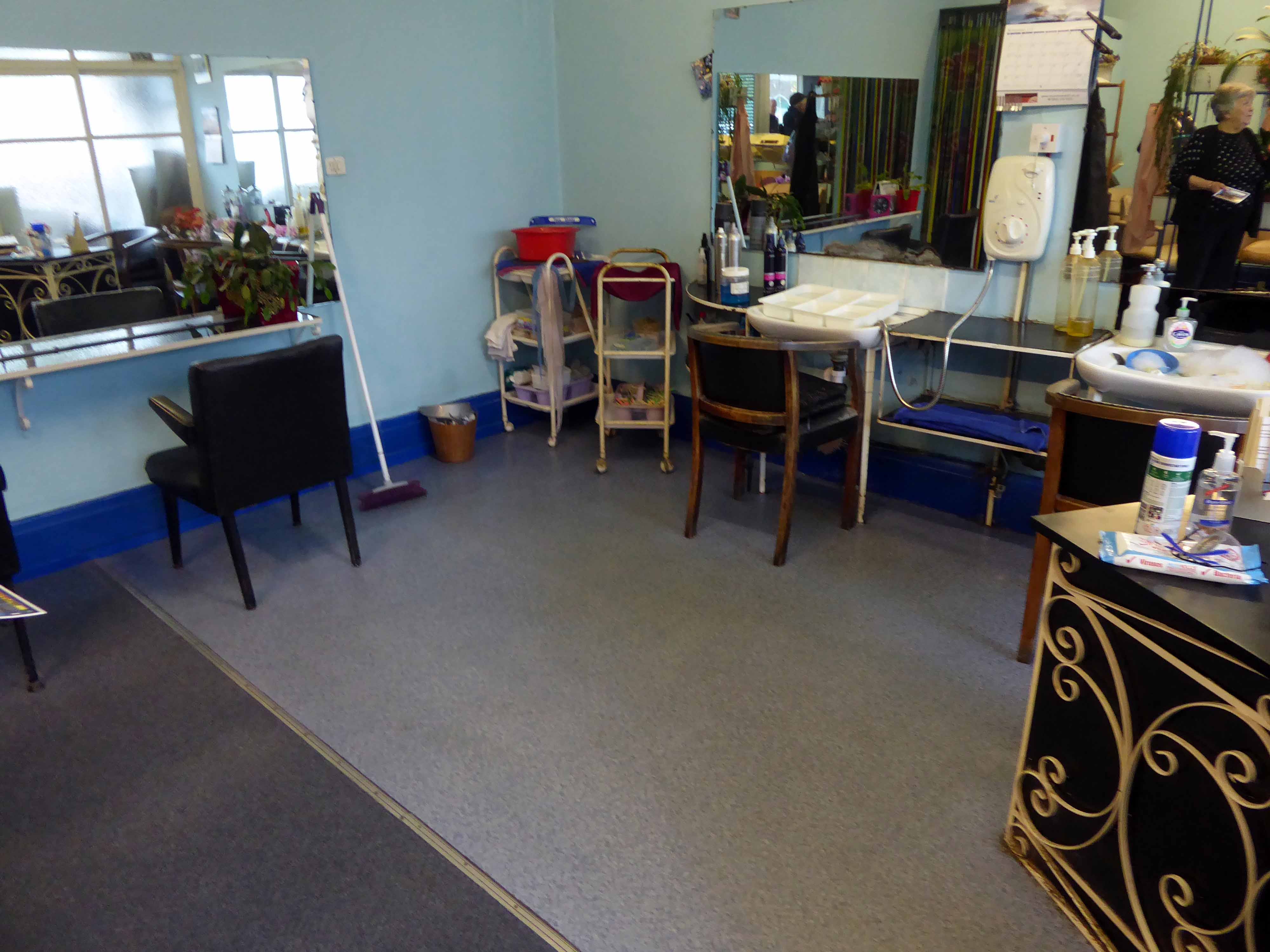
Marilyn Hair Salon – East Didsbury

12 Gawsworth Ave Manchester M20 5NF

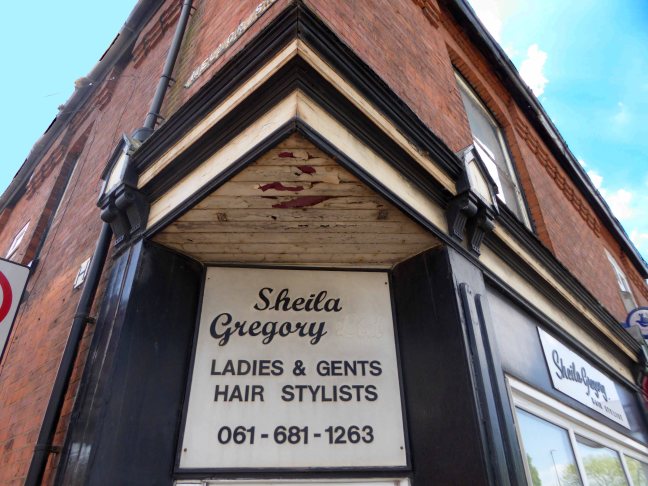
This is not the first time that I have crossed the threshold of a hair salon – having done so first in Failsworth, keeping company with Sheila Gregory and her chatty clientele.

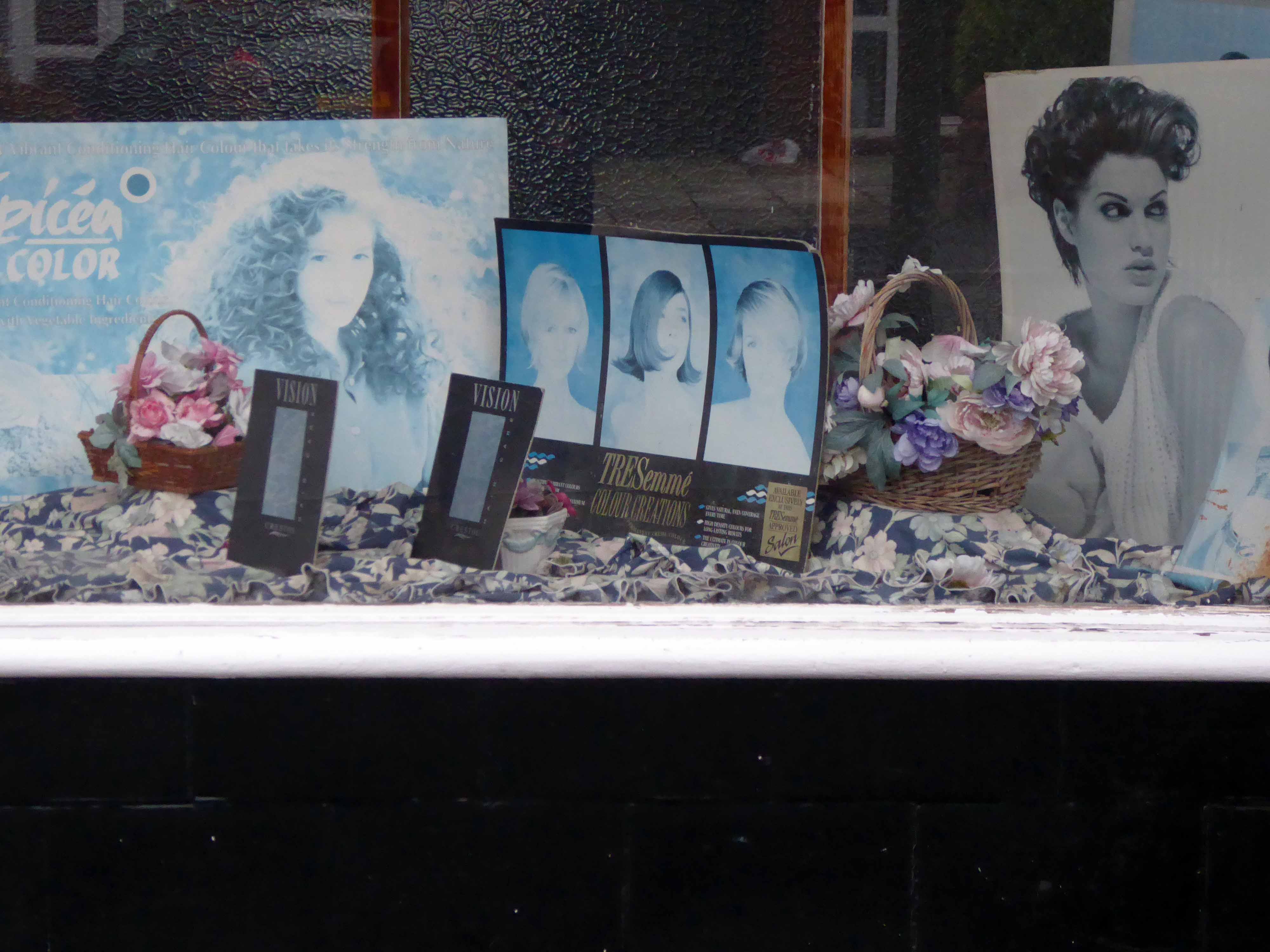
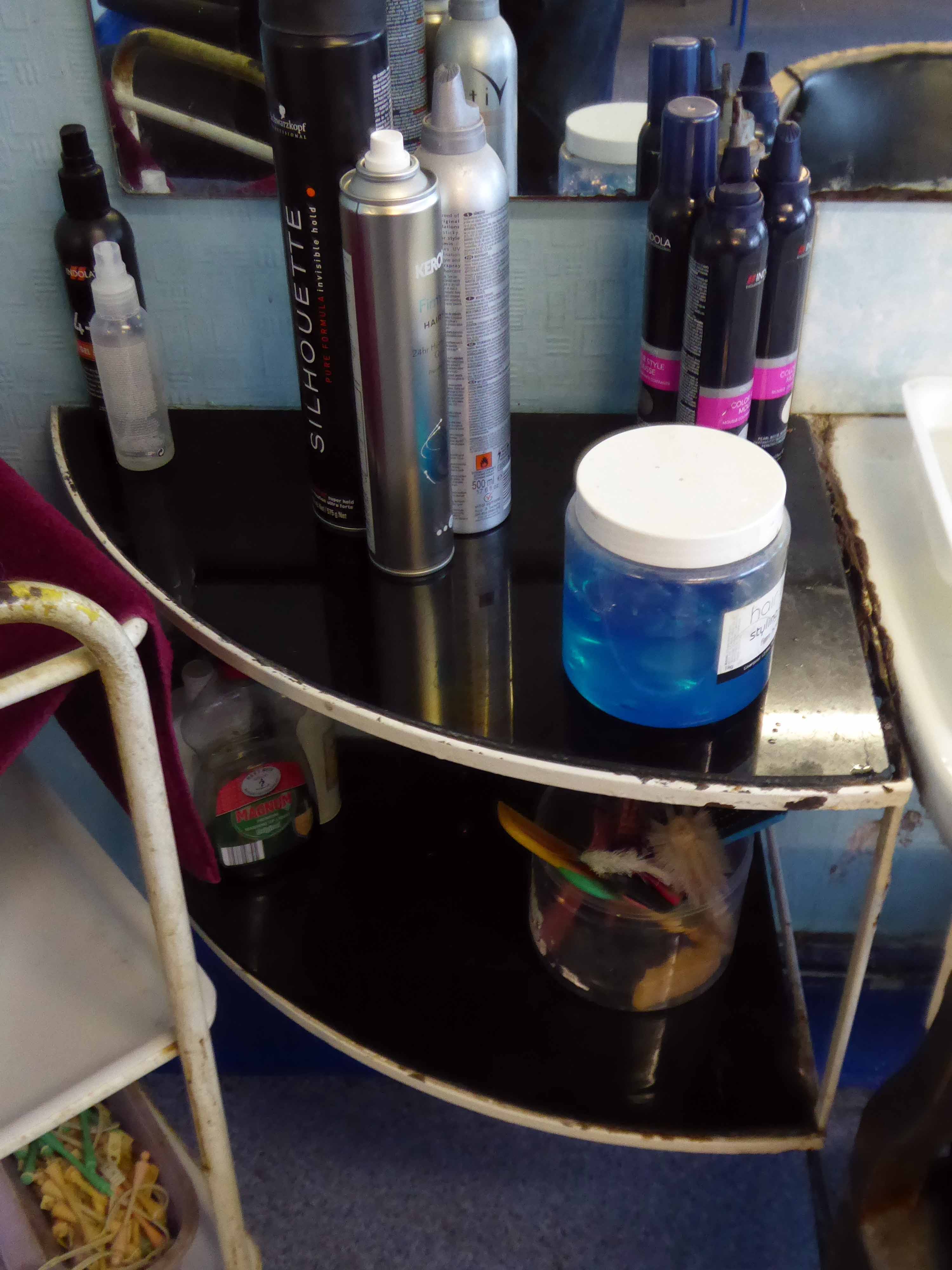
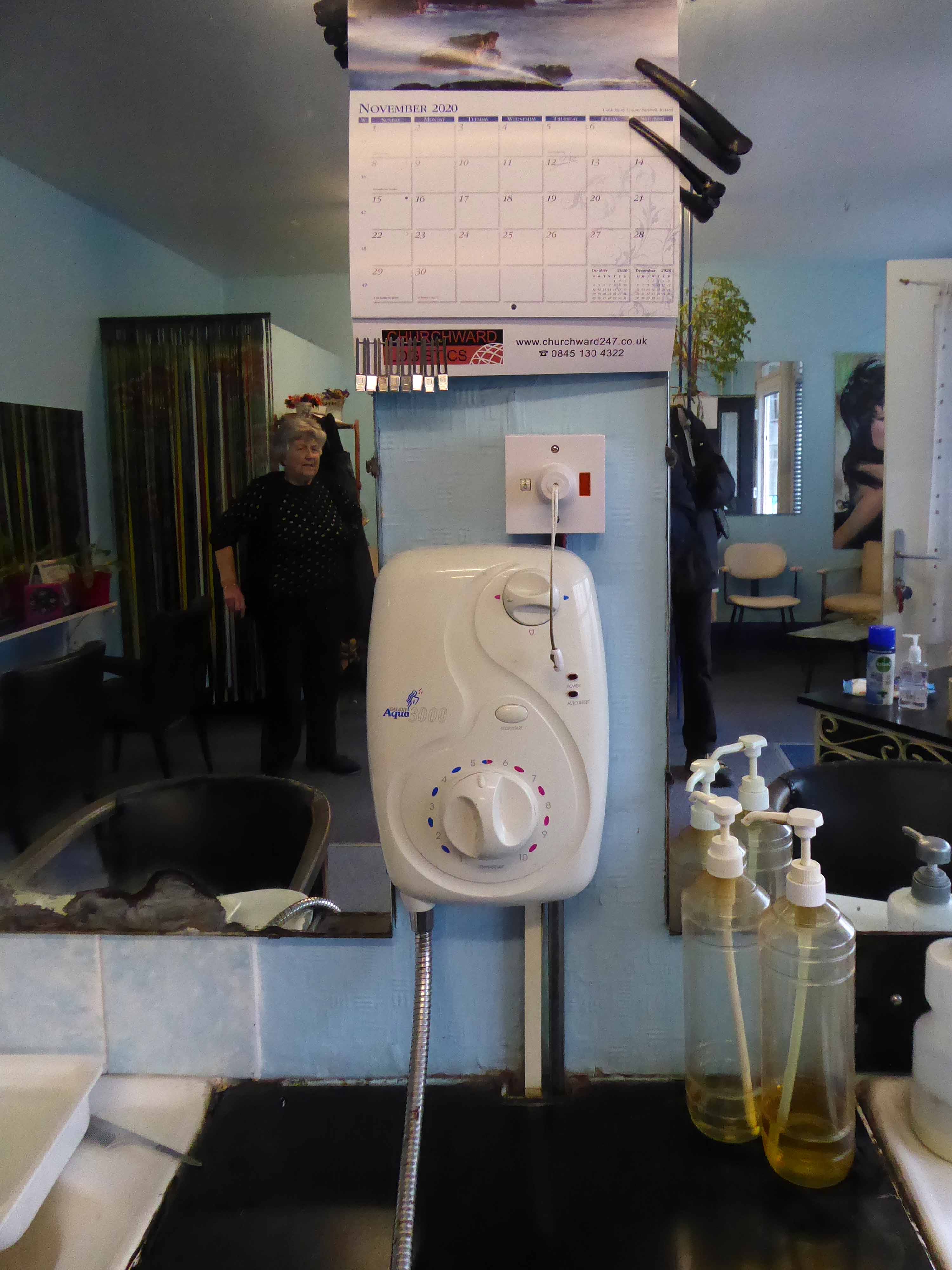
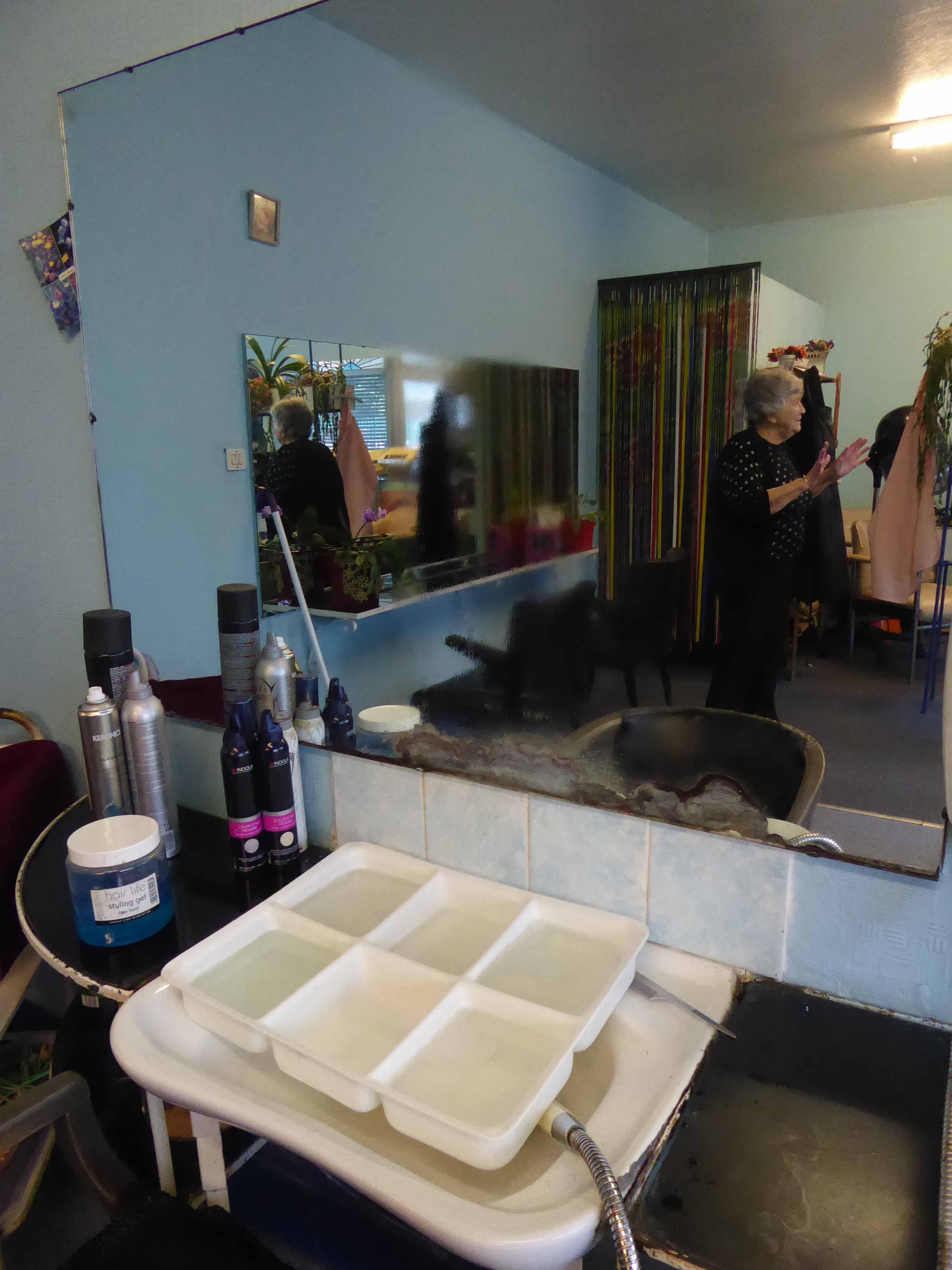
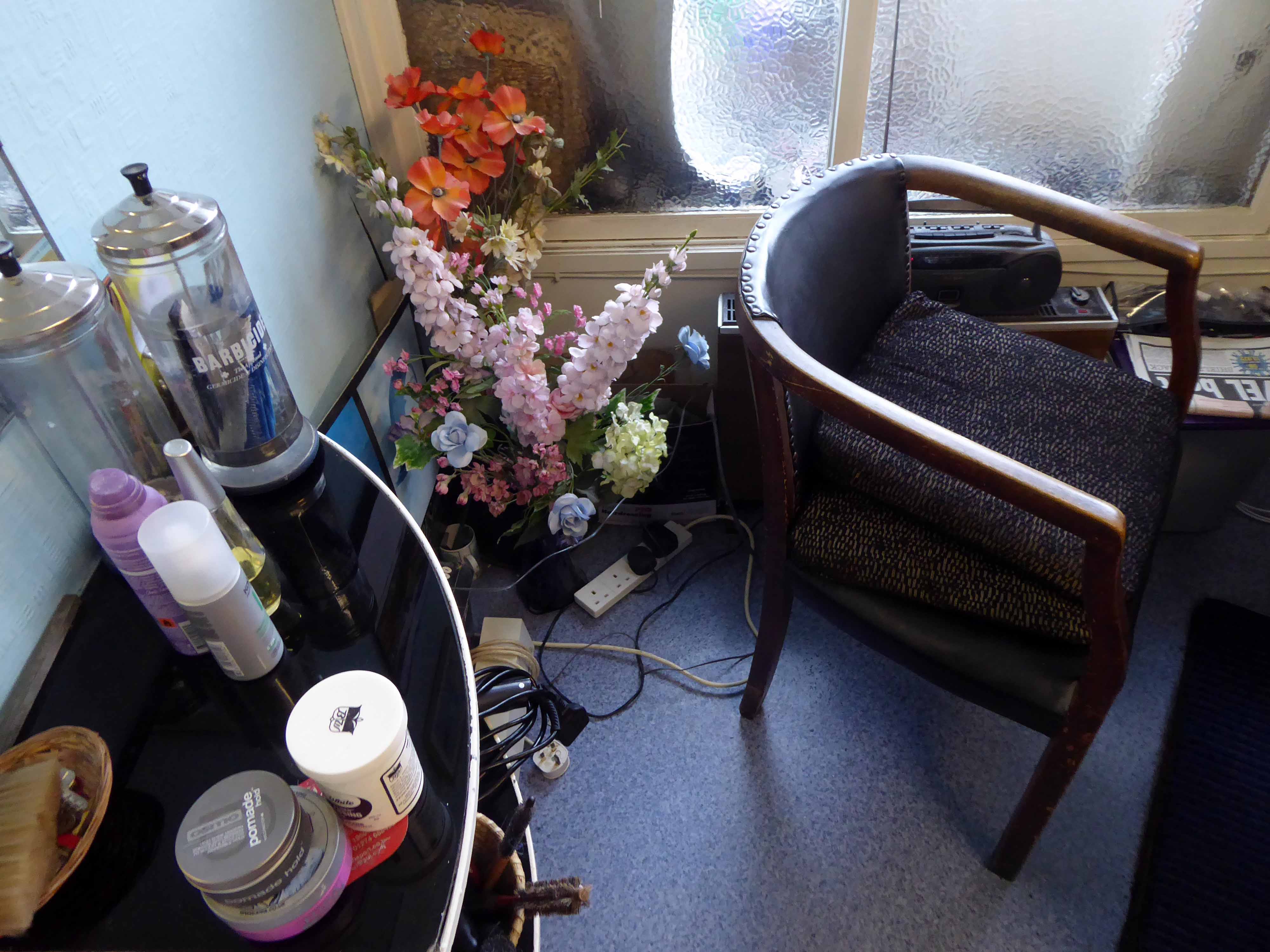
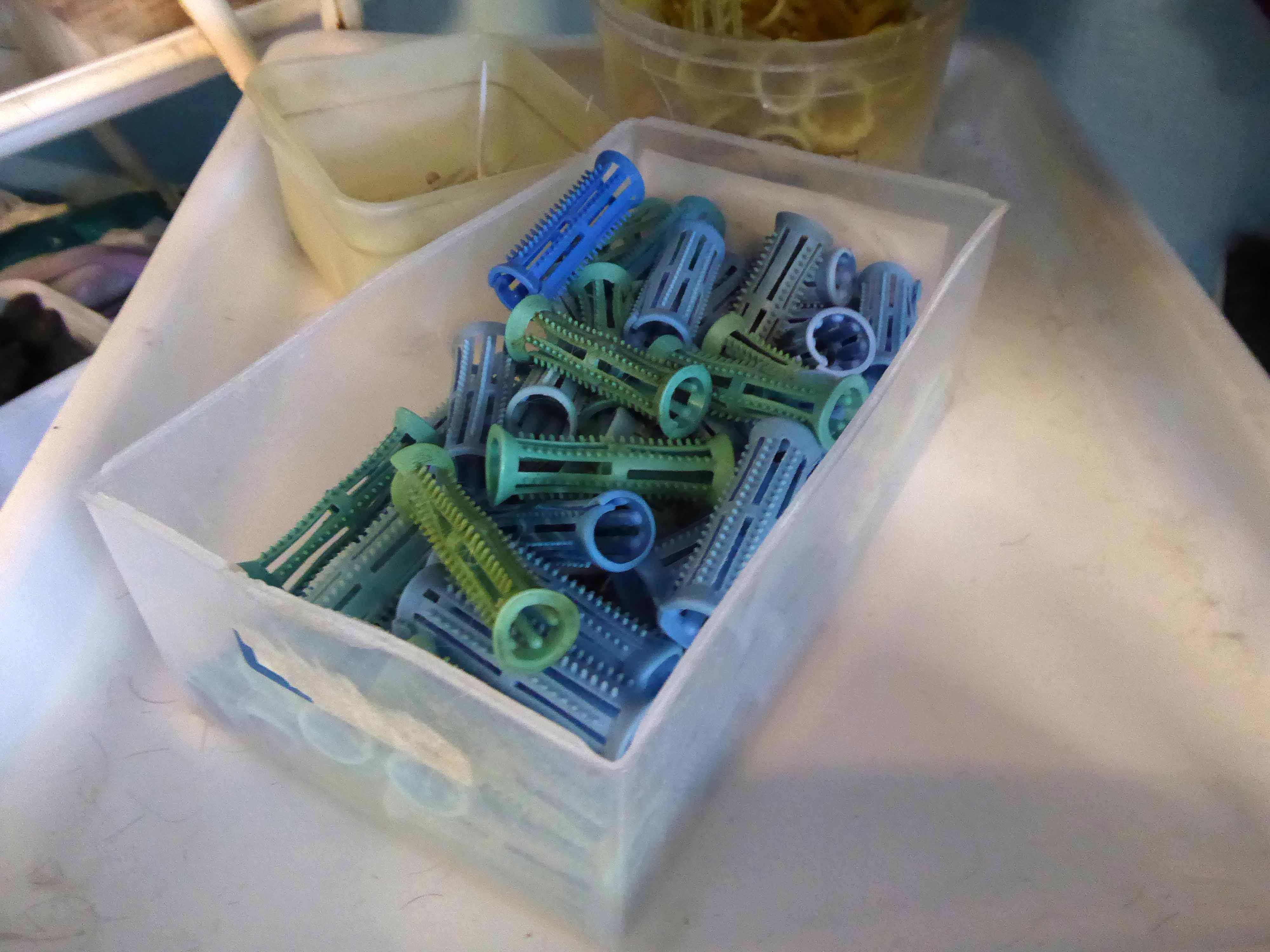
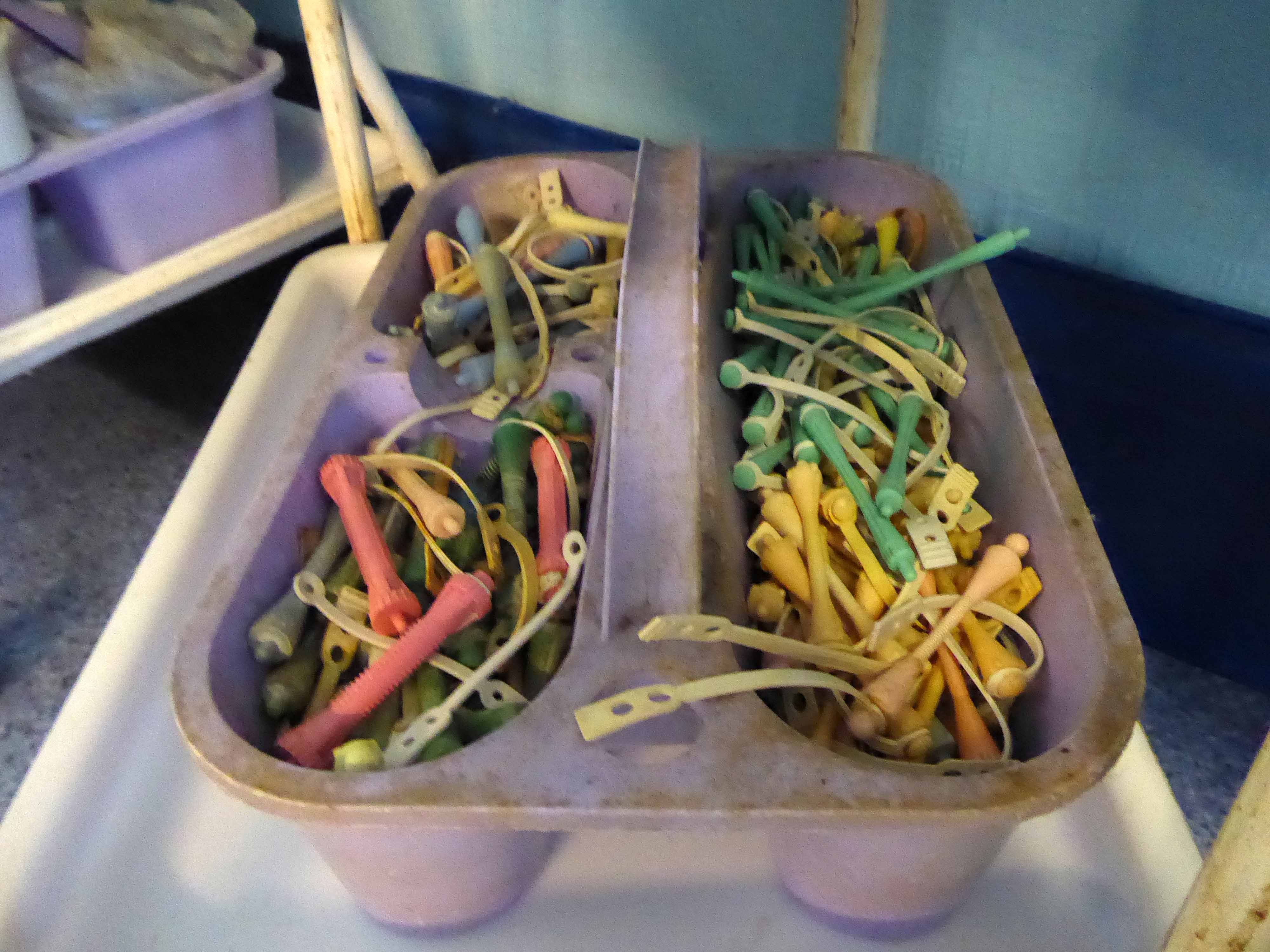
Both Sheila and Marilyn preserve something of the past, not just in fixtures and fittings, but also in something of an old world charm. A land of shampoos and sets, lacquer and curlers, conviviality and coffee cups.

On the day of our chance encounter here in East Didsbury, we are all experiencing the first week of Covid lockdown – the salon is ostensibly closed, yet Marilyn was kind enough to allow us a few socially distanced moments to stop, snap and chat.

She has been here since 1963, nothing and everything has changed. She had intended to retire some time ago, but on the death of her husband she decided to continue cutting and curling, three days a week, living above the shop, doing just enough.

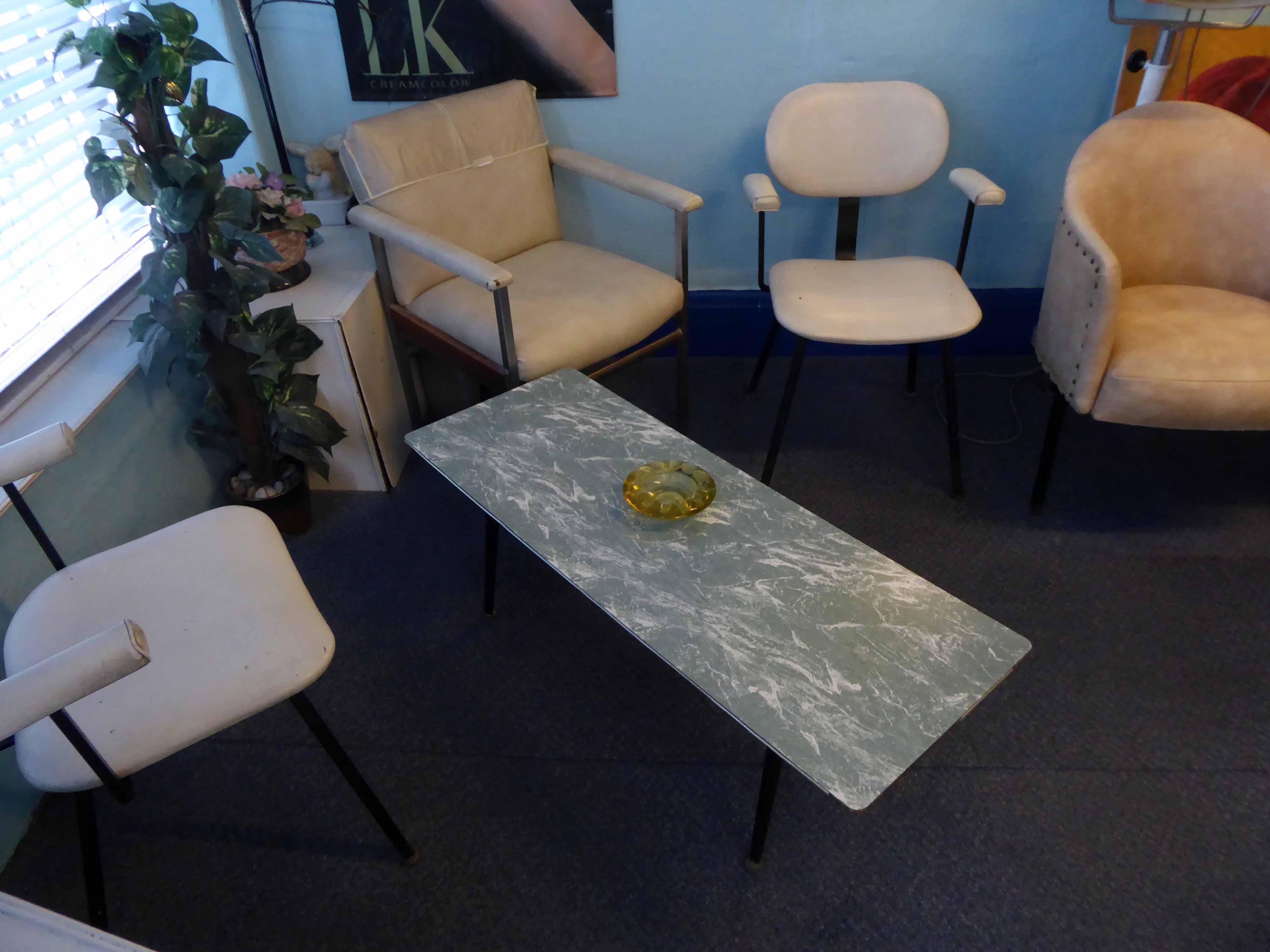
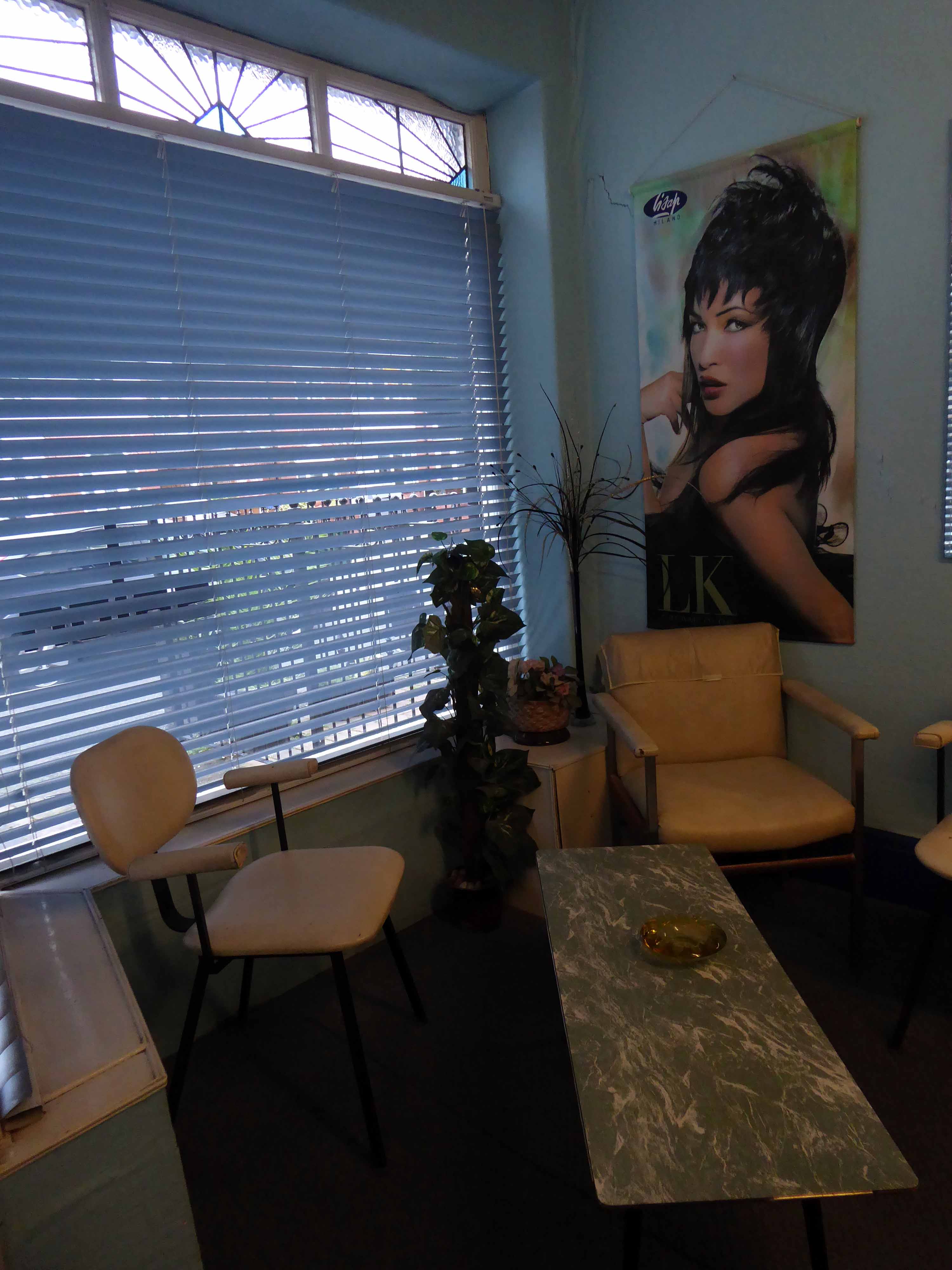
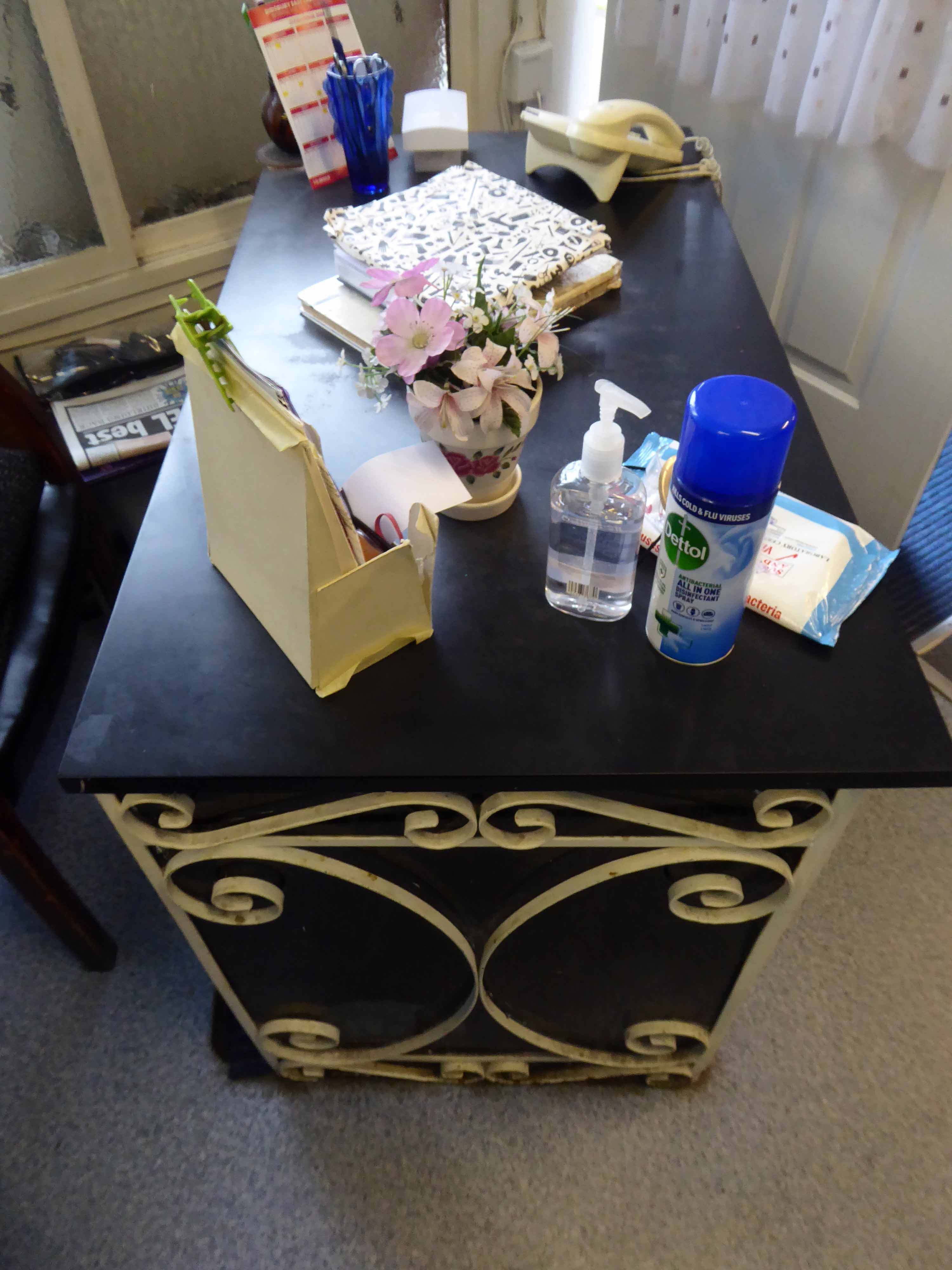
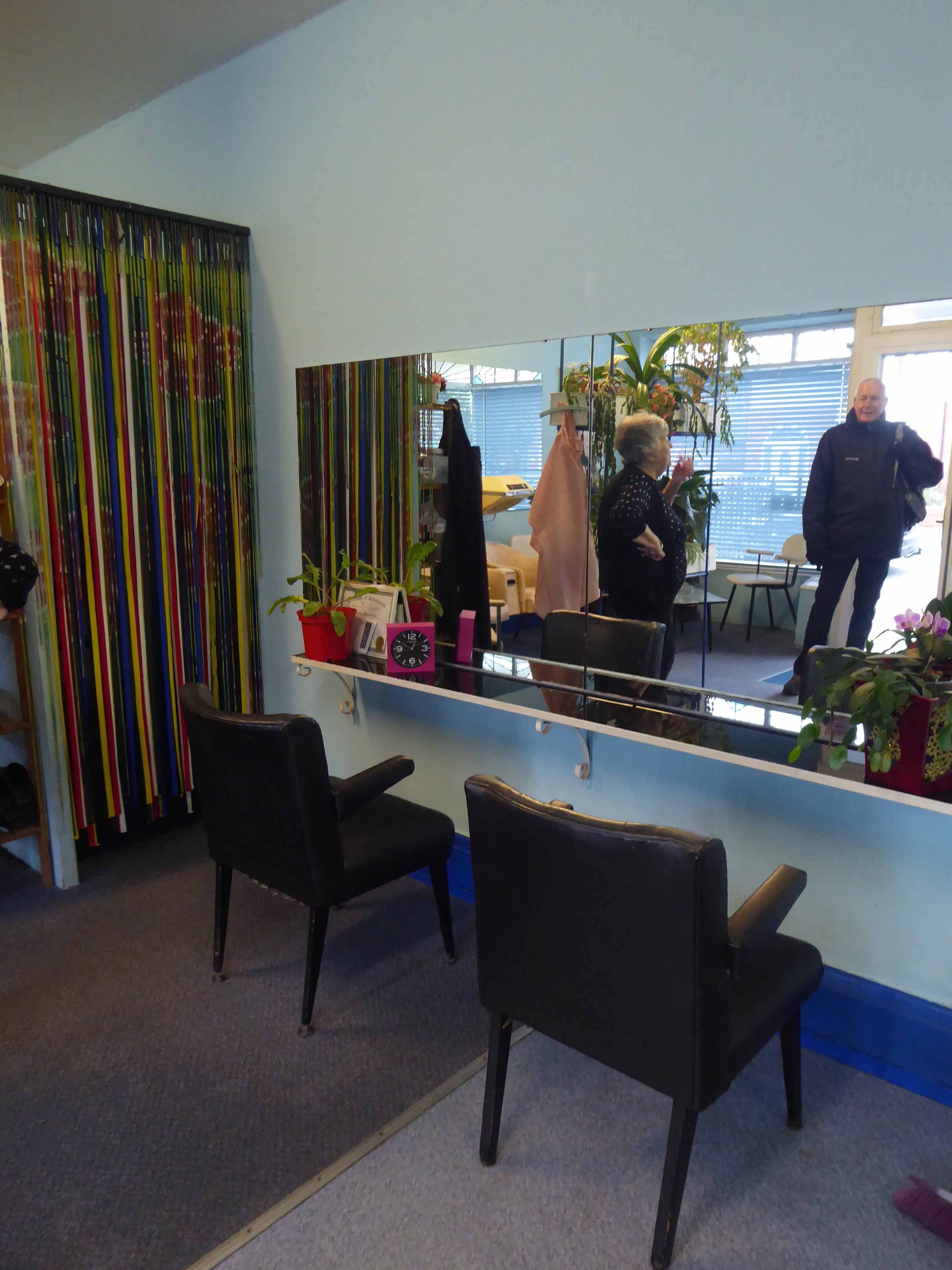
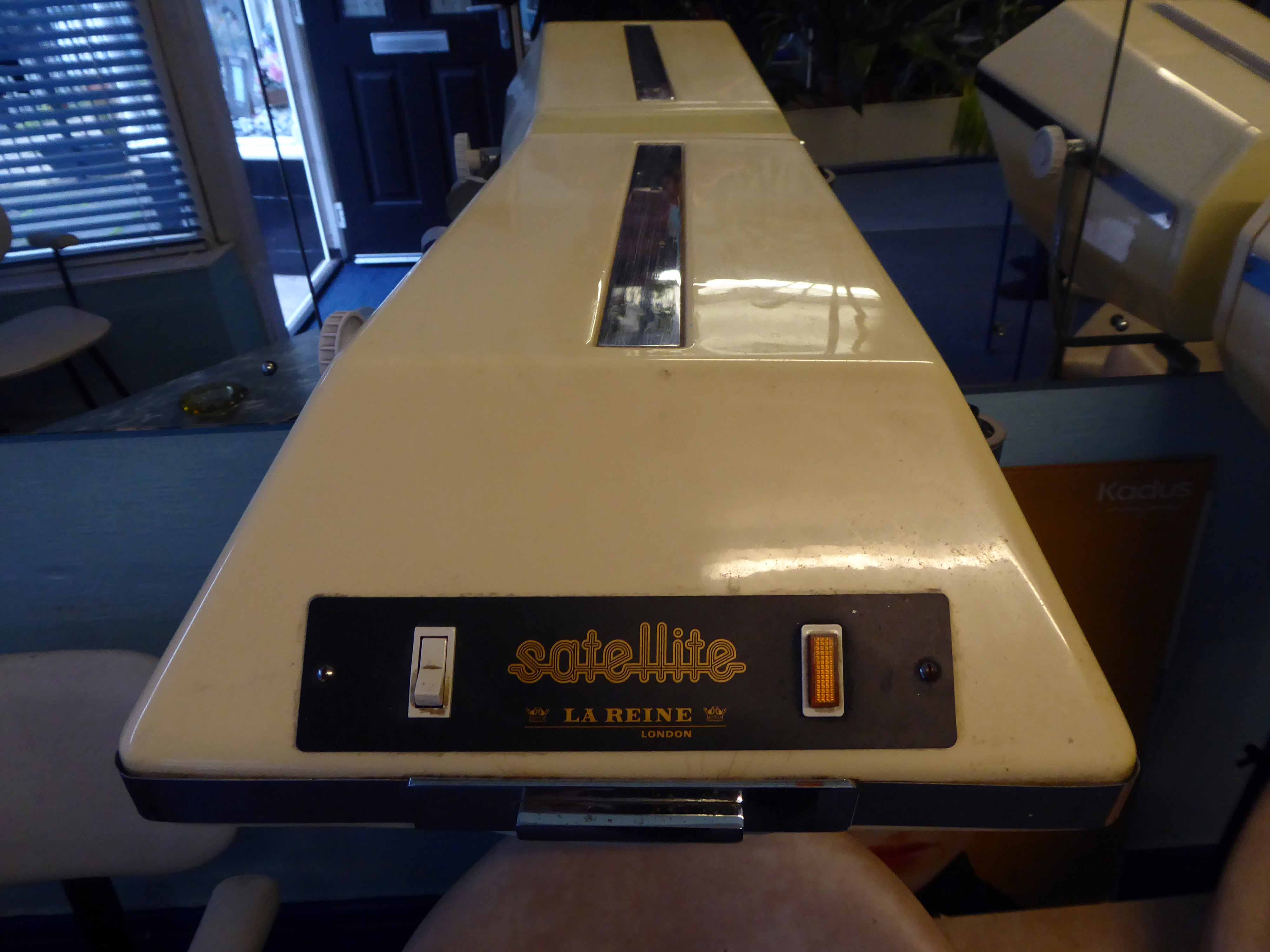
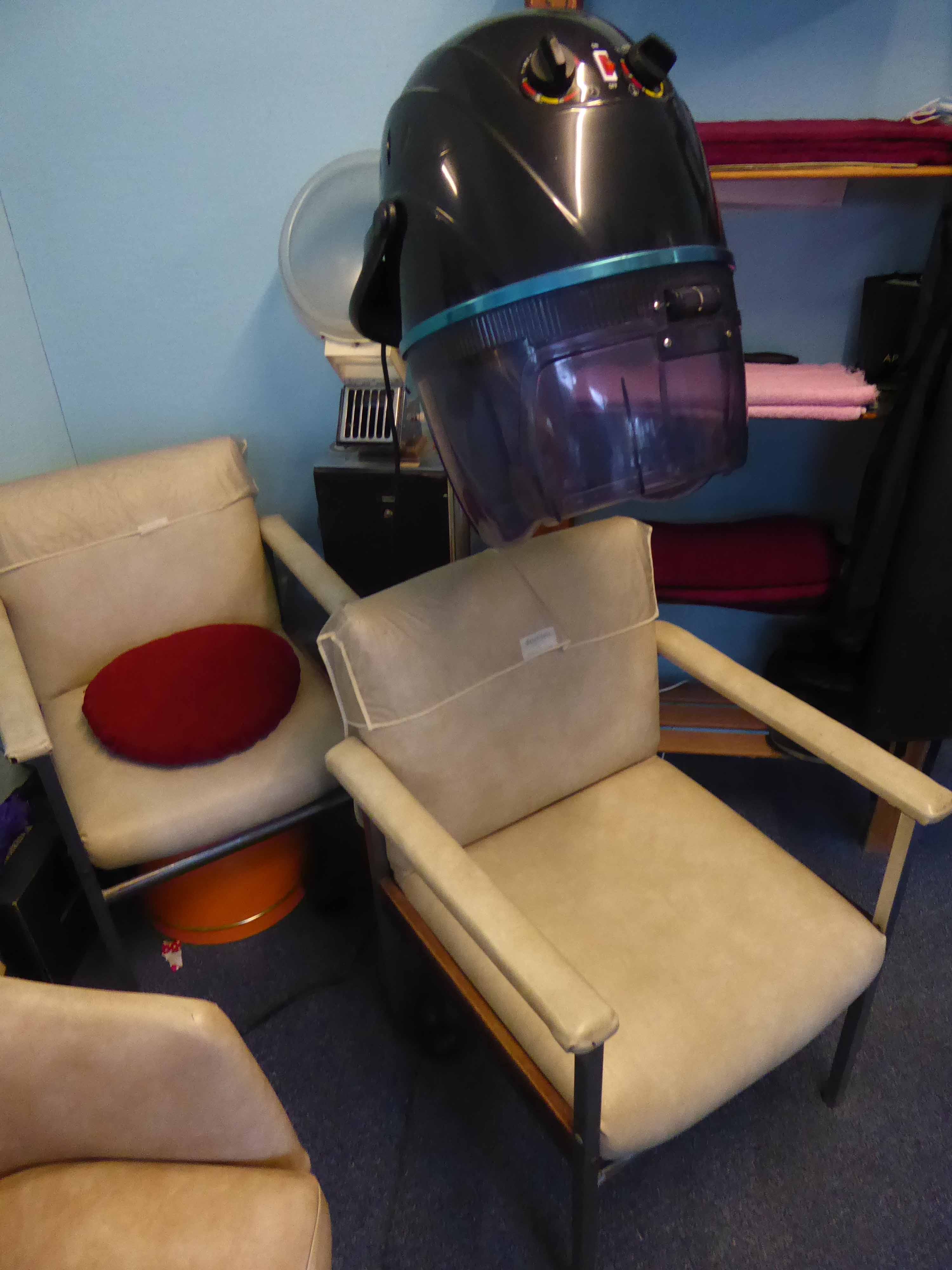
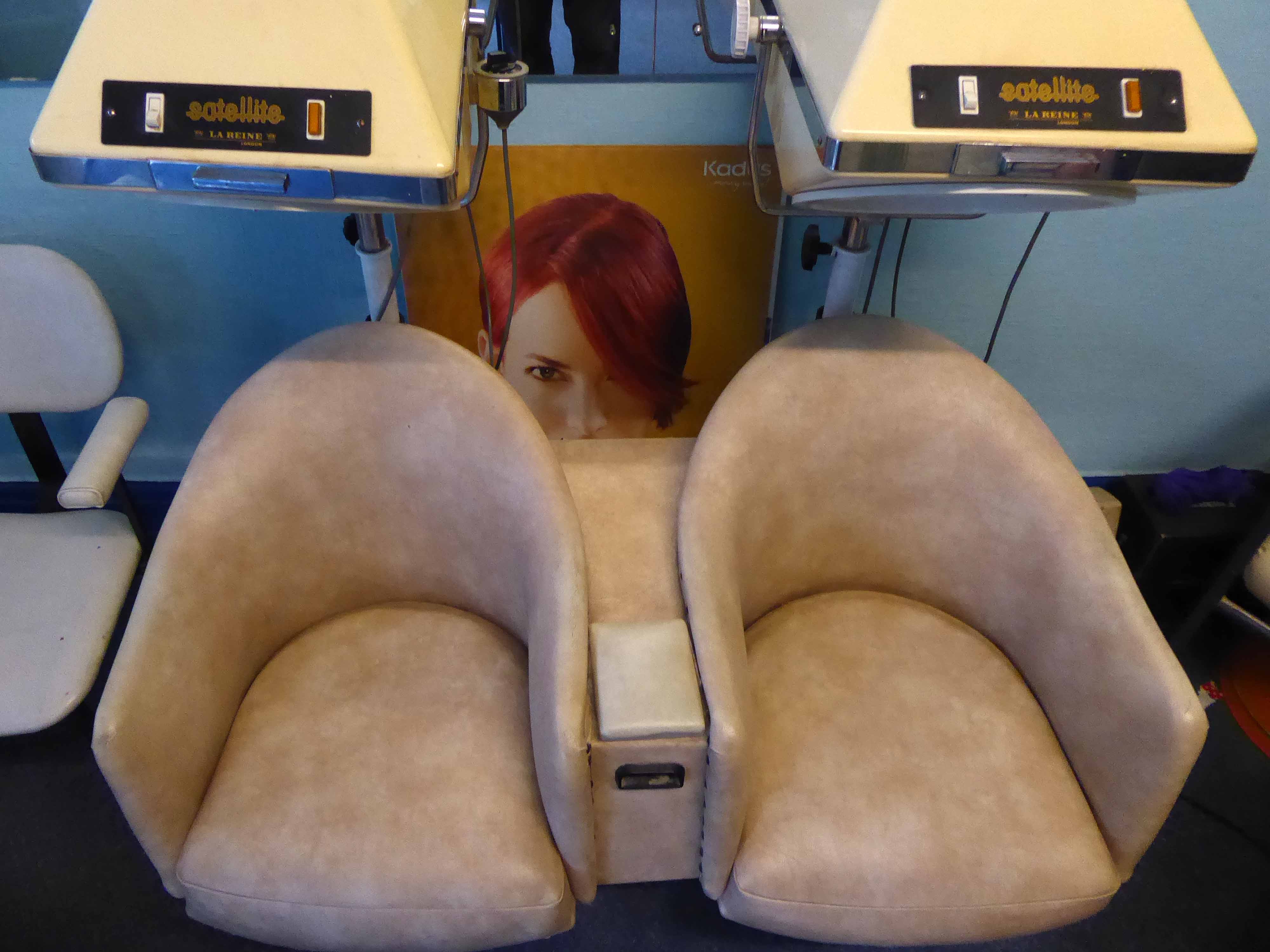
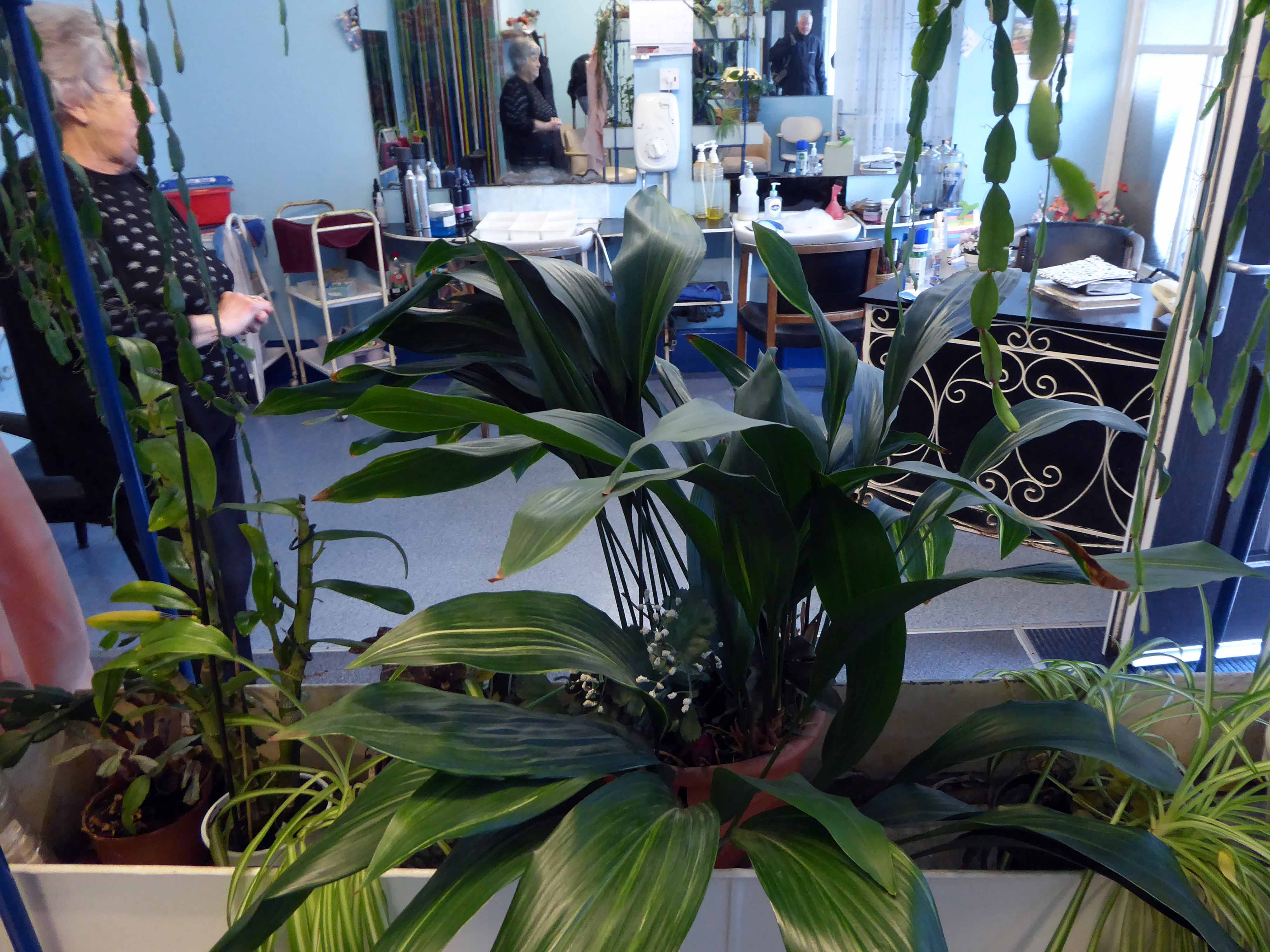
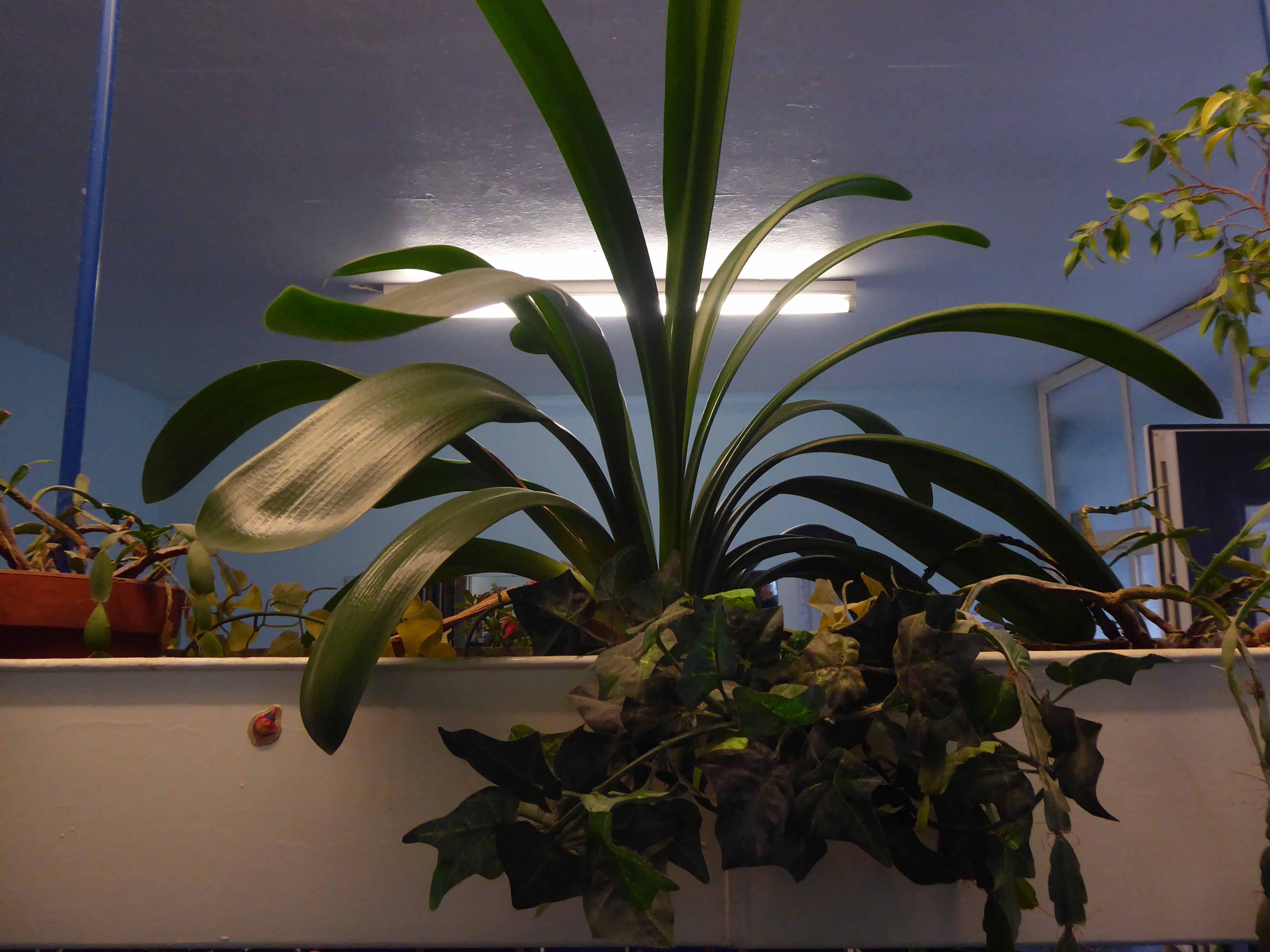
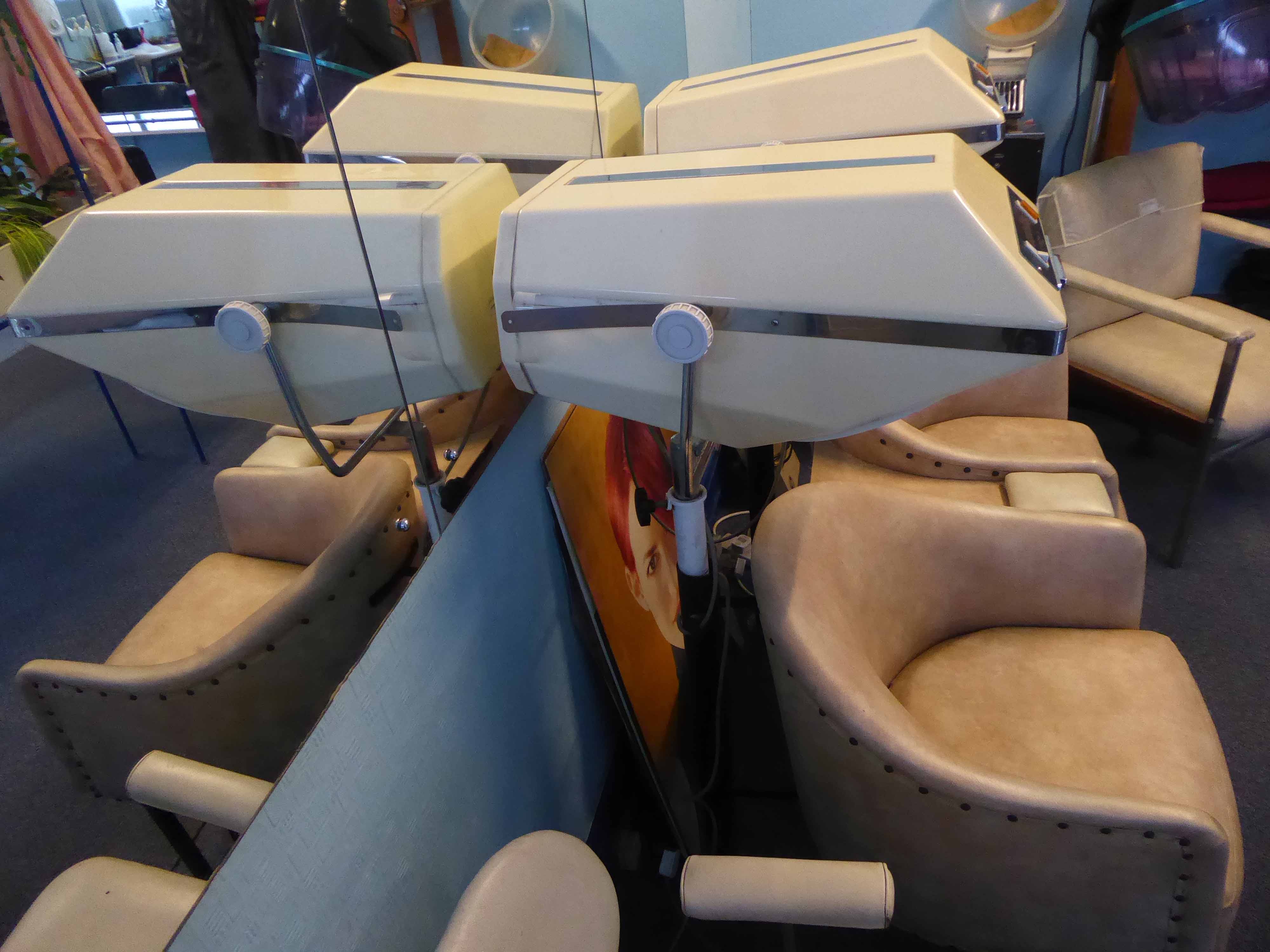
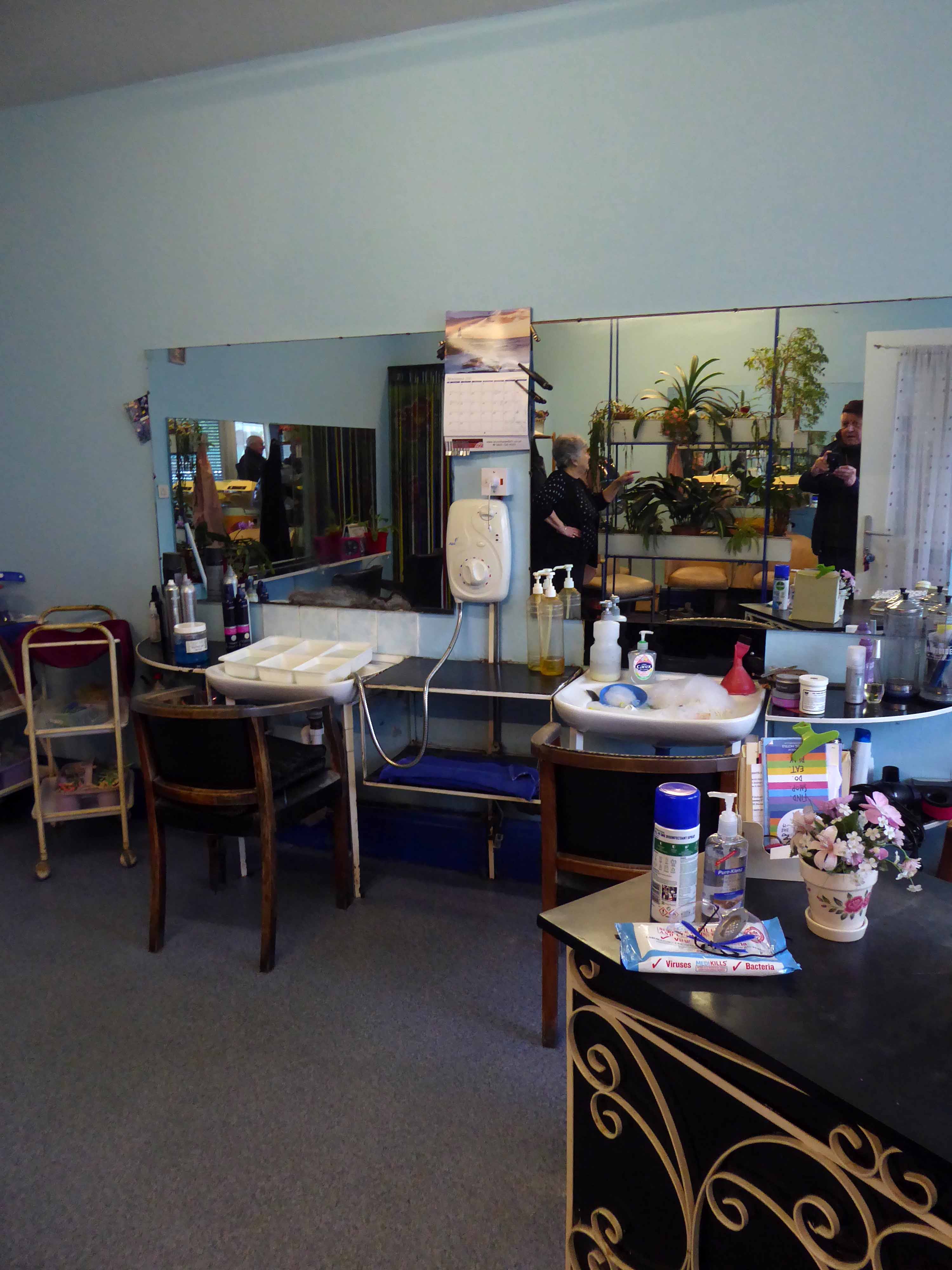
The interior is largely as was, mirrored, Formica topped and charming – with a delightful reception seating area.

All so lovingly cared for – Marilyn was using the current closure to keep up with the upkeep, washing towels and sweeping up.

I worked as quickly as possible not wishing to compromise anyone’s well-being. As ever on these occasions it is a privilege to be permitted to spend time in someone else’s world, thanks ever so Marilyn.

let’s take a quick look around.

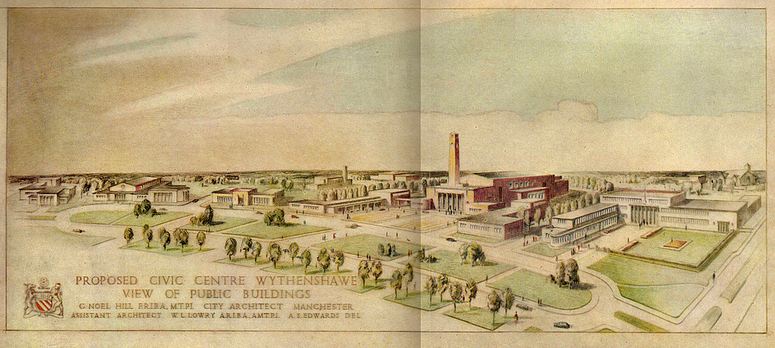
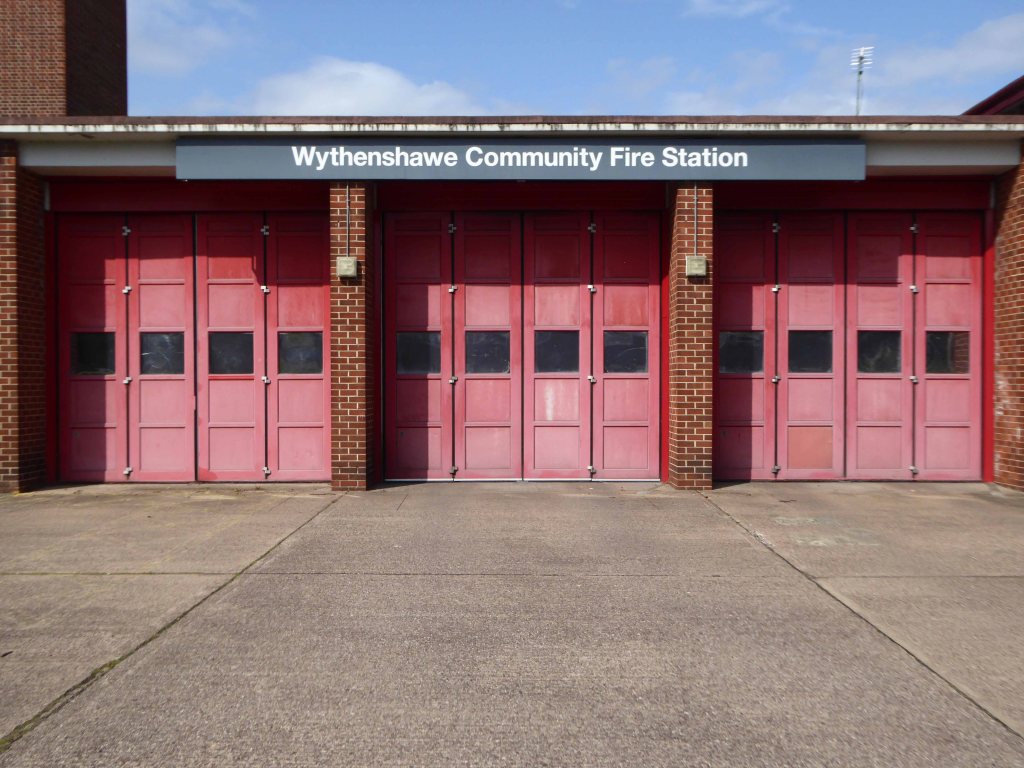
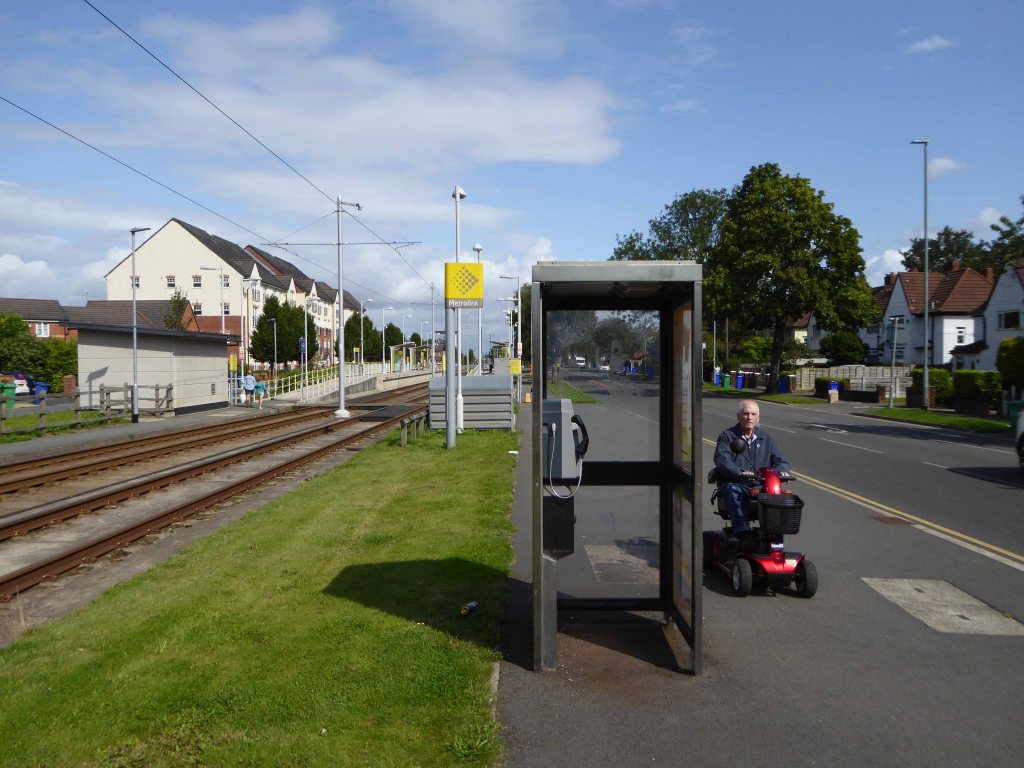
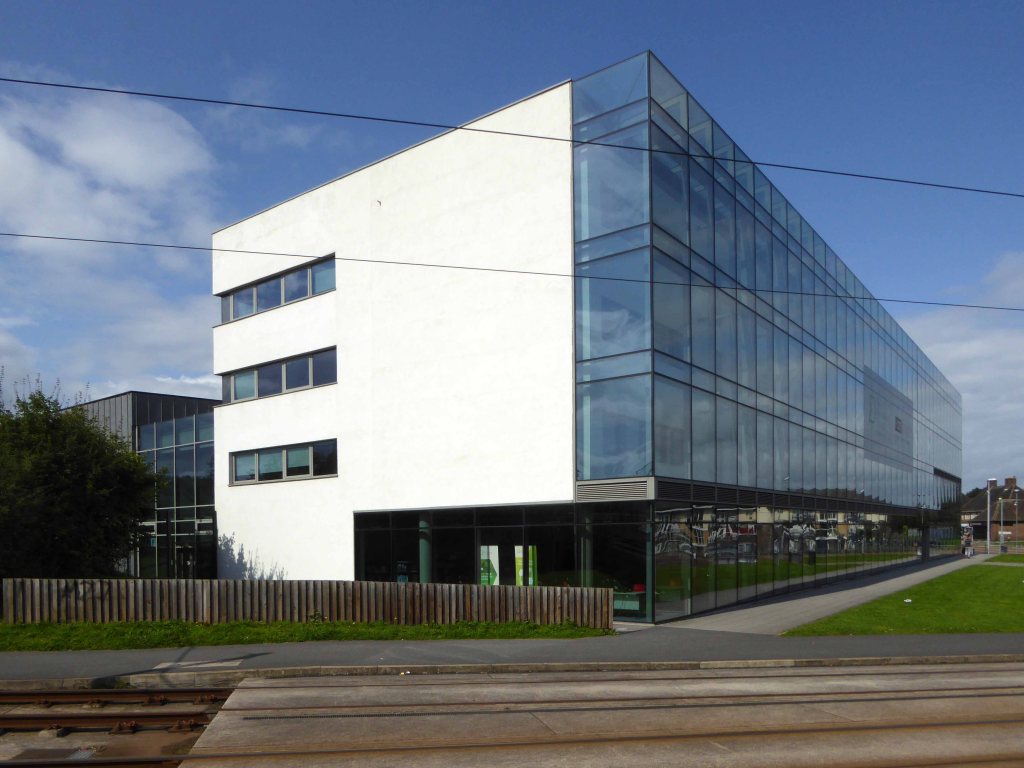
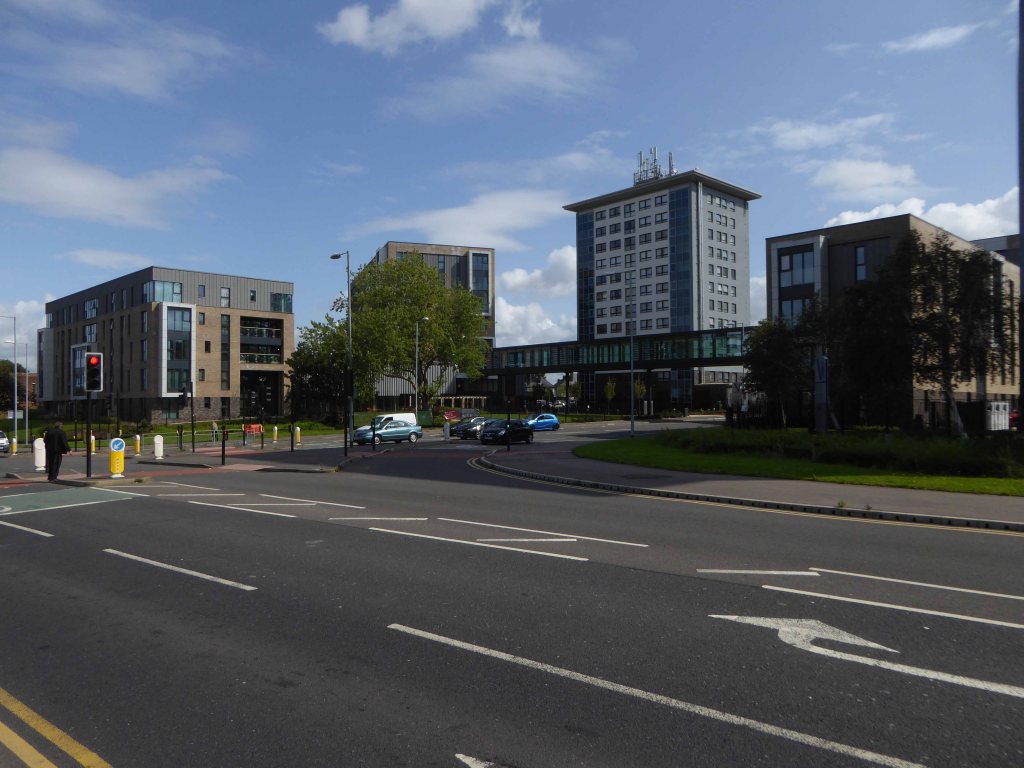
Wythenshawe Civic Centre

A social history of Wythenshawe and its Civic Centre can be found here at Archives +.

A general history of the garden city’s development can be found here at Municipal Dreams.

Lest we forget, the story begins with a level of overcrowding and human misery that is – thankfully – almost unimaginable in Britain today. In 1935, Manchester’s Medical Officer of Health condemned 30,000 (of a total of 80,000) inner-city homes as unfit for human habitation; 7000 families were living in single rooms.

The estate was always considered to be, in some sense, the realisation of an ambitious vision.

The world of the future – a world where men and women workers shall be decently housed and served, where the health and safety of little children are of paramount importance, and where work and leisure may be enjoyed to the full.

Cooperative Women’s Guild

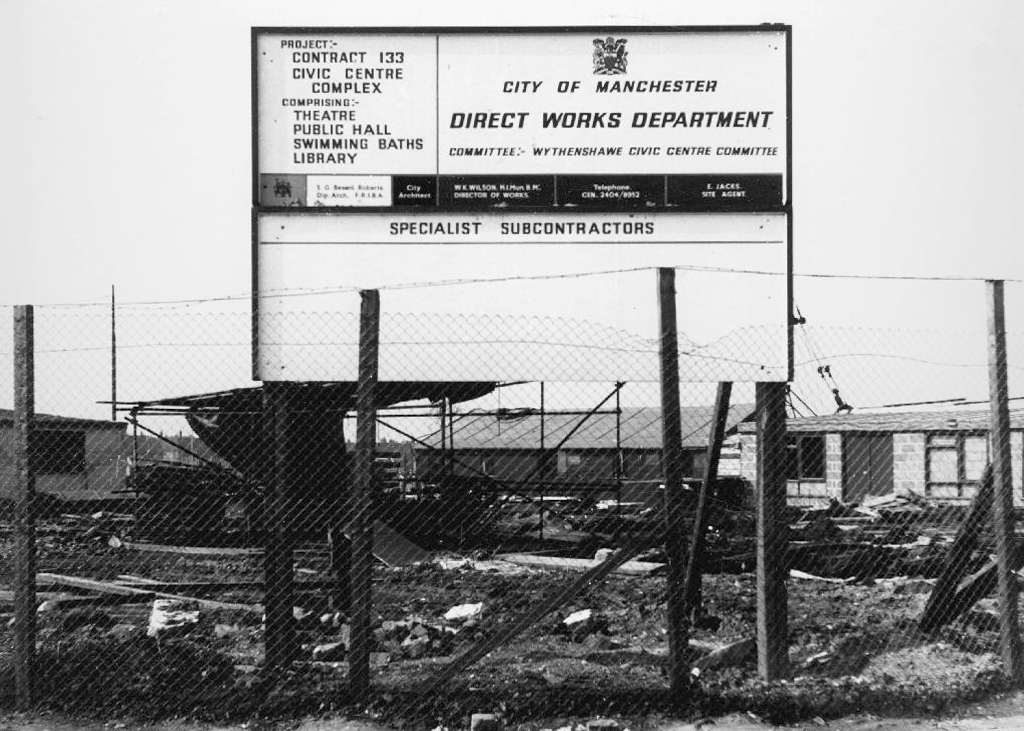
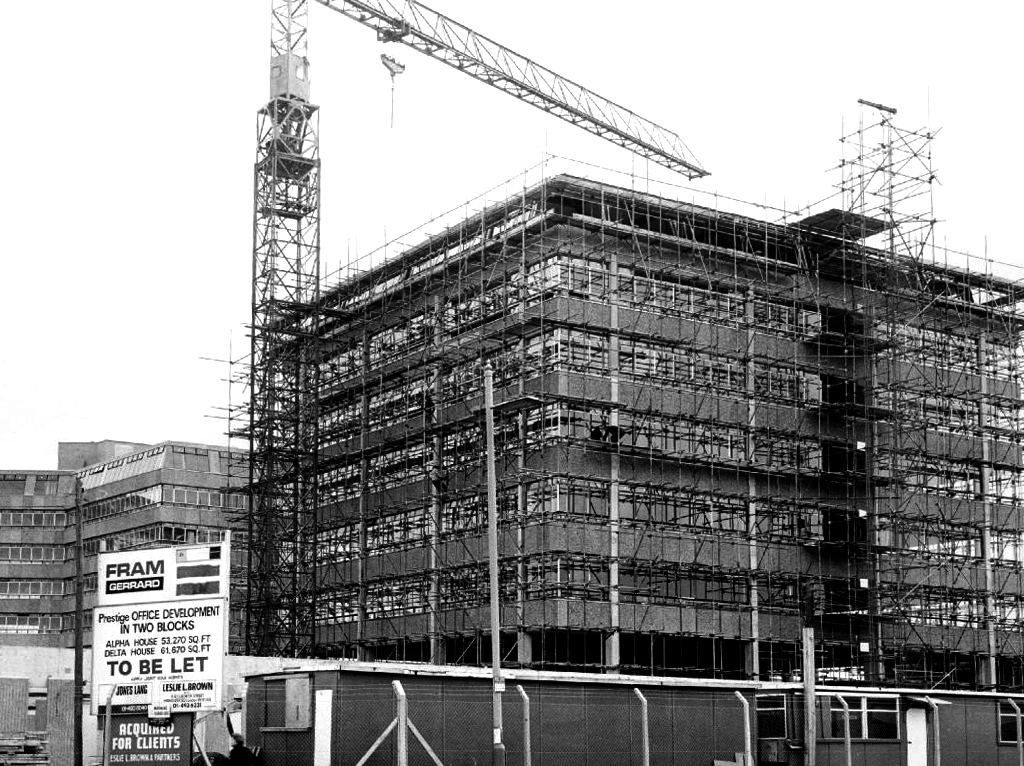
Work began in the interwar years, and continued following the hiatus of 1939-45. The shopping centre named the Civic Centre was open in 1963, the actual Civic Centre containing a swimming pool, theatre, public hall and library in 1971.

A triumph for Municipal Modernism conceived by the City Architects and realised by Direct Works. This post war development owed more to the spirit of Festival of Britain optimism, new construction methods and materials, rather than the grandiose functionalist classicism of the original scheme.

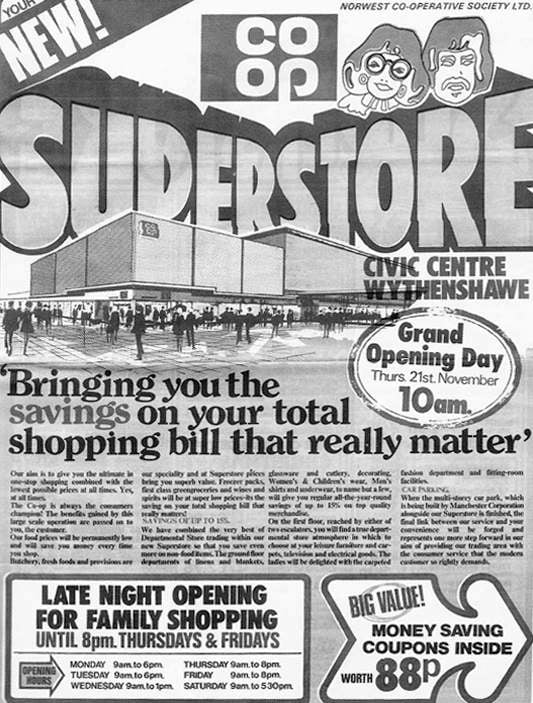
The Co-operative Superstore was a key element in the provision of provisions.

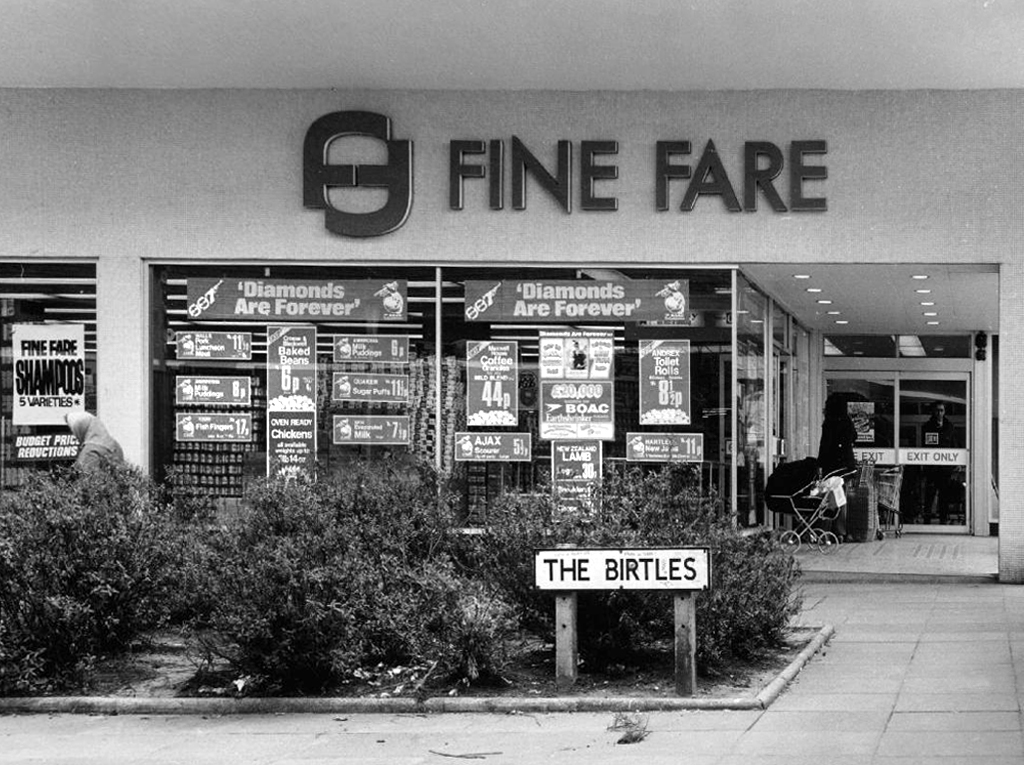
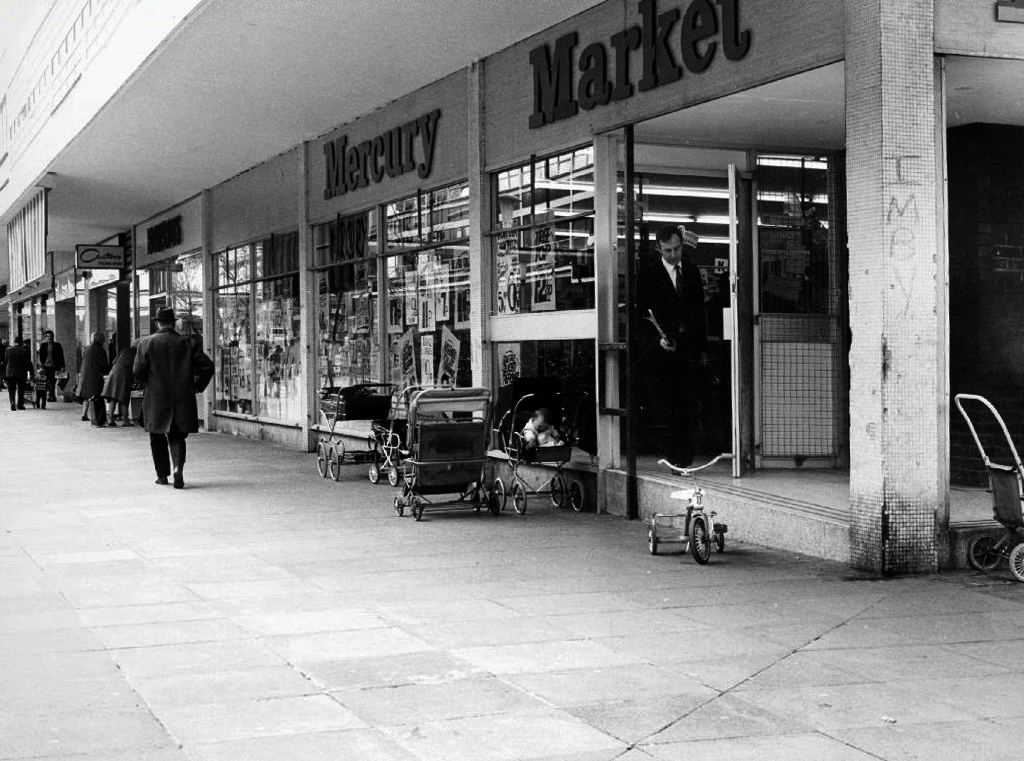
Along with Fine Fare and Mercury Market.

Cantors

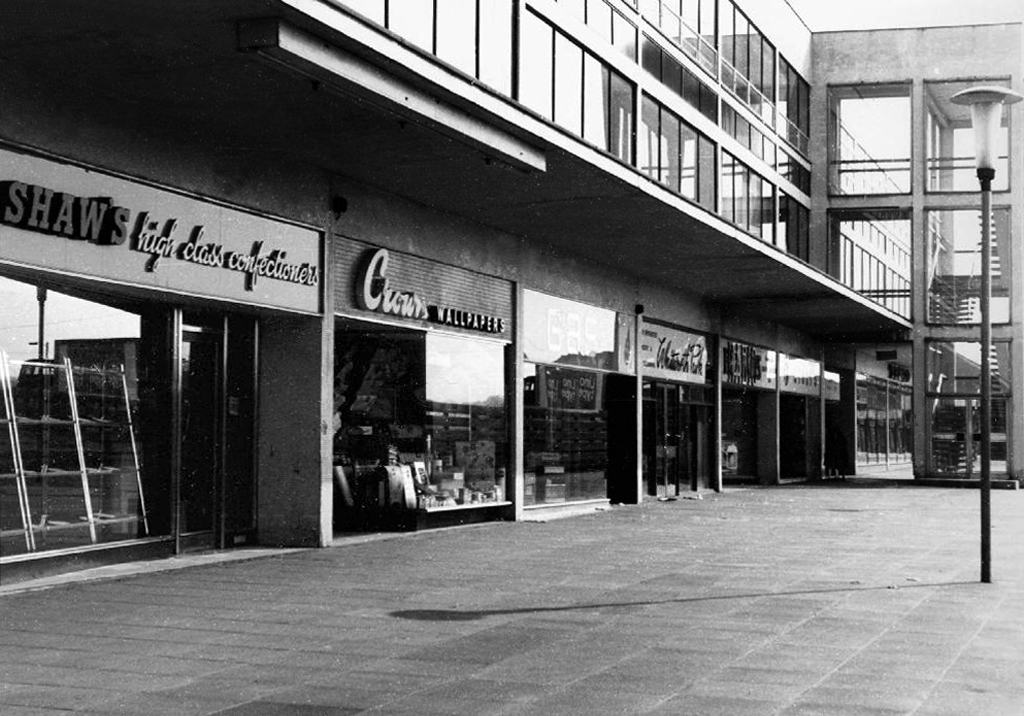
Shaw’s

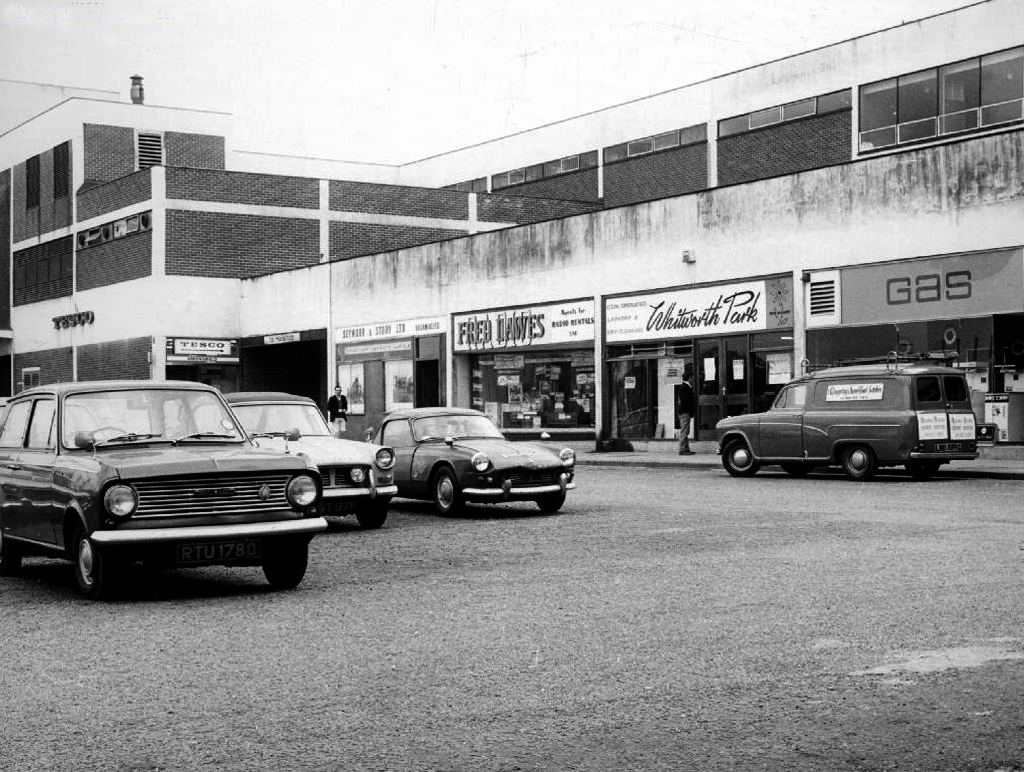
Fred Dawes Whitworth Park Gas Showrooms

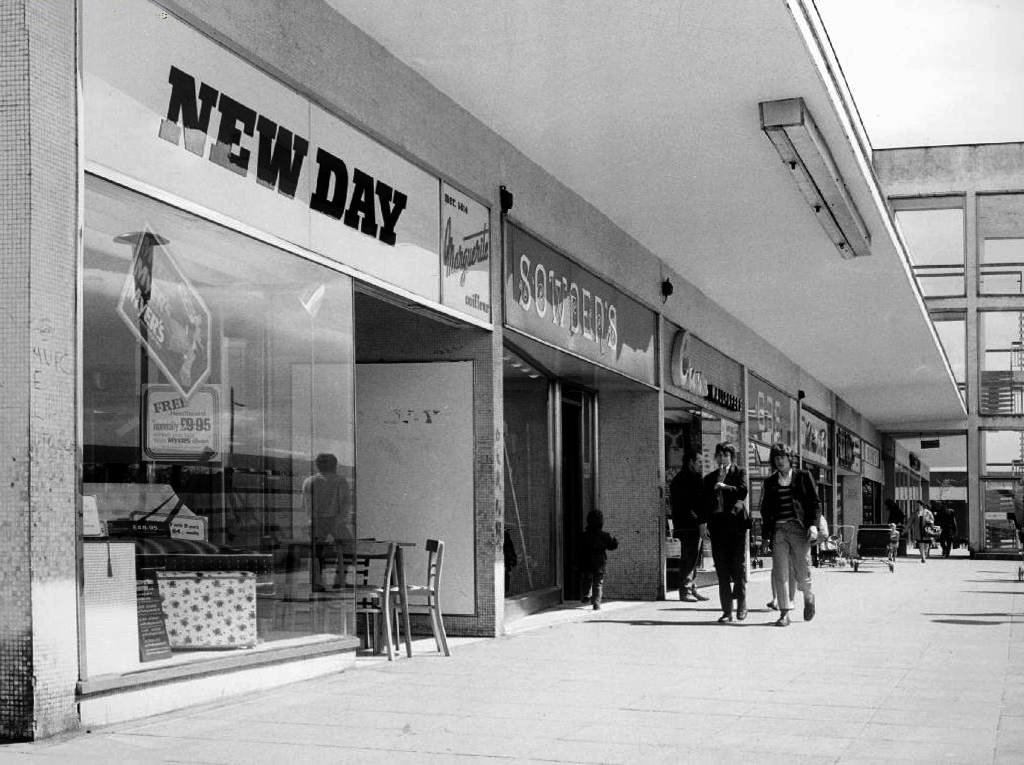
New Day furnishing the local HQ was at Hilton House Stockport

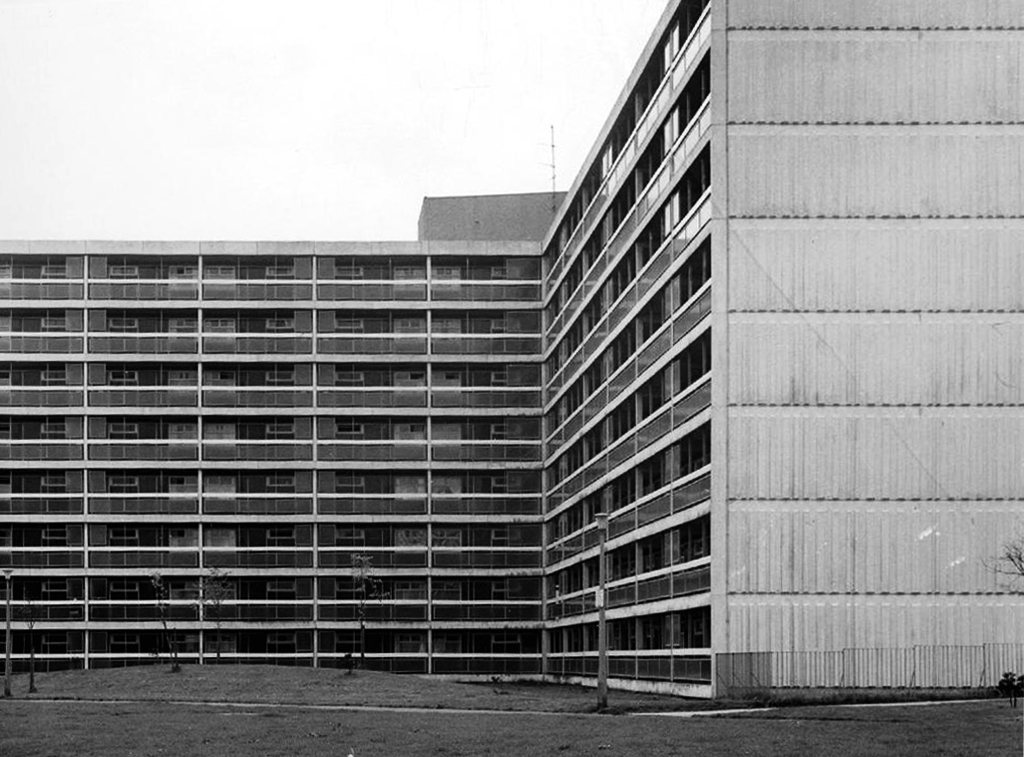
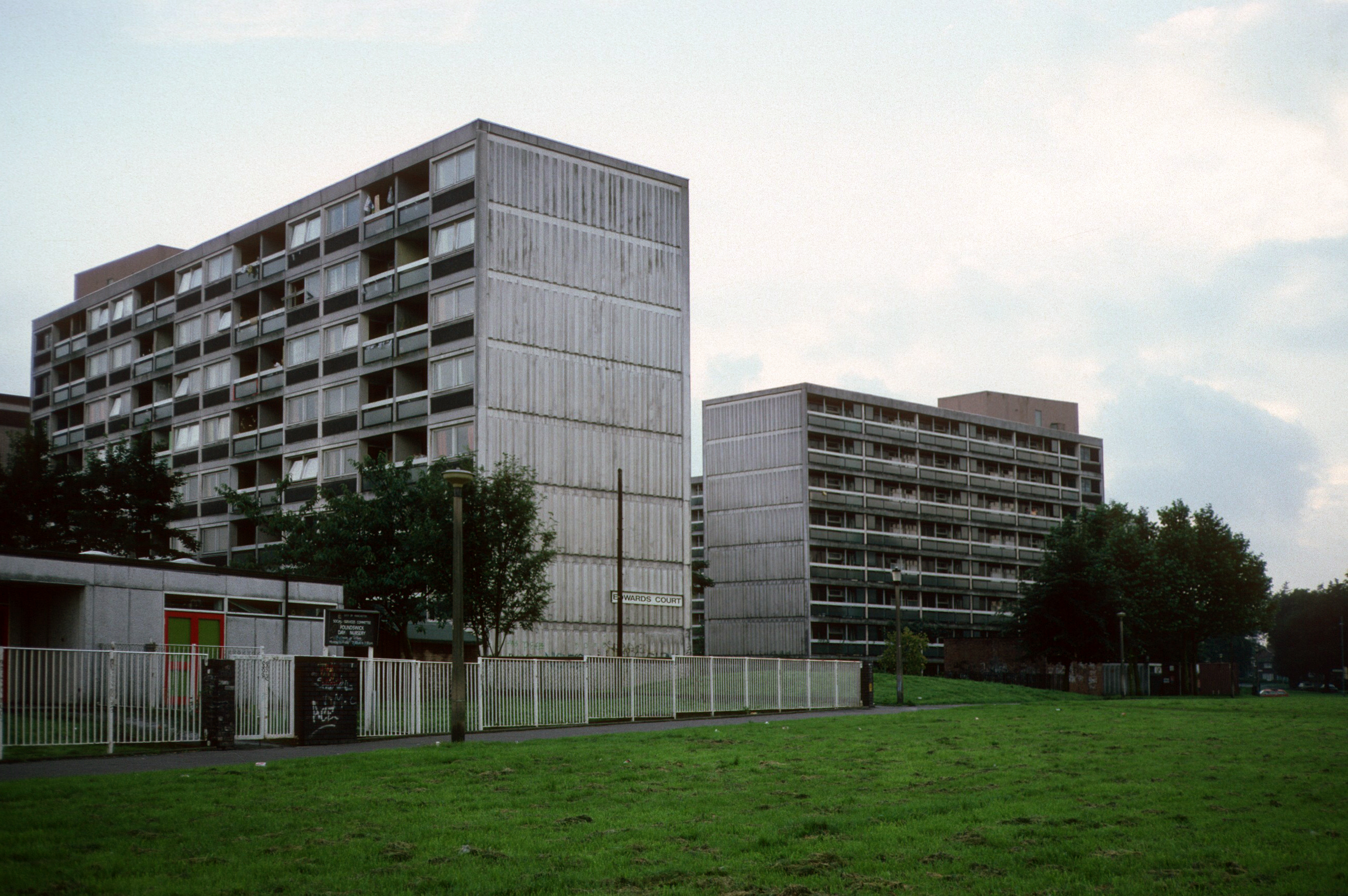
The flats were demolished in 2007

Edwards Court and Birch Tree Court 1987 – Tower Block

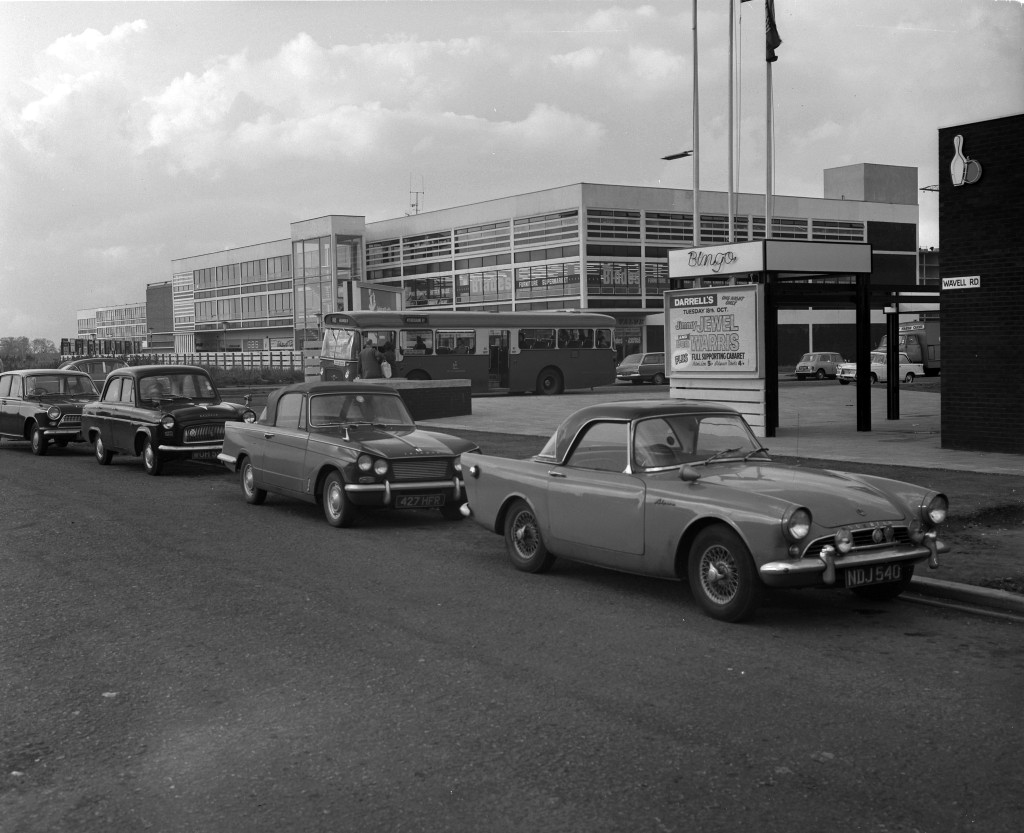
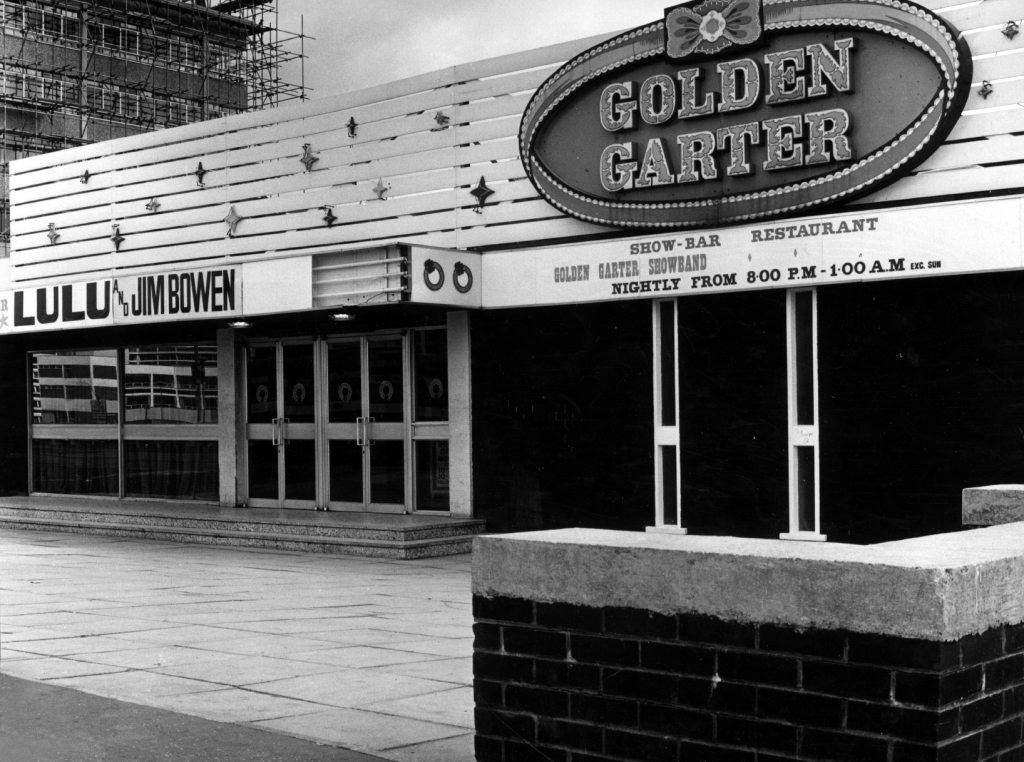
First there was a bowling alley.

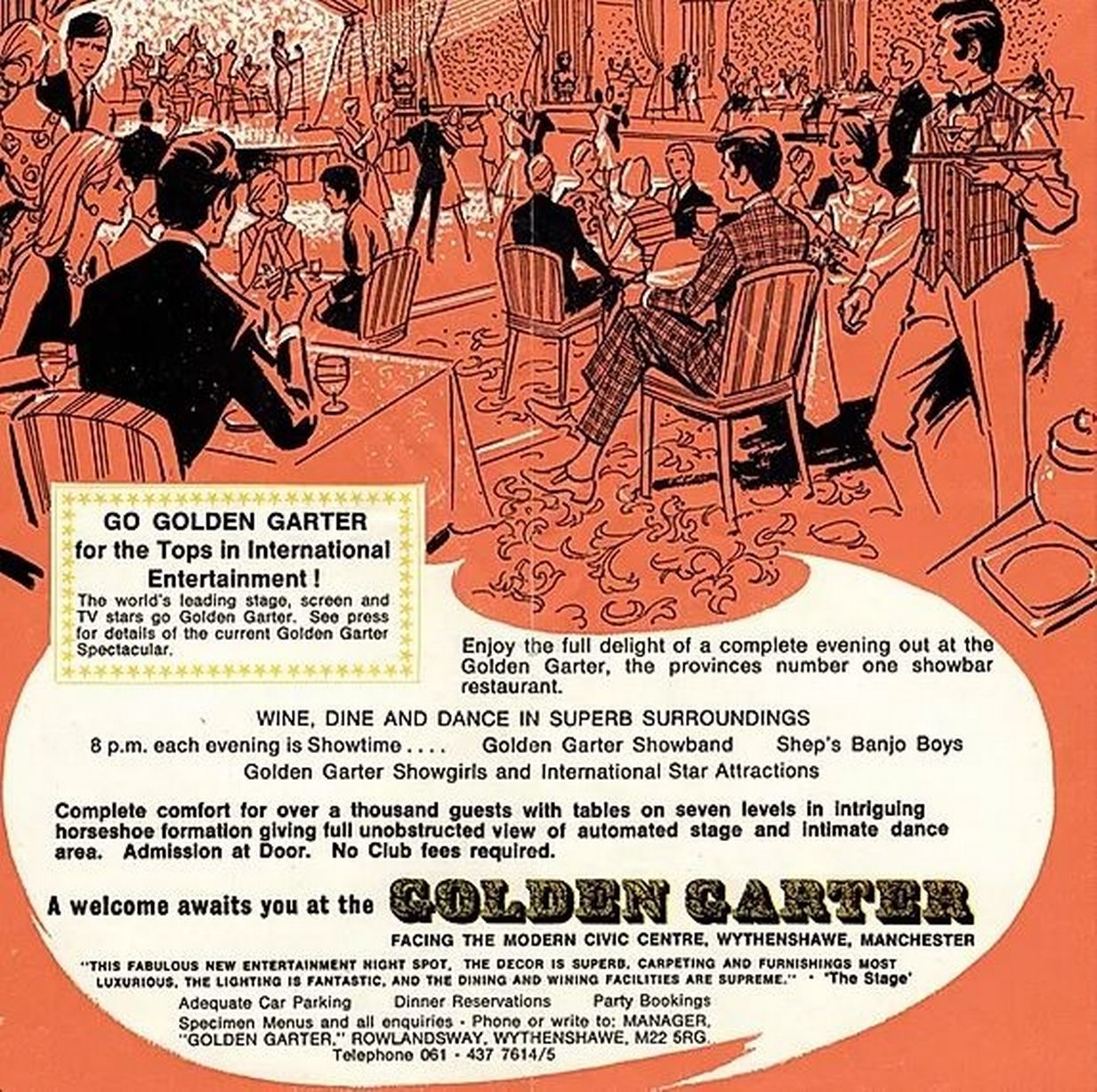
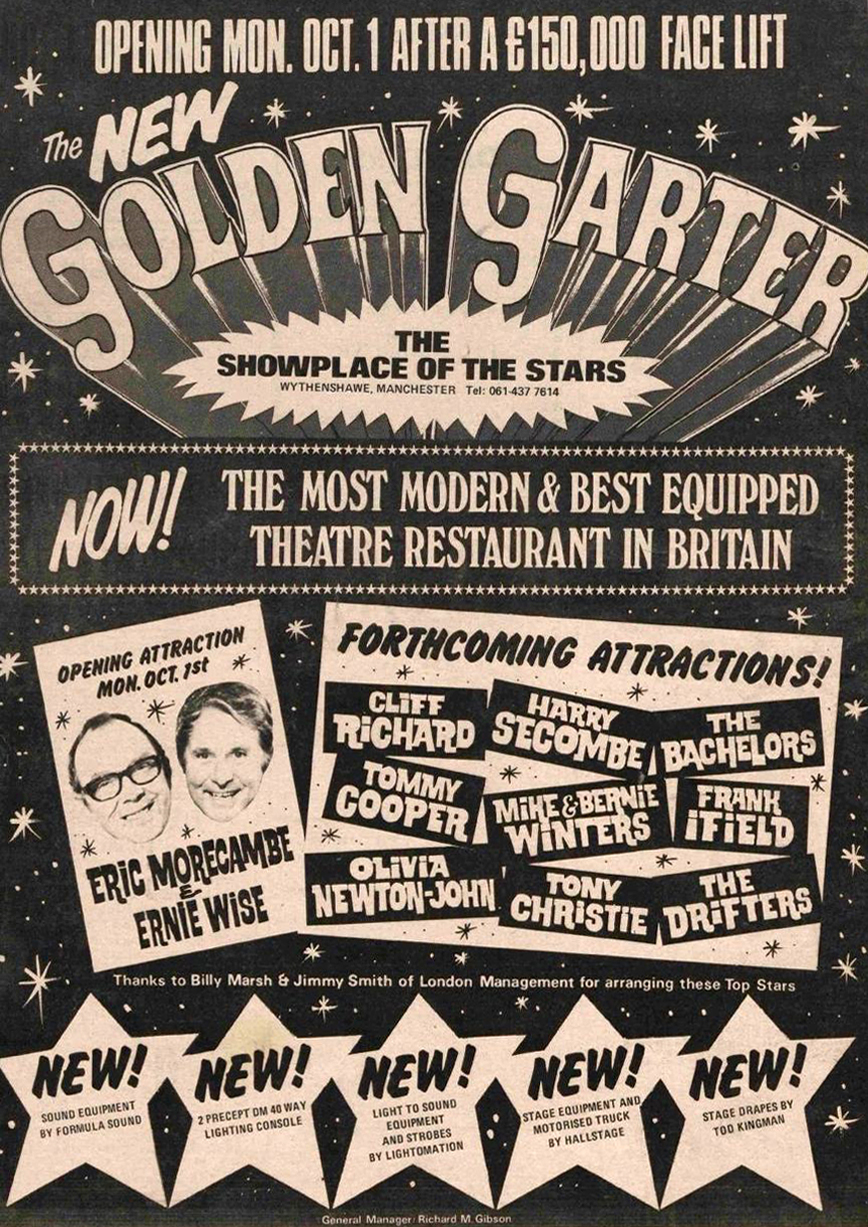
Which became the Golden Garter

Closed 3rd January 1983

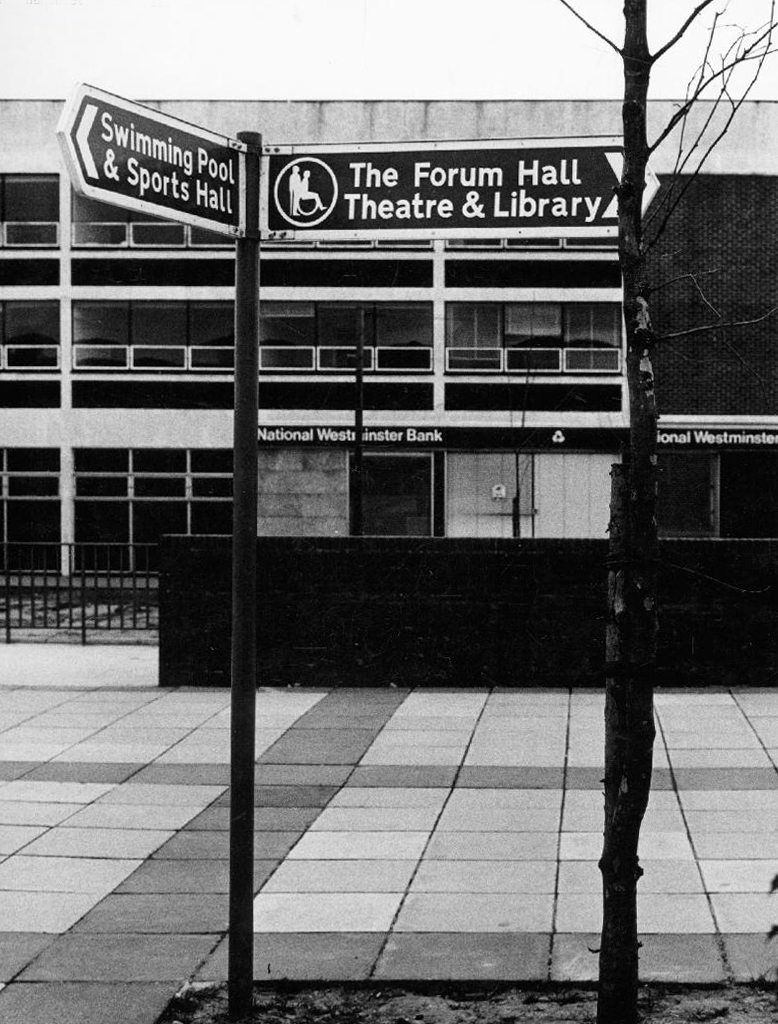
Then there was a theatre The Forum

There still is – The Forum is a bright and modern hub for co-located services used by community and business.

The original Forum opened in 1971. One of Manchester’s largest public buildings, it had a leisure centre, library, theatre, main hall and meeting rooms. By the mid 1990’s it was under used, had deteriorated internally and externally and needed substantial investment.

The new Forum, along with a new police sub-divisional headquarters and improved transport link was designed to help strengthen the town centre, and provide a landmark project to raise Wythenshawe’s profile within Manchester and beyond.

In the 1980’s they put on a superb array of shows including Roll on 4 O’Clock which starred John Jardine, Jack Smethurst and Glynn Owen. Oh What a lovely War; What the Butler Saw and Habeas Corpus by Alan Bennett.  Bury’s own Victoria Wood starred in Talent which she wrote.  Another Manchester icon Frank Foo Foo Lammar, famous as the top drag queen of the North-West  whose club was re-known for its great party nights appeared in The Rocky horror Show.

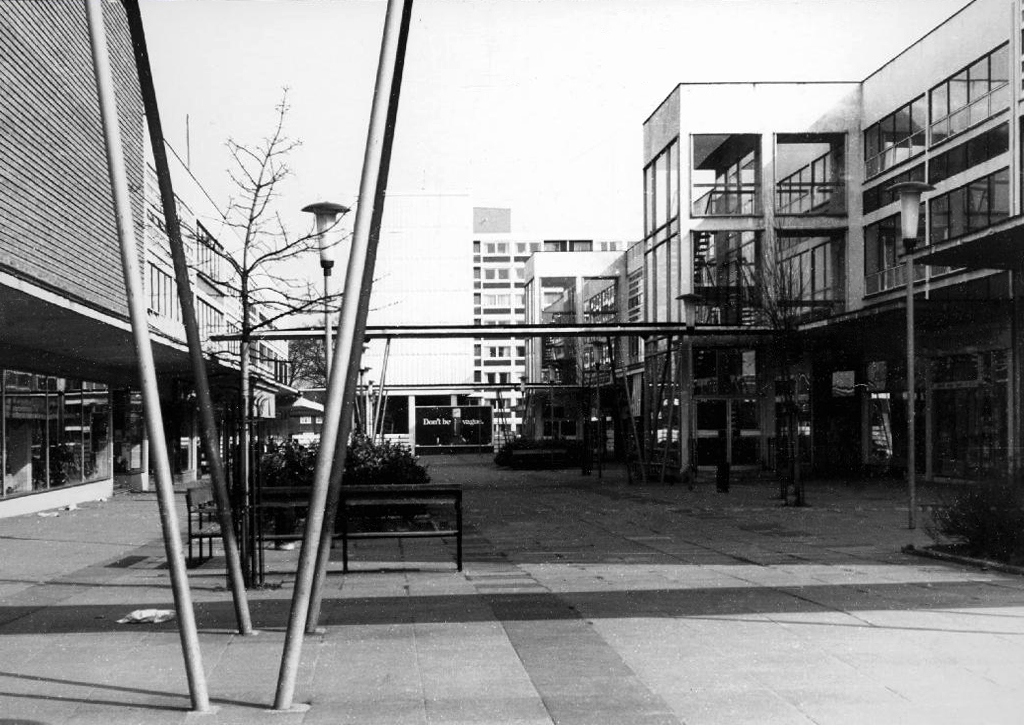
A land of elegant covered walkways and raised beds.

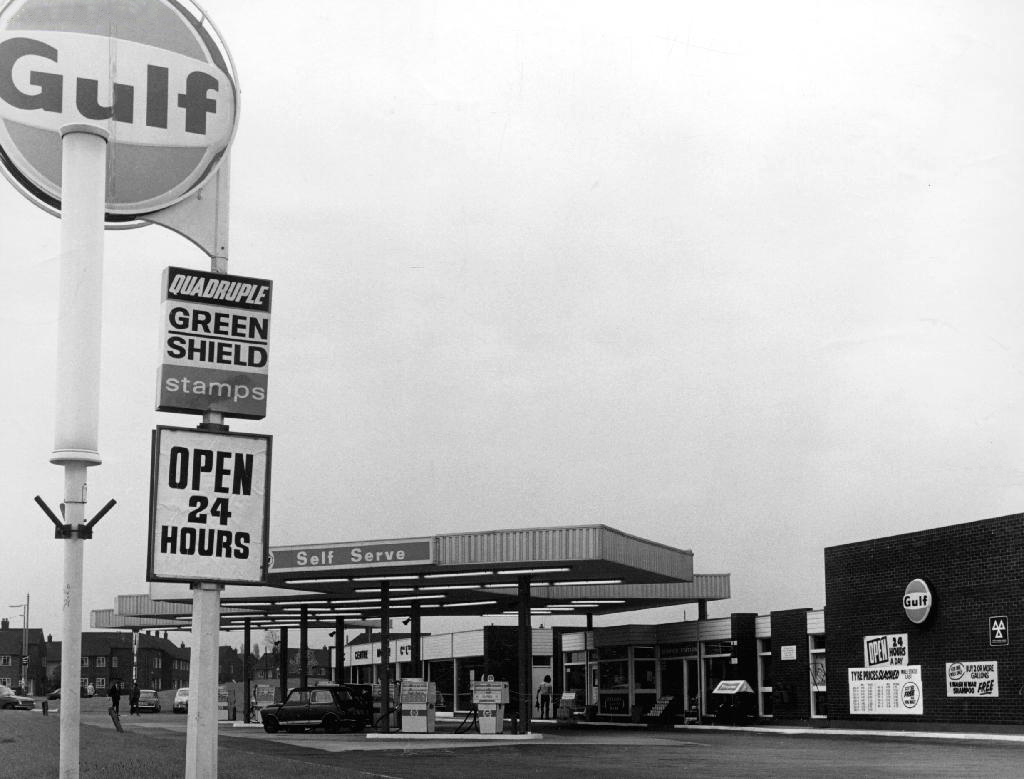
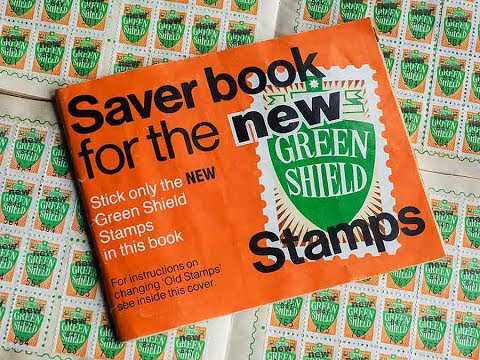
A land of 24 hour petrol stations and quadruple Green Shield Stamps.

Some where along the way we lost our way – taxi!

Photographs Manchester Local Image Collection

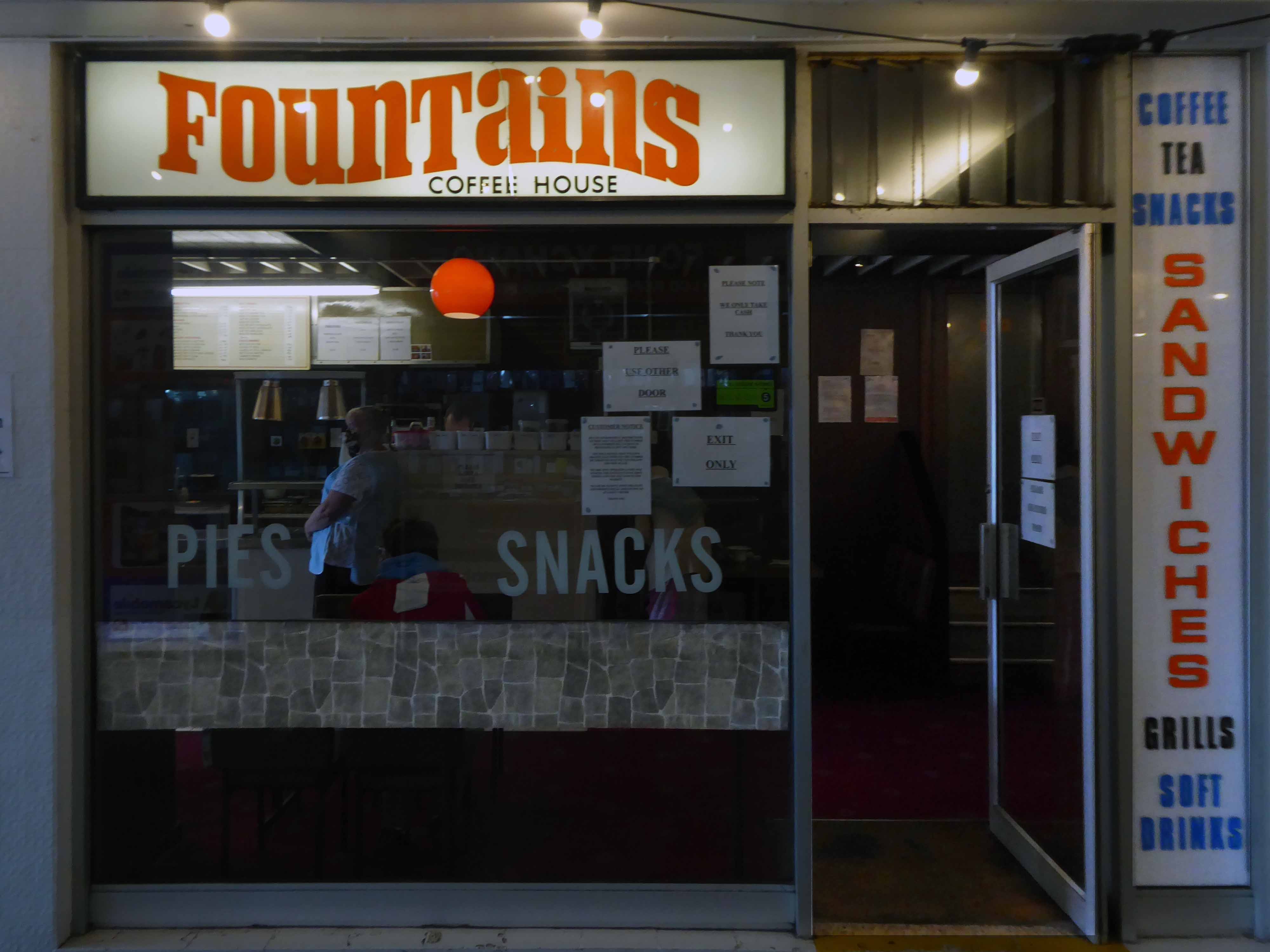
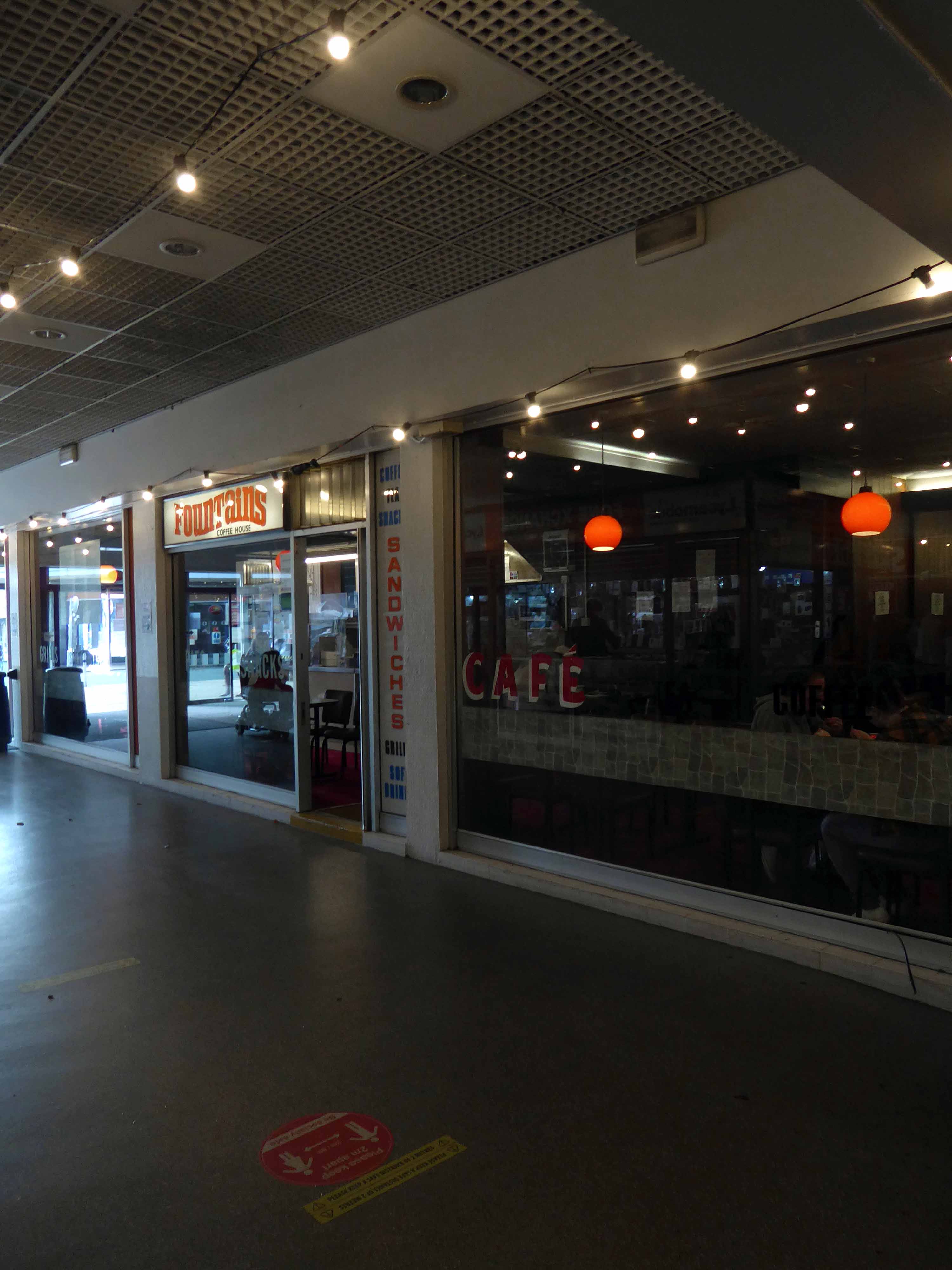
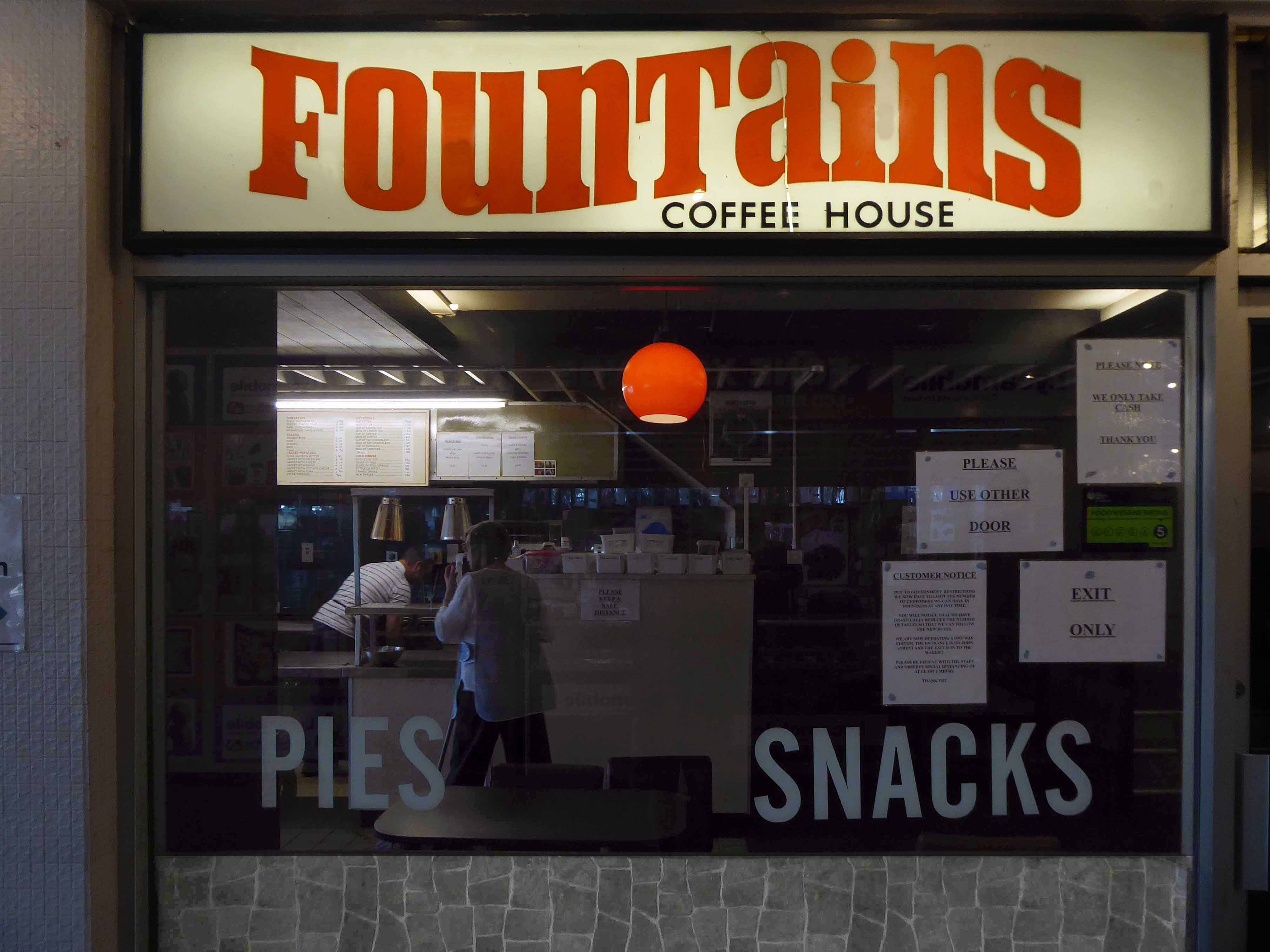
Fountains Café – Bradford

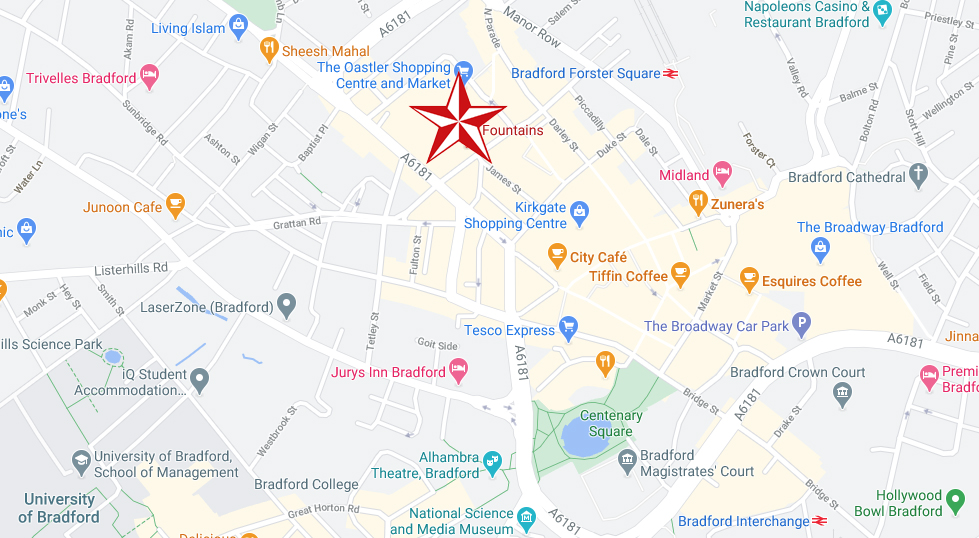
17 John St Bradford BD1 3JS

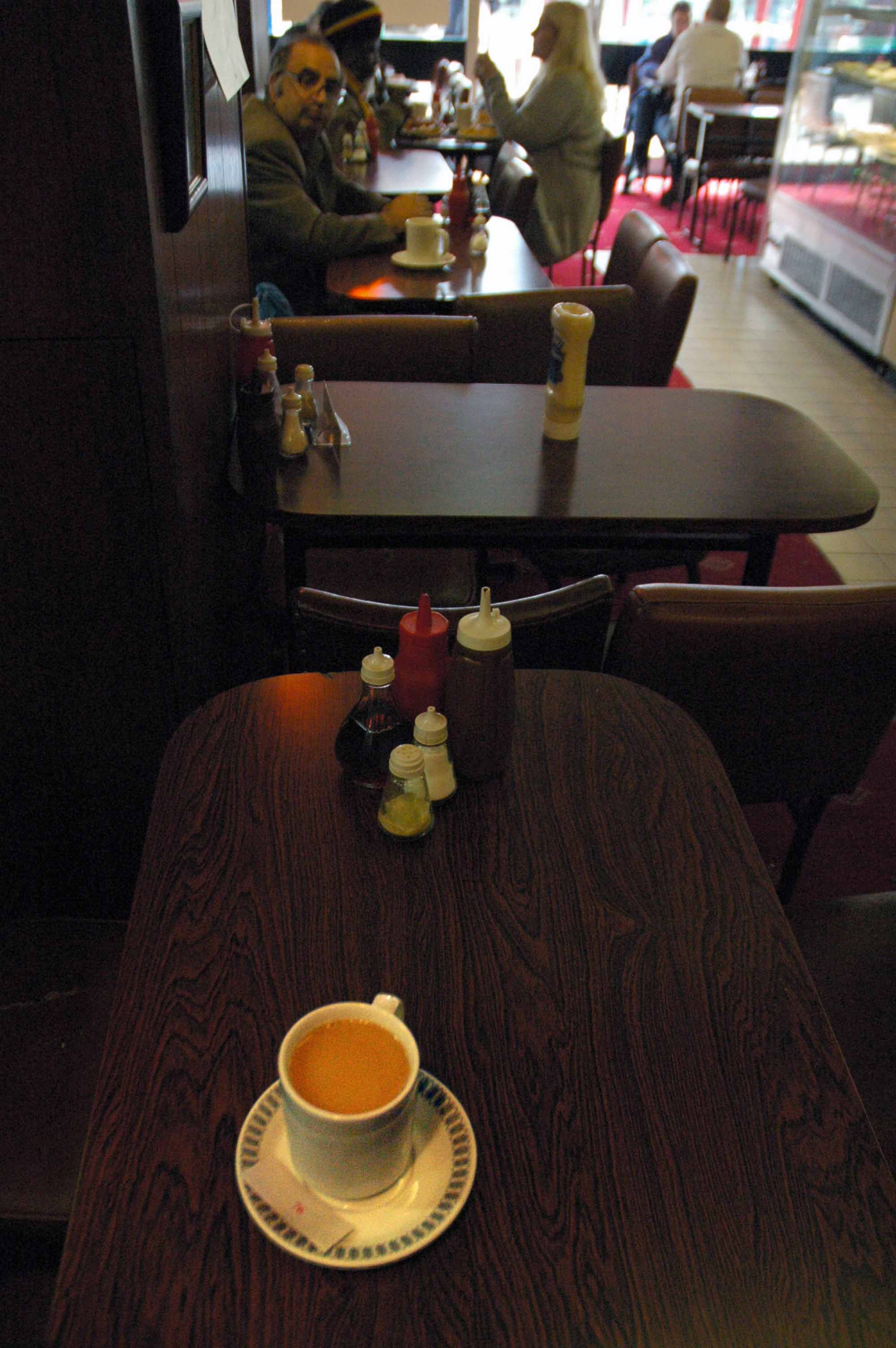
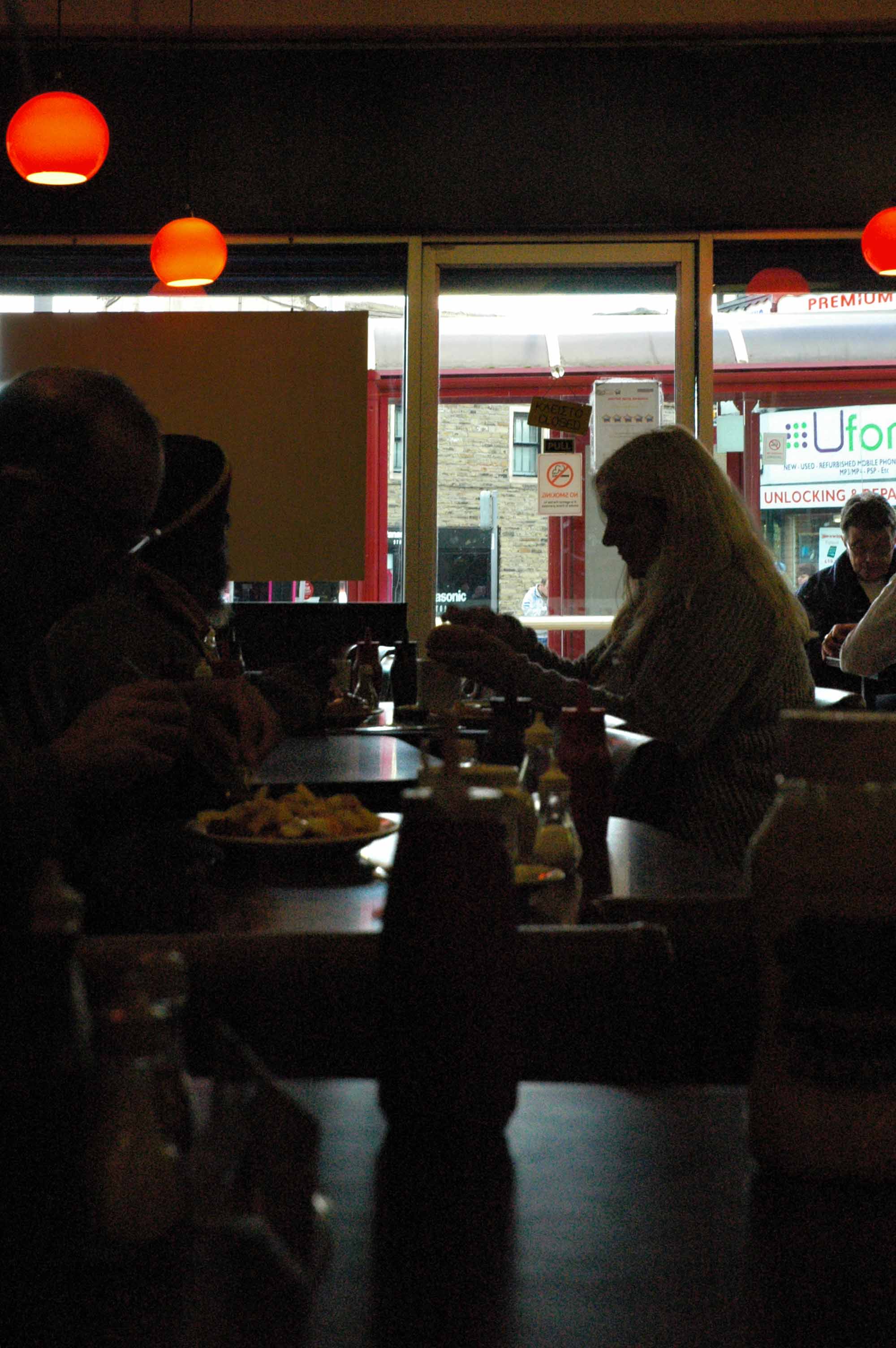
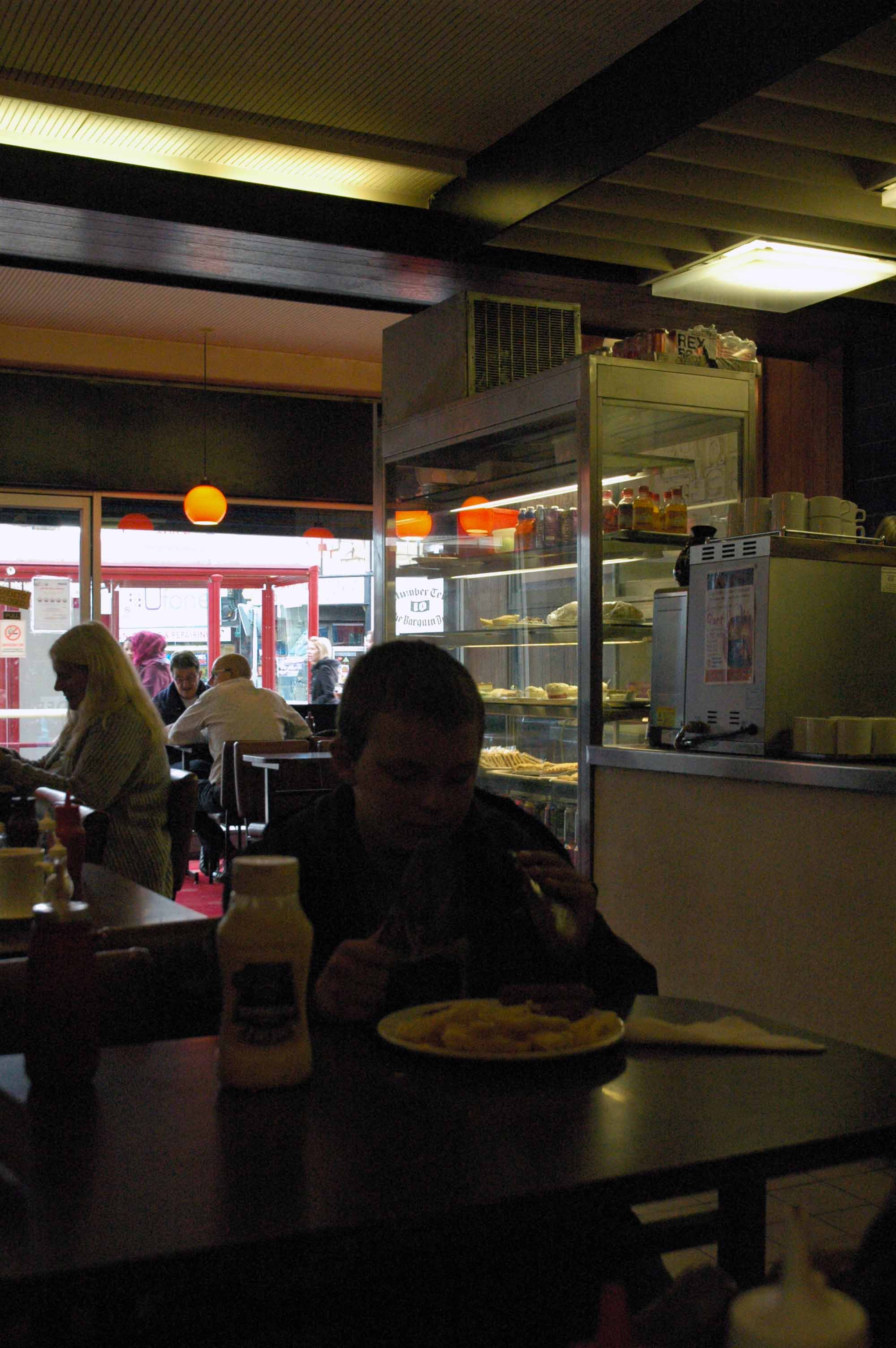
I first came here some twenty years ago or so and on each subsequent visit little seems to change.

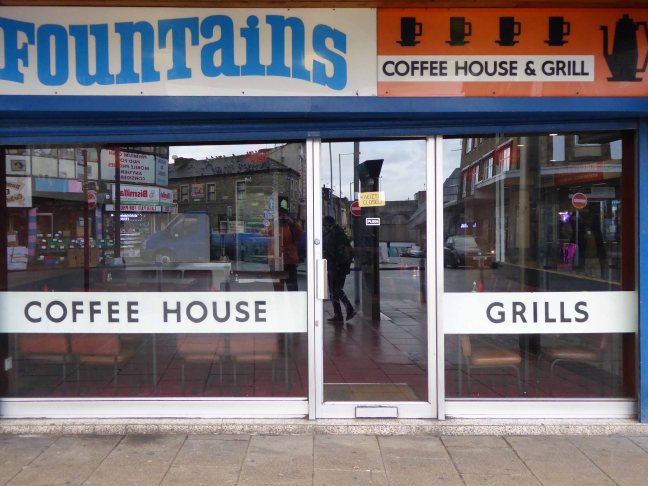
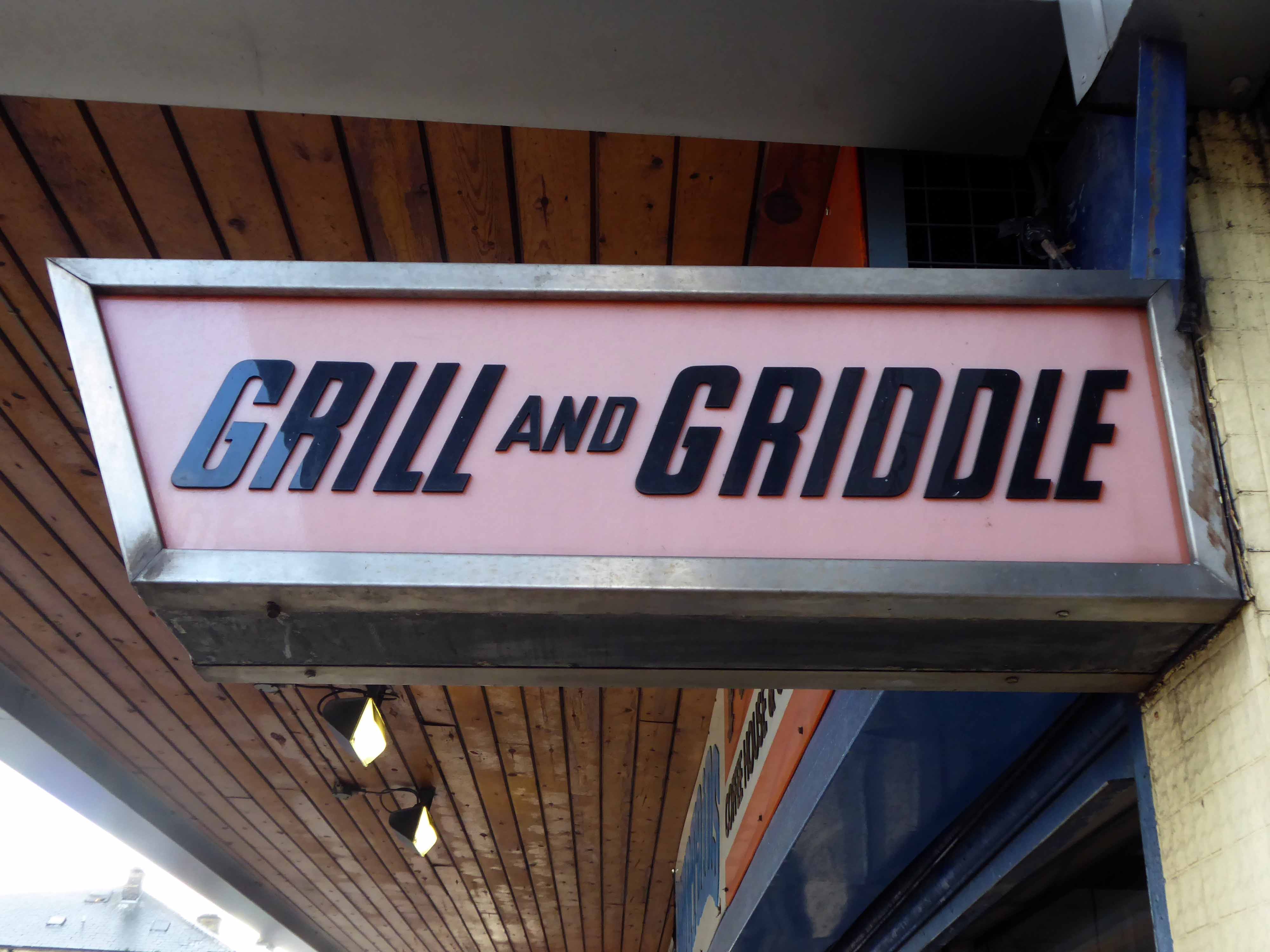
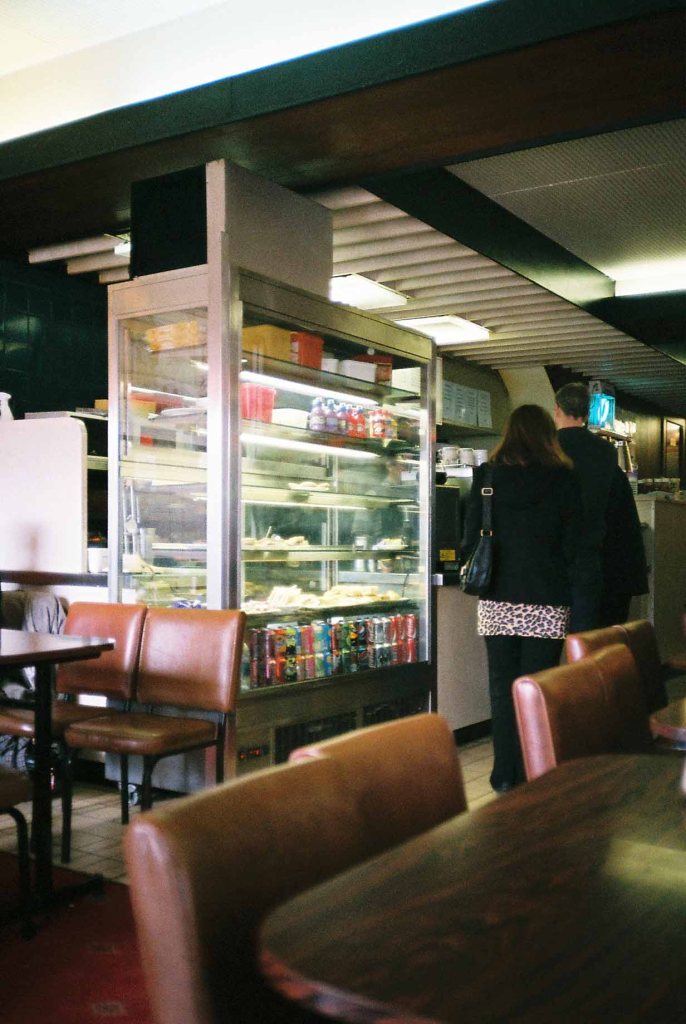
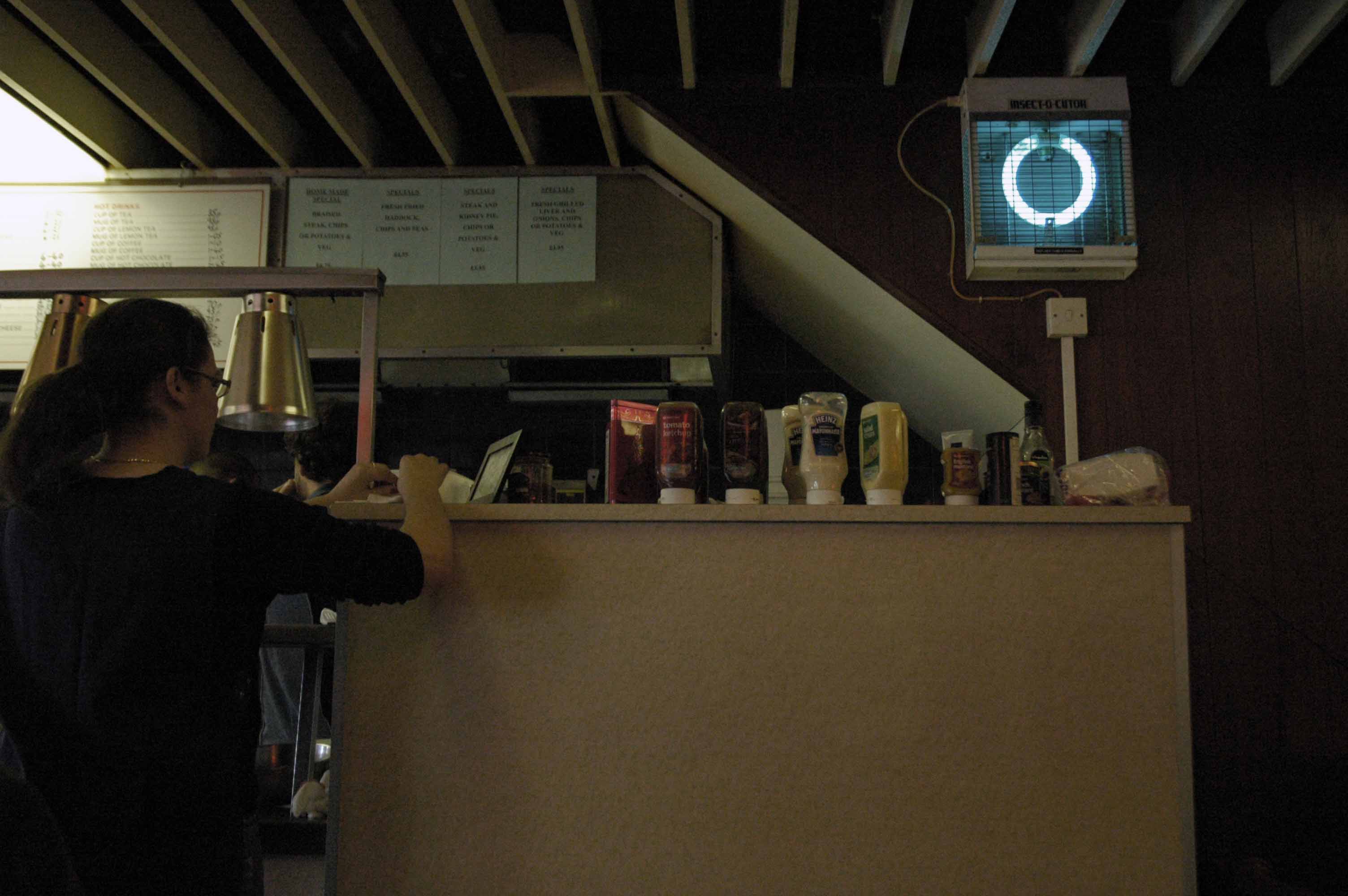
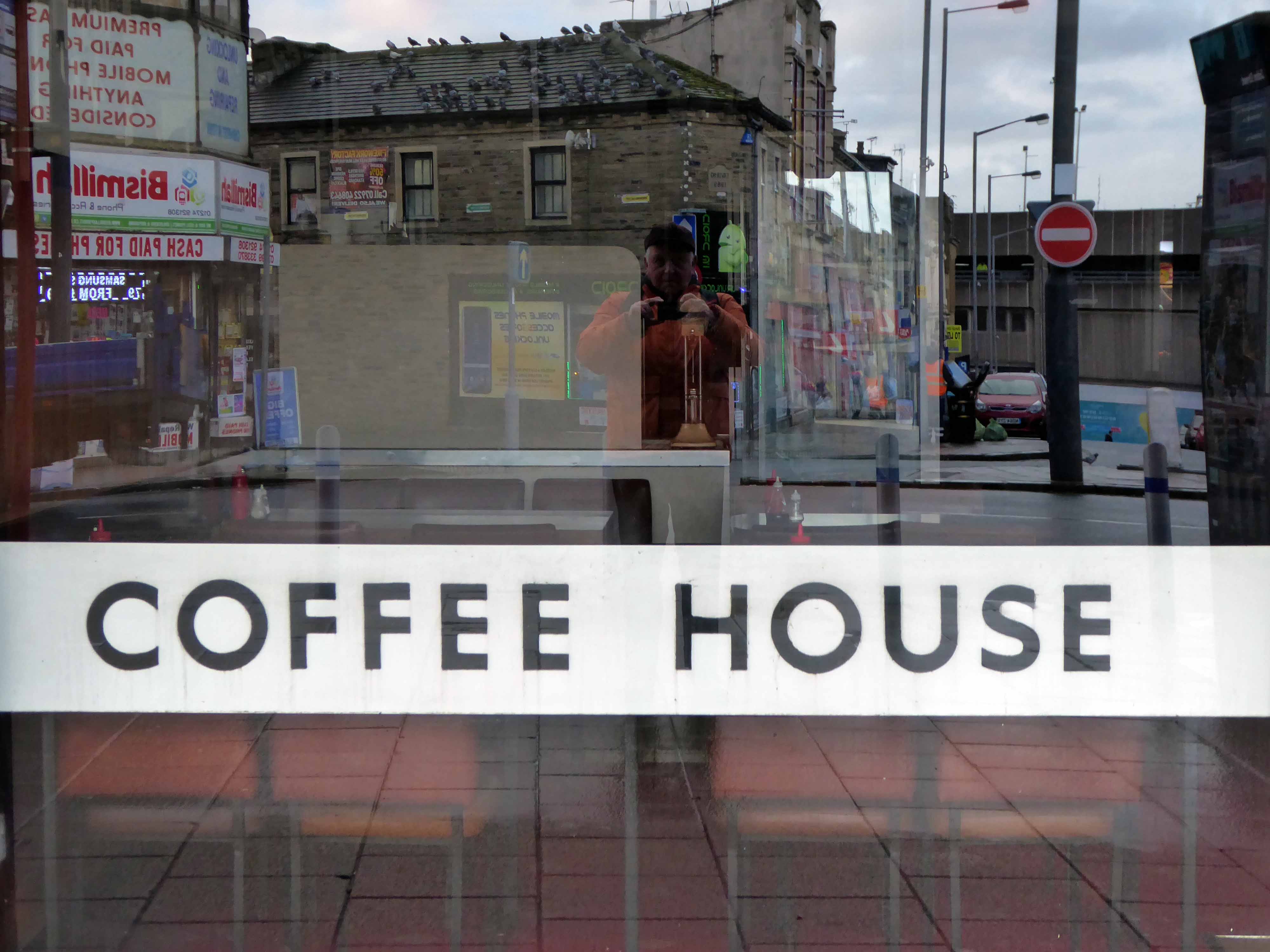
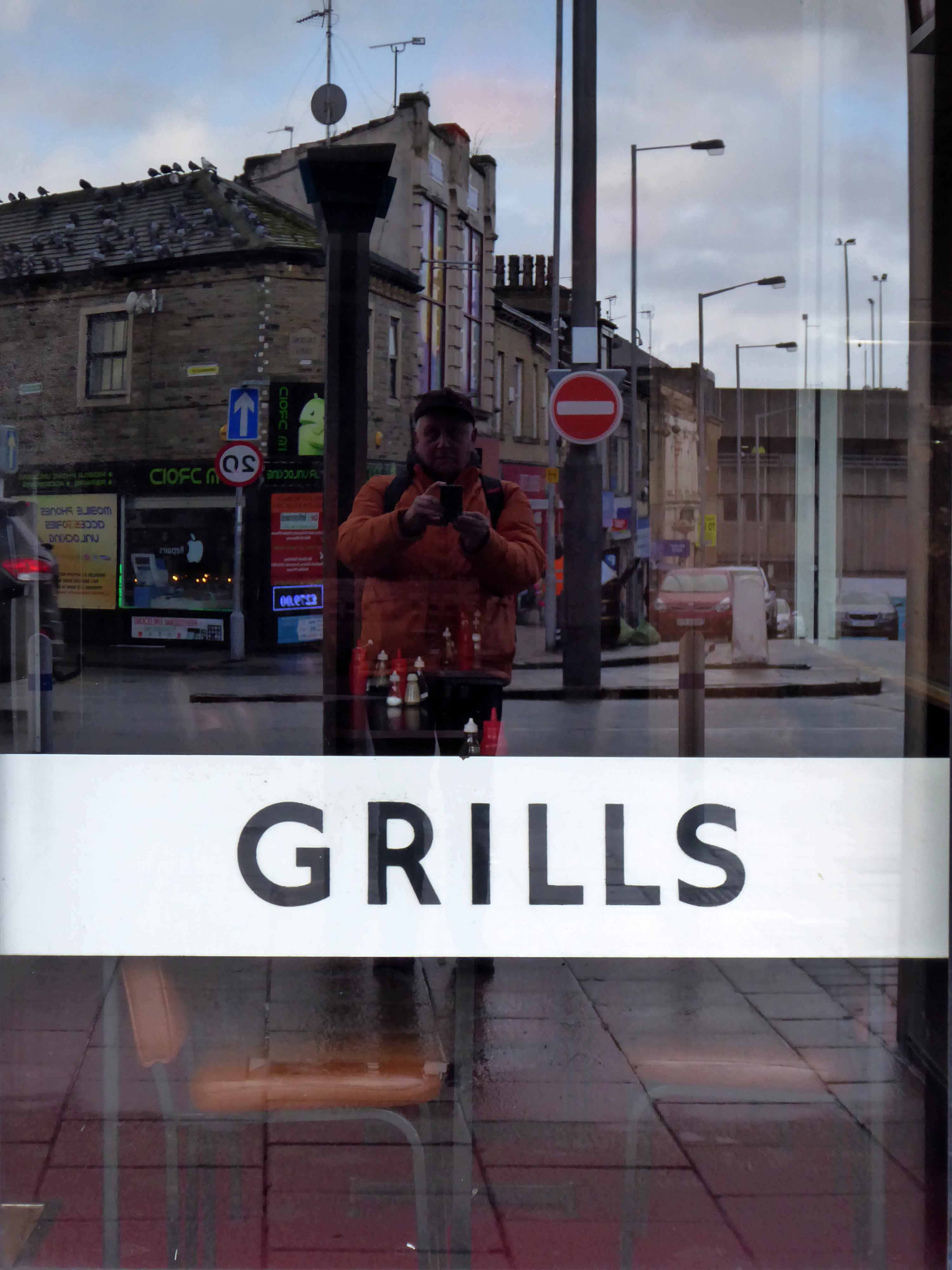
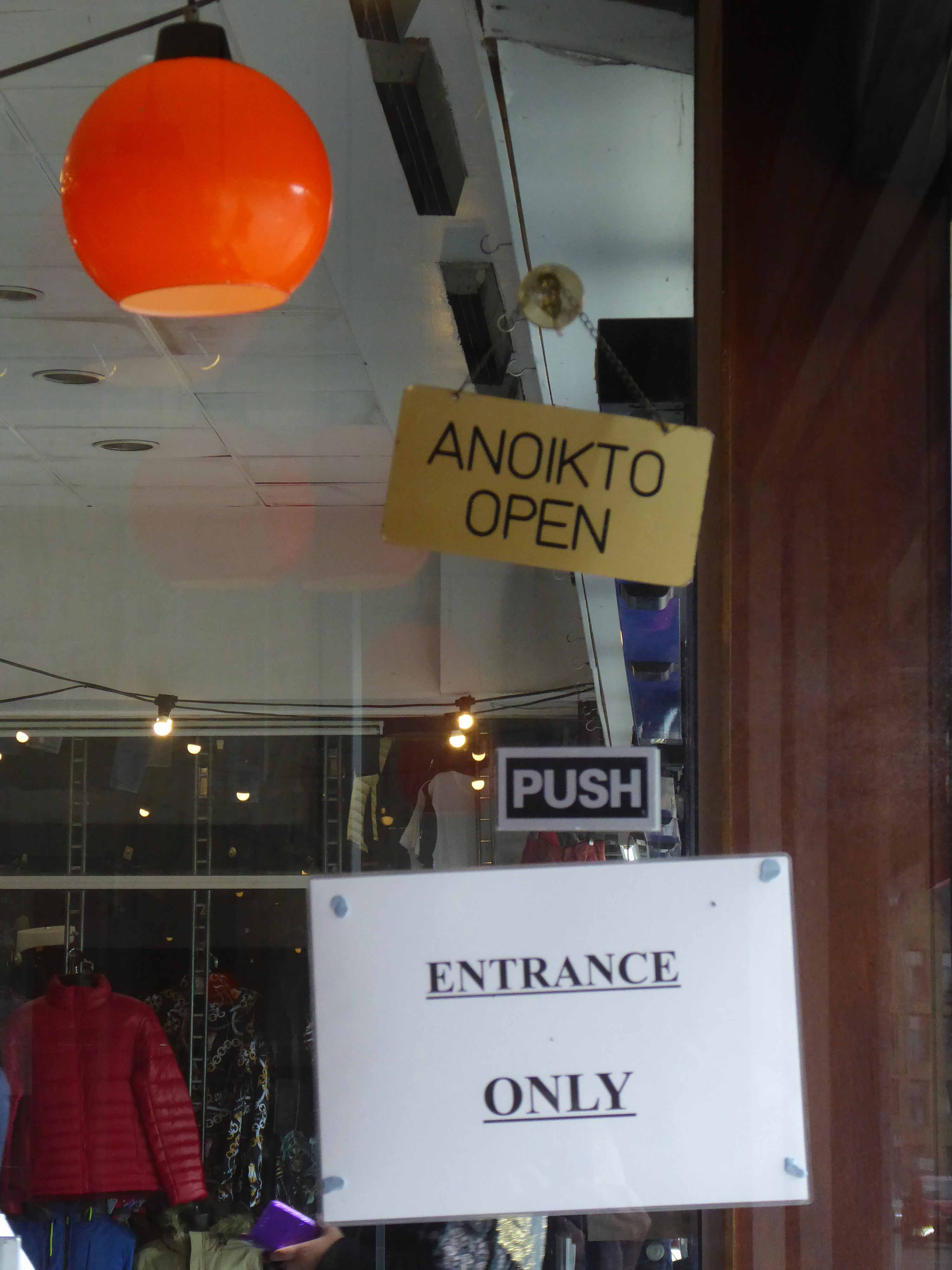
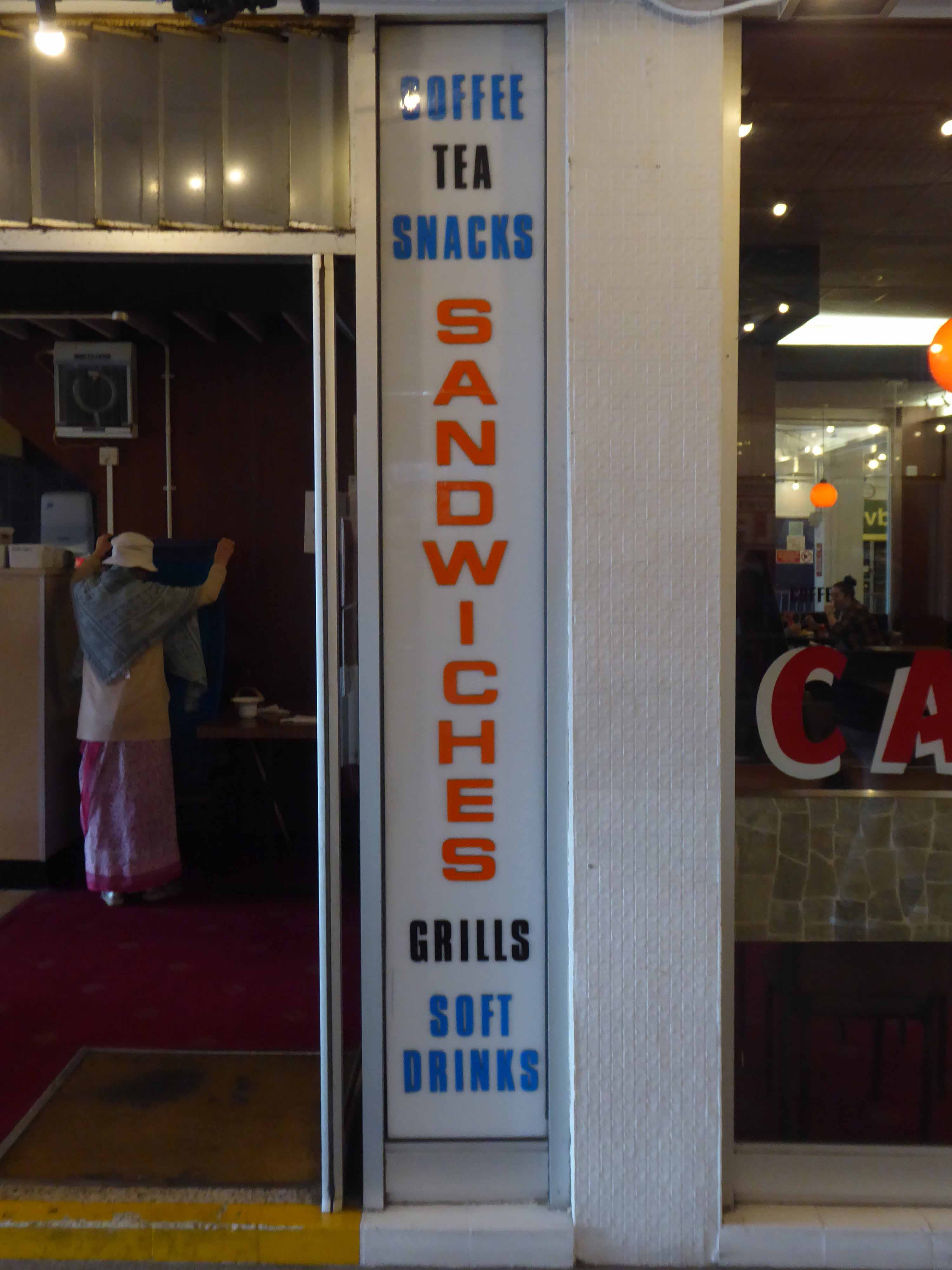
The exterior signage and fascia remain intact.

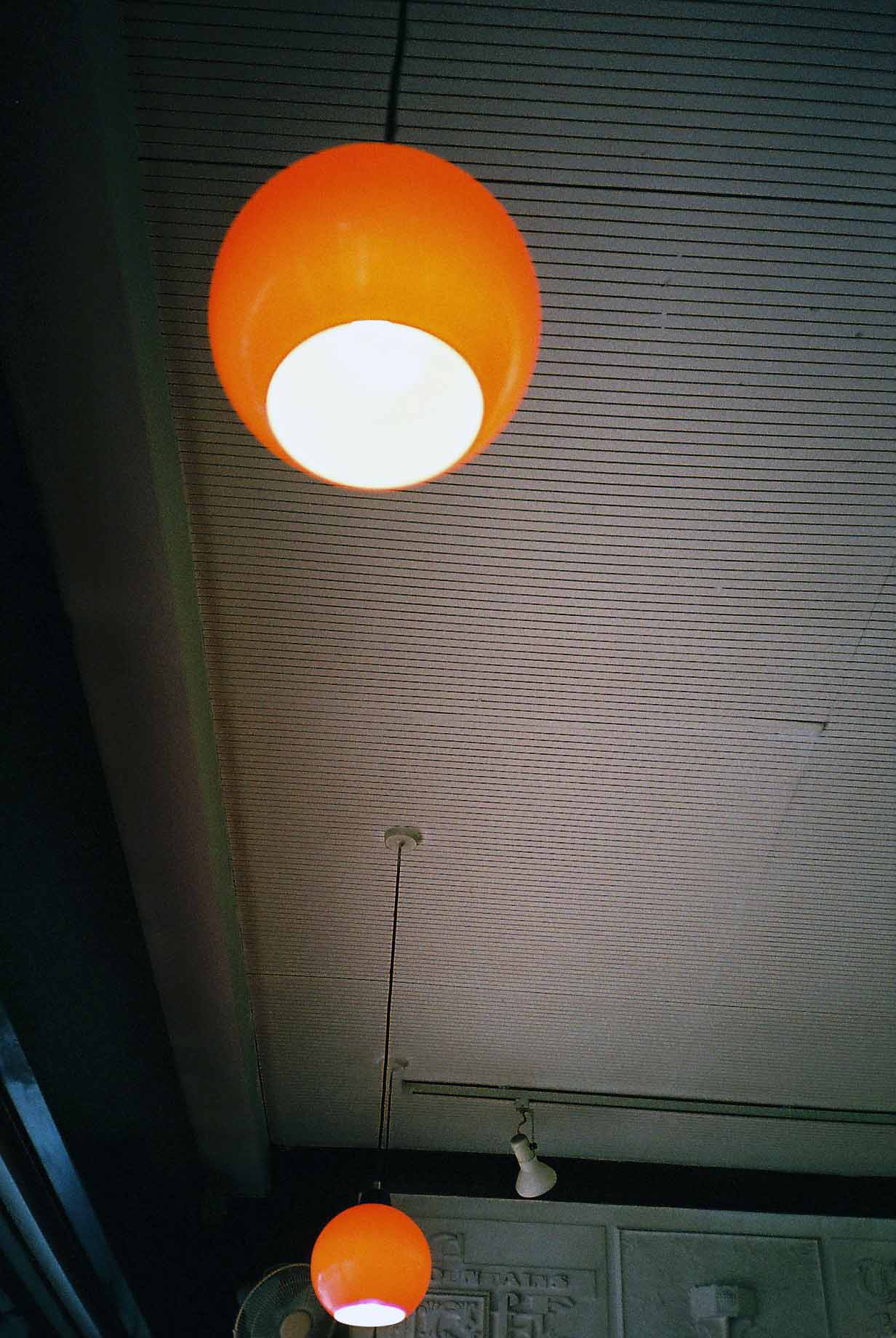
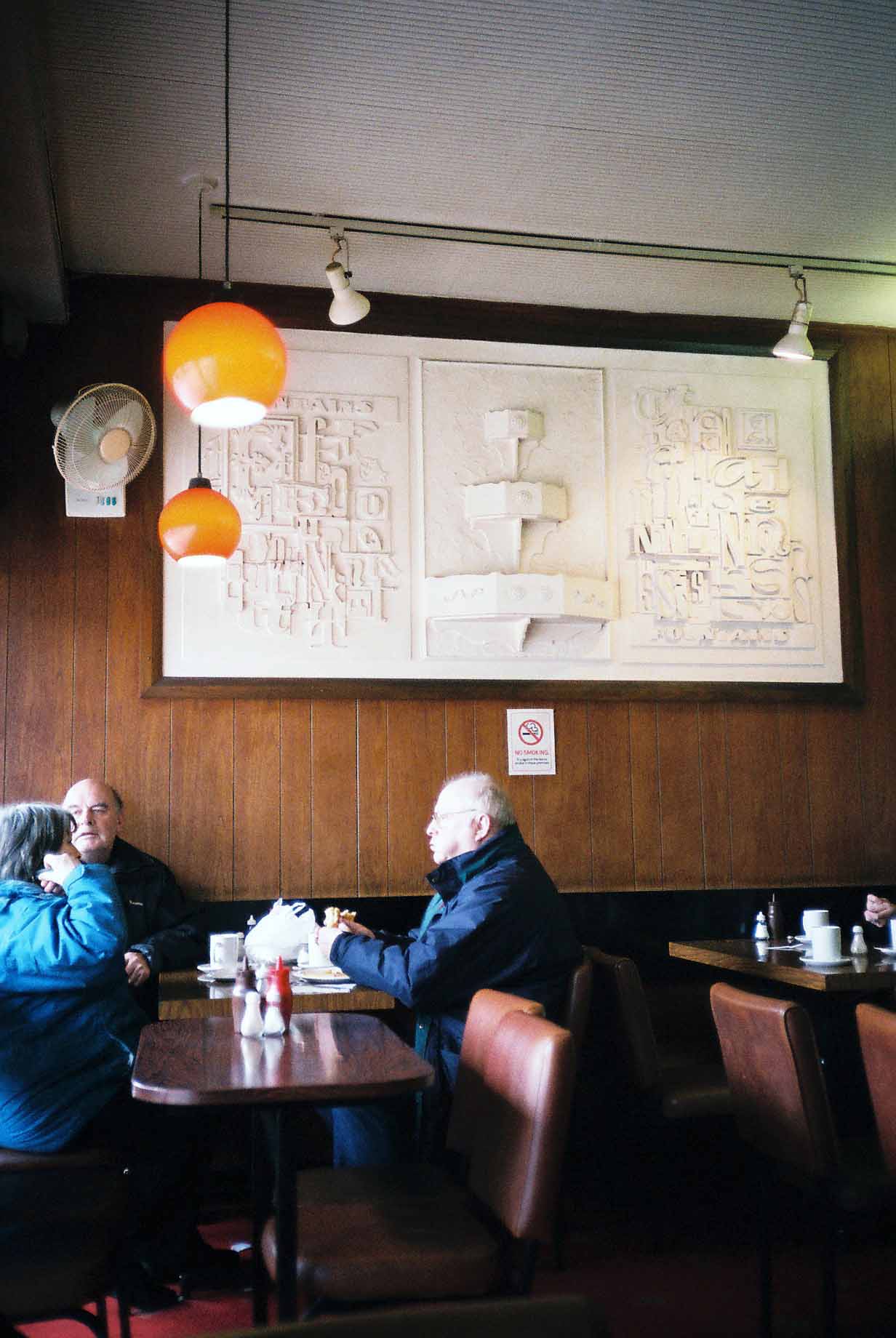
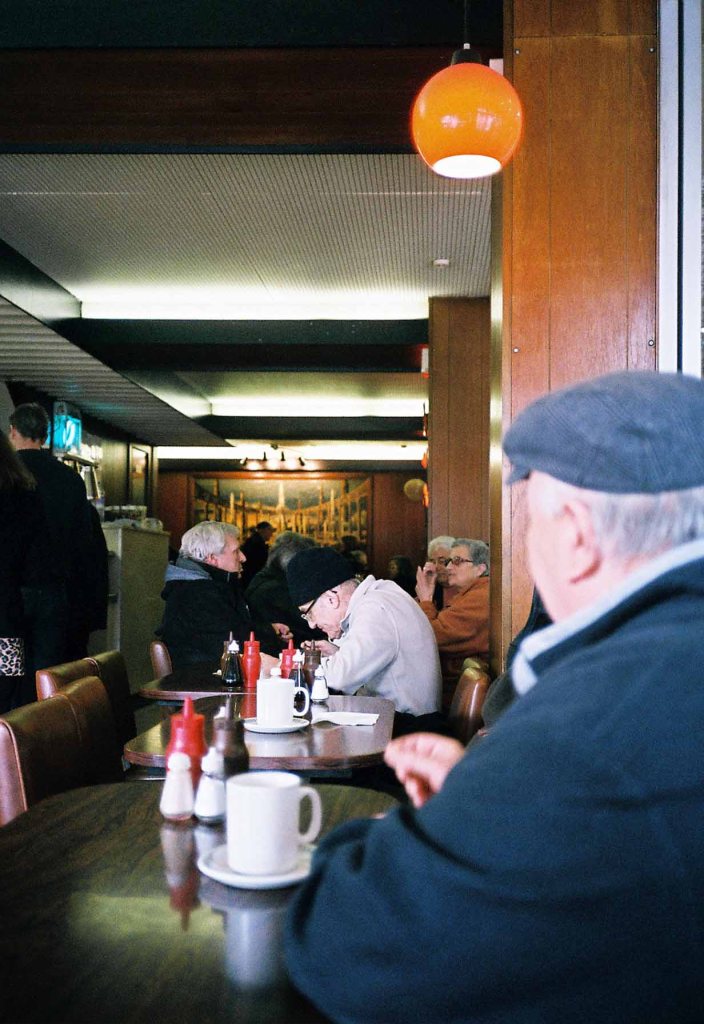
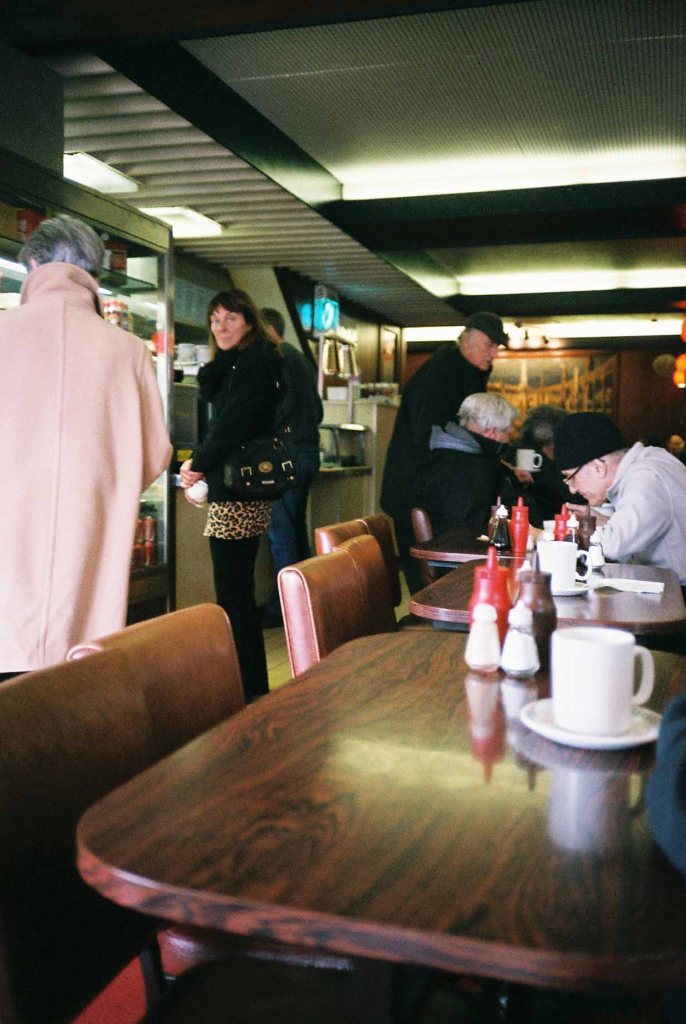
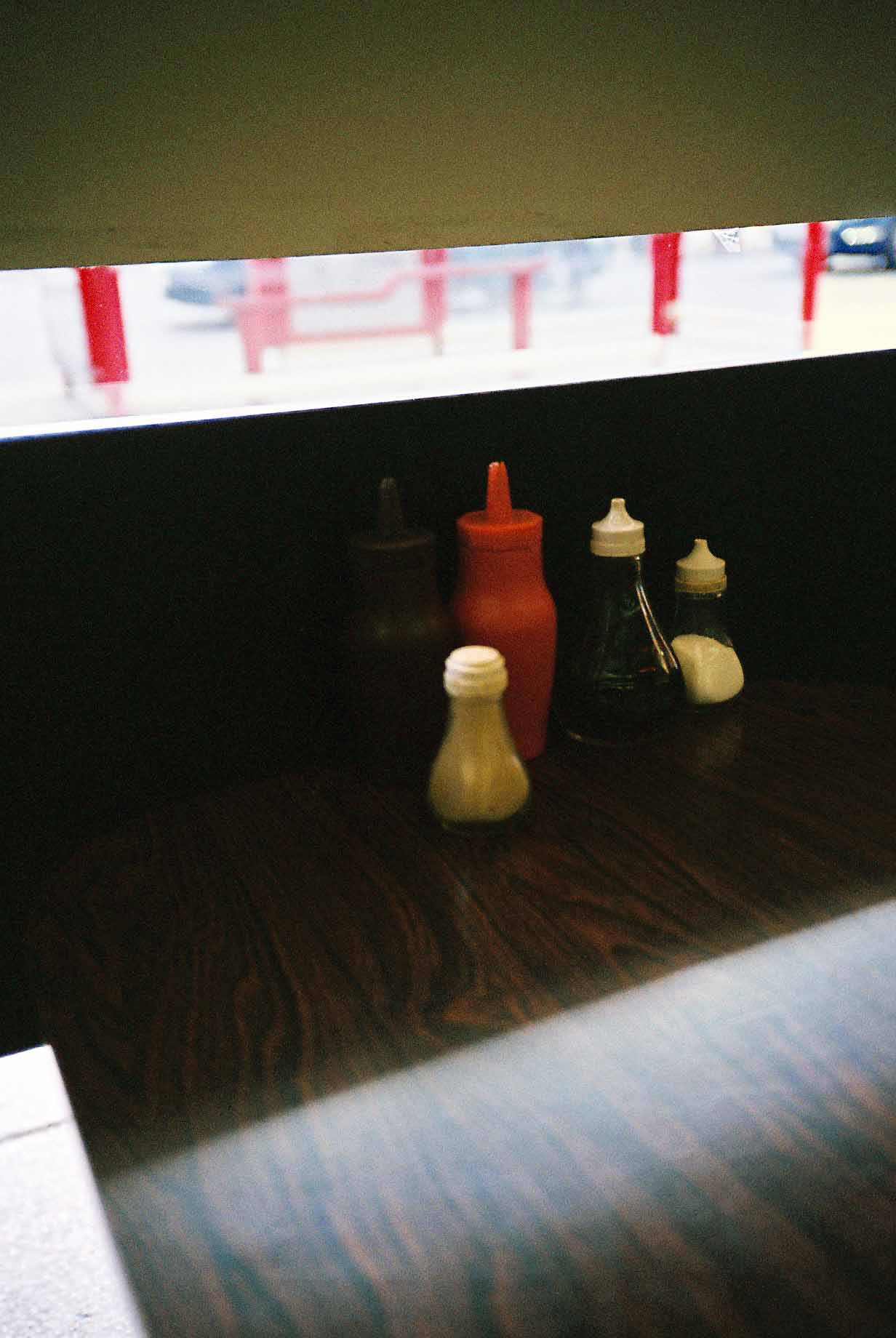
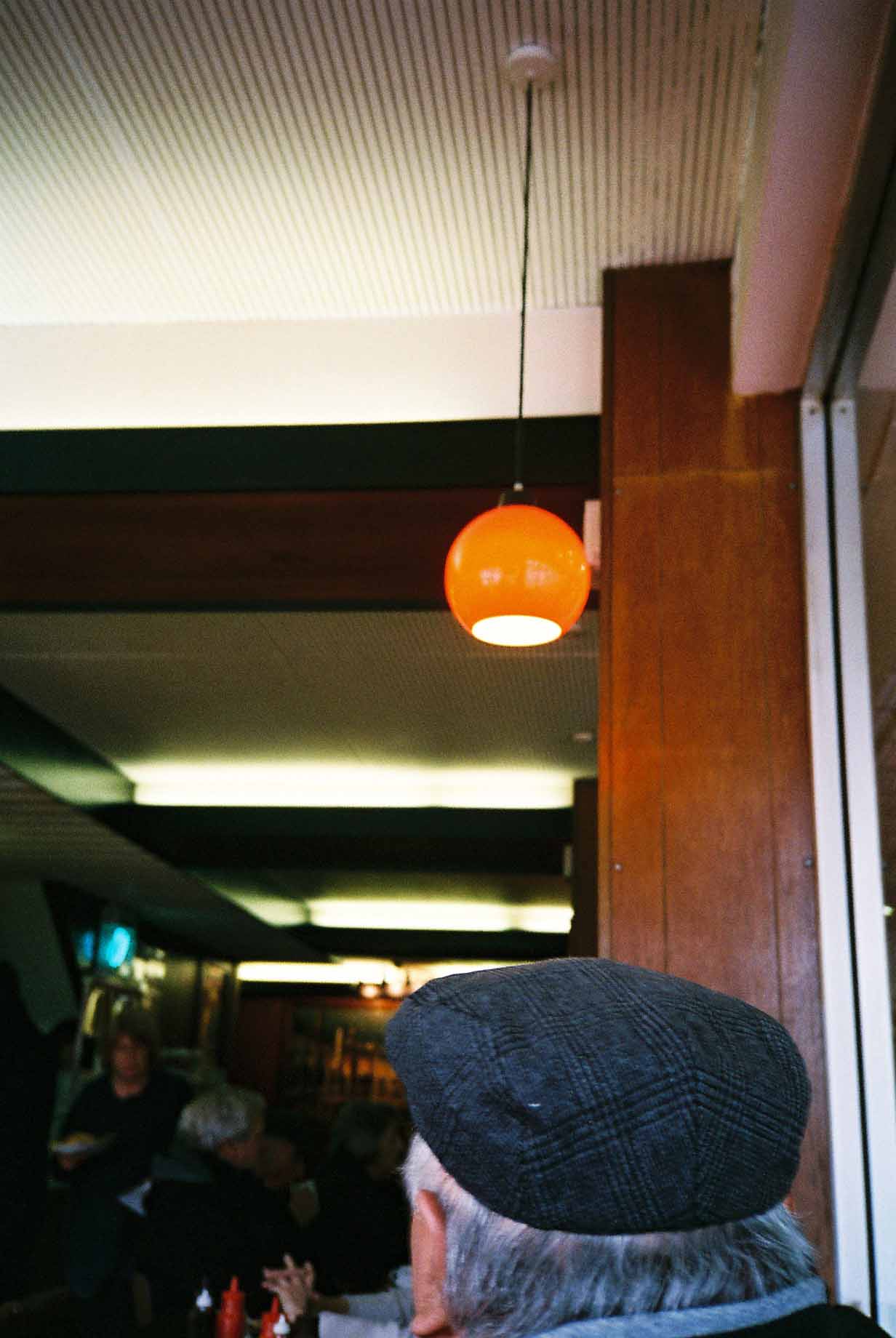
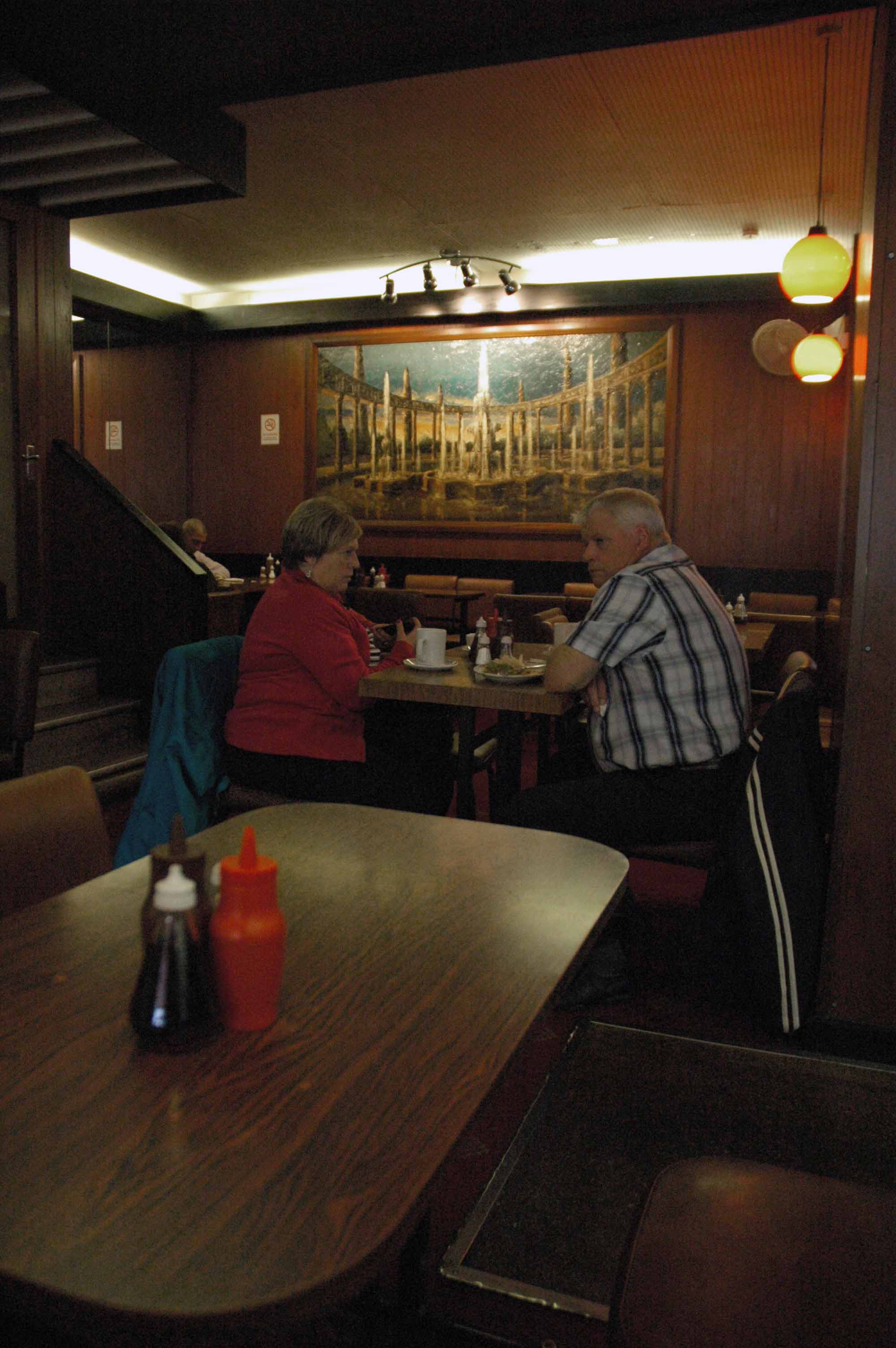
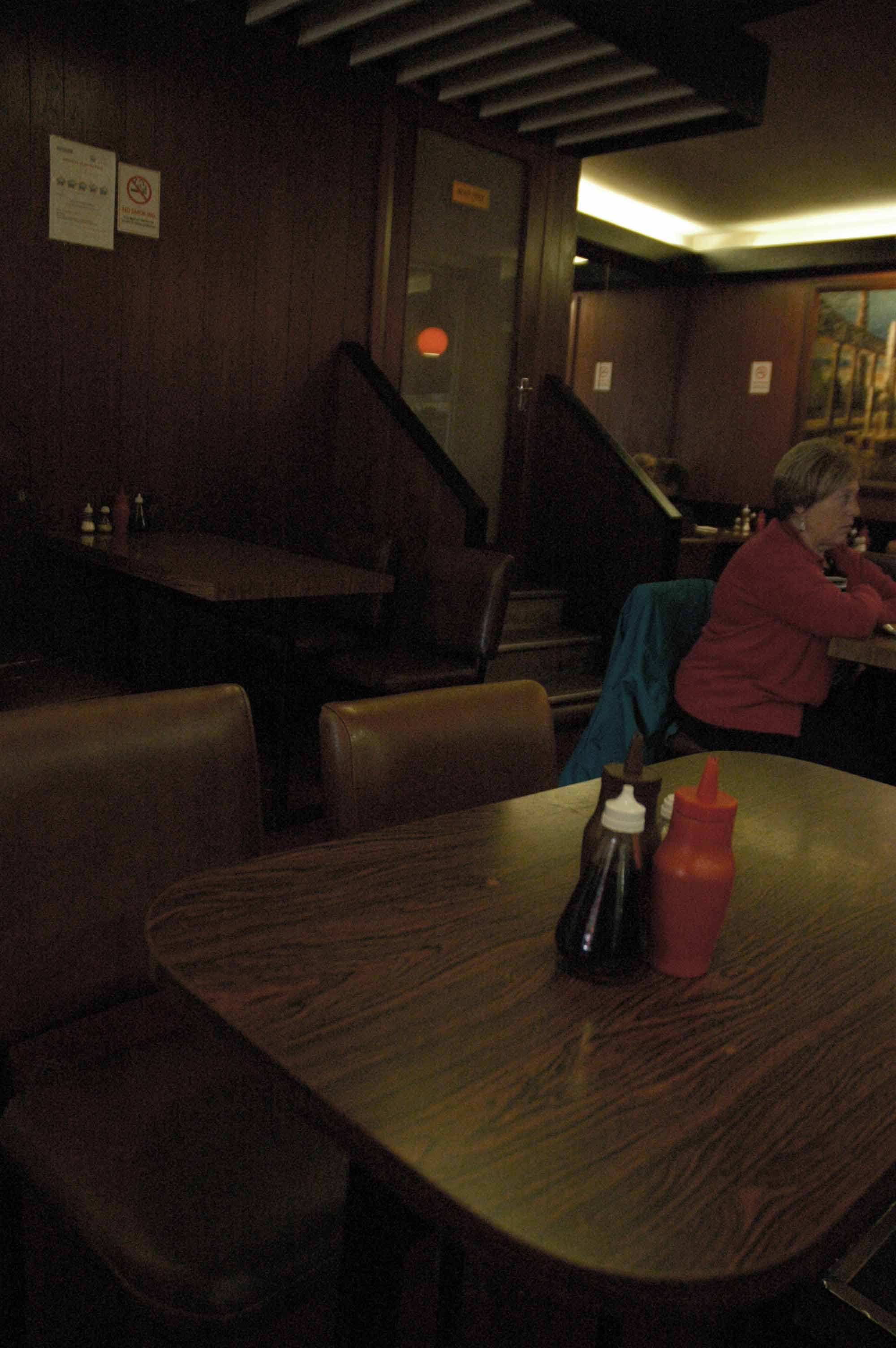
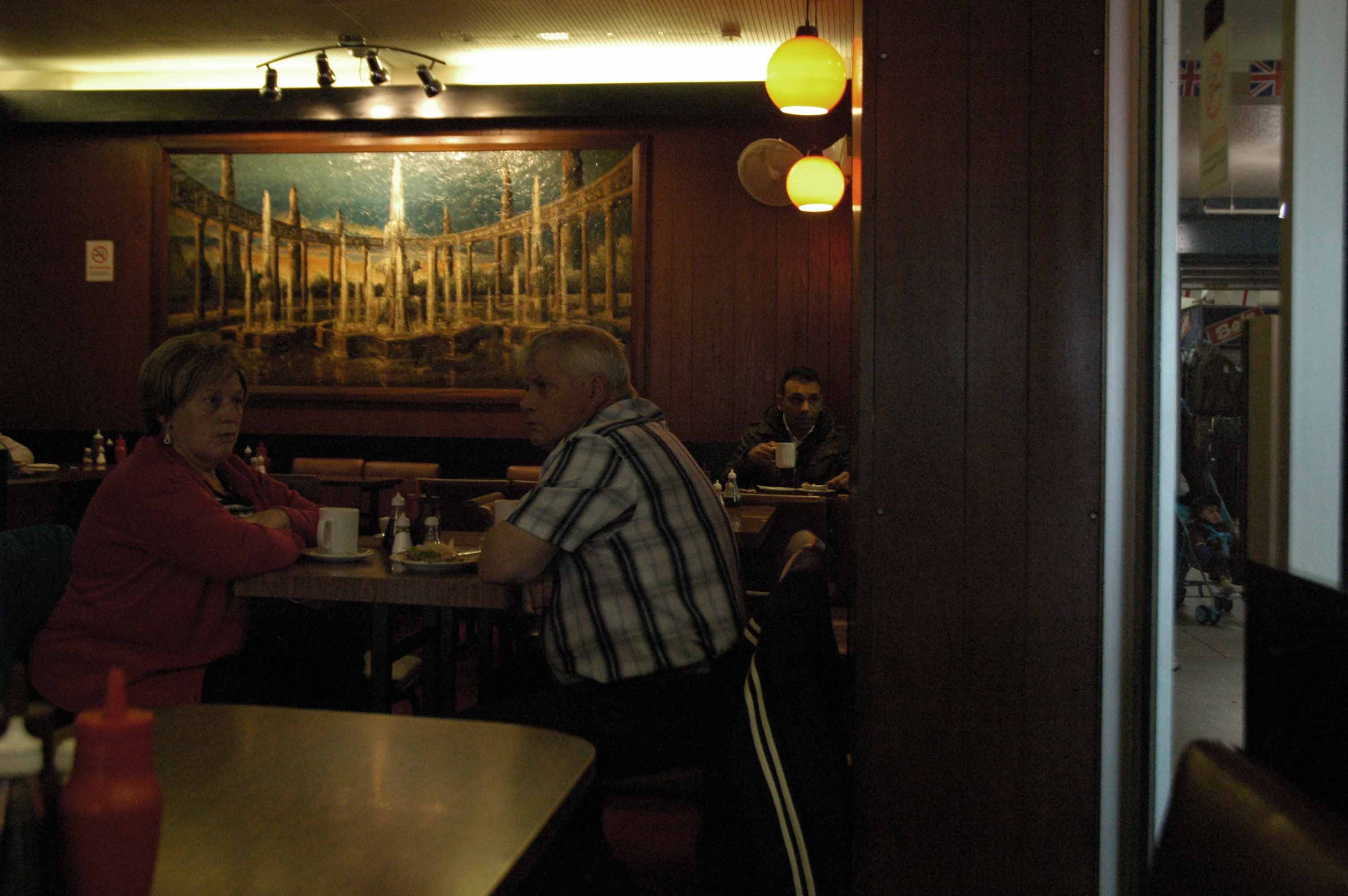
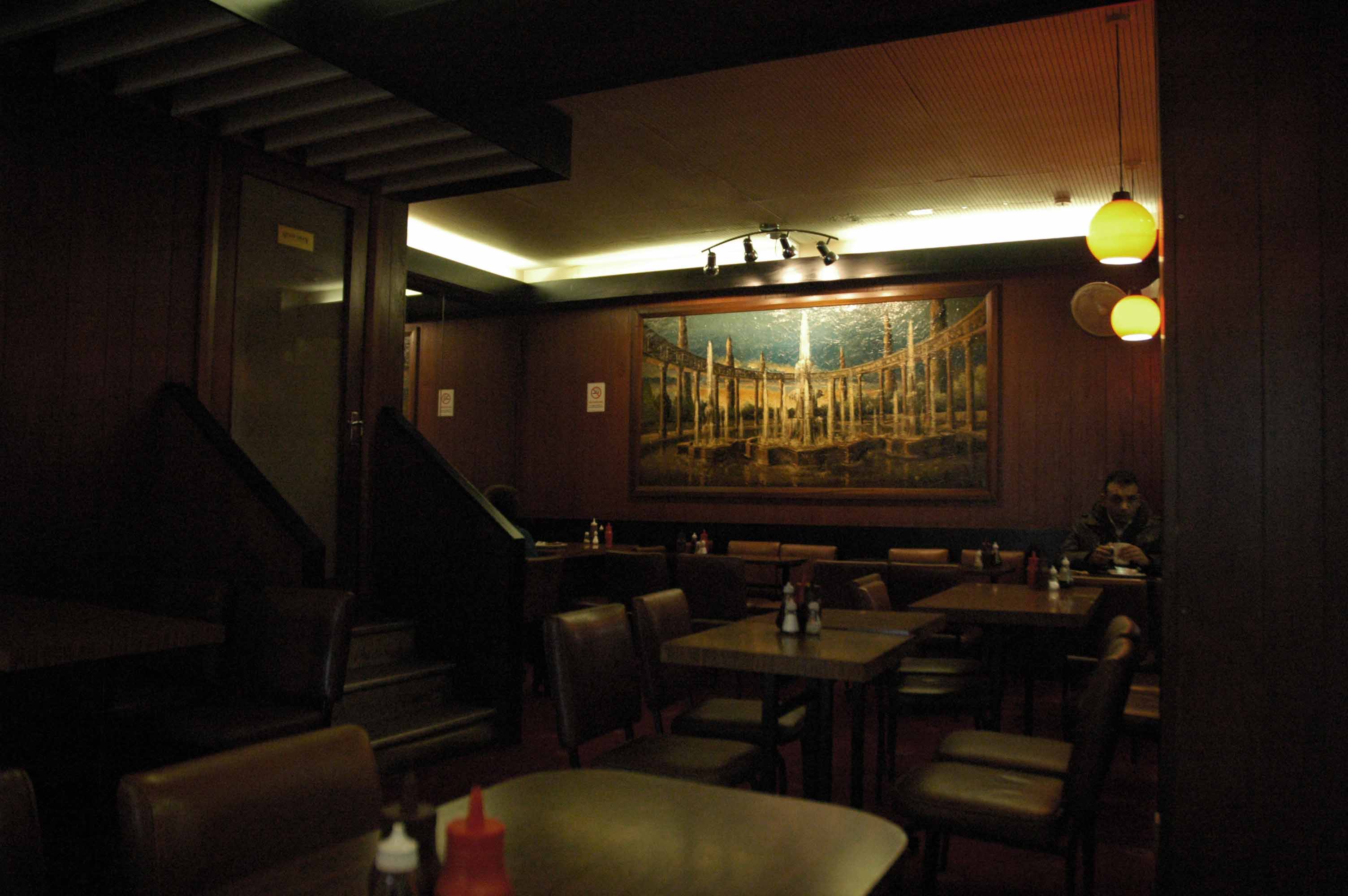
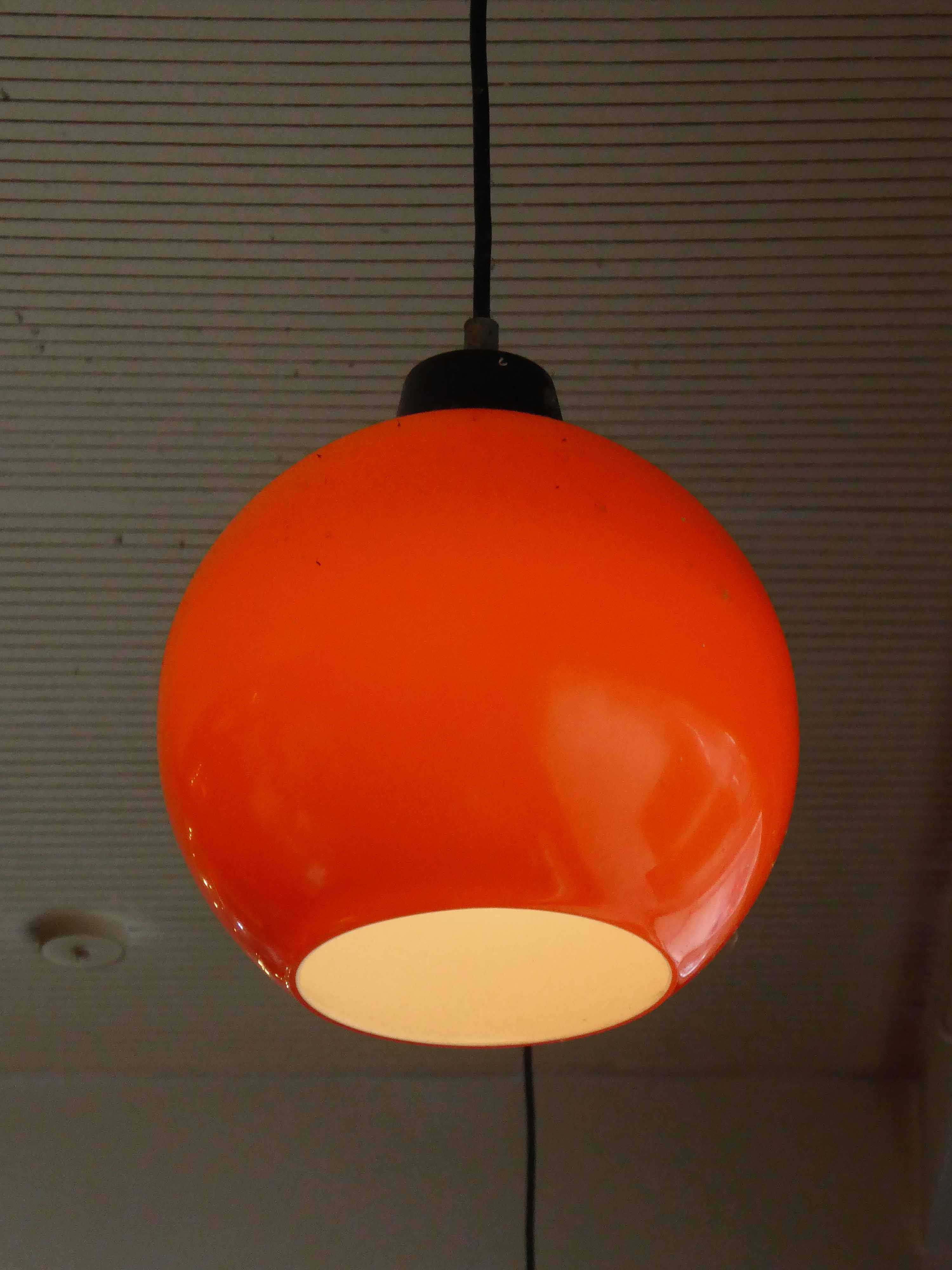
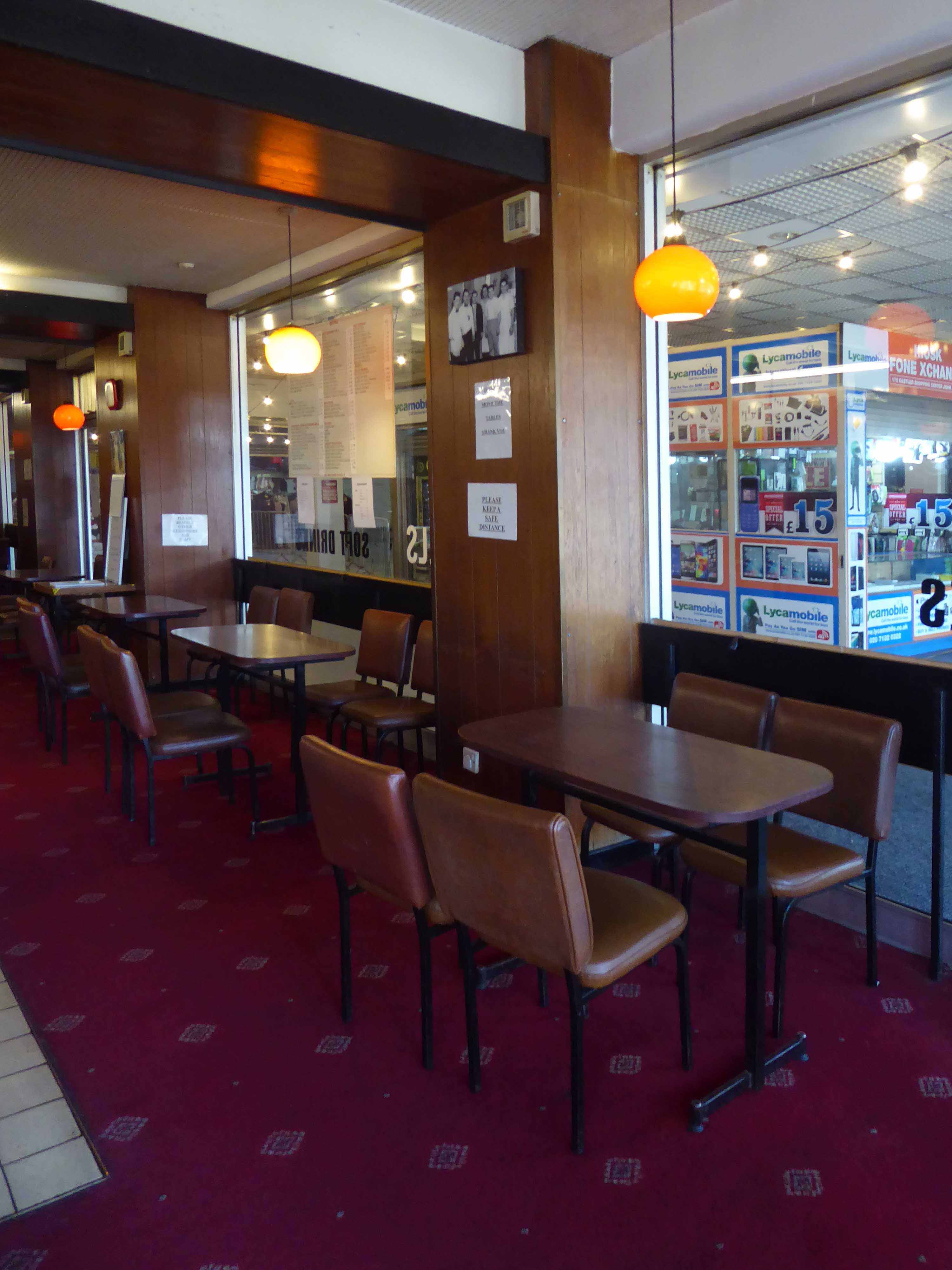
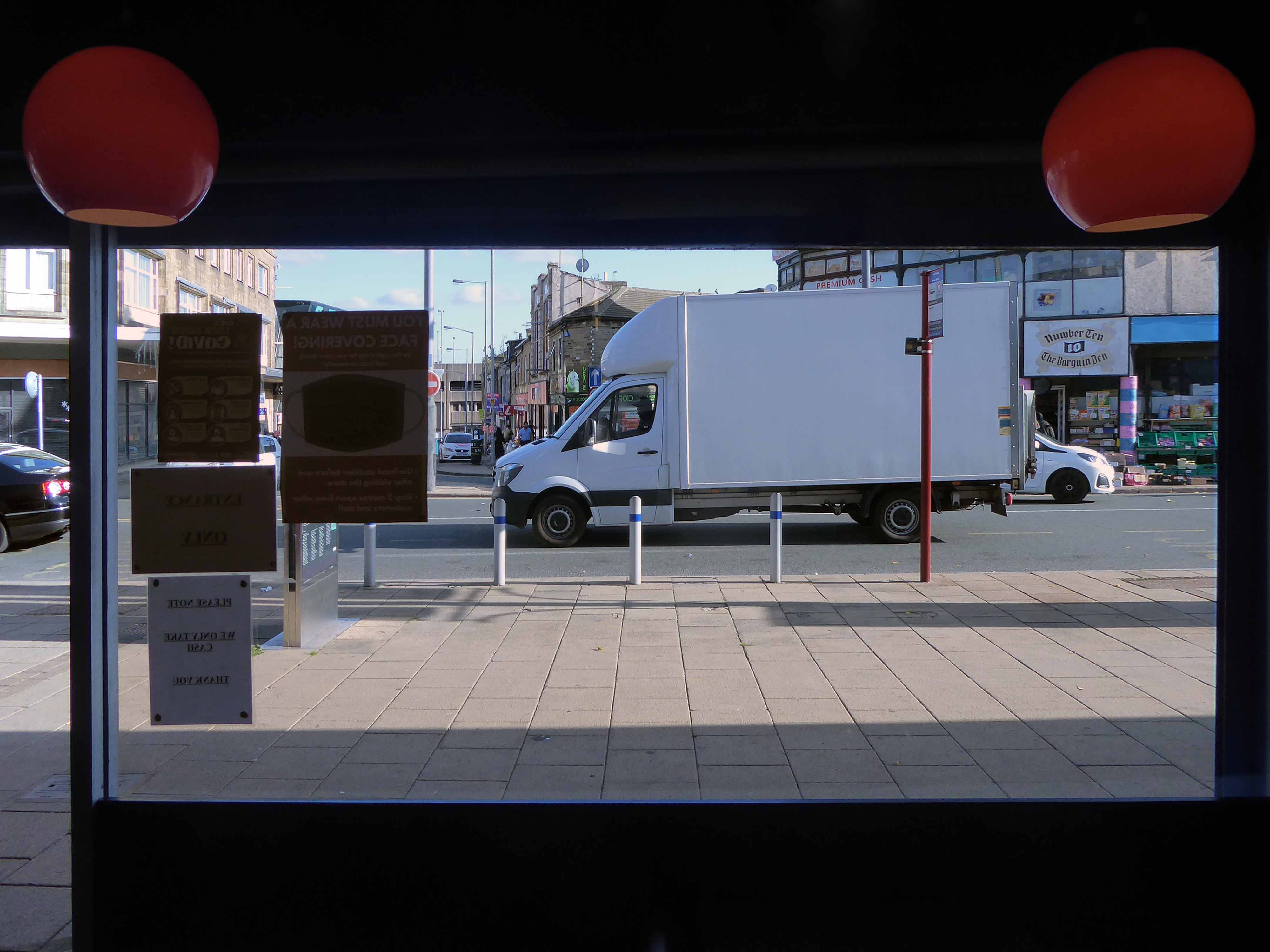
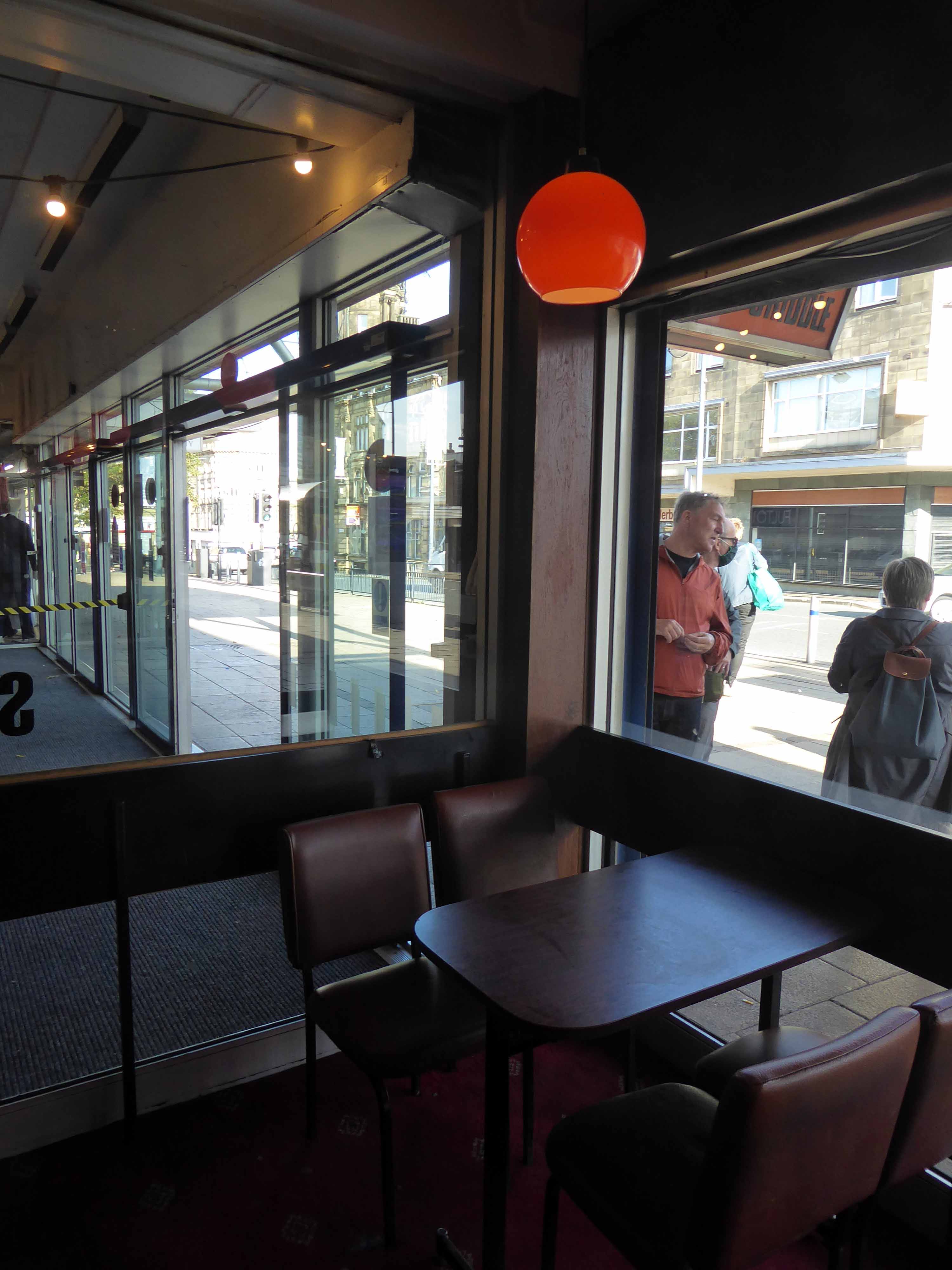
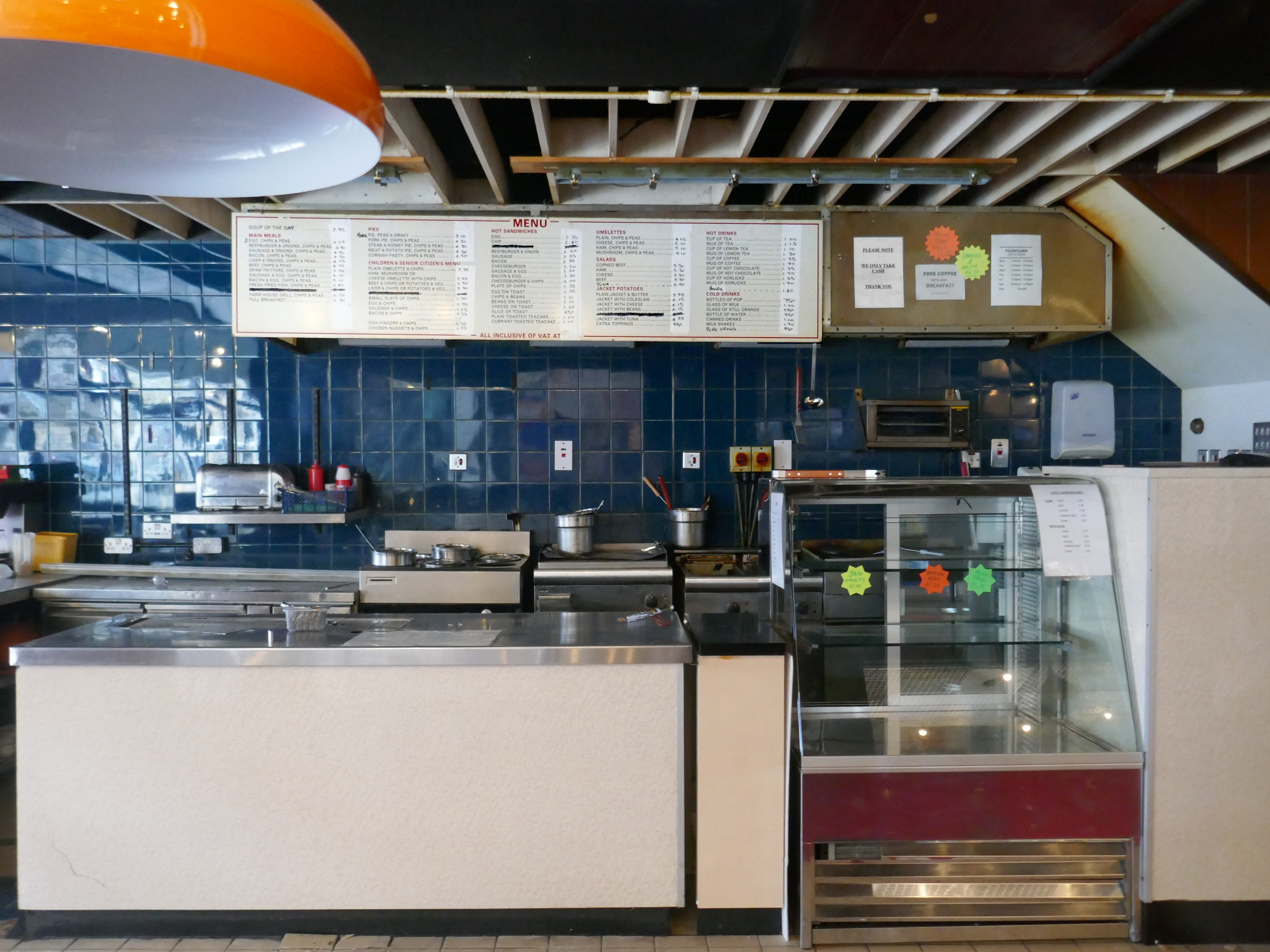
The orange light shades are still hanging limp and bright from the suspended ceiling.

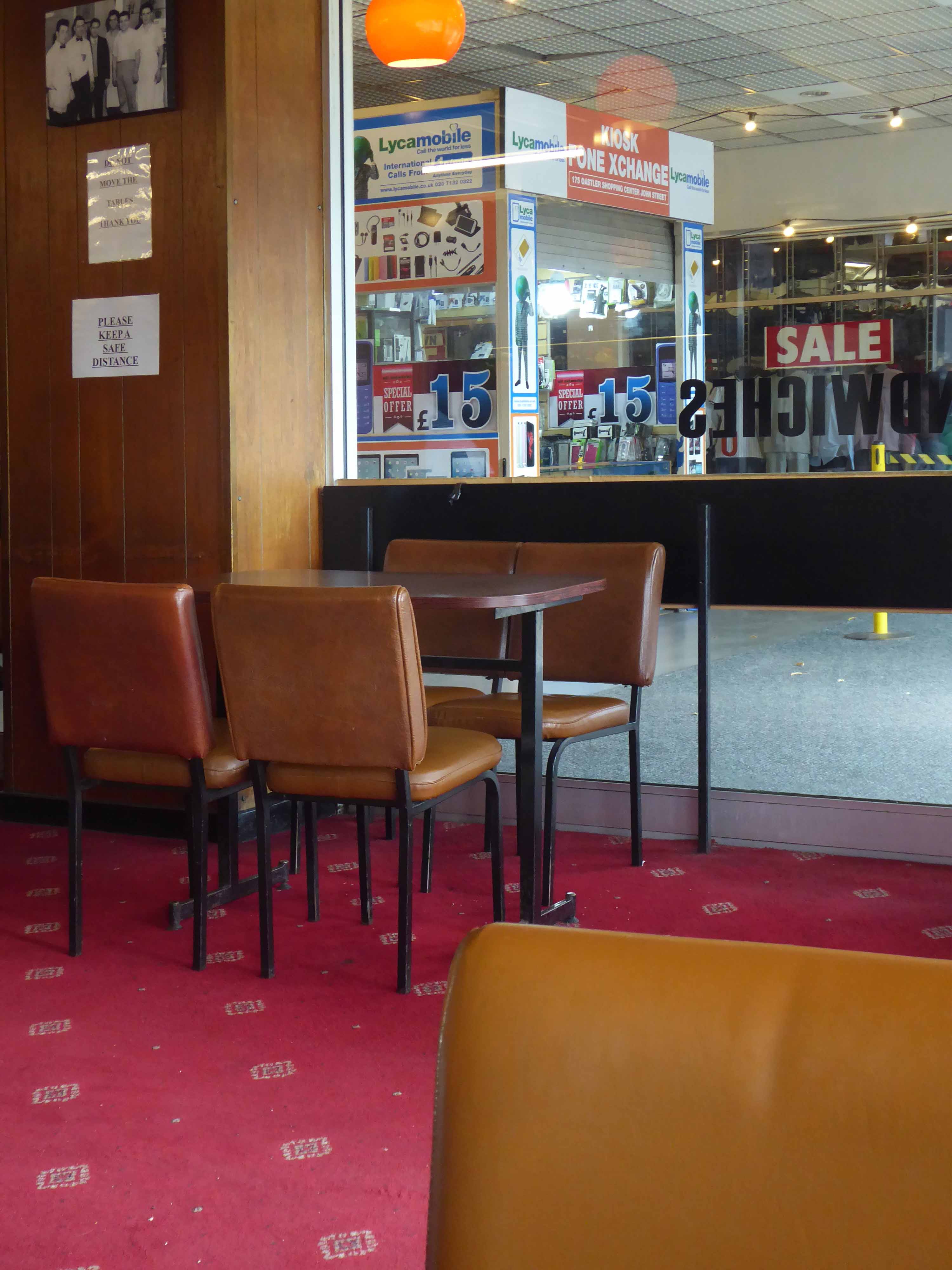
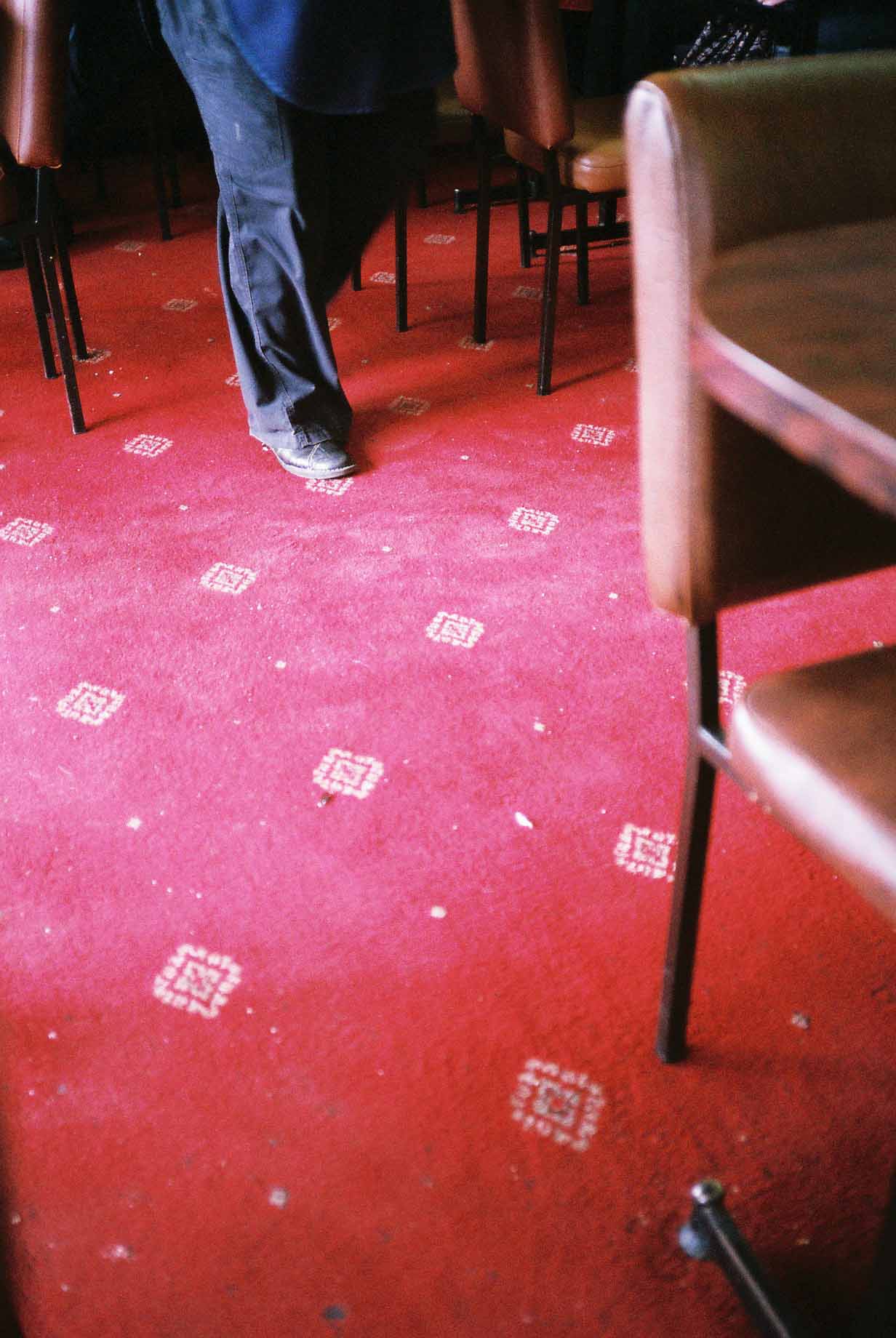
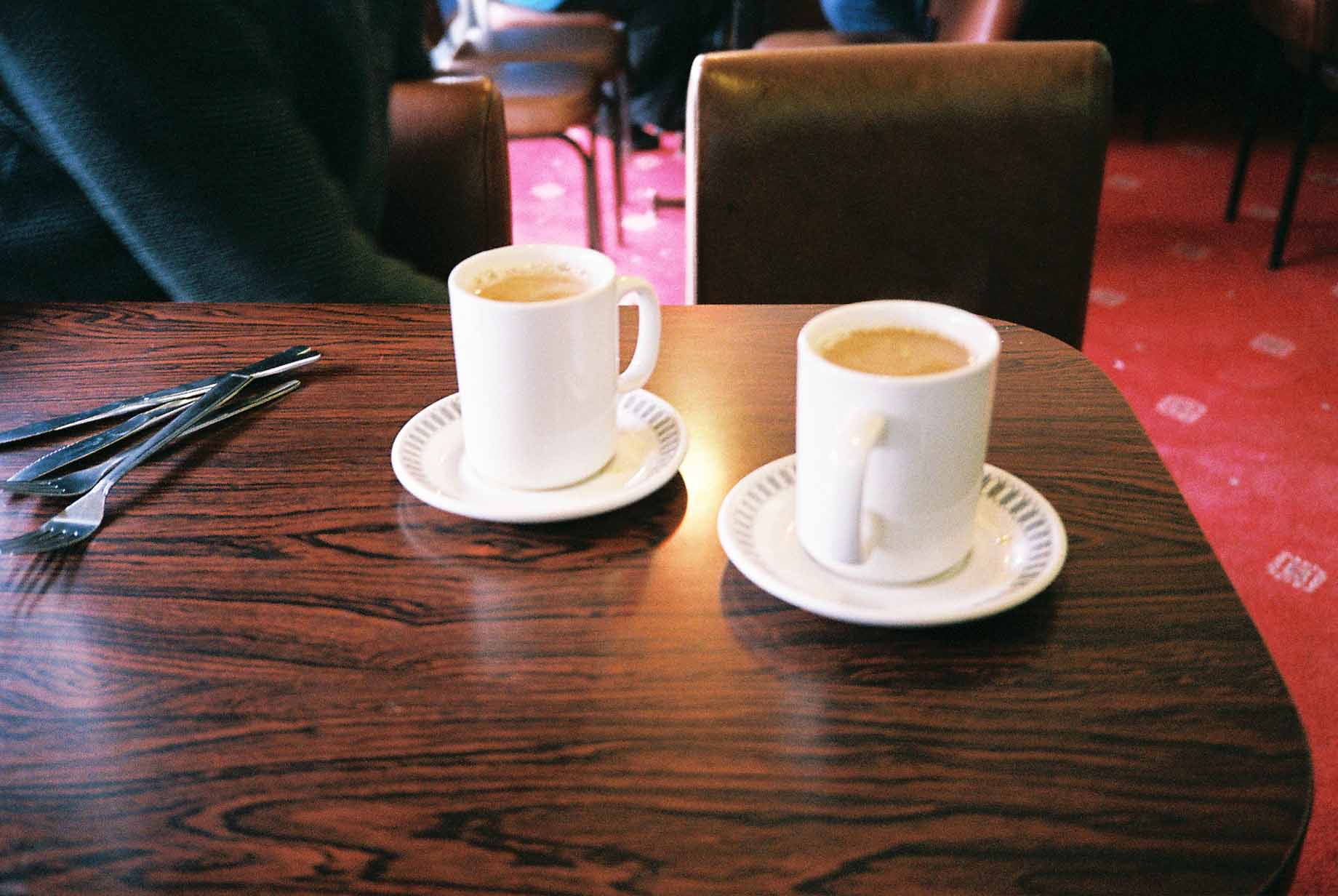
The furniture and scarlet carpet unmoved, as the cheery waiting staff weave merrily in, out and round about with meals and drinks.

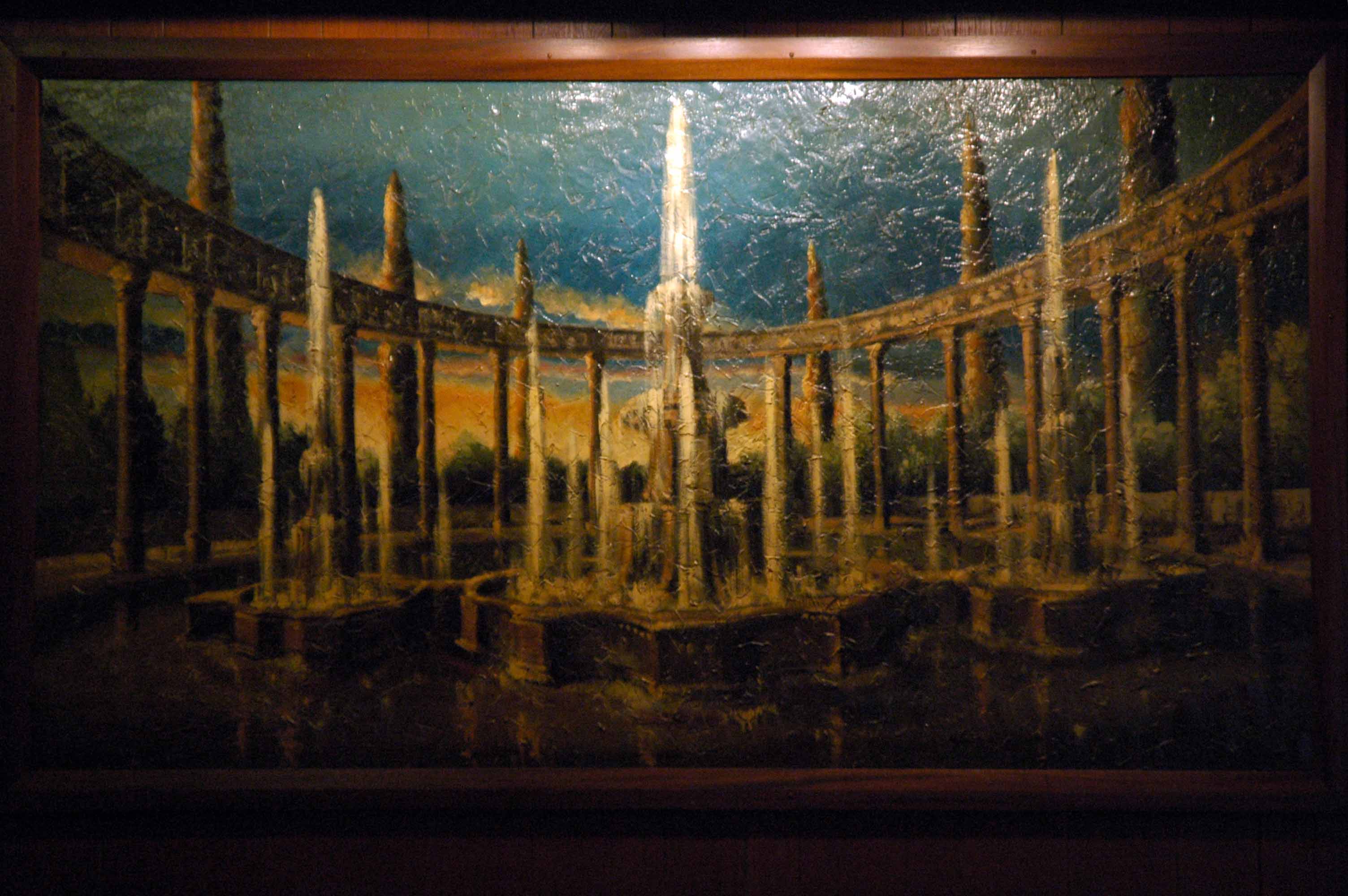
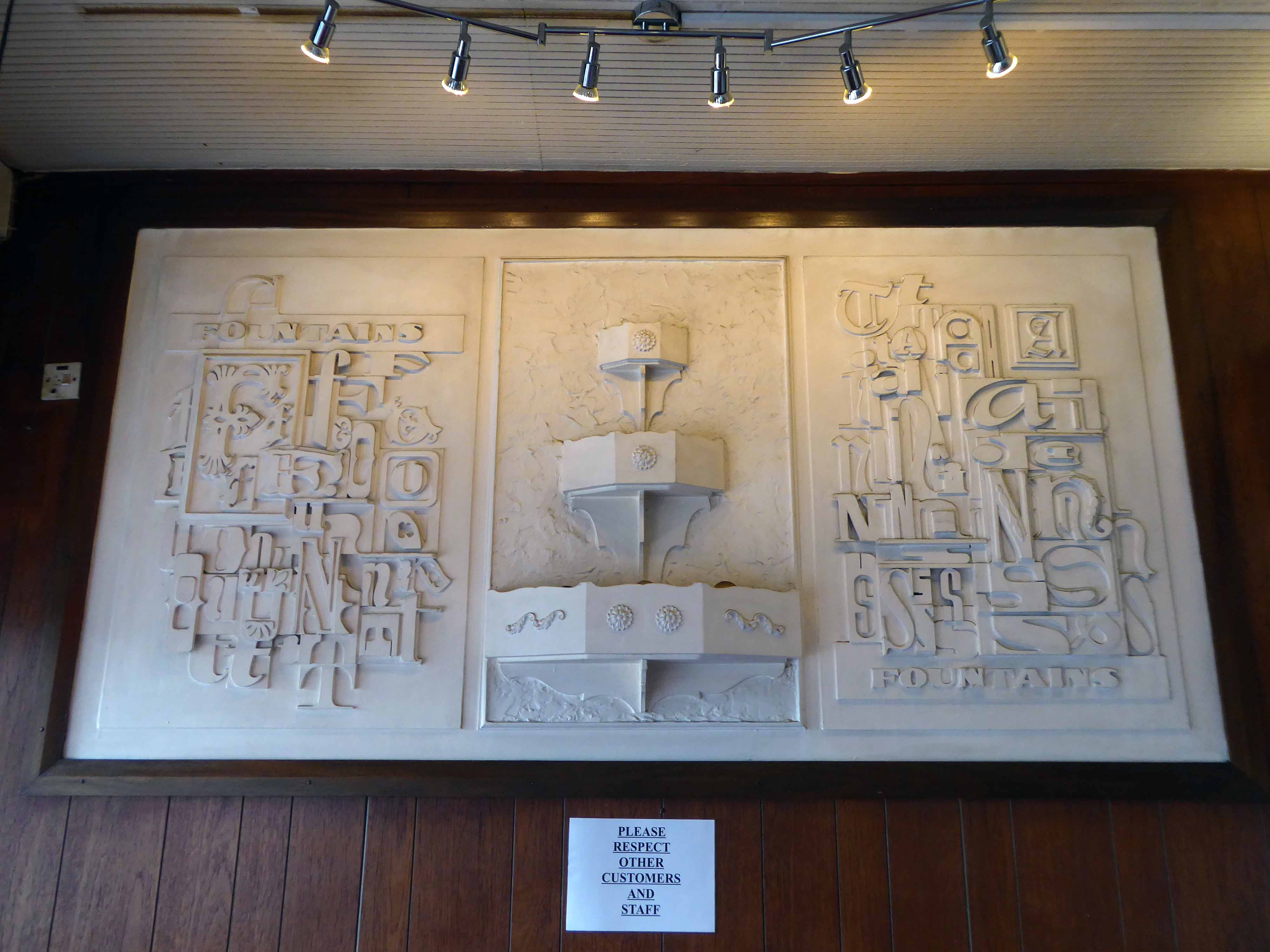
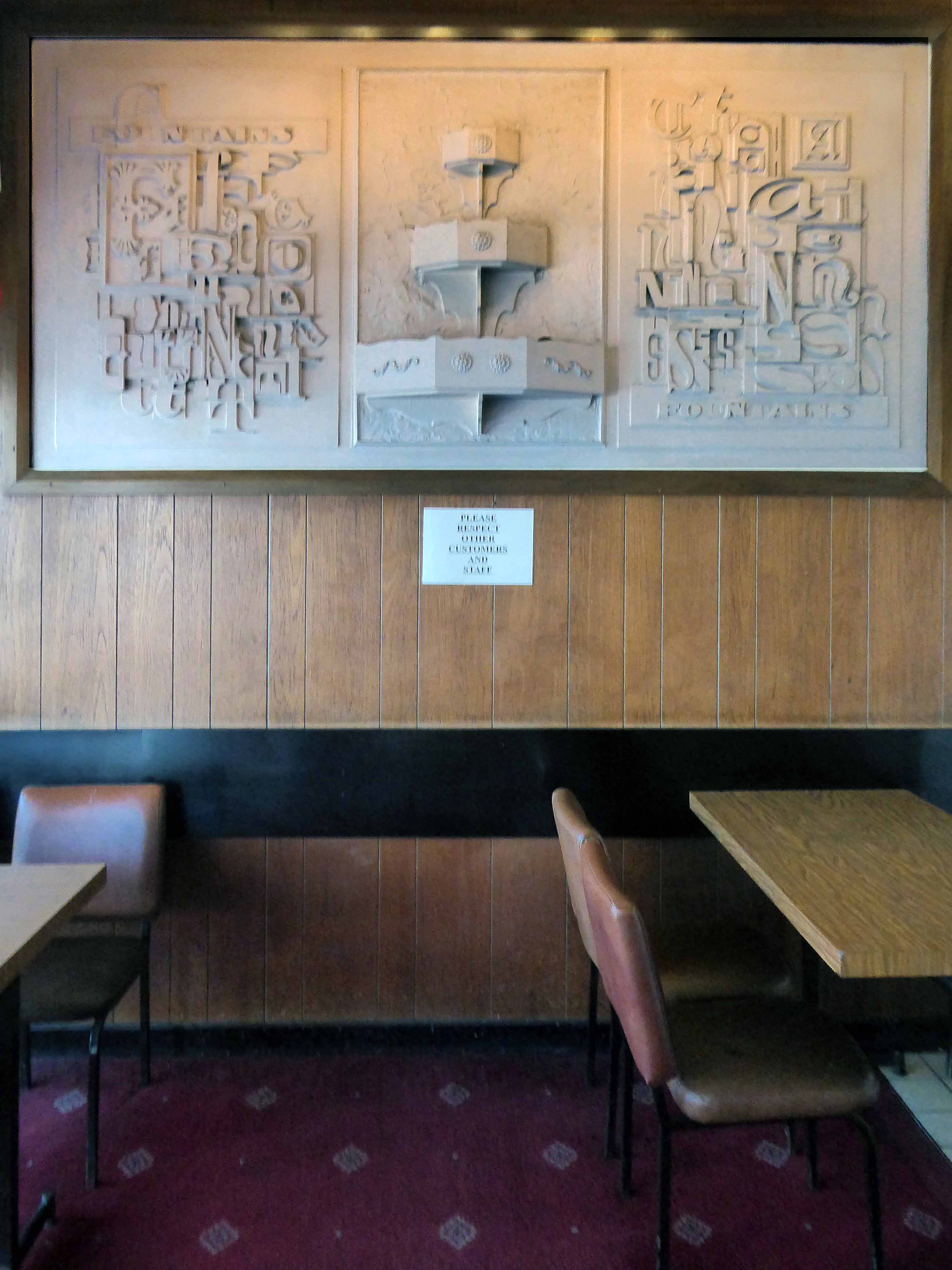
The distinctive white relief sits in the same place on the wall.

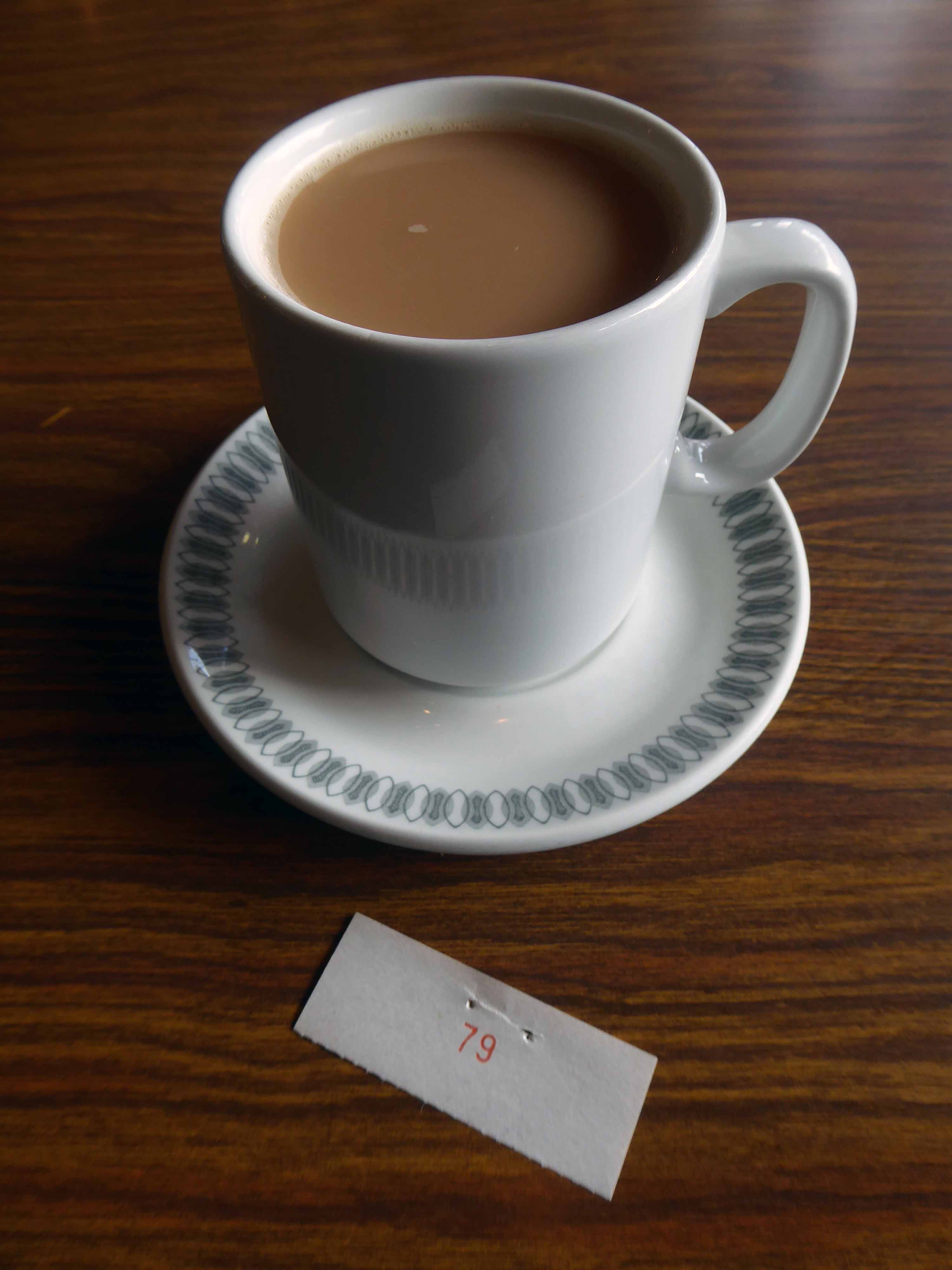
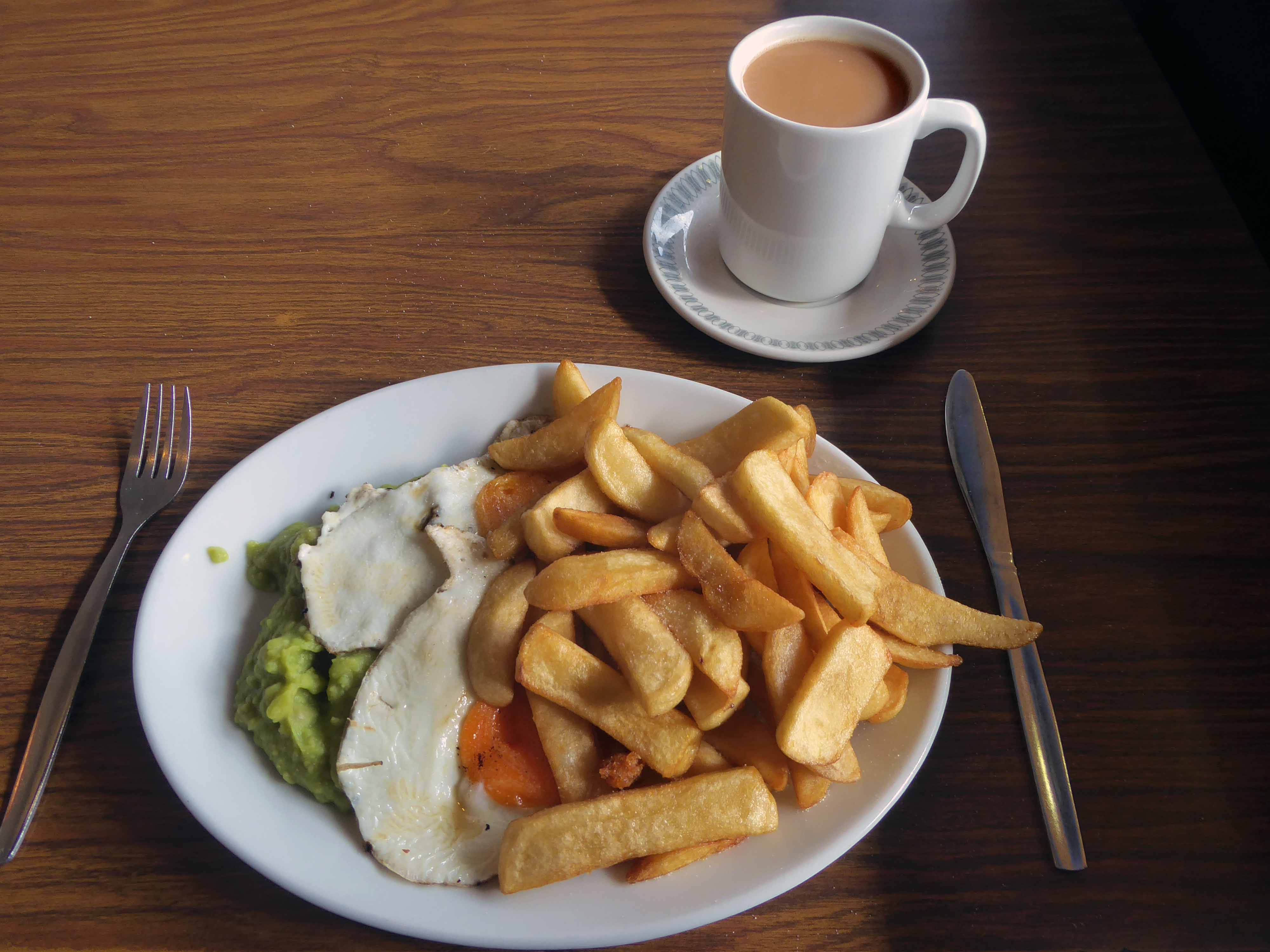
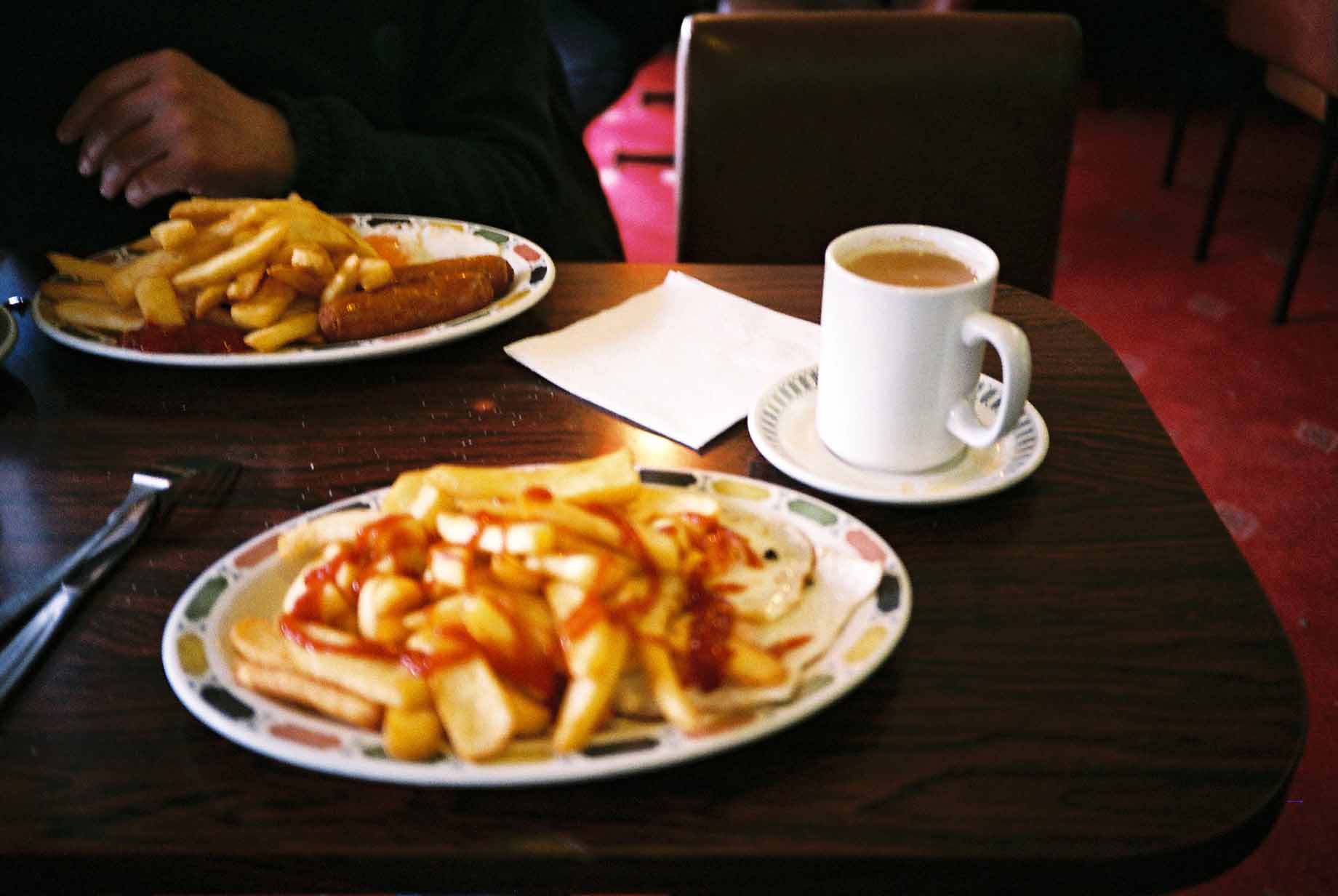
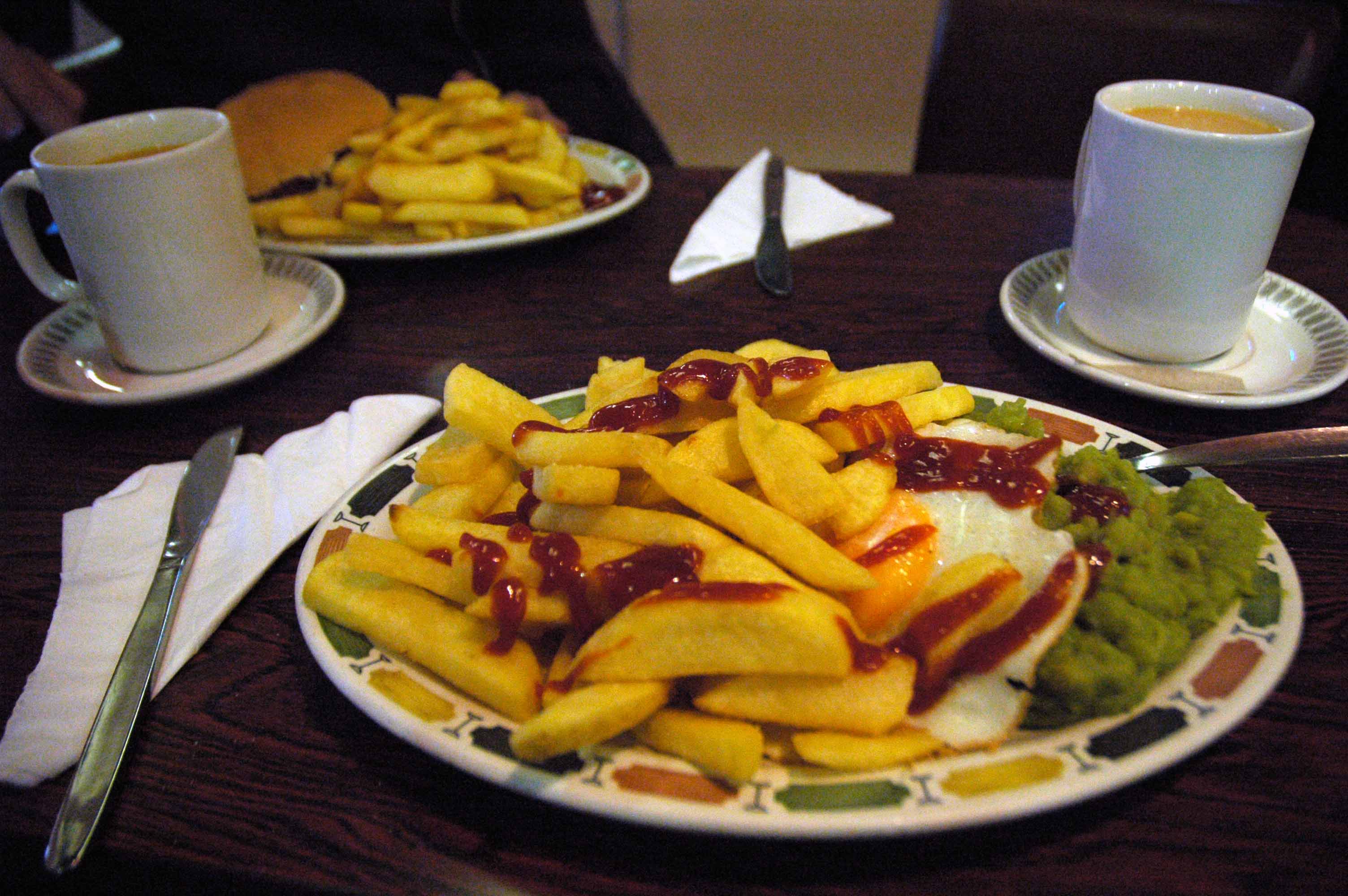
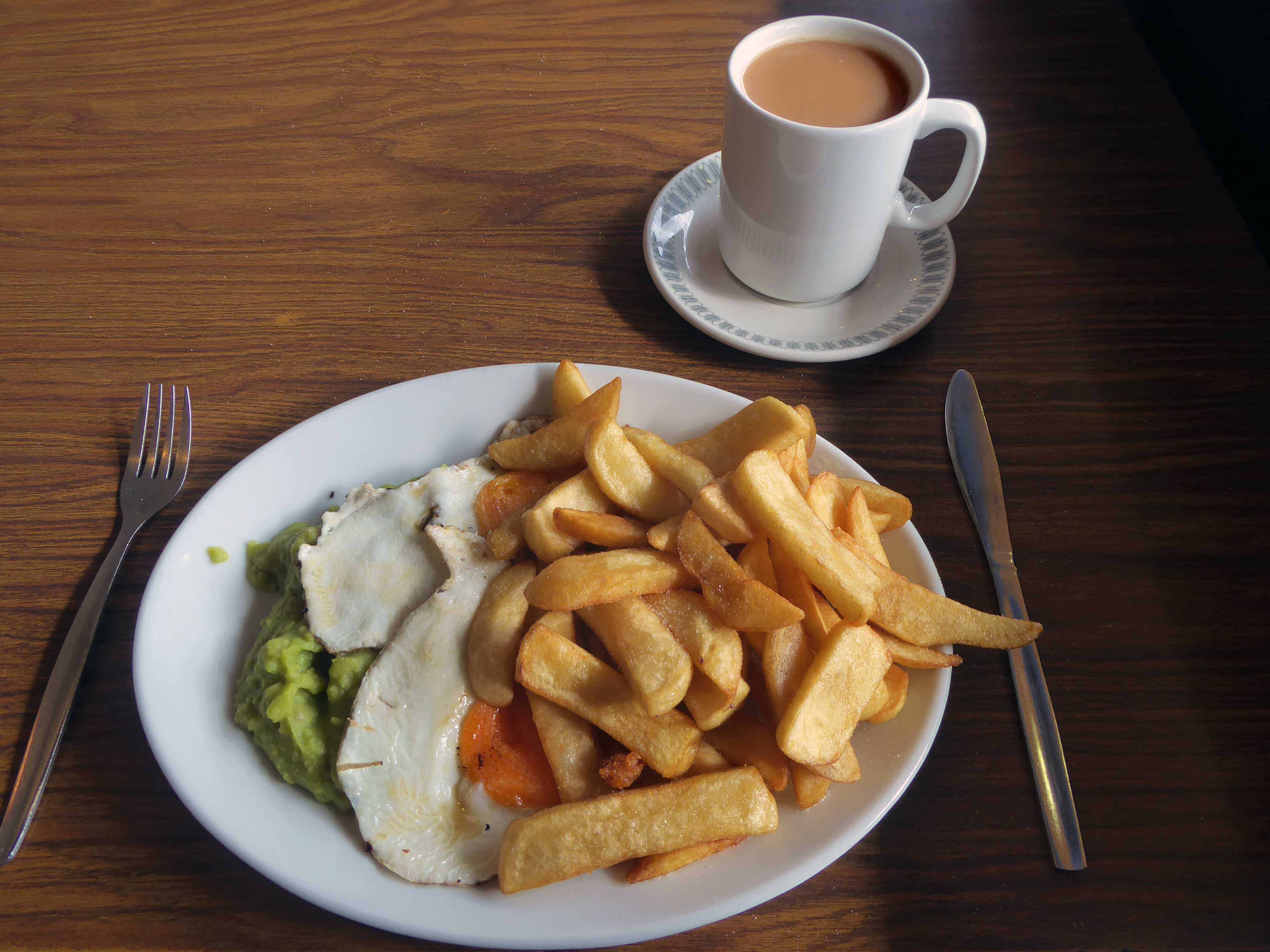
Almost inevitably I order a mug of tea.

Along with a plate of eggs chips and peas.

Eat and drink the lot and leave happy and contented – who can resist a well run, well appointed classic café?

I can’t.

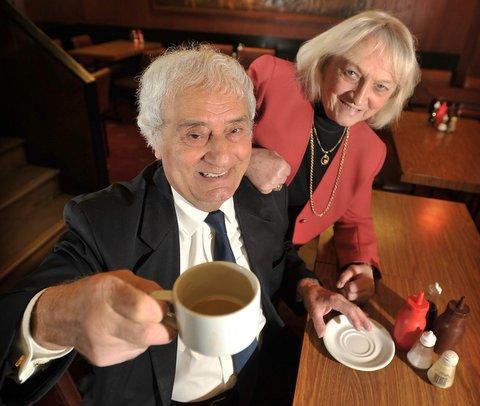
A well-known and respected figure in the Bradford business world, Mr Paul Georgiou ran Fountains Coffee House in John Street for just shy of 50 years alongside his wife Mary, and has run cafés and other businesses in the city for almost six decades.

Other ventures created by Mr Georgiou include the Hole in the Wall nightclub, which was one of the first underground nightclubs in the city centre. It hosted acts including Sir Tom Jones and rockers Thin Lizzy as they rose to fame in the late 1960s and early 1970.

Sadly he passed away in 2019.

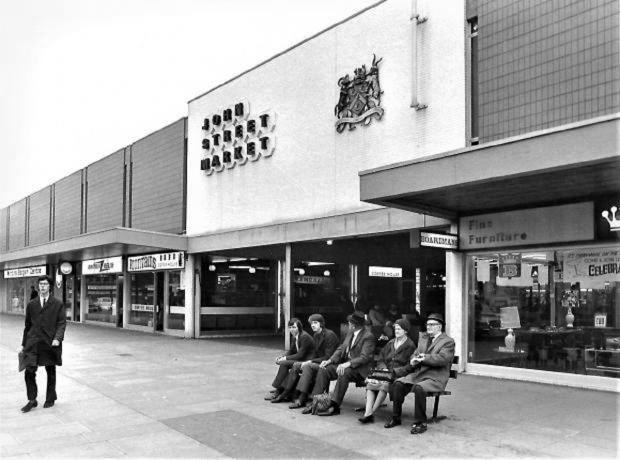
His main business Fountains Coffee House is now managed by his son Michael, but when it opened it was one of the first businesses to open in the John Street Market, as the Oastler centre was known then.

Telegraph and Argus

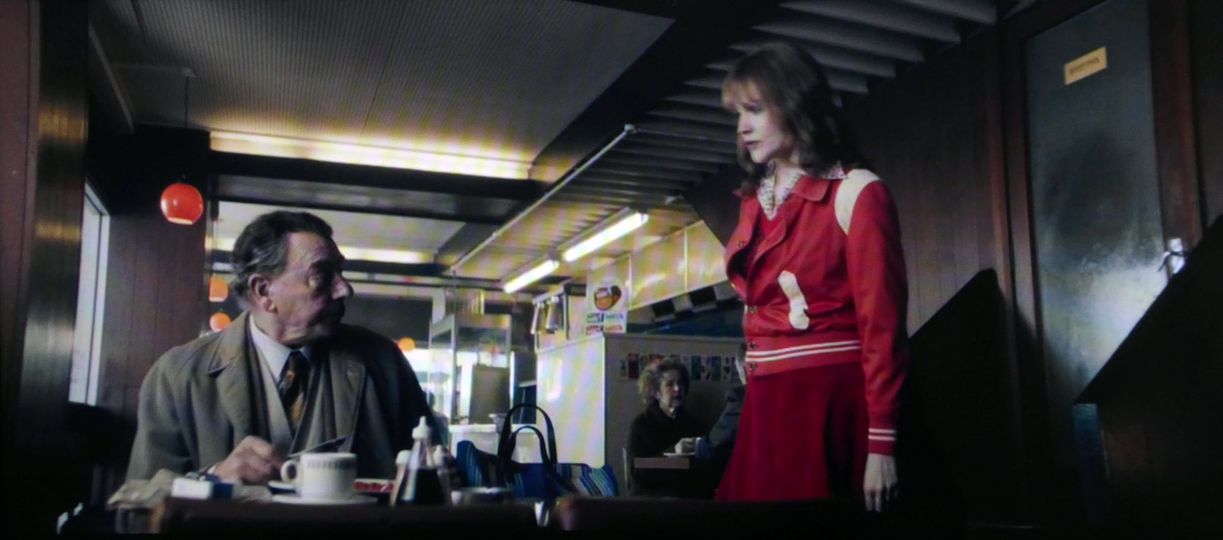
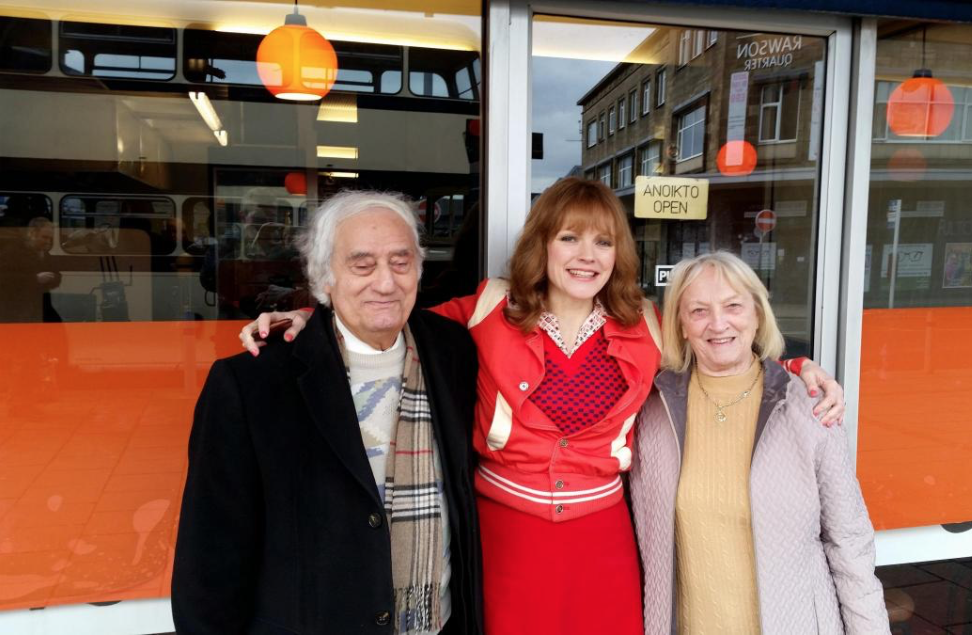
Maxine Peake was a recent visitor – filming a sequence for the film Funny Cow, along with Alun Armstrong.

The café was also used as a location for the 2025 film Good Boy starring Stephen Graham.

I pop in every time I hit town – often whilst hosting a Modernist Mooch.

So here they are my own observations, brews and grub from the last few years.

Do yourself a favour pop in, if and when you pass, you won’t be disappointed.

Sadly Fountains closed on March 28th 2023.

Co-managers, married couple Michael and Stella Georgiou, say a combination of factors has led to their decision to shut. They say the rise in energy prices coupled with the Oastler Centre shutting for good this September has prompted their decision to close.

When Bradford’s Fountains Café closed in March 2023, there were public calls for it to be preserved. Bradford District Museums and Galleries collected some of its recognisable objects to create a display celebrating Fountains Café. These were installed at Bradford Industrial Museum in February 2025. Dr Lauren Padgett, Assistant Curator of Collections, who led the acquisition project and curated the new display, gives an insight into the behind the scenes work around it. 


Several members of the Georgiou family, and the three generations involved with running Fountains Café.

Bradford Museums

Ernest Whiteley – Bridlington

67 Promenade Bridlington YO15 2QE

Ernest Whiteley opened the shop on Easter Sunday 1901

His first week’s taking were £7 14s 1d.

He thought that he had done very well – says granddaughter Ann Clough.

Grandad lost his sight in 1940, I became his eyes. When he lost his sight and he handed over the till keys to mother, they had a little weep. He handed over to my mother because father had died three months before.

Ann has run the shop for the last sixty years, along with Sue, a full-timer for some thirty years.

The rep isn’t coming any more, ordering is online, that’s no good to us.

This is a cash only low-tech, high stock operation.

If they don’t have it – it probably doesn’t exist.

Along with Walton’s of Ashton under Lyne and the Wool Shop of Exmouth, this is one of a kind. A family business lovingly preserved and well run, trading traditional goods, in a kind and caring manner, to happy shoppers.

From the outside little has changed sine the 1930s, wide glass, well arranged windows, displaying a wide array of wondrous haberdashery.

All contained within an arcade with Art Deco detailing.

There are many, many mannequins from another age.

One man from Scotland stayed for hours, he had a fetish for the mannequins, we couldn’t get rid of him.

The side of the shop is largely given over to net curtains of every size, shape and design, labelled Monica, Daisy, Andrea, Vicky or Sarah.

The names were chosen by Sue, it’s a lot easier for people to say, I want Vicky, 36 deep, than the one with the squiggly flowers, or to remember the manufacturer’s number.

Inside is a haven of domesticity, dusters abound, along with all the other attendant cloths and towels to ensure household cleanliness.

Not forgetting the correct clothing for those domestic chores.

The original display units are a delight.

Almost every surface is awash with lady’s unmentionables – winter draws on, wrap up.

There are covers and doilies of every description.

And the finest display of sensibly priced handkerchiefs, fancy and plain.

Every sign and tag hand written with pride.

It was, as ever a privilege and a joy to spend a short time in another world, thanks ever so to Ann and Sue for their time and patience.

If your passing pop in spend a pound or two – I bought three dish cloths.

One customer told me he was going to a party dressed in a white mini-dress, purple wig, thigh boots and black tights, he came to look at nighties and tried one on in the changing cubicle. You’ve got to be broad-minded. It can be very disconcerting when you hear a man zipping up a corset.

Yorkshire Post

Ann Clough and her grandfather Ernest.

Doncaster Modernism – Revisited

Having taken a tour around town last year, we are now revisiting Doncaster on a socially distanced Manchester Modernist walk.

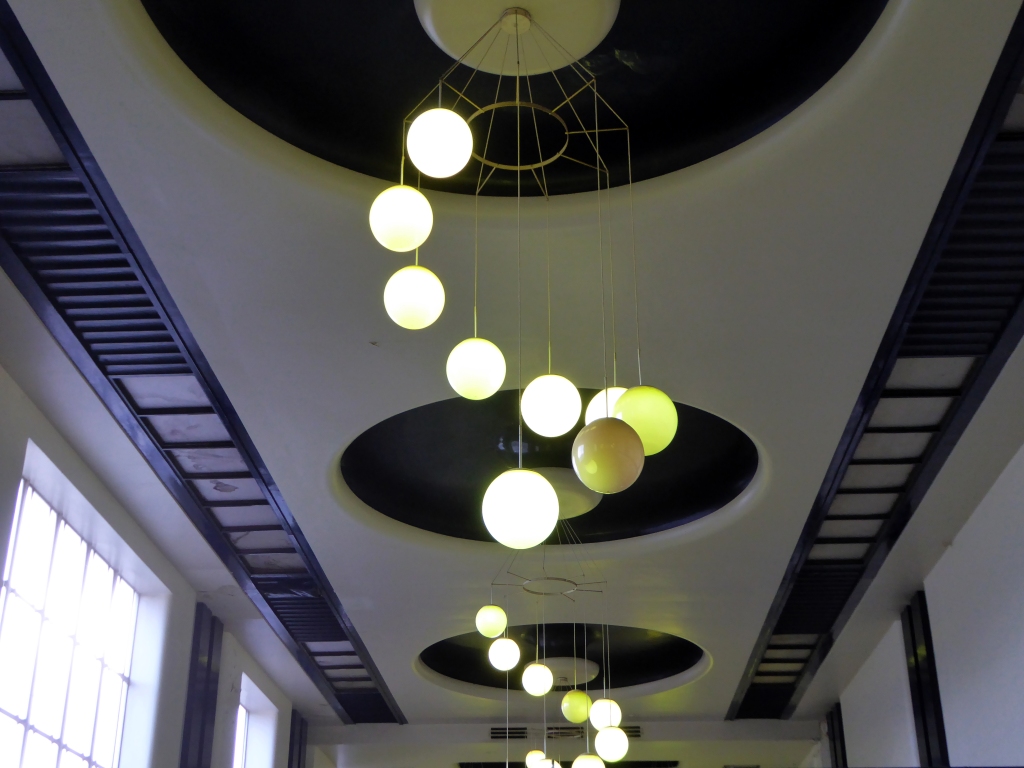
Arriving by train at 8.30, just in time to check out the new lighting scheme in the station foyer.

Replacing the previous lighting.

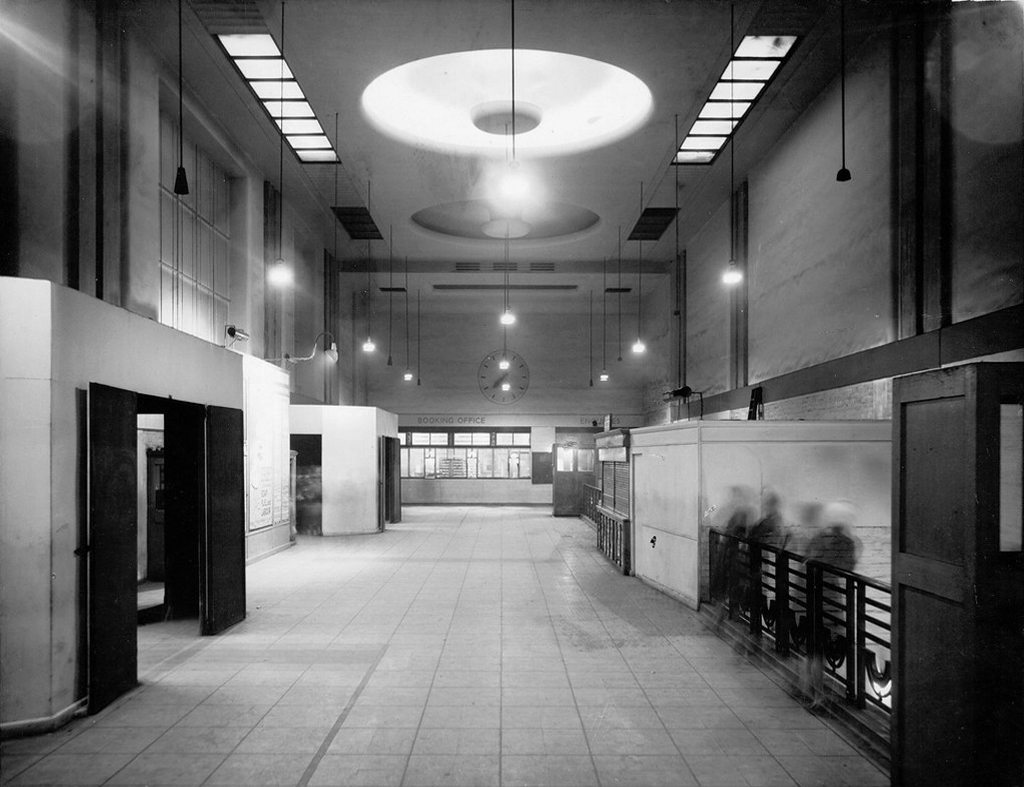
Which in turn replaced the original Thirties lighting.

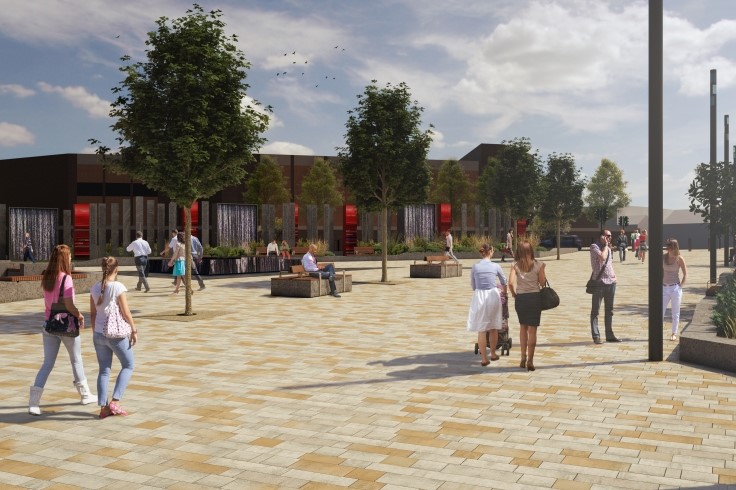
The forecourt redevelopment is a work nearing completion.

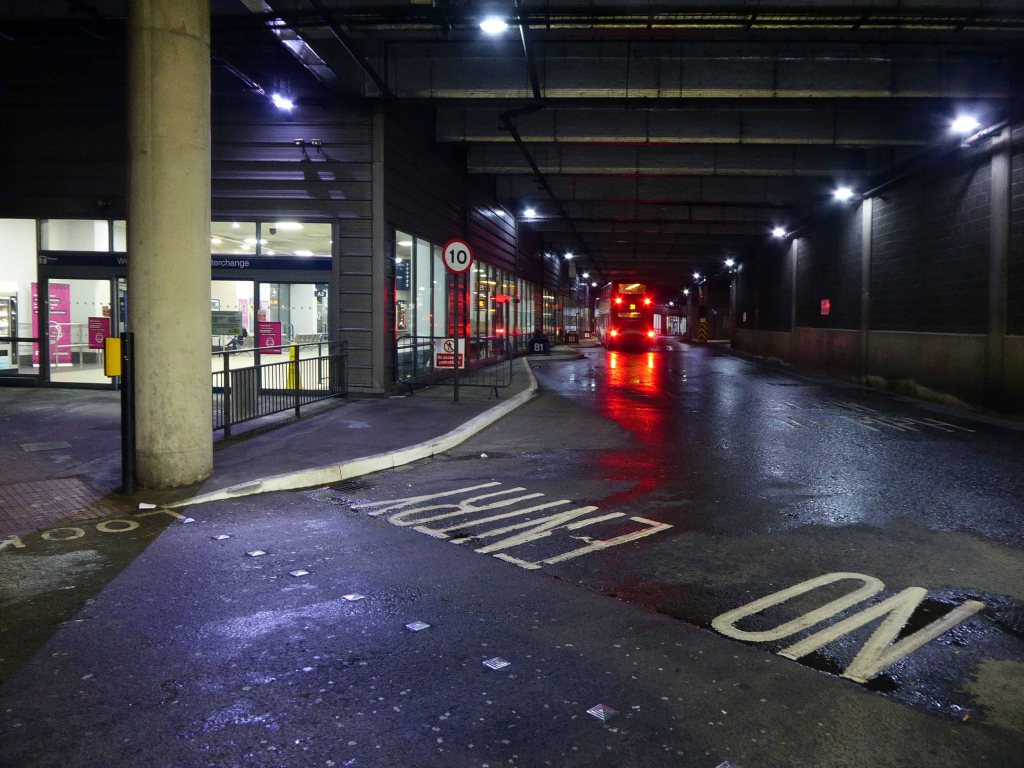
I was on my way to Intake by bus so it’s off on the 66 from the Frenchgate Inetrchange.

An urban environment so anonymous, that it can only just recognise itself. I was helpfully informed by two radio controlled security guards that photography was illegal.

More Interzone than Interchange.

Here are my transgressive snaps, I made my excuses and left – on the next available 66.

Decanting from the single decker I made my way across the way to All Saints, a George Pace church of 1956.

Built on the foundations of an unrealised Neo-Romanesque church of 1940, but reorientated east/west.

I legged it back to catch the bus back, the returning 66, much to the surprise of the surprised driver, making his return journey.

Jumping the 41A to Scawsby, displaying my risible home-printed map to the driver, requesting a shout when we arrived at the indicated destination, which he was unable to discern, and which I had failed illustrate.

I had contrived to arrive at the end of the line, a bit part player in a non-existent Béla Tarr film.

The heavy rain continued to fall.

I followed the bus route back to the Church of St Leonard and St Jude on Barnsley Road.

Following a thorough tour inside and out, I returned promptly to the town centre, on the limited stop express X19.

And hotfooted it to the Waterdale Centre, a work in progress, the CGI figures being as yet, a mere figment of the development officer’s fevered dreams.

Doncaster Council documents from the planning application for the demolition say, that while the exact project is not yet fully in place, discussions are taking place with the council on the project and grant funding is being sought to help the future regeneration scheme. But the council has said it supports schemes that would revitalise the Waterdale Centre area for retail, leisure, and tourism uses.

The centre is now owned by the Doncaster-based property firm Lazarus Properties, who bought it from the Birmingham firm St Modwen.

Lazarus director Glyn Smith said his firm had faith in the local economy of Doncaster town centre, even though larger multinationals seemed to be shying away.

Doncaster Free Press

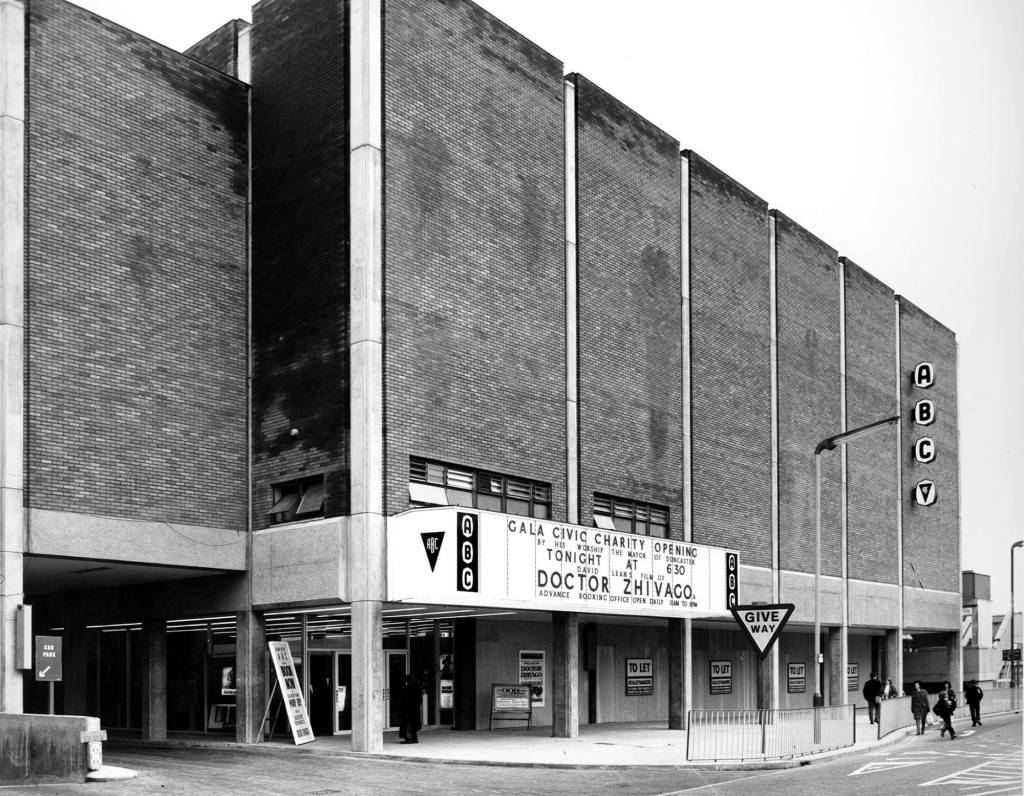
The former ABC/Cannon Cinema

The ABC was built by Associated British Cinemas(ABC) as a replacement for their Picture House Cinema which had opened in 1914. It opened on 18th May 1967 with Omar Sharif in Doctor Zhivago presented in 70mm. Designed with 1,277 seats arranged in a stadium plan by the architectural firm Morgan & Branch, with input by architects C. ‘Jack’ Foster & Alan Morgan. It was decorated in a modern 1960’s style.

Closed in January 1981 for conversion into a triple screen it re-opened on 9th April 1981 with seating in the 3-screens.

The Cannon Group took control in the mid-1980’s and it was re-named Cannon and it closed on 18th June 1992, screening its opening film “Doctor Zhivago”.

The building has stood empty and unused since then, but in 2007, it was bought by Movie World for just £150,000. It is reputedly being re-modeled with extra screens added, however by 2009, only a clean-up of the interior has been achieved. The building sits empty and unused in 2020.

Cinema Treasures

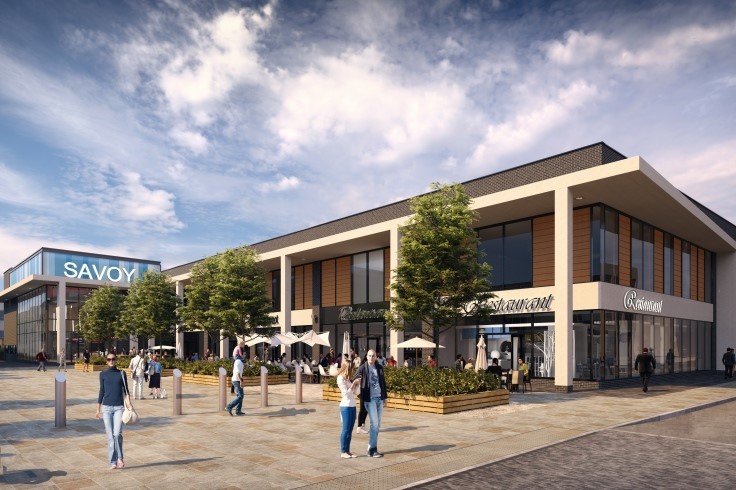
The delayed opening of the new Savoy Complex will no doubt inform the future of the Cannon.

It’s a familiar tale of the local authority, developers, leisure and retail outlets chasing dreams, cash and hopefully pulling in the live now pay later public.

It’s all part of the Doncaster Urban Centre Masterplan which will transform the way Doncaster looks and the way residents and businesses use the city core.

The area is a pivotal point, I sincerely hope that the Waterdale Centre is revived, along with the adjacent Civic Quarter car park.

Refurbished in 2011 by Potter Church and Holmes since closed.

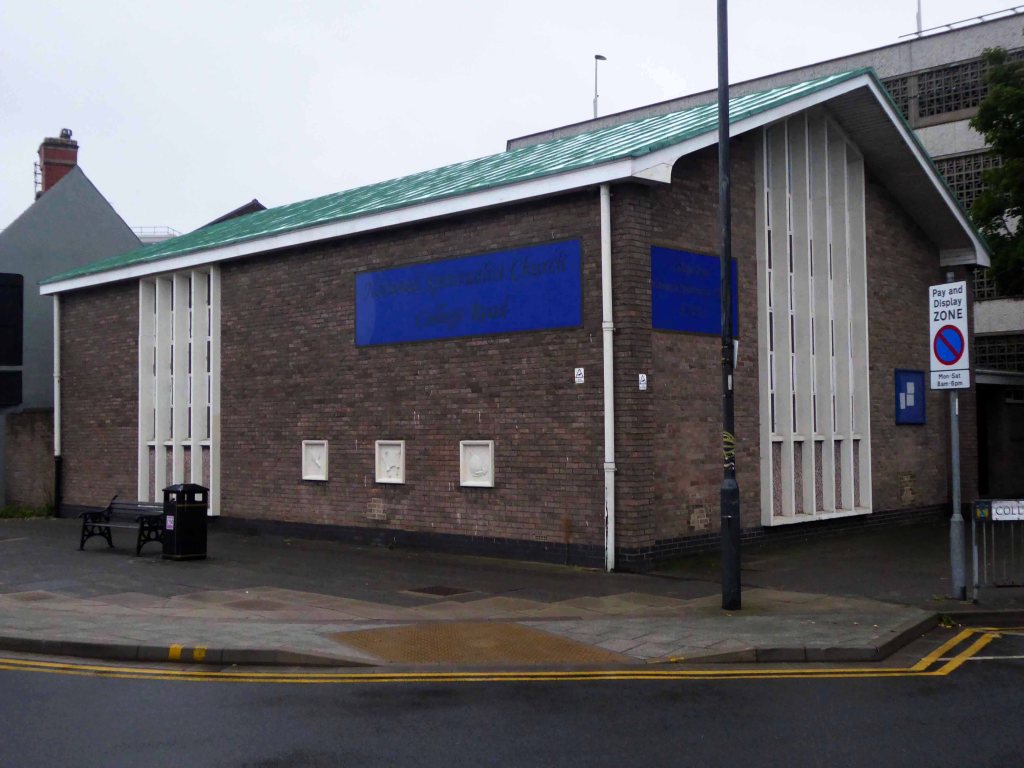
I noted the restrained Modernism of the National Spiritualist Church.

The service begins with a short prayer. The congregation sings three songs during the service using music that most people would recognise. There is usually a short reading or lesson on something to do with spiritualism or events in the world. There is also a talk by the guest medium who use their inspiration or intuition to compose an uplifting address.

Then the business of contacting the spirit world begins.

Along with its curious relief panels.

Back around to the back of the Waterdale and the surviving former bank fascia, civic offices and library.

Back through the Waterdale to discover the saddest of retail archeology.

The long lost tiled café wall and a mysterious porch.

A gloomy end to a very wet day.

Boyes Bridlington

29 King Street Bridlington East Riding of Yorkshire YO15 2DN

Supplier of a variety of discounted homewares and DIY products, toys, clothes and stationery.

In 1881 William Boyes opened a small store in Eastborough, Scarborough selling odd lots and remnants from merchants. There was great poverty in the working classes and housewives were even keener for a bargain than they are today. When customers found that they could buy enough material to make a coat or a dress cheaper than anywhere else, they soon spread the word and trade increased to such an extent that William had to look for larger premises.

William rented a large warehouse just off the main street where business continued to grow. By 1886 he purchased further units in Market Street and Queen Street and knocked them into one large store and named it ‘The Remnant Warehouse’. Older customers in Scarborough still refer to the shop as ‘The Rem’. As time went on William expanded his range and bought other clearance lines from merchants developing the warehouse into a department store.

Business continued to grow and go from strength to strength and in 1910 the expansion of the company started. Today W Boyes and Co Ltd operate over 60 stores throughout Yorkshire, the North East, Lincolnshire and Nottinghamshire & Leicestershire.

Boyes

In 1969 Hammonds of Hull purchased the Carltons department store located in Bridlington, and within a year had demolished and rebuilt the store. The company’s independence did not last much longer, as in 1972 House of Fraser purchased the business for £8 million. The stores were then grouped under the Binns brand. The Bridlington store was closed in 1995 and the store stood empty for three years until Boyes opened in 1998 
My sincere thanks to Kate Yorke for her detective work.

I have been here before, enchanted by the exterior tiles, of unknown origin – yet strongly redolent of William Mitchell’s work.

These are on the southern face of the building.

On the opposing side.

They flow through into the entrance lobby.

Exploring further I encountered these striking ceramic tiles on the stairwells.

With a matching set on the others side of the store.

It’s a constant delight to discover the decorative art of the Sixties preserved in situ. Remnants of a time when investment in original work was de rigueur, reflecting the pride which companies had in their buildings and the respect they held for their customers.

The stores trade as Boyes – pronounced Boys but often mispronounced as Boys-es.

It is still owned and family run with Andrew Boyes and his son Richard as joint managing directors.

The Scarborough store was home to a number of animals in the past, including monkeys, chipmunks and budgies. The animals were used as way of encouraging customers to visit the store and purchase something whilst they visited. Two of the monkeys, Jacko and Dinah, are famous to a generation of Scarborough shoppers.

Wikipedia

The Trawl – Bridlington

5-7 Cliff Street Town Centre Bridlington YO15 2NJ

The best chippy in Bridlington

I first bowled up in 2011 – walking the wild streets of East Yorkshire – eager to eat.

I was instantly enchanted by your fragrant fish and chips, peg board menu and marvellous tiles.

It would have been rude not to walk right in, sit right down and order a Haddock Special with tea – so I did.

Delightful.

Fast forward to 2014 and here we are again, some minor adjustments to prices and layout, but essentially business as usual.

One more time please – a Haddock Special with tea.

2020 and this time it’s serious I’m going in, armed with an insatiable curiosity, a Panasonic Lumix TZ70 and a healthy appetite – in that order.

I ordered a Haddock Special with tea.

The food was as ever superb, served with winning smile and cooked to perfection by the same owner who had dealt a winning hand nine years ago.

Whilst I awaited my food, I sat patiently taking in my surroundings and a few snaps.

Noting the notice my host observed that she loved children but couldn’t eat a whole one.

For the very first time I noticed the illustrative pictorial panels adorning the range counter.

And the menu above the entrance.

Replete, enough is as good as a feast – I complimented the chef, thanked all and sundry, exited stage right.

Once out on the streets once more, I surveyed the fascia, its tiles and newish fascia.

One thing is for sure I will return, if the good Lord’s willin’ and the creeks don’t rise.

So a big Bird goodbye from the old fish.

And hello to the new.

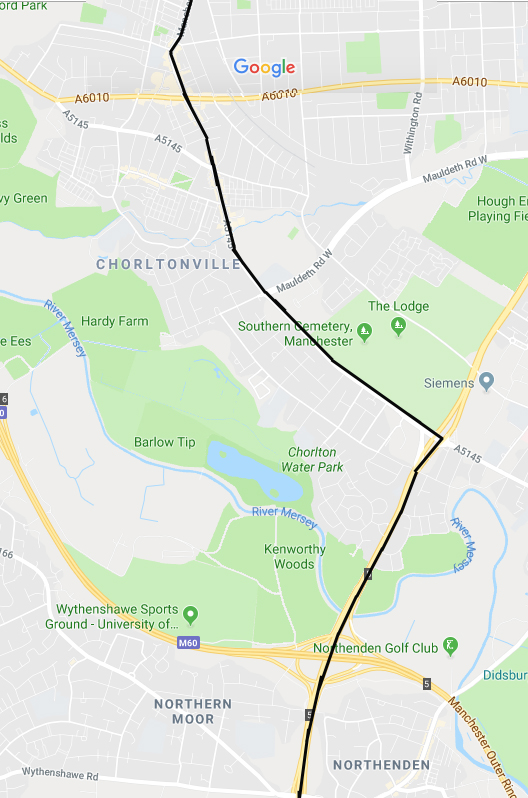
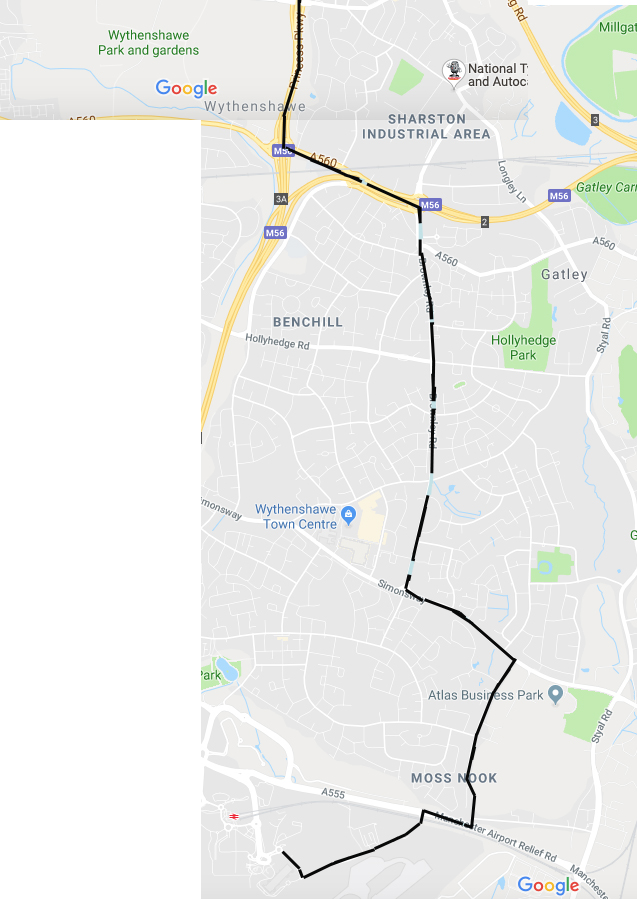
Yuri Gagarin’s Manchester Route 2019

This is the journey made by Comrade Yuri Gagarin 12th July 1961 – as detailed in my previous post.

This is that same journey by bike and my observations of 19th August 2019.

Original Terminal Building LC Howitt and SG Besant Roberts 1962

Ringway Road

Shadow Moss Road

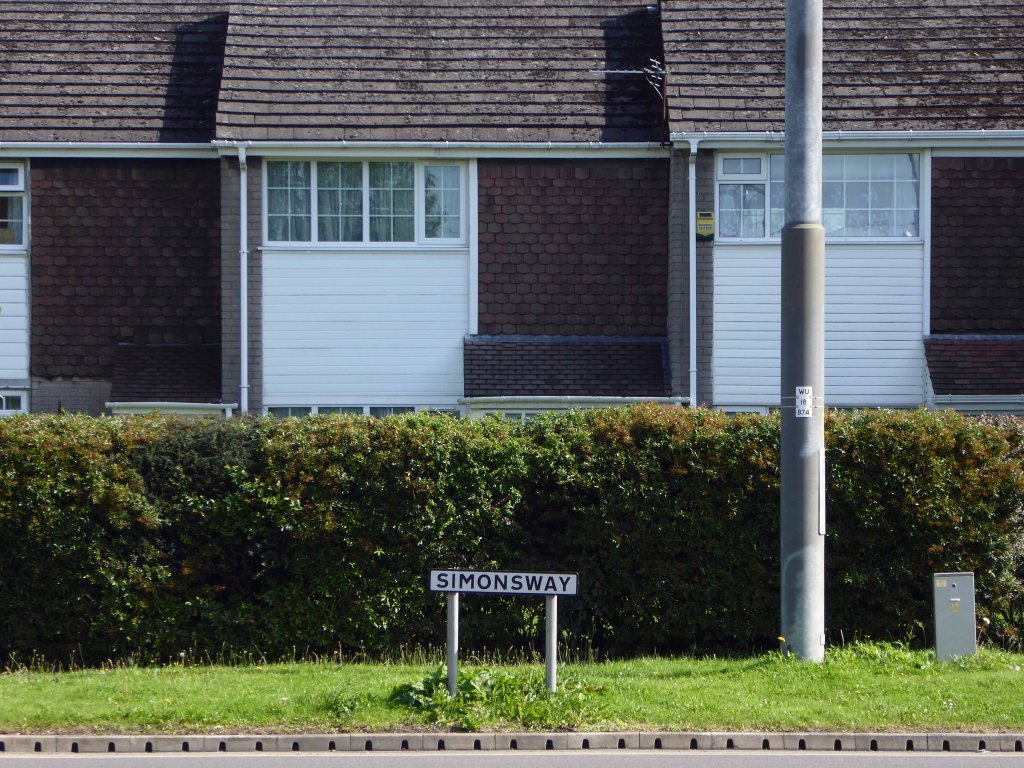
Simonsway

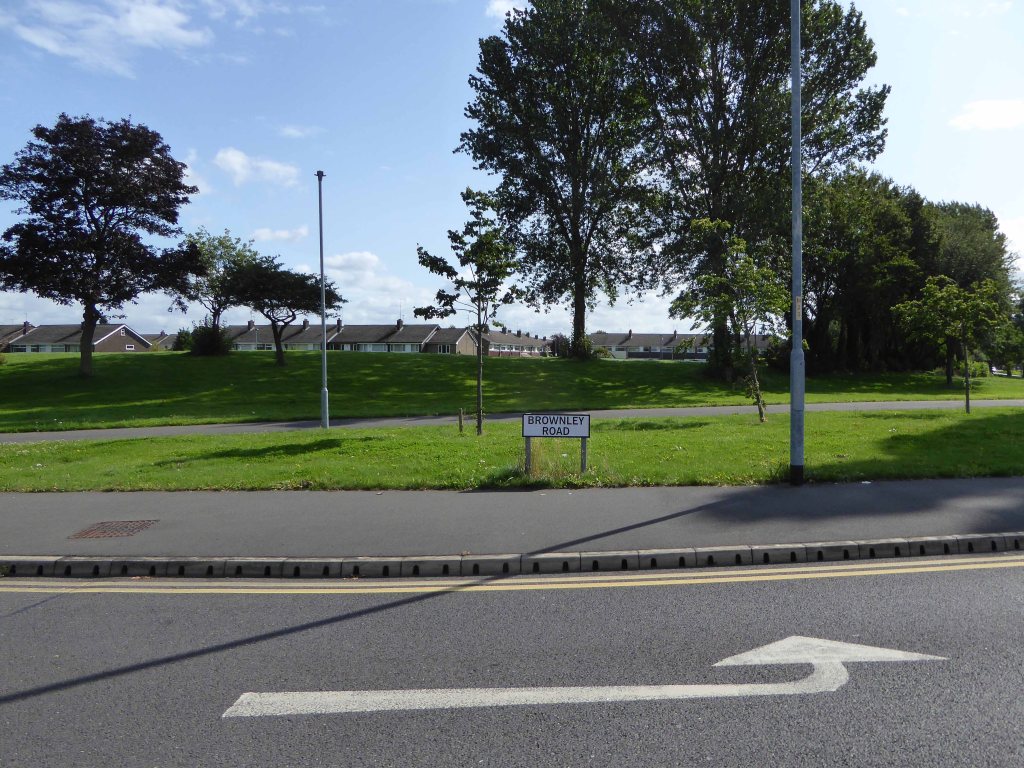
Brownley Road

St Andrews Church – JCG Prestwich and Son 1960

St Luke The Physician – Taylor and Young 1938-9

Altrincham Road

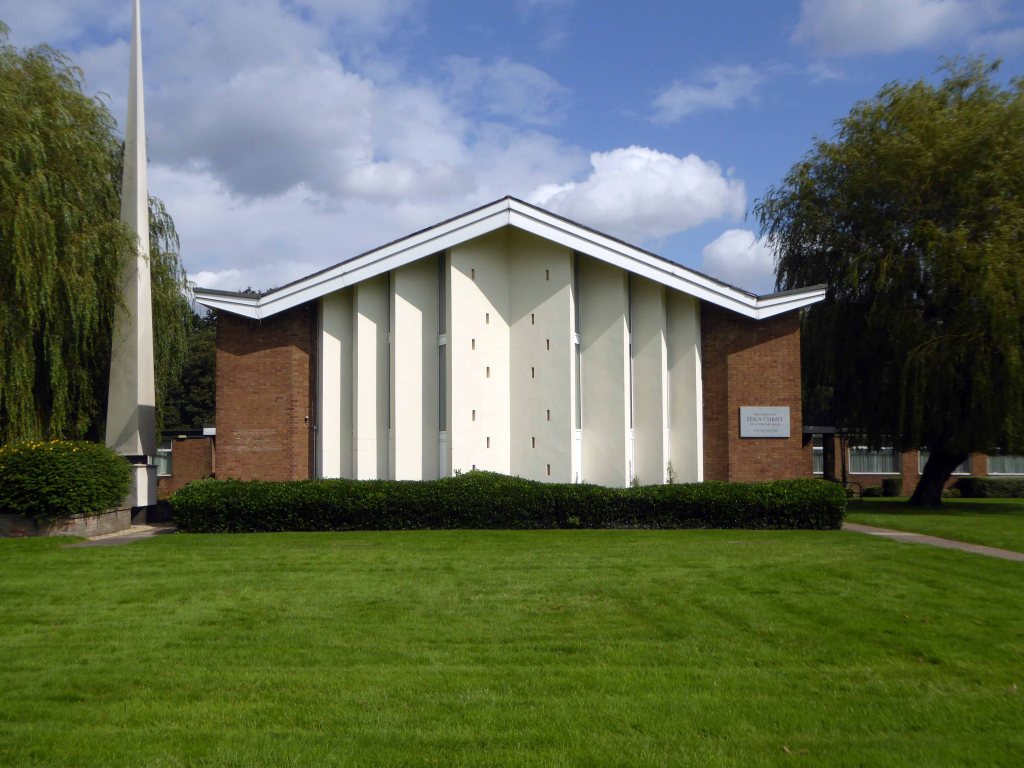
Church of the Latter Day Saints – TP Bennet and Son 1964

Princess Parkway

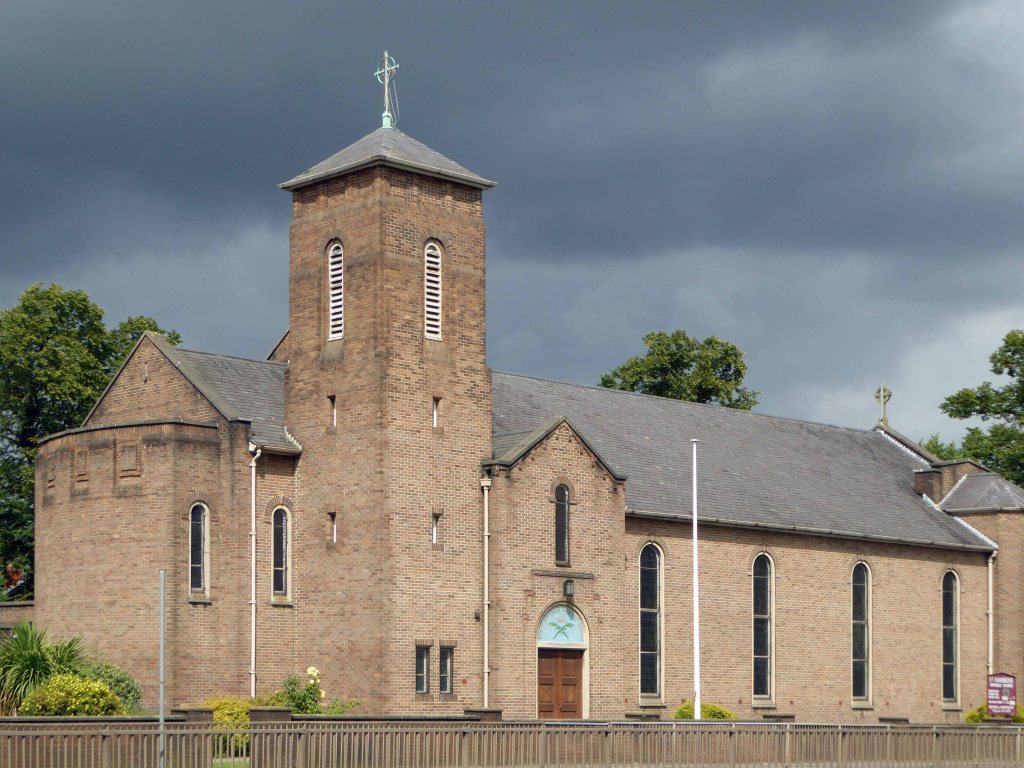
St Ambrose  Reynolds & Scott 1956

Barlow Moor Road

Manchester Road

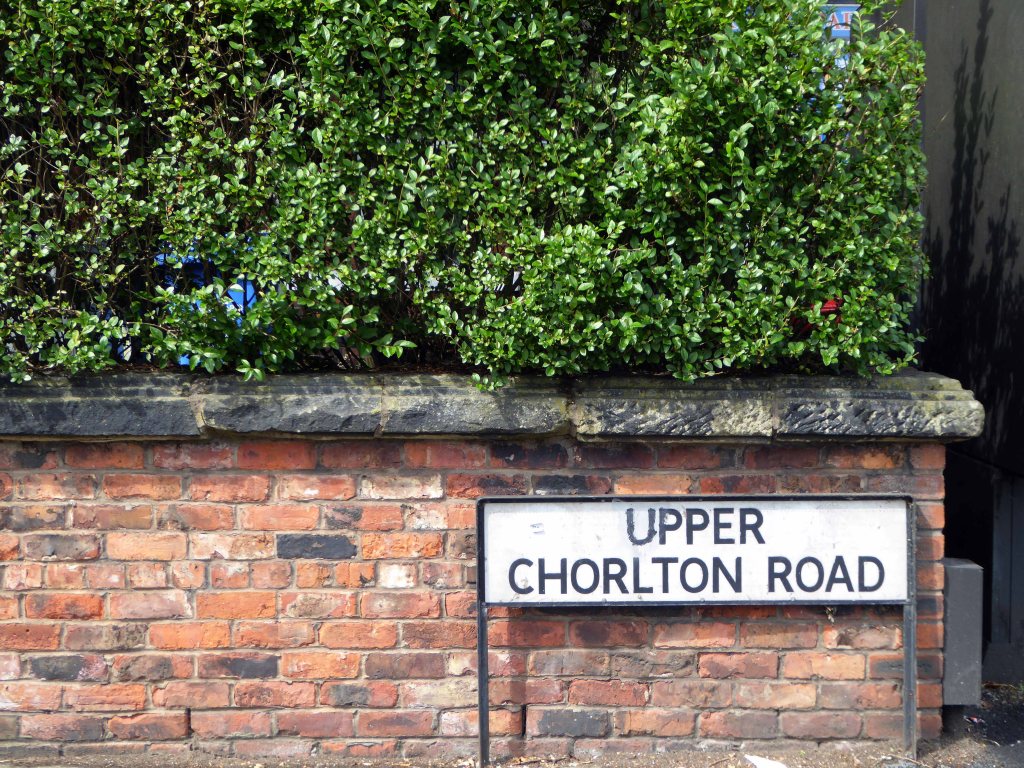
Upper Chorlton Road

Chorlton Road

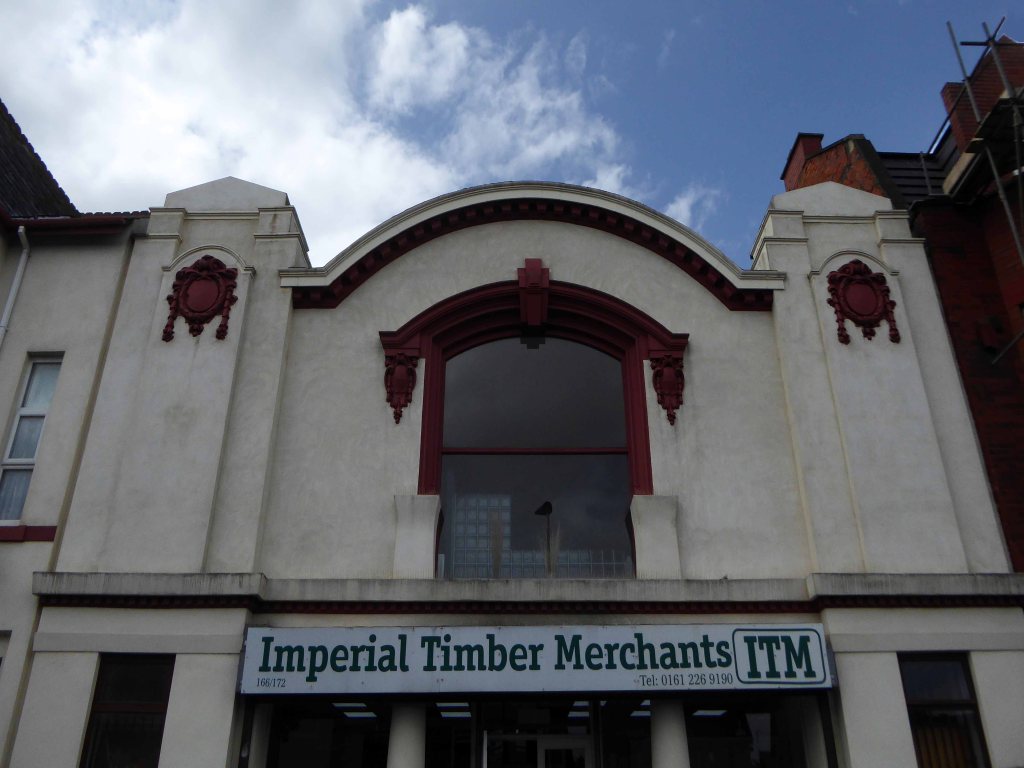
Imperial Picture Theatre – W.H. Matley 1914

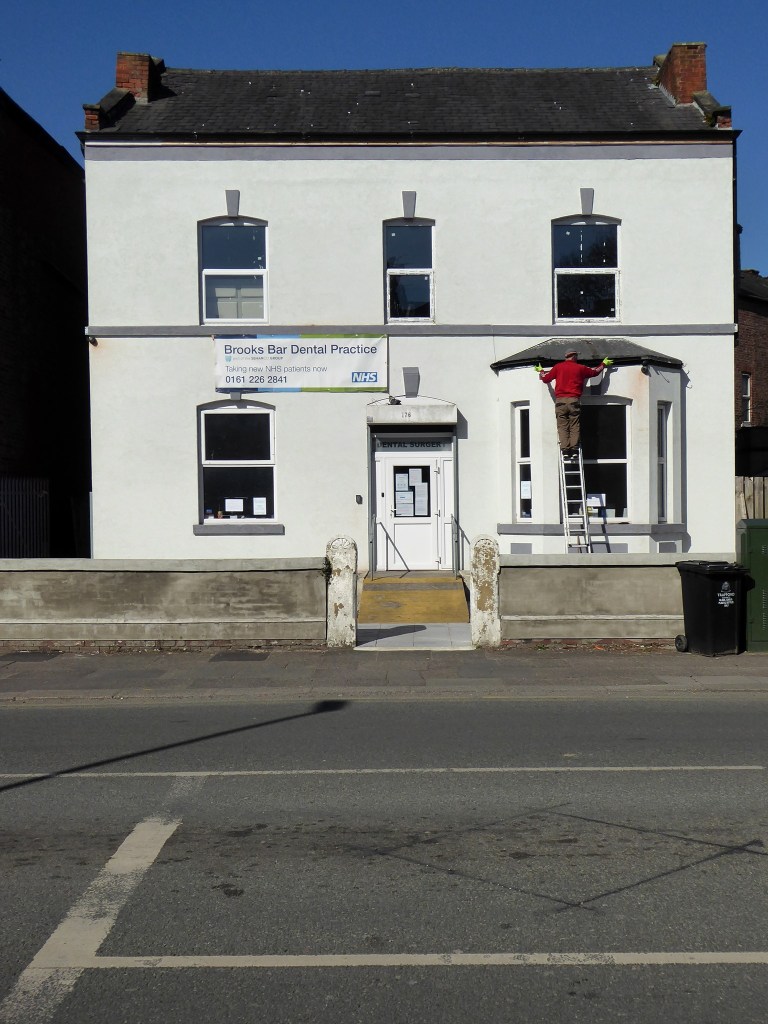
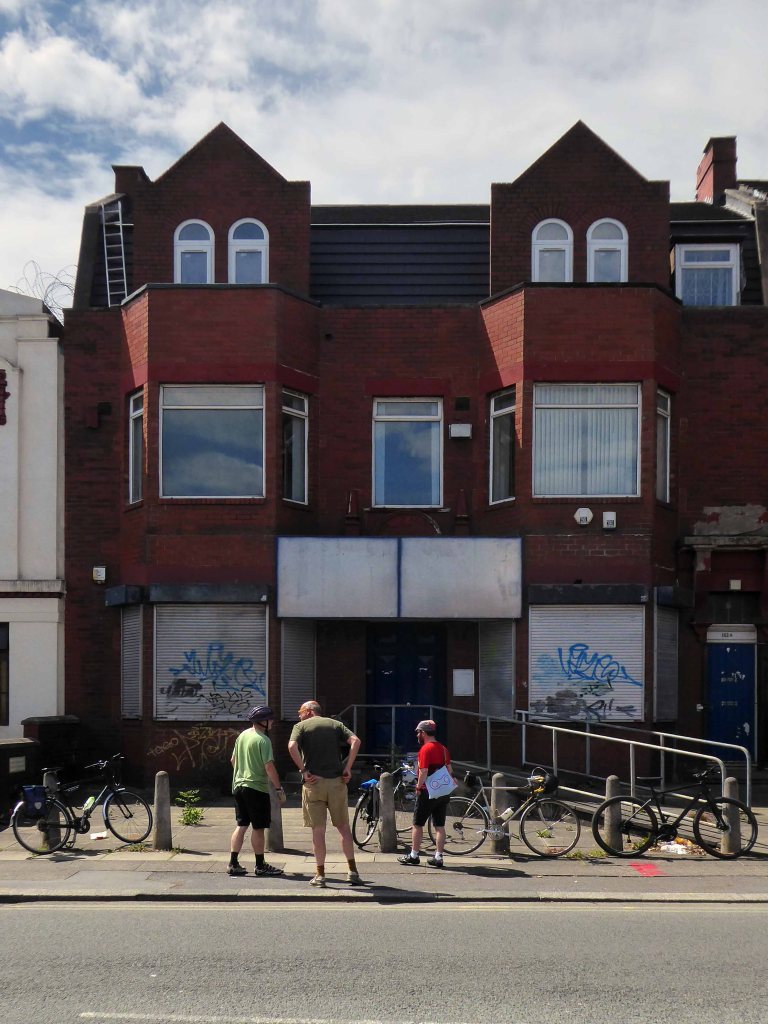
I had wrongly assumed for months that this was the AUFW Offices it wasn’t – it’s two doors down, the other side of the Imperial.

The stonework above the door is a clue, thanks awfully to my observant comrades – July 12th 2020.

The 59th anniversary of Yuri’s visit.

Hastings 2015

I had completed my journey from Weston super Mare, with a final day’s cycle ride from Eastbourne and had two days to spare.

So I took some time to have a mooch around and this dear readers is what I did see.

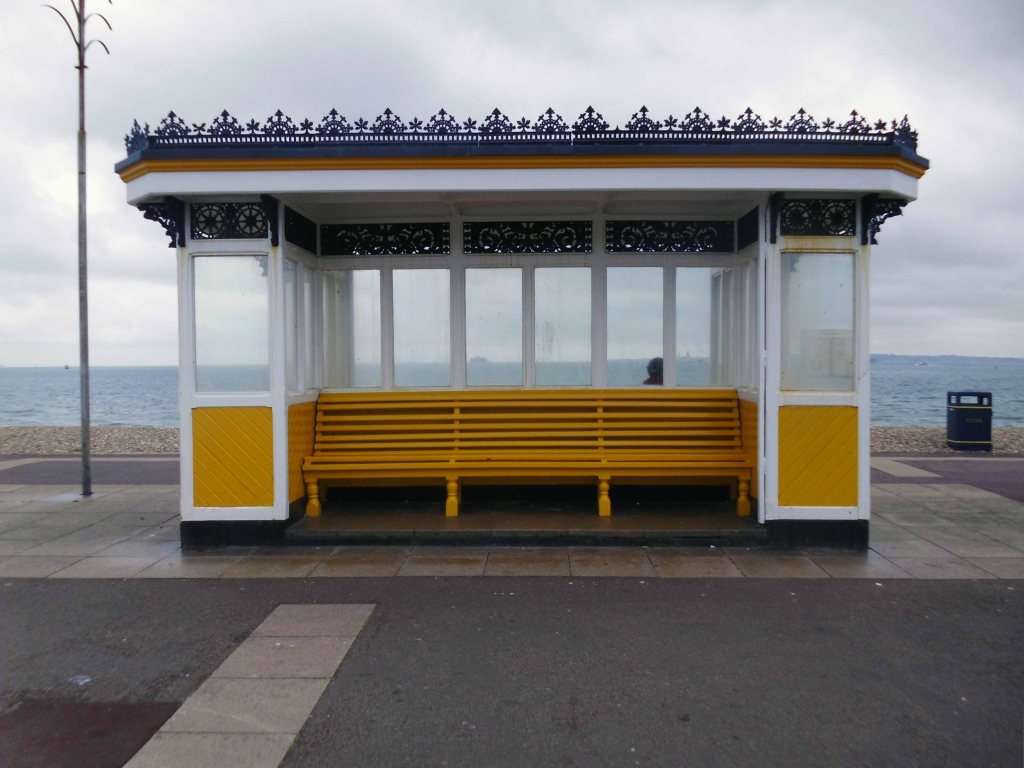
I have snapped the seafront shelters previously and put together one post after another.

These are an integral part of Sidney Little’s concrete promenade scheme

Lurched toward London Road Launderette in St Leonards – which was featured in my 2020 book eight laundrettes.

Next door is this Post Office mosaic.

Back to the front for a more traditional seaside shelter.

Exploring the backstreets in search of fitness for purpose and secret signs.

Then diving in for a delicious dosa at the long gone St Len’s Lakshmi Mahal – since moved to Bexhill on Sea.

Snapping the plaques at the White Rock Theatre.

Currently closed but hopefully open in time for the We Love The Spice Girls.

Popped into Arthur Green – former gent’s outfitters, current bric a brac brokers.

Before we know it, we’re in another laundrette, once more without washing in the Wash Inn.

Back along the front to the well appointed and freshly painted Marine Court.

Time to pop into the not always open subsequently closed St Leonard’s Church.

When World War II broke out, Hastings and St Leonards-on-Sea were considered vulnerable to attacks and invasion from abroad. On the night of Saturday 29 July 1944 a doodlebug was hit over the English Channel. Damaged, it nevertheless continued to fly towards the coastline of St Leonards-on-Sea. It was approaching Marine Court which was hosting a servicemen’s party – but it veered and crashed in front of the doors of St Leonard’s Church, making a deep crater. The tower fell into this, and the rest of the church was brought down as well. Although there were no casualties, the church was completely destroyed. Although the problem of rock falls and subsidence associated with the cliffs had continued throughout the life of the church, the War Damage Commission would only pay for it to be rebuilt on the same site. The architectural partnership of brothers Giles and Adrian Gilbert Scott were commissioned to design the new building.

Patrick Reyntiens stained glass

The unique features were inspired by Canon Cuthbert Griffiths, rector from 1929 to 1961. Following a dream, he went to Israel and had the prow of a Galilean fishing boat constructed to form the pulpit.

Marble work on the floor depicts locally caught skate and herring.

Beyond the communion rail are loaves and fishes set in different marble patterns bordered by scallop shells, a copy of the Byzantine mosaic in the Church of the Feeding of the Five Thousand in Galilee.

The structure set into shifting cliffs is subject to subsidence.

Procedures have been completed for St Leonard’s Parish Church on Marina to be closed for worship. 

The service will be next Saturday August 4 2018 at 3pm. 

Because the building cannot be used the service will be at St Ethelburga’s in St Saviour’s Road.

St Leonard’s has been called the church with an inbuilt message.  Even the very stones cry out to those who have eyes to see, ears to hear and a heart to understand and accept the Good News of the Gospel.

St Leonards Church

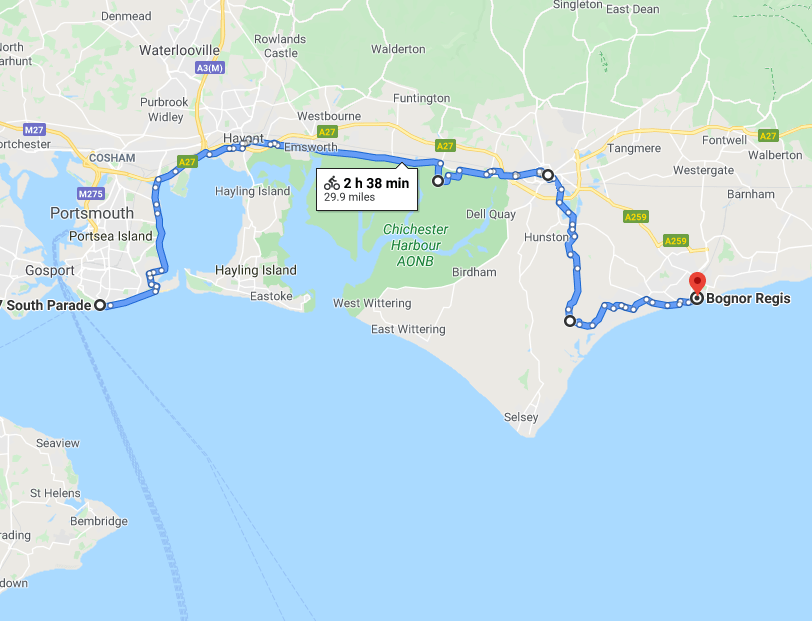
Portsmouth to Bognor Regis

Monday 3rd August 2015 one finds oneself wide wake in the Rydeview Hotel.

Faced with a breakfast best described as indescribable.

I arose and departed, not angry but hungry.

Made my way to the corner of Southsea Common, where once we drank – Tim Rushton and I were often to be found in The Wheelbarrow together.

A boozer no longer, now named for the city’s long gone famous son.

How bad a pub is this? I walk past it to get to my local. Most nights there are six people max in the bar, all huddled around the bar itself, backs to the door. – this often includes the landlord and landlady. They have live music there once in a while and you can’t get served by the one bloke behind the bar – the landlord and landlady never help out, they don’t seem to give a toss.

Beers crap, not worth a visit.

It was never like that in our day.

Visiting our former abode on Shaftesbury Road – where I once dwelt along with Tim, Catherine, Liz and Trish.

Yet more Stymie Bold Italic.

Back to the front for a peer at the pier.

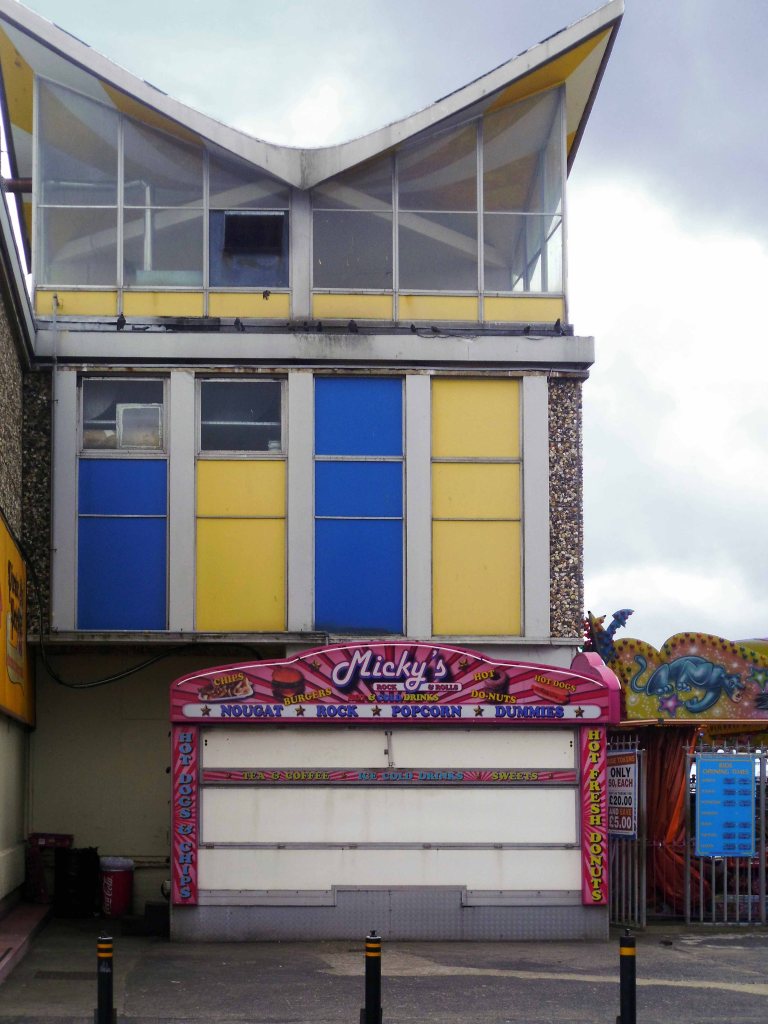
Clarence Pier is an amusement pier located next to Southsea Hoverport. Unlike most seaside piers in the UK, the pier does not extend very far out to sea and instead goes along the coast.

The pier was originally constructed and opened in 1861 by the Prince and Princess of Wales and boasted a regular ferry service to the Isle of Wight. It was damaged by air raids during World War II and was reopened in its current form on 1 June 1961 after being rebuilt by local architects AE Cogswell & Sons and R Lewis Reynish.

Low cloud grey skies and drizzle.

This sizeable two bedroom apartment situated on the seventh floor of the ever popular Fastnet House is offered with no onward chain and the option of a new 999 year lease as well as a share of the freehold. With panoramic views over The Solent towards the Isle Of Wight and Spinnaker Tower, situated in a central location and close to all amenities, this lovely apartment offers luxury living for any prospective buyer. With lift access, the apartment comprises; entrance hallway, a large lounge diner with box bay window boasting stunning sea views across the city and The Solent, master bedroom with built in wardrobes and sea views over The Solent, a spacious second bedroom, fitted kitchen with breakfast bar and a recently updated modern shower room.

On The Market £365,000

We are fully stocked with house coal, smokeless coal, kindling and fire lighters, fire grates, companion sets and fire tools.

Christmas lights have also arrived.

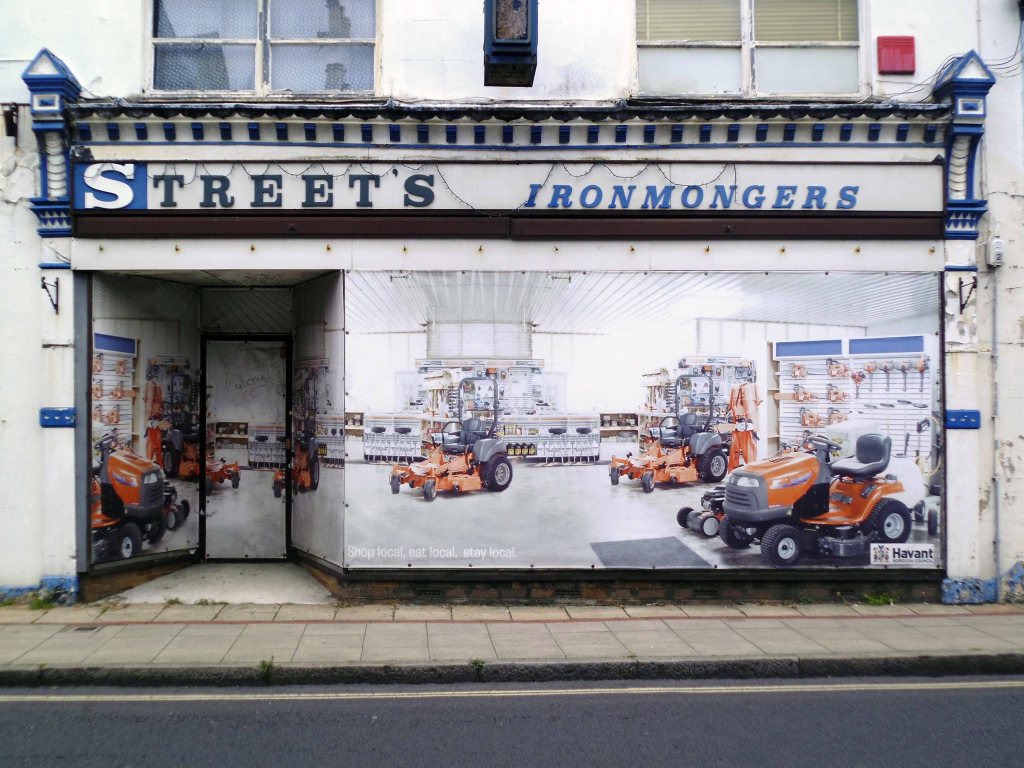
Brockenhurst’s traditional hardware shop since 1926

Ghost garage.

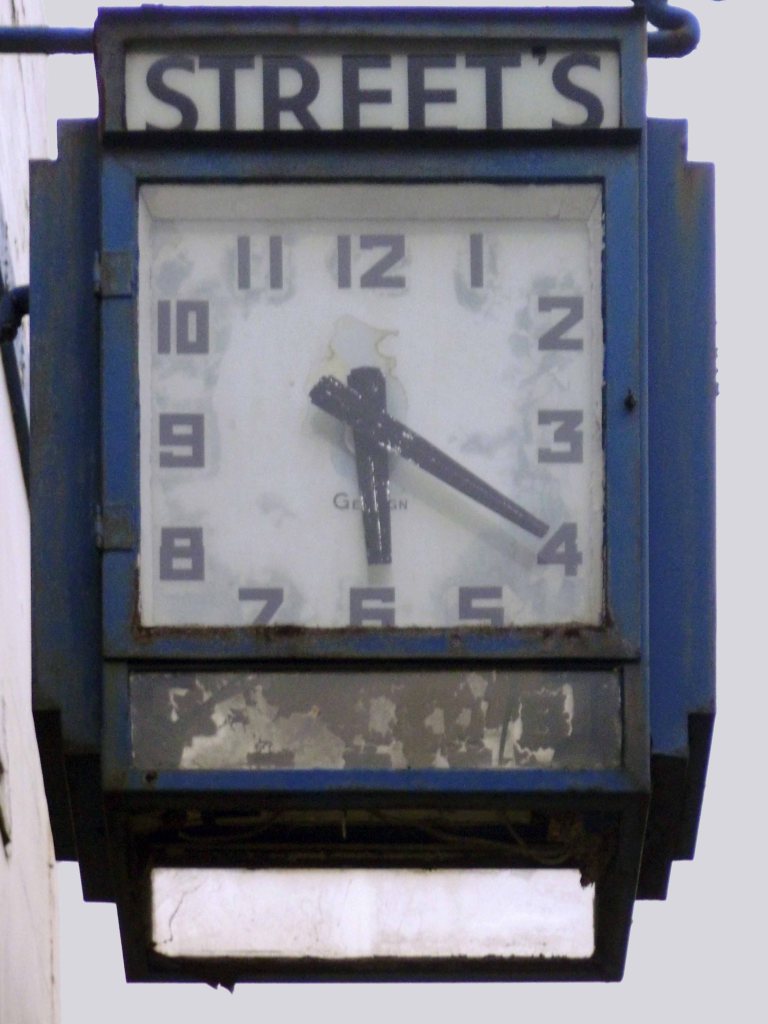
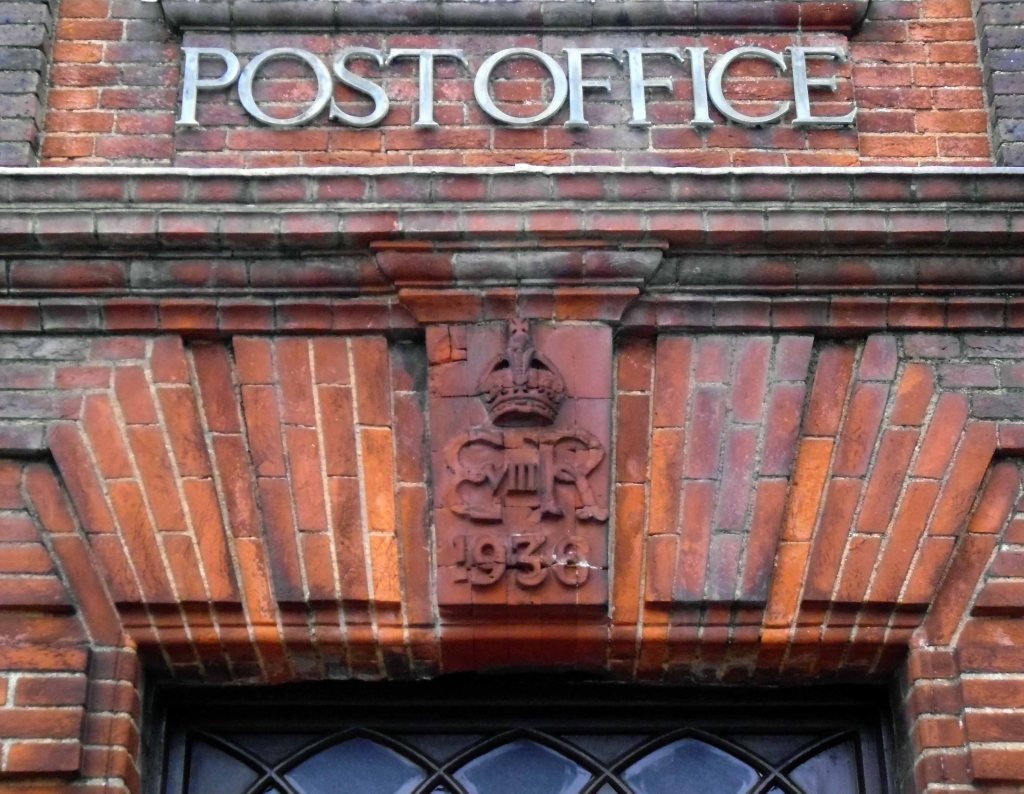
Ghost post.

Coal Exchange – Peter and Dawn welcome you to their traditional pub in the heart of Emsworth adjacent to the public car park in South Street and close to the harbour.

Lillywhite Bros Ltd is a family run business established over 60 years ago in Emsworth, which is ideally located between Portsmouth and Chichester. It is currently run by brothers Paul and Mike who continue to keep up with modern techniques and equipment, as well as maintaining their traditional values and high standard of customer service.

Next thing you know I’m in Pagham, having become very lost somewhere between there and here, asking for directions from the newsagents and buying a bottle of Oasis.

The newsagent was mildly amused by lack of map, sense and/or sensibility.

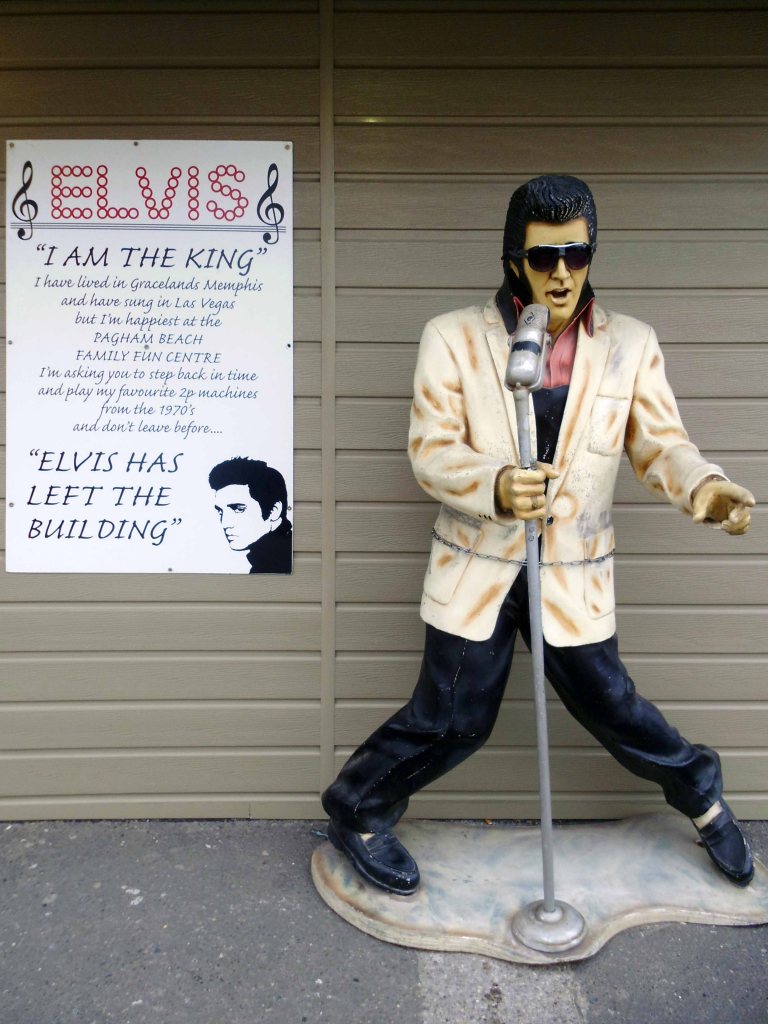
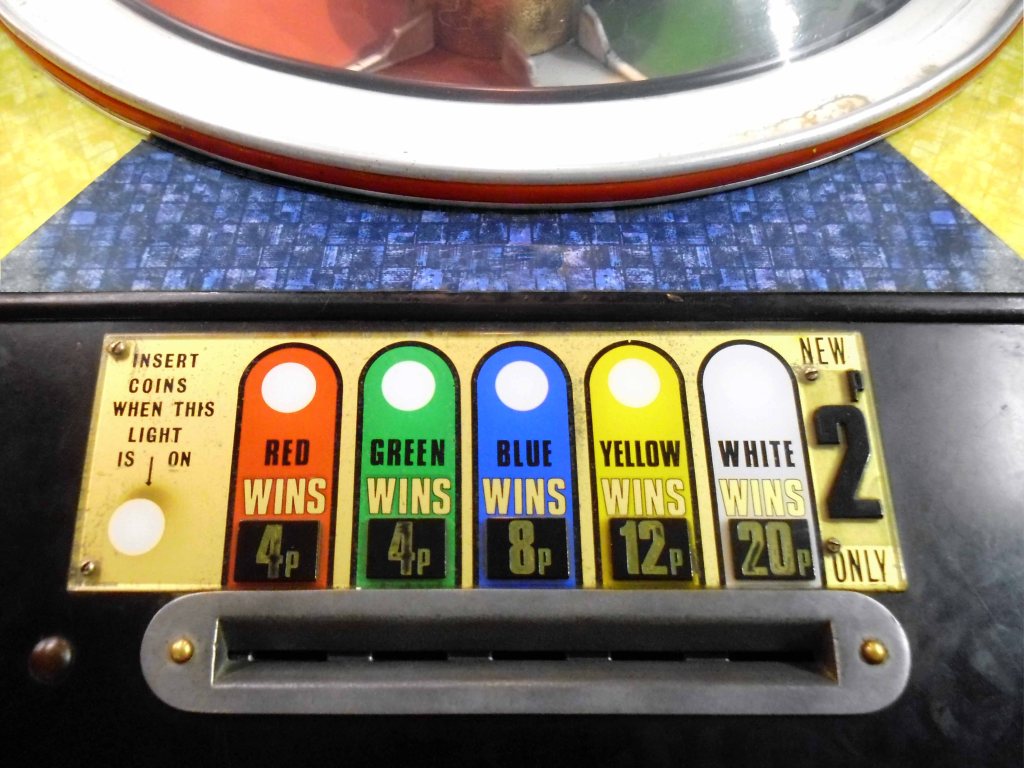
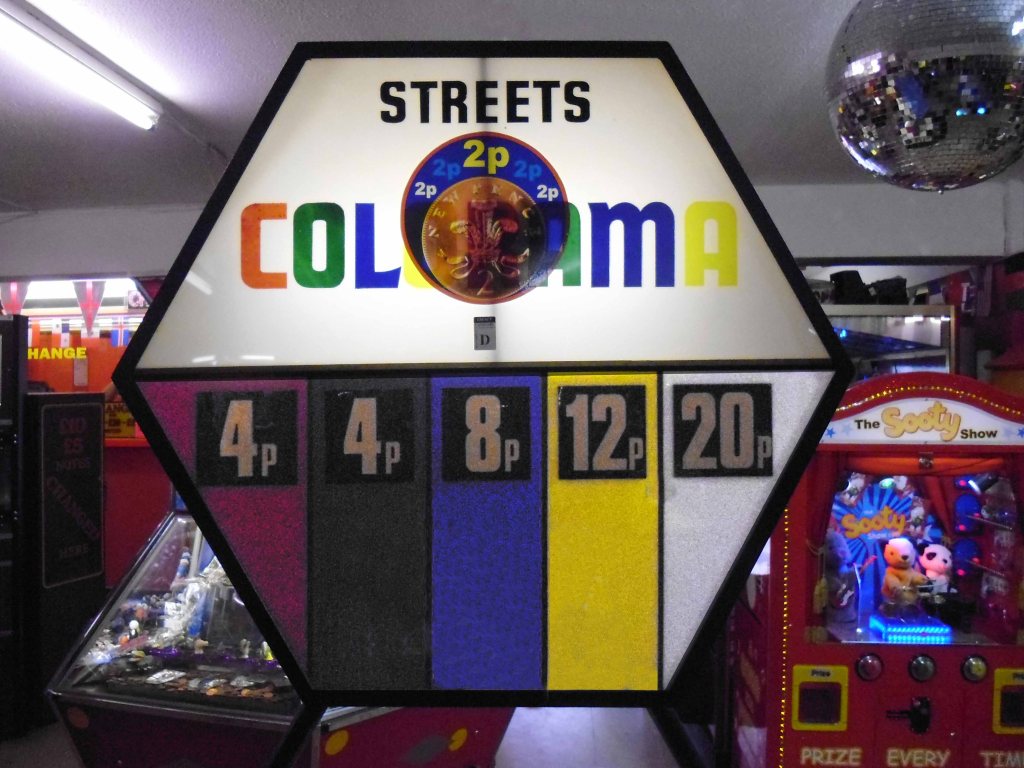
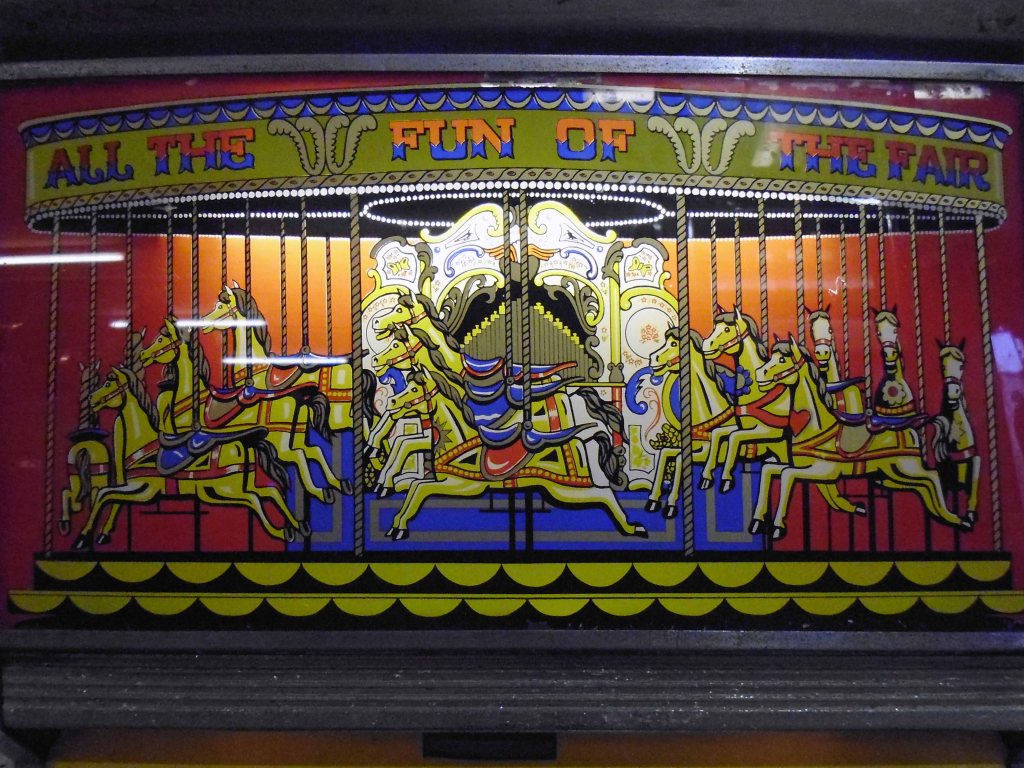
I spent many happy hours here in my youth playing the slots with The King.

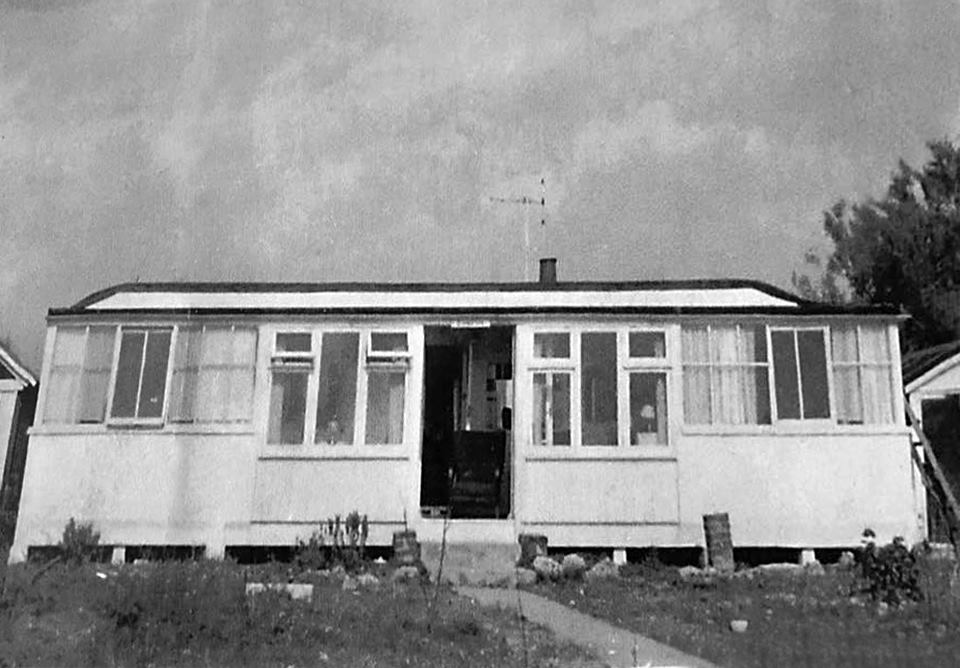
We would stay here in Tamarisk with my Aunty Alice and Uncle Arthur and Smudge the cat, an idyllic railway carriage shack two rows back from the pebbled seashore.

We would enjoy a shandy at the King’s Beach with Lydia, Wendy and David.

All gone it seems.

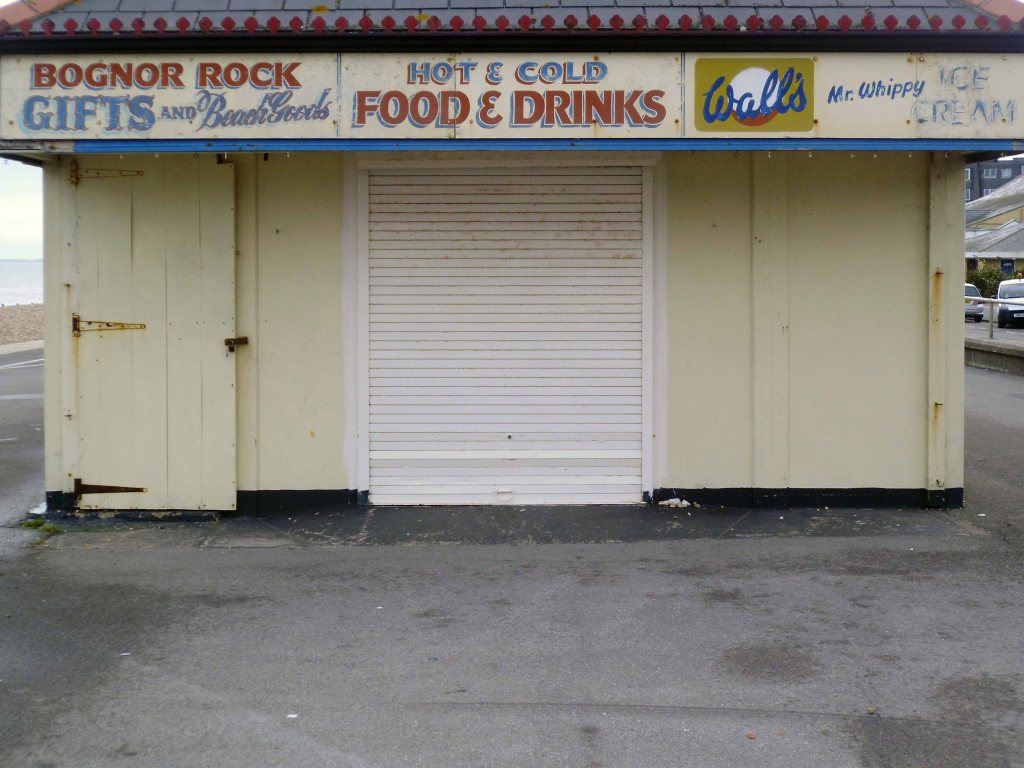
On to Bognor a B&B and a brew – a brief glimpse into my luxury lifestyle.

I’ll take an overcast Monday evening stroll along the prom, where I chanced to meet two landlocked Chinese lads, gazing amazed at the sea – they were on a course in Chichester learning our own particular, peculiar ways.

There was no-one else around.

Who can resit the obvious allure of the novelty item?

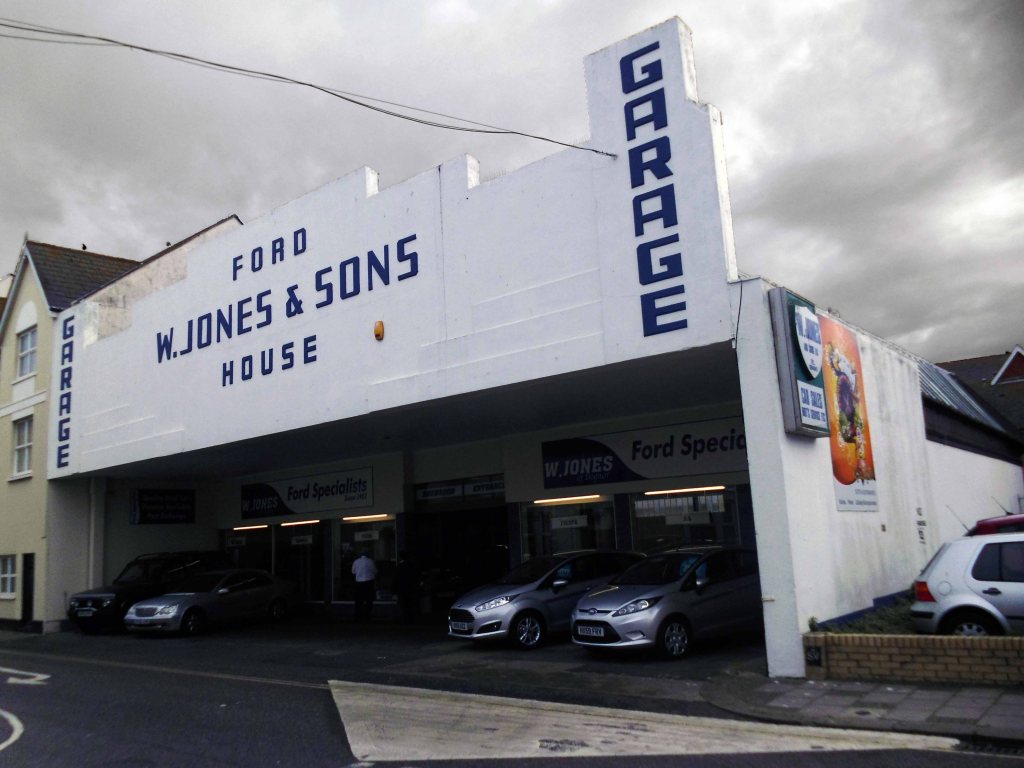
Or an Art Deco garage fascia.

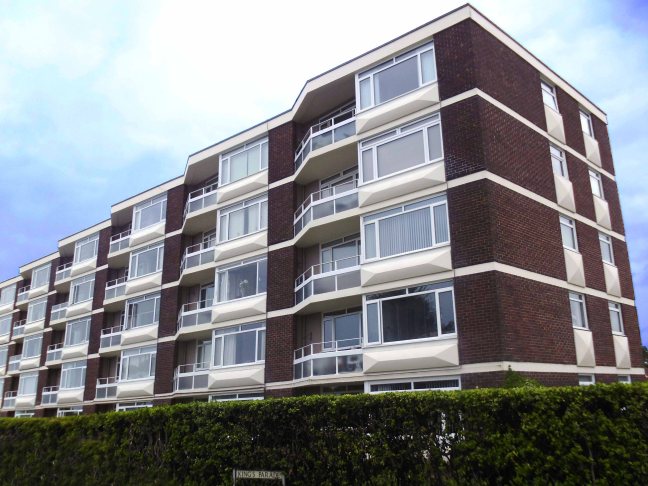
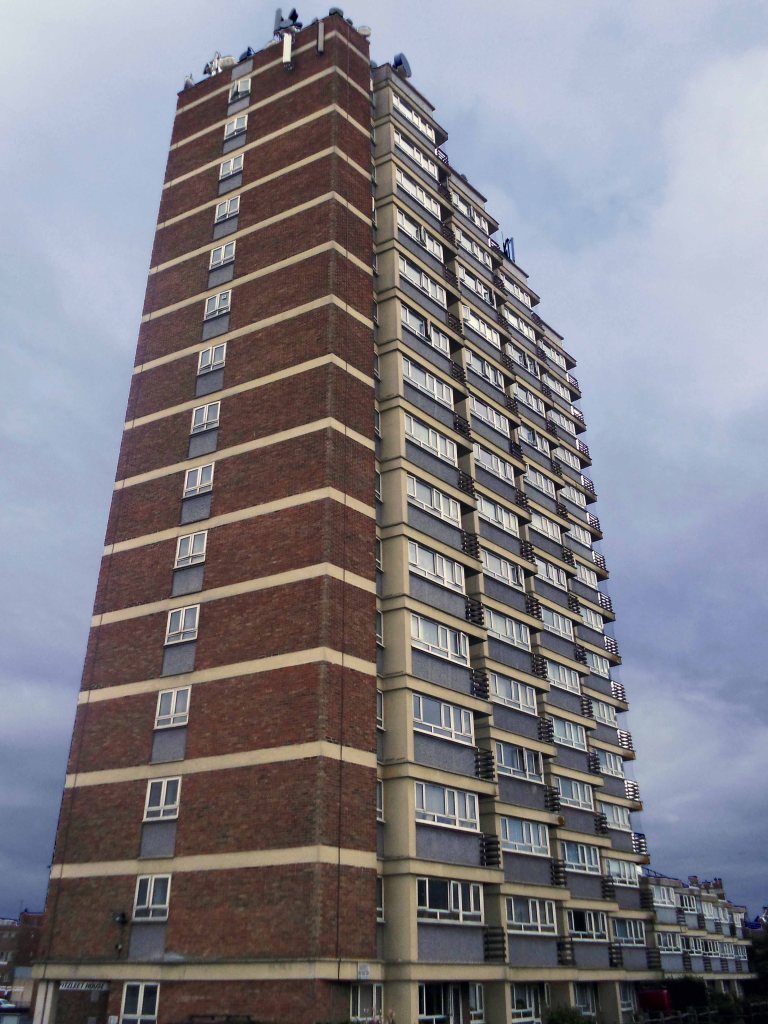
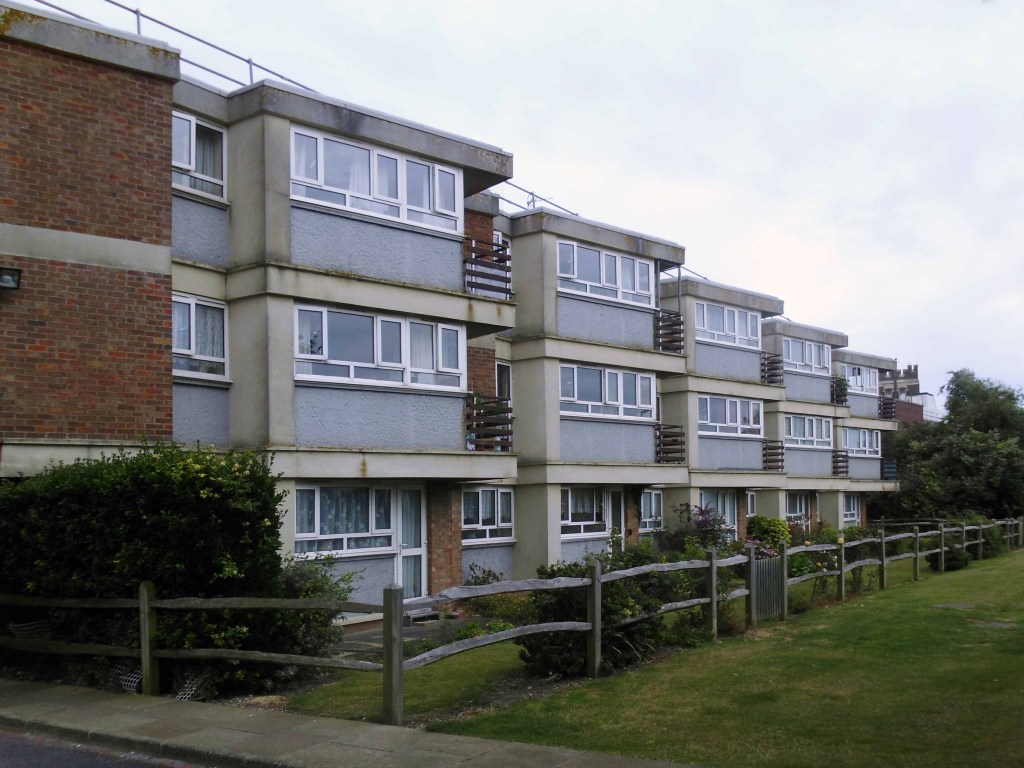
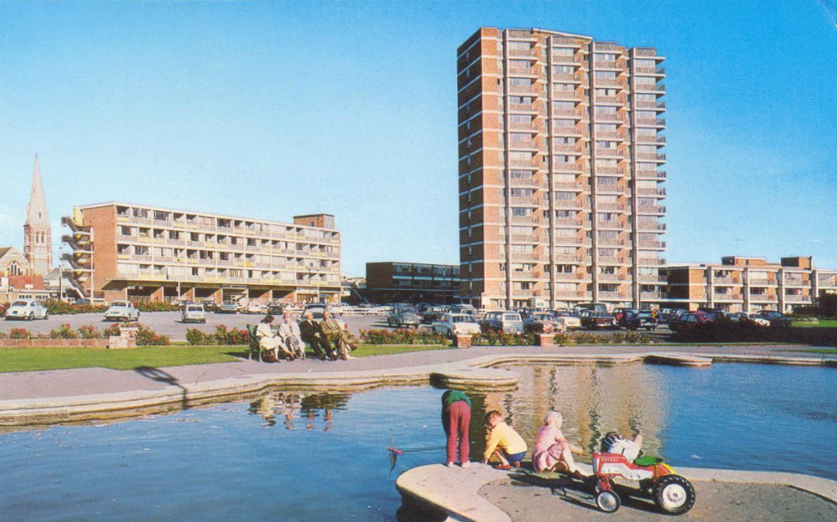
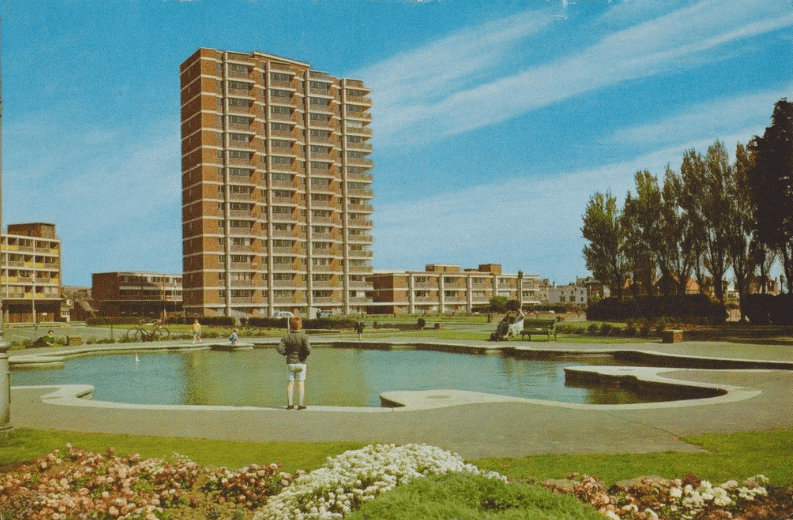
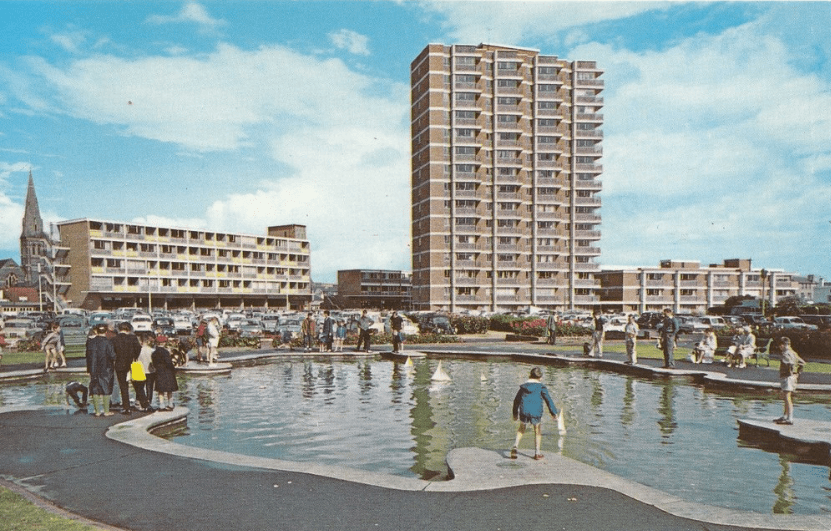
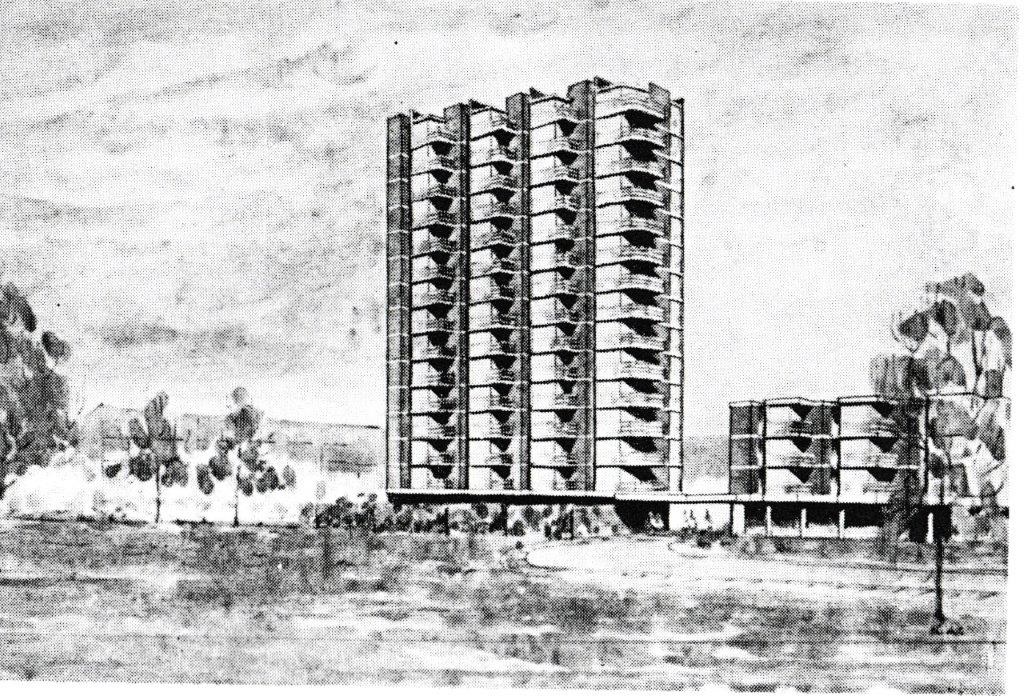
Fitzleet House was built in the 1960s architects: Donald Harwin & Partners, it consists of seventy four flats, fifteen of them are in a three-storey block next to the main building.

PS&B are pleased to offer this sixth floor flat which is situated conveniently close to the town centre and within close proximity of the sea front. The accommodation is newly refurnbished and is offered unfurnished with south/west facing lounge with small balcony with far reaching views to the sea. Kitchen and bathroom with shower over bath and one double bedroom. Further benefiting from having modern electric heating and double glazing, telephone entry system, lift to all floors, communal sky dish and white goods. With regret no pets and no children – £685 rental is payable calendar monthly in advance.

For many years, a gentleman called Todd Sweeney collected sunshine statistics from the roof of Fitzleet House, which were then forwarded to the Met Office in London to assist with national statistics, and in 1983 one group of Cubs arranged a special tea party on the roof of the building as part of the national tea-making fortnight.

Bognor Regis Post

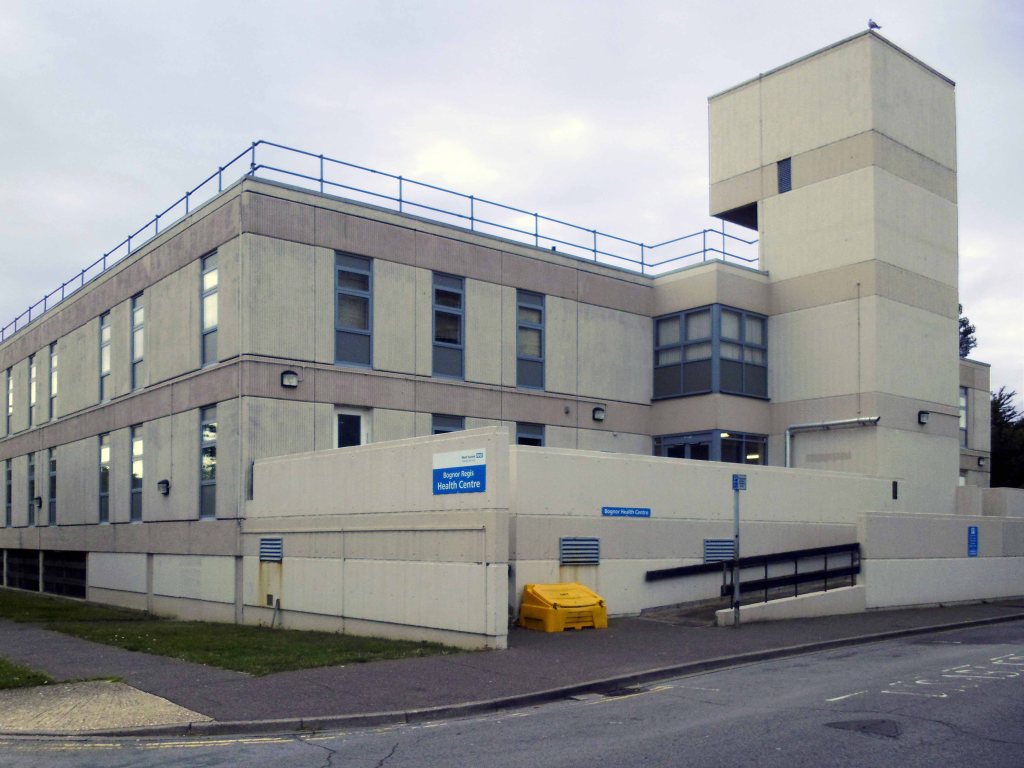
Highlight of the day or any day for that matter the Health Centre.

Paul English Conservative Felpham East – asked about the life span of the building given it was built in the 1960s, describing it as ‘incredibly old’.

Mr Clavell-Bate replied – NHS Property Services say it is structurally sound, it has a life expectancy going forward.

Bognor Regis Observer

I was looking forward to going forward Wetherspoon’s – ideologically unsound going forward, with hindsight.

Let’s take a last late night stroll along the promenade.

Night night.