One of the great glories of cinema is that it has the power to take the mundane and make it magical. To most of us, car parks signify a world of pain, where fearsome red-and-white crash barriers dictate our fate and where finding a space is often like finding meaning in the collective works of Martin Lawrence. To others, they meant lost Saturday afternoons spent waiting for your mum to finally come out of Woolworths so you could rush home to catch Terrahawks.
Either way, car parks are grey and dull. In the movies, however, they are fantastic places, filled with high-level espionage, and high-octane chases.
I beg to differ, the cinema and TV has helped to define our perception and misconception of the car park.
The modern day pedestrian may reclaim, redefine and realise, that far from mundane each actual exemplar is different, in so many ways. The time of day, weather, light, usage, abusage, condition, personal demeanour and mood all shape our experience of this particular, modern urban space.
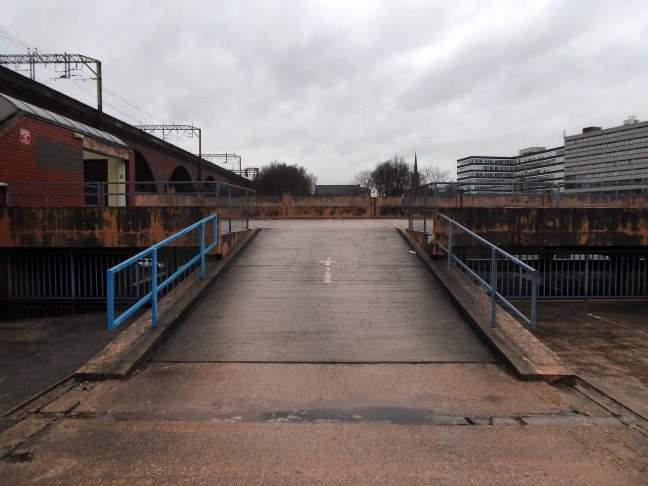
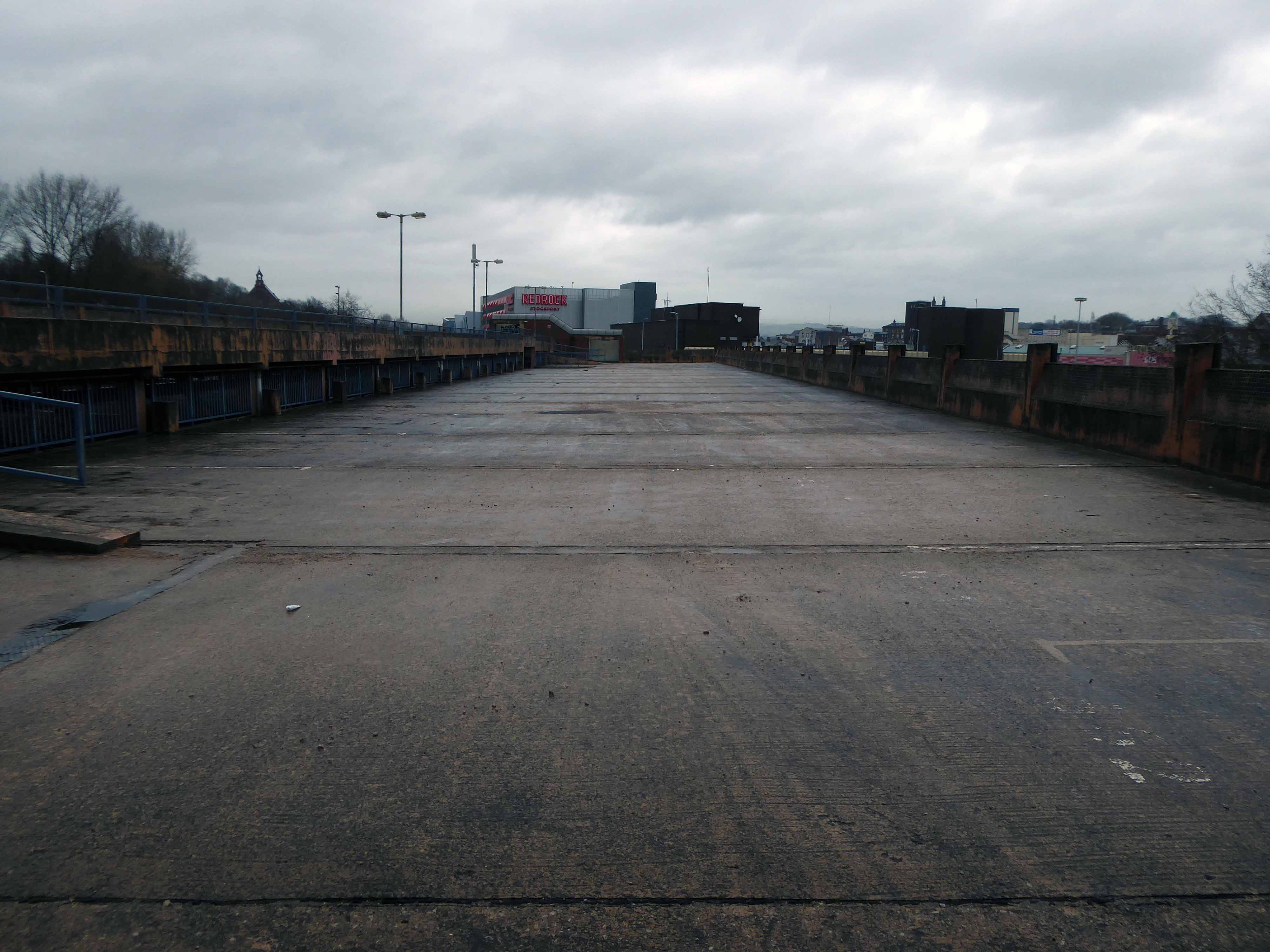
To walk the wide open spaces of the upper tier, almost touching the sky.
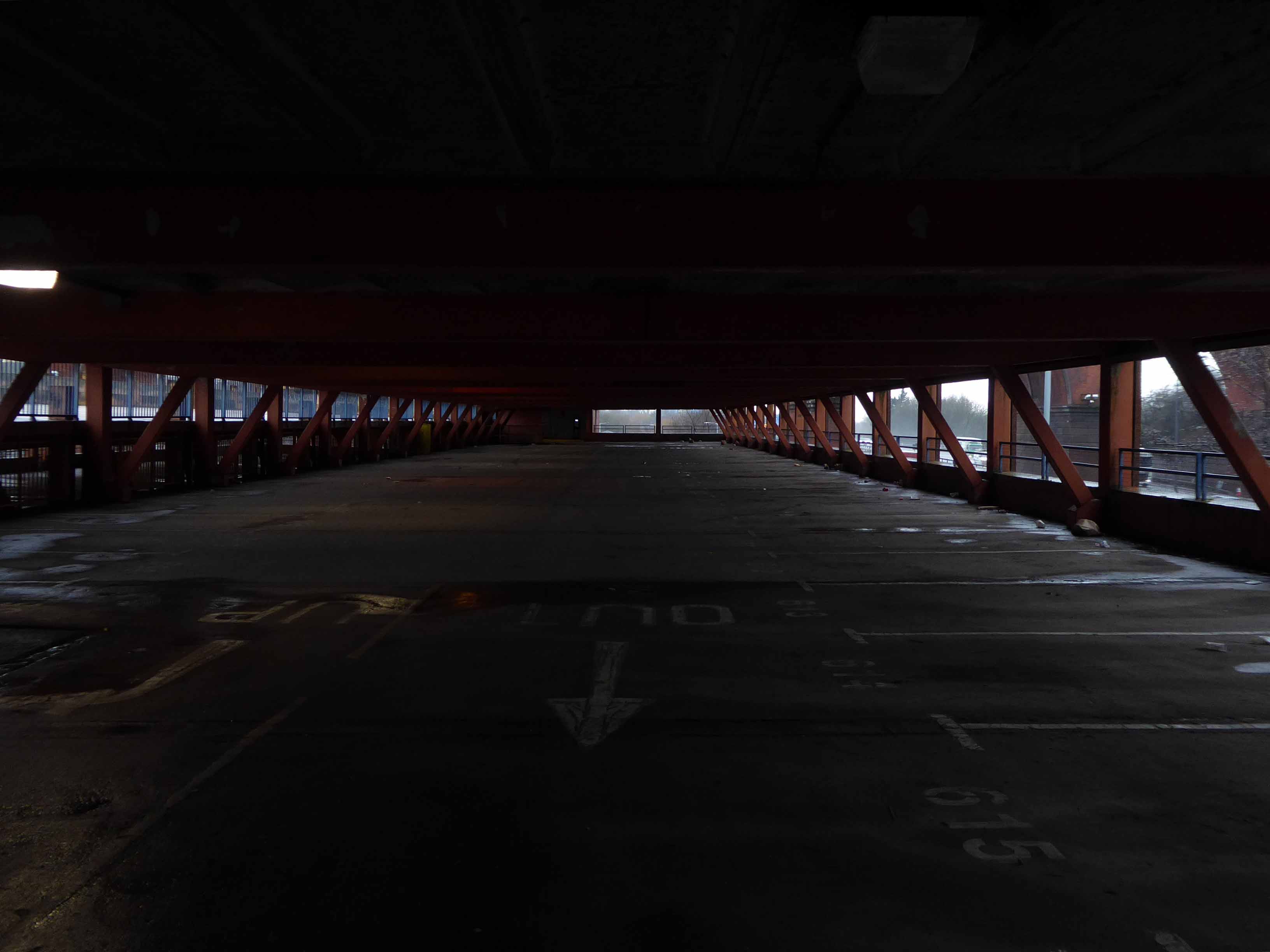
Is a far cry from the constrained space of the lower levels.
To walk the ramps with a degree of trepidation, visceral and fun.
This is an inversion of the car-centric culture, walking the concrete kingdom with a carbon-free footprint.
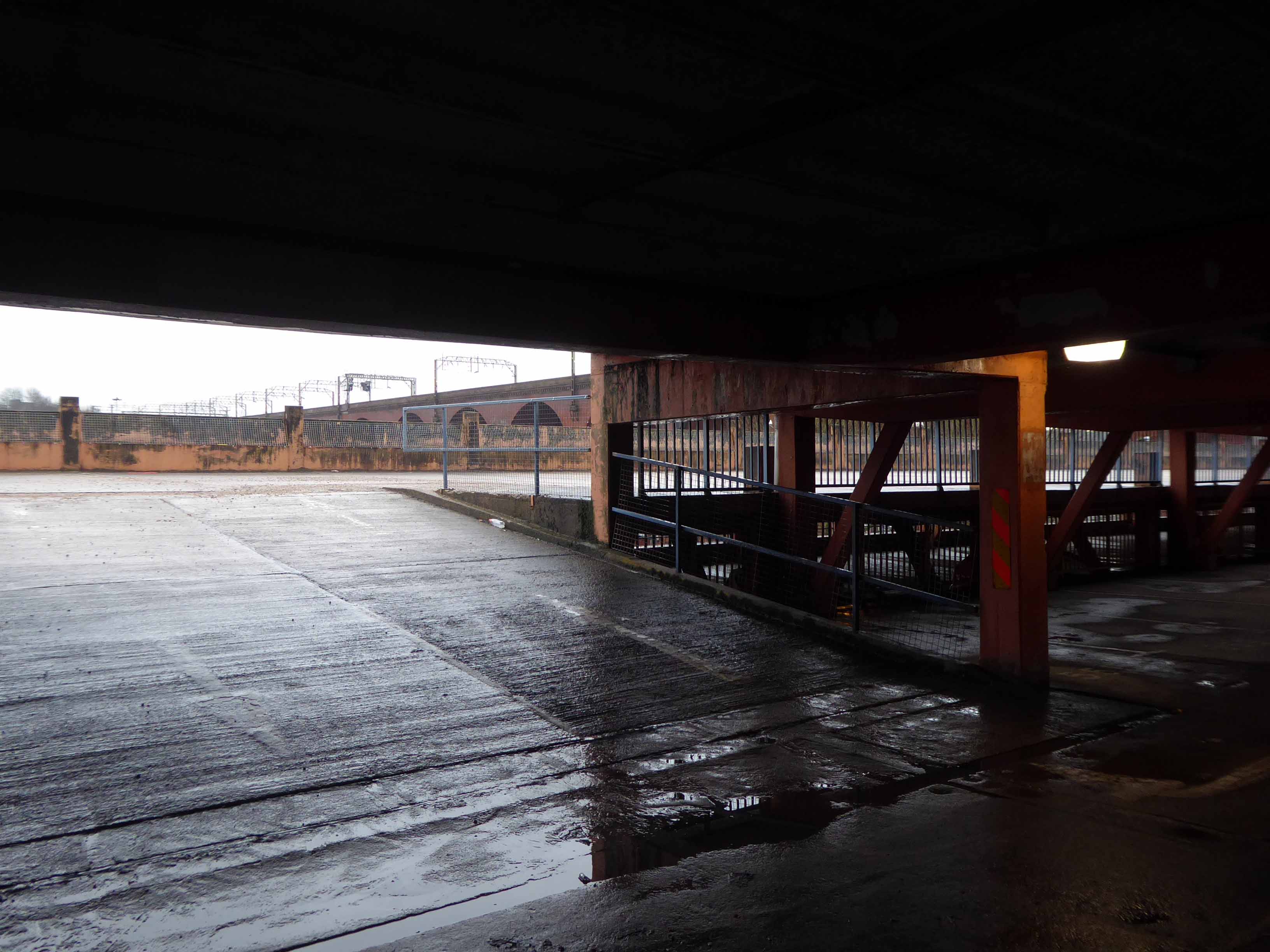
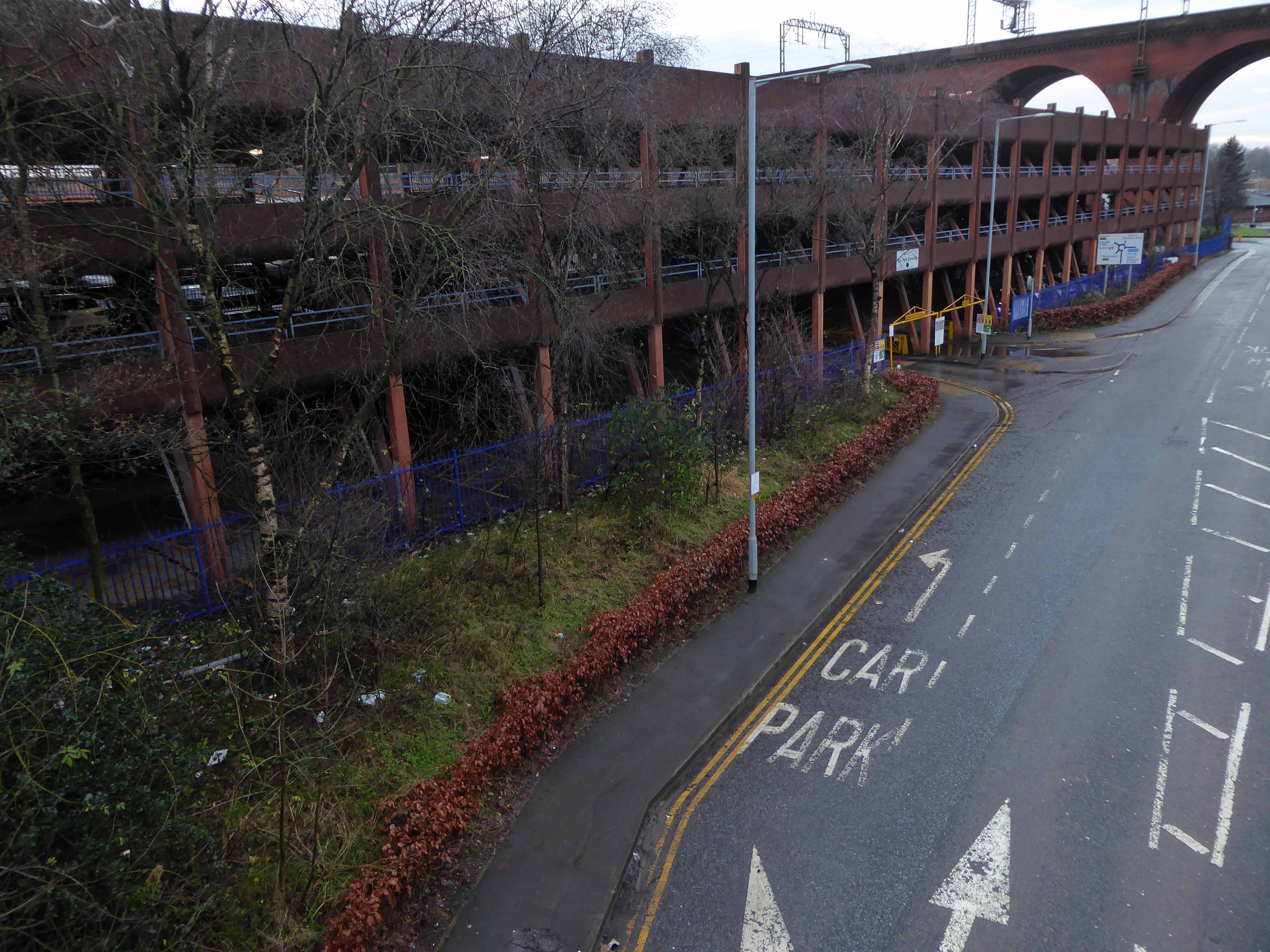
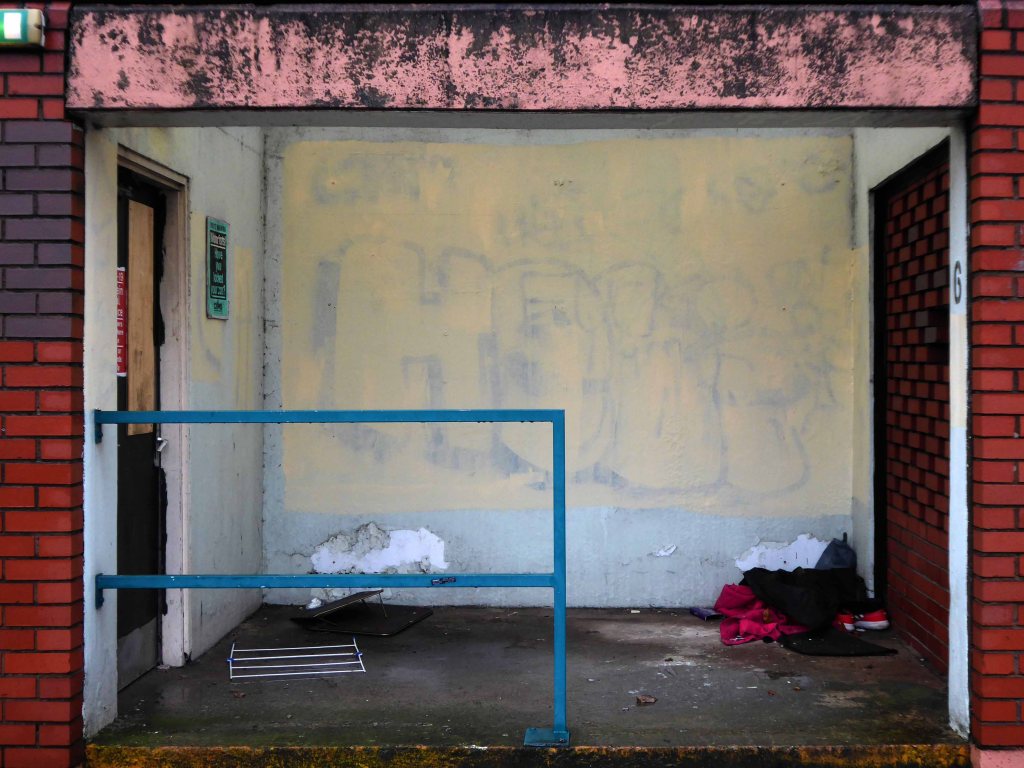
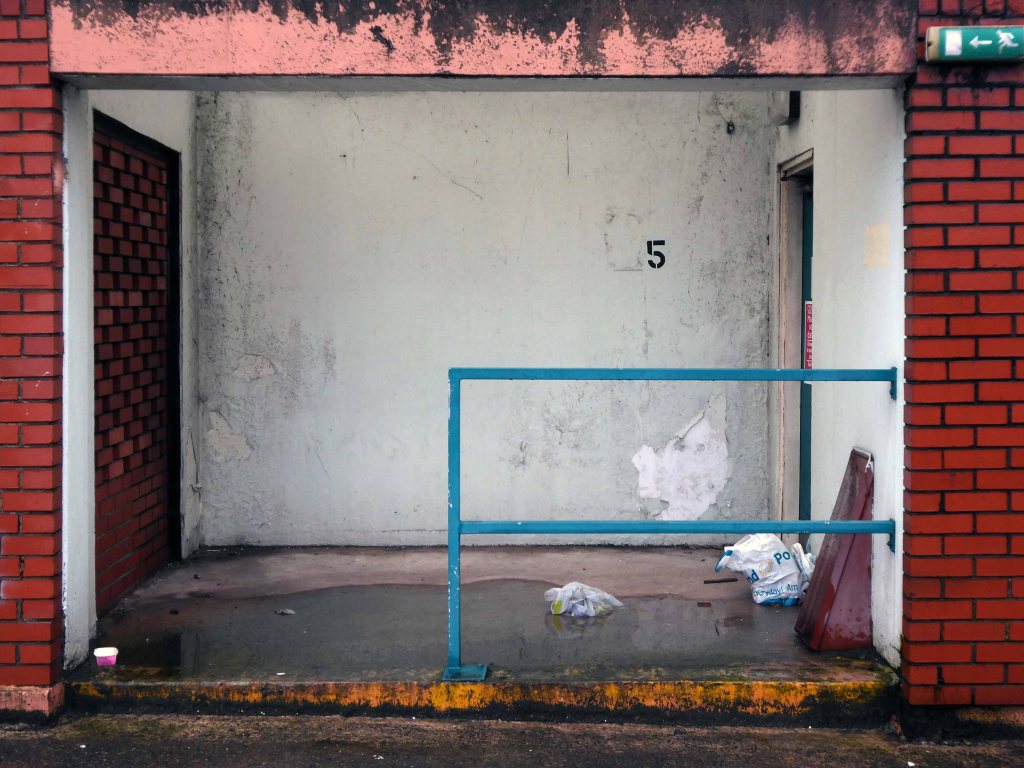
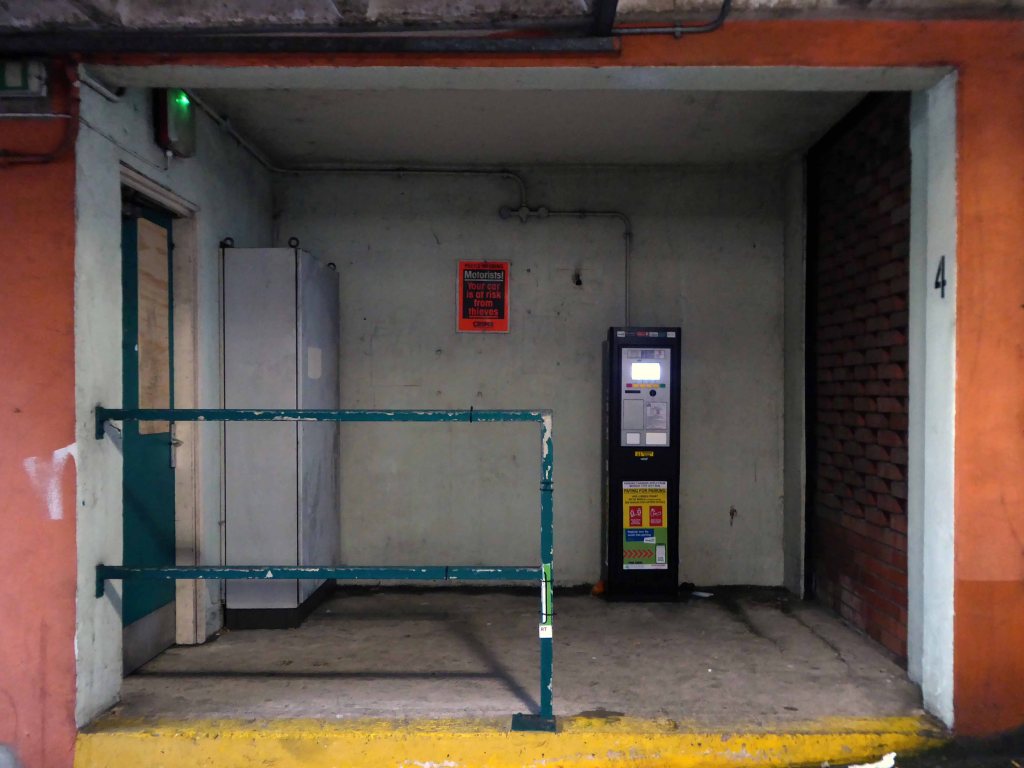
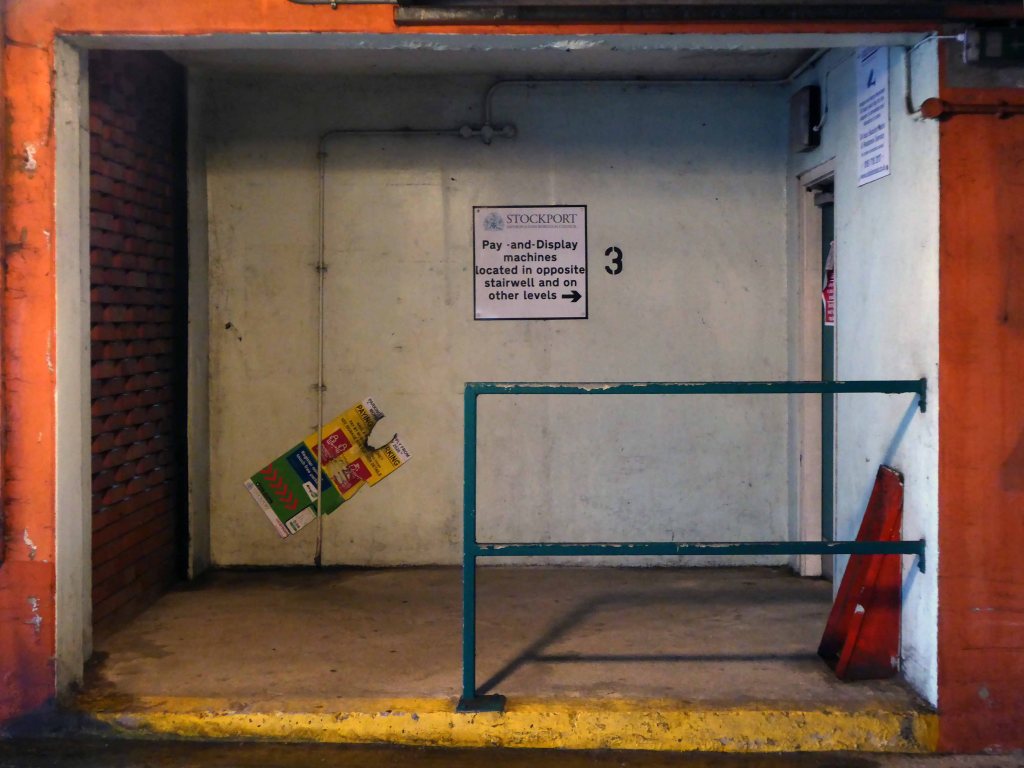
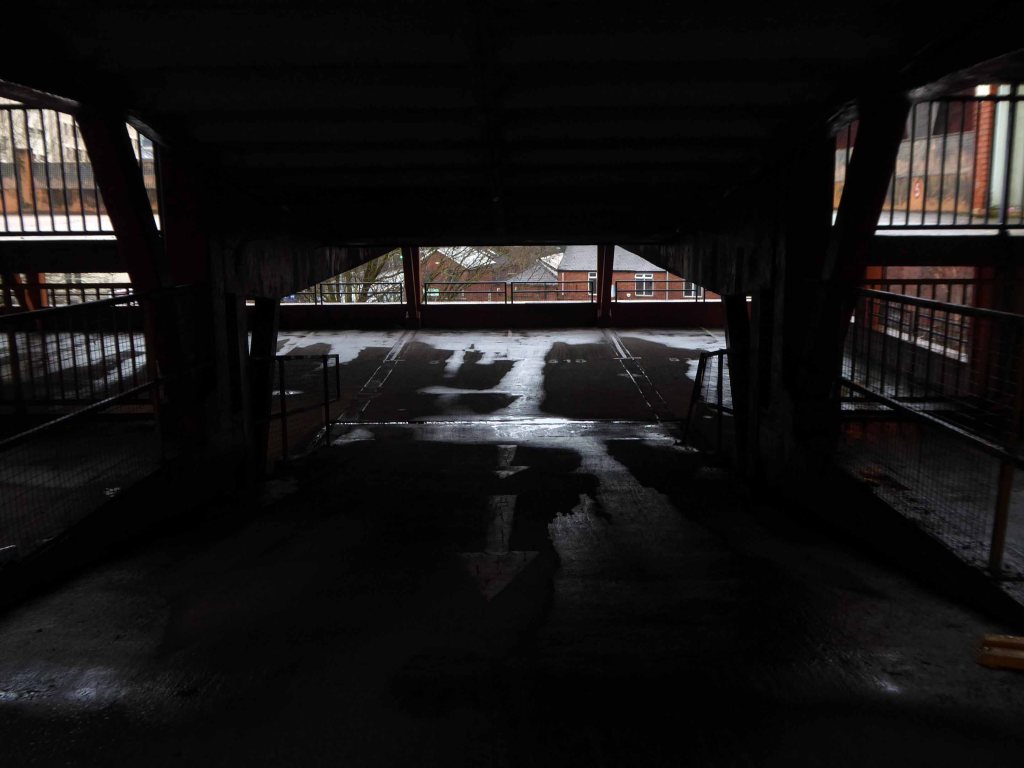
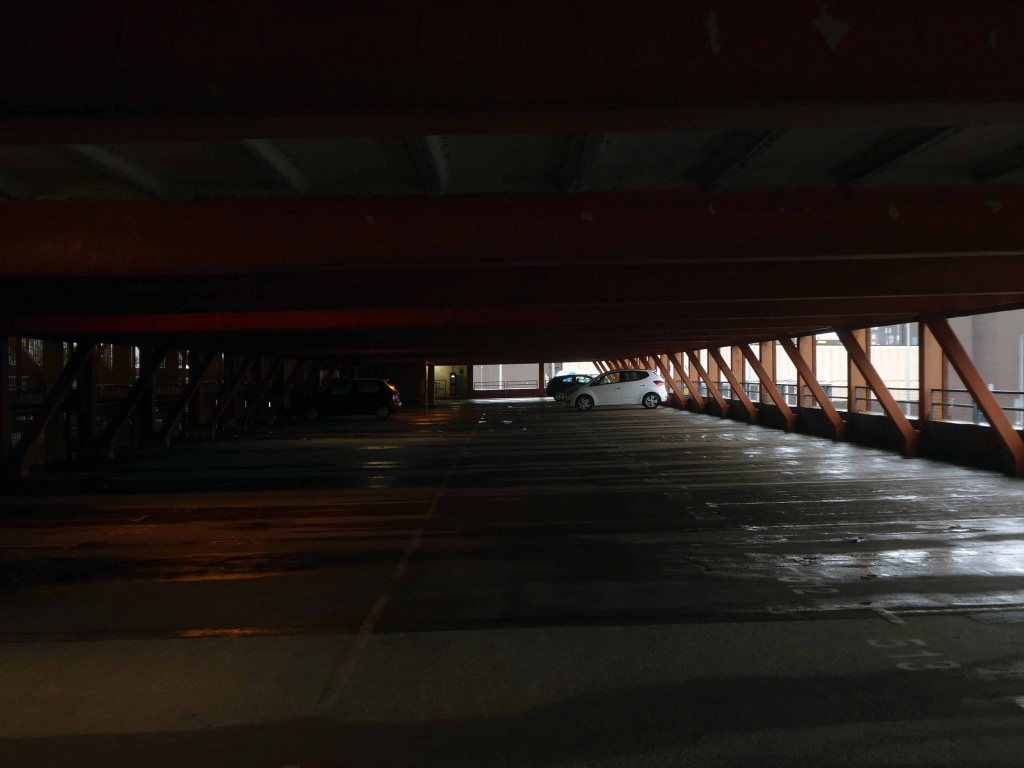
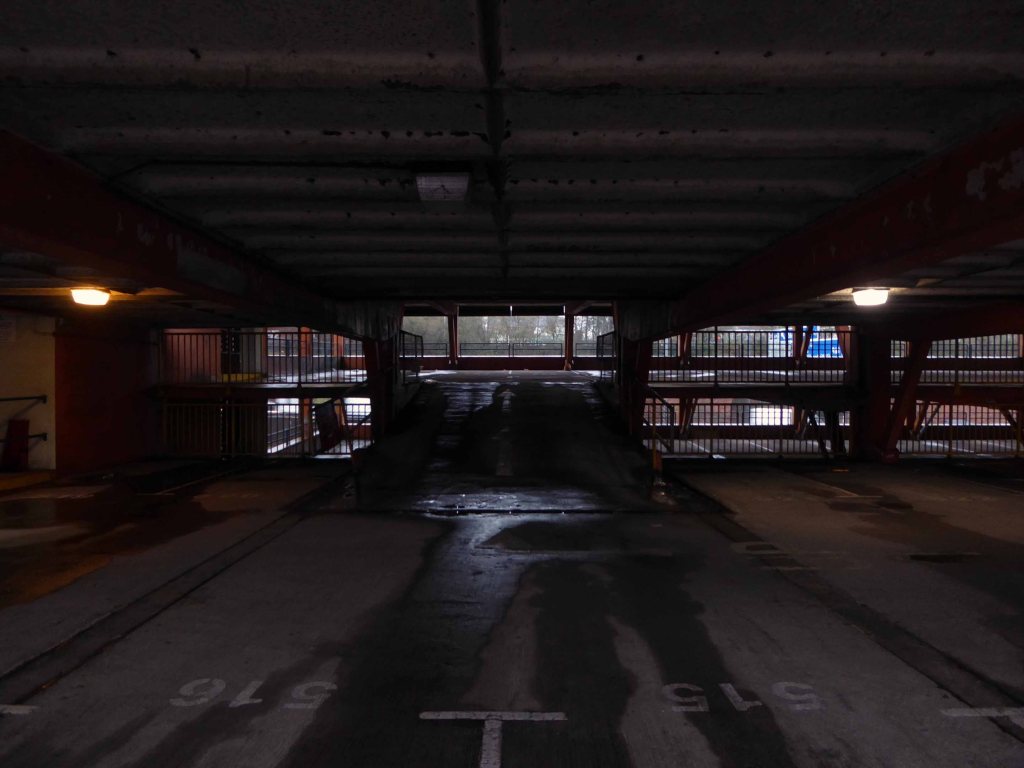
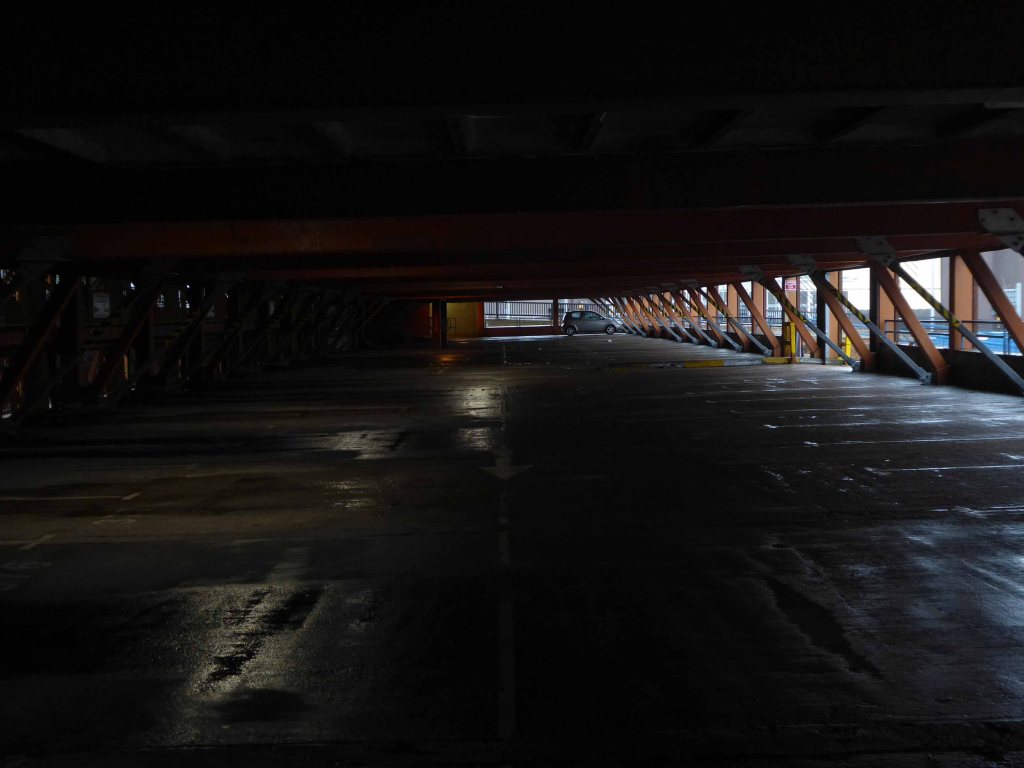
I was inspired by a recent viewing of All The Presidents Men to revisit my local multi-storey on Heaton Lane Stockport.
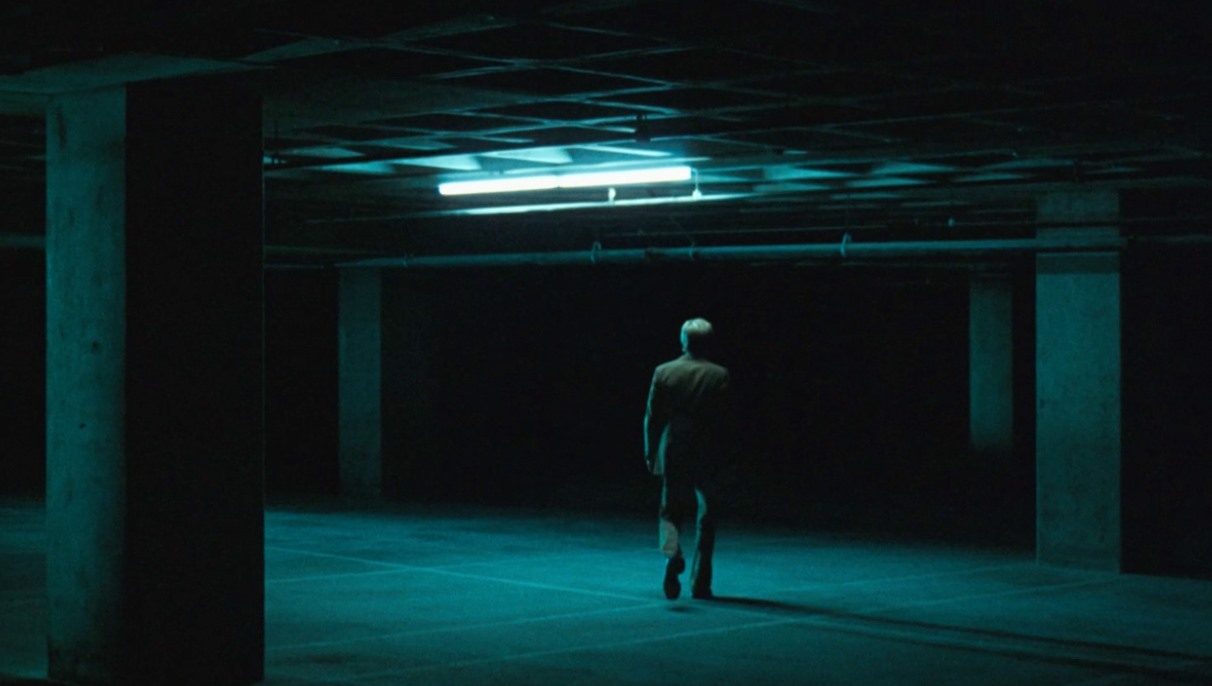
Cinematographer Gordon Hugh Willis Jr constructs a shadow world where informer and informed meet to exchange deep secrets, ever watchful, moving in and out of artificial light, tense and alert.
Look over your shoulder- there’s nobody there, and they’re watching you.
But they have been here.
To party.
To tag.
To live.
Pay here, your time is time limited, your presence measured.
Let’s explore this demimonde together, wet underfoot, lit laterally by limited daylight, walking through the interspersed pools of glacial artificial glow.
Time’s up, check out and move on – tomorrow is another day, another car park; in a different town.
Cinema and car parks wedded forever in the collective popular cultural unconscious.
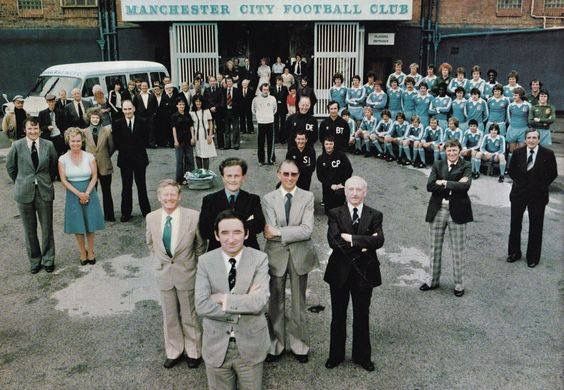
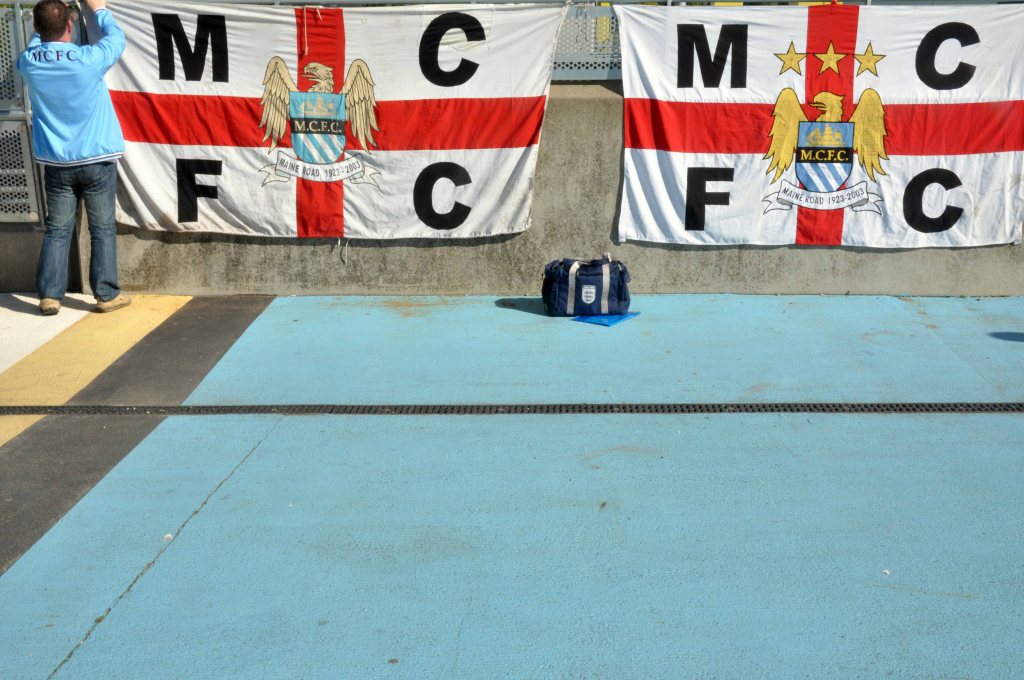
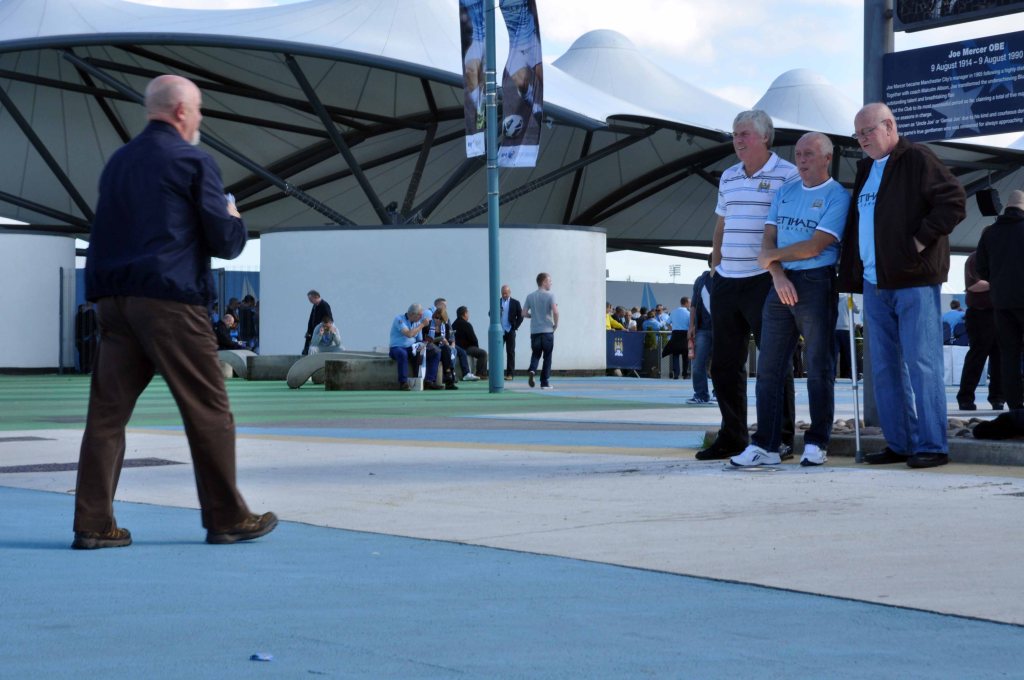
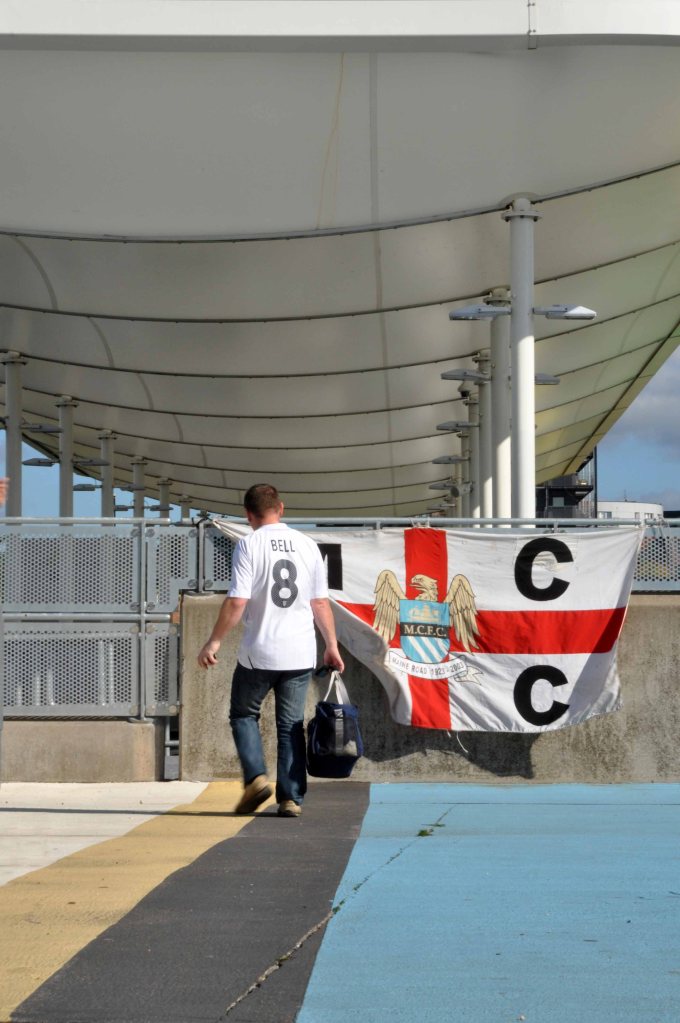
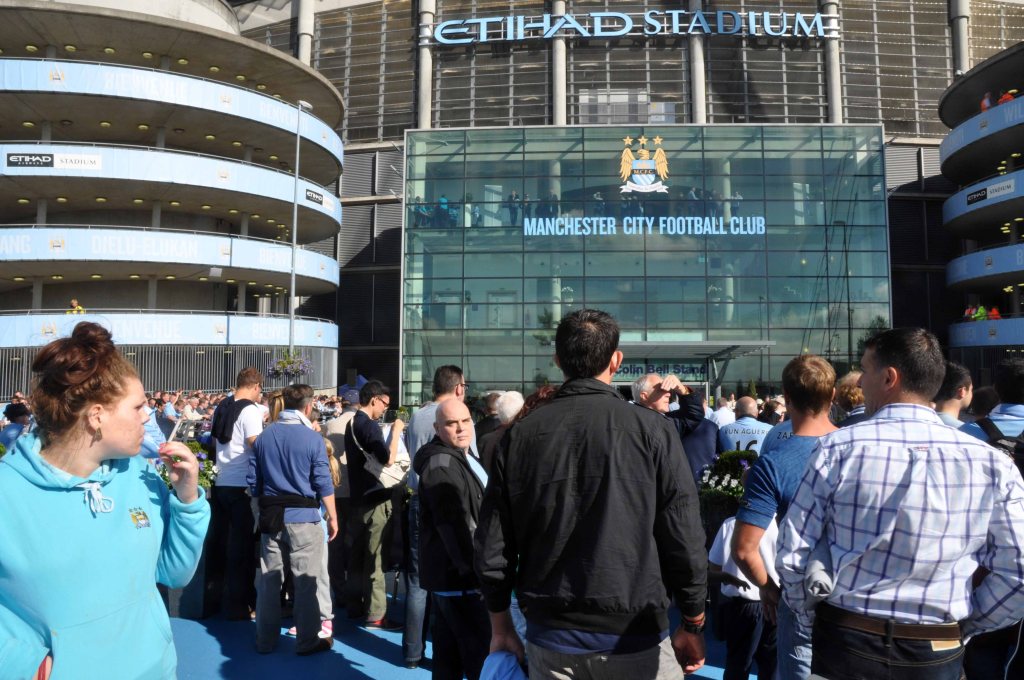
This is my first visit to a match day at the Etihad – having last watched City at Maine Road, from that uncovered corner enclave, the Kippax Paddock – the so called Gene Kelly Stand
To the other side of the city and rebranded Eastlands, occupying the former Commonwealth Games Stadium.
Owners John Wardle and Thaksin Shinawatra came and went.
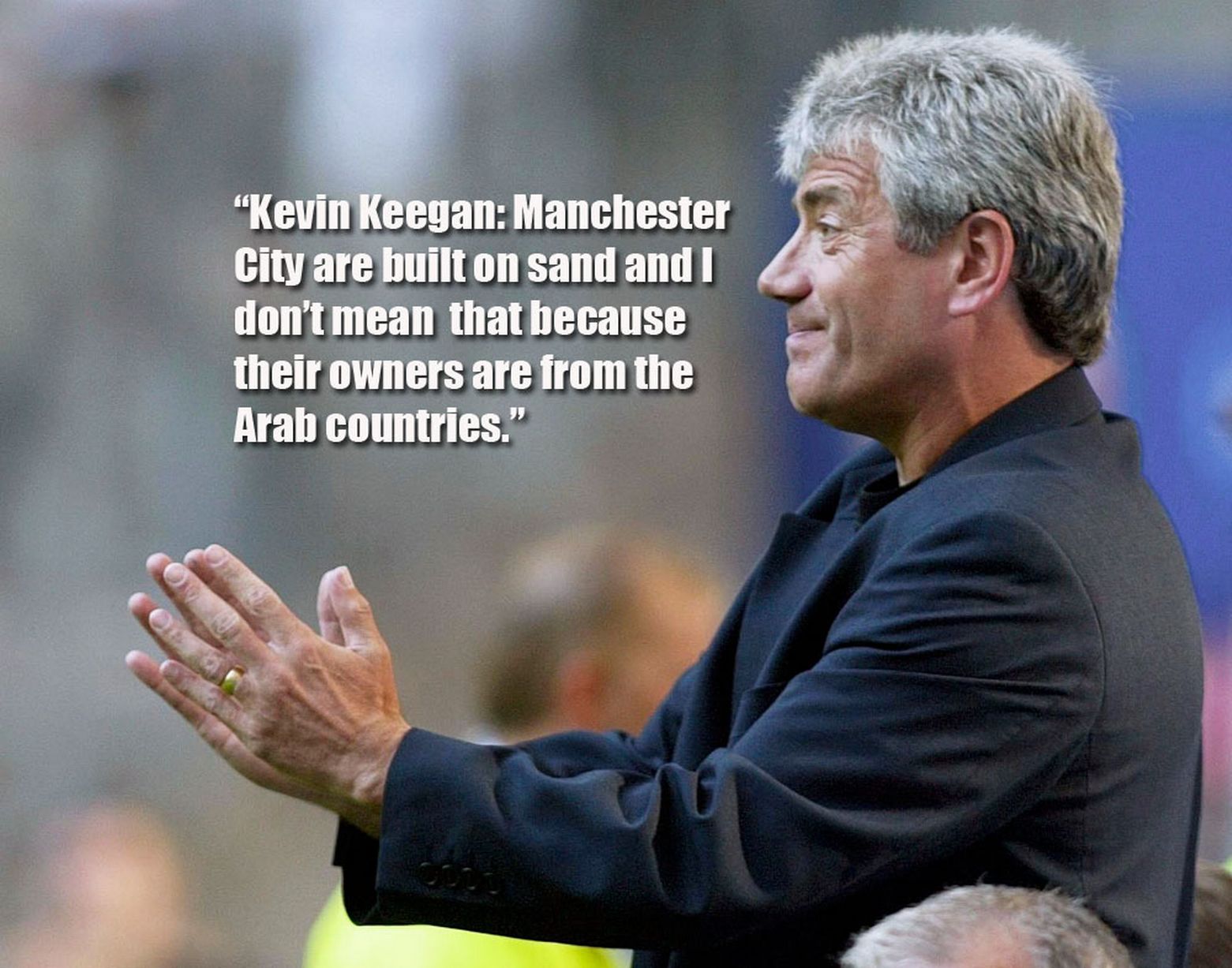
Since 4 August 2008, the club has been owned by Sheikh Mansour, one of football’s wealthiest owners, with an estimated individual net worth of at least £17 billion and a family fortune of at least $1 trillion.
A far cry from Peter Swales and his TV Repair shop on Washway Road.
The game has changed, money is in motion, fans travel from every corner of the globe, fuelled by the Murdoch Dollar and the insatiable thirst for televised football.
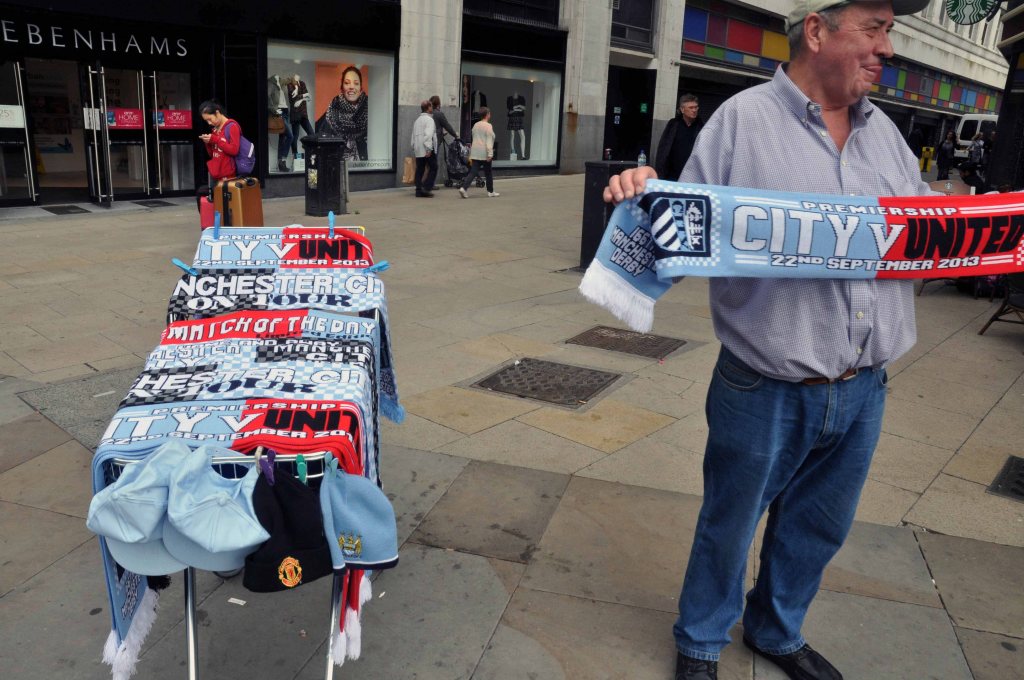
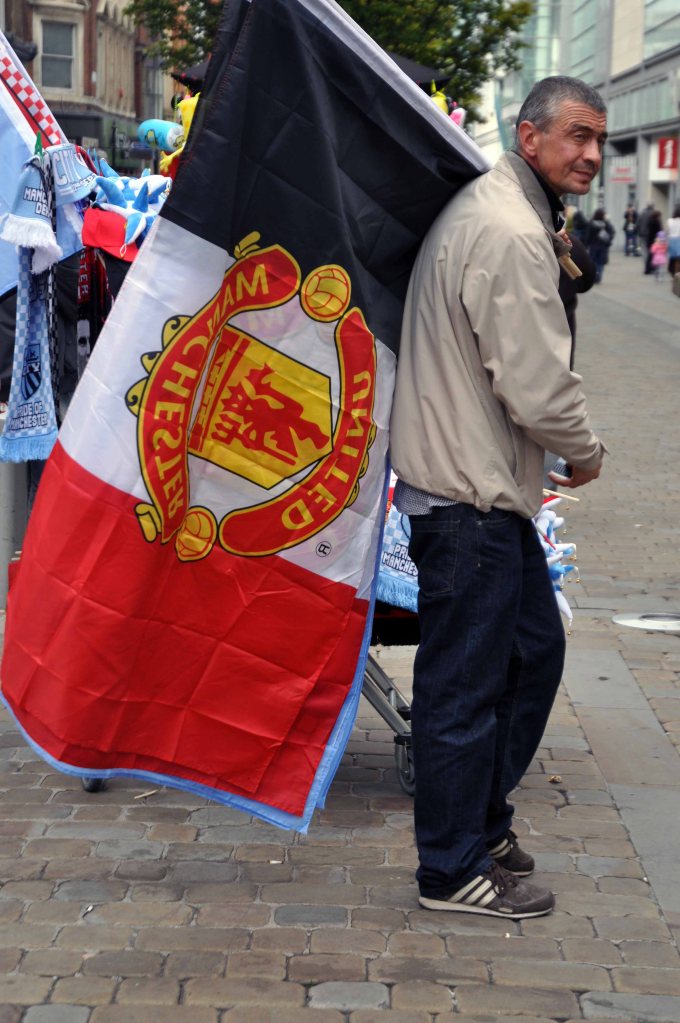
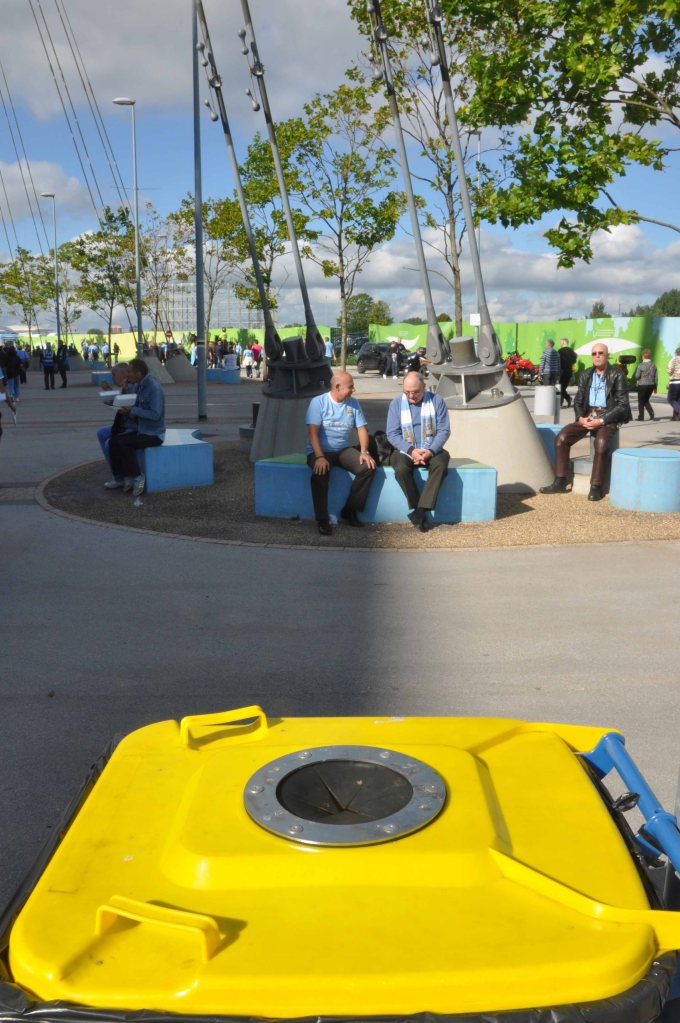
So it’s the 22nd September 2013 – I though I’d take a look around town first.
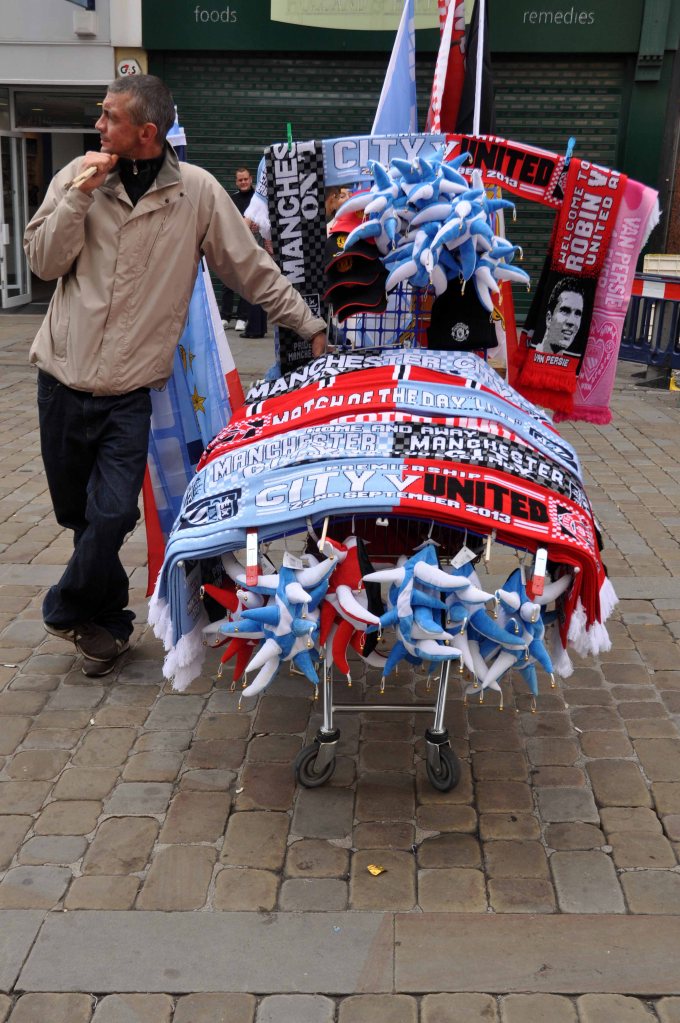
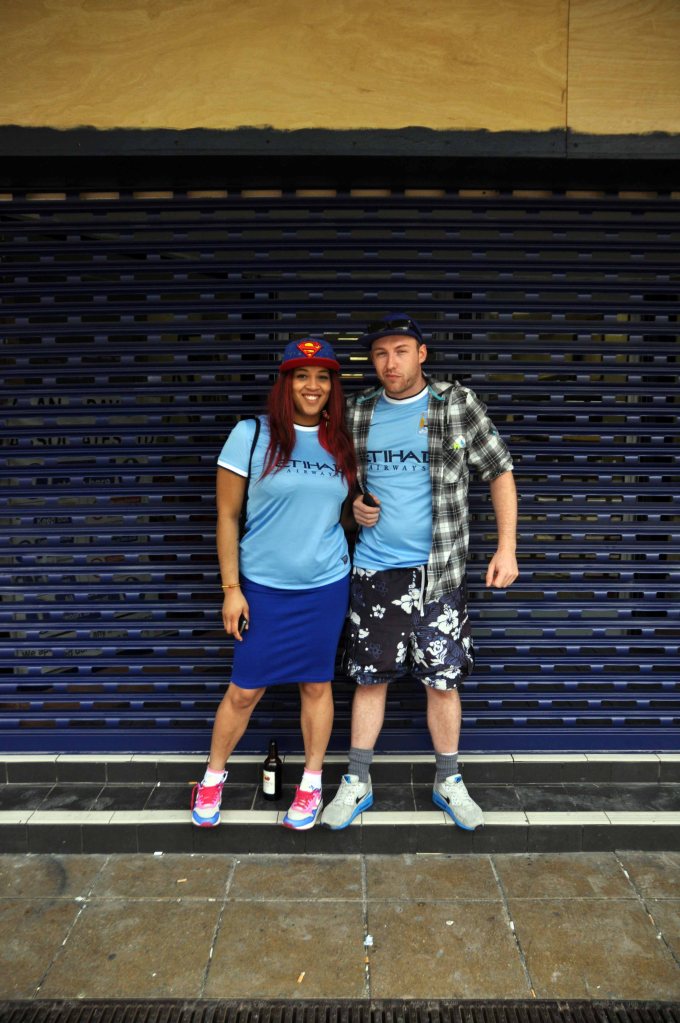
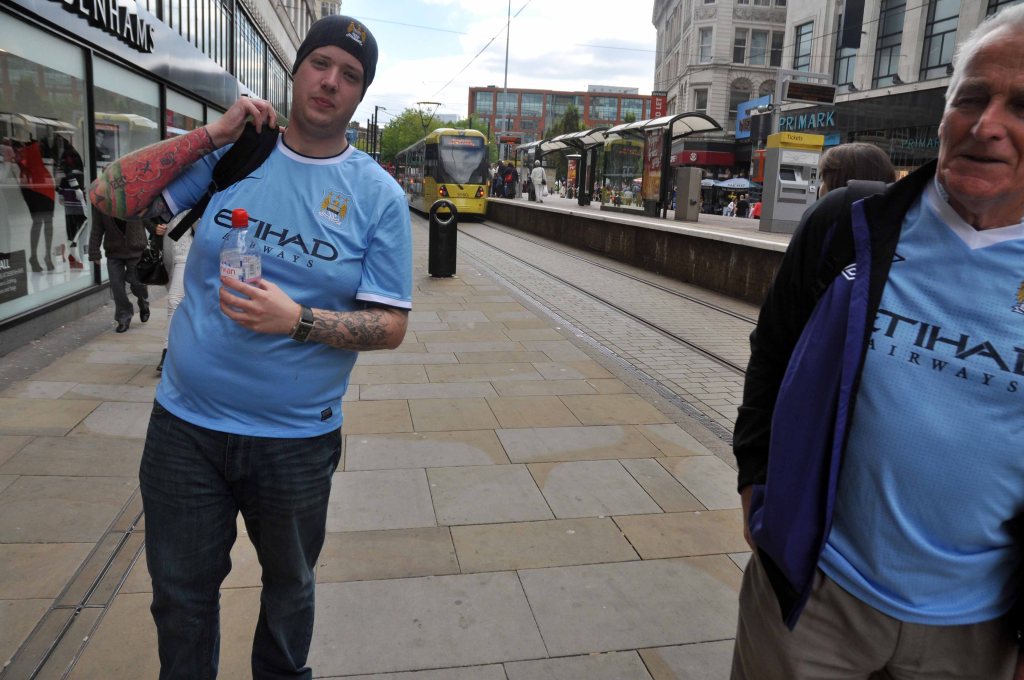
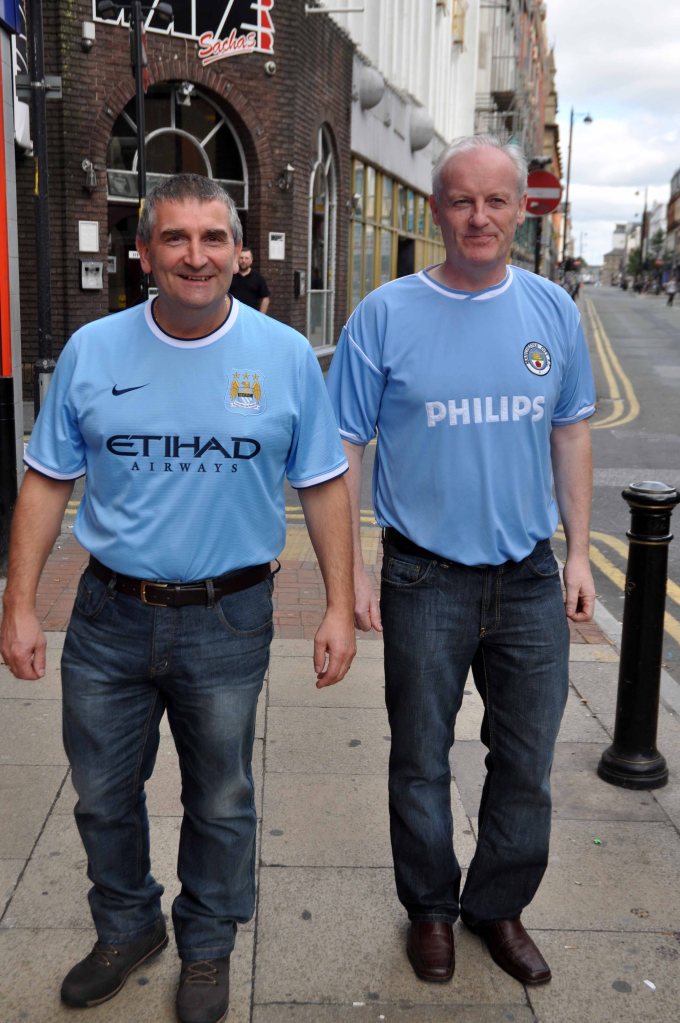
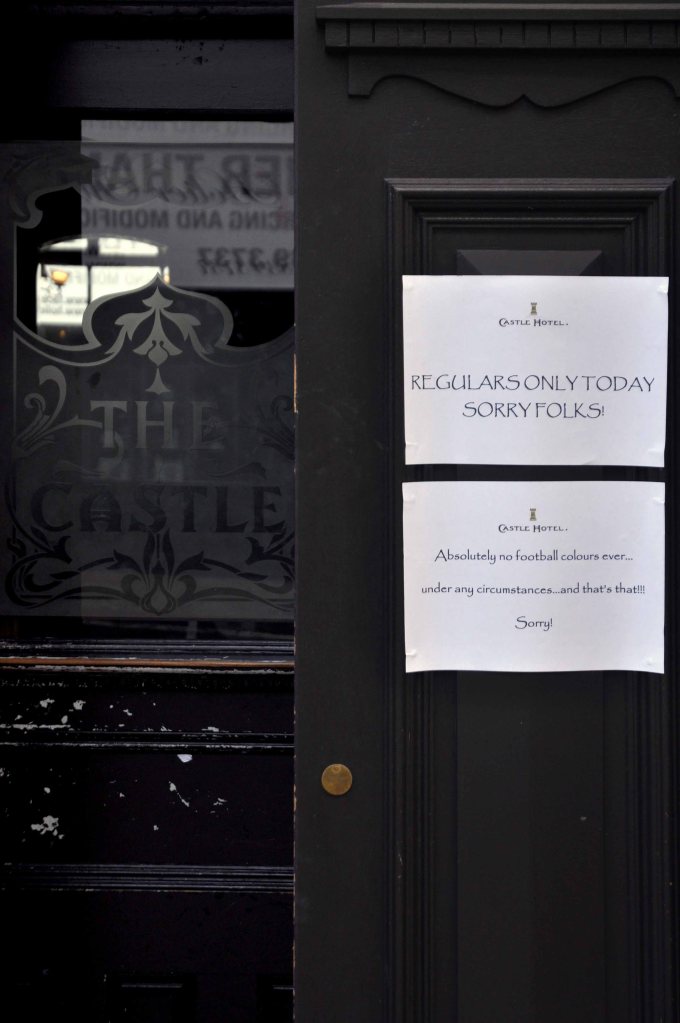
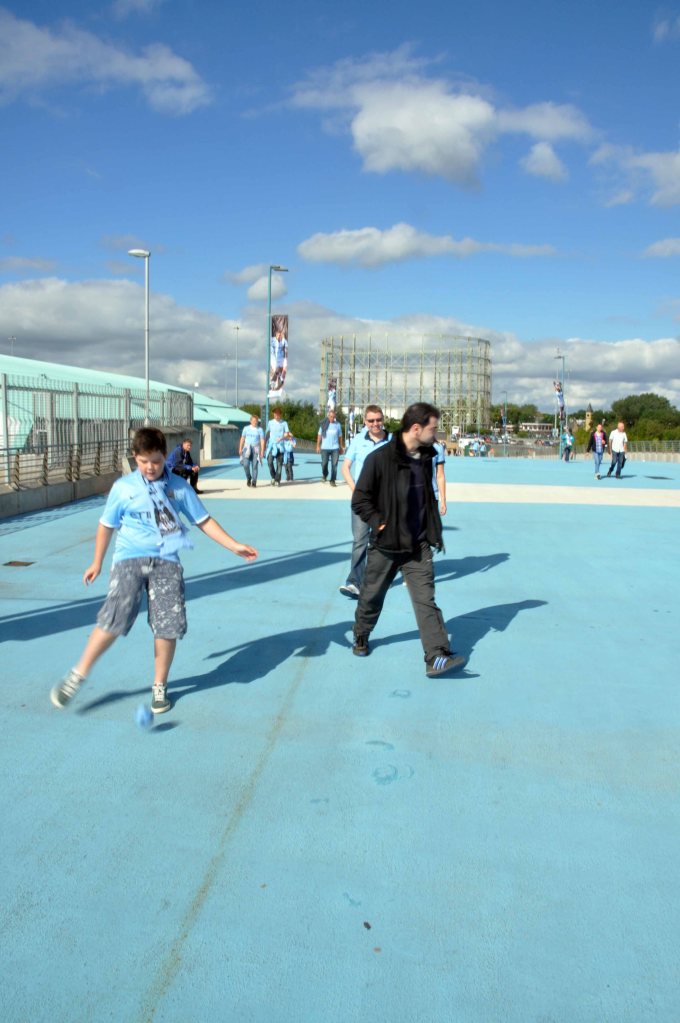
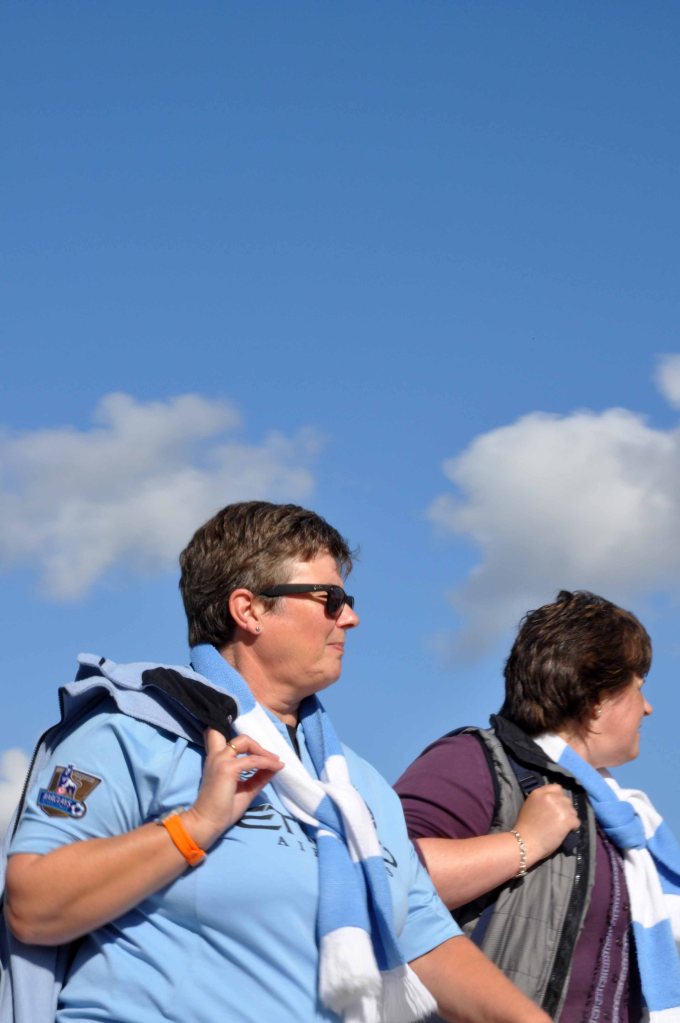
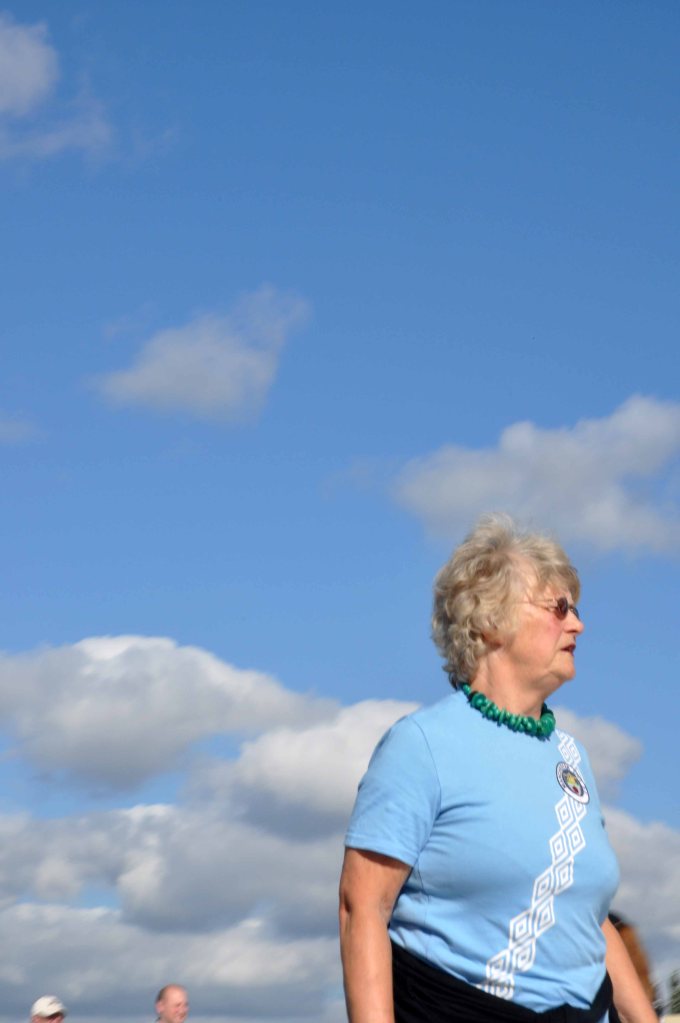
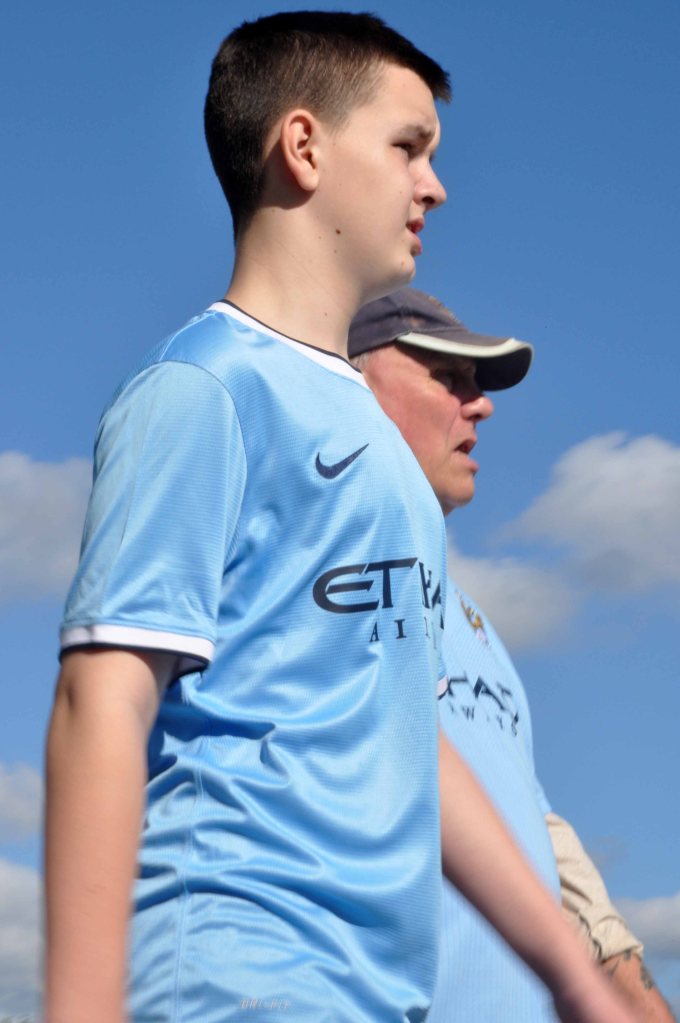
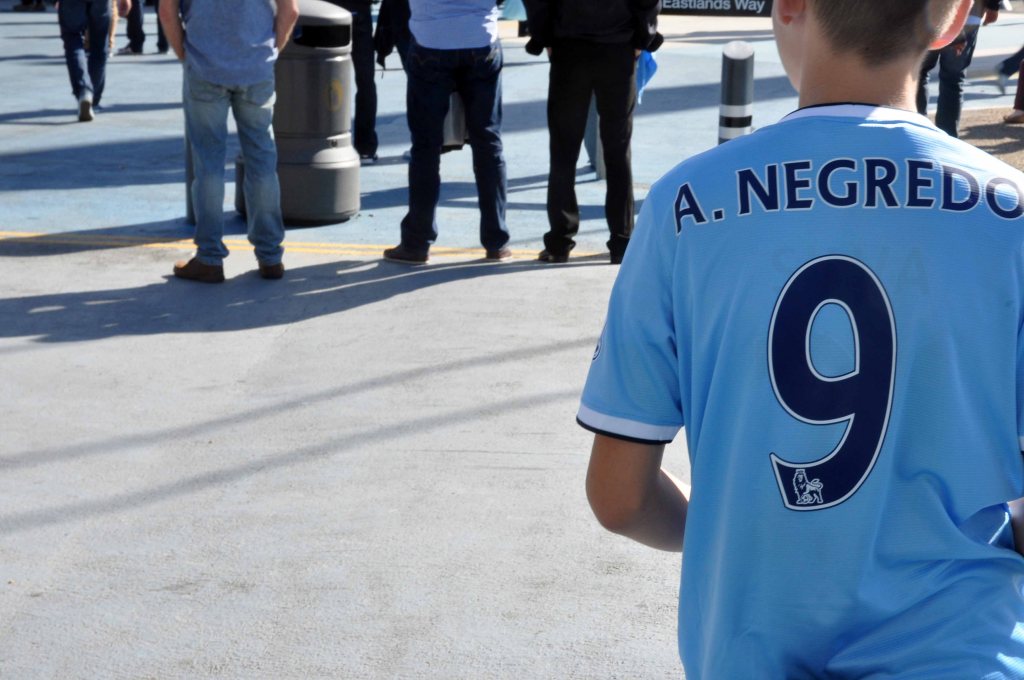
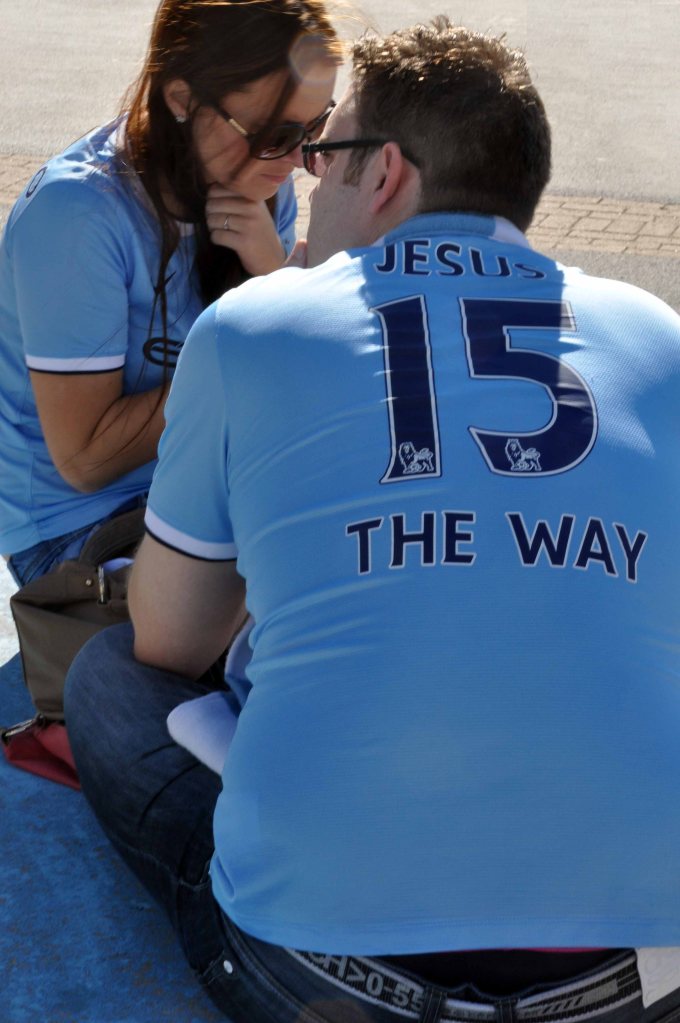
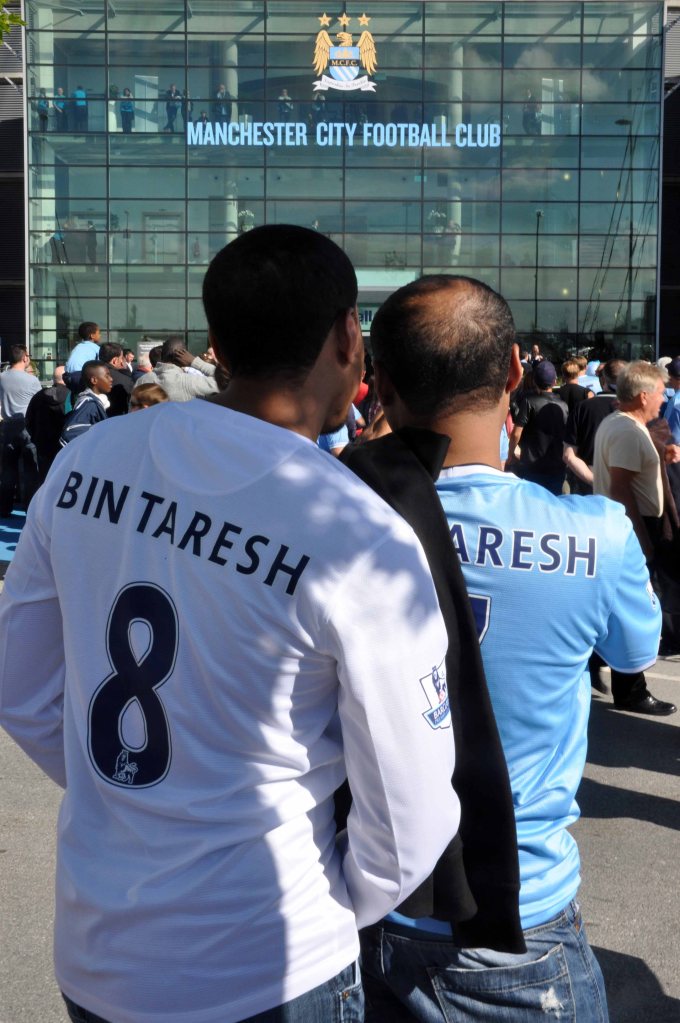
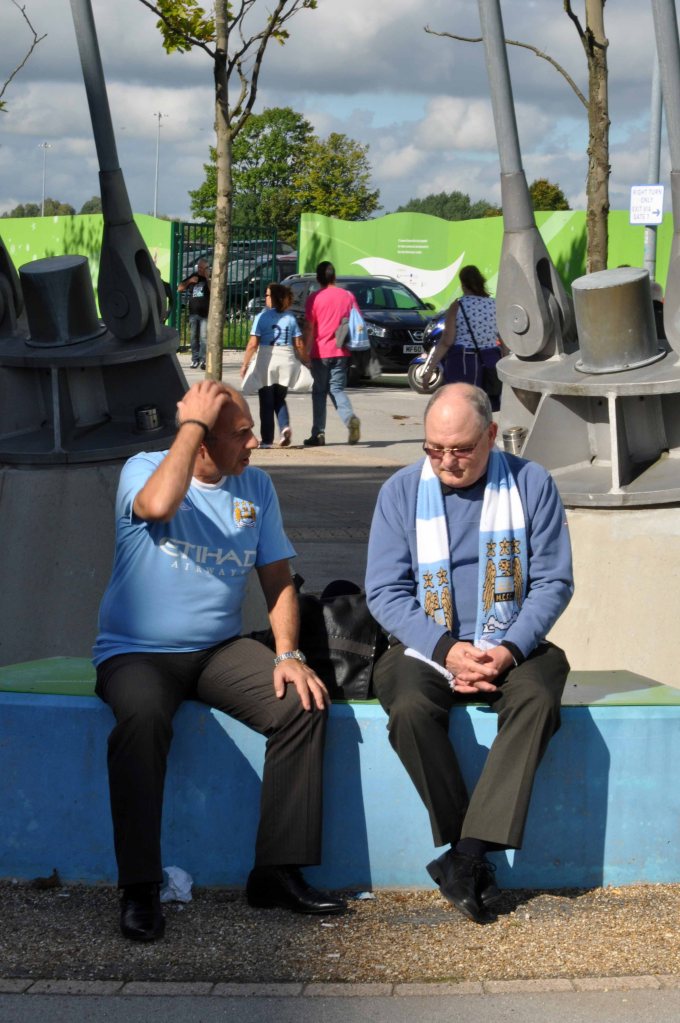
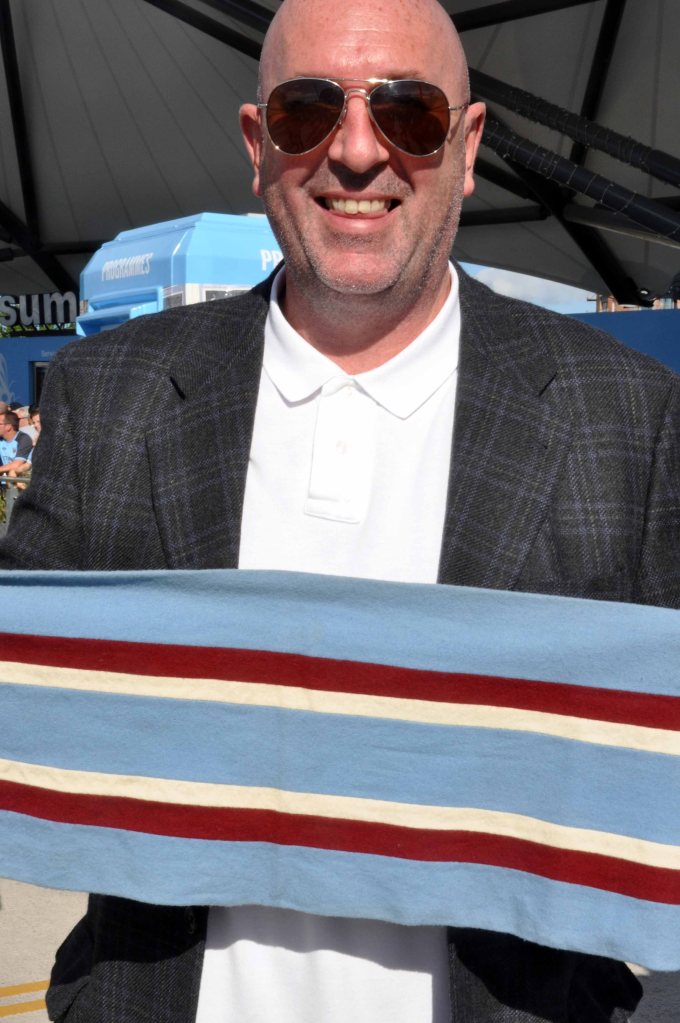
Kits and colours in abundance – though some of these colours can and will run.
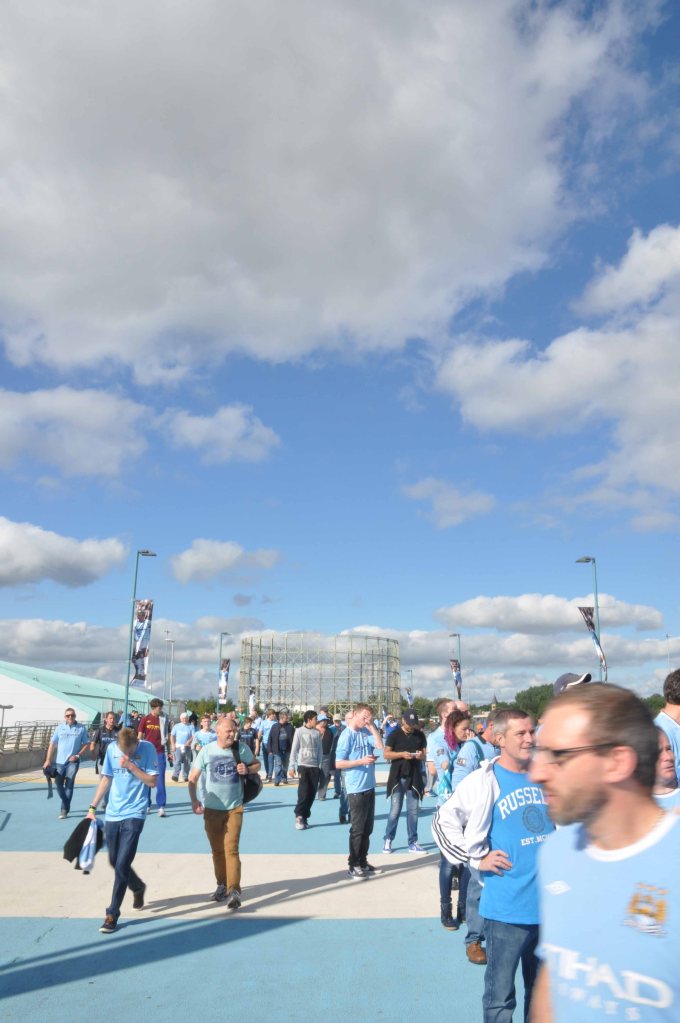
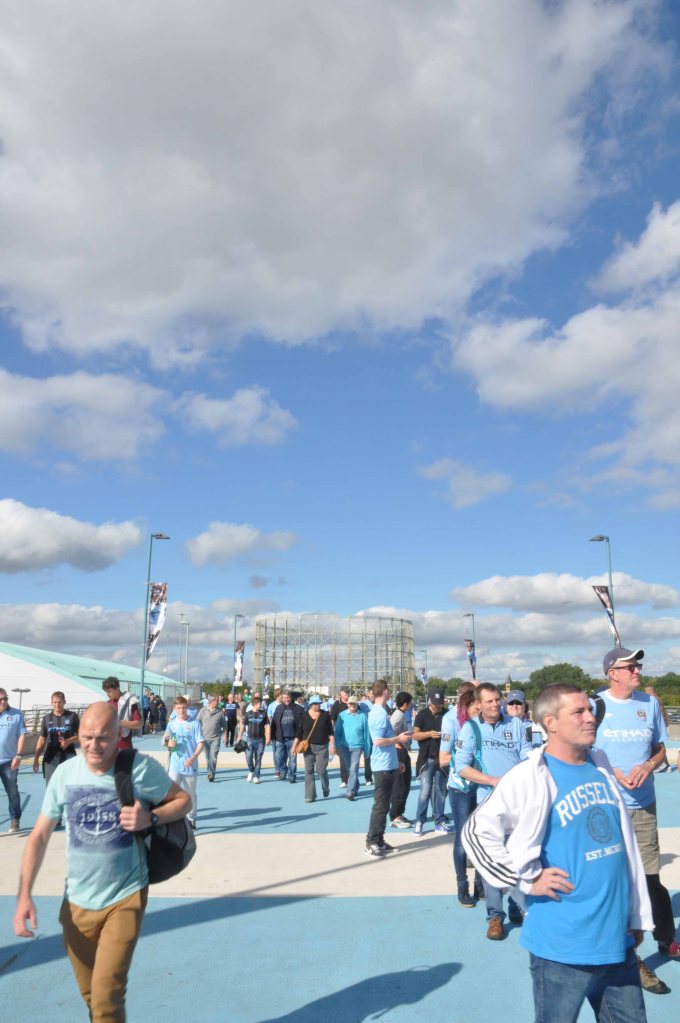
Off then to the Etihad and its the Pellegrini squad versus Moyes’ boys.
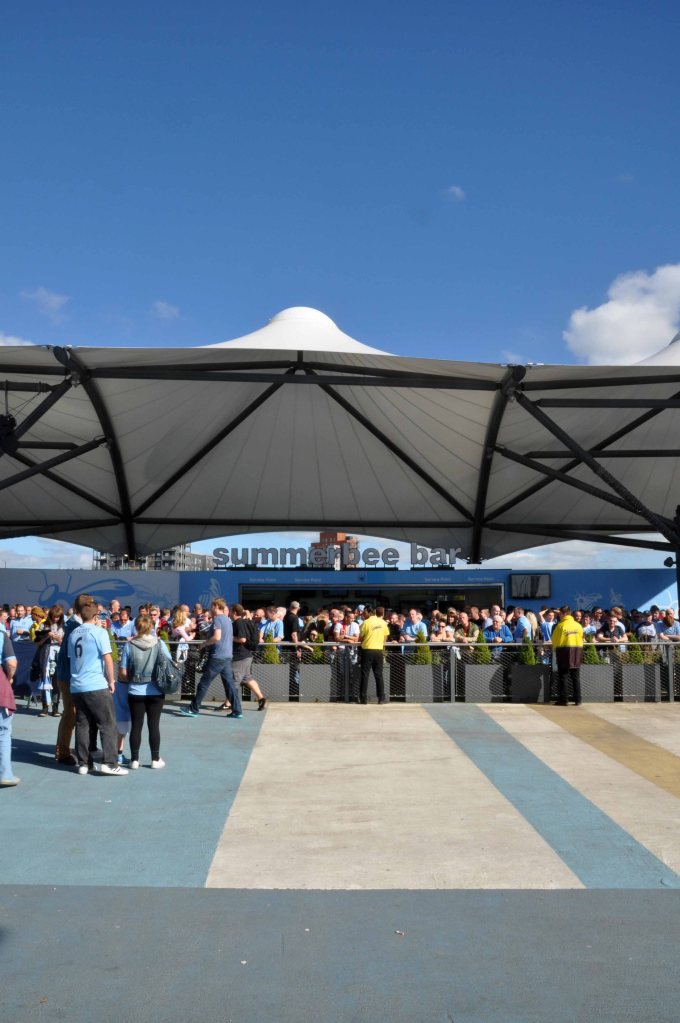
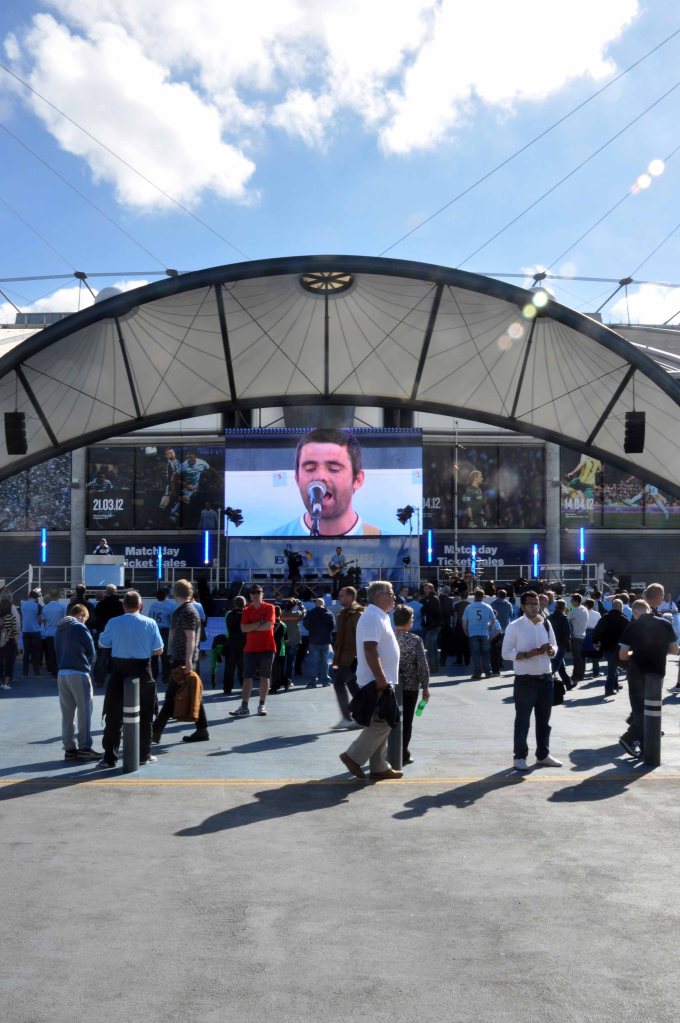
This is a world within a world as the Middle East seeks to lighten its carbon footprint, and put its size nines all over east Manchester.
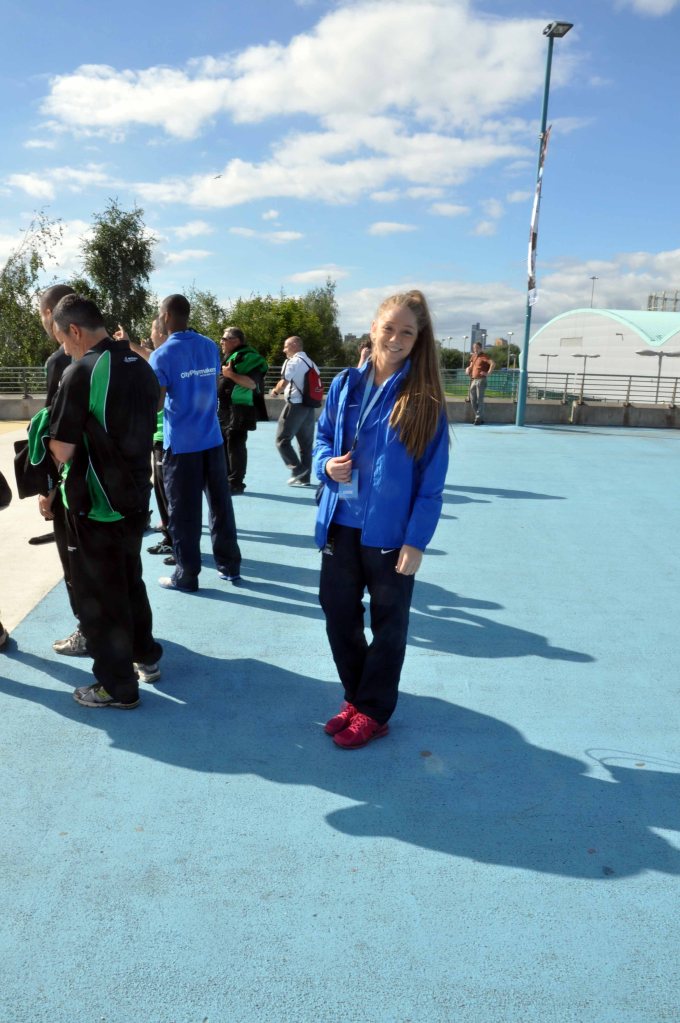
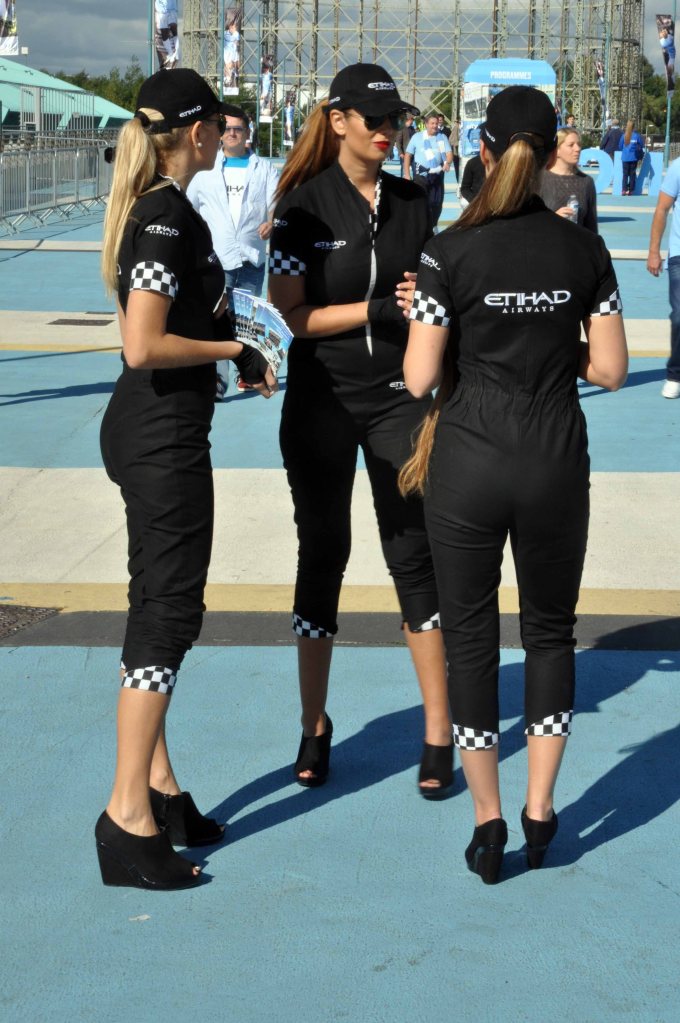
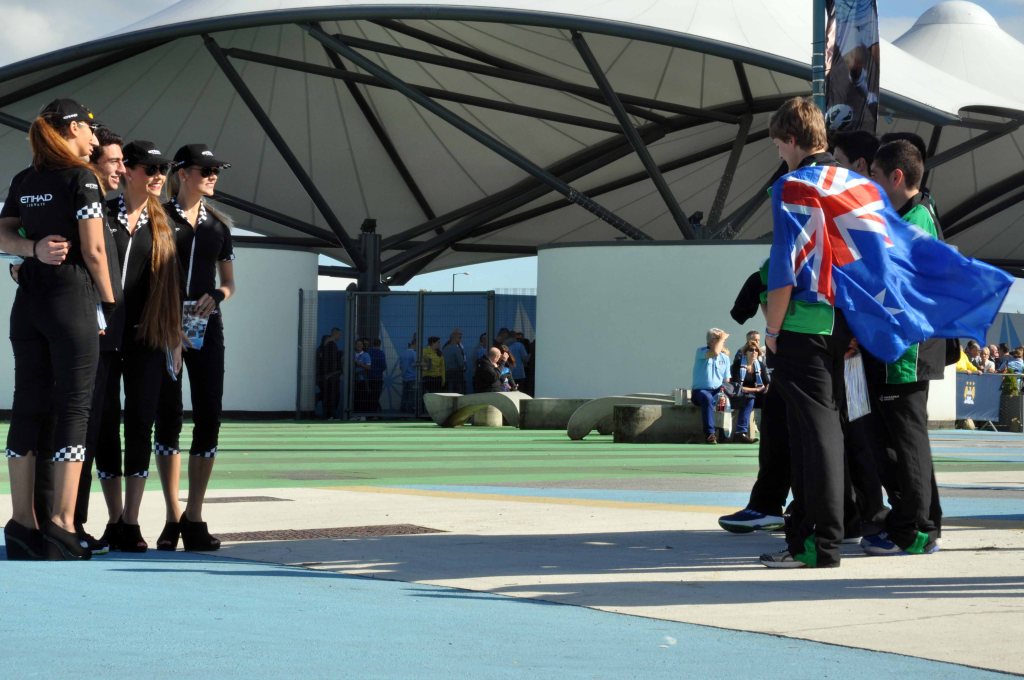
Corporate greeting on Joe Mercer Way, executive sweeteners, in the form of earthbound airline hostesses.
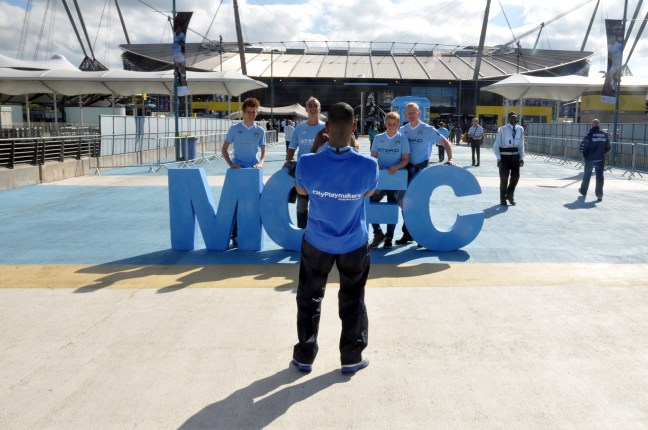
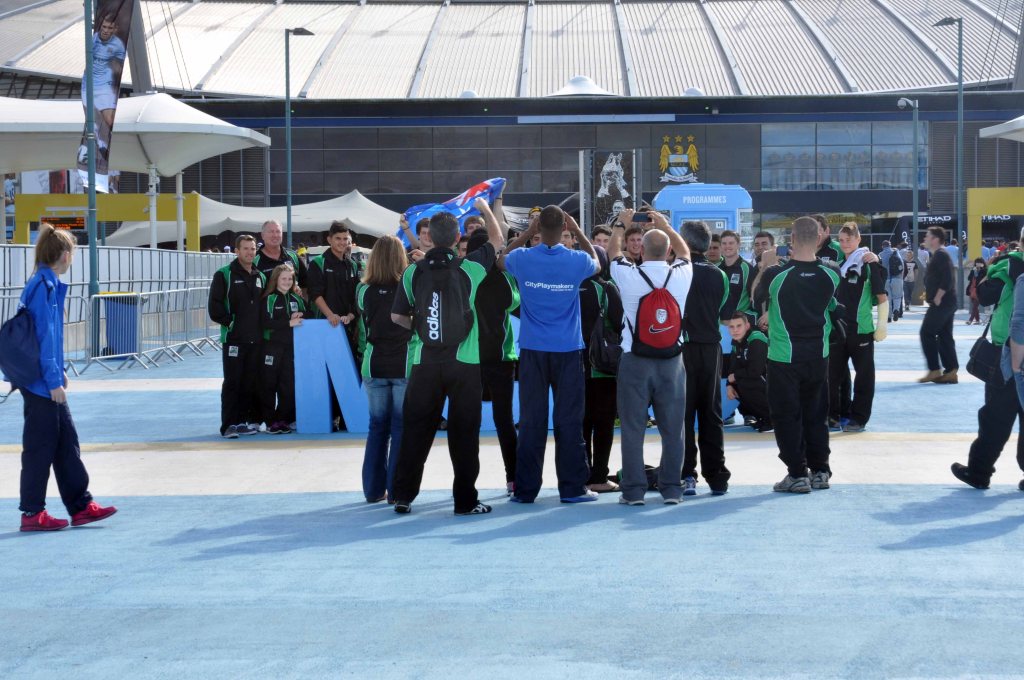
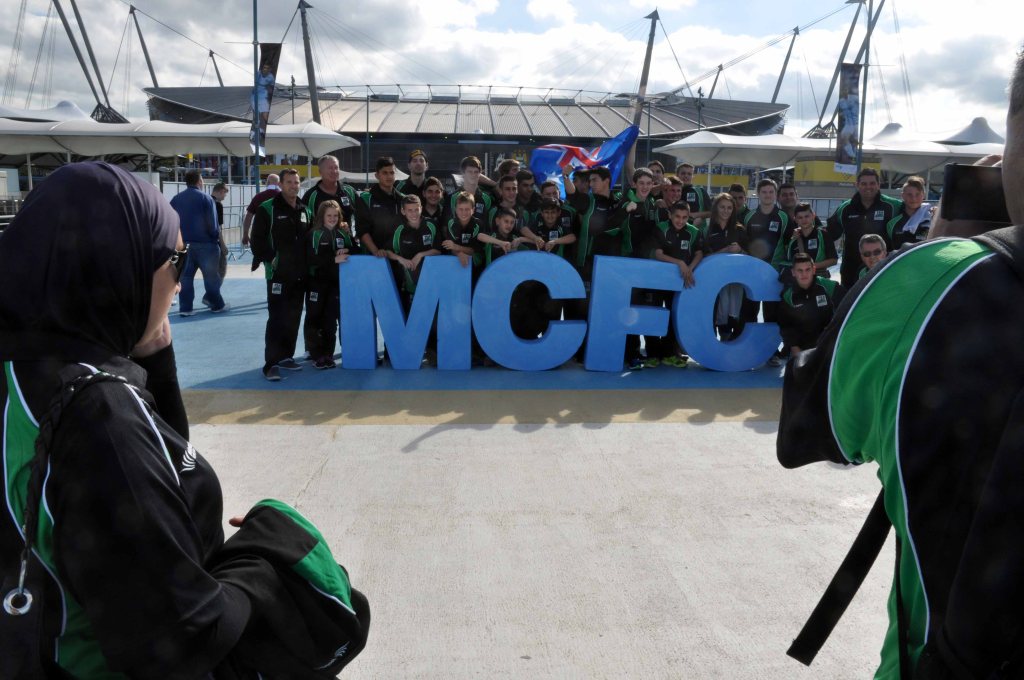
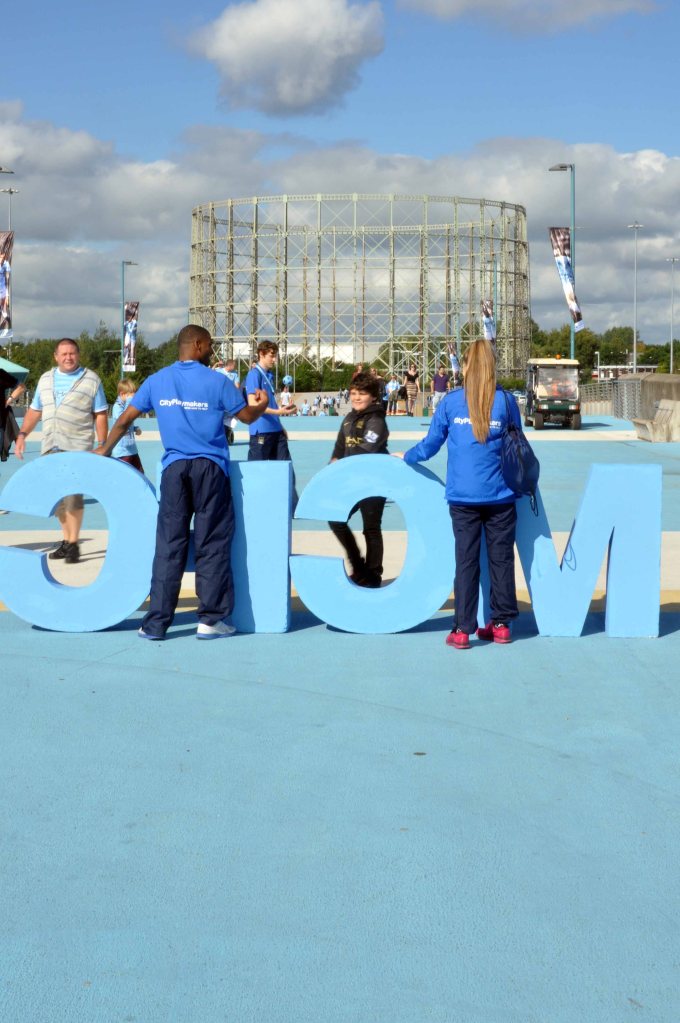
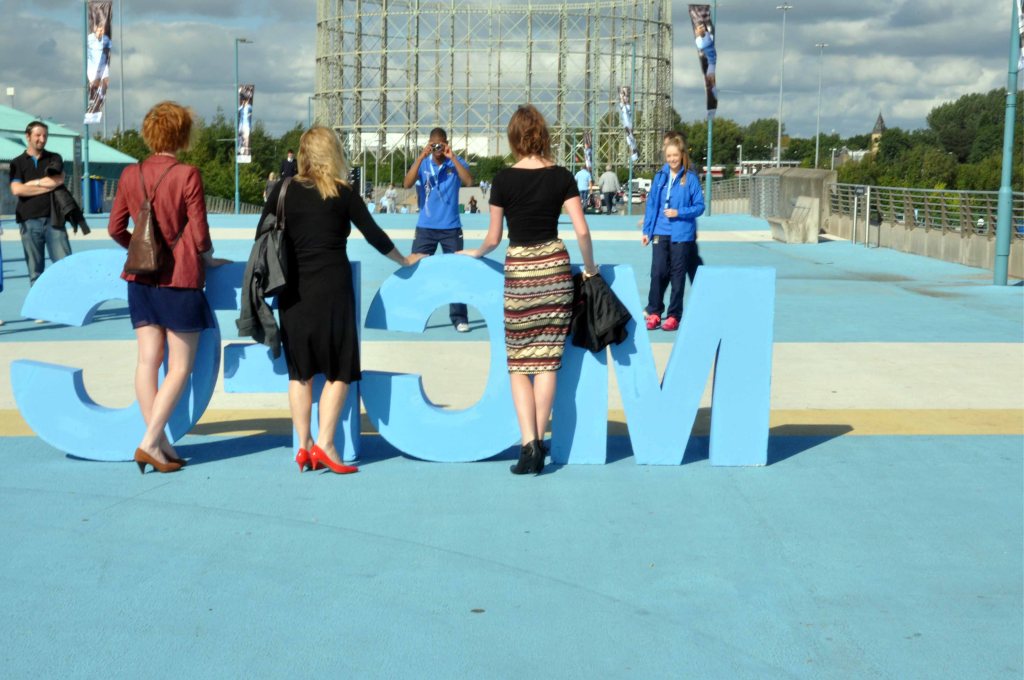
Groups from the Antipodes happy to embrace the jumbo blue letters – no boots, no hustling, no barging through swelling crowds, no menacing looks from beneath feather cut fringes.
No none of that any more.
I made my excuses and left.
Manchester City ensured David Moyes’ first derby as Manchester United manager ended in abject humiliation with a crushing victory at the Etihad Stadium.
In contrast to the despair of his opposite number, it was a day of delight for new City boss Manuel Pellegrini as he watched the rampant Blues make a powerful statement about their Premier League ambitions.
Sergio Aguero and Yaya Toure gave City a commanding half-time lead and any slim hopes of a United recovery were snuffed out by further goals from Aguero and Samir Nasri within five minutes of the restart.
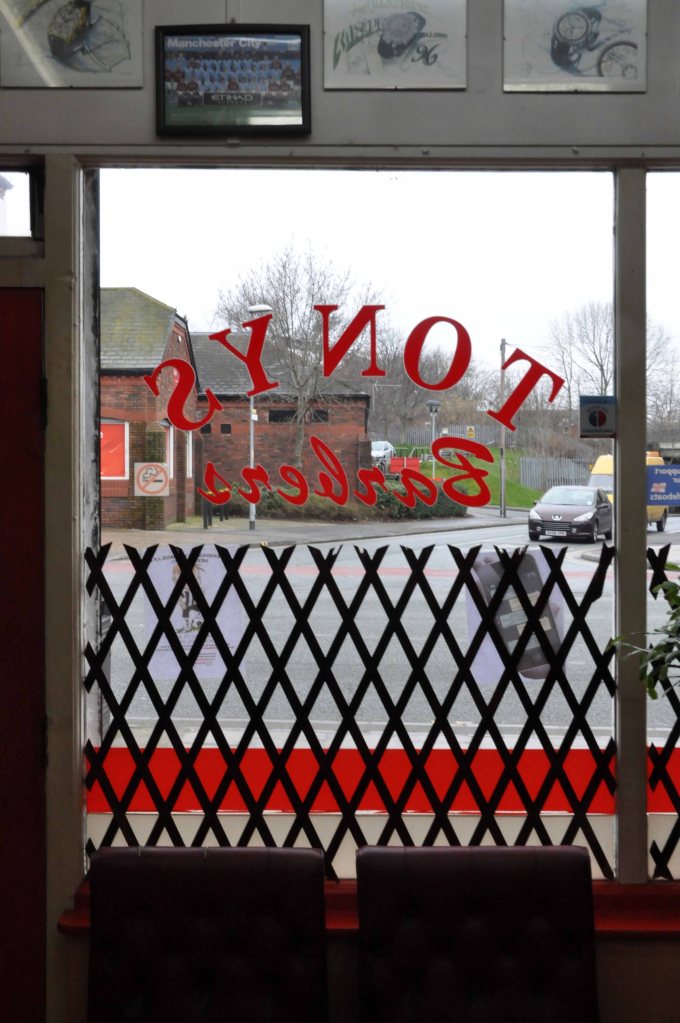
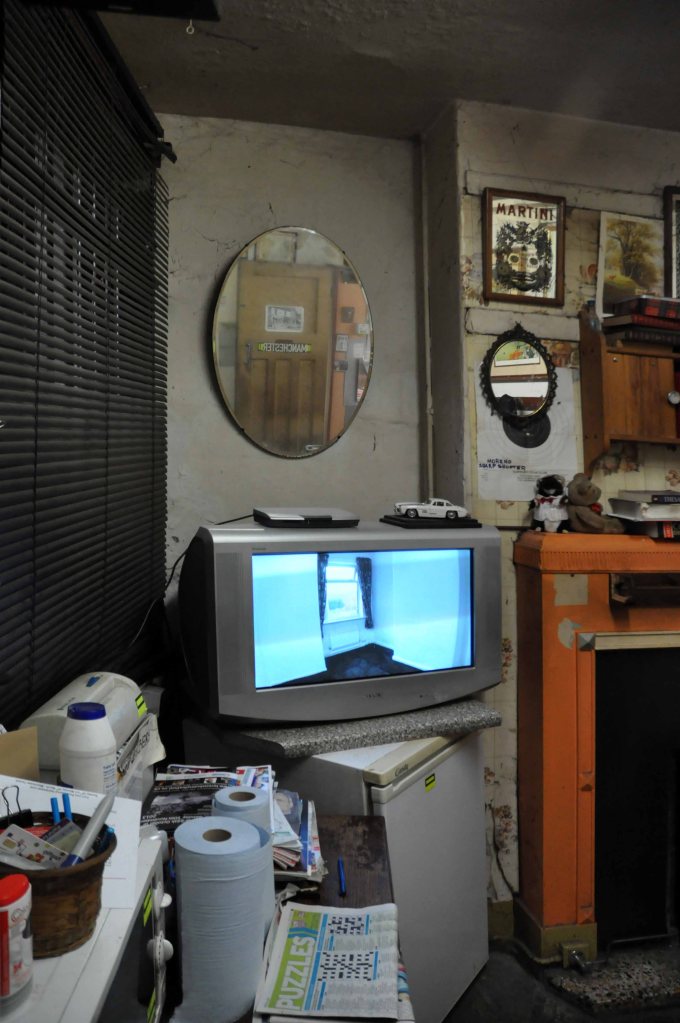
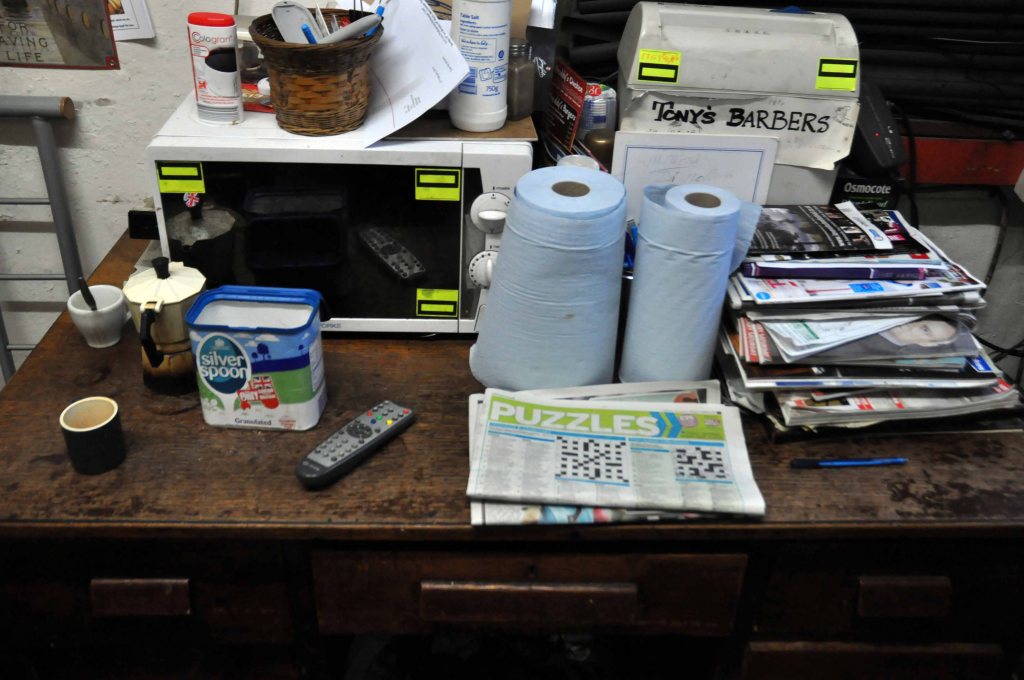
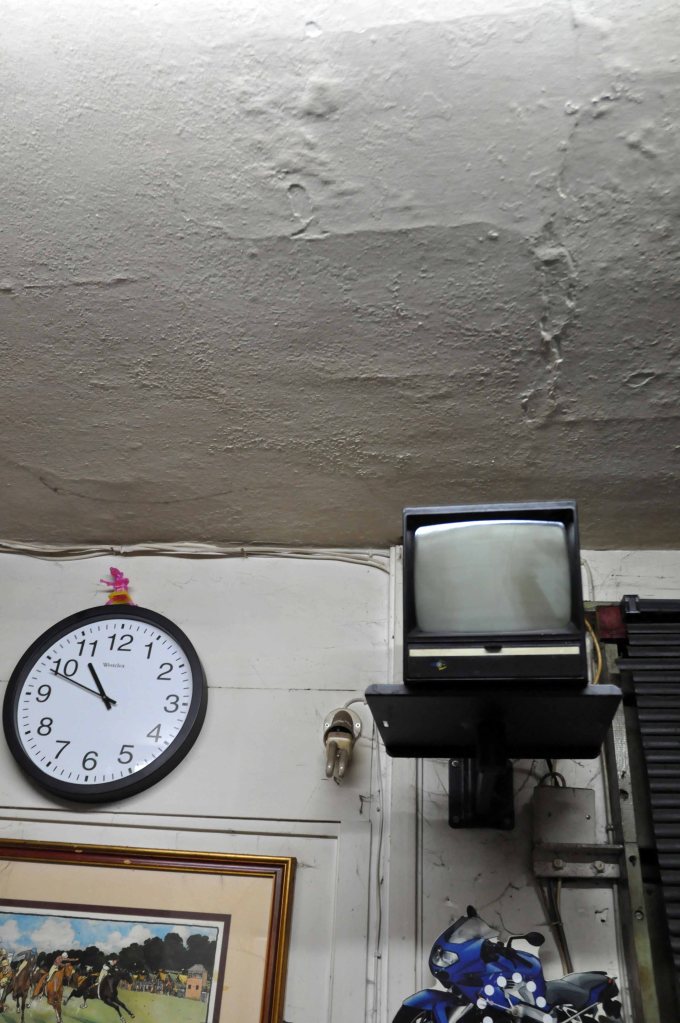
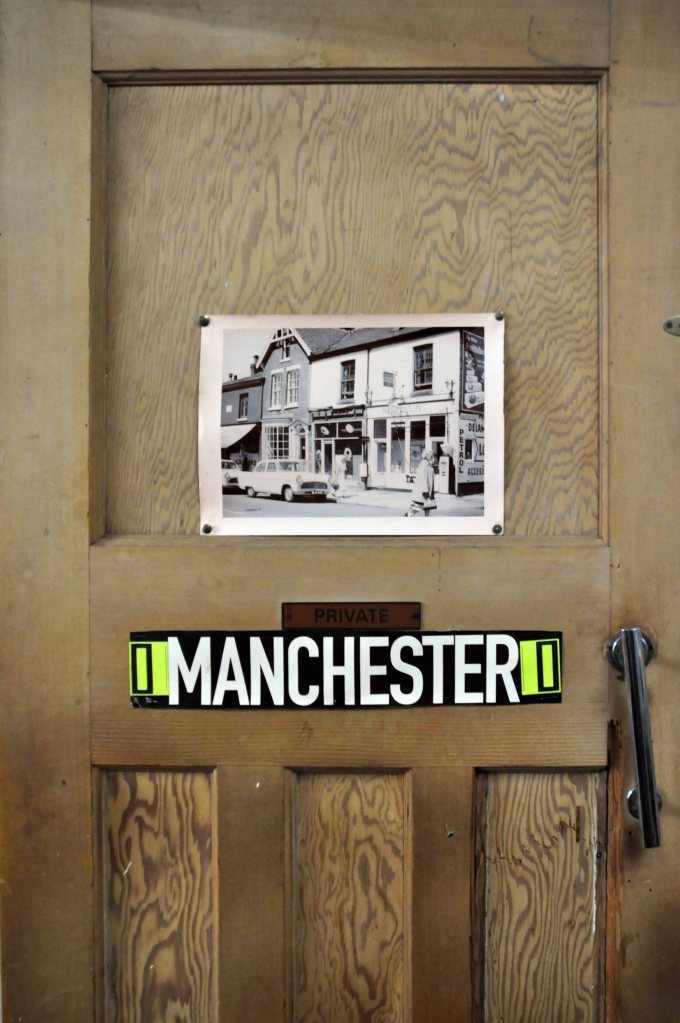
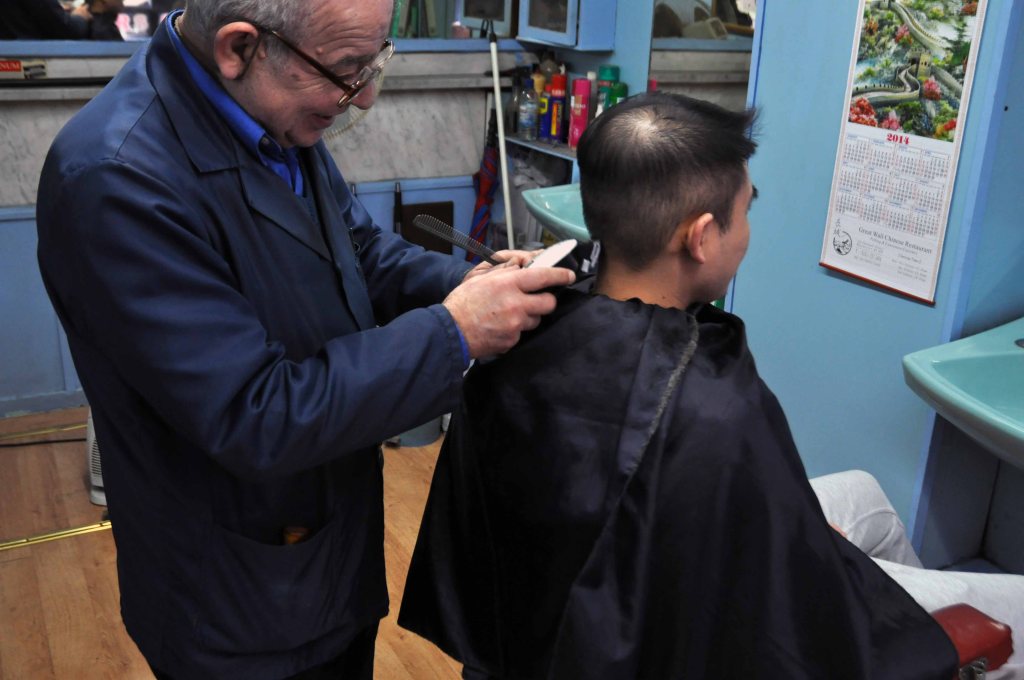
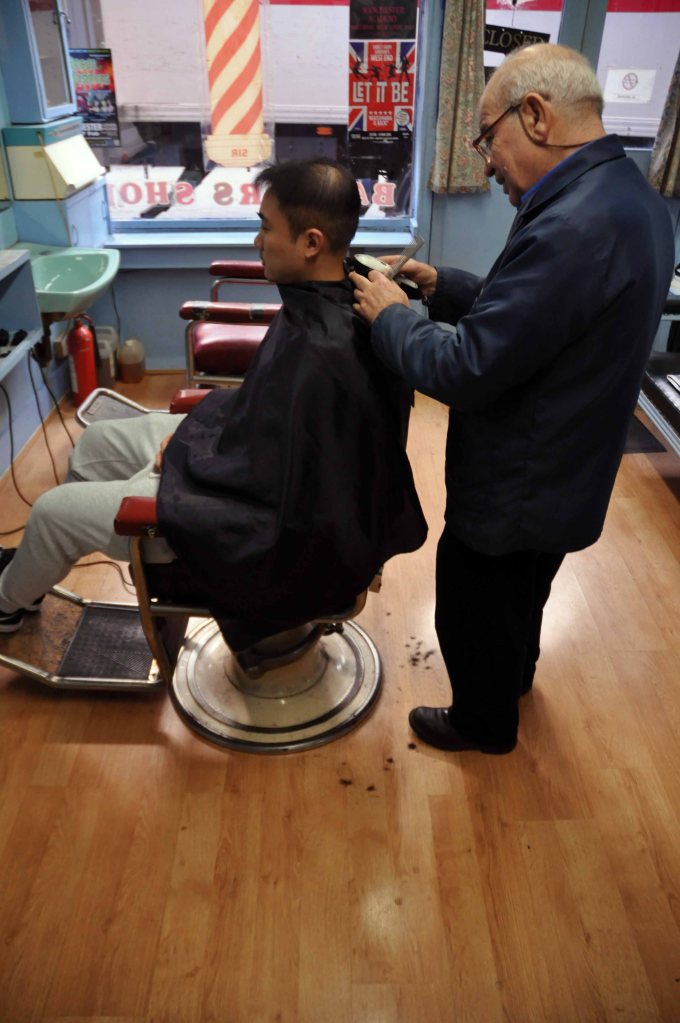
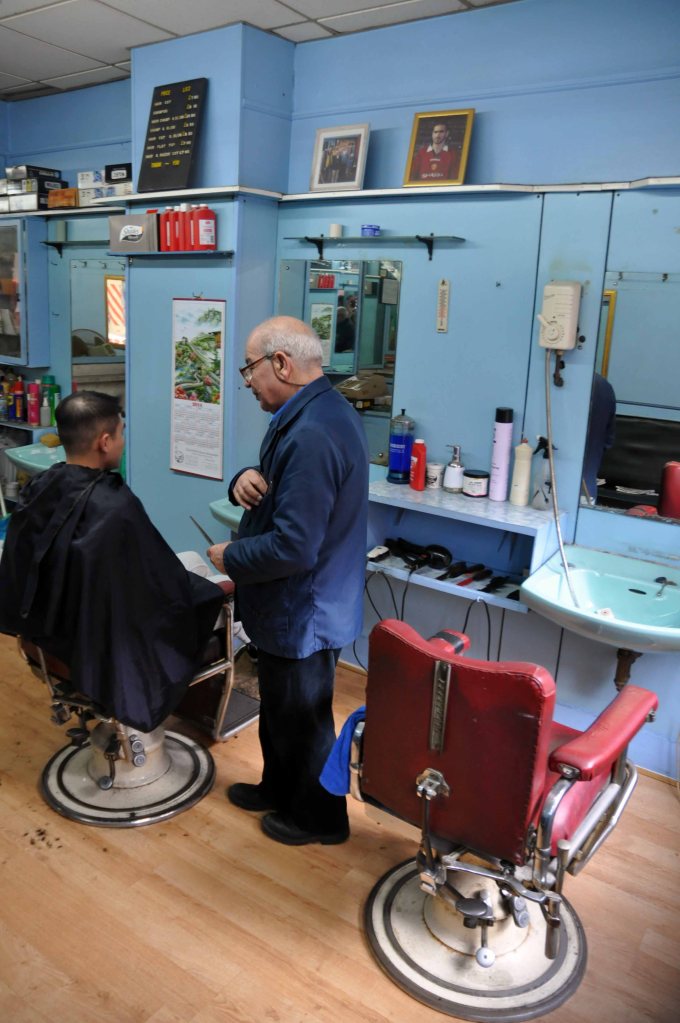
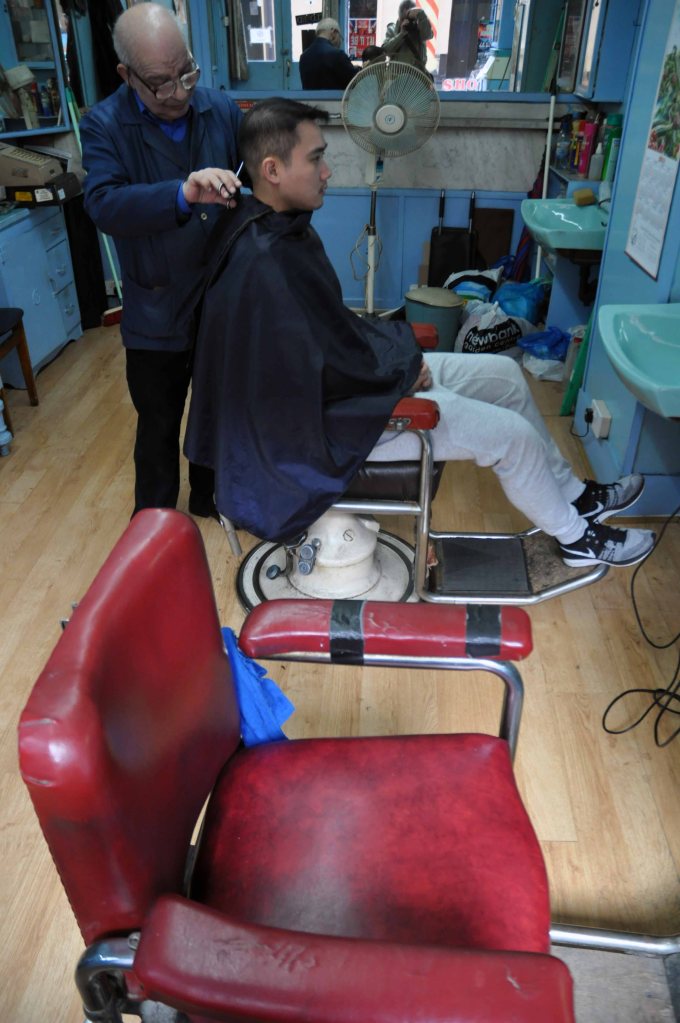
I passed by almost every day, cycling back and to, to work.
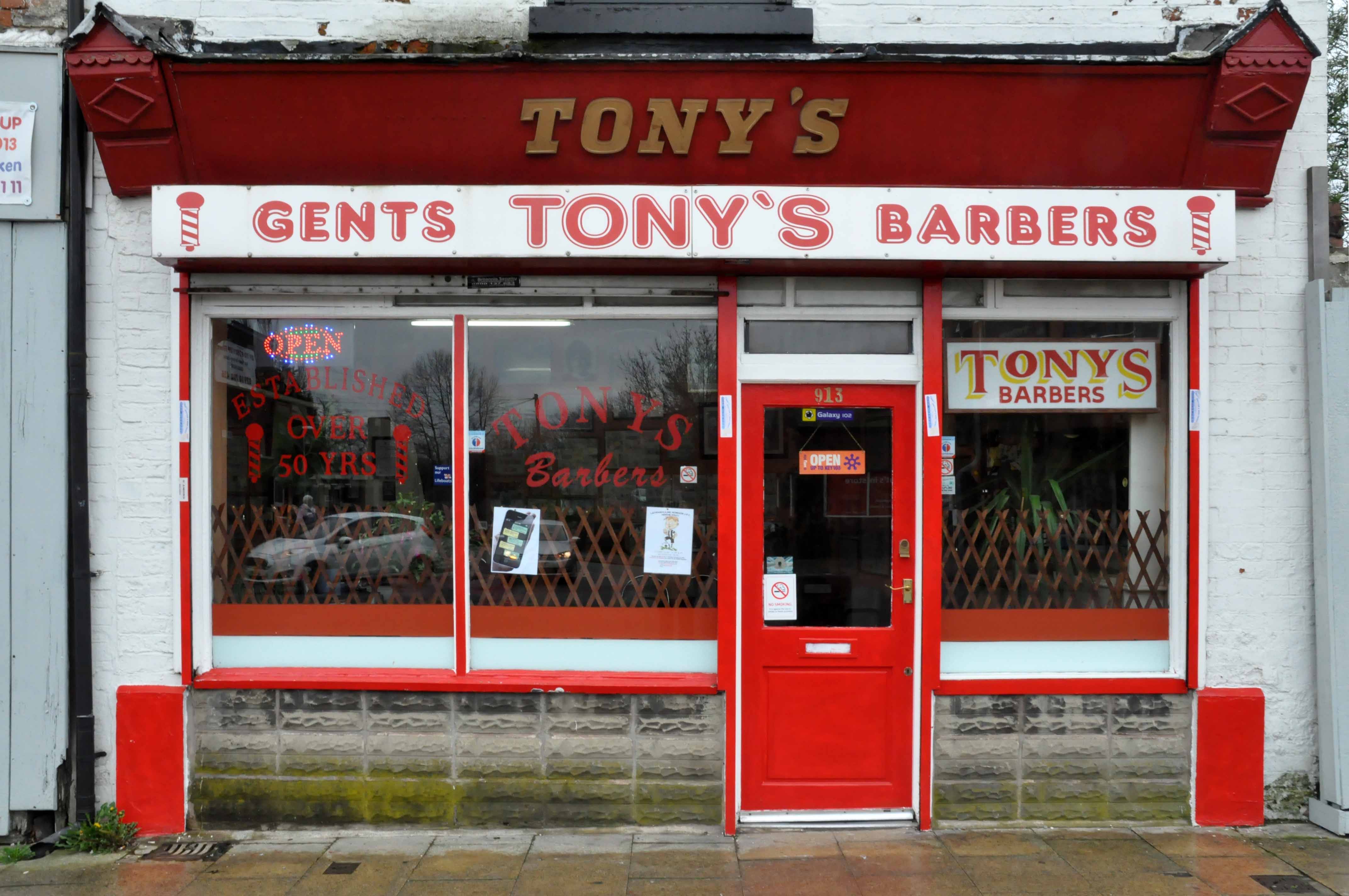
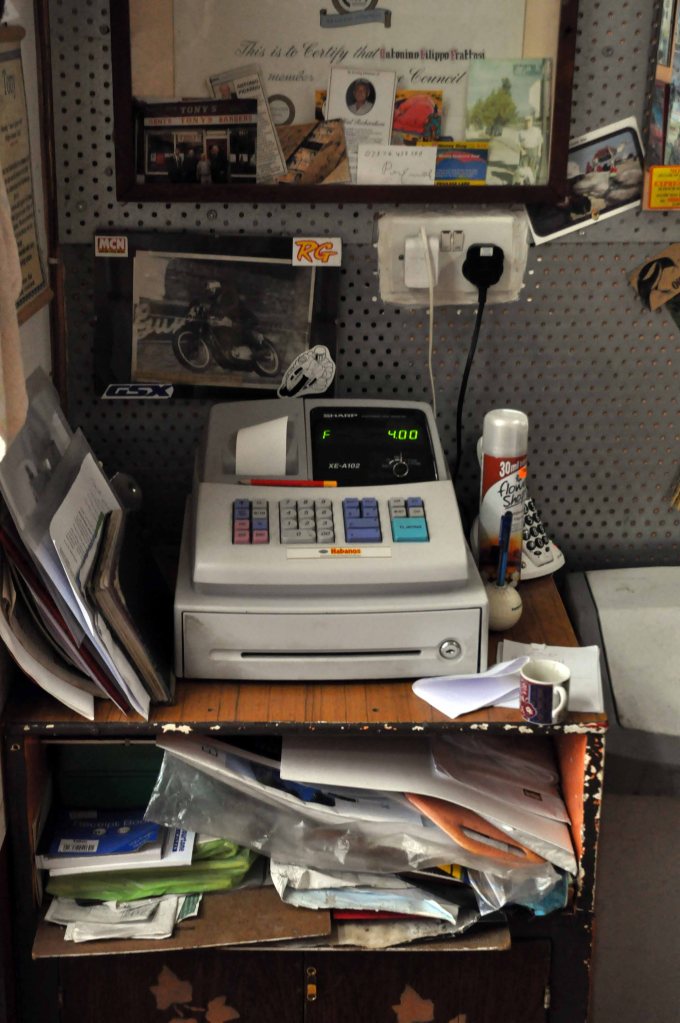
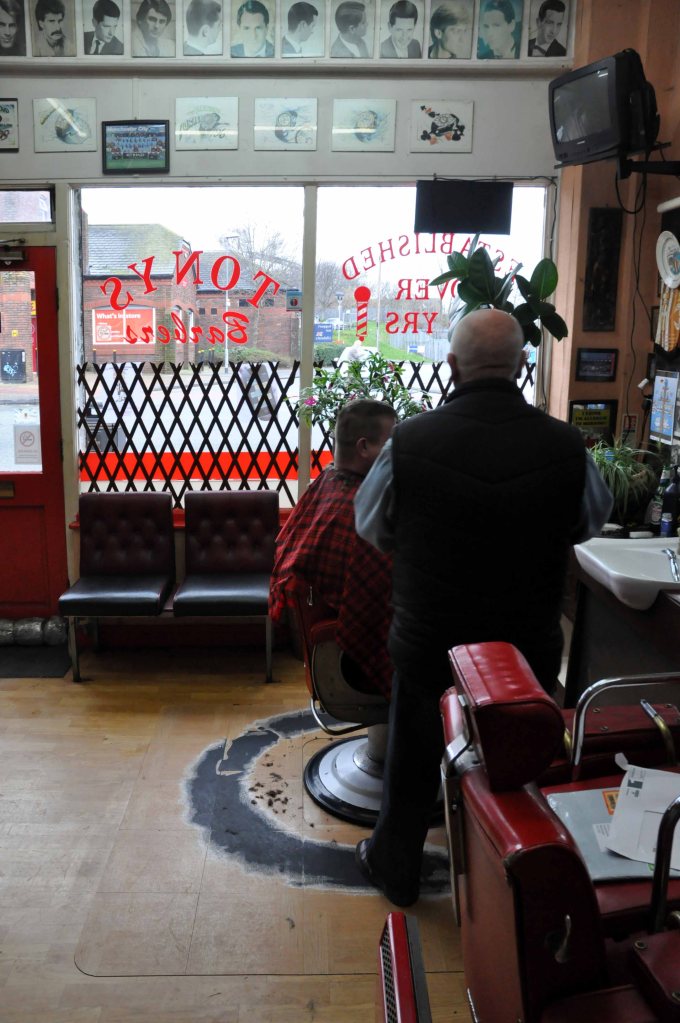
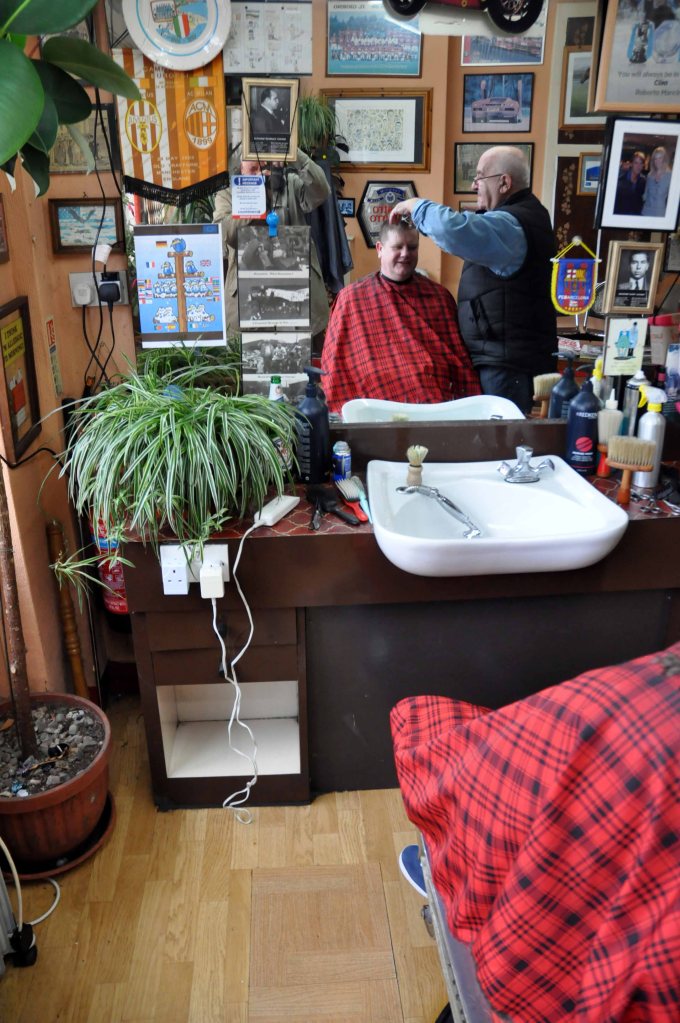
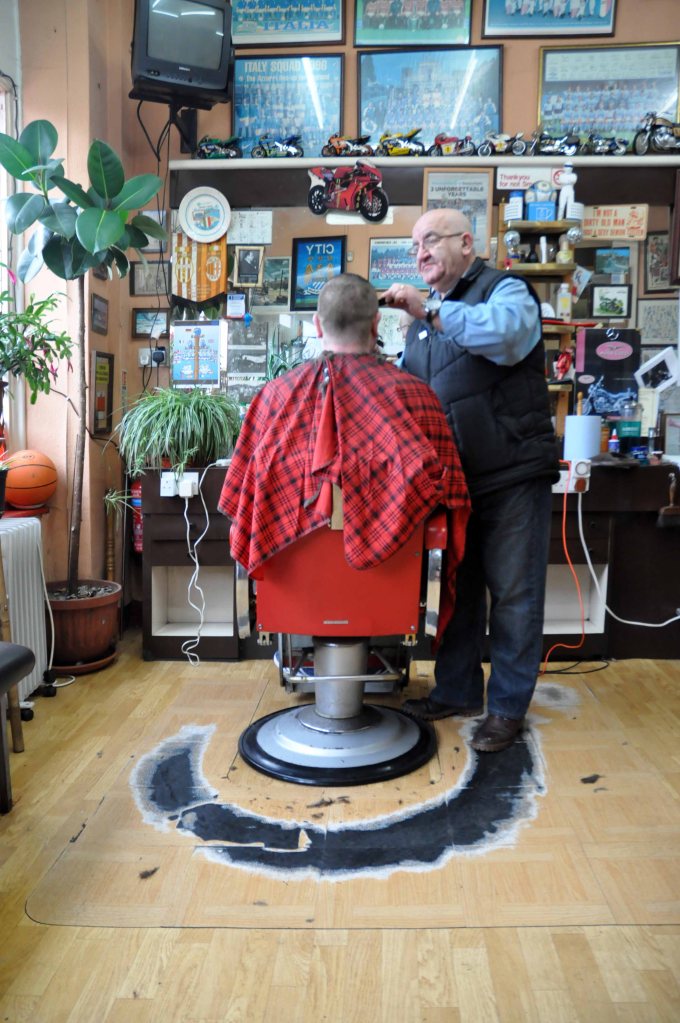
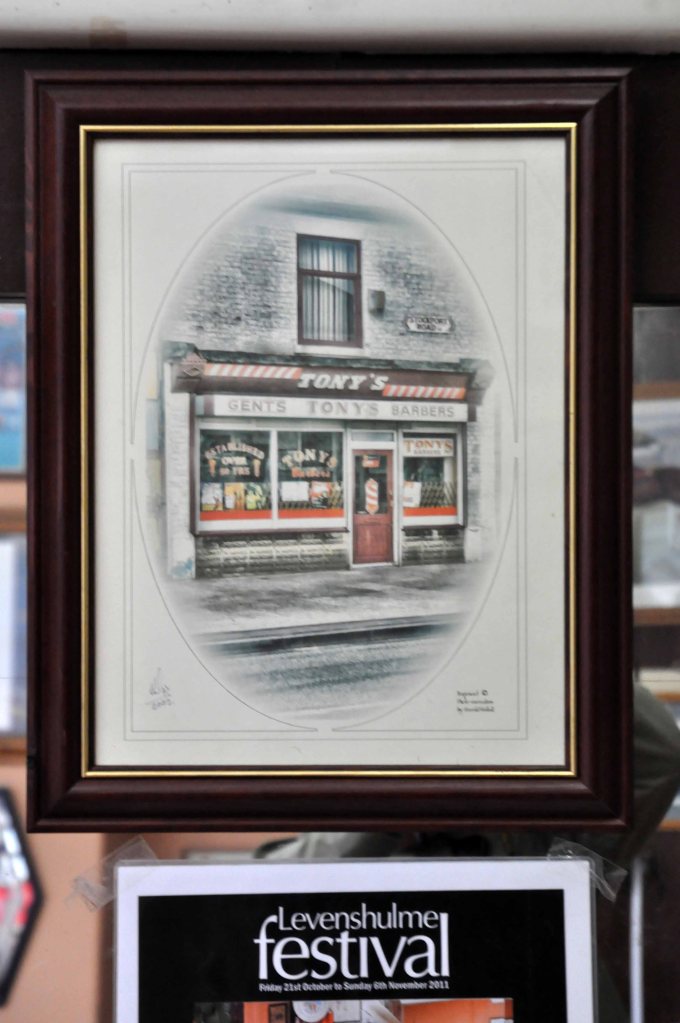
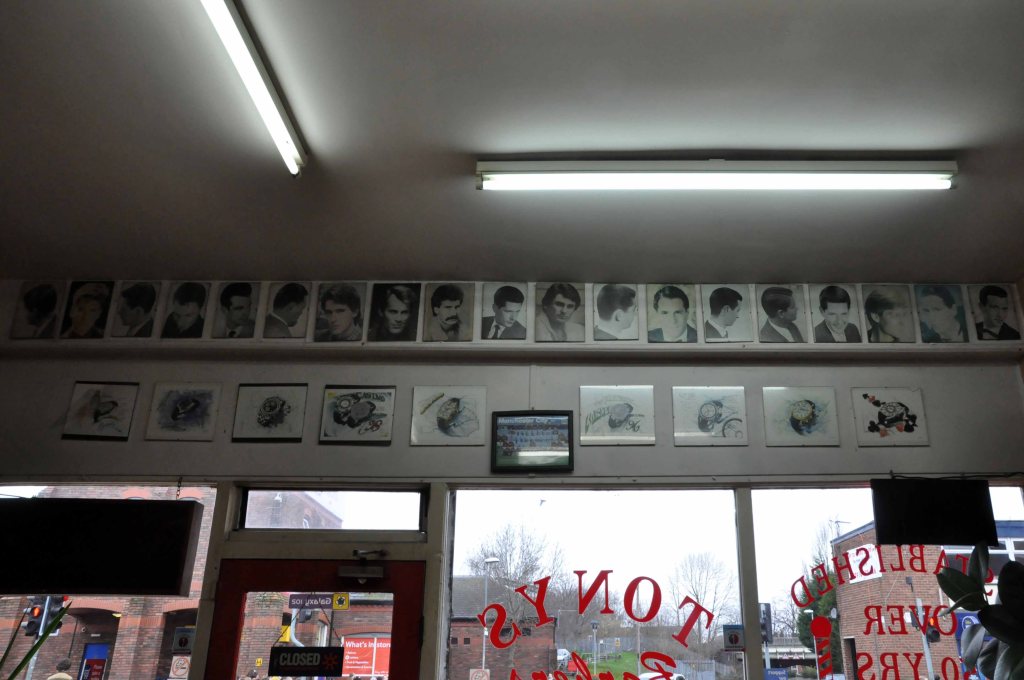
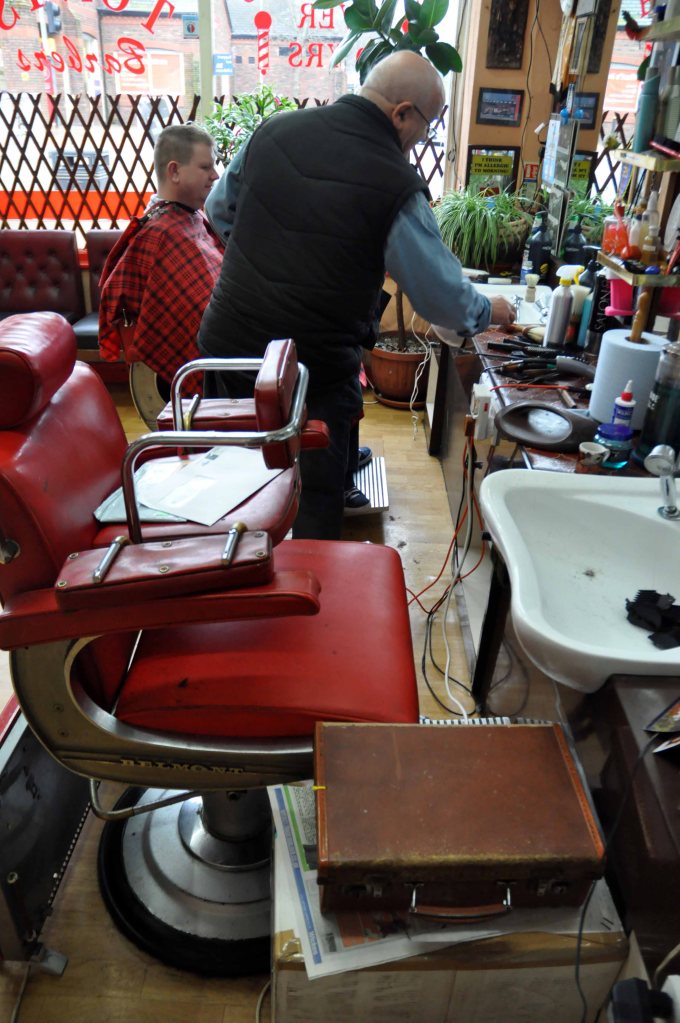
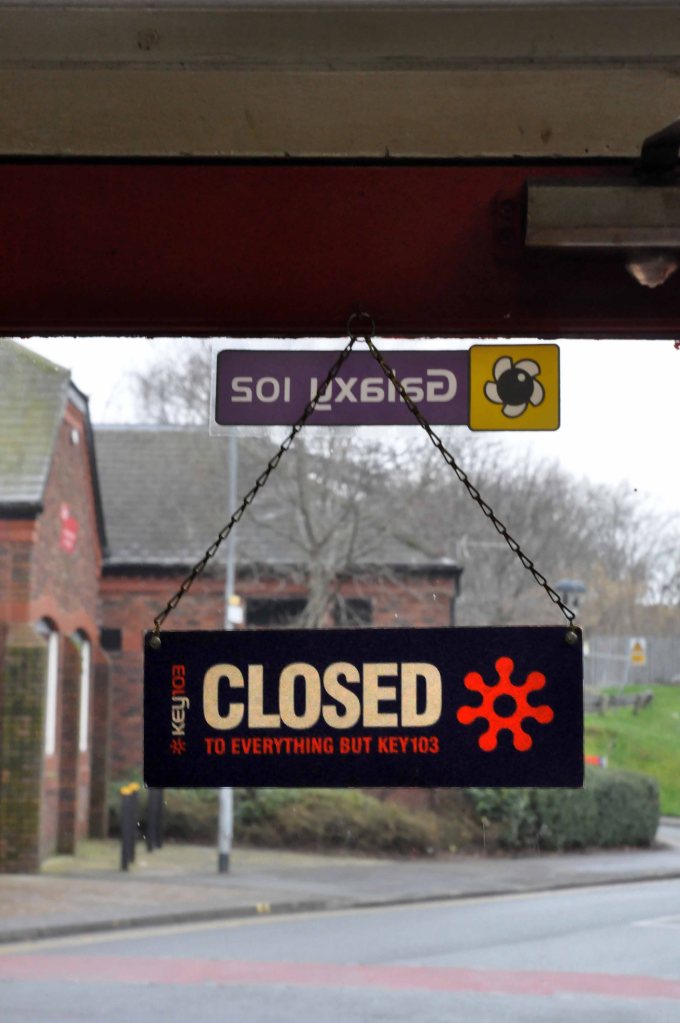
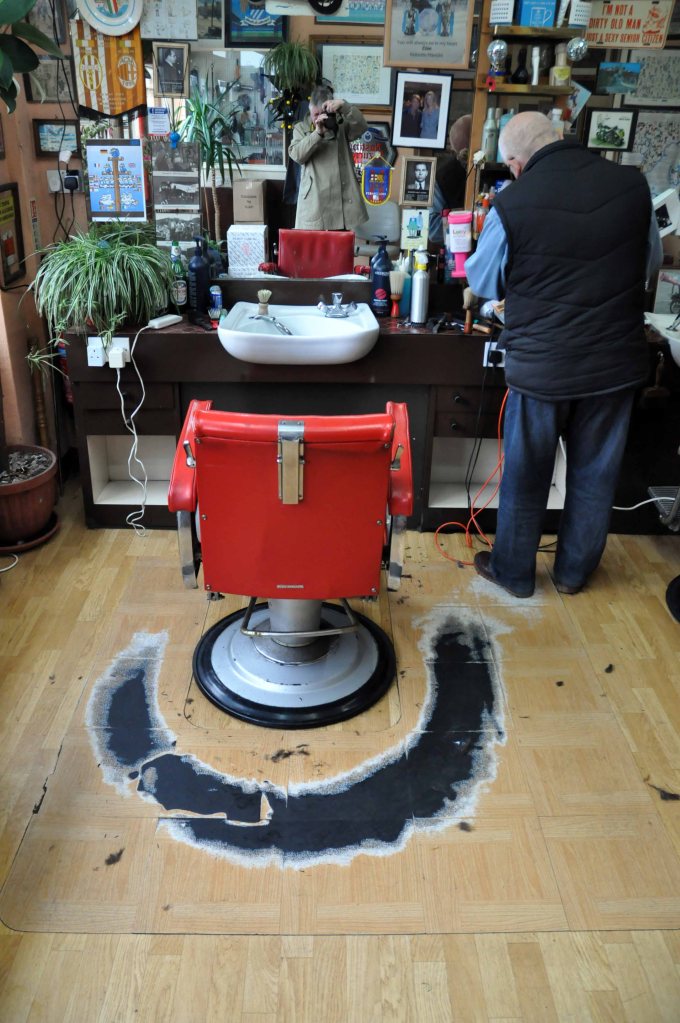
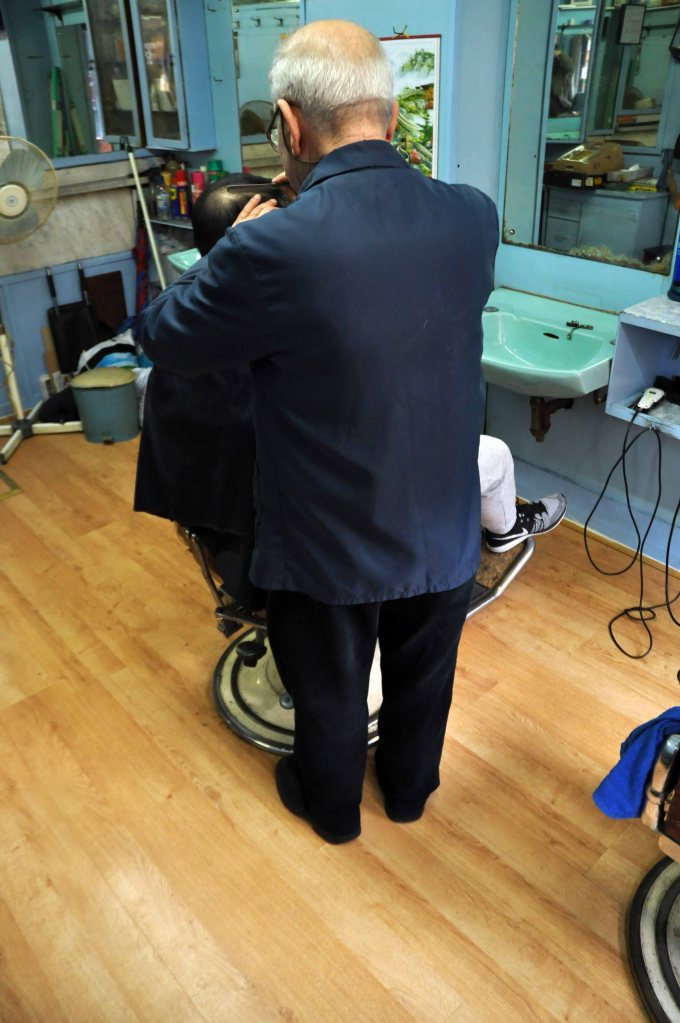
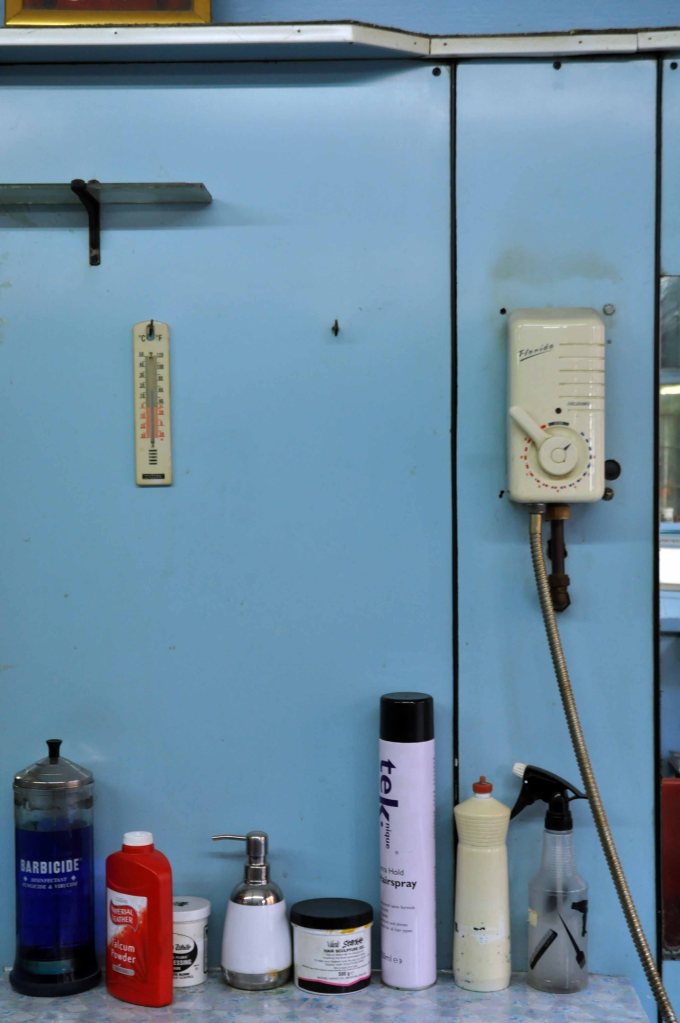
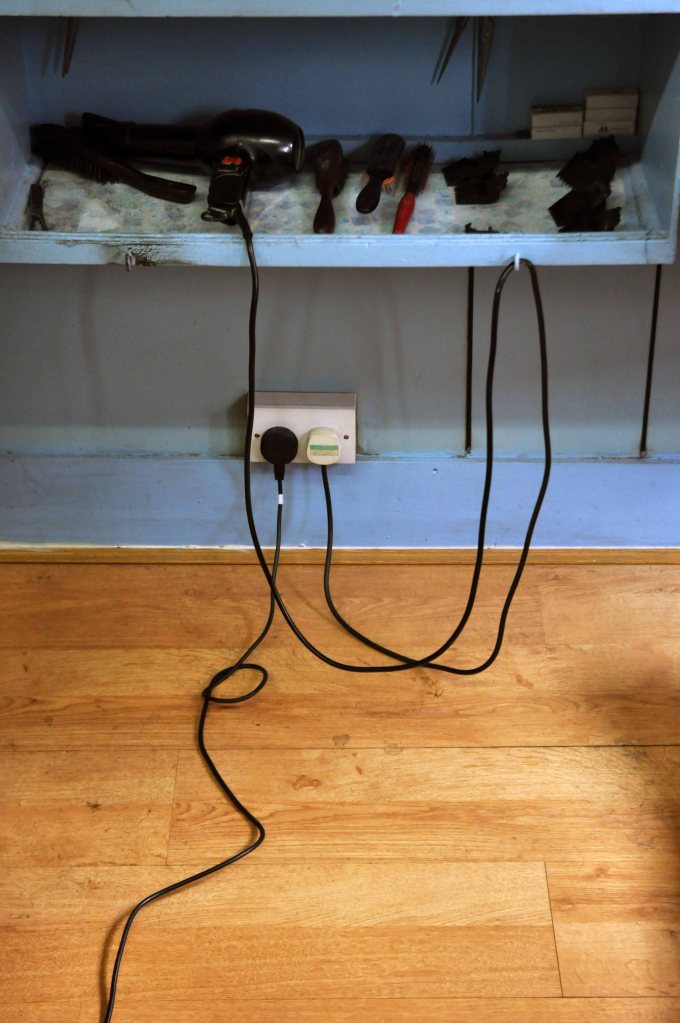
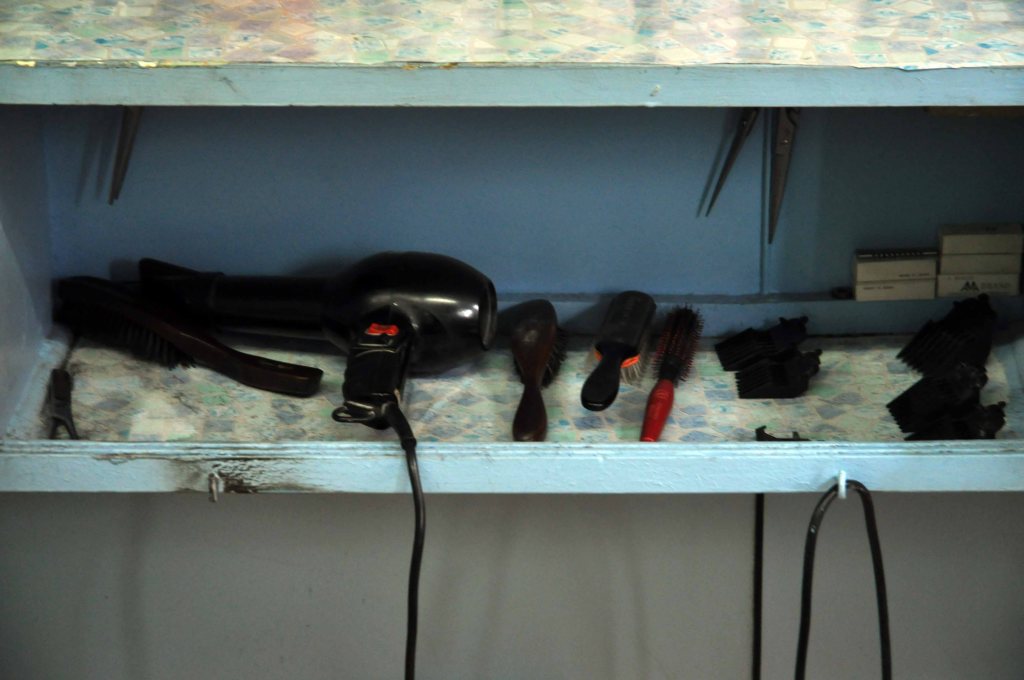
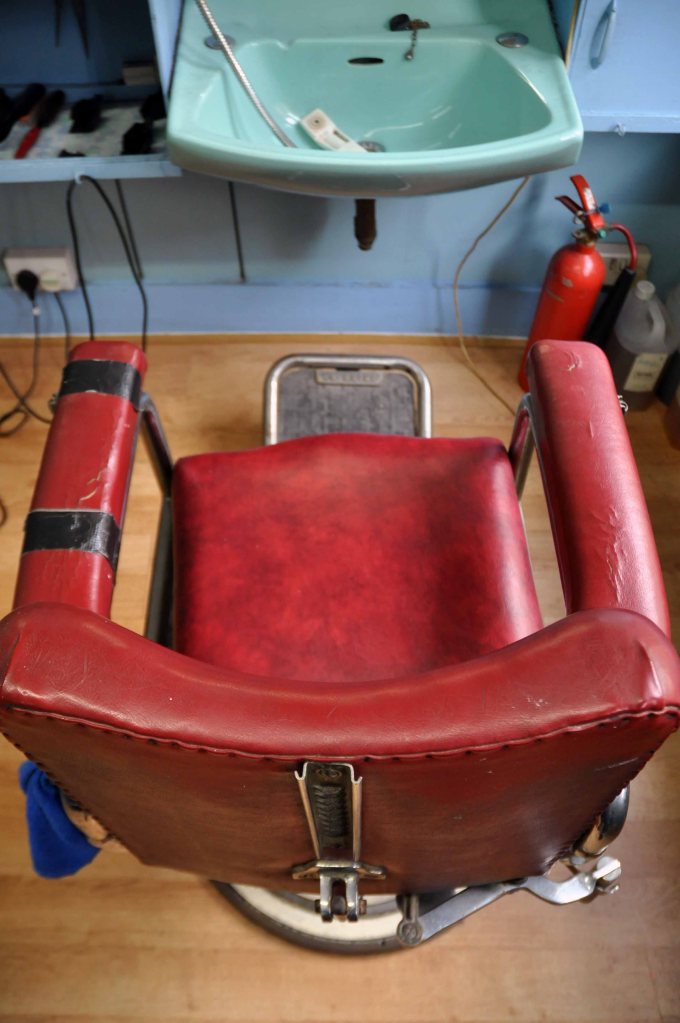
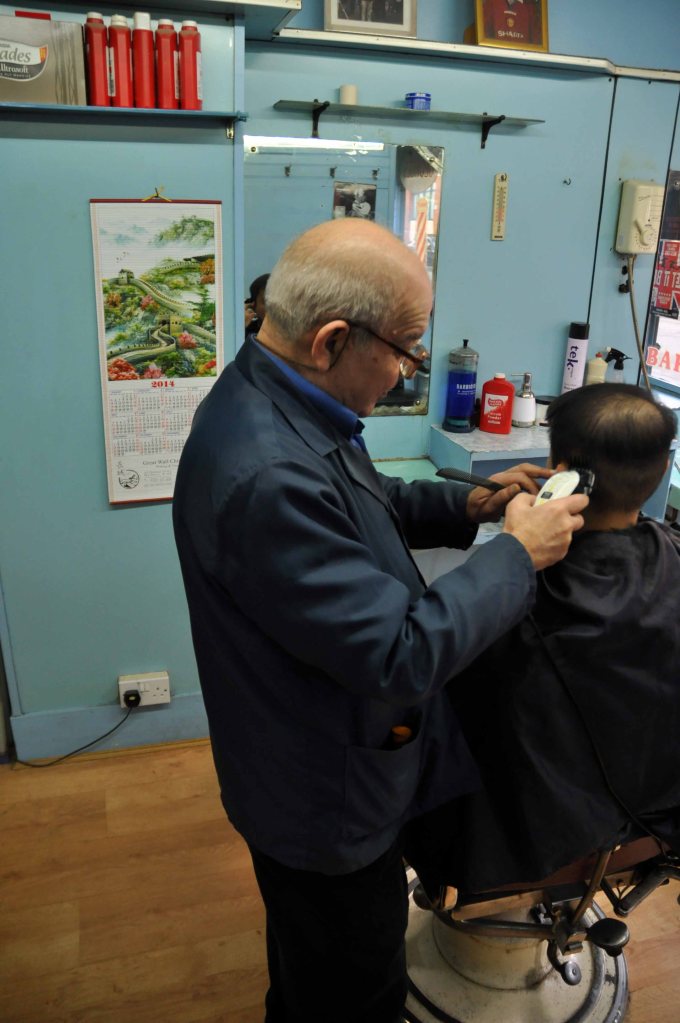
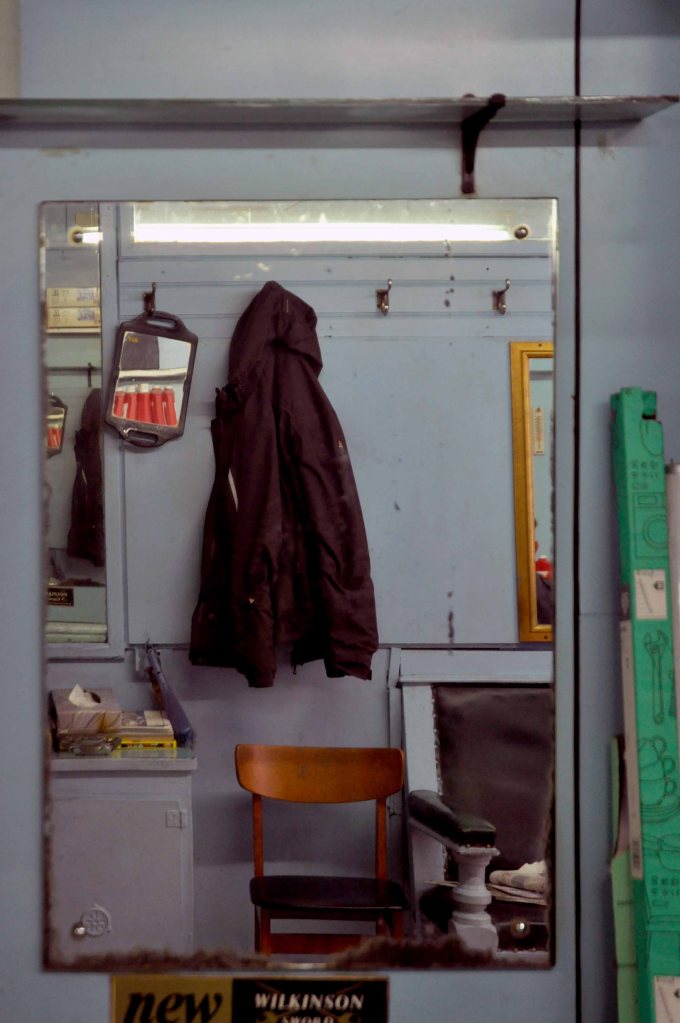
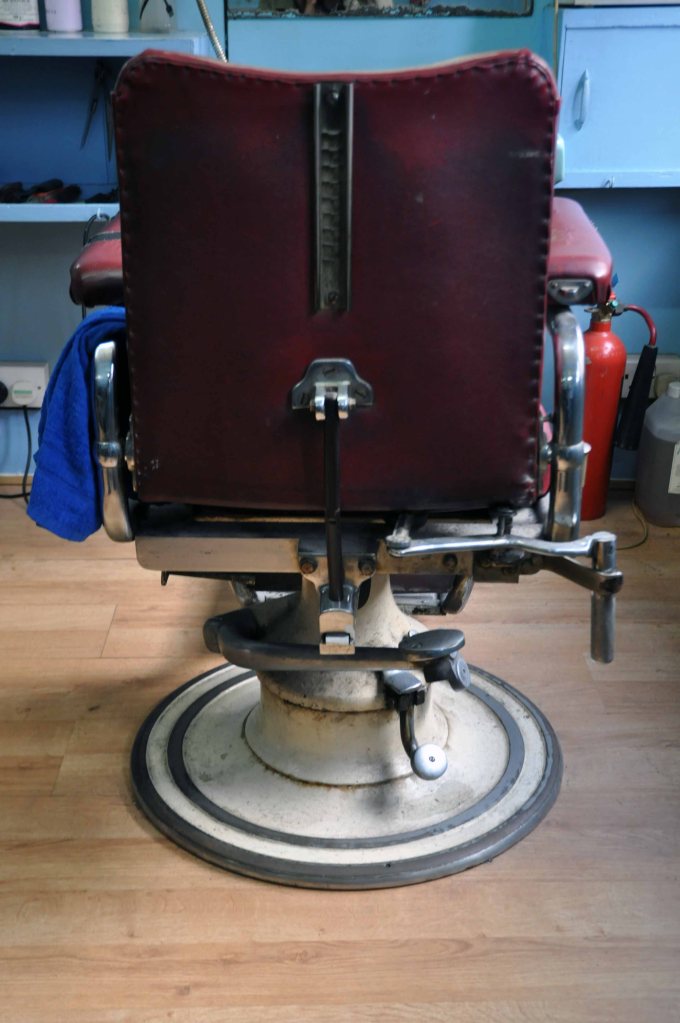
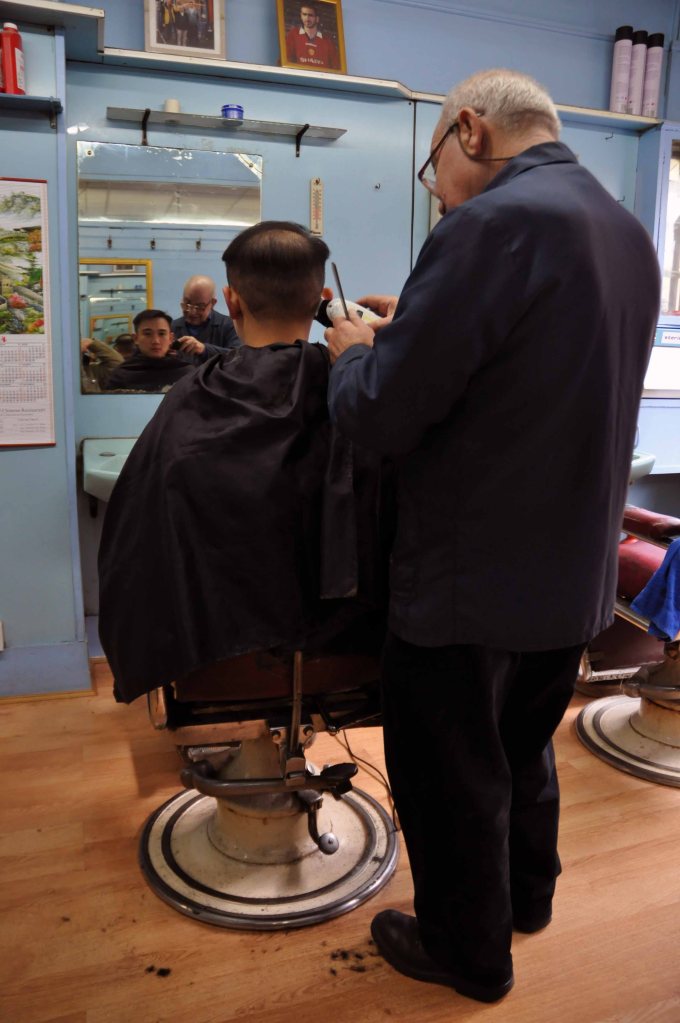
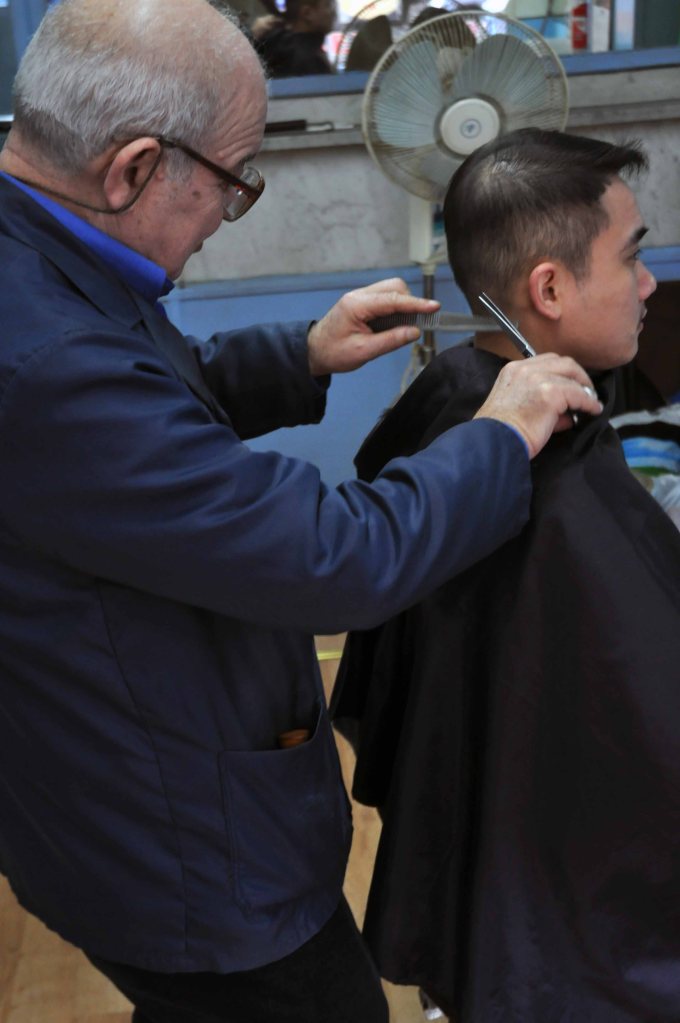
One day I stopped, popped in, asked to chat and snap – Tony obliged.
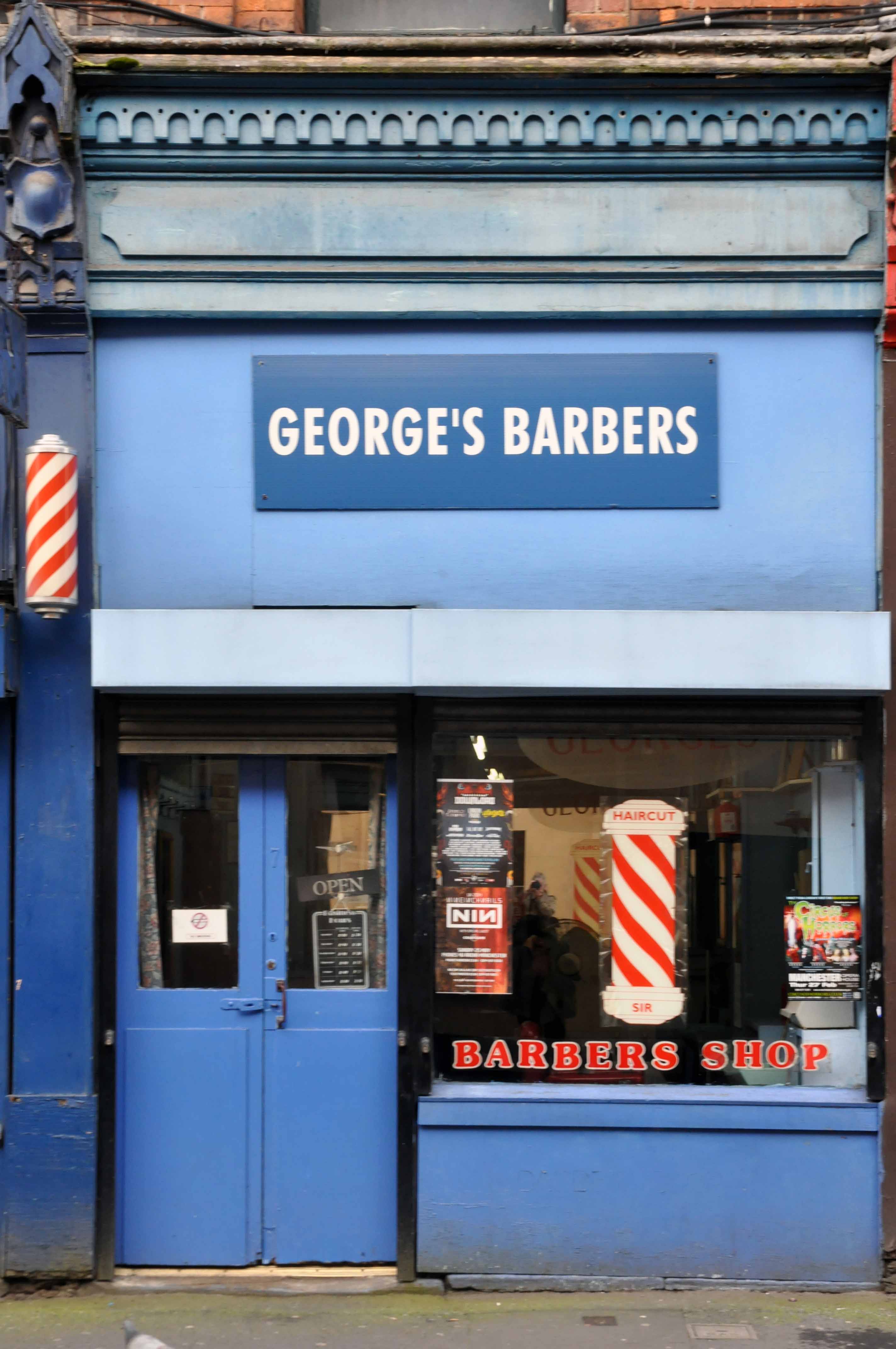
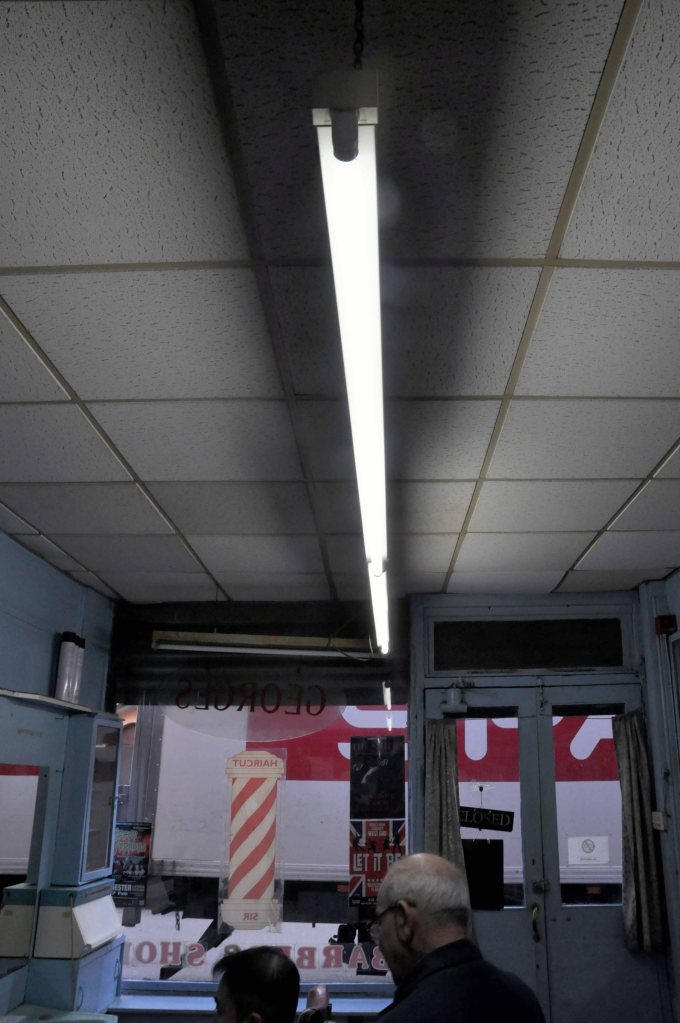
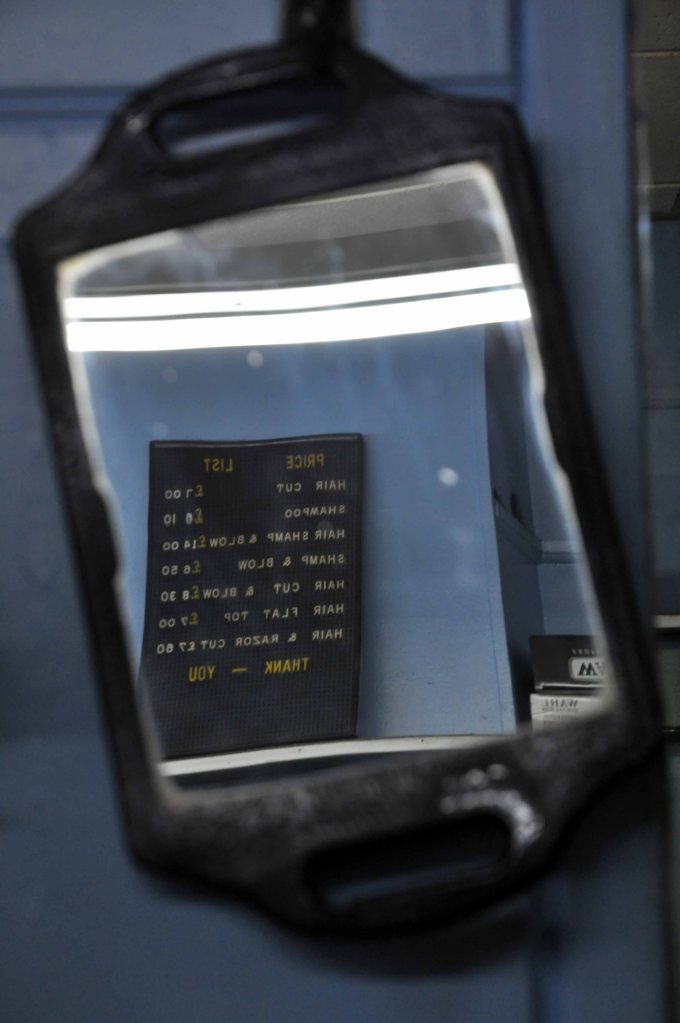
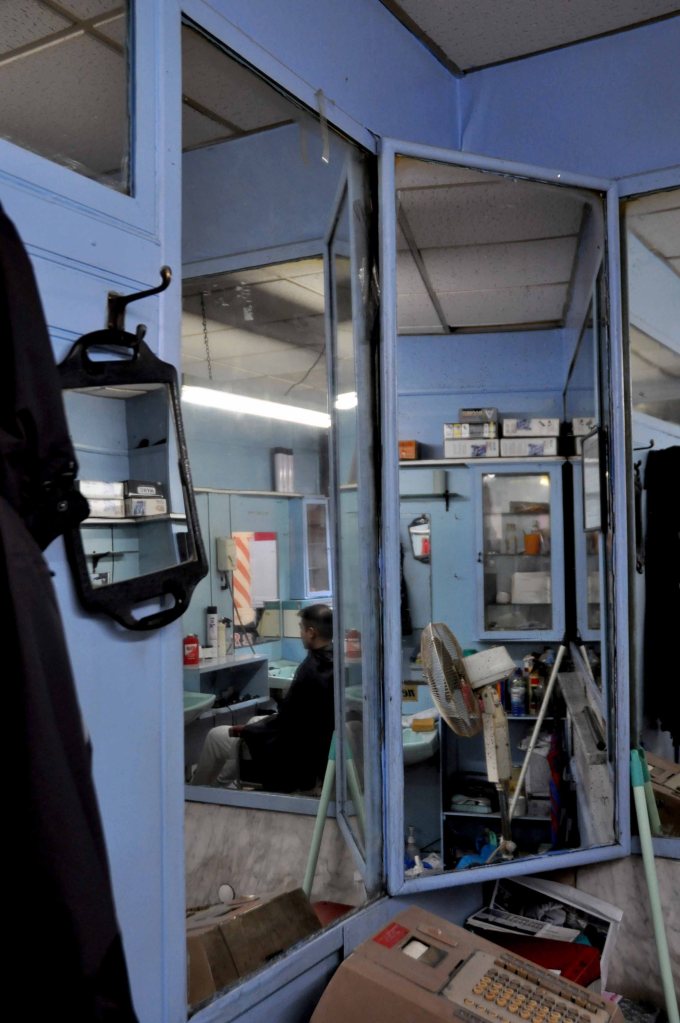
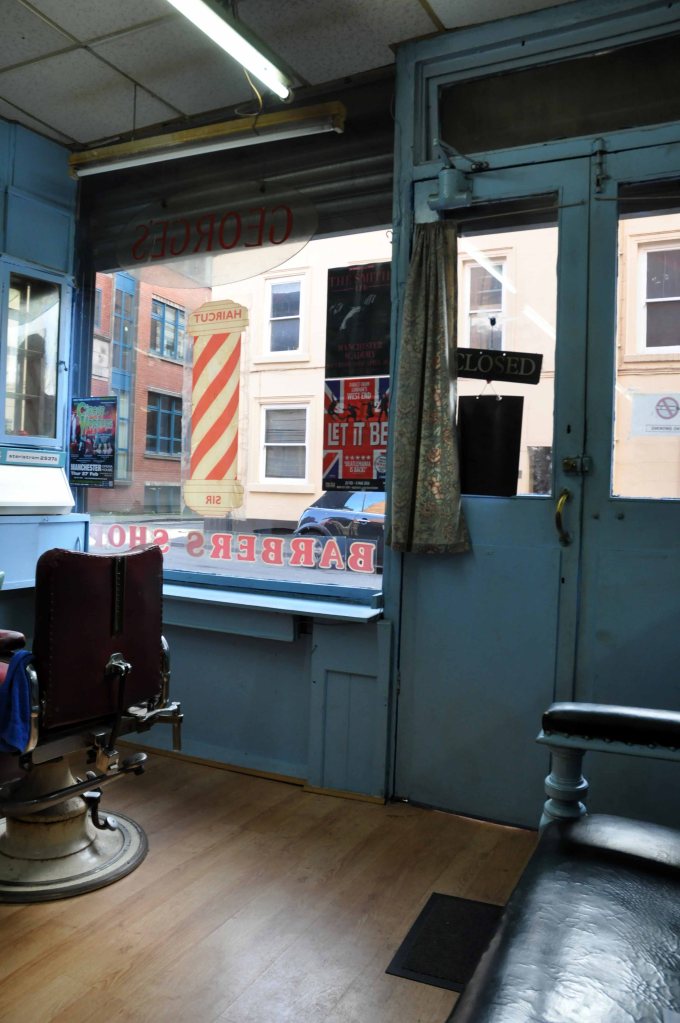
Cypriot George in the city centre had already give me salon time.
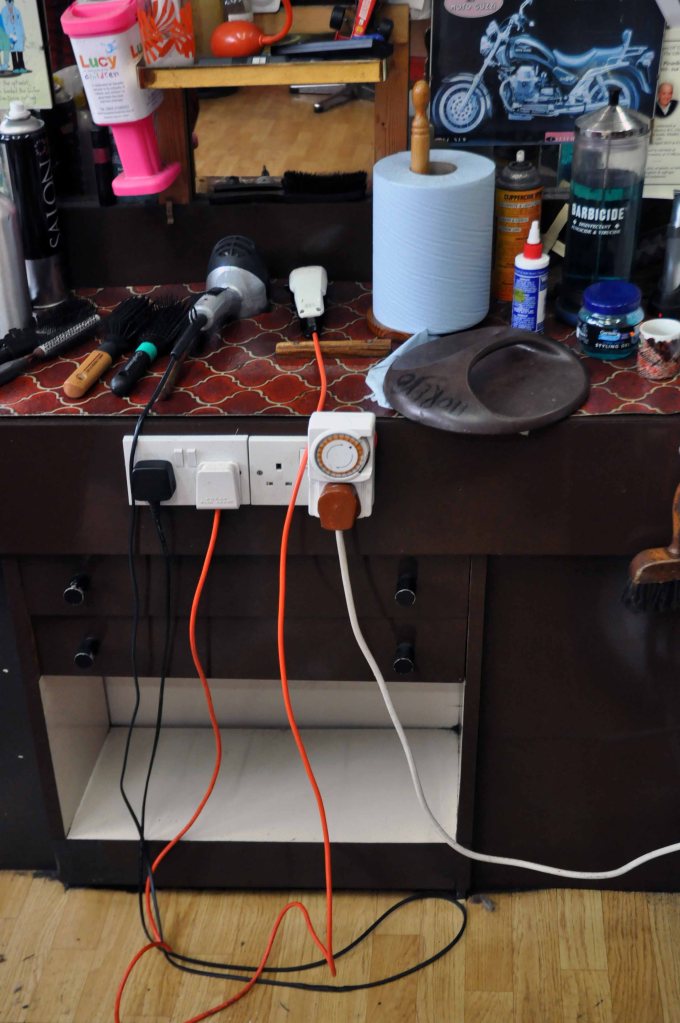
These photographs were taken in March 2014 – Tony’s still there, cutting hair.
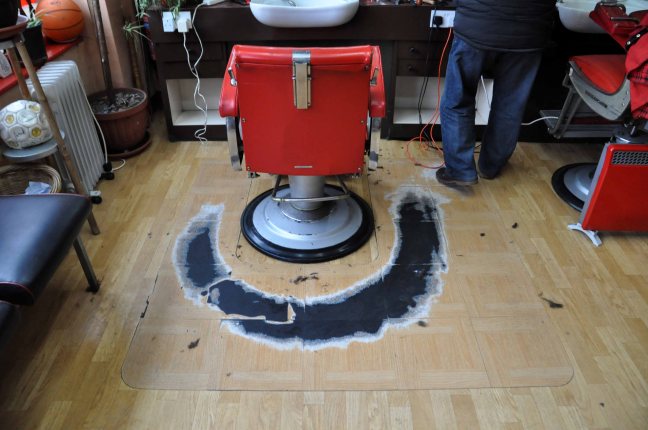
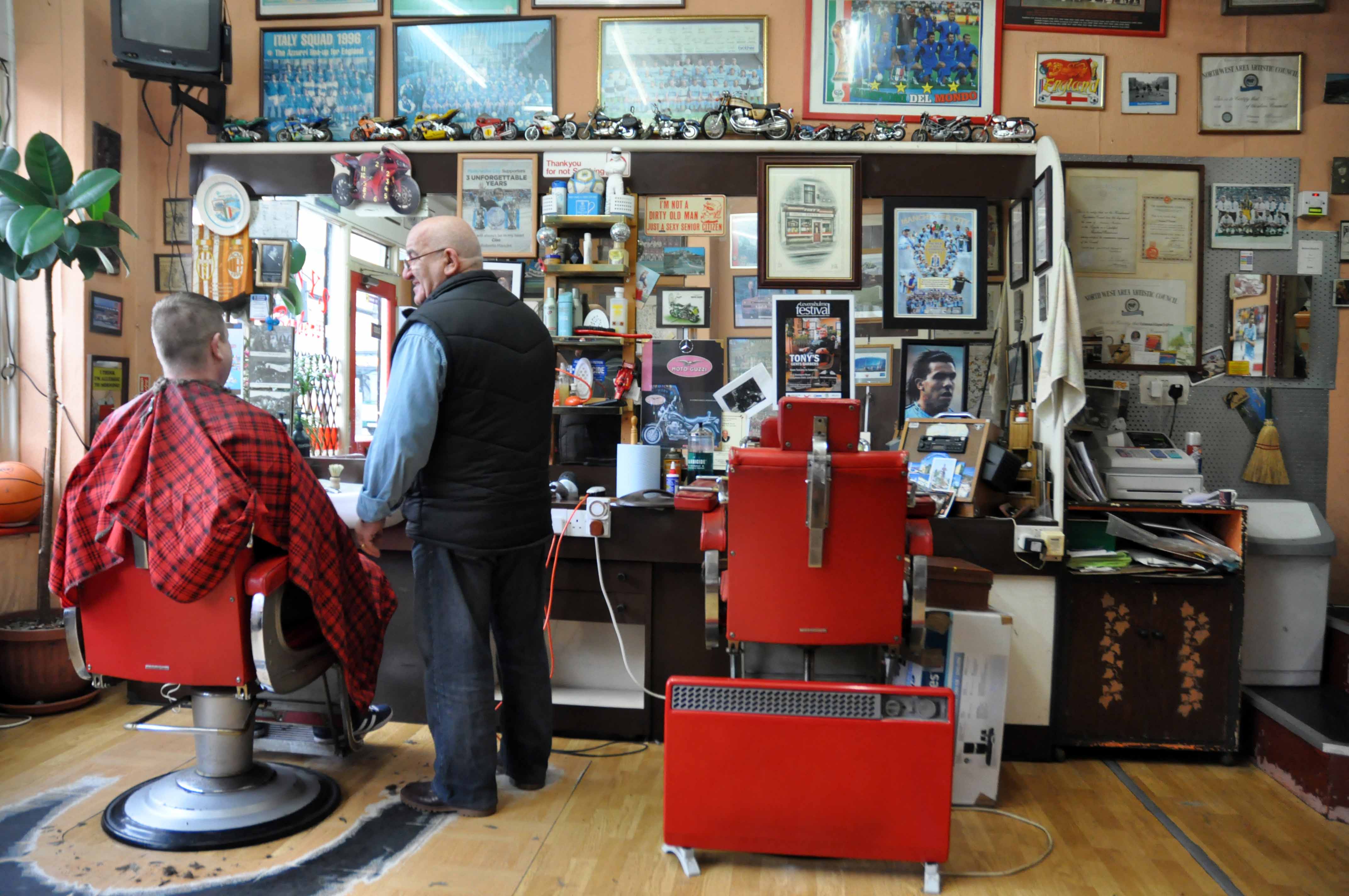
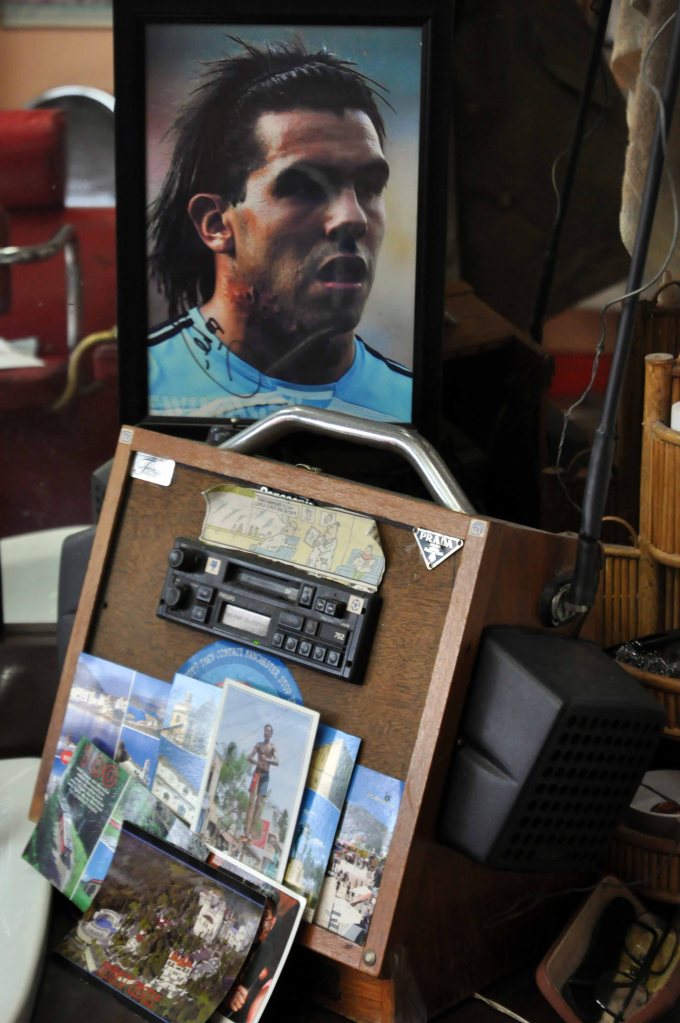
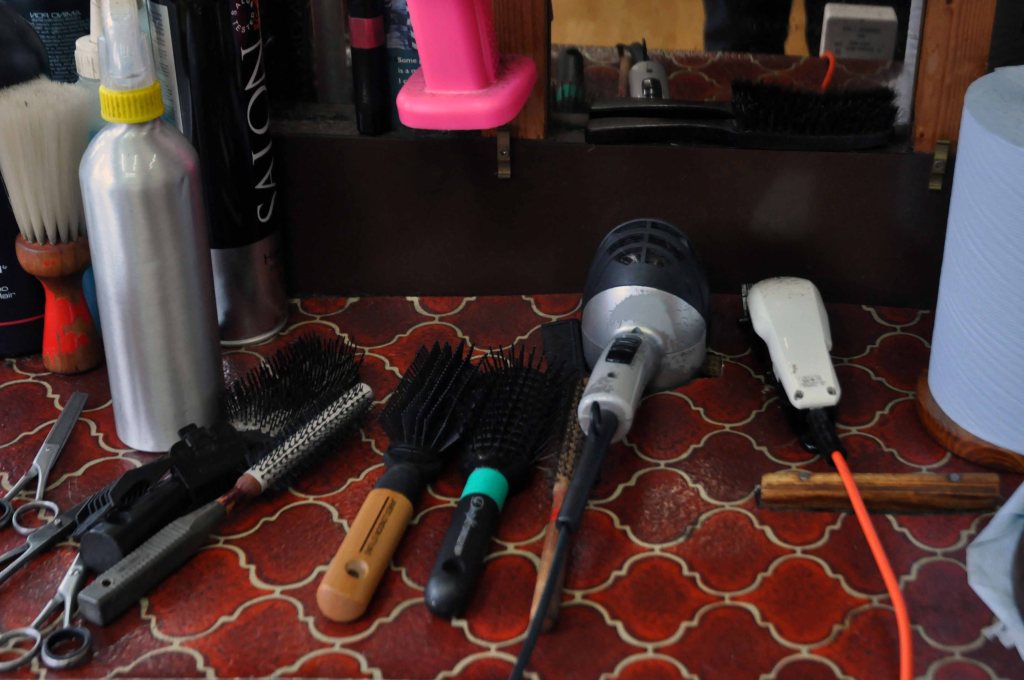
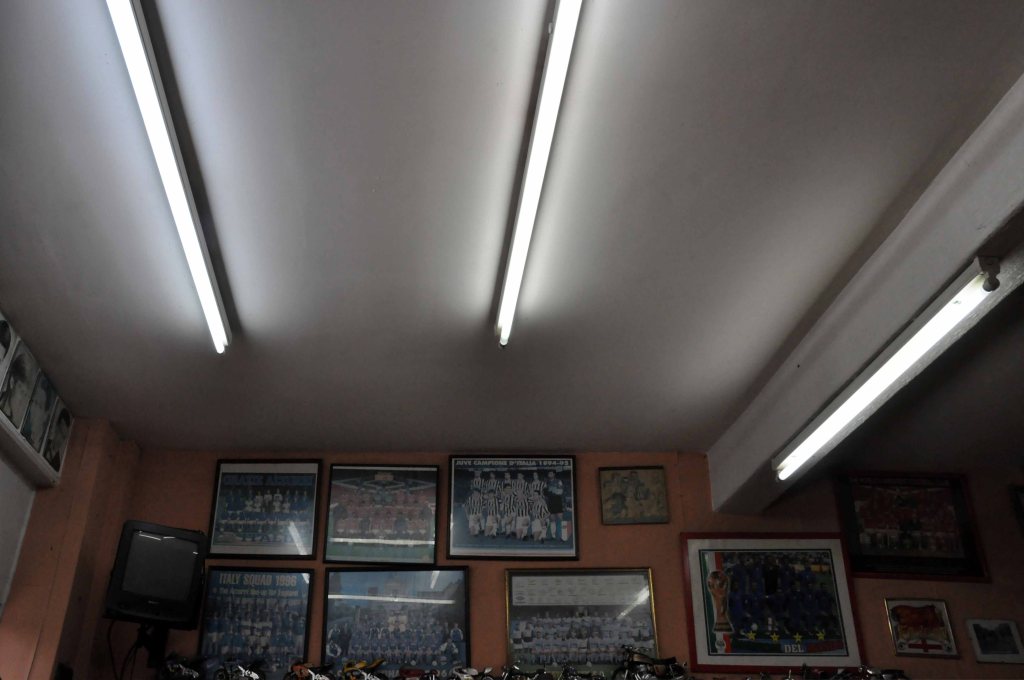
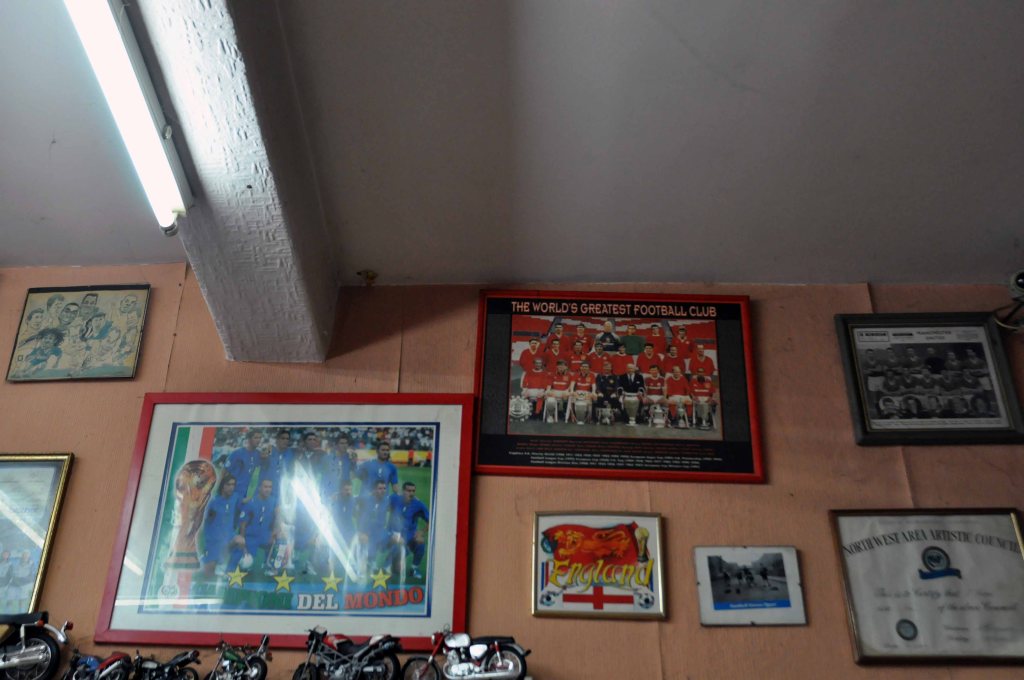
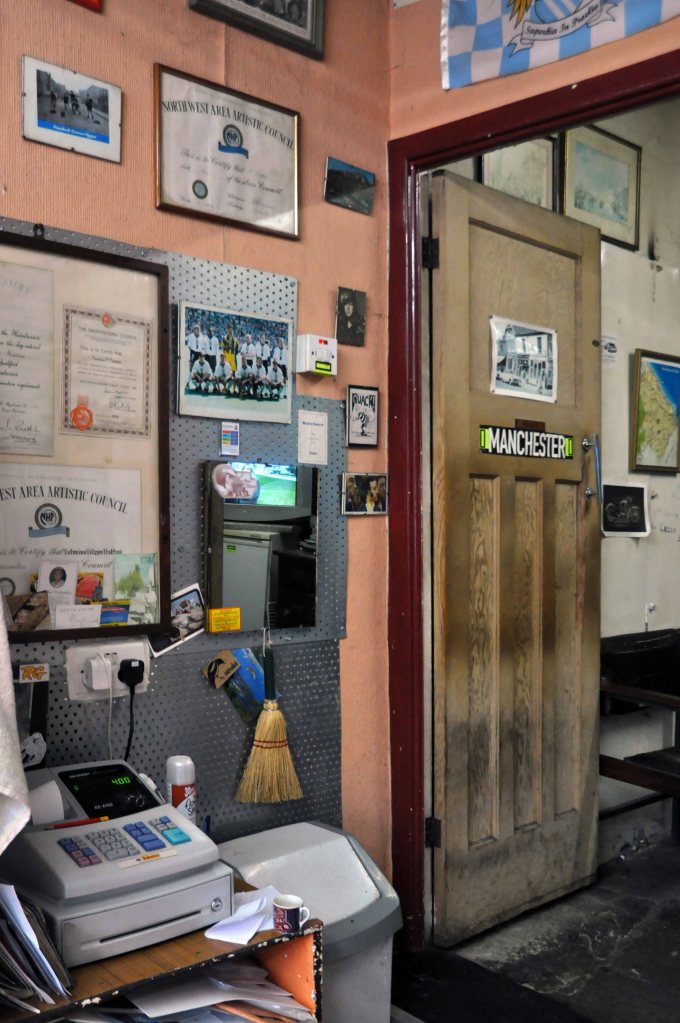
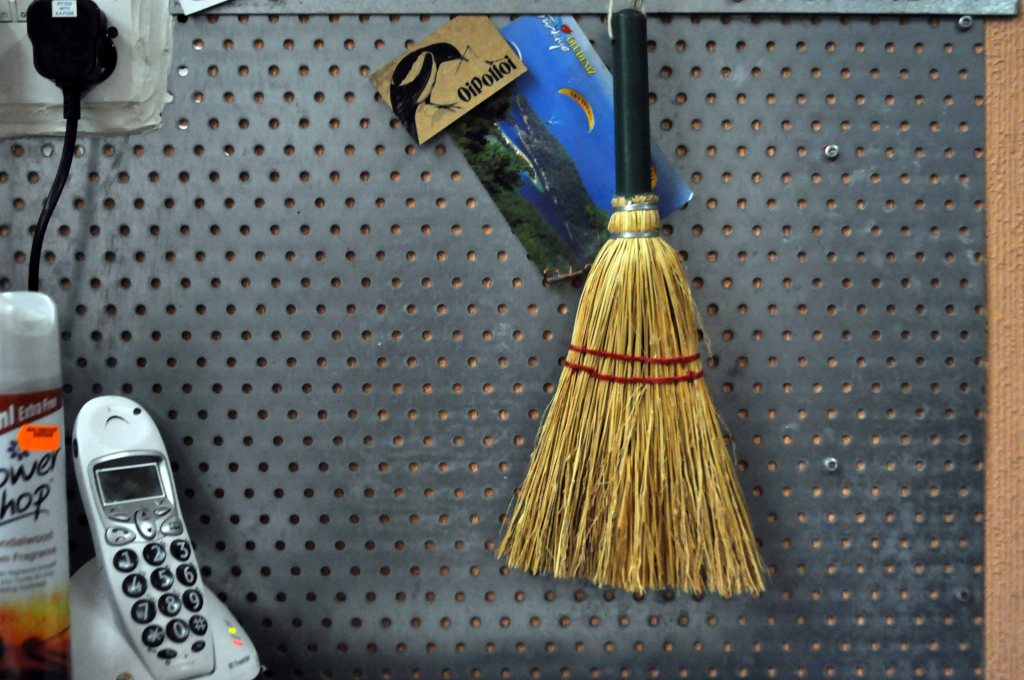
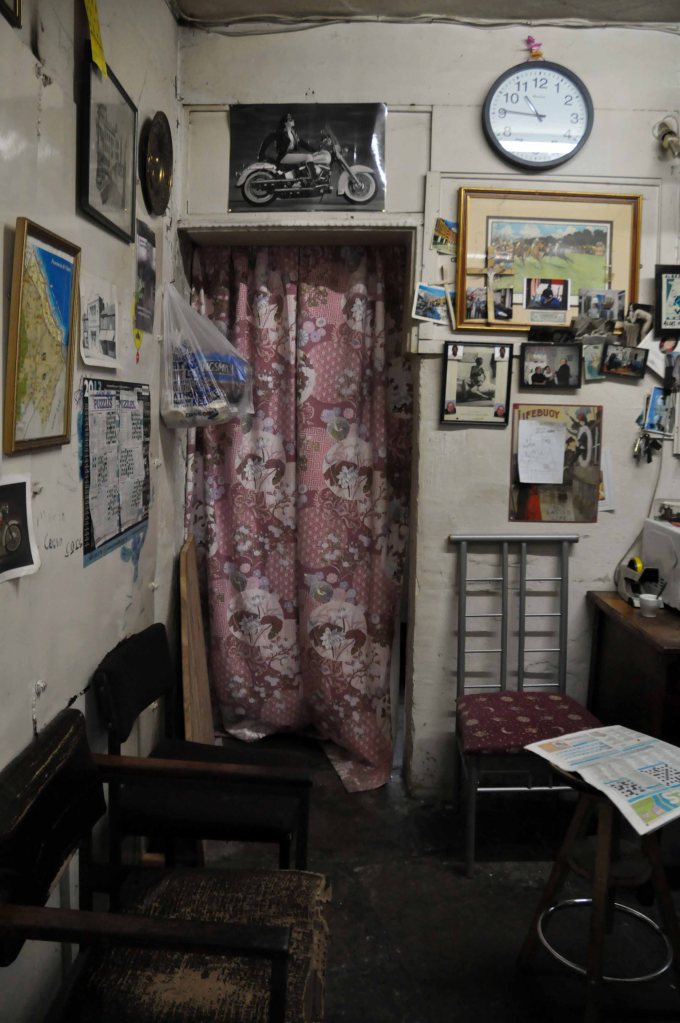
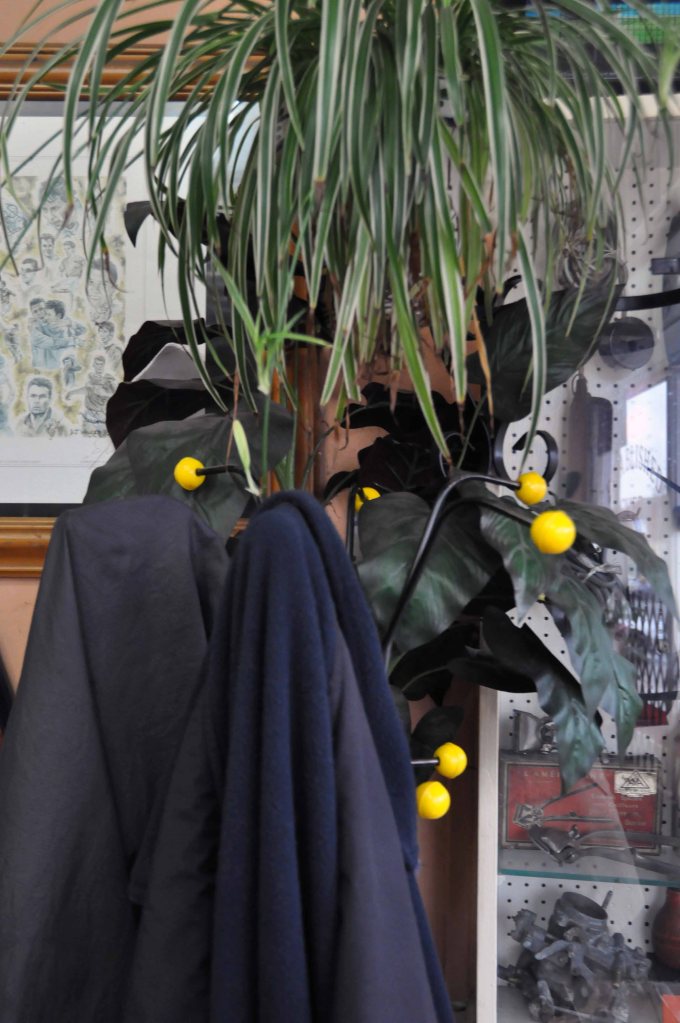
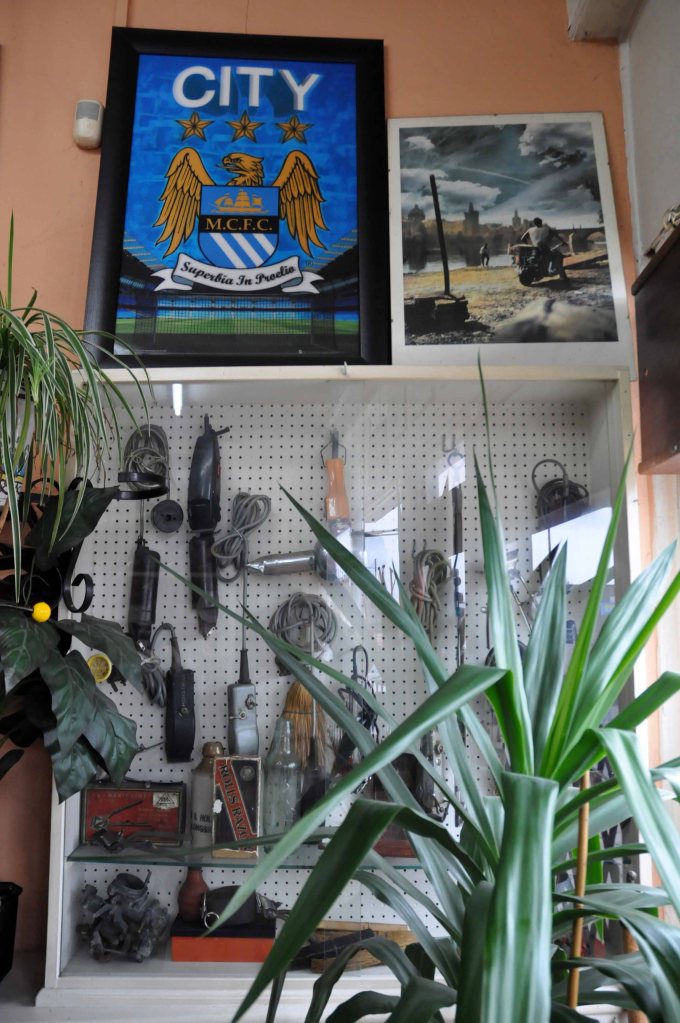
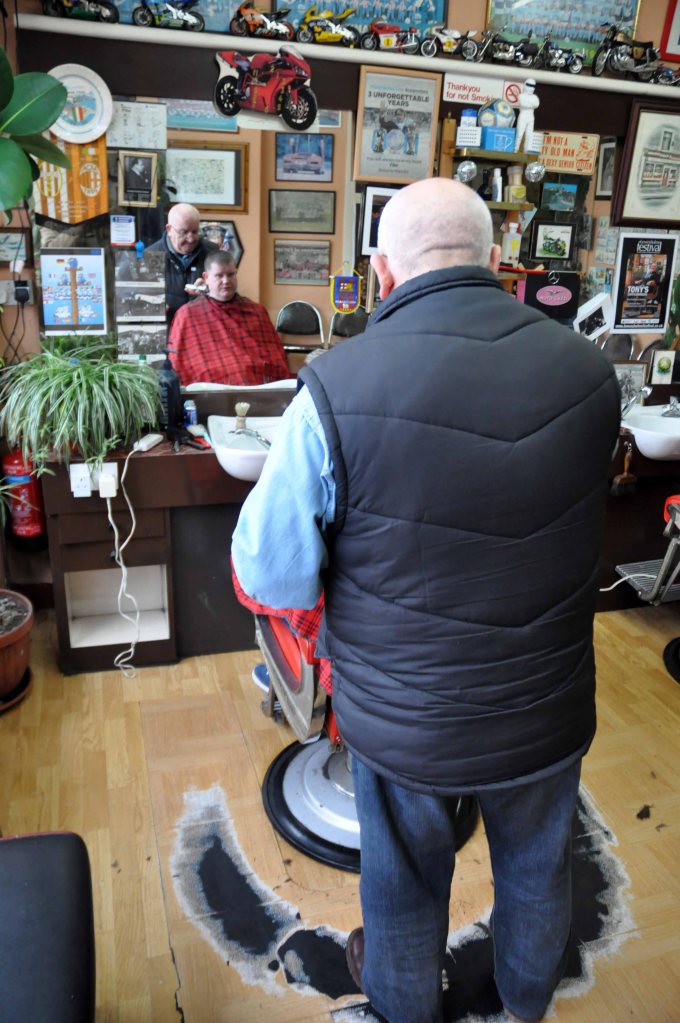
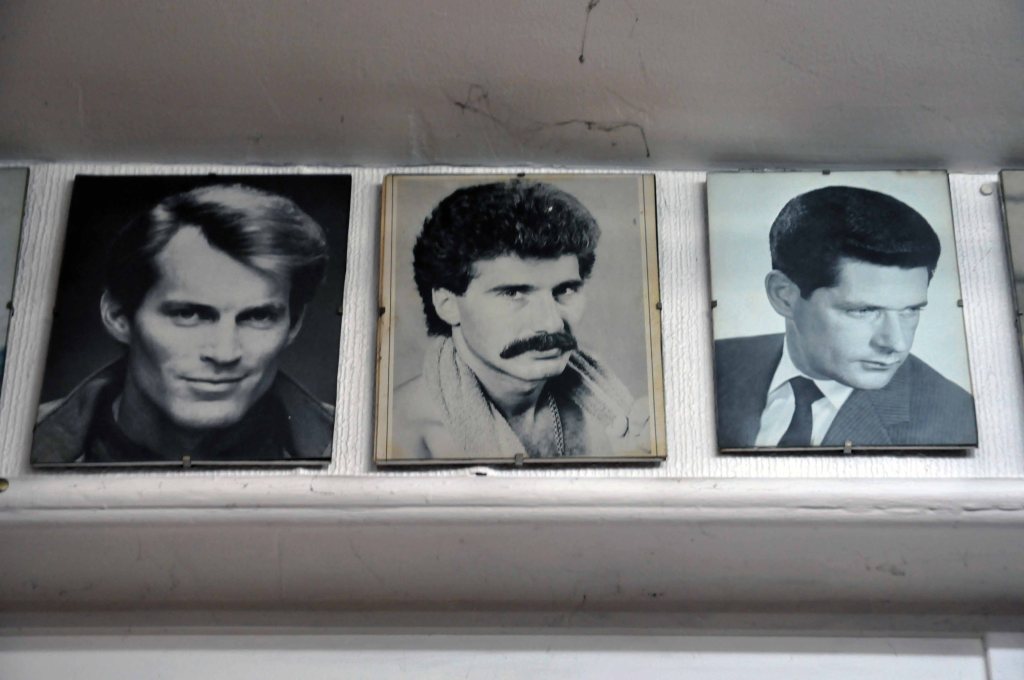
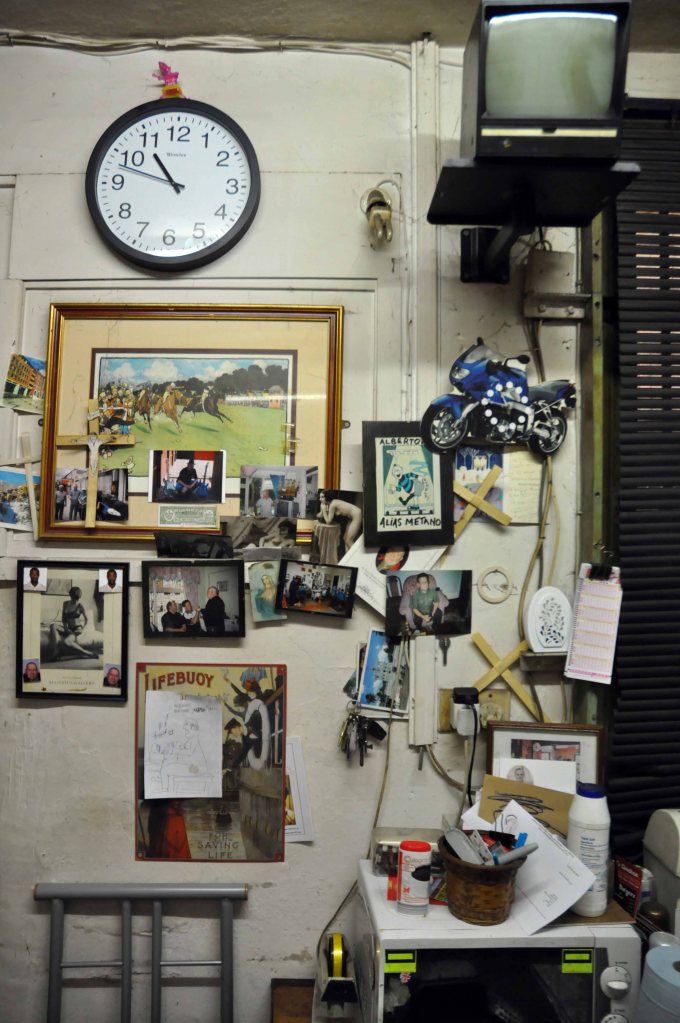
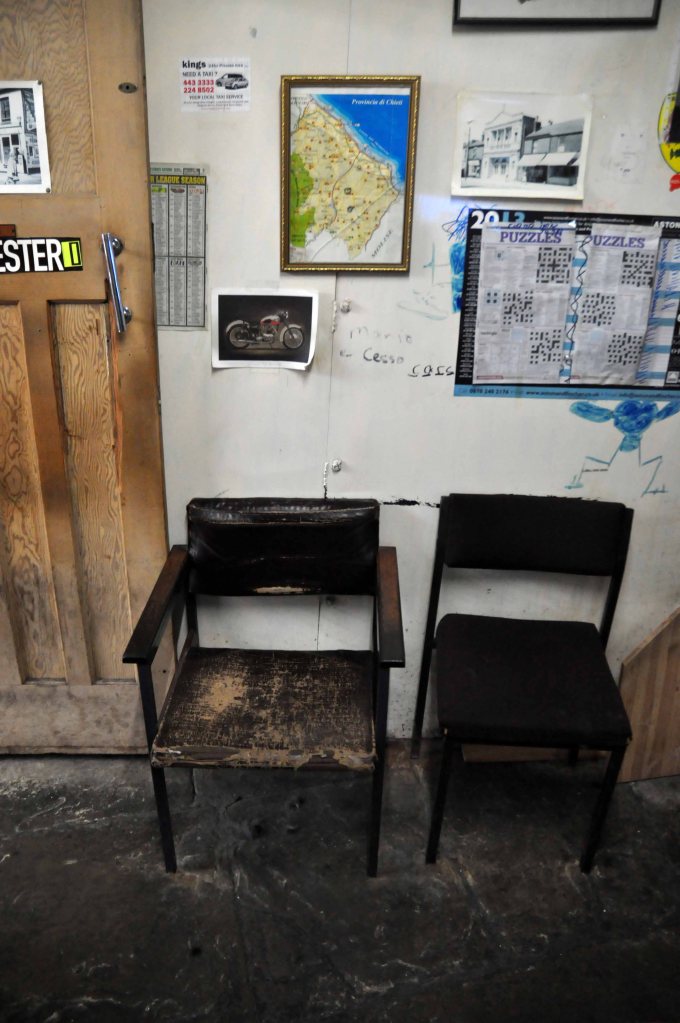
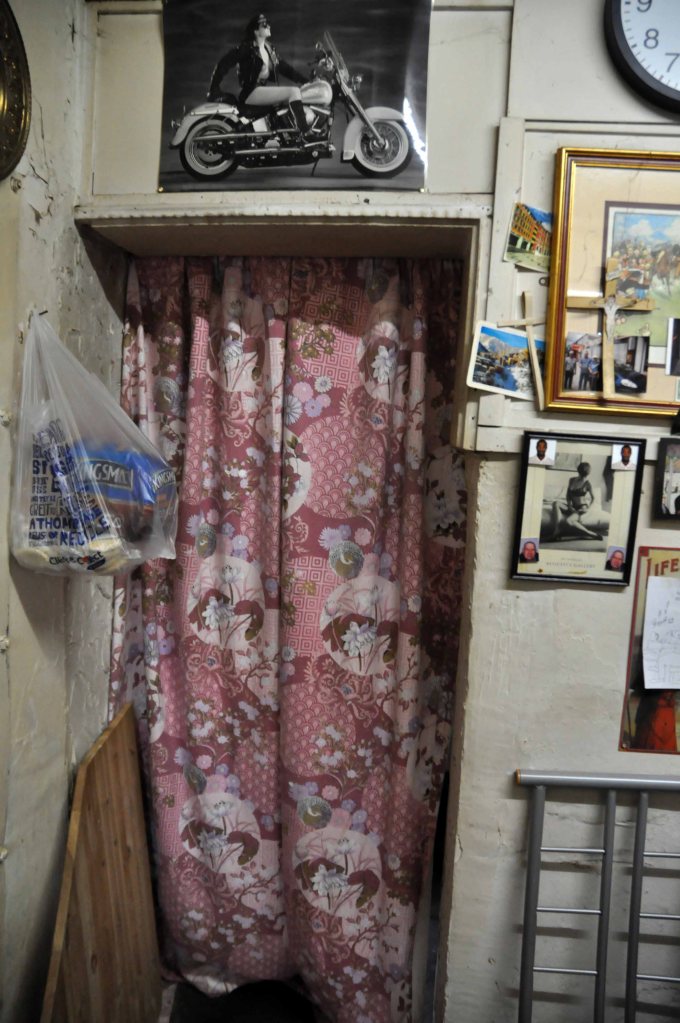
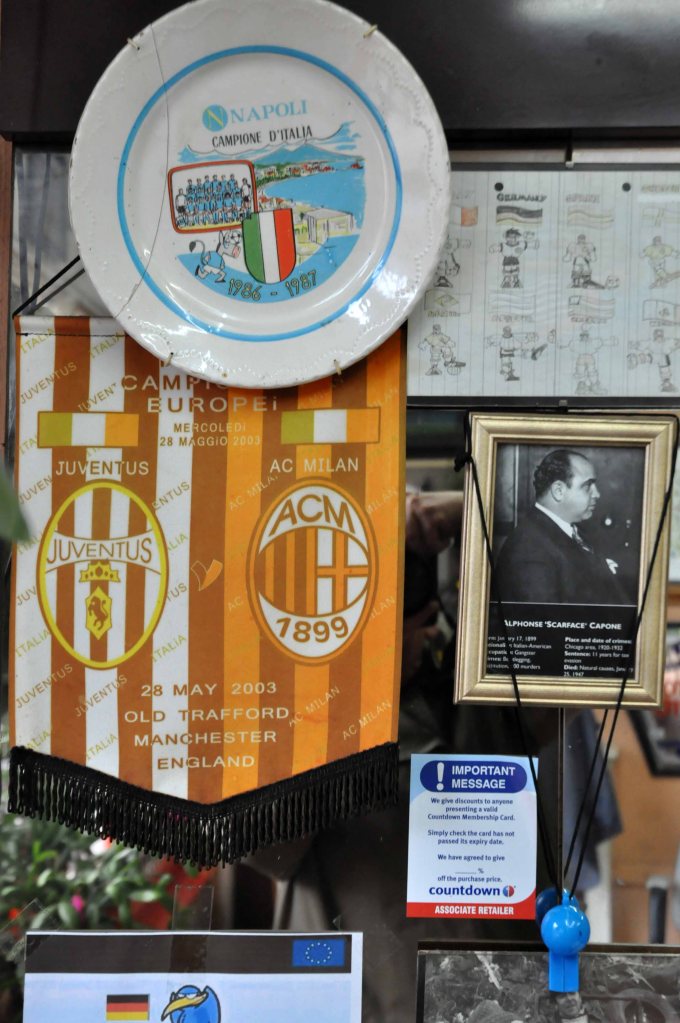
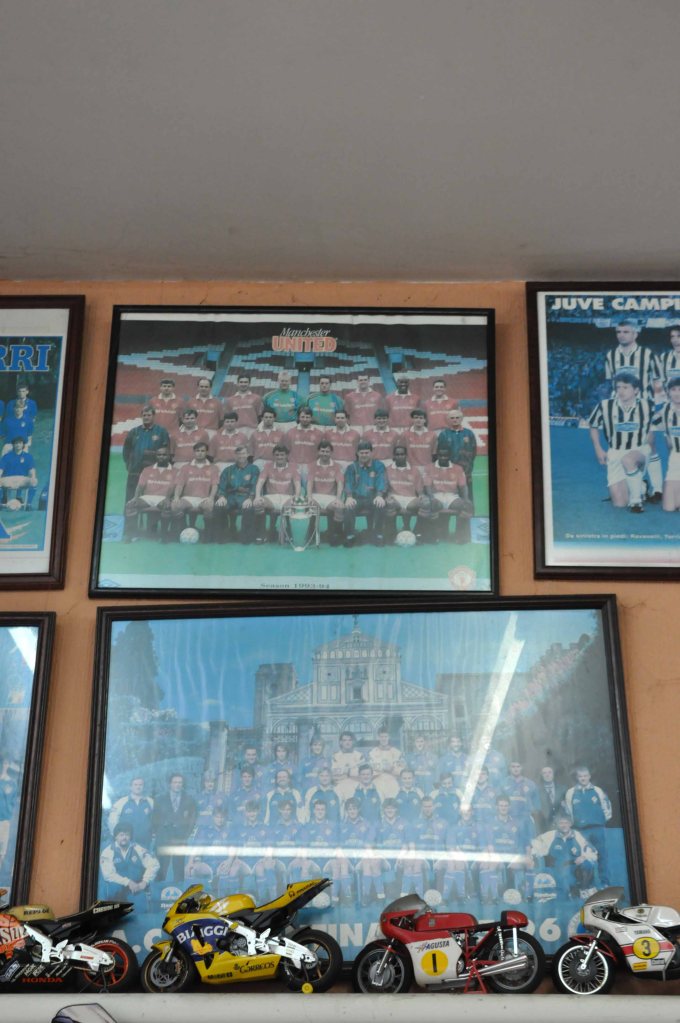
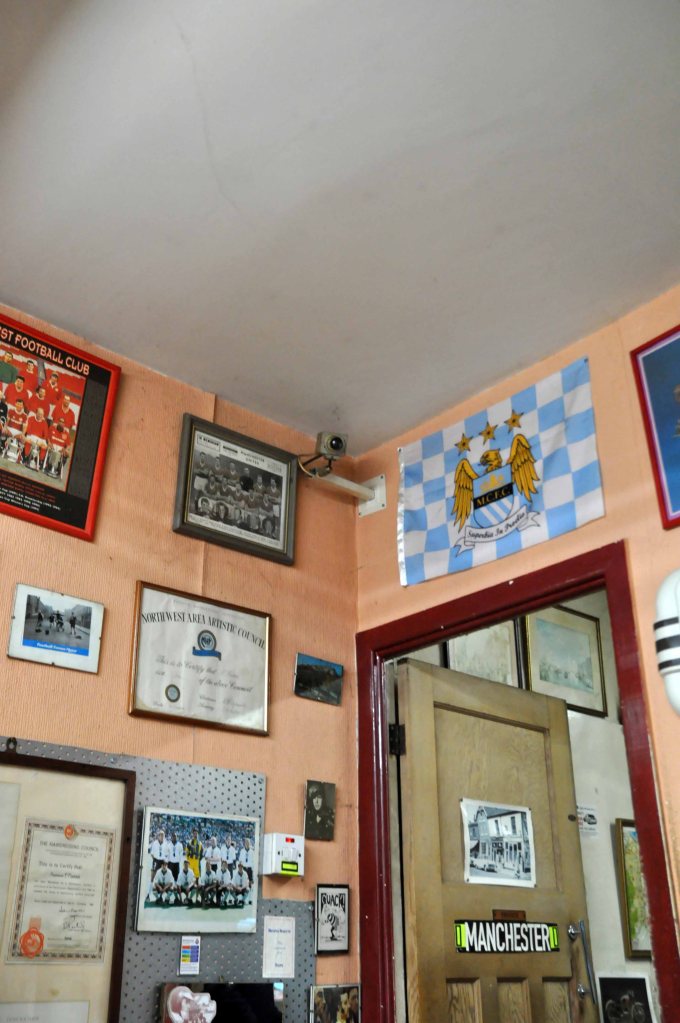
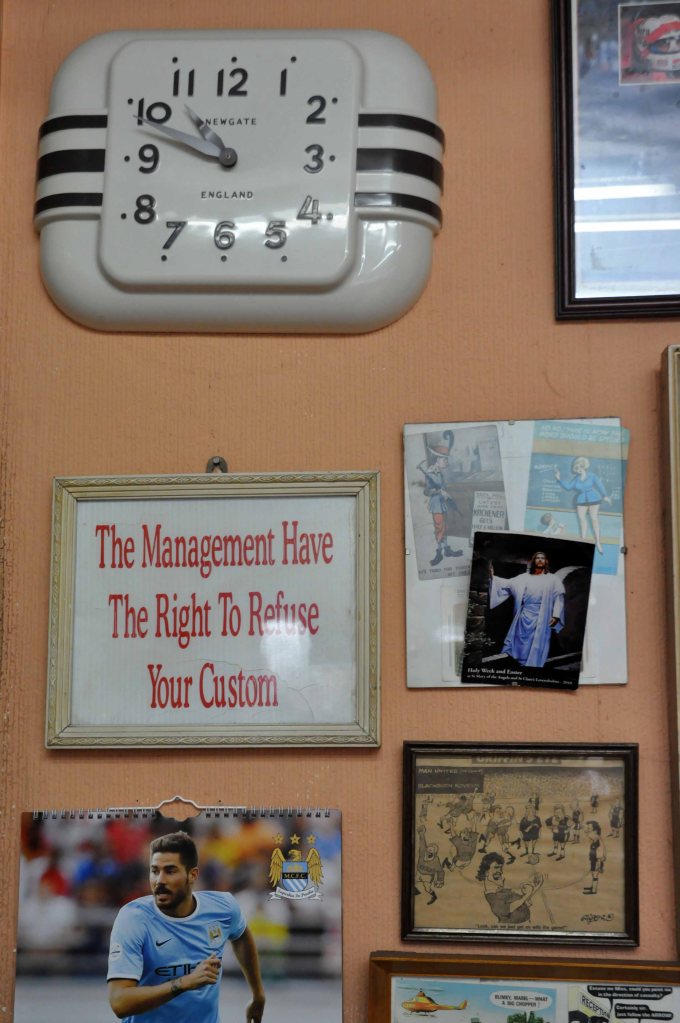
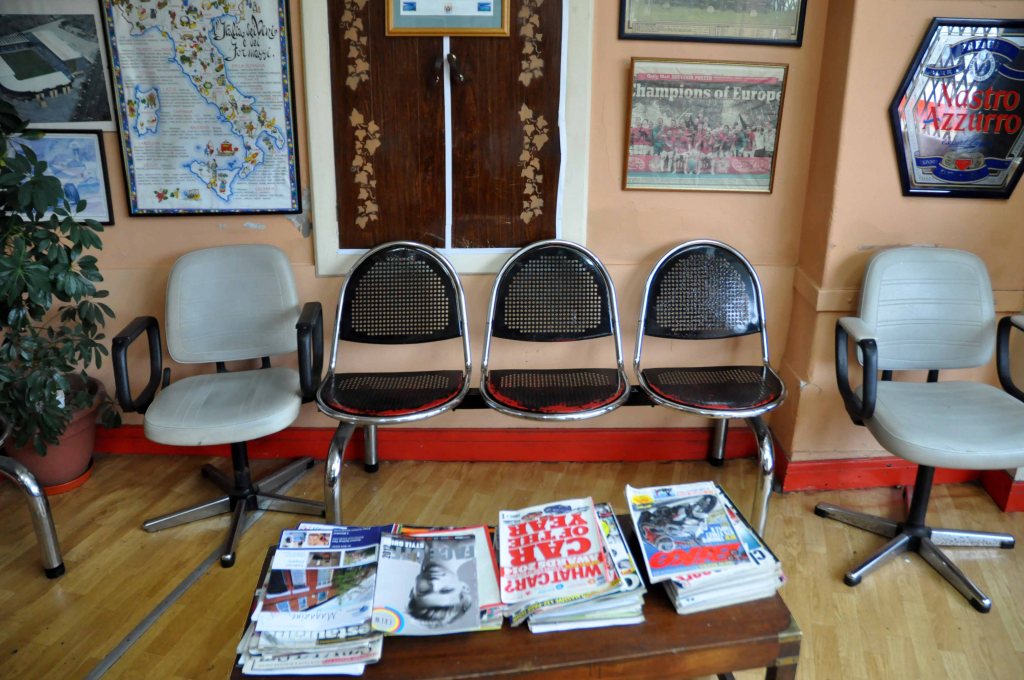
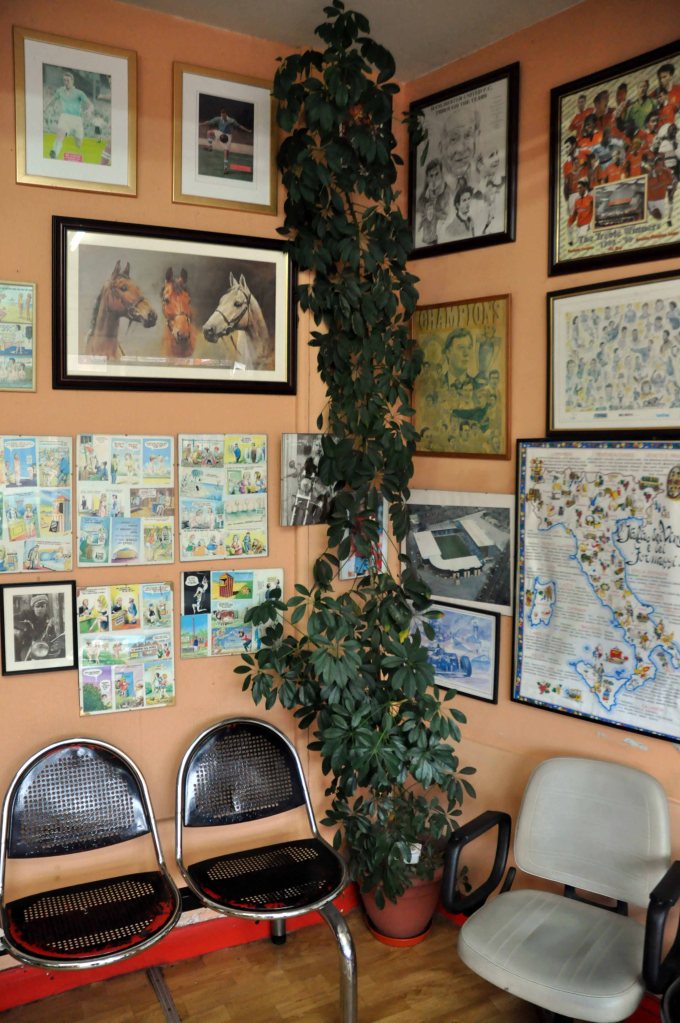
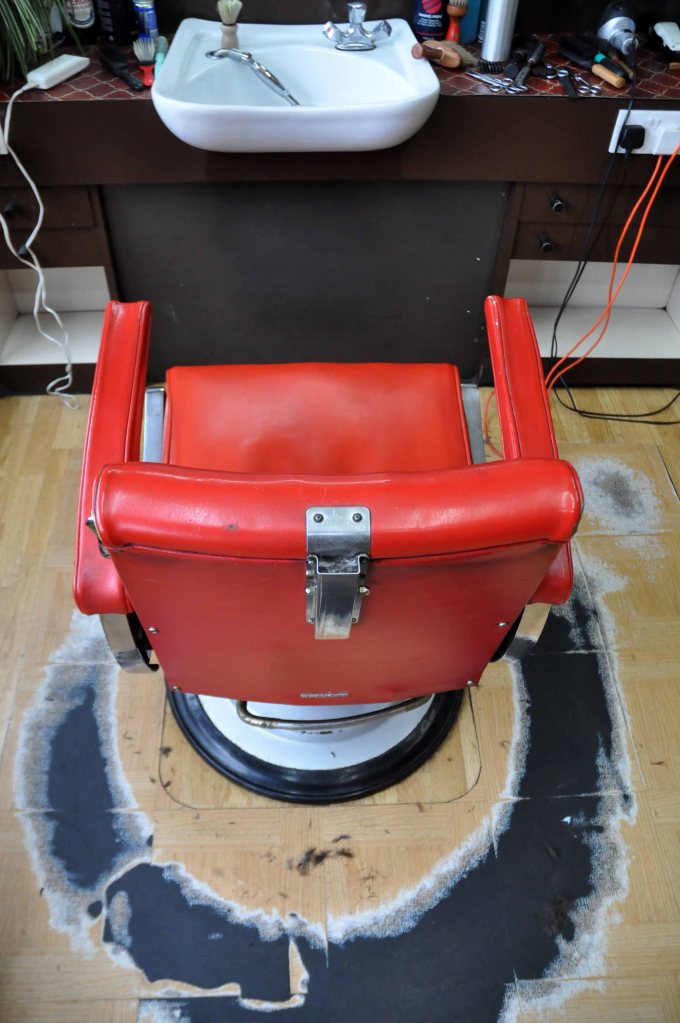
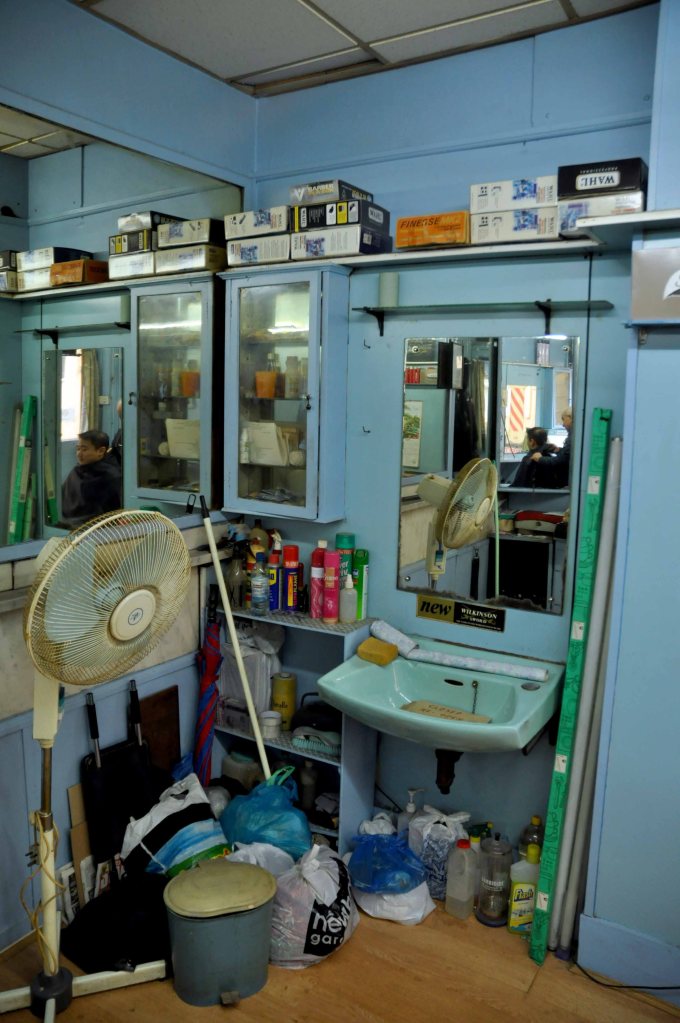
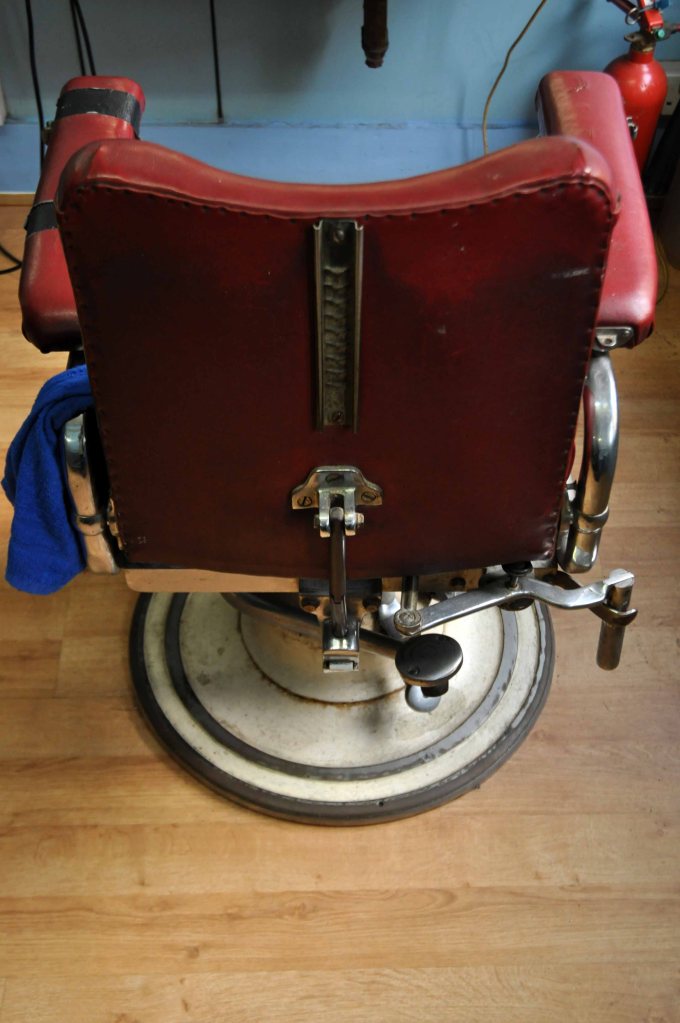
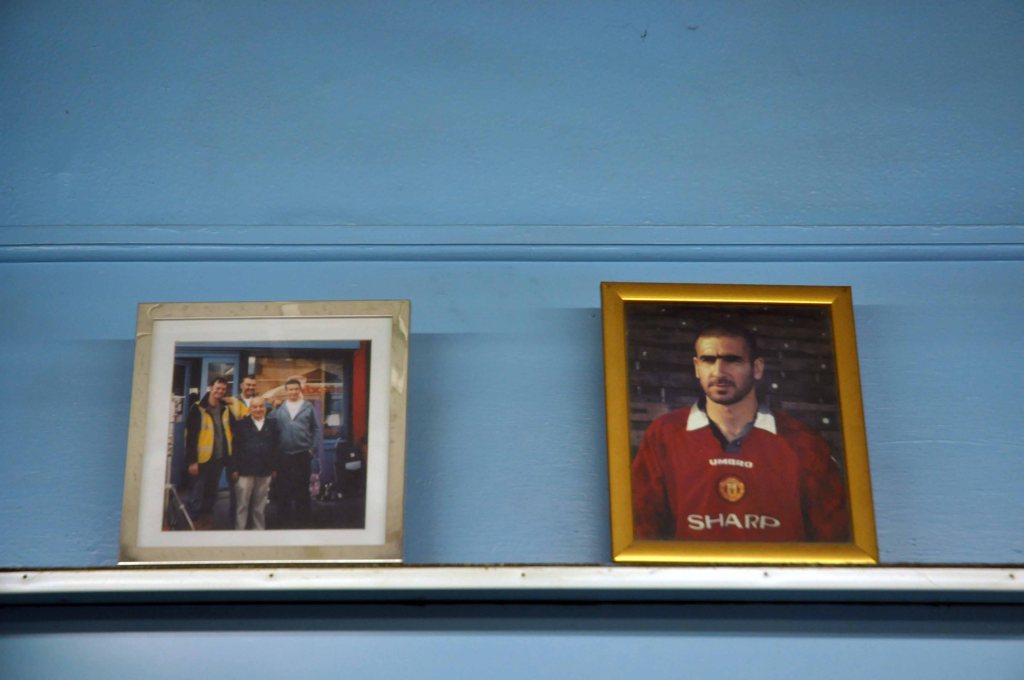
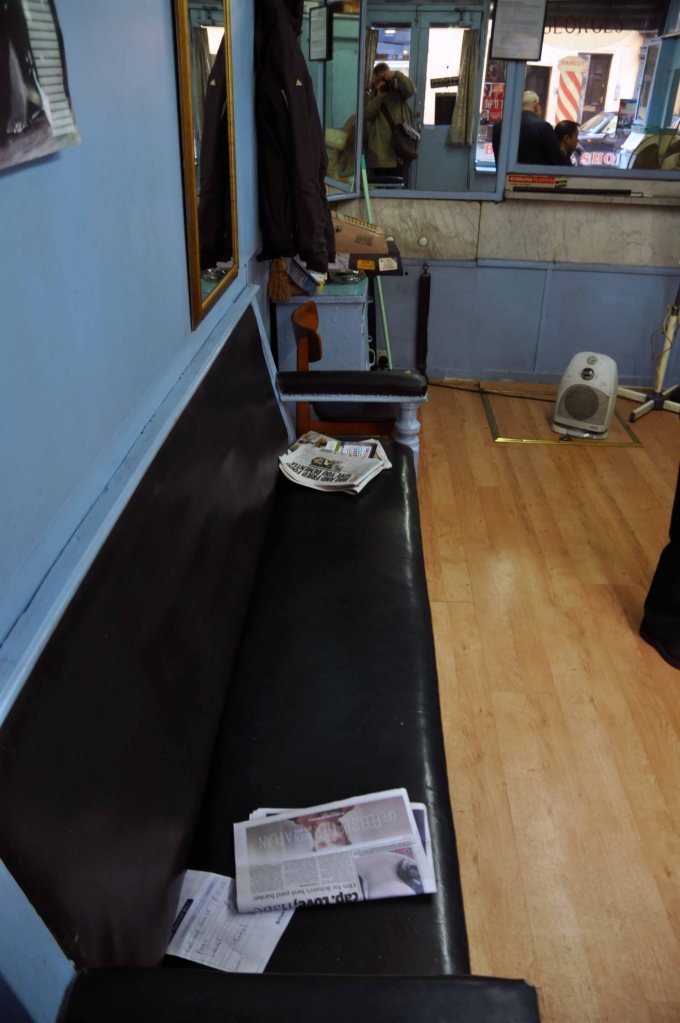
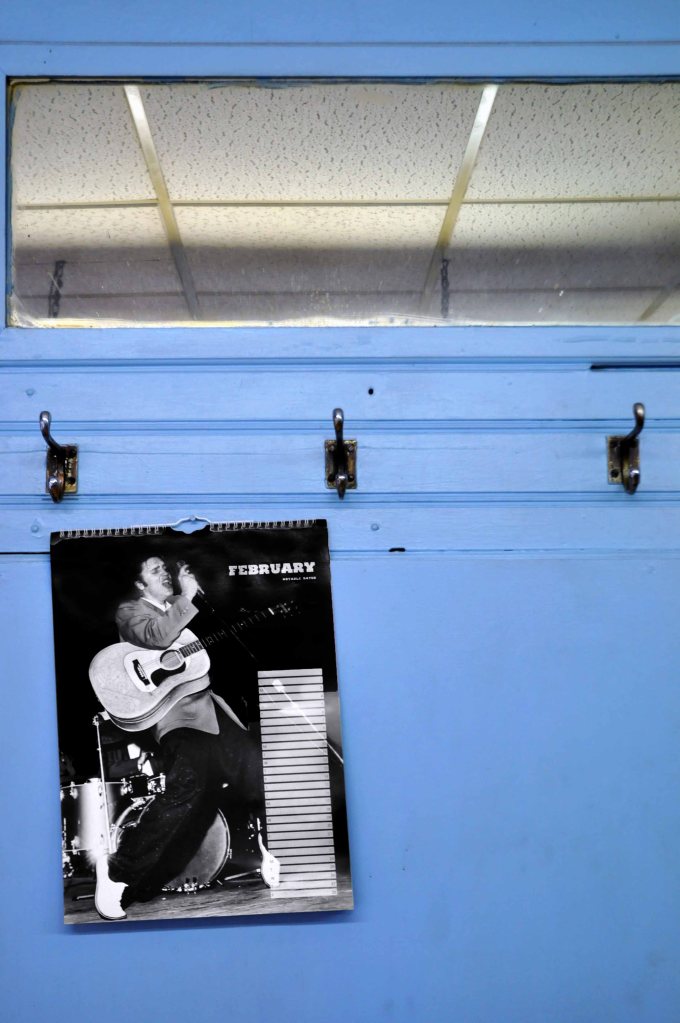
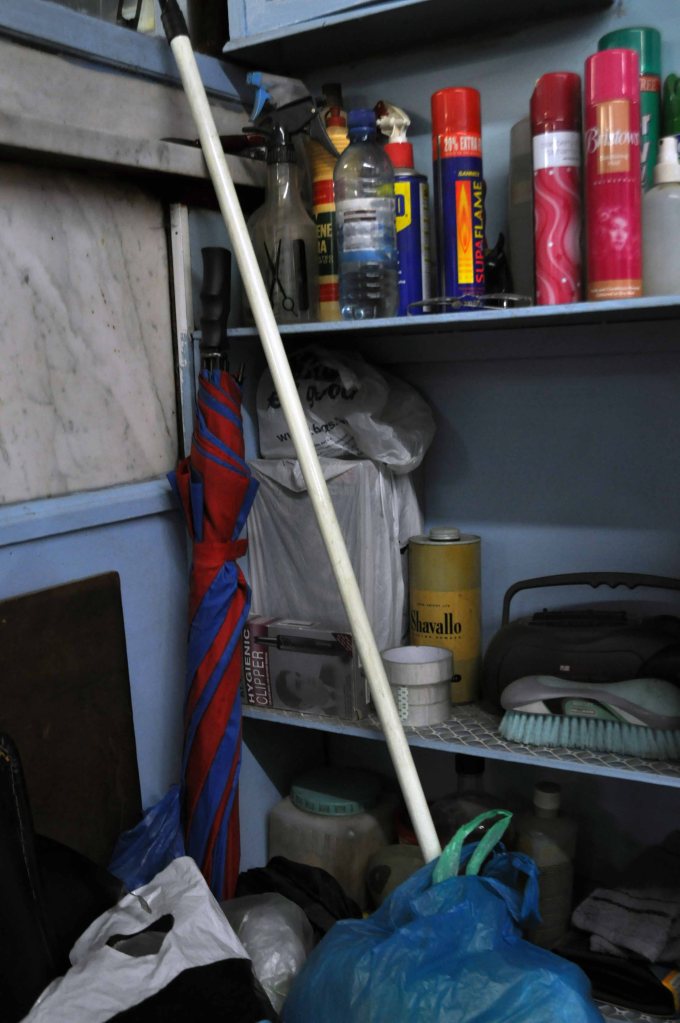
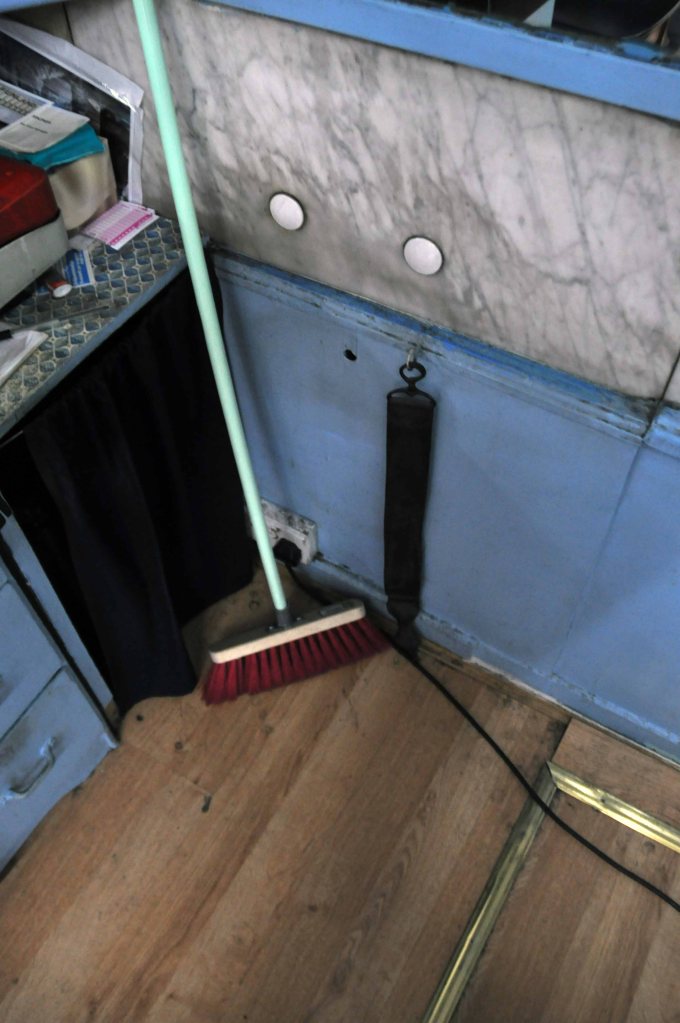
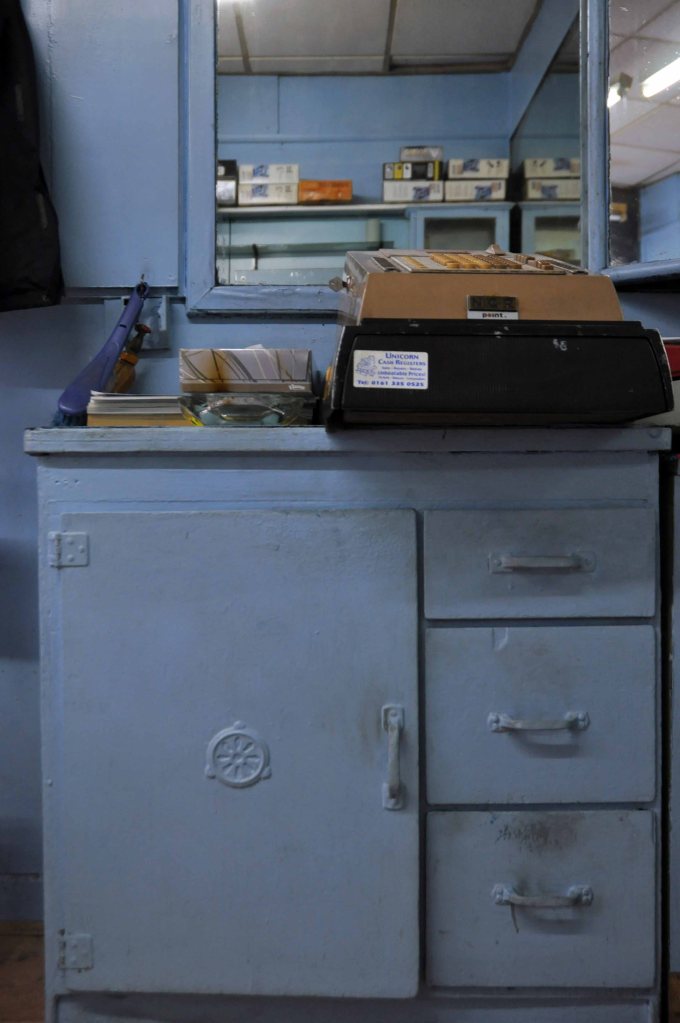
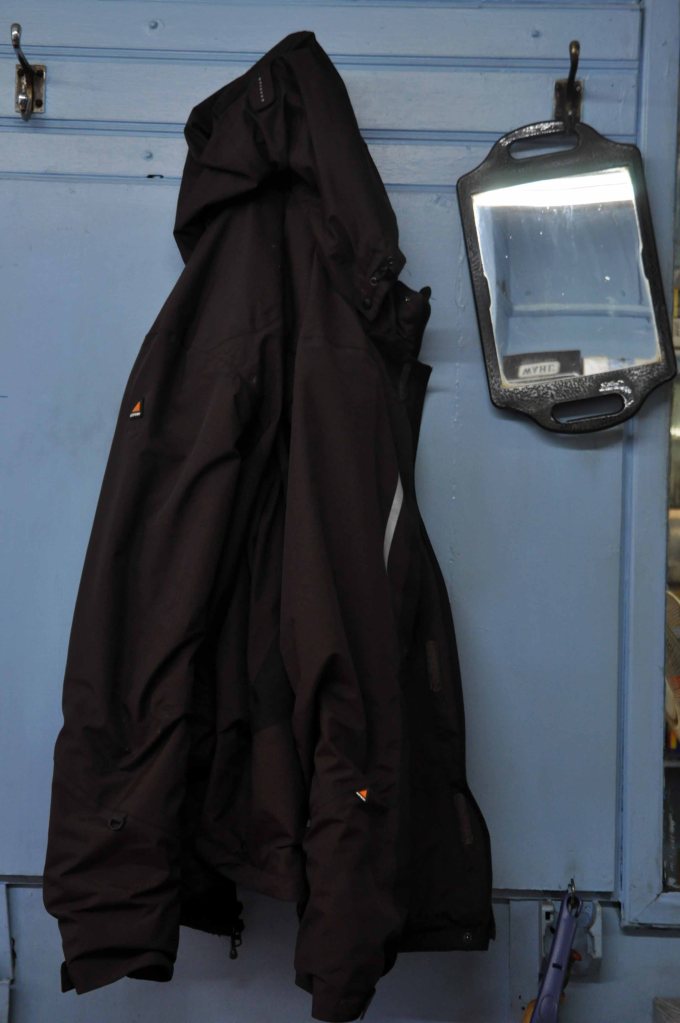
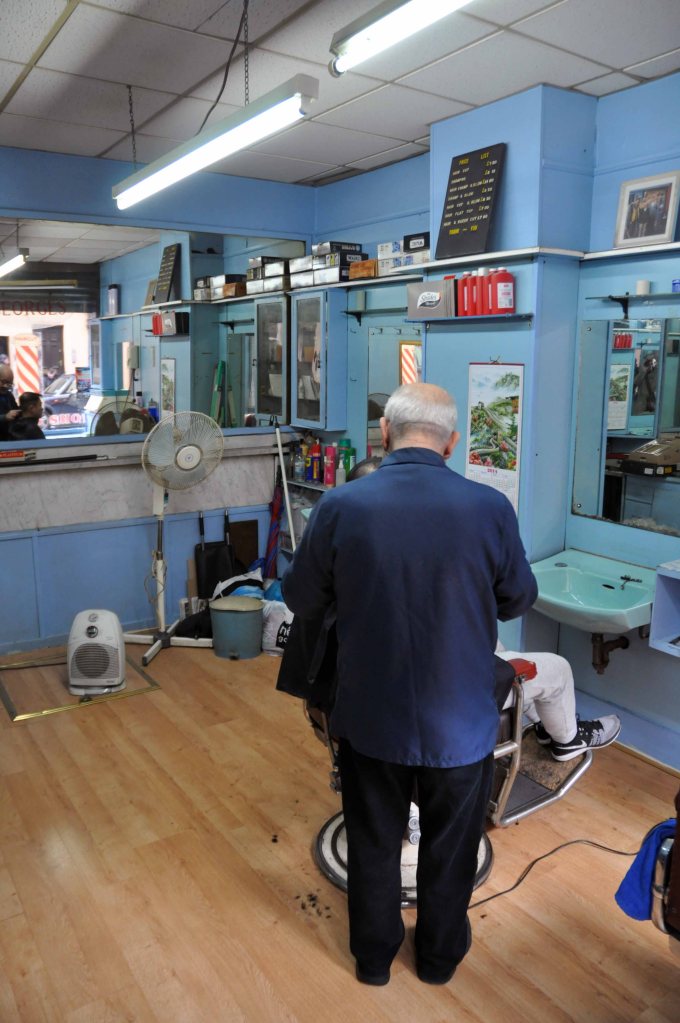
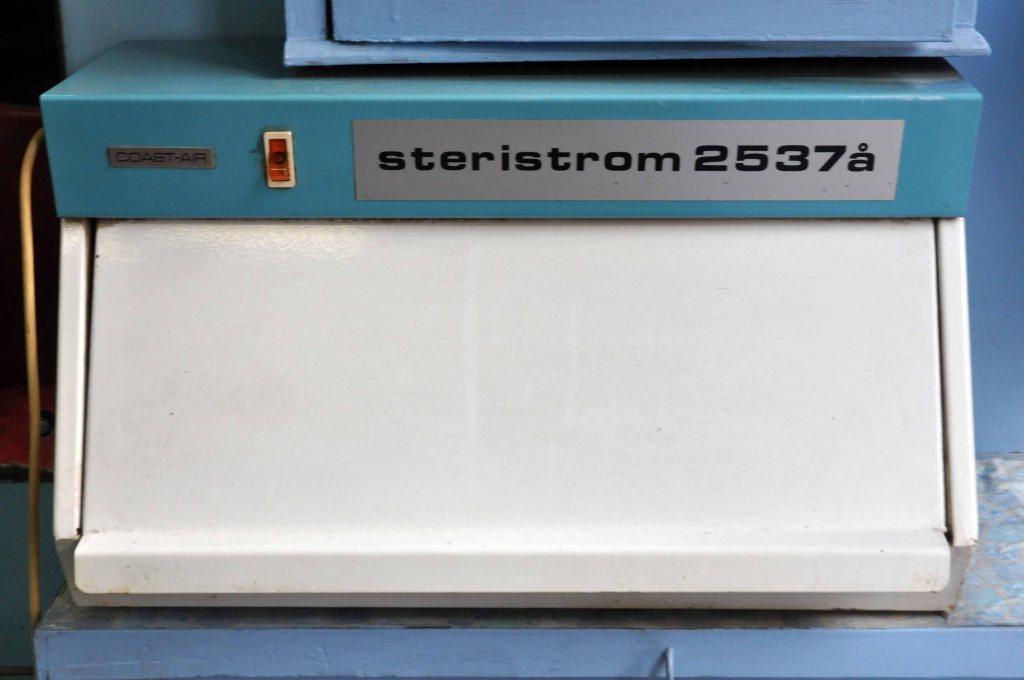
Since 1971, presiding over his empire of mainly masculine ephemera, rival football clubs fight it out for space on the crowded walls. Motorcycles race around the dado rail, stood stock still, gathering another dusting of dust. A slow accretion of memories and memorabilia, tracing a lengthy short back and sides life, of short back and sides, as stylists’ style snaps come in and out of style and back again.
Let’s take a look.
Thanks again Tony a privilege to spend some time in your world.
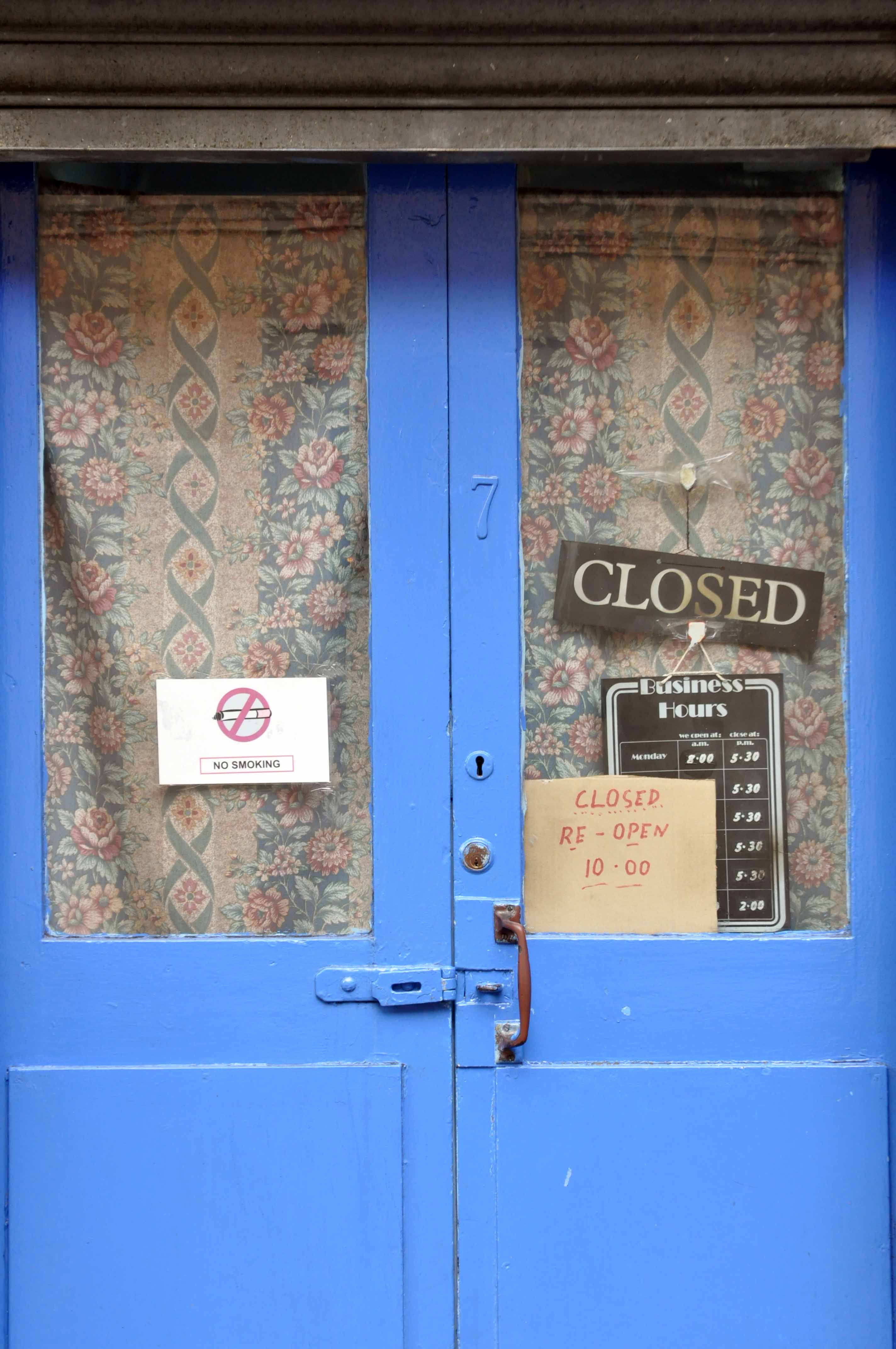
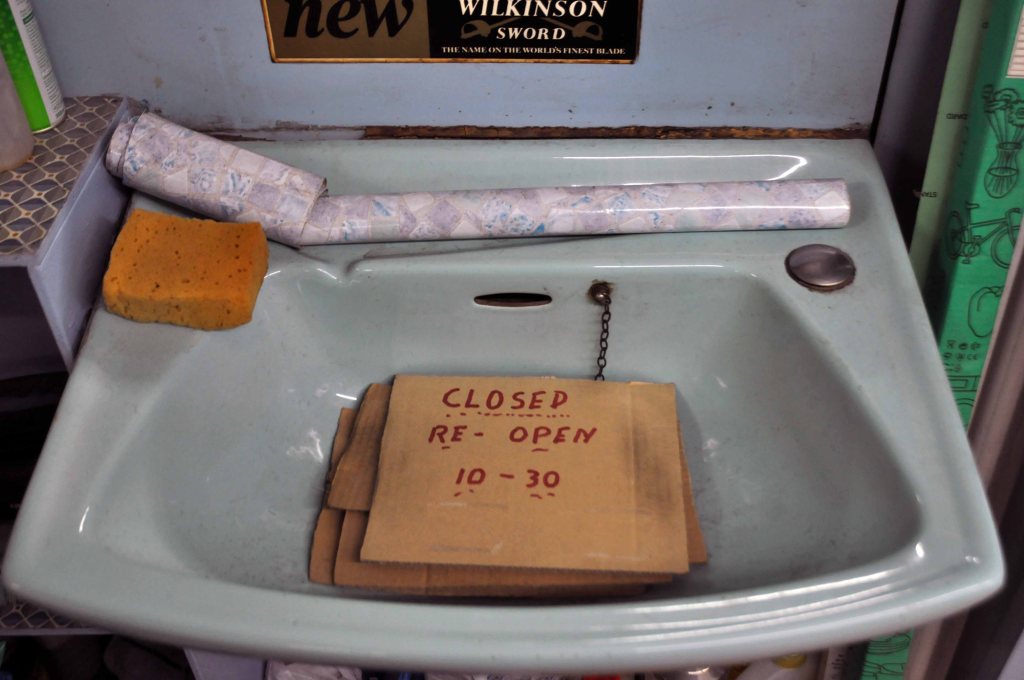
I came here on February 25th 2014, arrived early the shop was still closed, I’ll pop back.
Walked around the block and found that true to his word, he had re-opened.
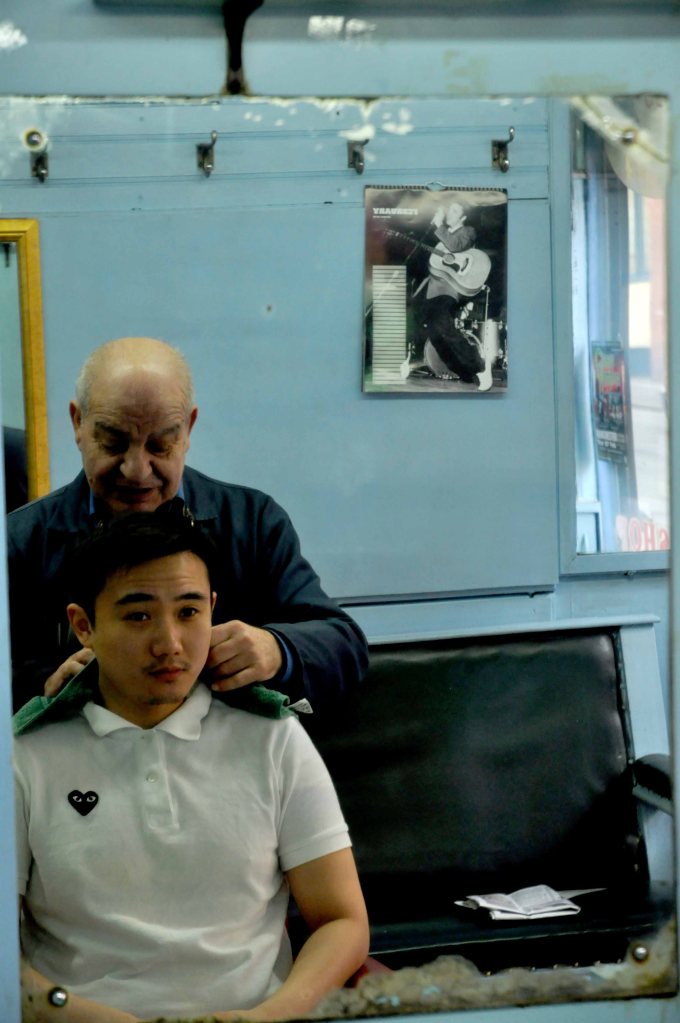
I explained my intentions, asking to spend some time in the salon, chat and take some snaps as he worked away.
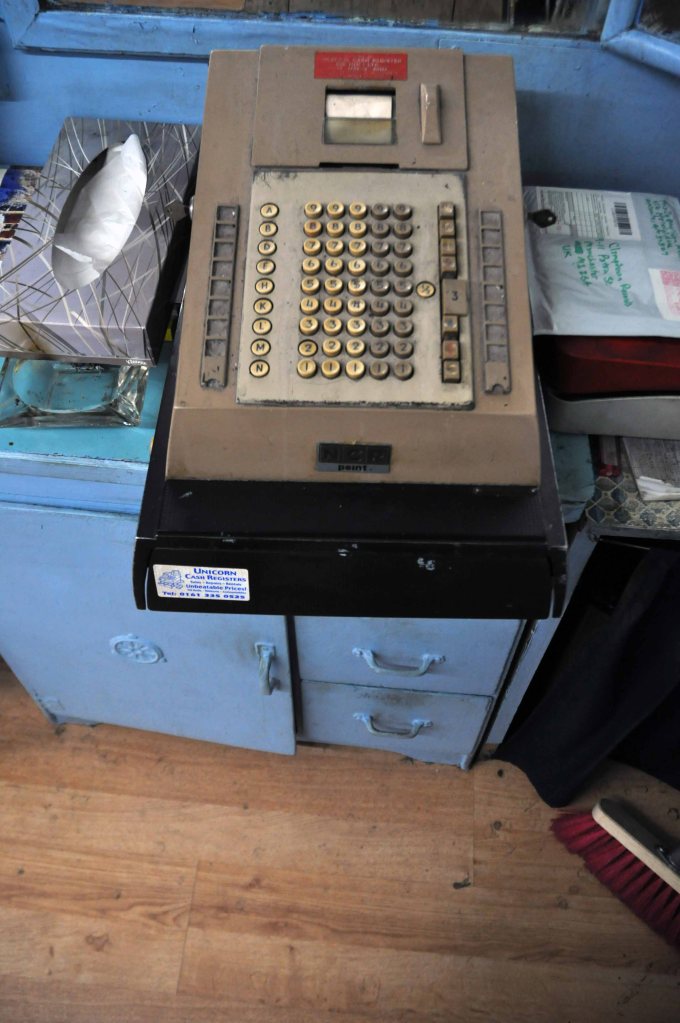
He was more than happy to accommodate my needs, he worked, we chatted, I snapped. This was some seven years ago now, typically, I forgot to make any written notes. Suffice to say he had been there some 48 years finally retiring on Christmas Eve 2014.
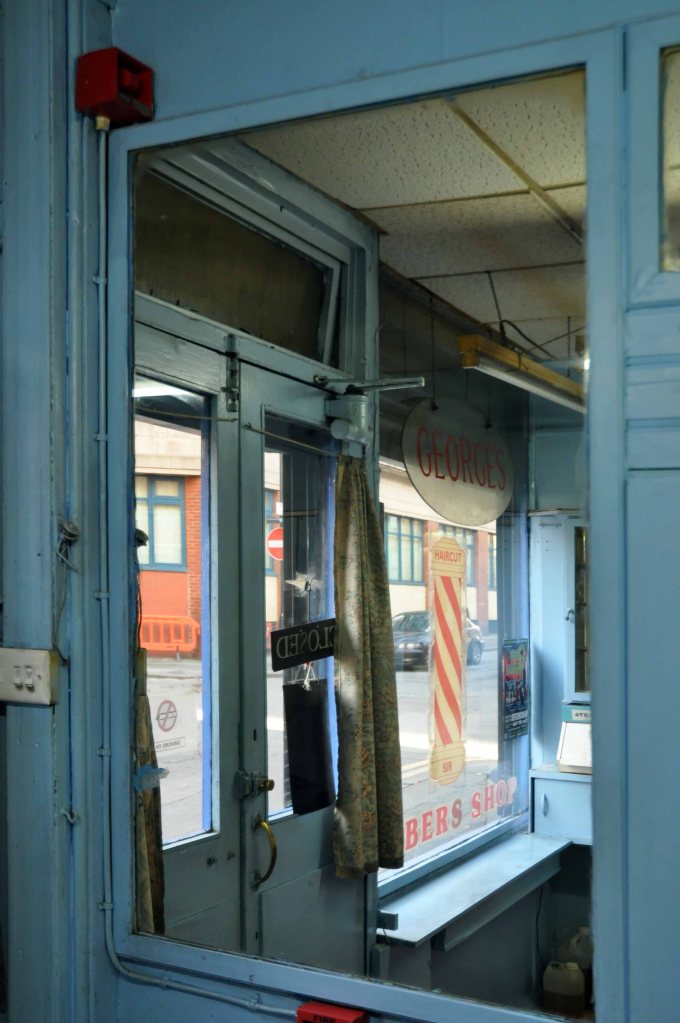
As city centre Manchester changes for good or for bad, the likelihood of a neighbourhood barber appearing is negligible. It was a privilege to spend some time with George, one of many Cypriot immigrants who found work here between and after the wars, we were more than happy to welcome him here.
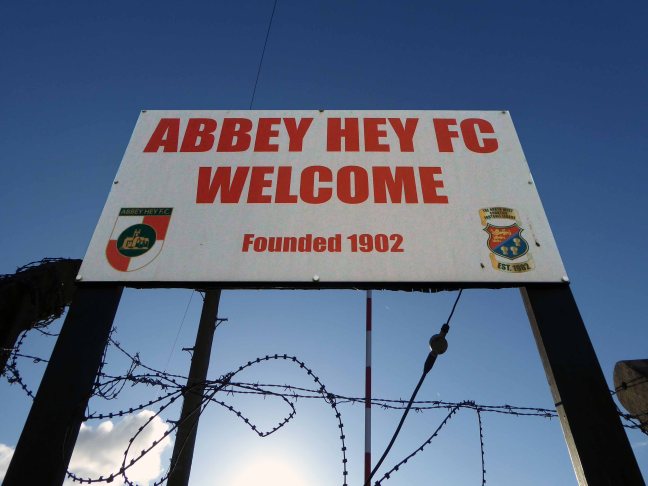
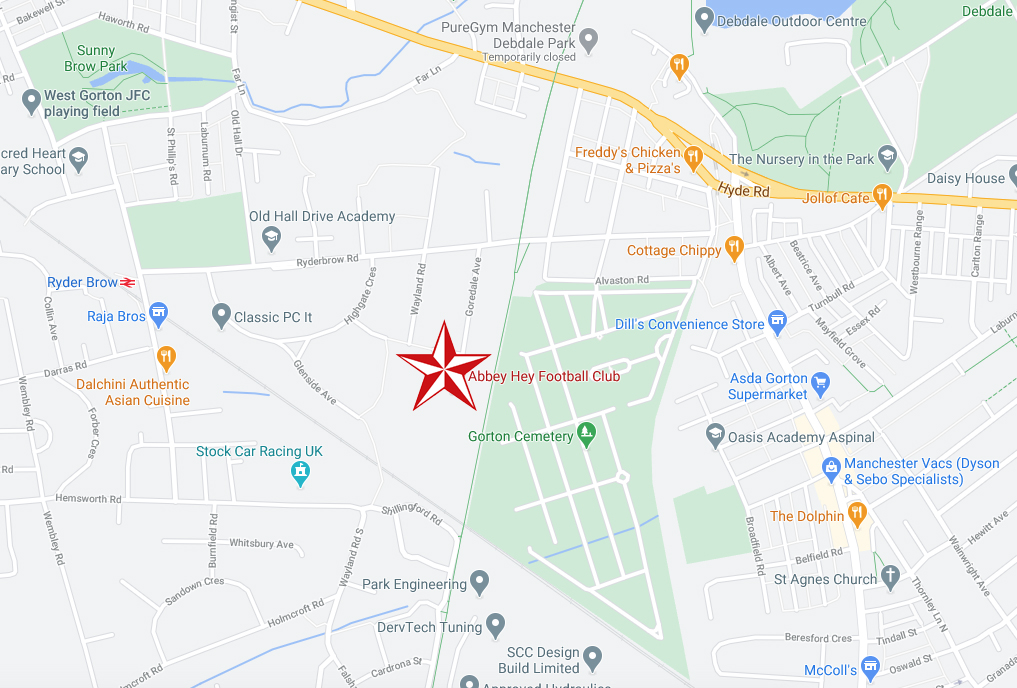
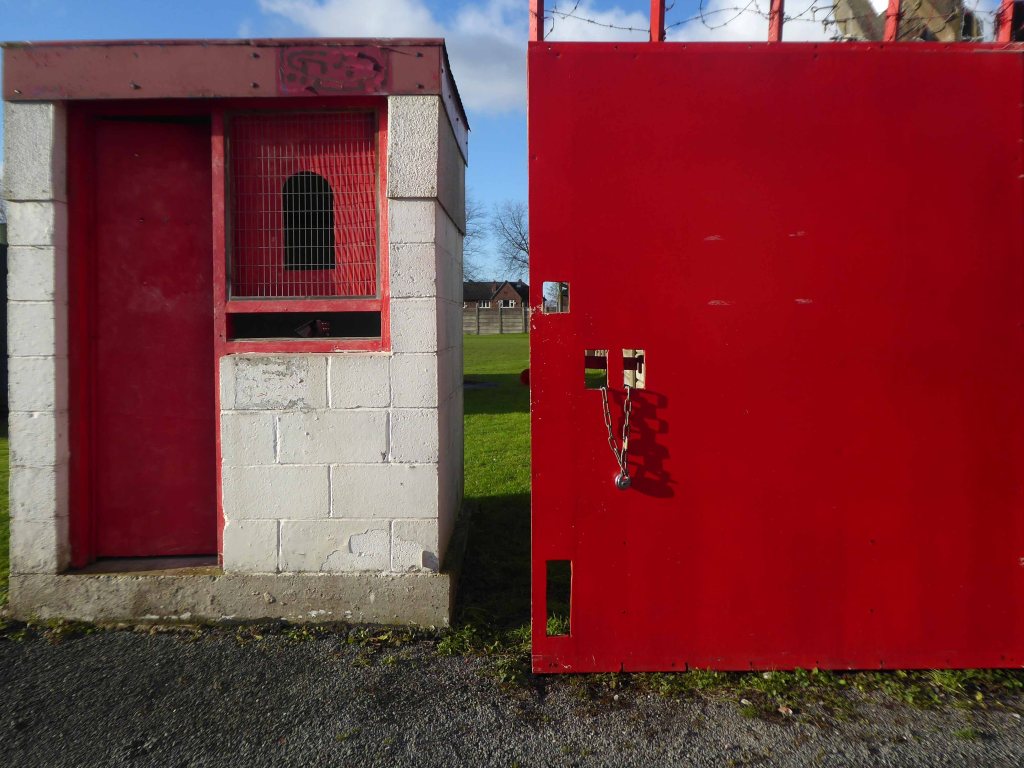
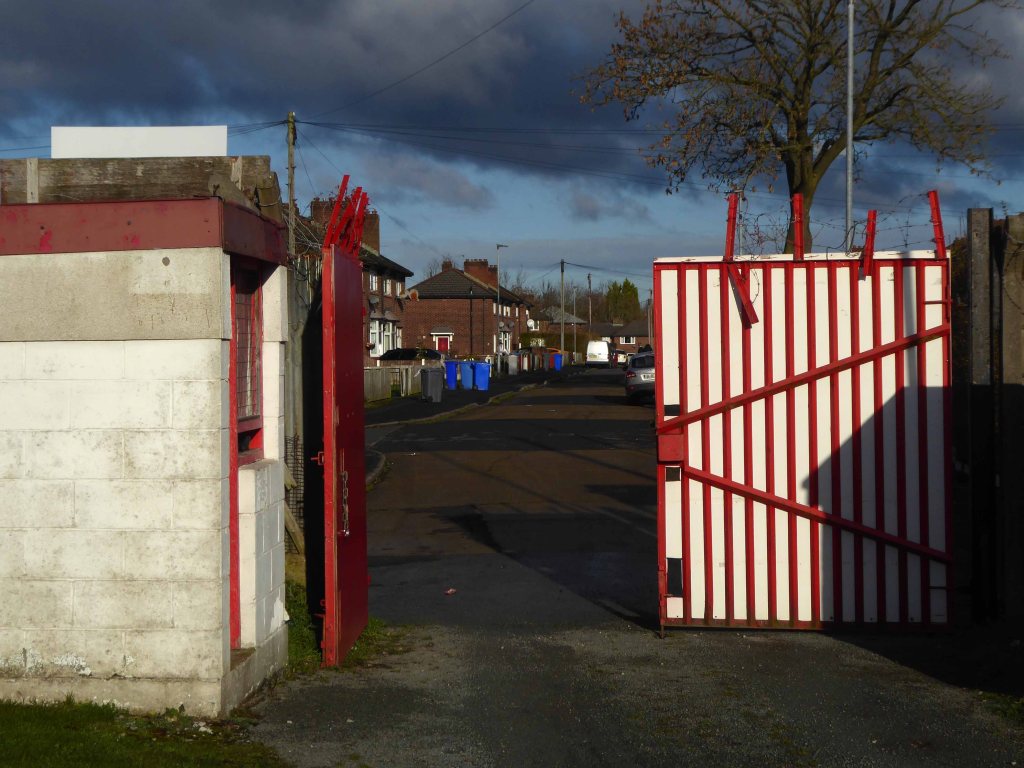
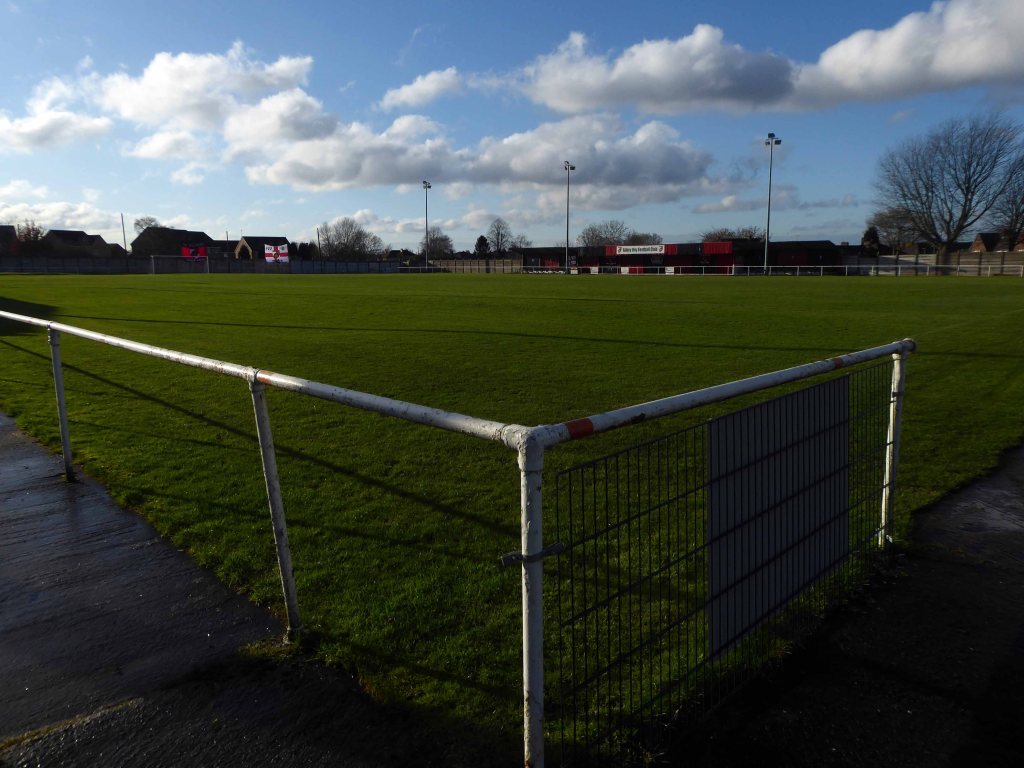
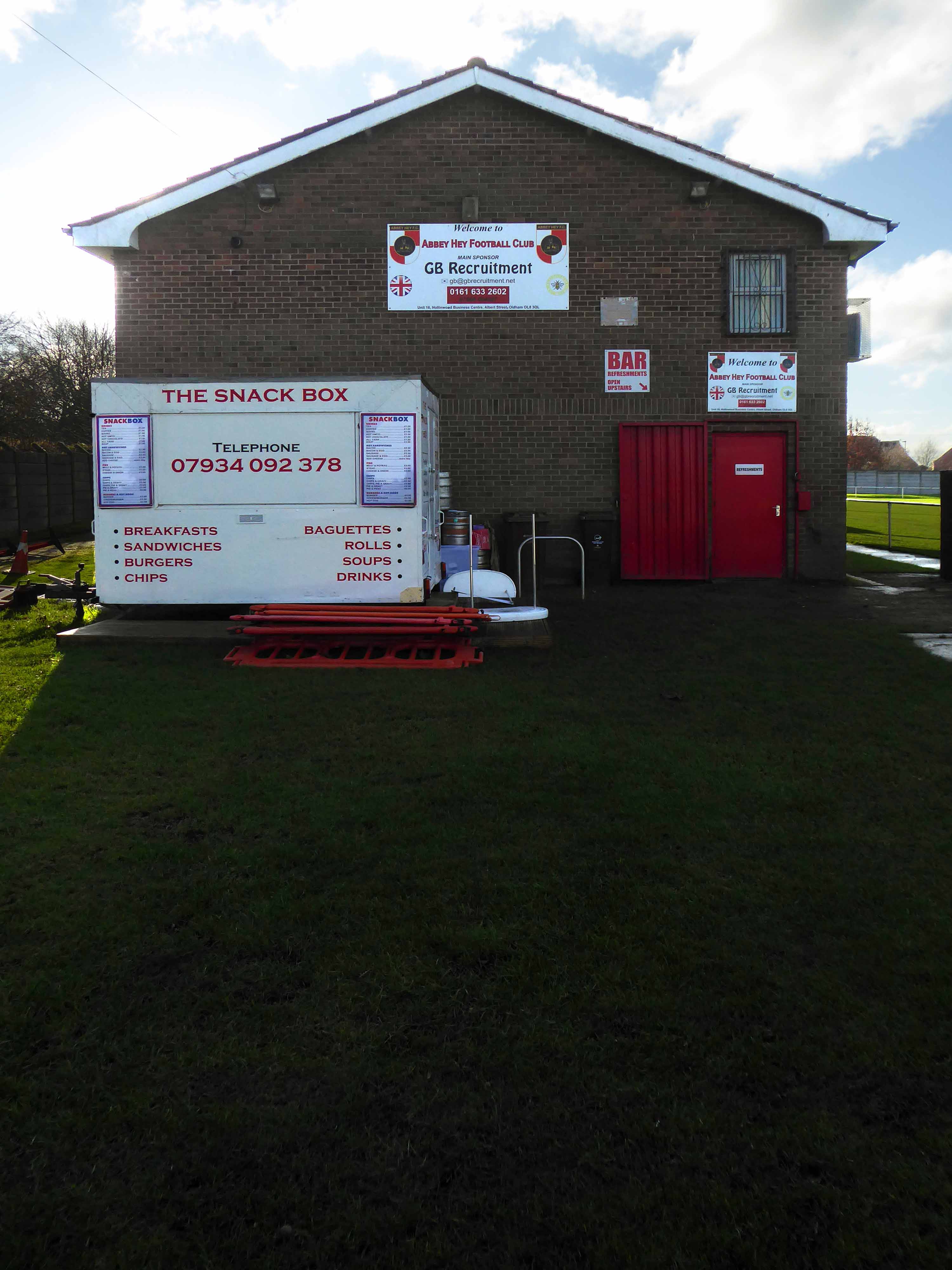
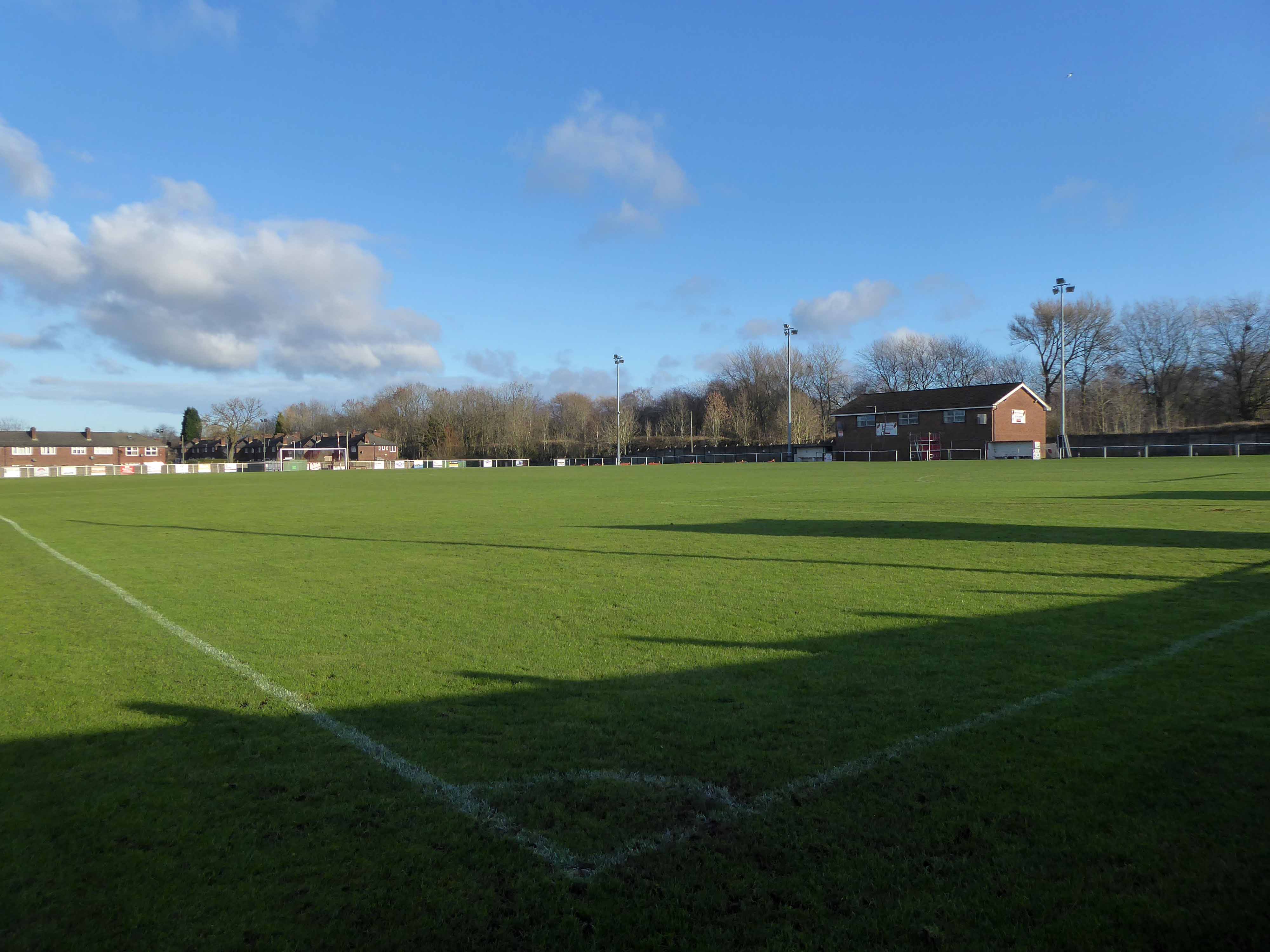
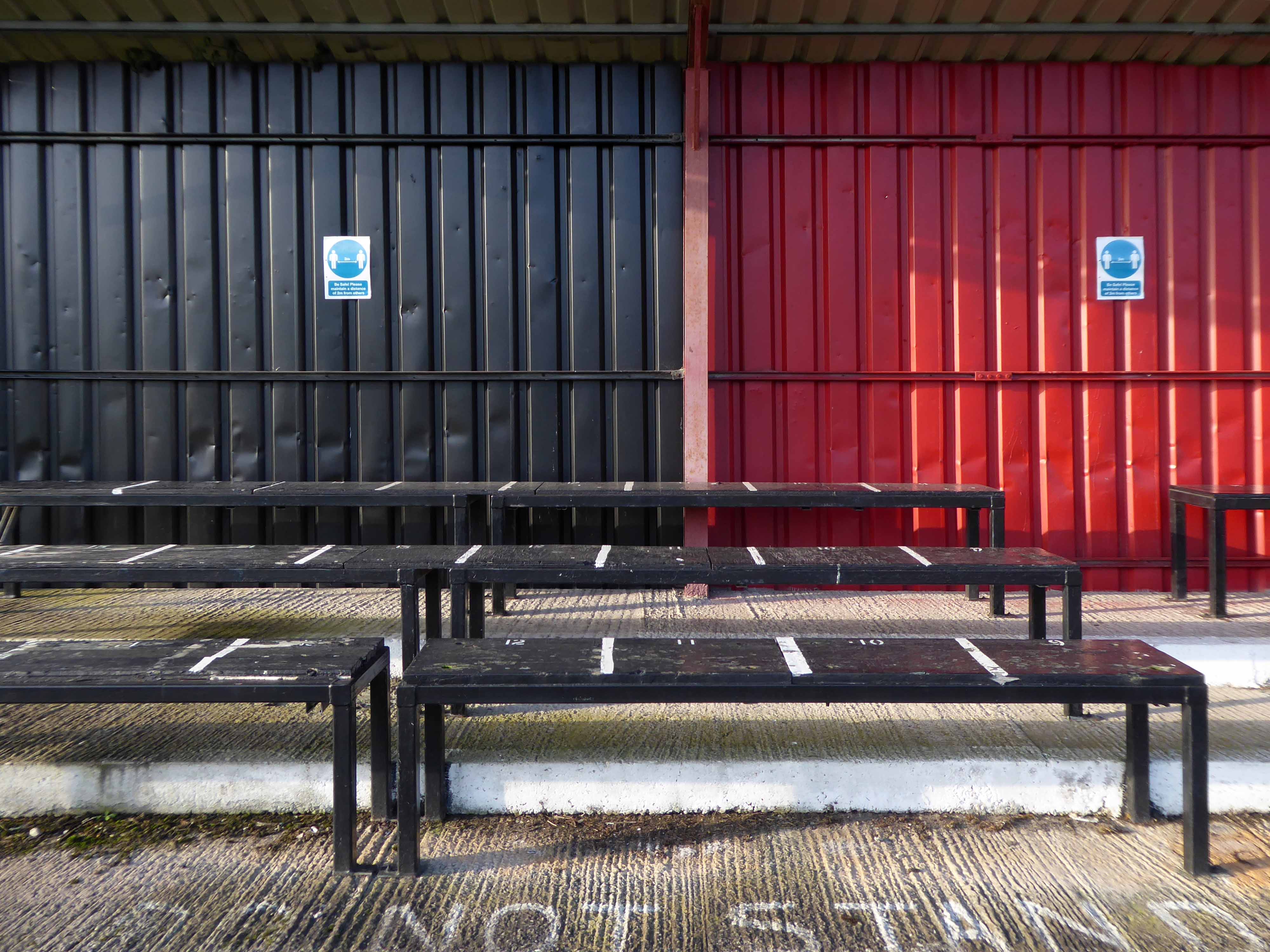
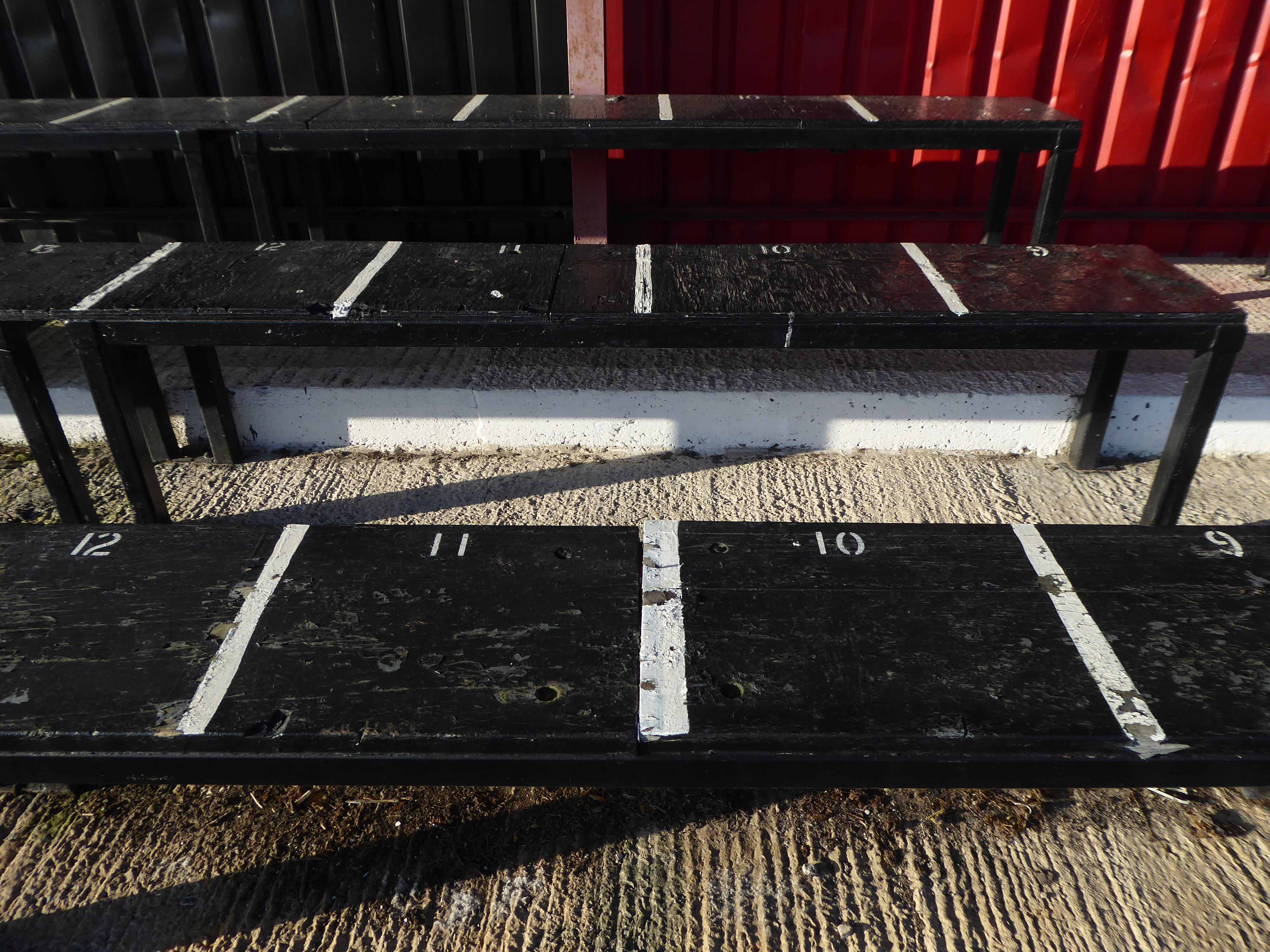
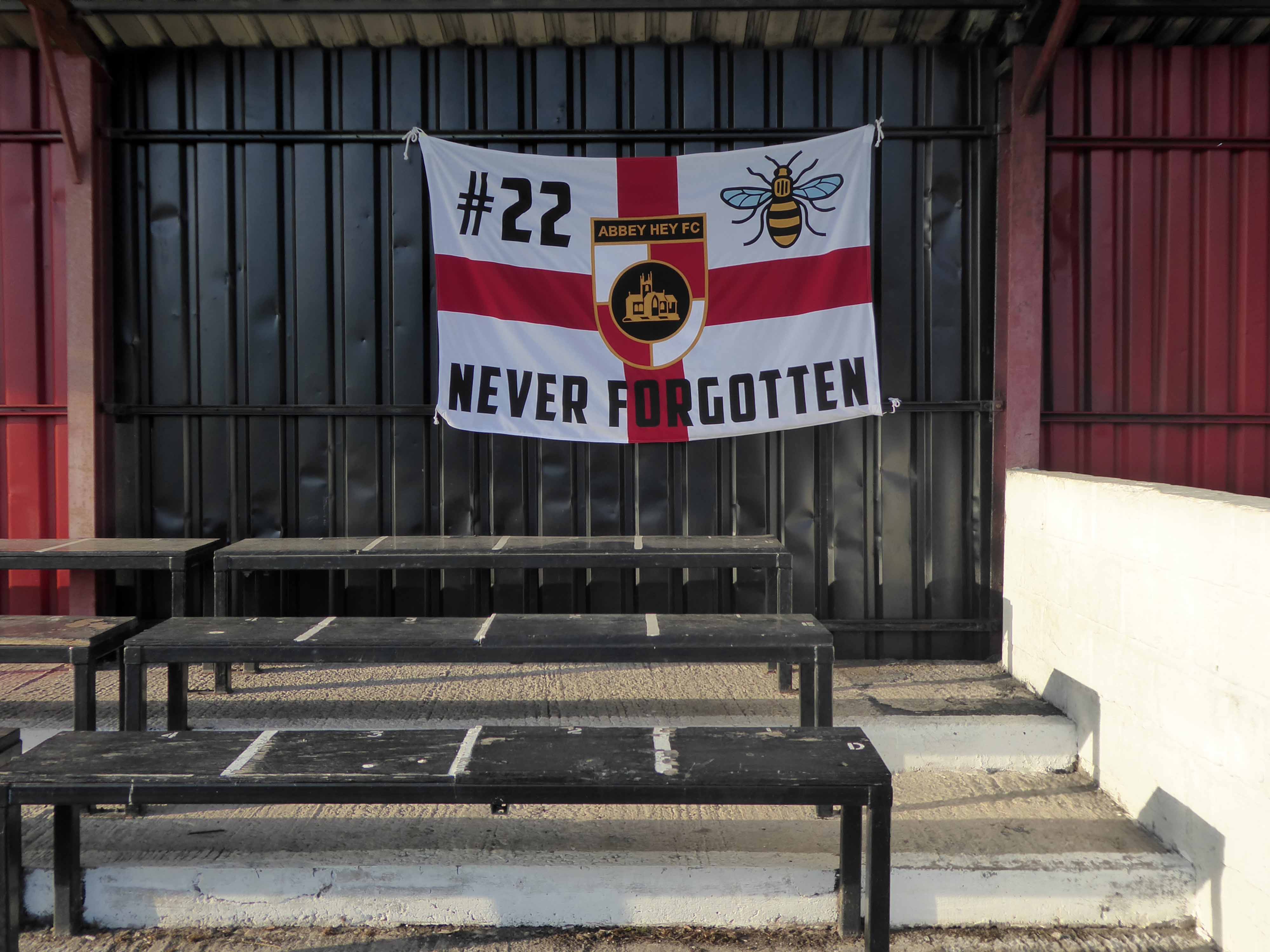
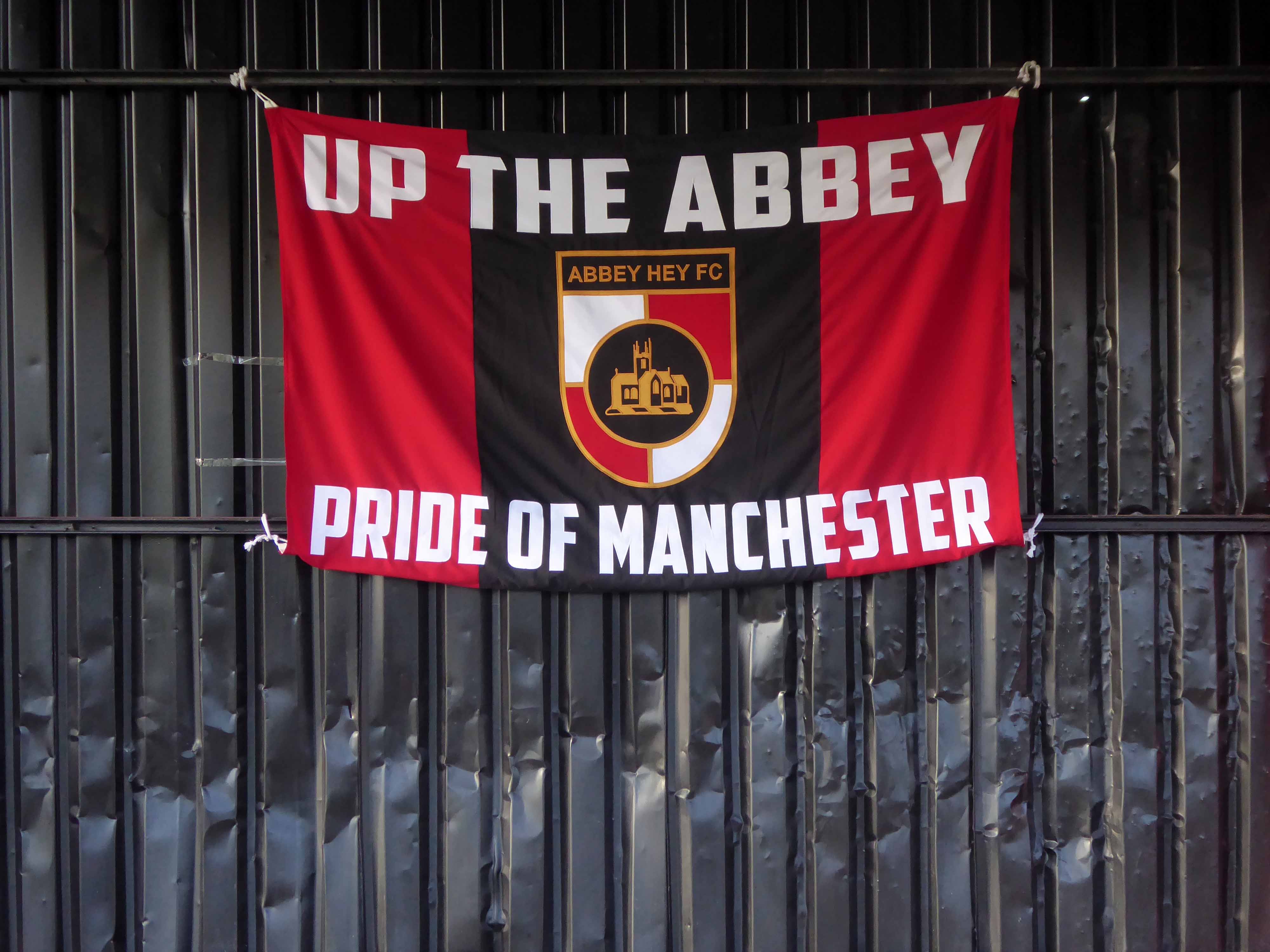
Abbey Stadium Goredale Avenue Gorton Manchester M18 7HD.
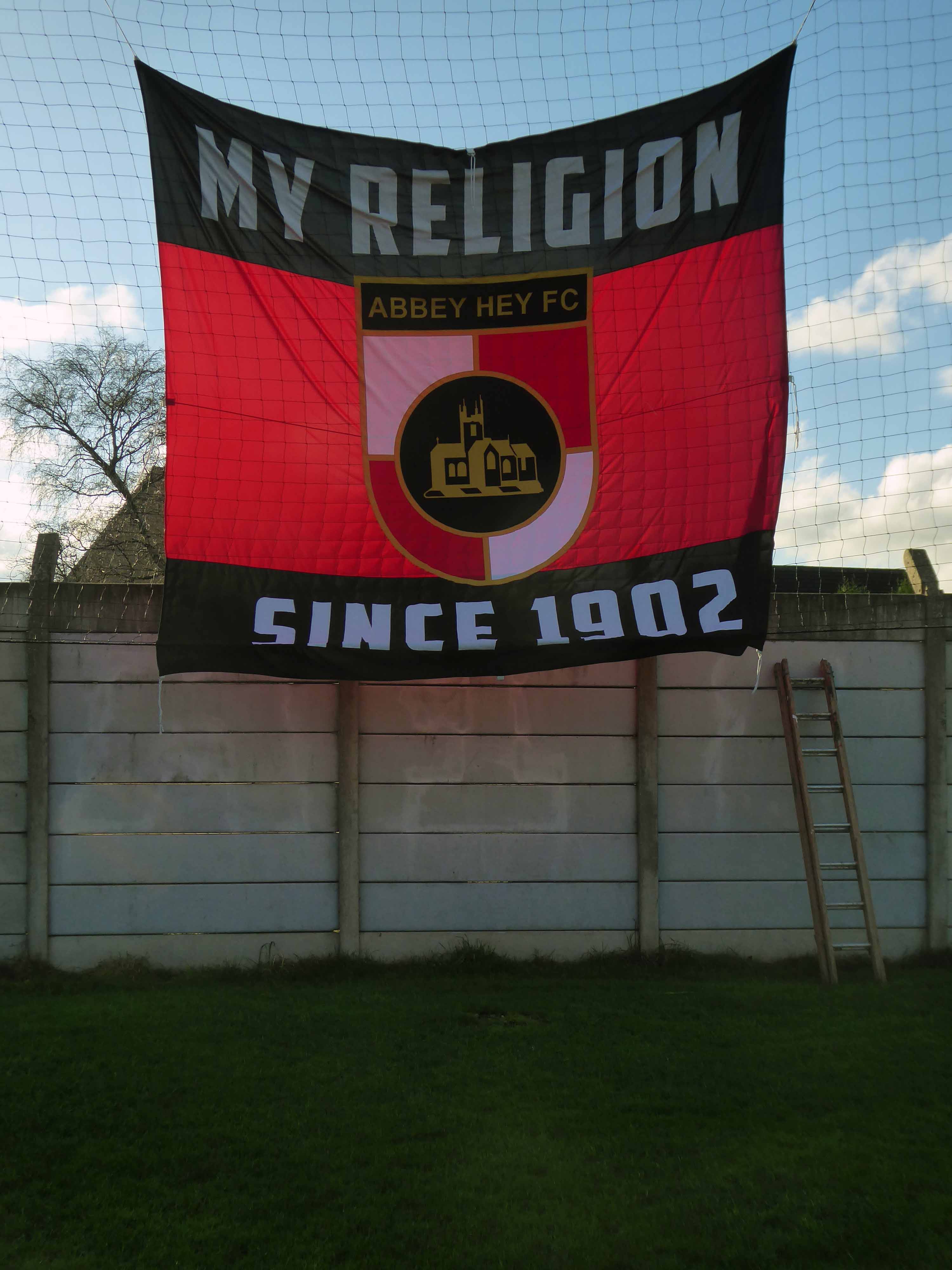
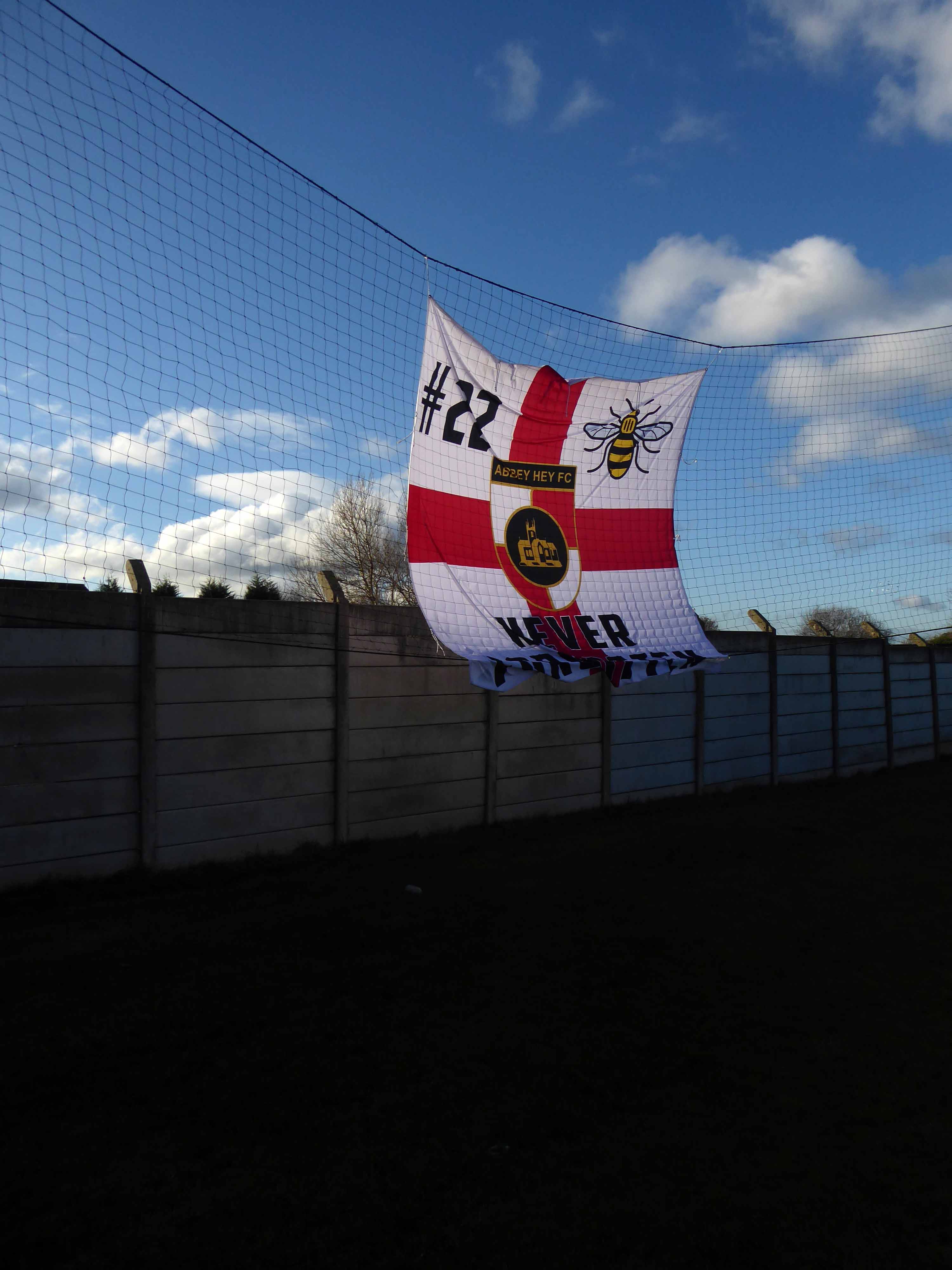
Abbey Hey FC was formed in 1902 in the Abbey Hey district of Gorton, some three miles away from the centre of Manchester. During their formative years and through the two World Wars, the club was disbanded and reformed on a number of occasions. Starting in the Church Sunday Leagues, they progressed through the Manchester Amateur Leagues during the intervening years but the club really came into it’s own in the 1960s after it took in the players of the Admiralty Gunning Engineering Department following it’s closure.
In 1978 with the club decided to apply for a position in the Manchester League, this meant that the club had to find an enclosed ground suitable for playing their home games. The nearest ground available at the time was in Chorlton at Werburghs Road.
In 1984 the club at last had their own home,improvements to the ground could only have been achieved by the hard work and dedication of the committee, who not only raised the money to carry out the improvements but also carried out 90% of the work themselves.
Promotion to the 1st Division meant that the club had to install floodlights. True to form, they designed, ordered, erected and wired them within a couple of months. The biggest job during the ground improvements was the building of the new clubhouse and dressing rooms. Planning permission was given with the majority of work once again being carried out by the club’s own members.
This is a story of persistence and commitment from members, managers and players – keeping a viable non-league football team alive at the centre of a Community.
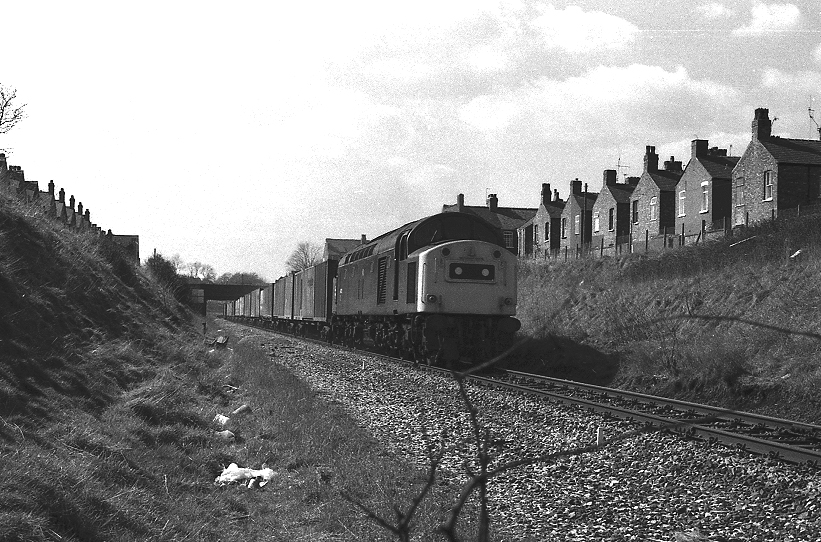
I have cycled by here for years, along the Fallowfield Loop – and worked down here in the Seventies when the rail link was still extant.
Photo – Neil Ferguson-Lee via Robert Todd and Levy Boy.
So today seeing the gates open, I decided to take a look around the ground – many thanks to groundsman Simon for taking the time to stop and chat.
Everything is spick and span, the playing surface in excellent nick, and all the stands seat and fences standing smartly to attention, having had a fresh coat of paint.
So let’s take a look around:
I’ll be back to watch a match, just as soon as the rules and regulations allow!
We are here are again – you Bonny Street bobbies, it seems, are not.
Departed for pastures new – to Marton near to the big Tesco.
As well as a front counter, the new headquarters provides a base for some of the local policing and immediate response teams, an investigations hub and 42 custody cells.
On my previous visit I was in fact apprehended by a uniformed officer, perturbed by my super-snappy happy behaviour. Following a protracted discussion, I convinced the eager young boy in blue, that my intentions were entirely honourable.
Themed bar and event restaurant concept with roller coaster service, hourly special effects shows and exploration tours.
The £300m Blackpool Central development will bring world-class visitor attractions to a landmark site on the famous Golden Mile. Along with new hotels, restaurants, food market, event square, residential apartments and multi-storey parking.
Chariots of the Gods inspires the masterplan for the long-awaited redevelopment. It’s the global publishing phenomenon, written by Swiss author Erich Von Däniken. Exploring alien encounters and unsolved mysteries of ancient civilisations.
Chariots Of The Gods will be the main theme for Blackpool Central. Including the anchor attraction – the UK’s first flying theatre.
A fully-immersive thrill ride that will create the incredible sensation of human flight.
Time it seems changes everything, stranger than fiction.
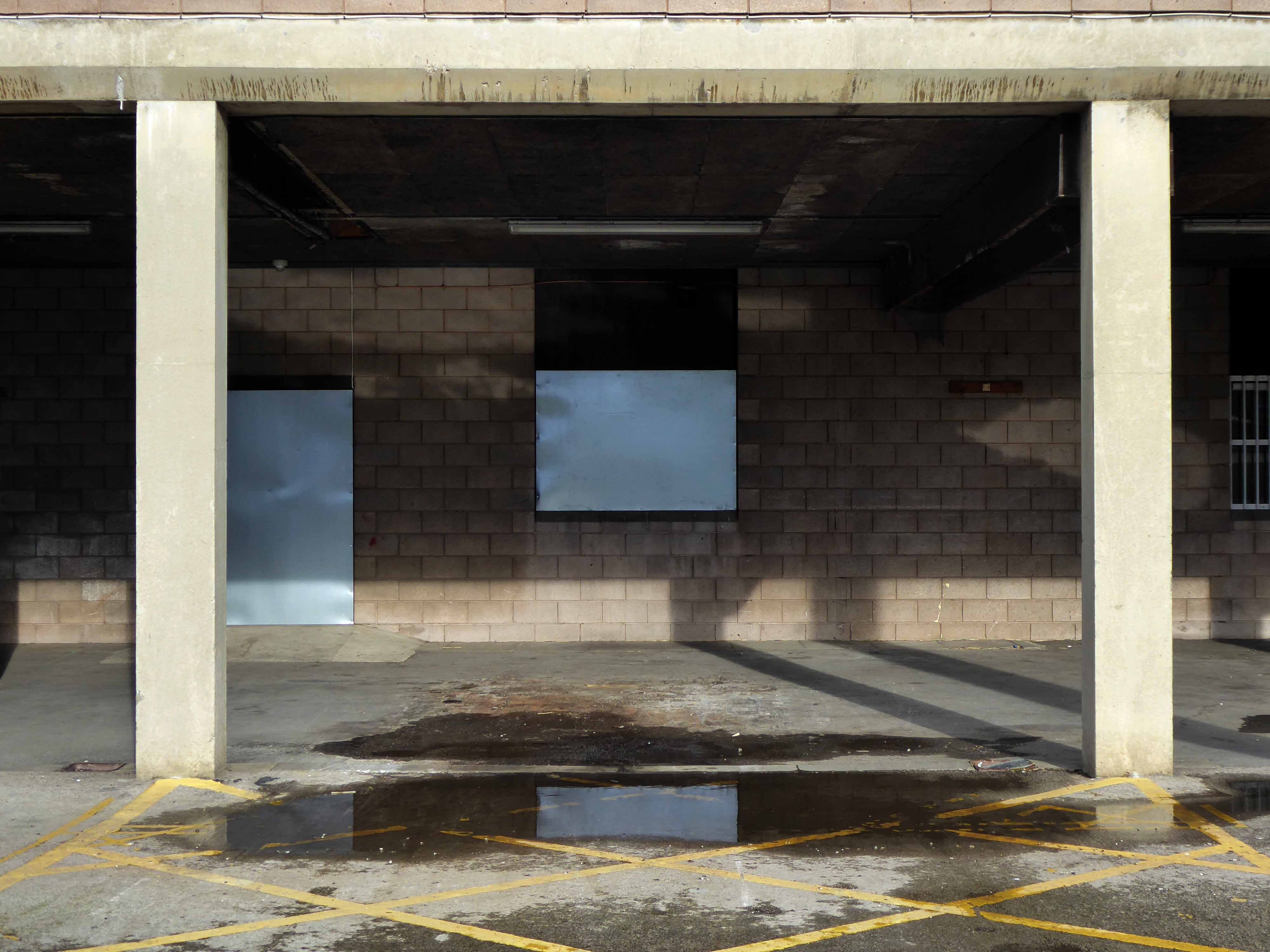
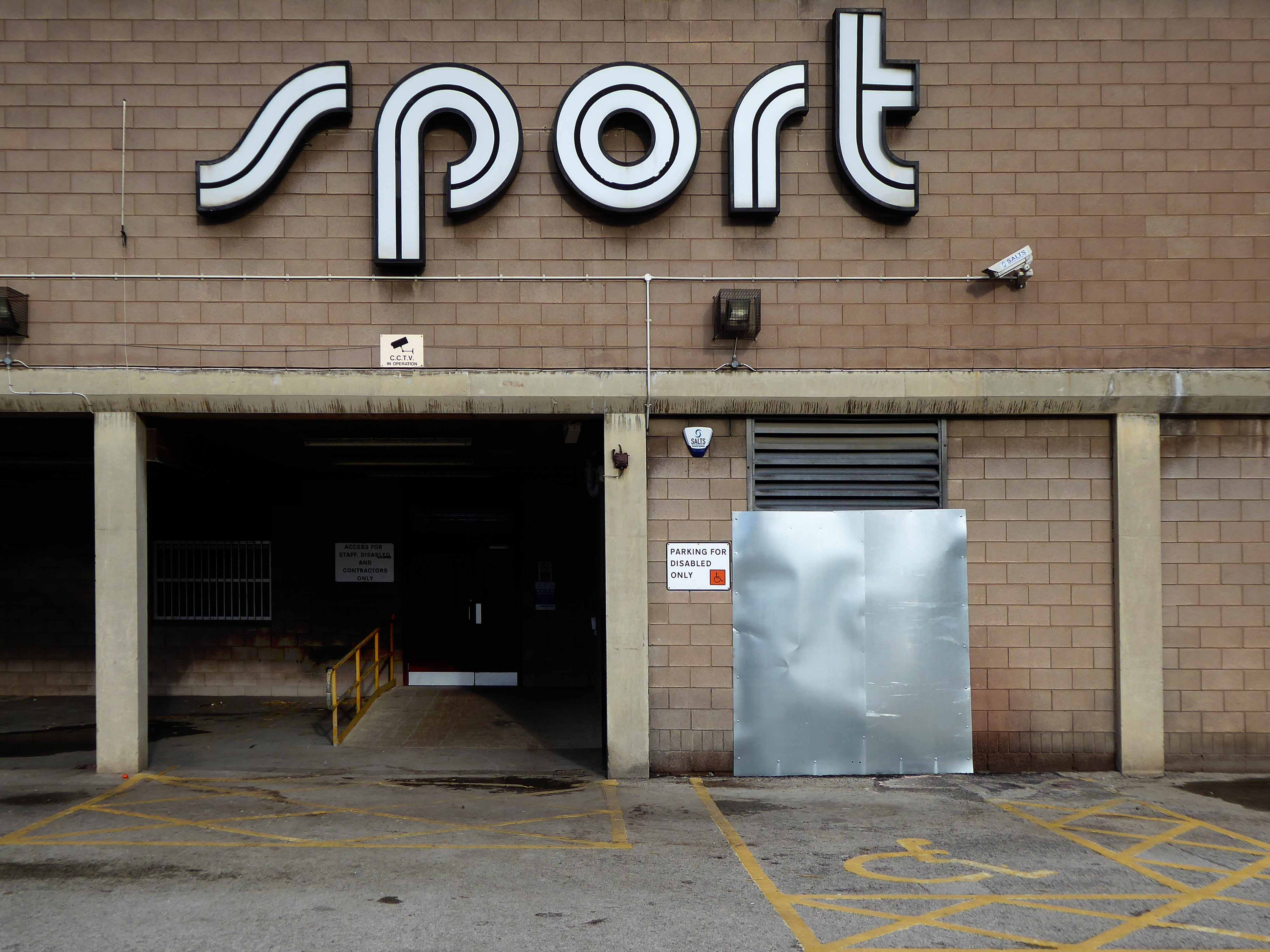
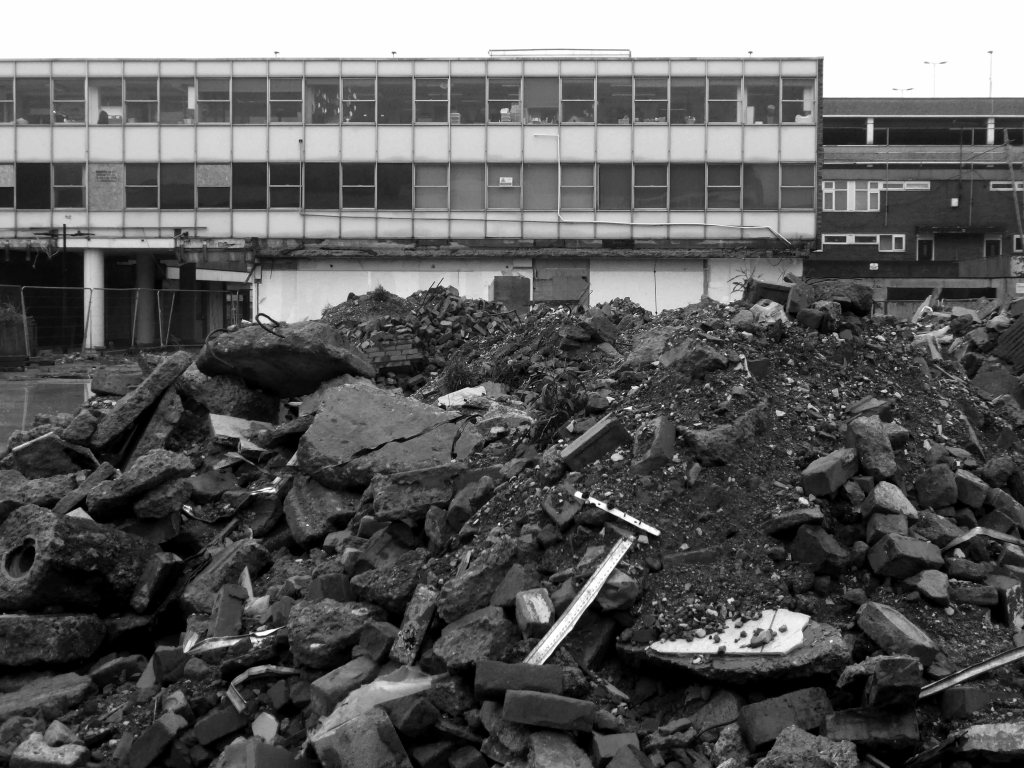
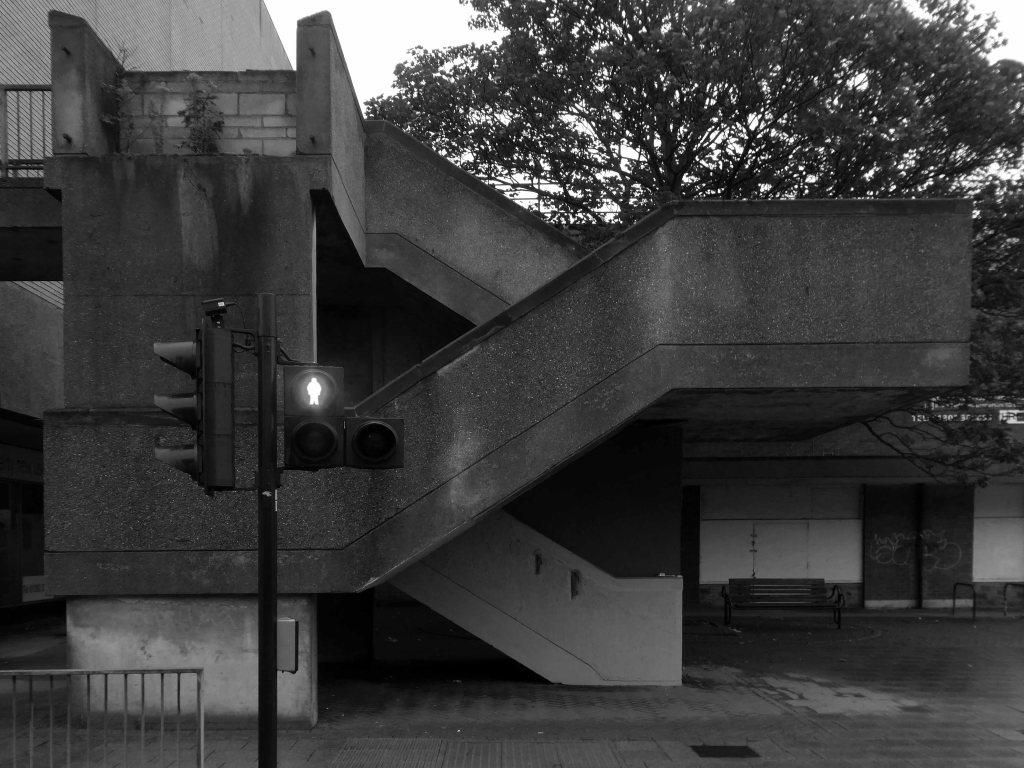
The Bonny Street Beast’s days are numbered – your local Brutalist pal is no more, wither Wilko’s?
Your piazza planters are waterlogged.
Your lower portals tinned up.
Your curious sculptural infrastructure sunken garden neglected and forlorn.
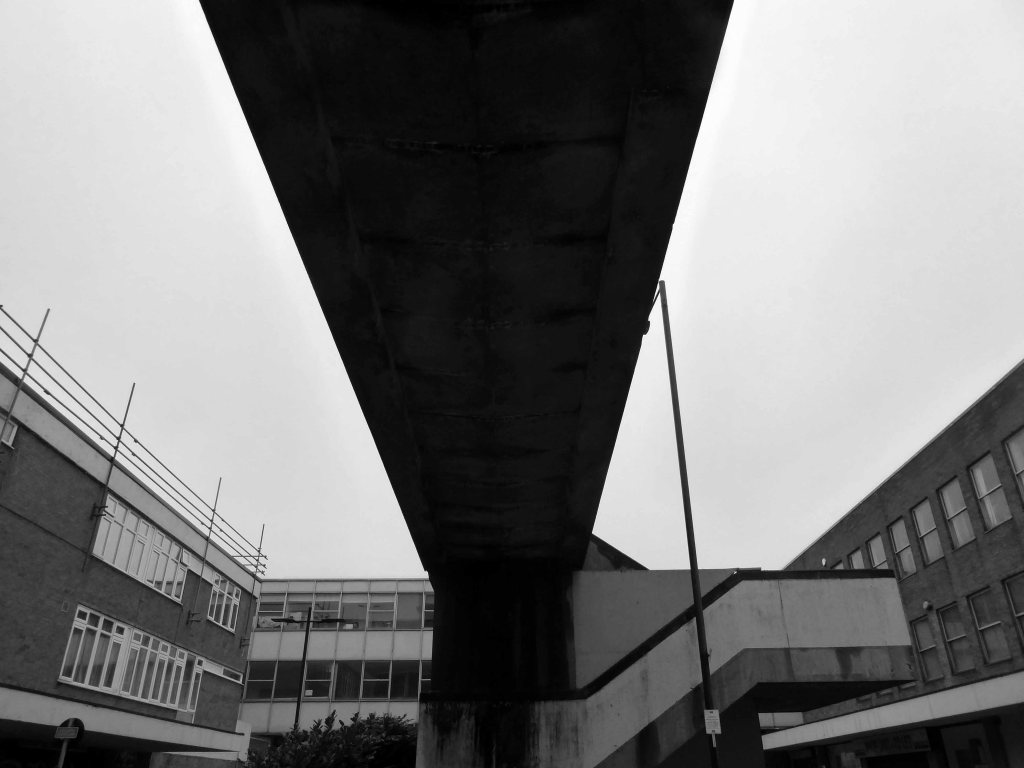
Your low lying out-rigger stares blankly yet ominously into space.
Likewise your tinted windows.
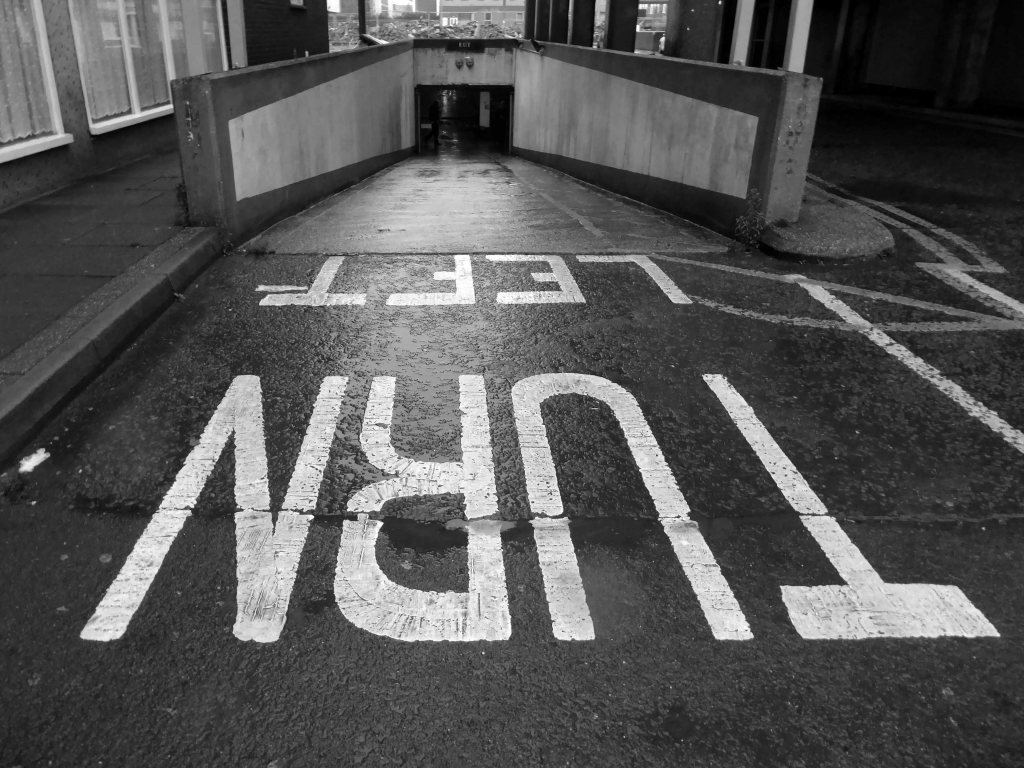
Your subterranean car park access aromatic and alienating.
So farewell old pal, who knows what fate awaits you, I only know you must be strong.
Not until we have taken a look into the future shall we be strong and bold enough to investigate our past honestly and impartially.
How often the pillars of our wisdom have crumbled into dust!
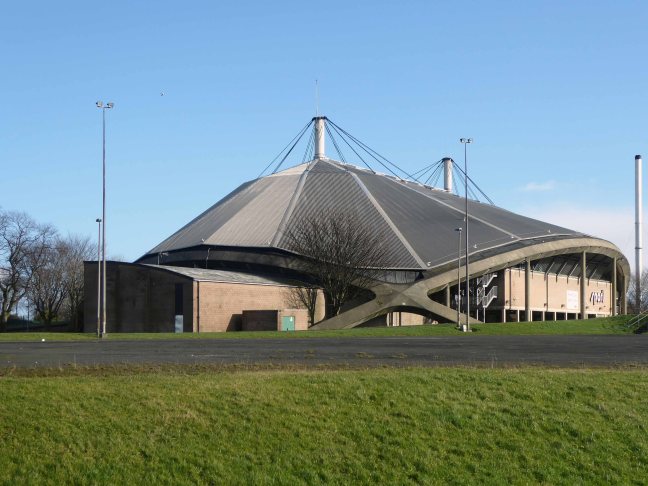
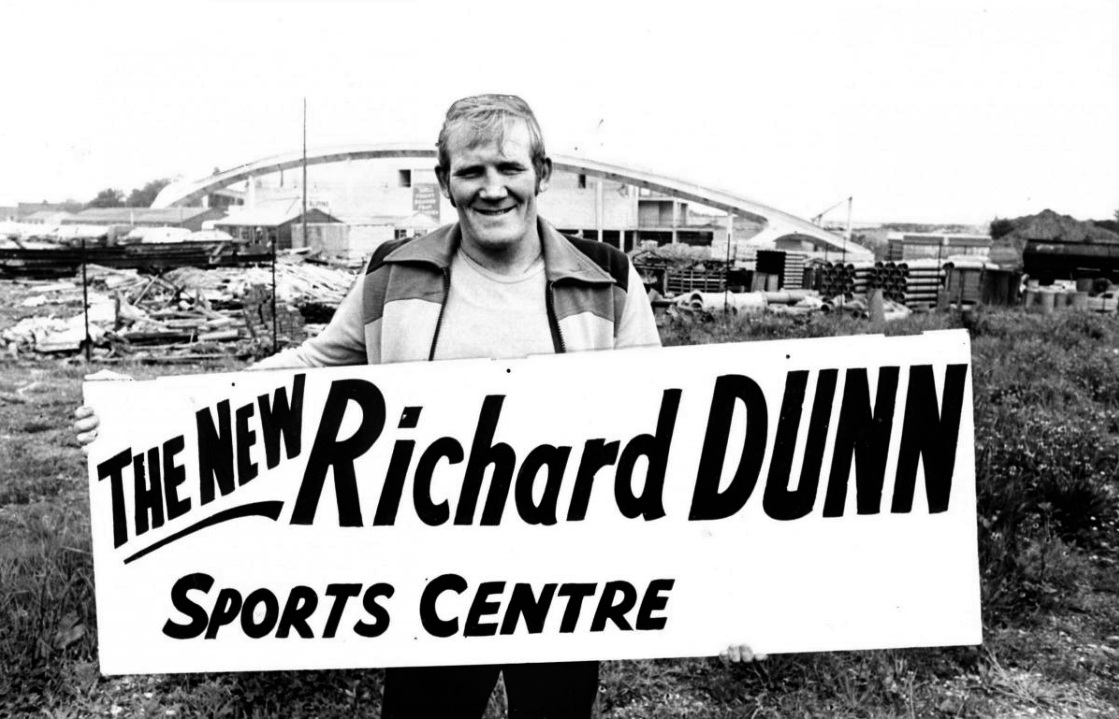
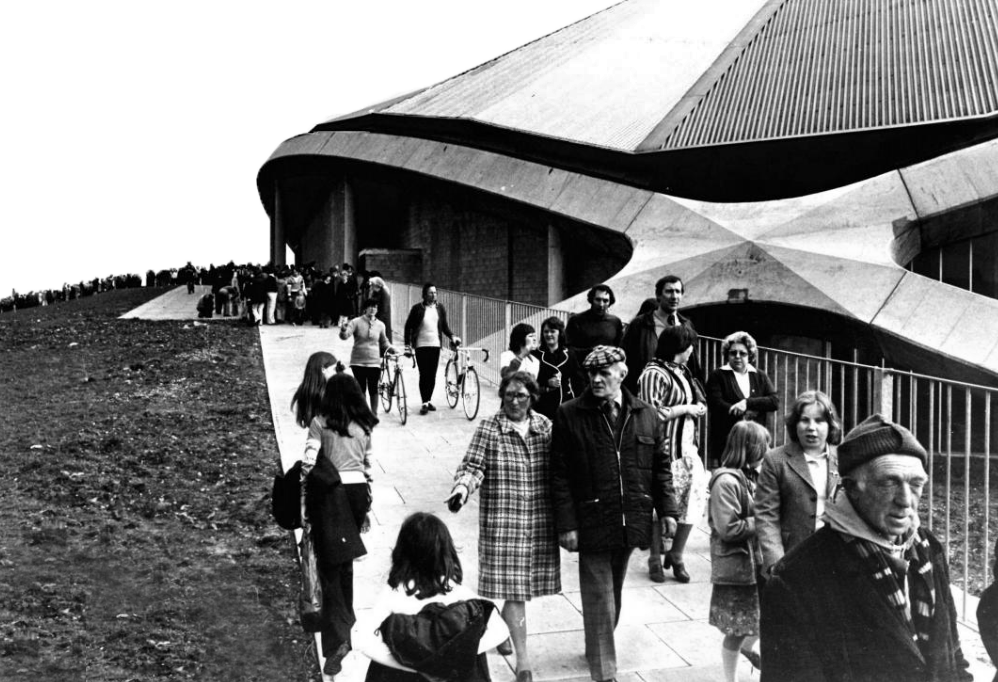
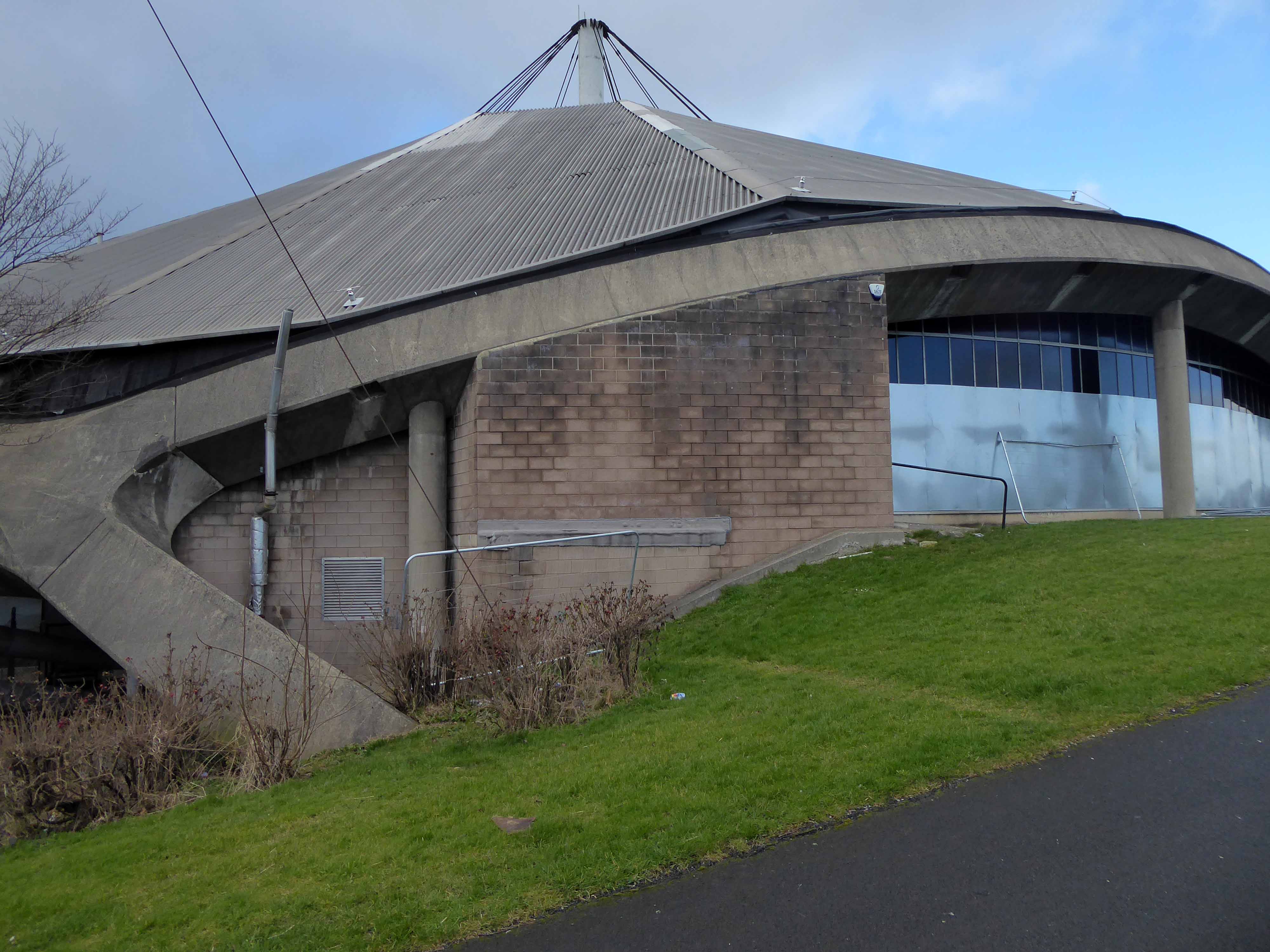
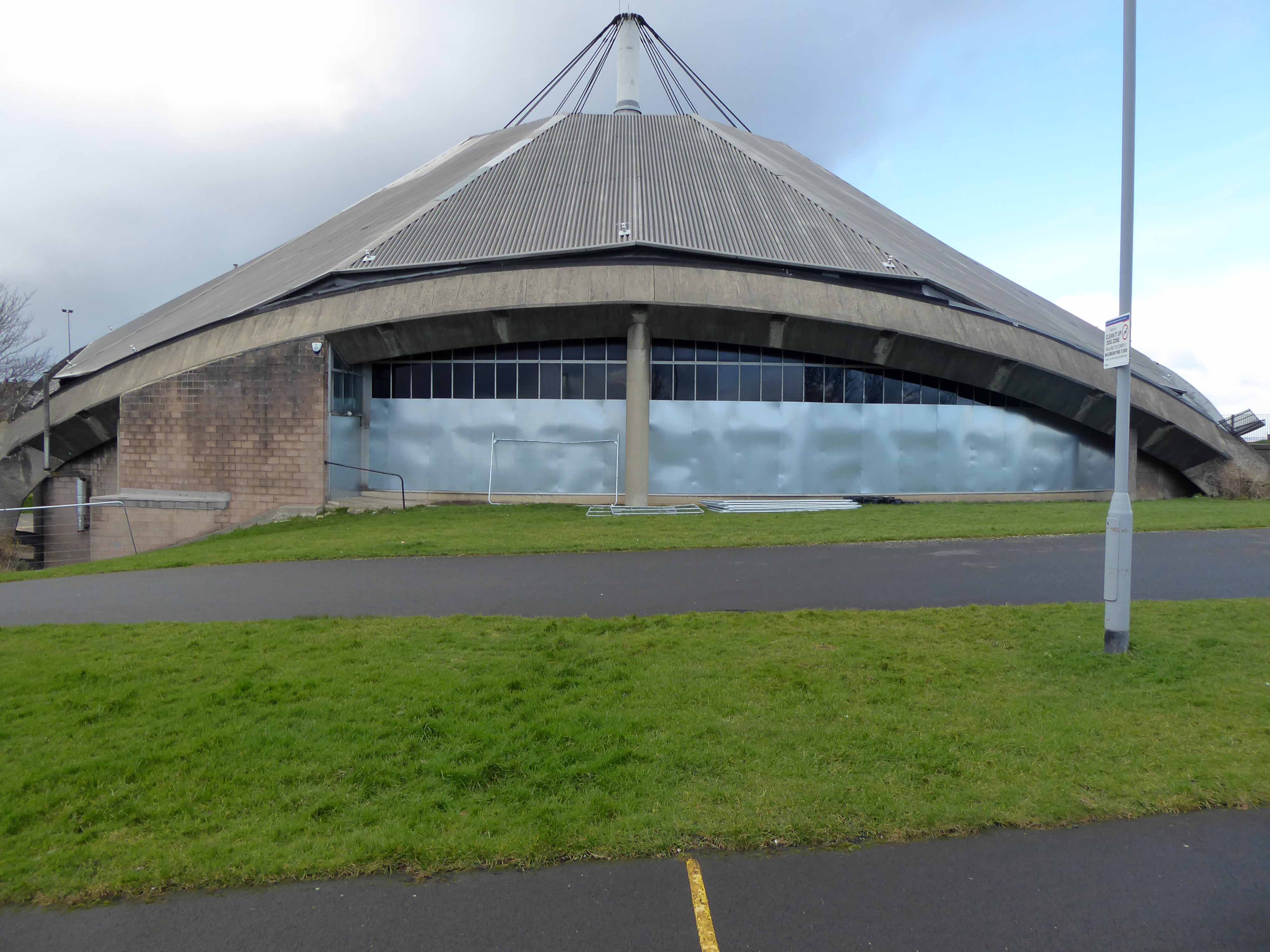
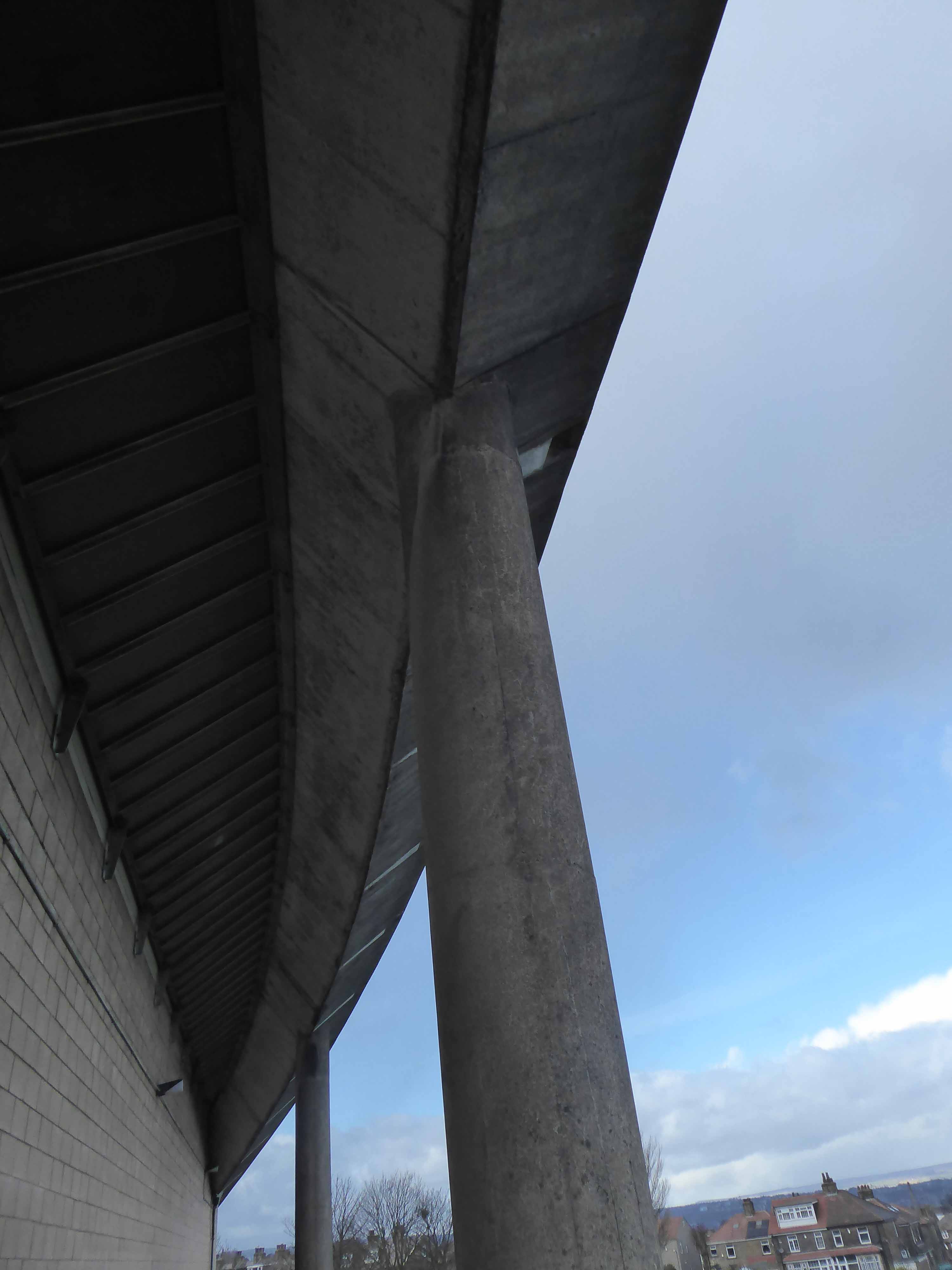
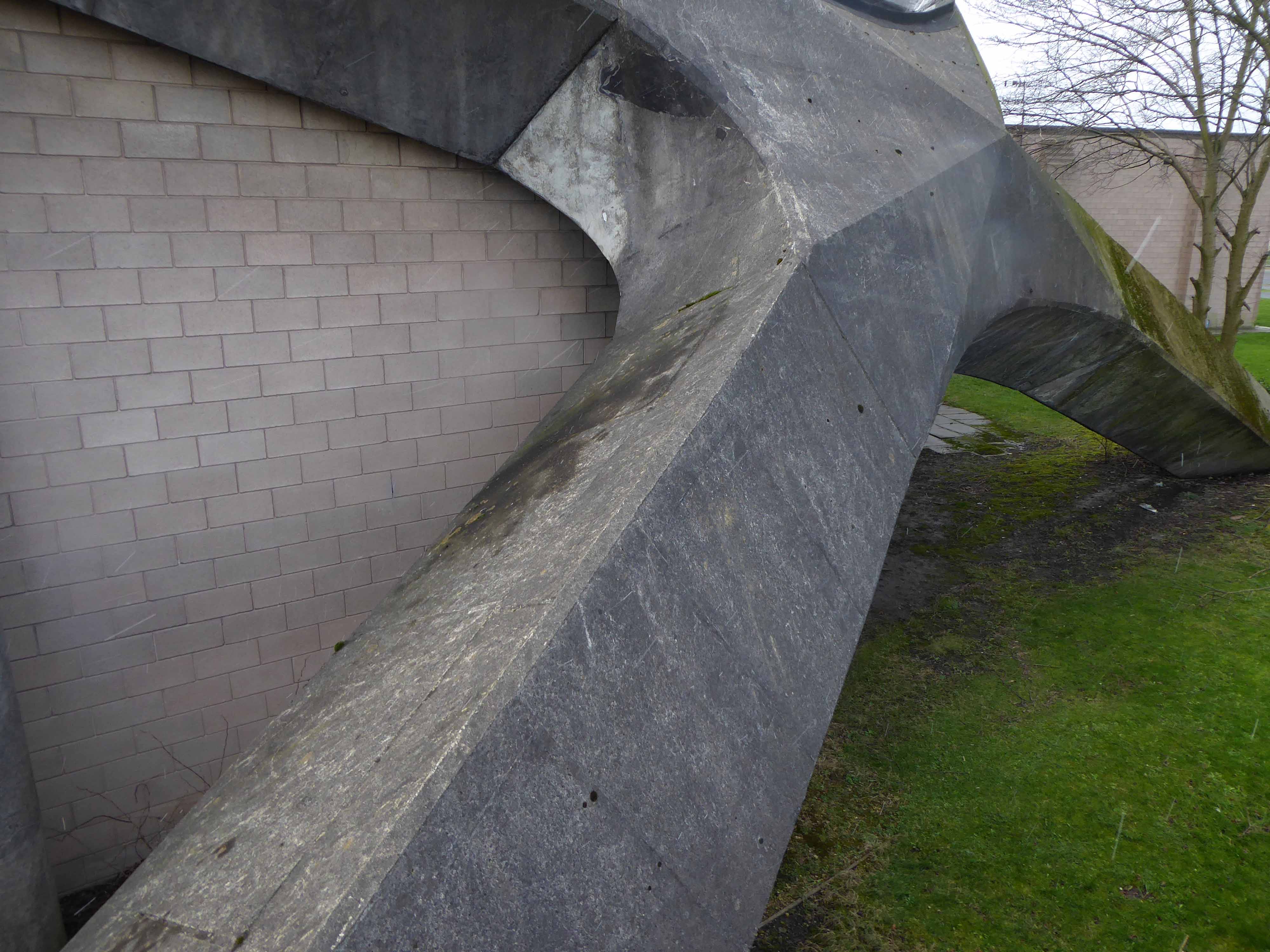
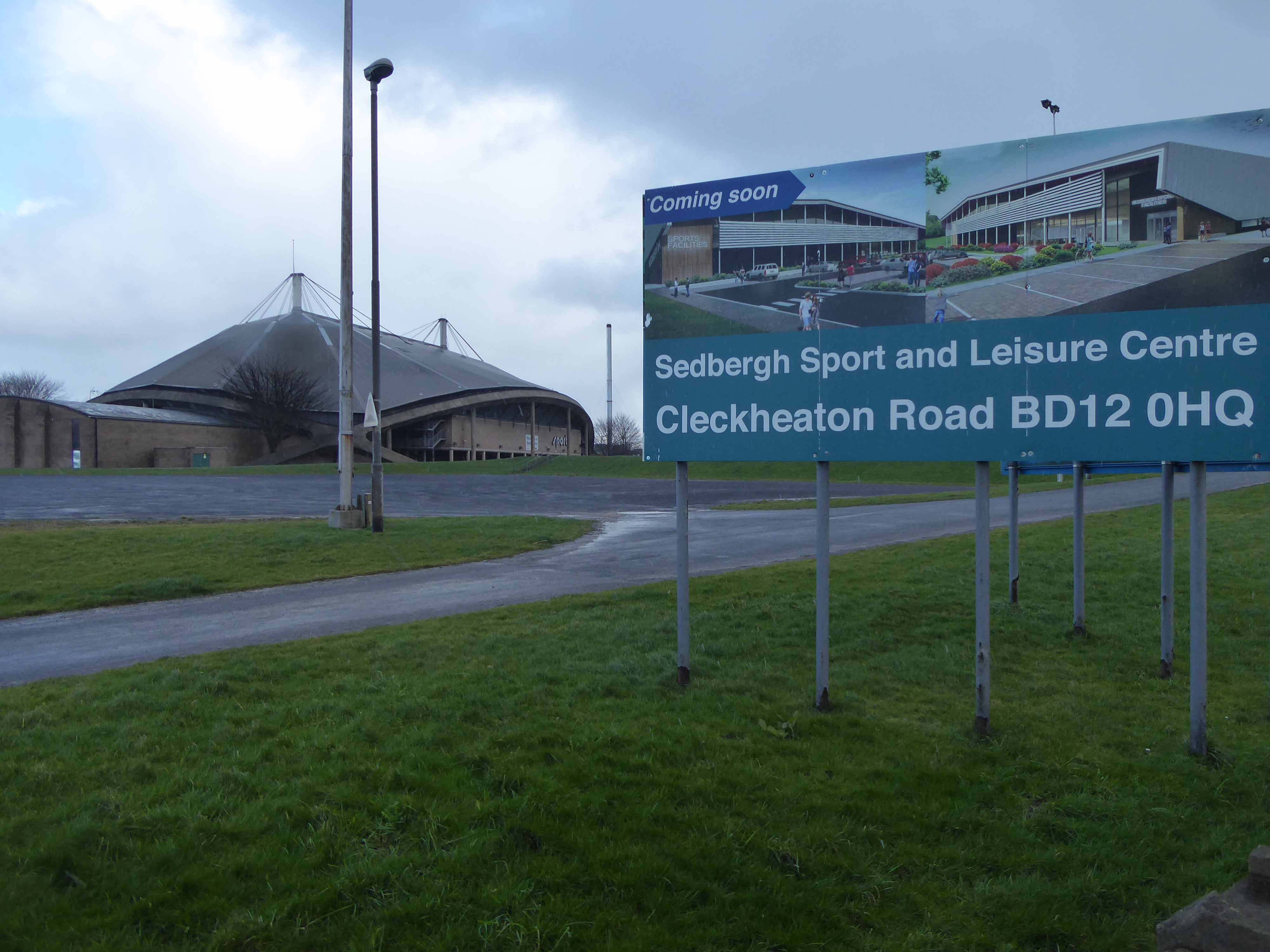
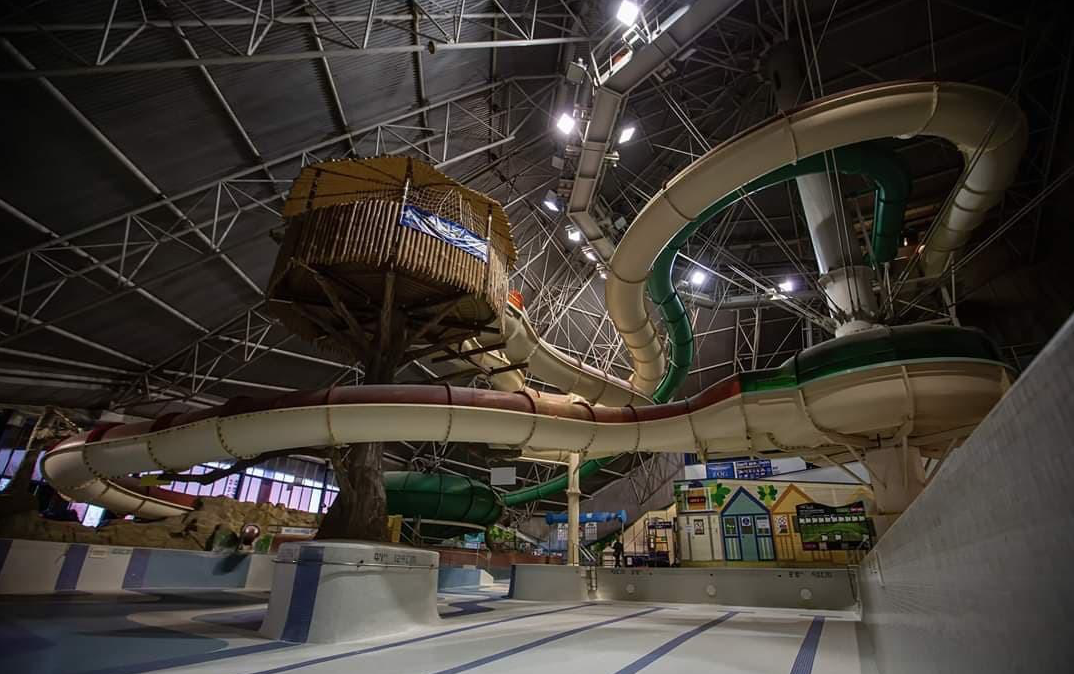
Named for local lad pugilist Richard Dunn, the ambitious imagining of architect Gordon Elliott – the sports centre opened in 1978.
The Richard Dunn Sports Centre, originally Odsal Sports Centre, was designed by myself Trevor Skempton, as part of a team in the office of Owen Perry, Bradford City Architect until 1974.
Gordon Elliot then took over; as Chief Architect for the Met District, after the construction contract had been let.
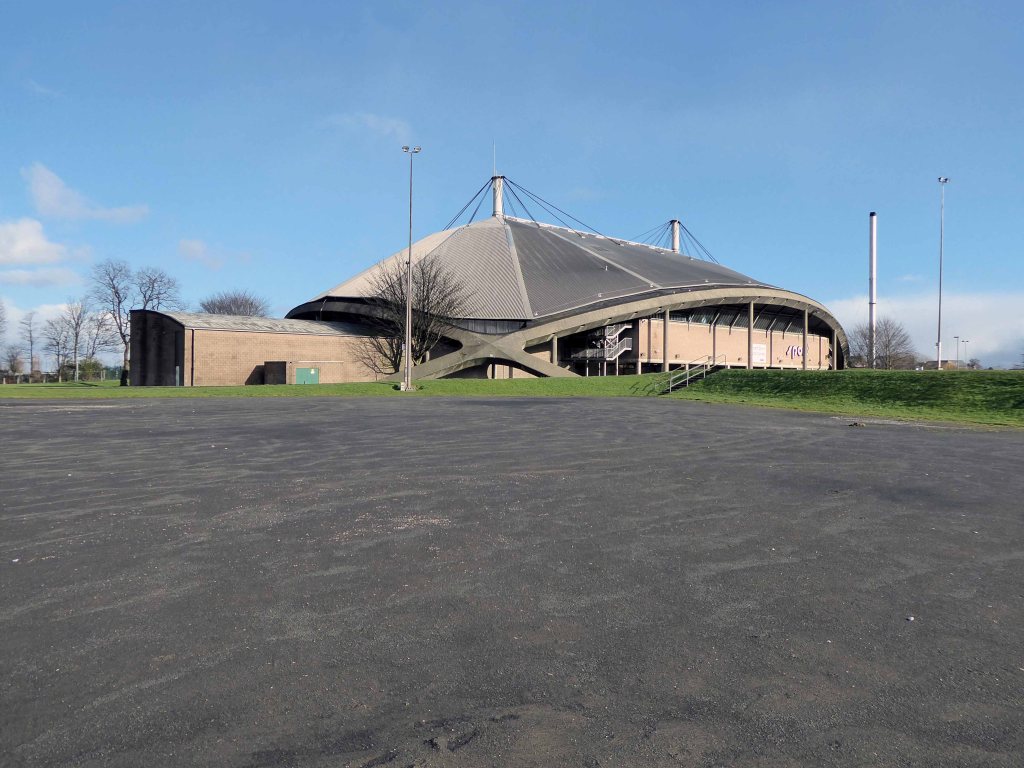
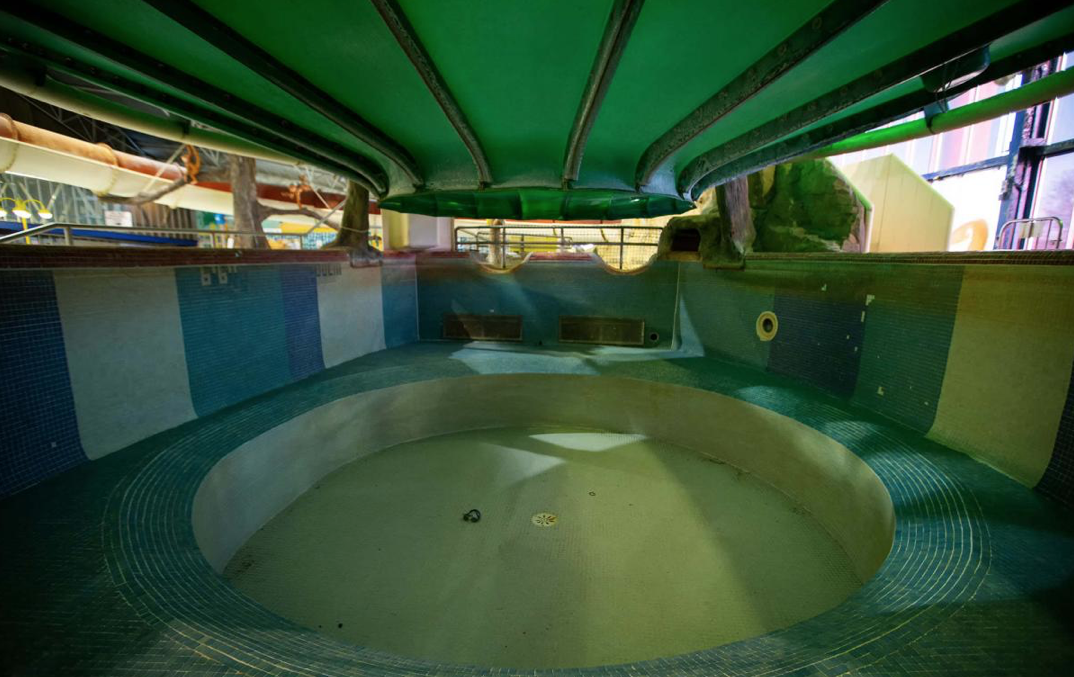
Comprising pools, sports hall, dance studio, sauna, gym and ancillary facilities the centre was certainly state of the art.
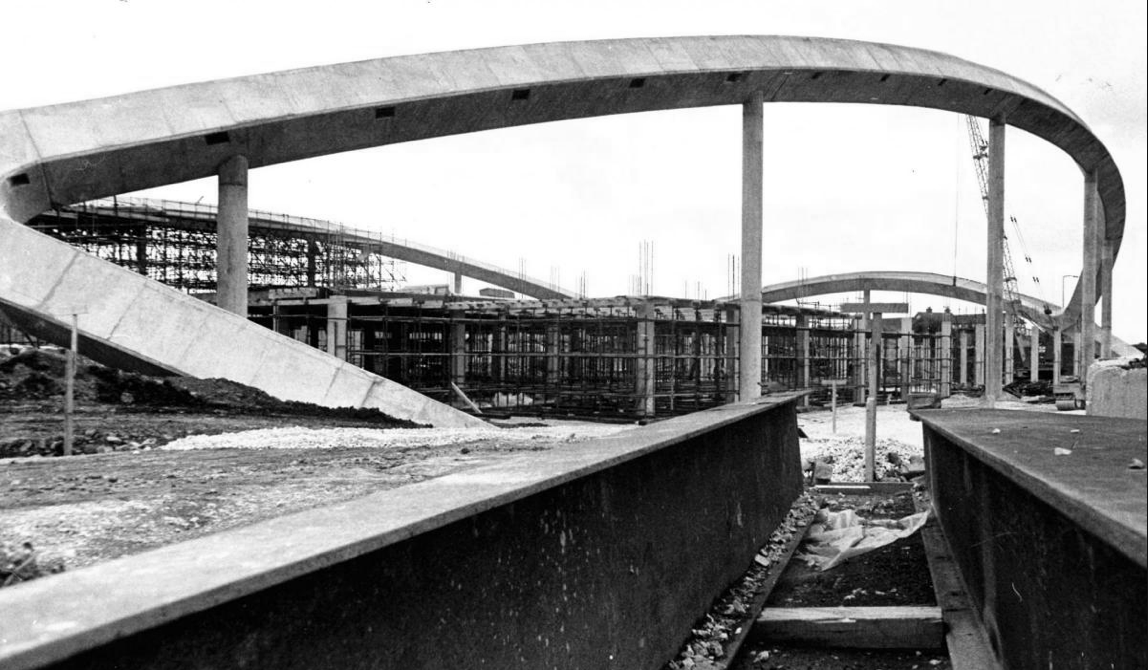
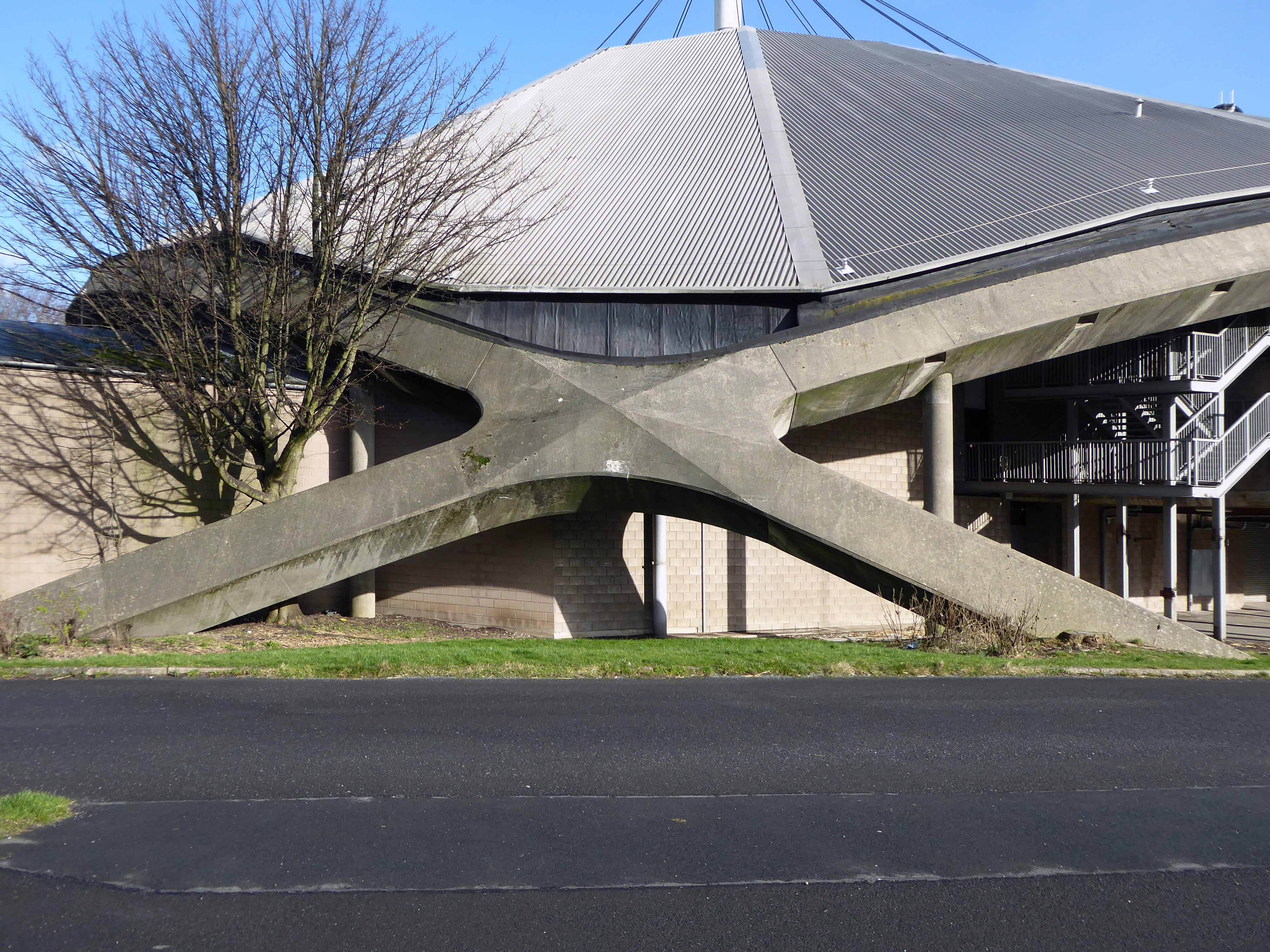
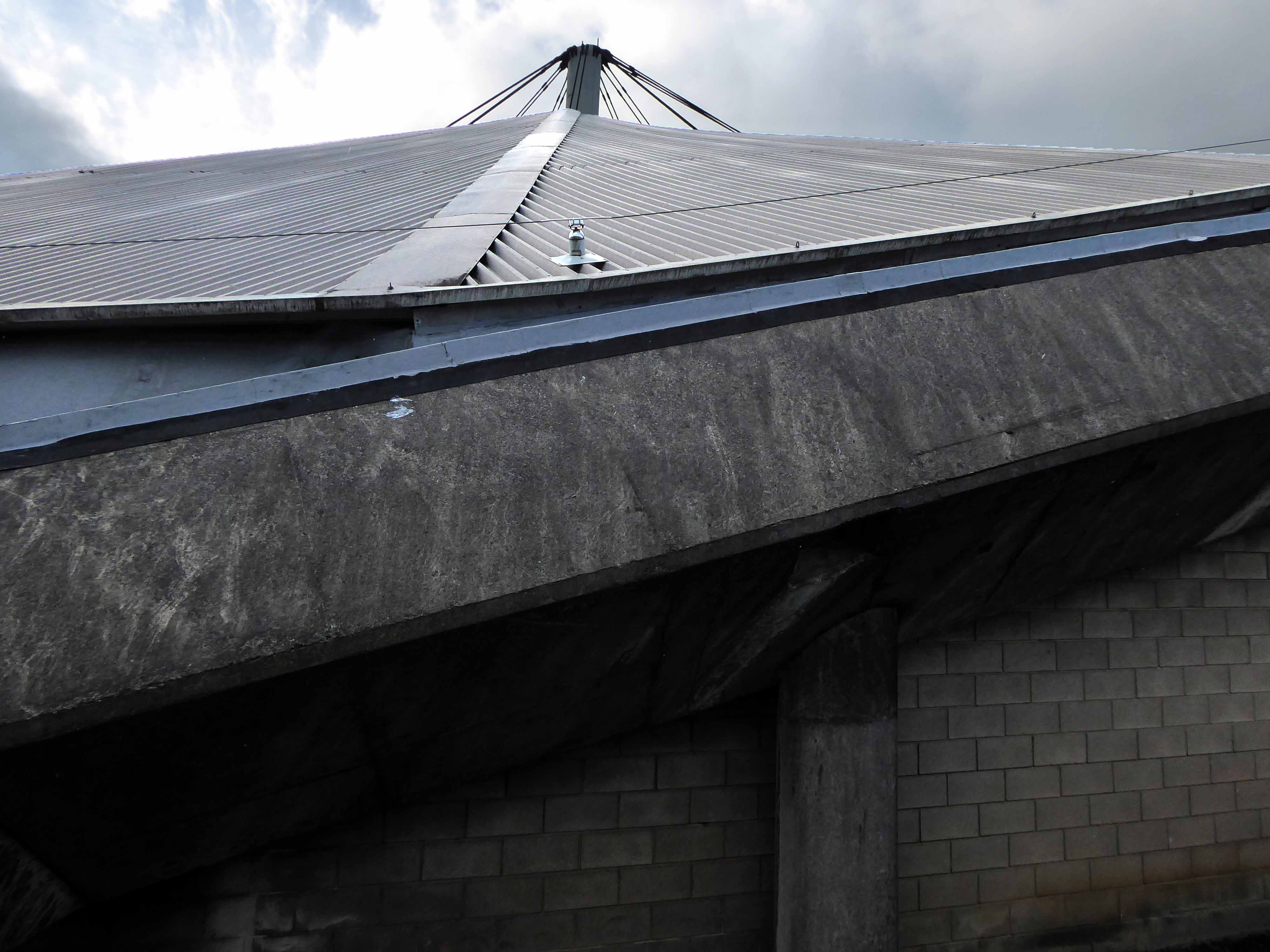
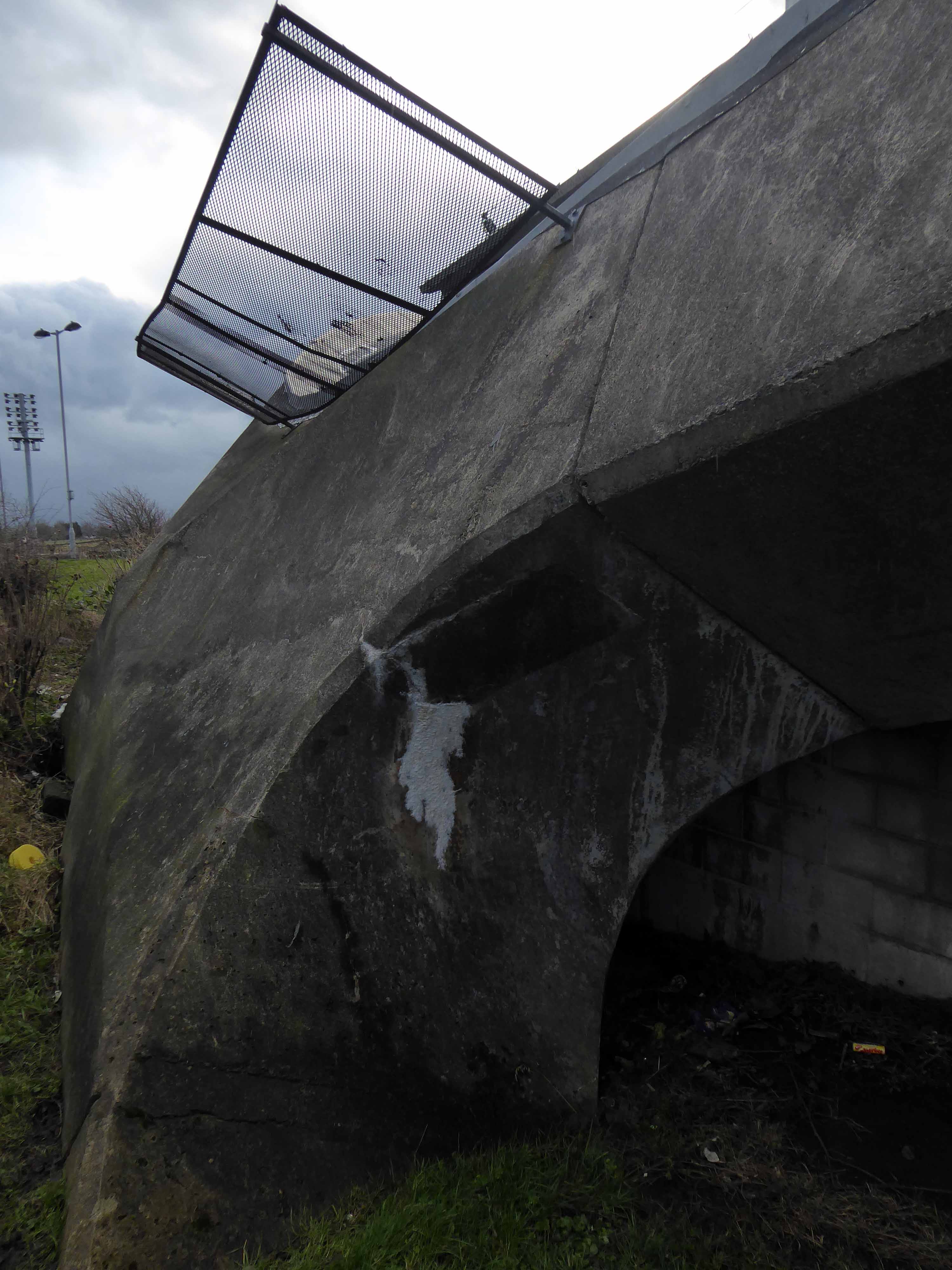
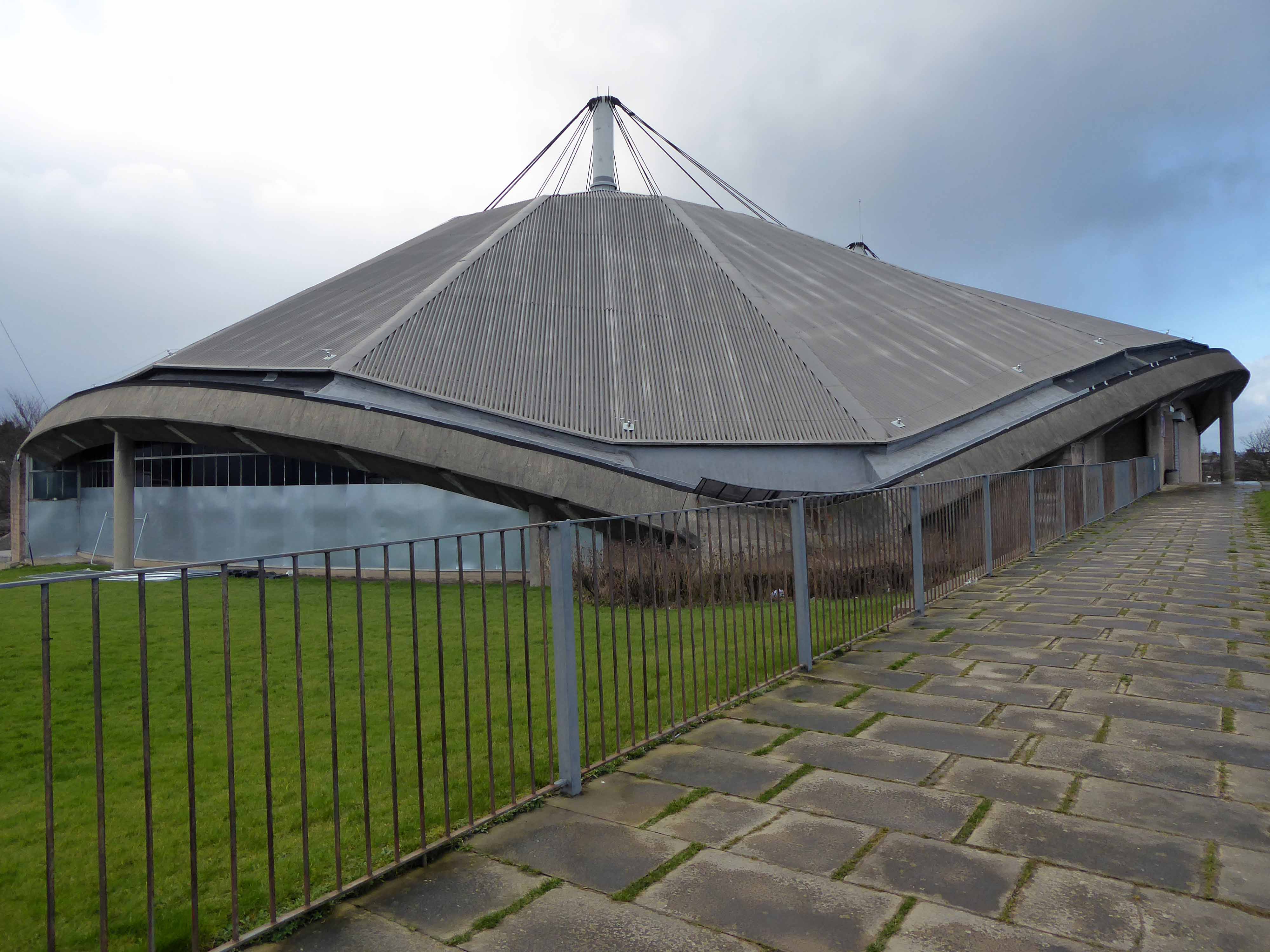
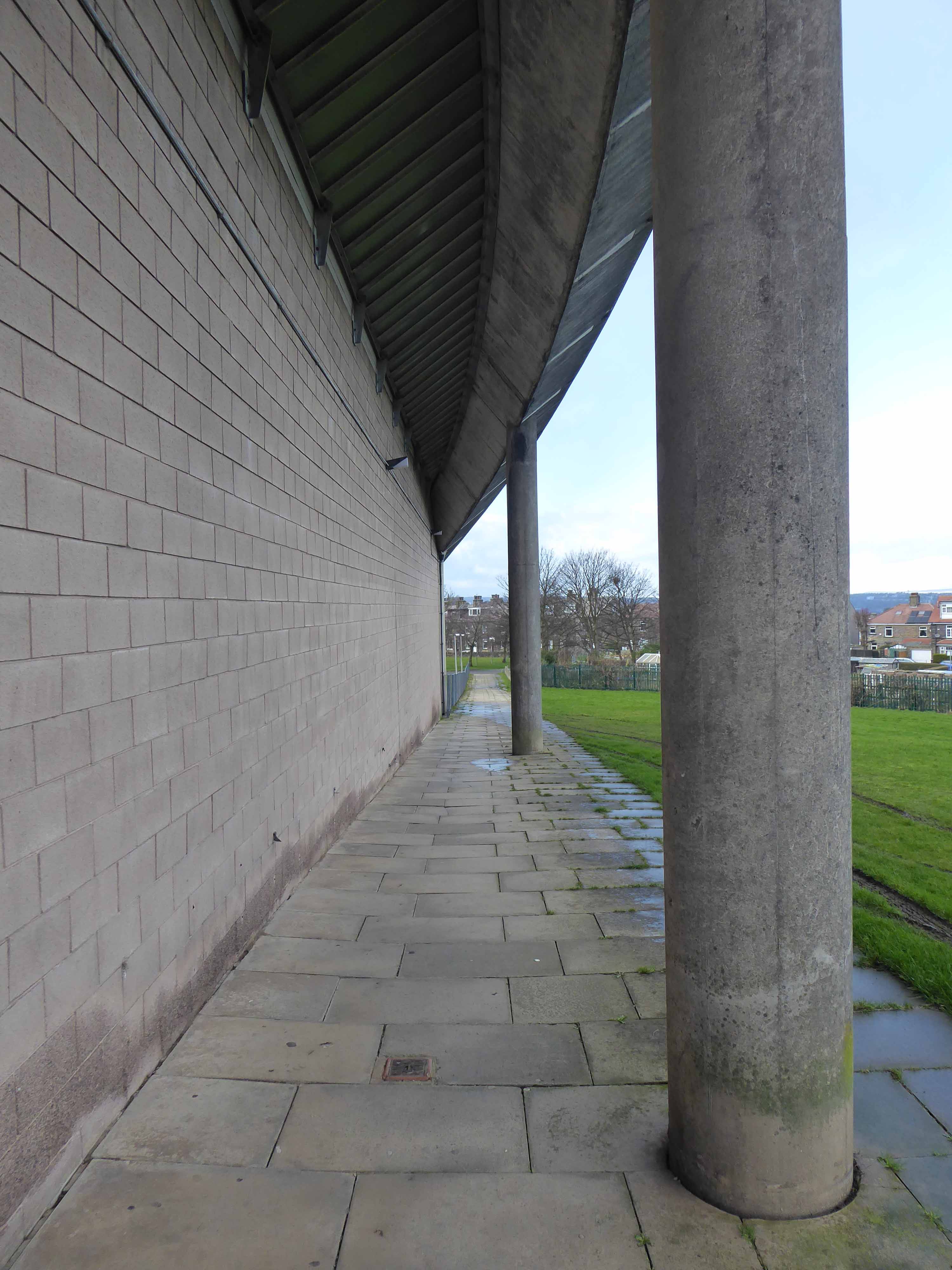
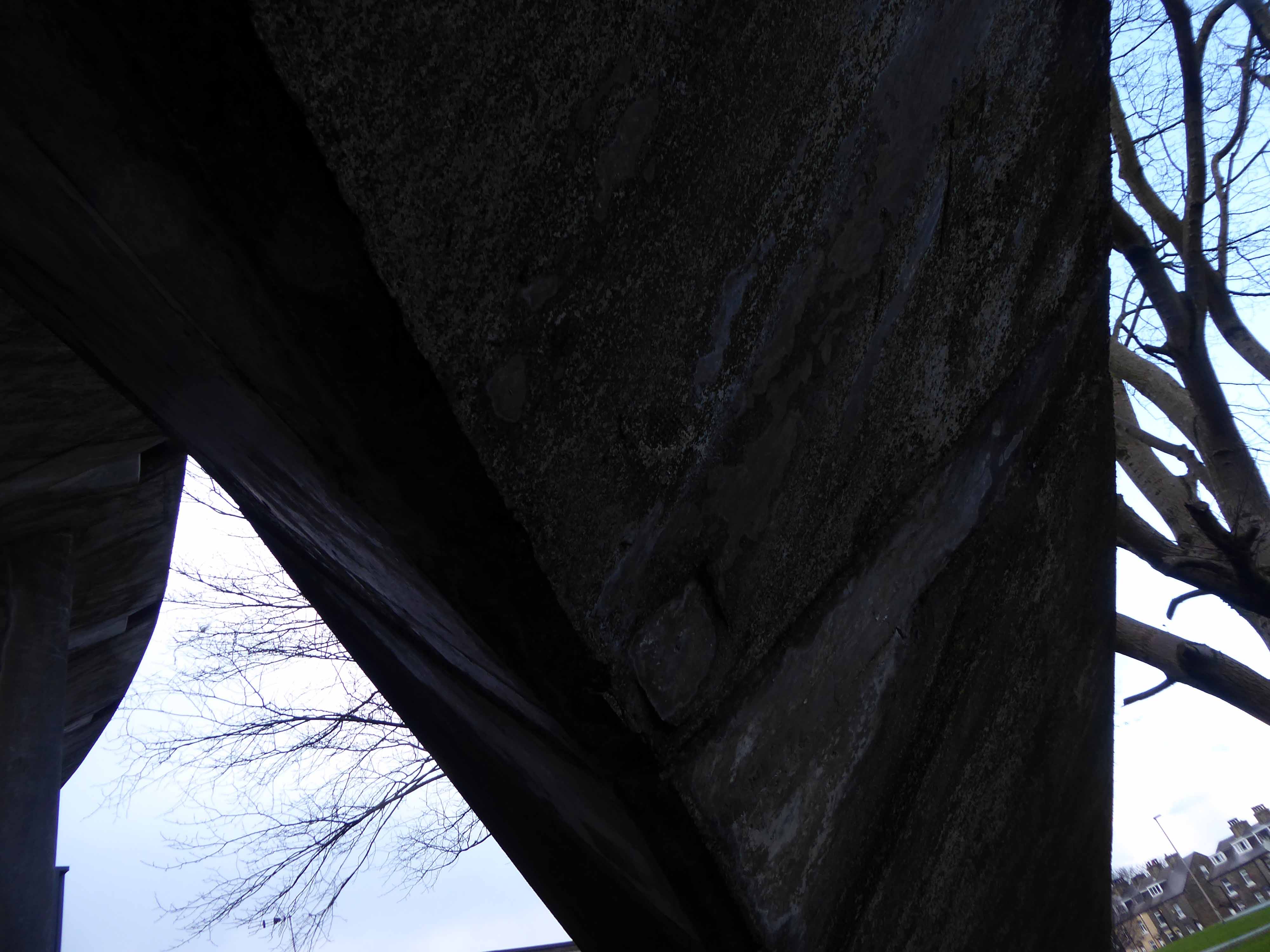
Sweeping interlocking arcs of concrete, were at the heart of the structure.
Topped out with a suspended canopy.
Attracting huge crowds on the occasion of its opening.
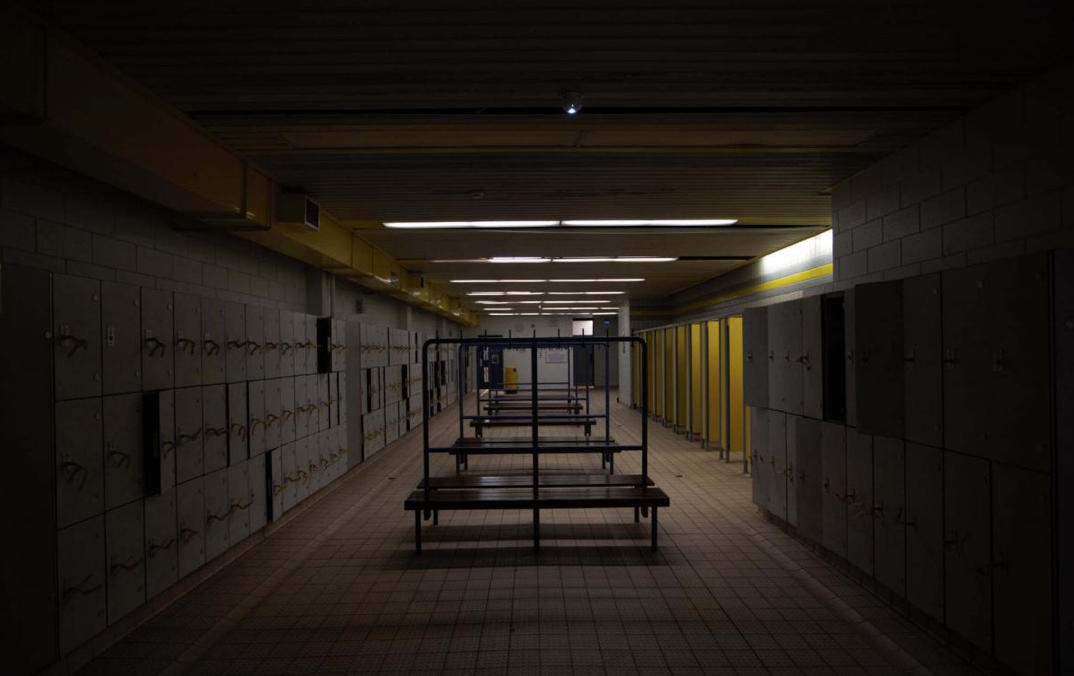
It’s remarkable – here are my photographs from February 2020.
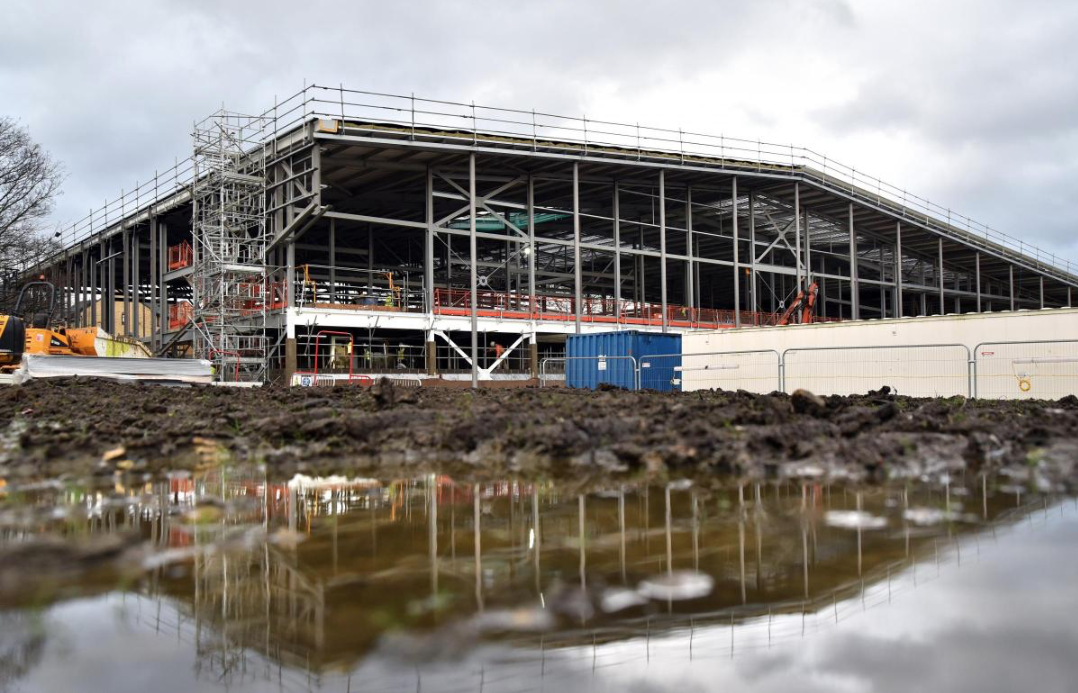
I advise you to get along and take a look, just as soon as humanly possible.
Recently John Mann was granted permission to snap the deserted interior.
The ghostly gasps of the exercising public exorcised forever.
Eileen Ayres, who has worked at Richard Dunns from before it even opened to the public said:
When I came here this place was super, super modern – state of the art. Now we’re moving to Sedbergh it is great to be in a state of the art facility again. The younger staff are so excited about the move to a new, modern sports centre.
I have a lot of memories of here, a lot of staff I’ve met and become friends with over the years. We’ve had a lot of events here, international events that have taken place here over the years. When Richard Dunn was new a lot of people wanted to hold these events here. Now we have a new leisure centre I hope some of these events come back to Bradford.
I started at 23, I said I was just coming for a year. Here we are 41 years later.
When asked if she thinks it is right to be closing down Richard Dunn she said:
In my heart no, but realistically it has to go. It is run down – it would be way too expensive to run or refurbish. You can’t keep putting money into old things.
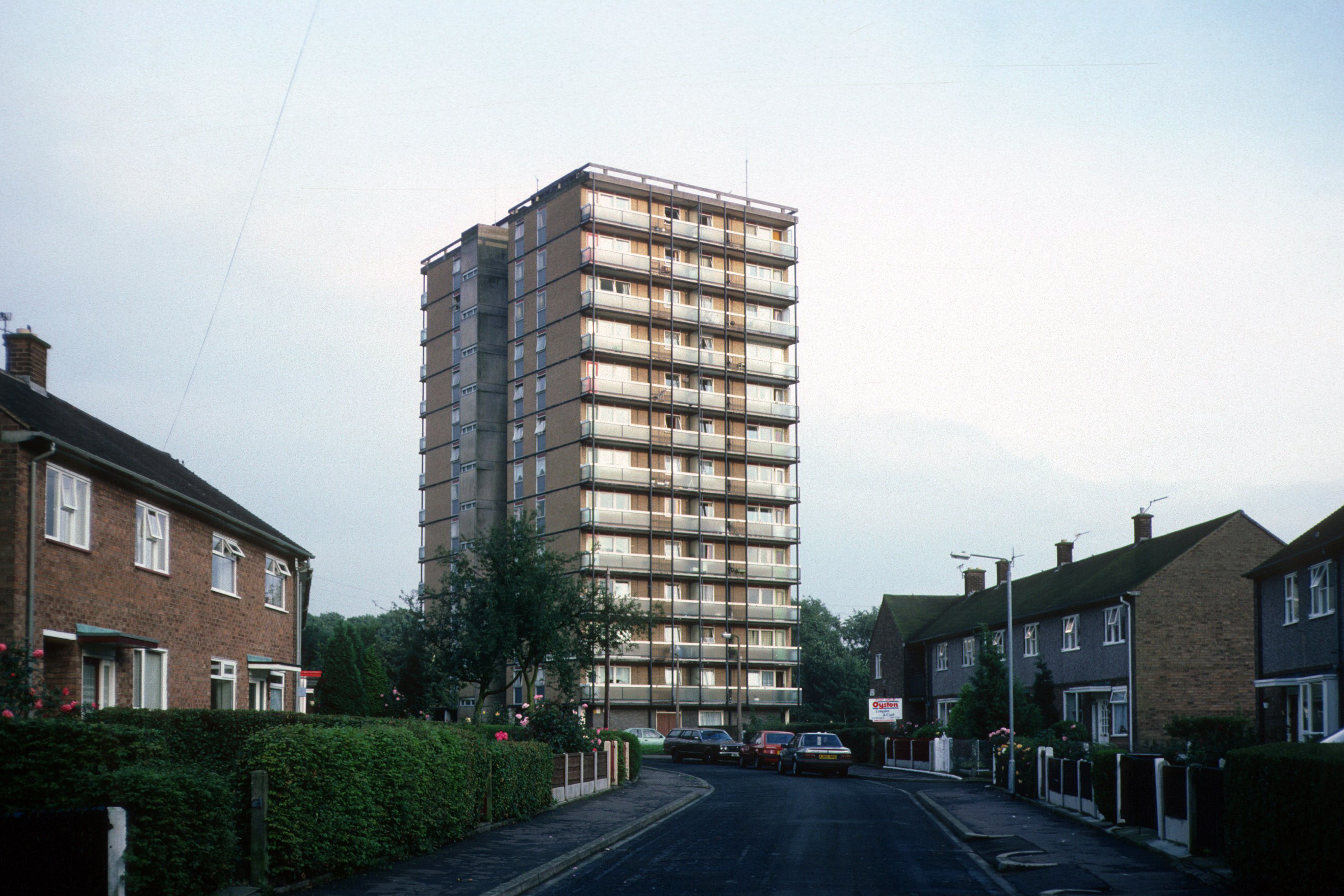
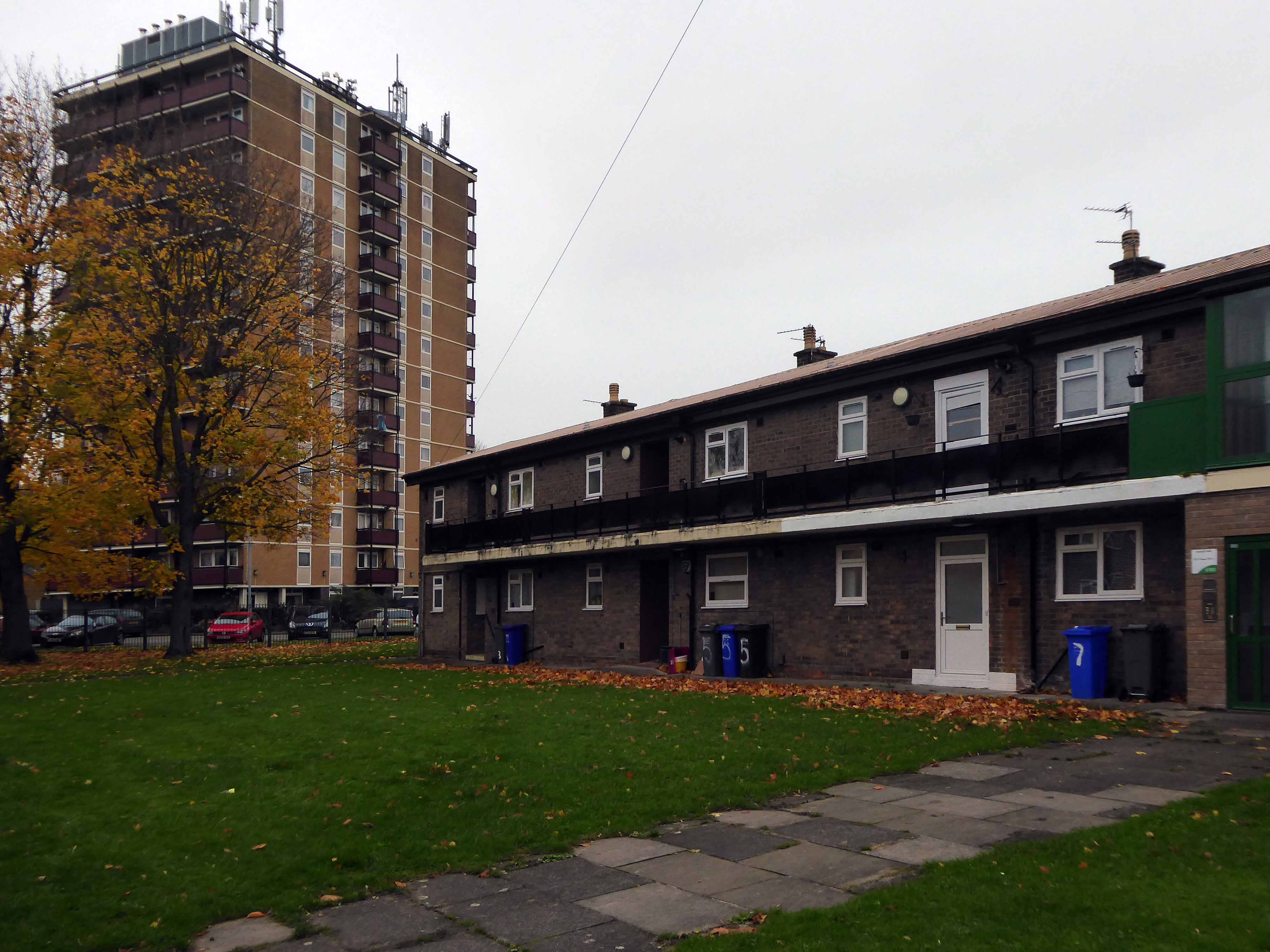
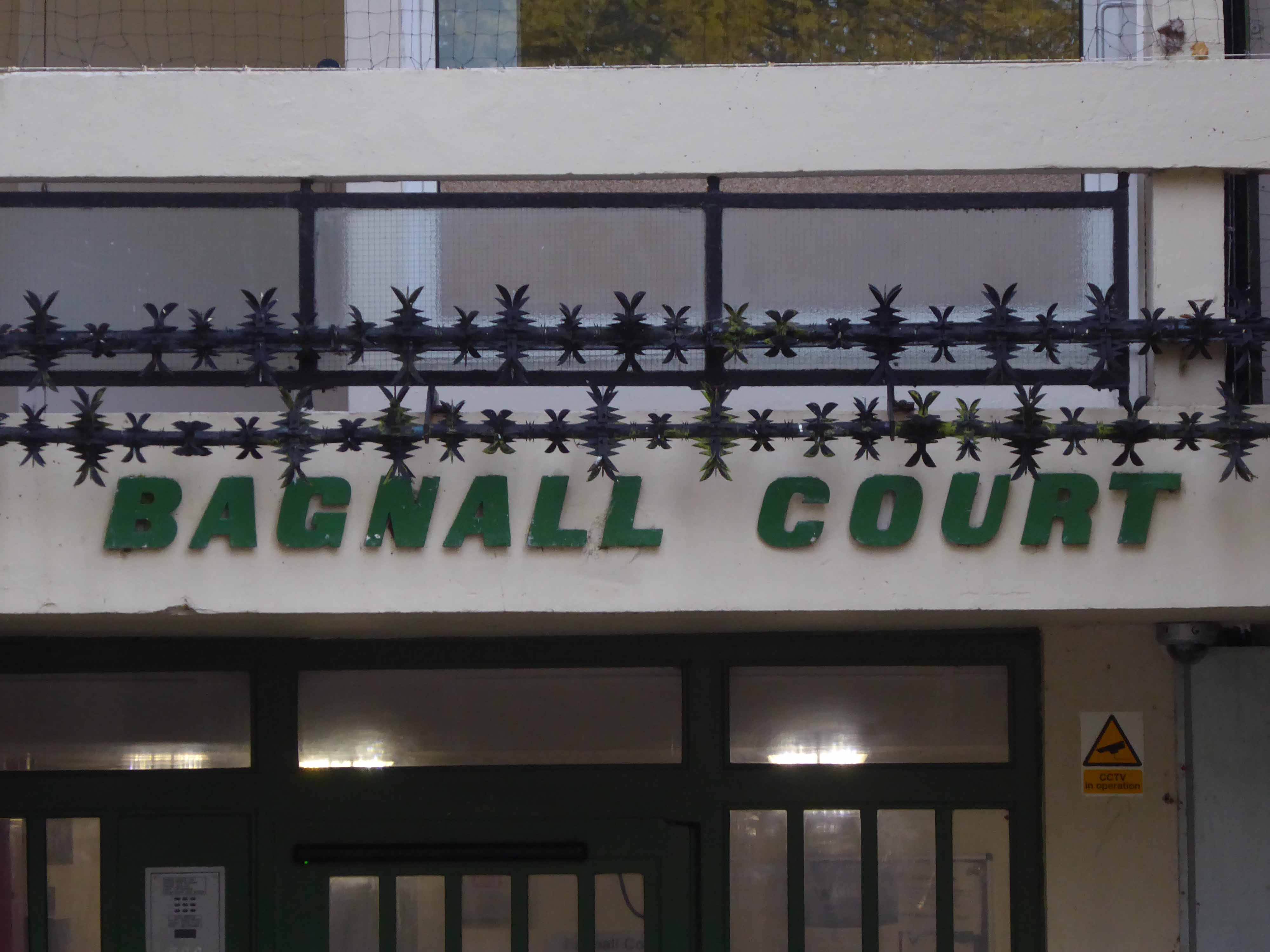
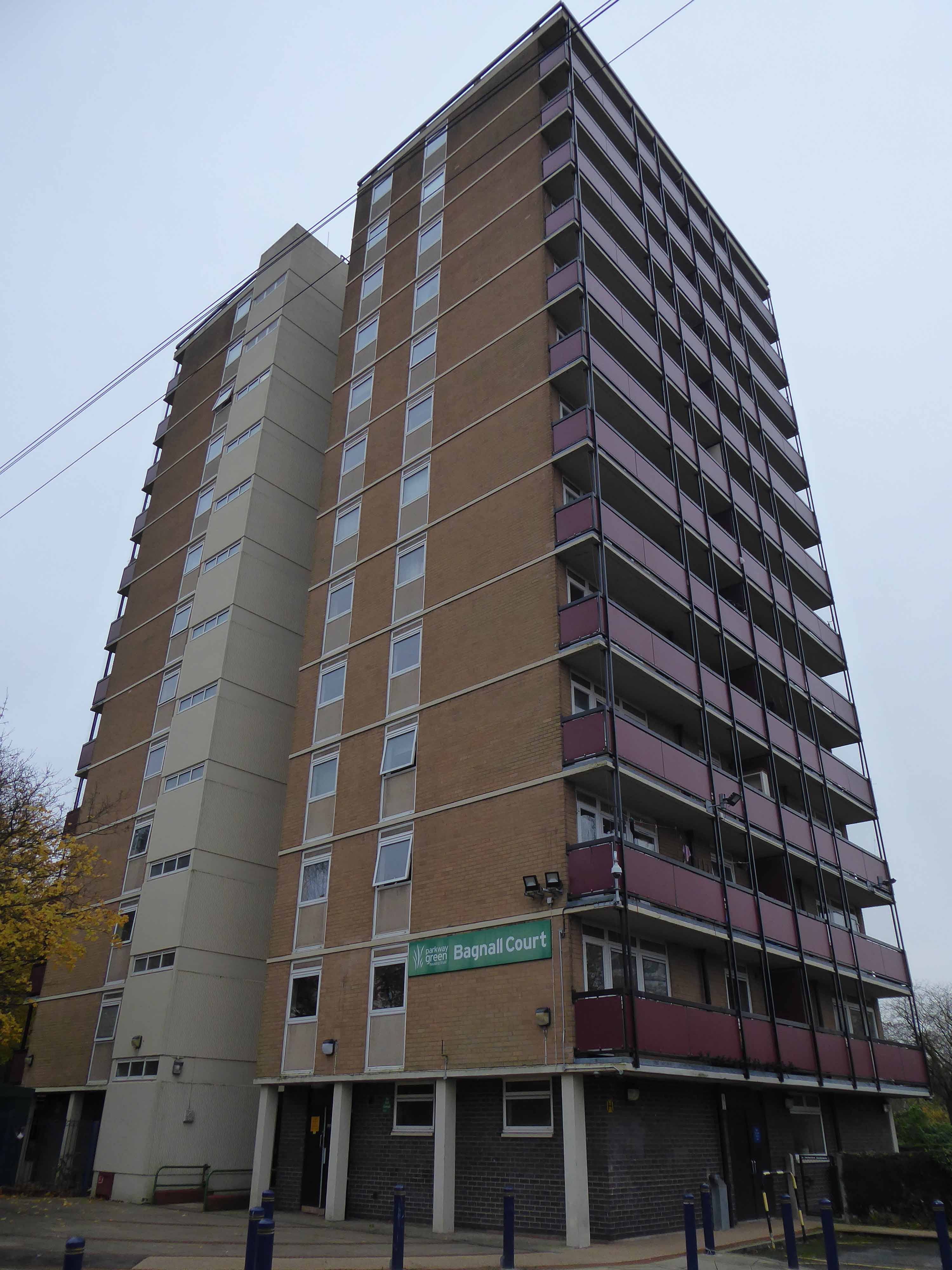
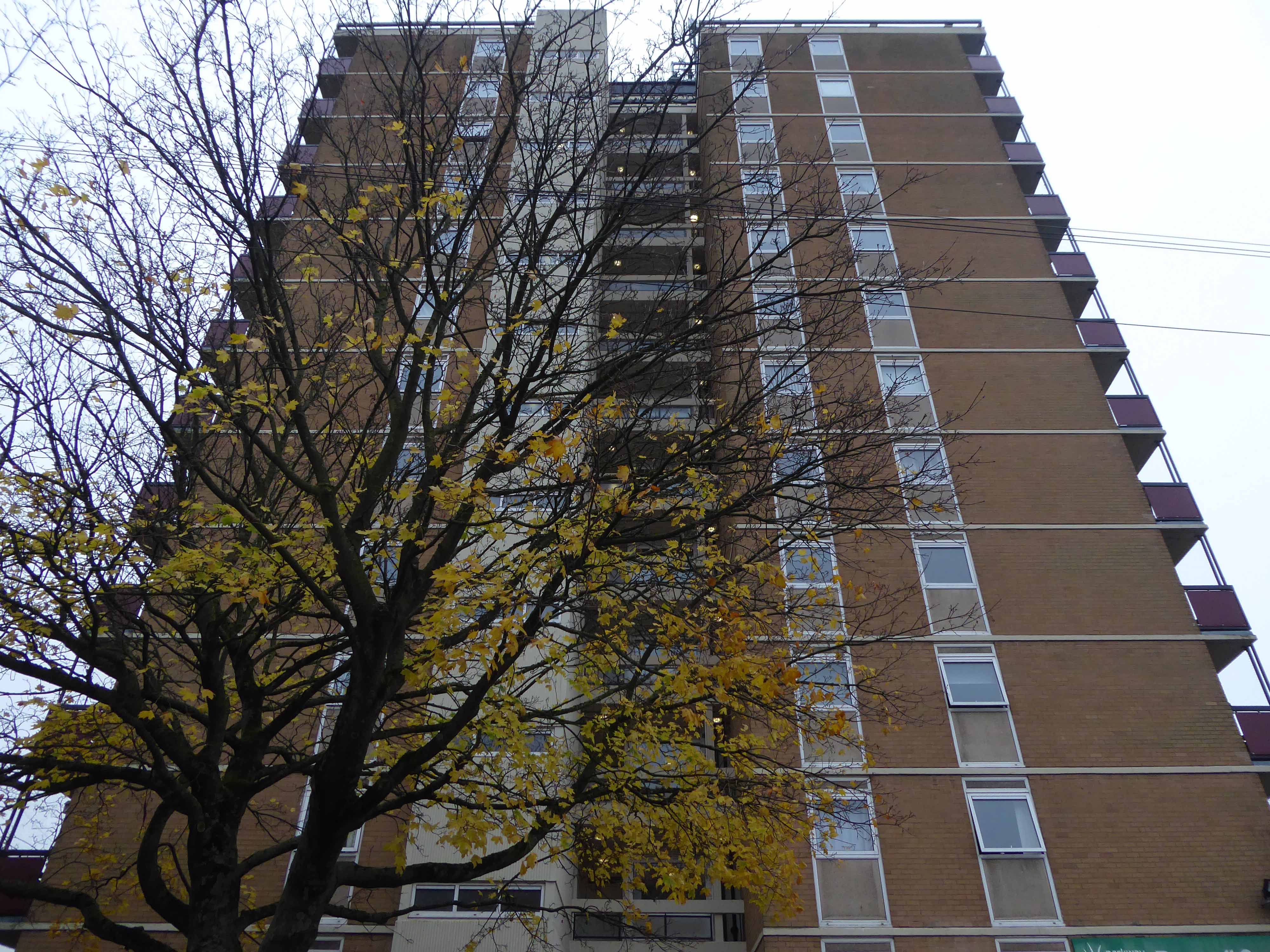
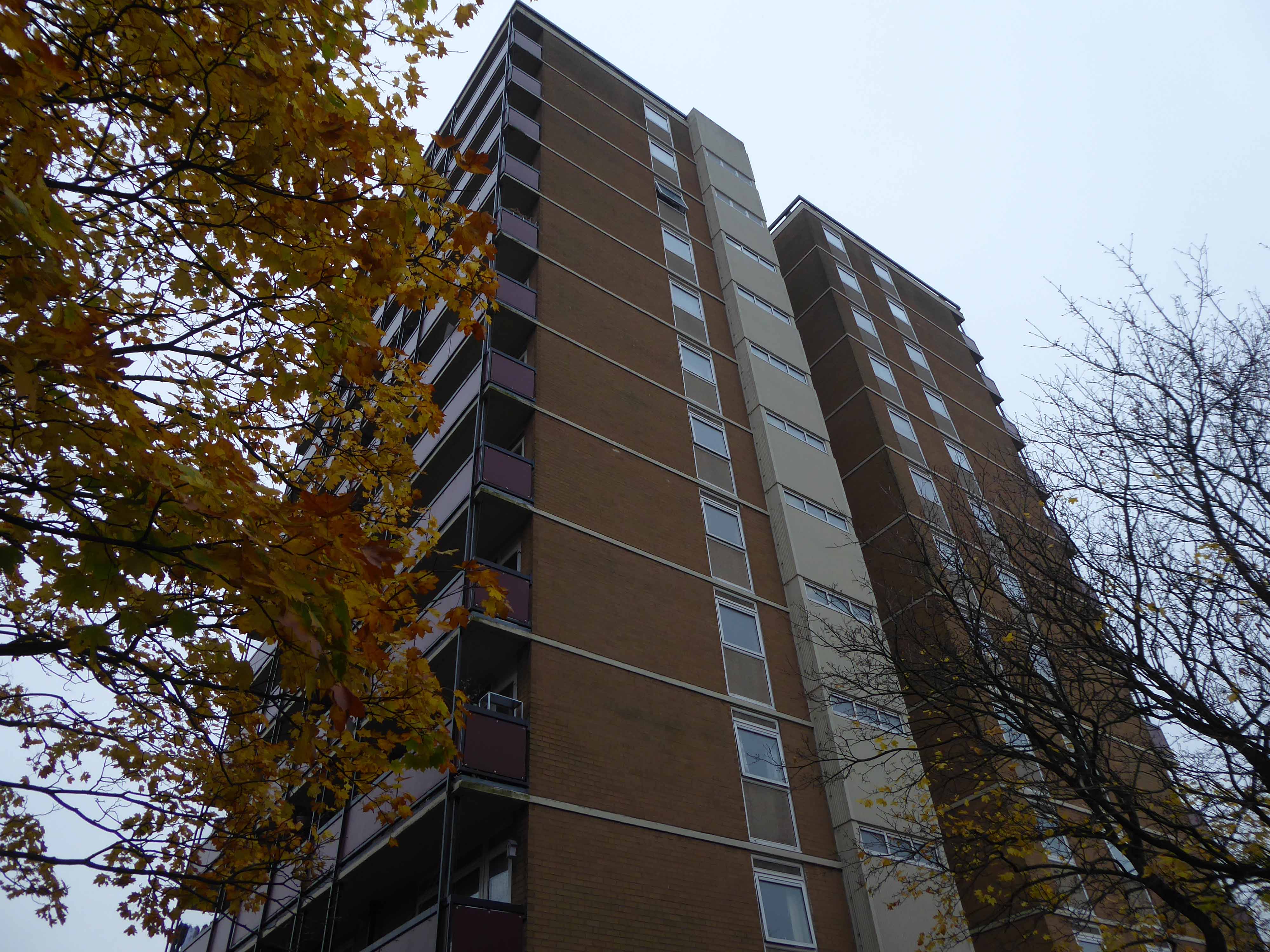
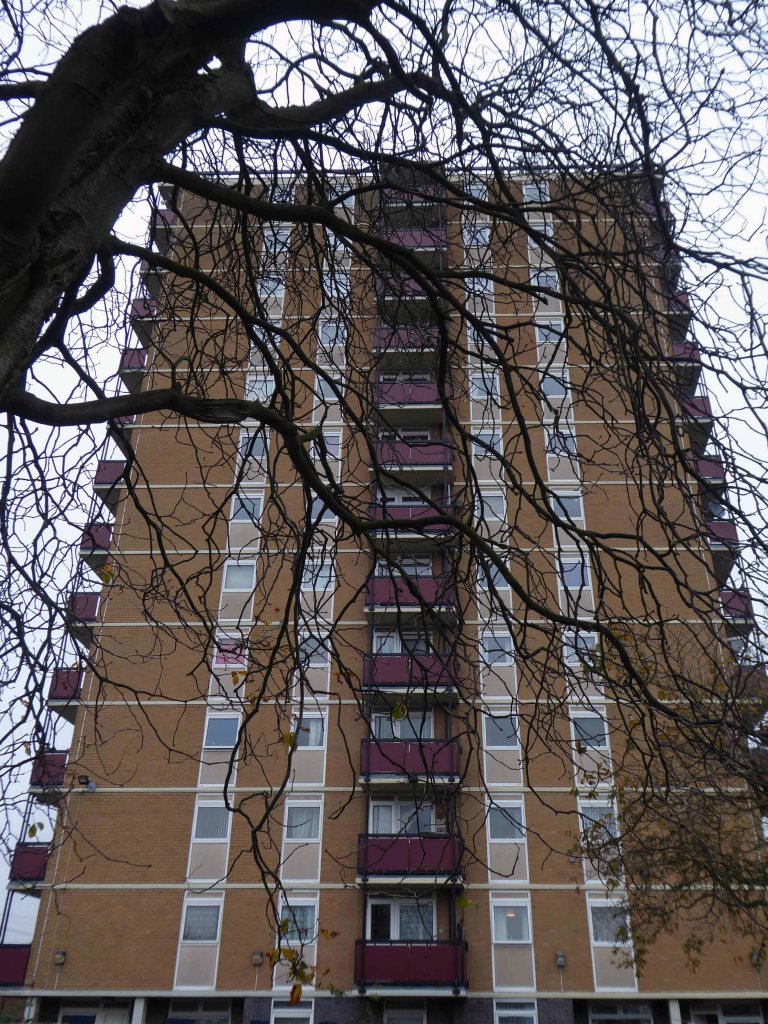
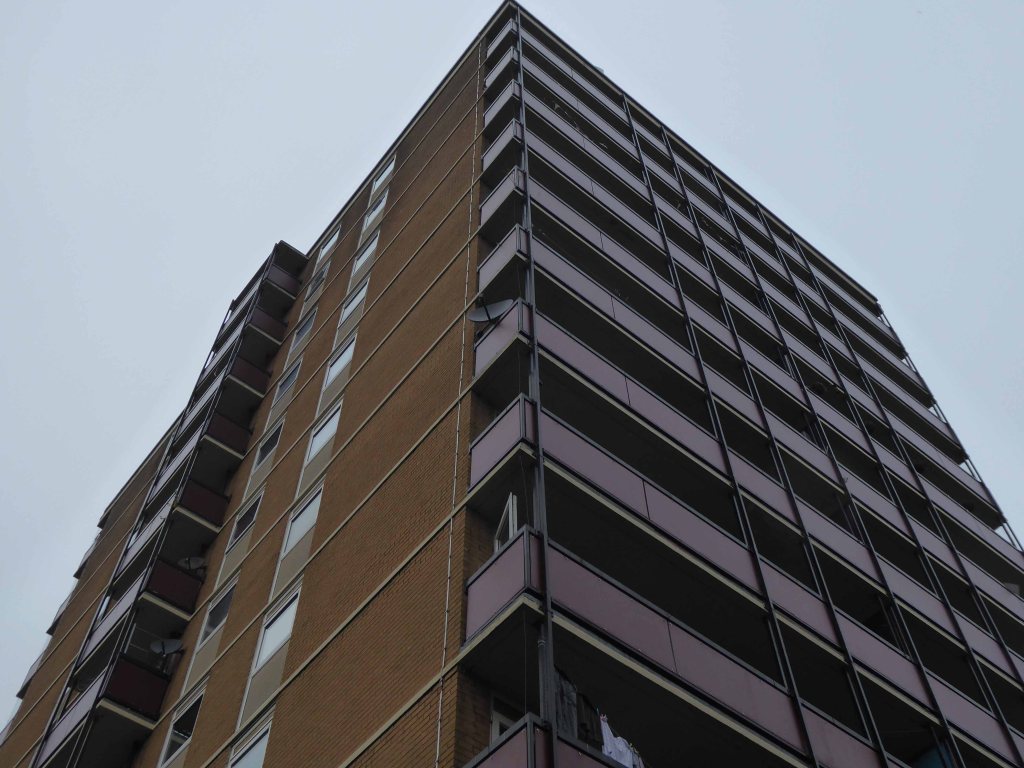
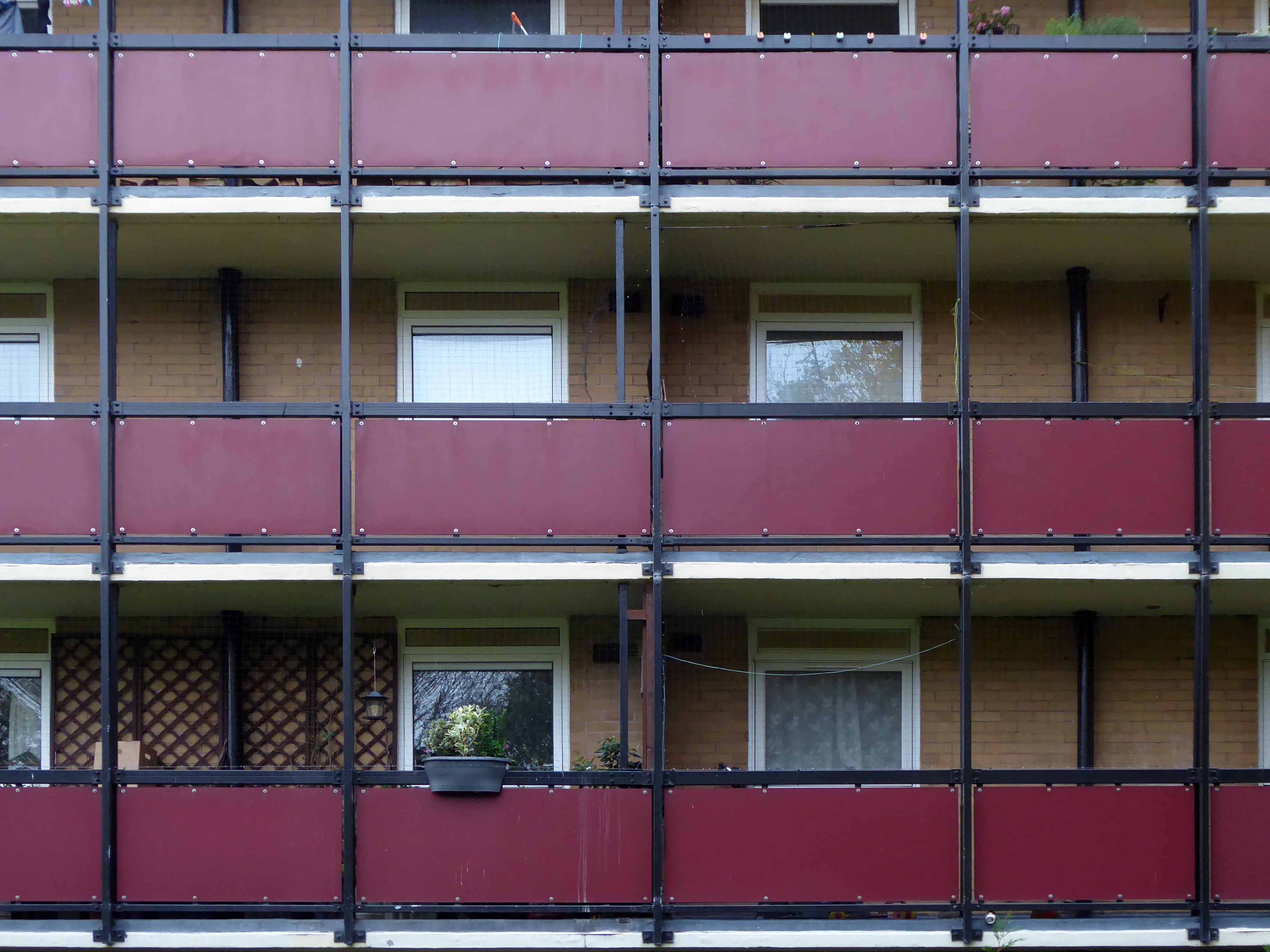
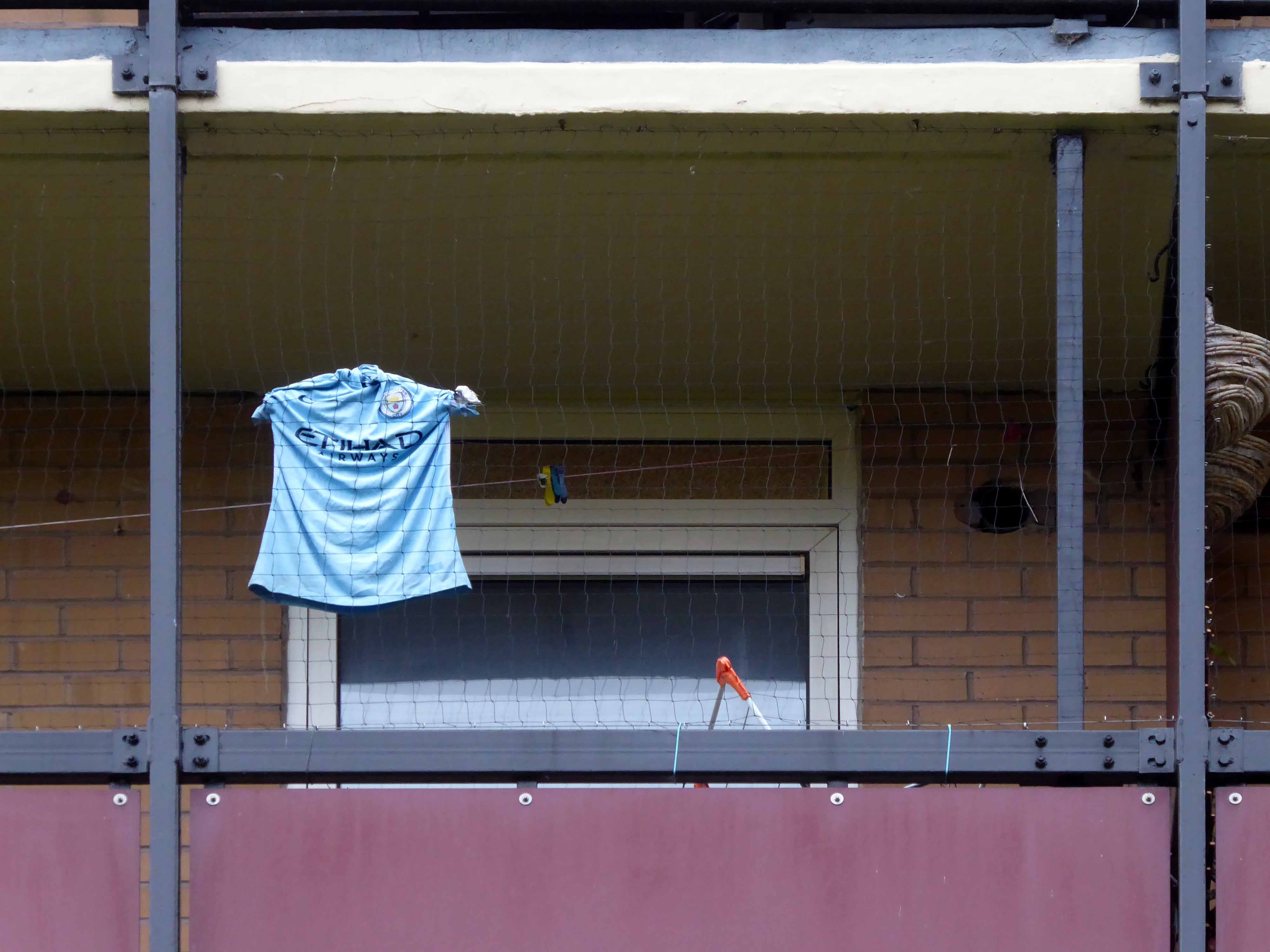
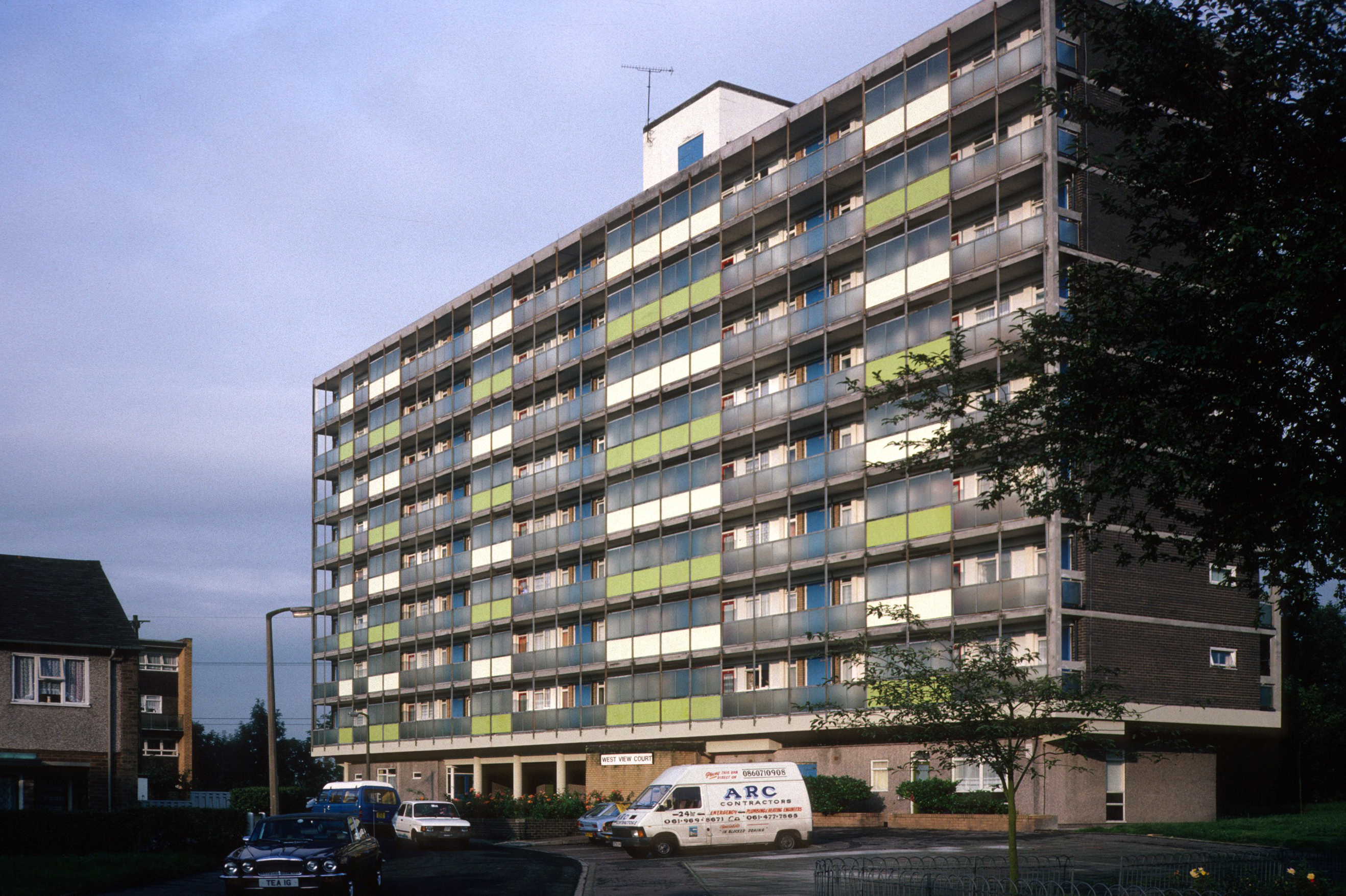
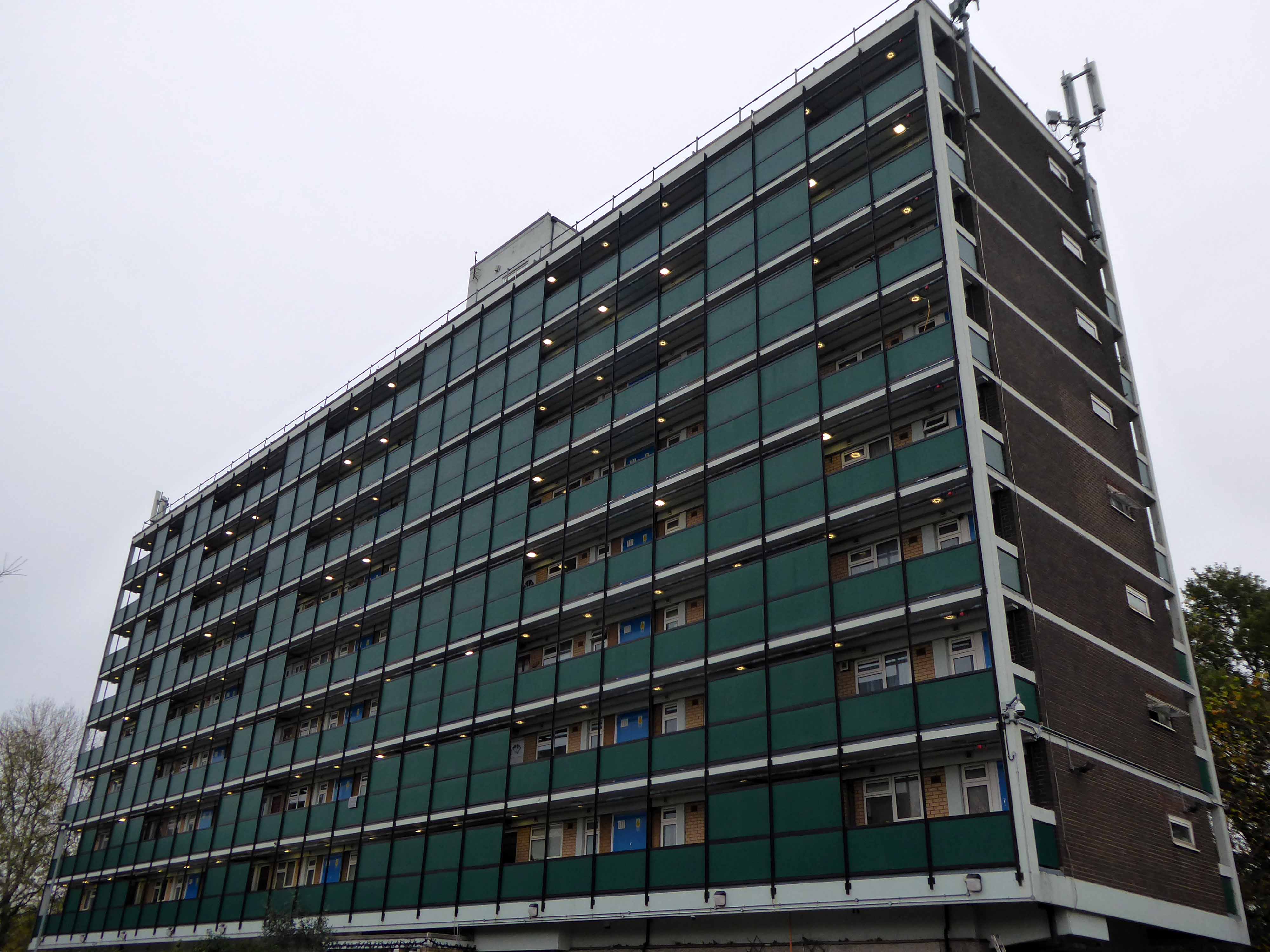
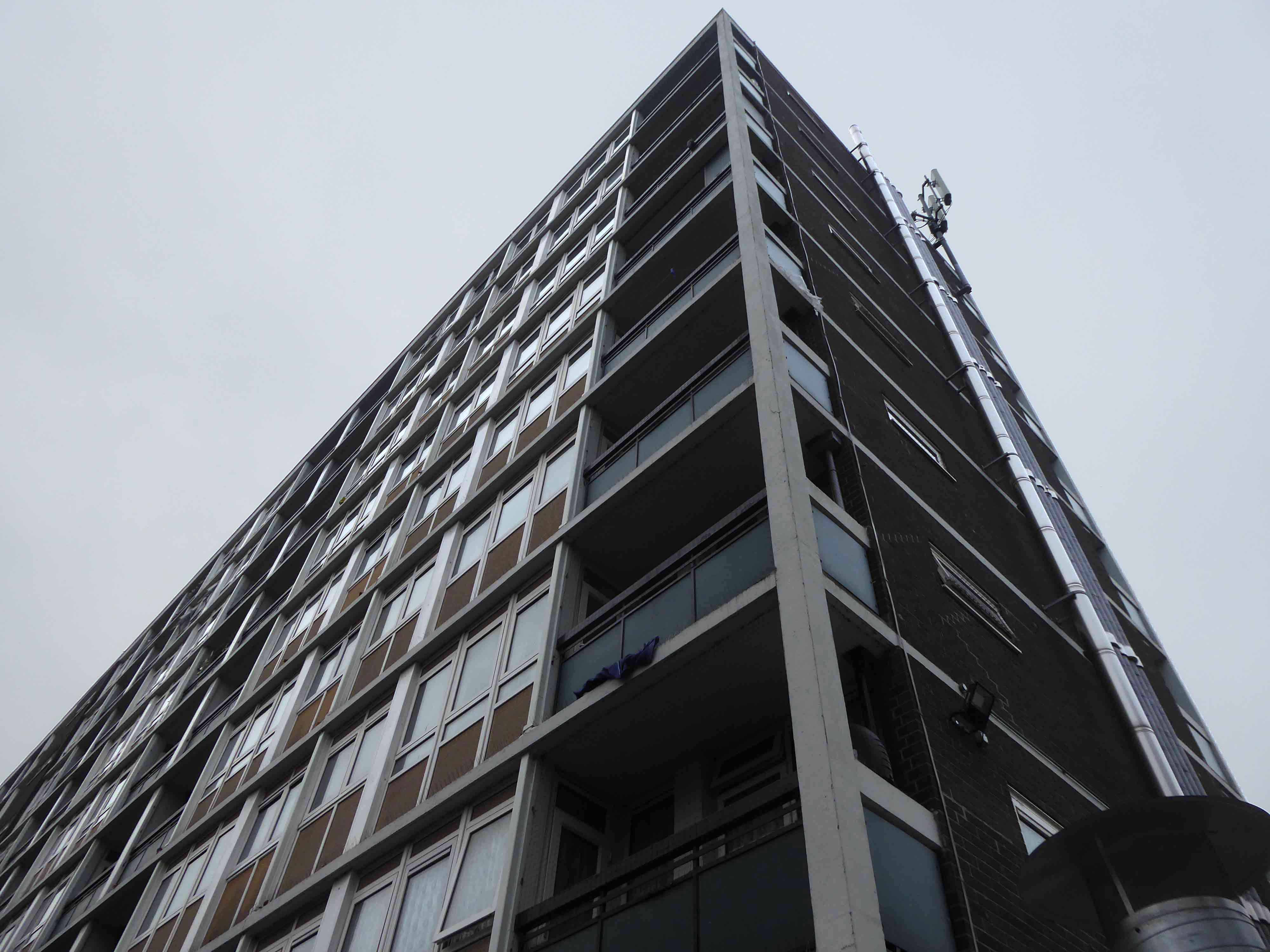
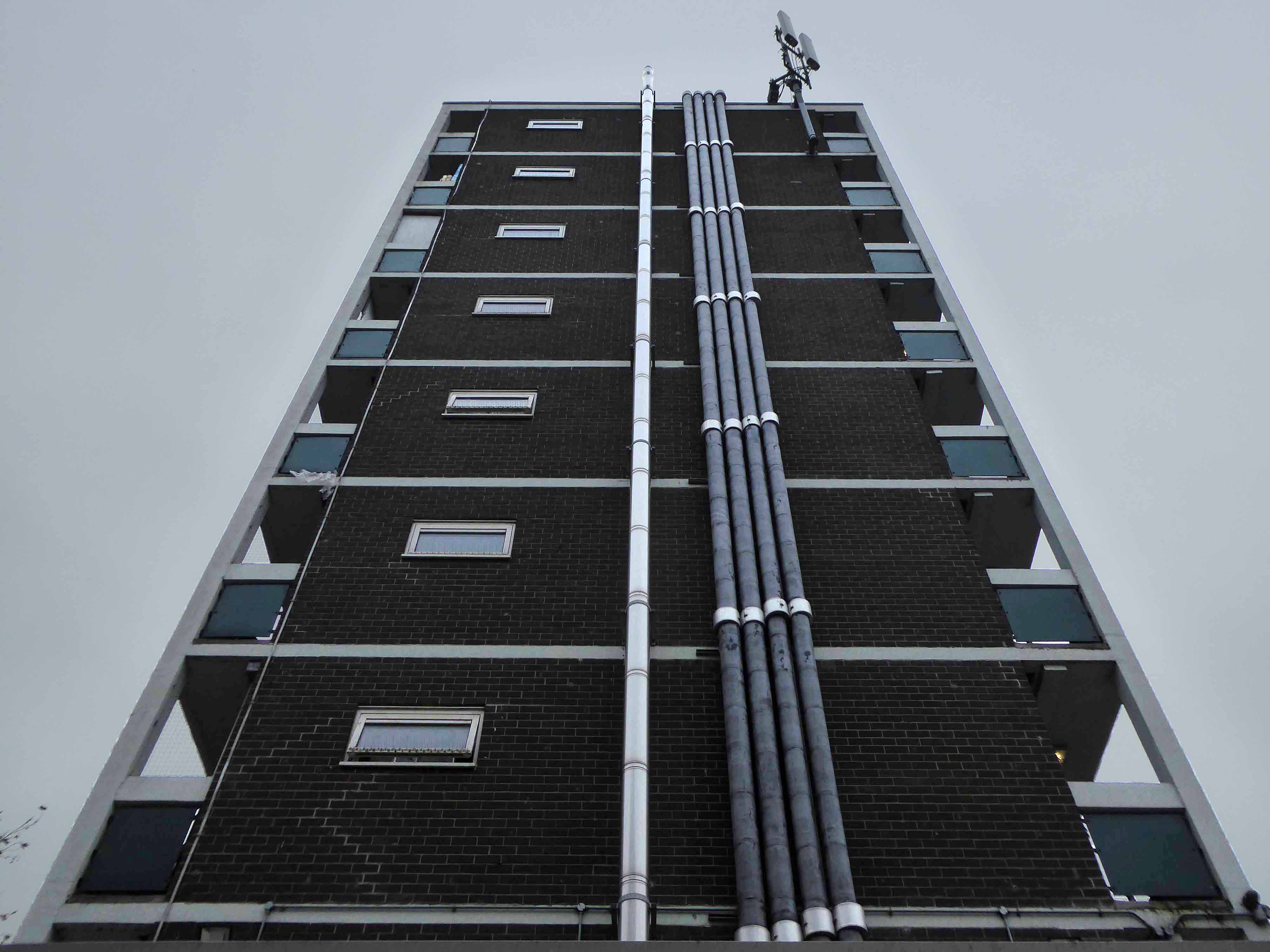
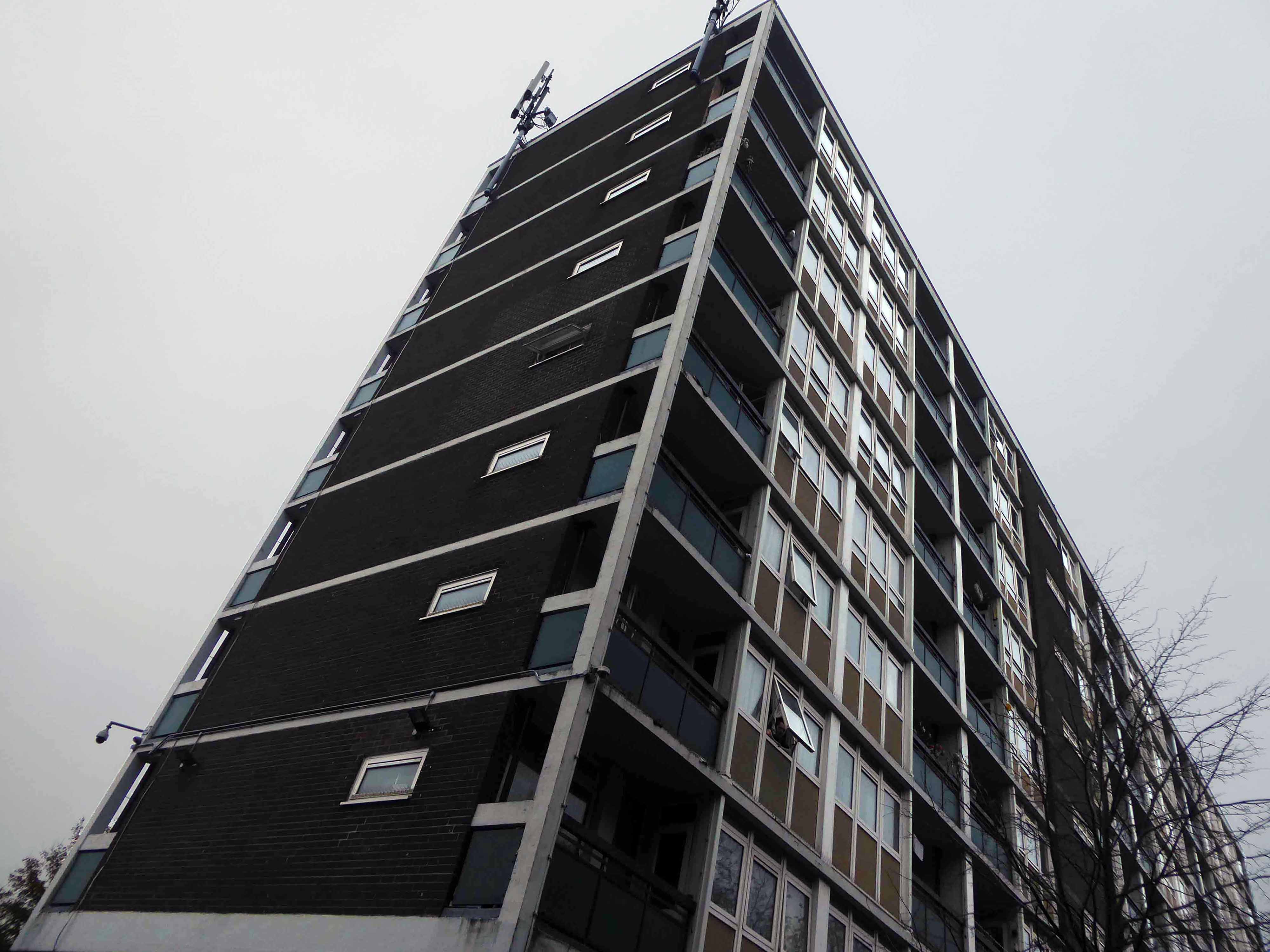
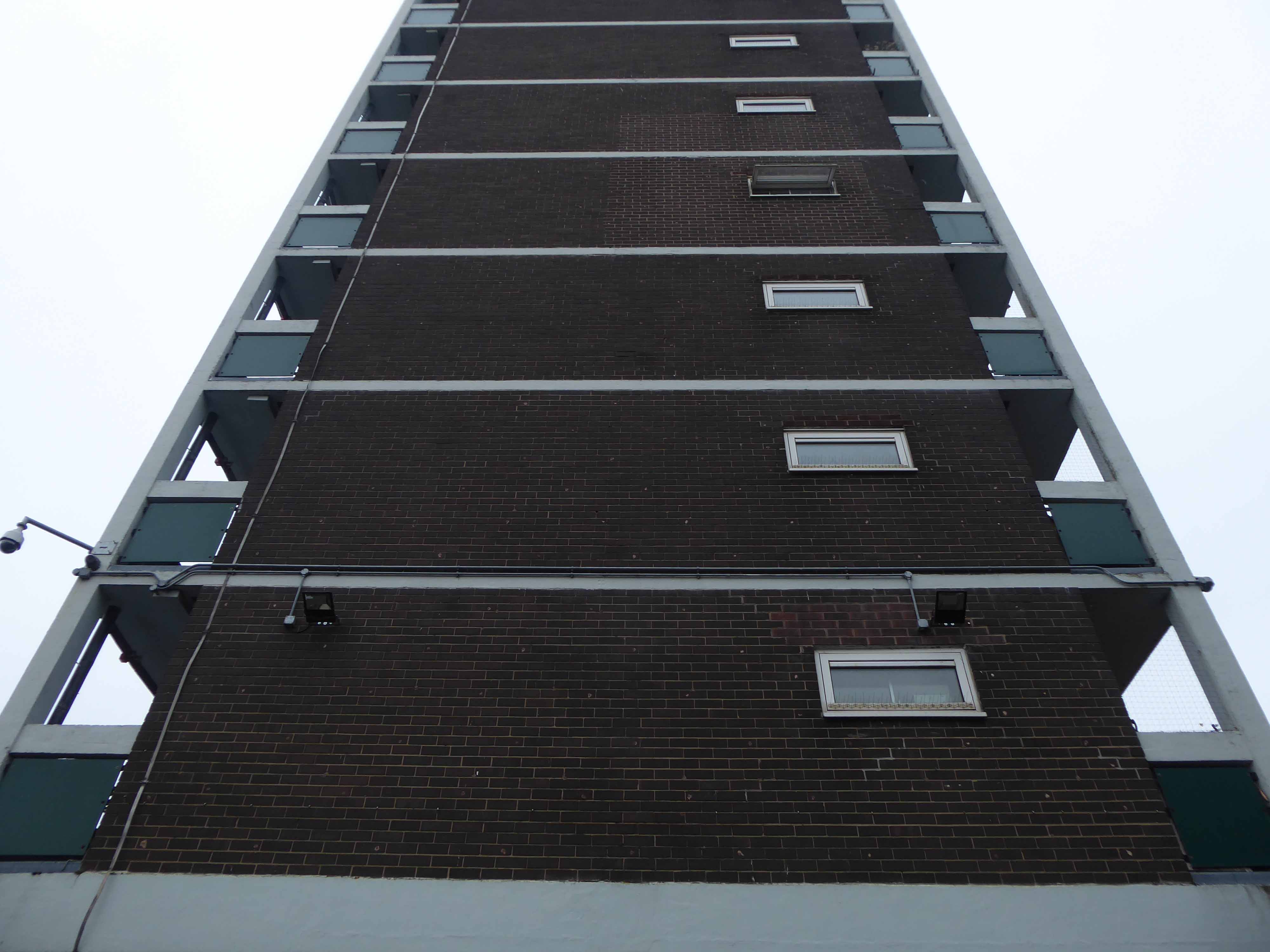
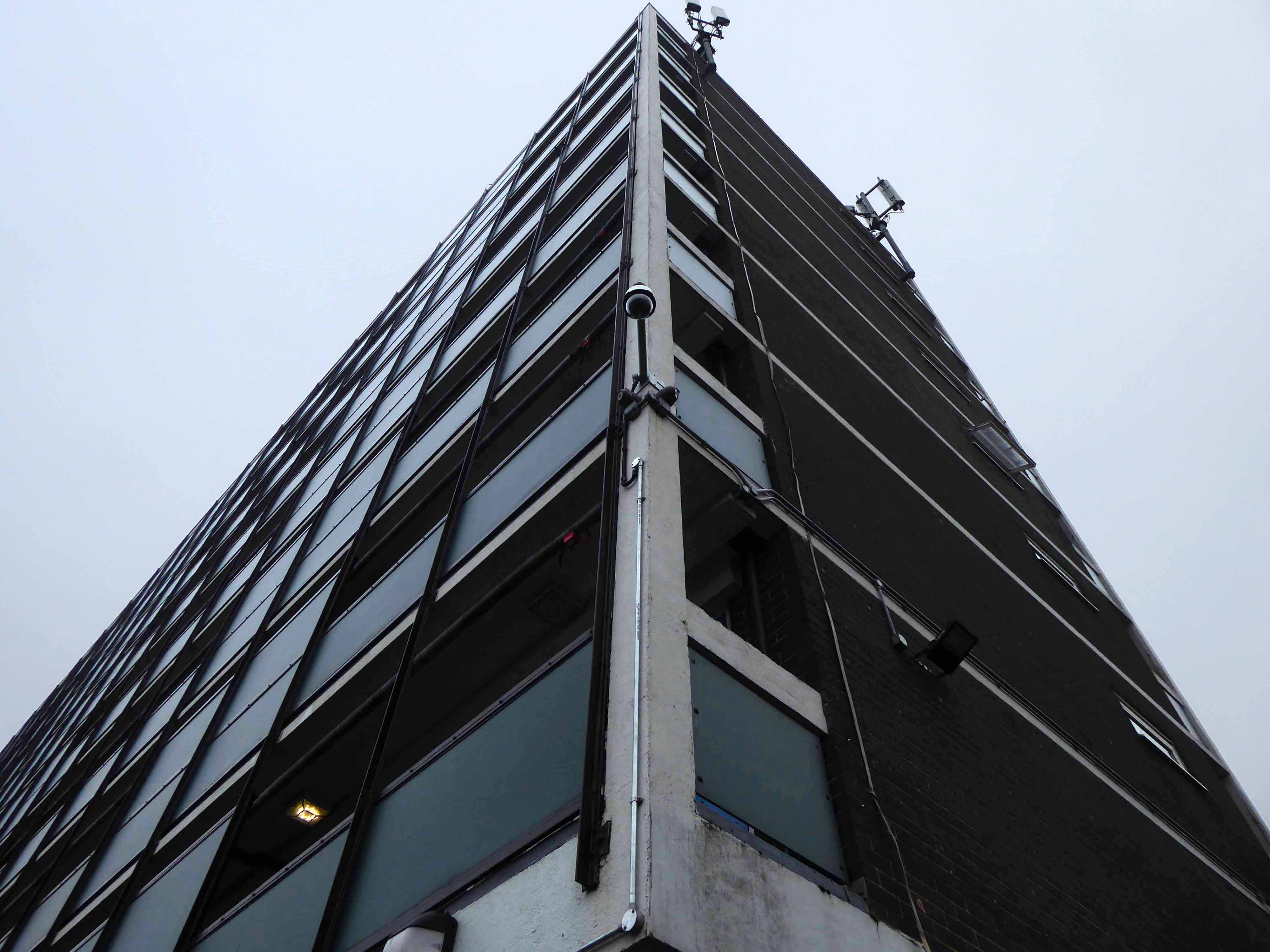
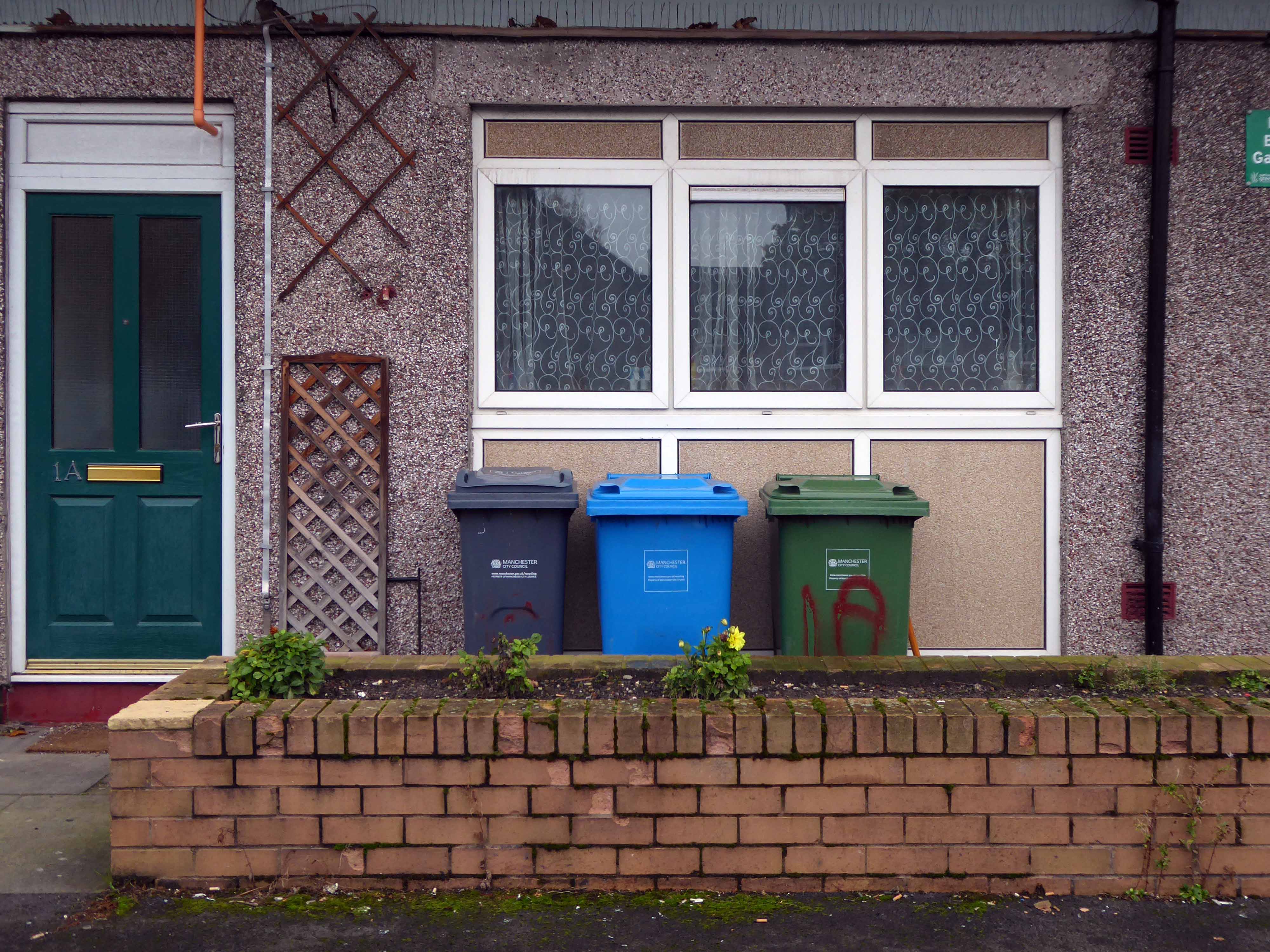
Around the corner to West View Court – also commissioned by Manchester Borough Council, built by Direct Works and contractors Holst, currently managed by Parkway Green.
Nine storeys in height containing seventy three homes.
The city, however, does not tell its past, but contains it like the lines of a hand, written in the corners of the streets, the gratings of the windows, the banisters of the steps, the antennae of the lightning rods, the poles of the flags, every segment marked in turn with scratches, indentations, scrolls.
Italo Calvino – Invisible Cities
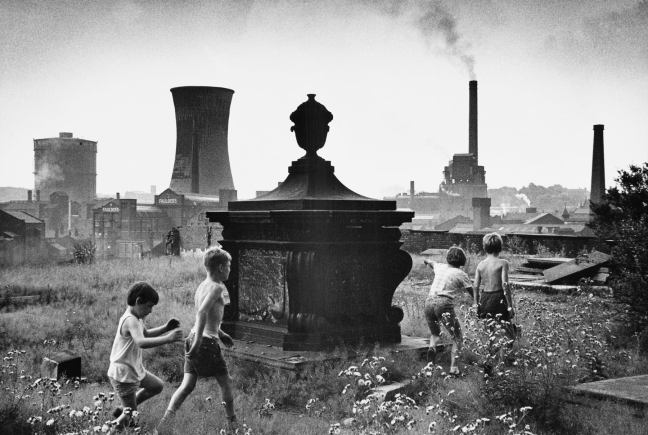
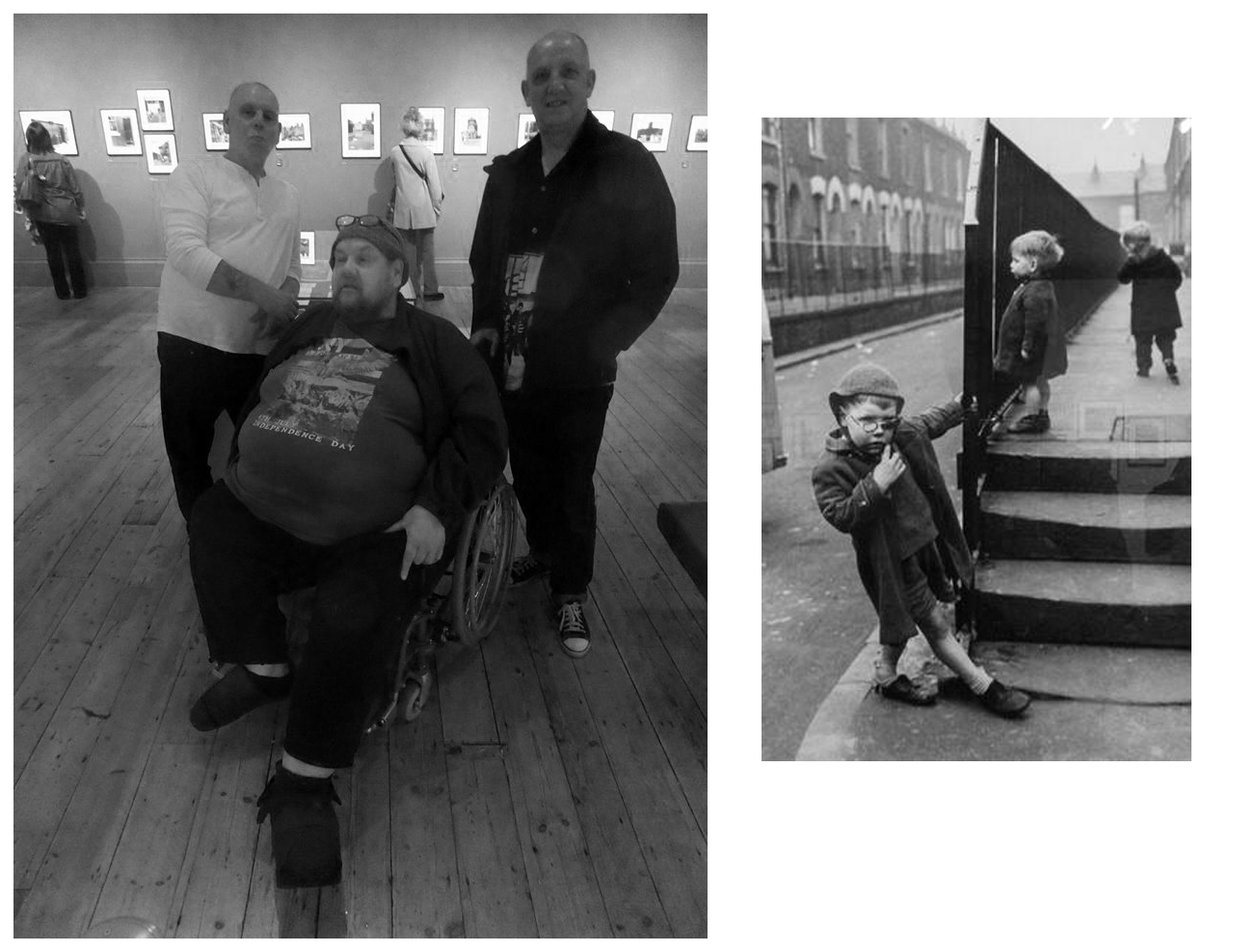
Paul Dobraszczyk posted this Shirley Baker photograph, he was puzzled by its exact location, it puzzled me too.
For nearly all that is depicted here, is now no longer extant, save one hopes, for the group of playmates.
All that is solid melts into air, all that is holy is profaned, and man is at last compelled to face with sober senses his real conditions of life, and his relations with his kind.
Shirley Baker was a renowned documentary photographer, who worked extensively in Greater Manchester.
I love the immediacy of unposed, spontaneous photographs and the ability of the camera to capture the serious, the funny, the sublime and the ridiculous. Despite the many wonderful pictures of the great and famous, I feel that less formal, quotidian images can often convey more of the life and spirit of the time.
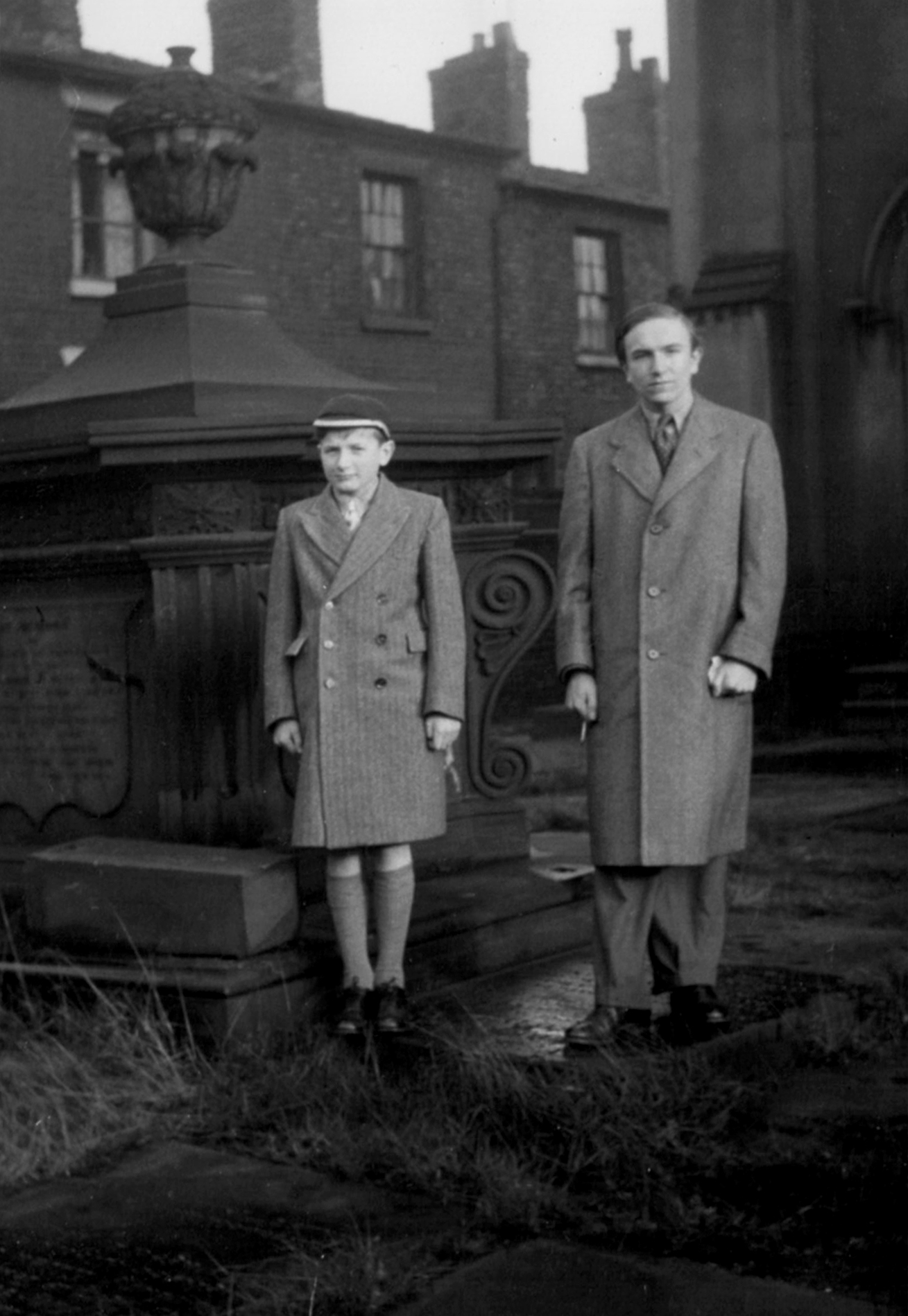
I am grateful to Stephen Bann who has identified the monument as the Bann Family vault:
Stephen Bann and his younger brother – many thanks for the text and photograph Stephen.
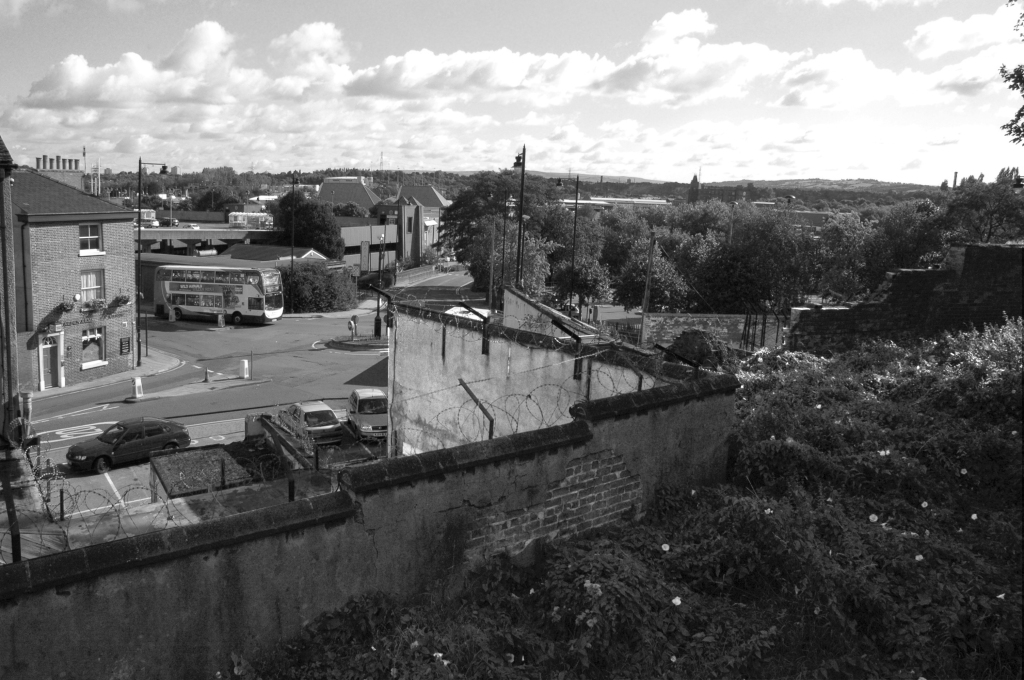
Her photograph was taken in Stockport 1967 – I first assumed it was taken from St Mary’s Church, looking toward the former power station.
I was mistaken.
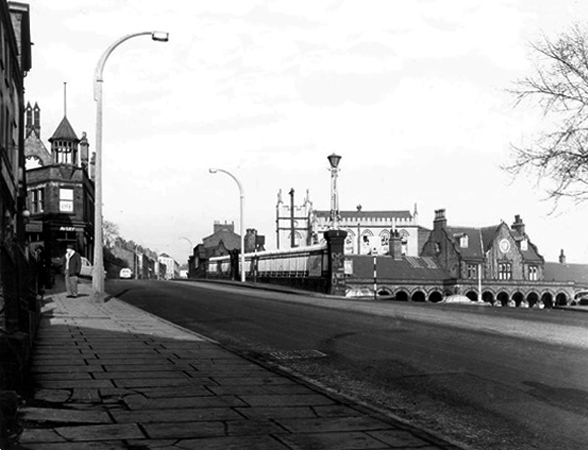
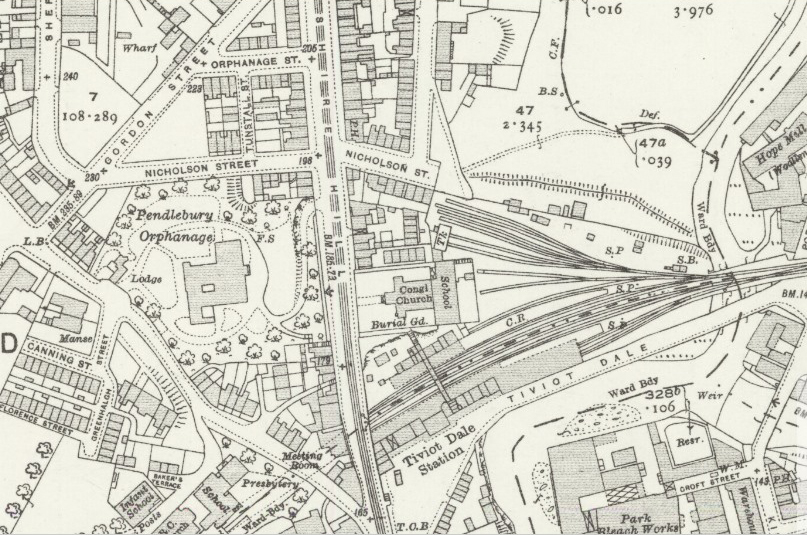
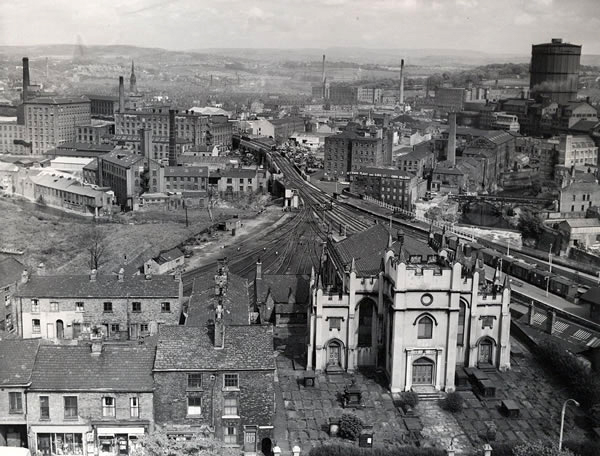
Using the Stockport Image Archive, I found the possible site, in this photograph of Tiviot Dale Station.
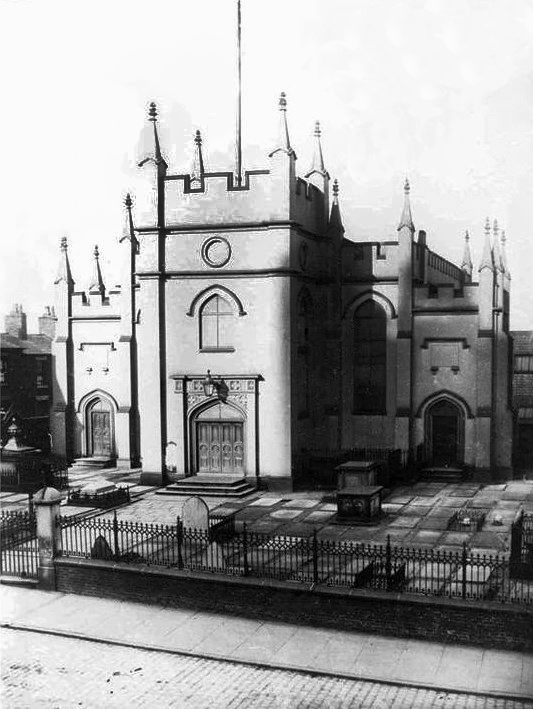
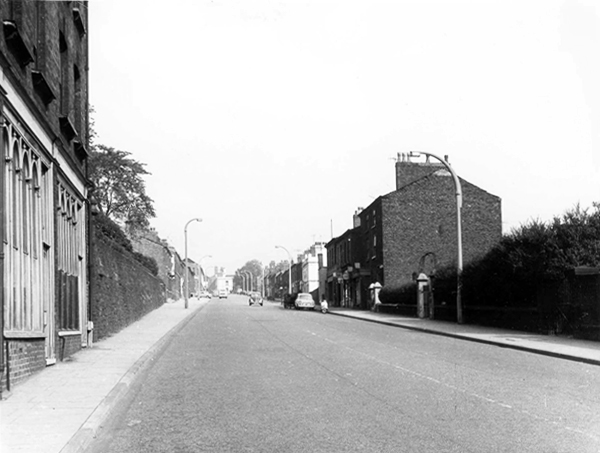
There on the eastern edge of Lancashire Hill – Hanover Chapel.
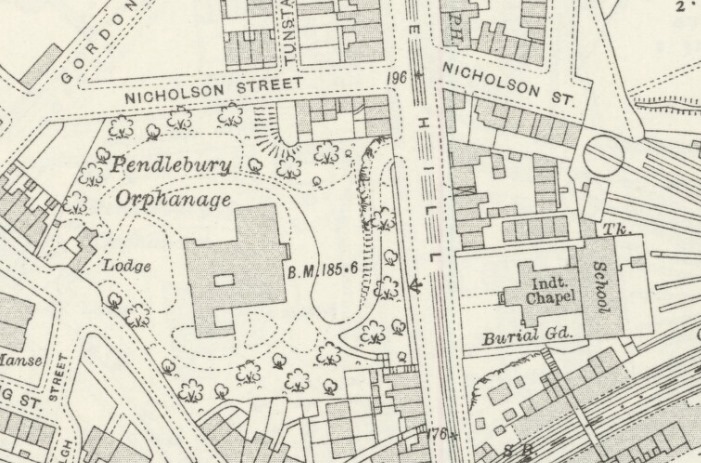
Seen here on the maps of 1917 and 1936.
An area of intense activity, road, rail, housing and infrastructure.
Hanover Chapel closed 1962 – though we may assume from Shirley Baker’s photograph, that following its demolition the graveyard remained intact but untended.
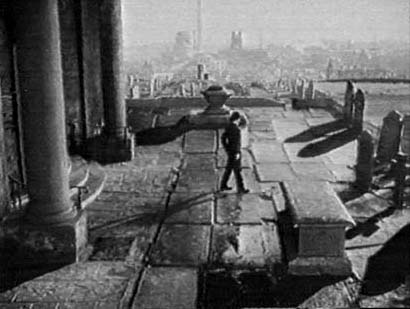
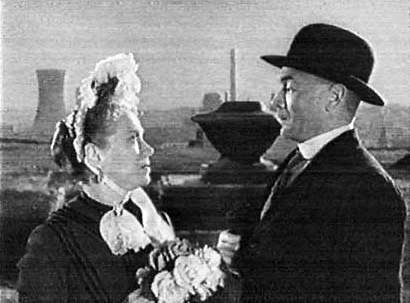
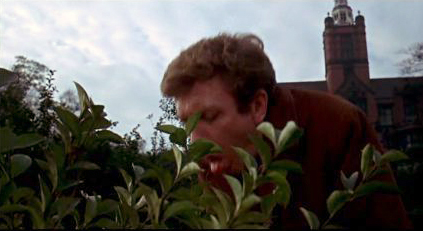
The chapel is thought be seen in the 1954 film Hobson’s Choice, directed by David Lean and starring John Mills, here awaiting his bride to be – the parish church of St Mary’s on the skyline.
Though closer examination reveals that this is not Hanover Chapel – where did those pillars come from?
Where are we, in a labyrinth of invention with a superimposed Stockport backdrop?
My thanks to Robert Collister for these observations.
Improbably out of time, the cooling towers are yet to be built, or blown up.
Here John is joined by Salford born Brenda Doreen Mignon de Banzie, playing Maggie.
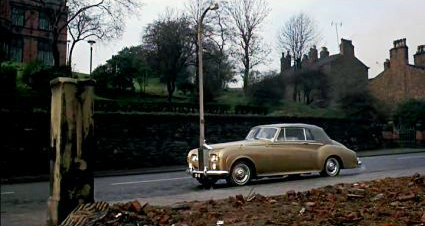
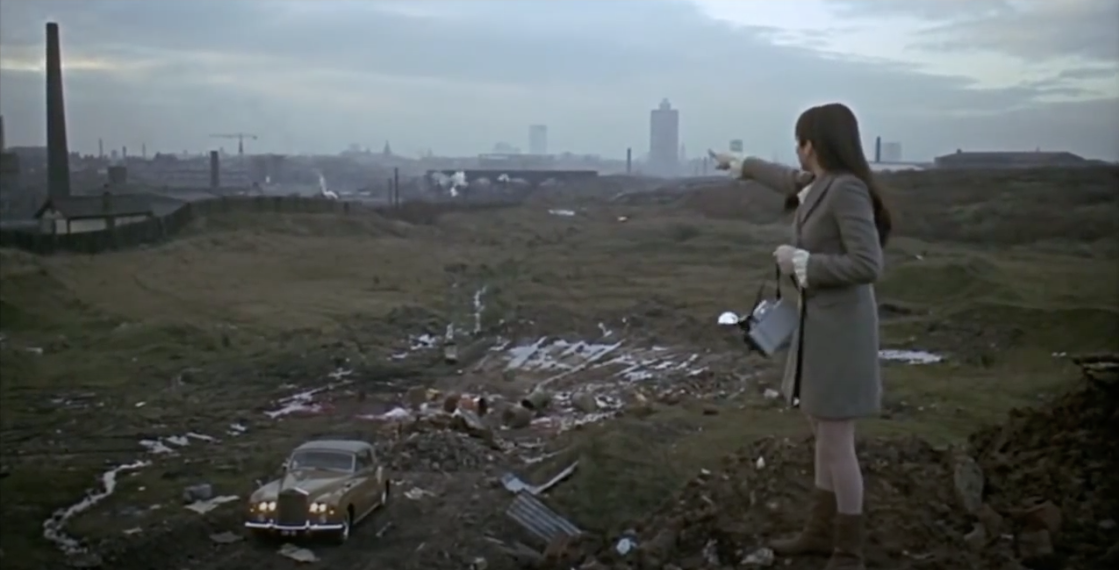
The demolished chapel rubble appears in the foreground of Albert Finney’s gold Roller CB 1E in Charlie Bubbles.
The film’s screenplay was the work of Shelagh Delaney, whose previous work A Taste of Honey also used local locations.
Where Finney has pulled up, feeling proper poorly.
As a serendipitous symmetry, Charlie Bubbles co-star Liza Minelli plays a photographer recording Salford’s disappearing streets.
Bit by bit everything disappears, Tiviot Dale Station closed completely on January 2nd 1967.
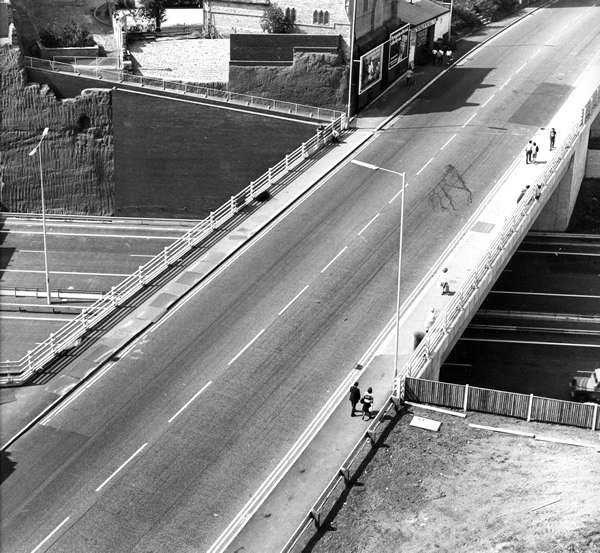
Where once there was a continuous run from the chapel to the town centre, the motorway has since intervened.
The Tiviot Dale pub on the right is no more, closed in 2013.
We had people from all parts of the country turn up on our final day,some of them brought their children who wanted to come because they remember the pub so fondly from their childhood. It was really humbling to see that our pub had touched so many lives.
I remember this pub as a Boddingtons house in the 1970’s. Excellent bitter served by handpump from small vault at the front and a larger “best room” behind, both very narrow given the width of the pub. The landlord employed an unusual method of ensuring everyone got a full pint; a half pint glass of beer was kept between the pumps and your pint was topped up from the half which was constantly replenished to keep it fresh. I have not seen this practice in any other pub.
Phil Moran
When’s the next tram due?
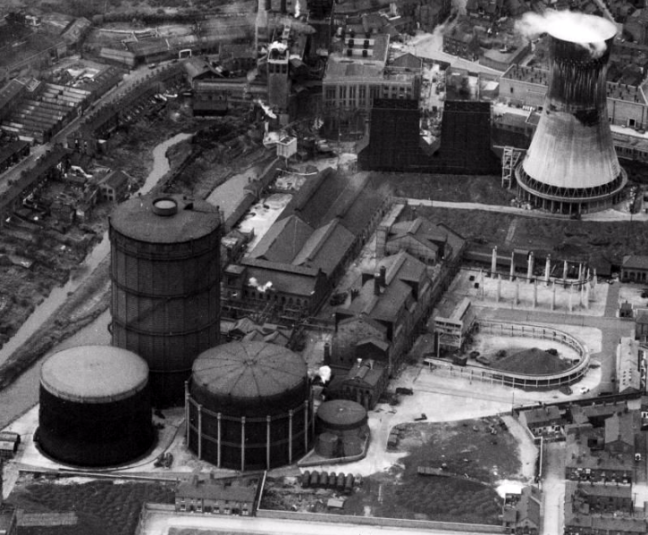
Millgate Power Station operated until 1976.
At the adjacent gas works – gas holder number three was dismantled in 1988, gas holders one and two were removed in 2019.
The nature of infrastructure, housing and industry has changed radically.
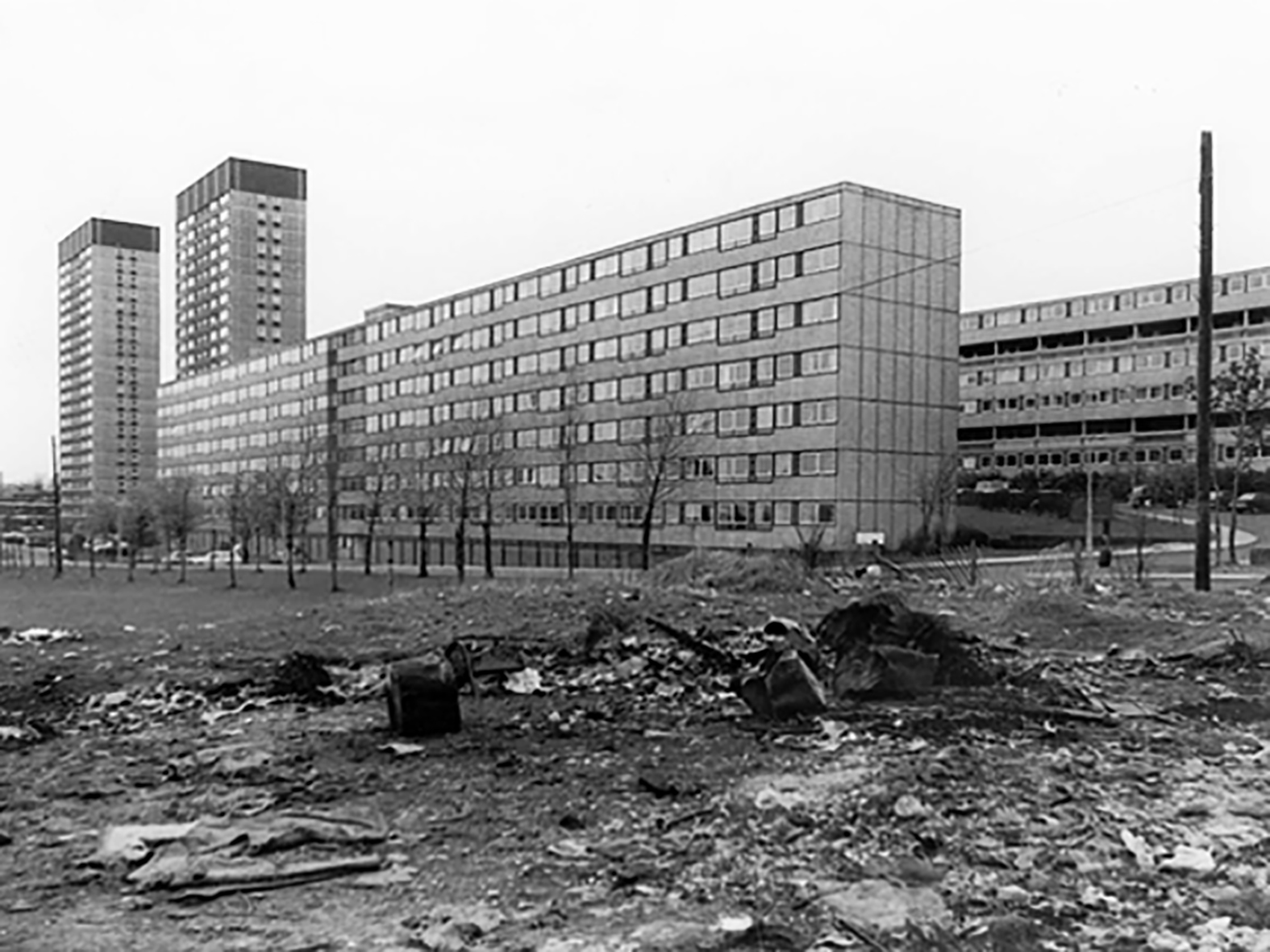
Lancashire Hill flats were built in the 60s, designed by City Architect JS Rank, two seven storey blocks containing 150 dwellings; two six storey blocks containing 120 dwellings.
Replacing tight rows of terraced housing.
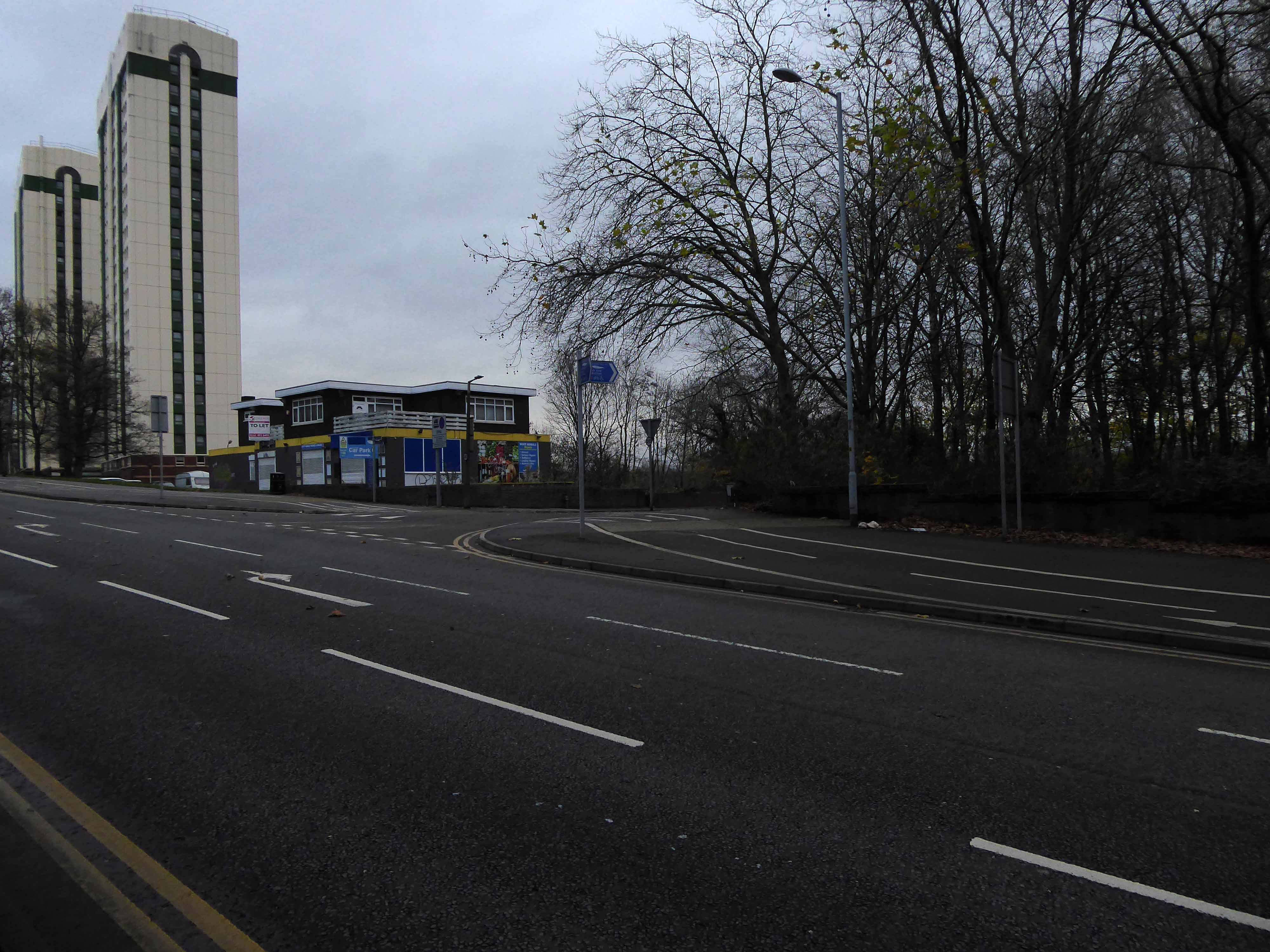
They themselves clad and revamped.
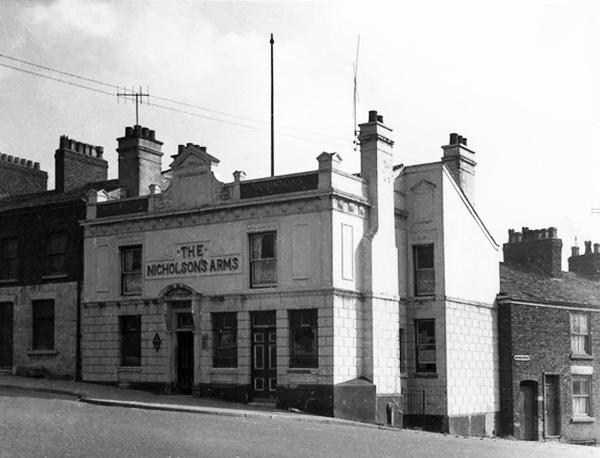
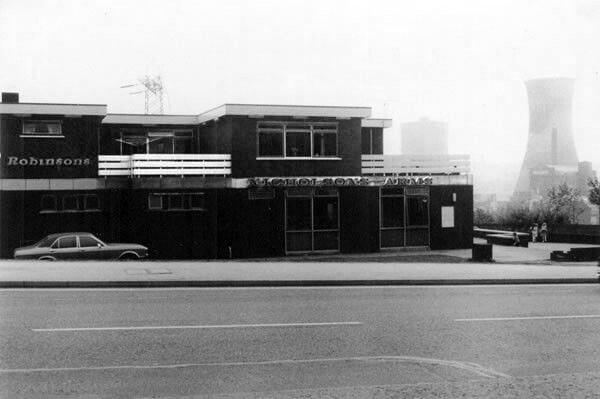
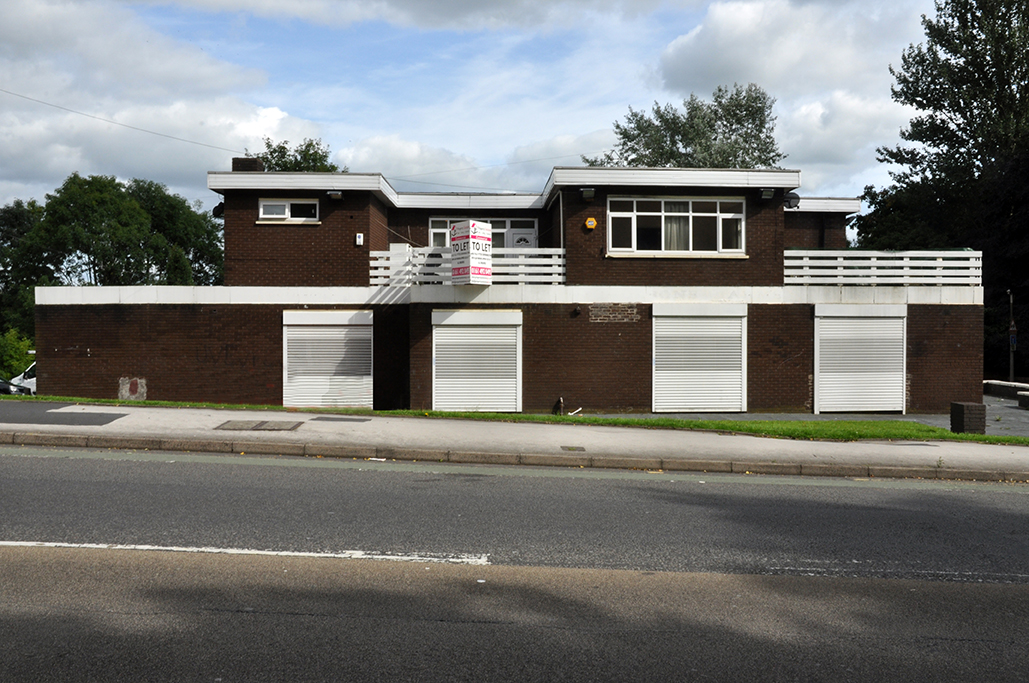
The Nicholson’s Arms built to serve the flats closed and currently empty, signs say to let – replaced an earlier pub, sited on the corner of long gone Nicholson Street.
Today from the road there’s simply no trace of the site’s past purpose.
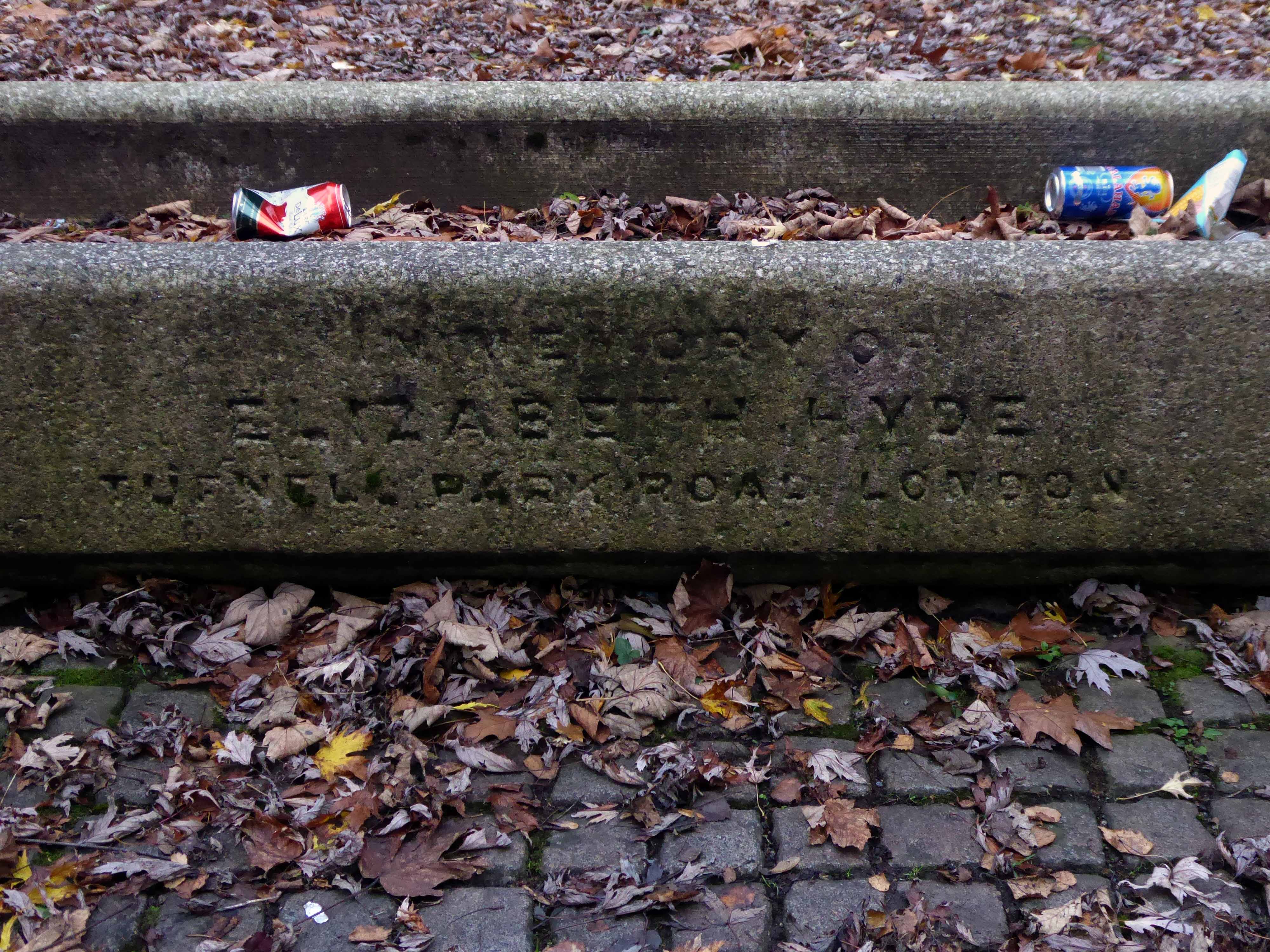
At the centre of what is now a compact civic grassed area – a trough.
Incongruously in memory of Elizabeth Hyde of Tufnell Park Road London.
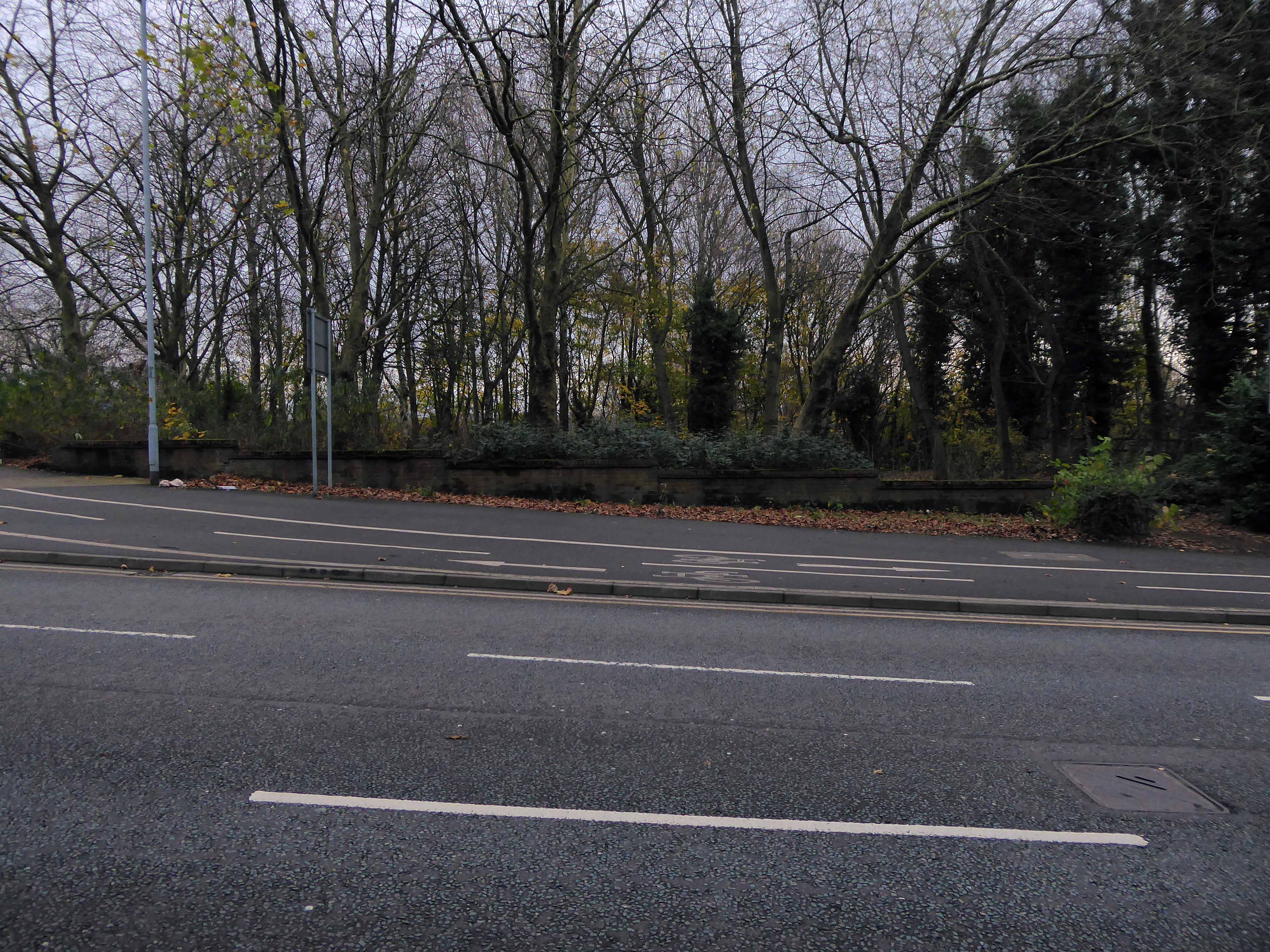
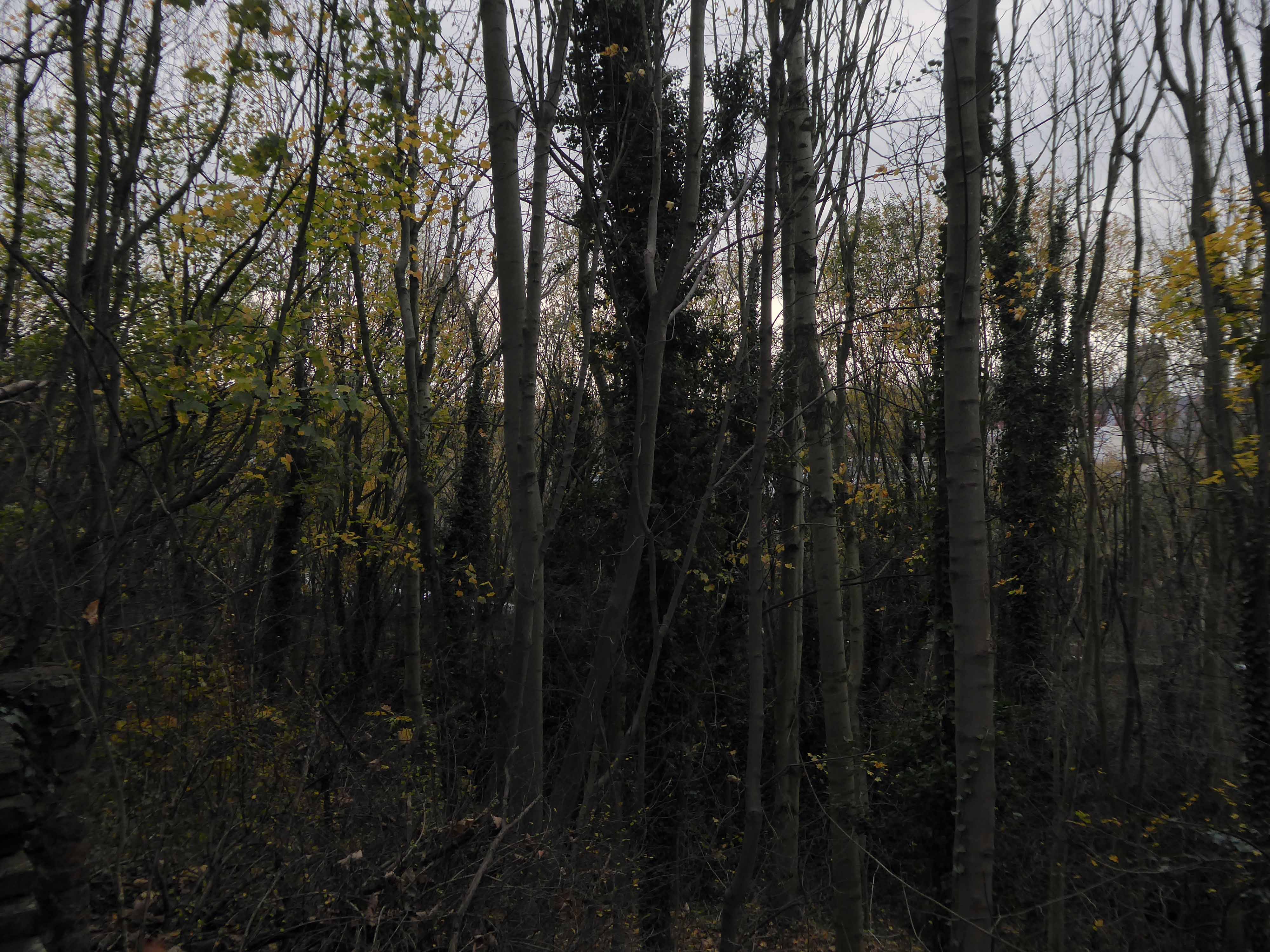
The dense stand of trees is impenetrable – no longer a view of the non existent power station and beyond.
And they that shall be of thee shall build the old waste places: thou shalt raise up the foundations of many generations; and thou shalt be called, the repairer of the breach, the restorer of paths to dwell in.
Isiah 58:12
As a footnote I did meet brothers Stephen, Derek and Peter who appeared in this Shirley Baker photograph 55 years ago – she promised them an ice cream each – they never ever received an ice cream.
They are seen in Sunnyside Street Ordsall – long since demolished.
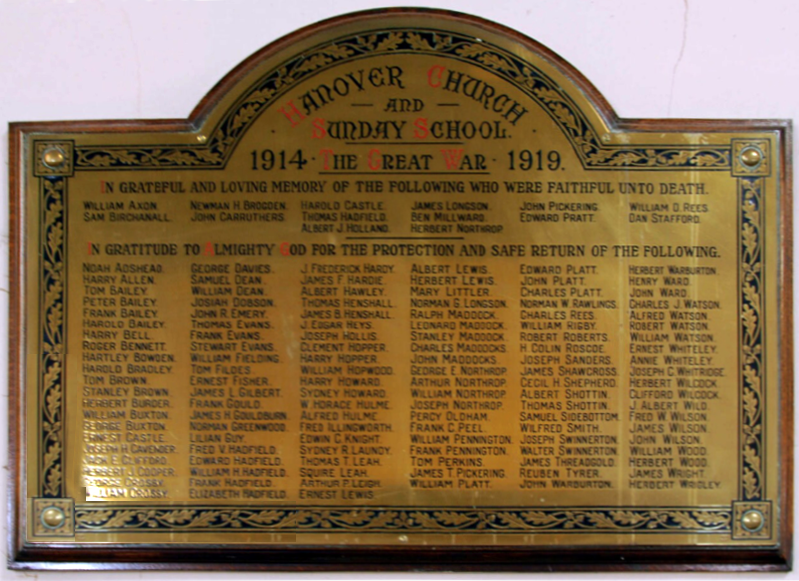
A commemorative plaque from the Chapel still exists, sited now on the wall of Wycliffe Congregational Church Georges Road Stockport.
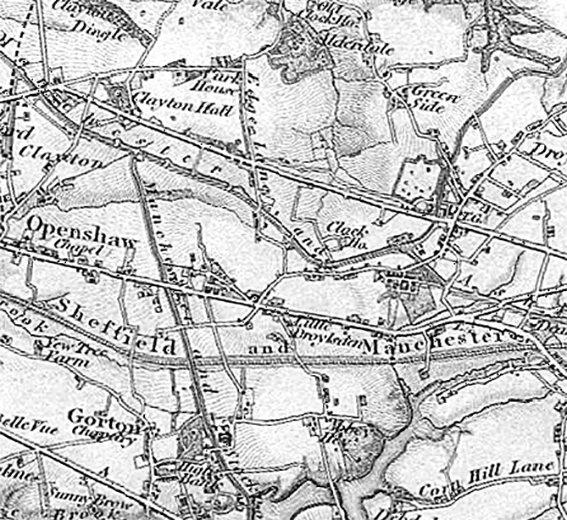
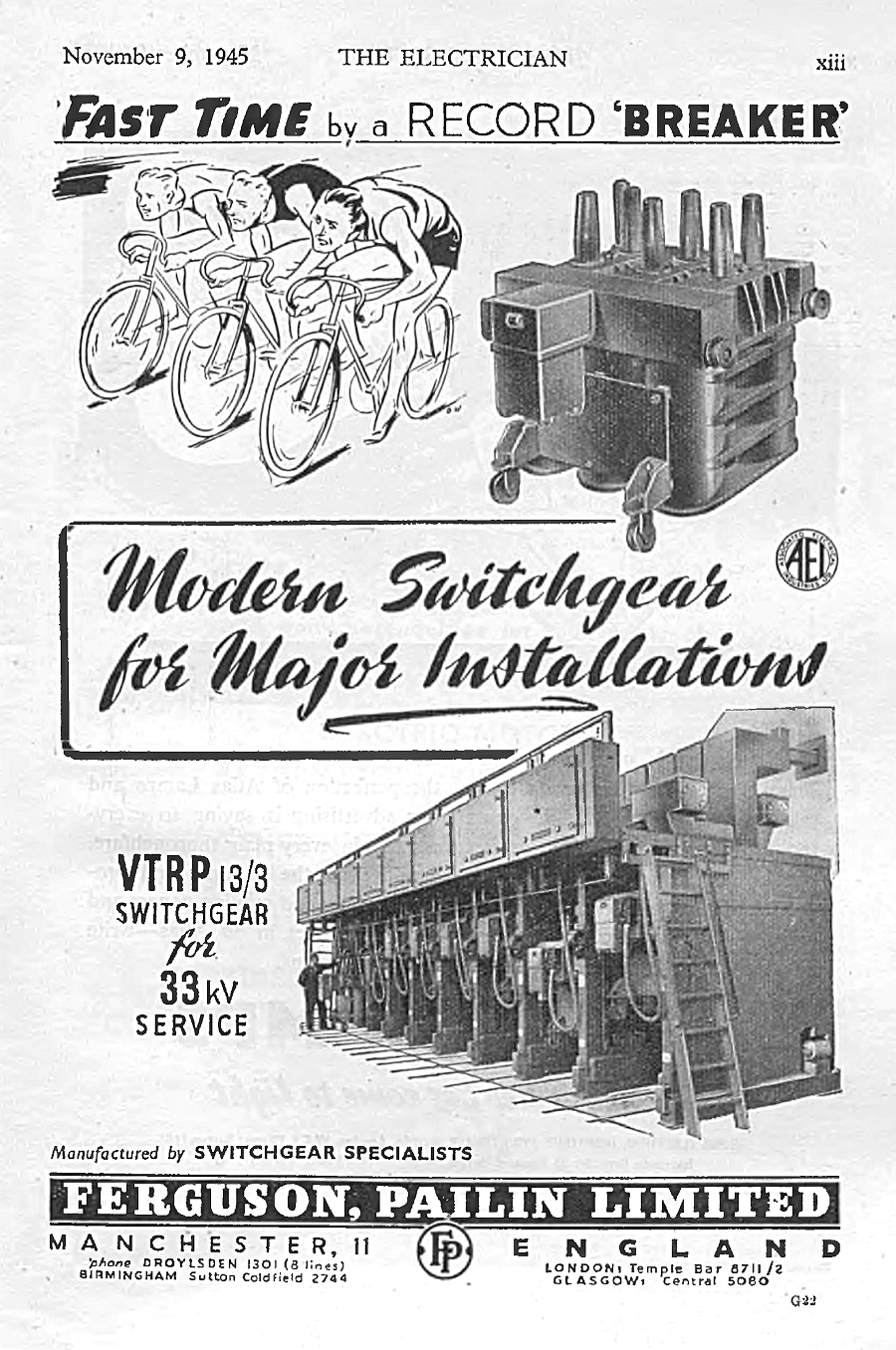
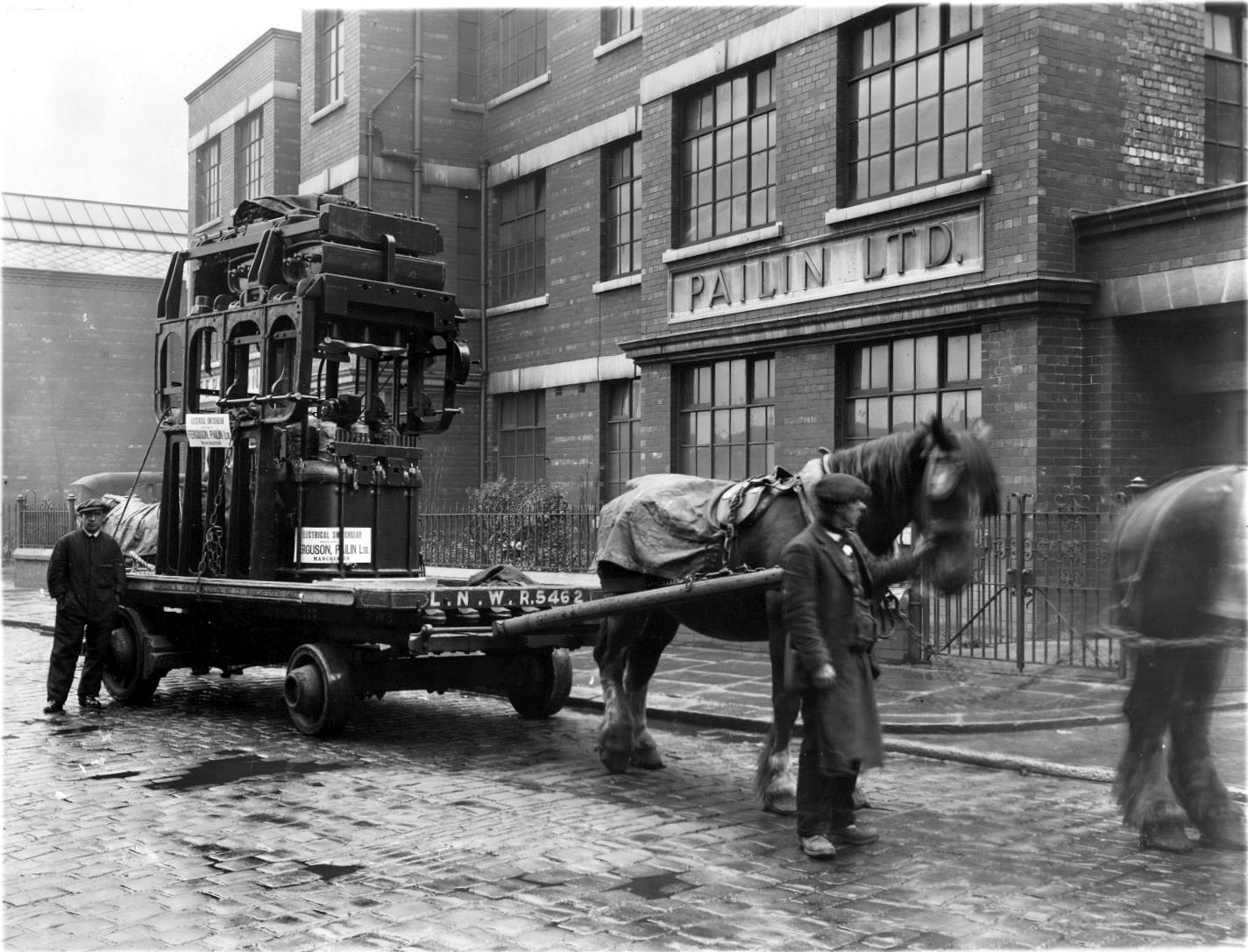
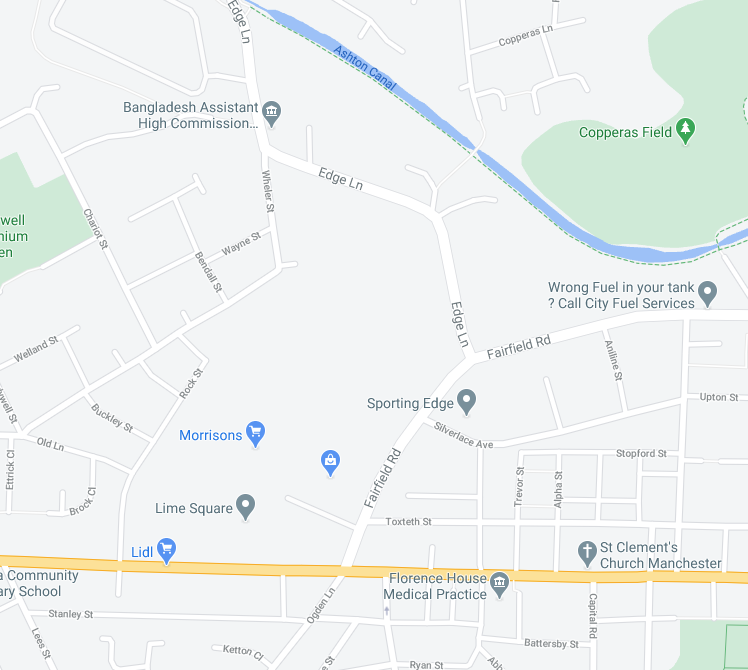
Ferguson Pailin Electrical Engineering are established in 1913 on Fairfield Road/Edge Lane.
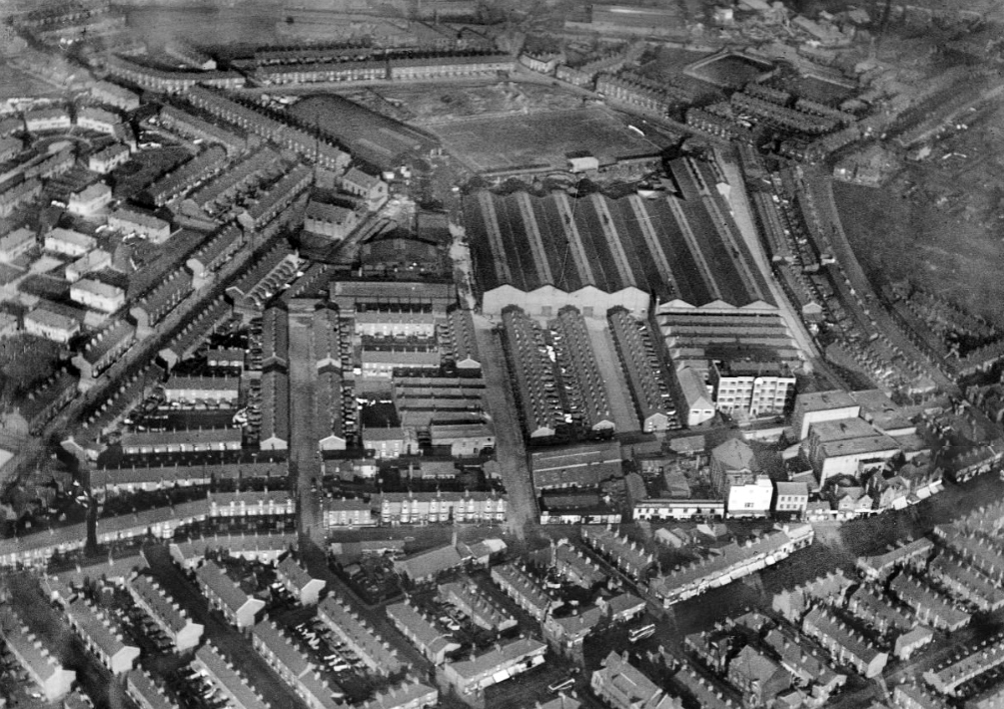
By 1939 the factory is fully formed and the area a dense warren of industry and terraced housing.
Makers of heavy duty electrical switchgear and general electrical engineers, of Higher Openshaw, Manchester.
1913 Ferranti Ltd sold its switchgear patents and stock to Ferguson, Pailin Ltd. Samuel Ferguson and George Pailin had worked for Ferranti as switchgear engineers. They left in 1913 to set up their own switchgear business at a factory in Higher Openshaw, Manchester.
The company was acquired by Associated Electrical Industries (AEI) in 1928. Following the restructuring of AEI in 1960, Ferguson, Pailin & Co ceased to be a separate subsidiary and was merged into AEI switchgear. Following the takeover of AEI by GEC in 1967, the Higher Openshaw works became part of GEC Switchgear. In 1989, GEC merged its electrical engineering interests with those of Alsthom to form GEC Alsthom. The factory was later closed by Alstom in 2003, with most of the employees finishing on 22 November 2002.
The company has a Facebook page which shares former employees memories – from which these archive photographs were taken.
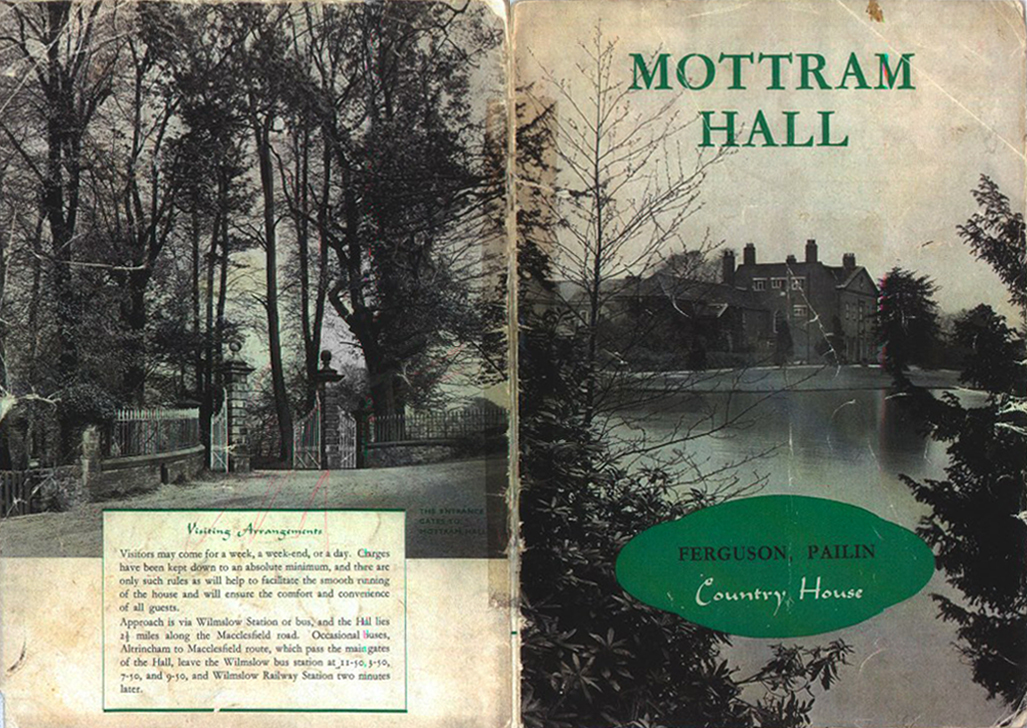
Notably the firm provided extensive leisure facilities for their employees.
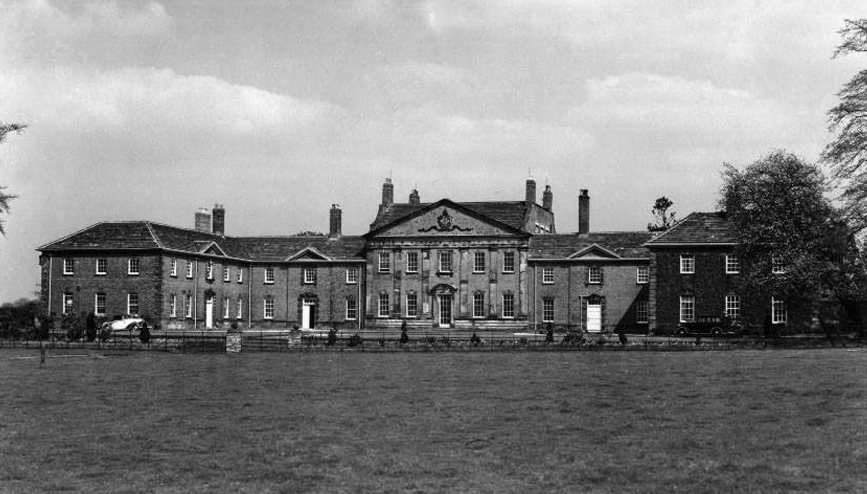
The company acquired Mottram Hall to give employees an opportunity to go on affordable holidays during World War II. The company bought three properties in 1939/40 in order to provide holidays for staff and workers during the war. Mottram Hall was bought for the works, a small hotel in Llandudno for the middle level staff and a property in Criccieth for senior staff. Mottram Hall was sold as surplus to requirements by GEC in 1968 and is now a luxury country house hotel.
Sadly the days when benevolent employers thought to take care of their employees in such a manner, are largely a thing of the past.
For business guests, our sleek and sophisticated conference rooms feature the latest technology to get your agenda off to a prompt and professional start. Plus, catering facilities and a plush break out space for comfortable downtime between meetings.
Last time I passed through many of the factory buildings were still extant though underused. A portion of the site lost to the development of the Lime Square Shopping Centre.
Lime Square is a shopping destination which is helping to put the heart back into Openshaw district centre here in east Manchester. Lime Square is home to the stunning Steamhammer sculpture and a host of great High Street names.
By and large replacing the plethora of busy local businesses which once thrived in the area.
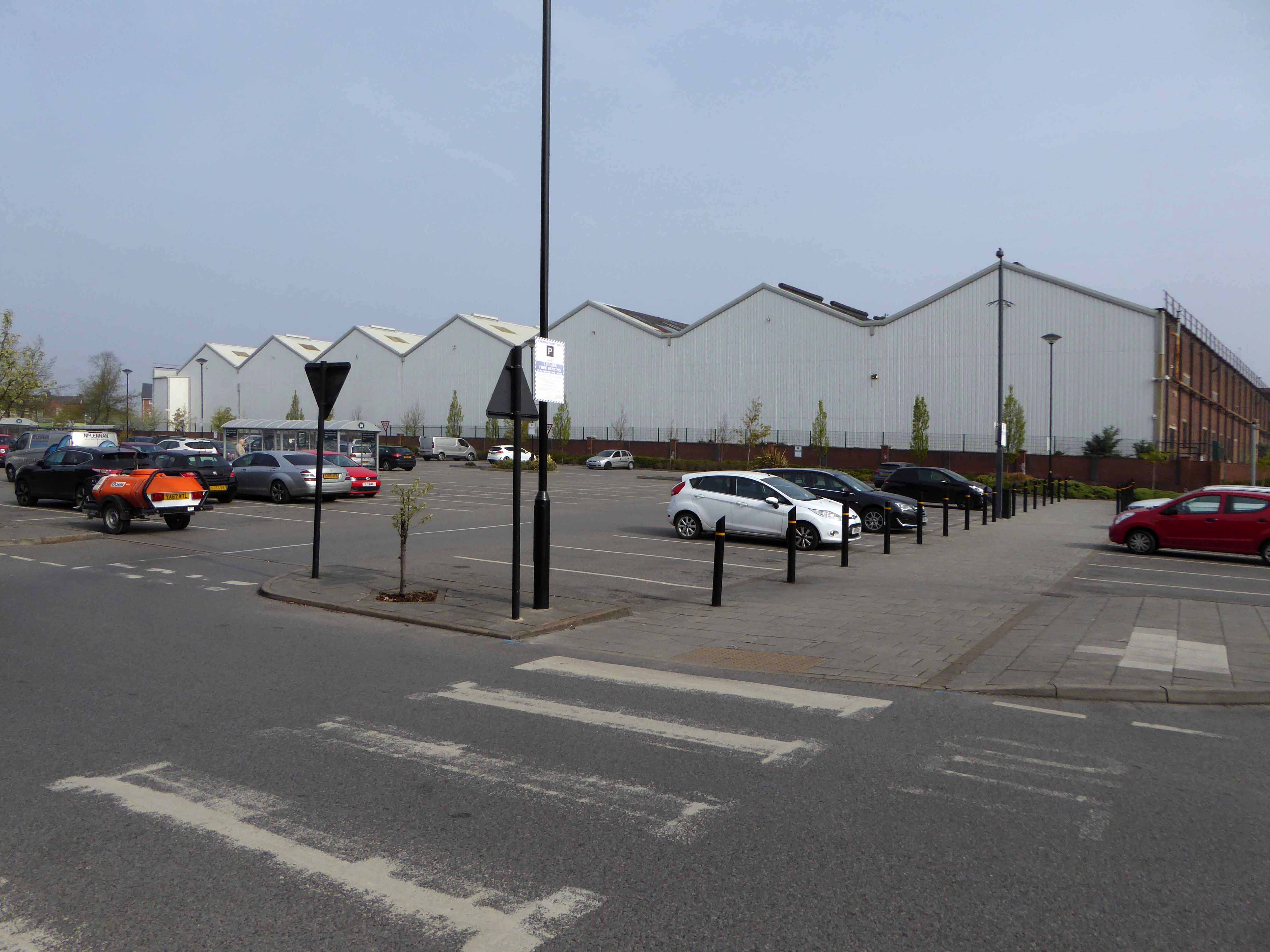
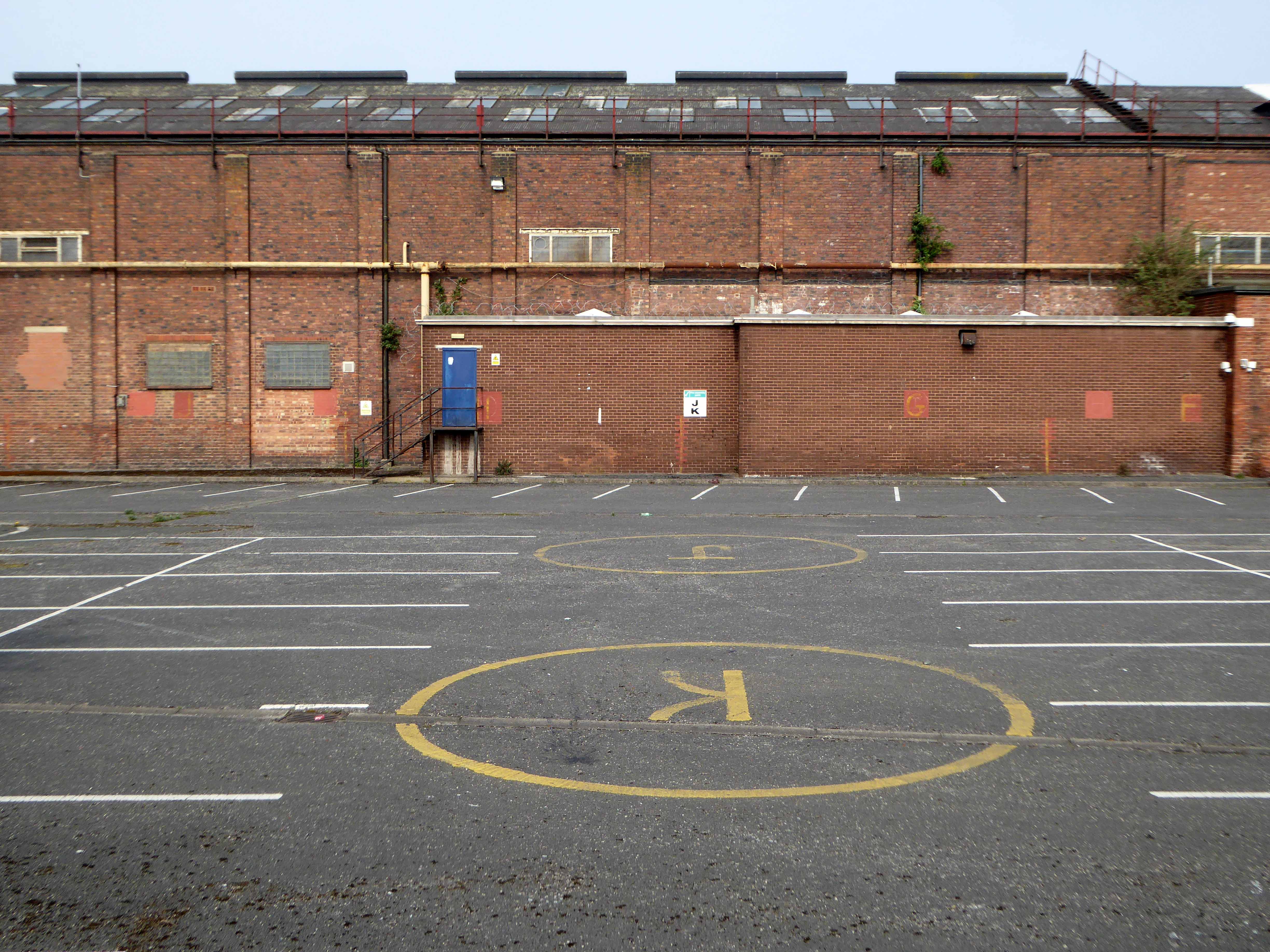
Part of the site became the site of a car park for B&M Bargains.
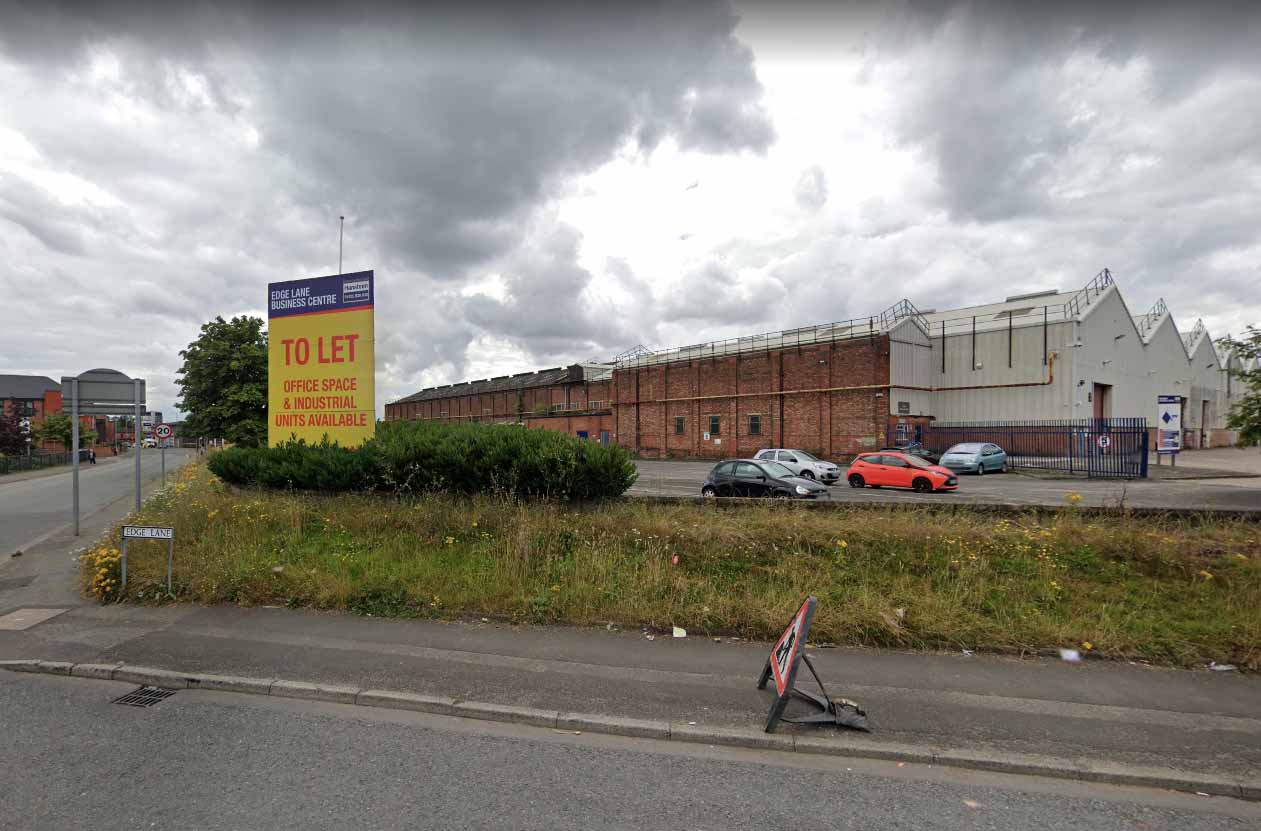
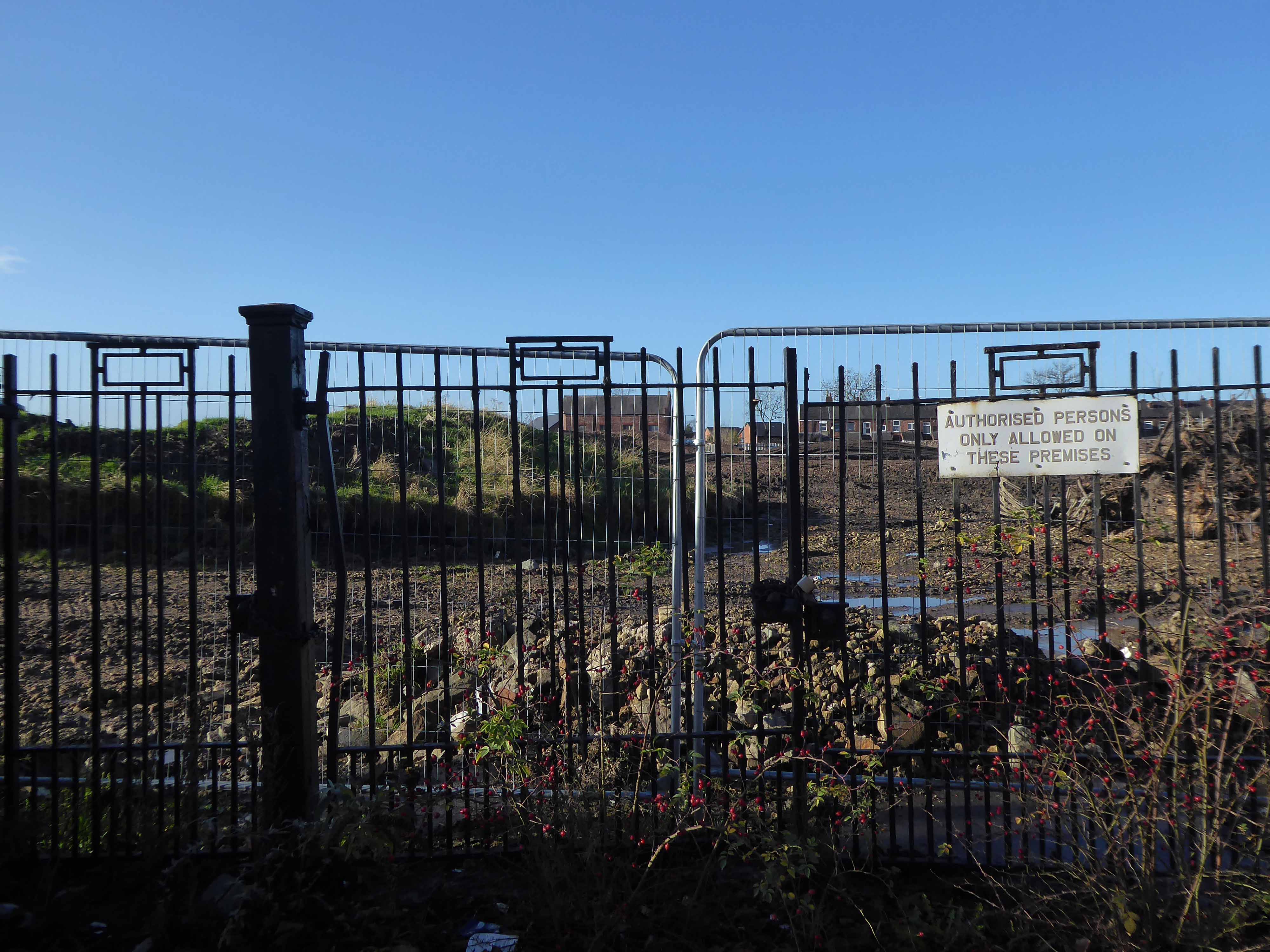
Empty car parking and to let signs in superabundance.
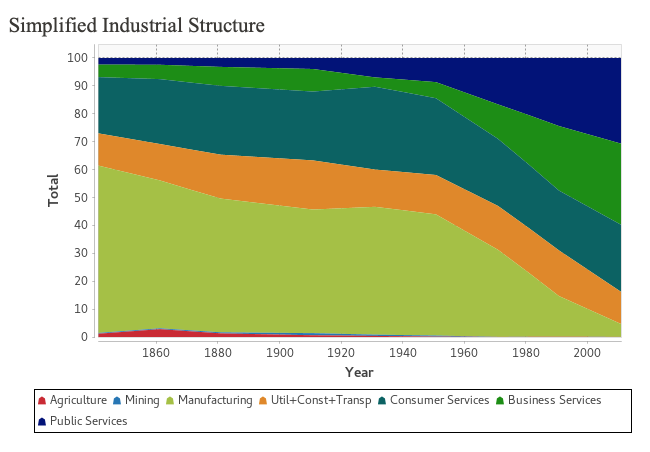
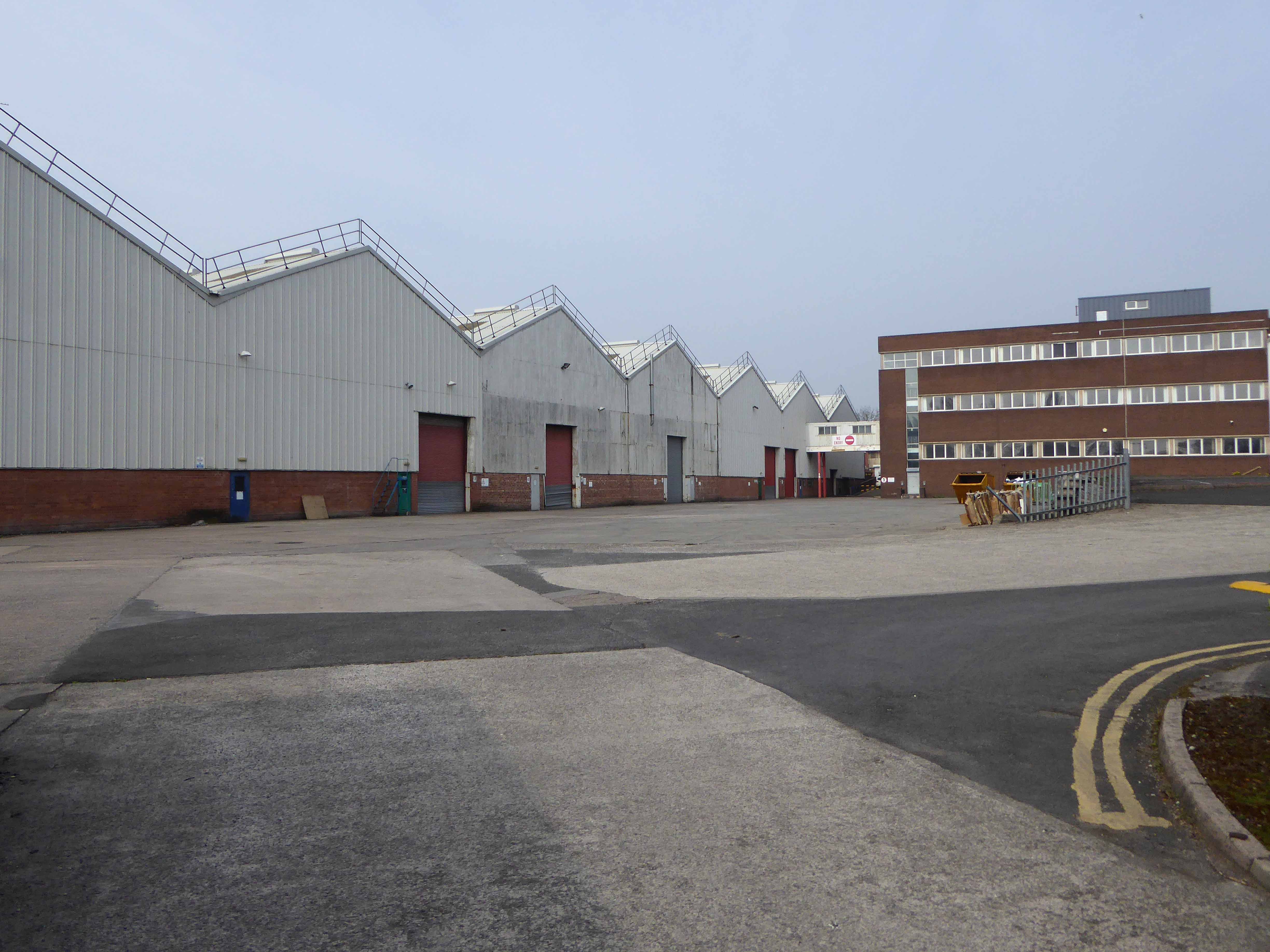
So there we are the end of an era – the decline in manufacturing, the structure ending life as an empty warehouse.
But wait, what’s all this?
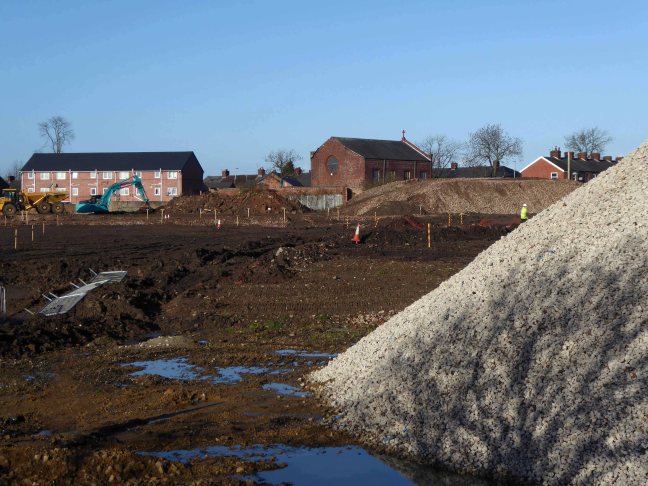
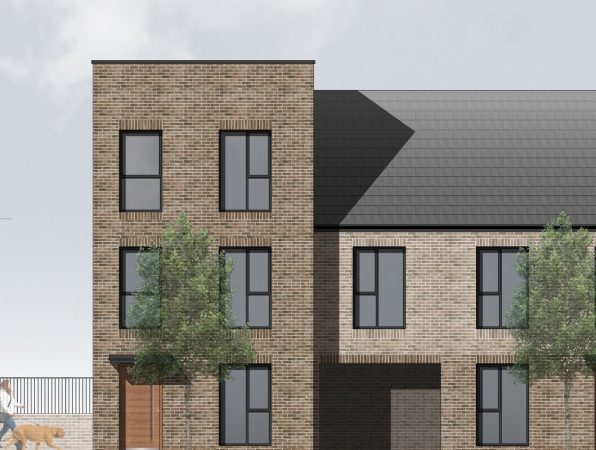
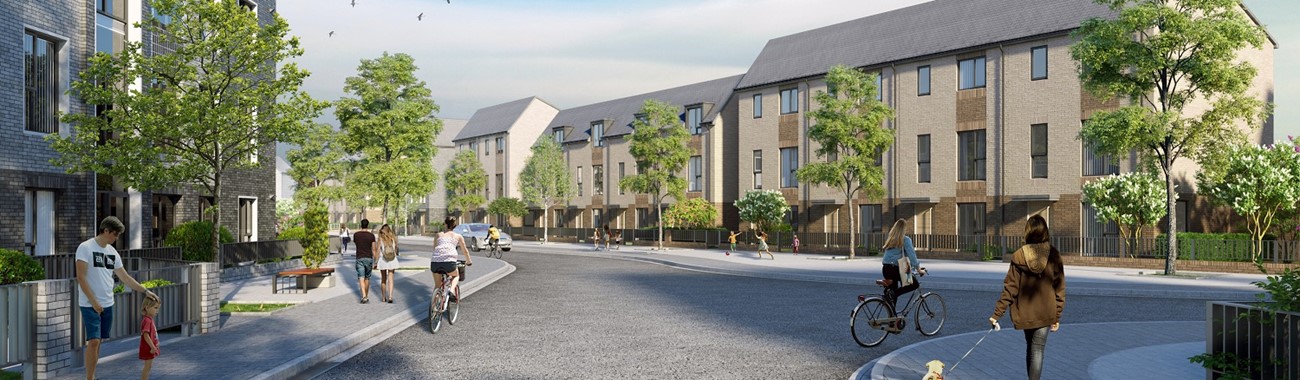
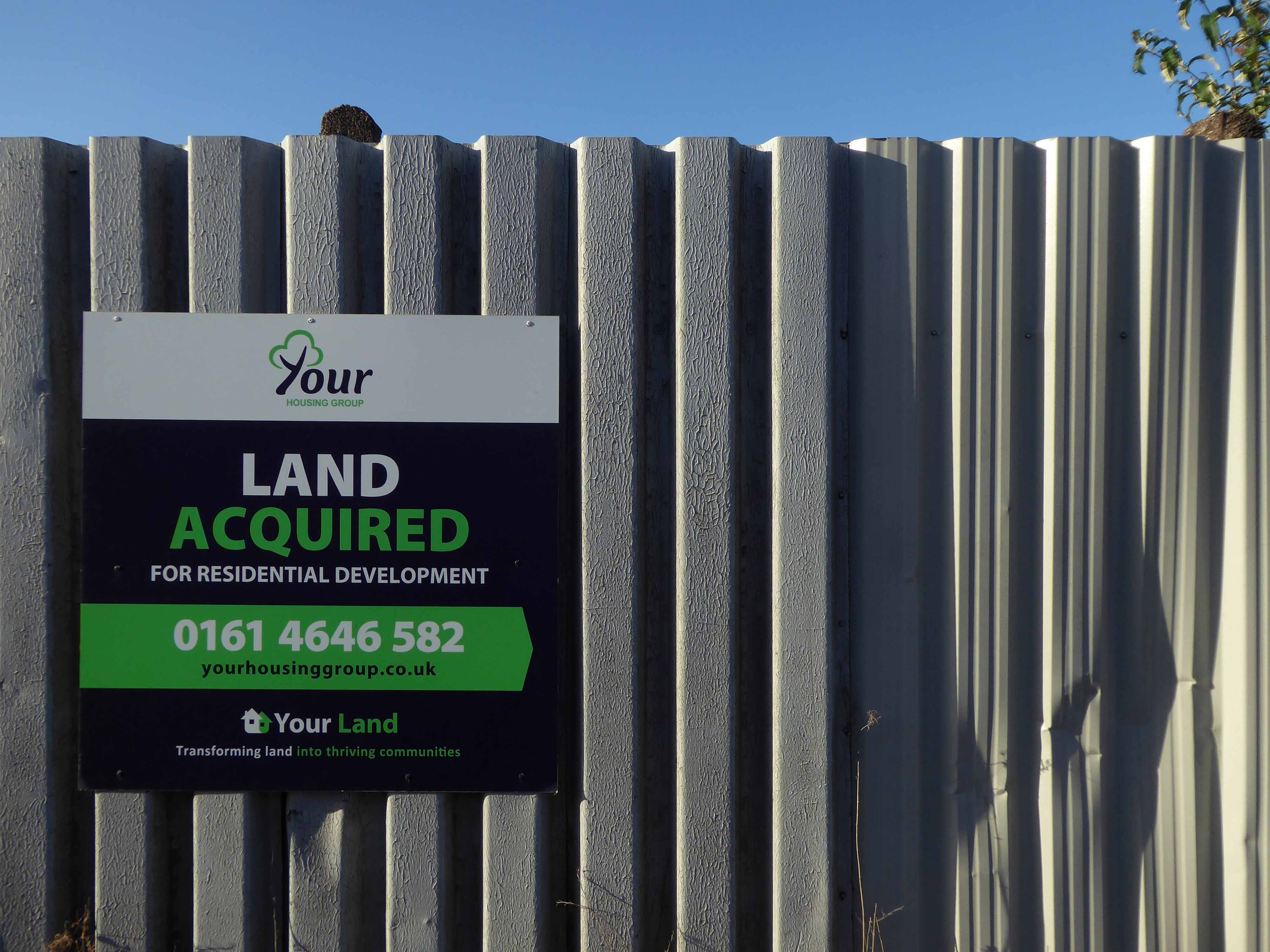
Your Housing Group, the Warrington-based affordable housing provider, wants to build a residential scheme on the site of a former warehouse on Edge Lane, with work starting this summer subject to consent.
The project in Openshaw comprises 216 homes available on a mix of tenures, according to a planning application submitted to Manchester City Council. A total of 72 will be for sale as shared ownership schemes, another 72 will be for private rent, and 72 will be for affordable rent.
So there we are another phase of development for one small area of Manchester, should you change to pass, just spare a moment to recall those thousands of souls that laboured their whole working lives – right here on Fairfield Road and Edge Lane.
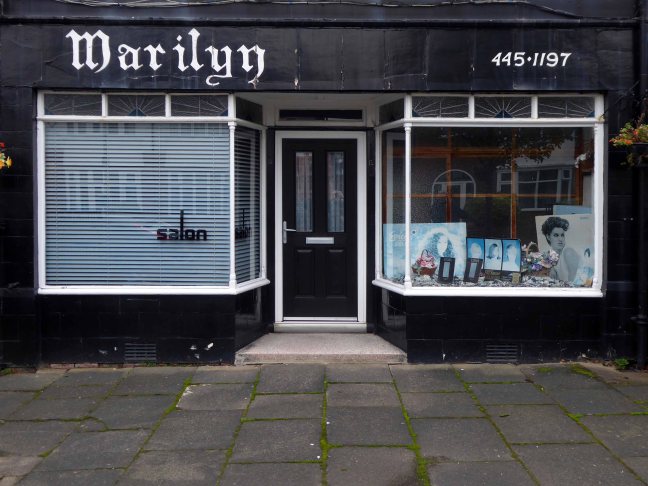
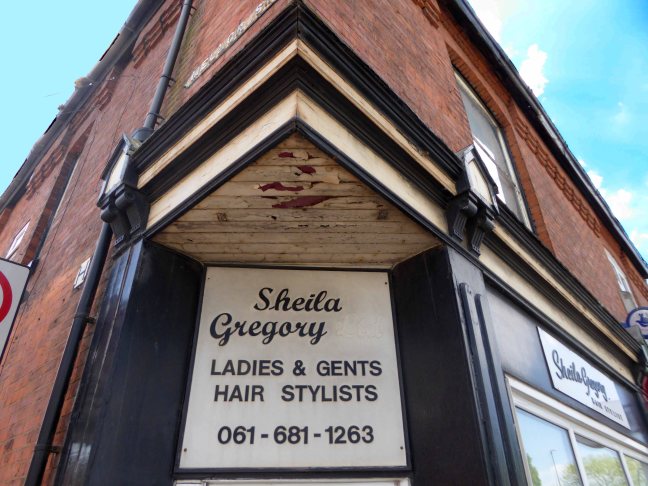
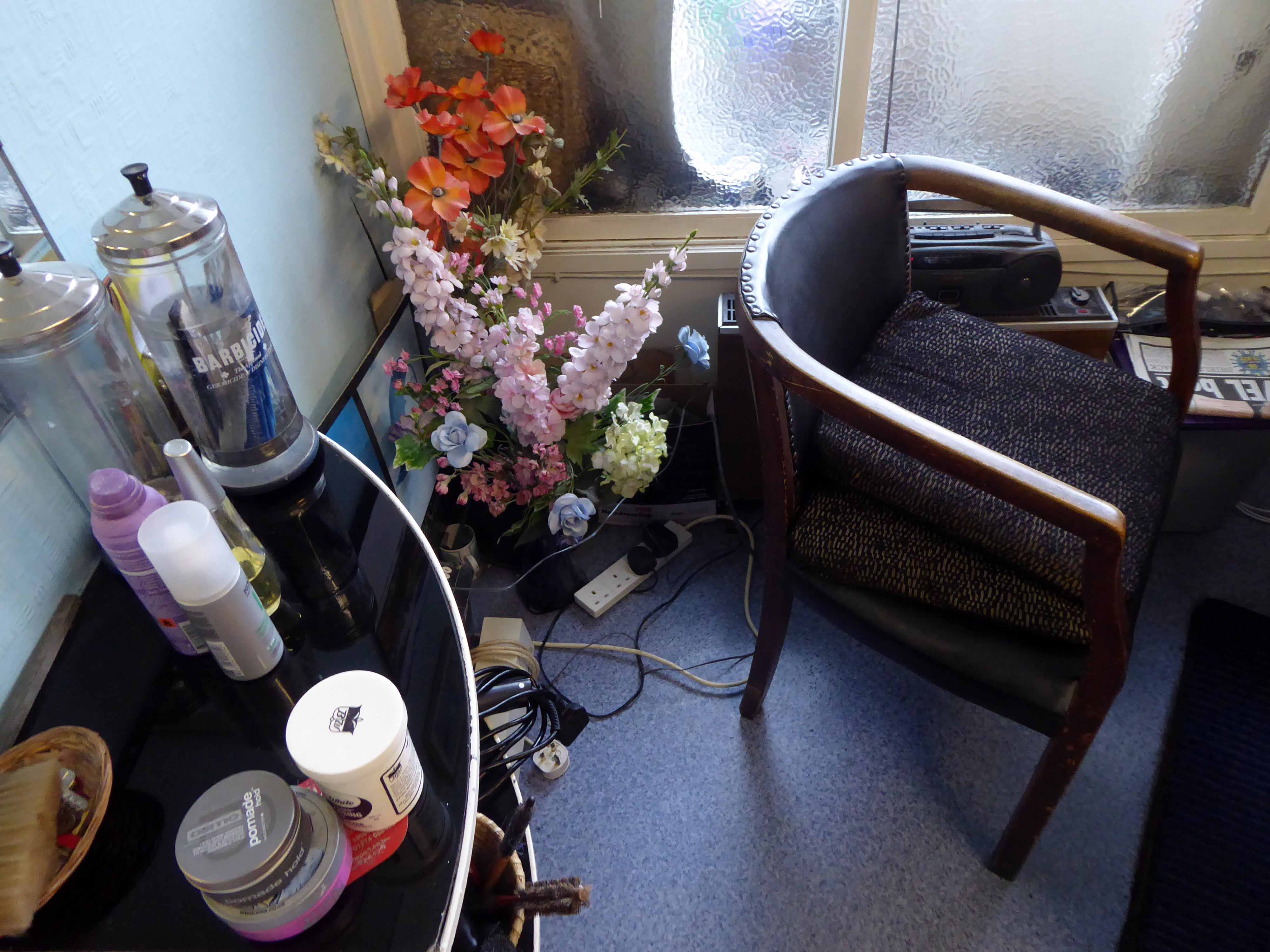
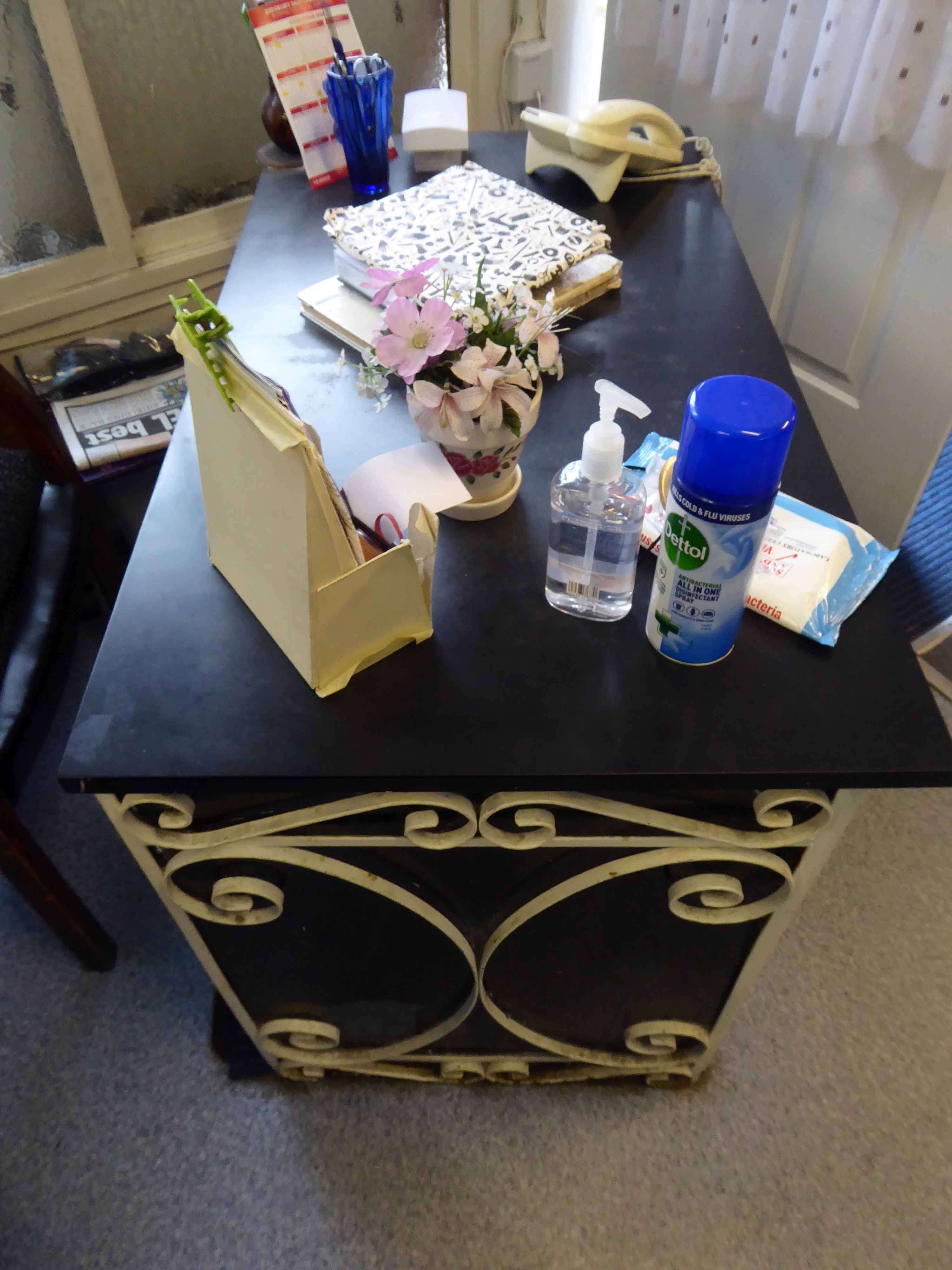
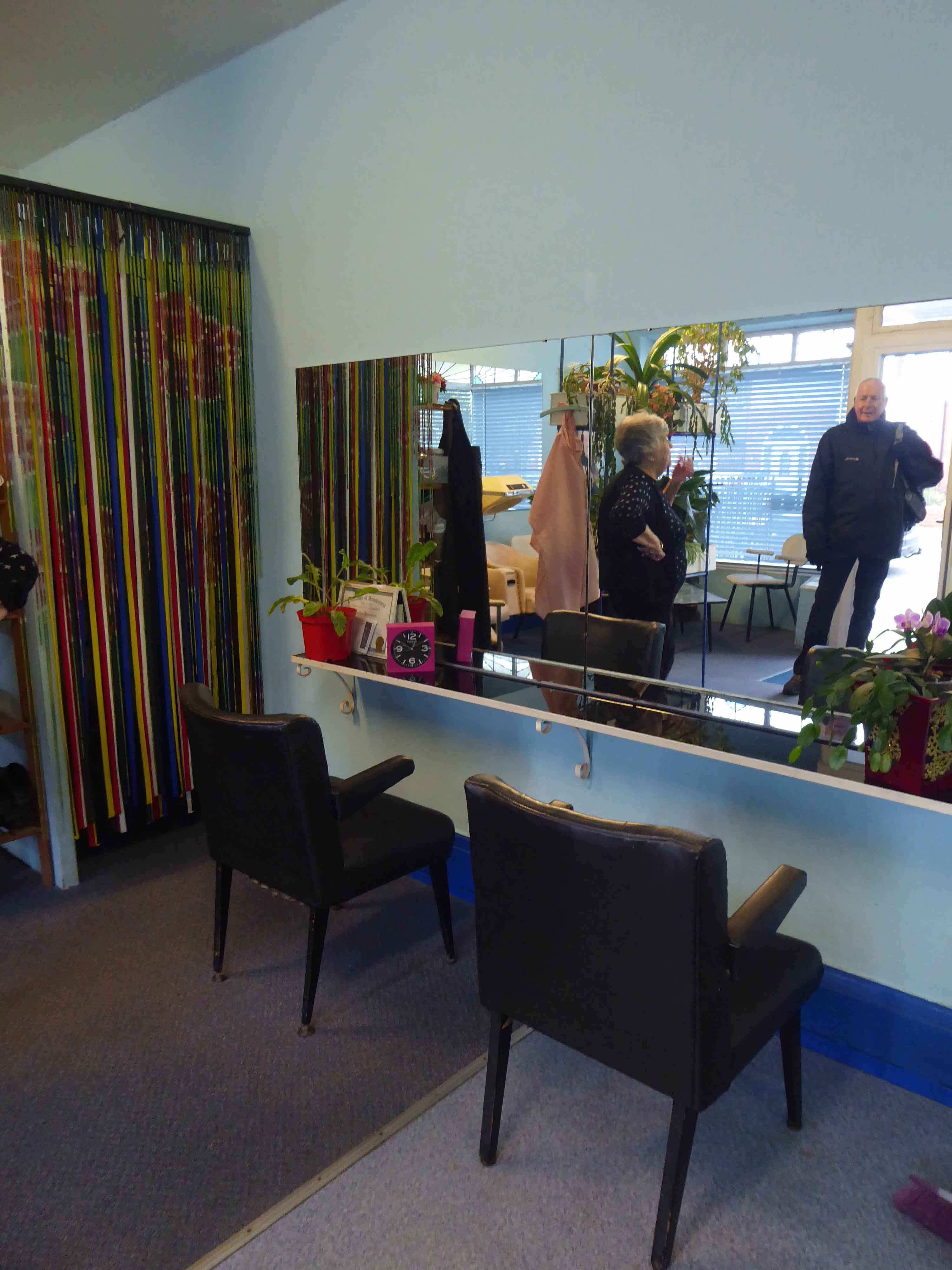
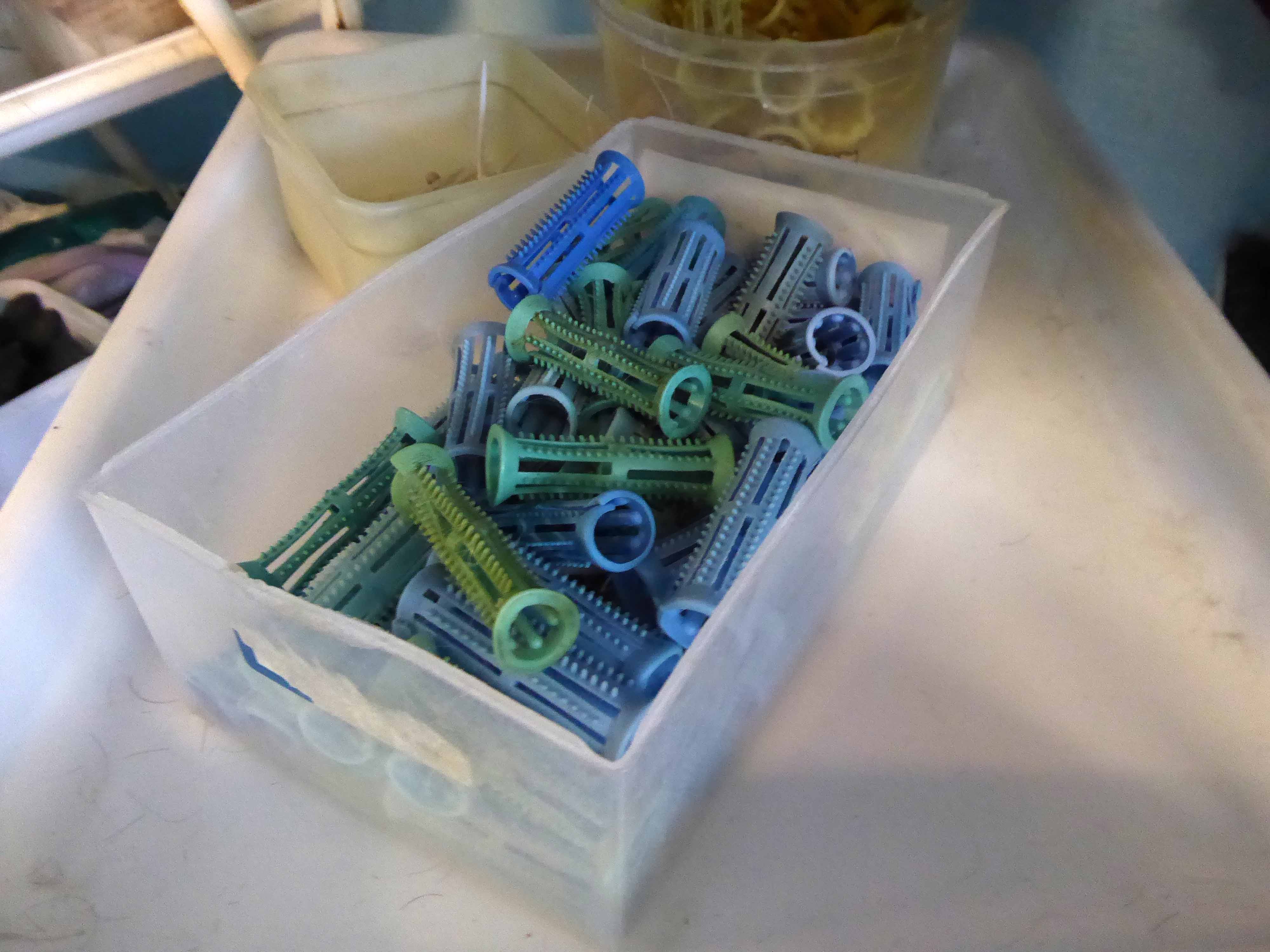
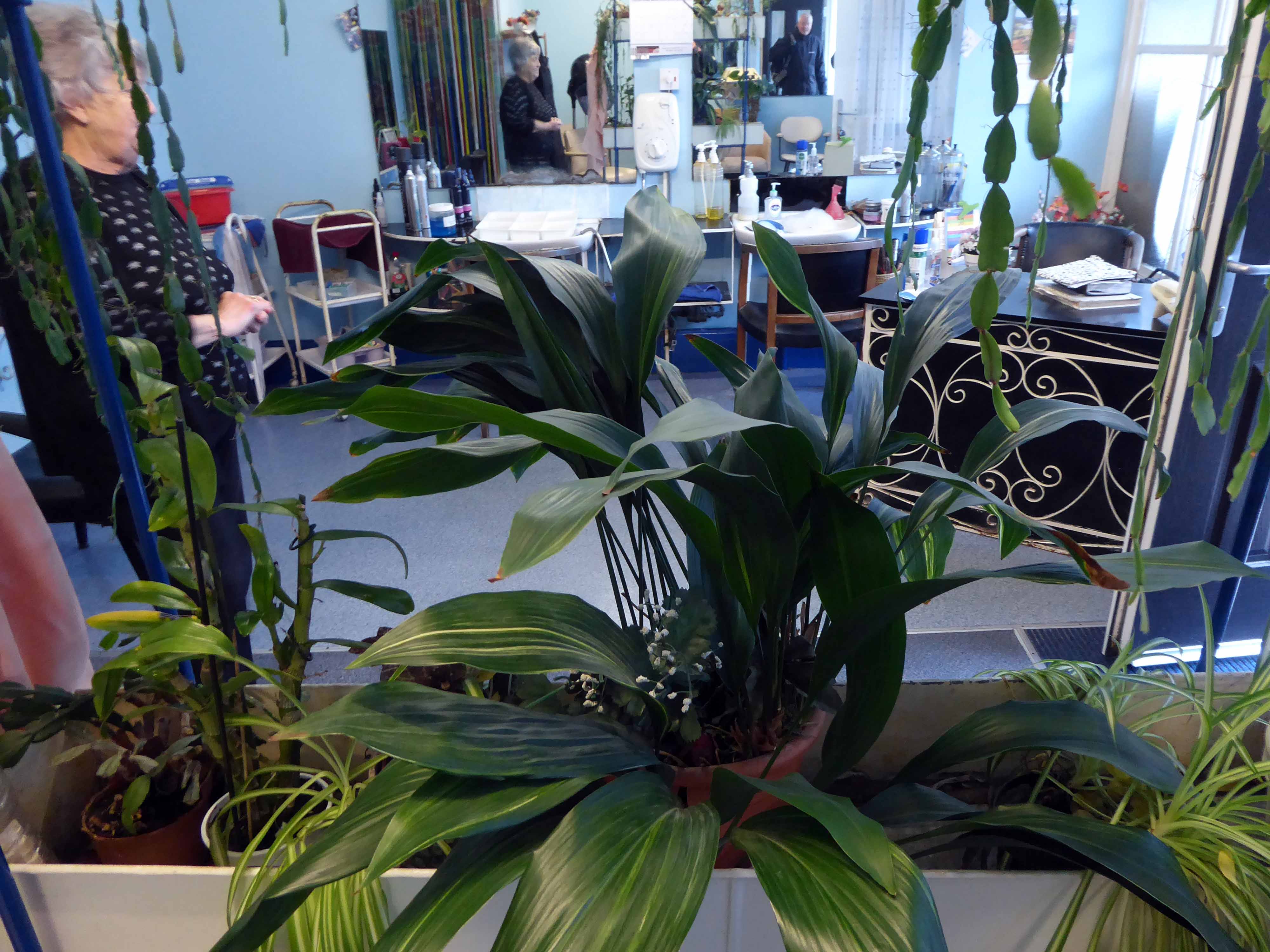
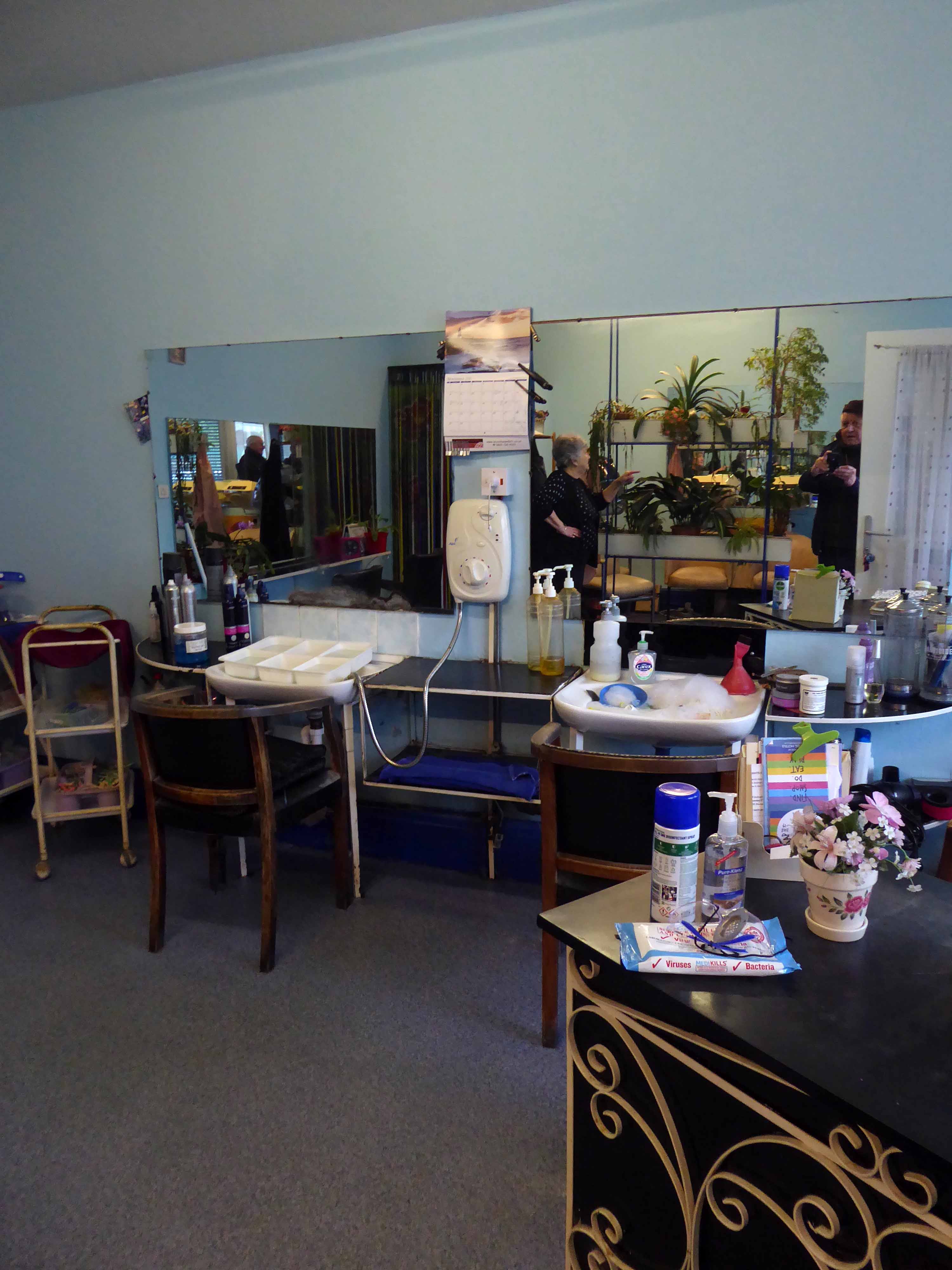
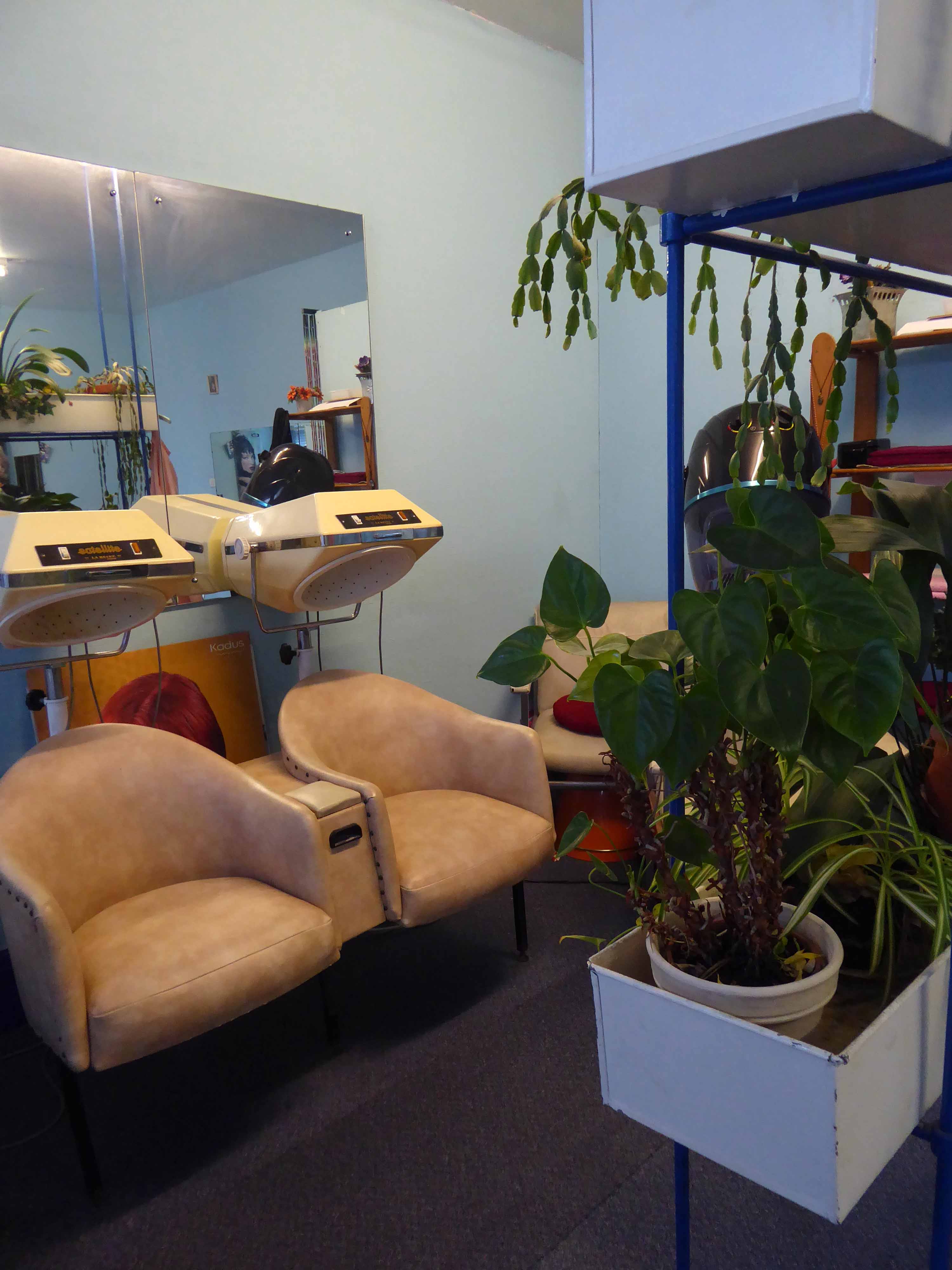
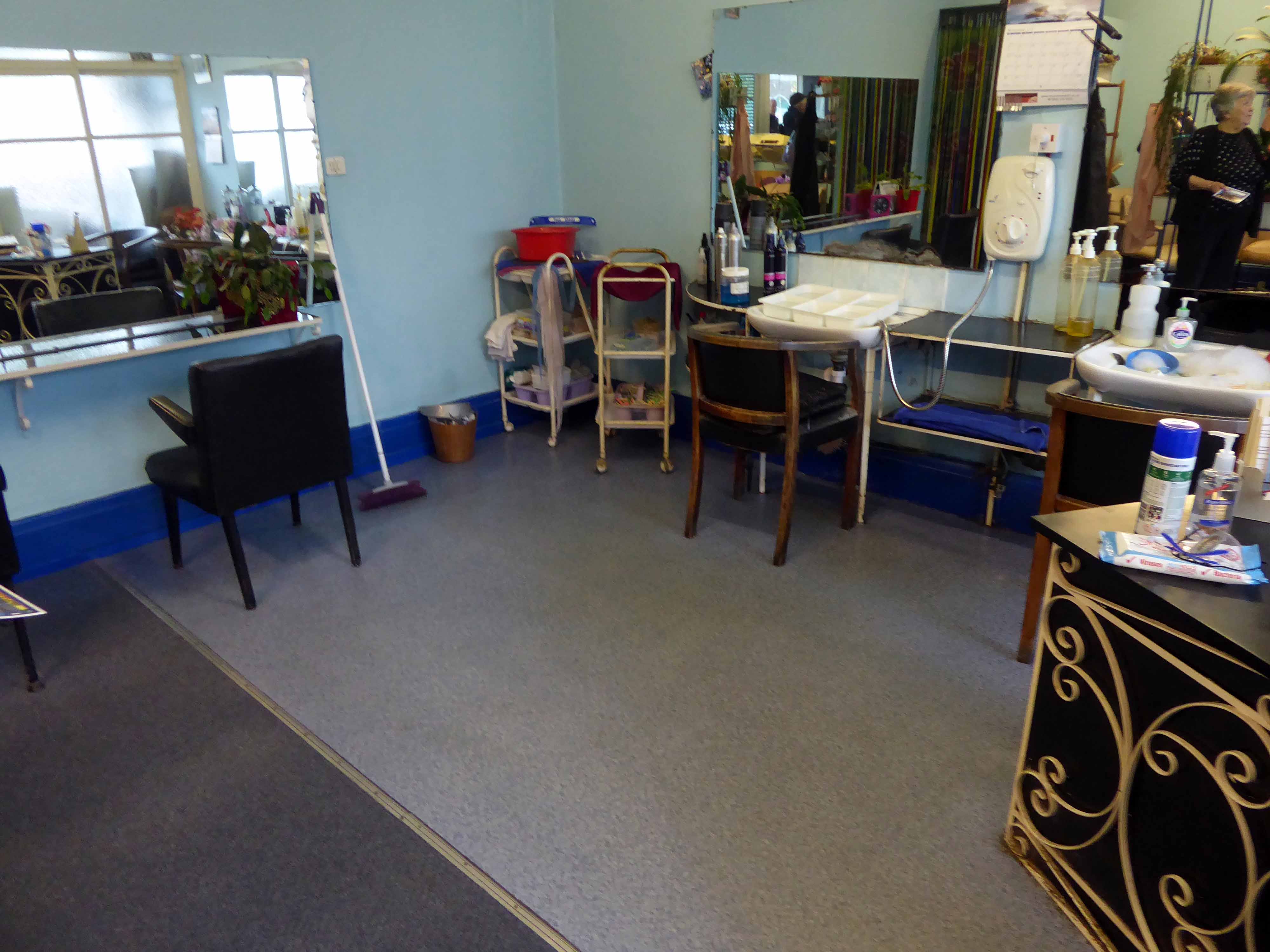
This is not the first time that I have crossed the threshold of a hair salon – having done so first in Failsworth, keeping company with Sheila Gregory and her chatty clientele.
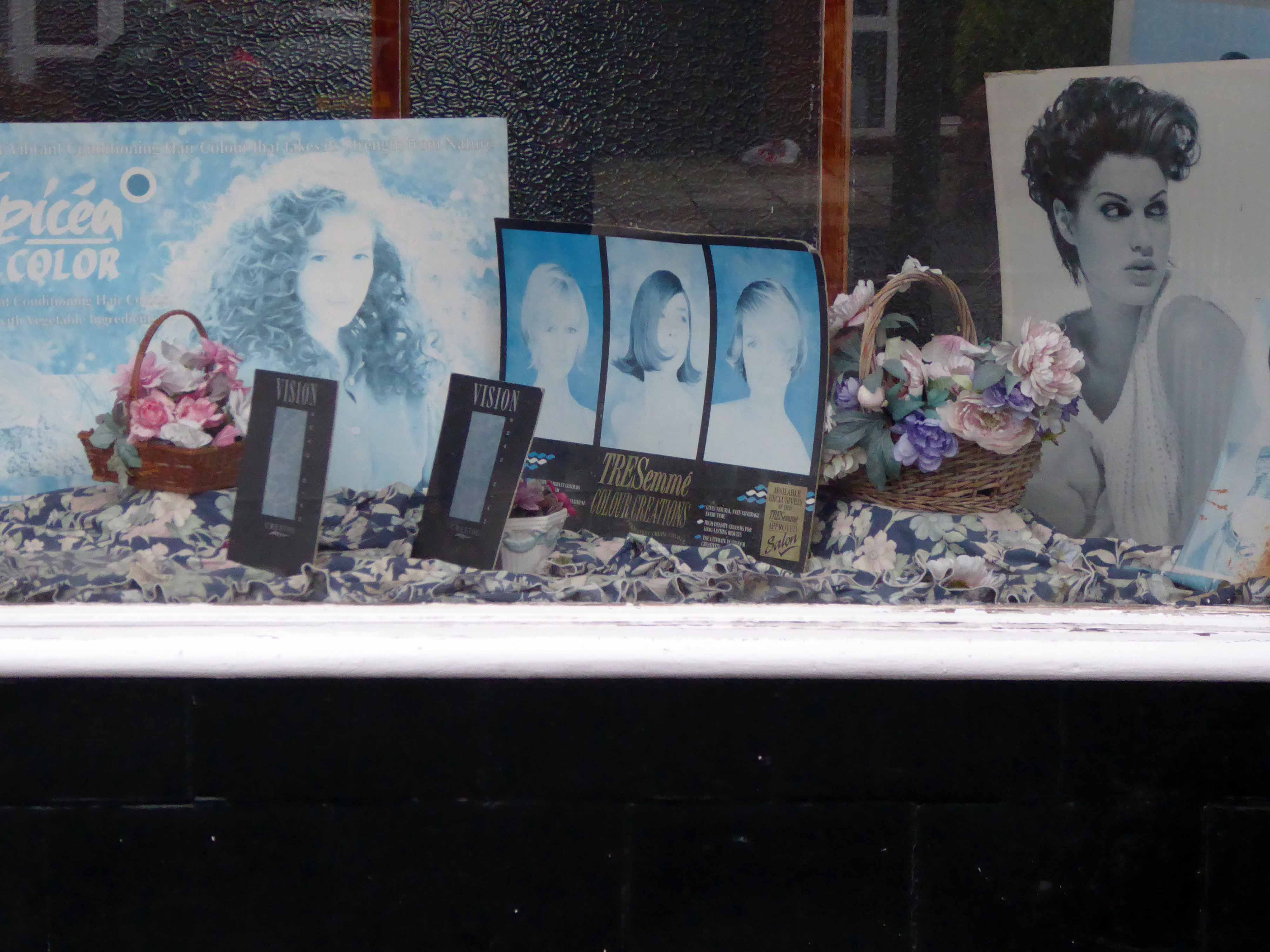
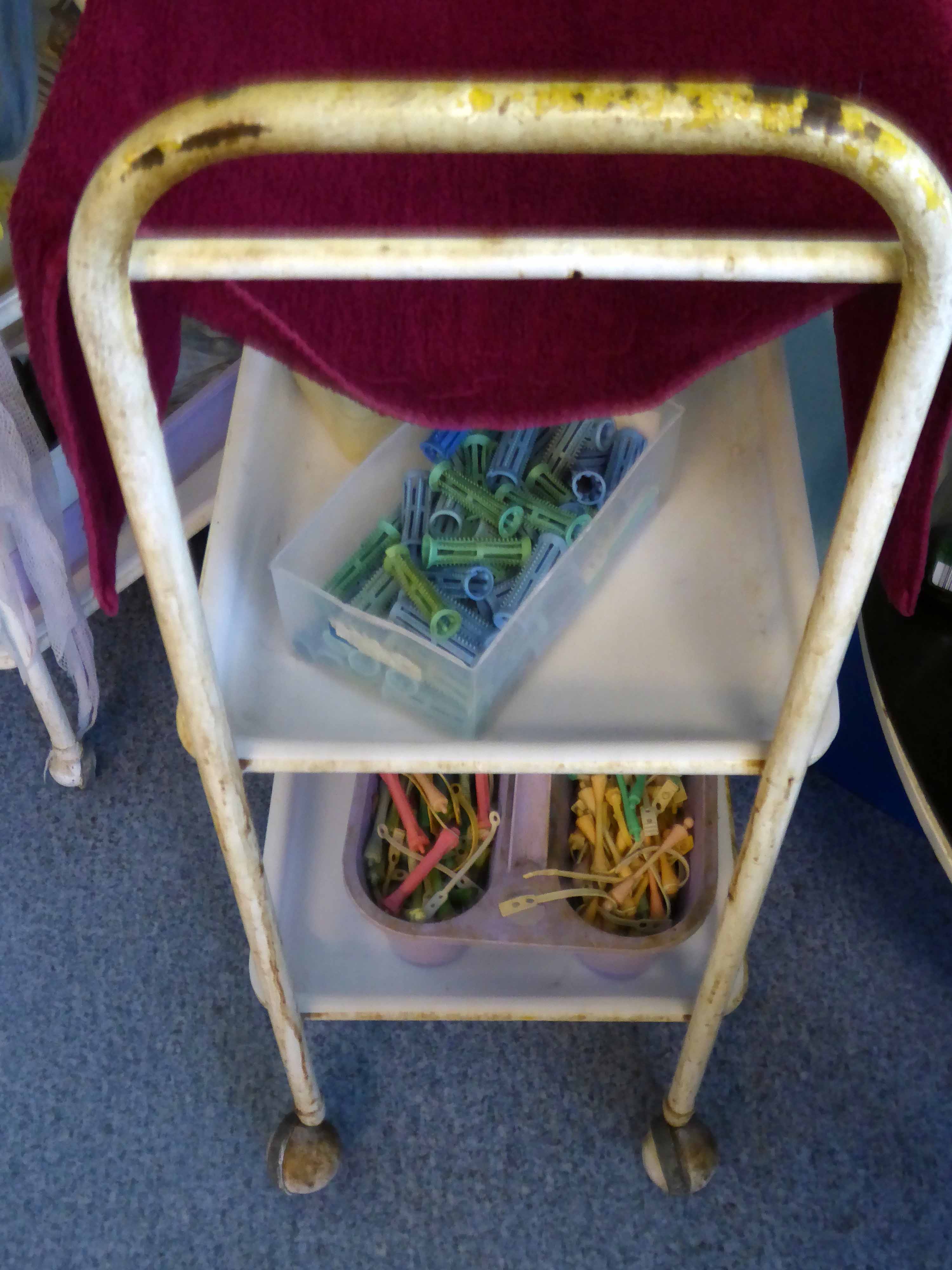
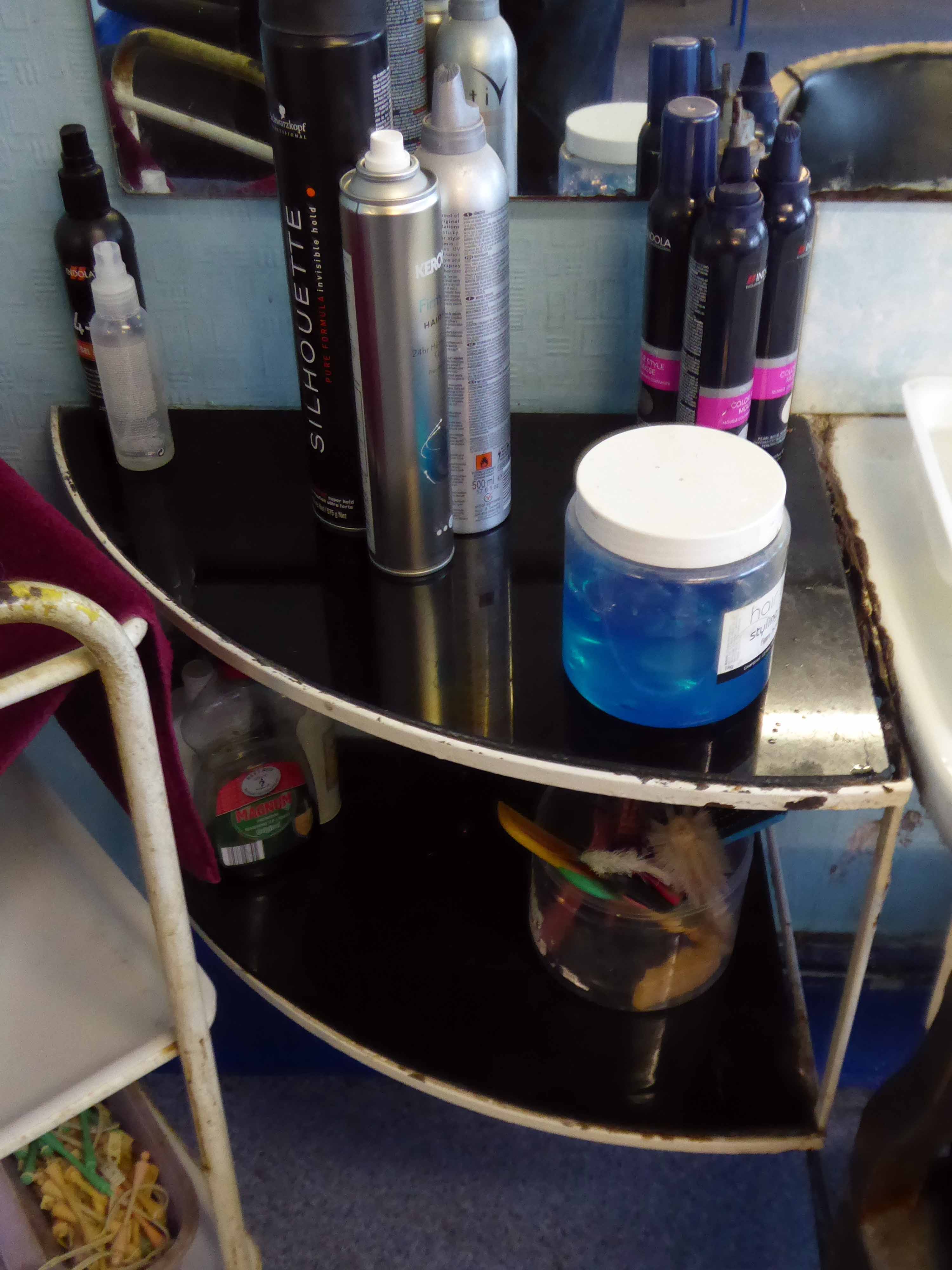
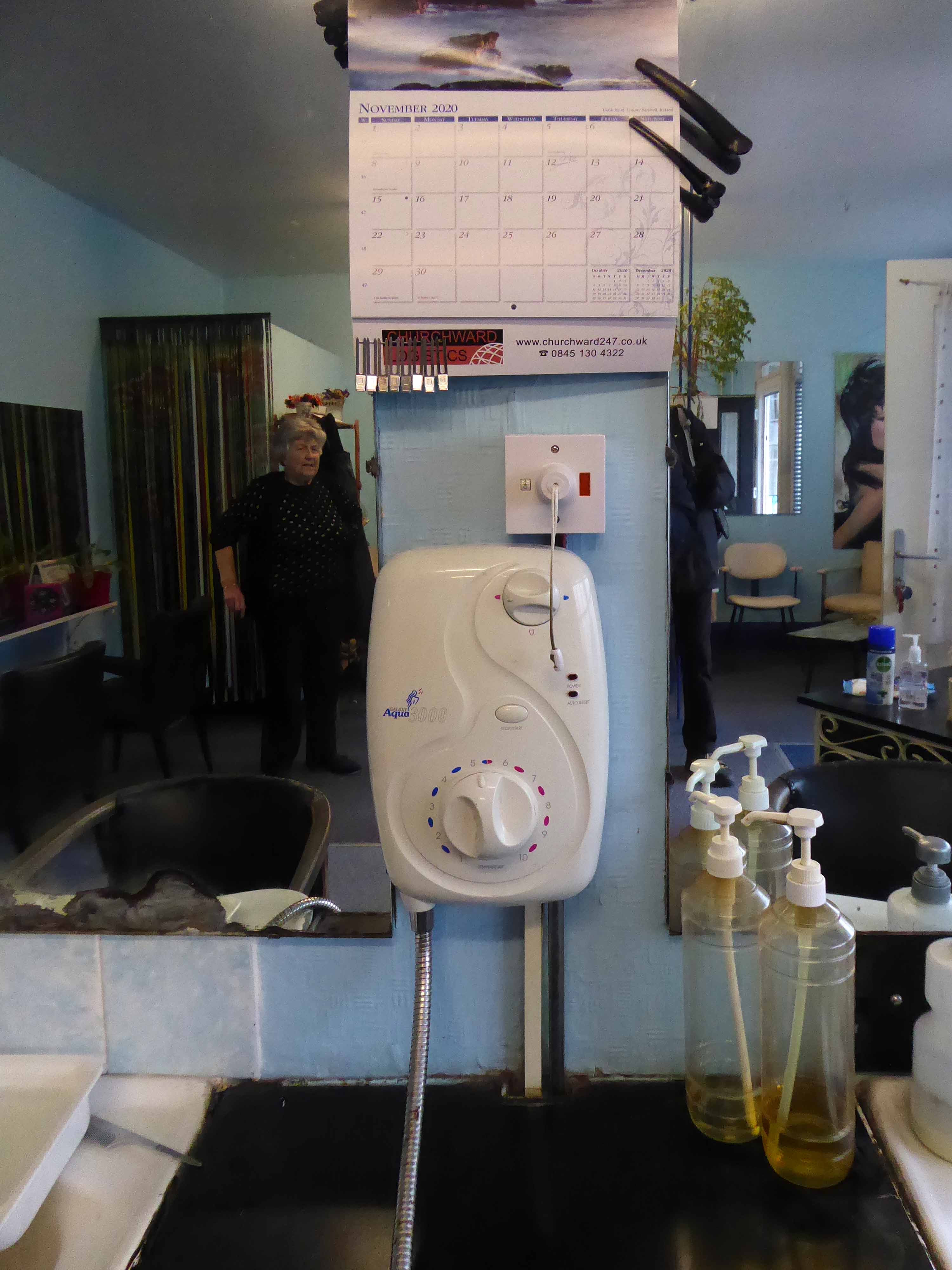
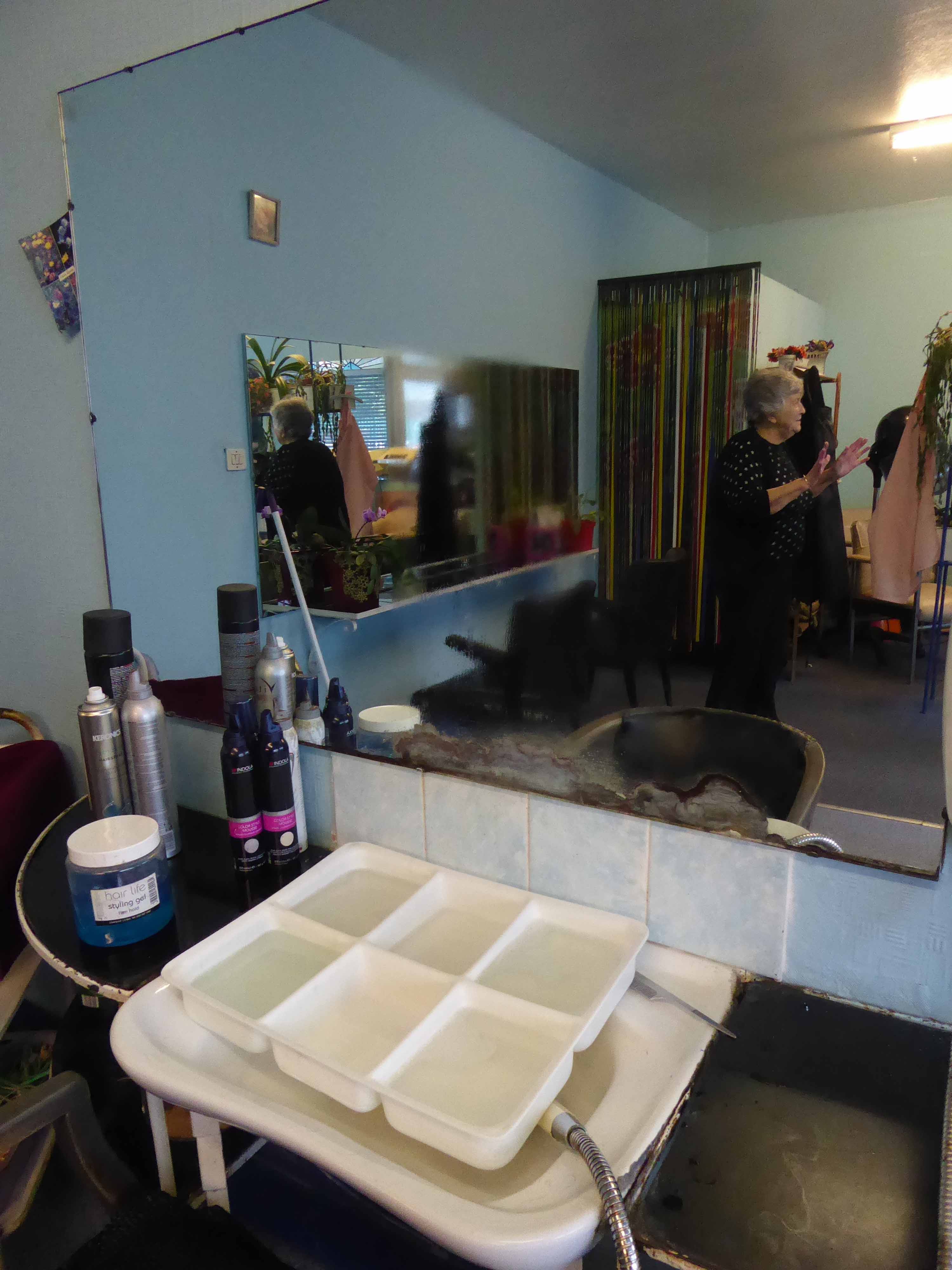
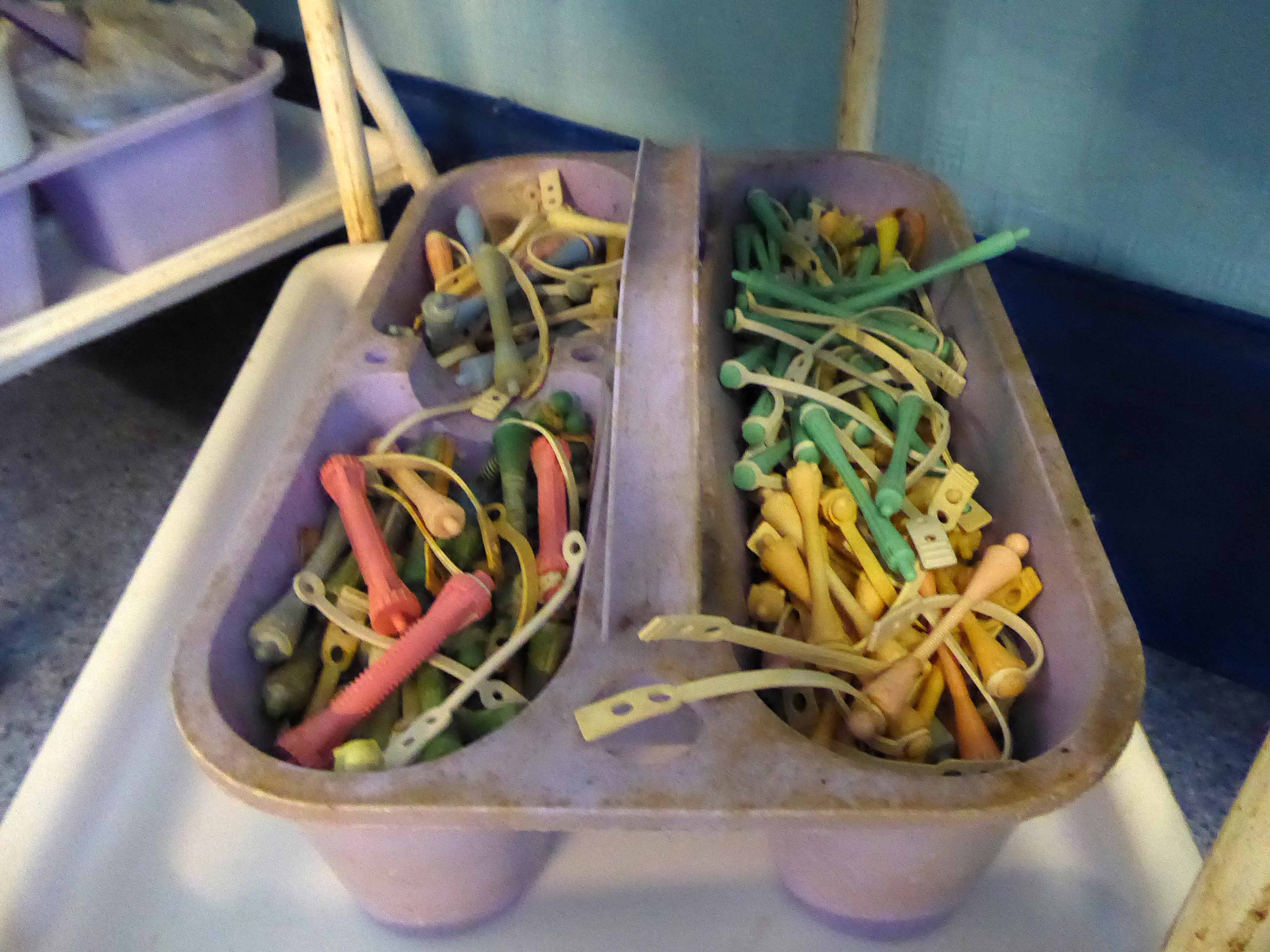
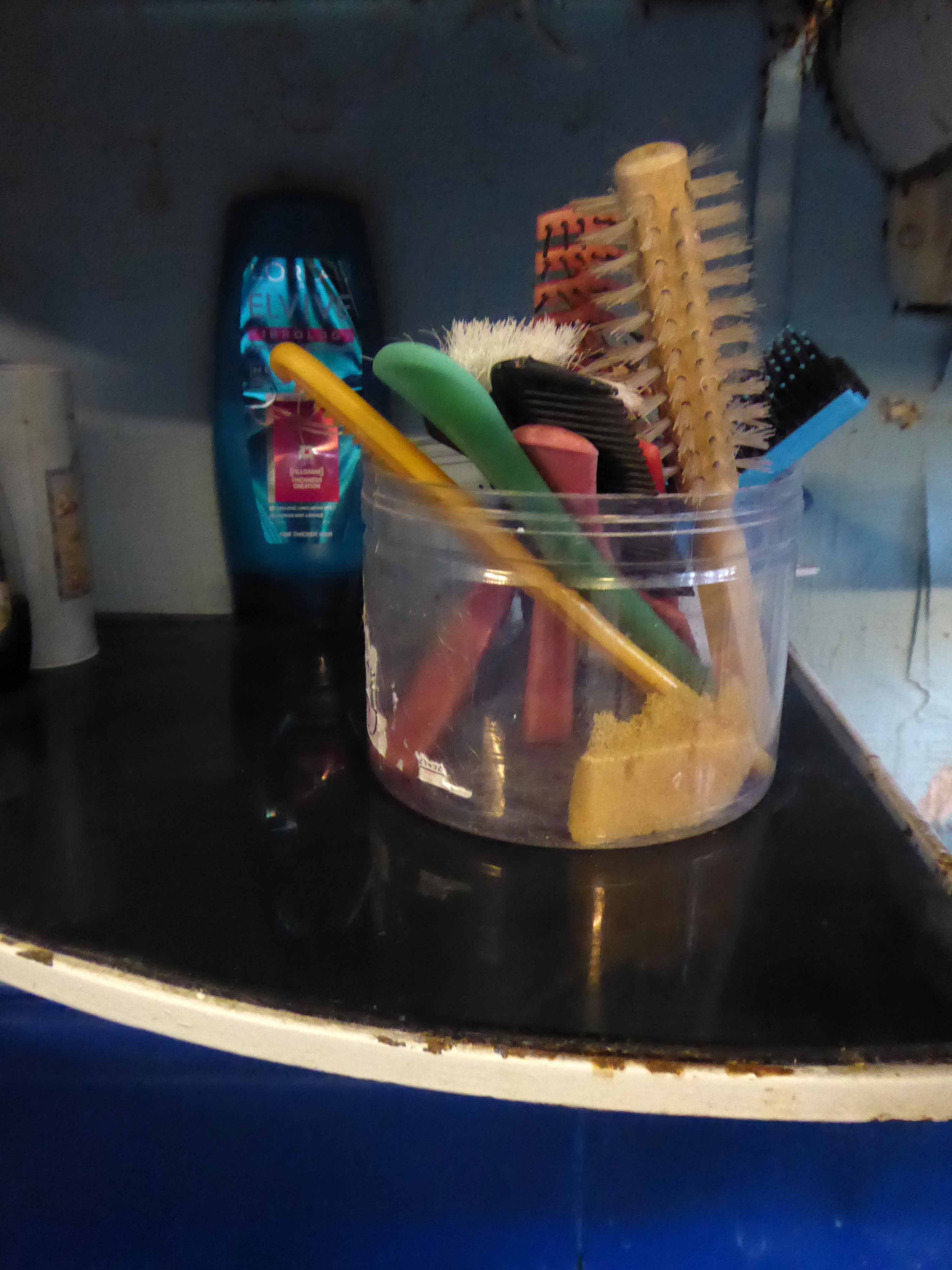
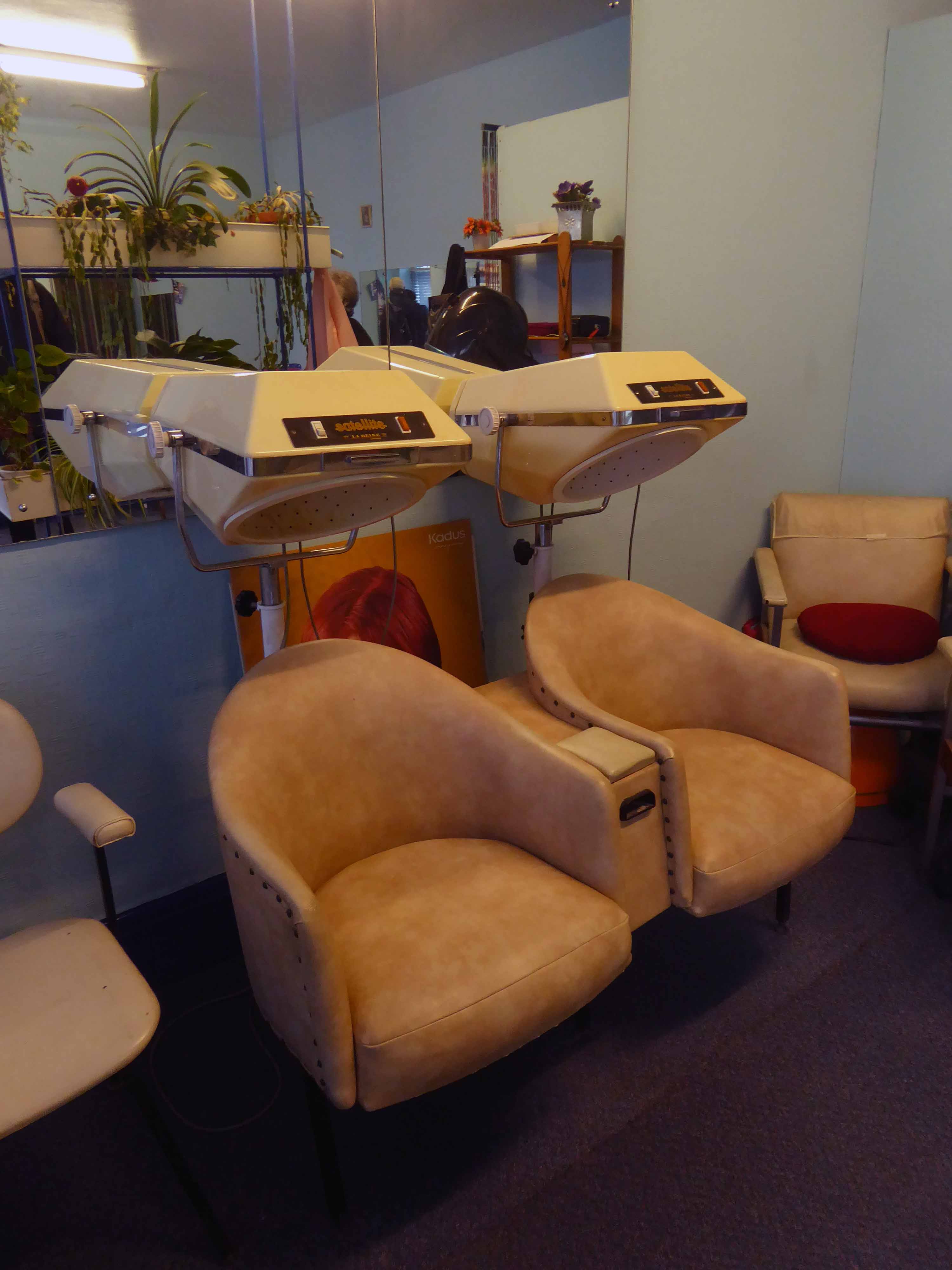
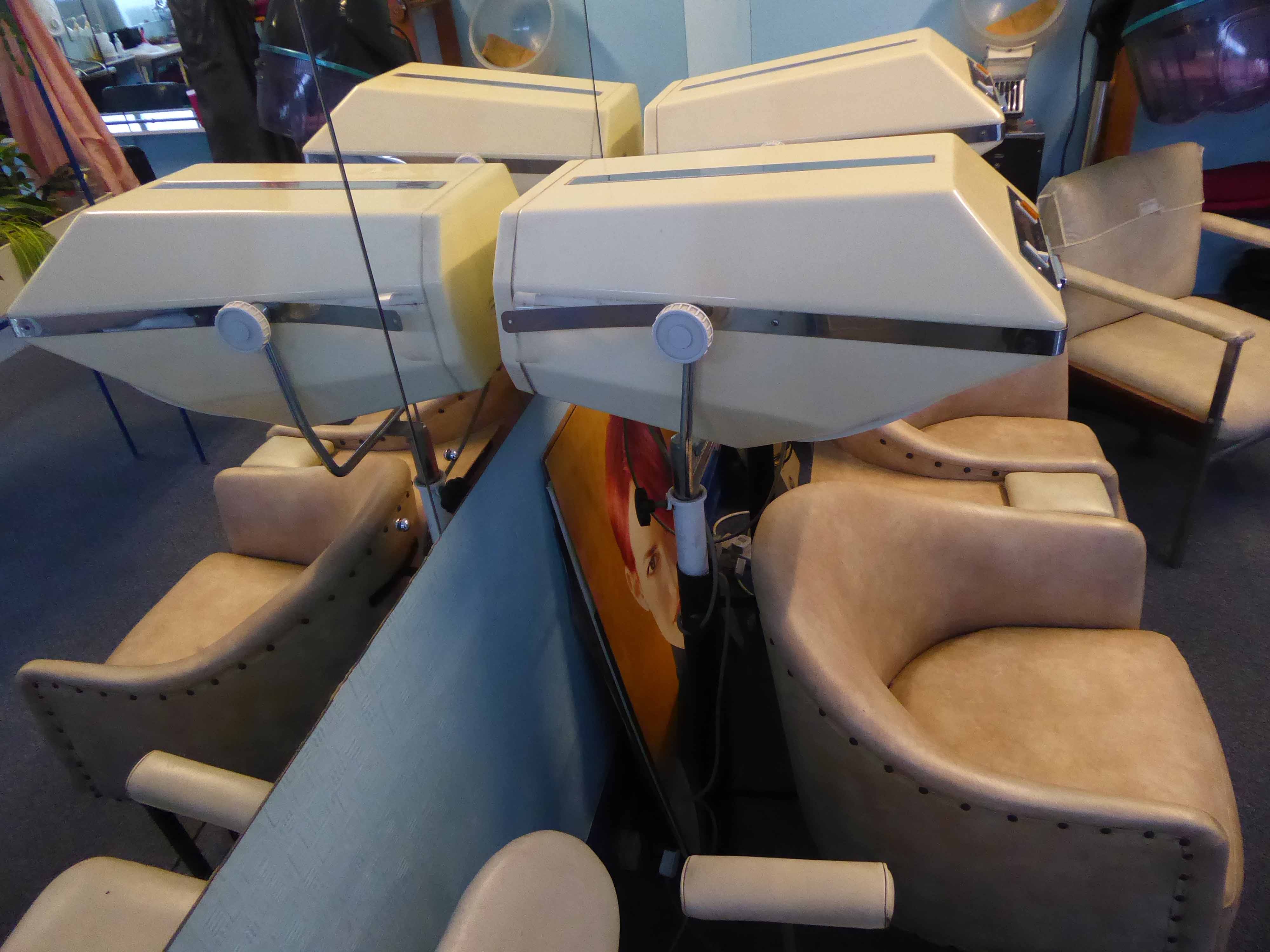
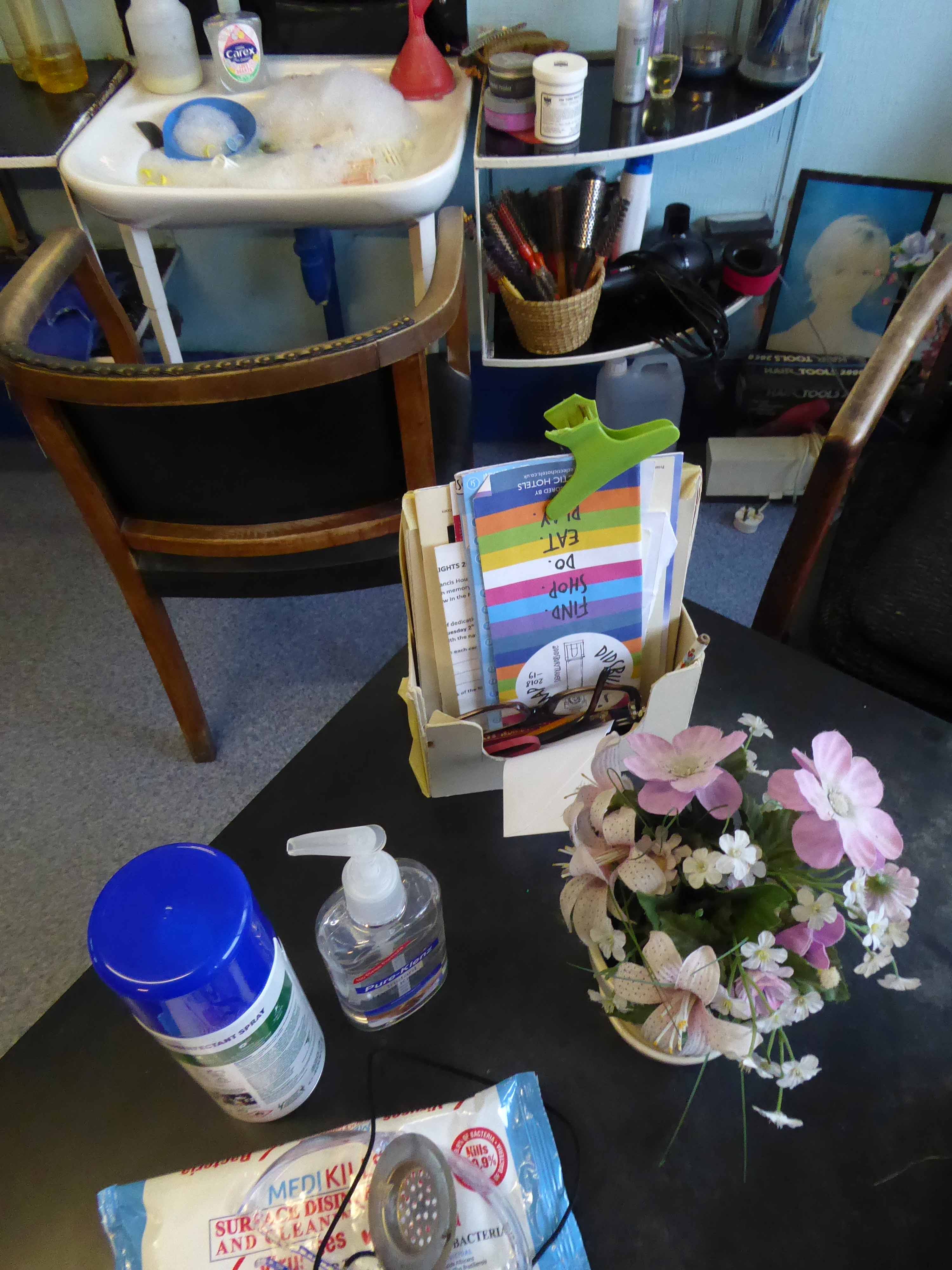
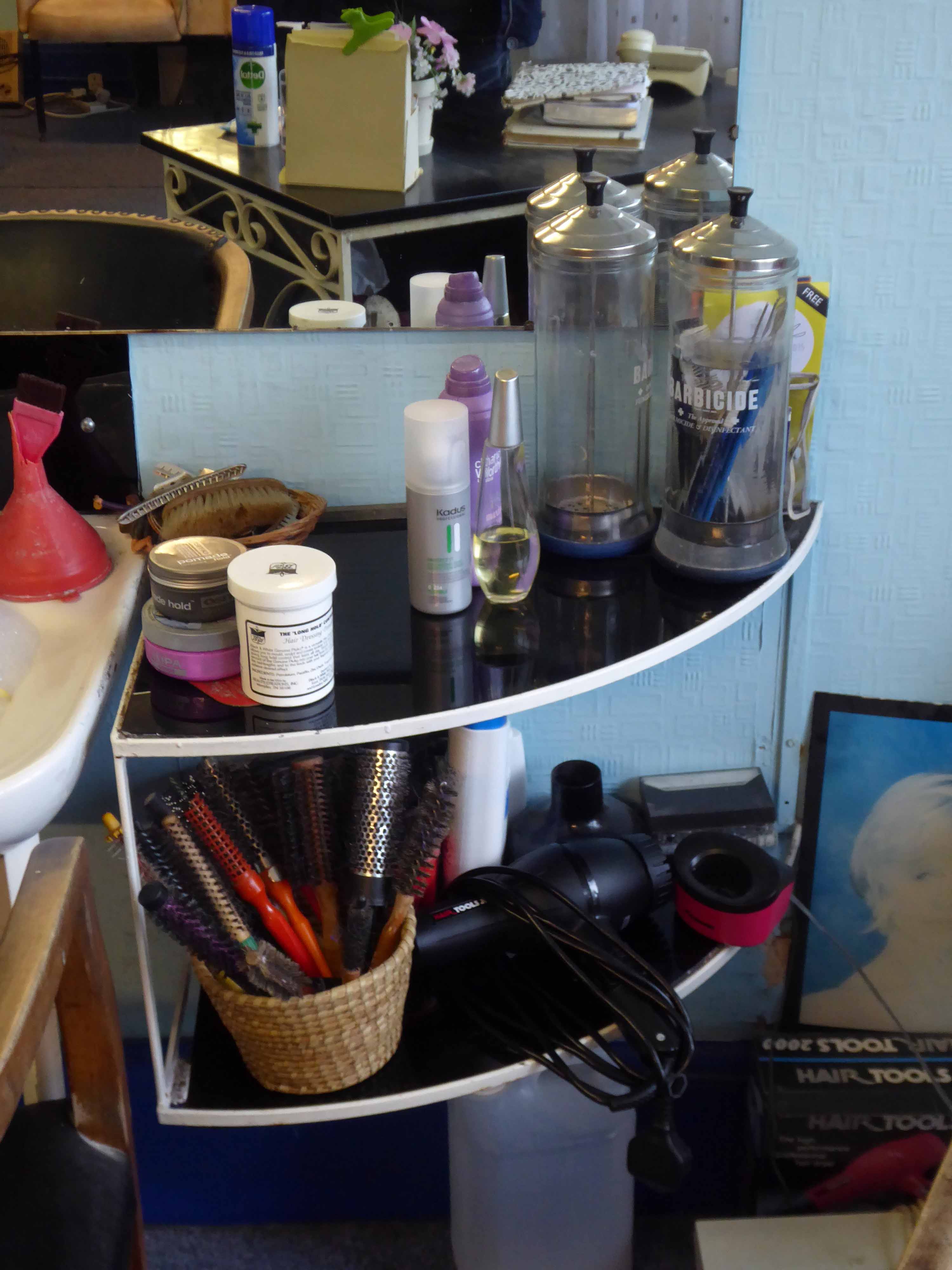
Both Sheila and Marilyn preserve something of the past, not just in fixtures and fittings, but also in something of an old world charm. A land of shampoos and sets, lacquer and curlers, conviviality and coffee cups.
On the day of our chance encounter here in East Didsbury, we are all experiencing the first week of Covid lockdown – the salon is ostensibly closed, yet Marilyn was kind enough to allow us a few socially distanced moments to stop, snap and chat.
She has been here since 1963, nothing and everything has changed. She had intended to retire some time ago, but on the death of her husband she decided to continue cutting and curling, three days a week, living above the shop, doing just enough.
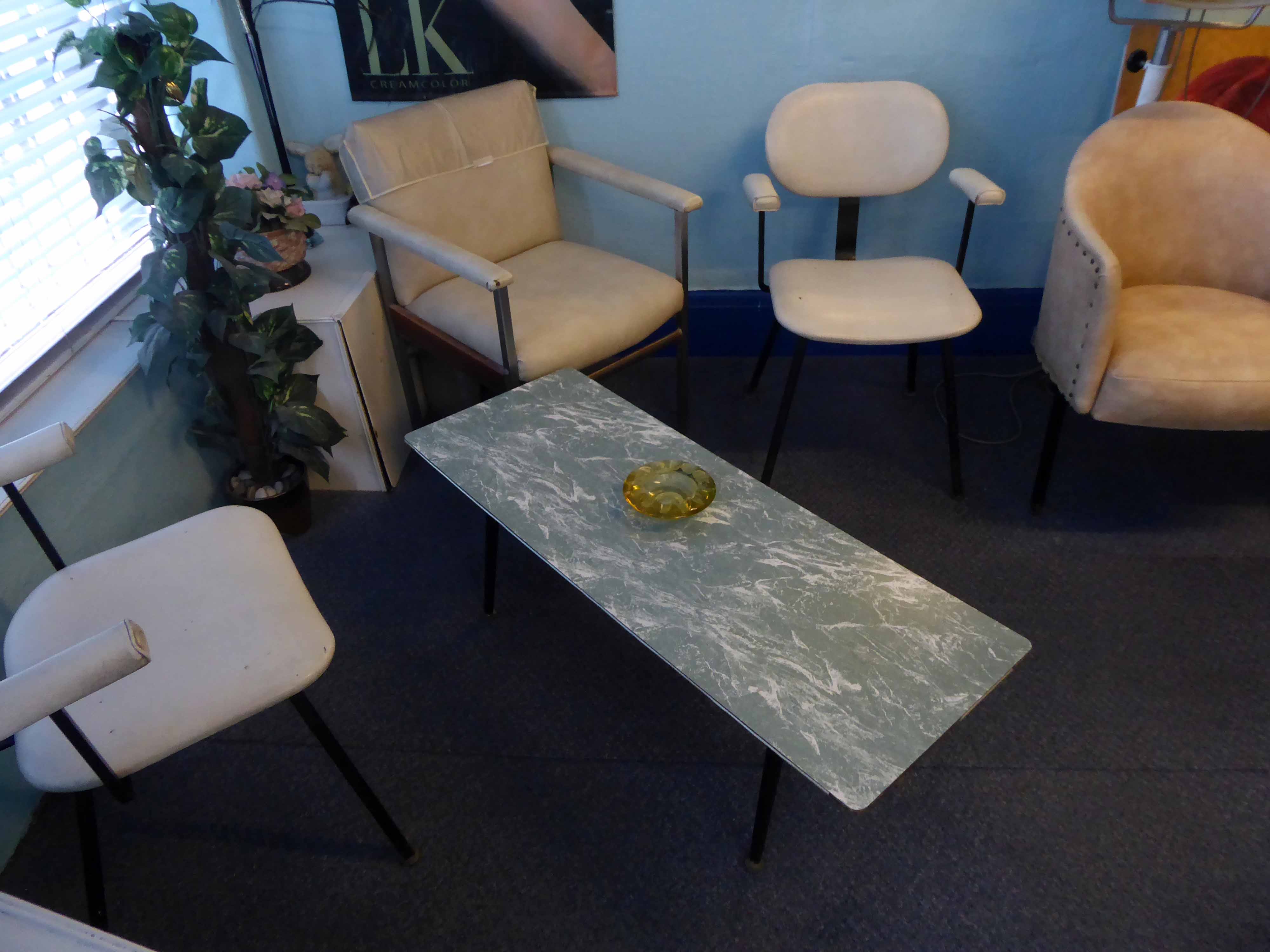
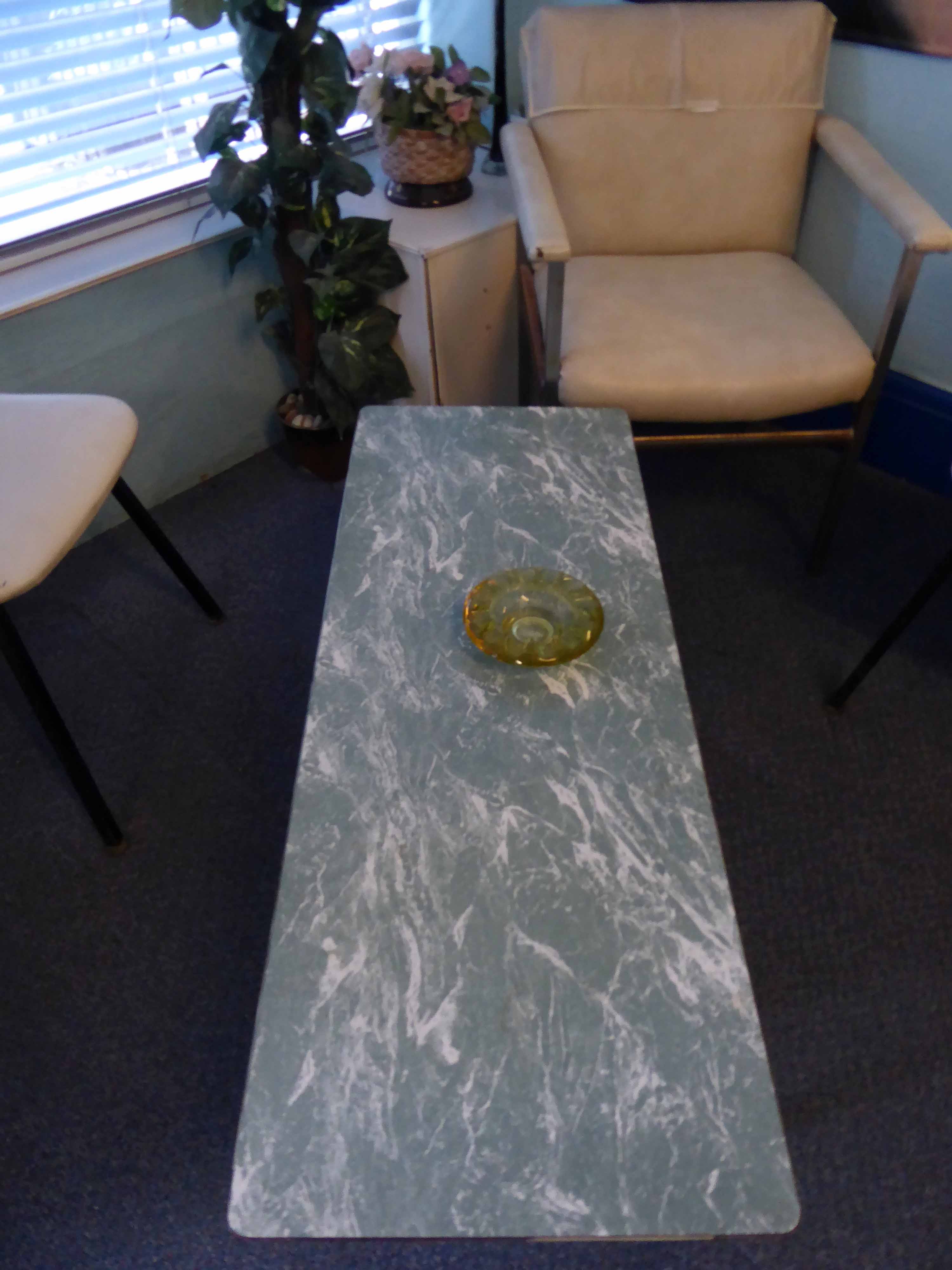
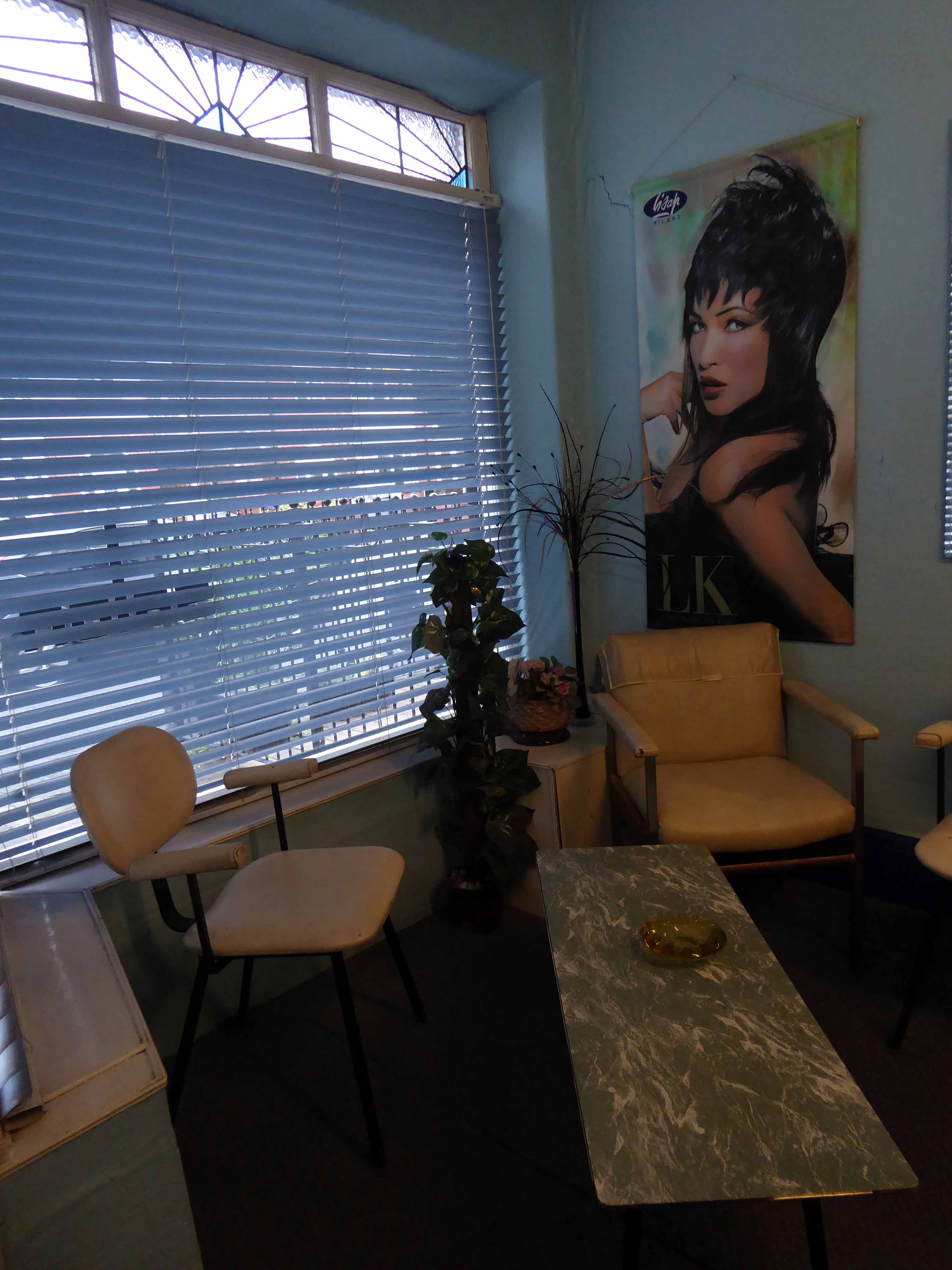
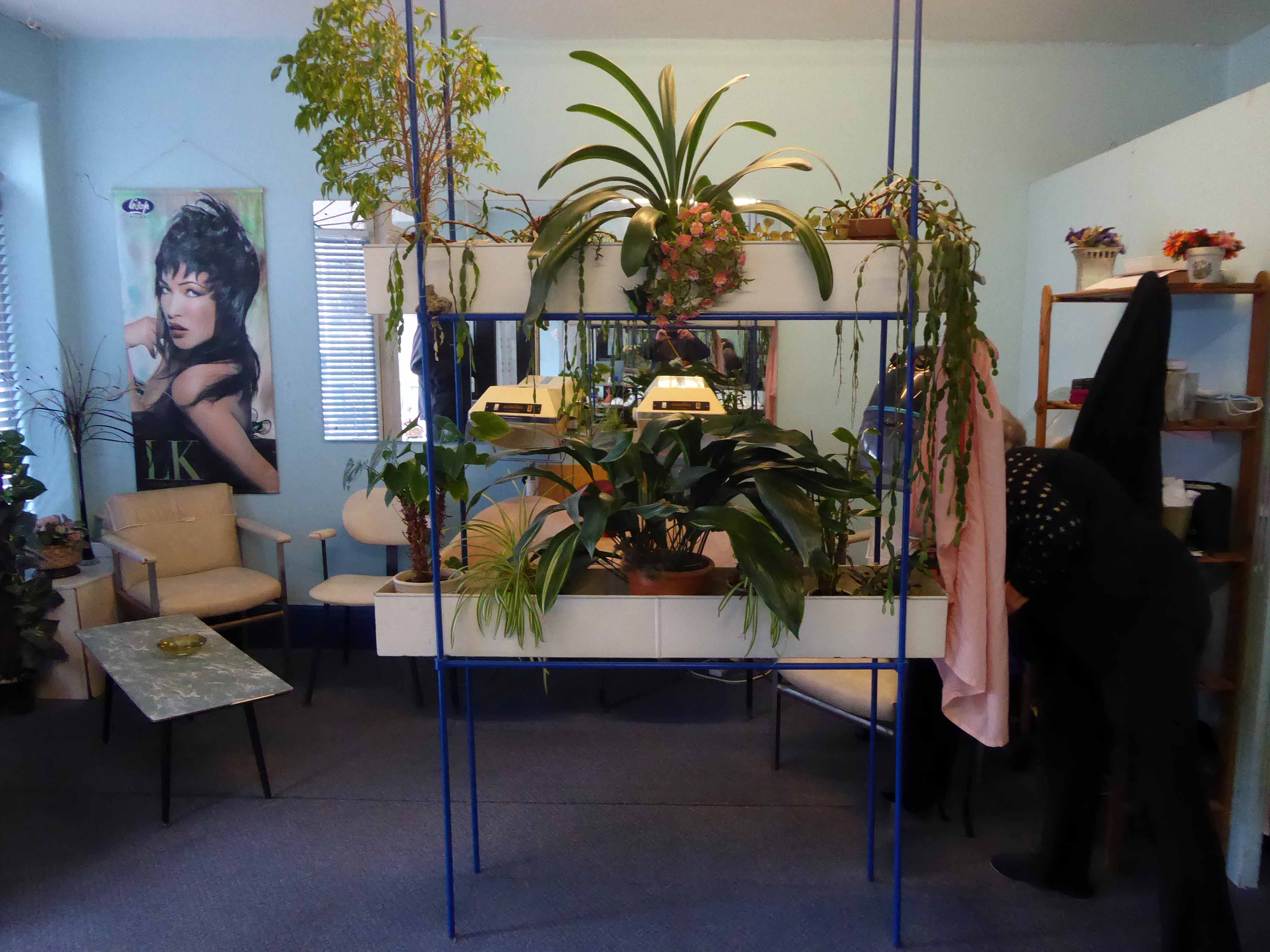
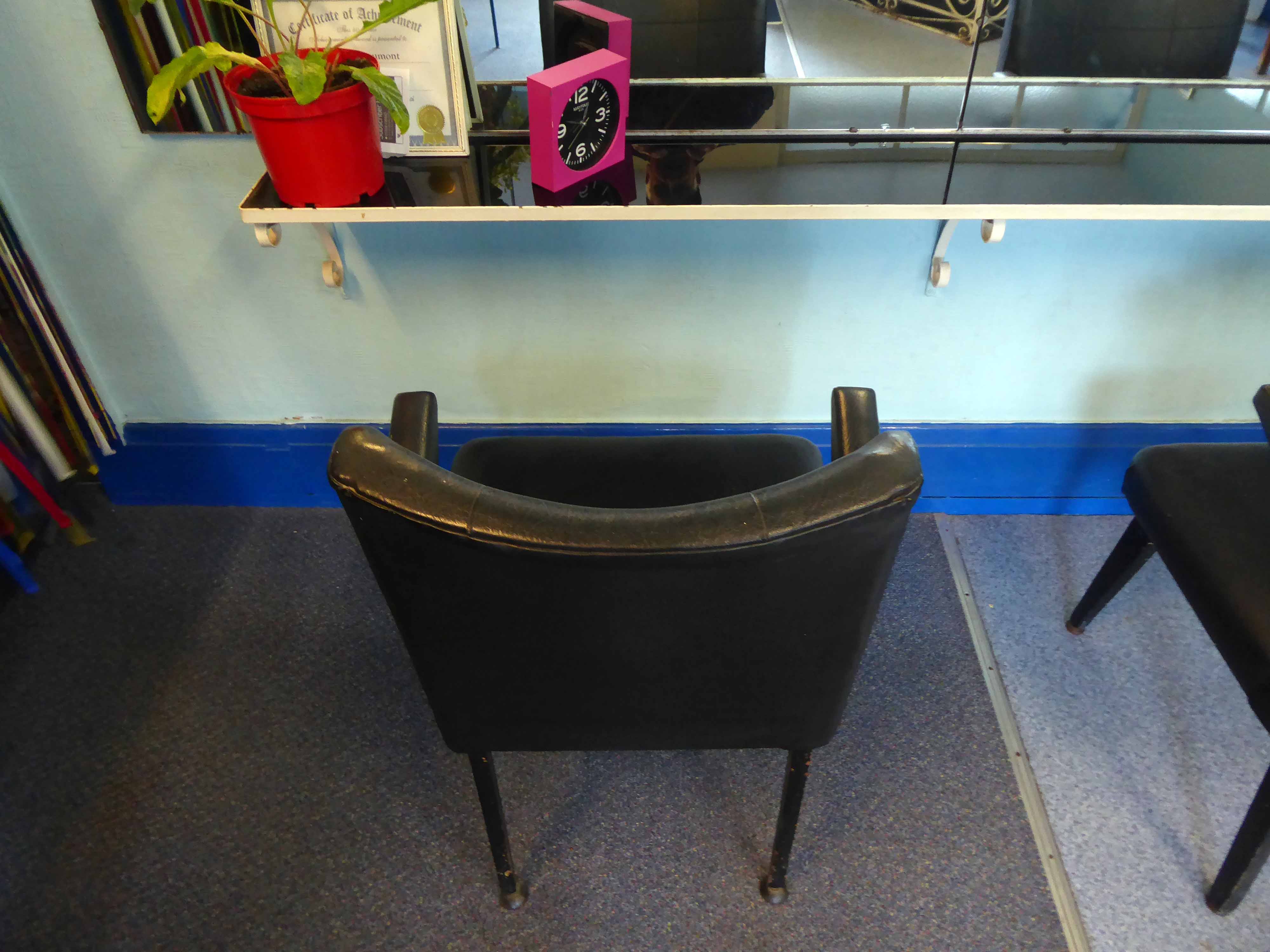
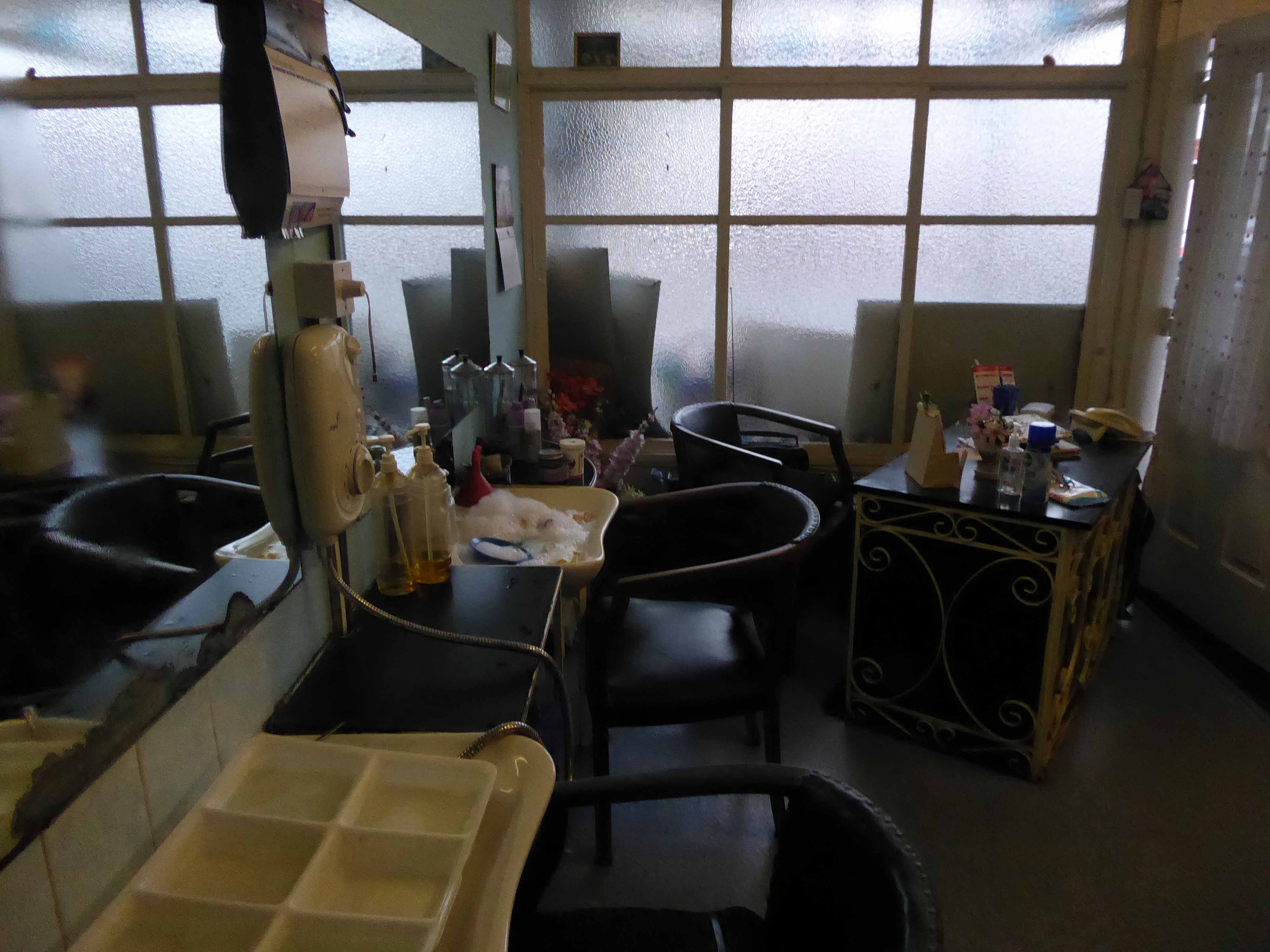
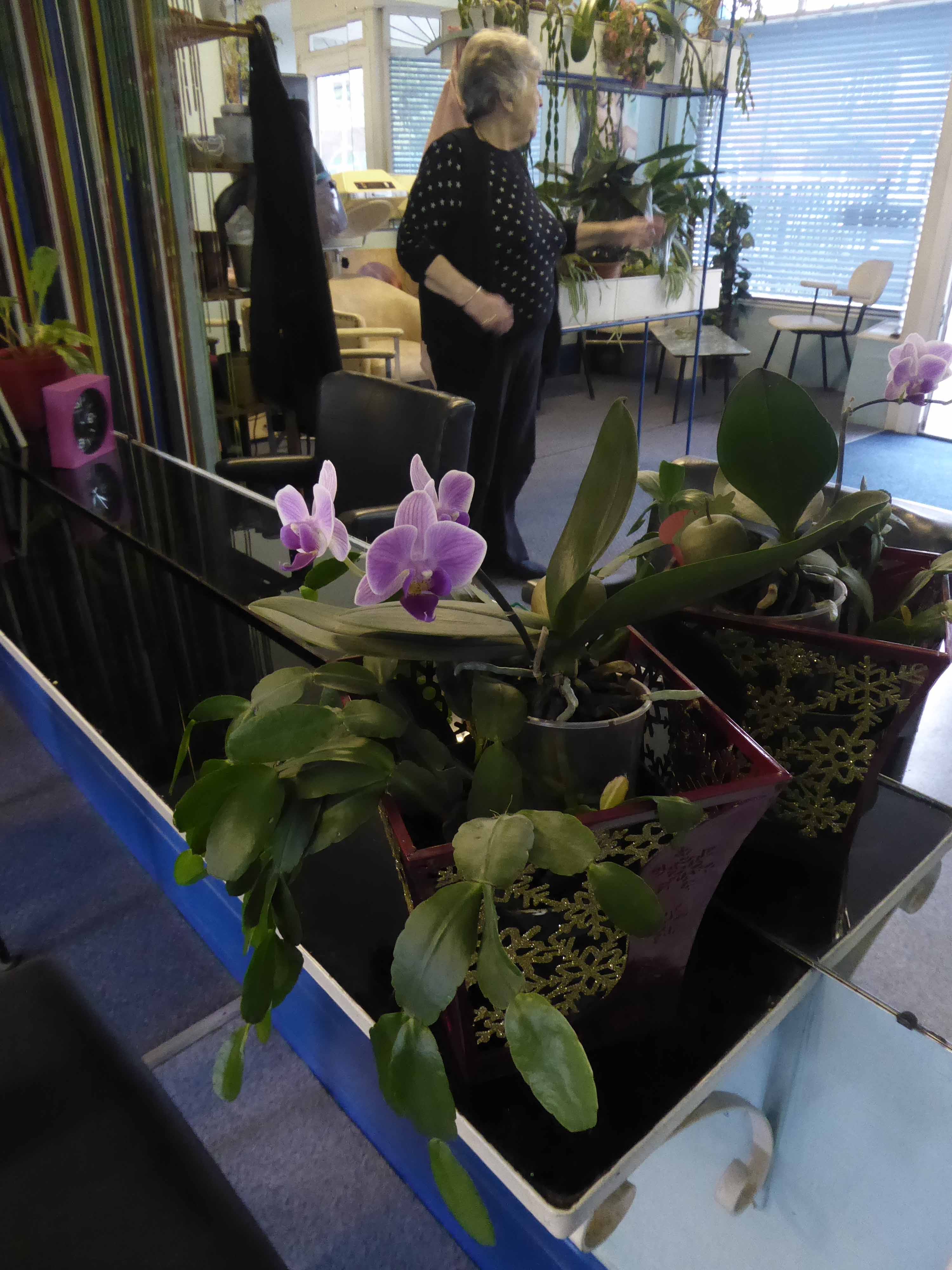
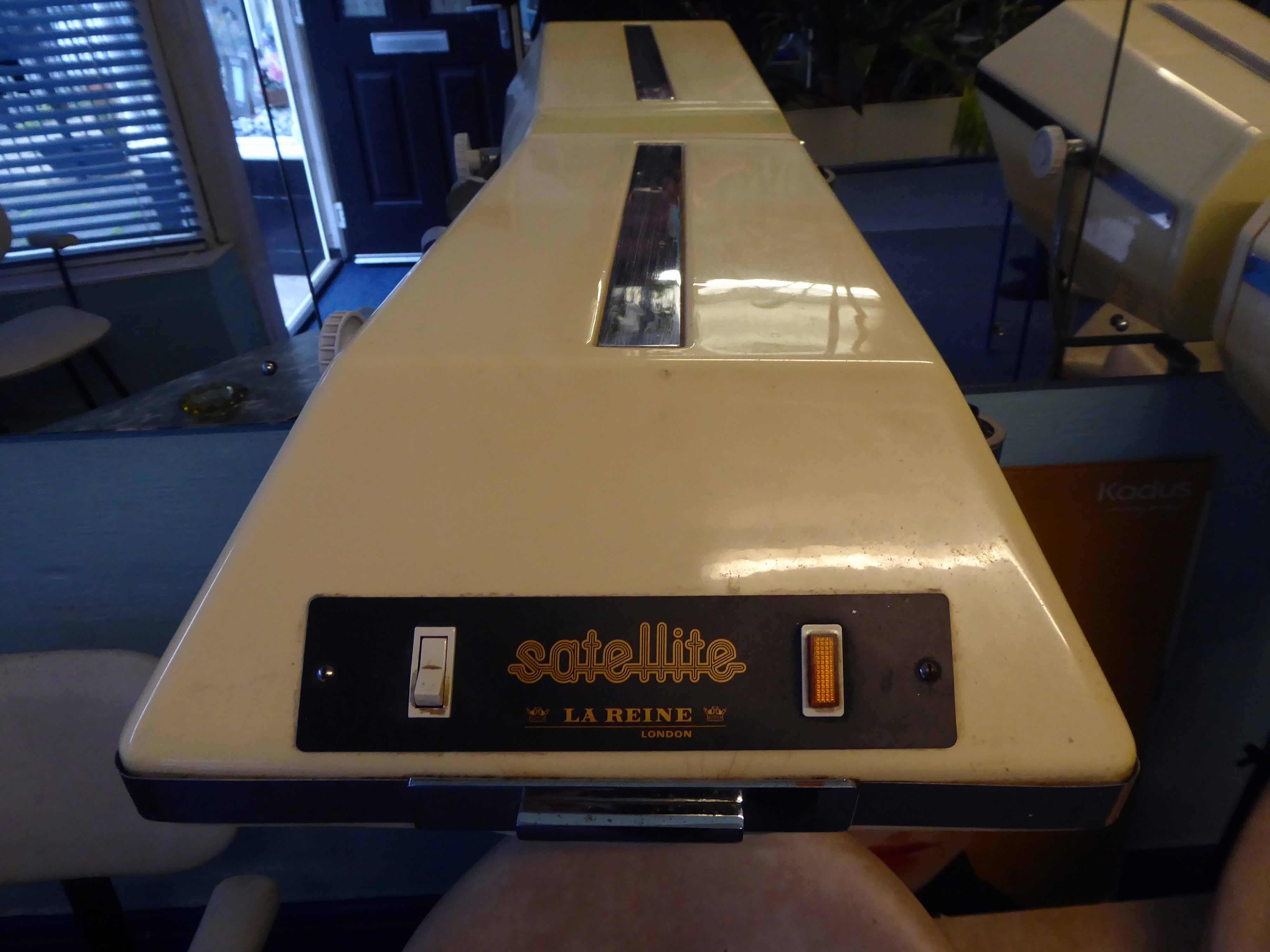
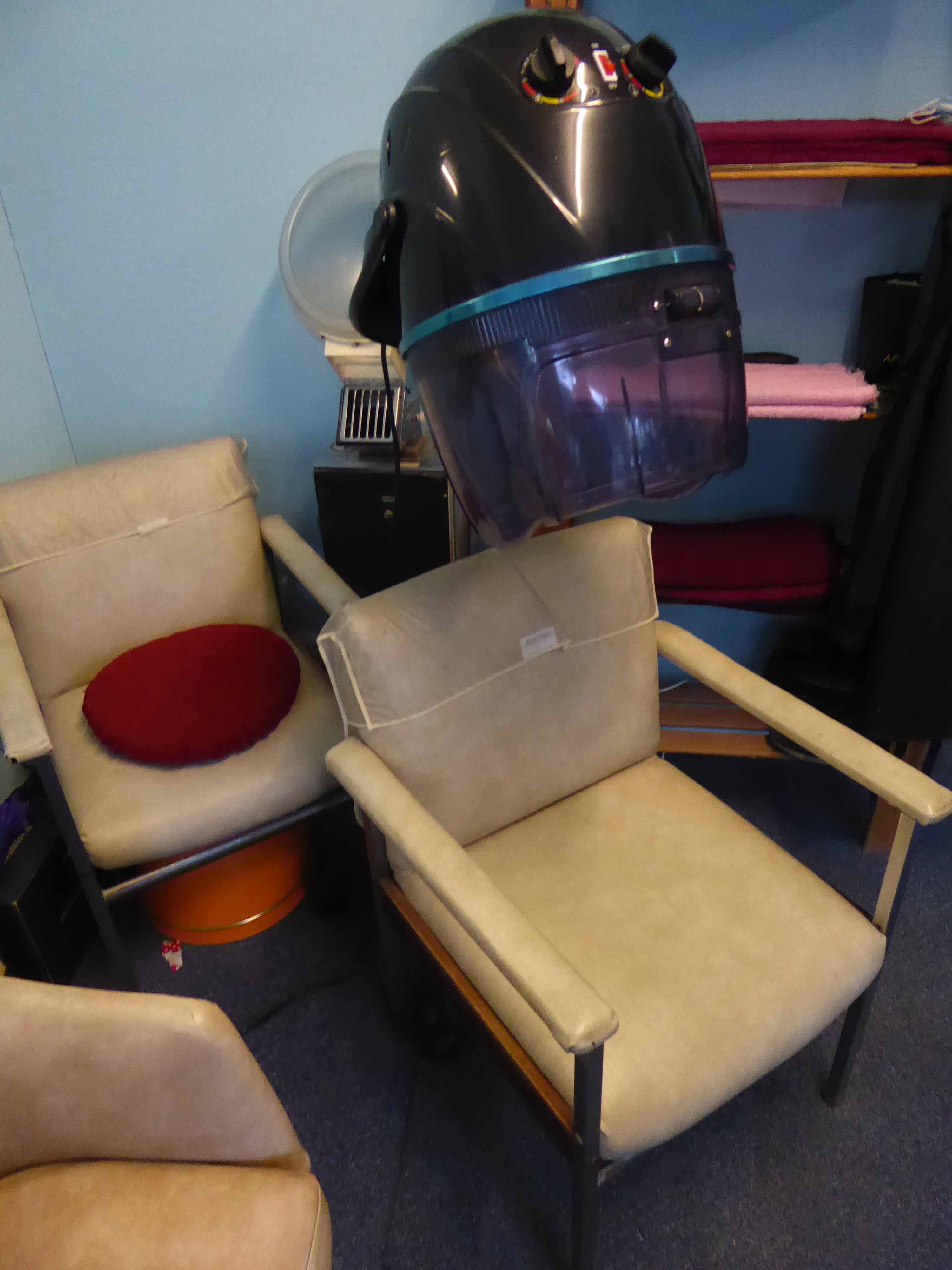
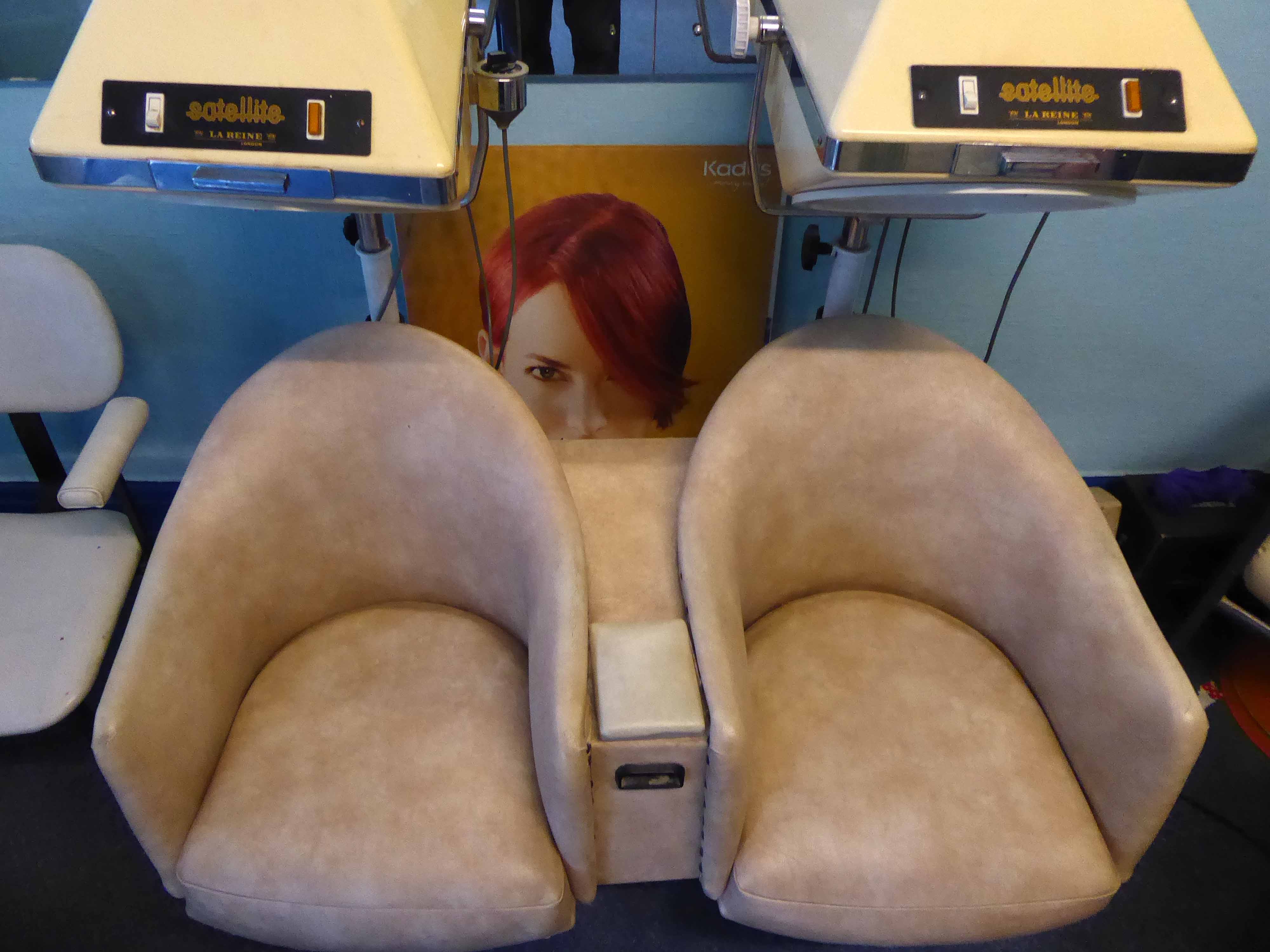
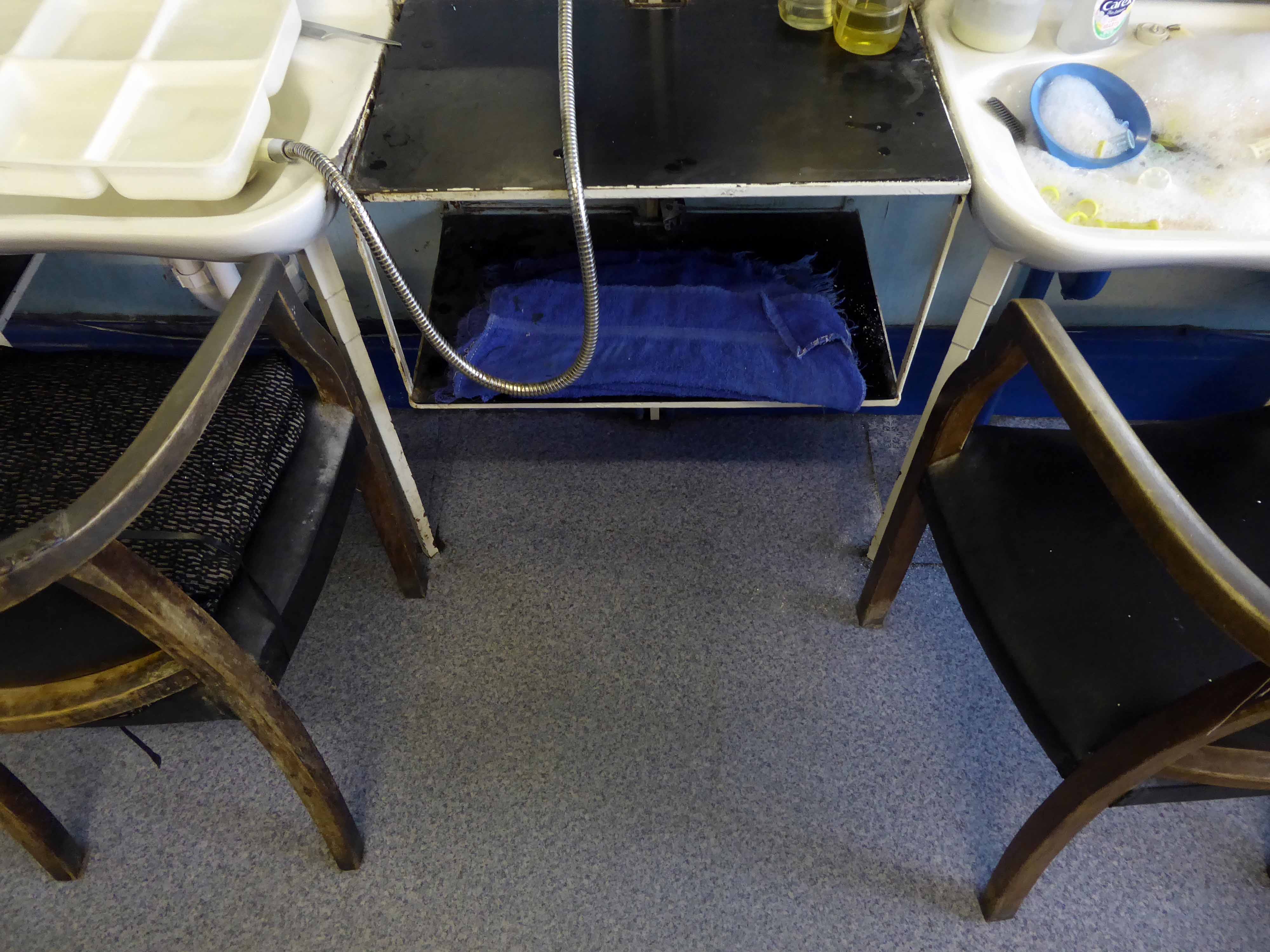
The interior is largely as was, mirrored, Formica topped and charming – with a delightful reception seating area.
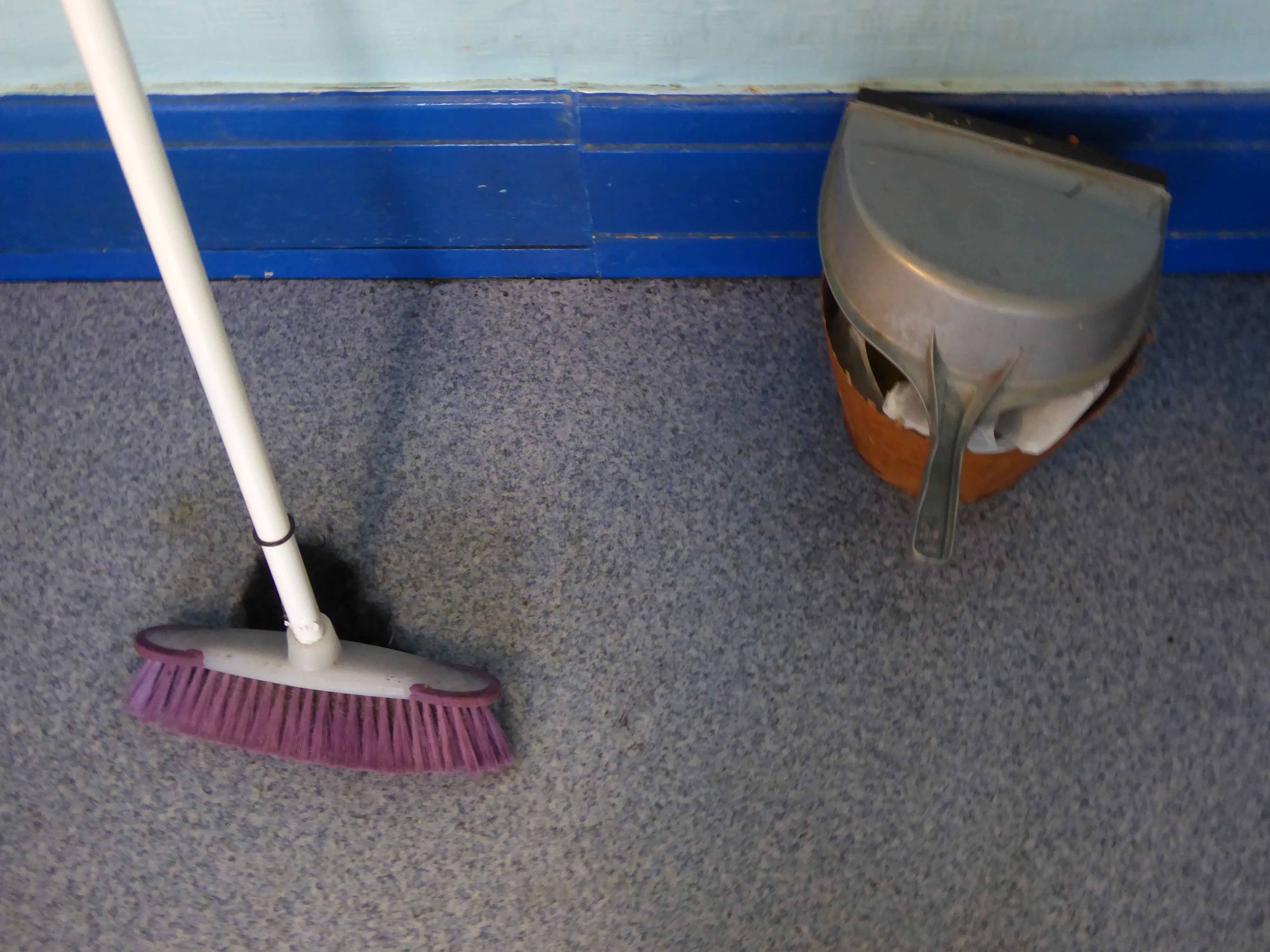
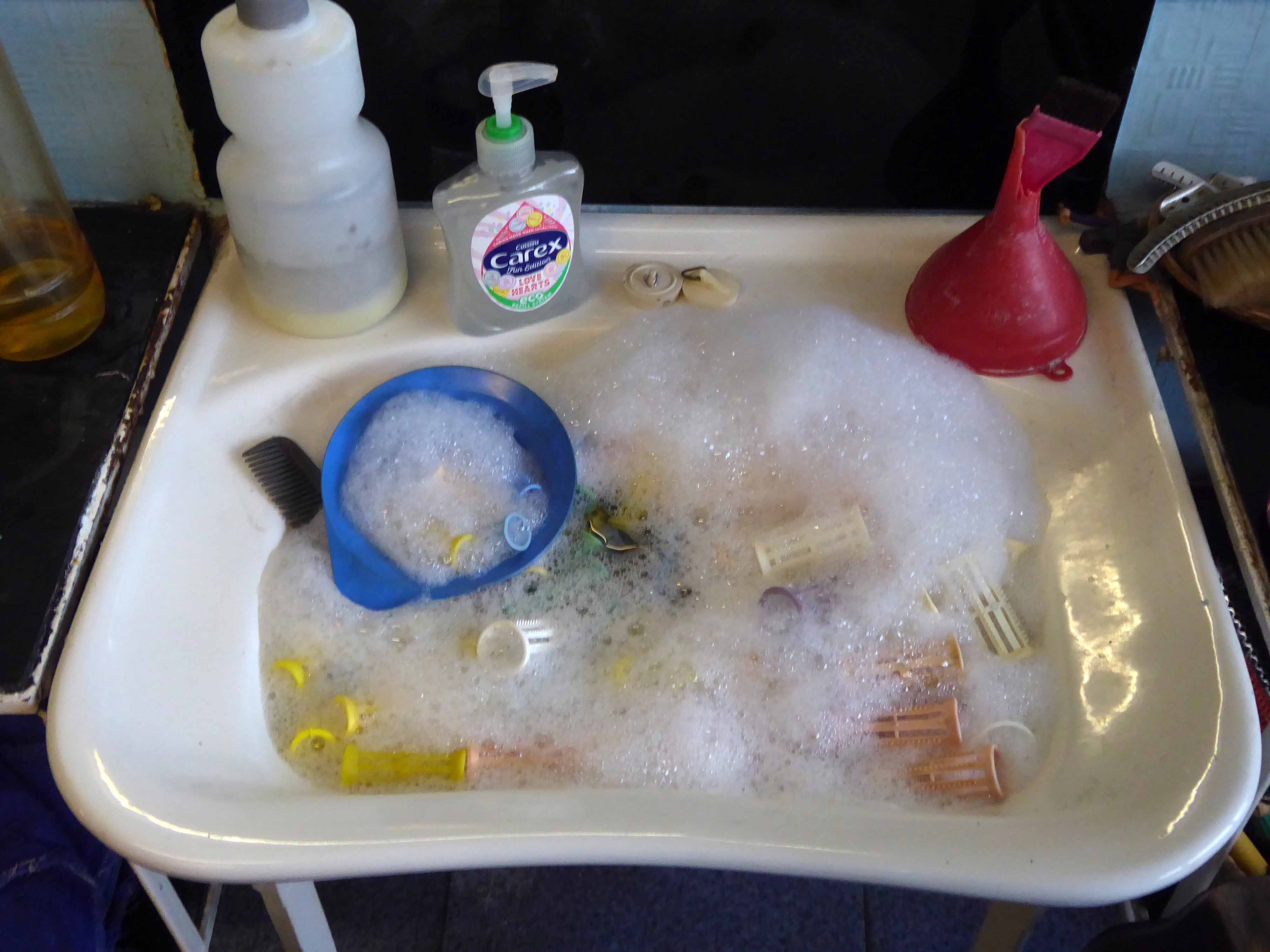
All so lovingly cared for – Marilyn was using the current closure to keep up with the upkeep, washing towels and sweeping up.
I worked as quickly as possible not wishing to compromise anyone’s well-being. As ever on these occasions it is a privilege to be permitted to spend time in someone else’s world, thanks ever so Marilyn.
A social history of Wythenshawe and its Civic Centre can be found here at Archives +.
A general history of the garden city’s development can be found here at Municipal Dreams.
Lest we forget, the story begins with a level of overcrowding and human misery that is – thankfully – almost unimaginable in Britain today. In 1935, Manchester’s Medical Officer of Health condemned 30,000 (of a total of 80,000) inner-city homes as unfit for human habitation; 7000 families were living in single rooms.
The estate was always considered to be, in some sense, the realisation of an ambitious vision.
The world of the future – a world where men and women workers shall be decently housed and served, where the health and safety of little children are of paramount importance, and where work and leisure may be enjoyed to the full.
Cooperative Women’s Guild
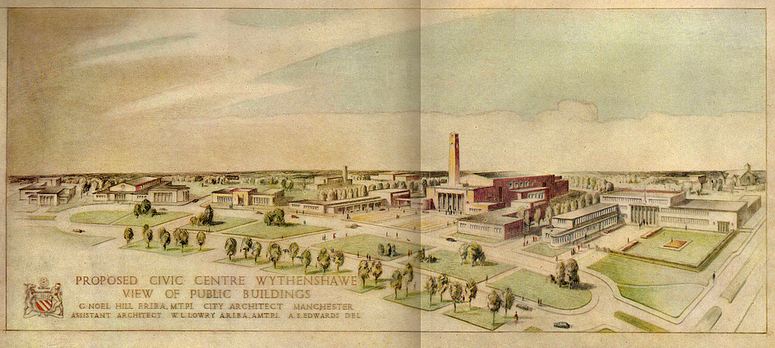
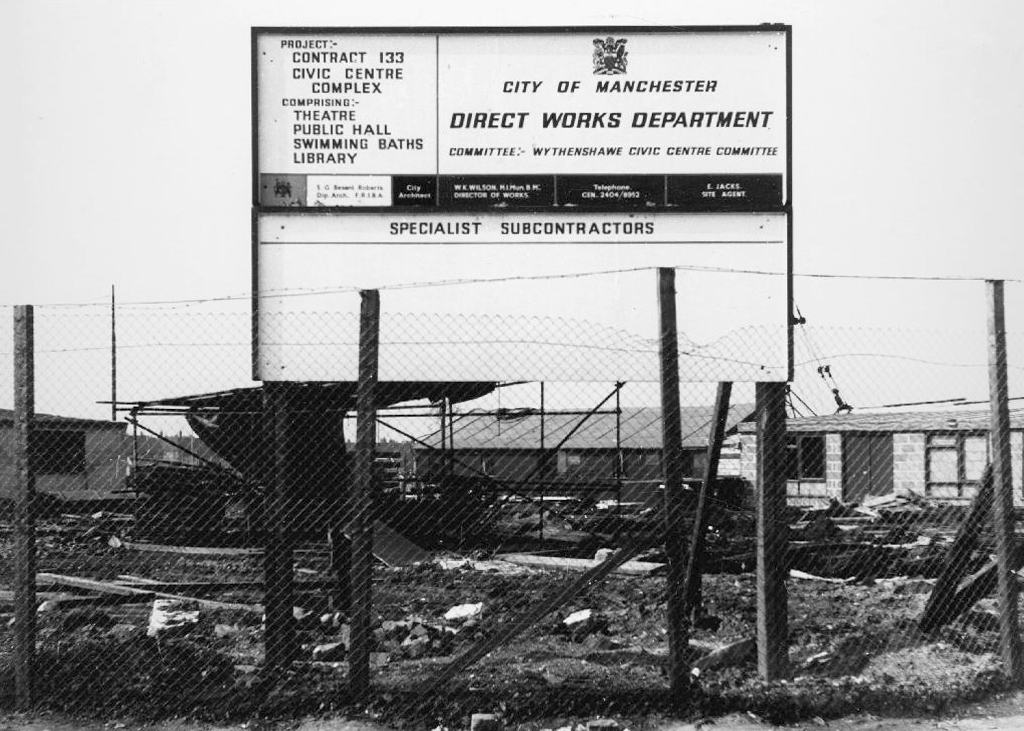
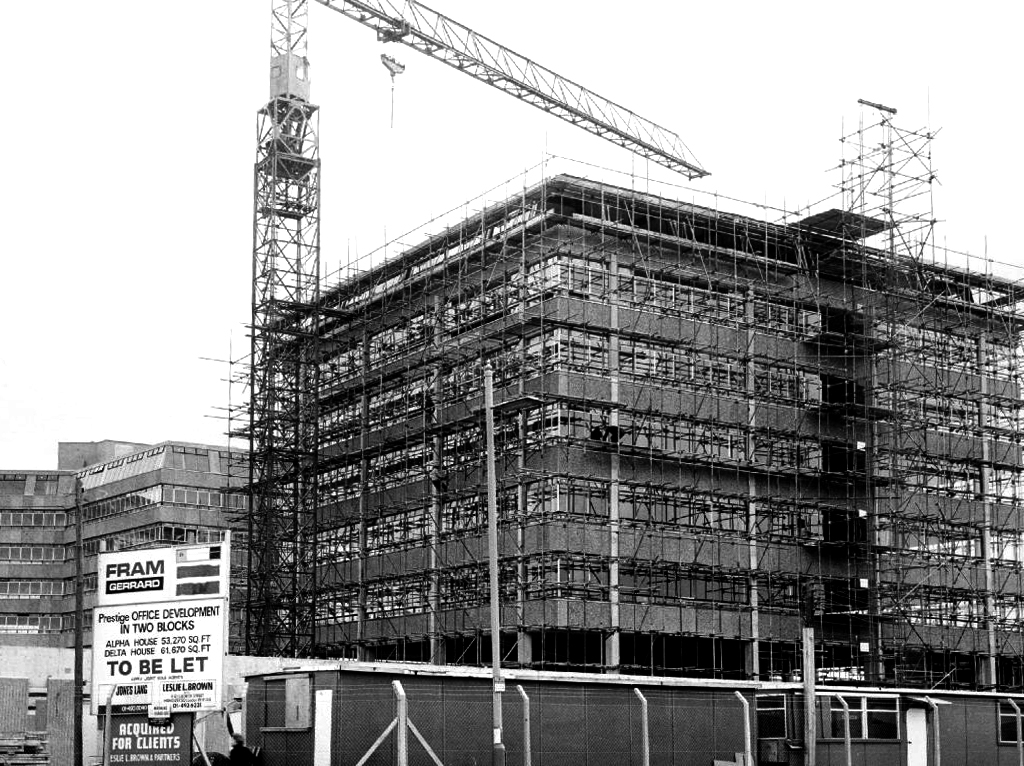
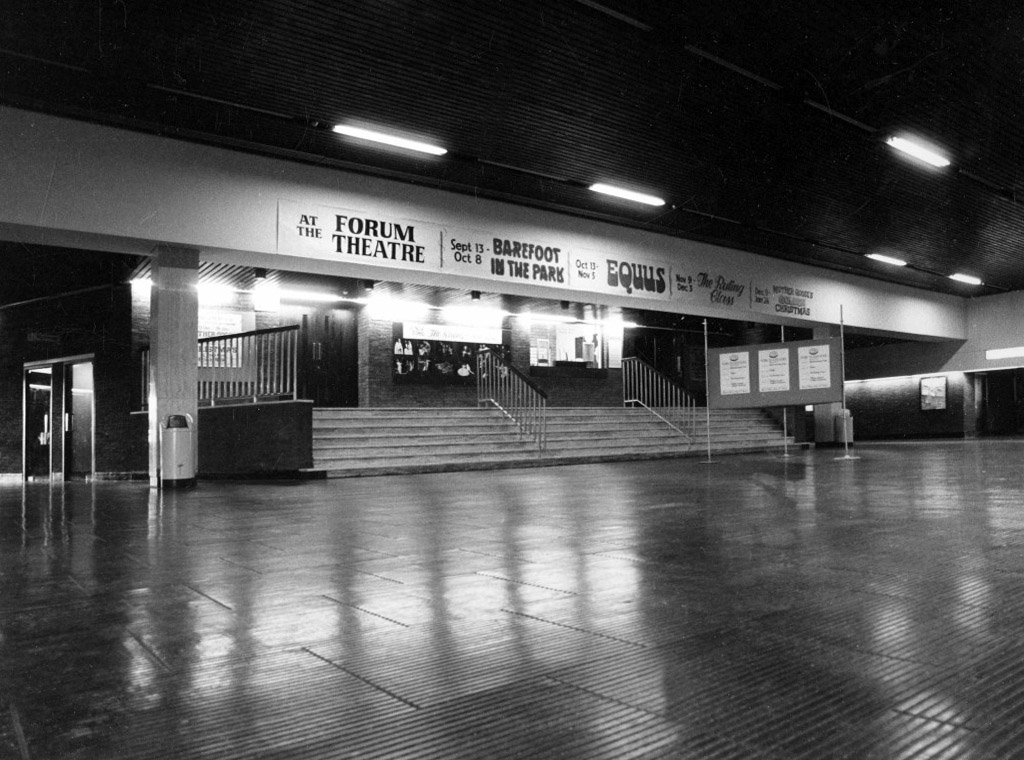
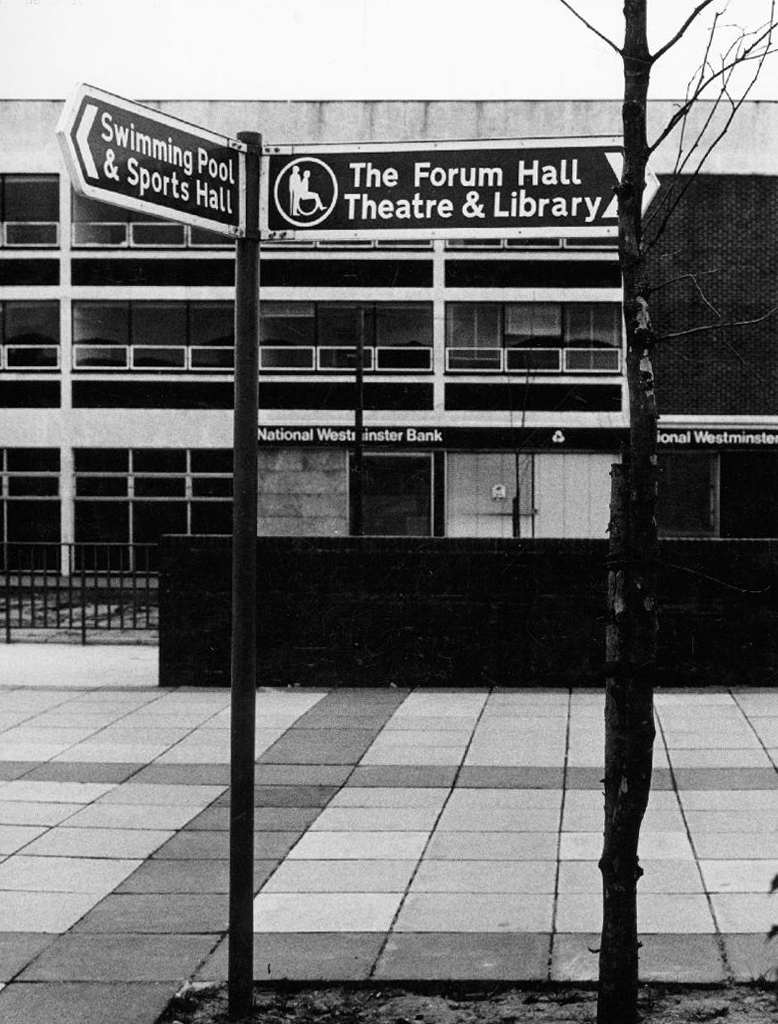
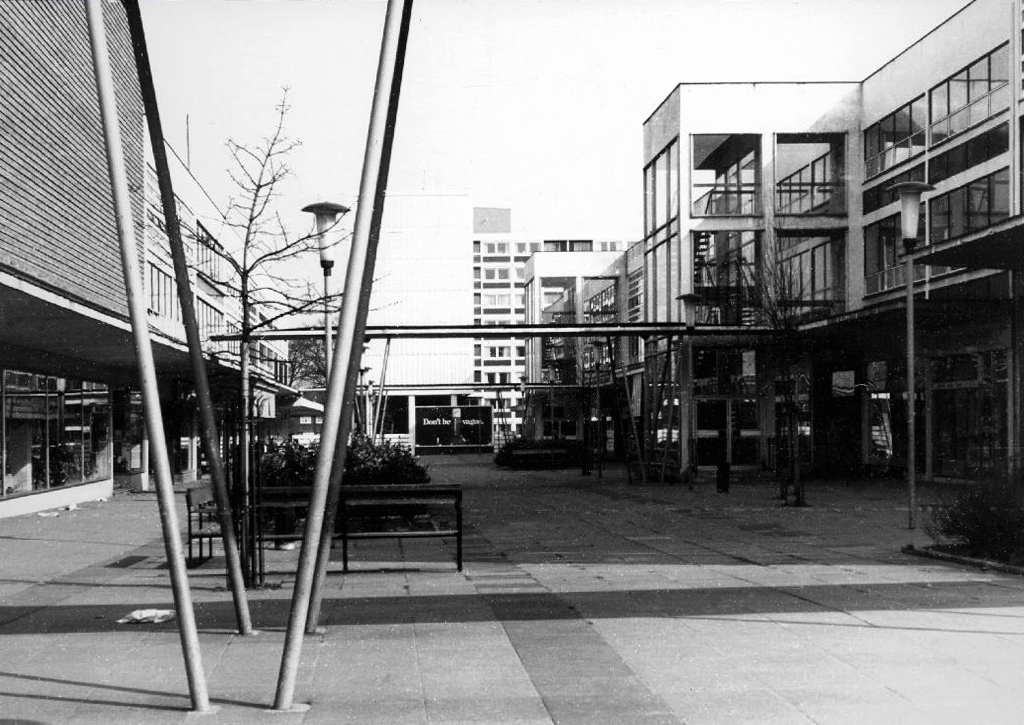
Work began in the interwar years, and continued following the hiatus of 1939-45. The shopping centre named the Civic Centre was open in 1963, the actual Civic Centre containing a swimming pool, theatre, public hall and library in 1971.
A triumph for Municipal Modernism conceived by the City Architects and realised by Direct Works. This post war development owed more to the spirit of Festival of Britain optimism, new construction methods and materials, rather than the grandiose functionalist classicism of the original scheme.
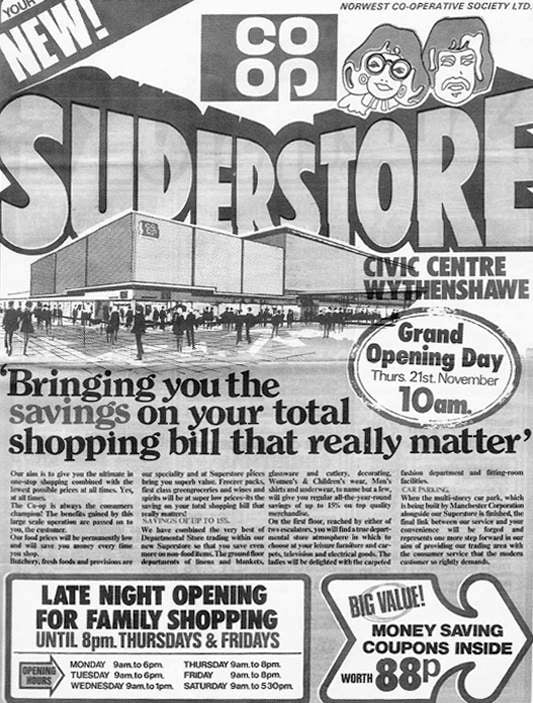
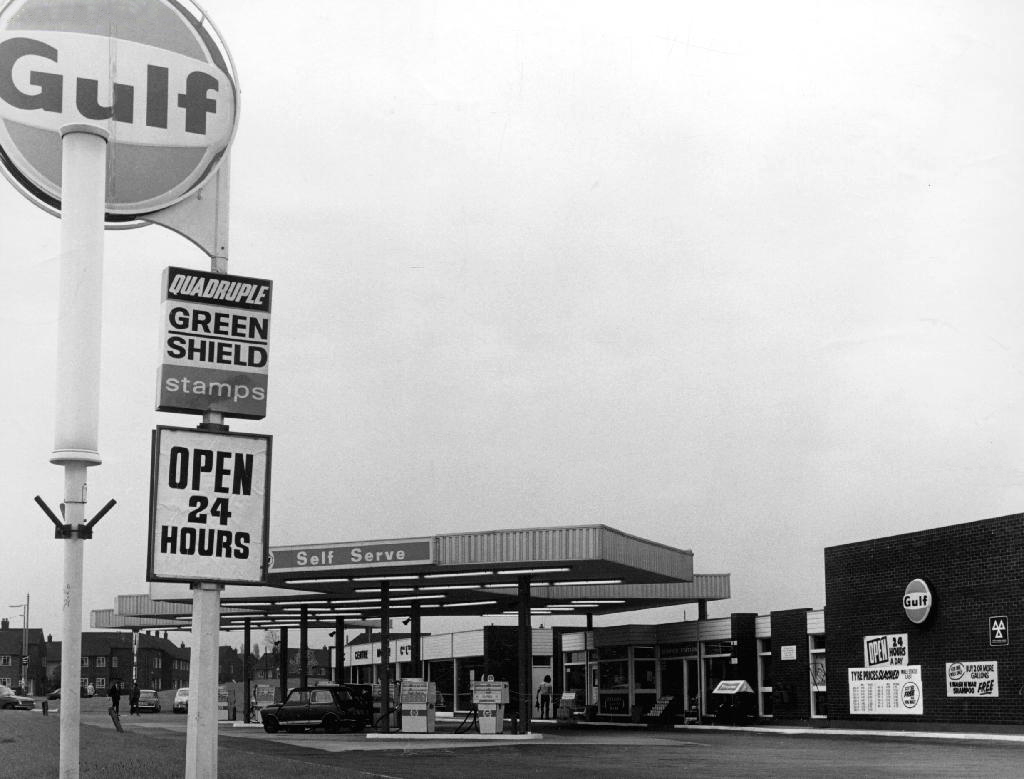
The Co-operative Superstore was a key element in the provision of provisions.
There still is – The Forum is a bright and modern hub for co-located services used by community and business.
The original Forum opened in 1971. One of Manchester’s largest public buildings, it had a leisure centre, library, theatre, main hall and meeting rooms. By the mid 1990’s it was under used, had deteriorated internally and externally and needed substantial investment.
The new Forum, along with a new police sub-divisional headquarters and improved transport link was designed to help strengthen the town centre, and provide a landmark project to raise Wythenshawe’s profile within Manchester and beyond.
In the 1980’s they put on a superb array of shows including Roll on 4 O’Clock which starred John Jardine, Jack Smethurst and Glynn Owen. Oh What a lovely War; What the Butler Saw and Habeas Corpus by Alan Bennett. Bury’s own Victoria Wood starred in Talent which she wrote. Another Manchester icon Frank Foo Foo Lammar, famous as the top drag queen of the North-West whose club was re-known for its great party nights appeared in The Rocky horror Show.
A land of elegant covered walkways and raised beds.
Prompted by Gillian and Adam’s – A Different North project, my thoughts turned once again to notions of the North, similar notions have been considered in my previous posts:
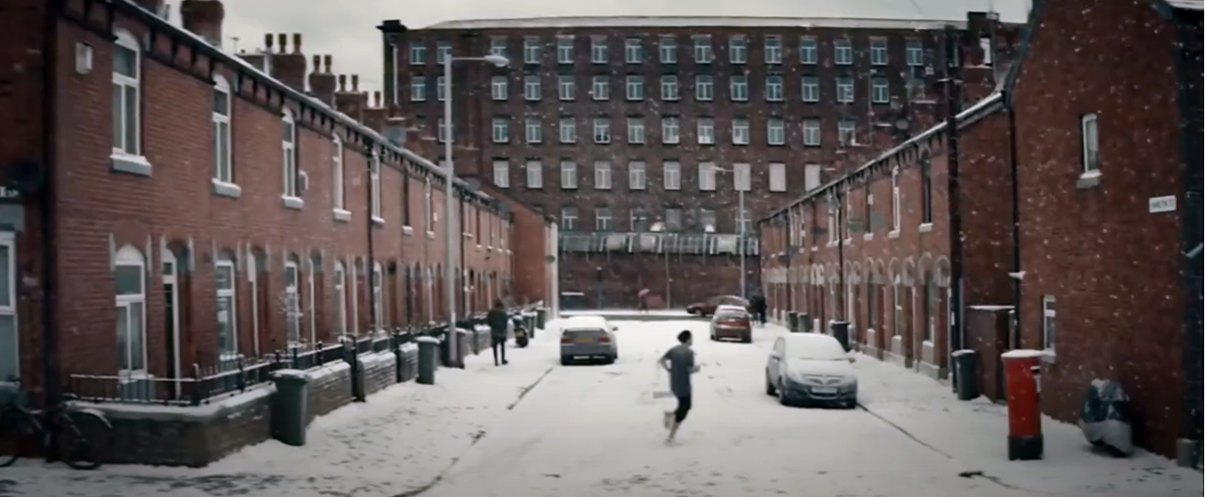
I recalled the 2016 season Sky Football promotional film, it had featured a street in Ashton under Lyne, it had featured Hamilton Street.
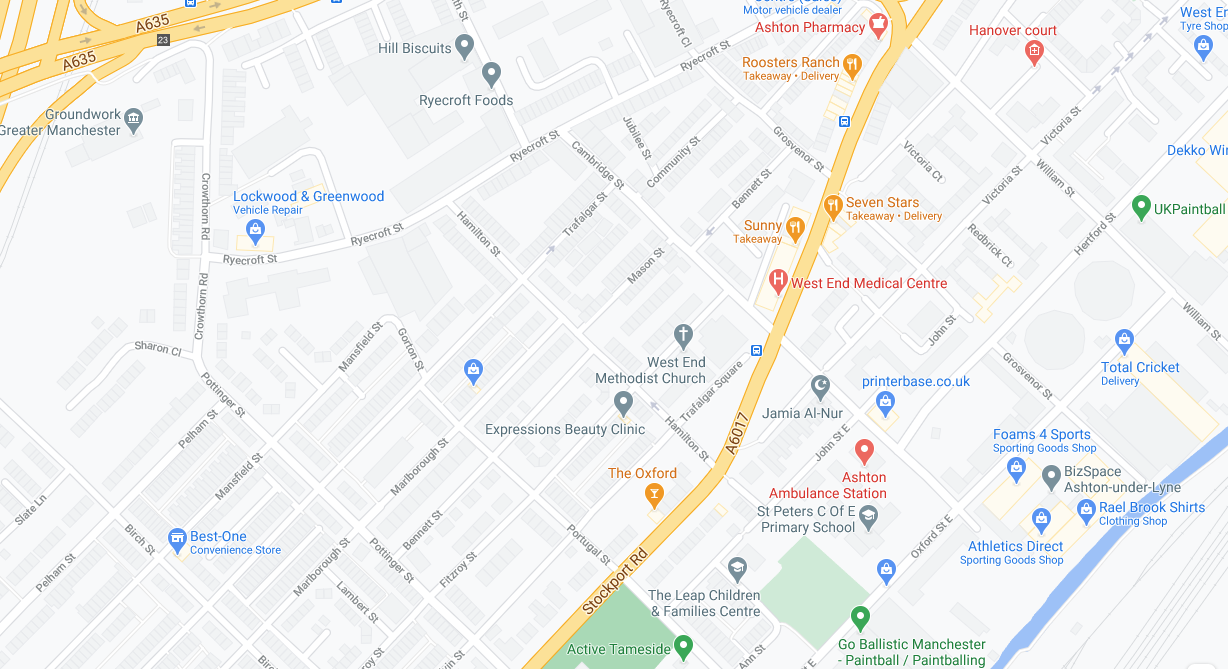
A street spanning the West End and the Ryecroft areas of the town, the town where I had lived for most of my teenage years. The town where my Mam was born and raised in nearby Hill Street, nearby West End Park where my Grandad I had worked, nearby Ashton Moss and Guide Bridge.
This is an area familiar to me, which became the convergent point of a variety of ideas and images, mediated in part by the mighty Murdoch Empire.
Here was the coming together of coal and cotton, an influx of population leaving the fields for pastures new.
In the film, Leytonstone London born David Beckham is seen running down the snow covered northern street.
A credit to our emergent mechanical snow generation industry.
According to snowmakers.com, it takes 74,600 gallons of water to cover a 200 by 200-foot plot with 6 inches of snow.Climate change is cutting snow seasons short, we make snow to compensate, more energy is spent making snow, more coal is burned, more CO2 is released.
It is to be noted that locally there has been a marked decline in snowfall in recent years, the Frozen North possibly a thing of the past.
The temperatures around the UK and Europe have actually got warmer over the last few decades, although when you are out de-icing your car it may not actually feel as though it has. Whilst this can not be directly link to climate change, it is fair to assume that climate change is playing a part.
It is also to be noted that Sky Supremo Rupert Murdoch has described himself as a climate change “sceptic”.
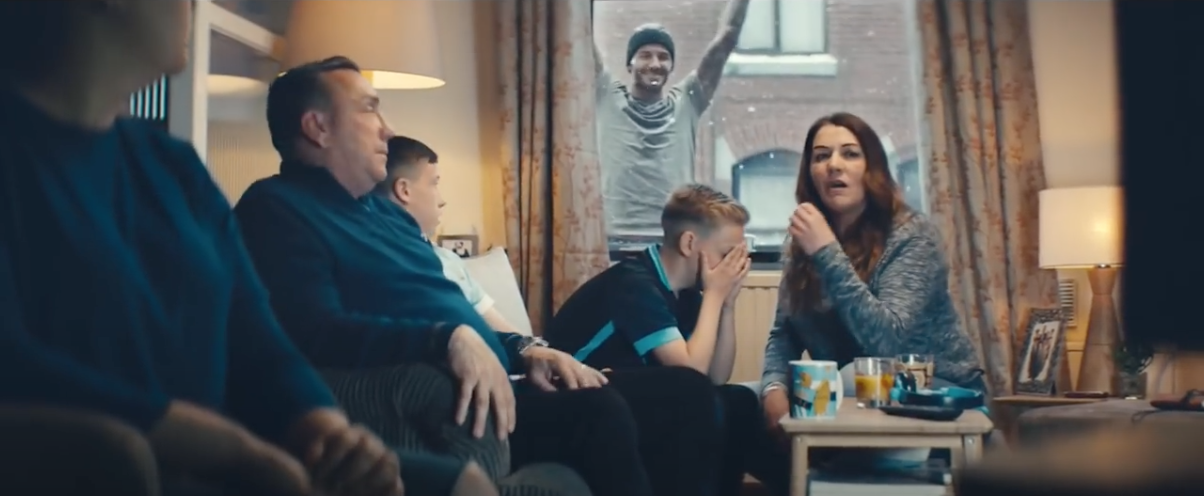
Appearing arms raised outside of the home of a family clustered around the television, in their front room.
Filming the ad was great and the finished piece is a really clever way of showing that you never know what might happen in football, I always enjoy working with Sky Sports and I’m proud to be associated with their football coverage.
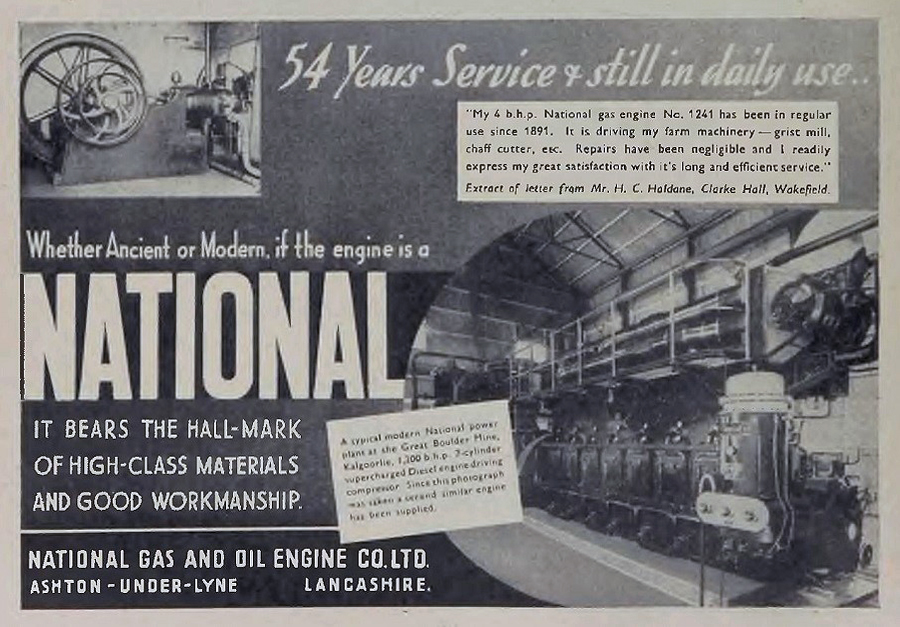
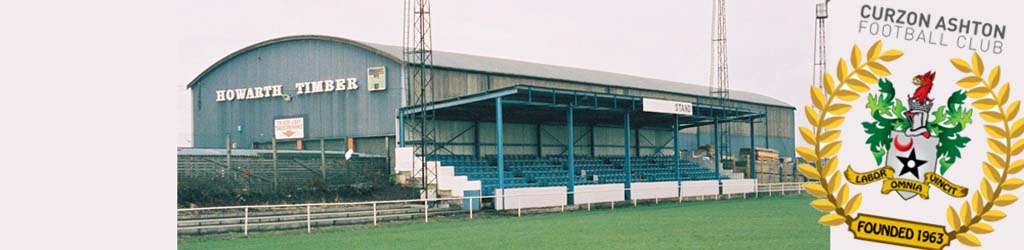
The area does have a football heritage, Ashton National Football Club played in the Cheshire County League in the 1920s and 1930s. They were sometimes also known as Ashton National Gas, due to their connections with the National Gas and Oil Engine Company based in the town.
Illustrative of a time when sport and local industry went hand in glove.
The National Ground was subsequently taken over by Curzon Ashton who have since moved to the Tameside Stadium.
Ashton & Hyde Village Hotels occupy the front of shirt sponsors spot on our new blue and white home shirt, while Seed of Speed, our official conditioning partners, feature on the arm, and Minuteman Press occupy the back of the shirt. Meanwhile, Regional Steels UK Ltd. are the front of shirt sponsors on our new pink and black away kit.
Illustrative of a time when sport and local industry continue to work hand in glove.
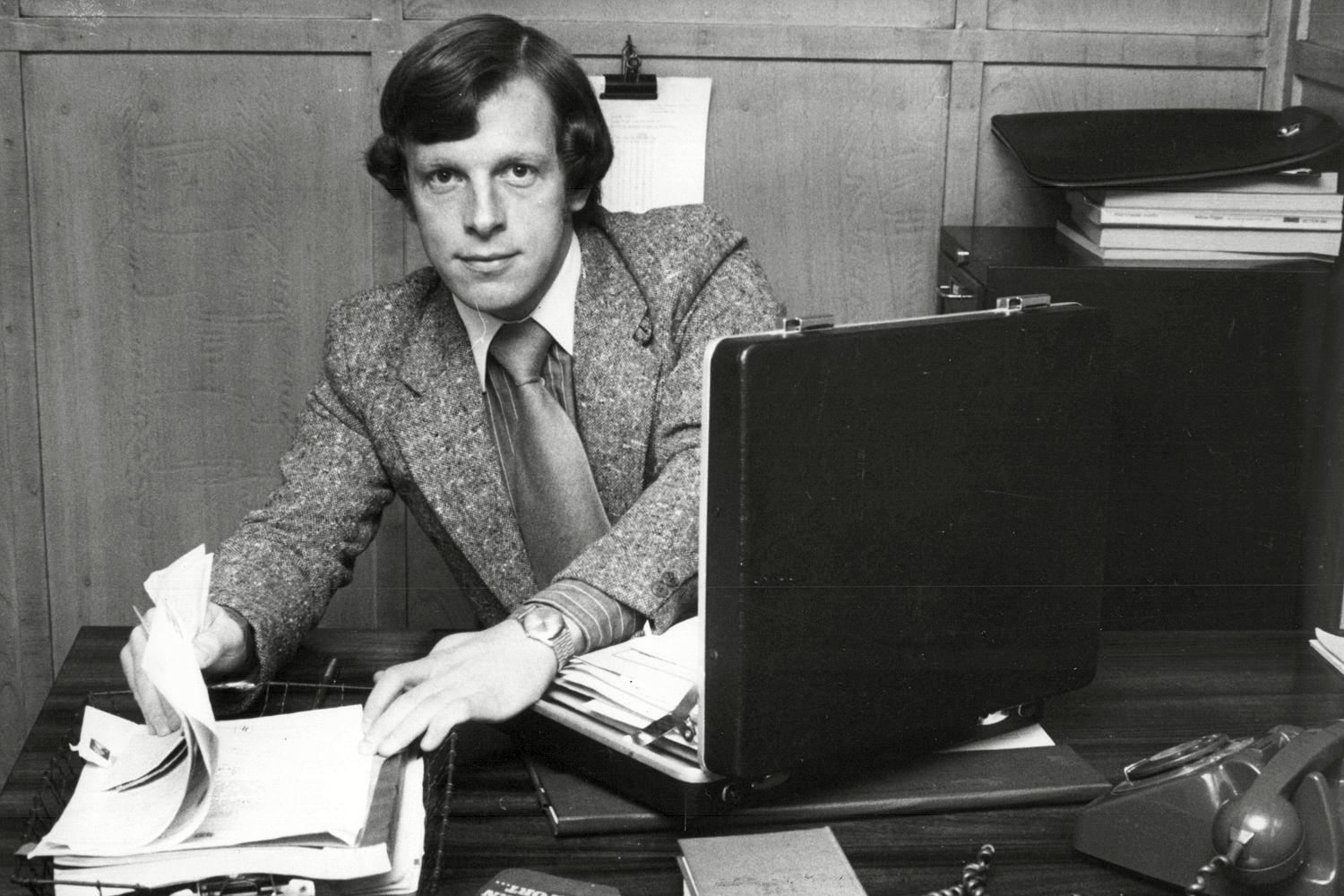
Local lad Gordon Alexander Taylor OBE is a former professional footballer. He has been chief executive of the English footballers’ trades union, the Professional Footballers’ Association, since 1981. He is reputed to be the highest paid union official in the world.
His mobile phone messages were allegedly hacked by a private investigator employed by the News of the World newspaper. The Guardian reported that News International paid Taylor £700,000 in legal costs and damages in exchange for a confidentiality agreement barring him from speaking about the case.
News International is owned by our old pal Rupert Murdoch, the News of the World no longer exists.
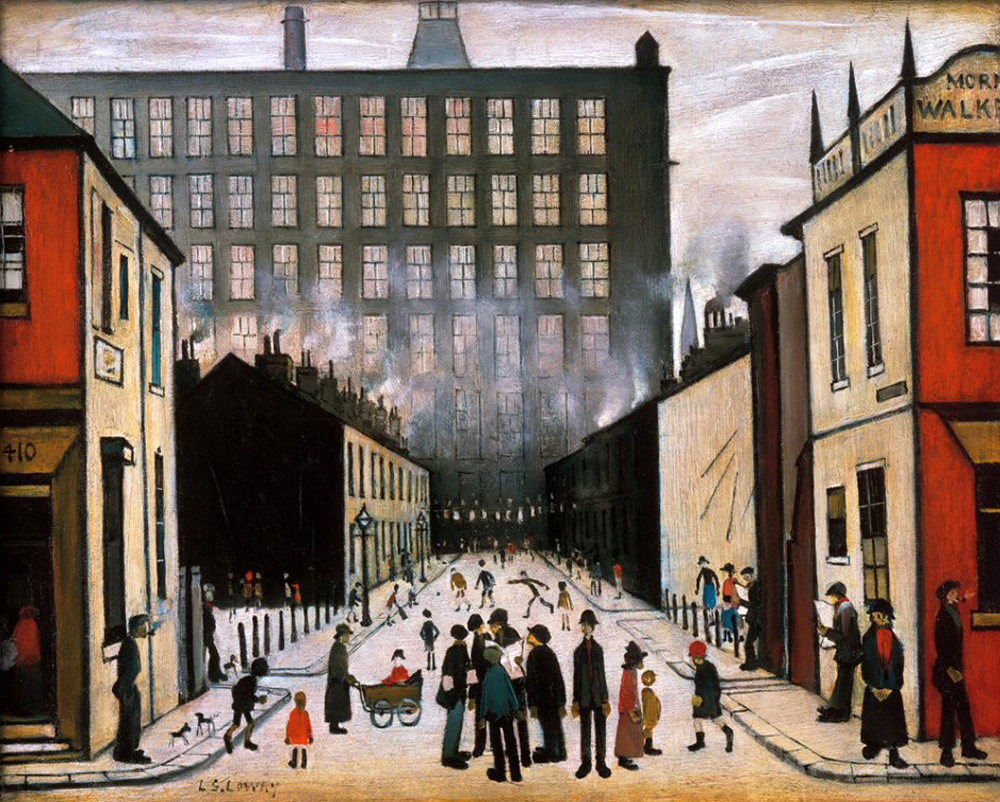
The view of Hamilton Street closely mirrors LS Lowry’sStreet Scene Pendlebury – the mill looming large over the fierce perspective of the roadway. The importance of Lowry’s role in constructing a popular image of the North cannot be overestimated.
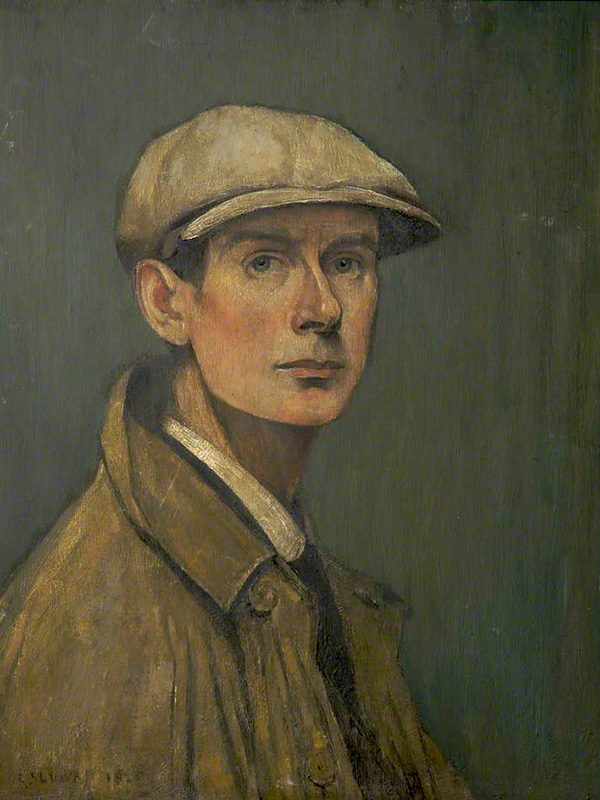
He finds a grim beauty in his views of red facades, black smoke and figures in white, snowy emptiness. He is a modern primitive, an industrial Rousseau, whose way of seeing is perhaps the only one that could do justice to the way places like Salford looked in the factory age.
For many years cosmopolitan London turned its back on Lowry, finally relenting with a one man show at the Tate in 2013 – I noted on the day of my visit, that the attendant shop stocked flat caps, mufflers and bottled beer, they seemed to have drawn the line at inflatable whippets.
Drawing upon other artists’s work, in a continuous search for ways to depict the unlovely facts of the city’s edges and the landscape made by industrialisation.
But Murdoch’s Hamilton Street is as much a construct as Lowry’s – the snow an expensive technical coating, Mr Beckham a CGI apparition. Our contemporary visual culture is littered with digital detritus, saving time and money, conjuring up cars, kids and footballers at will.
An illusion within an illusion of an illusory North.
Green screen chroma keyed onto the grey tableau.
Mr Beckham himself can also be seen as a media construct, for many years representing that most Northern of institutions Manchester United – itself yet another product of image manipulation, its tragic post-Munich aura encircling the planet, with an expensive Empire Made, red and white scarf of cultural imperialism.
David’s parents were fanatical Manchester United supporters who frequently travelled 200 miles to Old Trafford from London to attend the team’s home matches, he inherited his parents’ love of Manchester United, and his main sporting passion was football.
Mr B’s mentor was of course former Govan convener – Mr A Ferguson, who headed south to find his new Northern home, creating and then destroying the lad’s career, allegedly by means of boot and hairdryer.
Here we have the traditional Northern Alpha Male challenged by the emergent Metrosexual culture, celebrity fragrances, posh partner, tattooed torso, and skin conditioner endorsements.
It is to be noted that the wealth of the region, in part created by the shoemaking and electrical industries, have long since ceased to flourish, though still trading, PIFCO no longer has a local base.
The forces of free market monopoly capitalism have made football and its attendant personalities global commodities, and manufacturing by and large, merely a fanciful folk memory.
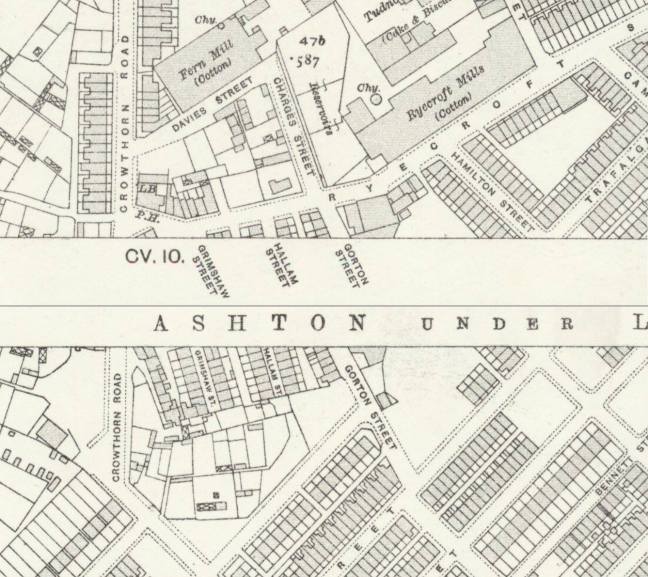
Hamilton Street would have provided substantial homes to workers at the Ryecroft Cotton Mills.
Ryecroft Mill, built in 1837,was the second of a series of four mills built on the site, the first was built in 1834. In 1843, over 10,000 people were employed in Ashton’s cotton mills – today there are none.
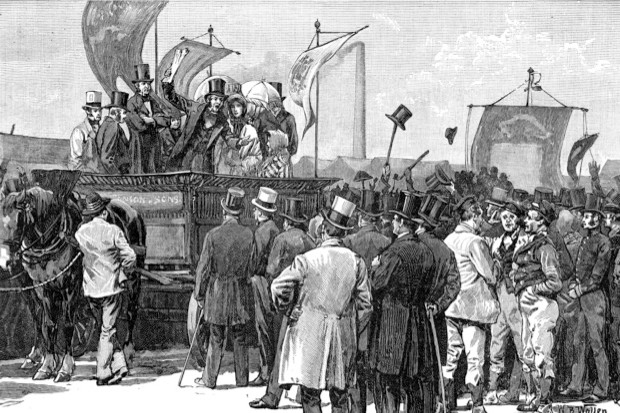
This industrial growth was far from painless and Ashton along with other Tameside towns, worked long and hard in order to build the Chartist Movement, fighting to establish better working conditions for all.
The tradition of political and religious non-conformity runs wide and deep here, the oft overlooked history of Northern character and culture.
Textile production ceased in the 1970s and the mill is now home to Ryecroft Foods, a subsidiary of Weetabix.
Ashton like many of Manchester’s satellite towns created enormous wealth during the Nineteenth and Twentieth centuries. The workers of Ashton saw little of that wealth, the social and economic void left by the rapid exodus of the cotton industry to the Far East, is still waiting to be filled, in these so called left behind towns.
Photo Ron Stubley
Here is a landscape nestled in the foot of the Pennines, struggling to escape its past and define a future.
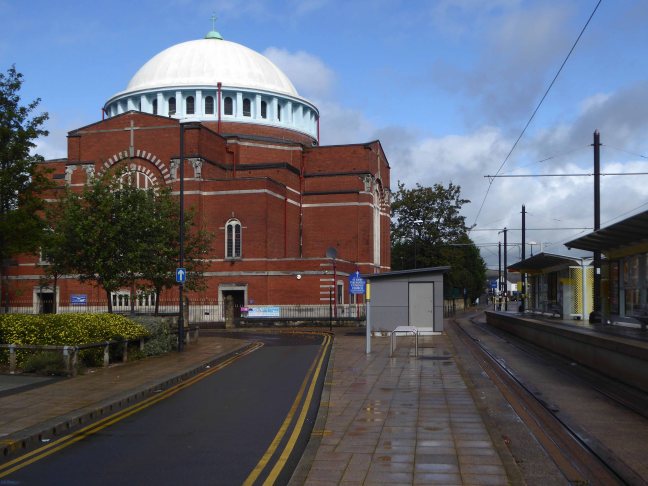
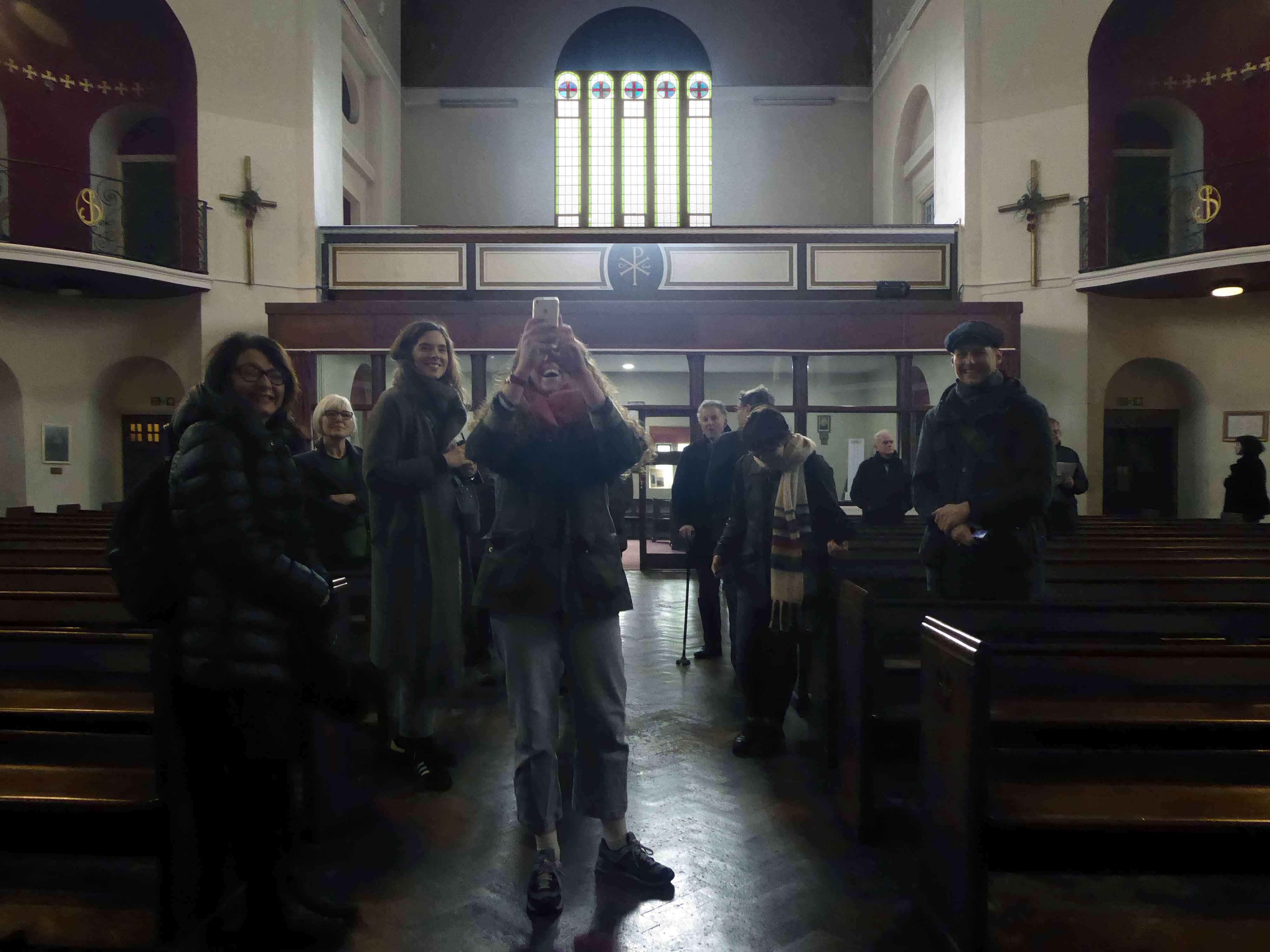
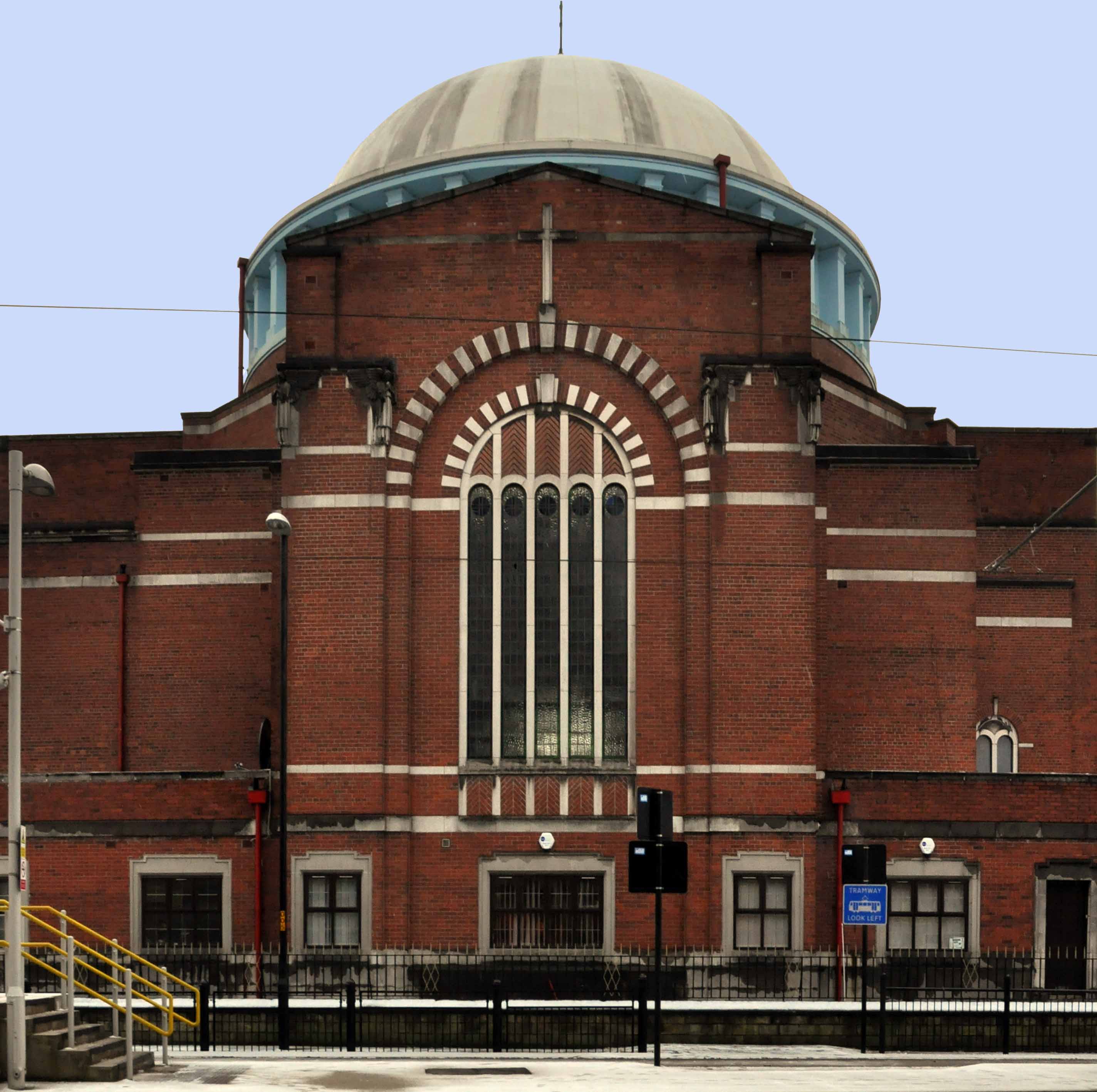
I have had the privilege and pleasure to visit St John’s several times over the years and doubly pleased to visit with a group of some 30 Modernists in March 2020 as part of a Rochdale Walk, prior to the lockdown days later.
I cannot thank Christine Mathewson and her fellow volunteers enough for the warm welcome we were given. They take such pride in their church and are eager to convey that pride along with their obvious erudition.
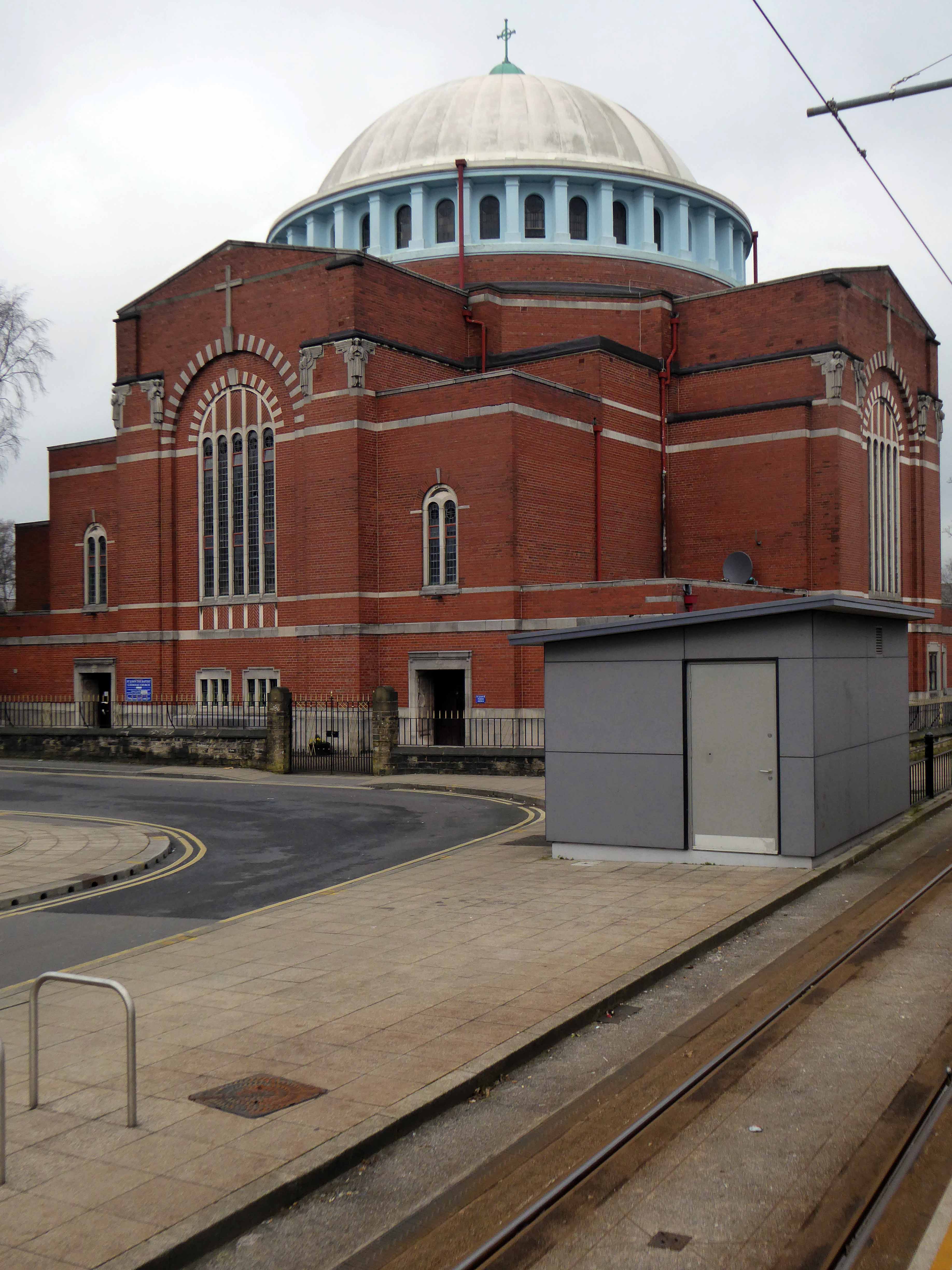
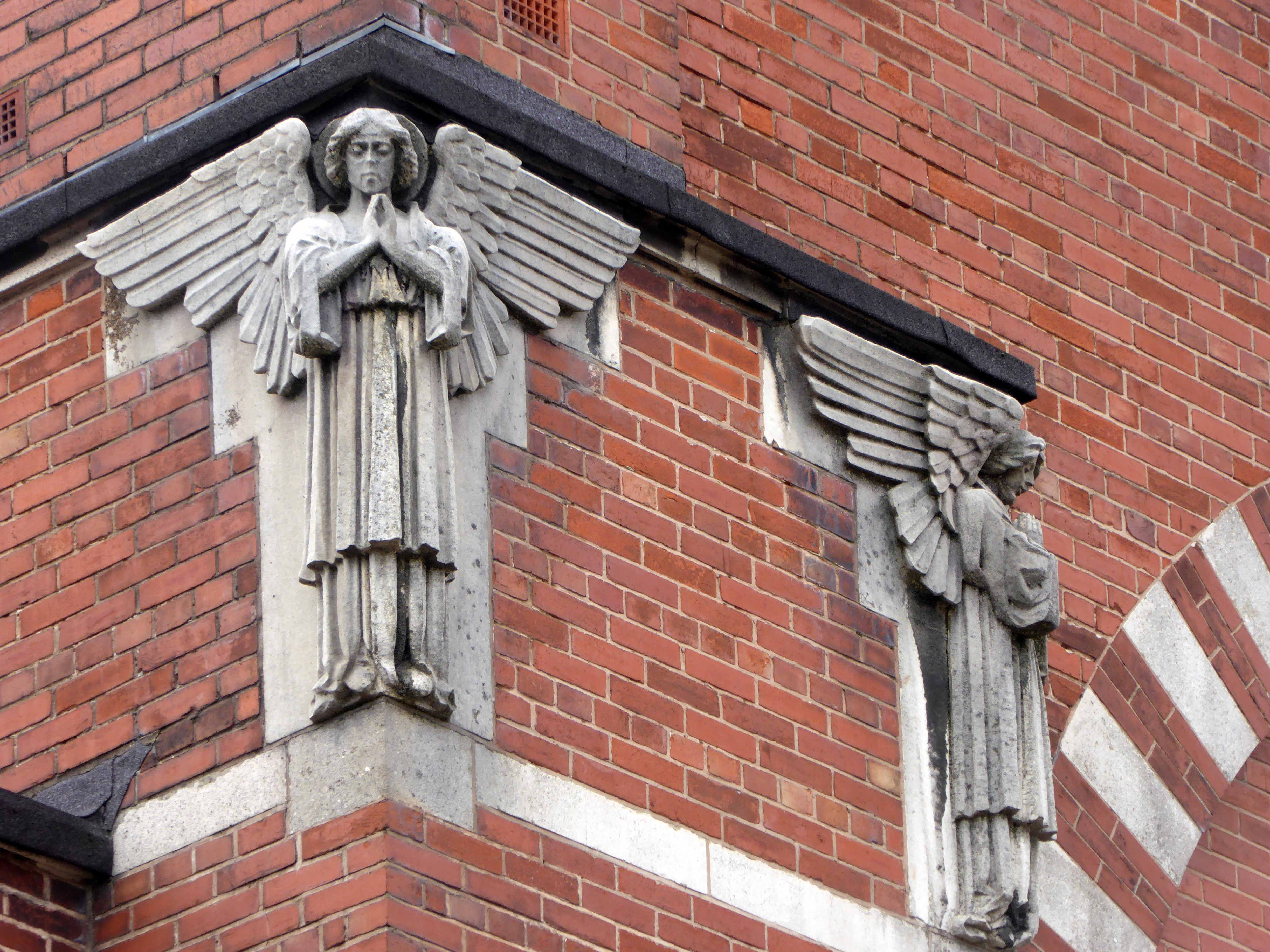
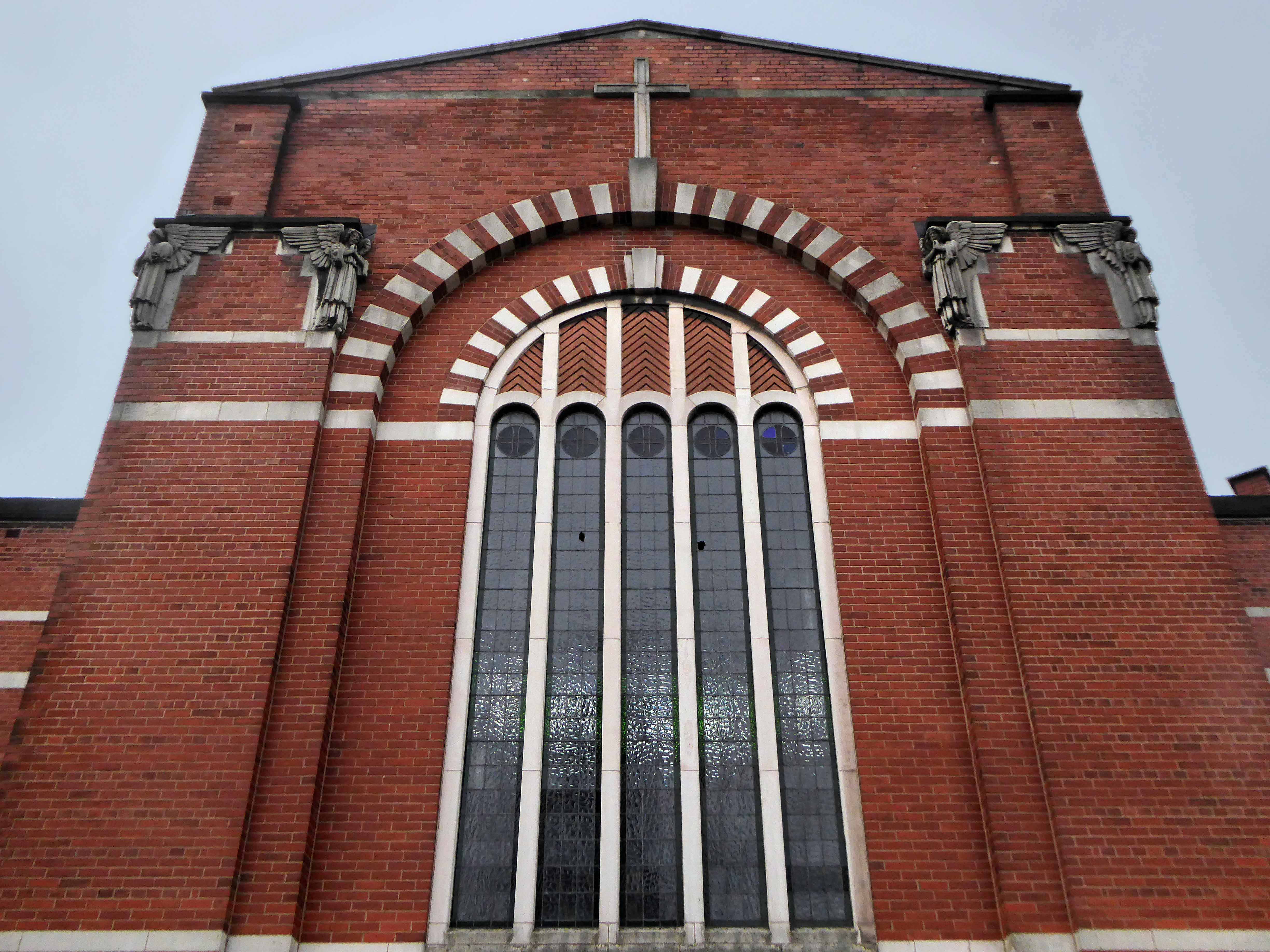
Approaching from the adjacent railway station we could not fail to be impressed by the scale and grandeur of the church, a wonderful mix of the Byzantine and restrained Art Deco – most clearly expressed in the sculptural angels looming high above the tram stop.
The building is Grade II* Listed and deservedly so – details can be found here on the Historic England site.
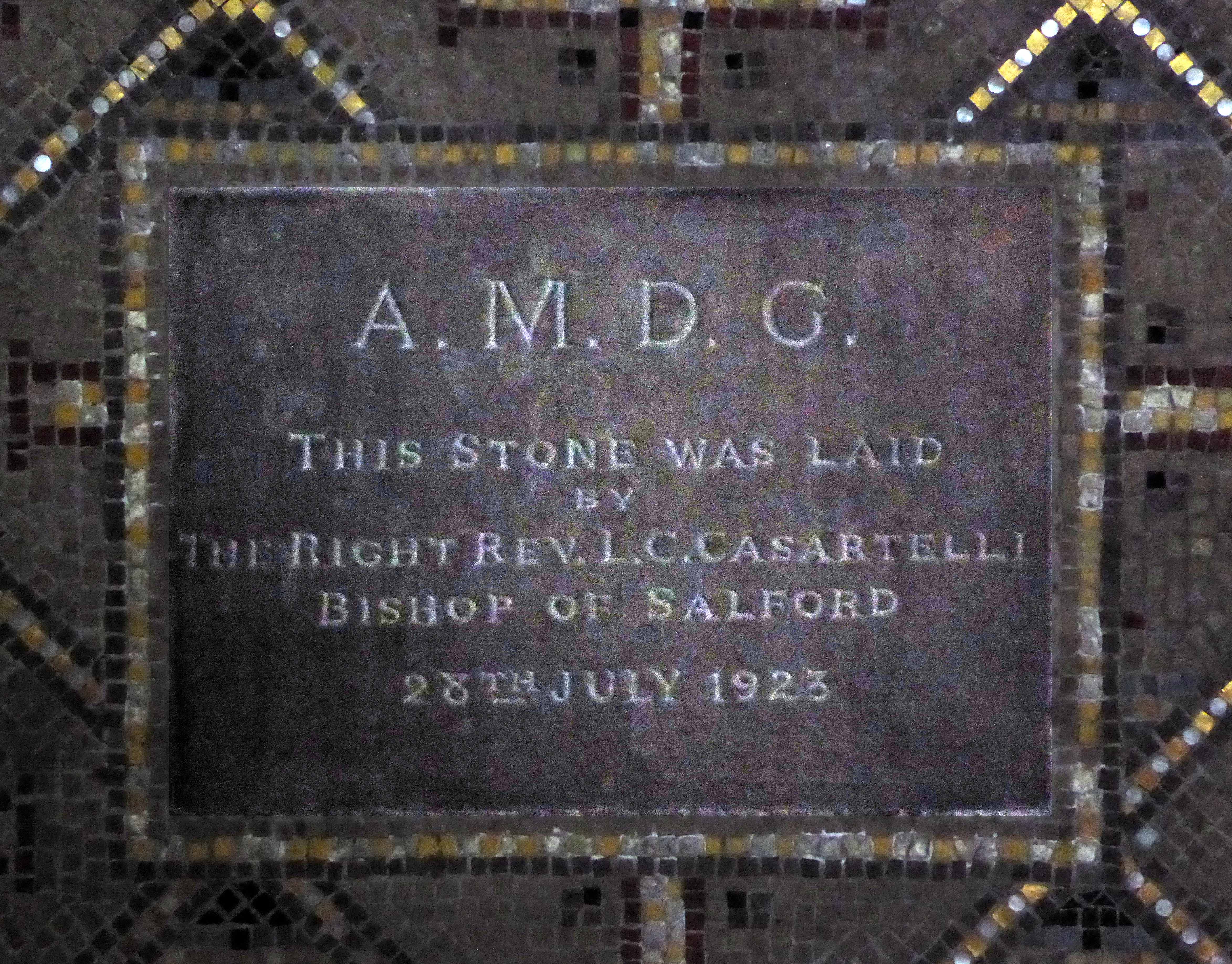
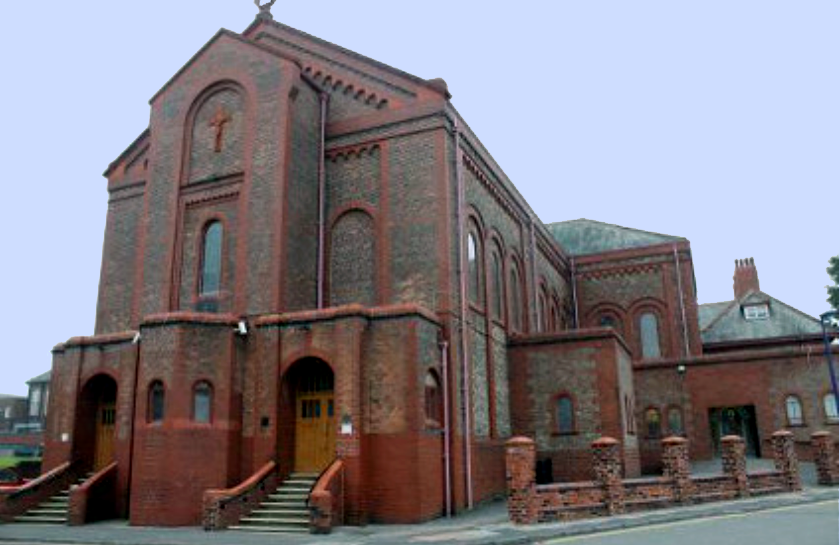
The original design pre-1917 by Oswald Hill, executed in 1923-25 by Ernest Bower Norris. Henry Oswald Hill was a promising architect with a clear interest in contemporary church-building trends, as evidenced here and at the nearby RC Church of St Joseph, Heywood, he was tragically killed in action in the First World War.
St Joseph’s
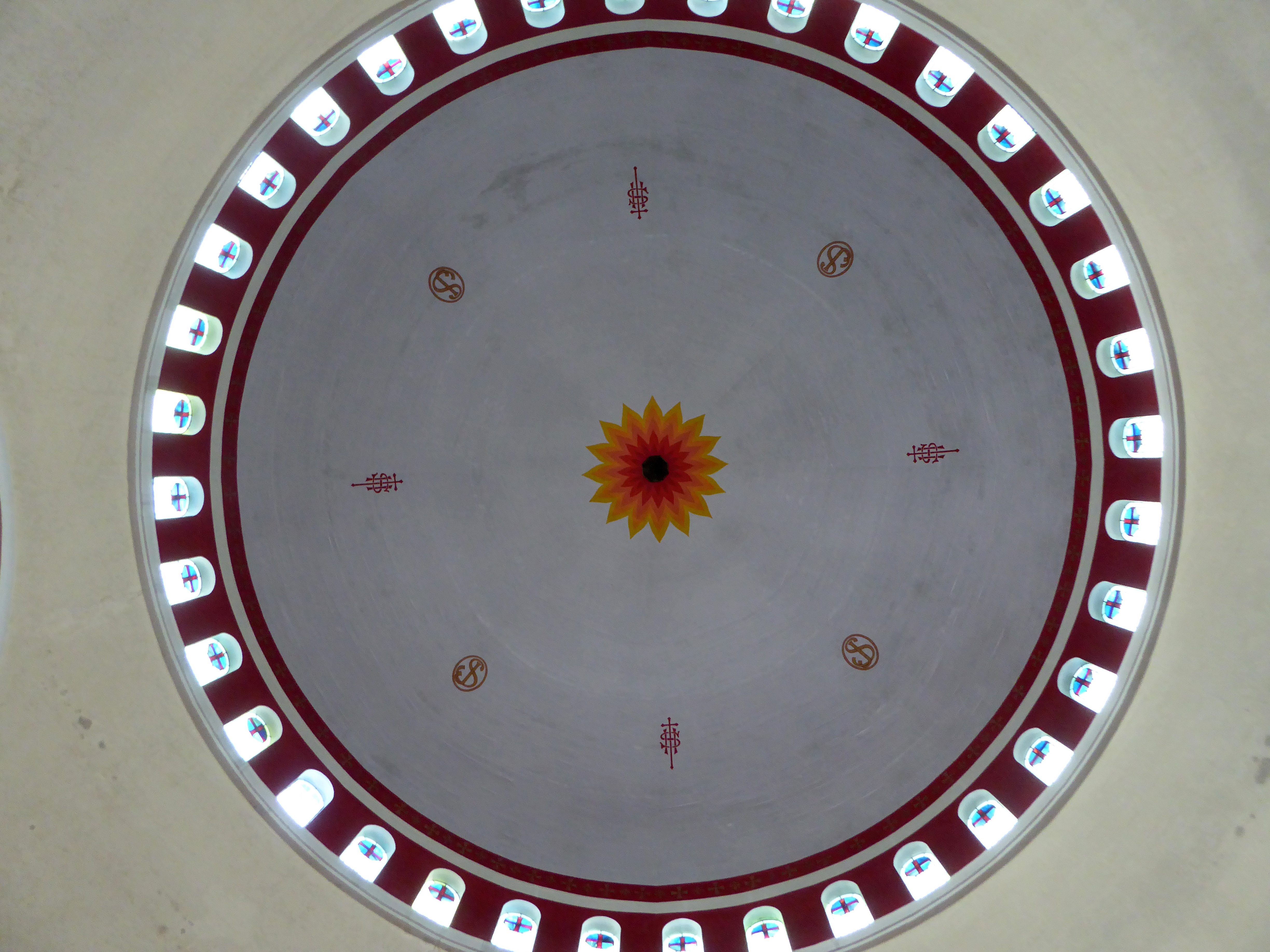
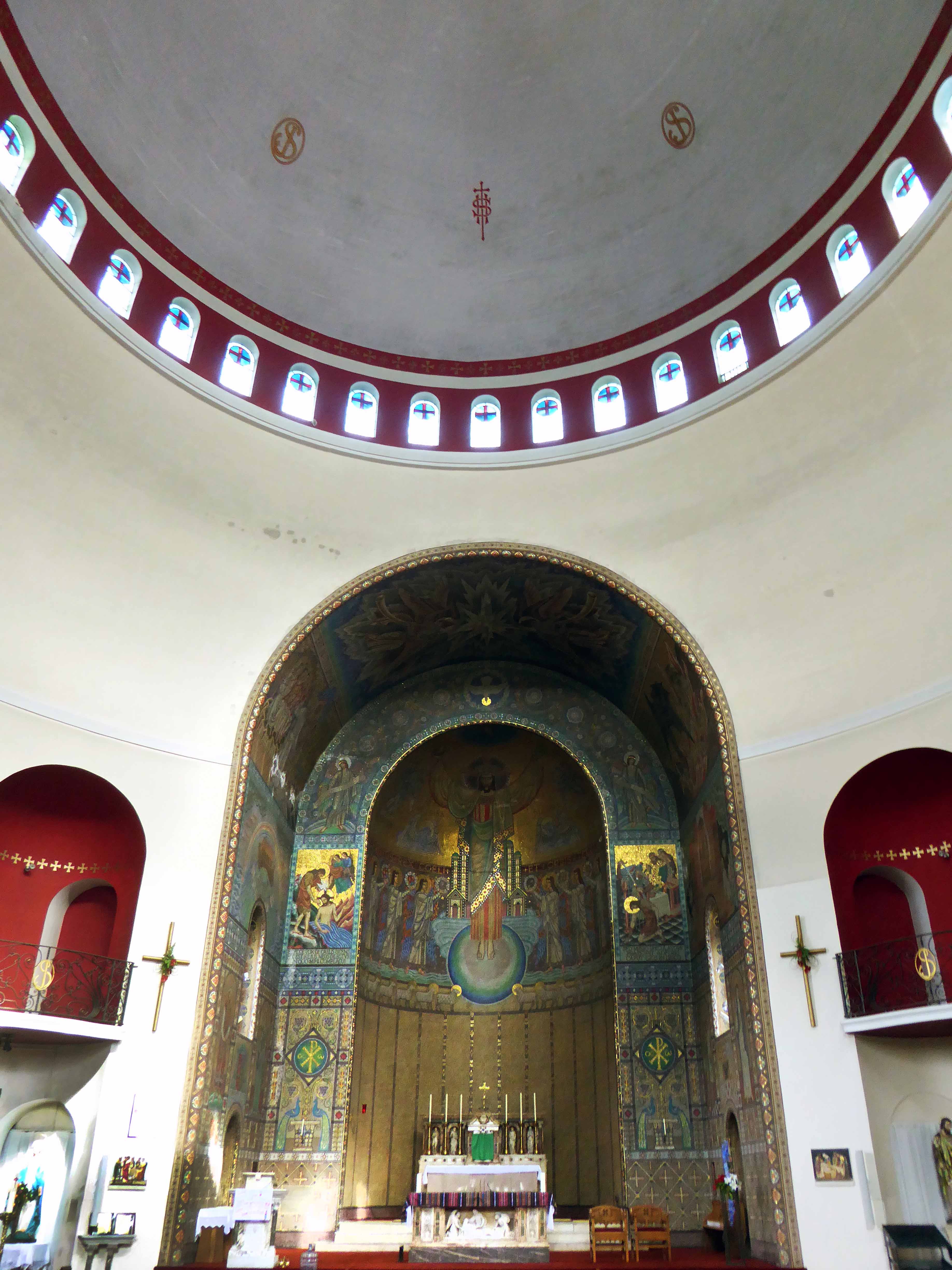
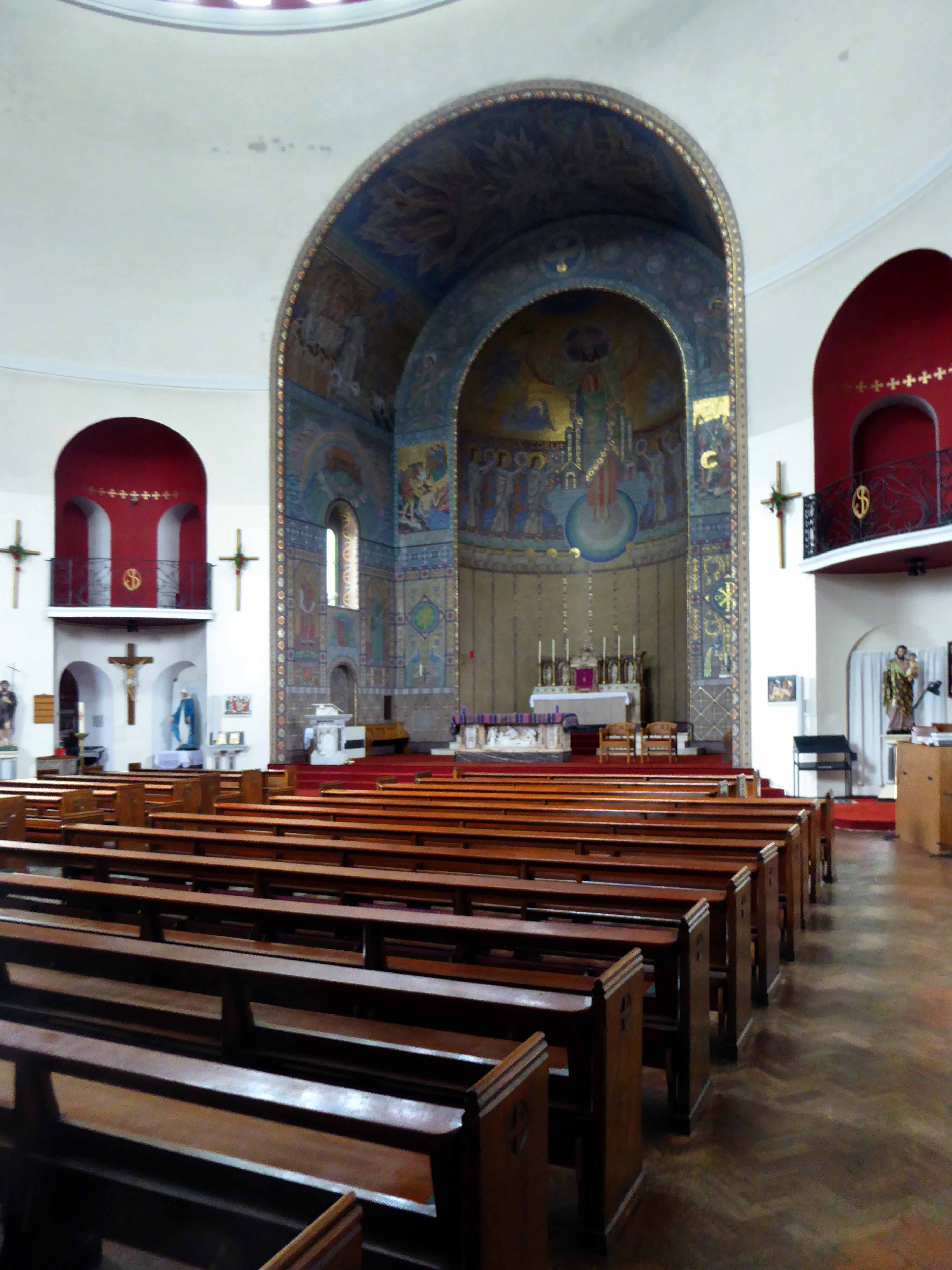
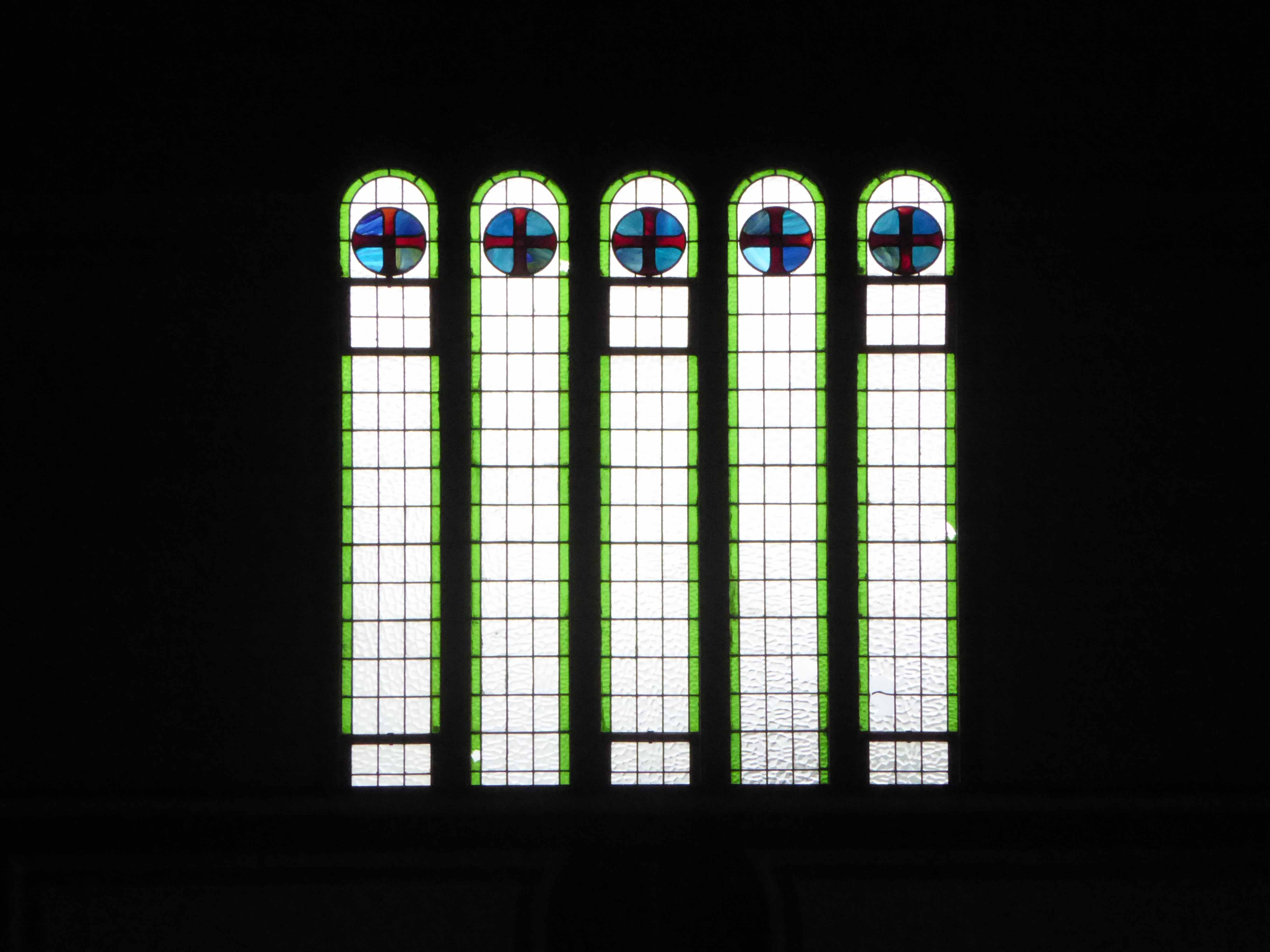
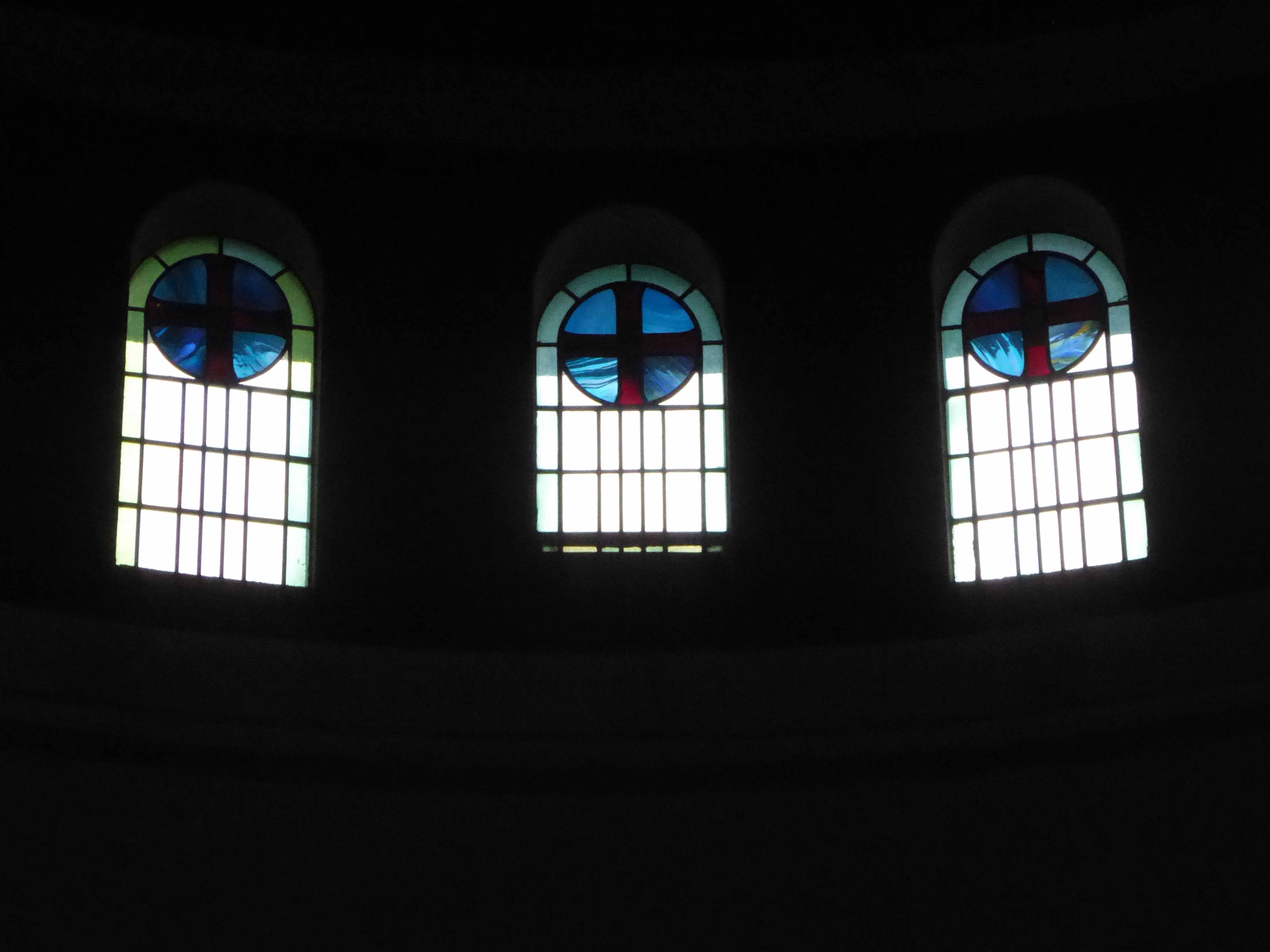
The church uses concrete to its advantage in the construction of the striking, 20m-wide central dome, surrounded by the delicate touch of several arched stained glass windows at the perimeter.
Illuminating the concave space in a heavenly manner.
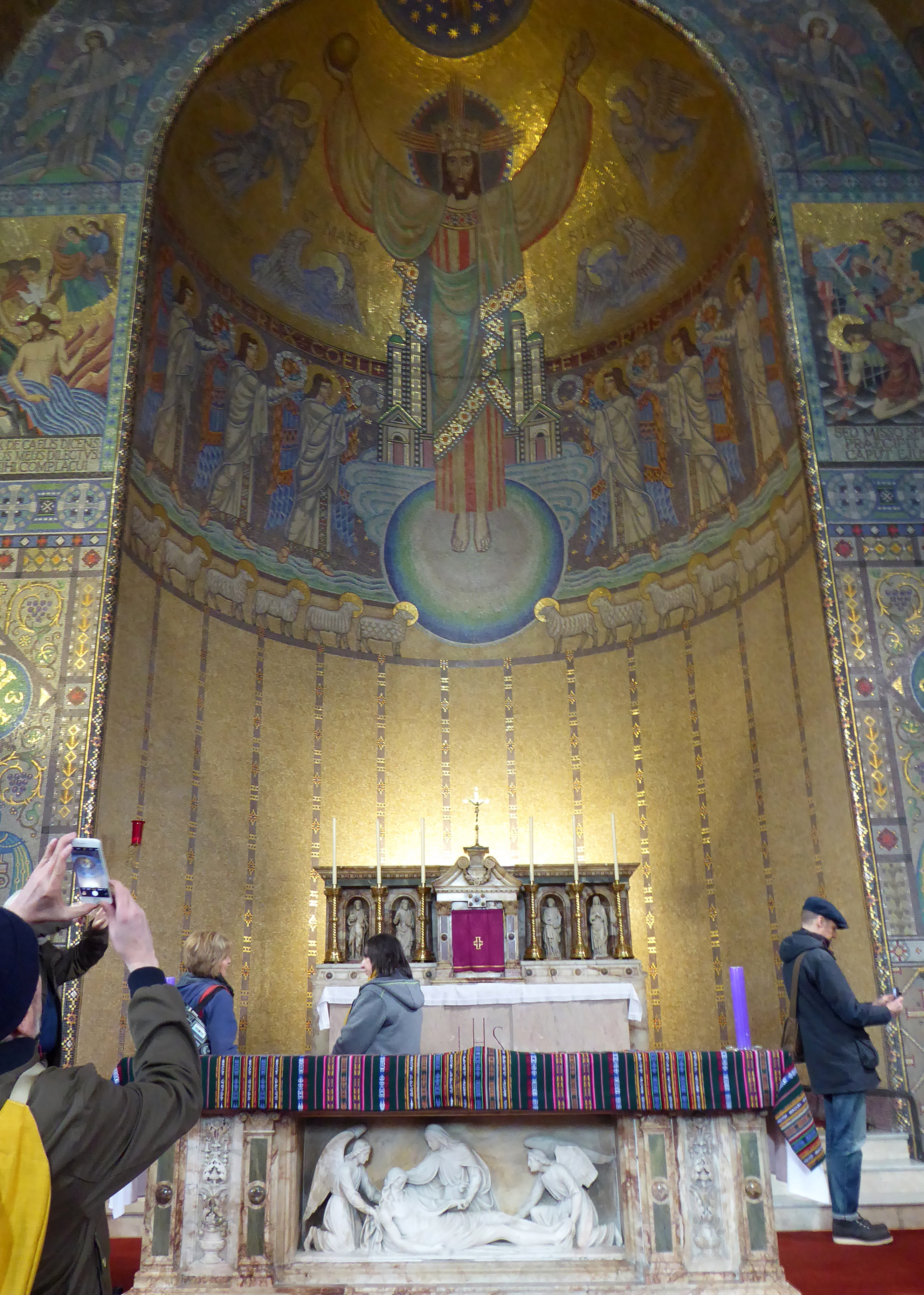
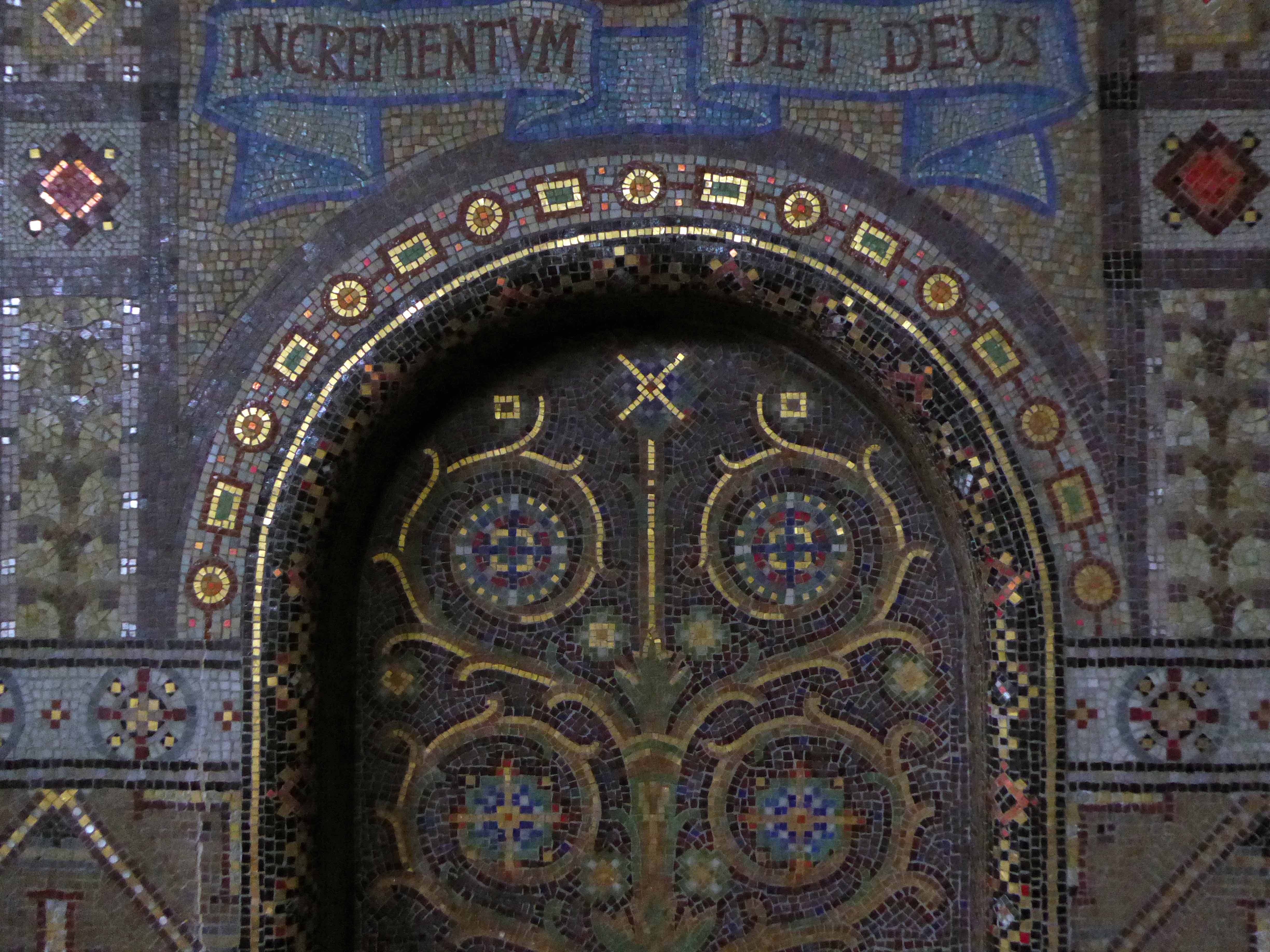
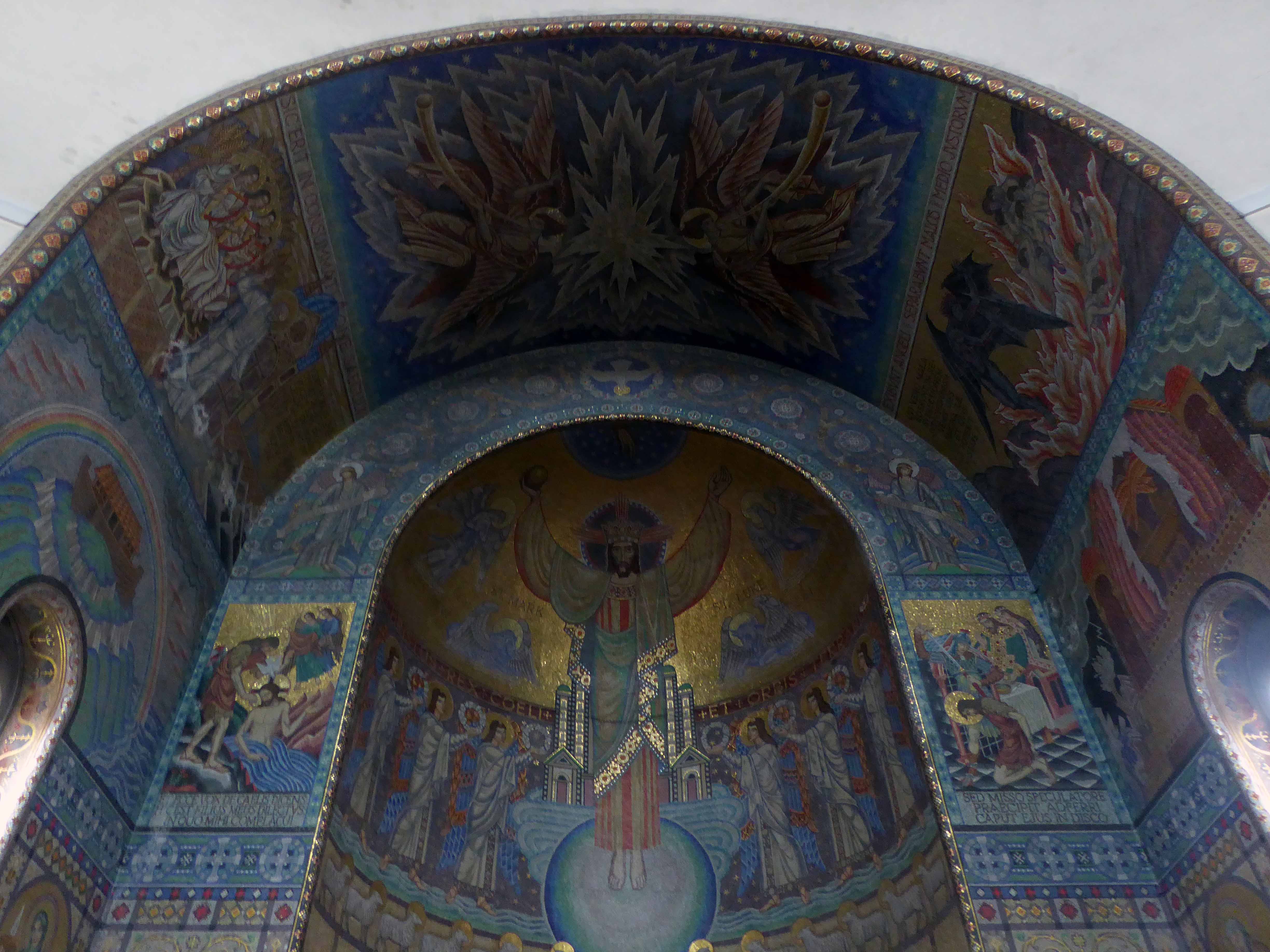
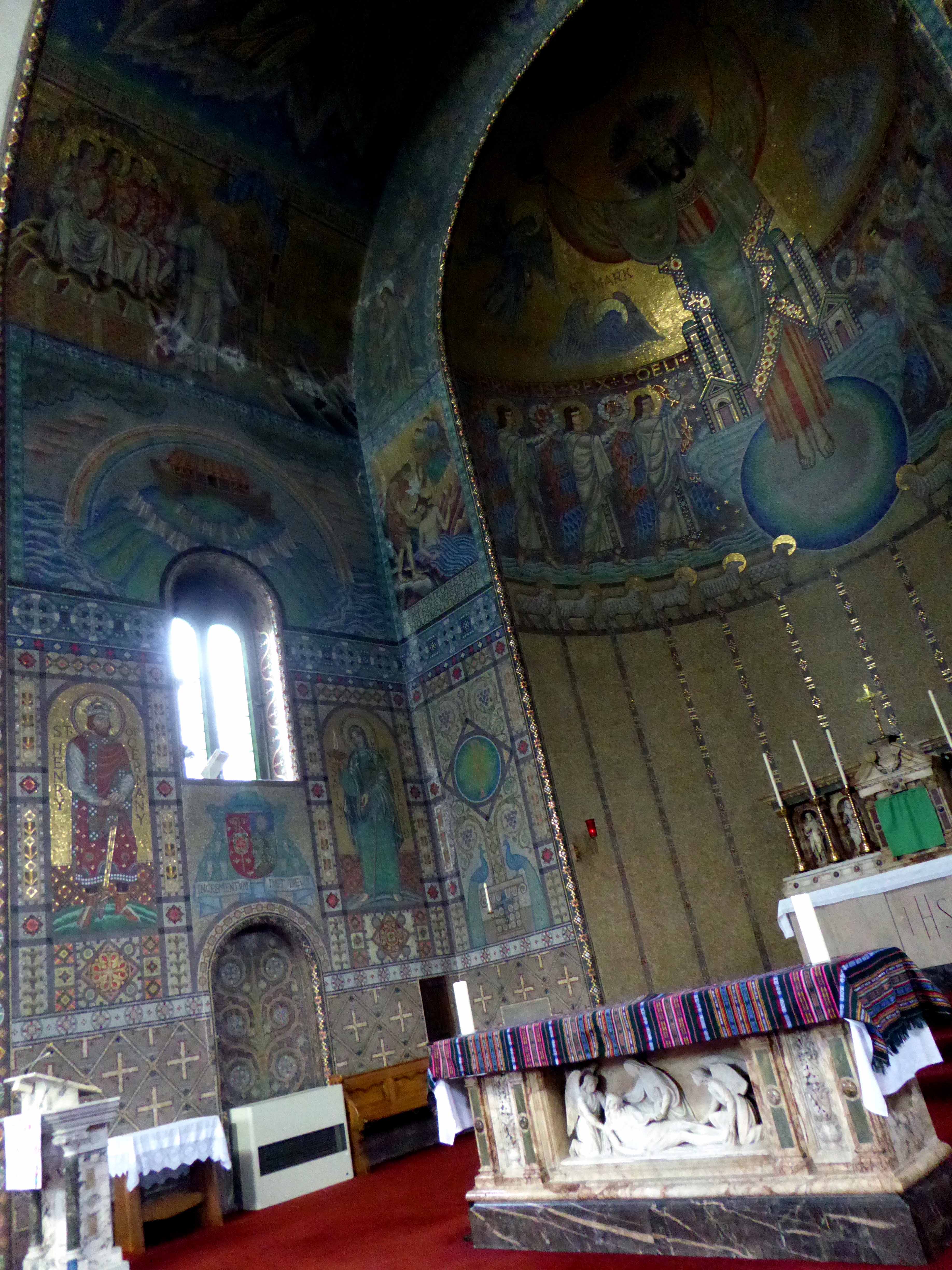
The apsed sanctuary contains an encompassing mosaic scheme of powerful emotional intensity designed by leading mosaic designer, Eric Newton of specialist firm Ludwig Oppenheimer Ltd.
The mosaic is breathtaking in scale, design and execution – nothing can prepare you for its impact as you enter the church.
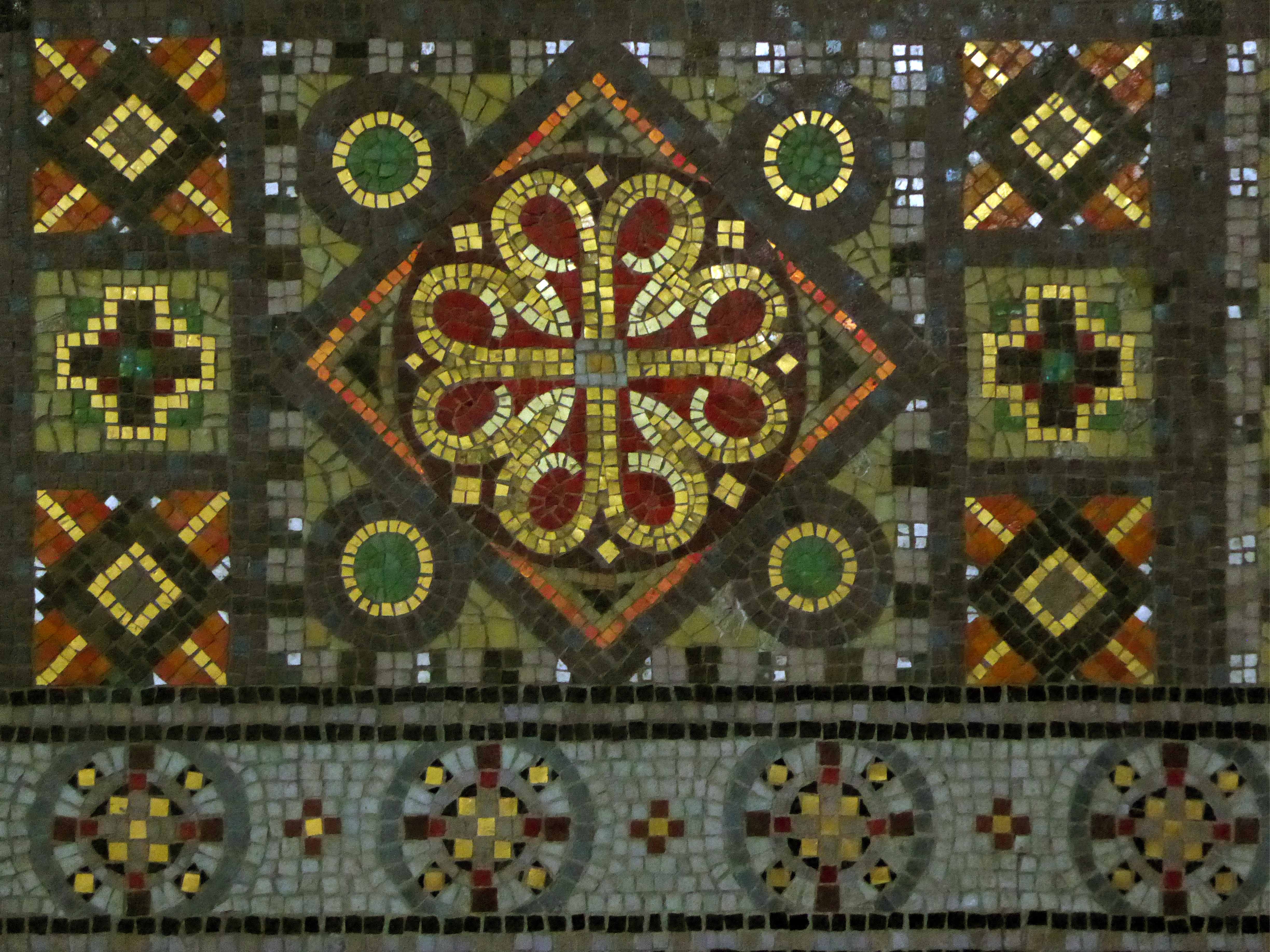
The quality of the sanctuary mosaic is further enhanced by the use of high-quality tesserae made of stone, coloured marbles and coloured glass, set off by a shimmering background of gold tesserae.
The apsed sanctuary is completely covered in a mosaic scheme with the theme Eternal Life designed by Eric Newton. Newton was born Eric Oppenheimer, later changing his surname by deed poll to his mother’s maiden name. He was the grandson of Ludwig Oppenheimer, a German Jew who was sent to Manchester to improve his English and then married a Scottish girl and converted to Christianity. In 1865 he set up a mosaic workshop, (Ludwig Oppenheimer Ltd, Blackburn St, Old Trafford, Manchester) after spending a year studying the mosaic process in Venice. Newton had joined the family company as a mosaic craftsman in 1914 and he is known to have studied early Byzantine mosaics in Venice, Ravenna and Rome. He later also became art critic for the Manchester Guardian and a broadcaster on ‘The Critics’. Newton started the scheme in 1932 and took over a year to complete it at a cost of £4,000. It had previously been thought that he used Italian craftsmen, but historic photographs from the 1930s published in the Daily Herald show Oppenheimer mosaics being cut and assembled by a Manchester workforce of men and women. It is likely, therefore, that the craftsmen working on St John the Baptist were British.
Historic England
The whole building is full of surprising details of the highest quality.
Lit by simplest yet most effective stained glass.
This is an exemplary building, on entering one is filled with both calm and awe, an experience which is never diminished by subsequent visits.
The mosaic work is on local and international significance – it is unthinkable that it may ever be lost to us, or that funding was not forthcoming to secure its future into perpetuity.
I implore you to visit, whensoever that may be possible.
Please take a moment append your comments on this post and play some small part in ensuring the St John’s is preserved for generations to come.
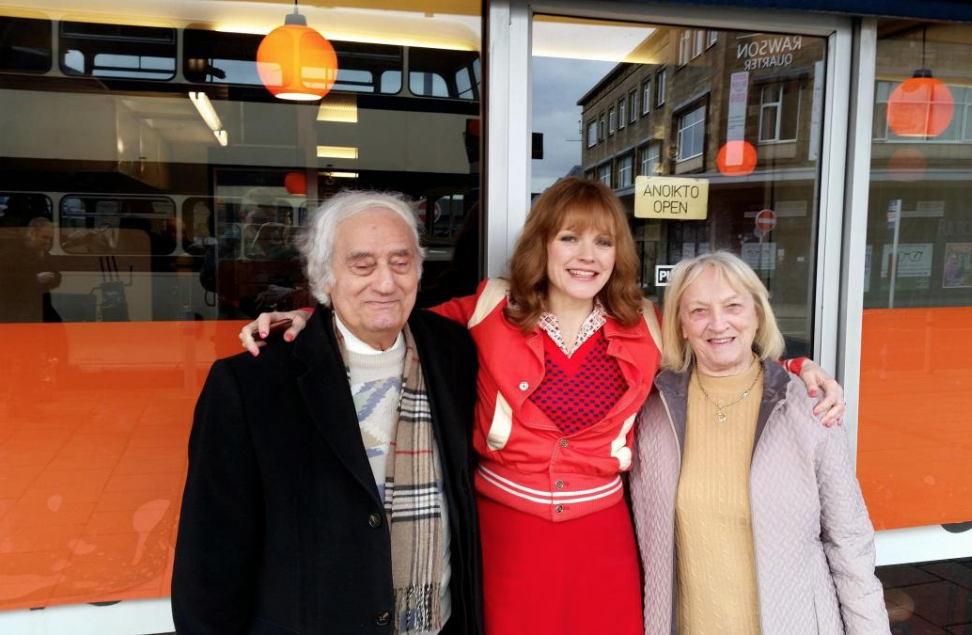
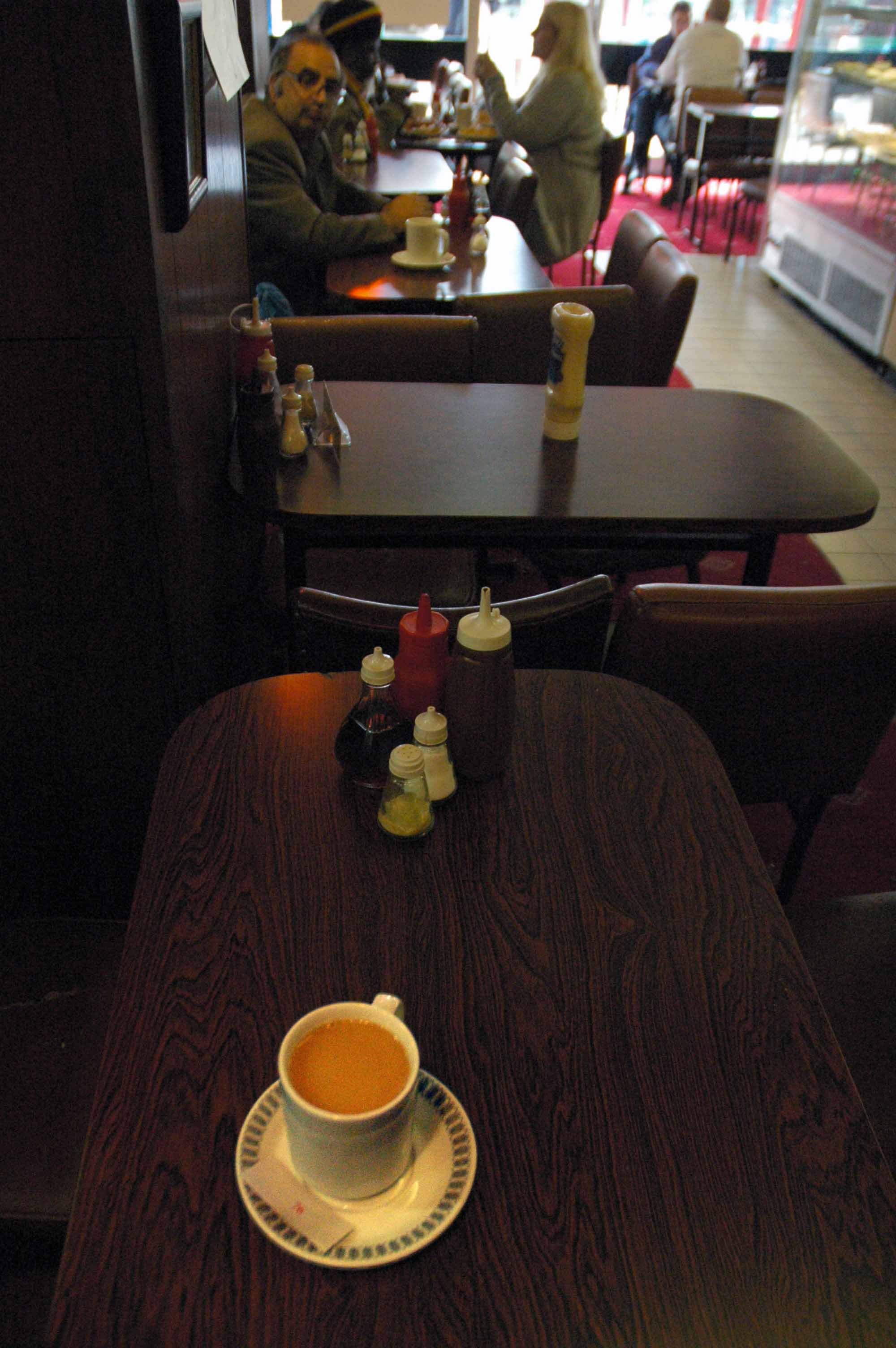
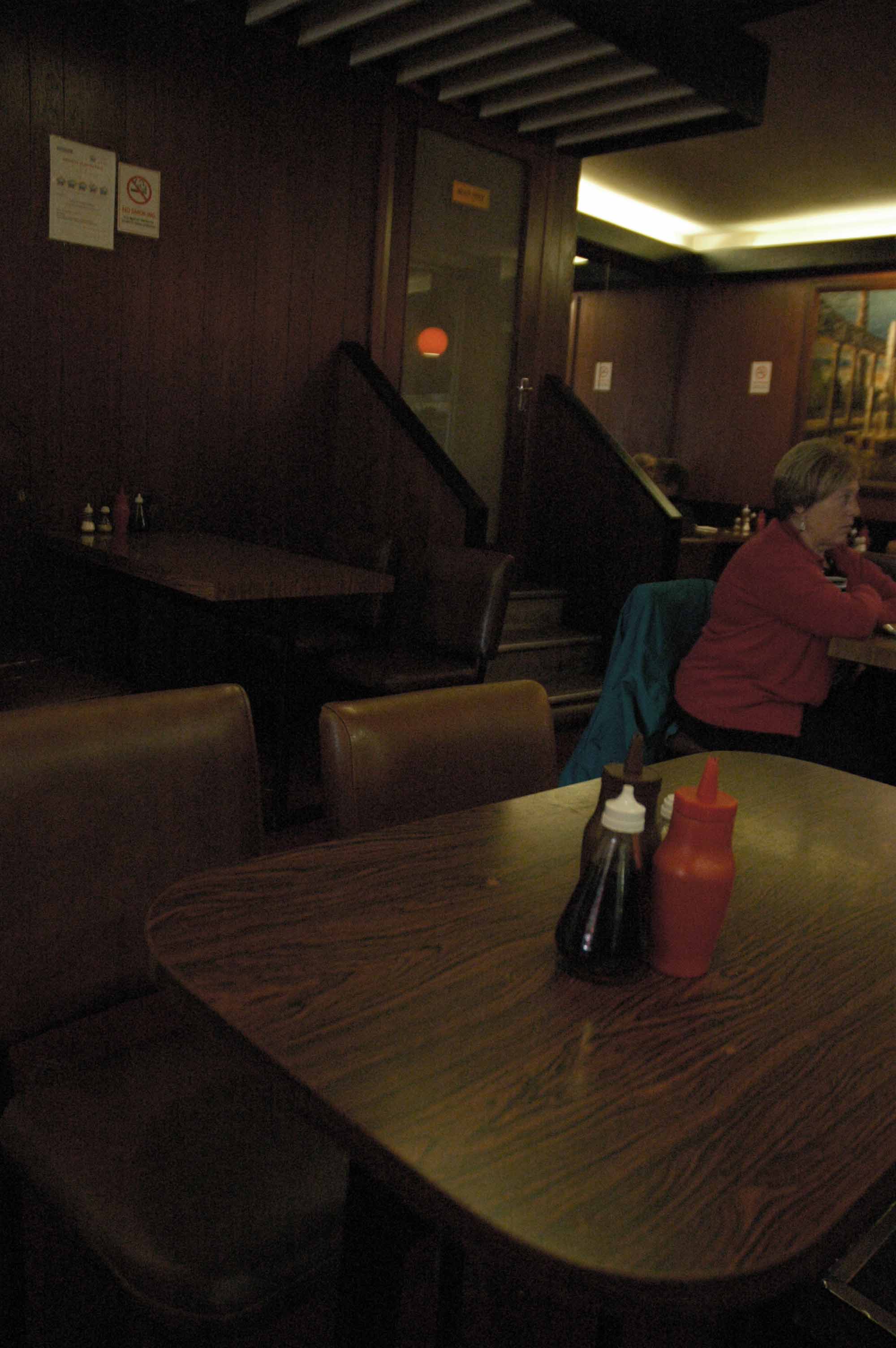
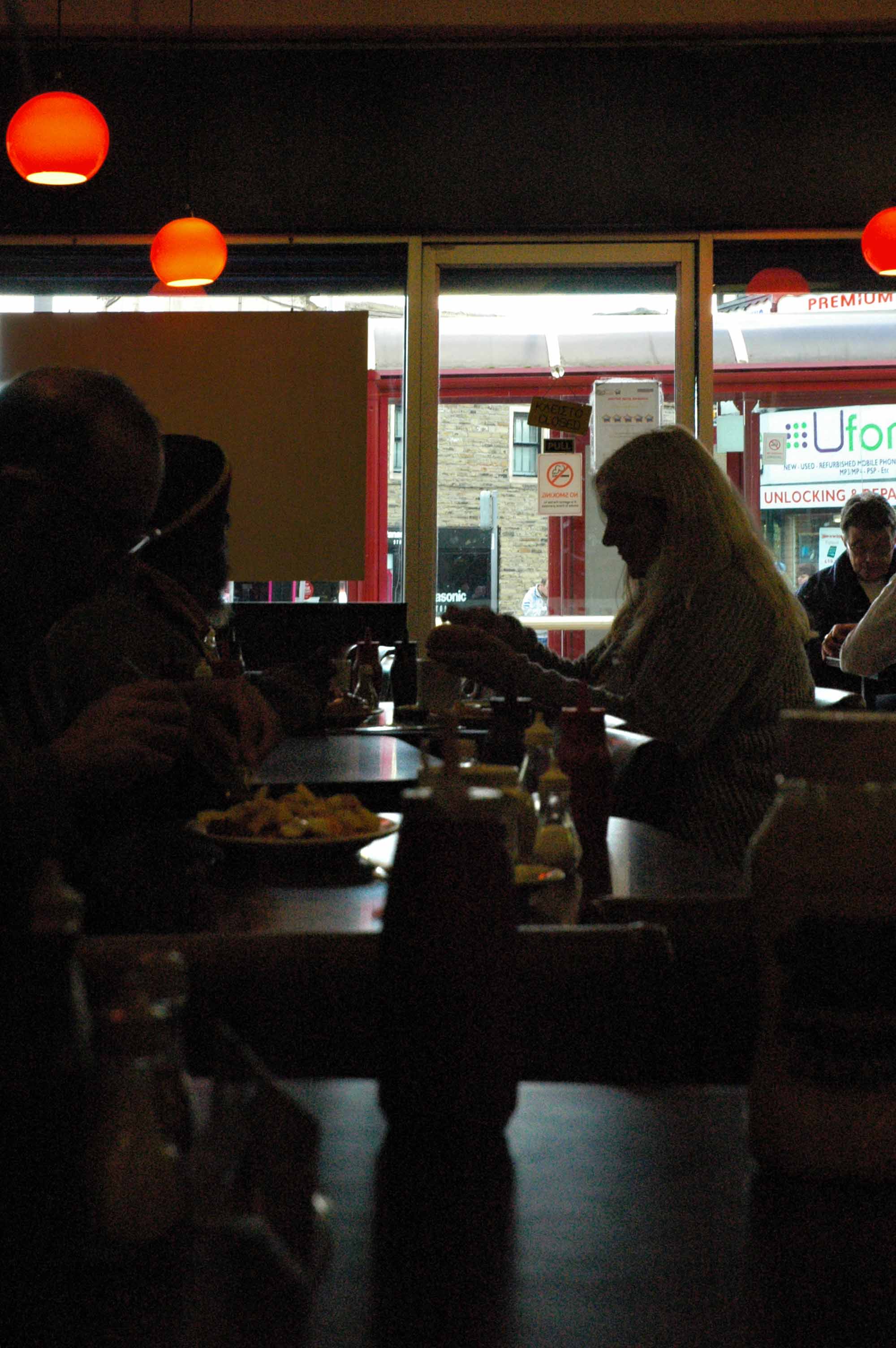
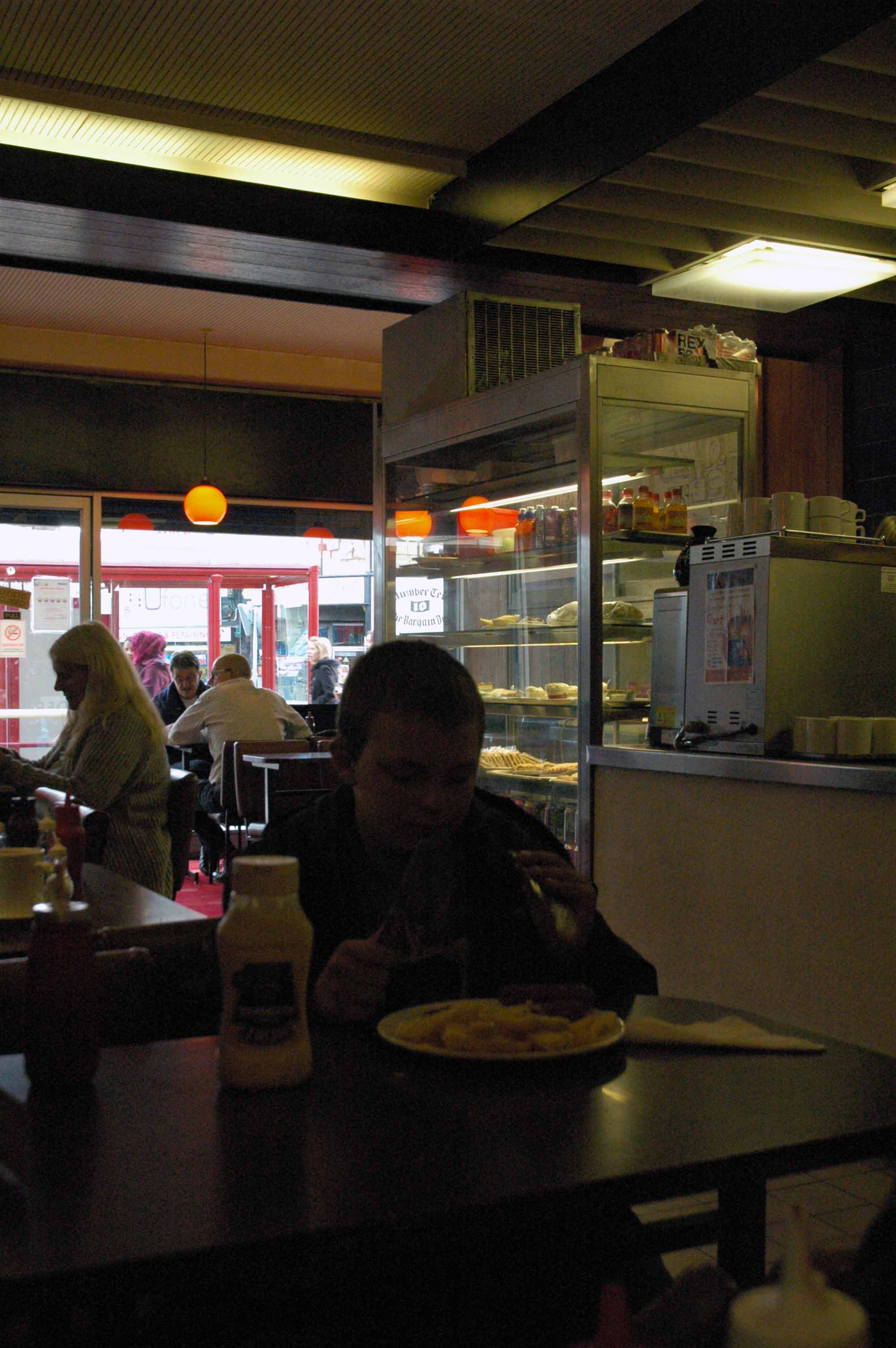
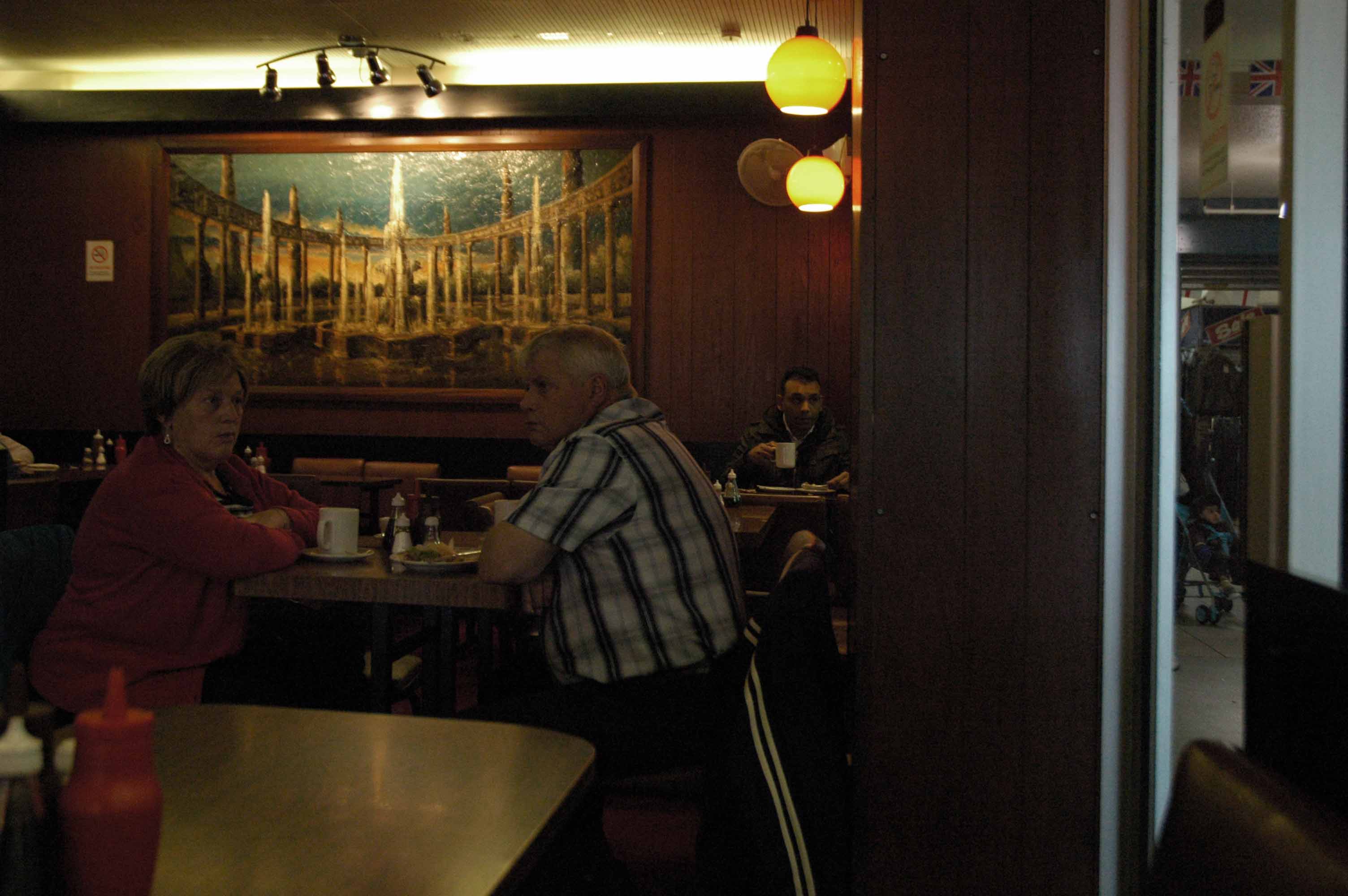
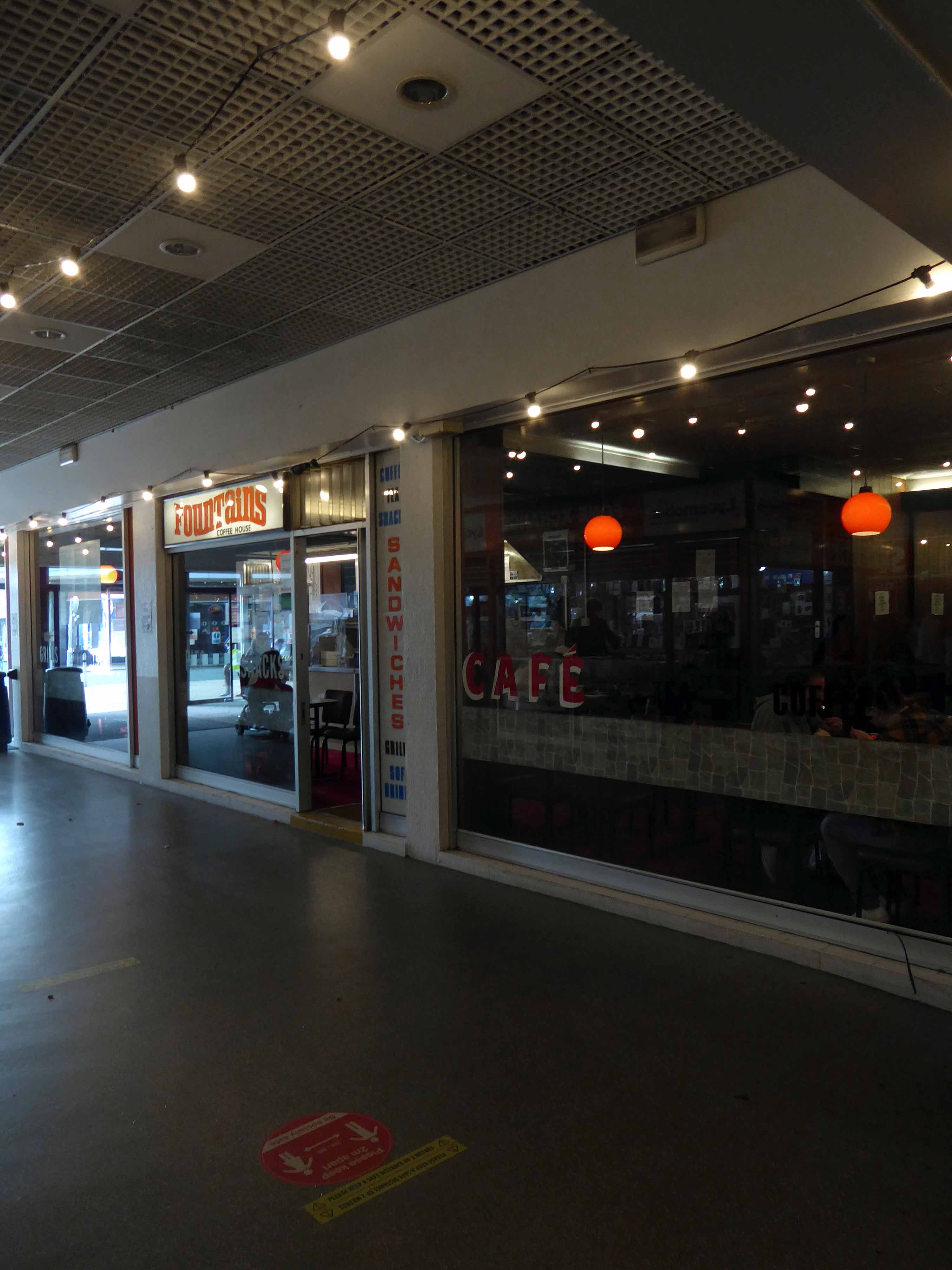
I first came here some twenty years ago or so and on each subsequent visit little seems to change.
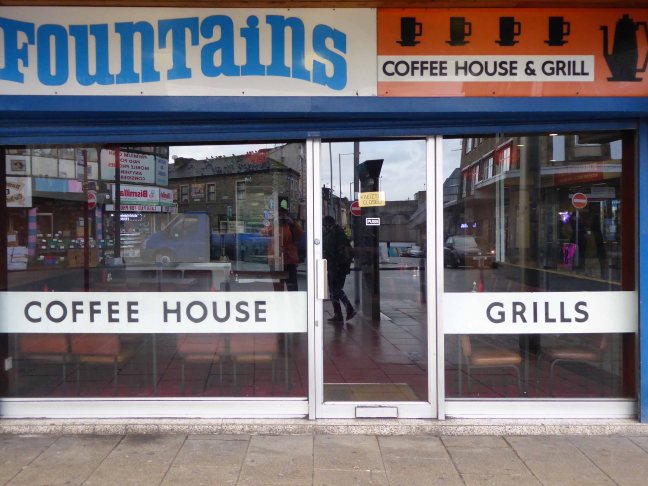
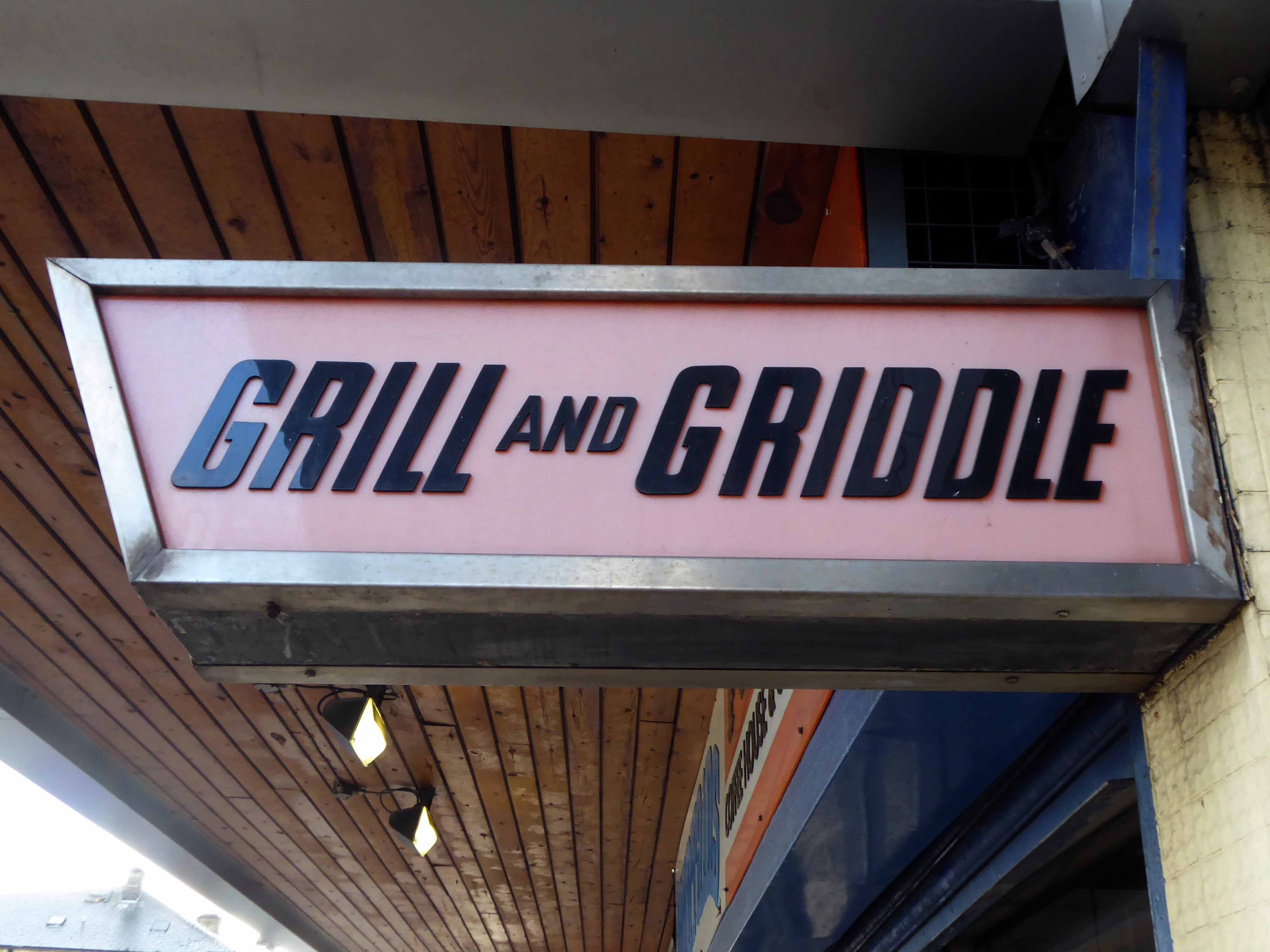
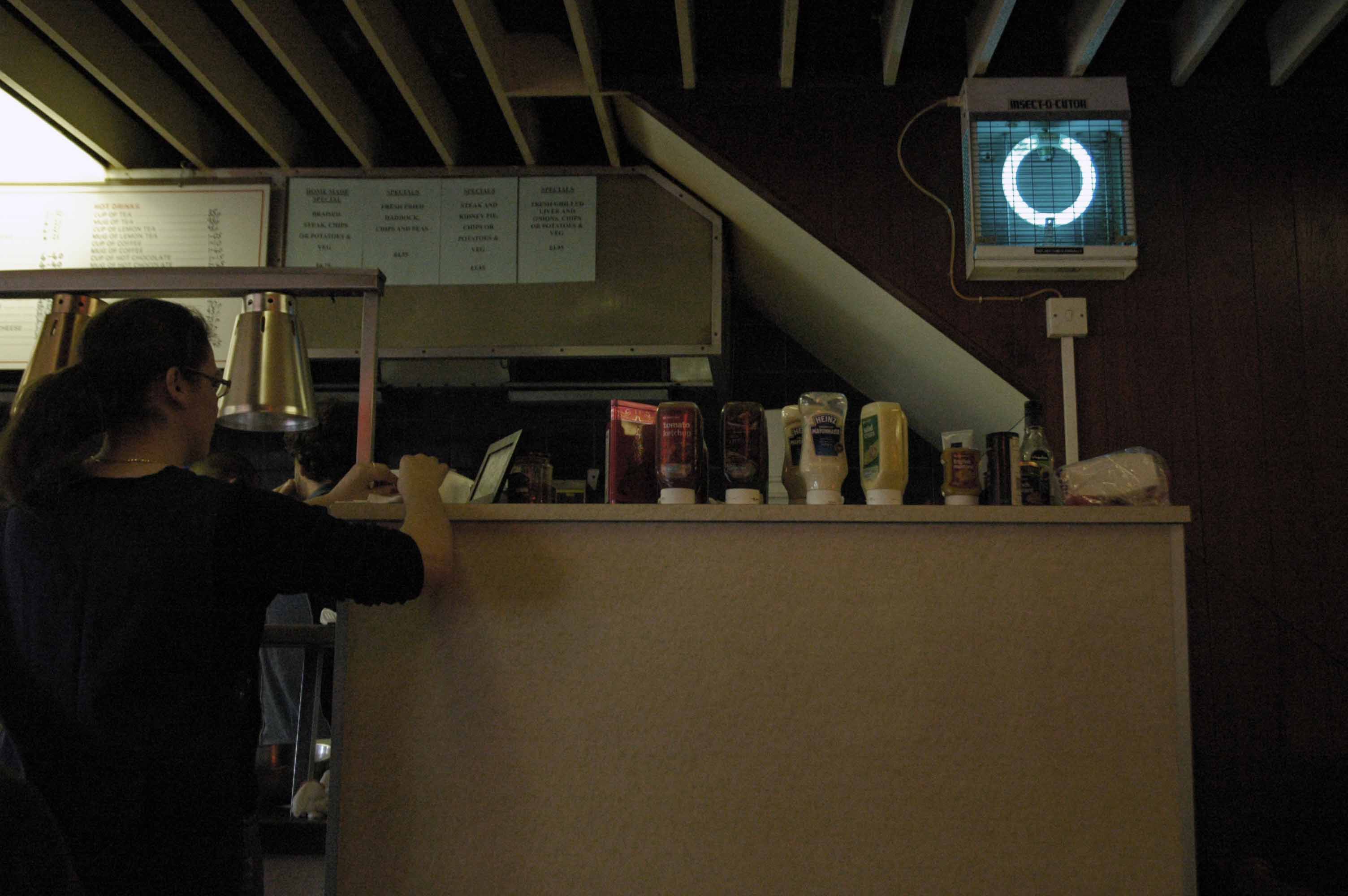
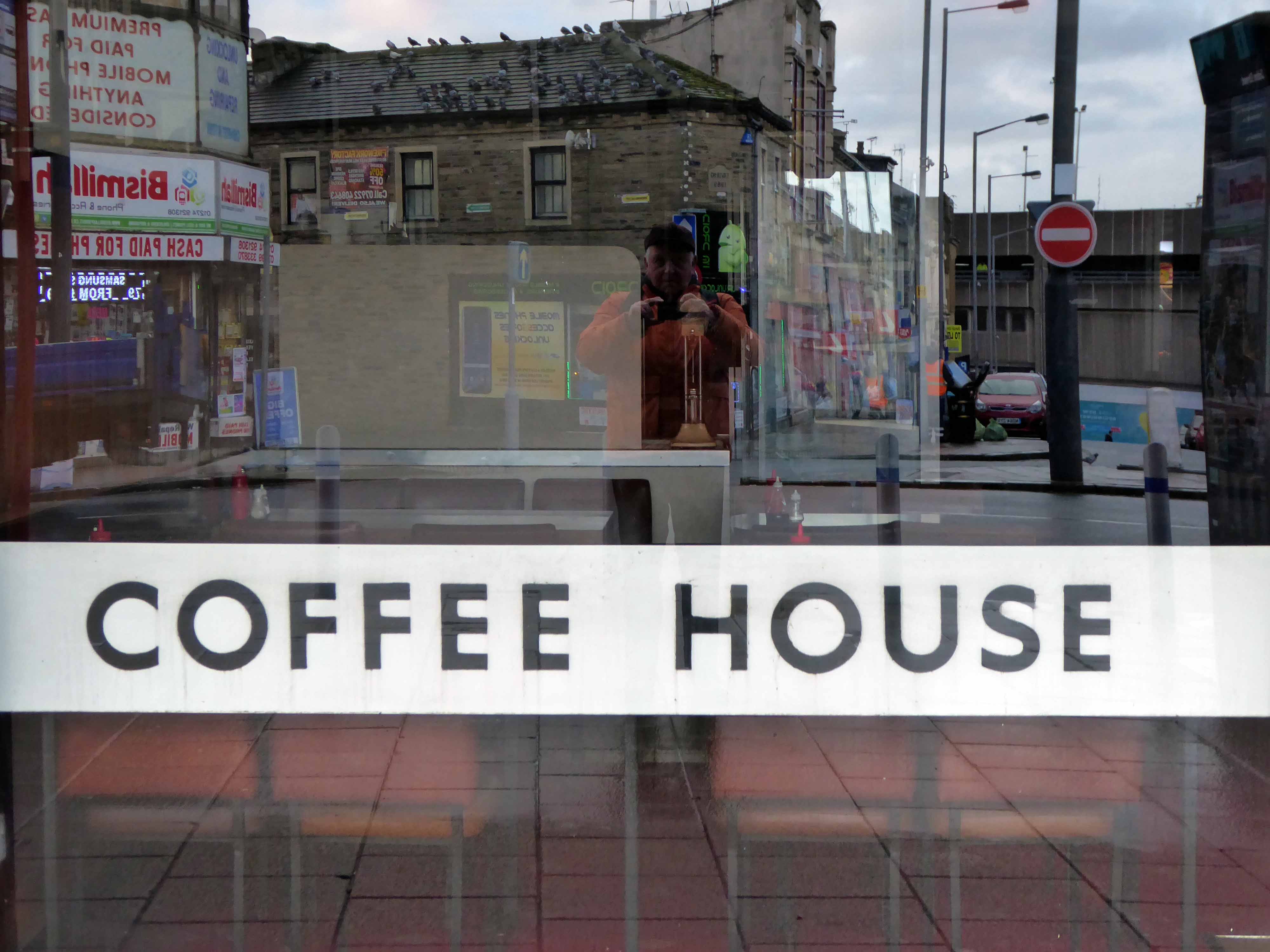
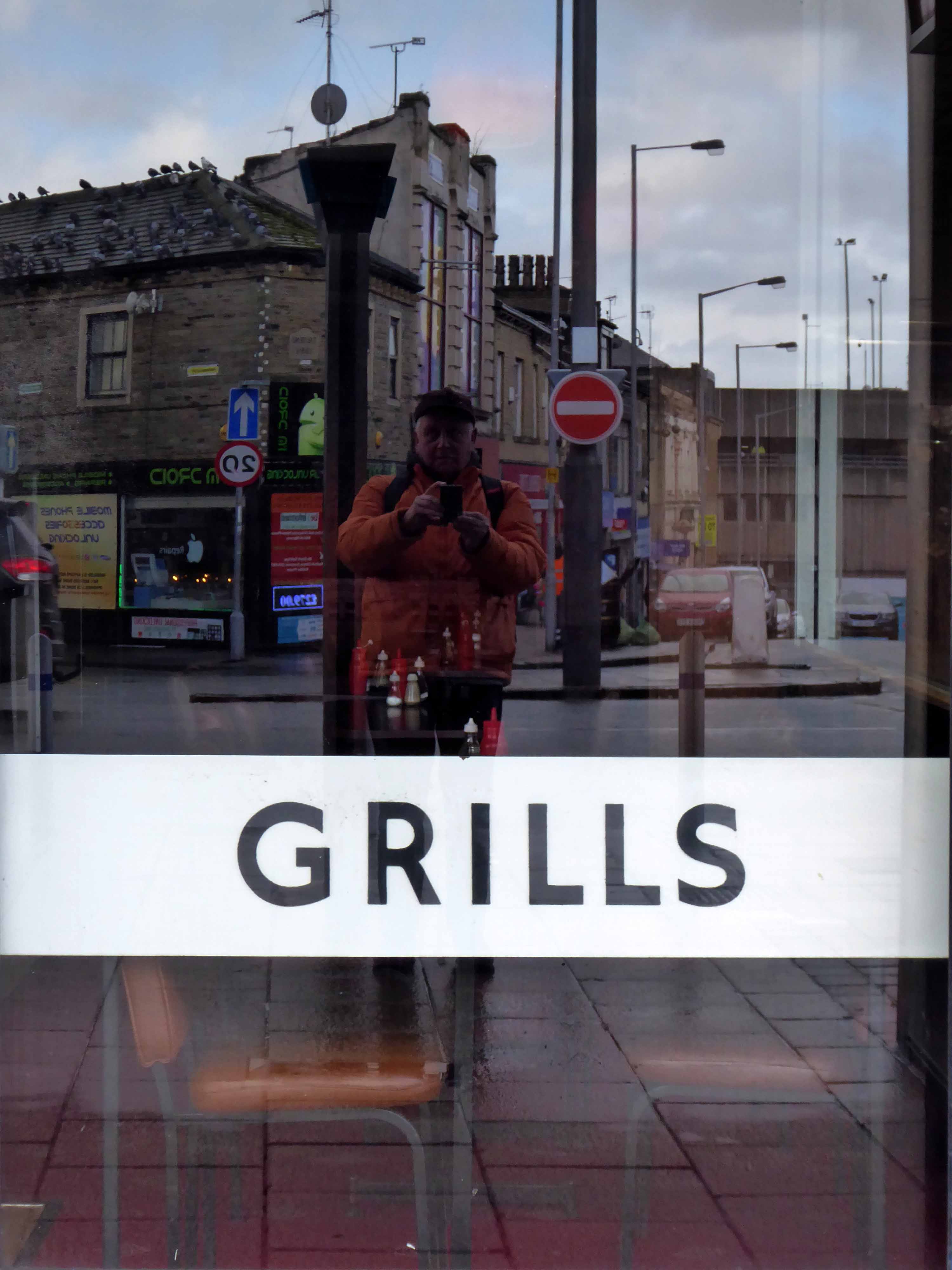
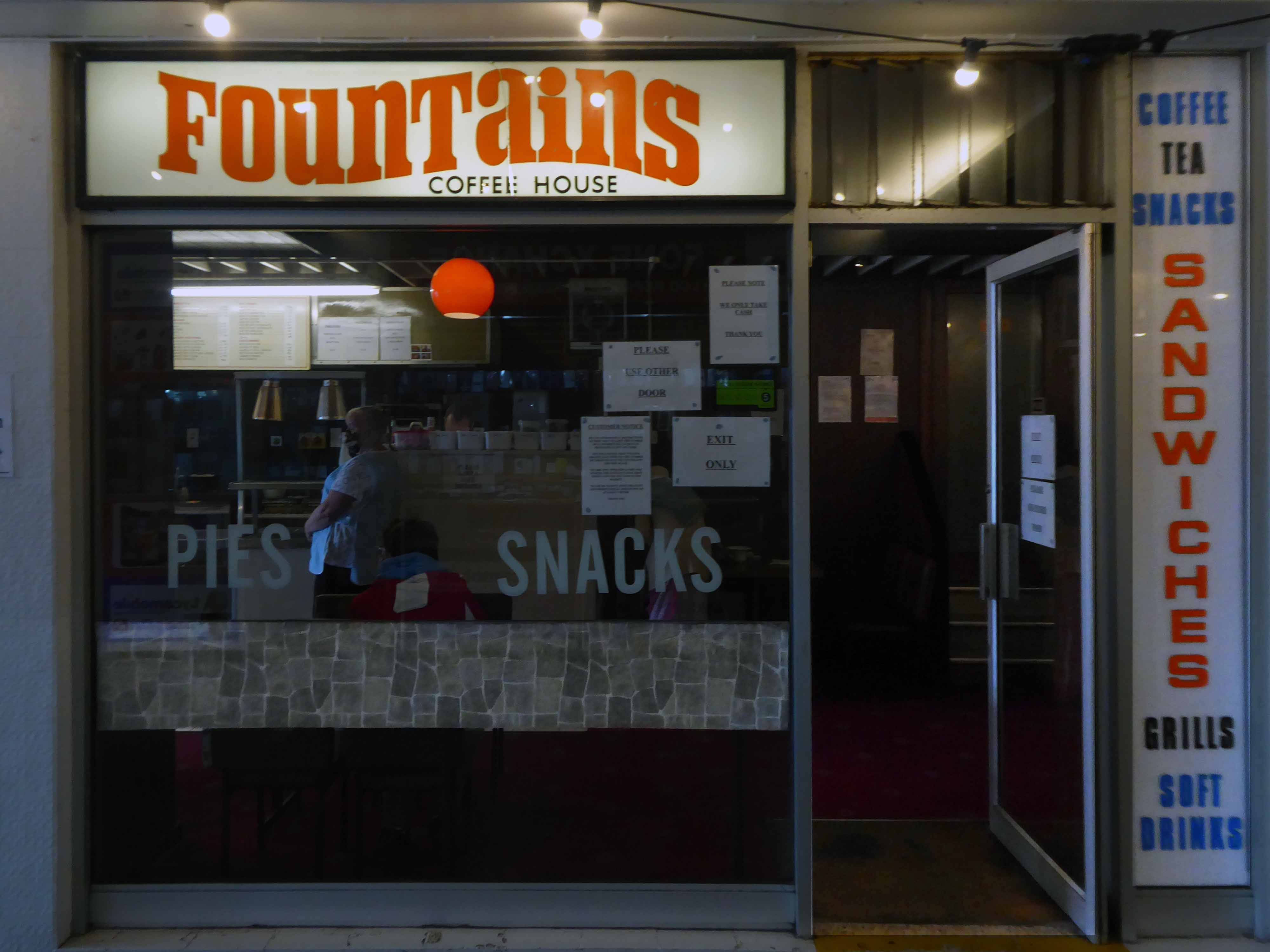
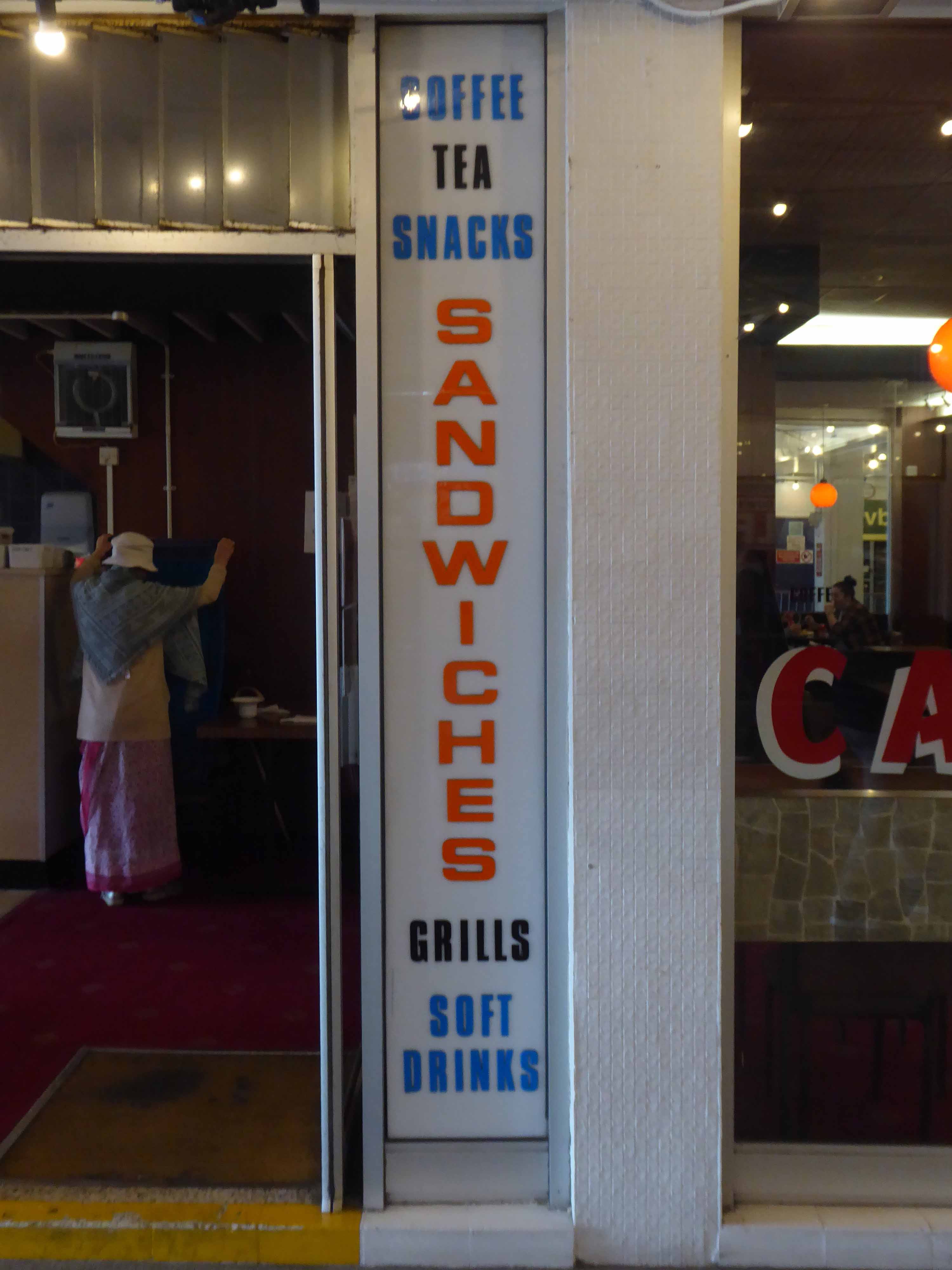
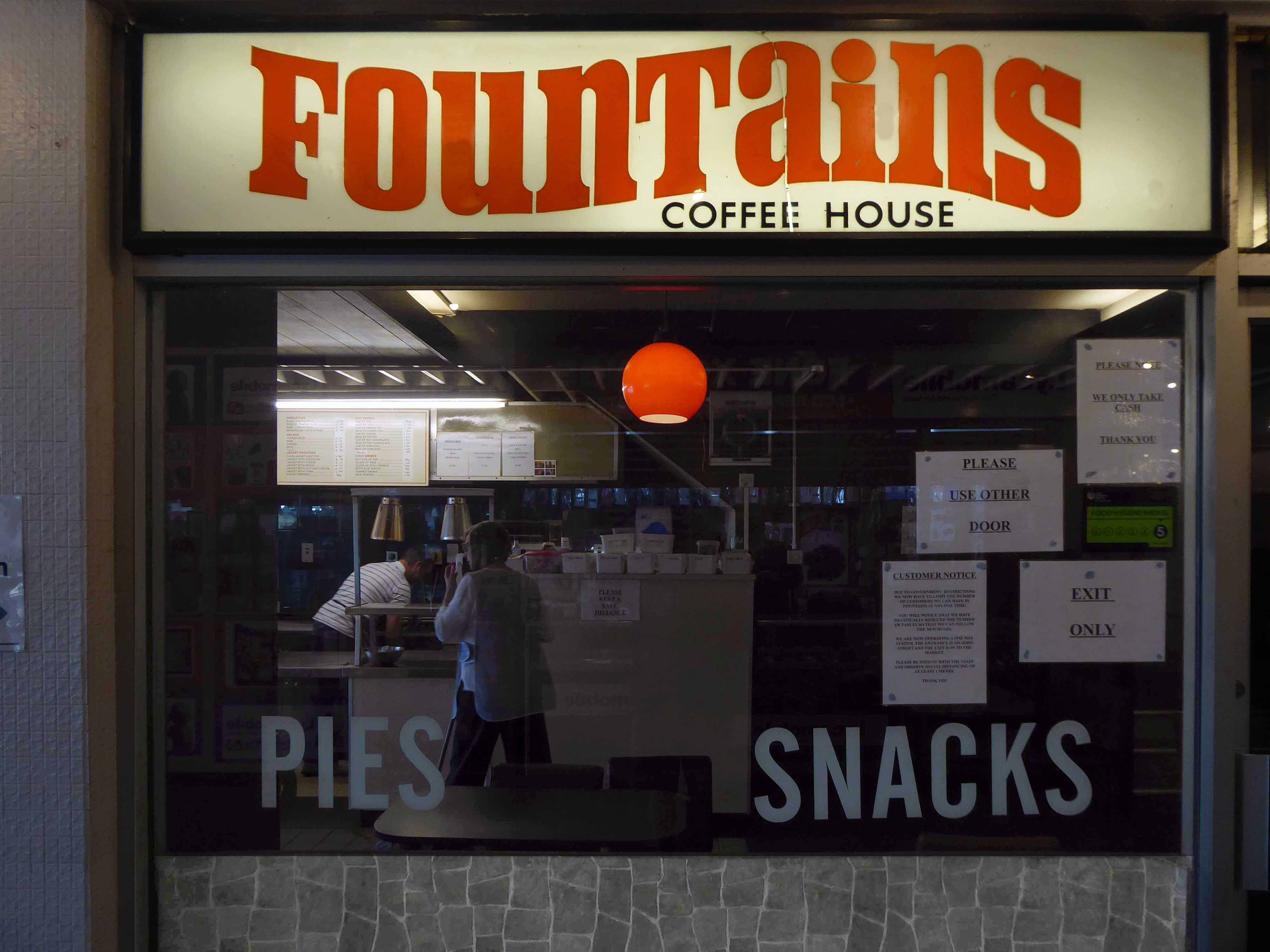
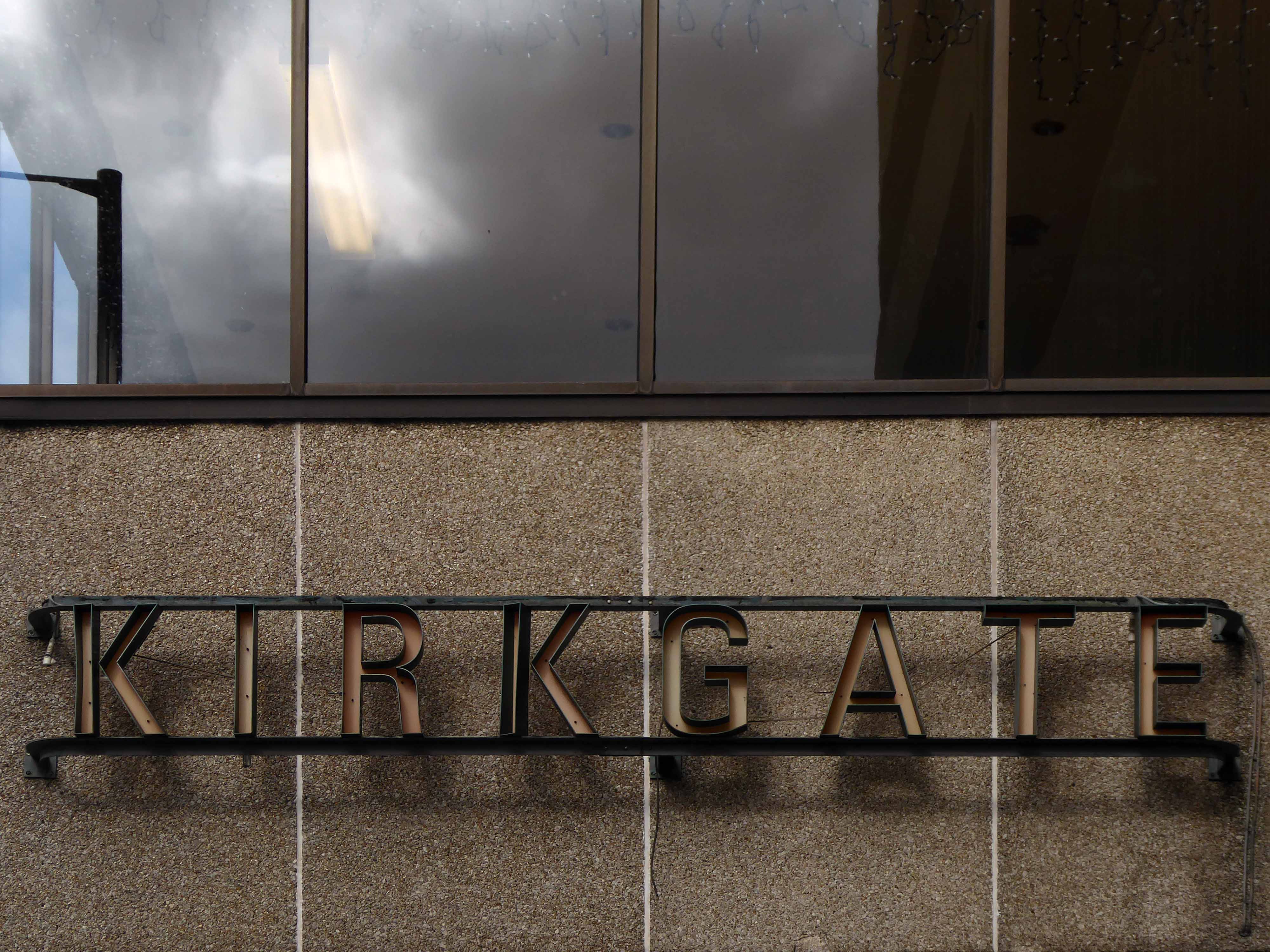
The exterior signage and fascia remain intact.
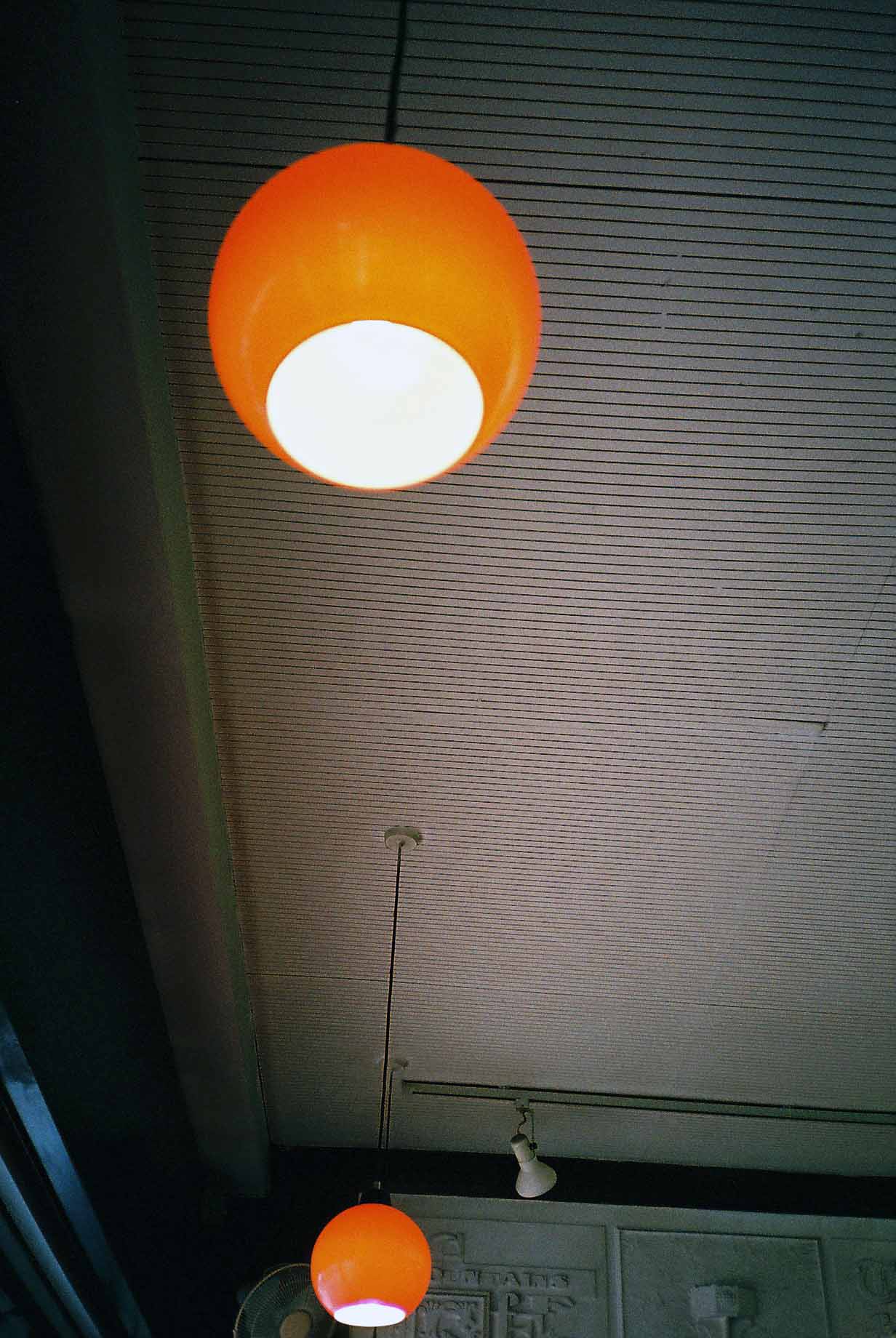
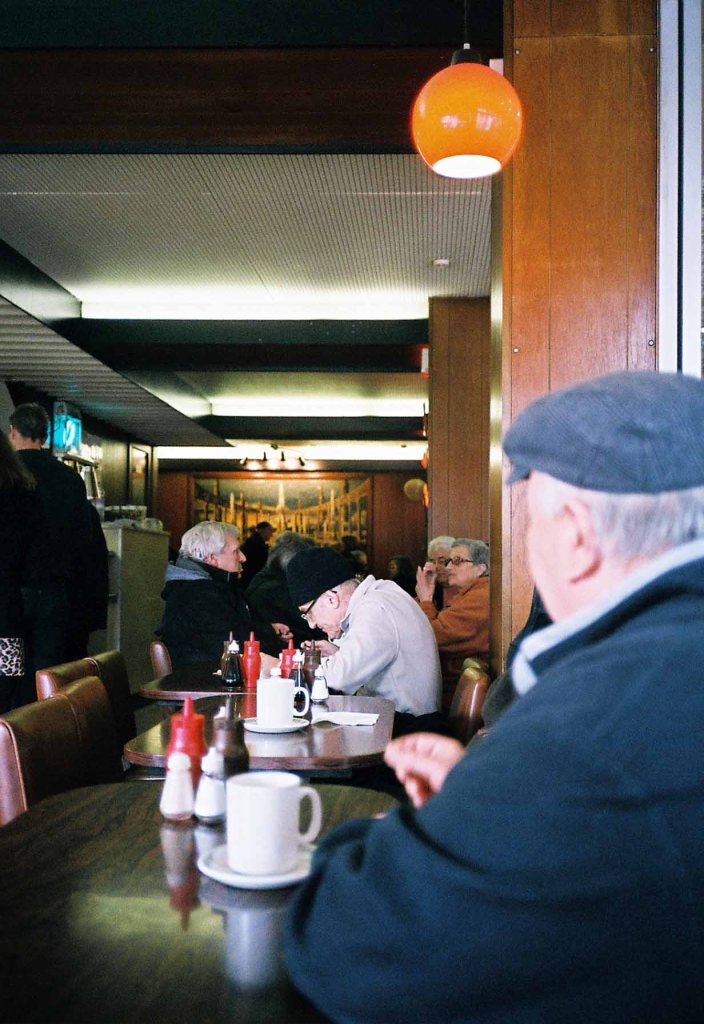
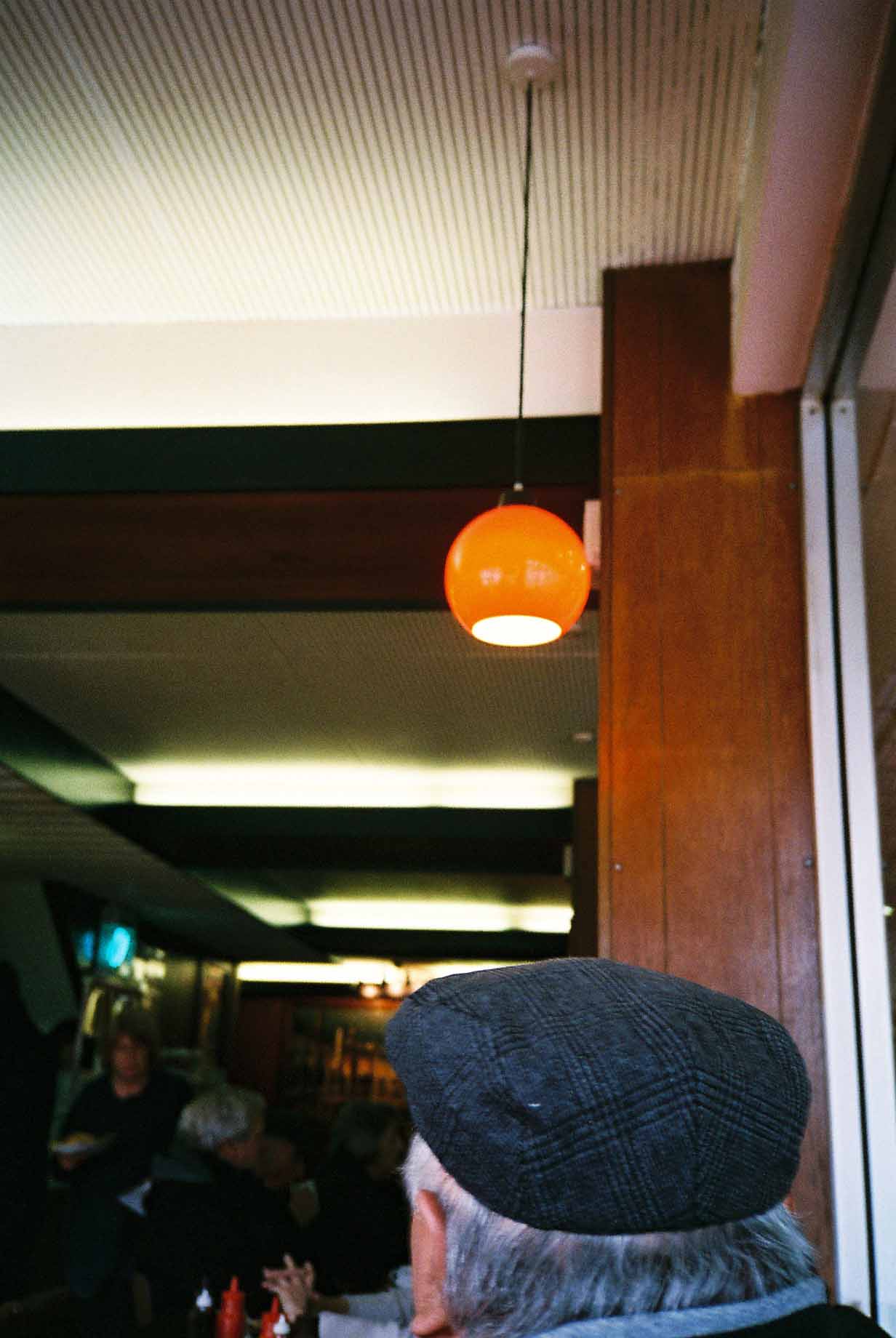
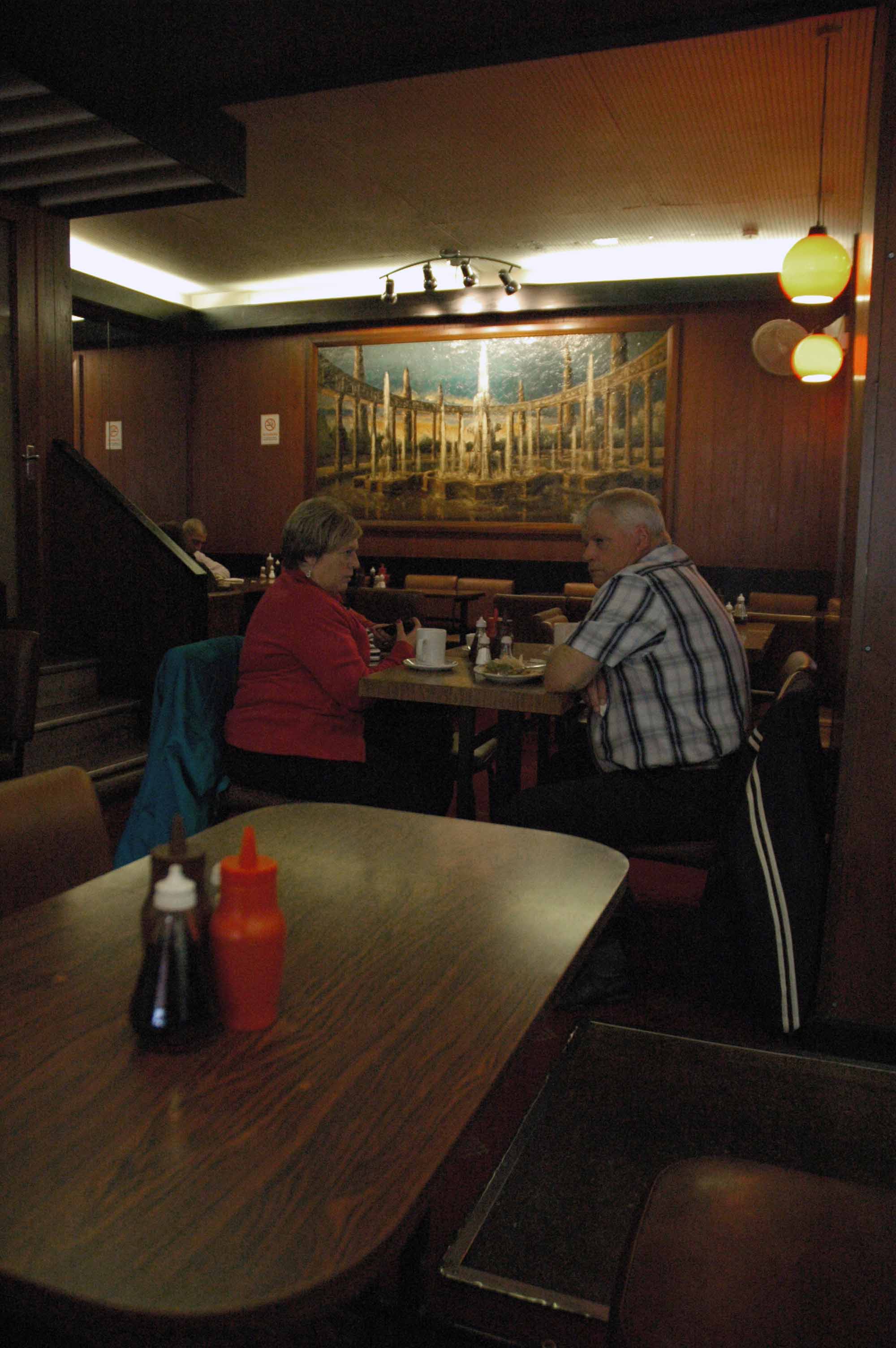
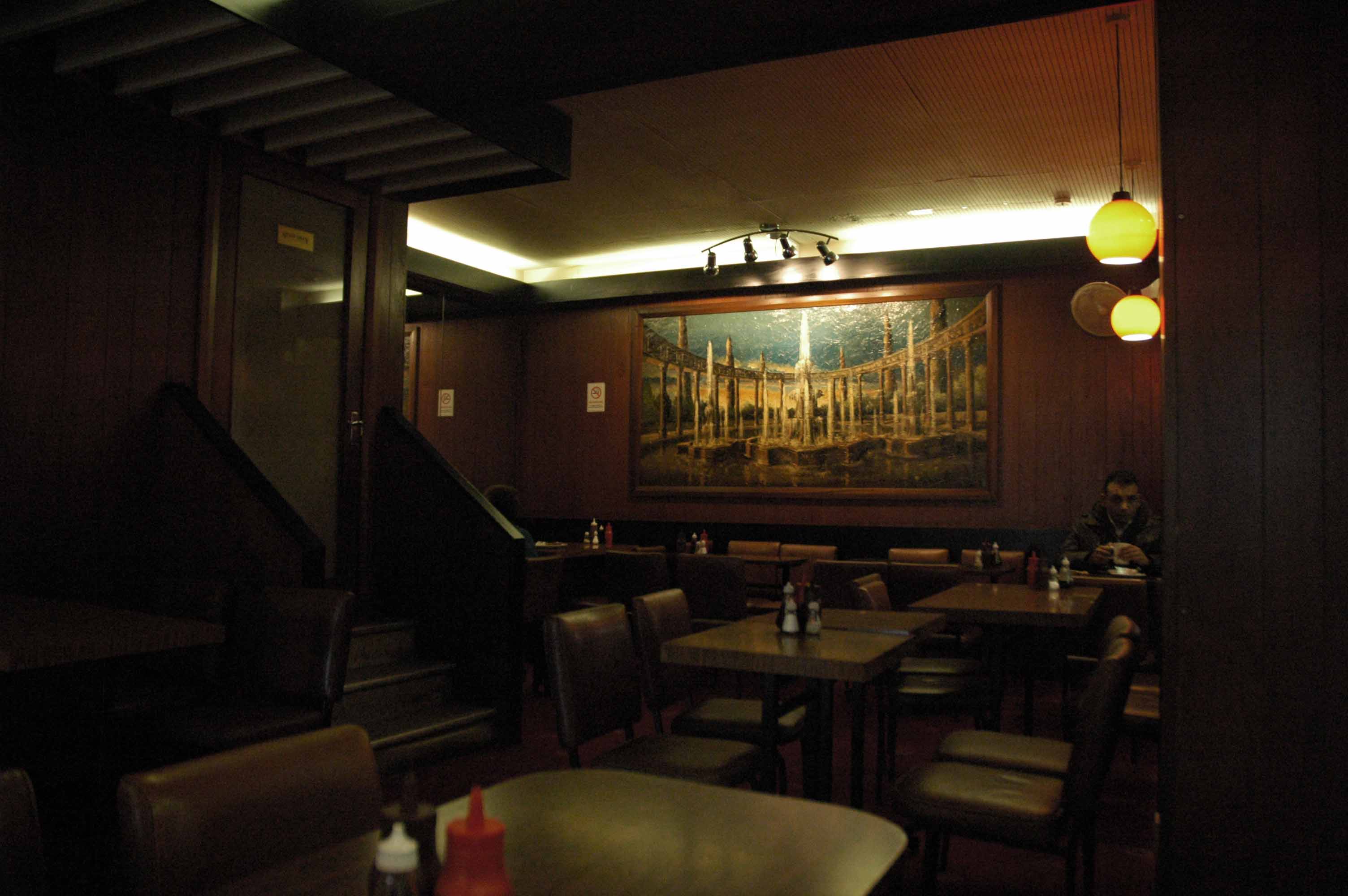
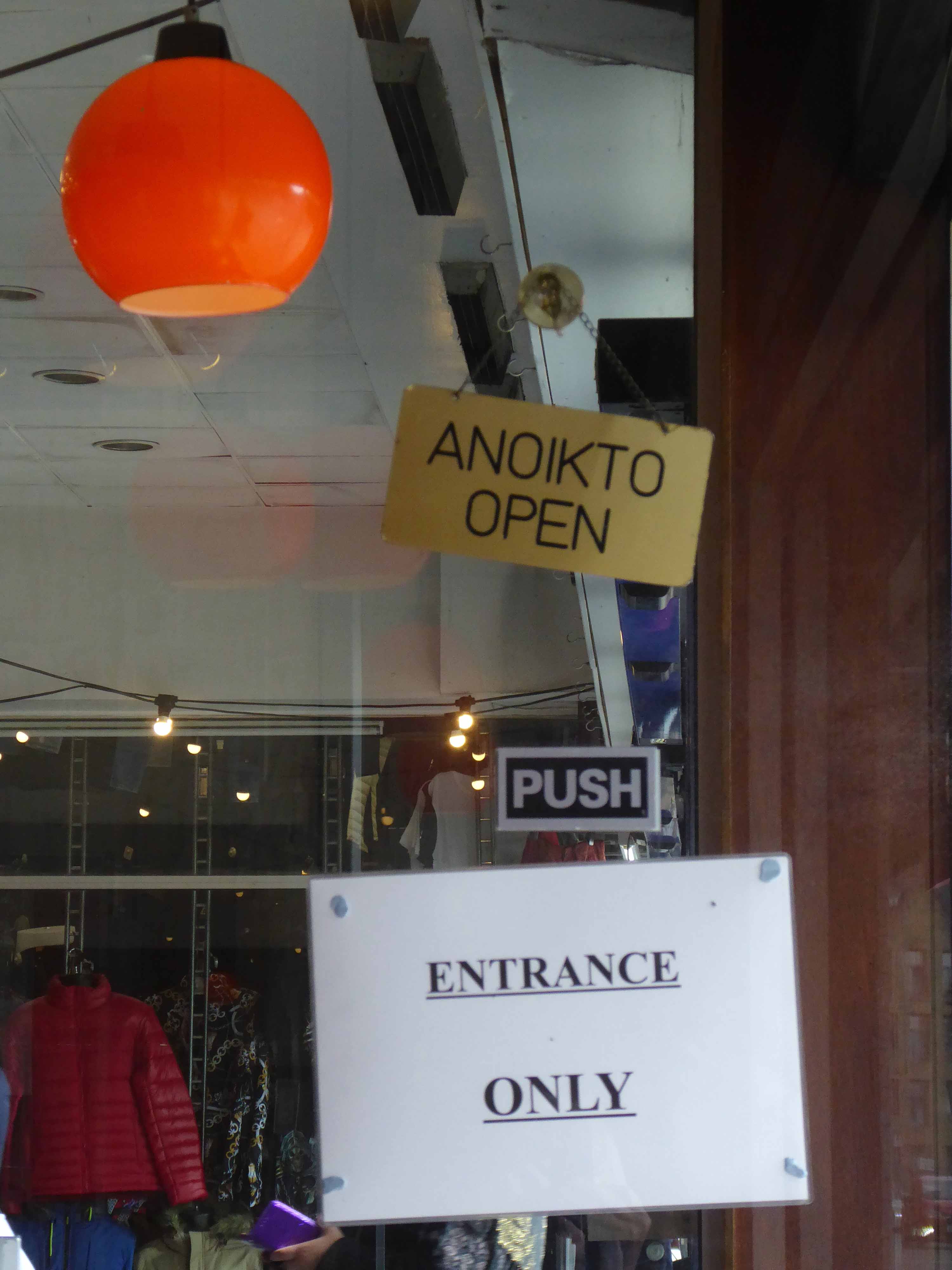
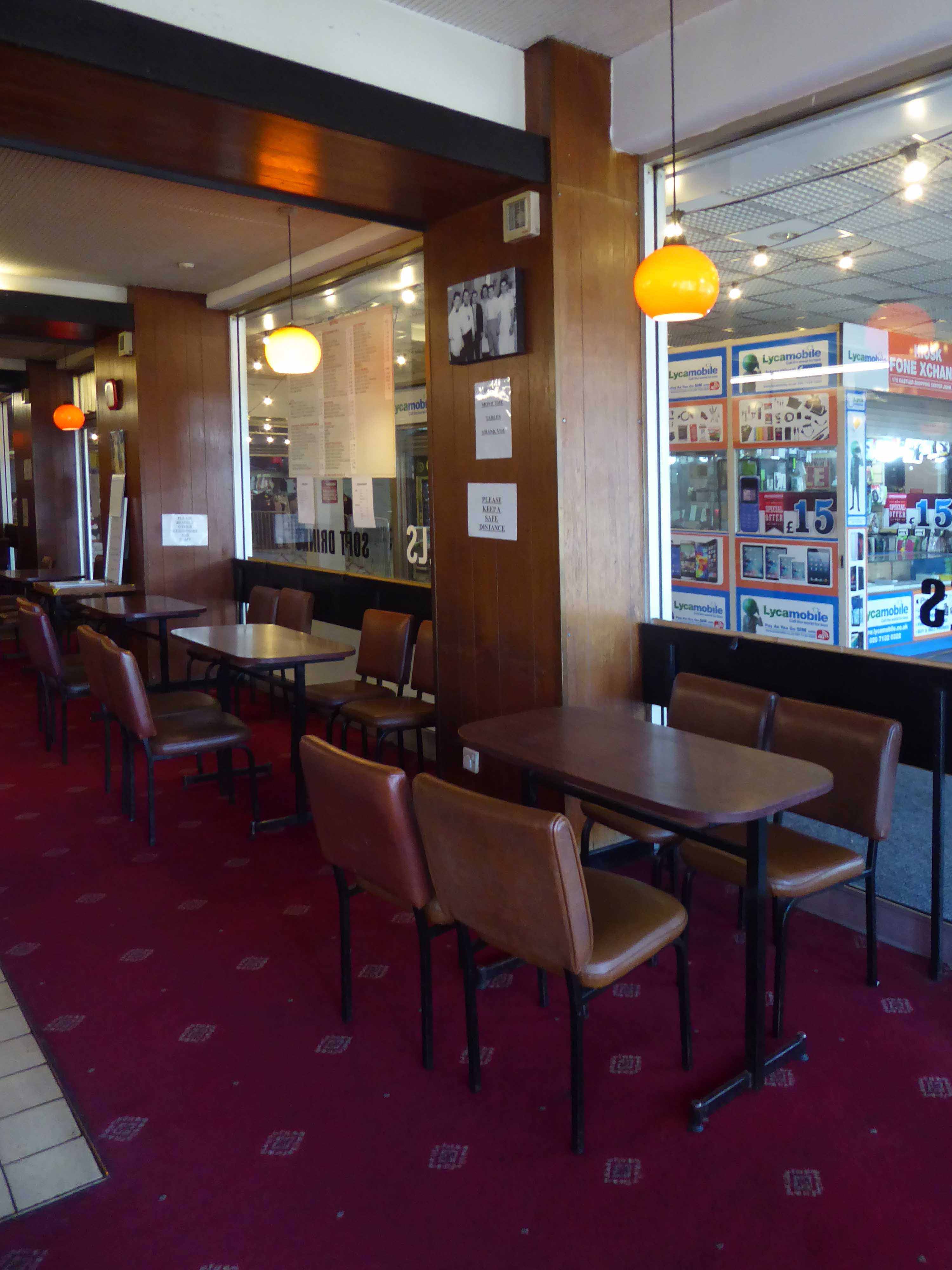
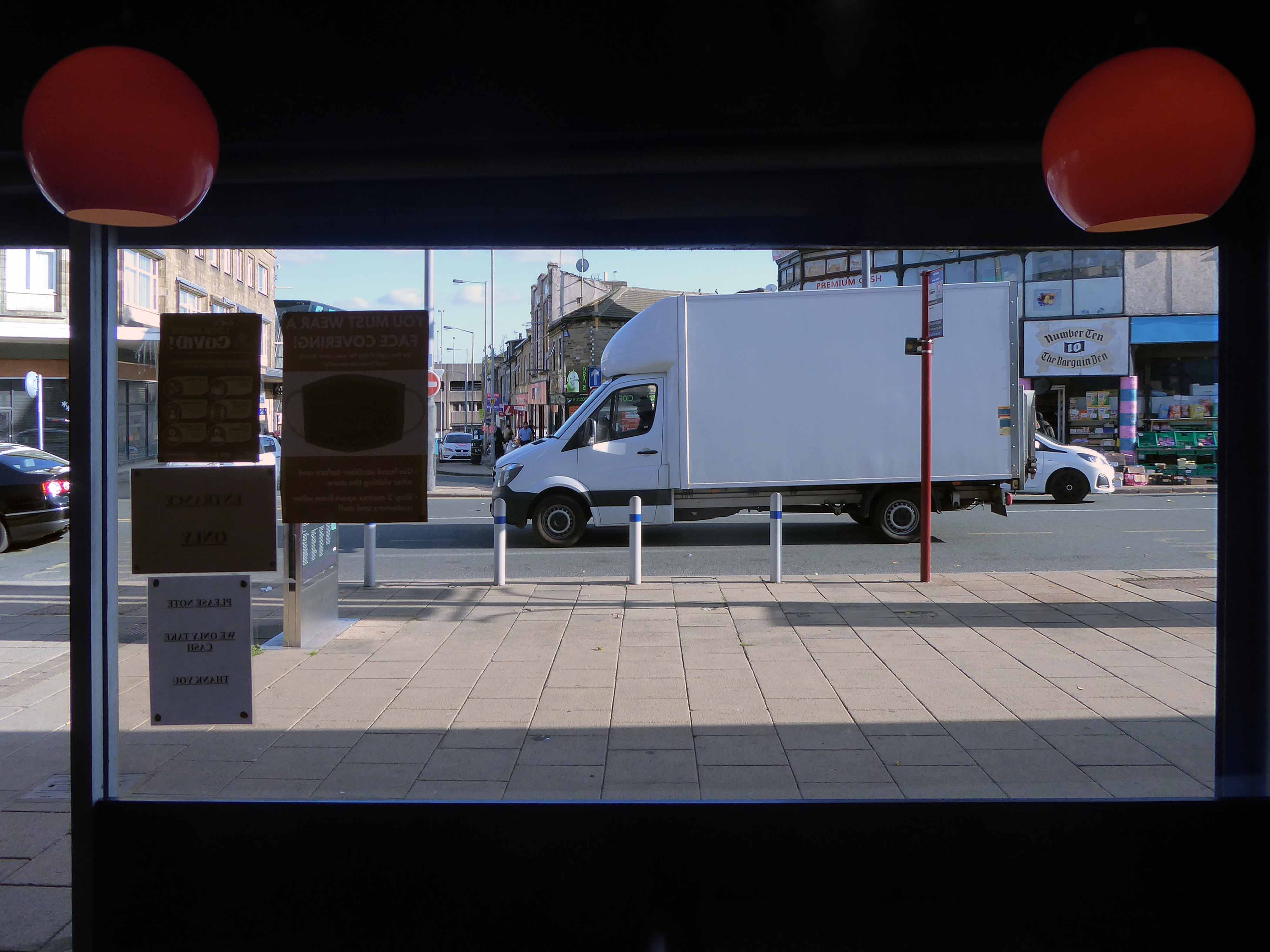
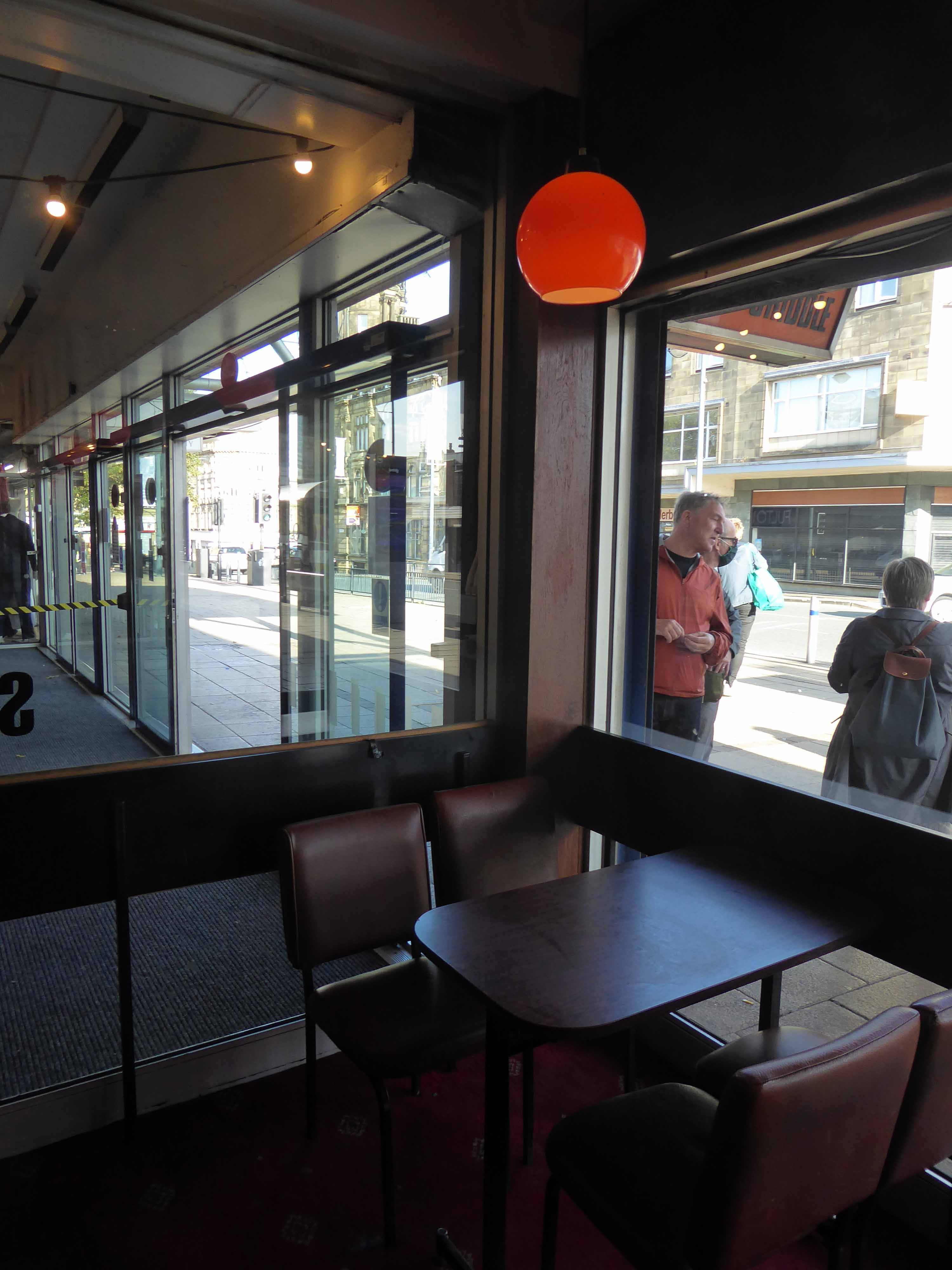
The orange light shades are still hanging limp and bright from the suspended ceiling.
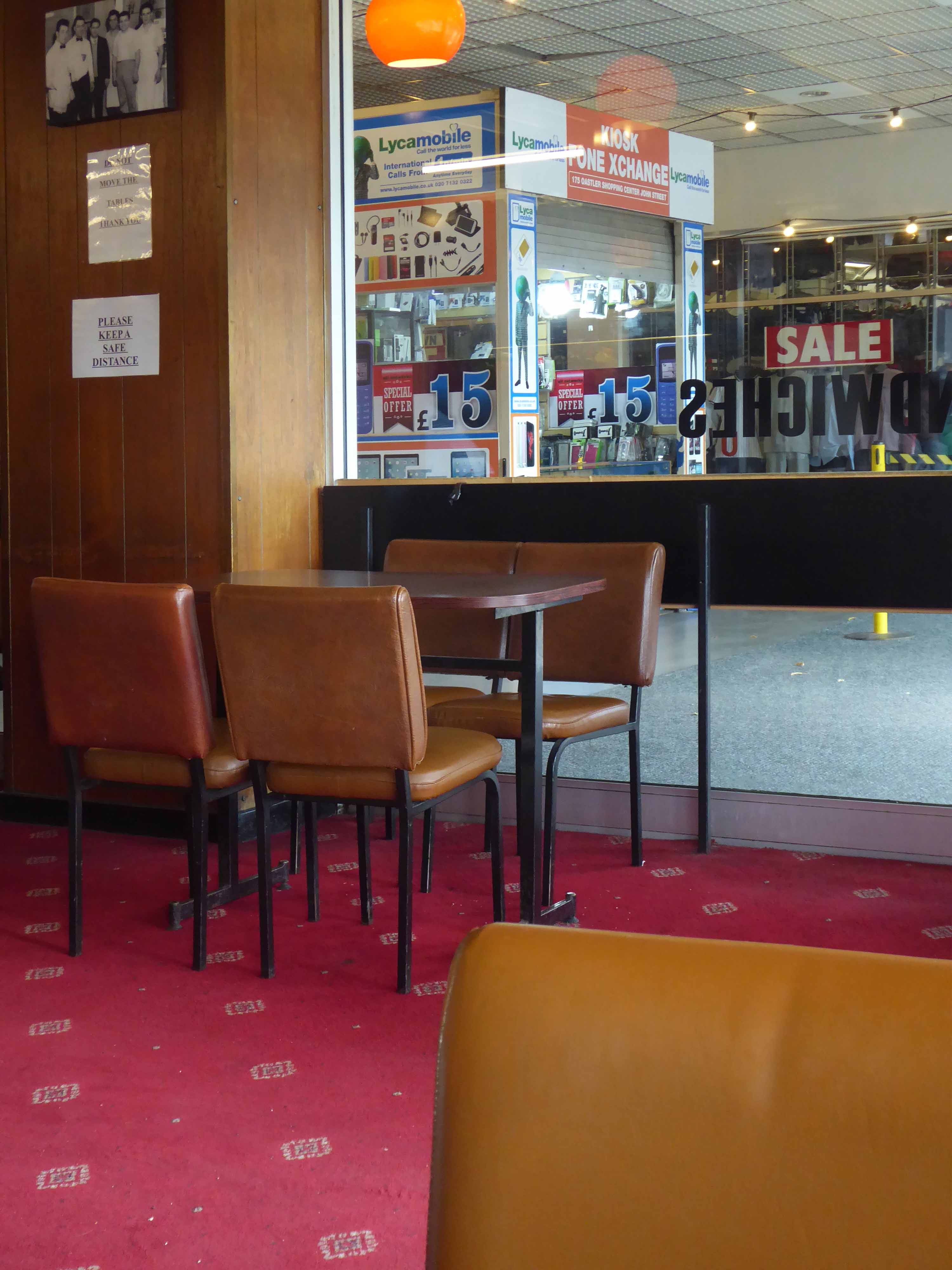
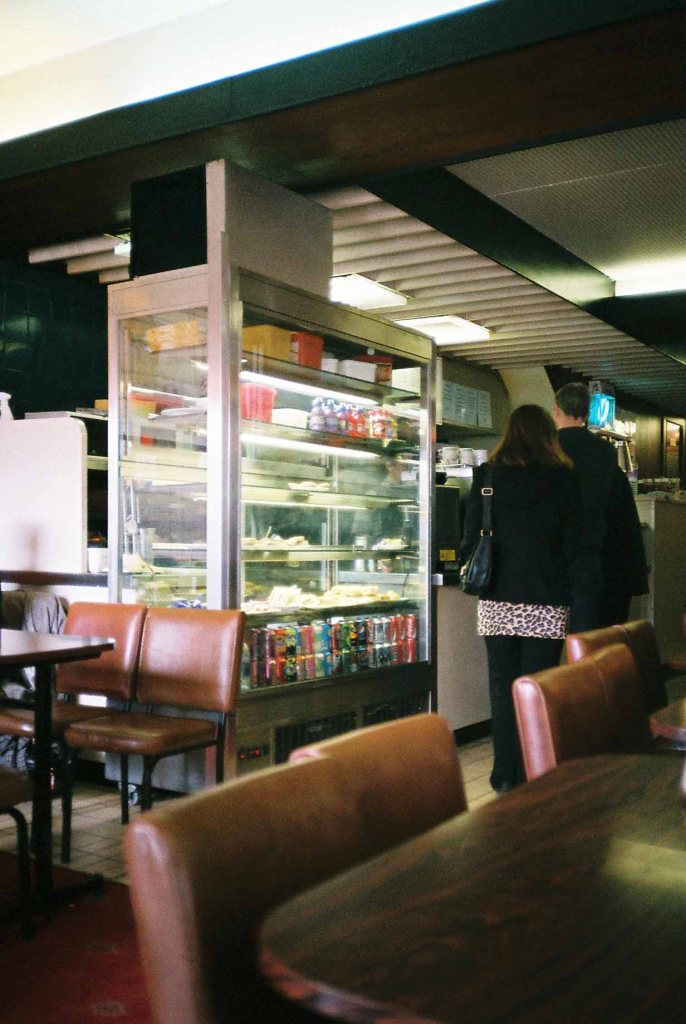
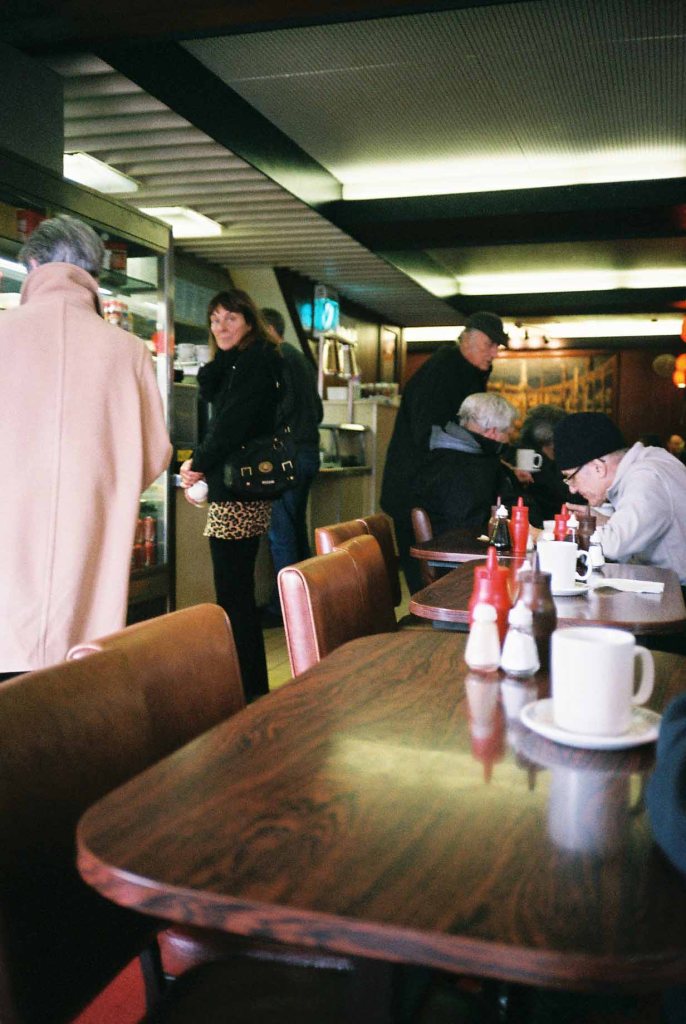
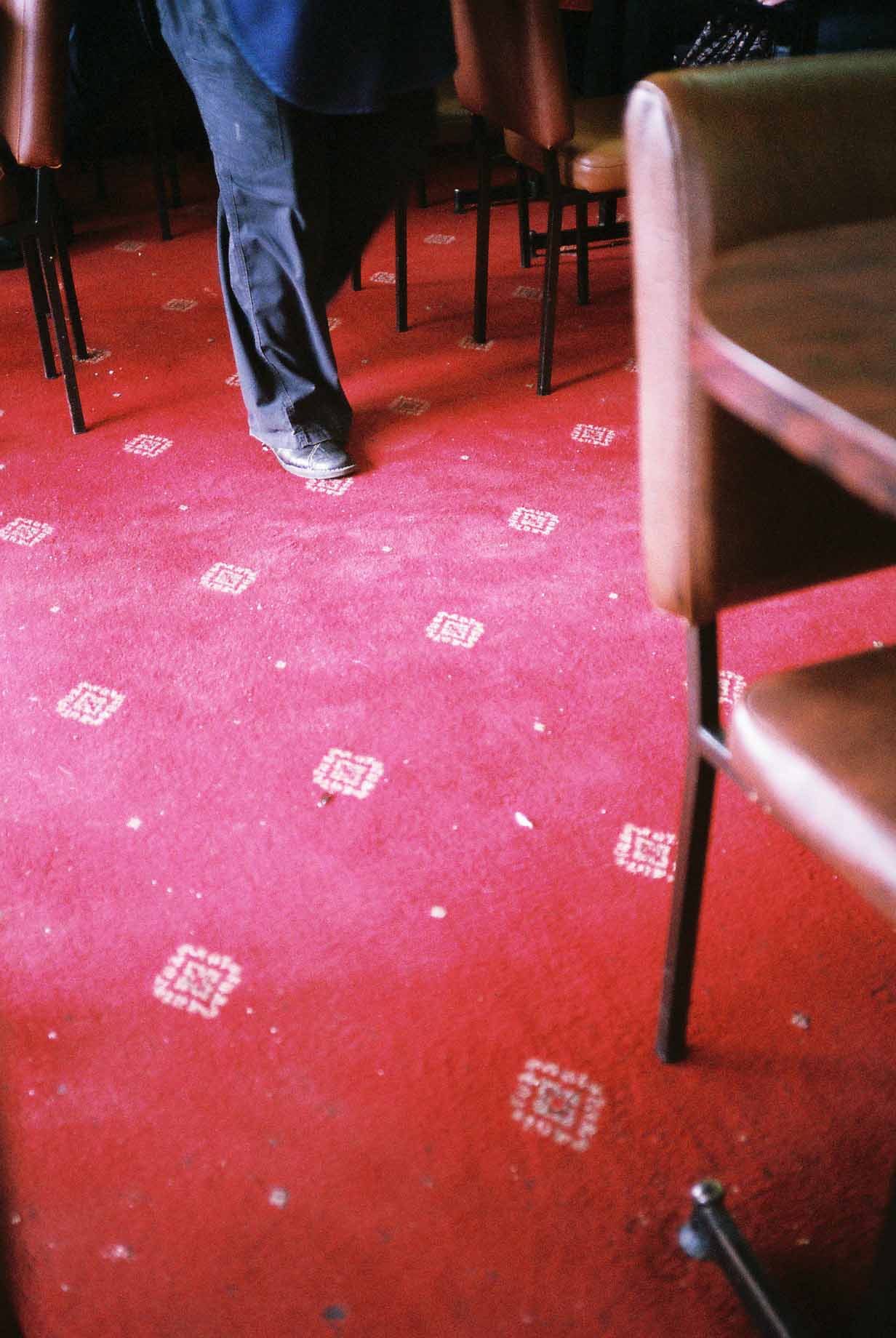
The furniture and scarlet carpet unmoved, as the cheery waiting staff weave merrily in, out and round about with meals and drinks.
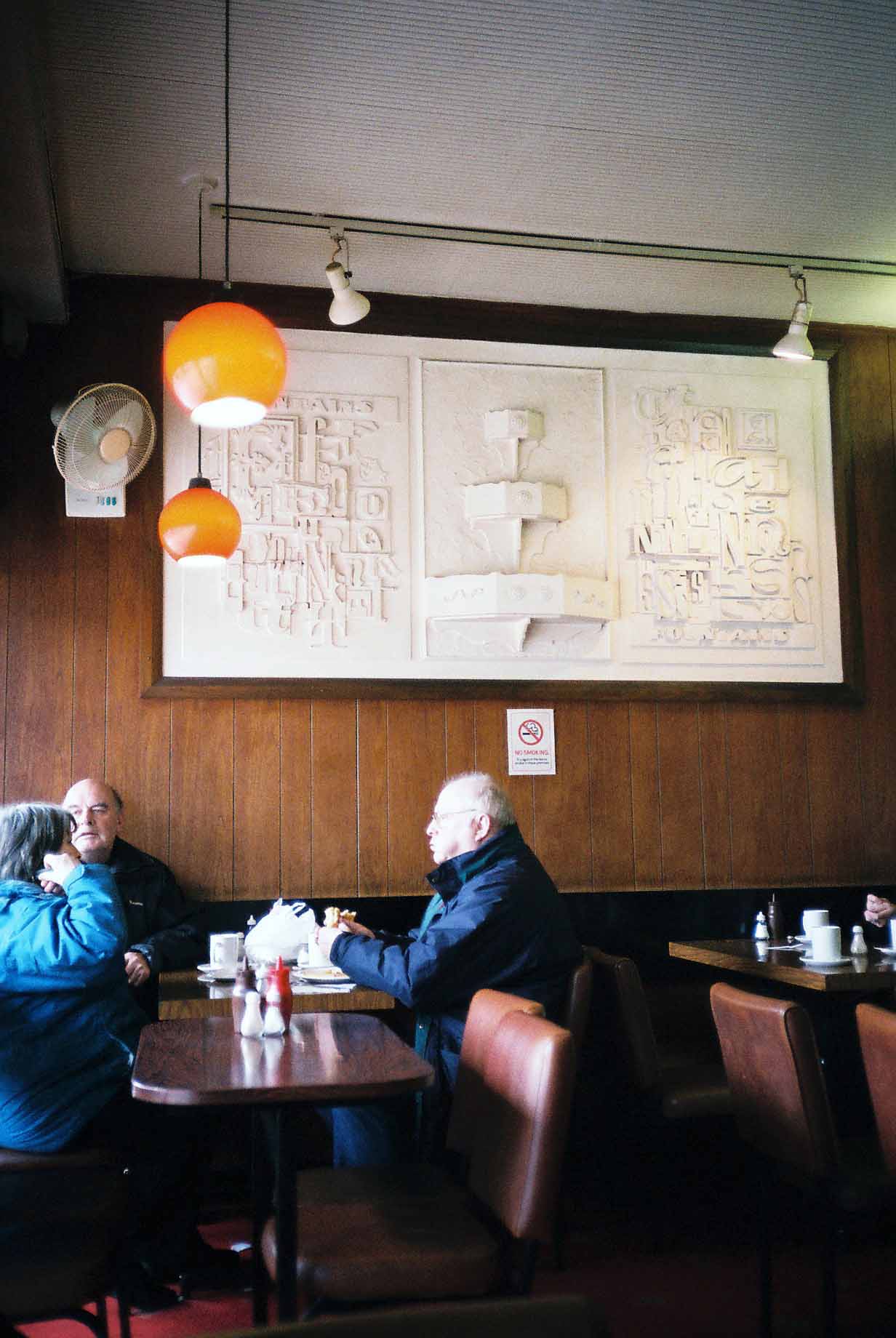
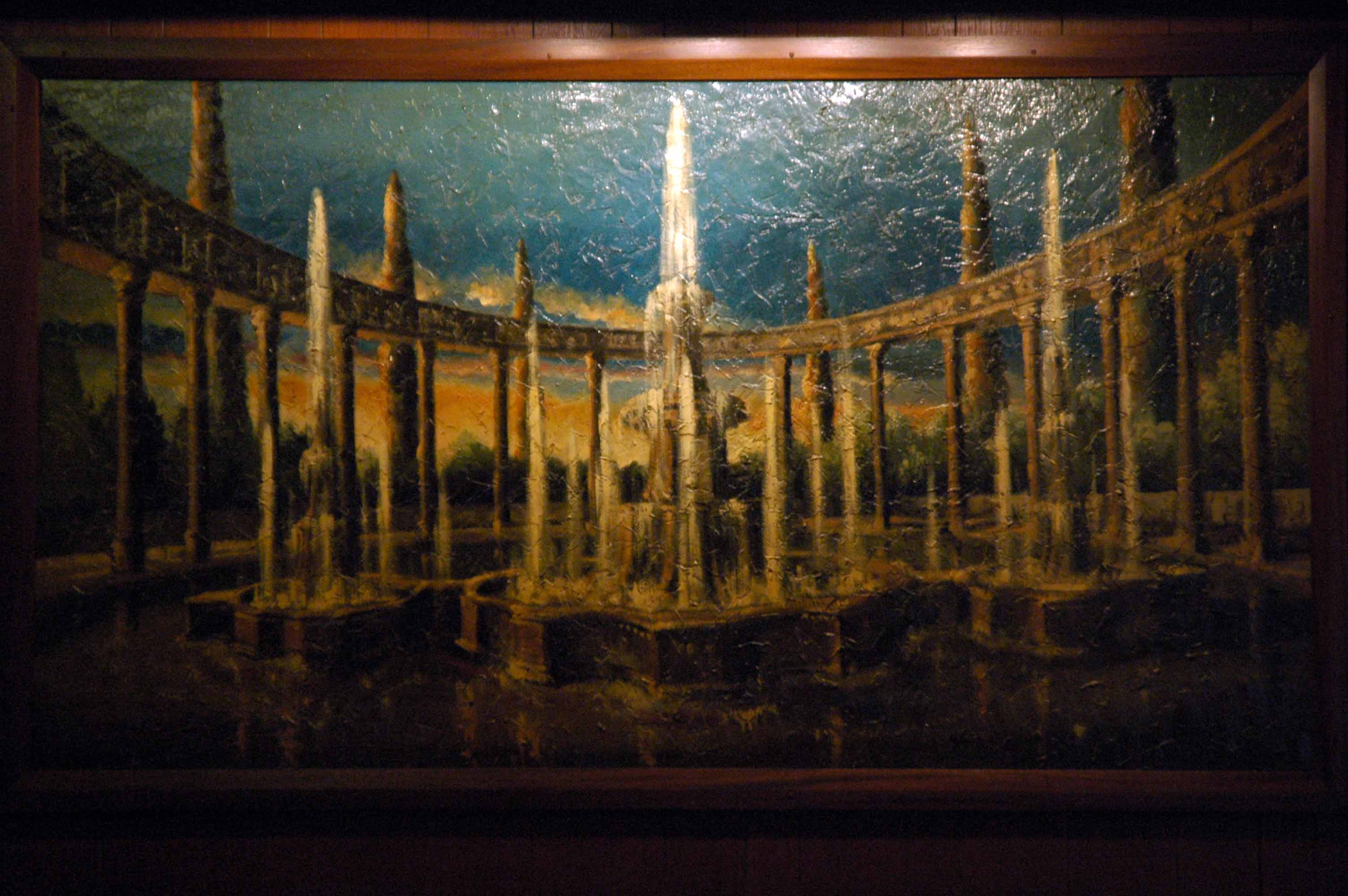
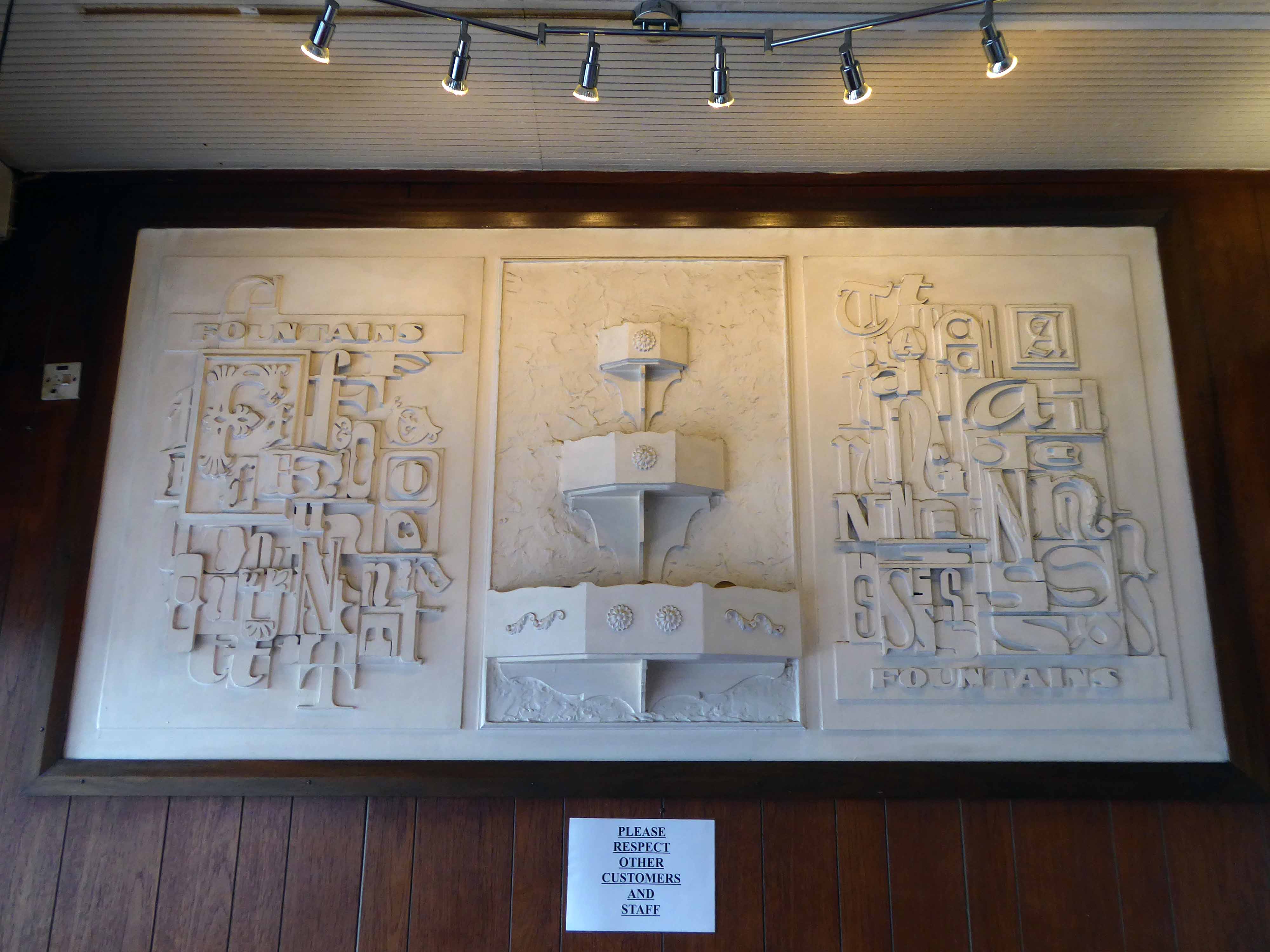
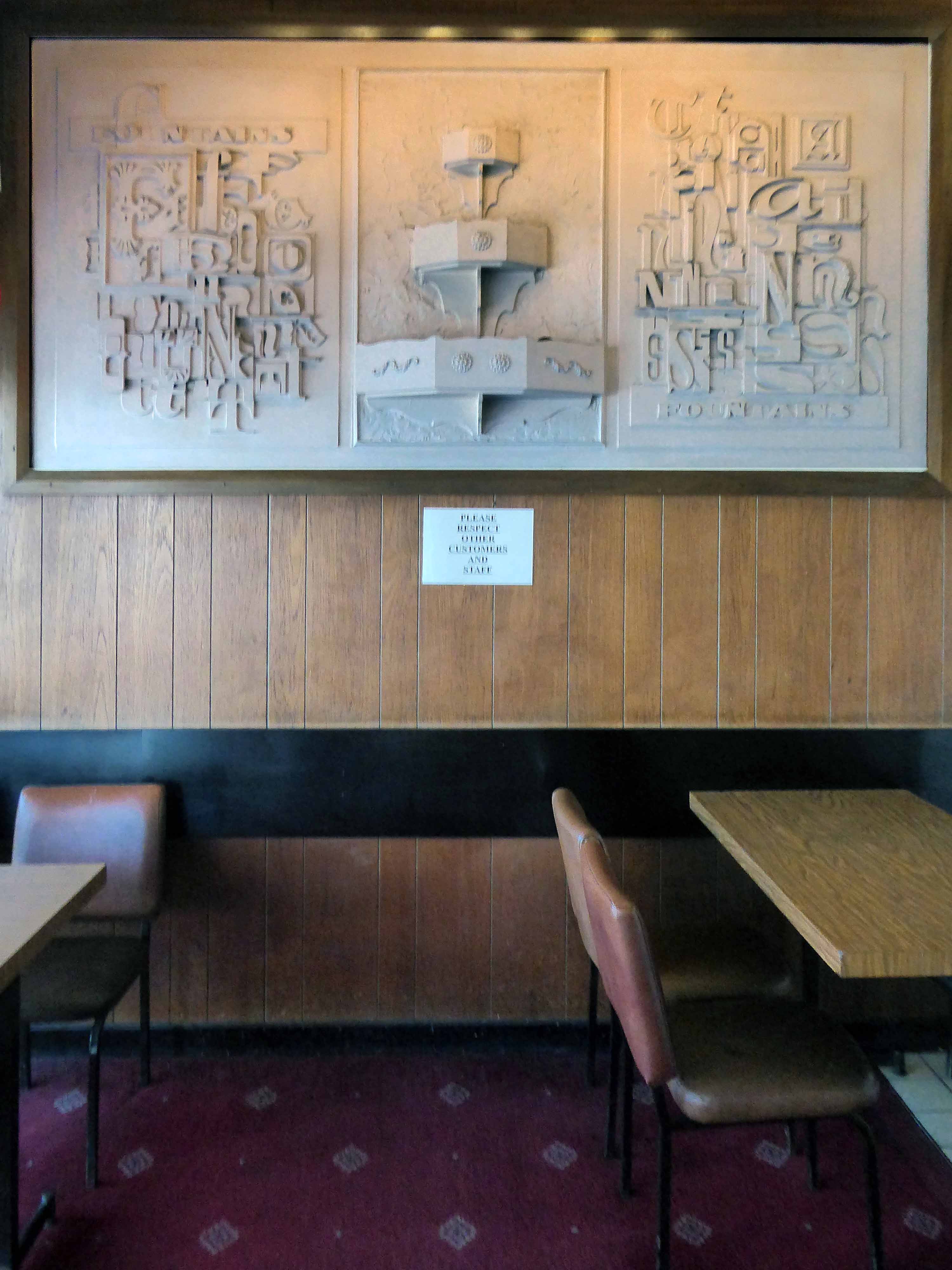
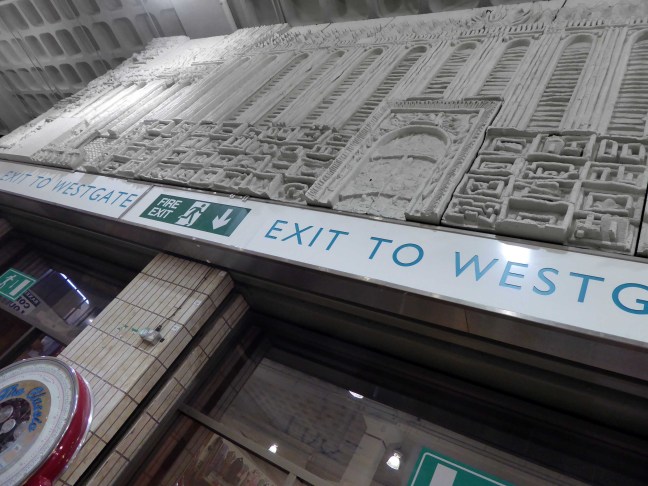
The distinctive white relief sits in the same place on the wall.
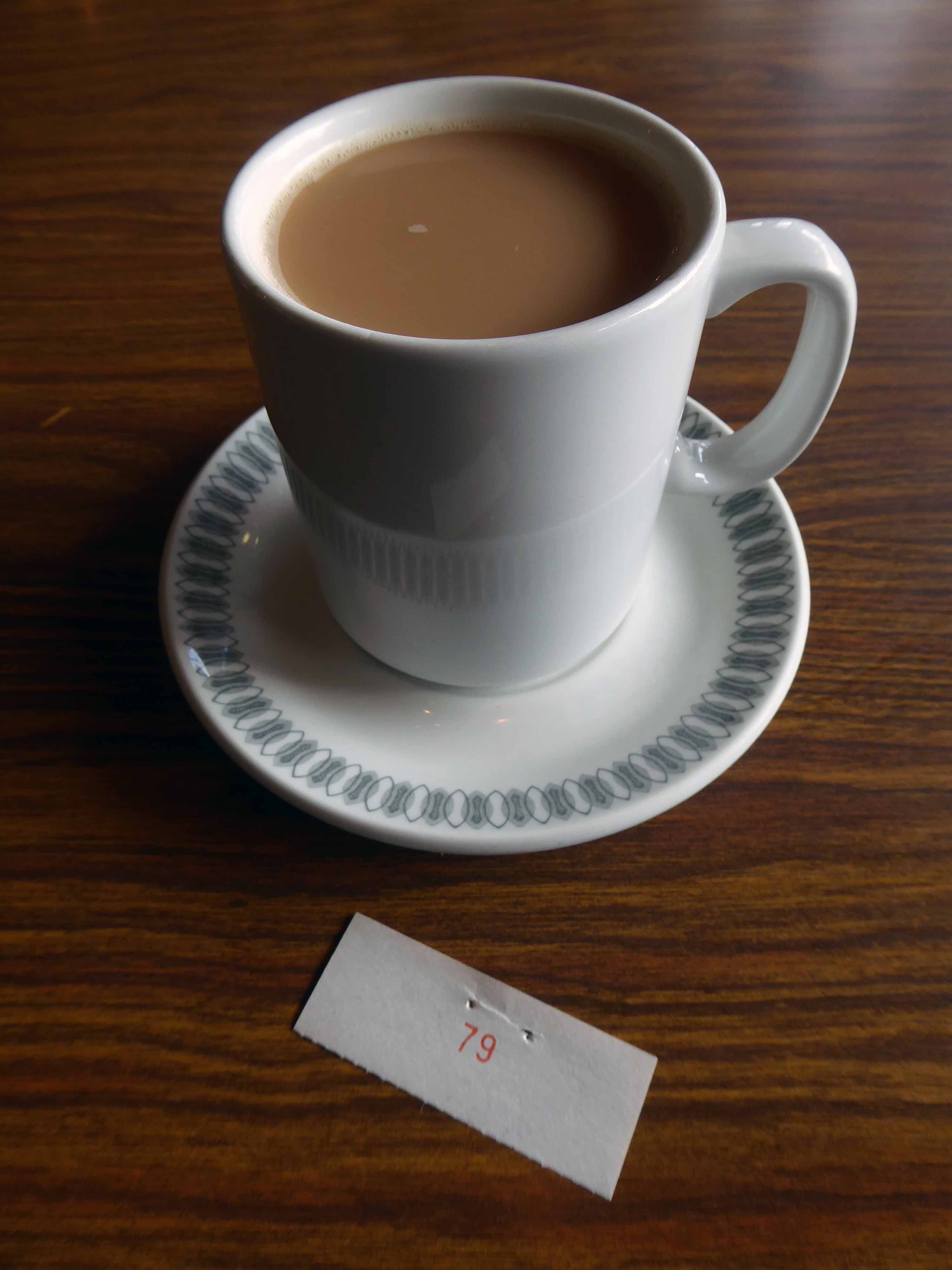
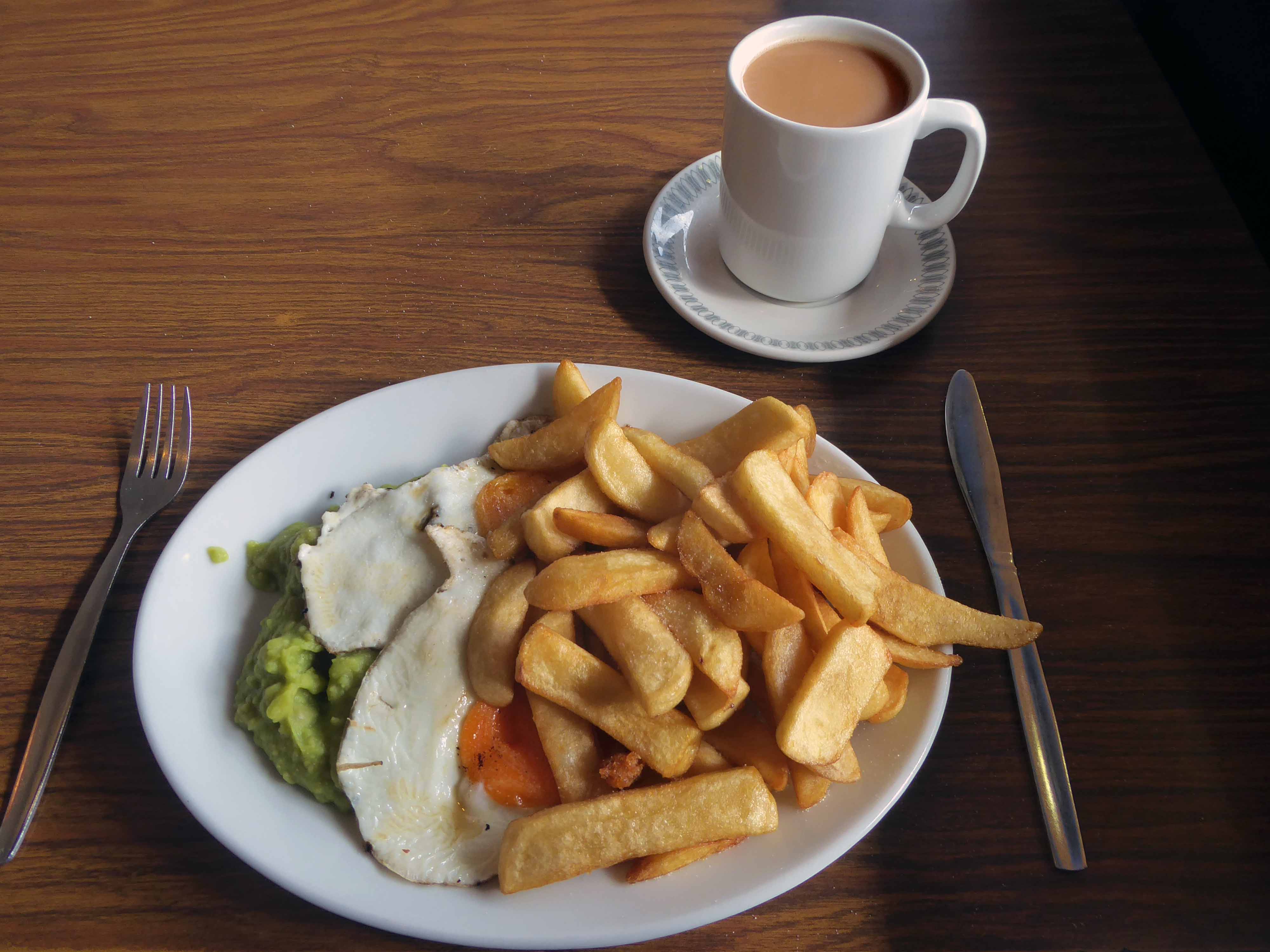
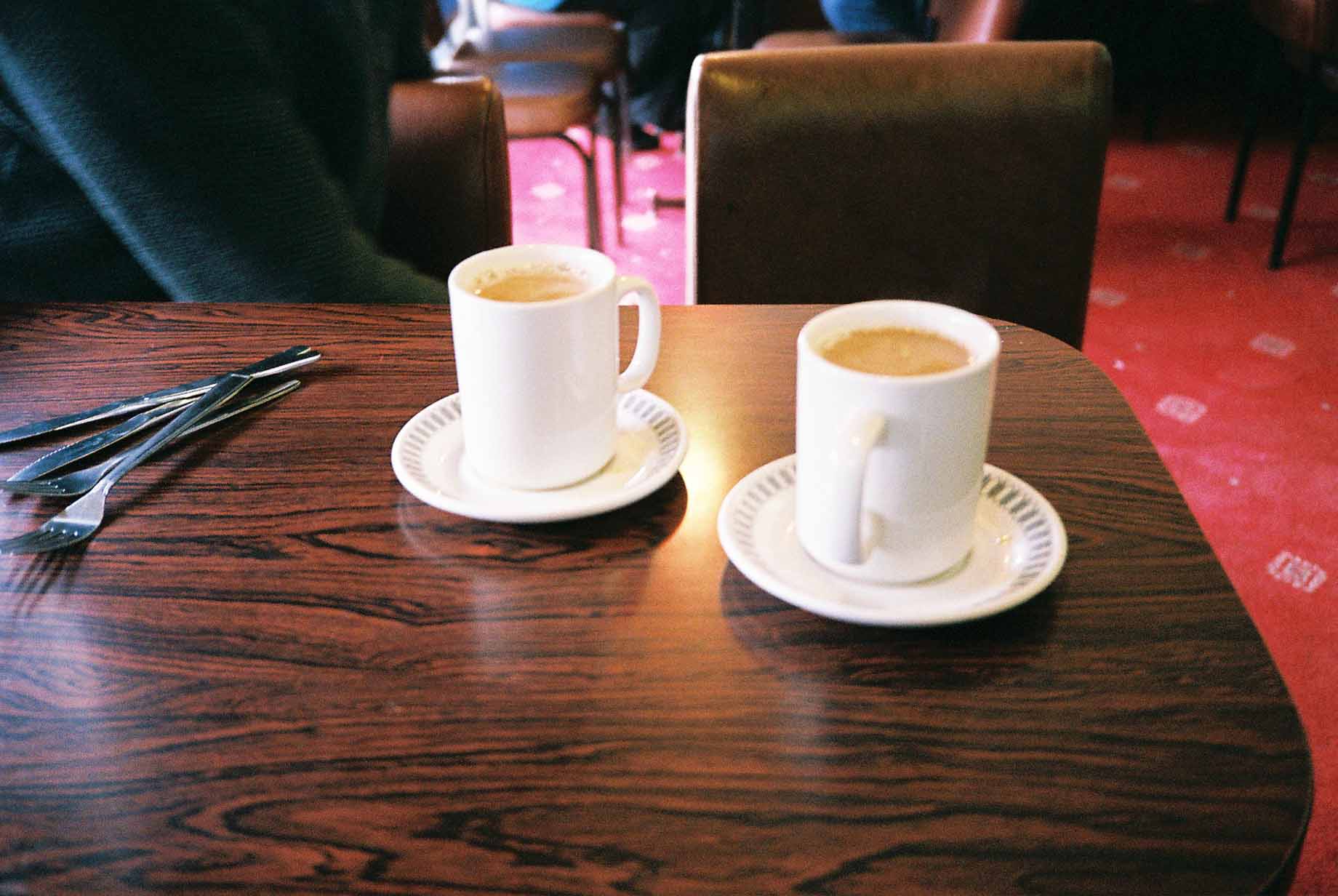
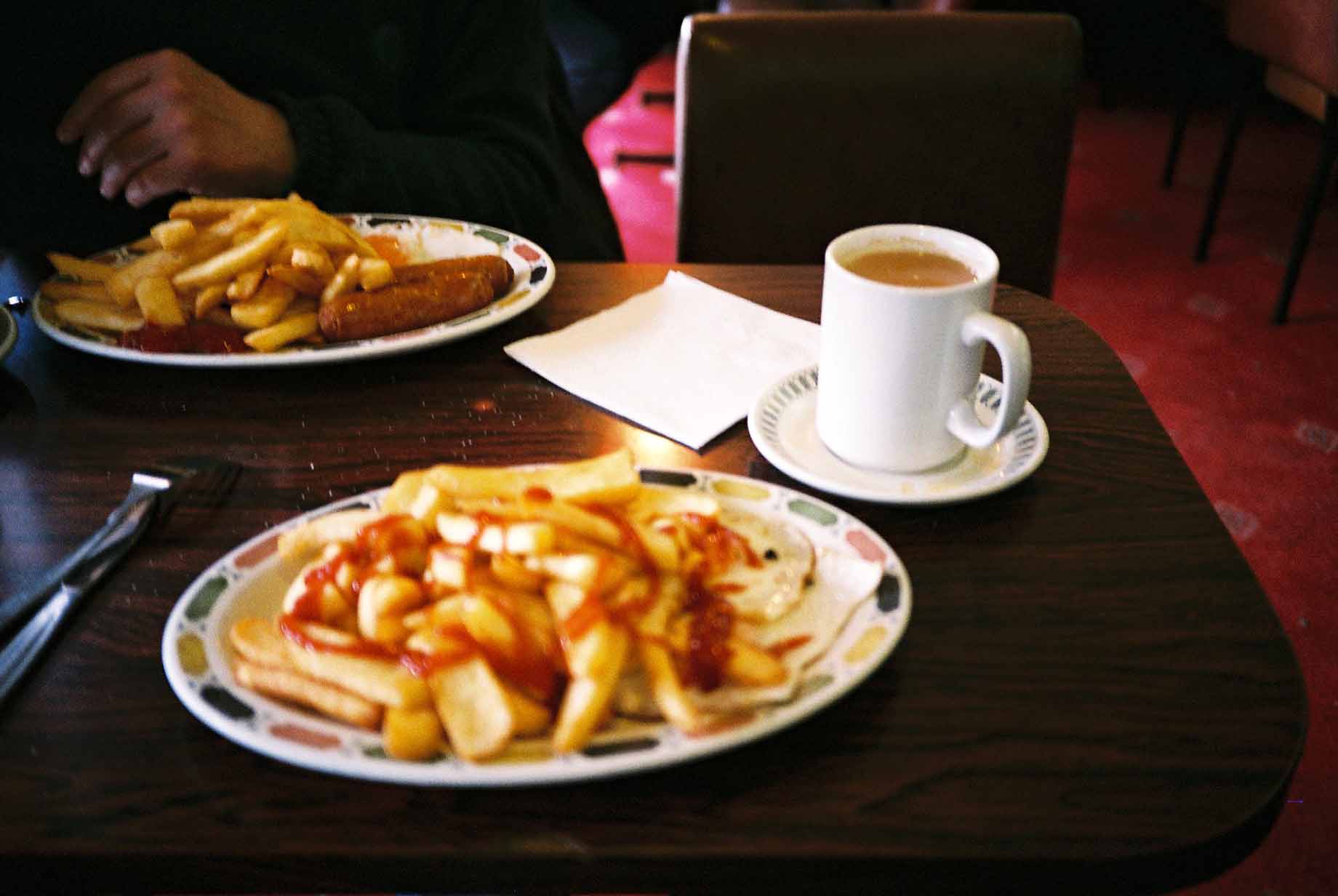
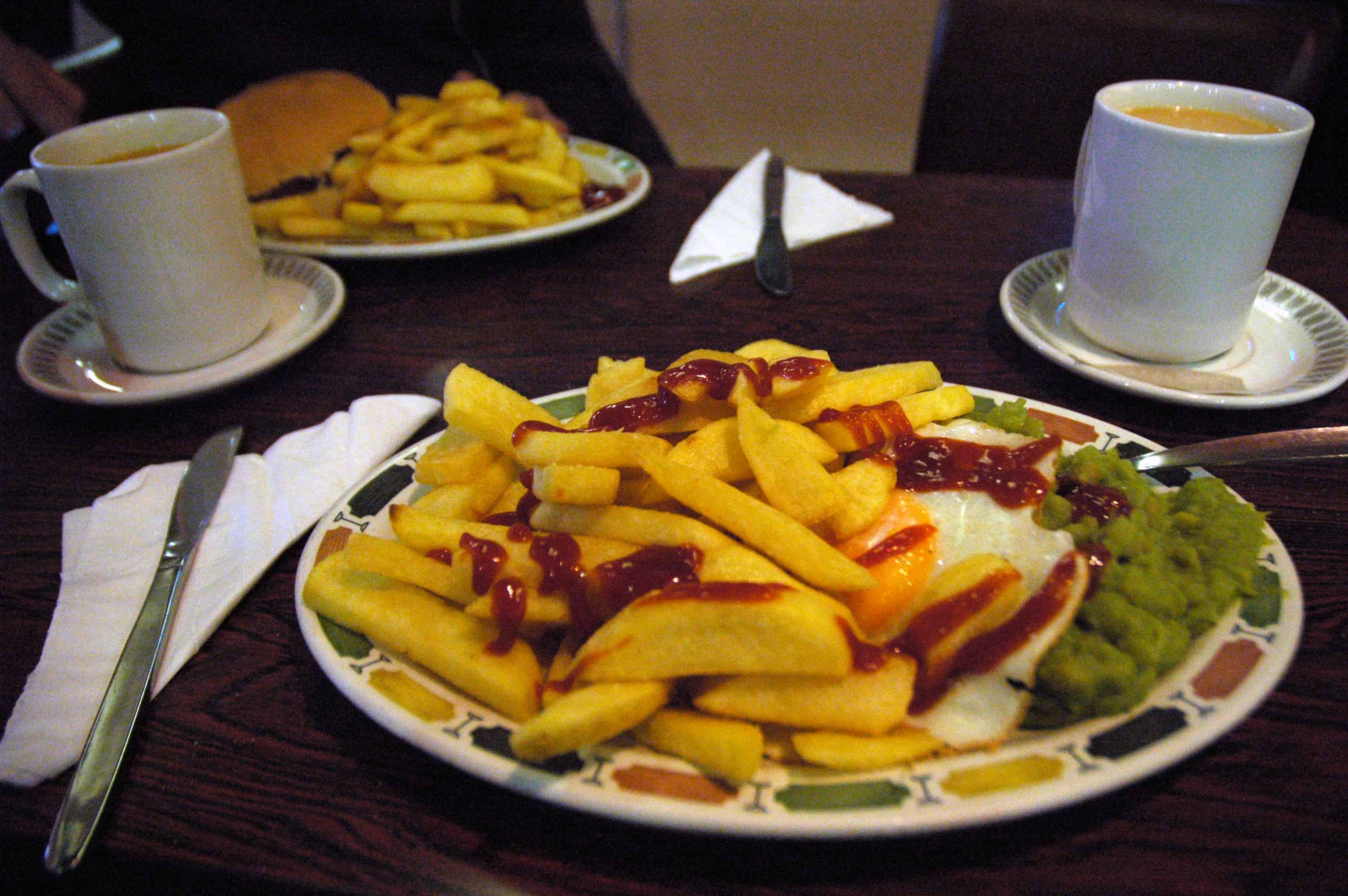
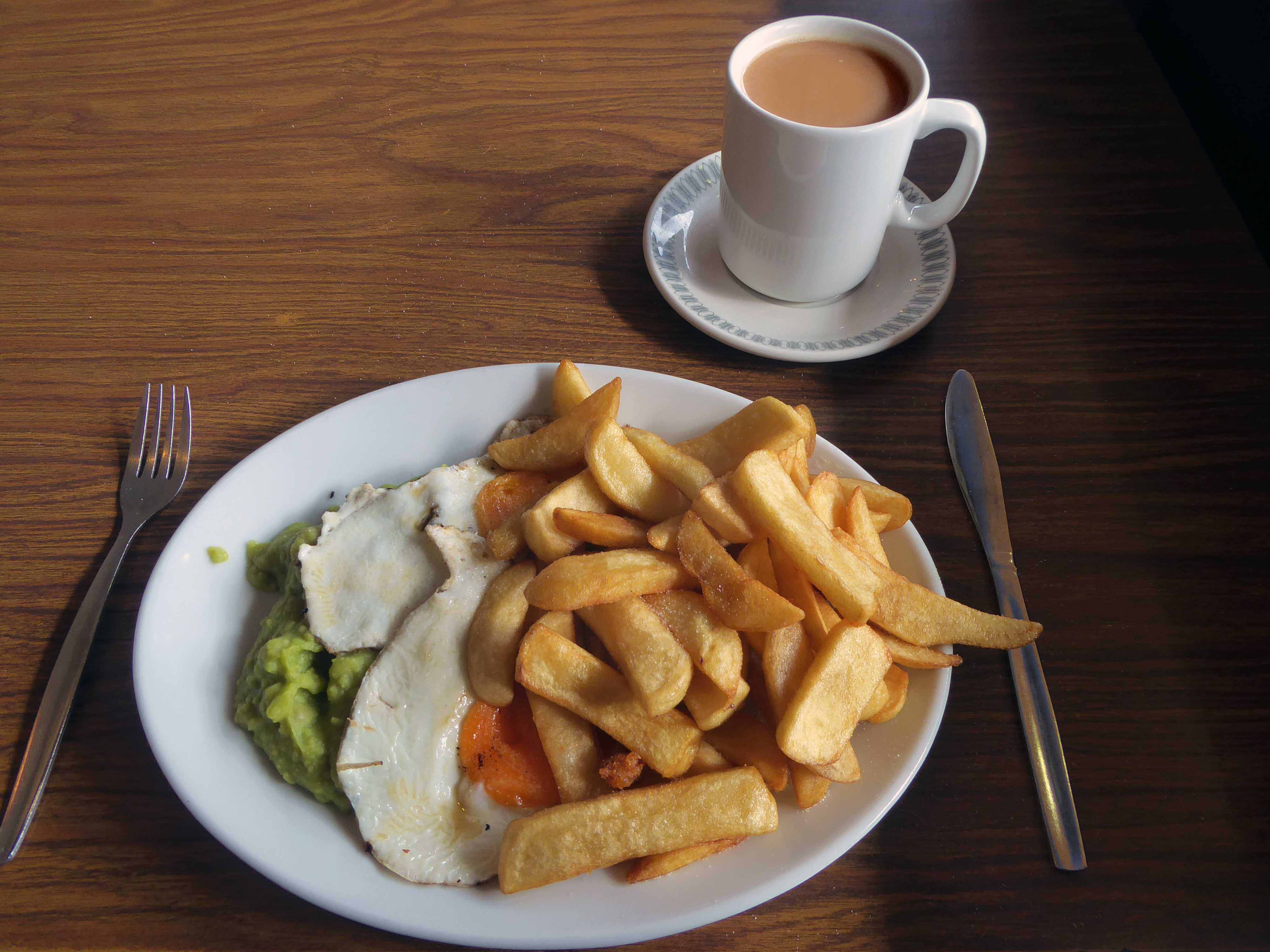
Almost inevitably I order a mug of tea.
Along with a plate of eggs chips and peas.
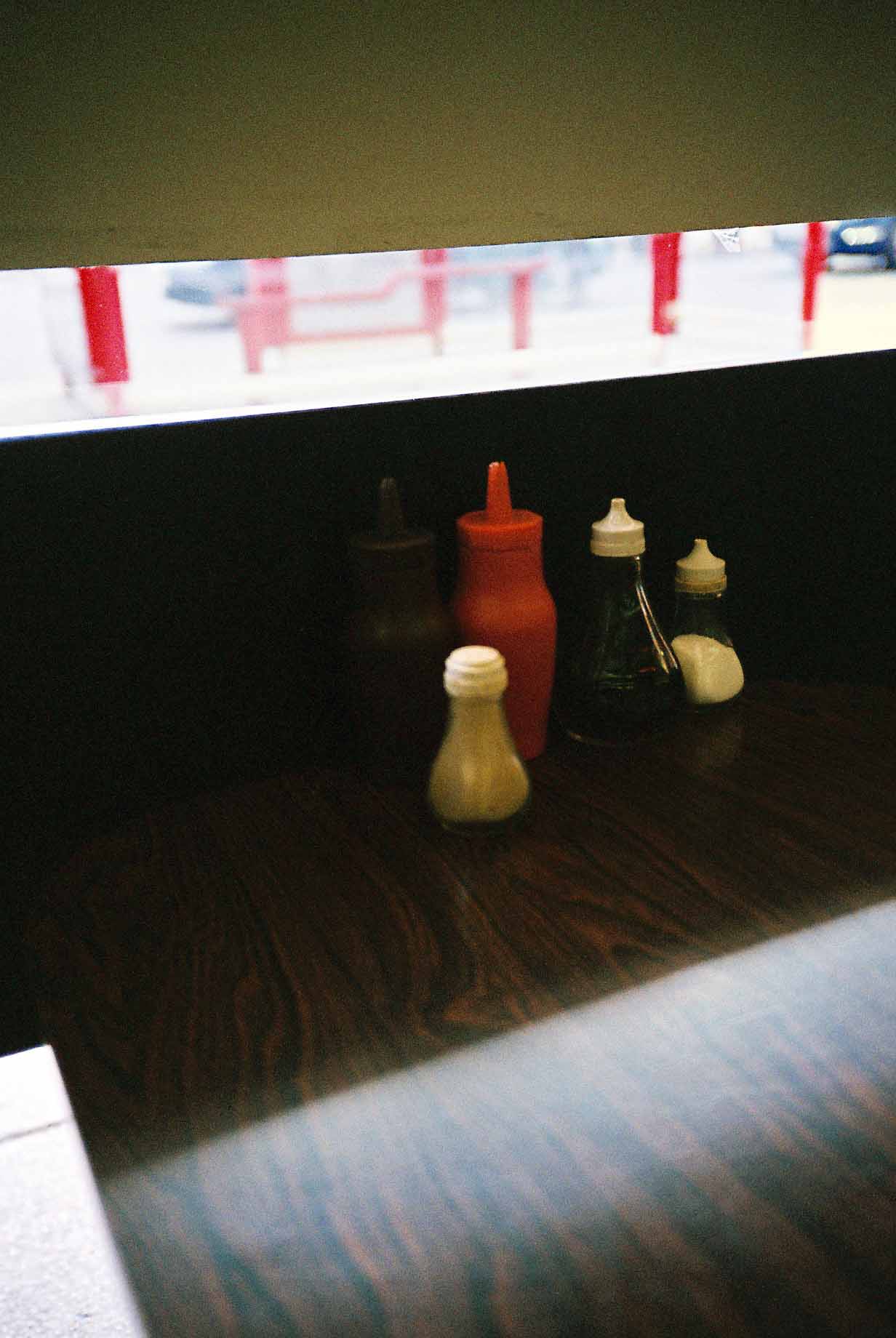
Eat and drink the lot and leave happy and contented – who can resist a well run, well appointed classic café?
I can’t.
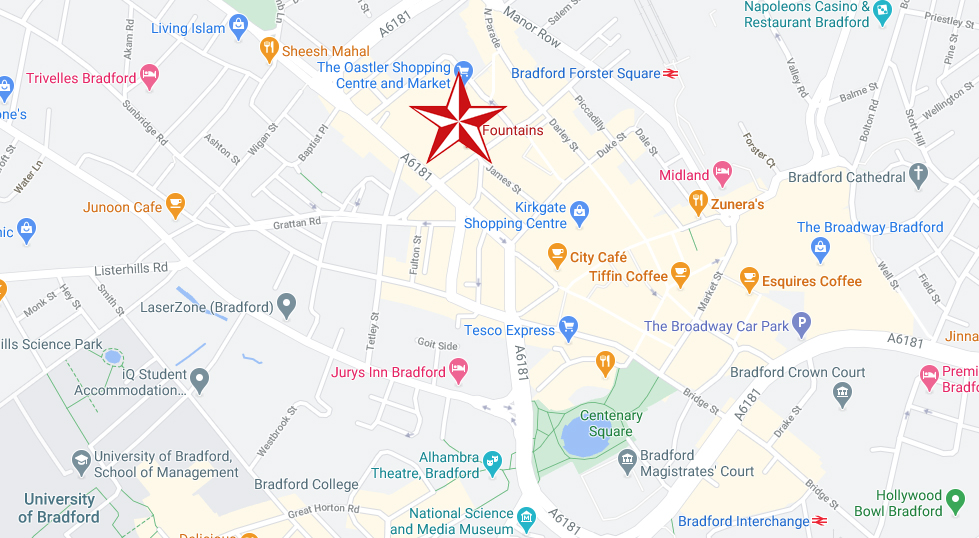
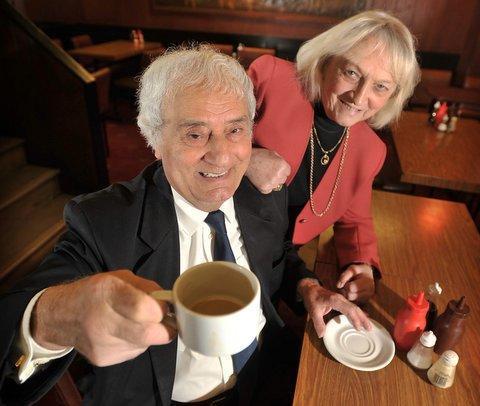
A well-known and respected figure in the Bradford business world, Mr Paul Georgiou ran Fountains Coffee House in John Street for just shy of 50 years alongside his wife Mary, and has run cafés and other businesses in the city for almost six decades.
Other ventures created by Mr Georgiou include the Hole in the Wall nightclub, which was one of the first underground nightclubs in the city centre.It hosted acts including Sir Tom Jones and rockers Thin Lizzy as they rose to fame in the late 1960s and early 1970.
Sadly he passed away in 2019.
His main business Fountains Coffee House is now managed by his son Michael, but when it opened it was one of the first businesses to open in the John Street Market, as the Oastler centre was known then.
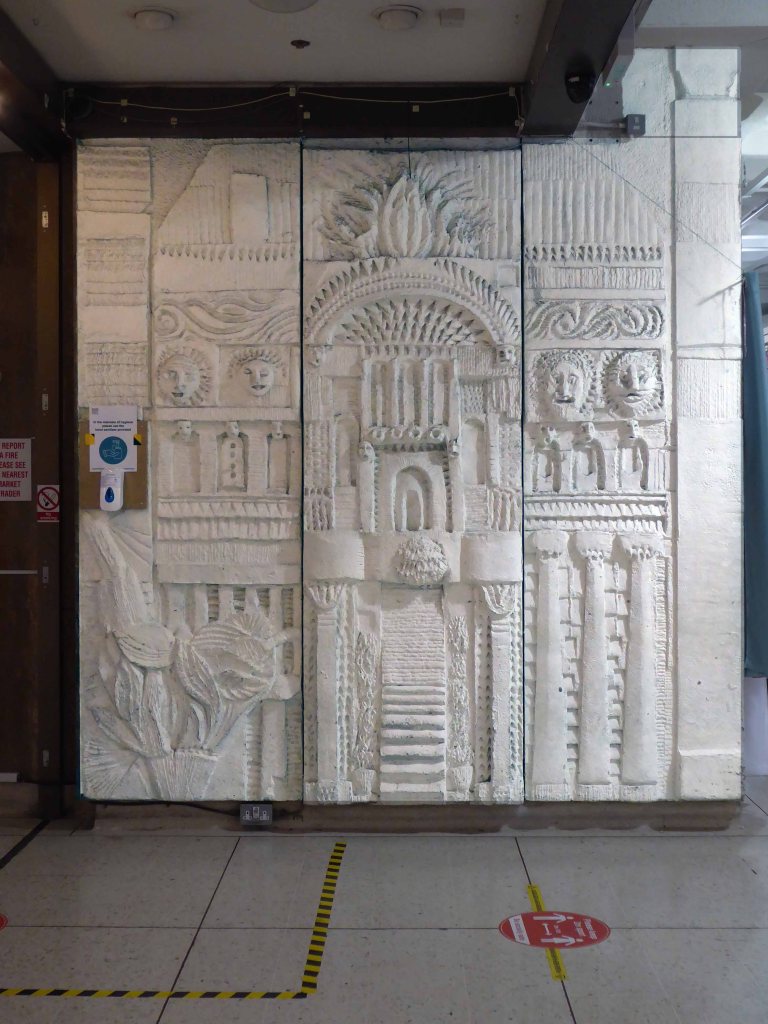
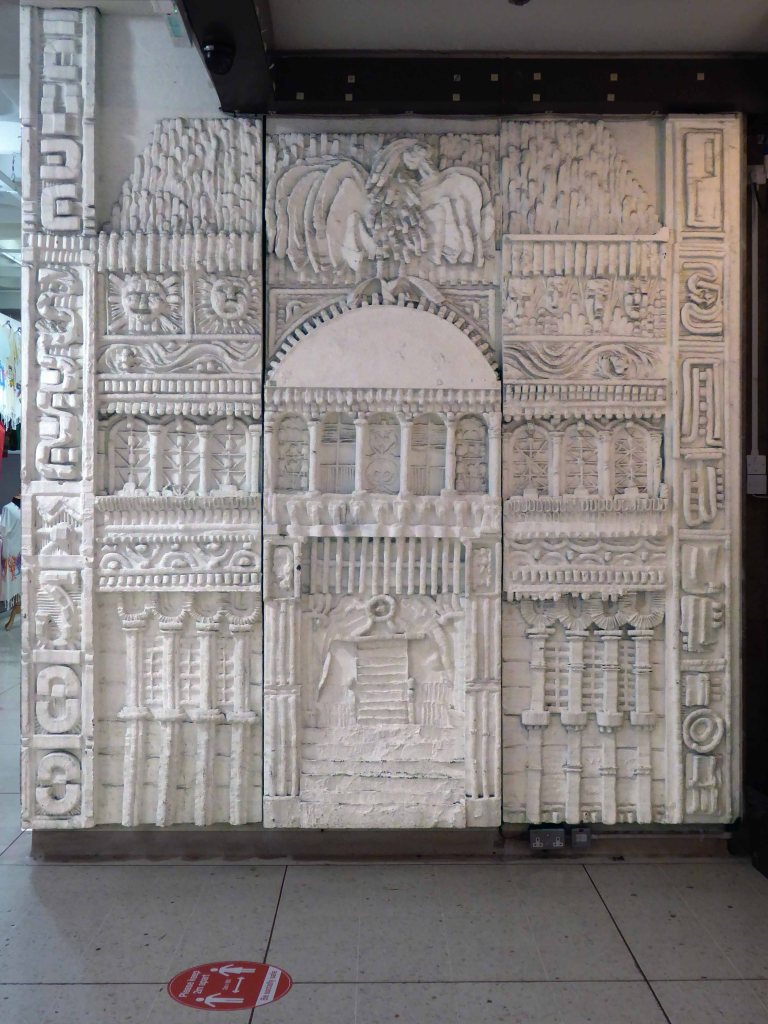
Positioned above the entrance/exit and either side of the exit/entrance.
They have had over time various companions to keep them company.
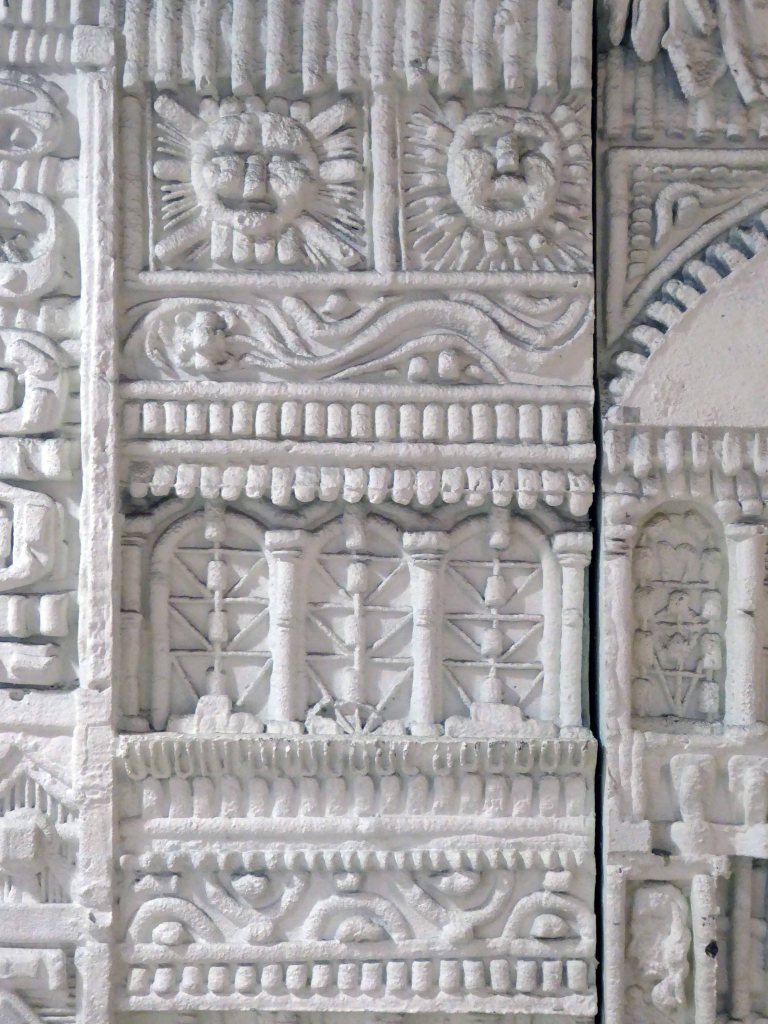
They are currently friendless – the Kirkgate Market is to be closed, its future uncertain – and by inference Big Bill’s public art is under threat too.
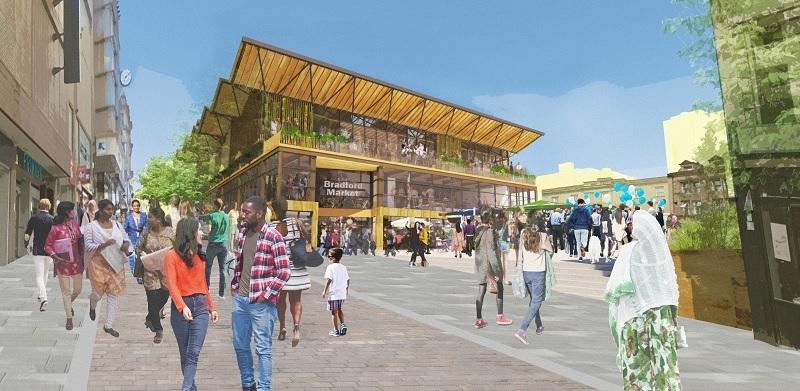
The Council has announced to its traders in Kirkgate Market and the Oastler Centre that it will not be carrying out the proposed refurbishment of Kirkgate Market as the new market in Darley Street will now accommodate non-food sales on one trading floor with the other trading floor being dedicated to fresh foods and the 1st floor for hot food and beverage sales.
As per they are unlisted, largely unnoticed and as such very vulnerable, get it while you can, take a trip to Bradford real soon.
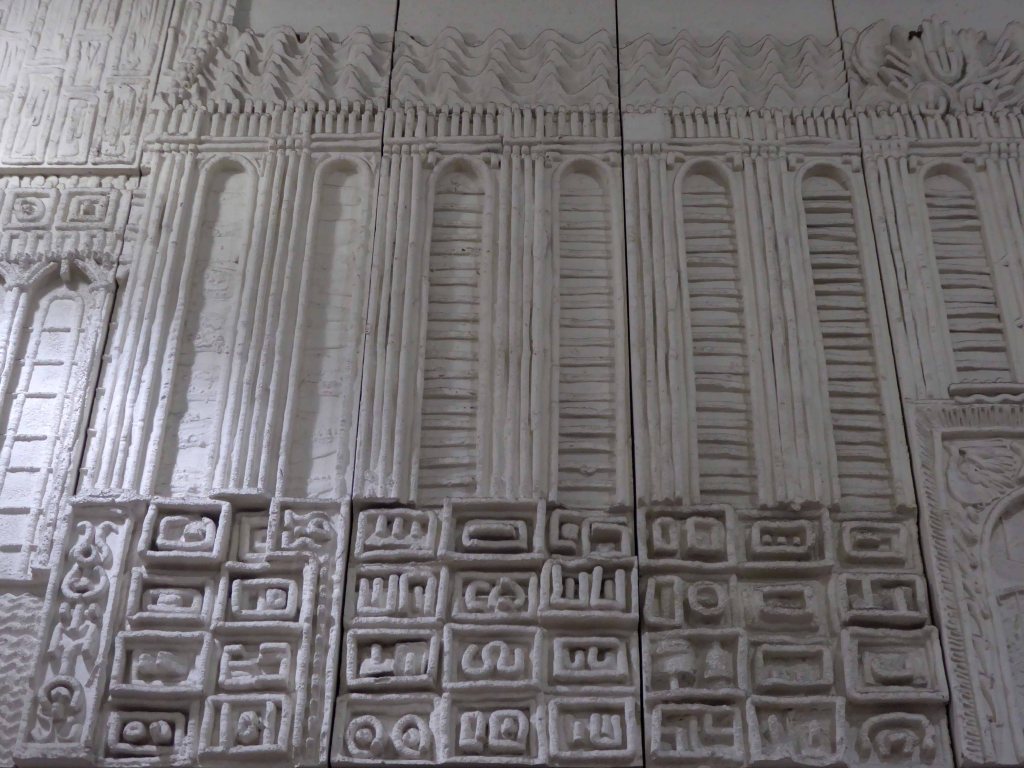
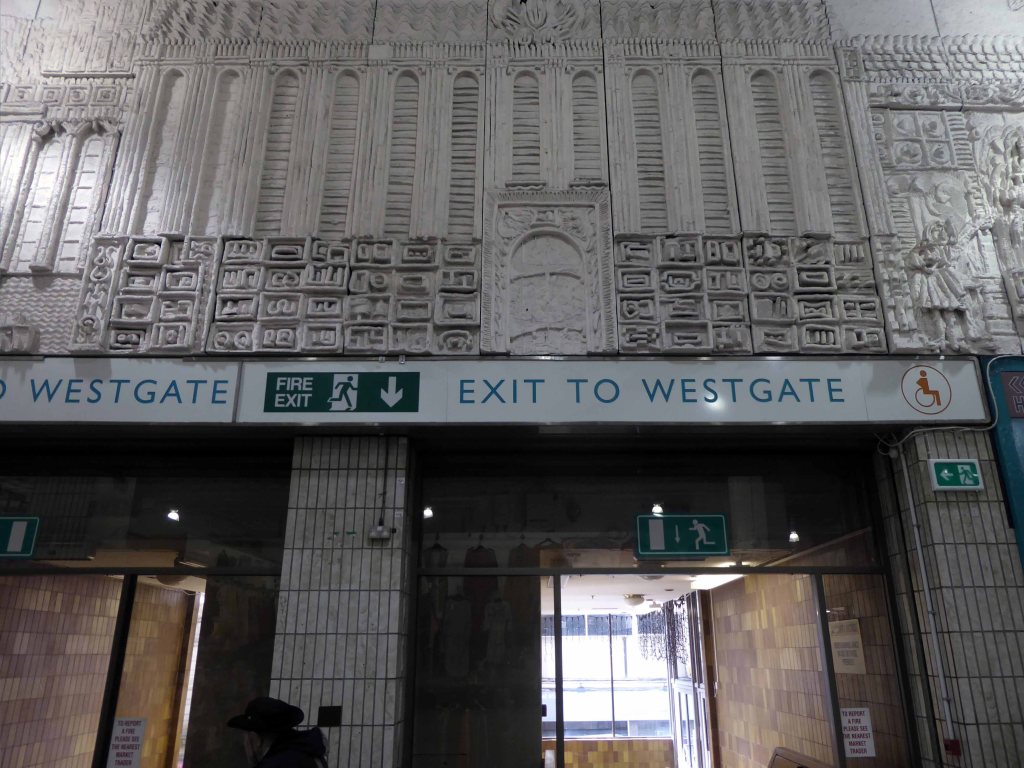
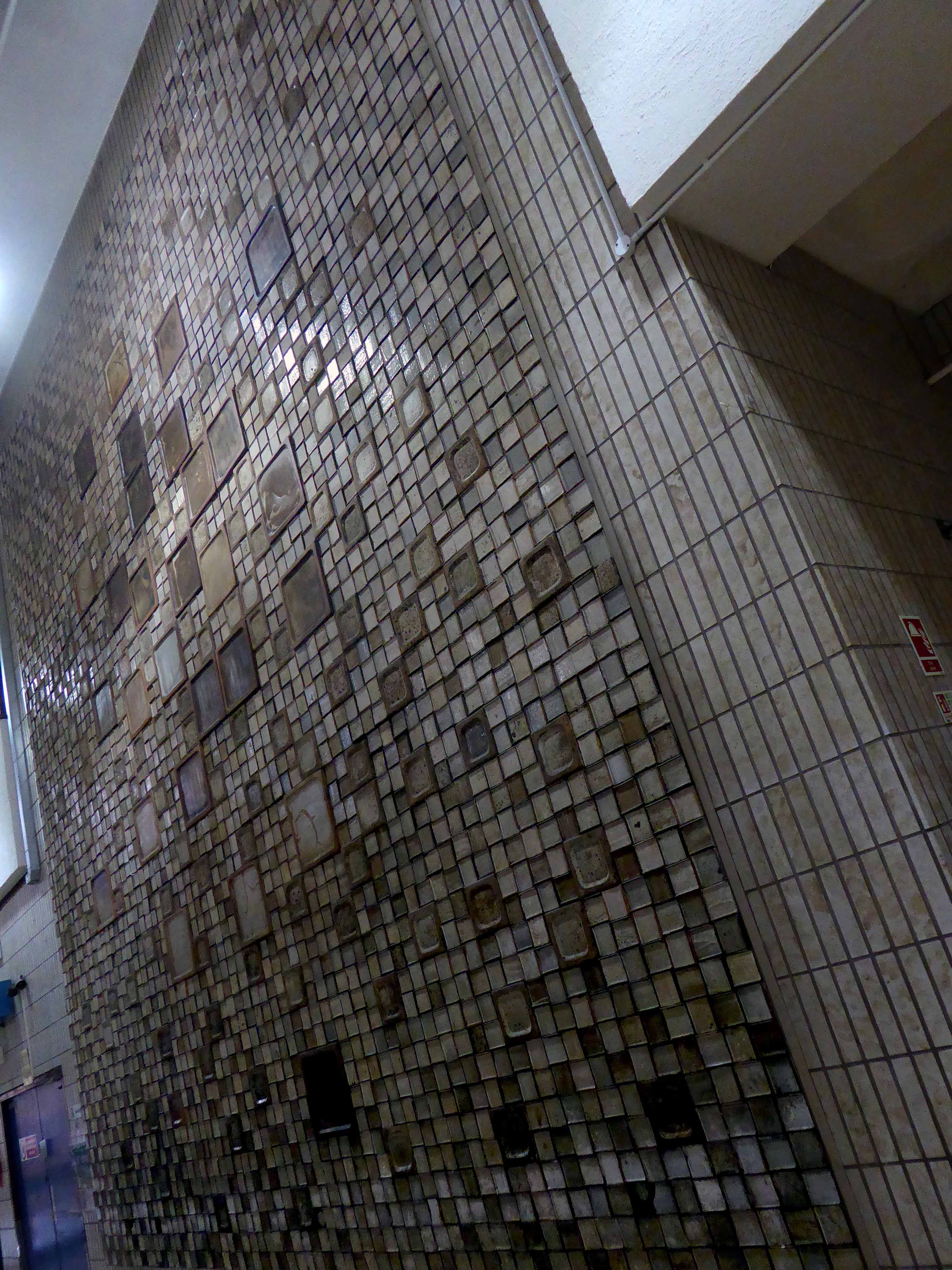
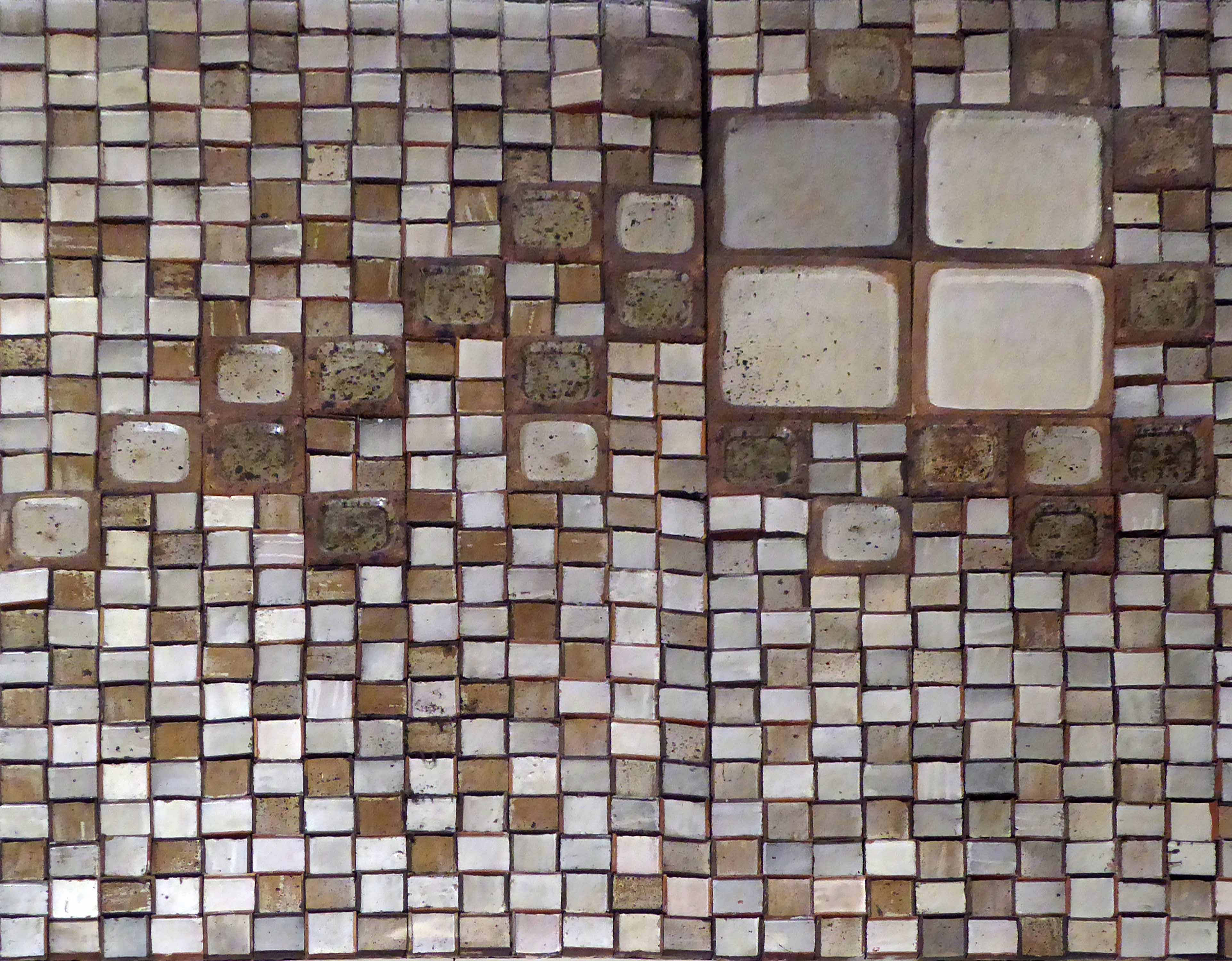
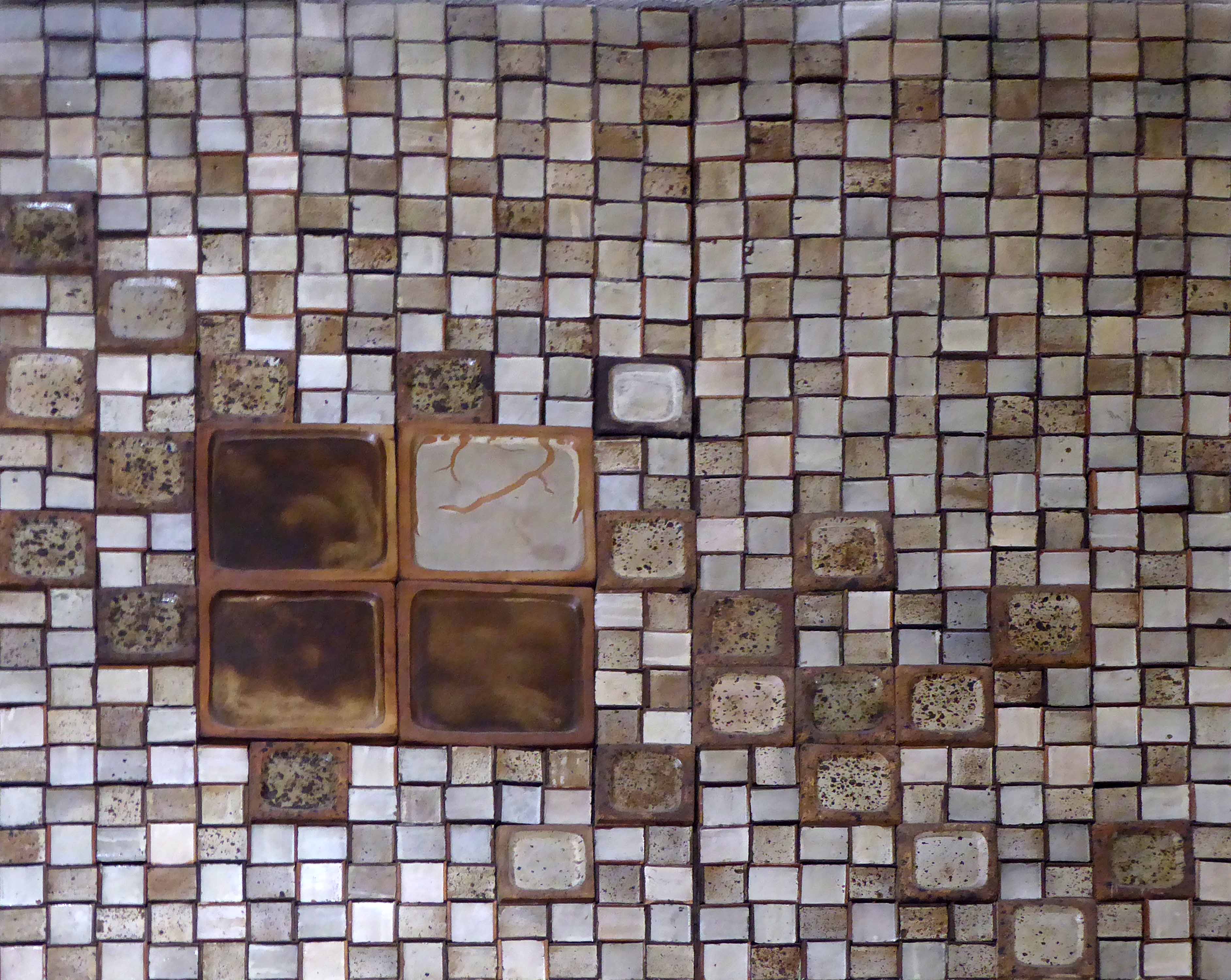
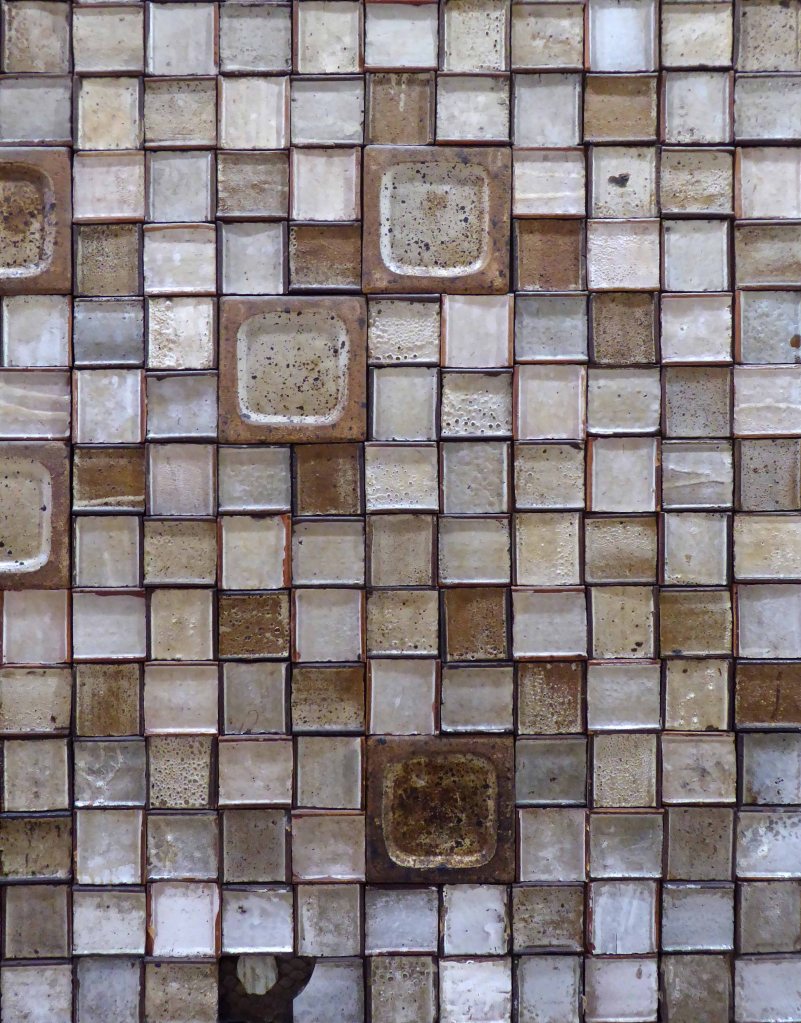
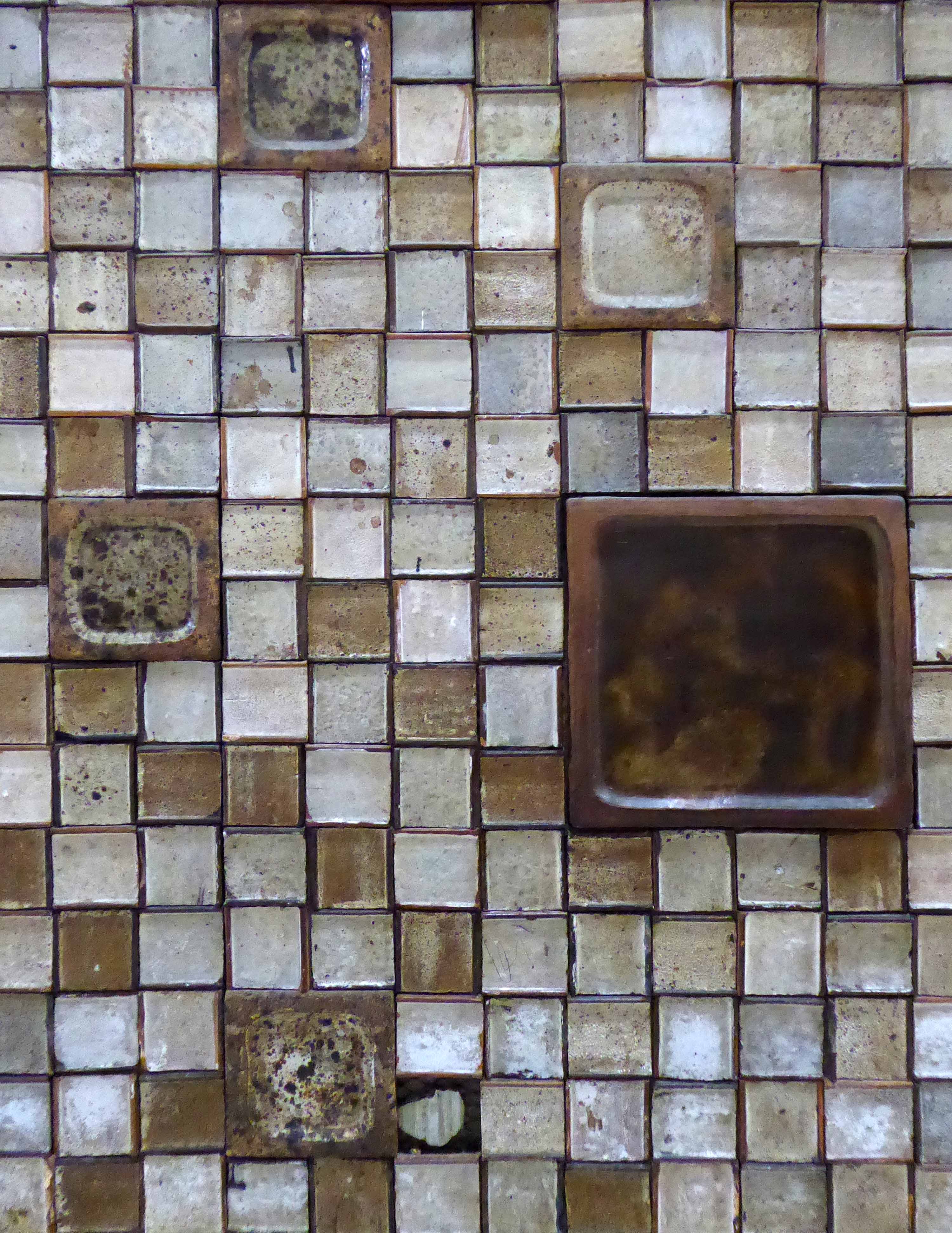
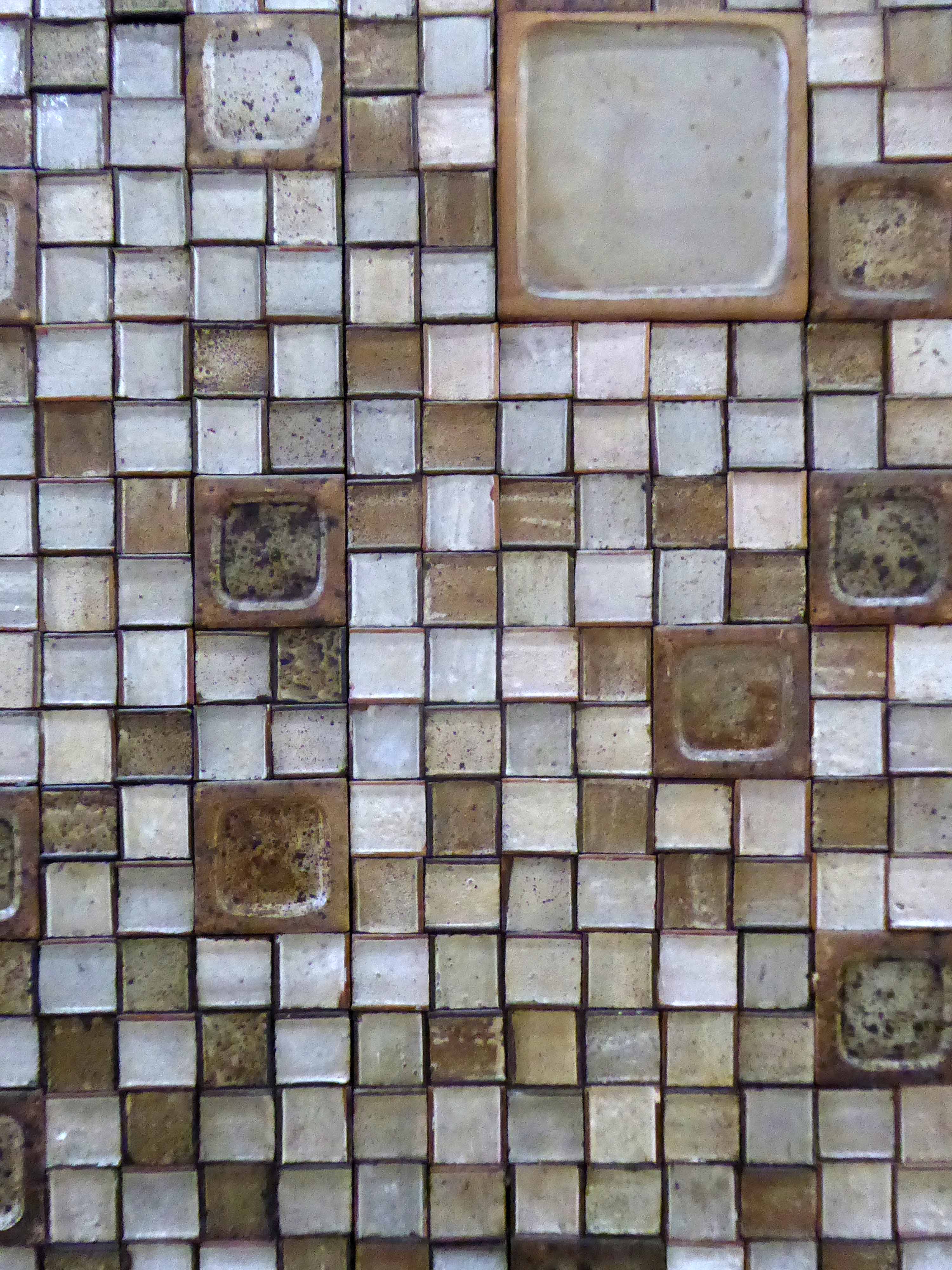
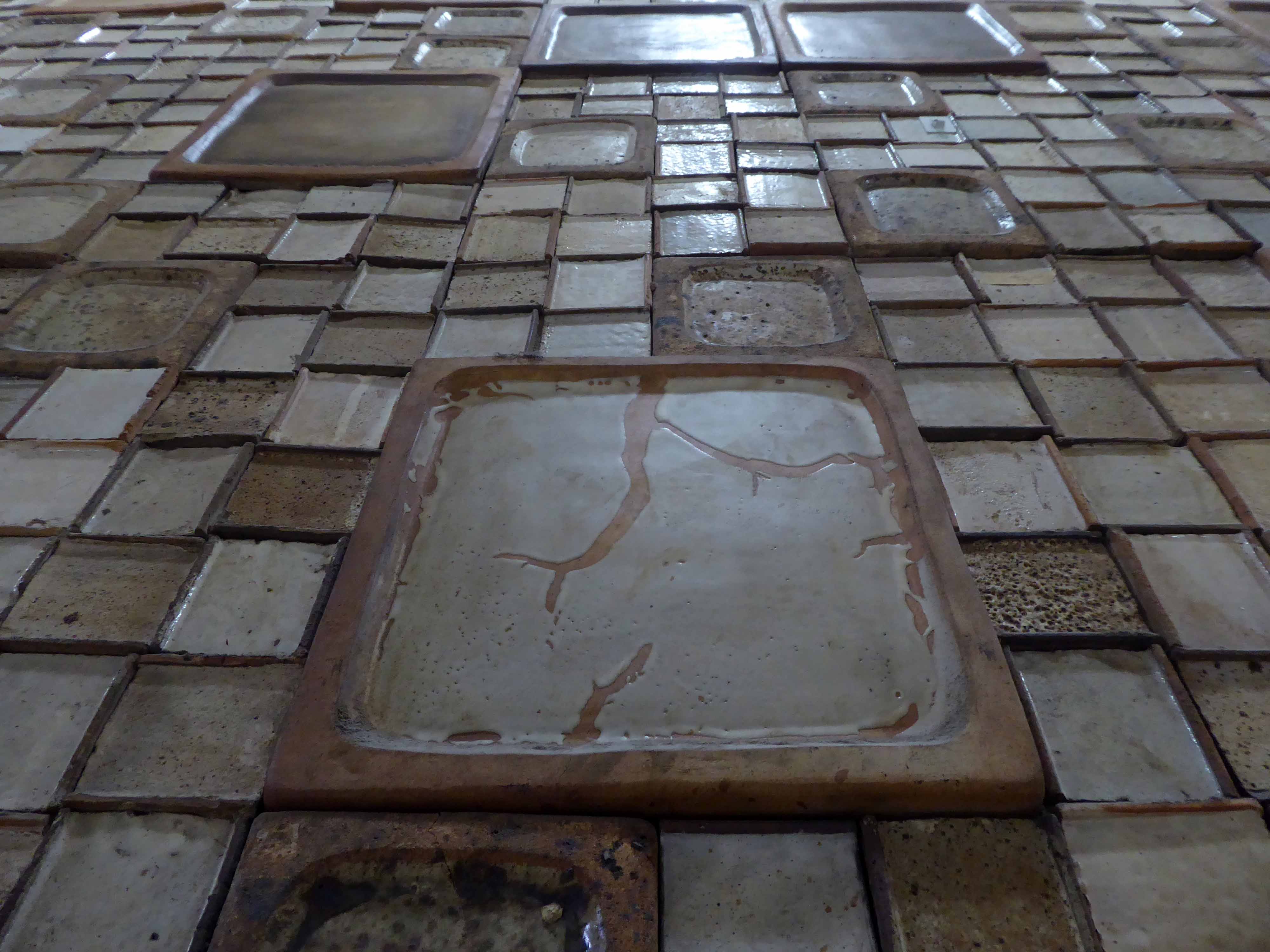
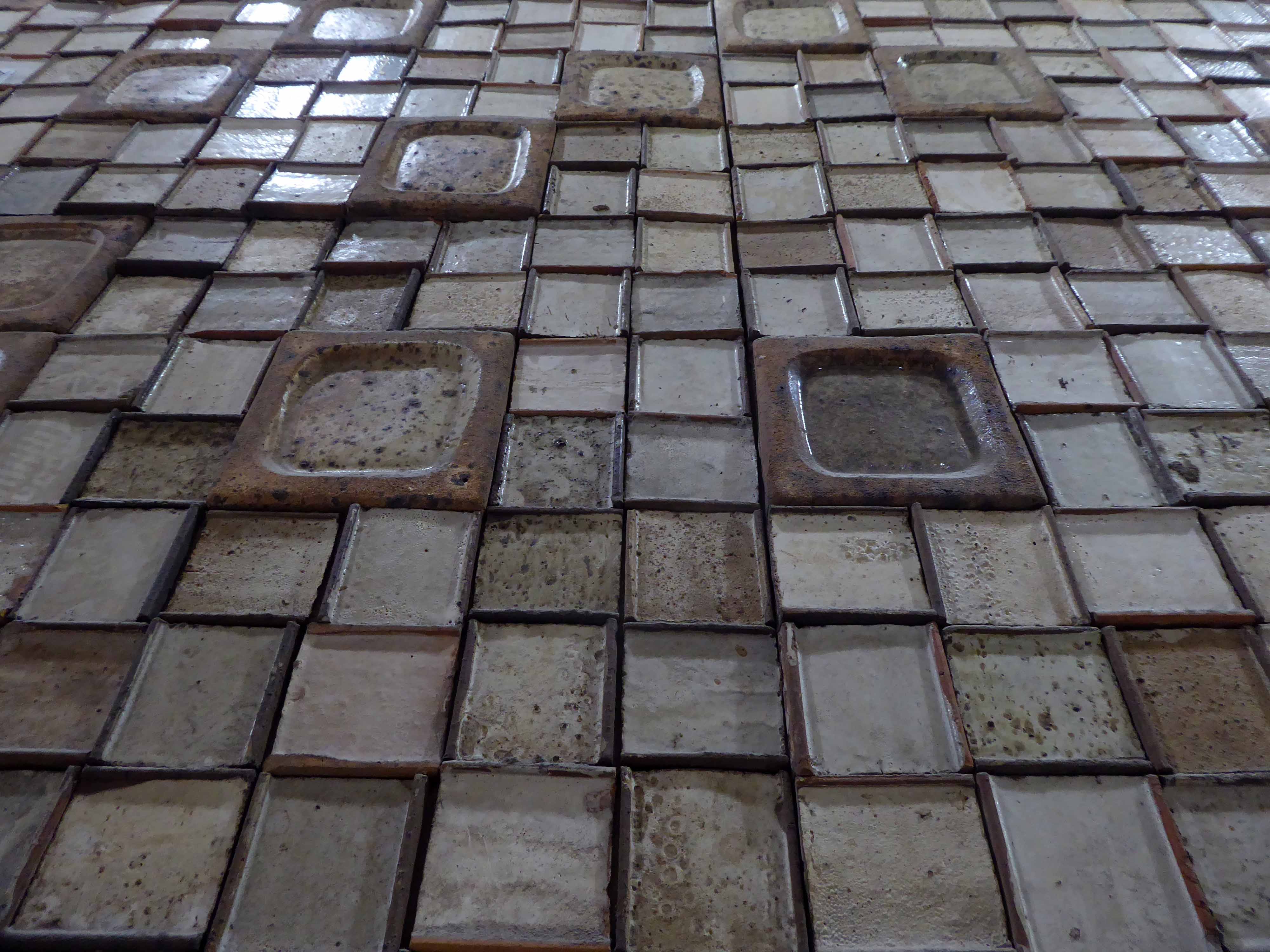
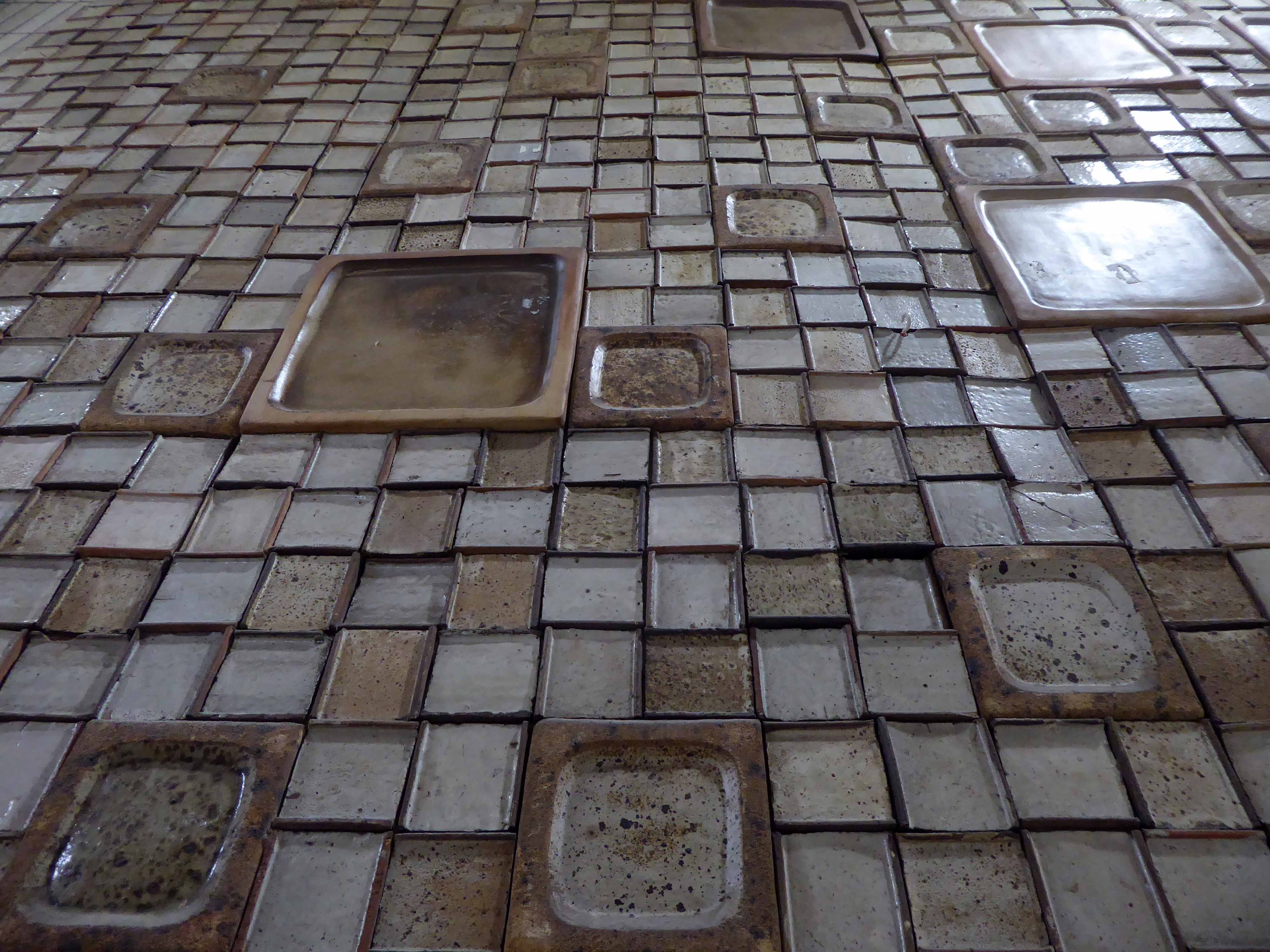
Mention must also be made of the tiled ceramic mosaics which adorn one wall and the three panels on the raised area above the stalls.
Authorship unknown.
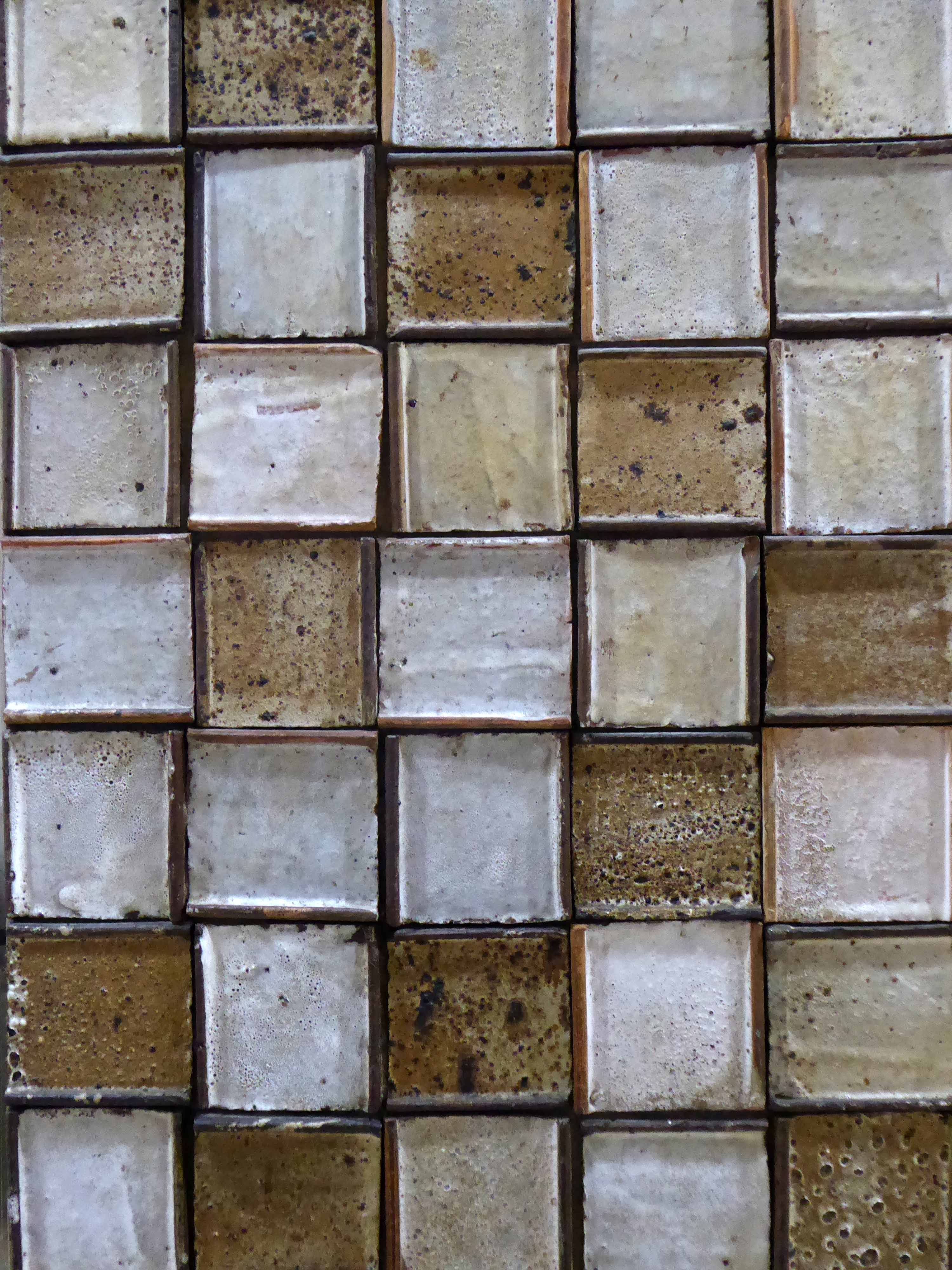
I was most intrigued by these tiles – I have not seen this type before – they have a resemblance to to Transform tiles that were produced in Staffordshire in the 1970s, but they are different in several ways.
The November 1973 T&A microfilm appears to have been stolen from Bradford Library so I can’t check reports and features from the time of the opening of the market on November 22 1973.
There comes a time in everyone’s life, when one simply must go to Rotherham, at least once – so I did.
To keep company with my personal town guide, Sheffield Modernist and local resident, Helen Angell.
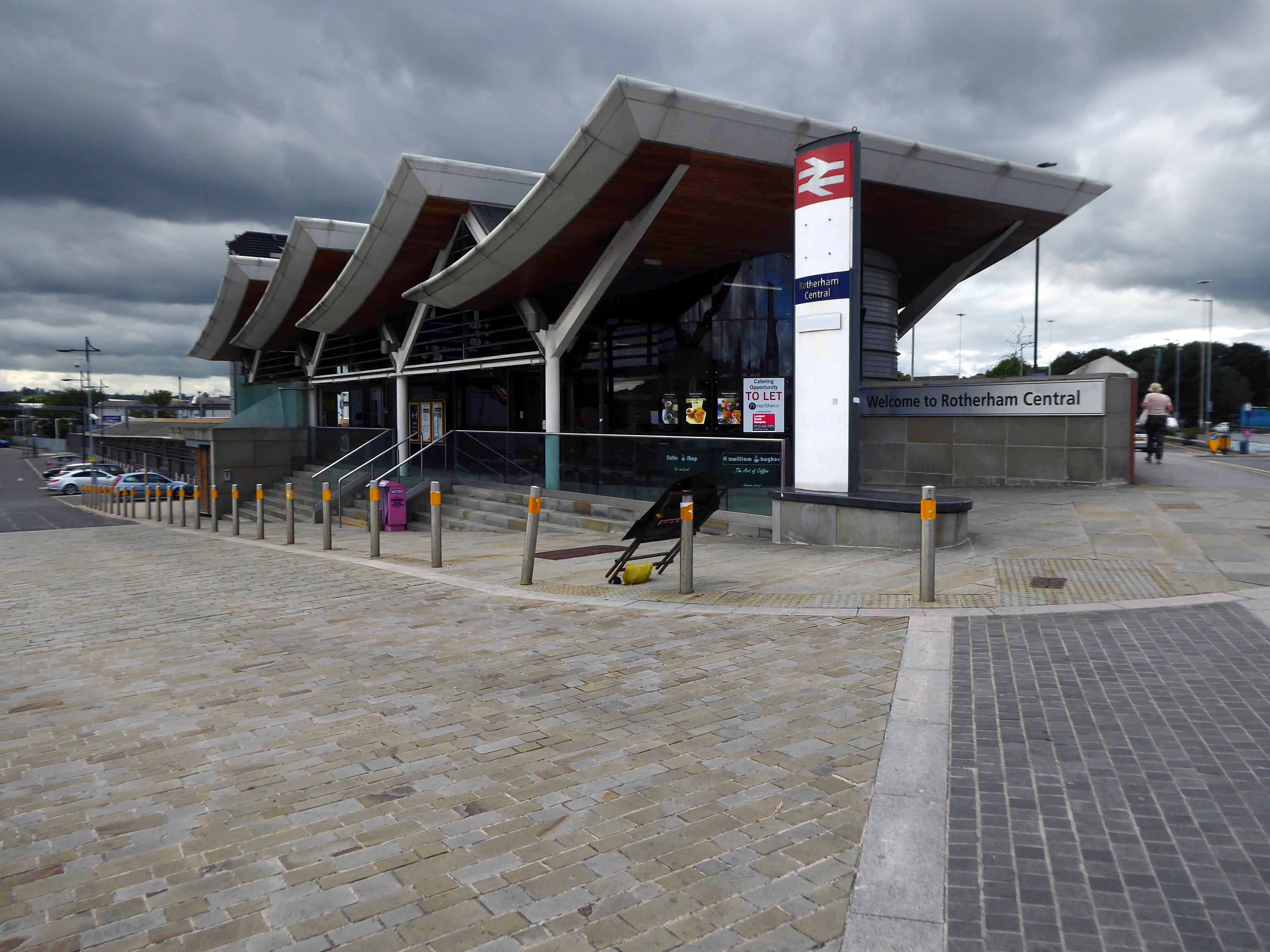
I arrived early at Rotherham Central, so went for a solo wander.
The station was originally named Rotherham, becoming Rotherham and Masborough in January 1889 and finally Rotherham Central on 25 September 1950.
The newish Rotherham Central station was opened to passengers on 11 May 1987, the present iteration on Friday 24 February 2012, as part of the Rotherham Renaissance plans for the regeneration of the town.
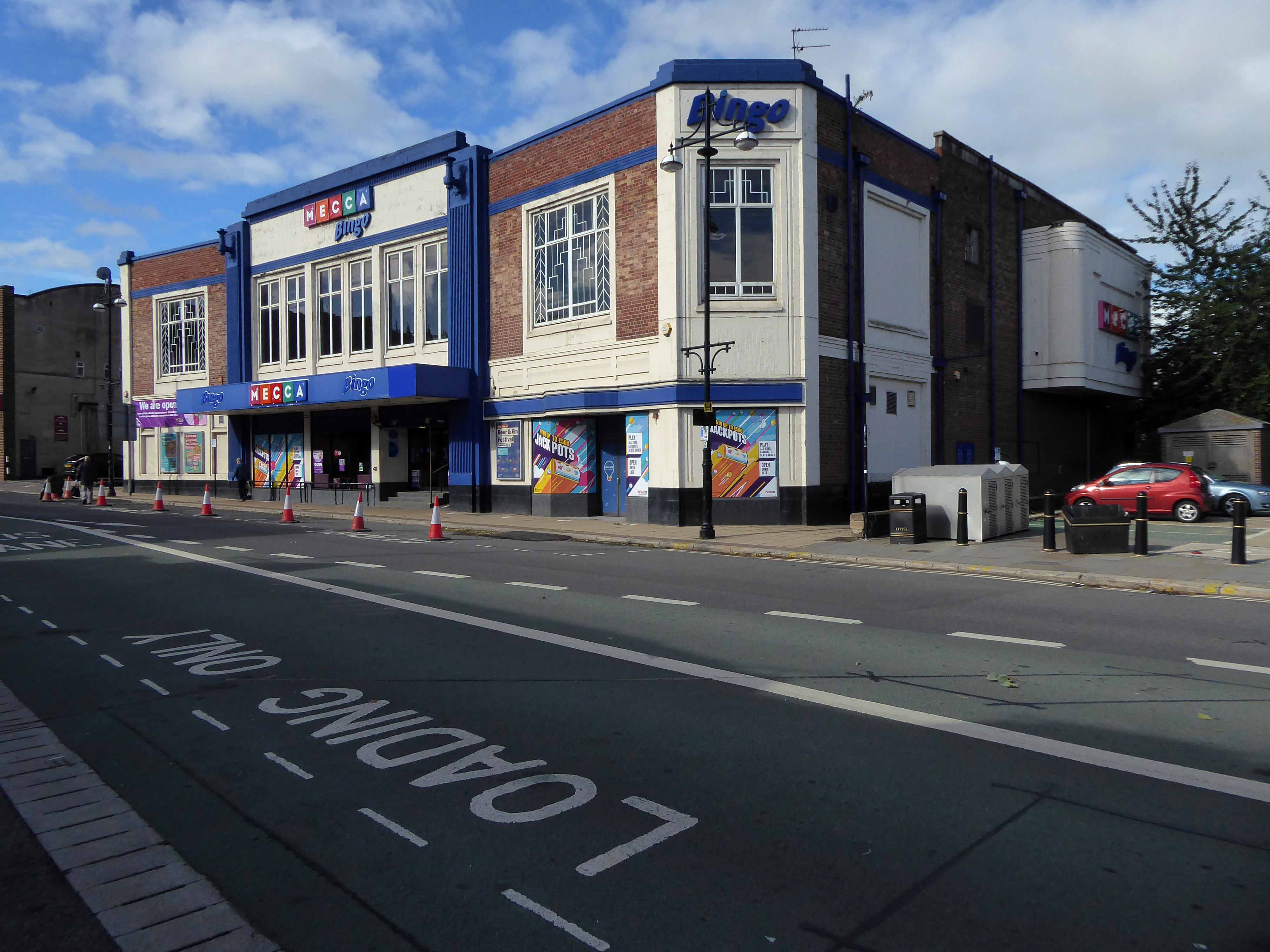
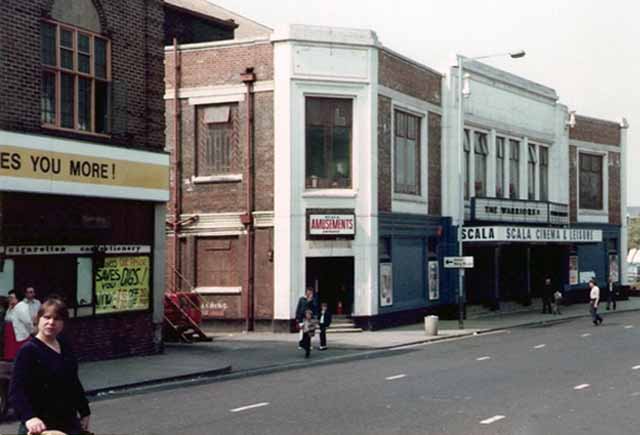
Opened 22 December 1934 as the Regal Cinema with Leslie Howard in Girls Please. Sandy Powell, the famous comedian attended opening night this 1,825 seat. It was designed by the Hull based architectural firm Messrs Blackmore & Sykes for local exhibitor Thomas Wade and was leased to the Lou Morris chain.
By 1937 it was operated by the London & Southern Super Cinemas Ltd. chain. The Regal Cinema was leased to the Odeon circuit in 1946 and was re-named Odeon. It was sold by the Rank Organisation to an independent operator in 1975 and renamed Scala Cinema, by 1981 using the circle only.
Closed 23rd September 1983 with the film Porky’s.
Became a bingo hall initially named Ritz but now Mecca. On 20th February 2020 the building was put up for sale by auction at an asking price of £600,000+, but failed to sell, with the maximum reached £590,000. Mecca bingo continues in the building.
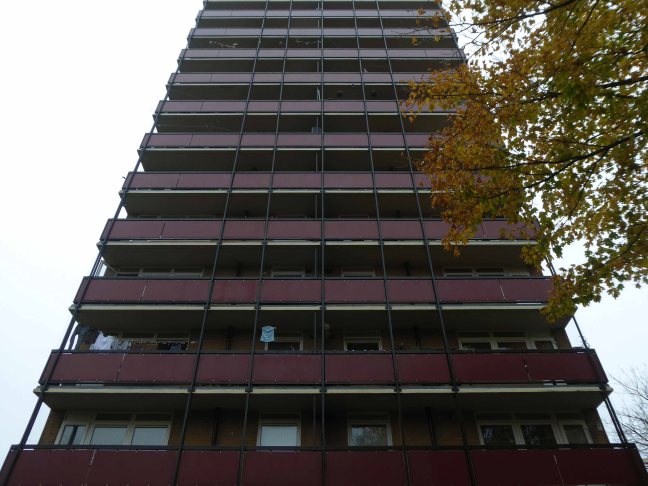
Main contractors J. Finnegan it’s thirteen storeys high – housing forty eight dwellings.
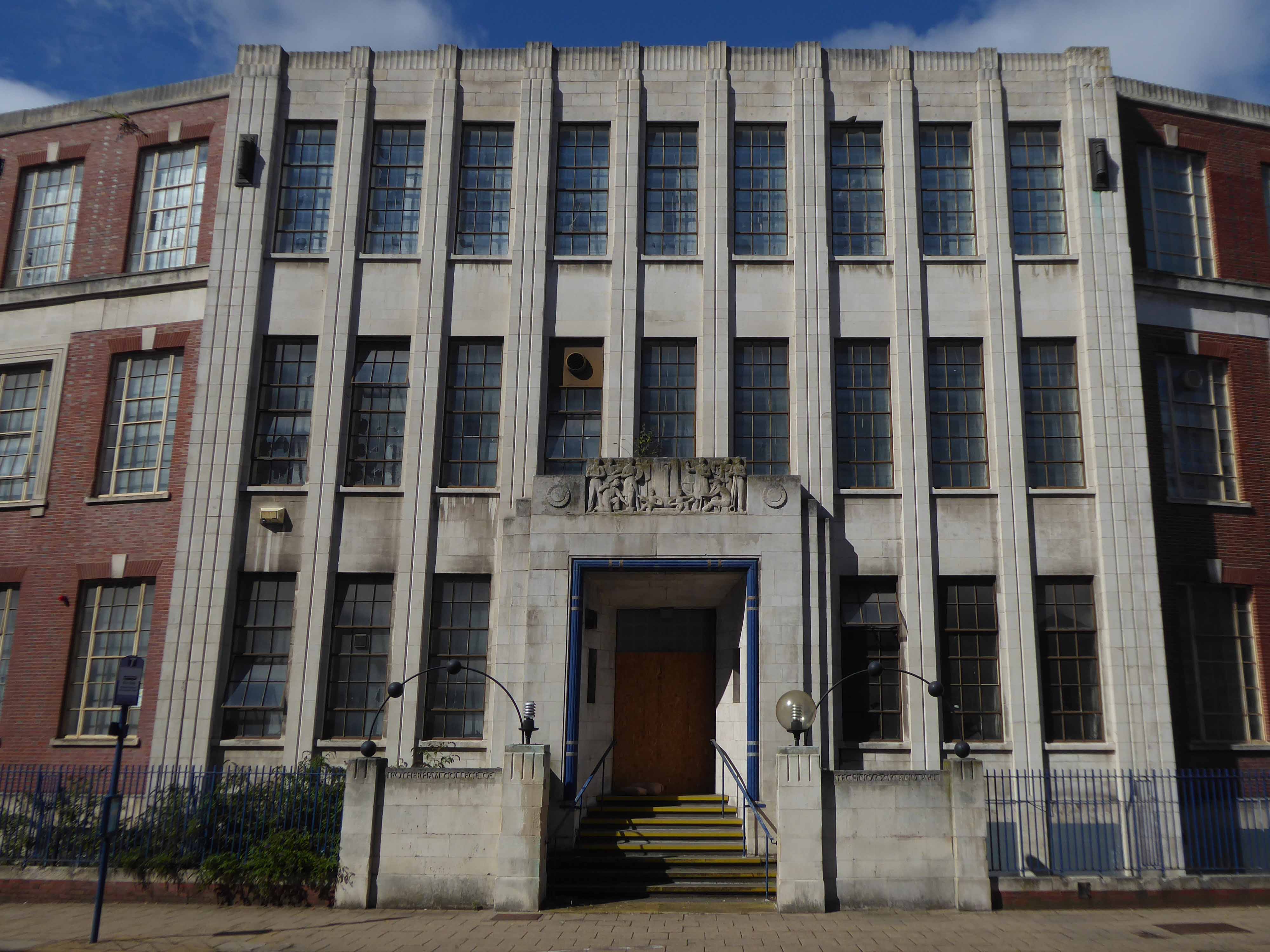
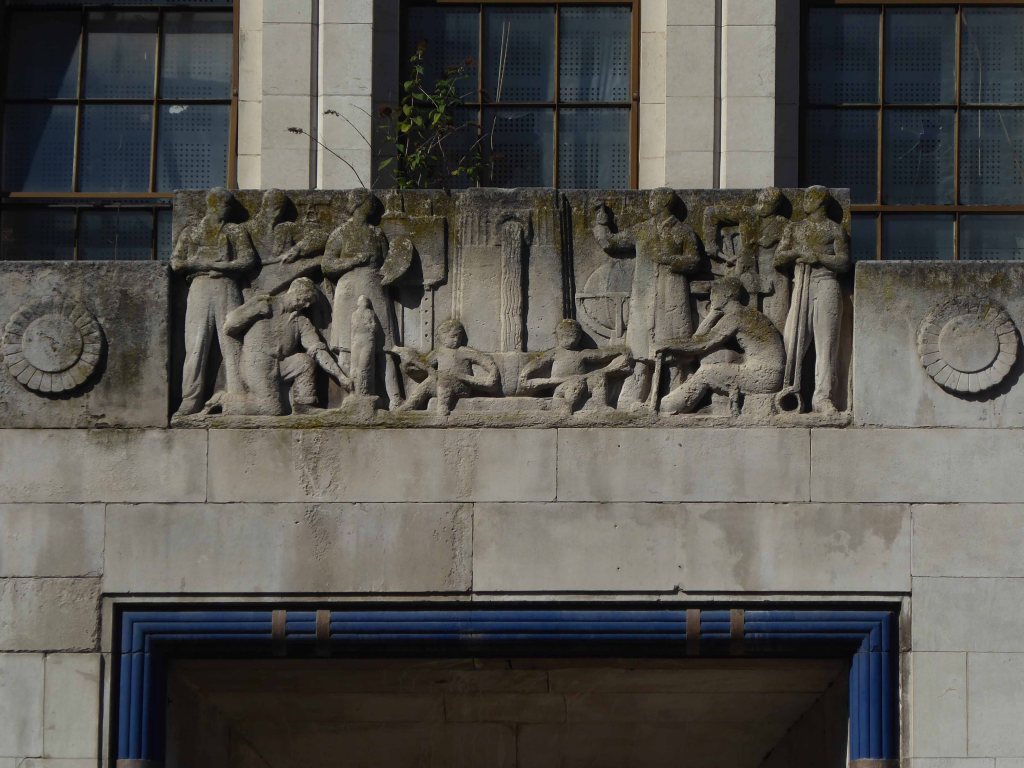
Interwar Technical College – Howard Building
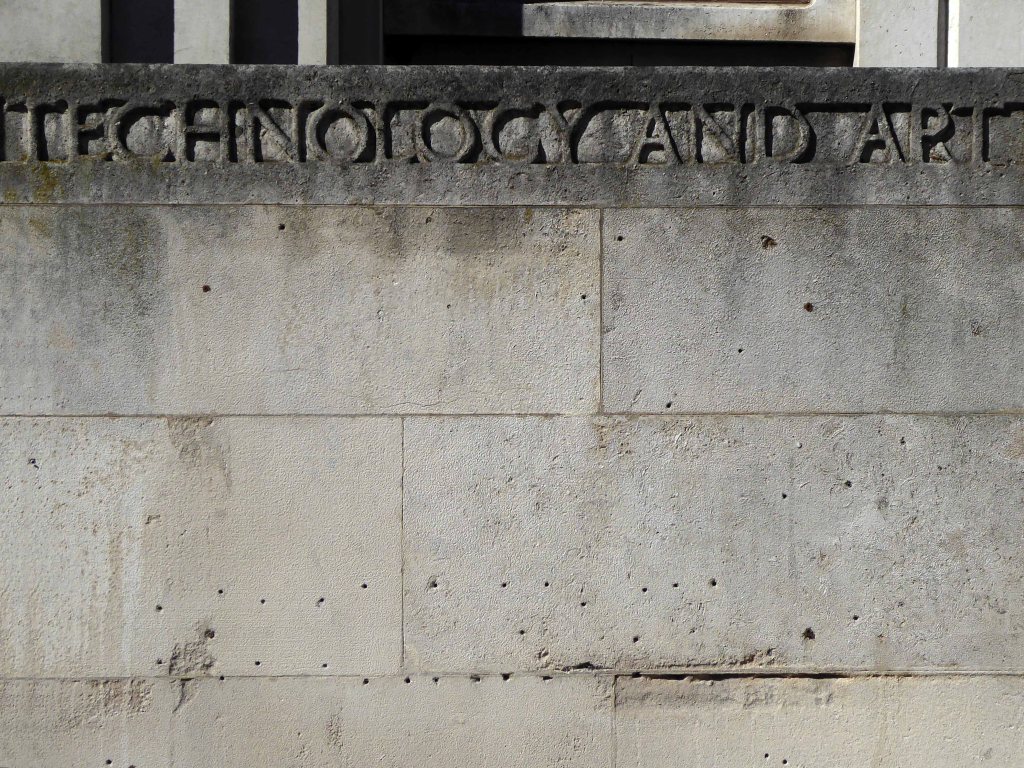
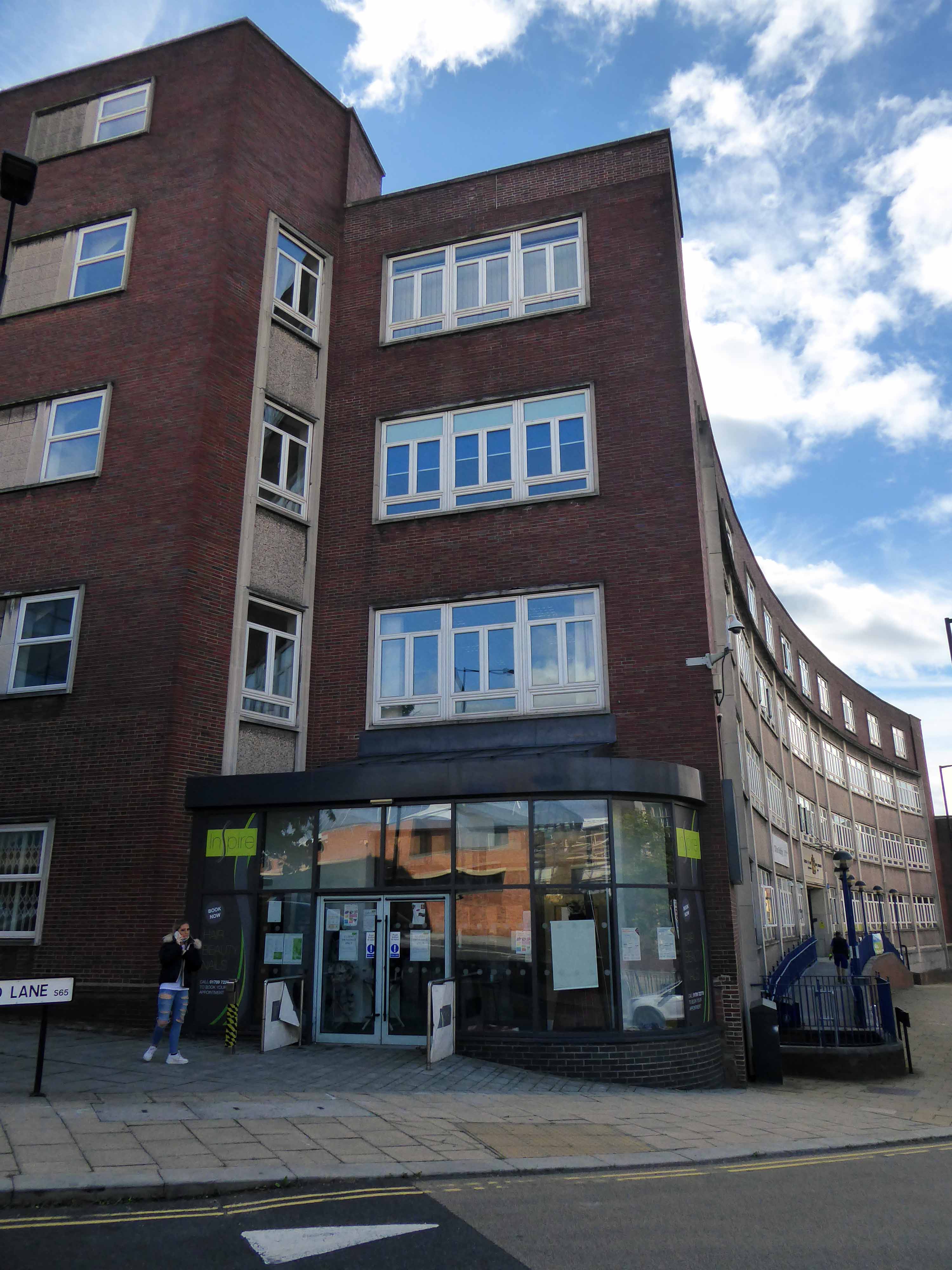
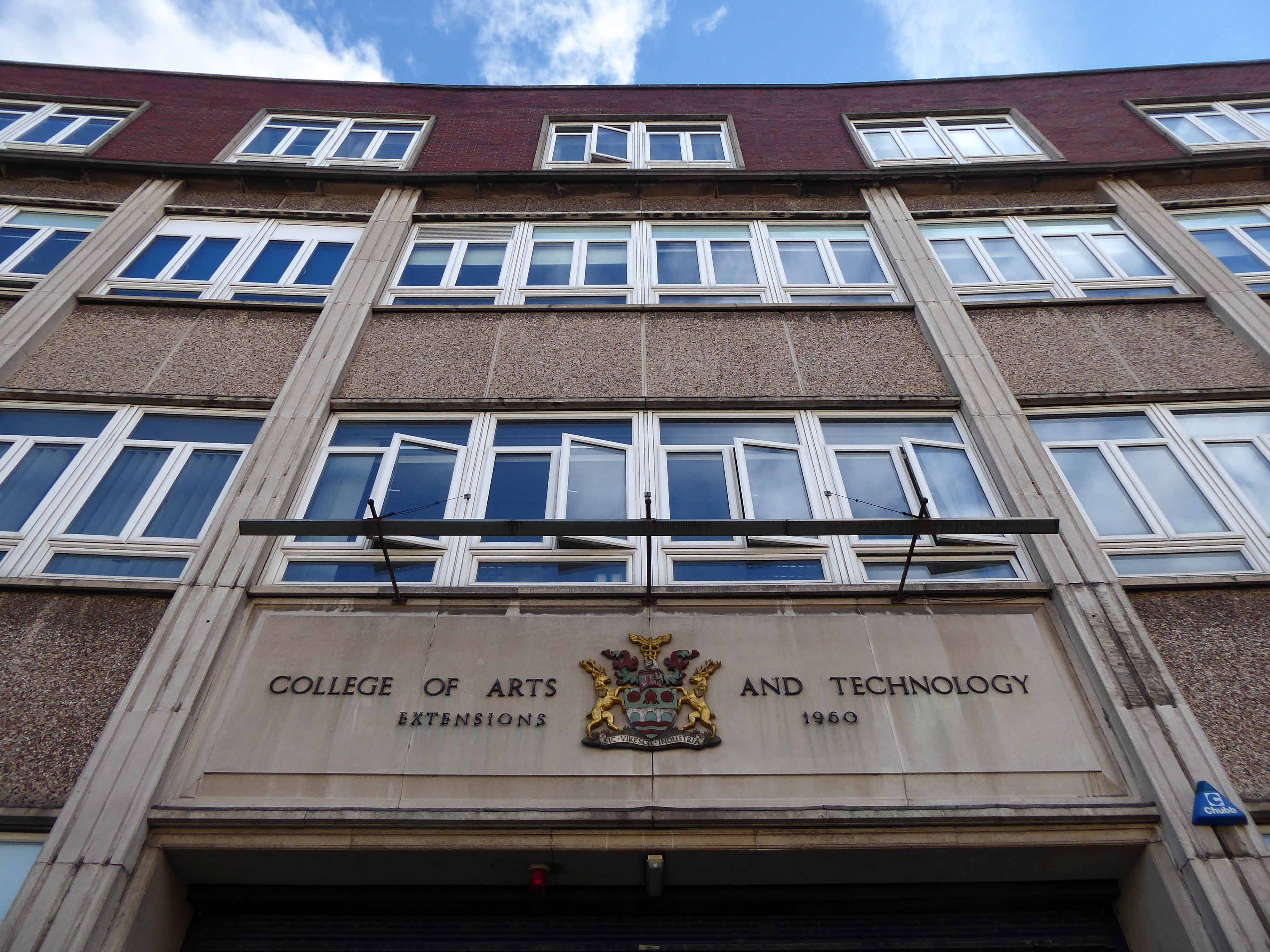
From the 1930s, it provided technical-orientated education from the Howard Building on Eastwood Lane, Rotherham. In 1981, three neighbouring colleges of arts, technology and adult education were merged into one. As a result, the college became known as Rotherham College of Arts and Technology.
Revised plans to convert the historic Howard Building in Rotherham town centre into self-contained studios and apartments have been approved by the planning board at Rotherham Council.
The prominent former college building was sold prior to going to auction last September after it was advertised as a development opportunity and given a guide price of £250,000 by local auctioneers, Mark Jenkinson & son.
A group of rogue property directors with links to a prominent derelict building in Rotherham have been banned for a total of 54 years. The six, of Absolute Living Developments, were found to have misled more than 300 people to invest at least £12 million in residential properties.
The firm was linked through a lender to Avro Developments, which had plans passed in 2015 to renovate former college block the Howard Building in Rotherham town centre.
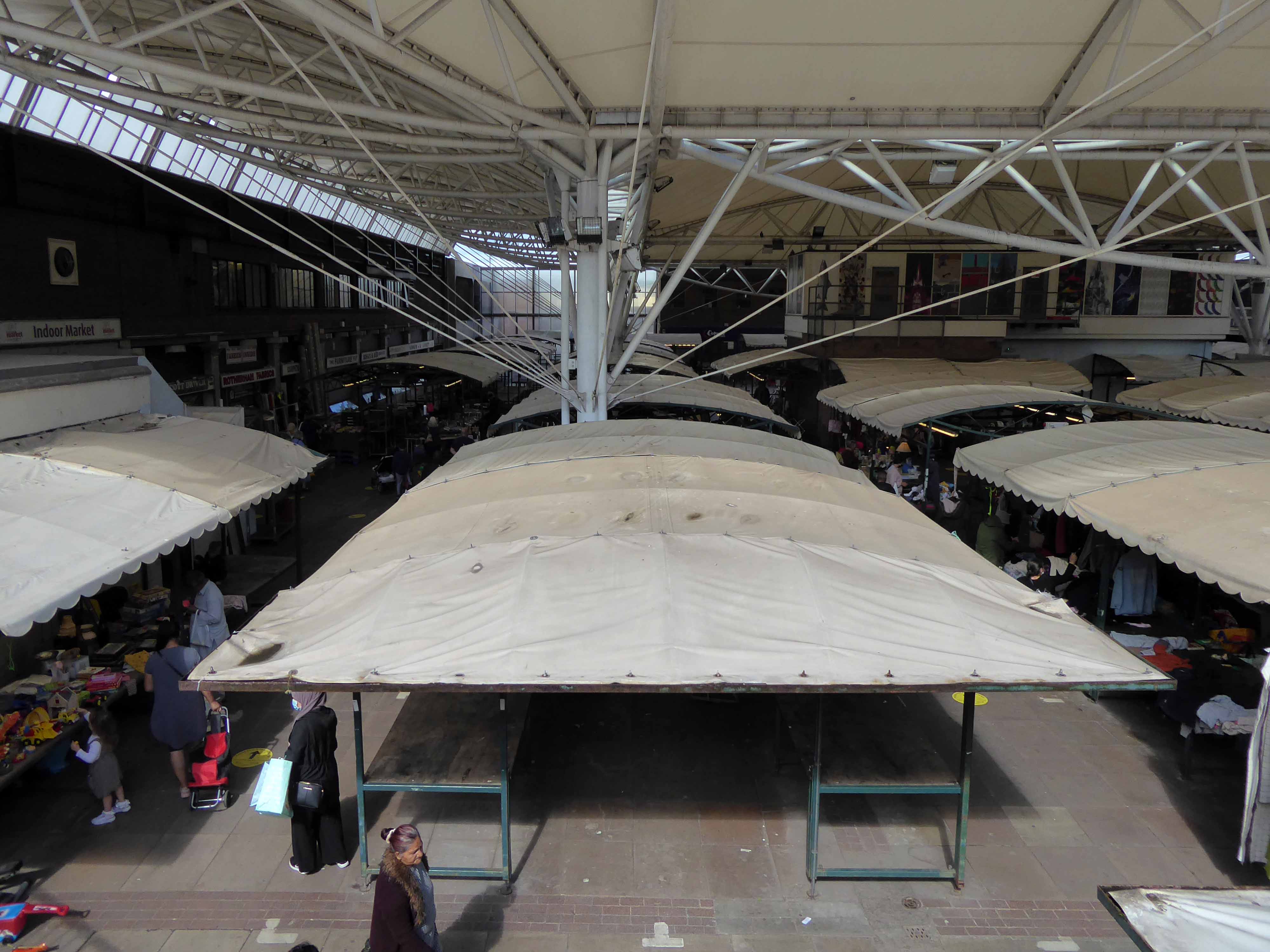
With a strident high tech canopy, very recently added – though Rotherham’s history stems back 800 years when it is thought that the original royal market charter was granted by King John in the year 1207.
There are traces of the 1970’s rebuild.
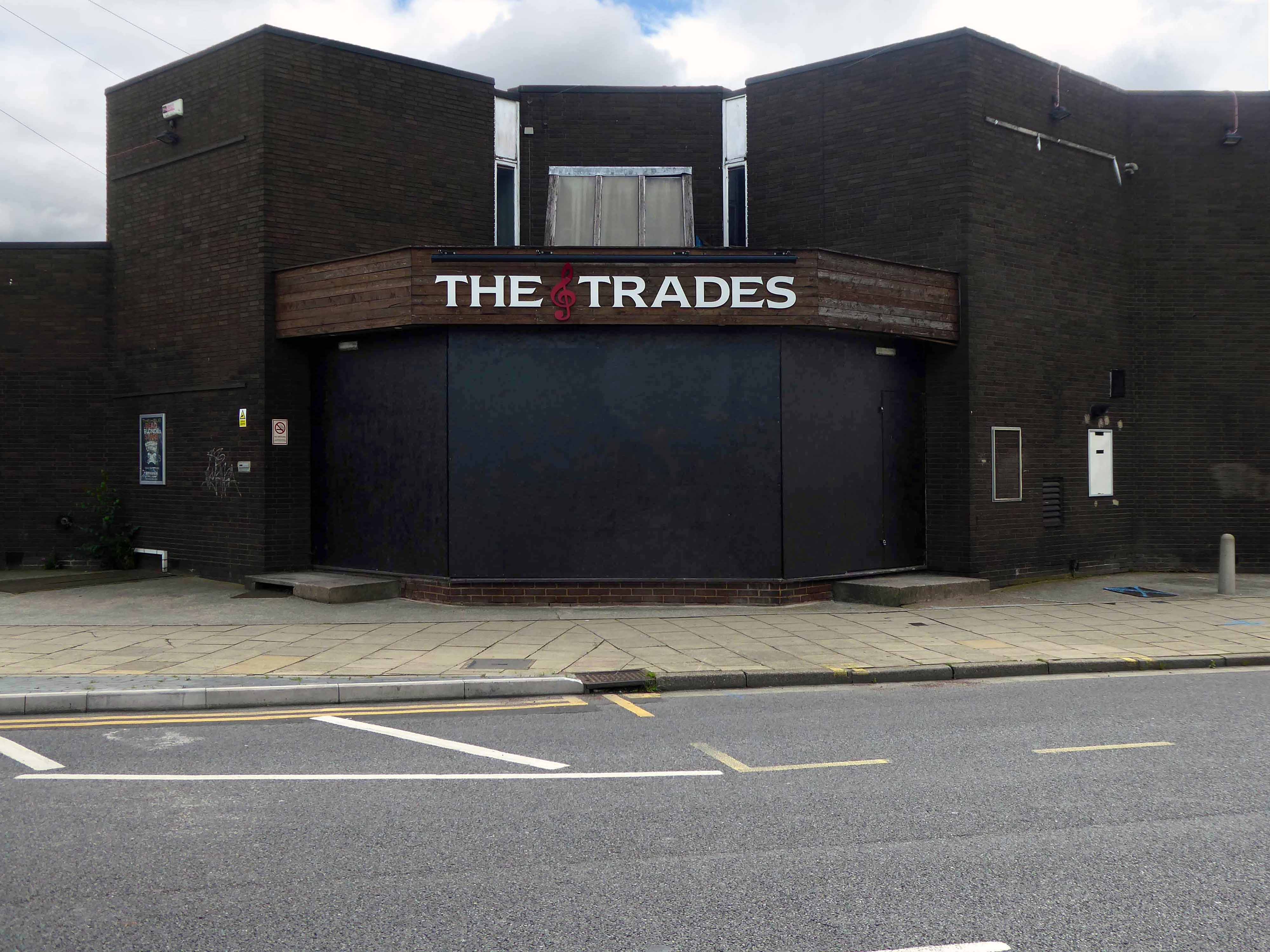
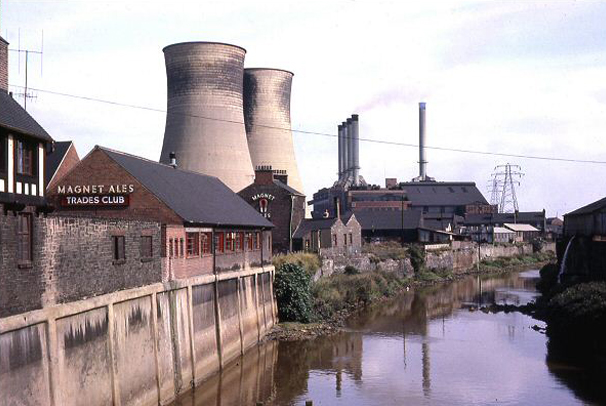
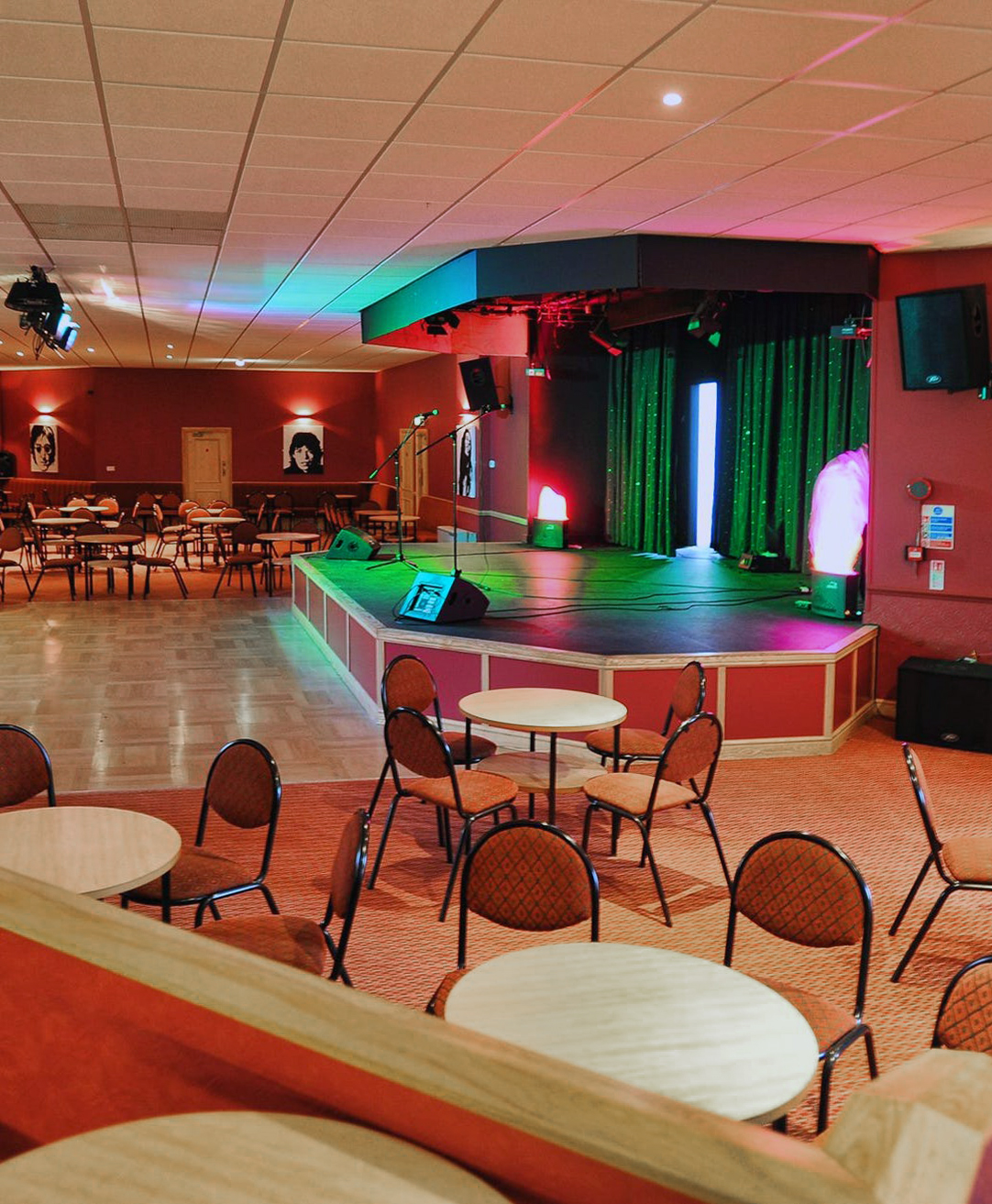
Bunker-like The Trades former music venue/pub, which replaced the former riverside Trades Club.
The PA now silenced.
This was an amazing event. The bands were really good and the drinks offers, while limited, were good. The ceiling in the ladies toilets had fallen through and was dripping, presumably there had been a leak from all the rain, but this didn’t lessen the awesome experience.
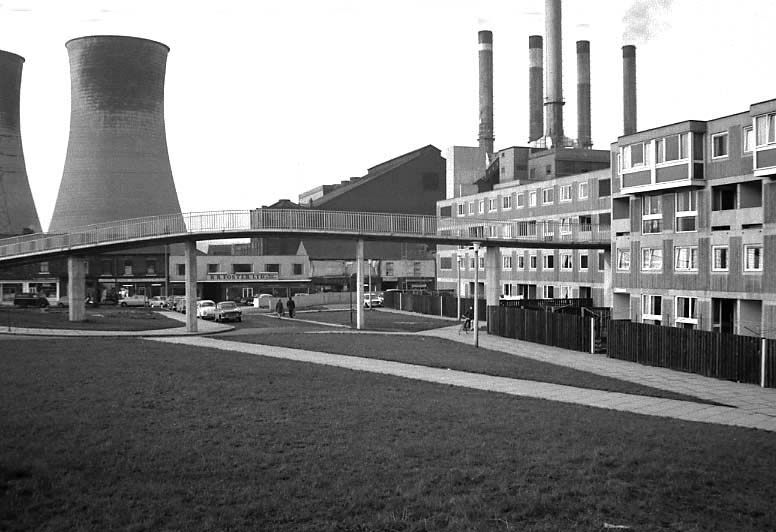
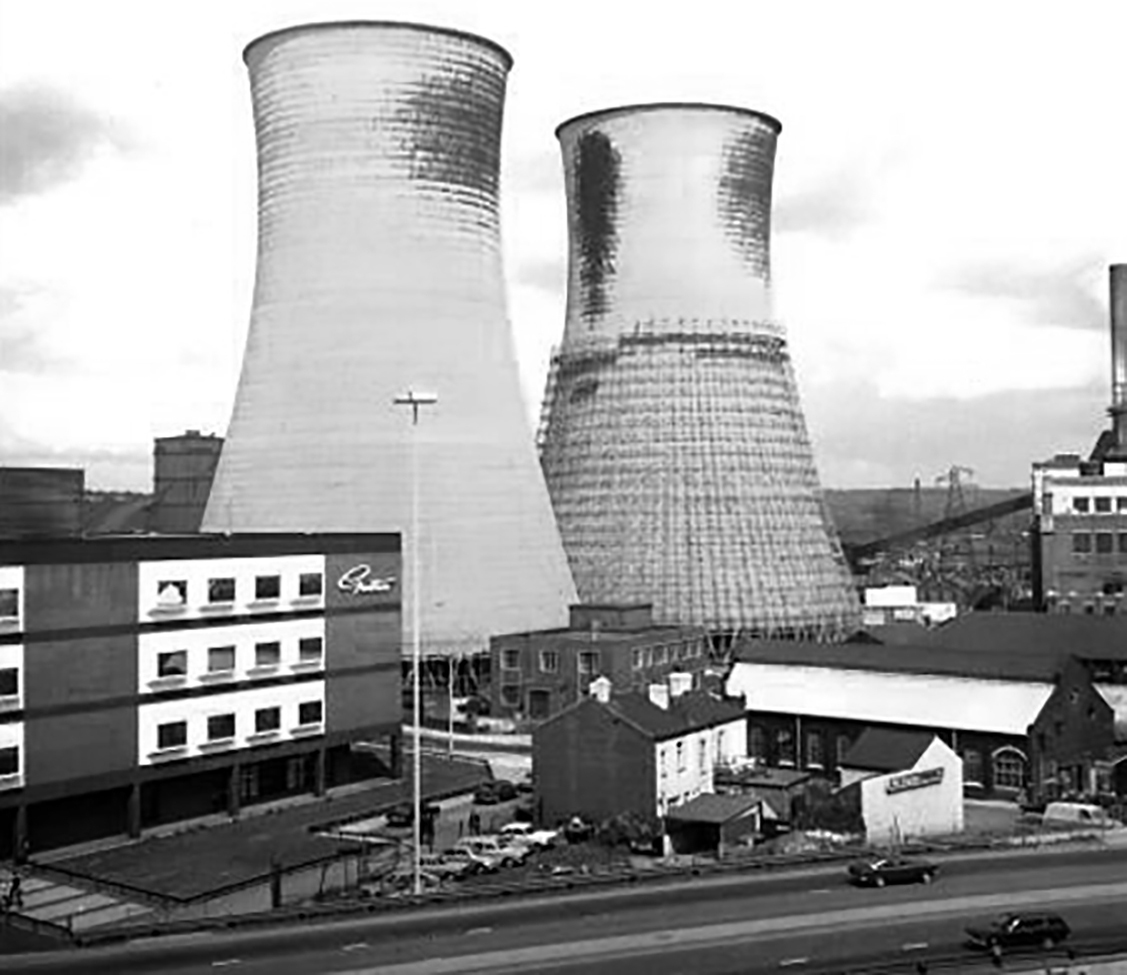
The cooling towers and flats are long gone – the coal-fired power station operated from 1923 until October 1978.
The Prince of Wales Power Station in Rotherham was located on Rawmarsh Road and was opened by the Prince of Wales – the future King Edward VIII.
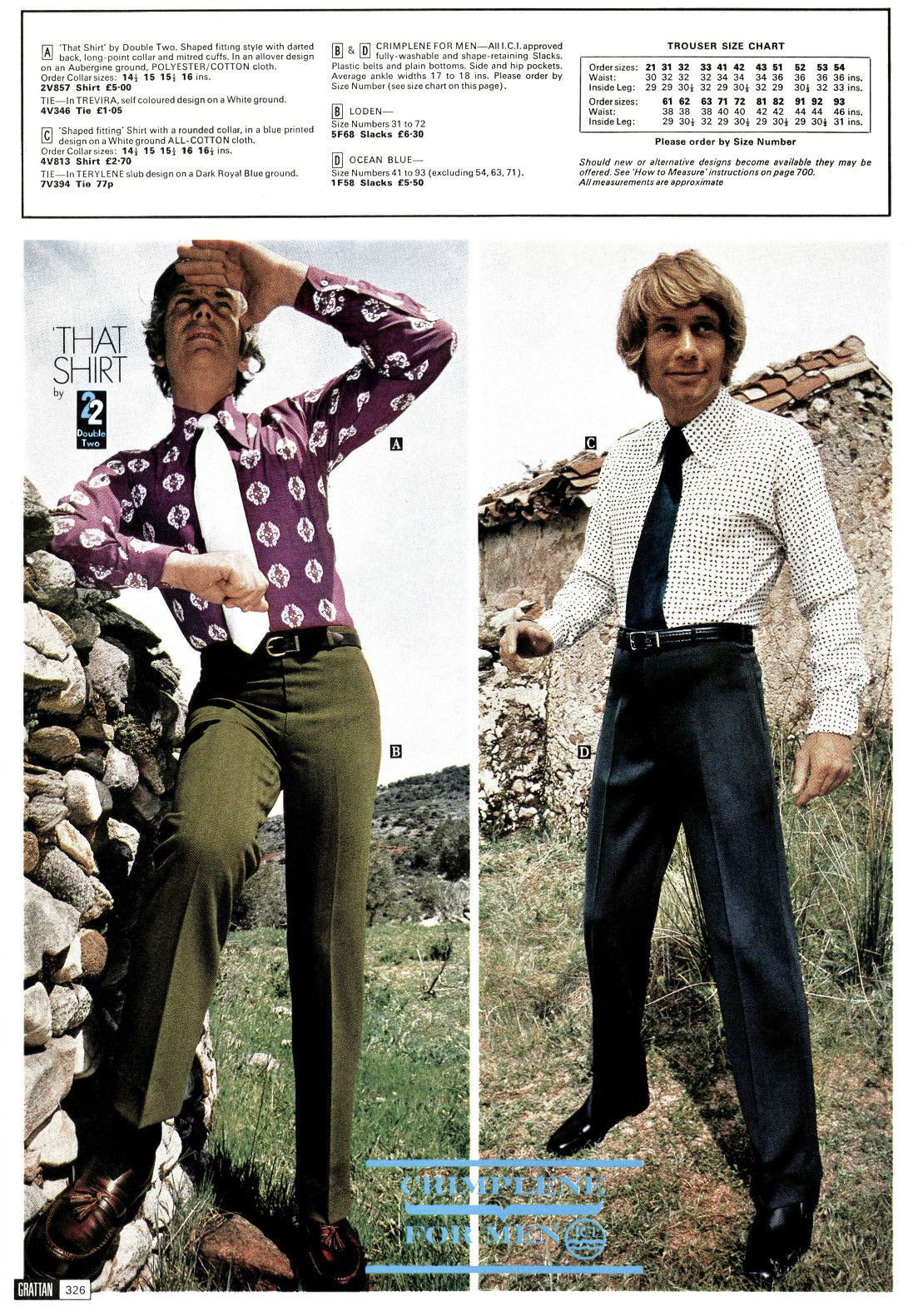
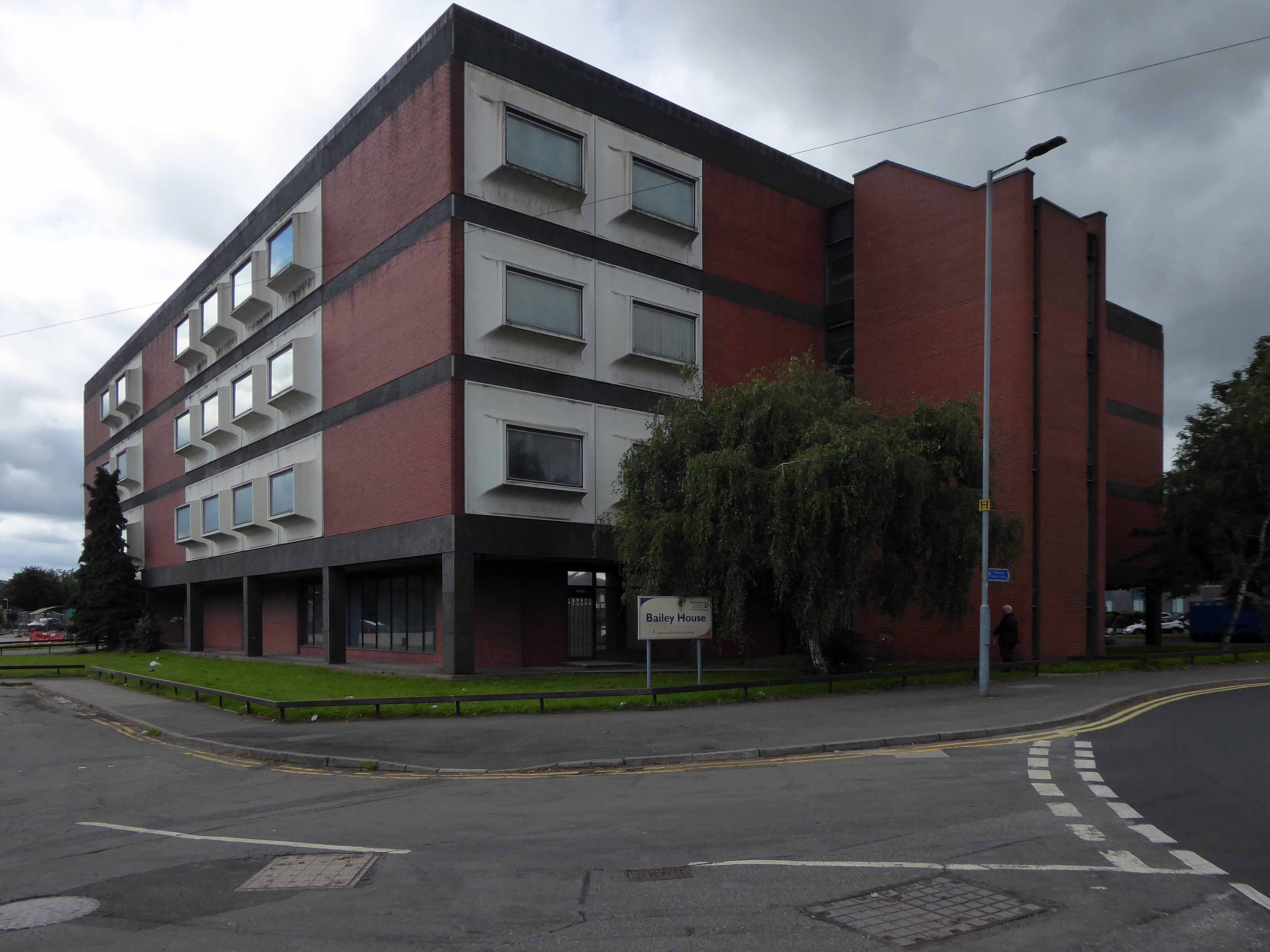
The former Grattans catalogue offices can be seen to the left.
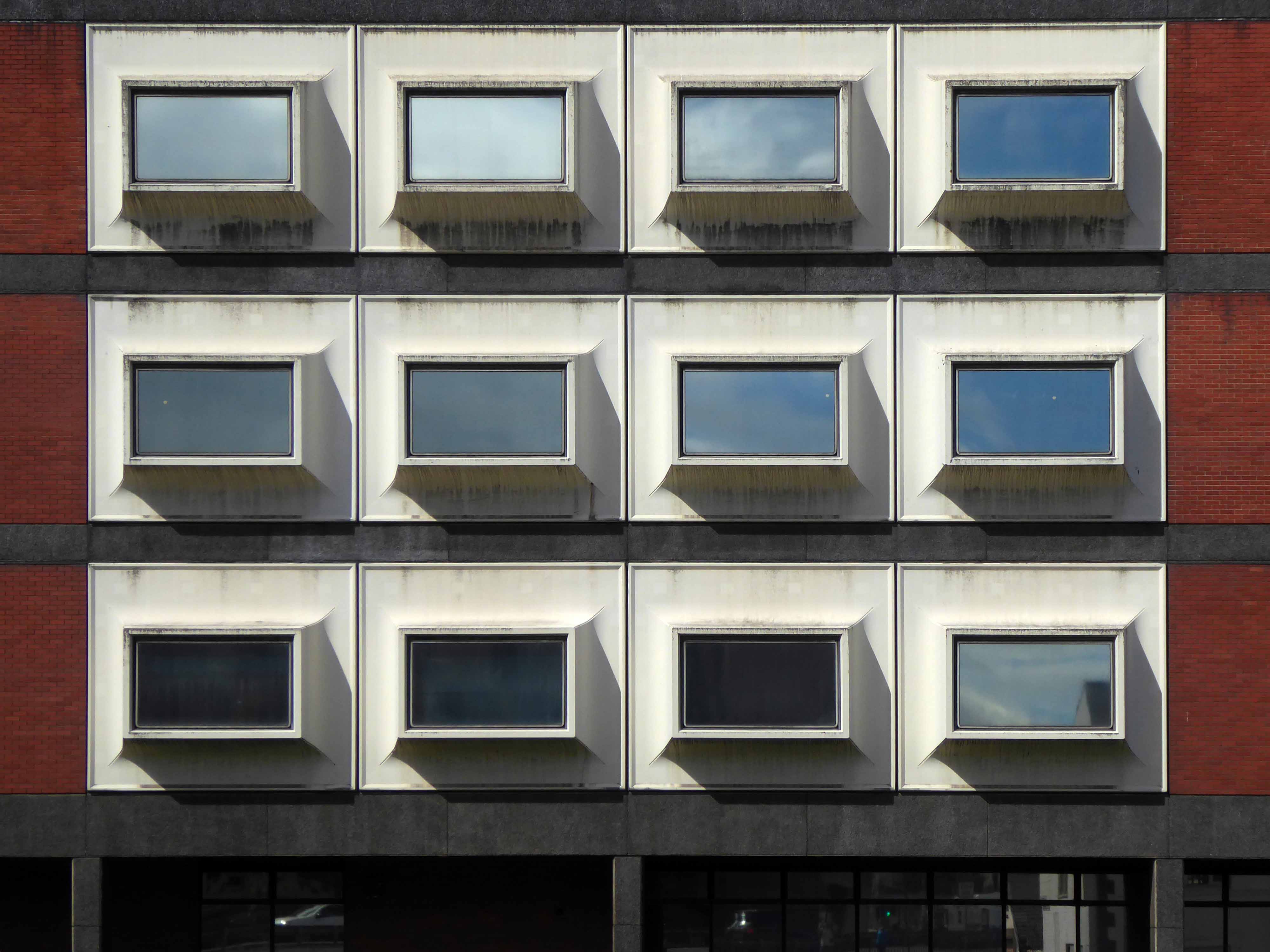
Renamed Bailey House and still in use by the local authority, its days it seems are numbered.
The building is named after Rotherham-born engineer Sir Donald Bailey whose ingenious bridge designs played a key role in shortening World War II, the house in which Bailey was born, 24 Albany Street is still standing.
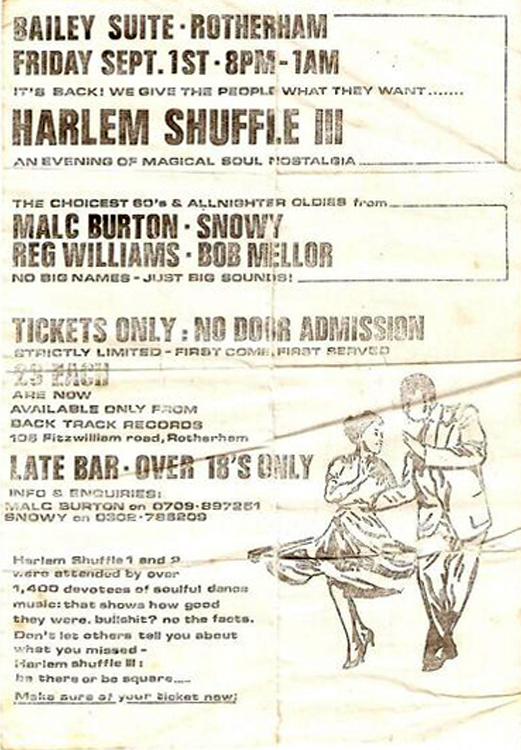
Sadly no longer home to the Harlem Shuffle
No big names – just big sounds.
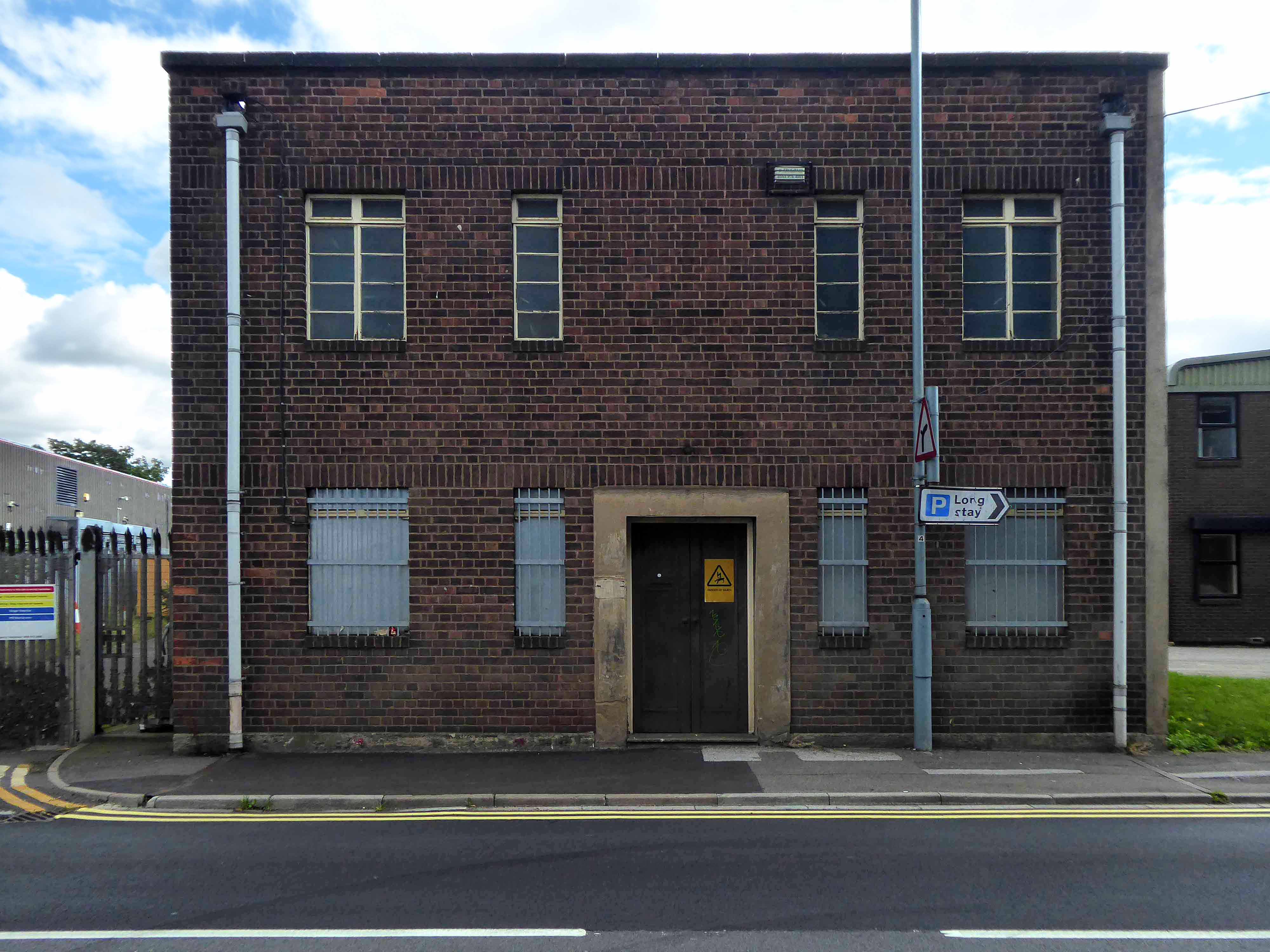
There are some surviving power station buildings.
Along with electrical infrastructure.
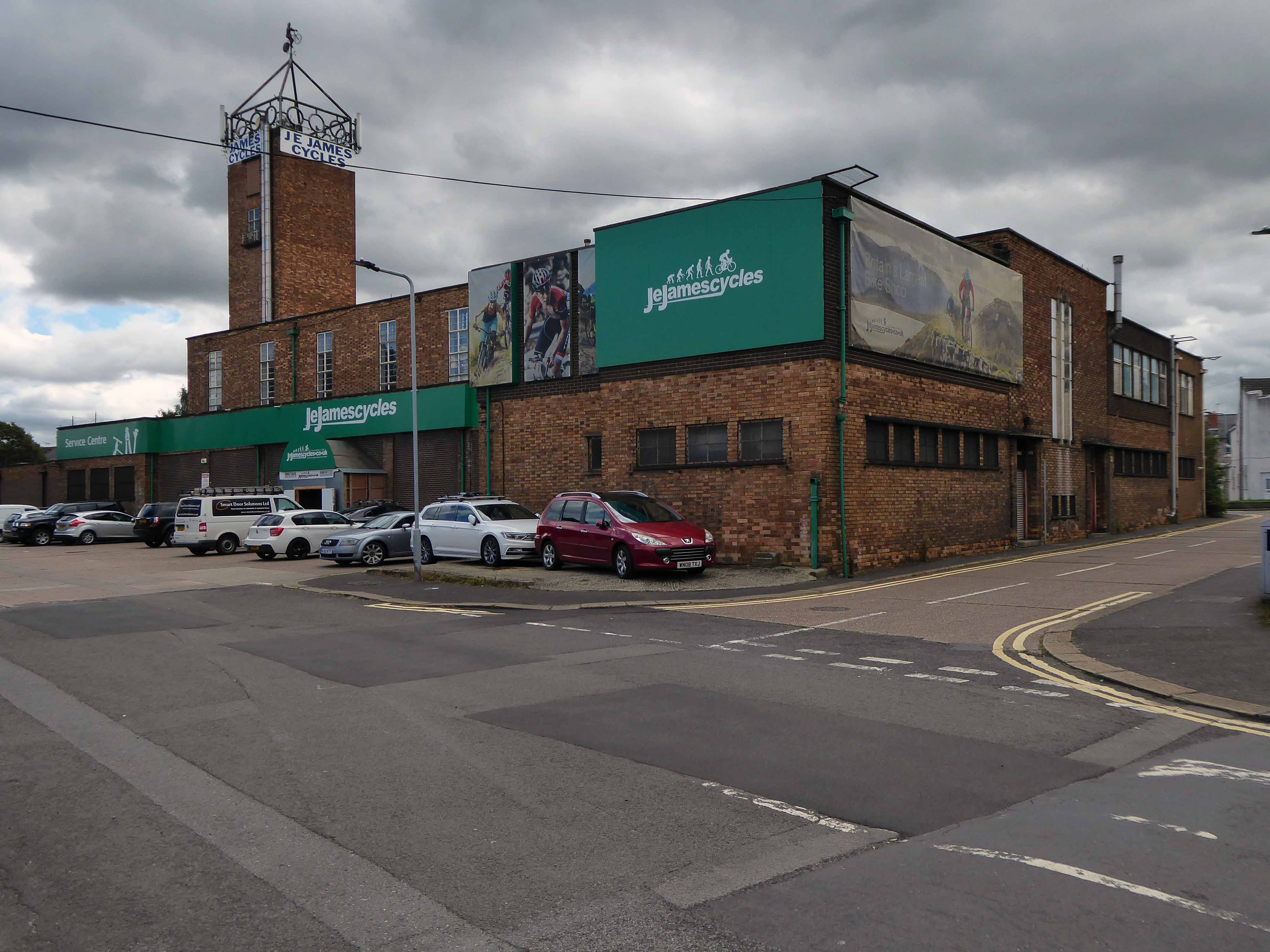
Up the road next, to the former fire station, which now houses J E James Cycles.
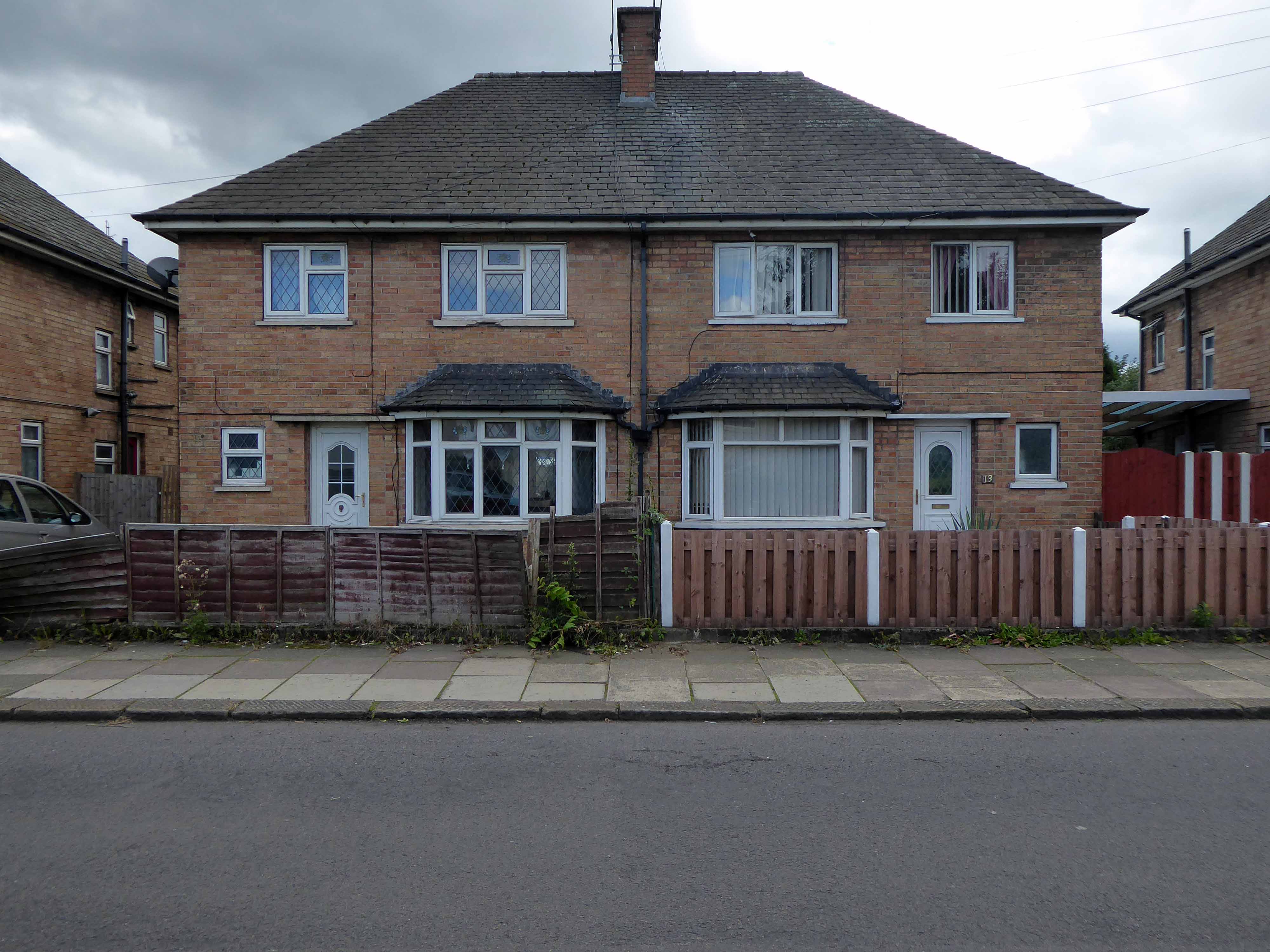
It is surrounded by typically atypical inter war housing.
I could make the wild assumption, that these flat roofed maisonettes were originally homes fit for firefighters.
With a final notable note regarding Rotherham’s hand painted council commissioned signage – I’d like to think that they have a sign writer in their employ.
Many thanks to my learned companion Helen – thanks for a fine day out, so much to see and do!
Ernest Whiteley opened the shop on Easter Sunday 1901
His first week’s taking were £7 14s 1d.
He thought that he had done very well – says granddaughter Ann Clough.
Grandad lost his sight in 1940, I became his eyes. When he lost his sight and he handed over the till keys to mother, they had a little weep.He handed over to my mother because father had died three months before.
Ann has run the shop for the last sixty years, along with Sue, a full-timer for some thirty years.
The rep isn’t coming any more, ordering is online, that’s no good to us.
This is a cash only low-tech, high stock operation.
If they don’t have it – it probably doesn’t exist.
Along with Walton’s of Ashton under Lyne and the Wool Shop of Exmouth, this is one of a kind. A family business lovingly preserved and well run, trading traditional goods, in a kind and caring manner, to happy shoppers.
From the outside little has changed sine the 1930s, wide glass, well arranged windows, displaying a wide array of wondrous haberdashery.
All contained within an arcade with Art Deco detailing.
There are many, many mannequins from another age.
One man from Scotland stayed for hours, he had a fetish for the mannequins, we couldn’t get rid of him.
The side of the shop is largely given over to net curtains of every size, shape and design, labelled Monica, Daisy, Andrea, Vicky or Sarah.
The names were chosen by Sue, it’s a lot easier for people to say, I want Vicky, 36 deep, than the one with the squiggly flowers, or to remember the manufacturer’s number.
Inside is a haven of domesticity, dusters abound, along with all the other attendant cloths and towels to ensure household cleanliness.
Not forgetting the correct clothing for those domestic chores.
The original display units are a delight.
Almost every surface is awash with lady’s unmentionables – winter draws on, wrap up.
There are covers and doilies of every description.
And the finest display of sensibly priced handkerchiefs, fancy and plain.
Every sign and tag hand written with pride.
It was, as ever a privilege and a joy to spend a short time in another world, thanks ever so to Ann and Sue for their time and patience.
If your passing pop in spend a pound or two – I bought three dish cloths.
One customer told me he was going to a party dressed in a white mini-dress, purple wig, thigh boots and black tights, he came to look at nighties and tried one on in the changing cubicle. You’ve got to be broad-minded. It can be very disconcerting when you hear a man zipping up a corset.
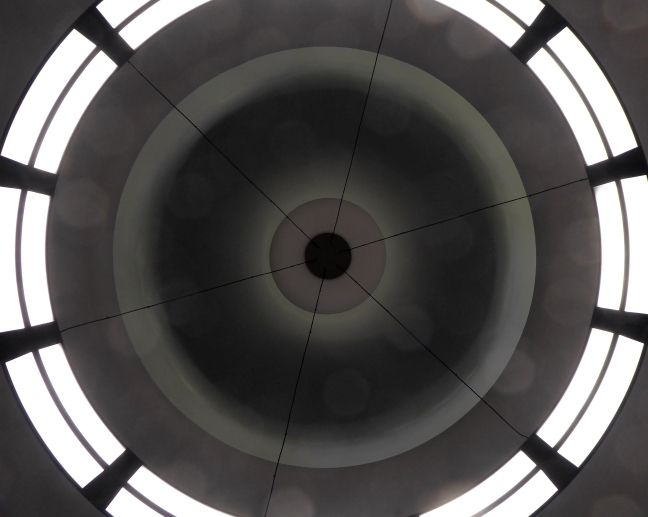
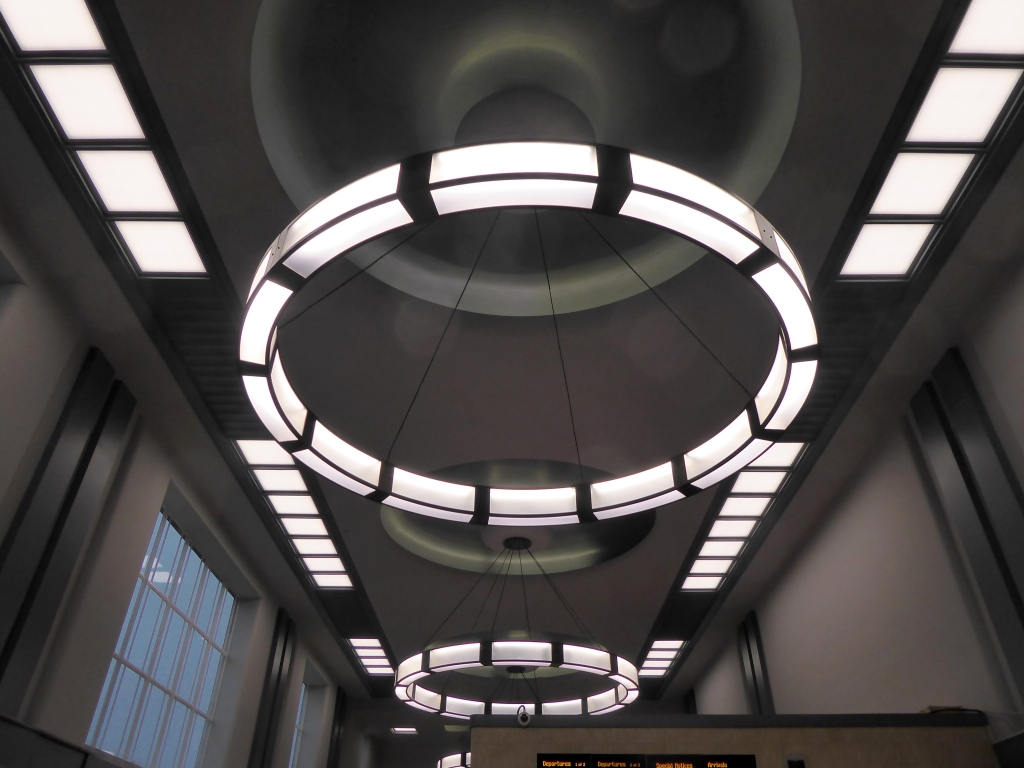
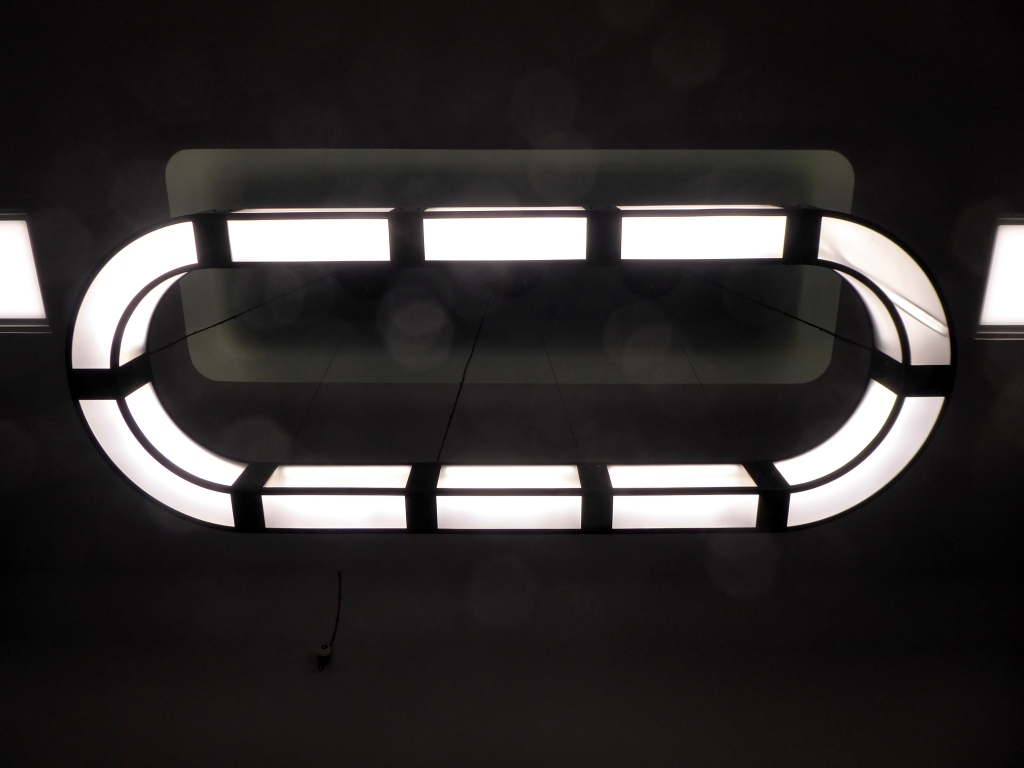
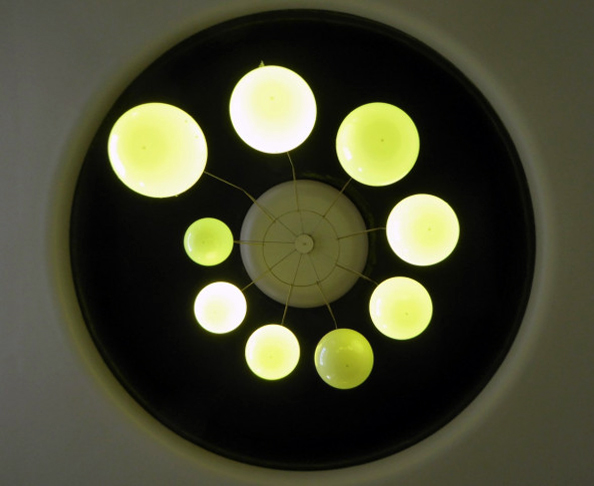
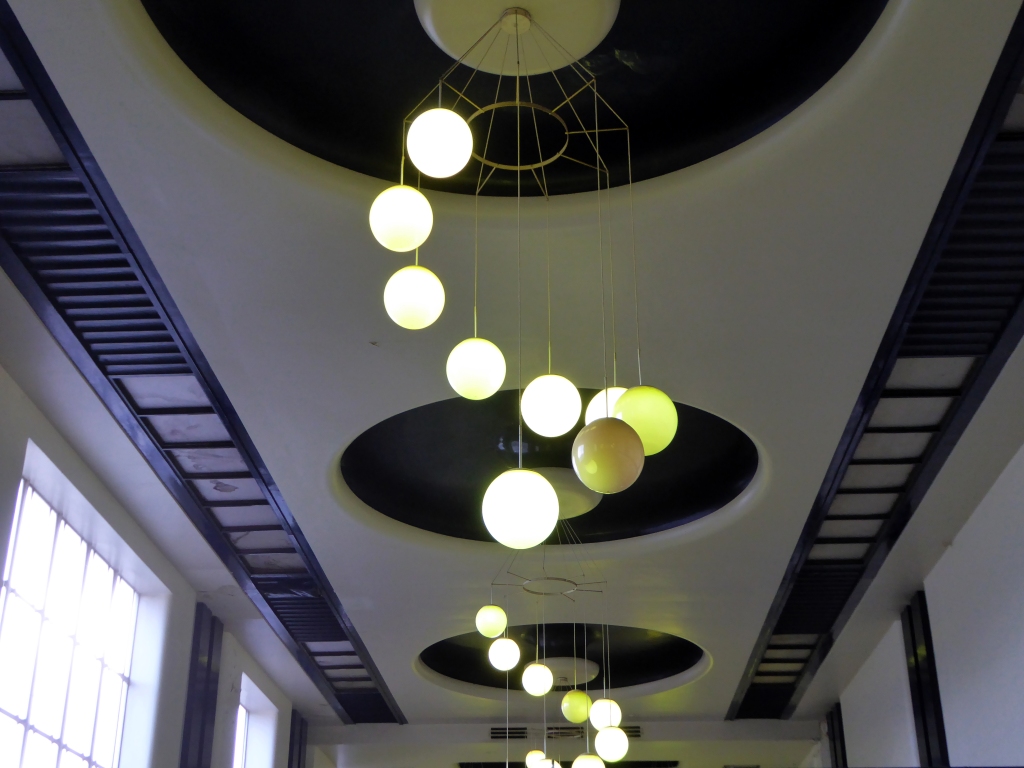
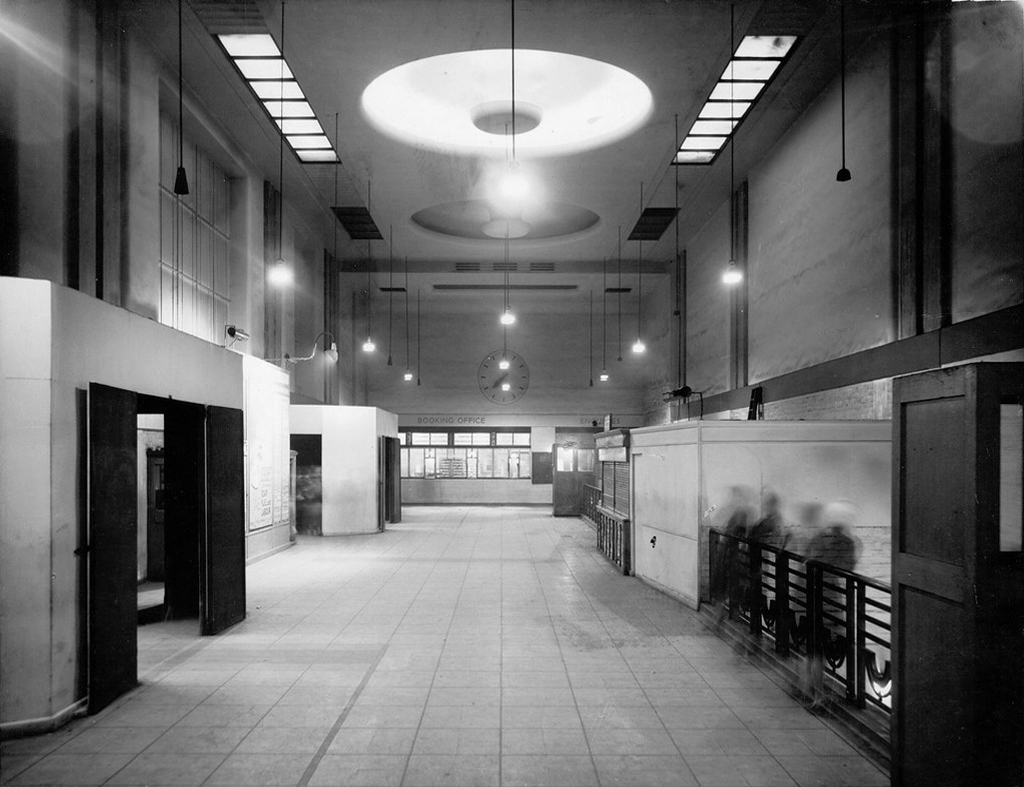
Arriving by train at 8.30, just in time to check out the new lighting scheme in the station foyer.
Replacing the previous lighting.
Which in turn replaced the original Thirties lighting.
The forecourt redevelopment is a work nearing completion.
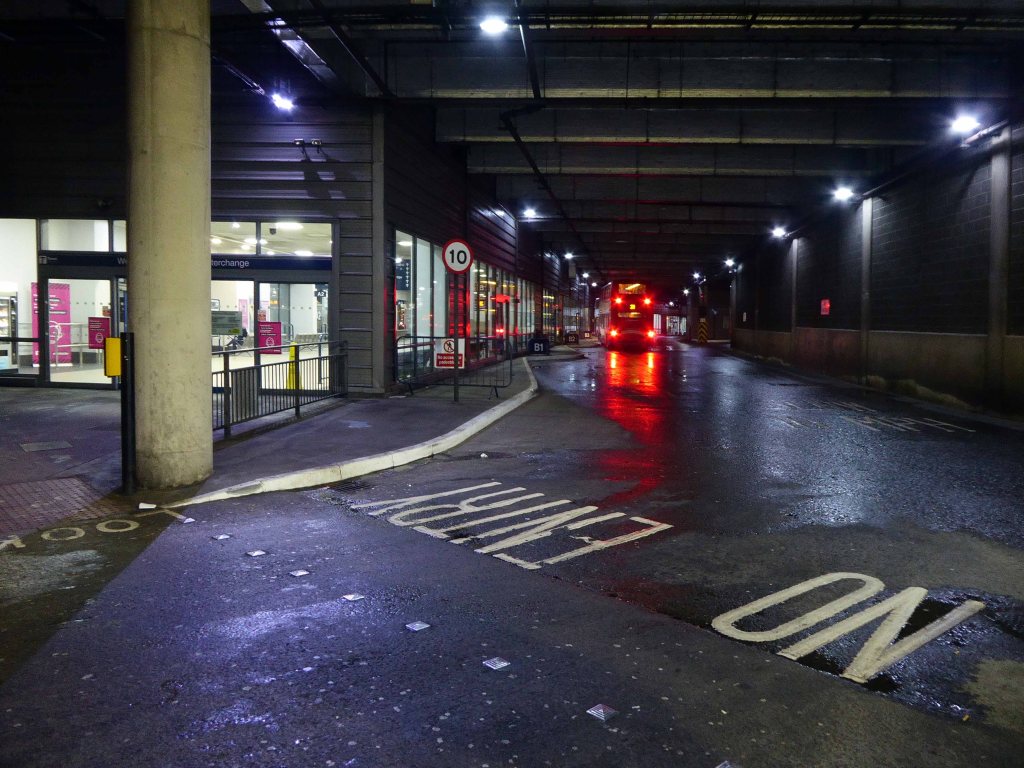
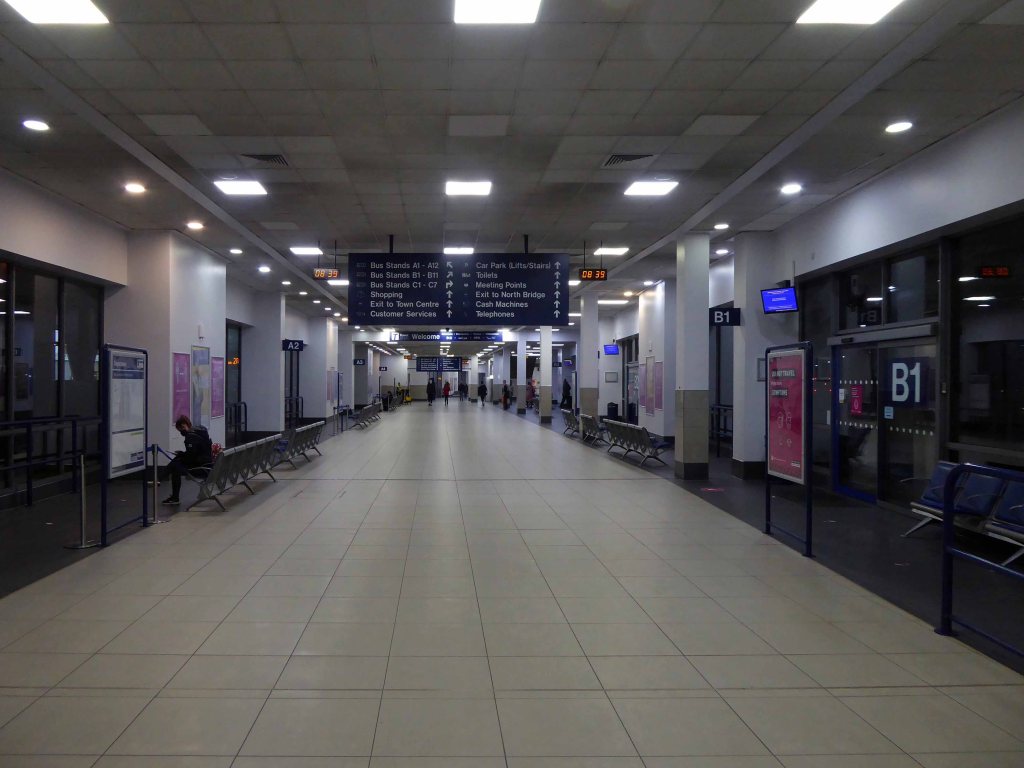
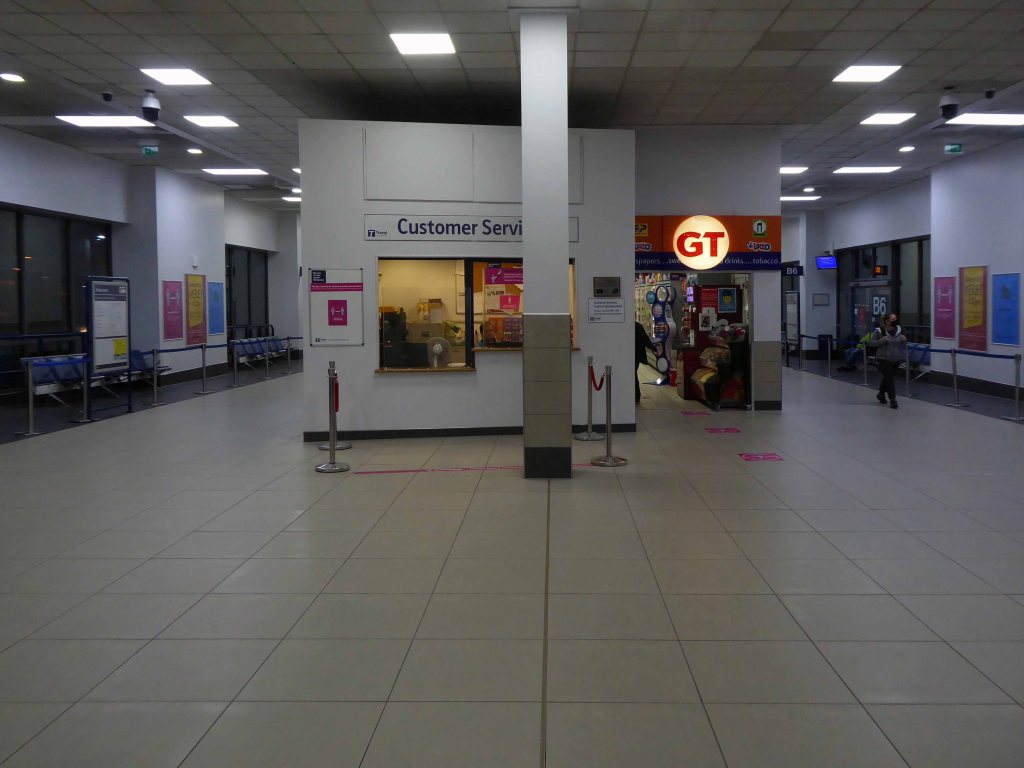
I was on my way to Intake by bus so it’s off on the 66 from the Frenchgate Inetrchange.
An urban environment so anonymous, that it can only just recognise itself. I was helpfully informed by two radio controlled security guards that photography was illegal.
More Interzone than Interchange.
Here are my transgressive snaps, I made my excuses and left – on the next available 66.
Decanting from the single decker I made my way across the way to All Saints, a George Pace church of 1956.
Built on the foundations of an unrealised Neo-Romanesque church of 1940, but reorientated east/west.
I legged it back to catch the bus back, the returning 66, much to the surprise of the surprised driver, making his return journey.
Jumping the 41A to Scawsby, displaying my risible home-printed map to the driver, requesting a shout when we arrived at the indicated destination, which he was unable to discern, and which I had failed illustrate.
I had contrived to arrive at the end of the line, a bit part player in a non-existent Béla Tarr film.
Following a thorough tour inside and out, I returned promptly to the town centre, on the limited stop express X19.
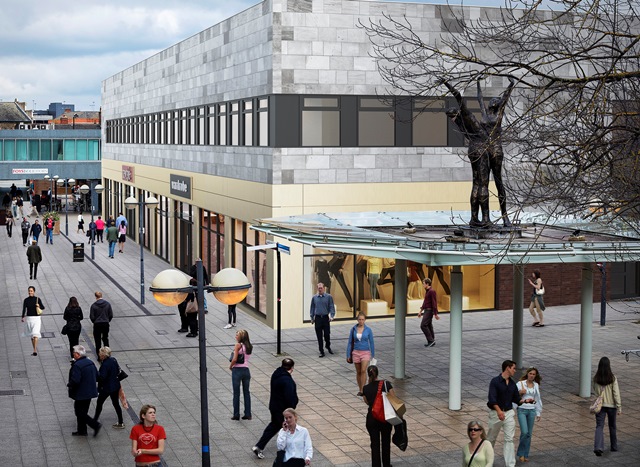
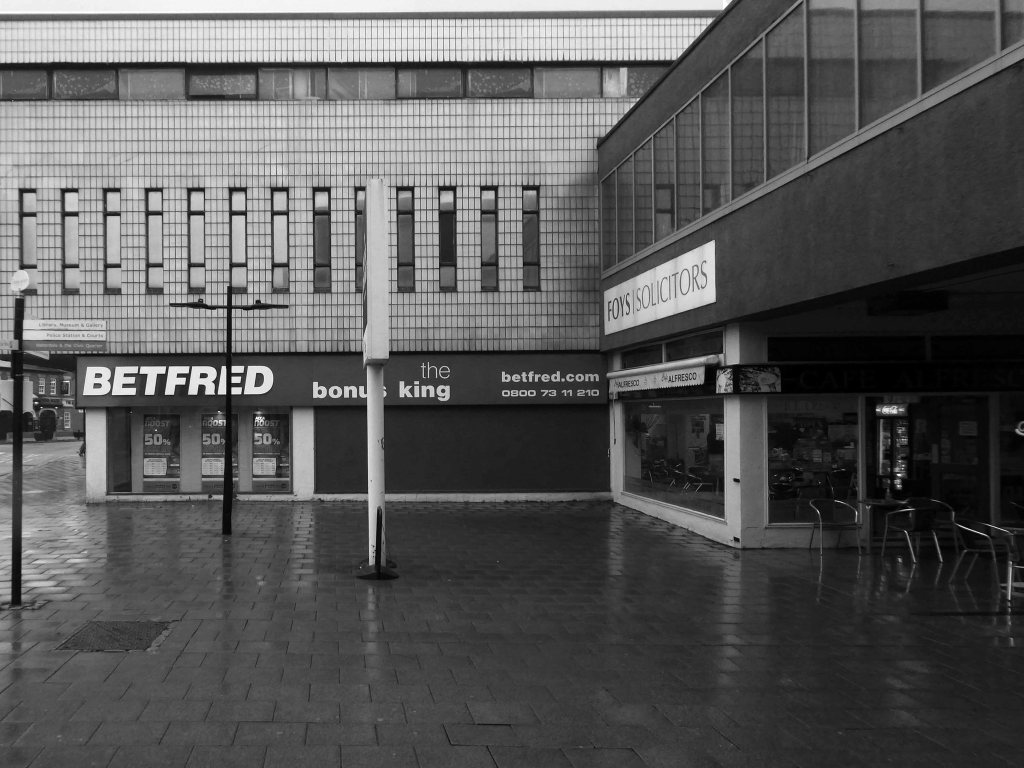
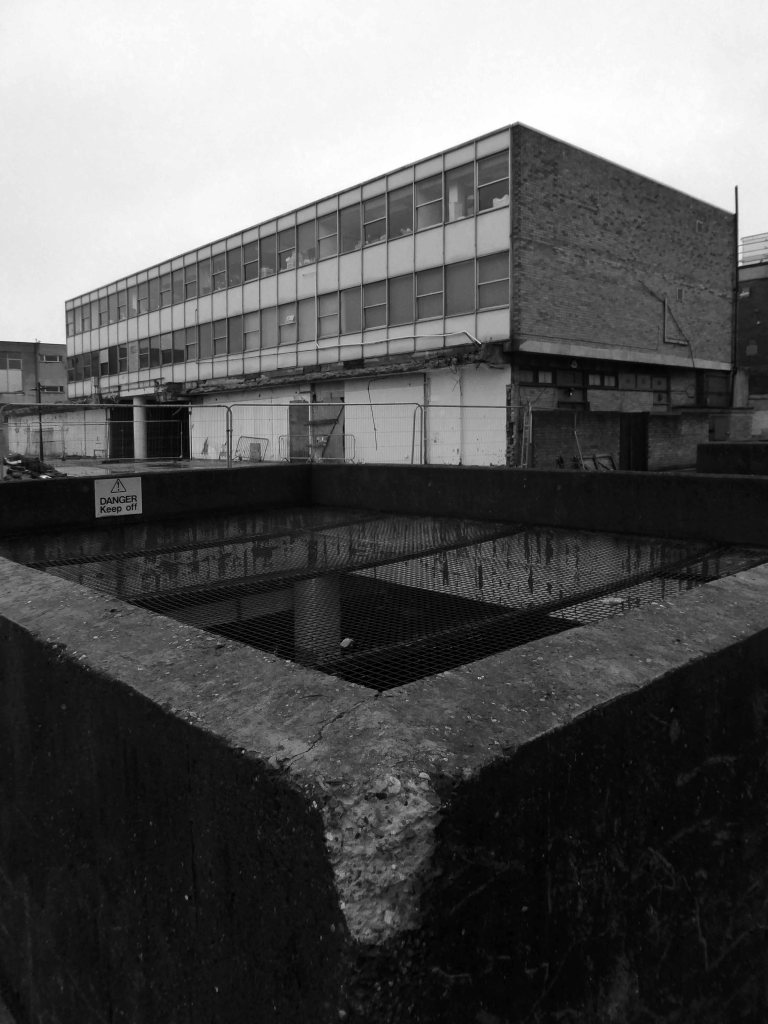
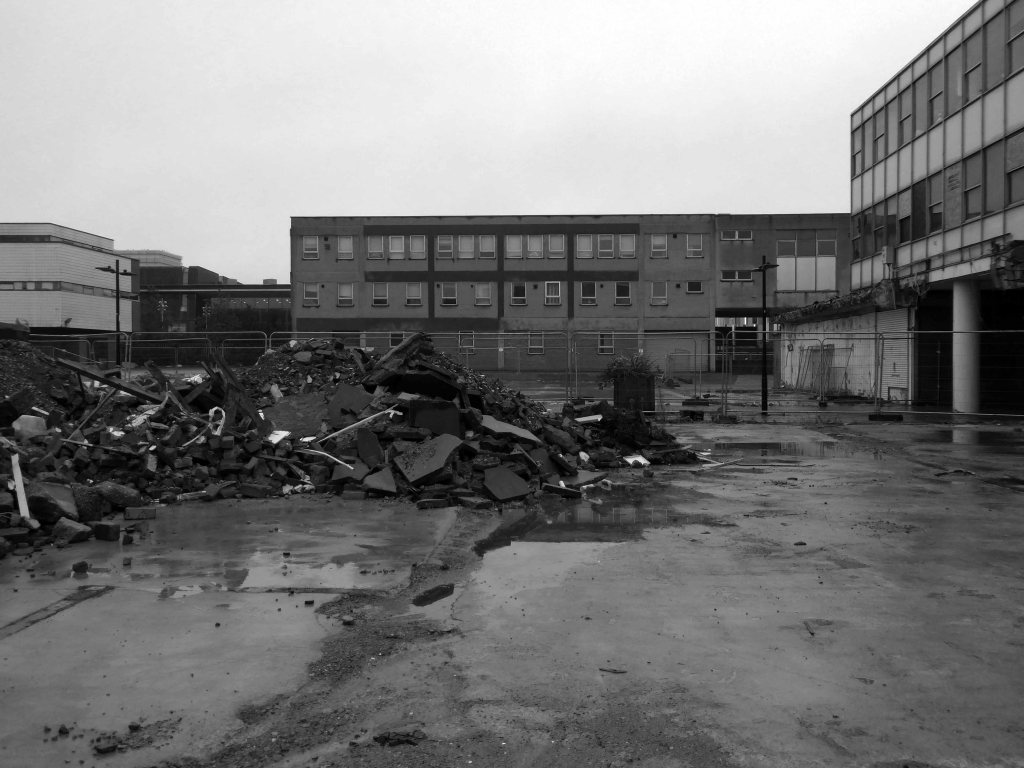
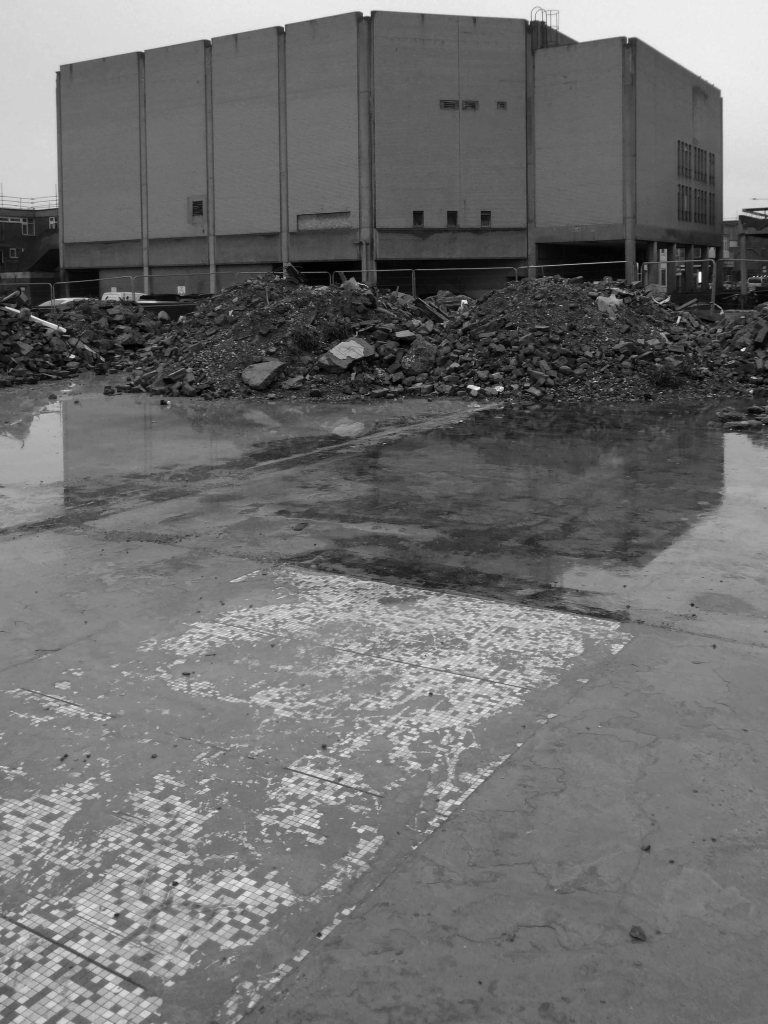
And hotfooted it to the Waterdale Centre, a work in progress, the CGI figures being as yet, a mere figment of the development officer’s fevered dreams.
Doncaster Council documents from the planning application for the demolition say, that while the exact project is not yet fully in place, discussions are taking place with the council on the project and grant funding is being sought to help the future regeneration scheme. But the council has said it supports schemes that would revitalise the Waterdale Centre area for retail, leisure, and tourism uses.
The centre is now owned by the Doncaster-based property firm Lazarus Properties, who bought it from the Birmingham firm St Modwen.
Lazarus director Glyn Smith said his firm had faith in the local economy of Doncaster town centre, even though larger multinationals seemed to be shying away.
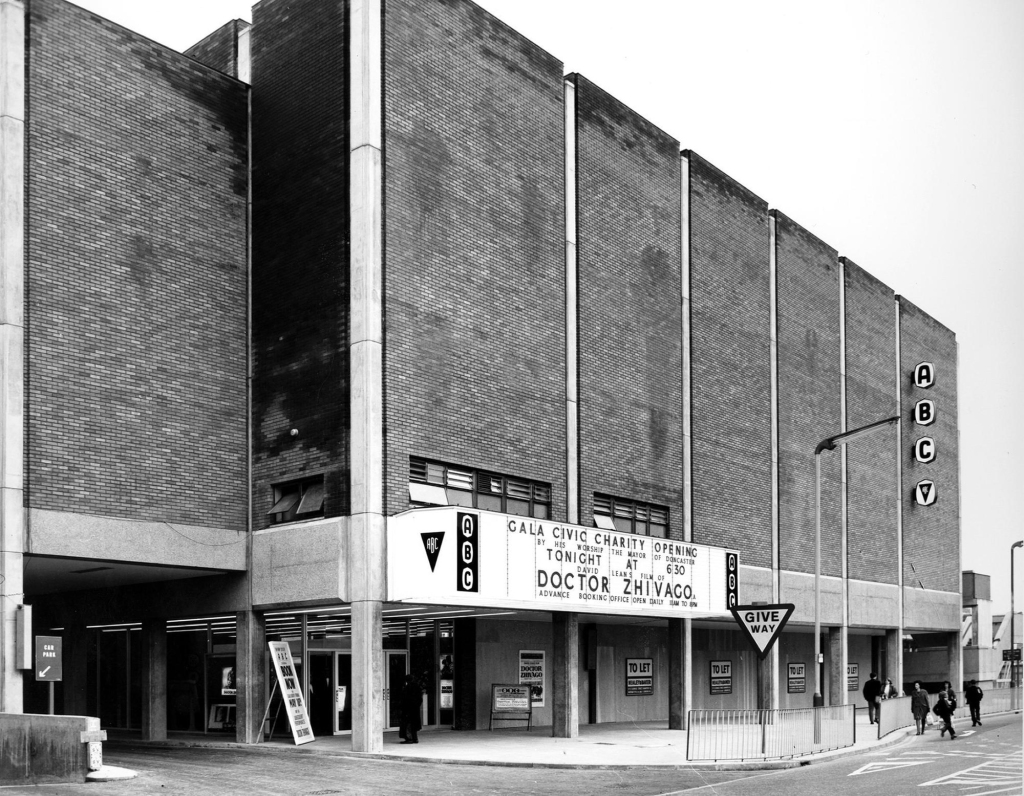
The ABC was built by Associated British Cinemas(ABC) as a replacement for their Picture House Cinema which had opened in 1914. It opened on 18th May 1967 with Omar Sharif in Doctor Zhivago presented in 70mm. Designed with 1,277 seats arranged in a stadium plan by the architectural firm Morgan & Branch, with input by architects C. ‘Jack’ Foster & Alan Morgan. It was decorated in a modern 1960’s style.
Closed in January 1981 for conversion into a triple screen it re-opened on 9th April 1981 with seating in the 3-screens.
The Cannon Group took control in the mid-1980’s and it was re-named Cannon and it closed on 18th June 1992, screening its opening film “Doctor Zhivago”.
The building has stood empty and unused since then, but in 2007, it was bought by Movie World for just £150,000. It is reputedly being re-modeled with extra screens added, however by 2009, only a clean-up of the interior has been achieved. The building sits empty and unused in 2020.
Cinema Treasures
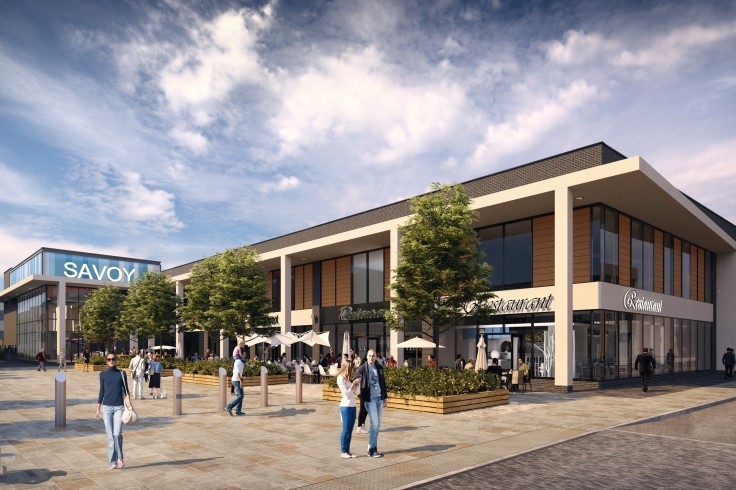
The delayed opening of the new Savoy Complex will no doubt inform the future of the Cannon.
It’s a familiar tale of the local authority, developers, leisure and retail outlets chasing dreams, cash and hopefully pulling in the live now pay later public.
It’s all part of the Doncaster Urban Centre Masterplan which will transform the way Doncaster looks and the way residents and businesses use the city core.
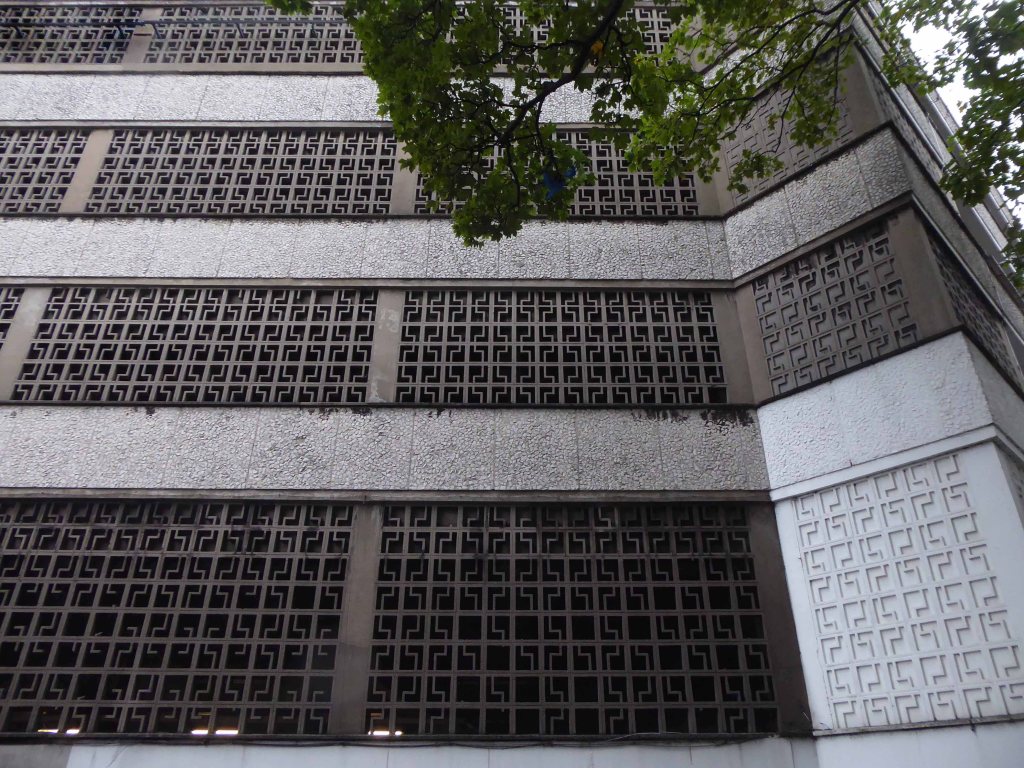
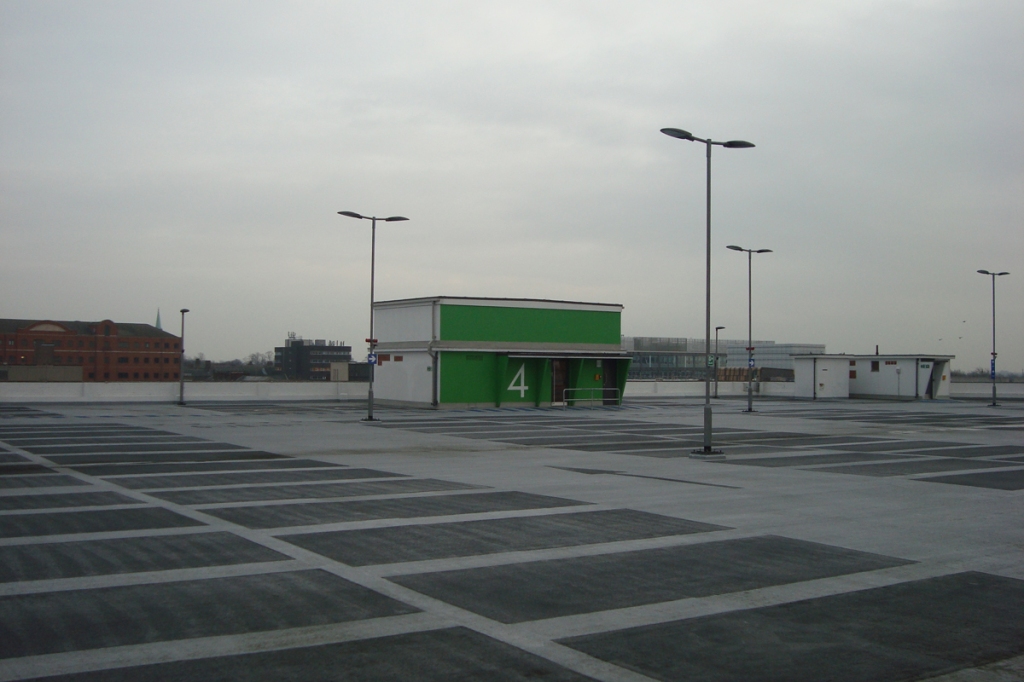
The area is a pivotal point, I sincerely hope that the Waterdale Centre is revived, along with the adjacent Civic Quarter car park.
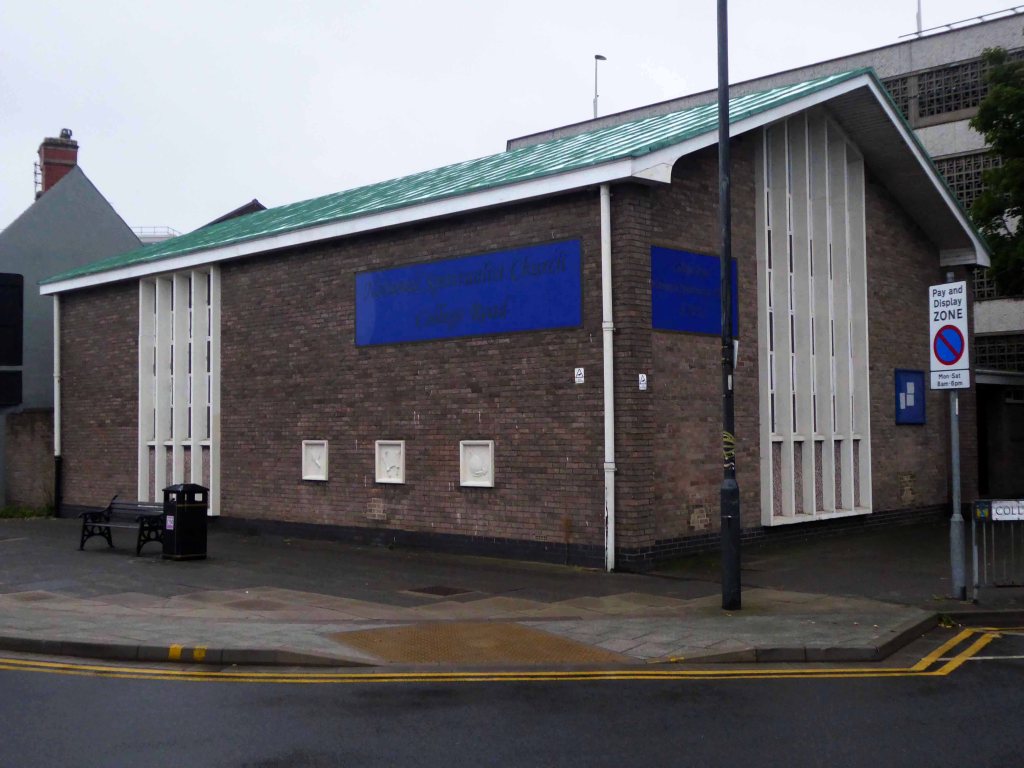
I noted the restrained Modernism of the National Spiritualist Church.
The service begins with a short prayer. The congregation sings three songs during the service using music that most people would recognise. There is usually a short reading or lesson on something to do with spiritualism or events in the world. There is also a talk by the guest medium who use their inspiration or intuition to compose an uplifting address.
Then the business of contacting the spirit world begins.
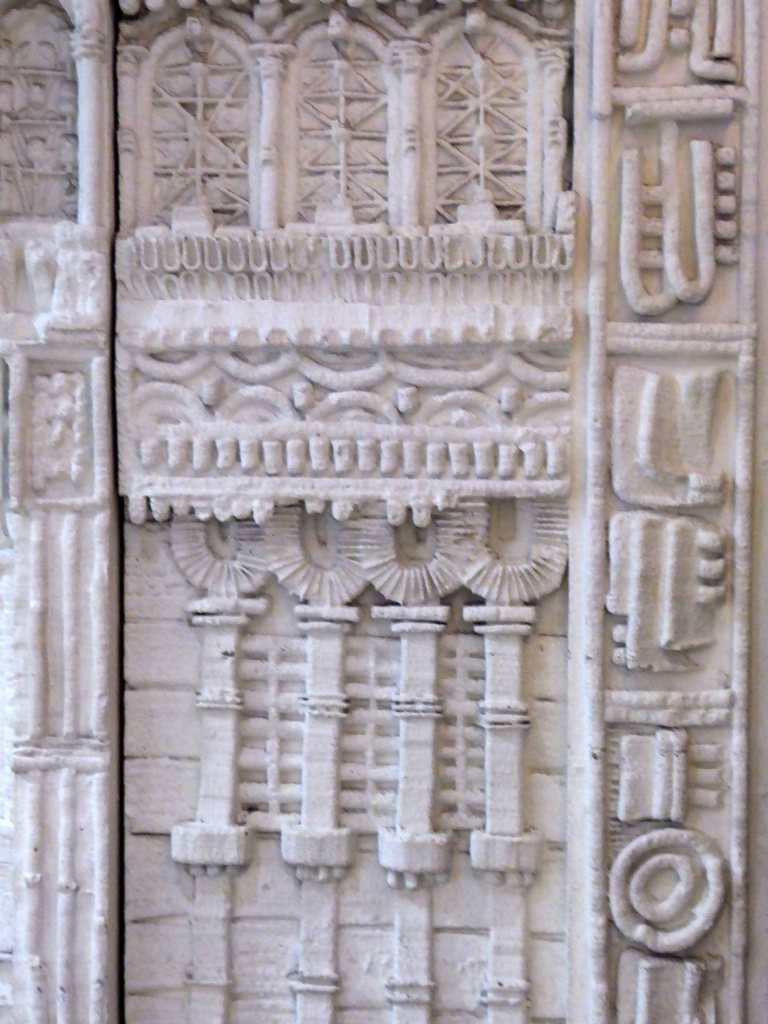
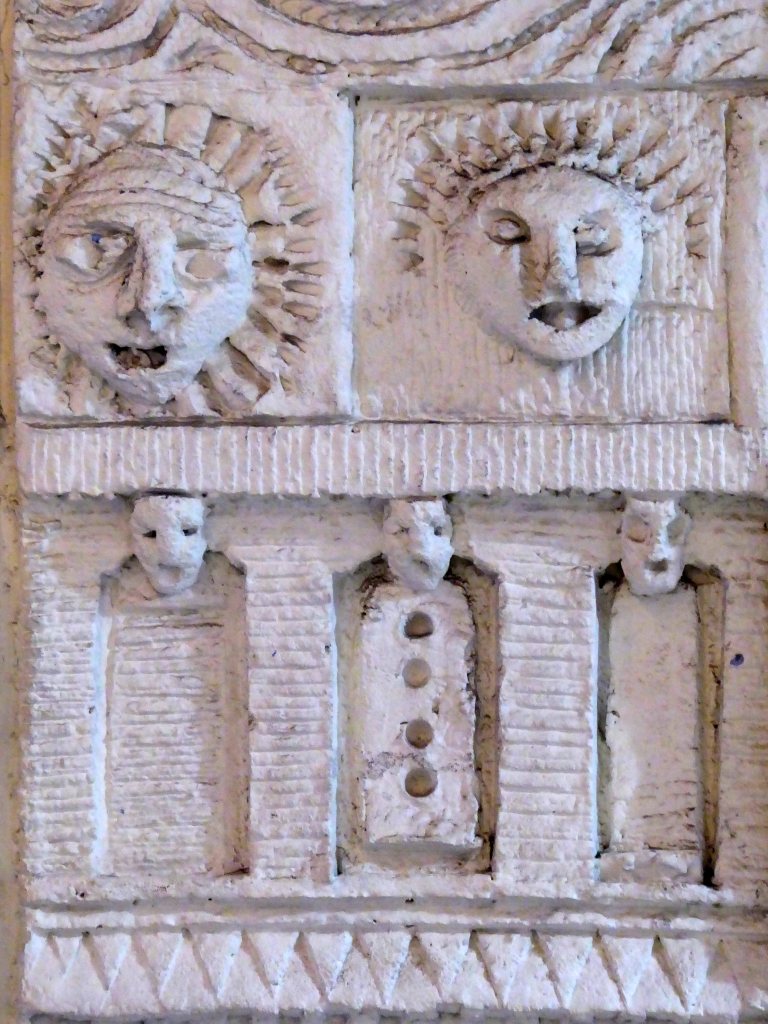
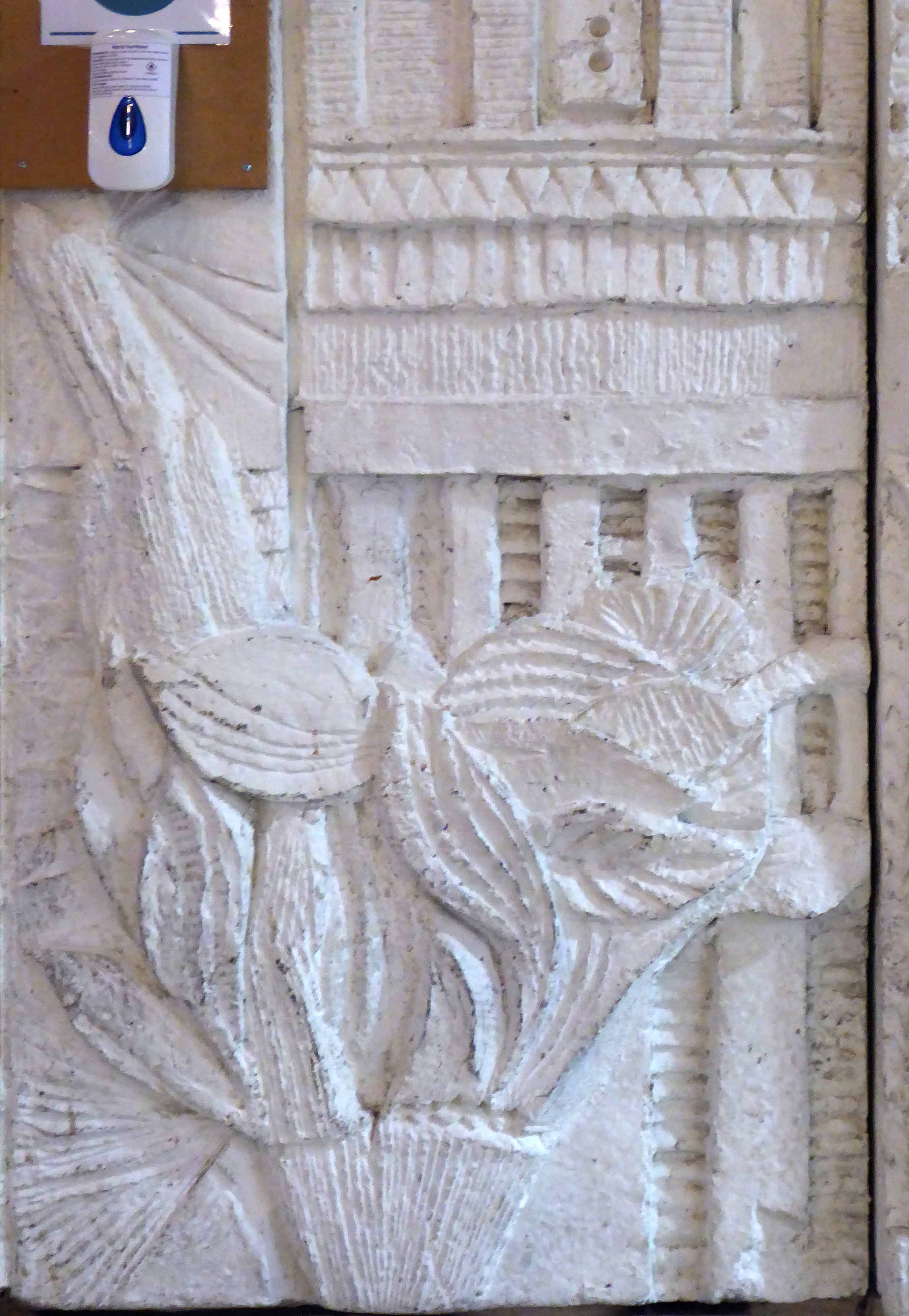
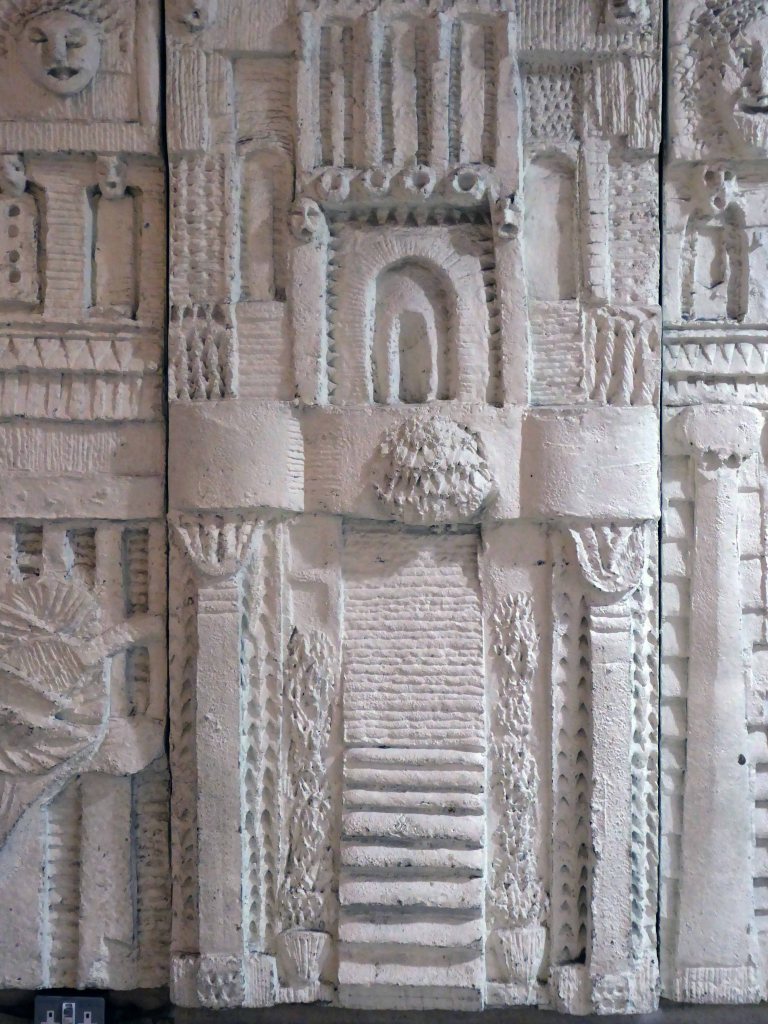
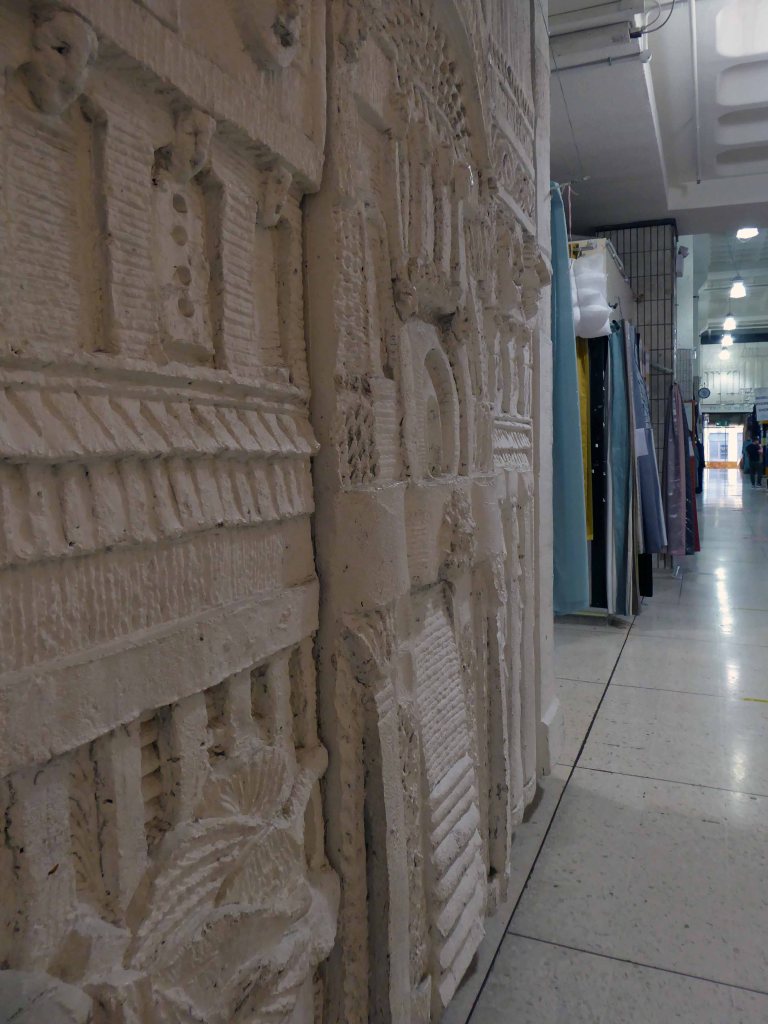
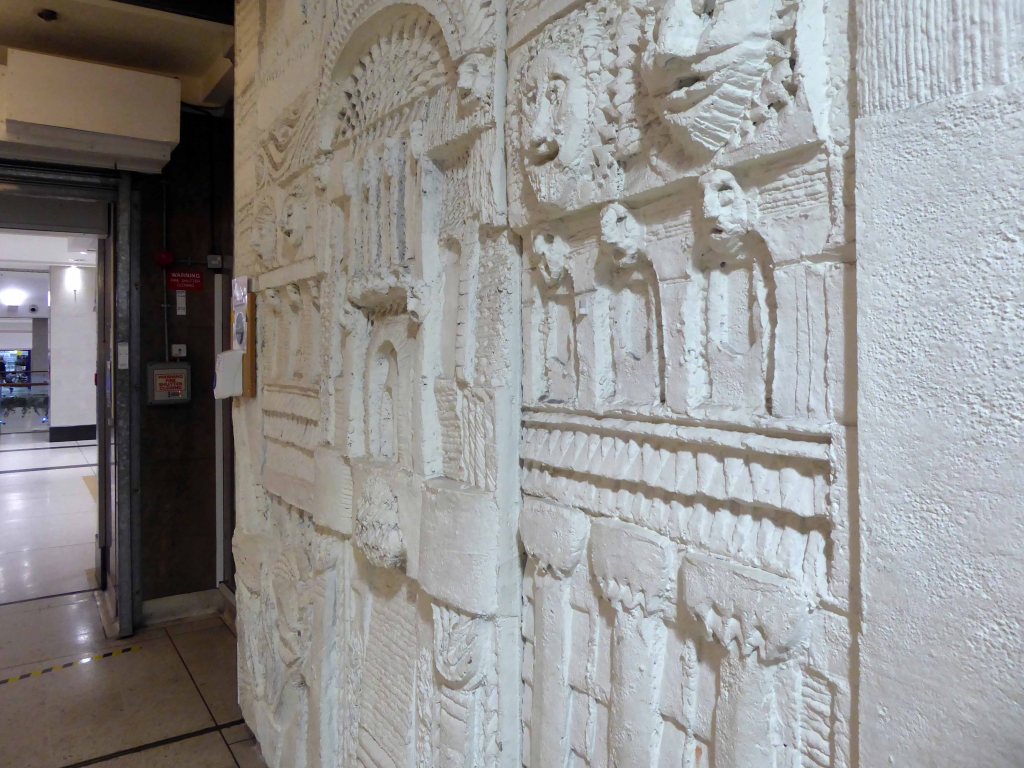
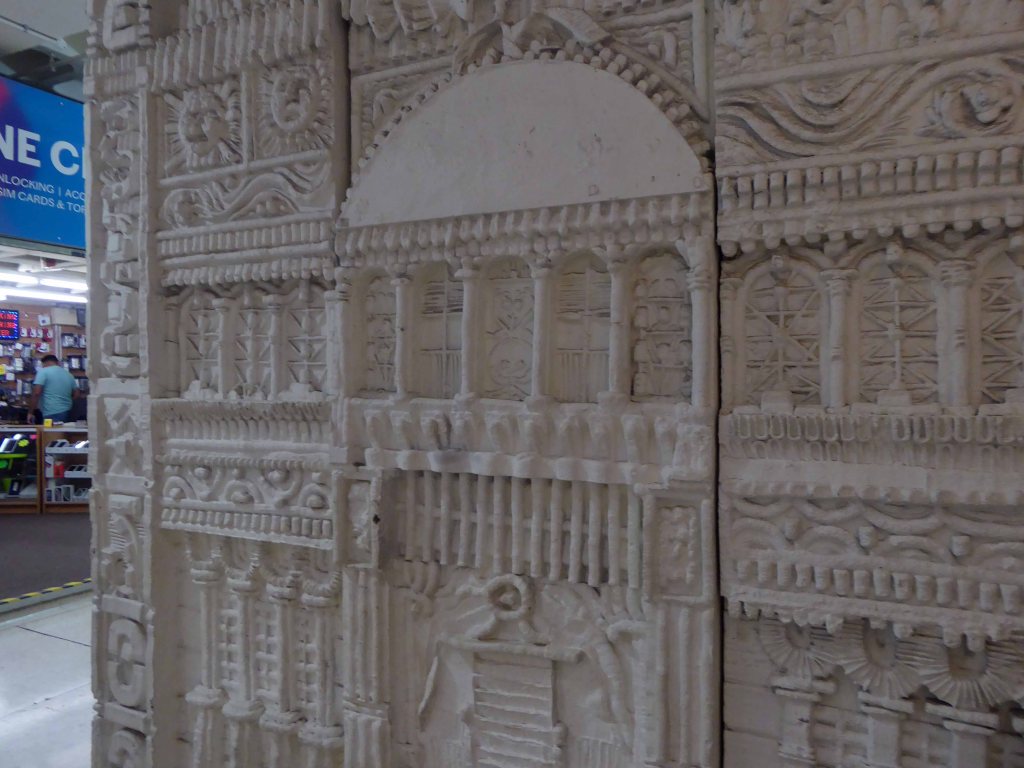
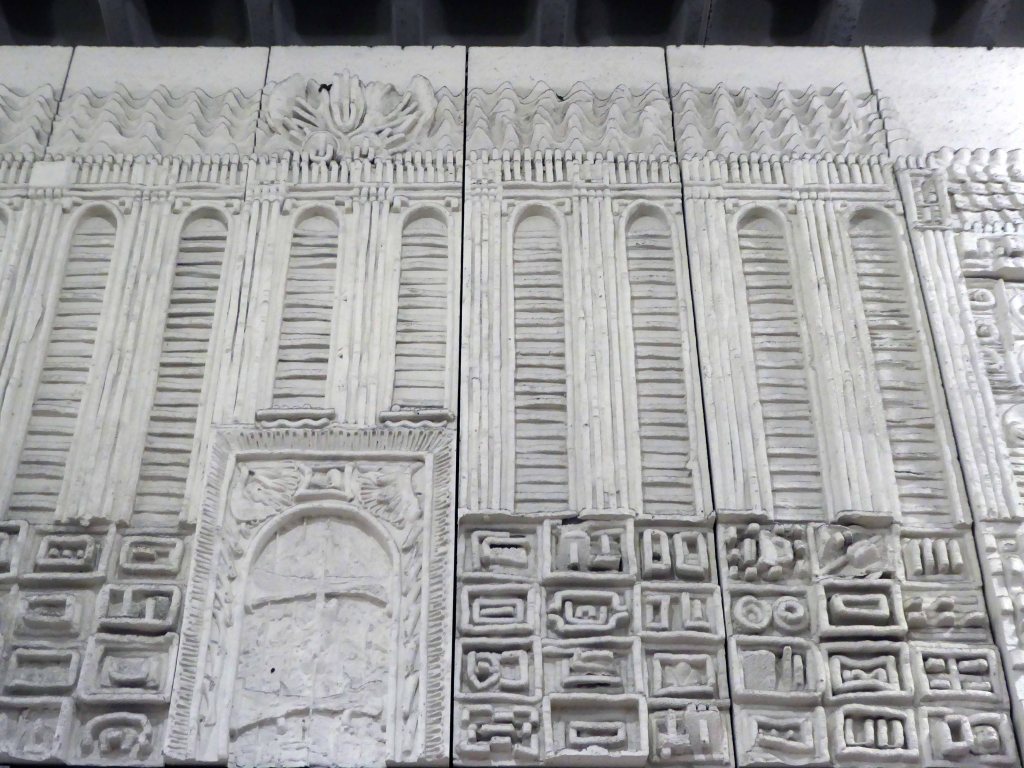
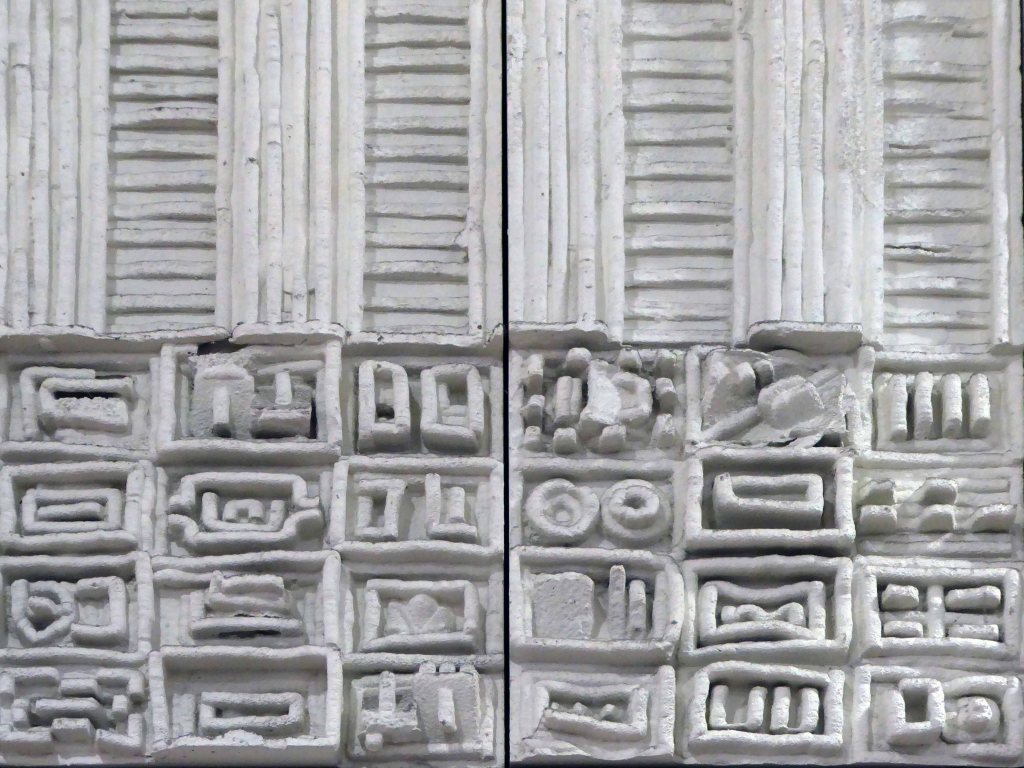
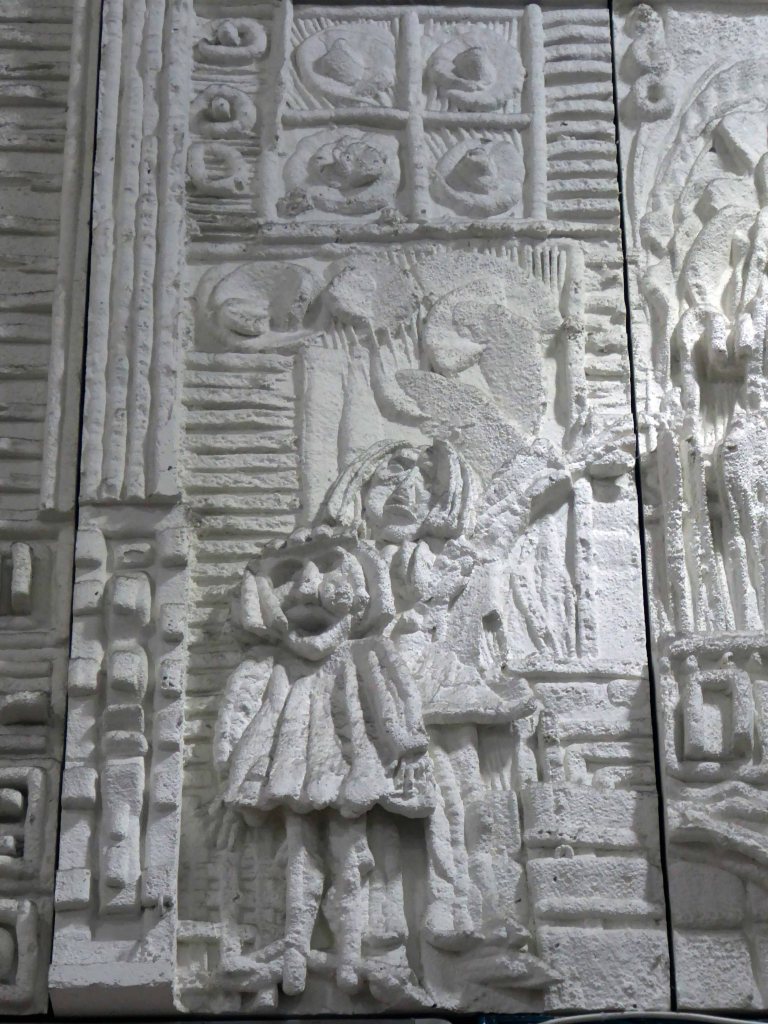
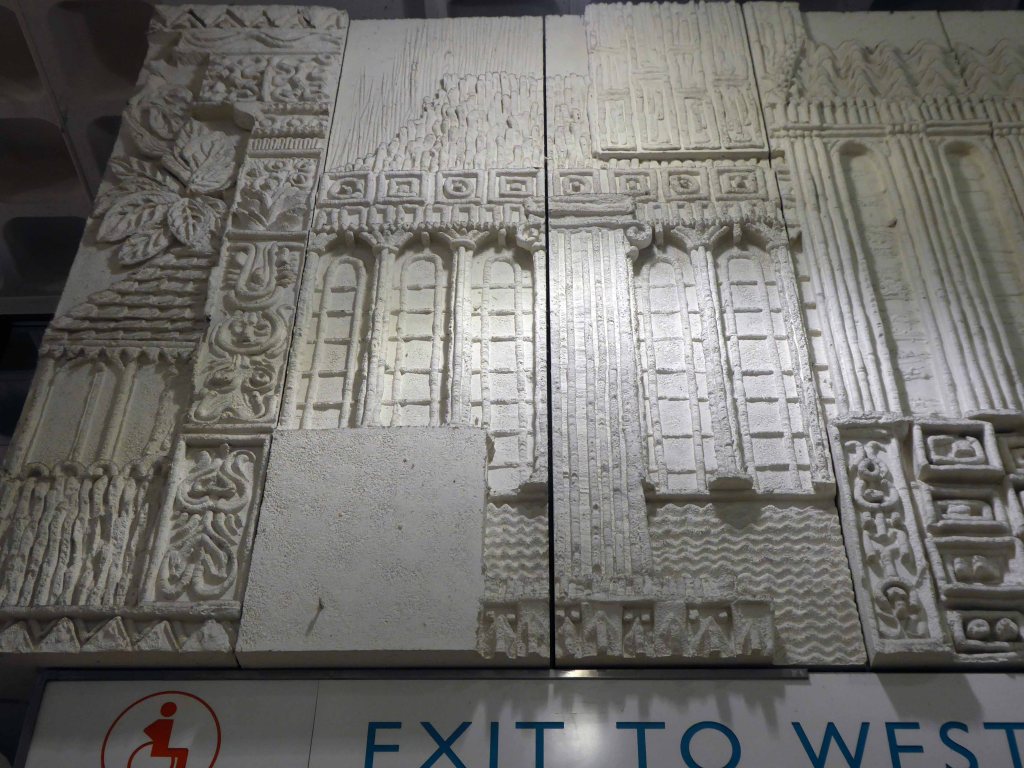
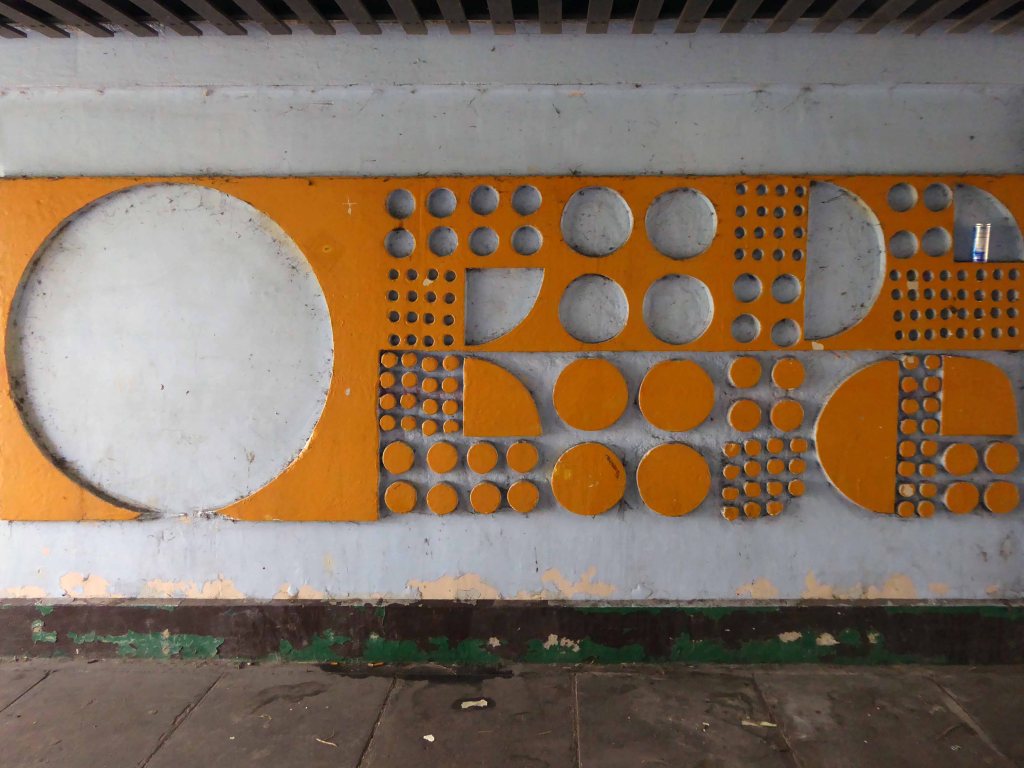
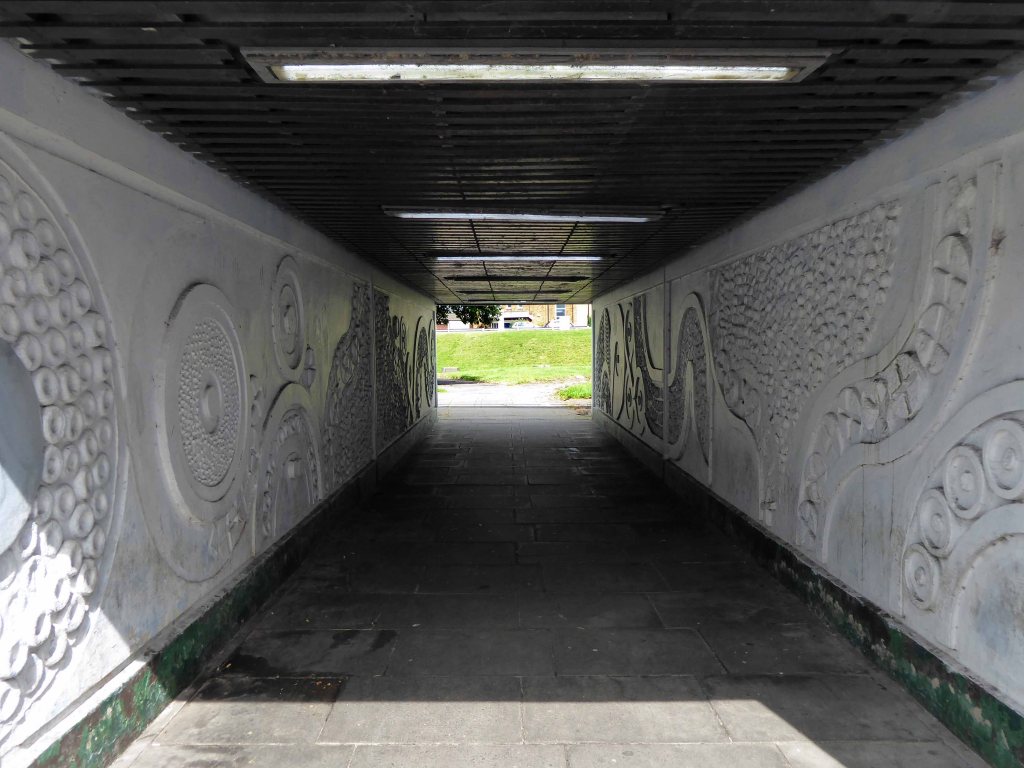
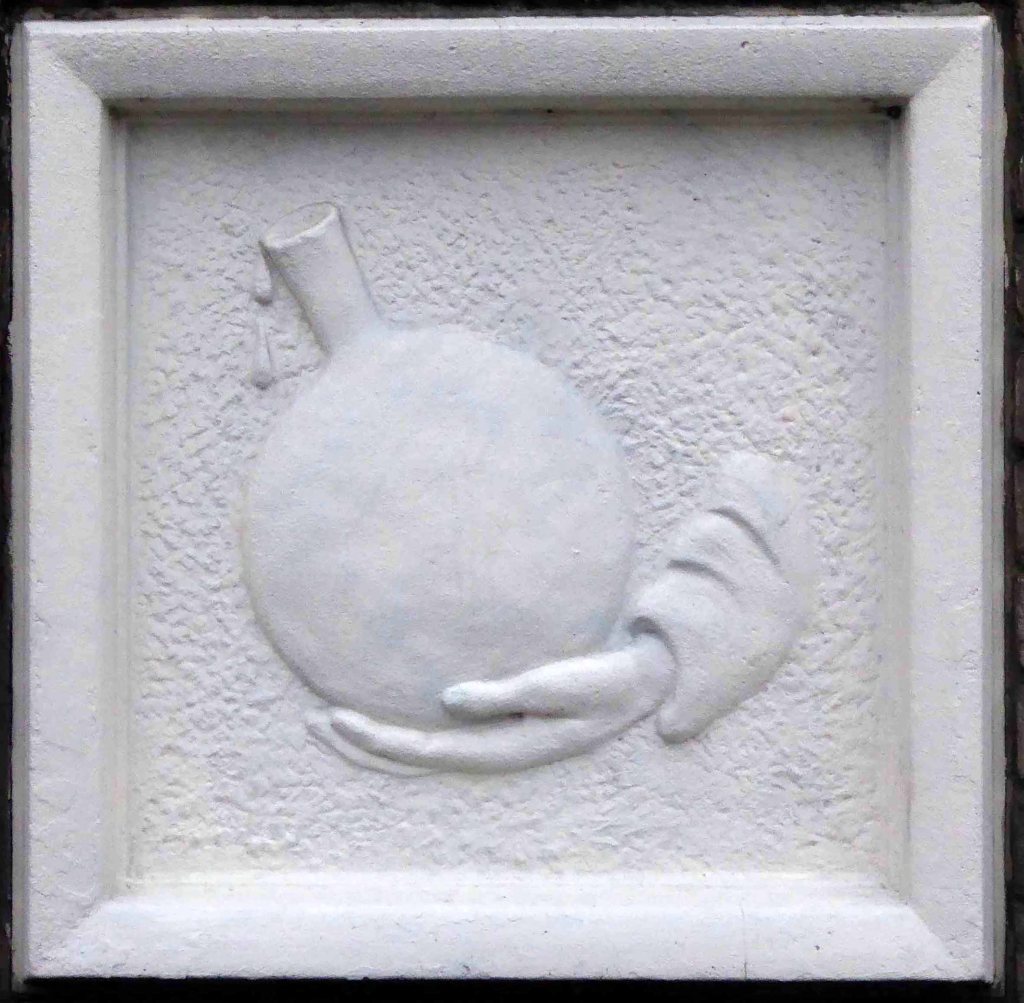
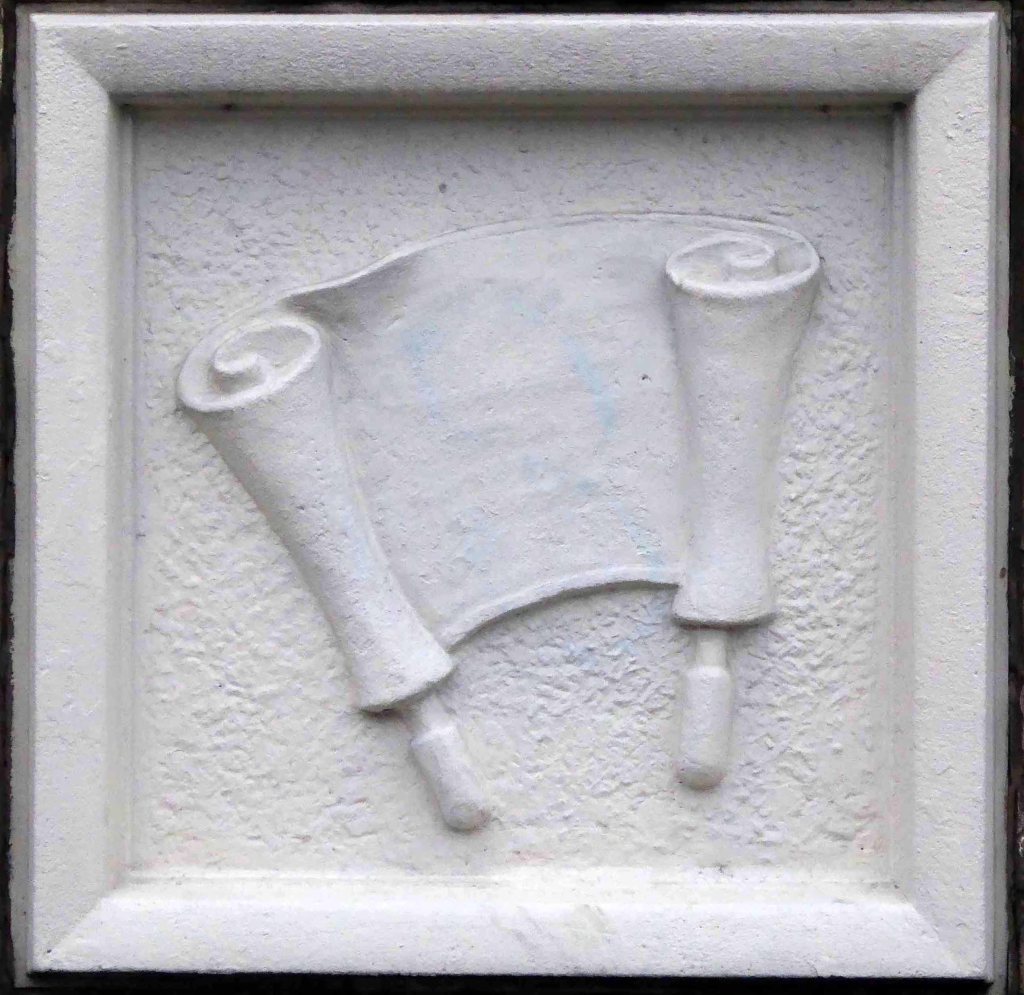
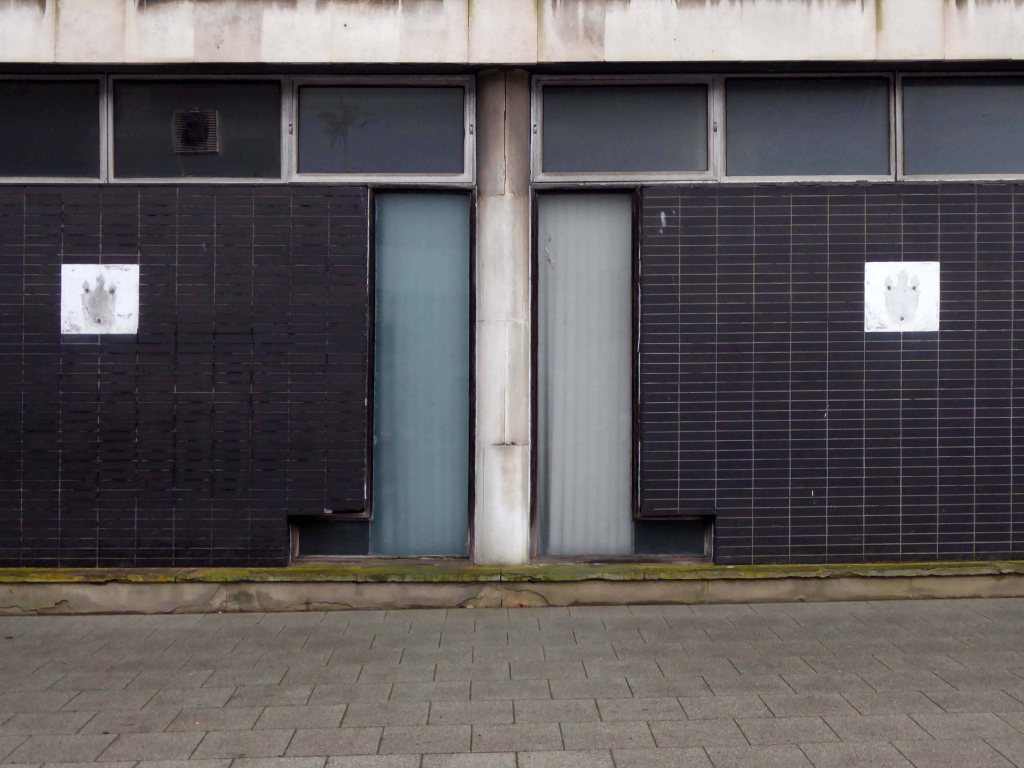
Along with its curious relief panels.
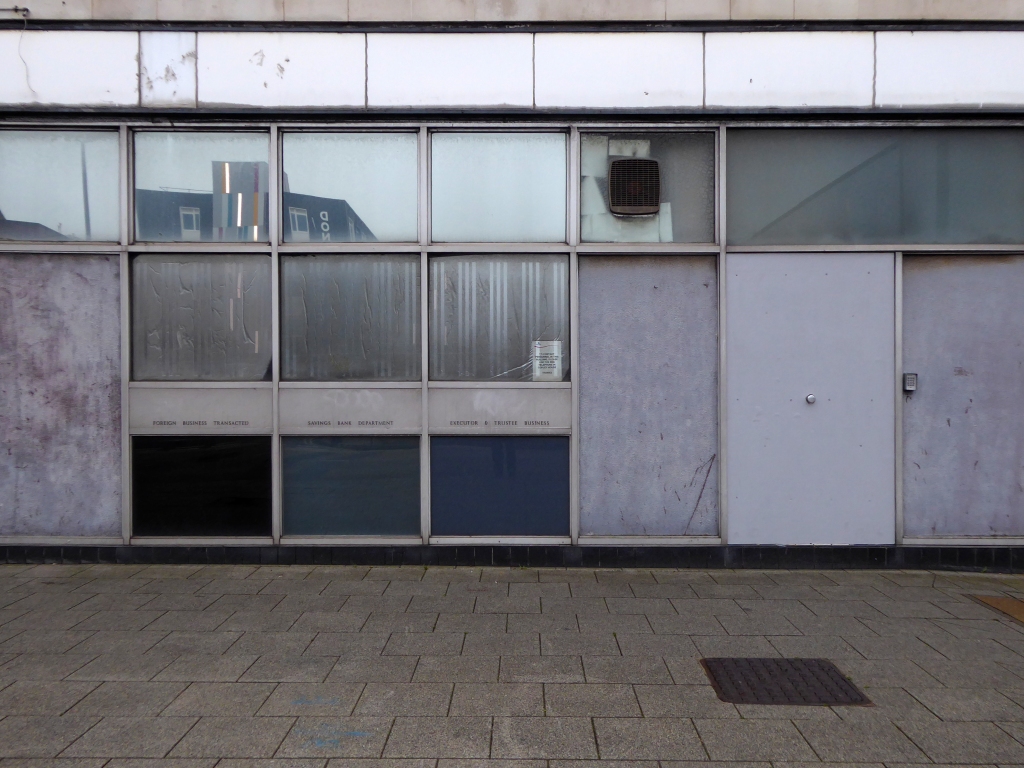
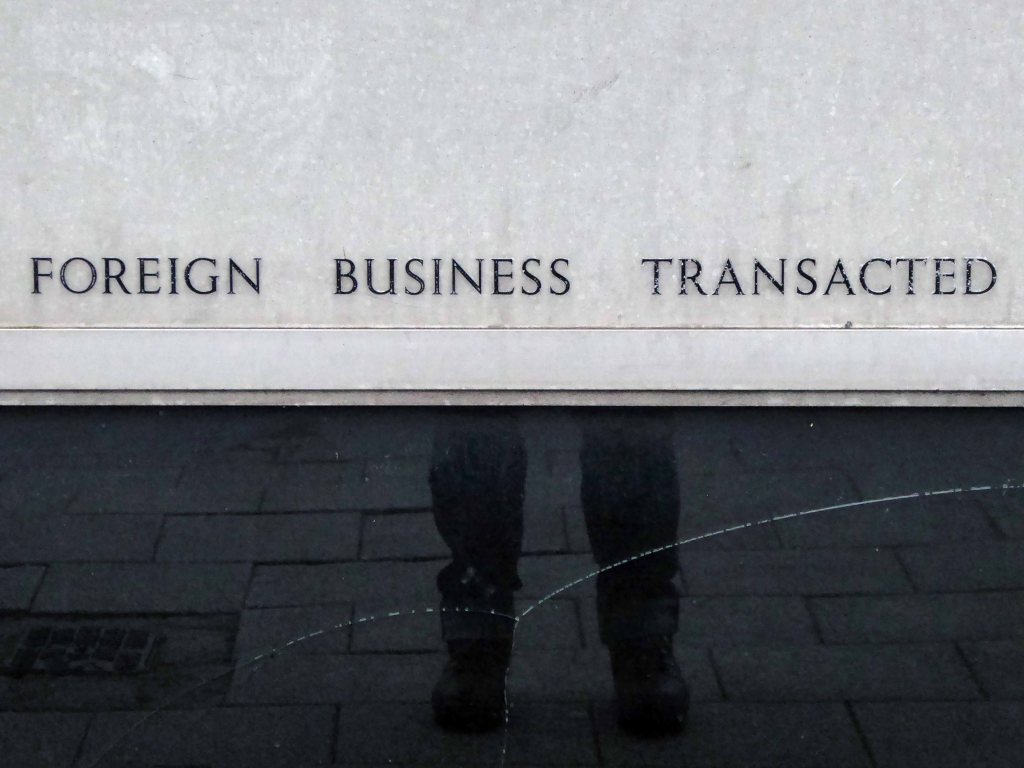
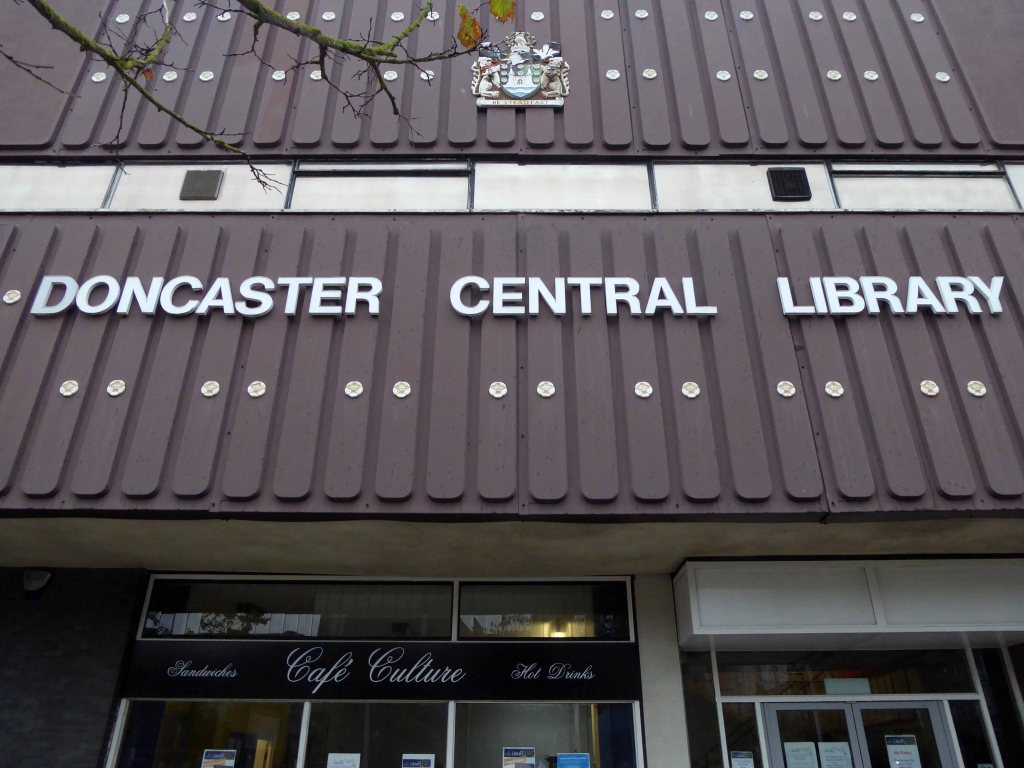
Back around to the back of the Waterdale and the surviving former bank fascia, civic offices and library.
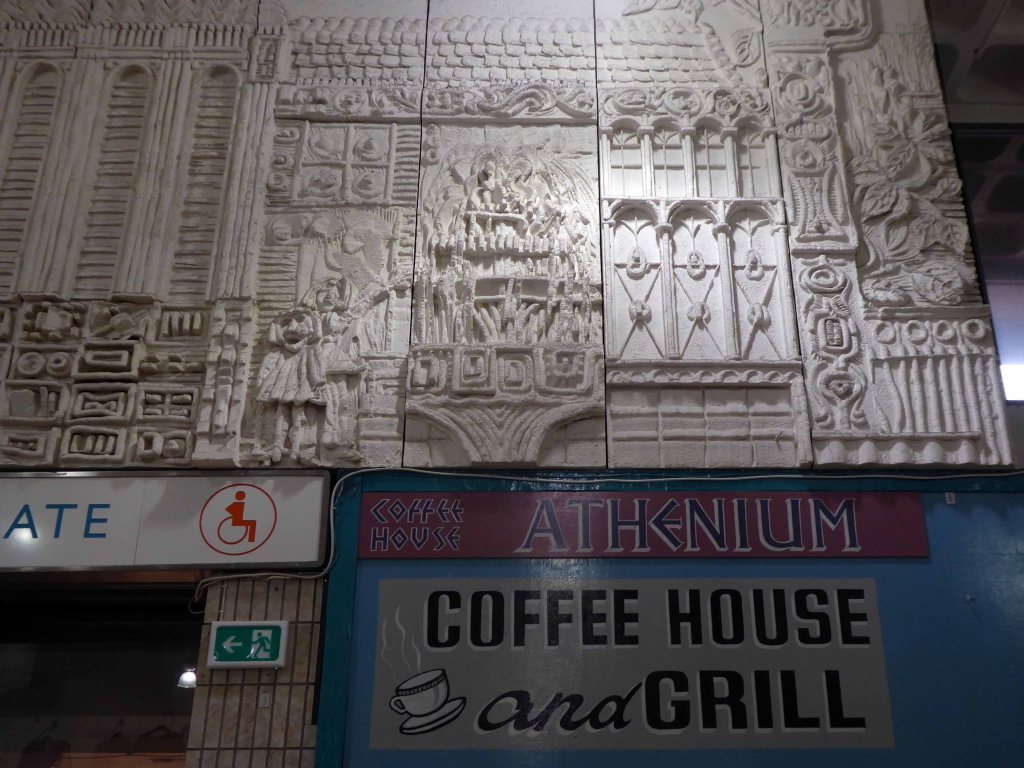
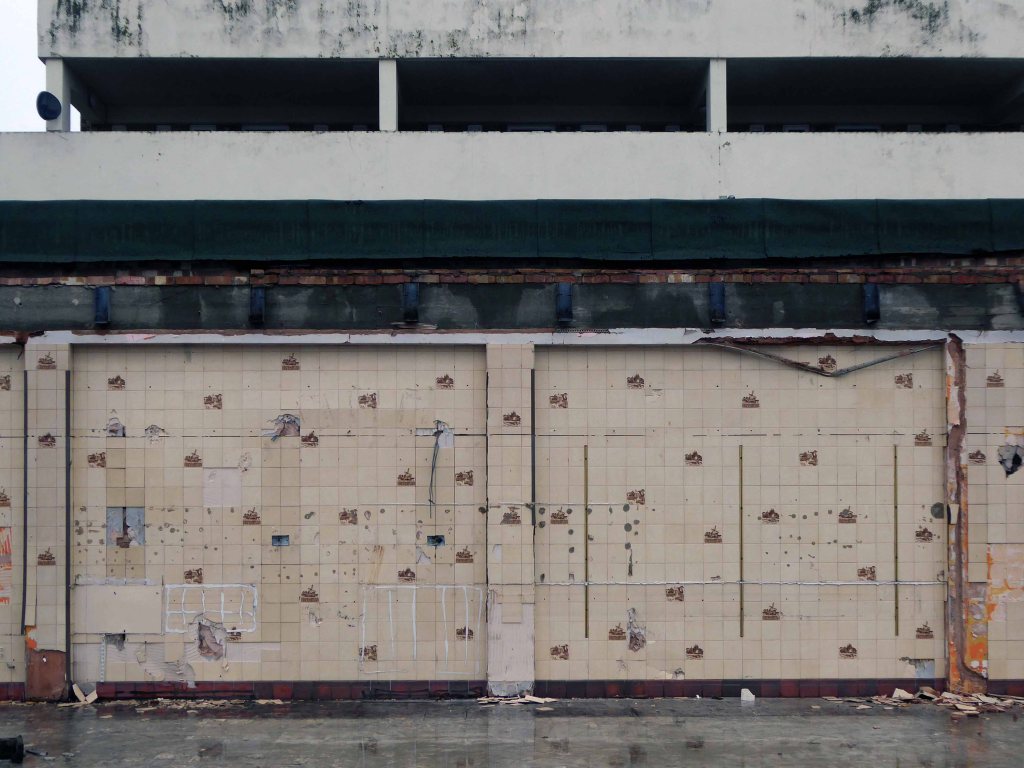
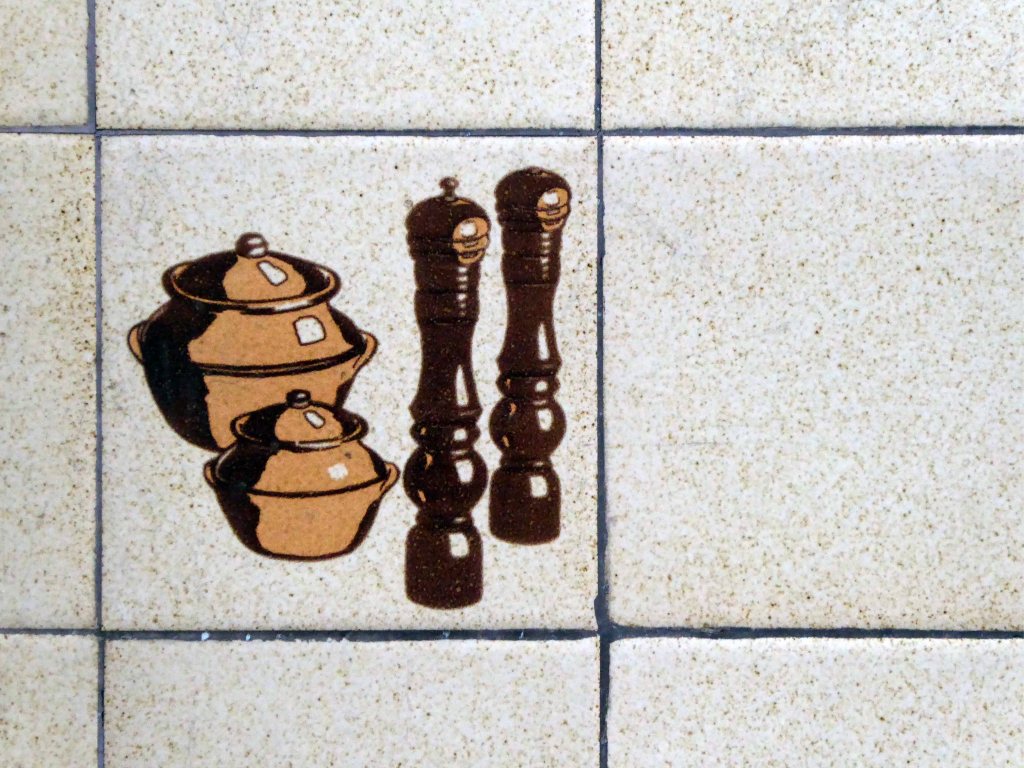
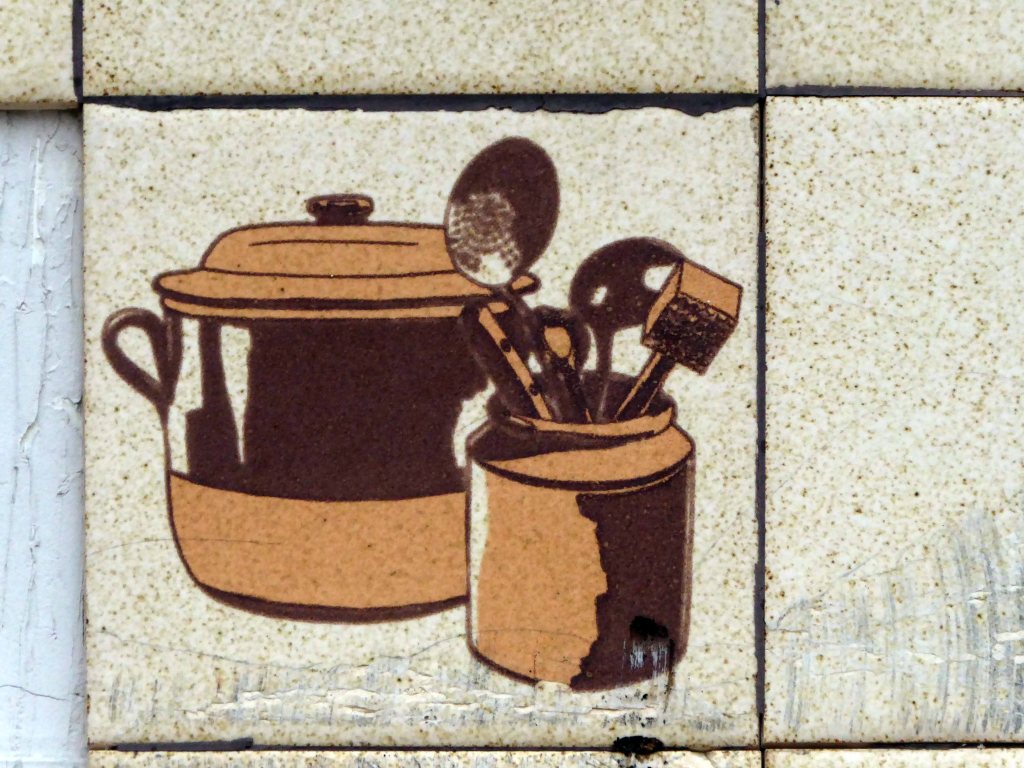
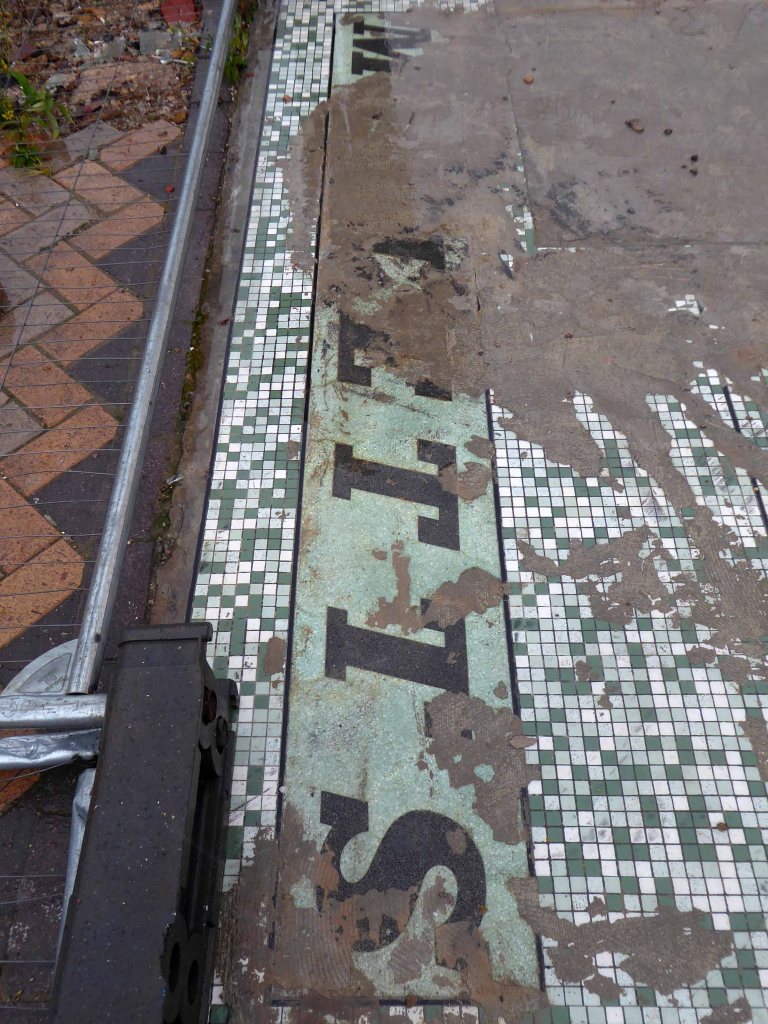
Back through the Waterdale to discover the saddest of retail archeology.
The long lost tiled café wall and a mysterious porch.


























































 Modern Mooch