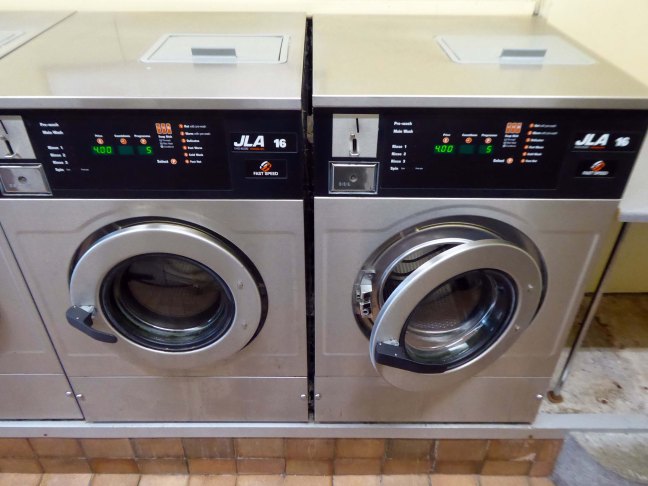
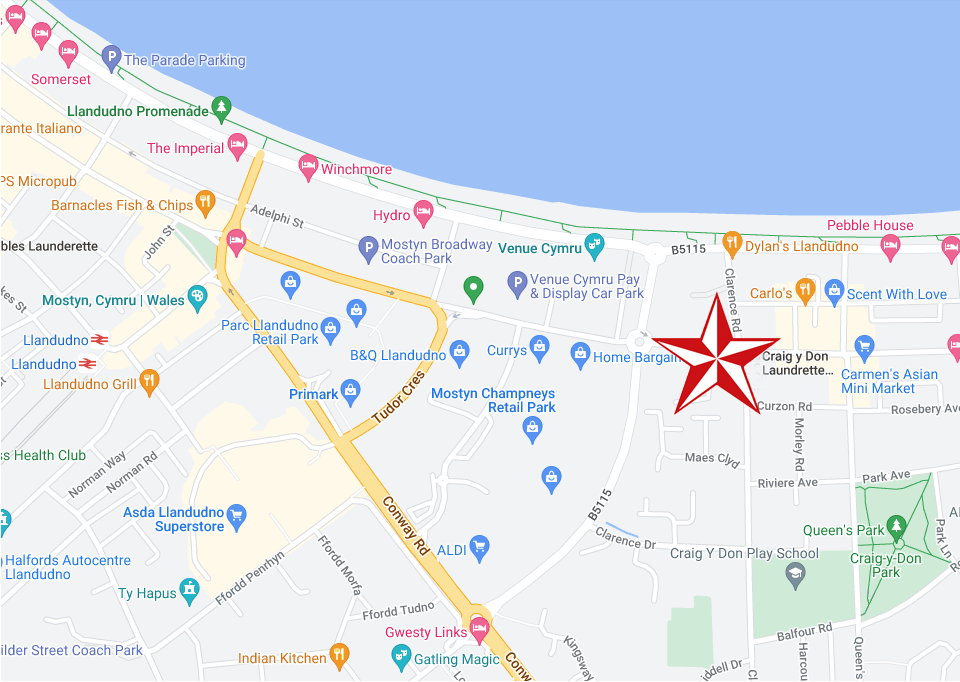
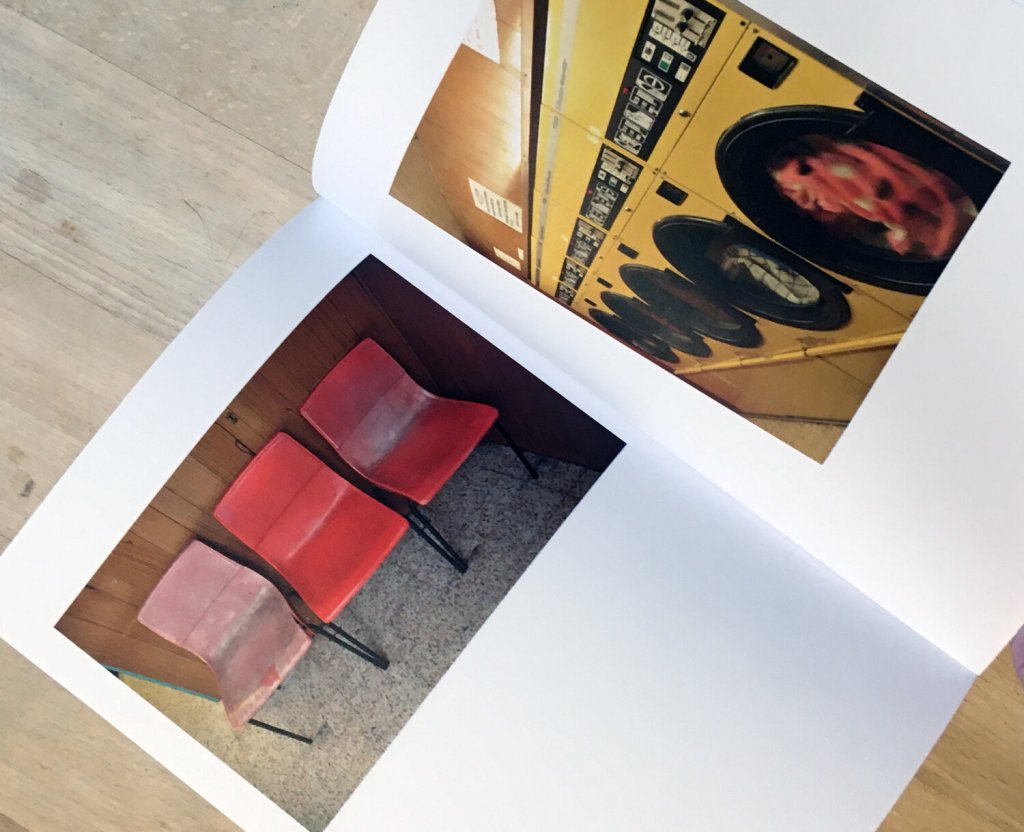
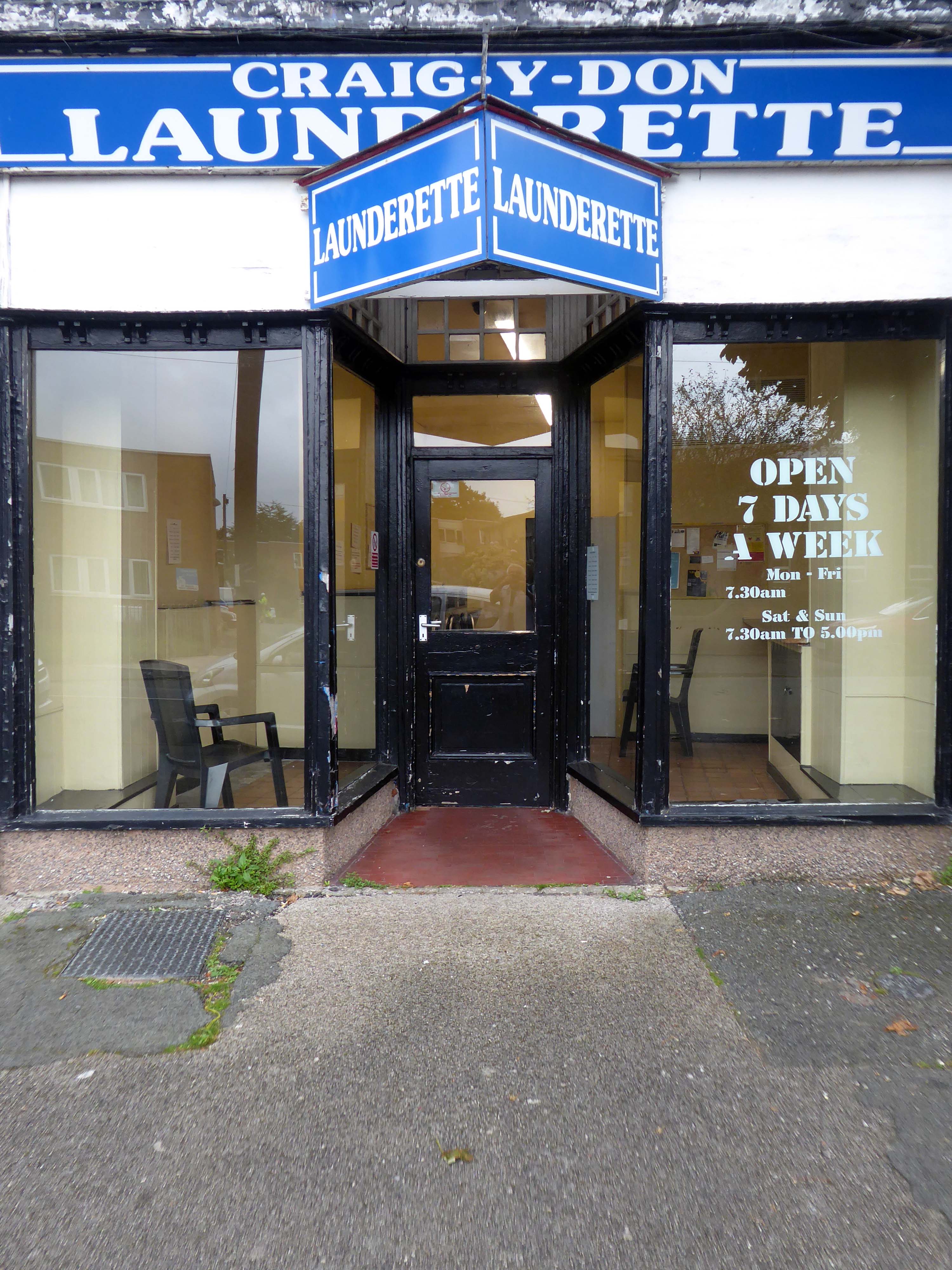
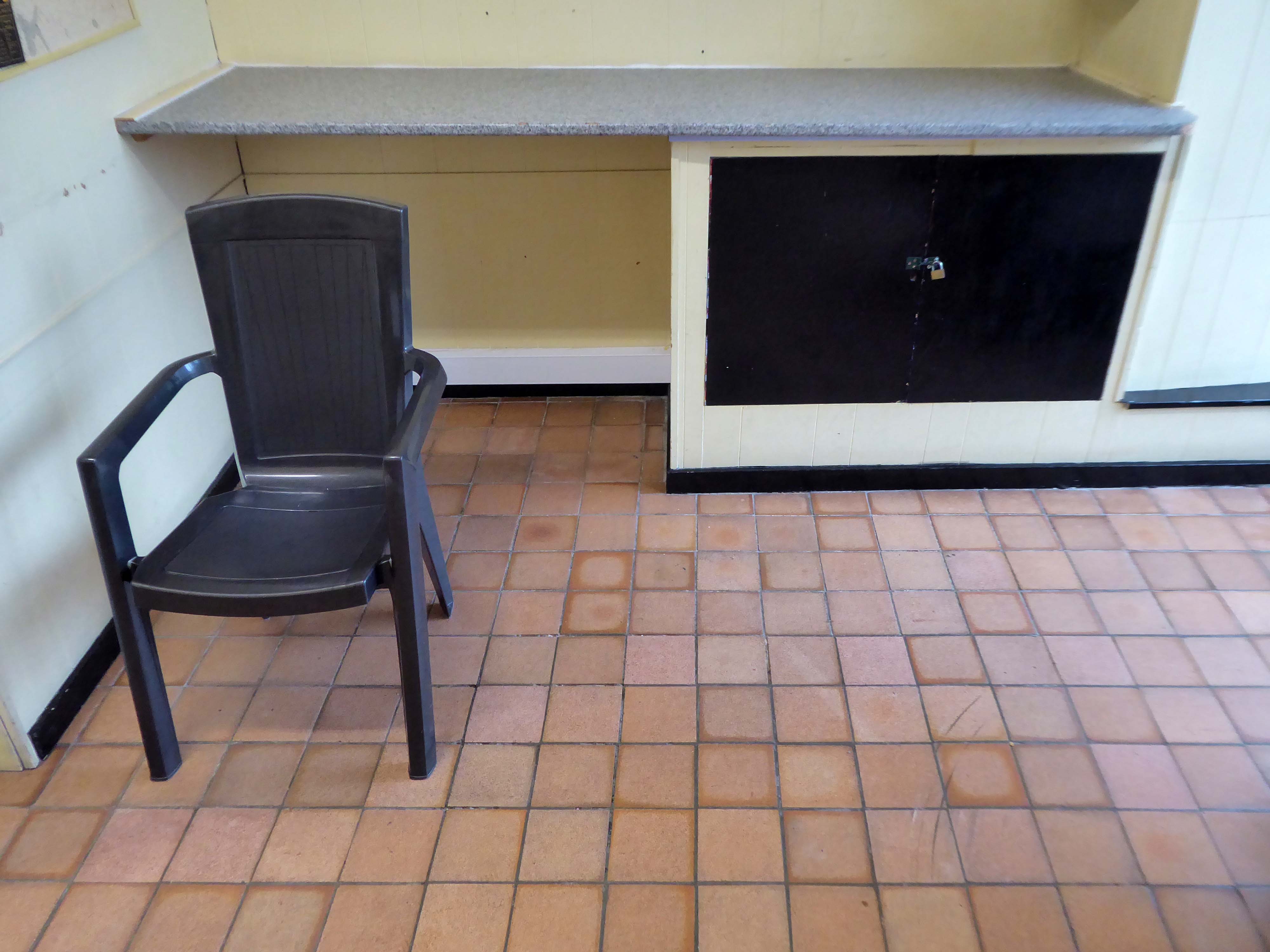
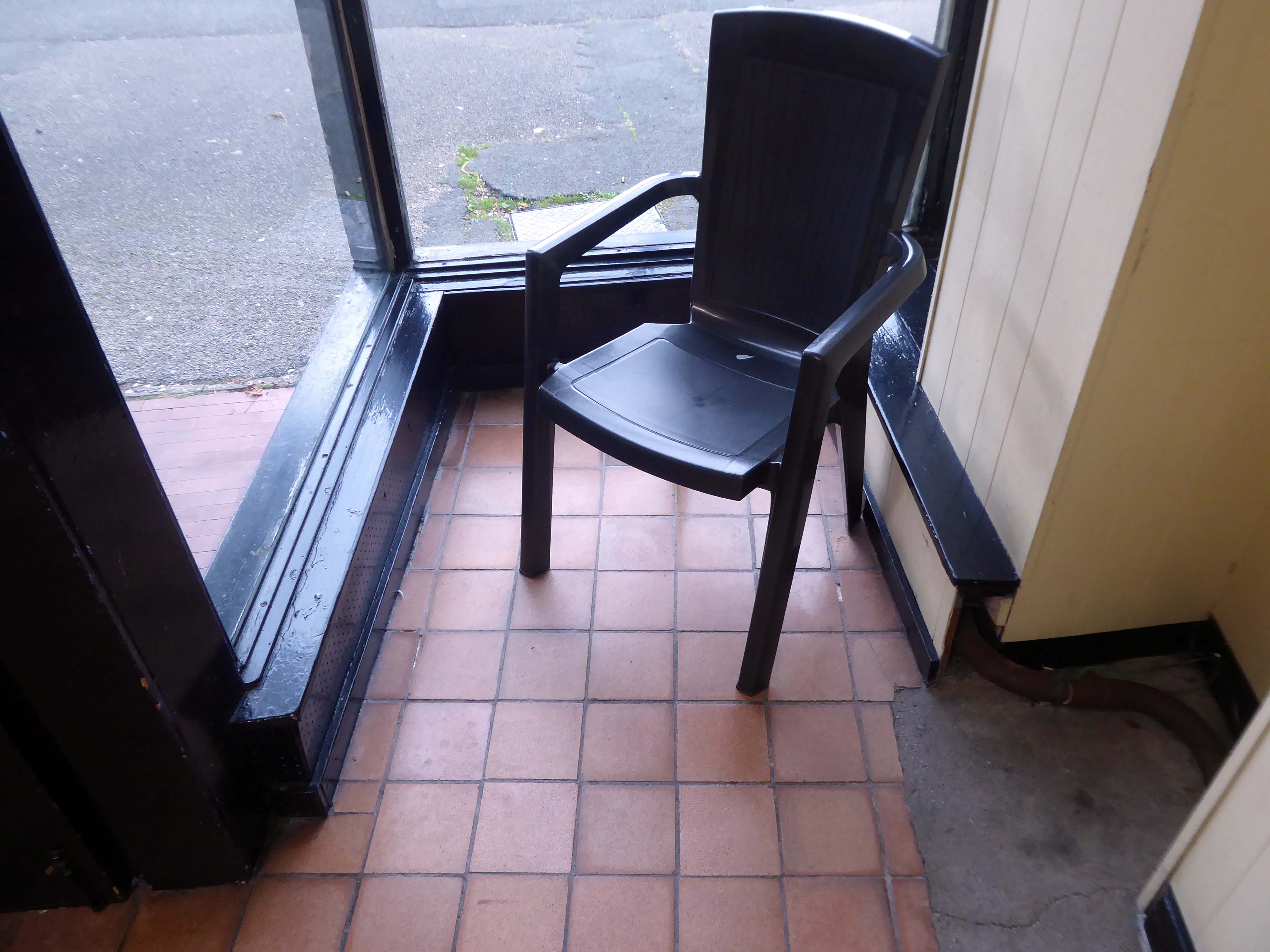
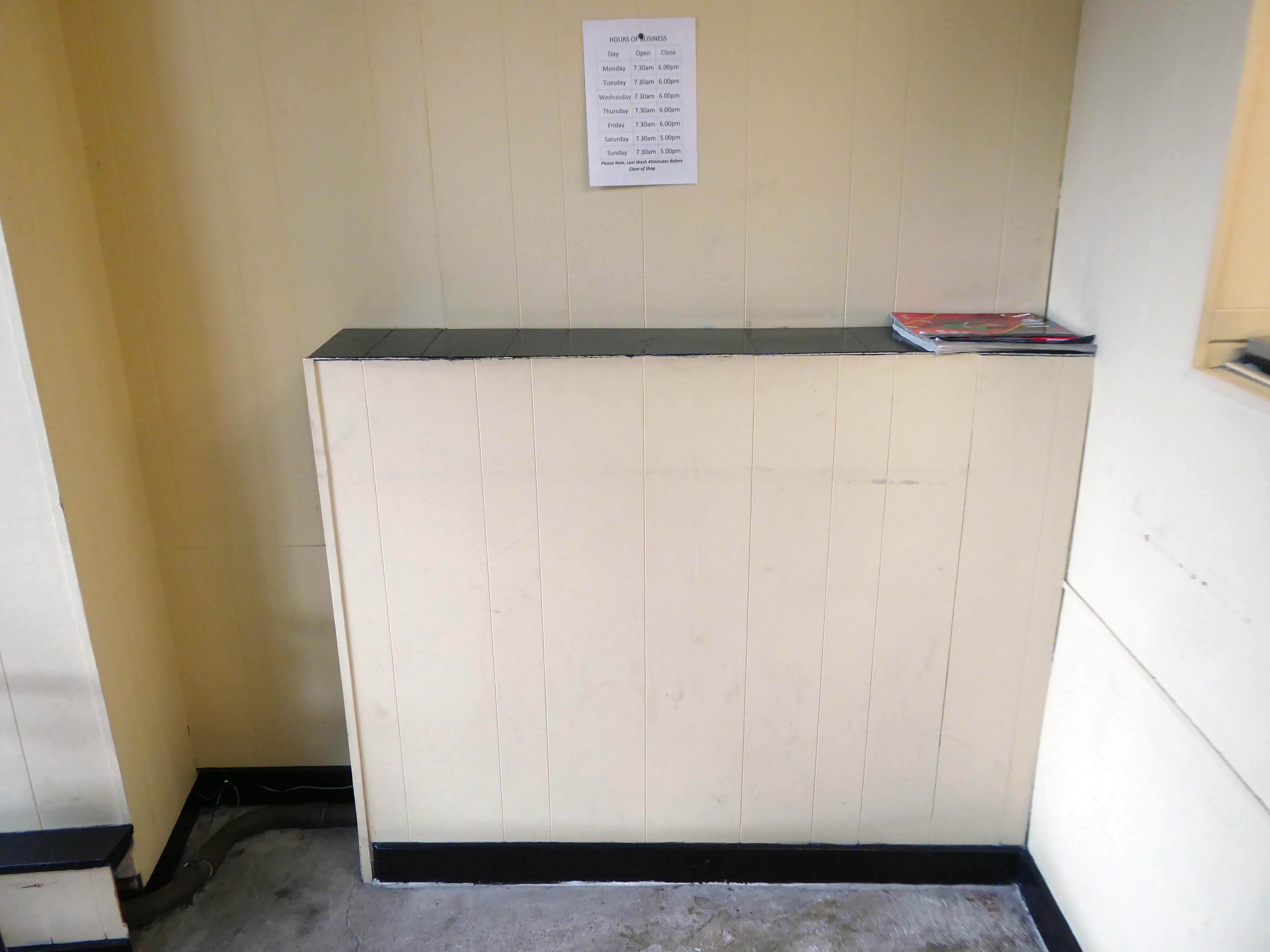
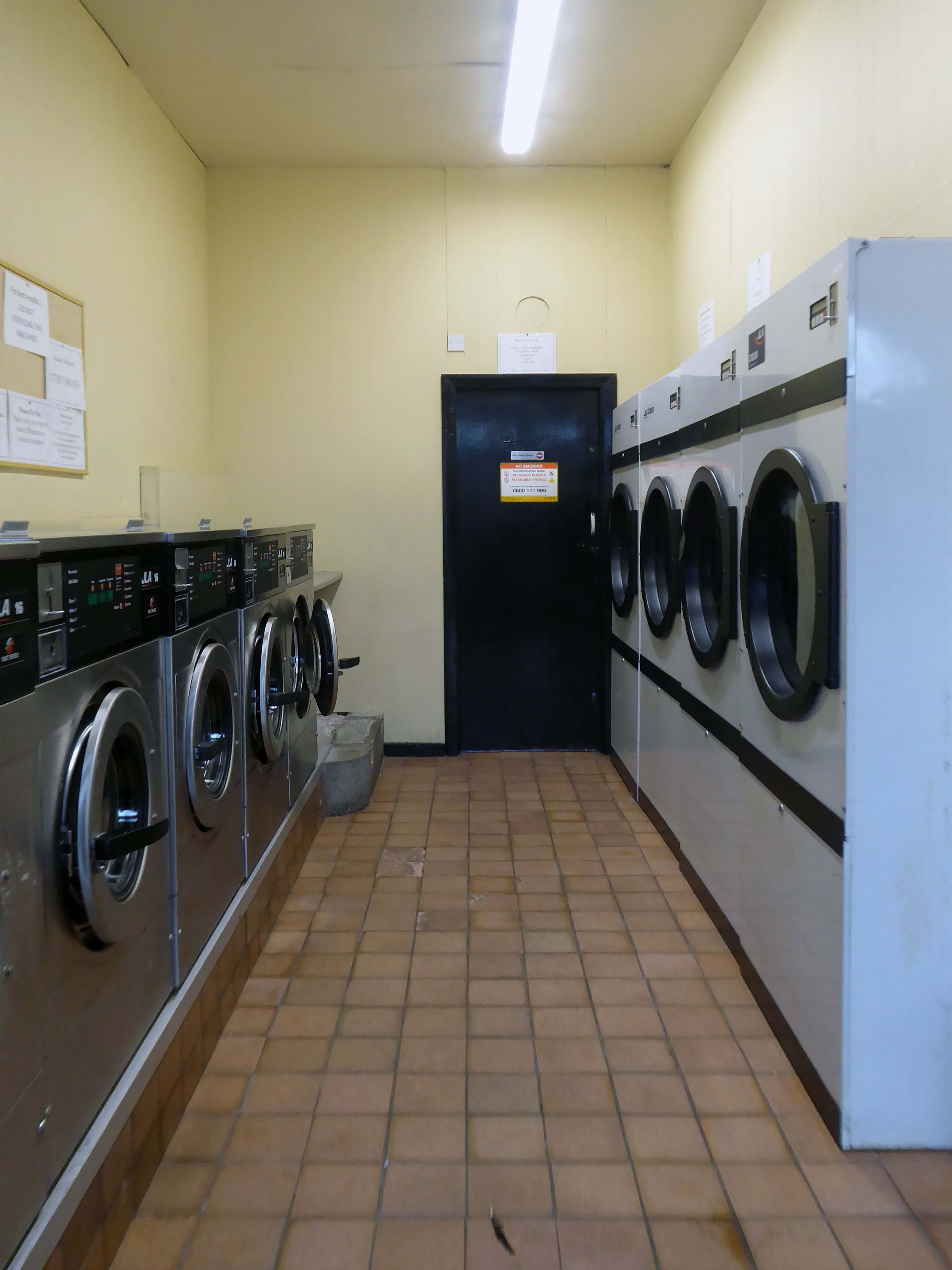
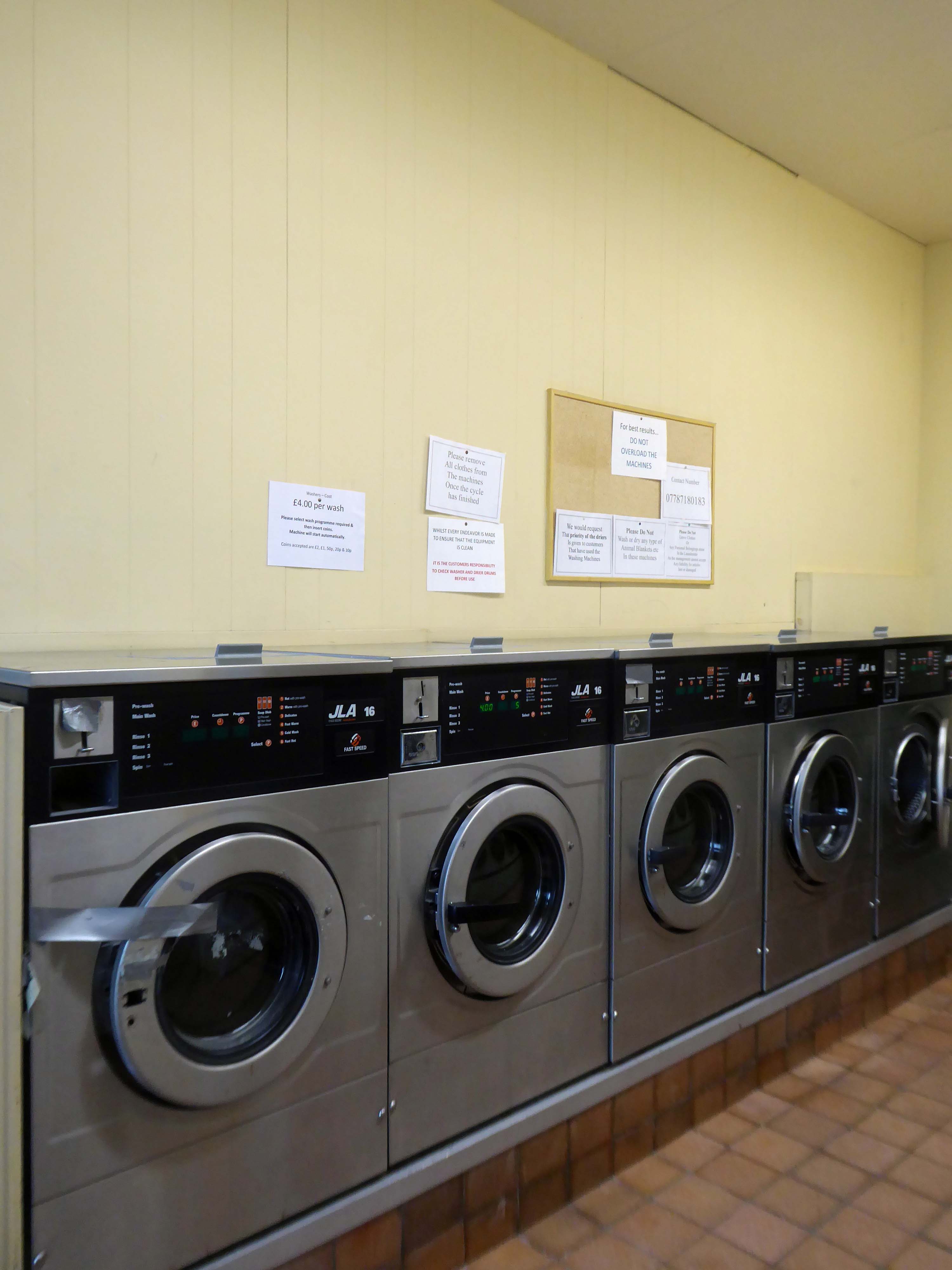
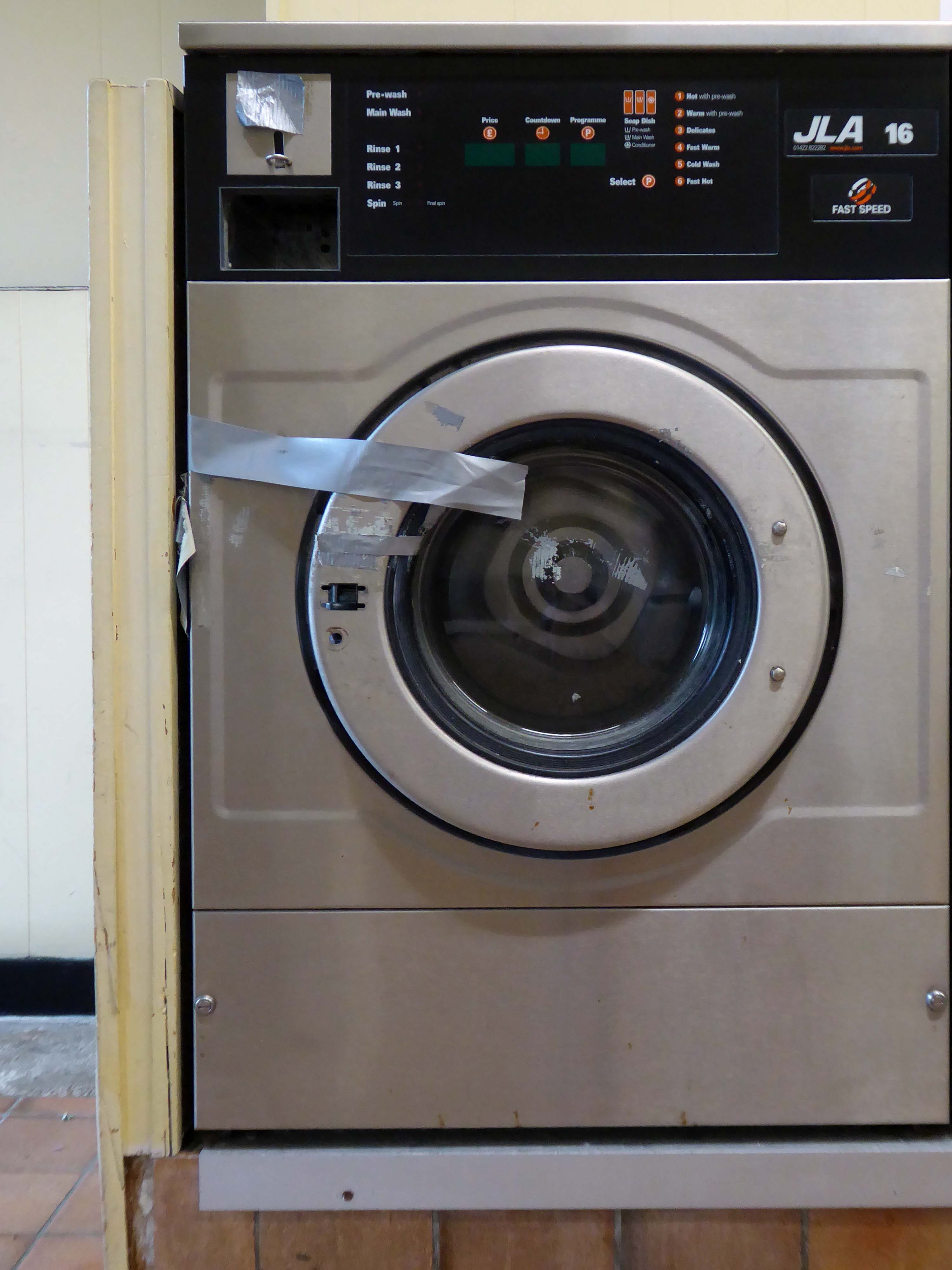
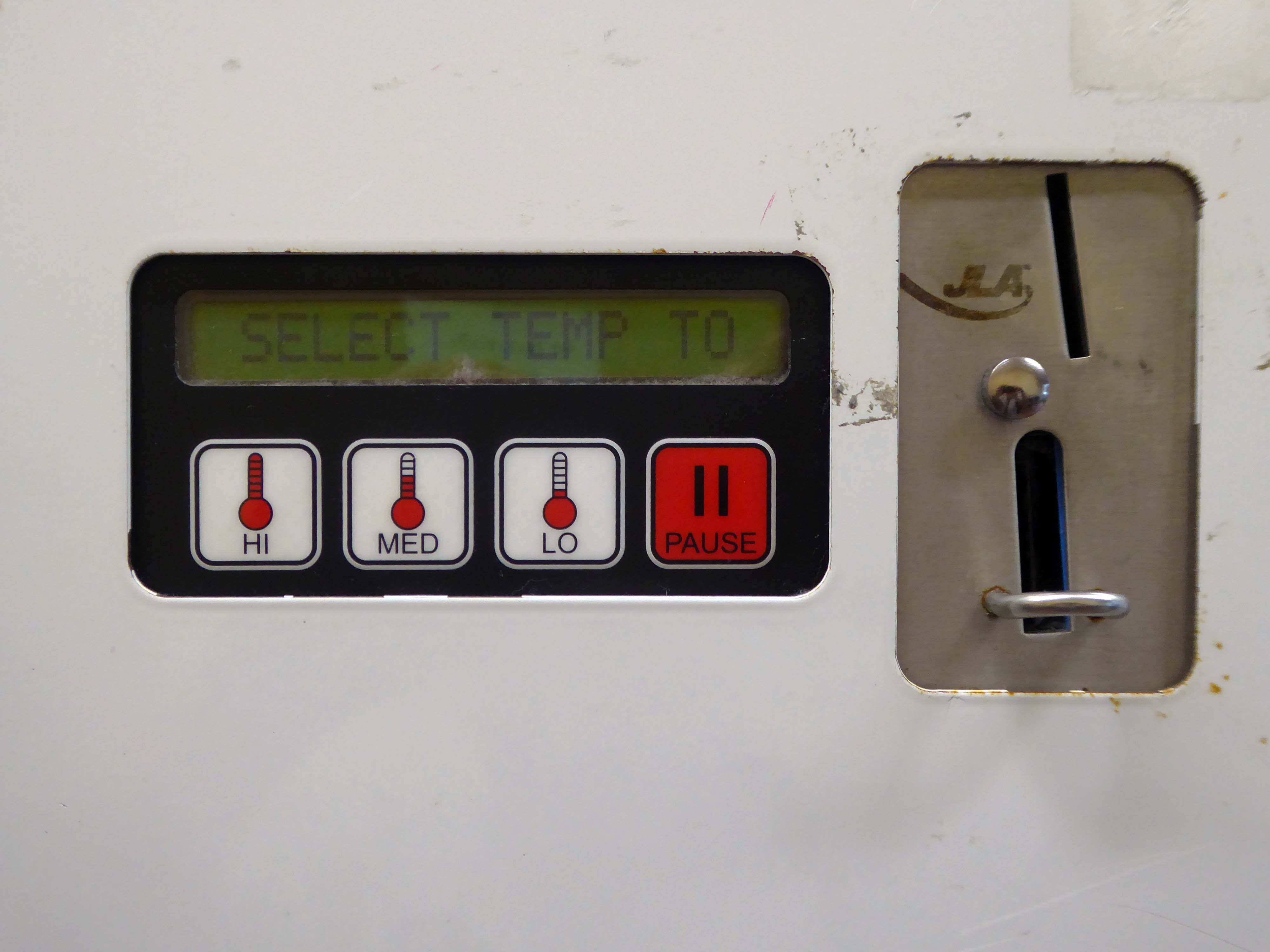
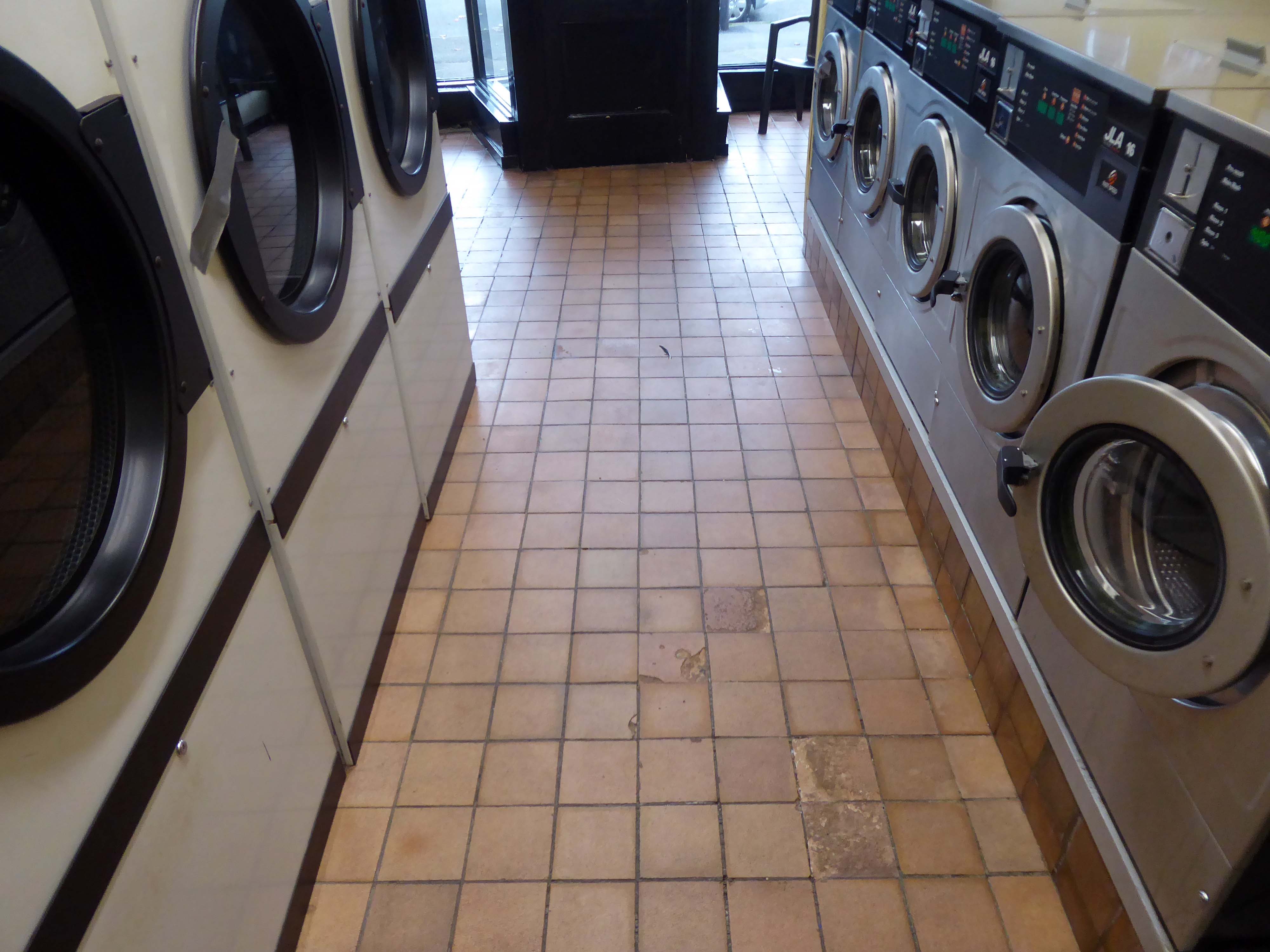
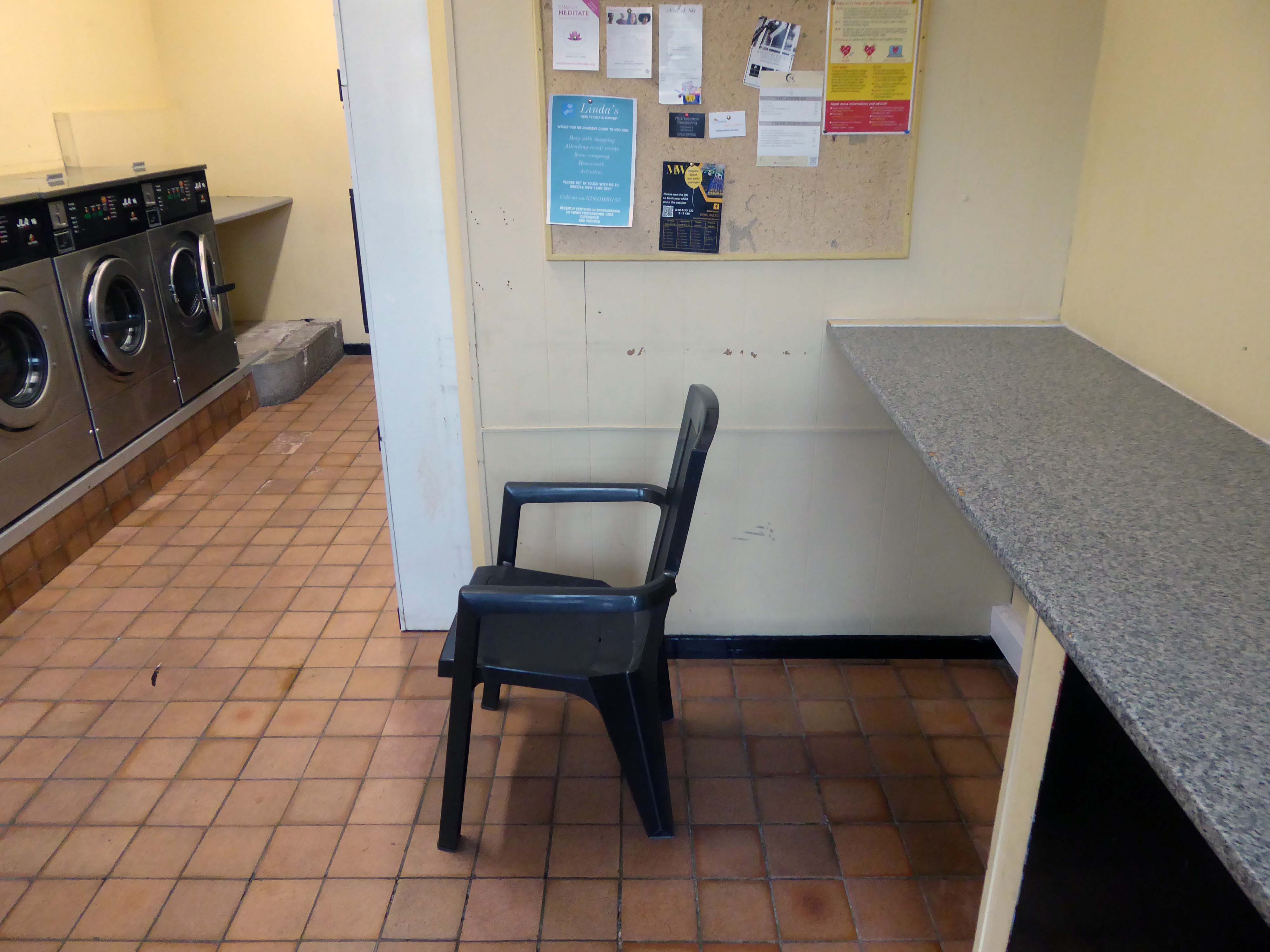
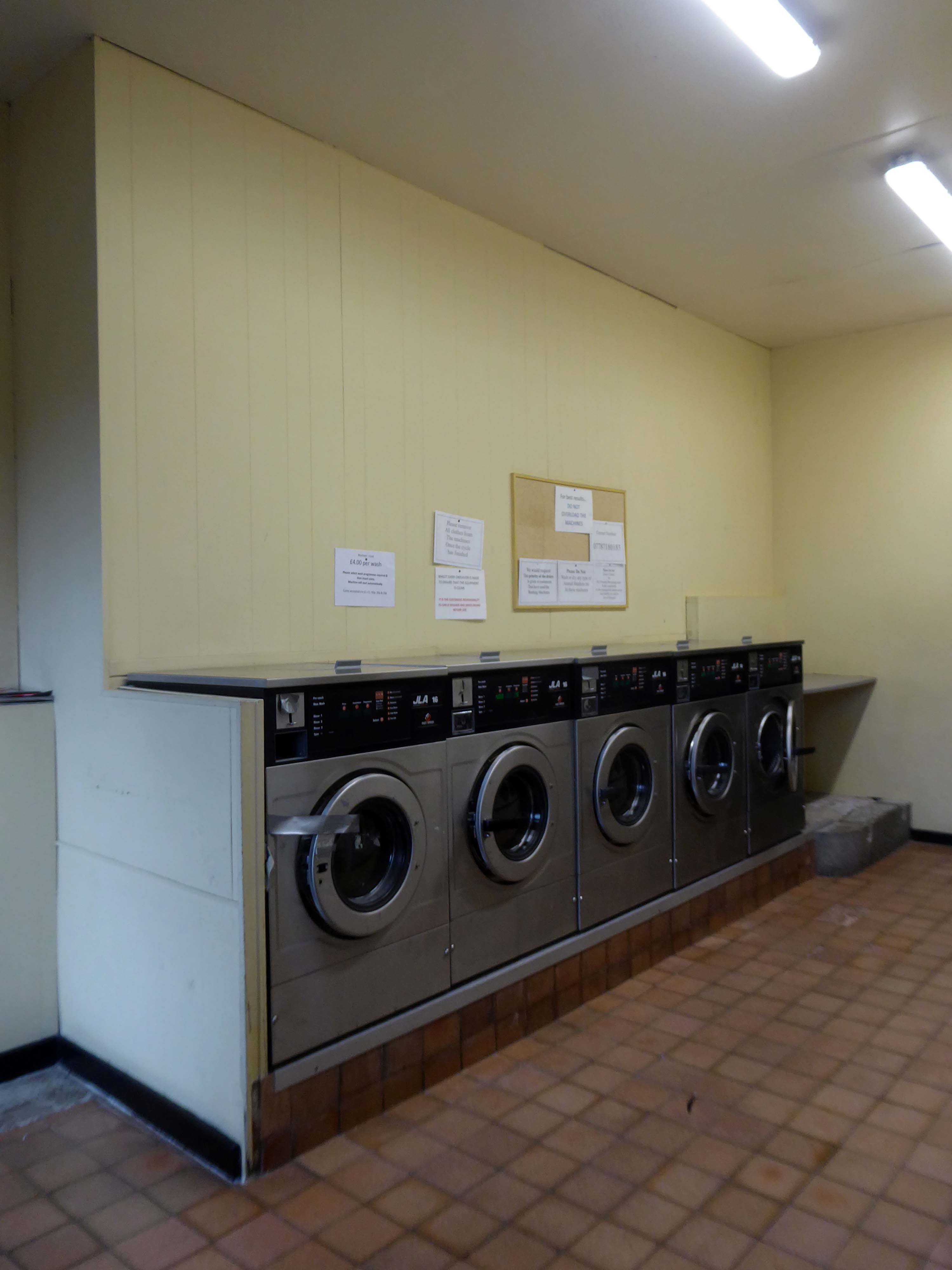
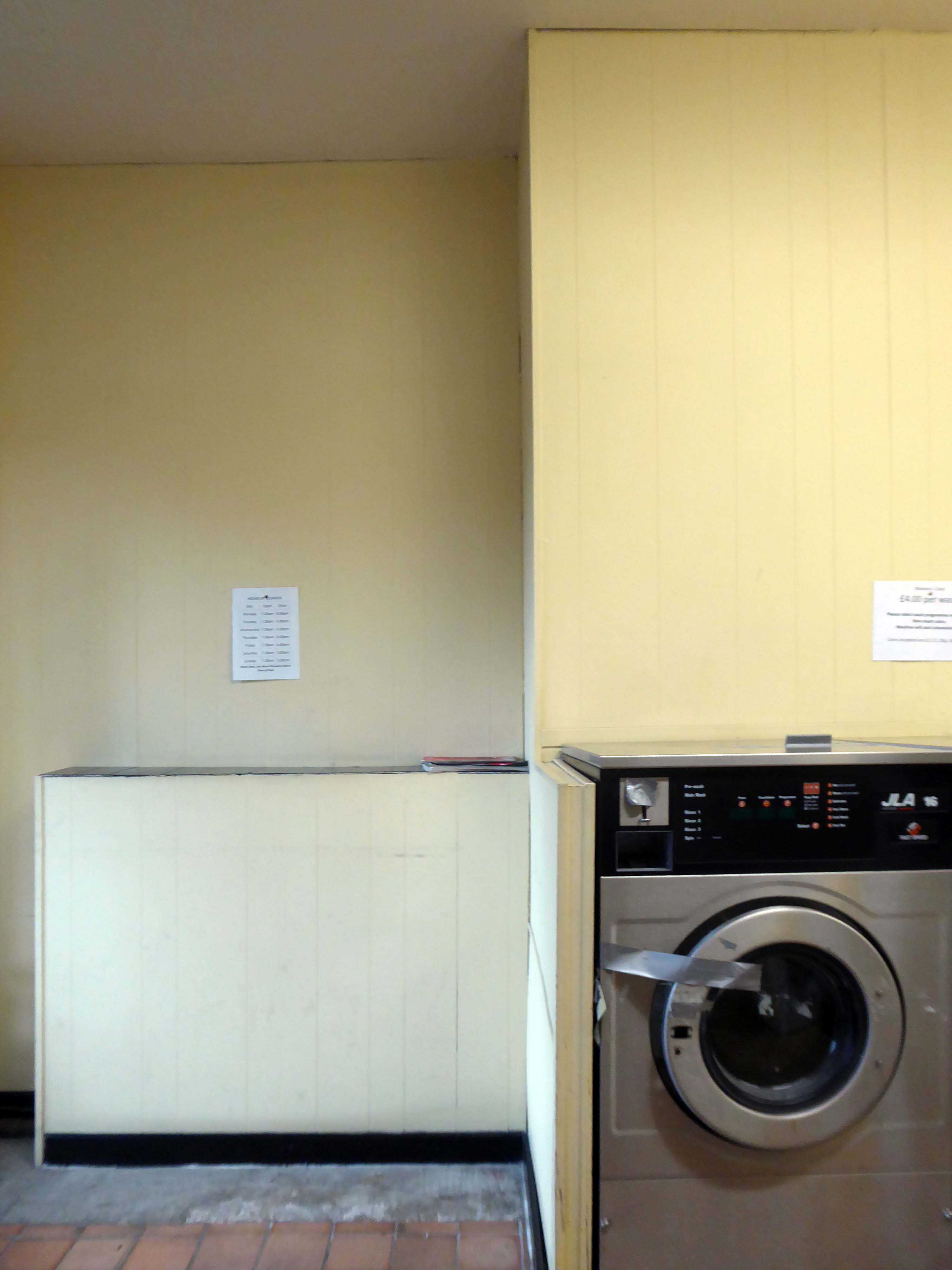
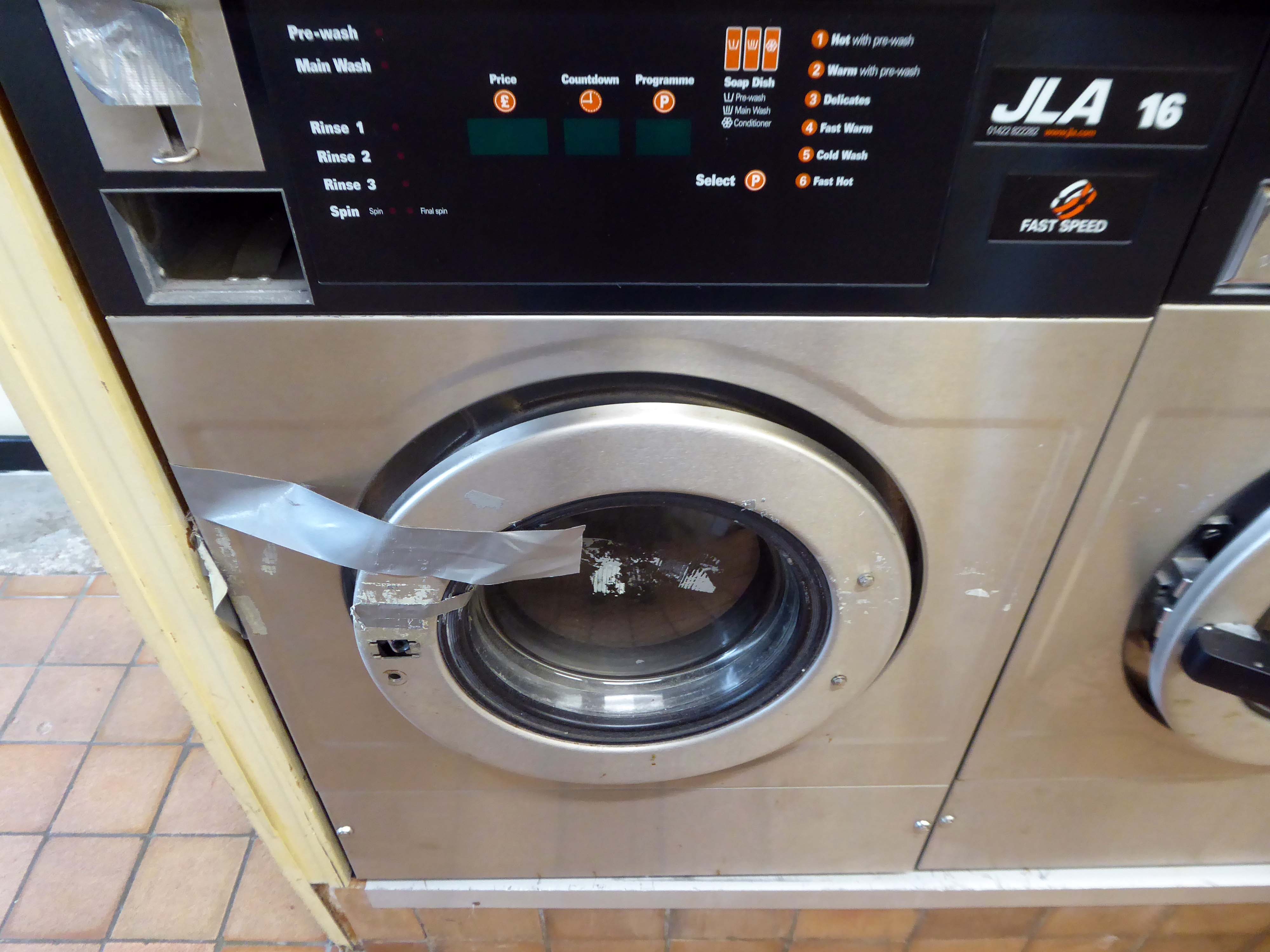
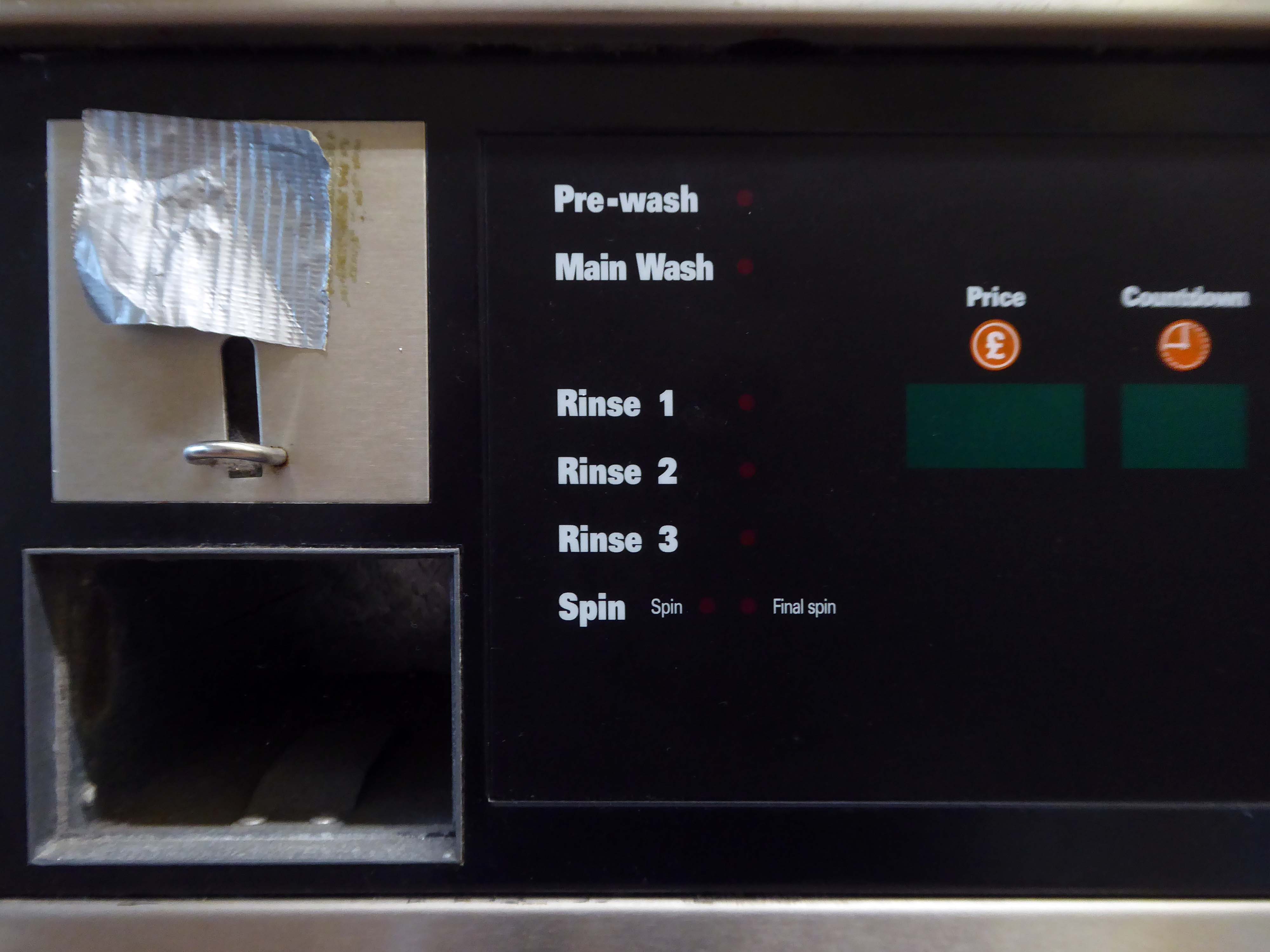
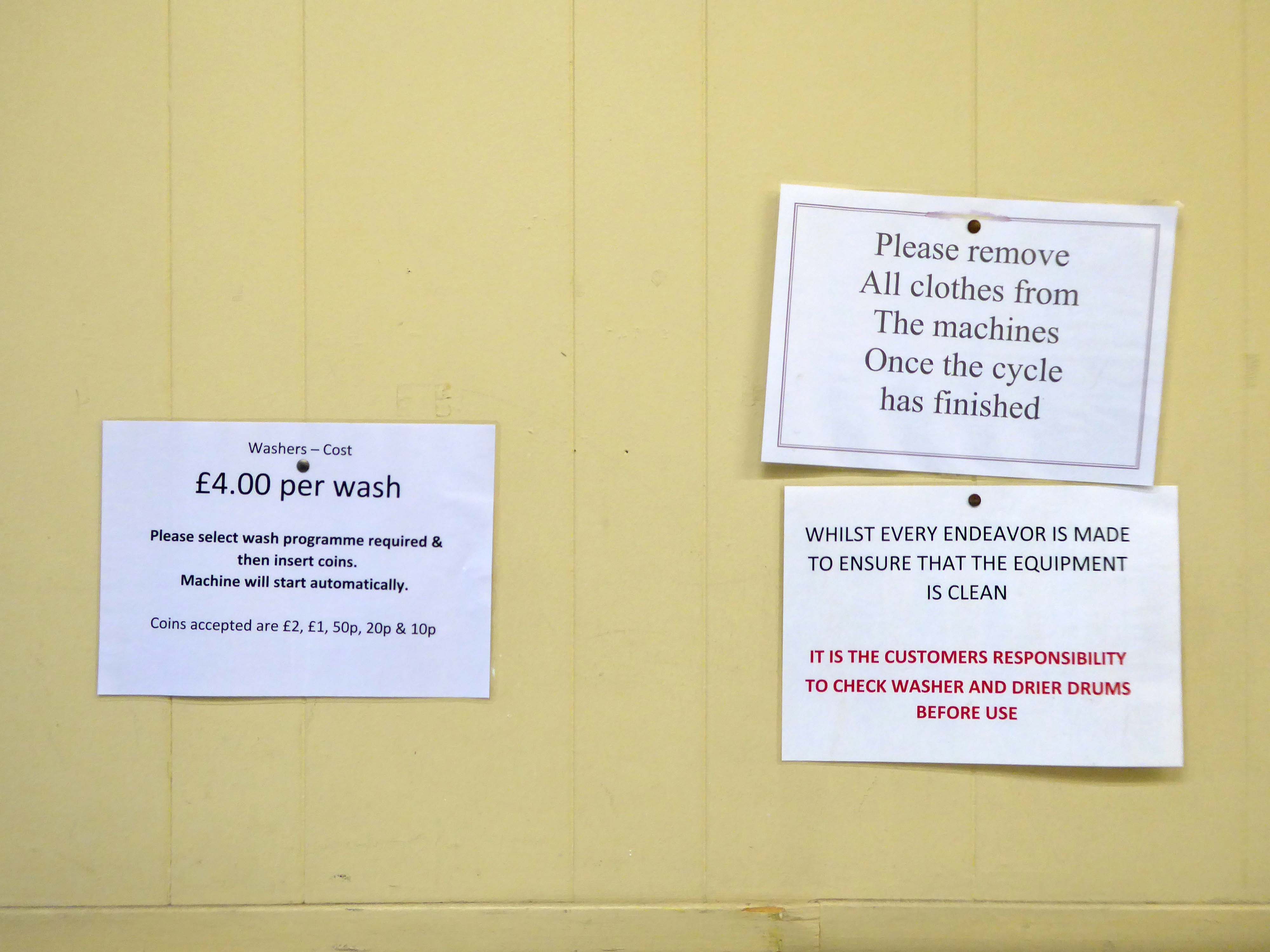
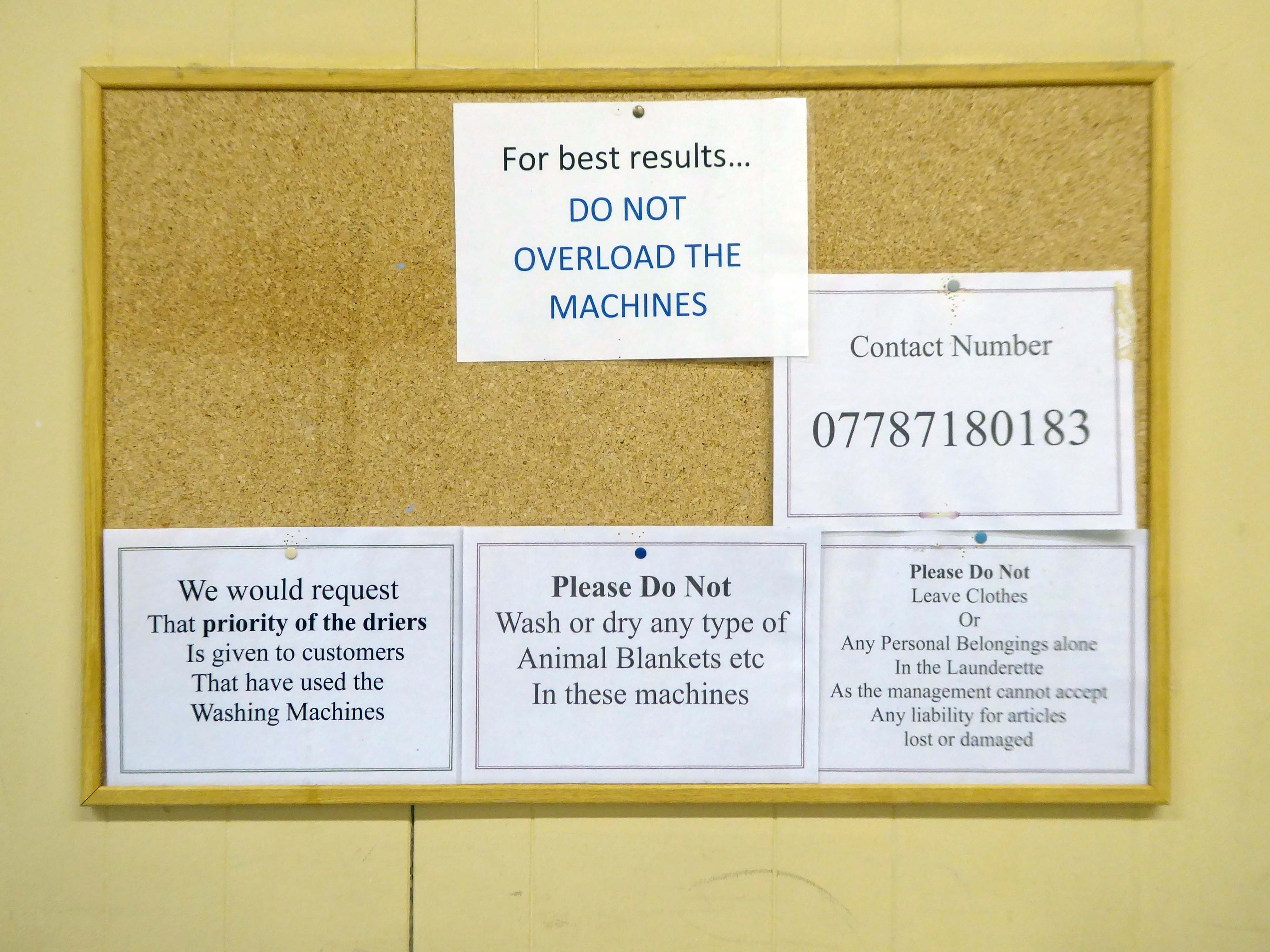
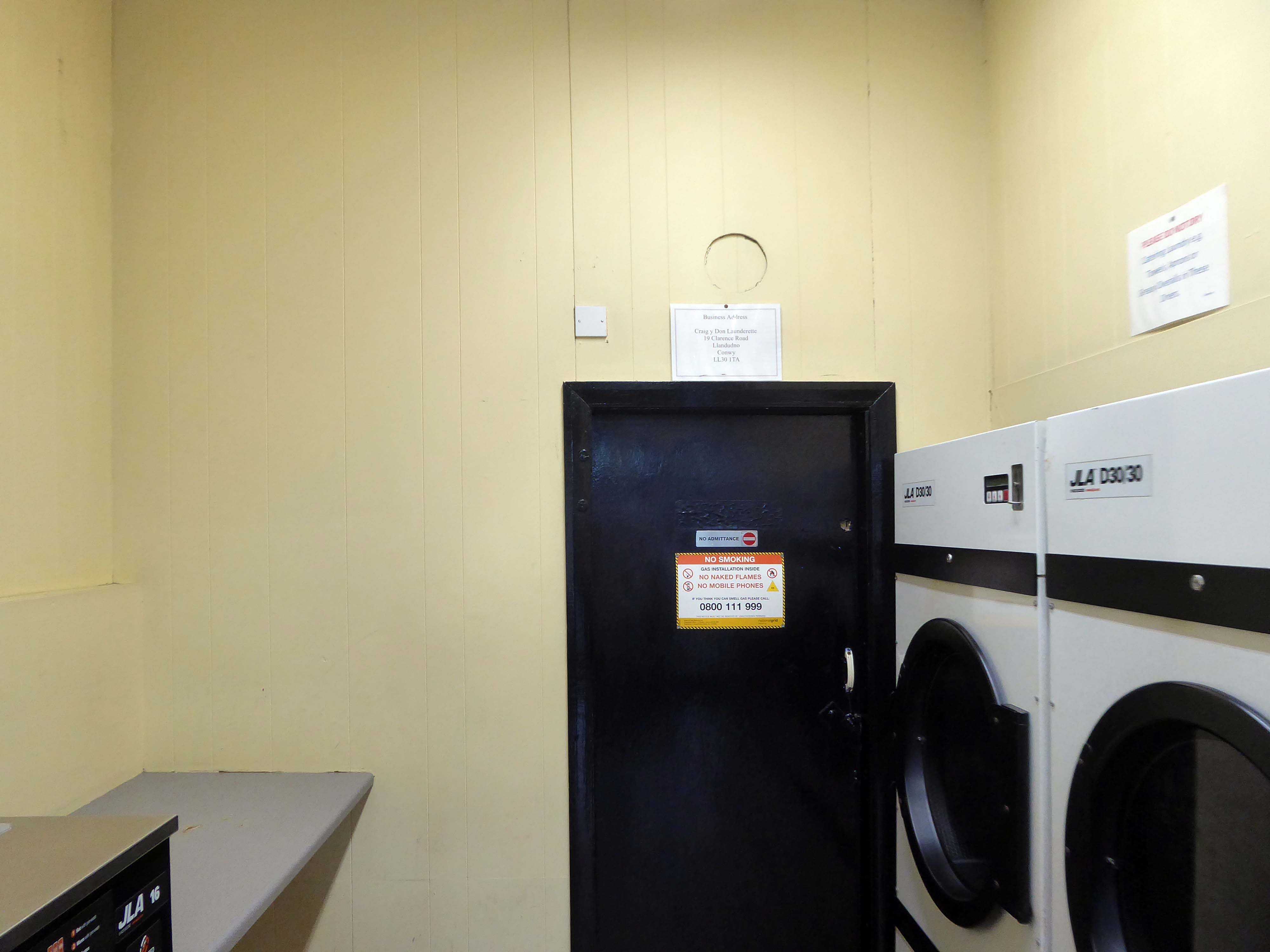
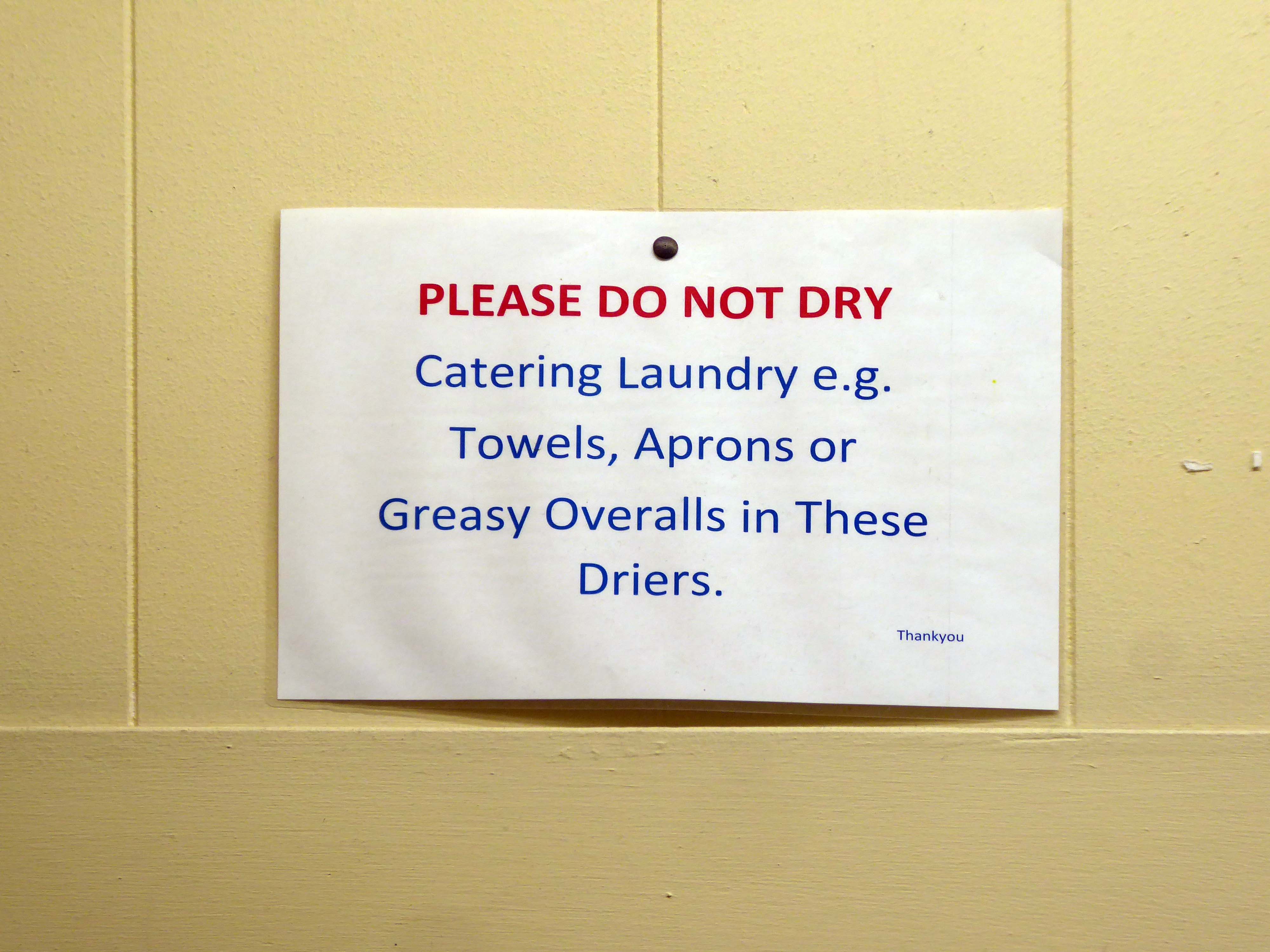
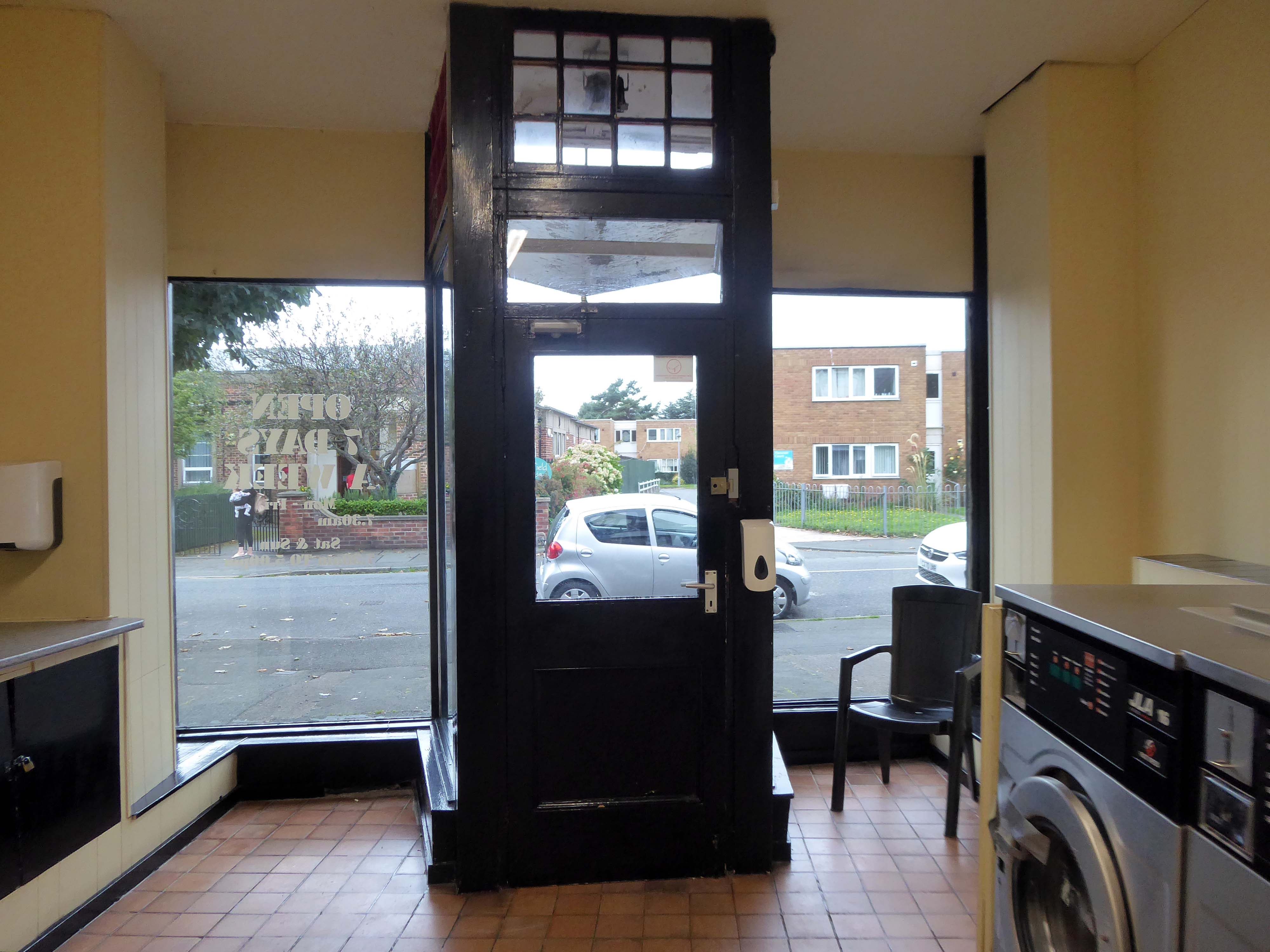
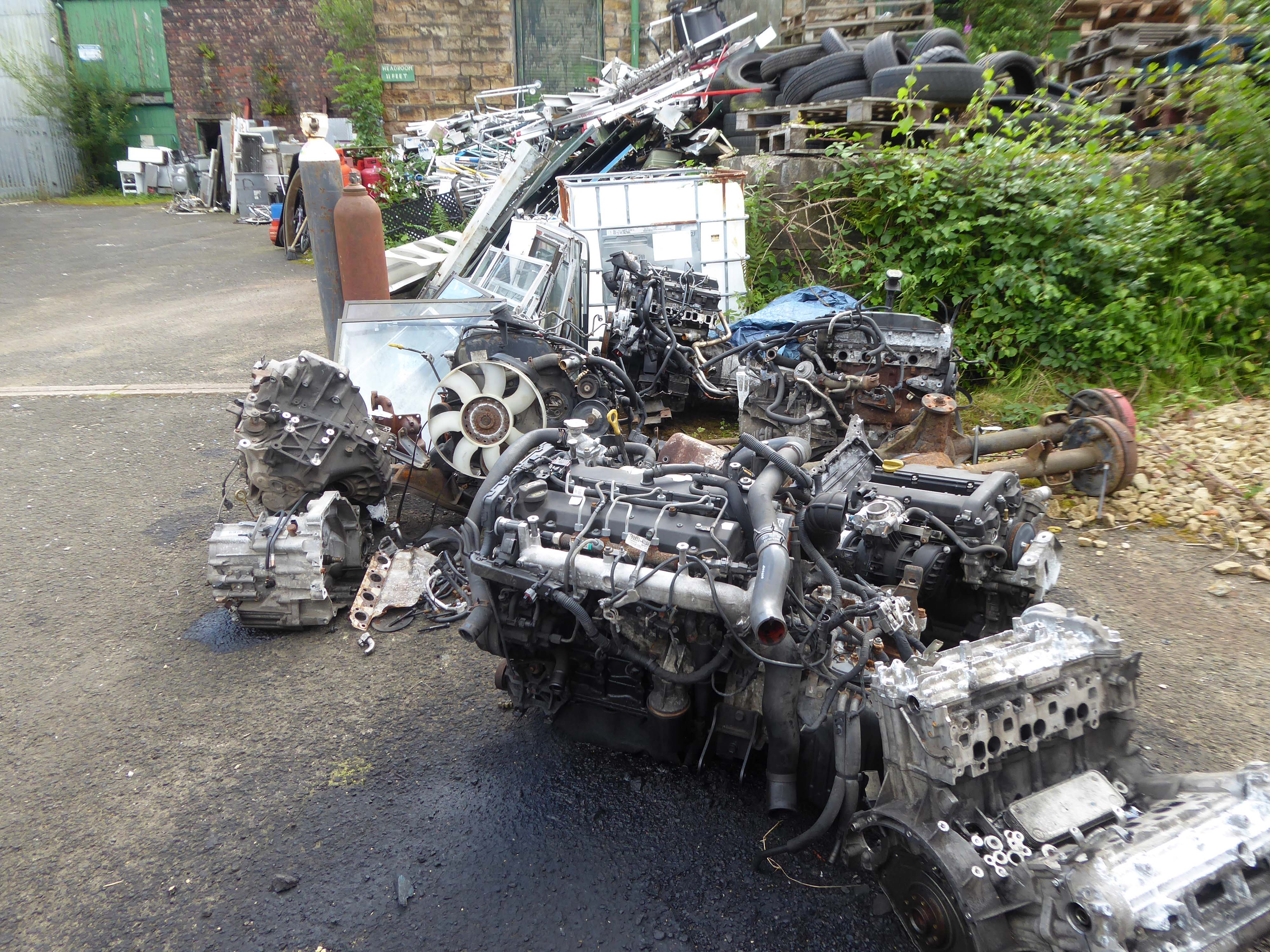
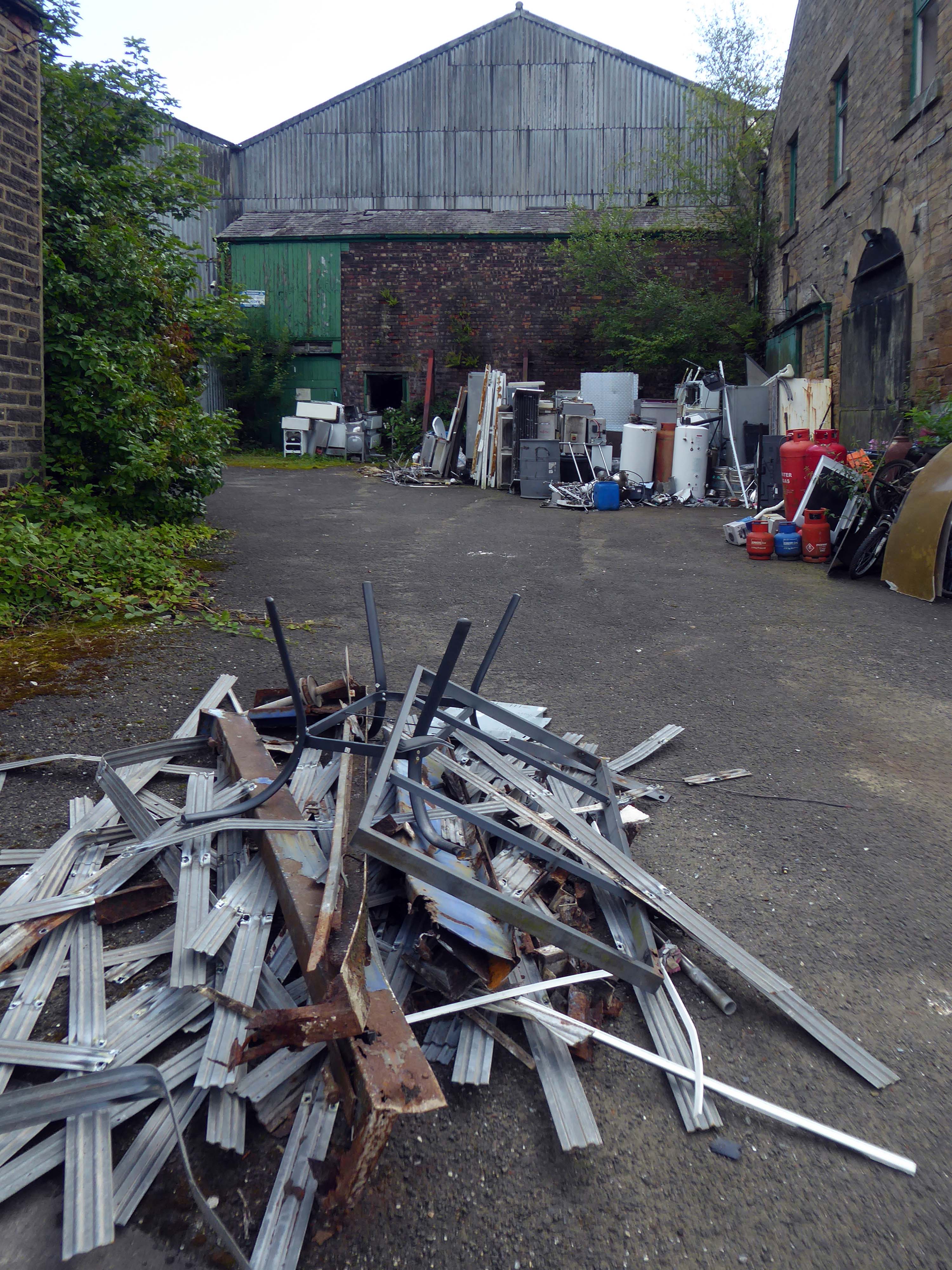
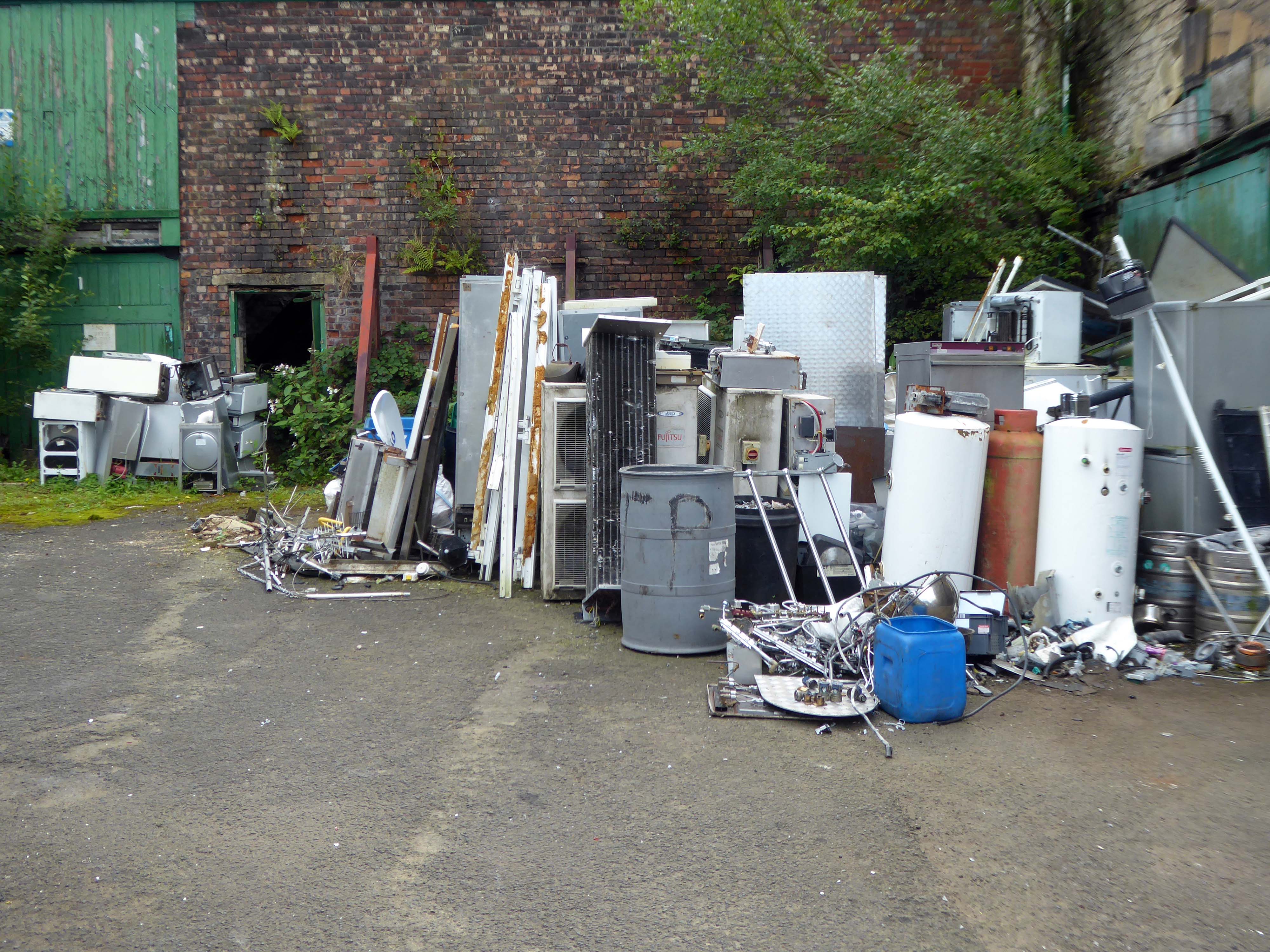
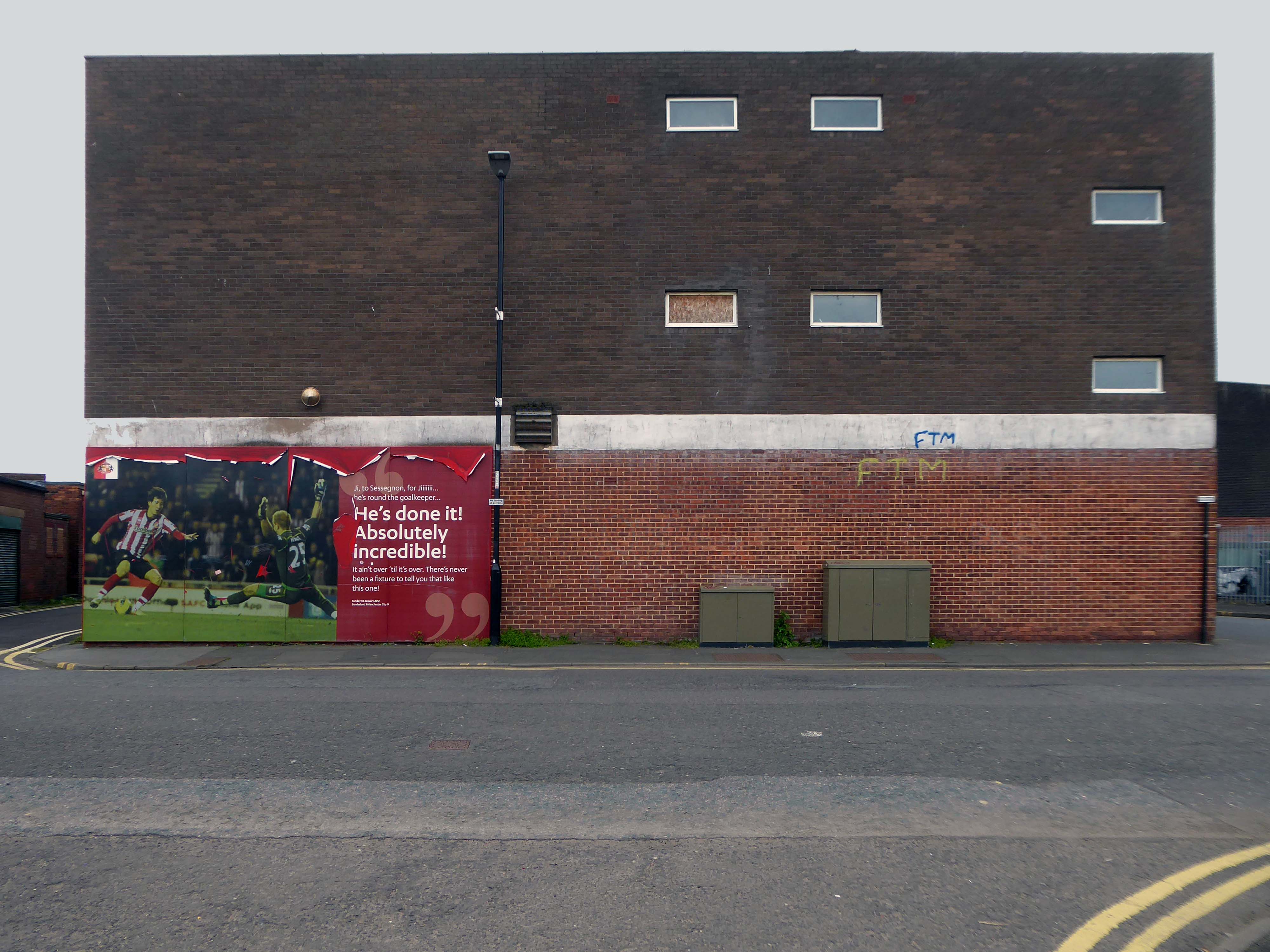
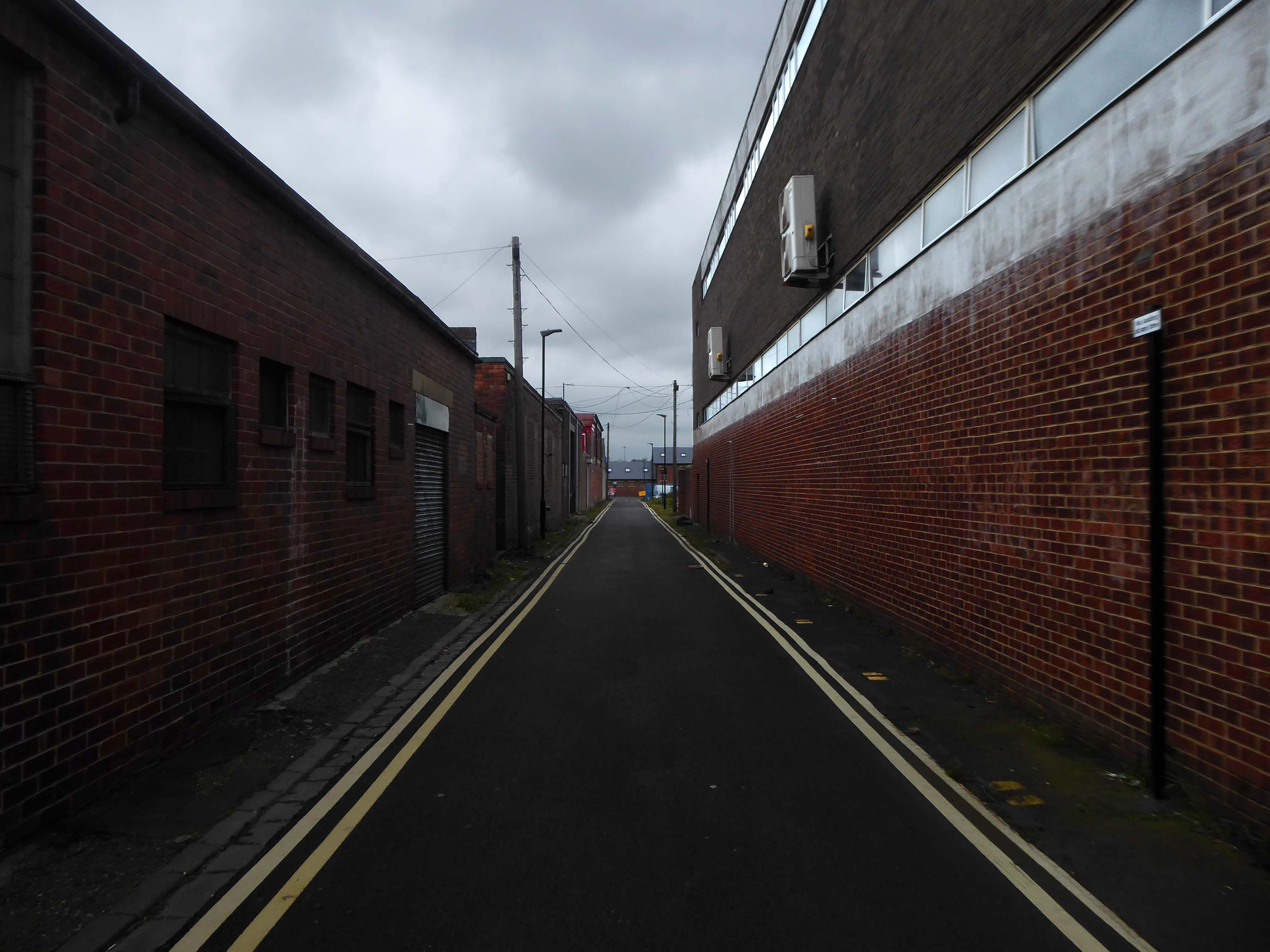
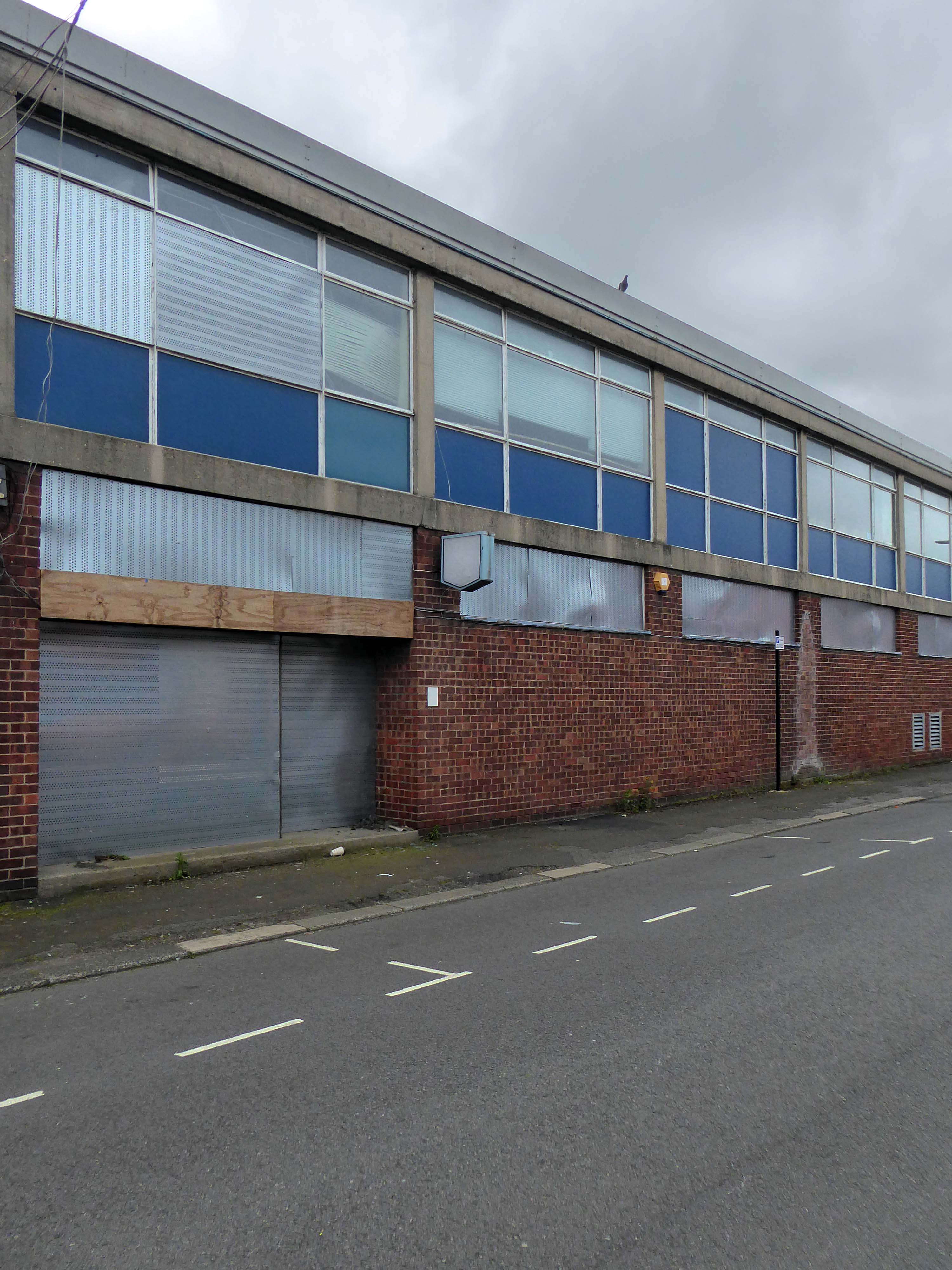
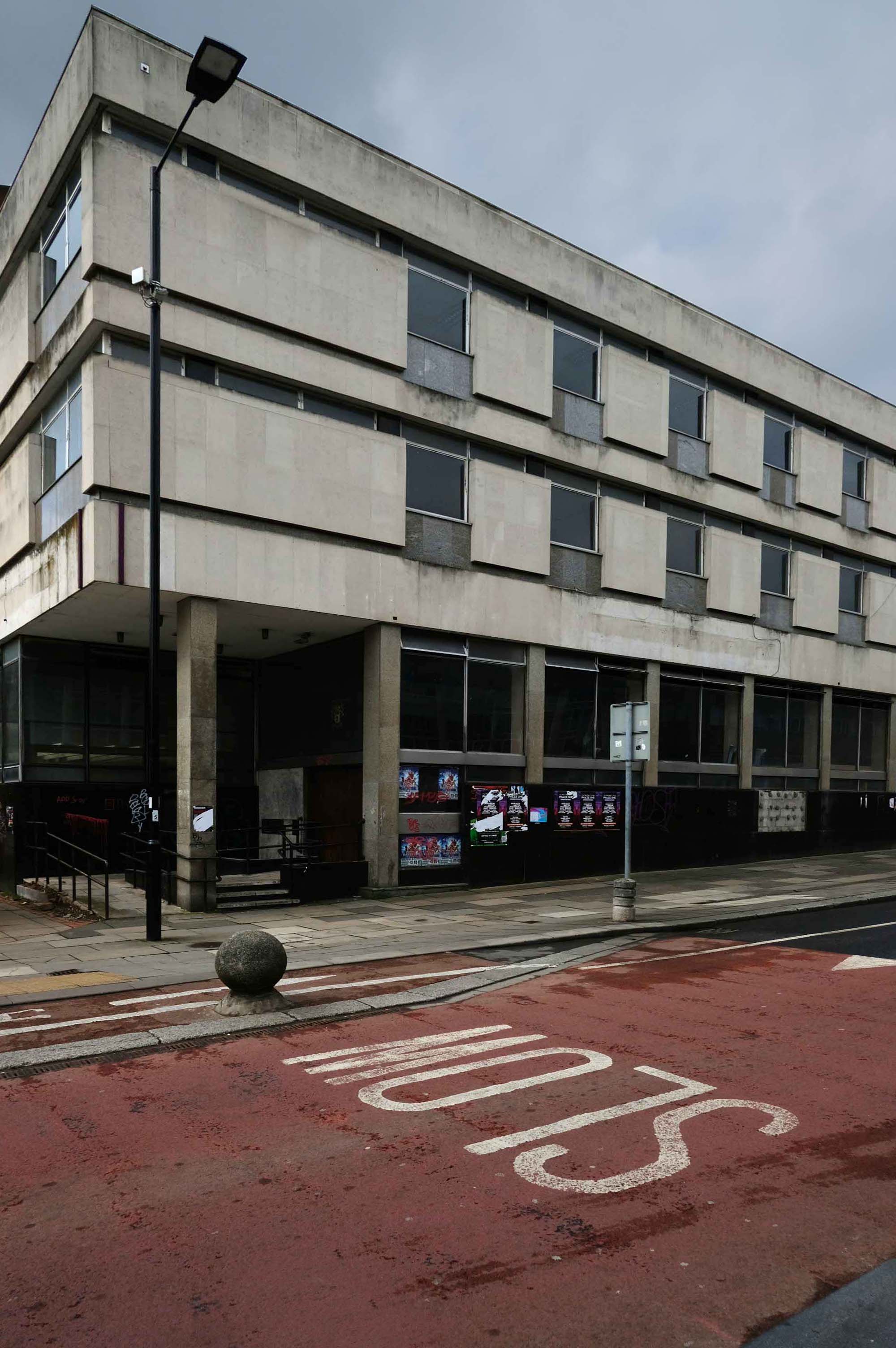
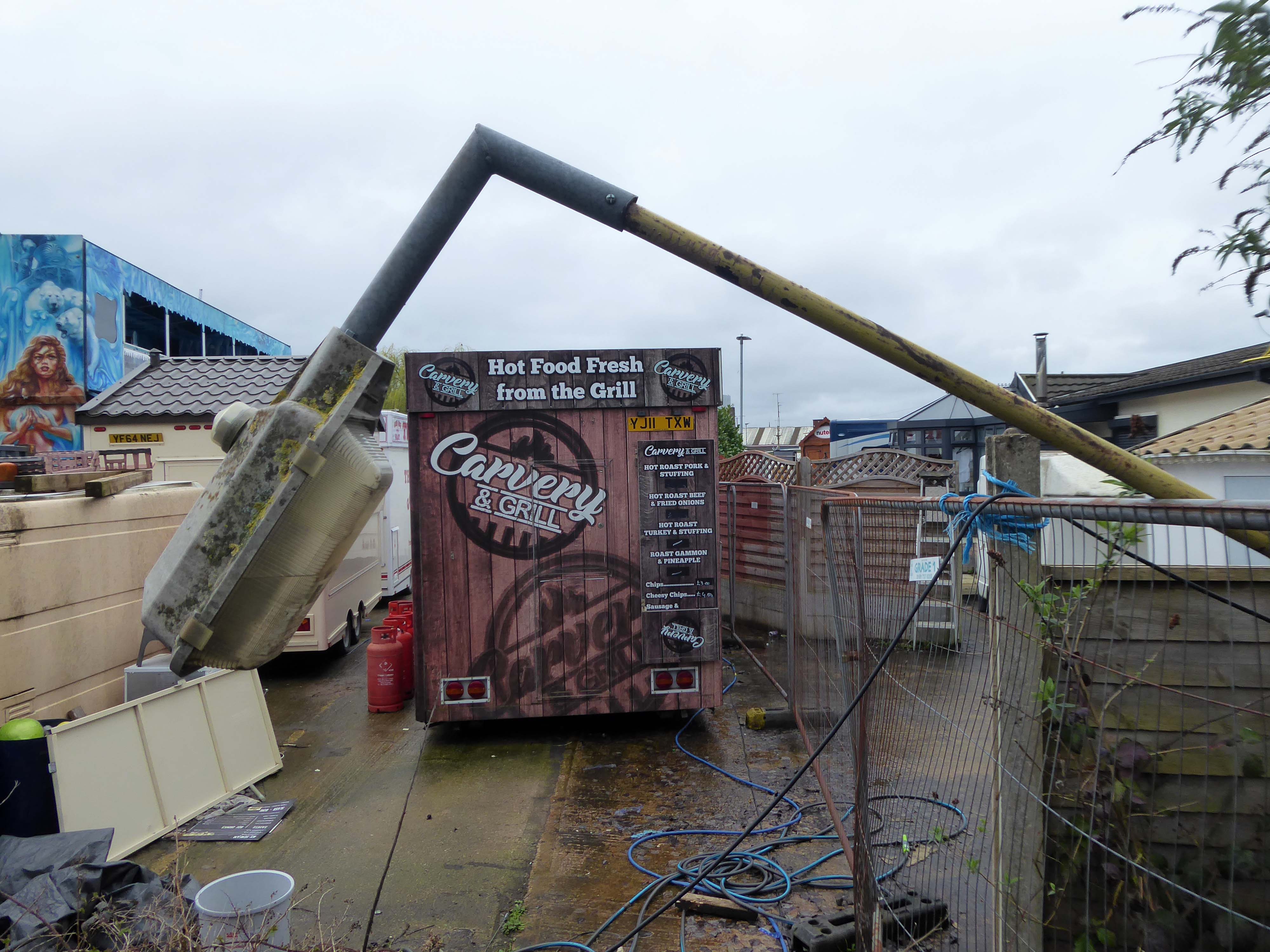
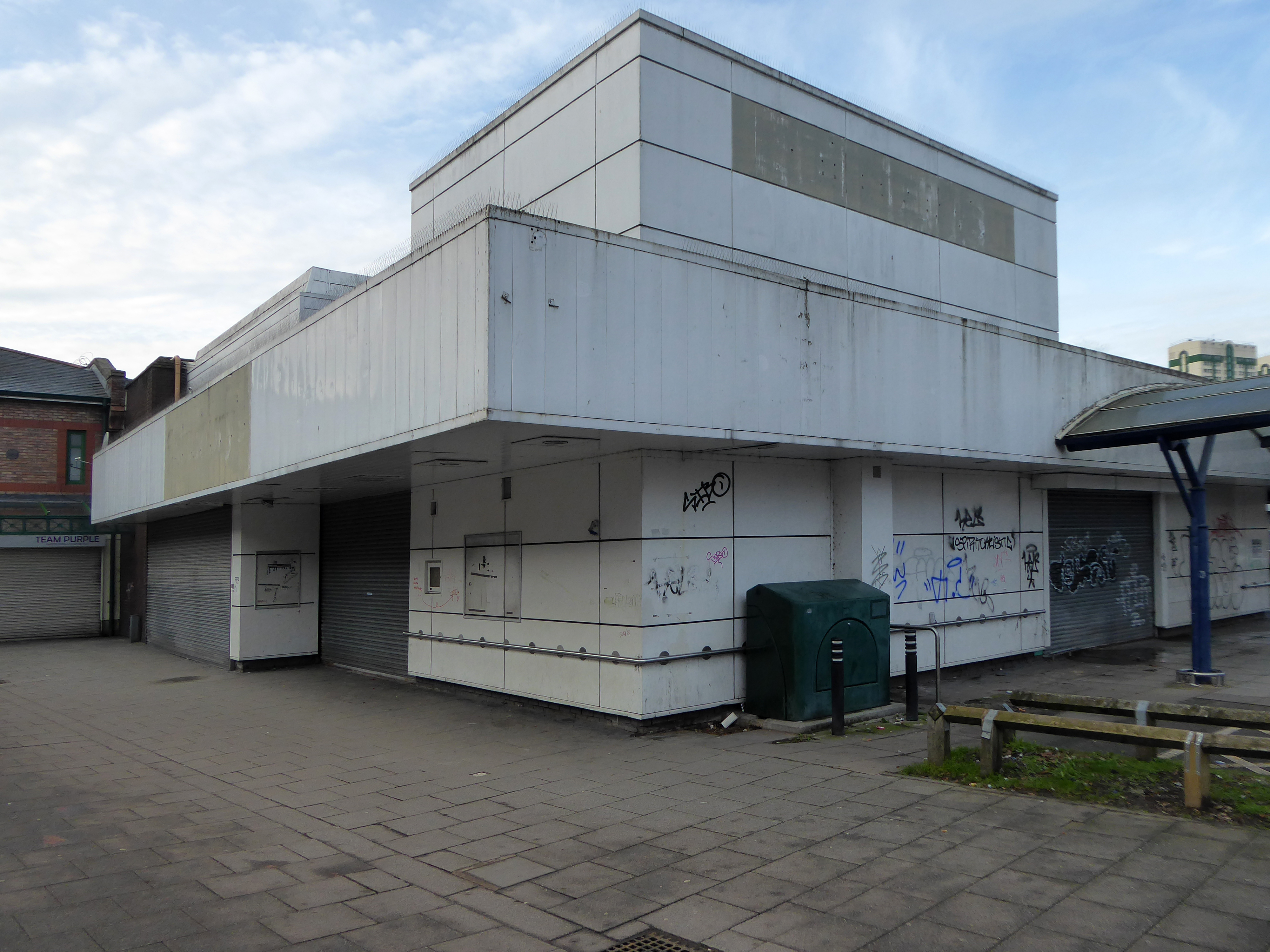
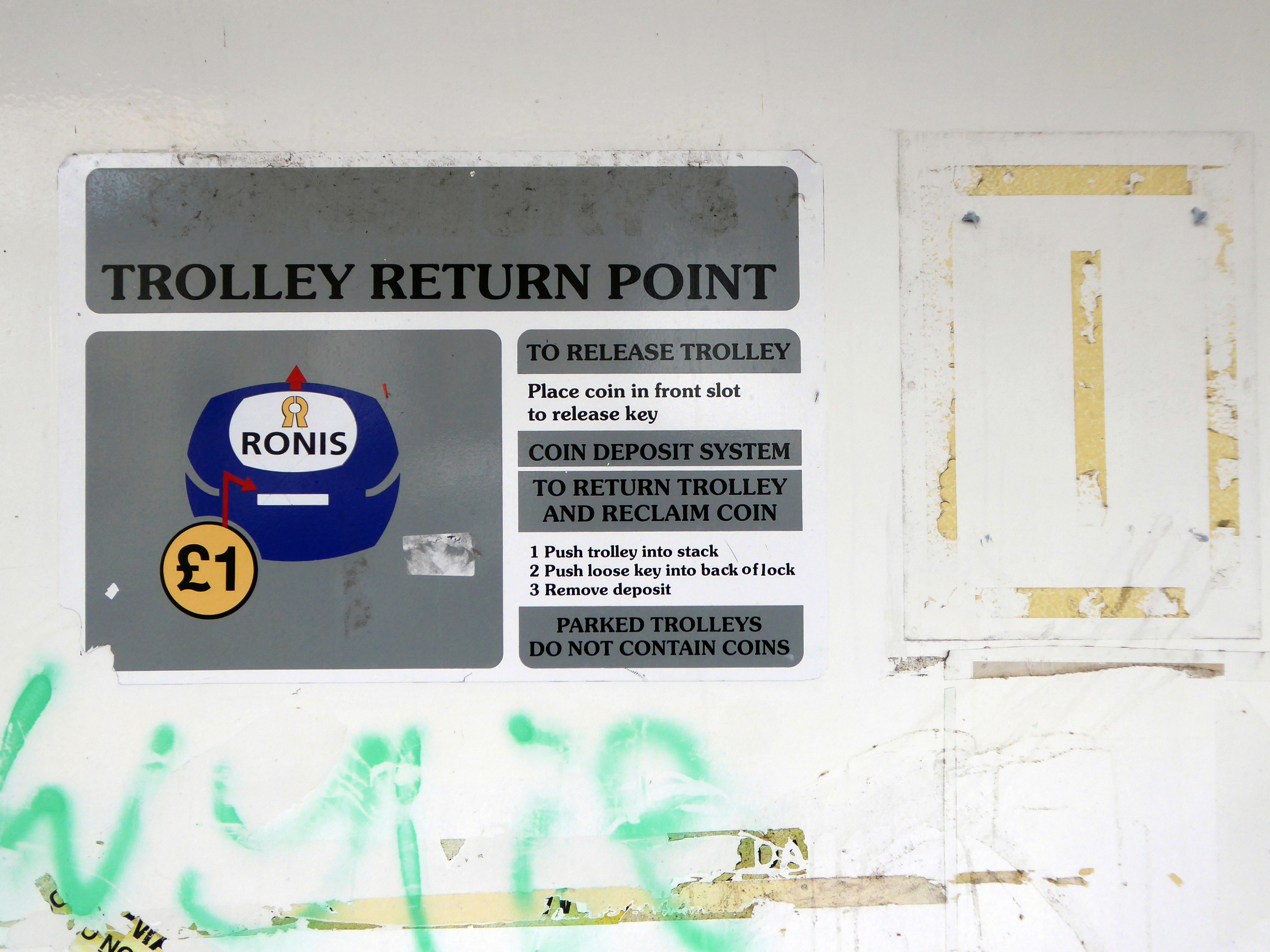
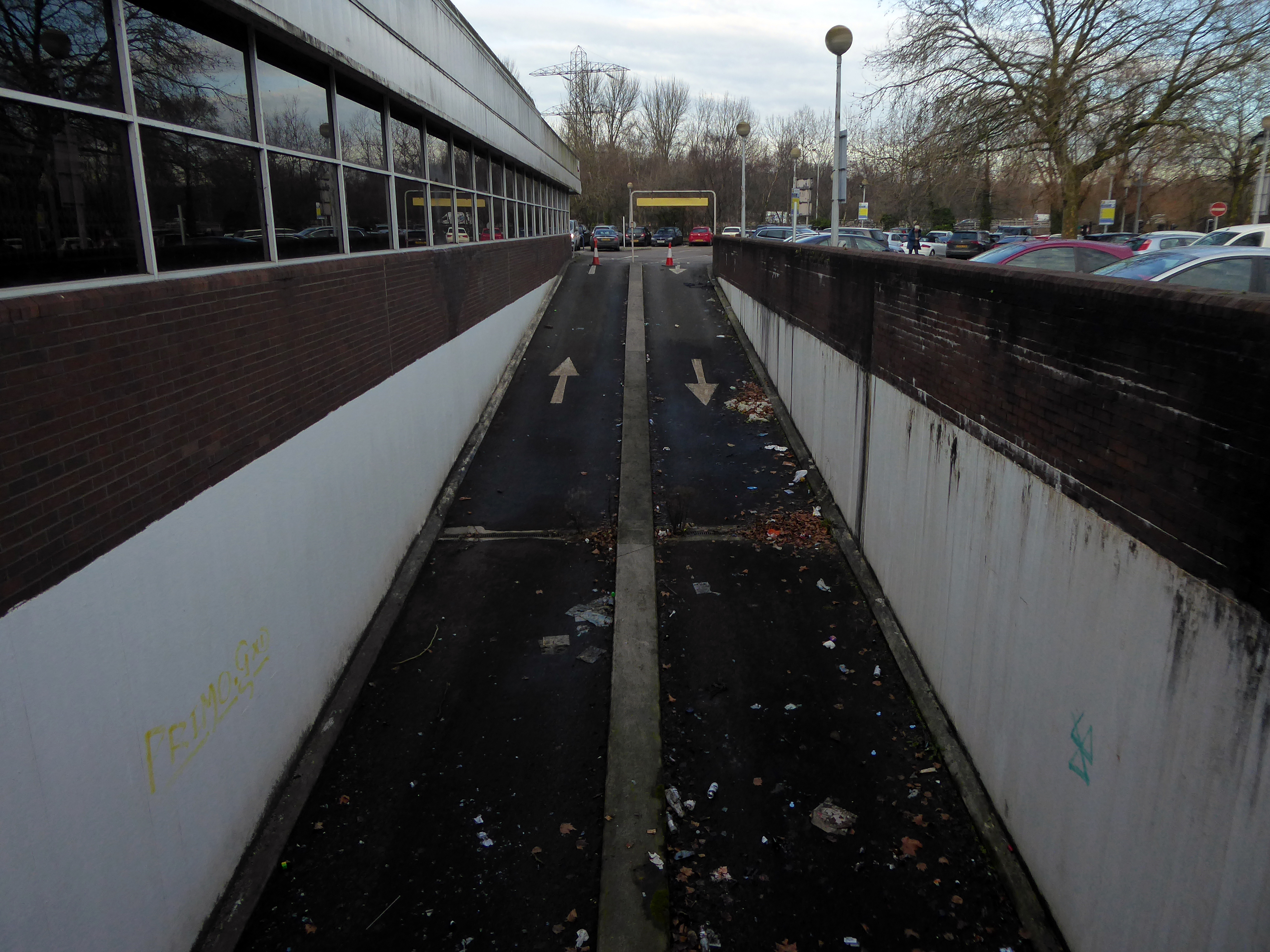
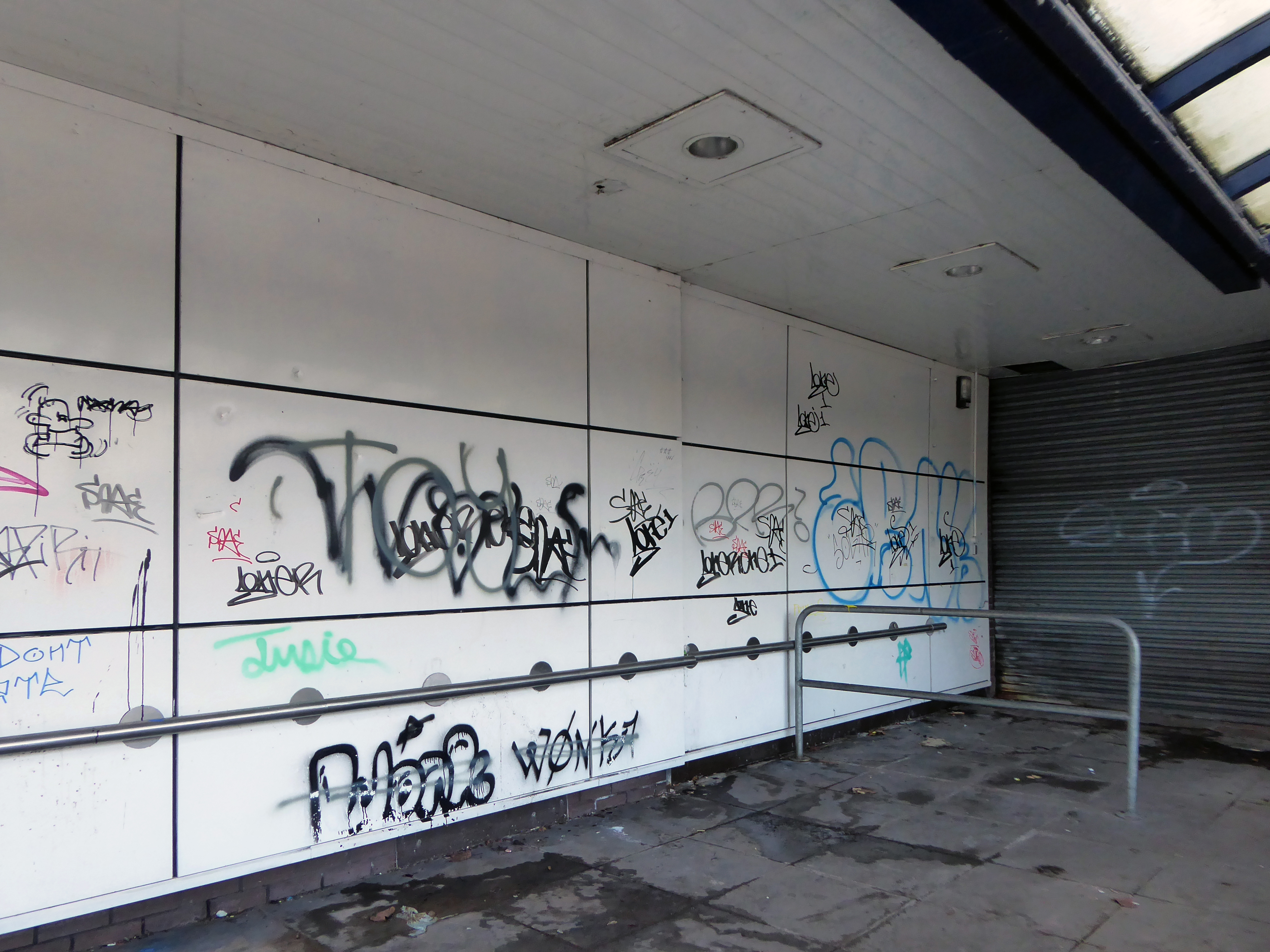
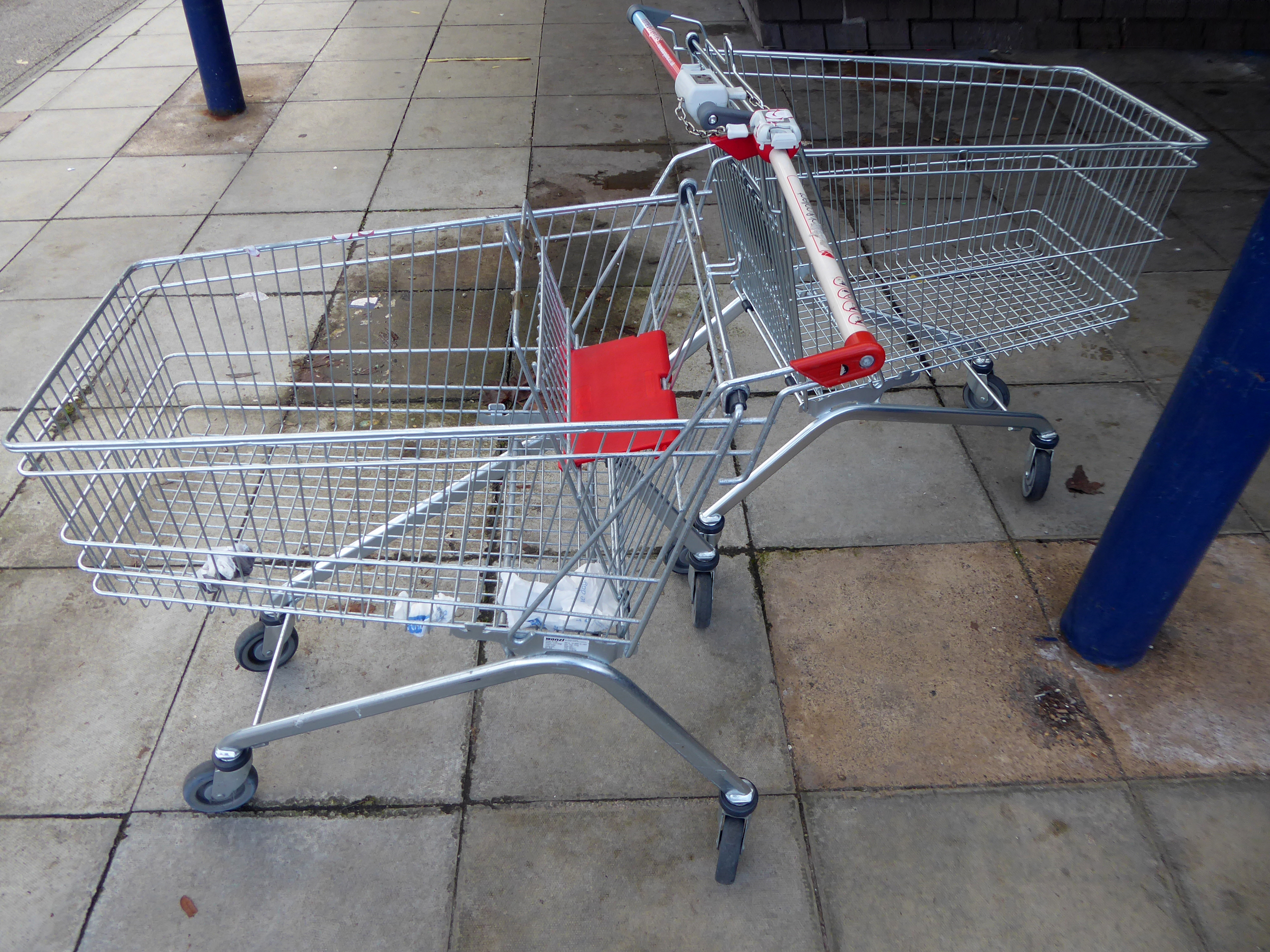
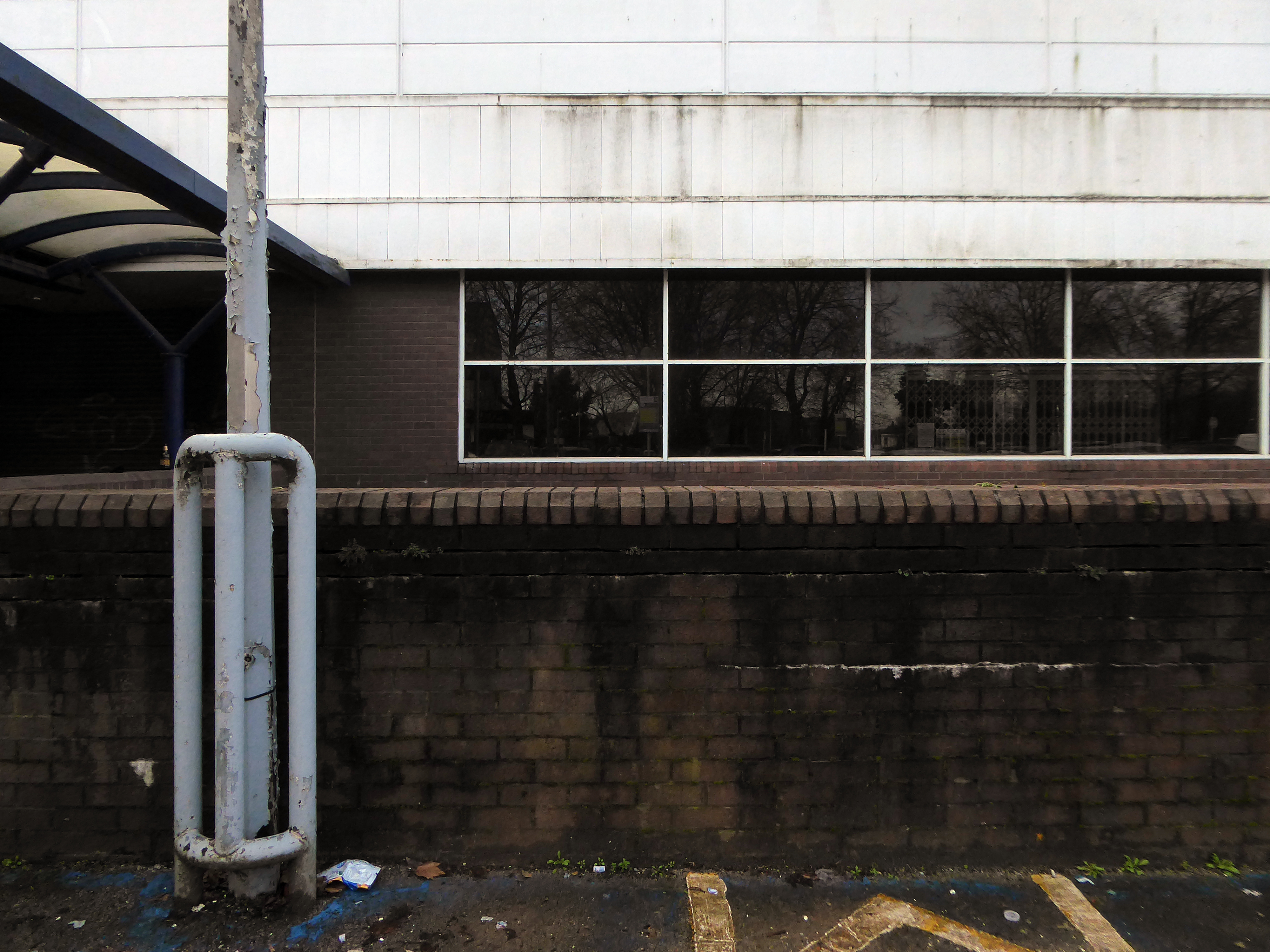
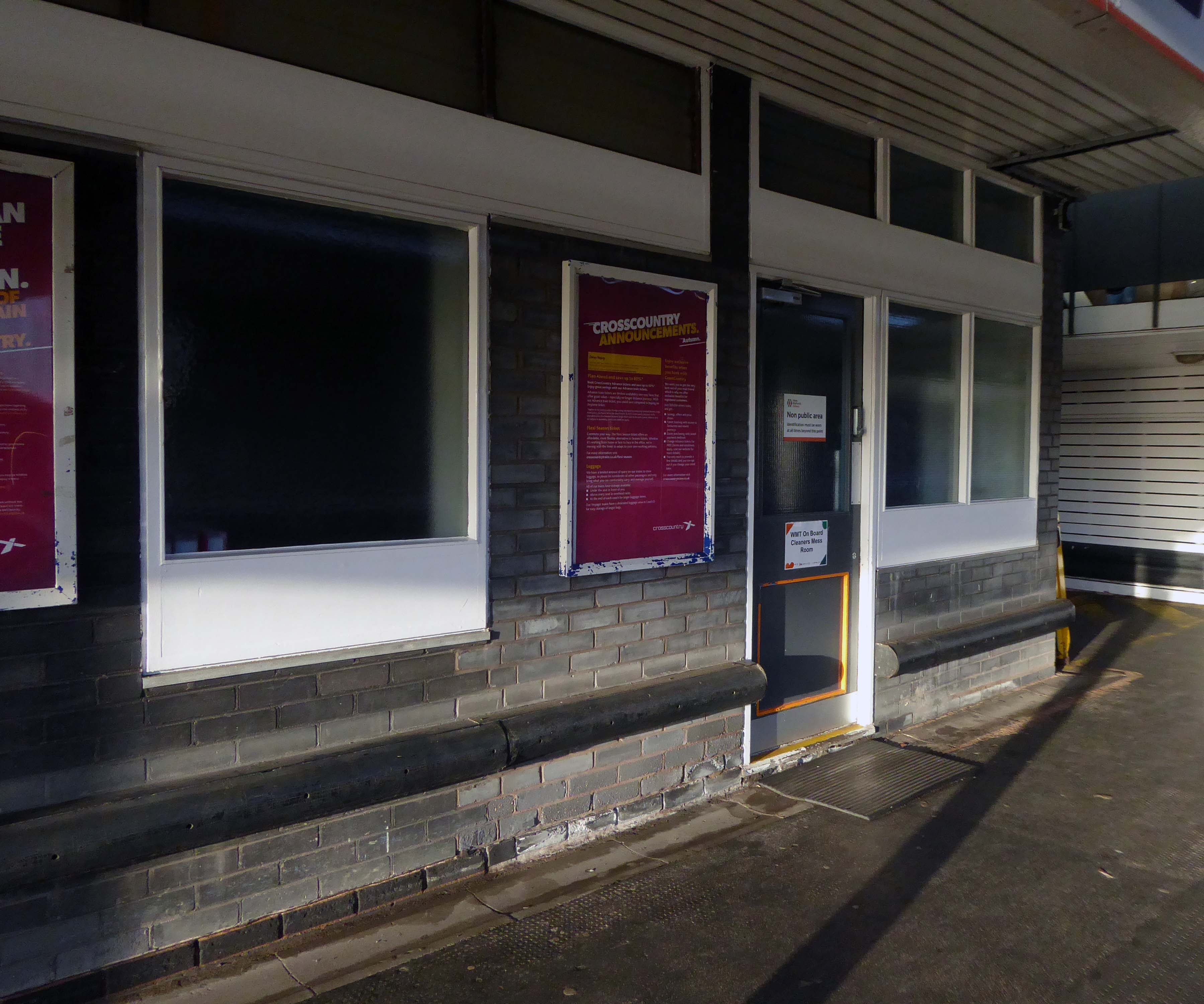
Only takes 20p 50p £1 £2 and no change machine. No detergent either so plan on getting some at the store nearby first. No WiFi, four dryers and five washing machines, one of which, doesn’t work.
The only good thing about it is that it’s open on Sundays.
CJ – local guide
Brilliant dryers and not too expensive, I had to laugh at the review saying – no WiFi.
Debbie Dent
This wash and wear love could hang you out to dry.
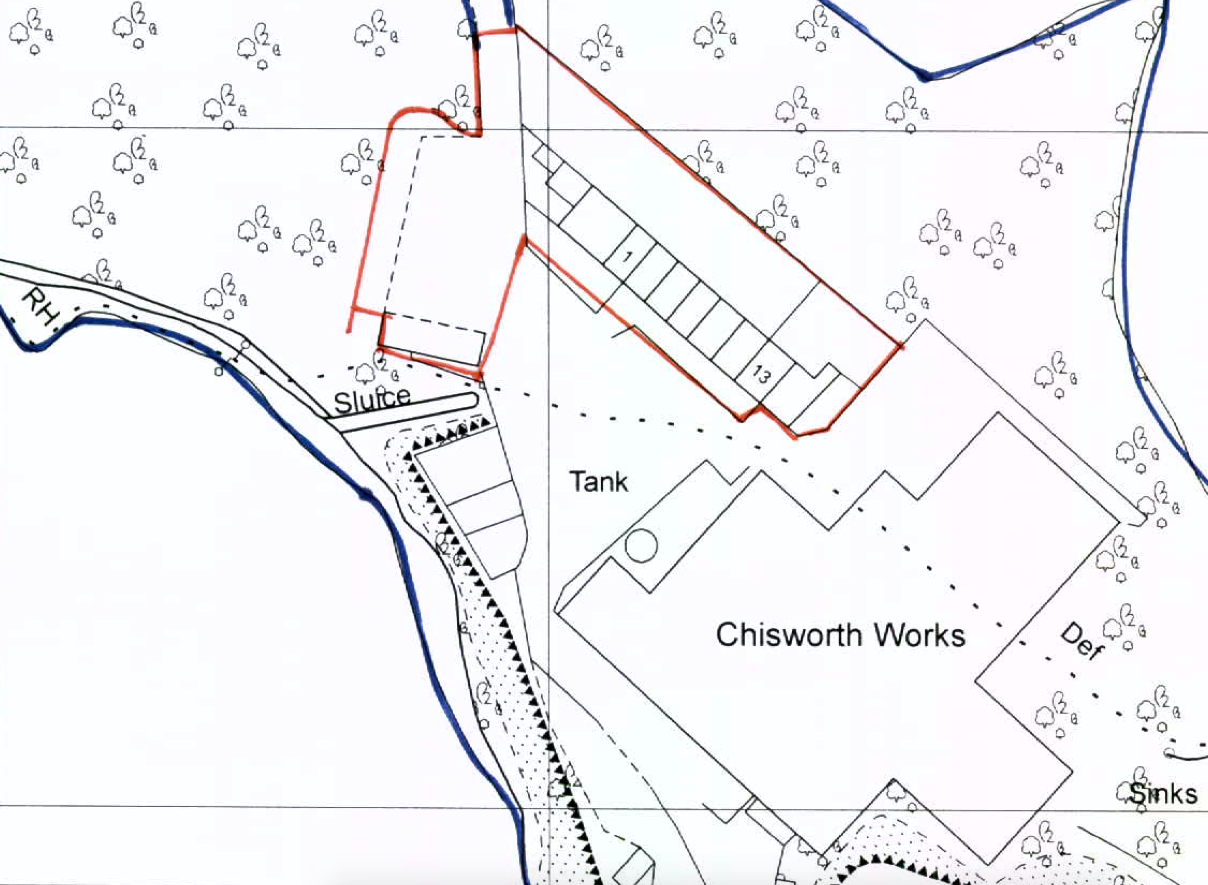
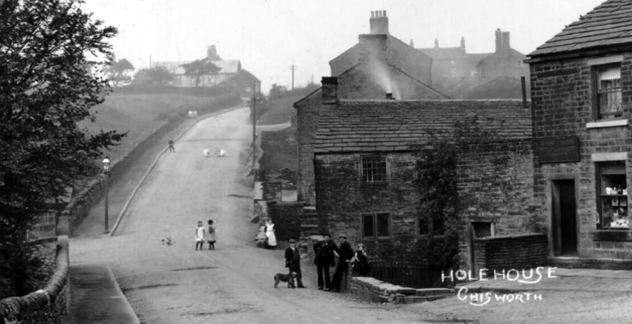
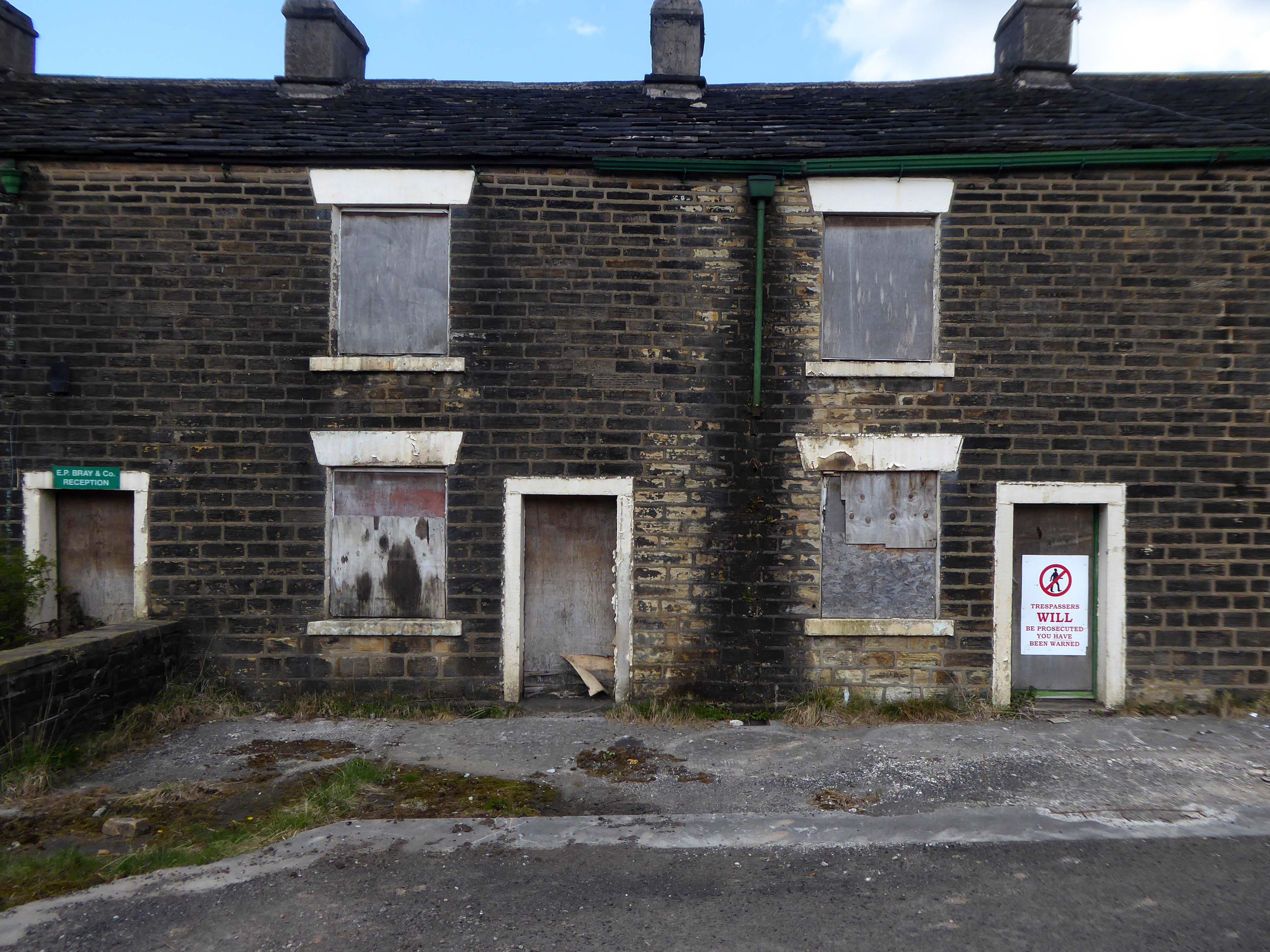
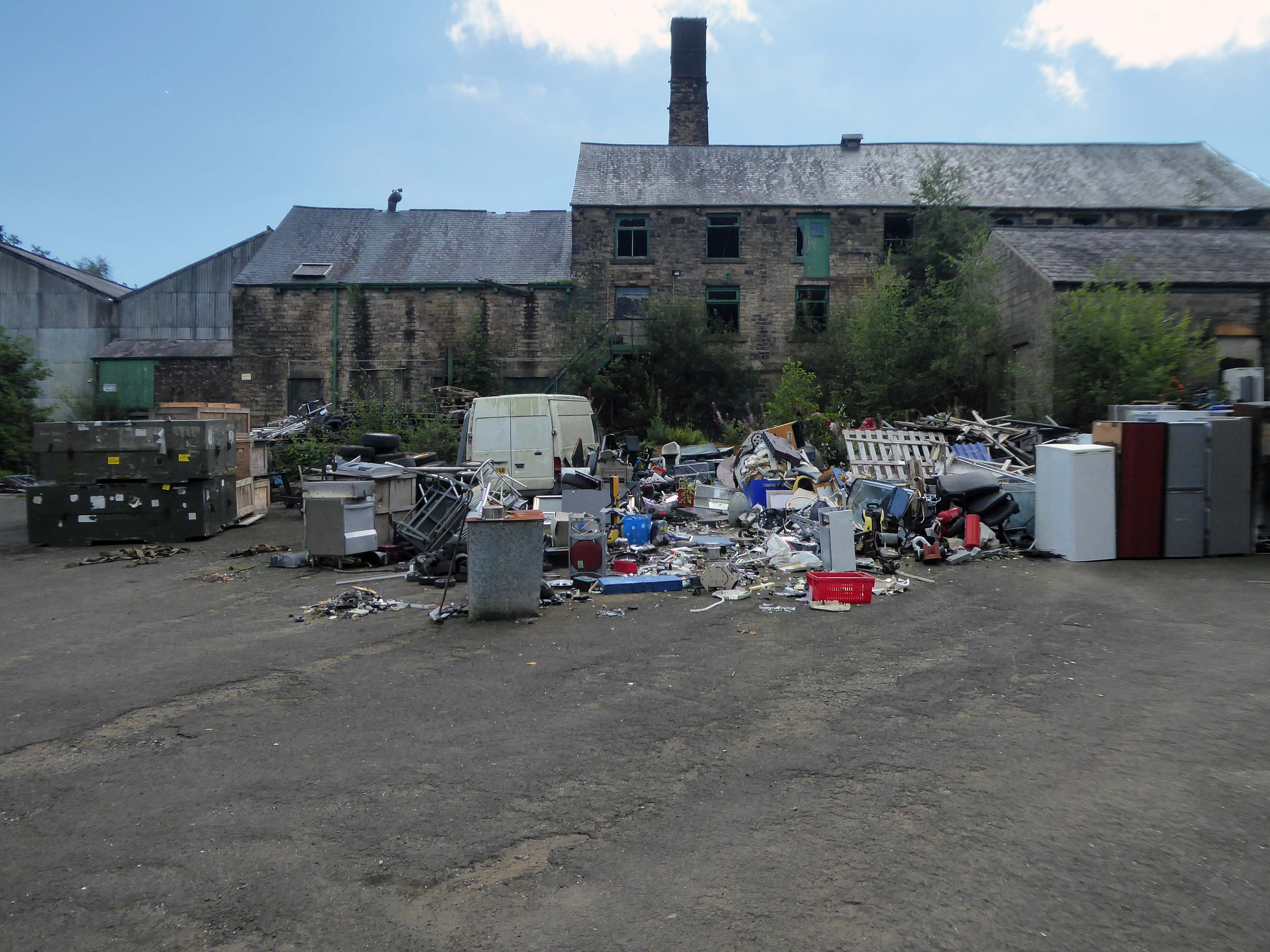
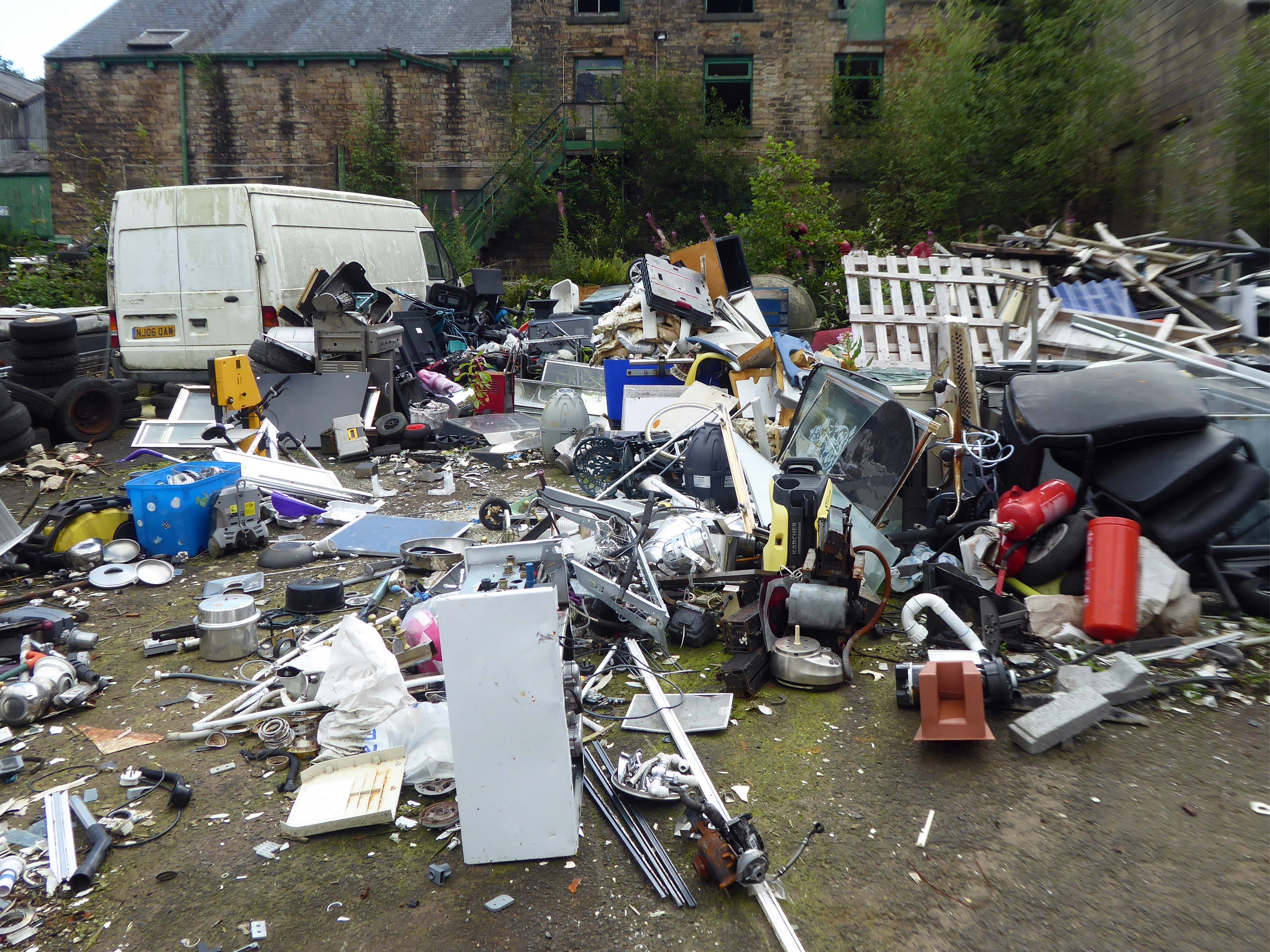
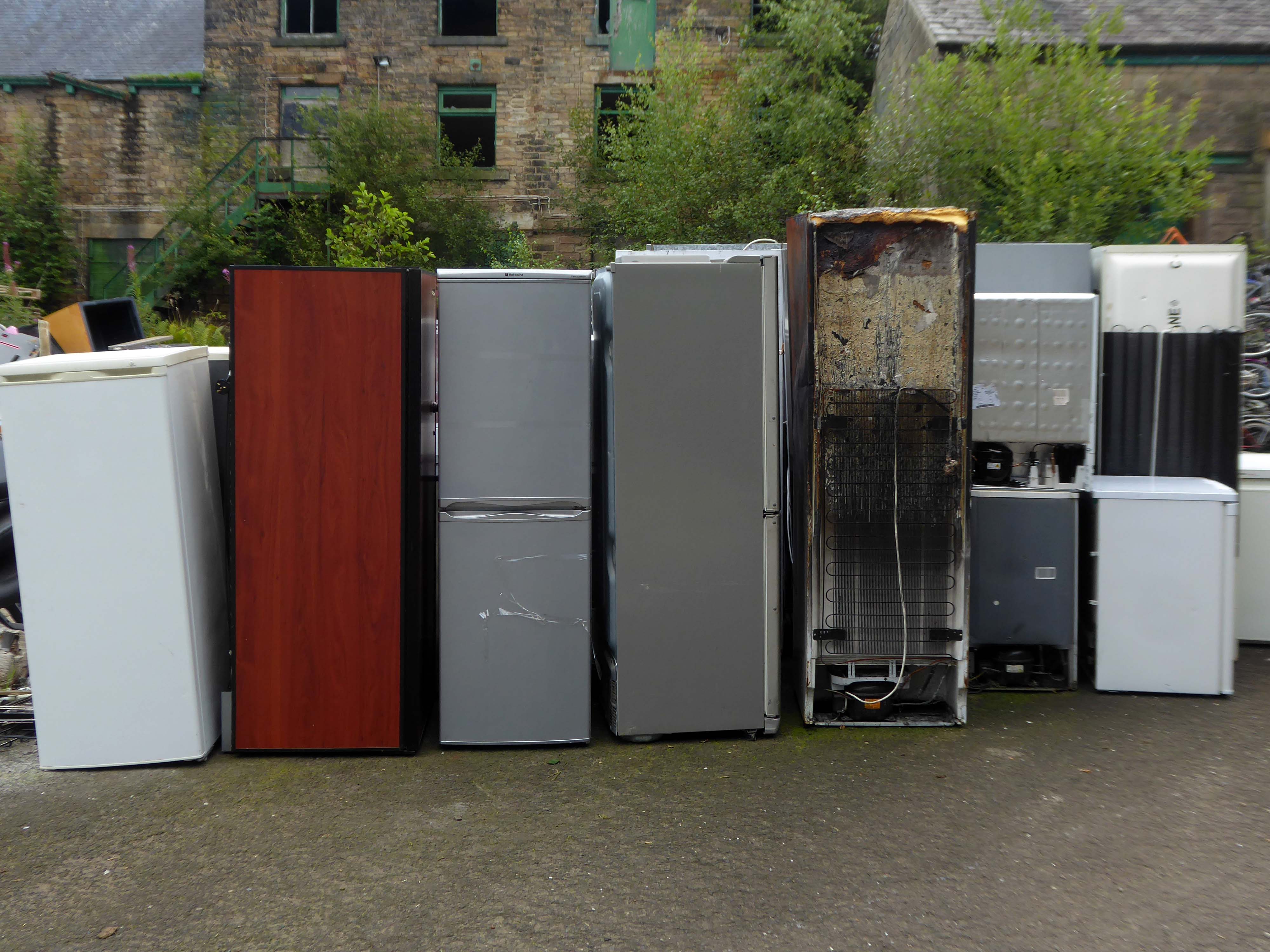
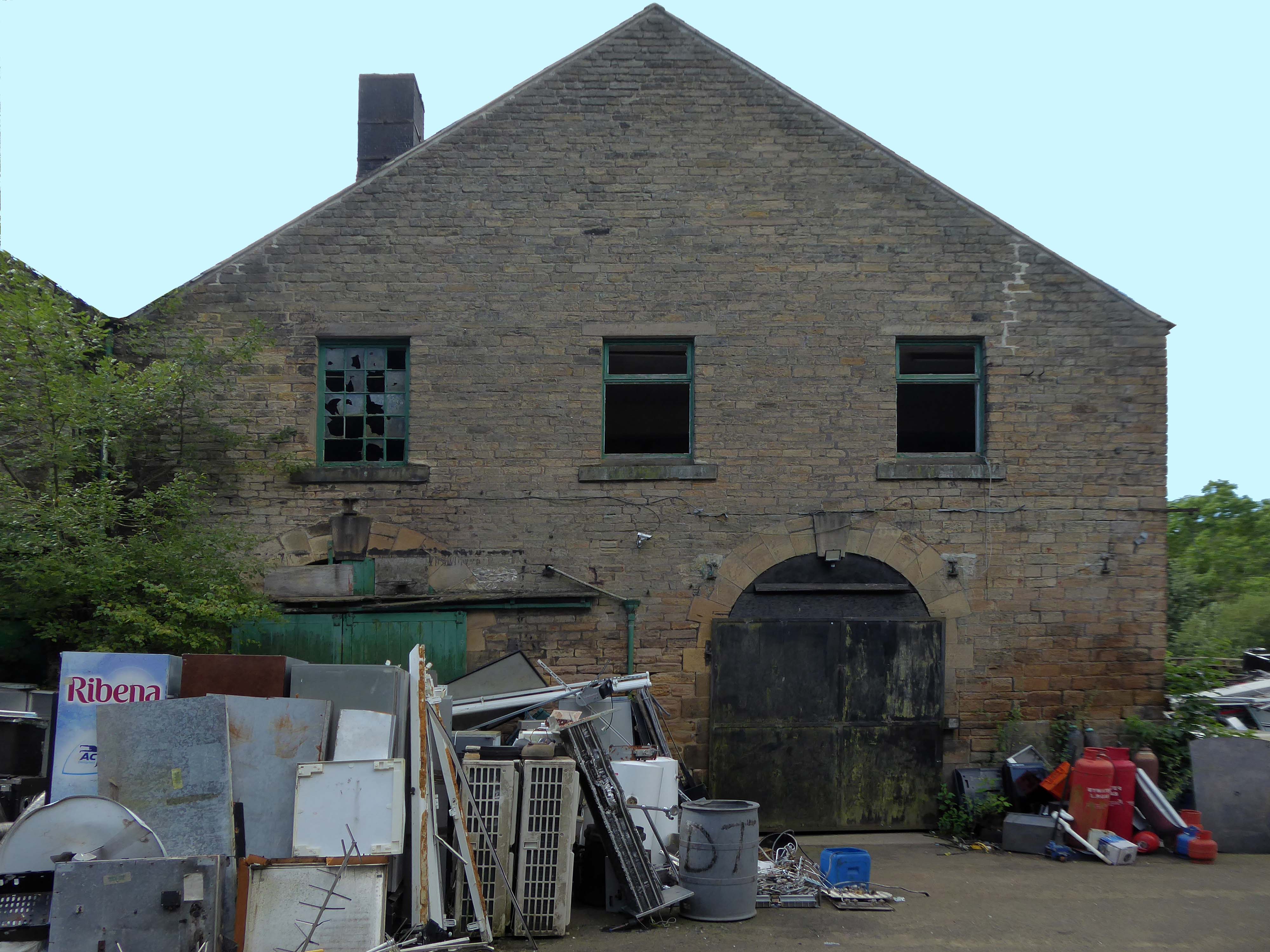
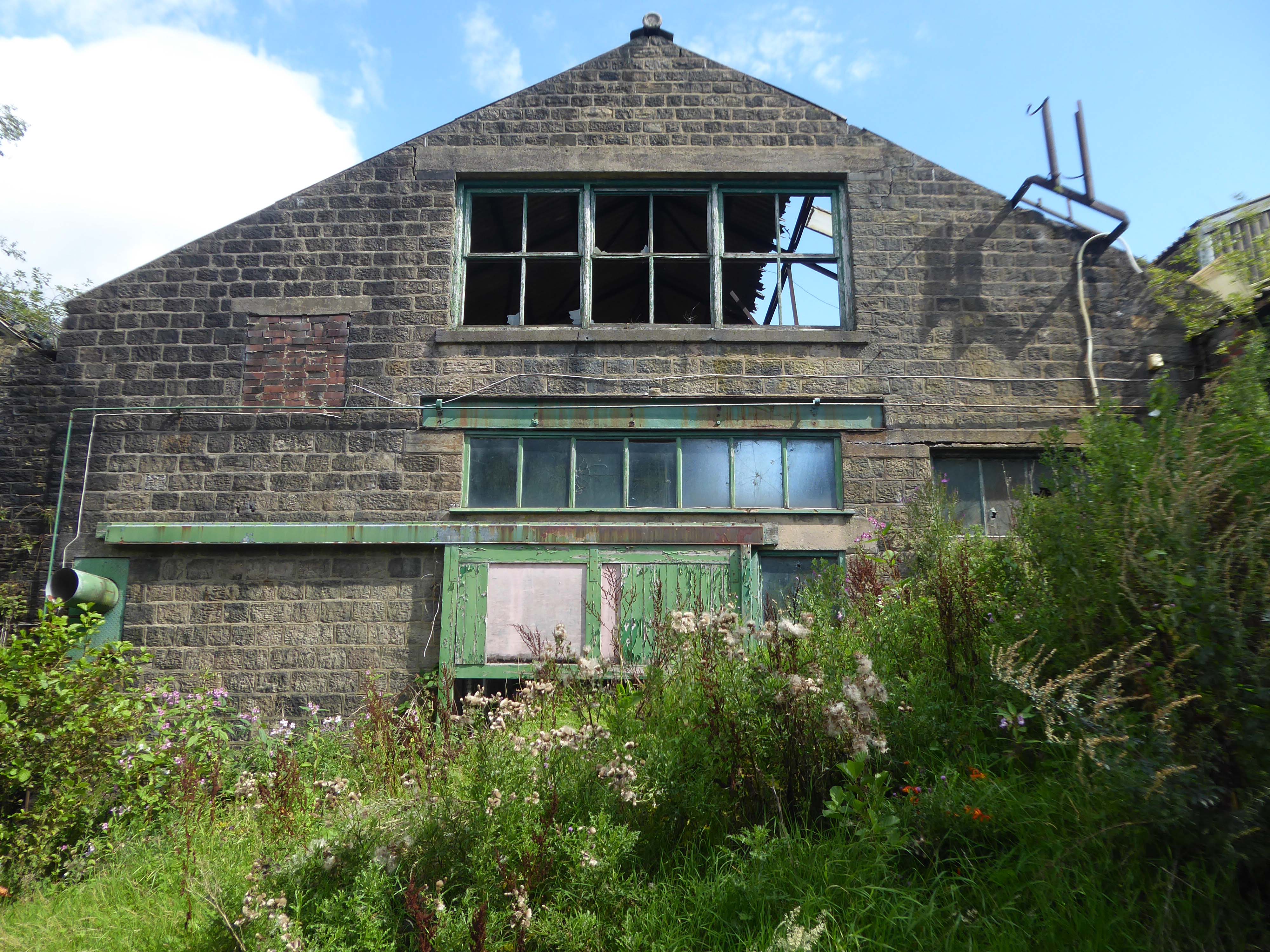
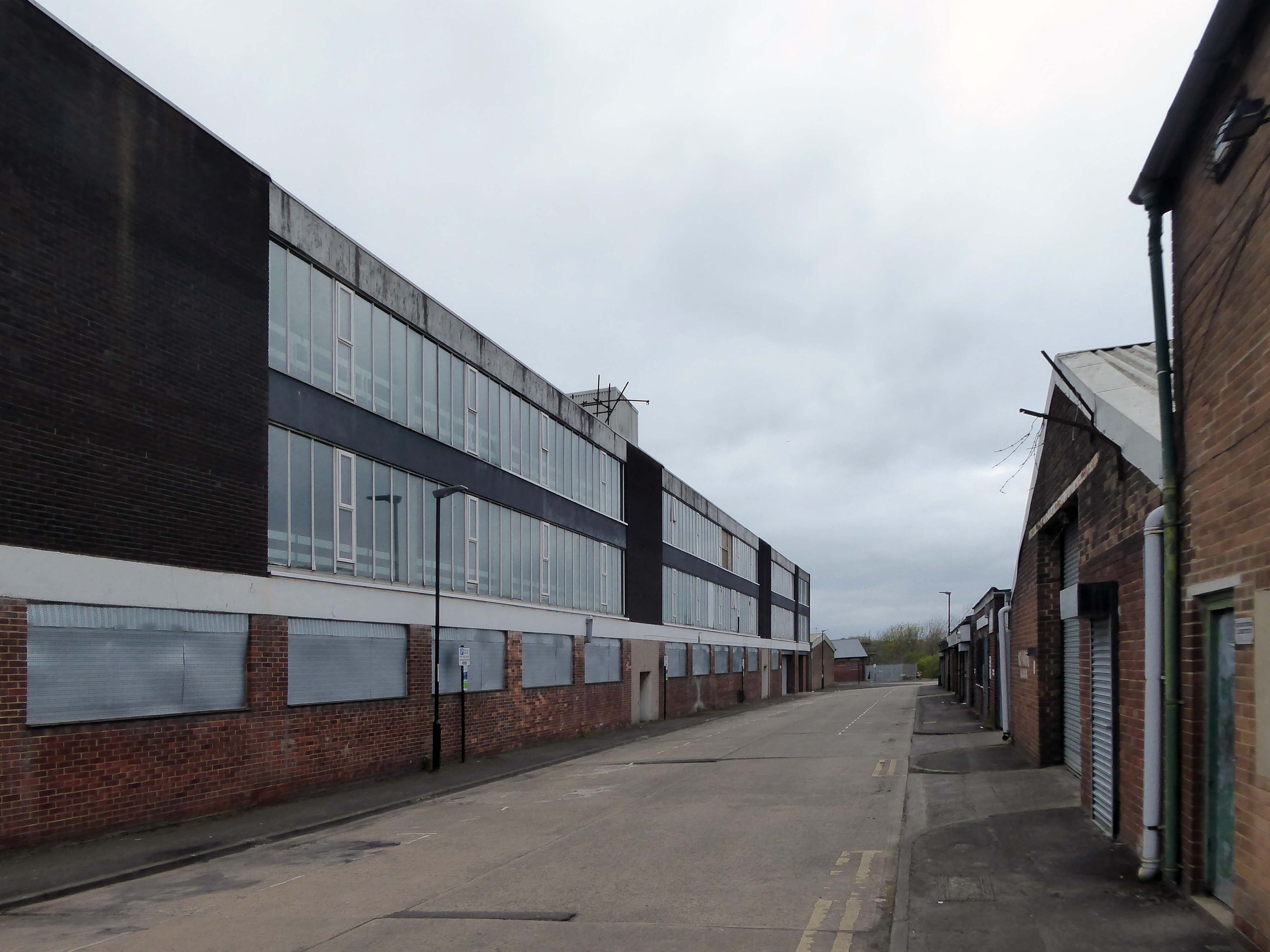
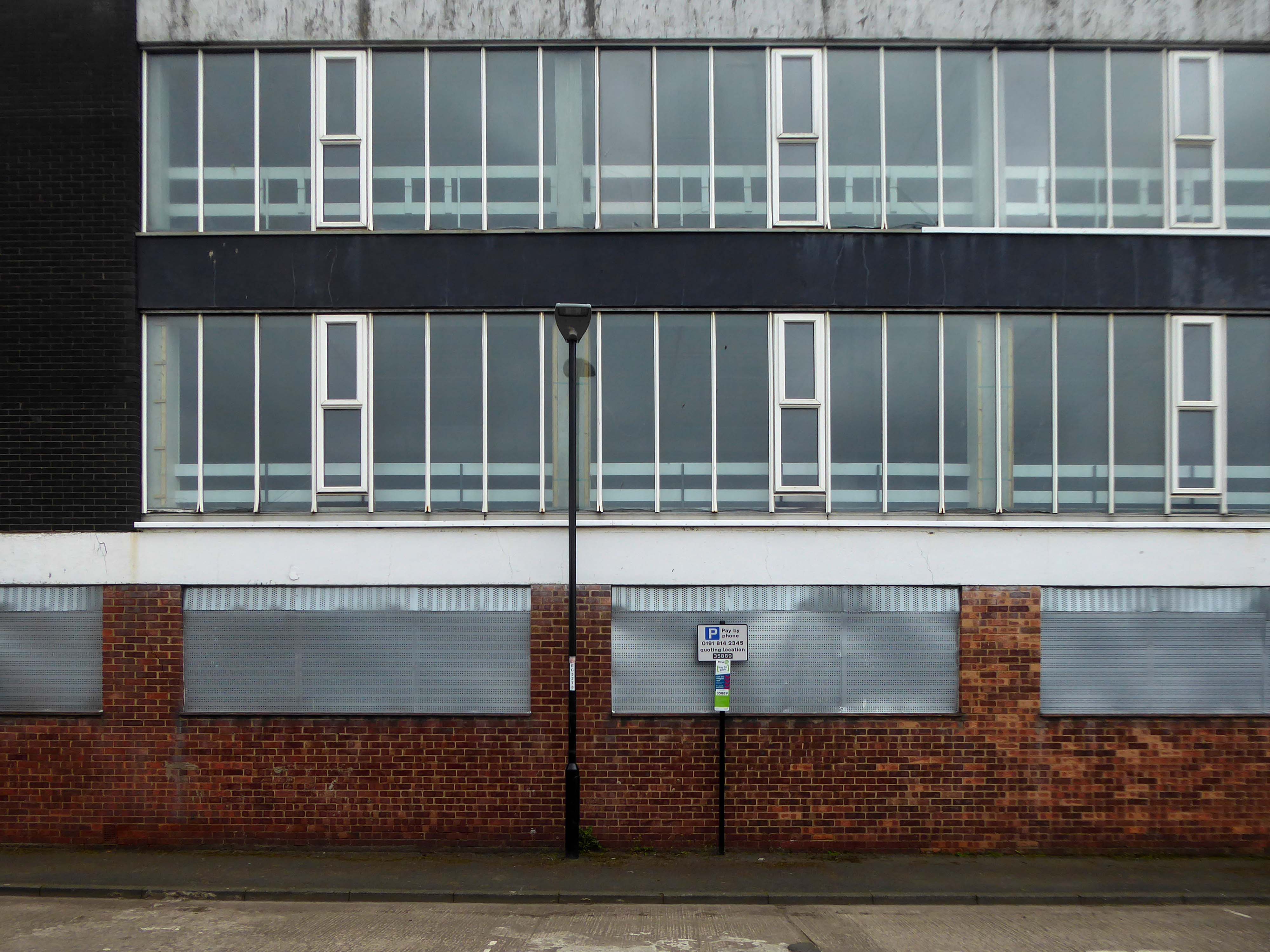
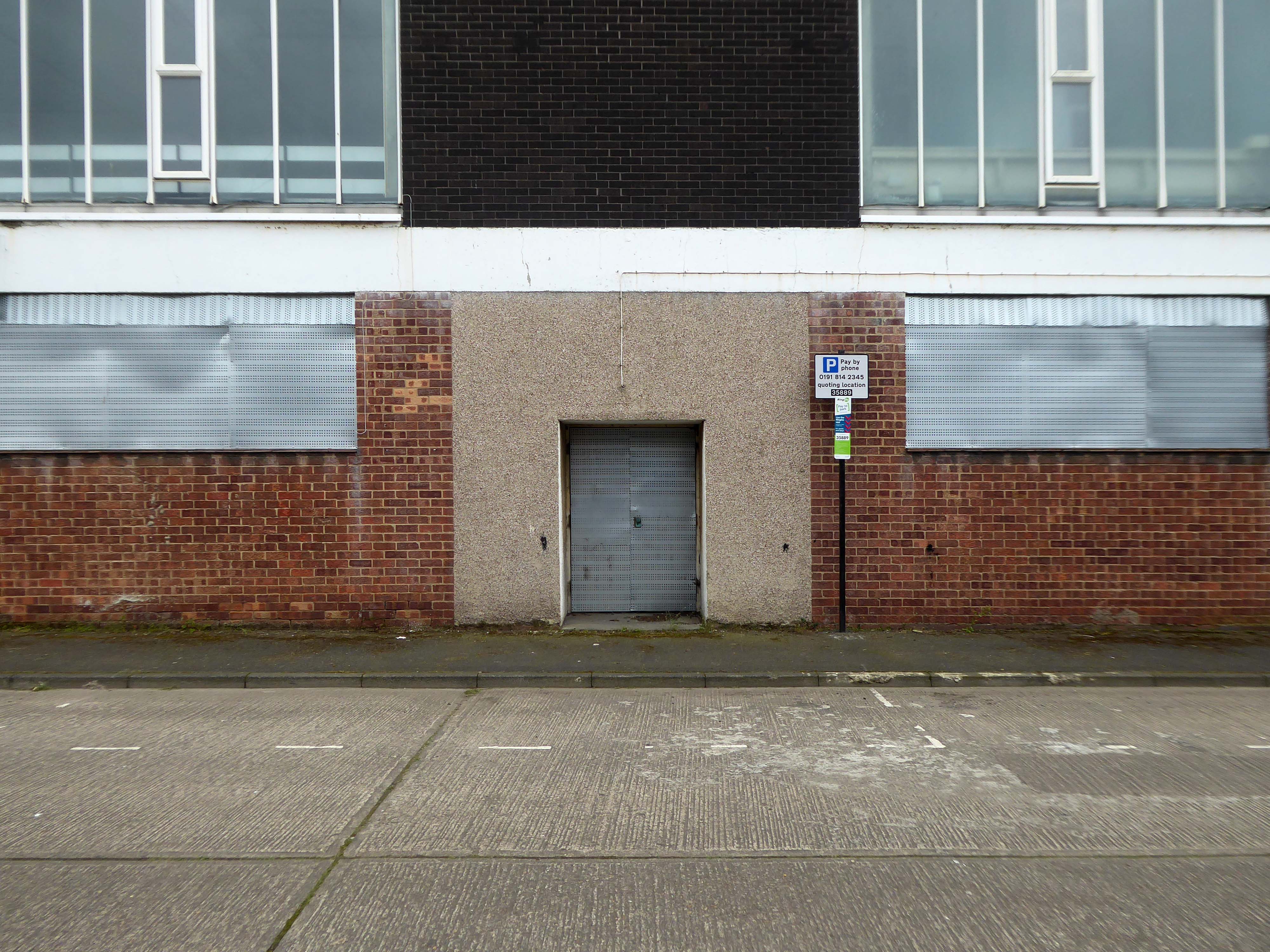
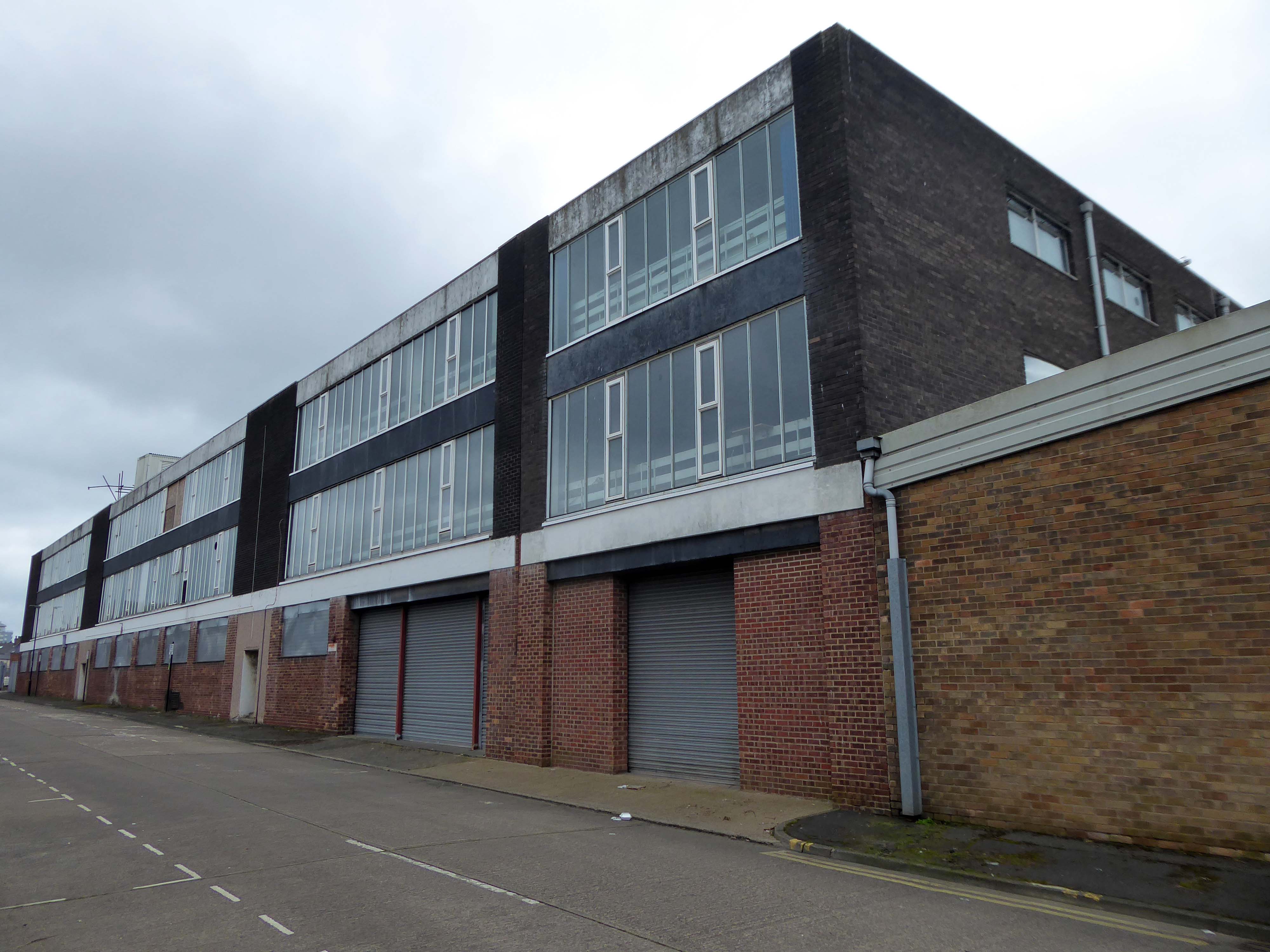
Chisworth Works Coombes Lane Holehouse Charlesworth and Chisworth SK13 5DQ
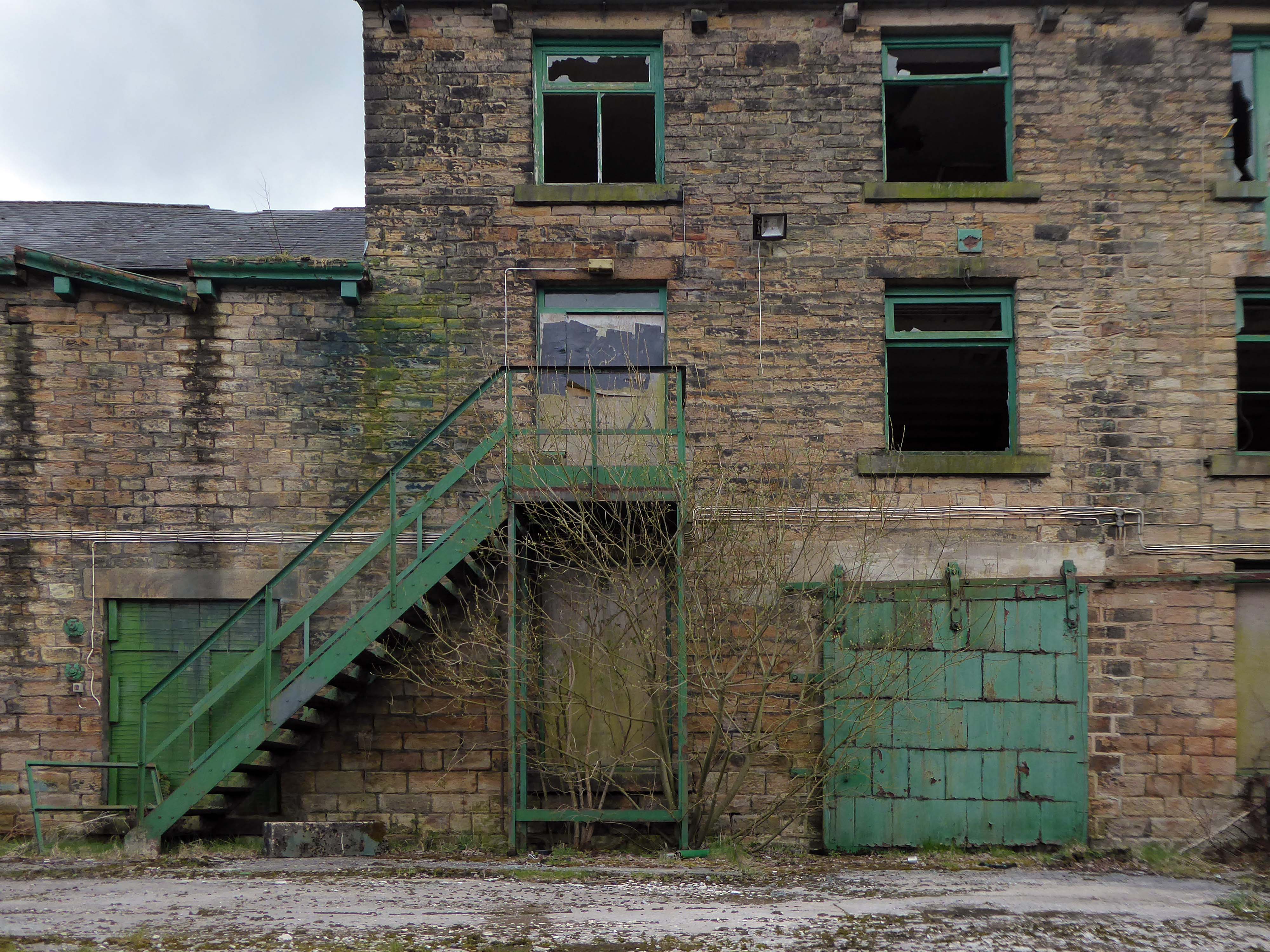
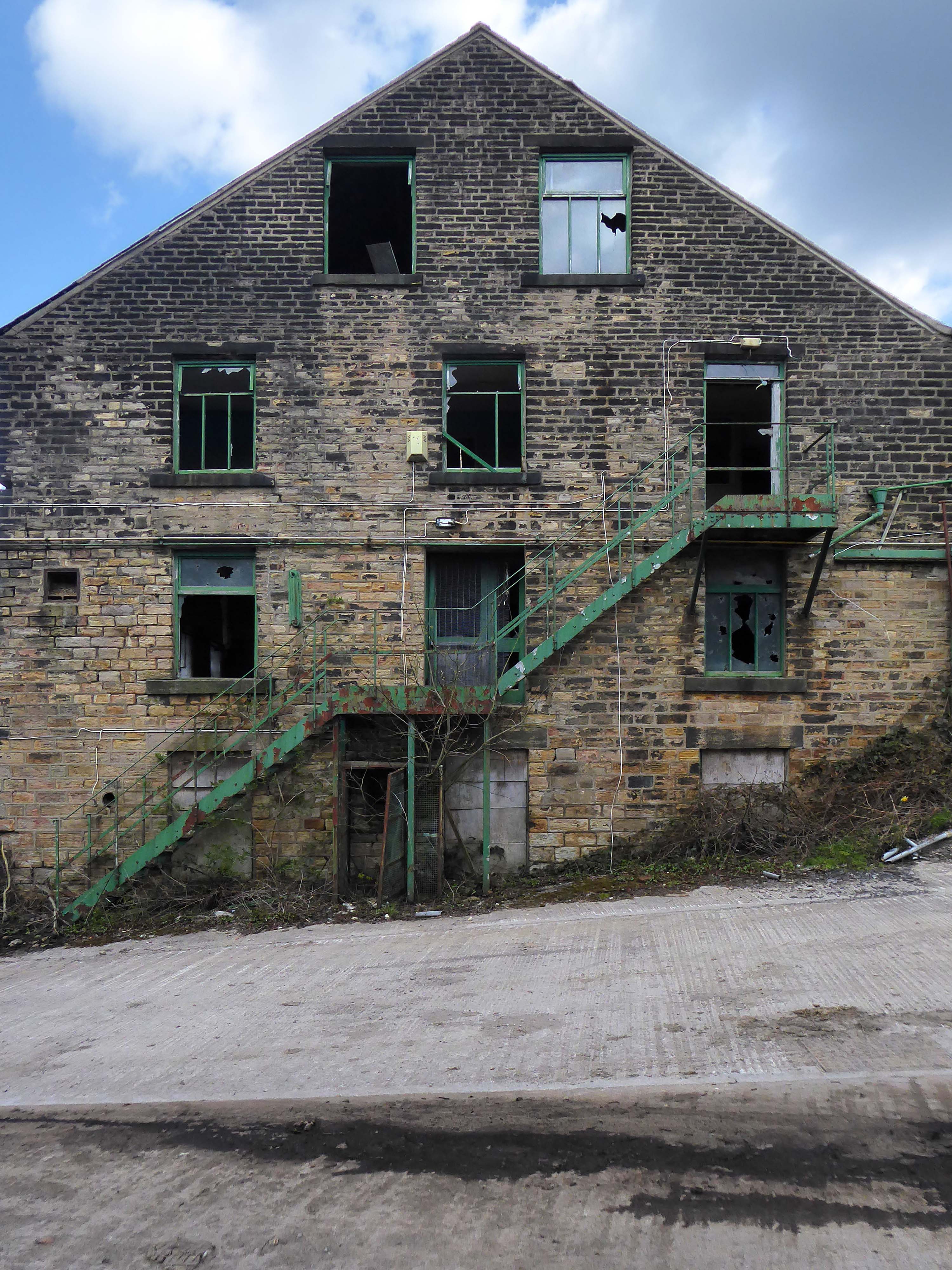
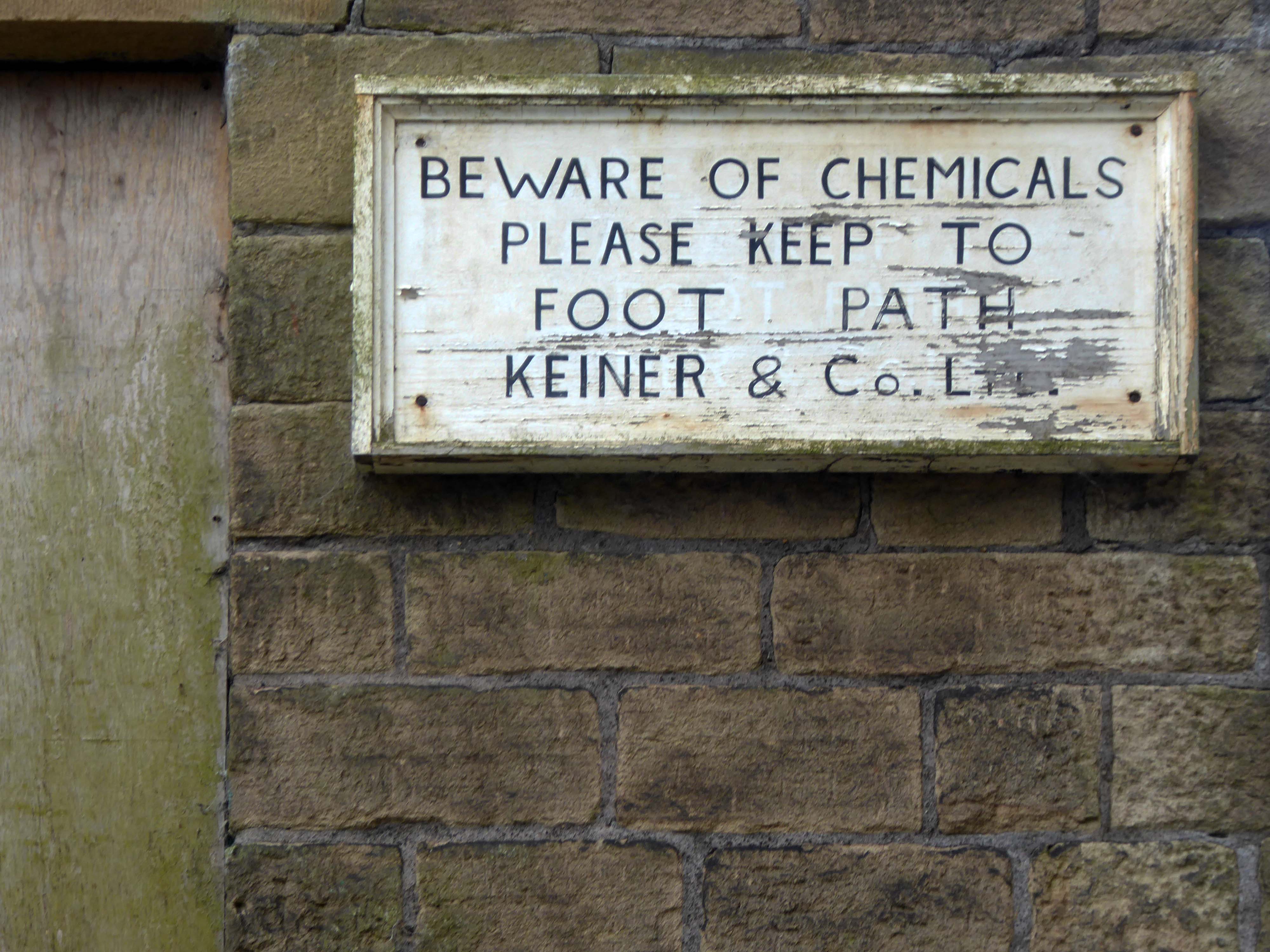
Built at the end of the 18th or in the early 19th centuries; Chisworth Works was as a cotton band manufactory. During these times, the site was called Higher Mill.
It was referred to as Higher Mill, as there was a lower works, Mouse Mill in Holehouse, owned by the Booth family.
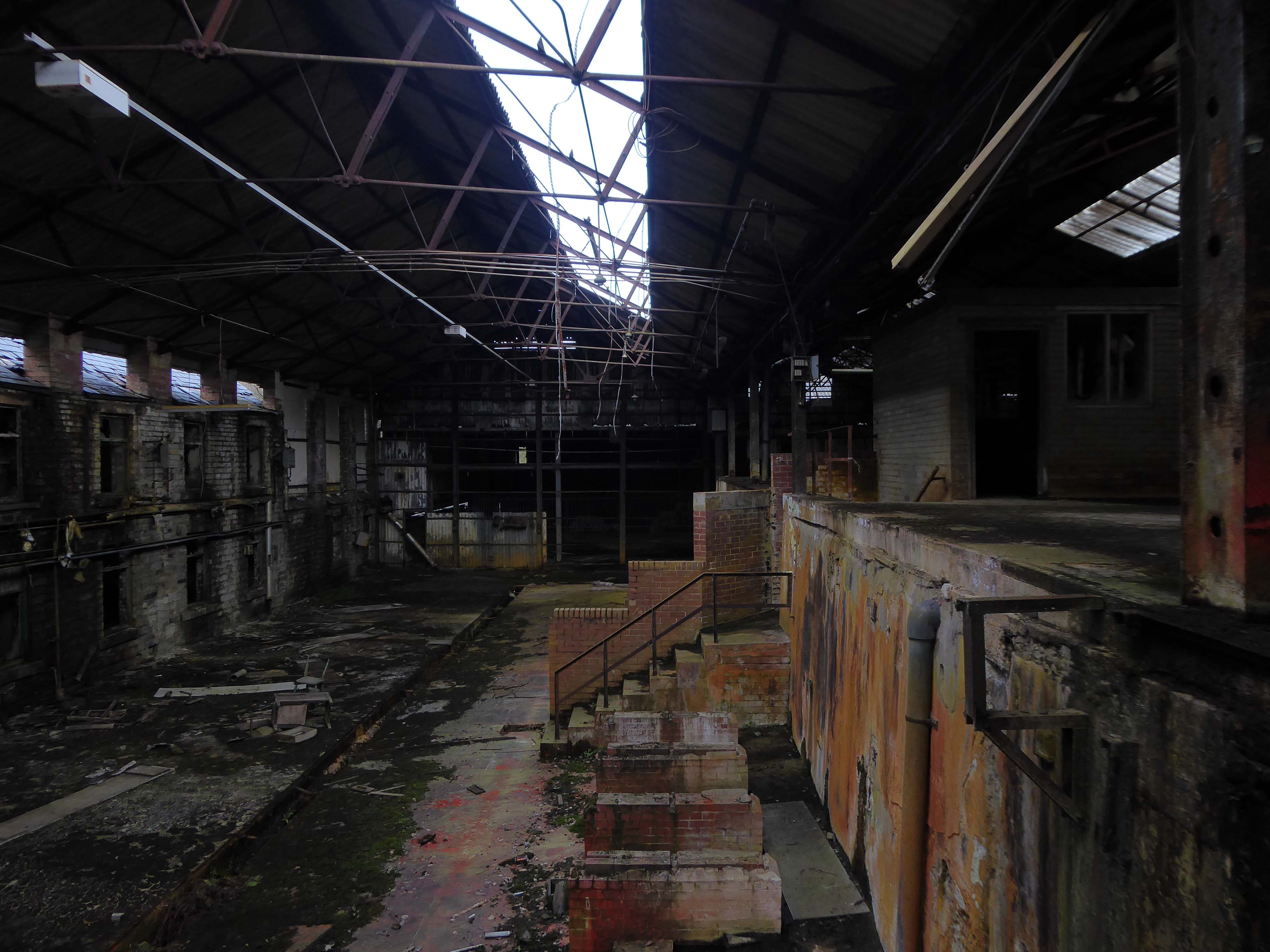
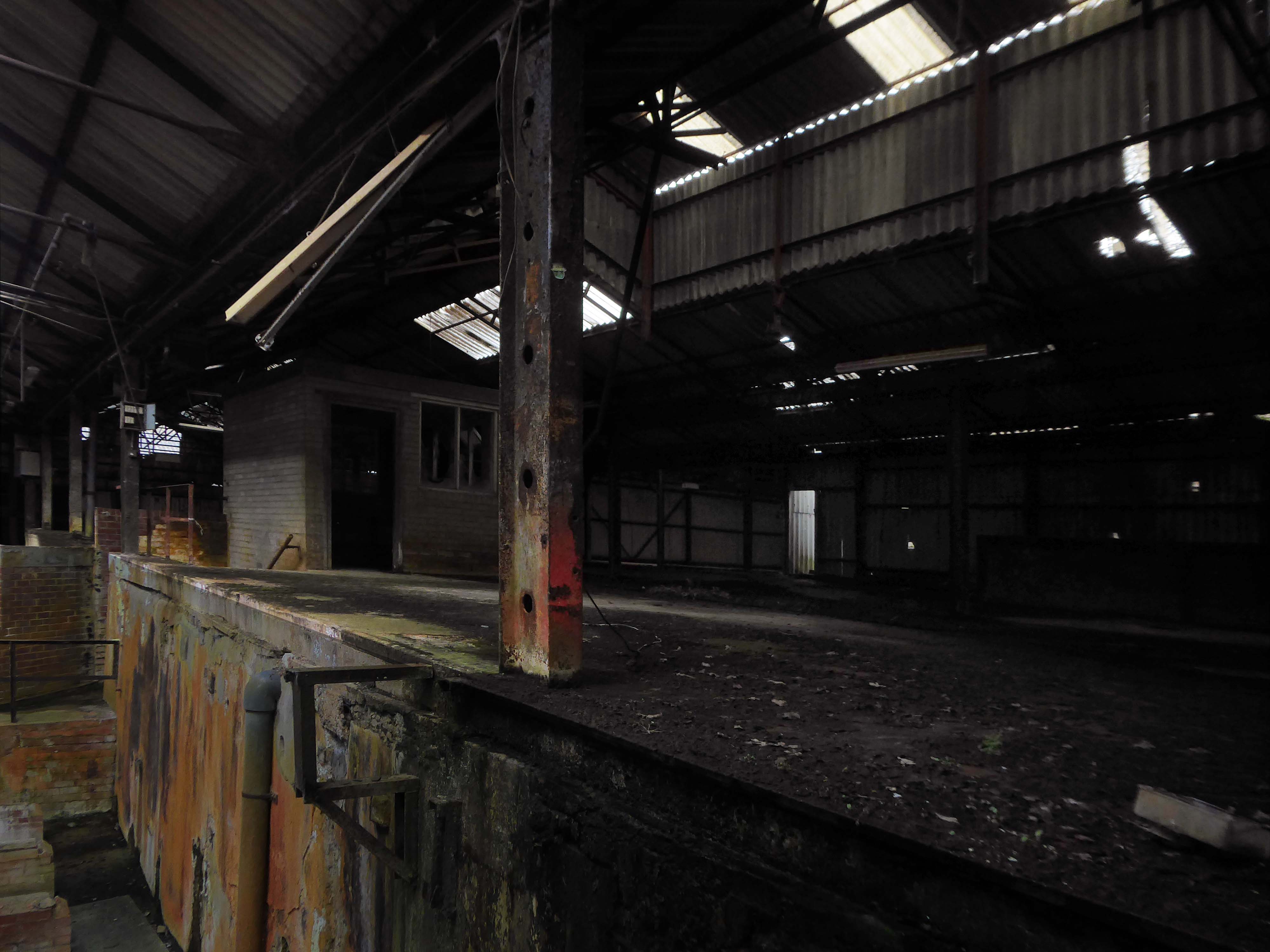
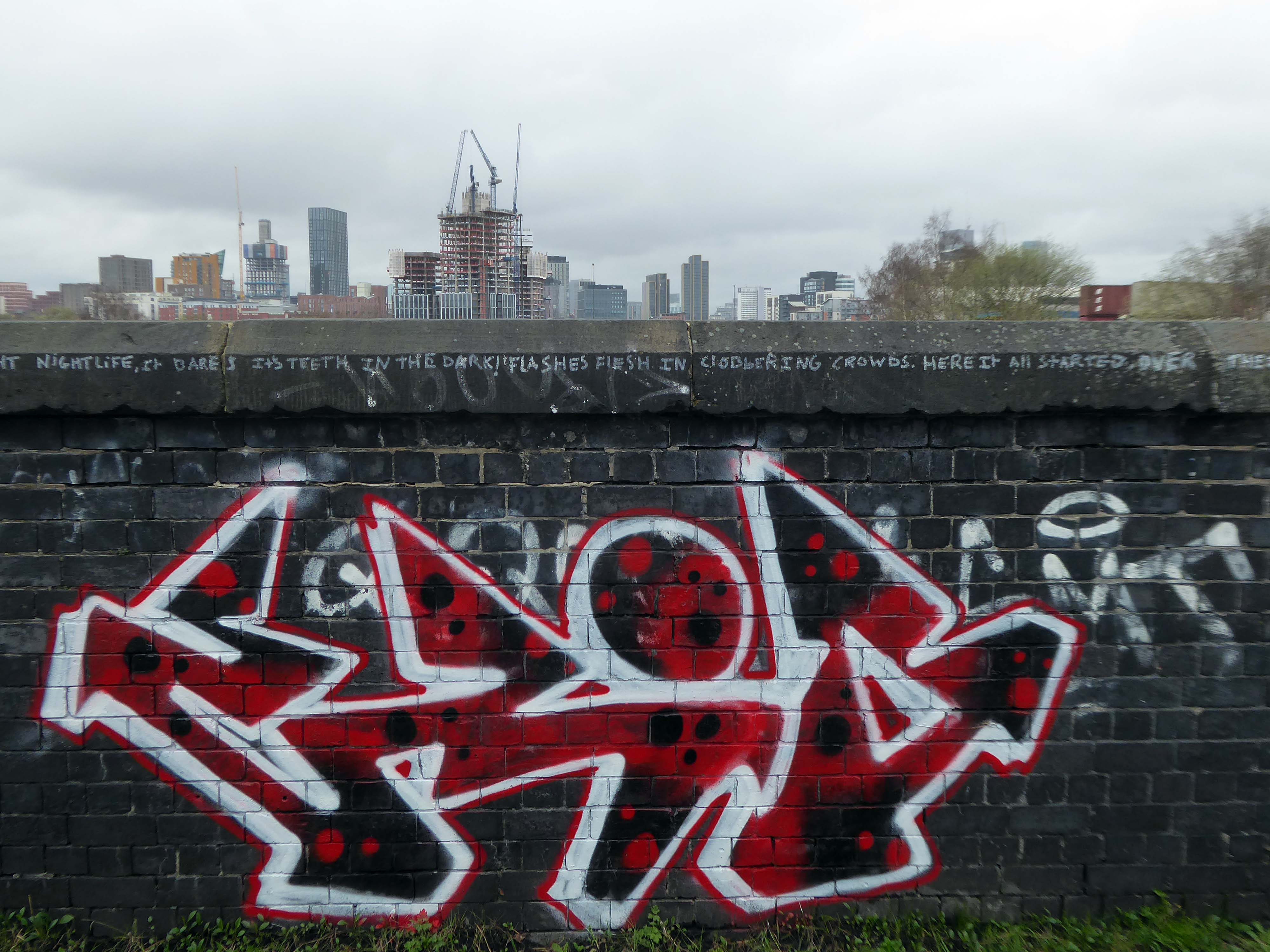
It has been a longstanding, low-lying object of interest to those intrepid Urban Explorers.
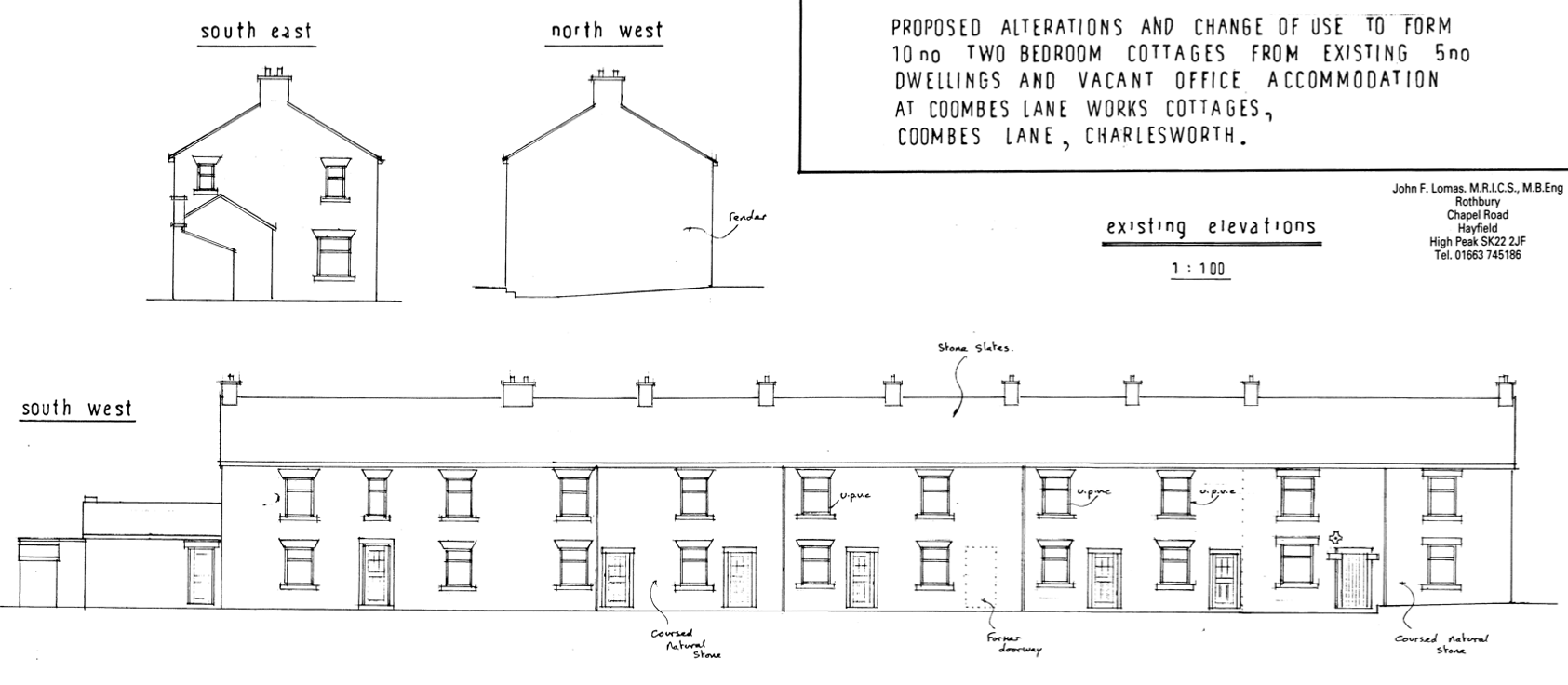
A planning application of 2009 was submitted for redevelopment of the terraced cottages.
Proposed alterations and change of use to form ten two bedroom cottages from existing five dwellings and vacant office accommodation.
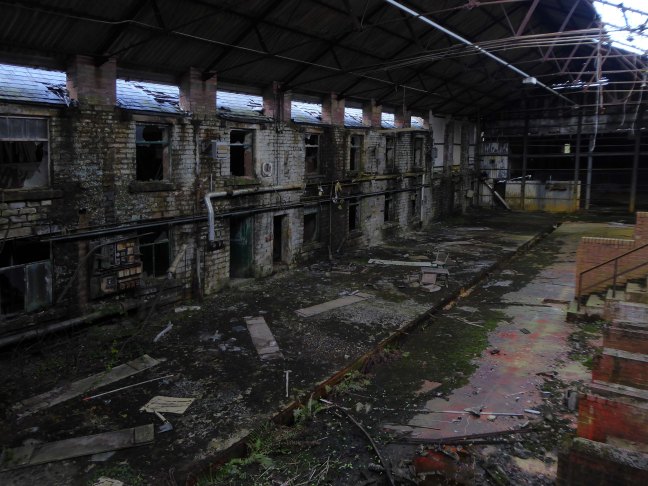
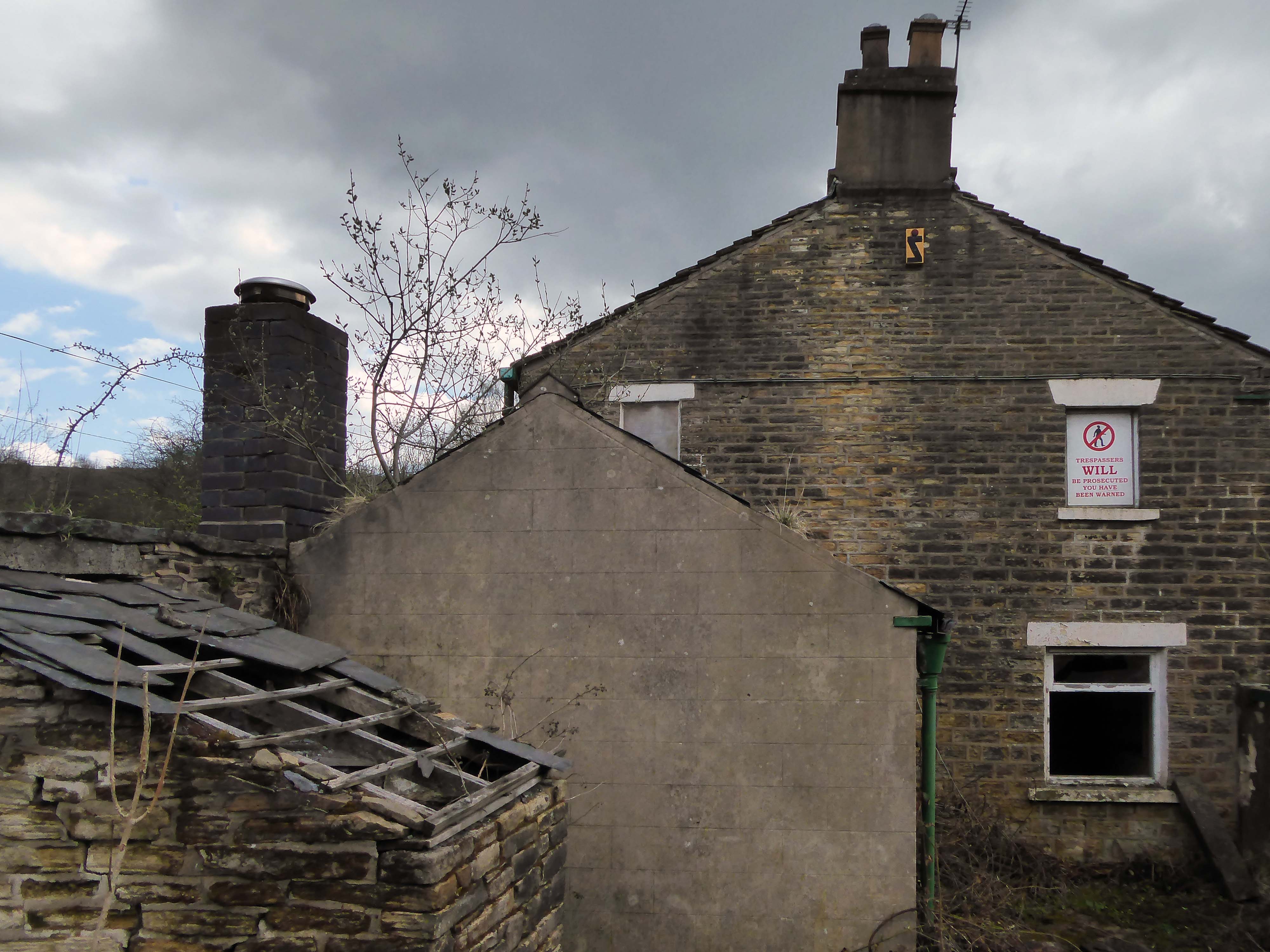
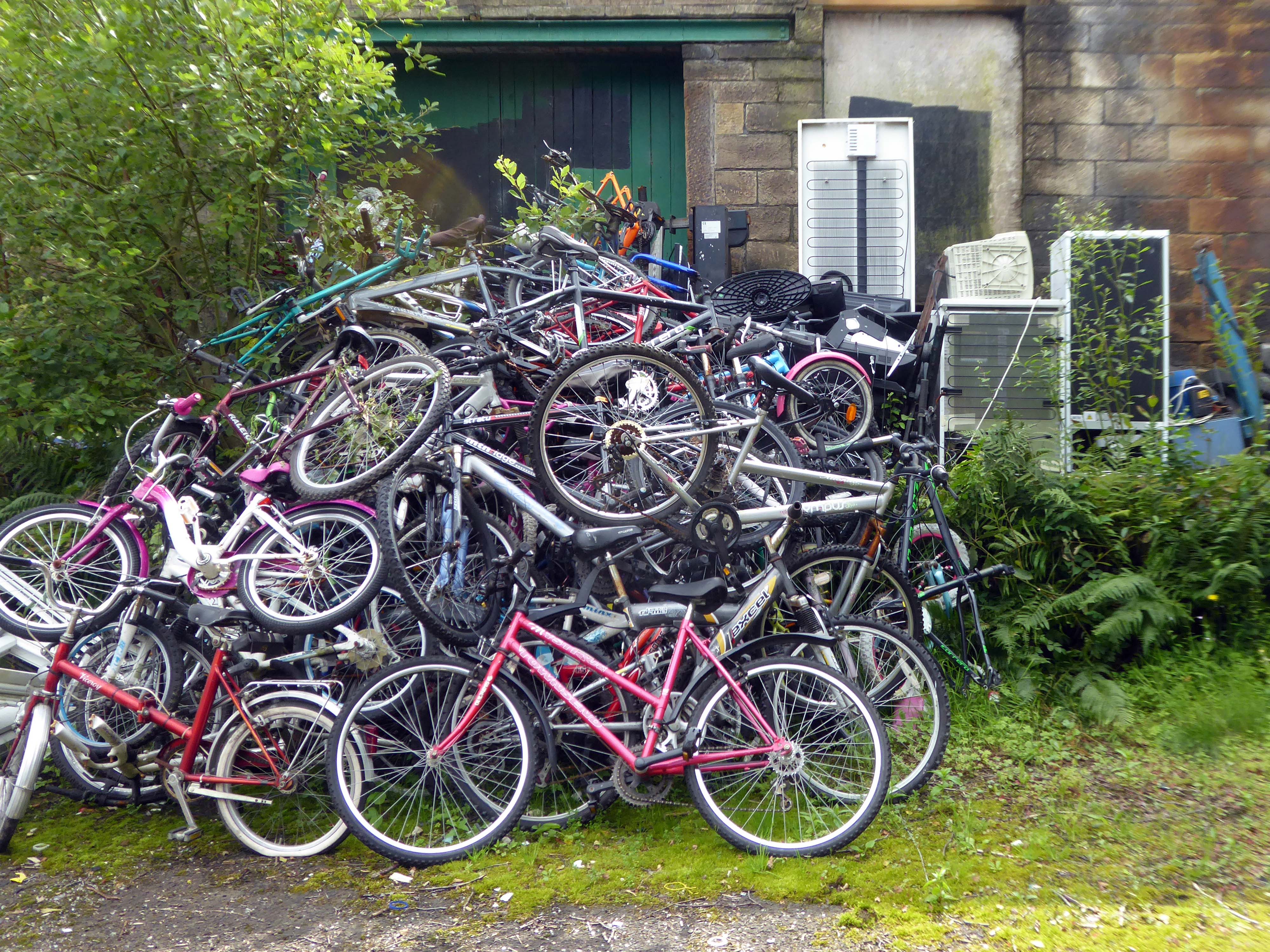
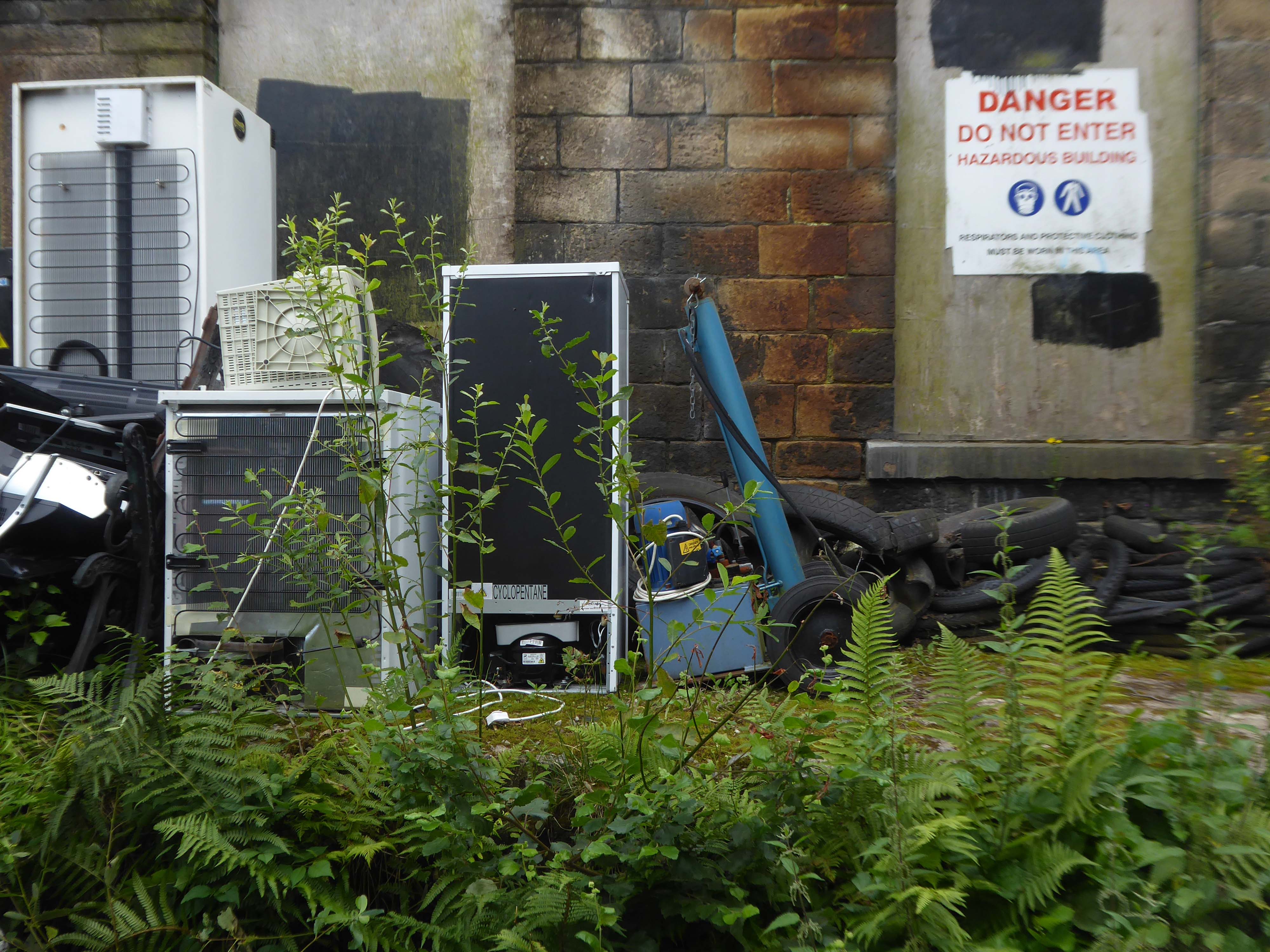
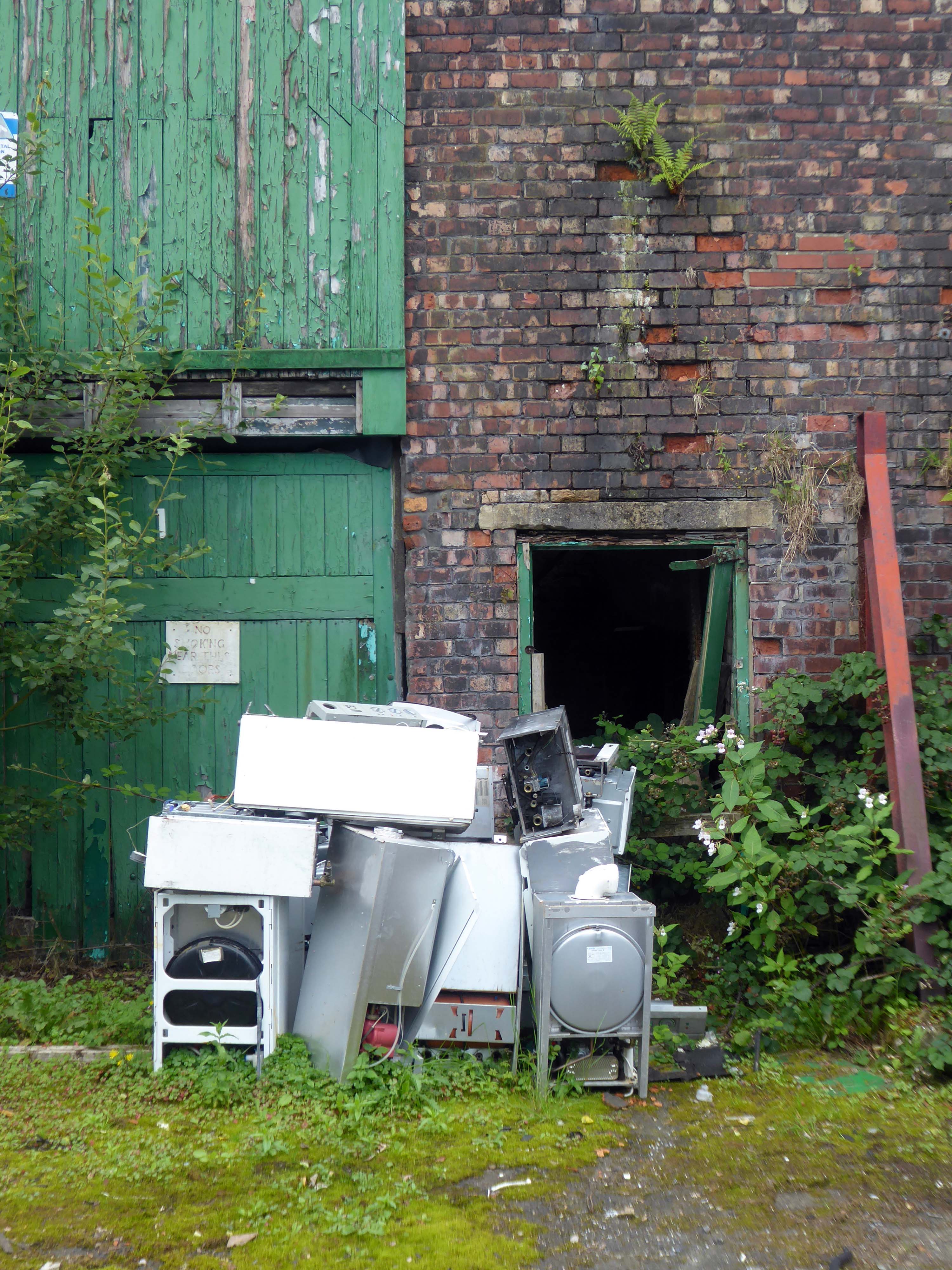
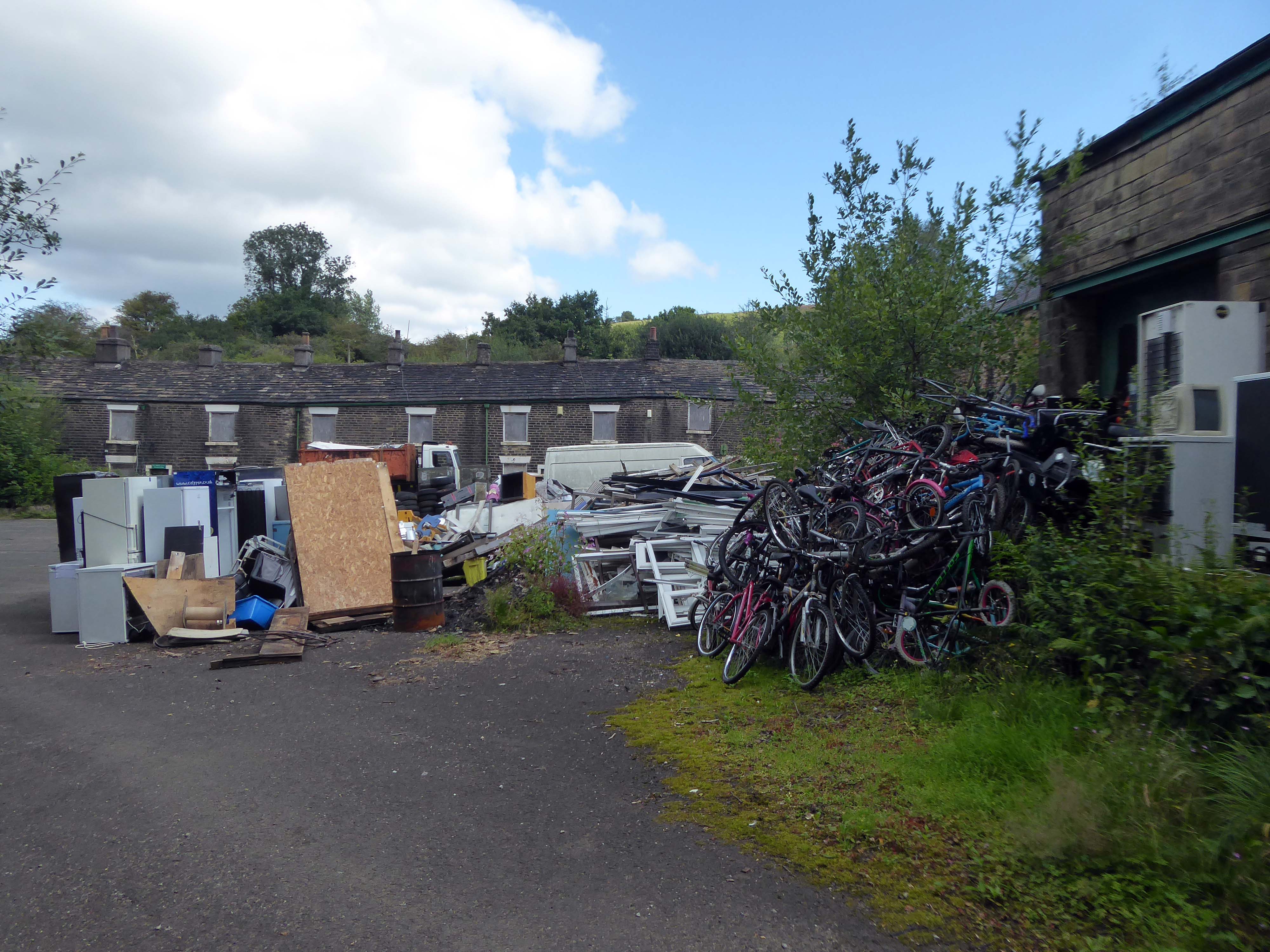
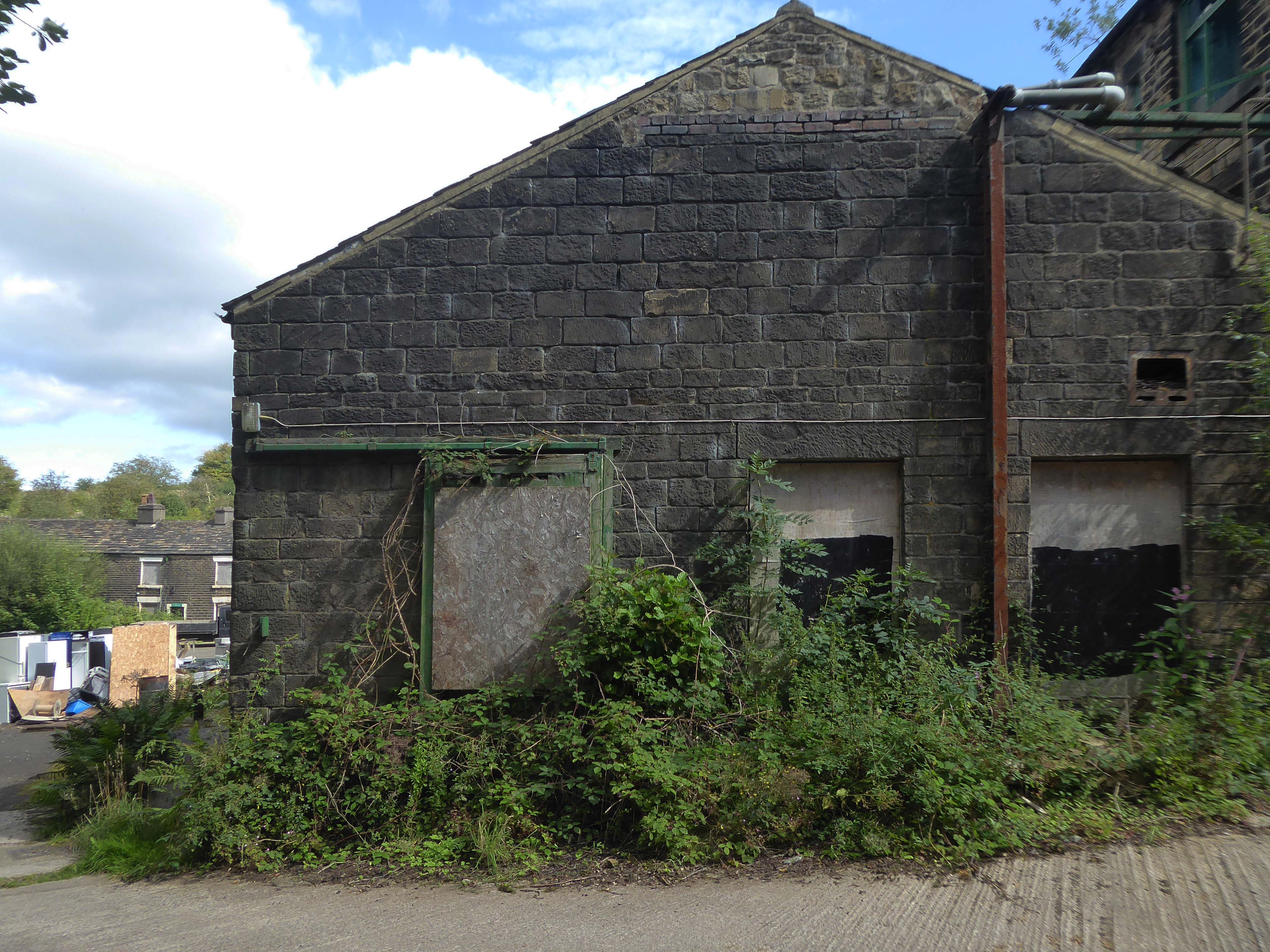
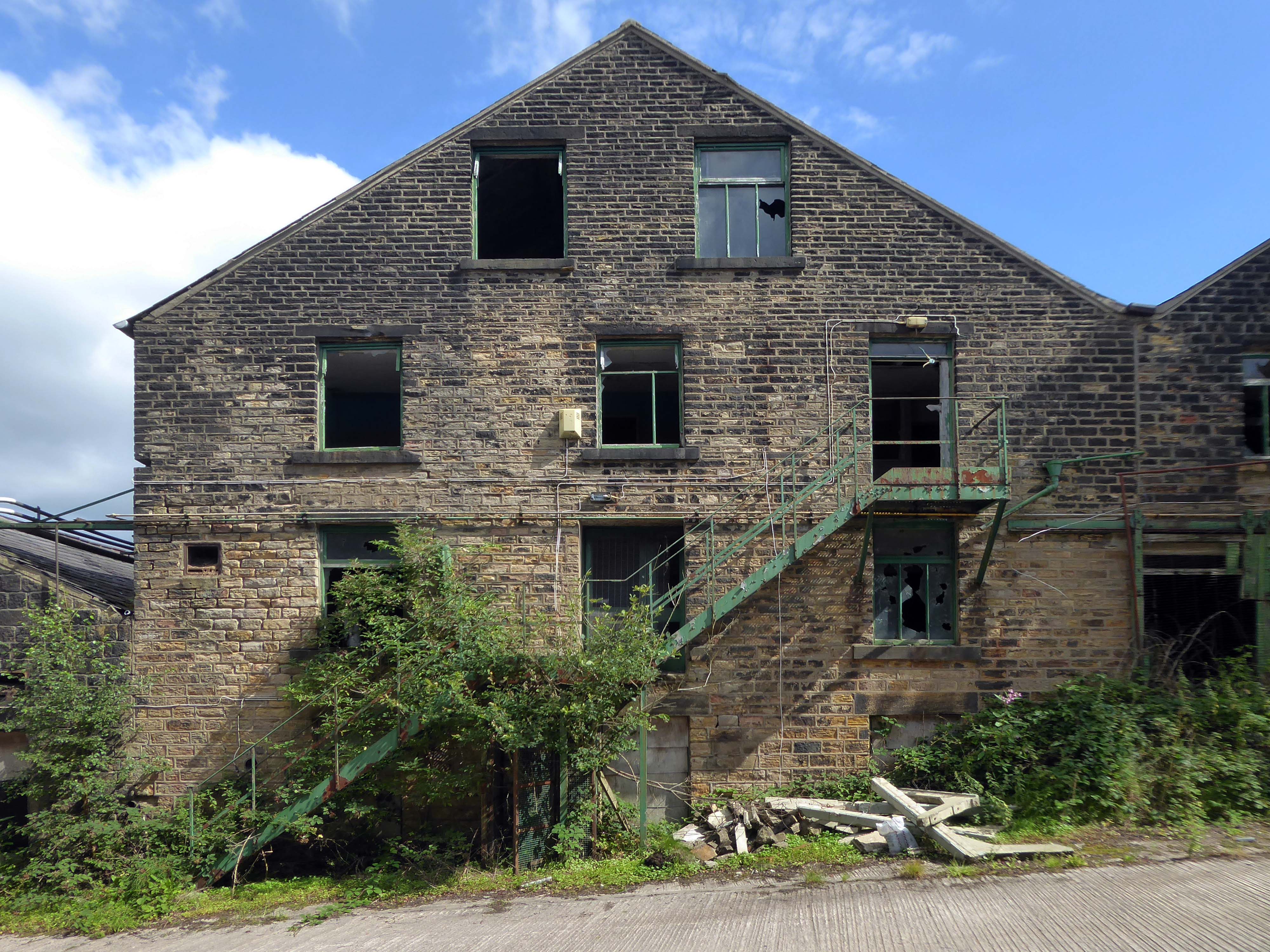
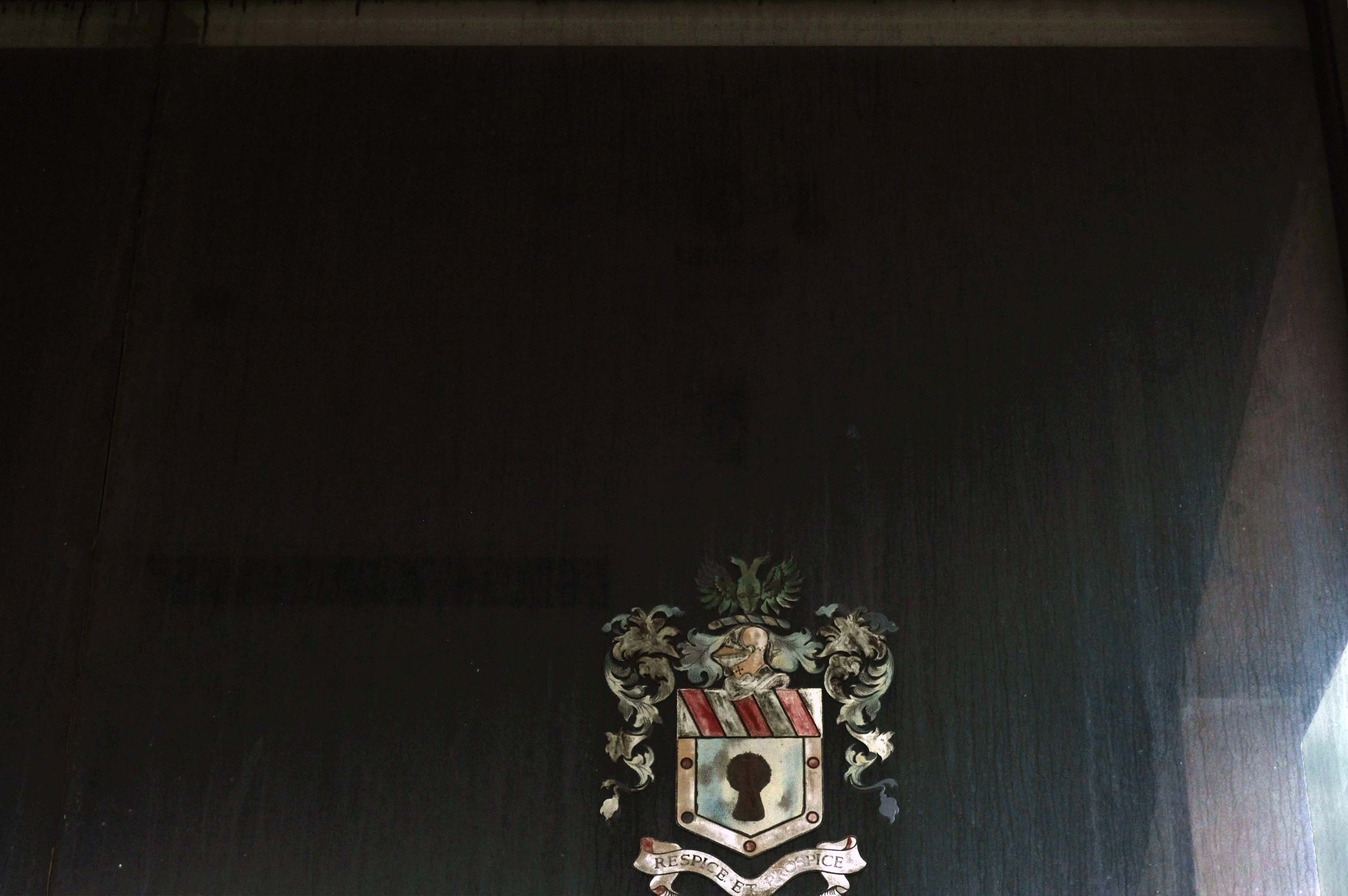
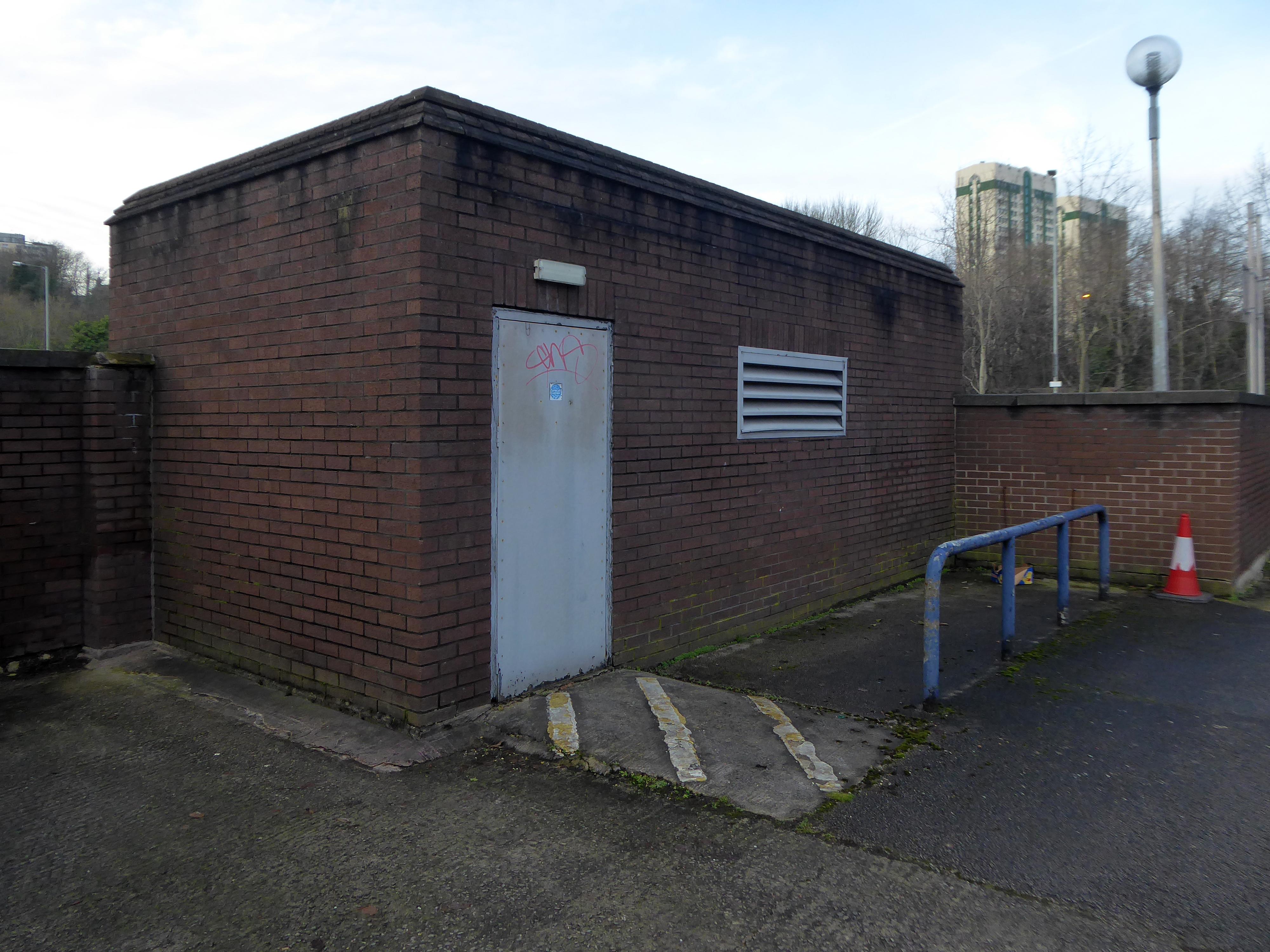
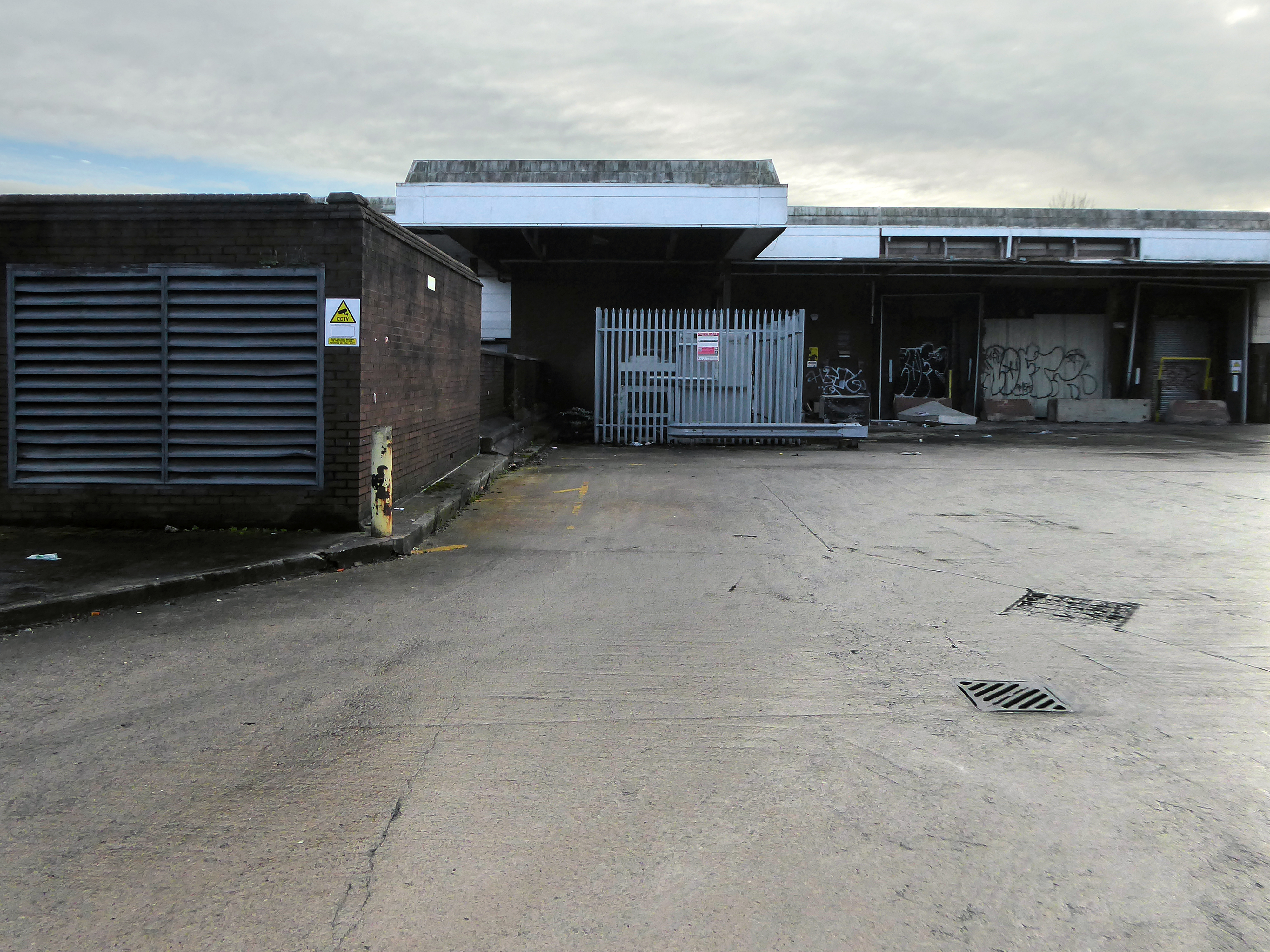
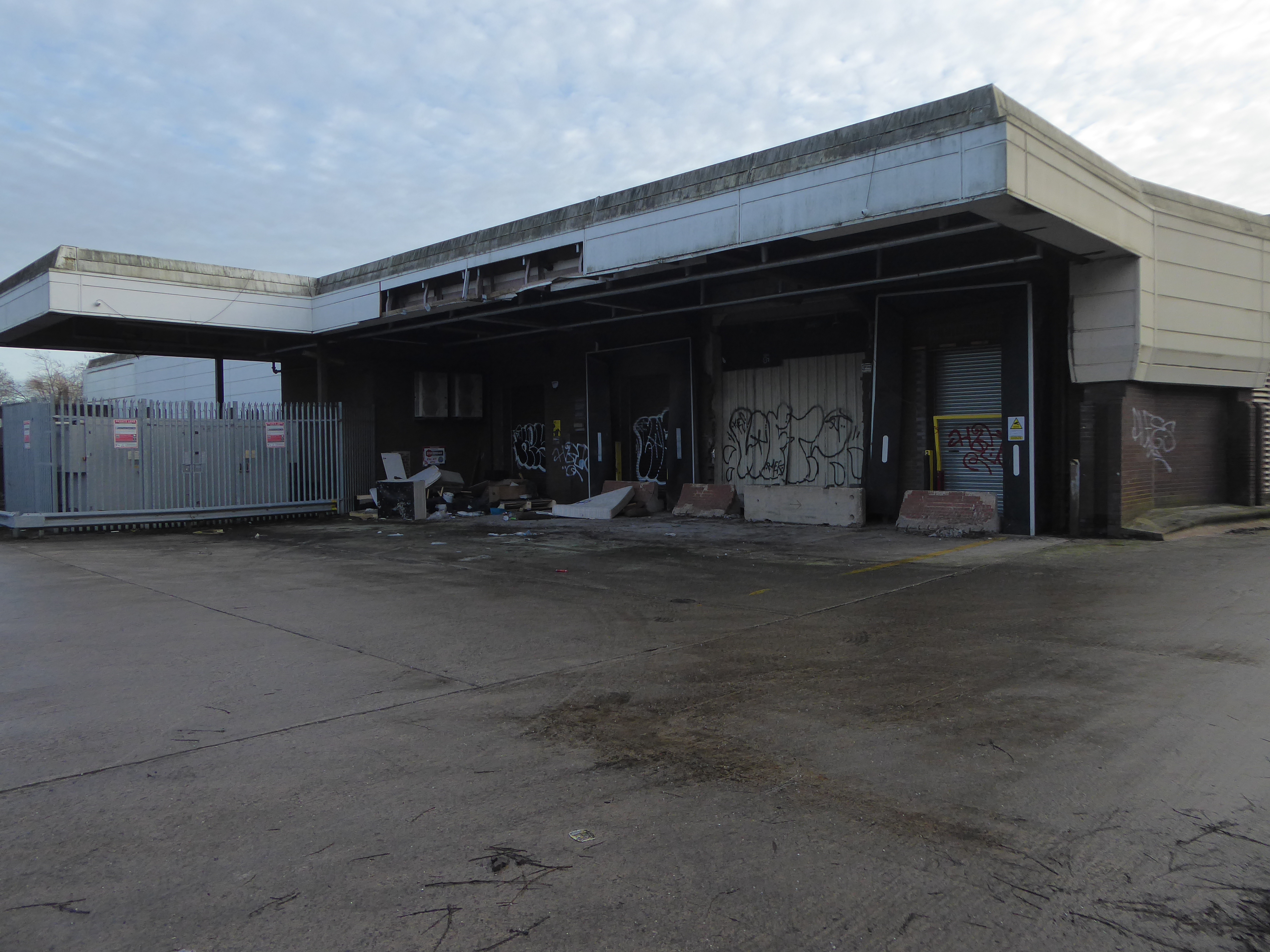
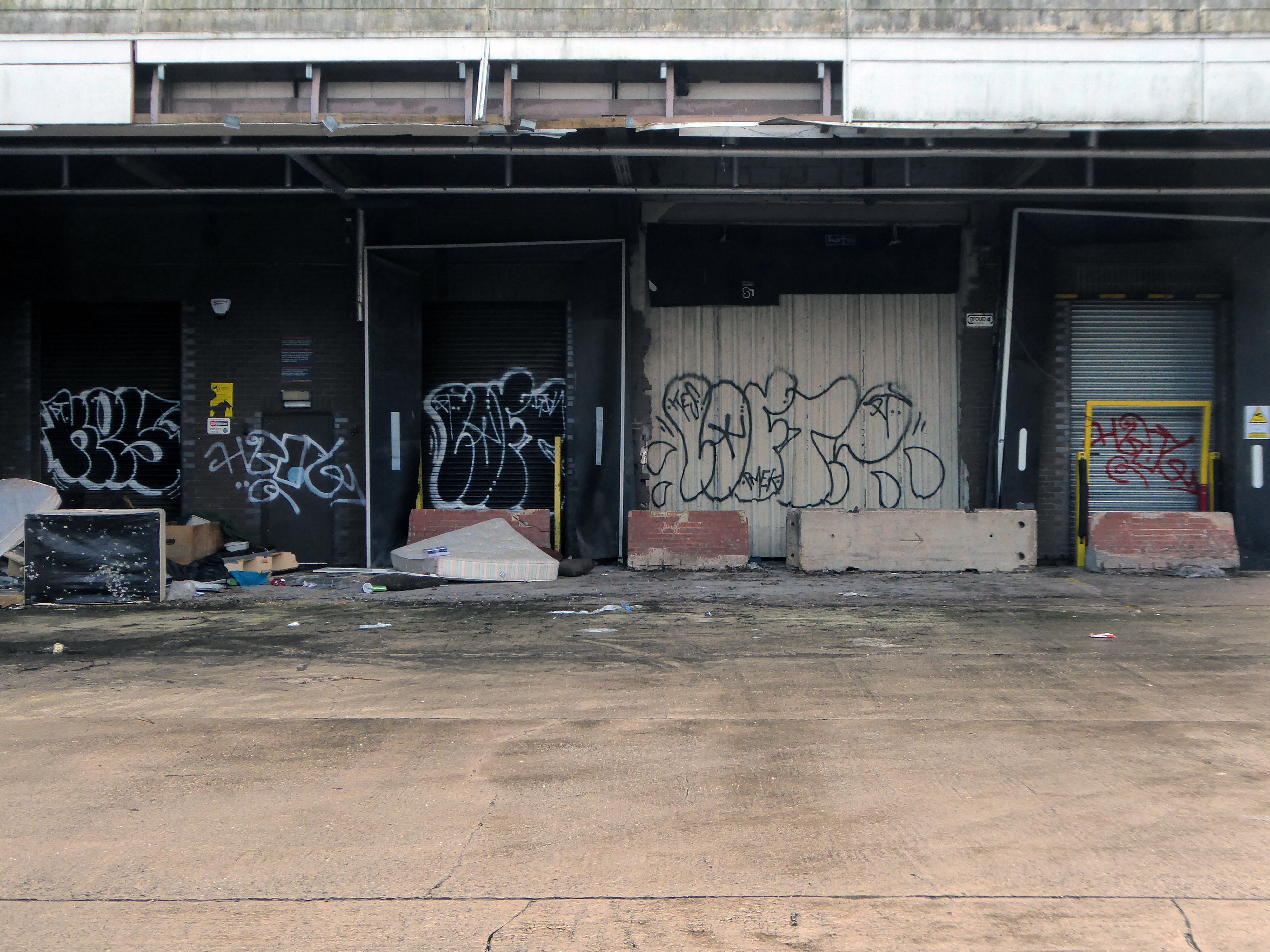
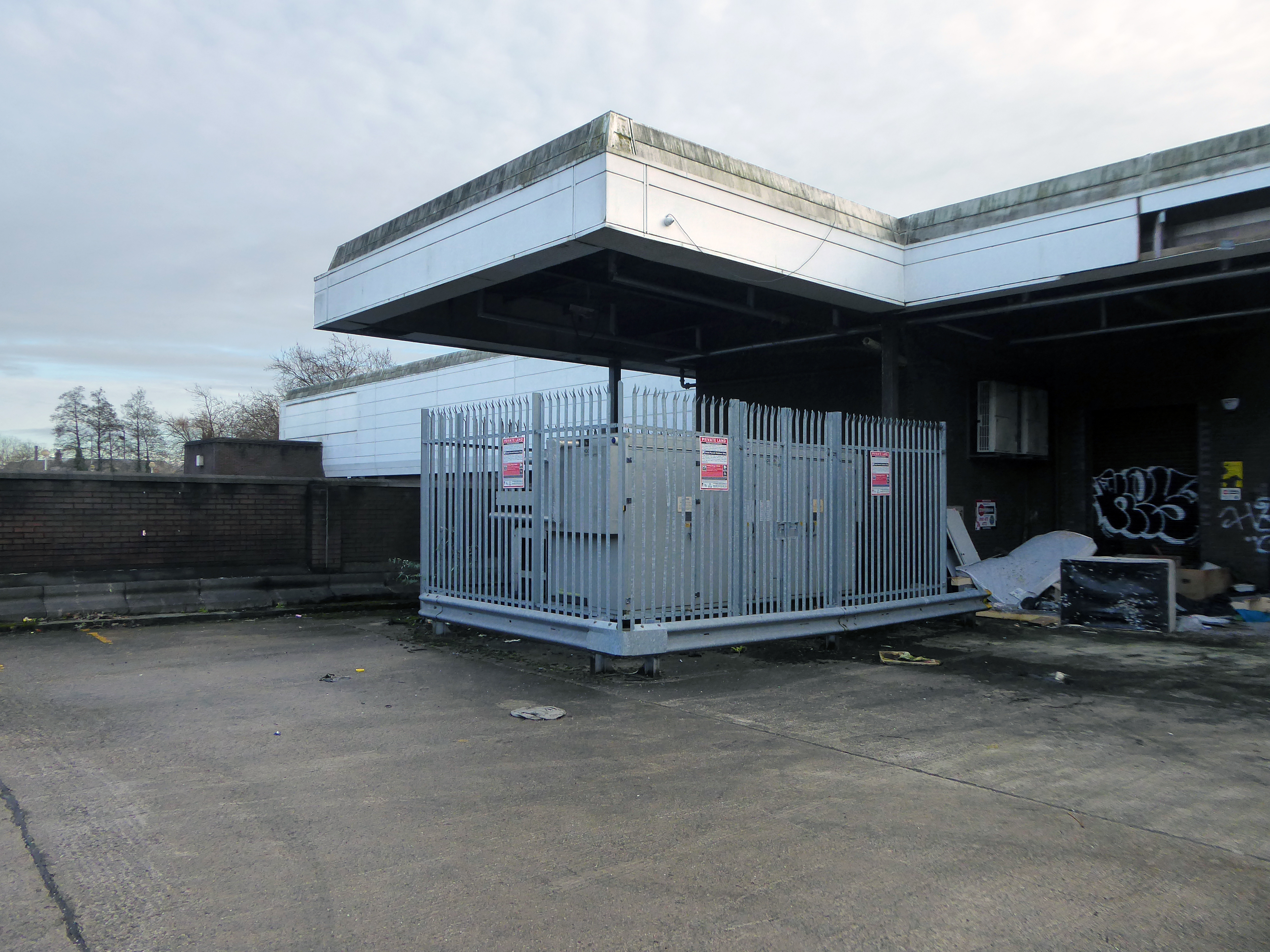
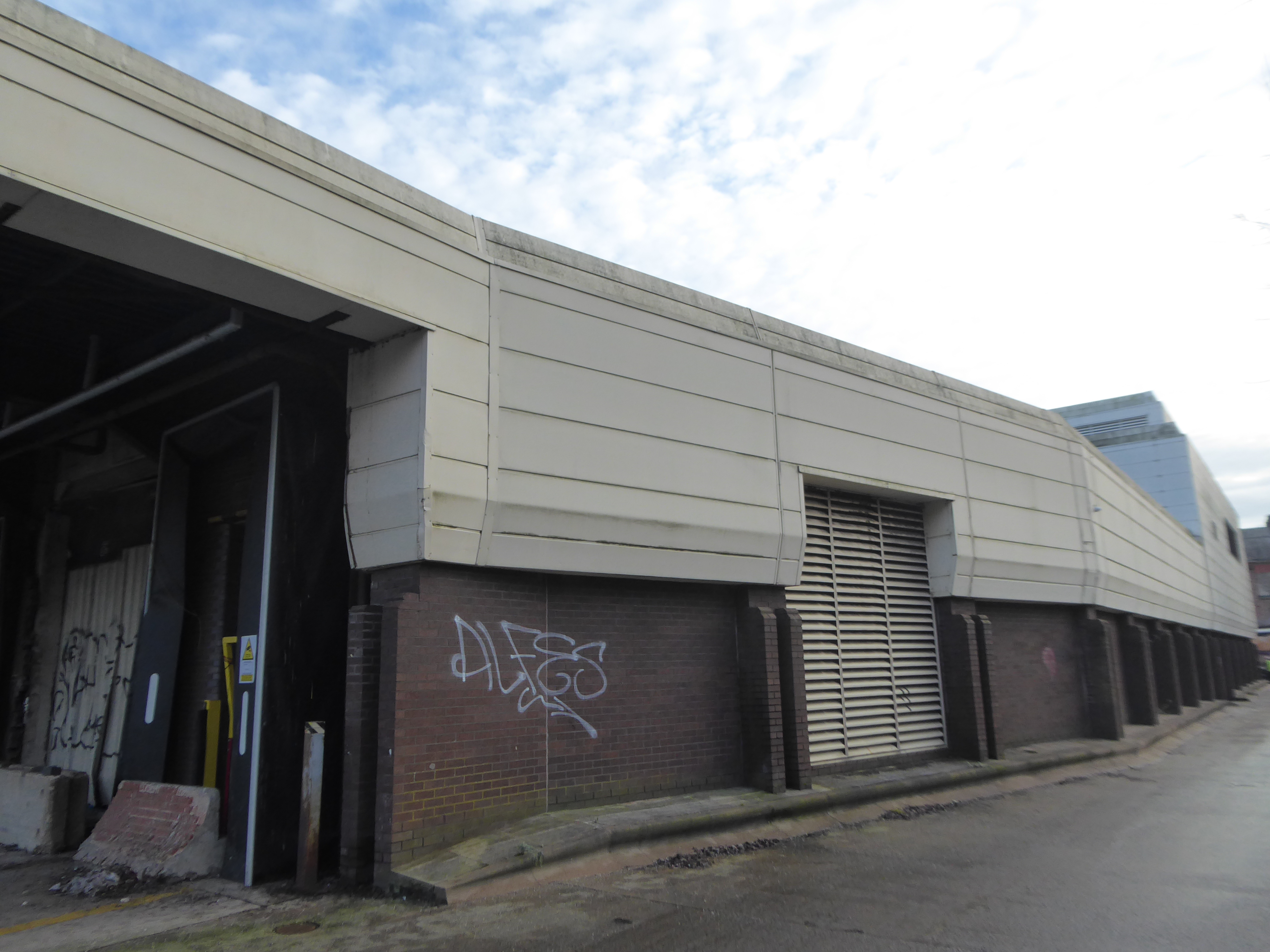
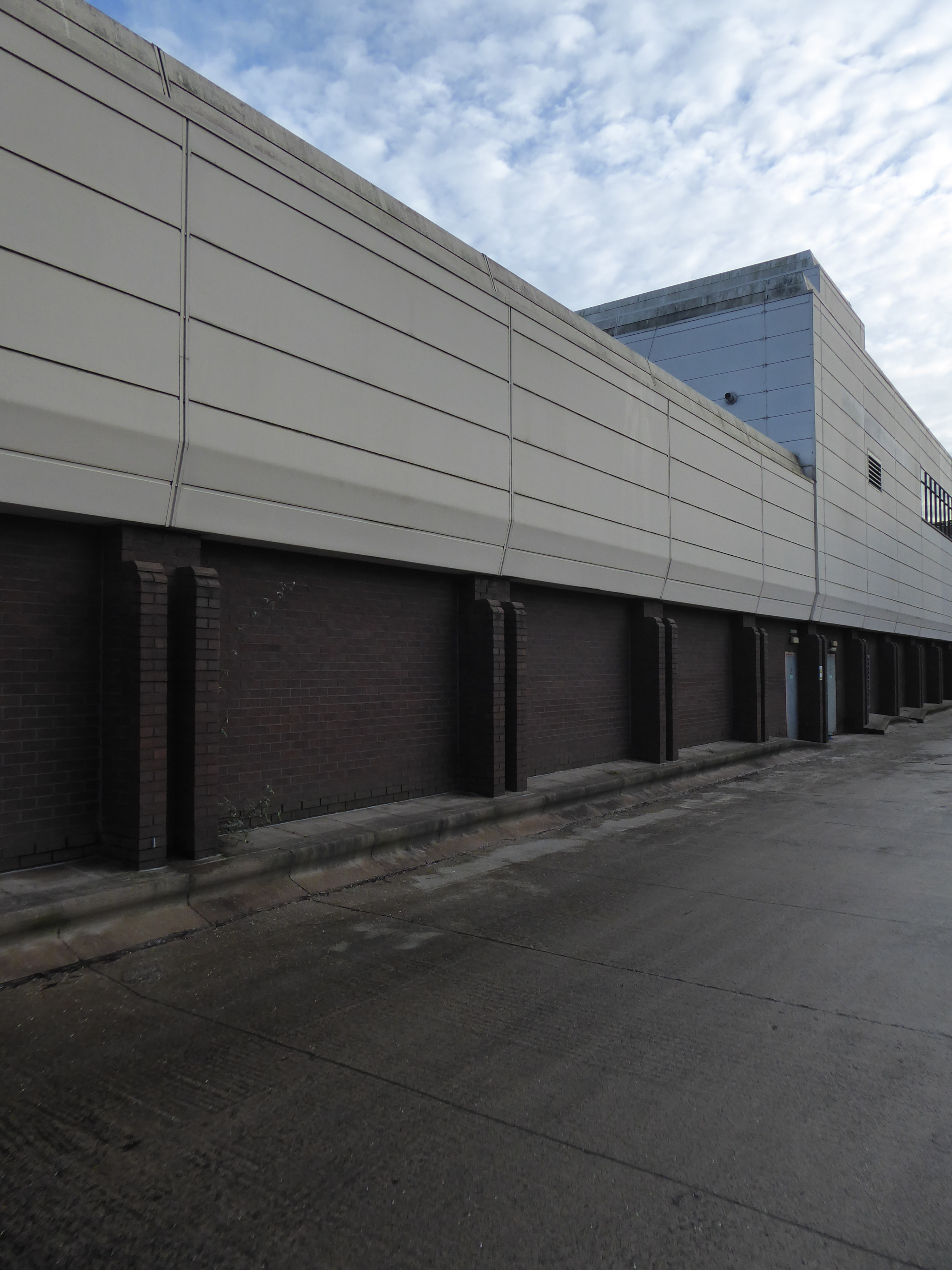
This was the state of play in April 2021 – the interior photographs were taken through an open aperture.
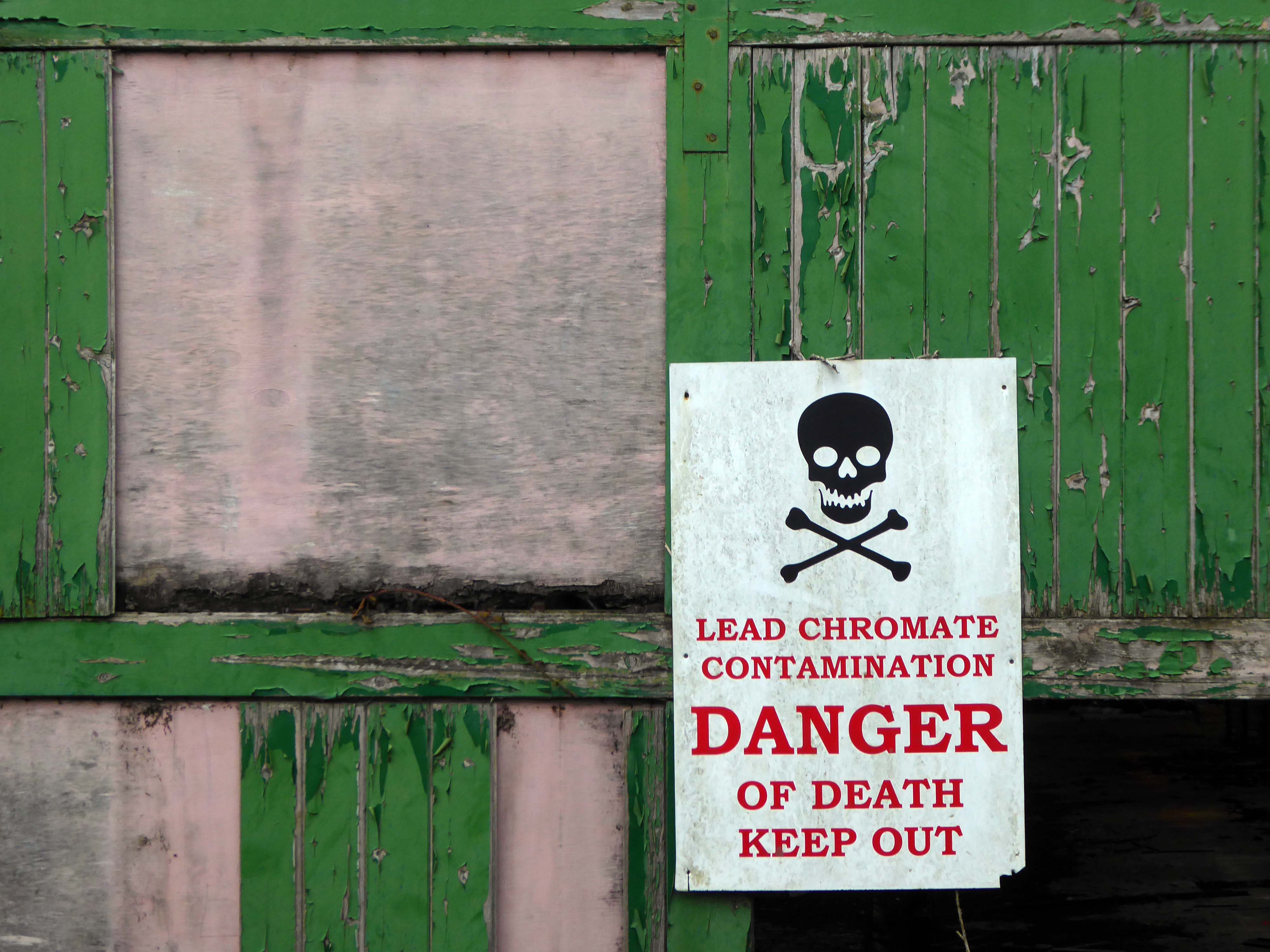
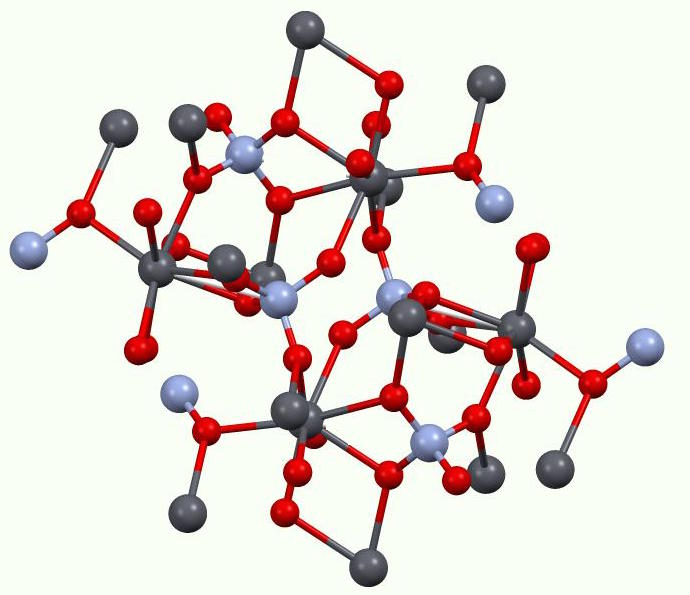
Lead Chromatecan affect you when inhaled or swallowed. Contact can irritate and burn the skin and eyes. Prolonged skin contact may cause blisters and deep ulcers.
Inhaling Lead Chromatecan irritate the nose, throat and lungs.Exposure can cause headache, irritability, and muscle and joint pain. Repeated exposure can cause Lead poisoningwith metallic taste, colic and muscle cramps.
Inhaling Lead Chromatecan cause a sore and/or a hole in the septum.
Lead Chromatemay cause a skin allergy.
Lead Chromatemay damage the nervous system. Exposure may cause kidney and brain damage, and anemia.
The building was subsequently owned by EP Bray.
Wherever the choice has had to be made between the man of reason and the madman, the world has unhesitatingly followed the madman.
For over two hundred years the site has been a place of toil, dangerous toil taking its toll.
The valleys which inevitably fed the Mersey, were home to the origins of the Industrial Revolution – people and water powered.
This is a toxic landscape, nestled in the heart of ancient post-glacial earth movements:
Geomorphological investigations of two landslide areas on the Cown Edge escarpment showed that slope failure was primarily the result of local stratigraphic and lithological conditions and not of past climatic vicissitudes or changes in the form of the relief. Failure on each occasion took place by shearing along the same line of weakness: shales either within a calcareous shale band or in close proximity to it became decomposed and unable to bear the weight of the slope forming material above it. Each displacement resulted in a bank slip failure and the formation of a block glide landslide. The morphology indicates that slip movements has occurred several times and the periods when these took place have been determined using palynological methods. These results indicate that the Cown Edge landslides date from a post-glacial period.
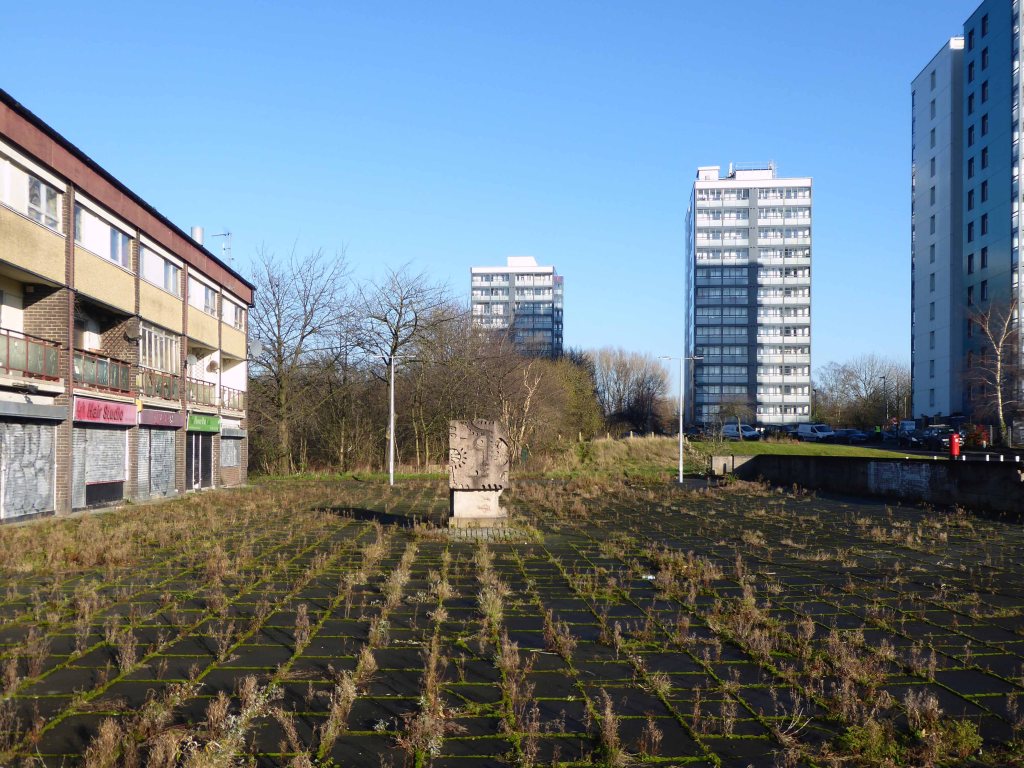
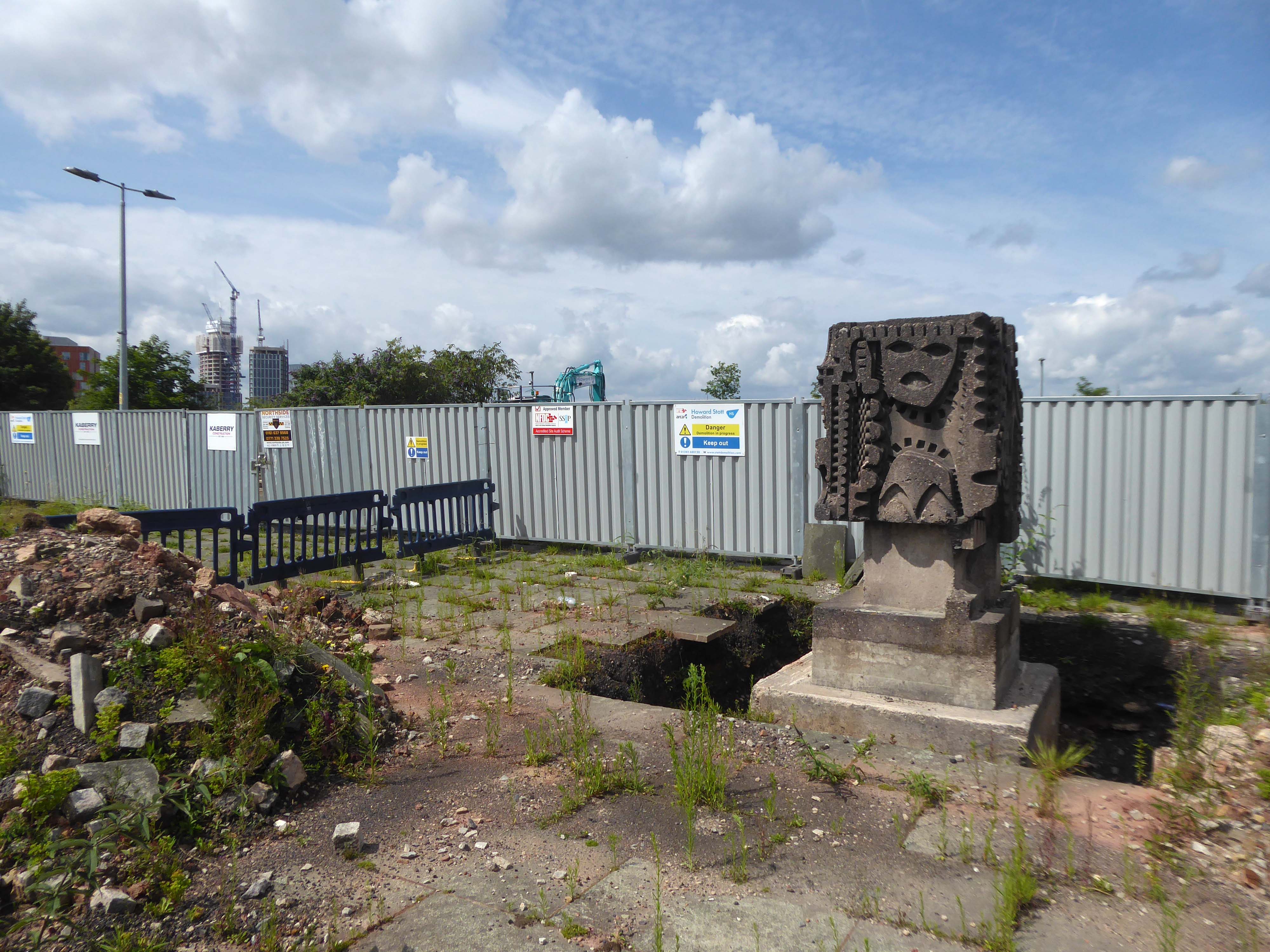
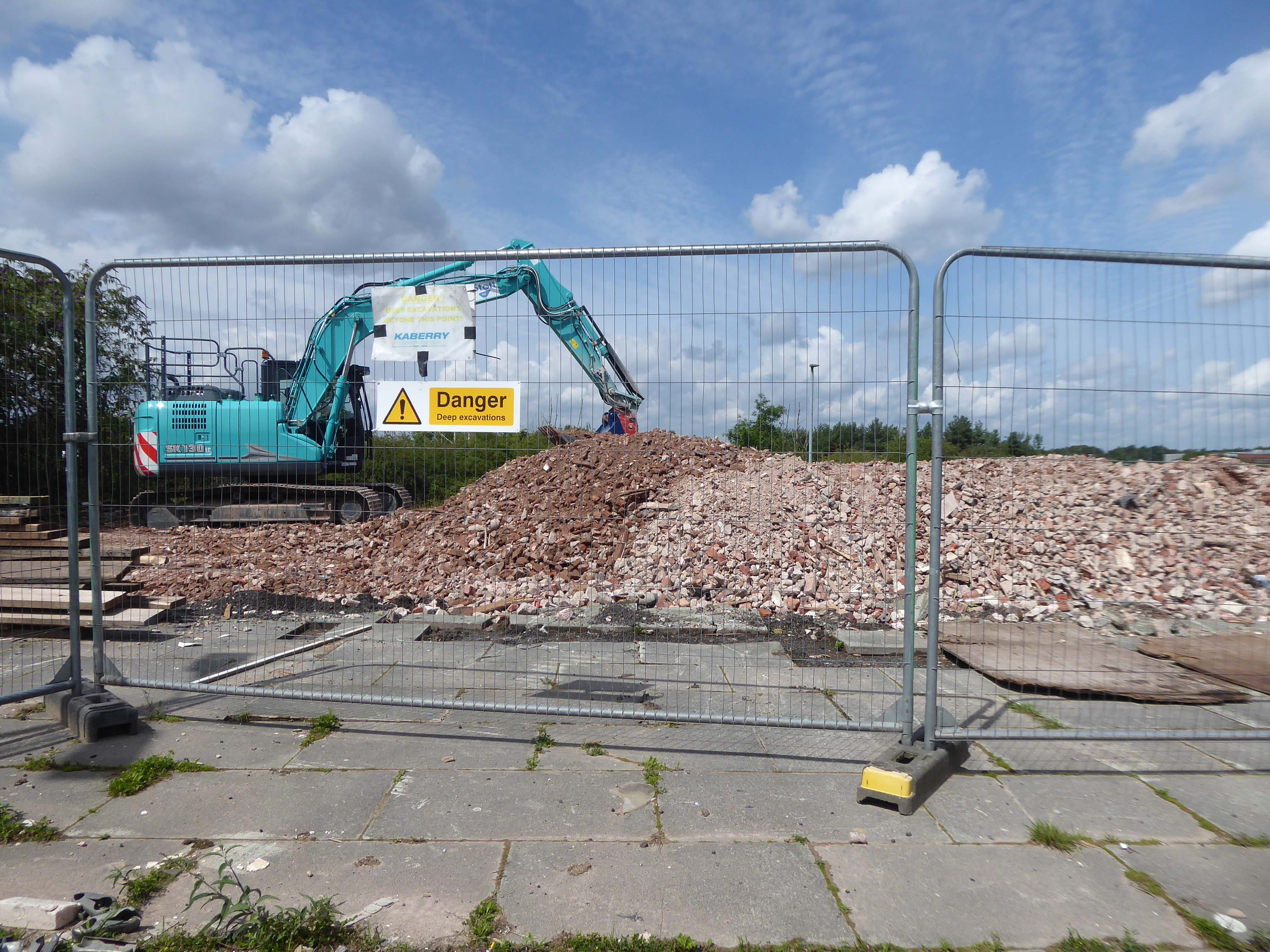
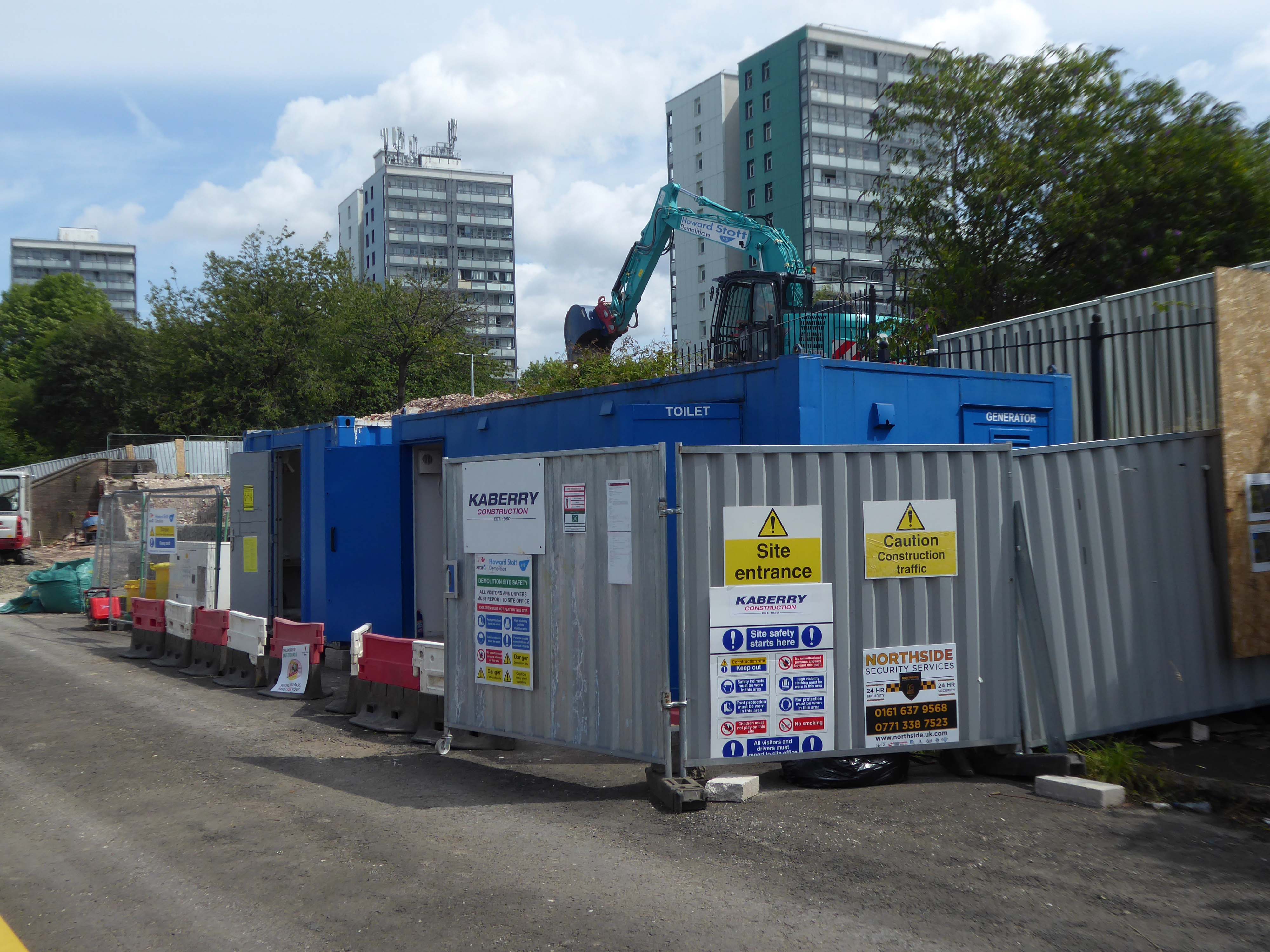
April 2023 and the shops and homes are being prepared for demolition.
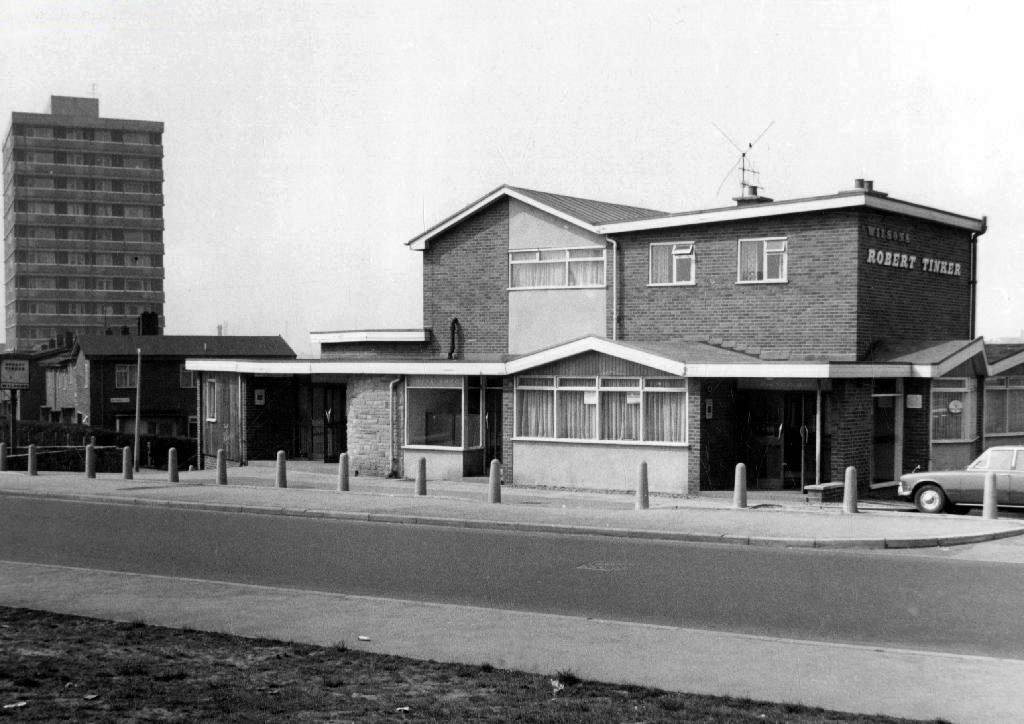
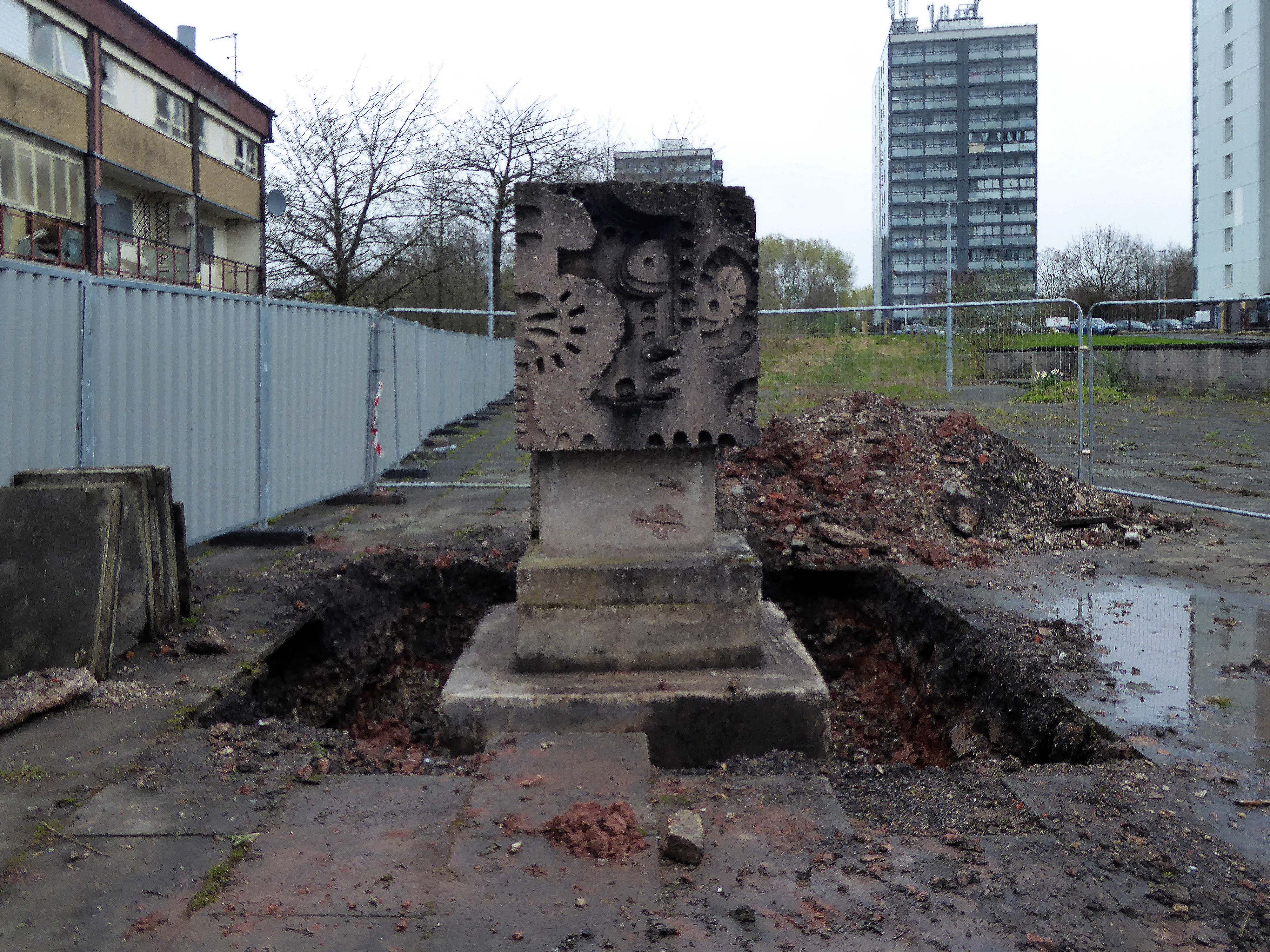
The company responsible for the demolition also dropped the Robert Tinker, on nearby Dalton Street.
While it is not yet clear exactly what will replace the shopping parade, work has already started nearby on other projects within the scheme. The first phase of development in Collyhurst will see 274 new homes built in the area.
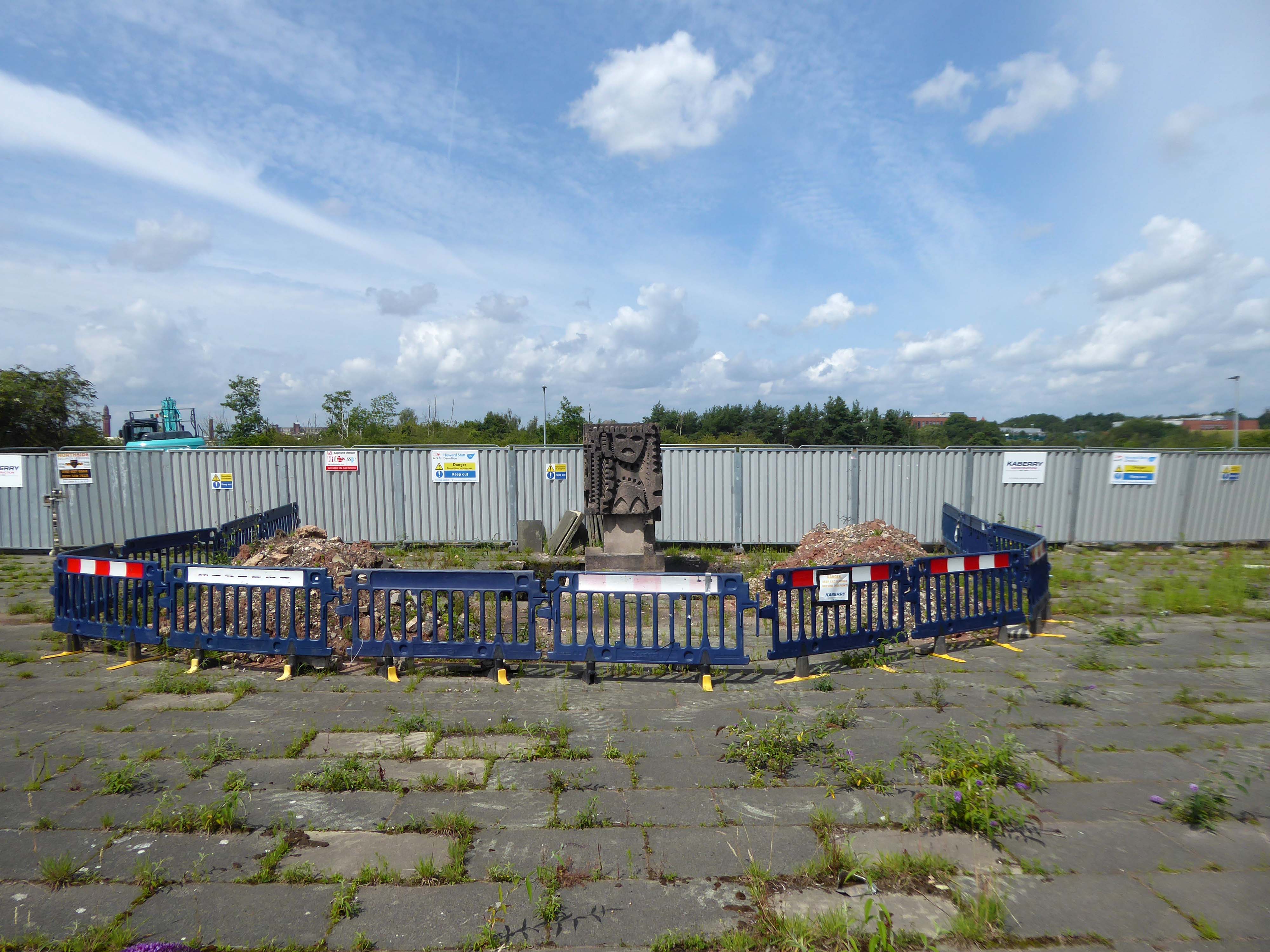
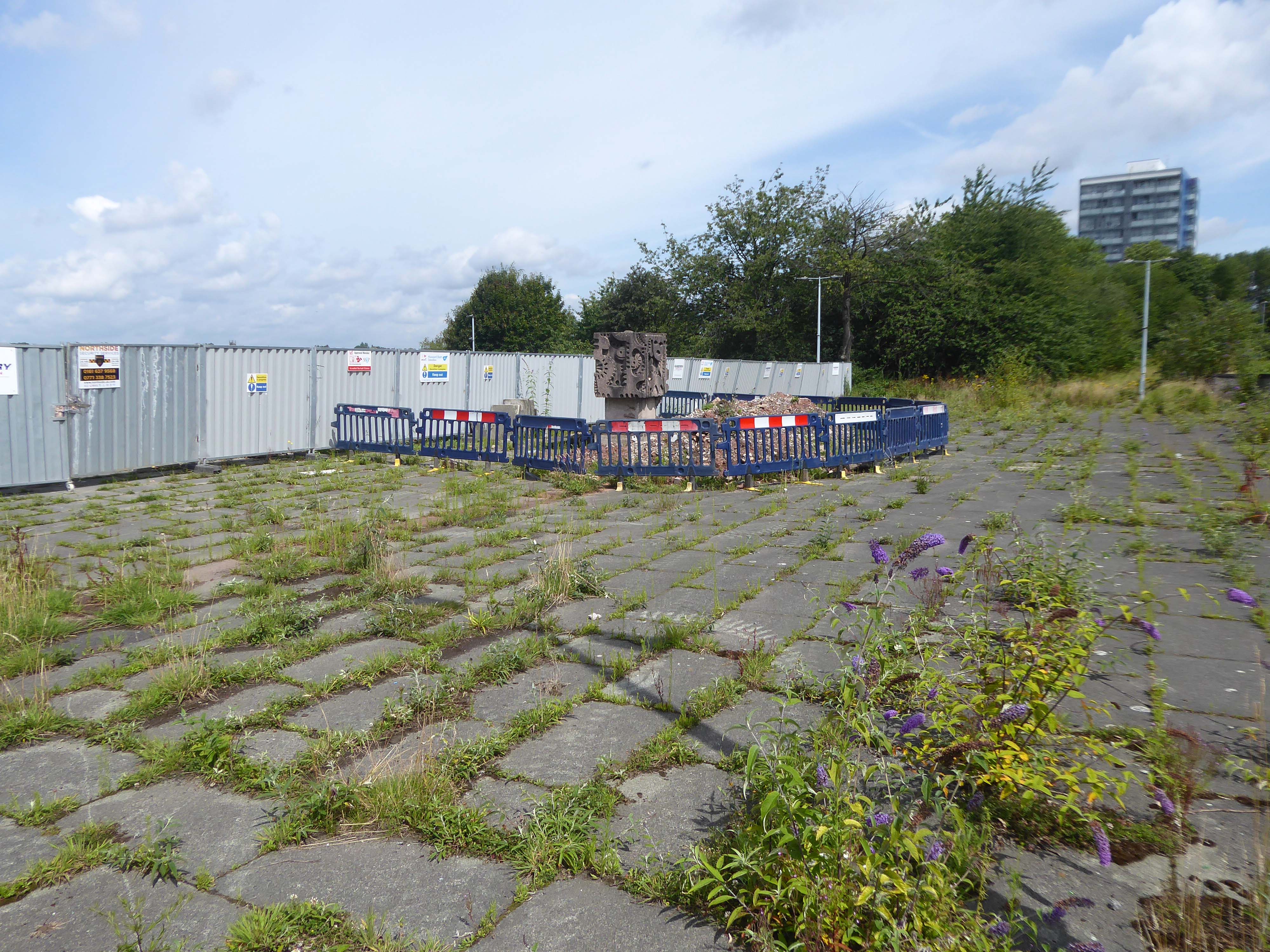
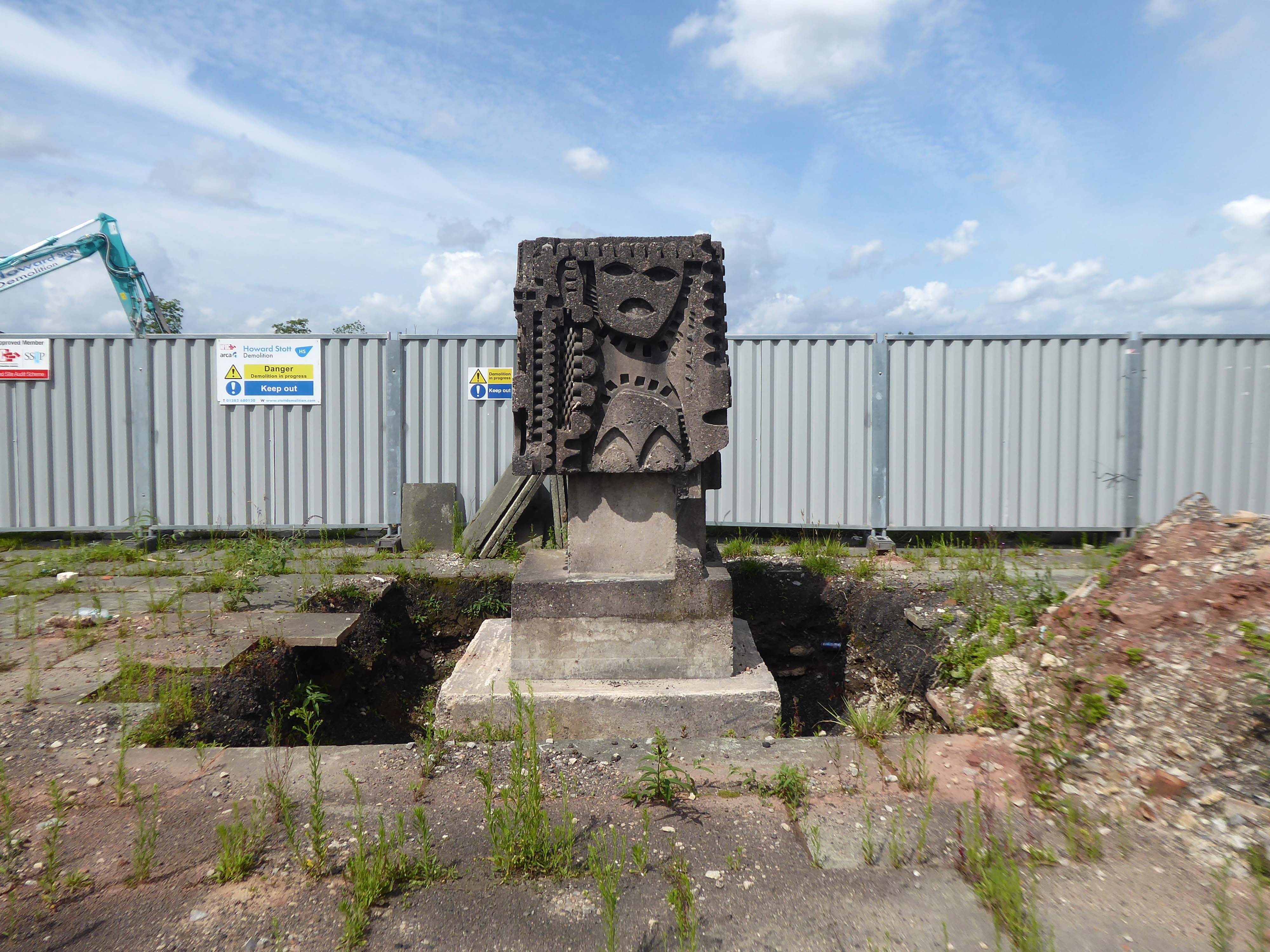
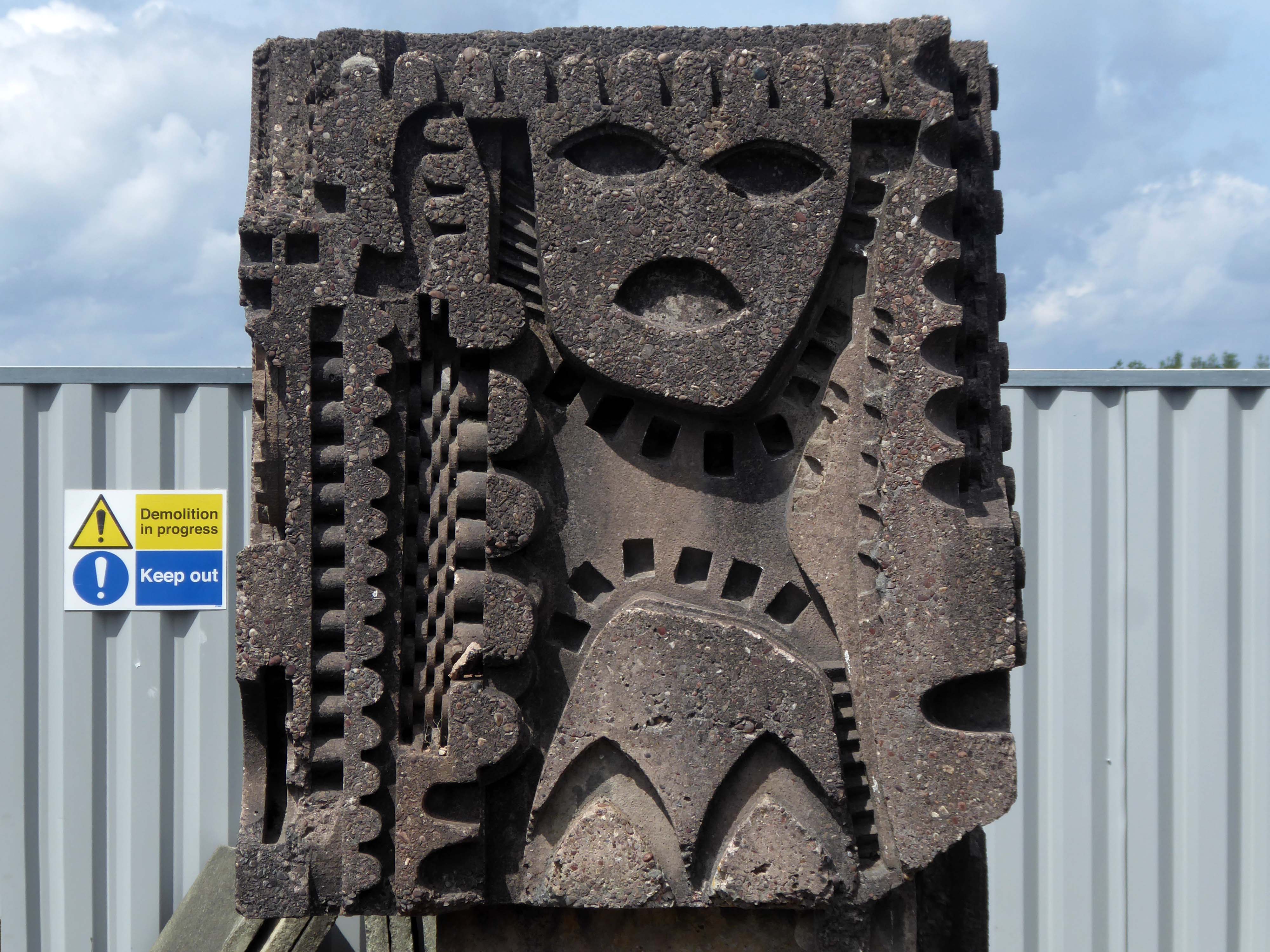
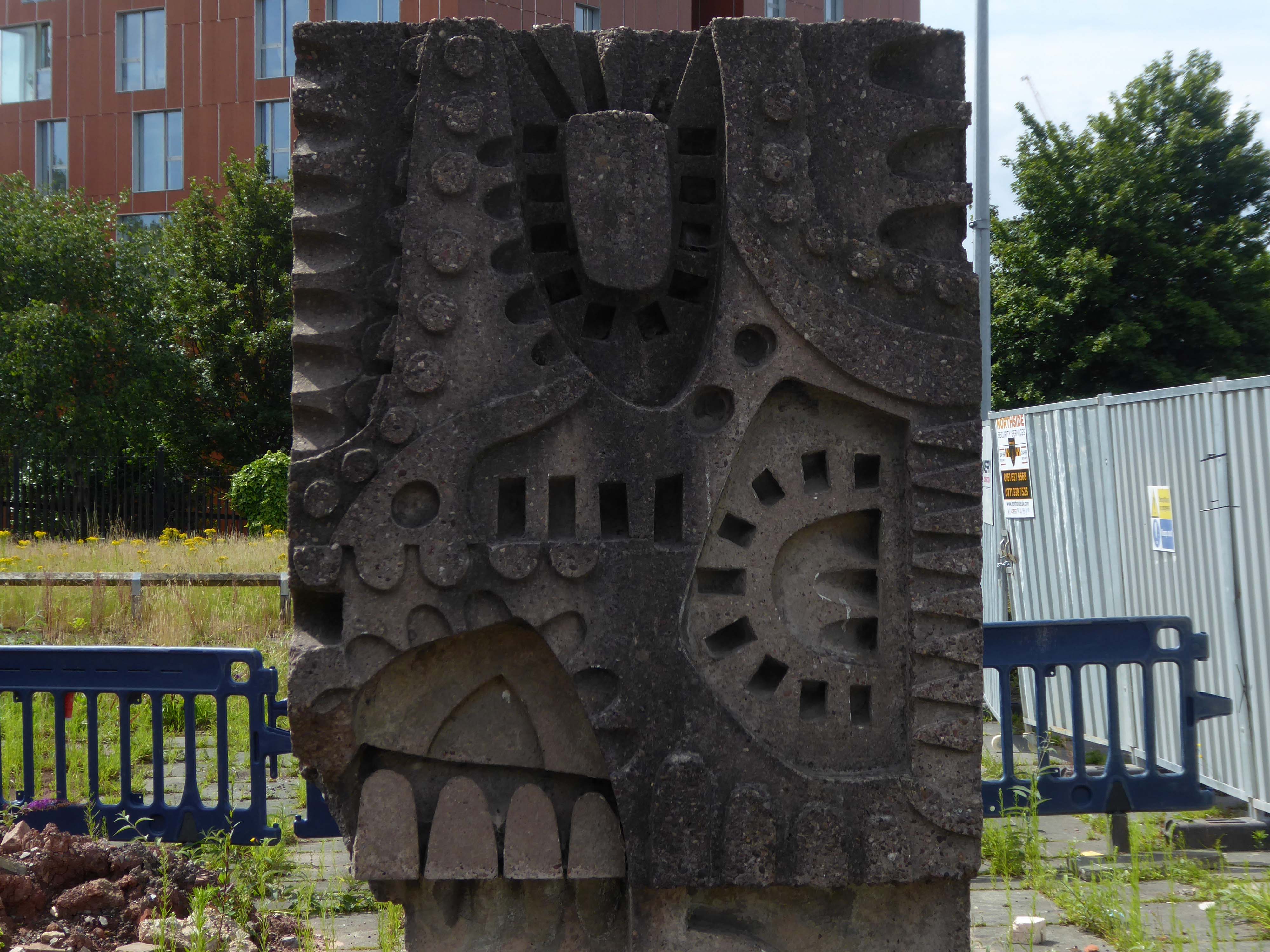
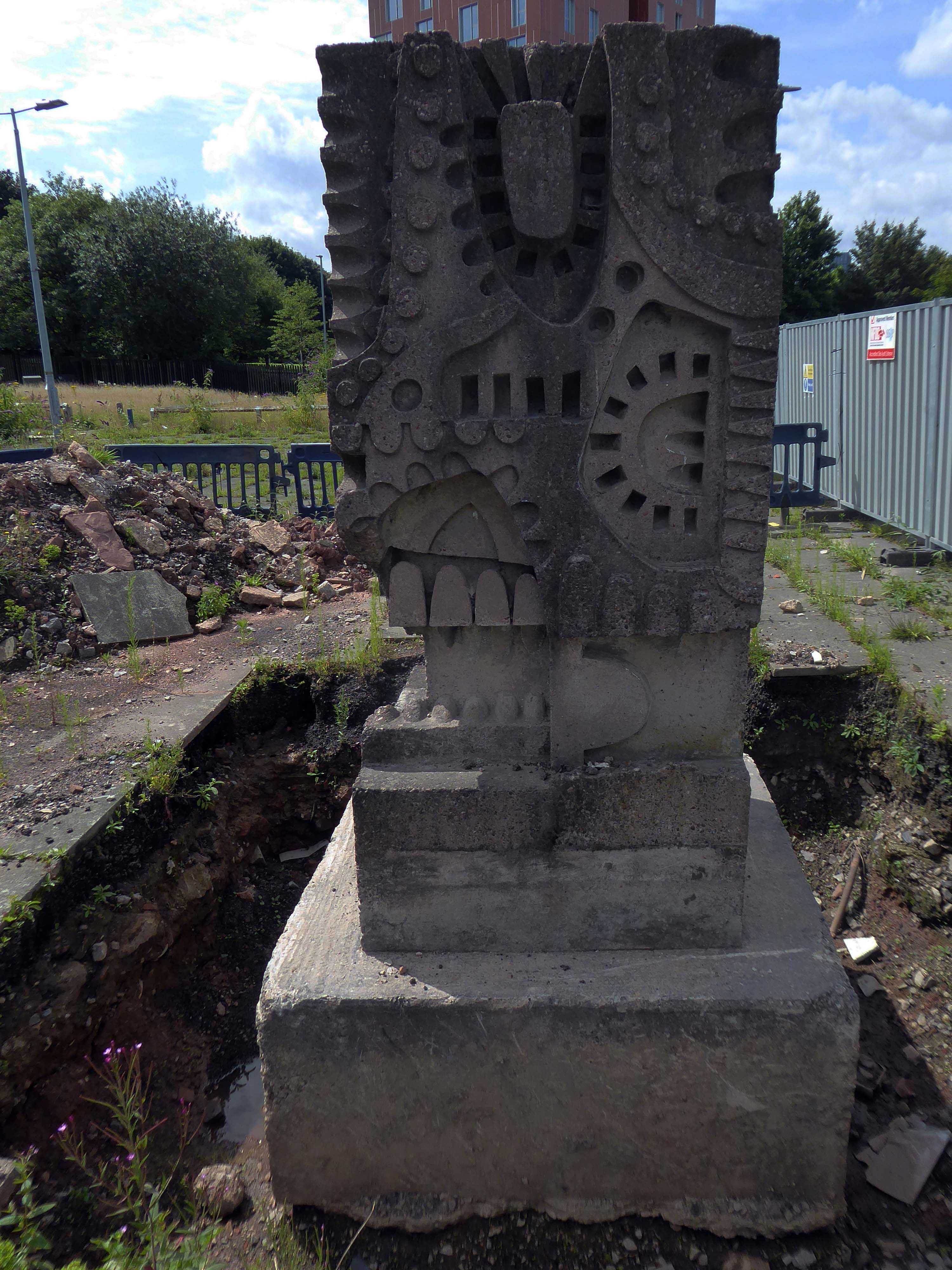
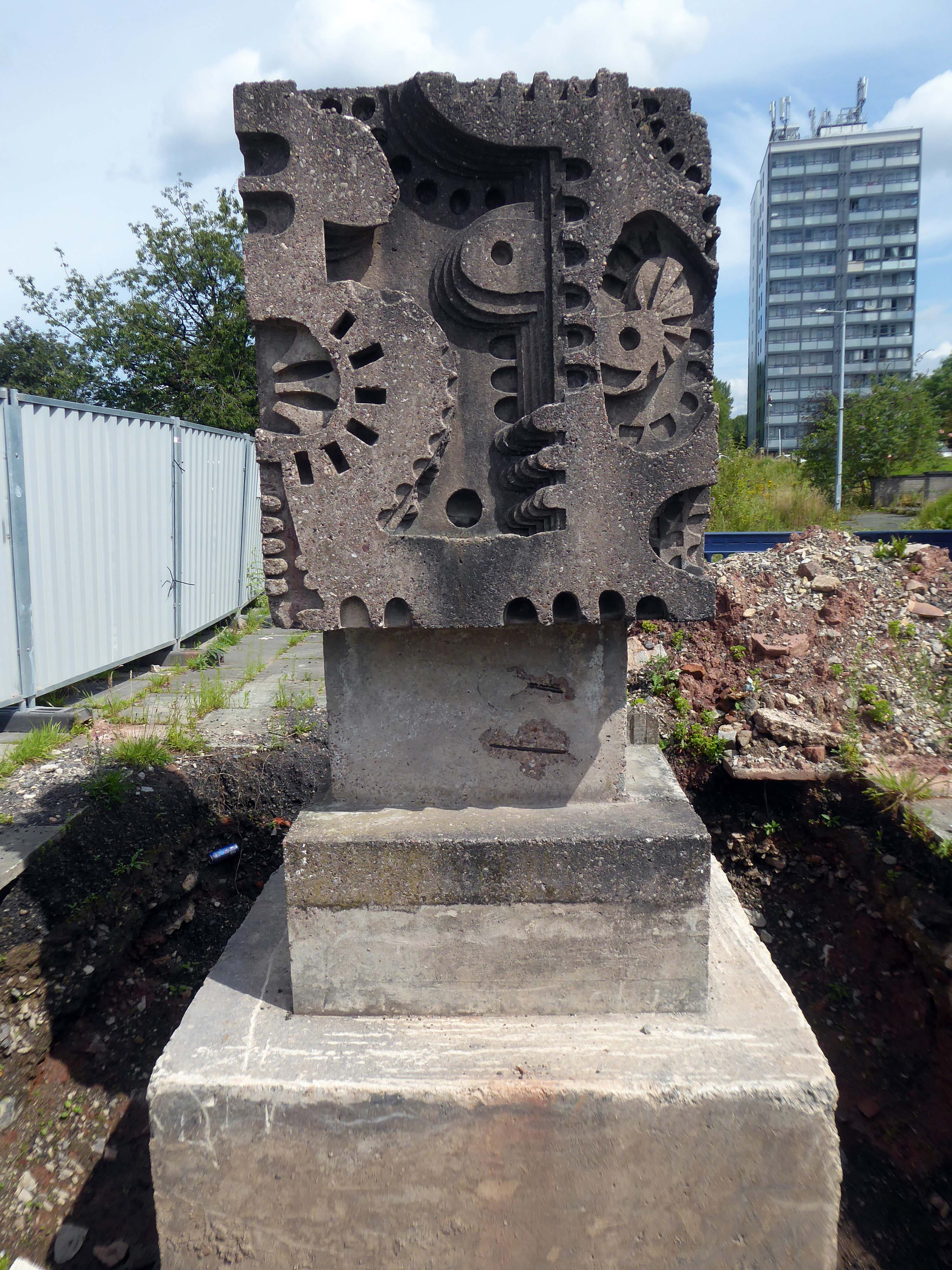
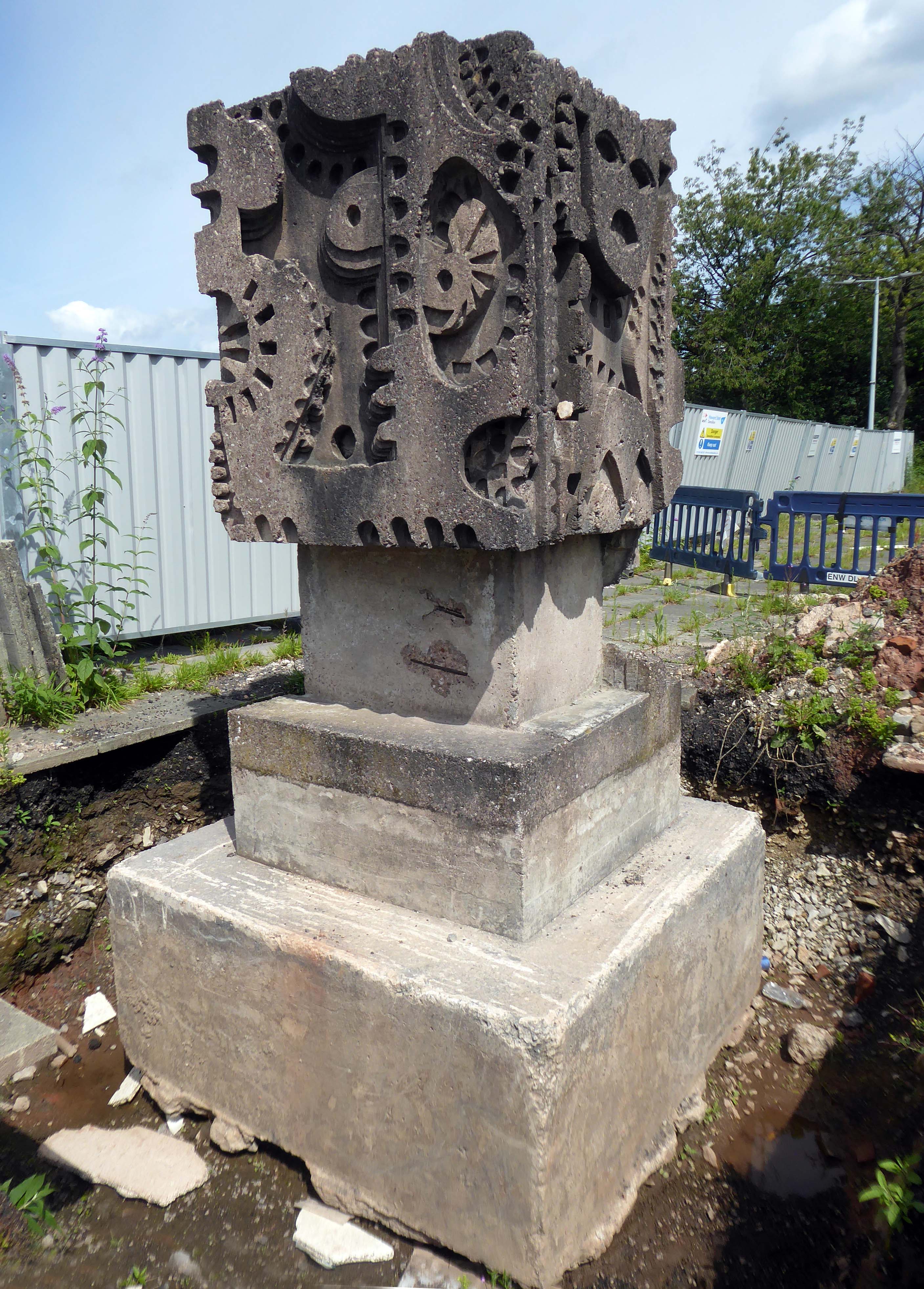
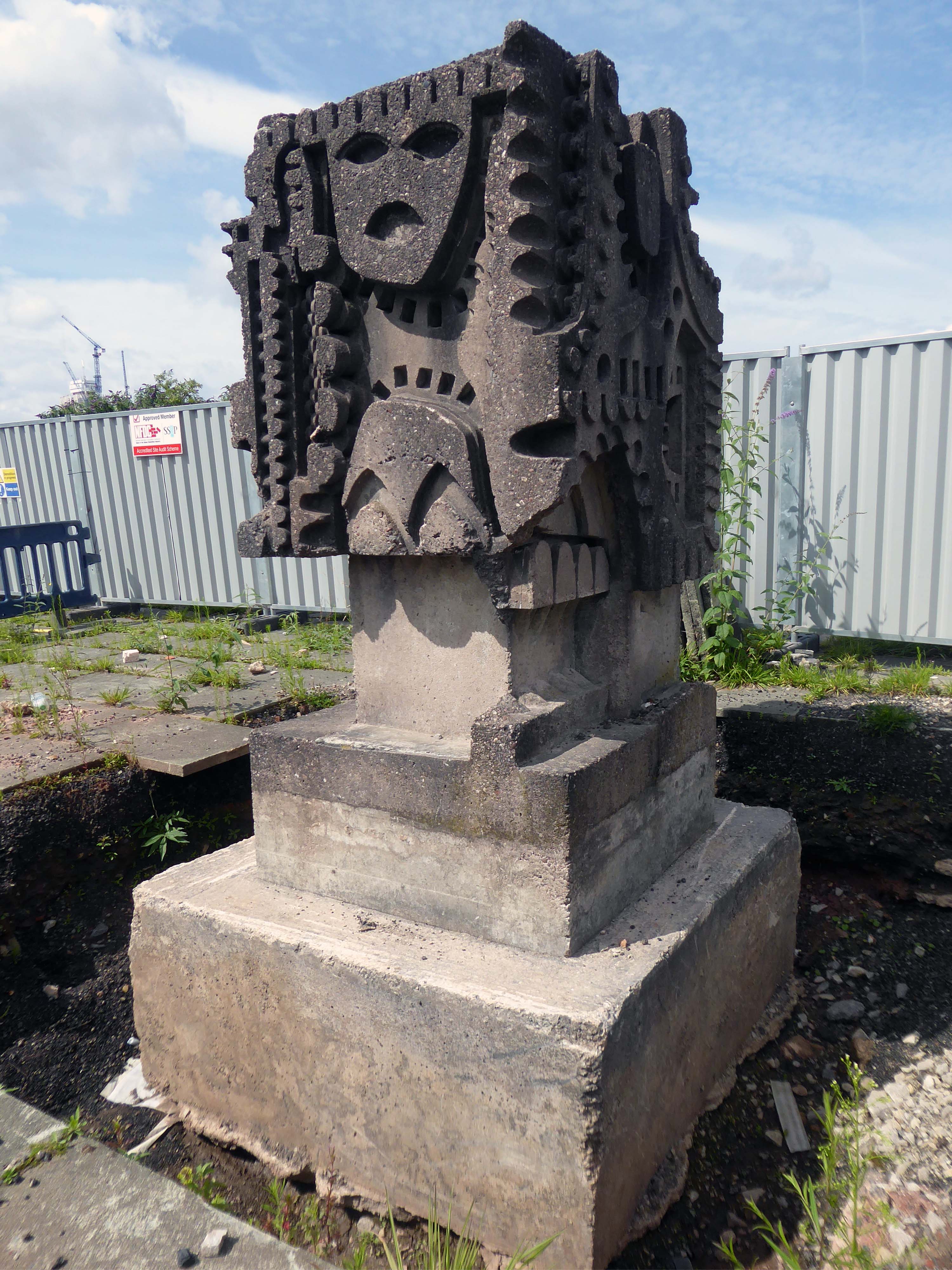
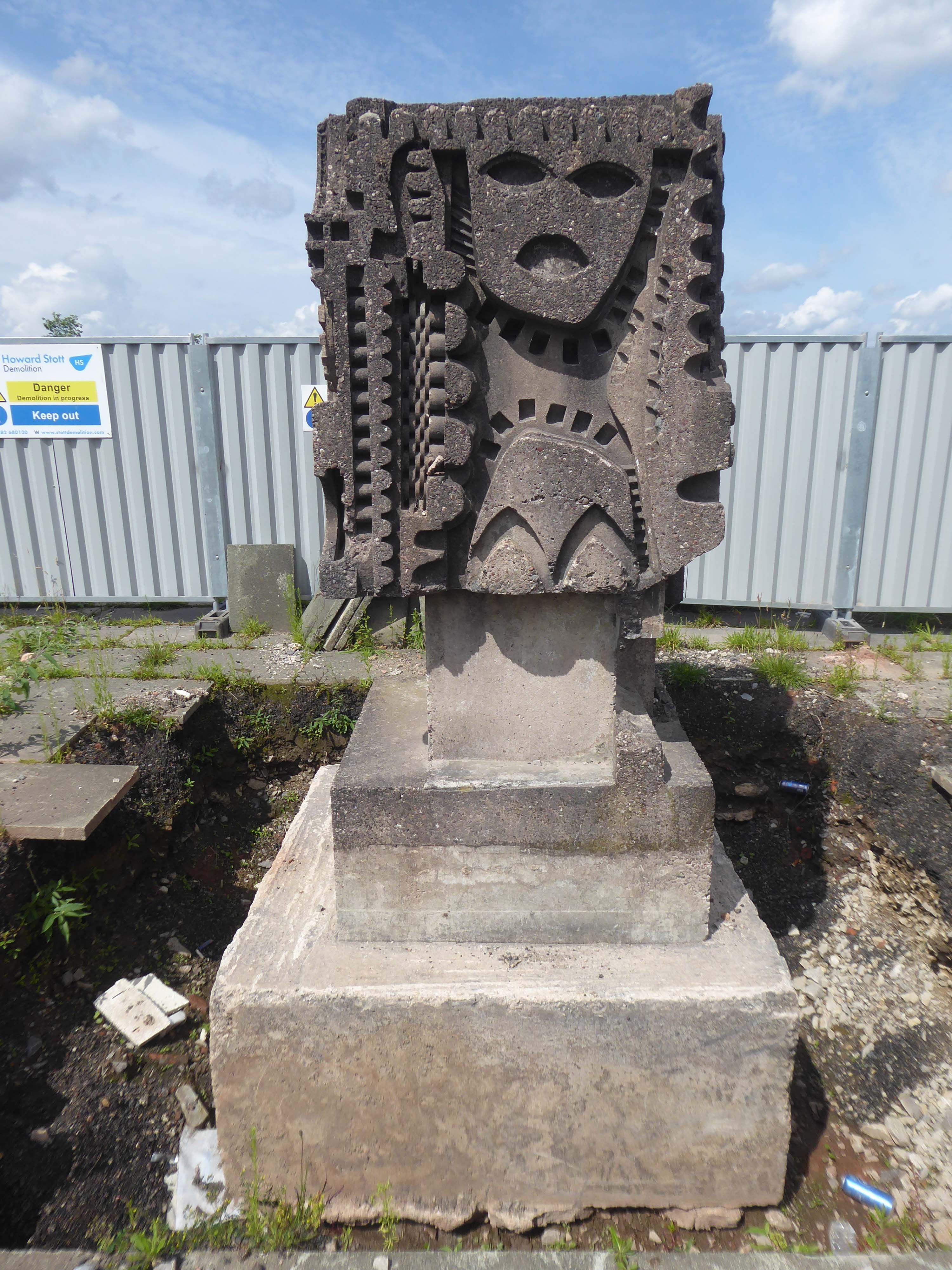
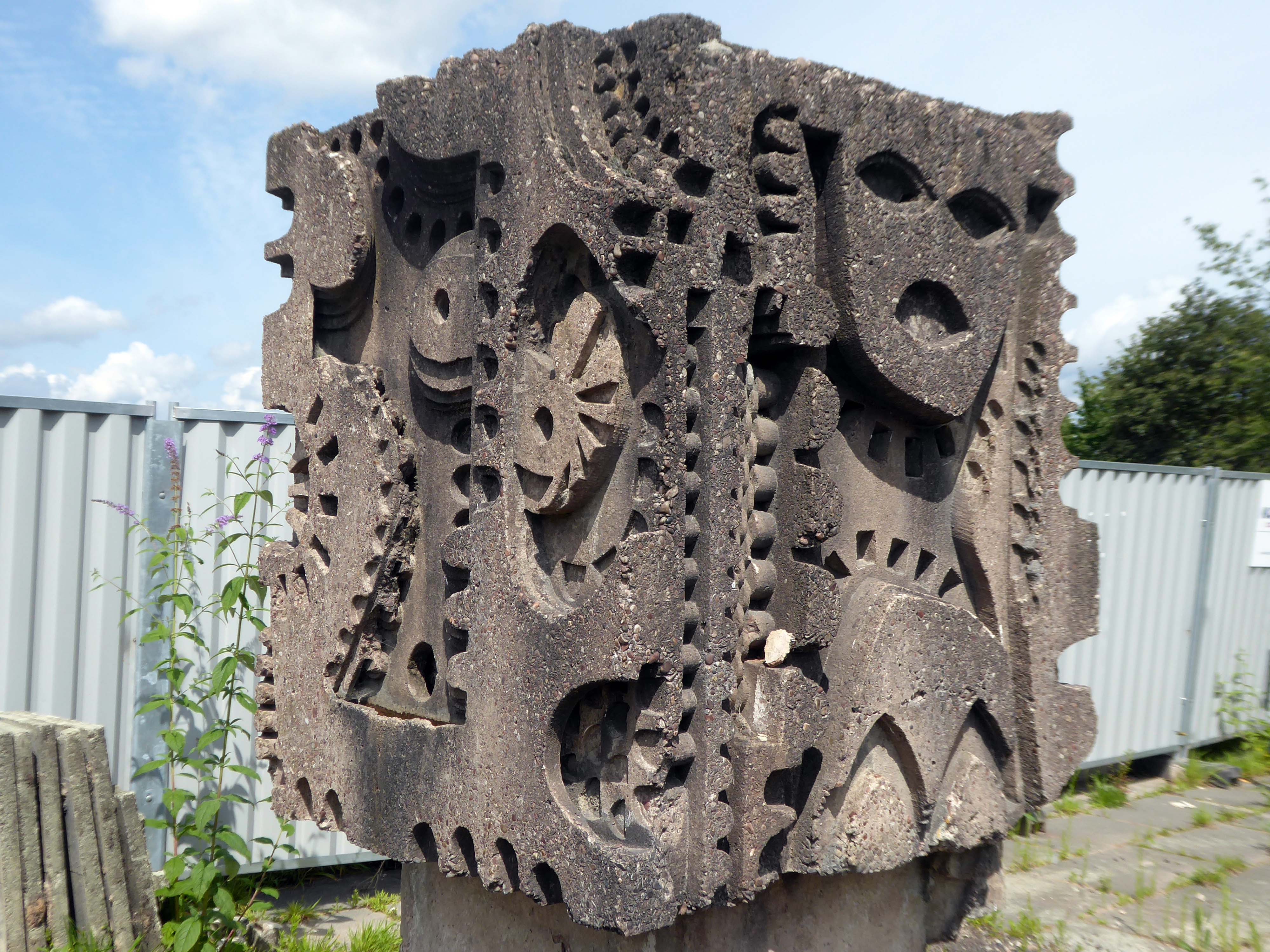
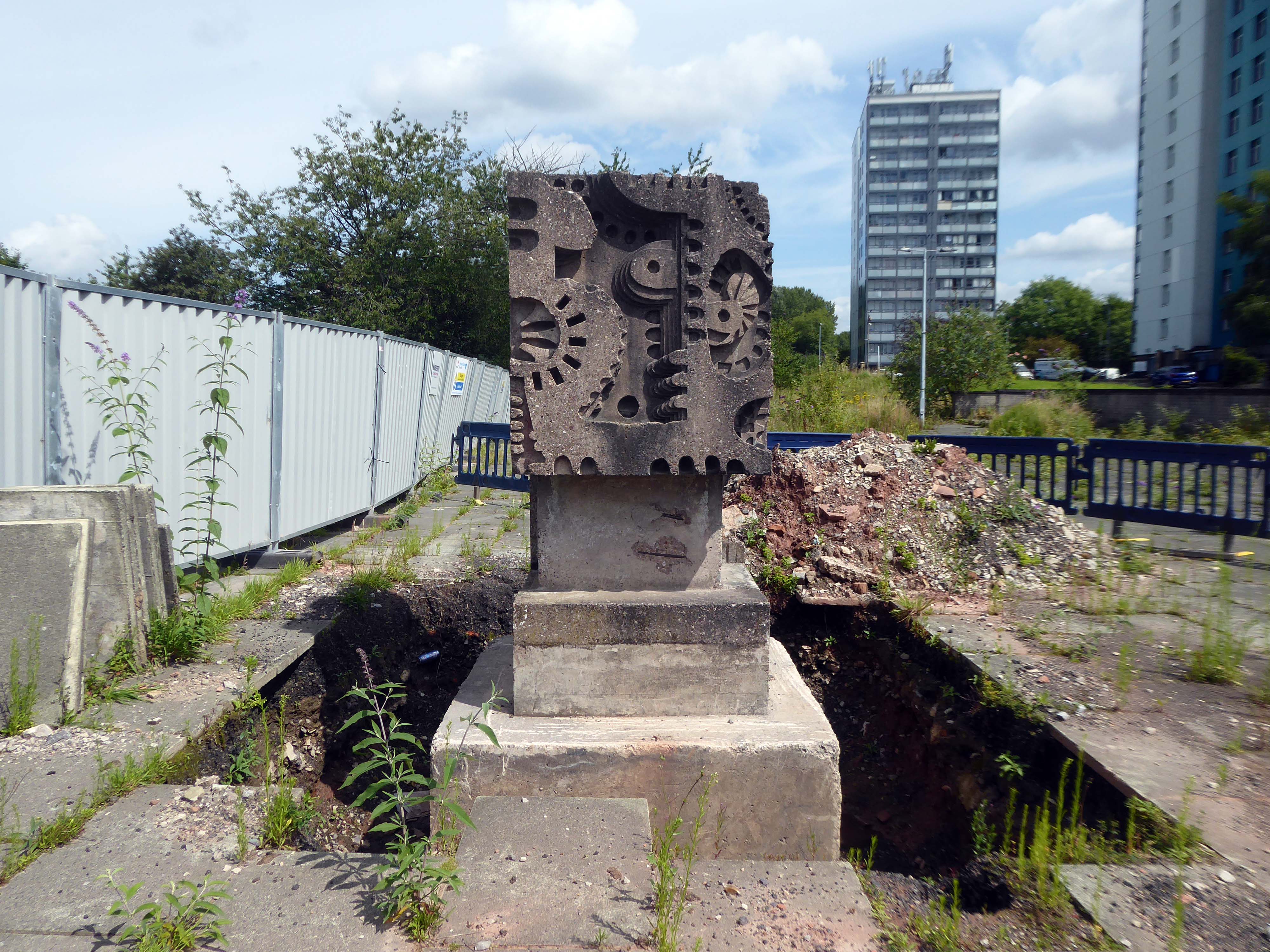
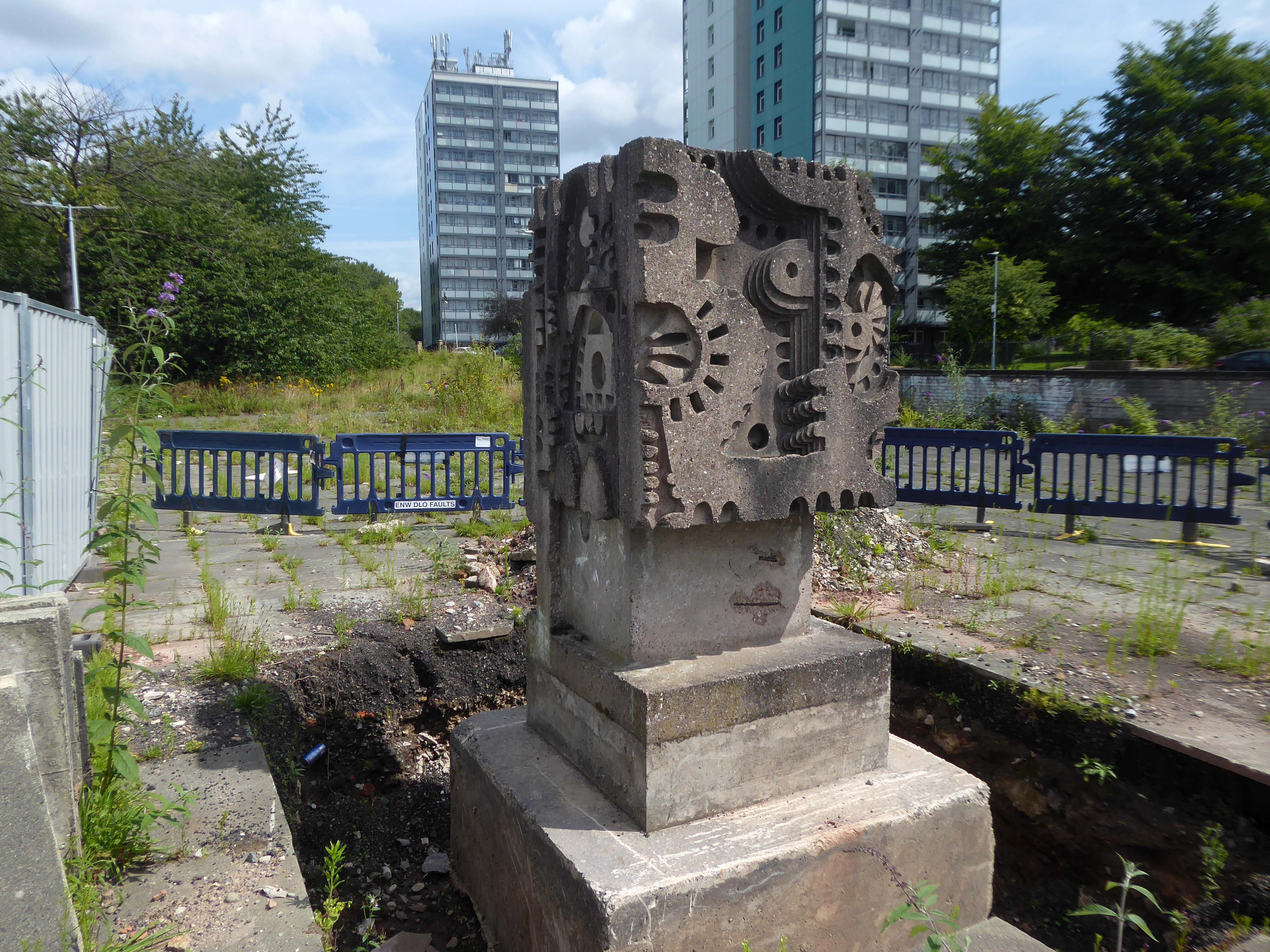
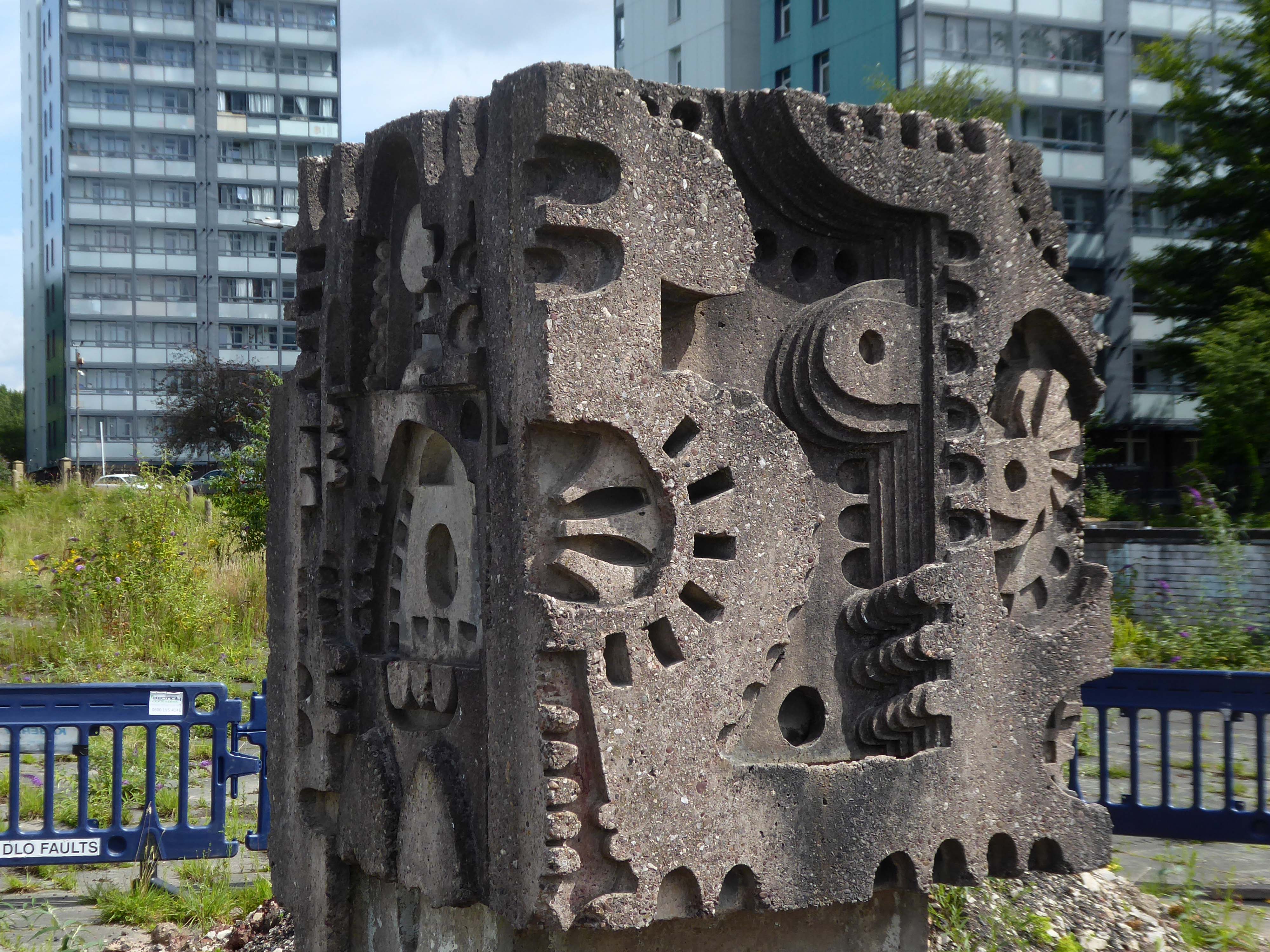
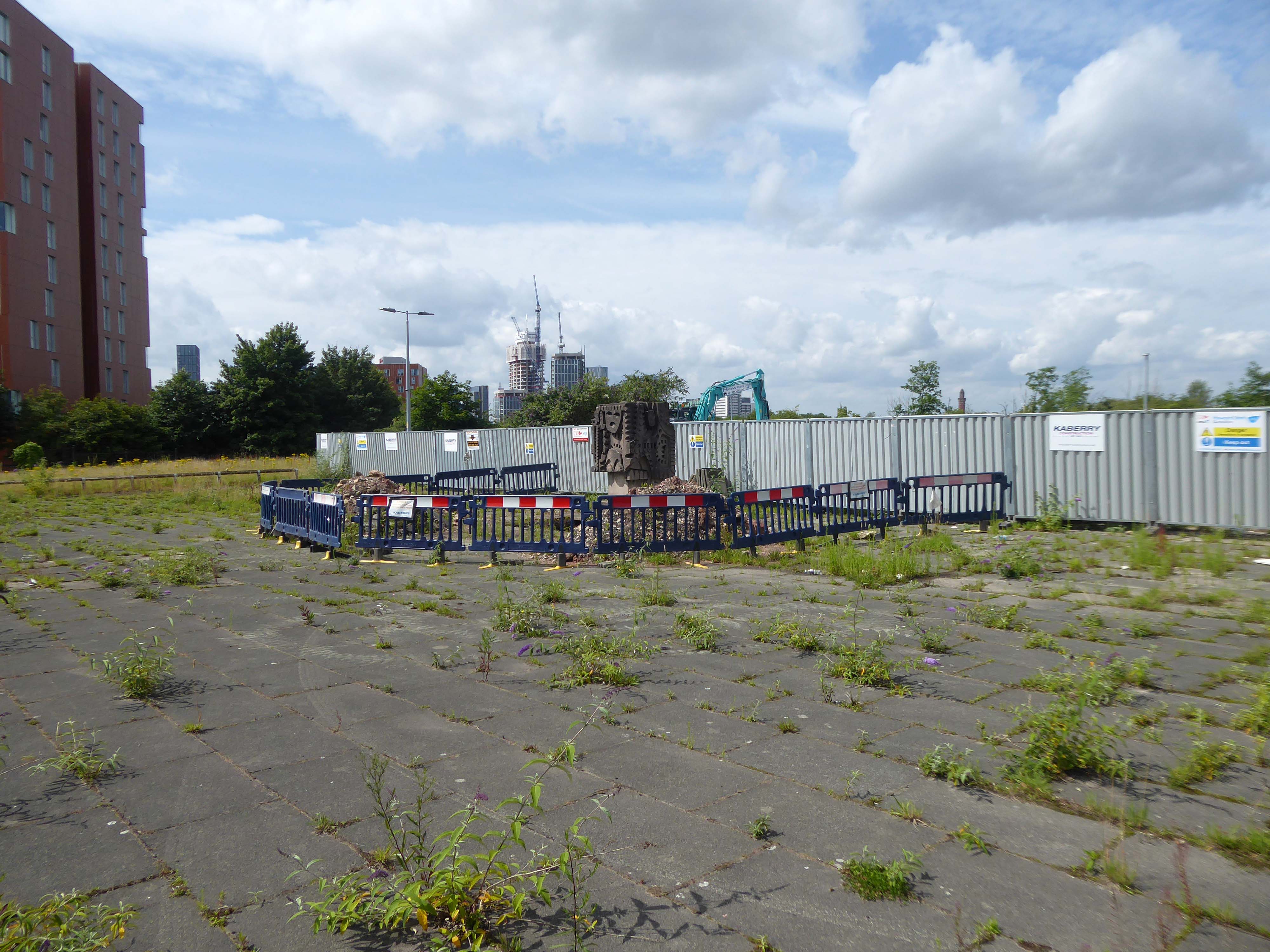
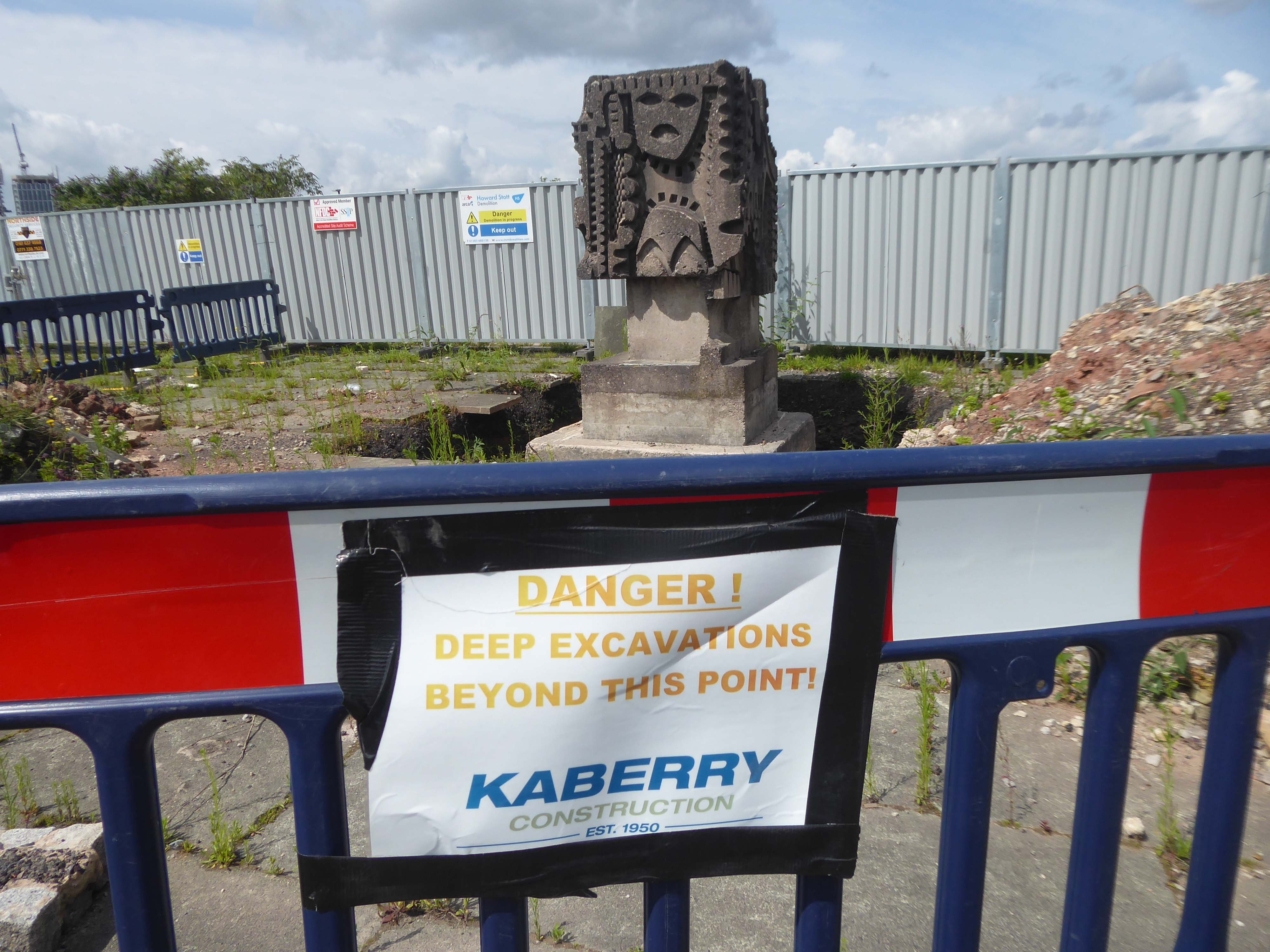
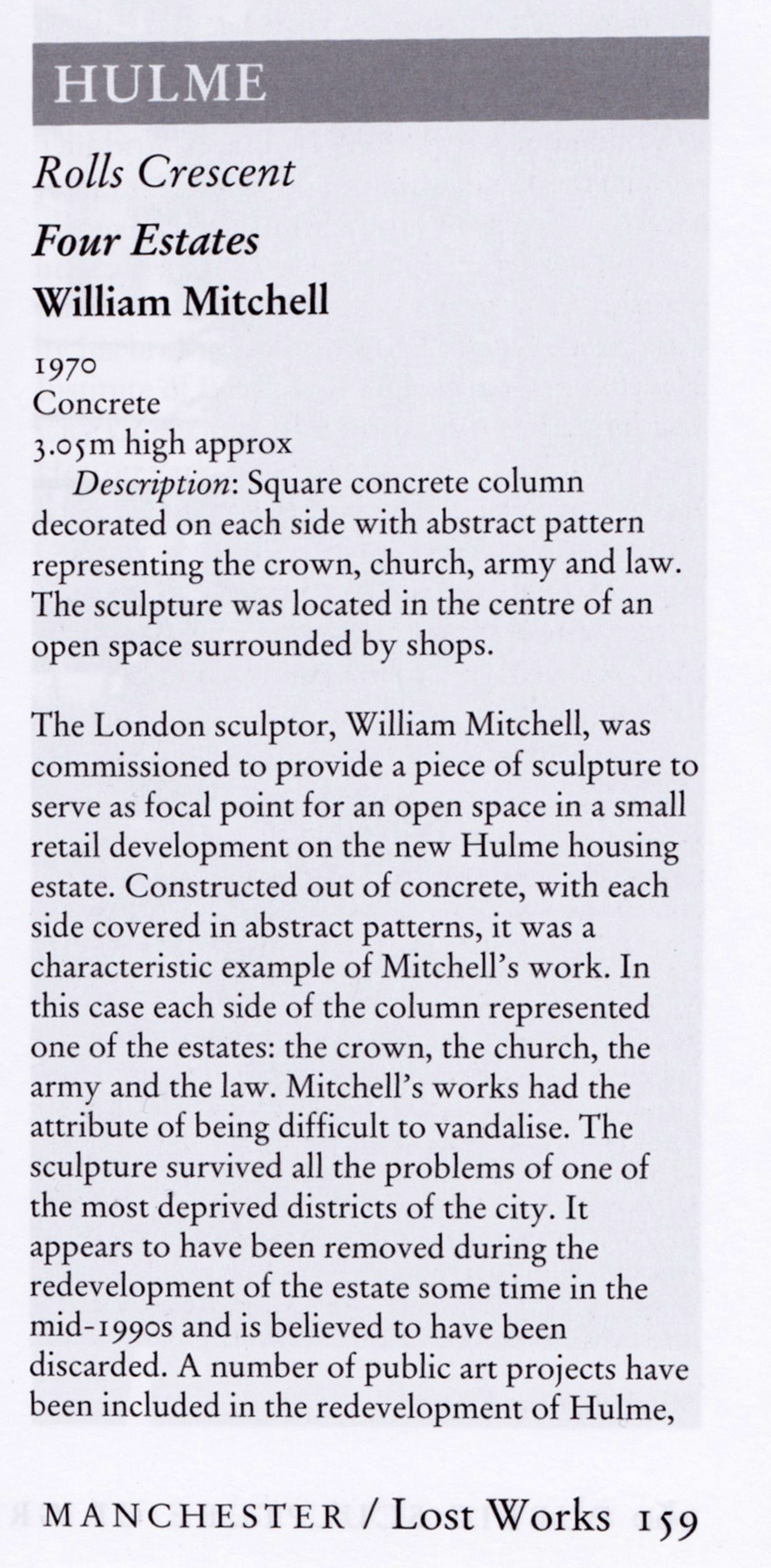
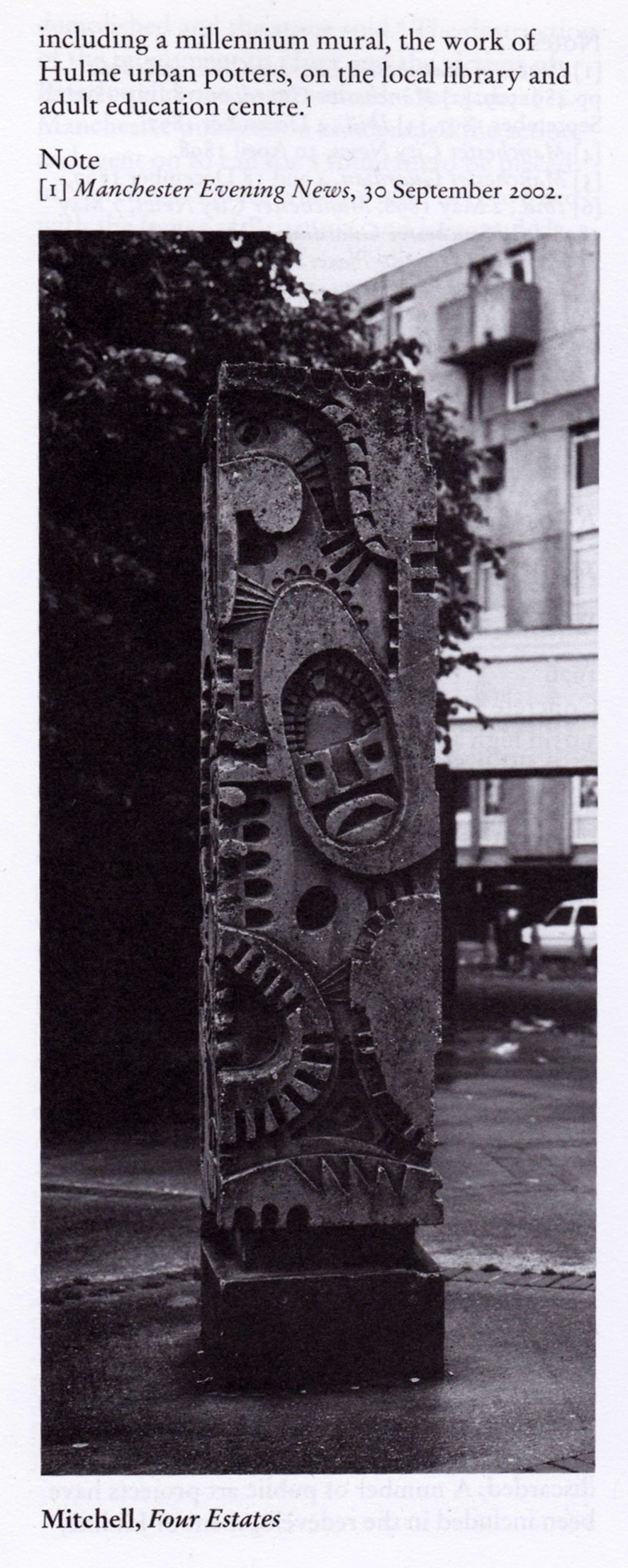
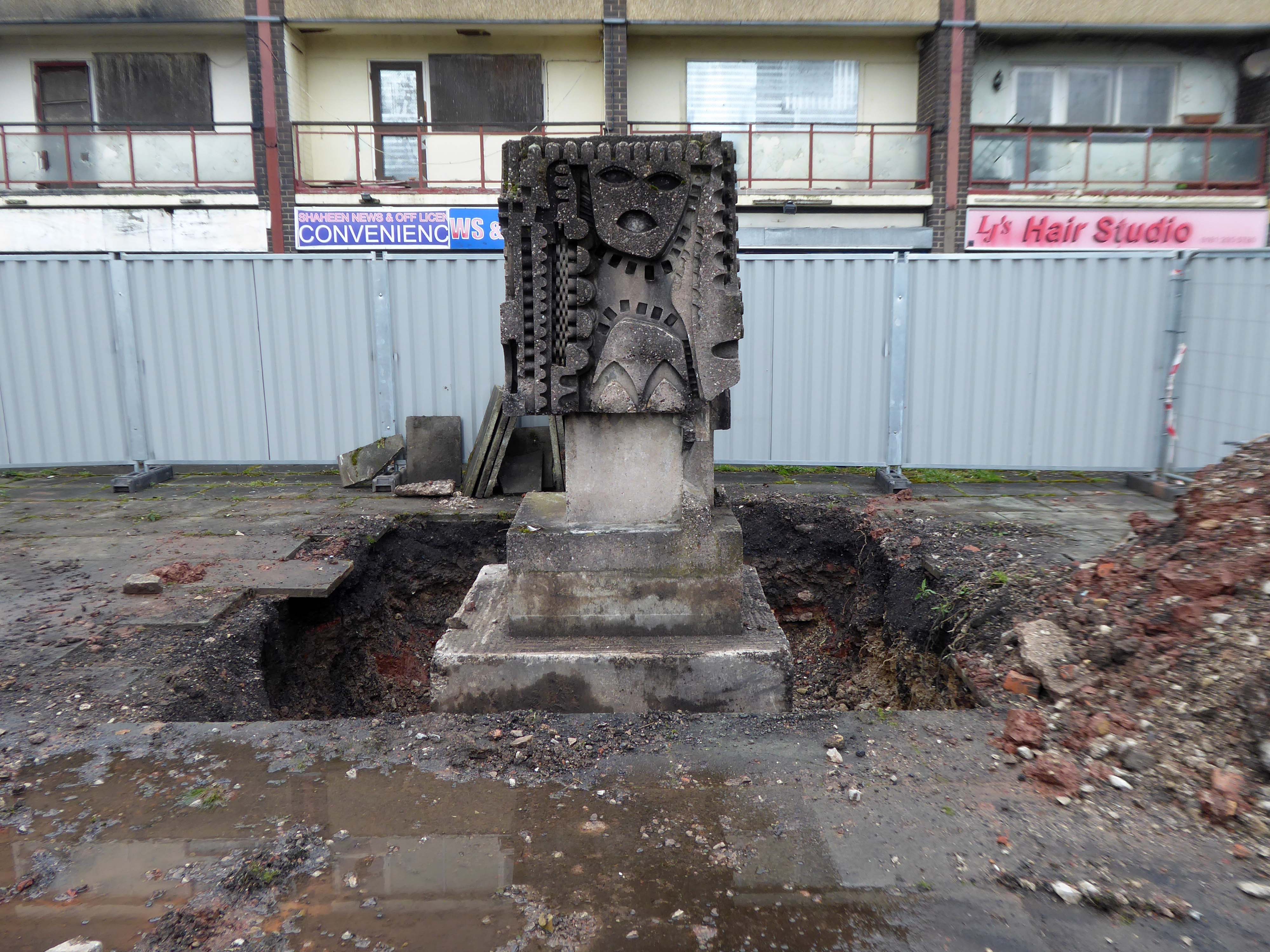
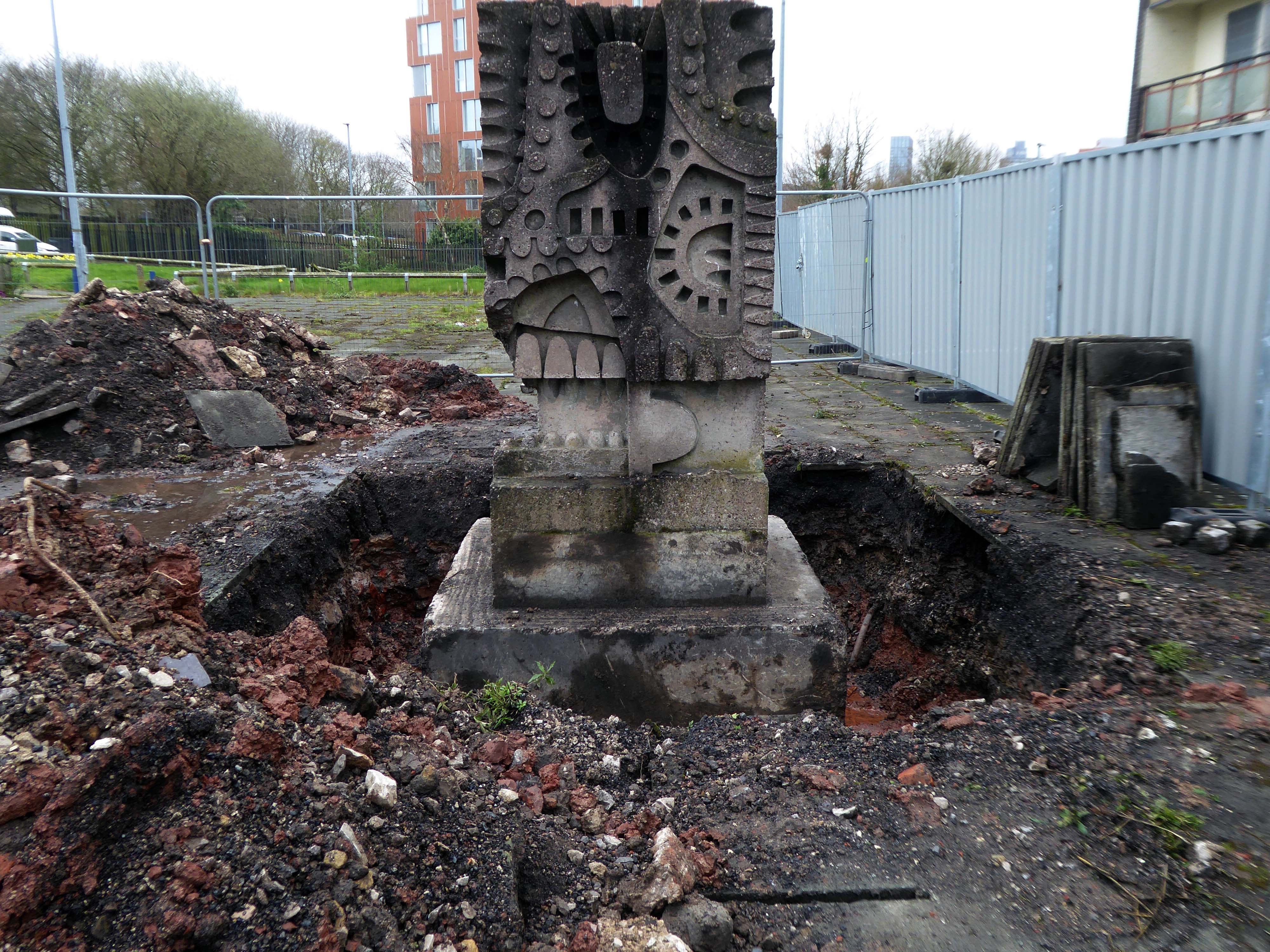
The council has pledged to reinstate the William Mitchell totem nearby.
However the weight of the concrete sculpture and its base have presented unforeseen challenges.
Siting a crane above the Victorian rail tunnel is an issue, as is the cost, a quote for £100,000 was deemed excessive. So stasis is the order the day – the immovable object awaits an unstoppable force.
The sculpture is one of four around Manchester – the Hulme exemplar is long gone.
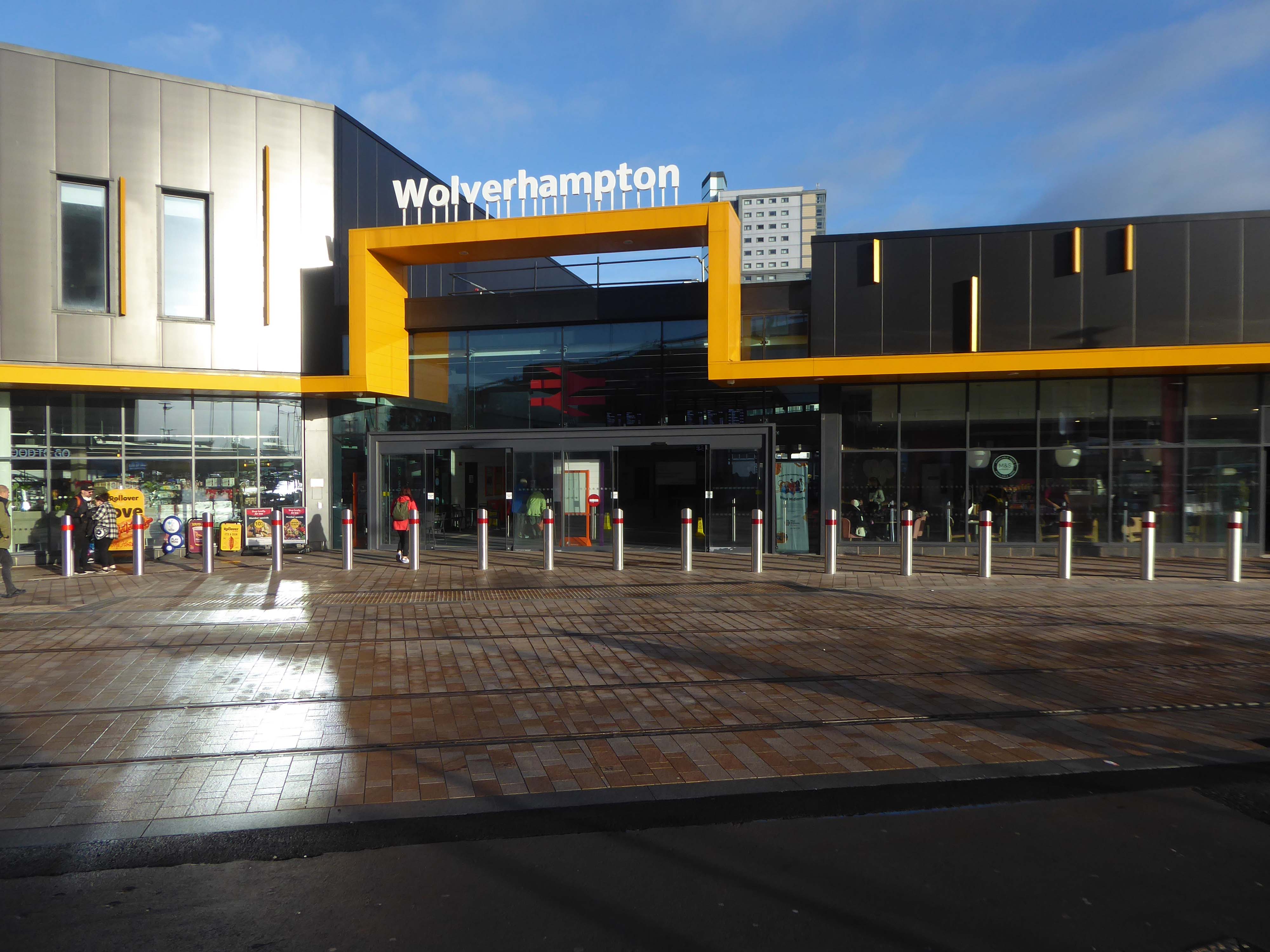
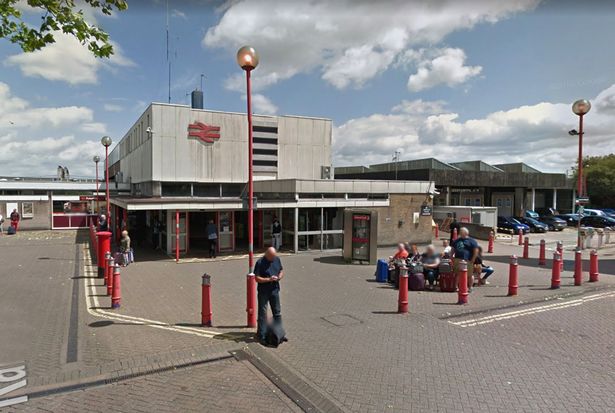
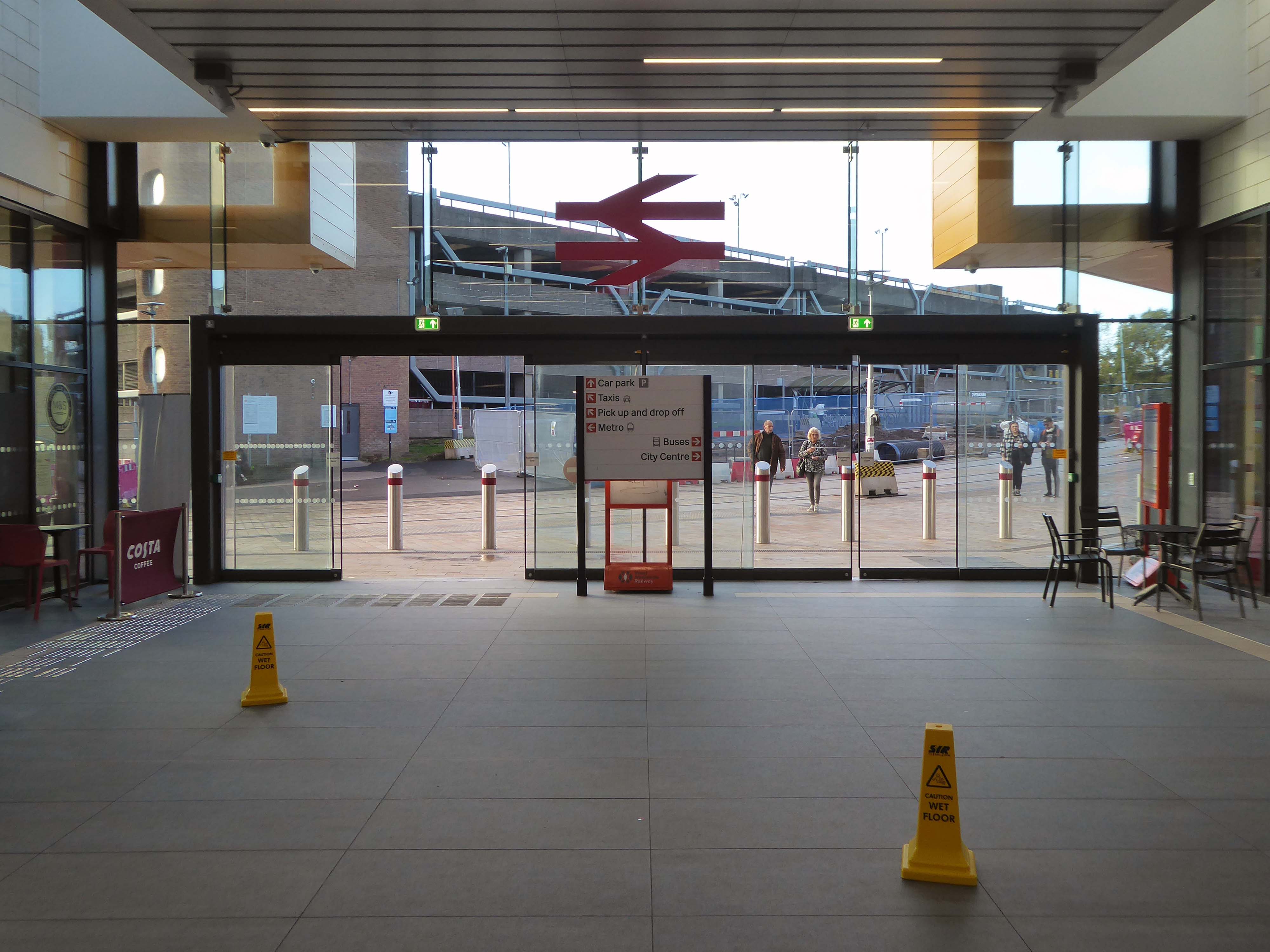
We begin at the Railway Station – recently refurbished, overwriting its 60s iteration – completely rebuilt by the architect Ray Moorcroft as part of the modernisation programme which saw the West Coast Main Line electrified.
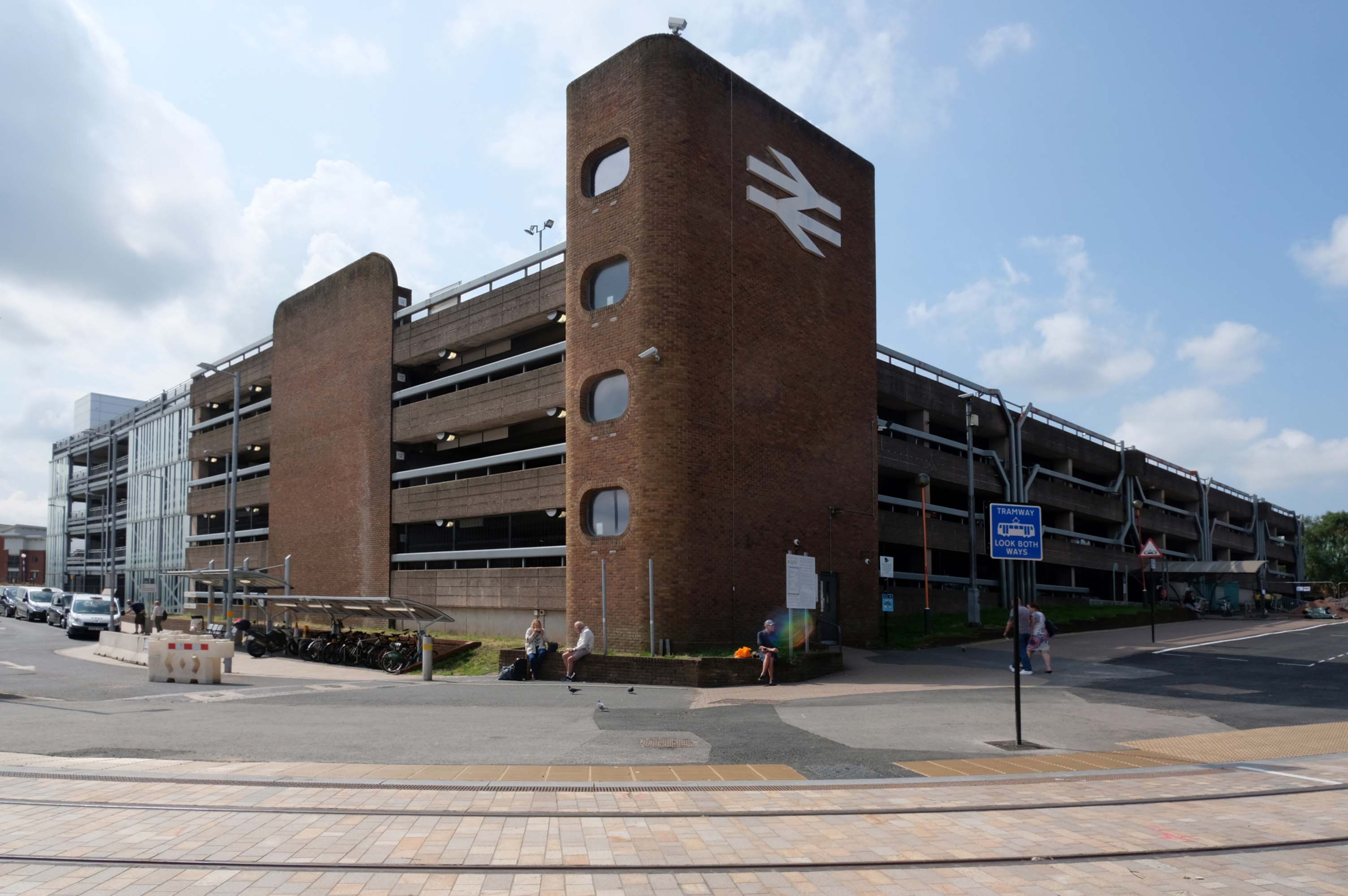
Across the way an enormous brick clad multi-storey car park – skirted by the lines for the tram, which travels to and from Birmingham.
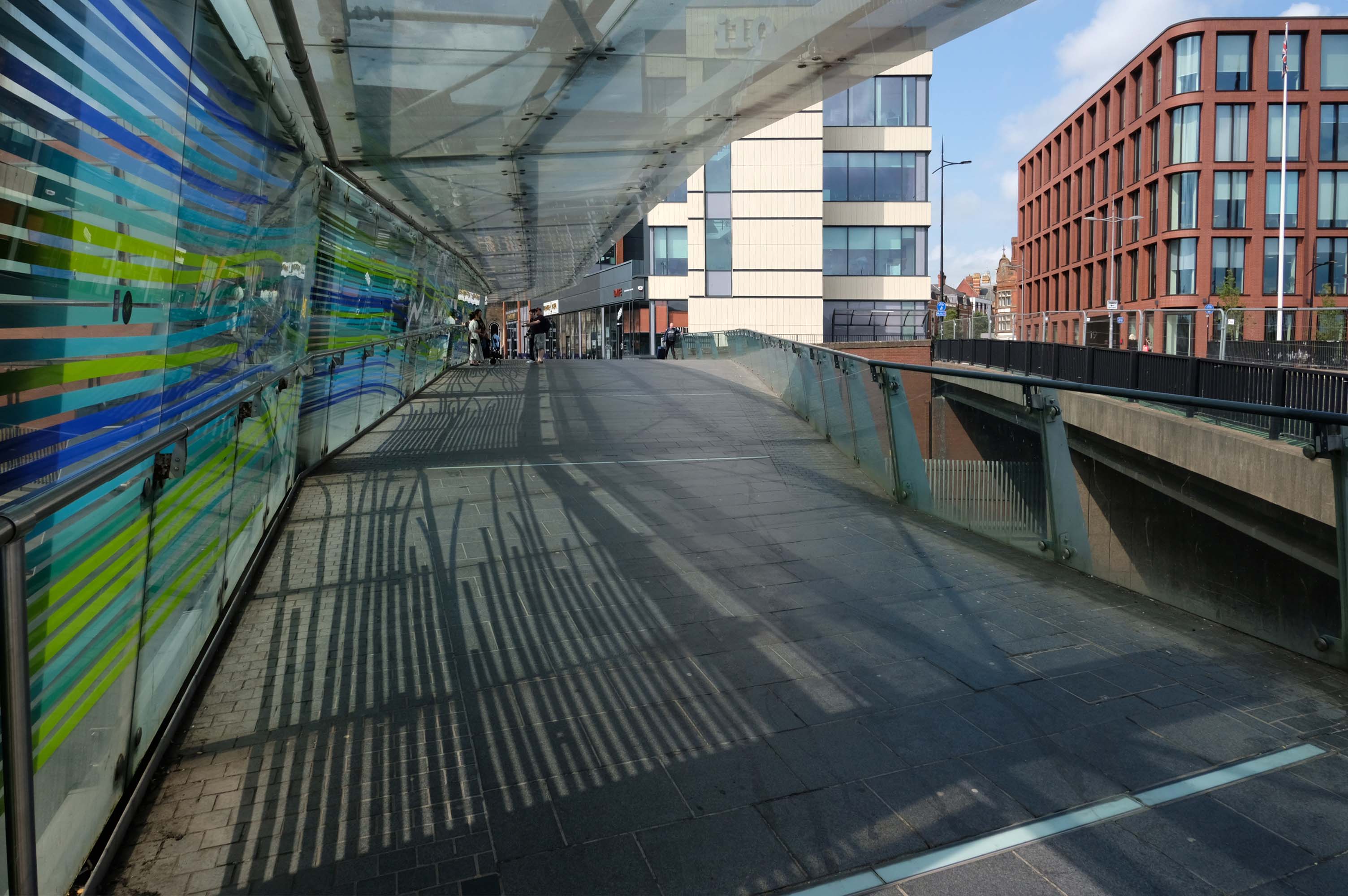
Walk across the brand new pedestrian footbridge over the ring road.
Architectural glass artist Kate Maestri was commissioned to produce the artwork design which features glass with blue and green strips of colour running through it.
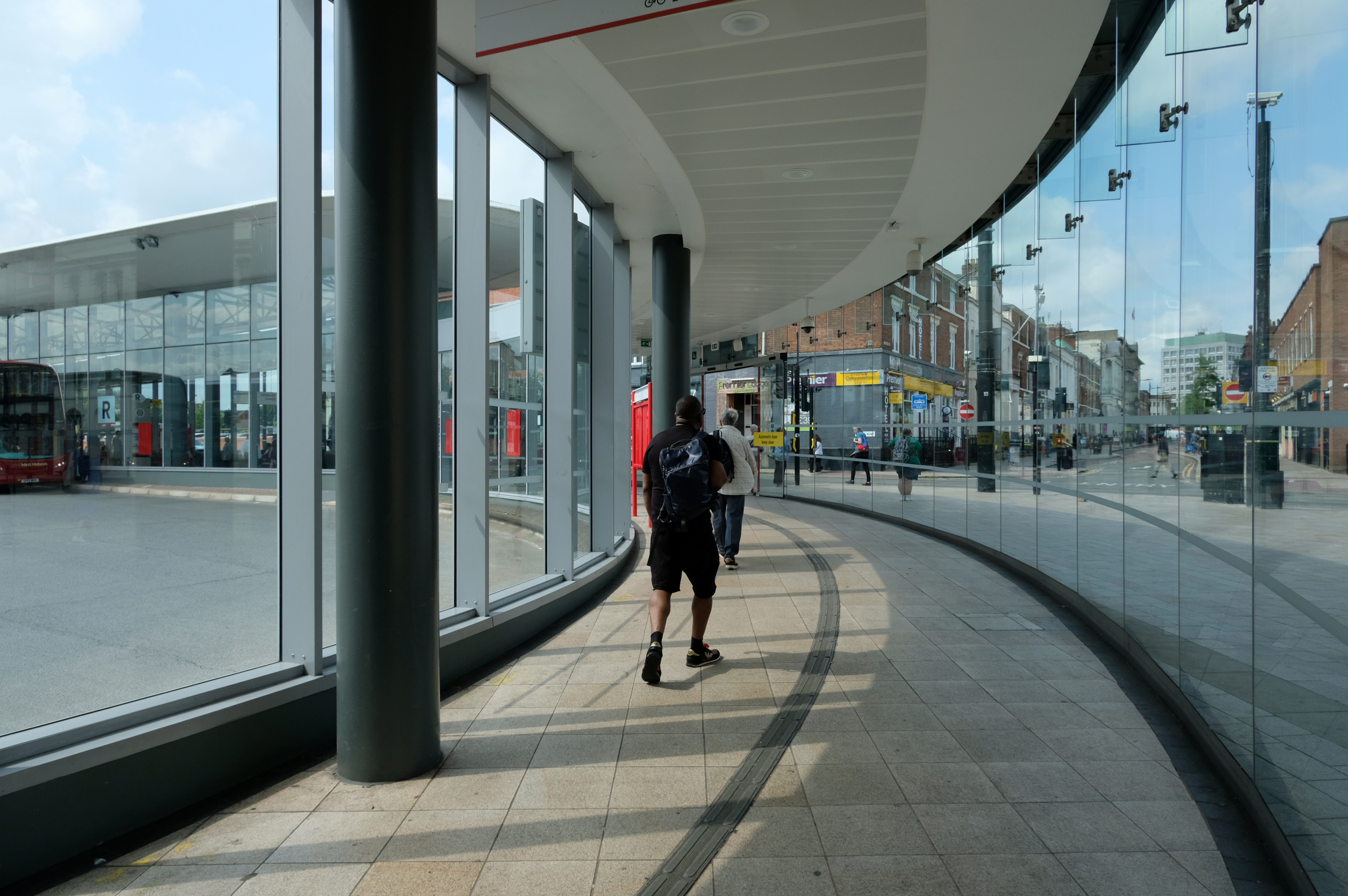
Linking the Rail Station with the brand new Bus Station.
The normal practice of the Wolverhampton Bus Service is to have dirty, smelly buses, that are cramped and extremely hot in the summer and freezing cold in winter. They offer no announcements apologizing for delays they know about and don’t appear to care how long passengers wait with no idea of how or when they’ll be getting a bus.
The best thing you can do is learn to drive as quickly as possible and get your own vehicle or car pool.
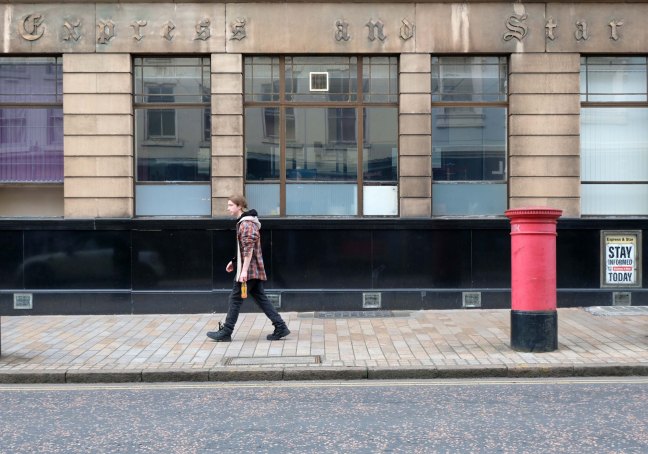
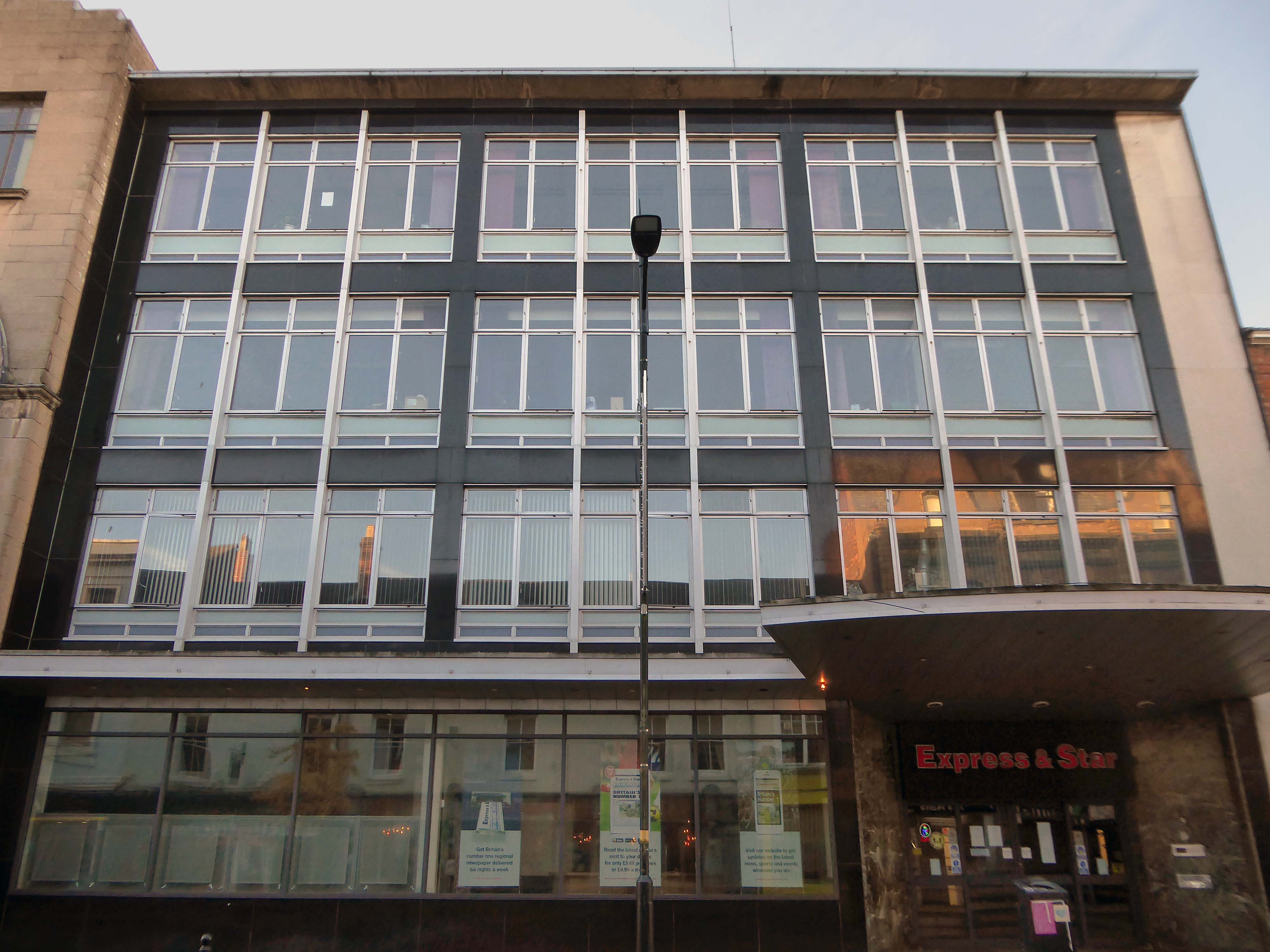
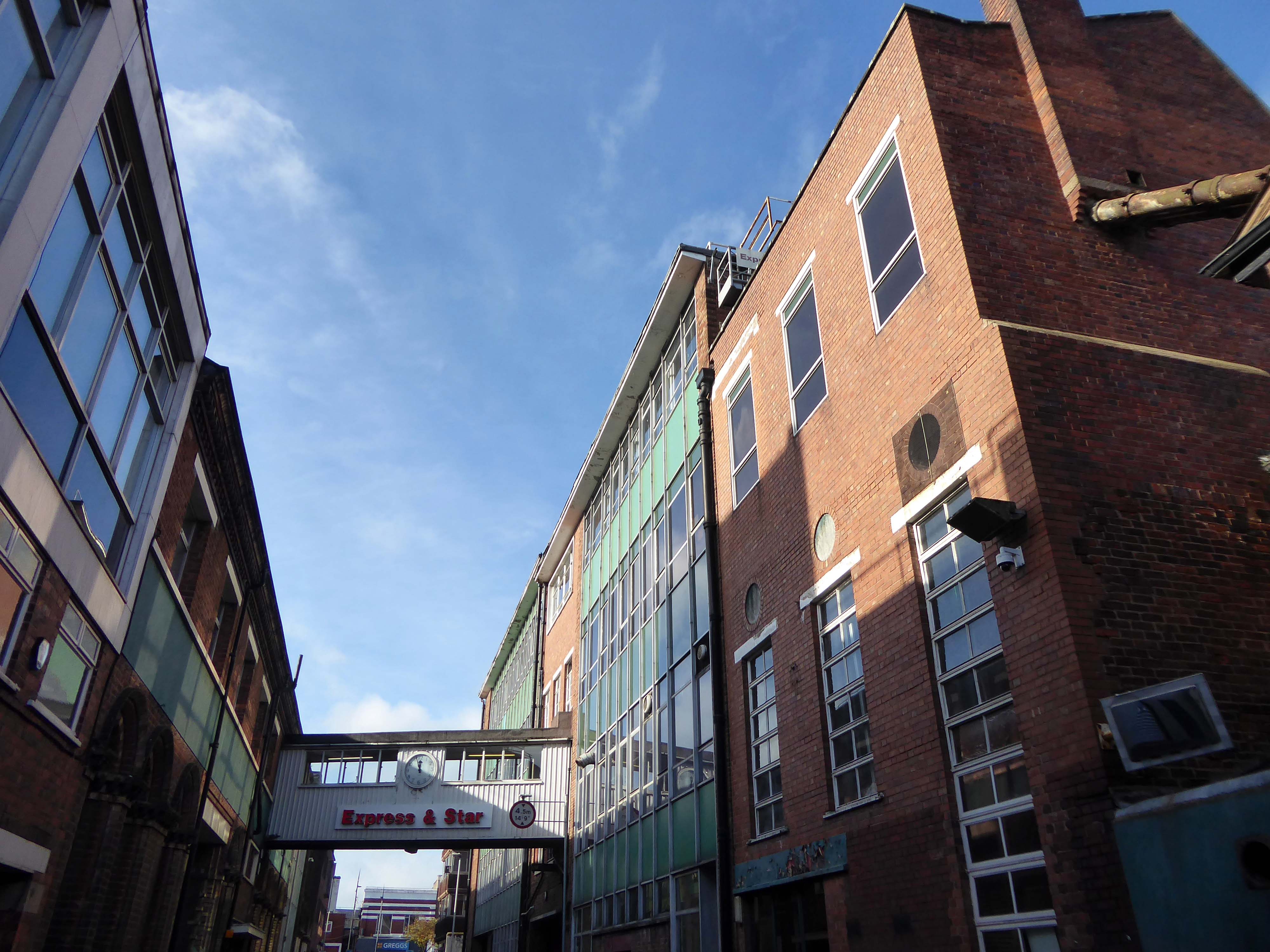
Midland News Association managing director Matt Ross confirmed the company is now looking at the building’s future.
For a number of years we have been exploring opportunities surrounding our historic Express & Star offices in the heart of Wolverhampton.
After removing the printing presses from the site and restructuring our departments we now have significant spare capacity available and so are looking at the various options available to us, be that redeveloping the current site or exiting the building altogether.
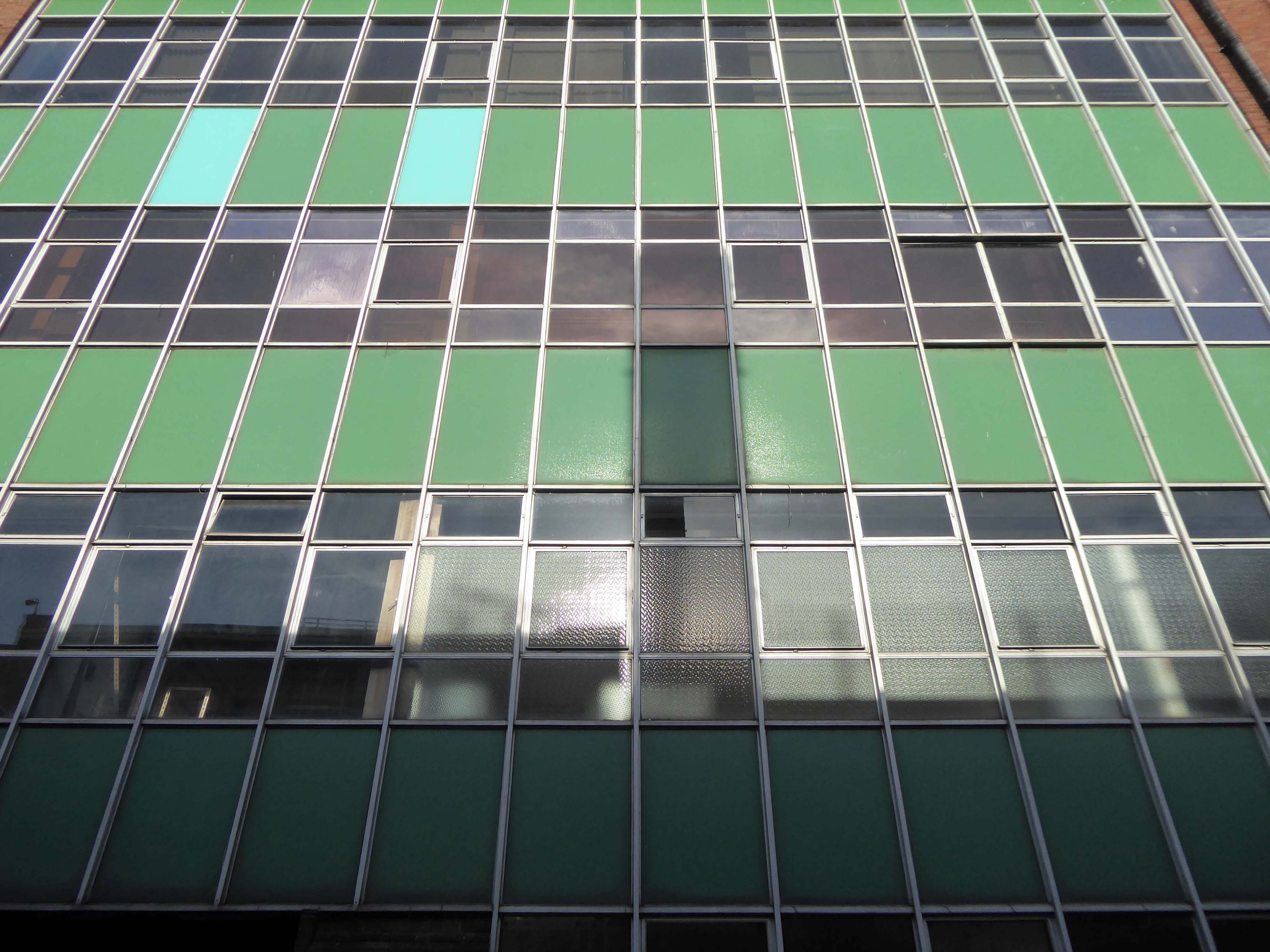
Extension is by architects: H Marcus Brown & Lewis 1965
With further work at the rear.
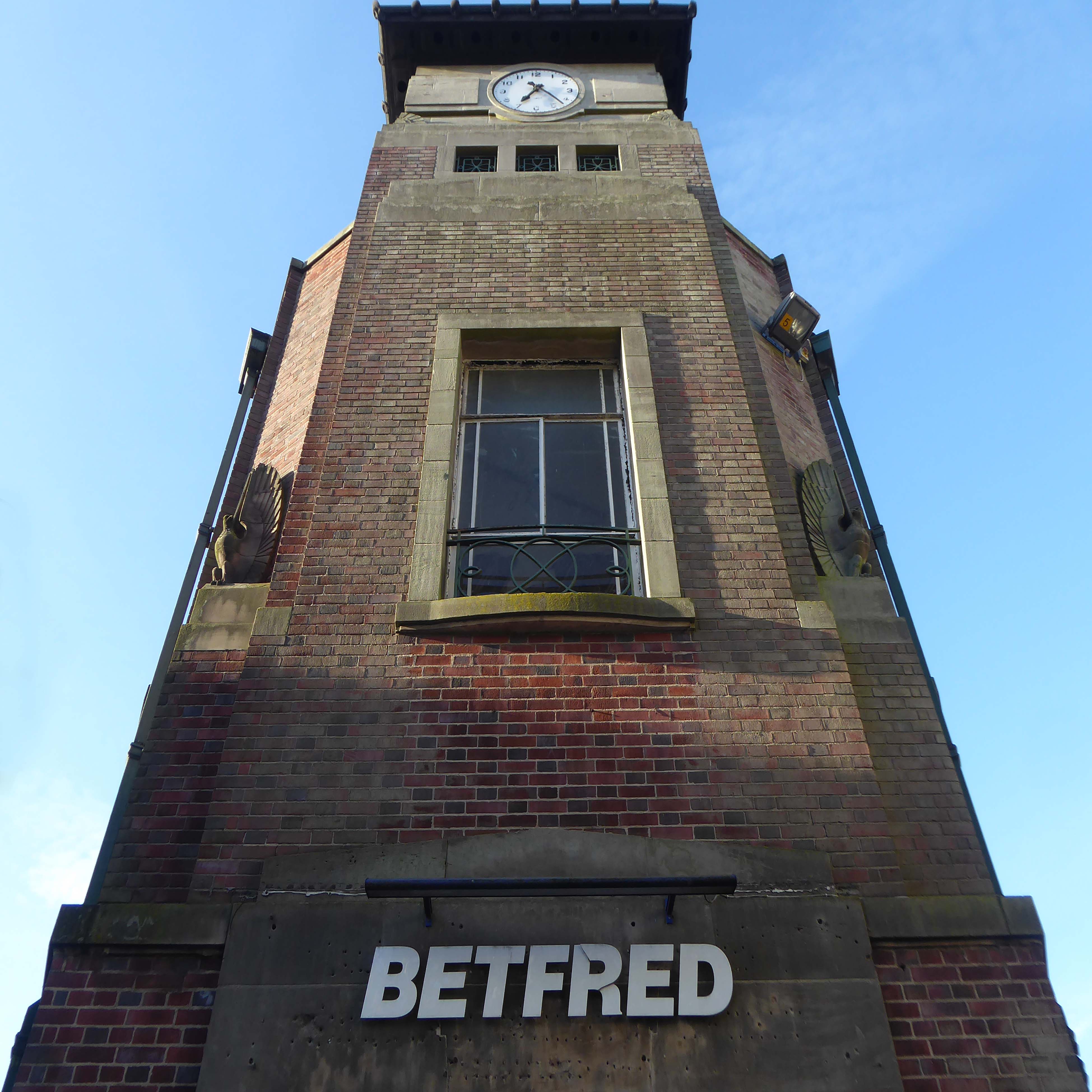
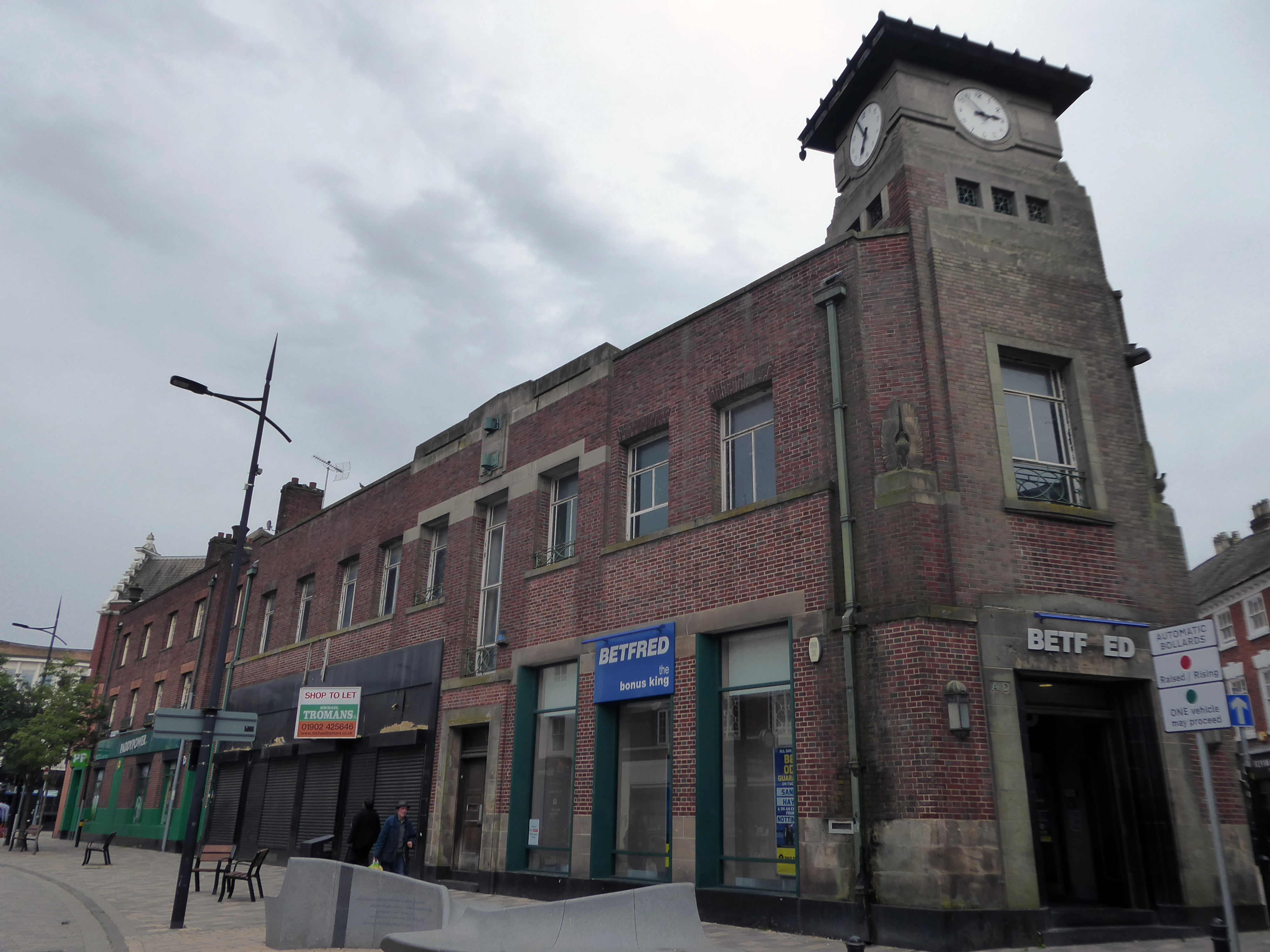
Along Princess Street this corner group, with an impressive clock tower – originally HQ for the South Staffordshire Building Society
Architects: George A Boswell of Glasgow 1932.
On to the Mander Centre – opened on 6th March 1968, refurbished 1987, 2003 and 2016-17.
The Mander Shopping Centre in the heart Wolverhampton is your one-stop shopping destination for all things fashion, home, beauty, food and technology.
Architects: James A Roberts principal architect Stanley Sellers.
Developed by Manders Holdings Plc, the paint, inks and property conglomerate, between 1968 and 1974. The site occupies four and a half acres comprising the old Georgian works and offices of the Mander family firm, founded in 1773, as well as the site of the former Queens Arcade.
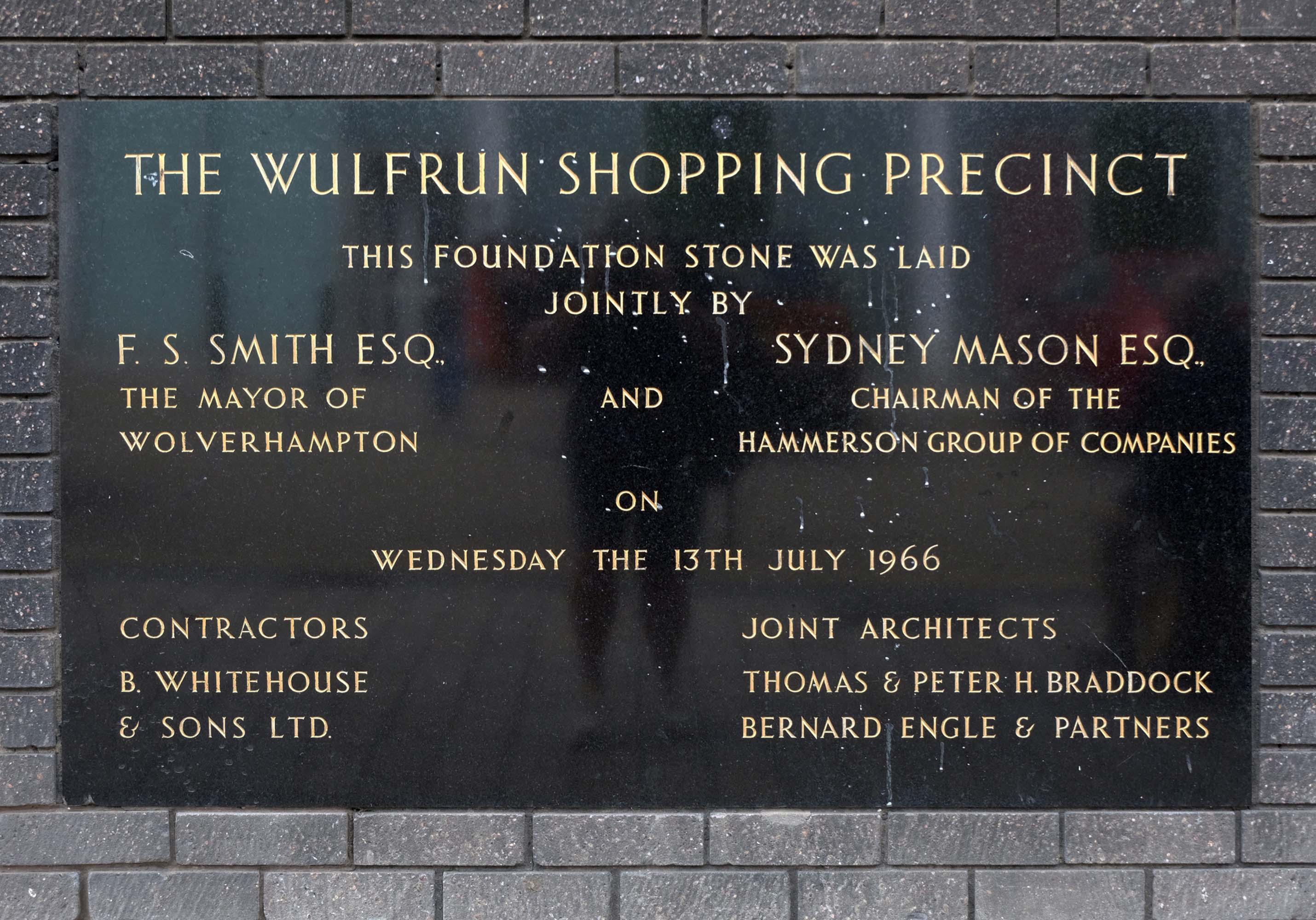
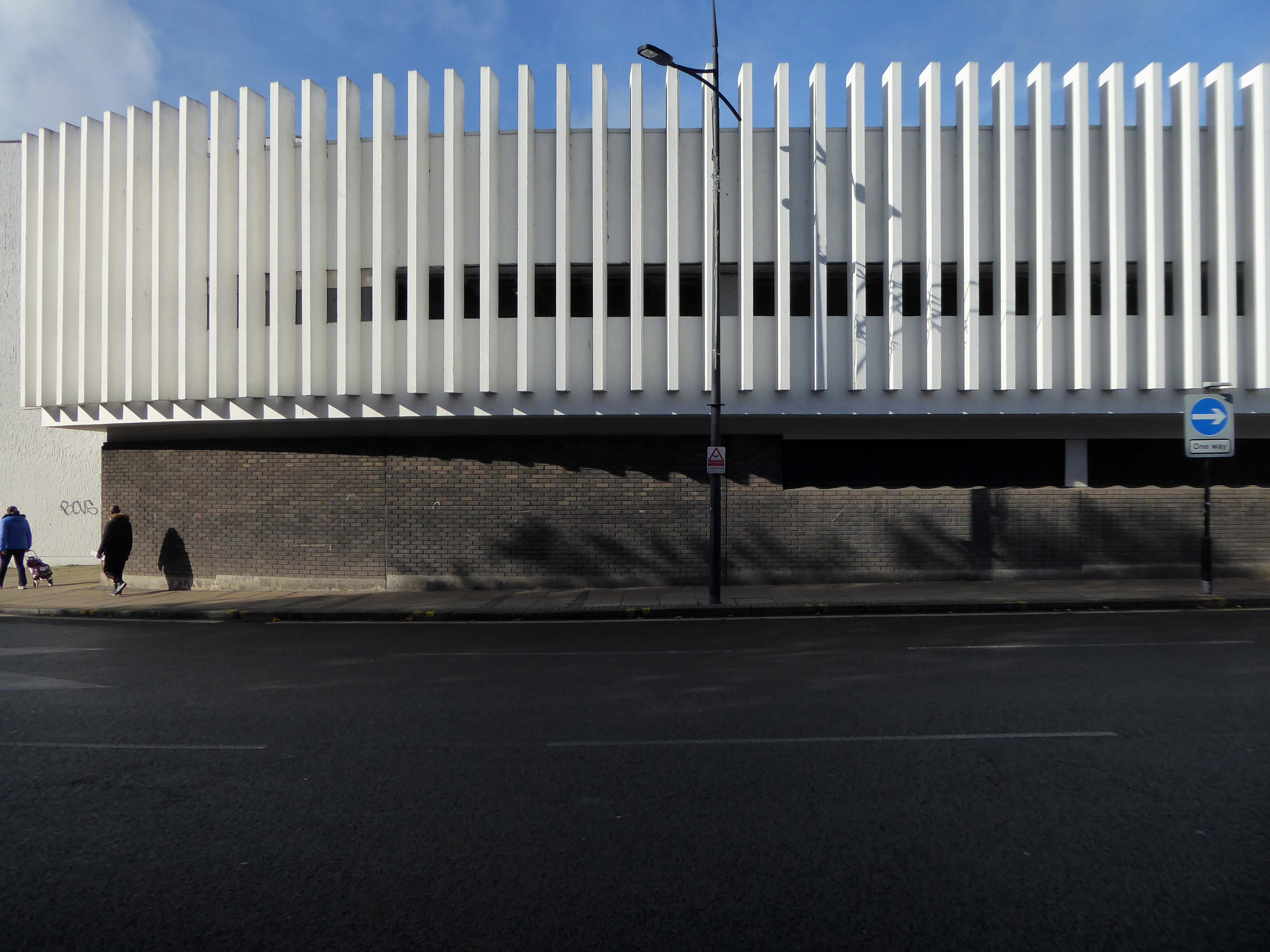
Architects: T & PH Braddock and also Bernard Engle & Partners.
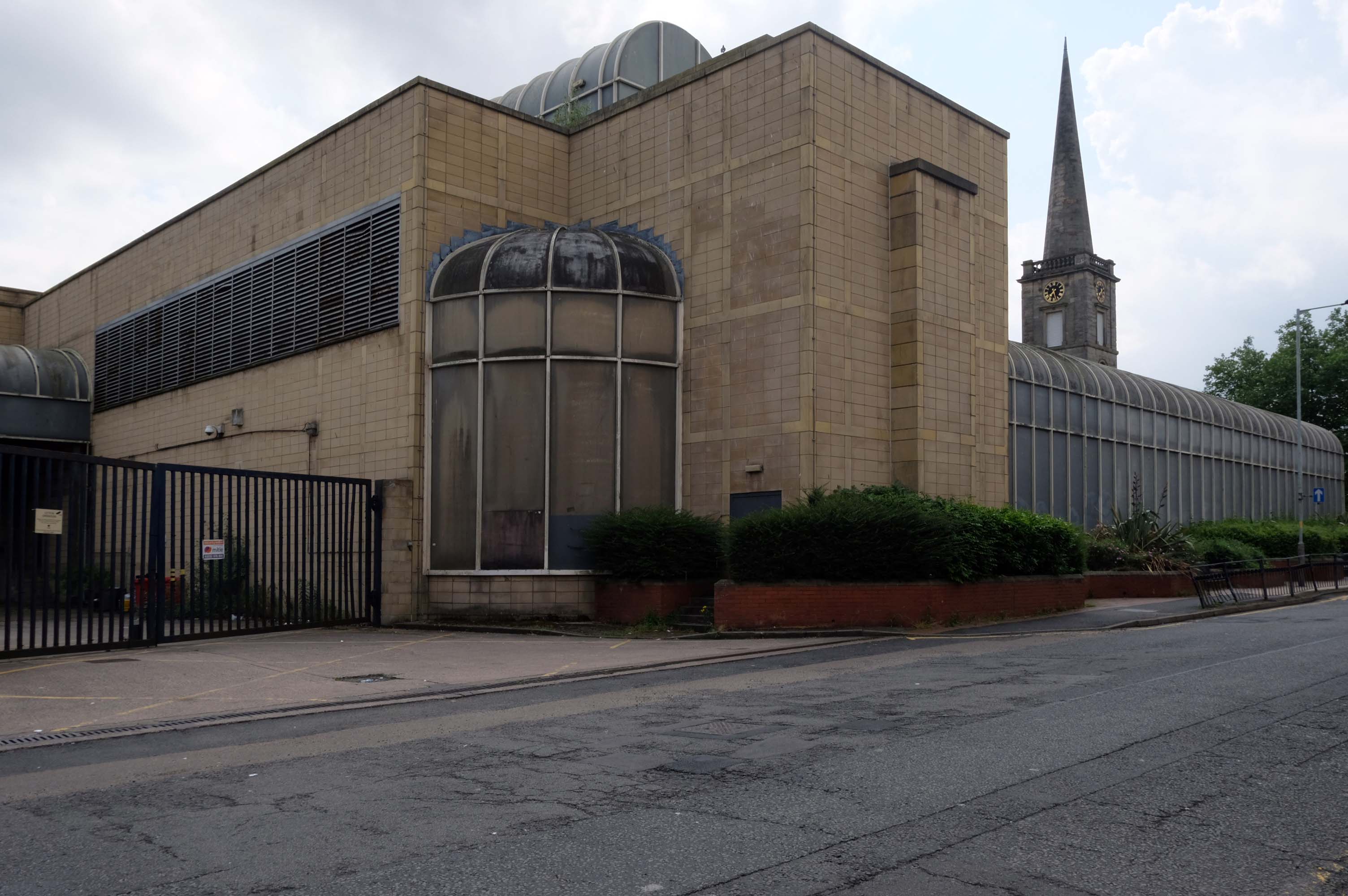
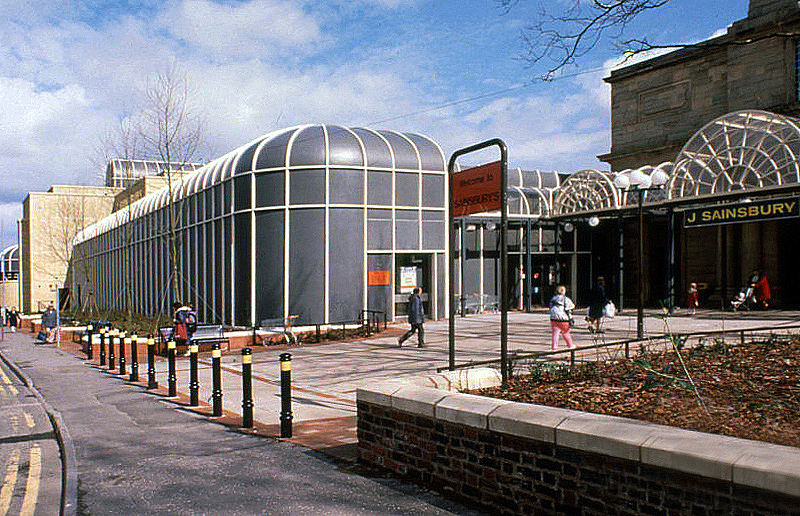
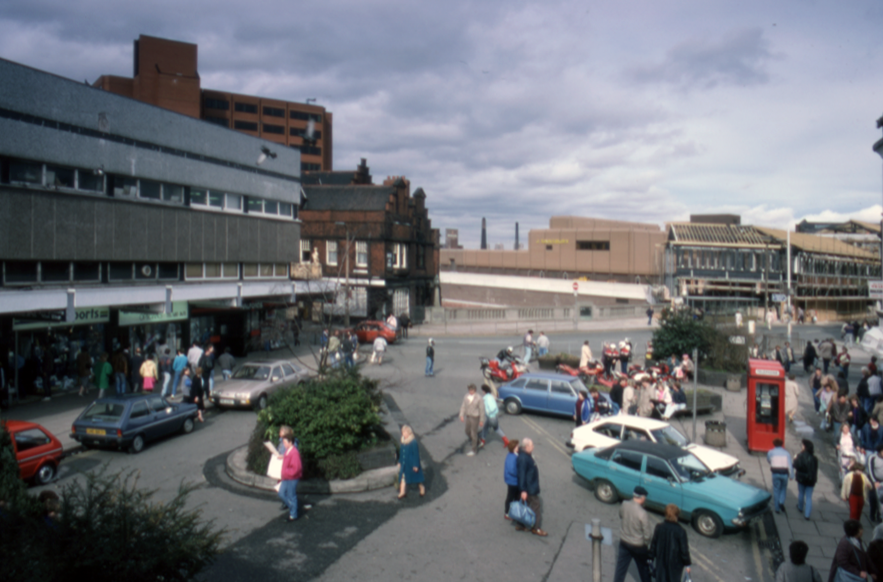
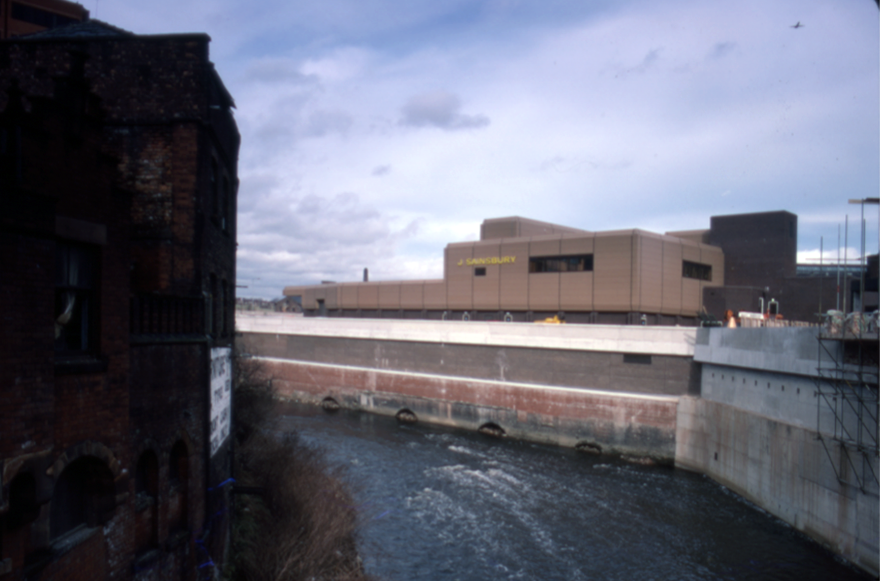
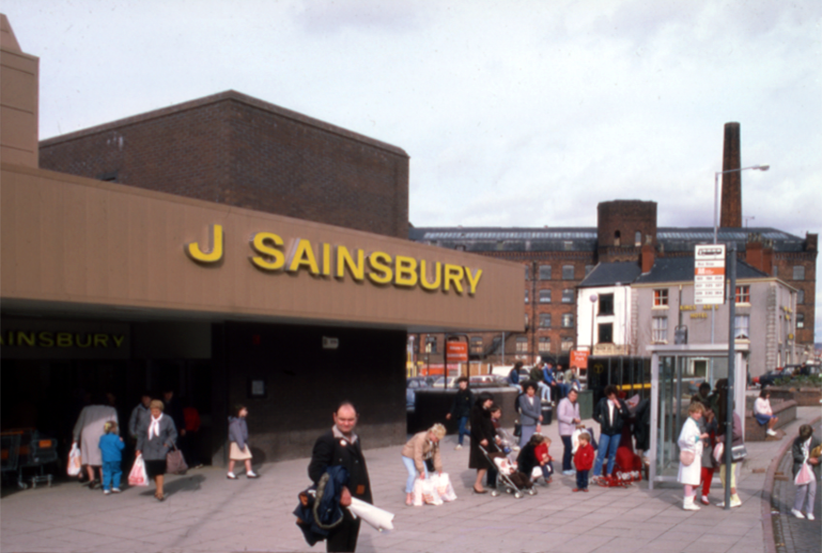
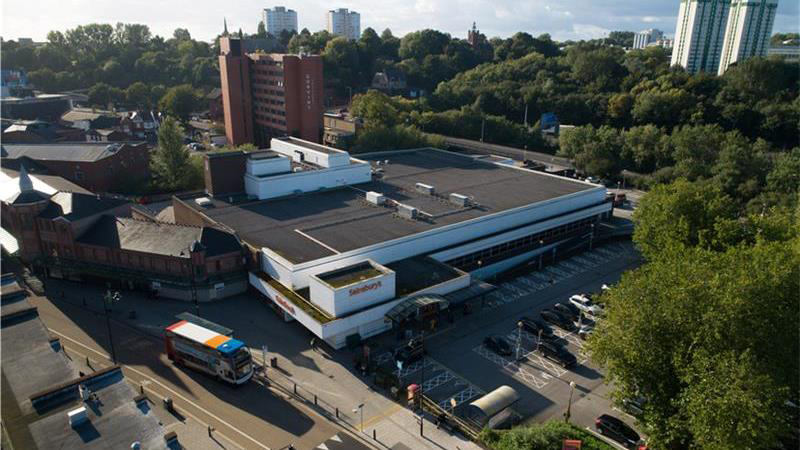
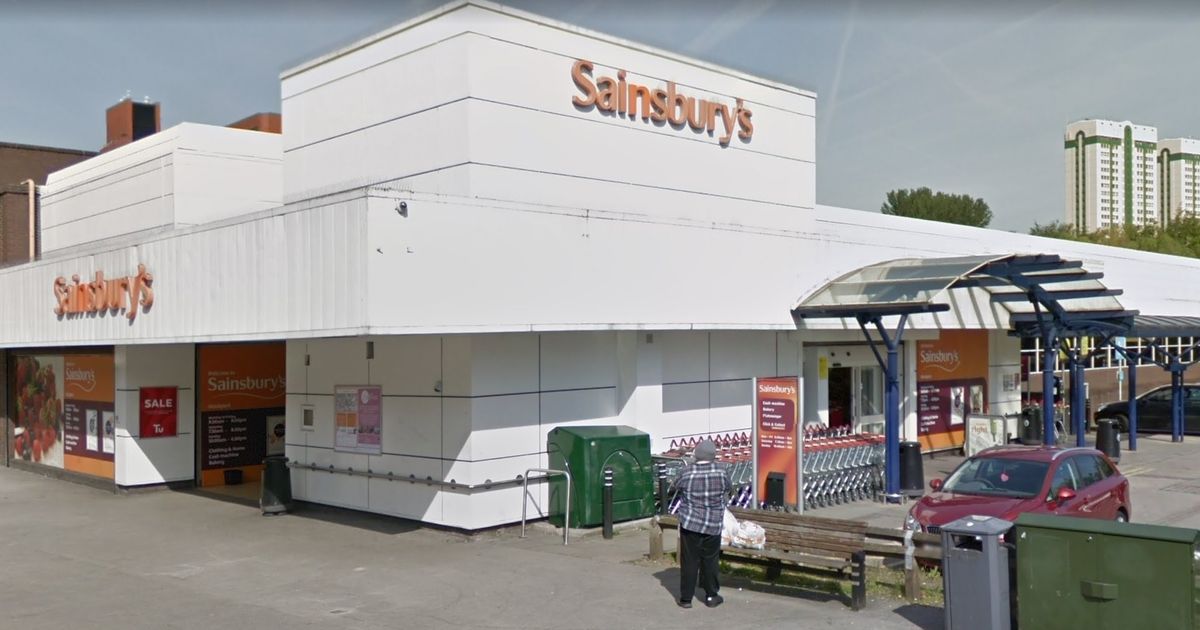
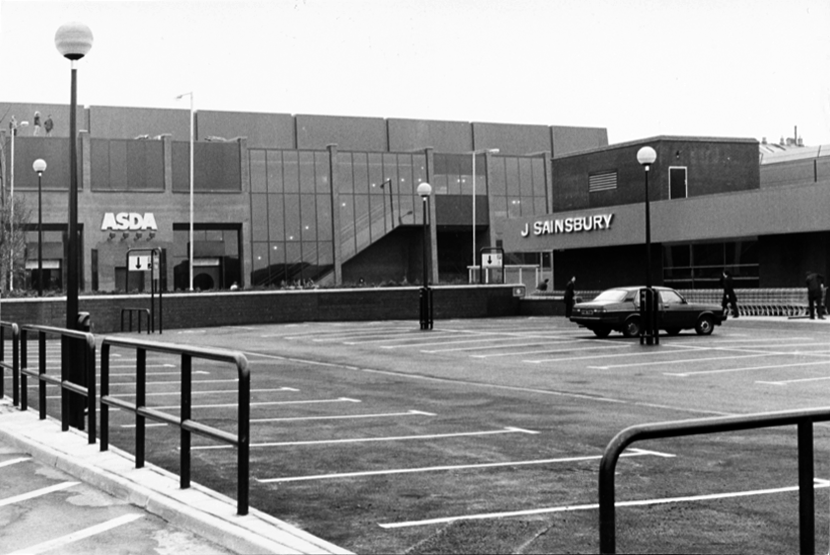
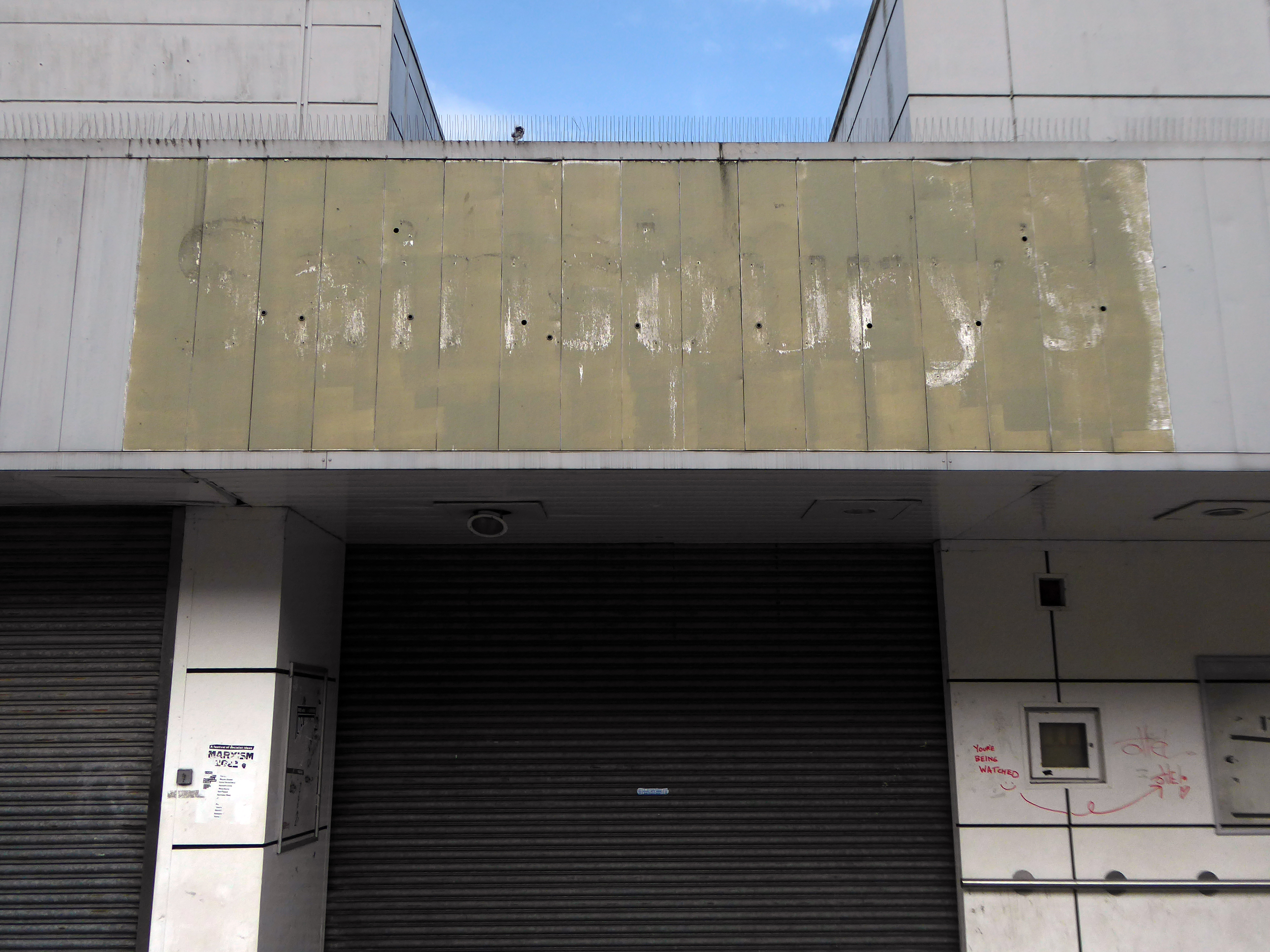
Along St Georges Parade, an abandoned Sainsbury’s church combo – store designed by J Sainsbury’s Architects Department opened 1988.
The church was built between 1828 and 1830 – architect: James Morgan, at a cost of £10,268. It was consecrated on Thursday 2 September 1830 by the Bishop of Lichfield, it was made redundant in 1978.
The site is currently under lease to Sainsbury’s for a further three years and will come forward on a phased basis subject to their lease concluding. The council is in active dialogue with prospective development partners on the redevelopment of this site and in wider consultation with Homes England.
Notable cases included trial and conviction of four members of The Stone Roses, in October 1990, for criminal damage to the offices of their former record company.
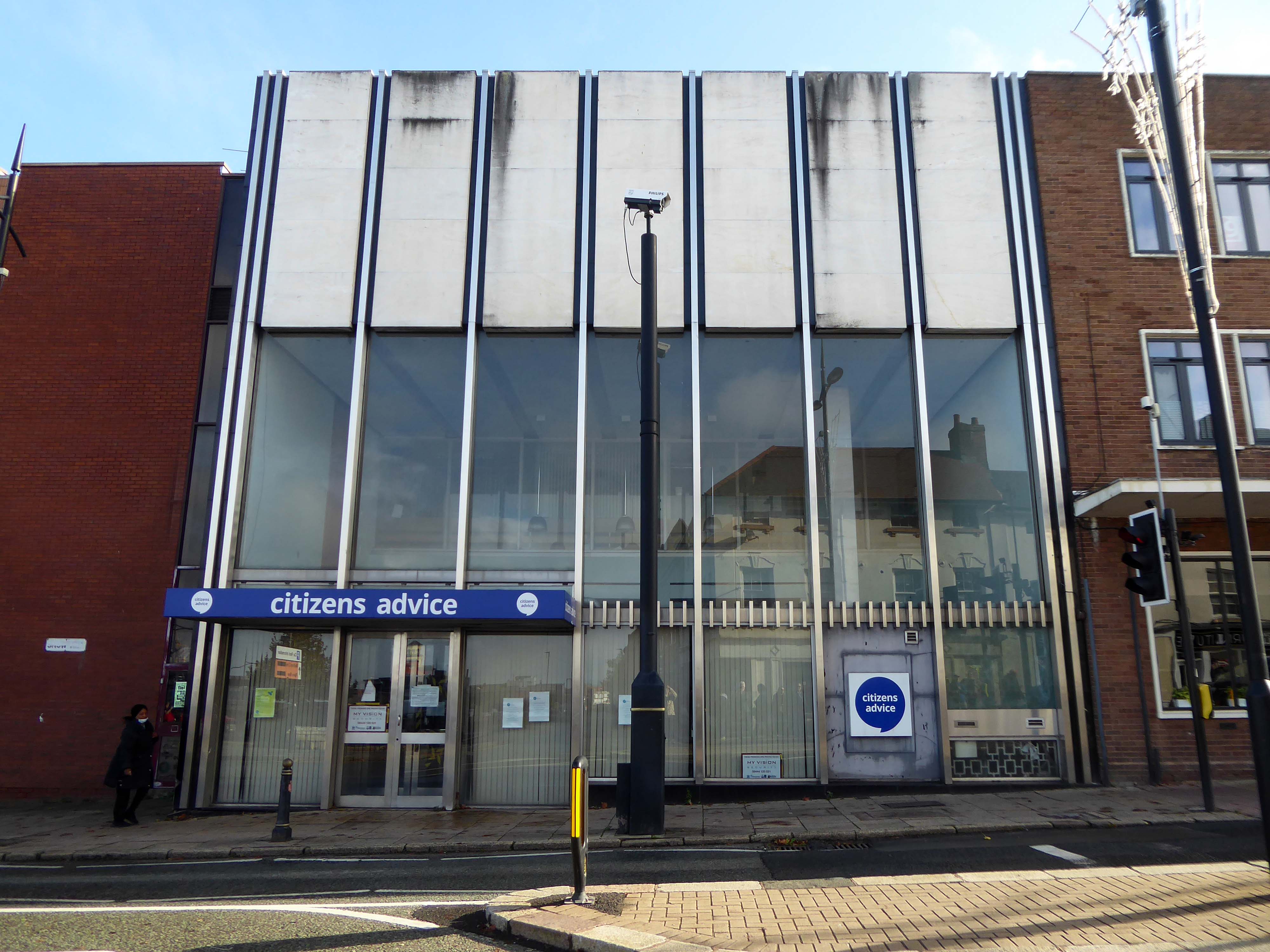
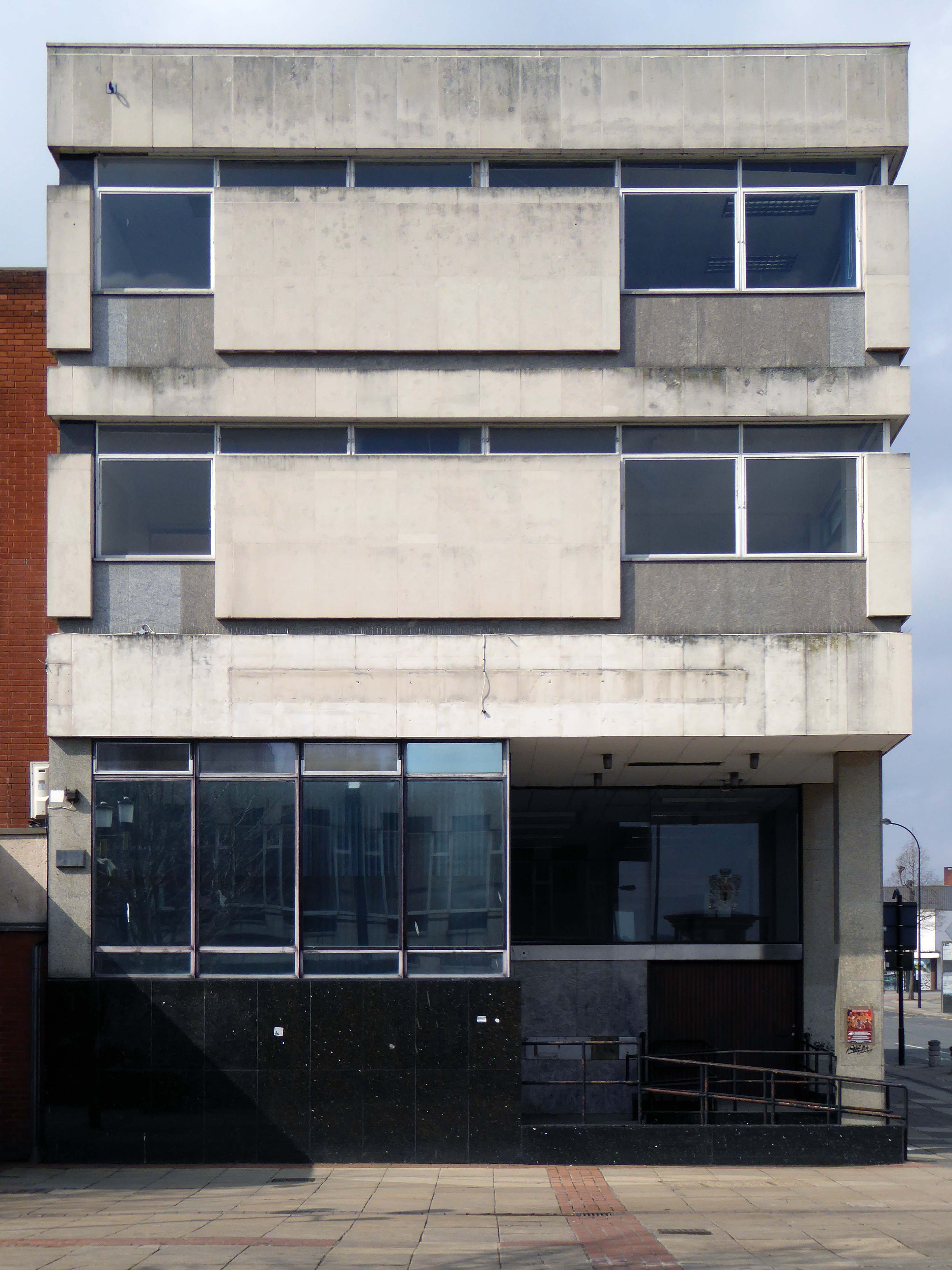
Thence up Snow Hill to the former Citizens Advice former Barclays Bank currently empty.
Architects: John HD Madin & Partners 1969
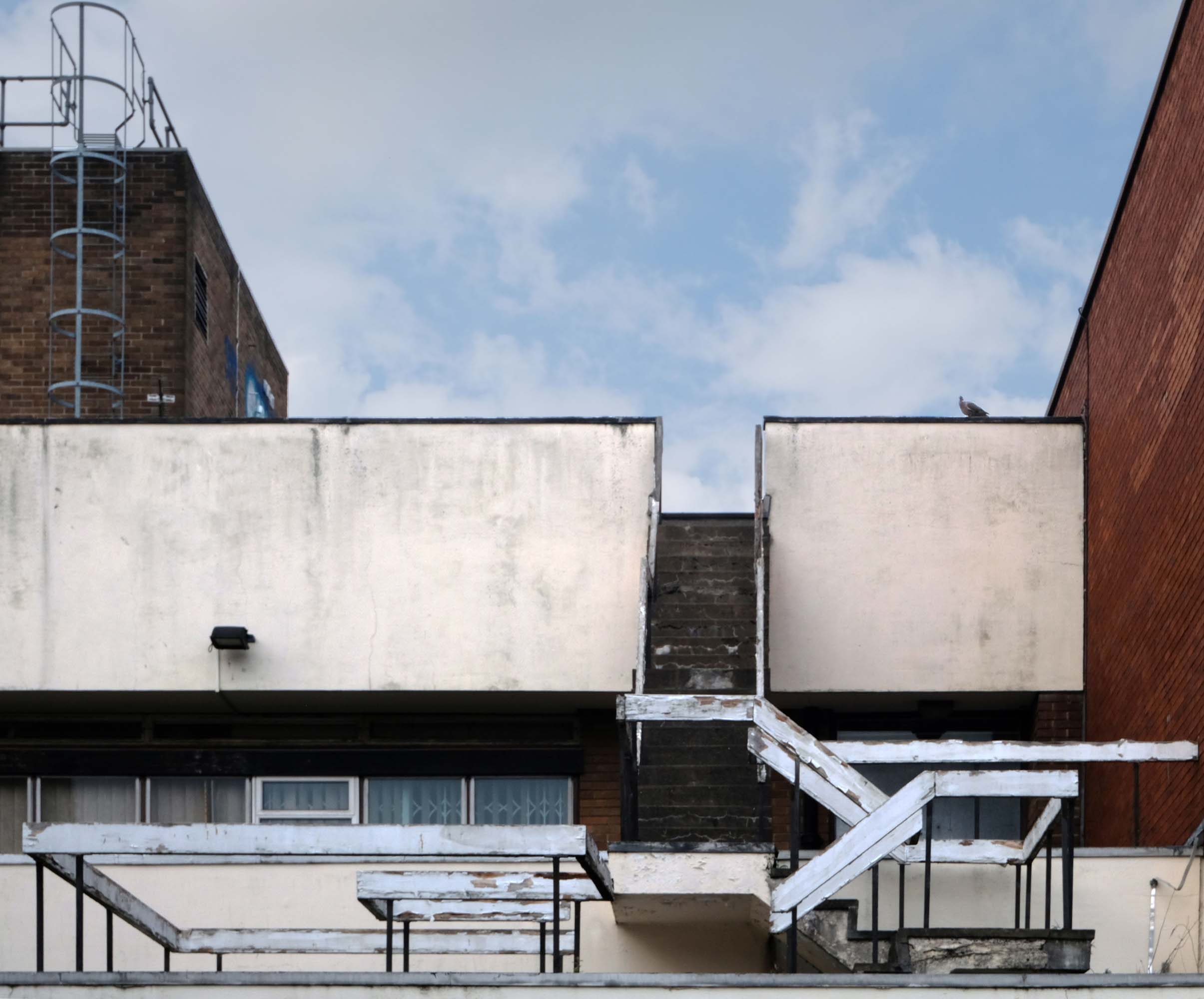
Take time to have a look around the back.
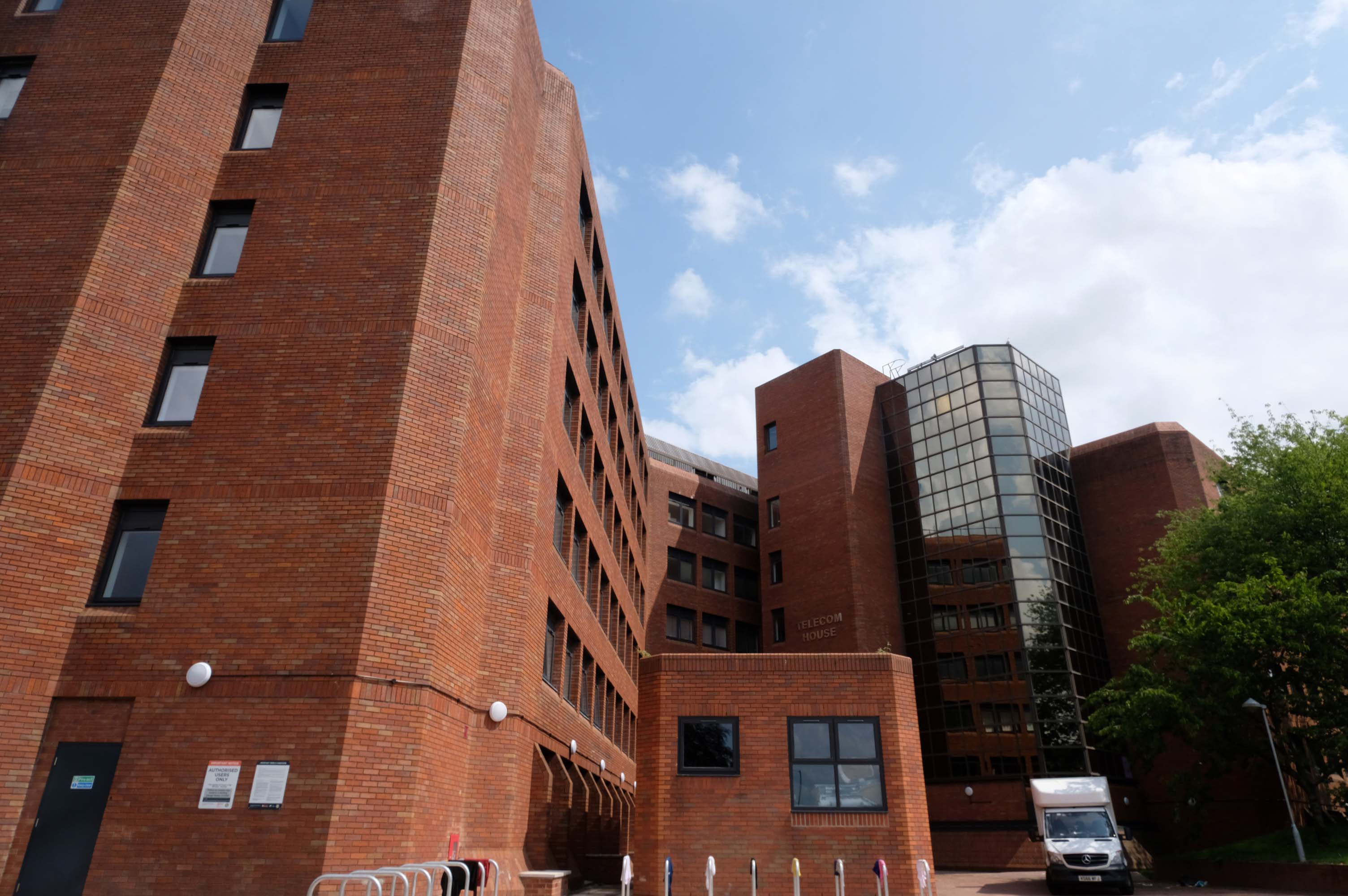
Off to Church Street and Telecom House
Sold for £4.25 million to Empire Property in 2022.
It had previously been sold for more than £3m in July 2018, also for use for apartments, to Inspired Asset Management which later went into receivership.
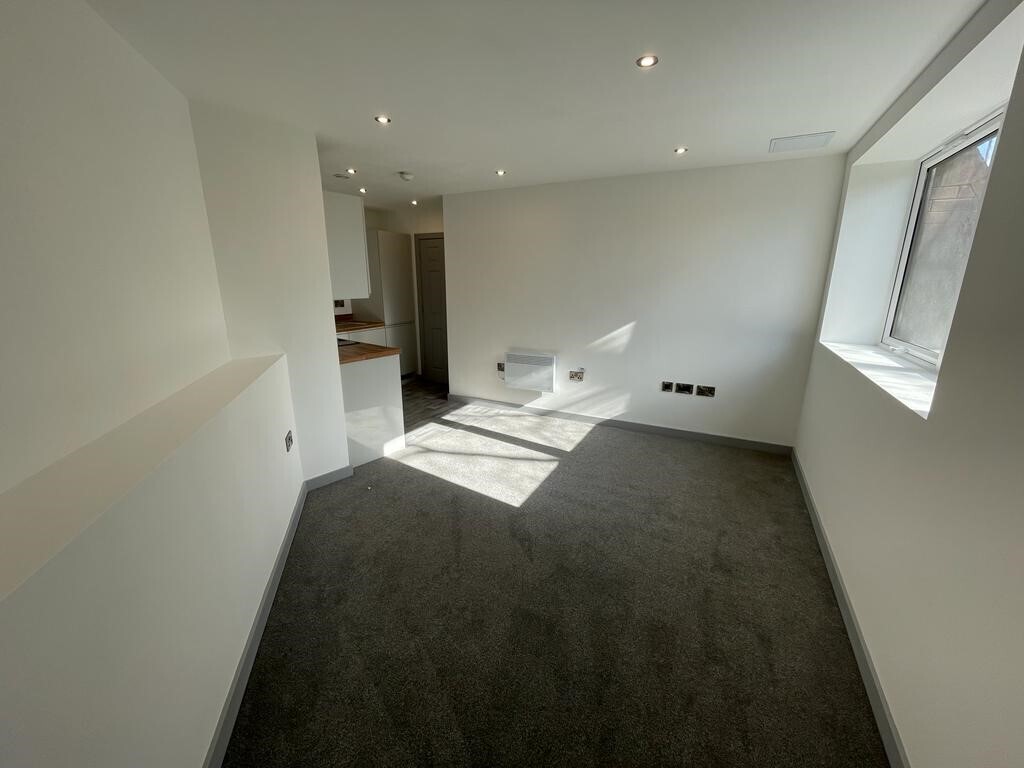
Located on a popular apartment block on Church street in the Wolverhampton centre, this 1 bedroom property has been newly renovated throughout and compromises an entrance hallway, open plan lounge/kitchen with in built appliances, shower room and double bedroom.
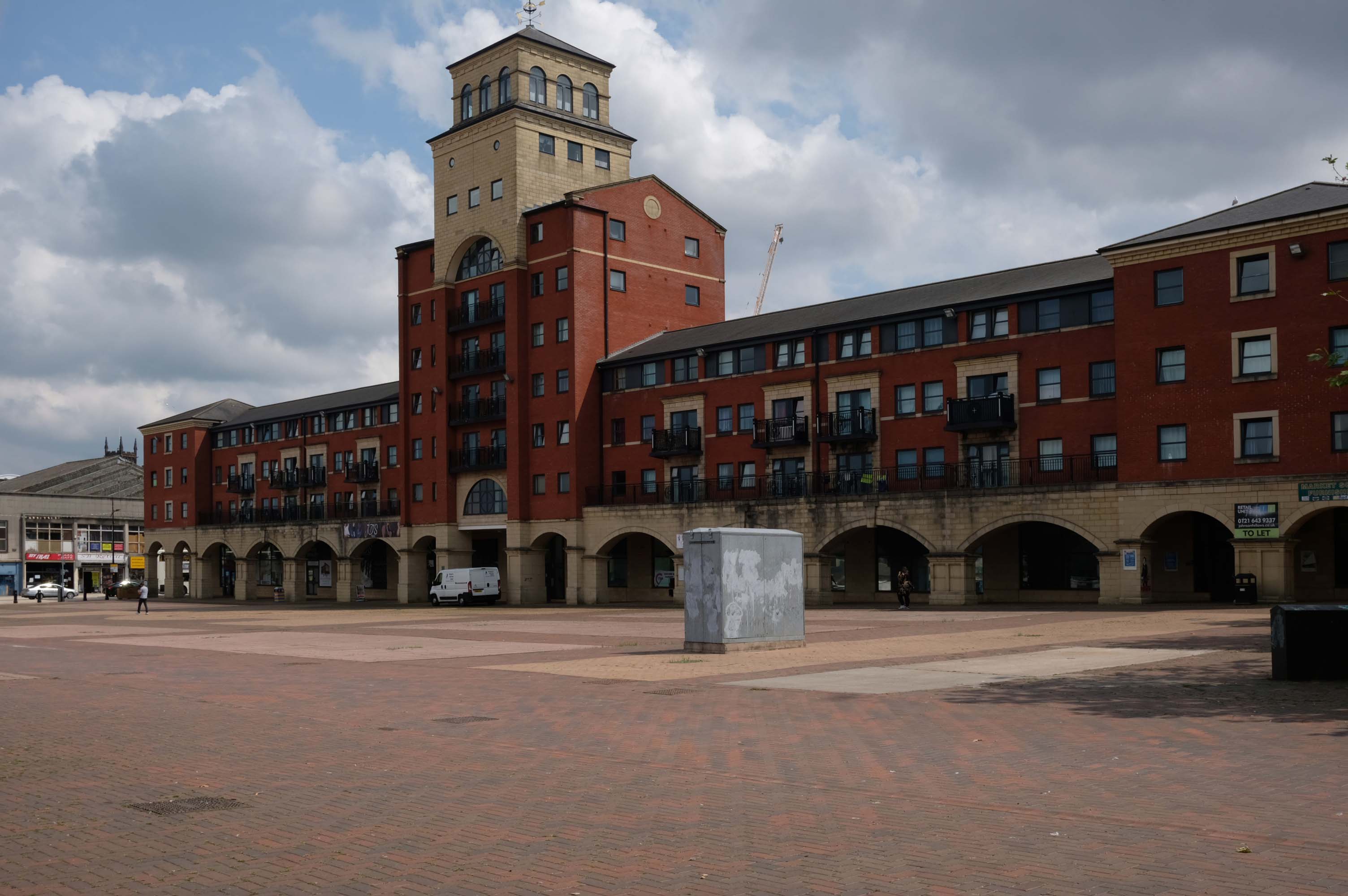
Next to this modern piazza New Market Square – Architects: Nicol Thomas from a concept by head of planning Costas Georghiou.
Formed from the former Market Square, a mix of flats and shops opened in 2004, in an Italianate version of the modish school of streaky bacon.
In 2021 the Coca-Cola Christmas Truck visit to the Midlands was cancelled.
It was meant to arrive at Market Square in Wolverhampton at 11am today but failed to show up.
One fan had waited since 7am this morning to see the Coca-Cola truck.
While schoolchildren were left gutted when the truck didn’t turn up – and one boy had been so excited his mother said he had been talking about the red truck all morning.
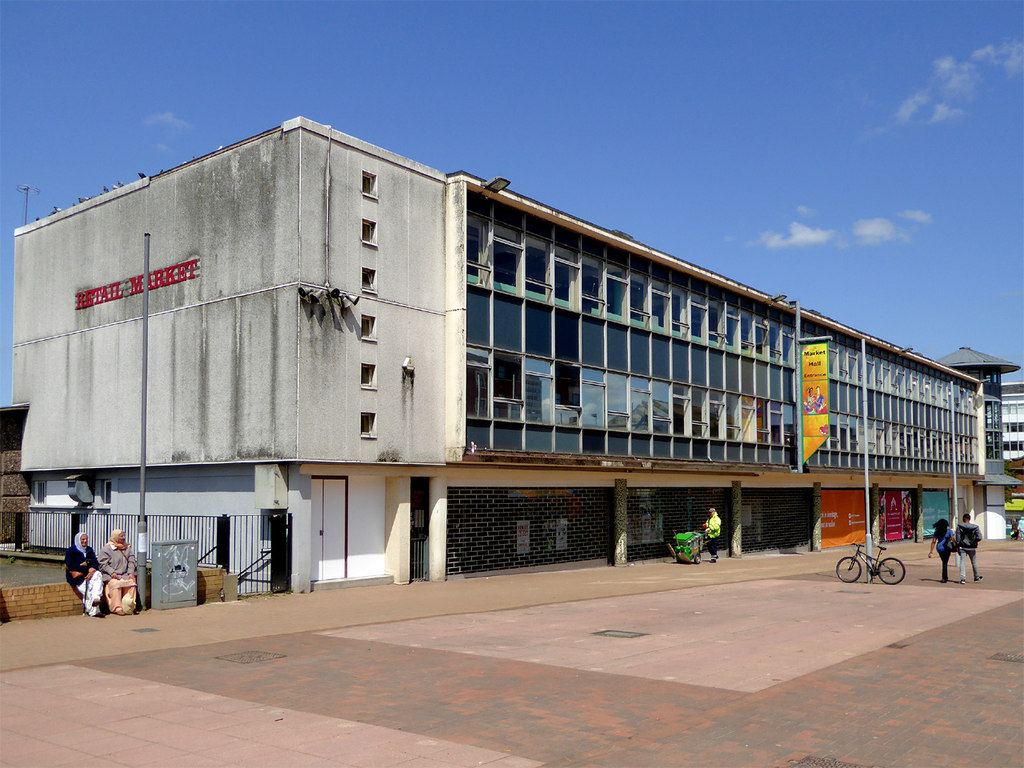
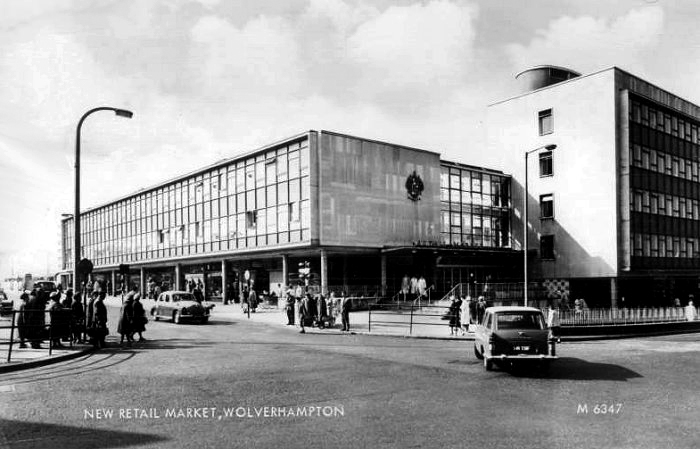
Retail Market – Late 1950s market hall and offices above.
Architects: Borough Surveyor.
Excellent example of the Festival of Britain style of architecture, won Civic Trust Award 1960.
Locally Listed March 2000.
demolished January 2017.
Photo: Roger Kidd
This development that wraps itself around Salop, Skinner and School Streets appears to be of a similar period to the Retail Market – and sports a Lady Wulfrun in relief.
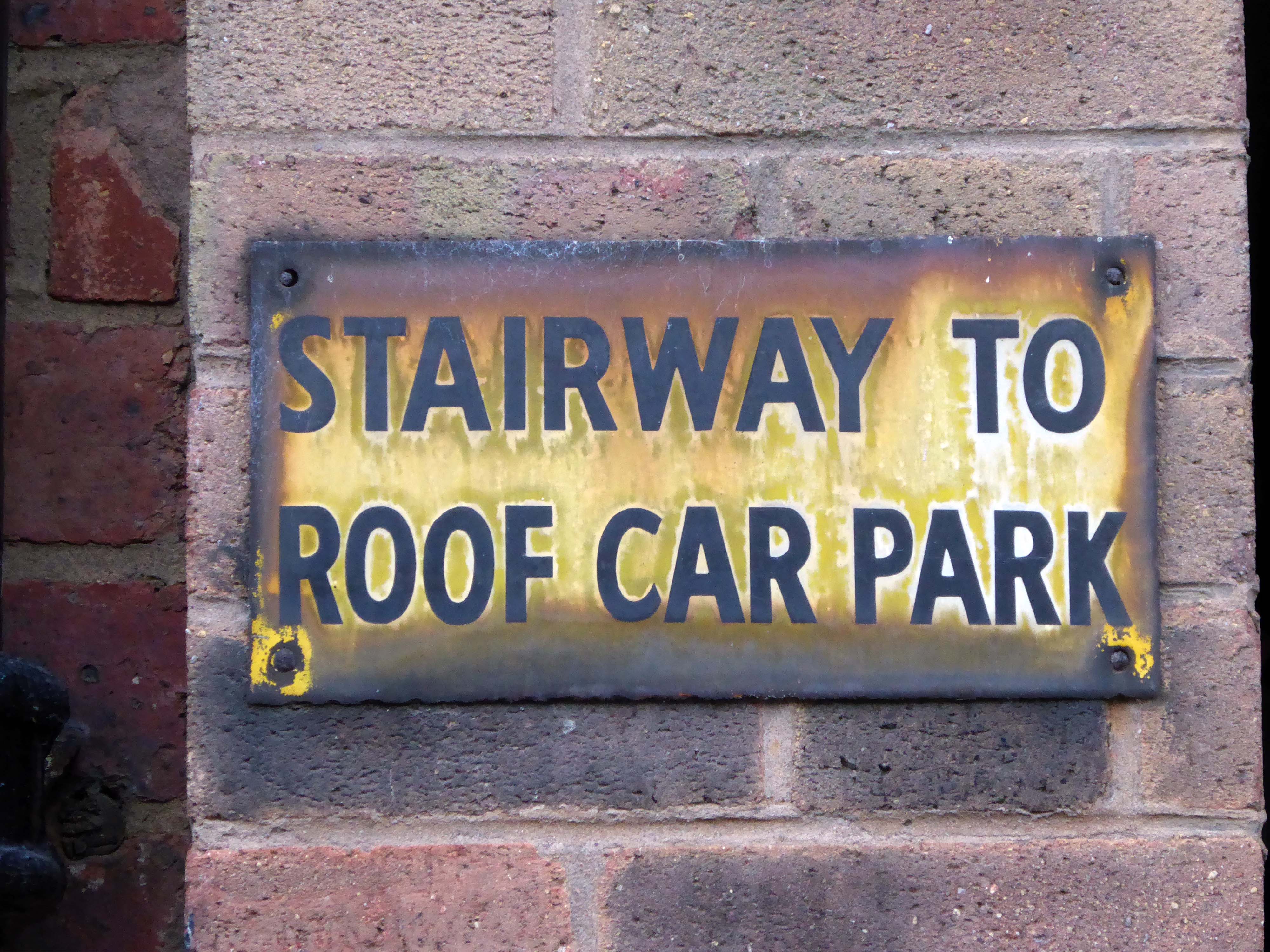
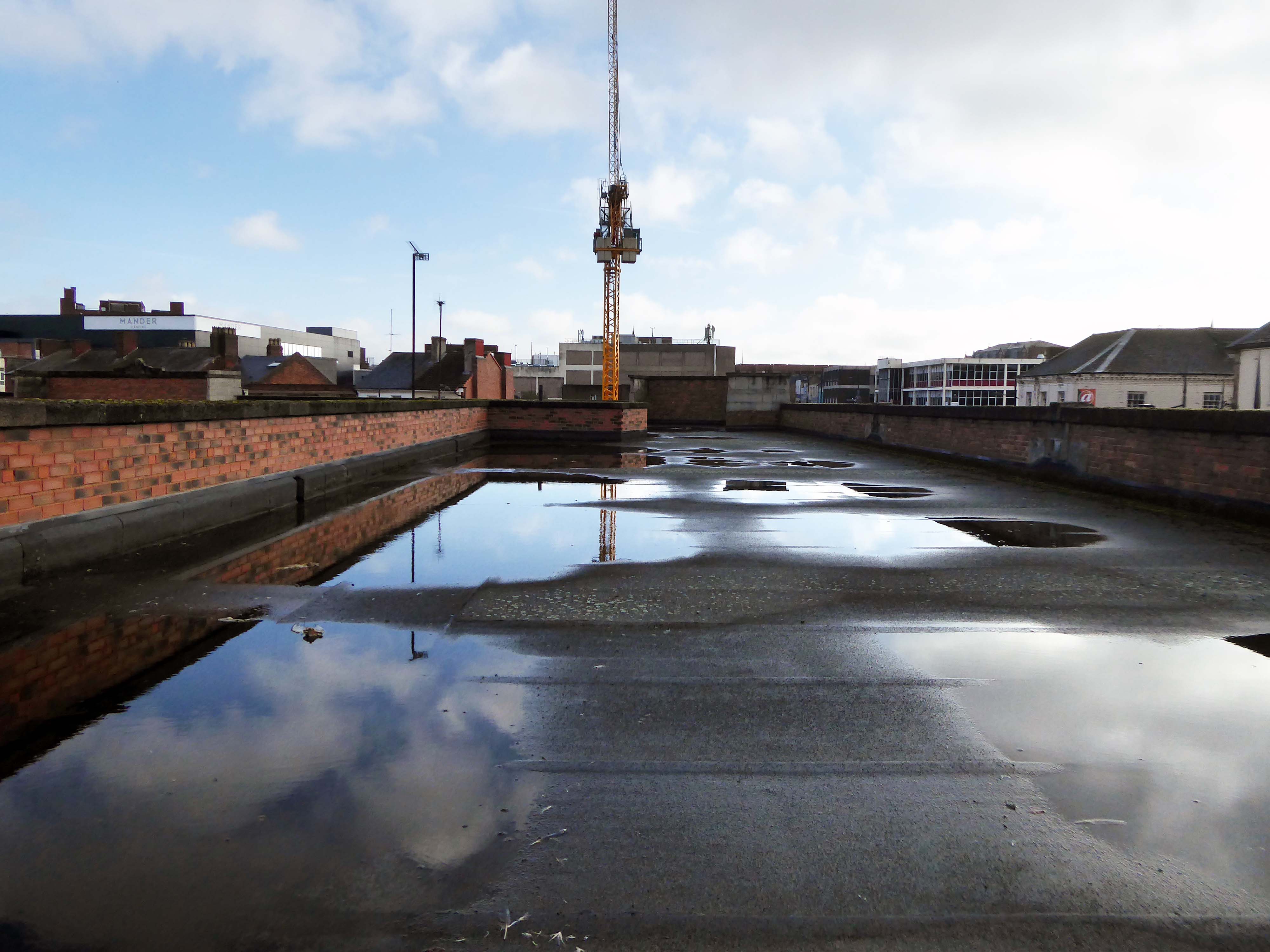
There is access to its roof top car park.
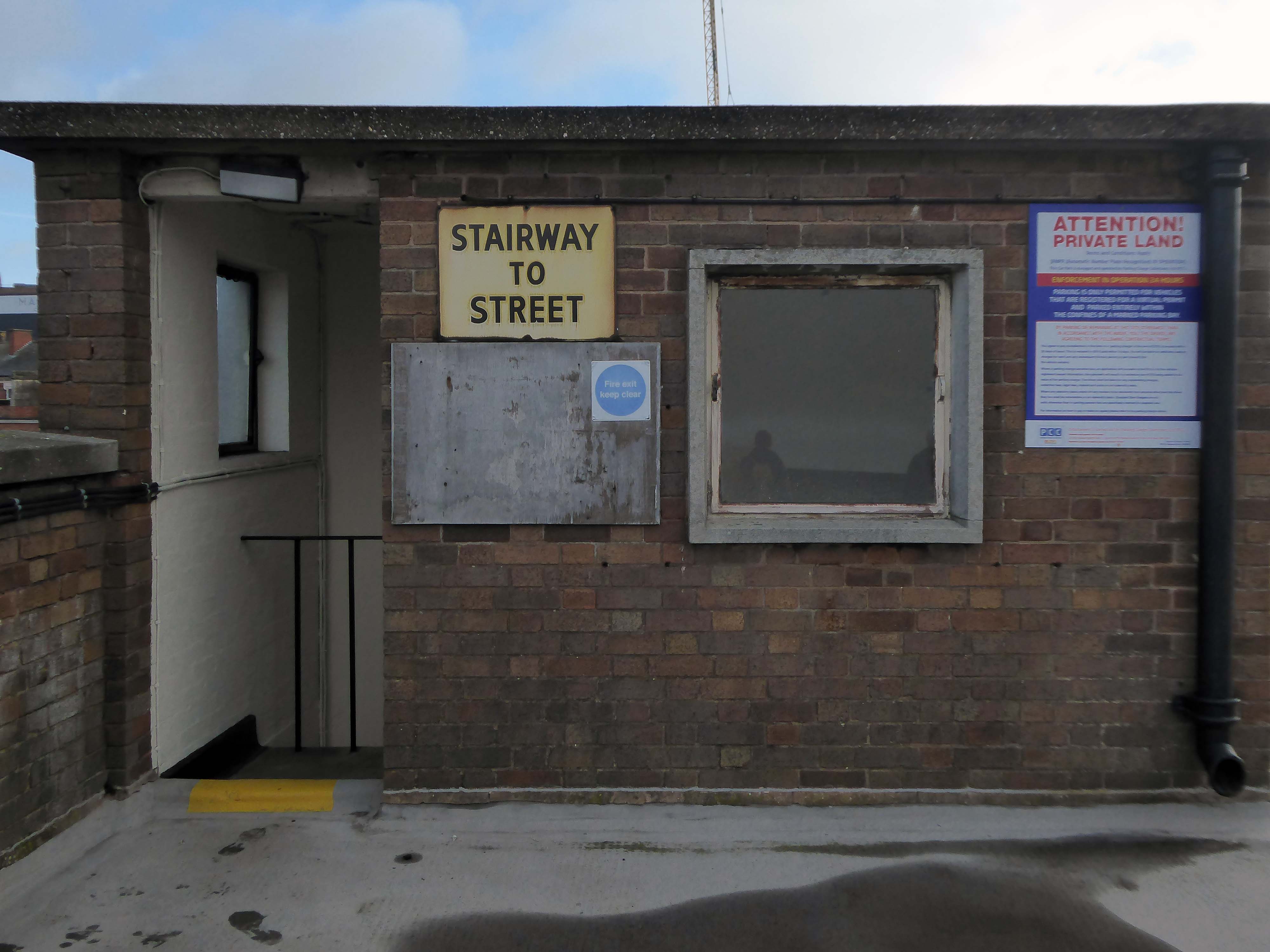
And also an exit back to street level.
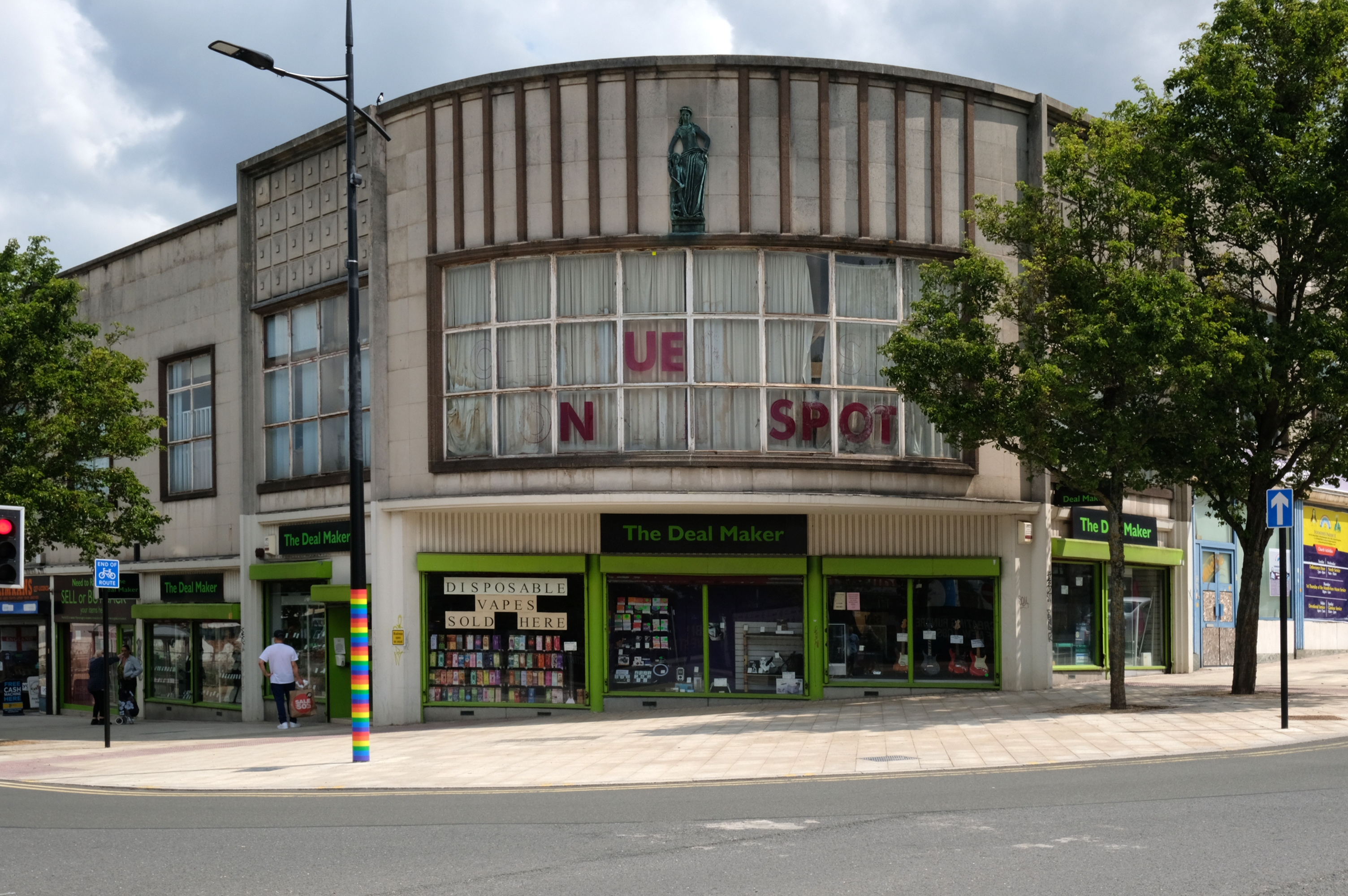
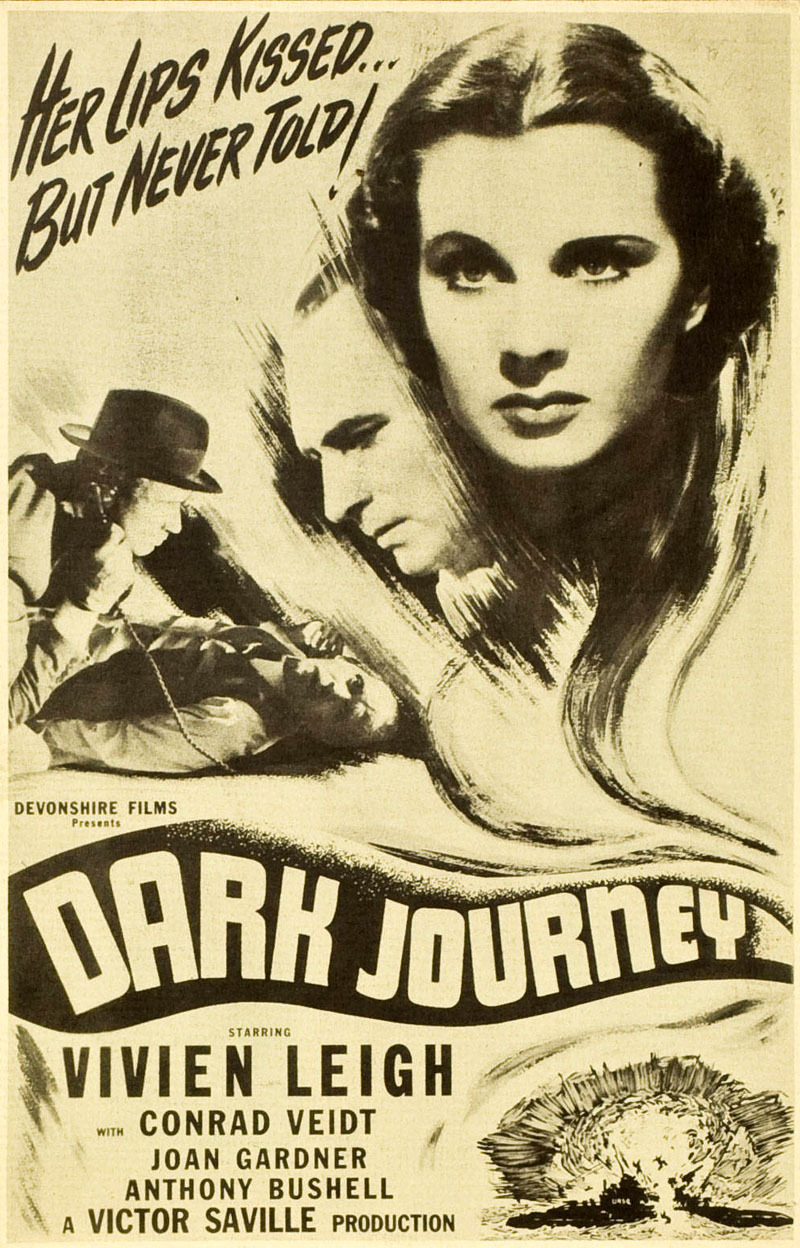
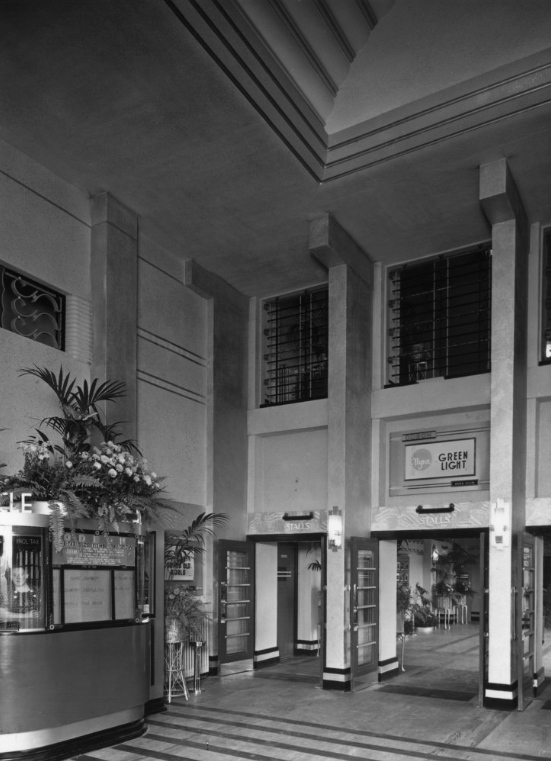
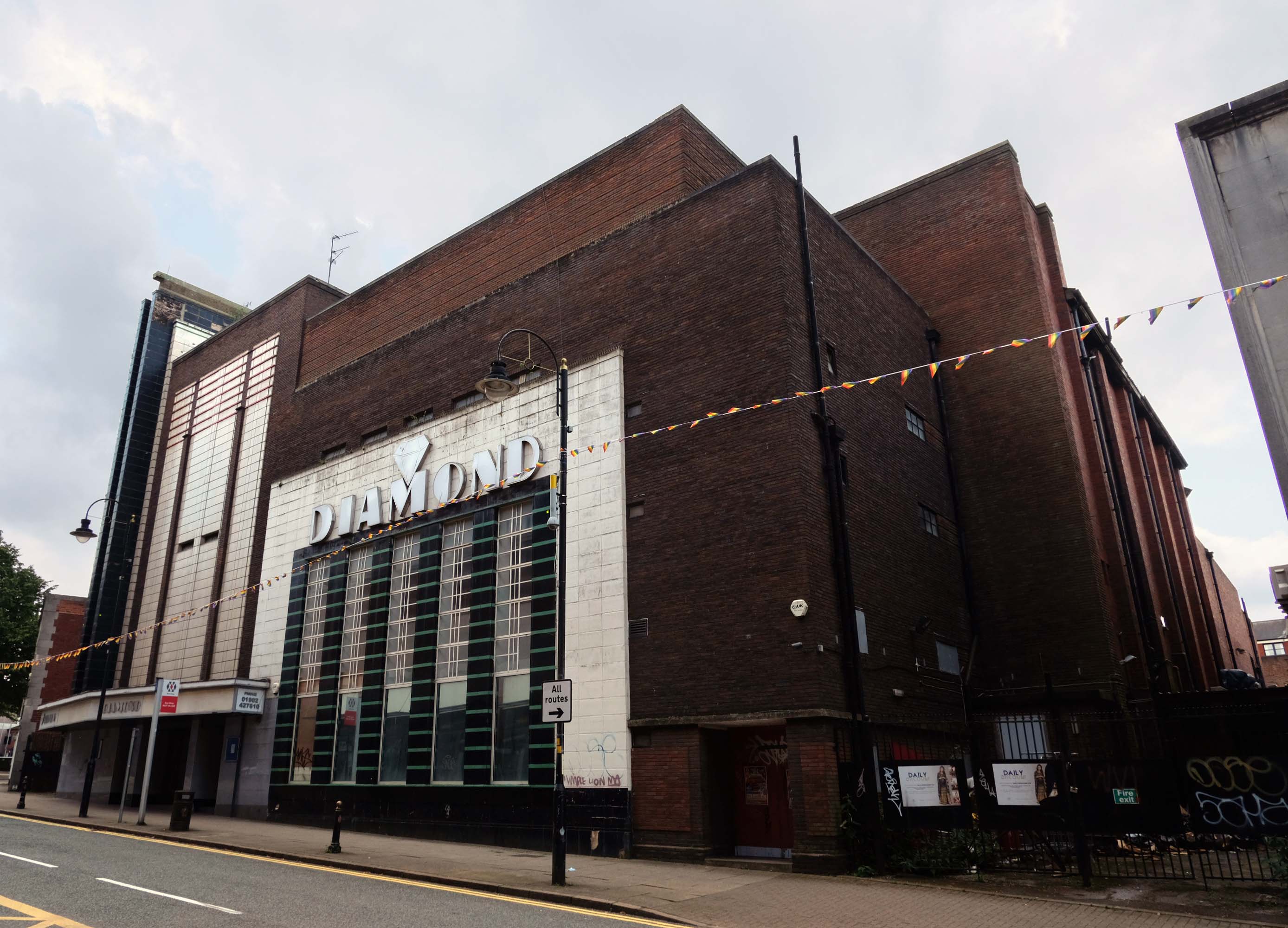
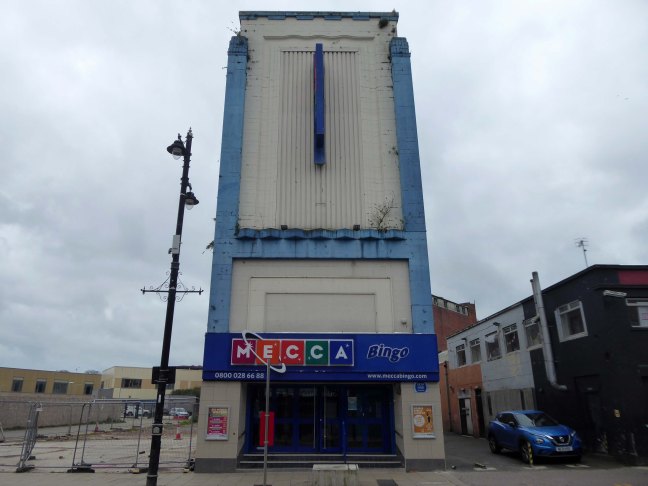
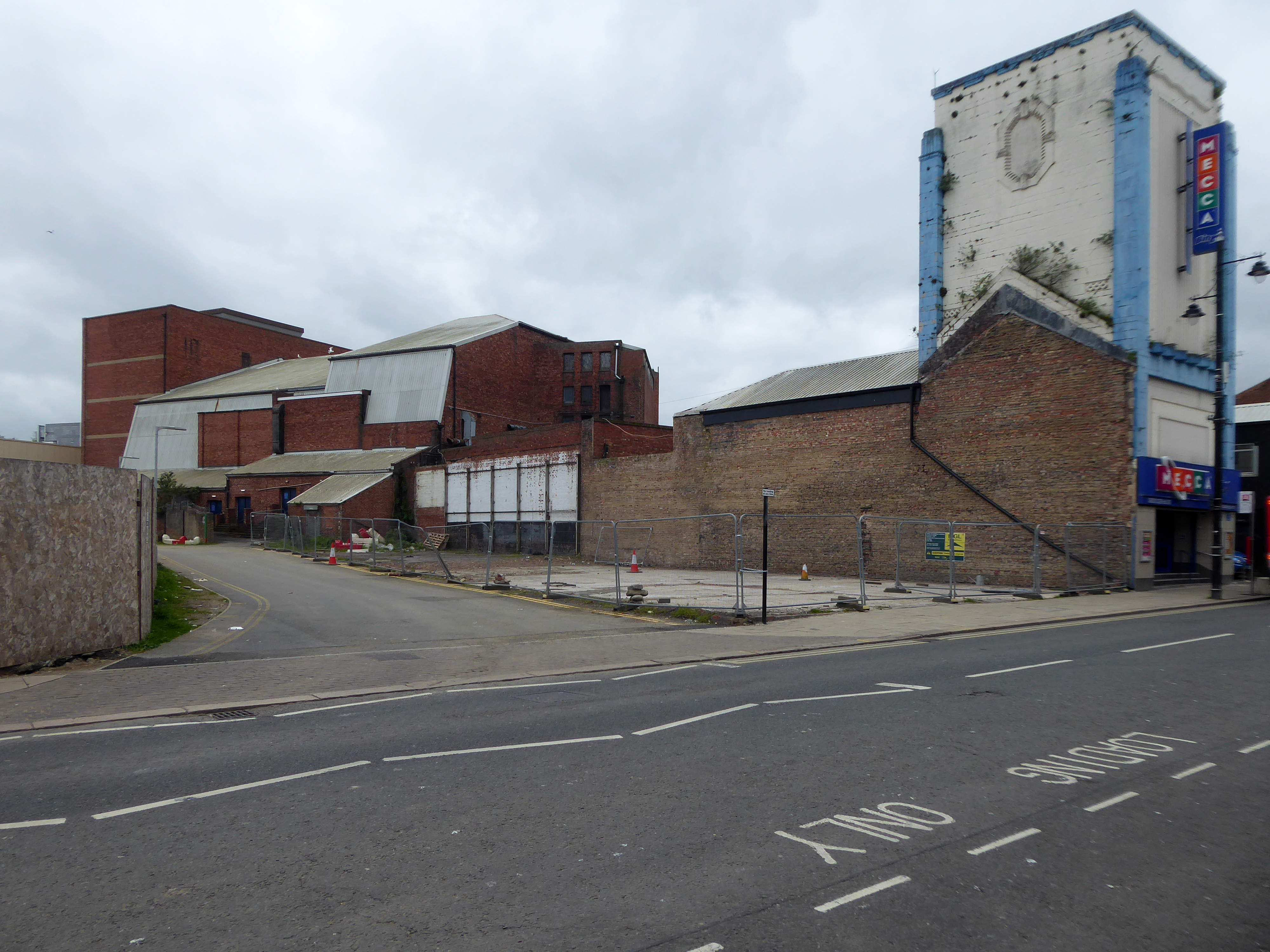
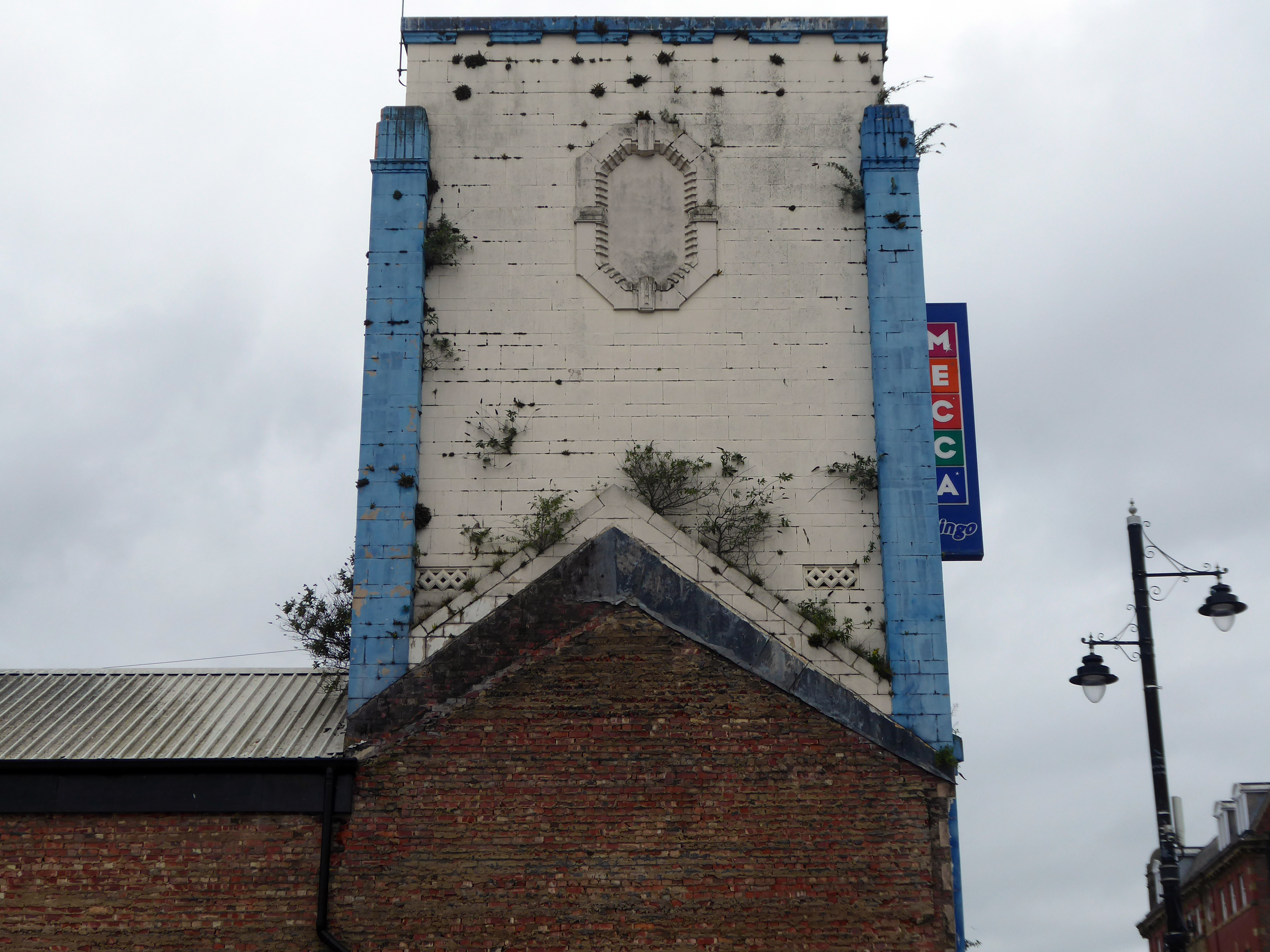
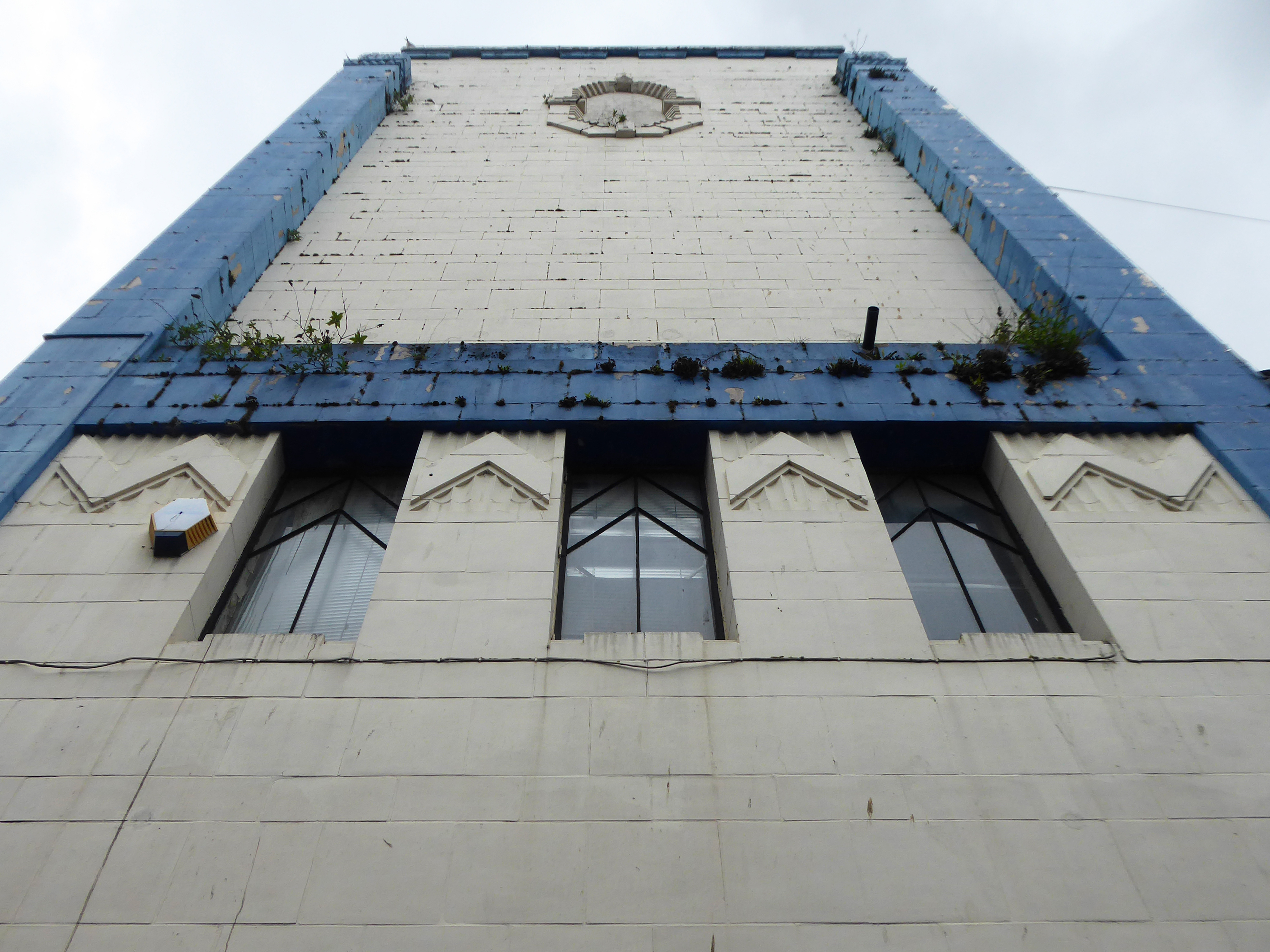
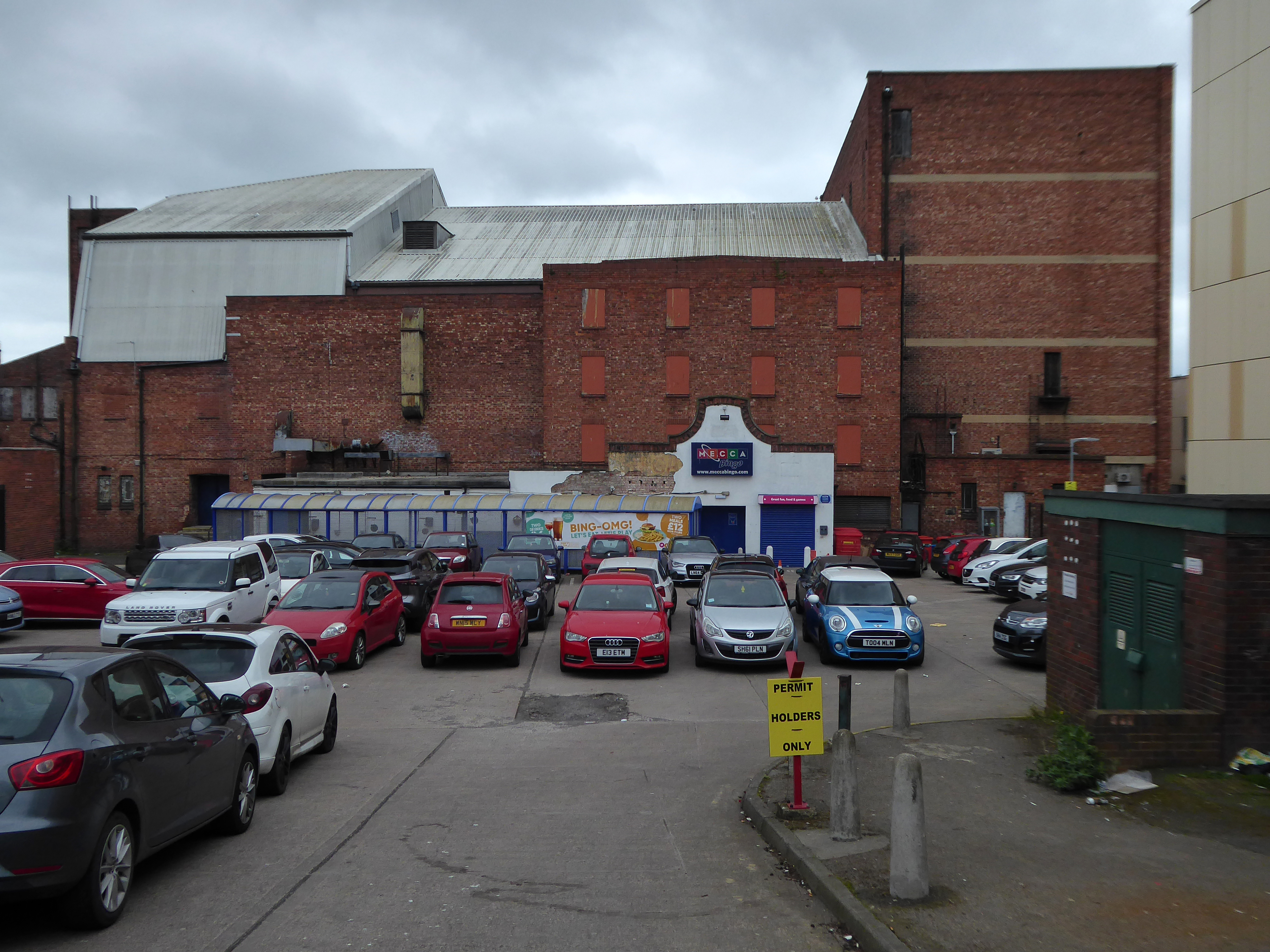
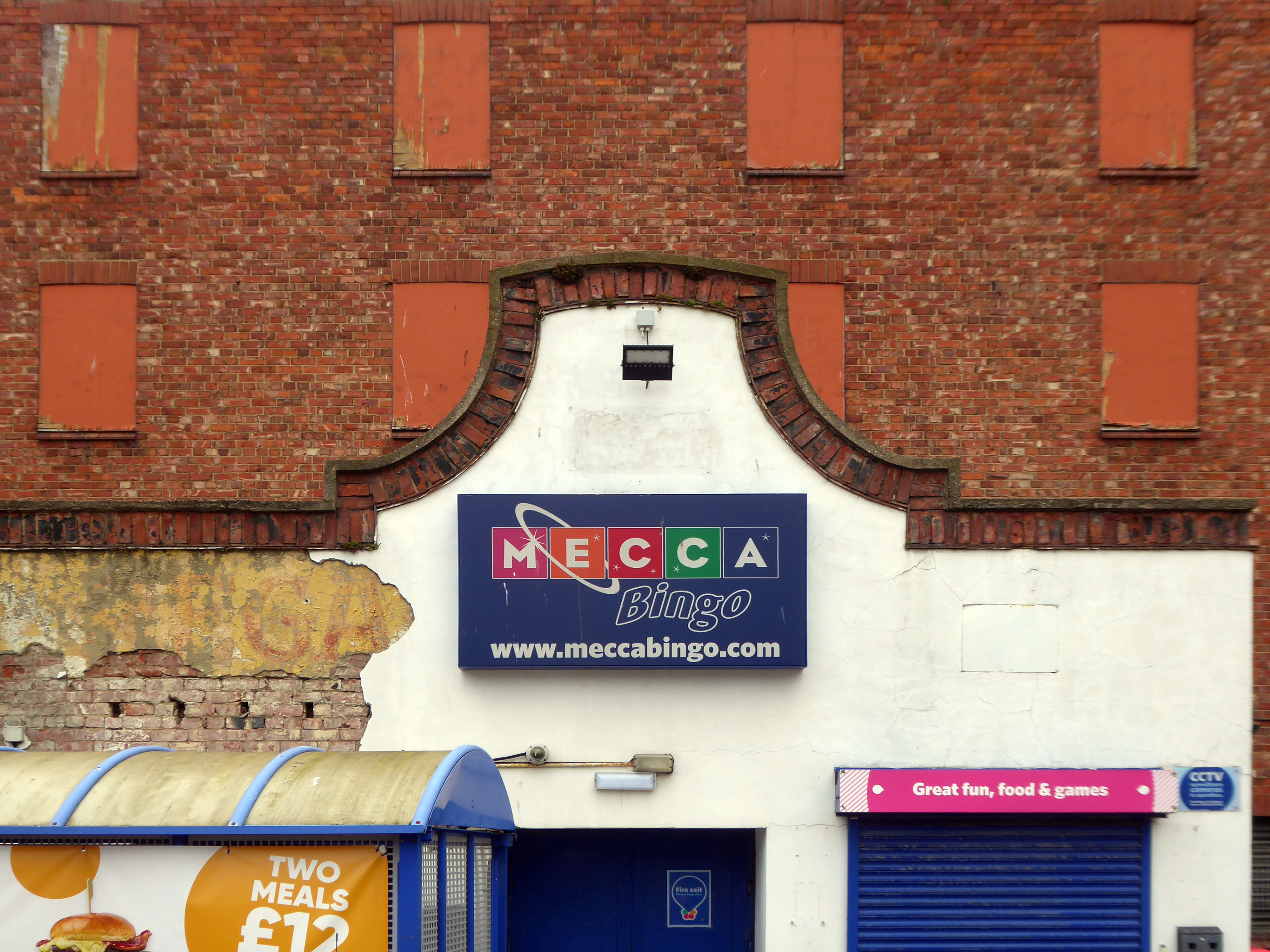
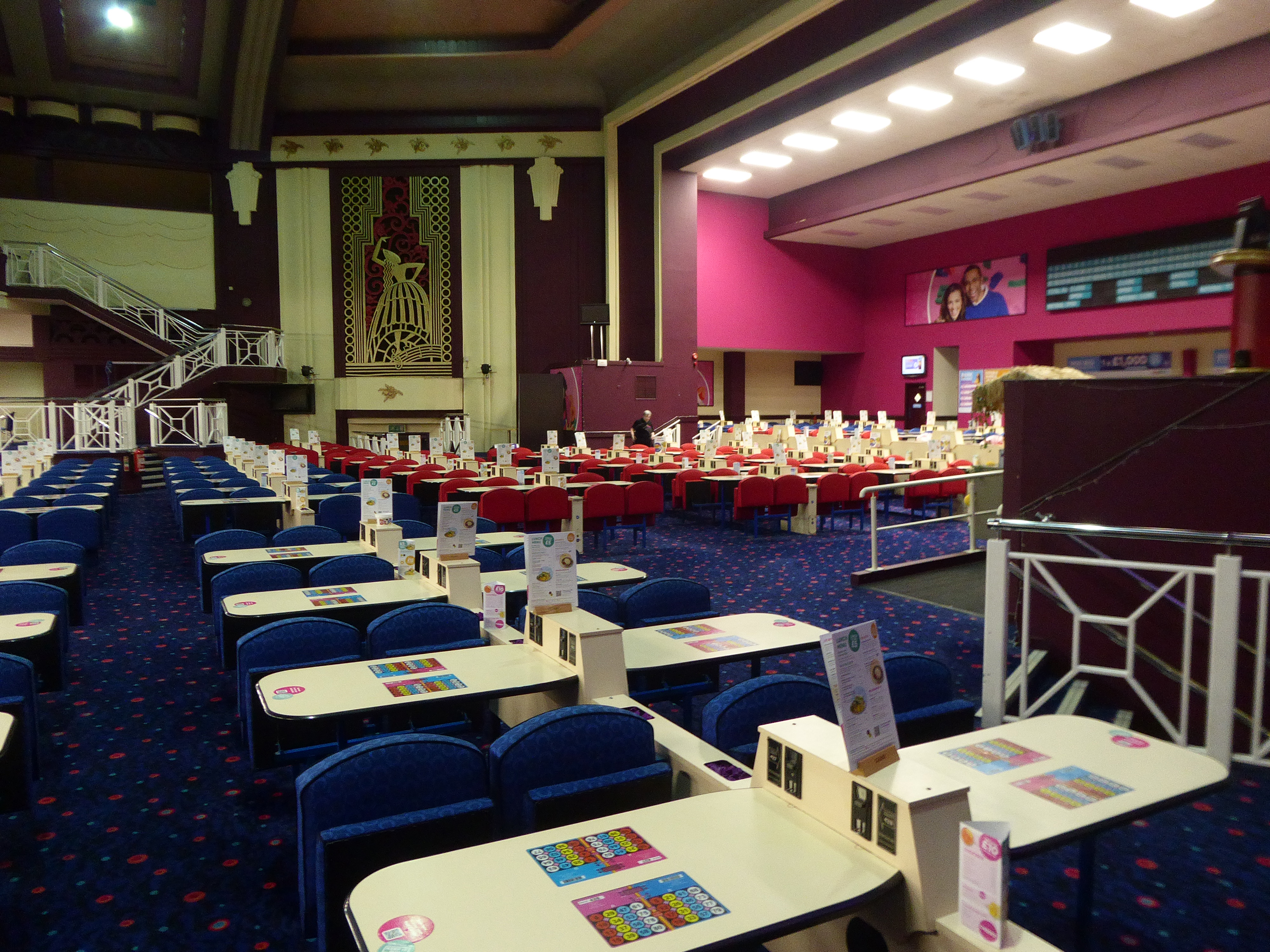
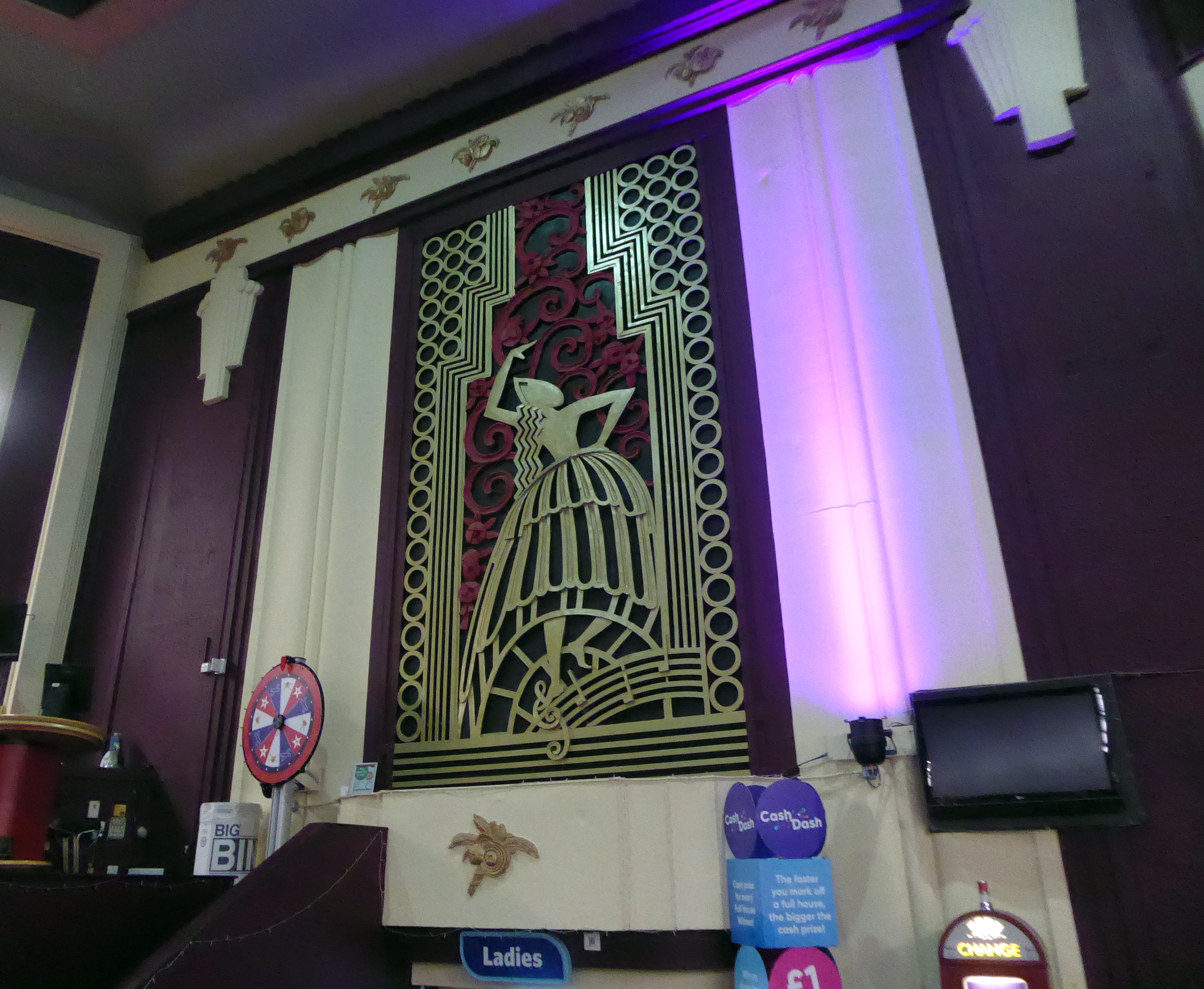
Where we find at street level the former Odeon Cinema, opened on 11th September 1937 with Conrad Veidt in Dark Journey.
In October 2000, the former Odeon was designated a Grade II Listed building by English Heritage.
RIBA pix
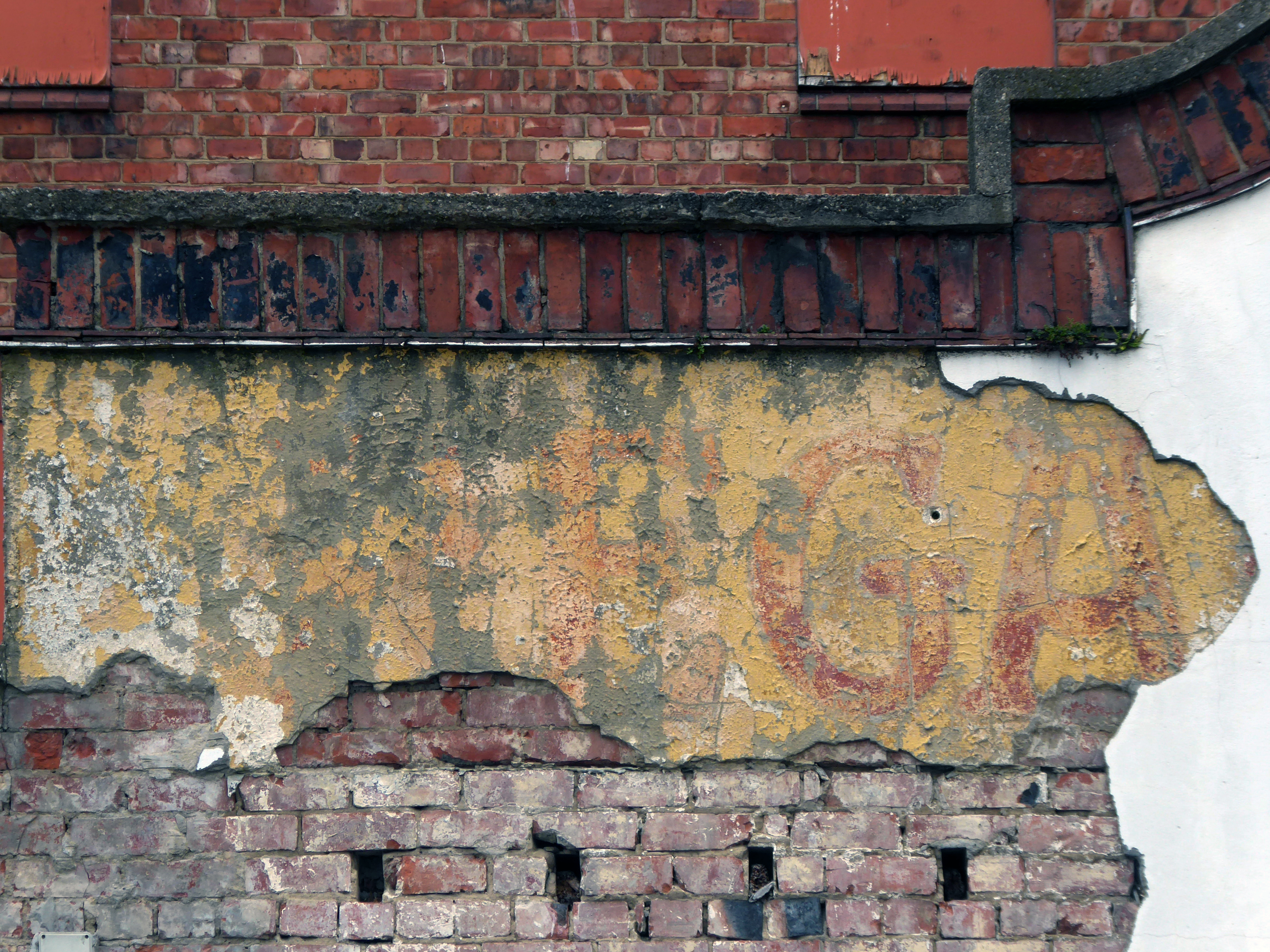
In recent years it was a Mecca Bingo Club, but this was closed in March 2007 In October 2009, it had been refurbished and re-opened as the Diamond Banqueting Suite. In April 2021 police raided the vacant building to discover an illegal cannabis farm operating in the building.
Four men were arrested.
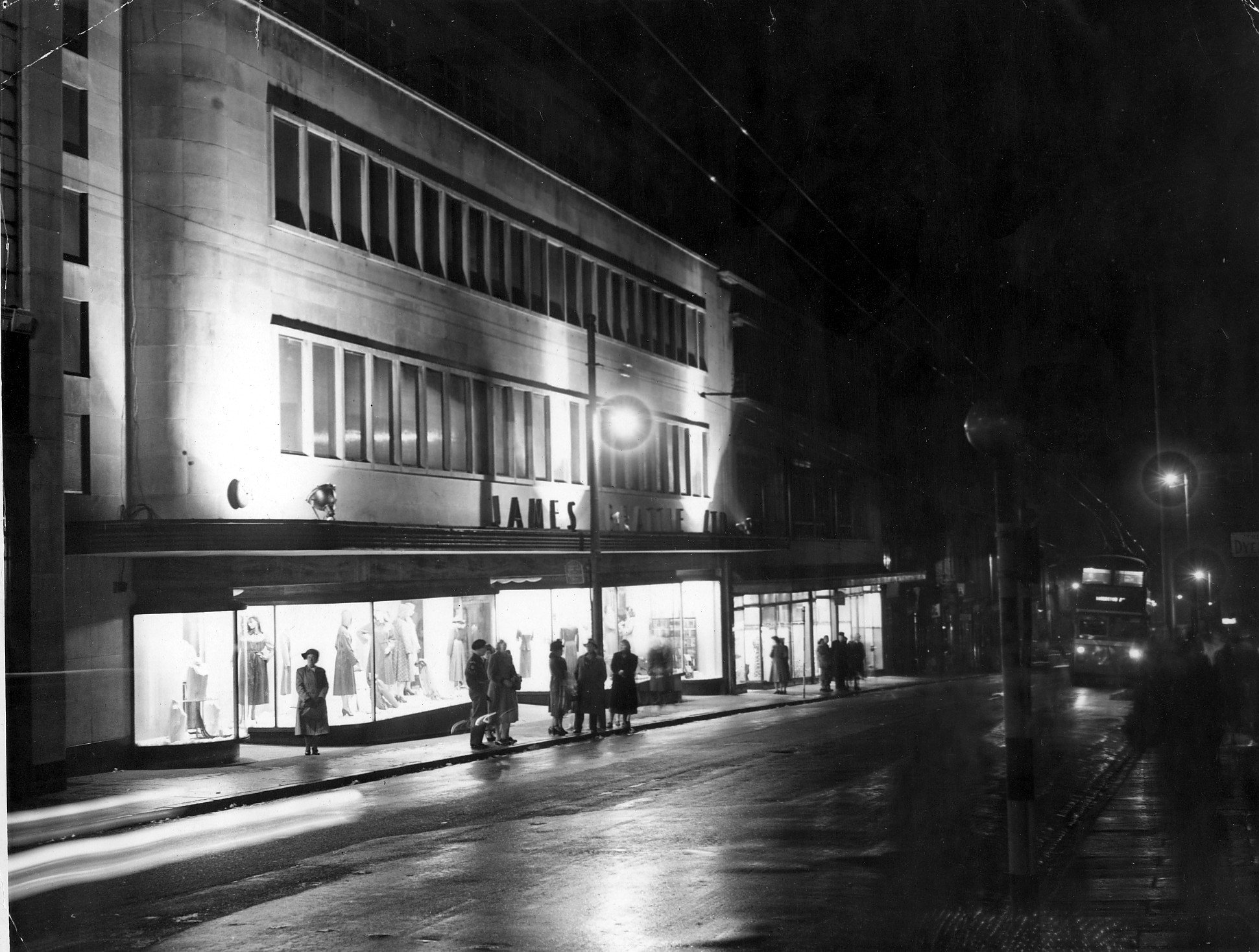
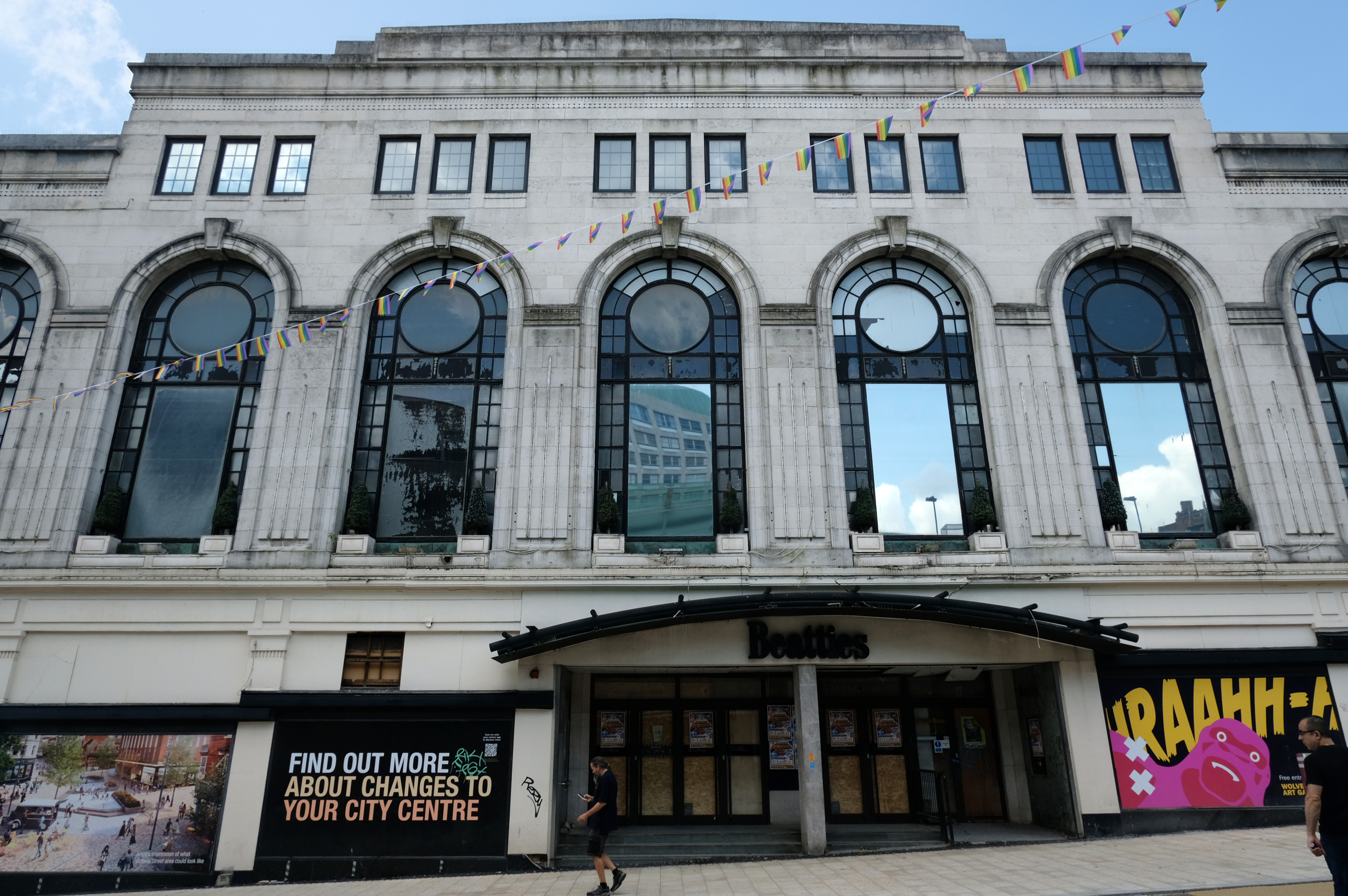
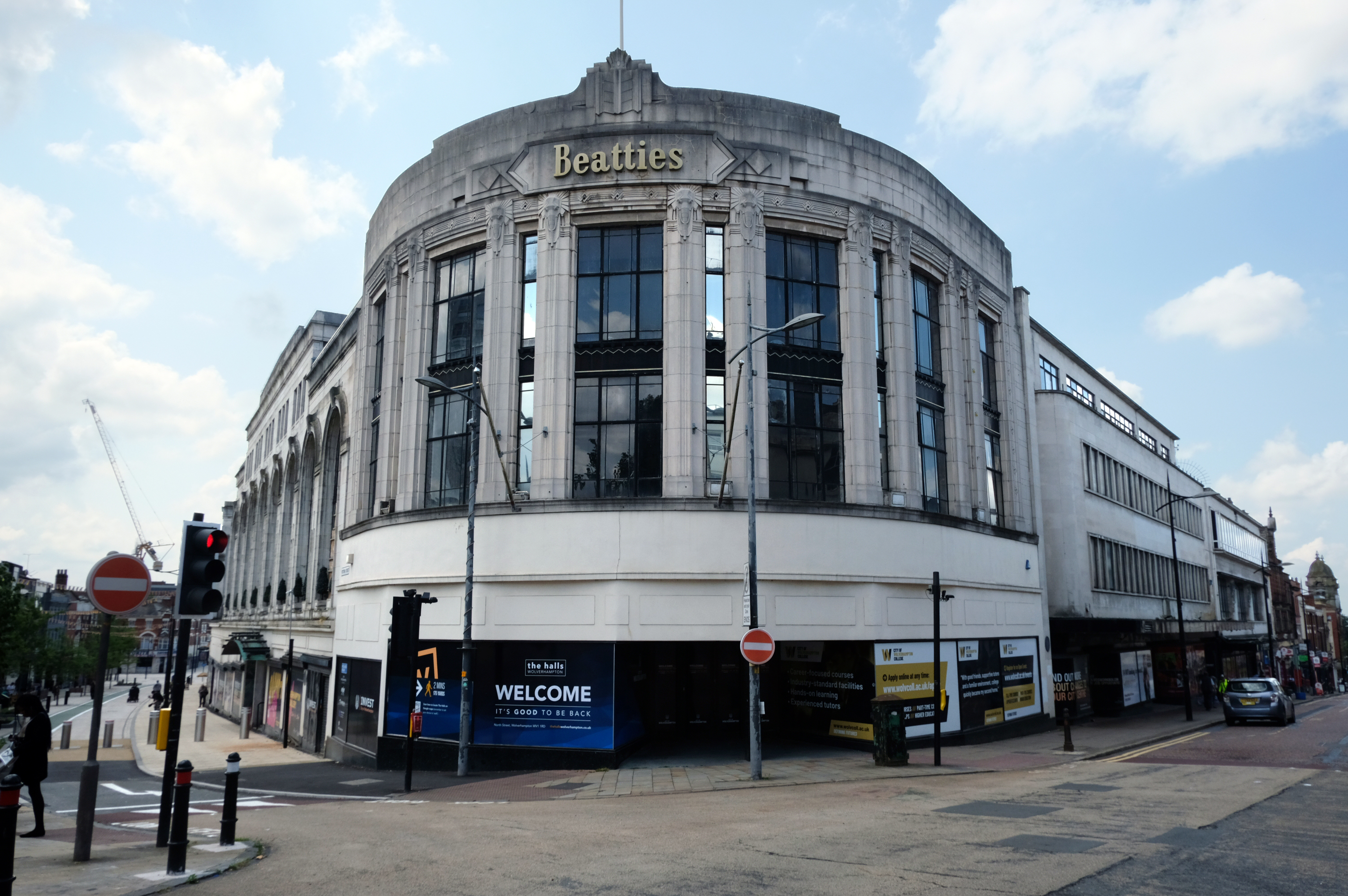
Let’s take a turn around the corner to Victoria Street where we find the complex of Beatties Buildings.
Architects: Lavender, Twentyman and Percy 1920’s – 30’s
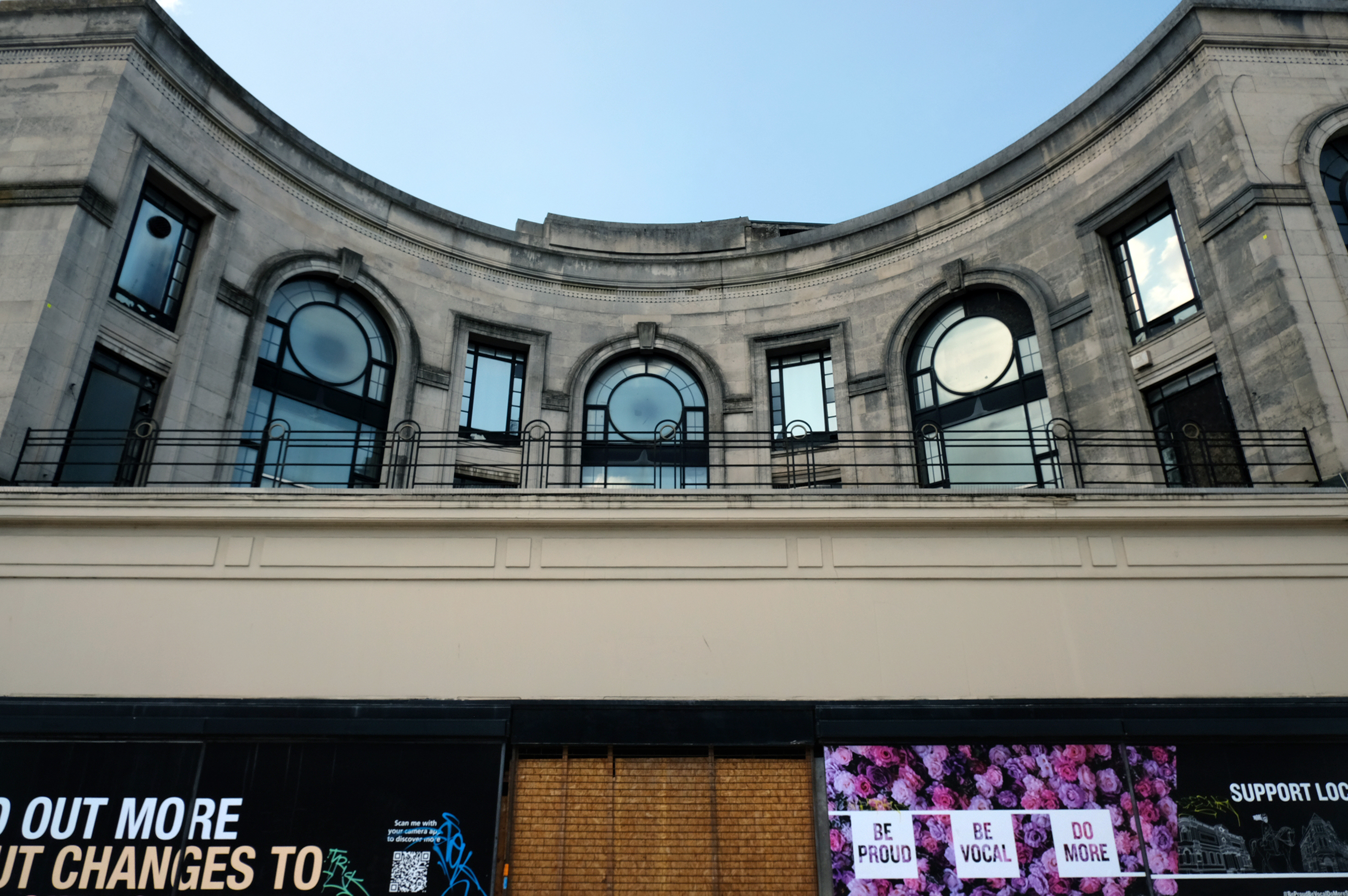
The C20 Beatties store is a multi-period site developed first in the 1920s-30s. A Burton’s men’s clothes shop was built on a curved corner site at Victoria St/Darlington St and Beatties themselves replaced their existing Victoria St store in the 1930s with a building by local architects Lavender, Twentyman and Percy. Beatties later acquired and incorporated the Burton’s shop into their store. These two buildings form the locally listed building to which were added a mid-C20 extension along Darlington St and a late-C20 development to the rear at Skinner St.
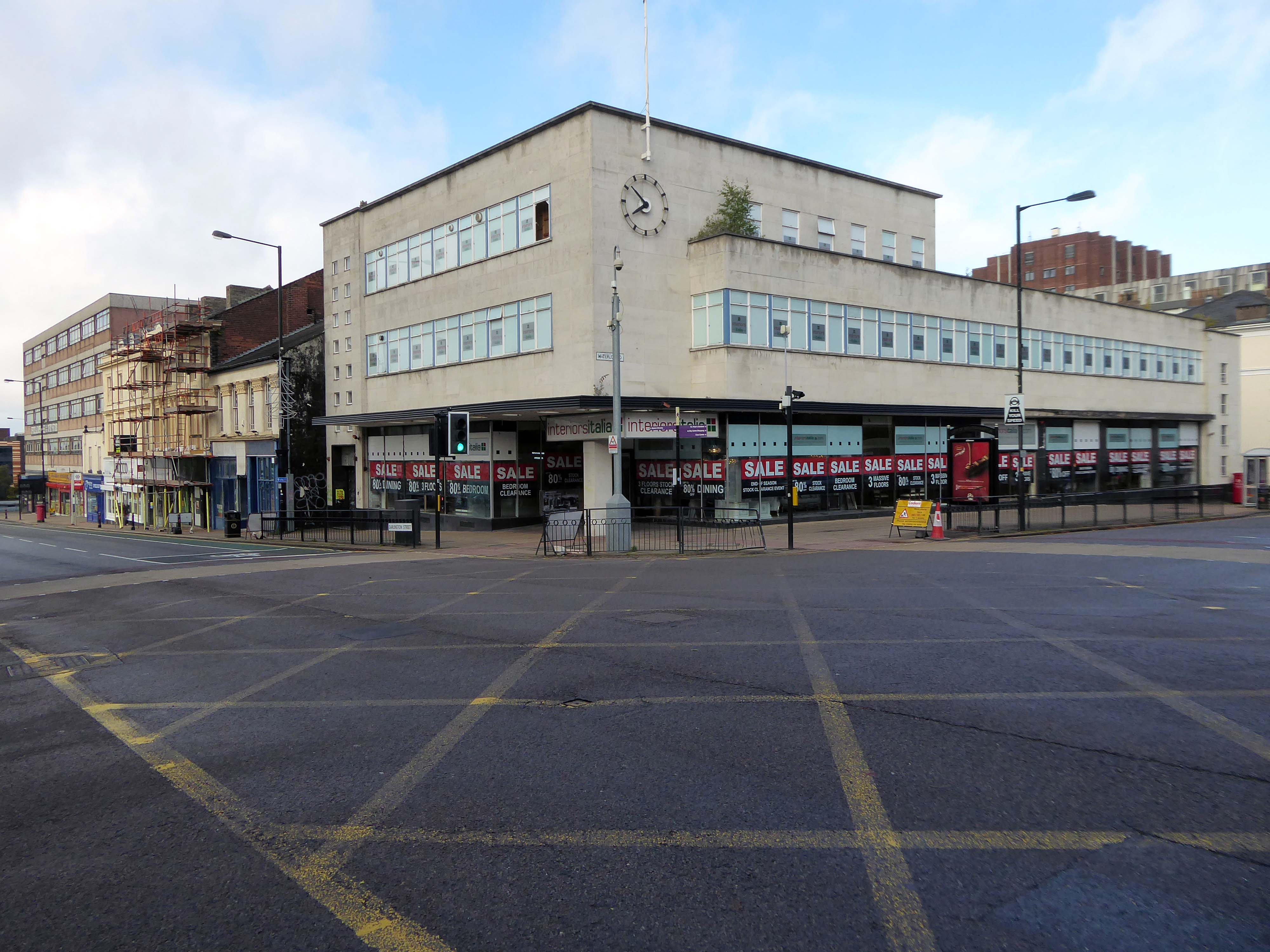
An imperious Portland stone clad mixed us block on Waterloo Road, with a delightful clock.
Formerly the Gas Showrooms then SunAlliance & LondonInsurance offices – aka Clock Chambers
The showroom in Darlington Street was also the centre of a radio network that controlled a fleet of service vans. This enabled customers to receive service within minutes of making a telephone call. Demonstrations of cookery, washing and refrigeration were given by the Gas Board’s Home Service Advisers and a number of the company’s engineers, who specialised in designing gas equipment for industrial processes operated an advisory service for manufacturers.
Architects: Richard Twentyman 1939.
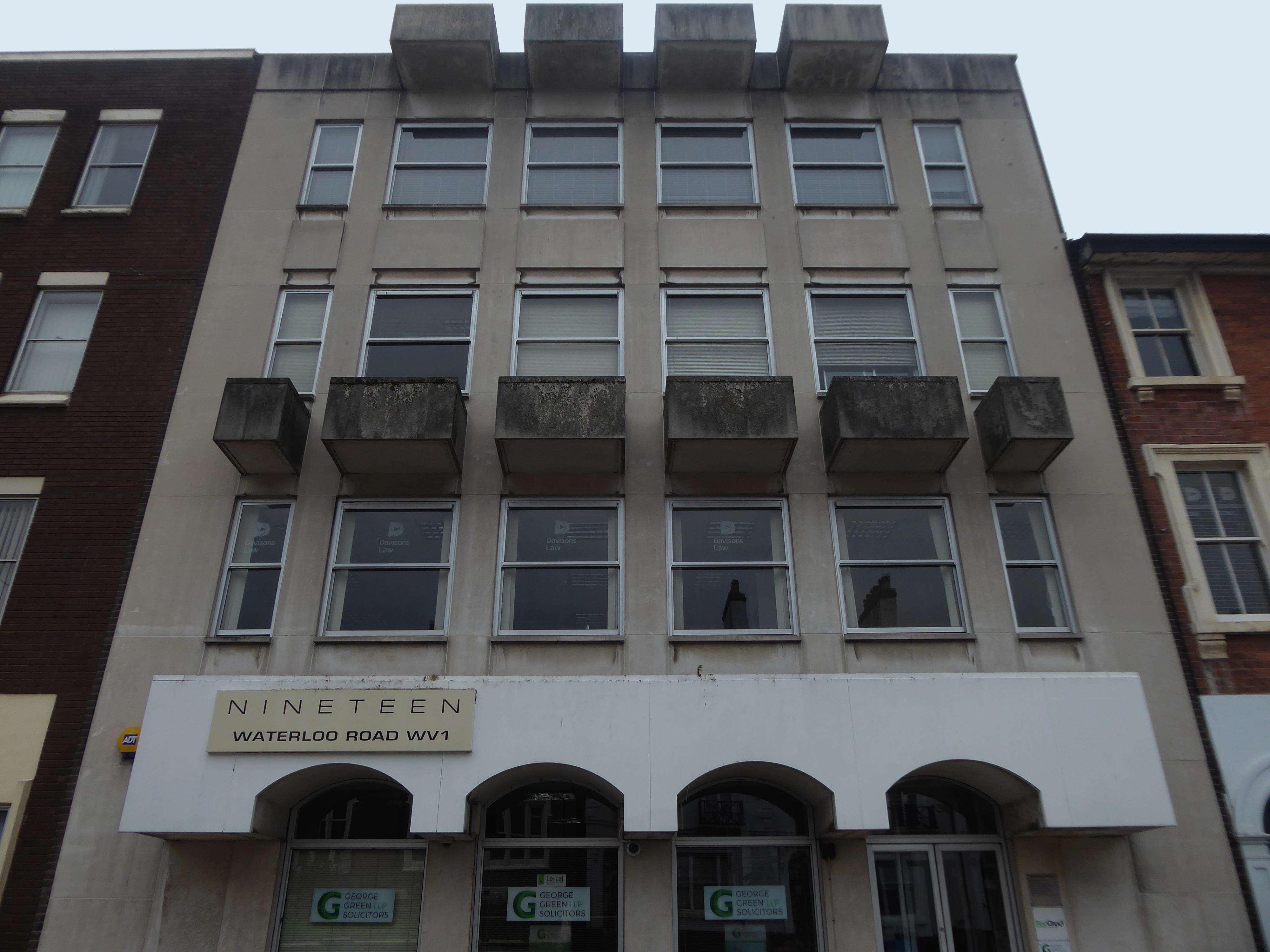
Nineteen Waterloo Road latterly First City House formerly home to Eagle Star Insurance 1970
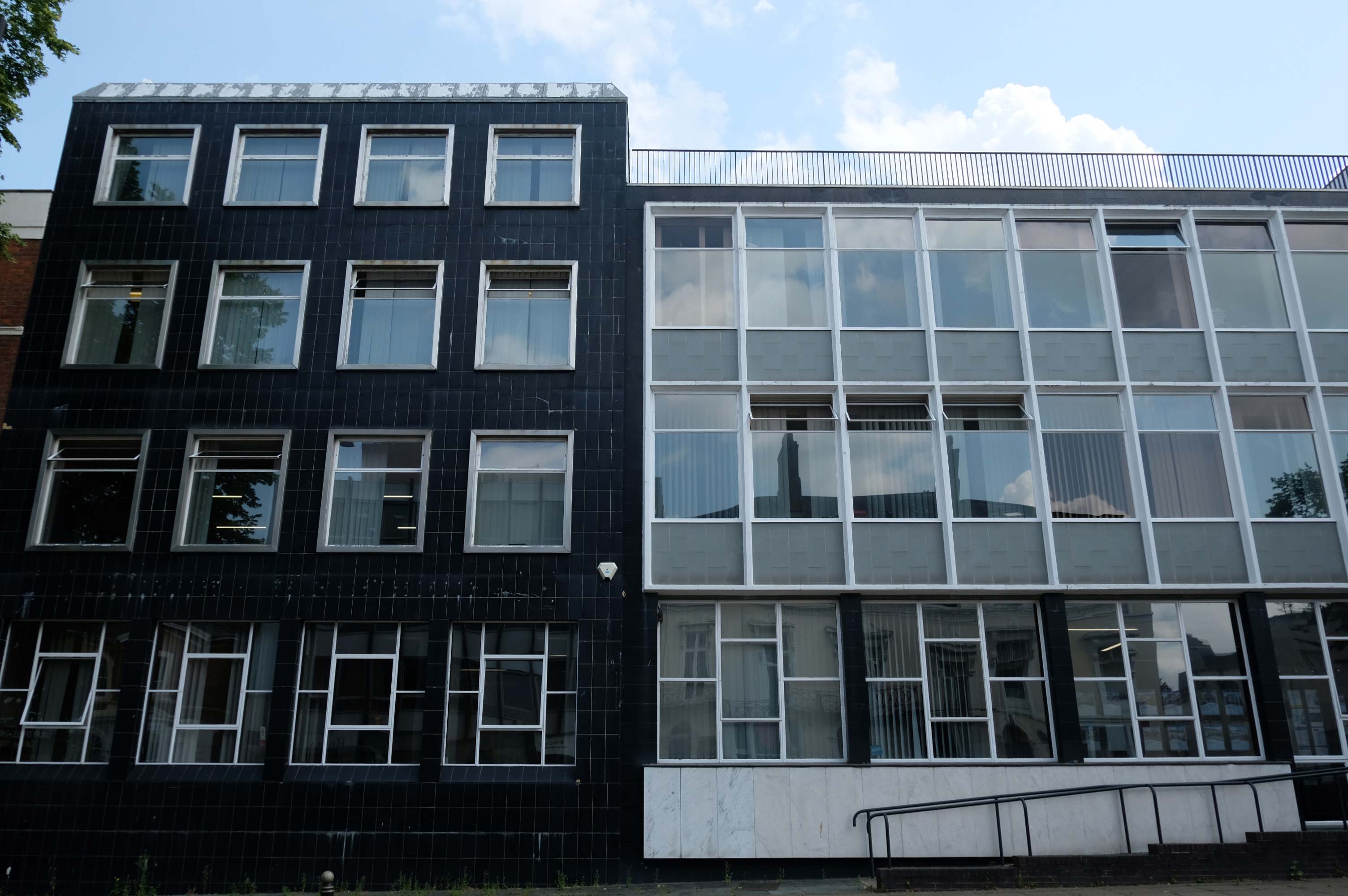
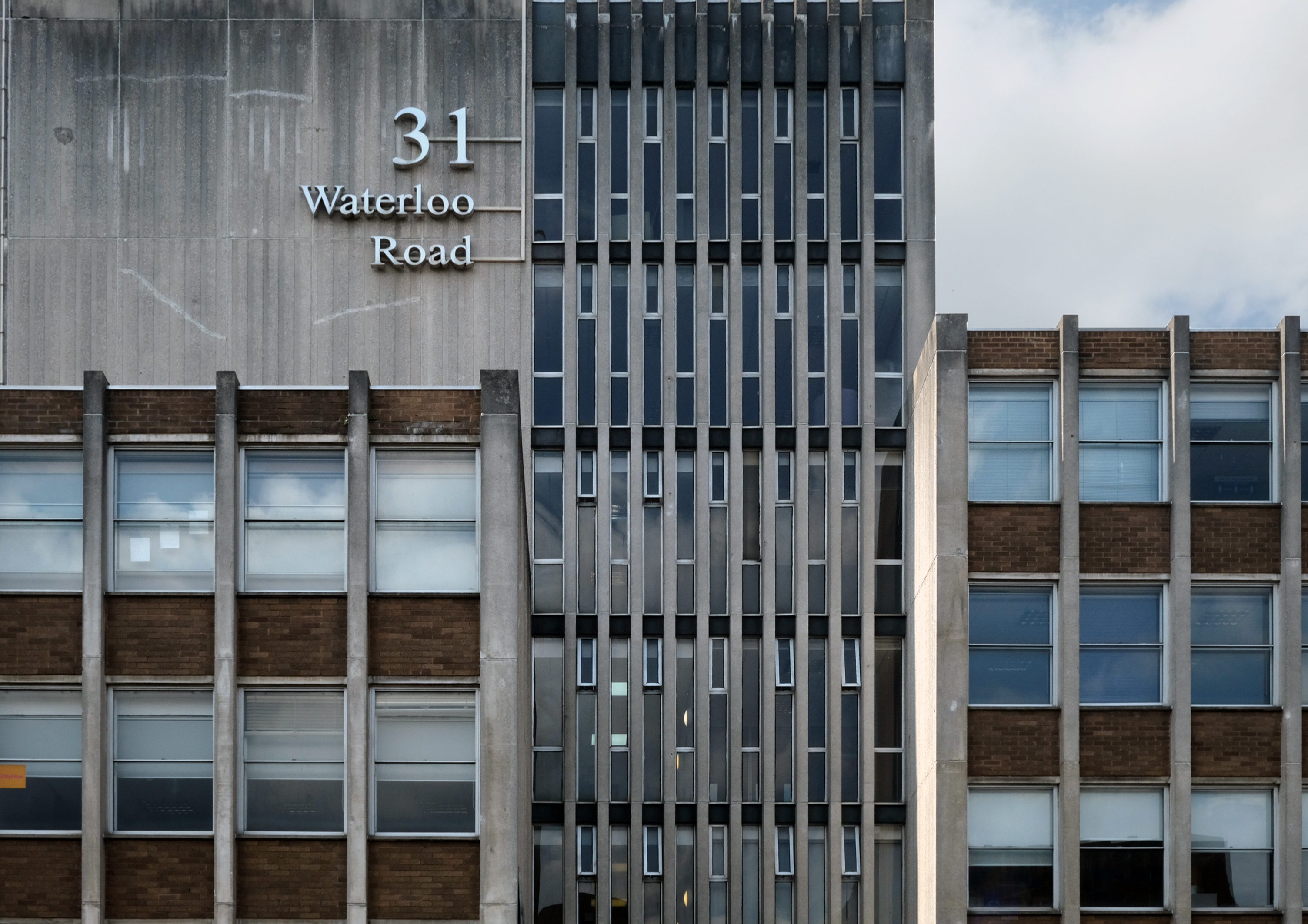
8-10 Waterloo Road architects: Richard Twentyman 1959 extended 1966.
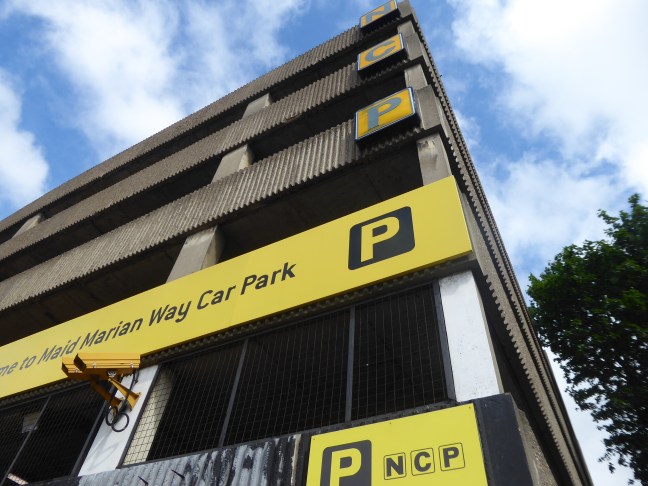
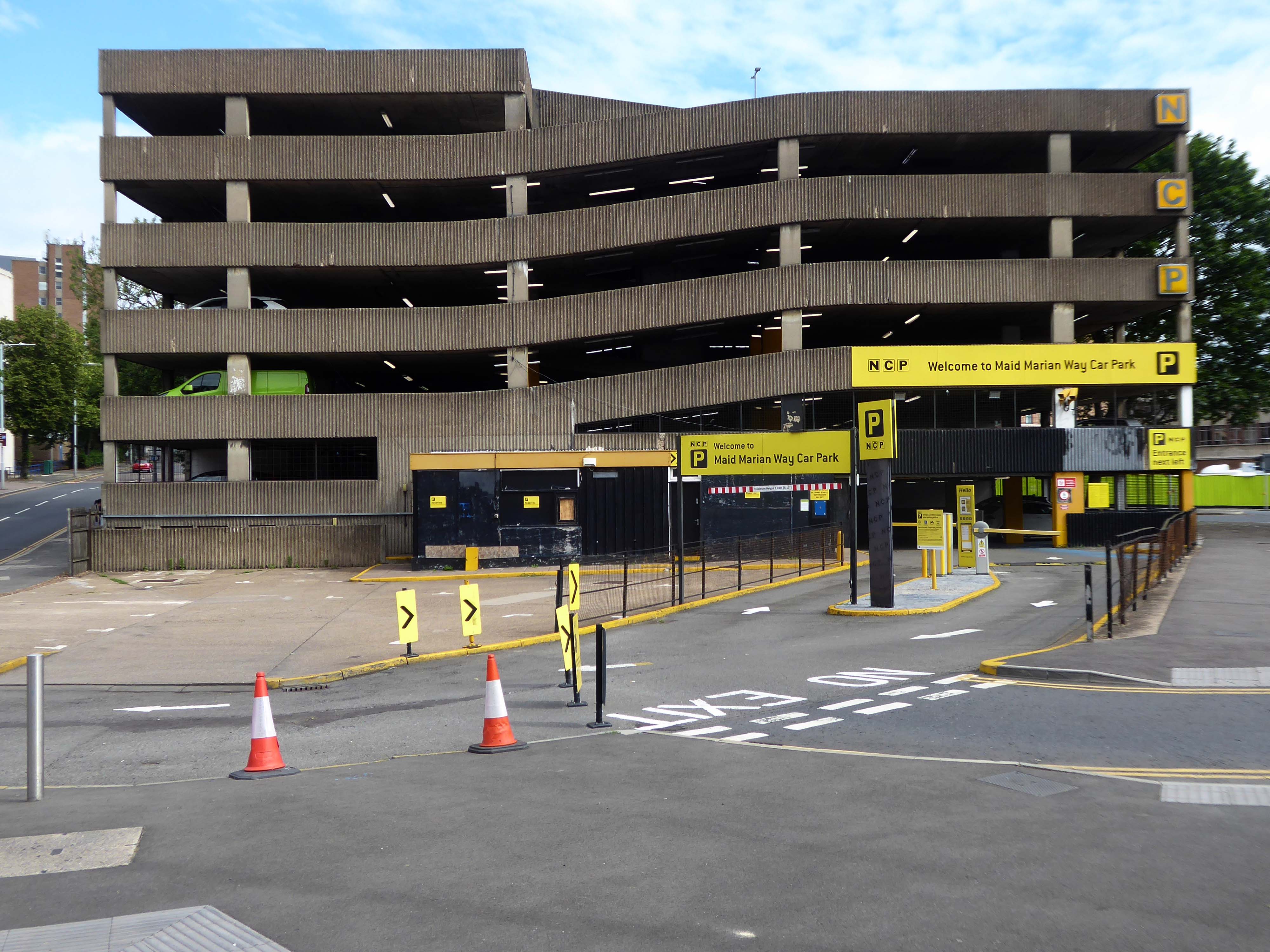
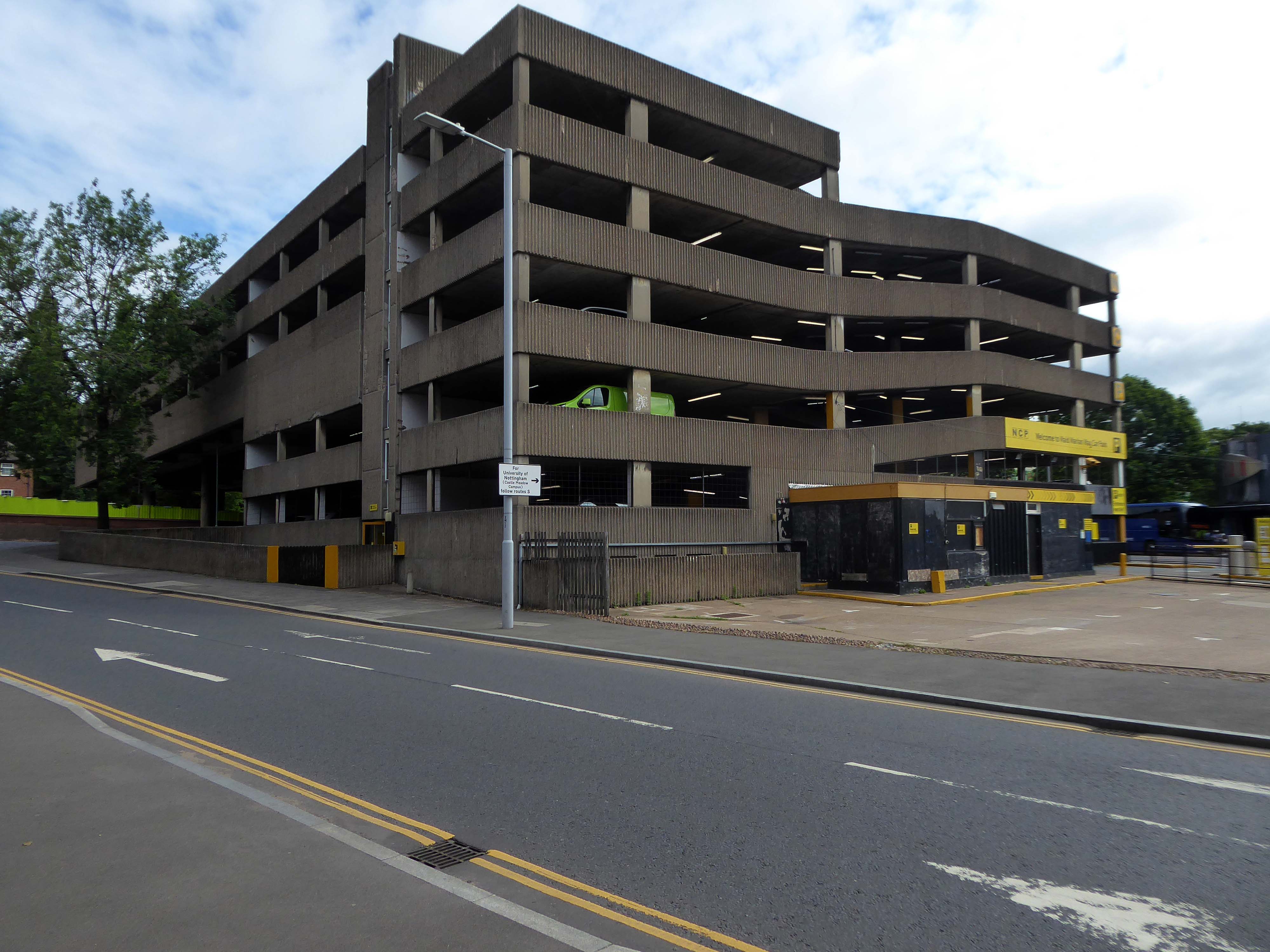
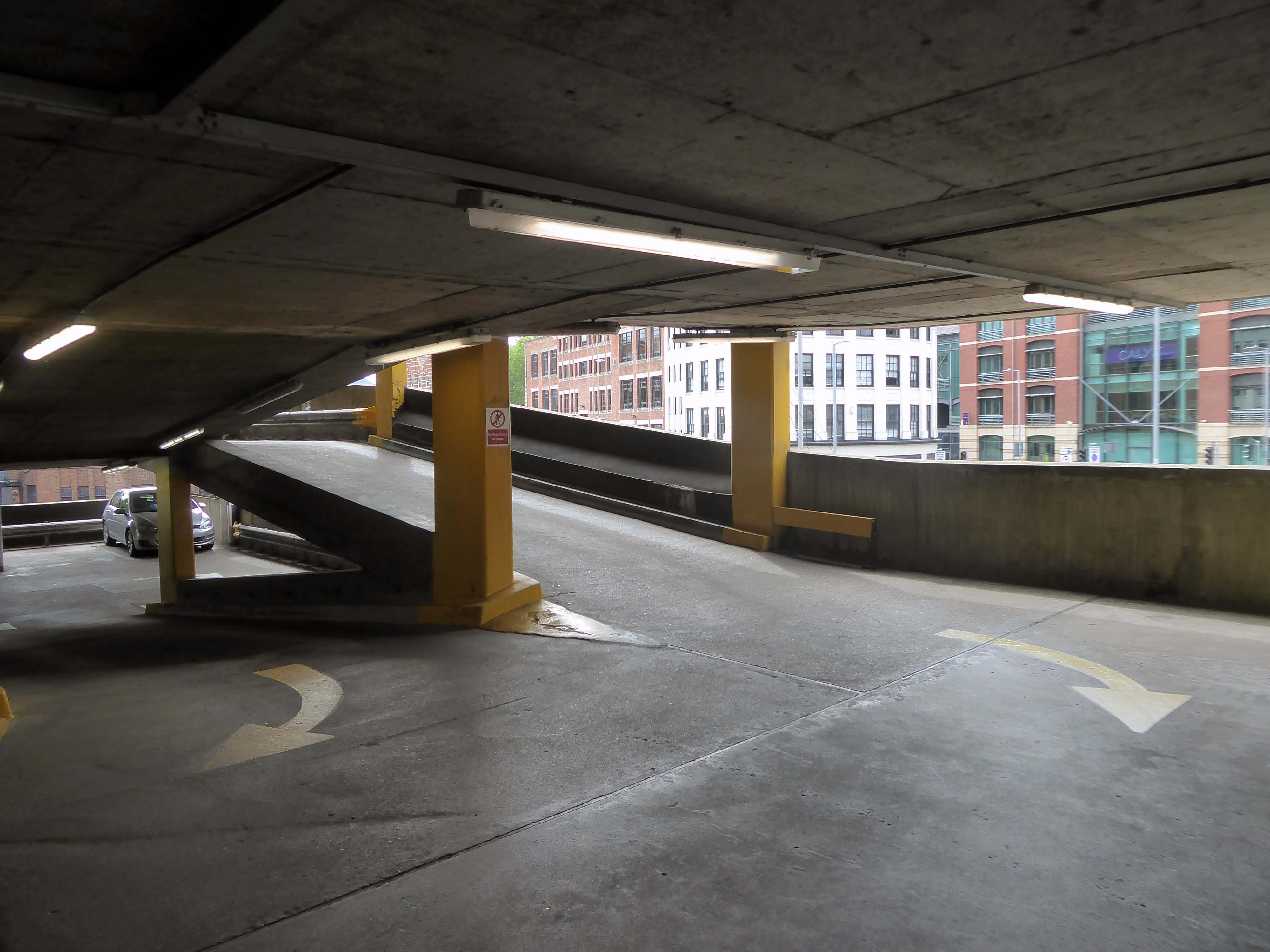
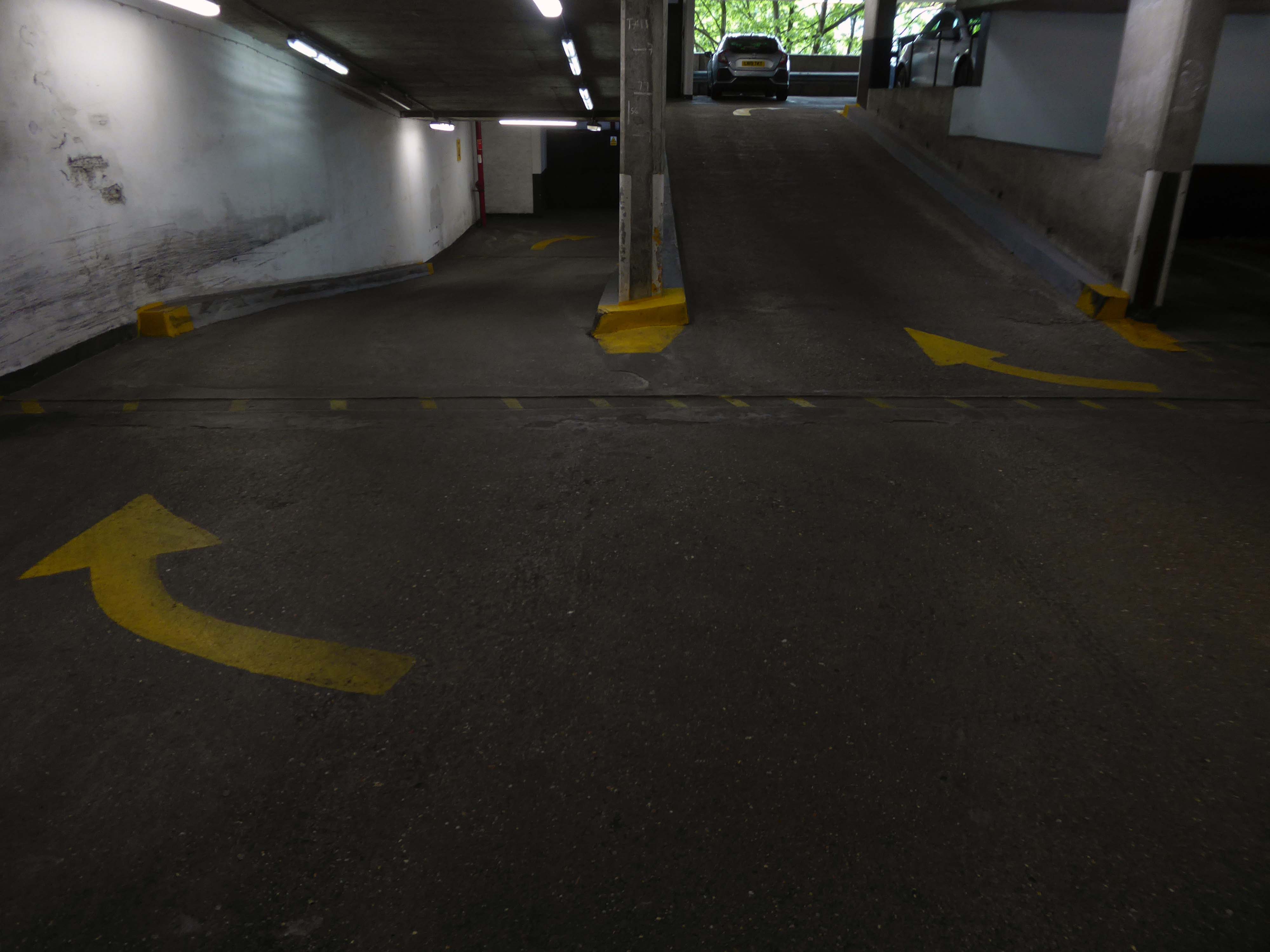
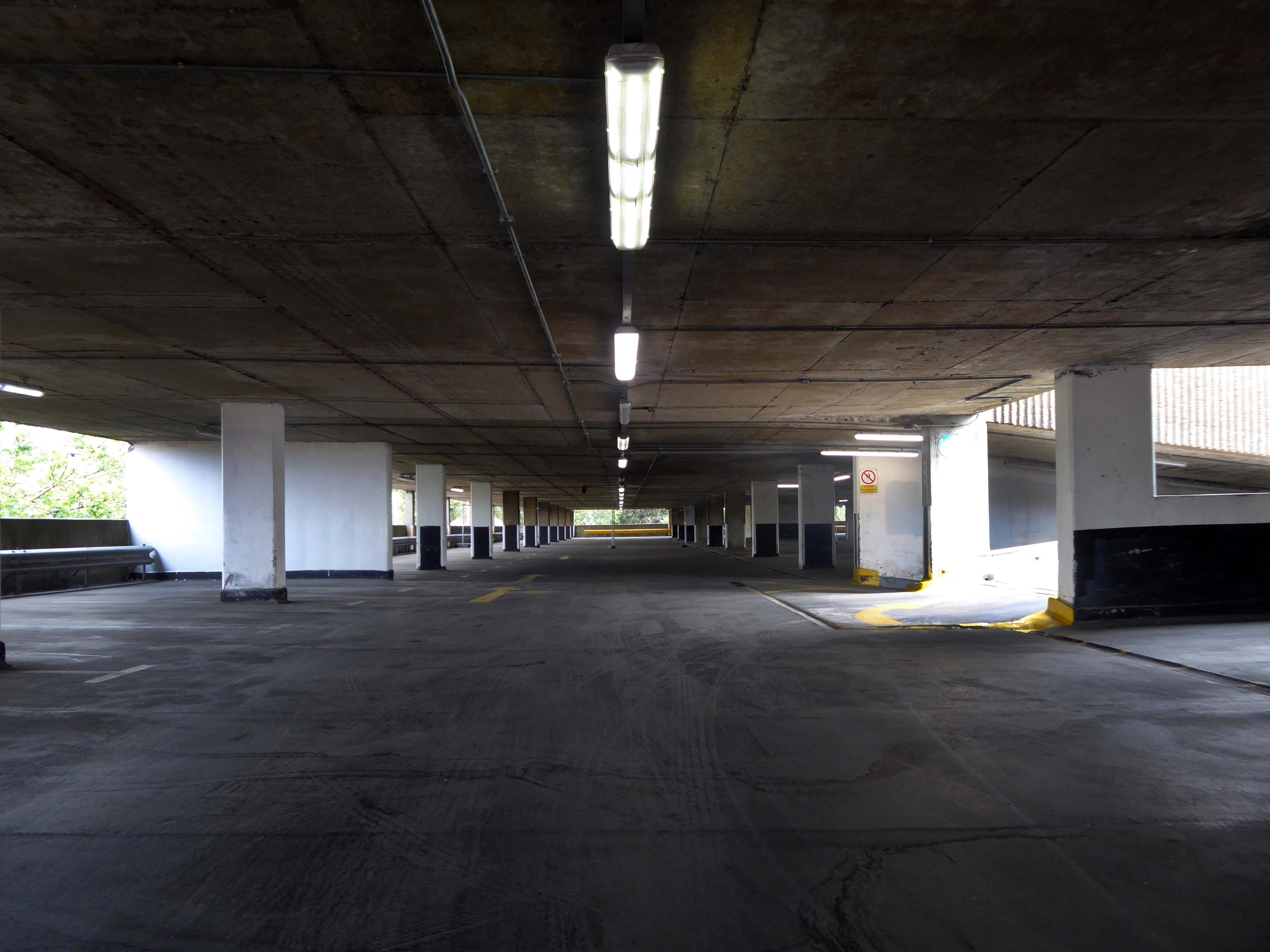
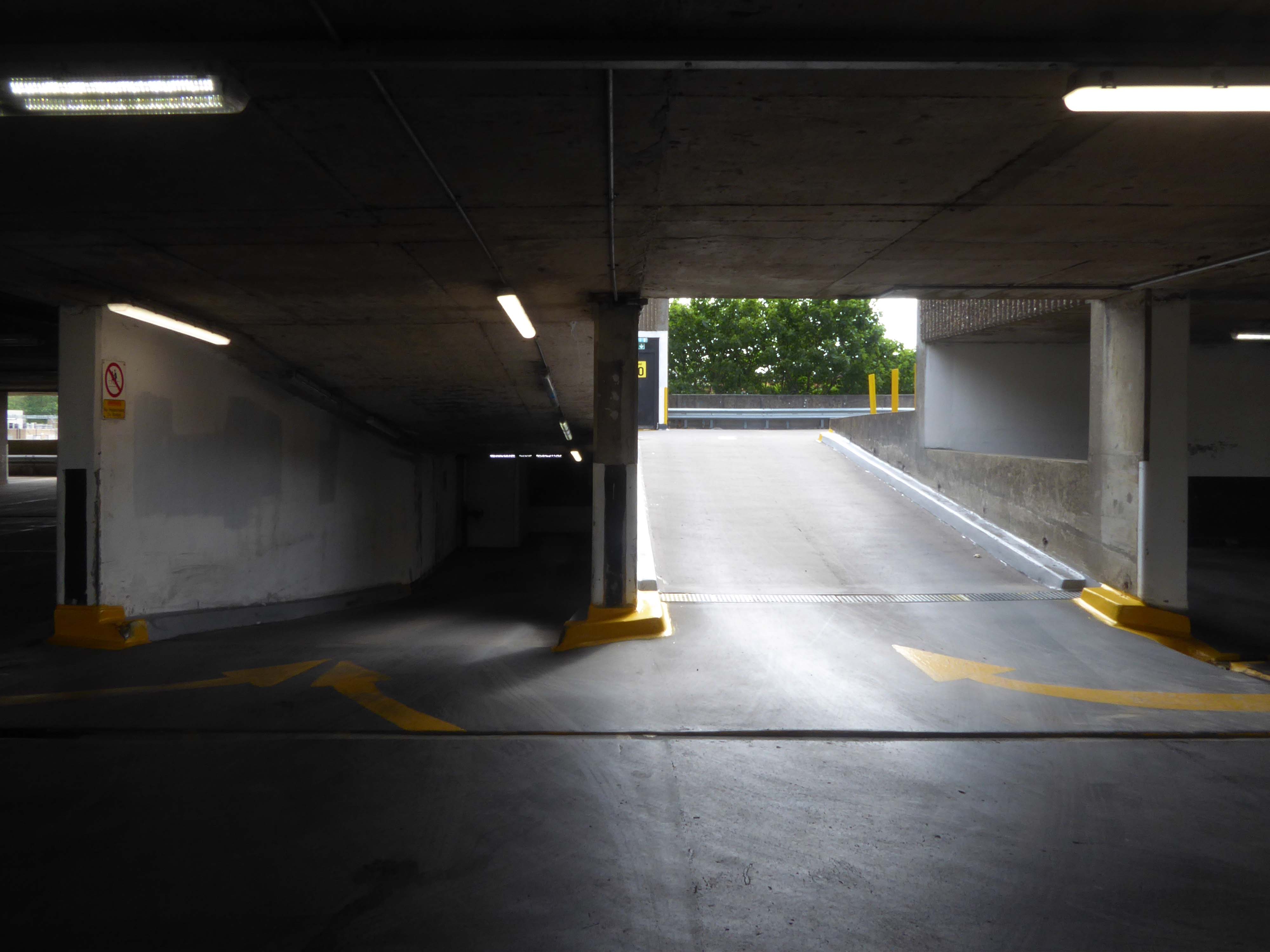
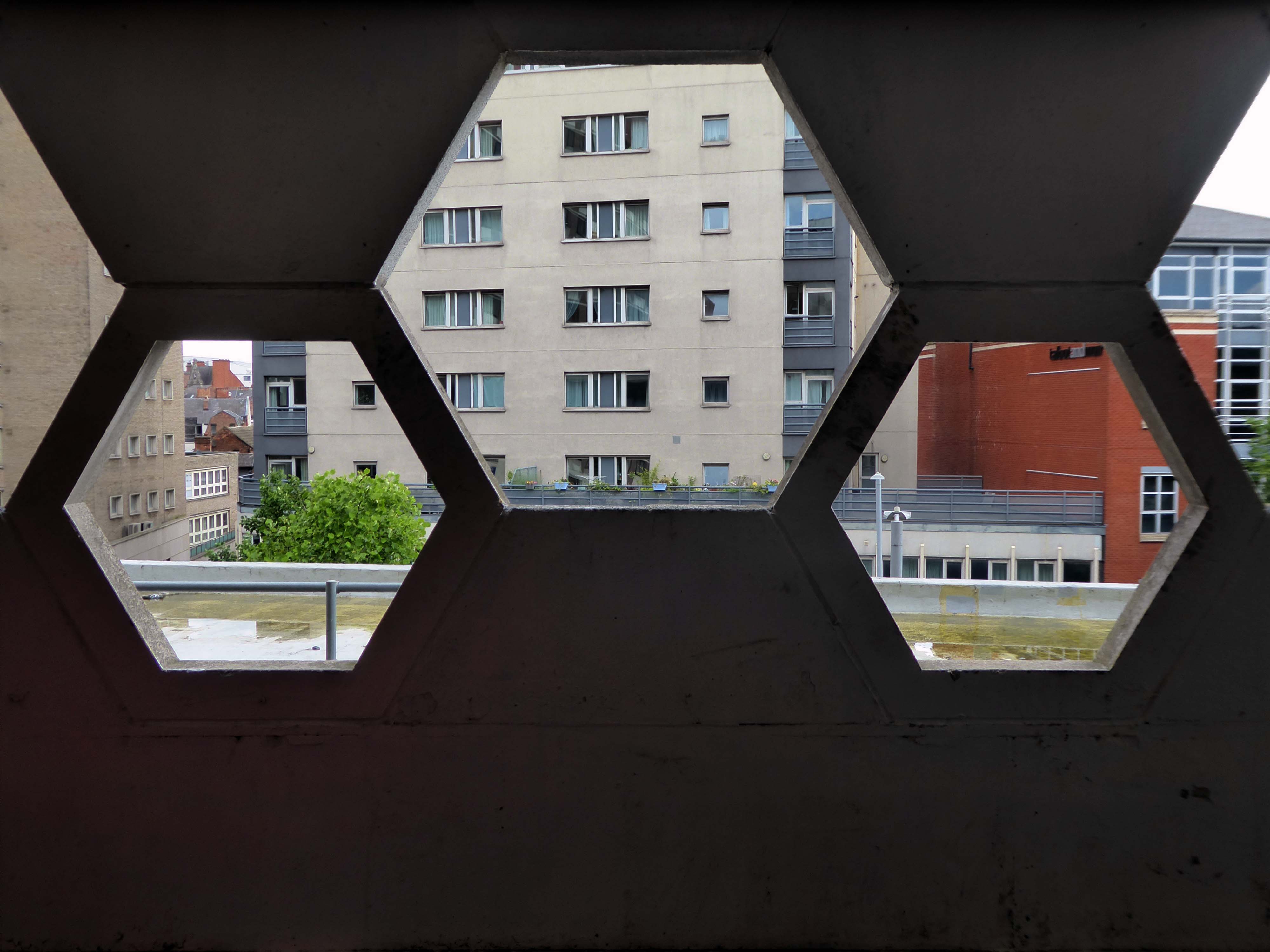
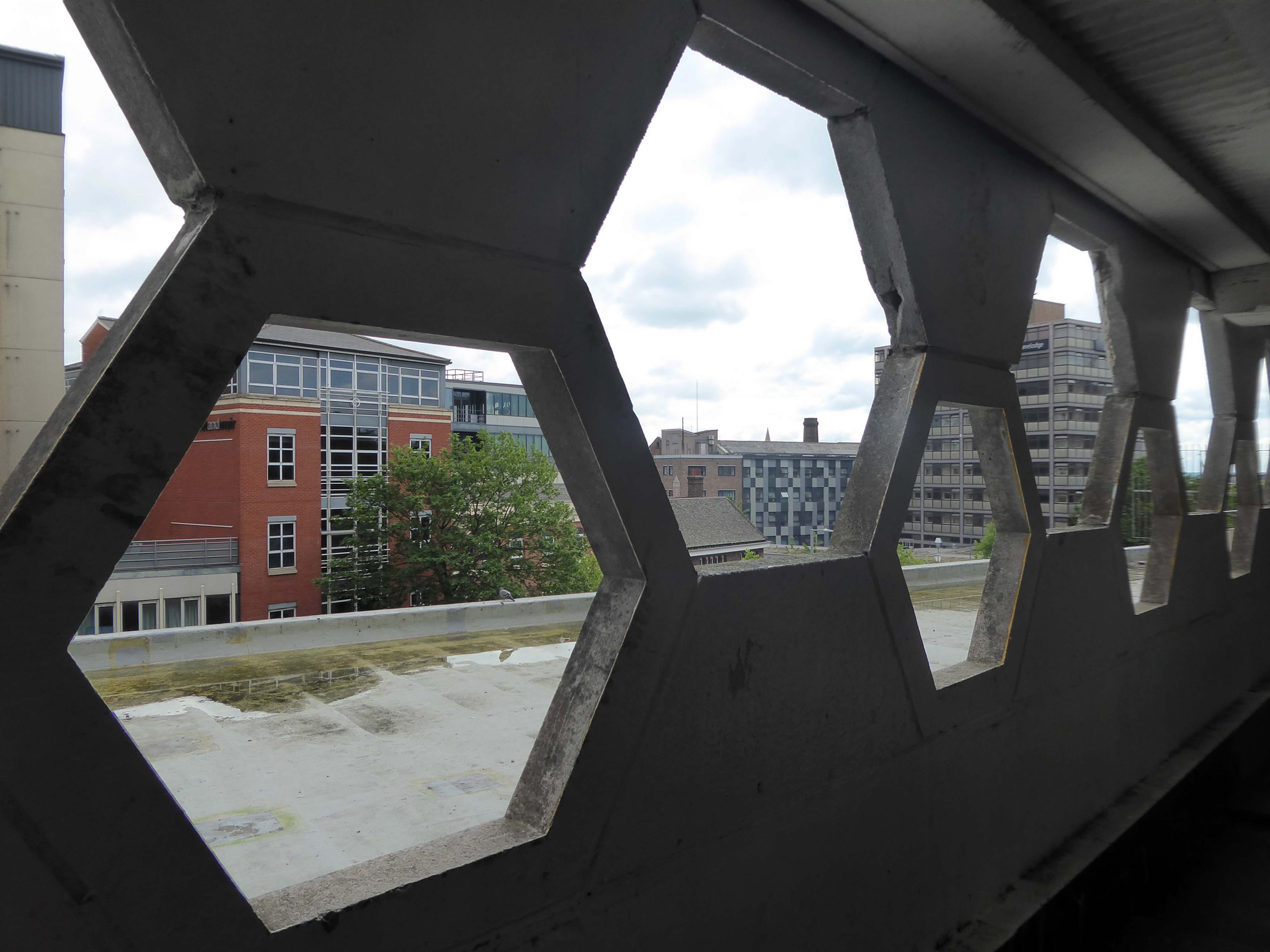
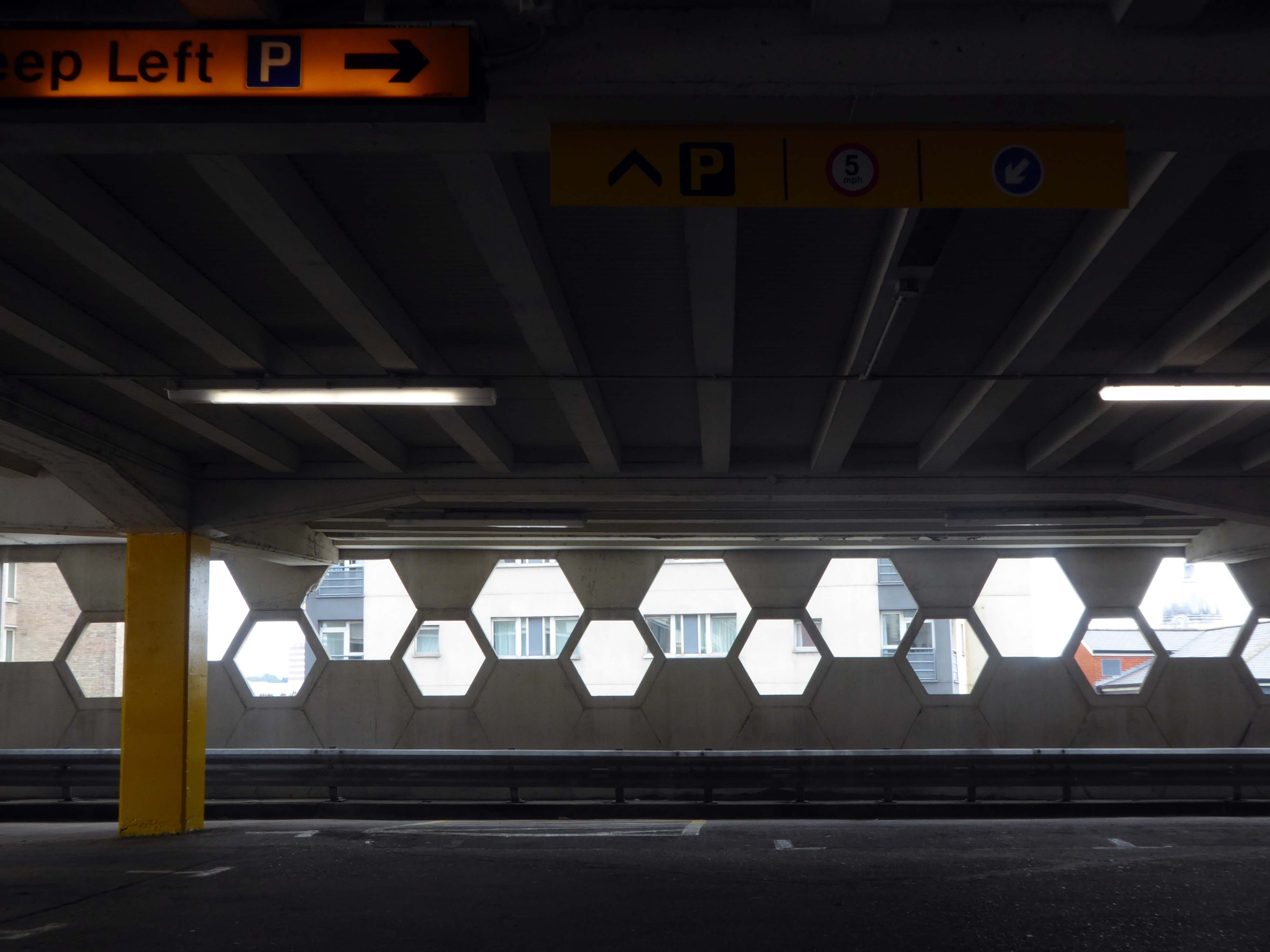
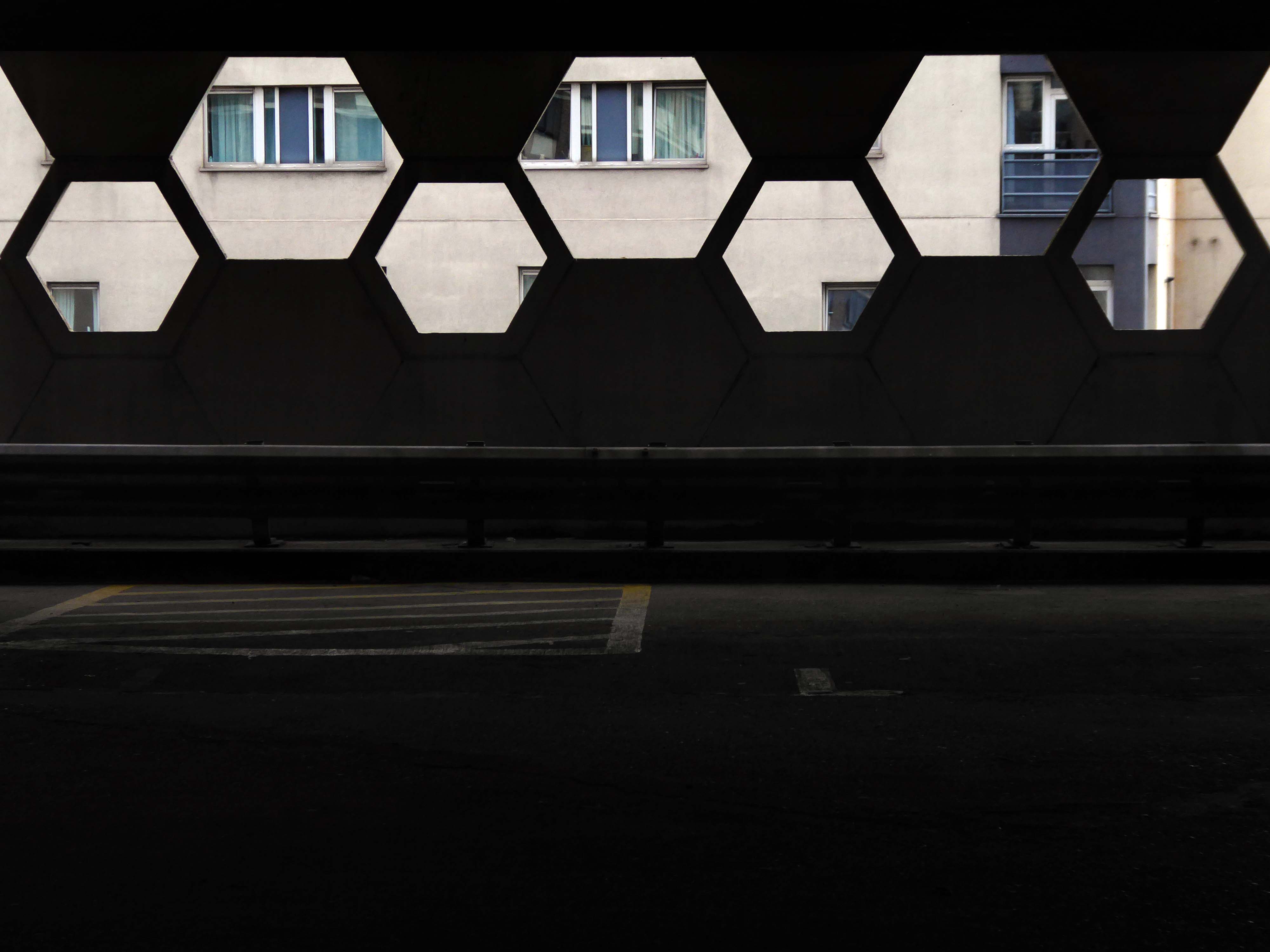
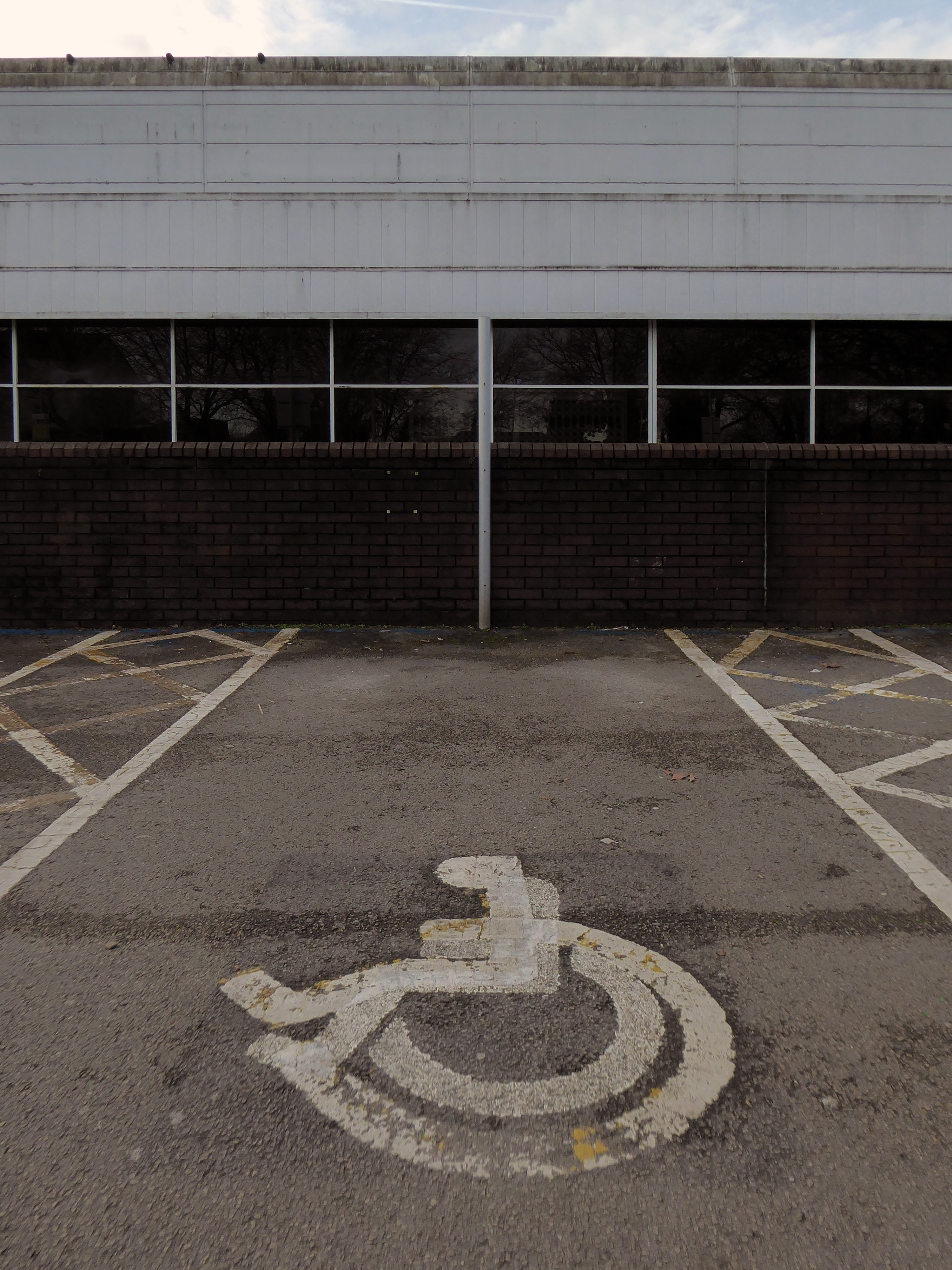
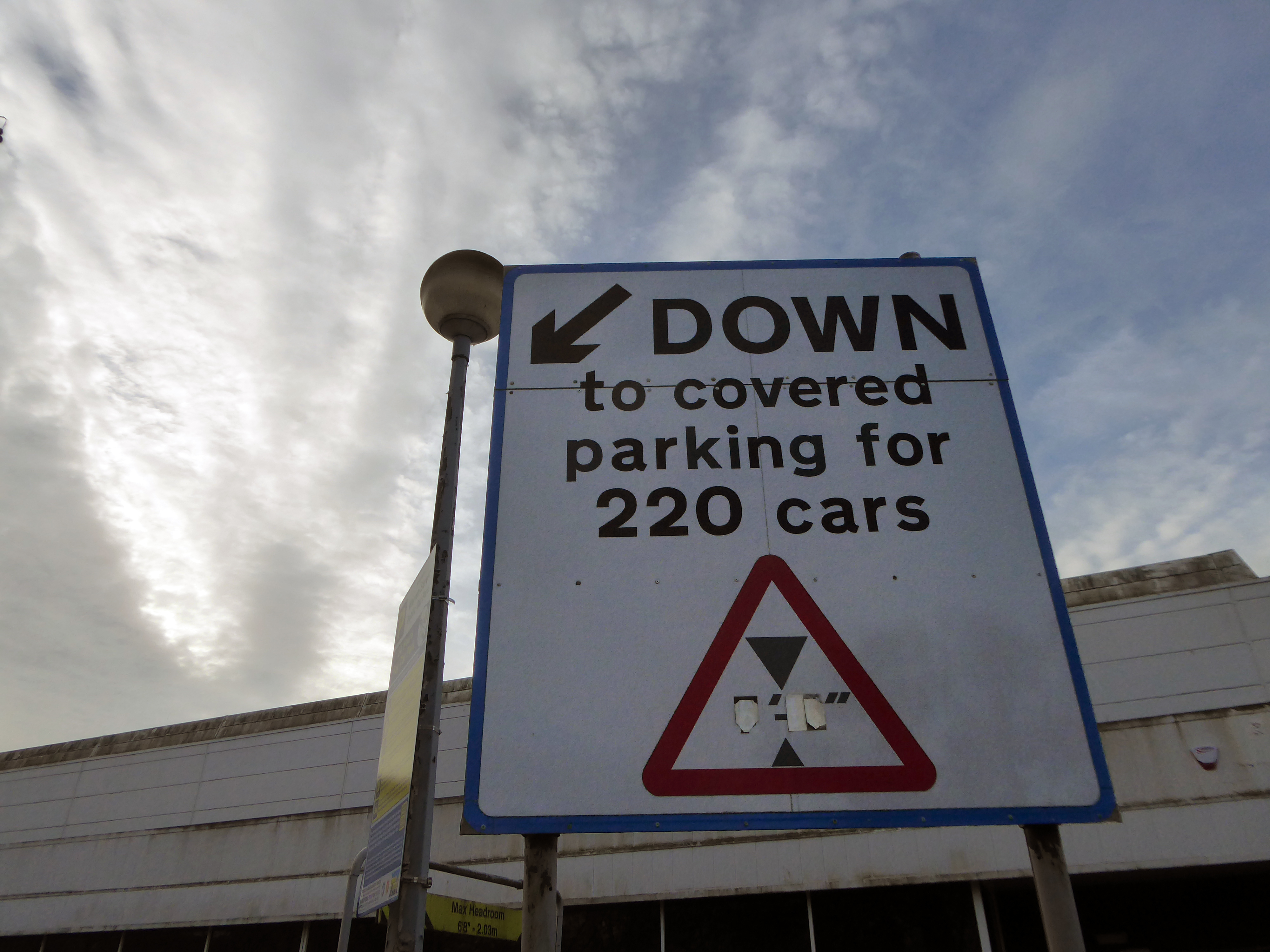
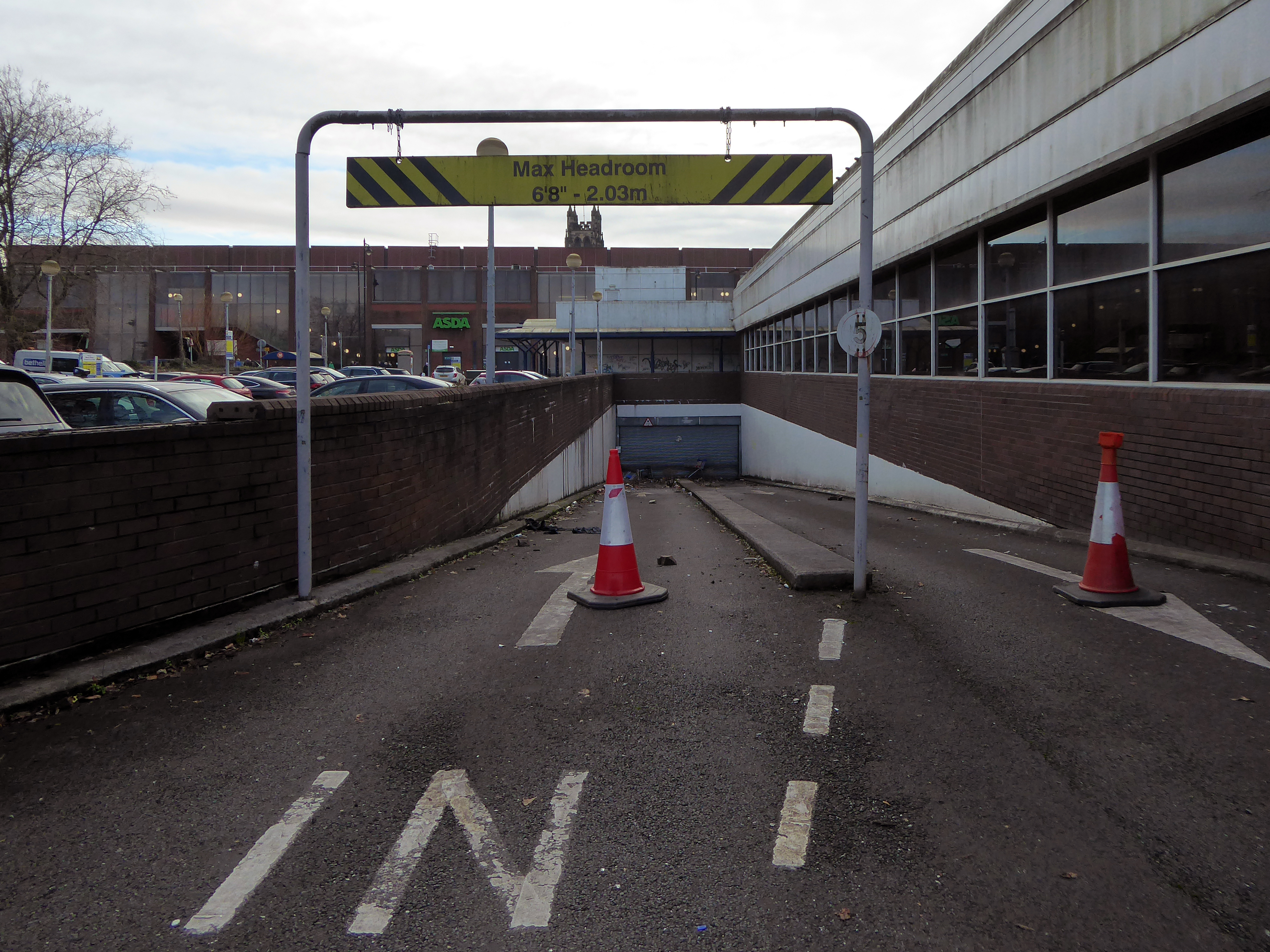
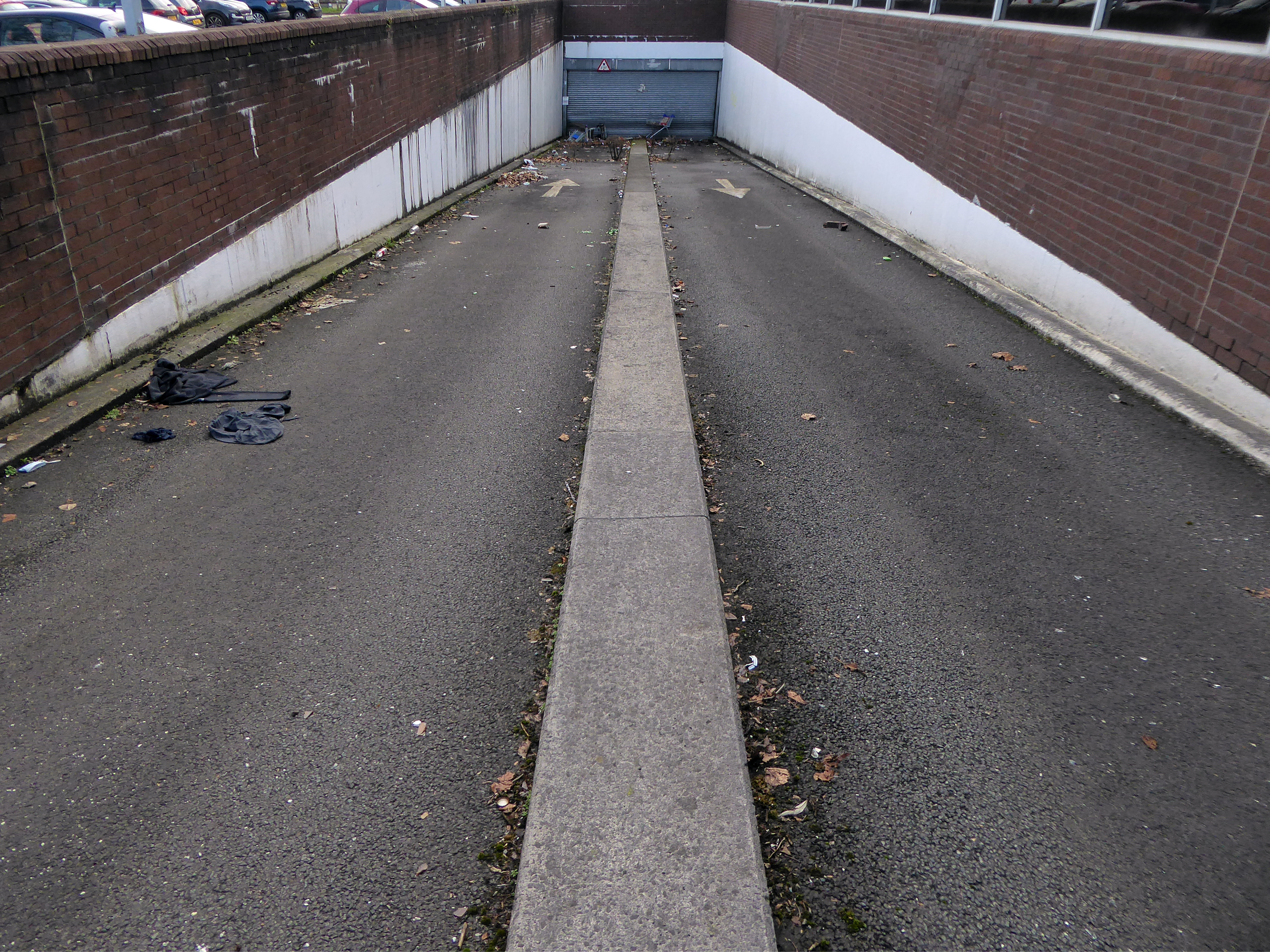
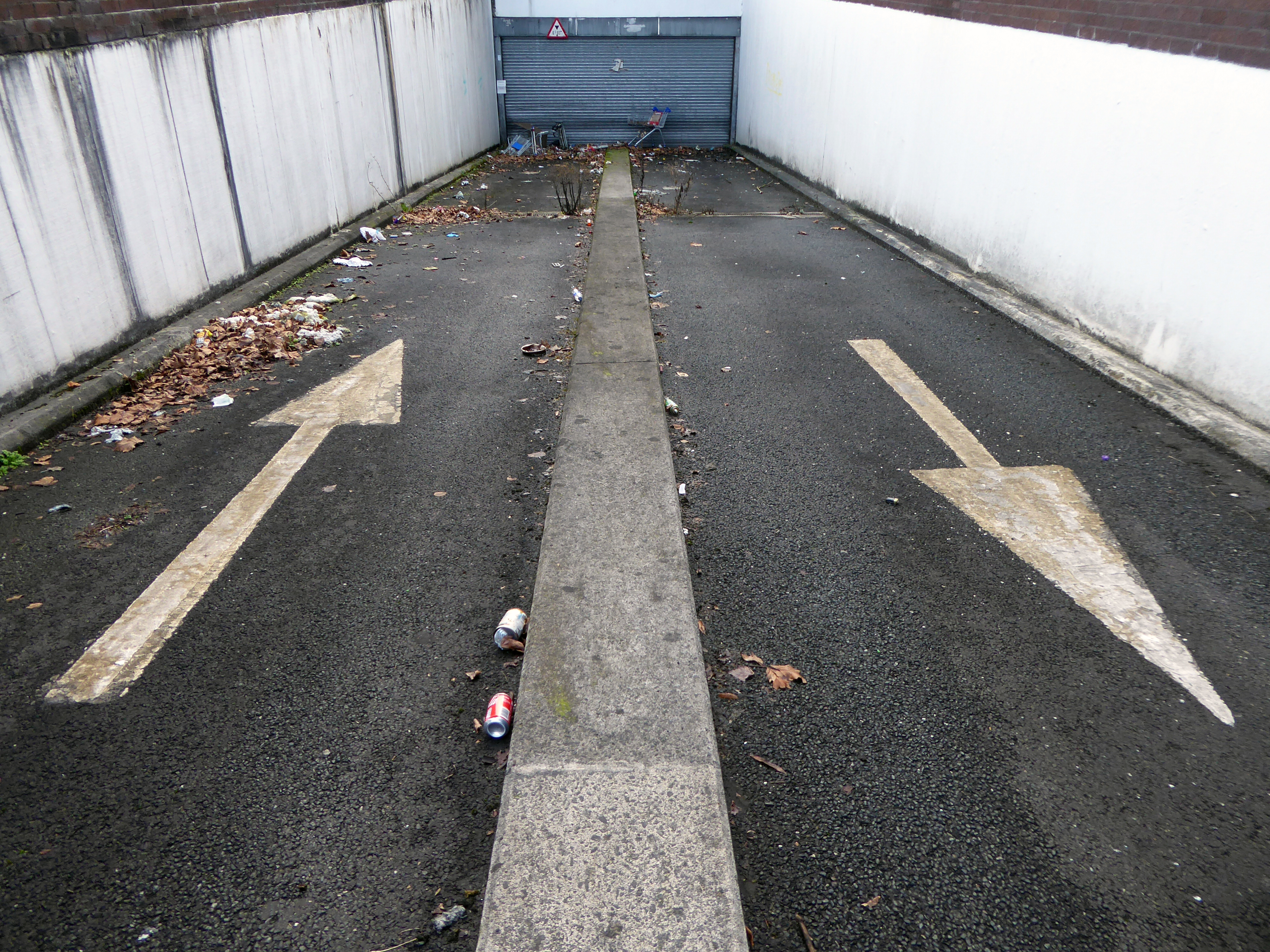
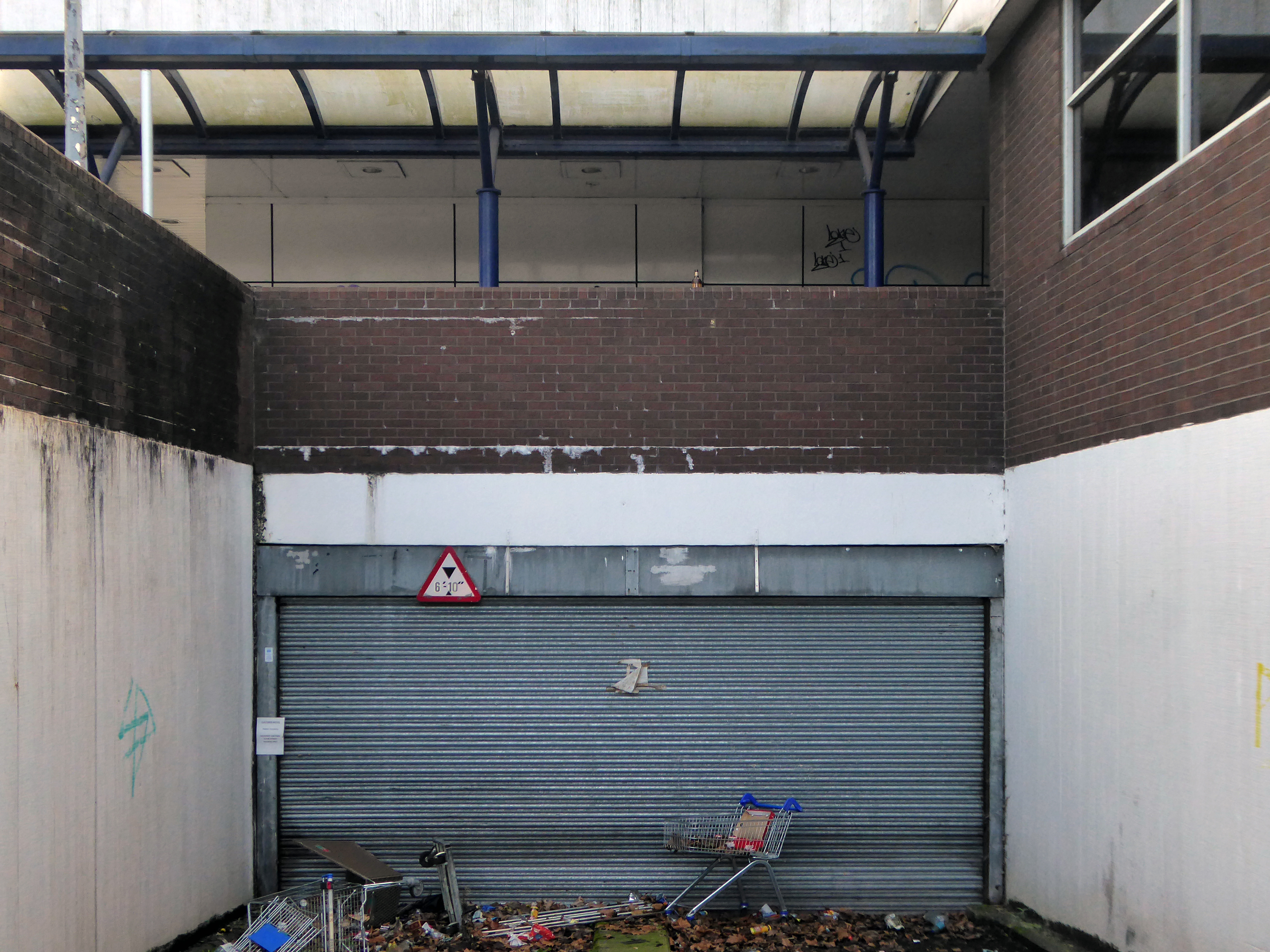
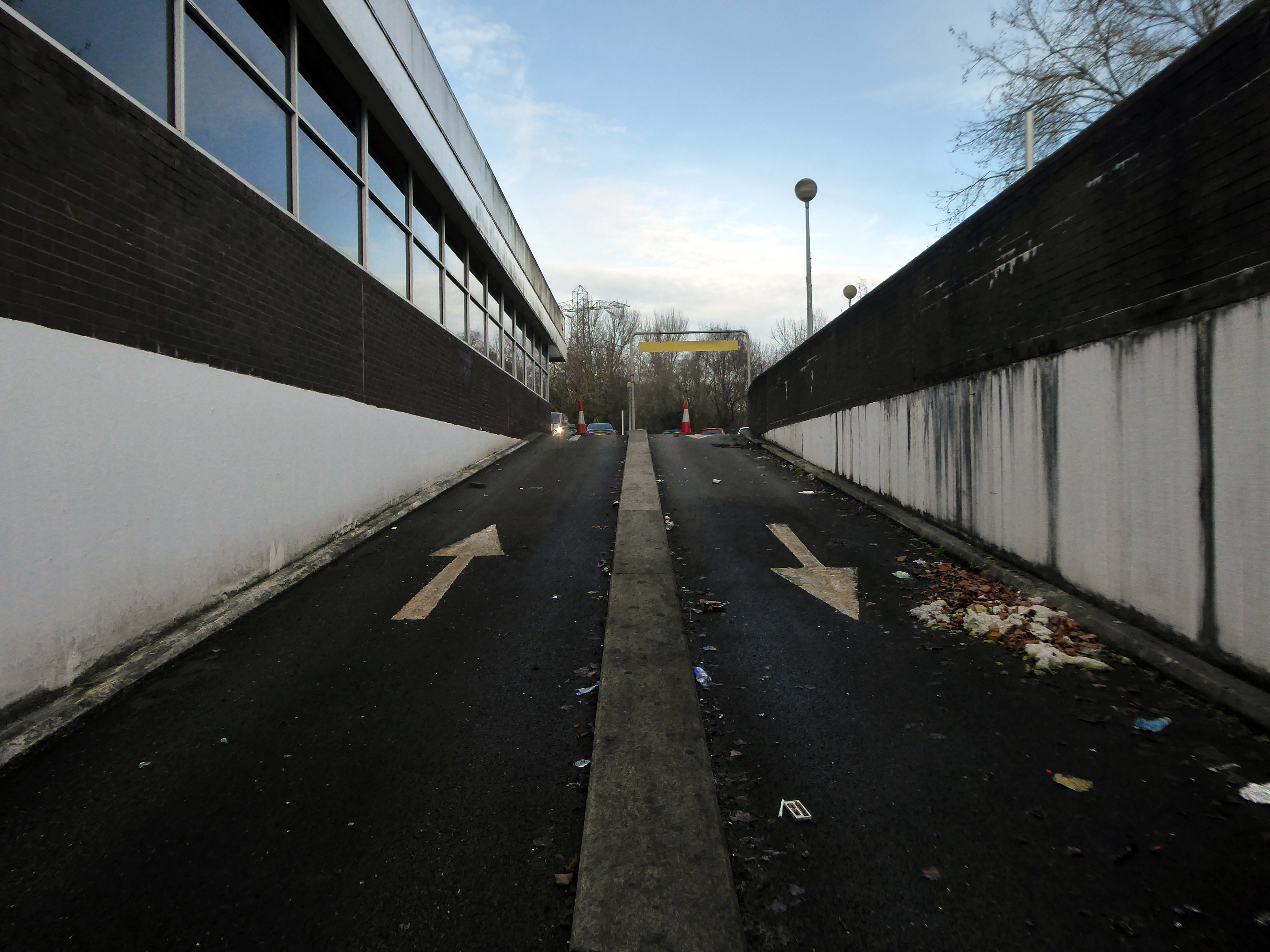
This has narrow ramps up and down, and narrow parking spots.
One ticket machine upon entry wouldn’t dispense – the other was covered with a bag but did work, very weird.
Becky T
Anyway, a way must have a name, so why not Maid Marion?
Olivia De Havilland
Maid Marian is the heroine of the Robin Hood legend in English folklore, often taken to be his lover. She is not mentioned in the early, medieval versions of the legend, but was the subject of at least two plays by 1600. Her history and circumstances are obscure, but she commanded high respect in Robin’s circle for her courage and independence as well as her beauty and loyalty. For this reason, she is celebrated by feminist commentators as one of the early strong female characters in English literature.
Robin Hood and DH Lawrence apart it seems most apt – so Maid Marion Way it is then.
In November 1945, the city council decided to ask Parliament for the go ahead for a scheme likely to cost more than half a million pounds.
However, it would cut a swathe through medieval streets, wiping some from the map and spelling the end of a community life which had thrived for centuries.
The arguments, discussions and negotiations rumbled on for years. It would be 1963 before work finally got underway and the new road was built.
Less than two years after it was completed, it was given a label that has stuck over the past four decades — the ugliest street in Europe.
Dual carriageways mean cars, cars mean car parks and car parks mean business.
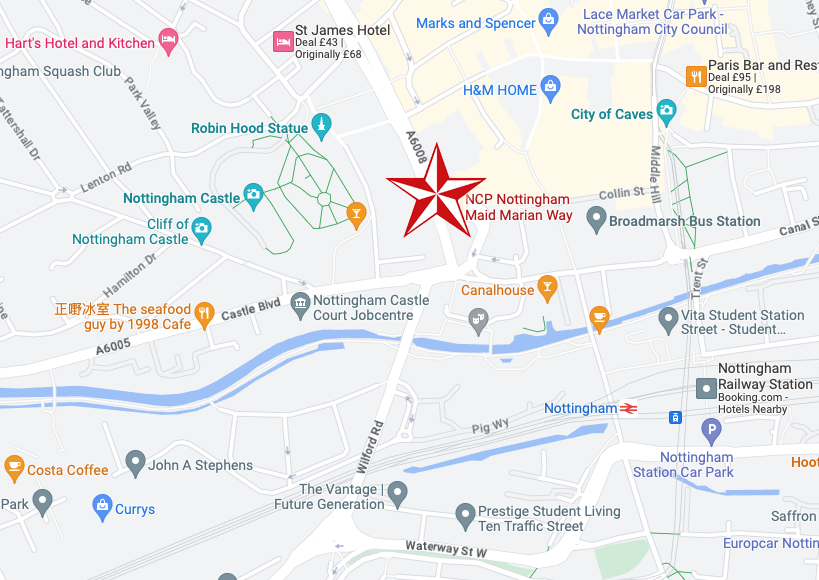
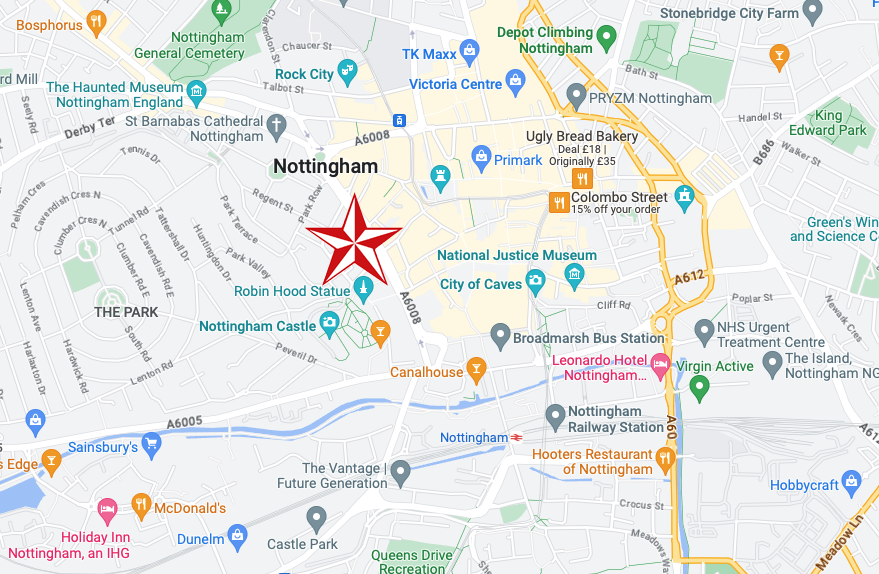
Whether you’re visiting a student or are one yourself, parking at our car park on Maid Marian Way gives you easy access to the University of Nottingham.
For those who want a bit of retail therapy, look no further than the Intu Victoria shopping centre. Located within easy walking distance of our Maid Marian car park and right in the heart of the city centre, you’ll have a choice of over fifty shops to browse.
If you’re a bit of a history buff then Nottingham Castle should definitely be on your ‘to do’ list. Park near the castle at Maid Marian Way, and you’re just minutes away from reliving tales of the past as you explore the original hidden caves equipped with a dungeon. Make sure you don’t leave without taking a picture with Nottingham’s most famous resident, Robin Hood, found just outside the castle.
Had a lovely conversation with a lady in the machine after my parking ticket was swallowed and learnt lots about the poor acoustic in car parks. They charged me twice to park my car which made me feel lots of negative emotions towards them. So all in all, a bit of rollercoaster. Highly recommend this experience for anyone looking for somewhere to park that enjoys conflict and has lots of money they don’t need.
Very expensive, dirty and with rough sleepers lying on each stairs landing.
Felt very unsafe.
Parkopedia
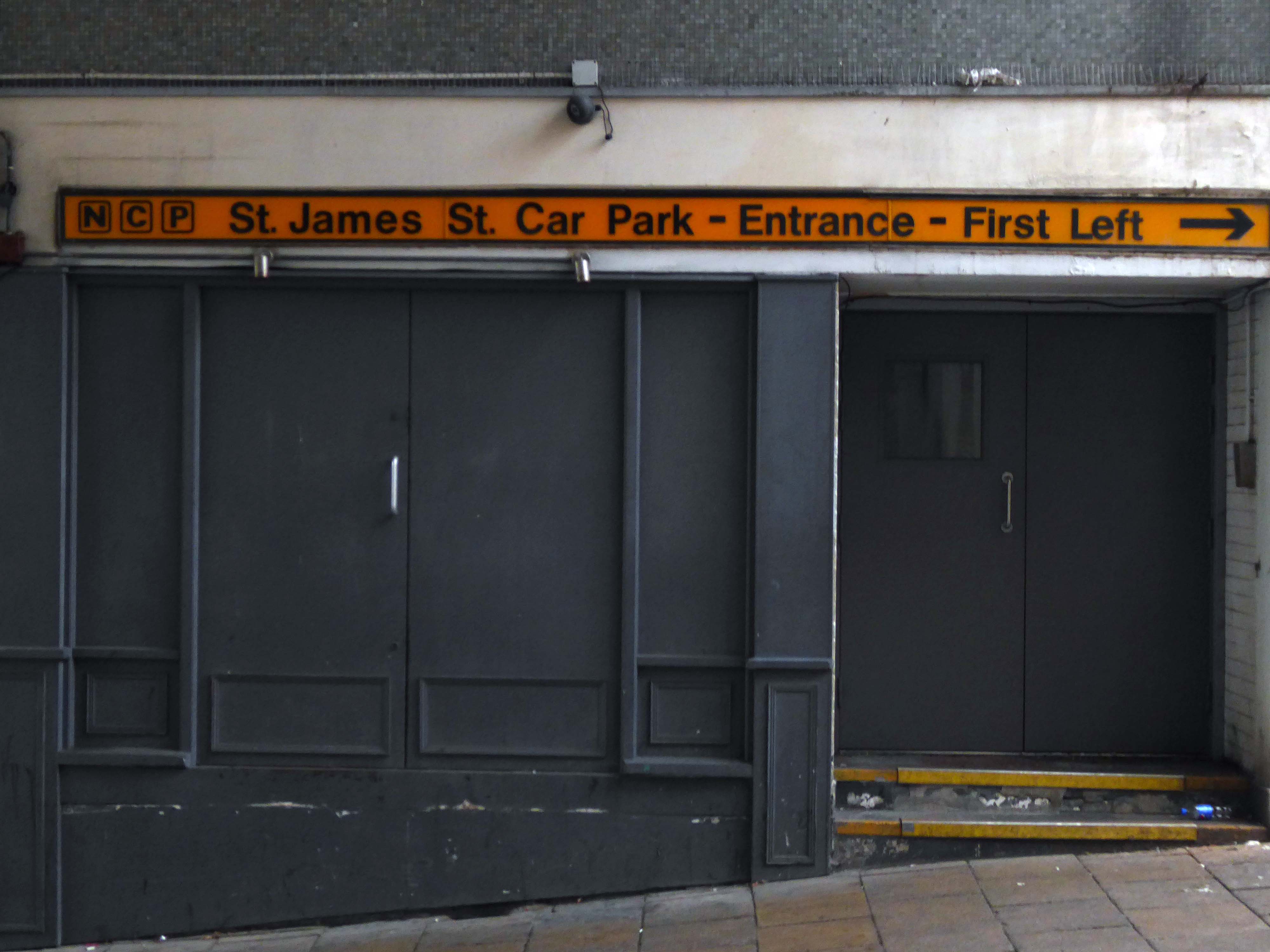
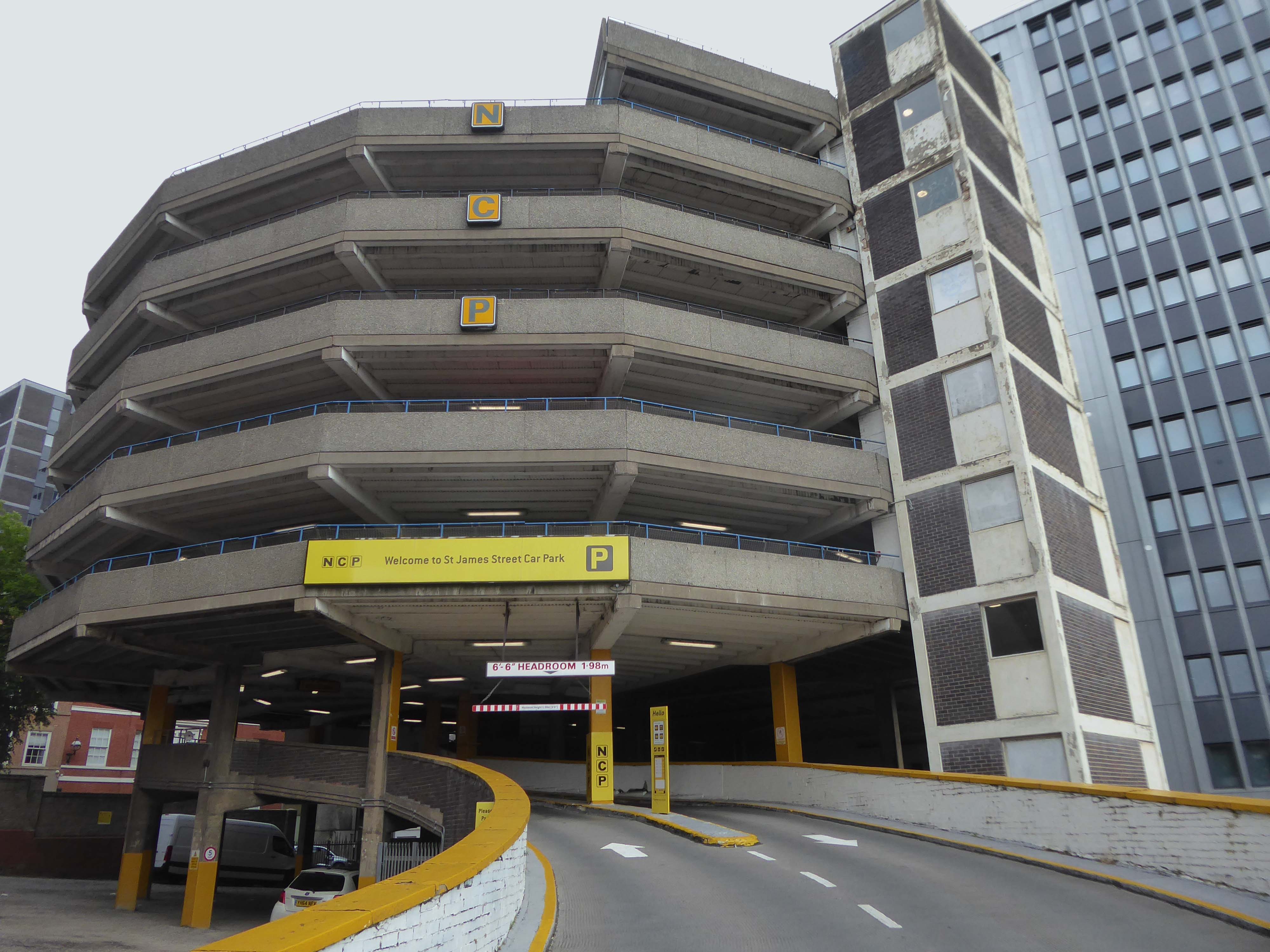
Located in the heart of Nottingham, our parking on St James Street puts you right in the historical centre of this ancient city. Get your picture taken with the legendary Robin Hood Statue, then take a tour of the Castle, Museum and Art Gallery before staying in the stylish boutique accommodation of St James Hotel.
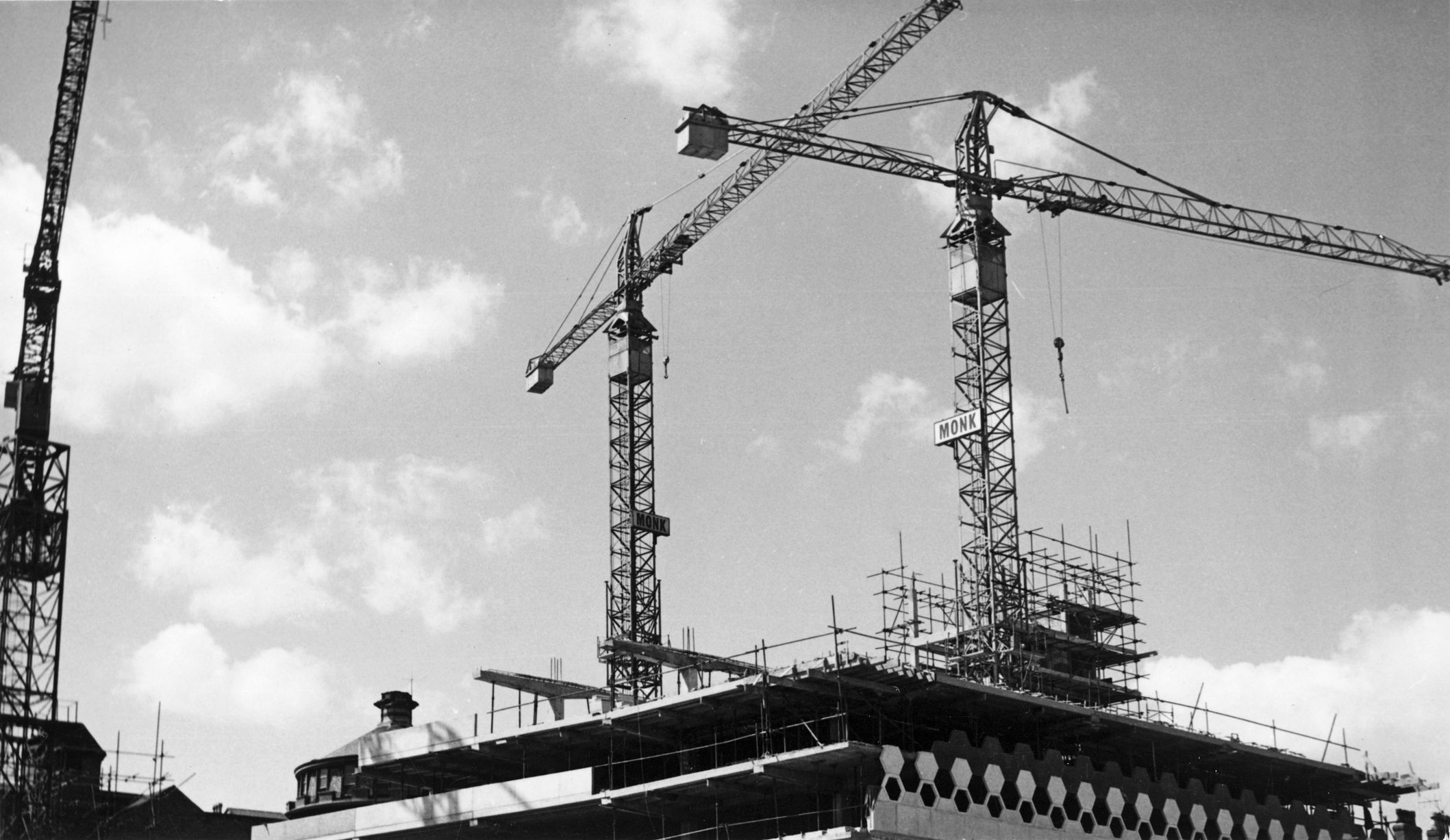
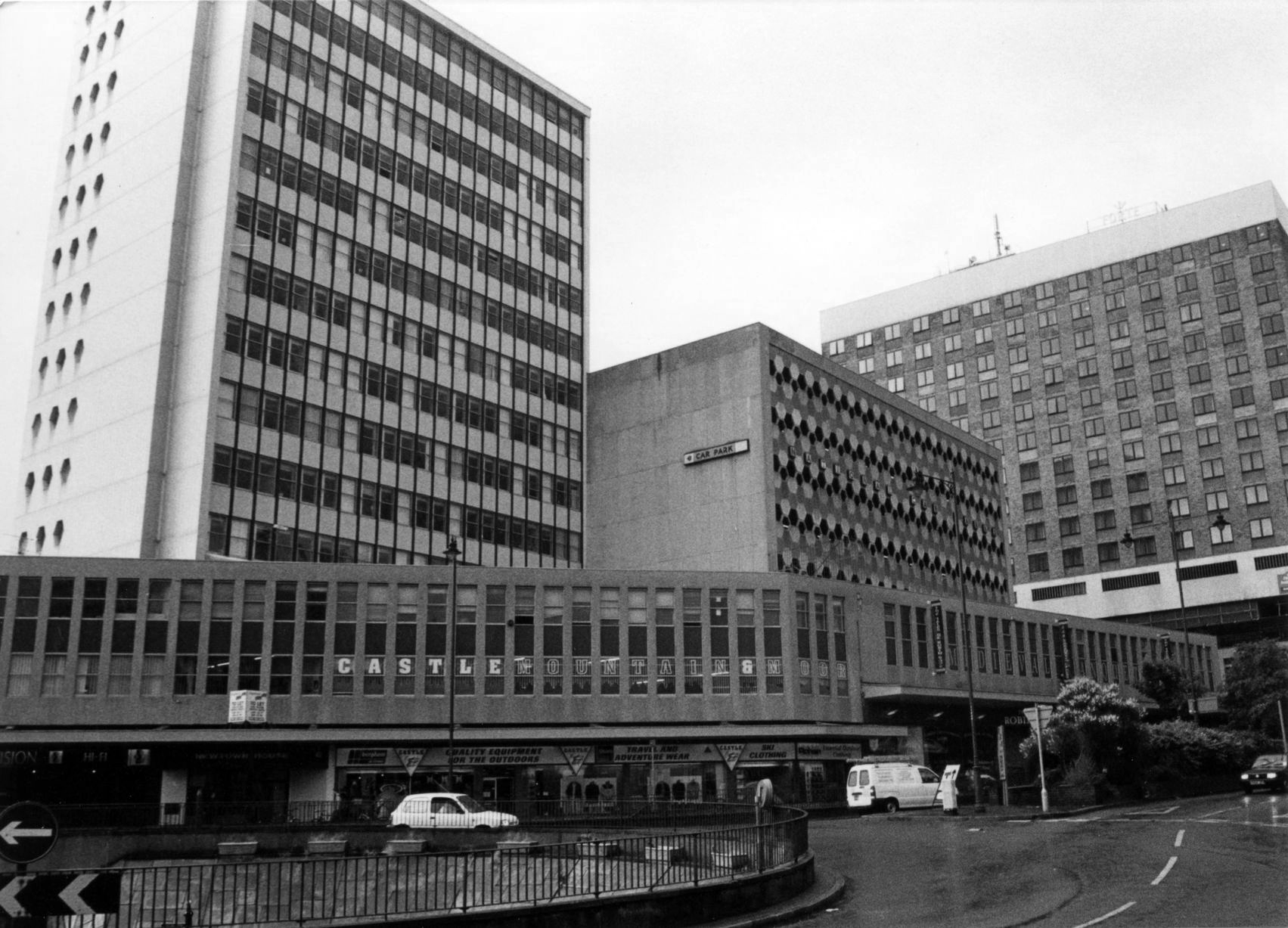
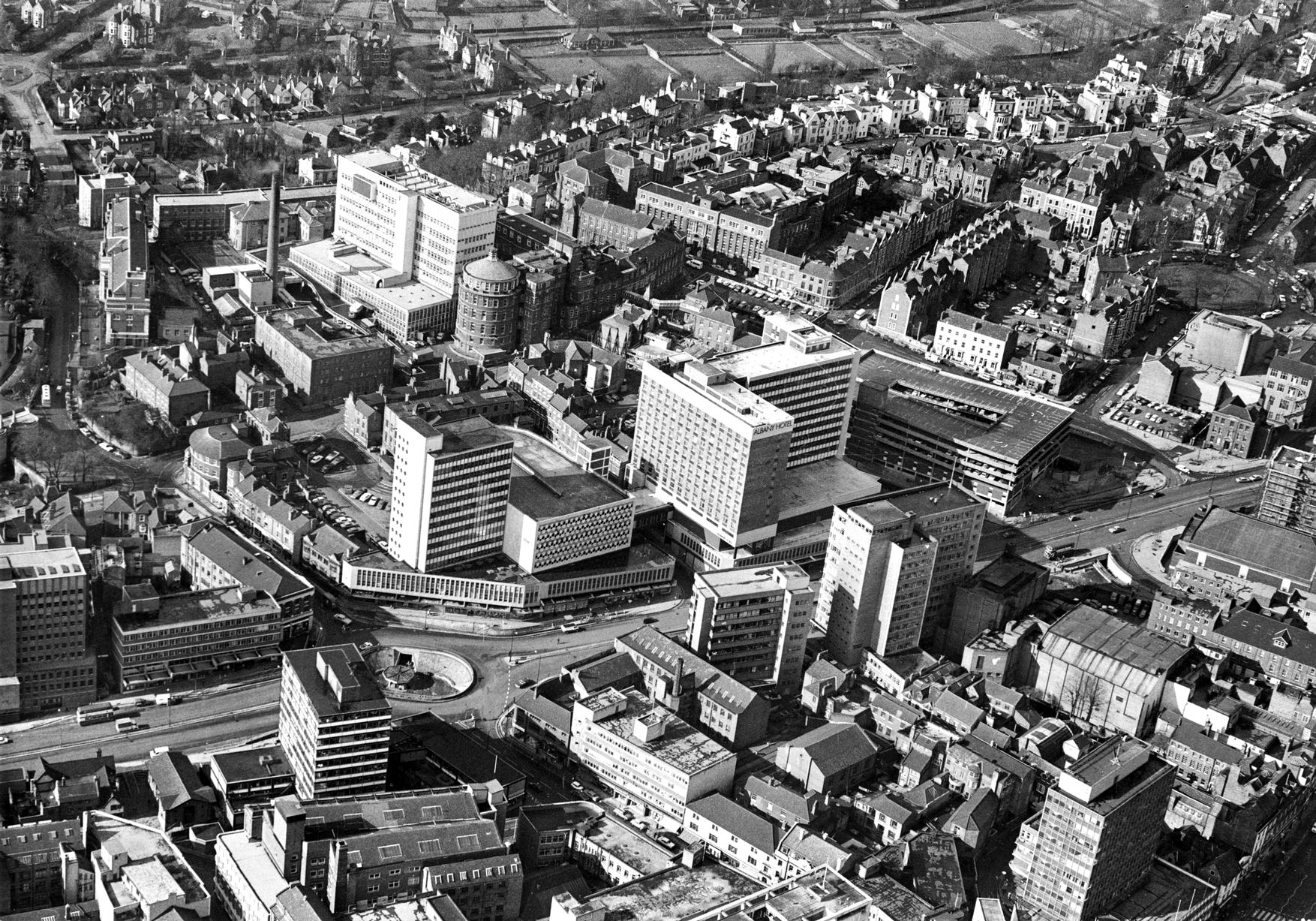
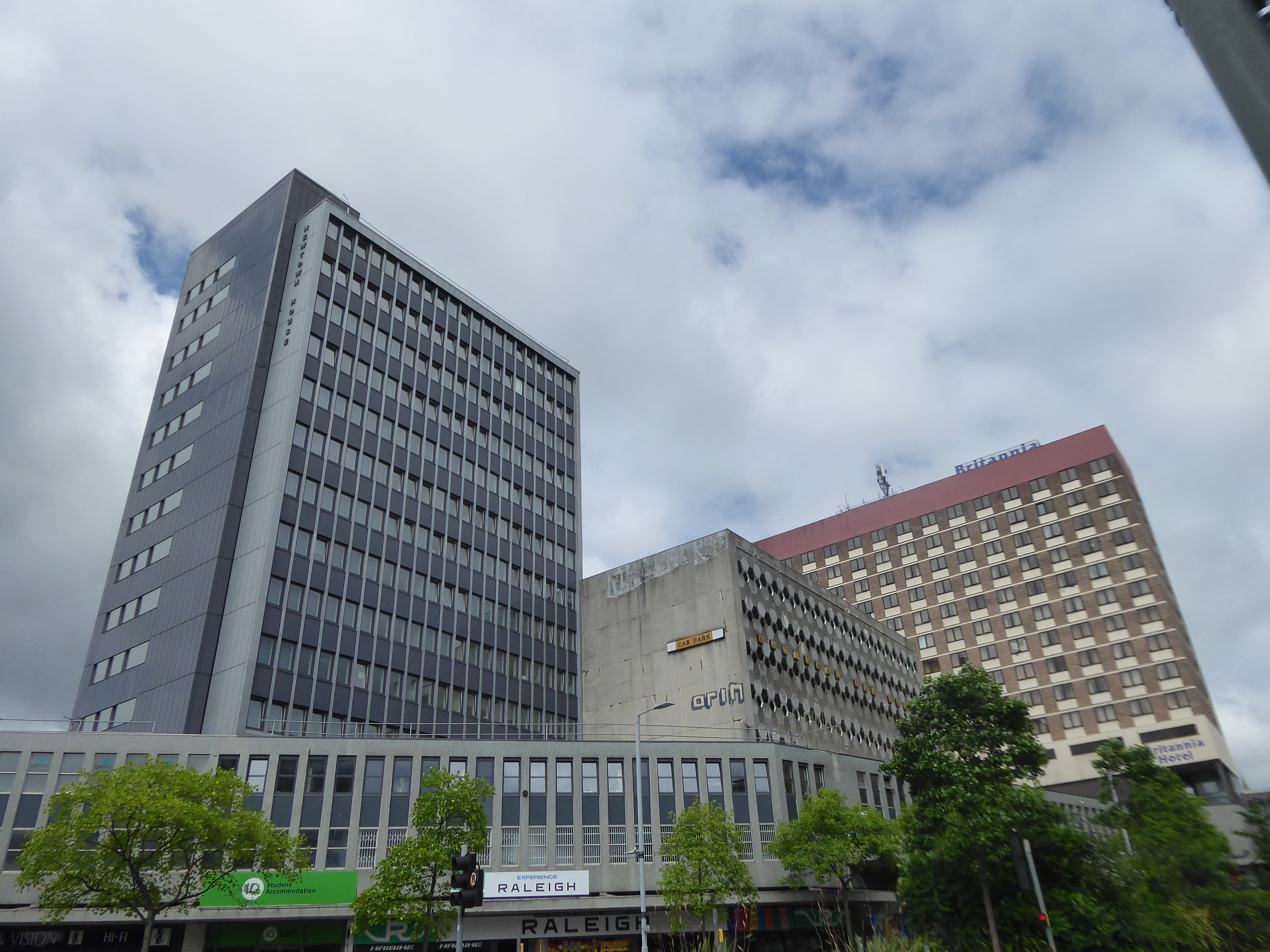
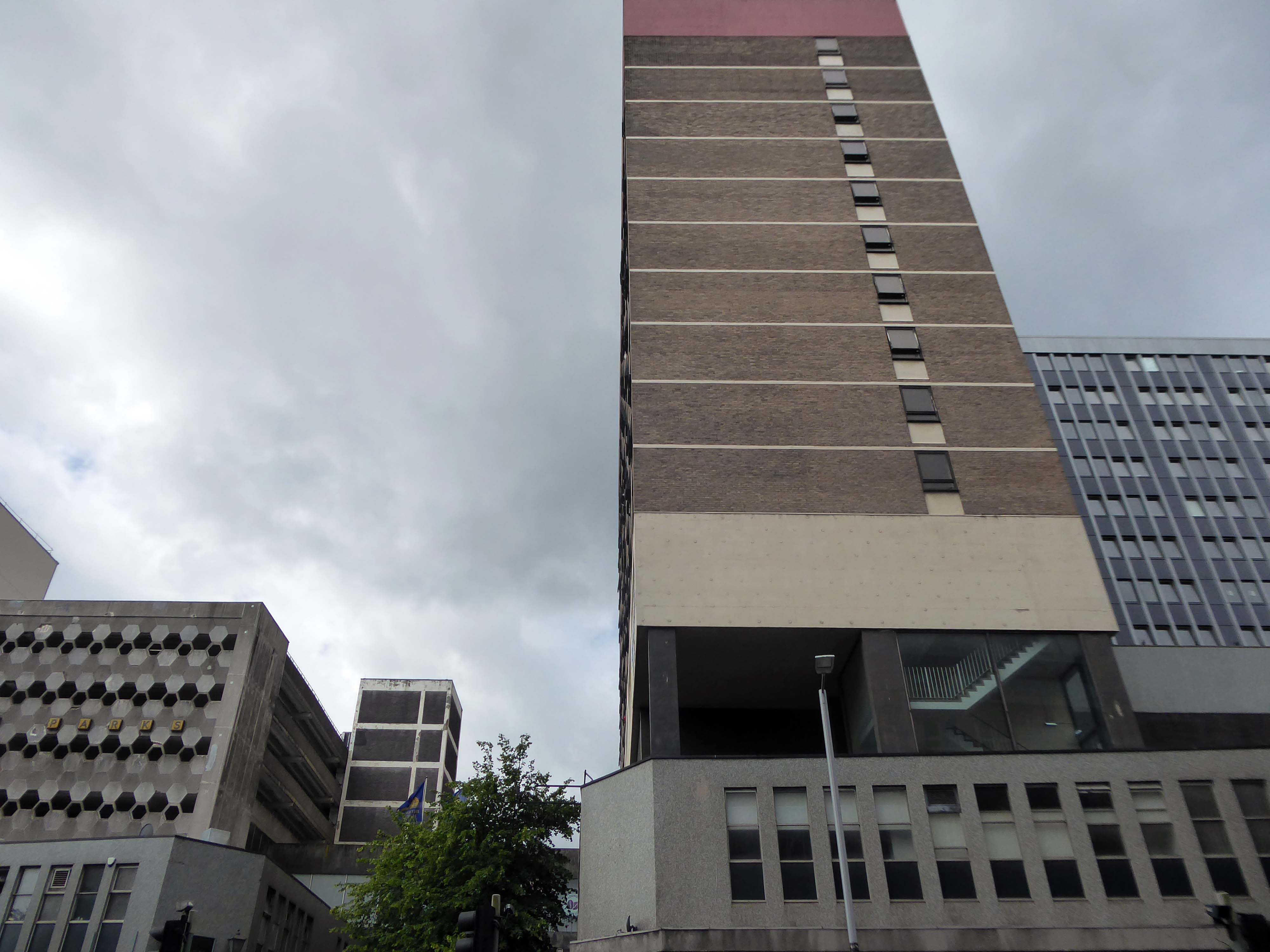
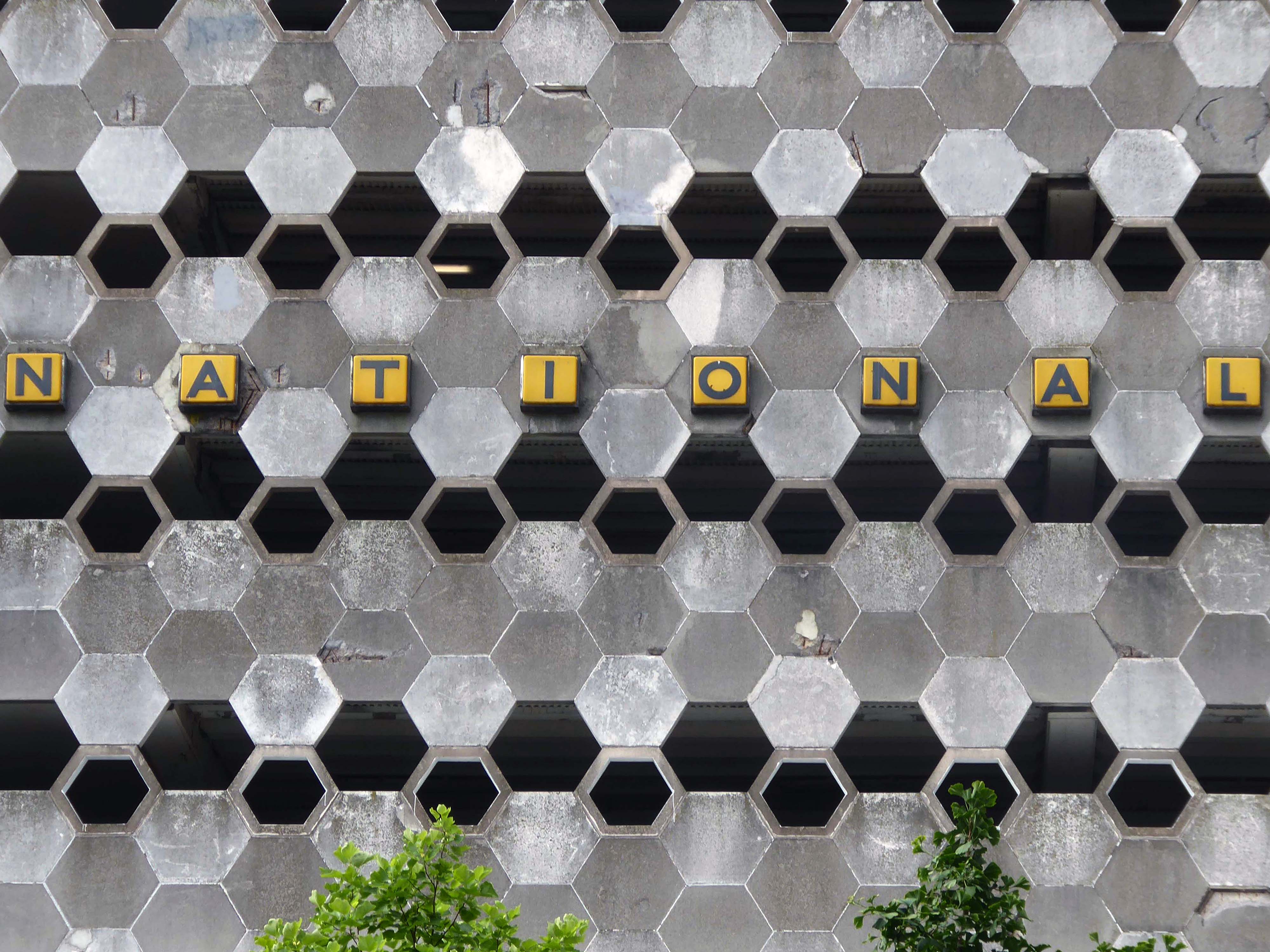
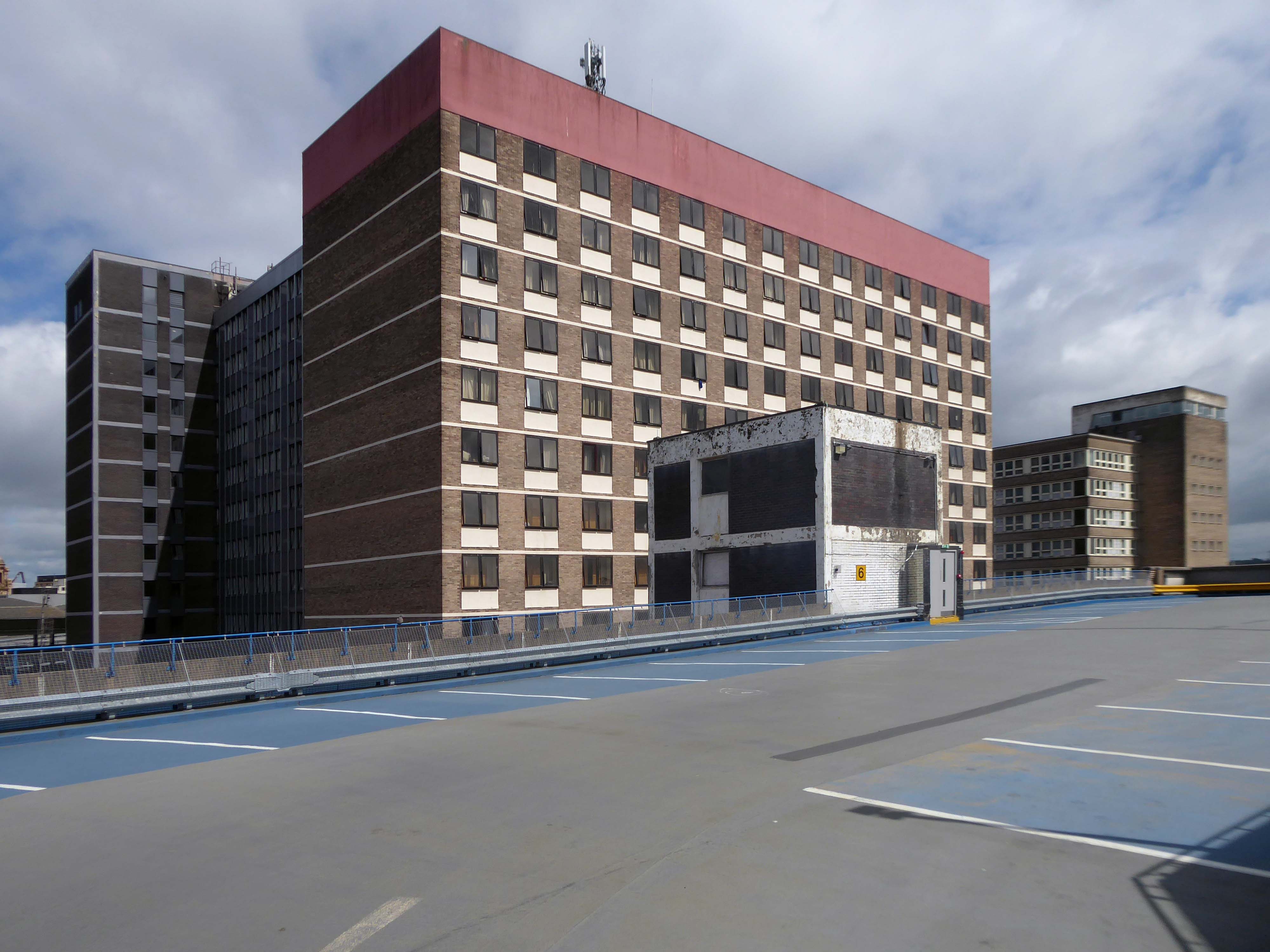
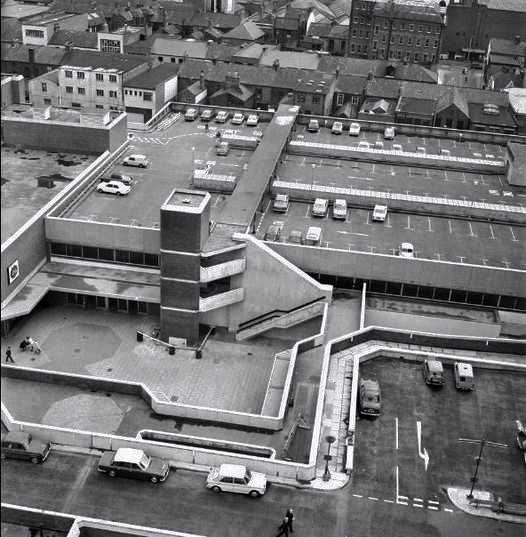
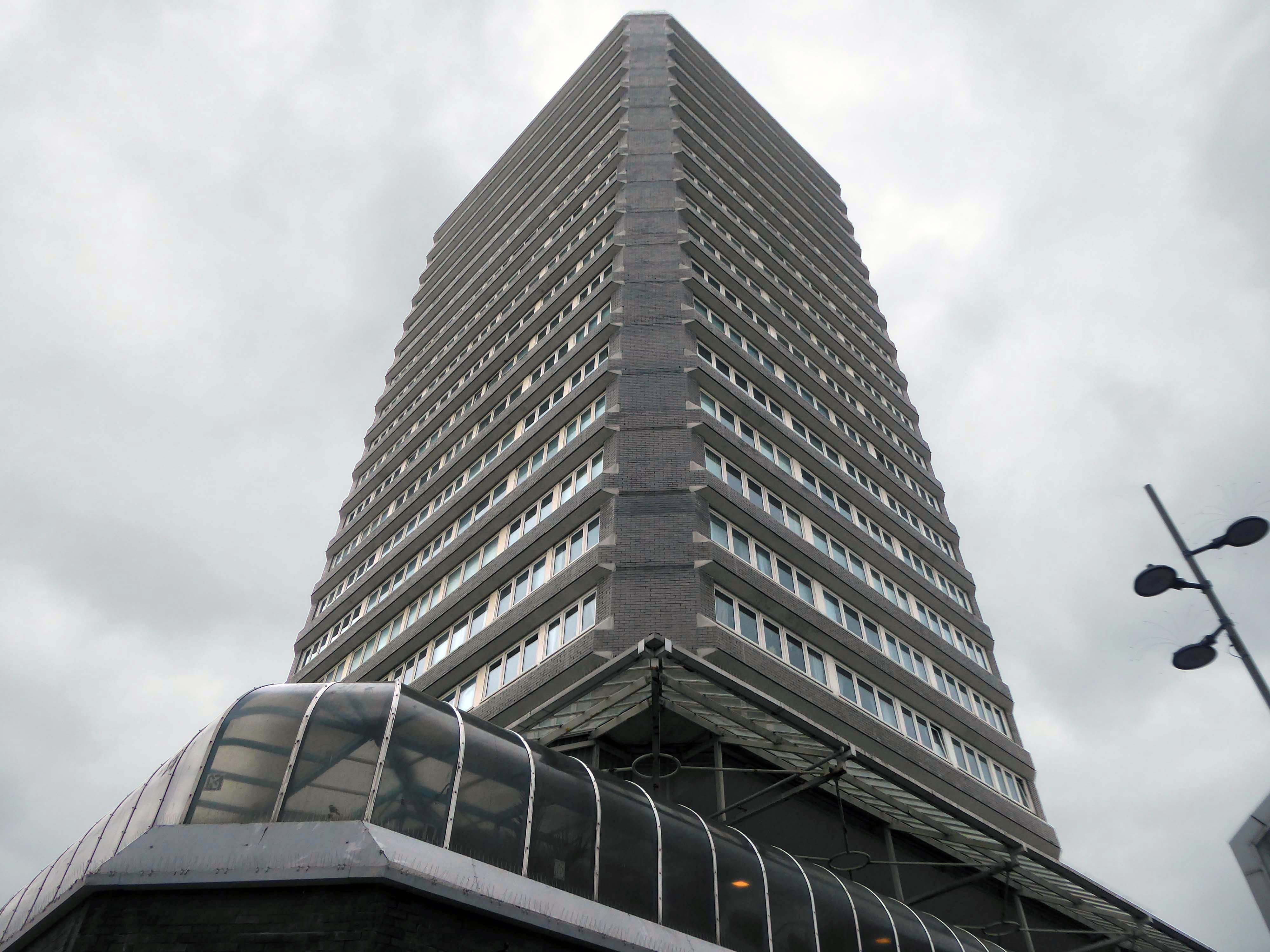
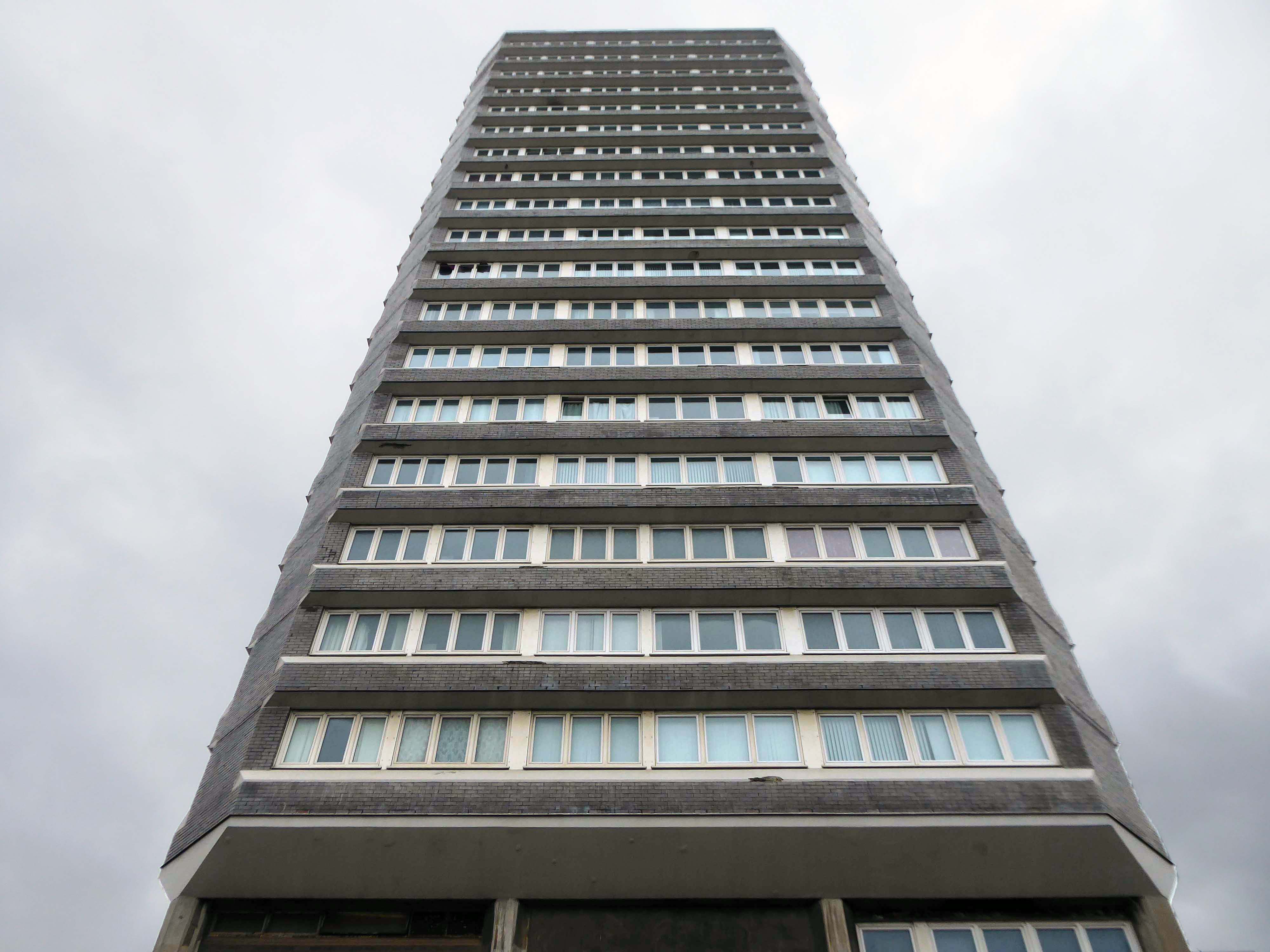
An overwhelming three-part development by John P Osborne & Sons. Phase 1 has a multi-storey car park 1962 above shops; followed by the fifteen-storey Britannic Hotel 1966, elevations by James Roberts.
Elain Harwood
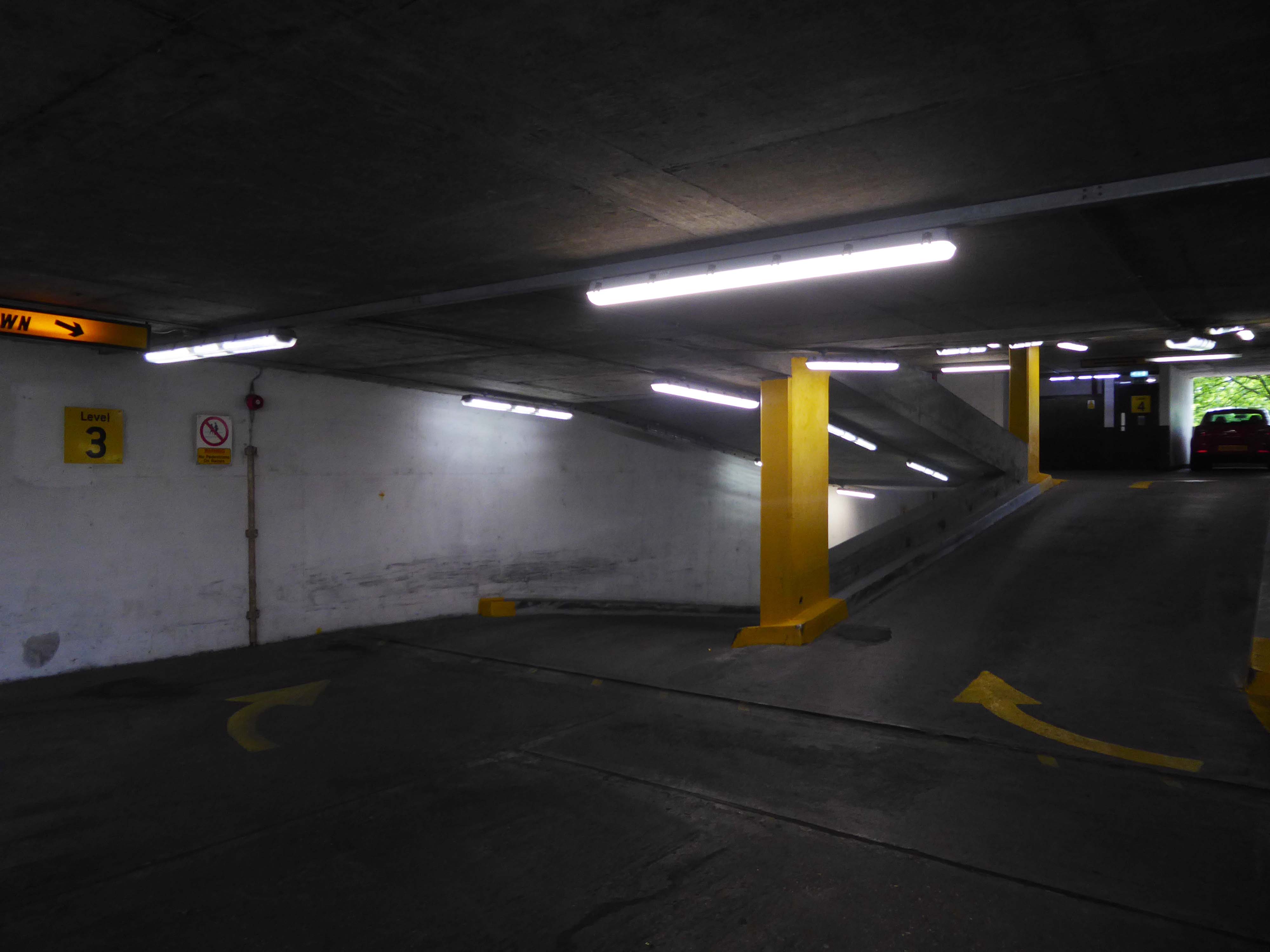
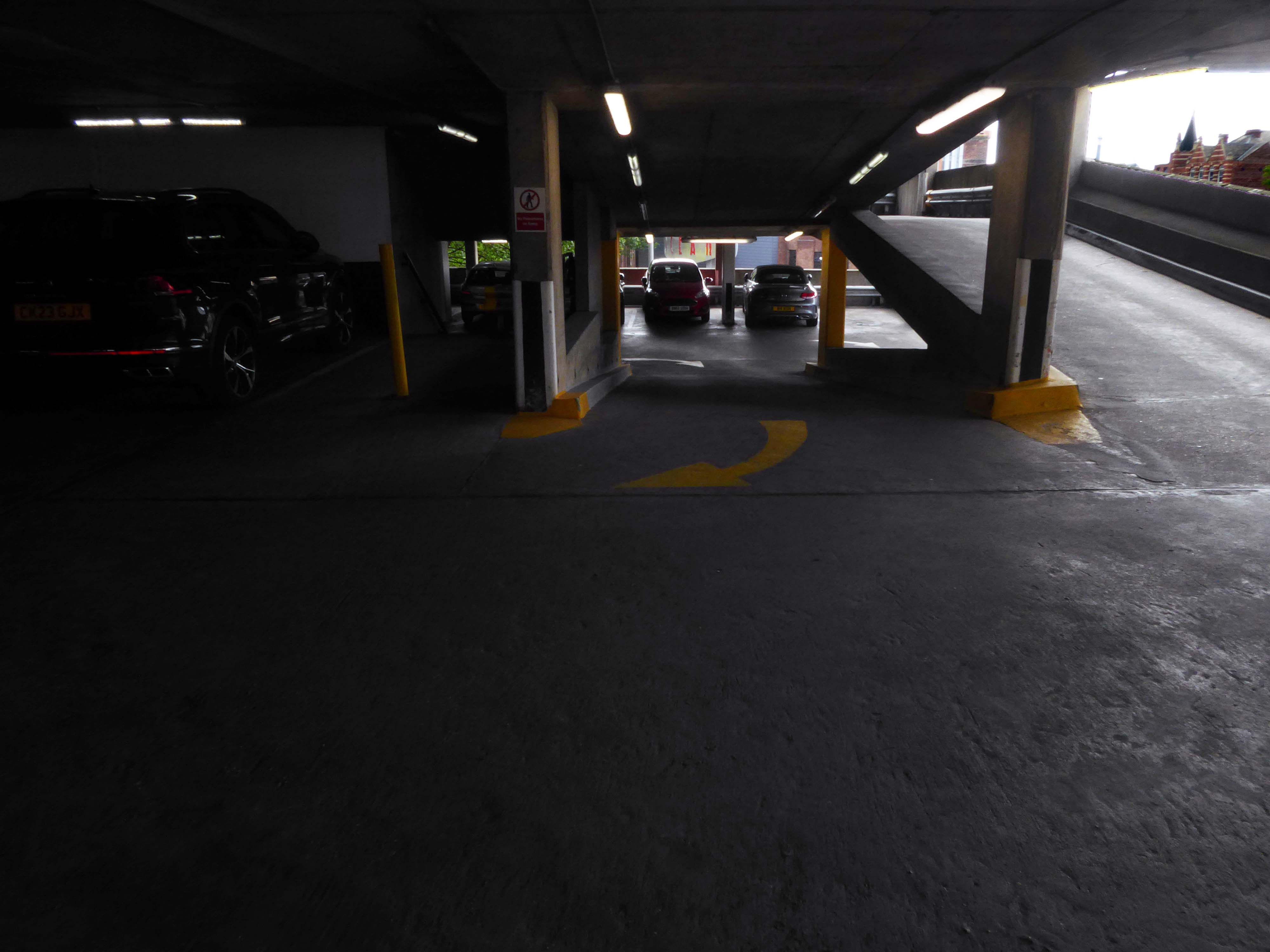
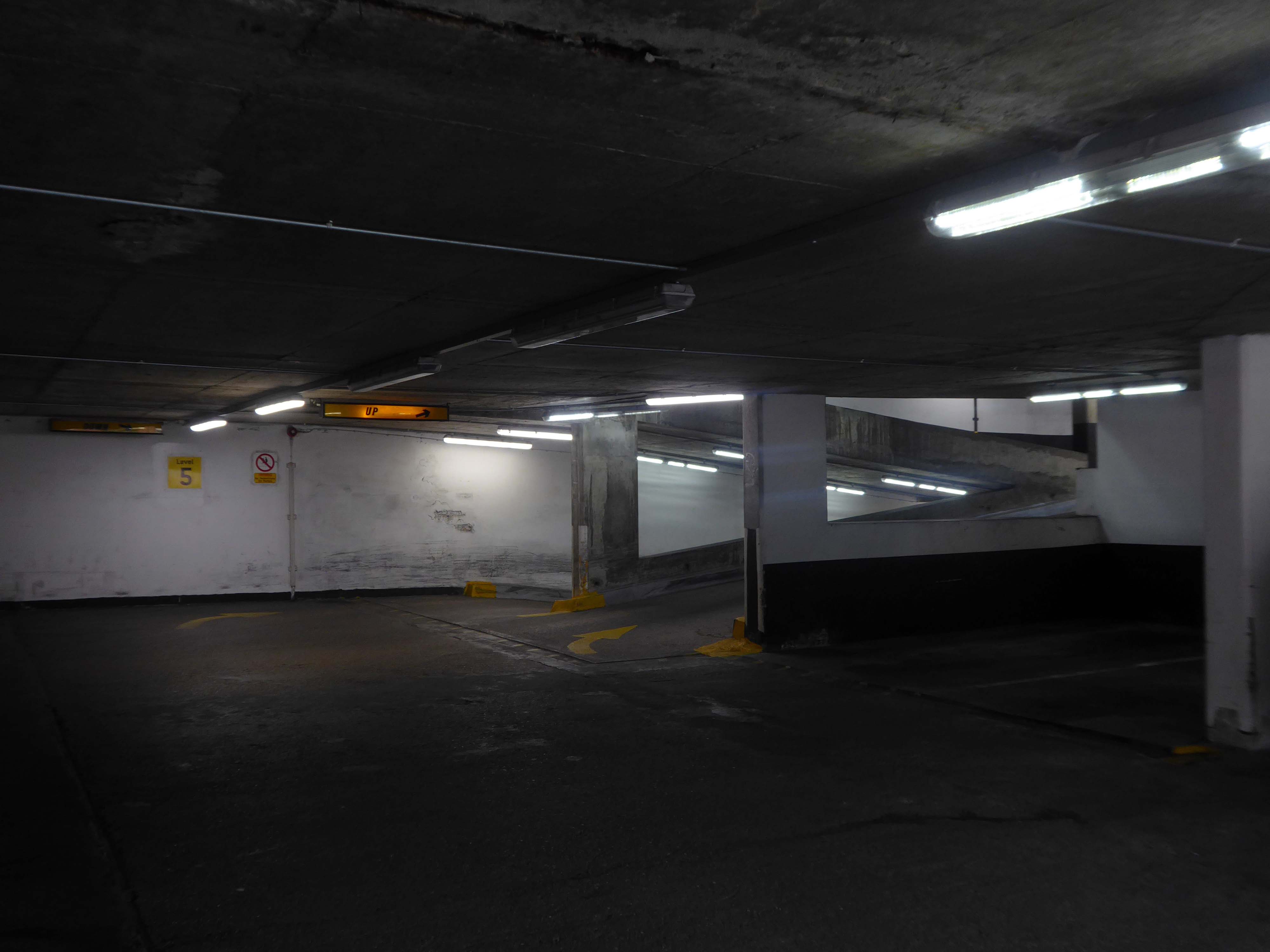
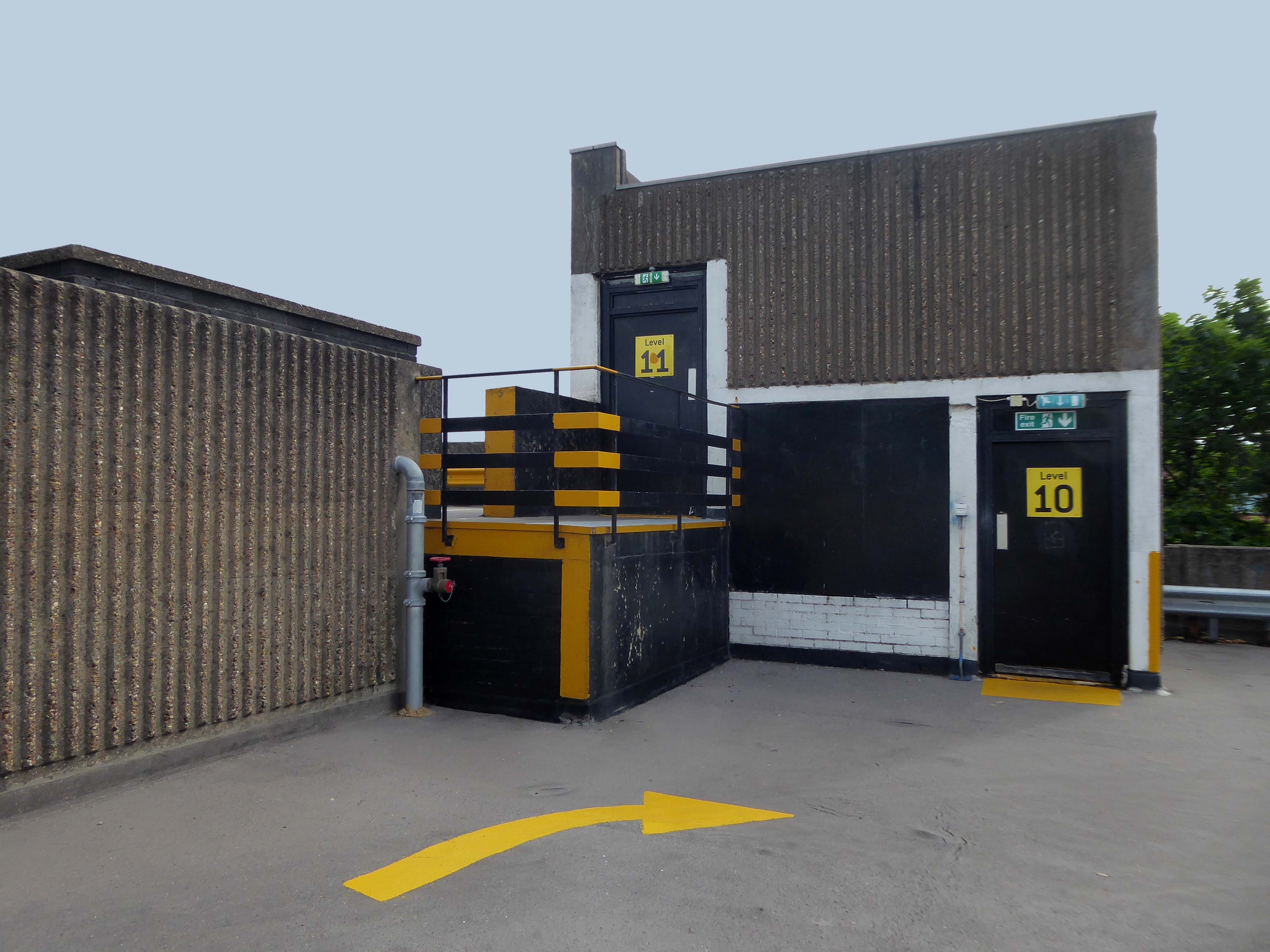
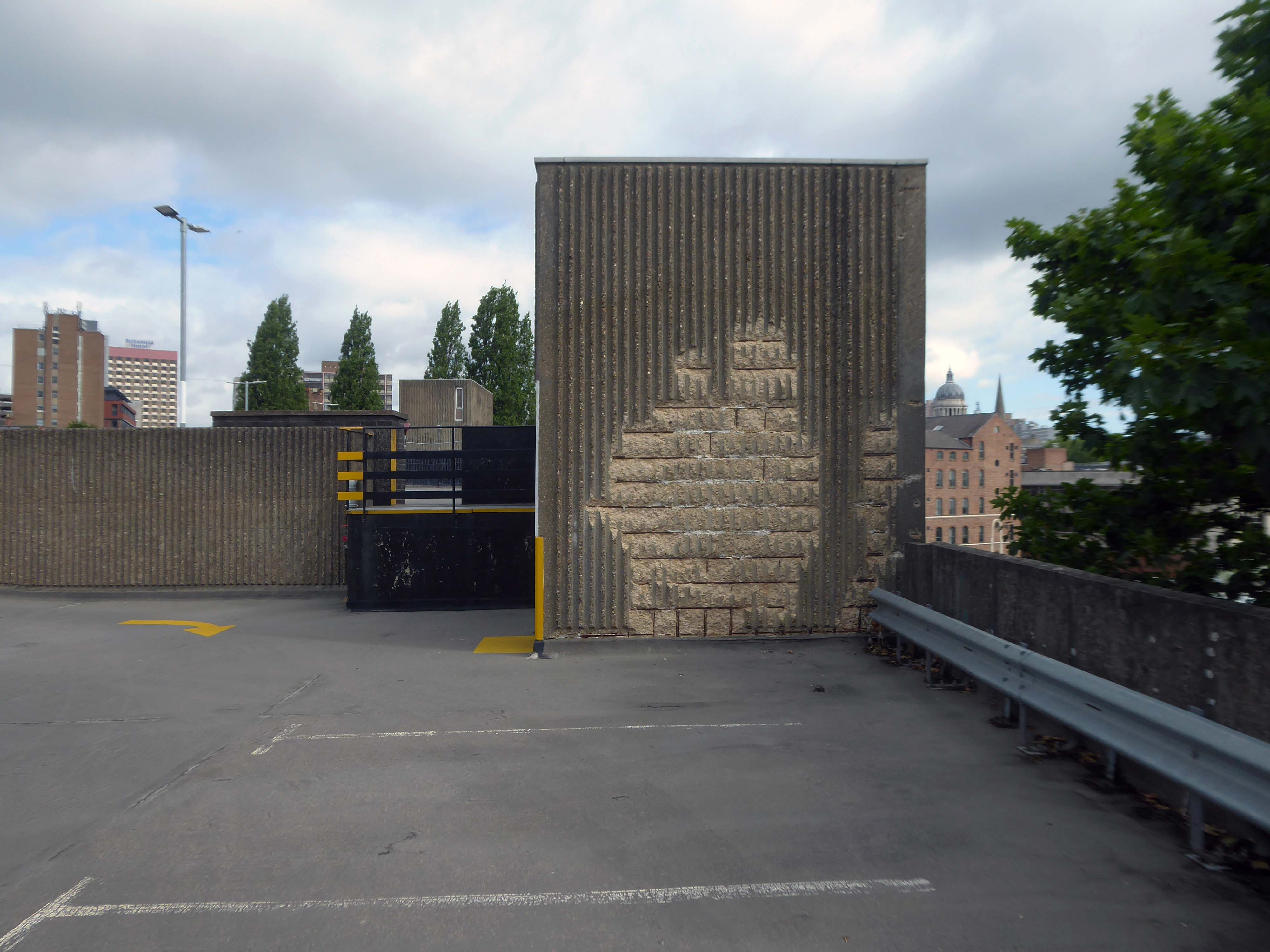
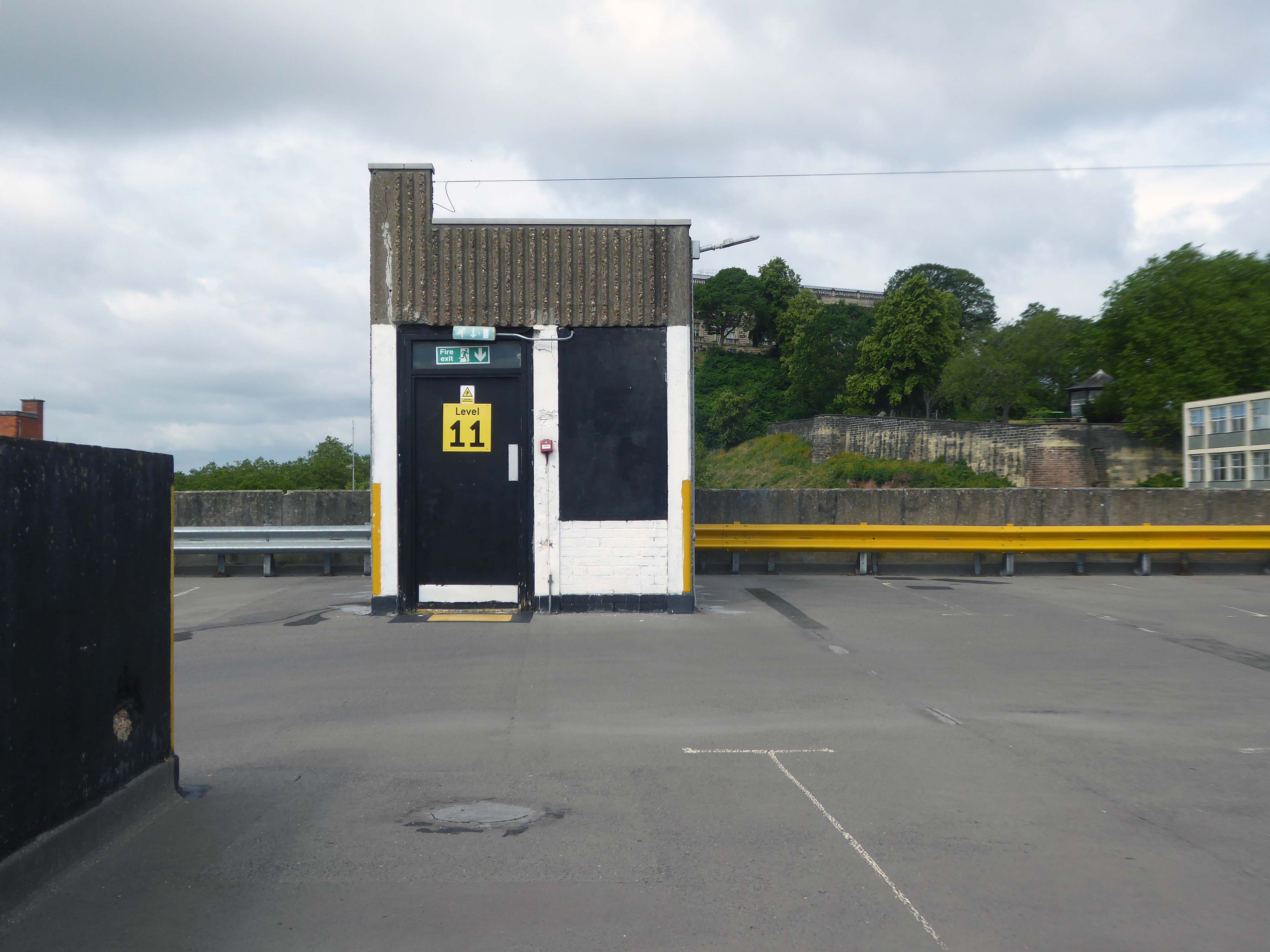
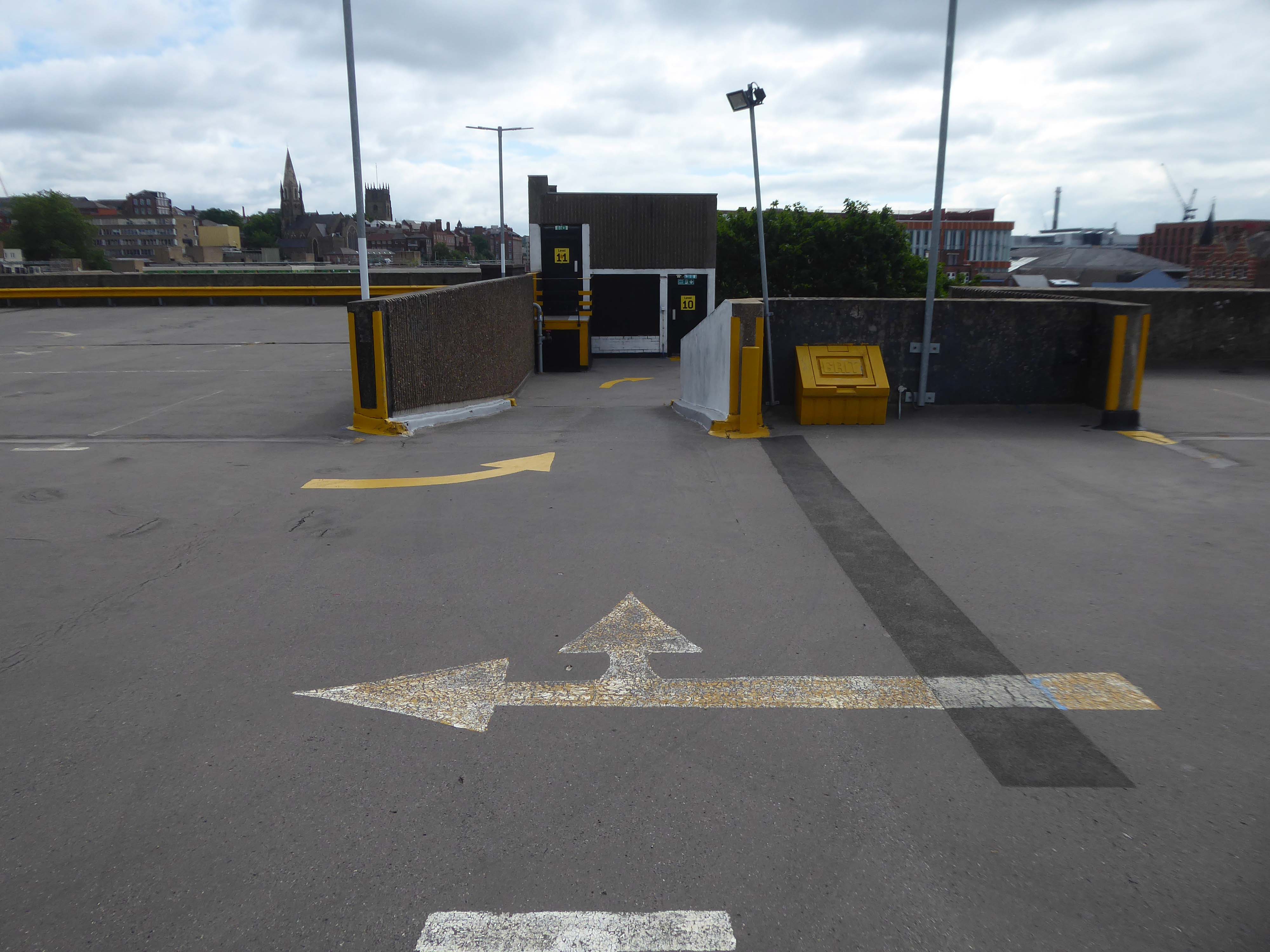
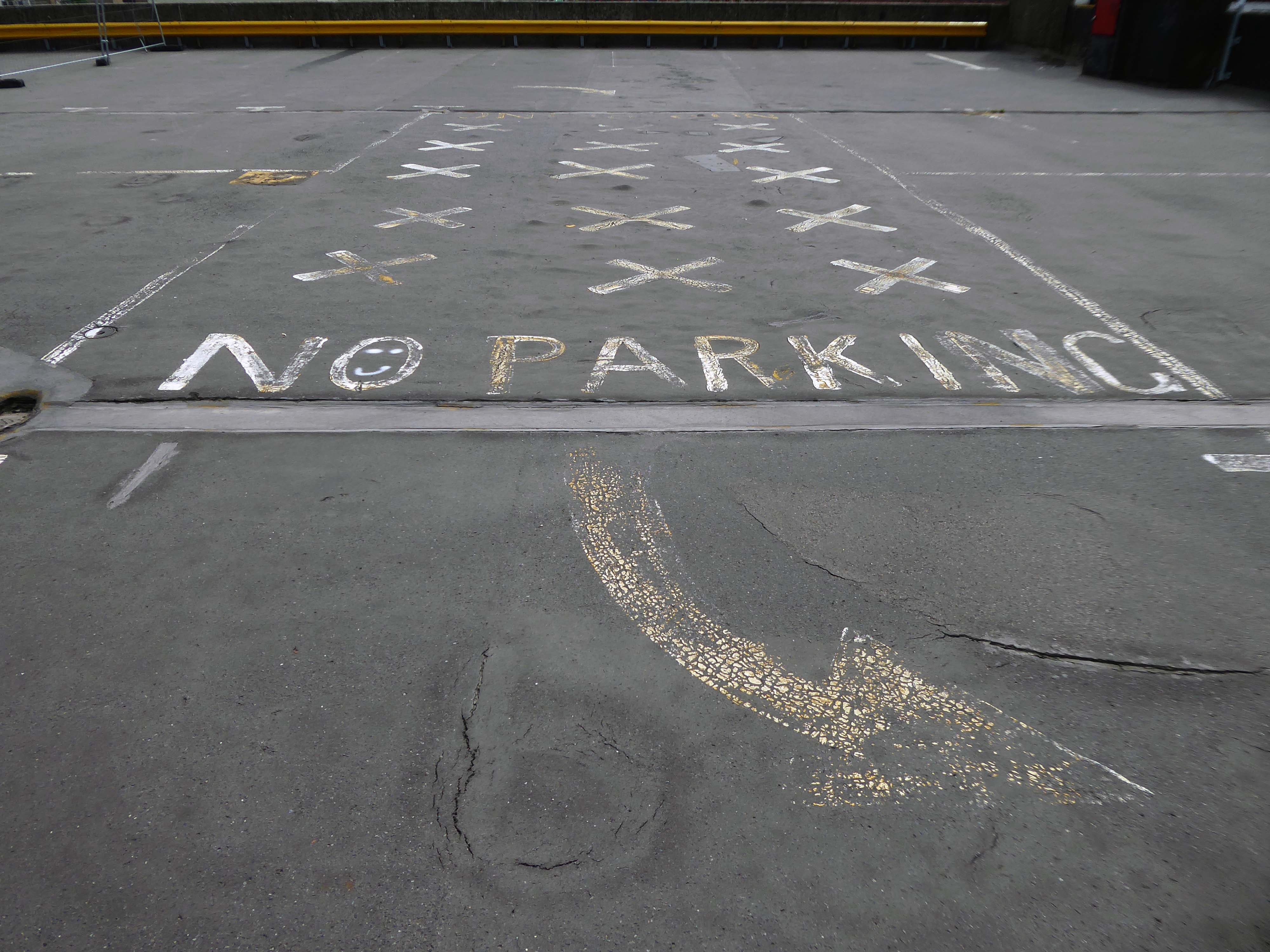
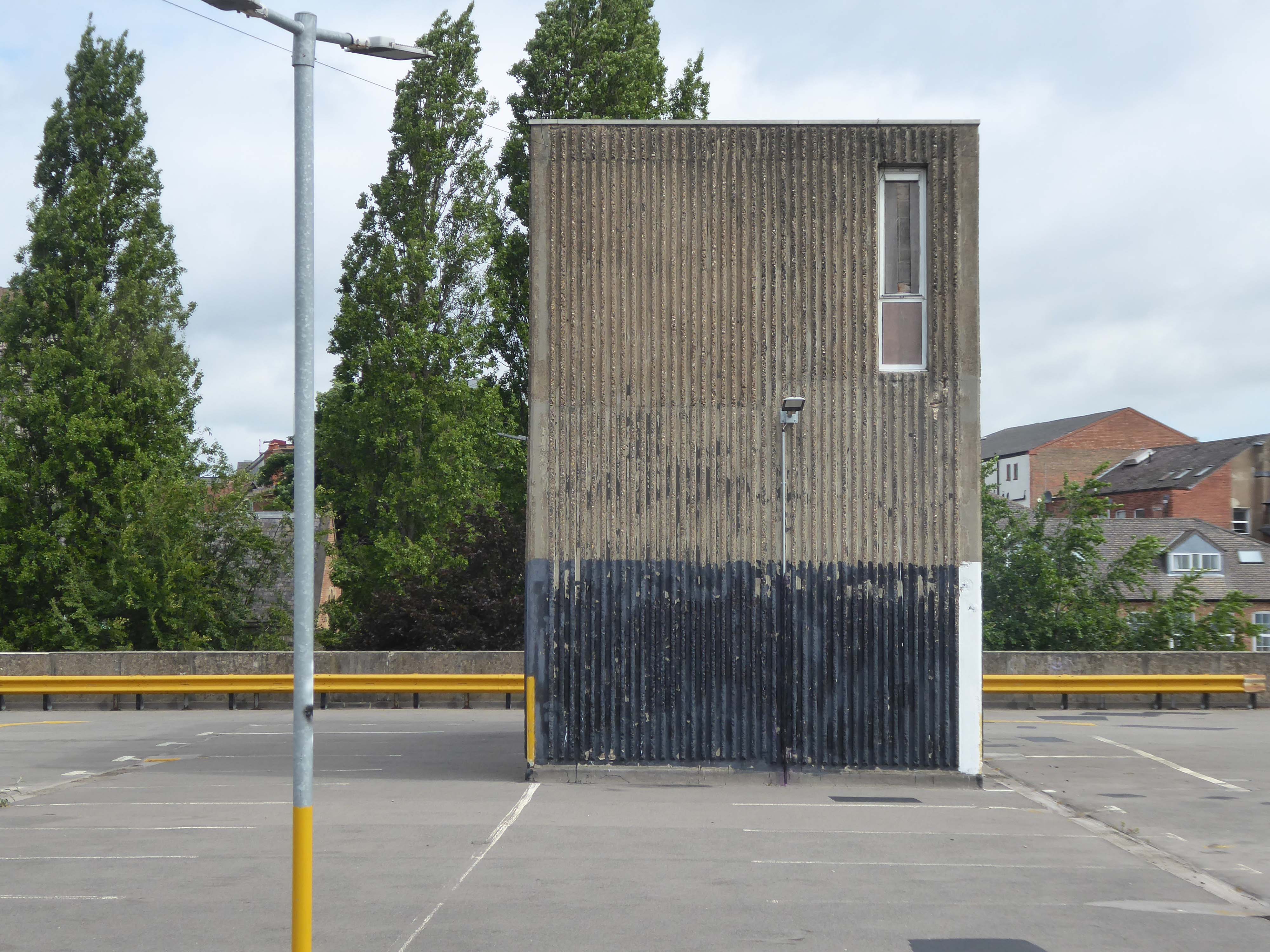
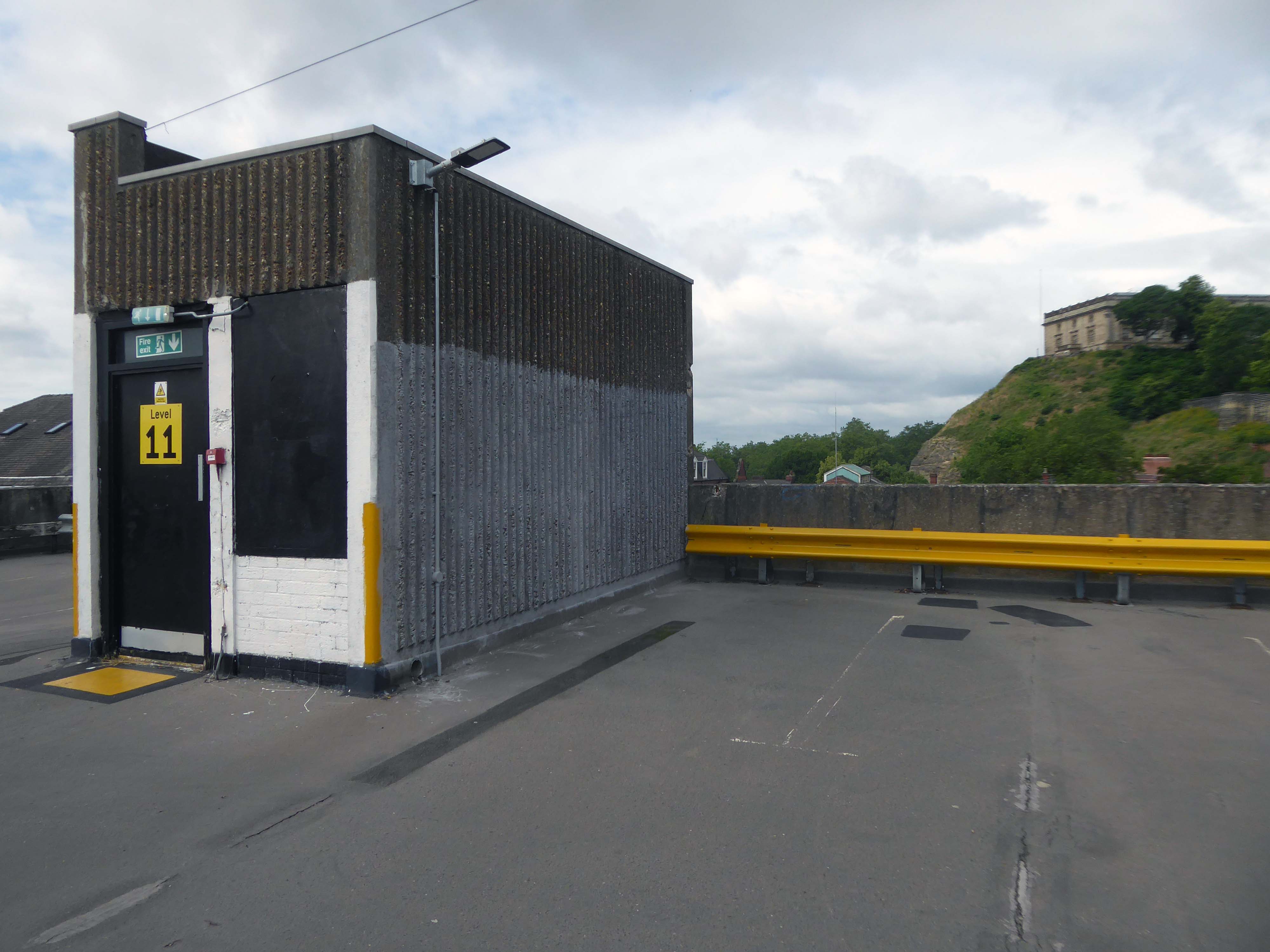
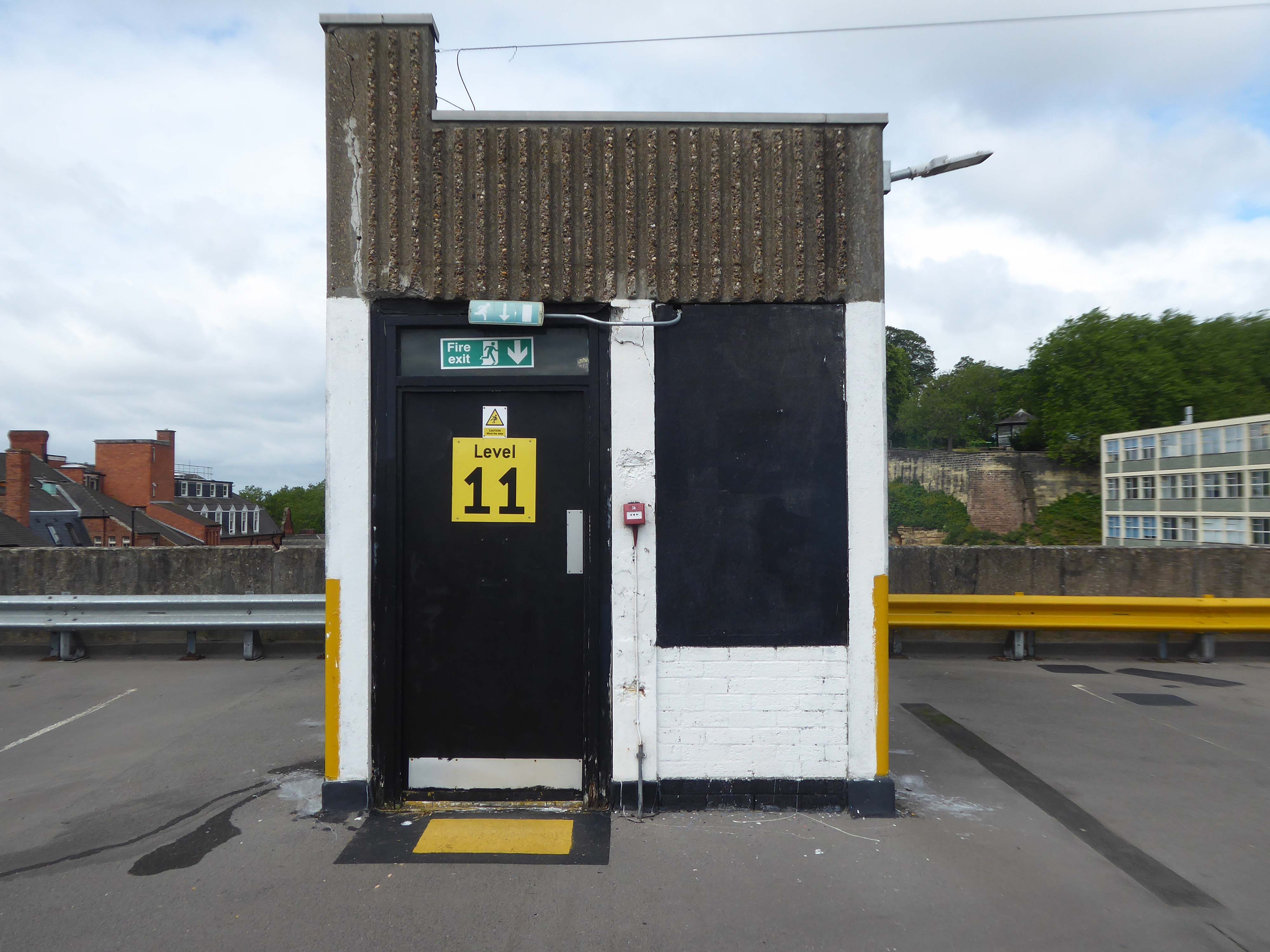
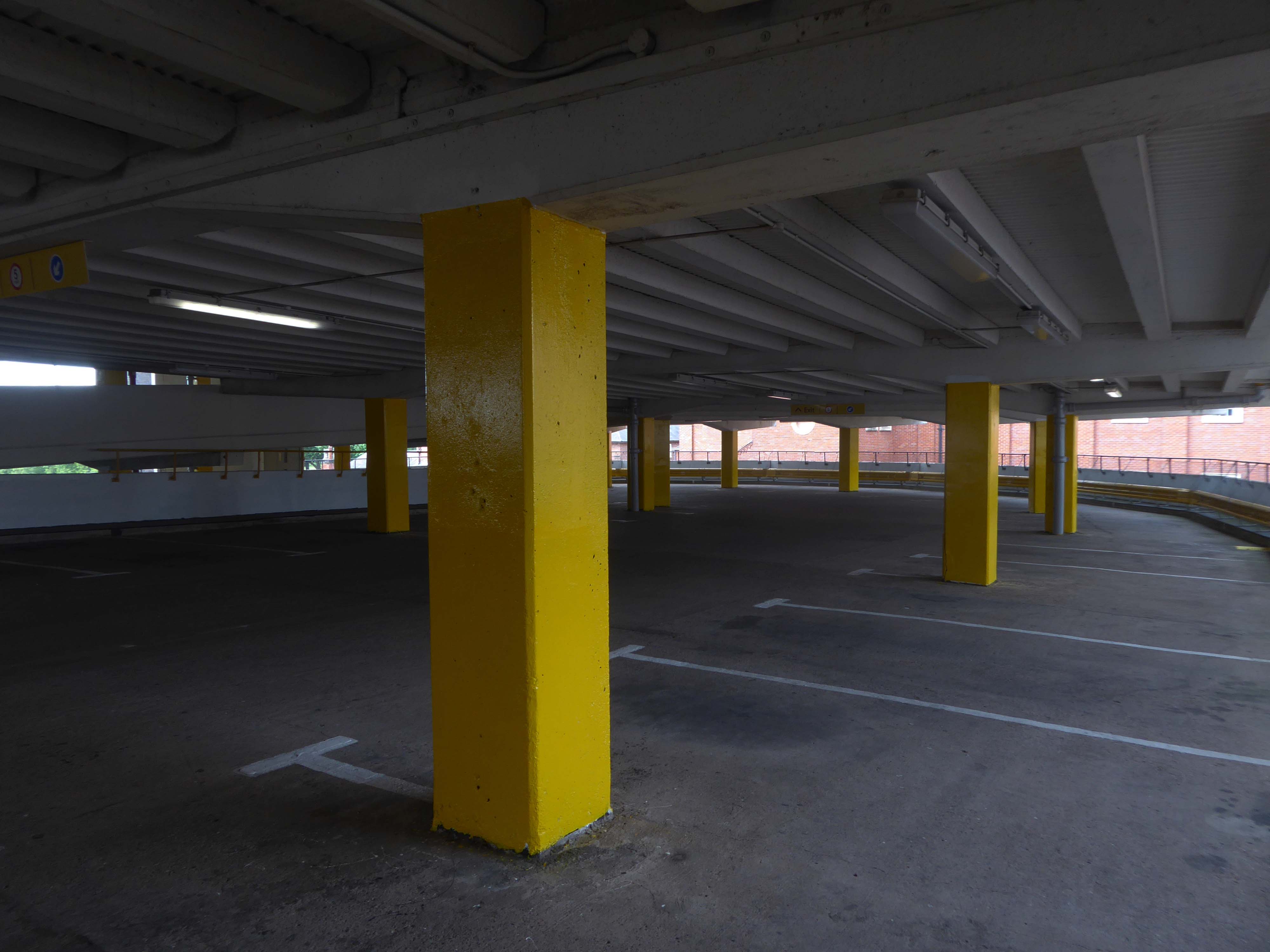
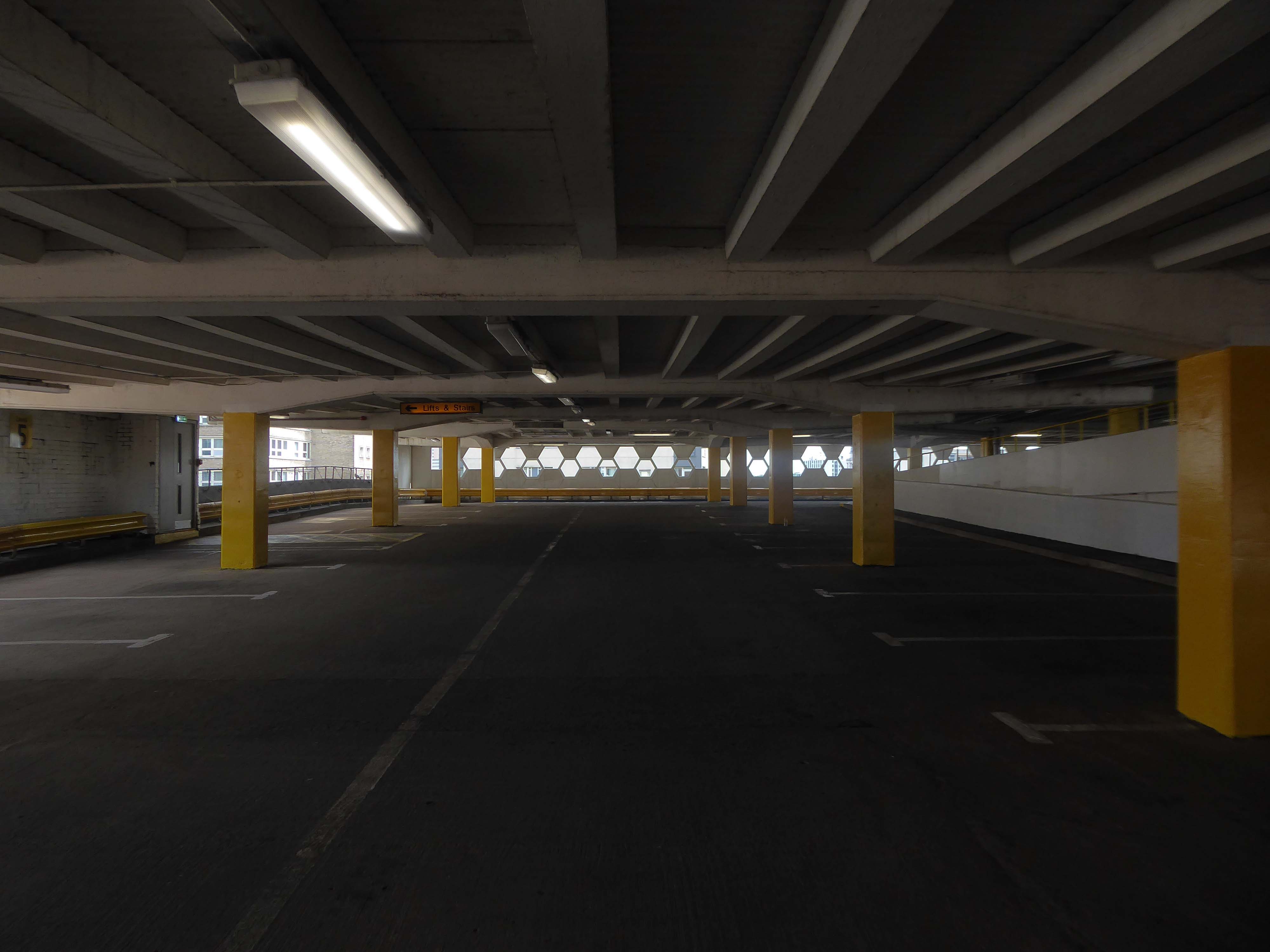
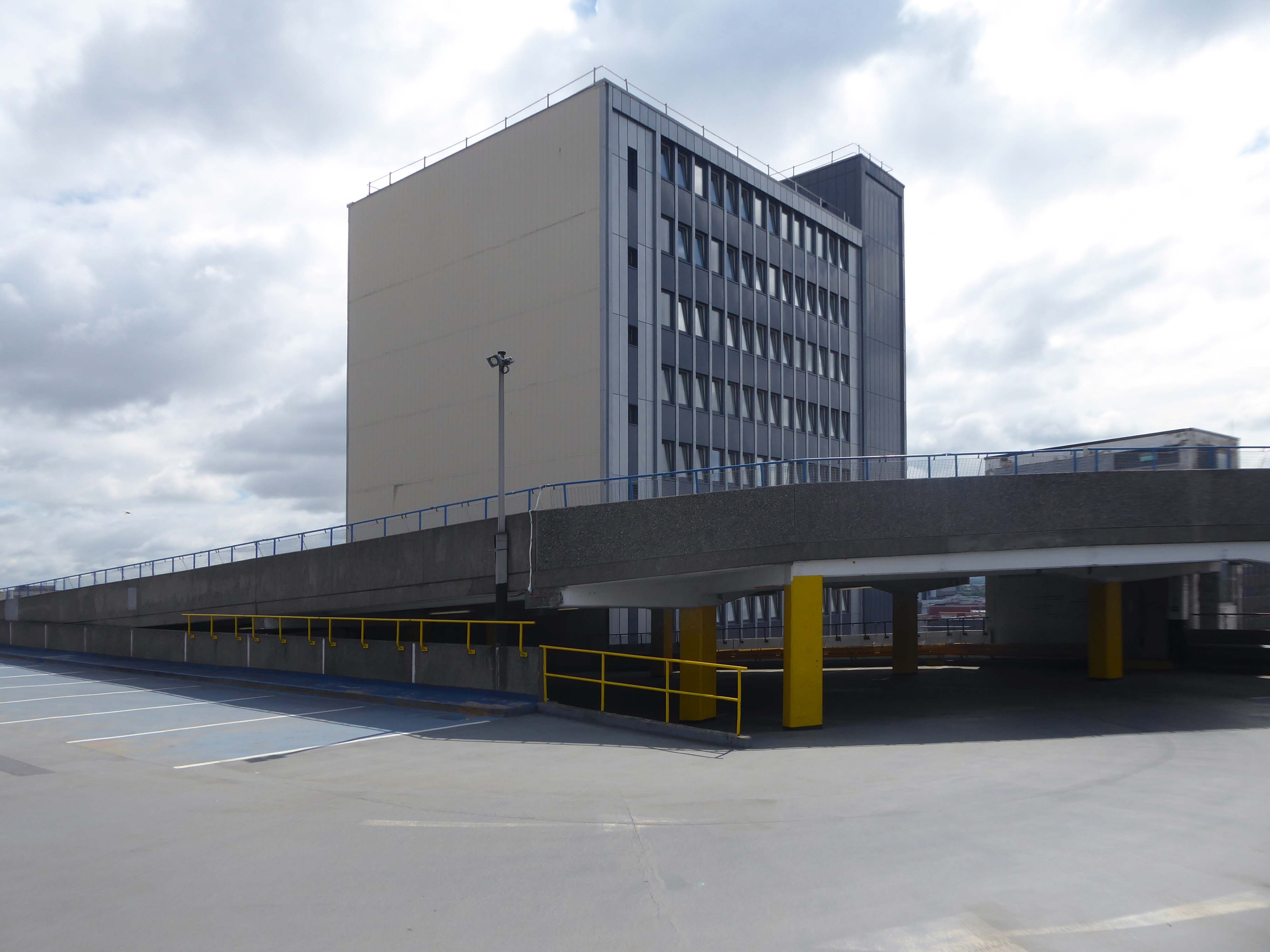
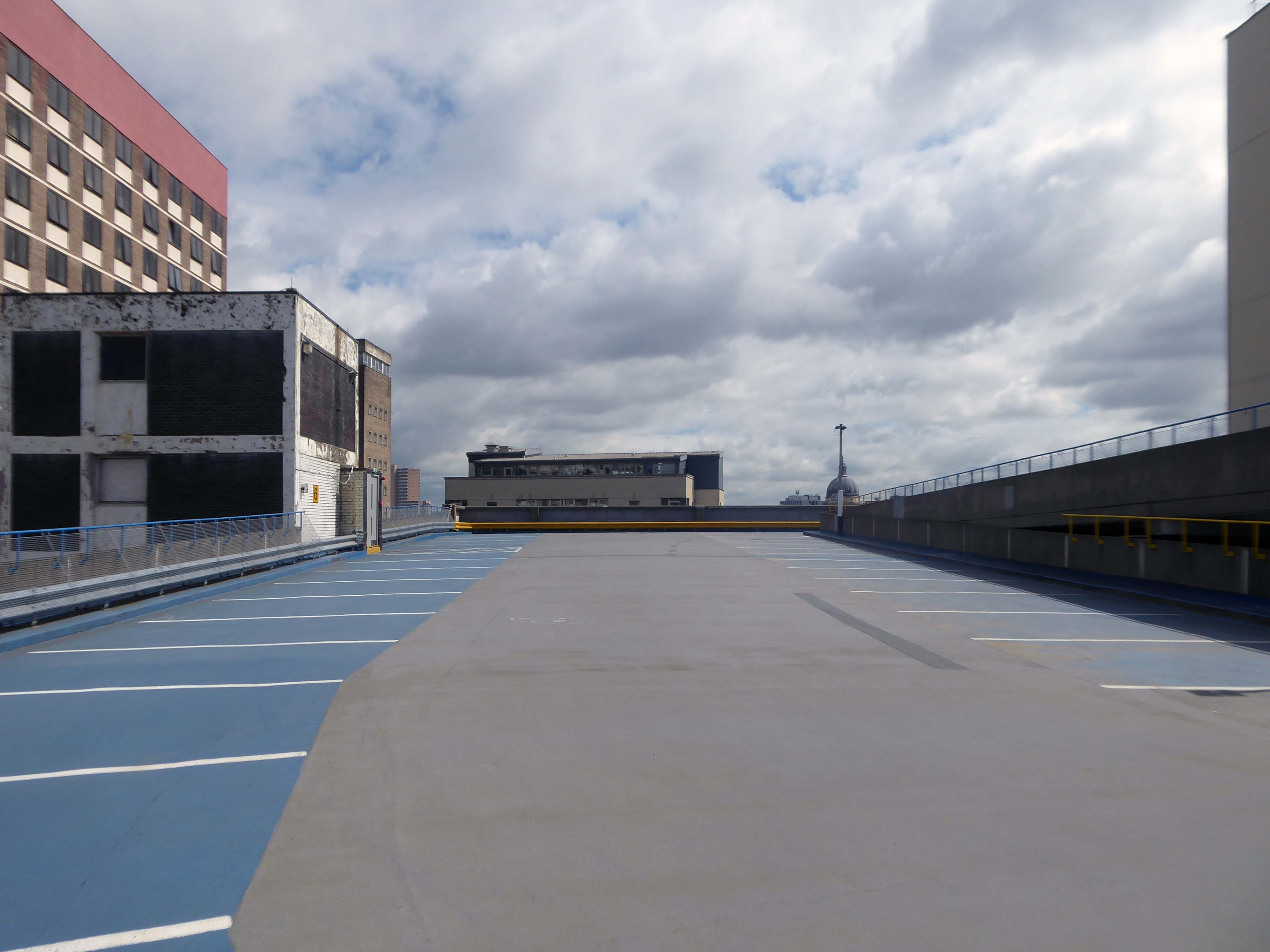
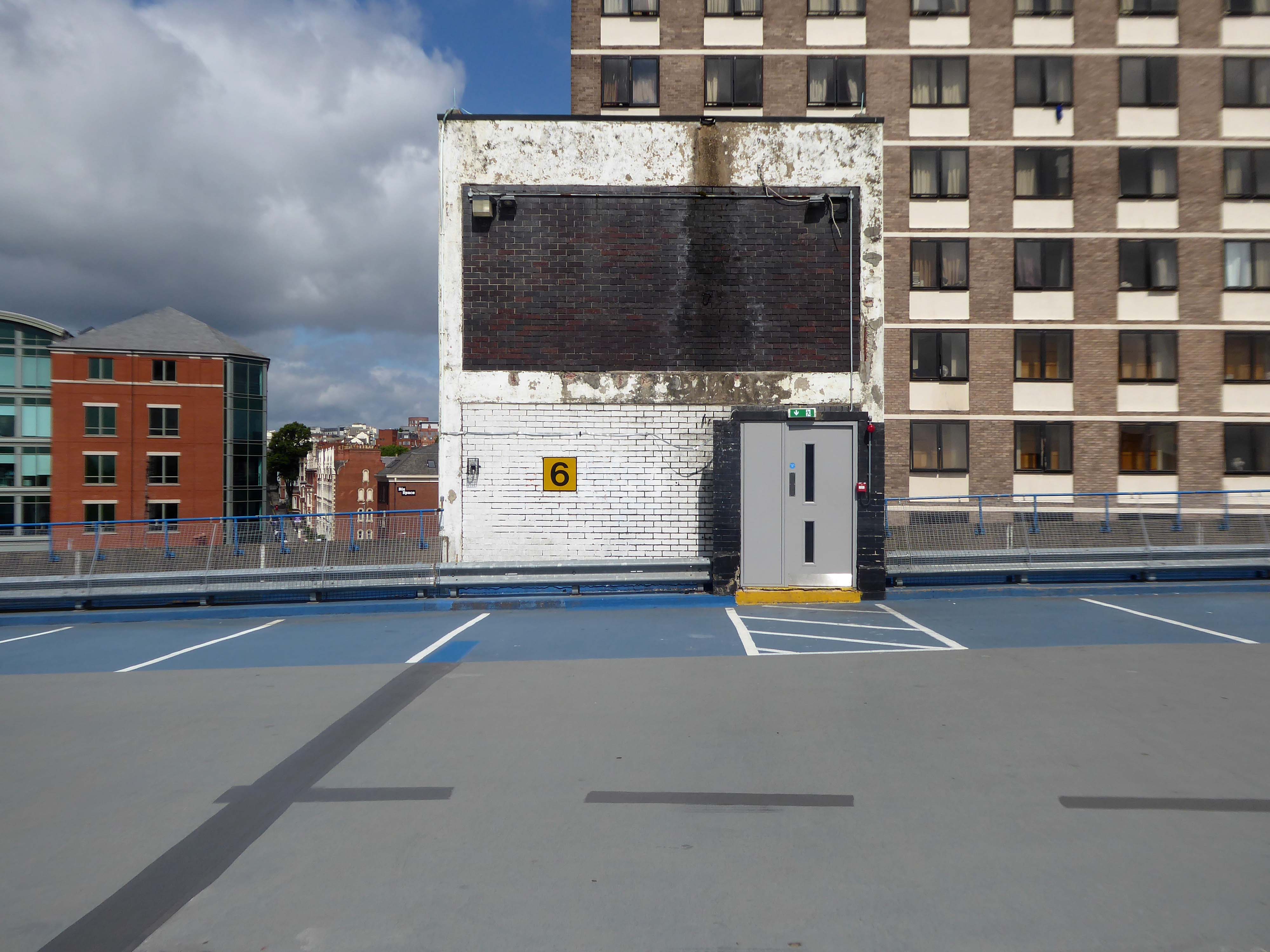
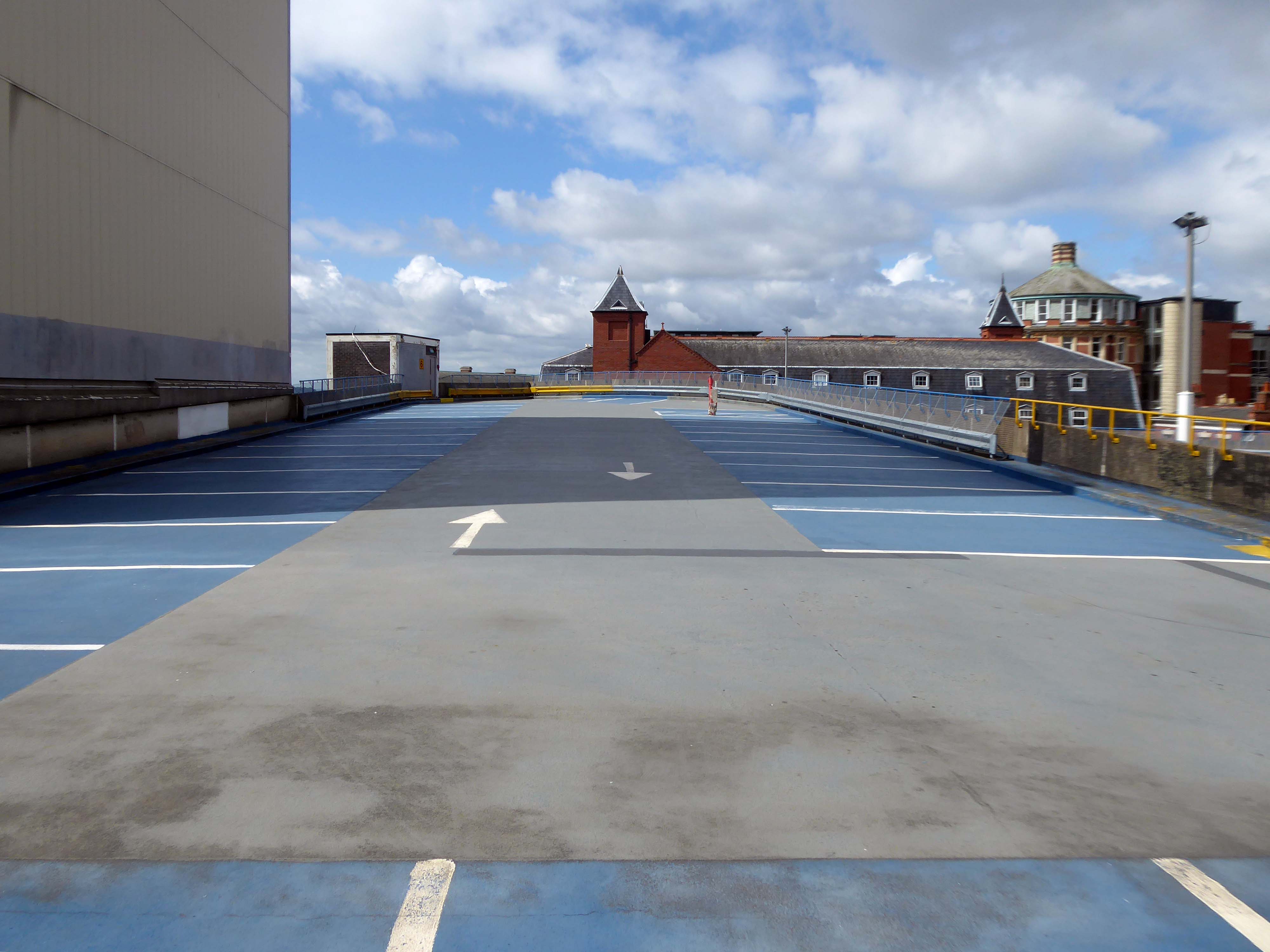
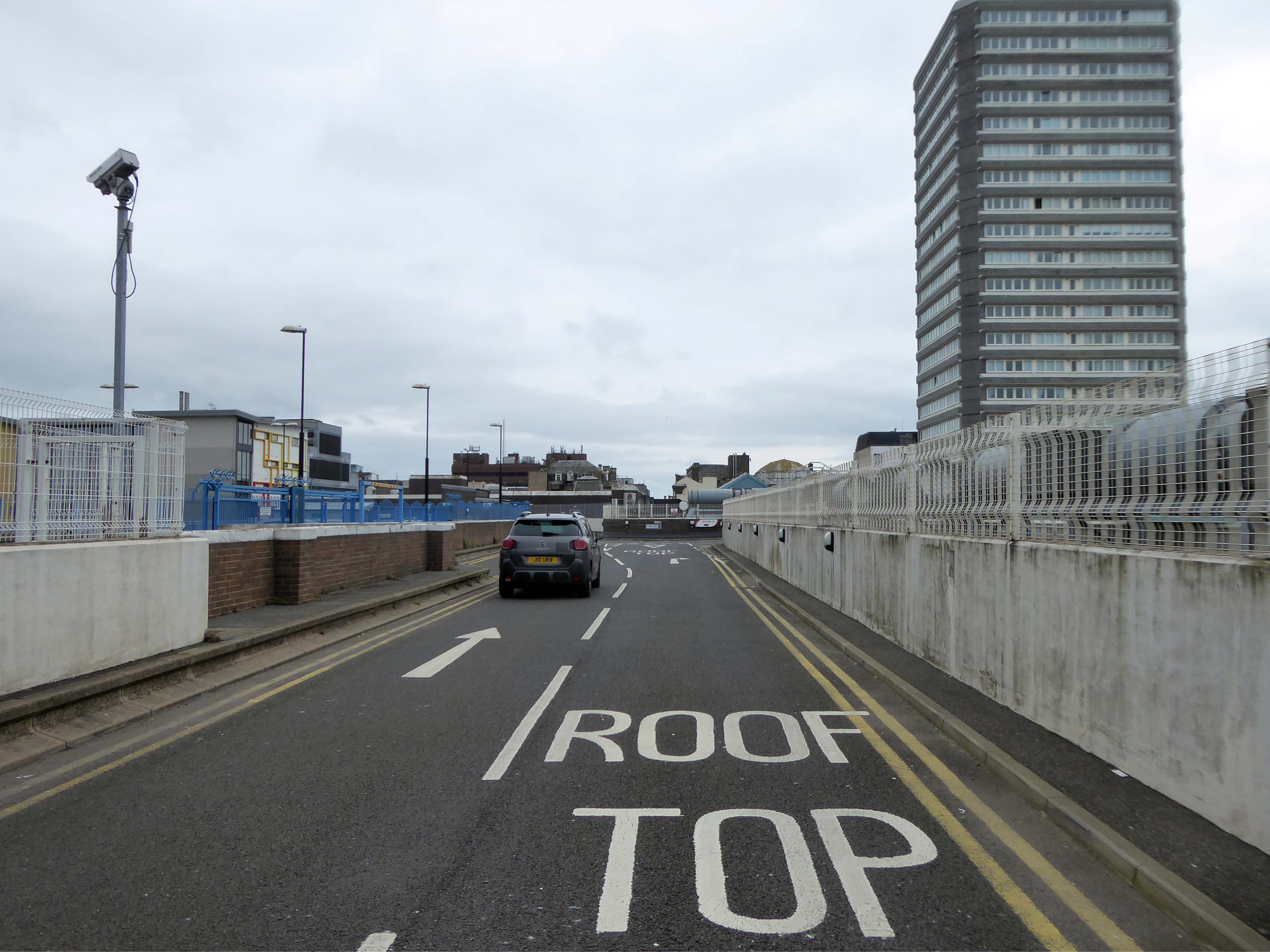
Eschewing the pedestrian entrance, I ascended the ramp – walk like a car!
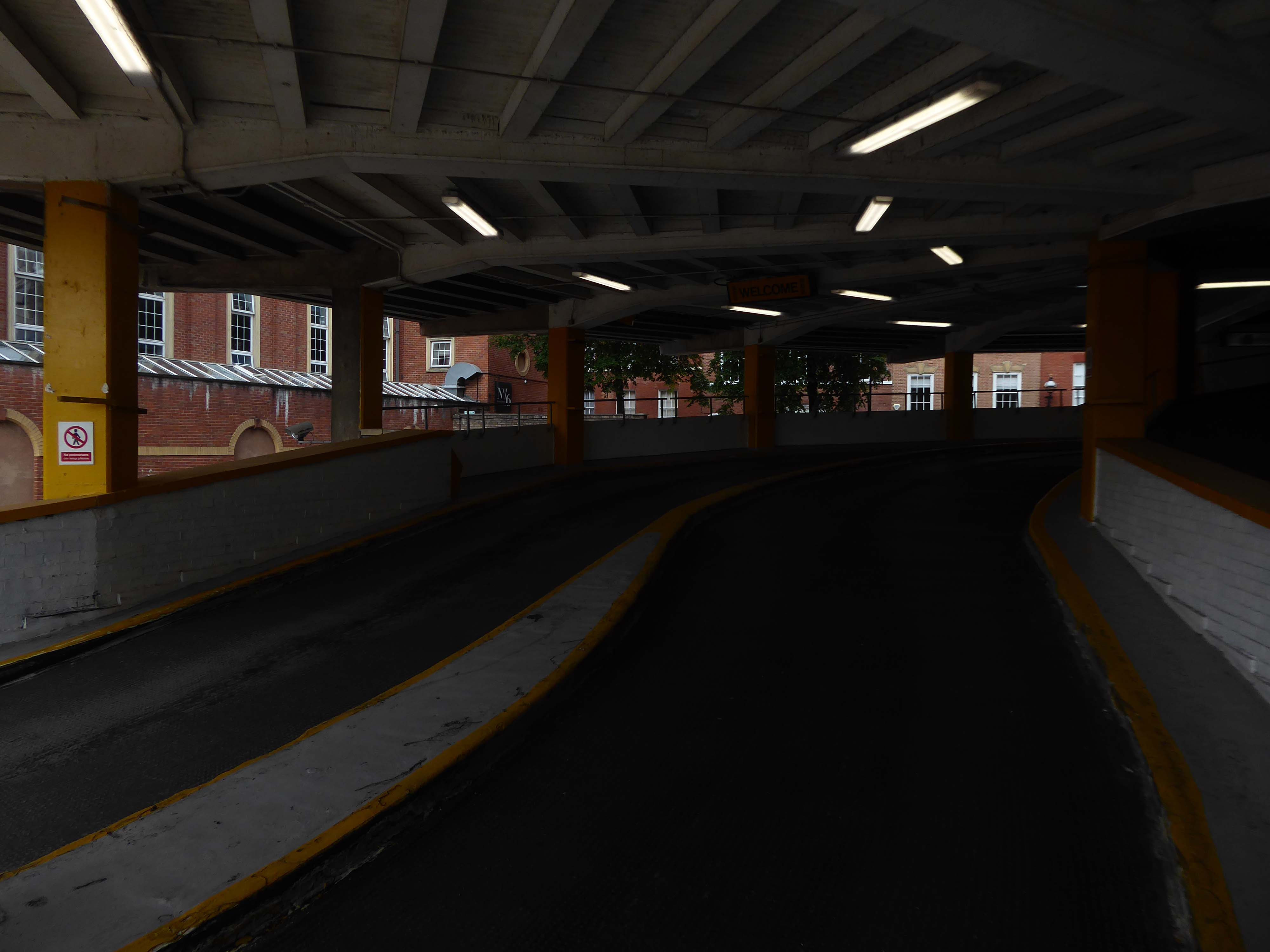
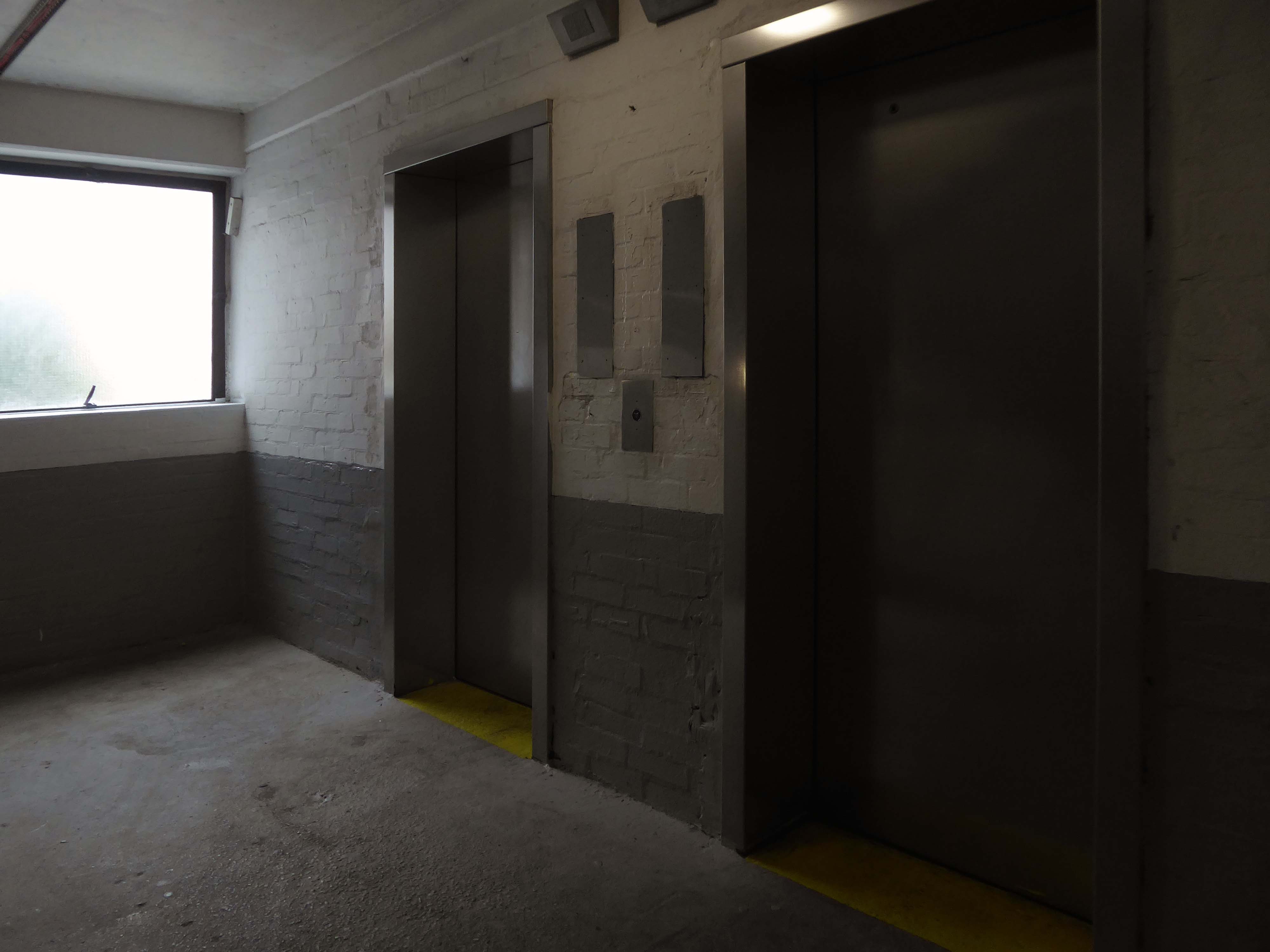
Weaving between yellow pillars, taking care on the stairs.
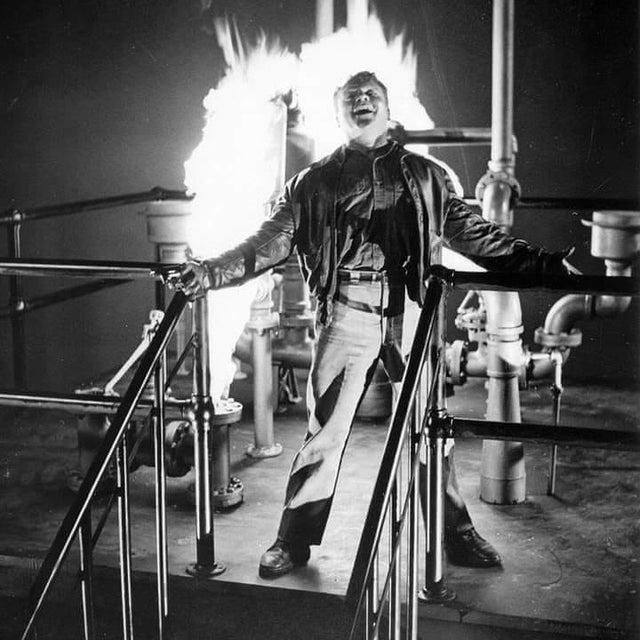
I’m on the top of the world lookin’ down on creation And the only explanation I can find Is the love that I’ve found, ever since you’ve been around Your love’s put me at the top of the world
There is evidence that the current town location has been occupied since prehistoric times. Prehistoric tools found in the caves of Graig Fawr, in the nearby village of Meliden, have revealed the existence of early human habitation in the area.
“Sunny Prestatyn” became famous for its beach, clean seas and promenade entertainers, and visiting for a bathe was considered very healthy by city-dwelling Victorians.
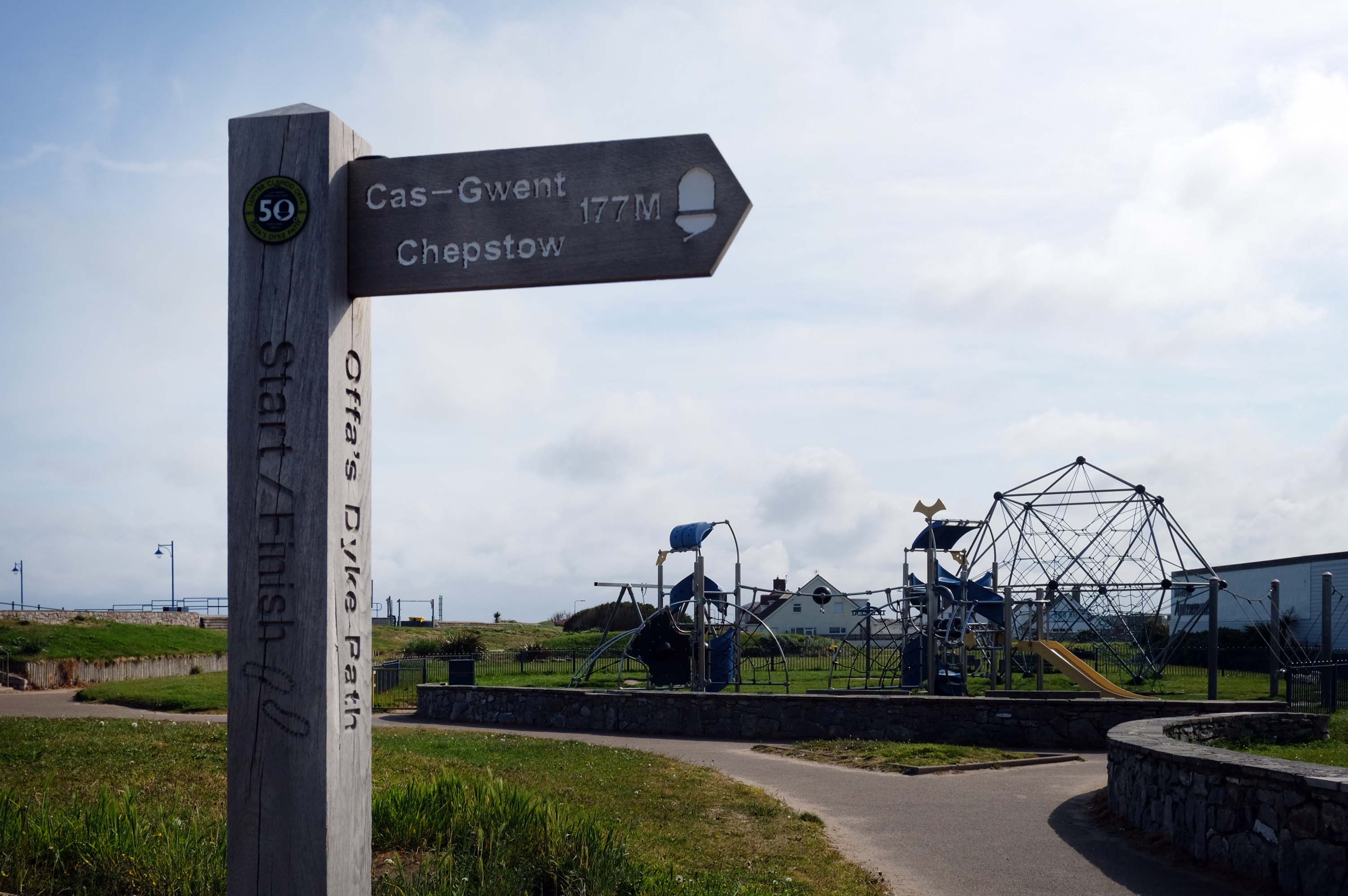
The town is at the northern end of the Offa’s Dyke Path, although not on Offa’s Dyke itself.
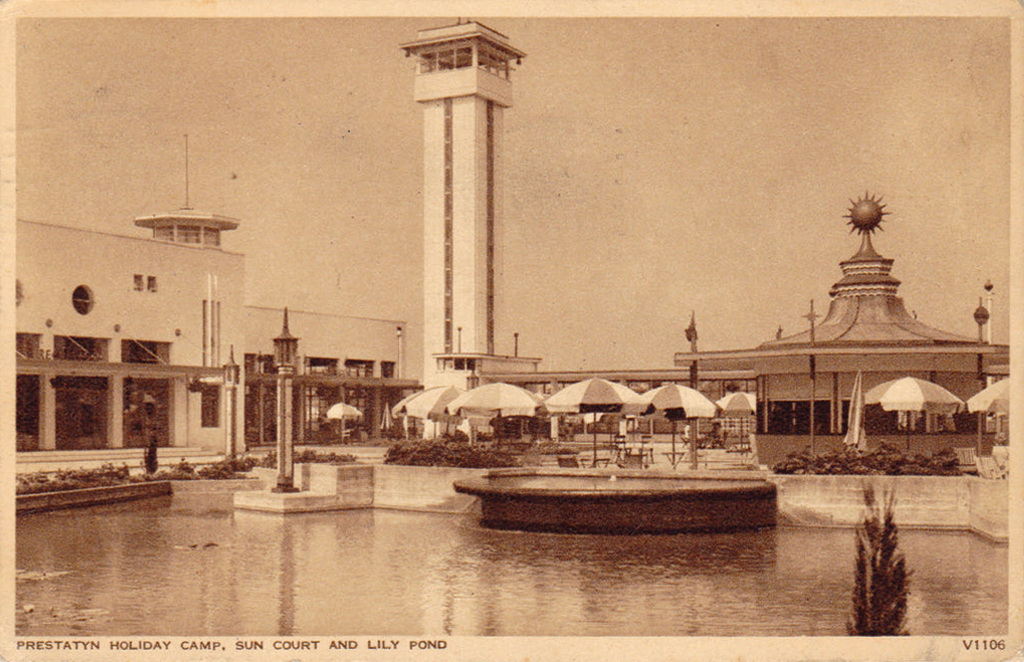
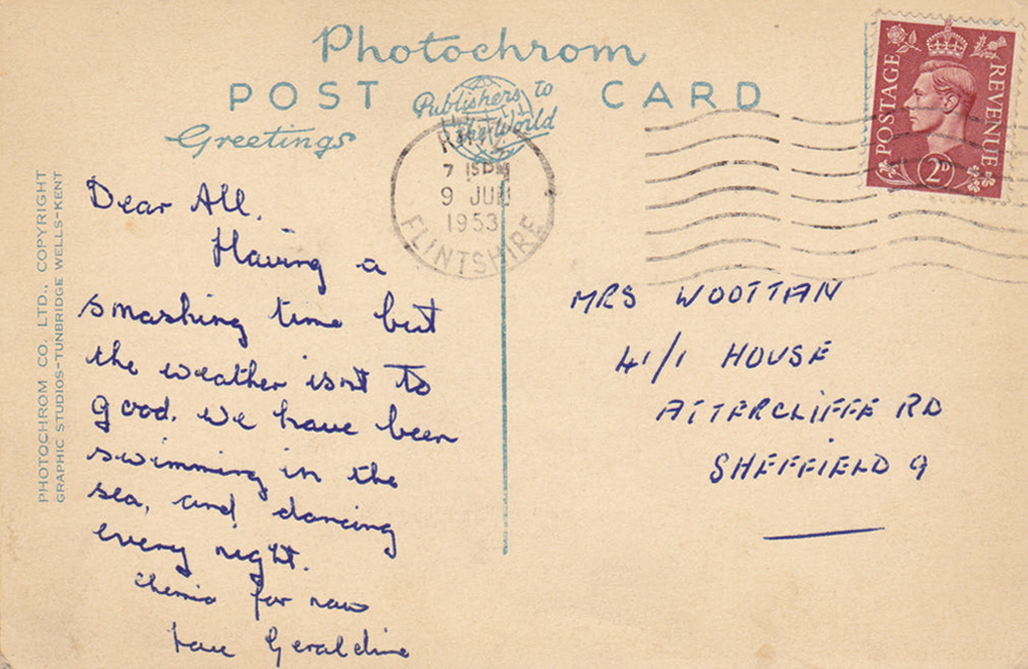
The holiday camp in Prestatyn was built by the London Midland and Scottish Railway Co. in 1939. The main buildings were in classic 1930s style, featuring rounded building ends, steel framed windows and porthole windows. Chalets showed an early form of sectionalised building method.
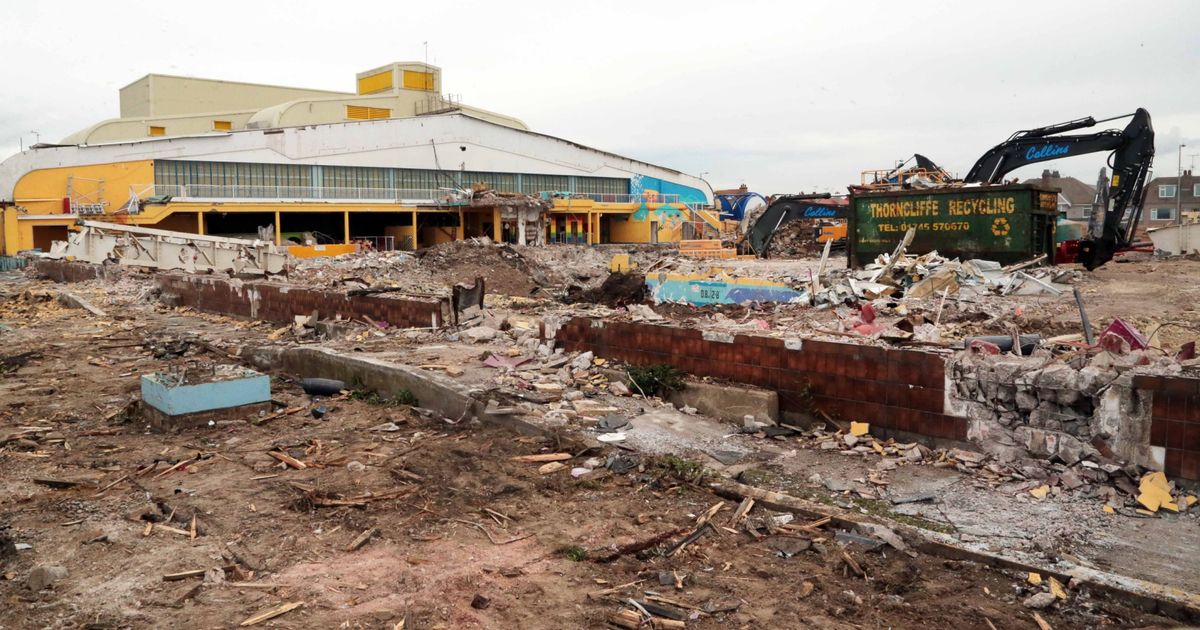
Requisitioned as a military camp until after the Second World War, it reopened as a holiday camp in the early 1950s. The site was demolished and cleared between February and March 2001.
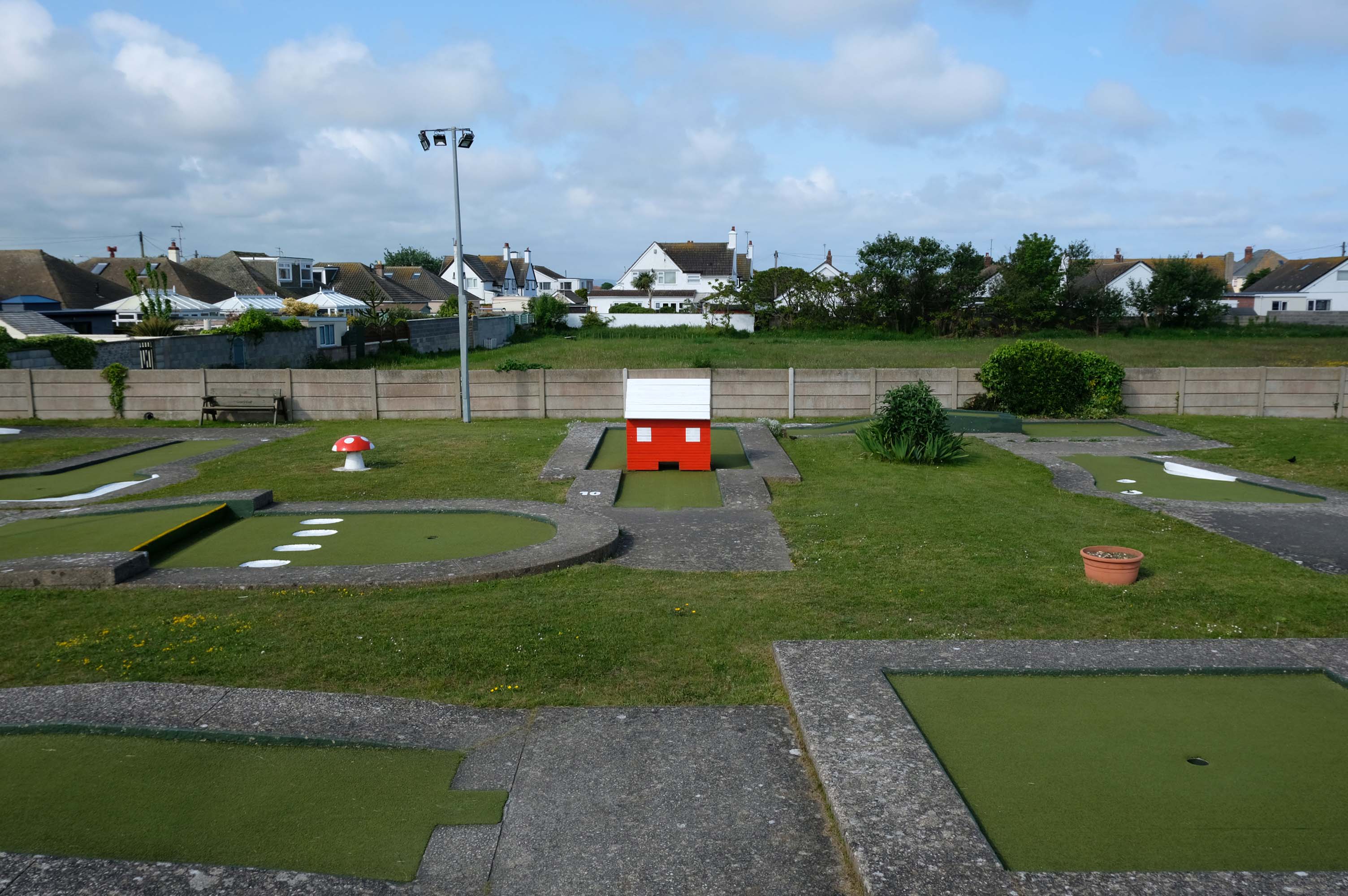
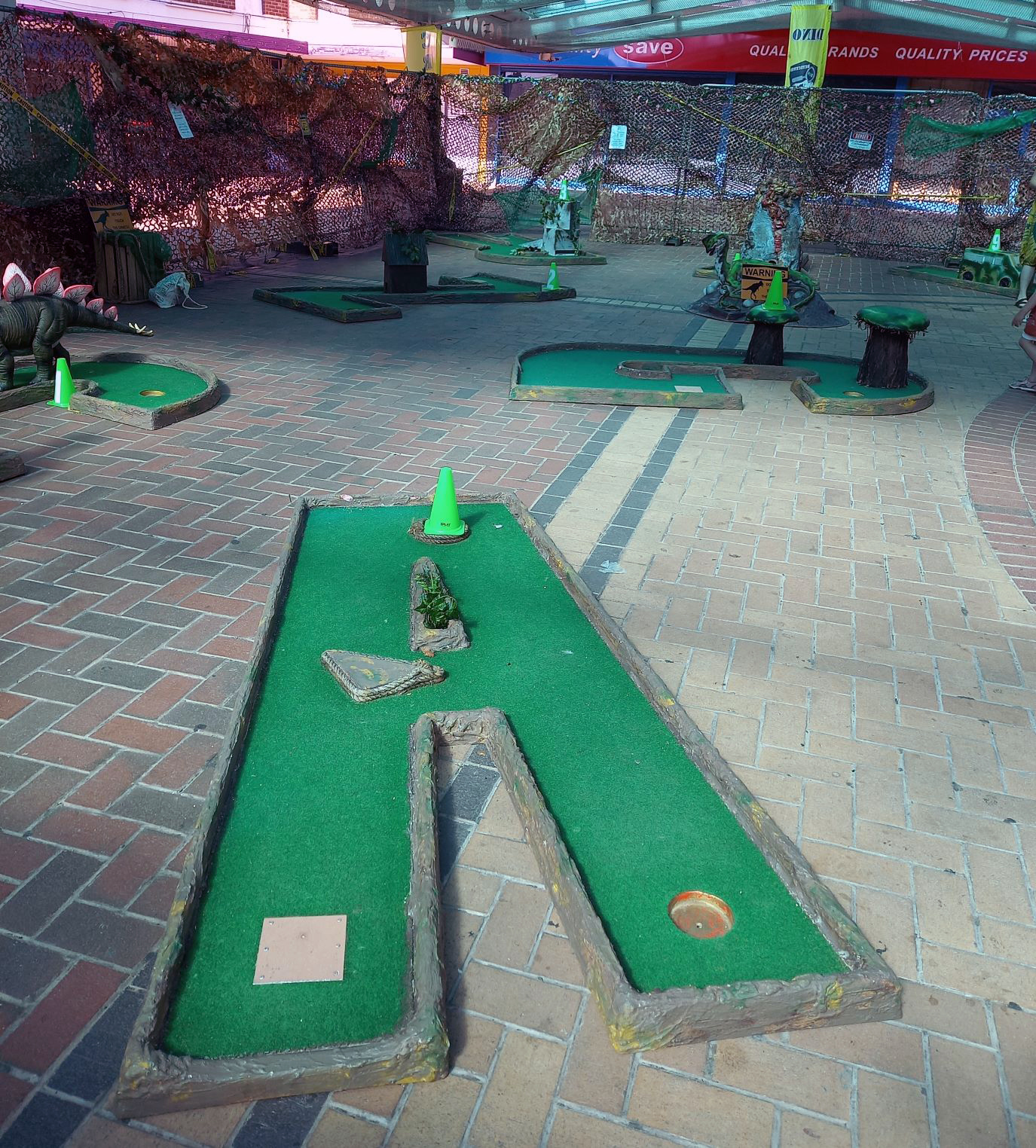
Prestatyn offers the opportunity to engage in an impromptu game of Crazy Golf – though the facility was closed on the morning of my visit.
The crazy golf was fantastic the kids didn’t want to leave plus the lady was so helpful plus the price were very reasonable – would highly recommended.
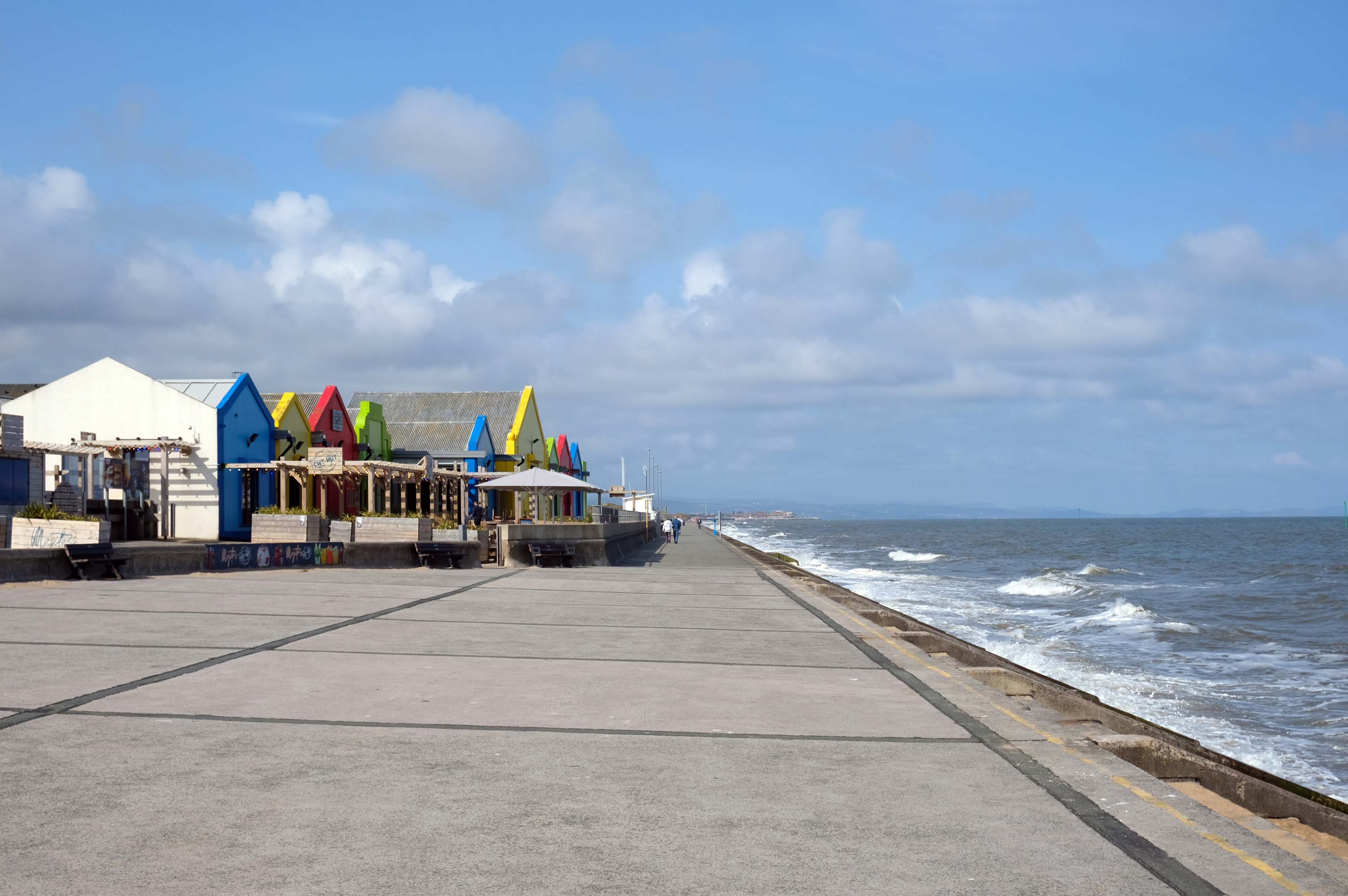
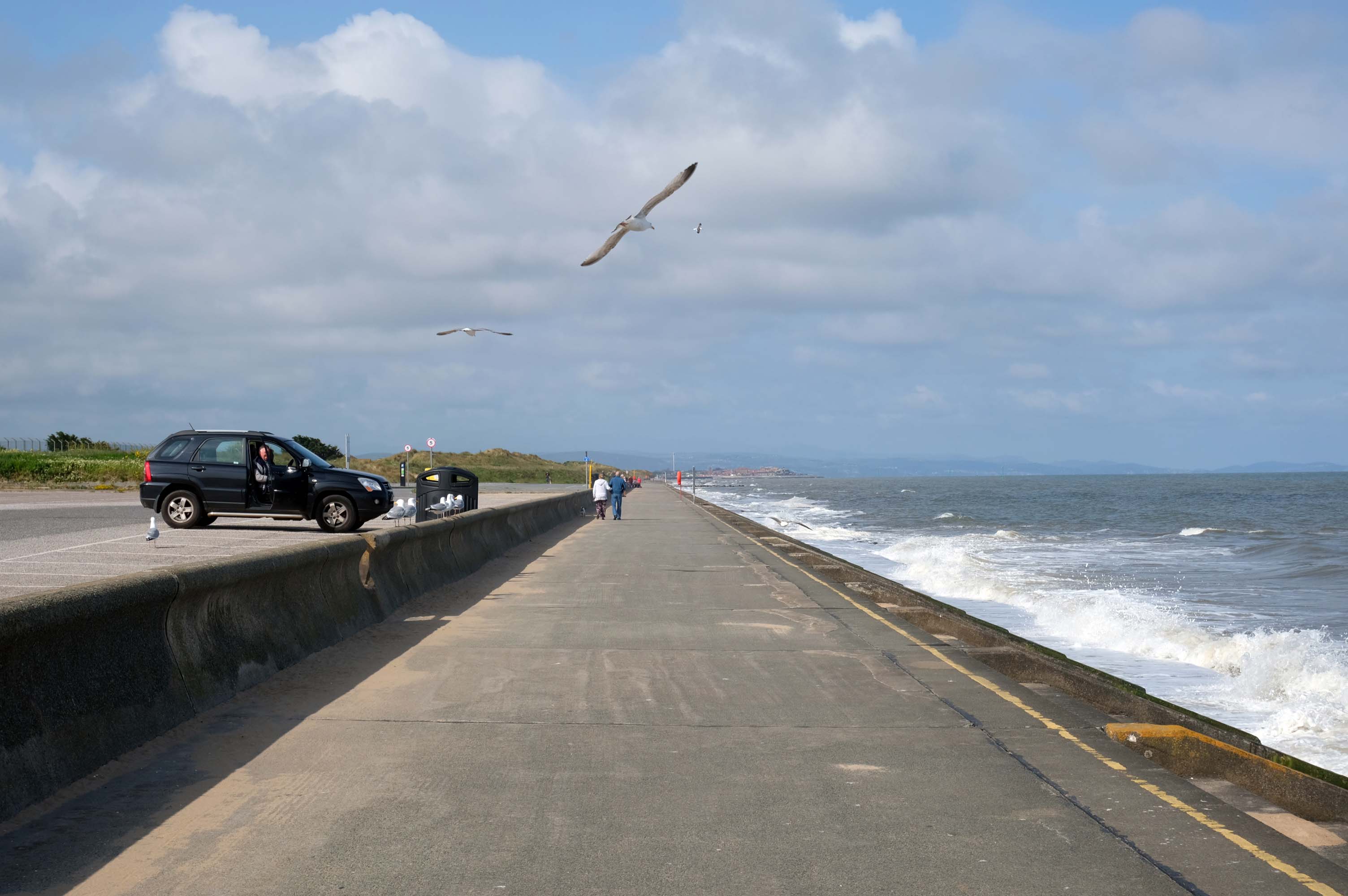
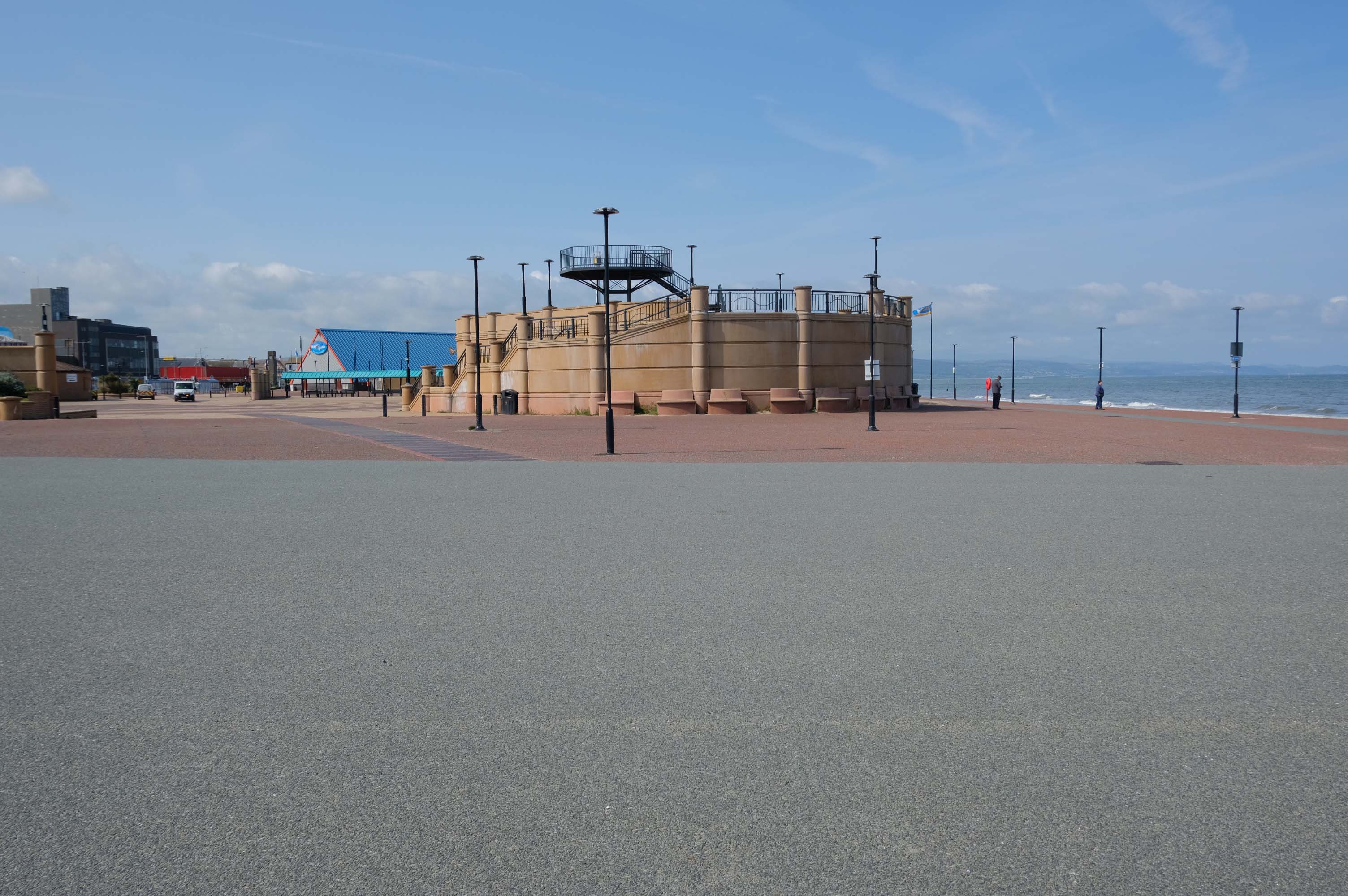
The promenade is dominated by a tight knit group of modern leisure facilities.
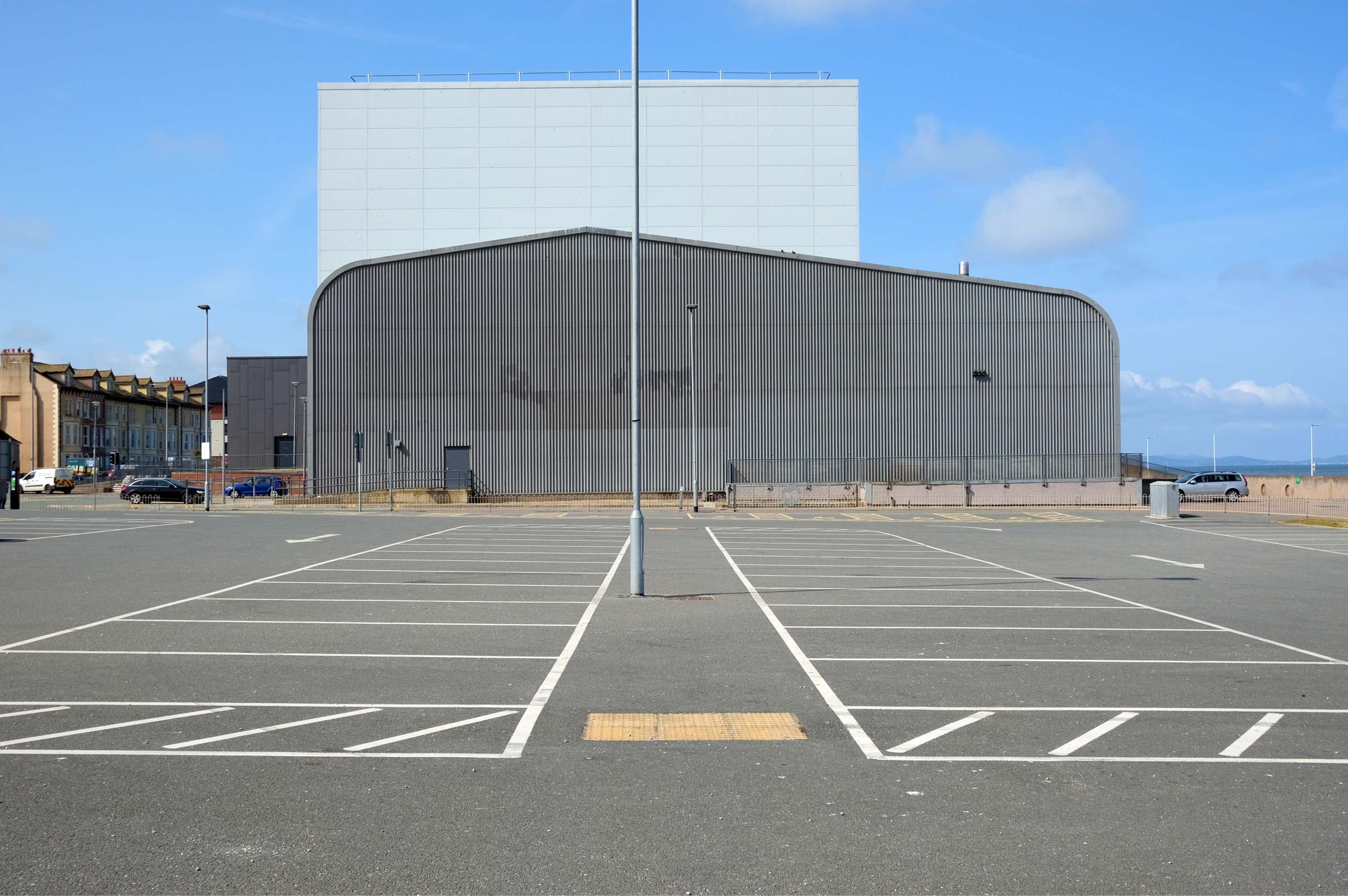
An expansive car park fronts directly onto the seafront.
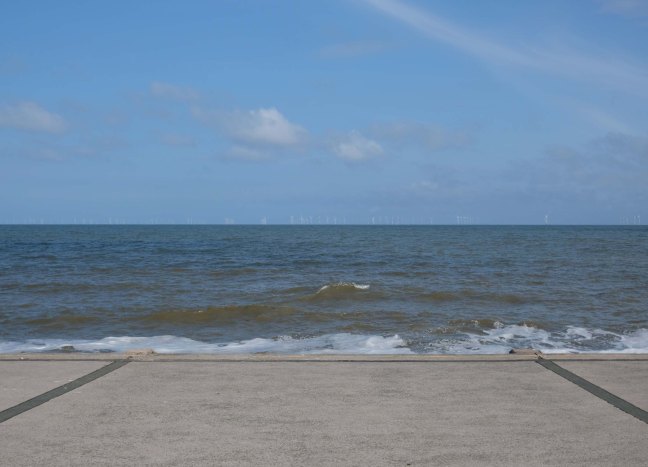
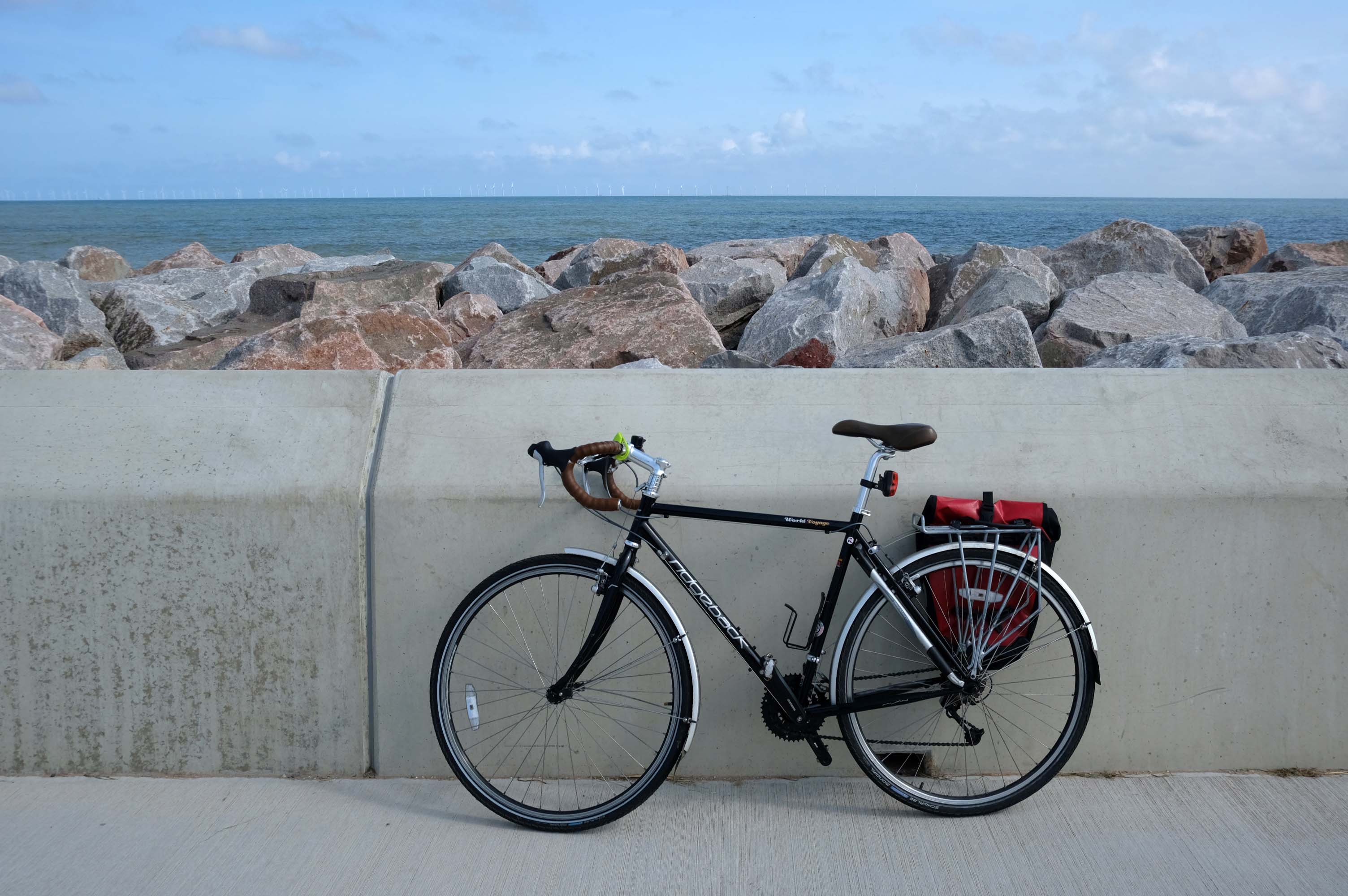
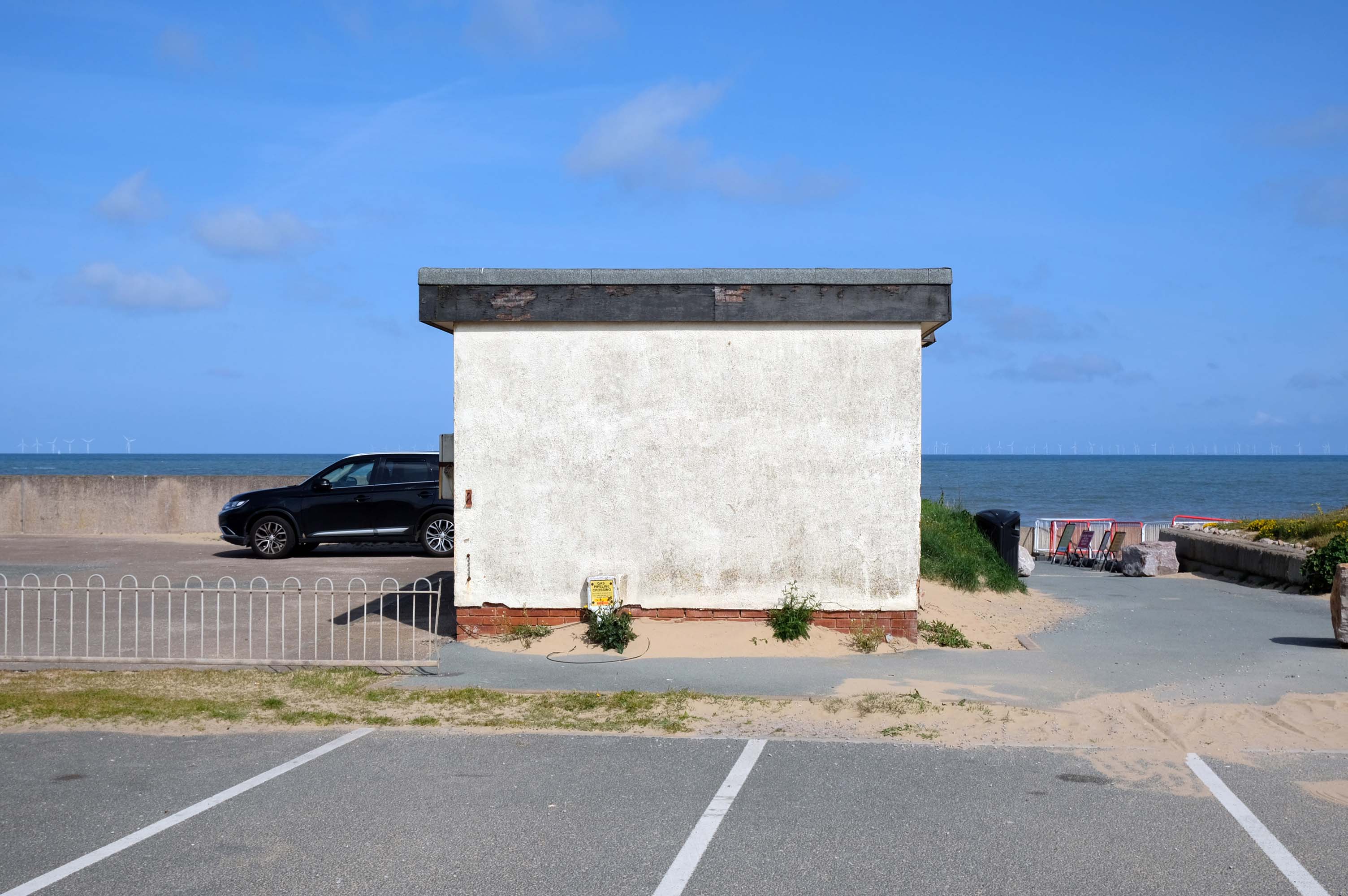
There have been serious reinforcements made to the seawalls – ensuring that the passing cyclist will not be washed away, by the crashing waves of the incoming tide.
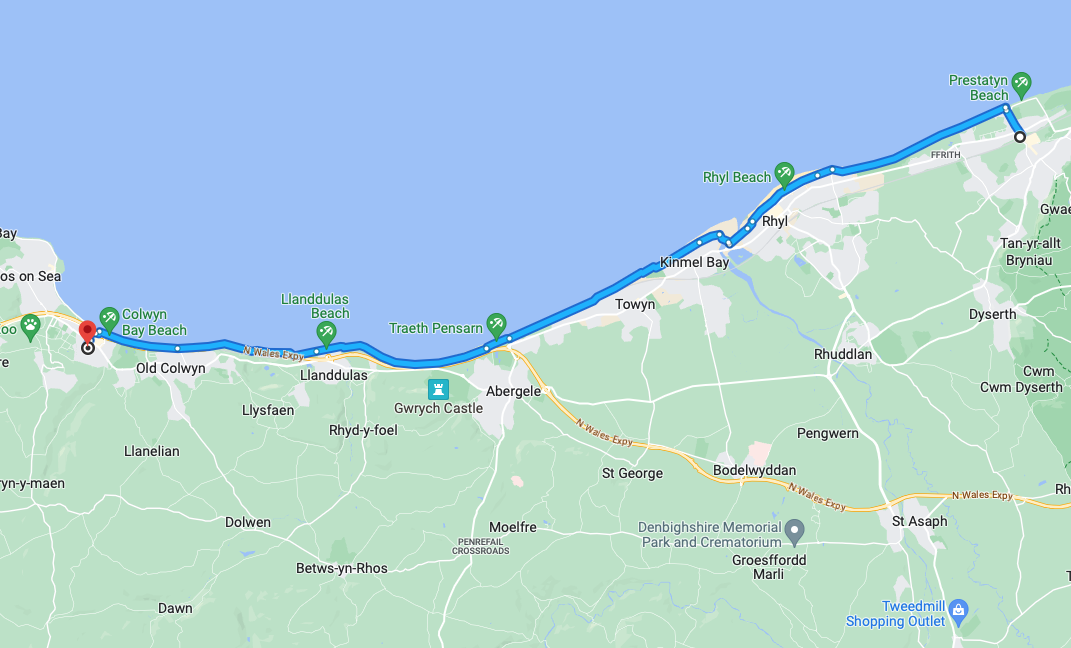
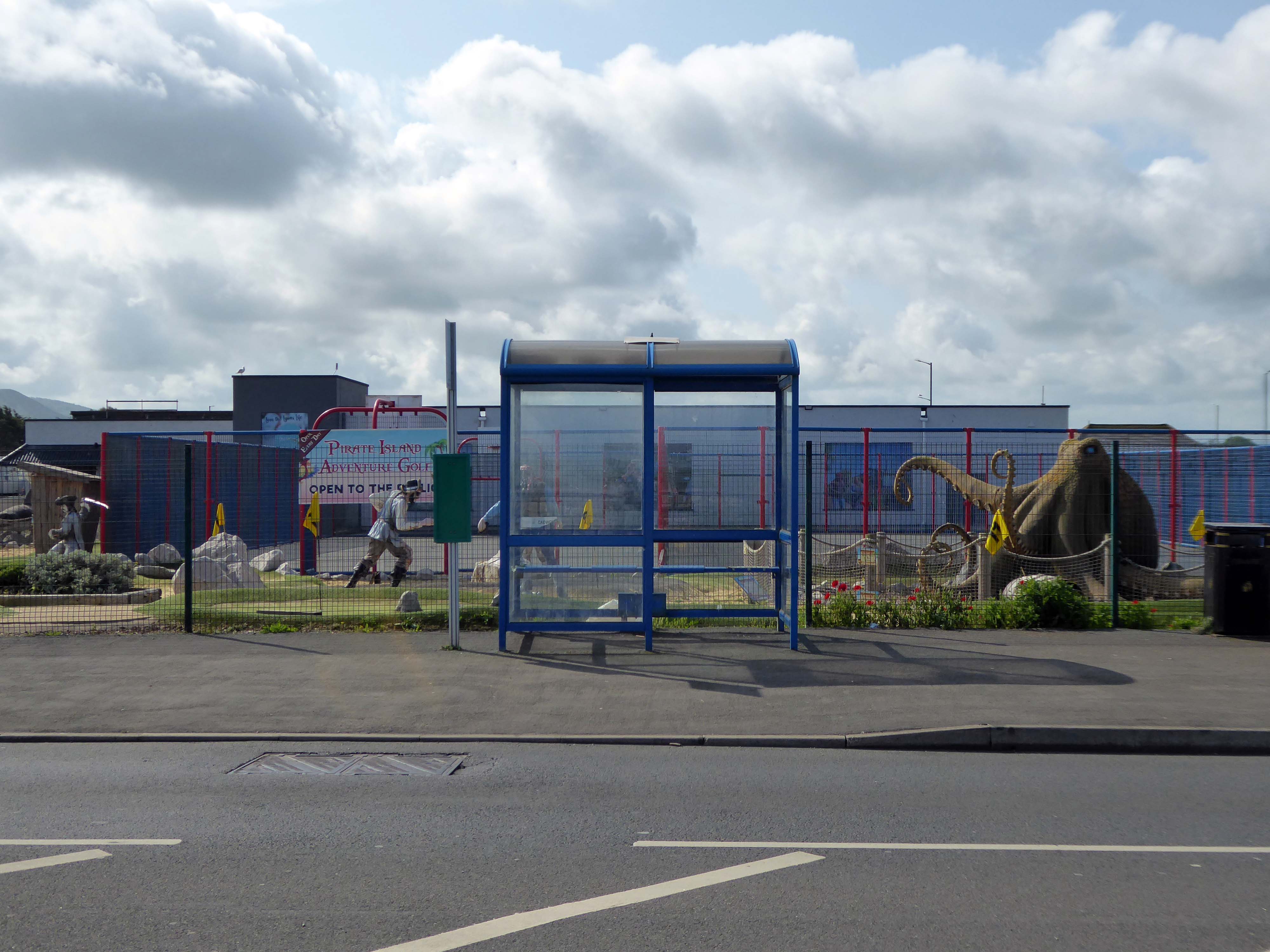
The reinforcement work demands that we temporarily detour onto the Rhyl Coast Road, where we encounter Pirate Island Adventure Golf.
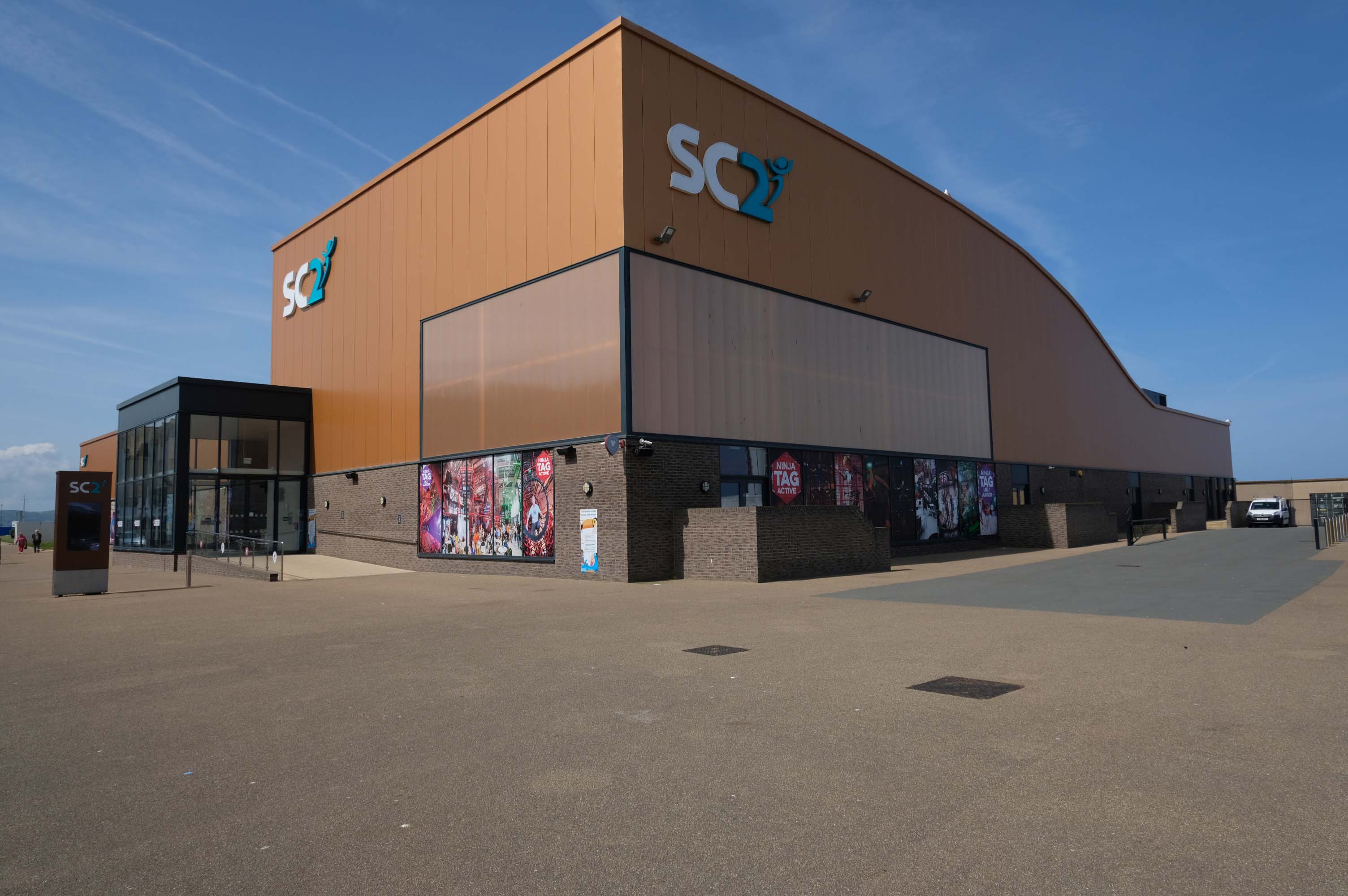
Uncover hidden treasure on the North Welsh Coast at Pirate Island Adventure Golf at Lyons Robin Hood Holiday Park.
Make friends with the great white shark, octopus, and the resident pirates who guard the Island.
This 18-hole course is a fun and crazy challenge for all the family, with stunning views of Rhyl seafront to boot. Plus, it’s located just a stone’s throw away from Sherwoods Sports Bar where refreshments are served.
Rhyl
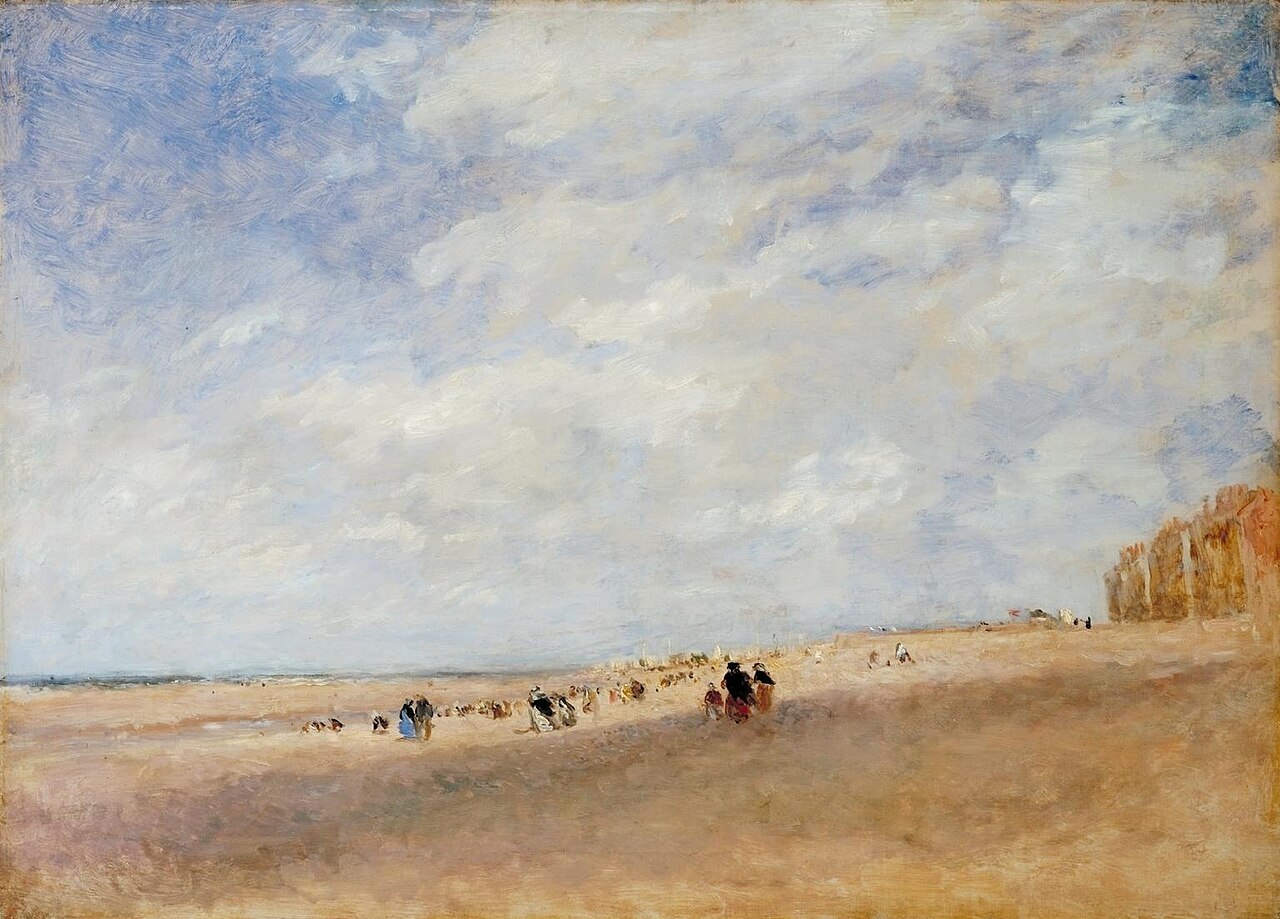
Rhyl Sands: David Cox 1854
The Welsh orthography has proved difficult for English writers to transliterate as Rhyl’s opening voiceless alveolar trill is uncommon in the English language.
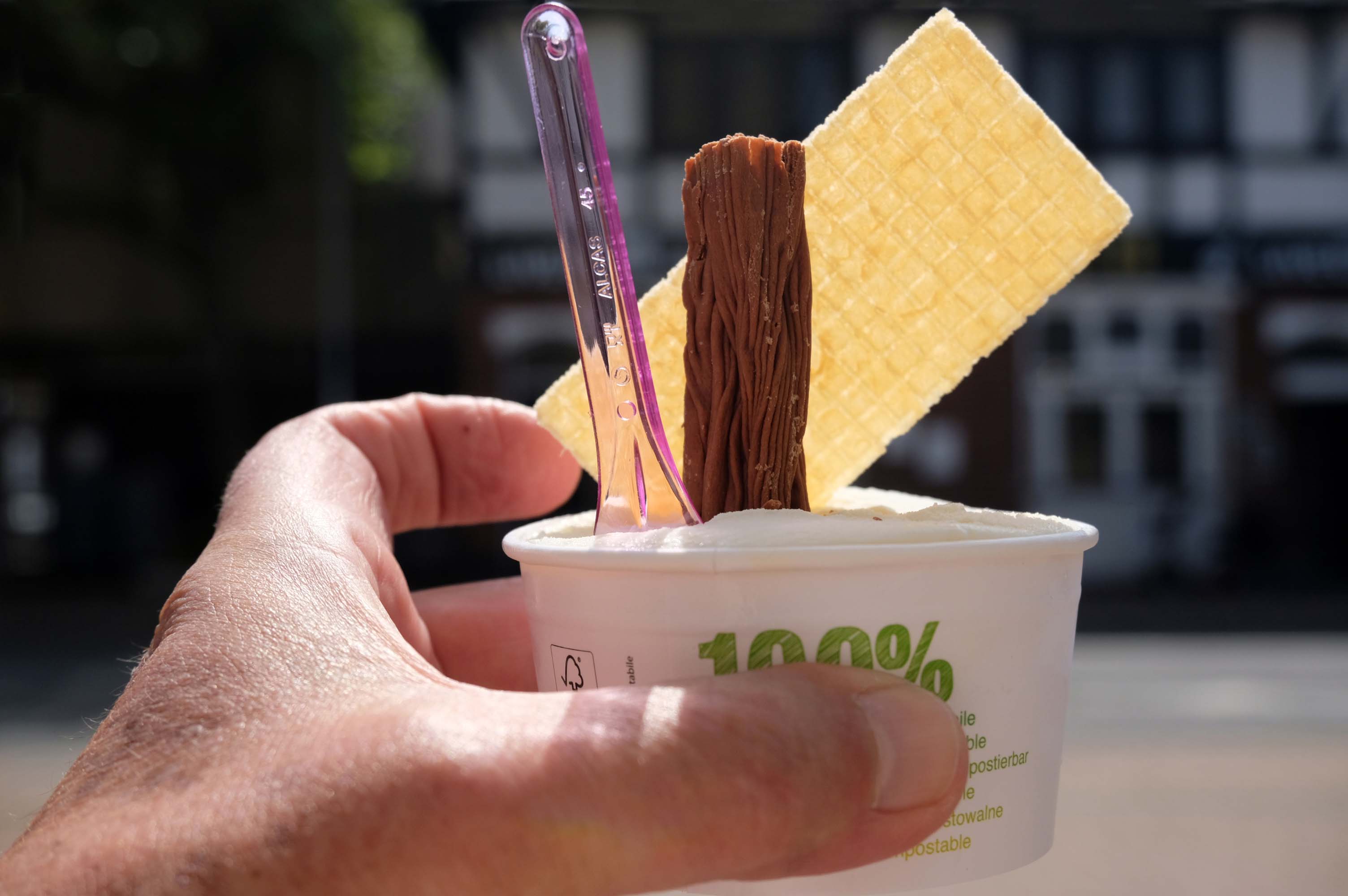
I nipped into town for a tub from Sidoli’s – £1.83 well spent.
The promenade is home to a series of entertainments including the Rhyl Pavilion Theatre
The theatre, owned and operated by Denbighshire Council, has also been re-clad as part of the project, designed by architects Space & Place.
It forms part of a wider redevelopment of Rhyl’s seafront, which includes the demolition of the Sun Centre and the construction of a £15m water park.
There is a also a becalmed Post Modernist Piazza – named Rhyl Events Arena.
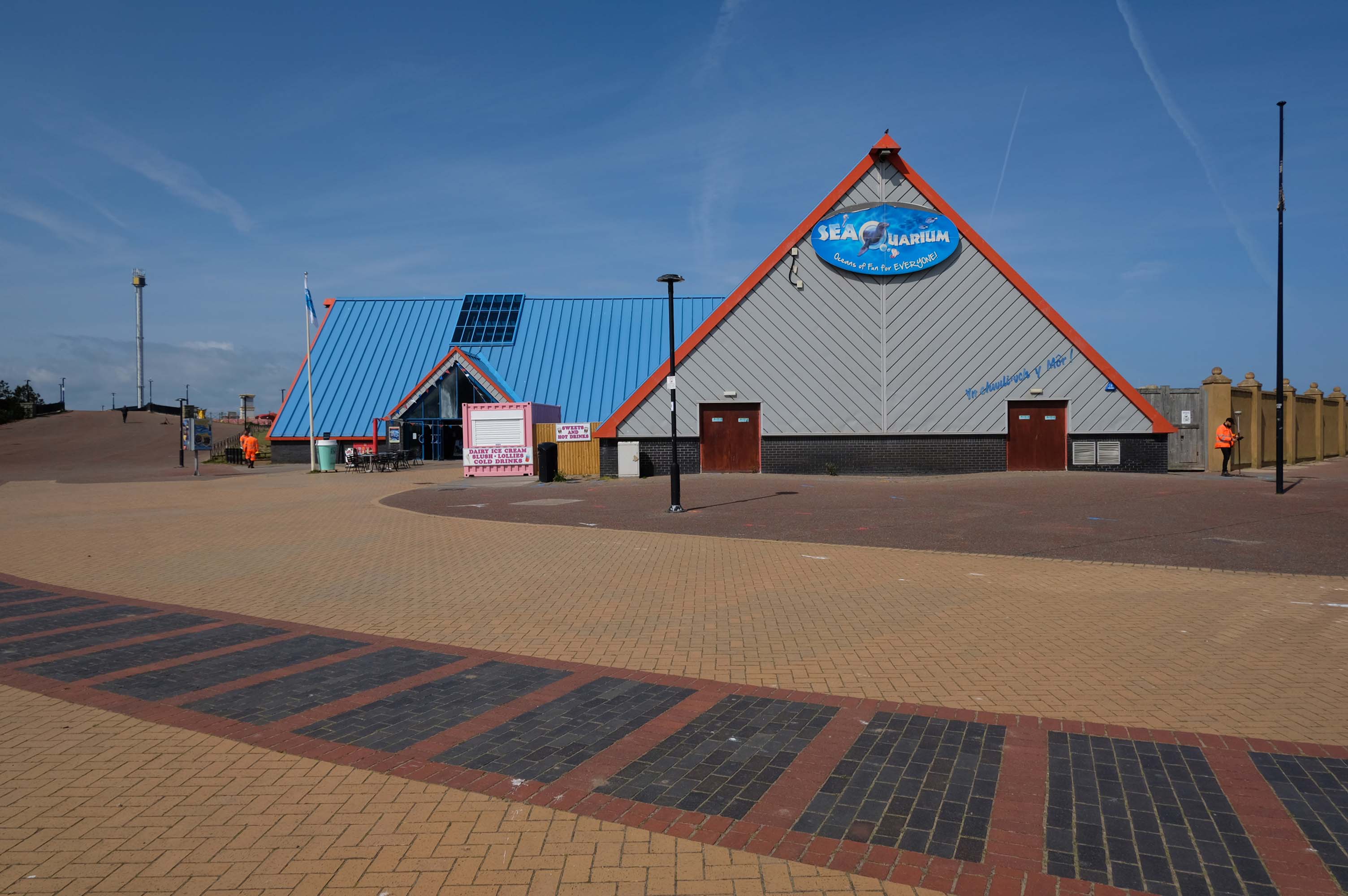
The playful nursery geometry of the SeaQuarium.
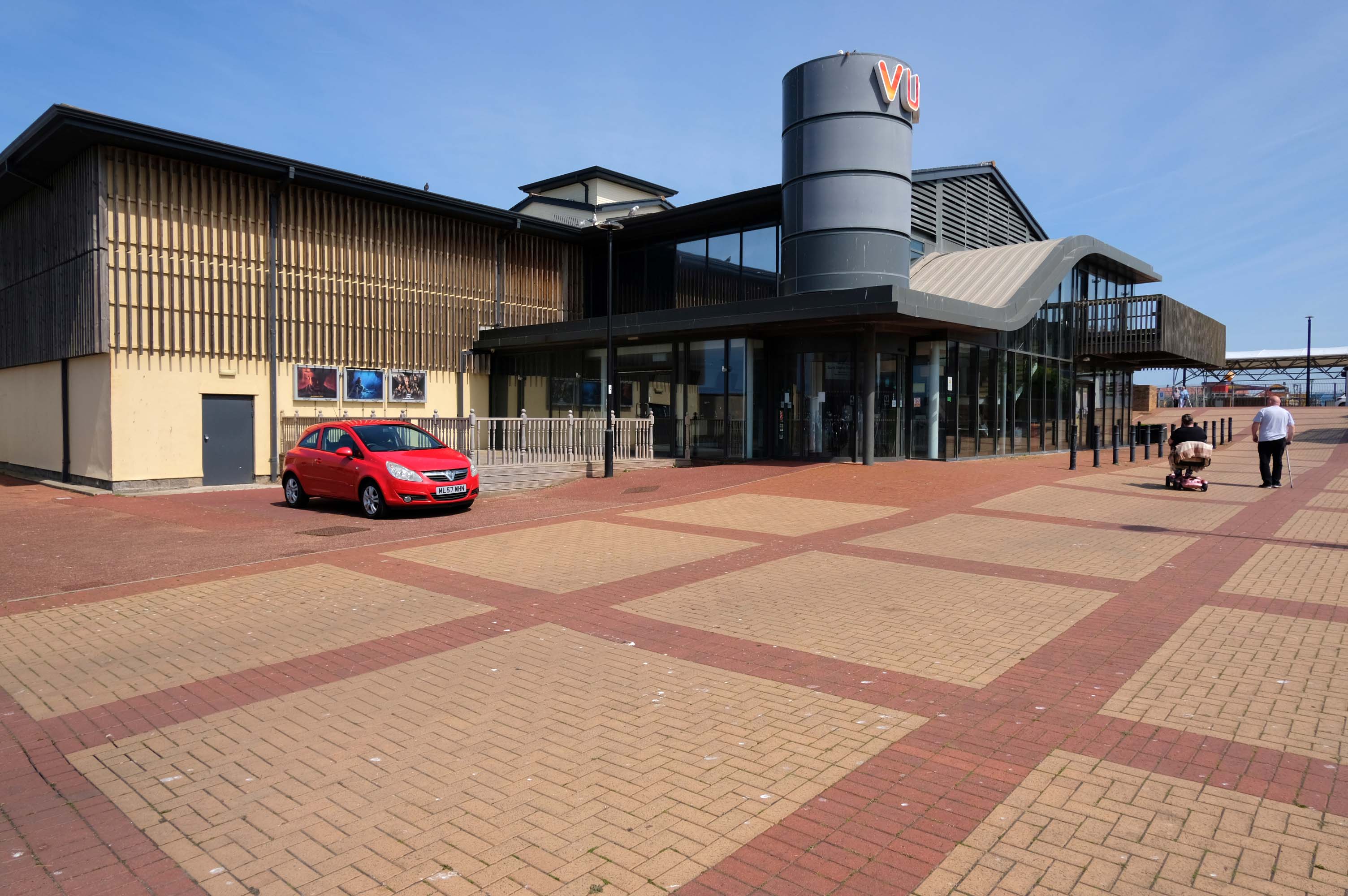
The functionalist Vue Cinema.
Tickets were £5.99 for a standard seat, the staff said not to bother upgrading as the premium seats were rubbish, sound was okay and picture quality was okay.
Food price was expensive so it maybe cheap to get in, but £16.99 for a large popcorn and drink ups the price, would go again if in the area.
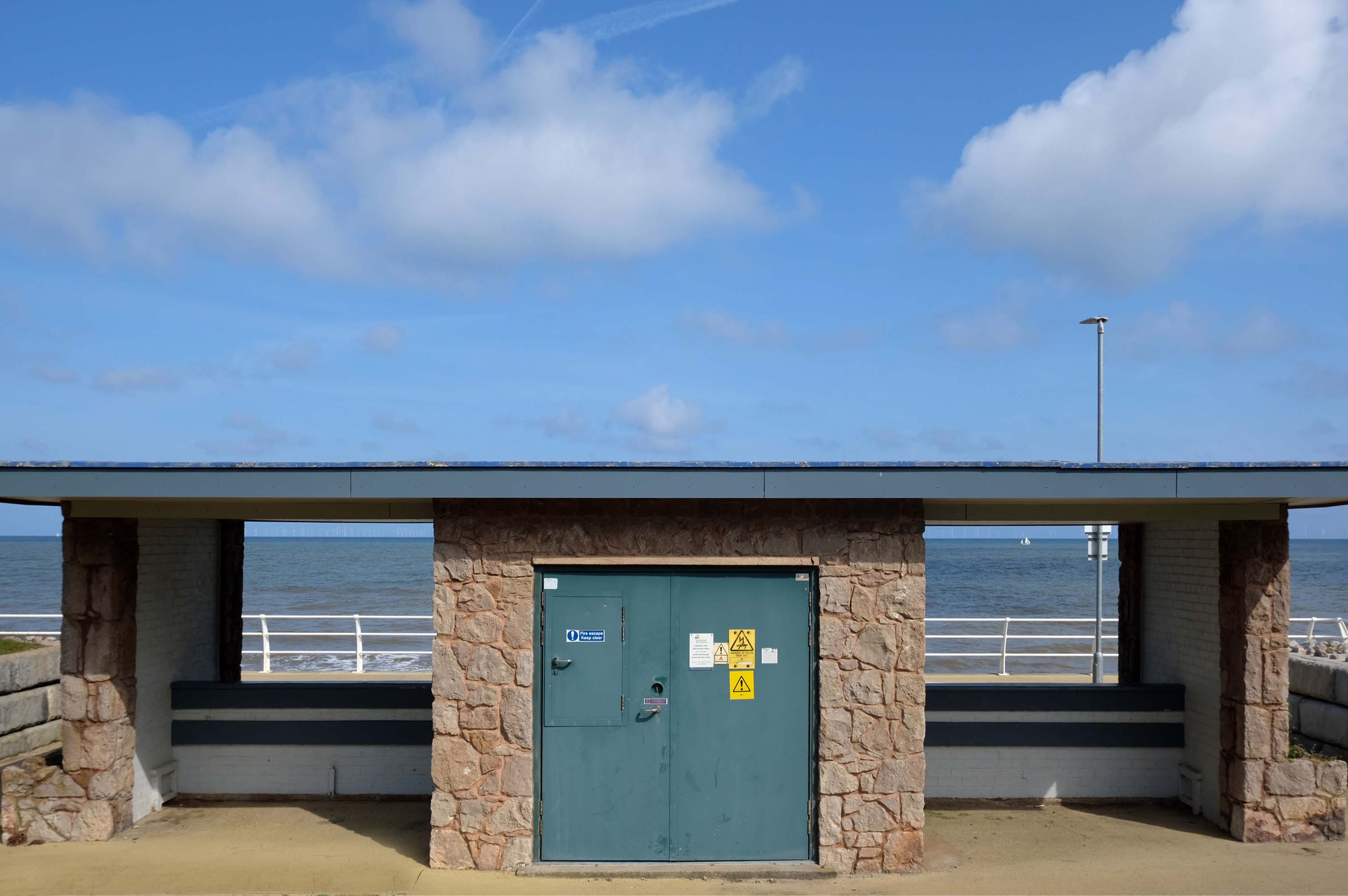
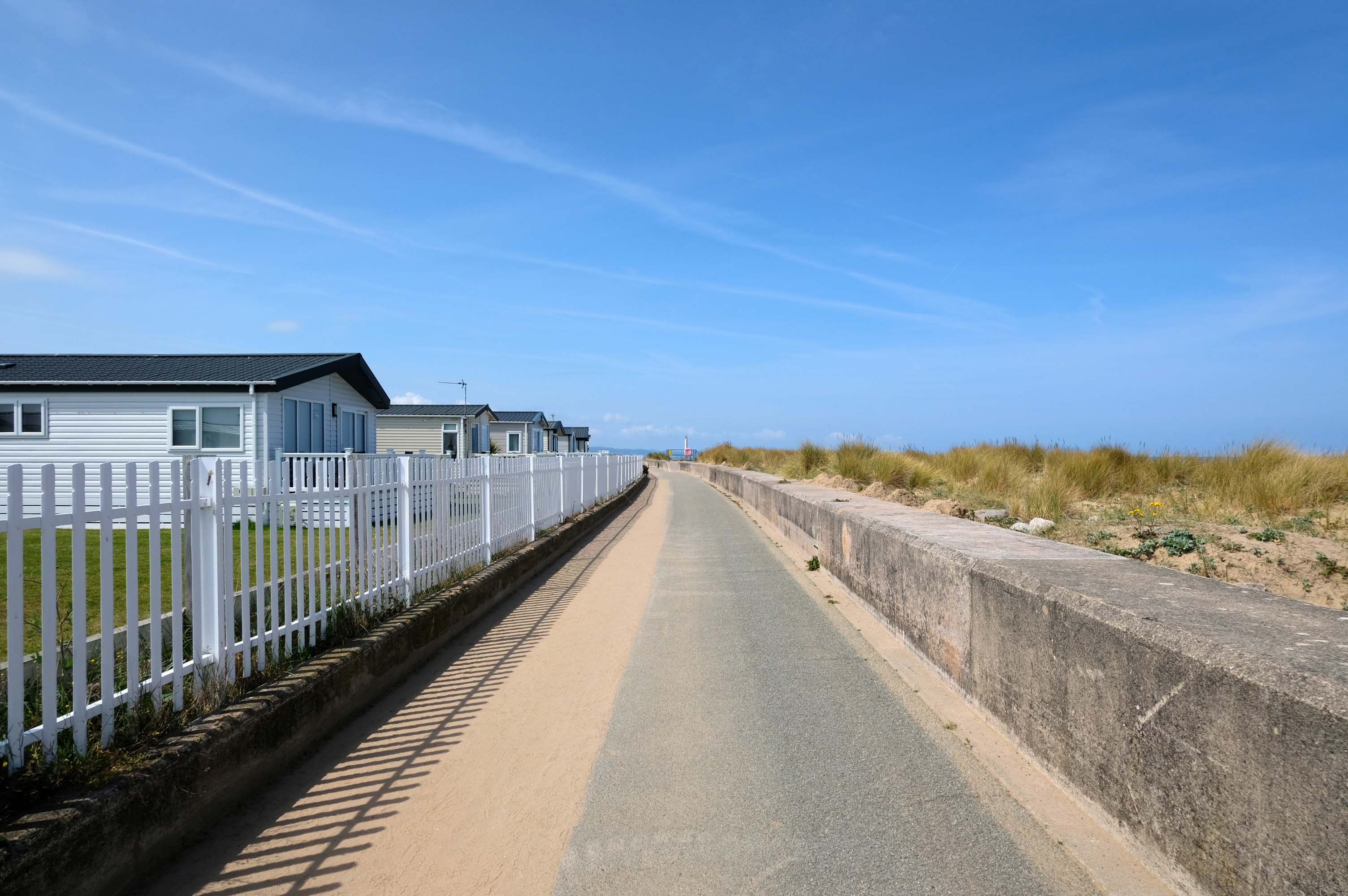
Much of the coast is fringed with chalets and static caravans.
Kinmel Bay
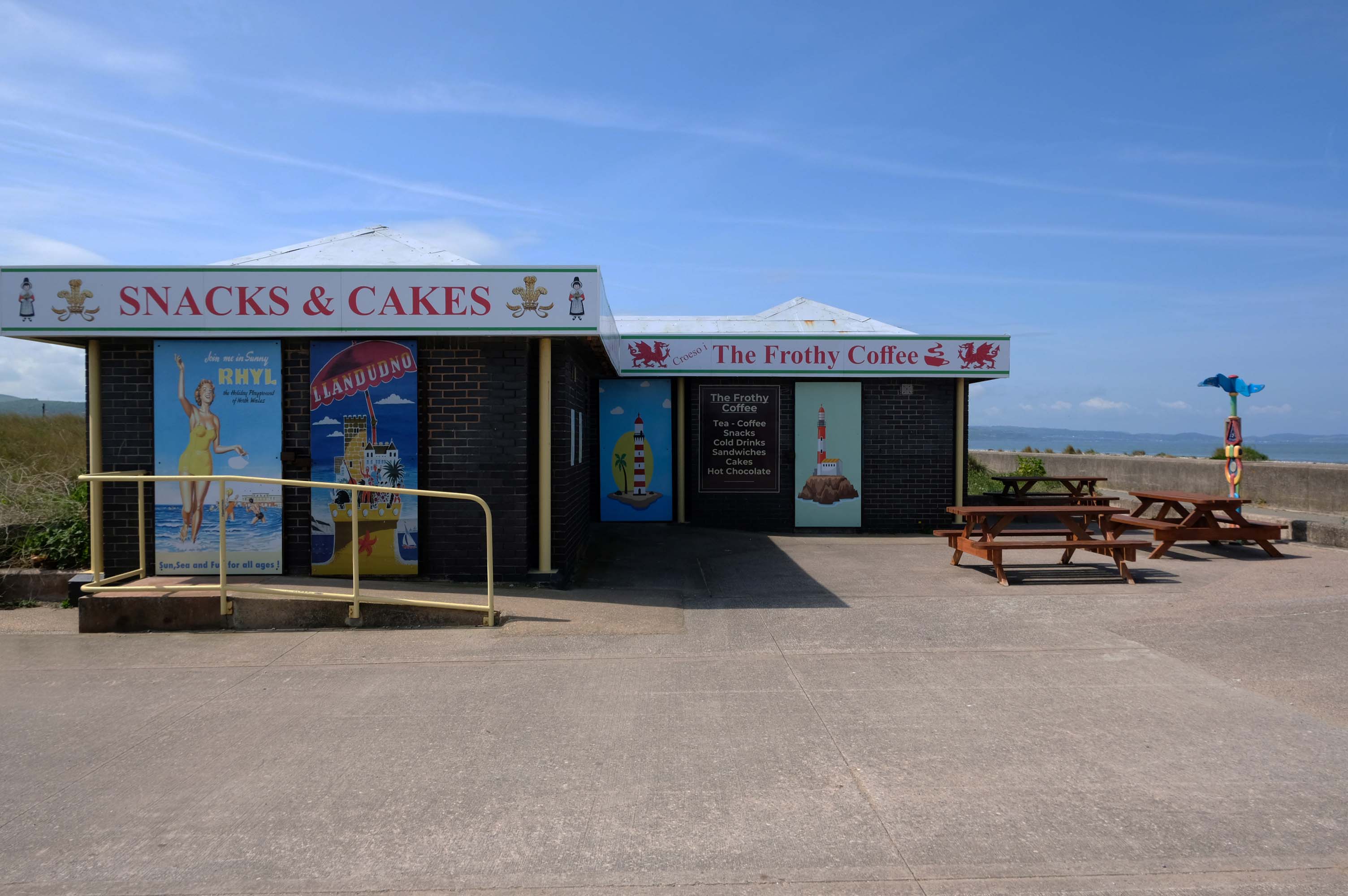
Home to The Frothy Coffee.
There aren’t enough food, service, value or atmosphere ratings for The Frothy Coffee, yet – be one of the first to write a review!
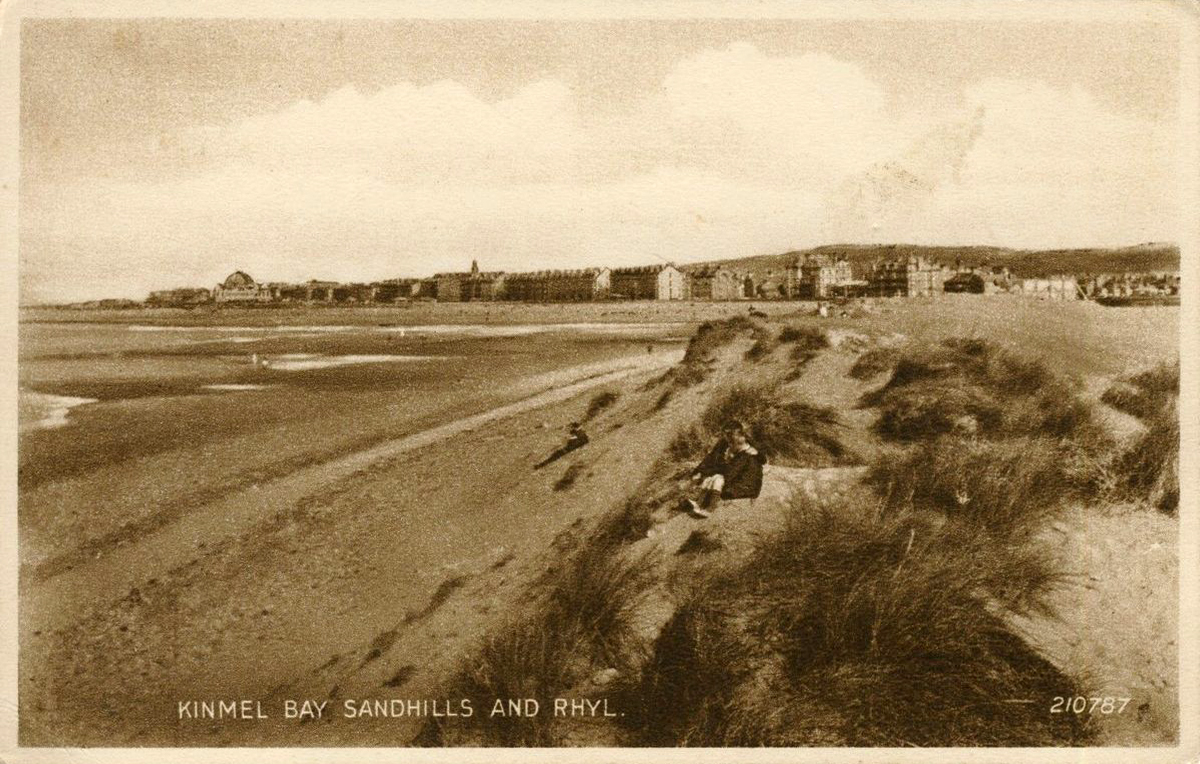
Kinmel Bay beach is popular with tourists and the local population. In addition to various small shops and takeaway outlets, there is also an Asda superstore that opened in 1981, which includes a large petrol filling station.
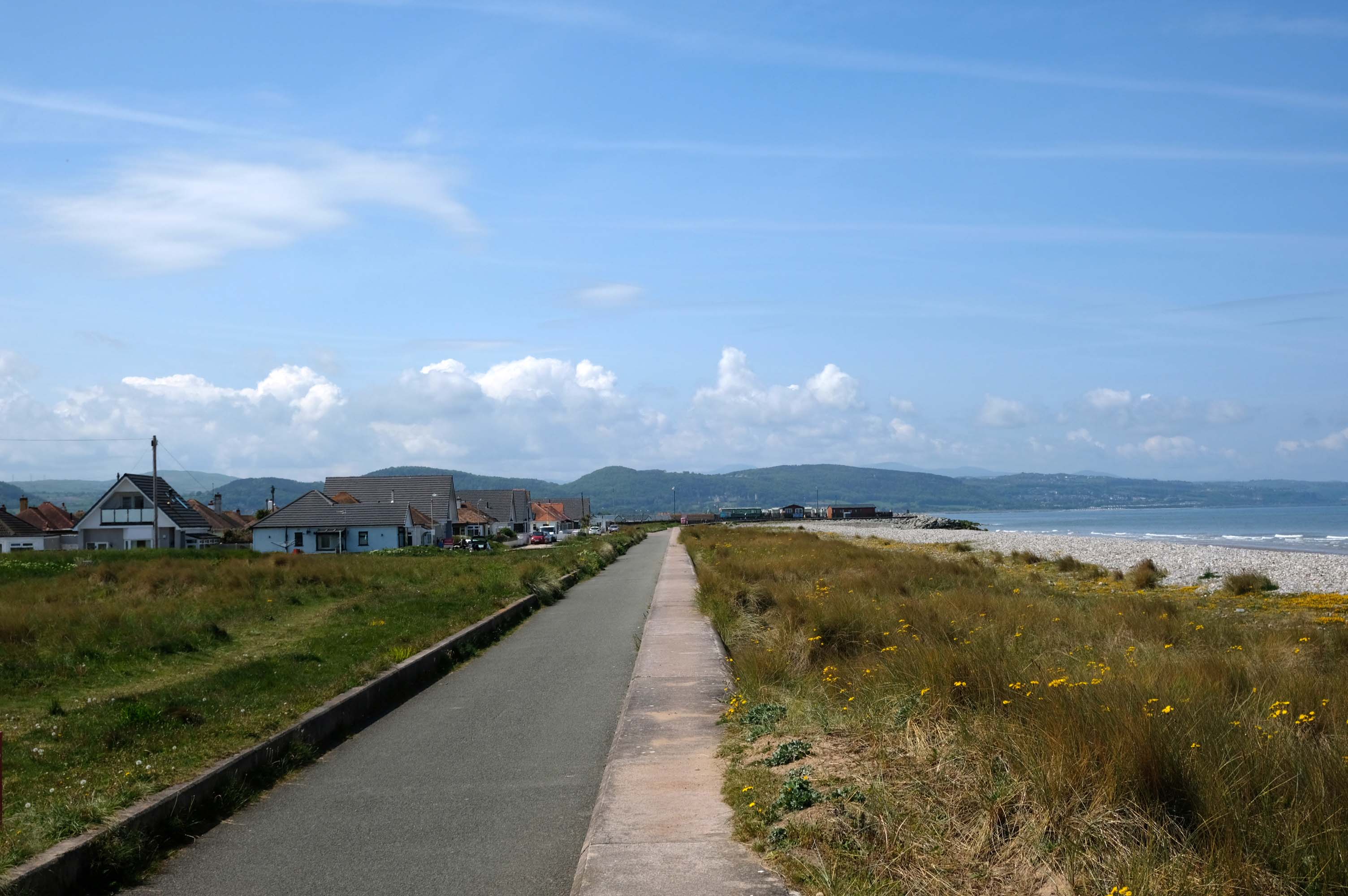
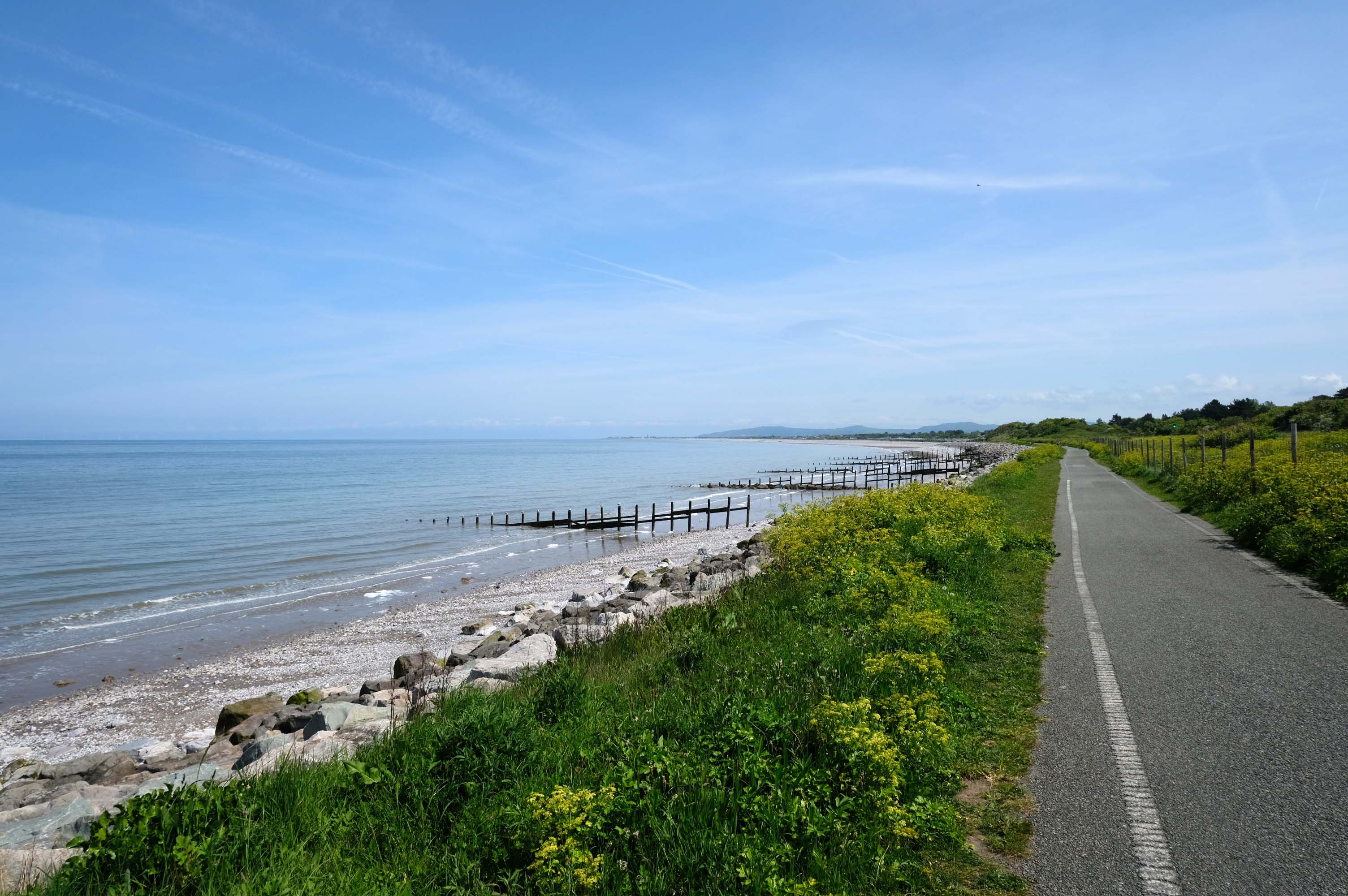
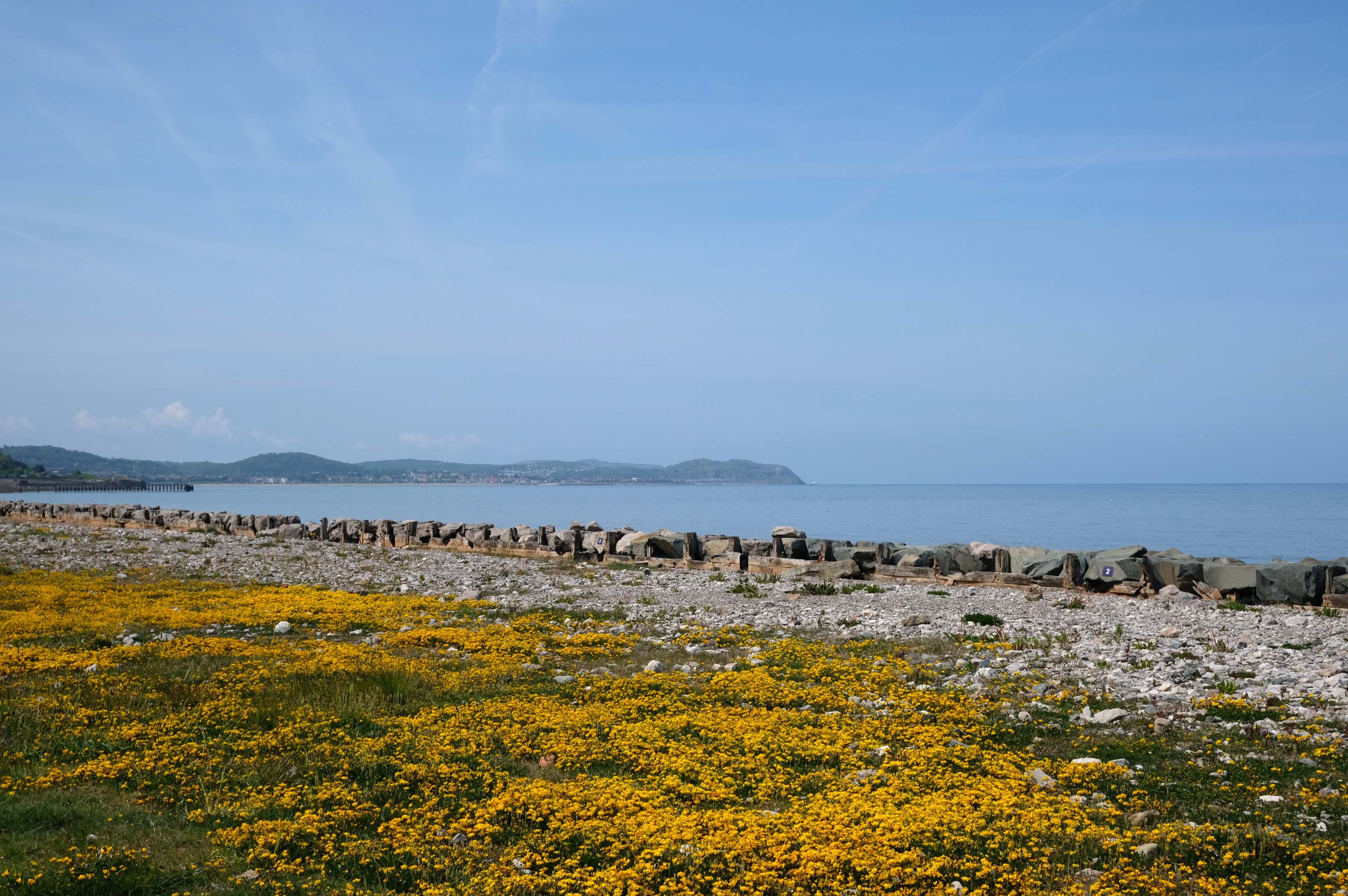
The concrete shore is softened by grasses and wild flowers – with views of the mountains beyond.
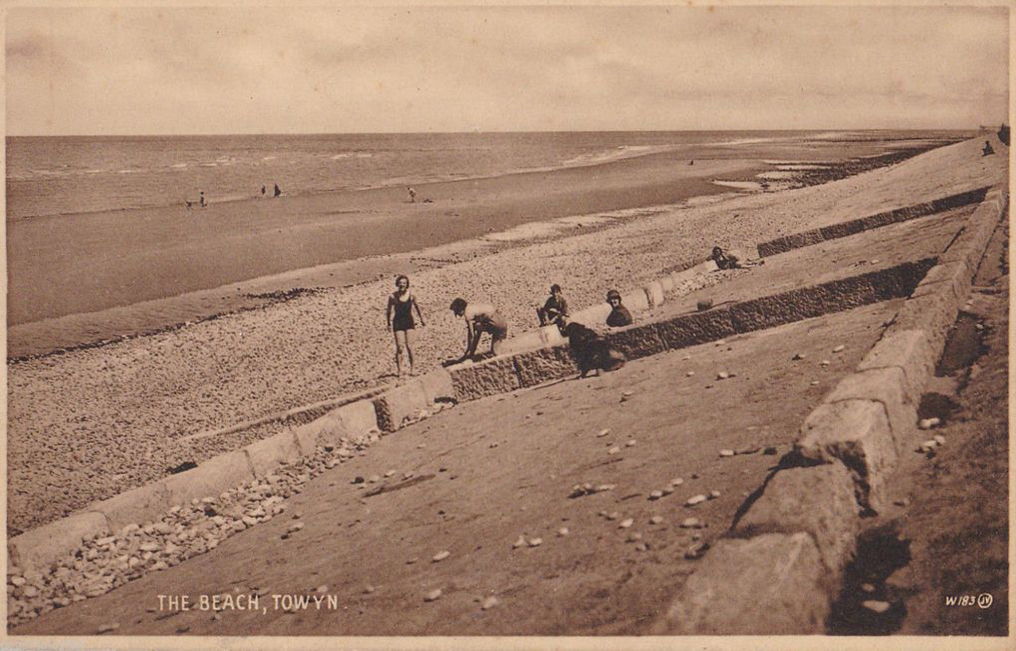
Here we are in Towyn
The town made national headlines in 1990 when a combination of gale-force winds, a high tide and rough seas caused Towyn’s flood defences to be breached at about 11.00am on 26 February. Four square miles of land was flooded, affecting 2,800 properties and causing areas of the resort to be evacuated. Further flooding occurred later the same week, on 1 March, shortly after the site of the disaster was visited by Prince Charles and Princess Diana.
Scientific experts also believe that the silt left behind from the flooding had left the town with a higher concentration of radioactivity, over ten times the governmental safety limits, most likely originating from the nuclear processing plant at Sellafield which had been dispersed into the Irish Sea over many years since its construction.
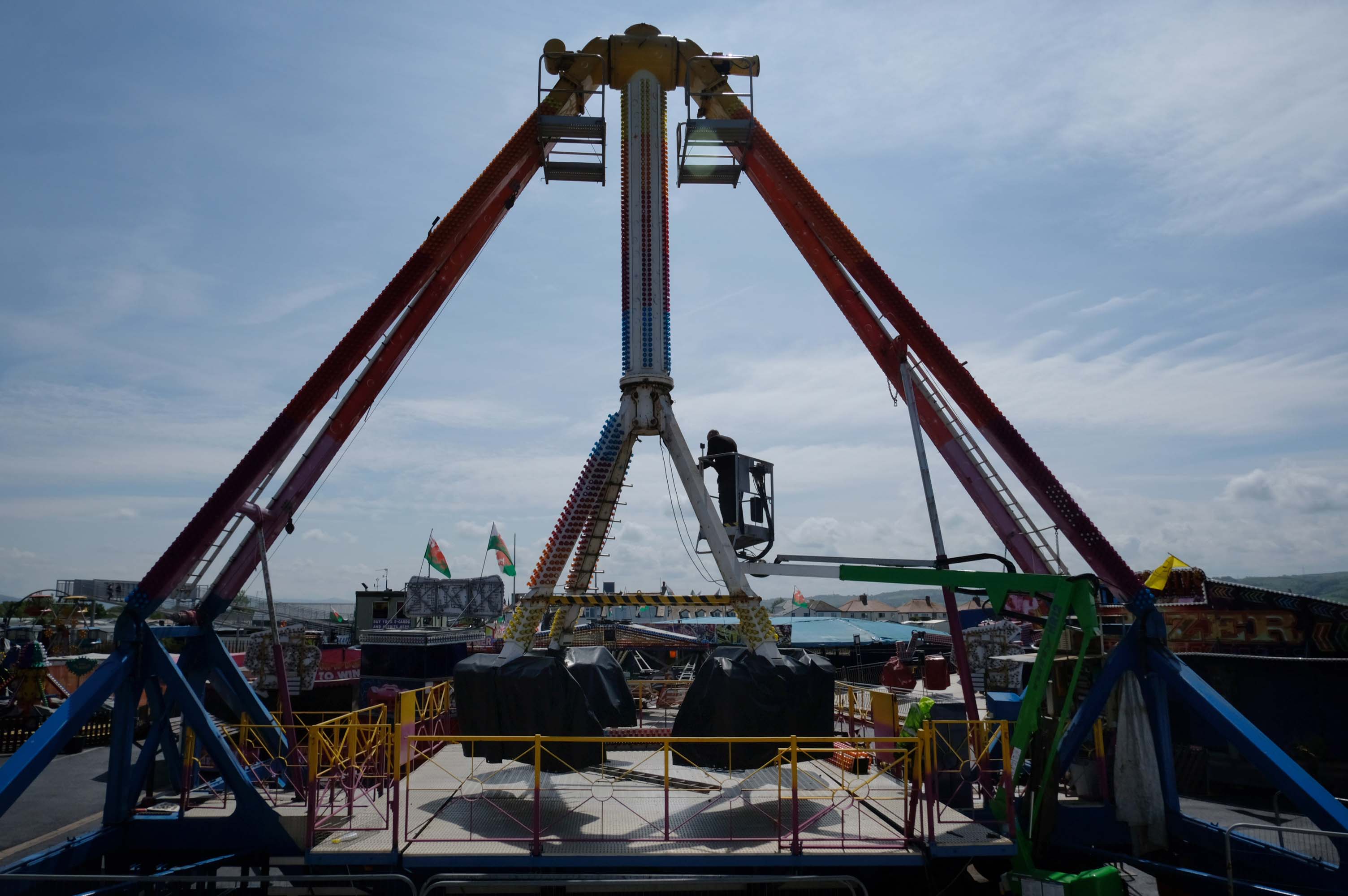
Excitements galore, await at the well maintained funfair.
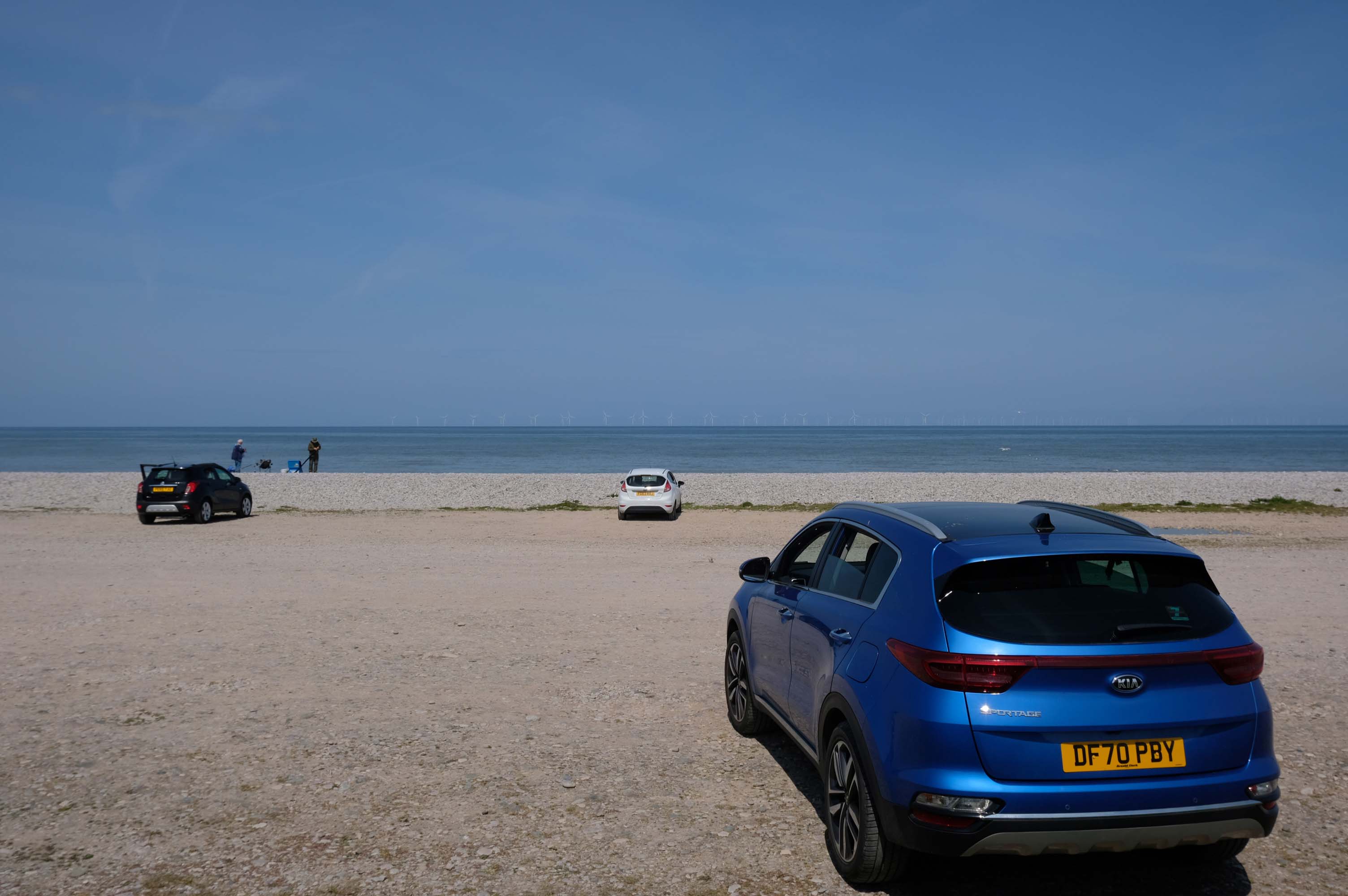
Motor cars to the fore, as the intrepid sea-anglers prepare for a day of sea-angling.
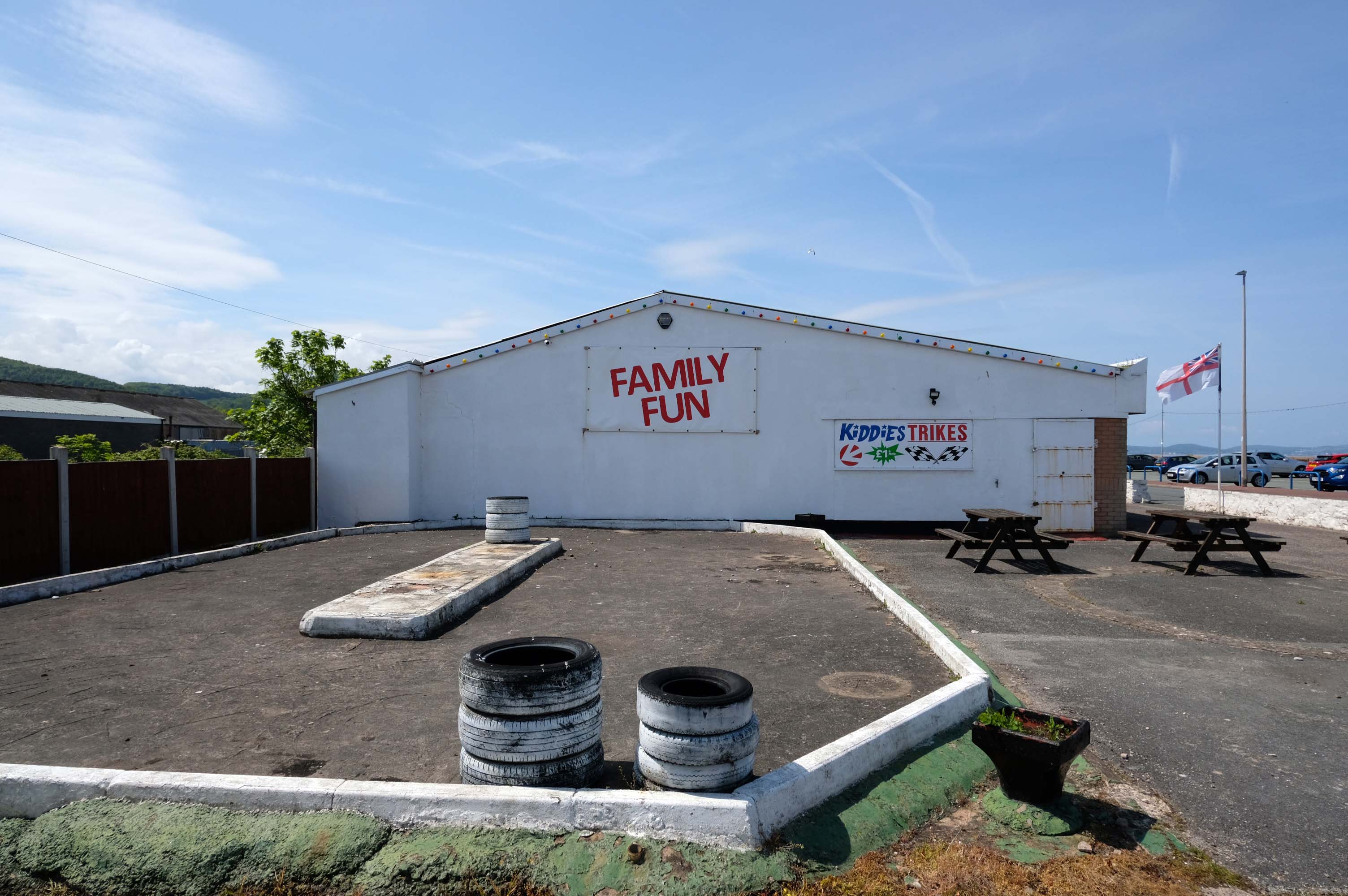
Abergele where Family Fun can be found in the form of Kiddies Karts.
In 2020/21 Abergele hosted the 20th and 21st editions of I’m a Celebrity Get Me Out of Here! at Gwrych Castle, due to the Covid pandemic restrictions in Australia.
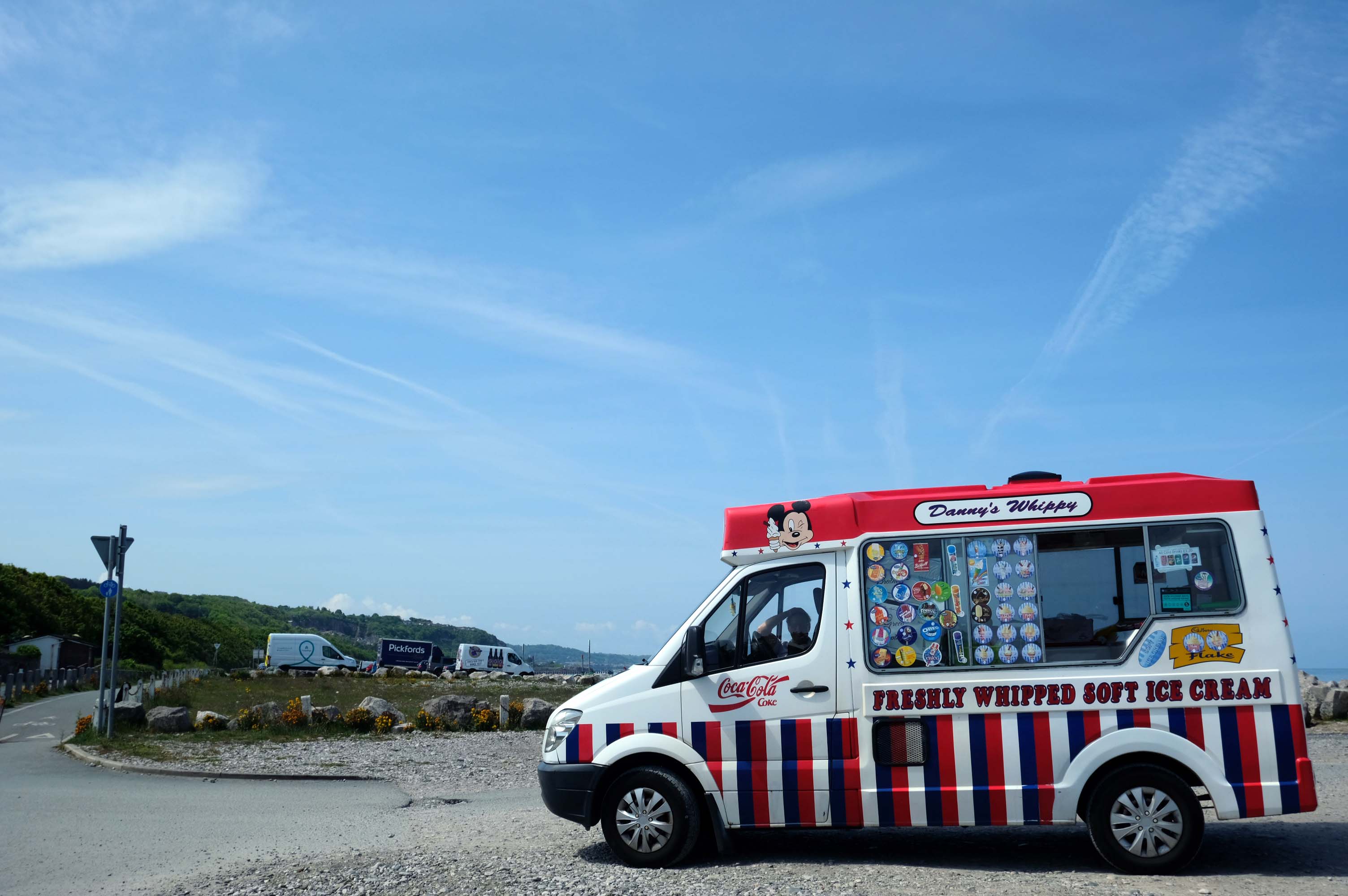
I failed to avail myself with a chilly treat courtesy of Danny’s Whippy, having already had my 99 tub, from Sidoli’s in Rhyl.
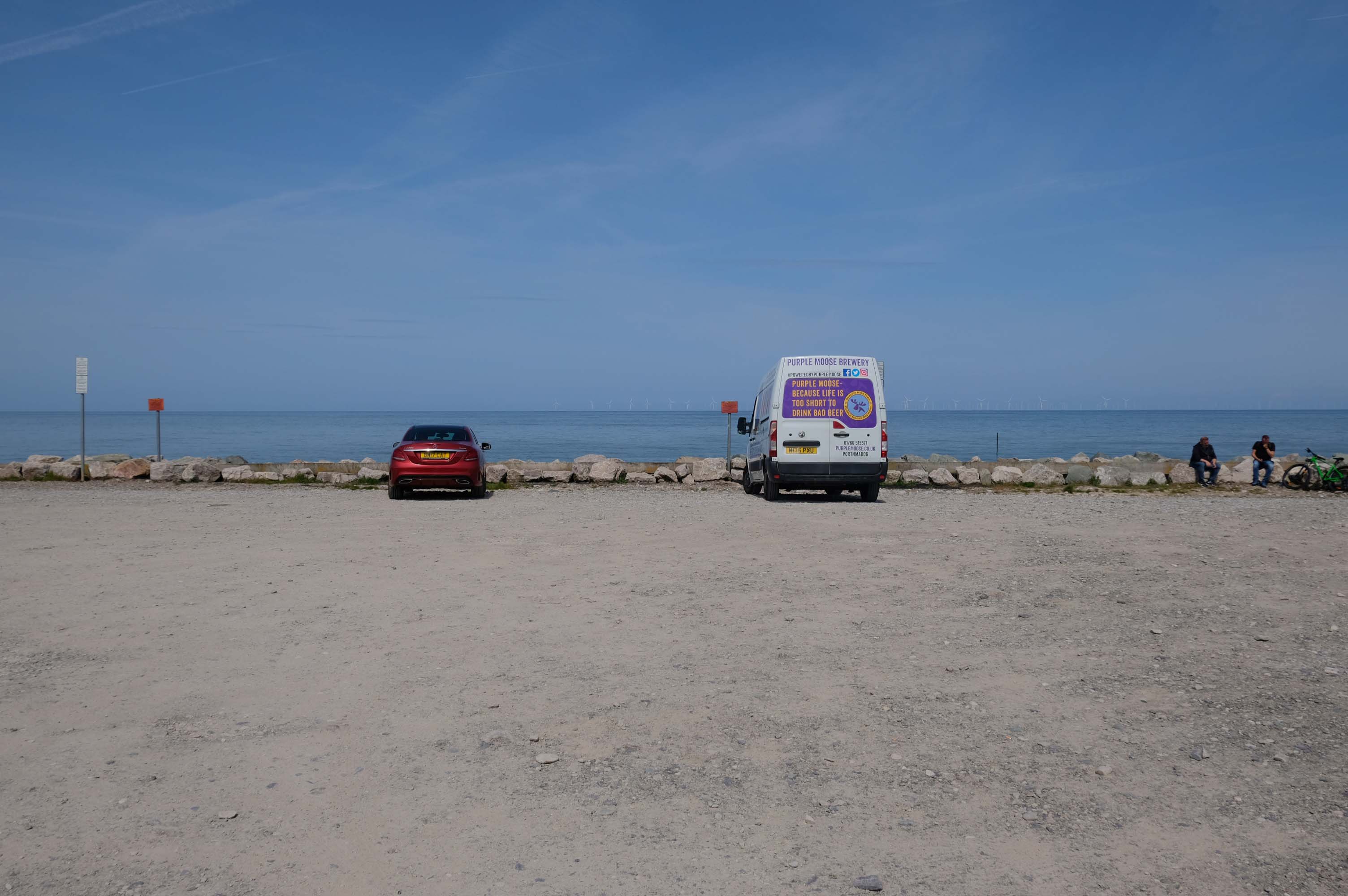
Local brewery Purple Moose’s delivery van driver takes a timely break, whilst fellow cyclists stop for a cig and a chat.
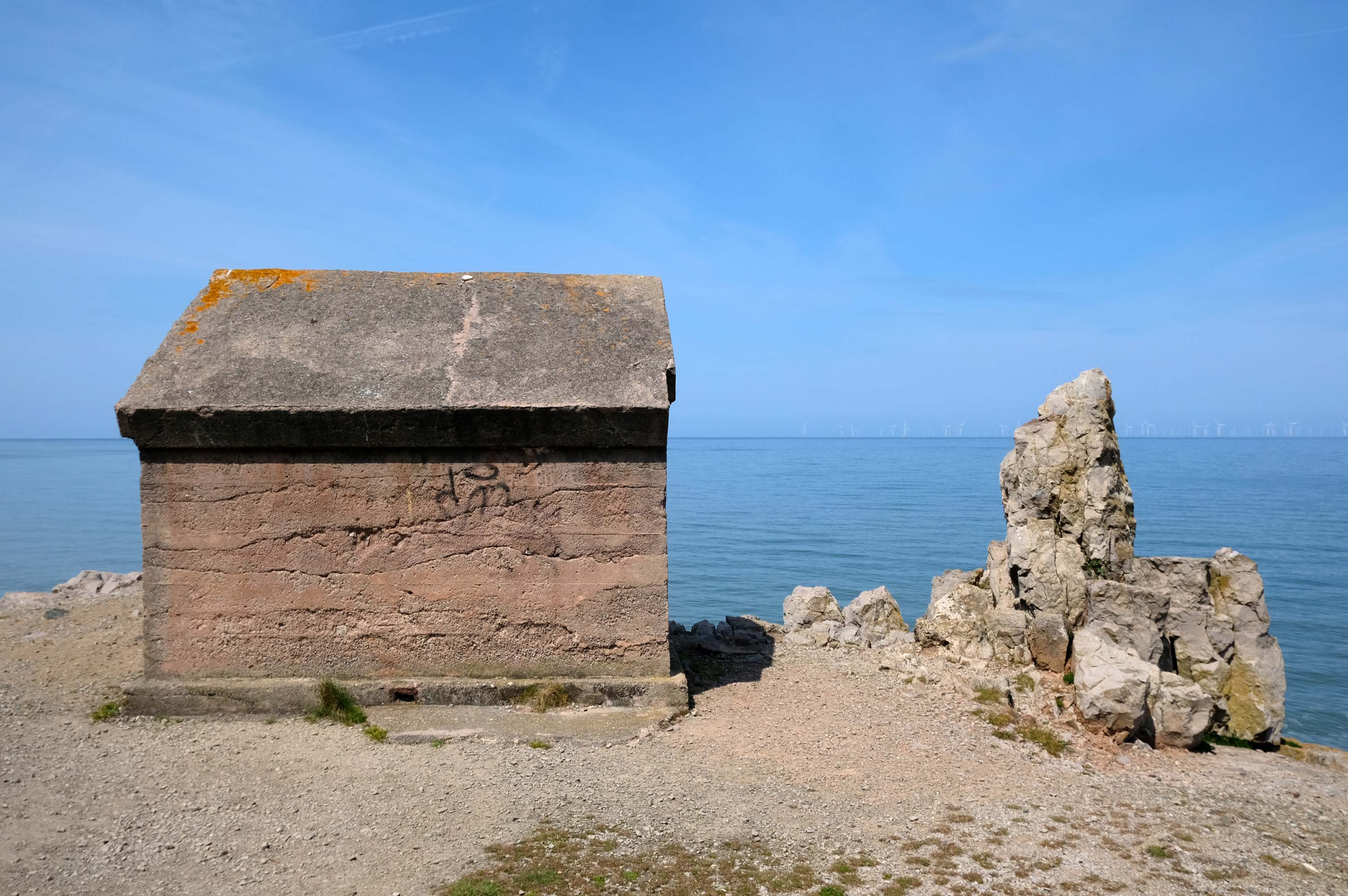
Rugged rocks, sadly lacking ragged rascals, as the Little Orme comes into view.
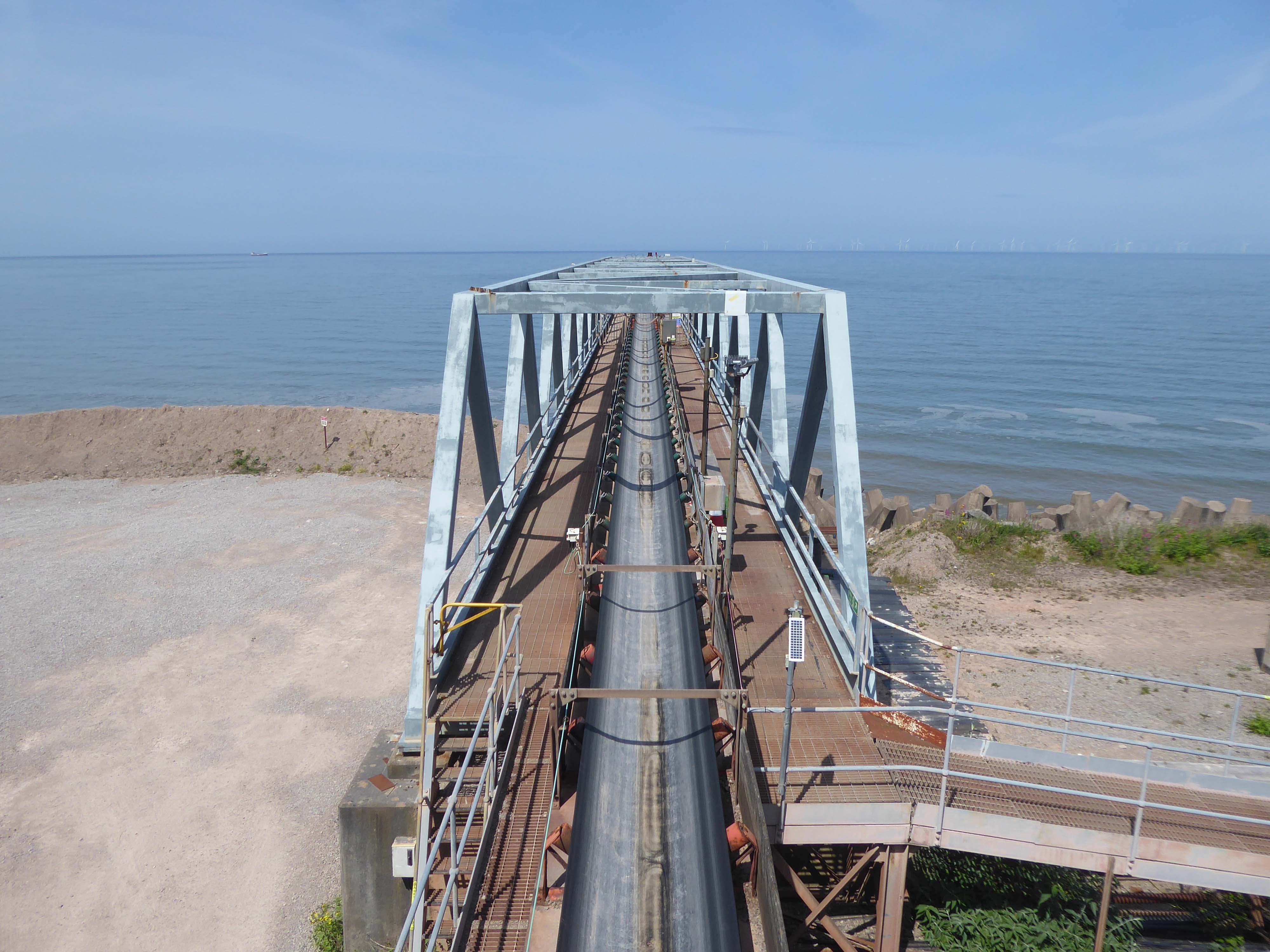
Cast concrete defences, and Raynes Quarry jetty at Llandulas.
The quarry was originally known as Llysfaen Limeworks, being close to Llysfaen railway station. James Trevelyan Raynes of Rock Ferry, Birkenhead, took over the quarry in the 1870s, adding large new limekilns. Lime from the quarry was shipped to various alkali works. Alkali was used for soap, textiles and many other goods.
Quarrying in this area has also produced porcelain-like limestone for high quality architectural uses. St Margaret’s Church – also known as the Marble Church in Bodelwyddan, was built with limestone from Llanddulas.
In November 2011 one of the freighters, MV Swanland, sank in stormy weather on the Irish Sea after collecting 3,000 tons of stone from Raynes jetty bound for the Isle of Wight.
Two crewmen were rescued but five, all Russian, were lost.
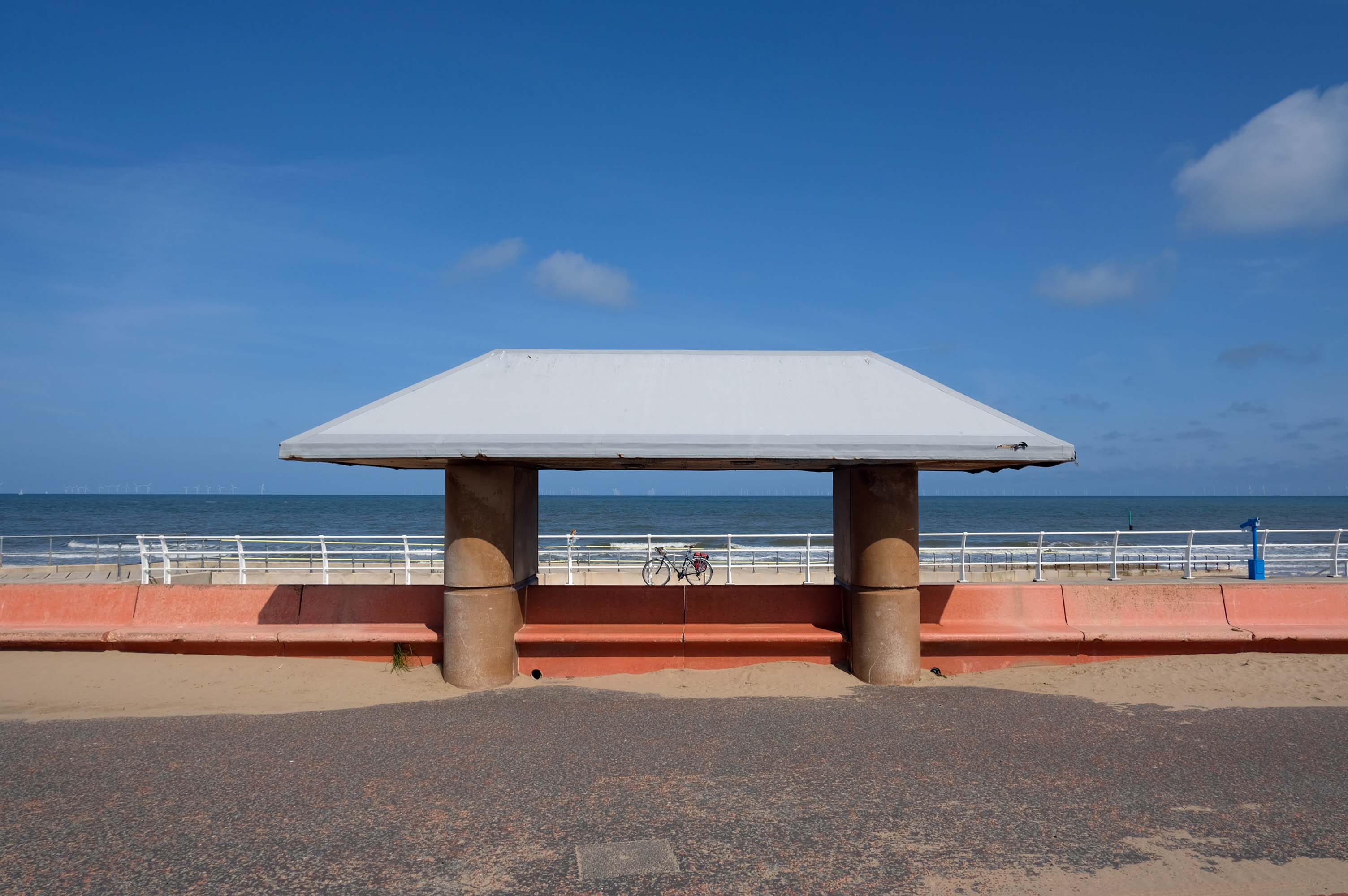
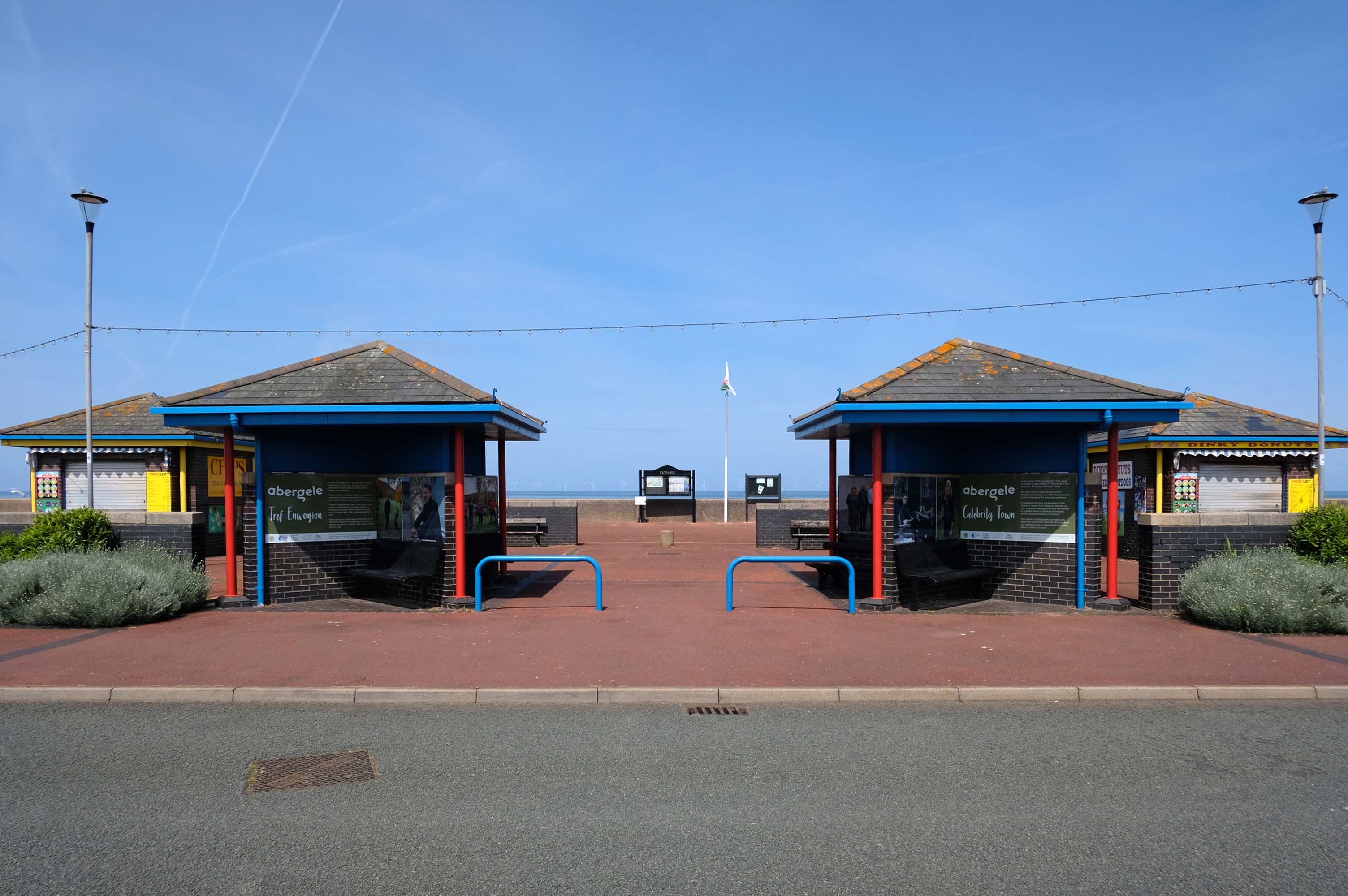
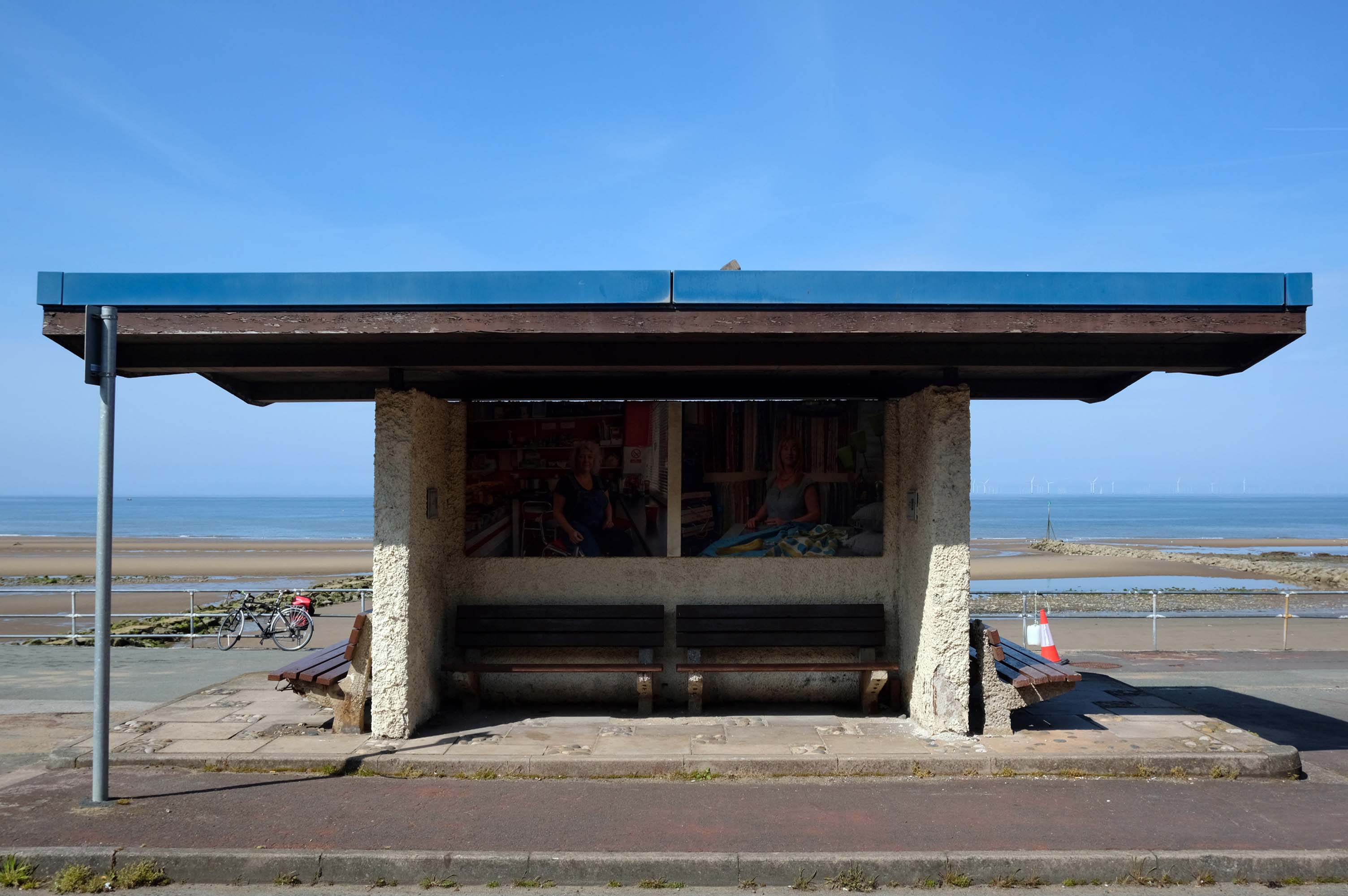
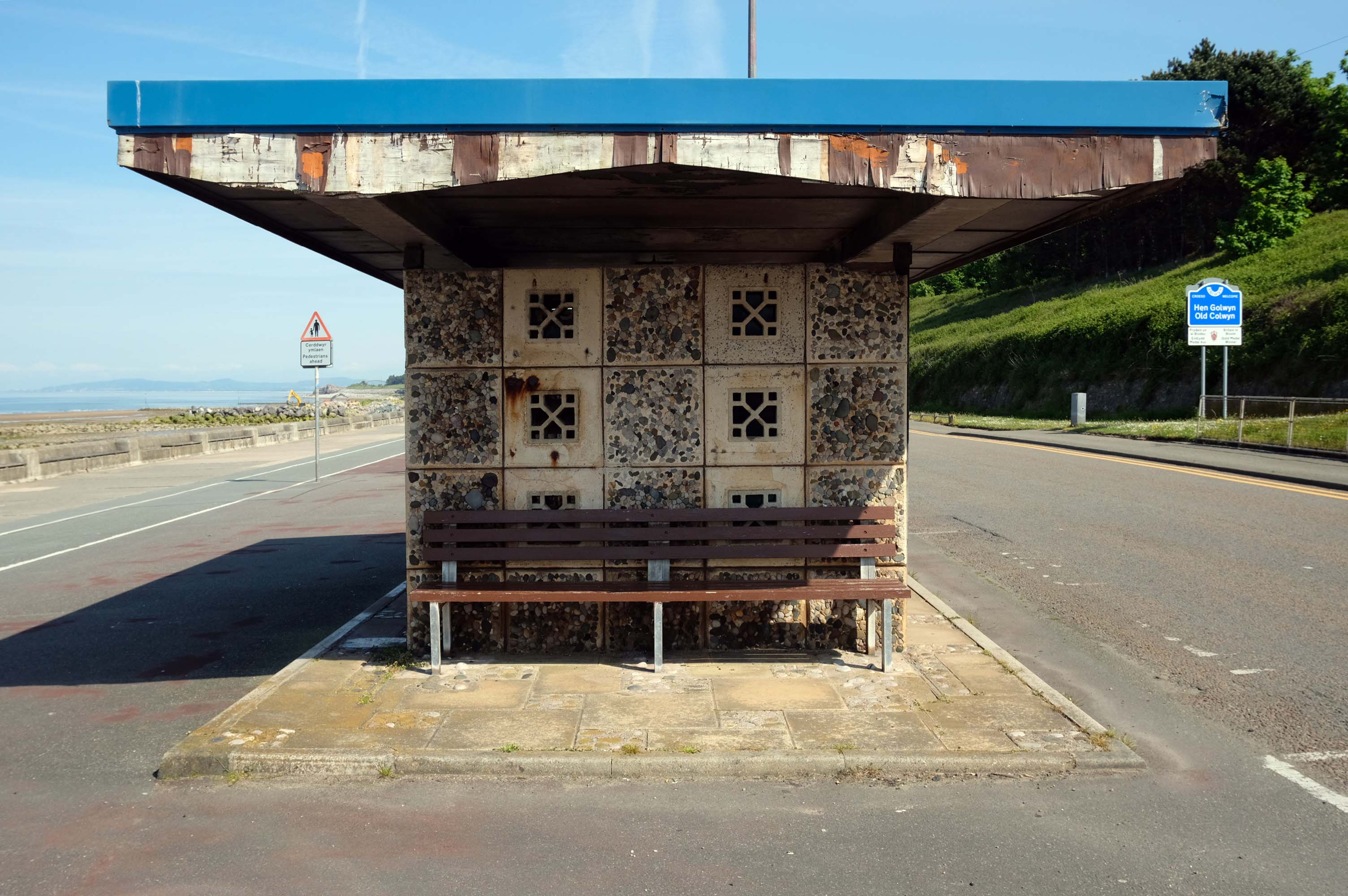
Almost the end of the line here in Old Colwyn – where there are the last of a series of shelters.
Formerly lining the prom all the way to Rhos on Sea
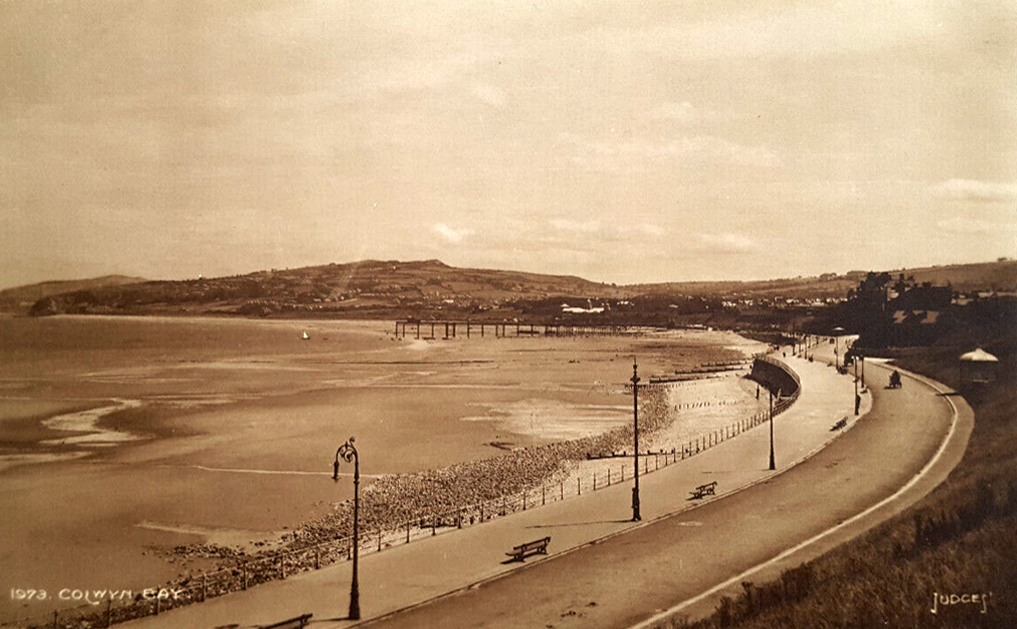
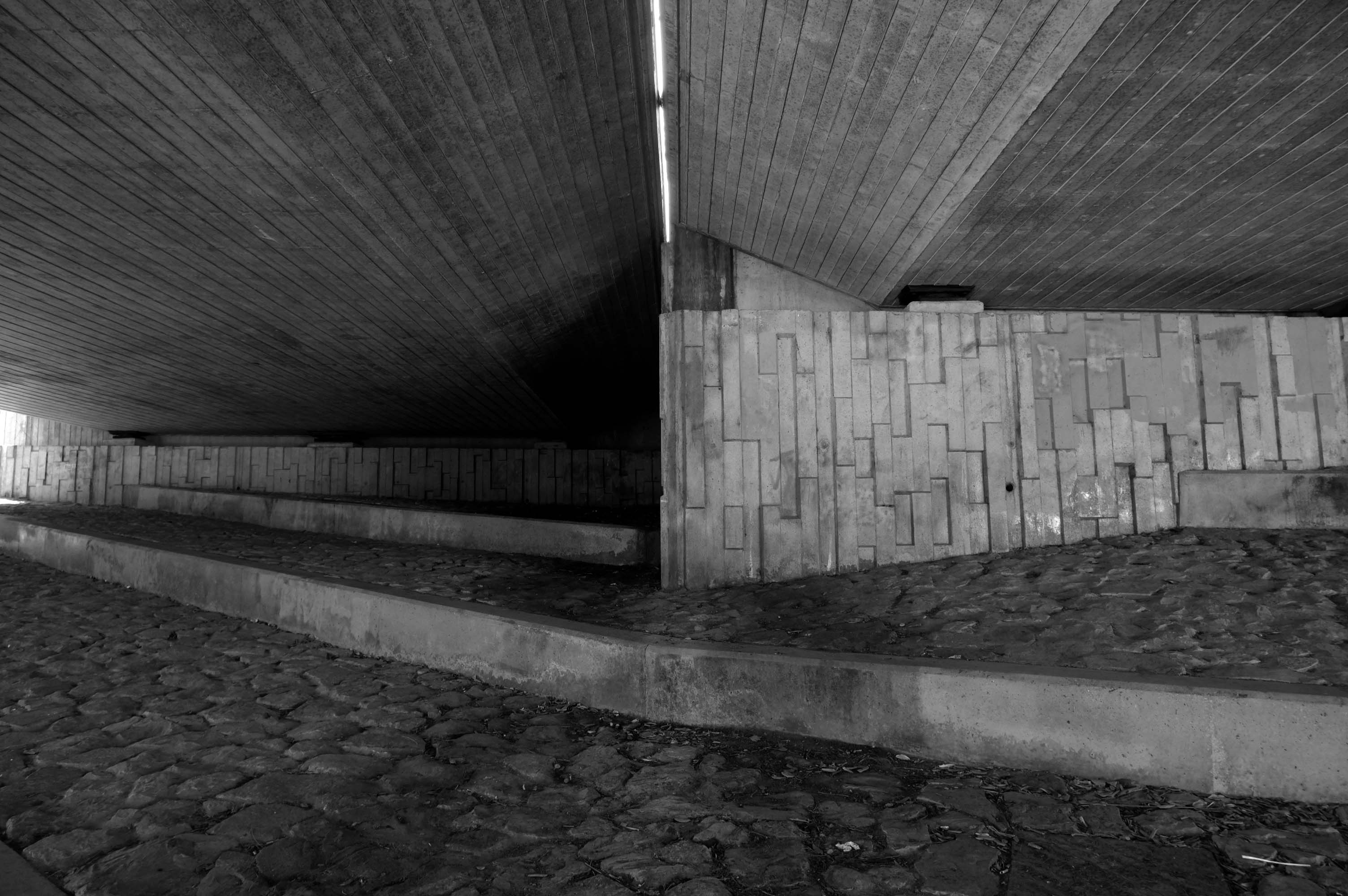
Cutting under the A55 Expressway to Colwyn Bay.
During World War II the Colwyn Bay Hotel, Marine Road – now demolished, was the headquarters of the Ministry of Food. This also housed the Cocoa & Chocolate division and was the communications hub for the ministry, they continued to use the hotel until 1953.
Two swans in front of his eyes Colored balls in front of his eyes It’s number one for his Kelly’s eye Treble-six right over his eye
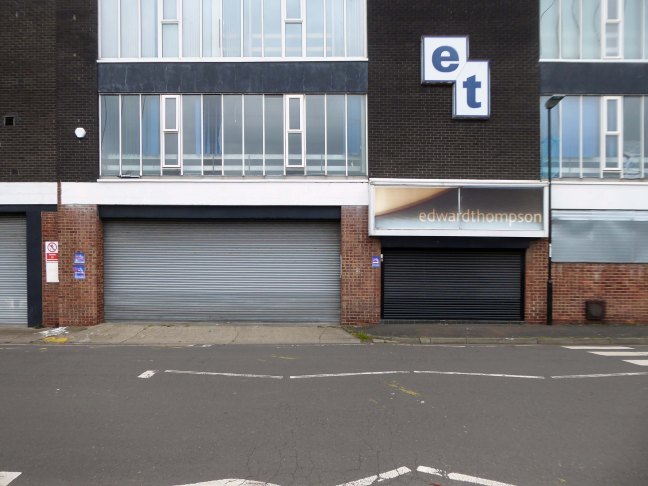
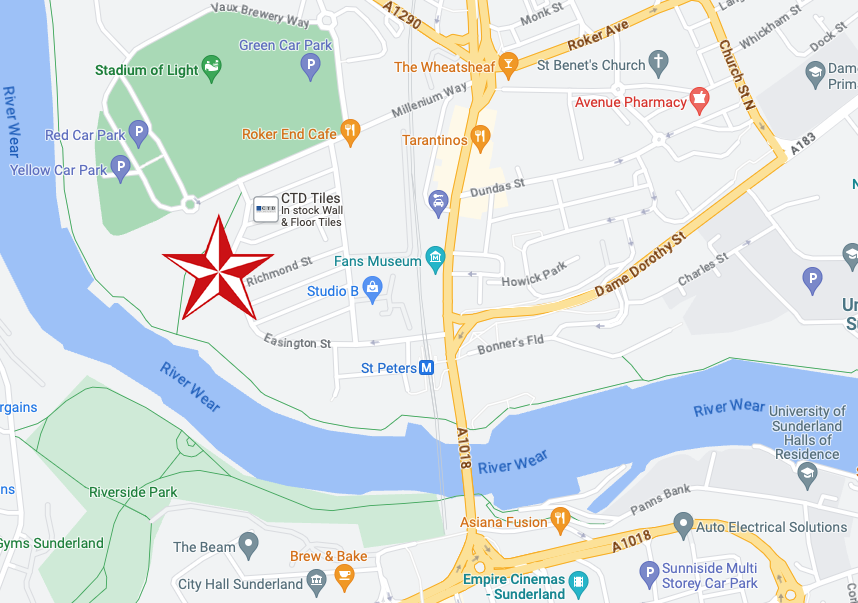
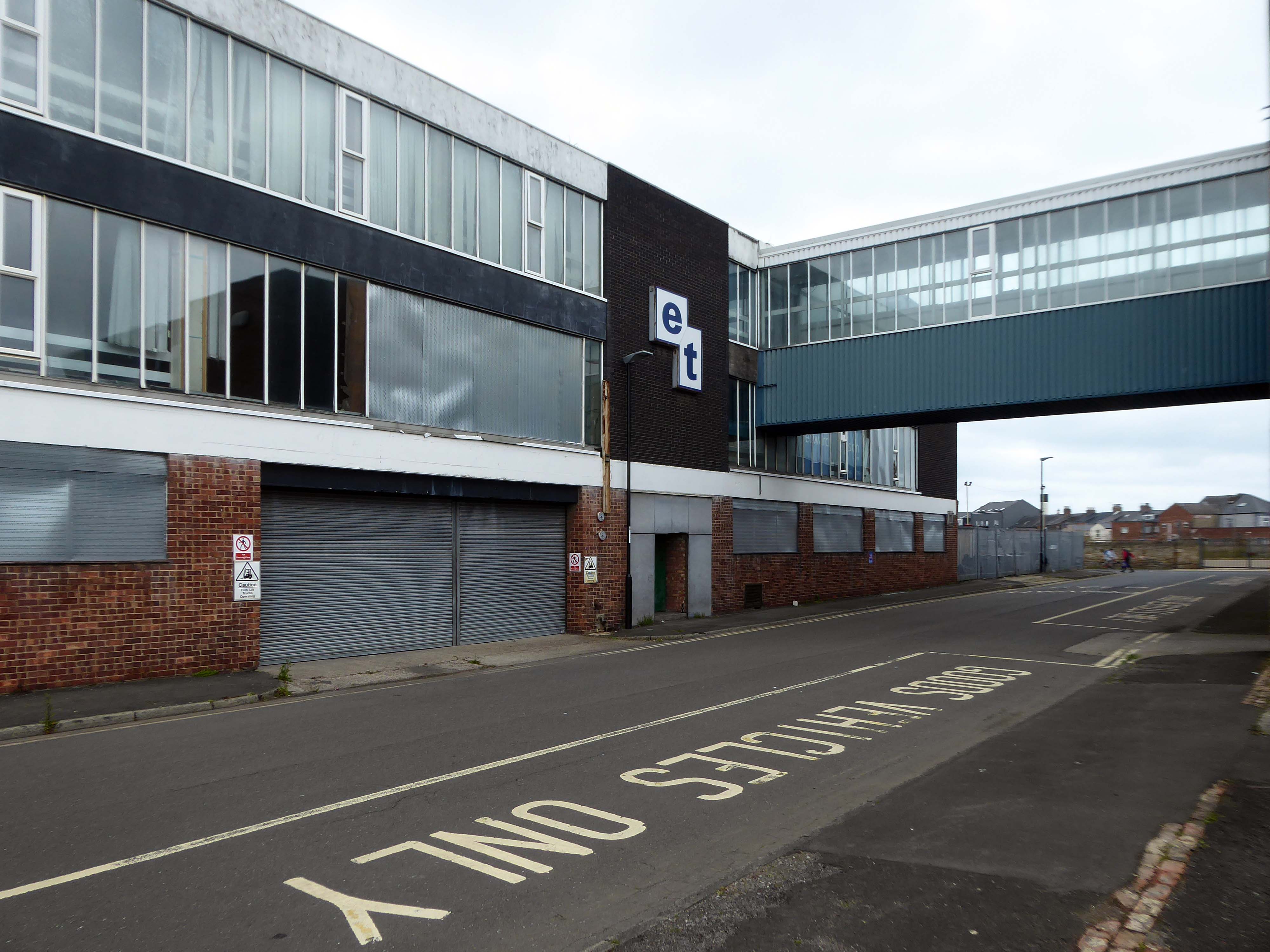
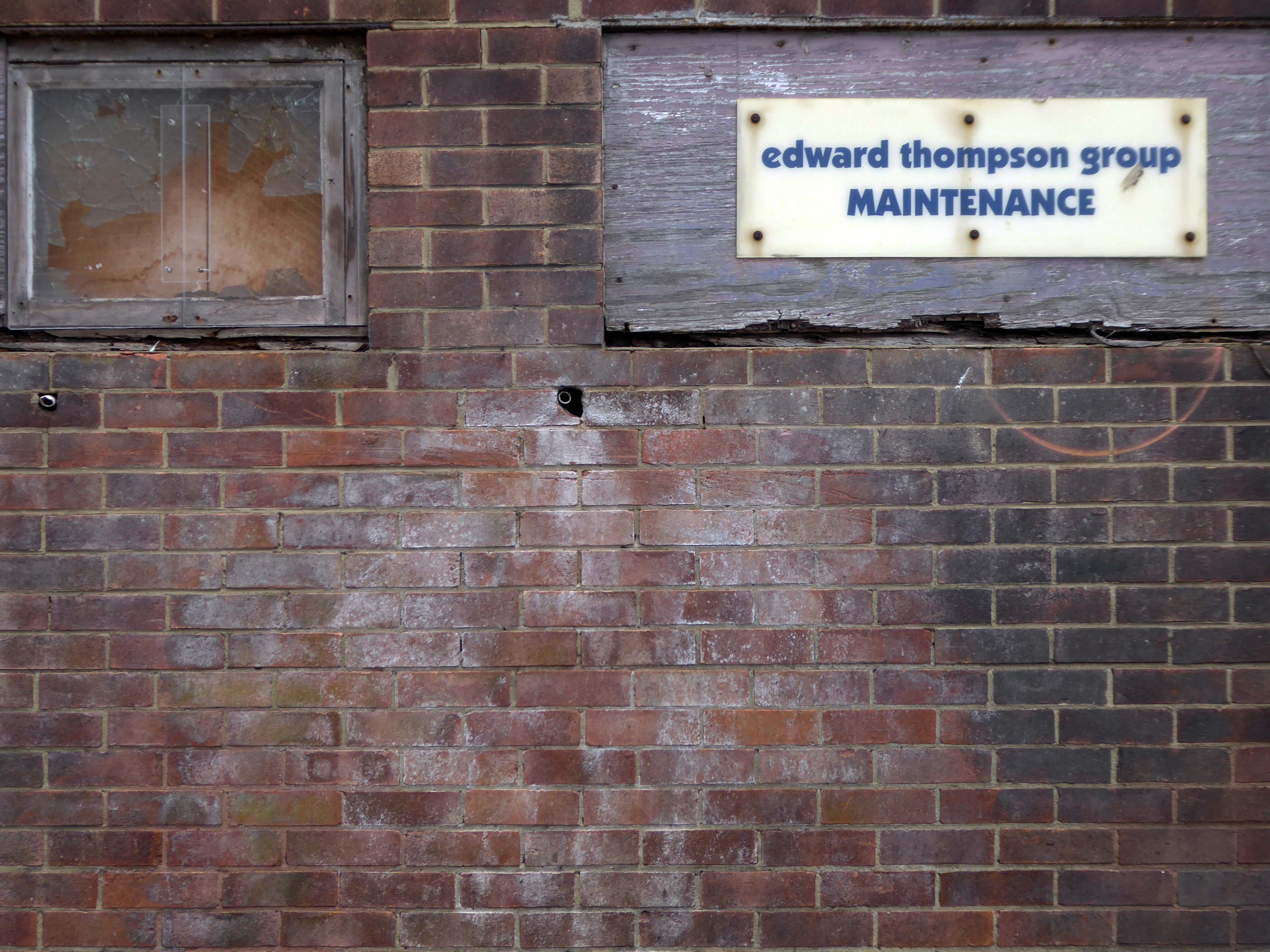
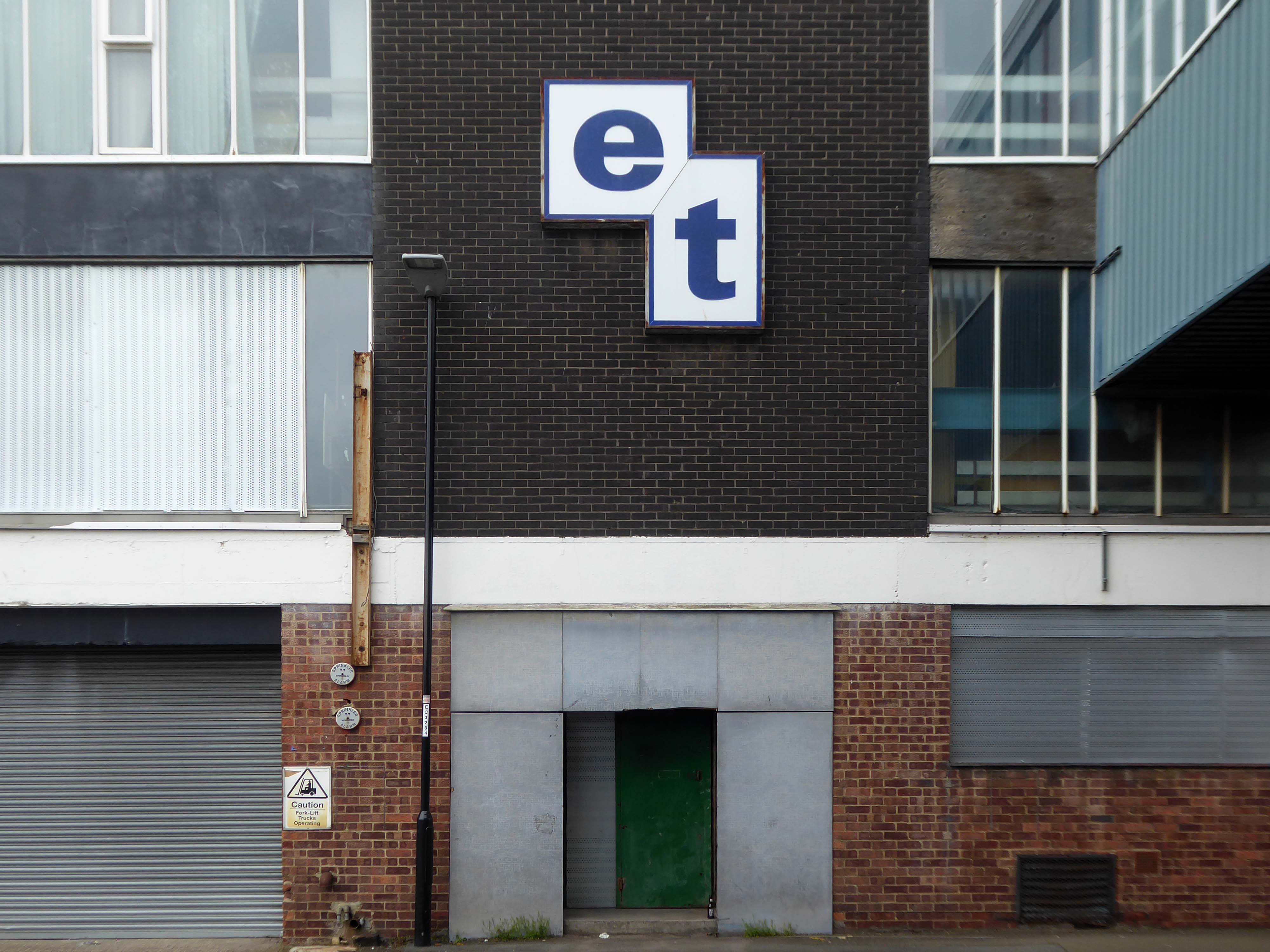
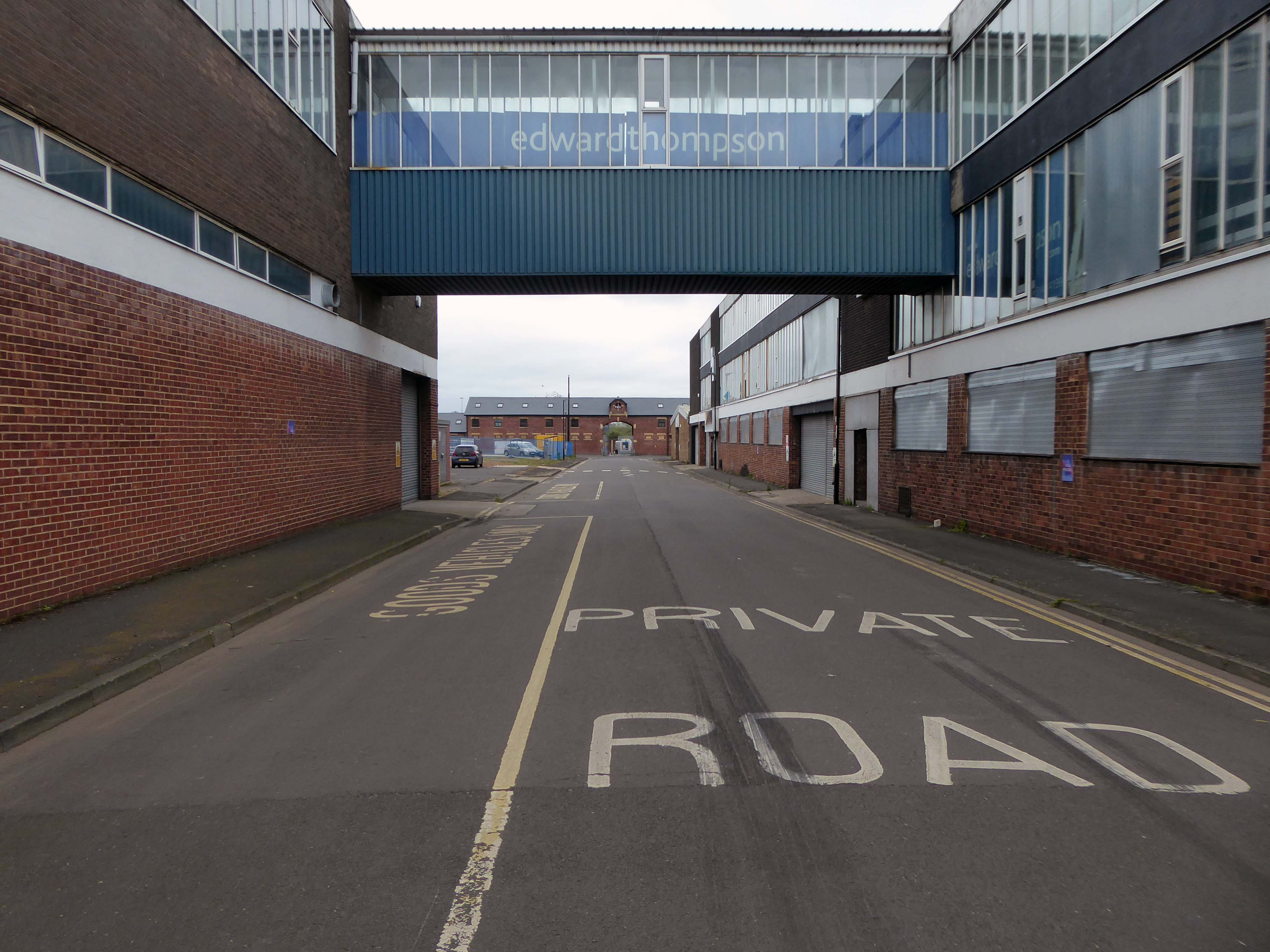
Edward Thompson, the family printing business, was founded in Sunderland in 1867.
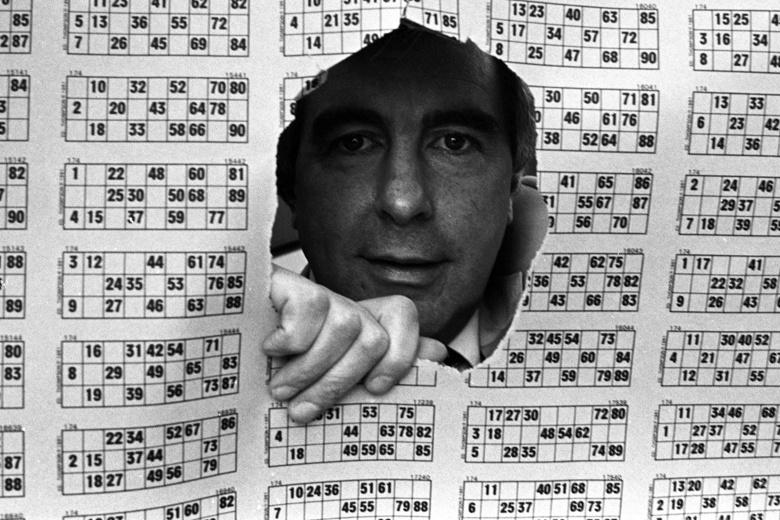
They identified a business opportunity when a local priest, Jeremiah O’Callaghan, ordered some bingo tickets for a parish fund-raising exercise.
From those humble beginnings, Edward Thompson mushroomed in size as Britain went bingo-mad in the 1960s, becoming first the UK’s and then the world’s biggest producer of bingo cards and tickets.
The company which has been printing for more than 155 years – has been hit hard by the crash in bingo hall use as Covid ripped through the leisure sector. CEO Paddy Cronin said he was ‘gutted’ but the business had finally had to face the inevitable as the cashflow dried up.
We were built on a bet but our luck has now run out – he told The Northern Echo.
Covid completely changed the market and as the halls went into decline it just became untenable so I had to break the news to the workers.
They were the pioneers of newspaper bingo, printing the first cards in 1975 and going on to work in places like Bolivia and Belgium and even printing the ballot papers for Nelson Mandela’s 1994 election in South Africa.
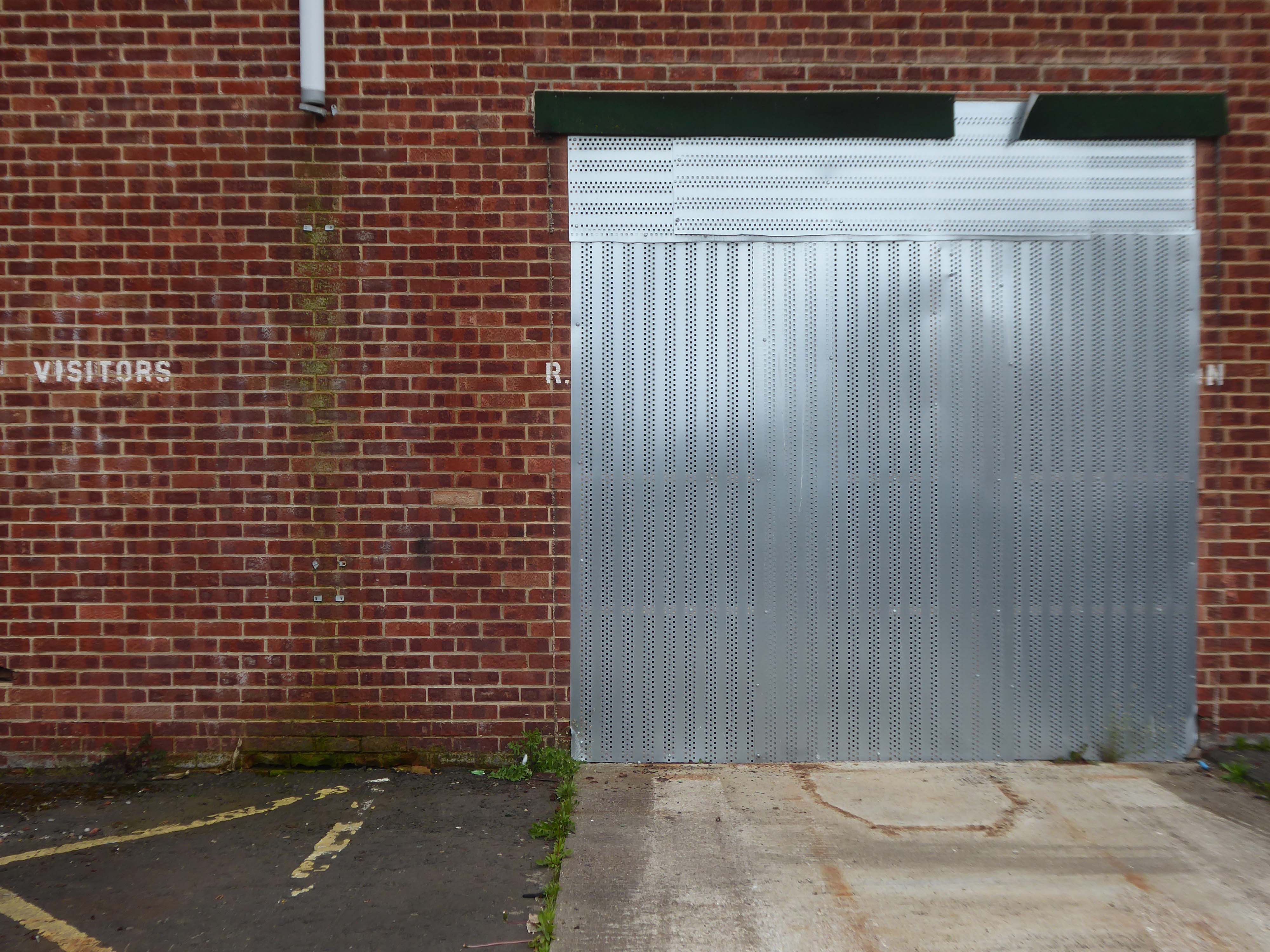
So their number is up the factory is tinned-up, house has been called for the very last time.
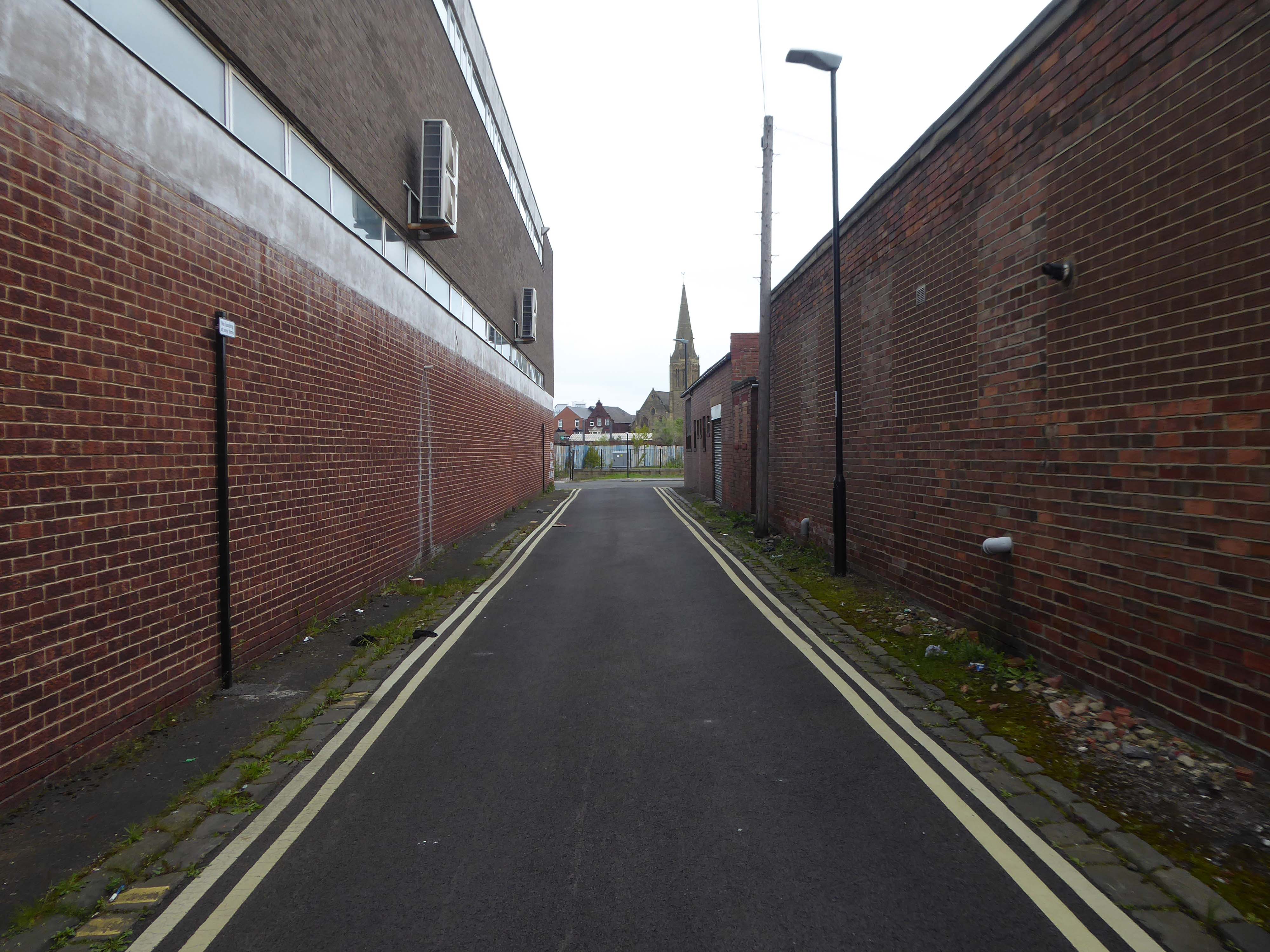
Yeah, yeah, industrial estate
Well you started here to earn your pay Clean neck and ears on your first day Well we tap one another as you walk in the gate And we’d build a canteen but we haven’t got much space
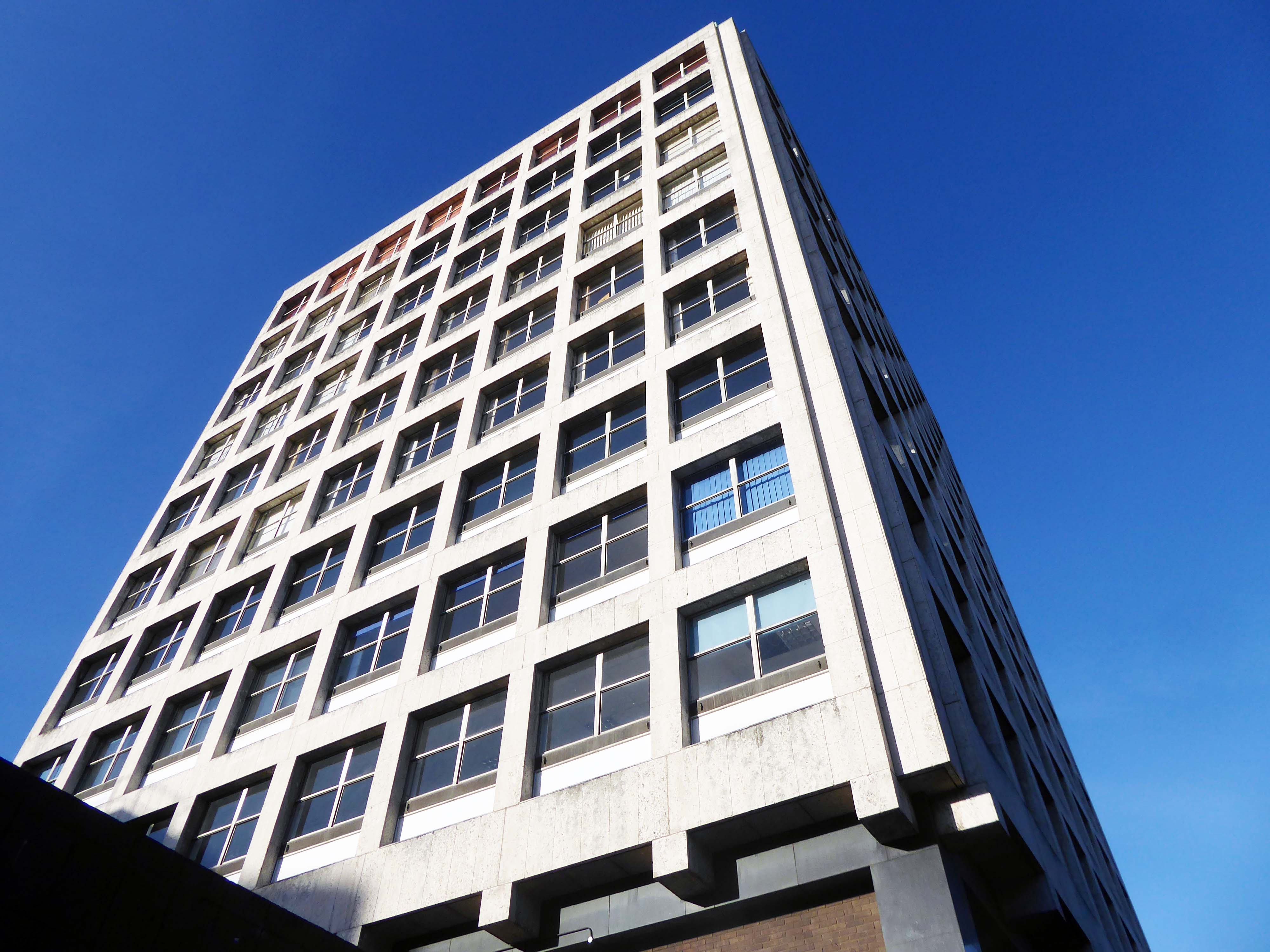
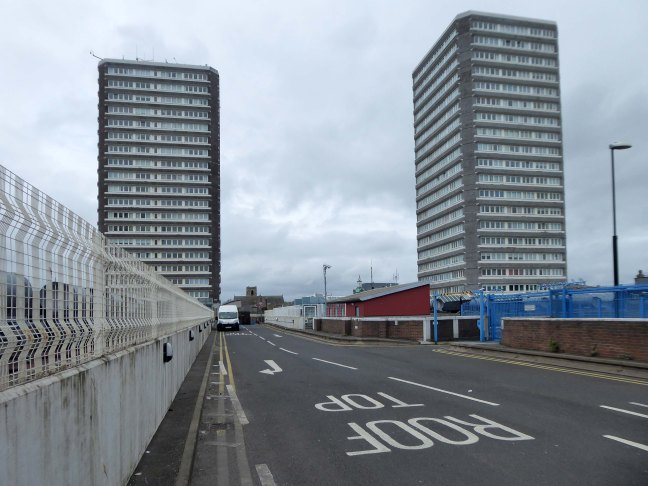
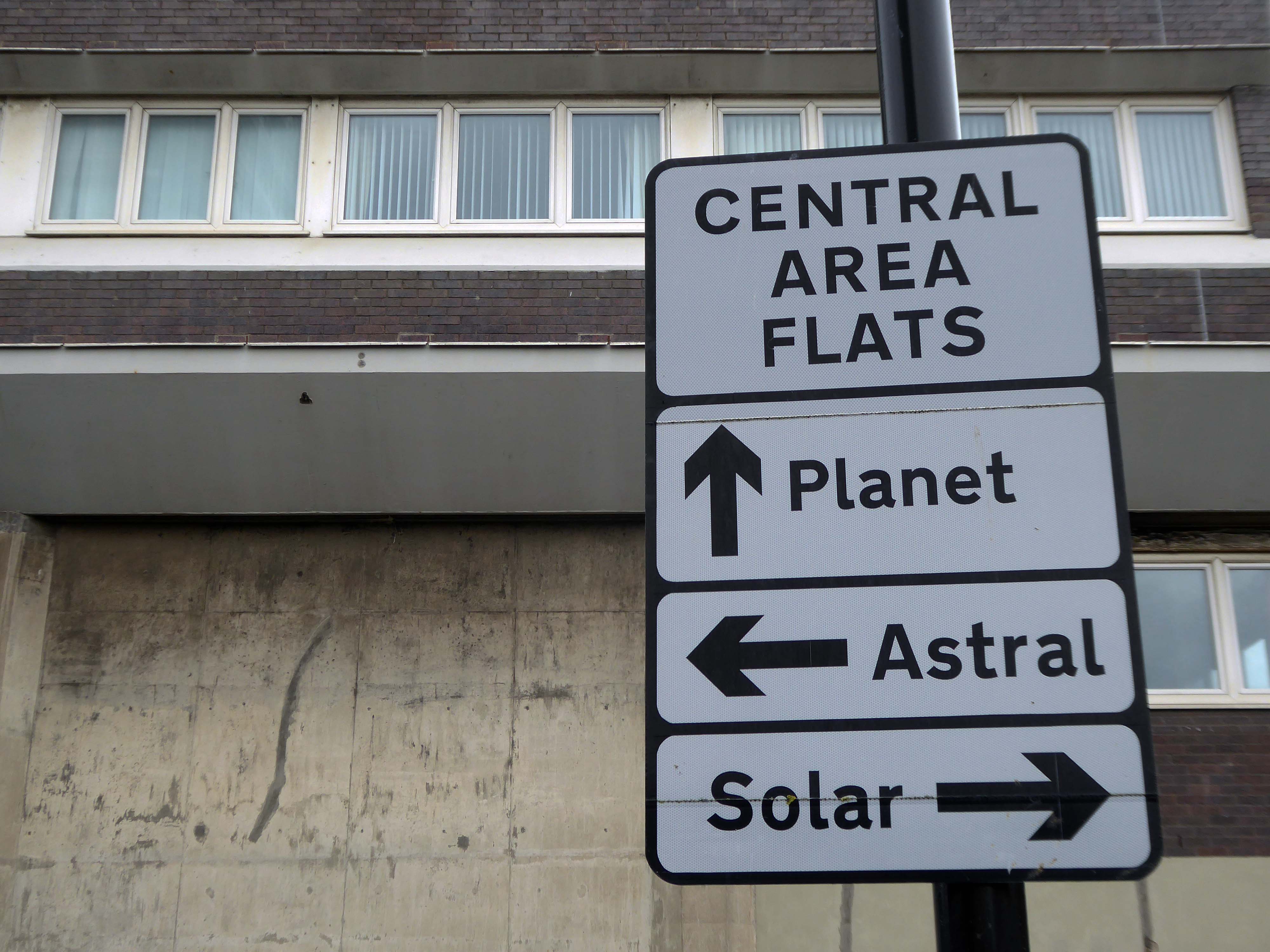
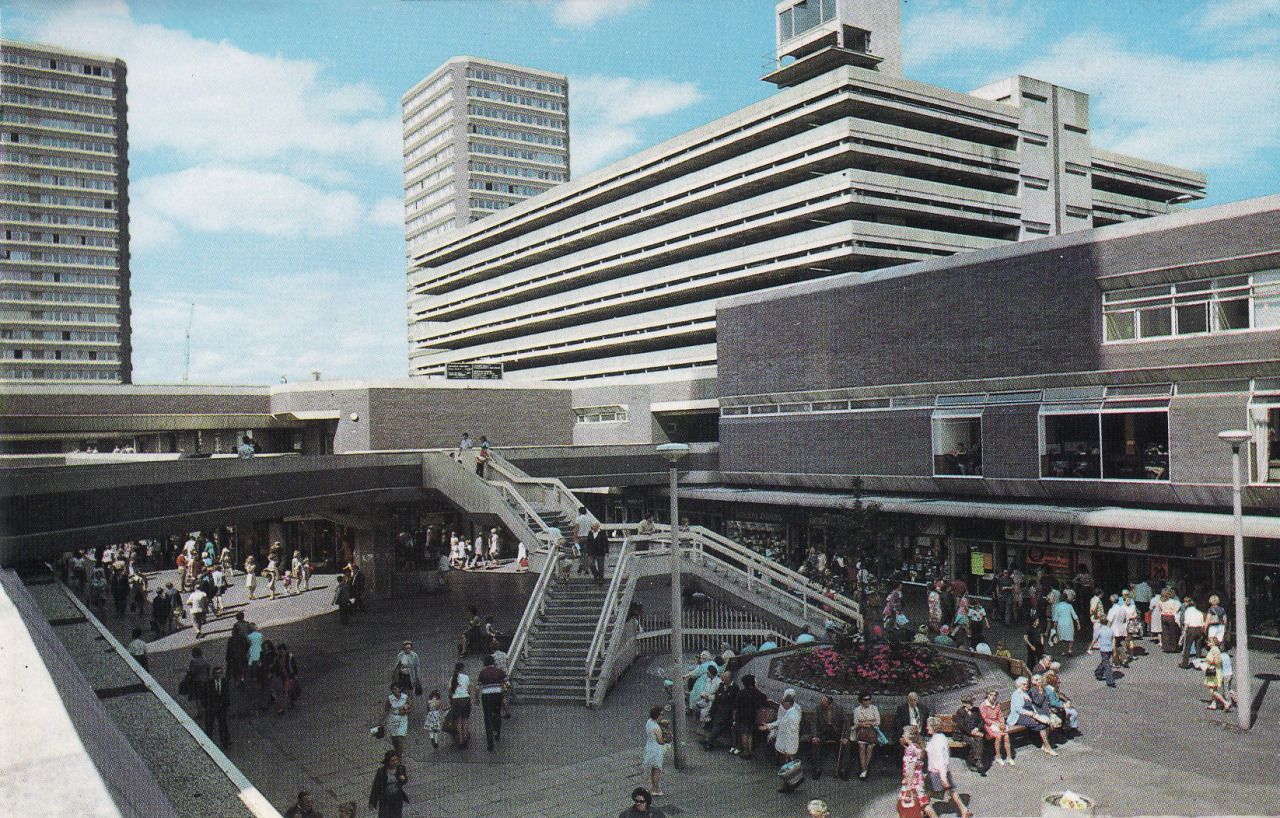
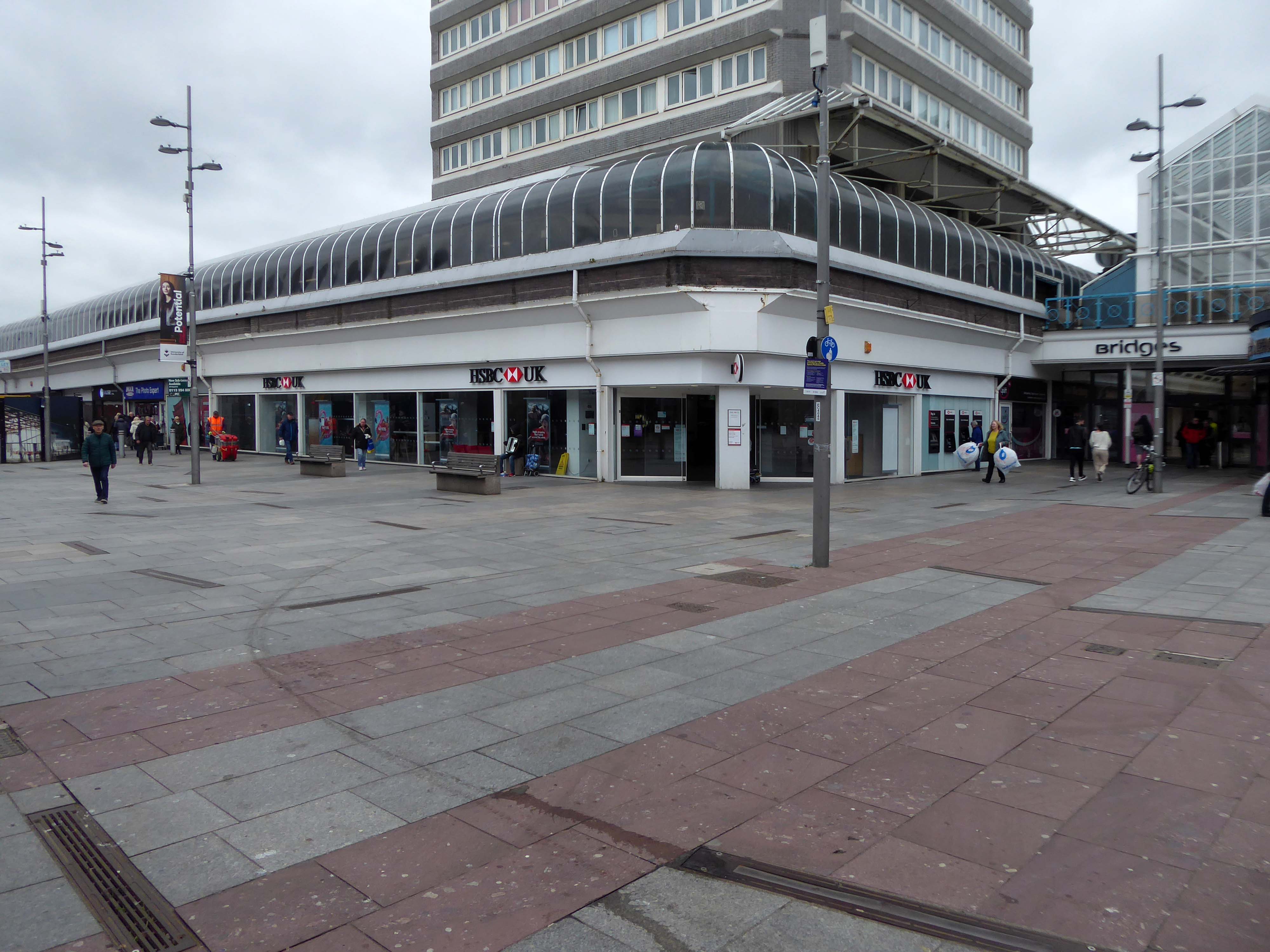
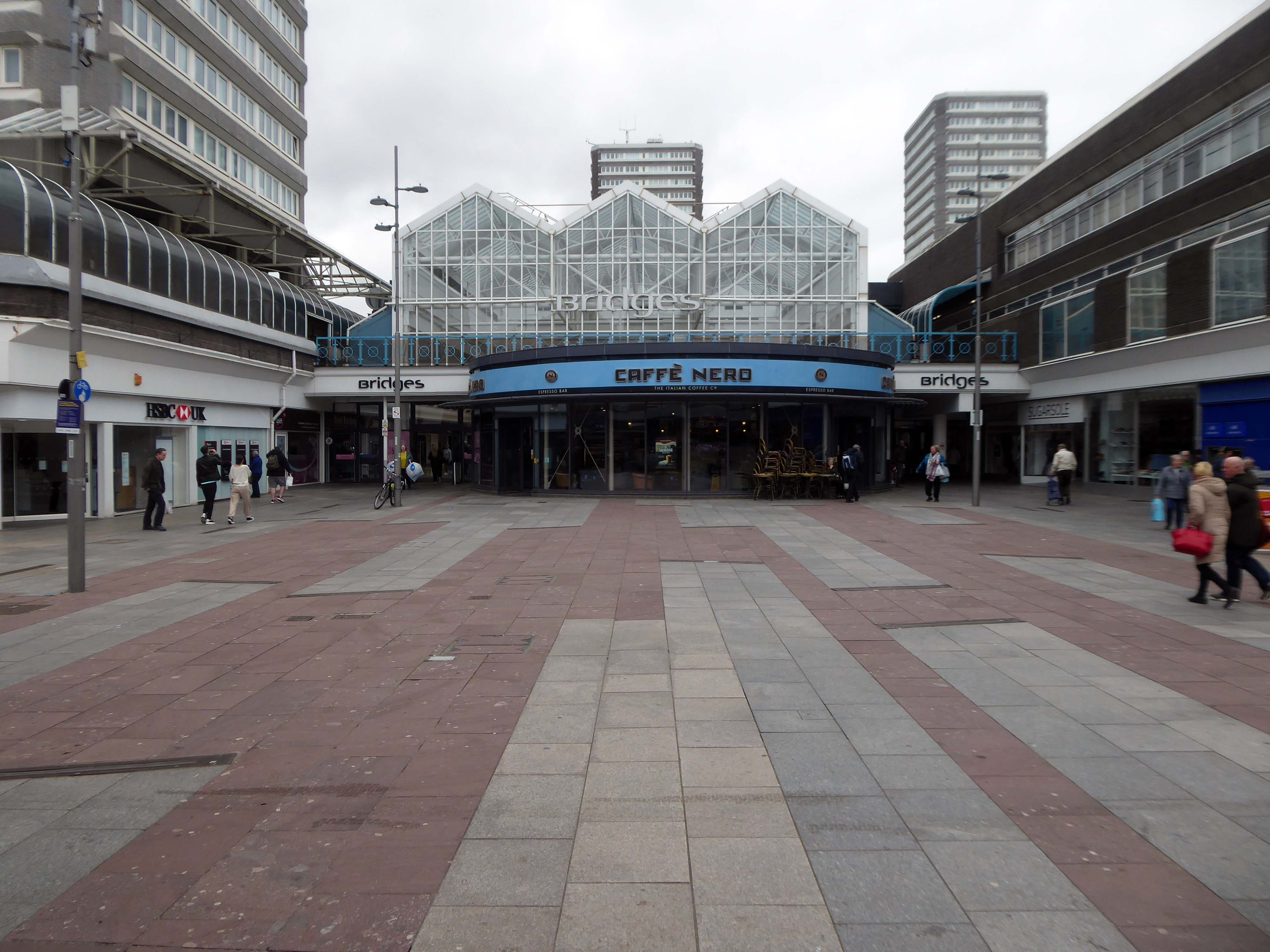
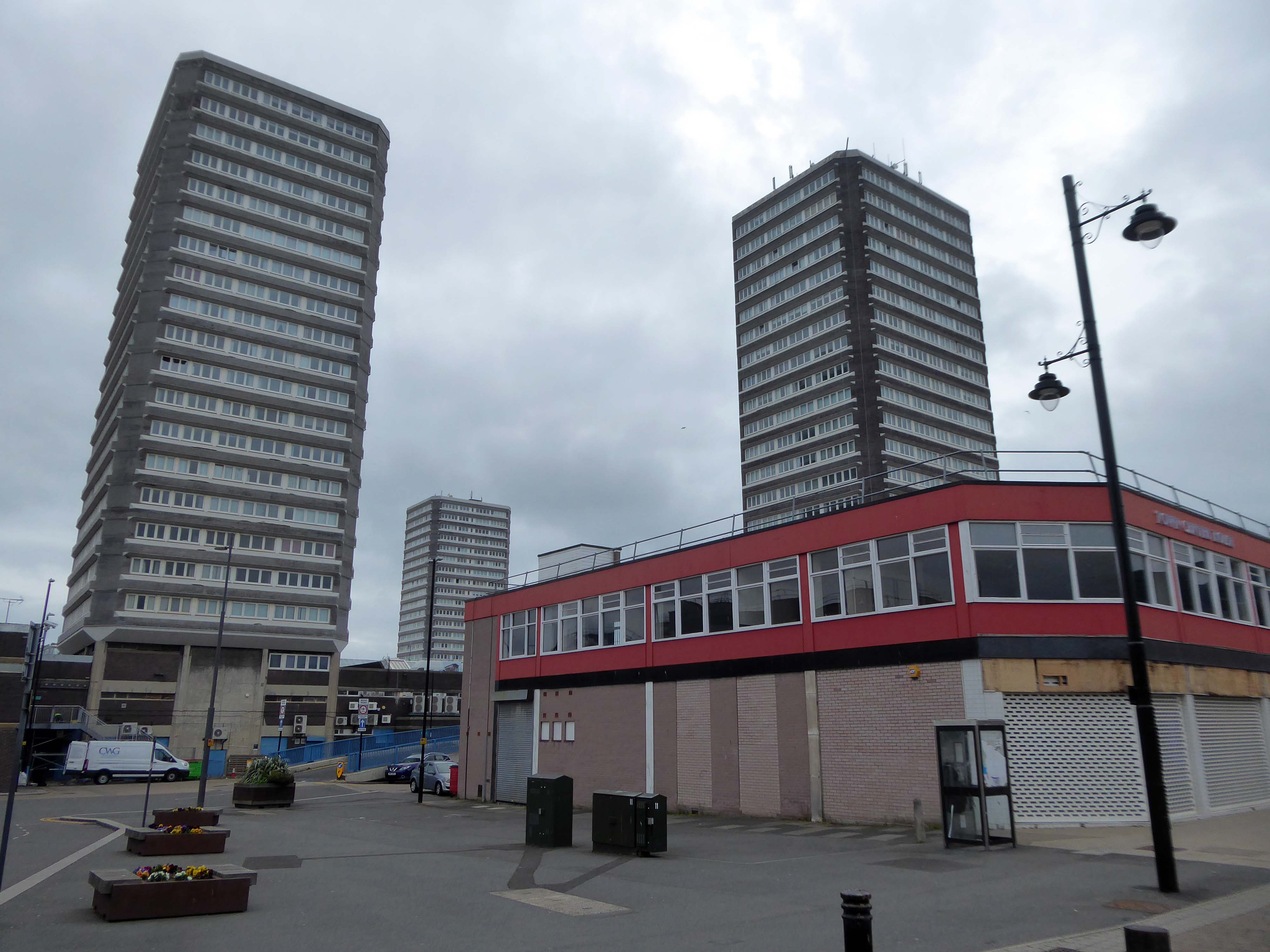
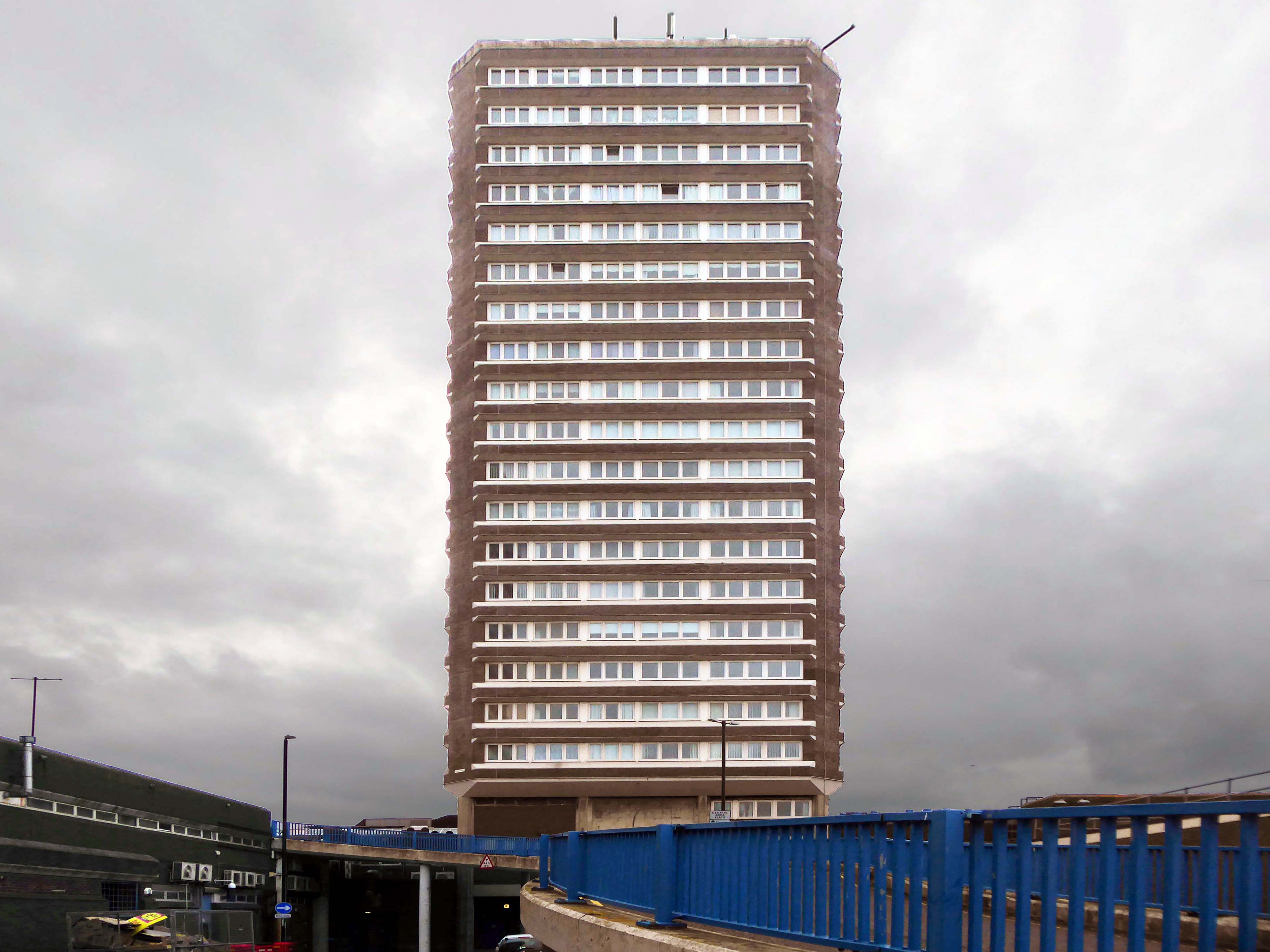
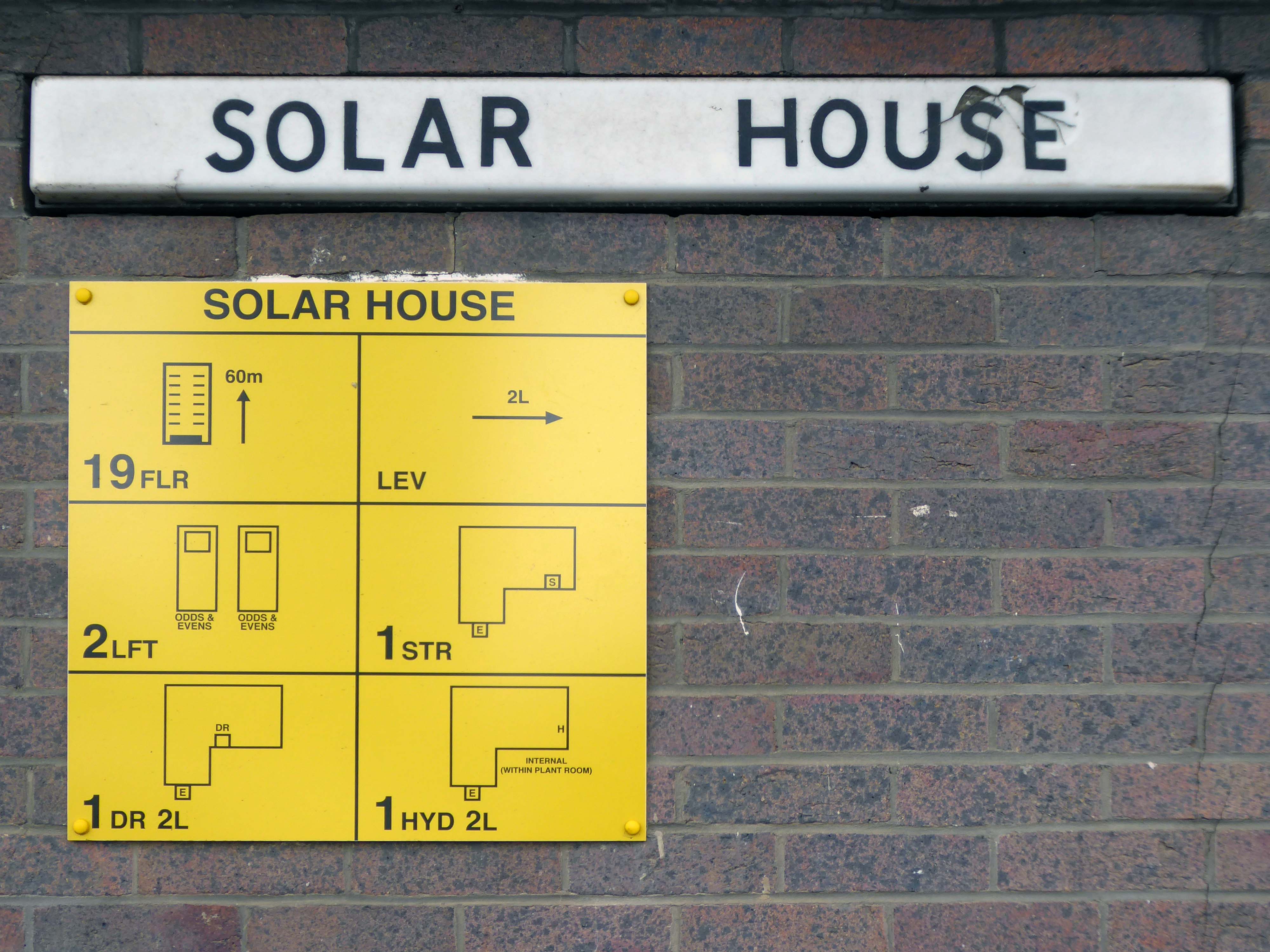
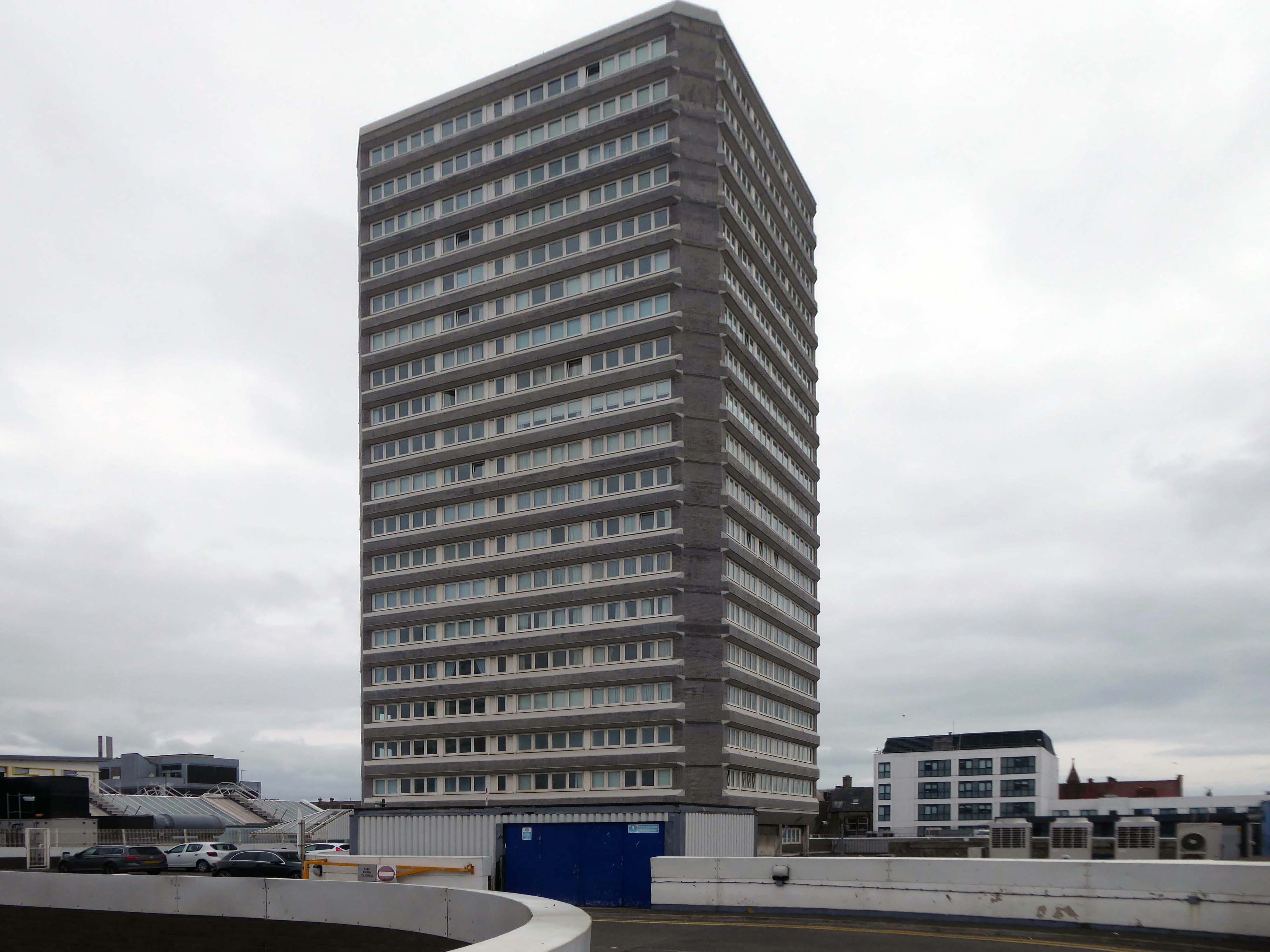
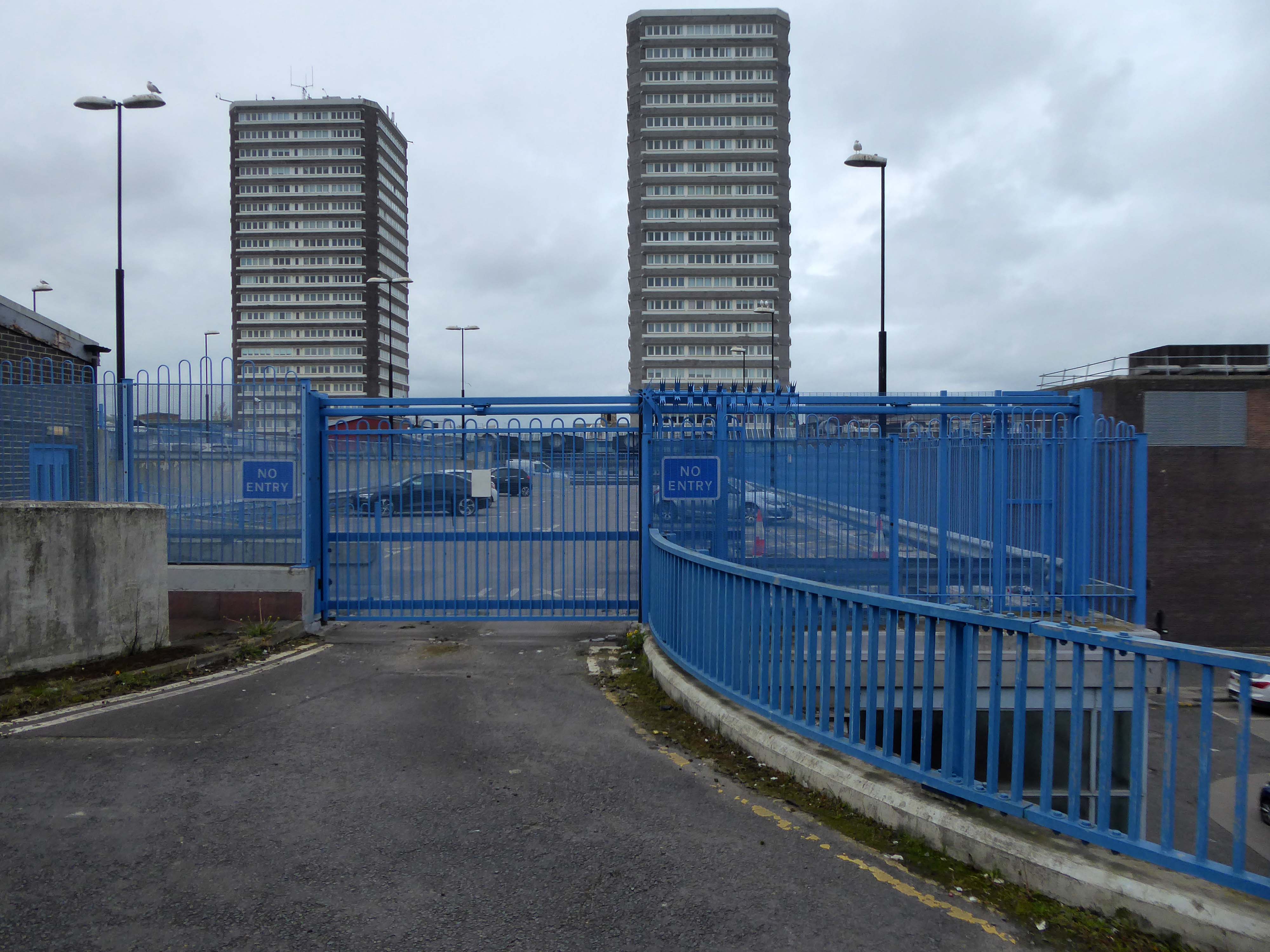
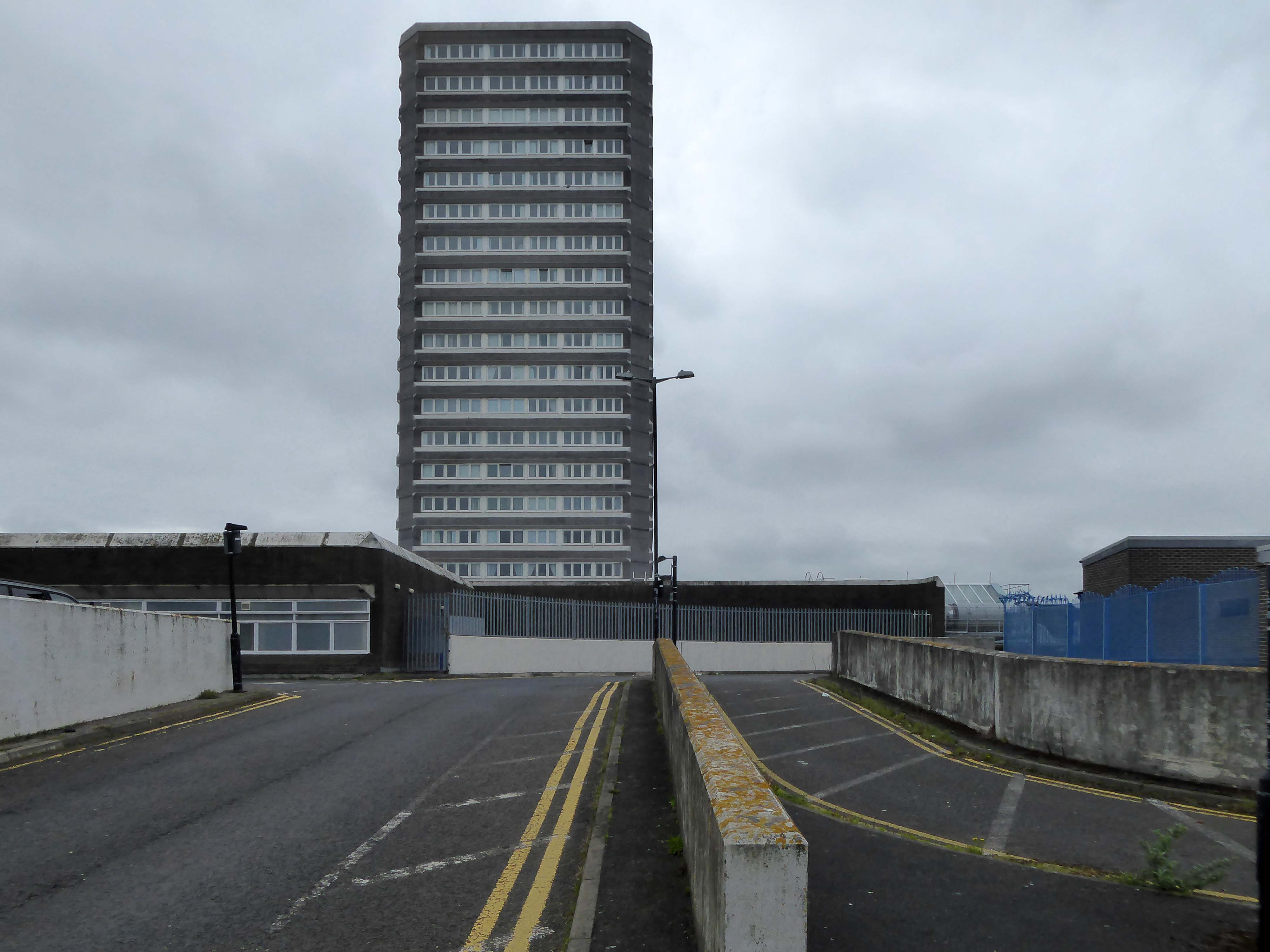
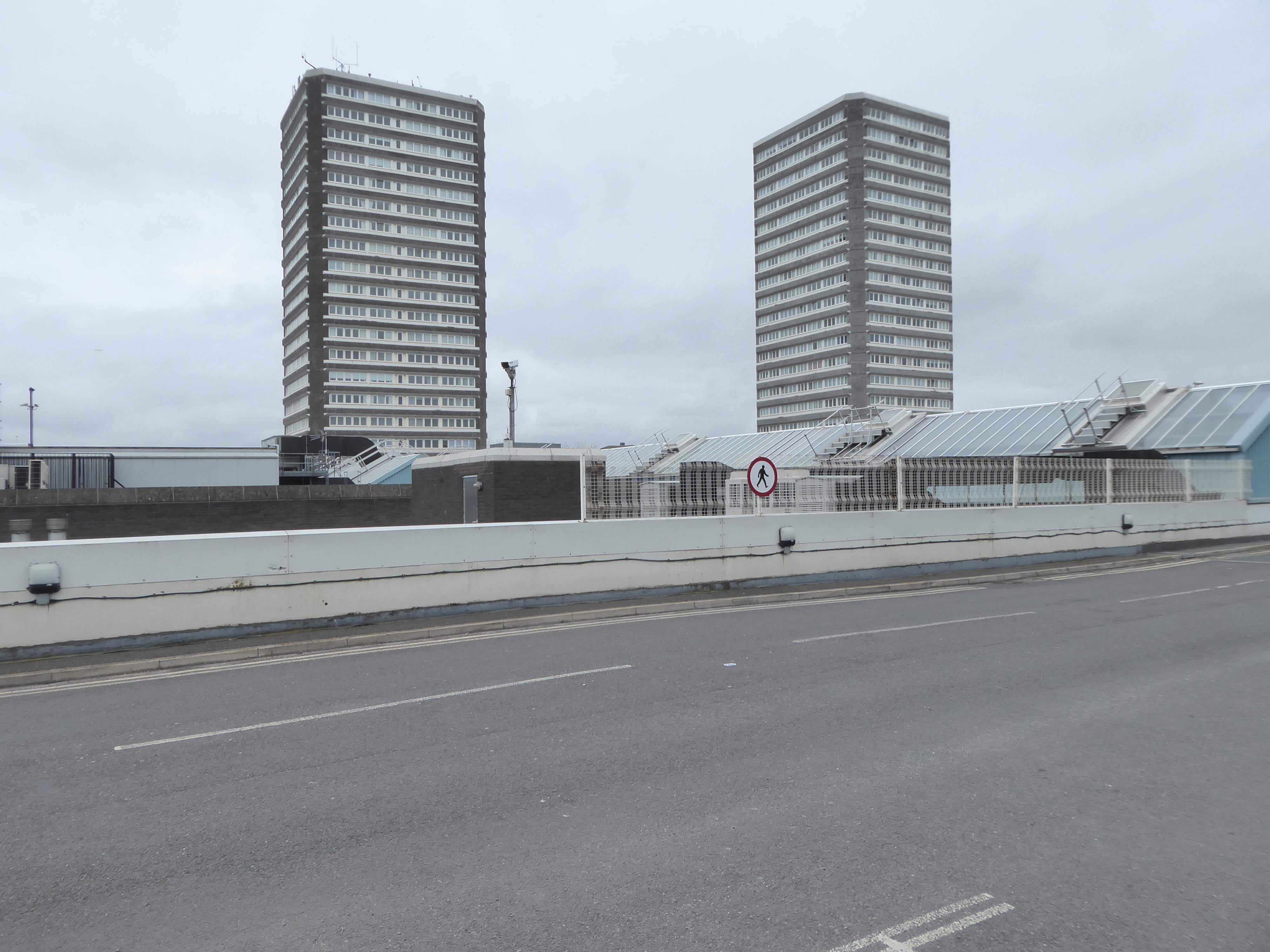
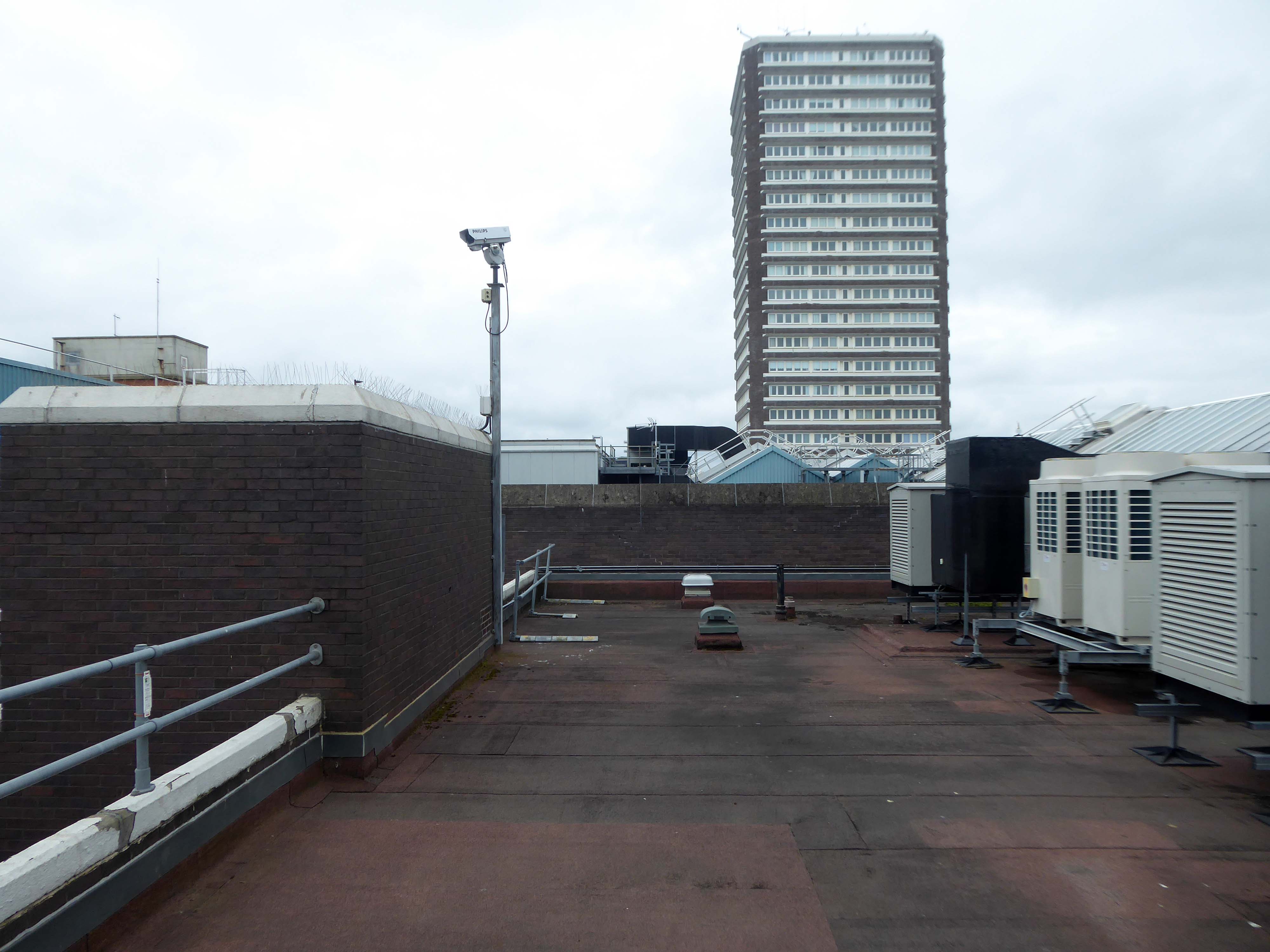
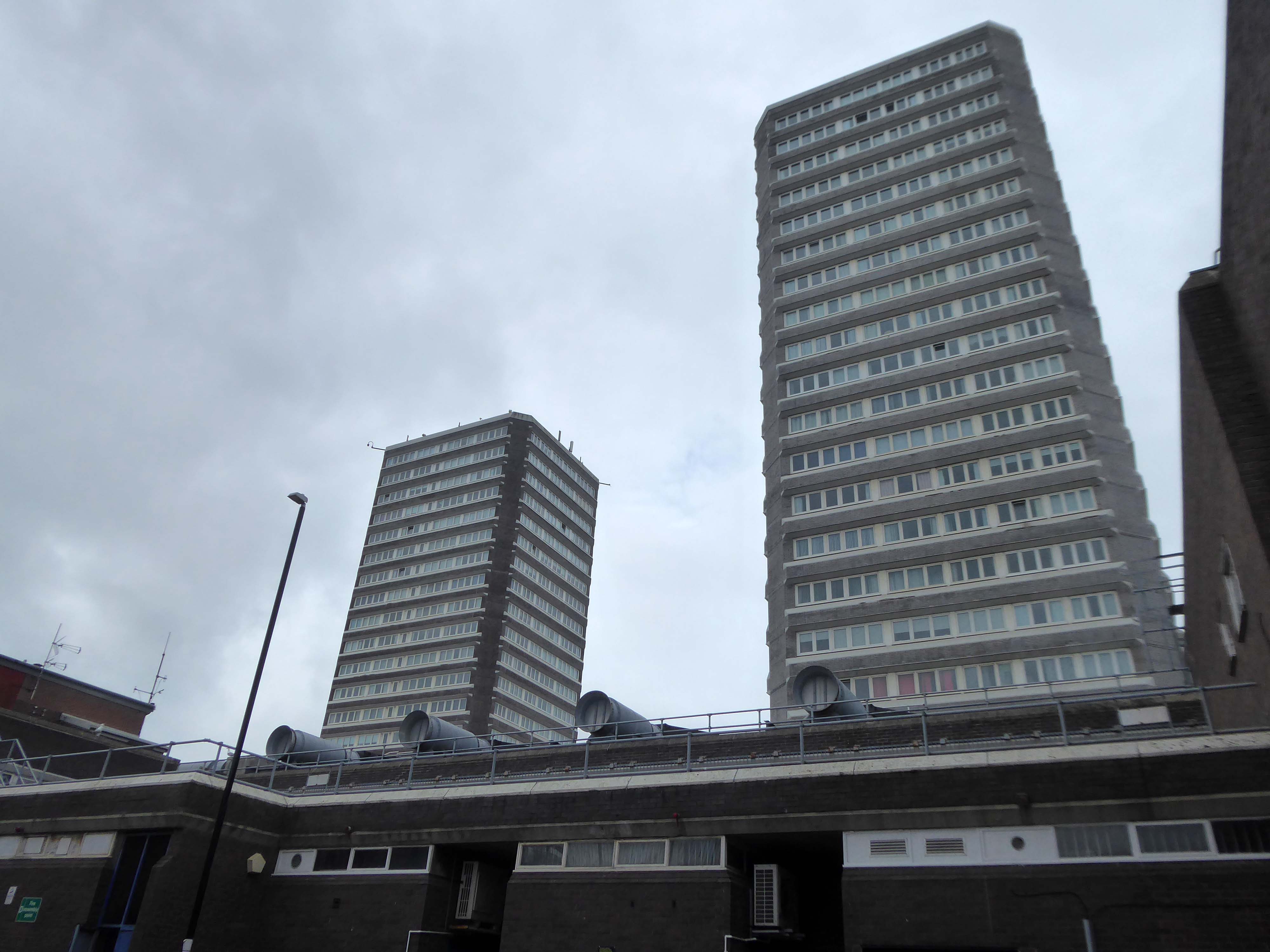
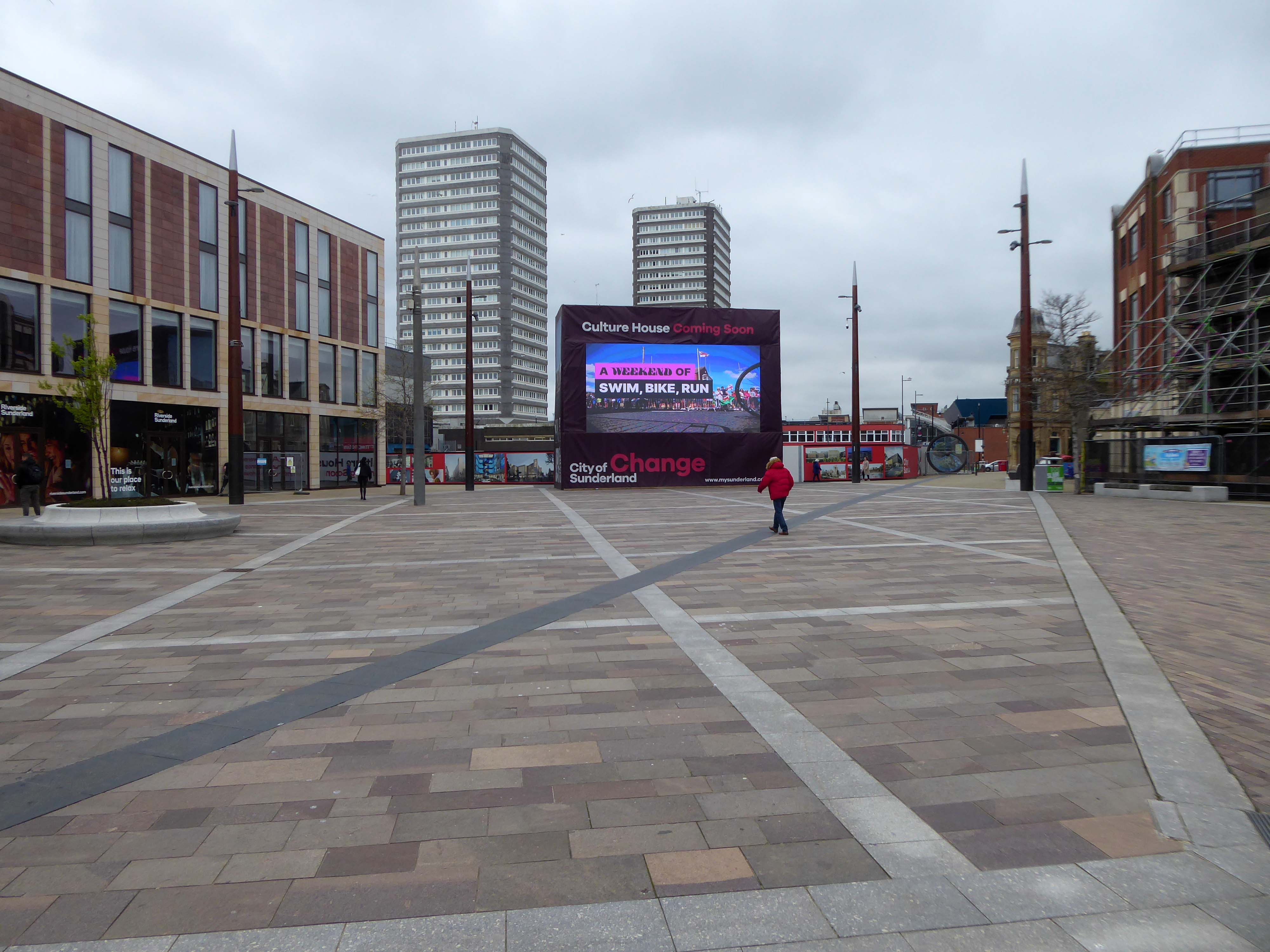
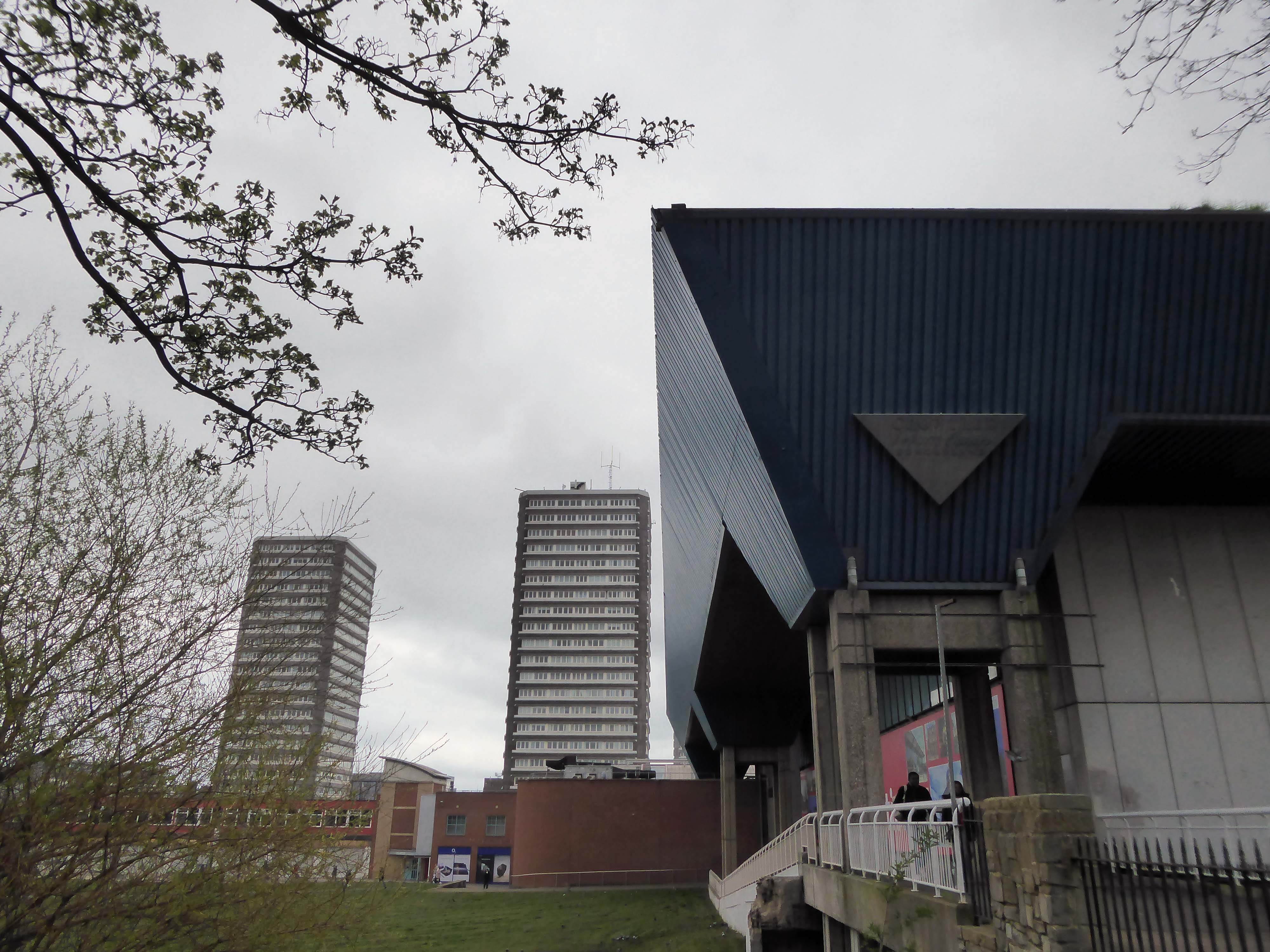
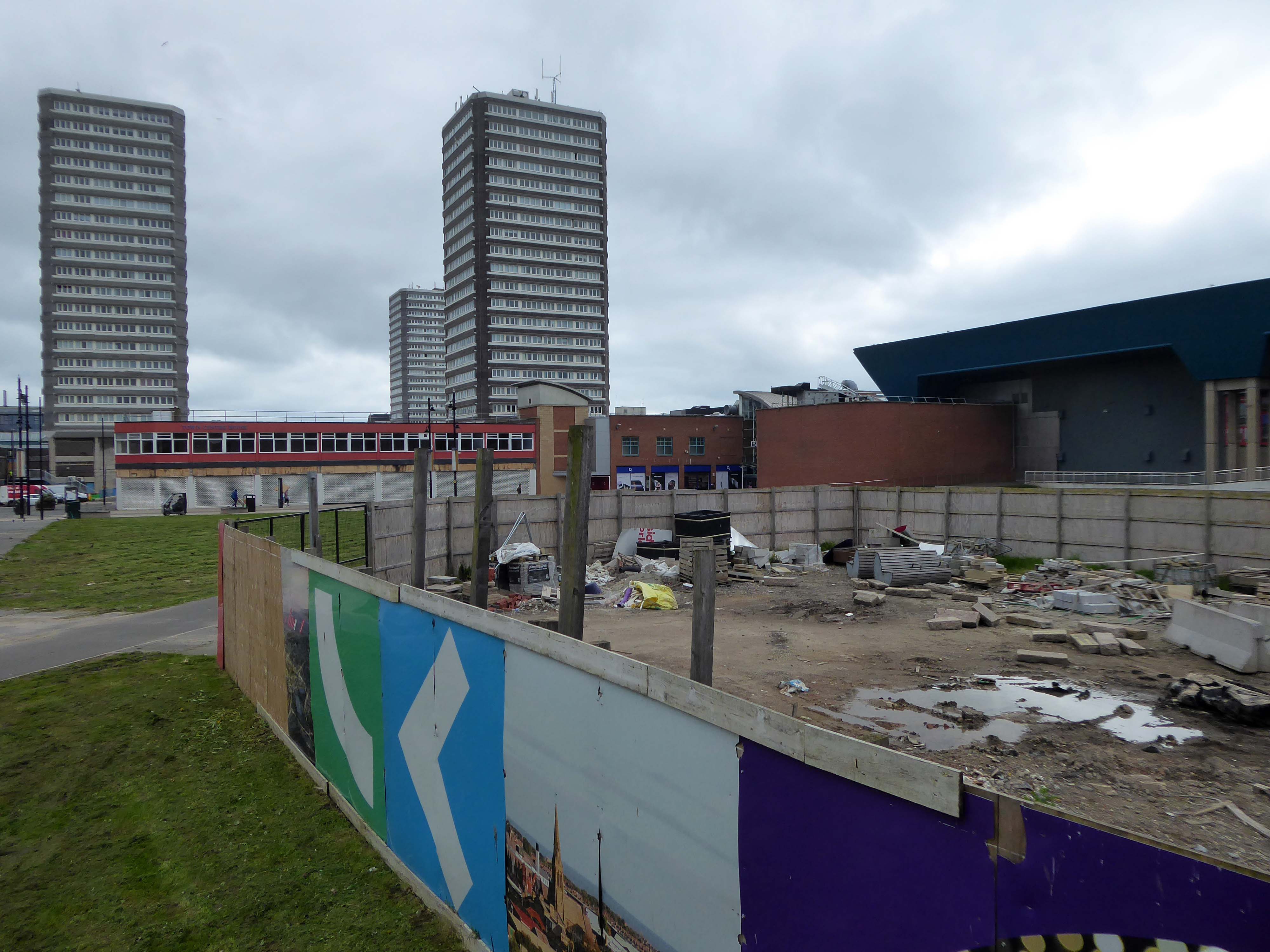
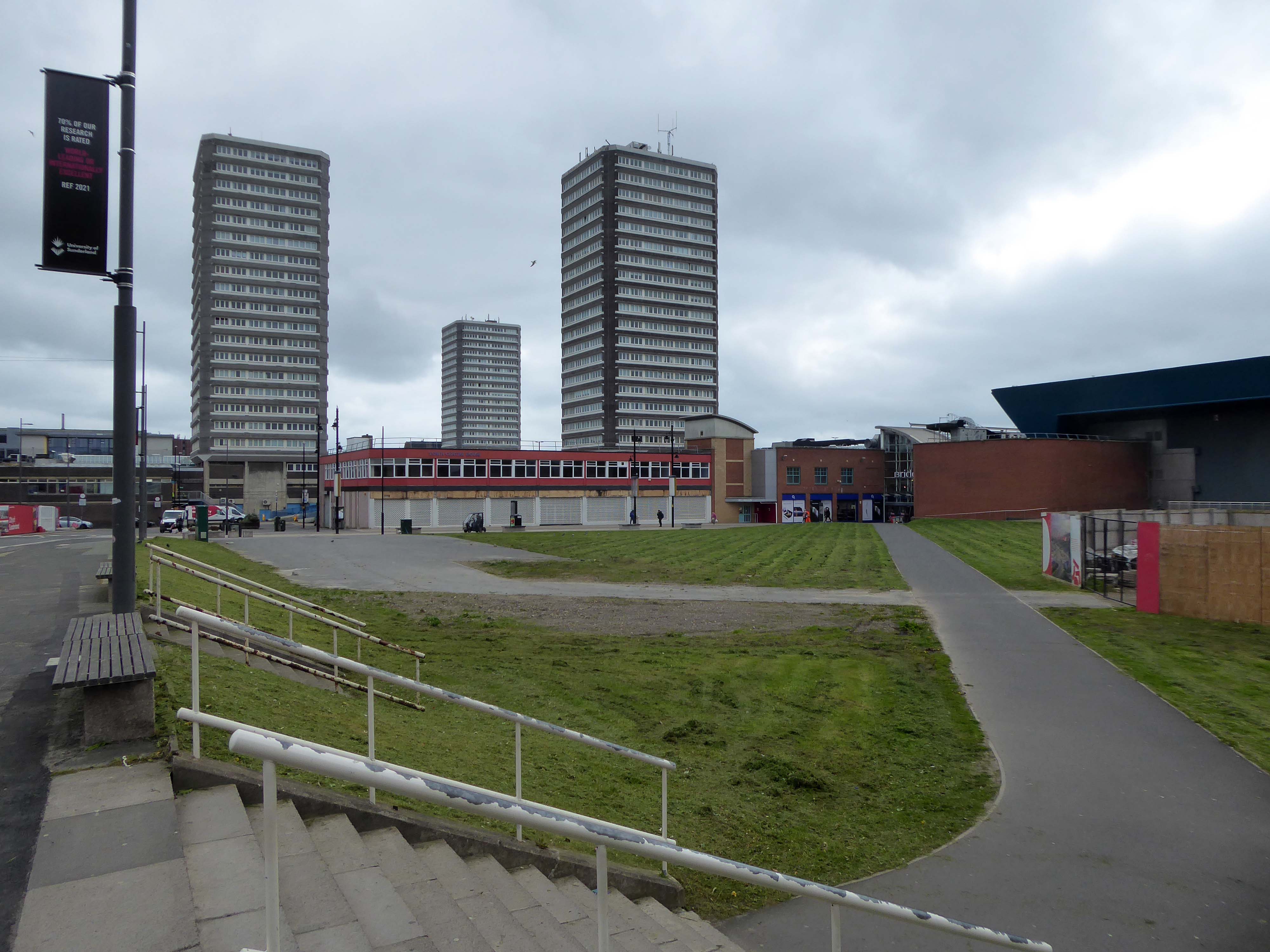
Three nineteen-storey point blocks built as public housing as part of the redevelopment of Sunderland town centre. The blocks contain 270 dwellings in total. Construction was approved by committee in 1967.
The blocks were constructed by Sunderland County Borough Council.
The developers of the Town Central Area were Town and City Properties Ltd. It is believed that they contributed £38,600 to the development of the blocks.
Ian Frazer and Associates were the architects for the sub-structural works only.
Llewelyn, Davies, Weeks and Partners were the structural and mechanical engineers in addition to being the architects for the tower blocks.
Gilbert-Ash Northern Ltd.’s tender for the contract was £959,258 – construction began in March 1967.
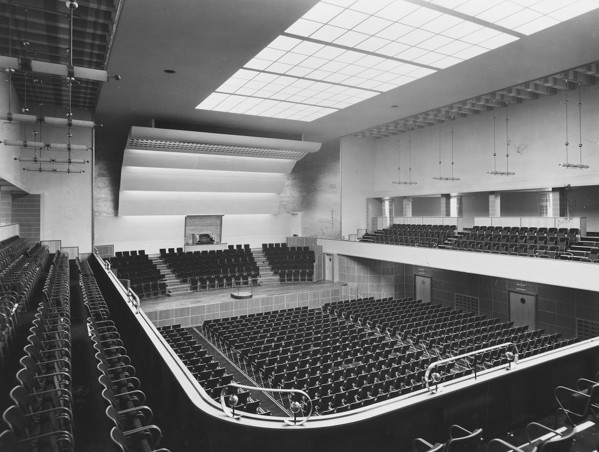
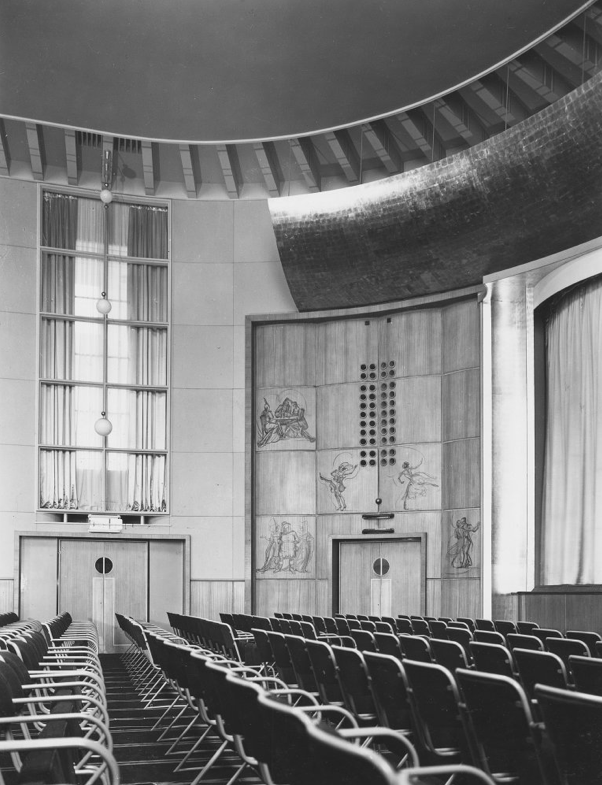
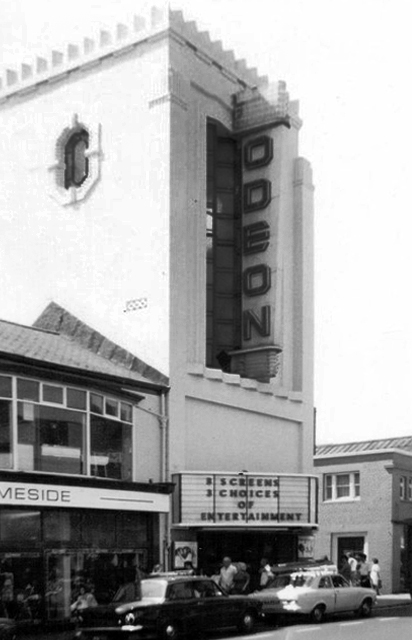
Black’s Regal Theatre was built on the site of the Olympia Exhibition Hall and Pleasuredrome 1897-1910 and it was built for the northern independent Black’s circuit. It opened on 28th March 1932 with Jessie Matthews in Out of the Blue.
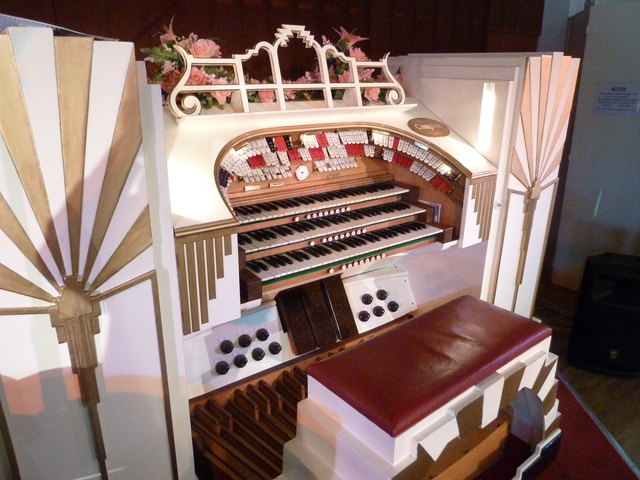
The theatre was equipped with a Compton three manual, nine ranks theatre organ which had an Art Deco style console on a lift.
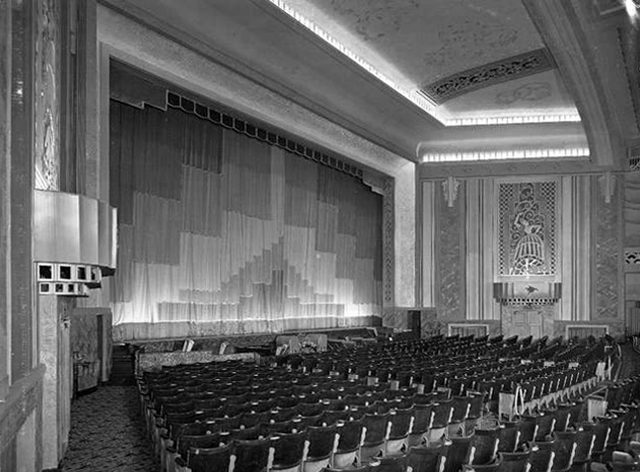
This was opened by organist J Arnold Eagle. The policy of the theatre for many years was pictures and variety and it had a fifty seven feet wide proscenium, the stage was forty feet deep and there were ten dressing rooms. Other facilities included a cafe and roller rink.
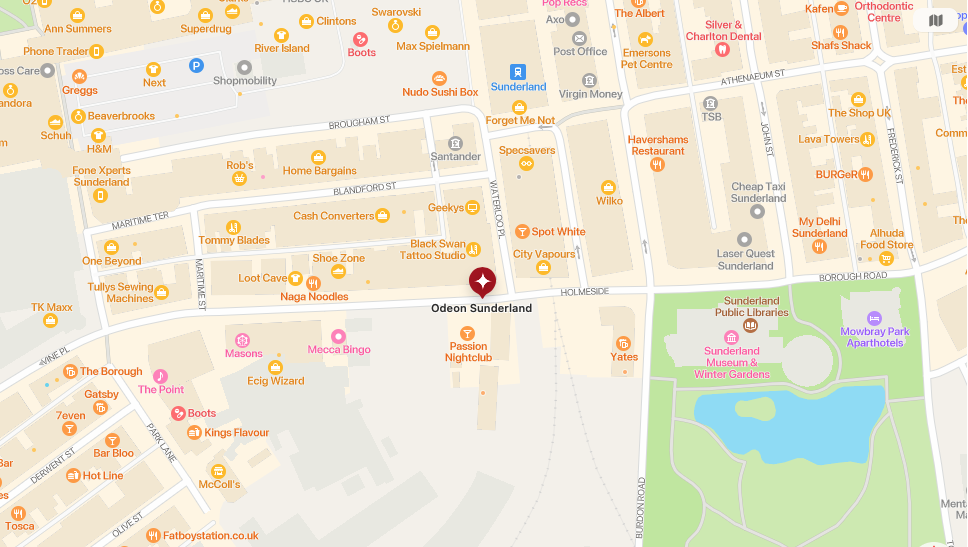
Regal/Odeon, Holmeside, Sunderland, Co. Durham
In 1955 the Black’s circuit was taken over by the Rank Organisation and the Regal was re-named Odeon from 28th November 1955. It was divided into a three screen cinema in 1975 with 1,200 seats in the former circle and two 150 seat screens in the rear stalls.
On 28th March 1982 a special 50th Anniversary concert was given by Phil Kelsall on the Compton organ. Three months later, on 26th June 1982 the Odeon was closed with One Flew Over the Cuckoo’s Nest, Star Wars & The Empire Strikes Back, Mary Millington’s True Blue Confessions.
The building was boarded up and abandonded for a long period of time.
However it was to re-open as a Top Rank Bingo Club and remains in use today as a Mecca Bingo Club. The sub-division of the auditorium has been removed. In July 2009, it was announced that the building and the entire block had been the subject of a compulsory purchase order.
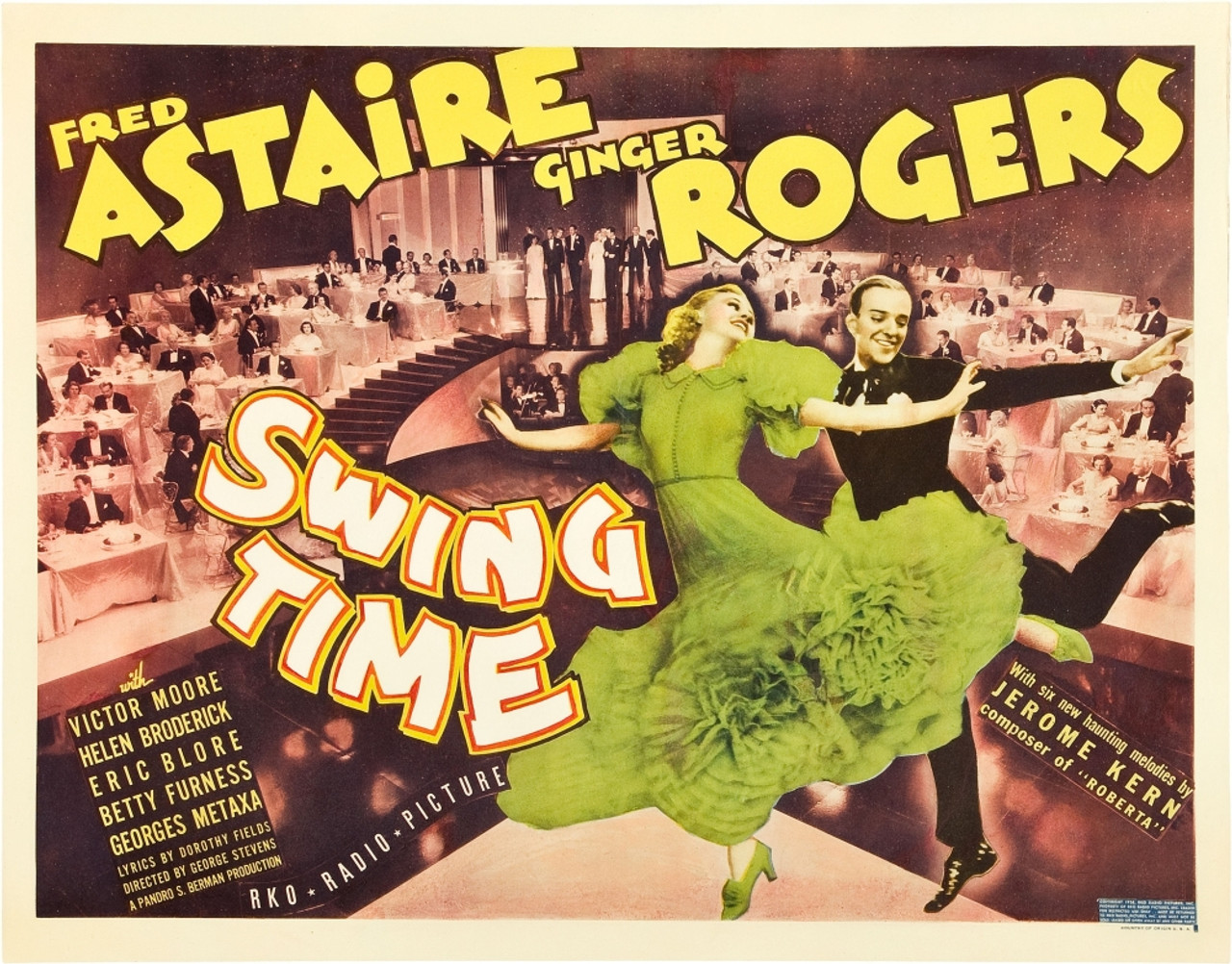
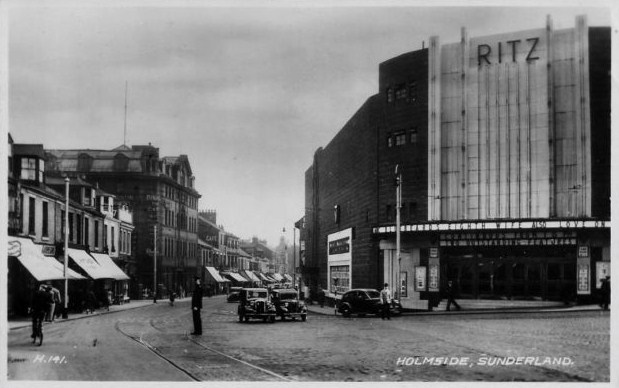
Opened on 1st March 1937 with Fred Astaire & Ginger Rogers in Swing Time, the Ritz Cinema was built by the Union Cinemas chain. They were soon taken over by Associated British Cinemas – ABC. It was lavishly fitted with deep pile carpets and chandeliers.
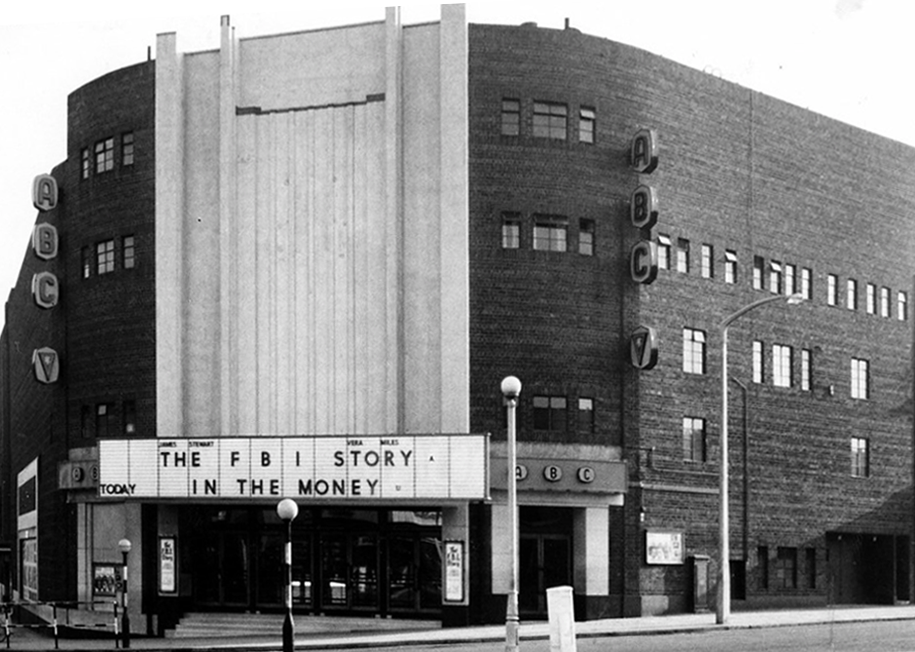
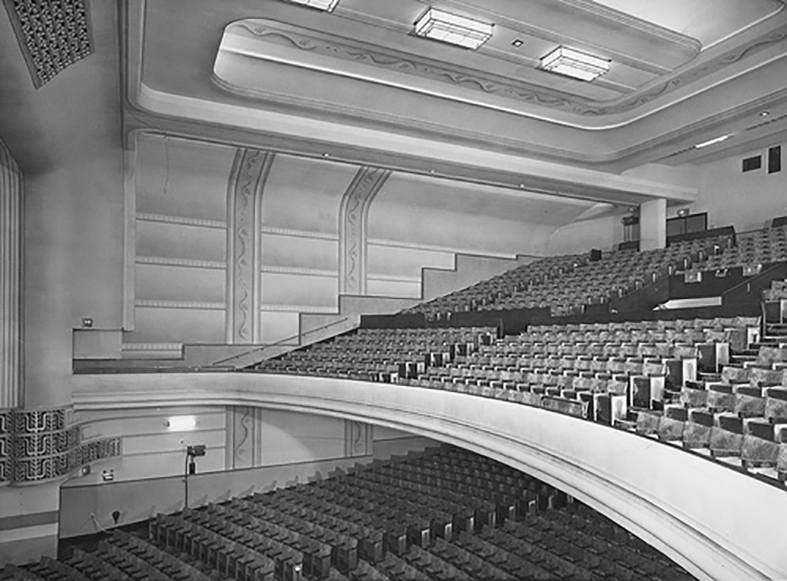
In 1961 it was re-named ABC. It was converted into a two screen cinema from July/August 1974 when the former circle became a 534 seat screen and the front stalls a second screen seating 212. The rear stalls area was converted into a Painted Wagon pub. Sadly the conversion destroyed much of the original interior of the auditorium. It was later taken over by the Cannon Cinemas group, but later went back to the ABC name.
Sadly it closed on 29th April 1999, the last of Sunderland’s major cinemas.
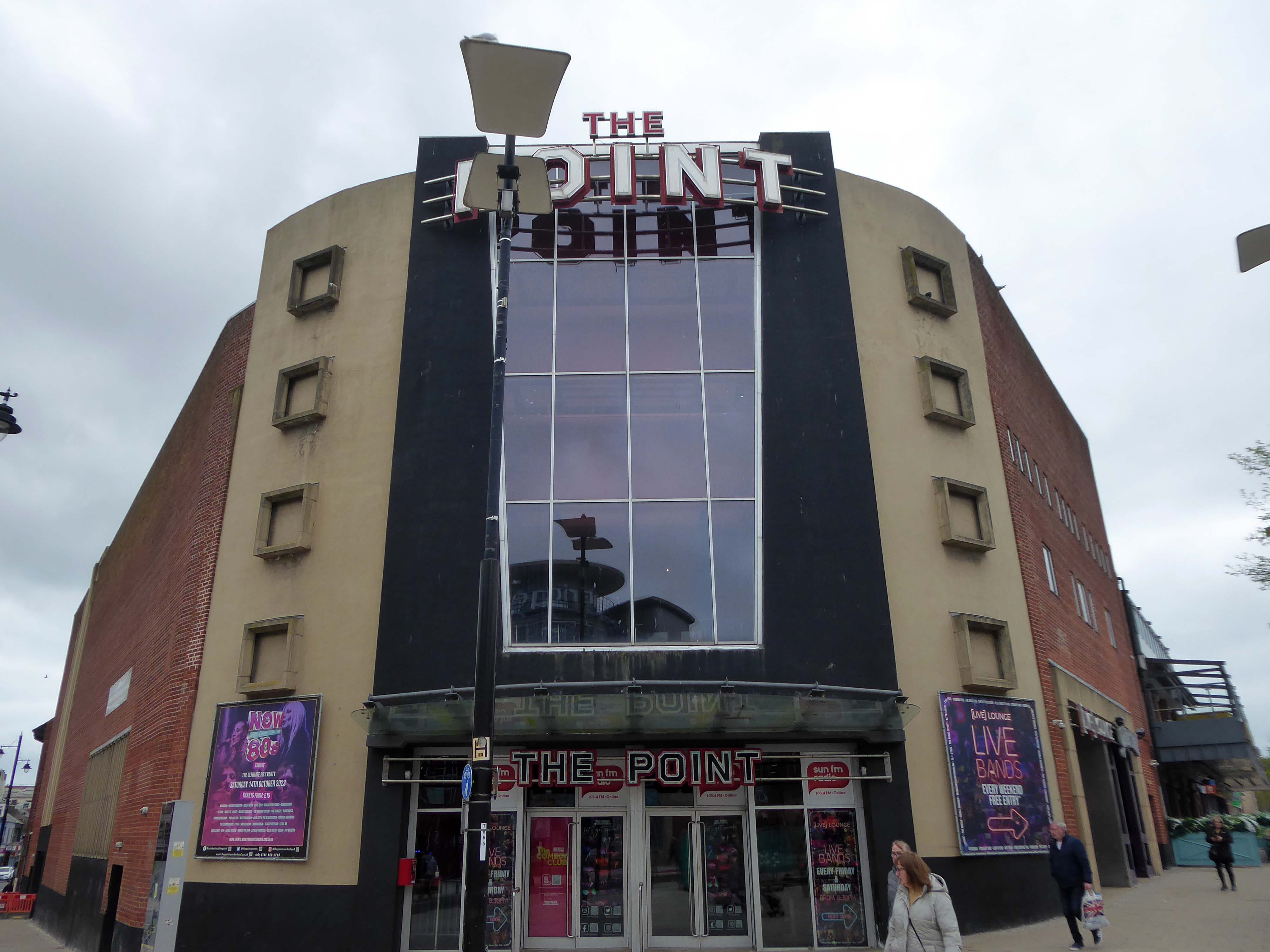
It has recently reopened as The Point a nightclub which has four dance floors and has now completely lost all features of its cinematic past.
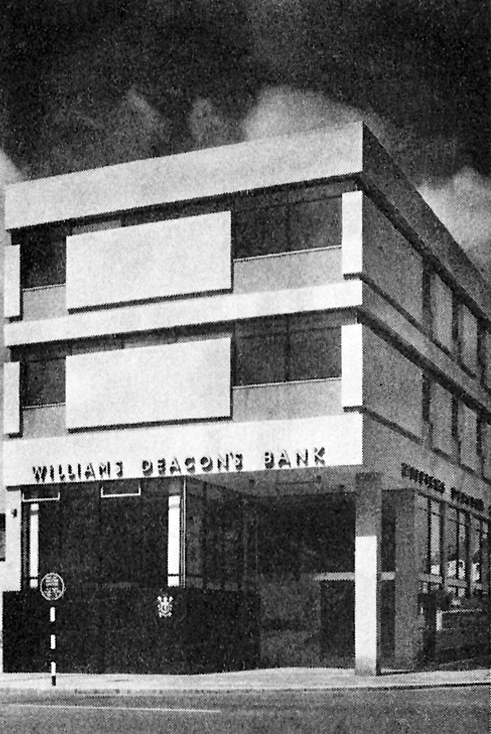
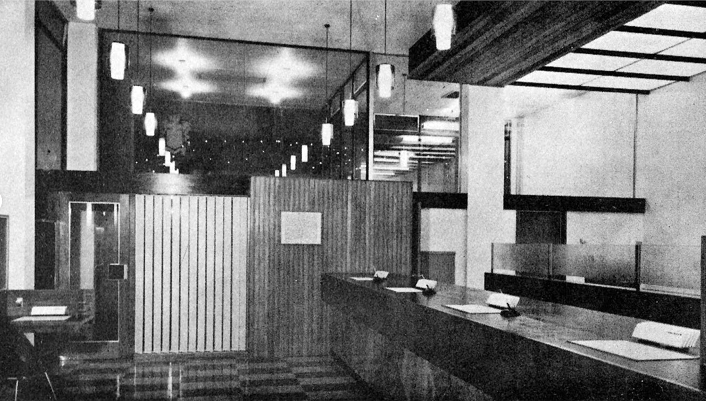
This joint-stock bank was established in Manchester in 1836 as Manchester & Salford Bank by a group of promoters keen to take advantage of recent legislation allowing the formation of joint-stock banks outside London. The bank had up to 15 directors and the issued capital was £1m, of which £252,100 was paid up by December 1836.
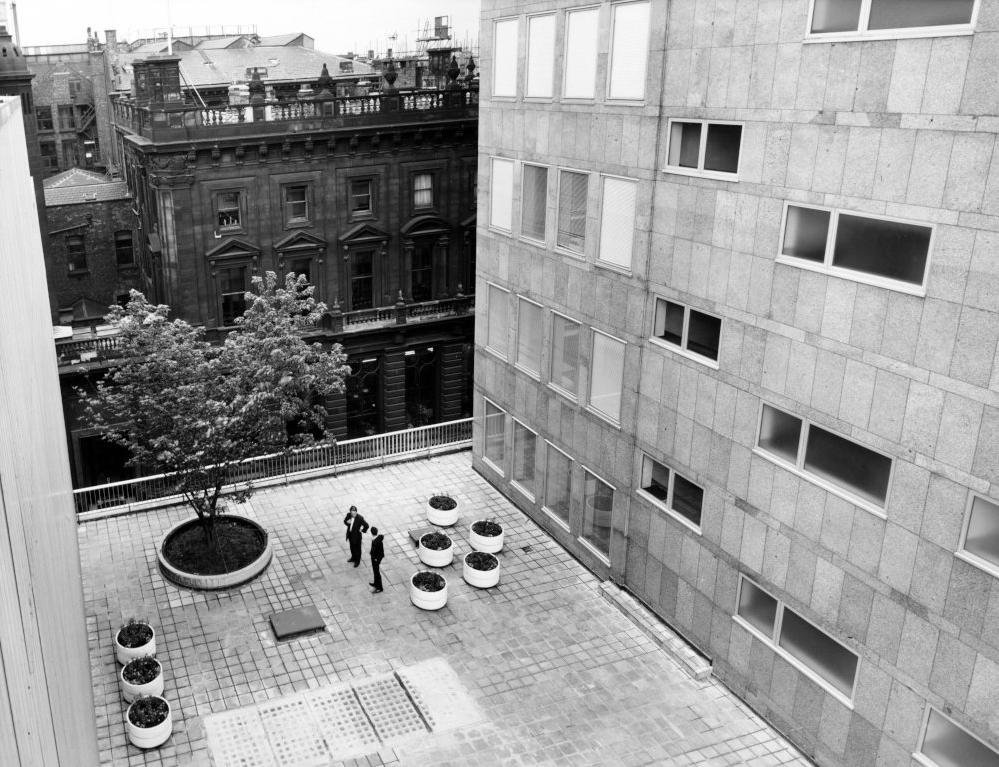
RIBA Pix: Headquarters building for William Deacon’s Bank Limited – Mosley Street Manchester: the garden at podium level.
Harry S Fairhurst & Son 1965
The first shareholders’ meeting, in May 1836, took place in temporary premises, but in August 1836 a banking house was rented in King Street. Land off Mosley Street was later acquired and a new banking house completed in 1838.
In 1969 The Royal Bank of Scotland was restructured and Williams Deacon’s became a direct subsidiary of a new holding company, National & Commercial Banking Group. The following year the holding company’s subsidiaries in England and Wales – Williams Deacon’s Bank, Glyn, Mills & Co and the English and Welsh branches of The National Bank – merged to form Williams & Glyn’s Bank.
In 1972 Williams & Glyn’s Bank joined with five other European banks to form the Inter Alpha Banks Group to exploit opportunities in the European Economic Community. In 1985 The Royal Bank of Scotland Group’s two major subsidiary holdings, Williams & Glyn’s Bank and The Royal Bank of Scotland, were fully merged as The Royal Bank of Scotland plc.
The very merry monopolies and mergers merry dance – consequently this perfectly formed Modernist bank stands alone and forlorn.
Having taken a particular interest in this particular piece of public art for some time – I need to go and take a little look.
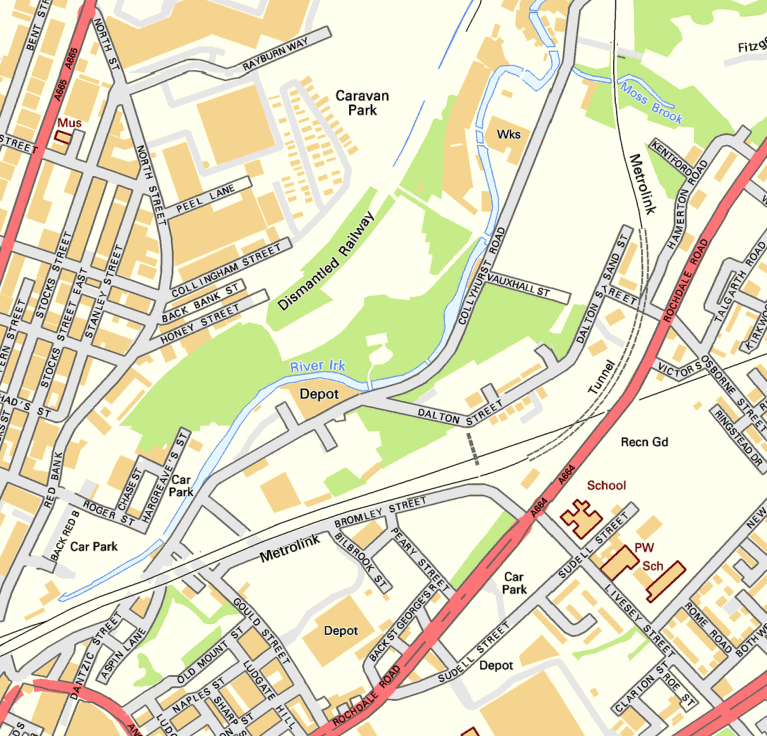
But what will we see along the way, as we hasten along Rochdale Road?
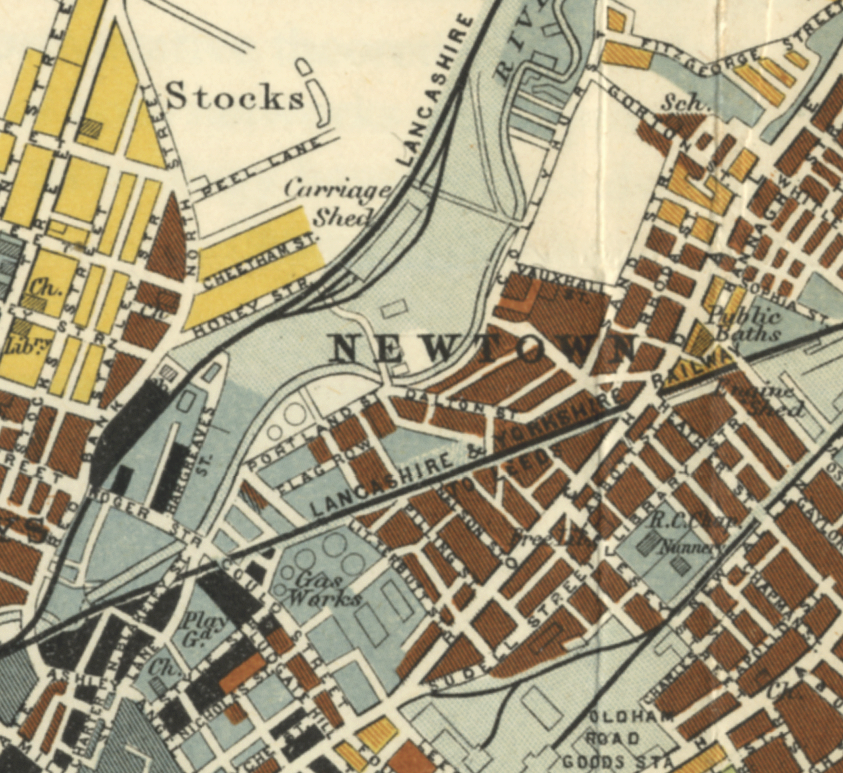
Which once looked like this, way back when in 1904.
Though some things inevitably come and go, as some things are prone to do.
The city is undergoing yet another reinvention as Manchester becomes – an attractive place to invest and do business.
See, I am doing a new thing!
Now it springs up; do you not perceive it?
I am making a way in the wilderness and streams in the wasteland.
Isaiah 43:19
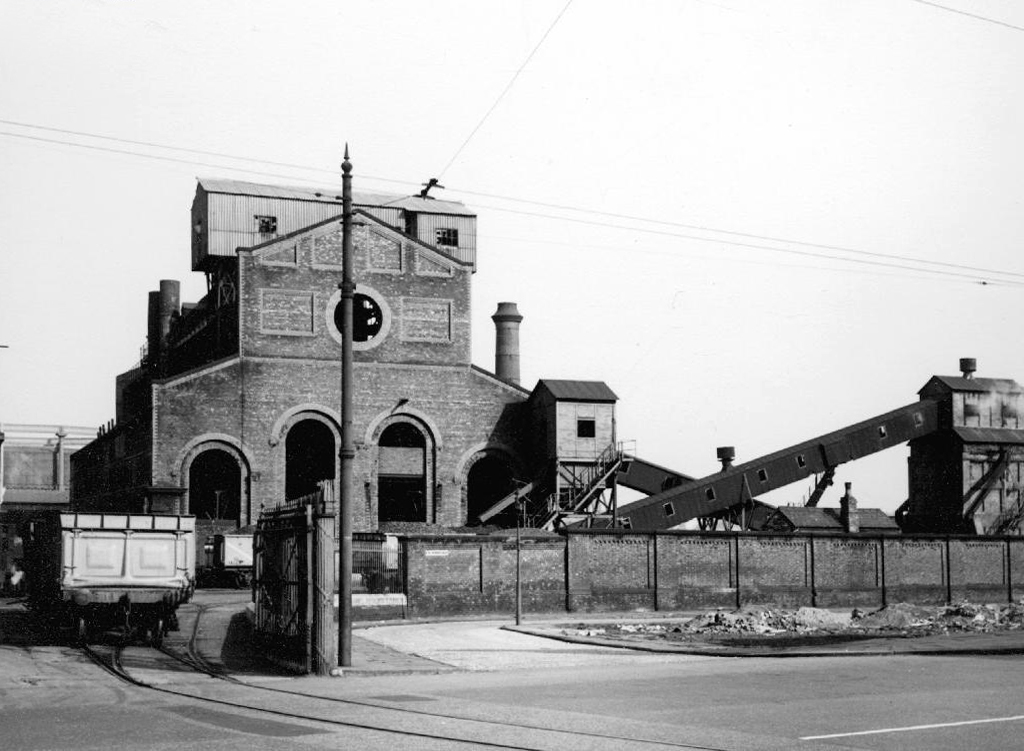
Once there was a gas works here – adjoining Gould Street, seen here in 1958.
The Gould Street Gas Works was a gas manufacturing plant located in Manchester, England. Originally built in 1824, the plant was operated by the Manchester Corporation Gas Department and was in operation from 1833 to 1969. It was named after the street on which it was located, which was named after John Gould, who was a prominent Manchester businessman in the 19th century.
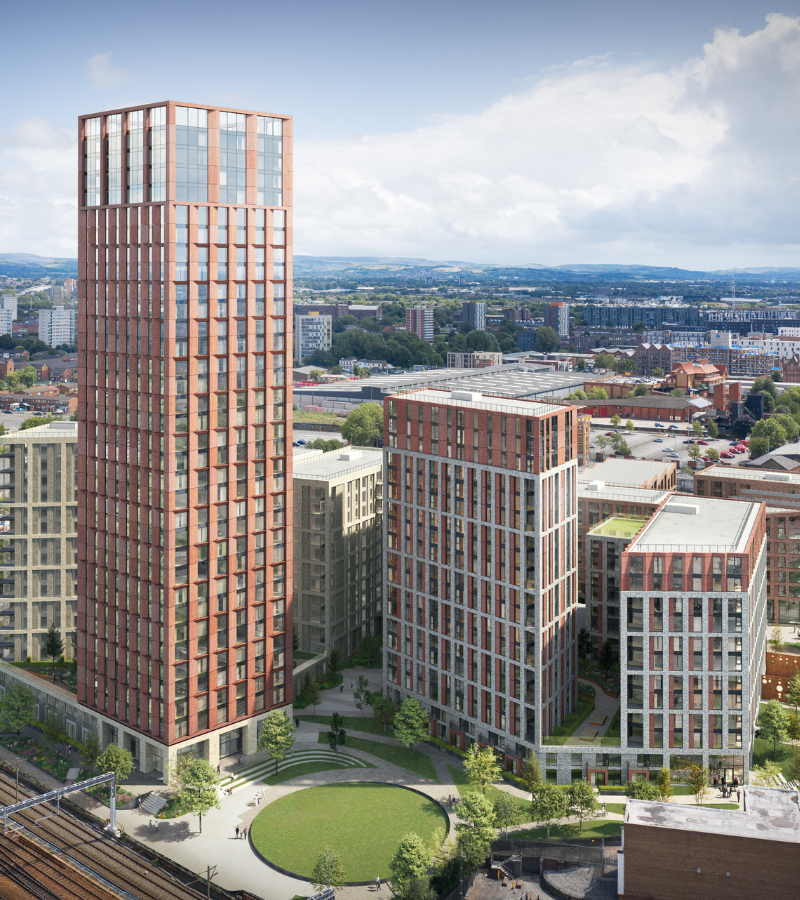
The Gasworks New Town neighbourhood is one of seven envisioned by the £4bn Victoria North masterplan. It will feature nine buildings ranging from 8 to 34 storeys. The 6.6-acre site has most recently been home to a car park but the green development will overwhelmingly prioritise walking and cycling over driving. It will result in tens of millions of pounds being pumped into the city’s economy over the lifetime of the development.
Plans for a trailblazing city centre regeneration scheme that will create more than 1200 homes has been approved by Manchester City Council.
A total of 85 of the 1200, will be affordable homes available through Shared Ownership.
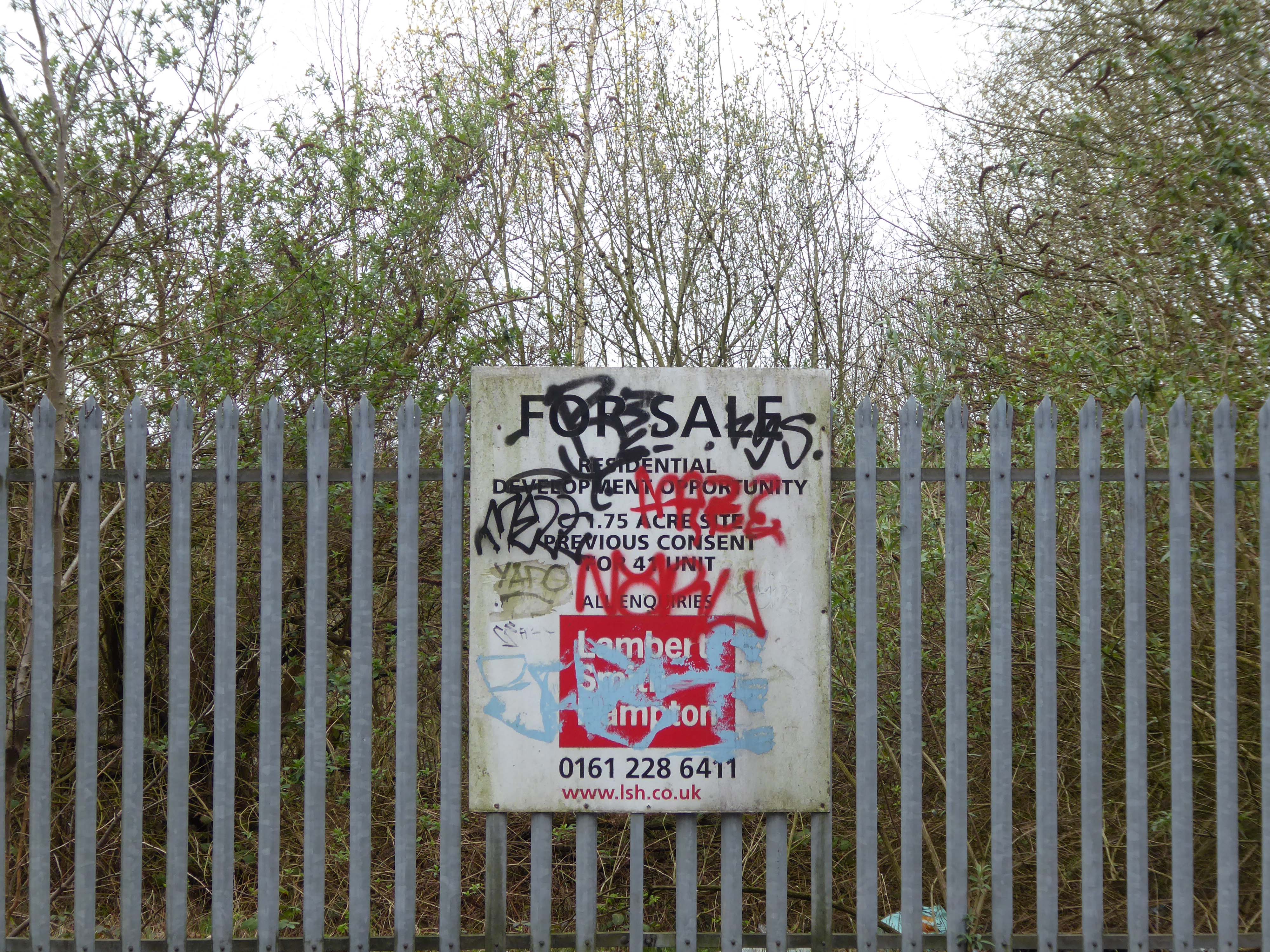
Though as of March 31st 2023 ground is yet to be broken, no signs of the:
New centre of gravity for central Manchester that will create thousands of jobs and inject tens of millions of pounds into the city’s economy.
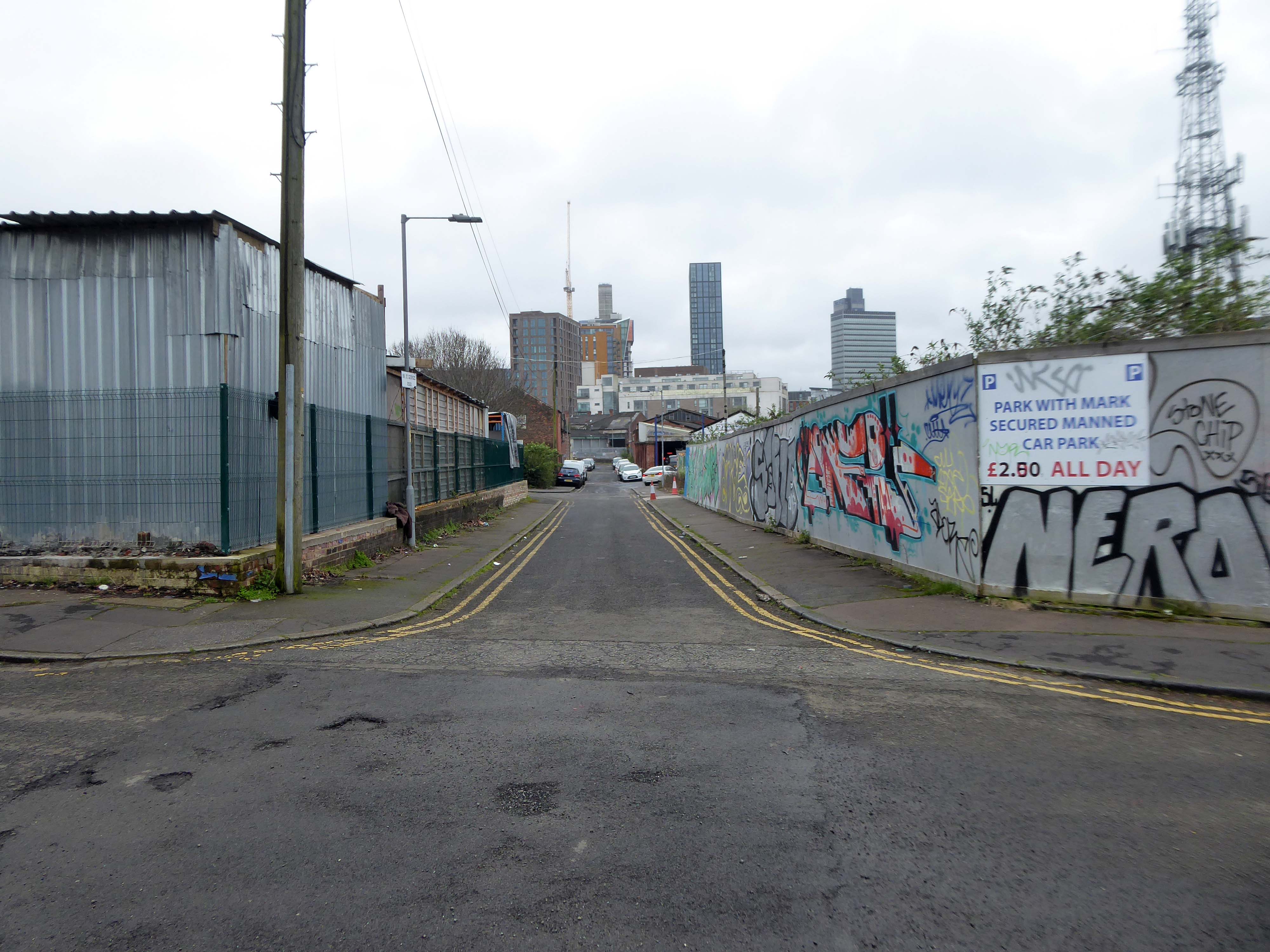
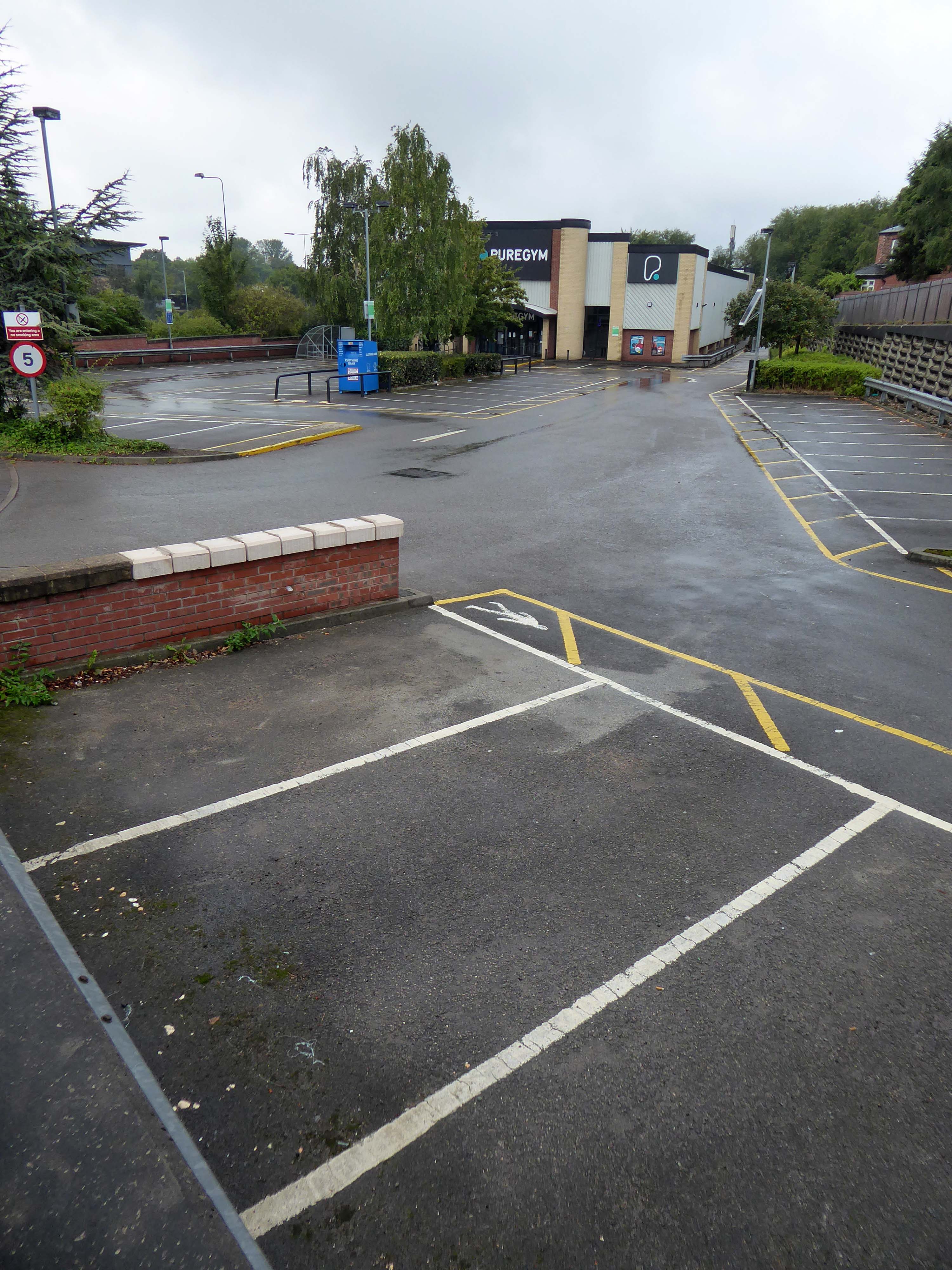
So you zig-zag wanderers, make the most of these wide open expanses of affordable car parking, while you can.
The future may yet be here today – or the next.
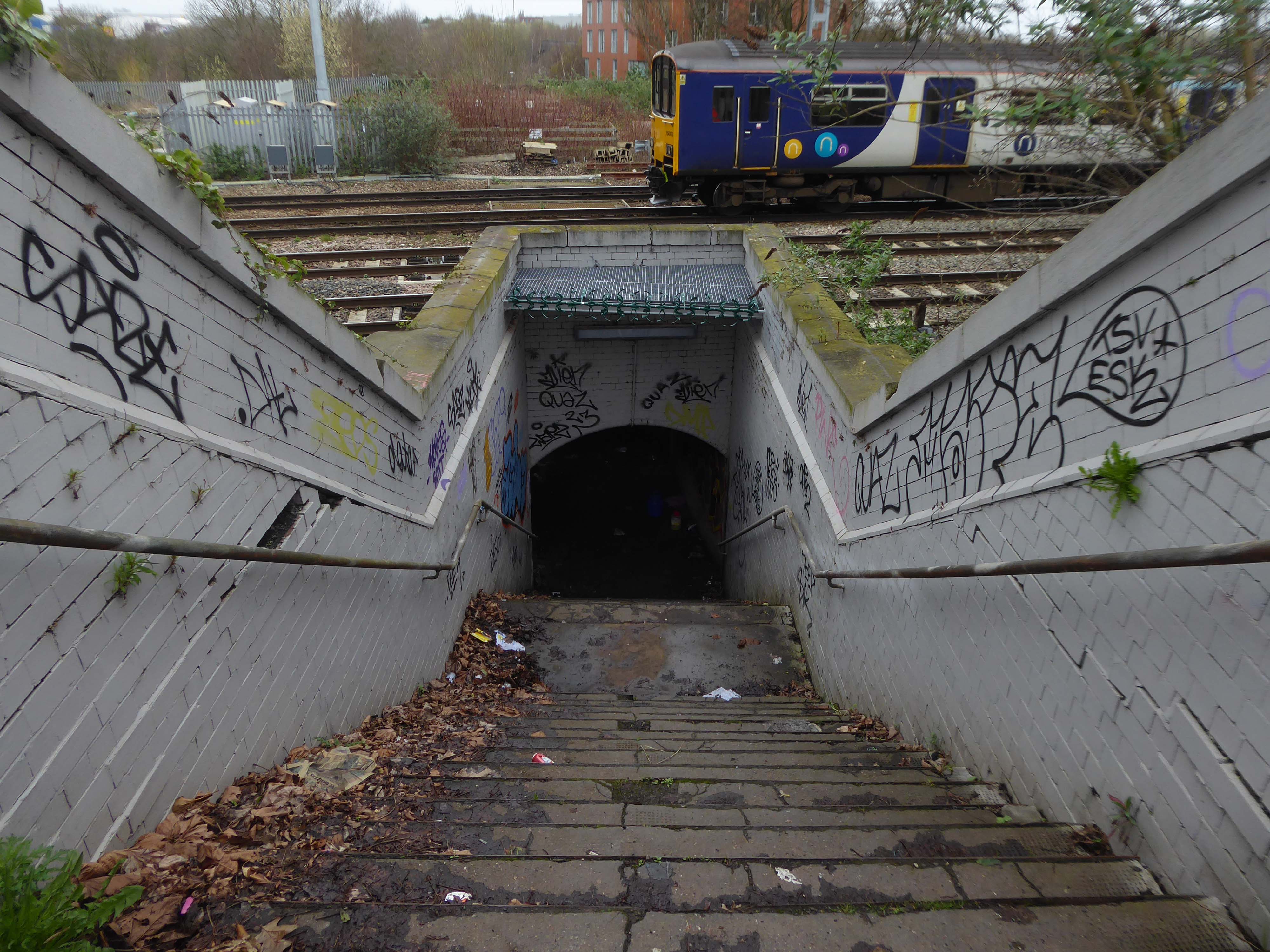
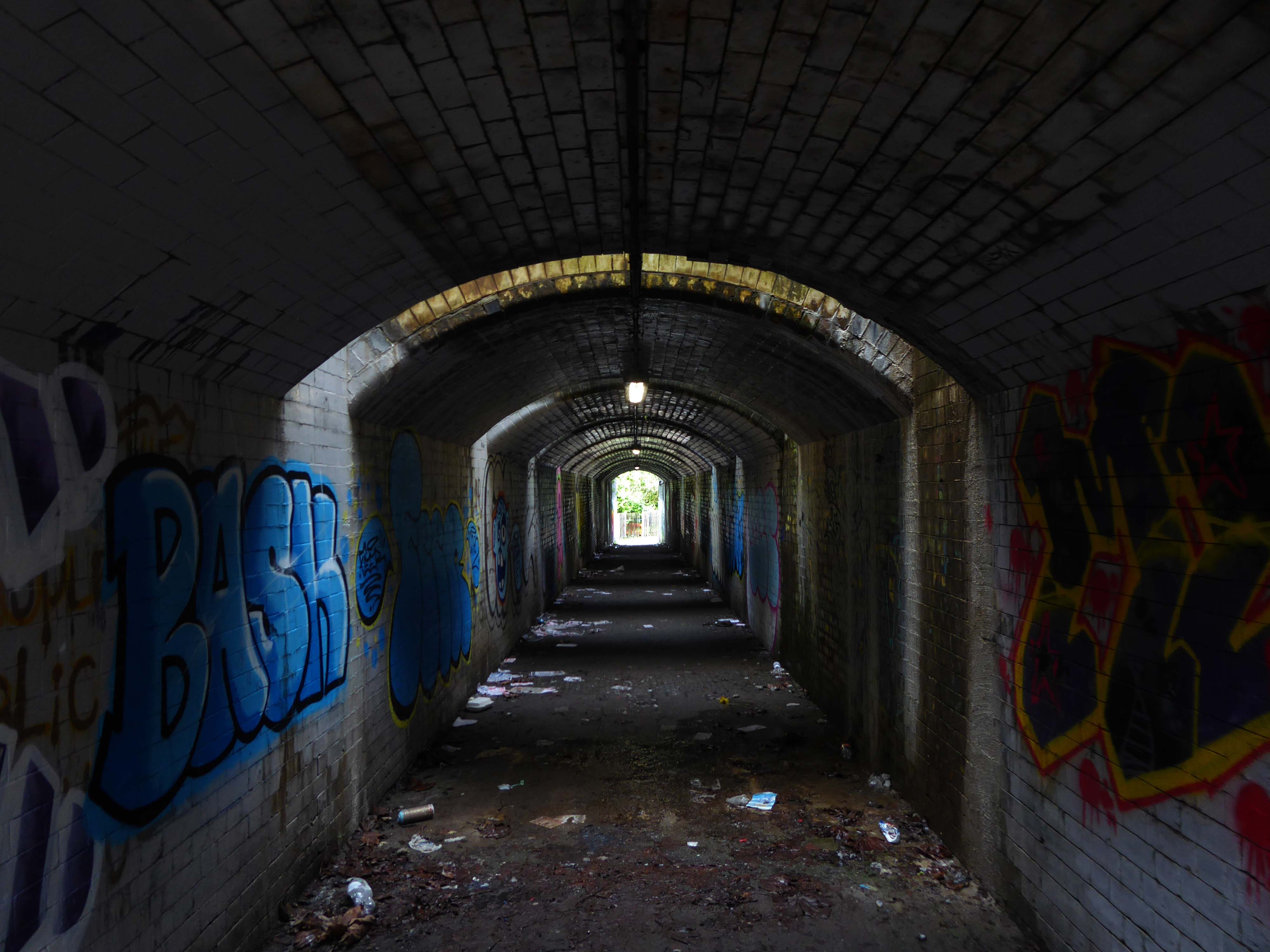
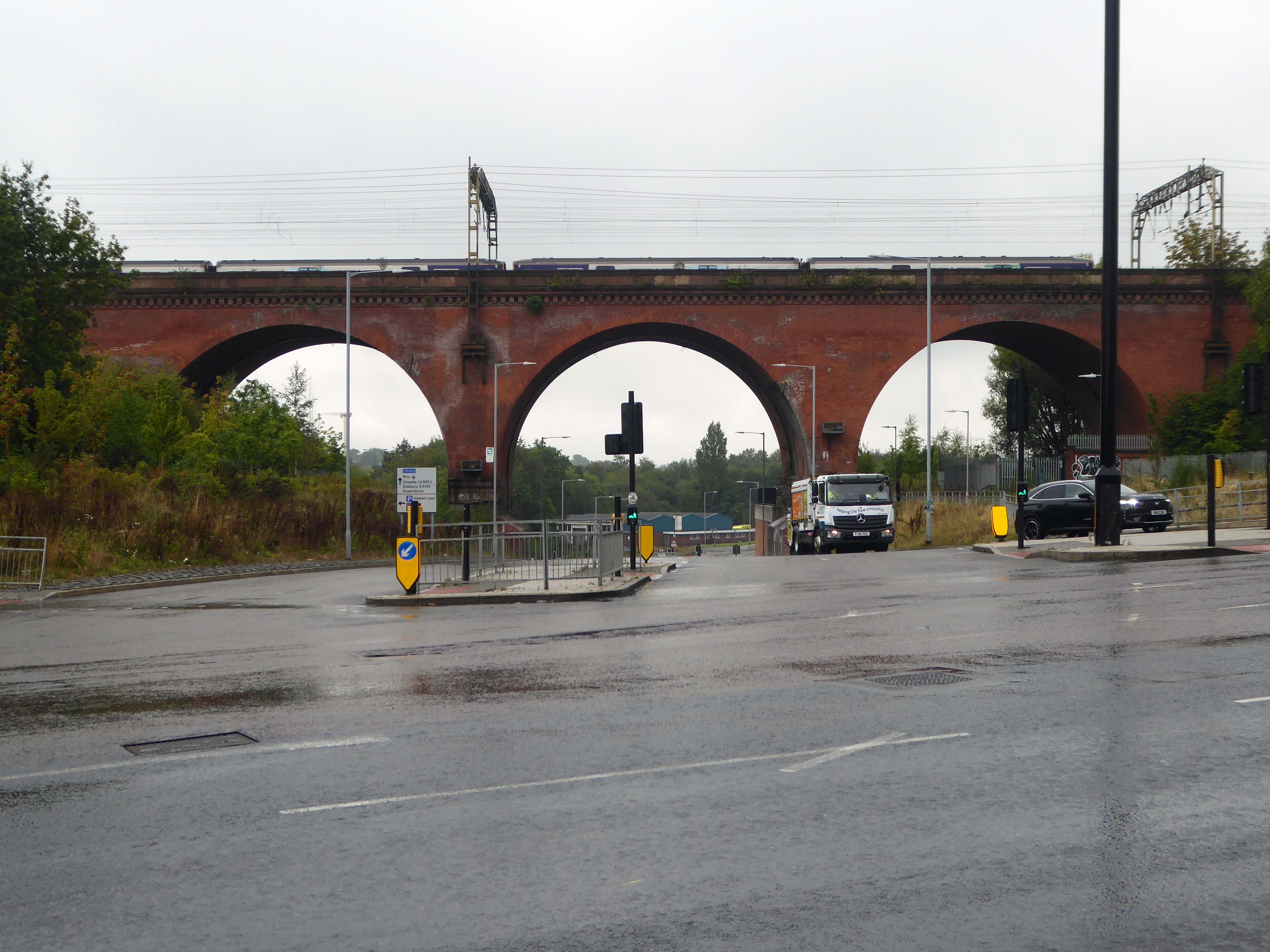
Let’s duck under the railway, through this sad damp pedestrian tunnel – the domain of the cash strapped daytime drinker, transient tagger and disaffected leaflet distributor.
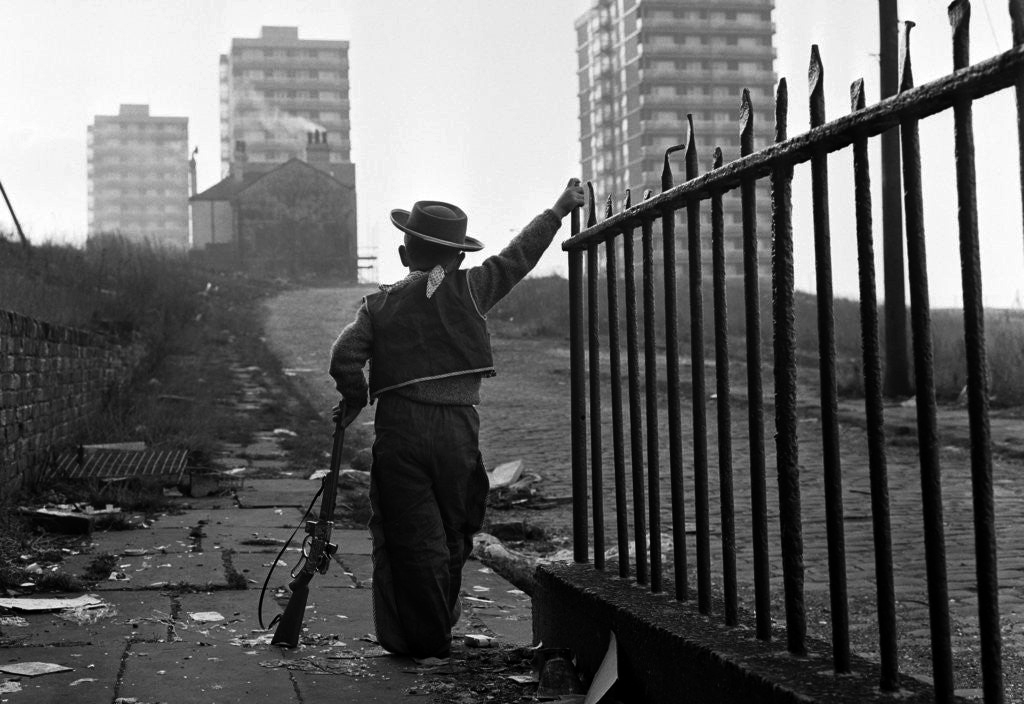
Next thing you know you have emerged into the daylight on Dalton Street – we have been here before seeking the Collyhurst Cowboy.
Photograph: Dennis Hussey
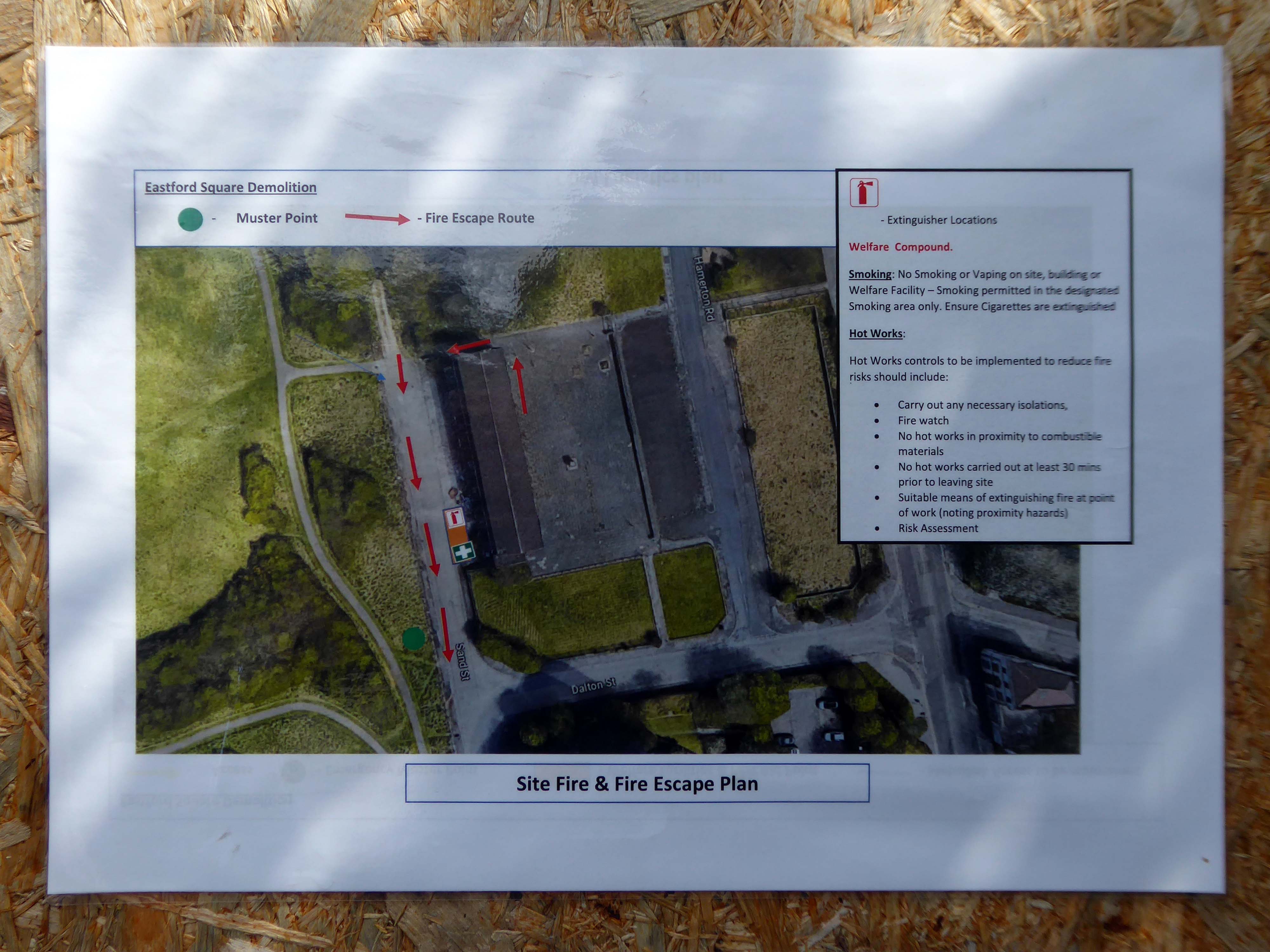
Onwards to Eastford Square.
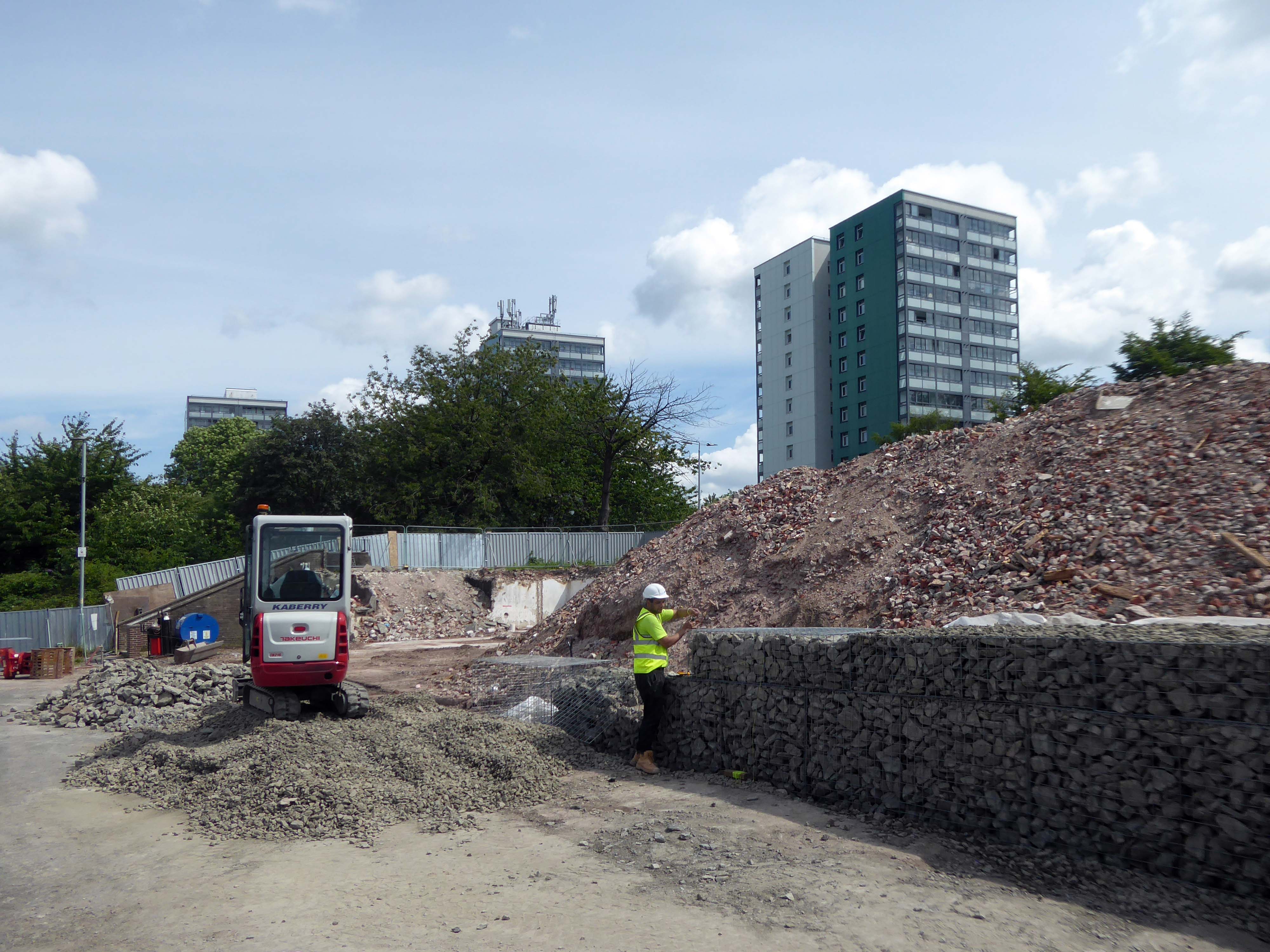
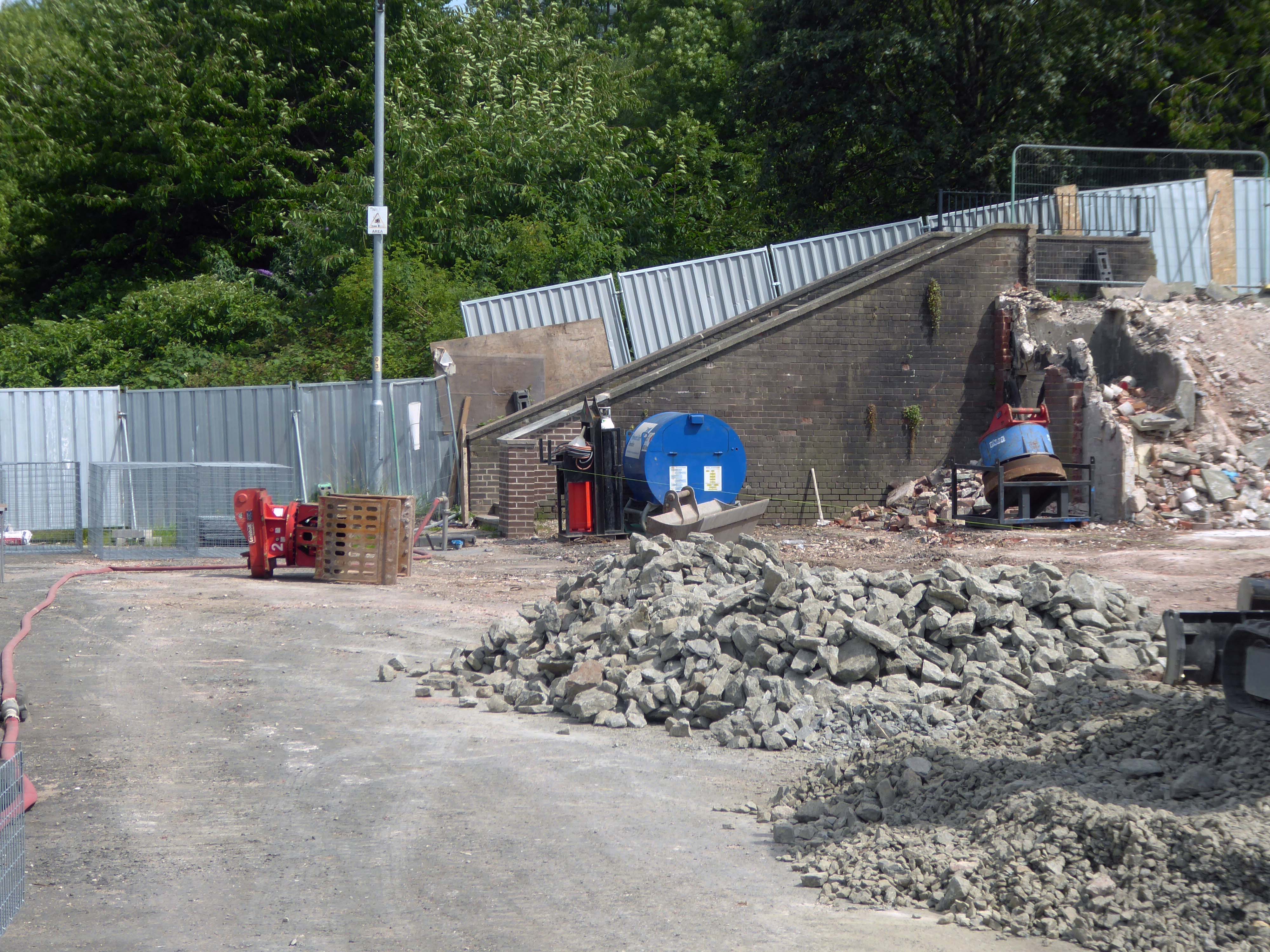
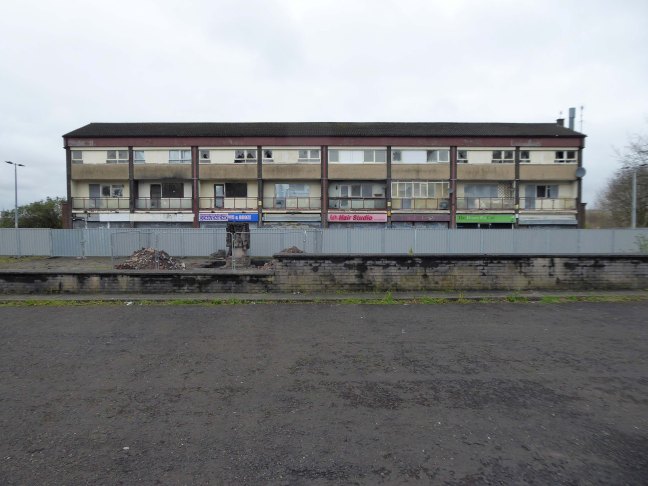
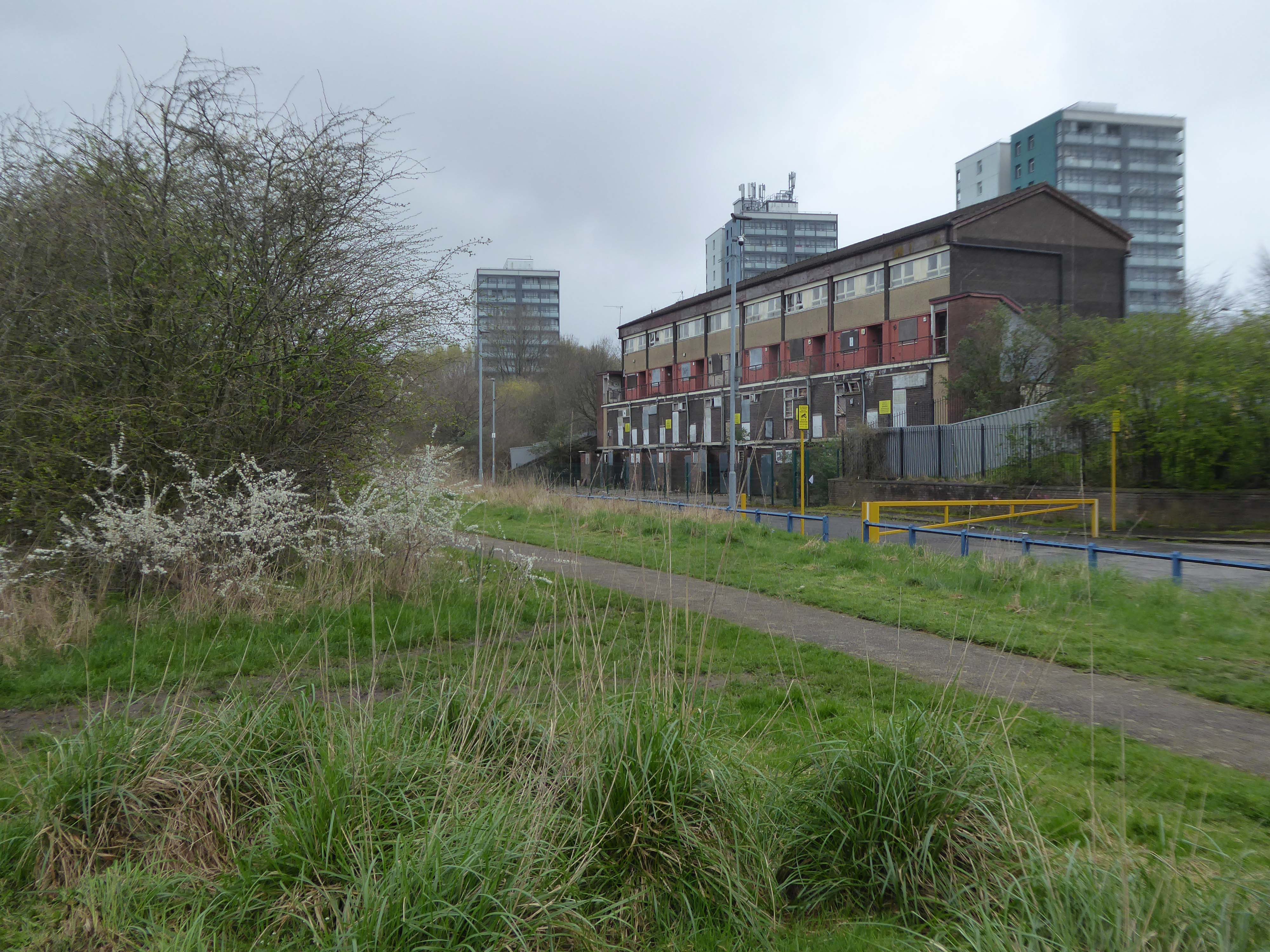
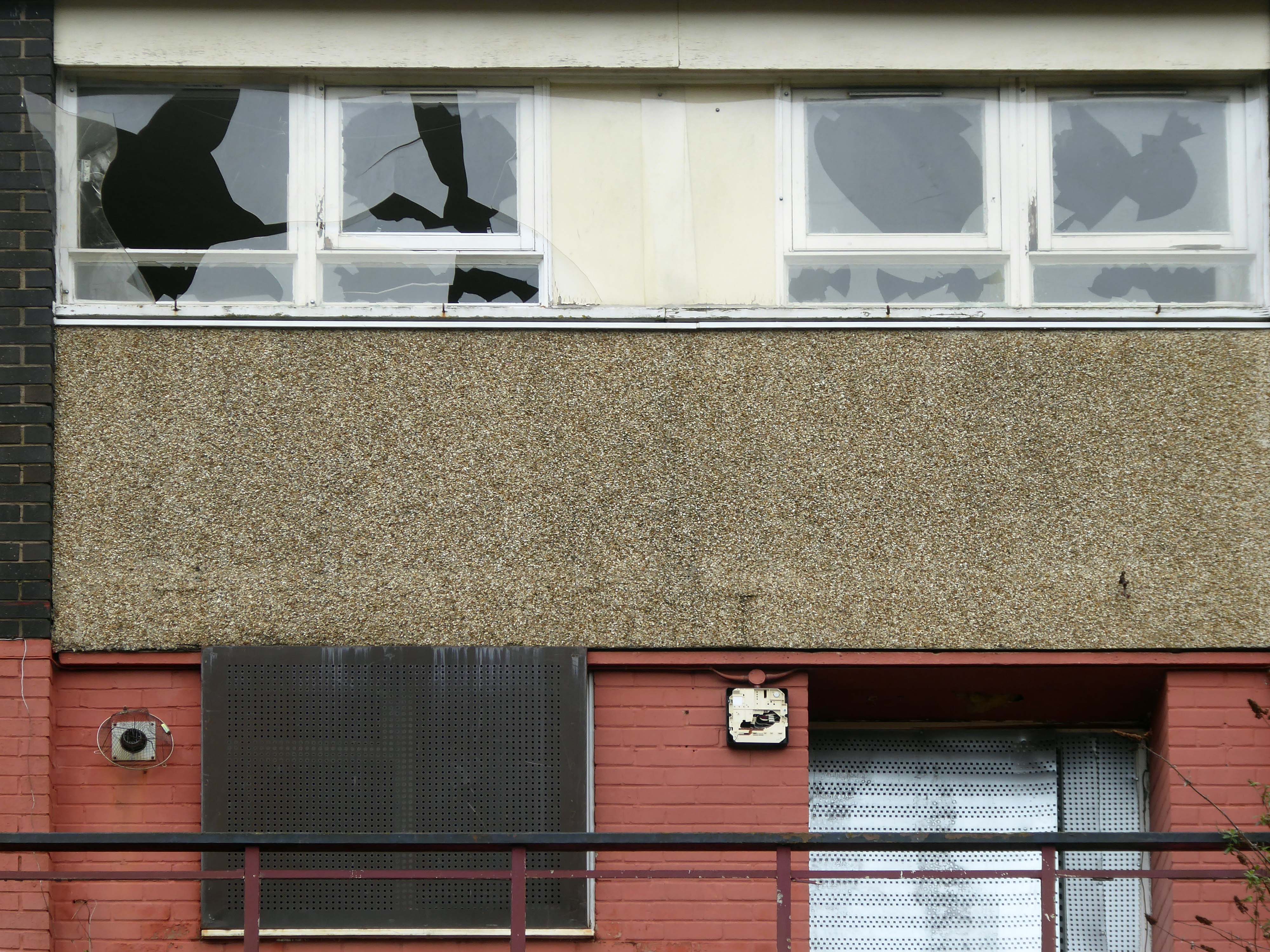
The shops and maisonettes are due to be demolished any day now – no longer to gaze open-eyed upon the former quarry of Sandhills.
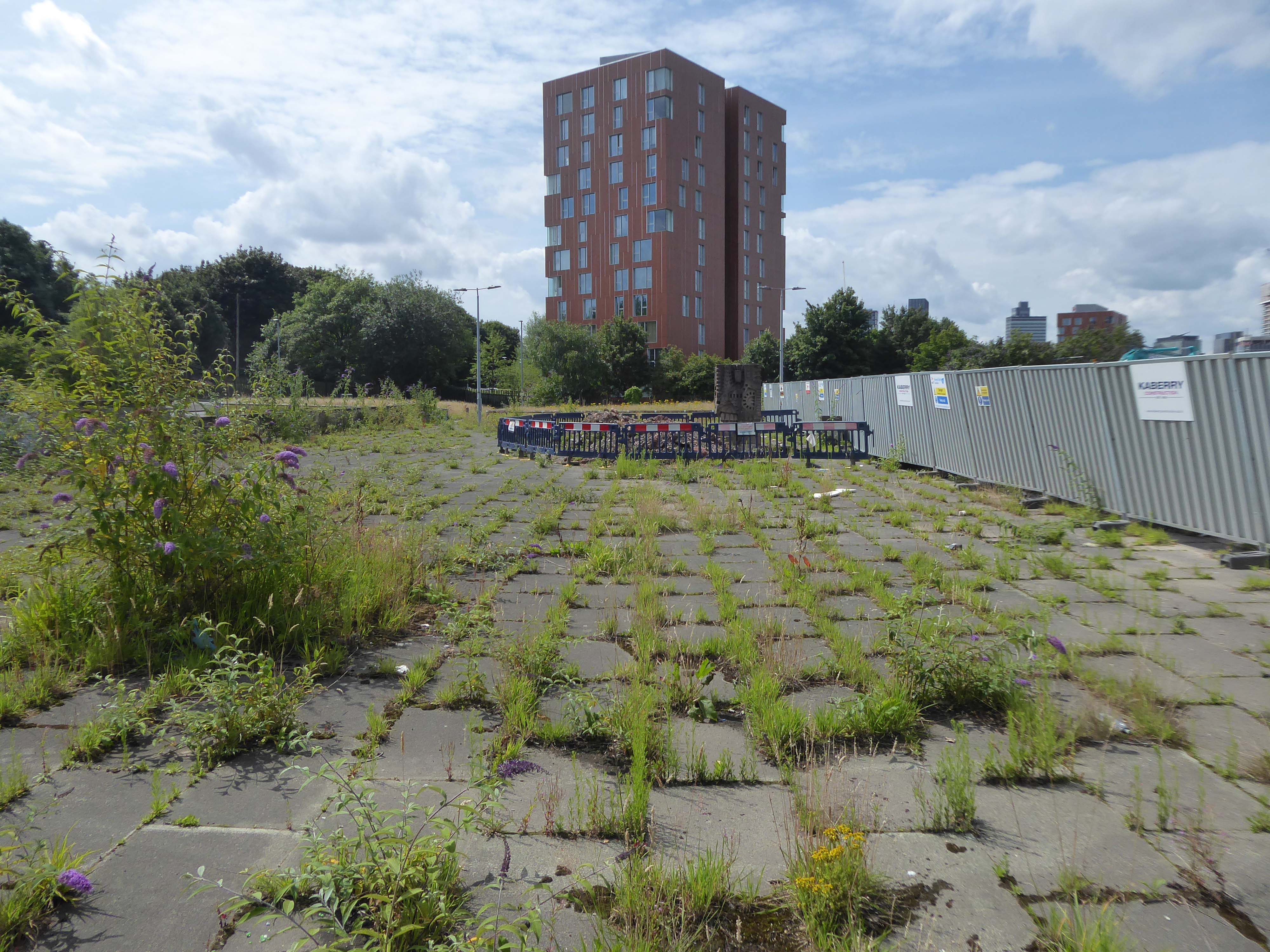
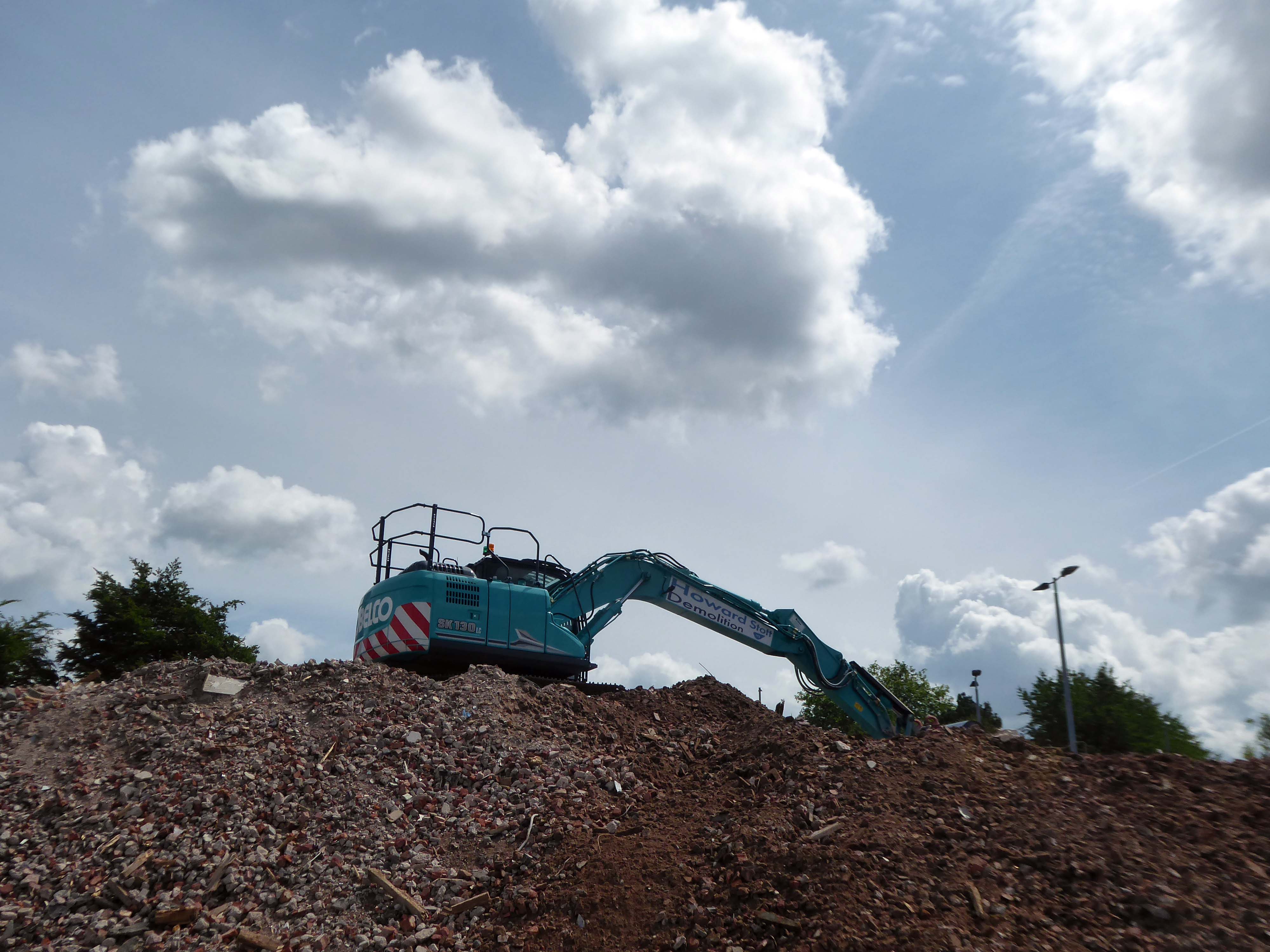
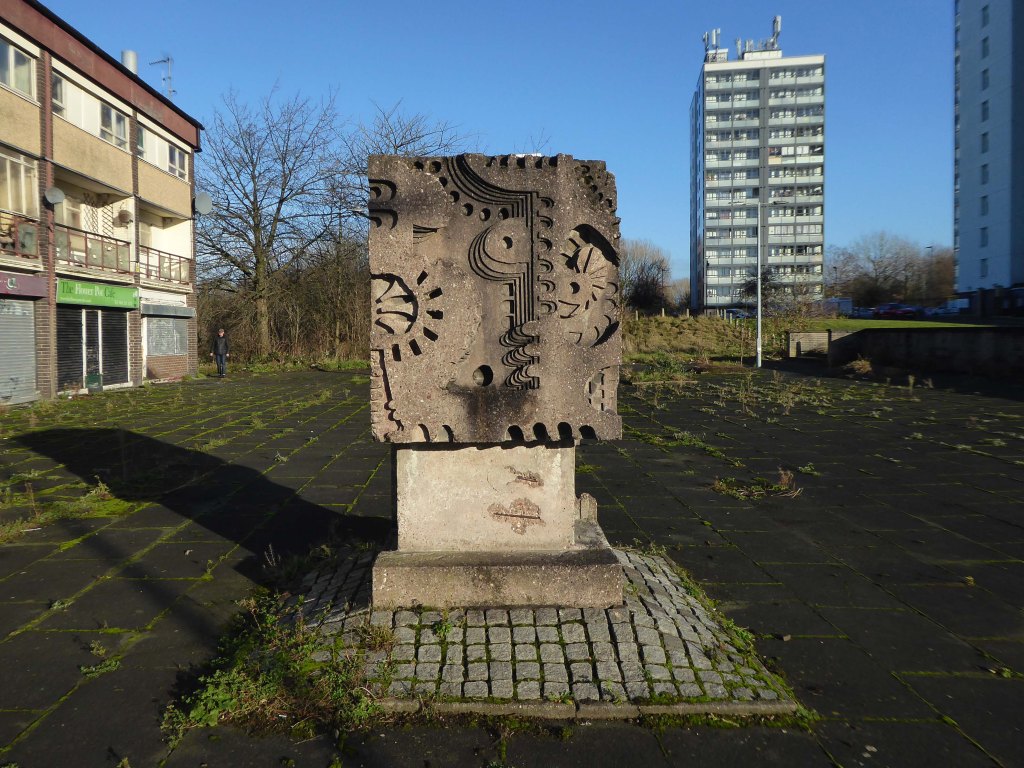
Around the front the diggers have been a digging – digging up around the base of the totem.
The work is to be re-sited by the nearby tower blocks.
The end is nigh.
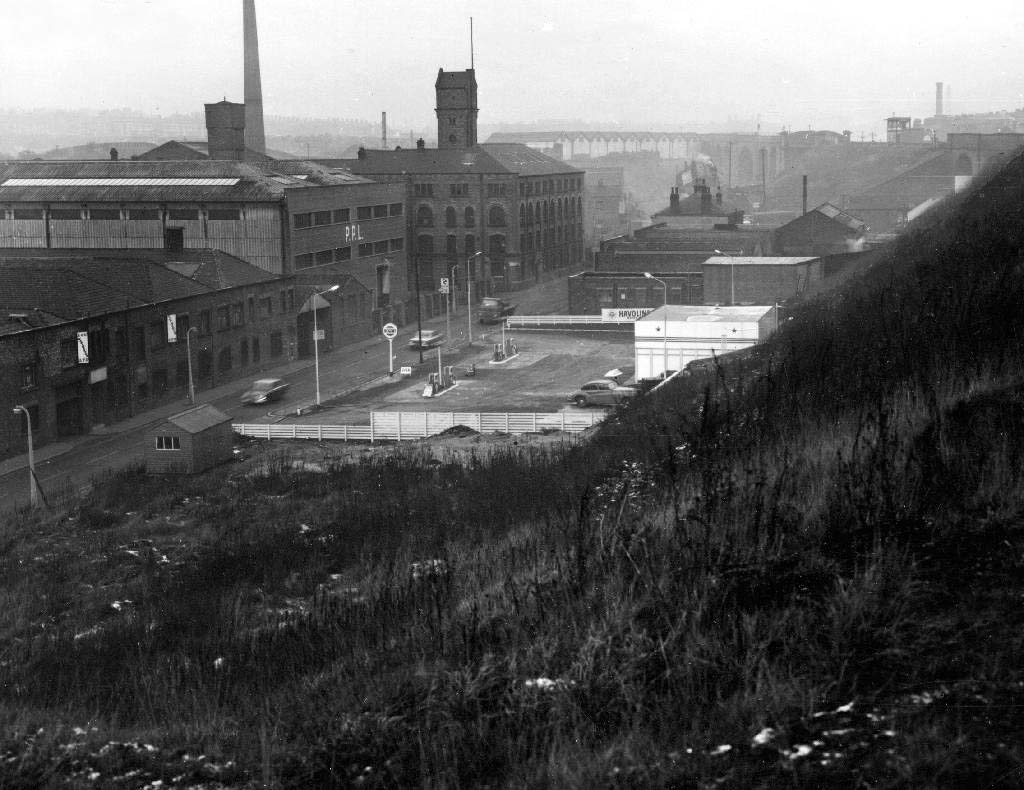
Heading now for Collyhurst Road and the Irk Valley – seen here in 1960.
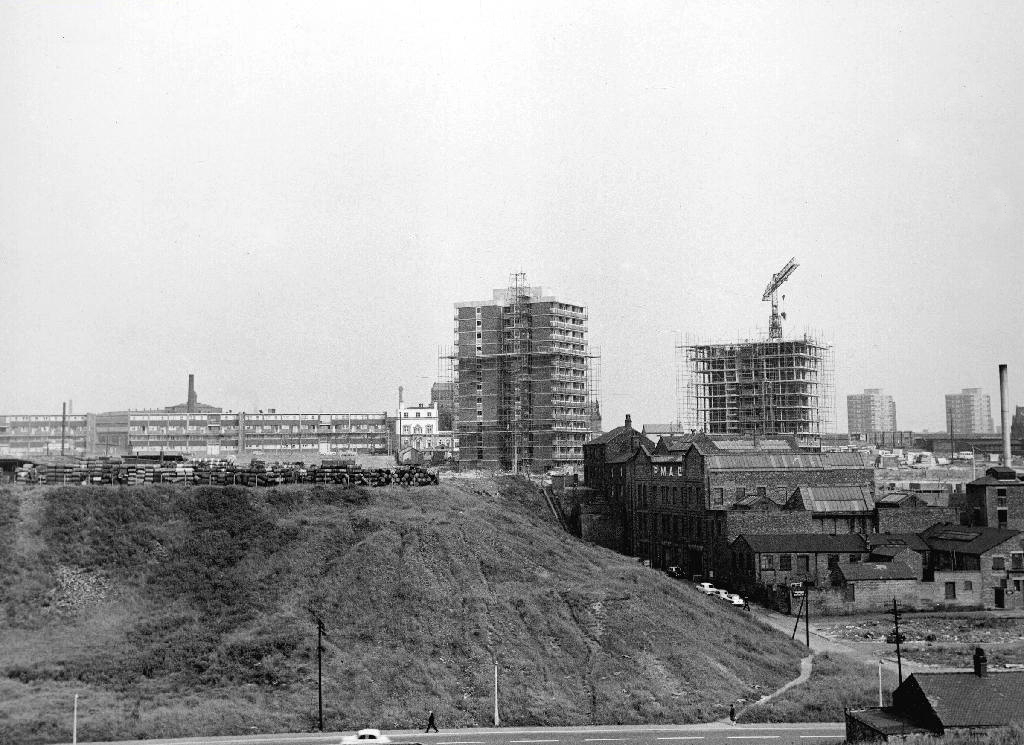
Looking back on the Square and the Dalton Street flats – Humphries, Dalton, Roach, Vauxhall and Moss Brook Courts under construction.
Vauxhall Street now but a shadow of its former self – the last traces of industry long gone.
Reclaimed over time by trees and dense underbrush.
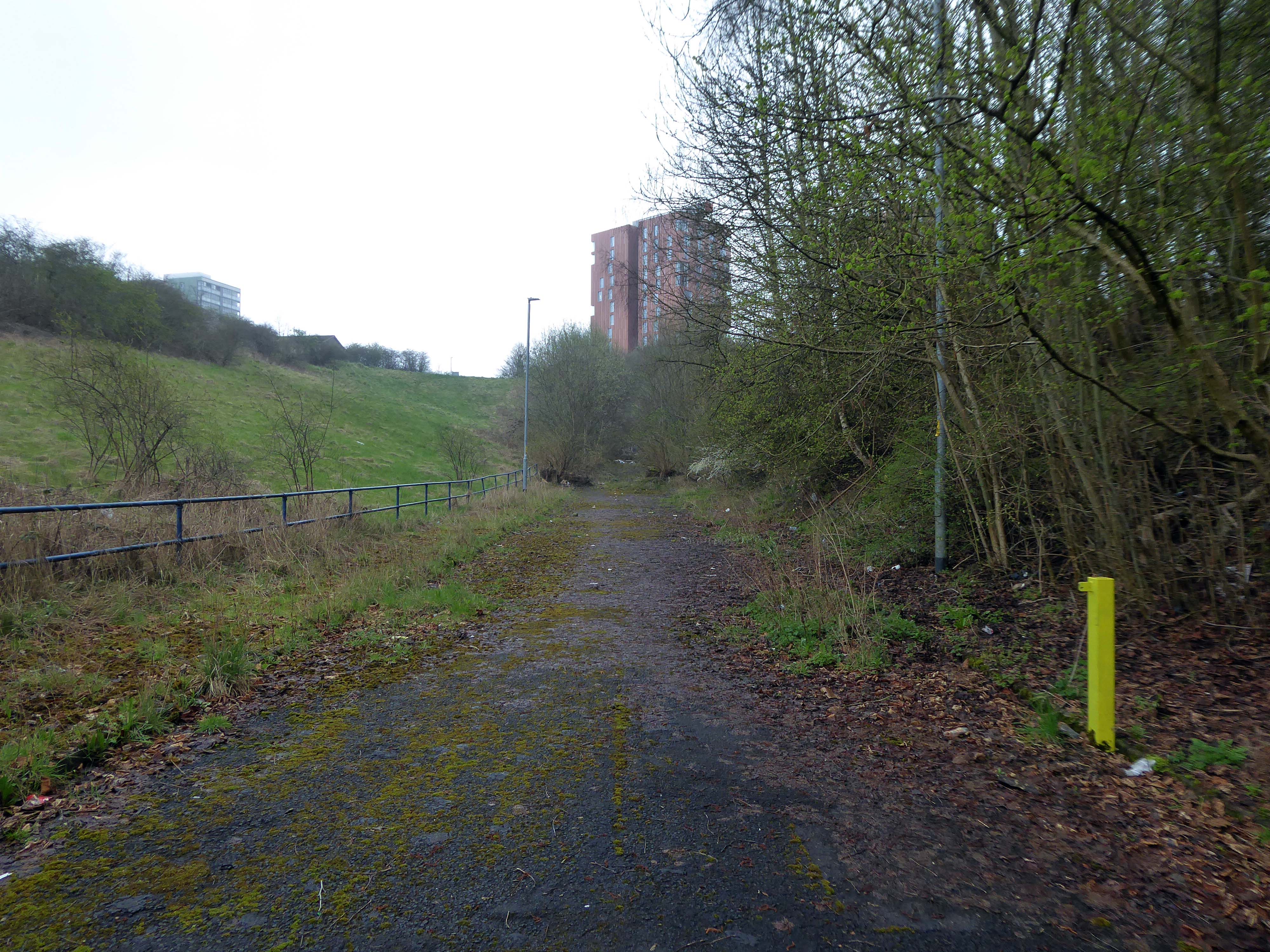
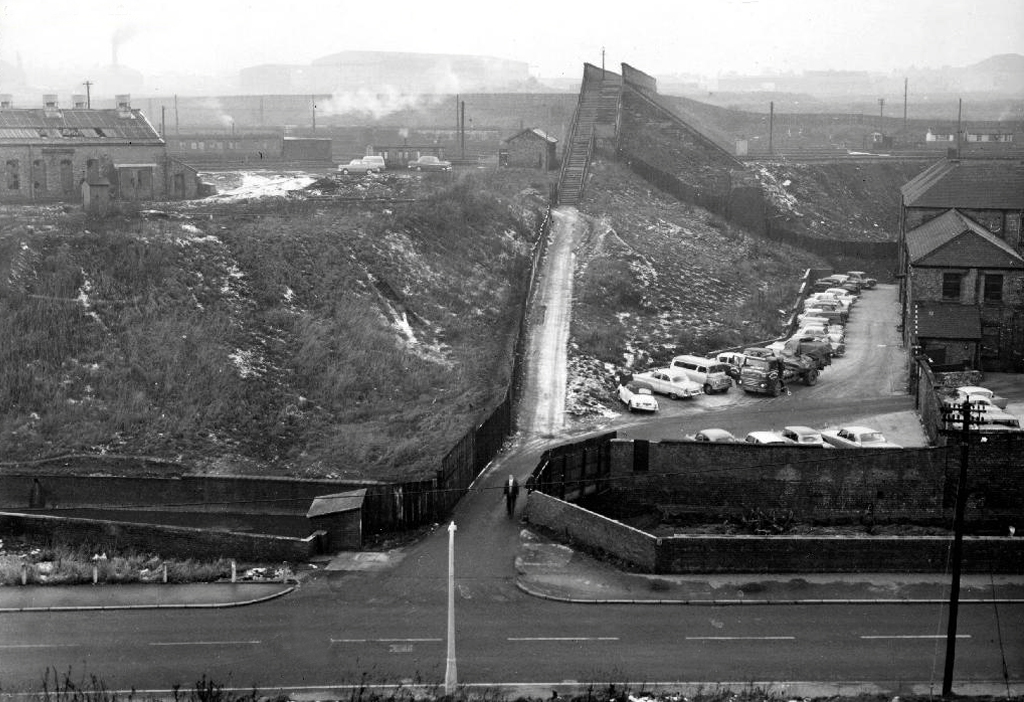
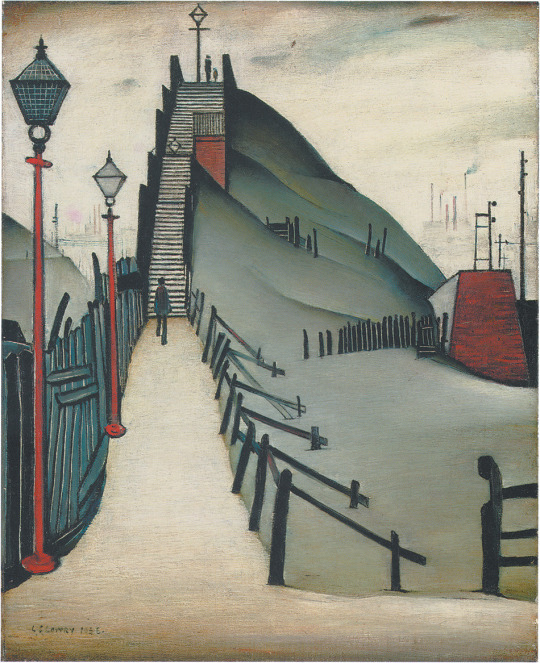
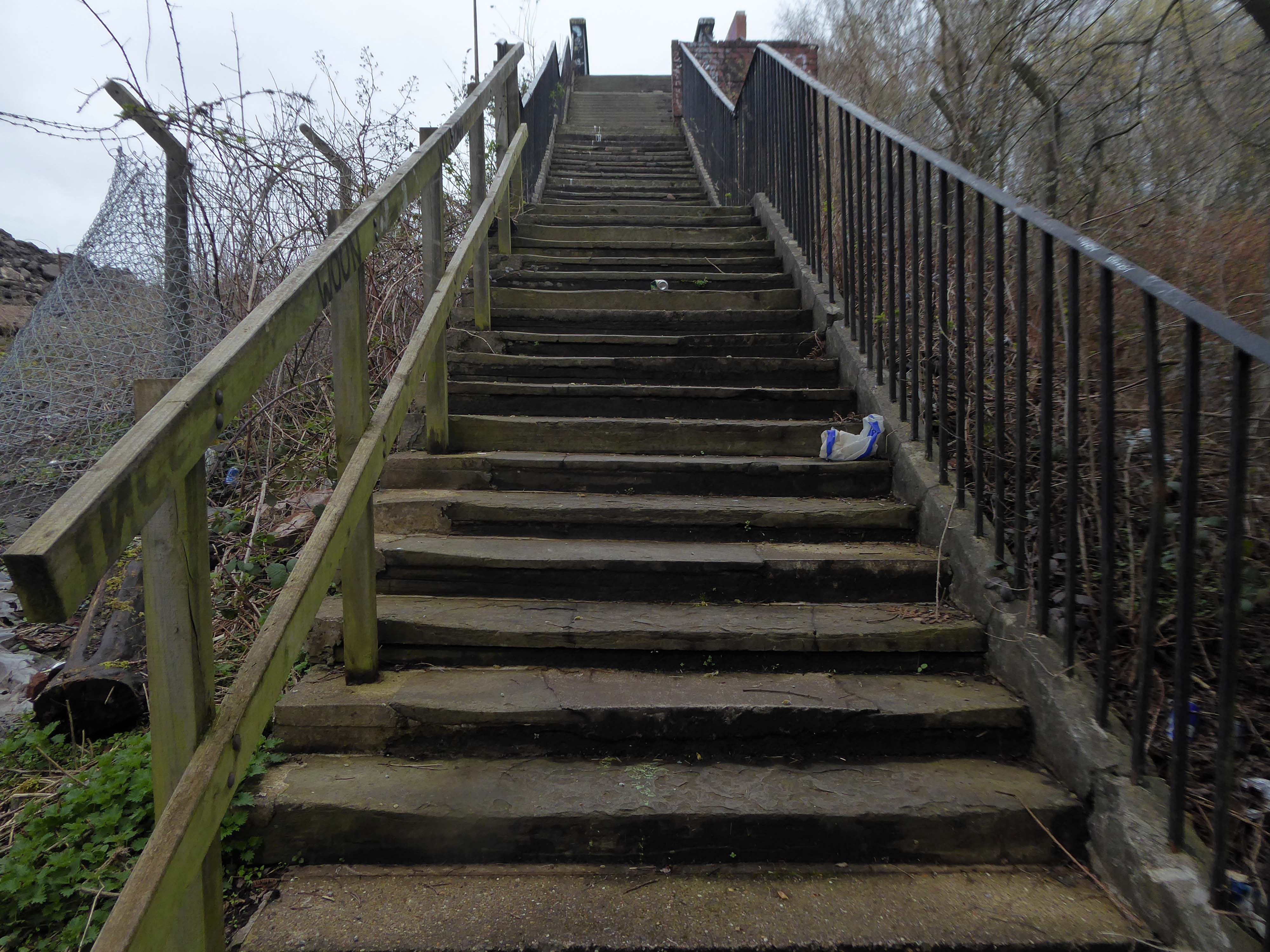
Crossing Collyhurst Road and up and over the railway via Barney’s Steps also known as the Lowry Steps.
LS Lowry
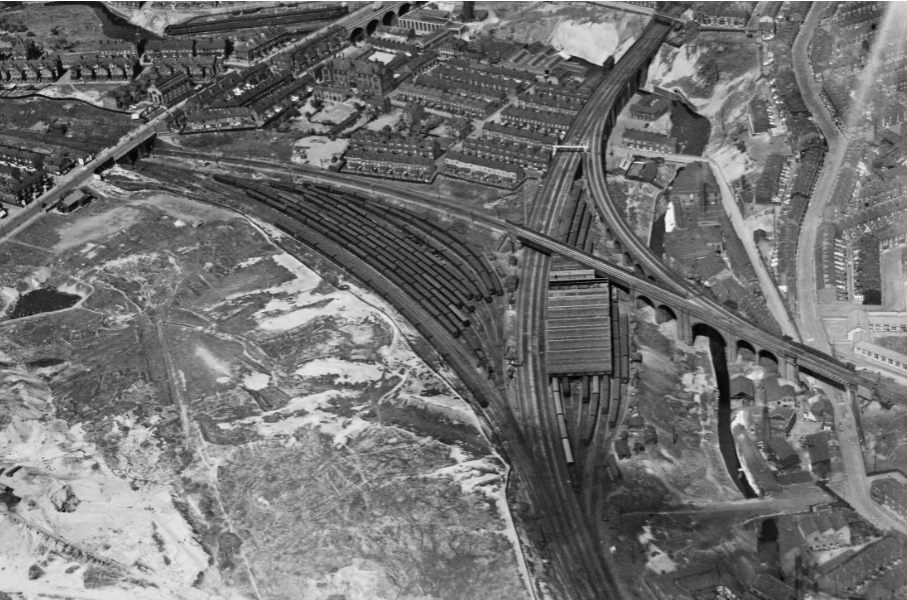
By the late 1950’s the whole of this area which we called Barney’s Tip became a refuse tip for Manchester City Council.
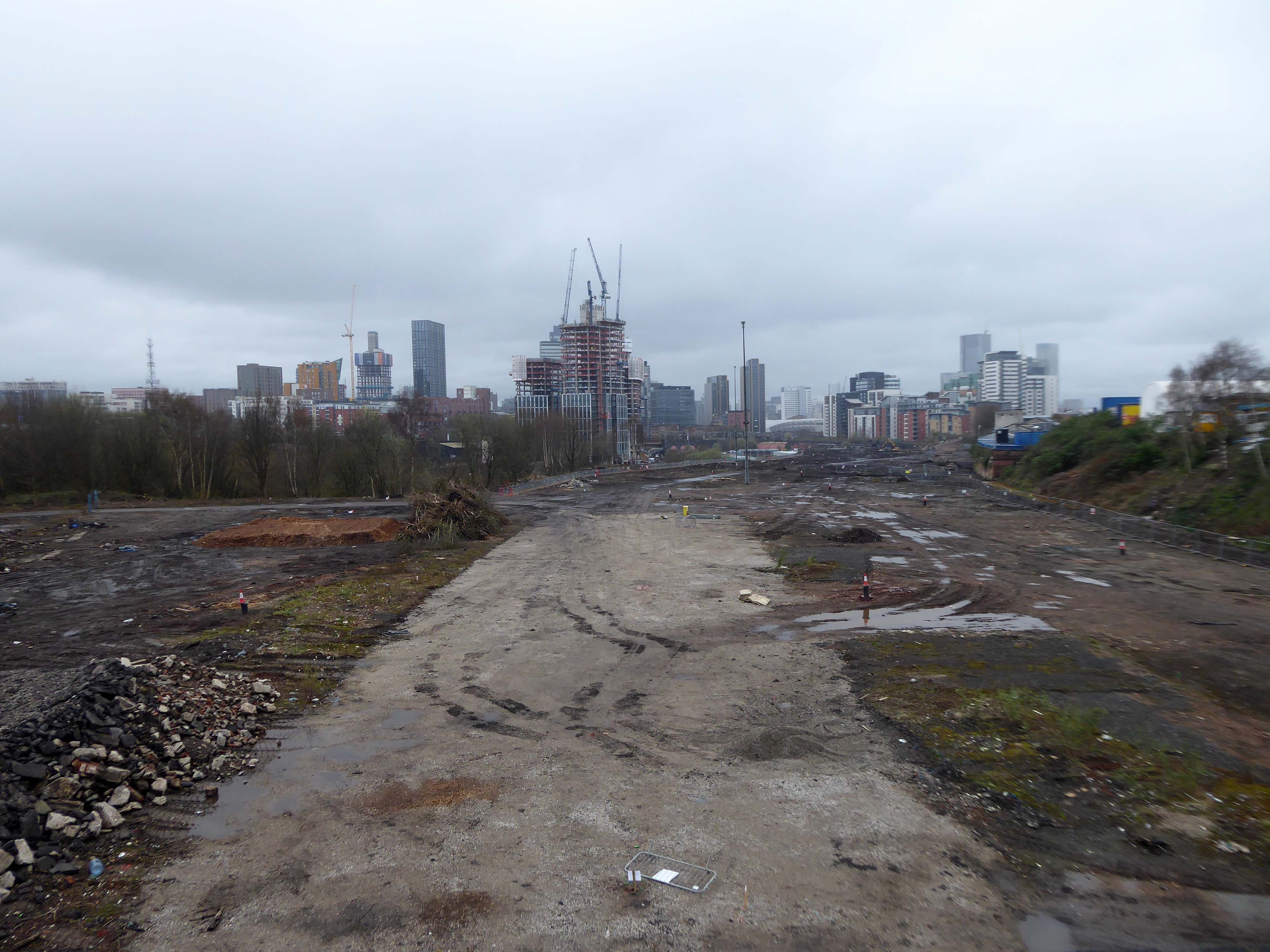
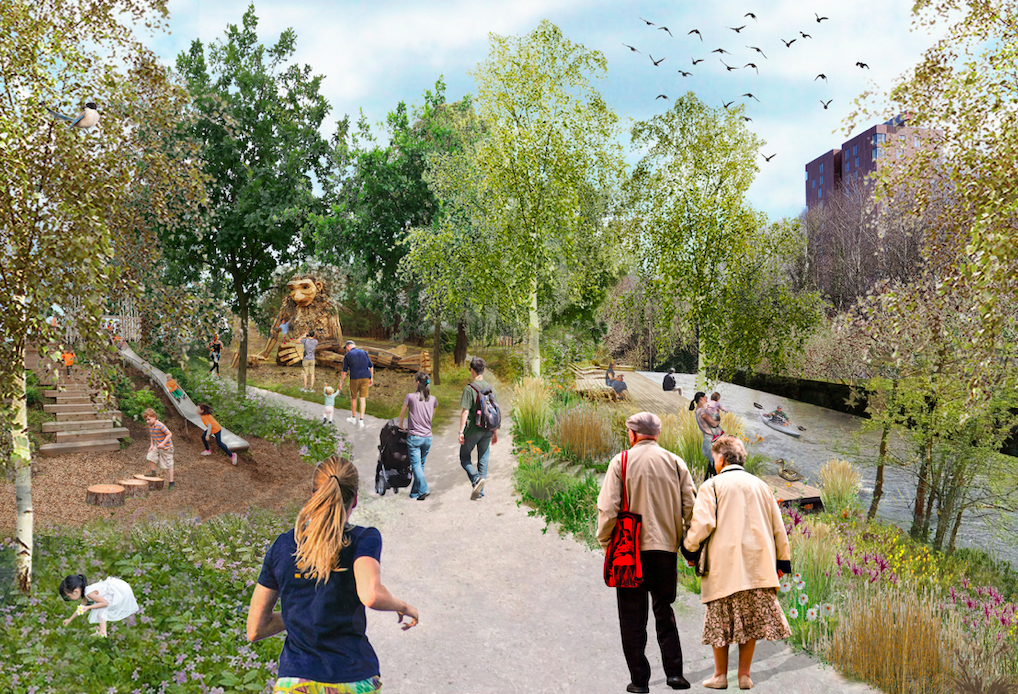
The area is in the process of being reconfigured as a delightful country park.
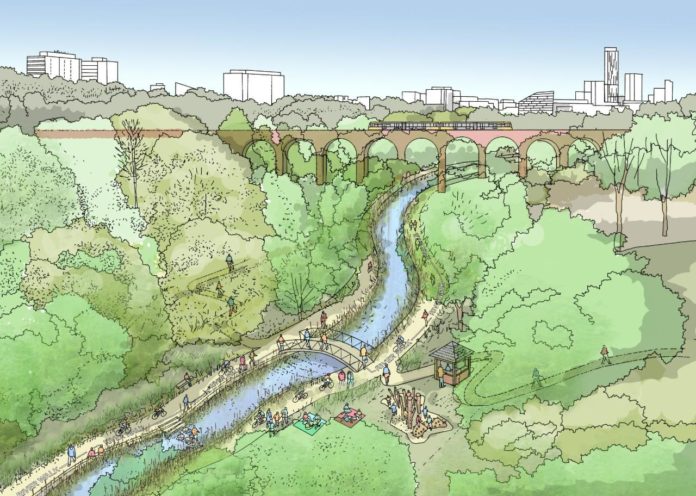
The investment will also help develop an initial phase of the planned City River Park incorporating St Catherine’s Wood as part of a network of public open space, including improvements along the River Irk and works to improve flood resilience, unlocking the potential of the Irk Valley that will characterise the wider Northern Gateway project.
The first phase of the City River Park will begin work to transform former railway architecture to develop the new Viaduct Linear Park north of Victoria Train Station, new stepped public realm space – Red Bank Terraces, along with new green space by the River Irk and the key improvements to St Catherine’s Wood.
Collingham Street is lined with trucks, trailers, stalls and mobile homes.
But there’s nothing temporary about this Cheetham Hill neighbourhood; most residents have lived here for years and many plan to spend the rest of their lives here.
Founded more than forty years ago, it was created by the Showman’s Guild of Great Britain – and it’s reserved exclusively for fairground workers both retired and current.
Built on Queens Road tip, a former rubbish dump, and rented out by Manchester Council, many of the 52 homes belong to older retired showmen or families for whom an itinerant lifestyle has become more challenging.
It’s a close-knit community with a unique shared history.
Though not without its own particular issues it would seem, according to the MEN.
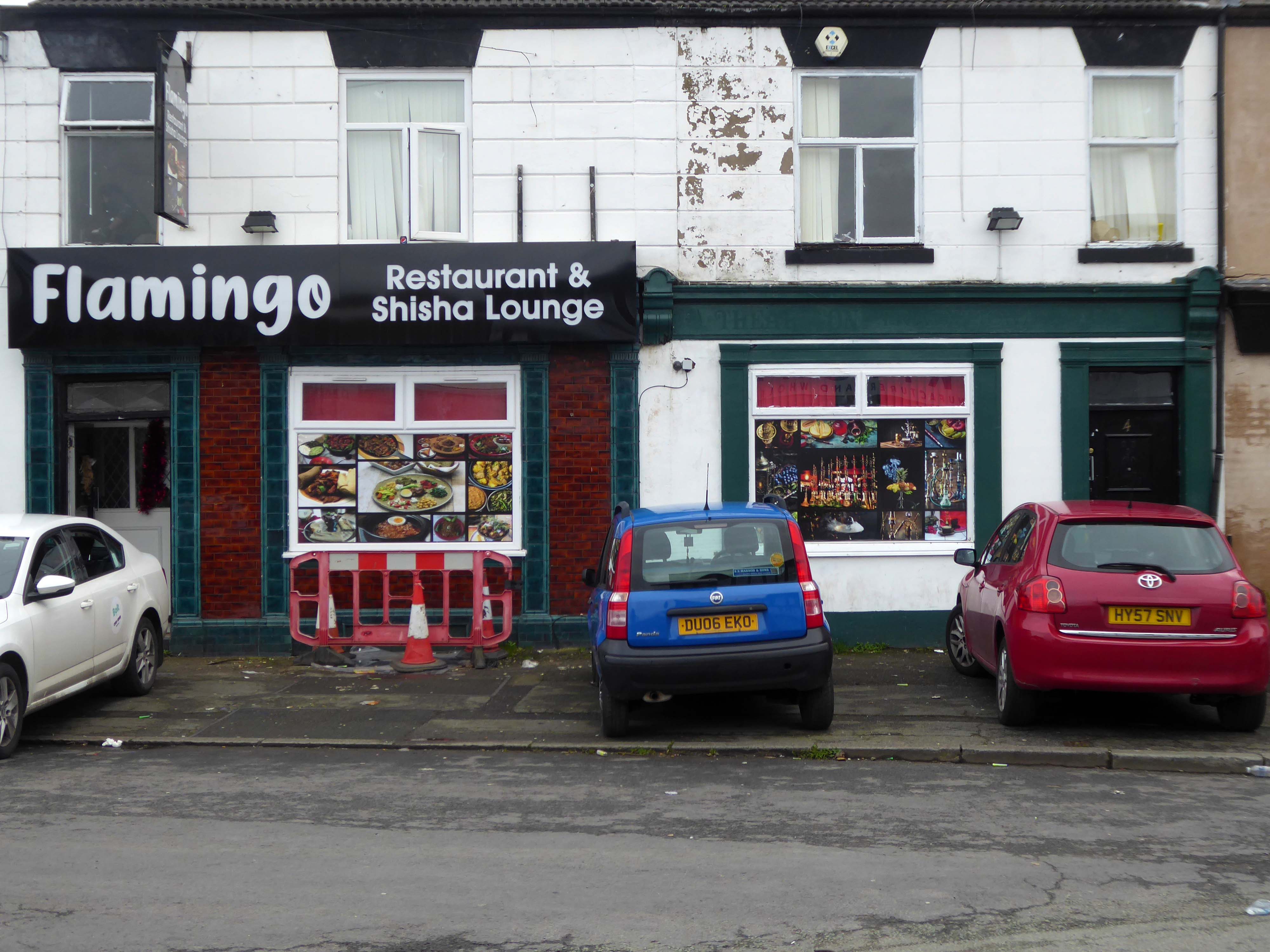
The licensing out of hours team has received noise complaints relating to the premises which was found to be open beyond permitted hours when visited. Officers also identified breaches of the Health Act during inspections in which people were seen smoking shisha pipes in an enclosed extension at the back.
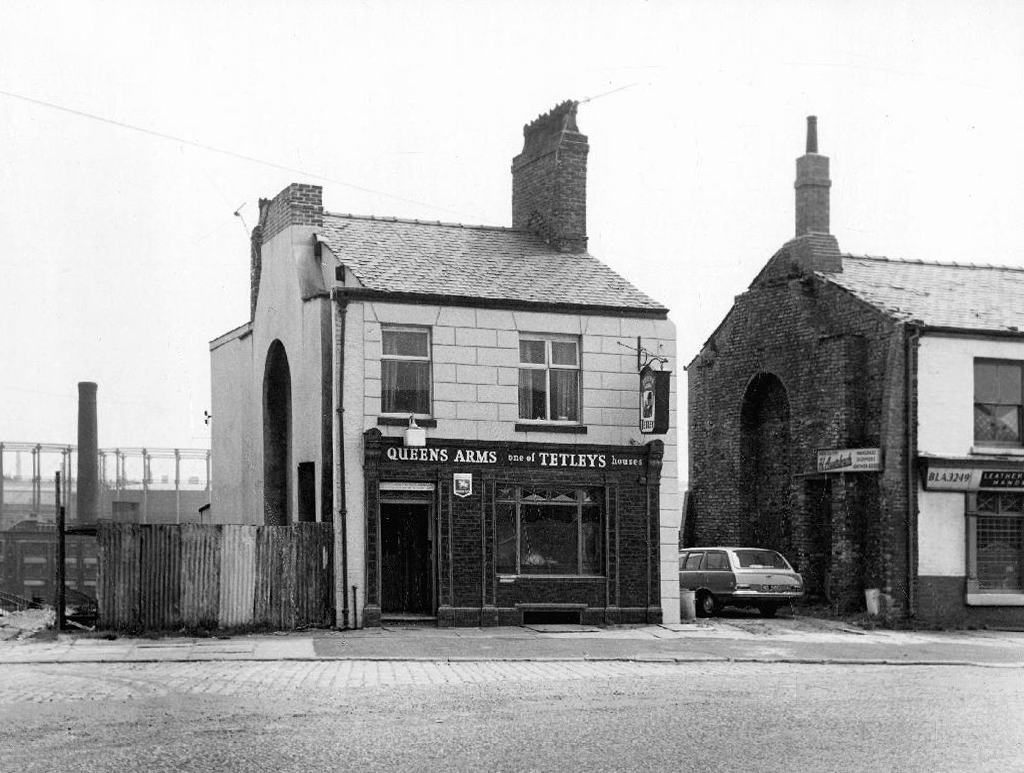
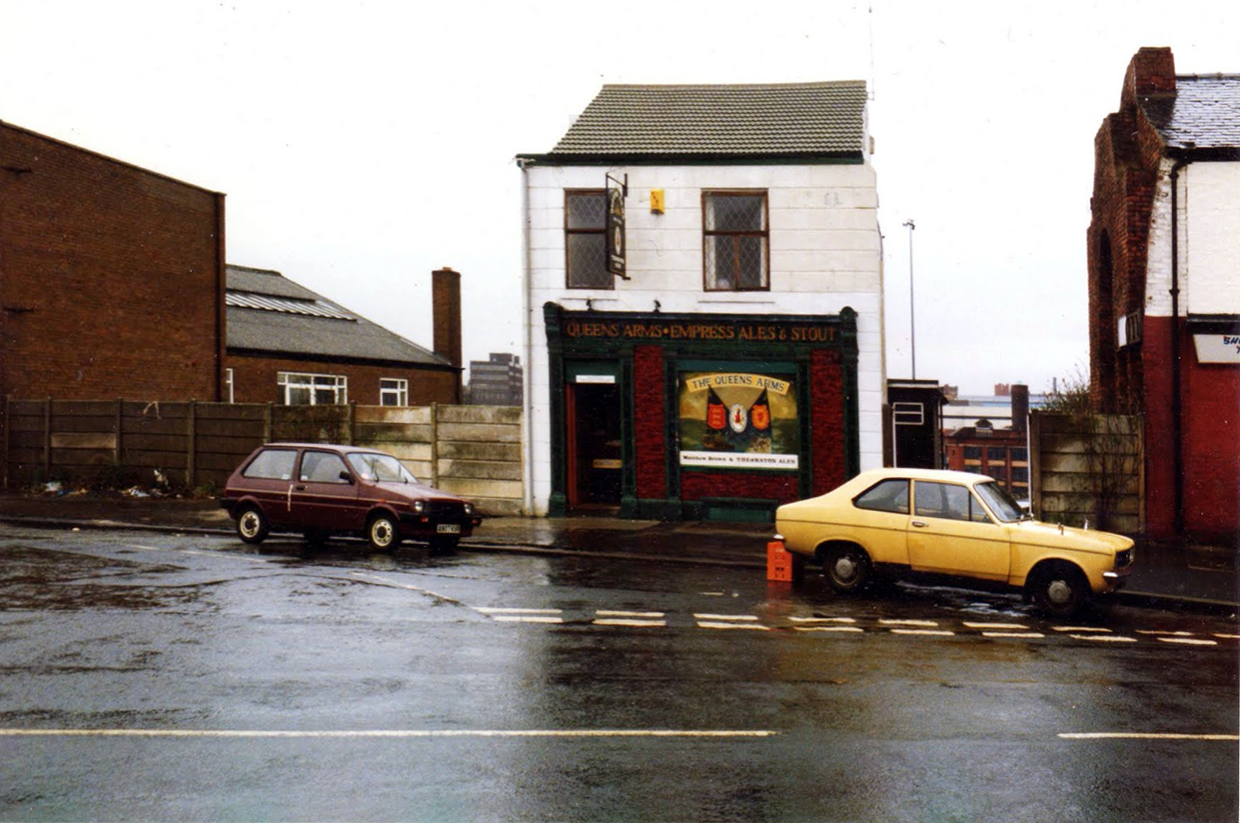
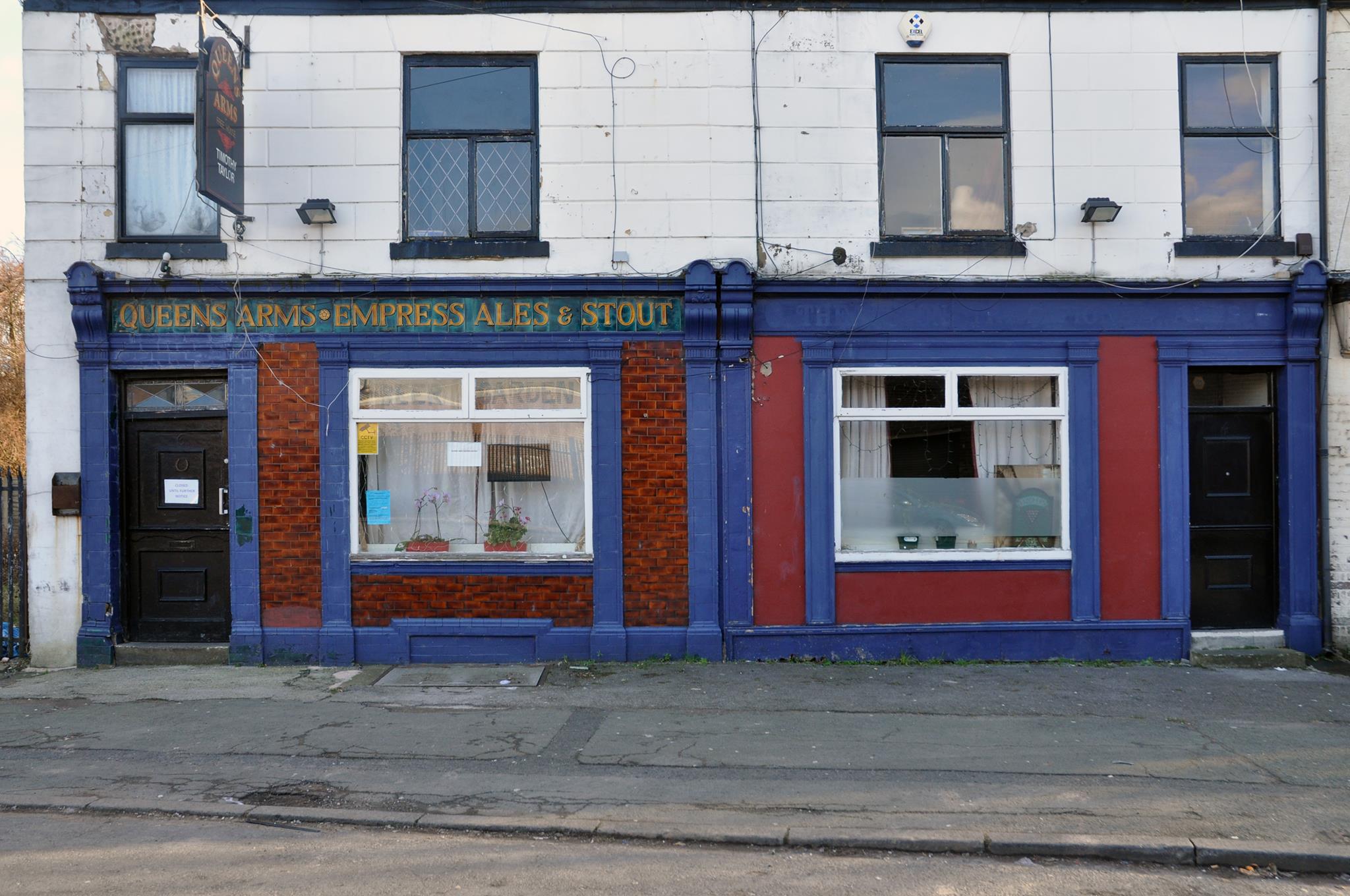
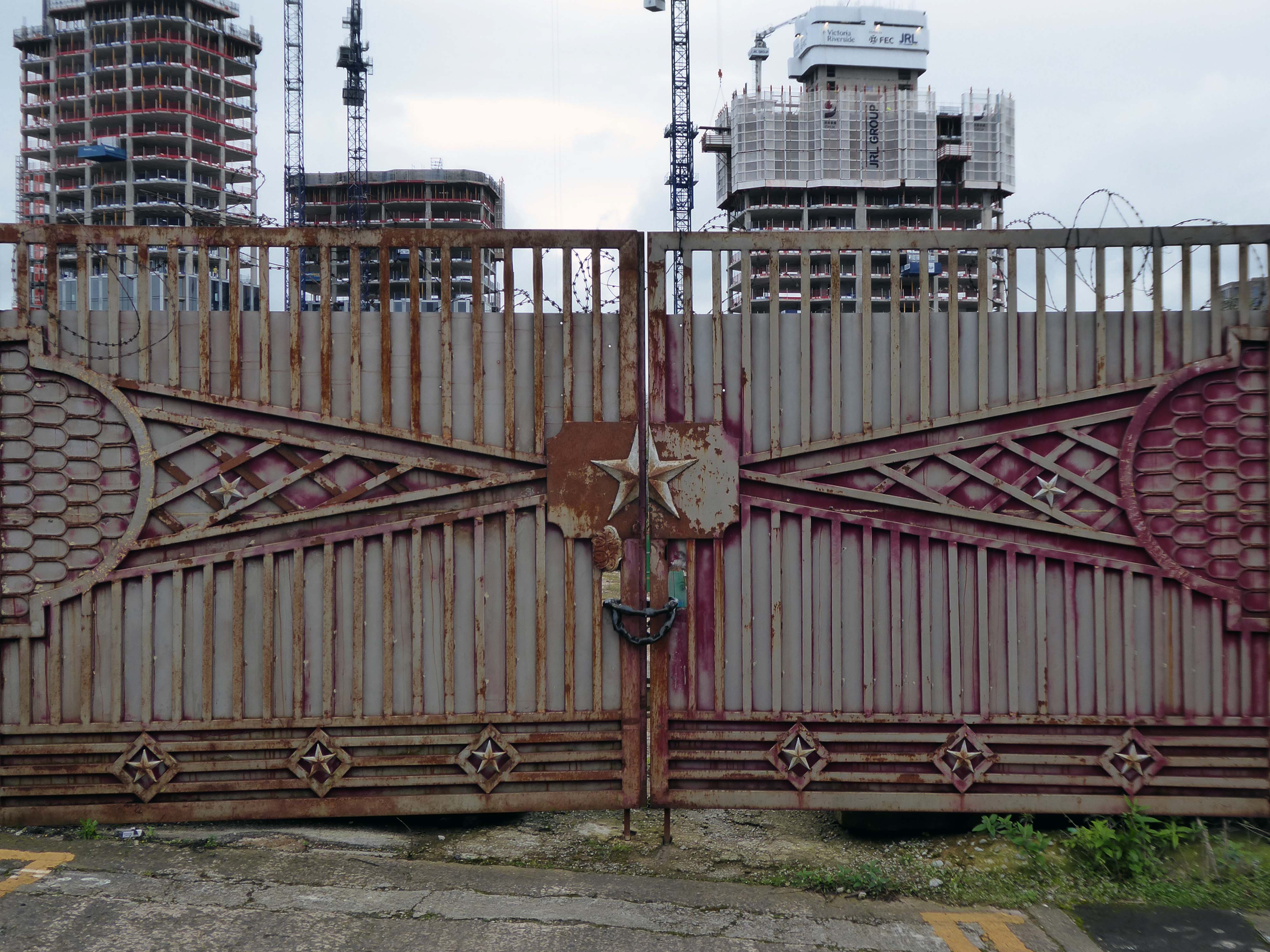
We will leave the Flamingo be and head back into town – but not without giving a nod to this confusing collision between this self-made scrapyard-man chic gate and the ever changing skyline of overheated urban regeneration.
The new creation has come: The old has gone, the new is here!
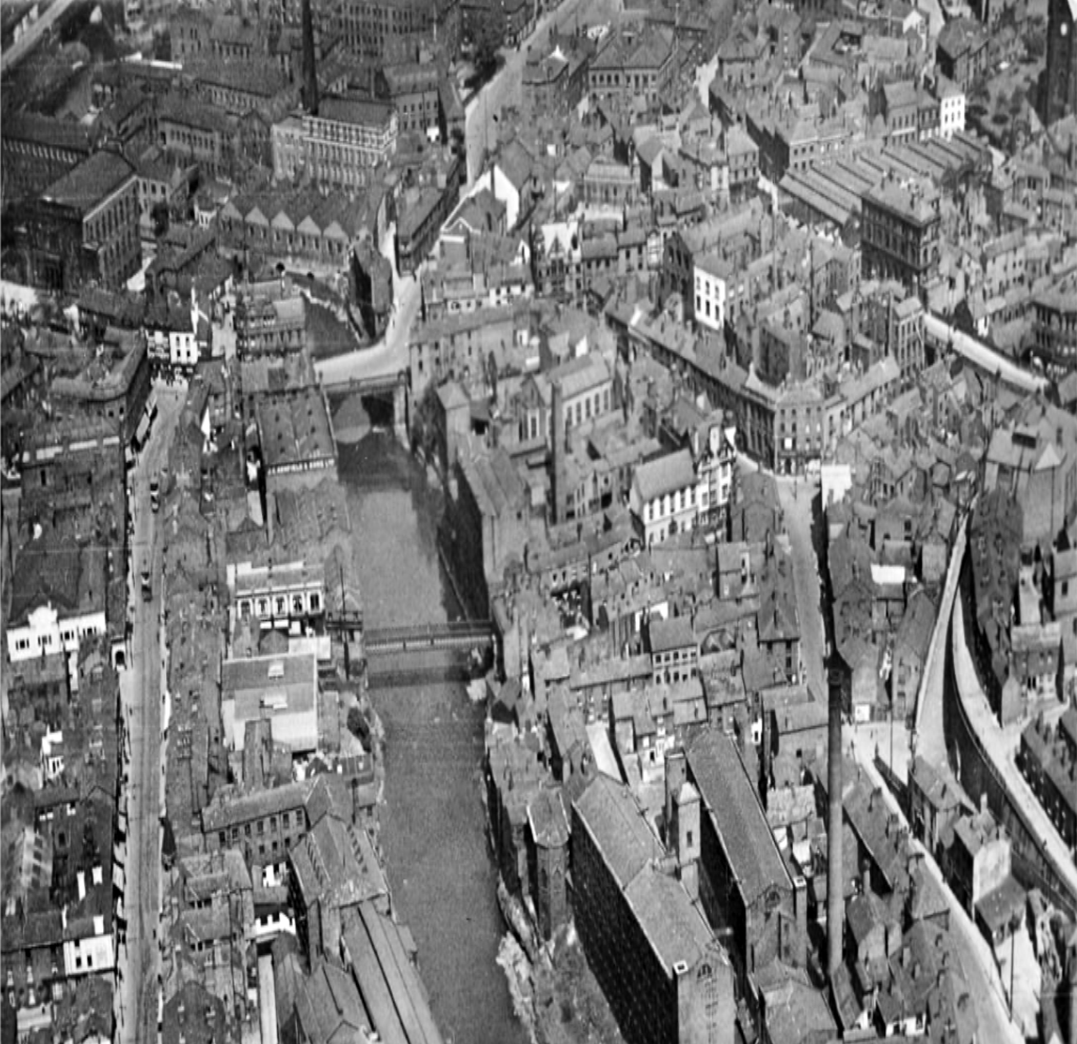
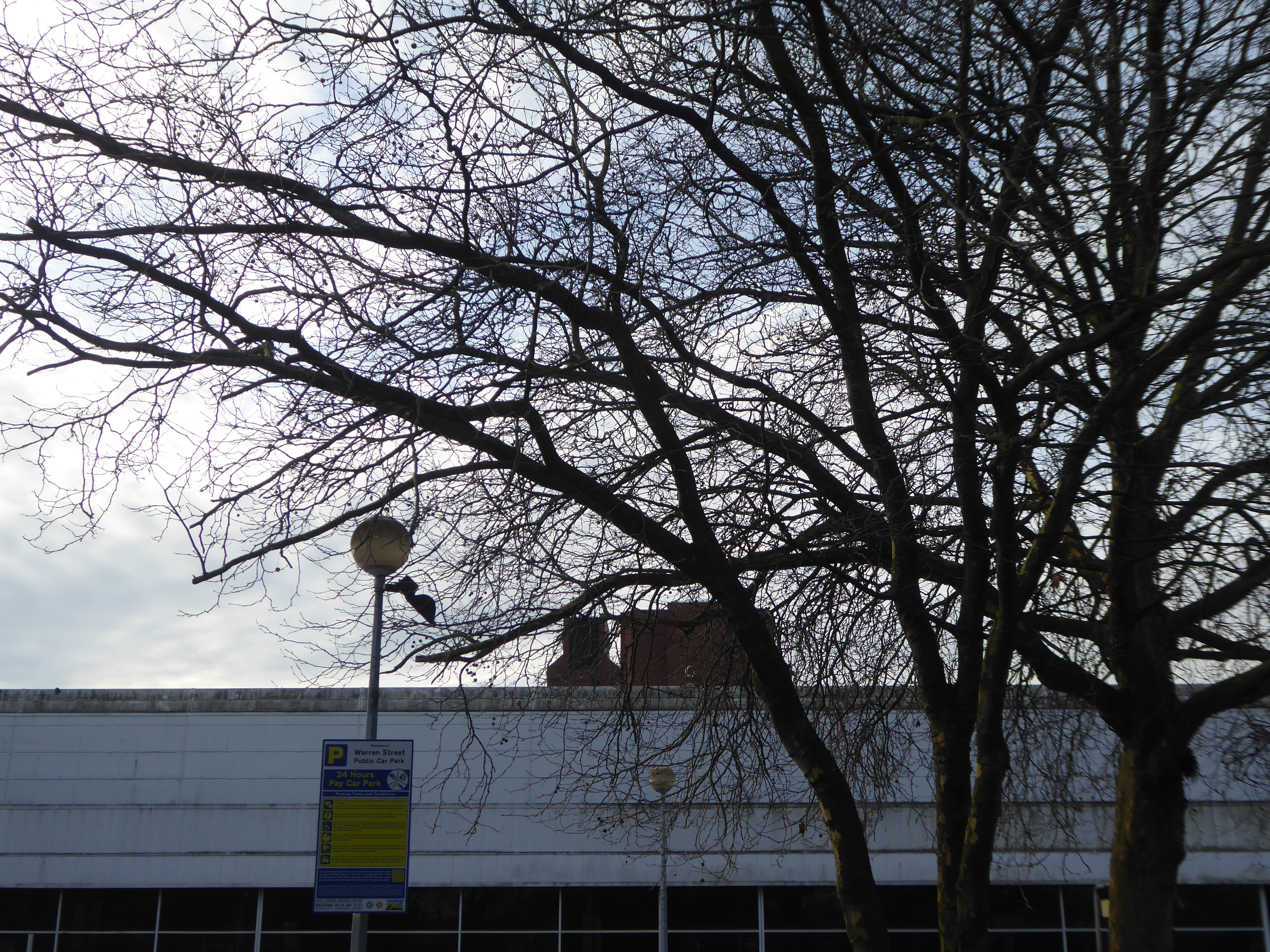
Warren Street Stockport, north of Lancashire Bridge beside the Mersey – seen here in the 1920s a mix of retail, dwellings and industry as was most of the town centre.
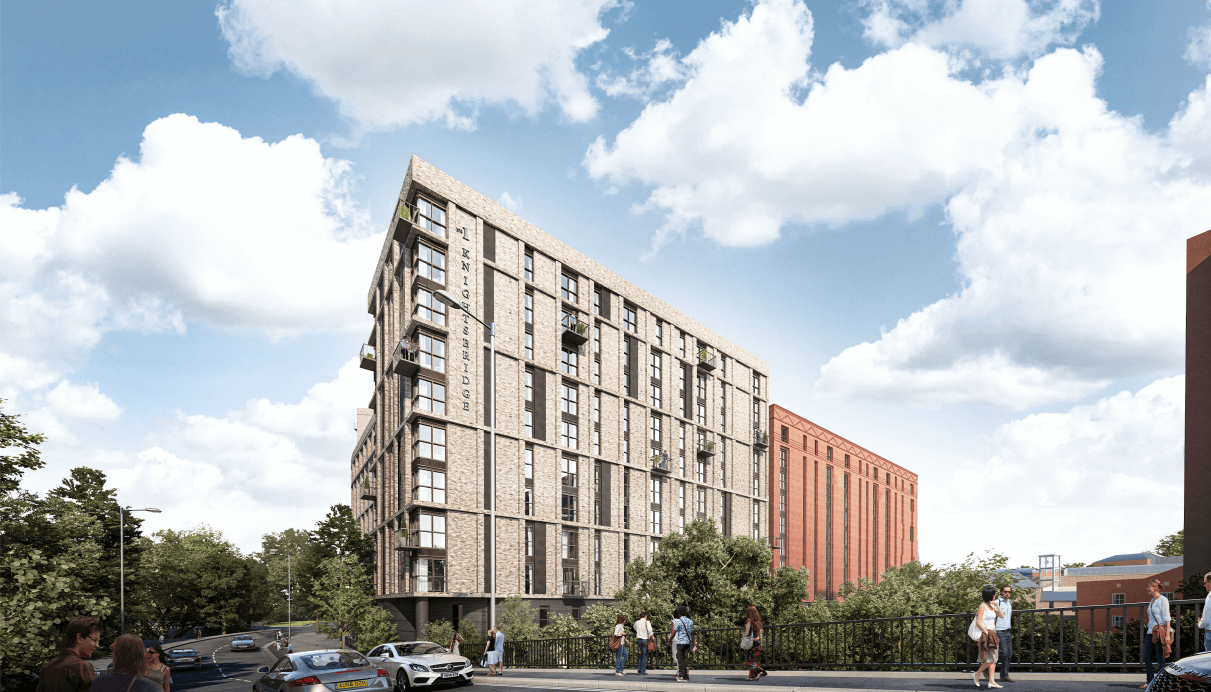
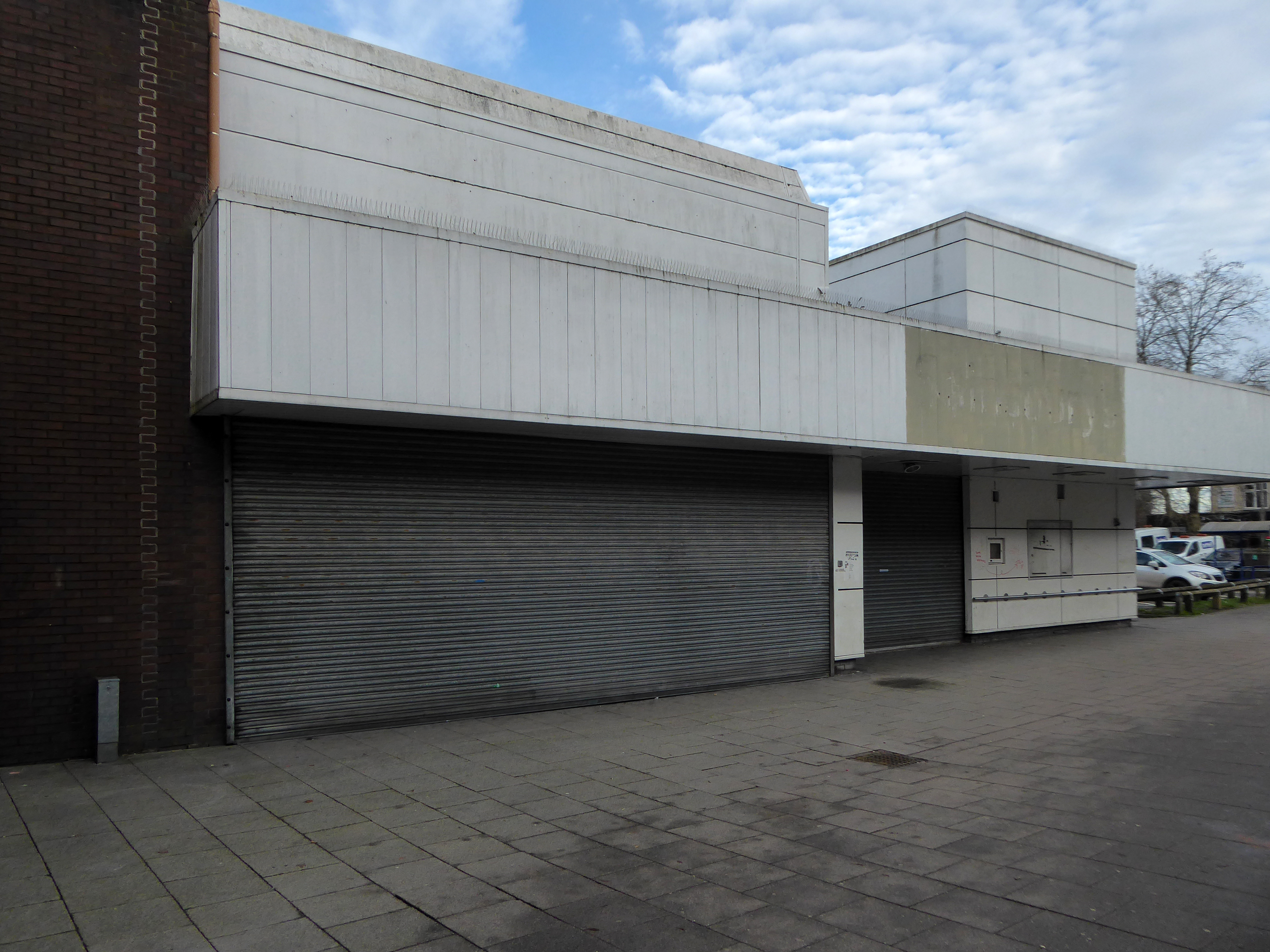
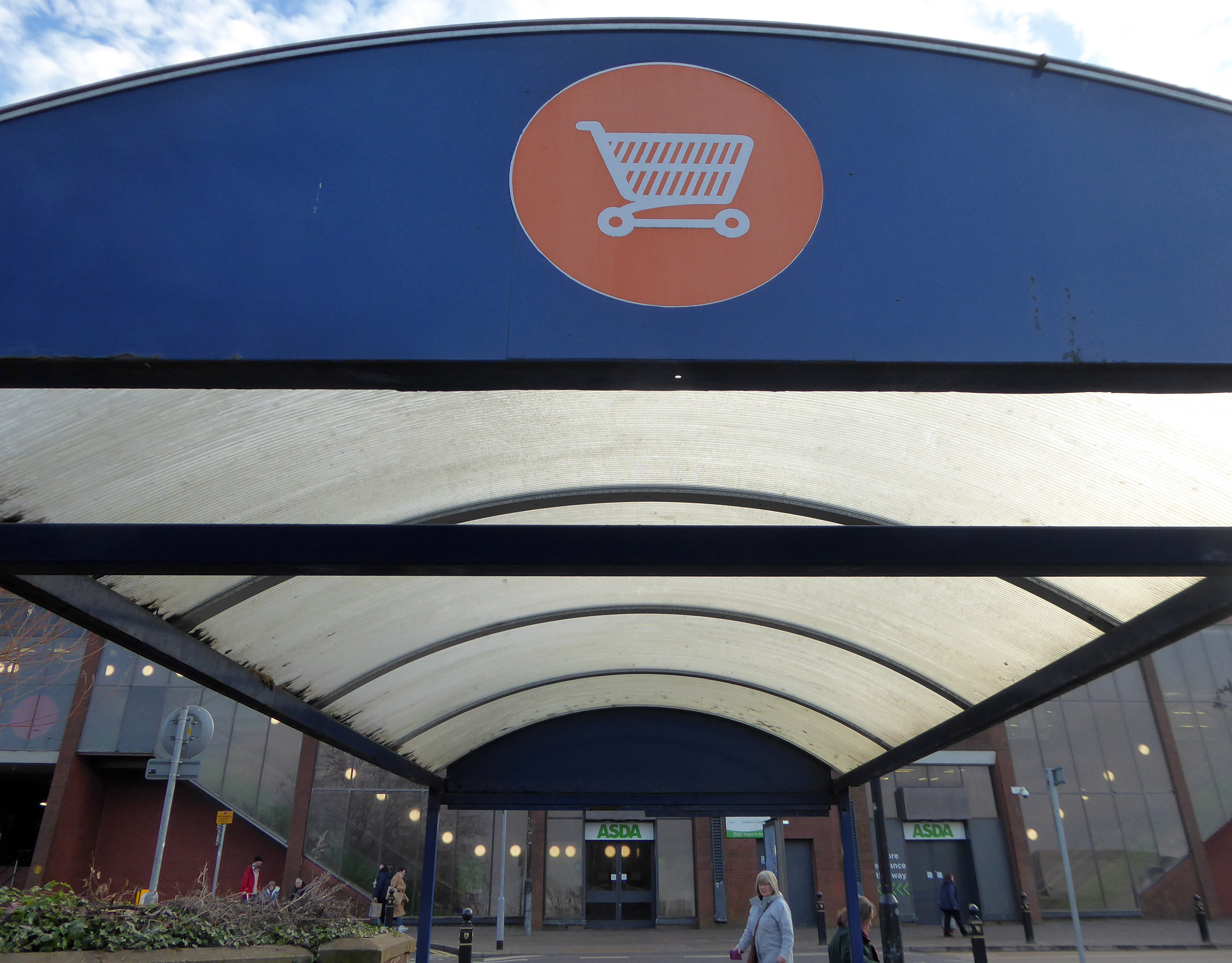
Plans to build hundreds of new homes – including a 15-storey tower block – on a vacant Sainsbury’s site in Stockport town centre are set to get the go-ahead.
Proposals that would bring more than 500 flats and 34 townhouses to the three-acre plot, in Warren Street, are set to go before the council’s planning committee next Thursday night. The 573 homes would be spread across a trio of buildings – rising in height from five to 15 storeys. Two of these would also have space for a range of potential uses, ranging from shops and cafes to gyms and creches.
Martin Halsey, operations director at Amstone Ventures, added:
We can see that Stockport has untapped demand for quality homes within its town centre, offering a vibrant lifestyle and everything Stockport town centre has to offer, all on the doorstep.”
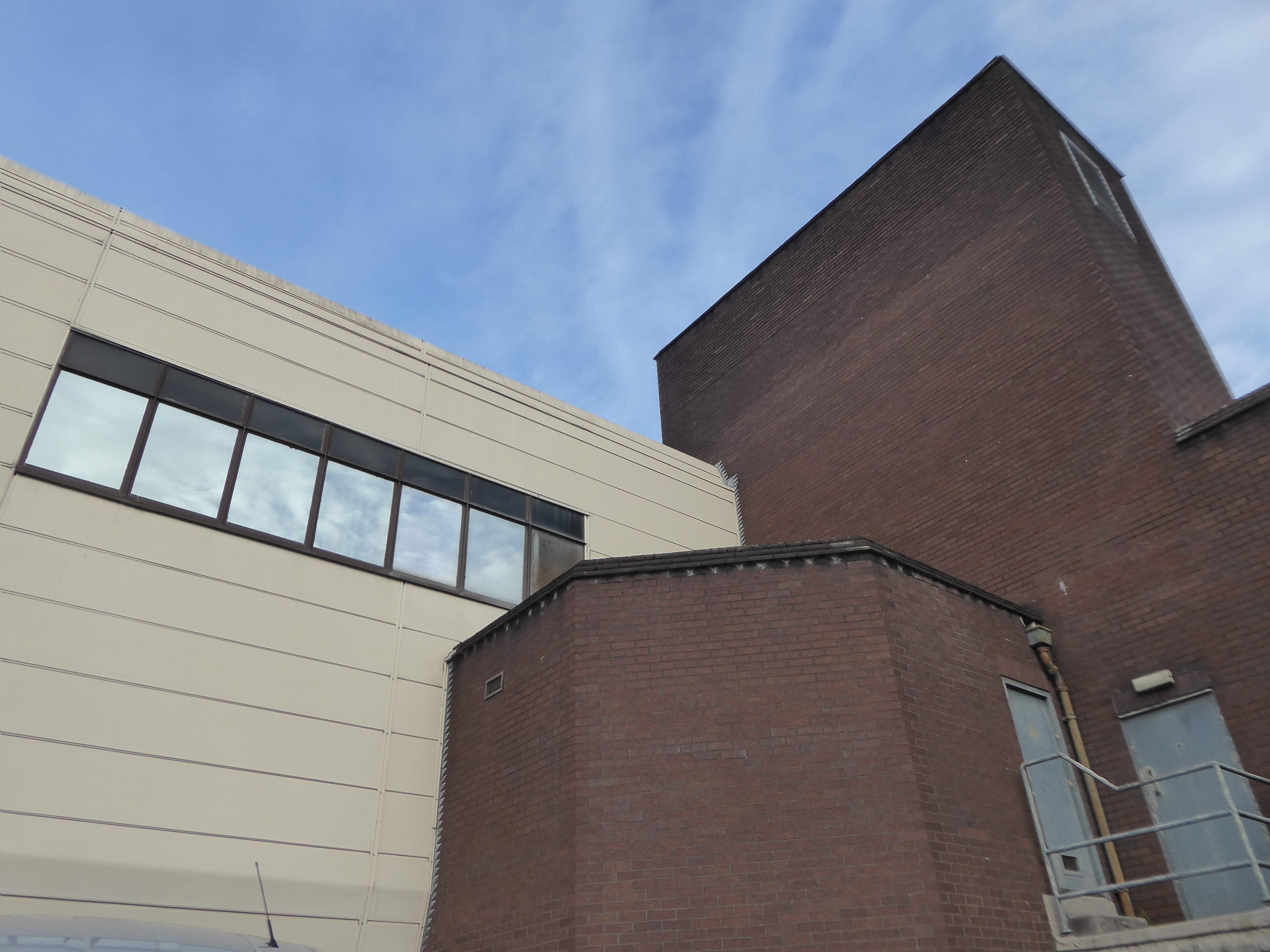
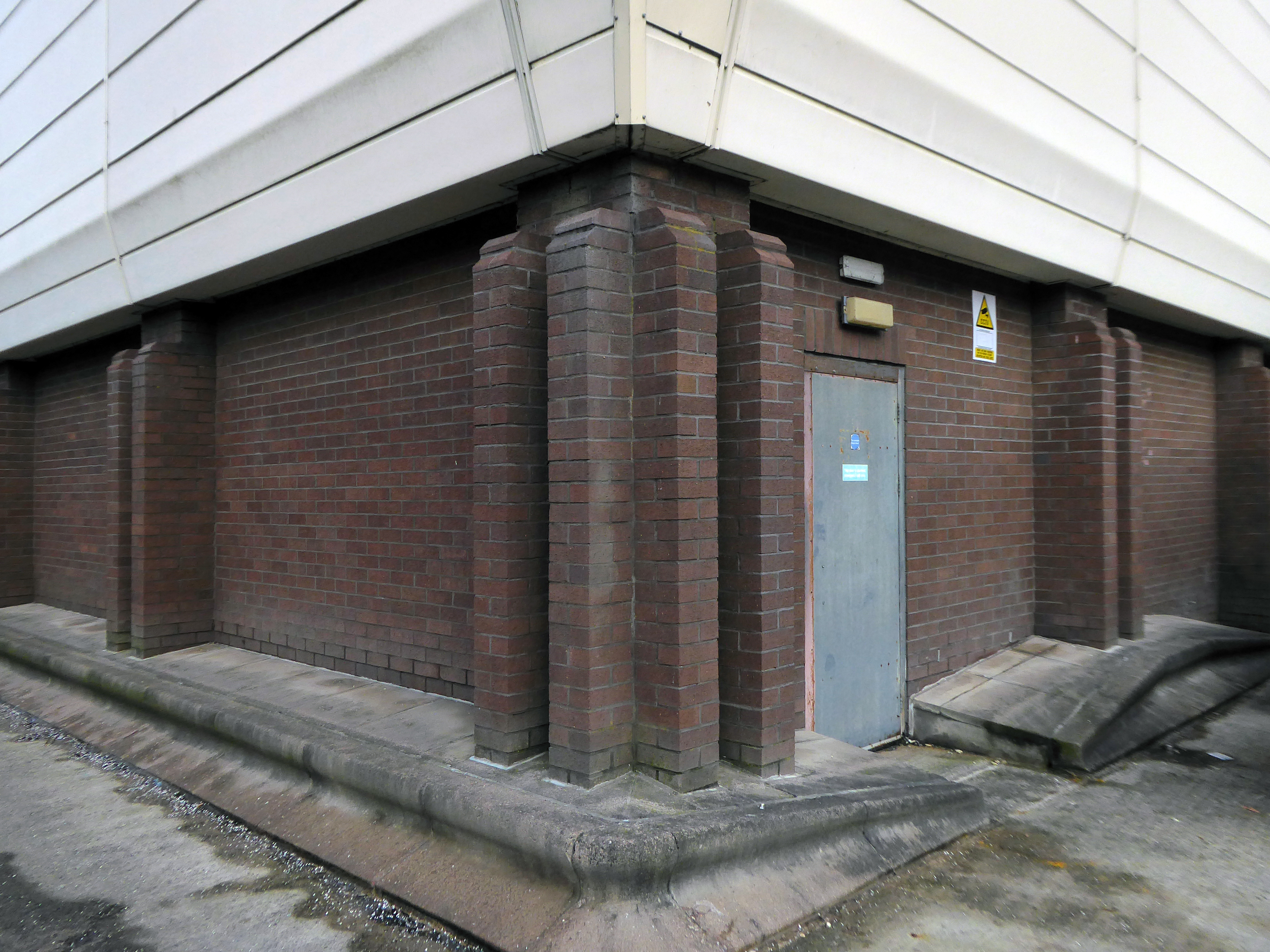
Took a look around the site before it’s no longer possible to look around the site.
Situated at the junction of Salkeld Street and Cook Street
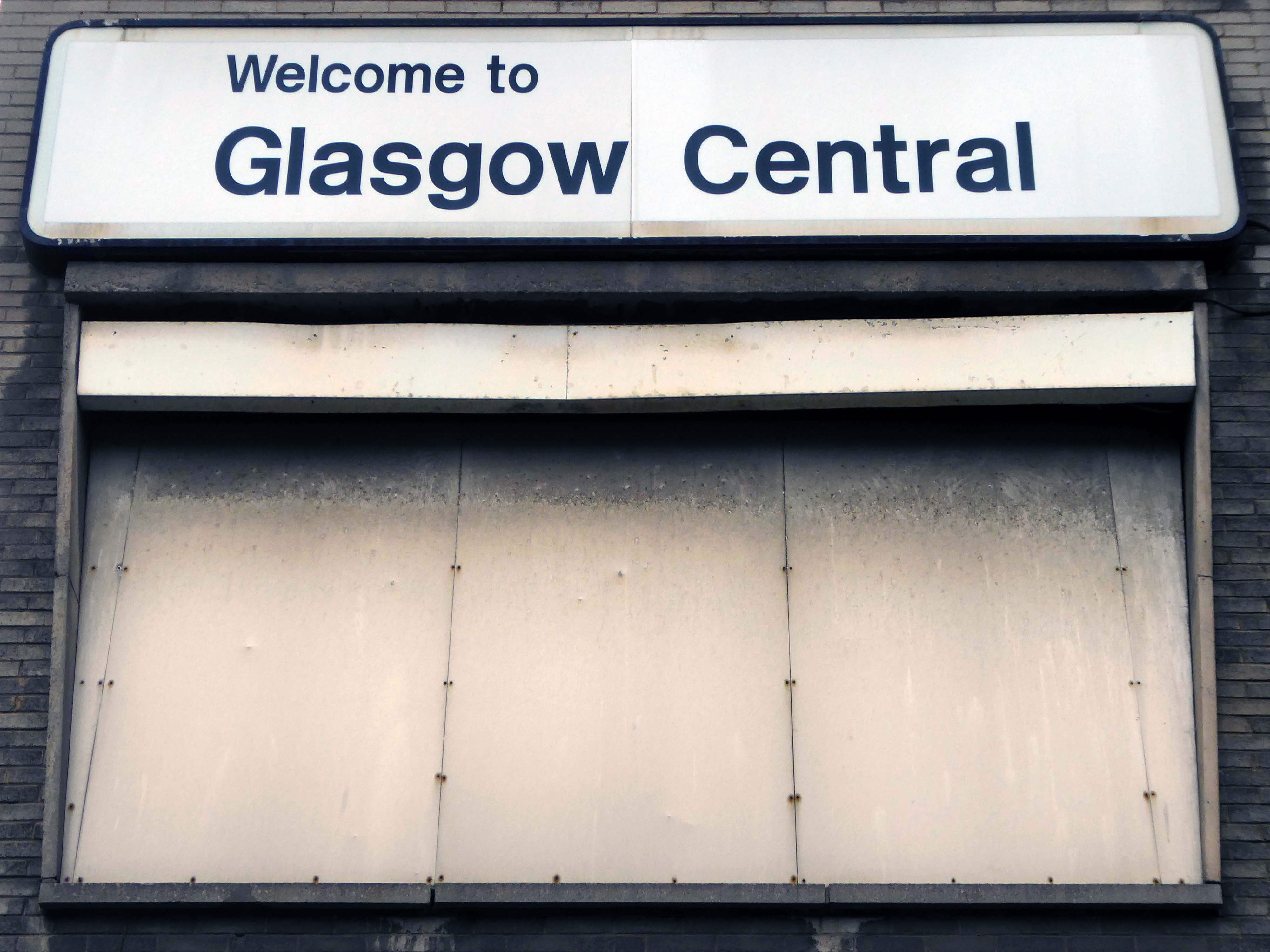
Glasgow Central Signalling Centre, located in the vee of Bridge Street Junction, opened on 2 January 1961. It replaced signal boxes at Central Station, Bridge Street Junction, Eglinton Street Junction and Eglinton Street Station. When initially opened it was capable of handling 1,000 routes.
Glasgow Central Signalling Centre closed on 27 December 2008, when its area of control was transferred to the new West of Scotland Signalling Centre – WSSC at Cowlairs. The NX panel is to be preserved. The station is currently signalled by two Westinghouse Westlock Interlockings which are controlled via an Alstom MCS control system.
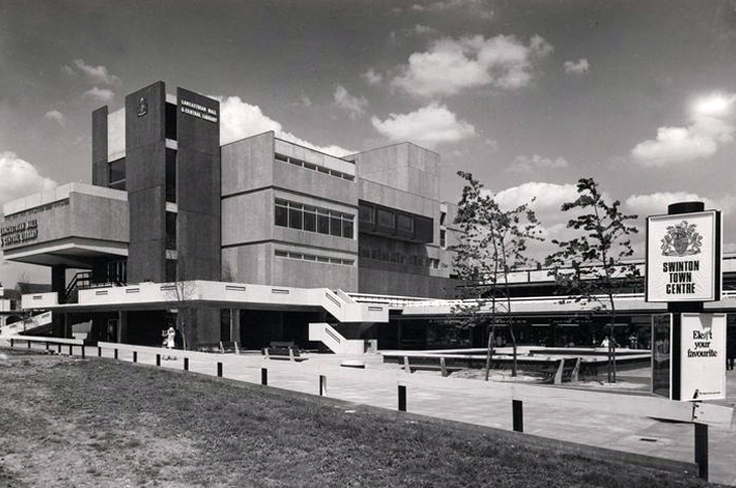
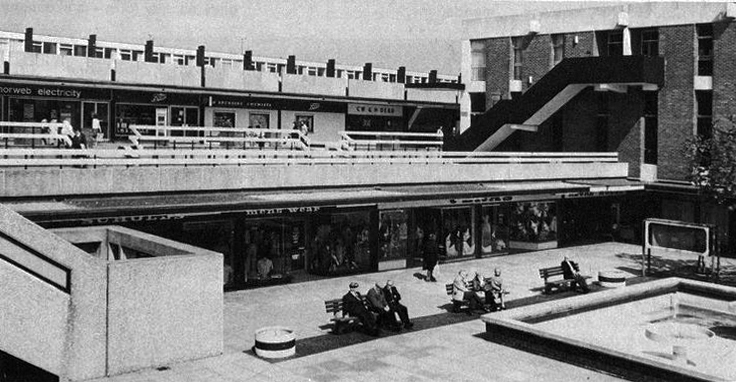
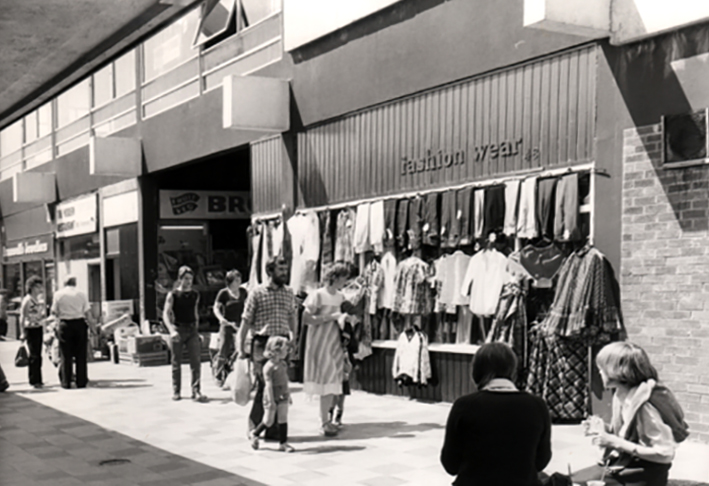
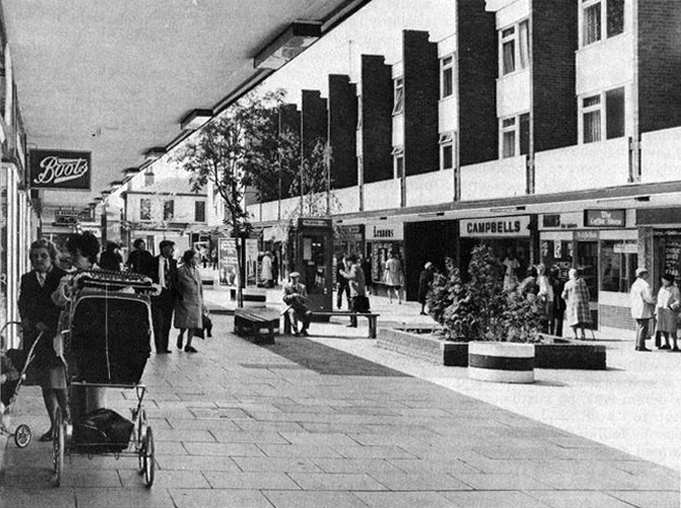
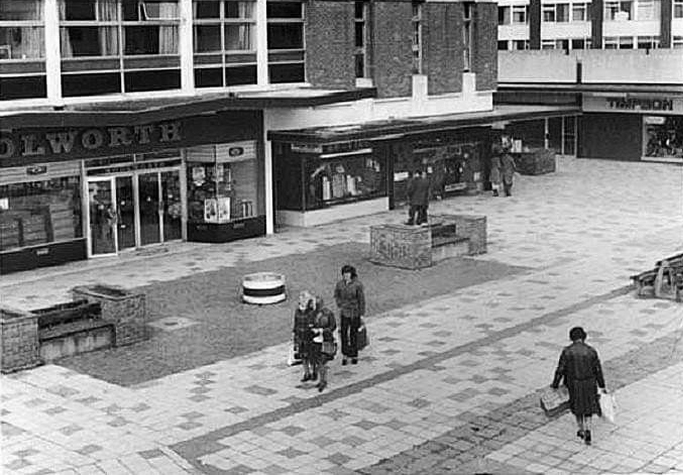
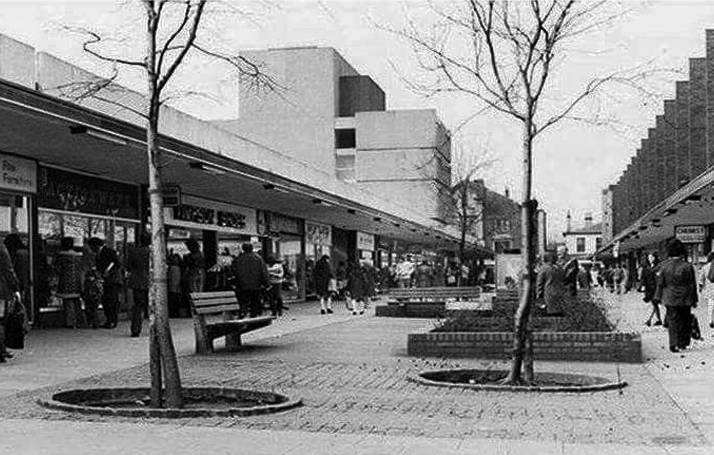
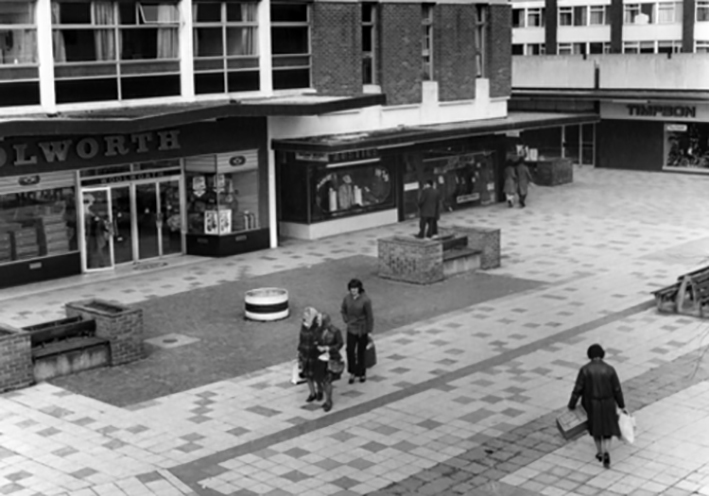
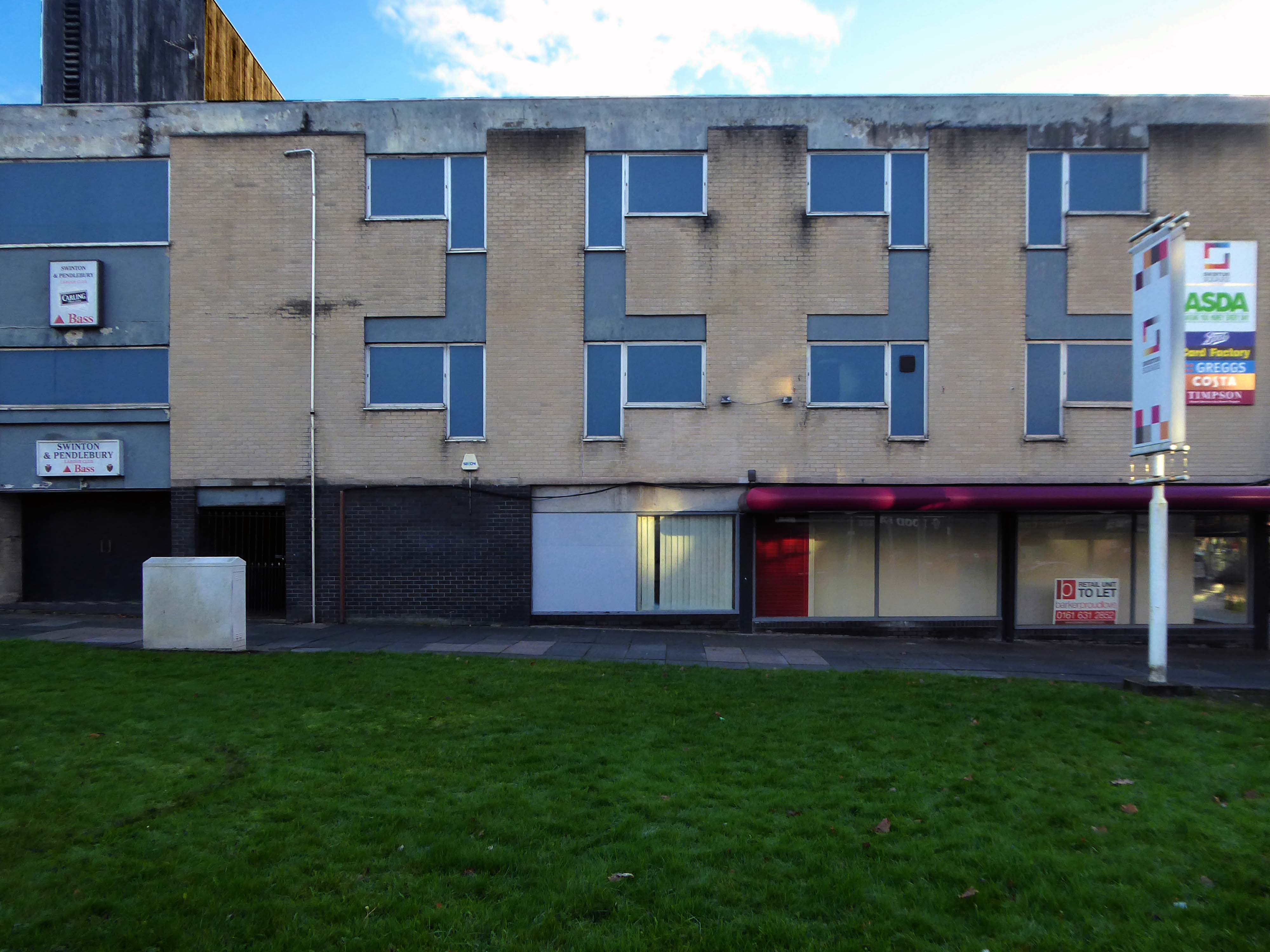
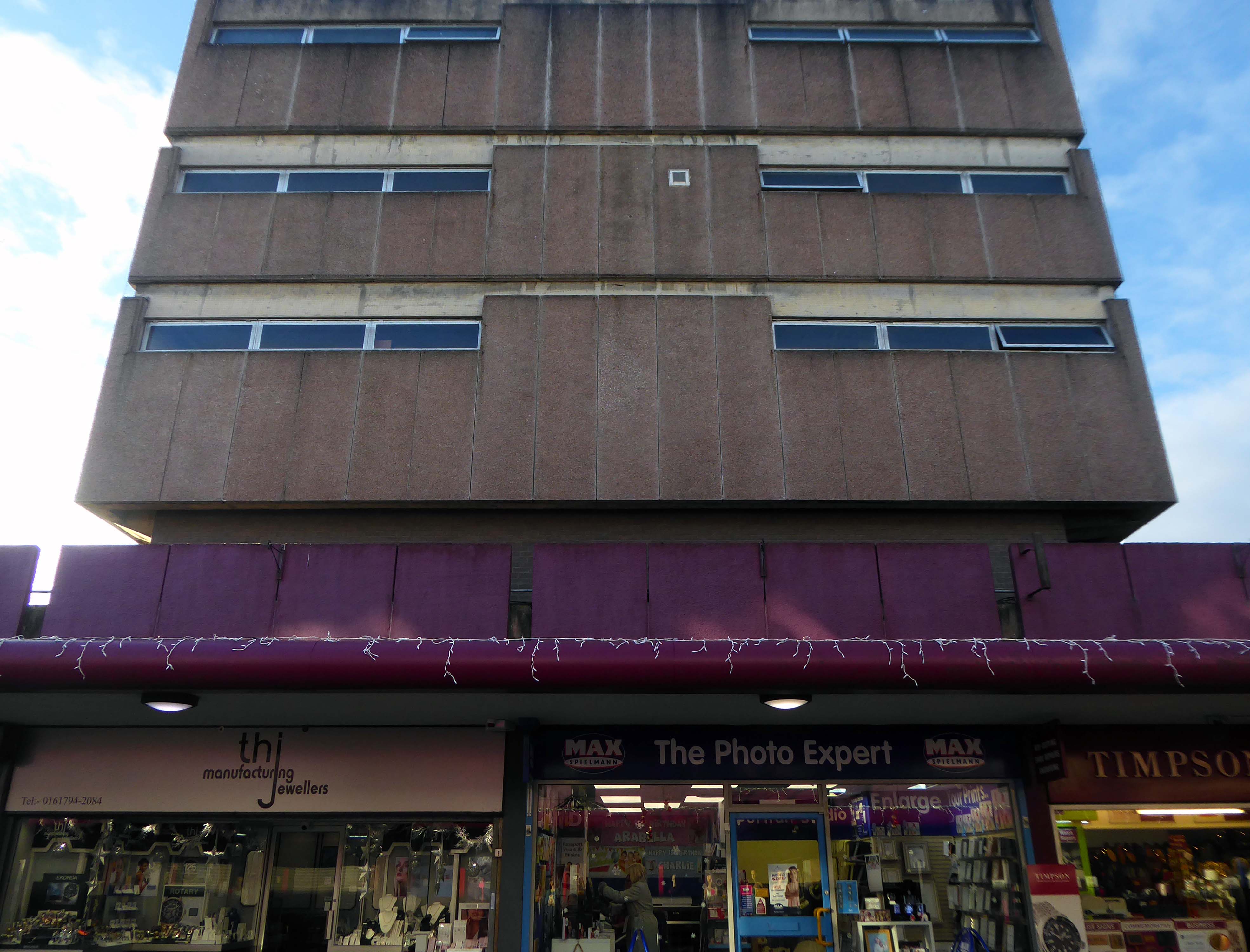
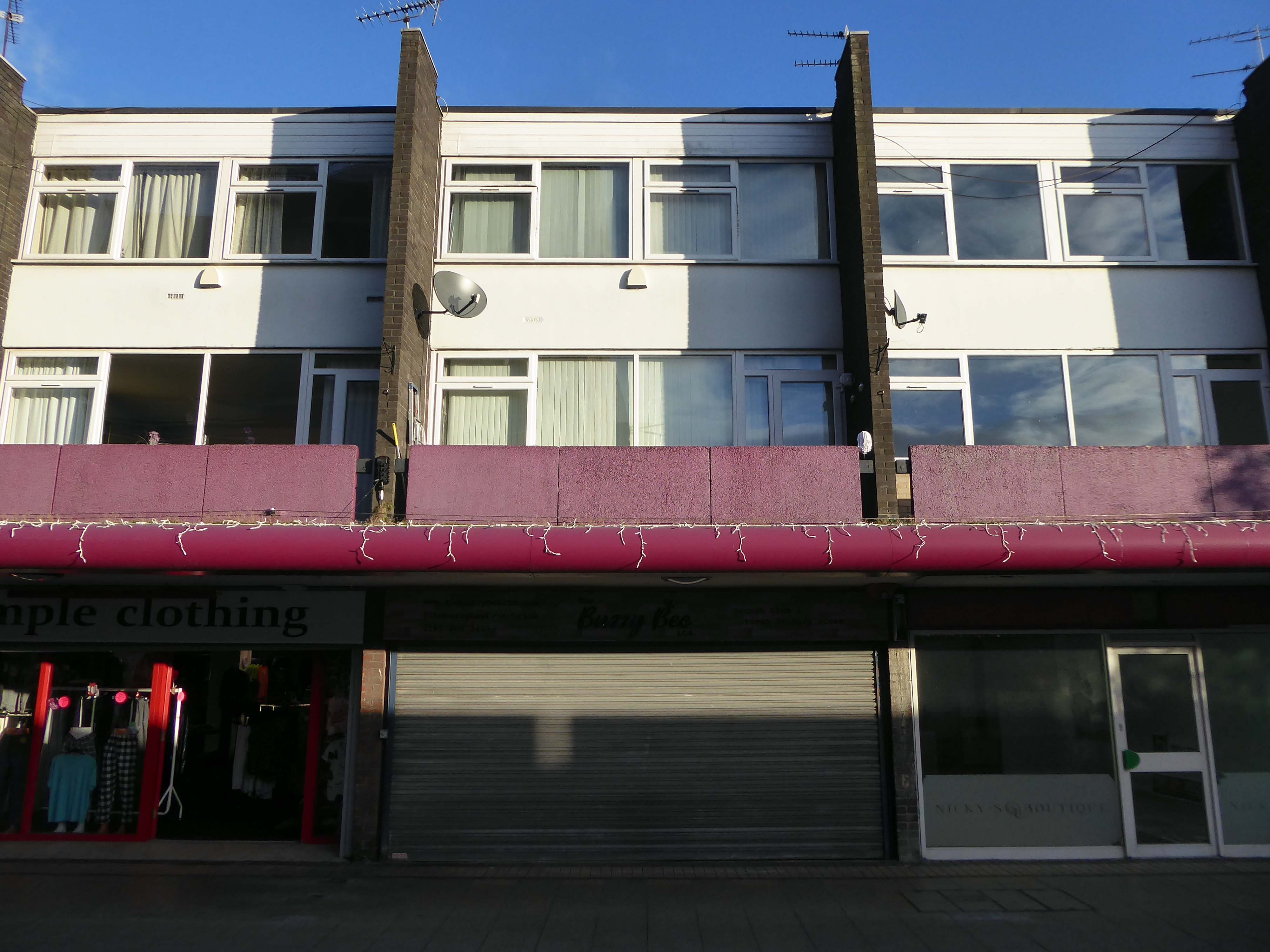
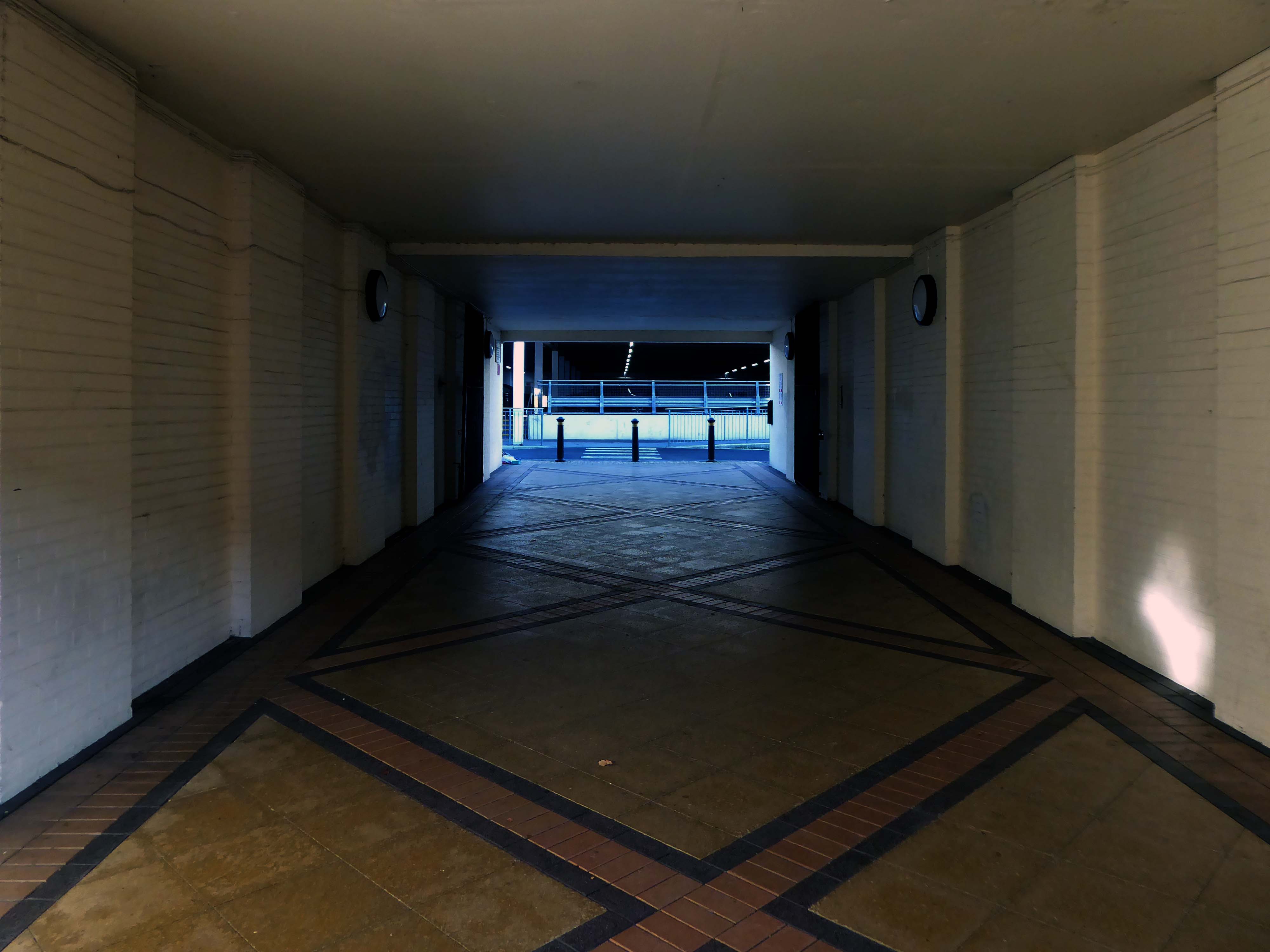
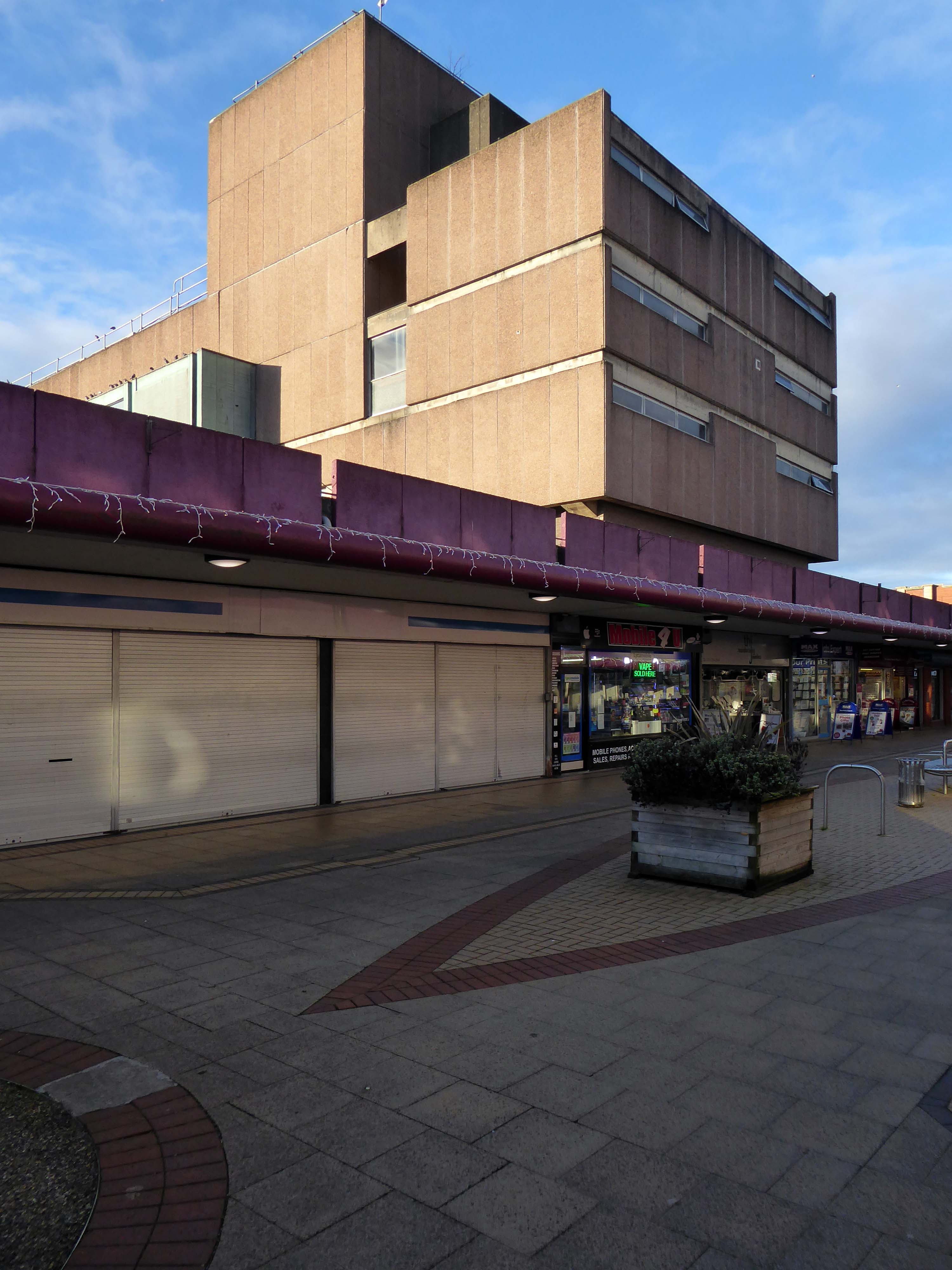
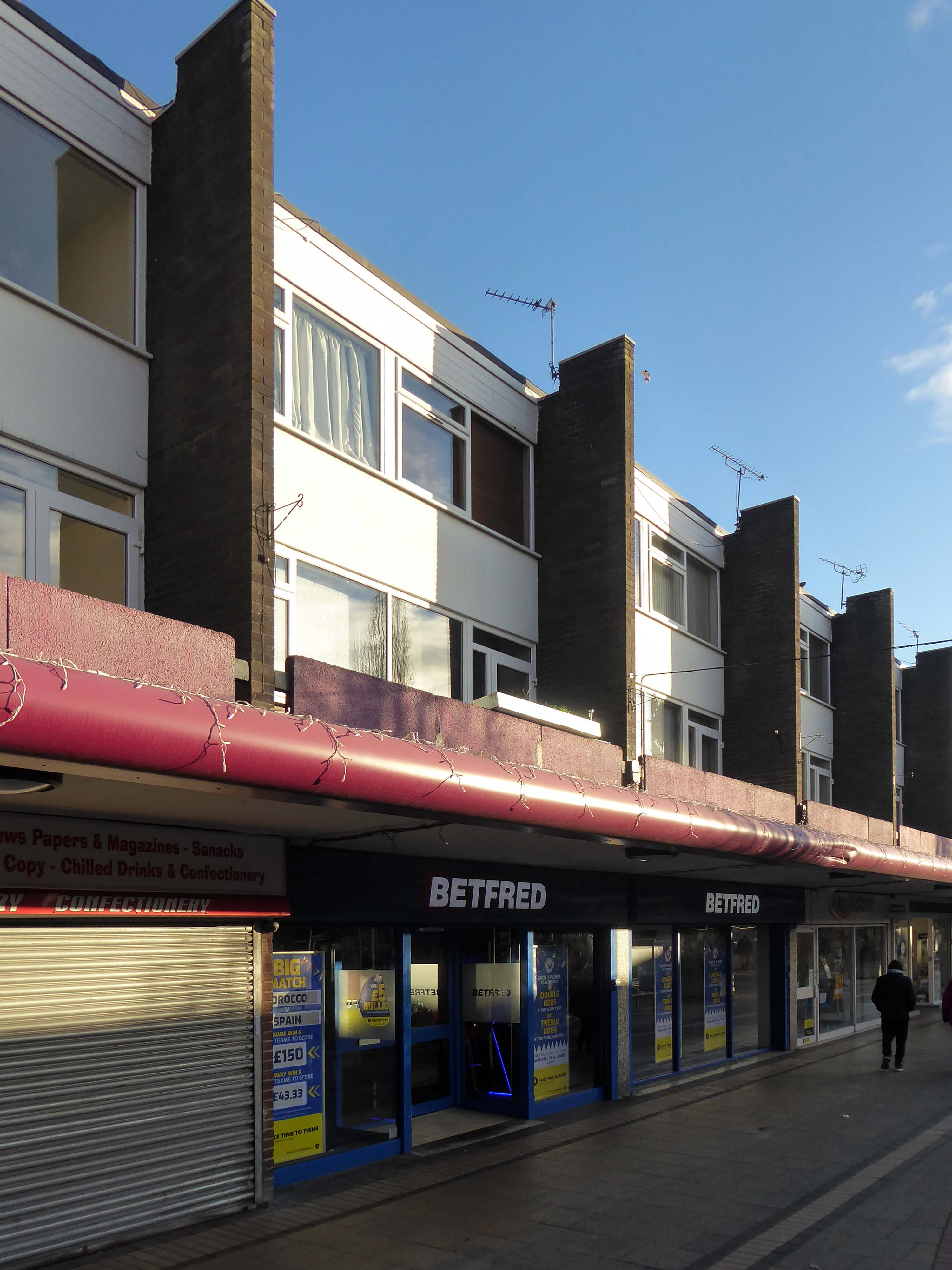
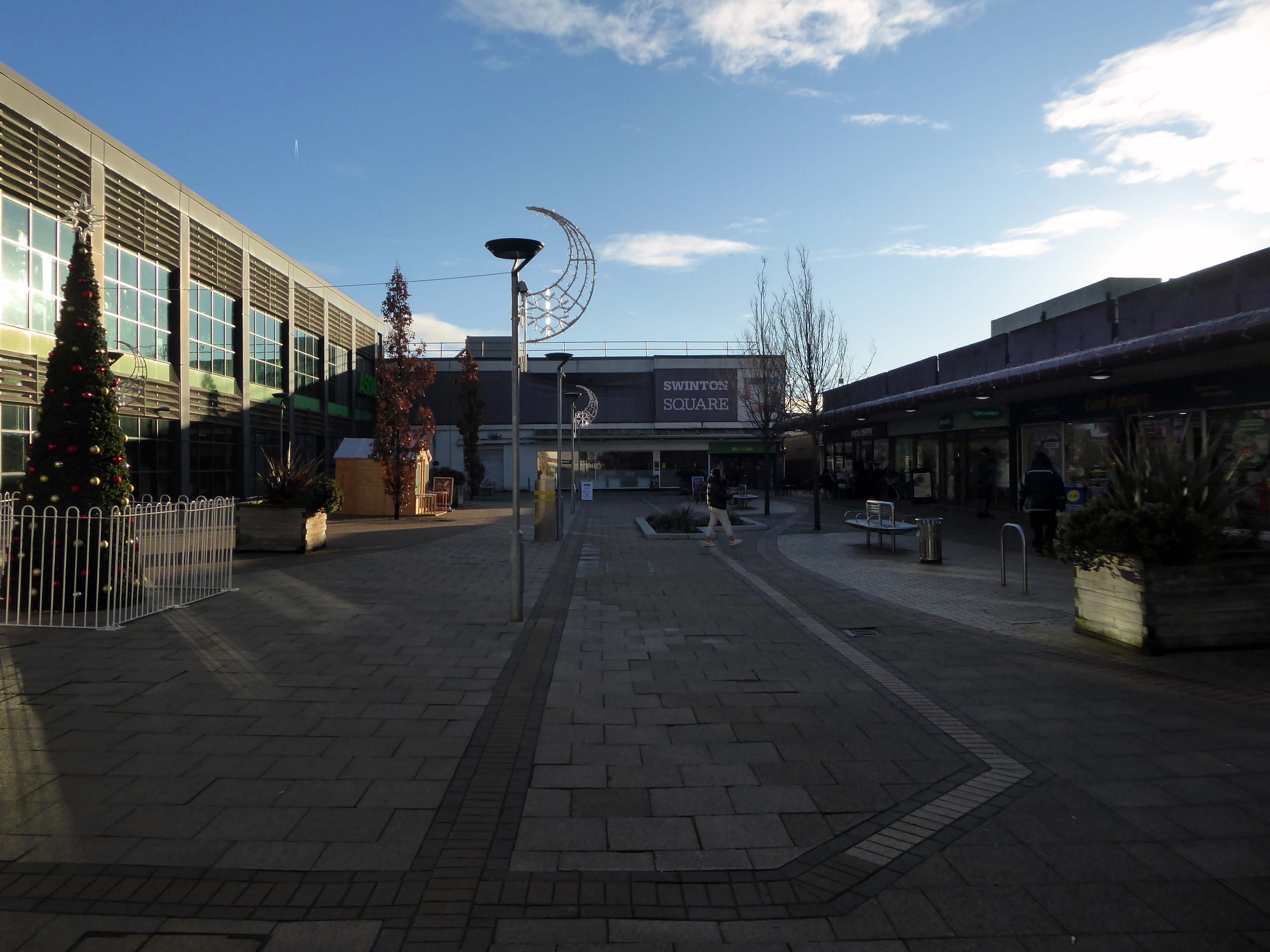
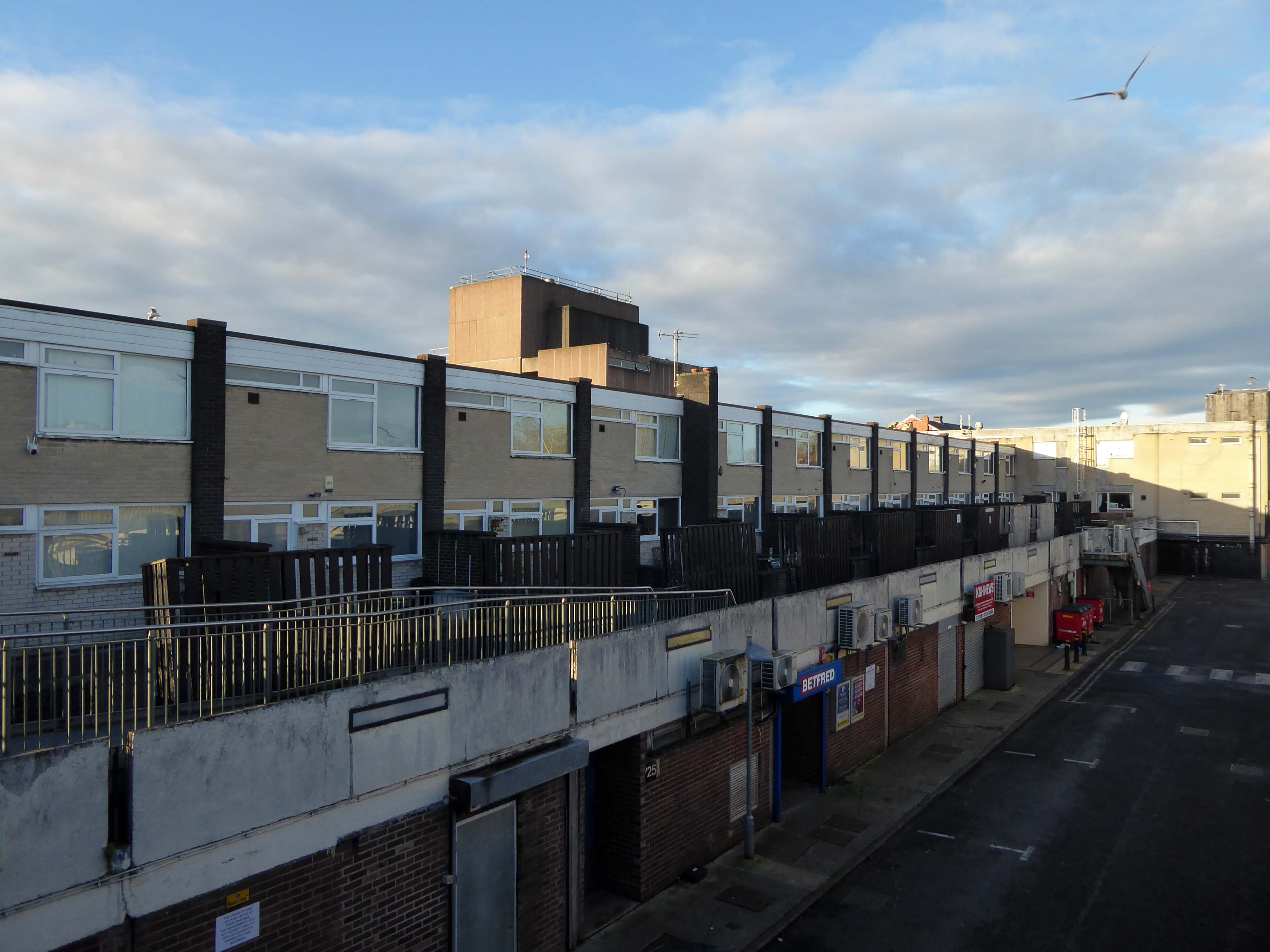
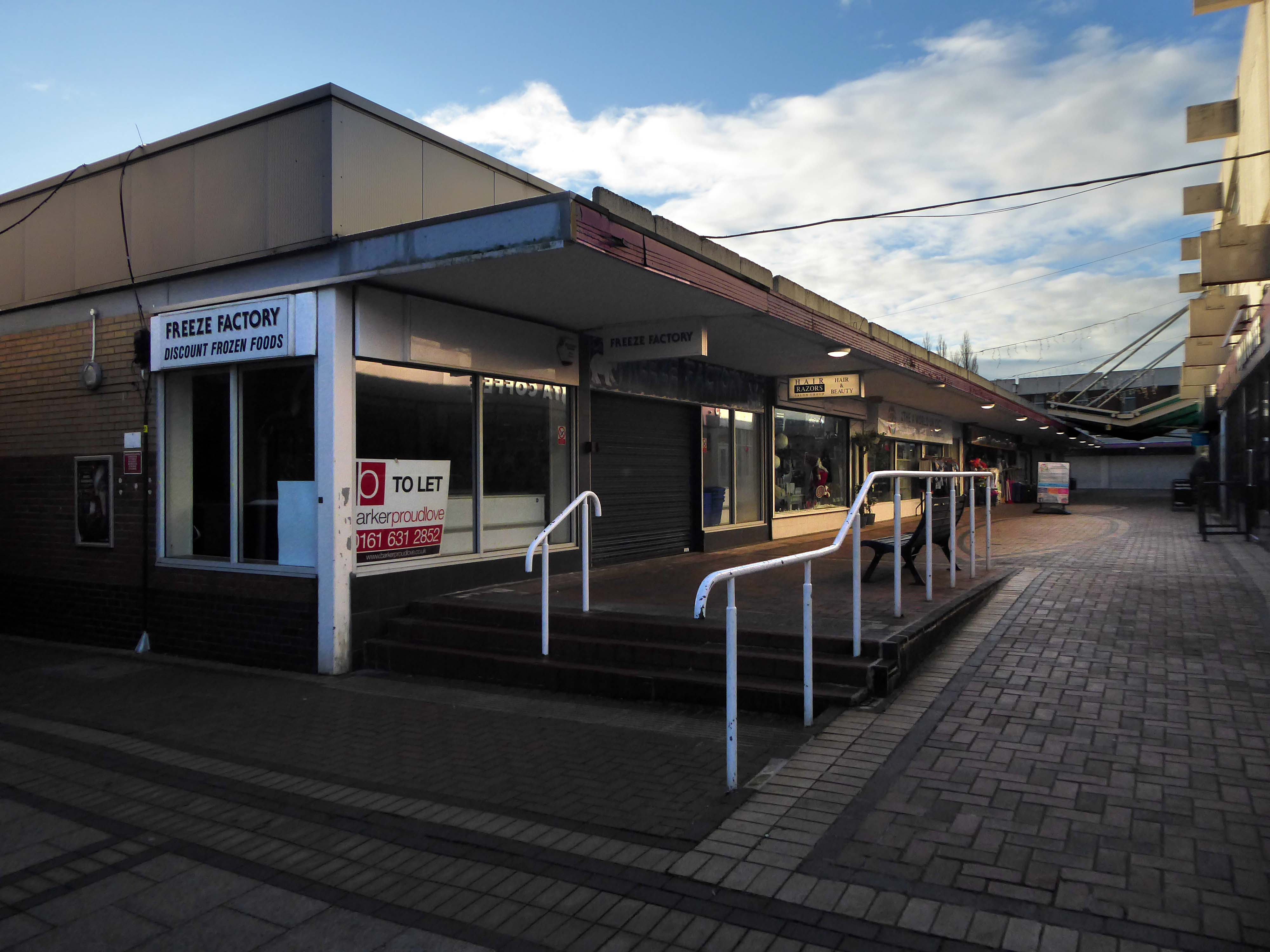
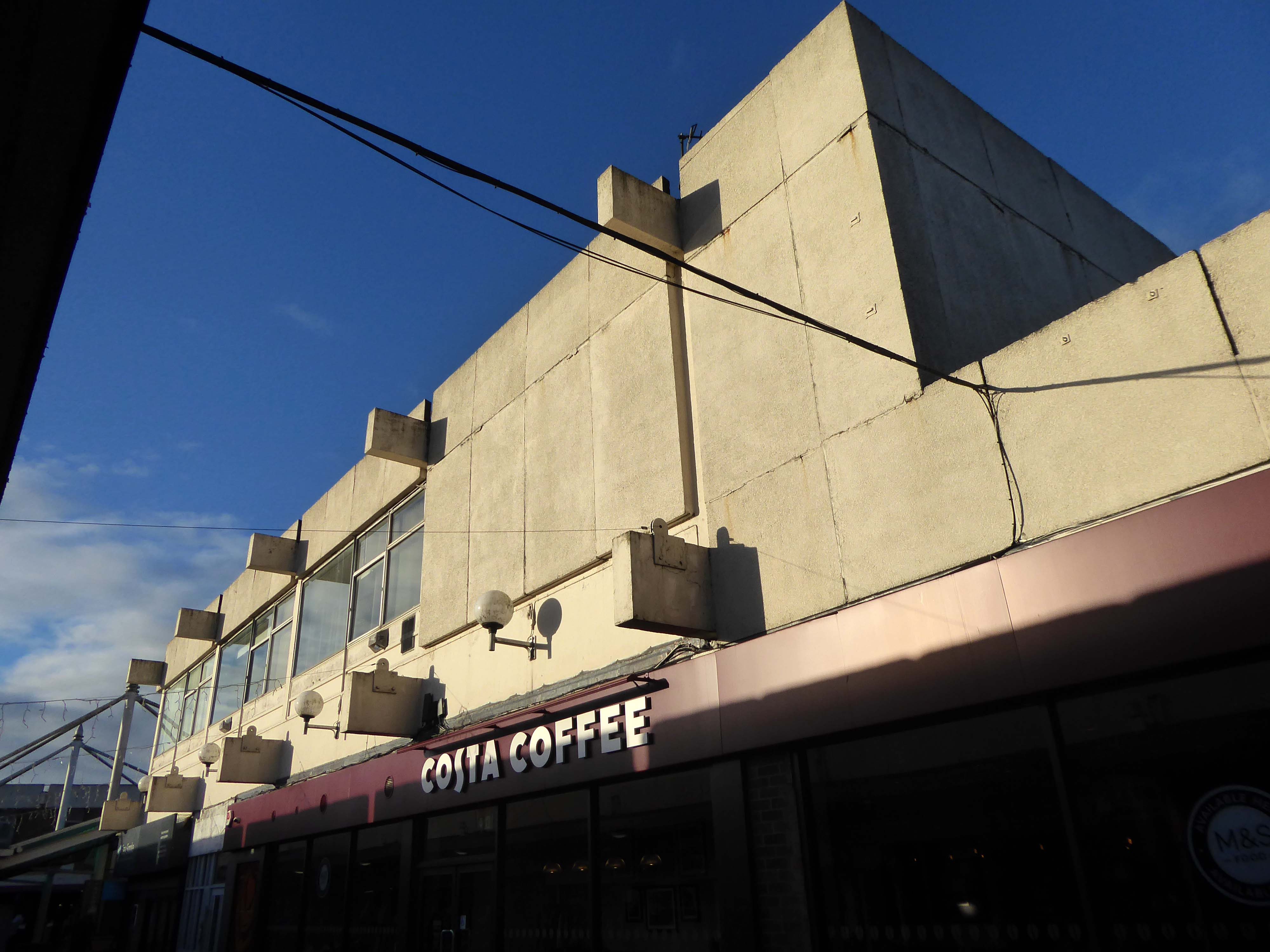
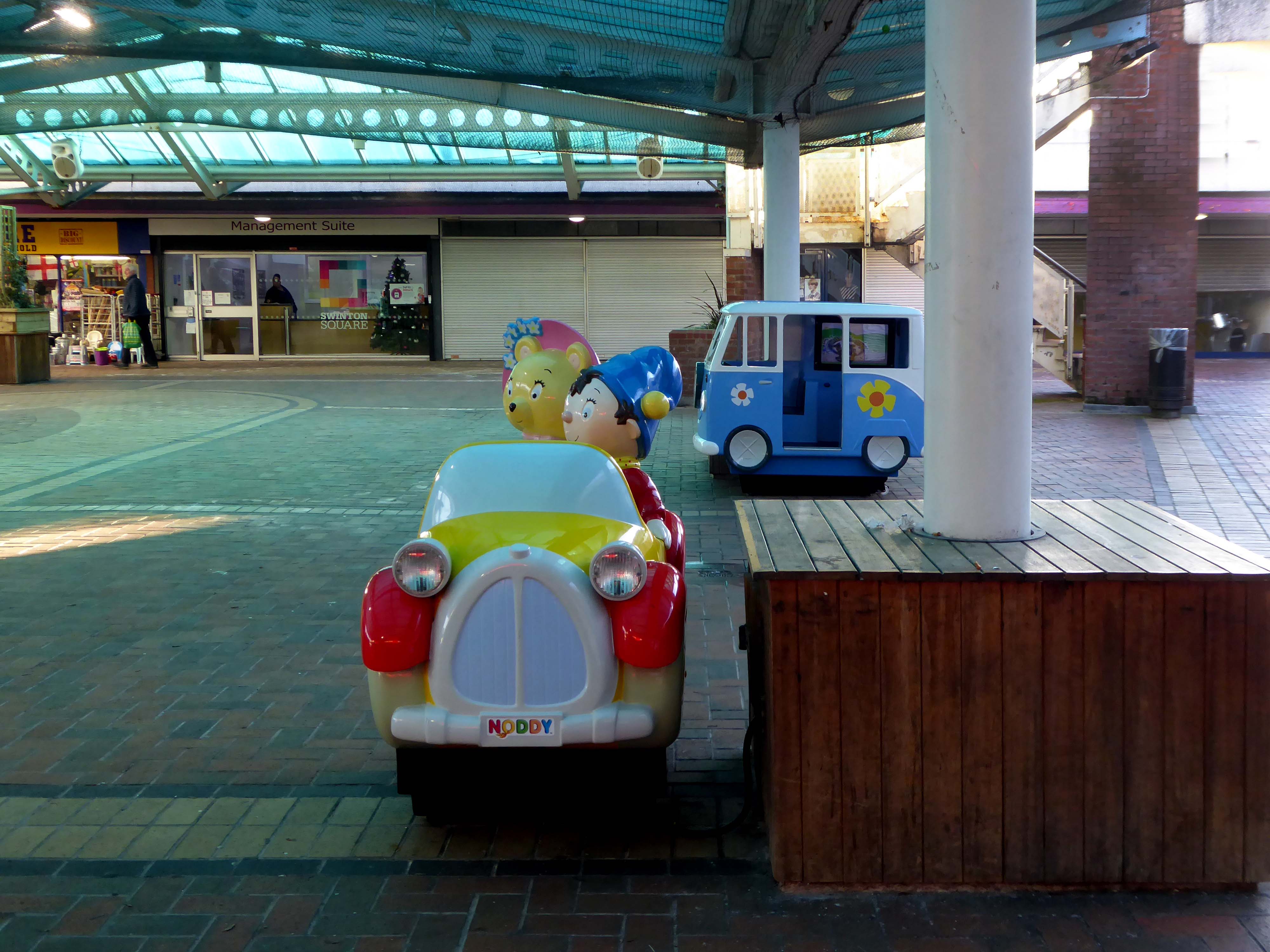
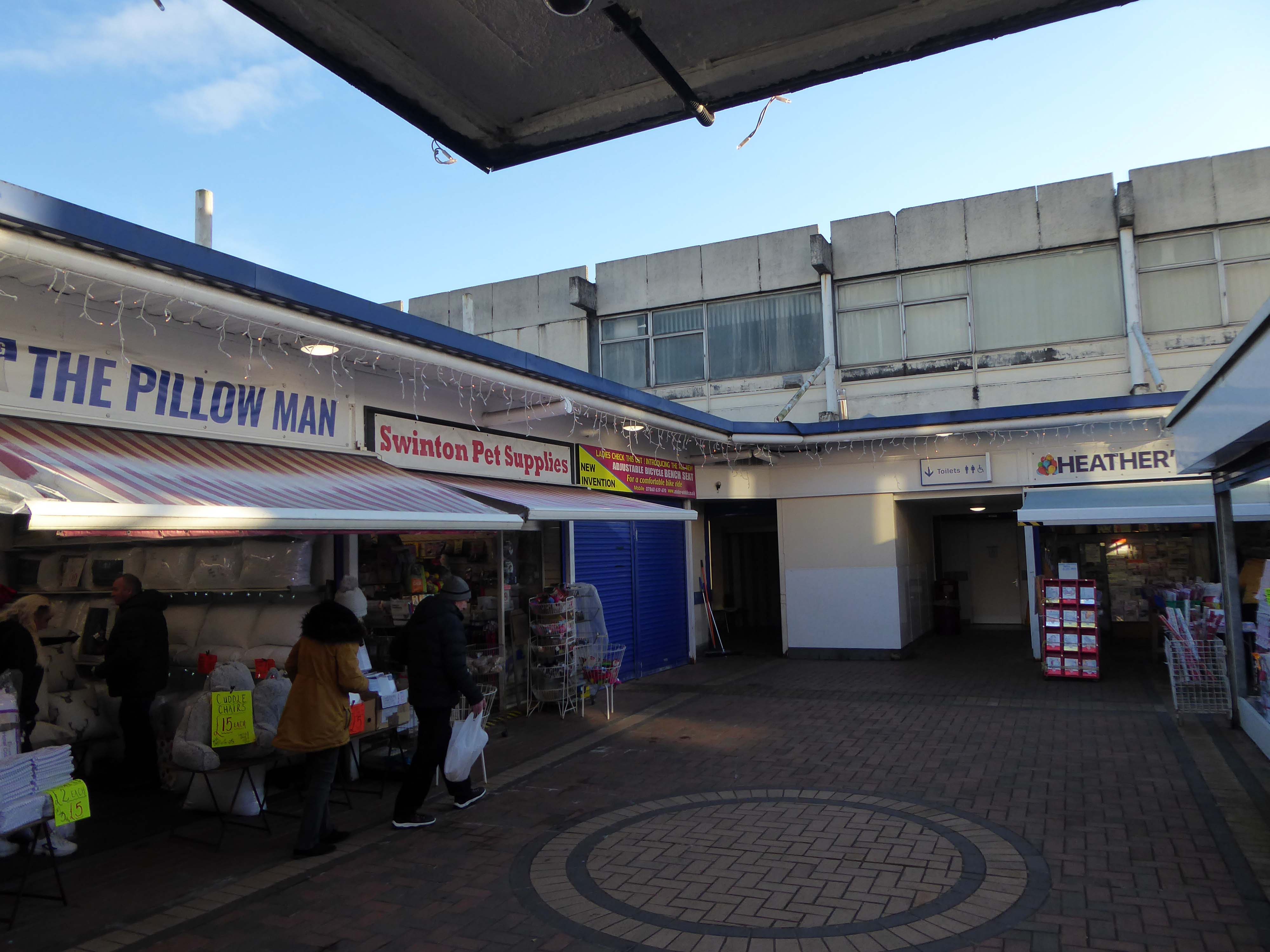
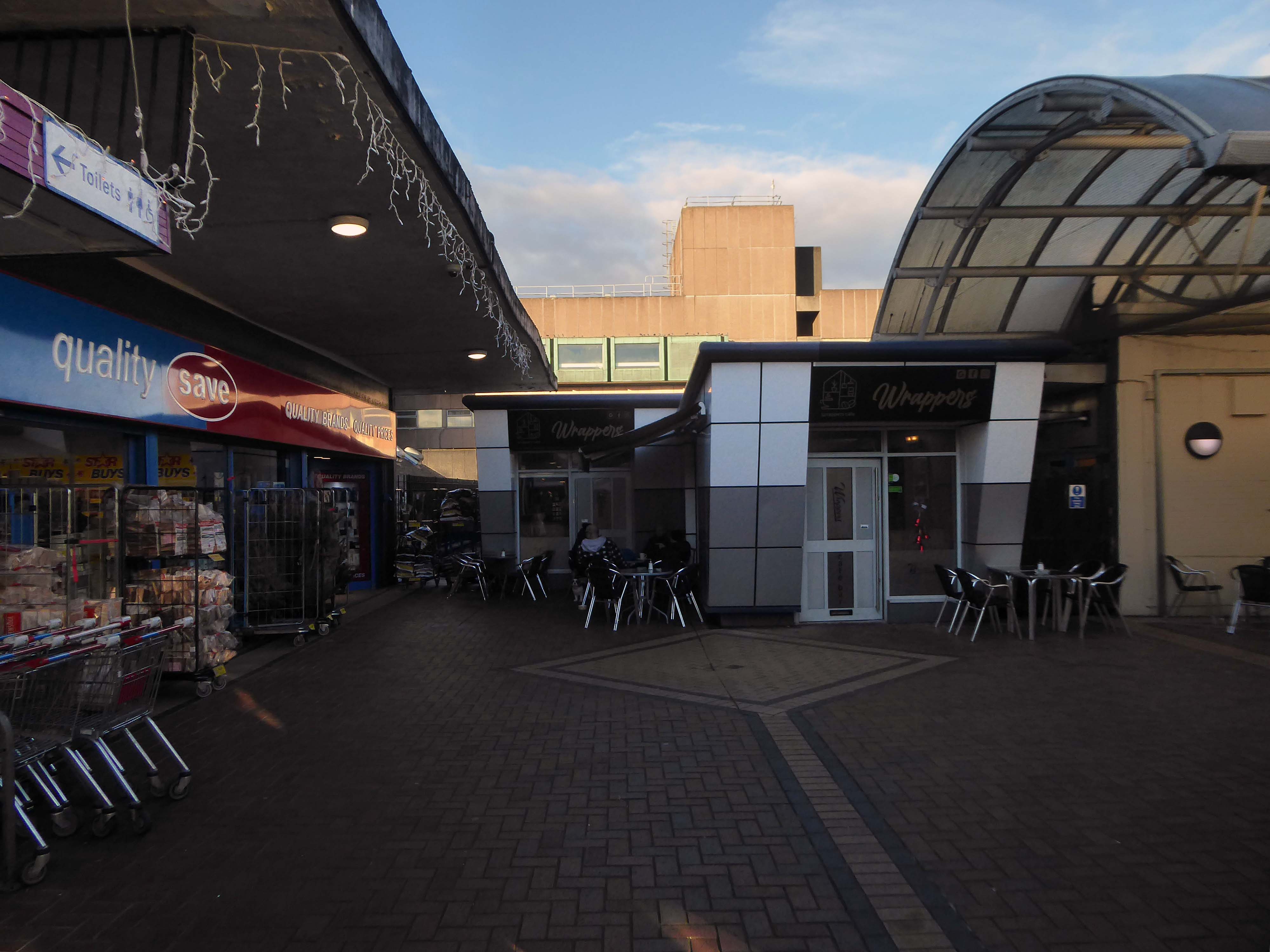
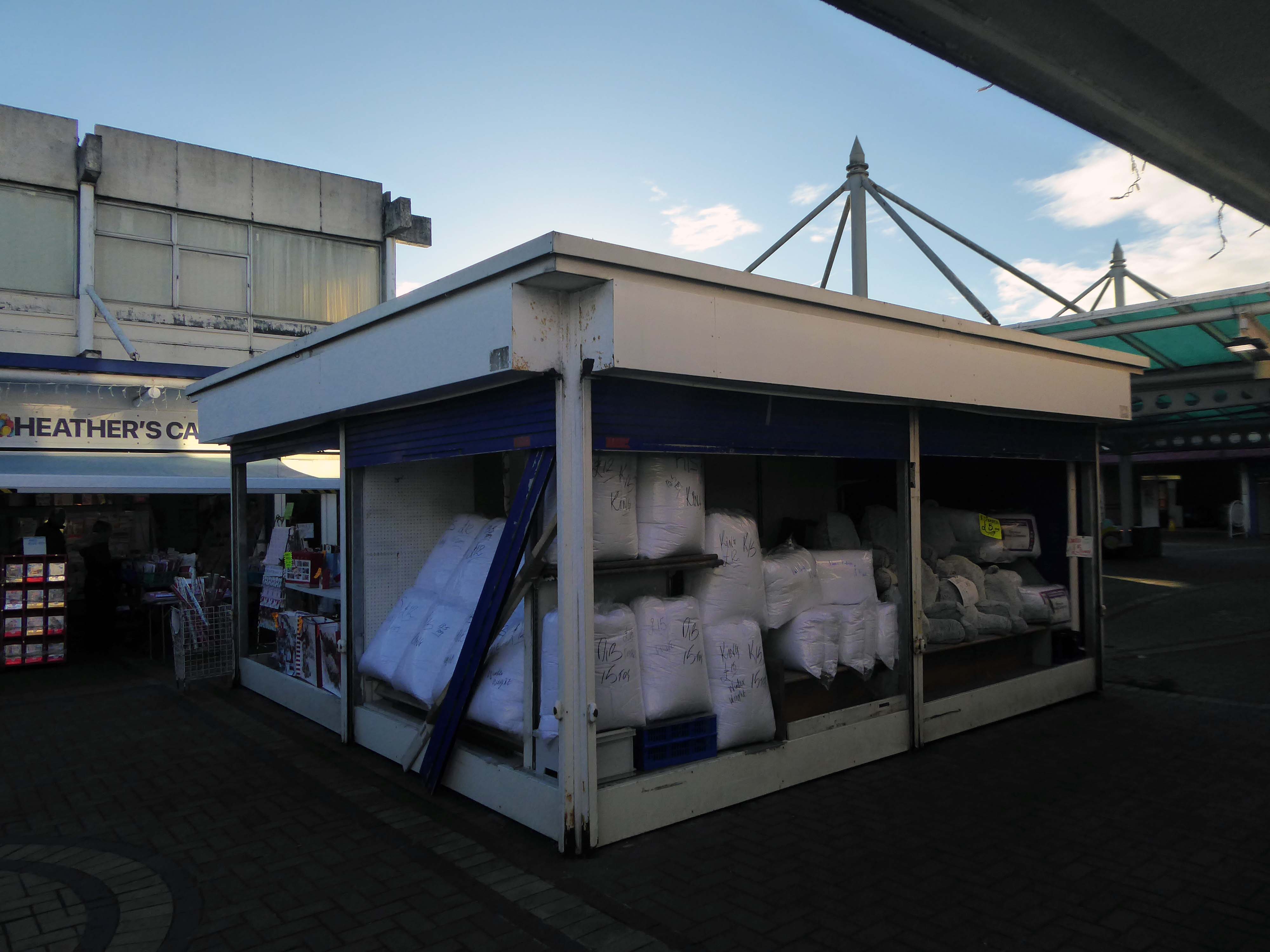
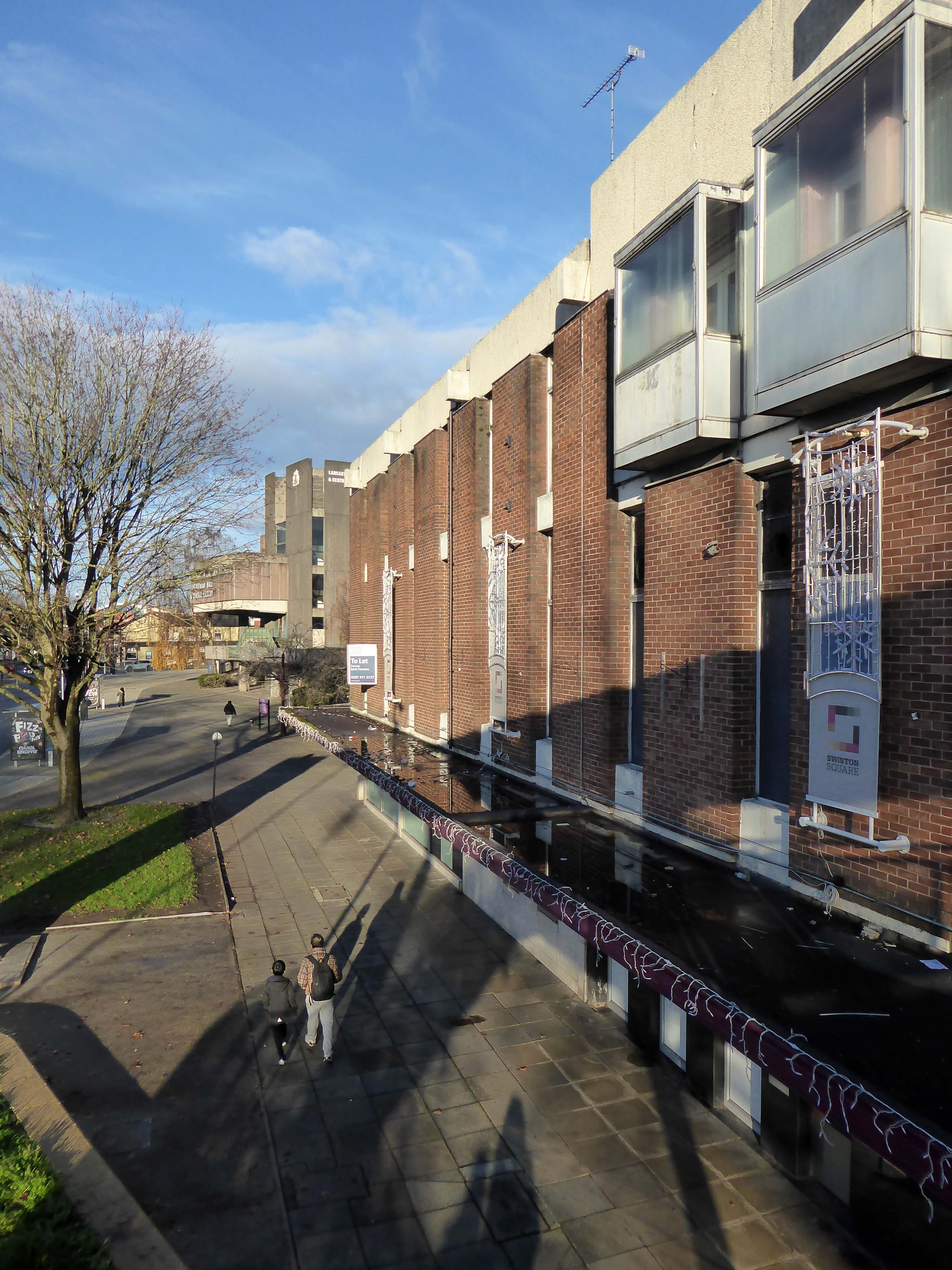
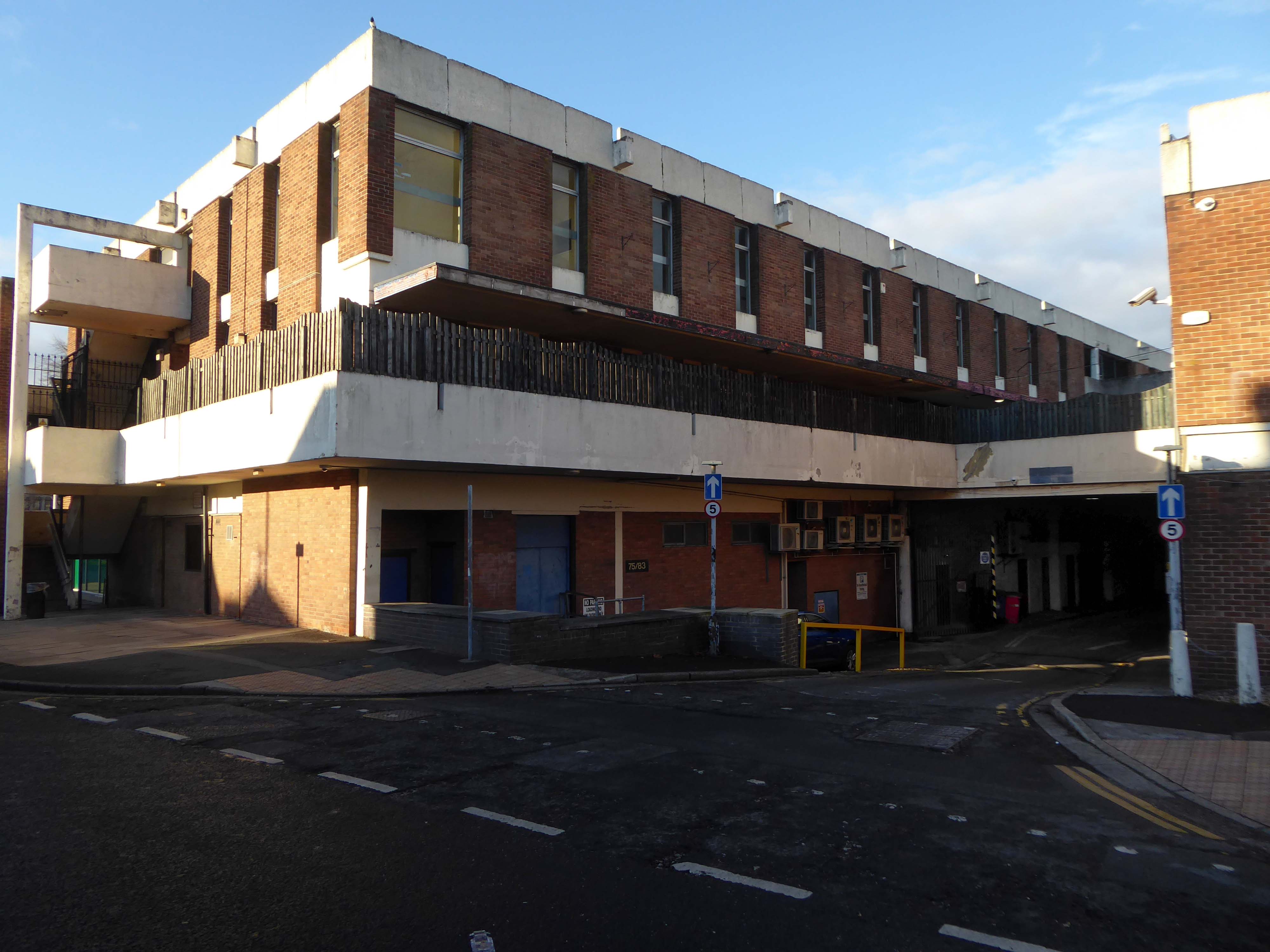
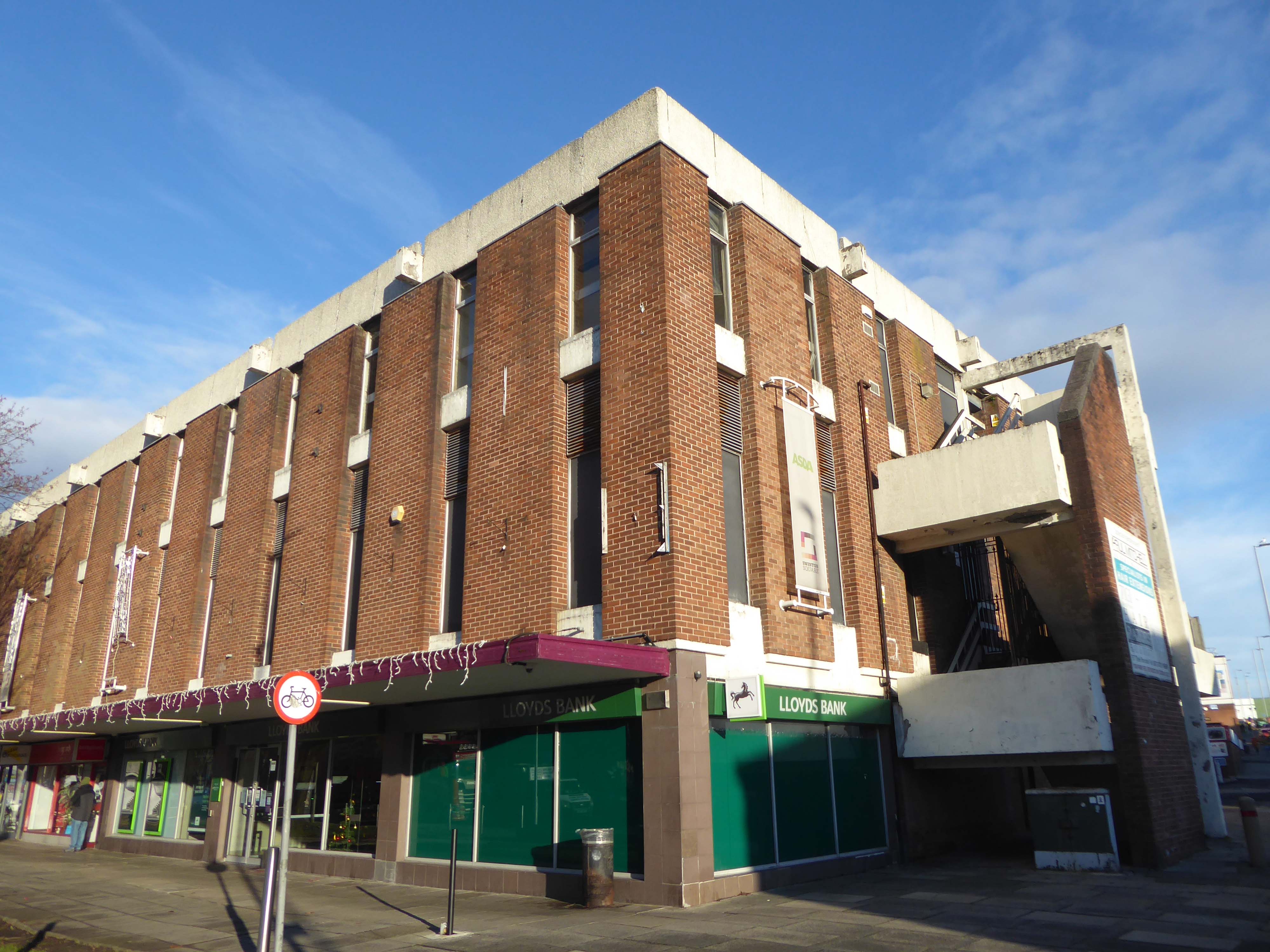
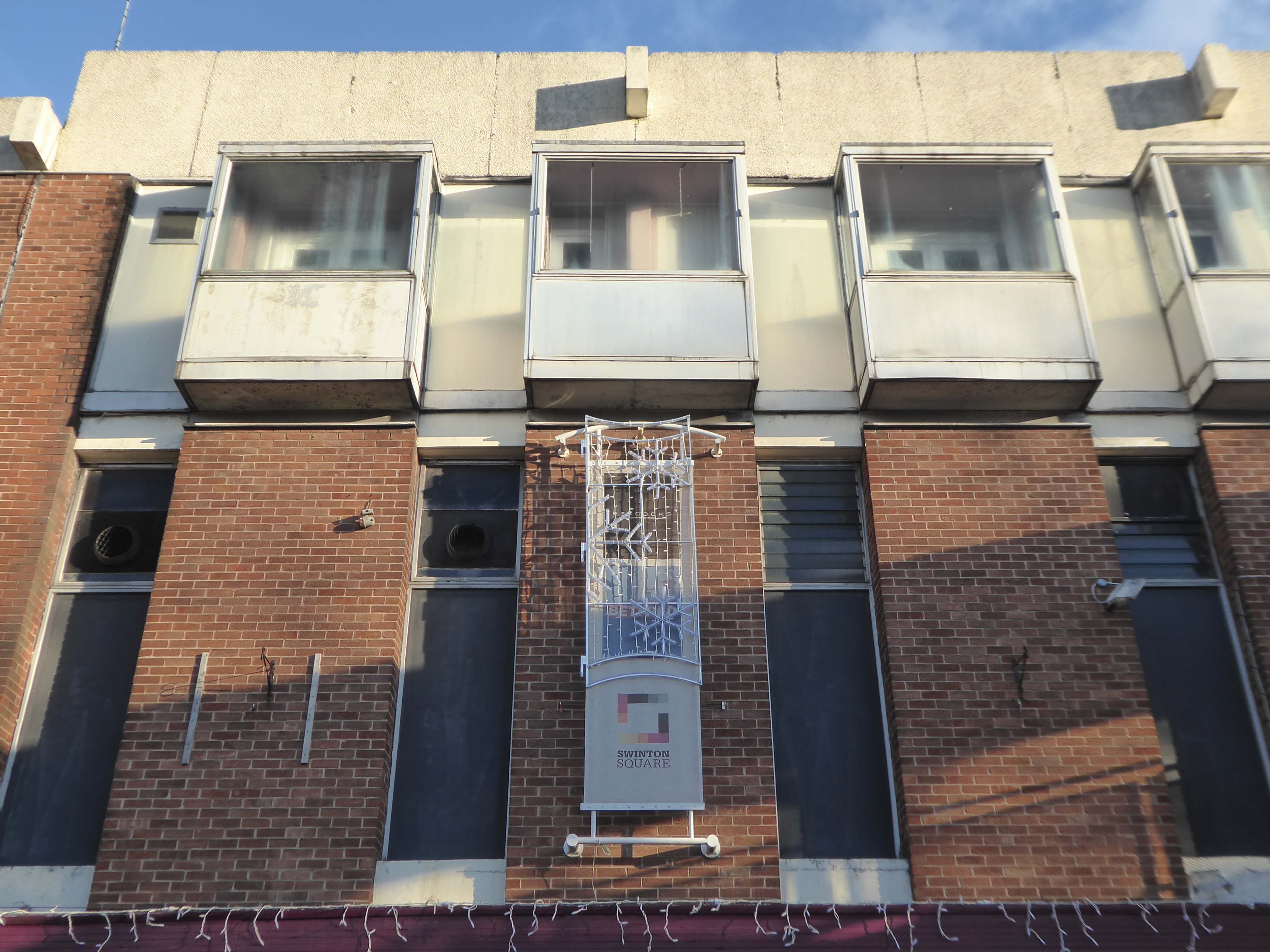
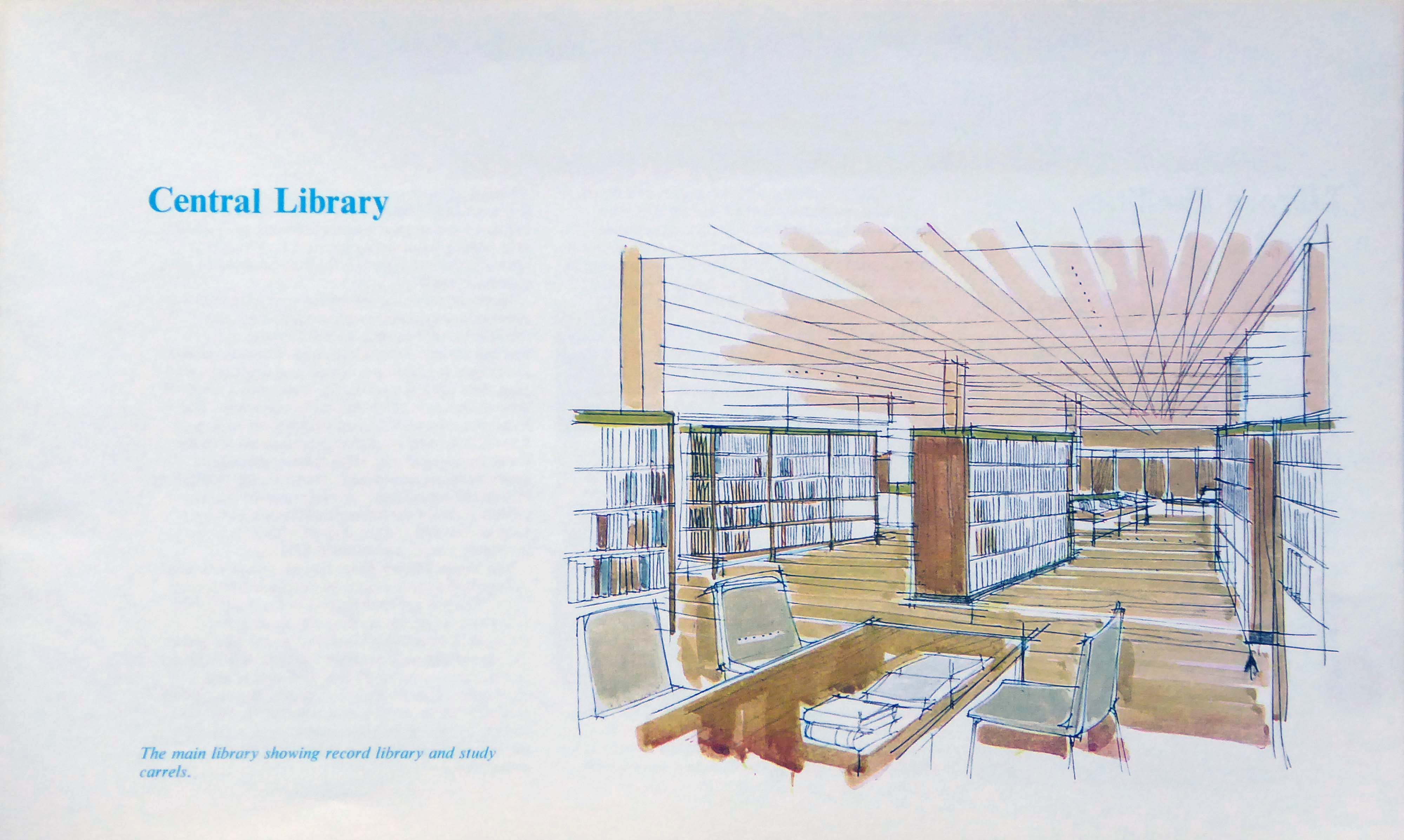
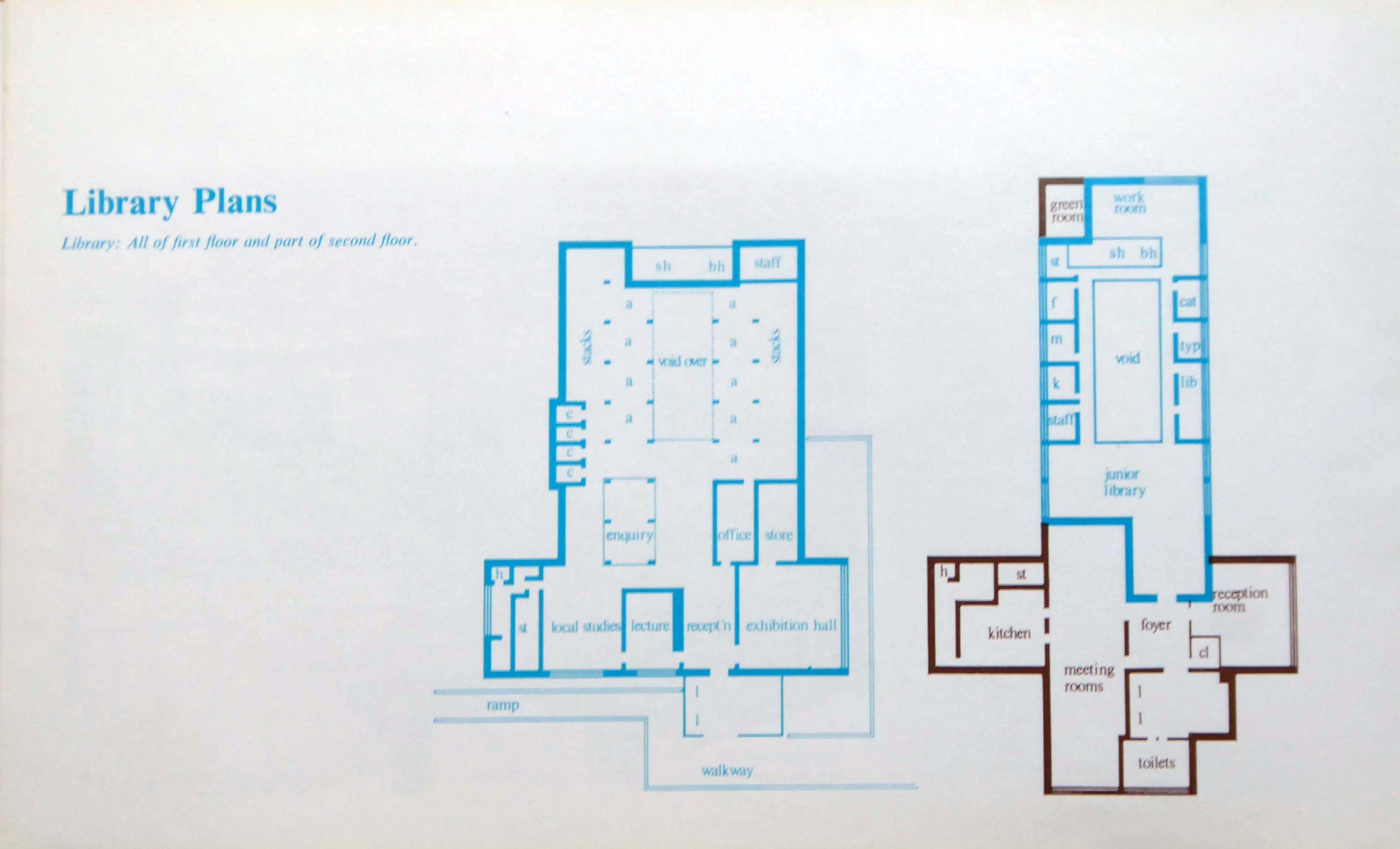
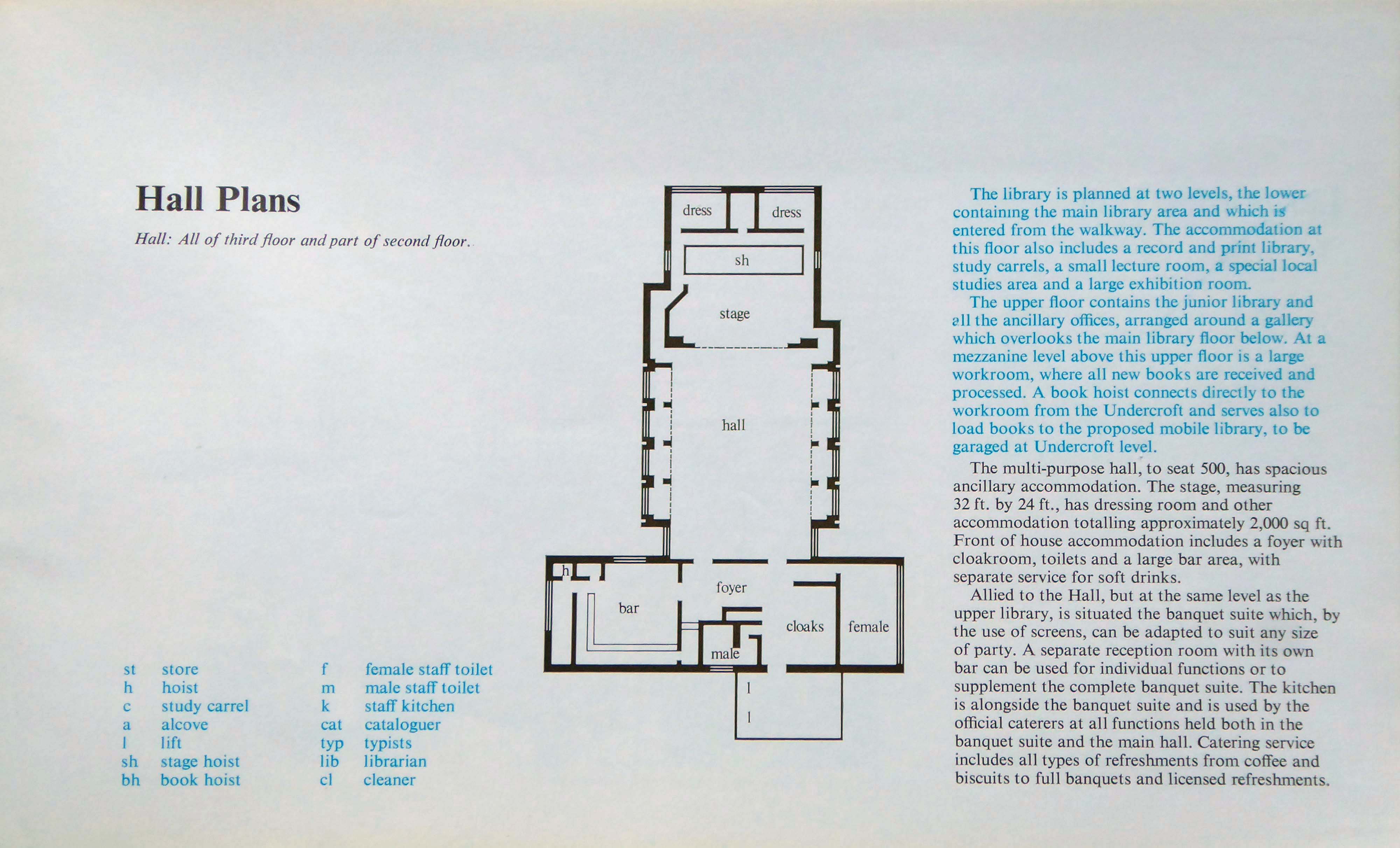
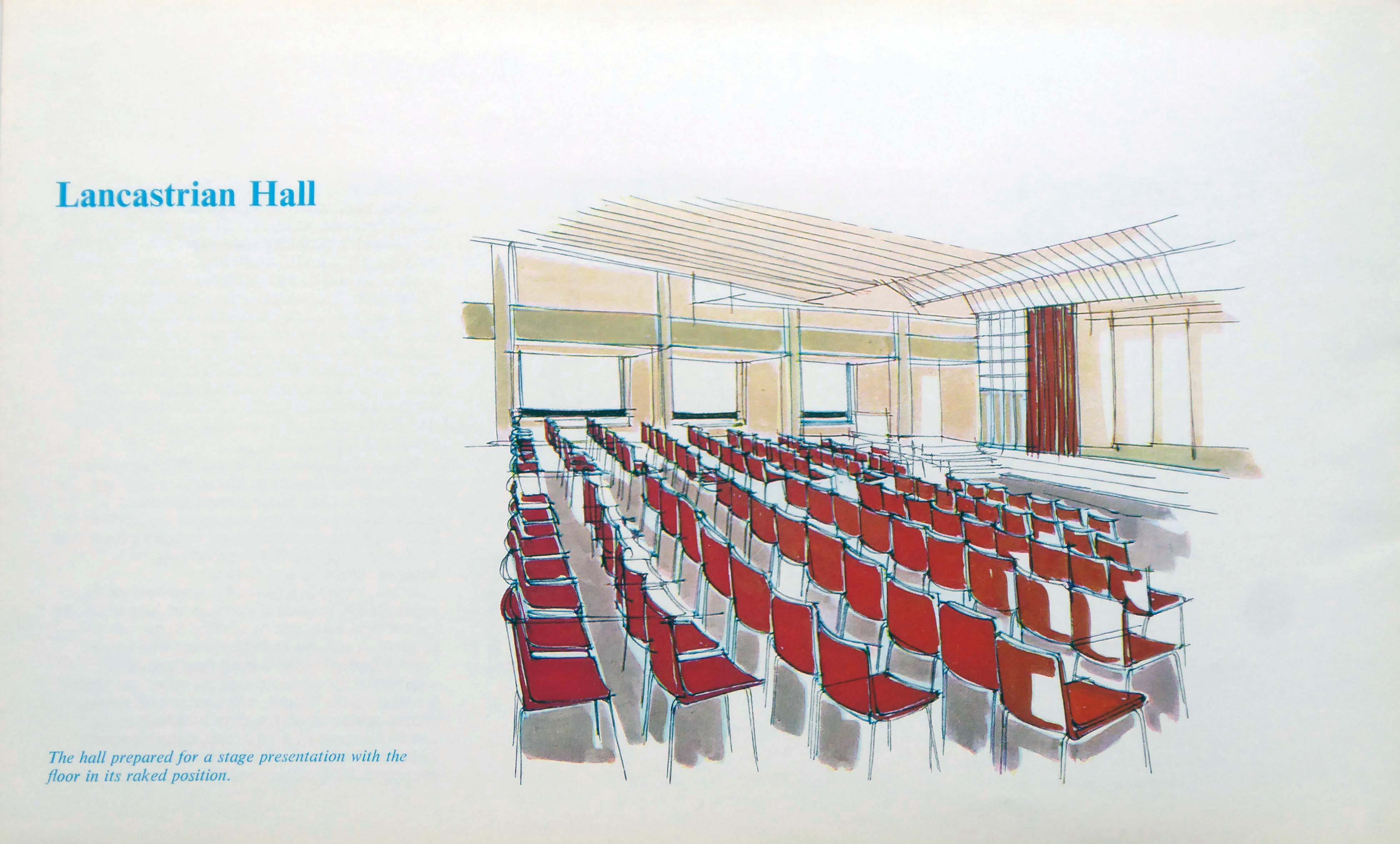
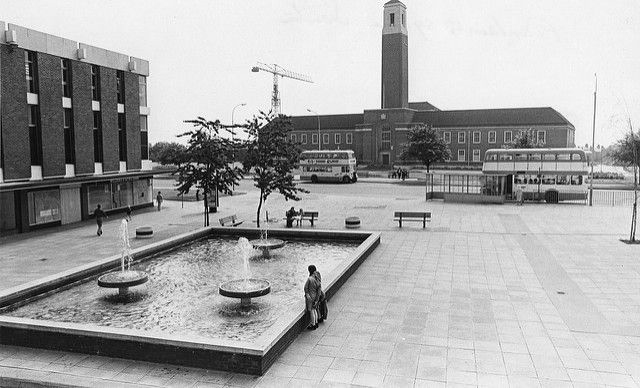
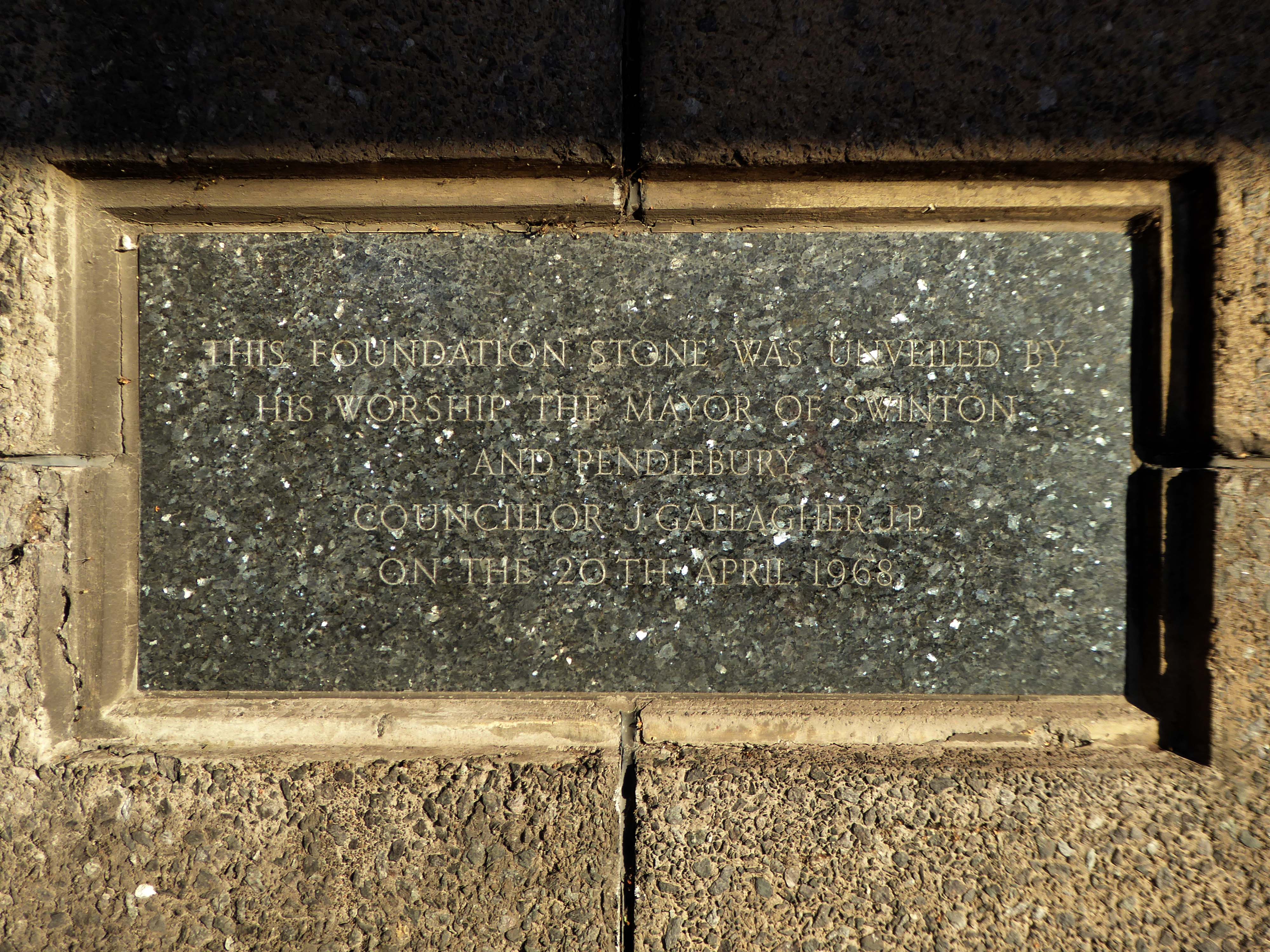
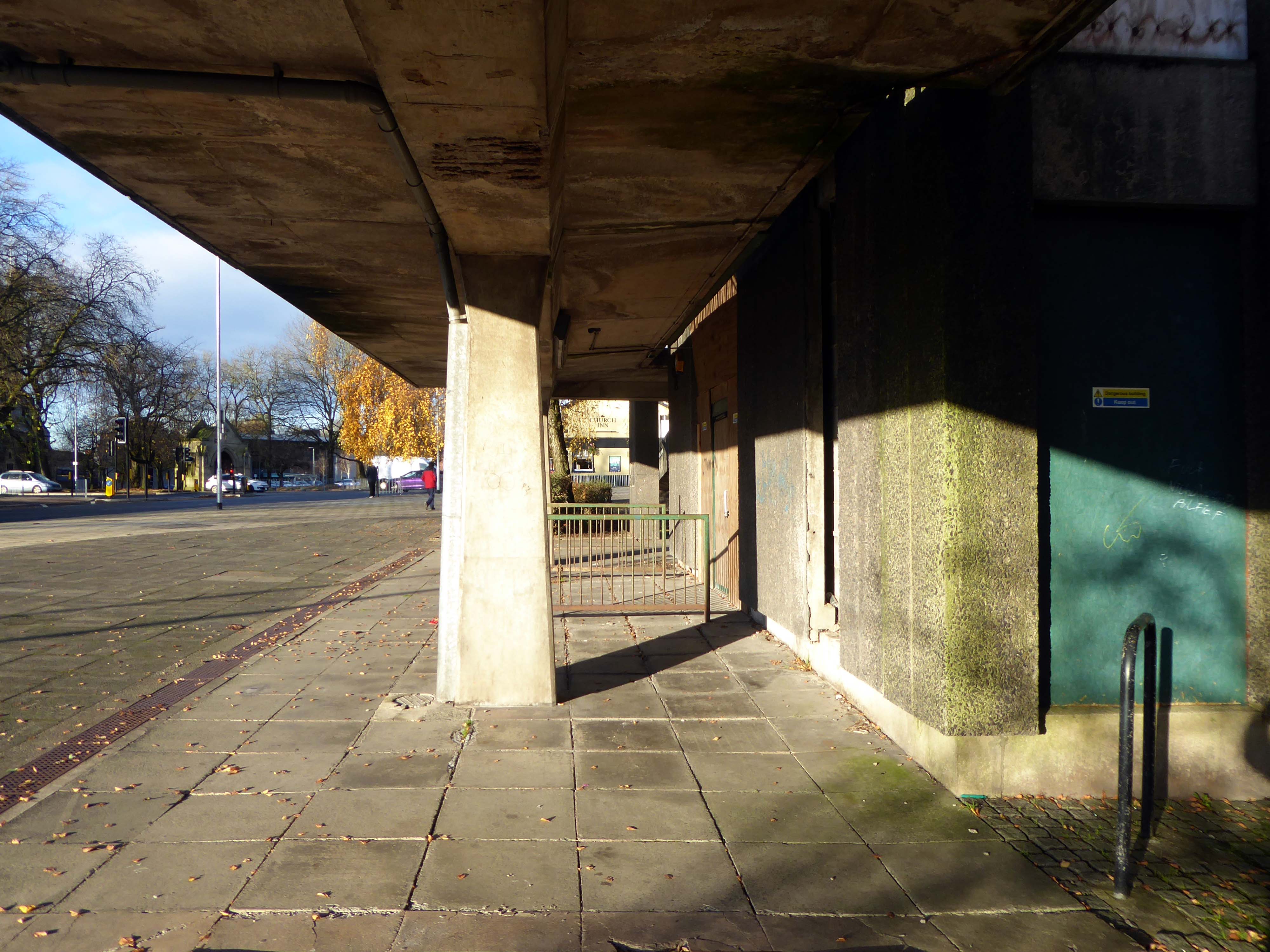
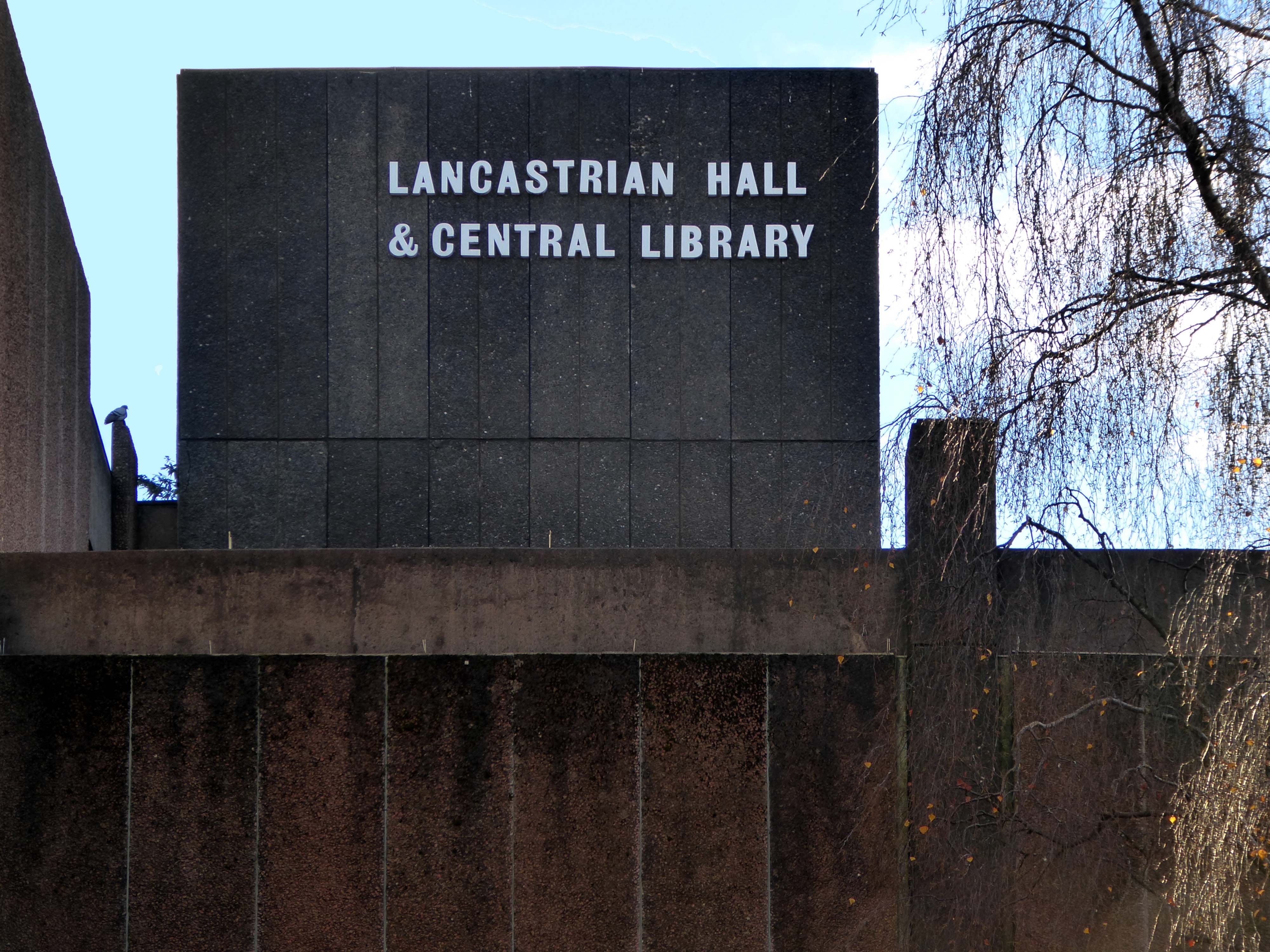
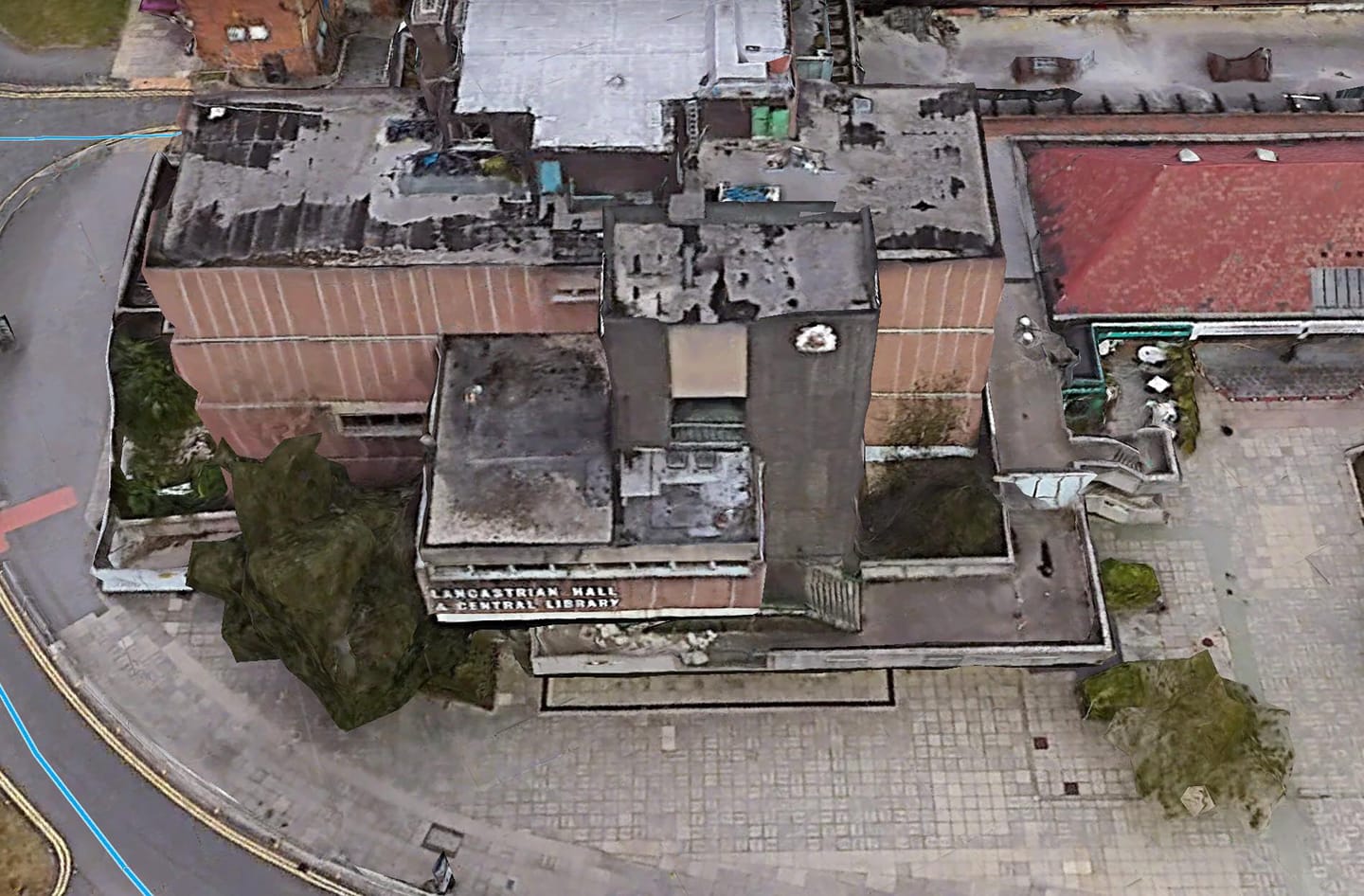
Opened in 1966 along with the slightly later Lancastrian Hall and Library, the Swinton Square shopping precinct provided an integrated modern setting for shopping, living, learning and entertainment.
The late 60s and early 70s was a time of general prosperity – and the hard landscaping offered a soft option for the local folk.
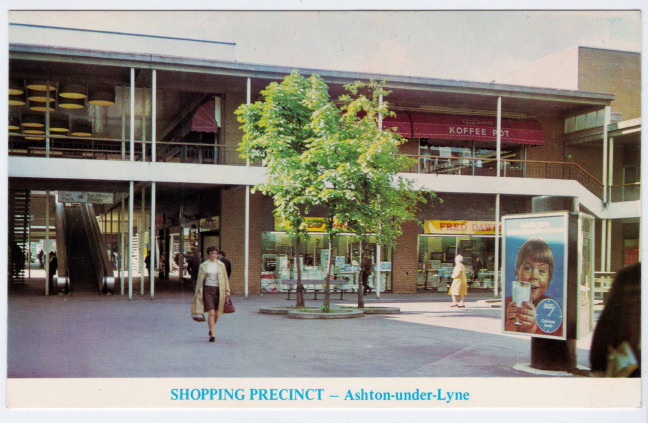
This was the age of the Precinct, celebrated nationally with postcard after postcard.
My local haunt in Ashton under Lyne.
Local traders and national chains rubbed shoulders.
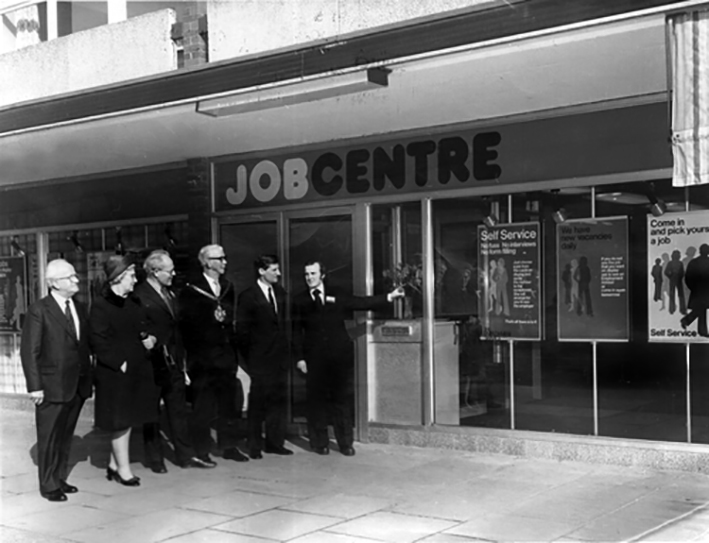
There was even a Job Centre opening- there was even a wide range of vacancies.
Following a challenging year, the letting reinforces Swinton Square as a pillar in the local community. Whilst retail has been heavily affected throughout the Covid-19 pandemic, footfall at the scheme has remained buoyant, with shoppers staying local, favouring the convenience and independent retailers of Swinton Square. Renovations began on the site of the new, temporary job centre at the beginning of the year and is due to be completed in May. The centre is expected to boost footfall and support for local, independent businesses.
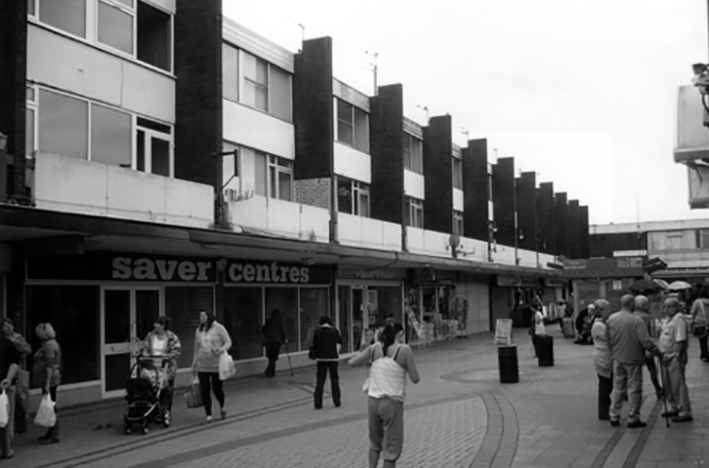
Despite Swinton’s many strengths, it faces similar challenges to other towns. The shopping centre and other buildings in the town centre are dated and in need of investment. Demand for local housing has grown by 23% in the last five years, but there is a lack of high-quality family and affordable housing in the right locations in the area.
The vision is just the first step of the journey, the next is to appoint a developer partner who can take this vision and help shape it, through ongoing consultation and engagement with the community, into a framework and plan for Swinton that will guide future investment.
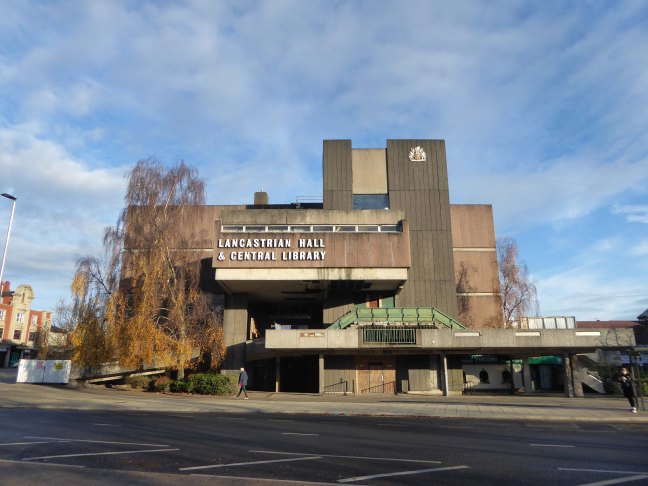
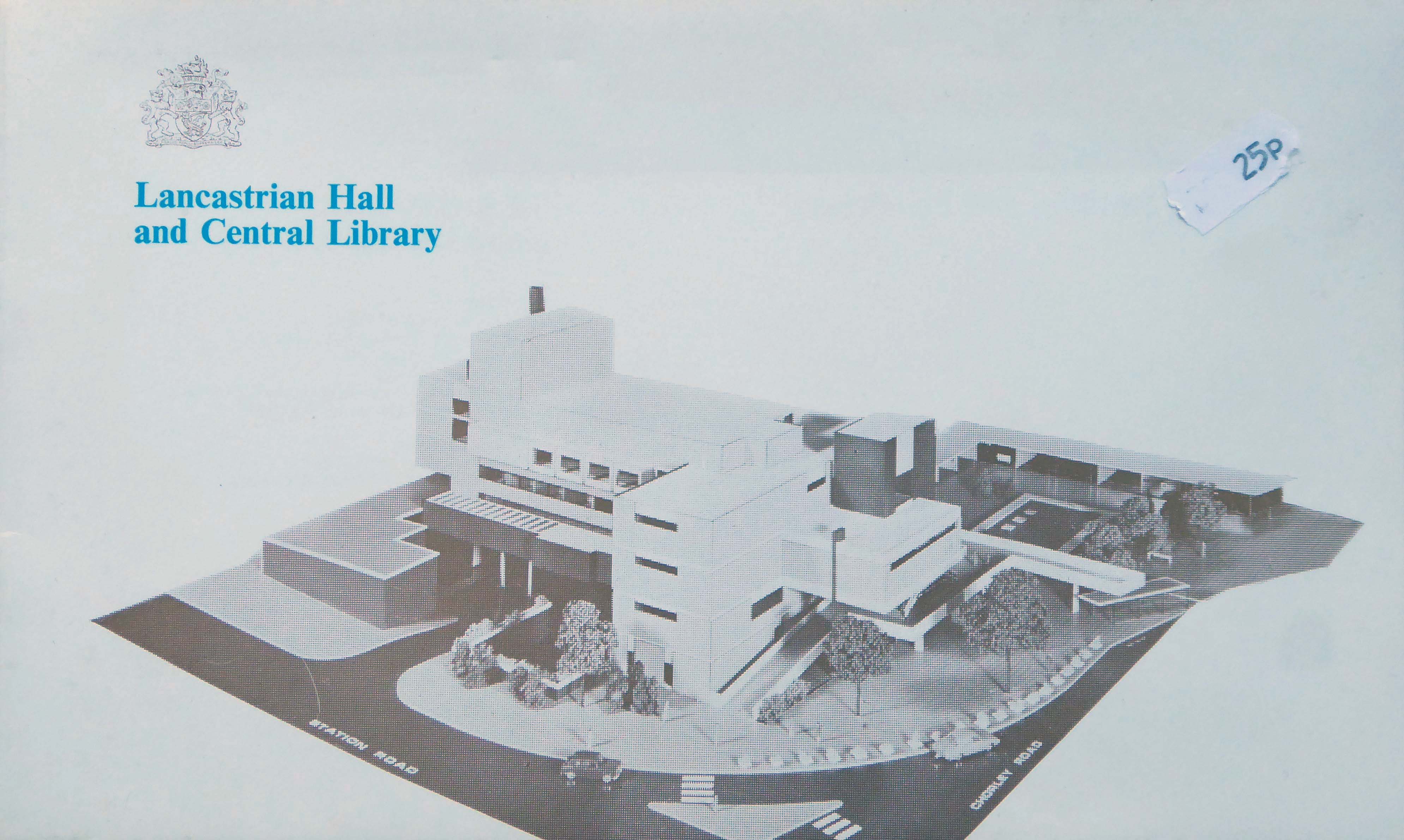
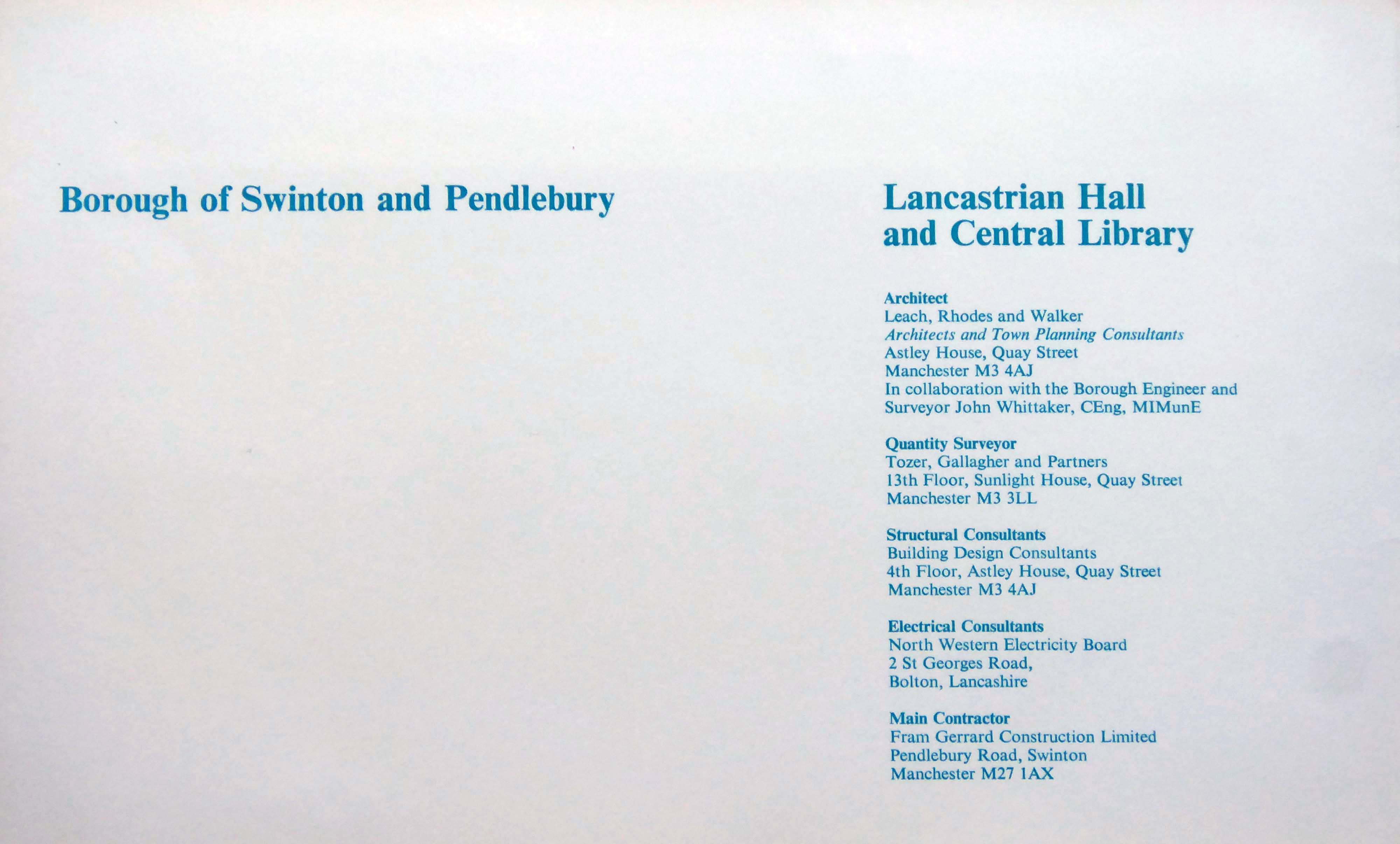
Completed in 1969 to designs by Leach Rhodes and Walker in collaboration with the Borough Engineer John Whittaker
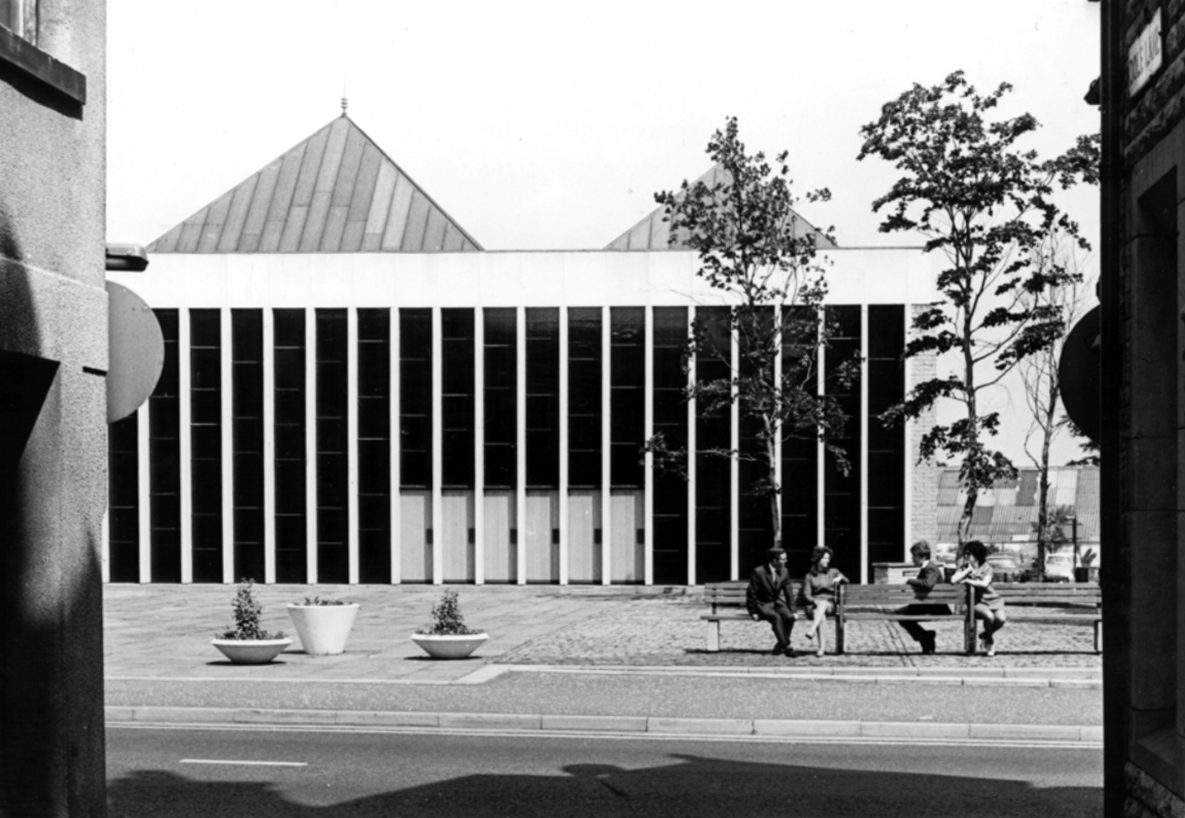
Constructed at the tail end of the Sixties – the last gasp of Municipal Modernism in the Borough, providing education, edification and entertainment for the local population.
The fountain is gone, the building is closed – the party’s over.
The Fast Cars are history – well they were history, until I was told that they are still speeding along!
A council has spent £348,000 on a masterplan for a town centre that the public has never seen.
Consultants have been used to come up with ideas to regenerate Swinton in Salford.
The town centre is dominated by the imposing Lancastrian Hall, opened in 1969, with an adjoining shopping mall.
The hall housed a council library and was used for civic and community meetings, wedding receptions and election counts.
But it has been closed since 2015 after the library moved to the new Gateway Building on the other side of Chorley Road.
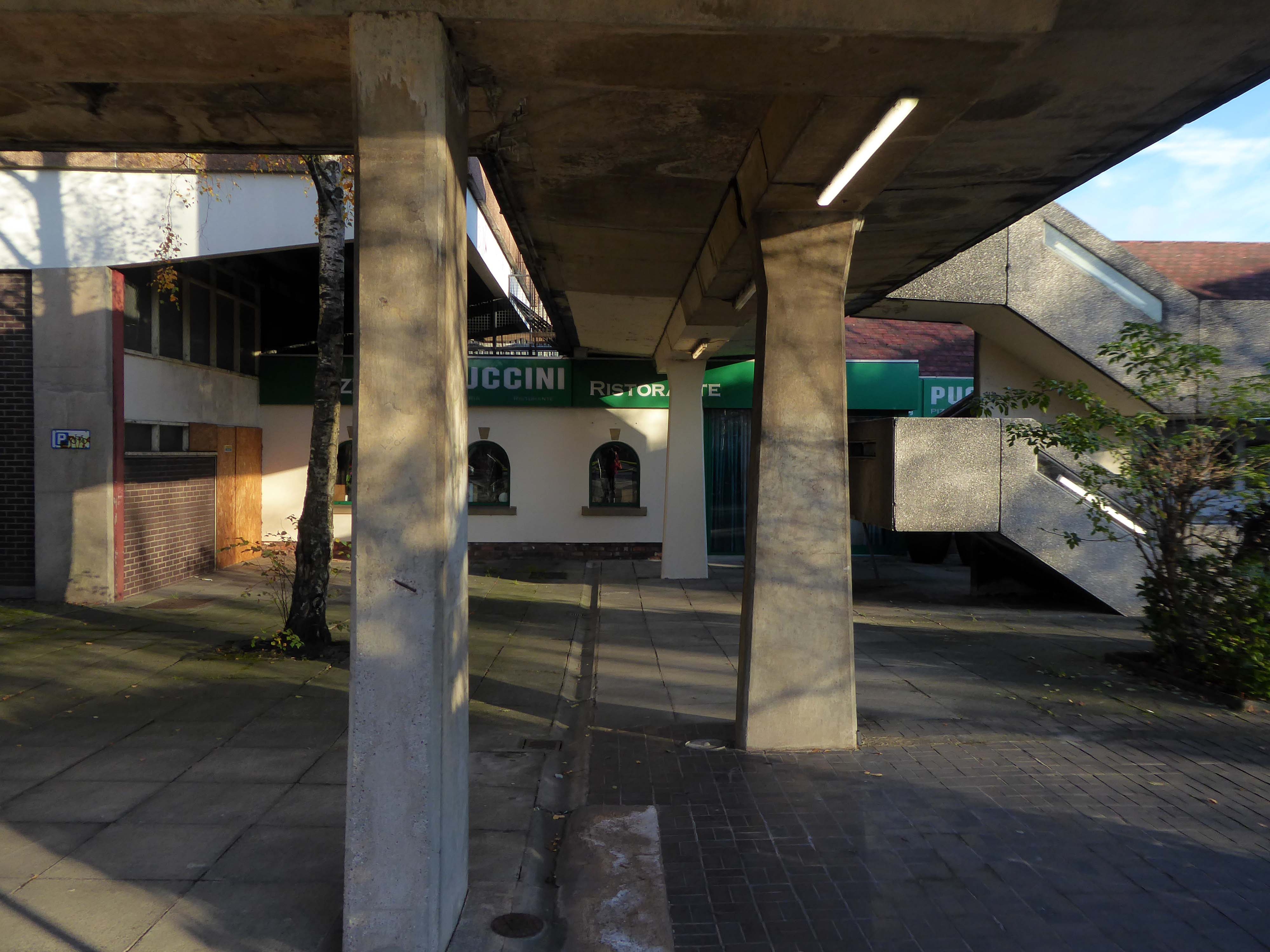
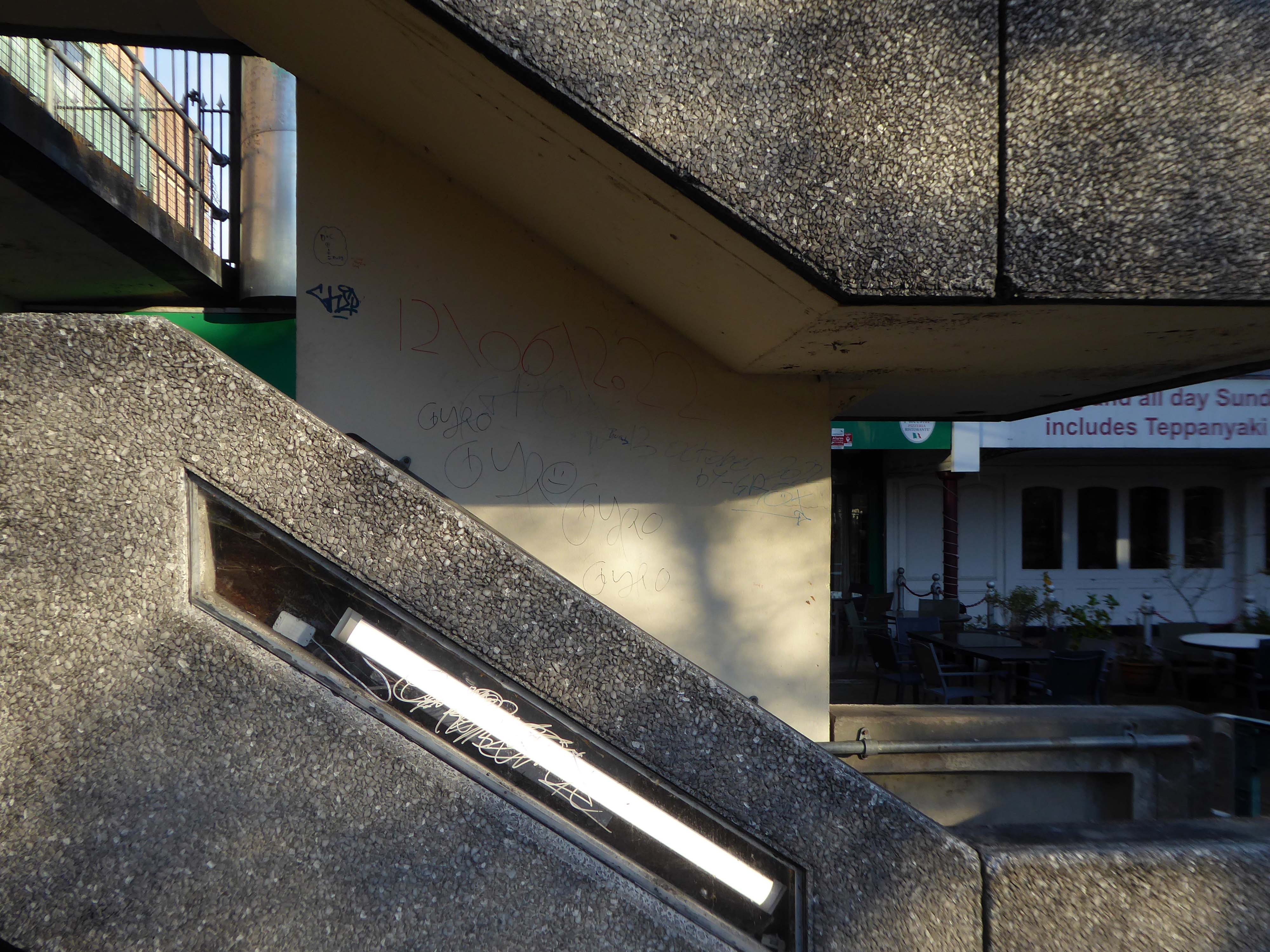
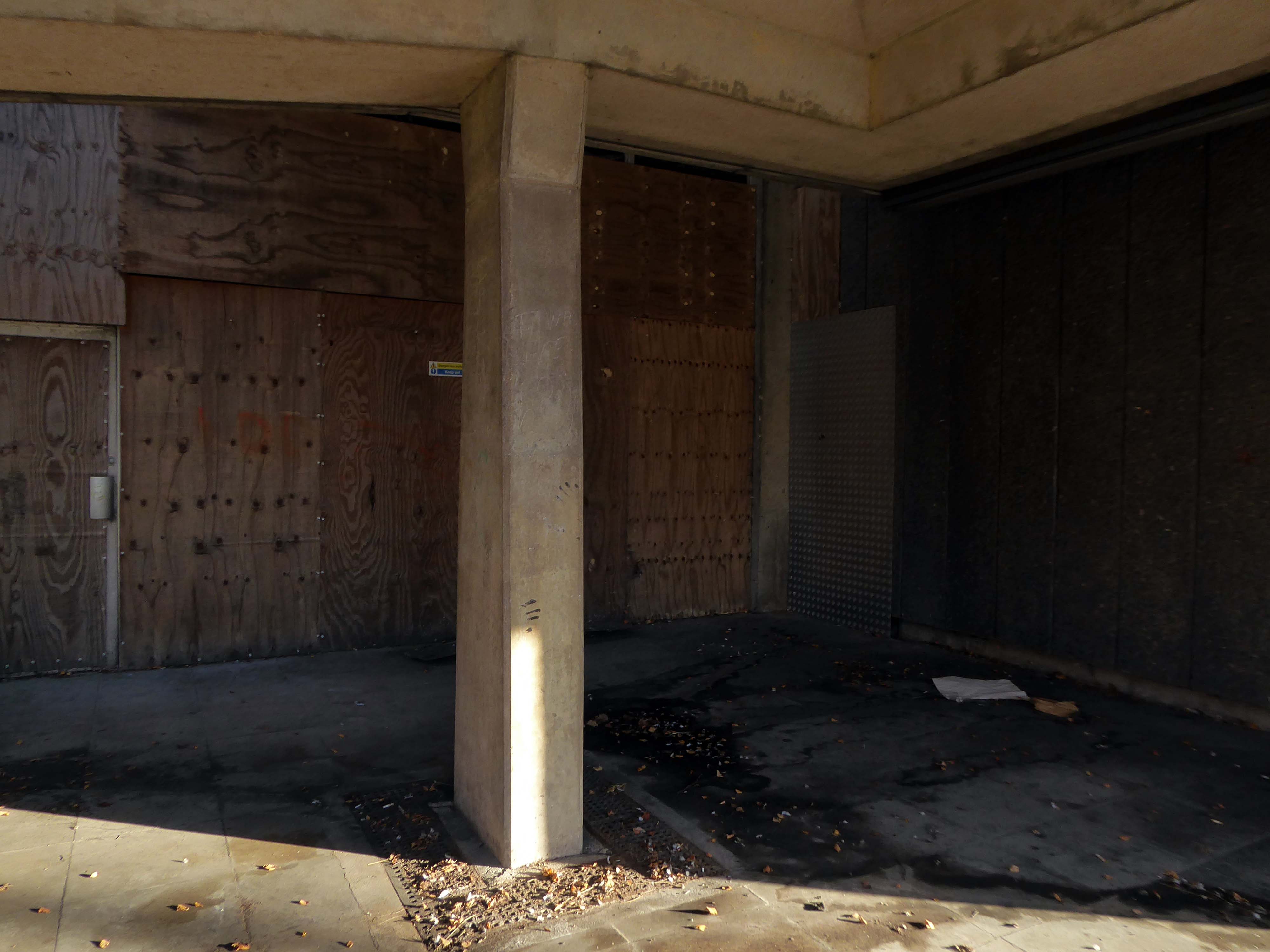
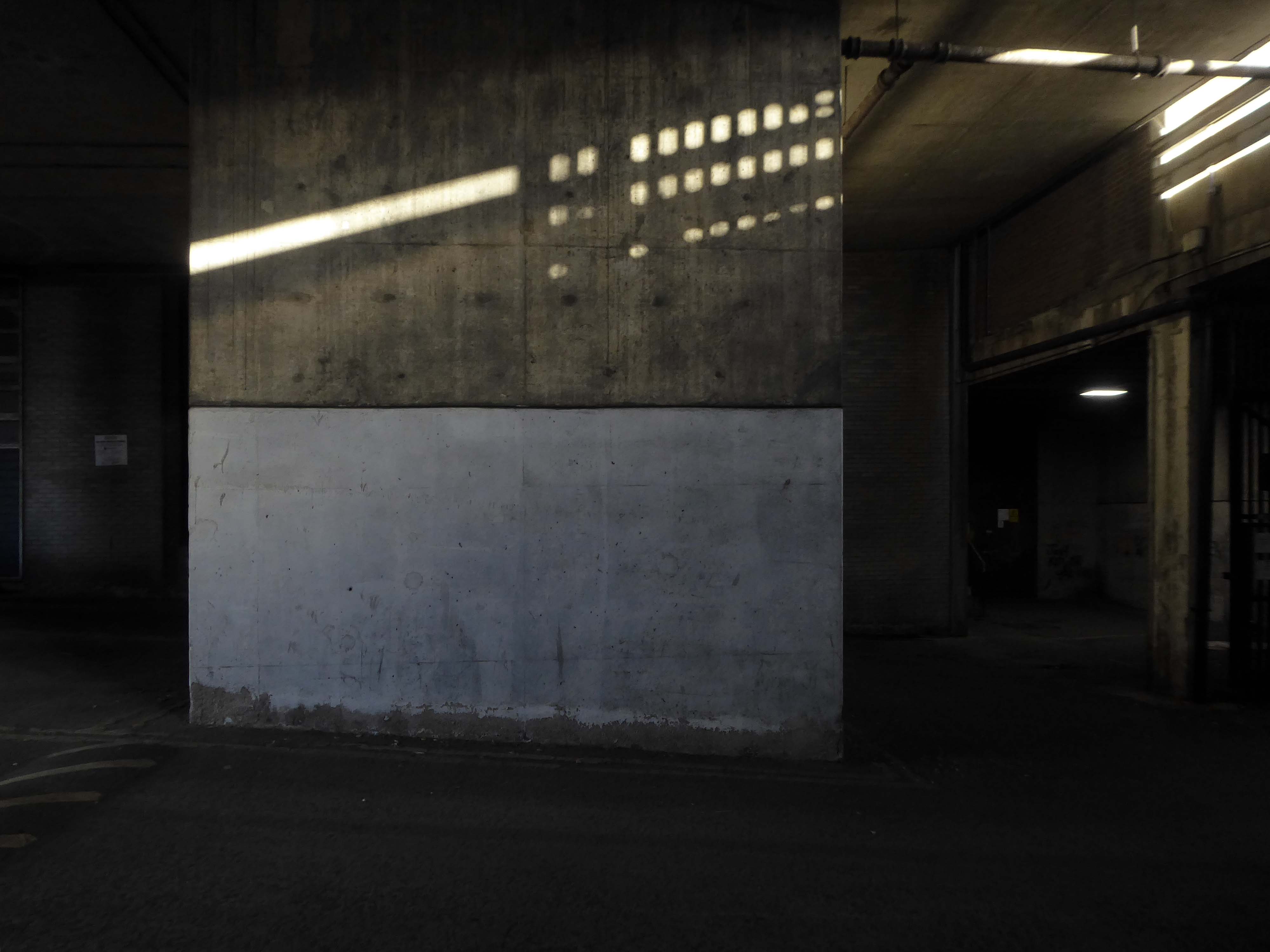
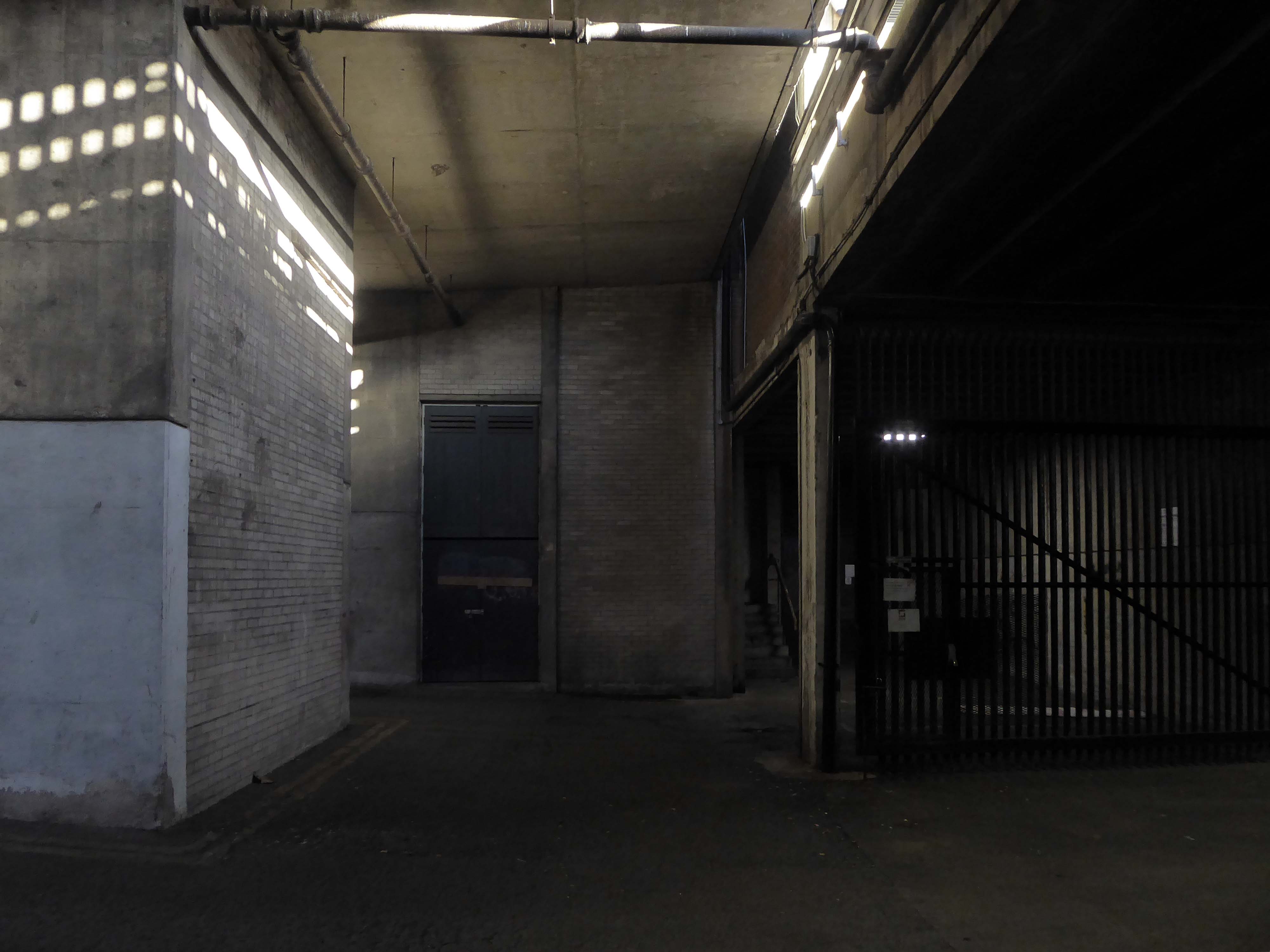
So this magical structure of stairways, undercrofts, elevated walks and majestic concrete clad volumes is under threat.
Swinton and the Lancastrian Hall deserve much better.
Over 550 people took part in the recent visioning work, and we are grateful for their time and valuable contributions.
An overwhelming majority of those who shared their views saw Swinton as a good place to live and bring up a family – somewhere friendly, with a strong sense of community.
People valued their local green spaces, but strongly felt that there needed to be more investment in the town centre, and a plan to tackle empty buildings and shops.
Overall, people felt that Swinton needed to be a more vibrant place, with more going on – and more reasons for people to visit and spend their leisure time there.
This is an opportunity to create tomorrow’s local centre, but that does rely on removing the Lancastrian Hall, rethinking the shopping centre, and repurposing the Civic Centre and the spaces around it.
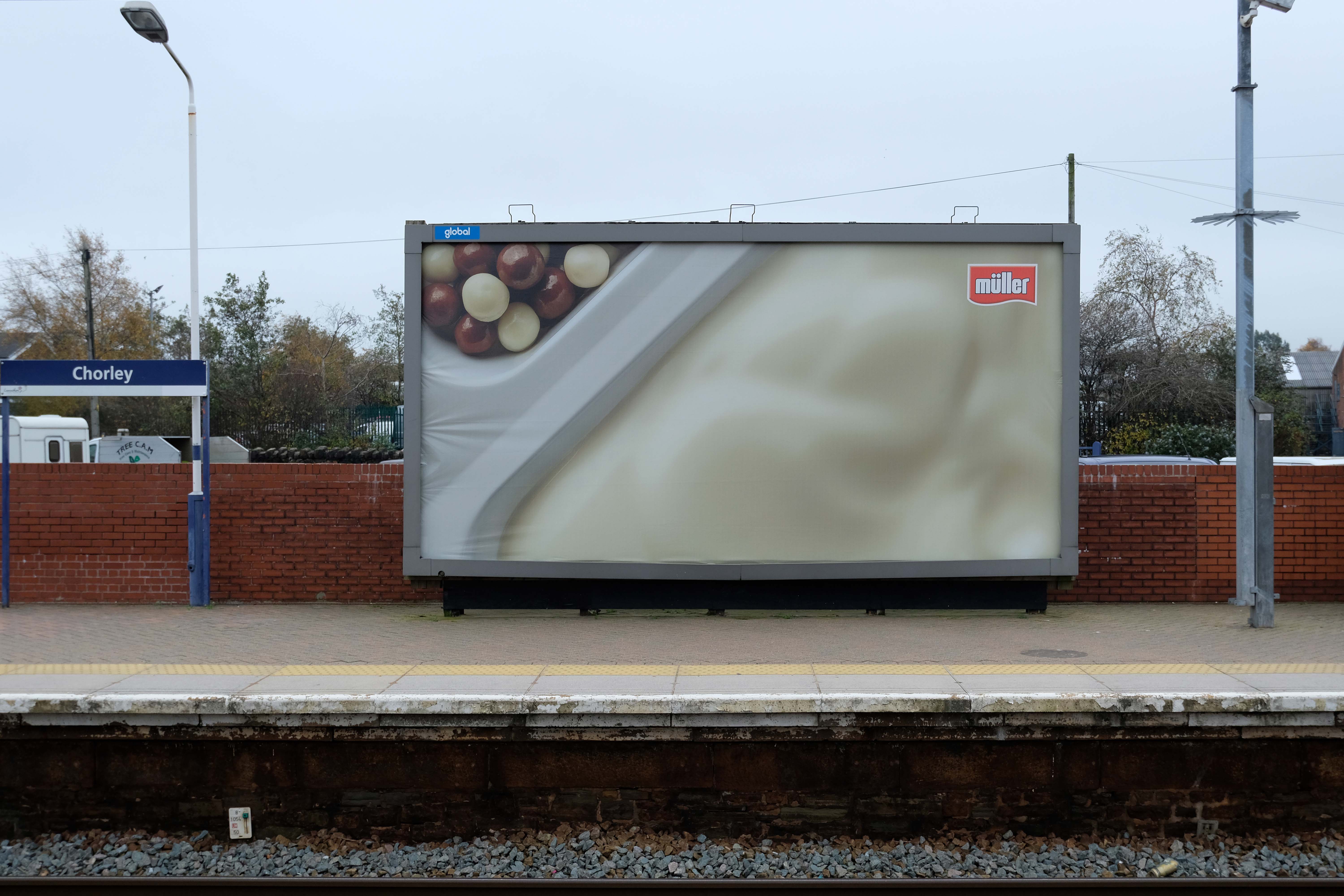
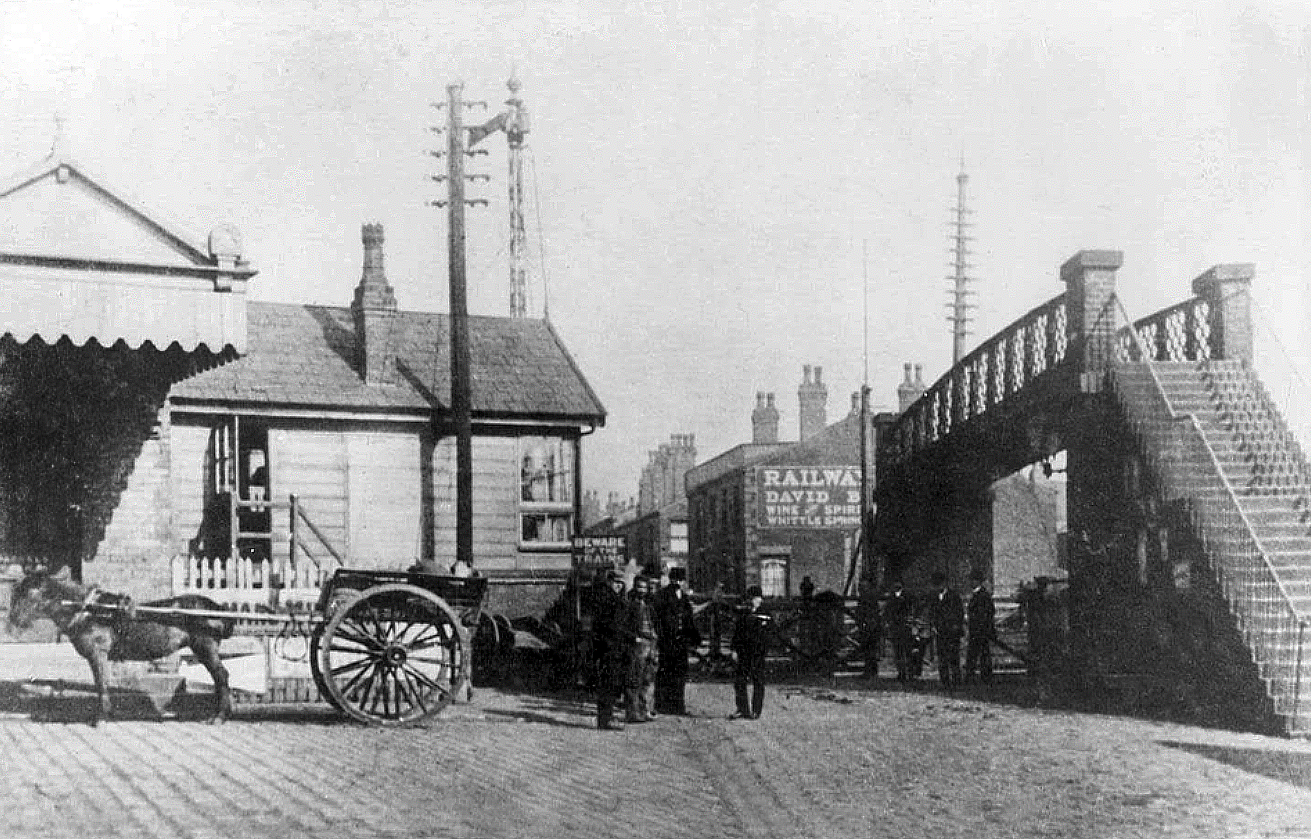
The current railway station is a modern version from the 1980s that was built on top of the original station. The level of the old platforms can be seen under the existing station’s two platforms which are connected by underpass. The initial station was opened on 22 December 1841 by the Bolton and Preston Railway – which later became part of the Lancashire and Yorkshire Railway and was subsequently served by the Lancashire Union Railway between St Helens, Wigan North Western and Blackburn from 1869.
Passenger trains over this route between Blackburn & Wigan were however withdrawn in January 1960. Further work was done in 2016 and 2017 in connection with the electrification of the line between Euxton Junction and Manchester.
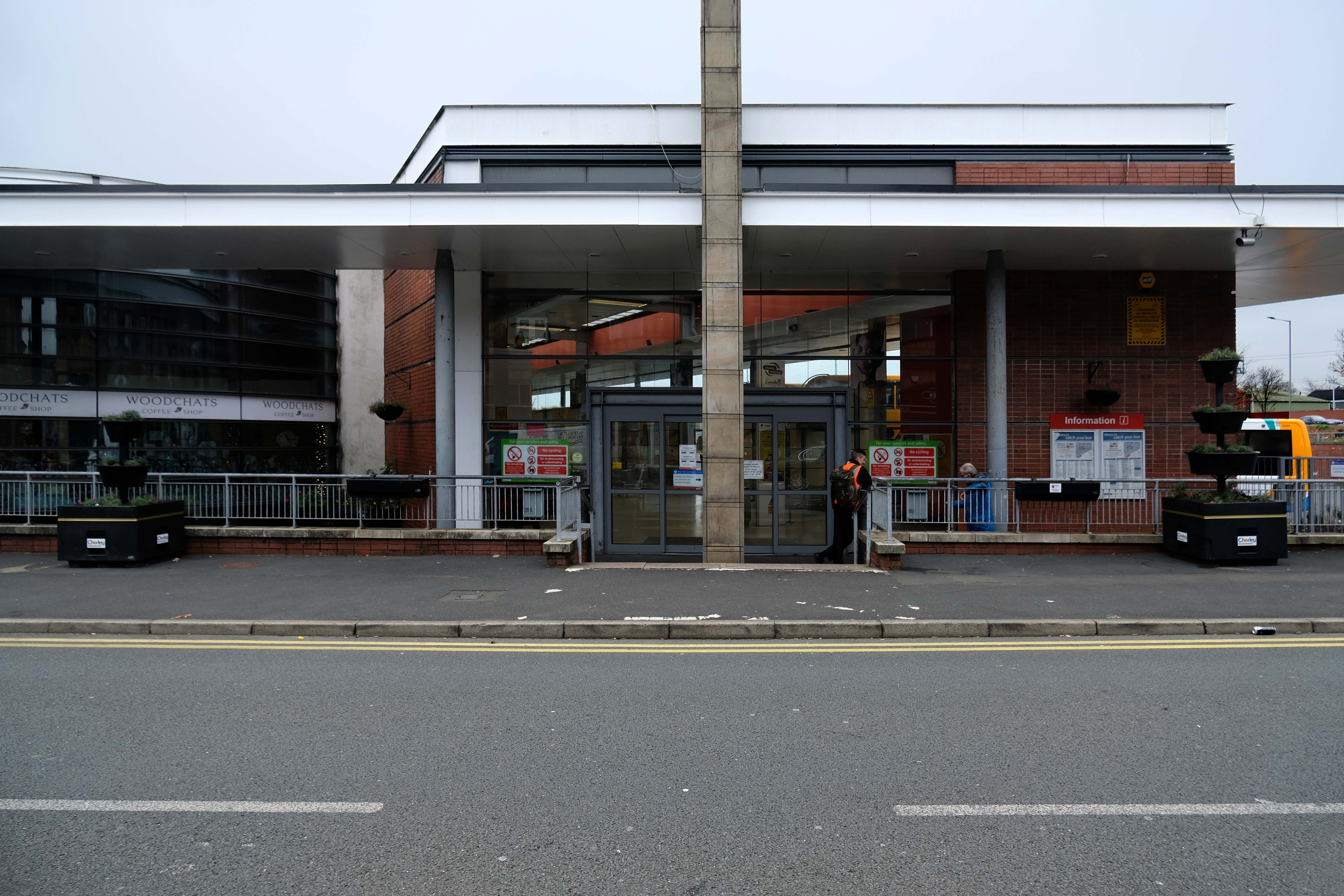
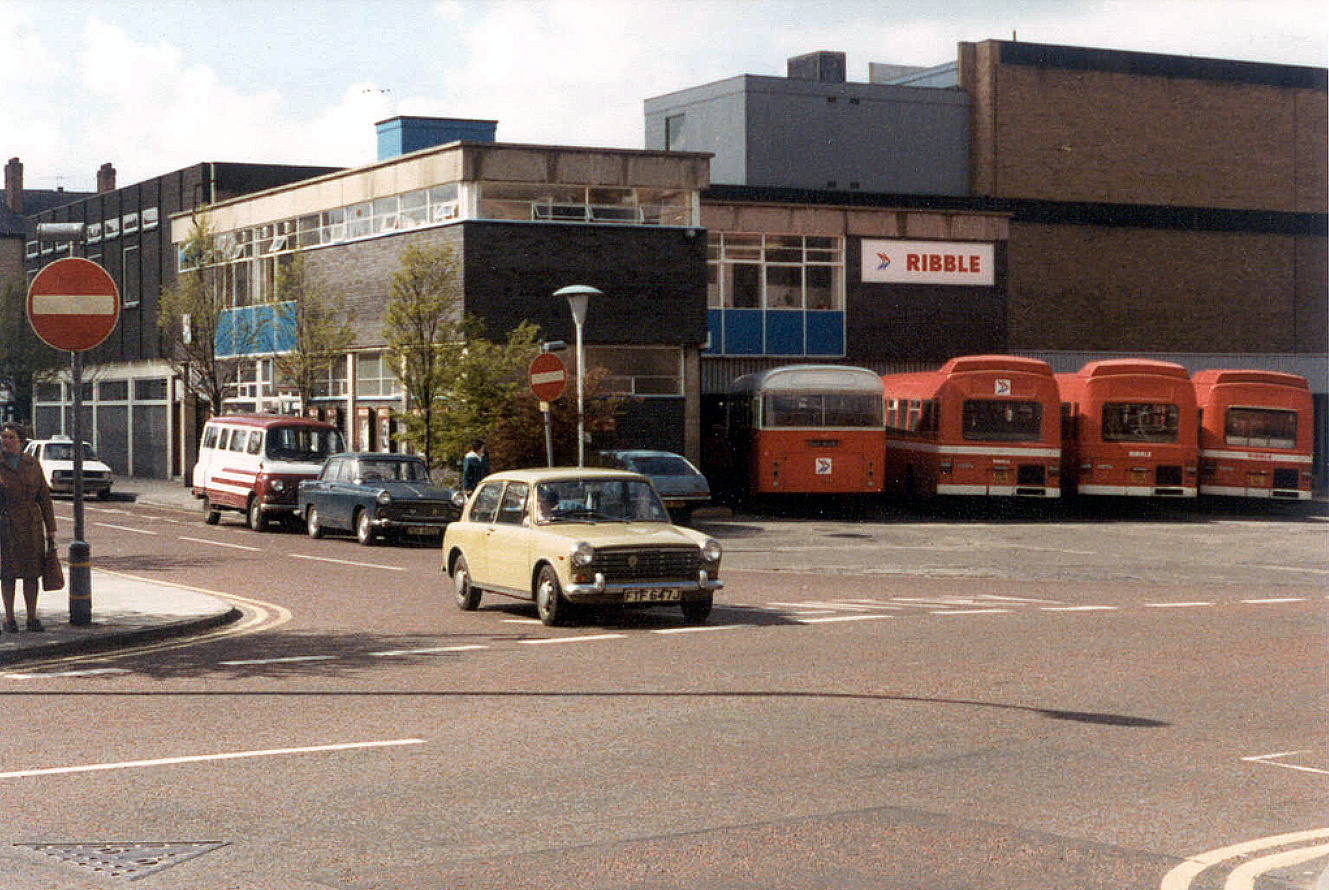
Crossed over to the Interchange – which was formerly a humble bus station, opened in February 2003 replacing the previous structure.
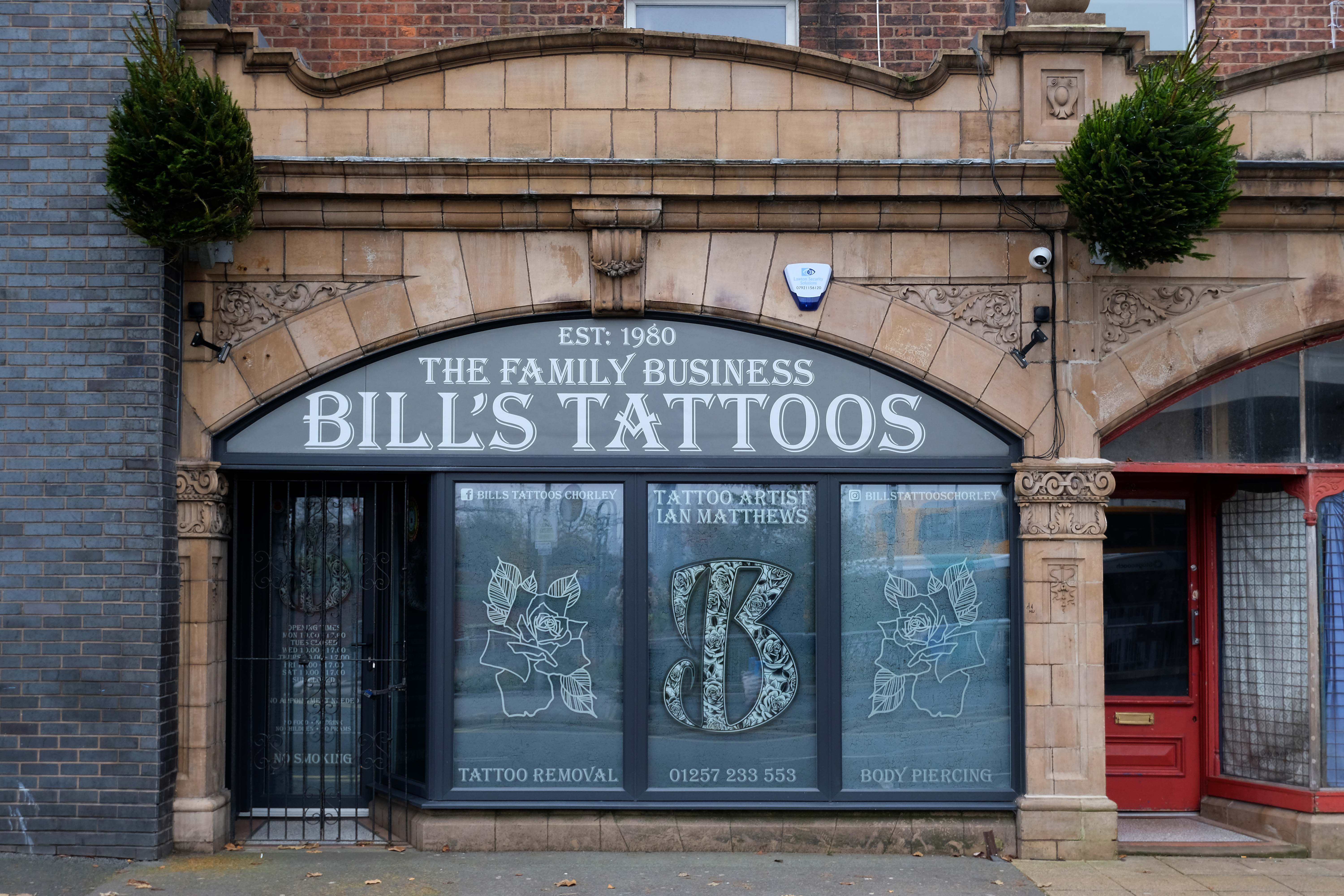
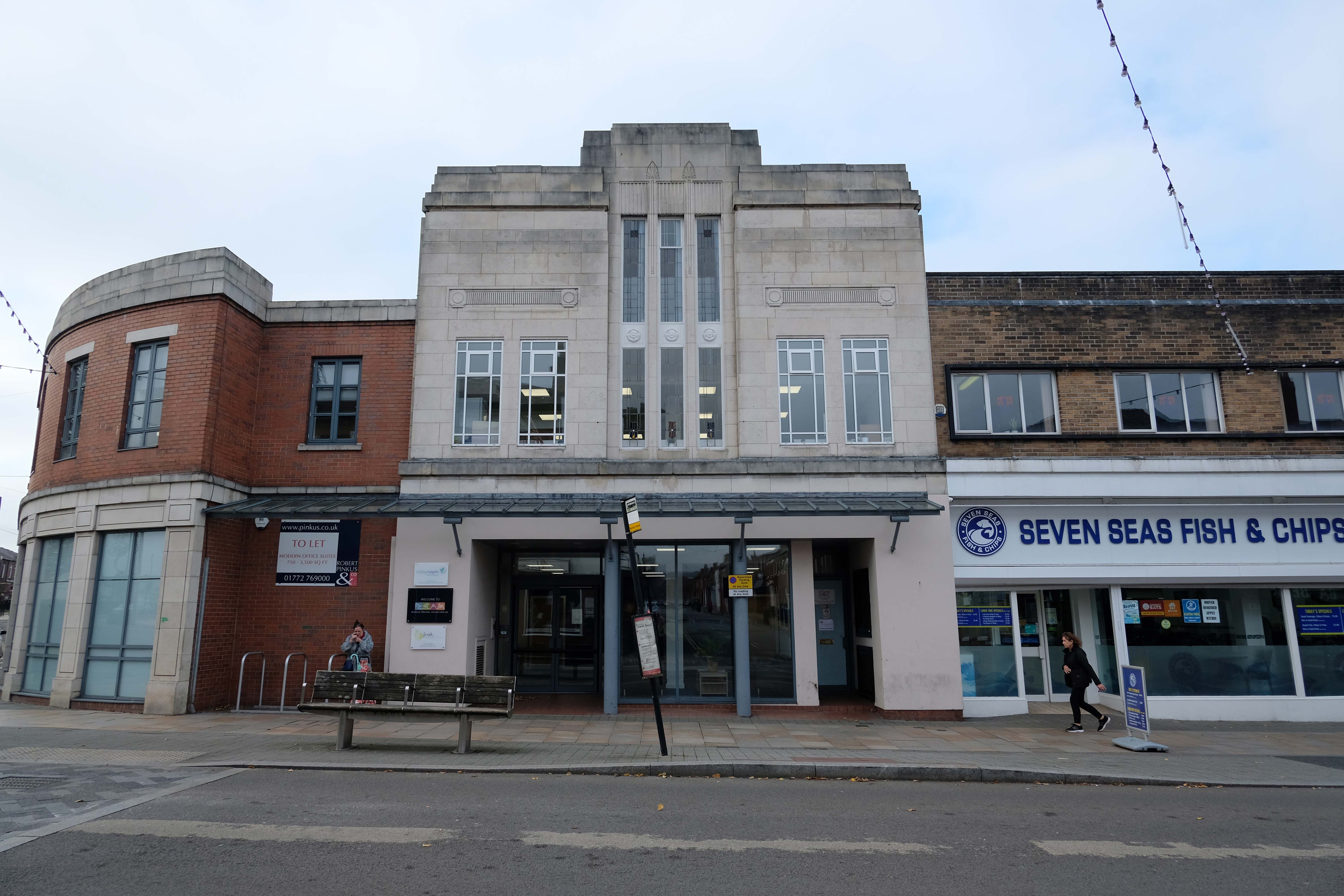
Across the way a stand of shops with distinctive faience fascias.
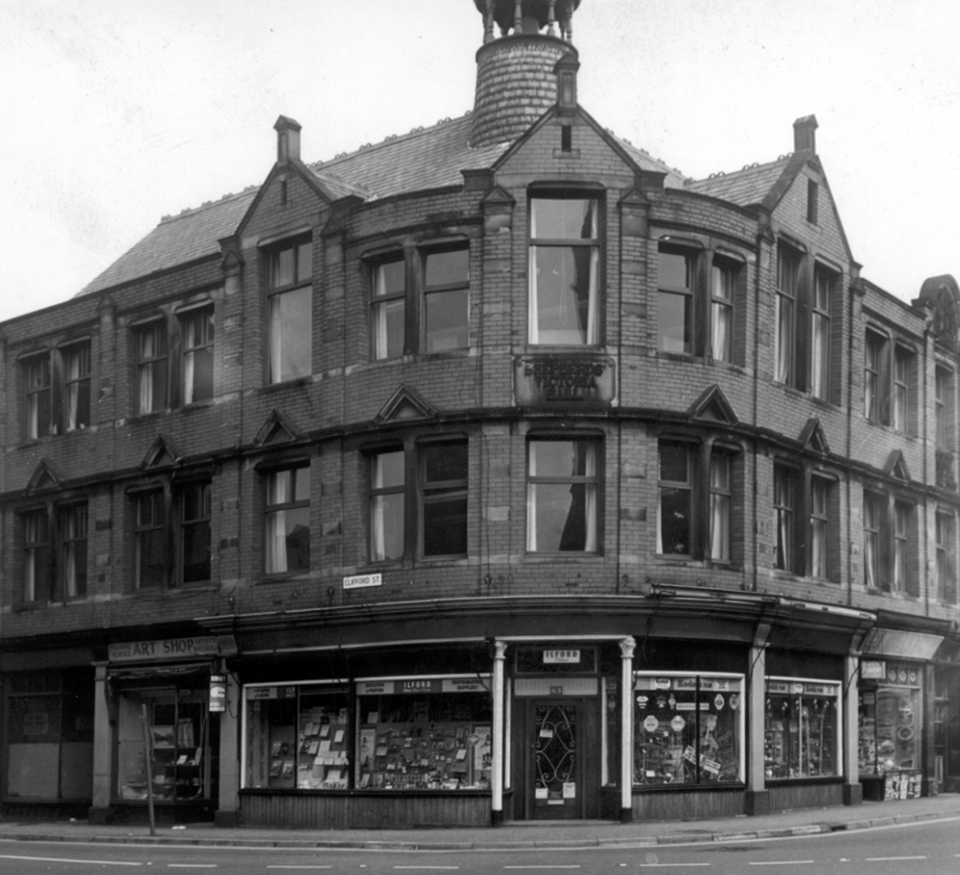
Further along the Shepherds’ Victoria Hall – once home to the Jubilee of the Ancient Order of Shepherds’ Friendly Society which was quite prominent in Chorley in the late 1800’s and early 1900’s
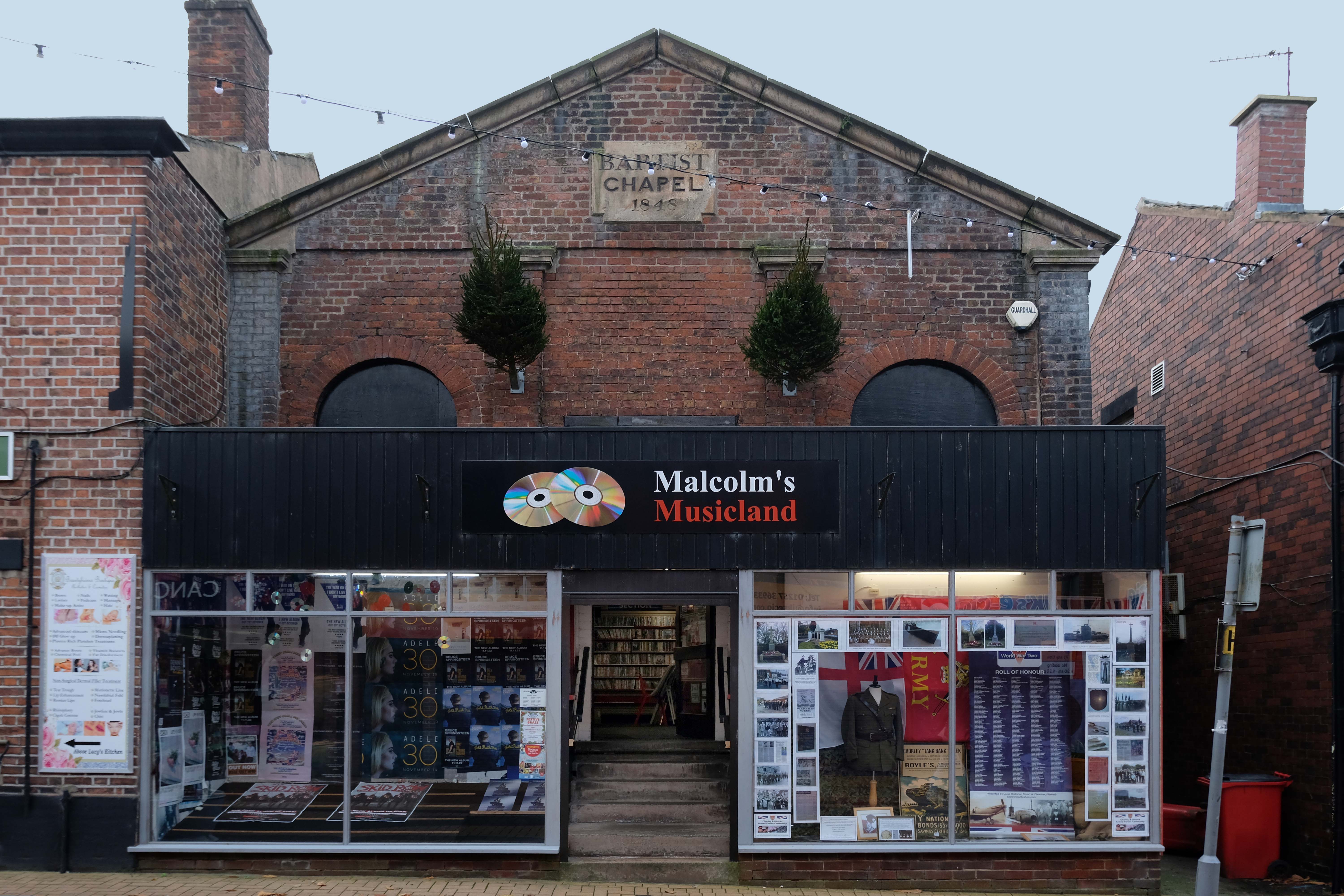
Down the way a ways a Baptist Chapel of 1845 on Chapel Street – currently trading as Malcolm’s Musicland.
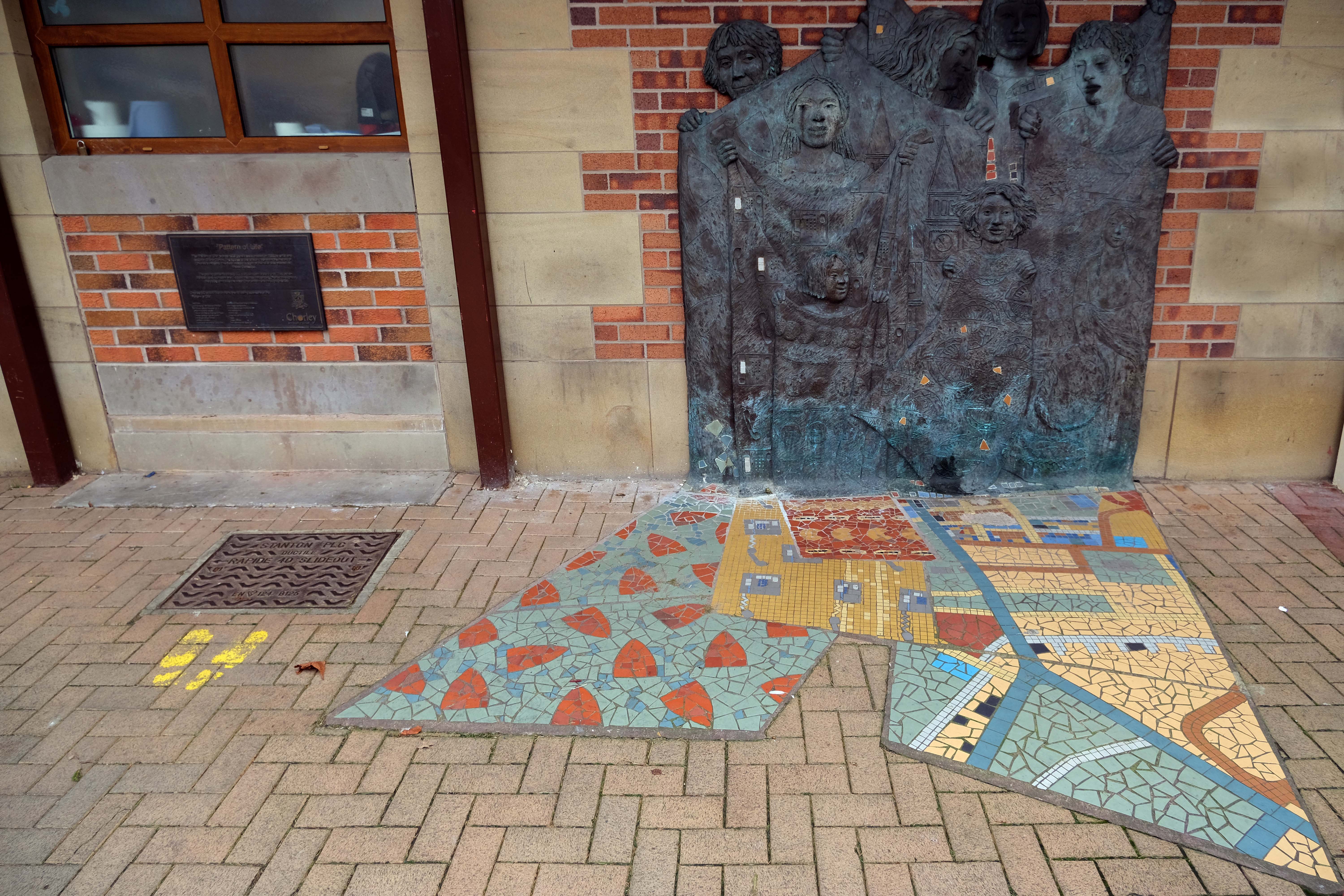
Hang a sharp right to the Market – where there is this newish piece of public art Pattern of Life a bronze relief by Diane Gorvin and mosaic work by Tracey Cartledge
This piece involves an innovative combination of cast bronze and ceramic mosaic. Two bronze relief panels display female figures holding out rolls of fabric, each decorated with patterns and images that are particular to the town of Chorley. Payphones, for example were invented and manufactured in Chorley, the crested newt is protected here and you might also notice the famous Chorley Cakes. As the fabrics tumble down, the designs are translated from bronze relief on the wall surface into 2D mosaic in the pavement.
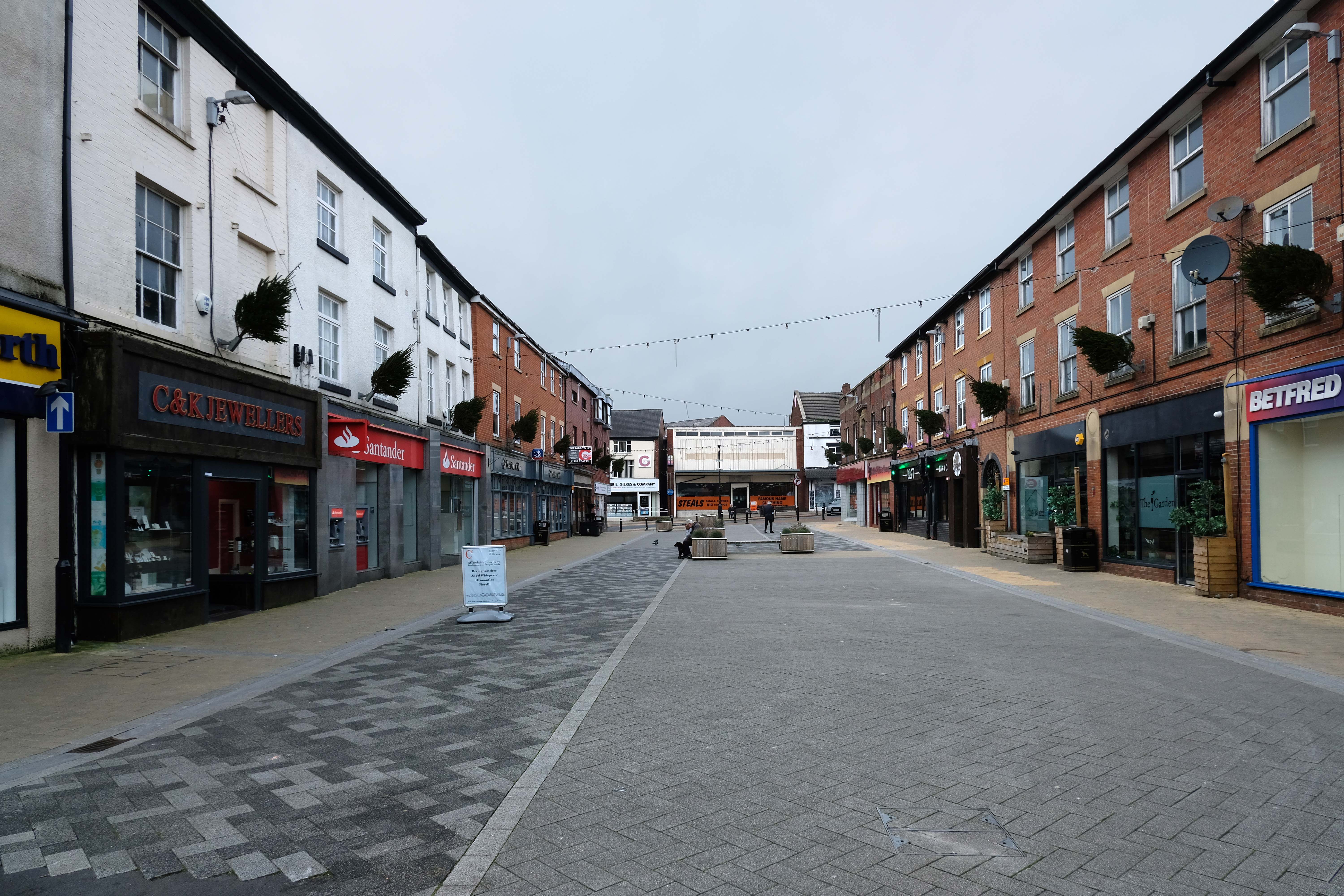
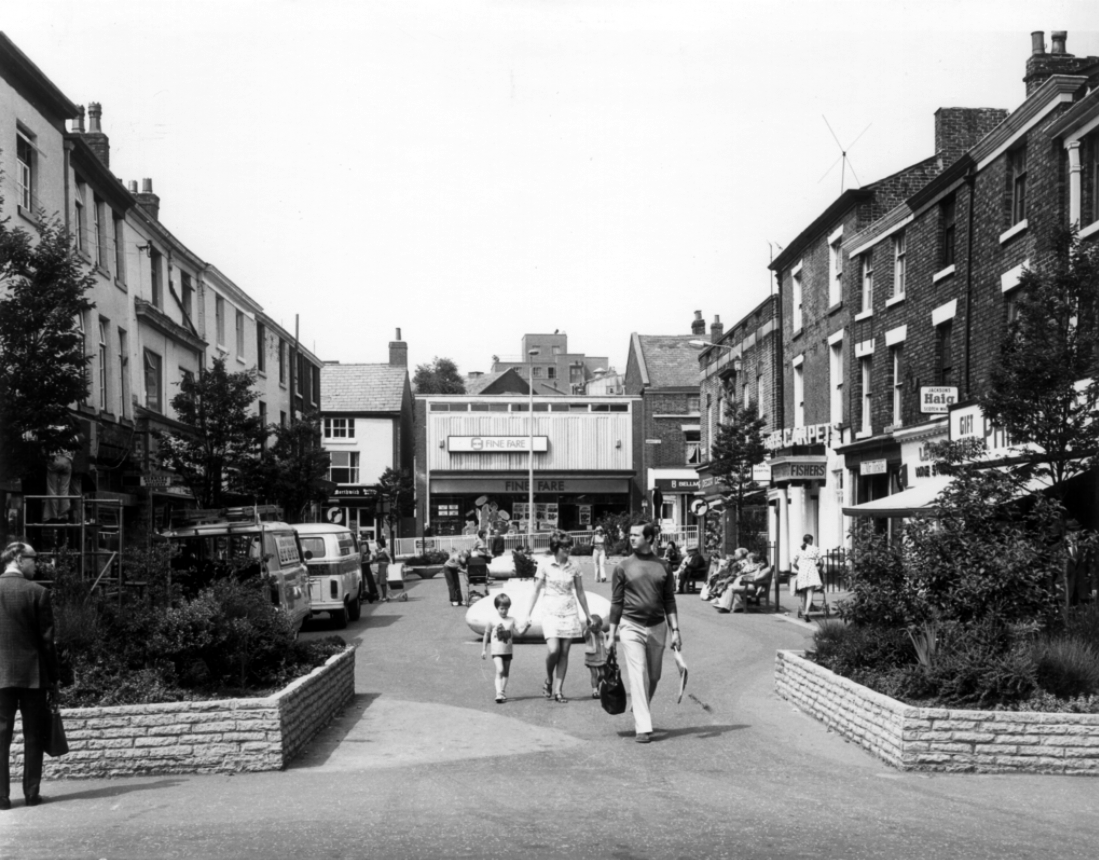
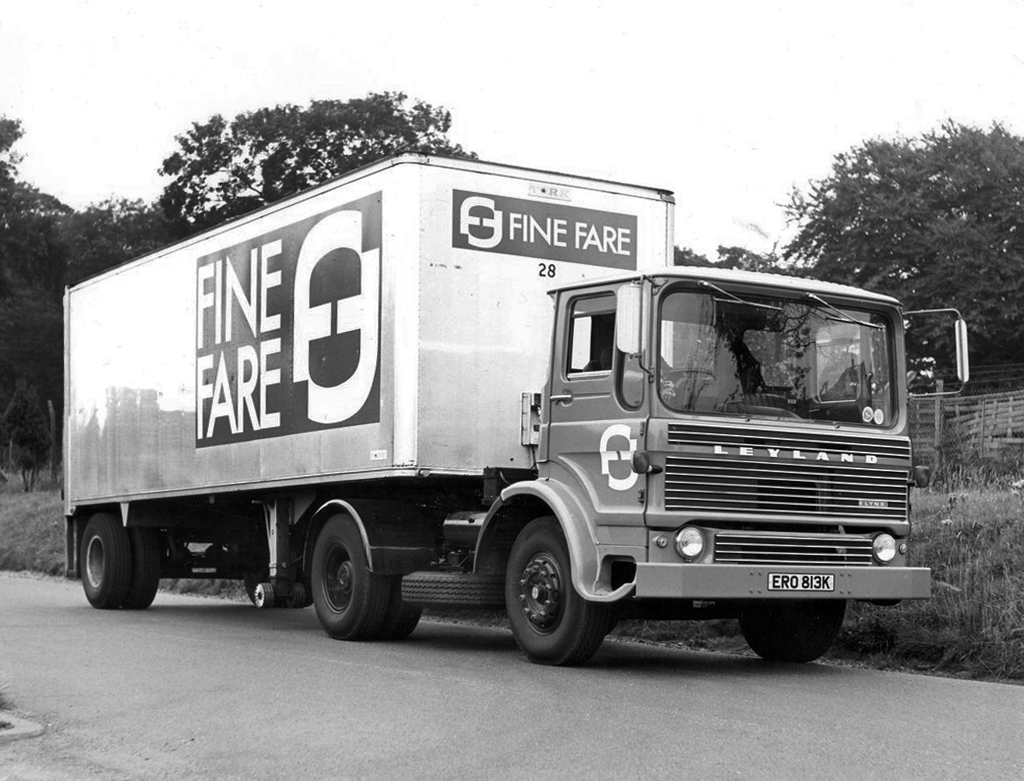
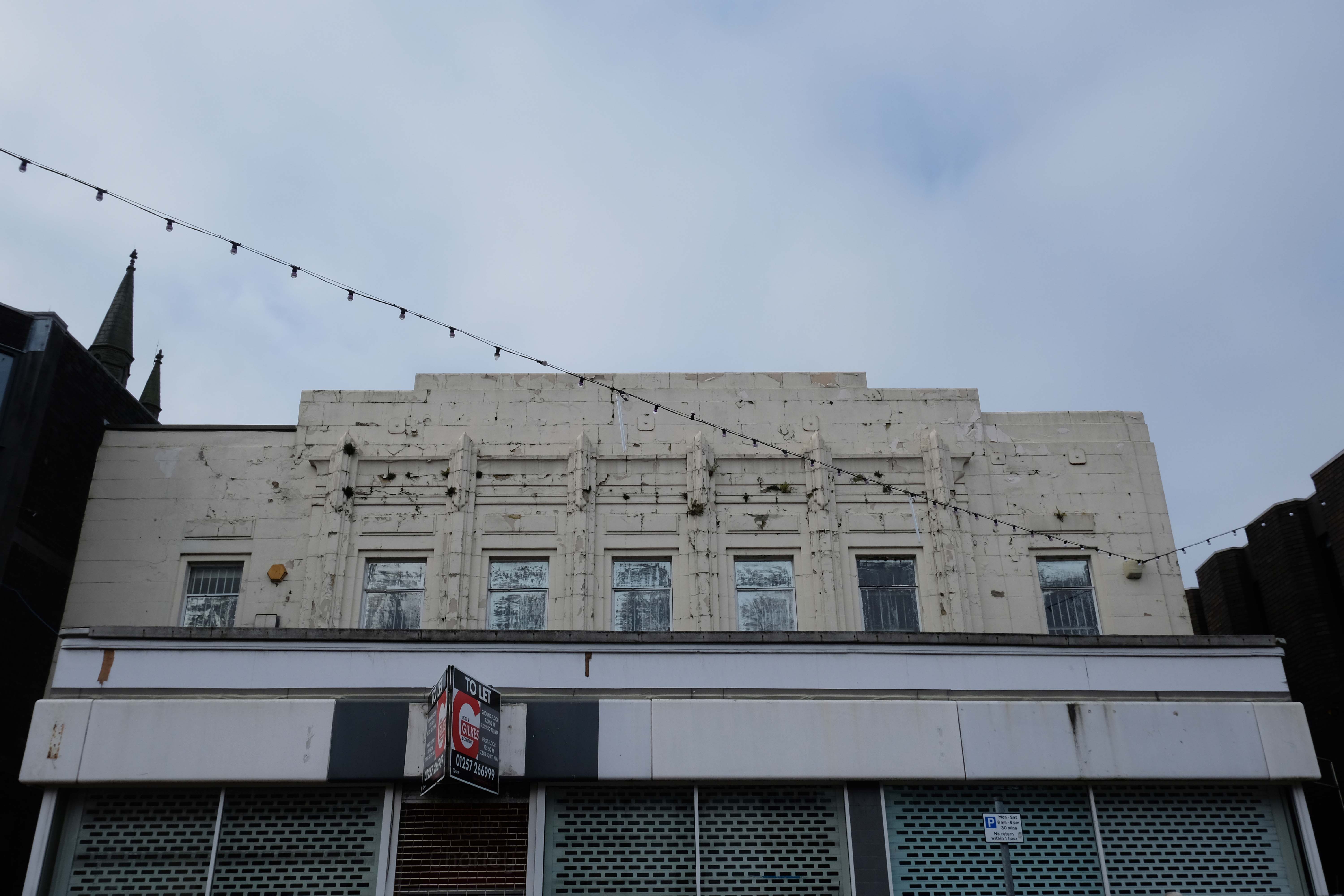
Looking down Fazakerley Street to where Fine Fare once was.
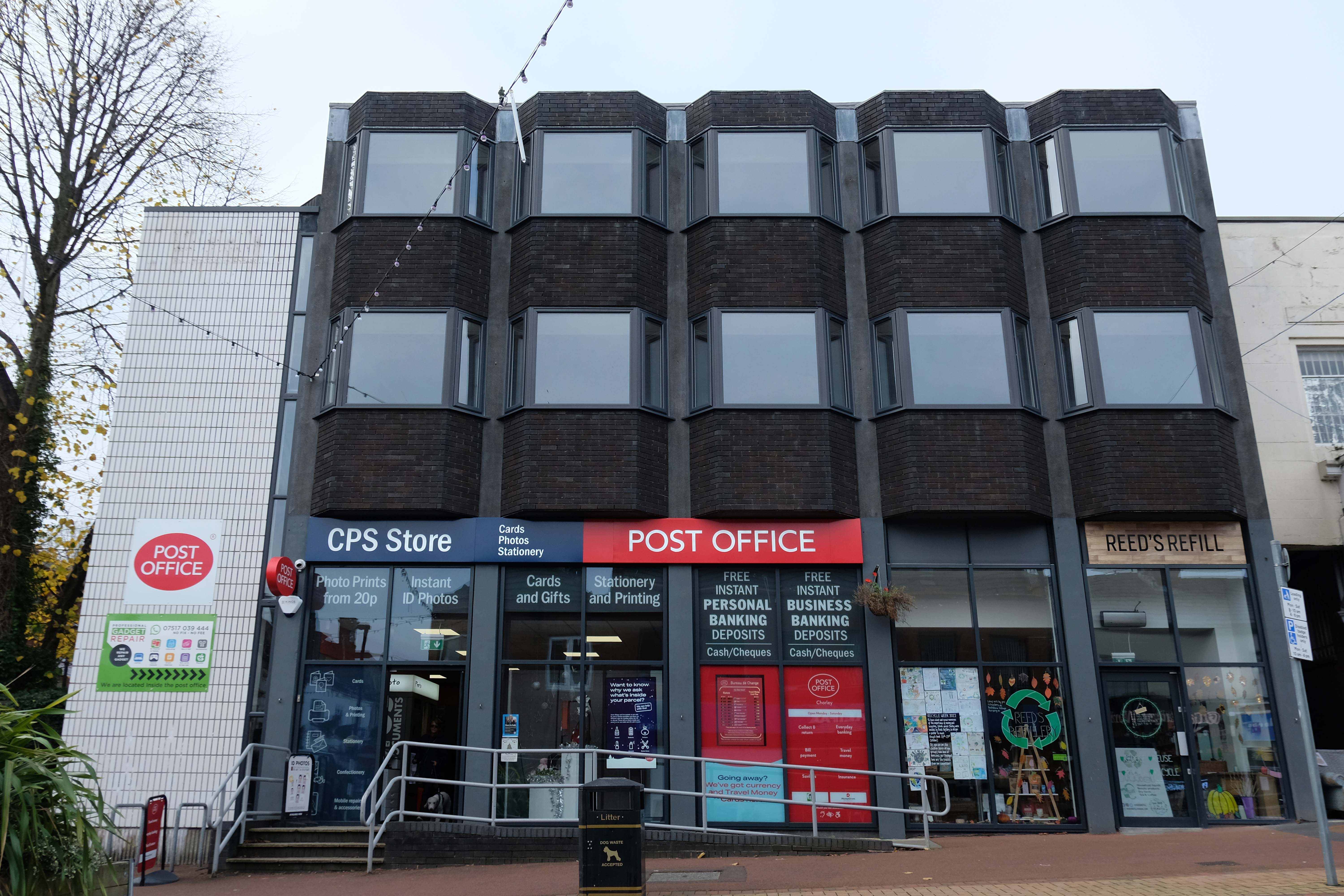
We’ll return to such matters in a moment – we have to get to the Post Office – which is no longer a Post Office.
It was a Post Office in 1935 – it also has a later extension.
The local list declares that the post office dates from 1935. This is almost certainly erroneous since the contract documents date from 1924, and from contract to completion the average construction and fitting-out time was about 18 months.
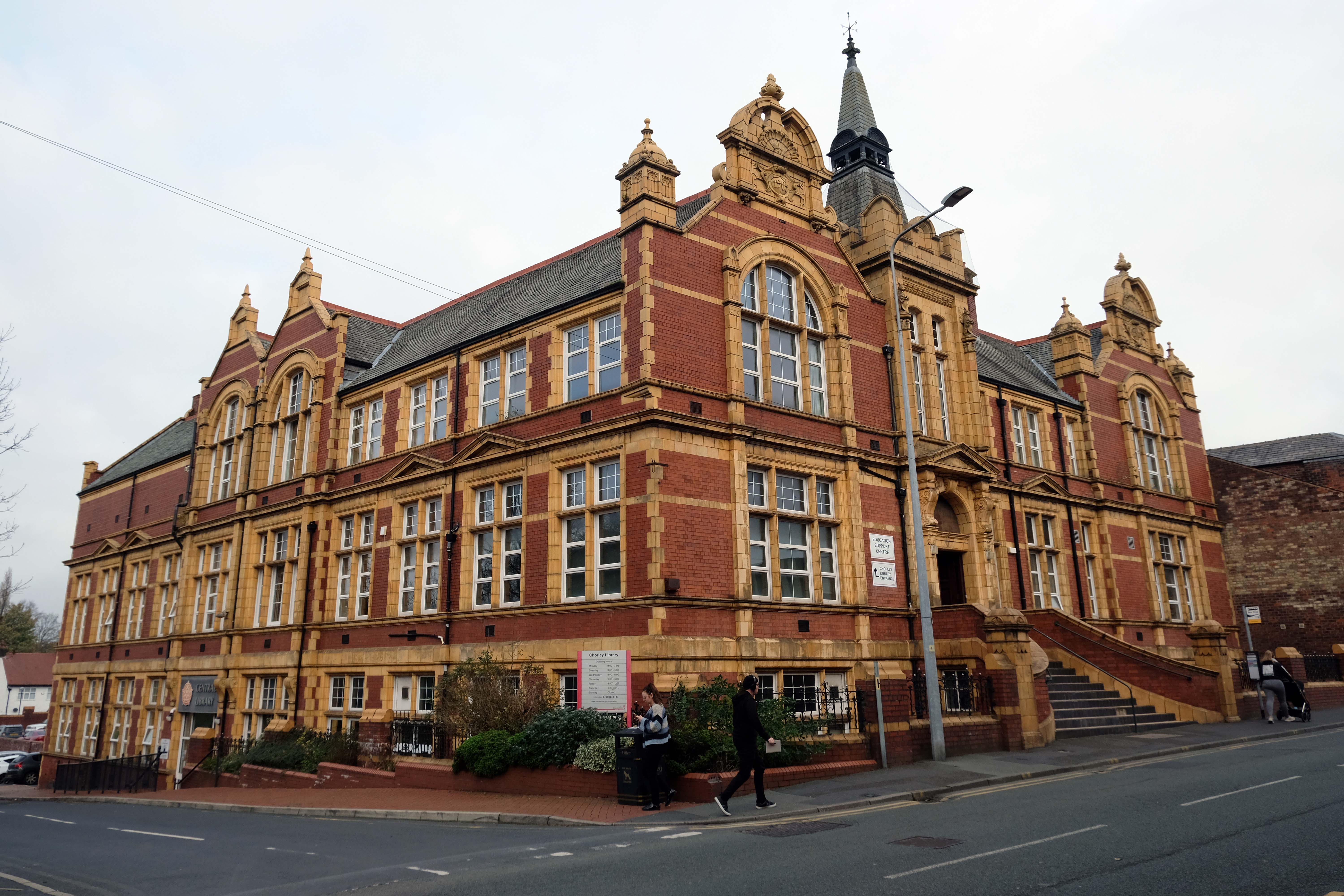
Plans supplied by the Architects Messrs. Cheers & Smith of Blackburn which were approved by the Education Committee on the 18th August 1904 – design proposals for the new Technical School entitled Light and Air.
The considerable task of erecting the school was given to the local builder Mr. William Hampson of Pall Mall.
Surely the envy of his trade, the total contract was worth a mouth- watering £10,041 15s. 9d. – approx. £720,000 today.
The building was officially opened by the 16th Earl of Derby on September 24th 1906.
Over the road the town’s newest retail development Market Walk – the work of AEW Architects.
Chorley Council bought the shopping centre from Orchard Street Investments for £23m in 2013 and commenced a large-scale regeneration scheme in 2018 involving a £15m, 79,000 sq ft retail and leisure extension led by main contractor Eric Wright Group and designed by AEW Architects. Here, Conrad Heald of Chorley Council tells his interviewer, AEW director Phil Hepworth, how the scheme came to fruition and has rejuvenated the town centre.
The memorial re-sited in 2018 commemorates the Chorley Pals.
In less than 20 minutes, 235 of the 720 men from the 11th East Lancs. were killed. Another 350 were wounded, of which 17 would eventually succumb to their wounds. Many of the Battalion died where they fell, in No Man’s Land.
As a result of the attack on the morning of the 1st July, the Chorley Pals – Y Company, had 31 men killed and three died within a month of their wounds received on that day. 21 have no known graves and their names are transcribed on the Thiepval memorial to the Missing on the Somme battlefield. A further 59 were wounded, making a total of 93 casualties out of approximately 175 men from Chorley who went over the top that morning.
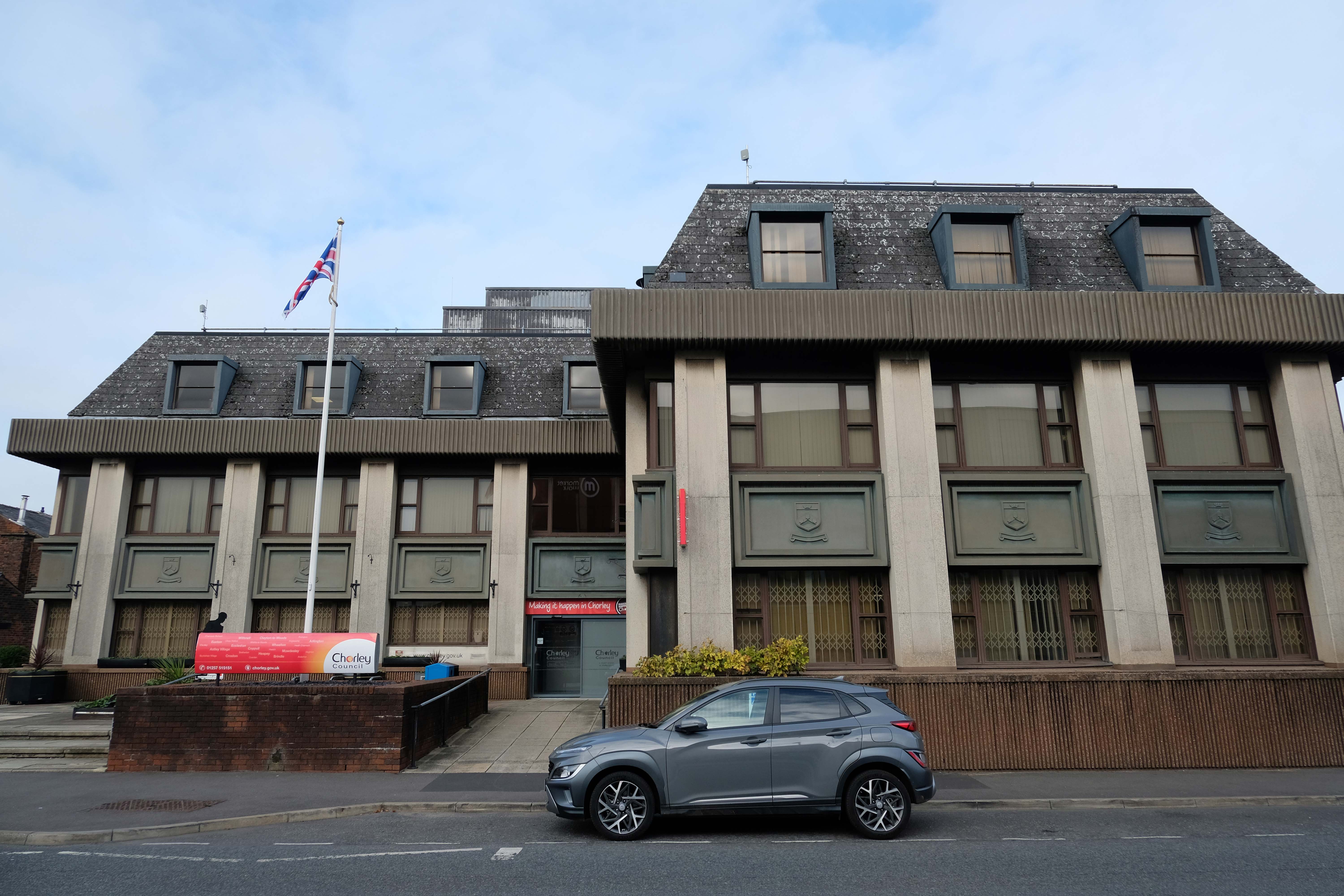
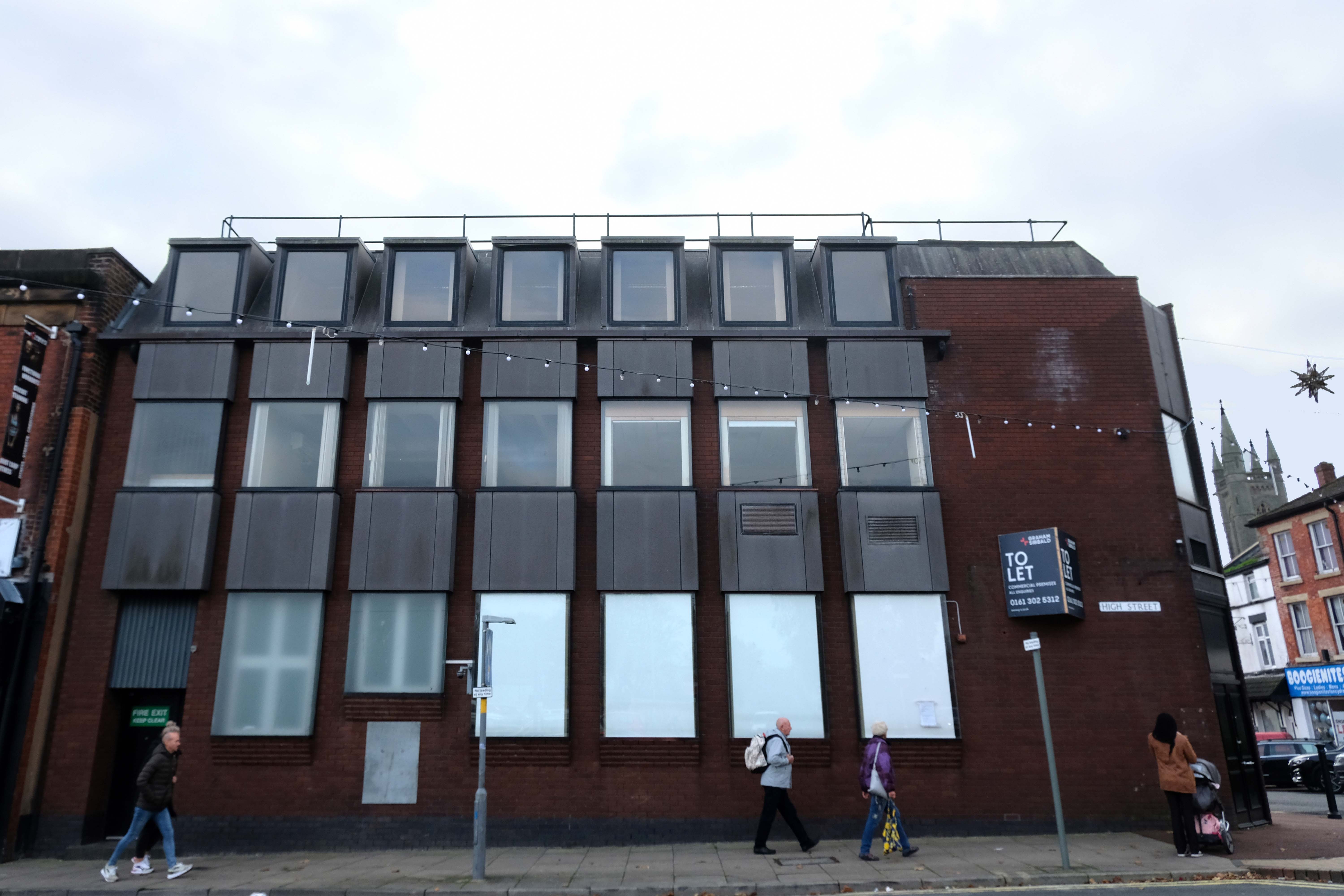
Reversing now to the former Barclays Bank – which closed earlier in 2022.
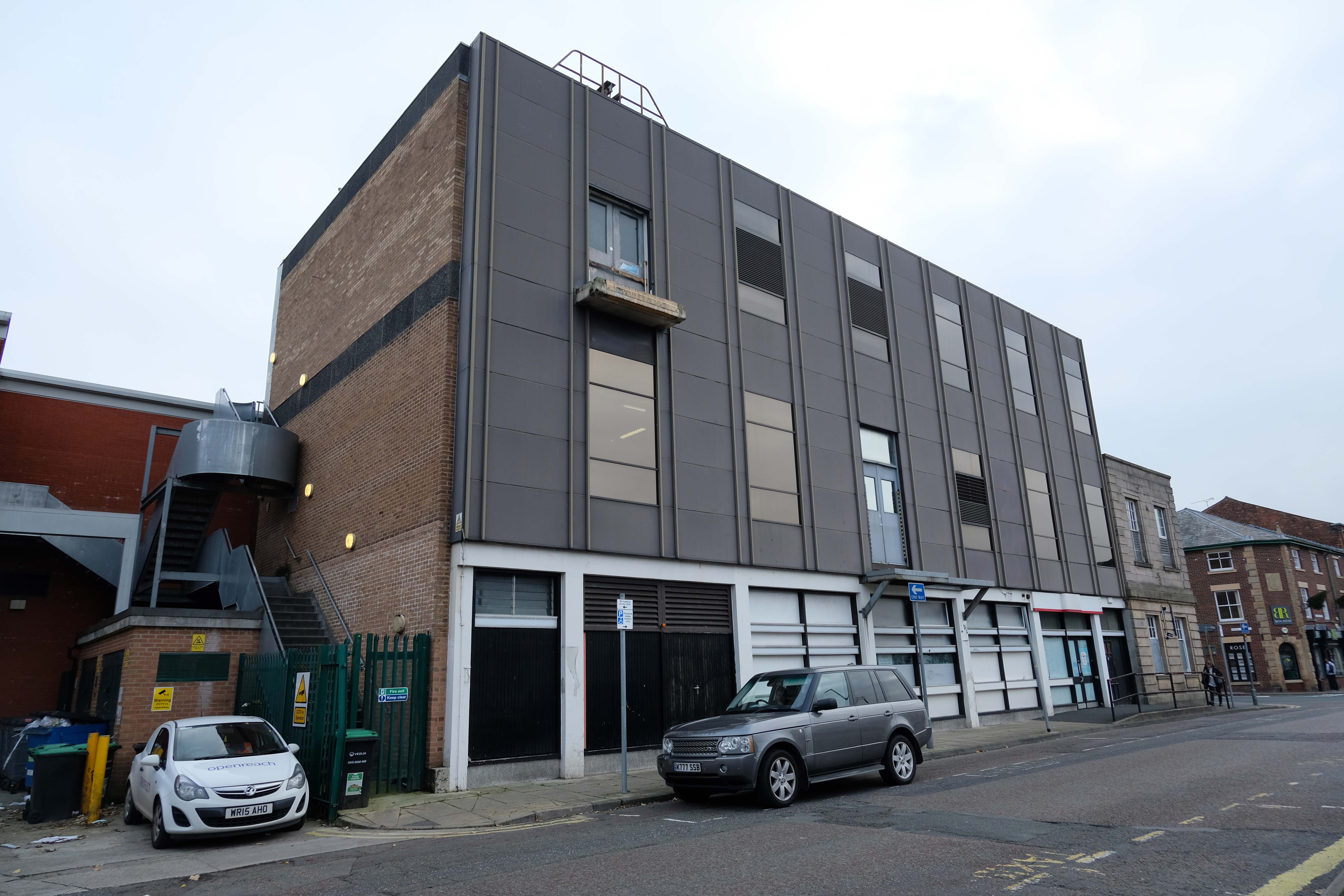
We return now to the former Fine Fare.
The company began as one single supermarket in Welwyn Garden City in 1951, as an offshoot of the Welwyn Department Store, owned by Howardsgate Holdings, the company of Ebenezer Howard, the founder of the garden city movement.
Now here’s a thing a bank which is a bank NatWest not gone west.
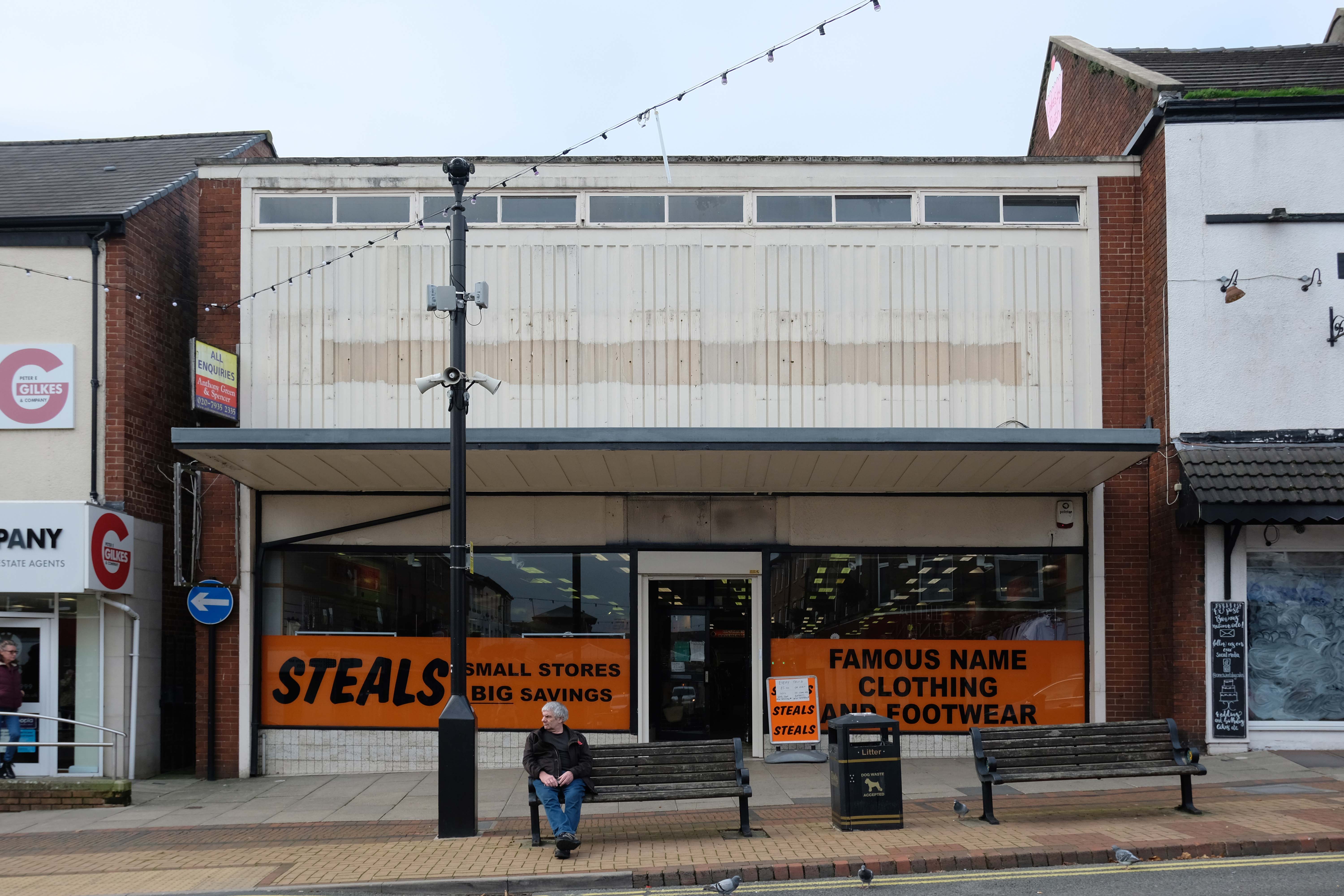
Next to the former Woolworths, opened in Chorley in 1930 on Market Street, with its pale Deco faience fascia.
They traded from this building for sixty five years, before closing in March 1995 in order to move to a new store on Market Walk – it became an Argos, then it didn’t.
Here we are now at a Post Office that is a Post Office but was an RBS Bank.
the Bank was the work of Cruickshank & Seward – thanks to Mainstream Modern for these archive images.
The new location is at the former Royal Bank of Scotland on Market Street in the town centre.
Since the Post Office that was based at WH Smith on New Market Street came to an end, when that store closed in January, it relocated to a temporary unit in Market Walk until a permanent solution could be found.
The unit, which had been provided by the postmaster from Burscough Bridge Post Office, closed on Tuesday.
Kenny Lamont, Post Office Network Provision Manager, said a Post Office is important to a community.
This had been a Methodist Church – then, it became the HQ of the Lancashire Electric Power Company.
The Lancashire Electric Power Company was one of the largest private electricity companies in the UK. It was established in 1900 and generated and supplied electricity to 1,200 squares miles of Lancashire from 1905 until its abolition under nationalisation in 1948.
Time to back track to the Cop Shop – the work of County Architect Roger Booth and crew.
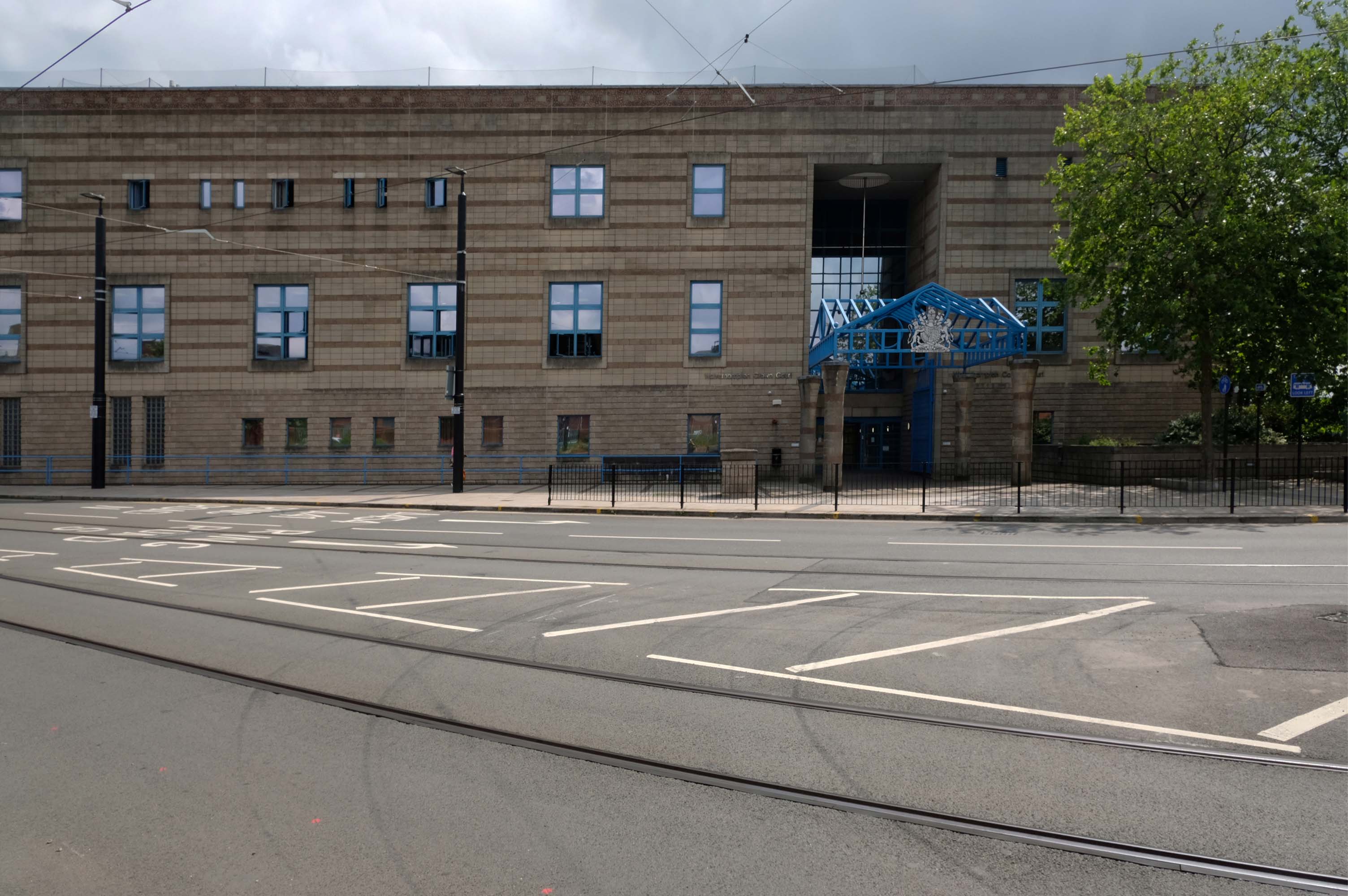
The Magistrates’ Courts are closed and up for sale.
Next door the White Hart once upon a time the Snooty Fox, a pub with an up and down trajectory – currently open and described online as plush.
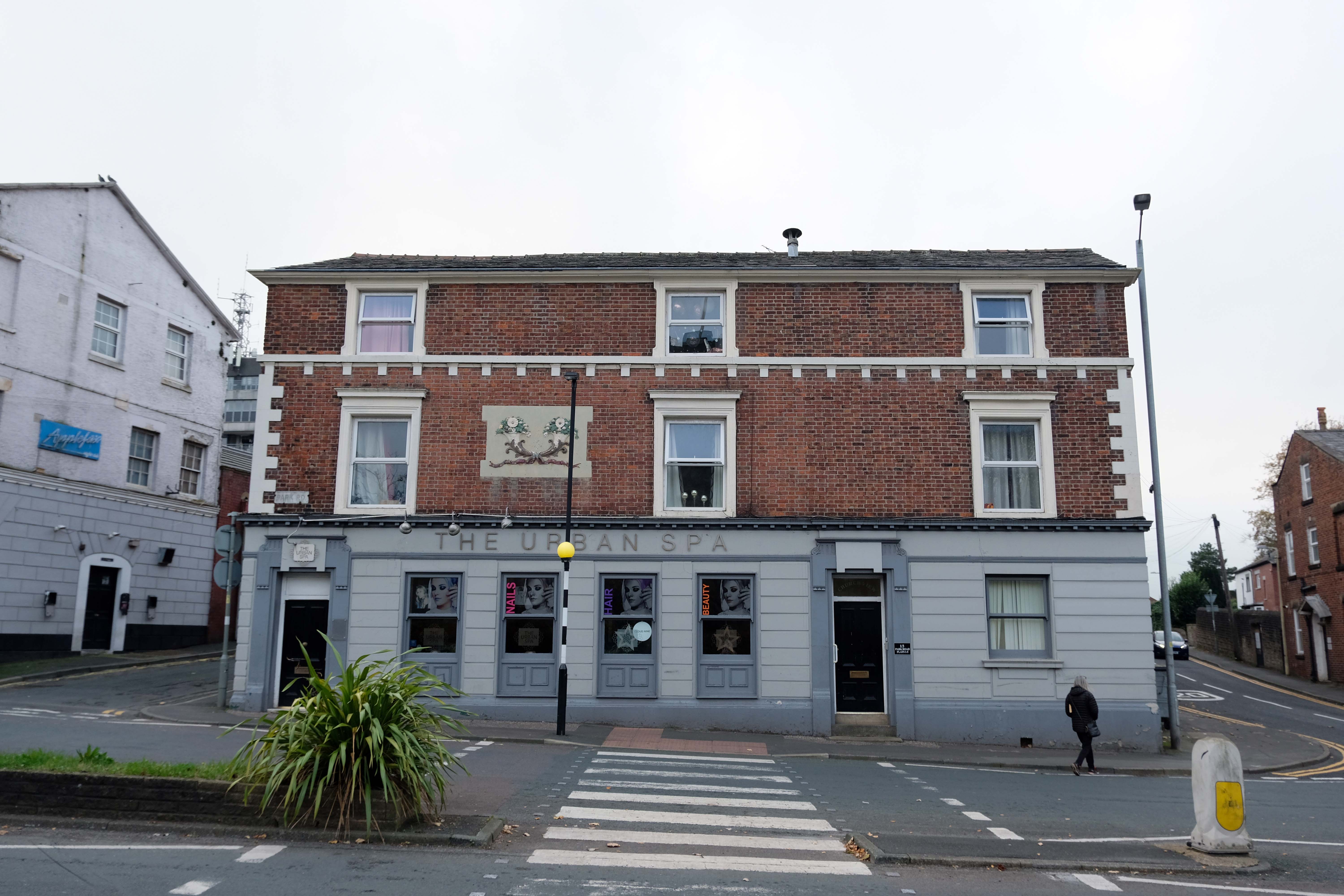
Down the road a pub no longer a pub but an Urban Spa.
We offer you a full range of professional treatments tailored to your own personal needs. We treat every client as an individual and offer an extensive range of treatments and professional products making your visit one to remember.
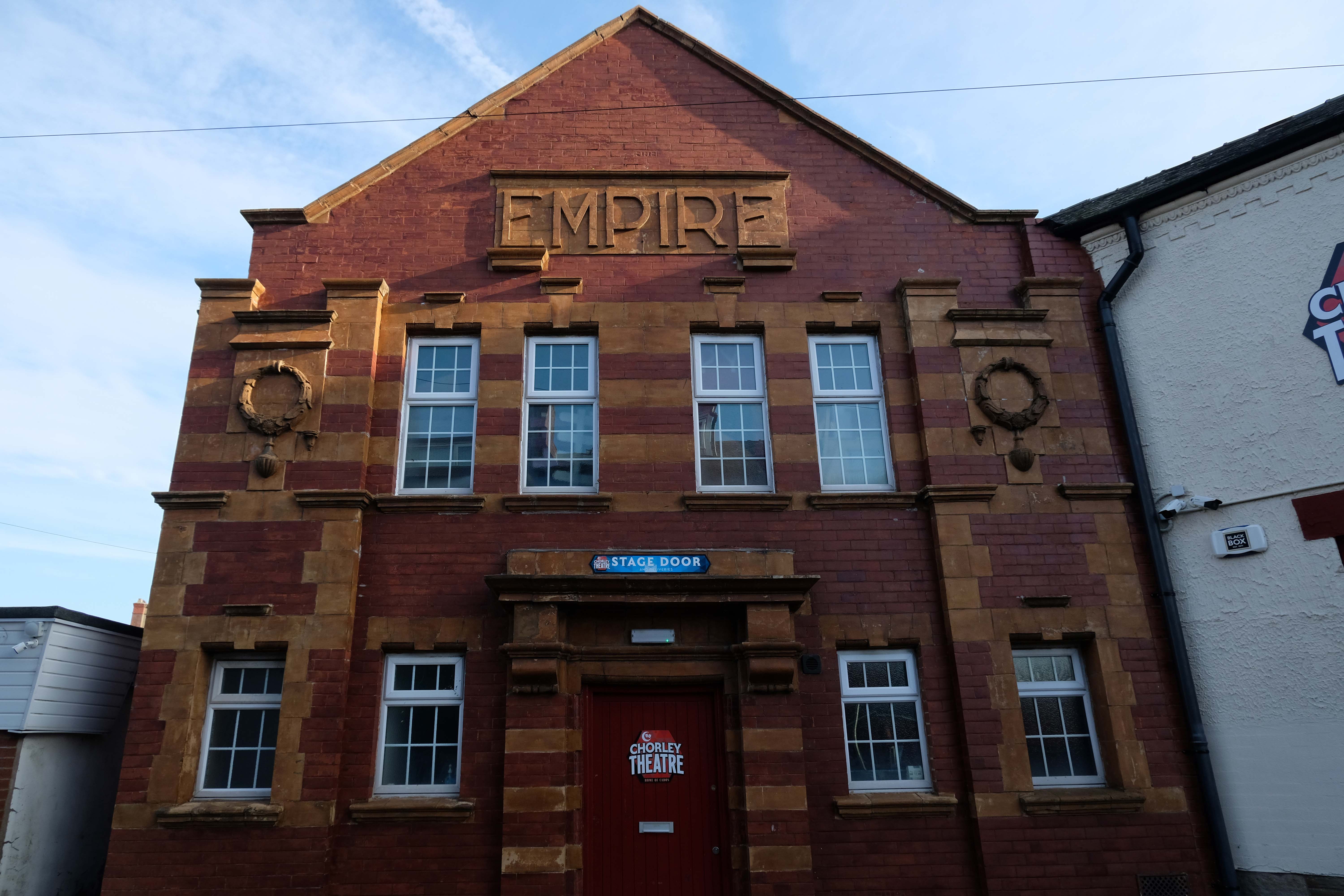
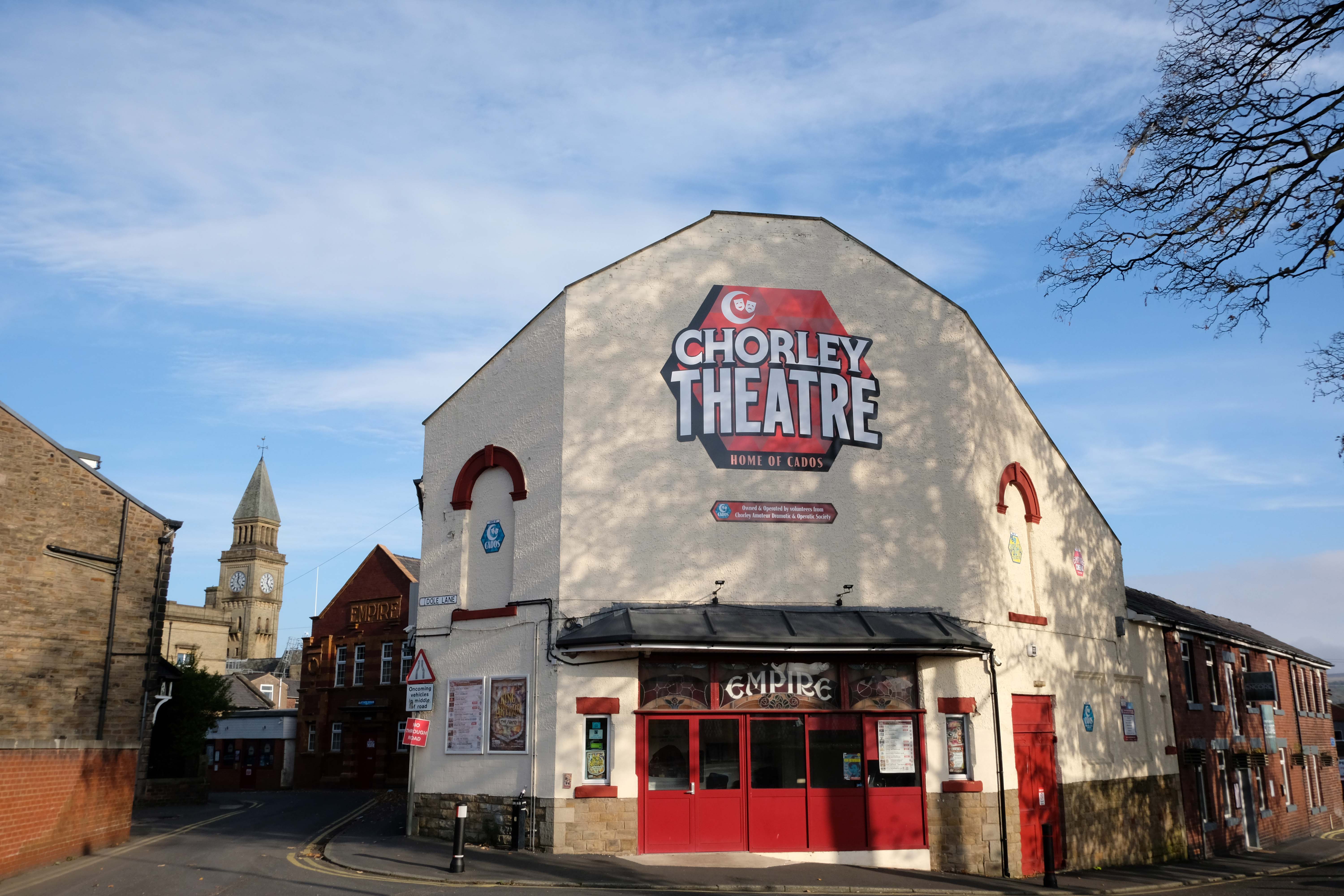
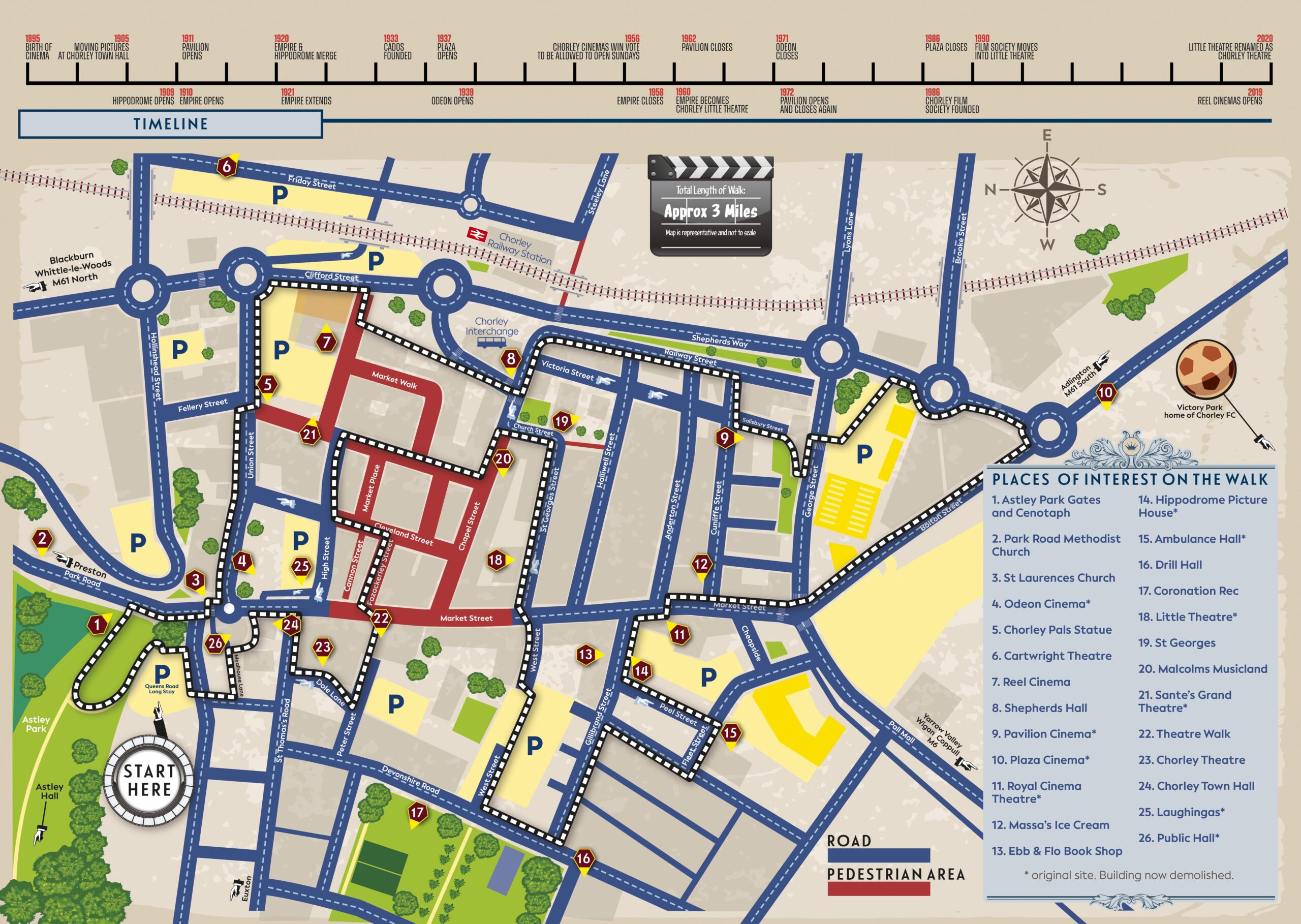
Let’s go to the theatre – The Empire tucked away at the back of town.
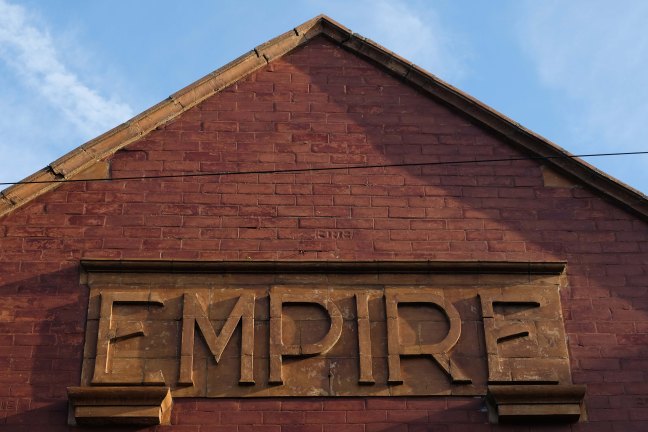
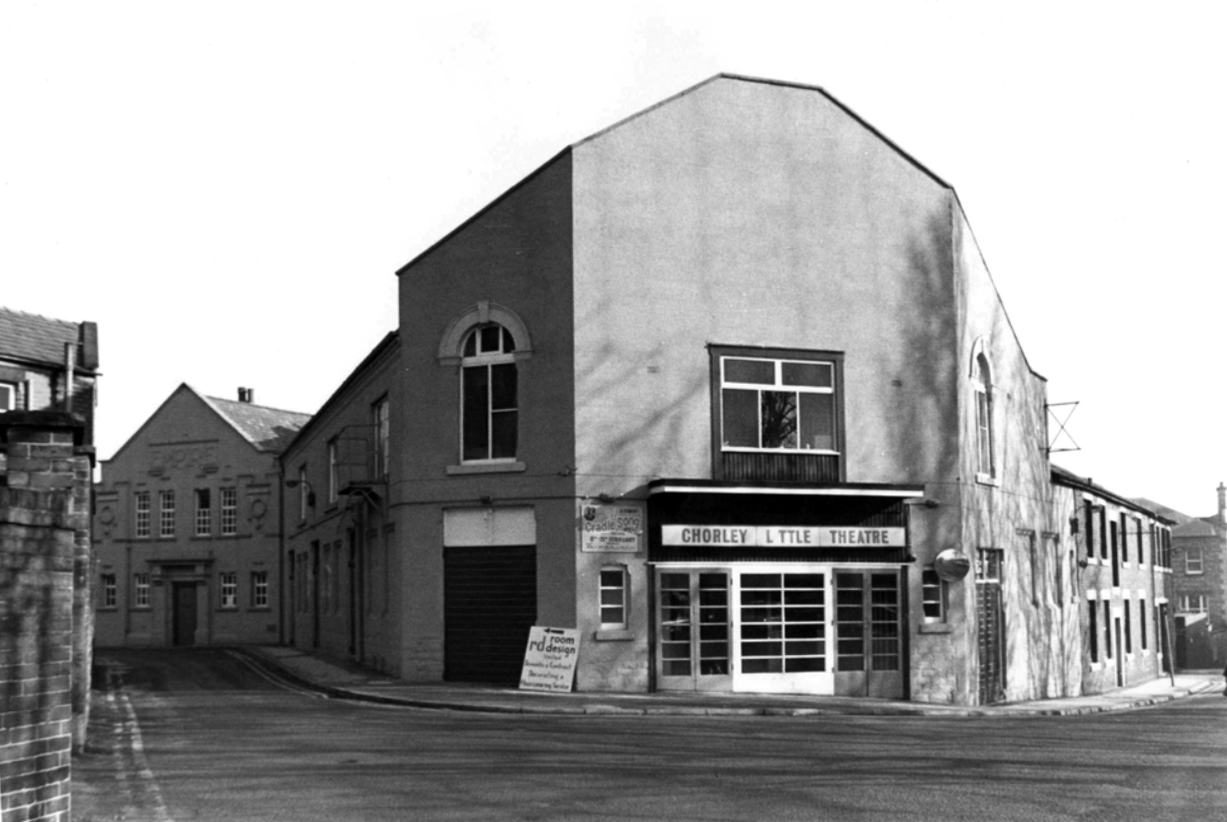
The Empire Electric Theatre opened, as the town’s first purpose-built cinema, on 3rd September 1910. In 1912 Archie Hooley began his connection with the cinema business at the Empire Electric Theatre. By 1927 it had been re-named Empire Cinema and by 1930 it was equipped with a Western Electricsound system and was operated by the Perfecto Filmograph Co. Ltd. By 1939 it was operated by the Snape & Ward chain. According to the Kine Year Books, in 1940 the seating was for 800, while by 1952 it had been reduced to 679 – still a far cry from today’s 236 seats. 3D films were shown in the early-1950’s. Archie had died in 1944; his son Selwyn closed the cinema in 1957, apparently “because of the taxes”.
1959
Wrestling took over for a while before Chorley Amateur Dramatic and Operatic Society – CADOS acquired the building and renamed it the Chorley Little Theatre. Since 1960 CADOS have been putting on high-quality productions, presenting at least six productions per season – from September to July. It is also the home of the award-winning Chorley Youth Theatre who meet every Saturday, putting on shows throughout the year; and Chorley Empire Community Cinema who present the cinema experience on their 21ft wide screen with 8-Speaker Surround Sound. Run entirely by volunteers the theatre has state-of-the-art sound systems and a full range of lighting equipment. There are two spacious dressing rooms, space for costumes and props and the Empire Bar. The building has disabled access throughout the public area, including a toilet, and the auditorium is fitted with a hearing loop. There are three spaces for wheelchairs in the auditorium. It was re-named Chorley Empire Cinema at Chorley Theatre in October 2019 and films are still part of the programming.
The Odeon Market Street was built for and operated by Oscar Deutsch’s Odeon Theatres Ltd. chain, it opened on 21st February 1938 with Jack Buchanan in The Sky’s the Limit.
Architect Harry Weedon was assisted by PJ Price.
It was closed by the Rank Organisation on 6th February 1971 with George Lazenby in “On Her Majesty’s Secret Service”. After laying closed and un-used for over two years it was sold to an independent bingo operator and re-opened on 9th August 1973 as a Tudor Bingo Club. It later became a Gala Bingo Club which was renamed Buzz Bingo Club in June 2018. It was closed on March 21, 2020 due to the Covid-19 Pandemic. On 15th July 2020 it was announced that the closure would be permanent.
The building was handed over to Chorley Council who decided that asbestos removal would be too costly and the building was demolished in August 2021.
Located on Salisbury Street, off Cunliffe Street, built in 1888 as a military warehouse, it was converted into a roller skating rink around 1909. It opened as the Pavilion Picture Palace on 14th September 1911, operated by George Testo Sante, a music hall strong man, who also operated the Grand Theatre as a cinema. By 1915, music hall acts were also part of the programme. After the end of World War I, the flat floor of the cinema was raked, allowing for better viewing of the screen. The proscenium was 30ft wide, the stage was 16 feet deep and there were two dressing rooms.
The Pavilion Cinema was the first in town to screen ‘talkies, when an Electrochord sound system was installed in 1929. It was taken over by the J.F. Emery Circuit in 1932 and they operated it until the end of 1933. The sound system was upgraded to a British Talking Pictures sound system. In 1954 it was the first cinema in town to be fitted with CinemaScope and the proscenium was widened to 36 feet.
The Pavilion Cinema was closed by 1962 and converted into a bingo club. In 1972 it was re-opened as a cinema again, but due to Star Cinemas chain barring it from showing first run features – they operated the Plaza Cinema, it was closed after 5 months of operation. It was later demolished and the area was redeveloped for housing.
No trace of The Hippodrome Theatre on Gillibrand Street, which was built and opened in 1909, or the Theatre Royal, opened on 30th September 1911, It was demolished in 1959.
A supermarket was built on the site which later became a McDonalds, which is now a Pizza Hut.
Last but not least – located on the Flat Iron Parade, aka Cattle Market, The Grand Theatre was a wooden building built in 1885, which presented melodramas and plays. In June 1909 it was taken over by George Testo Santo, who had been a music hall strongman, and his family. It went over to operating as a Picture Palace for a short season.
By 1914 it was operating as a full time cinema, but was destroyed by fire in 1914.
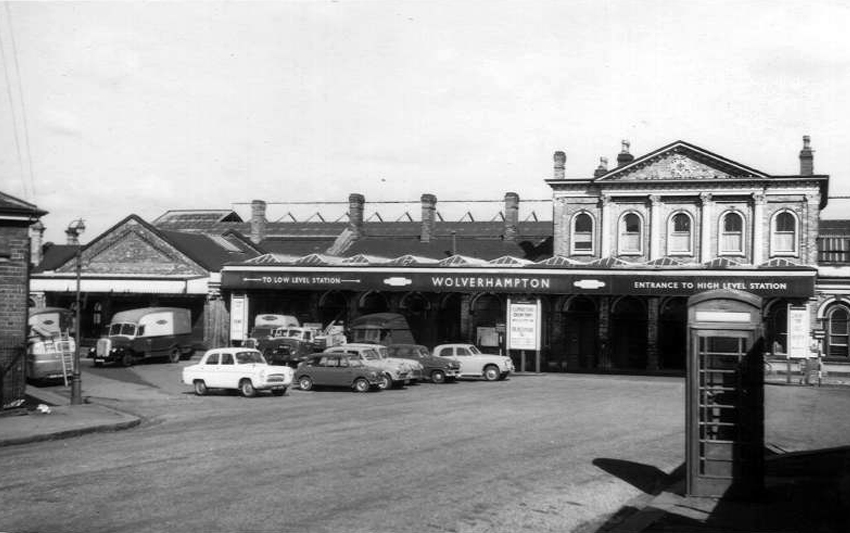
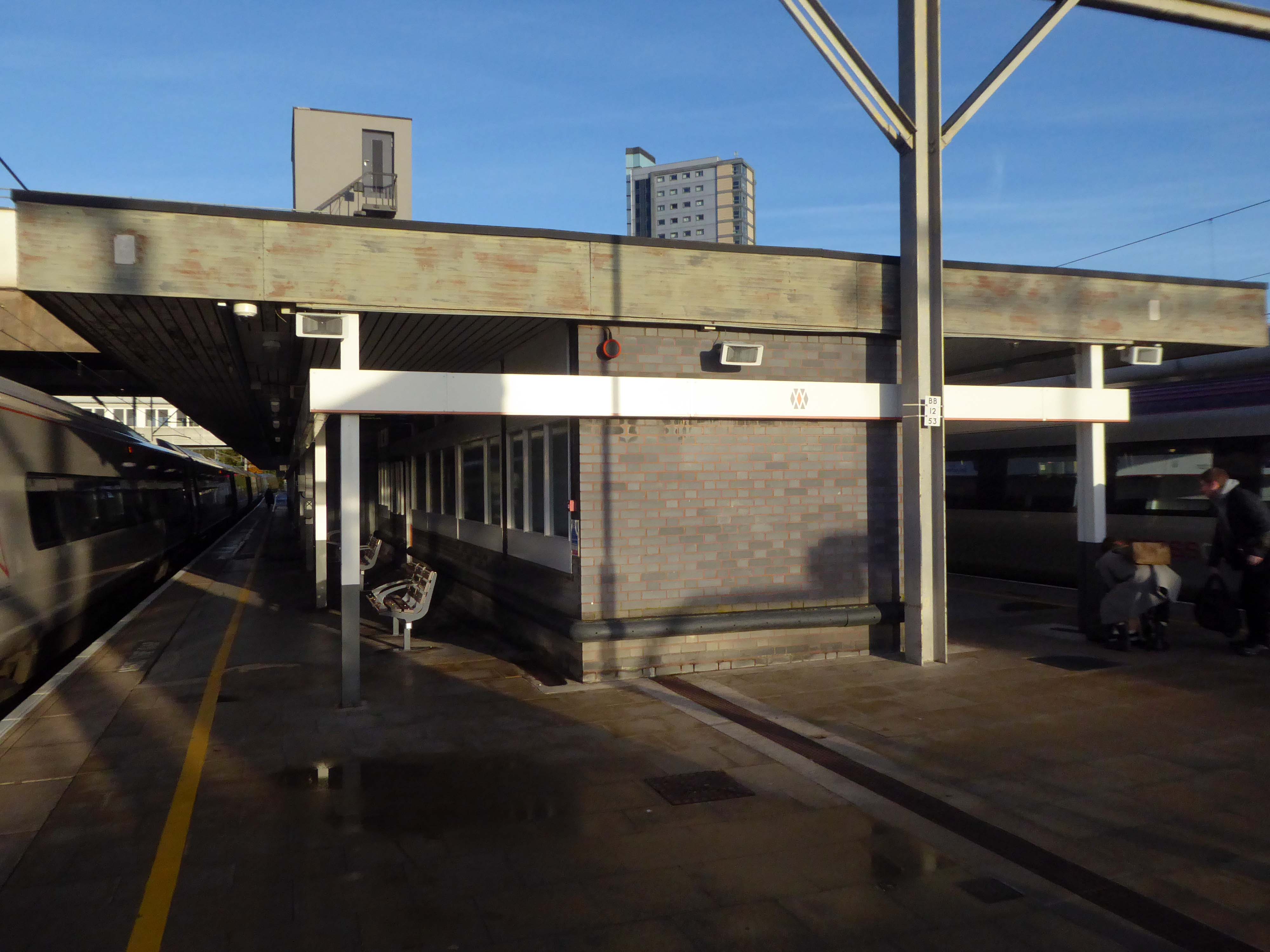
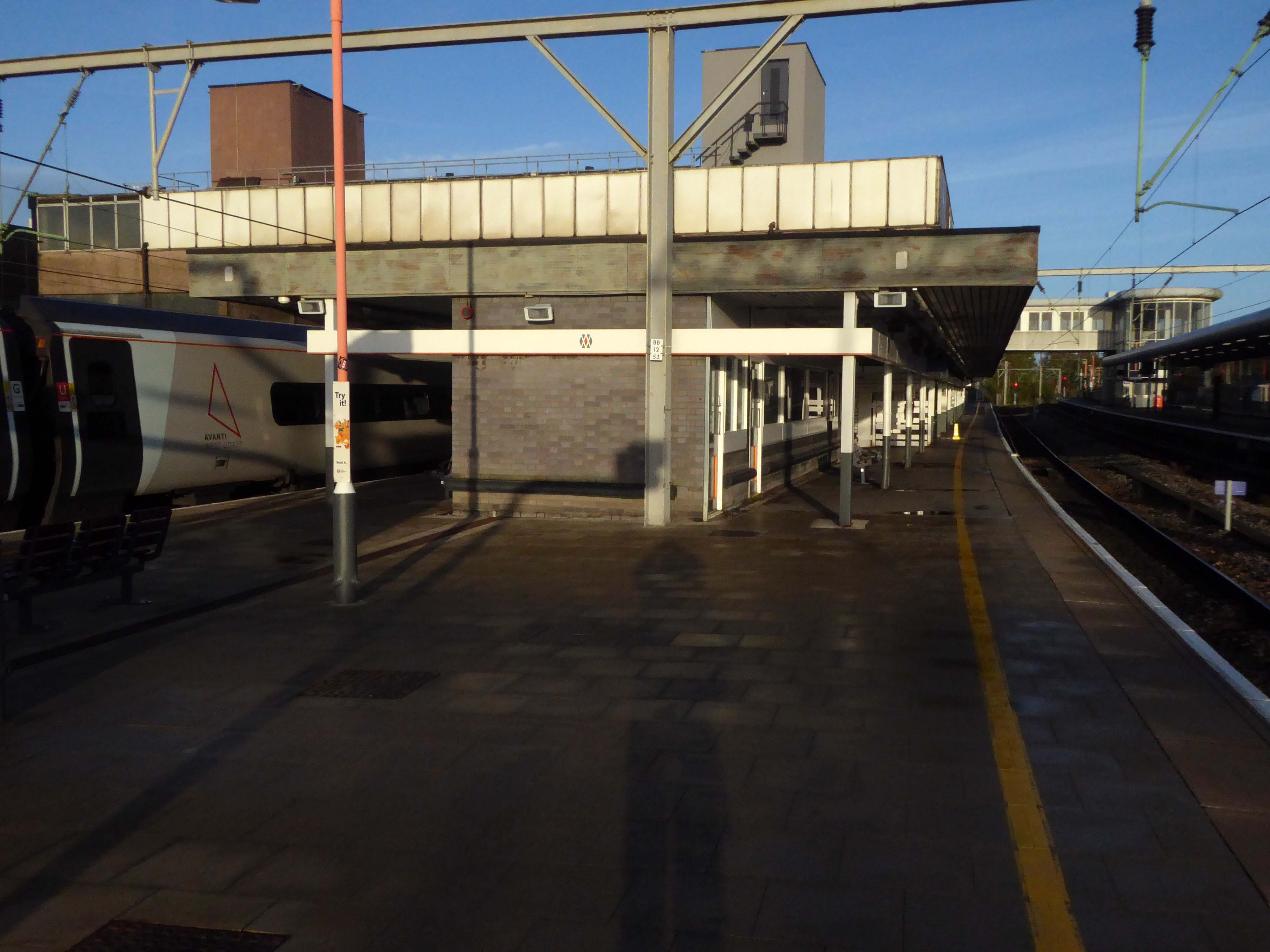
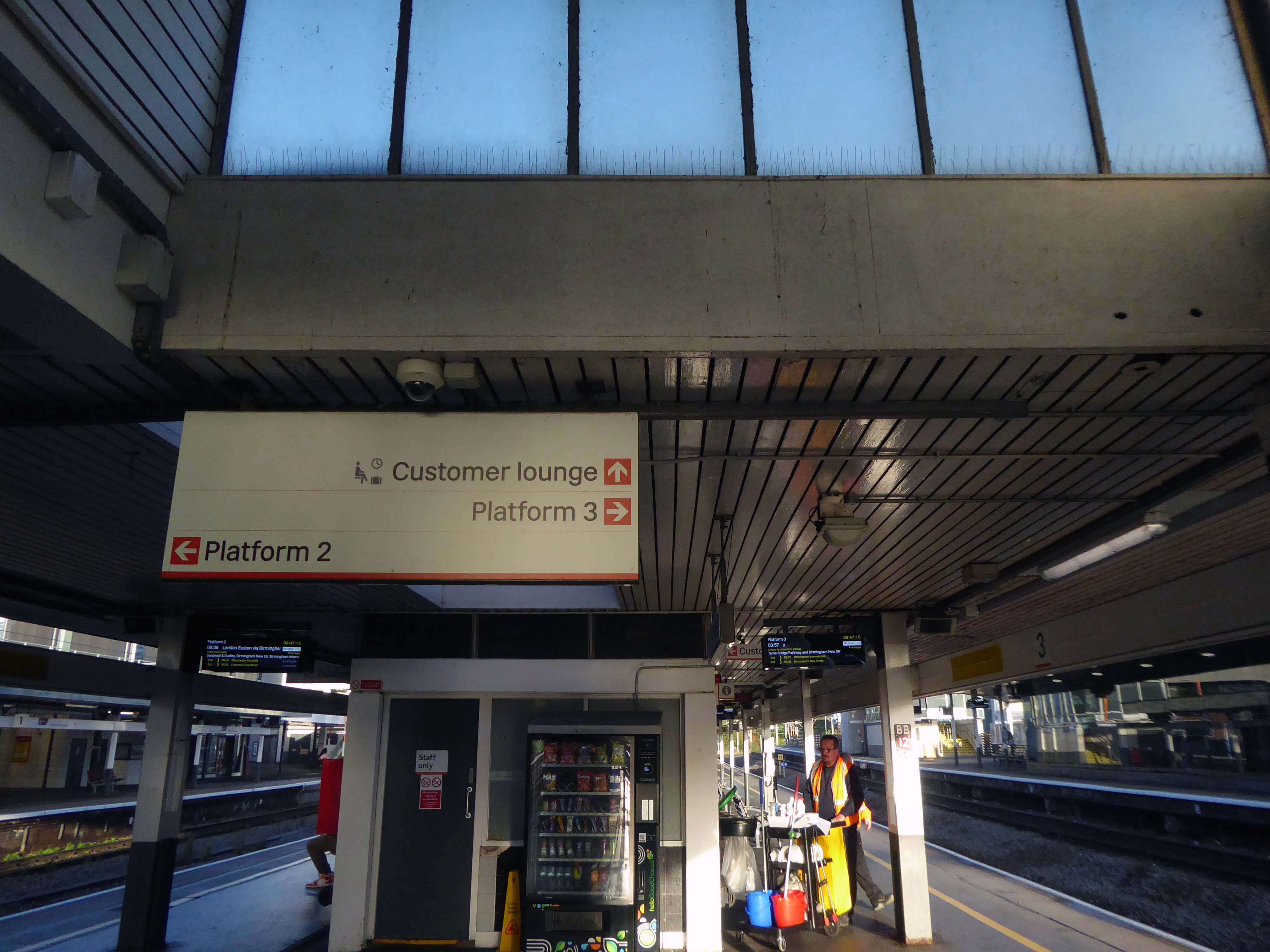
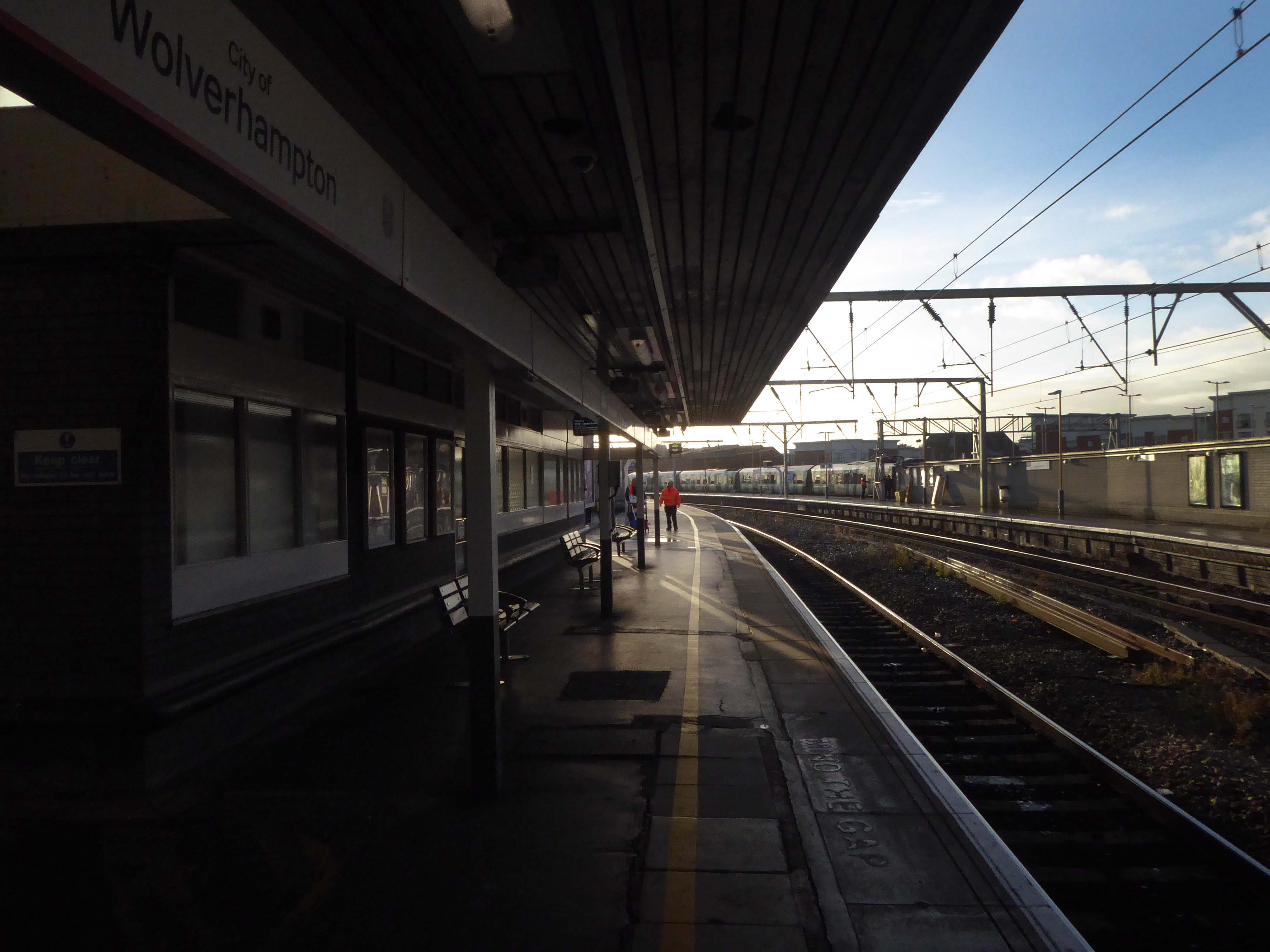
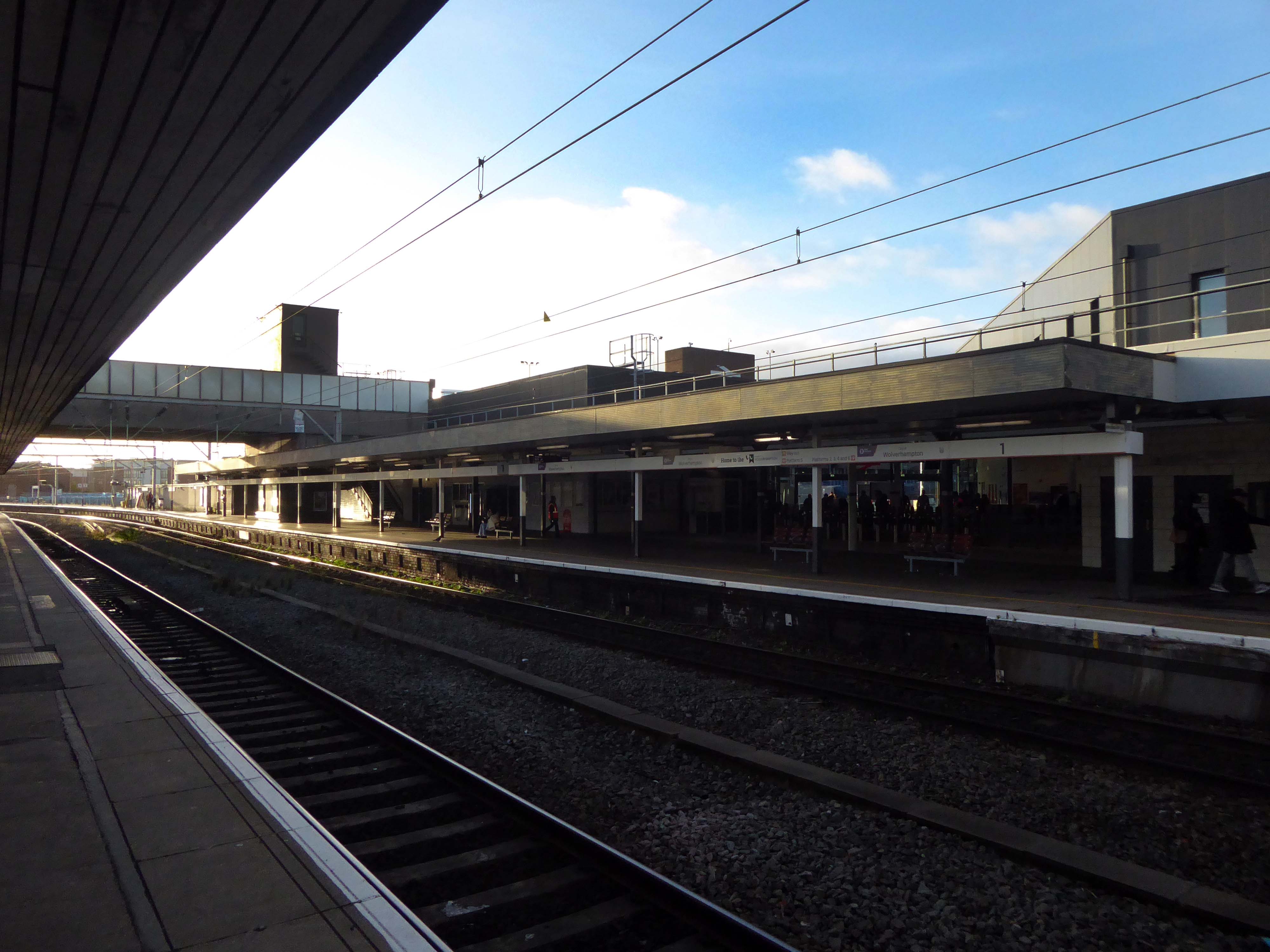
Wolverhampton High Level Station was built in 1852 and lay on what used to be known as the Stour Valley Line. The modern day Wolverhampton Station now occupies the site and there is little left of what my father photographed as the station suffered a major phase of modernisation in the mid 1960’s.
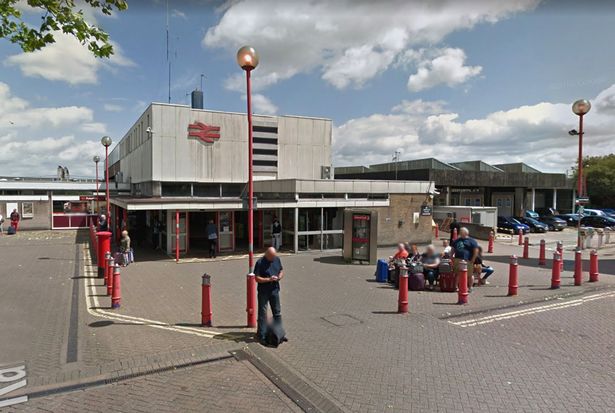
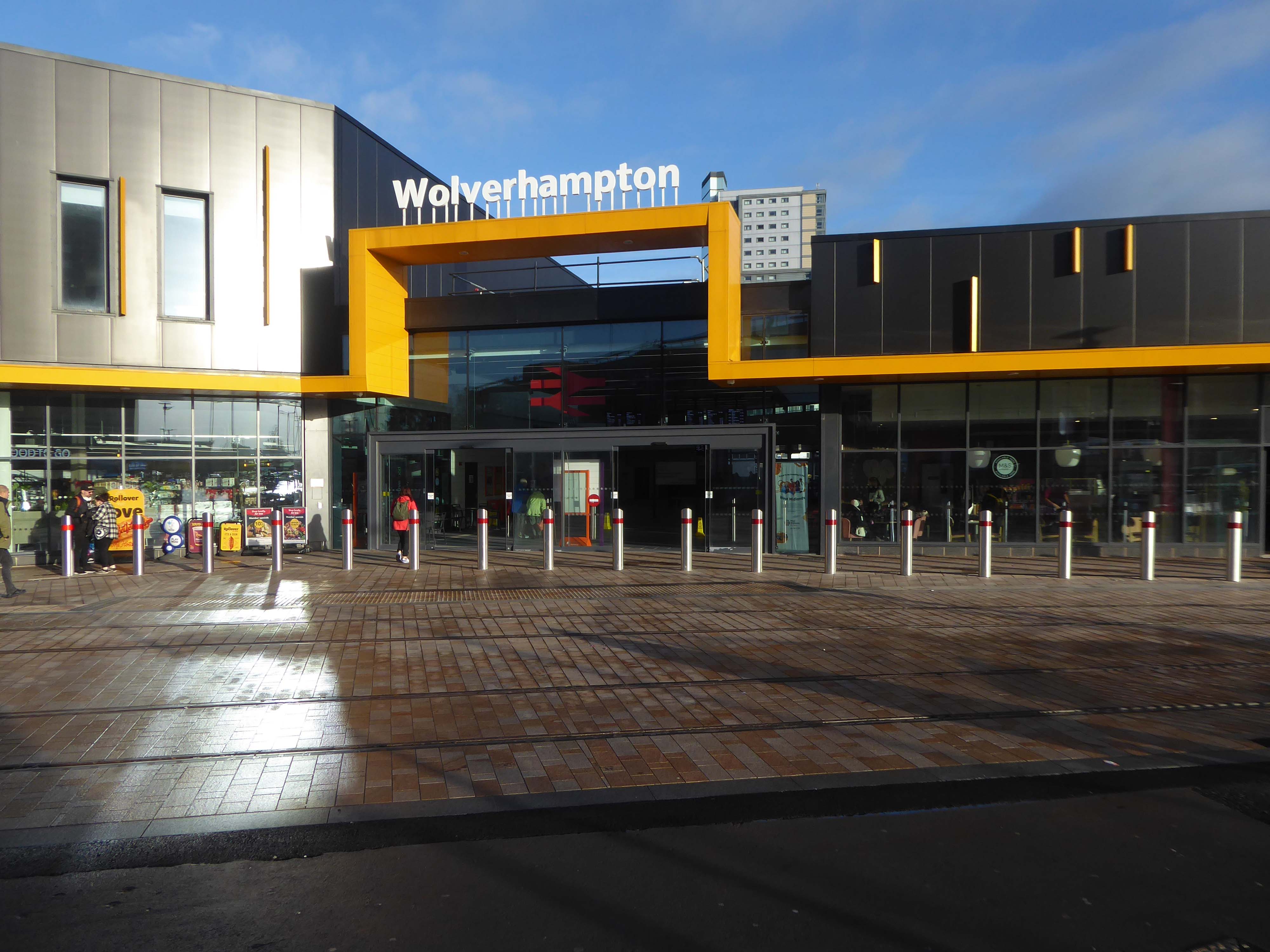
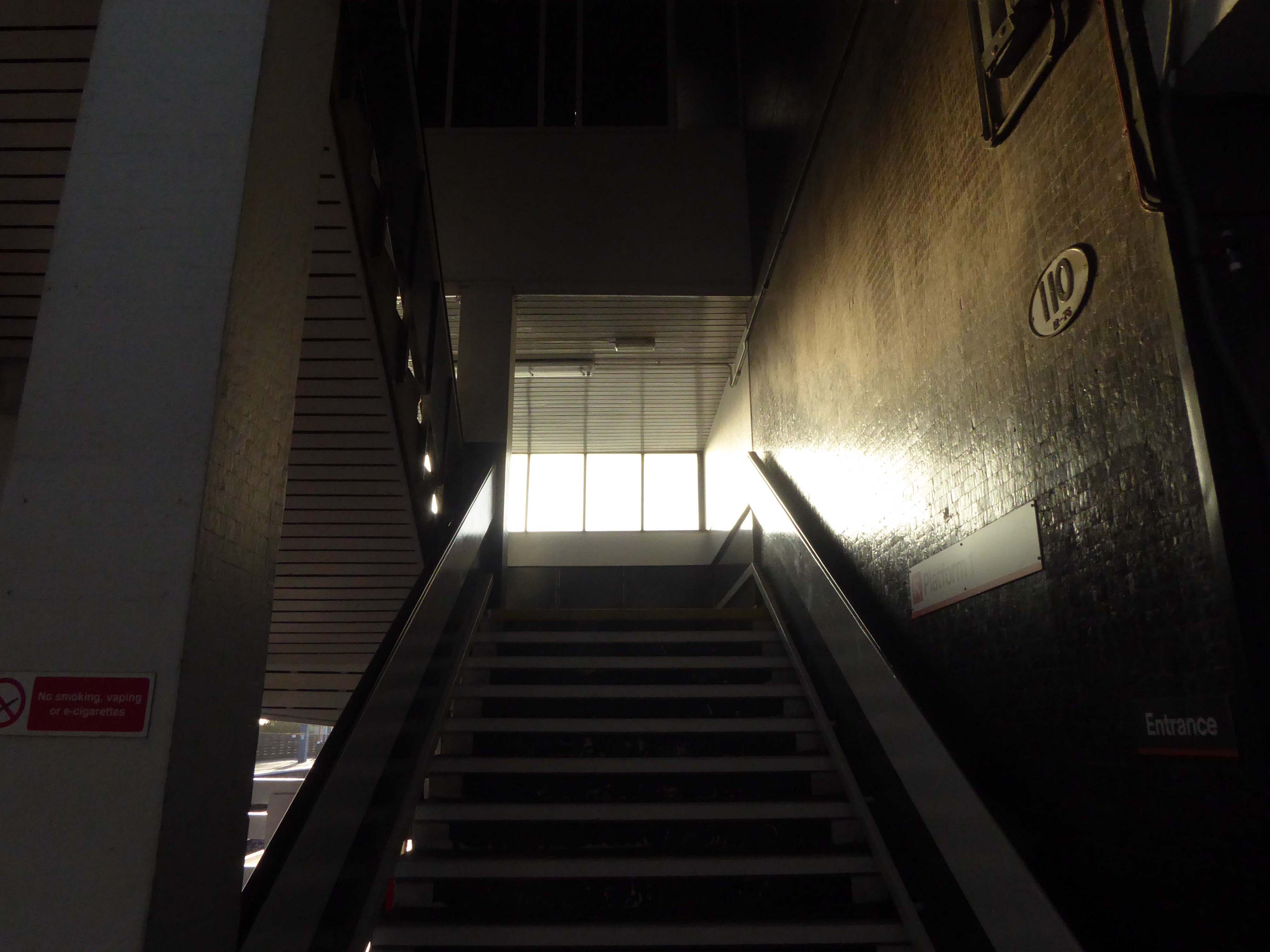
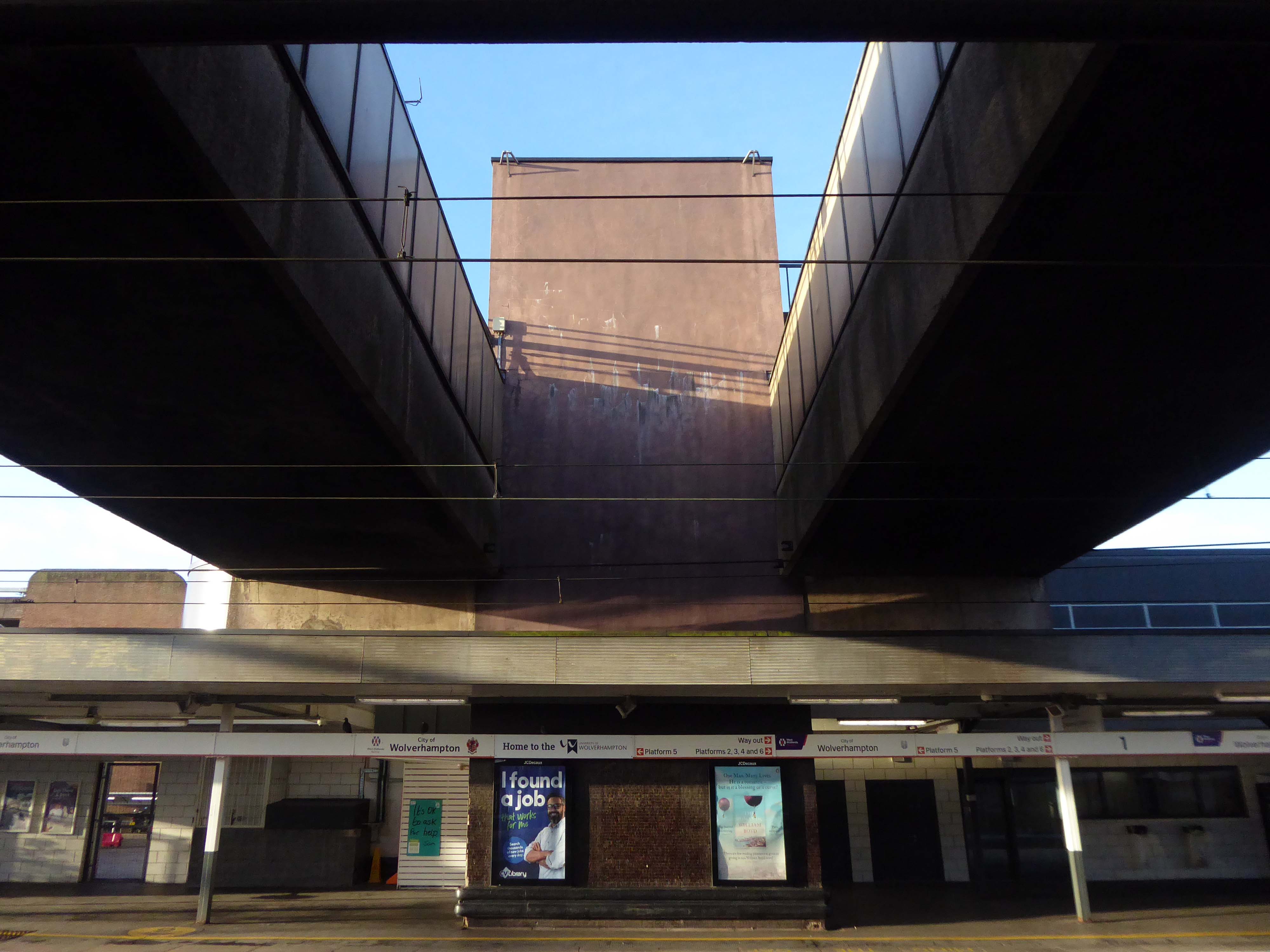
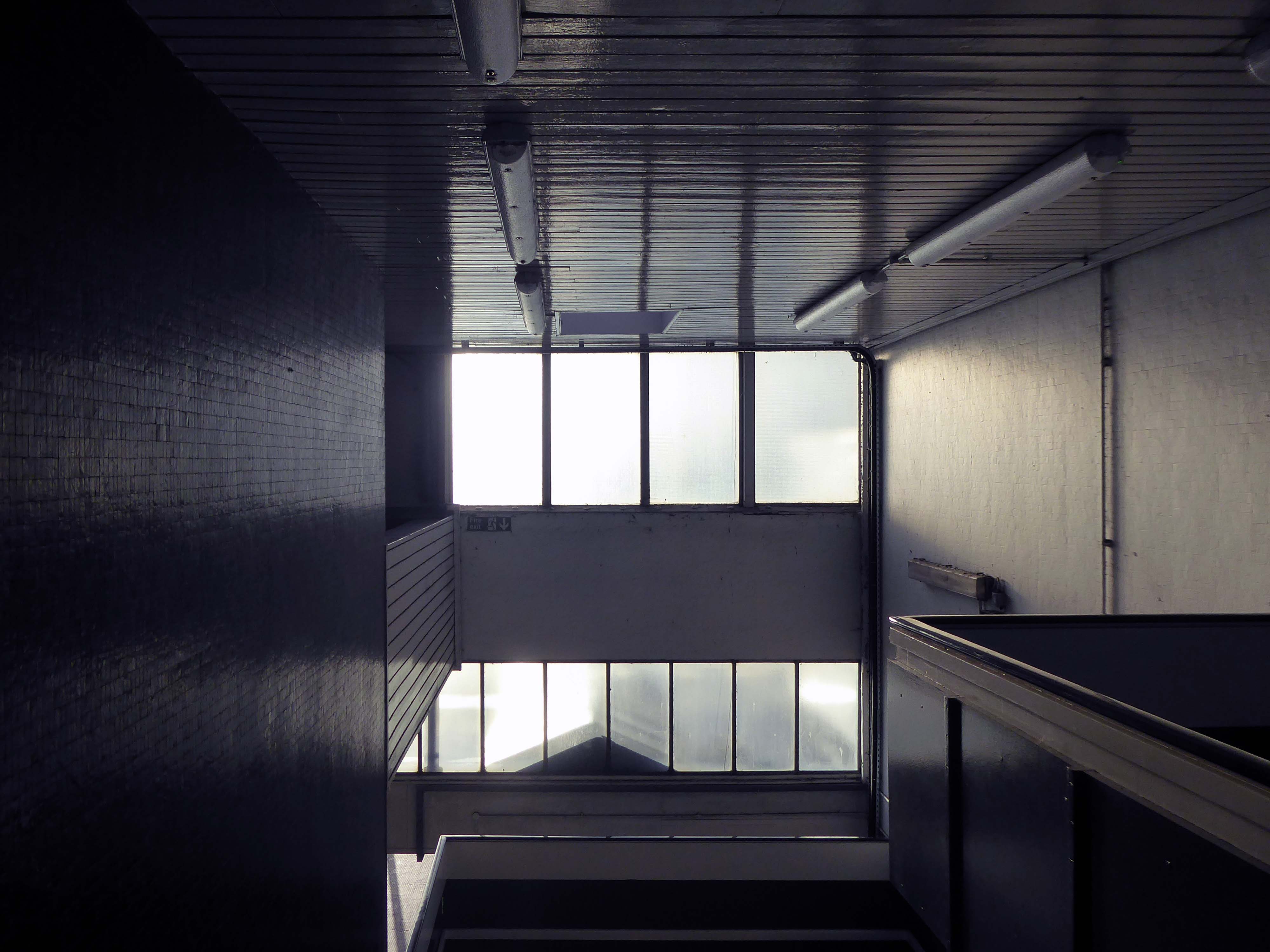
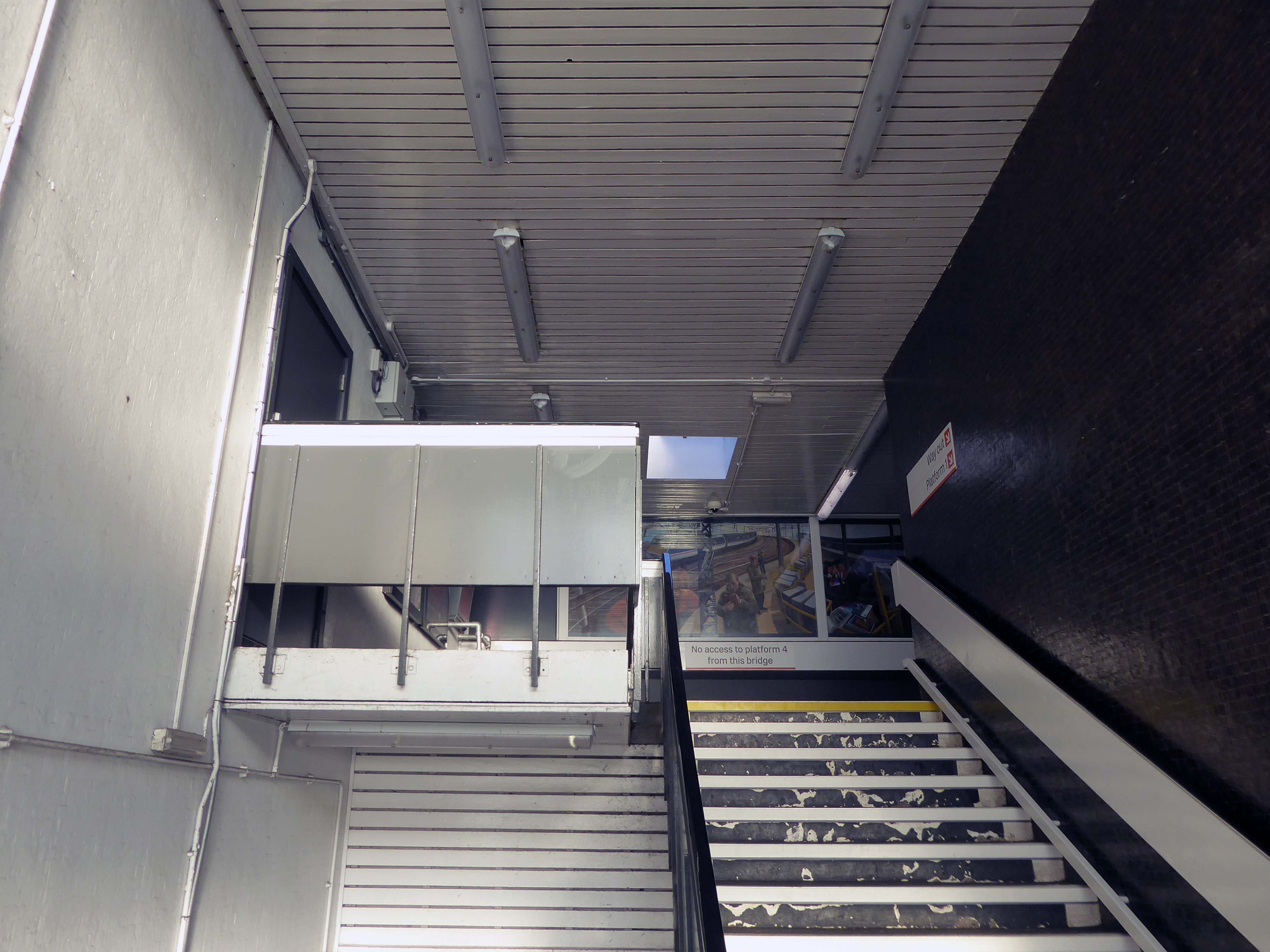
The present Wolverhampton station dates from 1964 to 1967 when the High Level station was completely rebuilt by the architect Ray Moorcroft as part of the modernisation programme which saw the West Coast Main Line electrified.
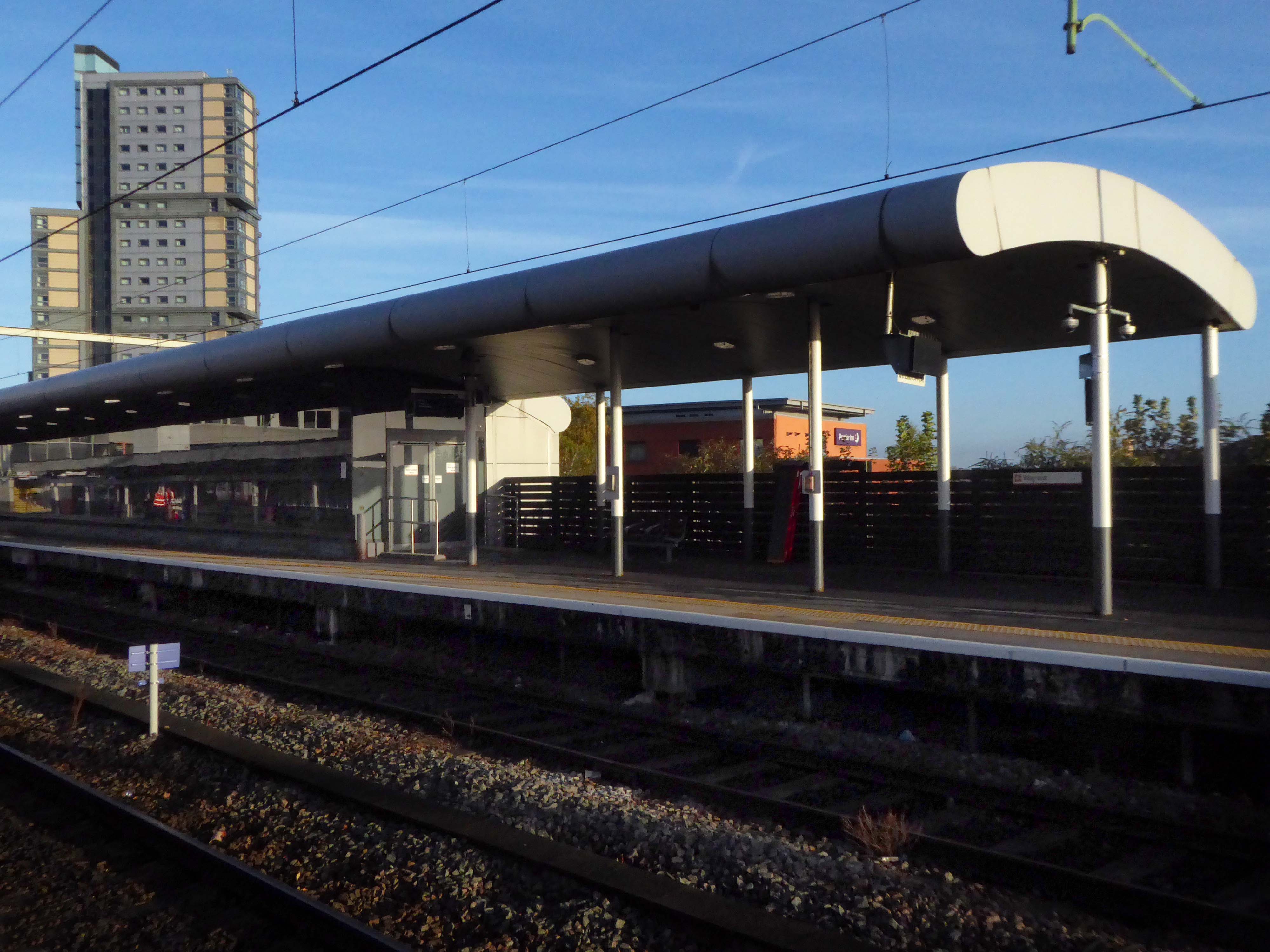
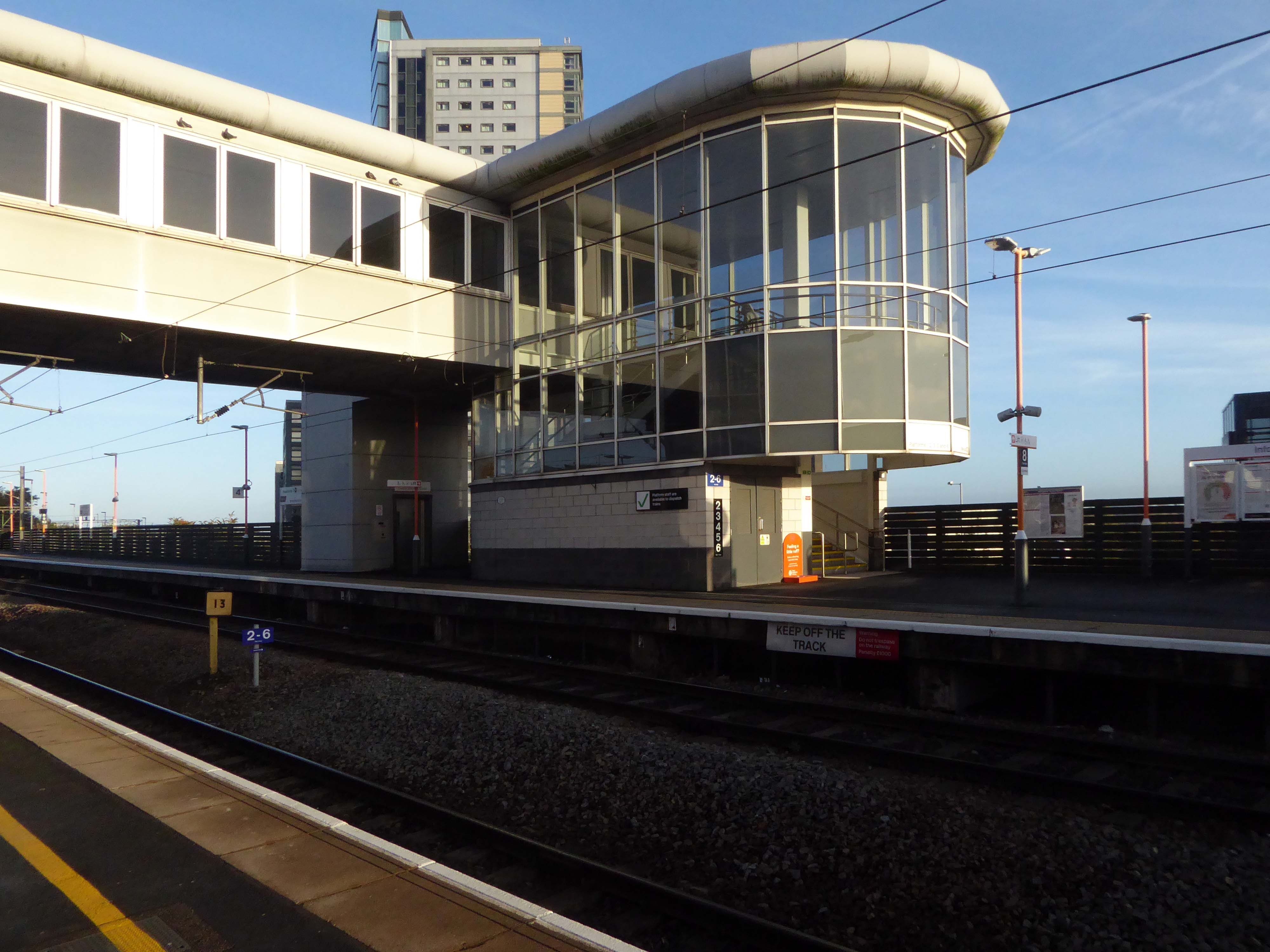
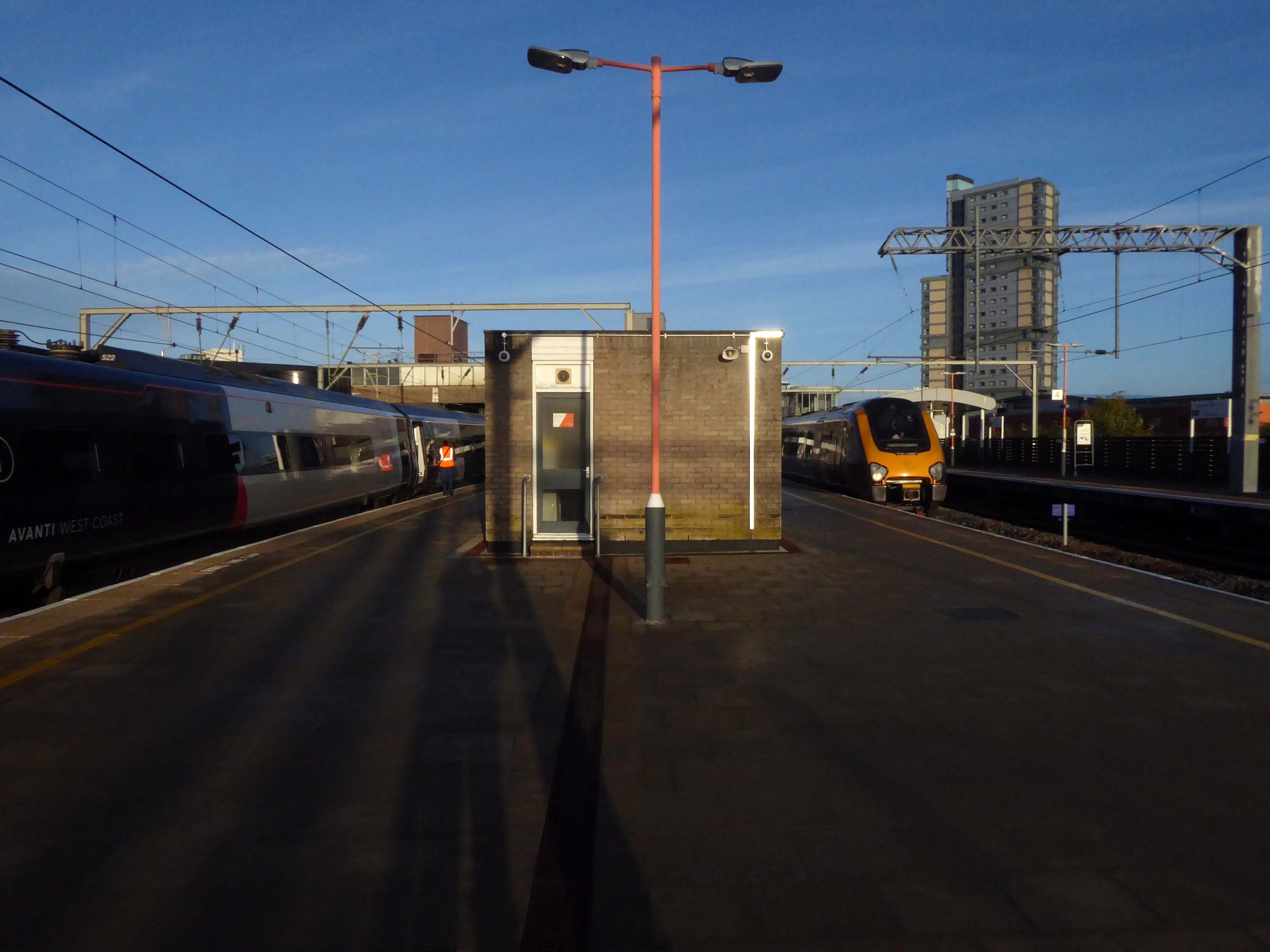
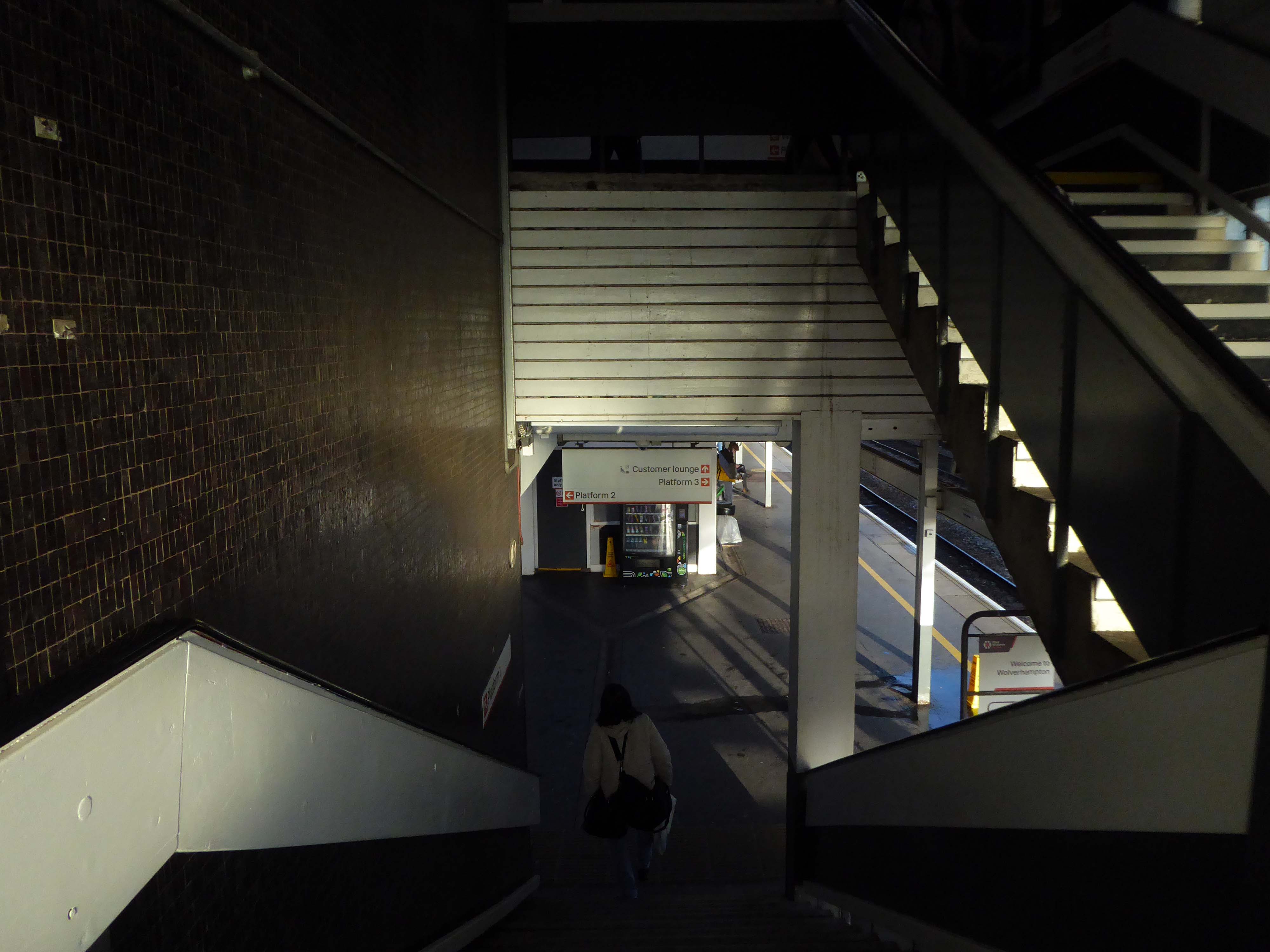
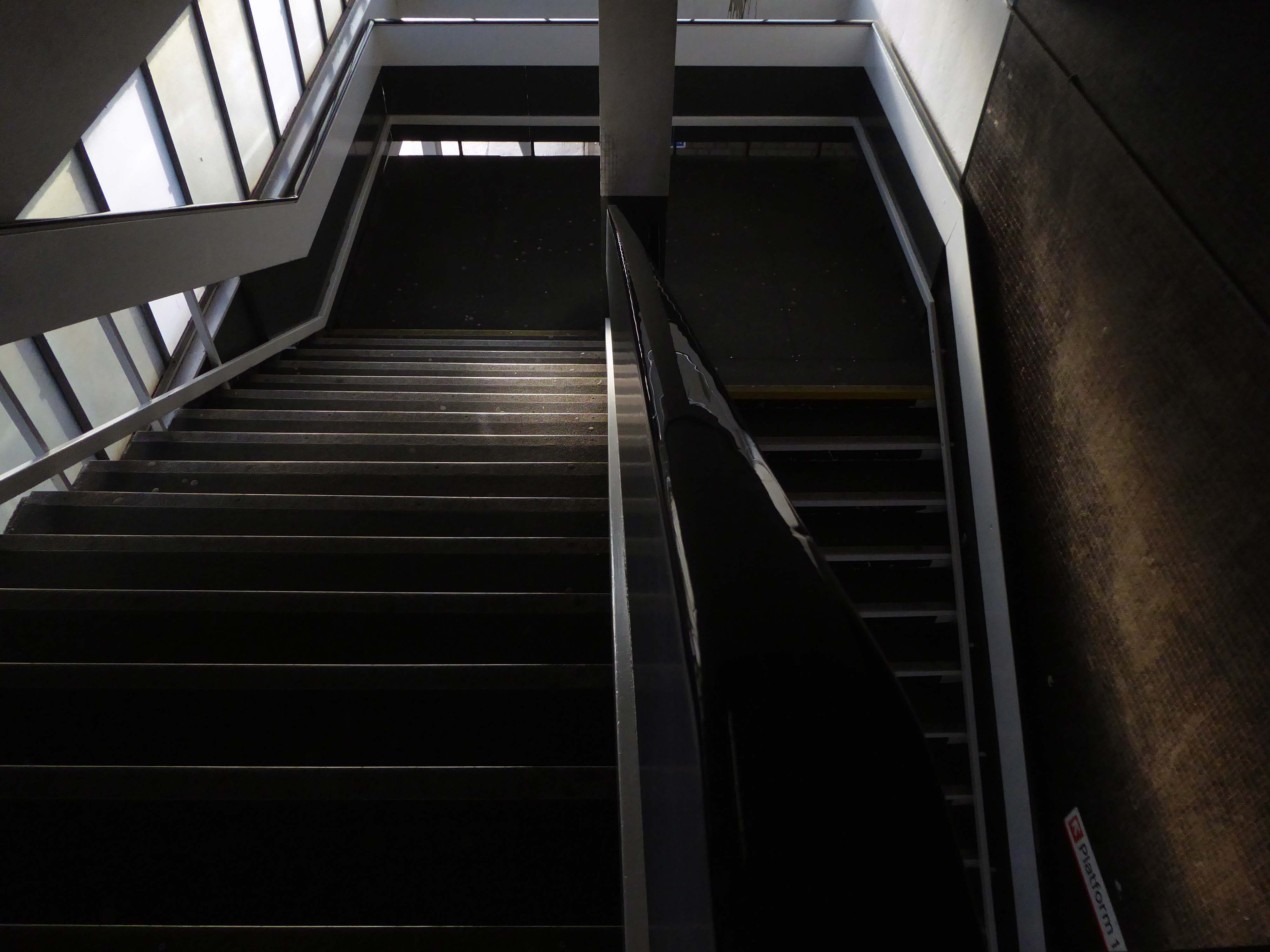
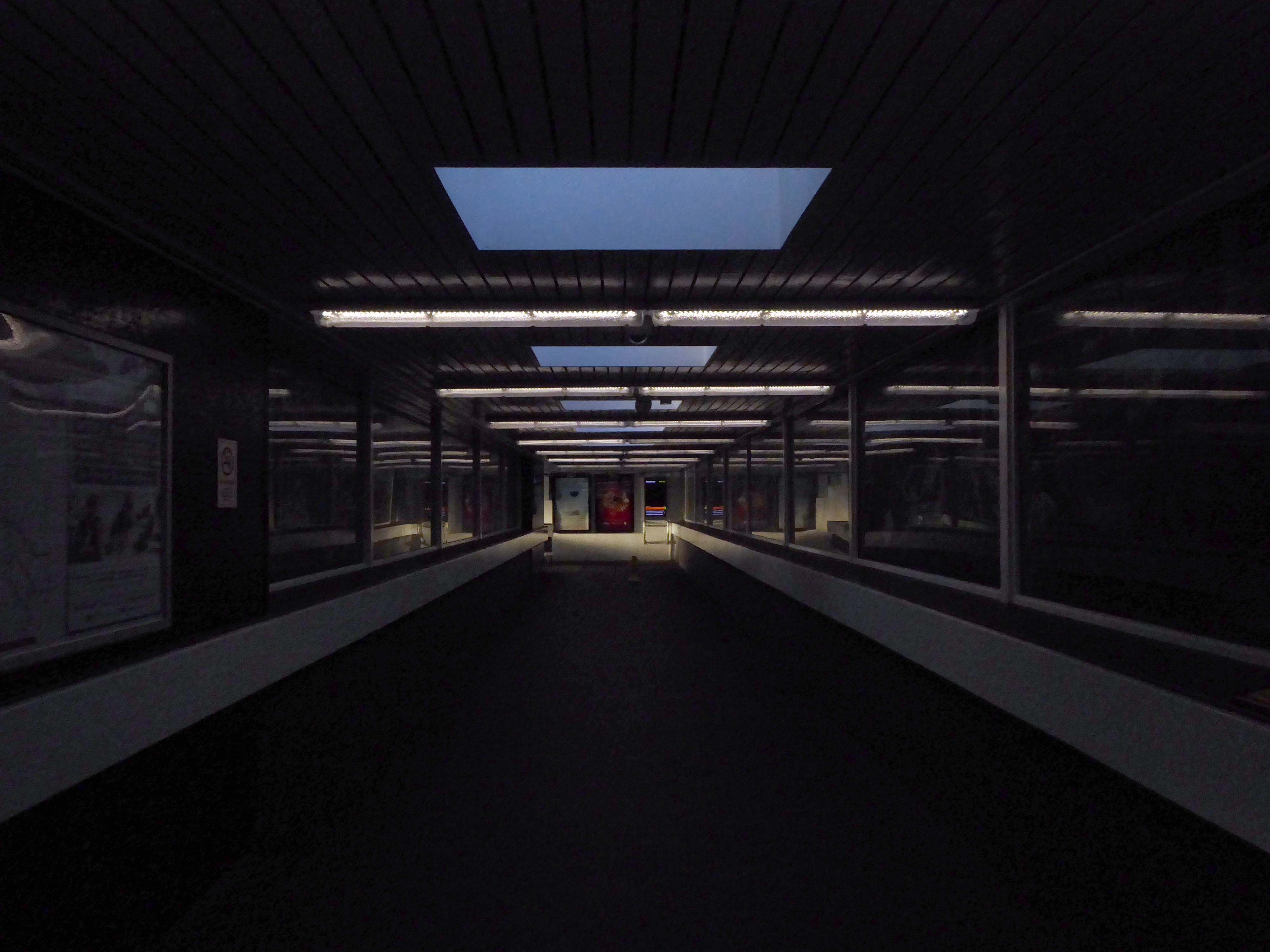
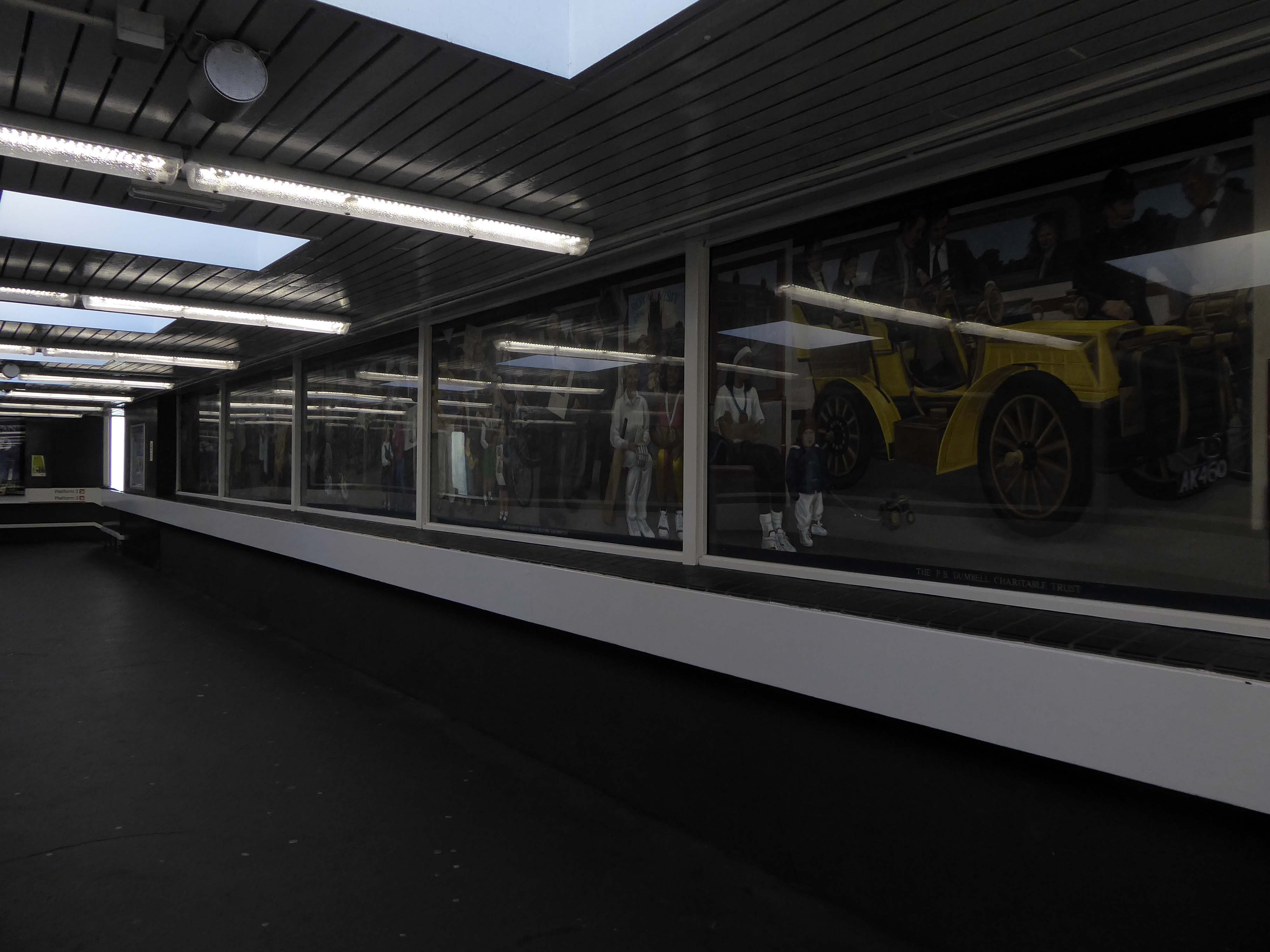
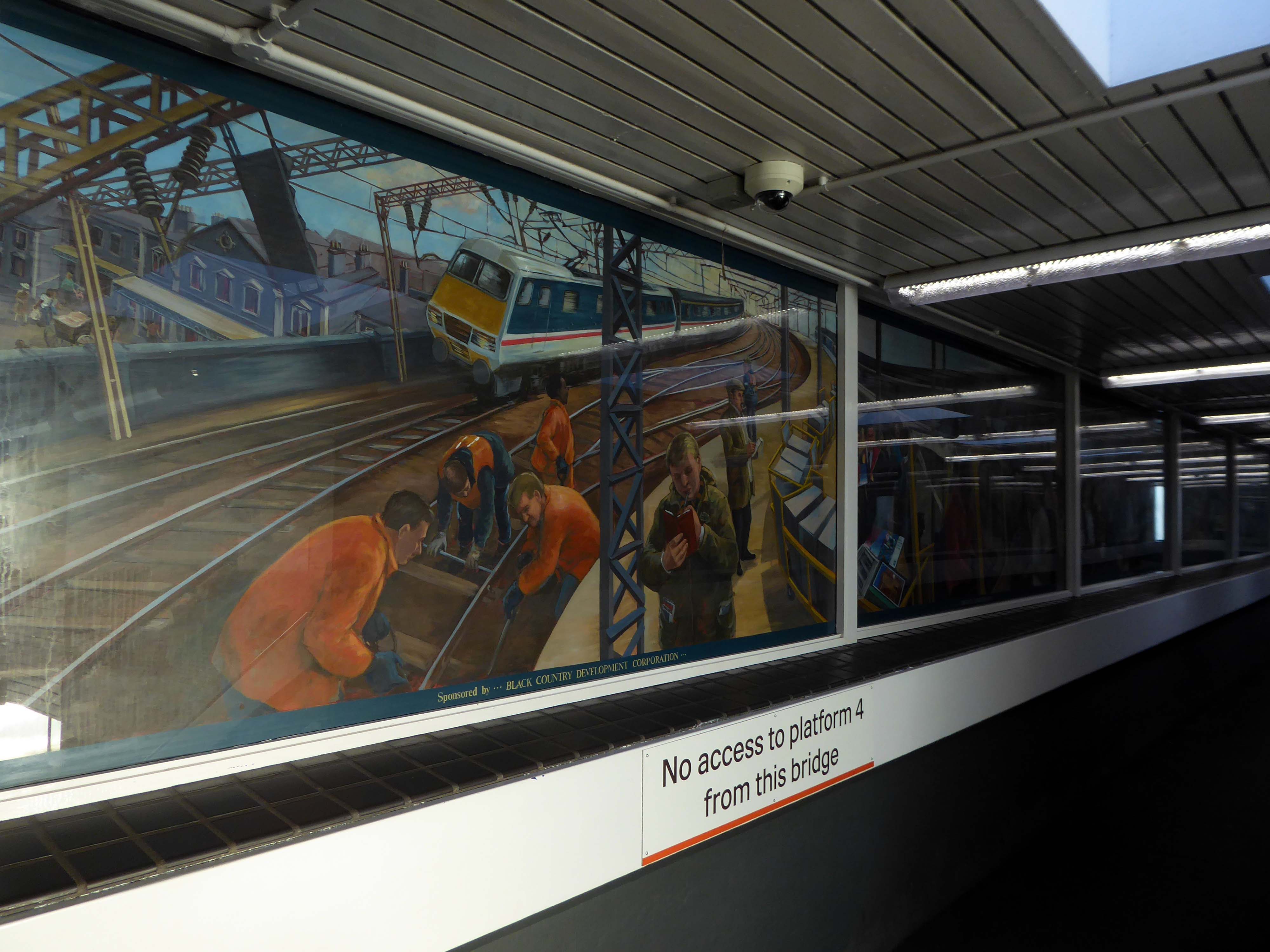
More recently in 2004, a new through platform – platform 4, was constructed on the site of infrequently-used sidings. This has greatly enhanced the capacity of the station. A new footbridge was also constructed, to allow access to the new platform but also to improve access to the existing ones.
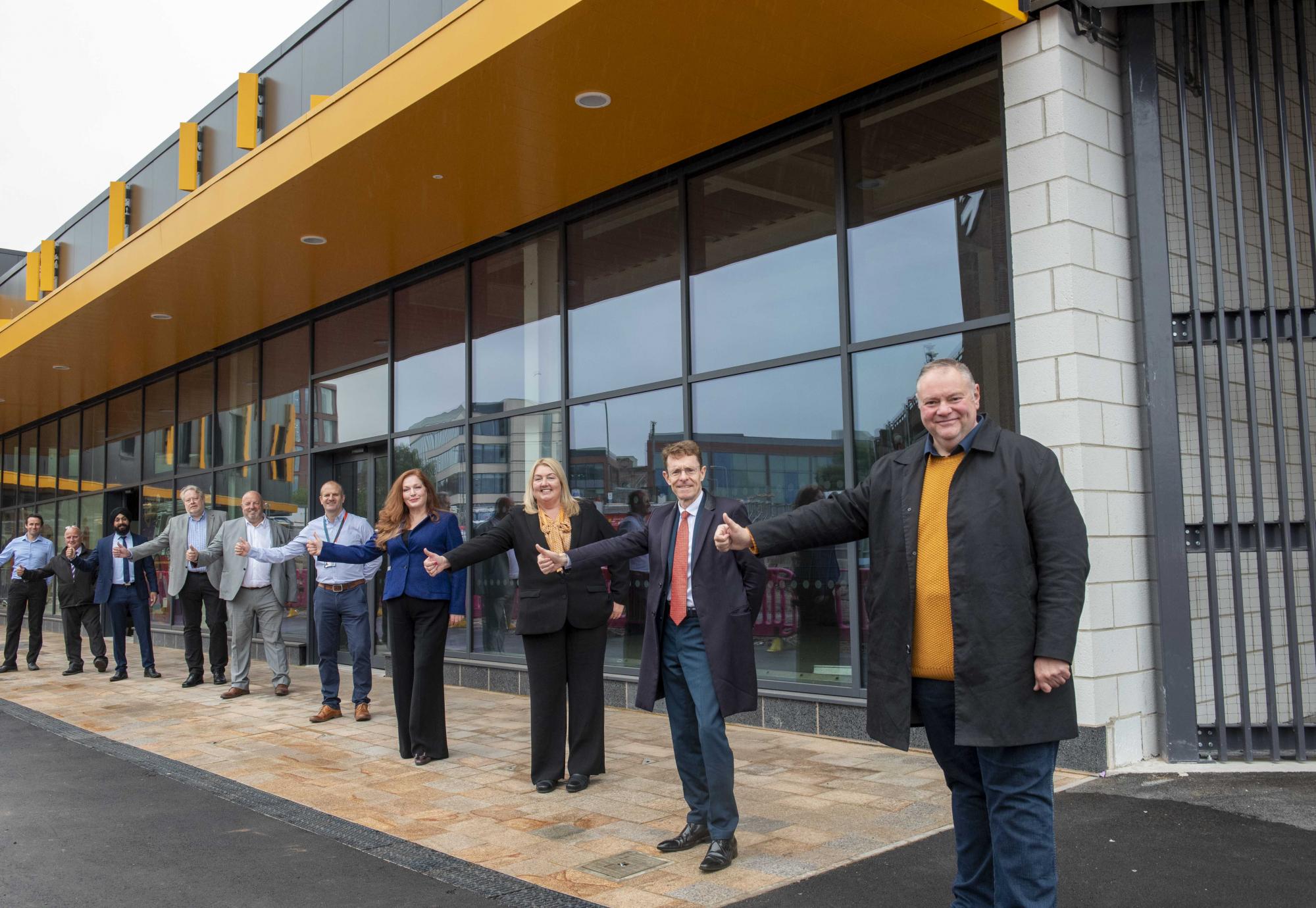
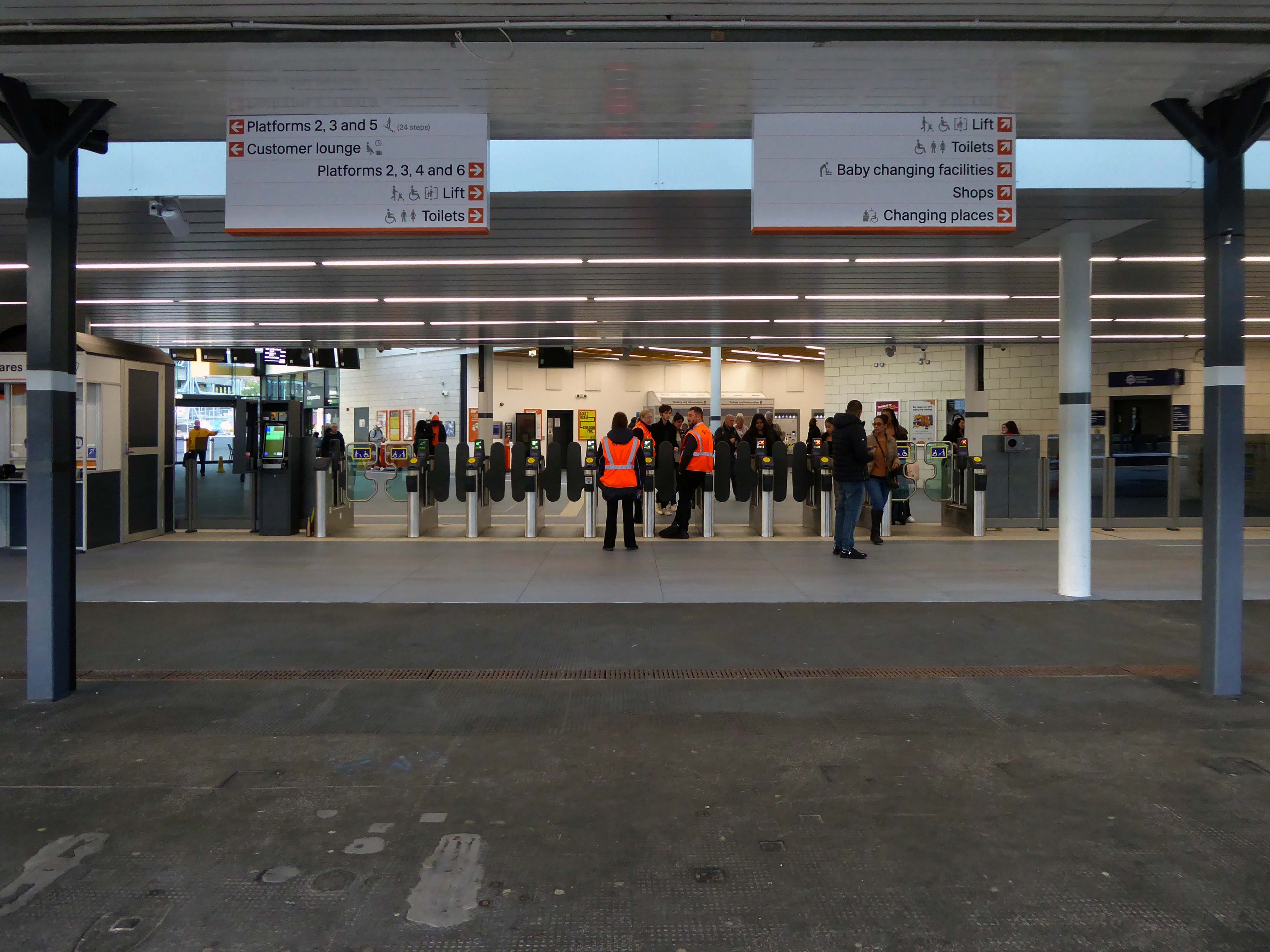
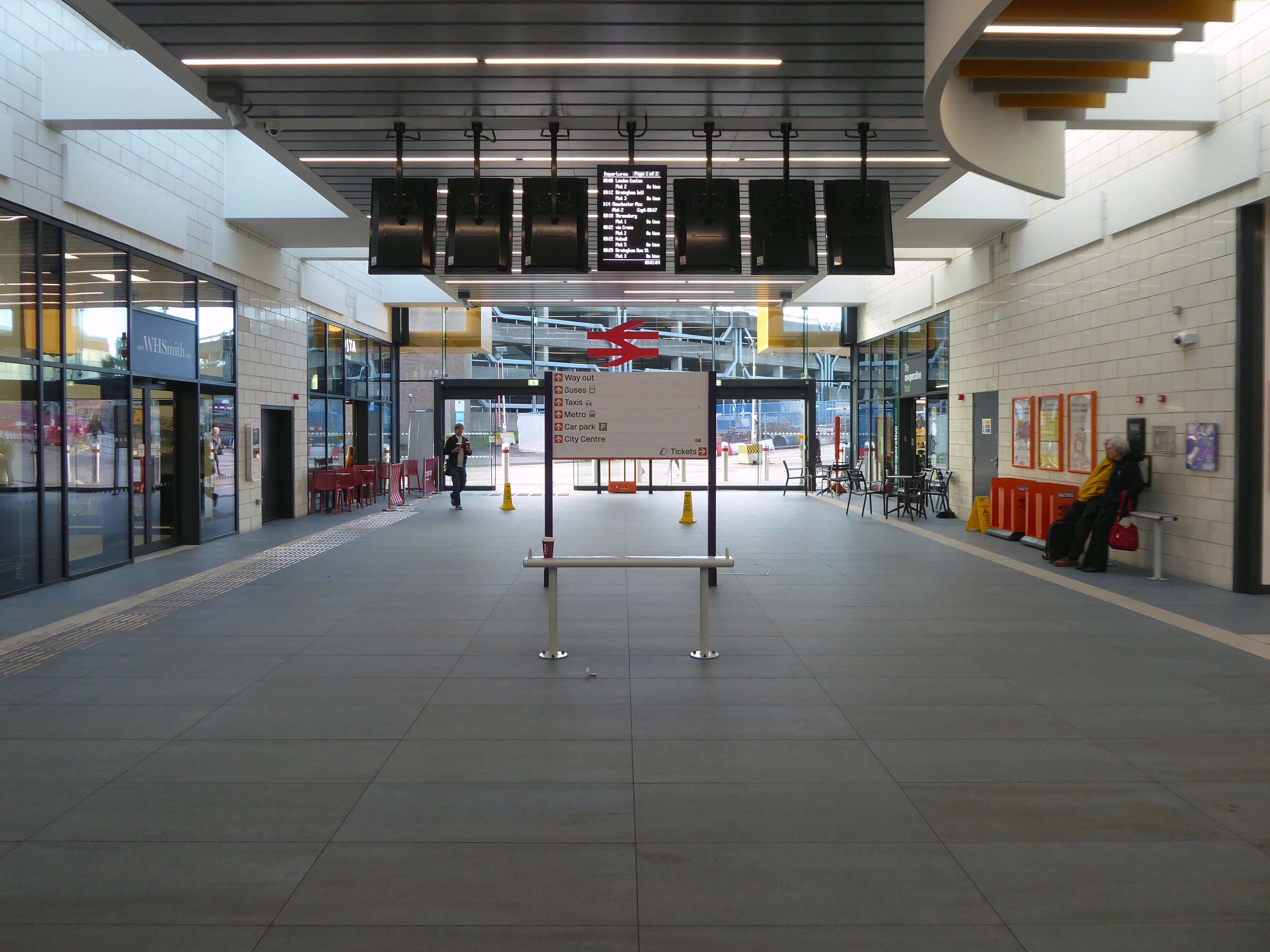
Members of the public are now able to access the second half of the new Wolverhampton railway station, following the completion of main construction on Phase 2 in March 2021.
The new station forms part of a significant local transformation being carried out, as part of the city’s £150m Interchange scheme. Within the city scheme, there are improvements planned for bus, Metro, cycle and train connectivity.
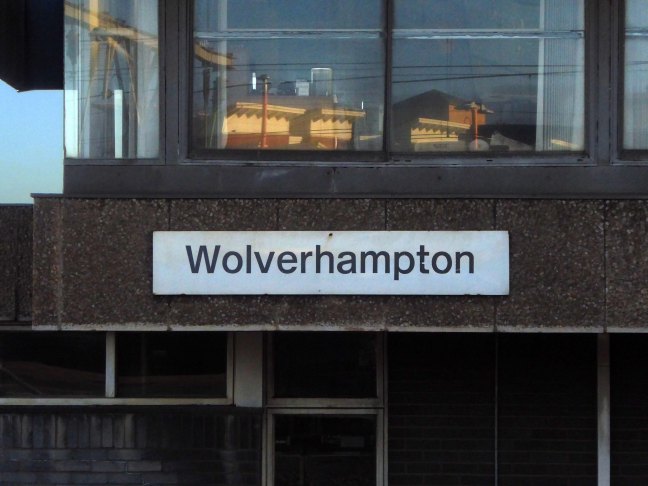
This was my first visit to Wolverhampton, arriving at 8.42 on a crowded Bournemouth bound Cross Country train, which was destined to terminate at Reading.
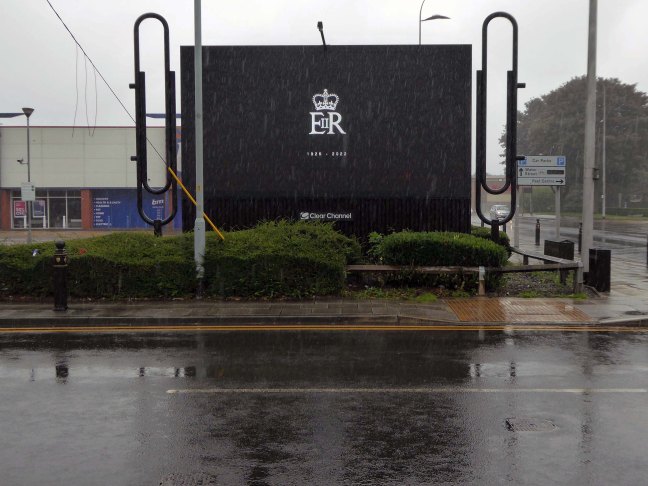
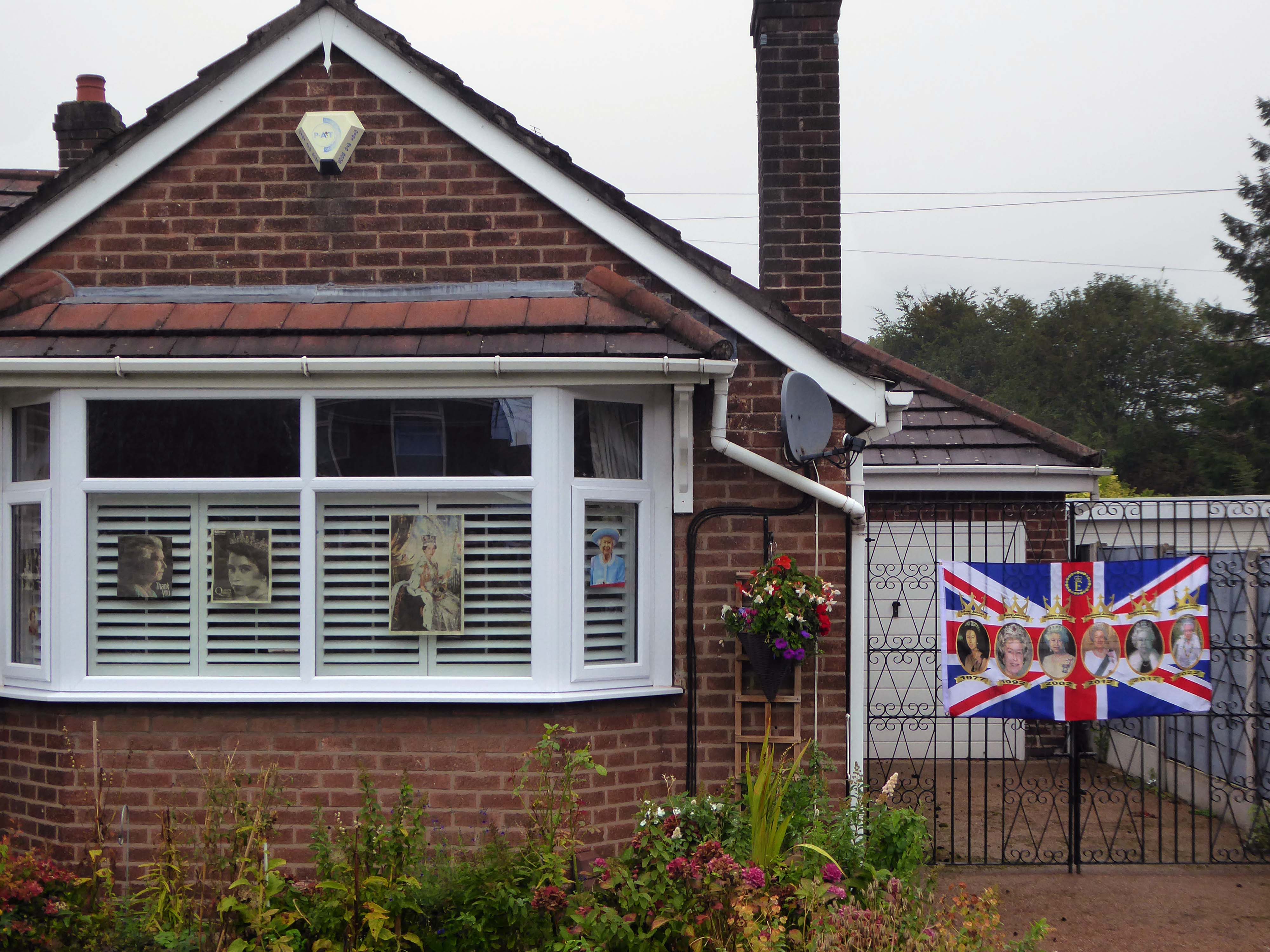
On the day of HM Queen Elizabeth II’s Diamond Jubilee, I cycled around Ashton under Lyne in search of landmarks of her sixty year reign.
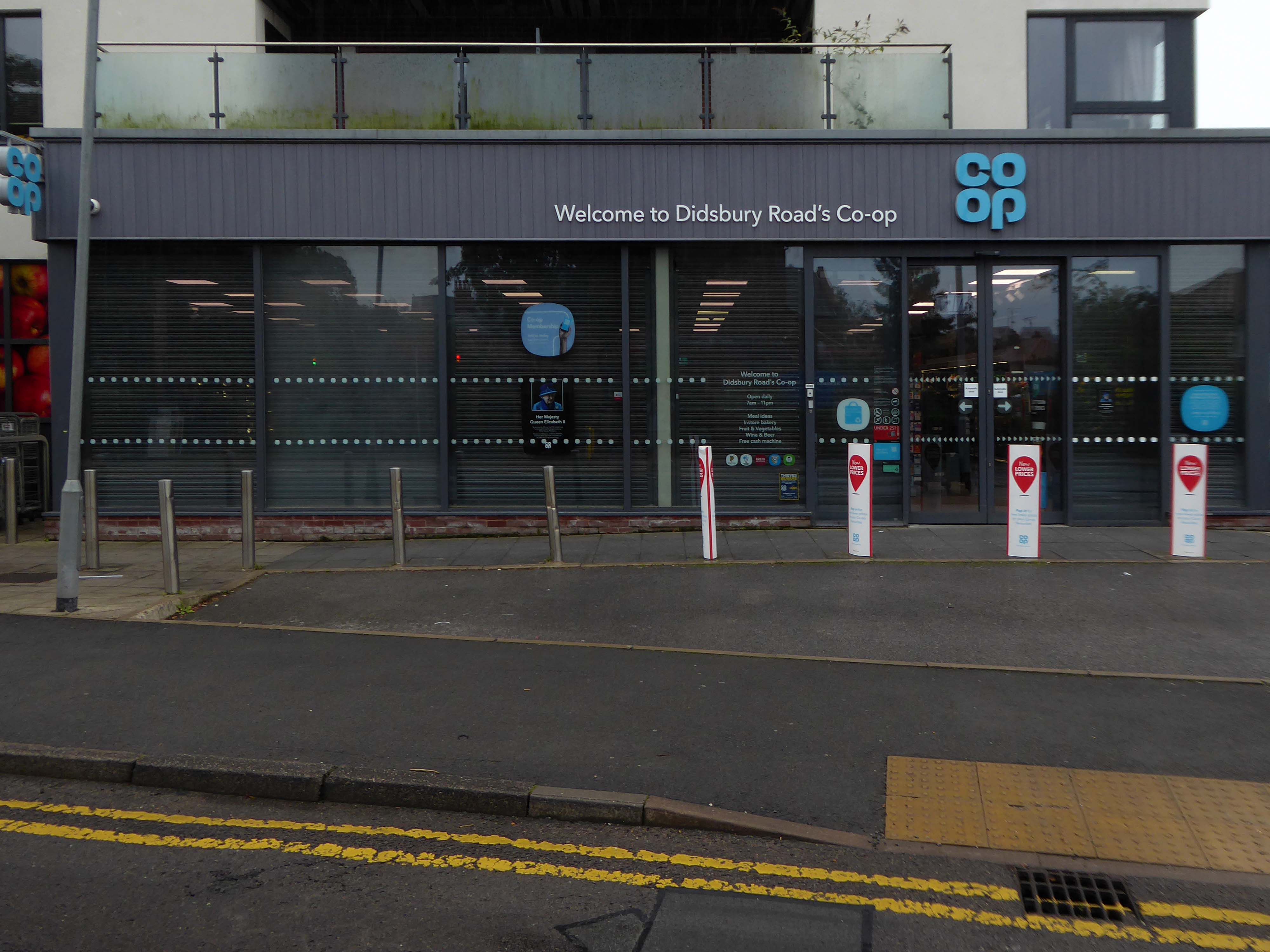
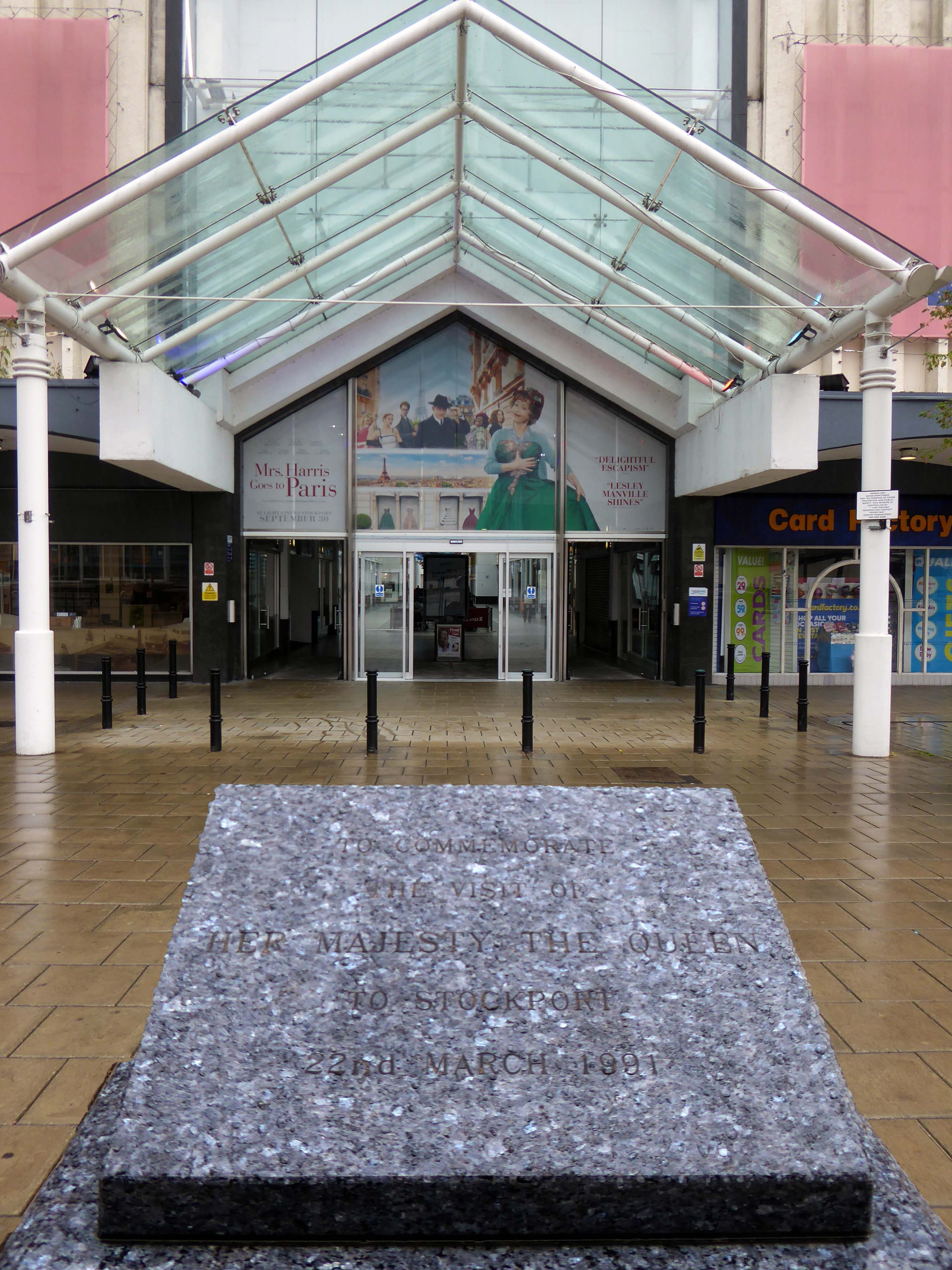
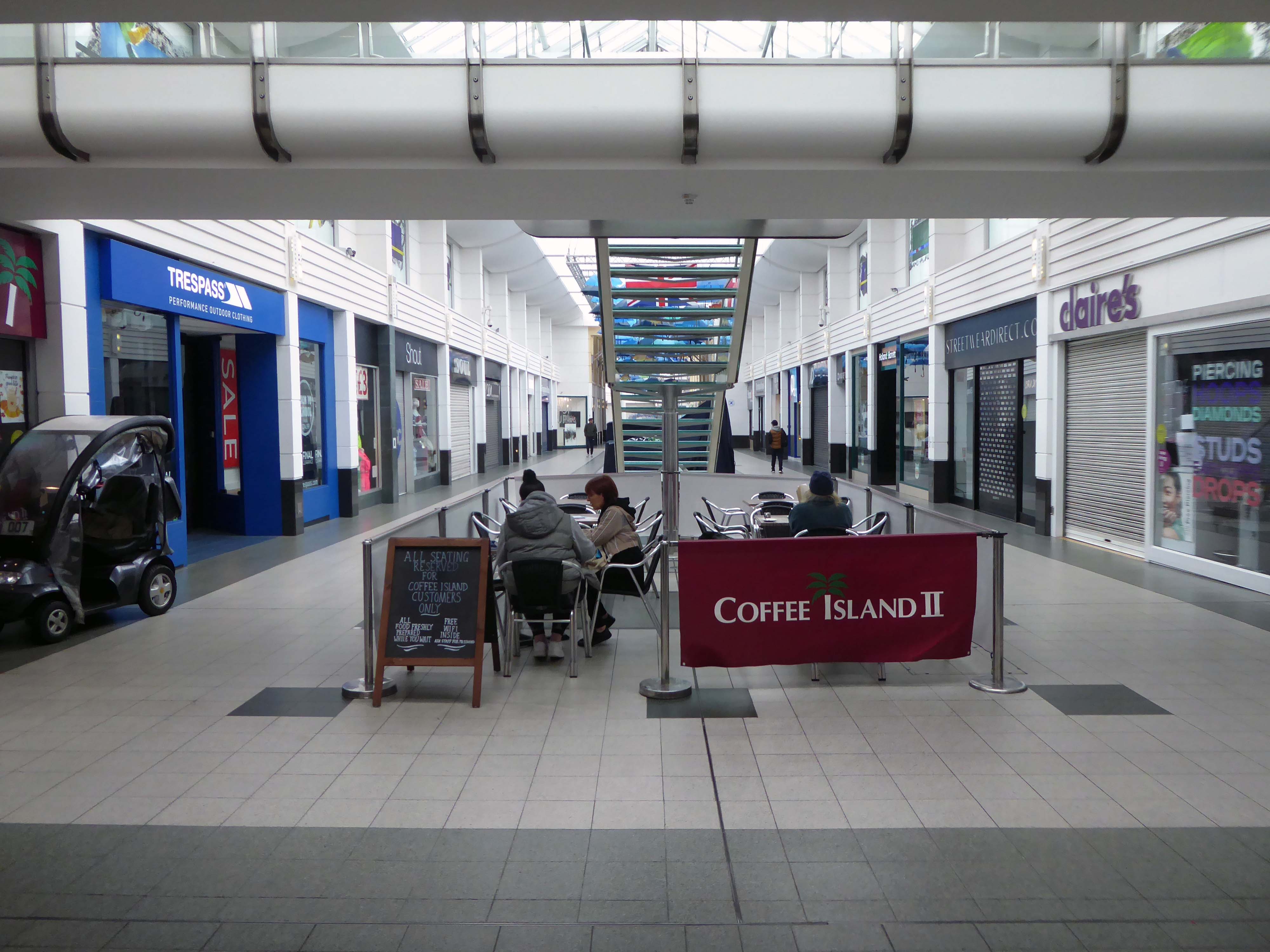
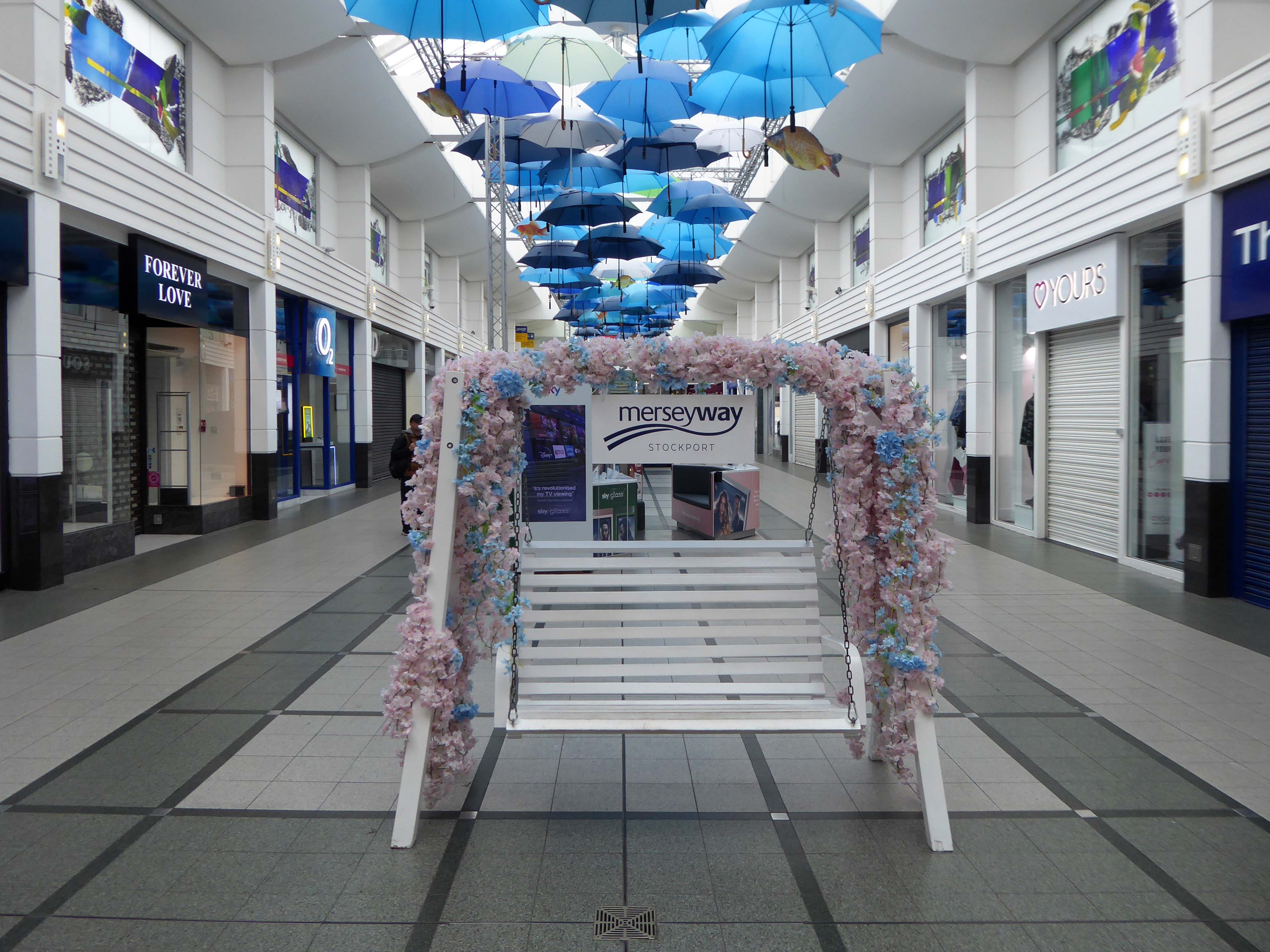
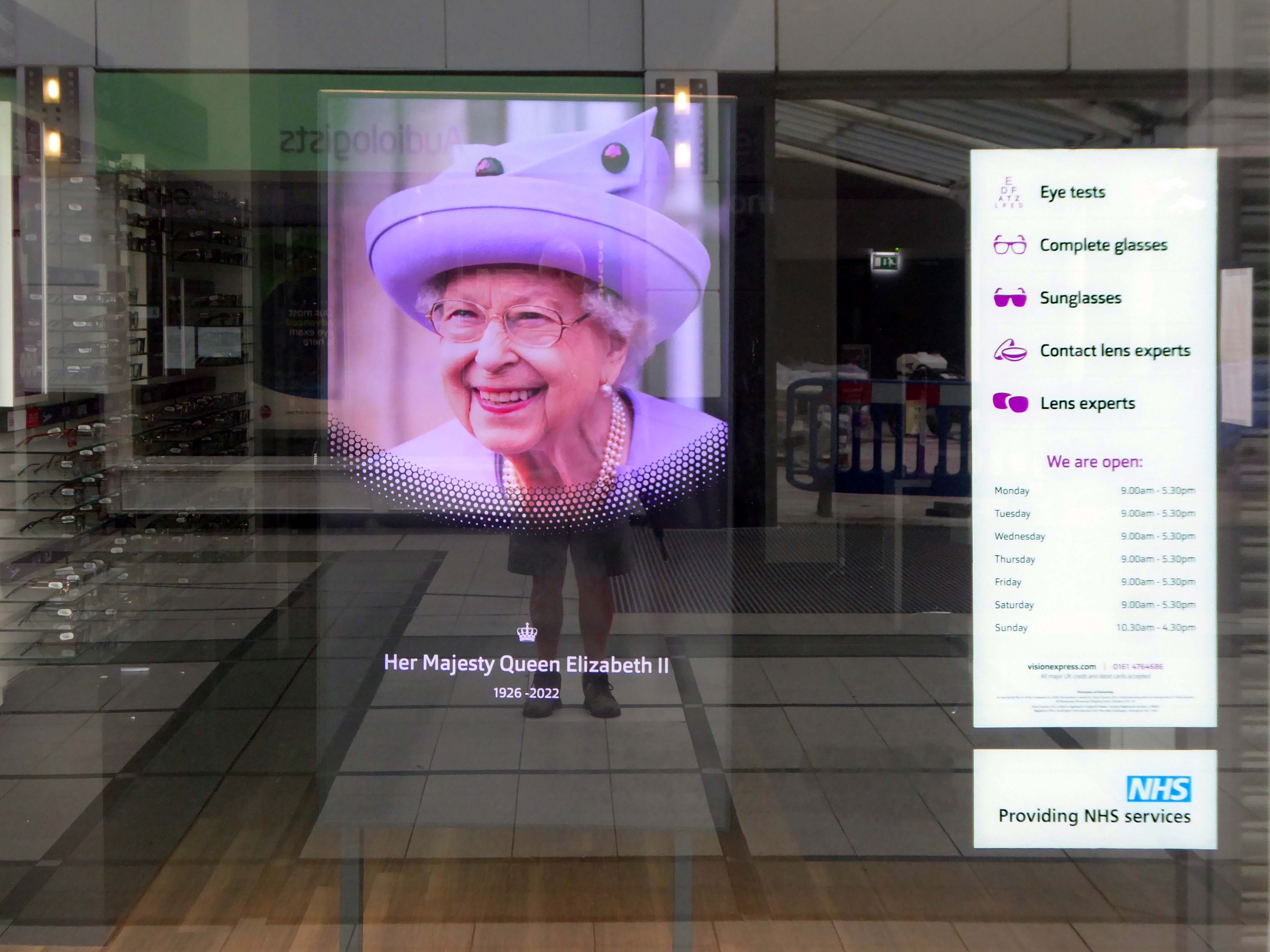
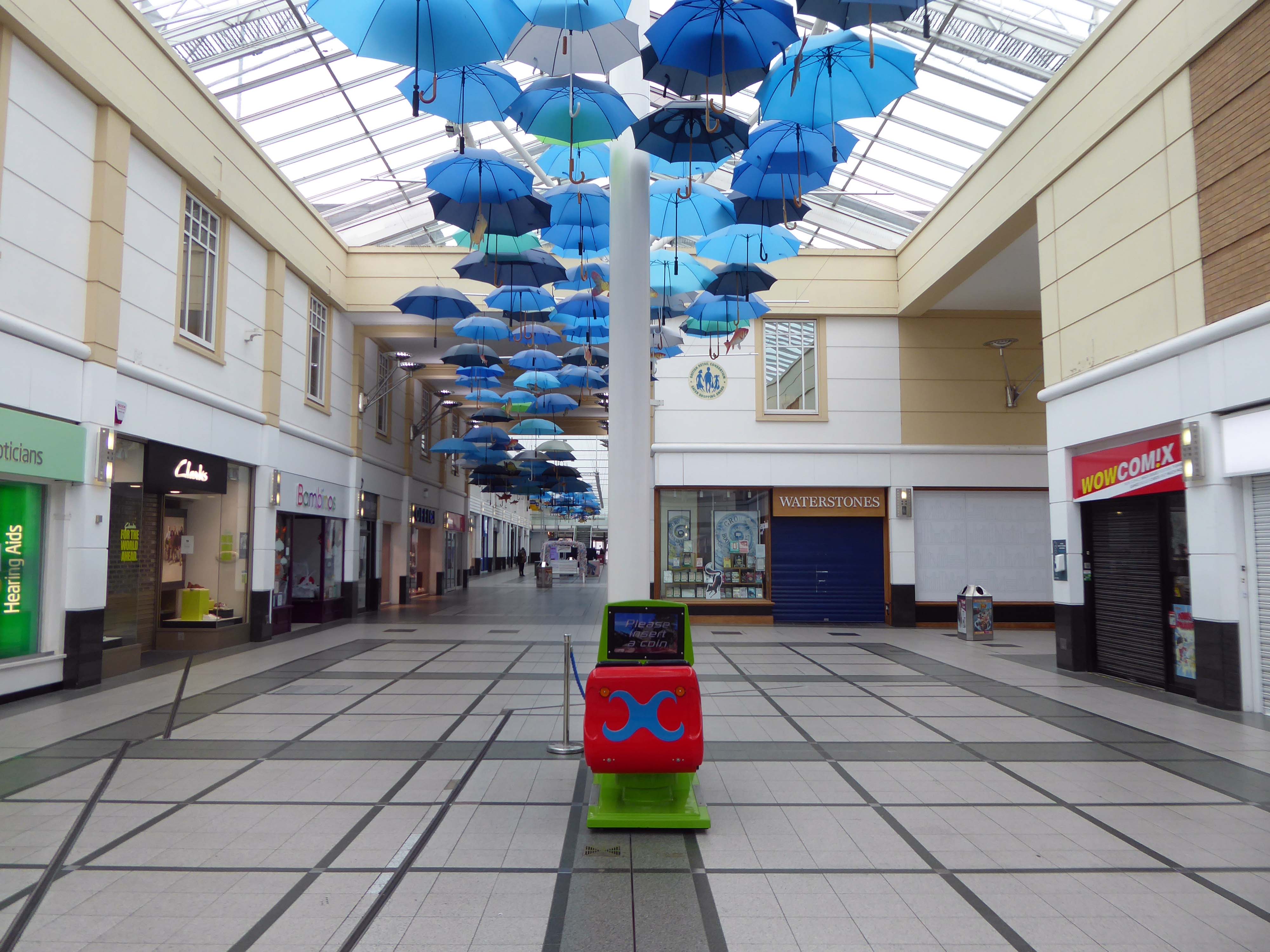
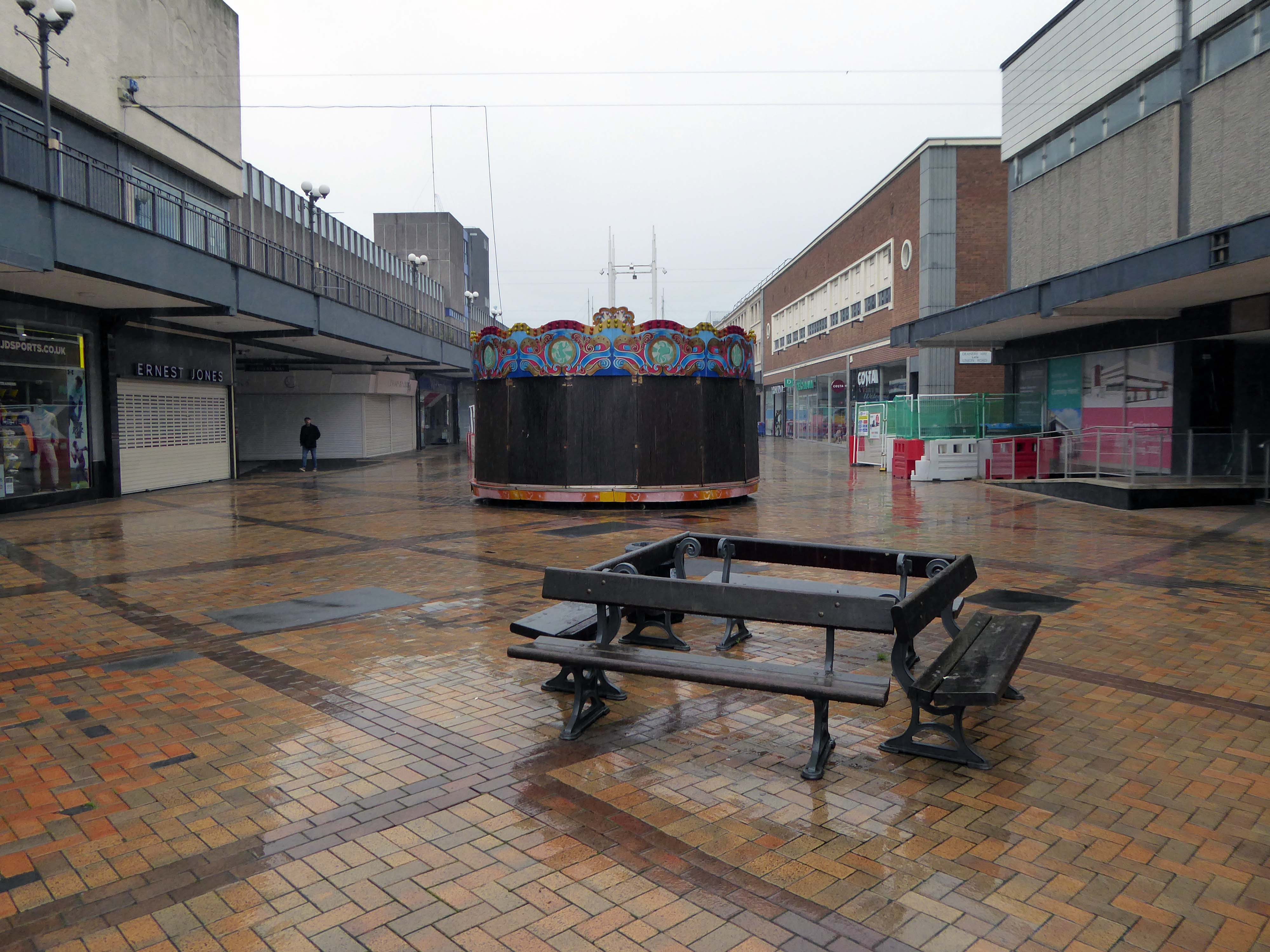
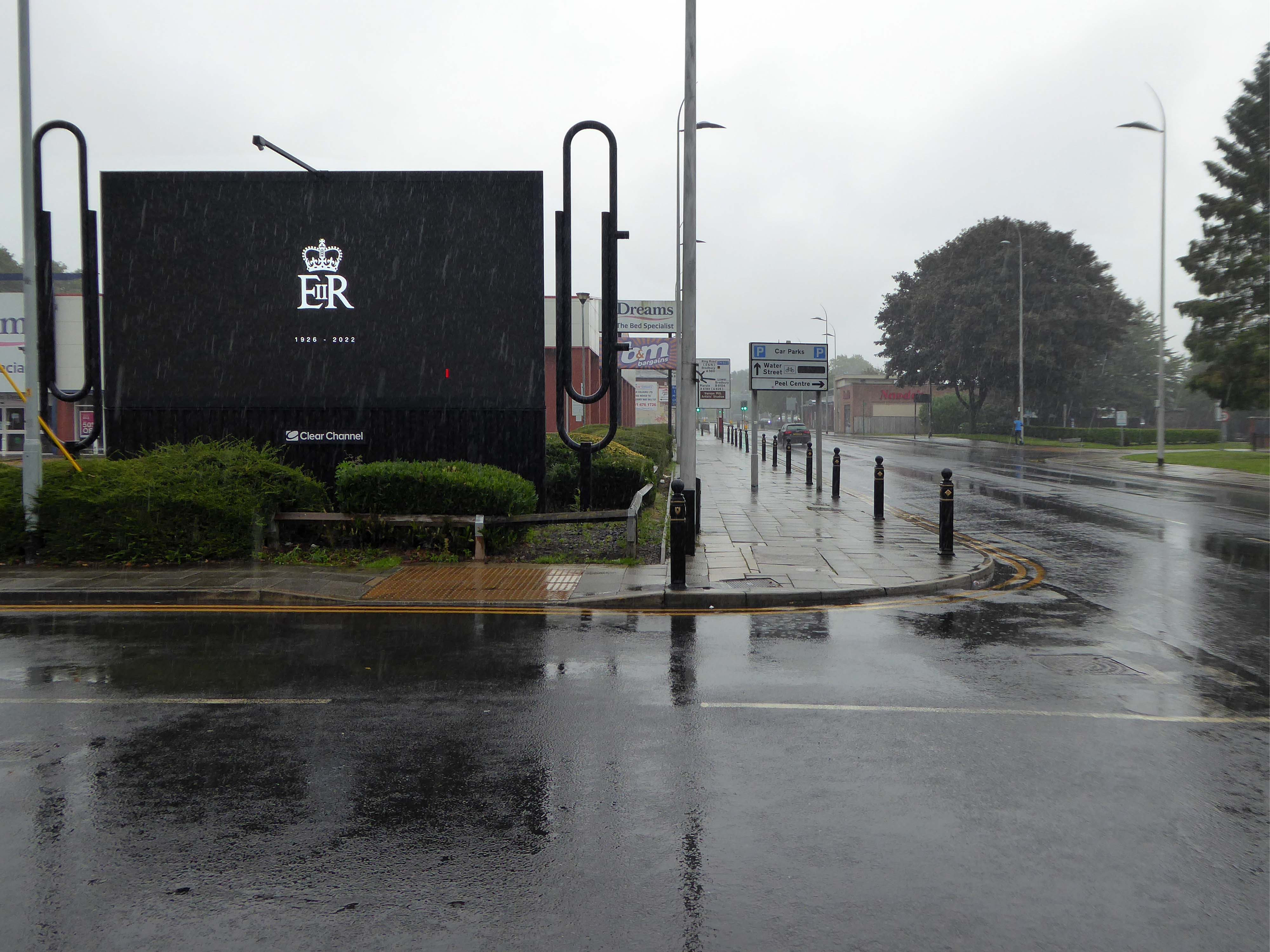
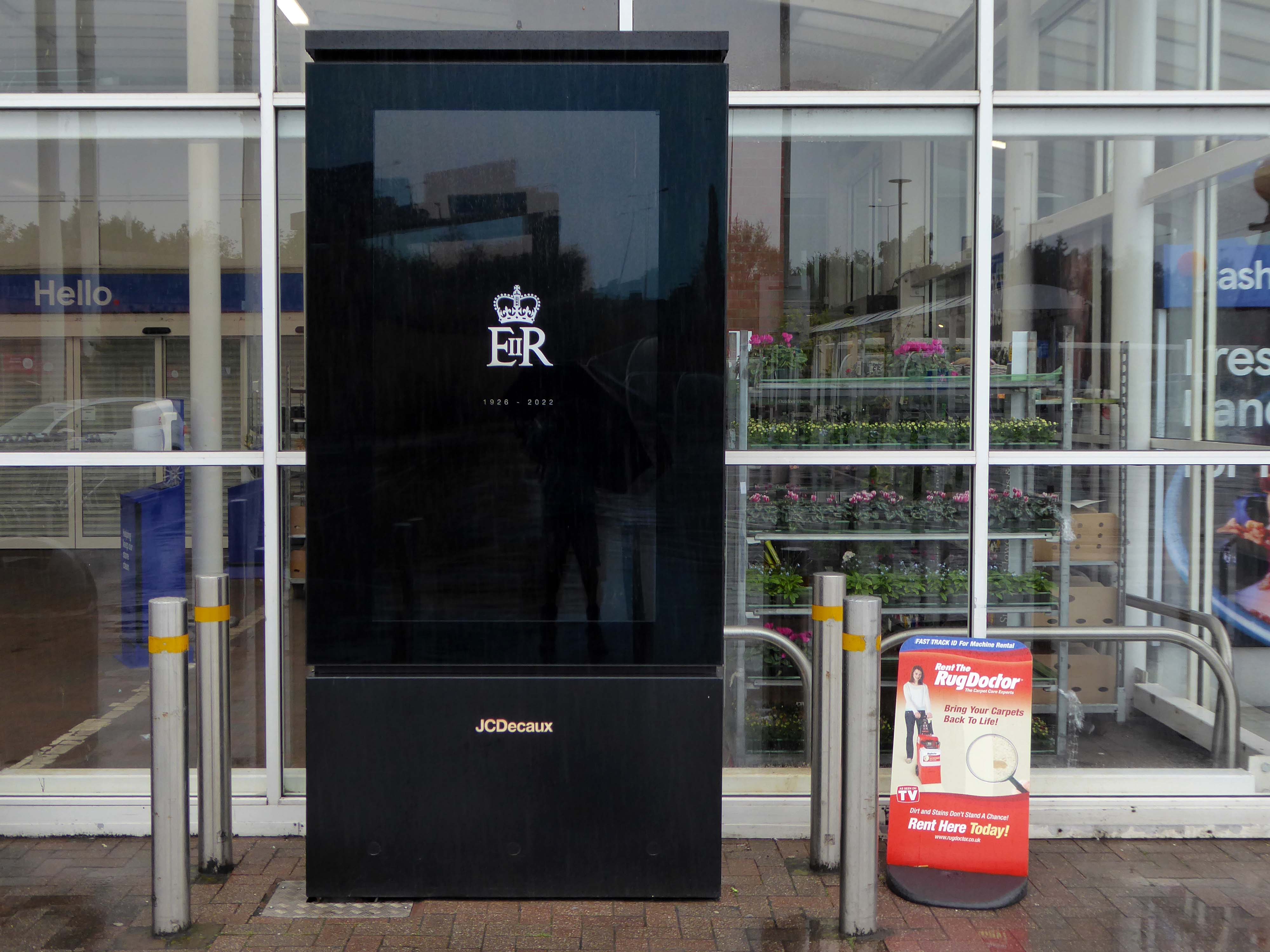
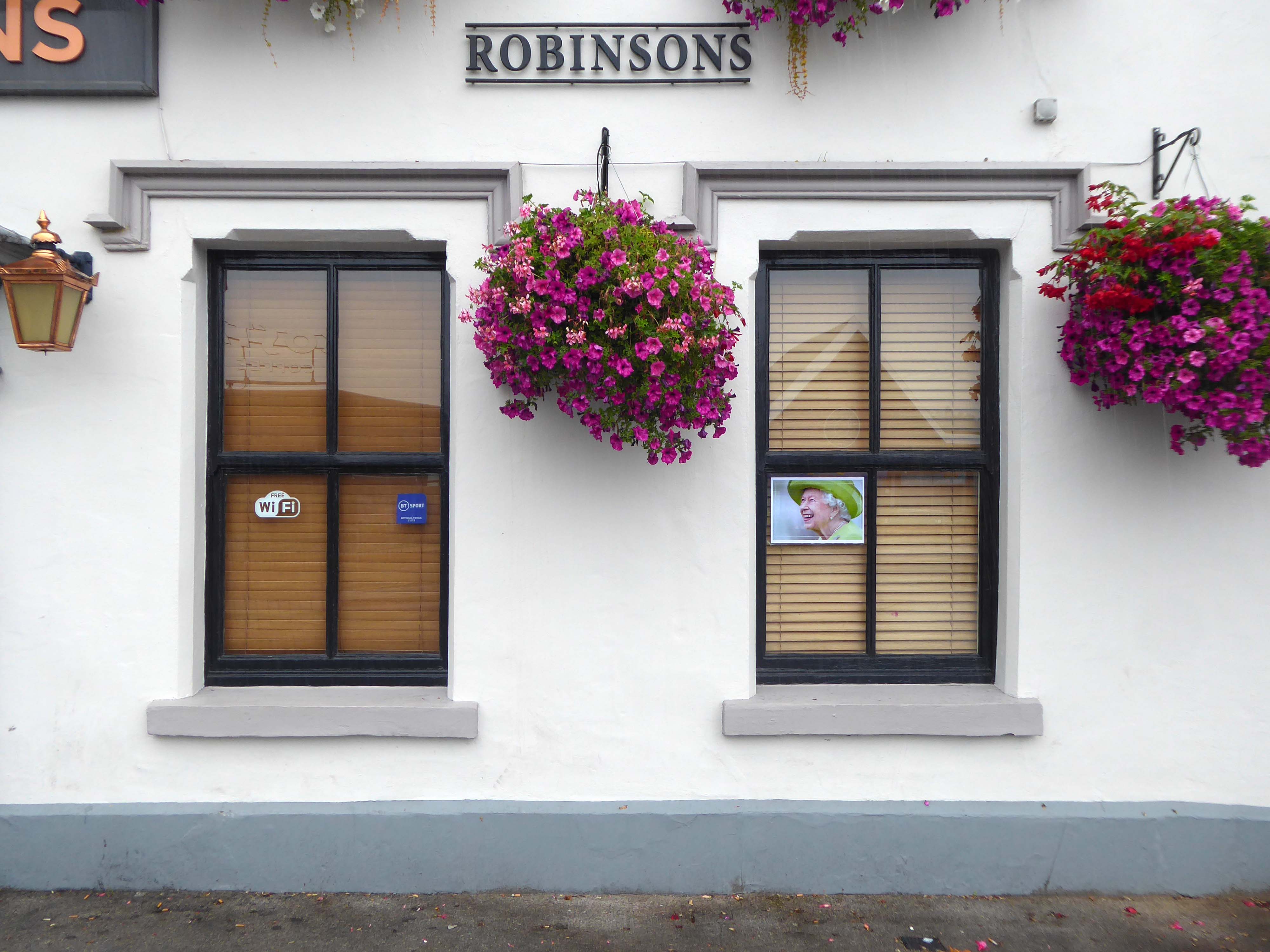
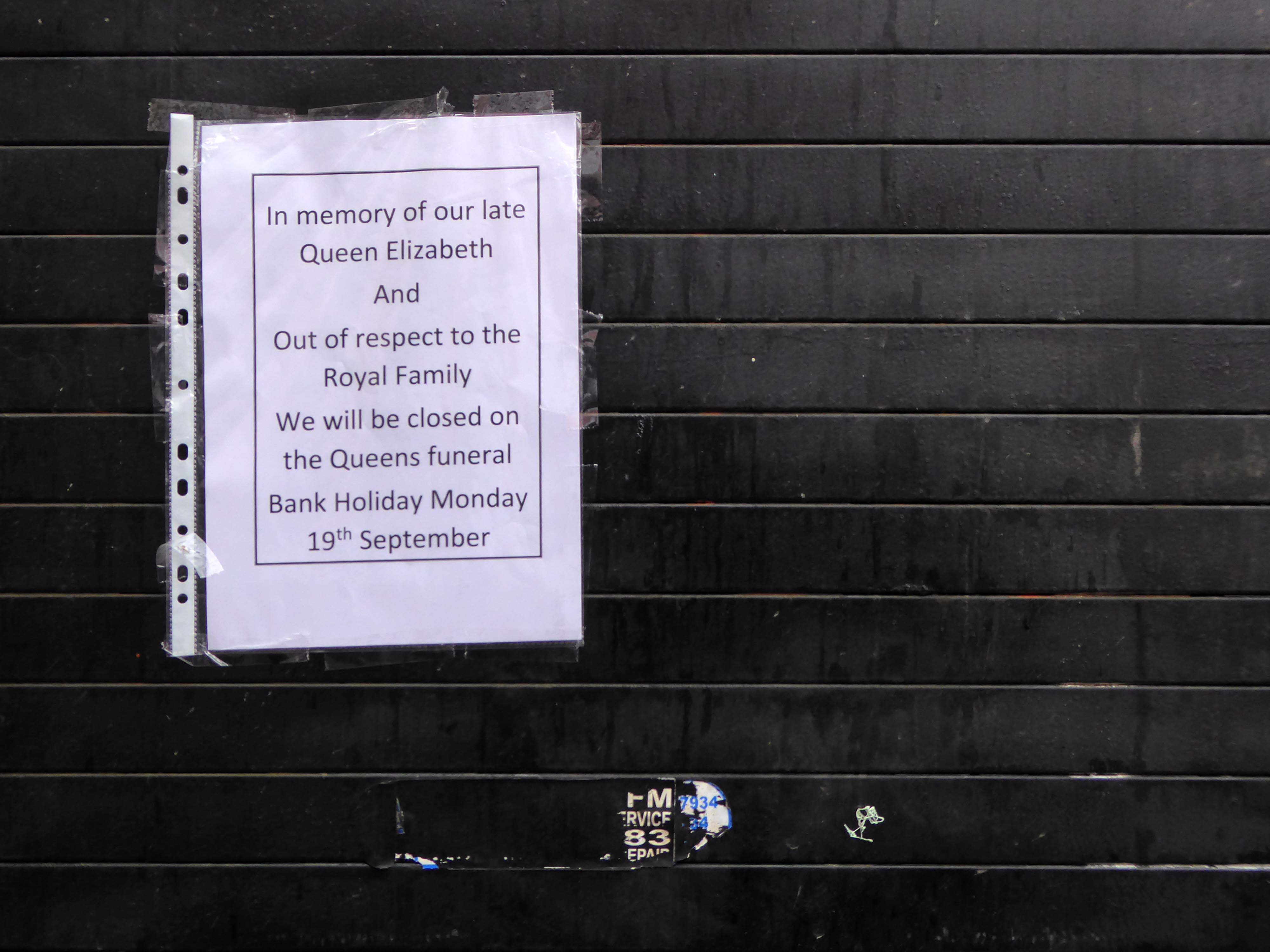
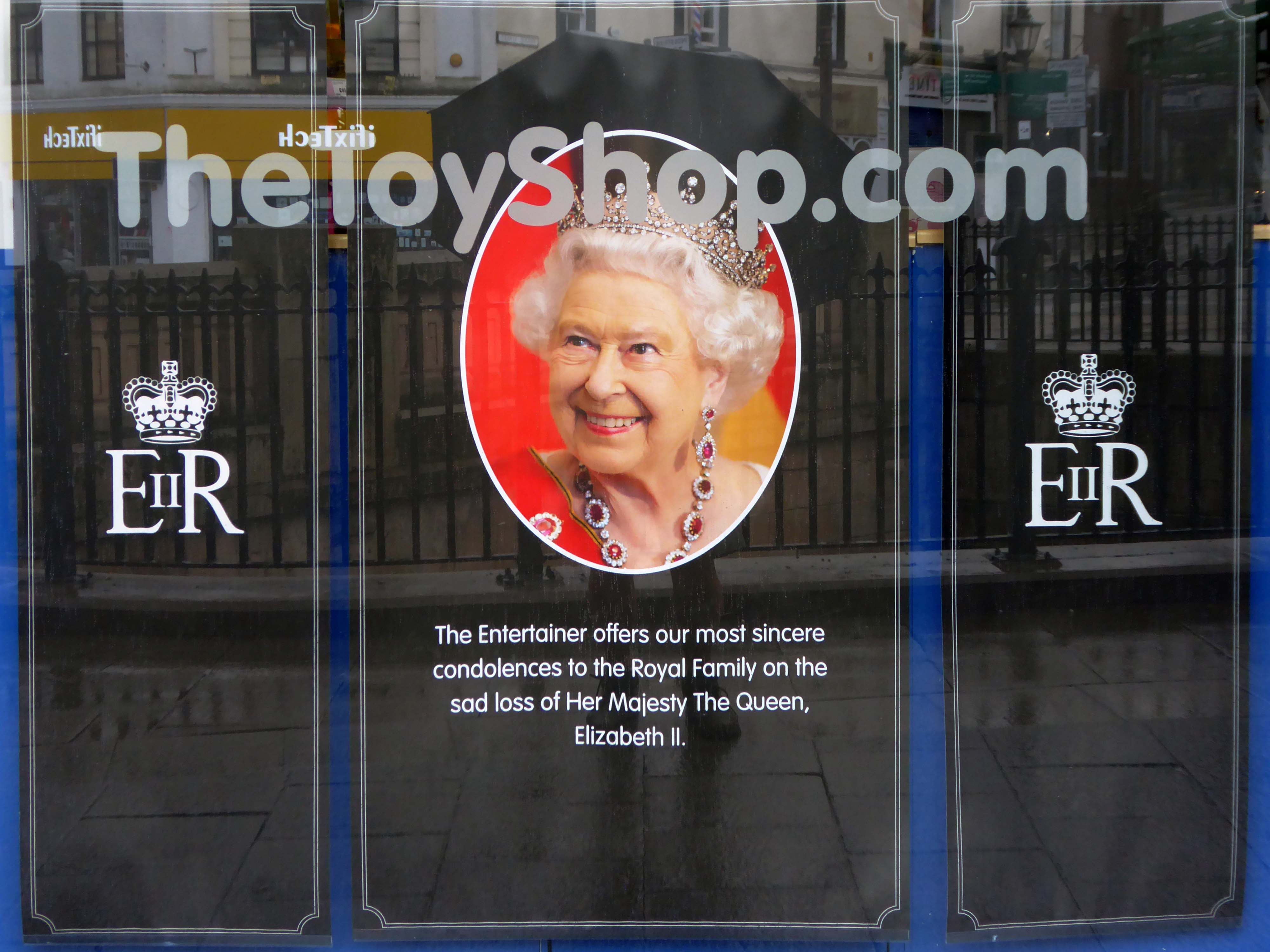
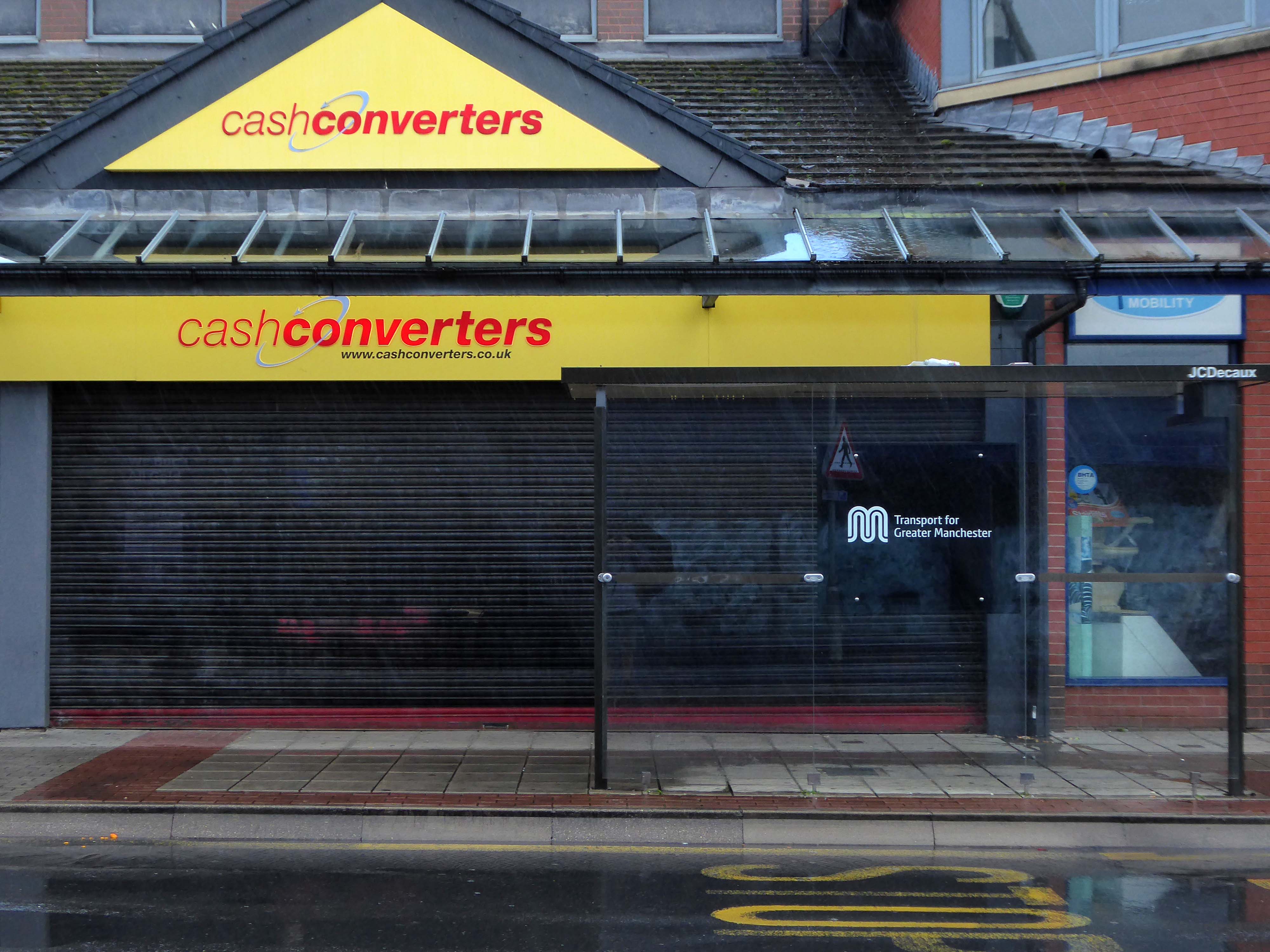
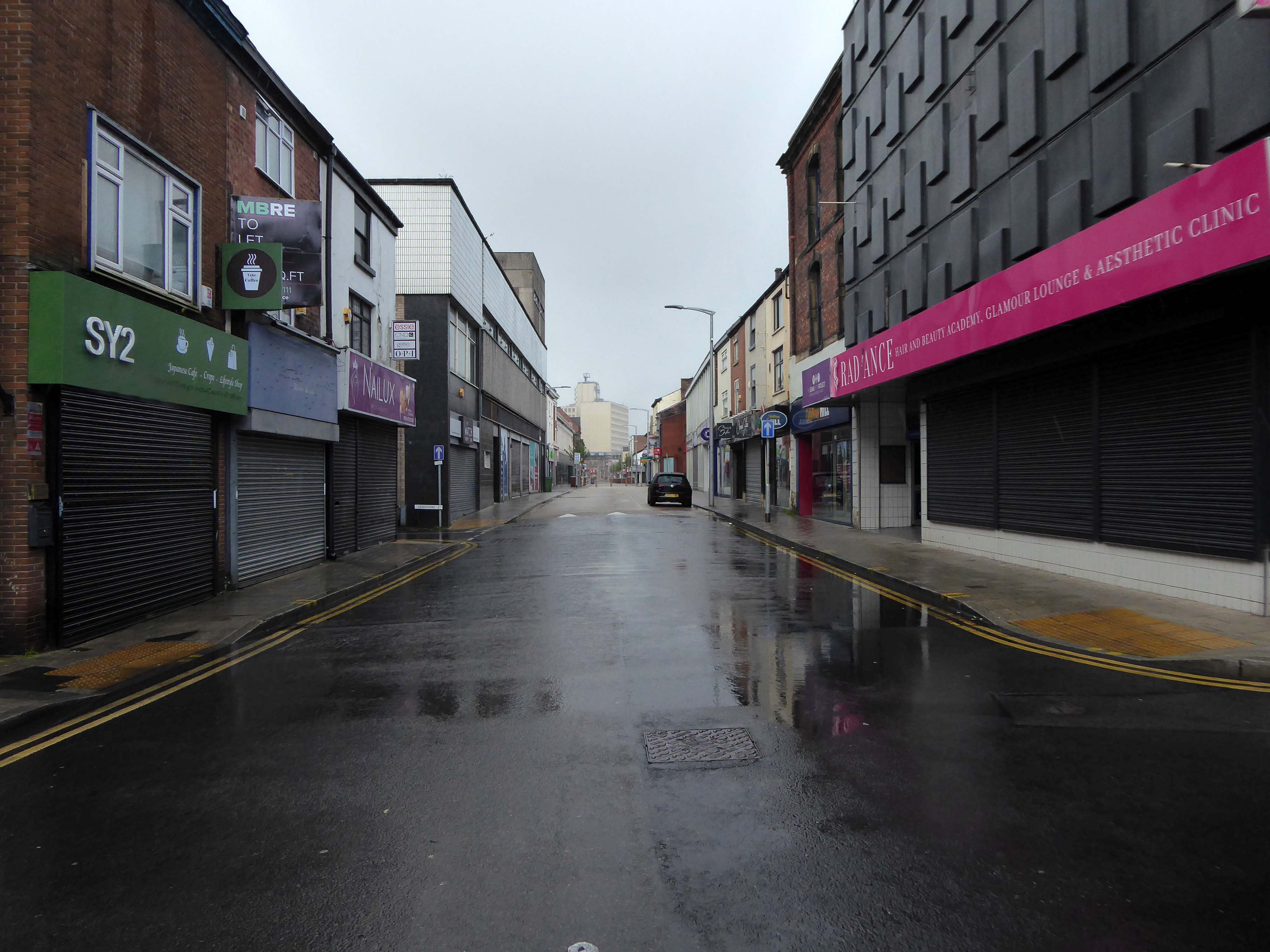
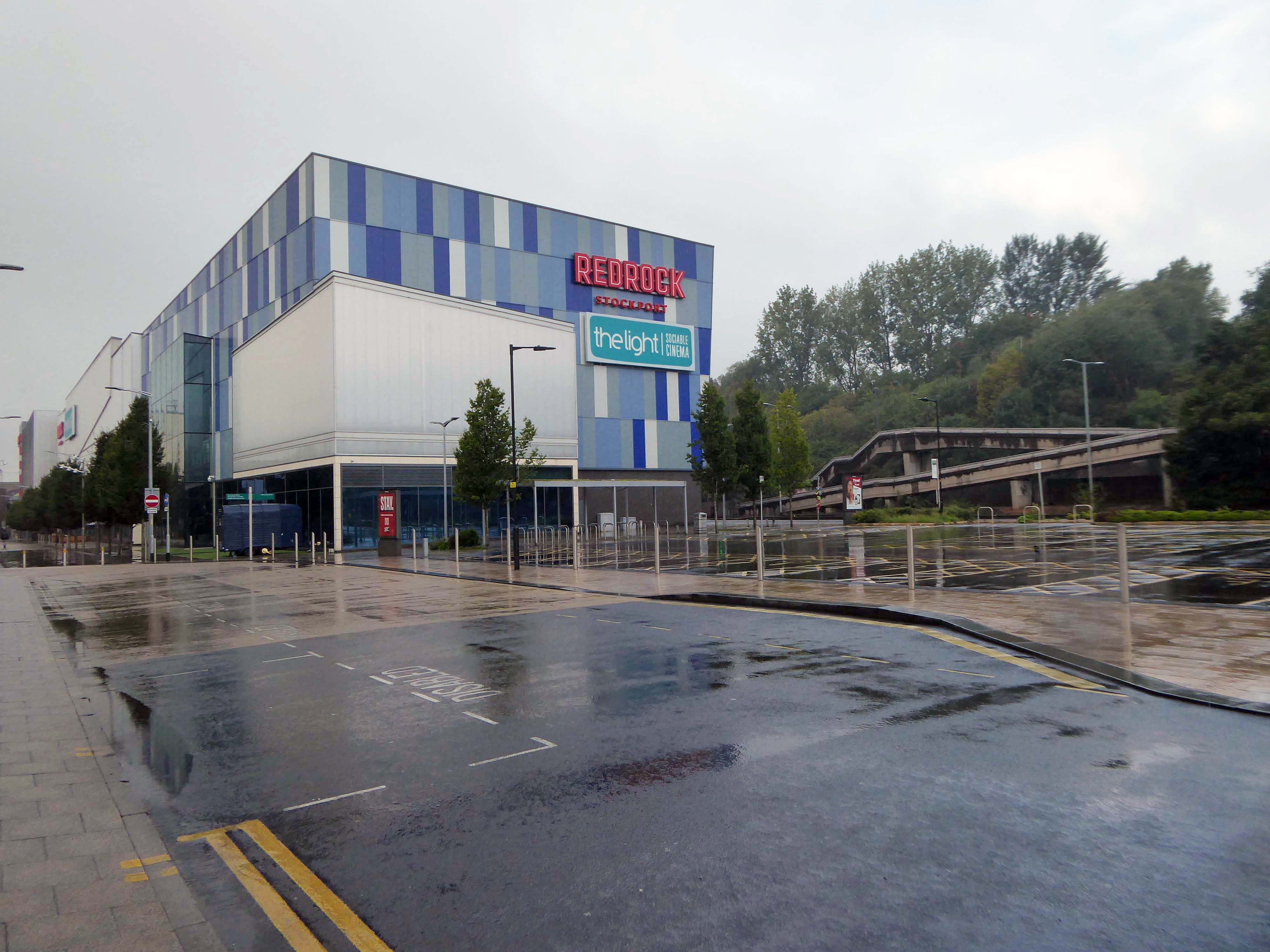
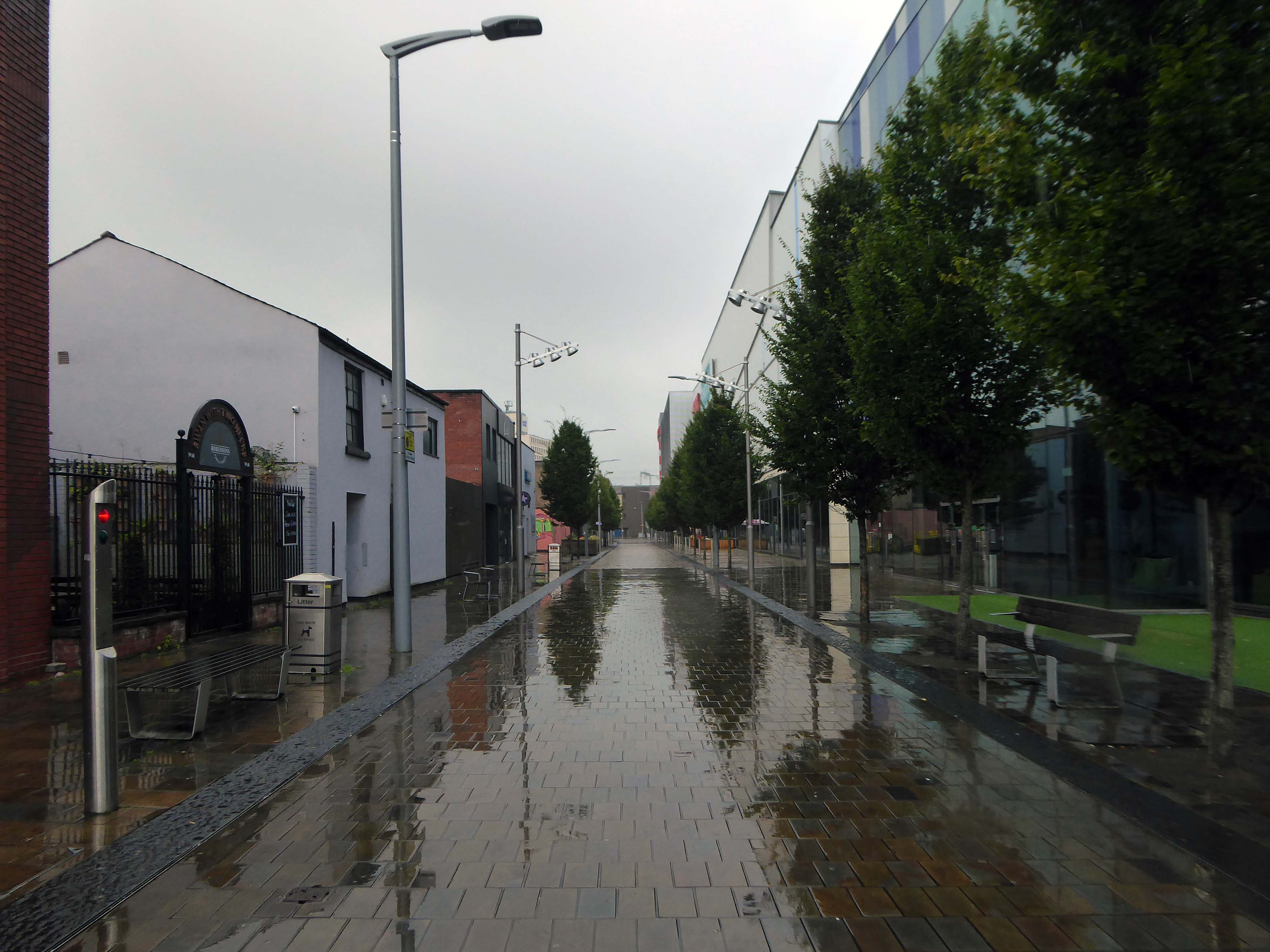
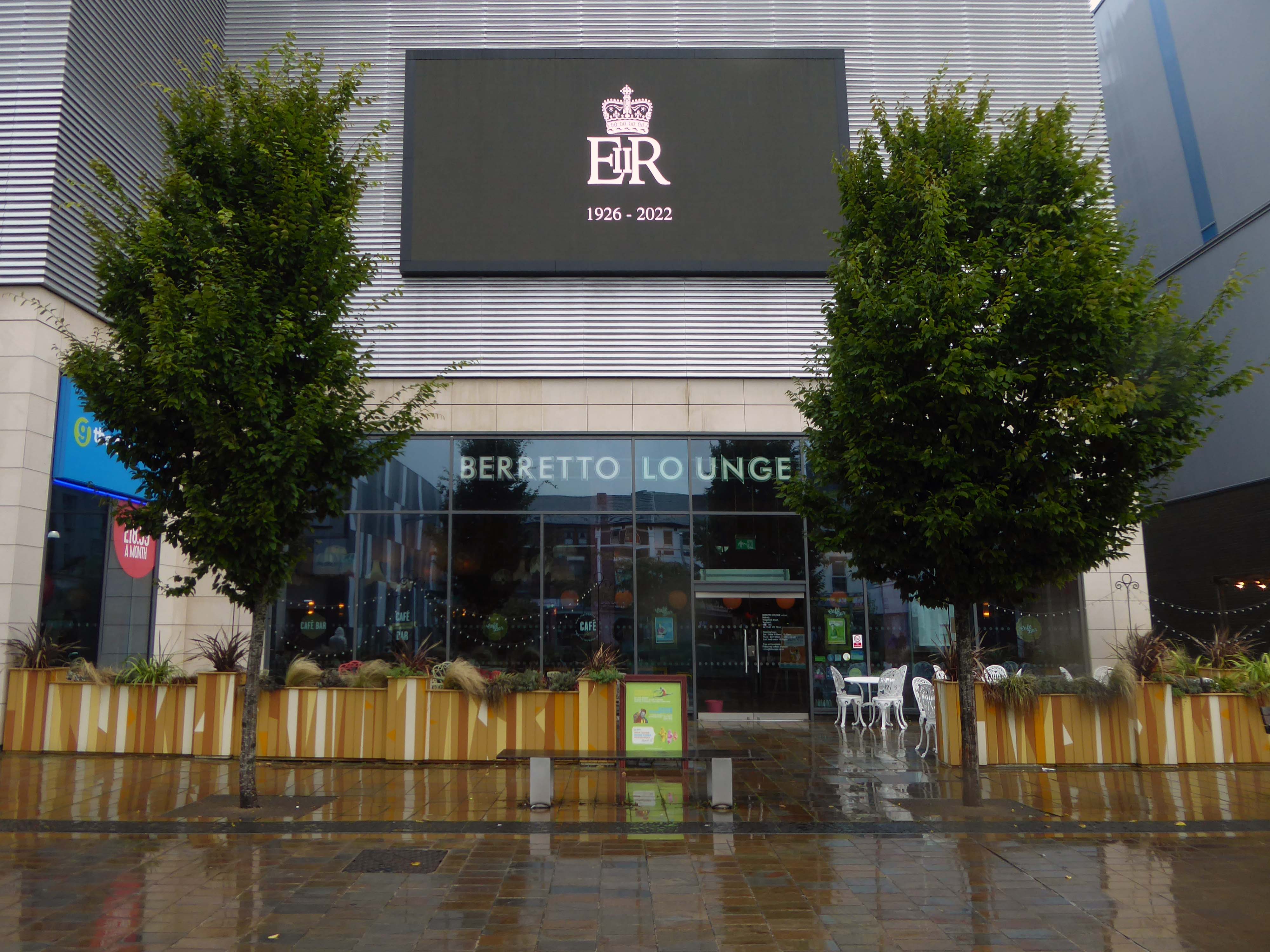
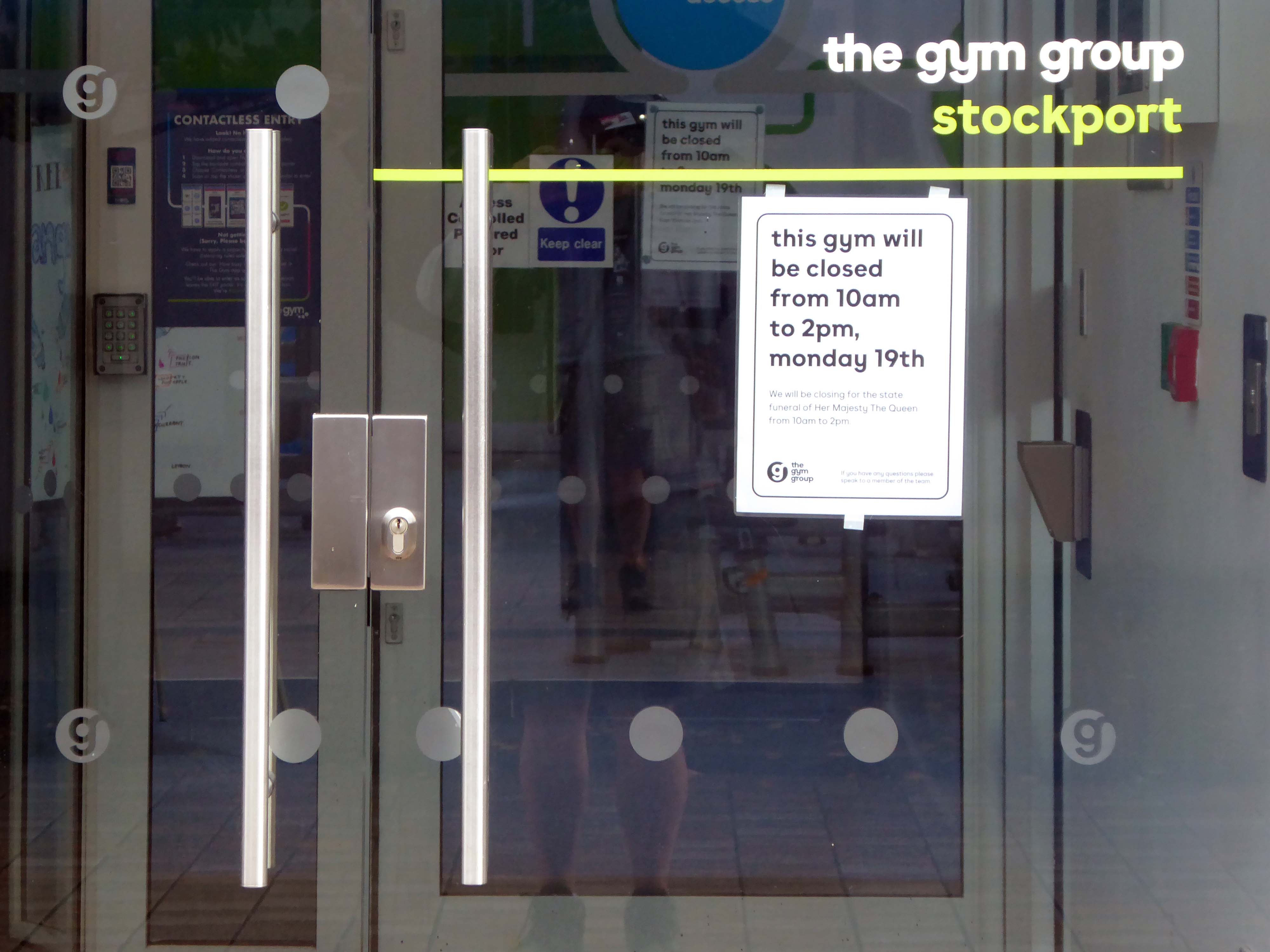
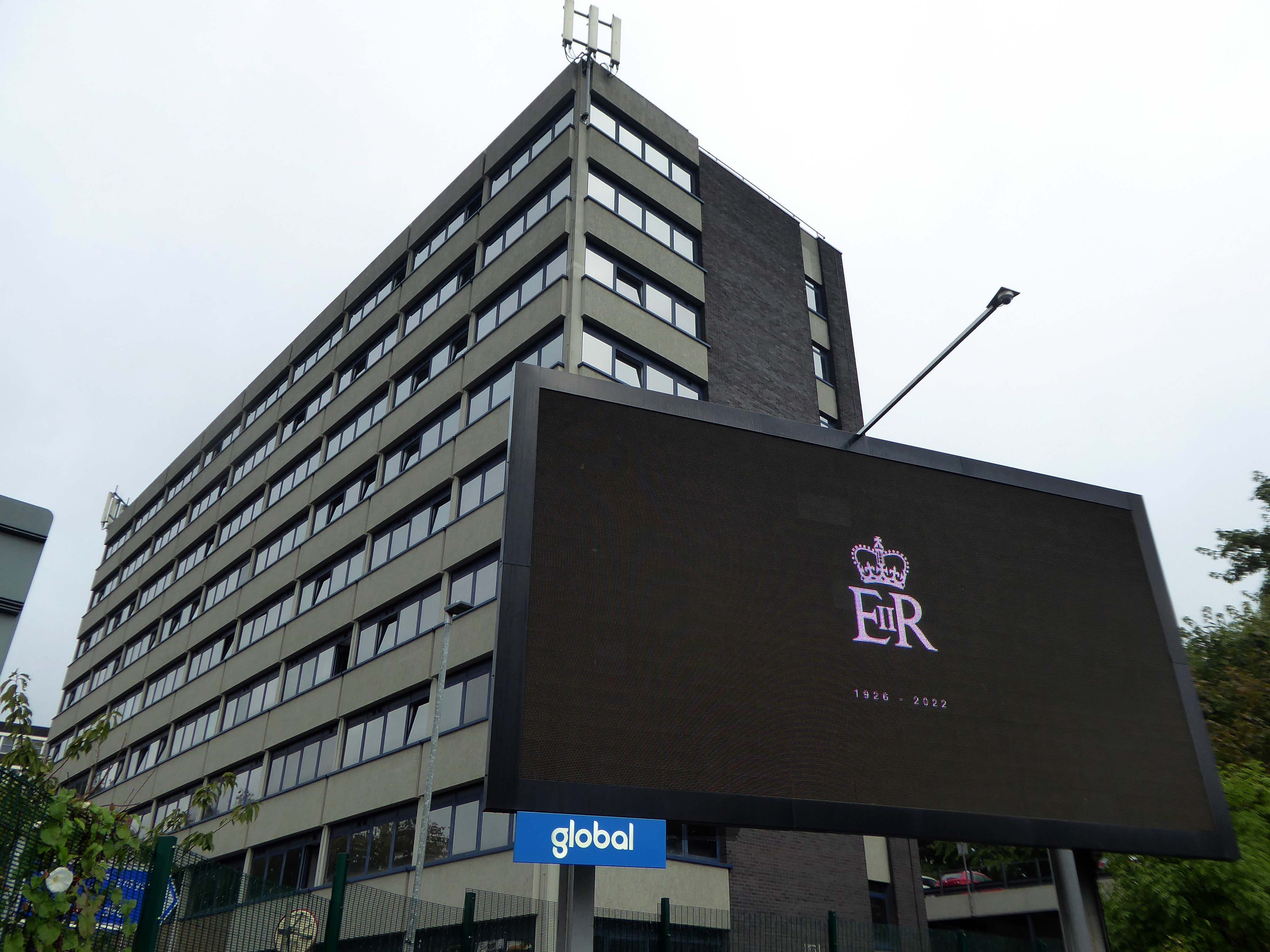
Today, on the day of her funeral, I set out for a walk around Stockport, to record a town largely closed for business. Overcast but far from downcast, I defied the almost persistent fine rain and these are the pictures that I took.
Many of the subjects are products of her time on the throne.
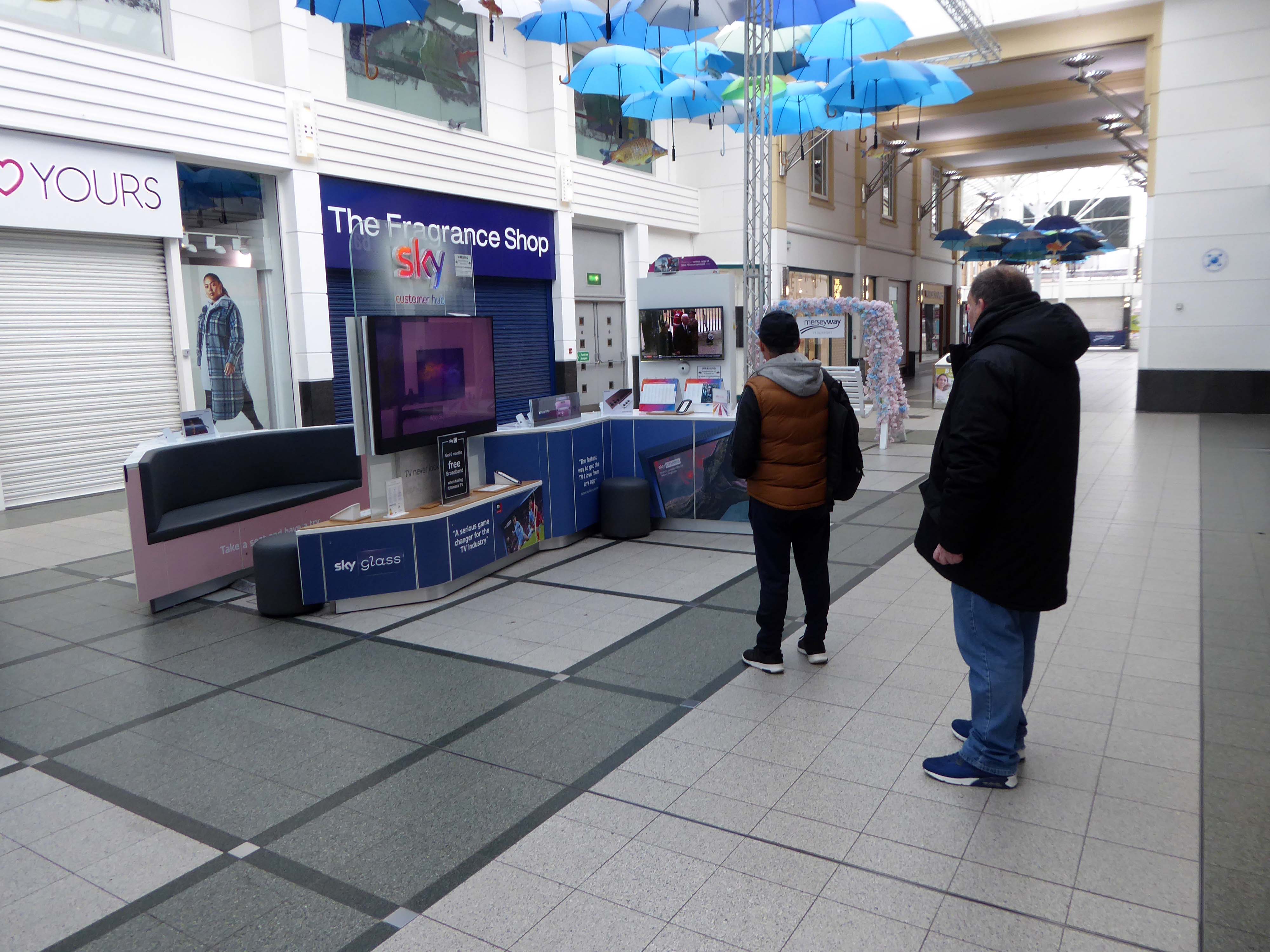
The traffic was much lighter, there were few pedestrians, a couple of cafés were open and two men watched the funeral service on the Sky TV stand in the precinct.
On the day of HM Queen Elizabeth’s Diamond Jubilee I cycled around Ashton under Lyne.
Recording and commenting upon the material changes which had occurred, during her reign of some sixty years. In turn many of these things have in themselves disappeared from view.
Life is a series of natural and spontaneous changes.
Don’t resist them; that only creates sorrow.
Let reality be reality.
Let things flow naturally forward in whatever way they like.
Lao Tzu
Celebrating the gradual decline in spelling – Gill Scot Heron meets Tameside, everyone’s a winner.
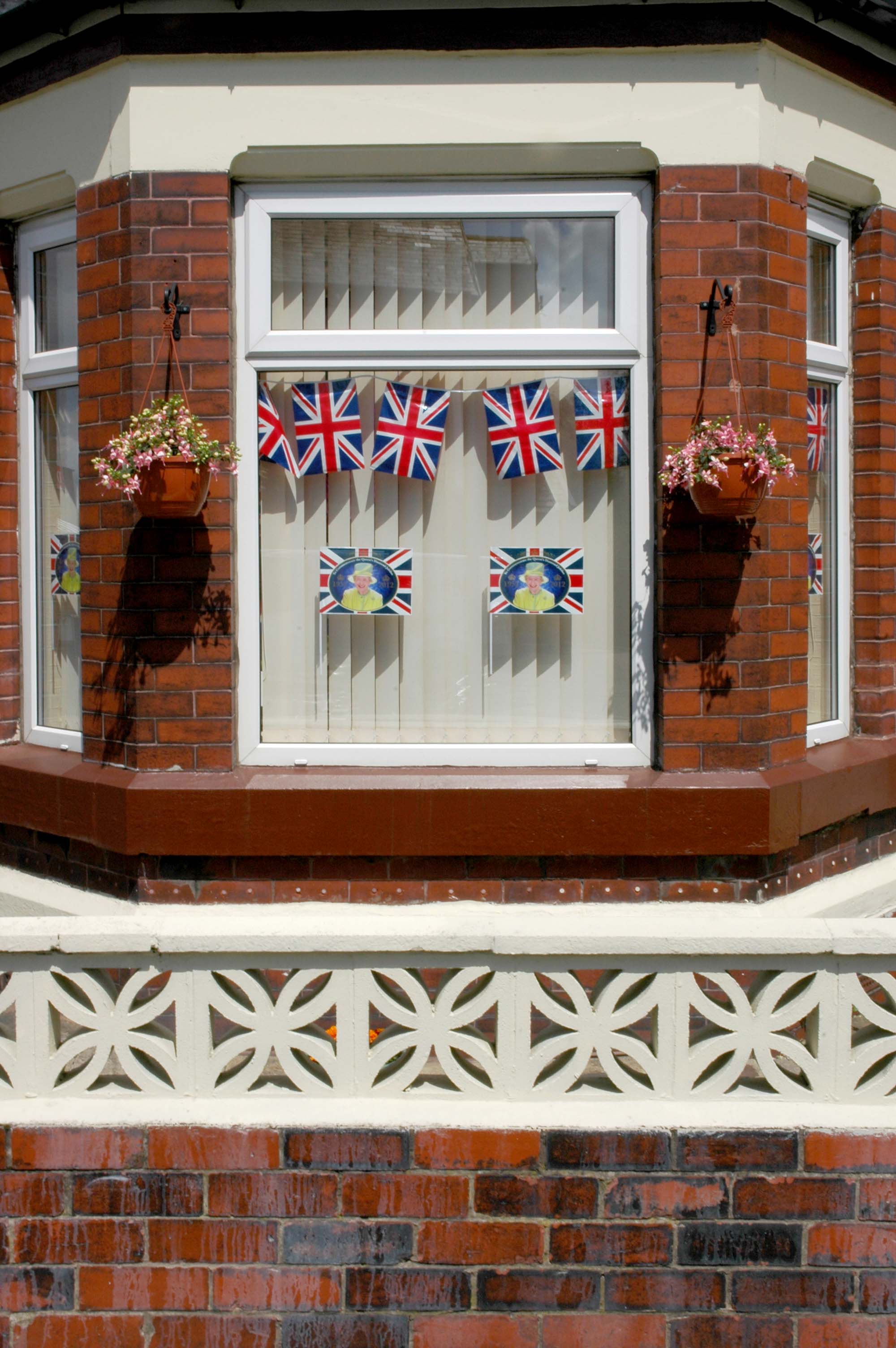
Celebrating the proliferation of California Screen Blocks, hanging baskets and vertical blinds.
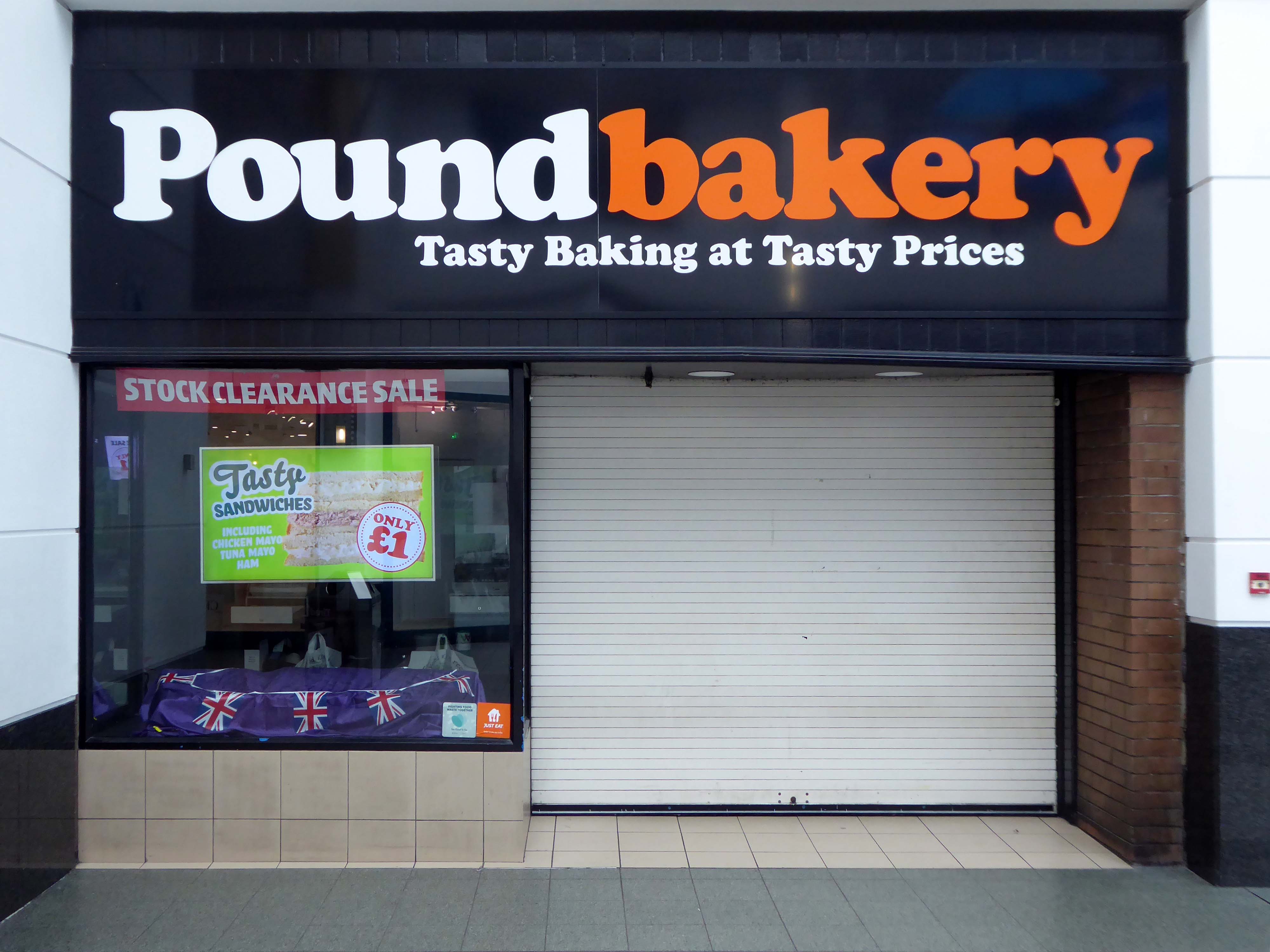
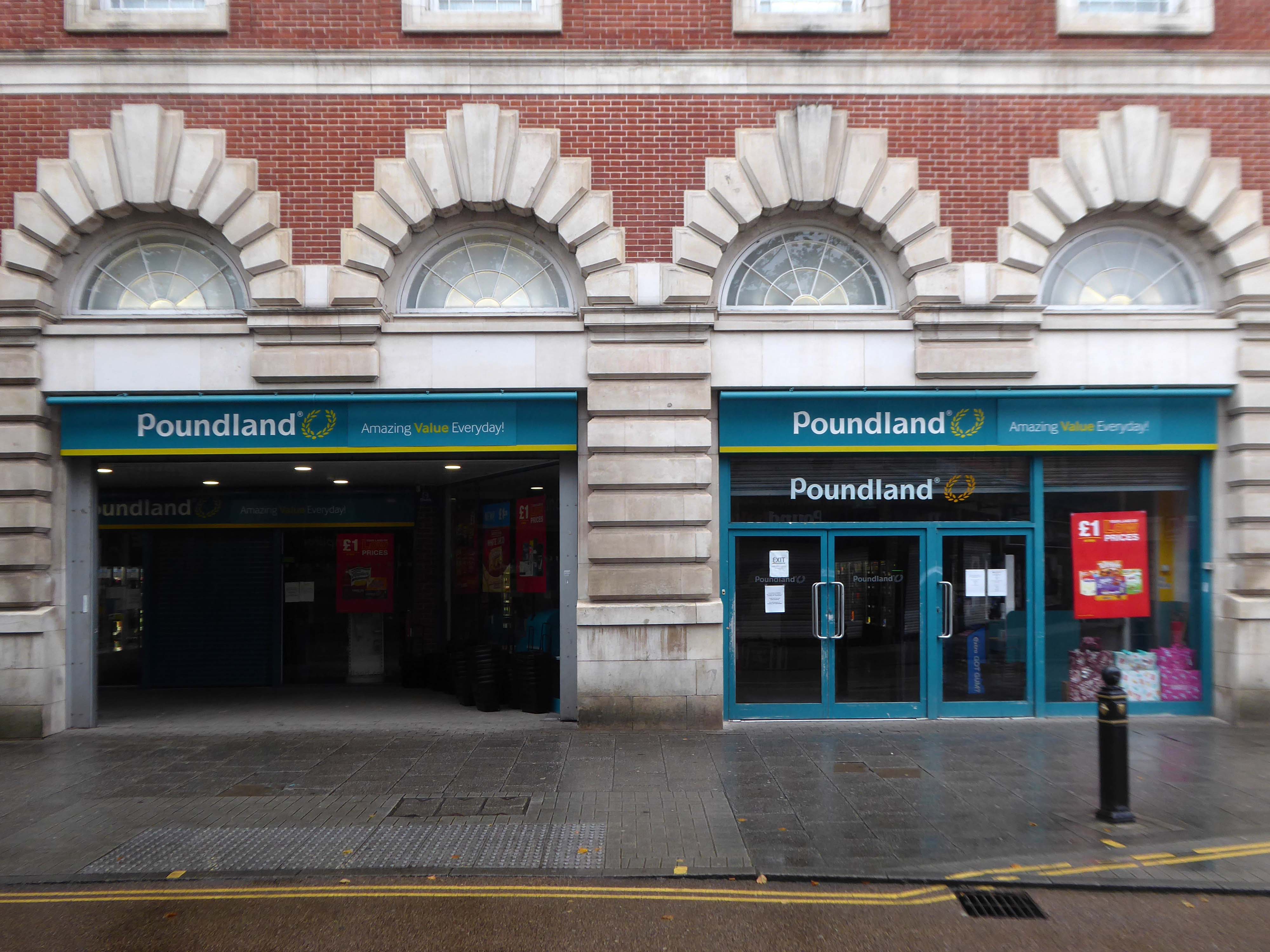
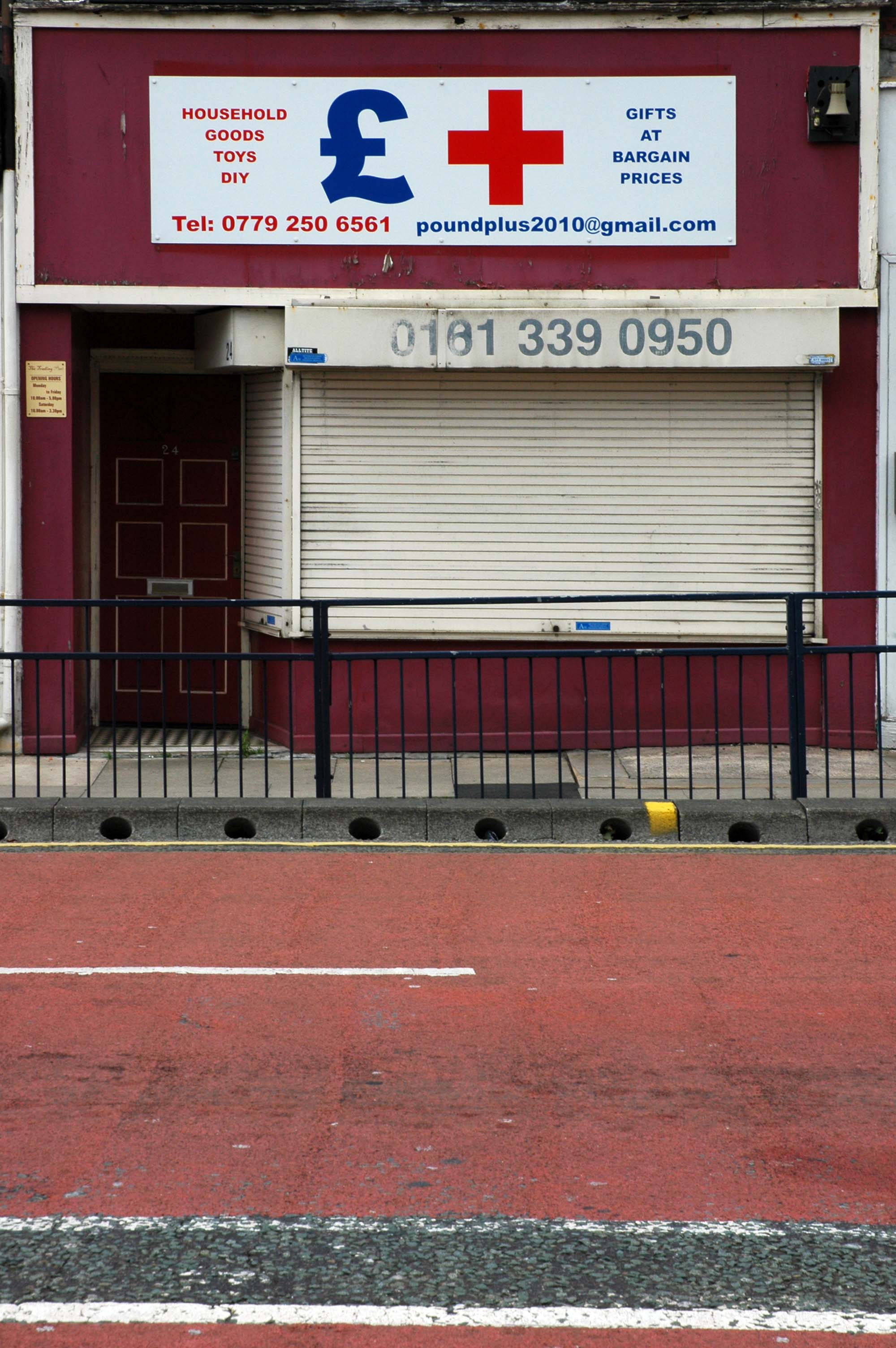
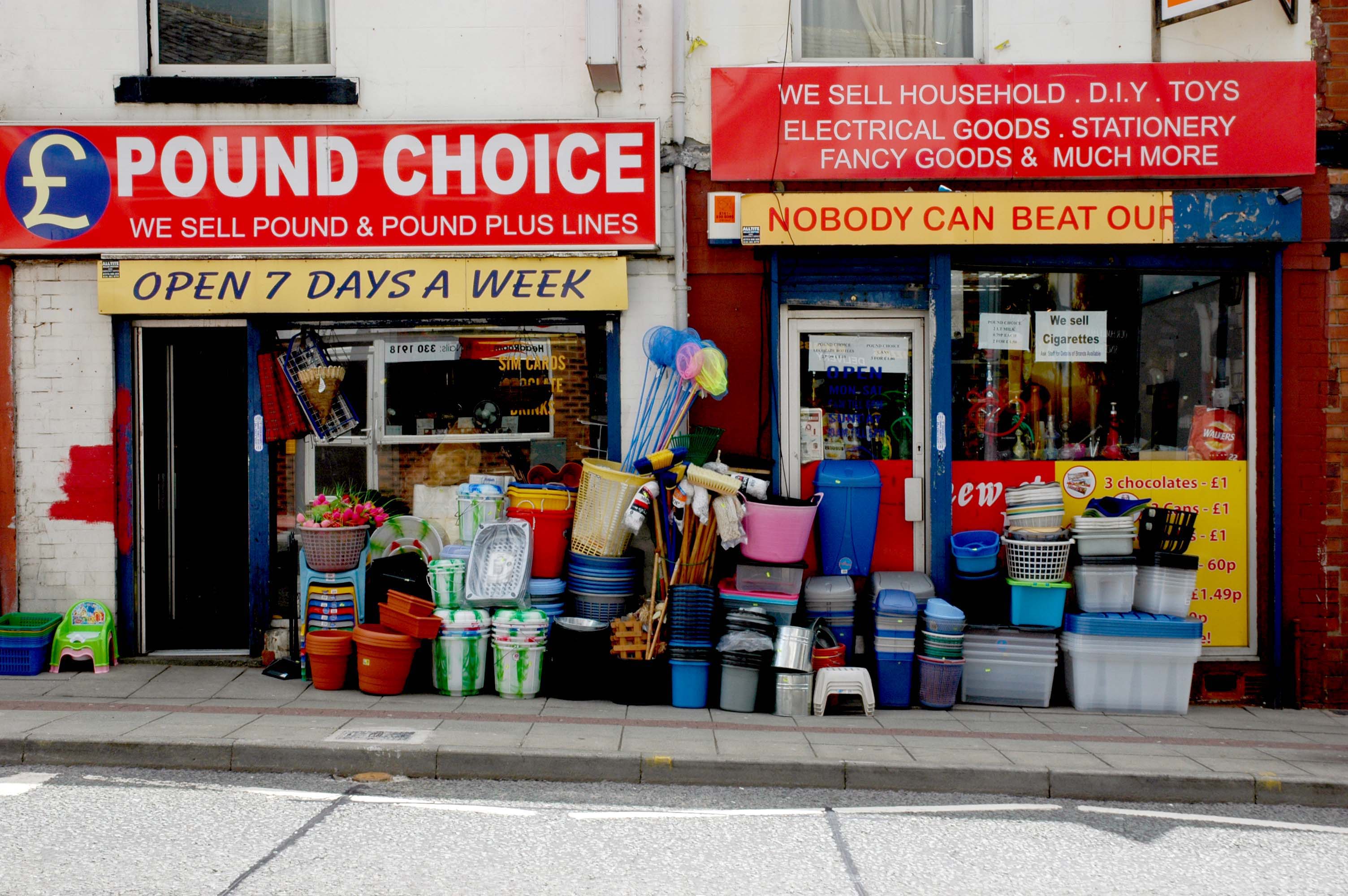
Celebrating the Pound Shop a profusion of road markings and pedestrian safety barriers.
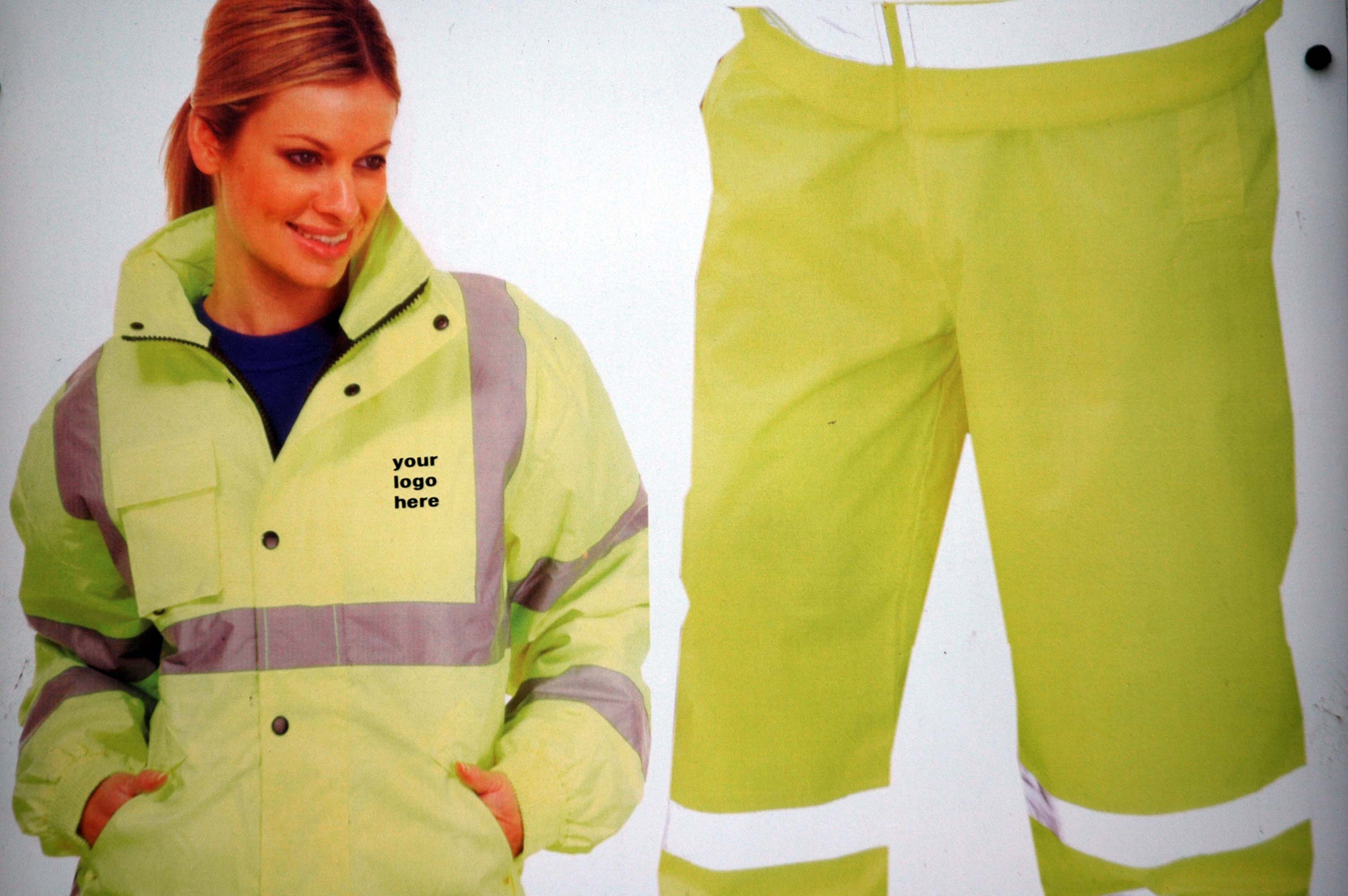
Celebrating High Visibilty Workwear and the proliferation of the logotype
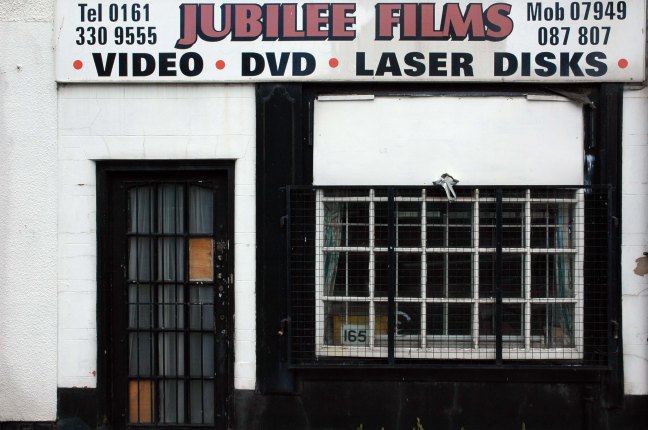
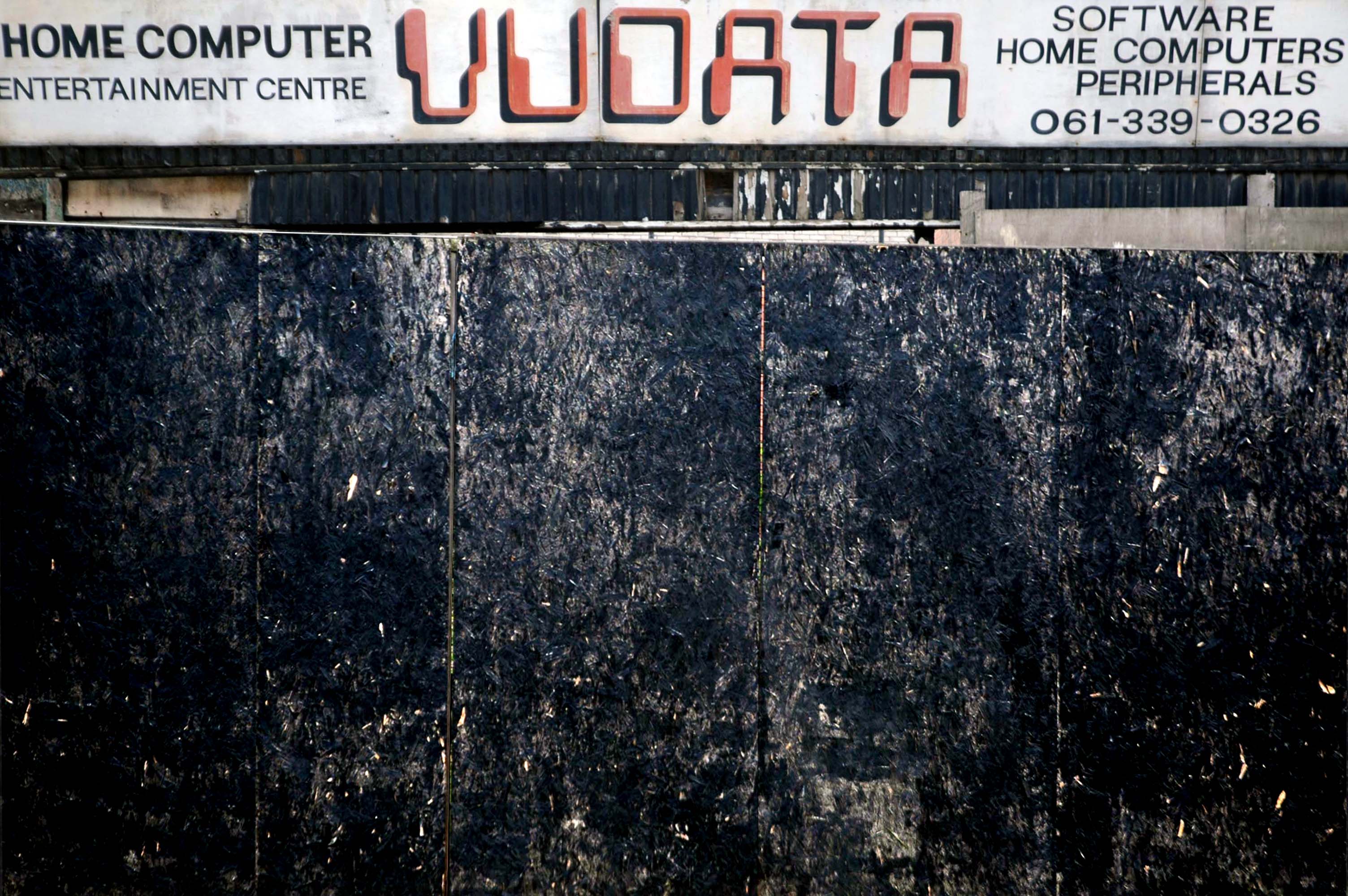
Celebrating advances in Information Technology and the decline of the retail sector.
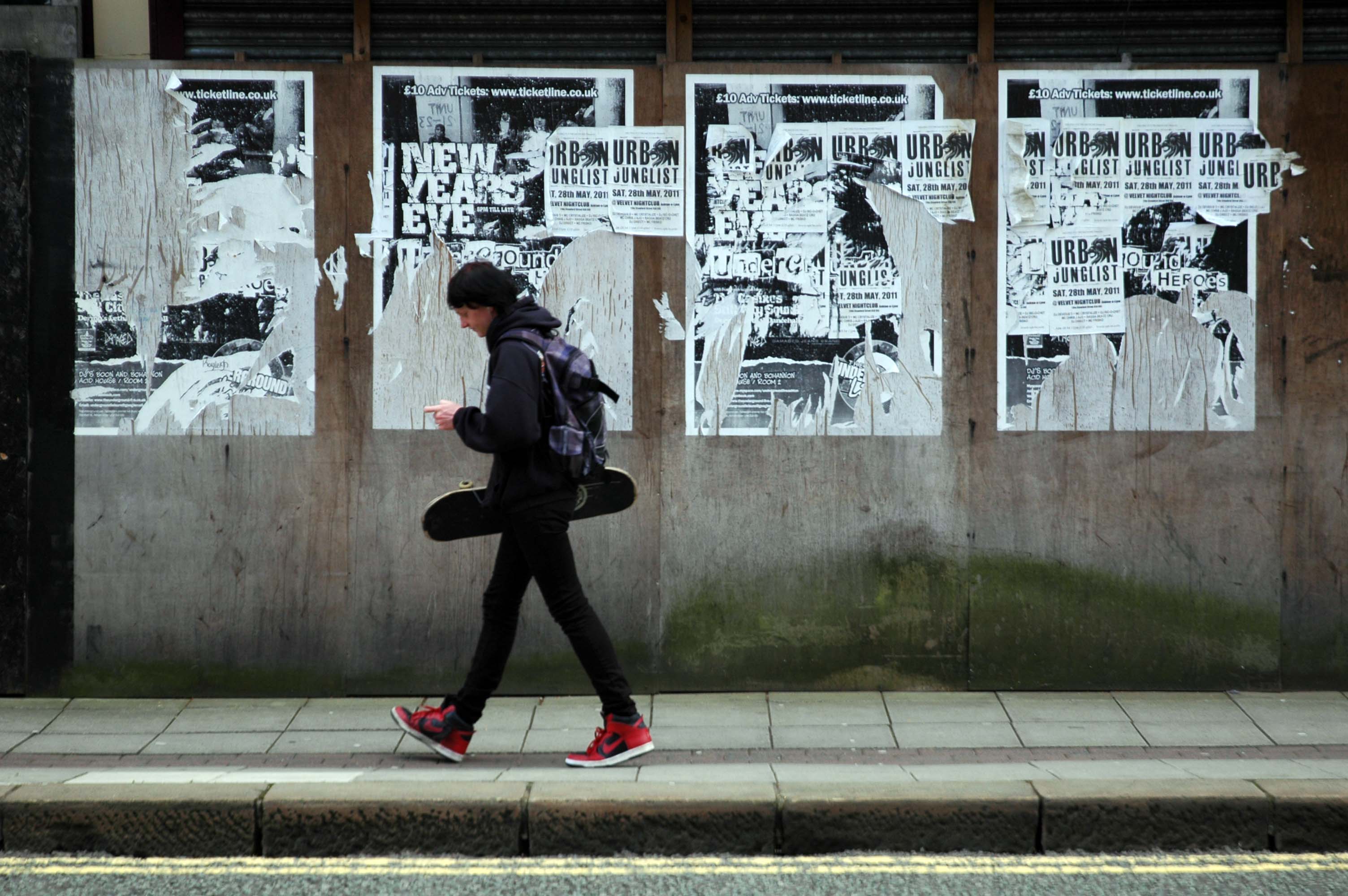
Celebrating advances in fly-posting, street skating, youth culture and musical diversity.
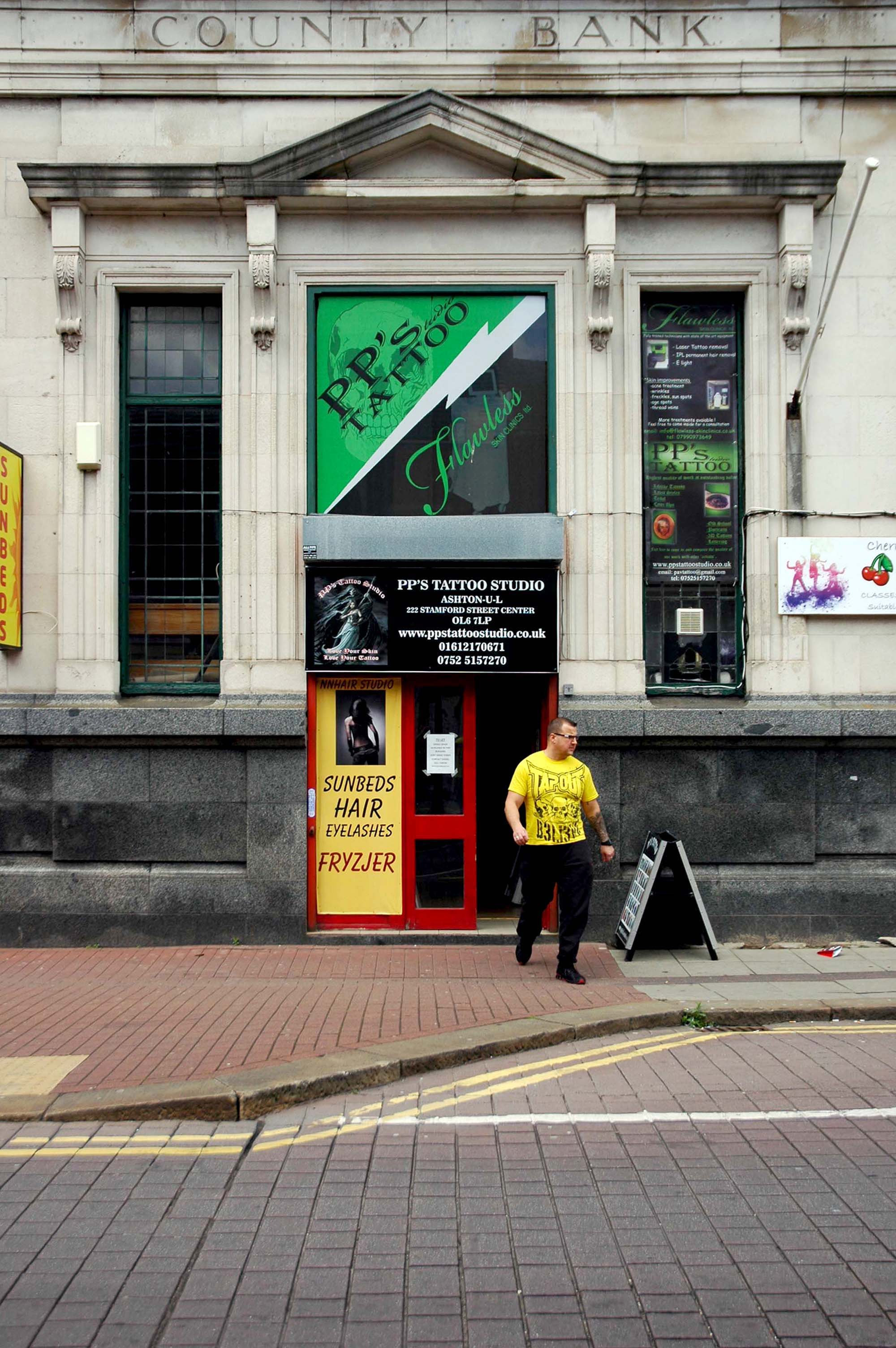
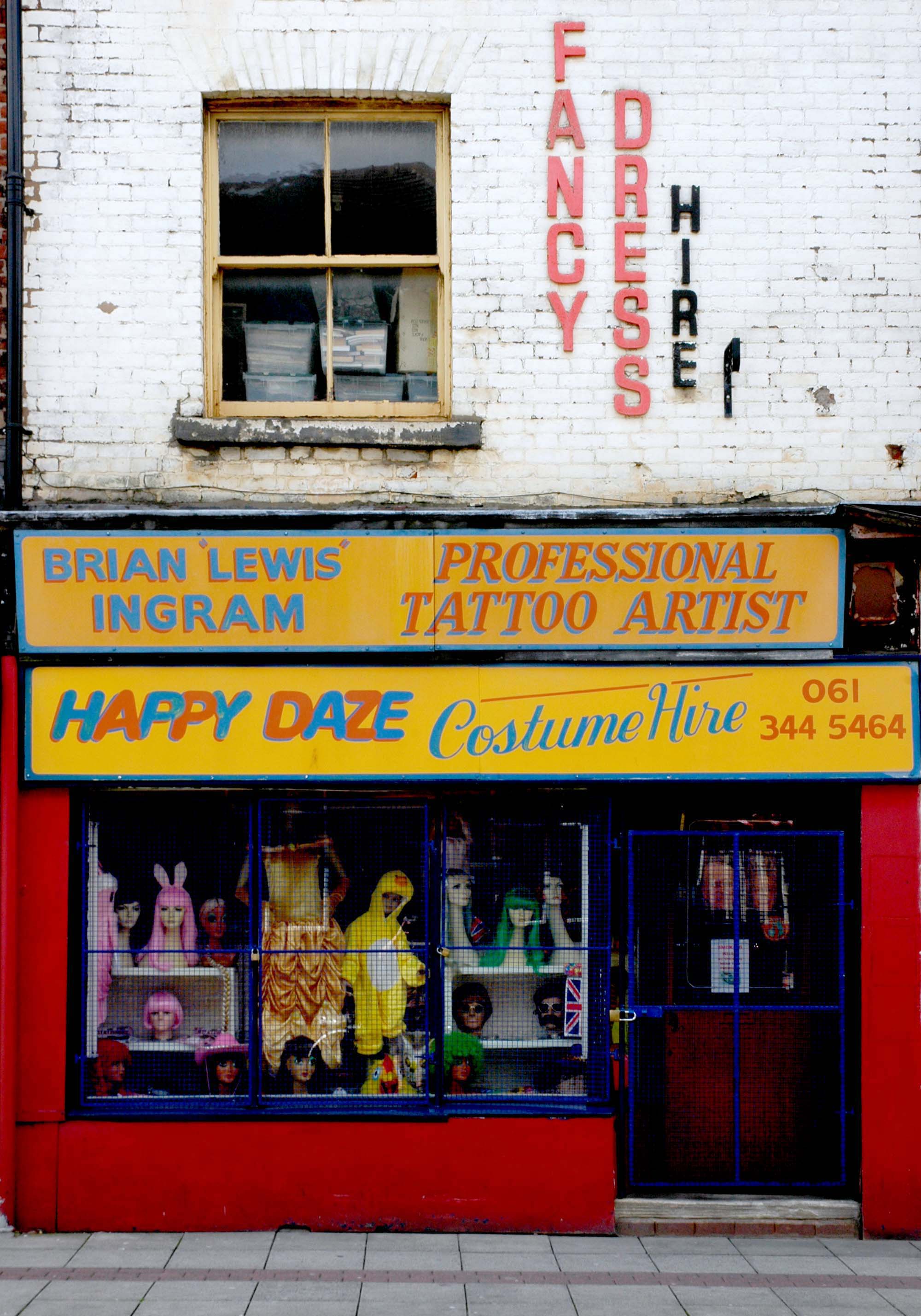
Celebrating the re-use of redundant banks, sun beds, tattooing and t-shirts.
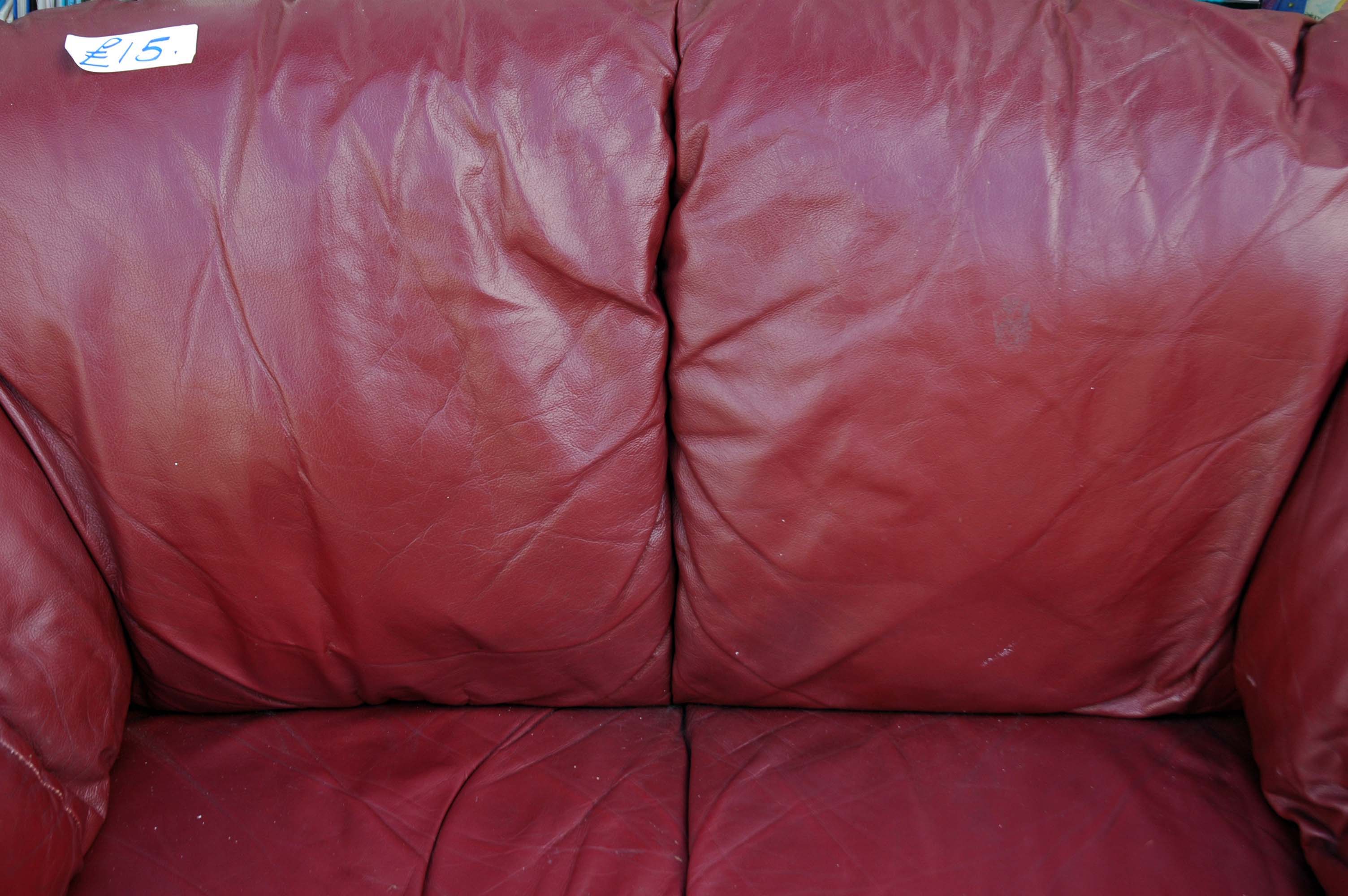
Celebrating advances in charity chop furniture pricing and the proliferation of leather sofas.
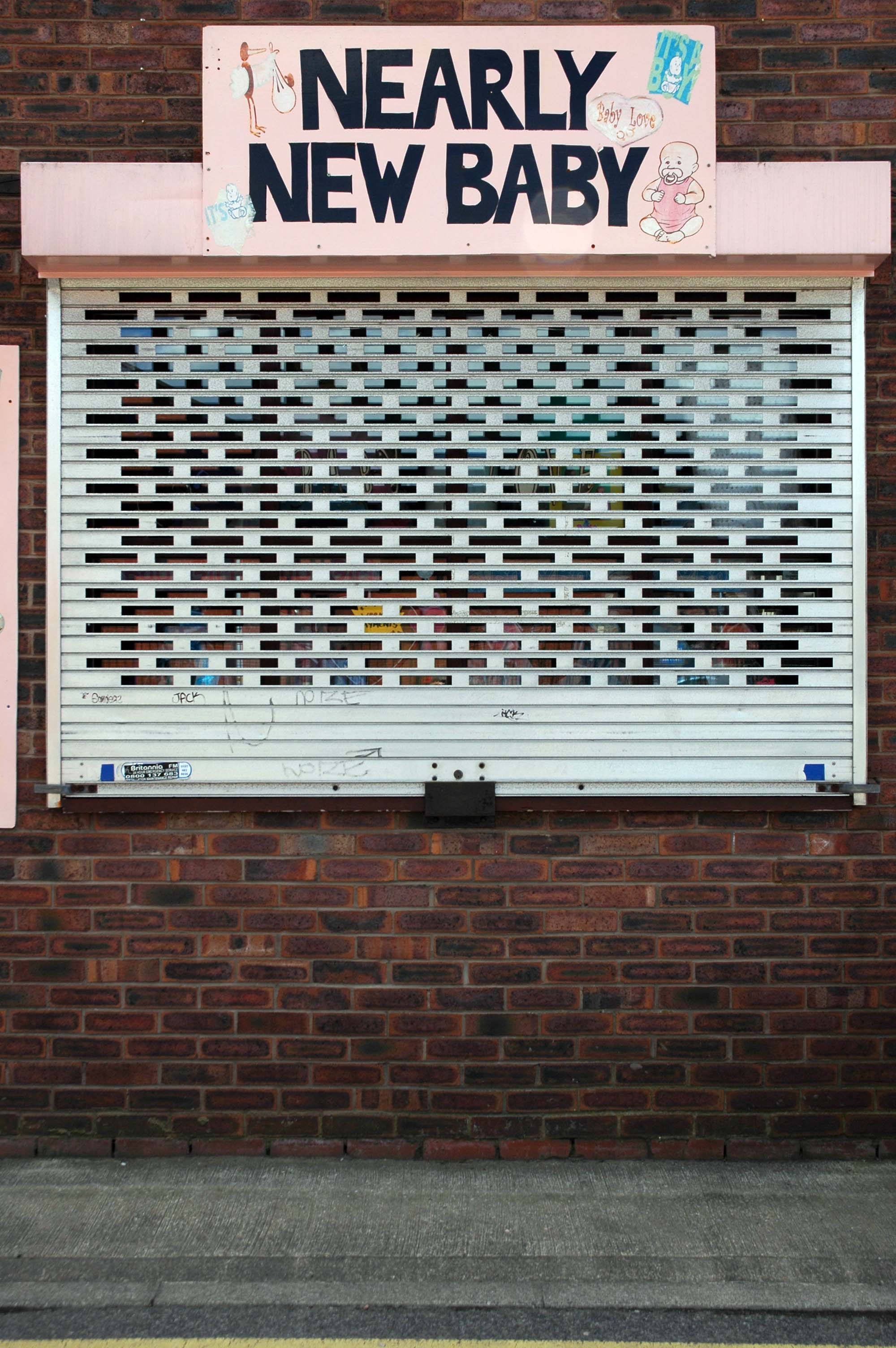
Celebrating the proliferation of the shuttered window, babies and home made retail signage.
Celebrating niche marketing in the child-based, haircare market and developments in digitally originated vinyl signage.
Celebrating street art and British popular music and modern cuisine.
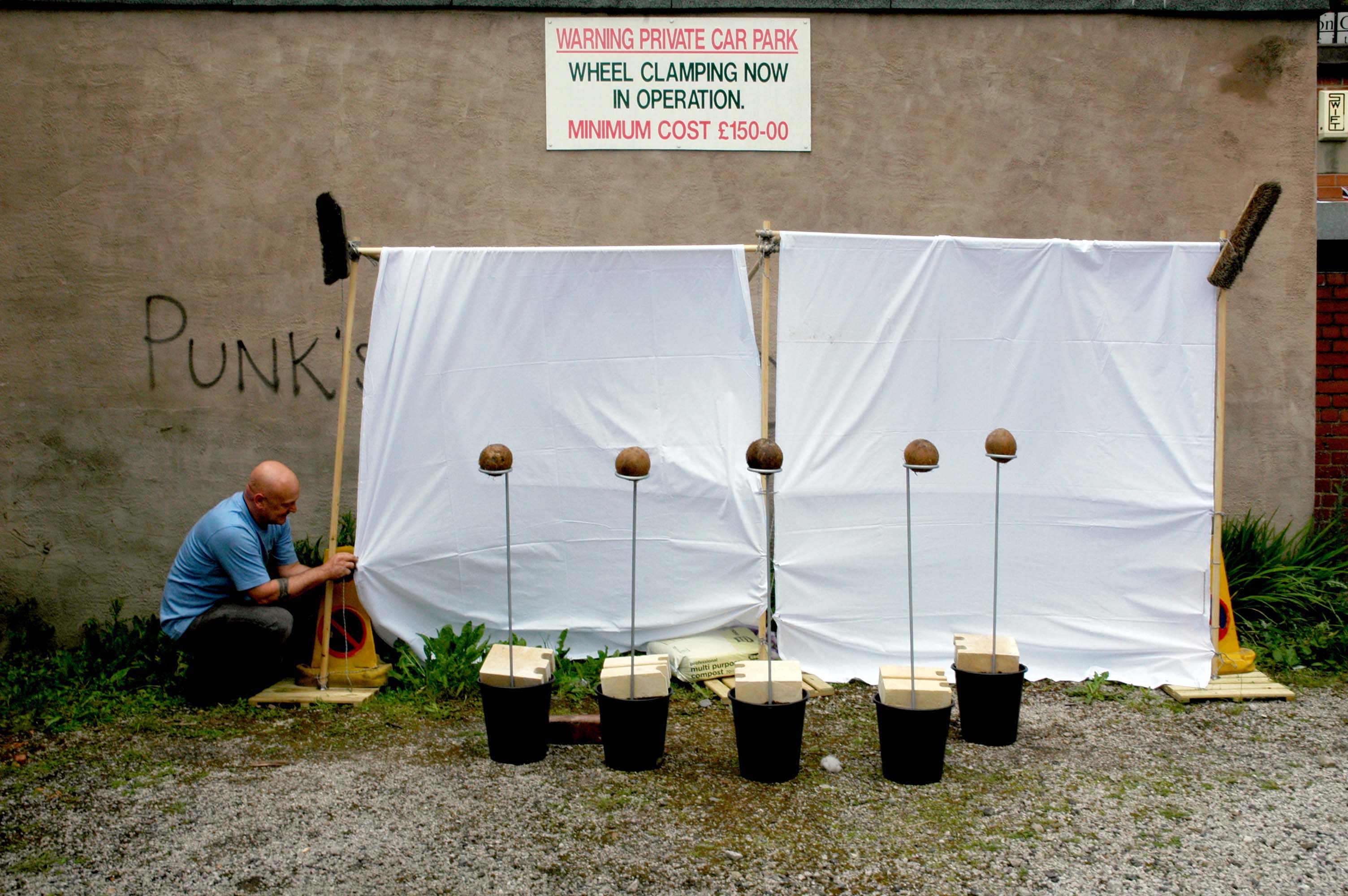
Celebrating Punk Rock, wheel clamping and British can-do!
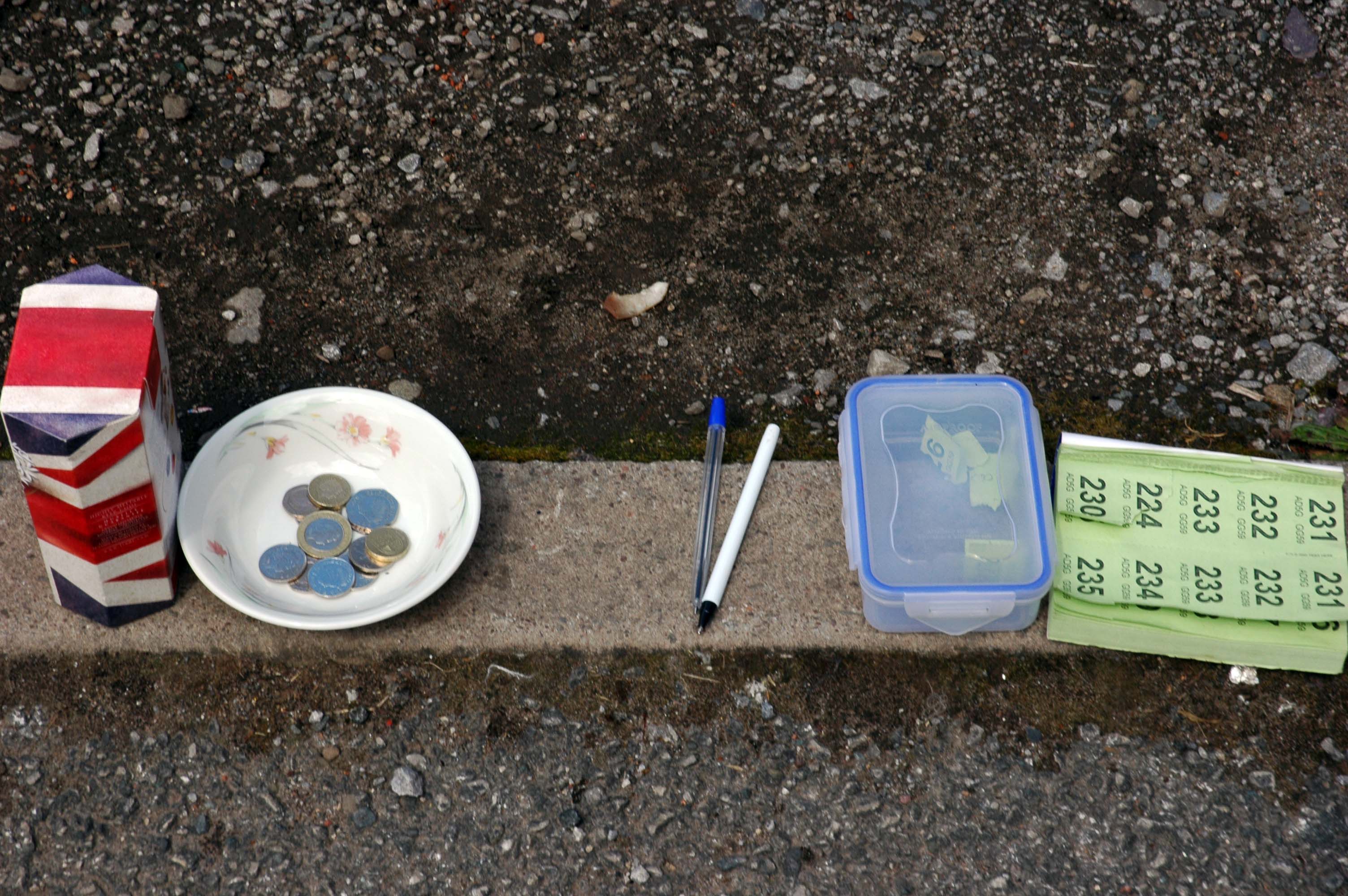
Celebrating the introduction of decimal coinage, raffle tickets, cheap biros, affordable imitation Tupperware, raffles and the Union Flag
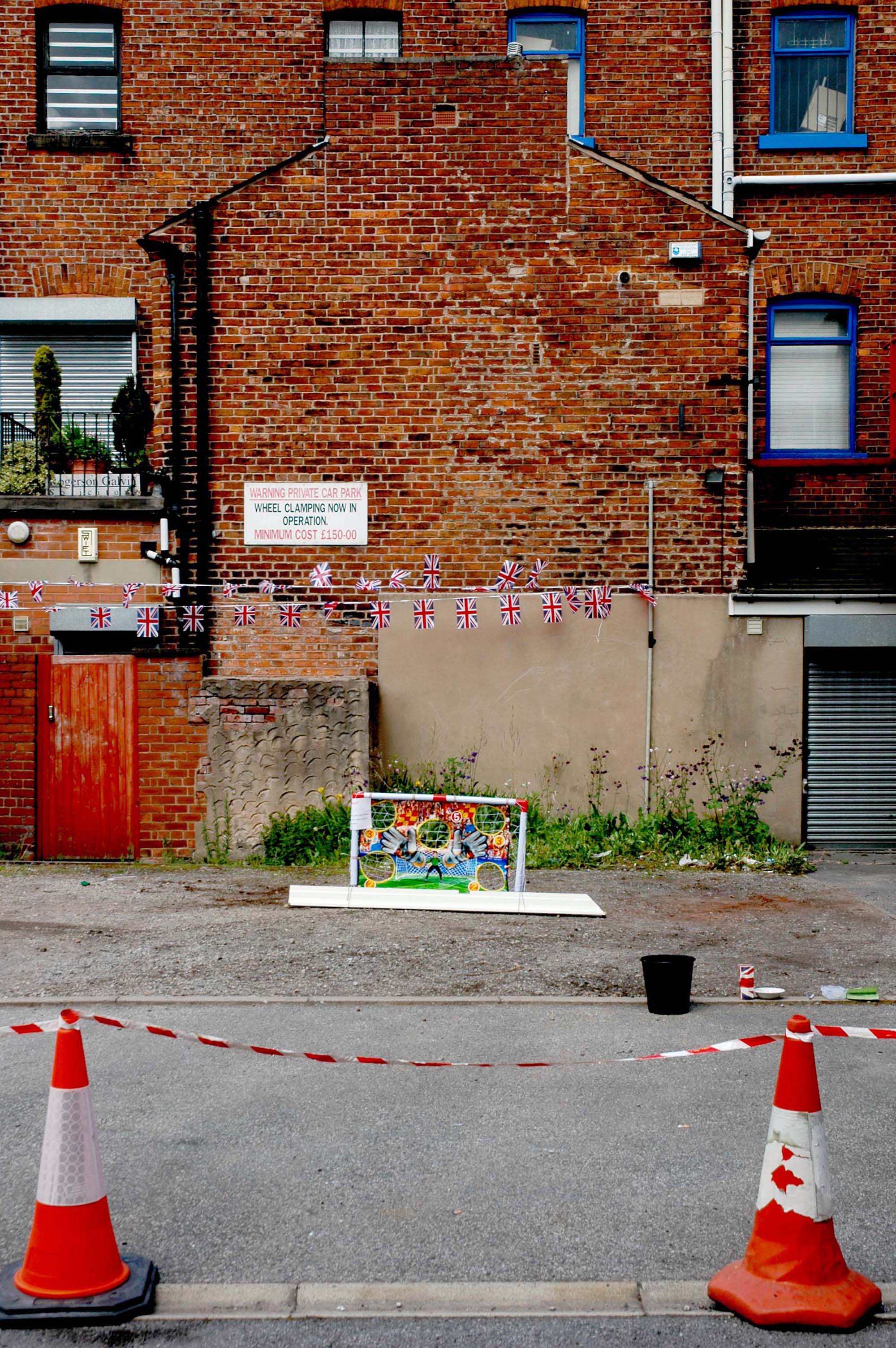
Celebrating the huge importance of Association Football, hazard tape, shuttered doors and the ubiquity of the traffic cone.
Celebrating the ever growing popularity of Fancy Dress.
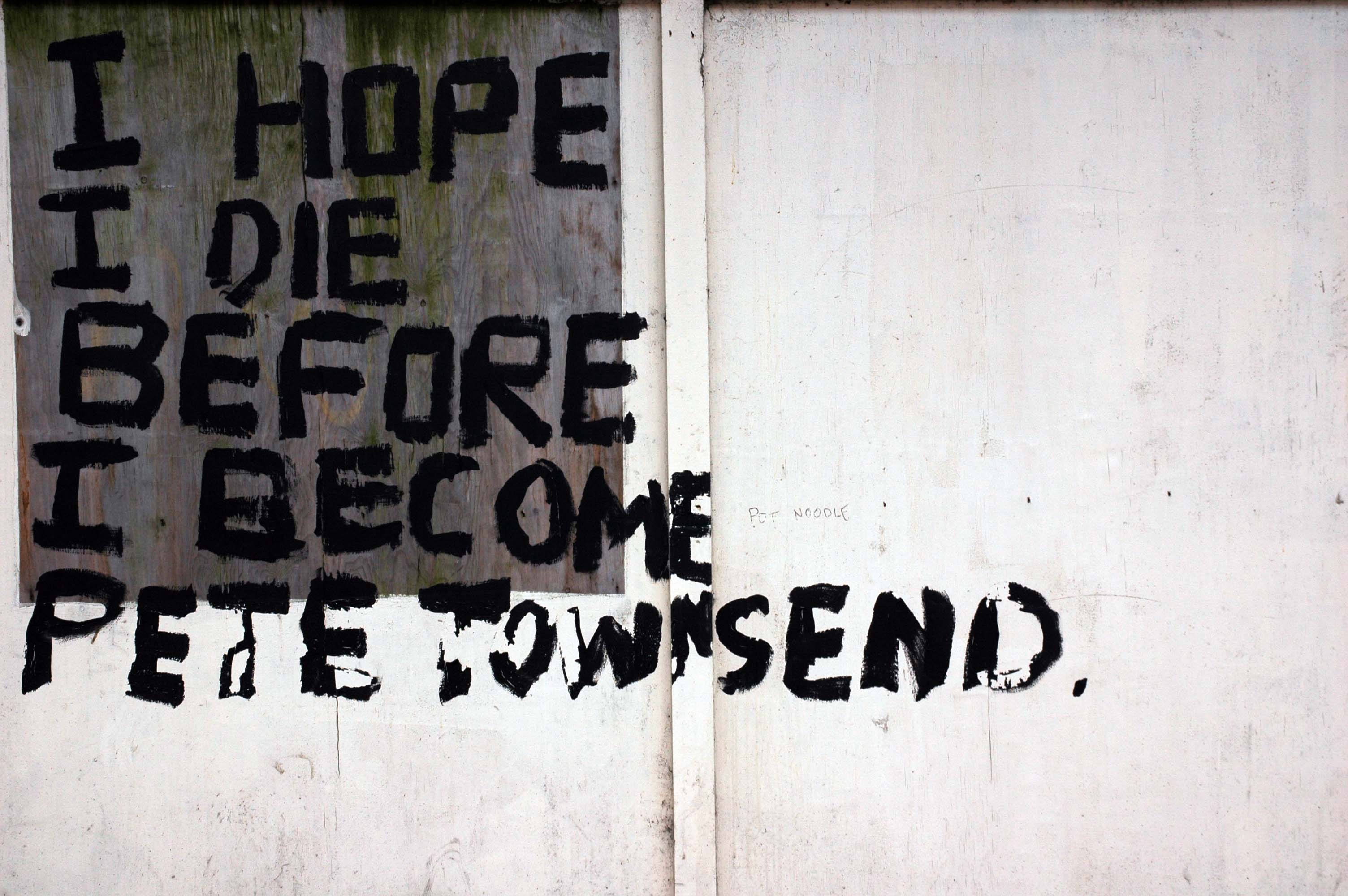
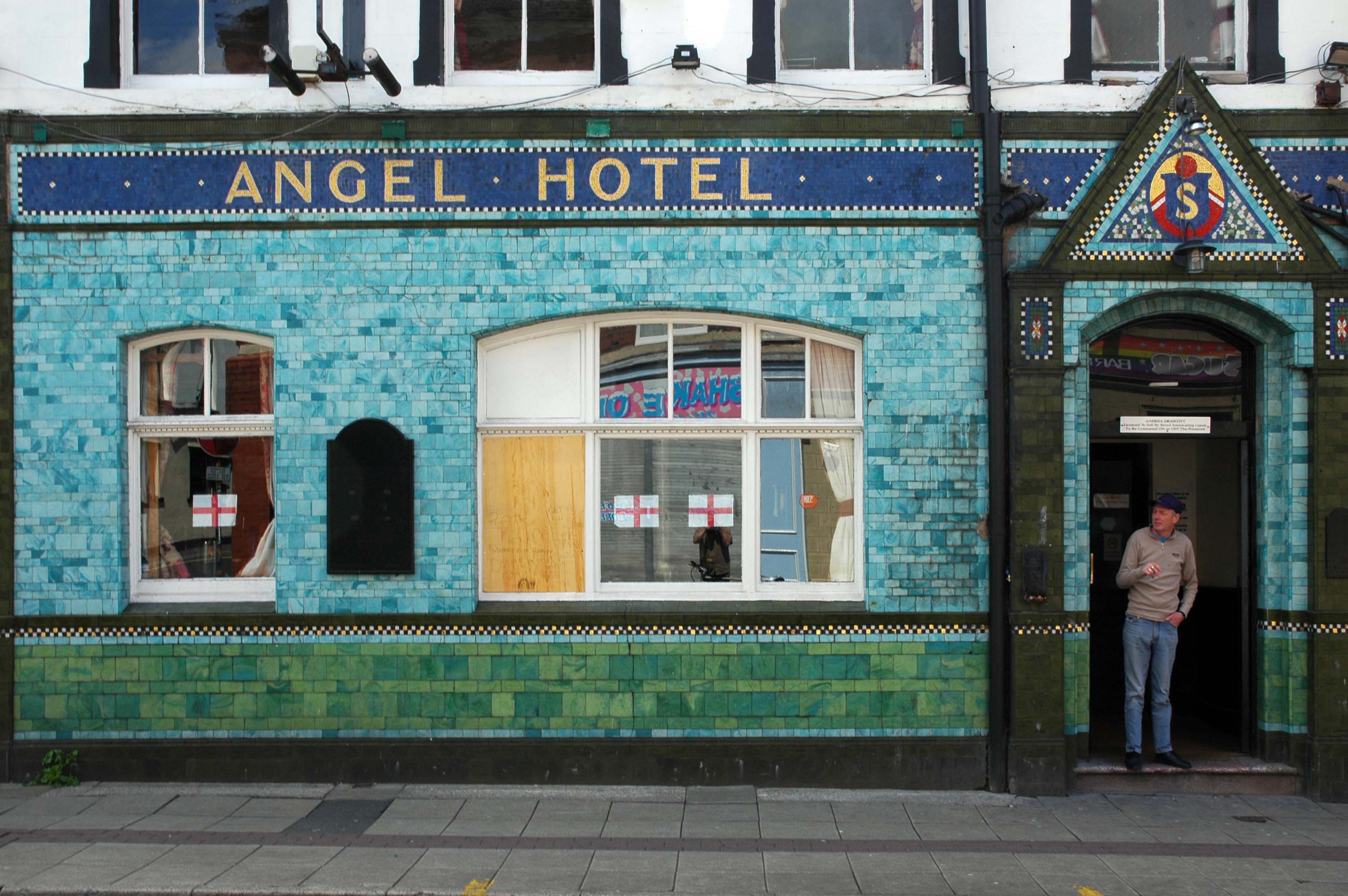
Celebrating pub tiles, the smoking ban, the use of plywood as an acceptable window replacement material and the current confusion regarding Britishness and Englishness.
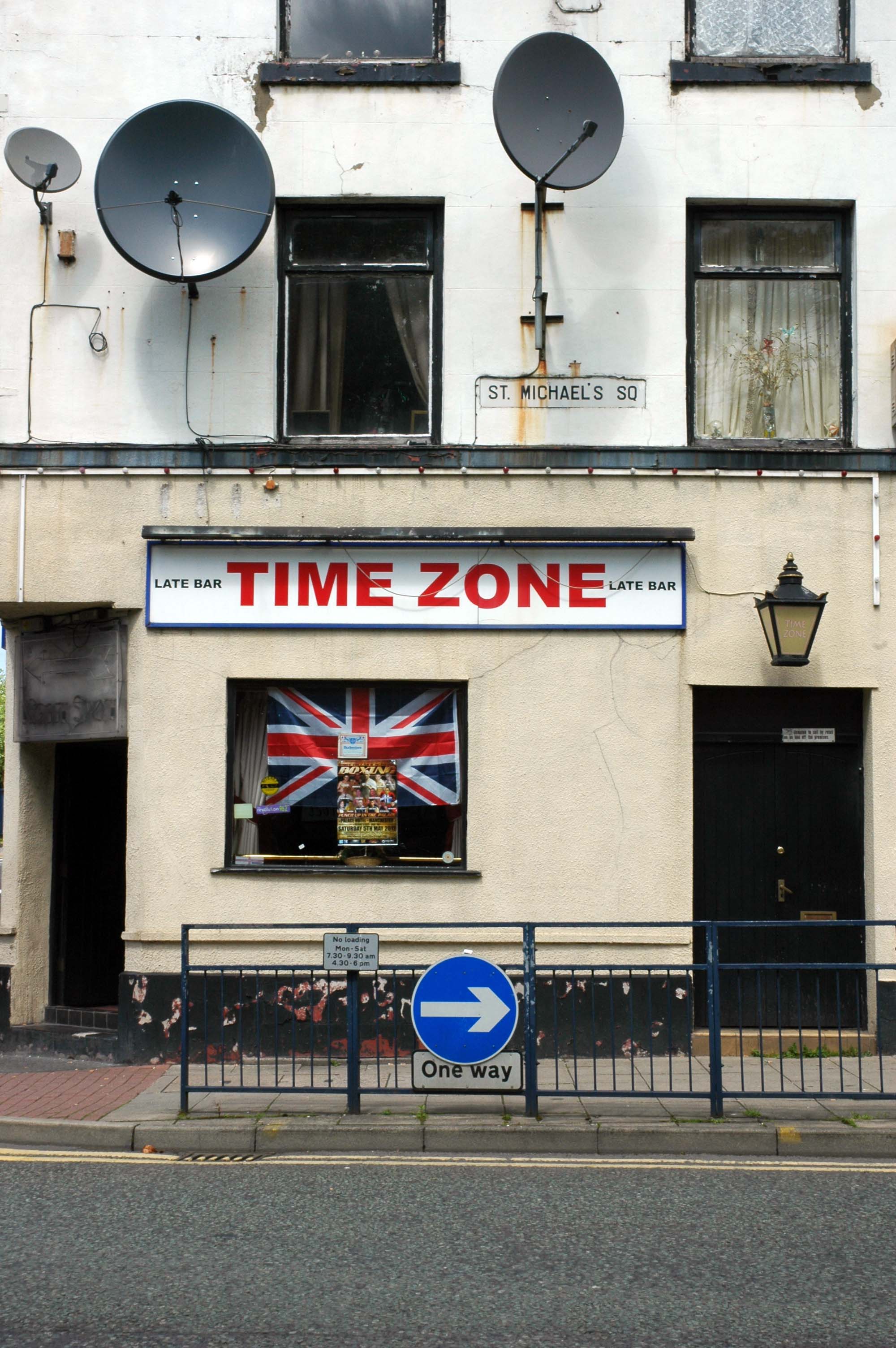
Celebrating satellite telly, faux Victoriana and the development of the one way traffic system.
Celebrating plastics in the service of the modern citizen.
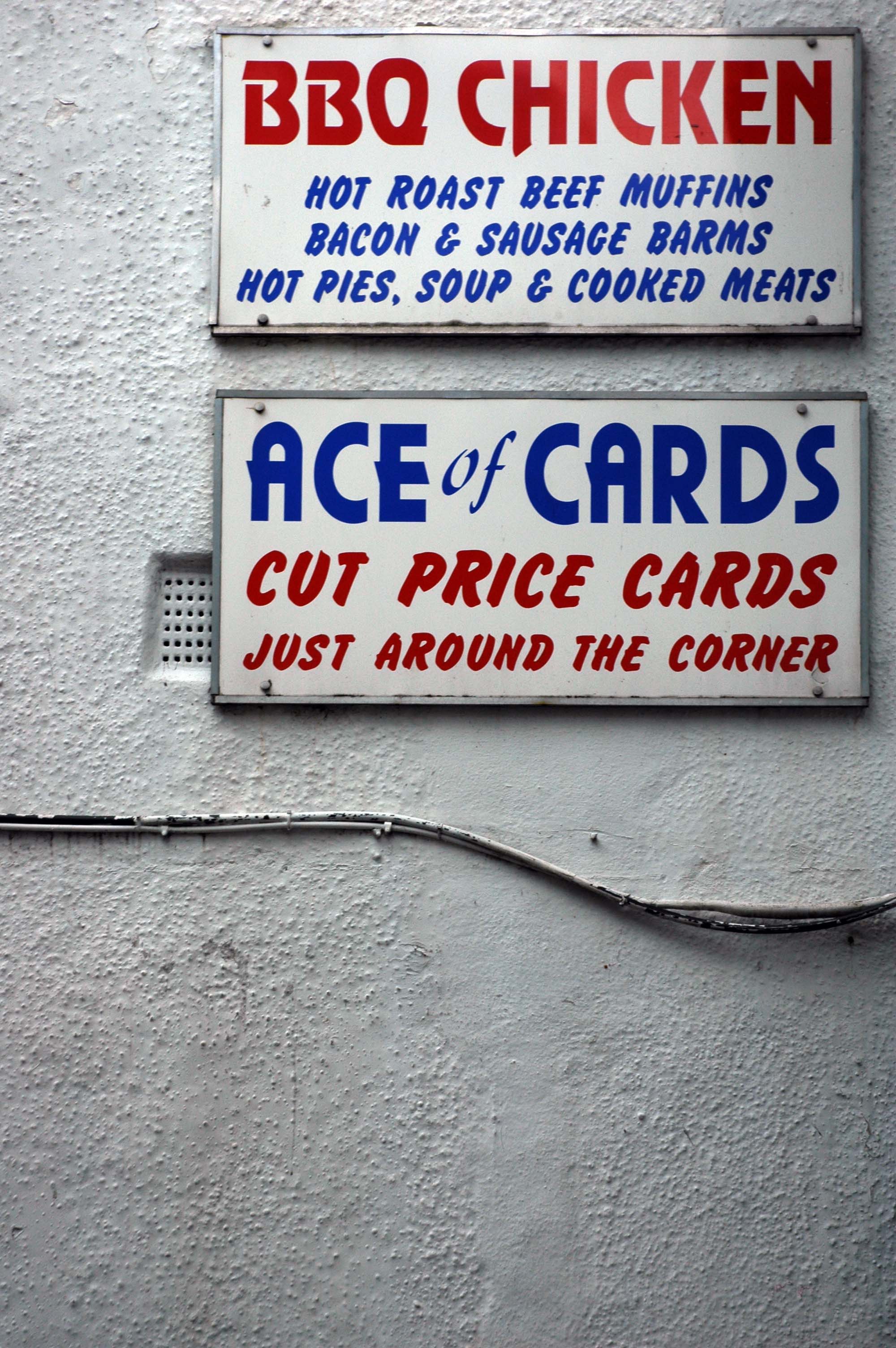
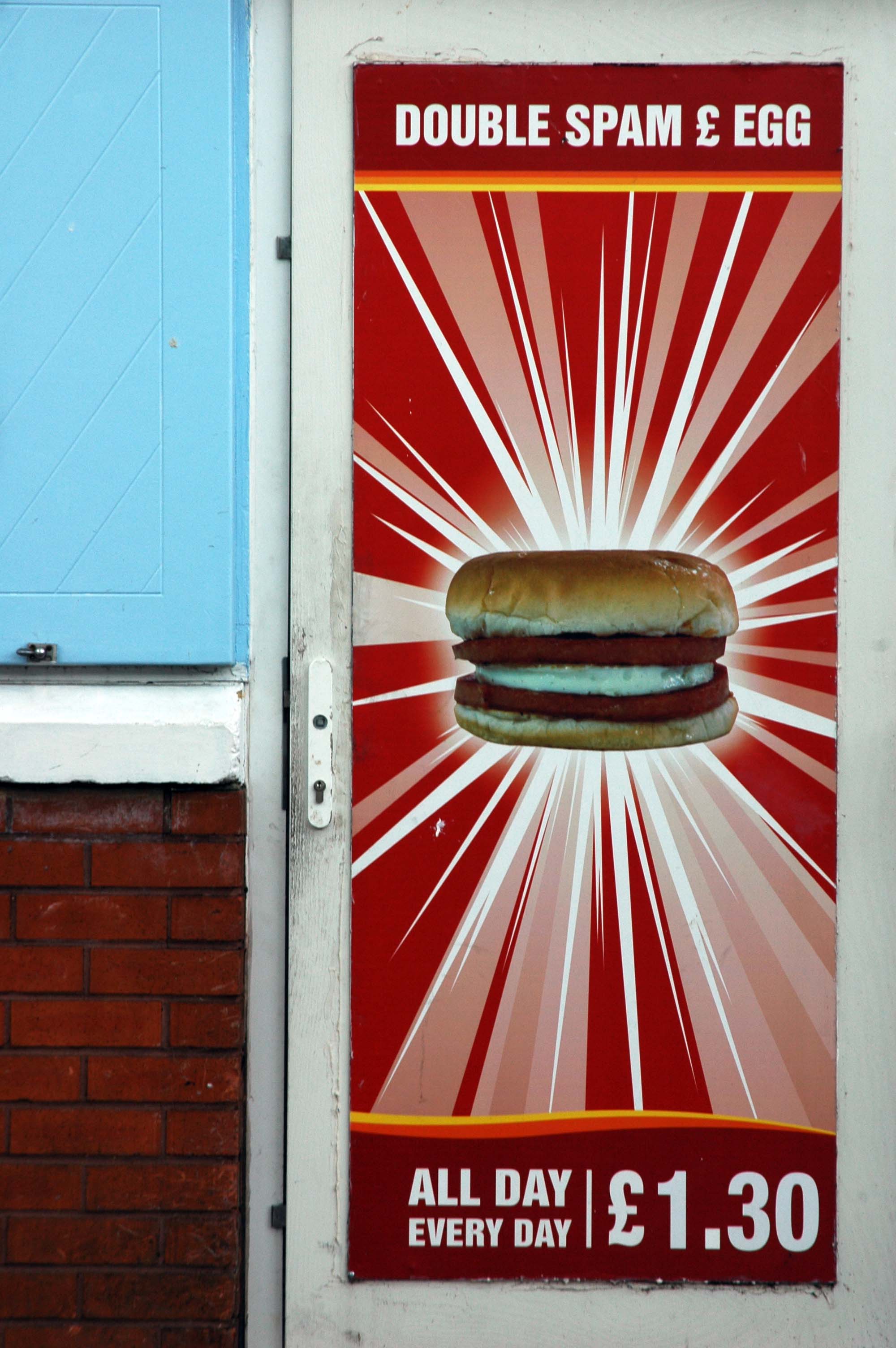
Celebrating laser-cut vinyl, adhesive lettering, regional cuisine and the imaginative minds of those who name our modern retail outlets.
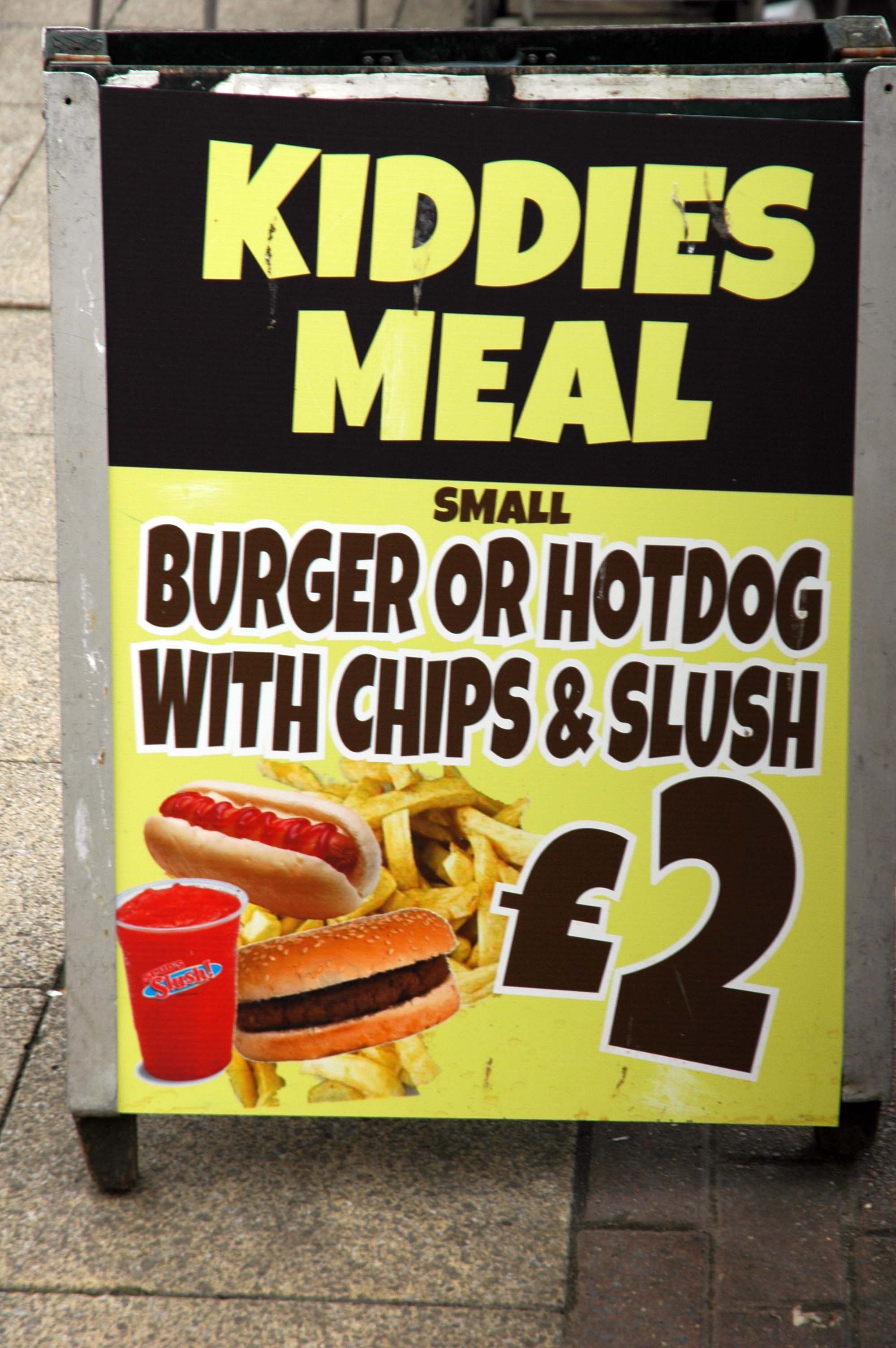
Celebrating the welcome Americanisation of our youngster’s diet – Slush you couldn’t make it up!
Celebrating the welcome Americanisation of our youngster’s diet – Slush you couldn’t make it up!
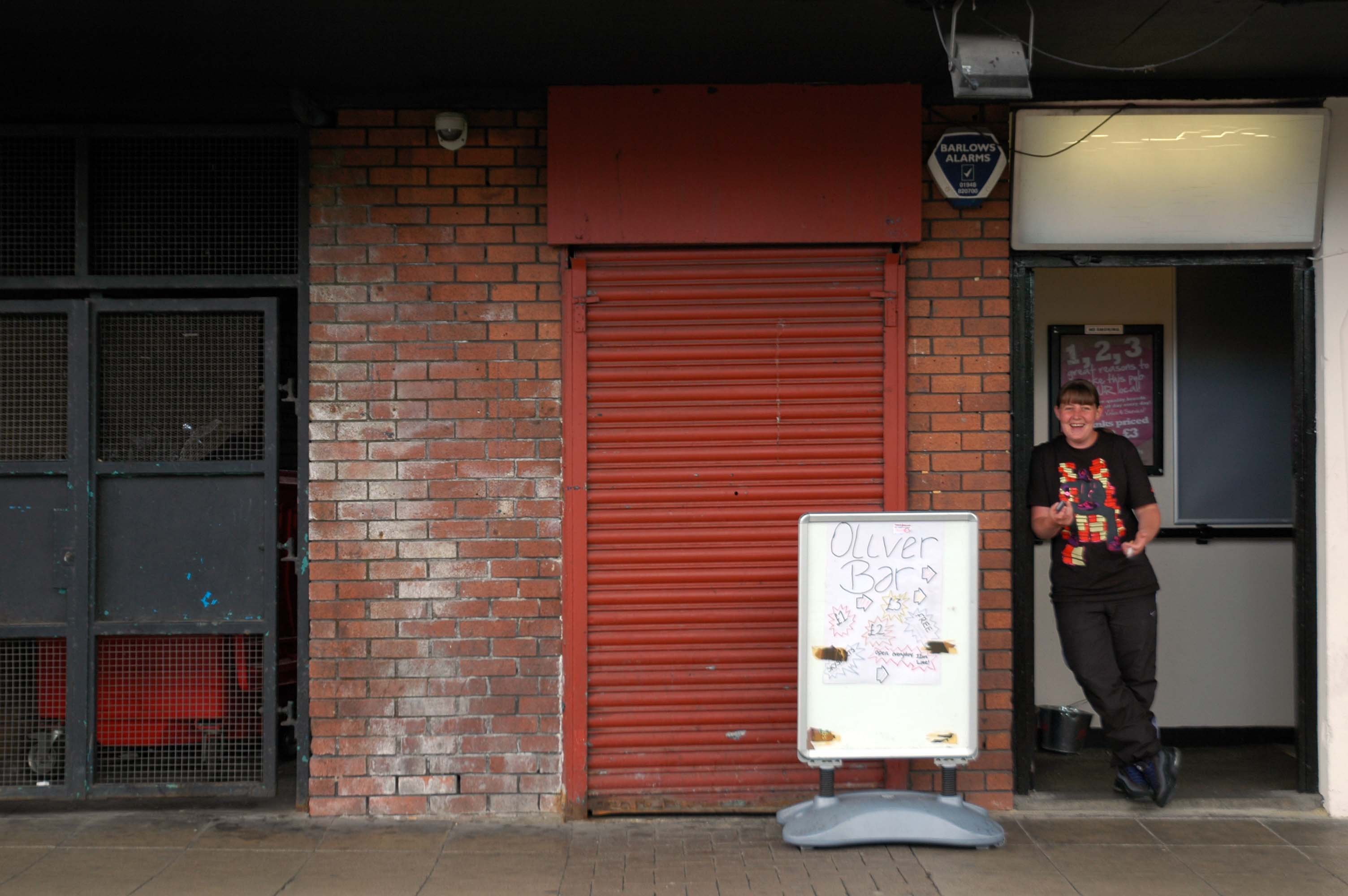
Celebrating the return of the £1 pint, here at Oliver’s Bar, formerly The Cavern, a superbly appointed Bass Charrington owned, underground pub.
My thanks to Emma Noonan for kindly appearing in the doorway.
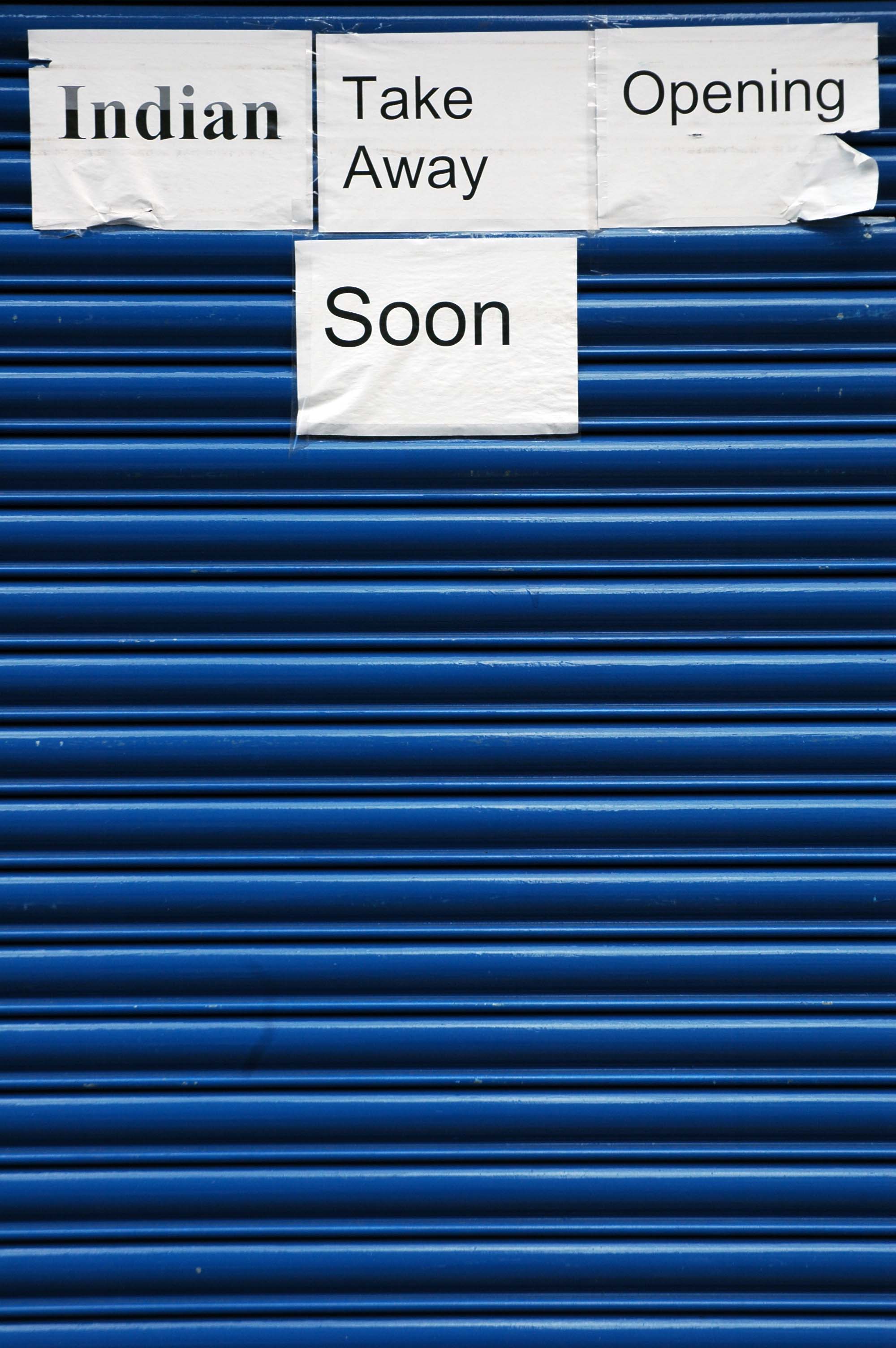
Celebrating our ever widening range of ethnic cuisine and the use of the ingenious A4 laser-written poster montage.
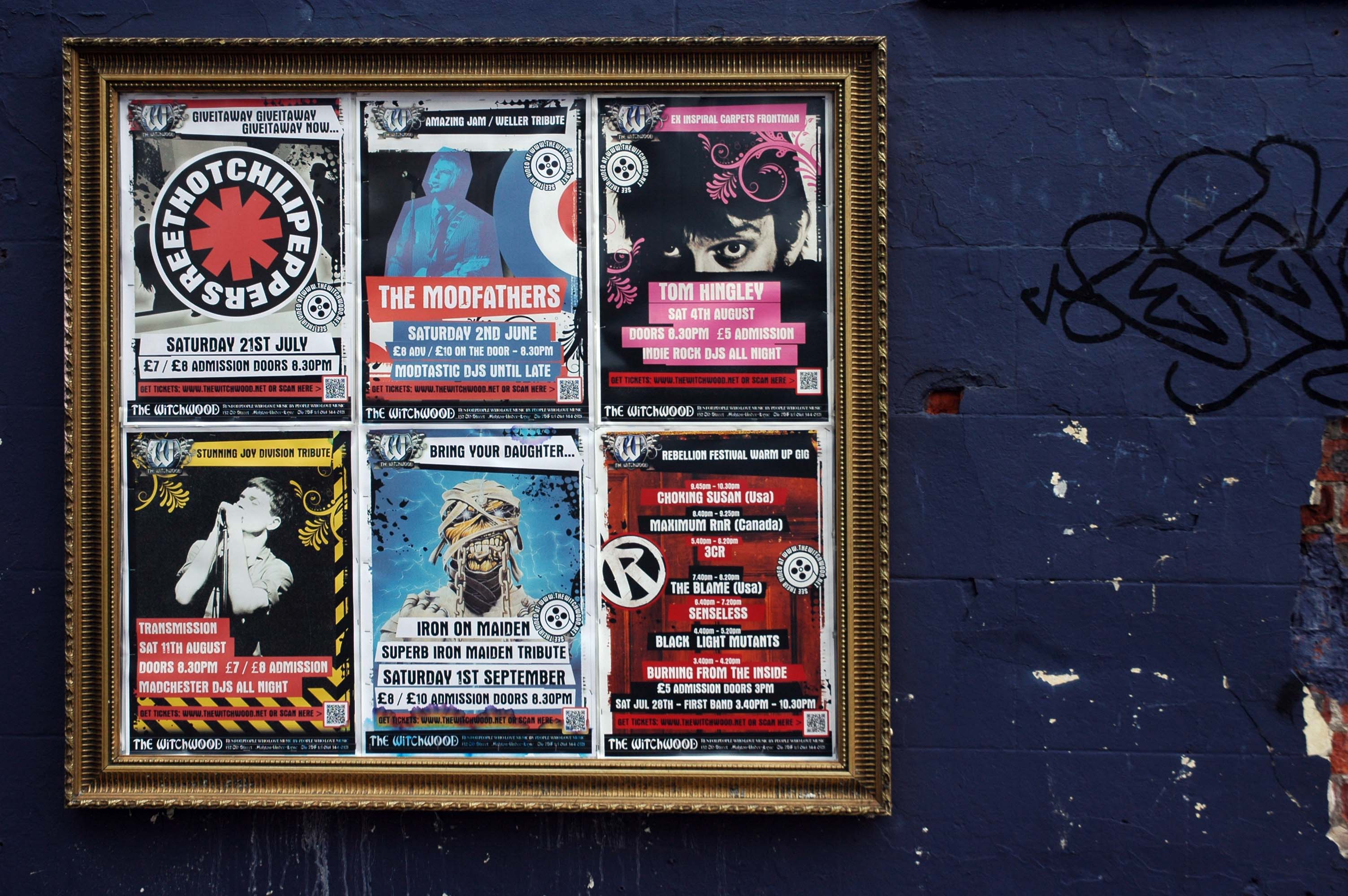
Celebrating the wide variety of vernacular tribute bands – Reet Hot Chilli Peppers?
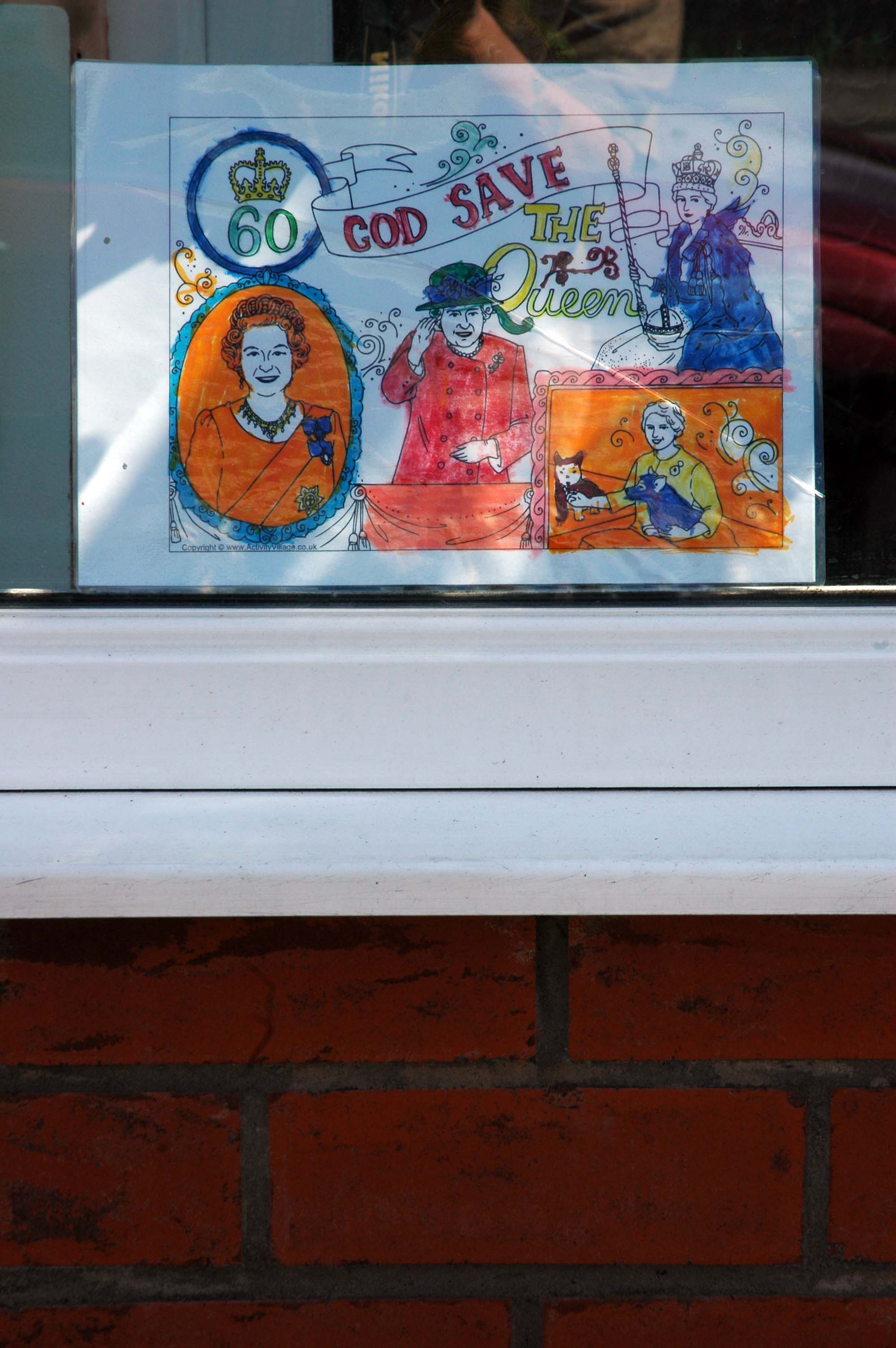
Celebrating the ever popular art of colouring-in and the wide availability of the felt tip pen.