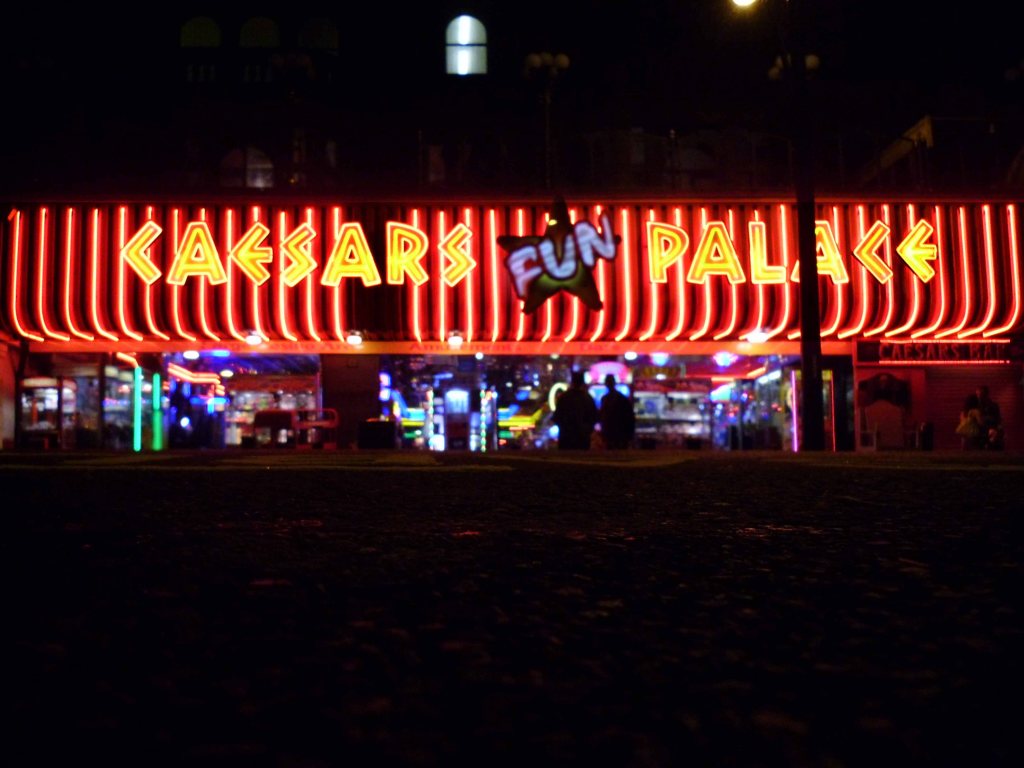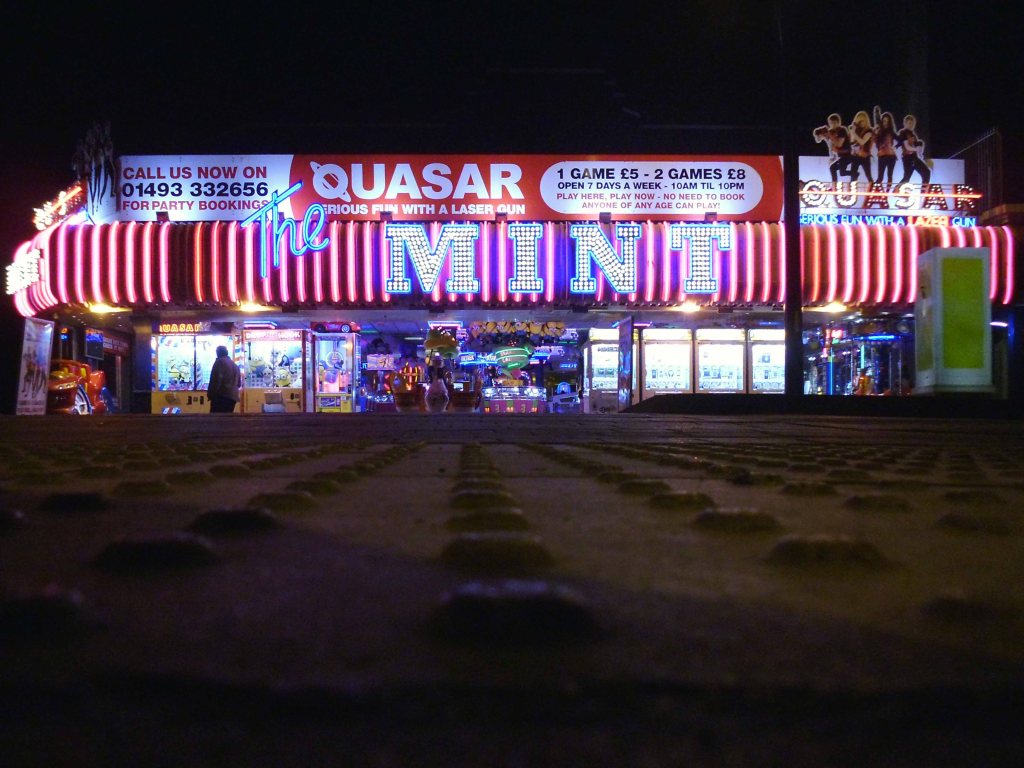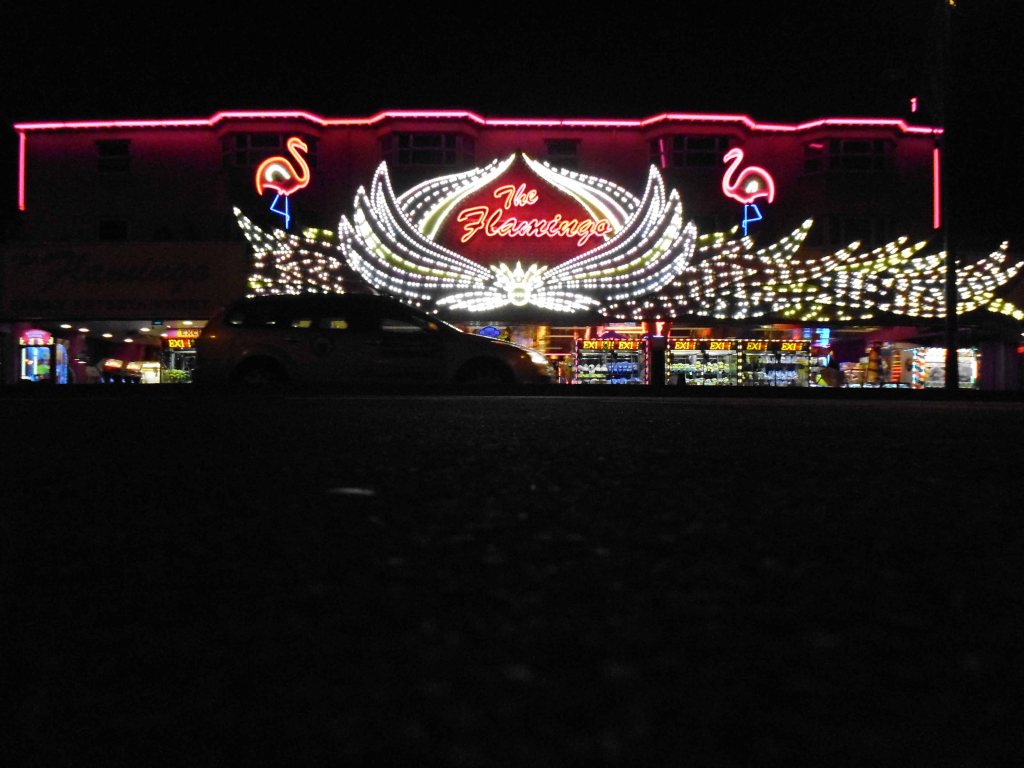
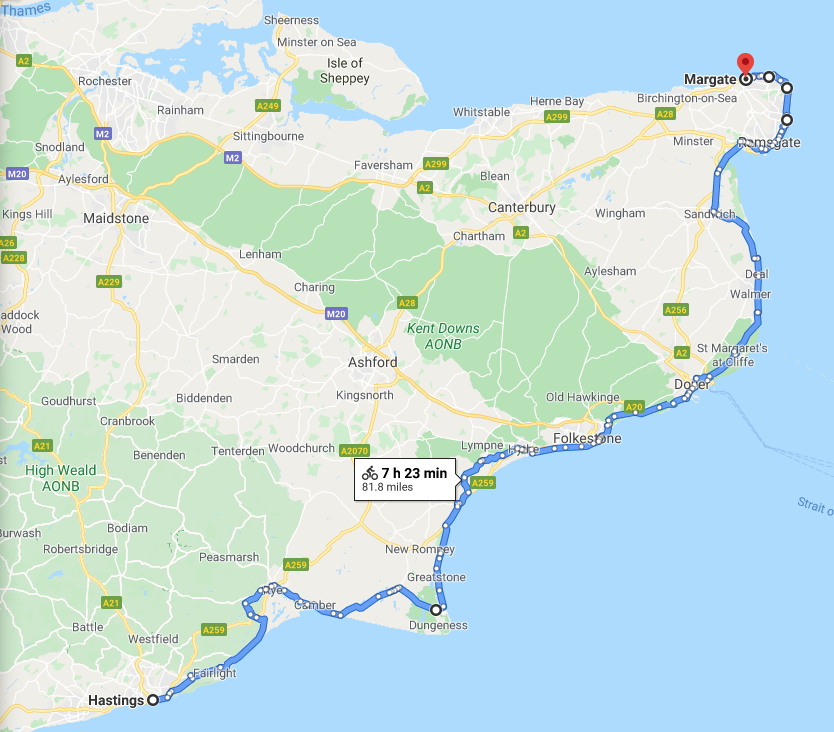
Hastings To Margate

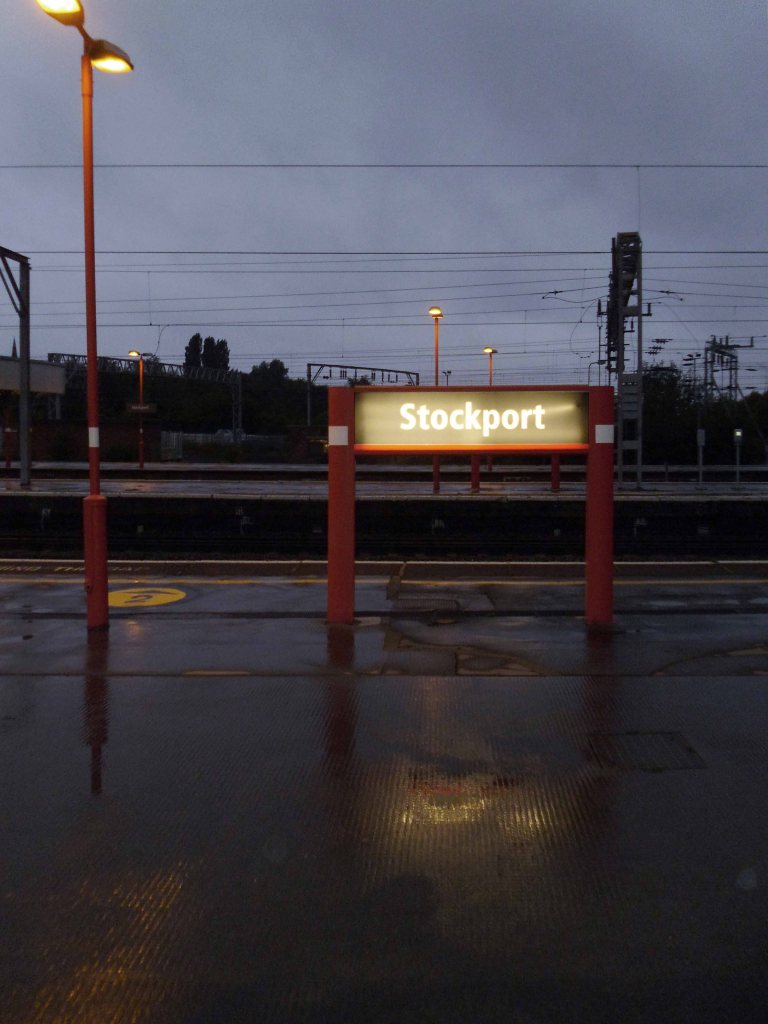
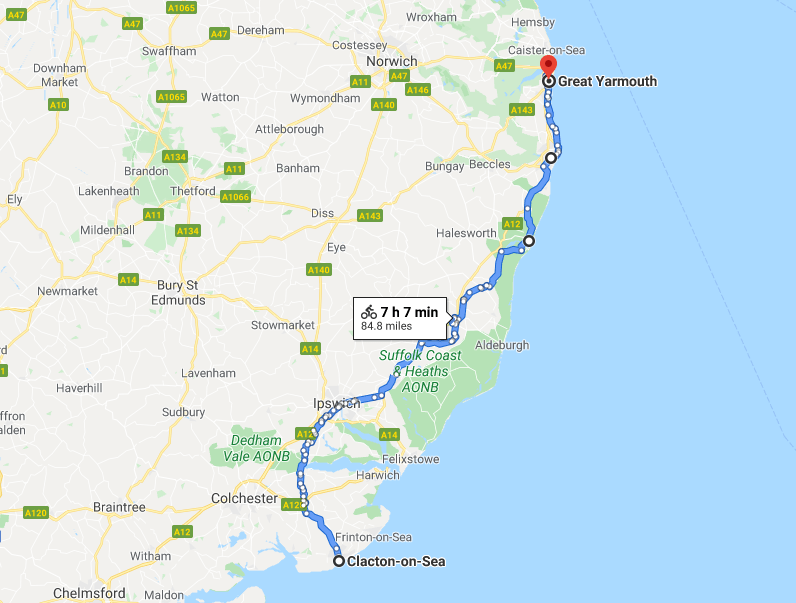
Early one morning, six o’clock on Saturday 30th August 2014 to be precise – I set out on my bike from my humble Stockport home, Pendolino’d to Euston, London Bridged to Hastings.

It was my intention to follow the coast to Cleethorpes, so I did.

Five hundred miles or so in seven highly pleasurable days awheel, largely in bright late summer sun. Into each life however, some rain must fall, so it did.

Kent, Essex, Suffolk, Norfolk and Lincolnshire flashed by slowly in lazy succession, to the right the sea – you can’t get lost, though I did. Following Sustrans signs is relatively easy, as long as they actually exist, when I reached Kings Lynn I decided to buy a map.

I set out at eight o’clock on Monday 1st September – I had taken early retirement in March. I would have normally been enrolling new students and teaching photography in a Manchester Further Education College, as I had done for the previous thirty years.

Not today thanks.

With the wind and my former career behind me, I cycled on with an unsurpassable sense of lightness and elation.

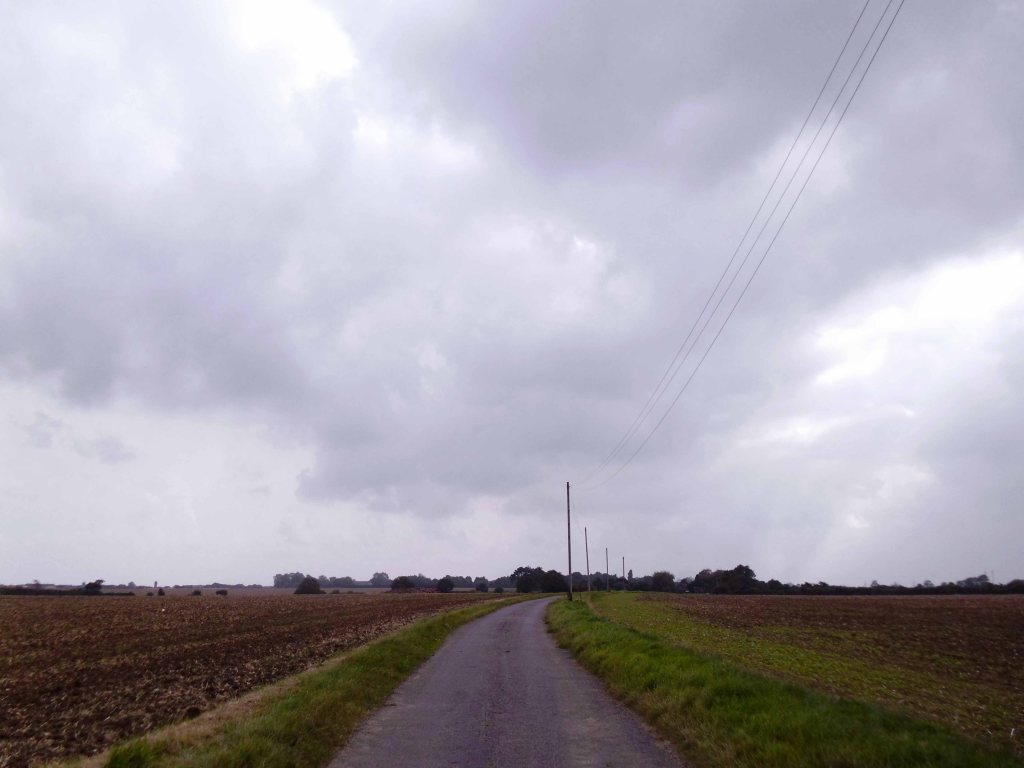
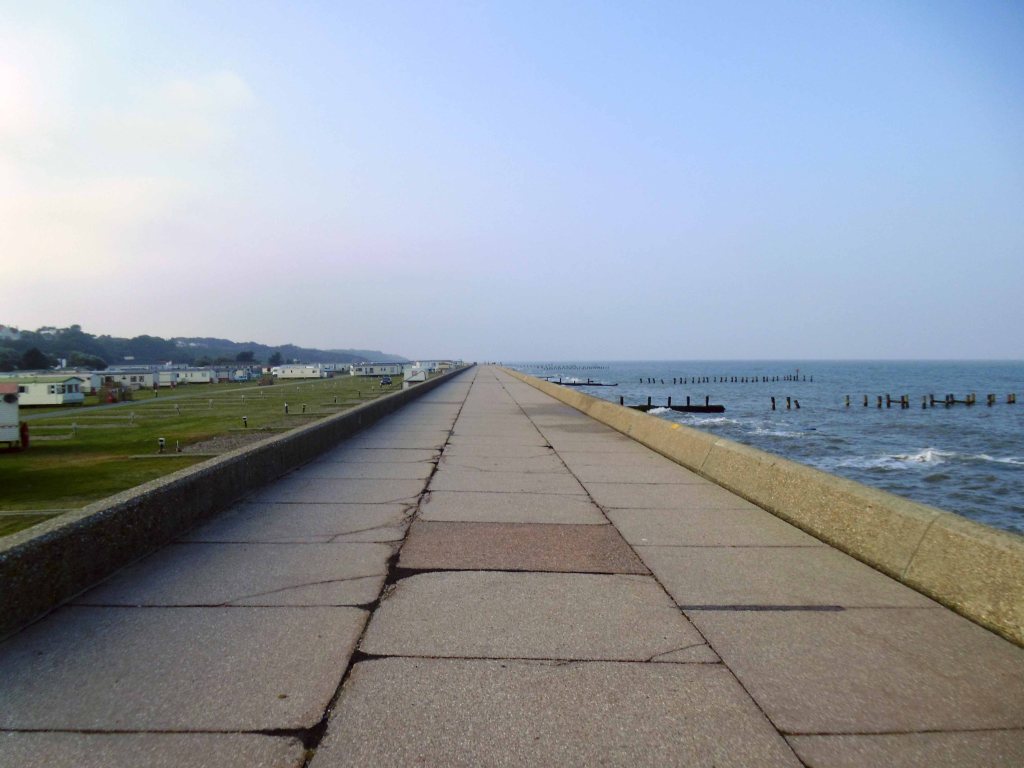
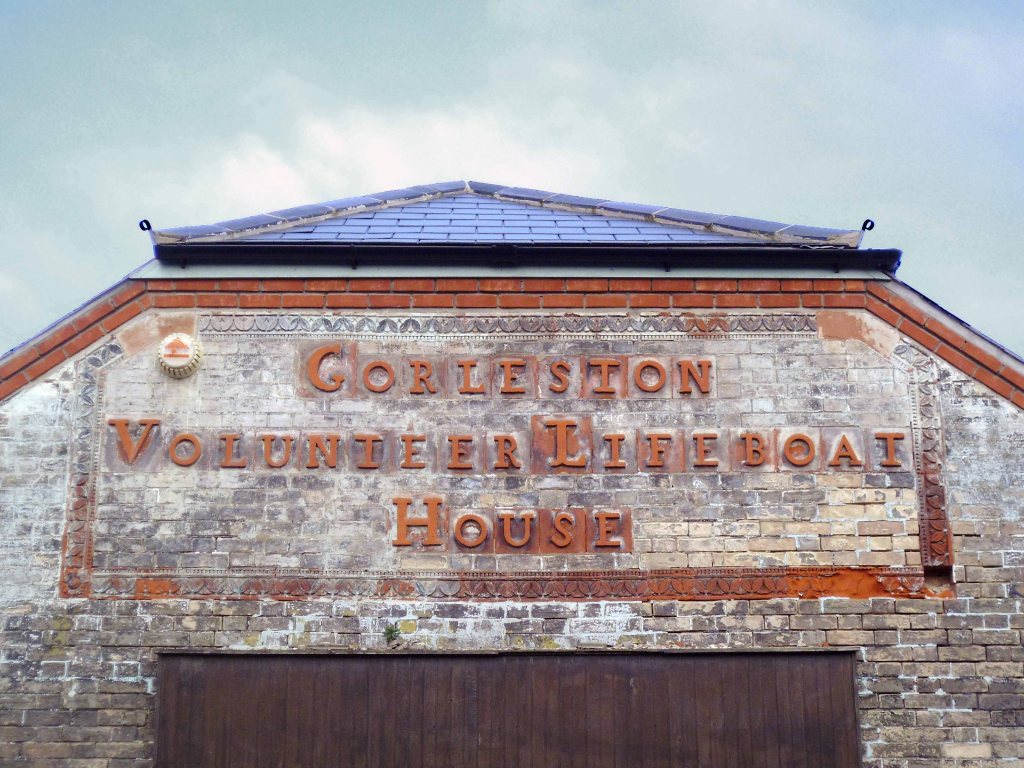
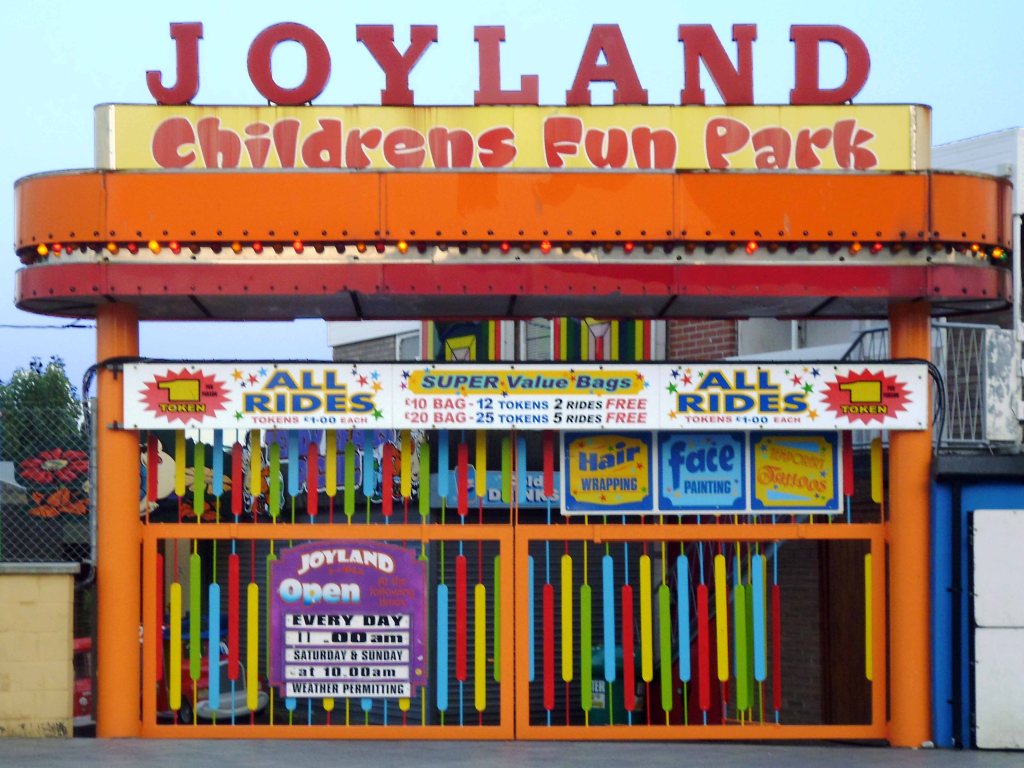
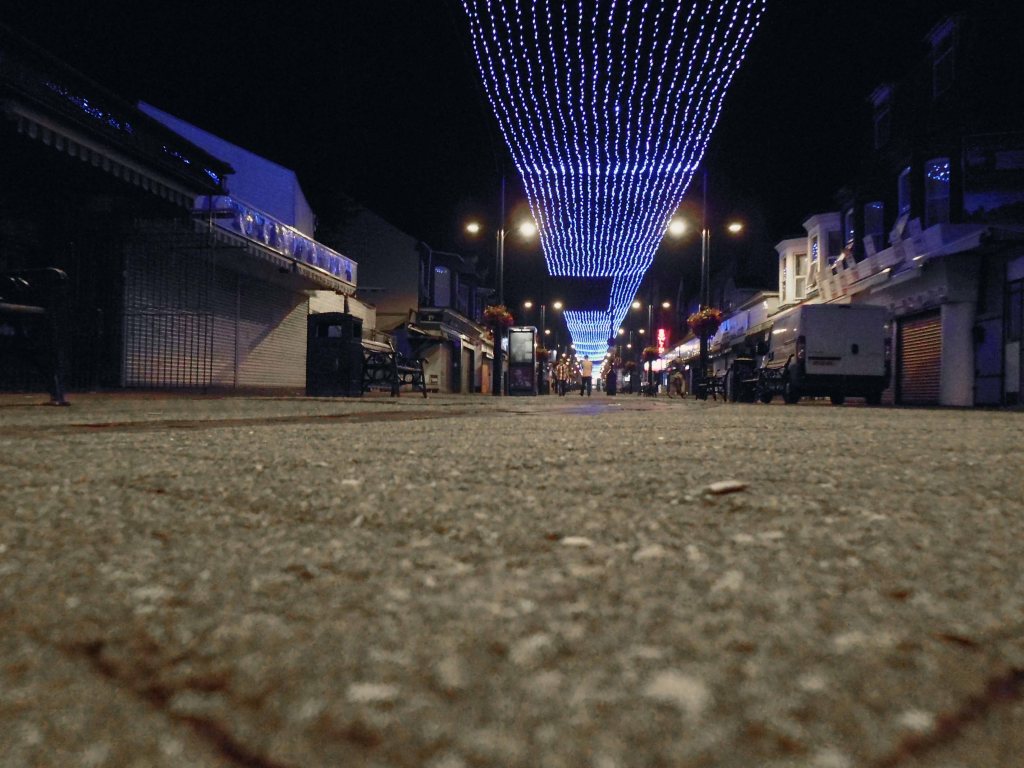
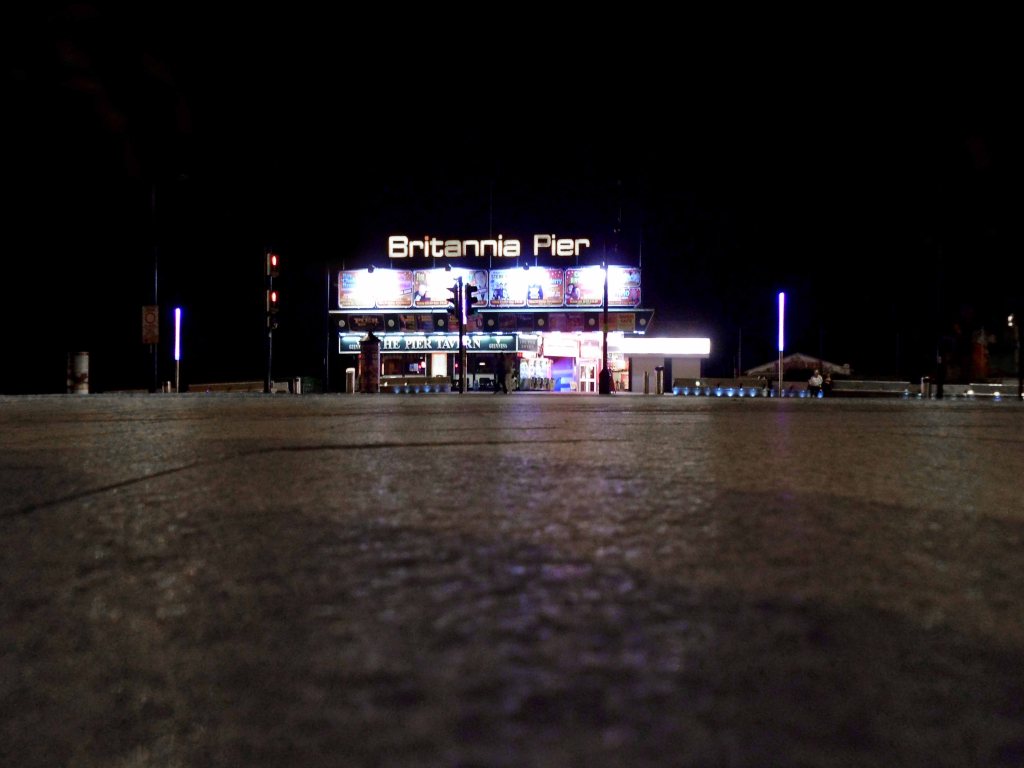
This is what I saw.

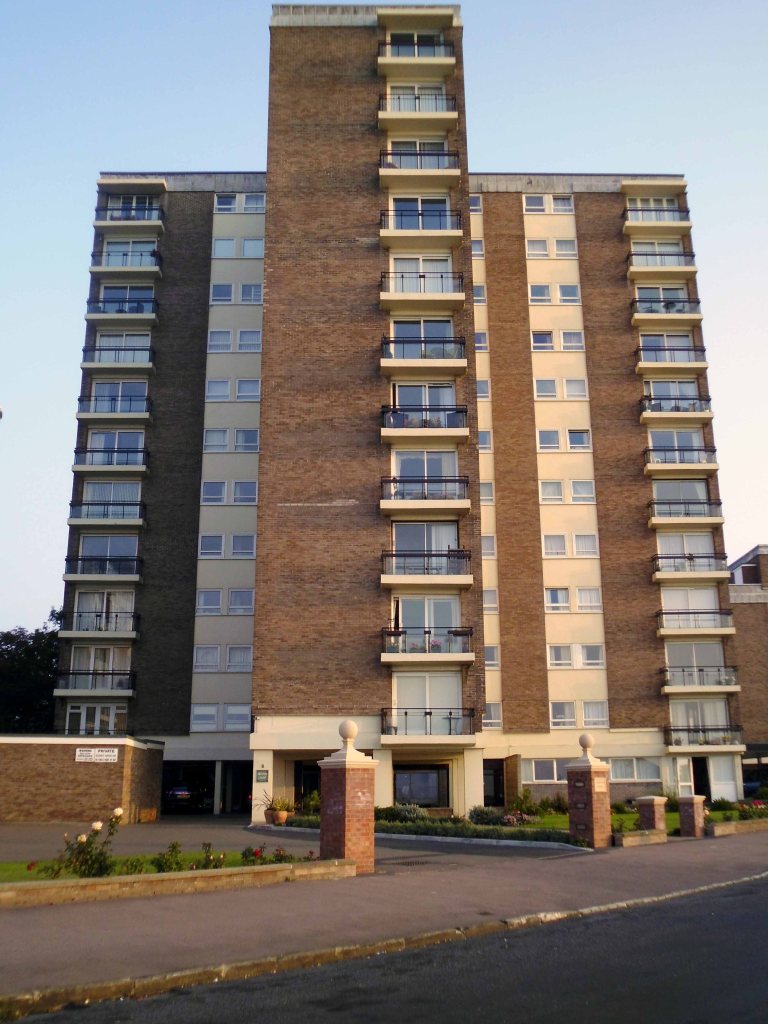
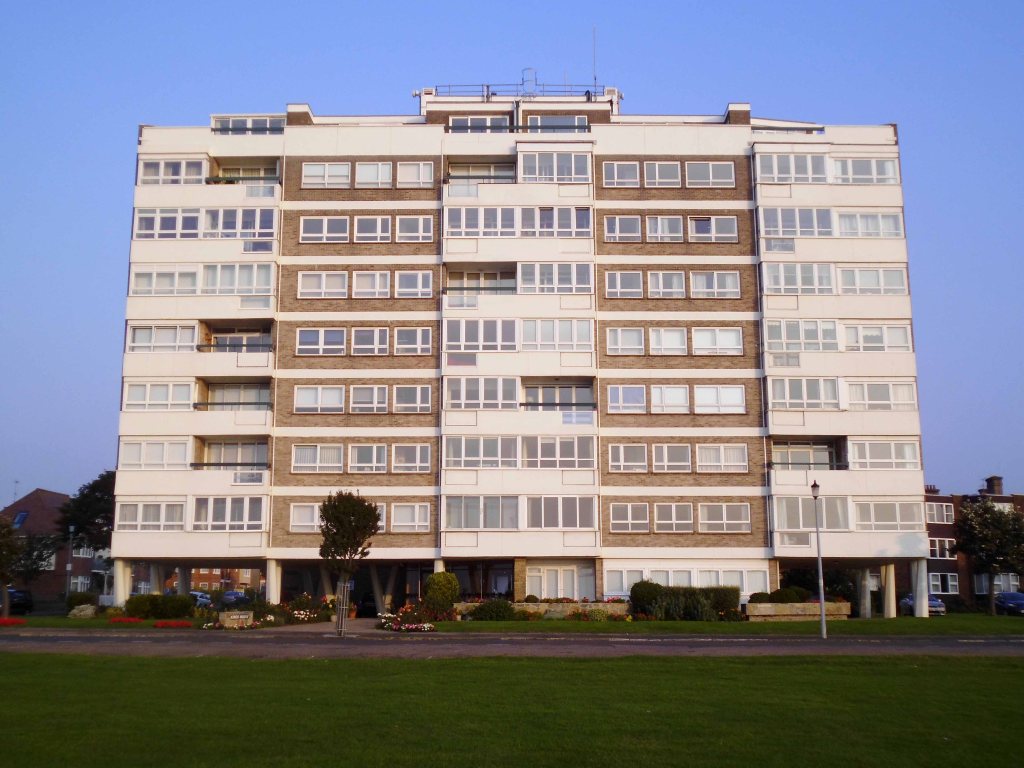
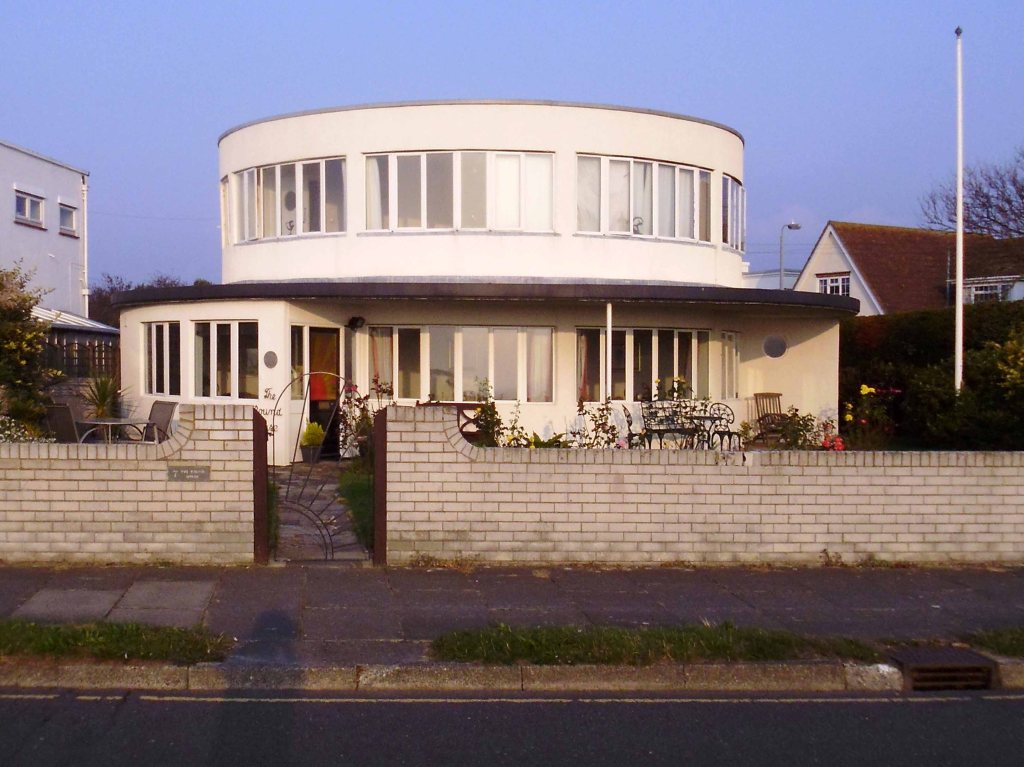
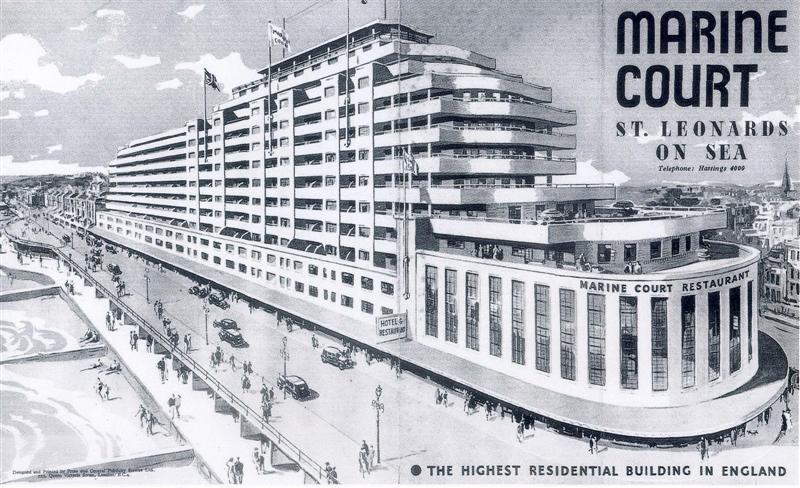
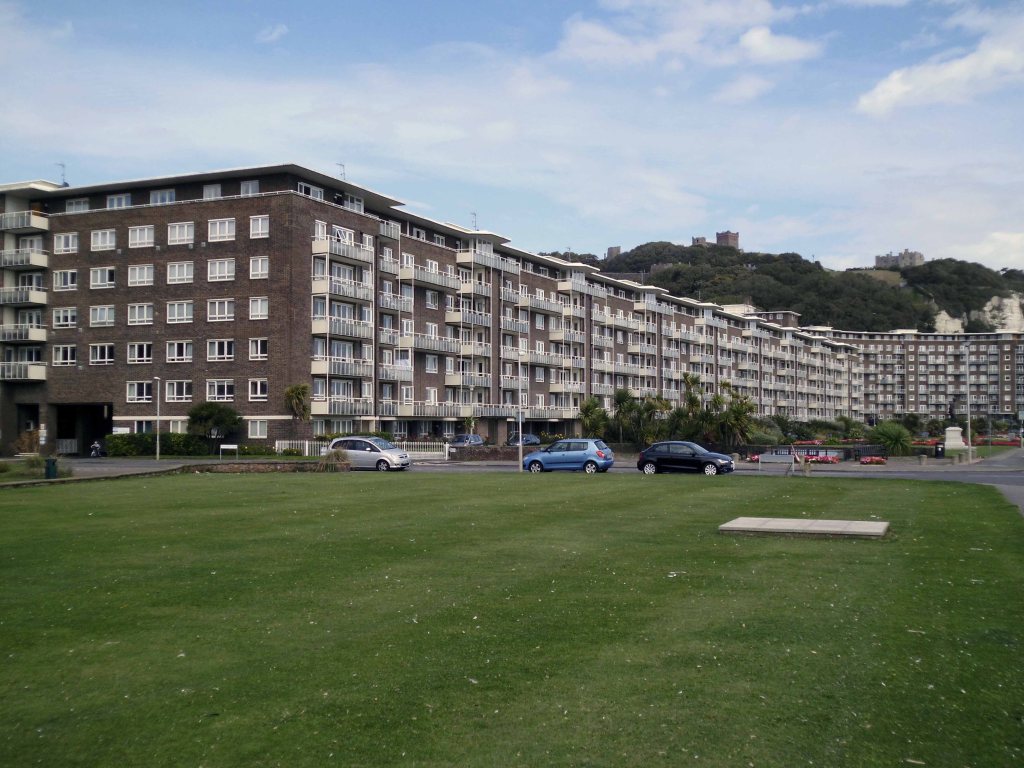
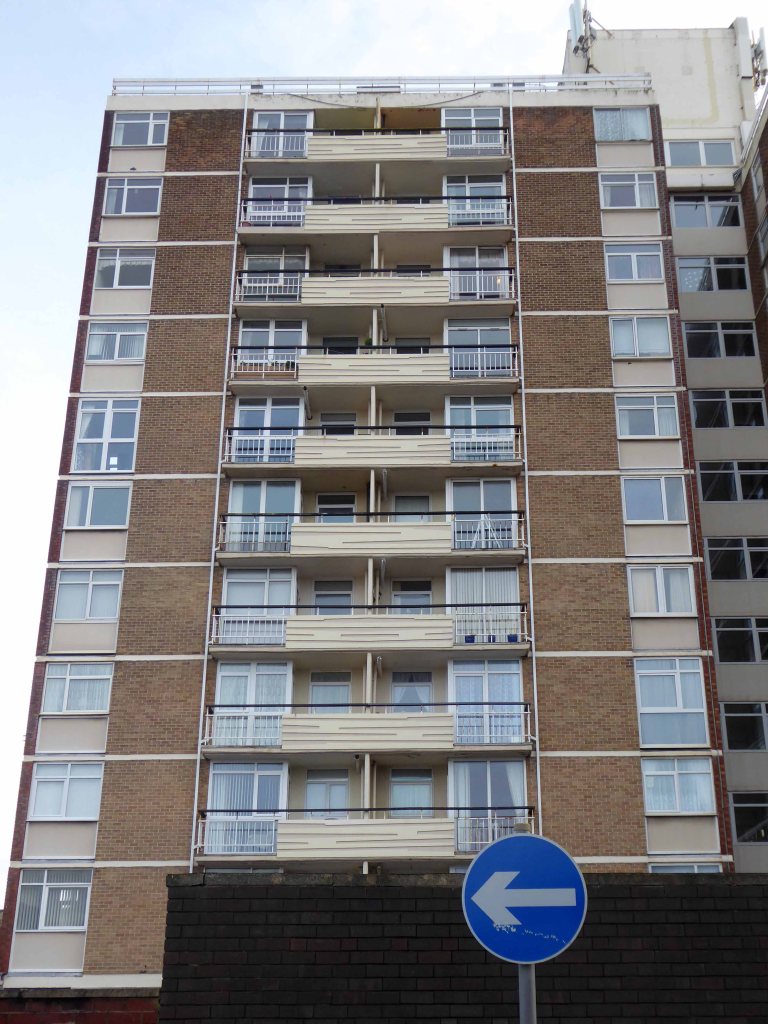
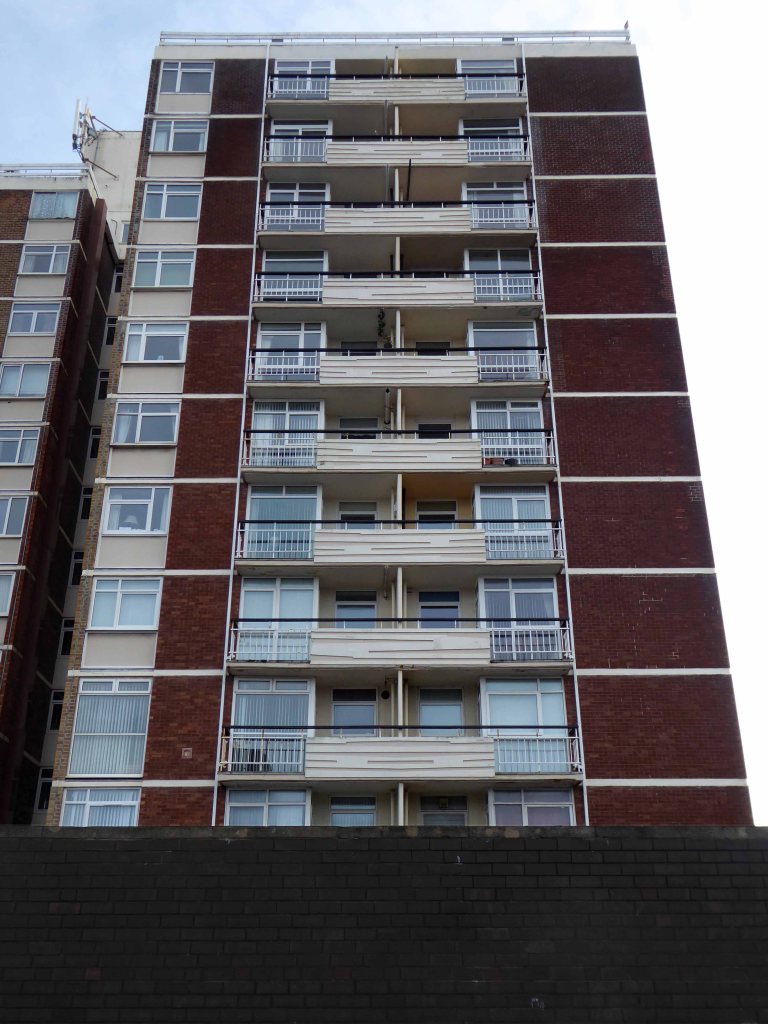
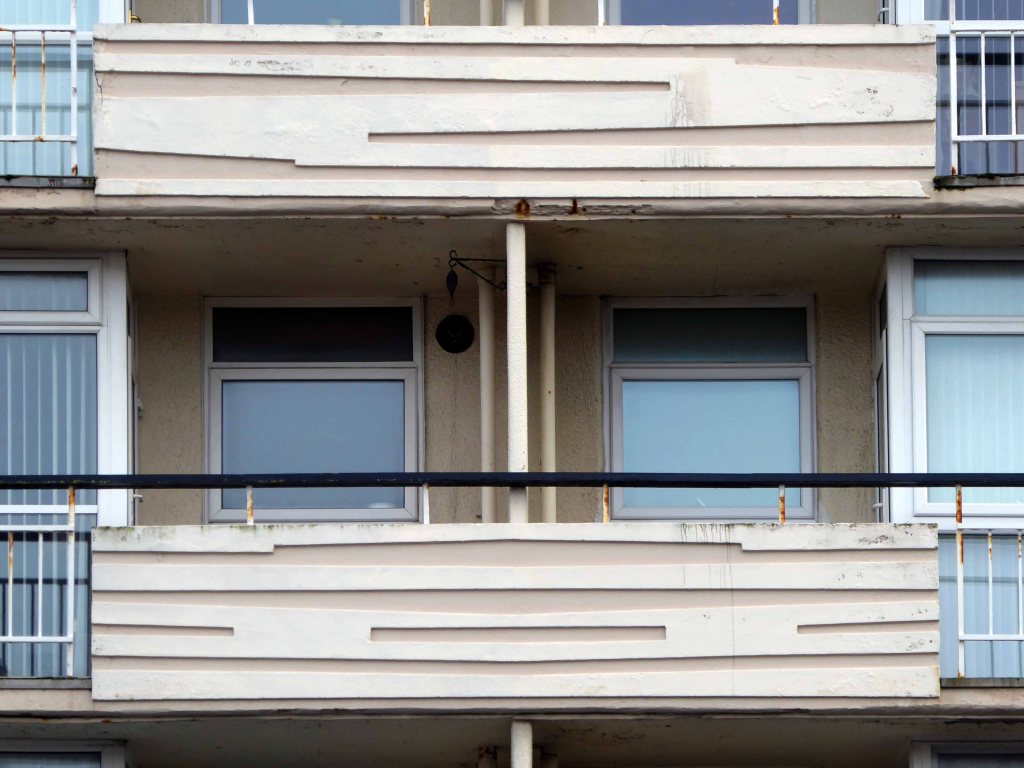
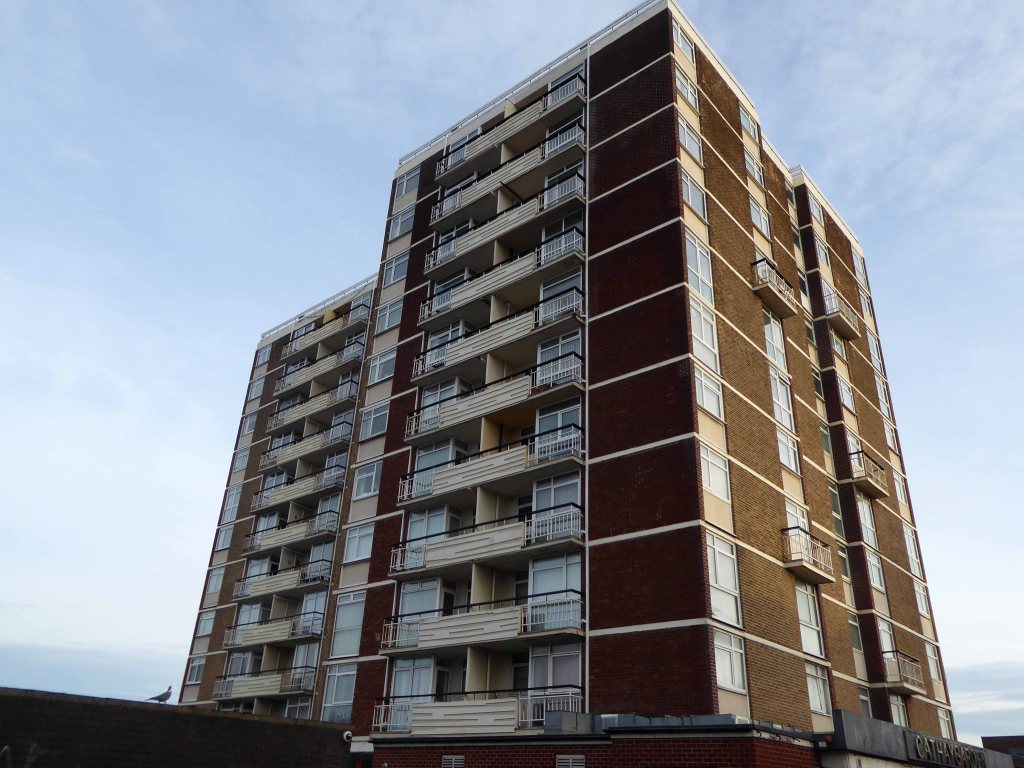
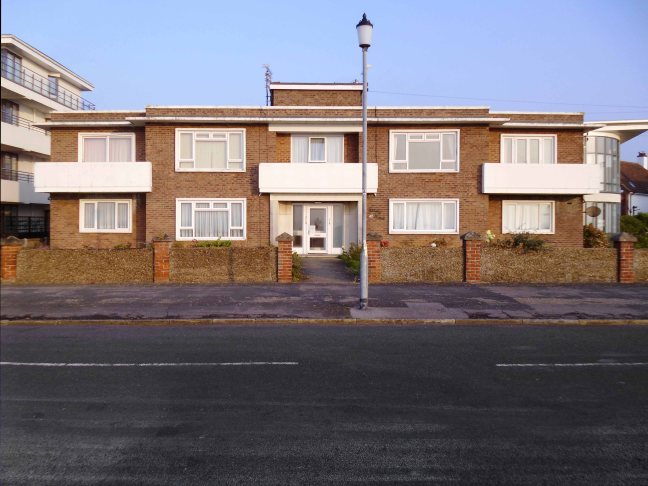
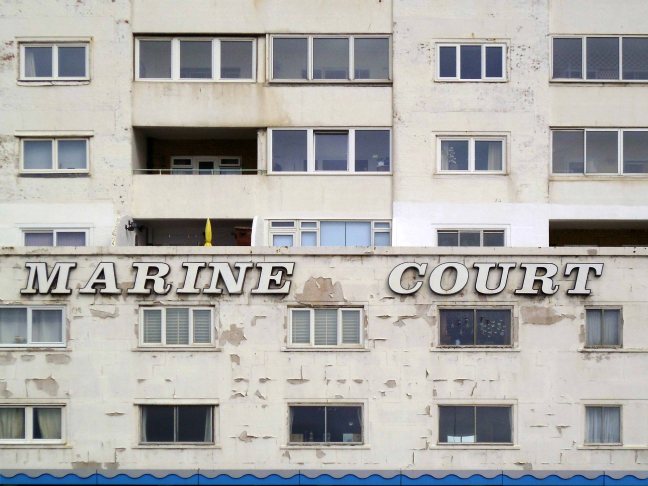
Above and below is Marine Court

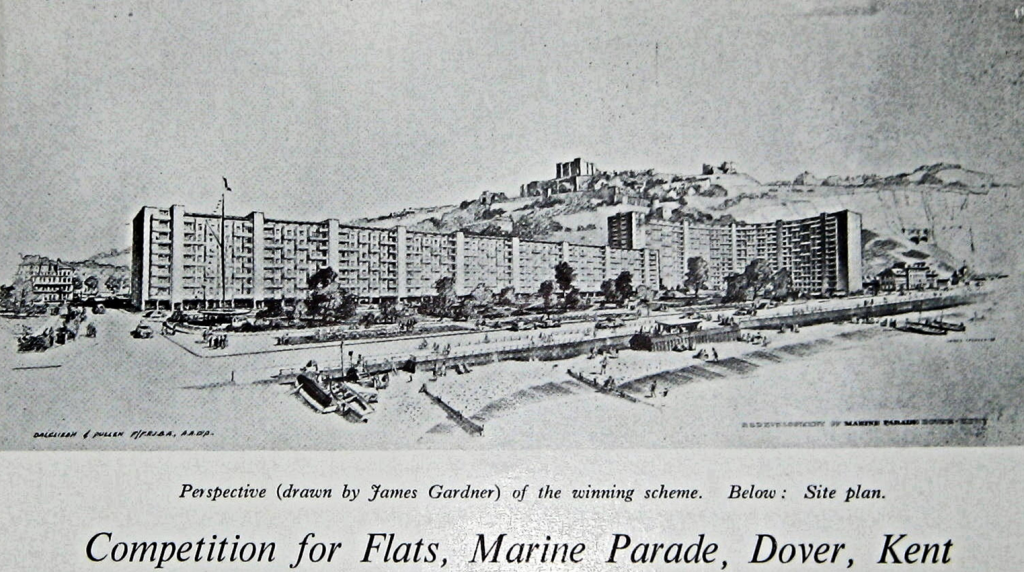
The building was designed by architects Kenneth Dalgleish and Roger K Pullen, with overt references to the Cunard White-Star Line Queen Mary, which had entered commercial transatlantic service in 1936. The east end of Marine Court is shaped to imitate the curved, stacked bridge front of the Queen Mary; the eastern restaurant served to imitate the fo’c’sle deck of the ship.

Modernist Britain

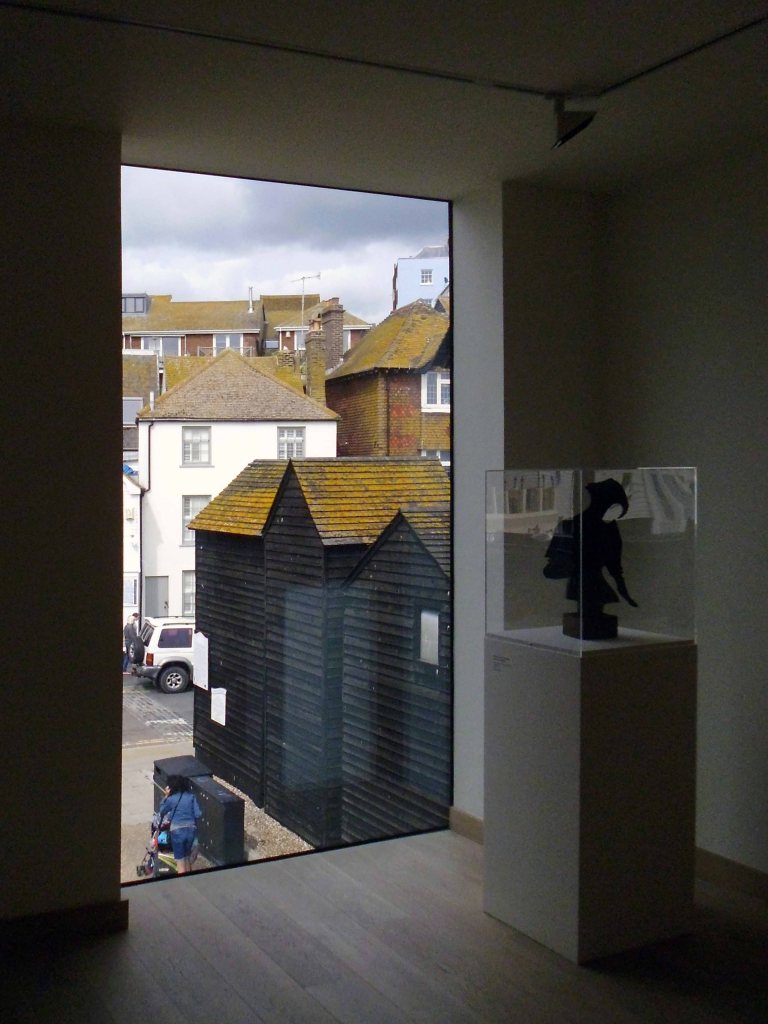
The then Jerwood Gallery looking towards the Old Town’s distinctive fisherman’s sheds.

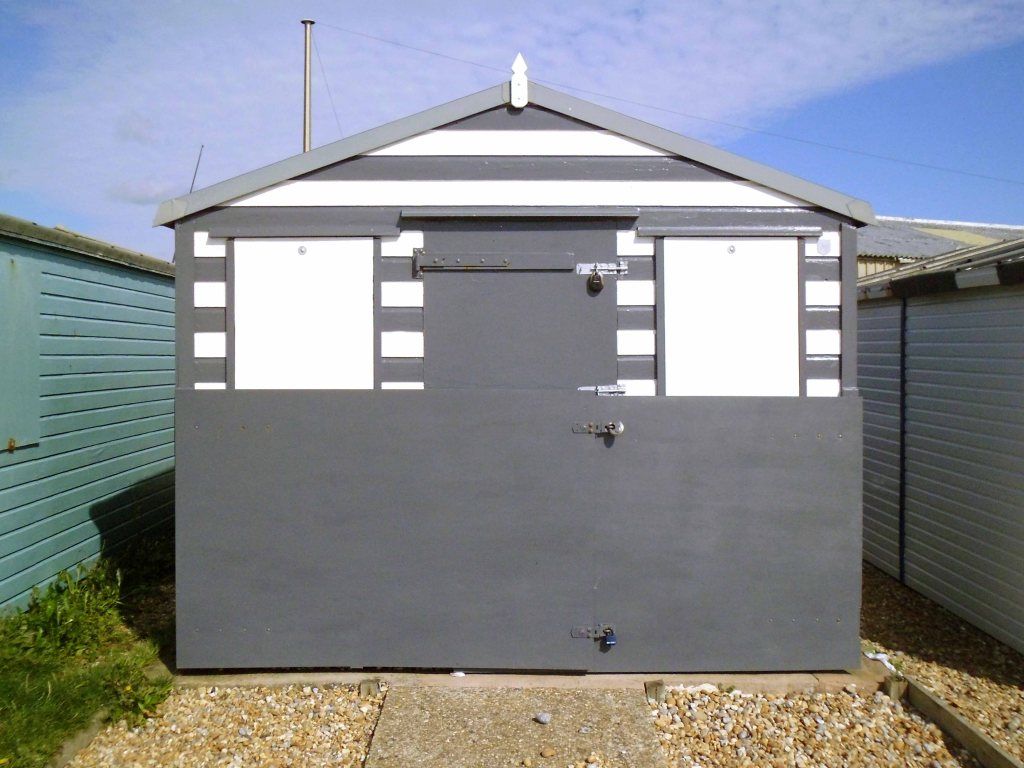
One grey beach hut bucks the trend.

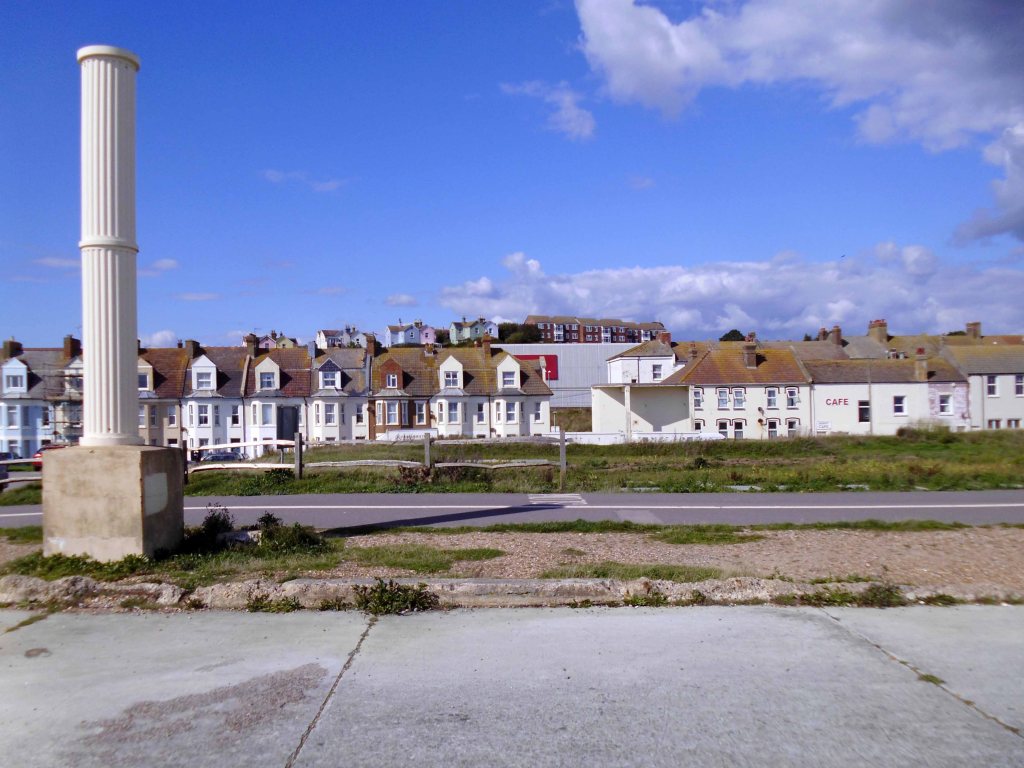
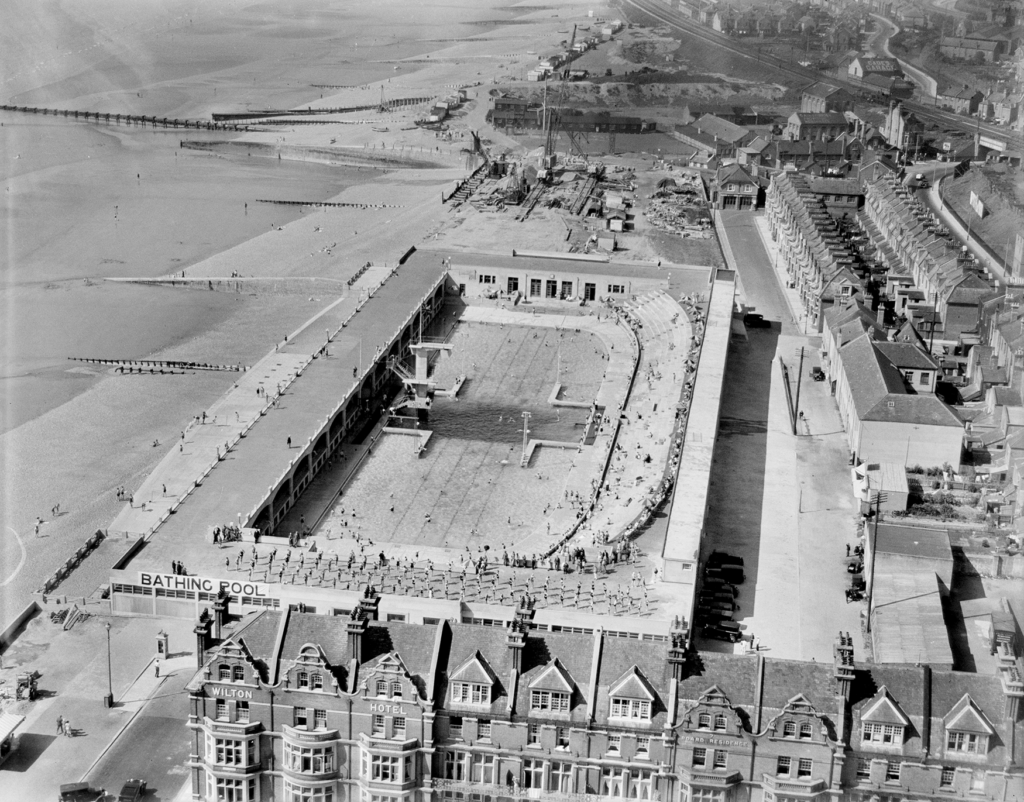
This is all that remains of the St Leonard’s Lido

Photo Historic England

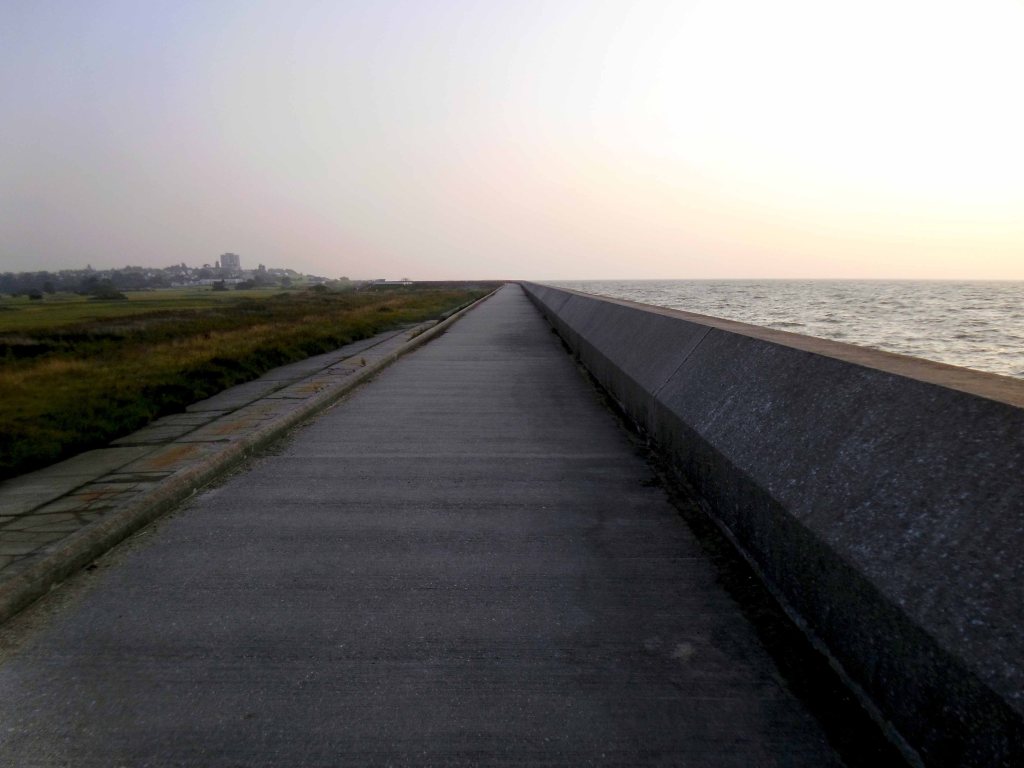
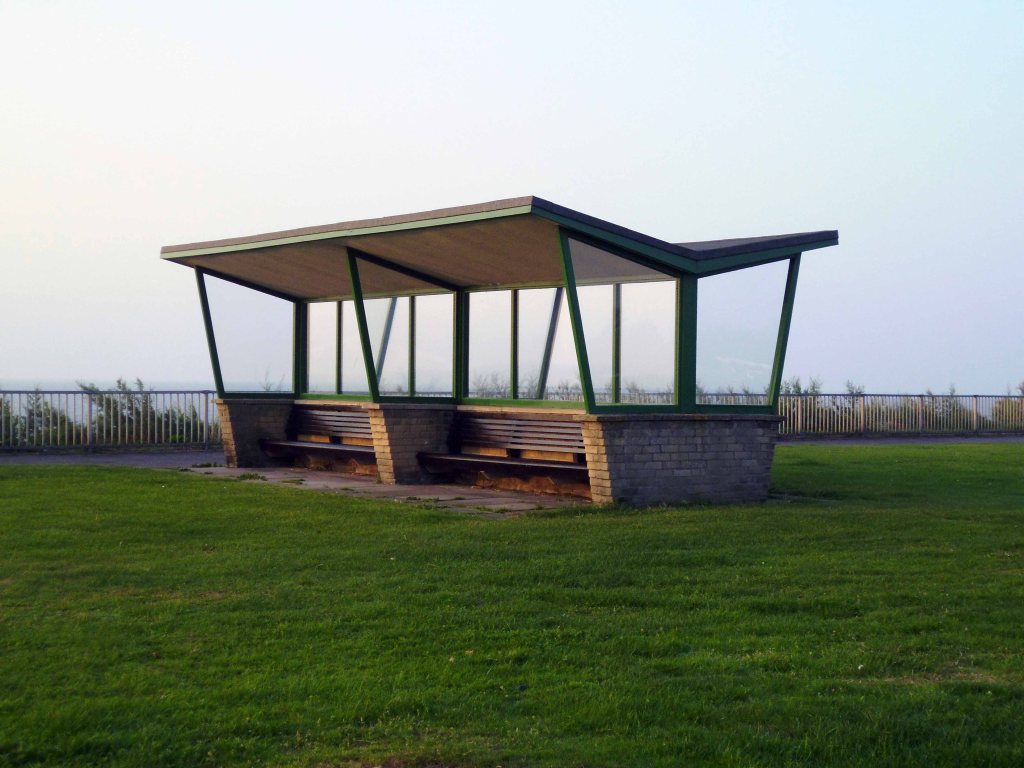
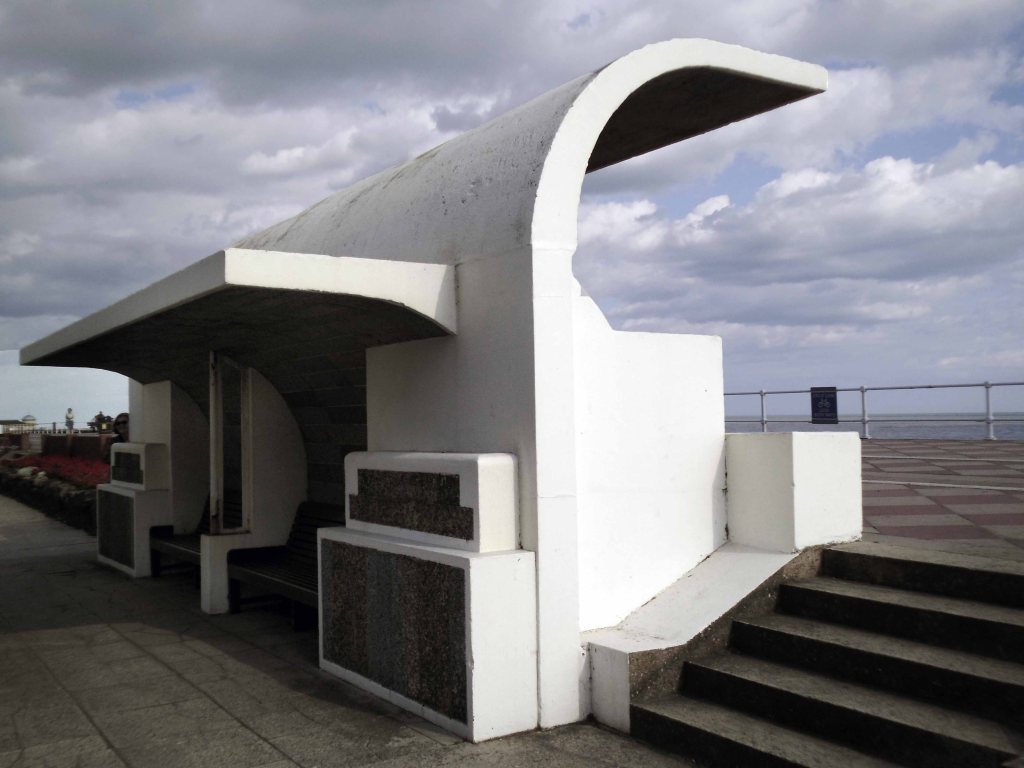
This is one of many seaside shelters devised by Sidney Little in constructing the concrete promenade – let’s head east.

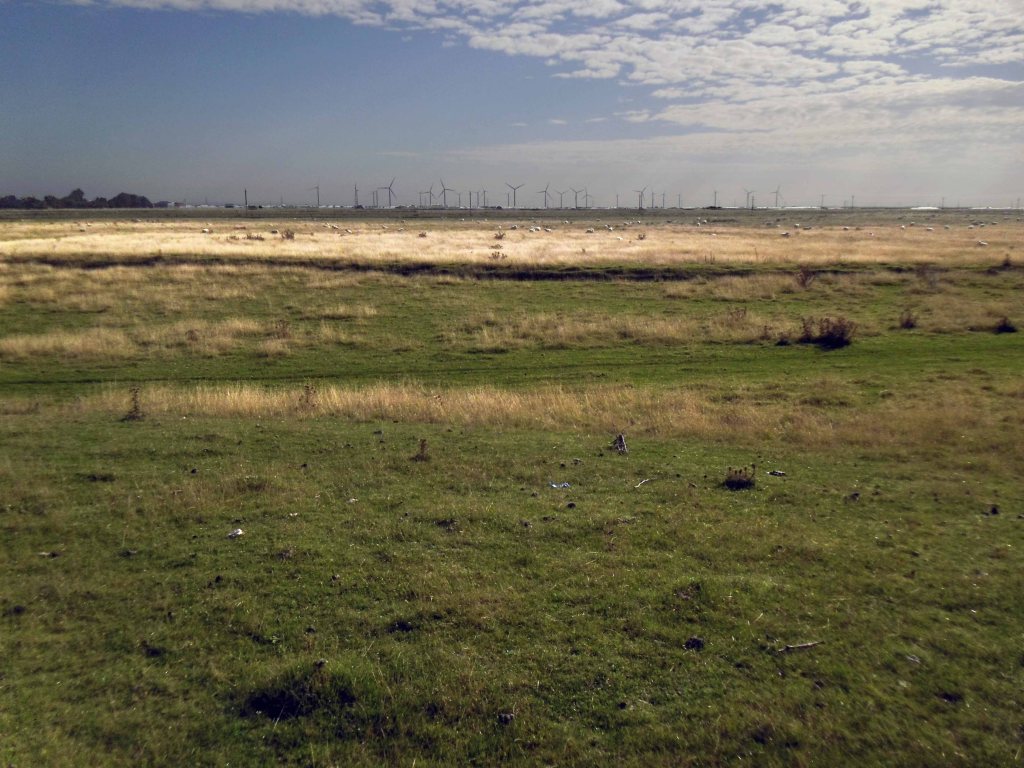
The view across the Romney Marshes from Camber toward Dungeness – which on this occasion I bypassed.

Harold Gilman

Beloved of many passing painters.

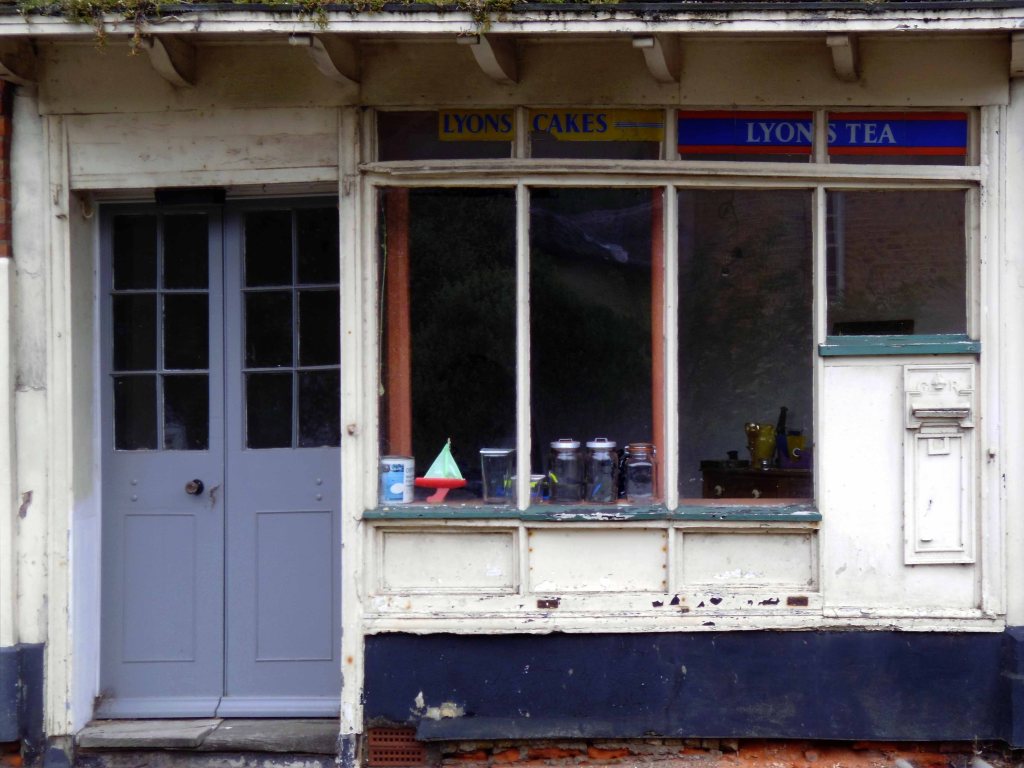
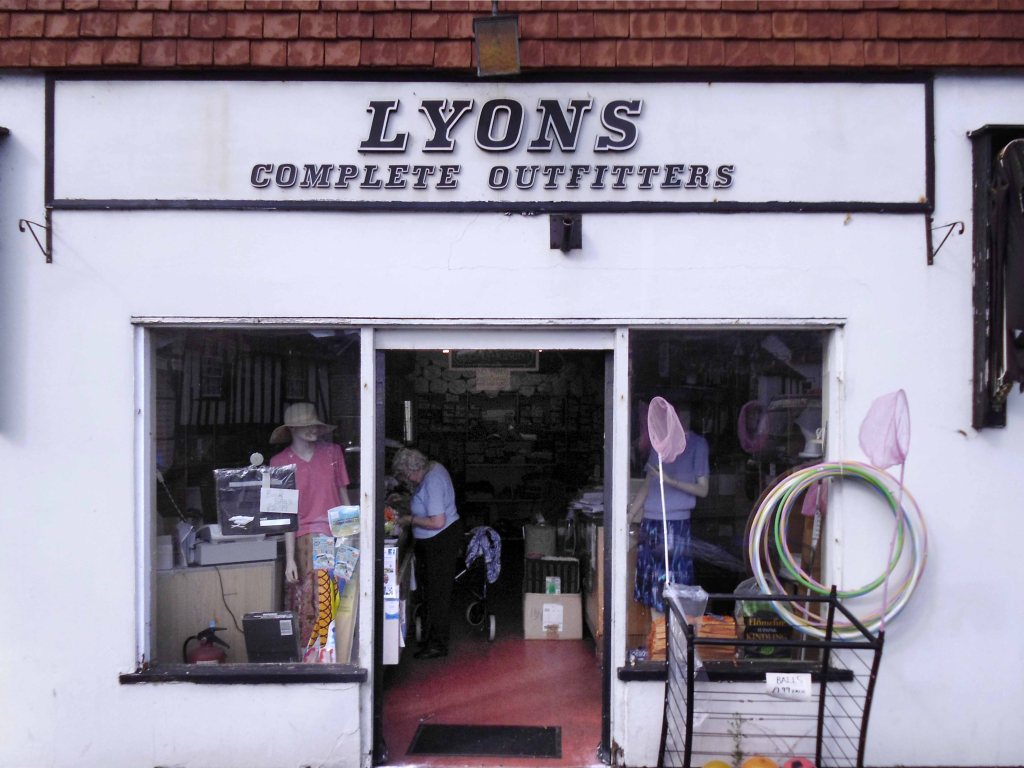
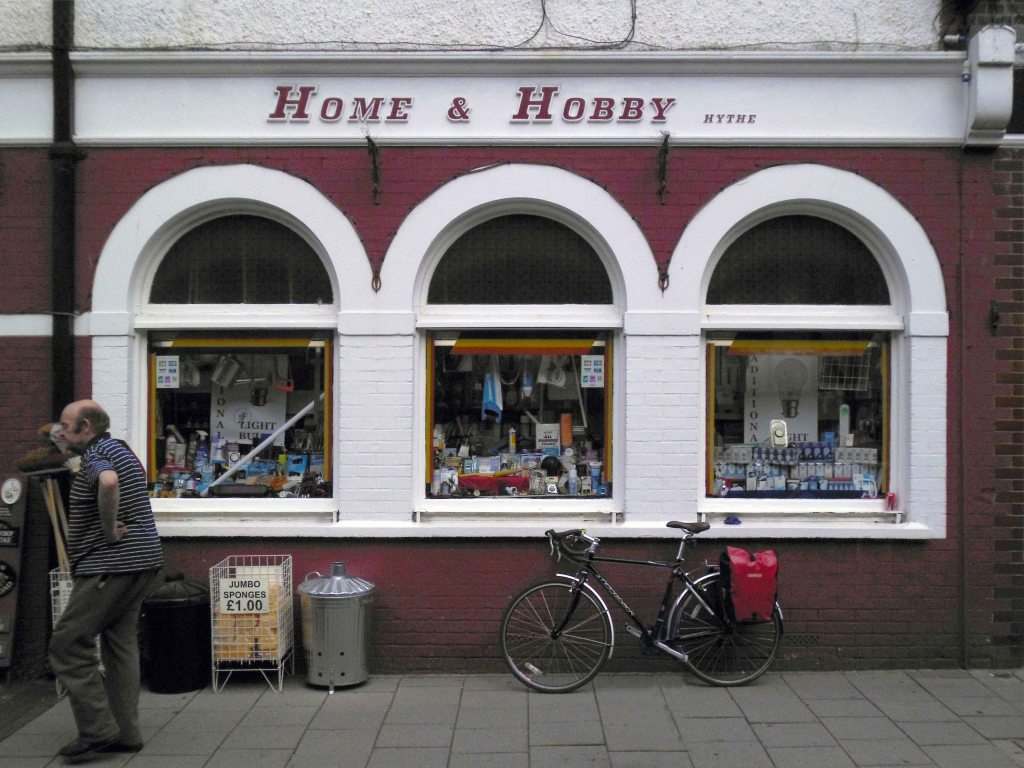
The first Profil aka Stymie Bold Italic encounter – Lyons of Lydd Romney.

Designed by Max and Eugen Lenz and first cast by Haas in 1947.

Fonts in Use

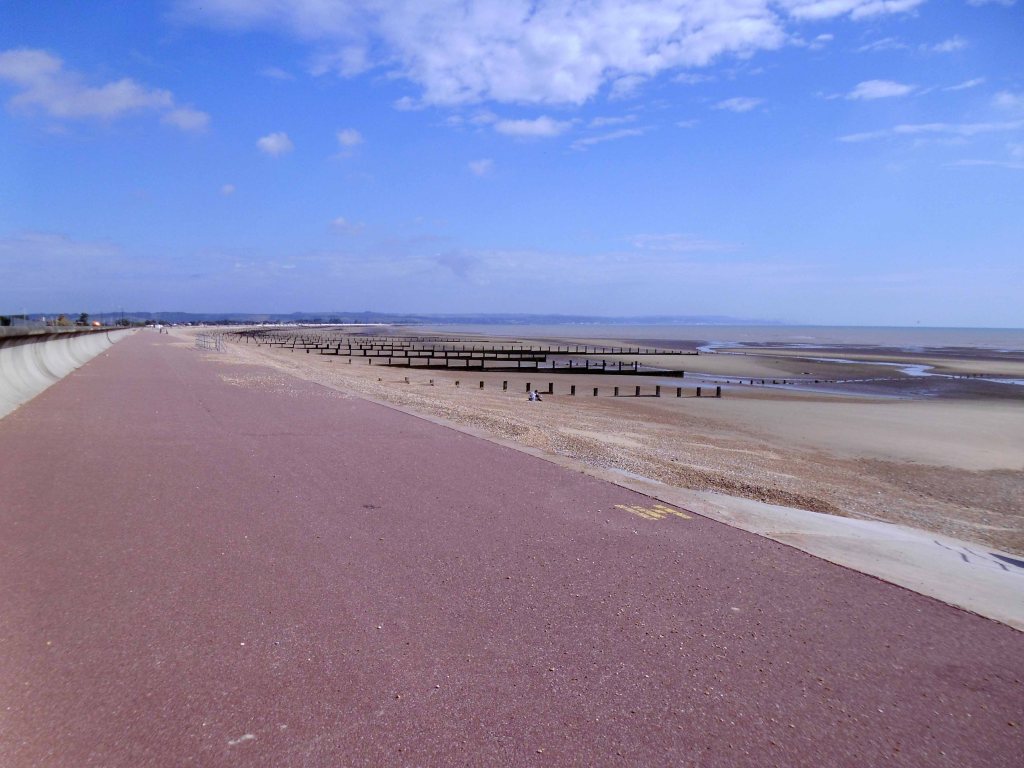
Heading towards Hythe on the coastal defence path.

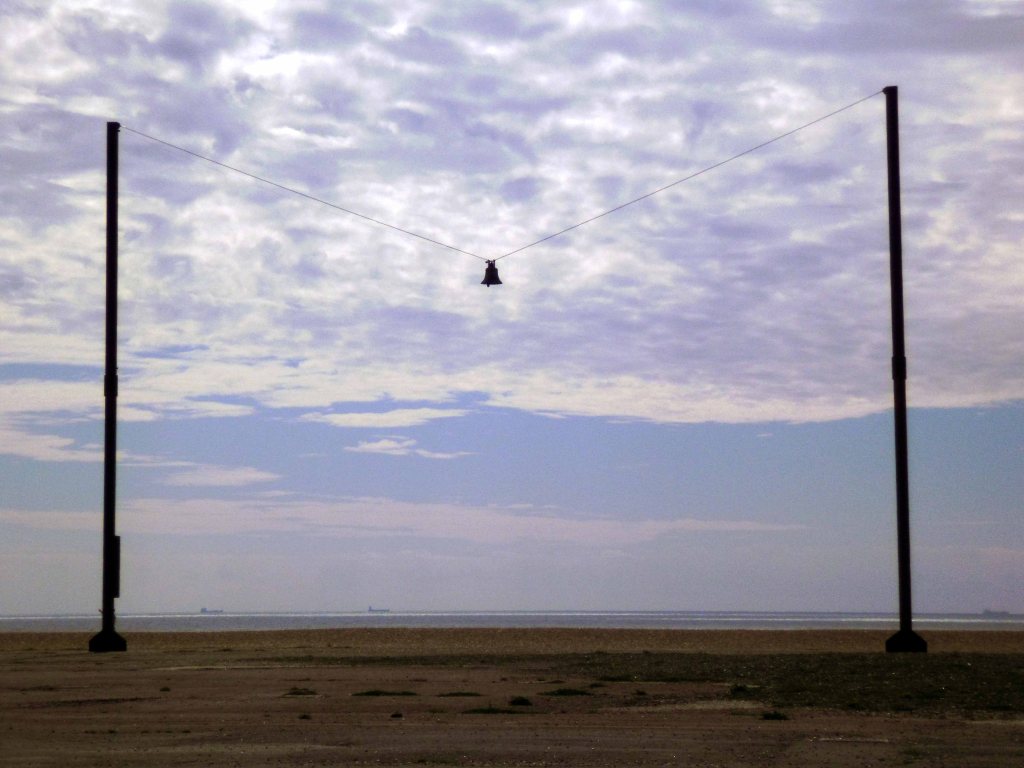
Out of Tune Folkestone Seafront, opposite The Leas Lift – is home to AK Dolven’s installation. It features a 16th-century tenor bell from Scraptoft Church in Leicestershire, which had been removed for not being in tune with the others. It is suspended from a steel cable strung between two 20m high steel beams, placed 30m apart.

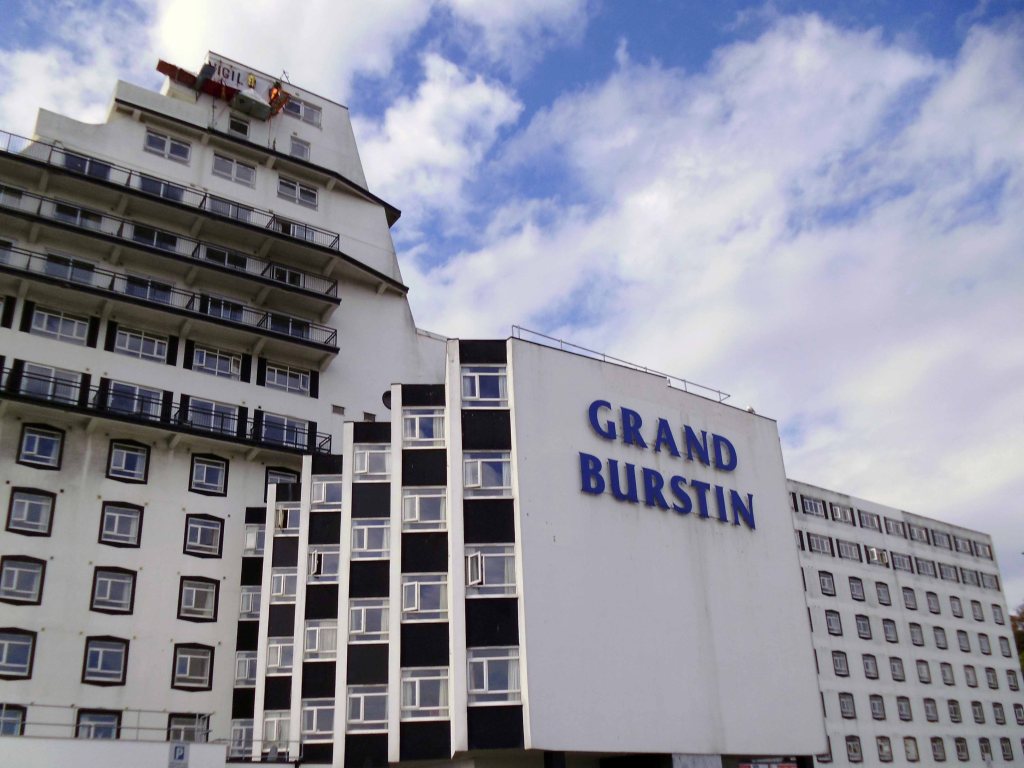
For Folkestone Triennial 2014, Alex Hartley’s response to the title Lookout is inspired by the imposing architecture of the Grand Burstin Hotel, which overlooks the Harbour. For his project Vigil, Hartley will use state of the art climbing technology to make a lookout point suspended from the highest point of the hotel. This climber’s camp will be inhabited for the duration of the Triennial, by the artist and by volunteers, all of whom will keep a log of what they observe. 

The current hotel was built in 1984 from the foundations of the Royal Pavilion Hotel, originally built in 1843. Out of the 4,094 reviews currently on TripAdvisor 974 are of the terrible rating which doesn’t inspire much hope.

The most recent review is titled – Dirty Dated Hotel With Clueless Staff.

Kent Live 2018

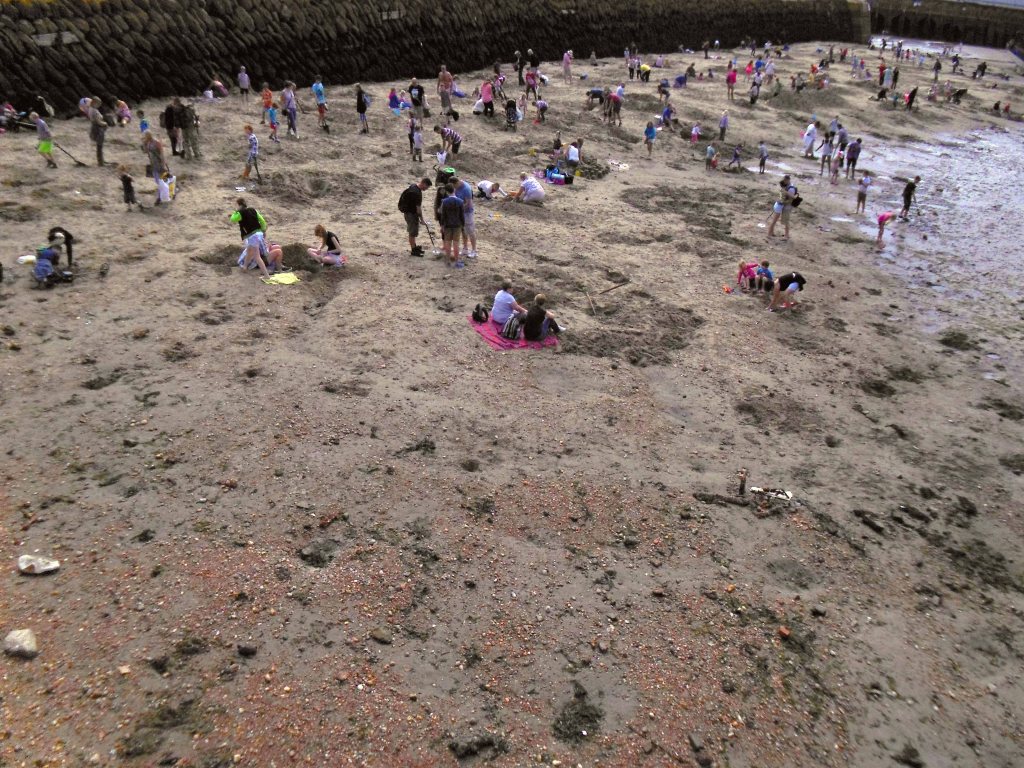
Gold rush with spades after artist Michael Sailstorfer hides £10,000 of gold on foreshore for town’s Triennial arts festival.

Guardian

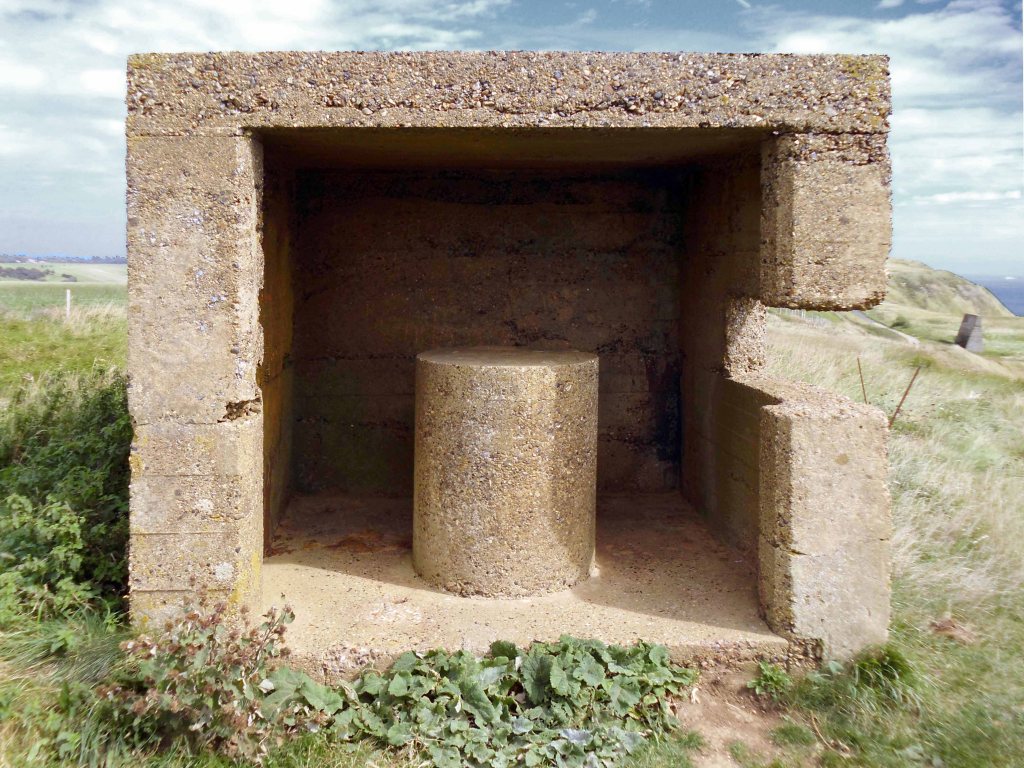
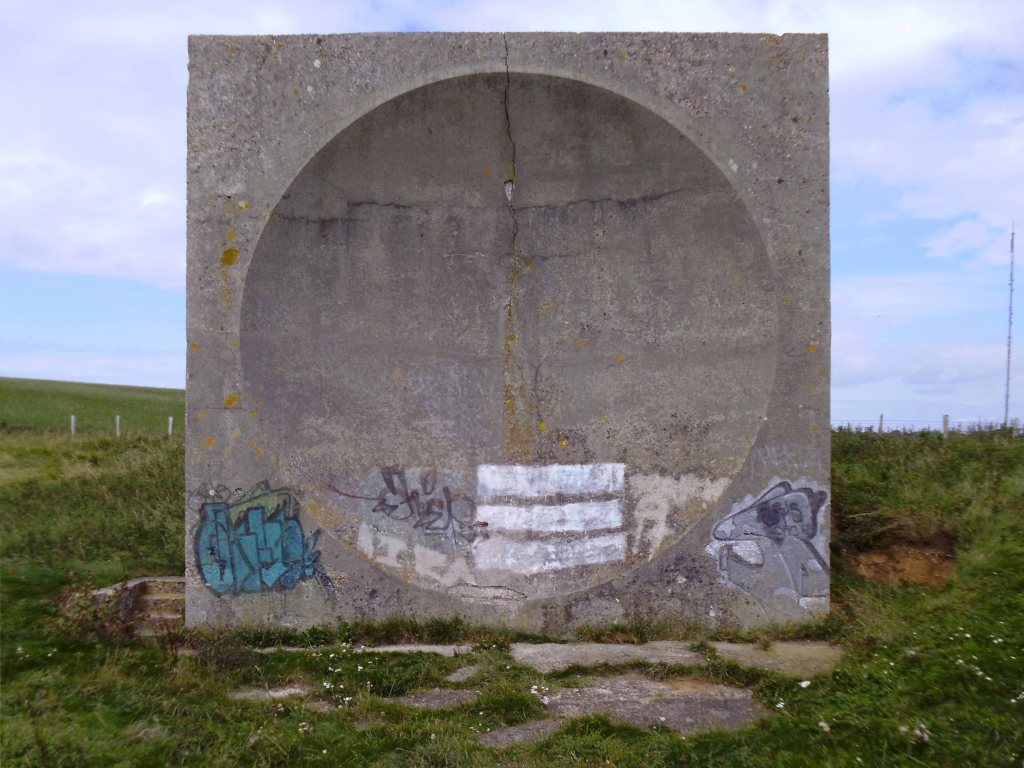
Abbot’s Cliff acoustic mirrors

Before the advent of radar, there was an experimental programme during the 1920s and 30s in which a number of concrete sound reflectors, in a variety of shapes, were built at coastal locations in order to provide early warning of approaching enemy aircraft. A microphone, placed at a focal point, was used to detect the sound waves arriving at and concentrated by the acoustic mirror. These concrete structures were in fixed positions and were spherical, rather than paraboloidal, reflectors. This meant that direction finding could be achieved by altering the position of the microphone rather than moving the mirror.

Graham Stephen

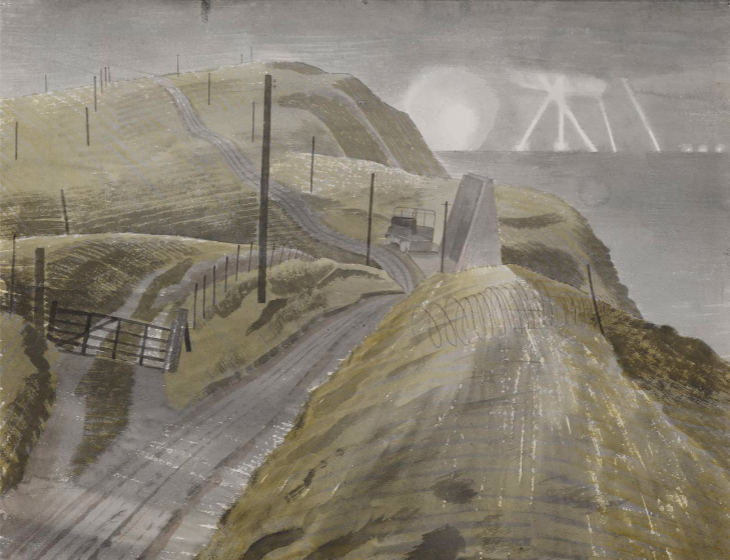
Eric Ravilious Abbot’s Cliff – 1941

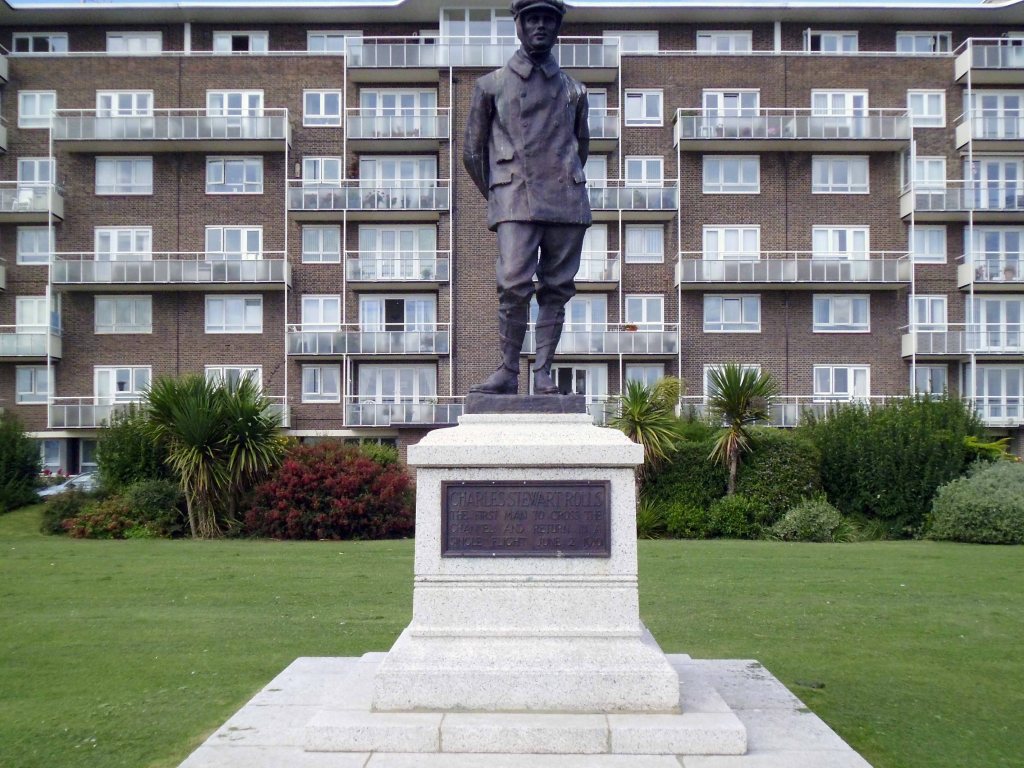
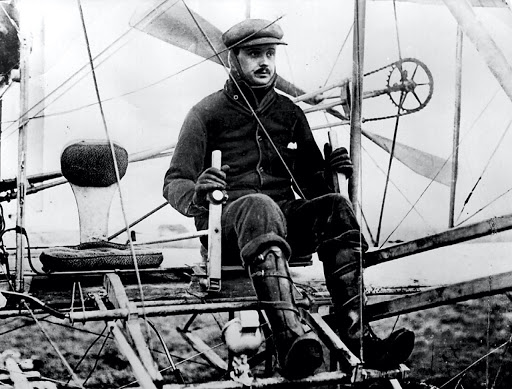
Charles Stewart Rolls was a Welsh motoring and aviation pioneer. With Henry Royce, he co-founded the Rolls-Royce car manufacturing firm. He was the first Briton to be killed in an aeronautical accident with a powered aircraft, when the tail of his Wright Flyer broke off during a flying display in Bournemouth.

In September 1953 it was announced that Roger K Pullen and Kenneth Dalglish had won and were to receive 100 guineas, for a design for the Gateway Flats.

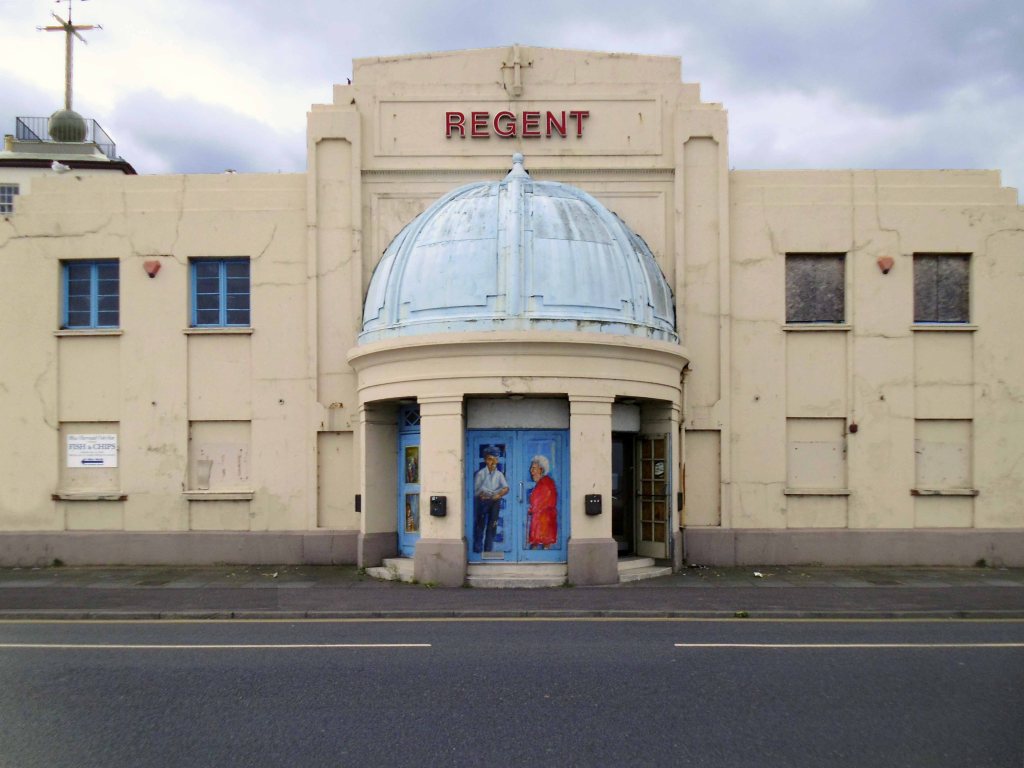
Local folks would love to re-open The Regent

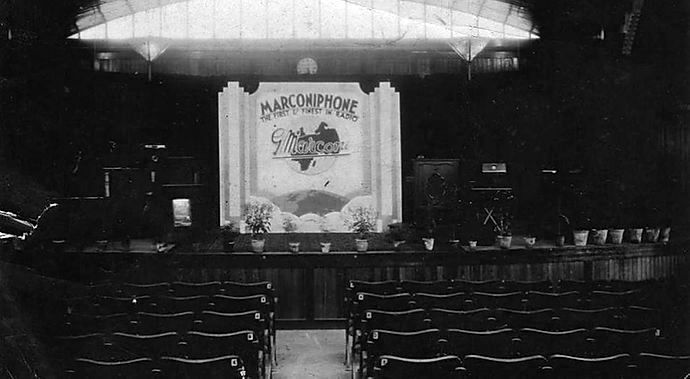
Behind the Art Deco facade of the Regent was once a grand ironwork and glass Pavilion, built to house regular performances by military bands, which the Edwardian holidaymakers loved. The Lord Warden of the Cinque ports, Lord Beauchamp, officially opened the Pavilion Theatre on Deal’s seafront in 1928.

Cinema Treasures

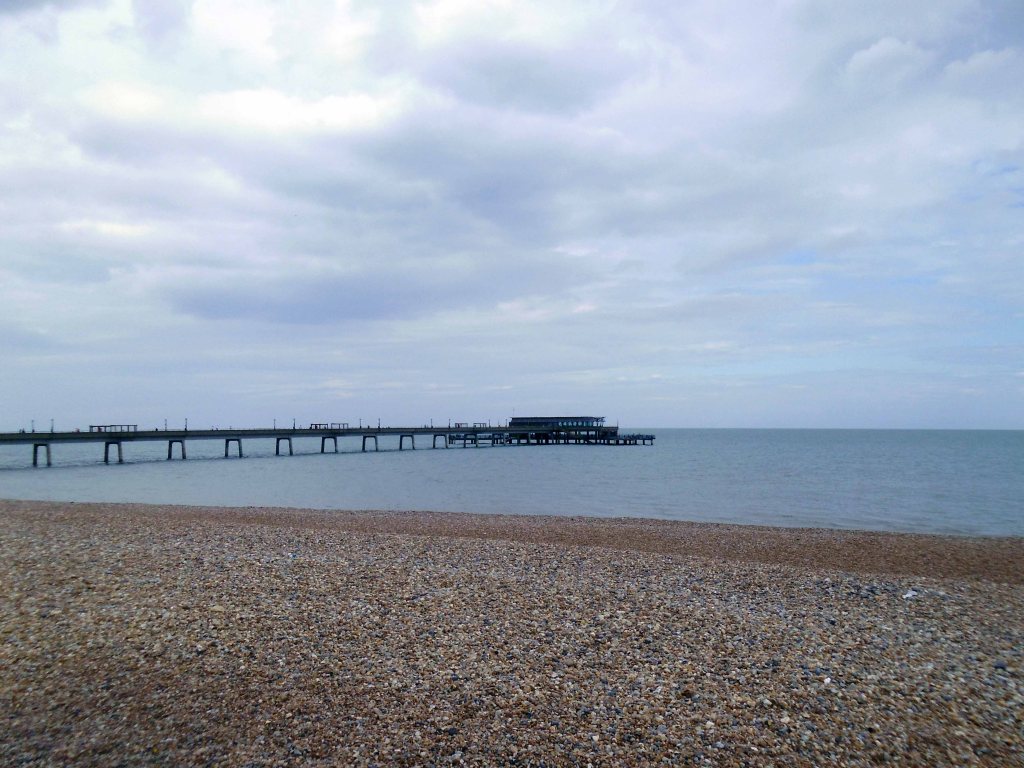
Deal Pier was designed by Eugenius Birch and opened on 8th November 1864, in 1954 work started on Deal’s third and present-day pier. The new pier took three years to build and was formally opened by the Duke of Edinburgh on 19 November 1957. It was the first seaside pleasure pier of any size to be built since 1910. Designed by Sir W Halcrow and Partners, the 1026ft-long structure comprises steel piles surrounded by concrete casings for the main supports. The pier head originally had three levels but, these days, the lower deck normally remains submerged.

Deal Web

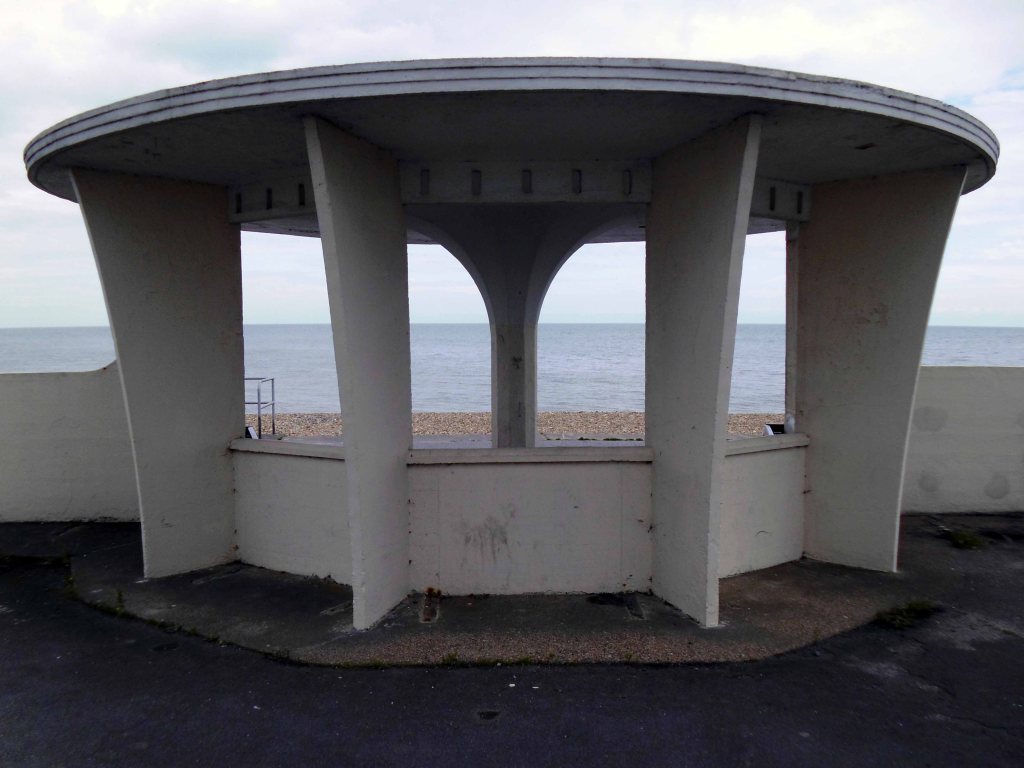
Seafront Shelters Deal

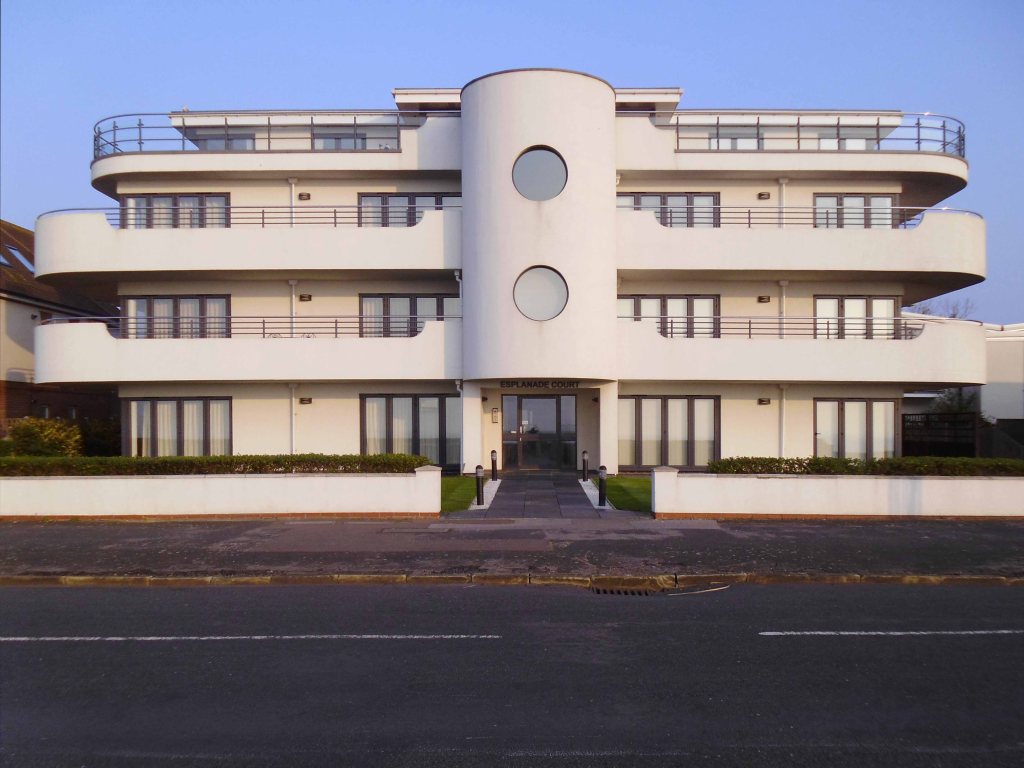
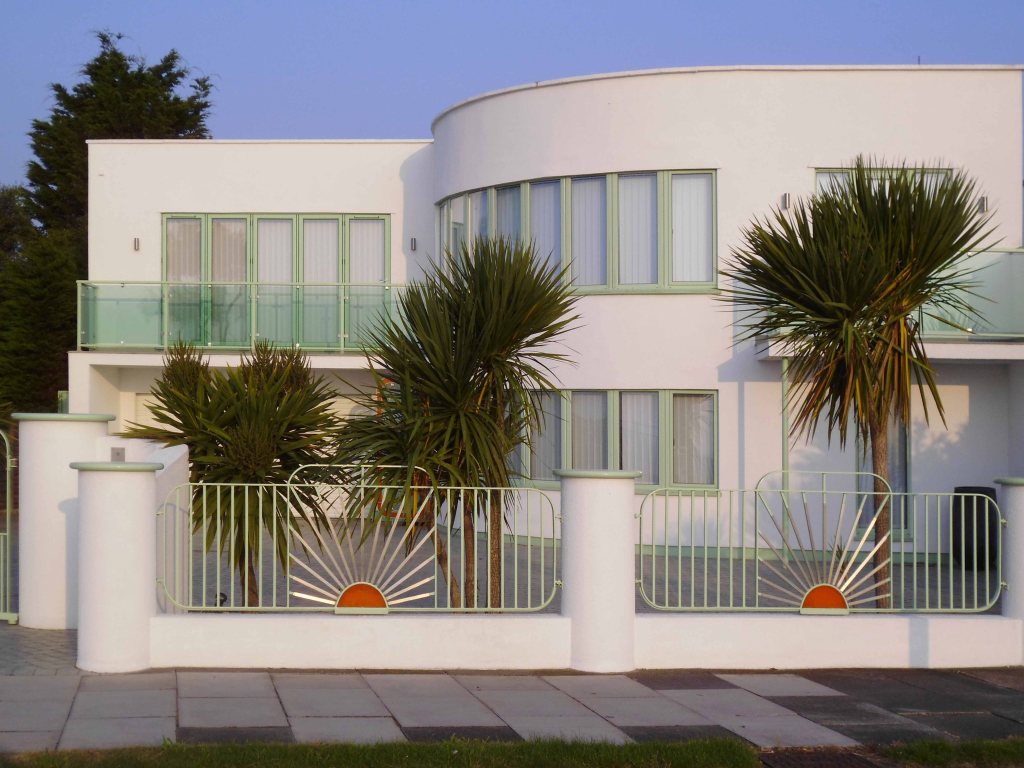
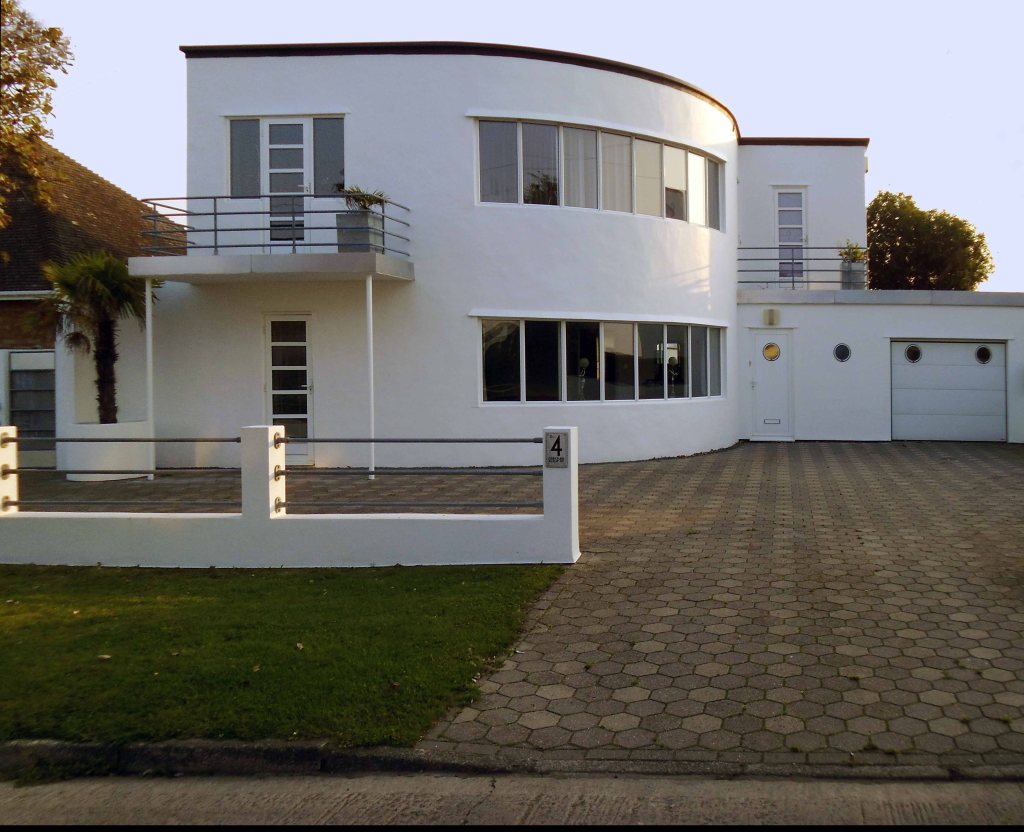
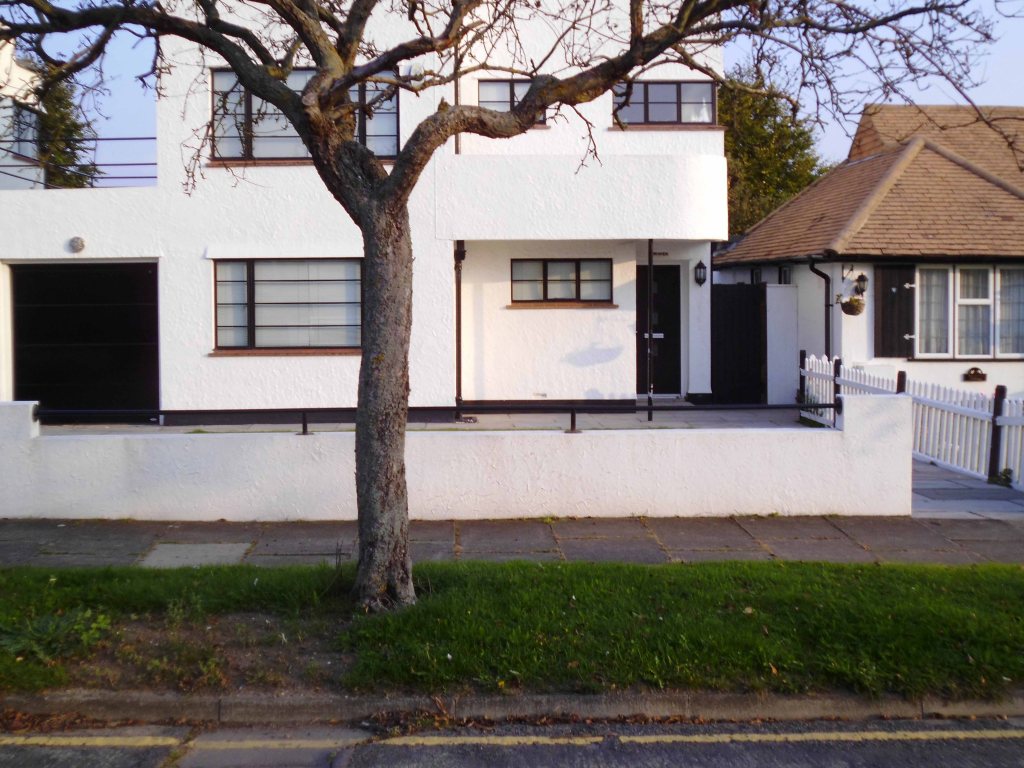
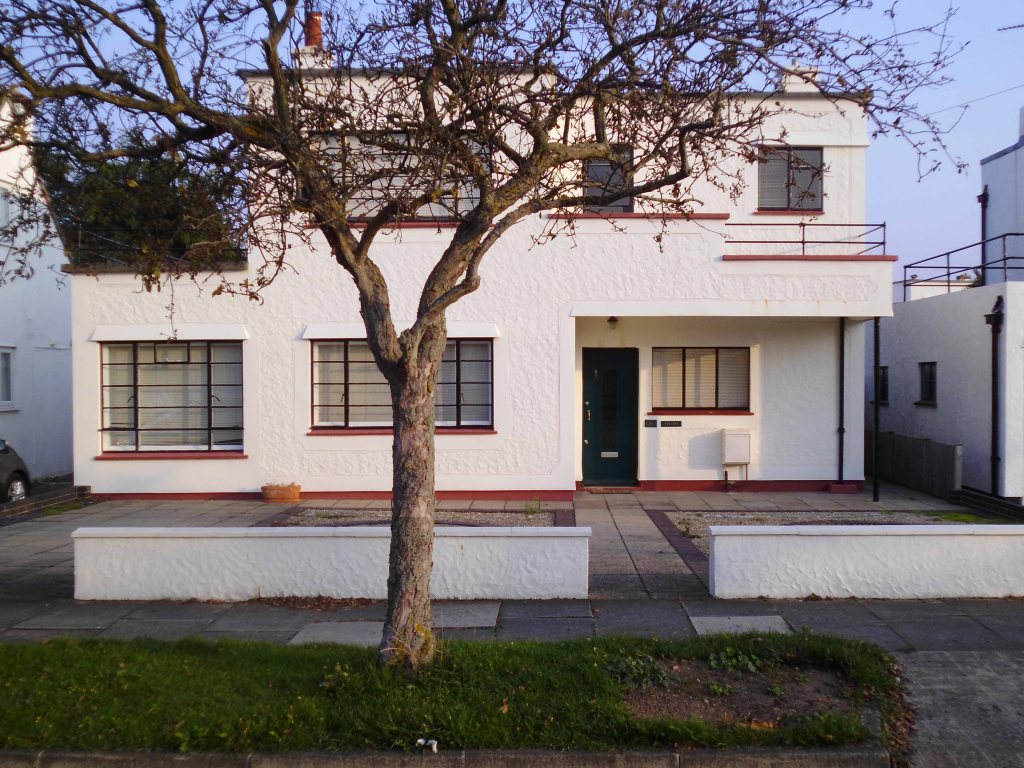
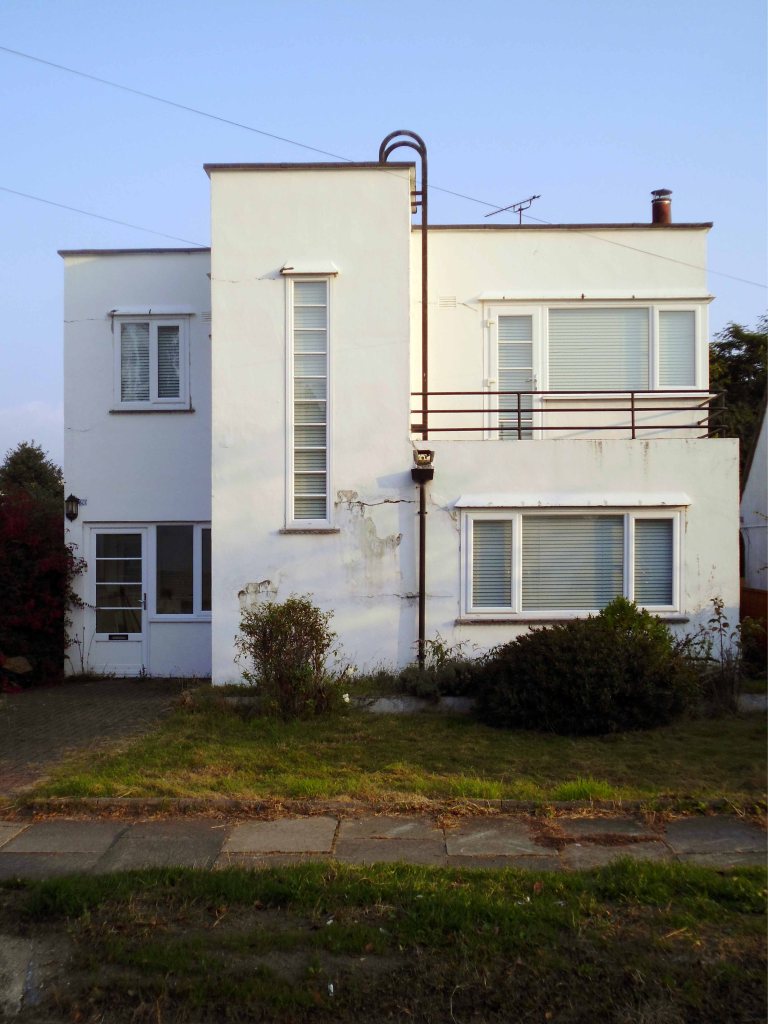
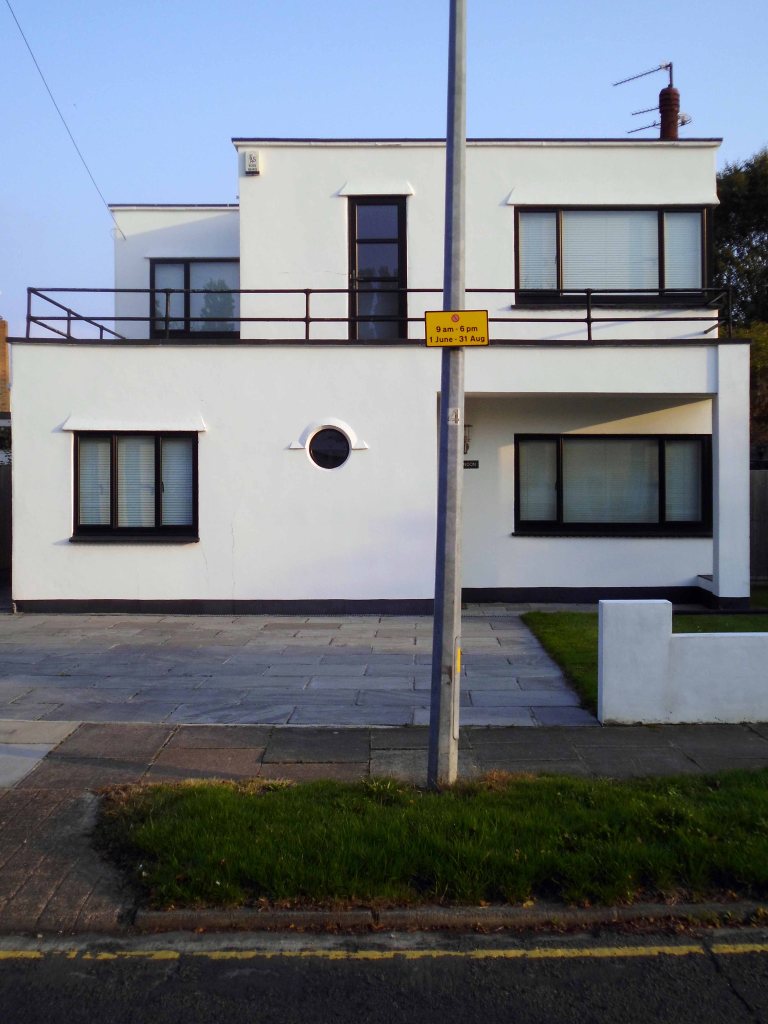
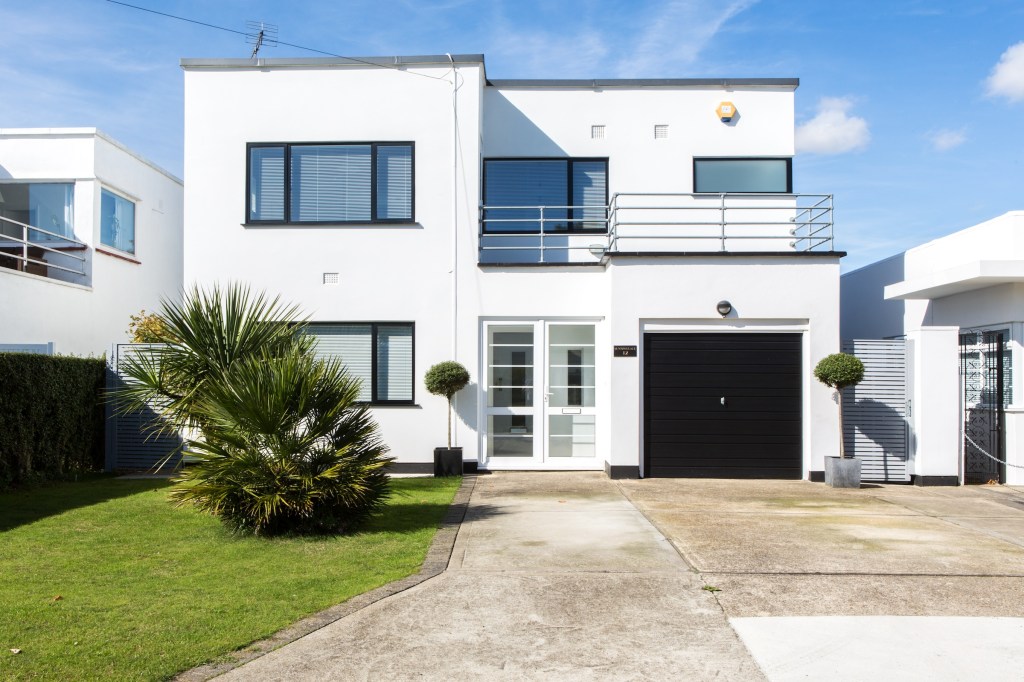
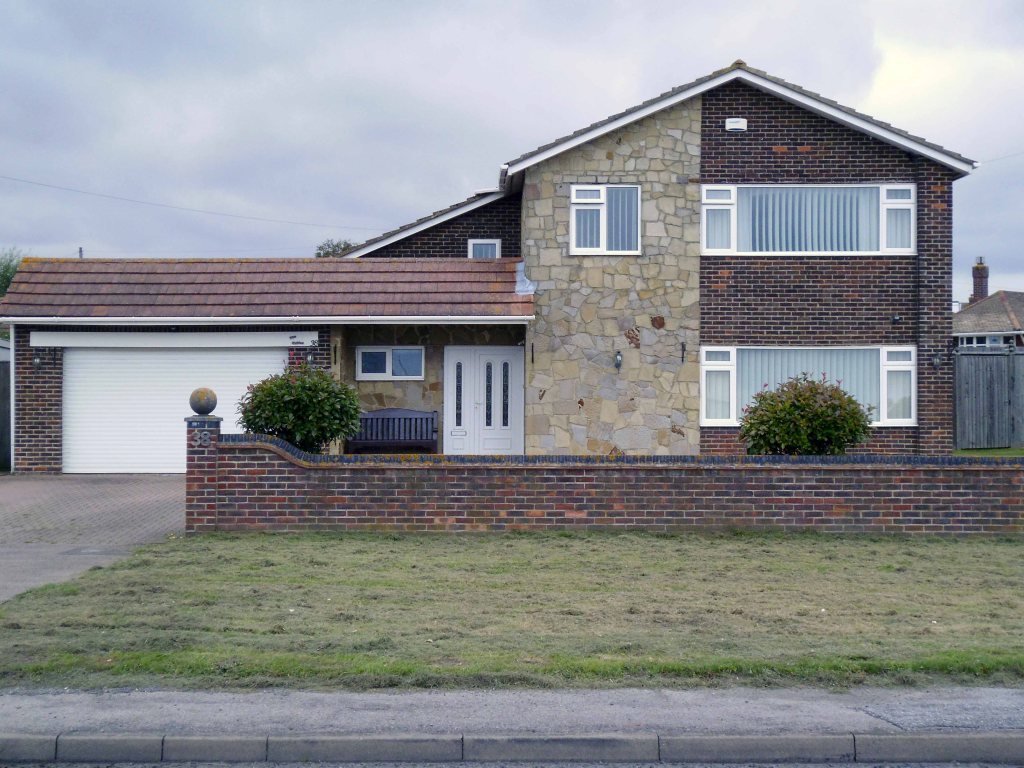
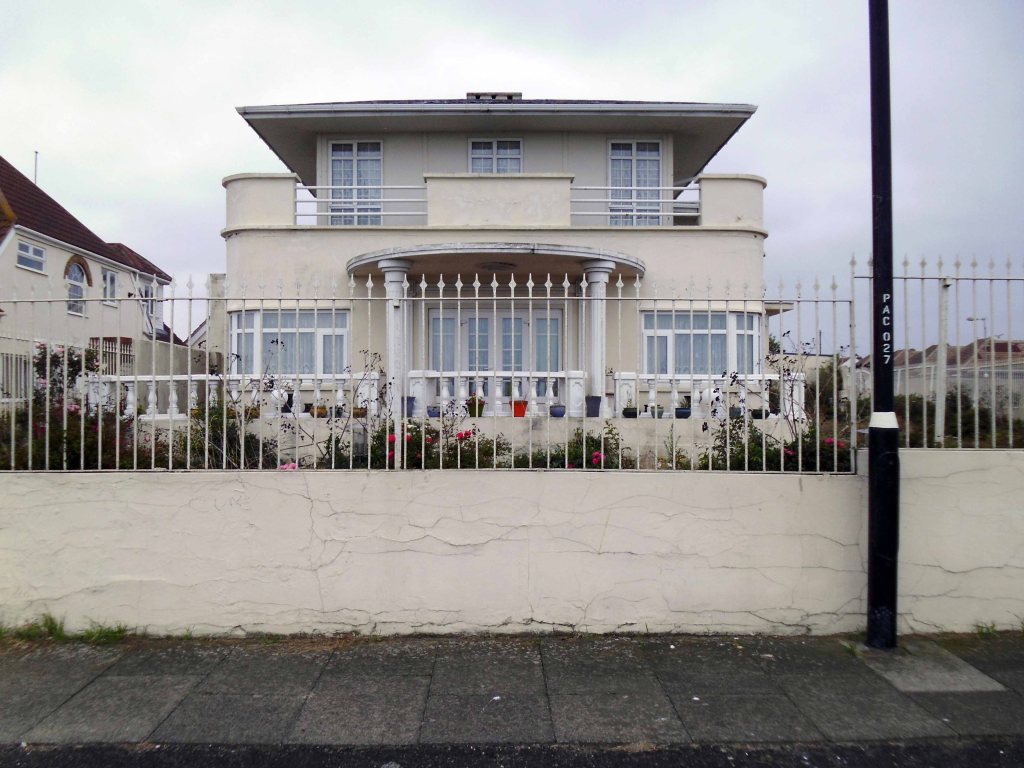
The Kent coastline is home to a vast variety of homes from the crazy clad Prairie Style ranch house to the Debased Deco.

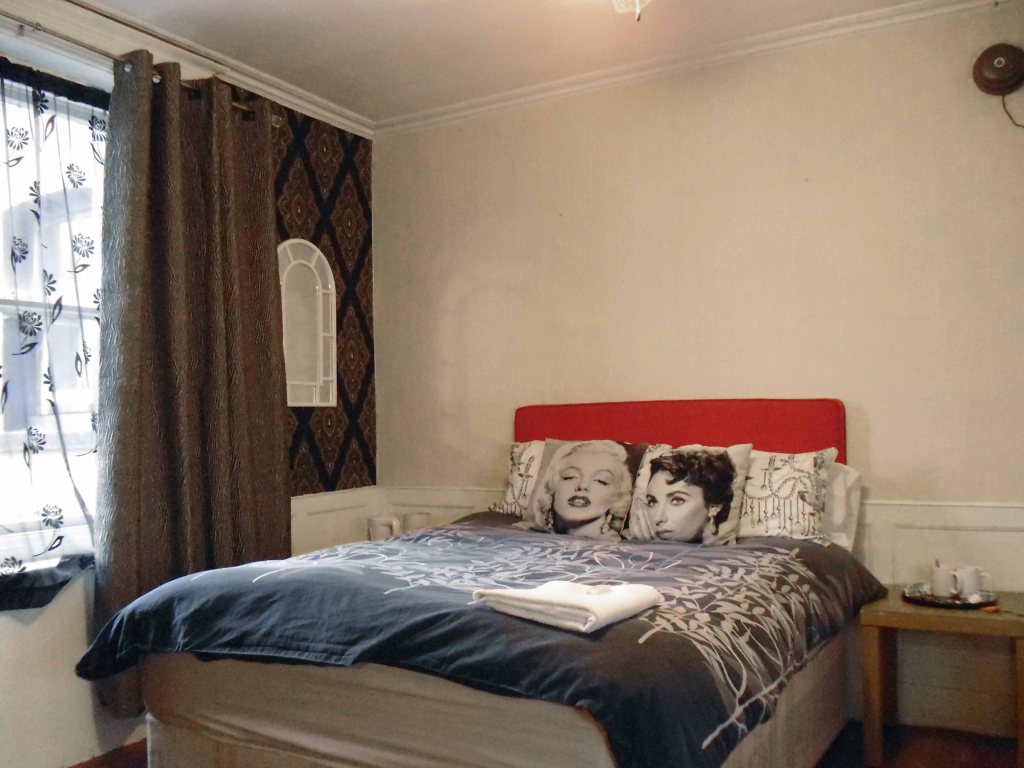
Following ten fun hours of cycling time for a timely rest in the B&B.

Passing by the prestigious Turner Contemporary

The building was designed by David Chipperfield – It was built on the raised promenade following a flood risk analysis. Construction started in 2008, and was completed for opening in April 2011, at a cost of £17.5 million. The gallery opened on 16 April 2011.

Wikipedia

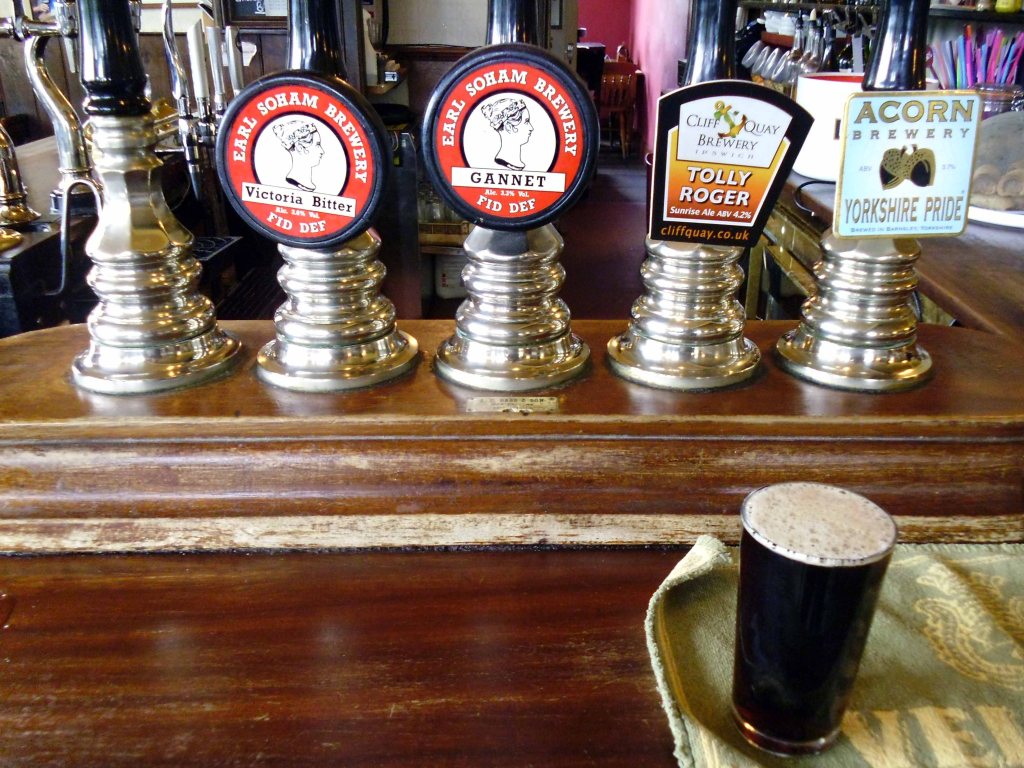
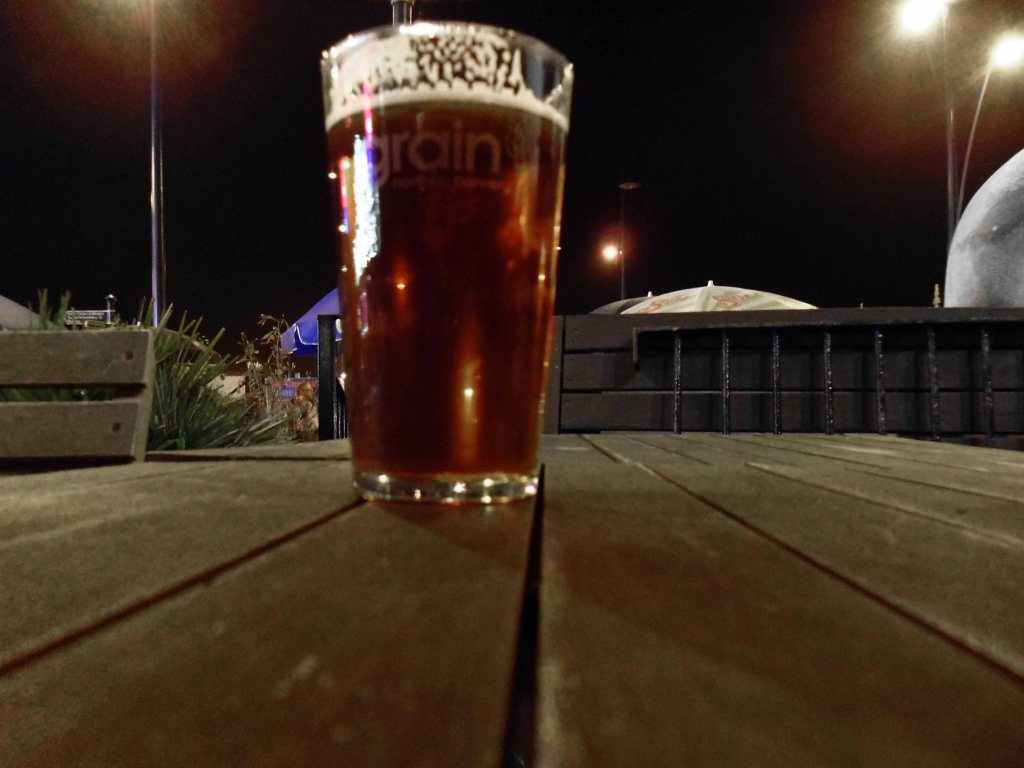
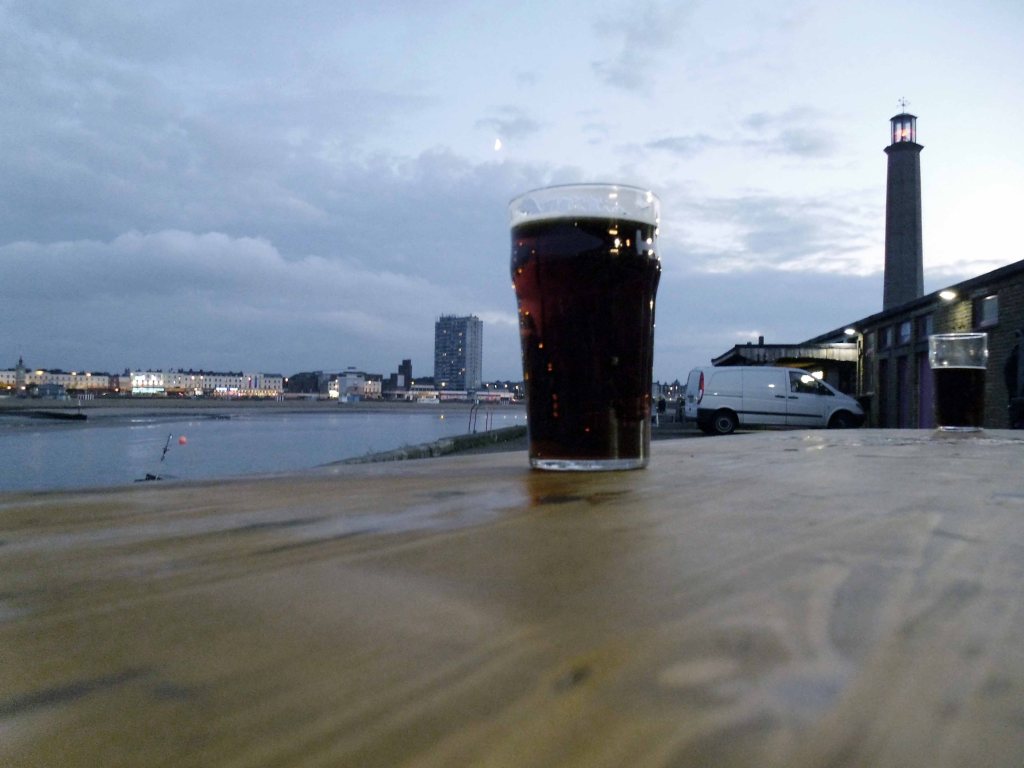
Finally as the sun sets in the west, a pint of something nice in the Harbour Arms.

Night night.

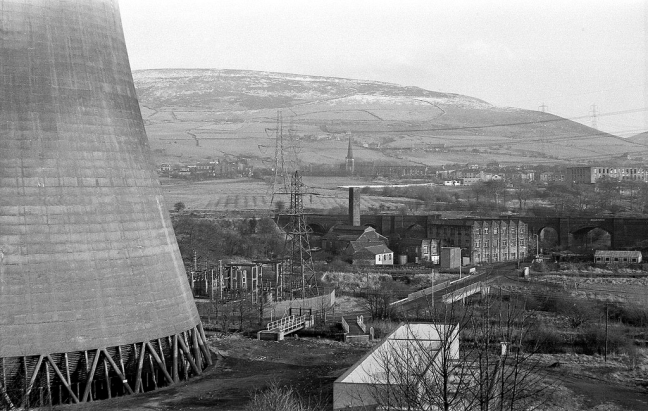
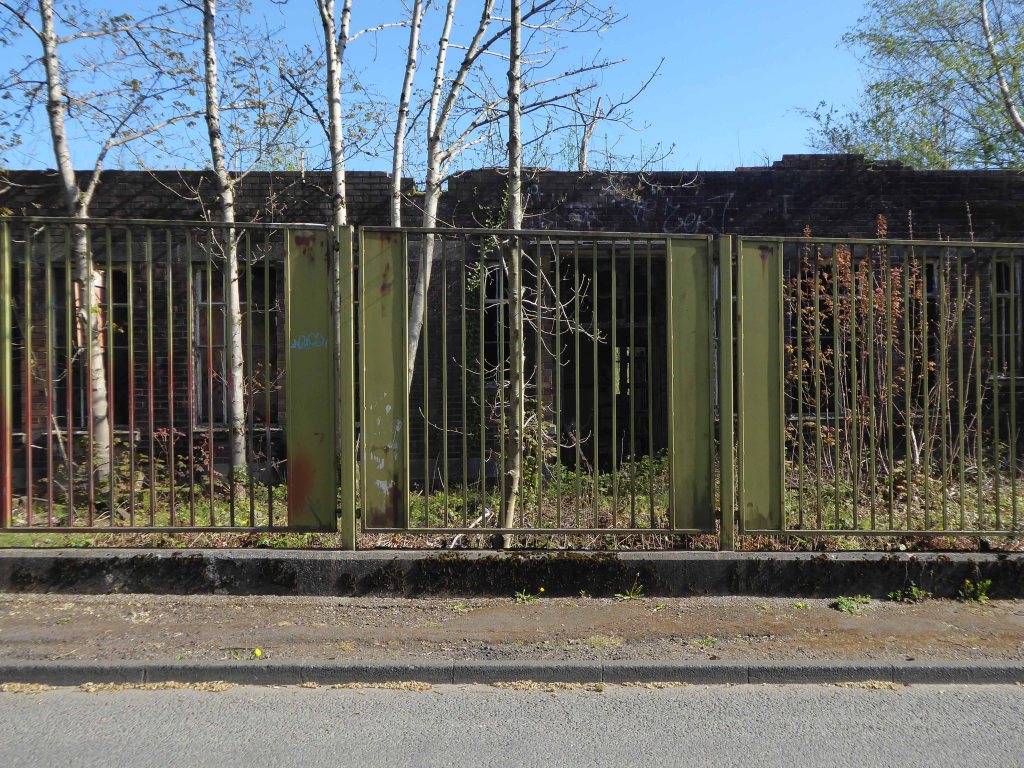
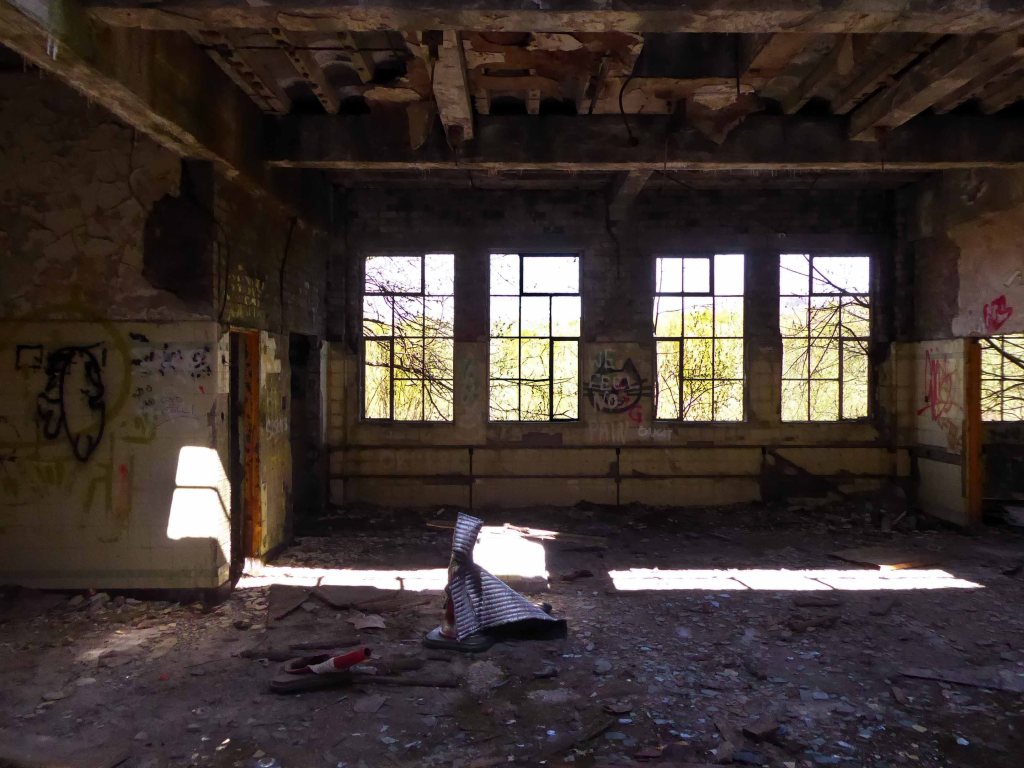
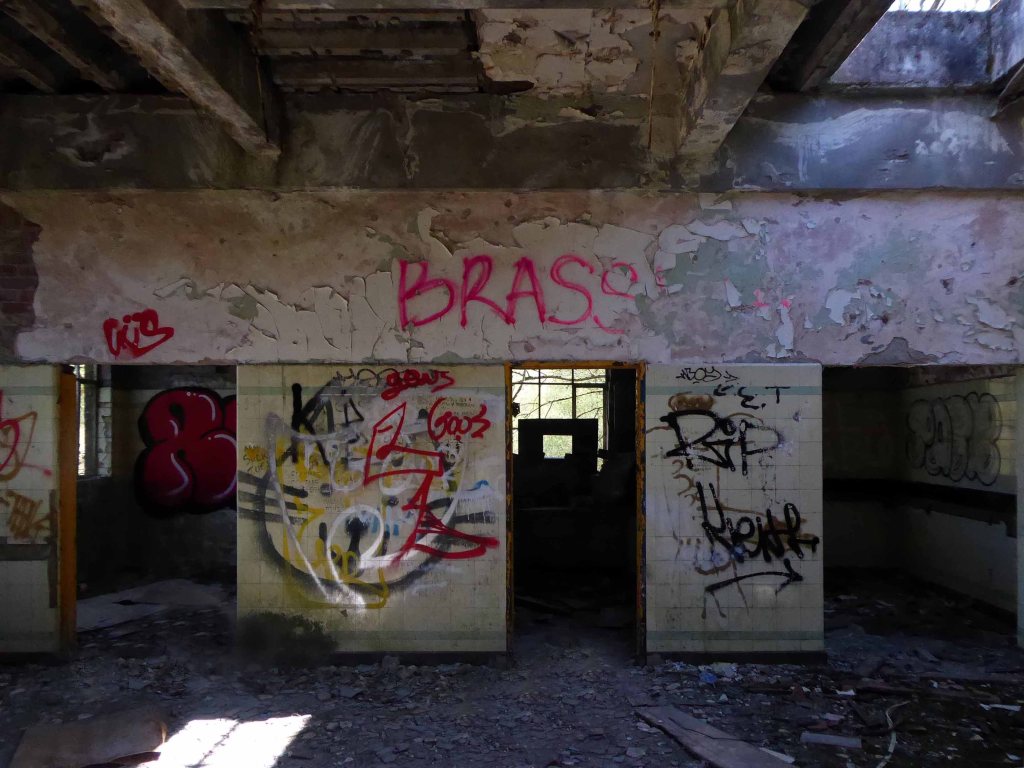
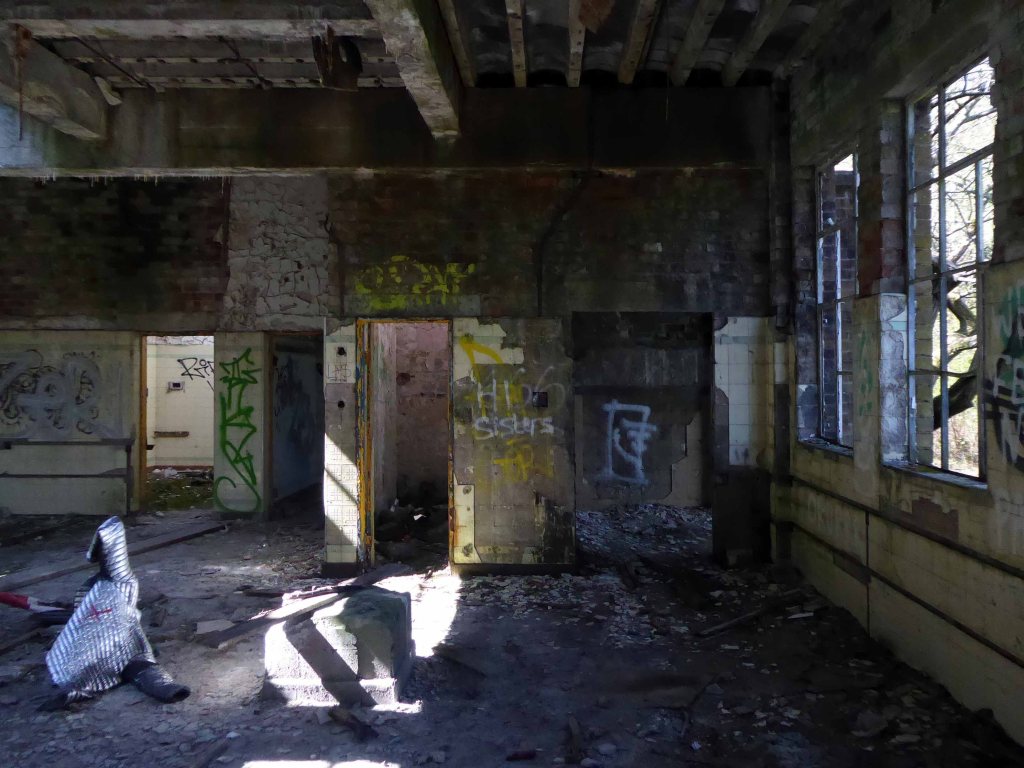
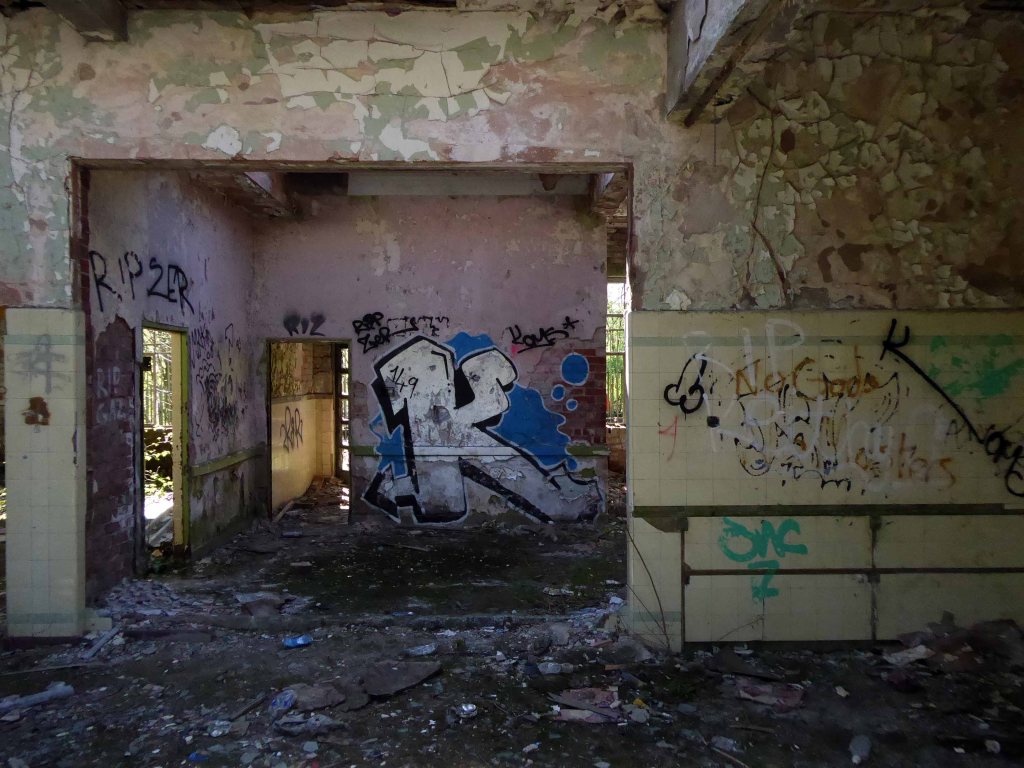
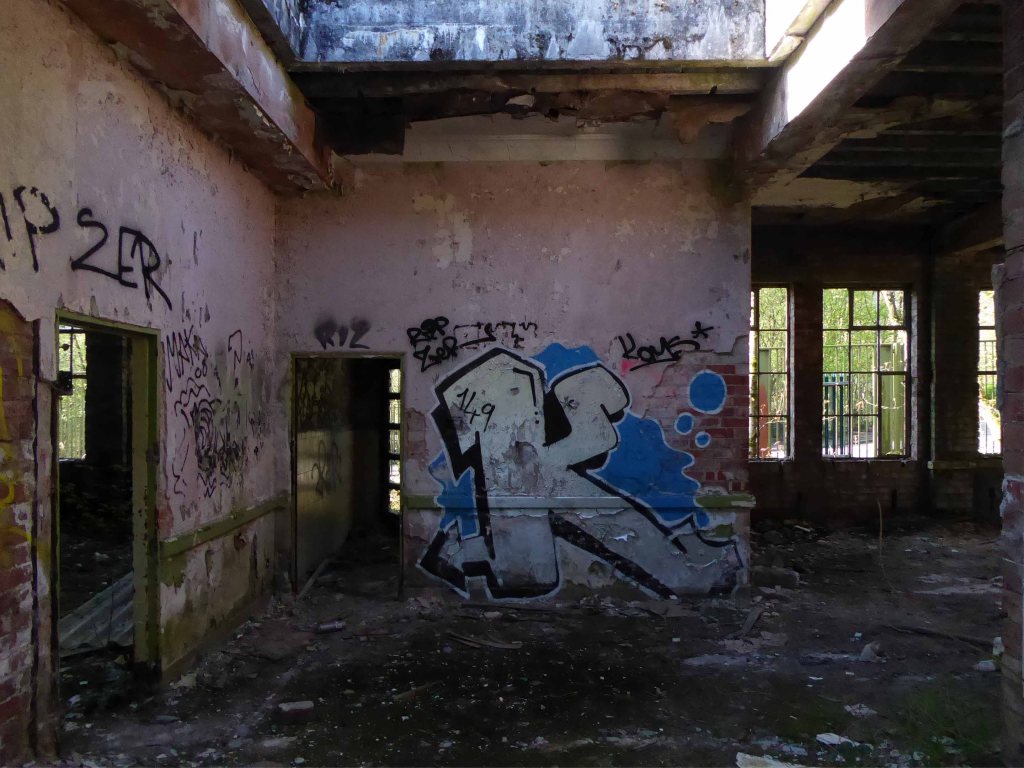
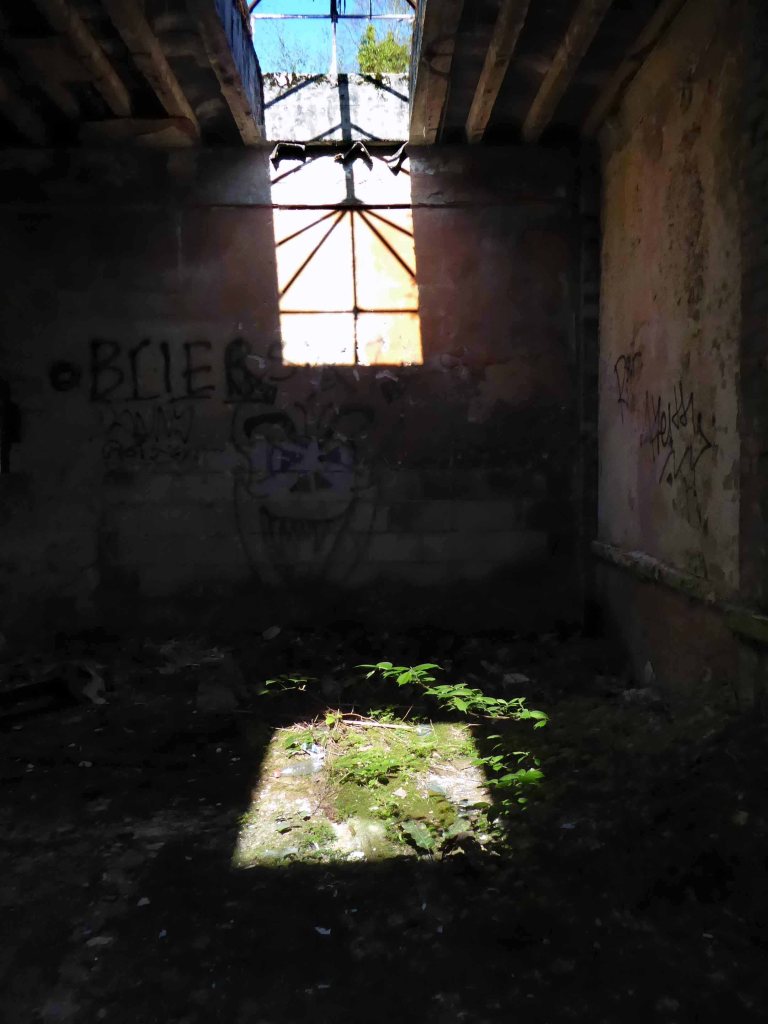
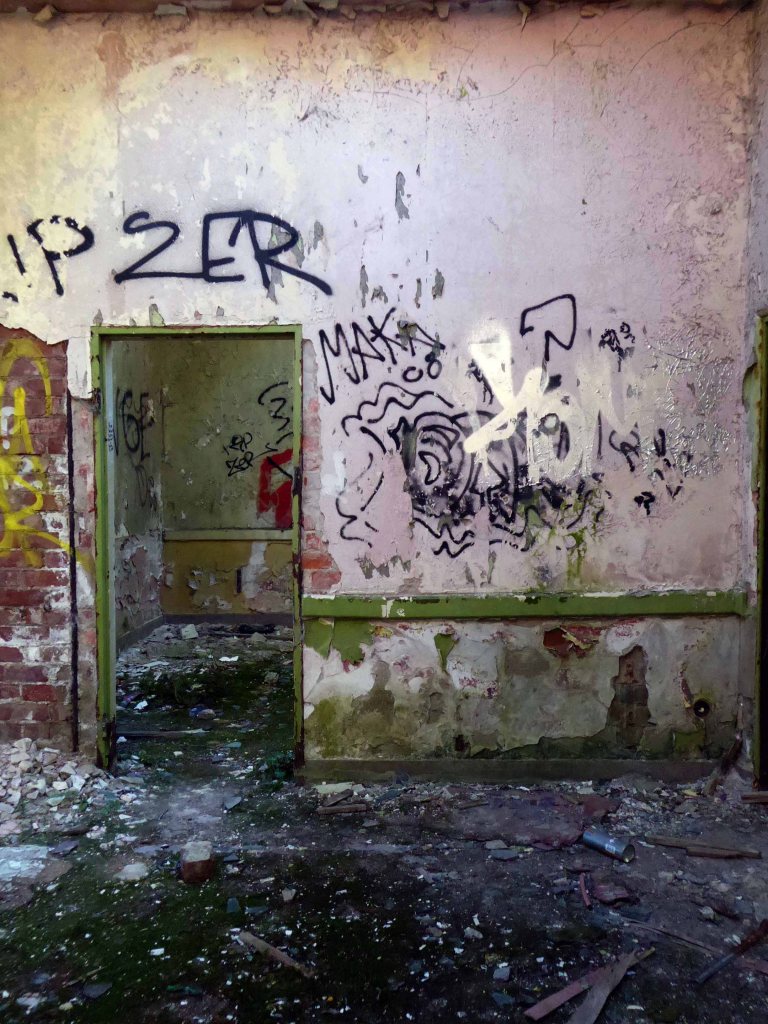
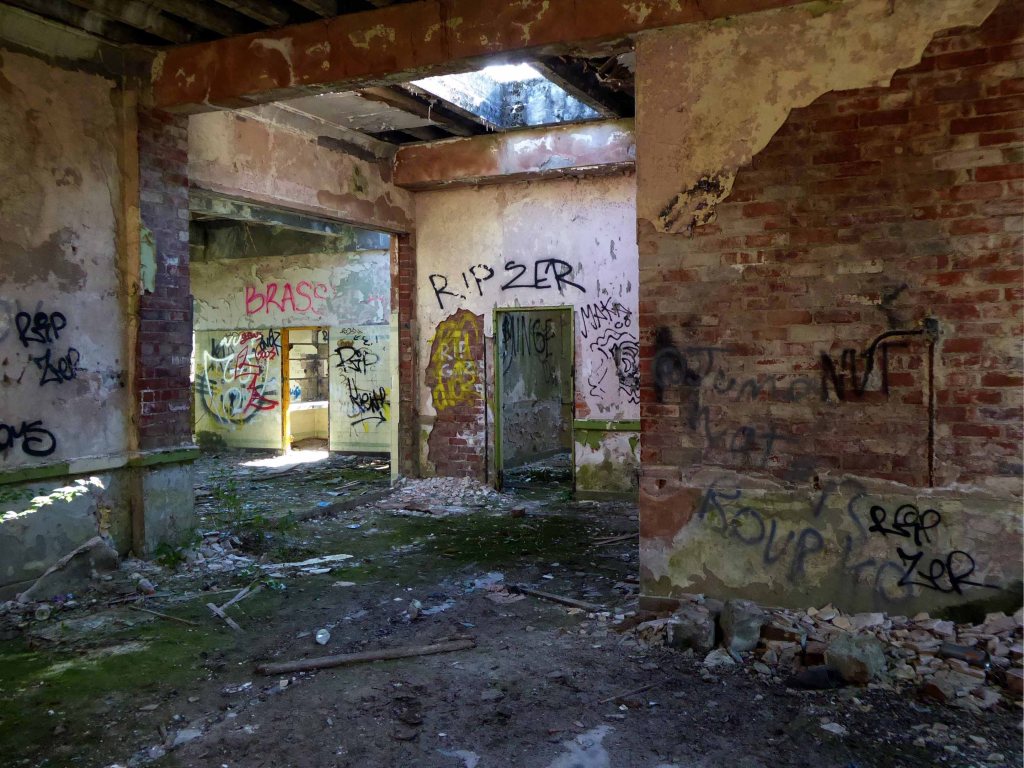
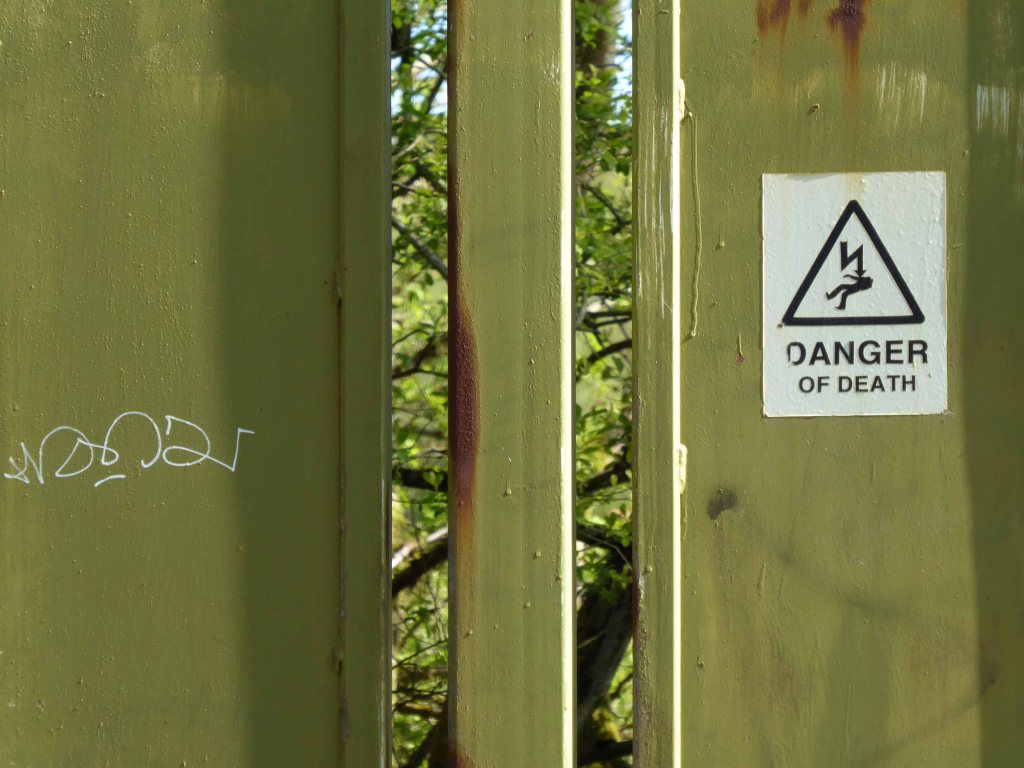
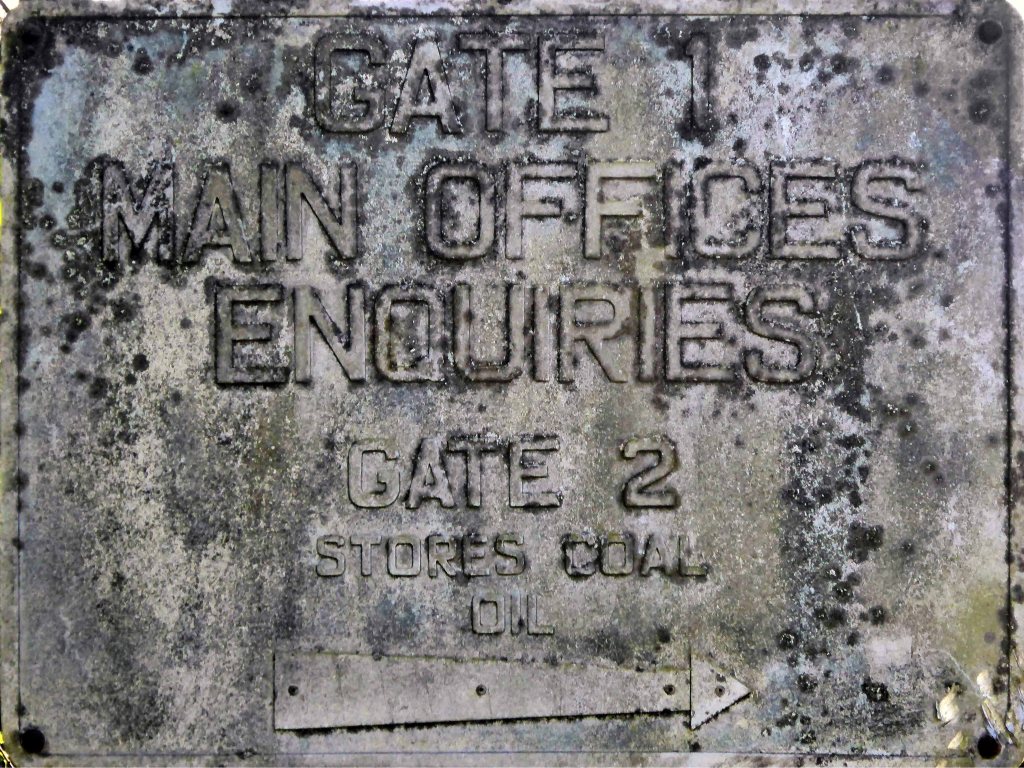
Hartshead Power Station – Offices

We have of course been here before, to see a concrete bus shelter and a derelict control room.

All that is solid melts into air as Marx and Marshall Berman told us.

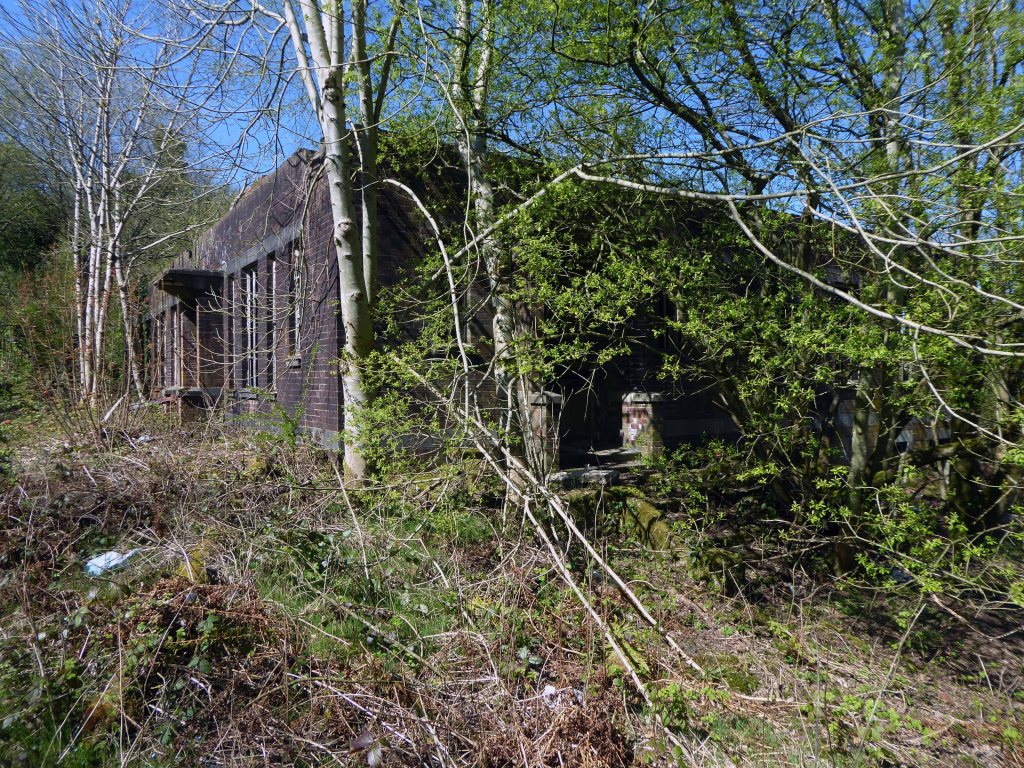
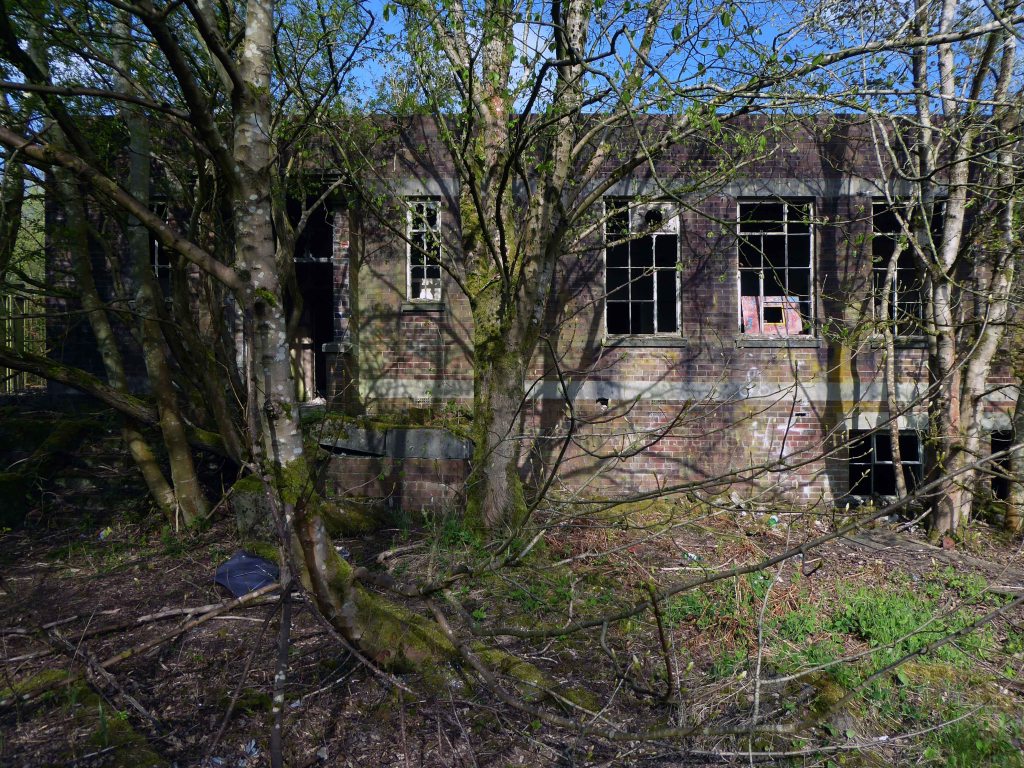
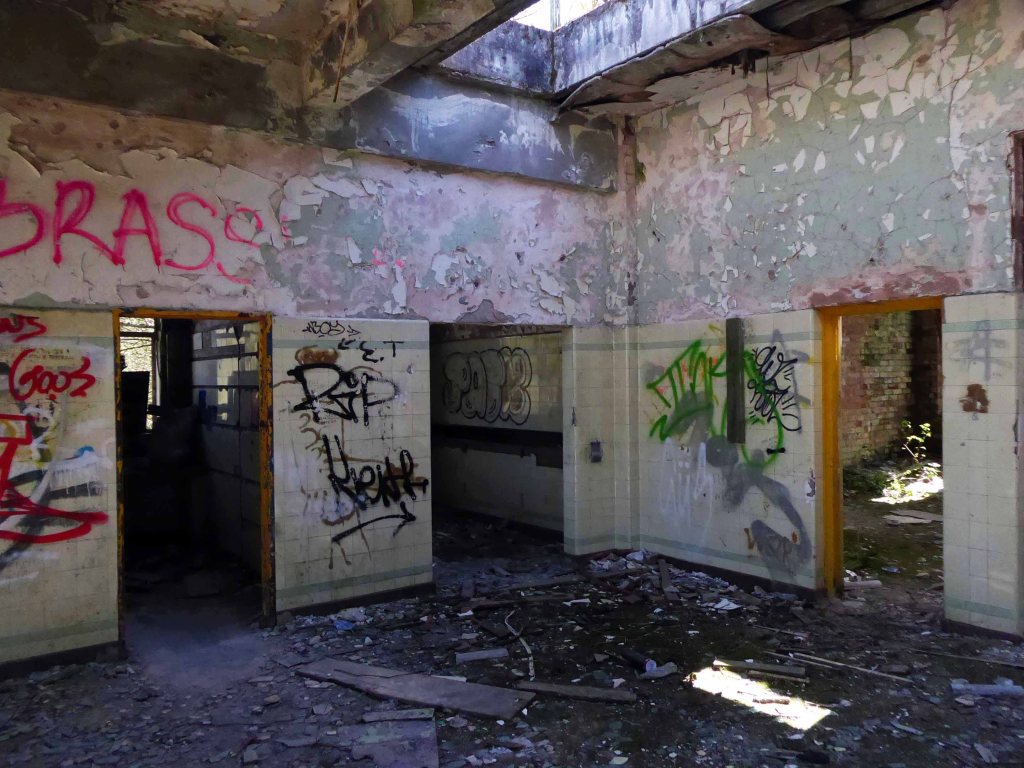
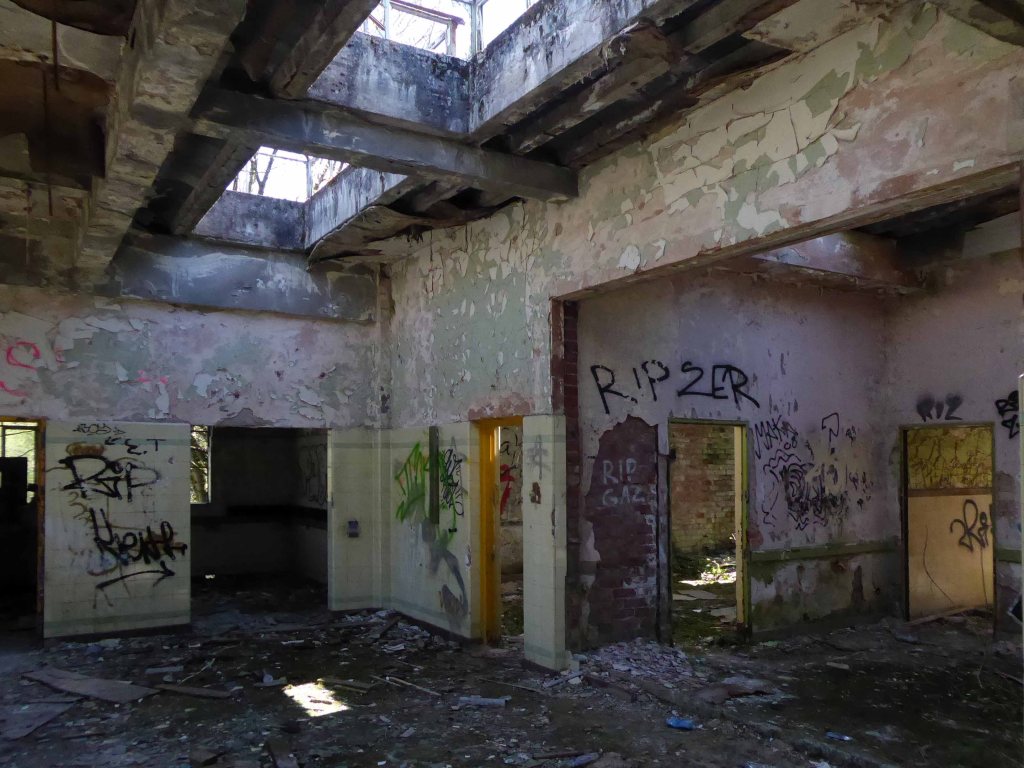
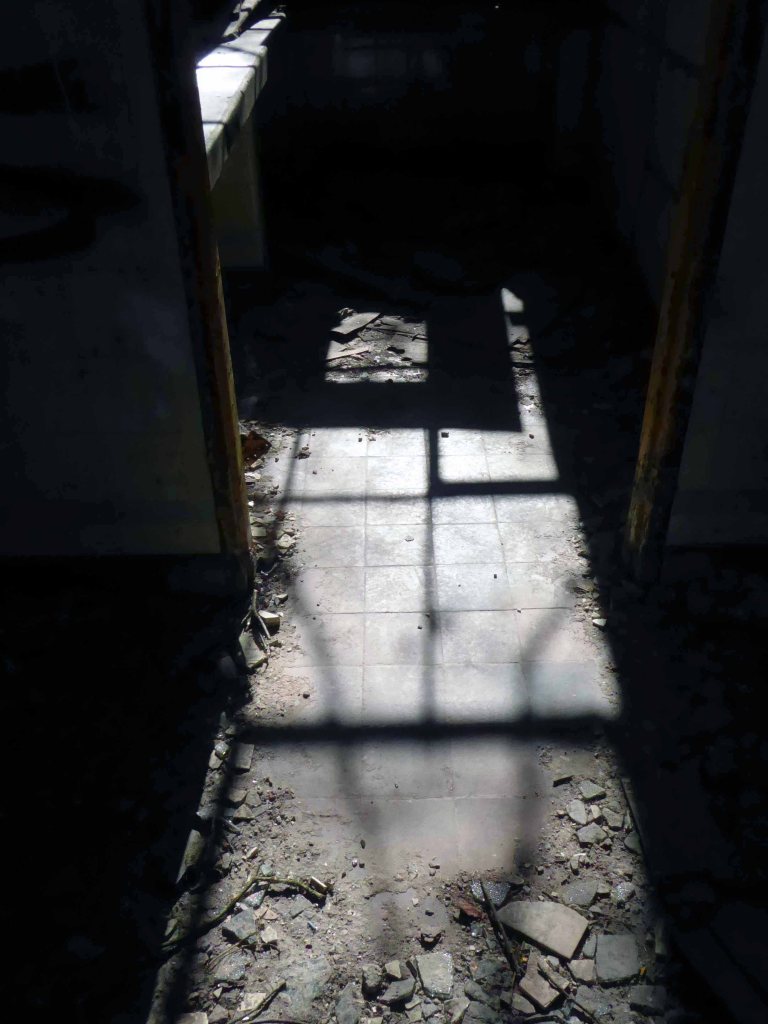
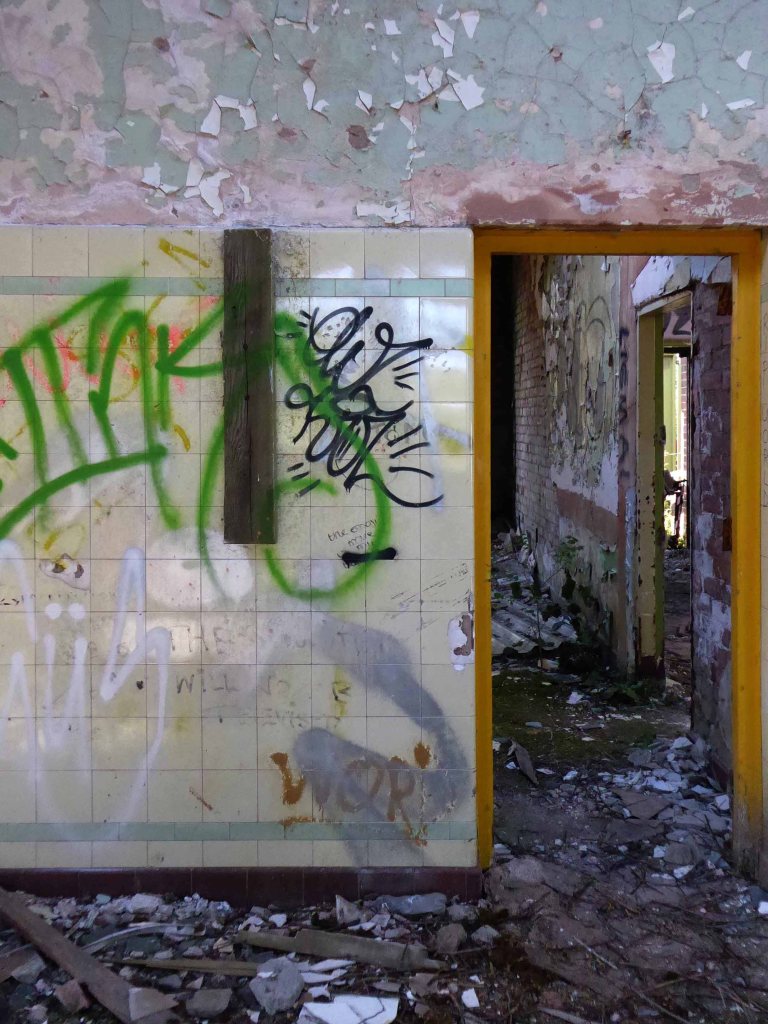
Though remnants remain – this is a short journey through a hole in fence, down into the warren of power station offices past.

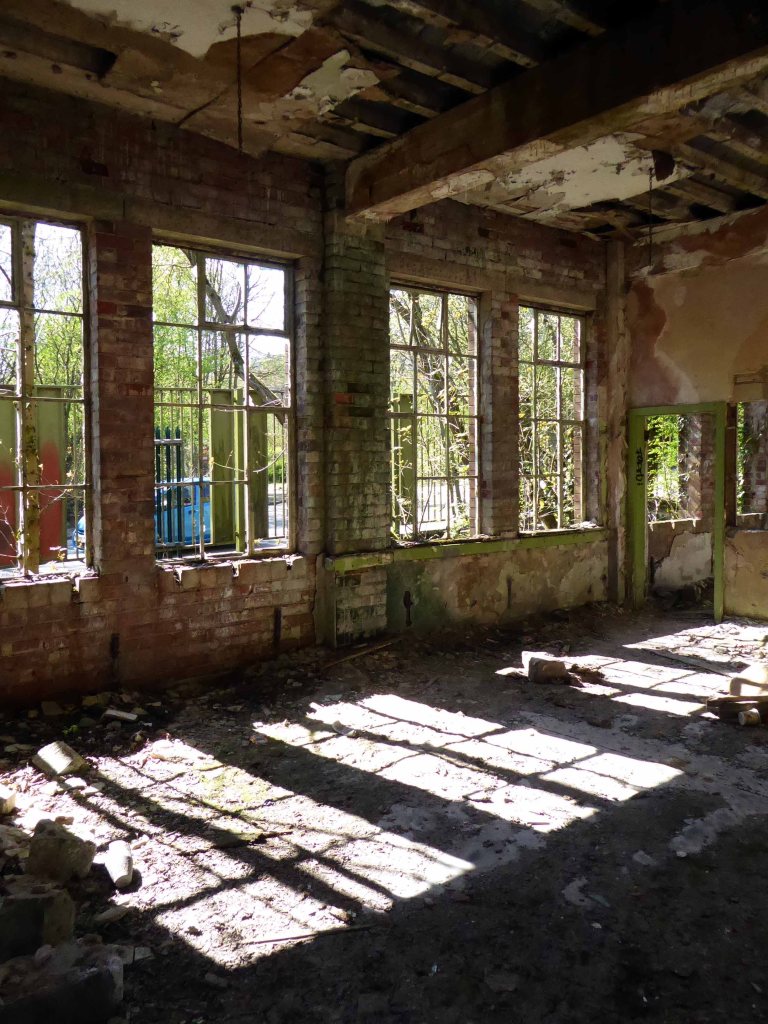
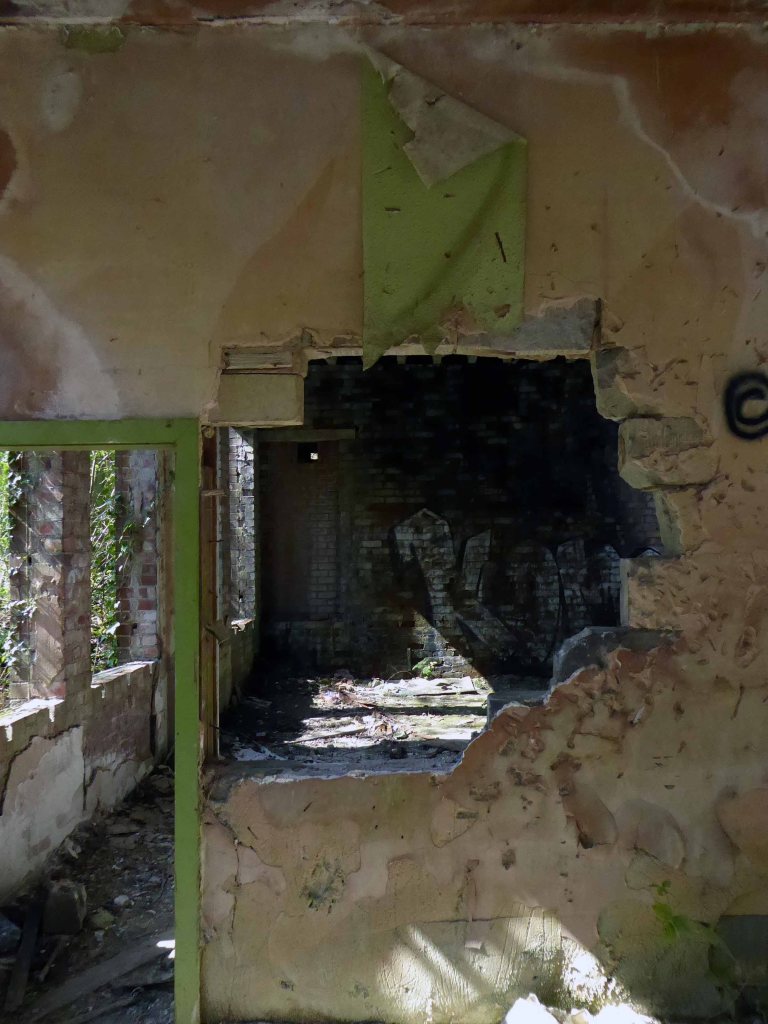
They have been stripped of their former use and meaning, transformed into a transitory art performance space, paint and plaster now peeling, appealing to the passing painter, partially reclaimed by nature.

Let’s tag along:

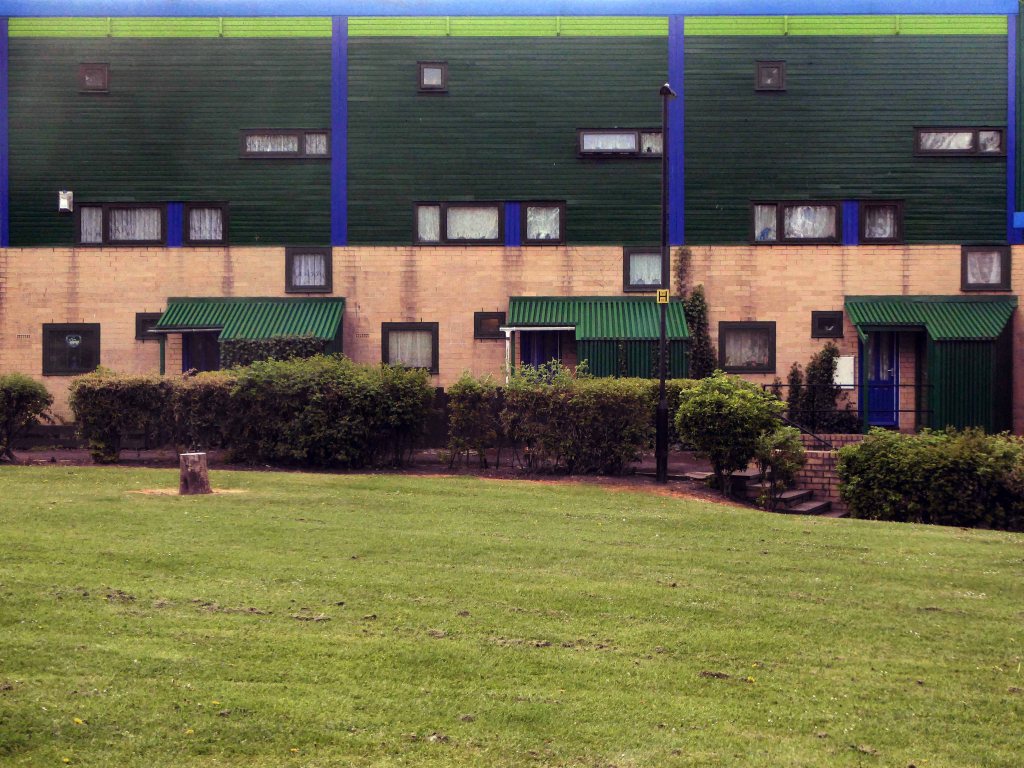
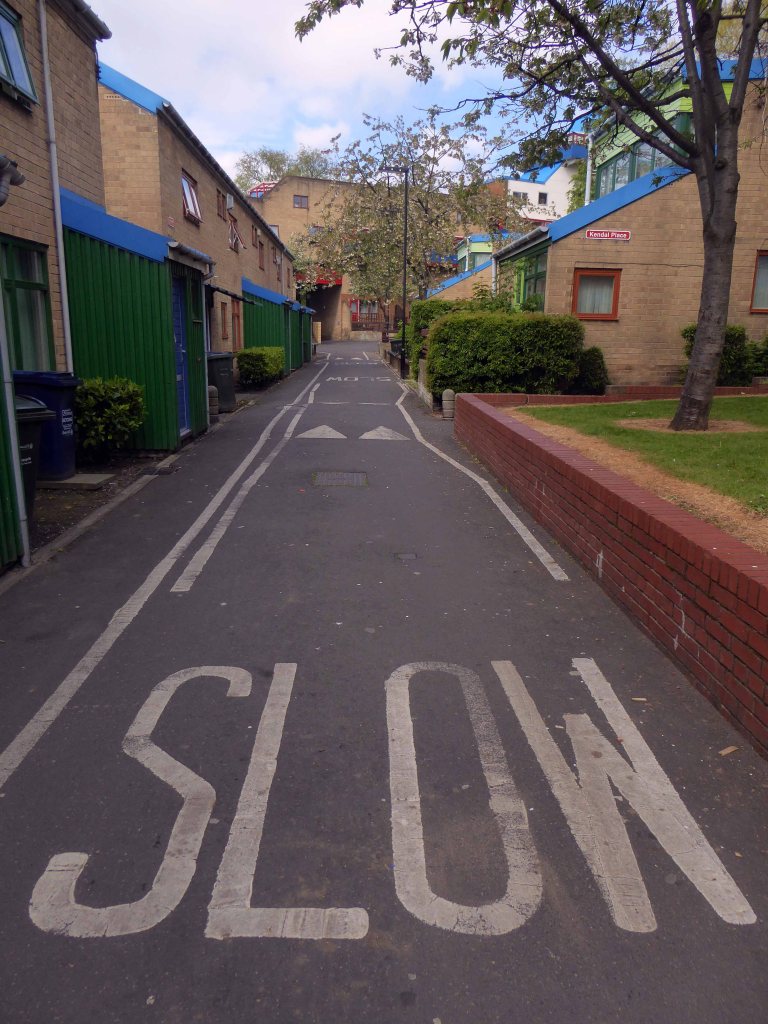
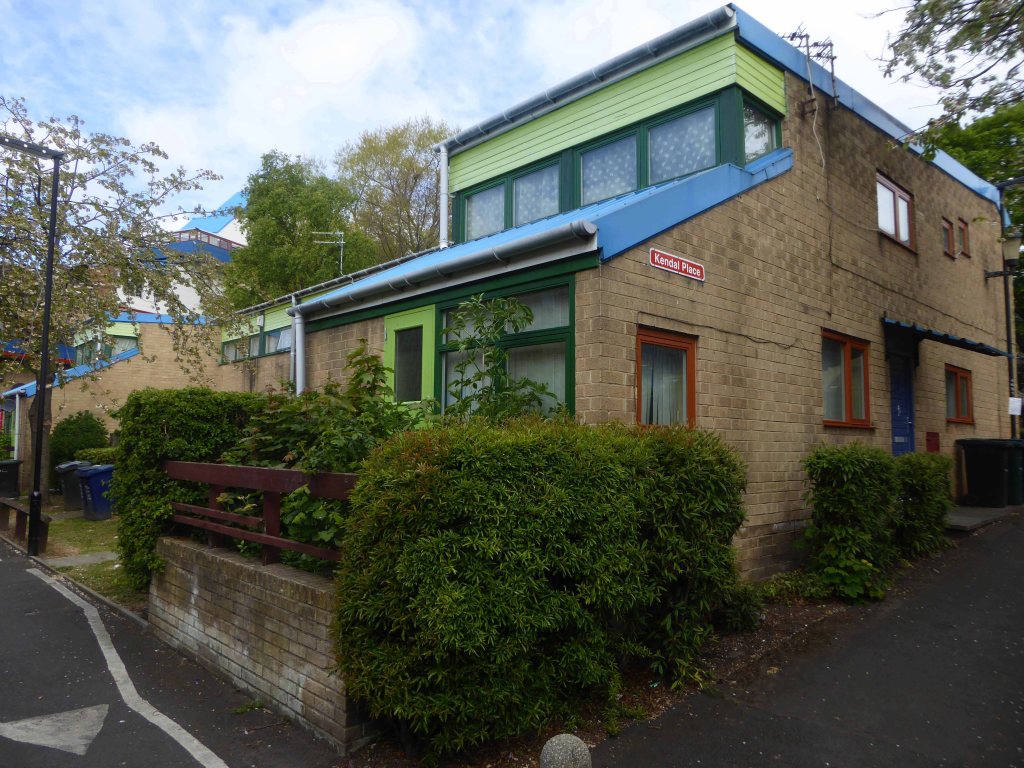
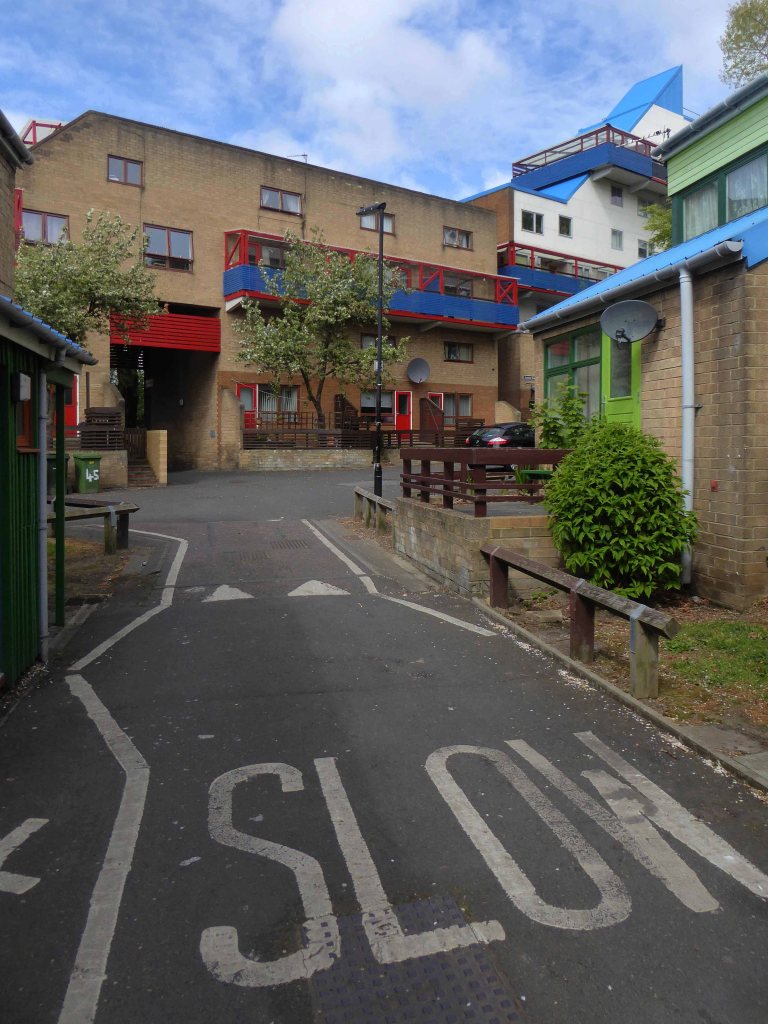
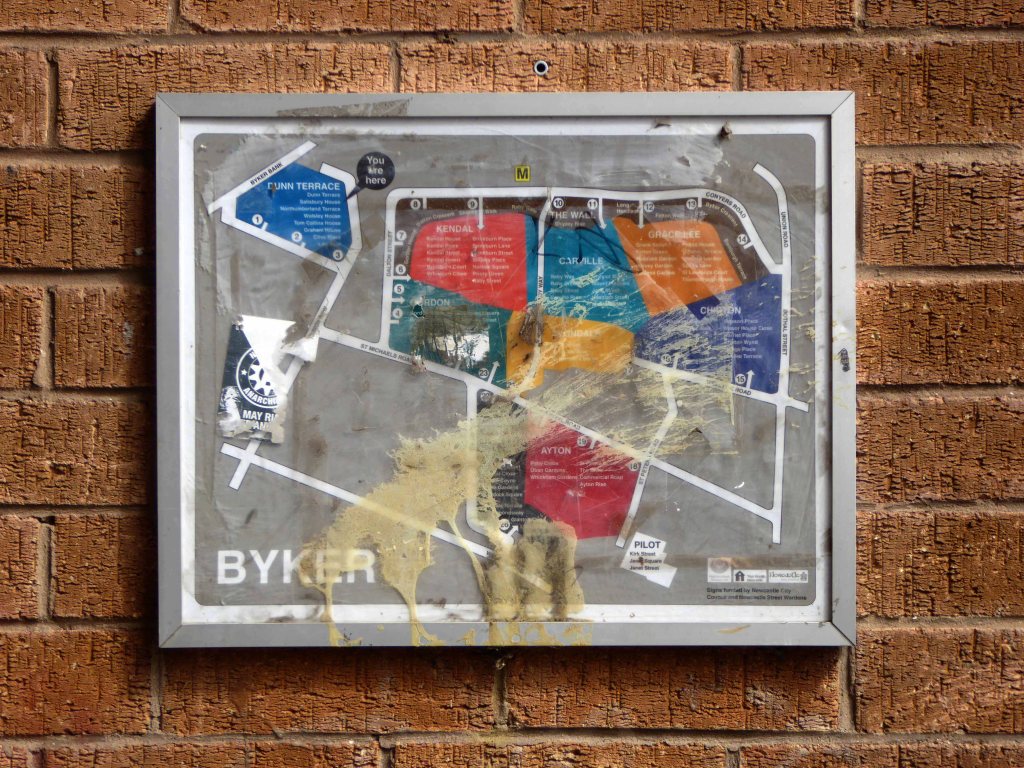
Byker Estate – Newcastle upon Tyne

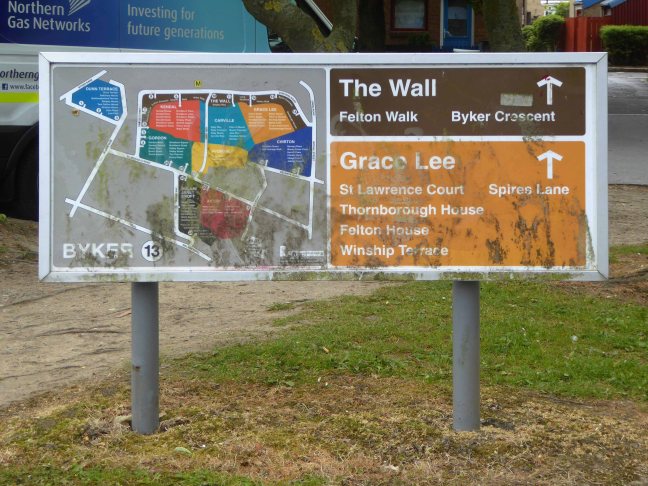
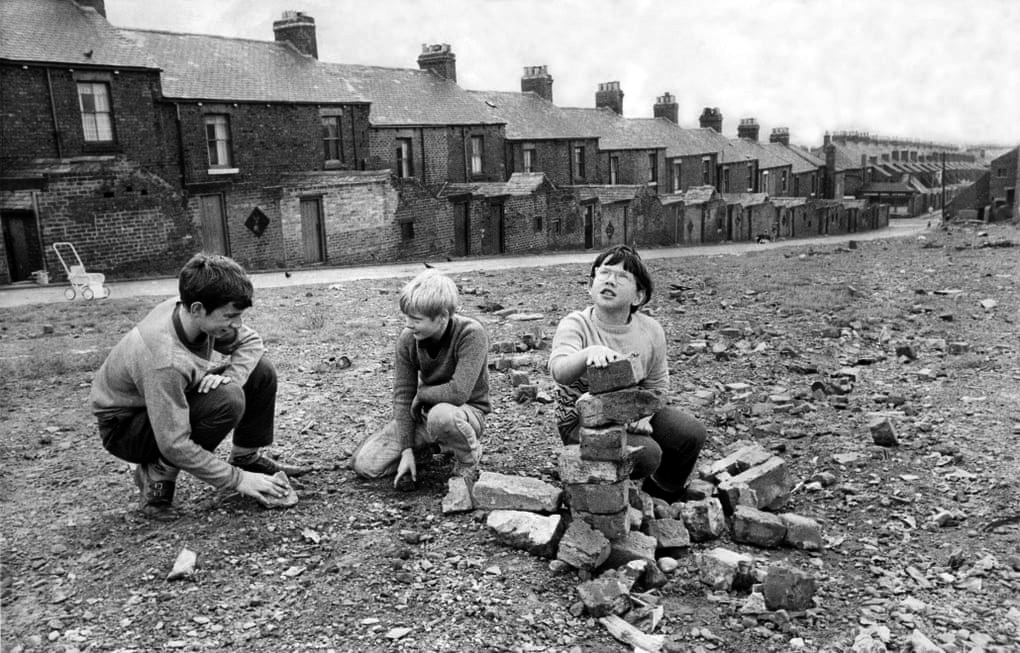
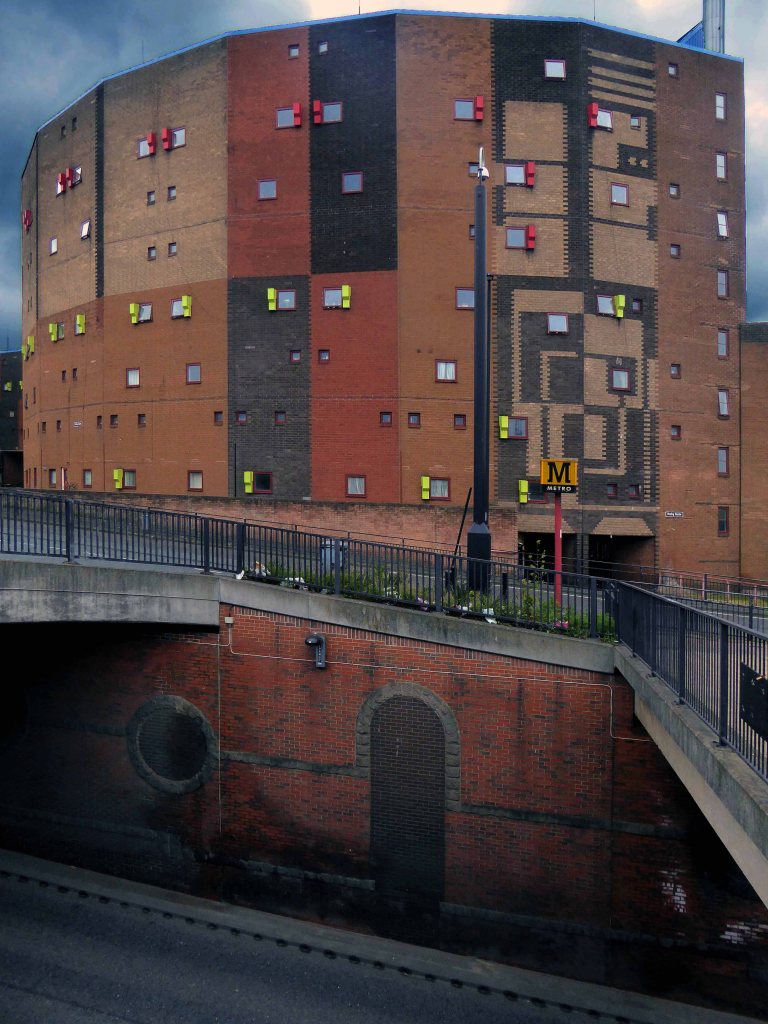
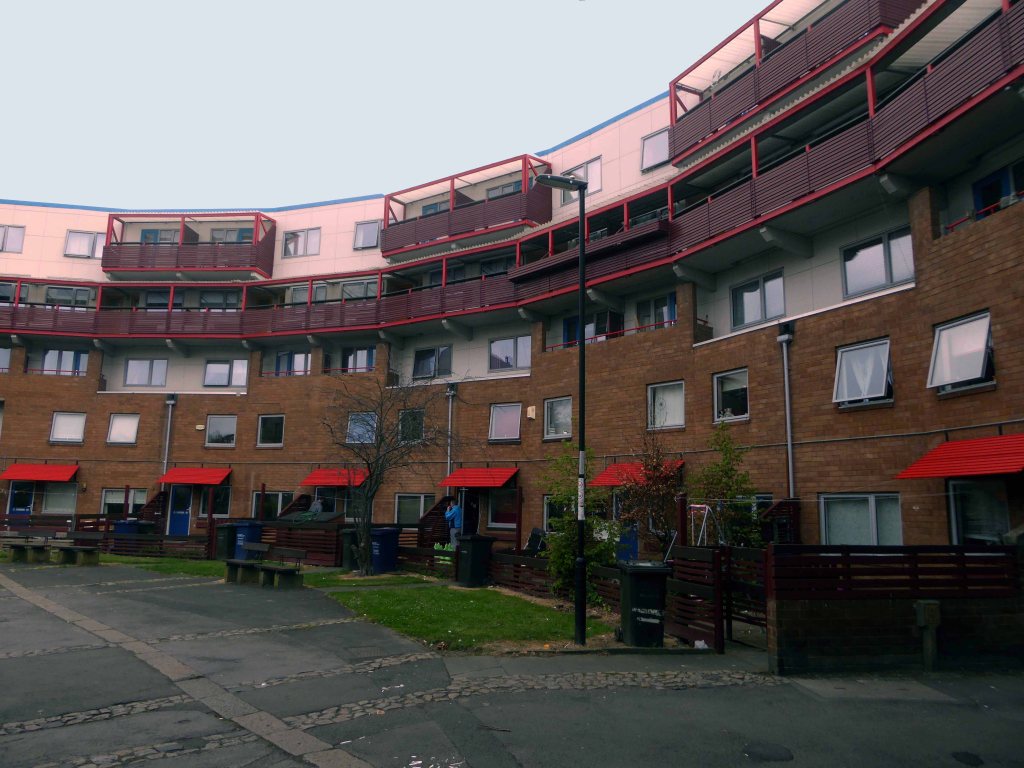
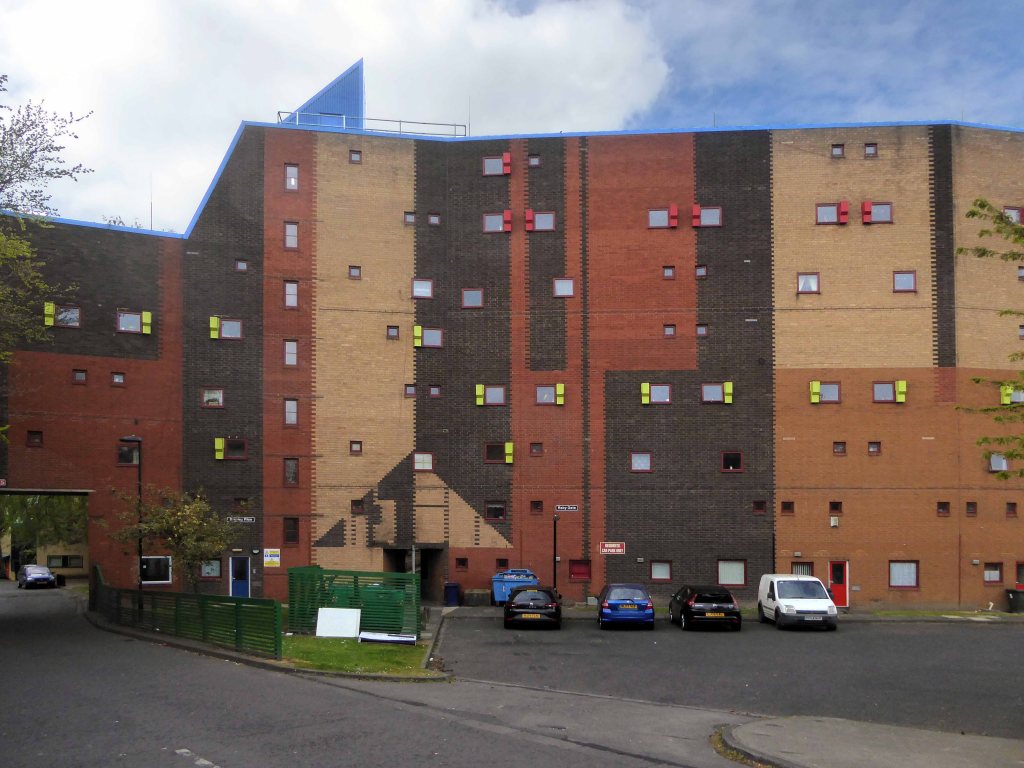
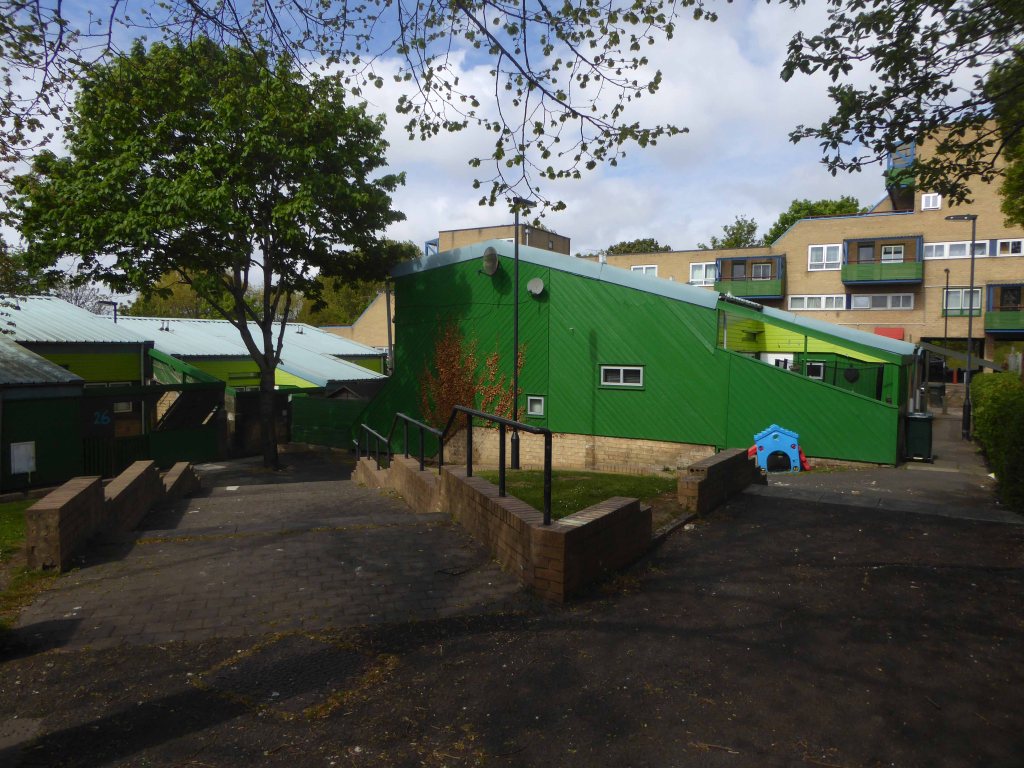
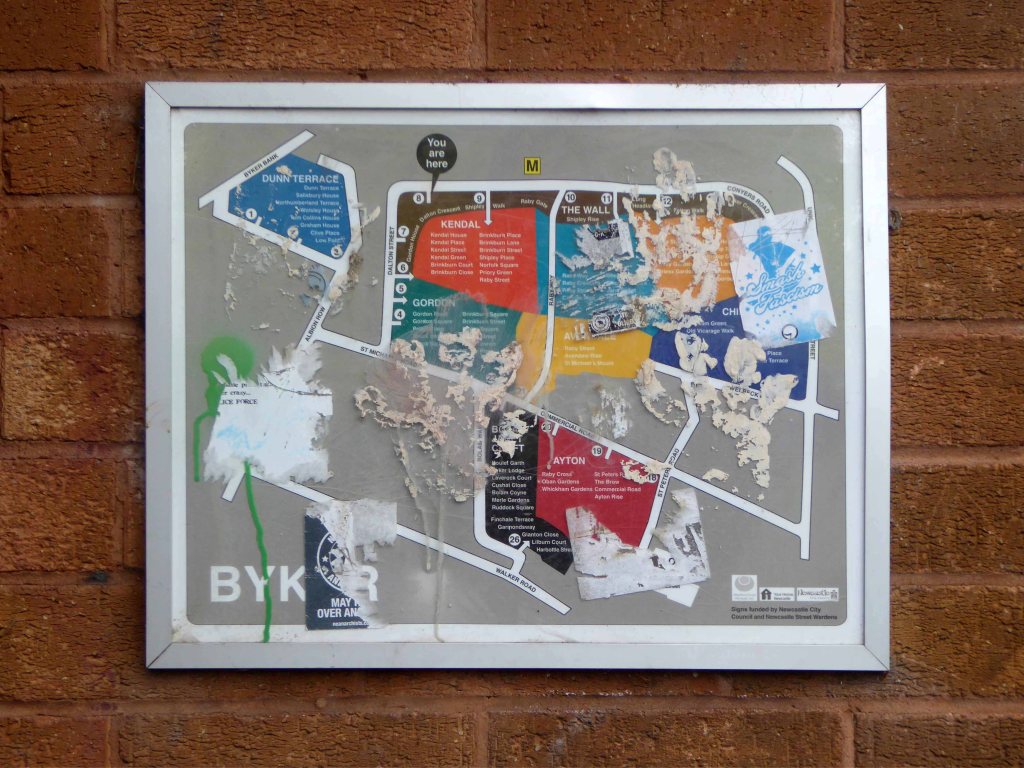
The Wall, along with the low rise dwellings built to its south, replaced Victorian slum terraced housing. There were nearly 1200 houses on the site at Byker. They had been condemned as unfit for human habitation in 1953, and demolition began in 1966.

The new housing block was designed by Ralph Erskine assisted by Vernon Gracie. Design began in 1968 and construction took place between 1969 and 1982. The architects opened an office on site to develop communication and trust between the existing residents. Existing buildings were to be demolished as the new accommodation was built.

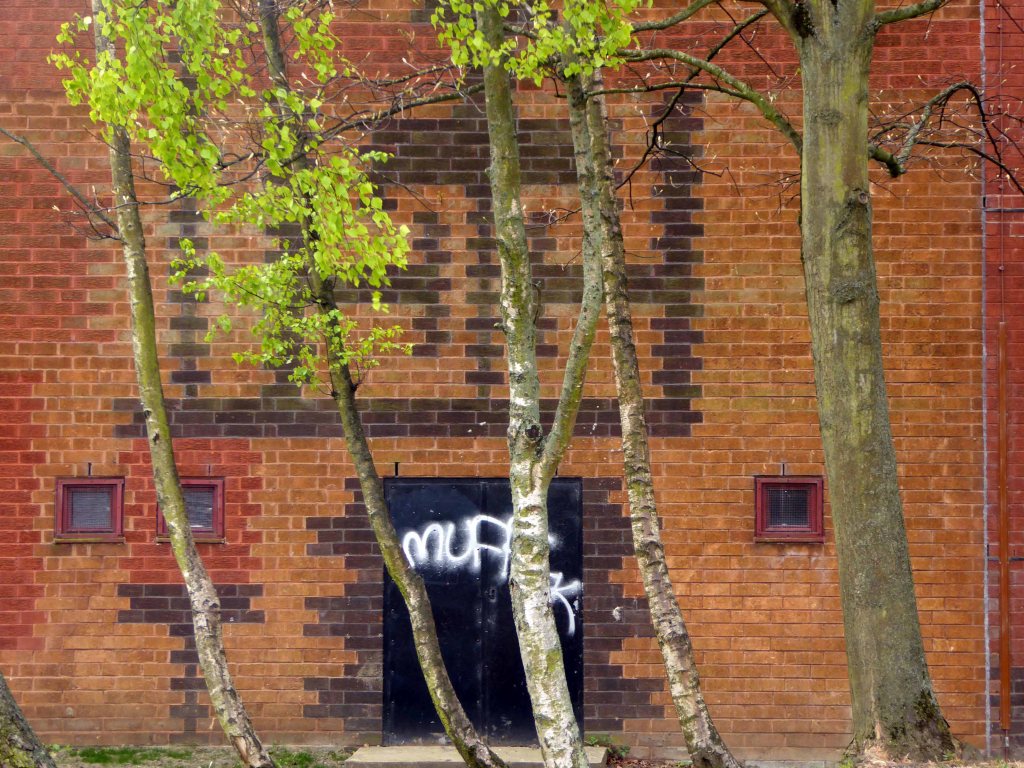
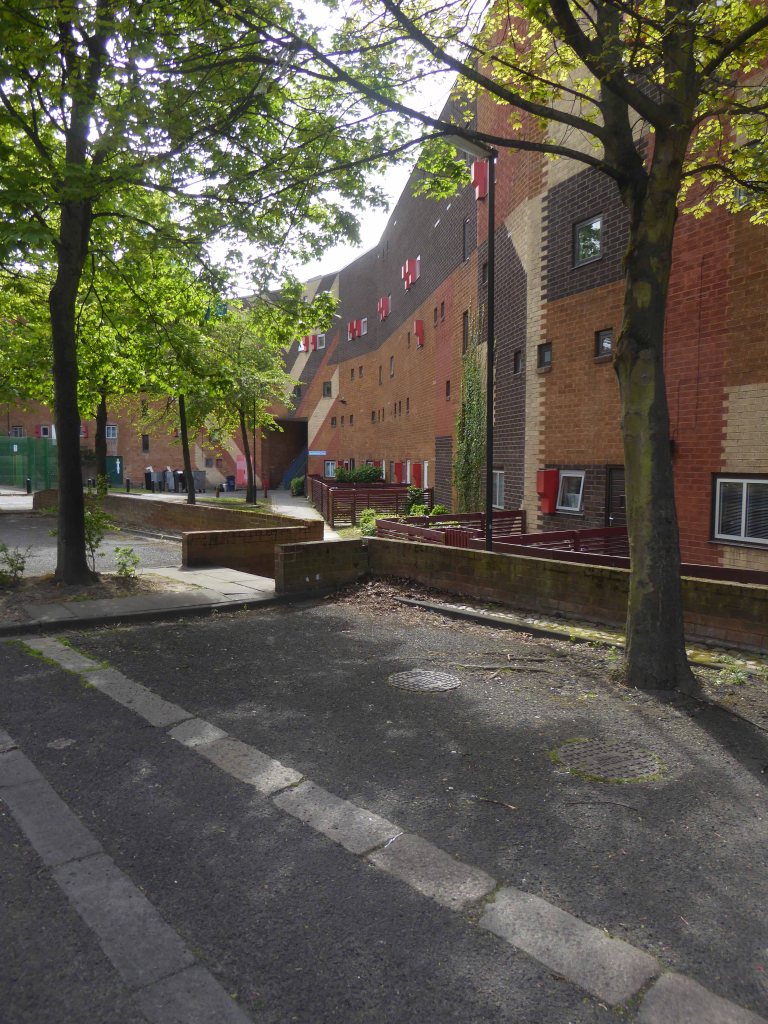
The new high-rise block was designed to shield the site from an intended motorway, which eventually was never built. Construction materials for Byker Wall were relatively cheap, concrete, brick and timber. Surfaces were treated with bright colours, while brick bandings were used on the ‘Wall’ to indicate floor levels.

Its Functionalist Romantic styling with textured, complex facades, colourful brick, wood and plastic panels, attention to context, and relatively low-rise construction represented a major break with the Brutalist high-rise architectural orthodoxy of the time.

Wikipedia

There area has been well documented over time, notably by photographer Sirkka-Liisa Konttinen.

It’s reputation has had its ups and downs but most recently:

It’s been named the UK and Ireland’s best neighbourhood – it’s got top schools, friendly neighbours and community art classes – alongside high levels of poverty.

Chronicle

It has been lauded by Municipal Dreams

When Historic England awarded Byker its Grade II* listing in 2007, they praised both its ‘groundbreaking design, influential across Europe and pioneering model of public participation’.  The estate’s main element, the Byker Wall, is  – like it or loathe it – an outstanding piece of modern architecture.  The conception and design of the estate as a whole was shaped by unprecedented community consultation.  

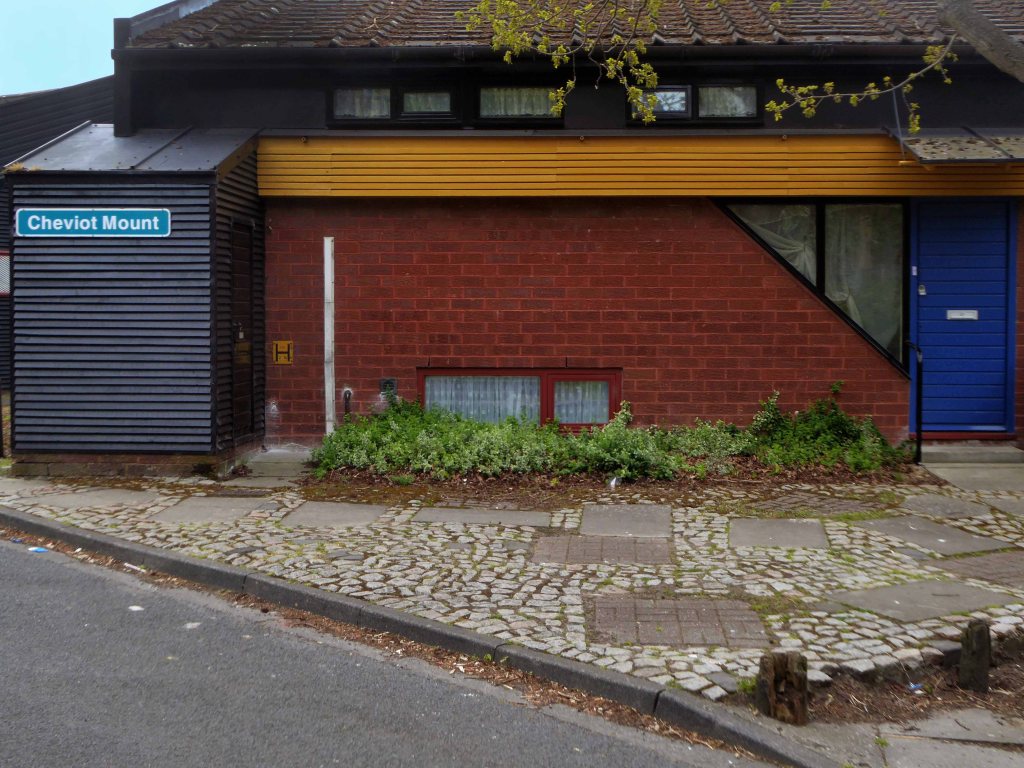
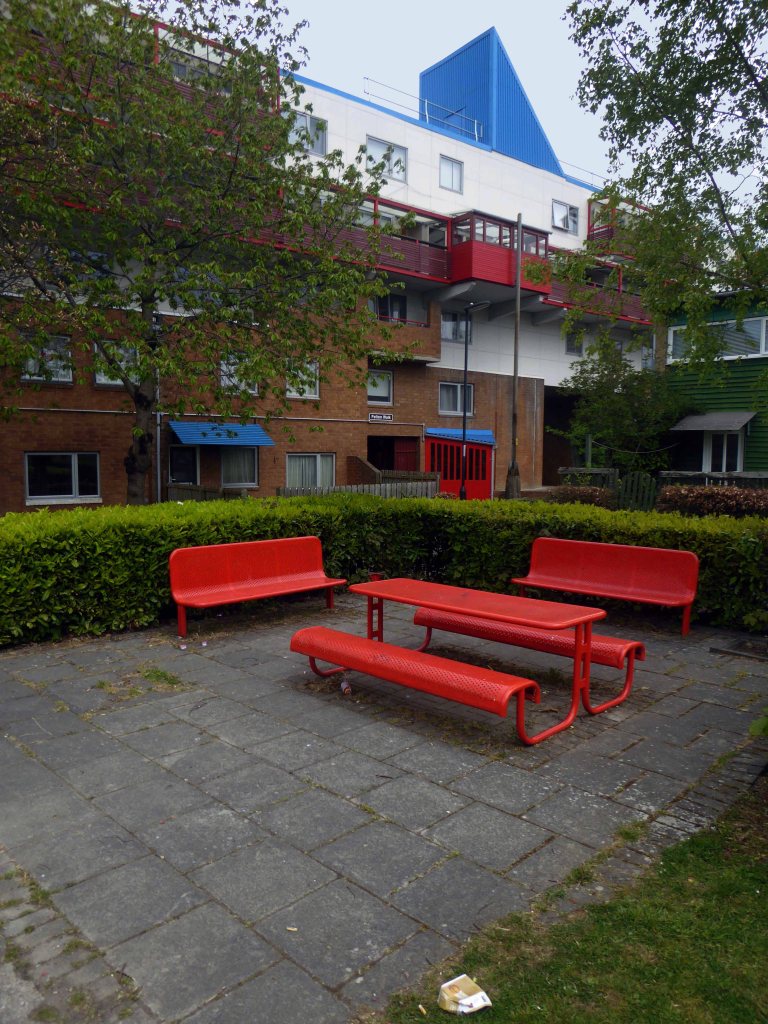
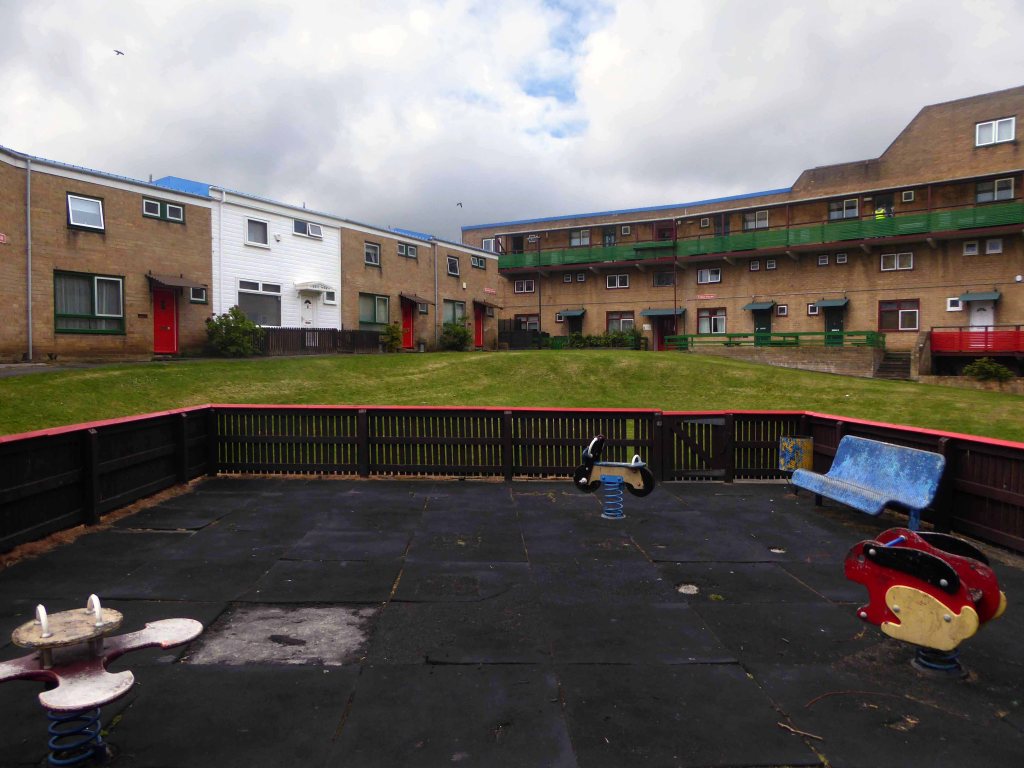
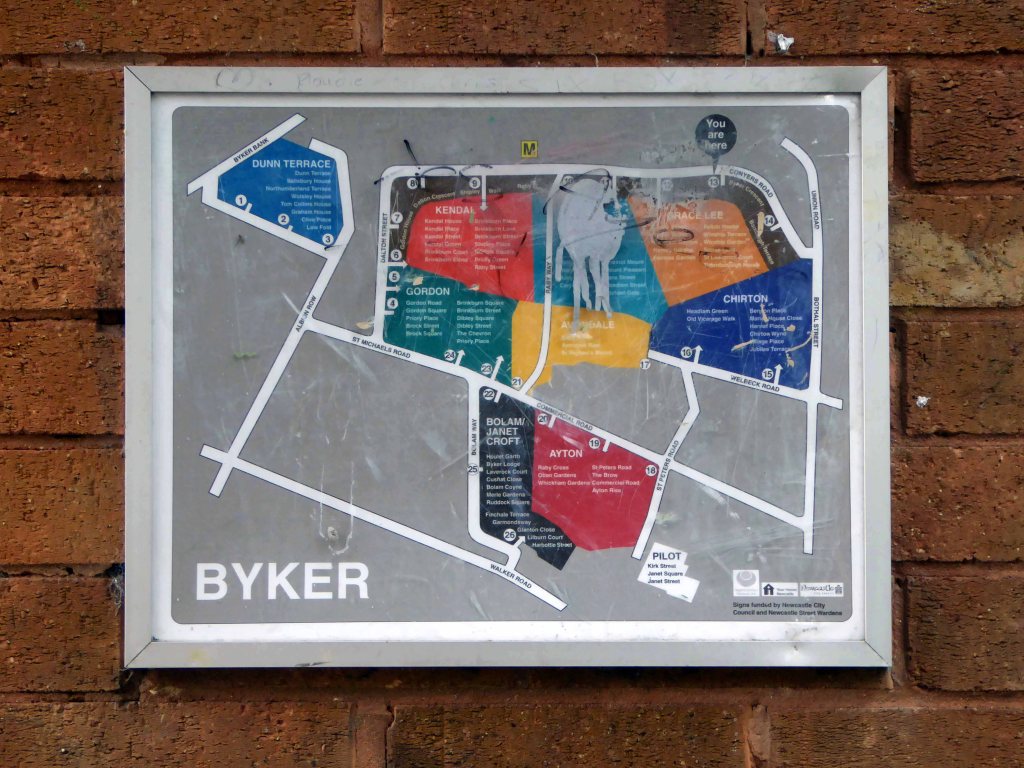
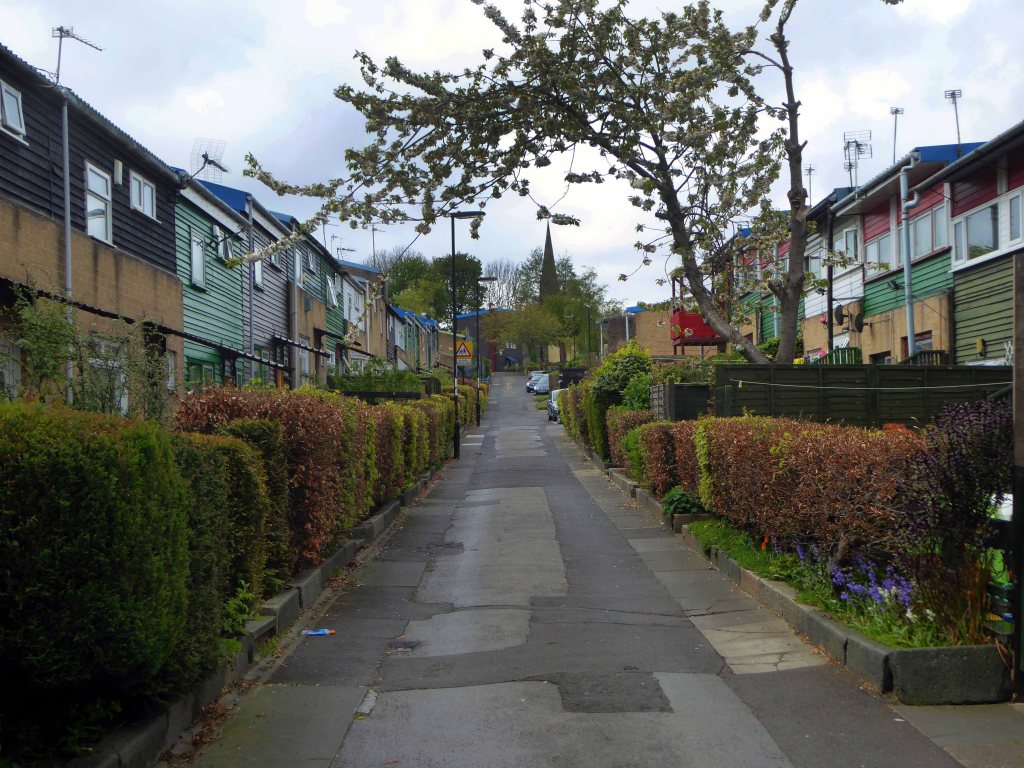
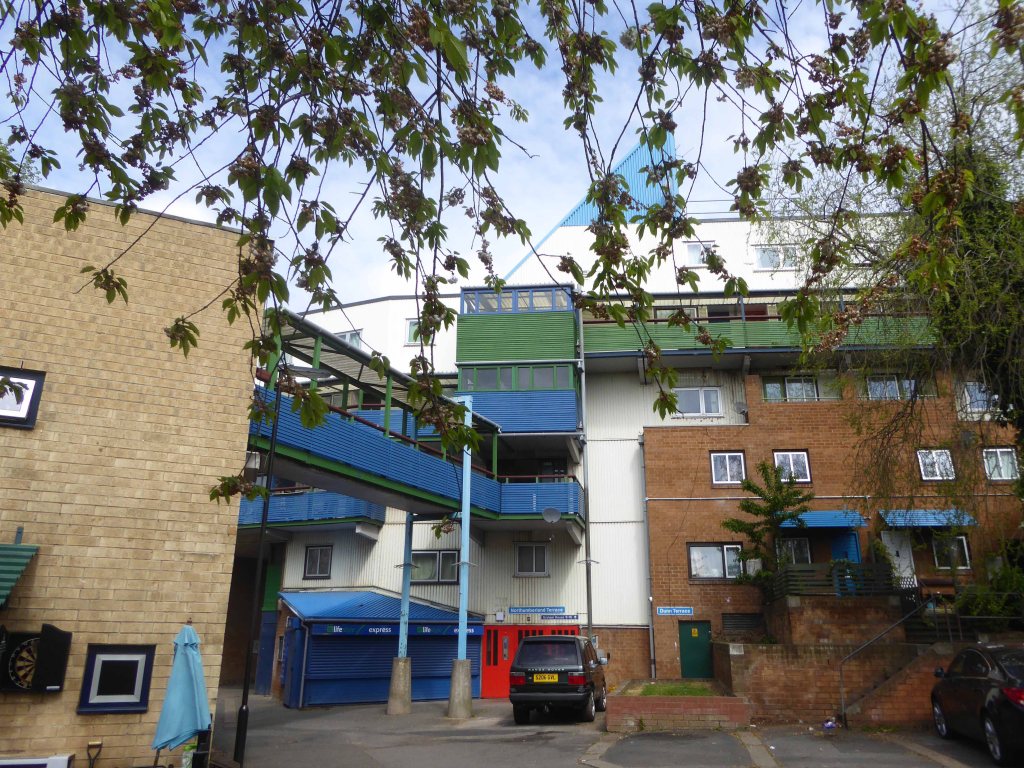
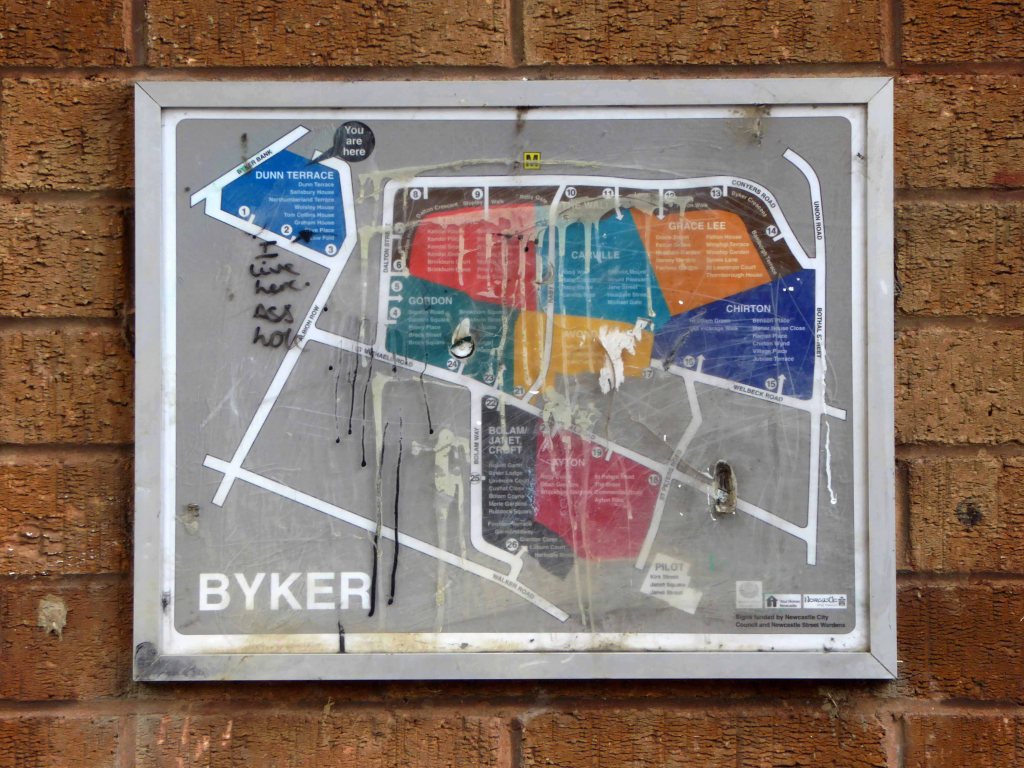
I went for a walk around one morning in May 2017, the photographs are in sequence as I explored the estate. It’s hard to do justice to the richness and variety of architecture in such a short time, but I only had a short time.

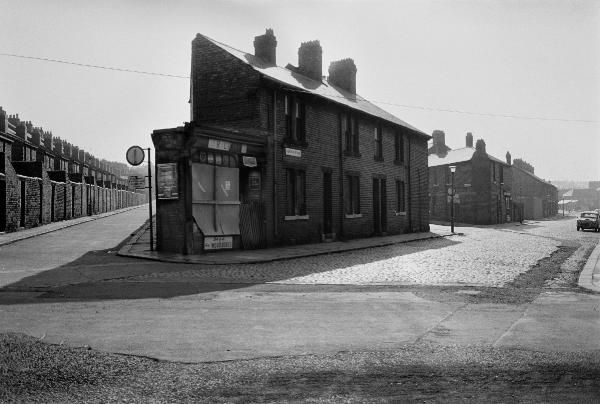
Ravensbury Street – Droylsden Cooperative Society Store

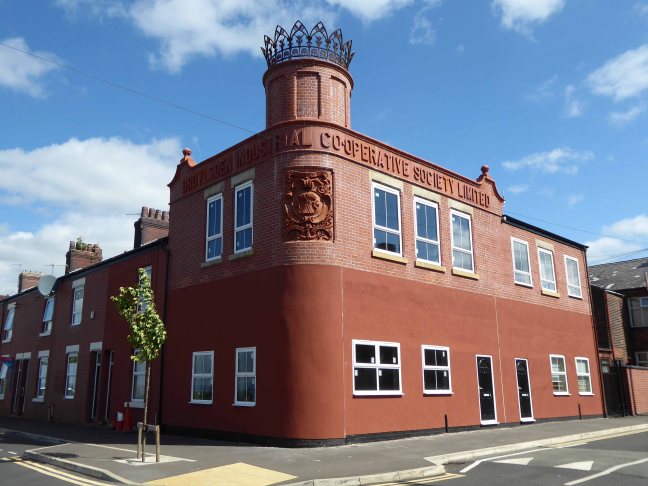
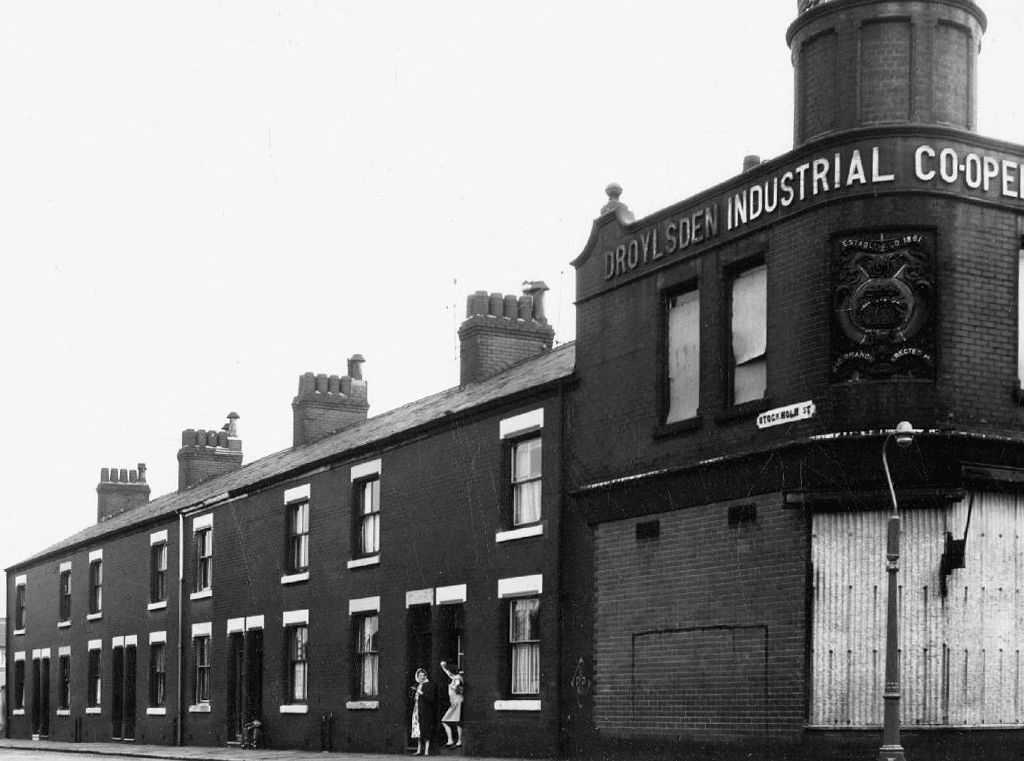
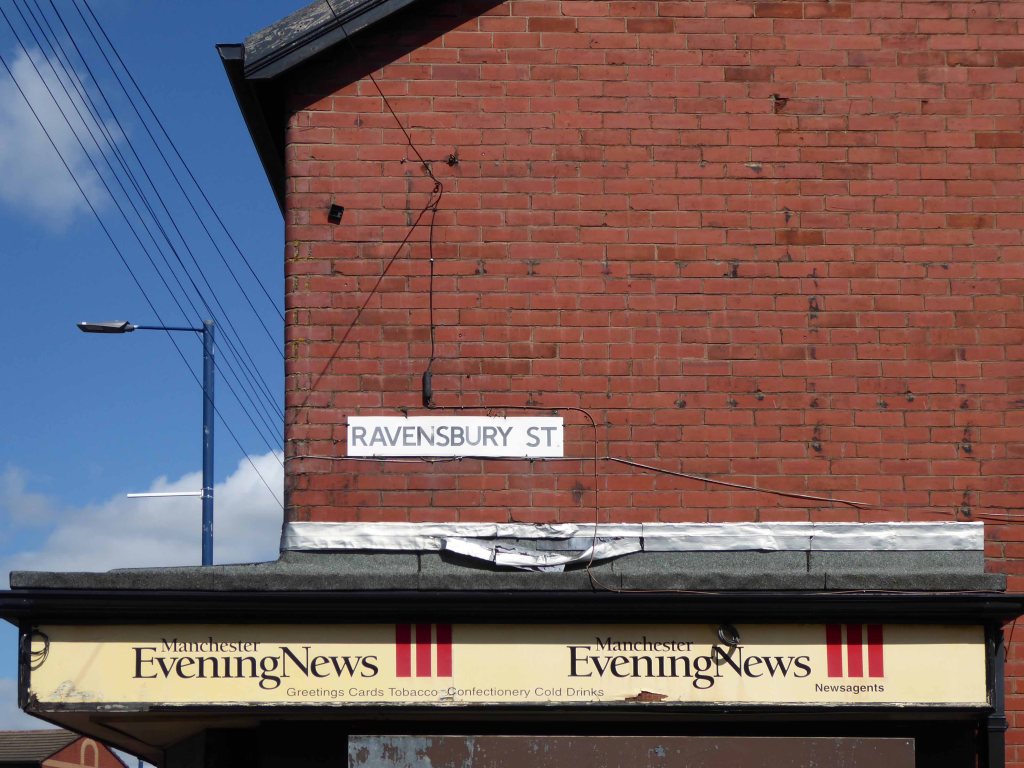
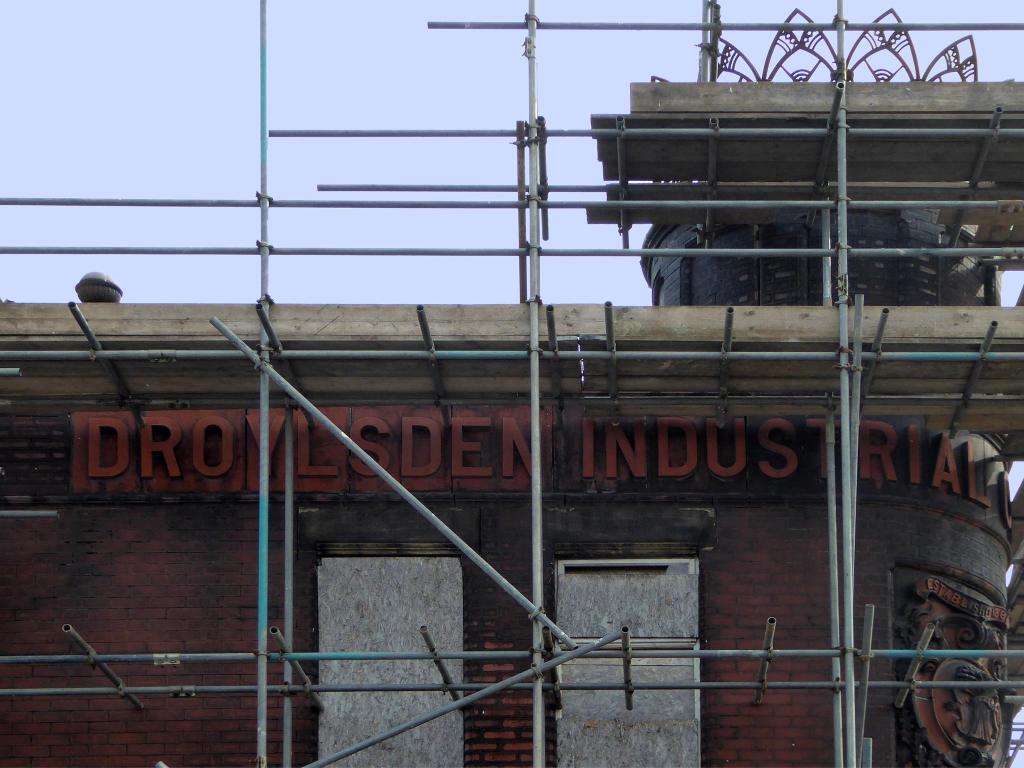
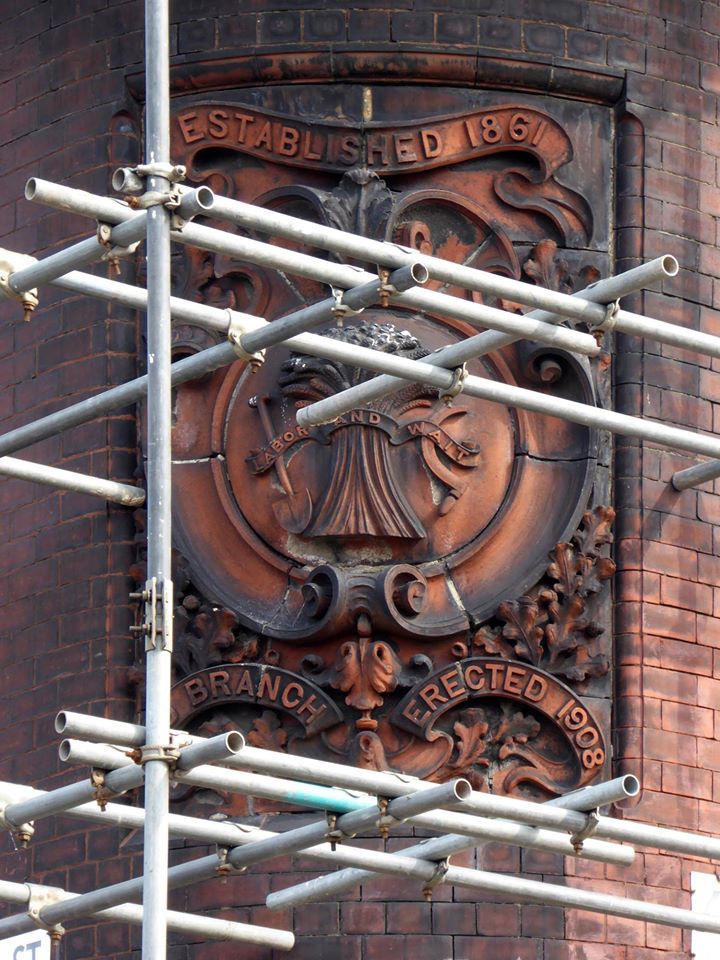
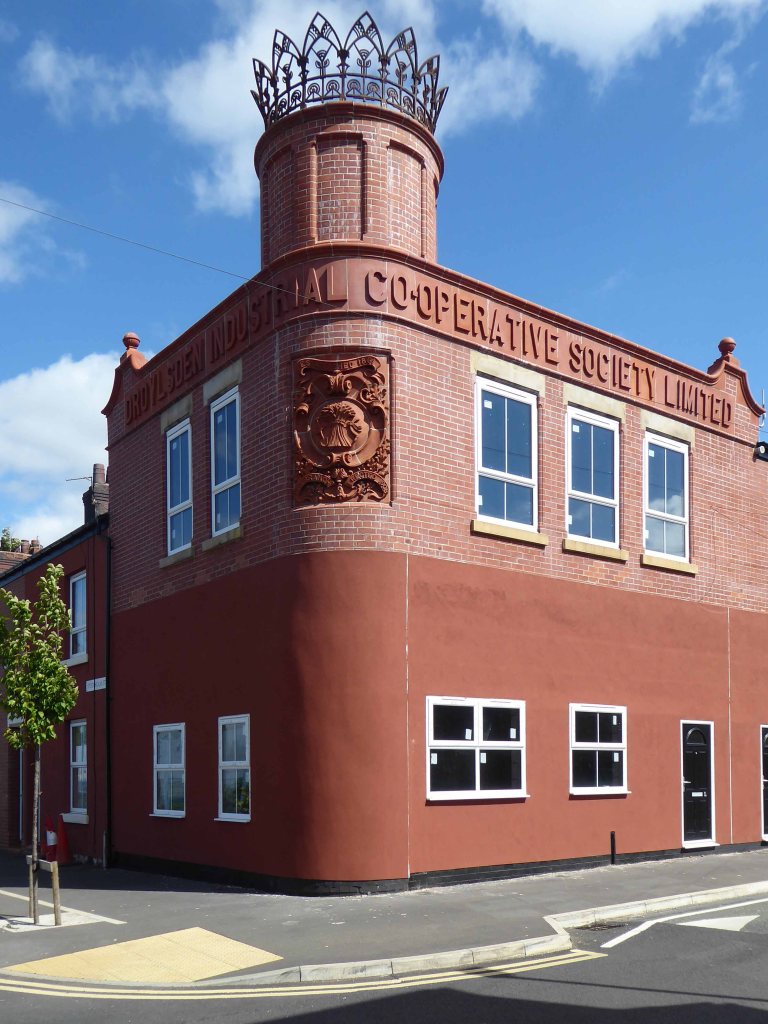
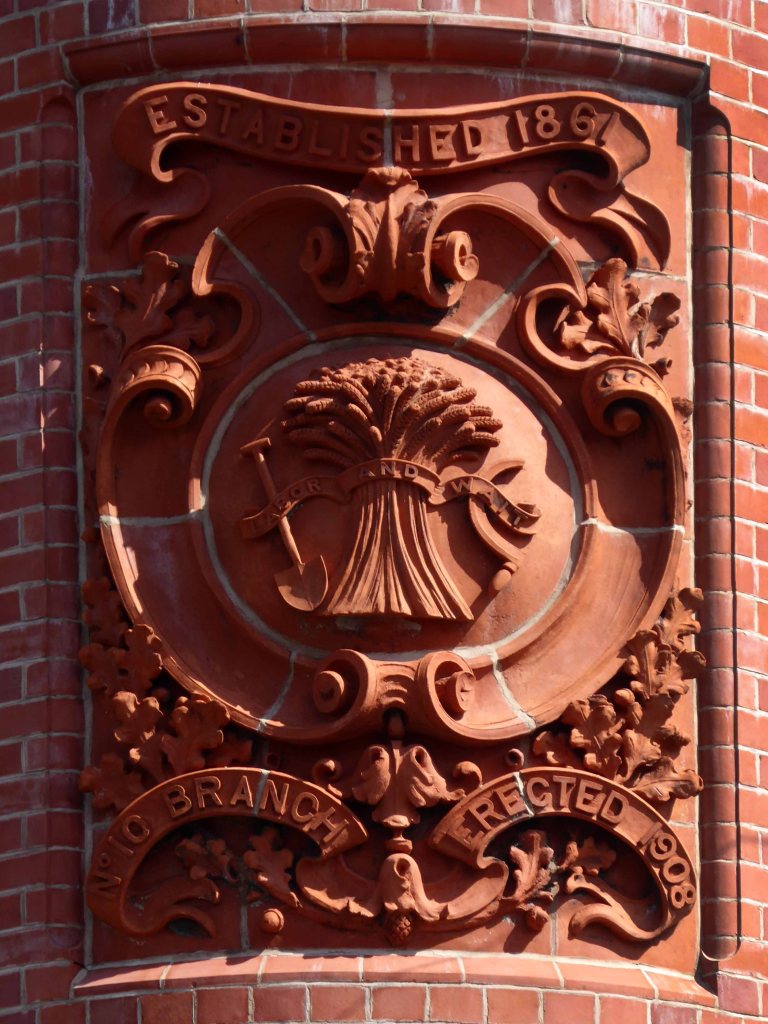
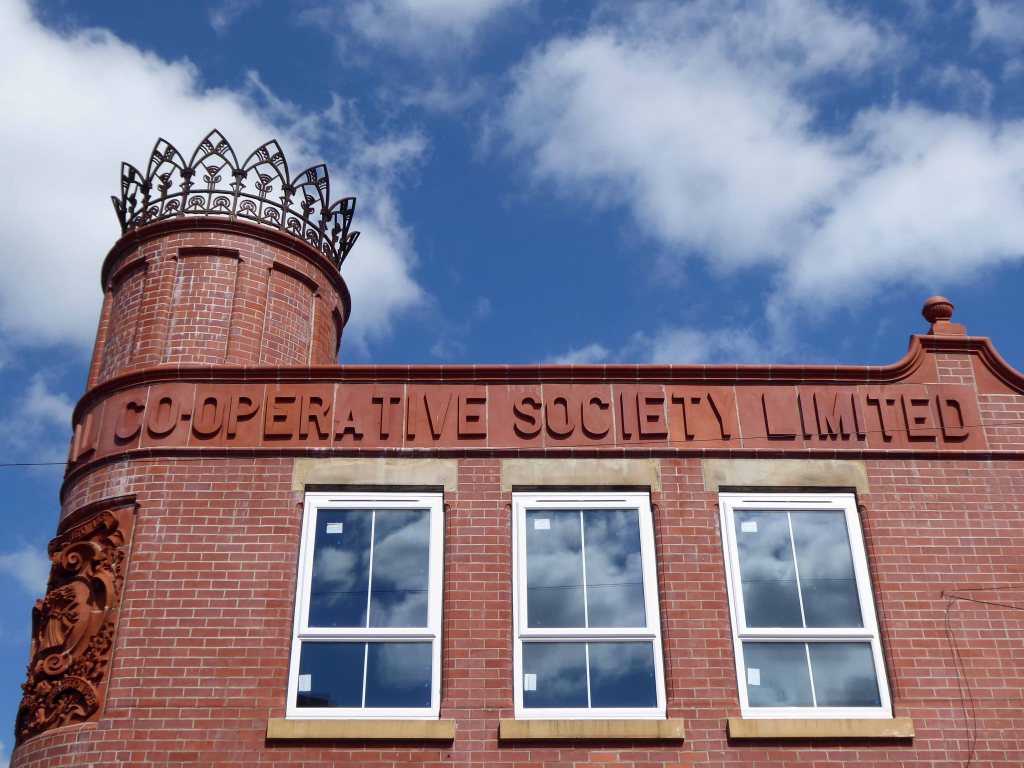
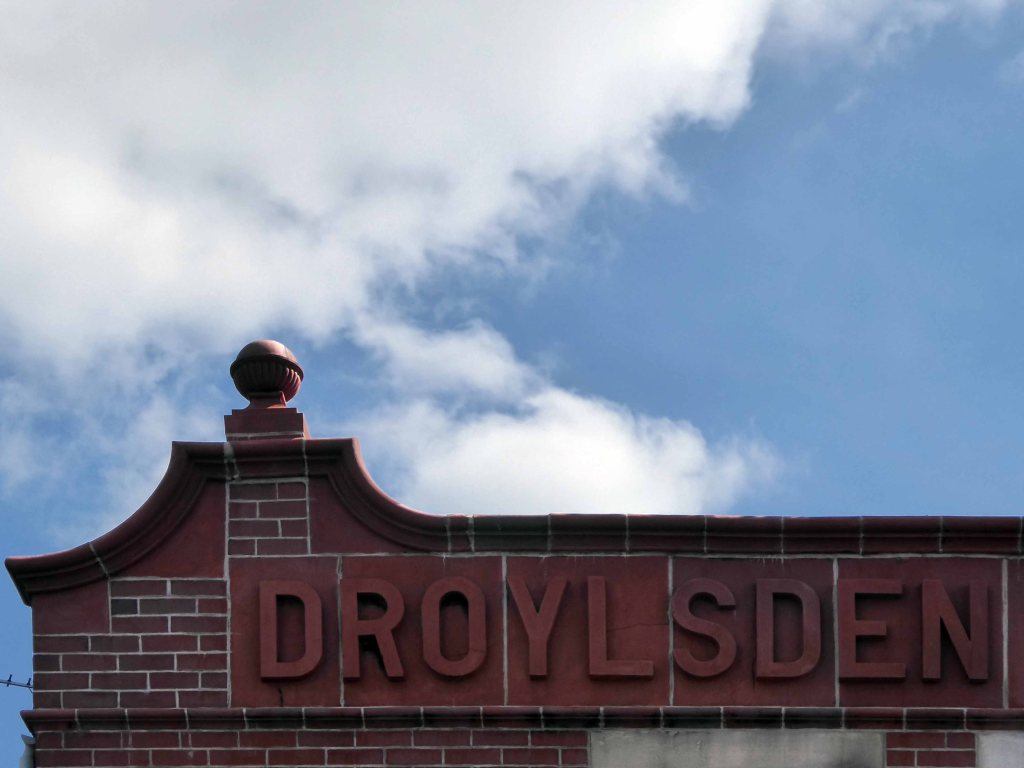
On the corner of Ravensbury and Stockholm Street Clayton Manchester there stands a Cooperative Shop of 1908.

We have previously visited another fine example on Northmoor Road.

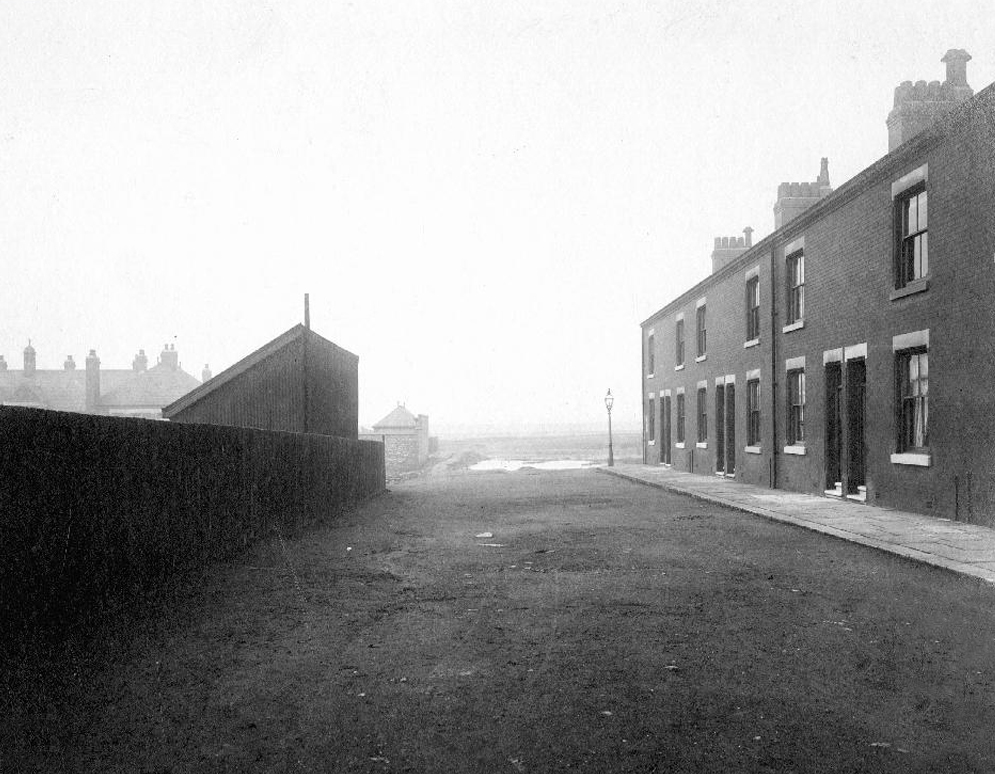
In 1902 the area is still set to open ground.

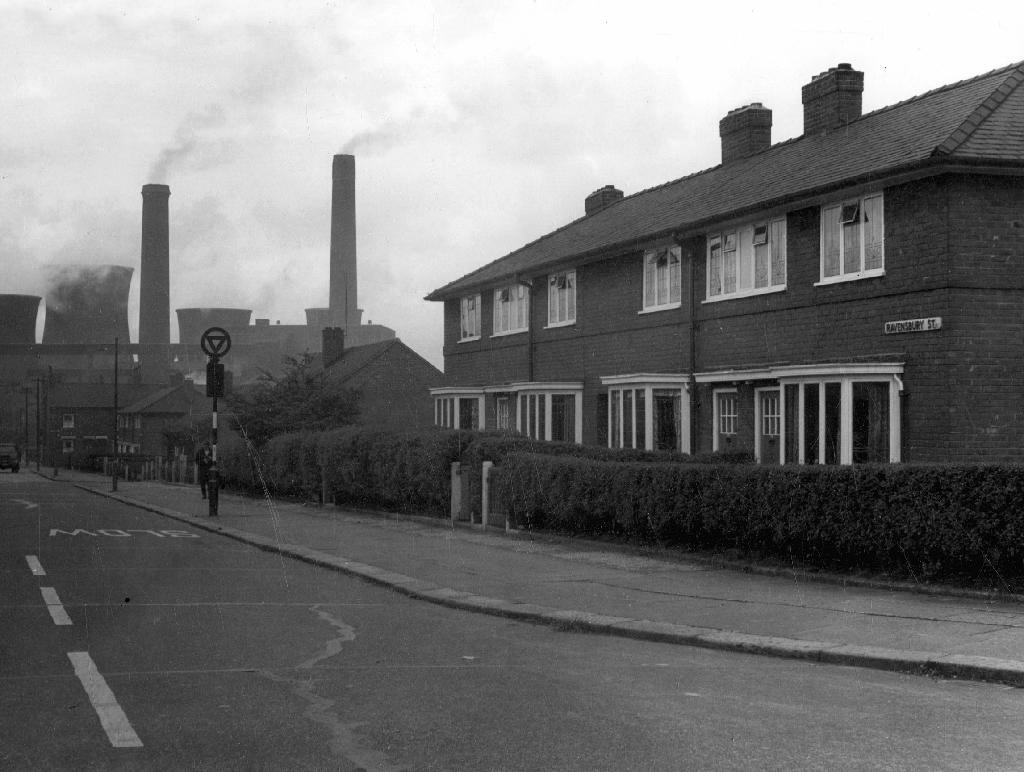
This Manchester Local Image Collection photograph of 1912 shows new terraced homes emerging to meet the housing needs of the world’s first industrial city.

Stockholm Street

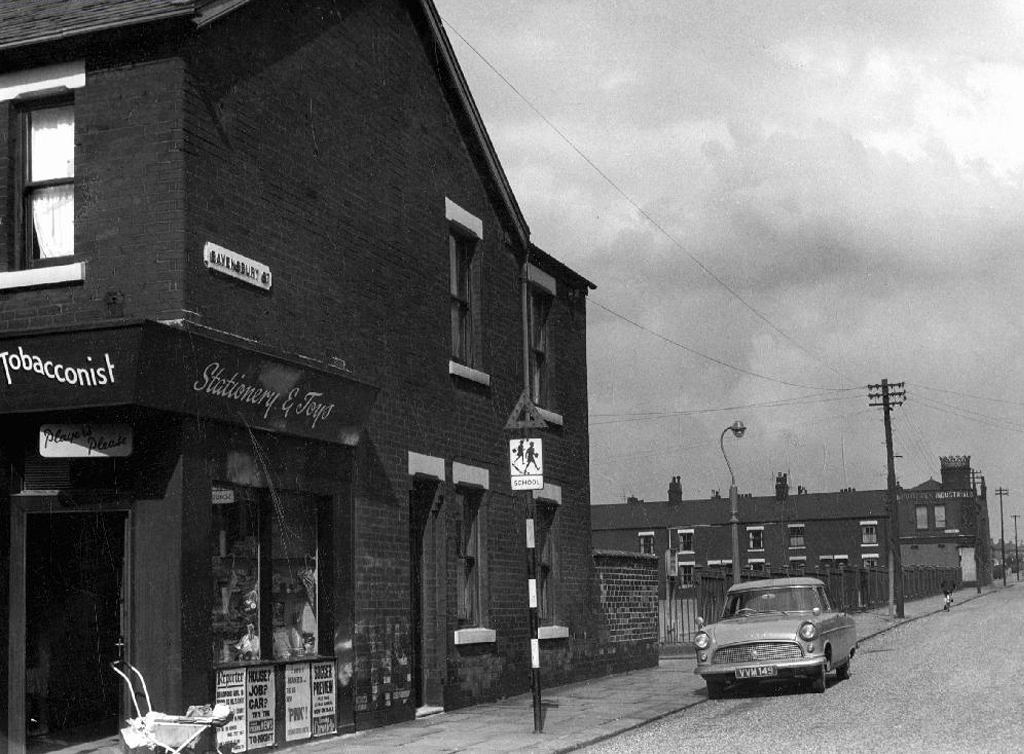
Here is the street in 1965 the shop already shut.

The corner shop on Bank Street still trades.

The Stuart Street Power Station does not.

Changing patterns in shoppers habits sealed the fate of many local and corner shops, as larger supermarkets opened, increased mobility and car ownership became more common.

When I first visited the building was undergoing renovation work.

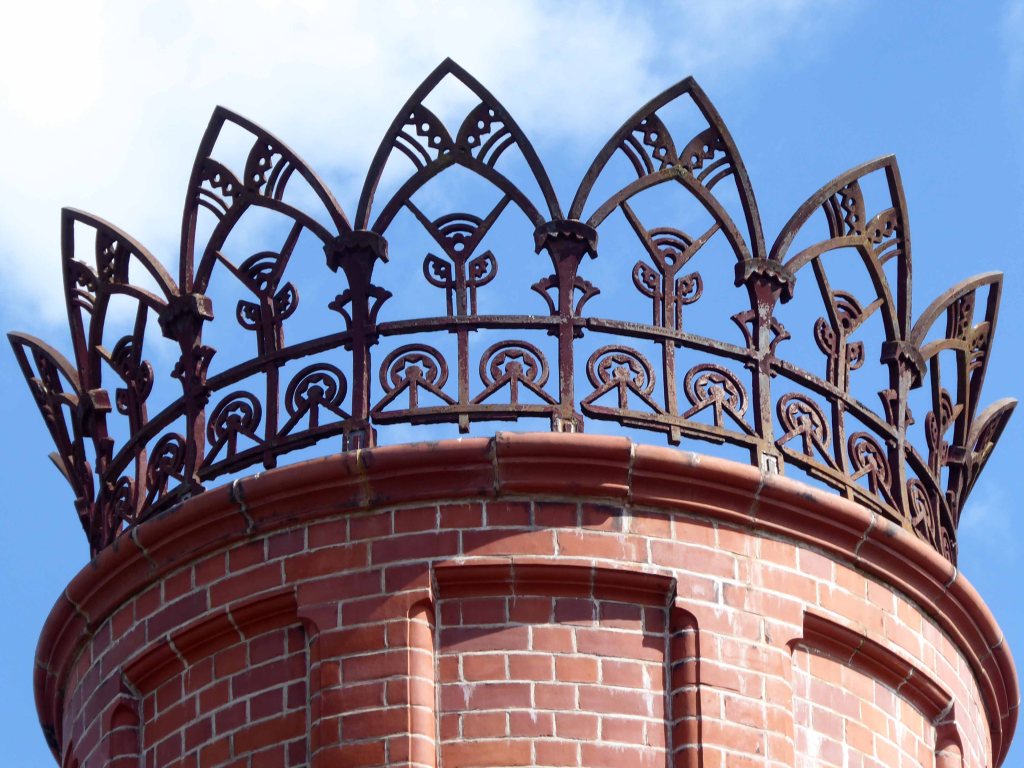
The beautiful terracotta tile work and corona obscured by scaffolding .

I returned last week to find the job almost done – converted to flats, in an area which has seen a great deal of improvement to the general housing stock, paving and street furniture.

A joy to see a fine building almost returned to its former glory, with a much needed social purpose, reviving the city’s western edge.

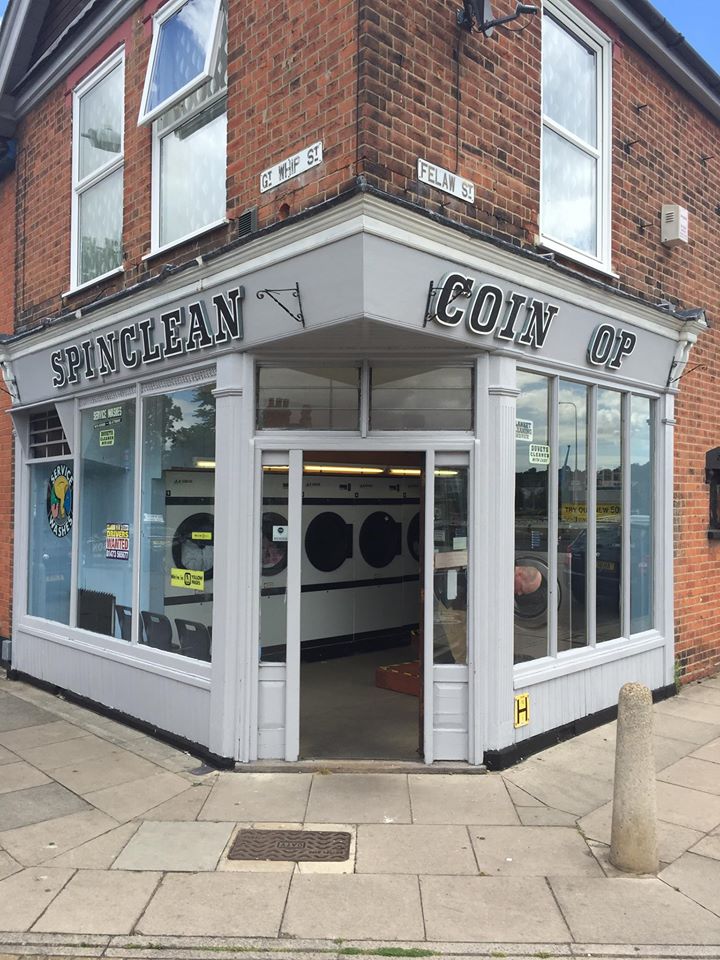
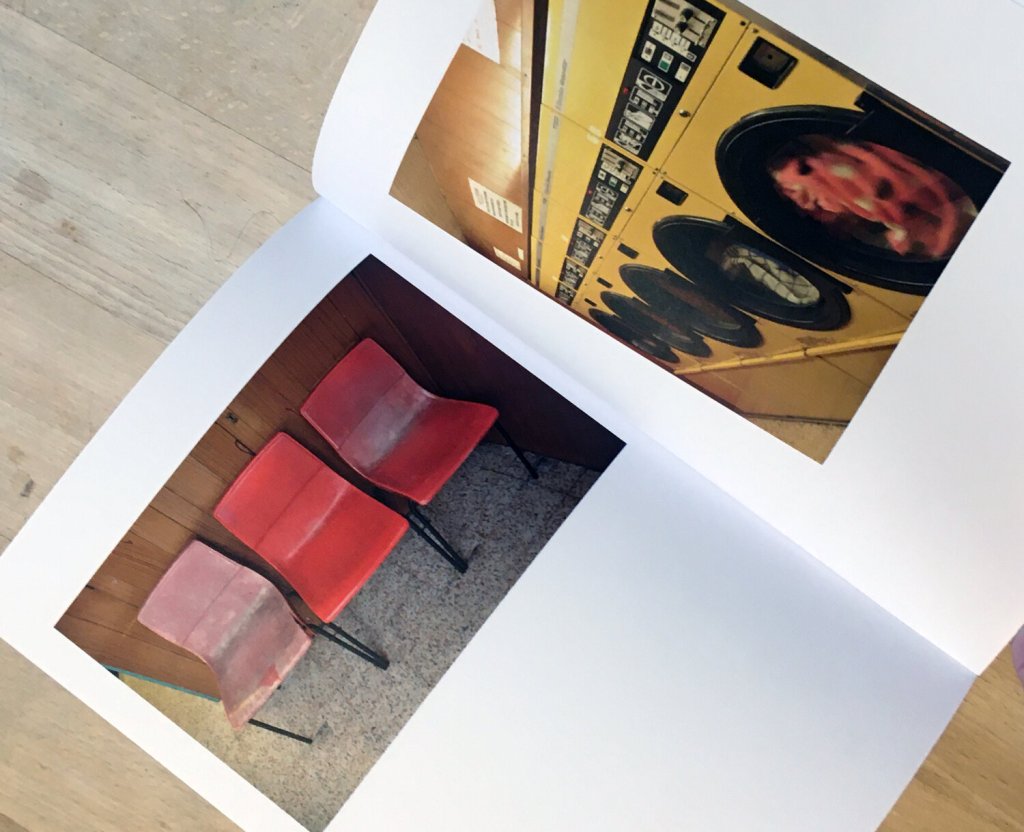
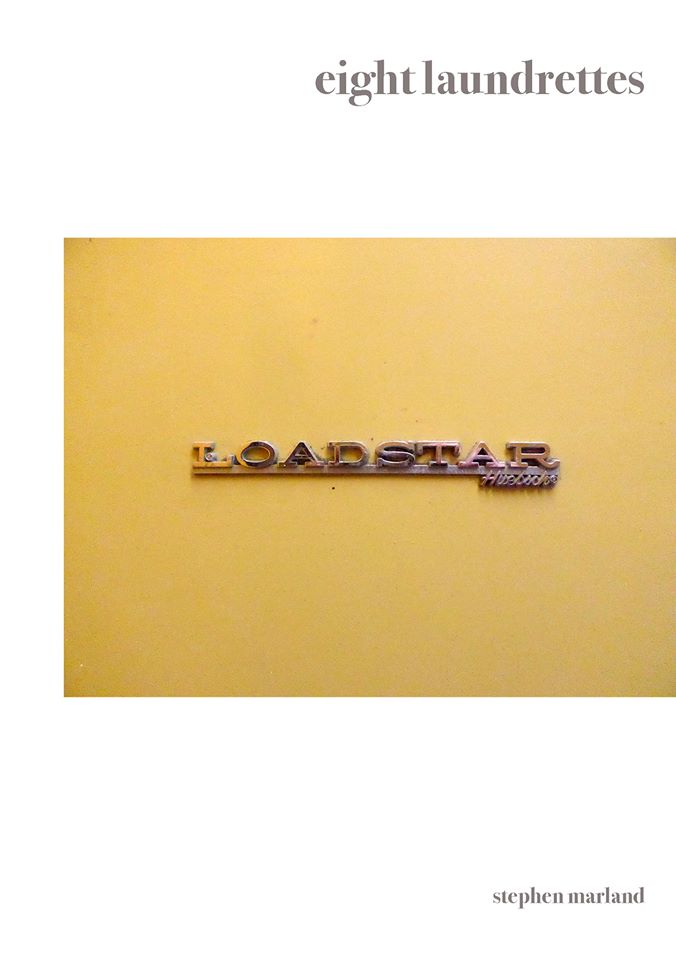
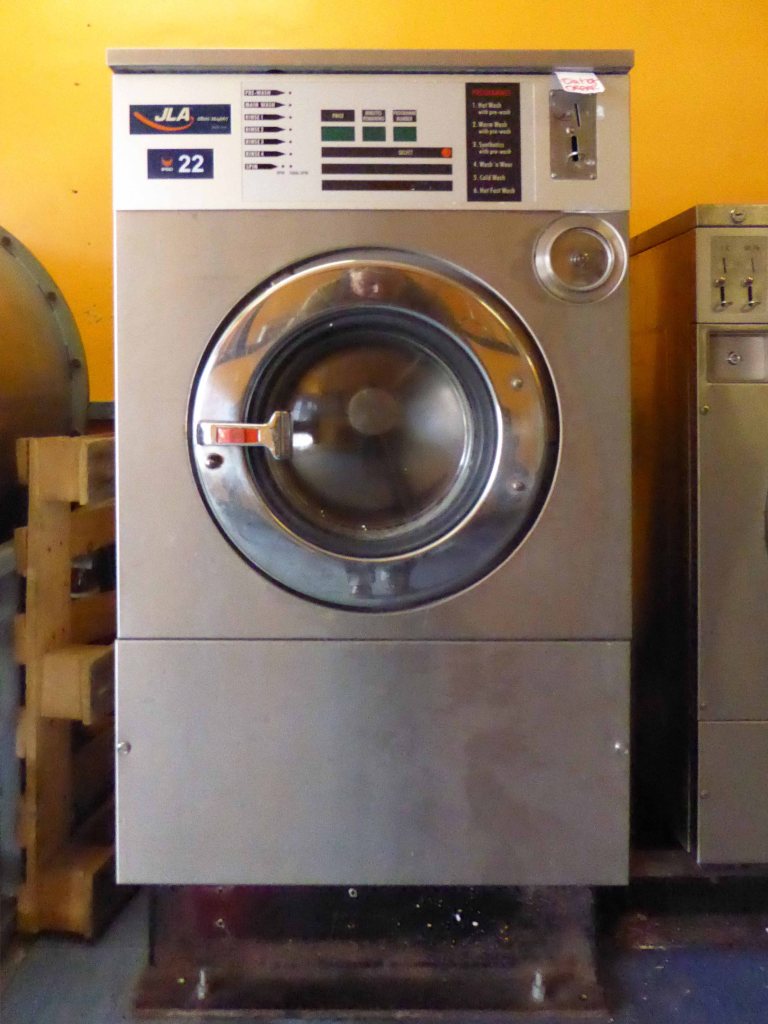
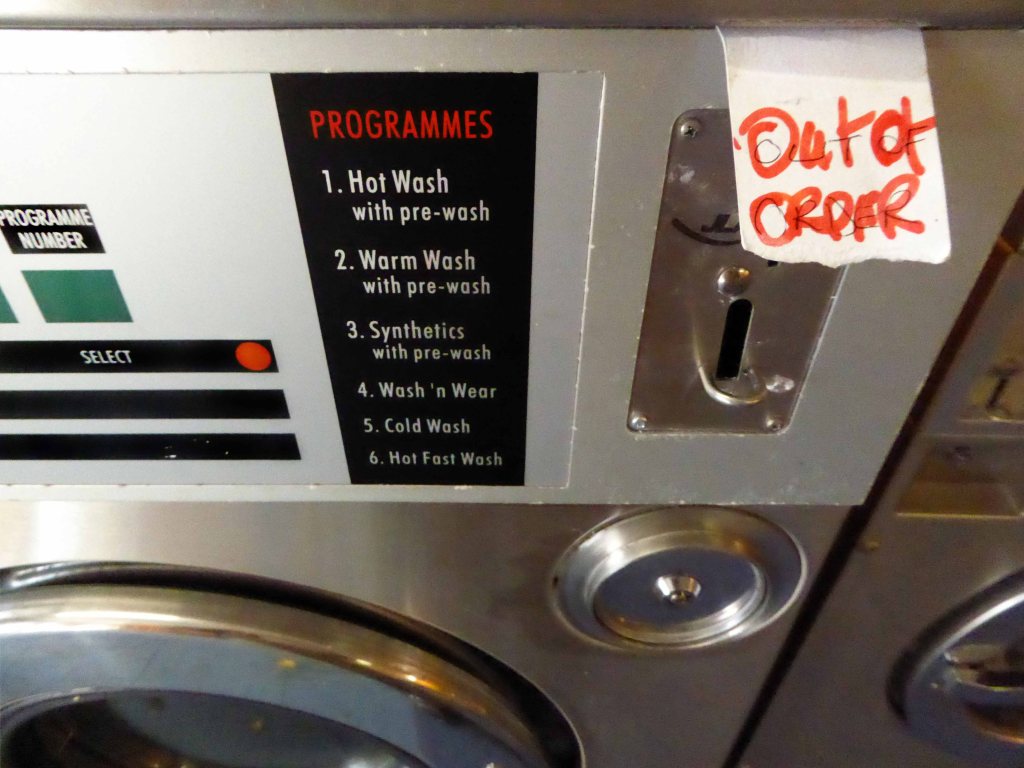
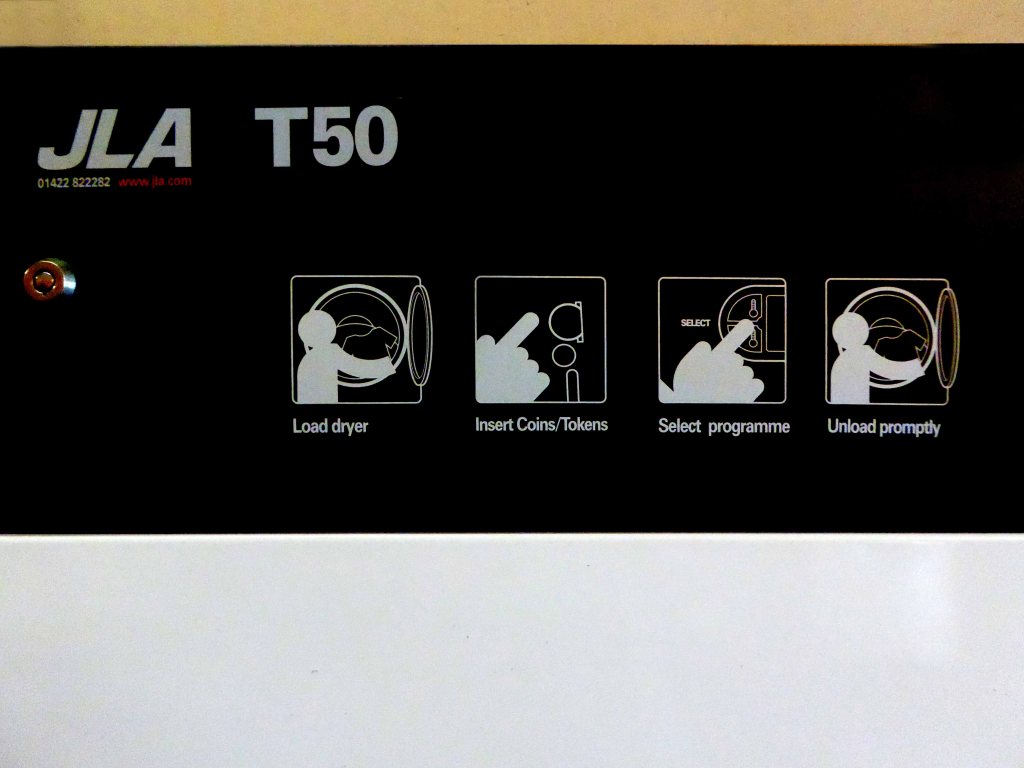
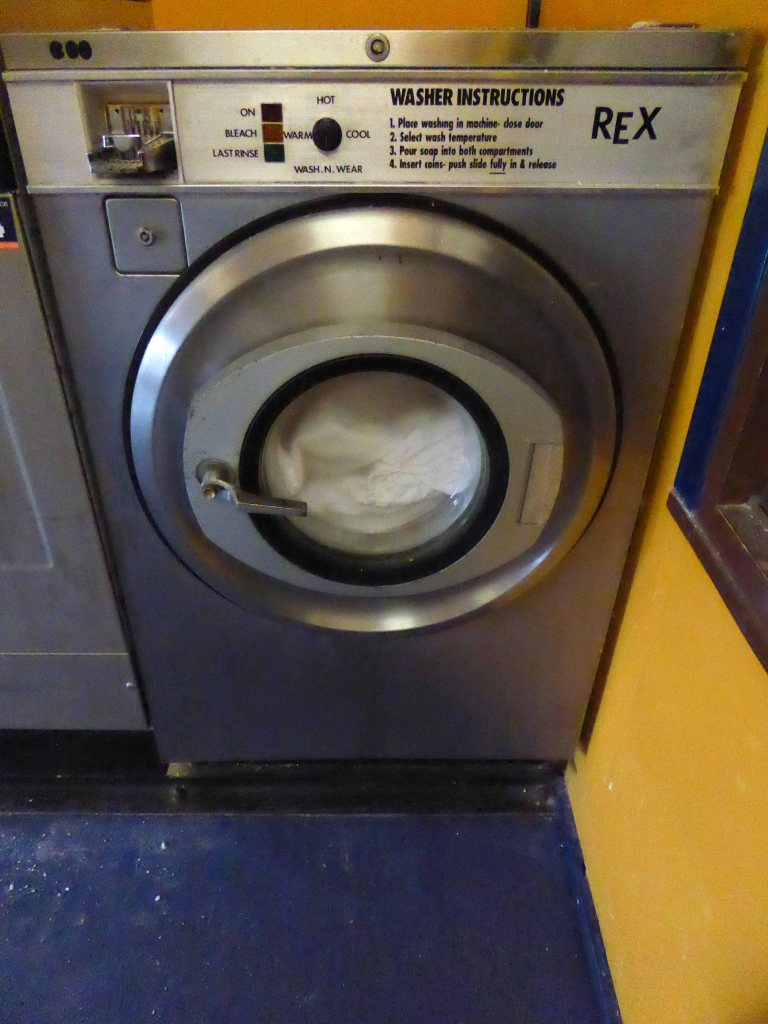
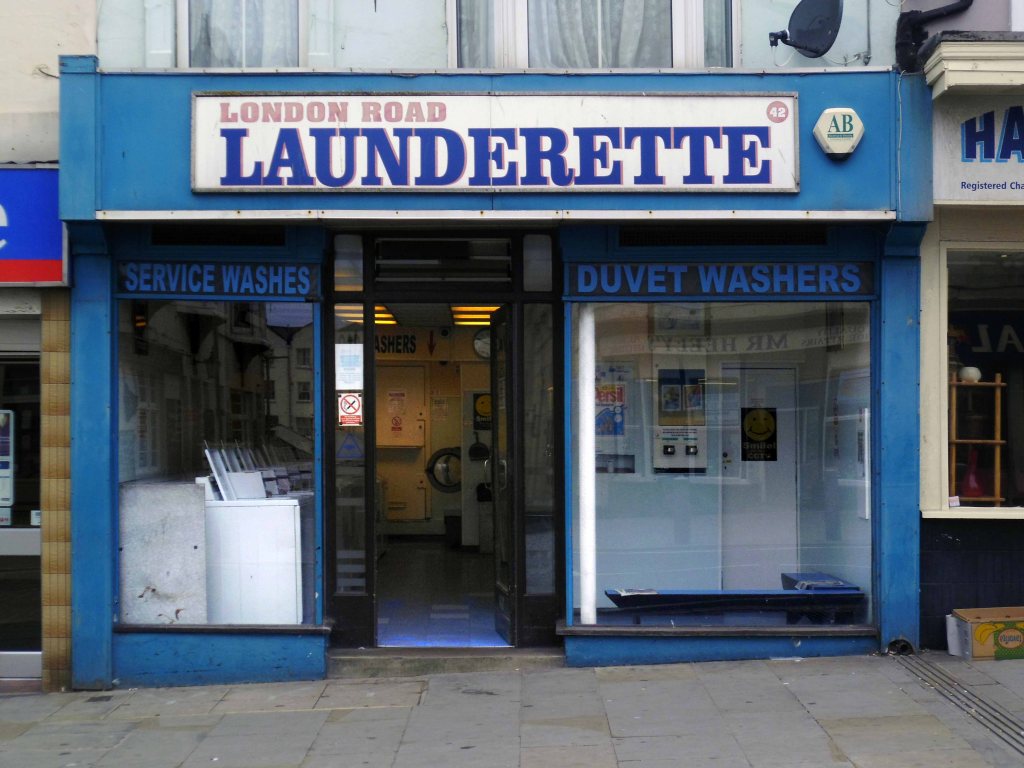
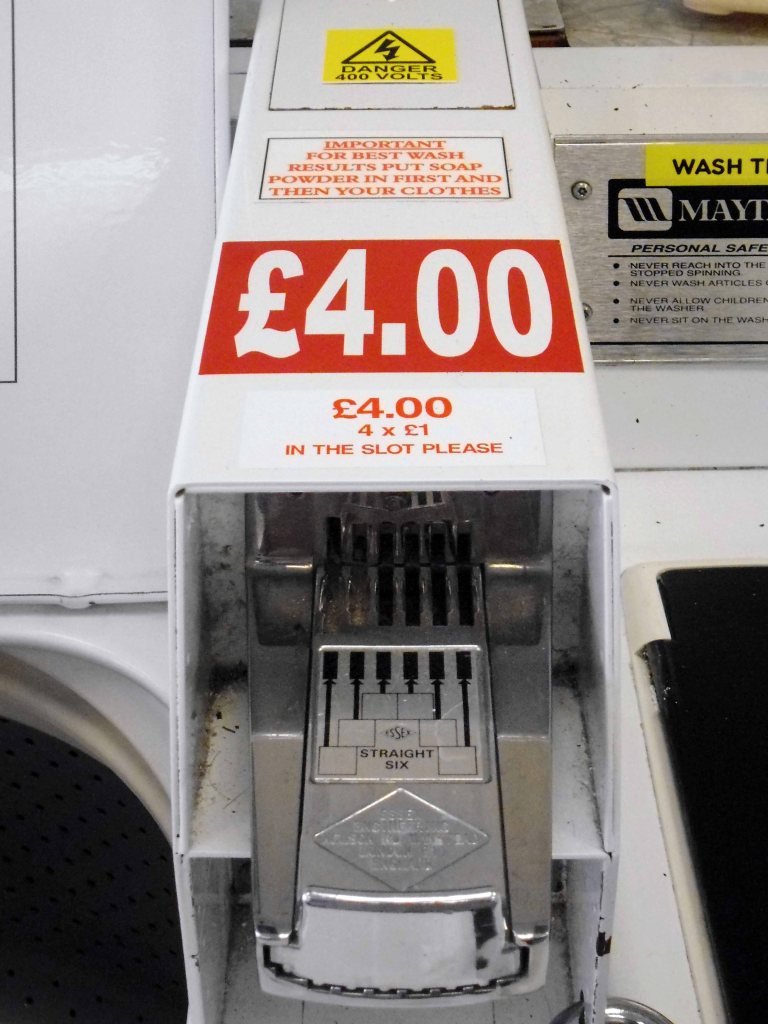
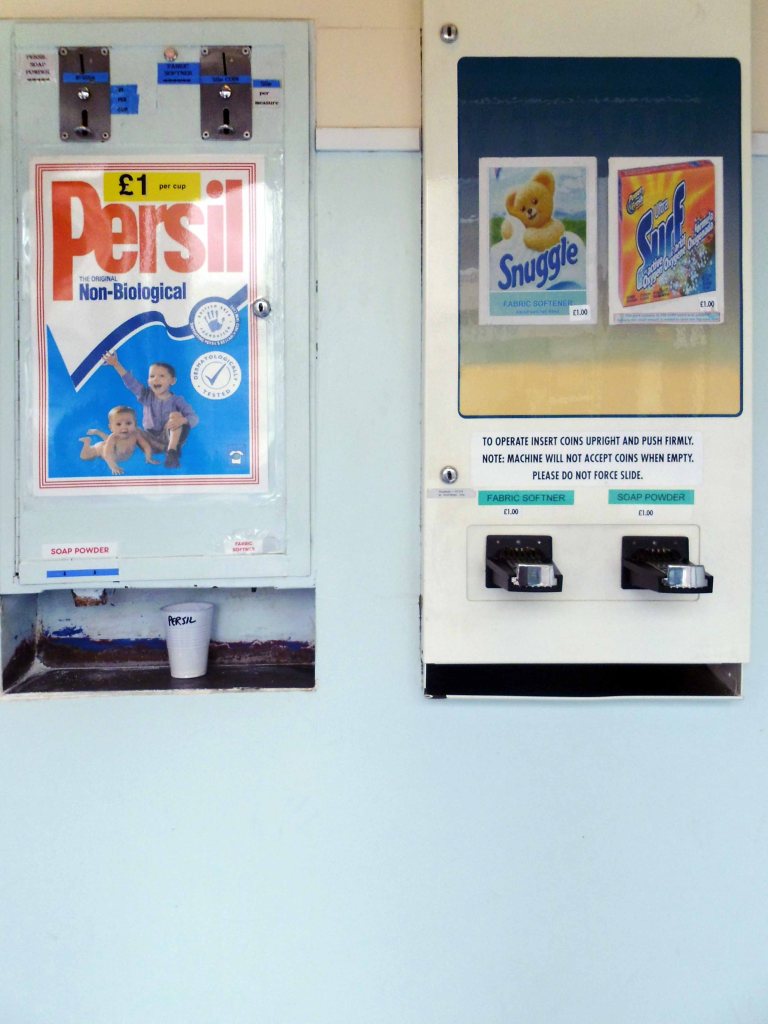
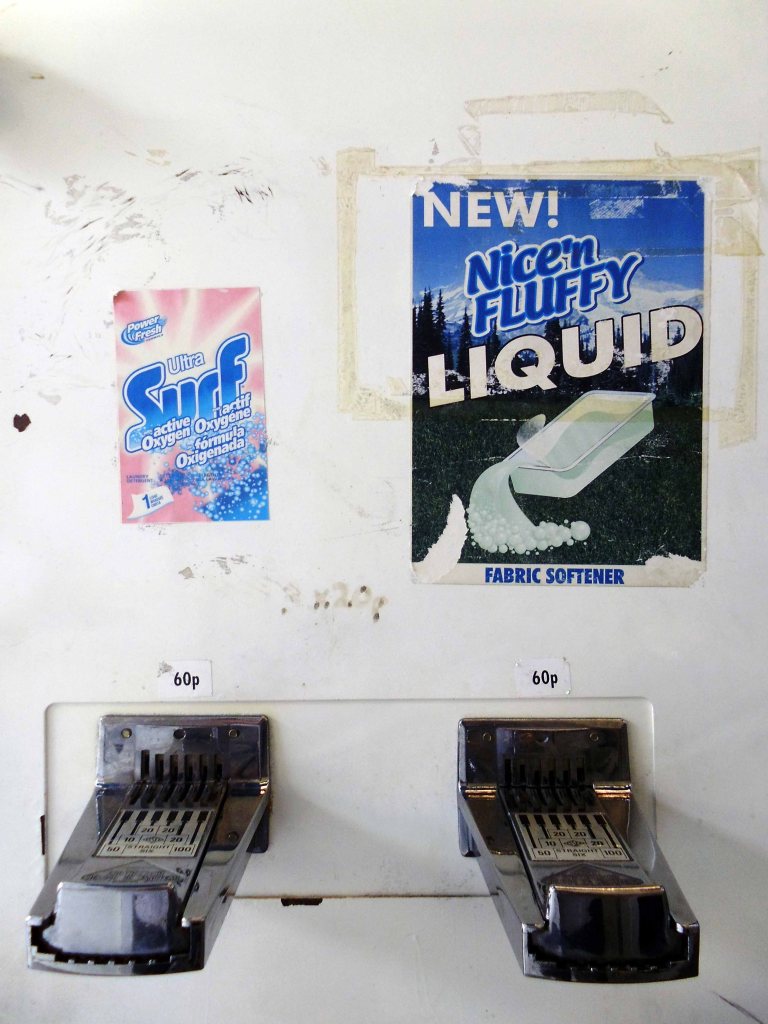
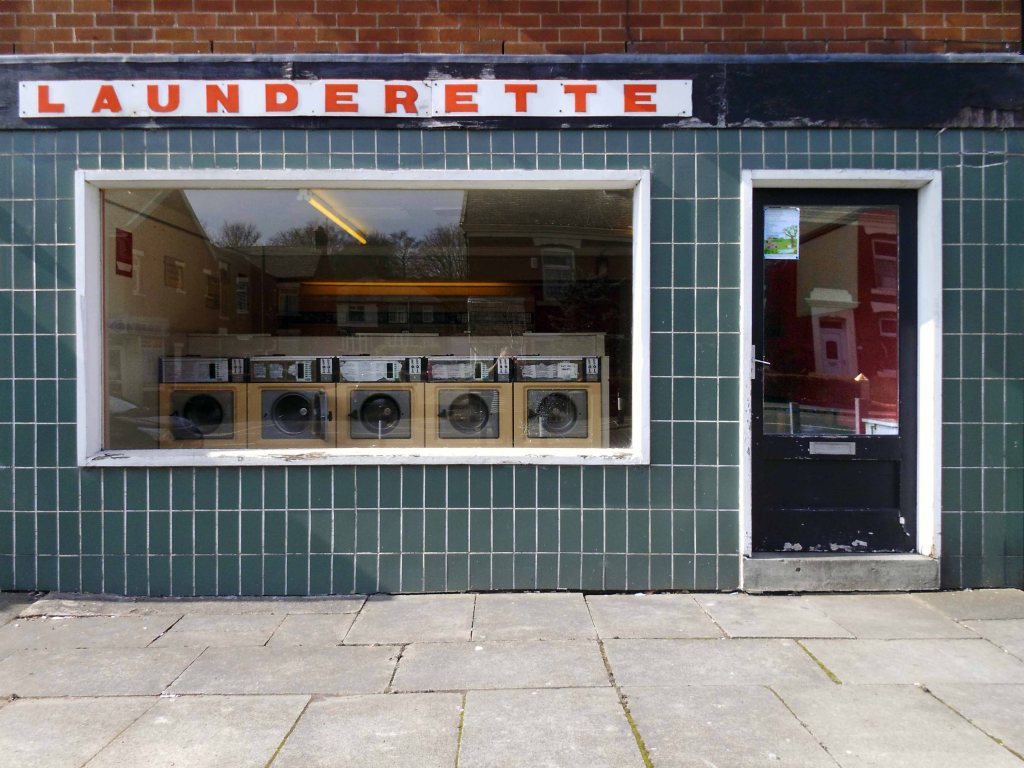
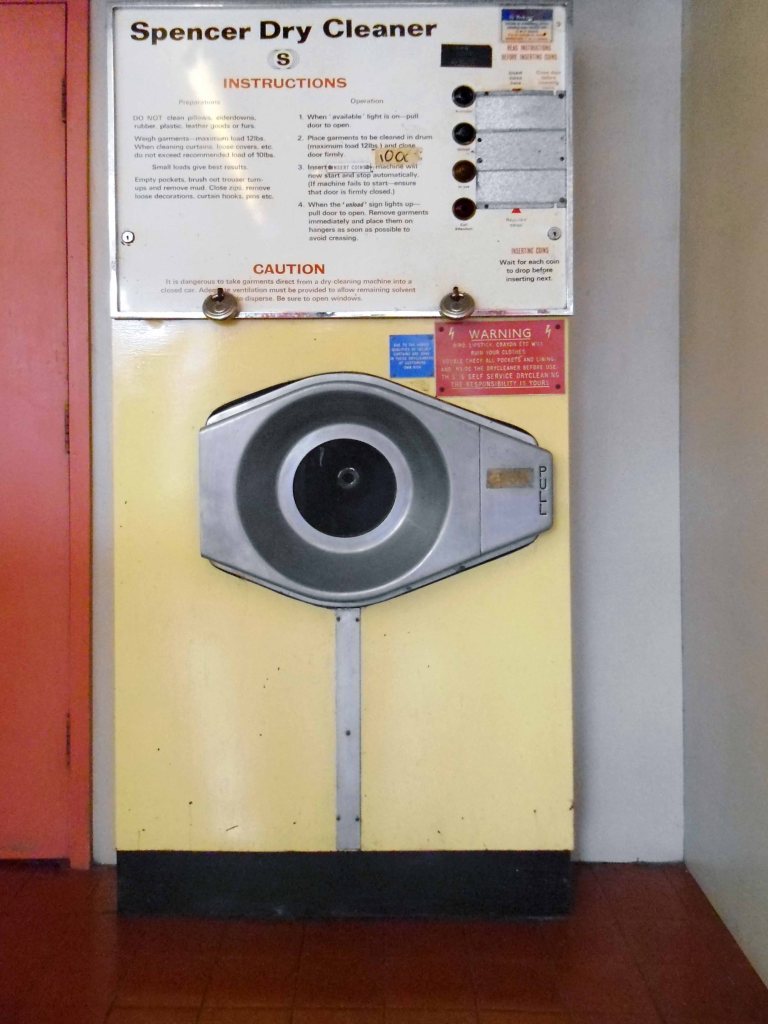
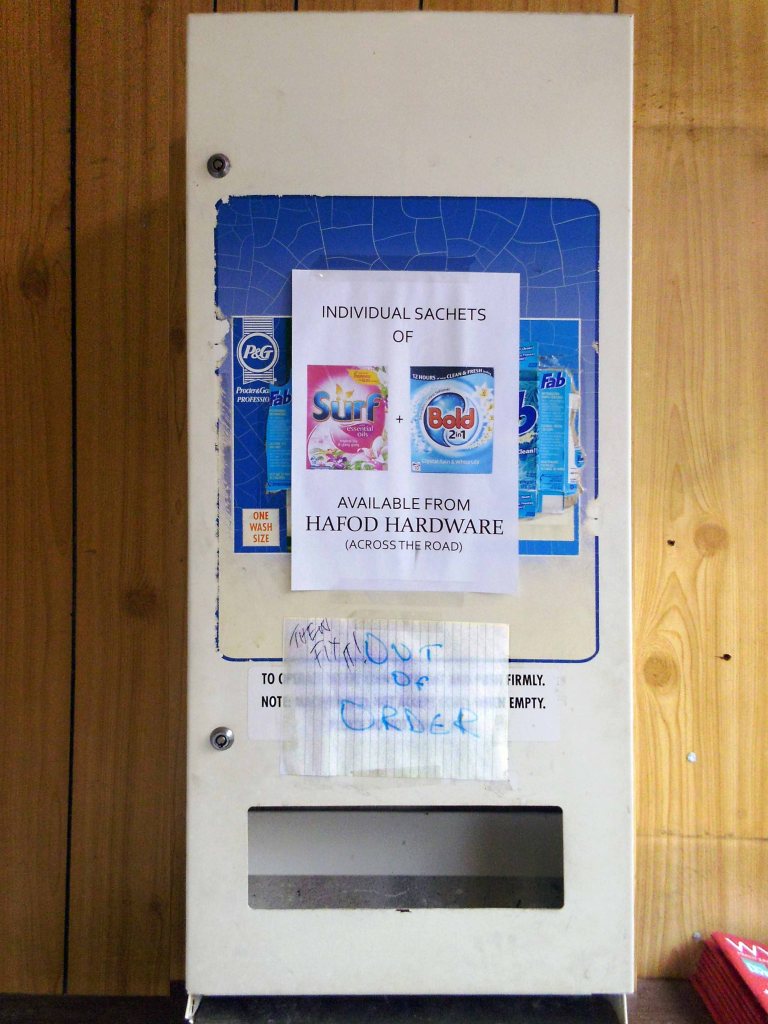
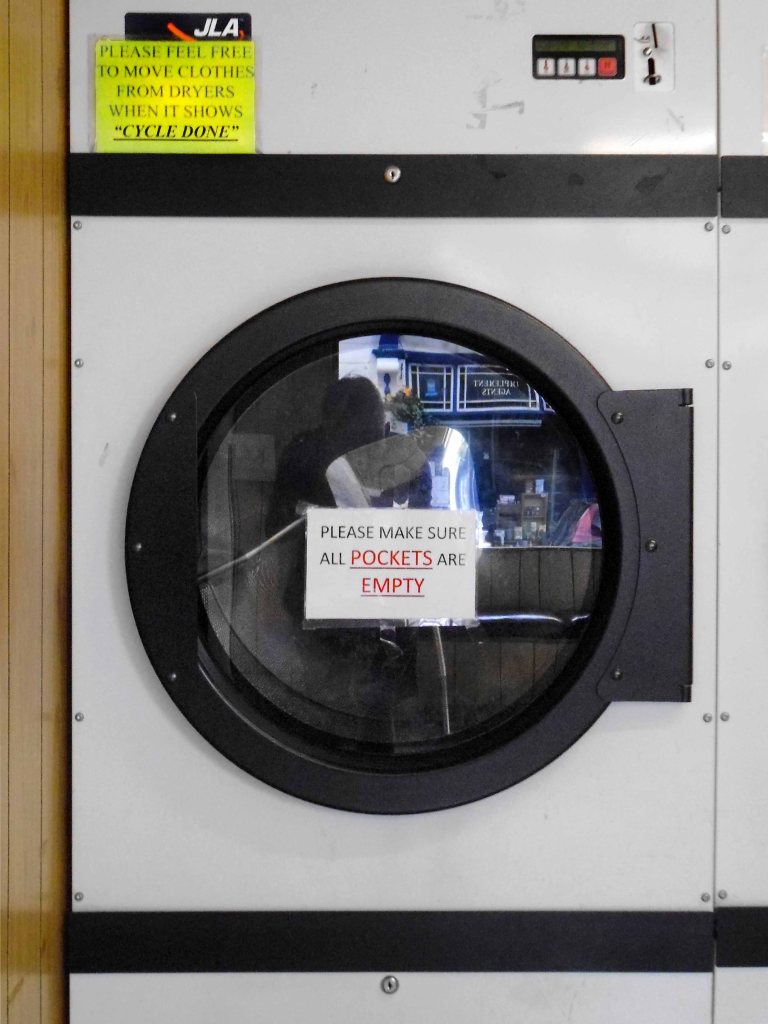
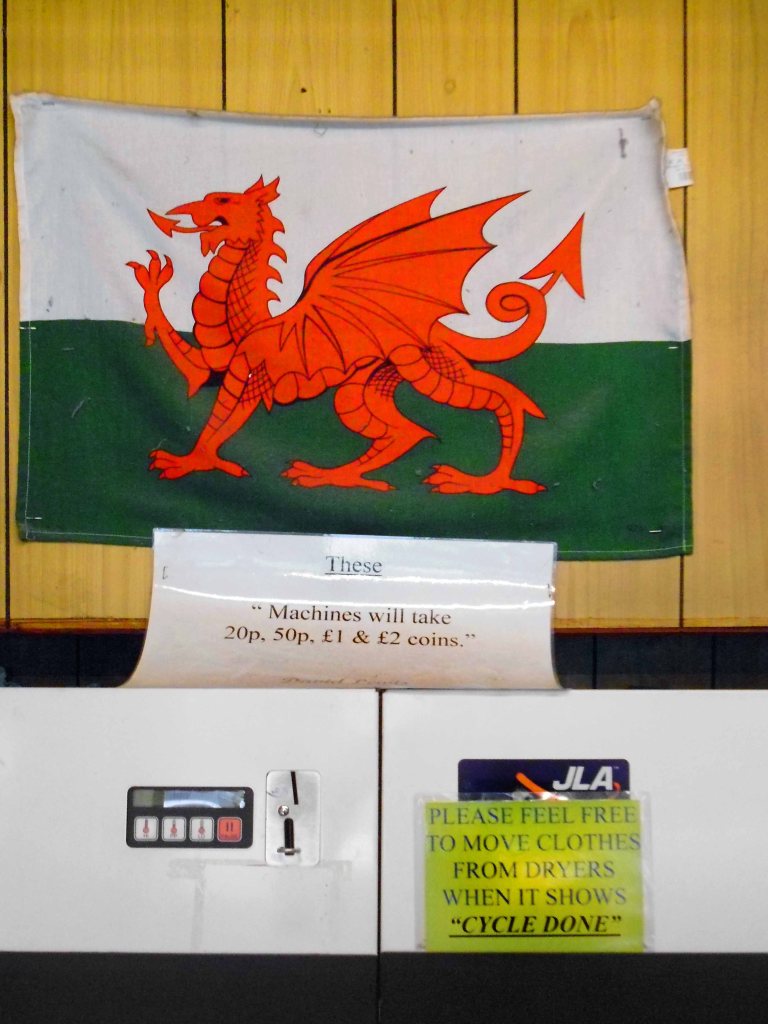
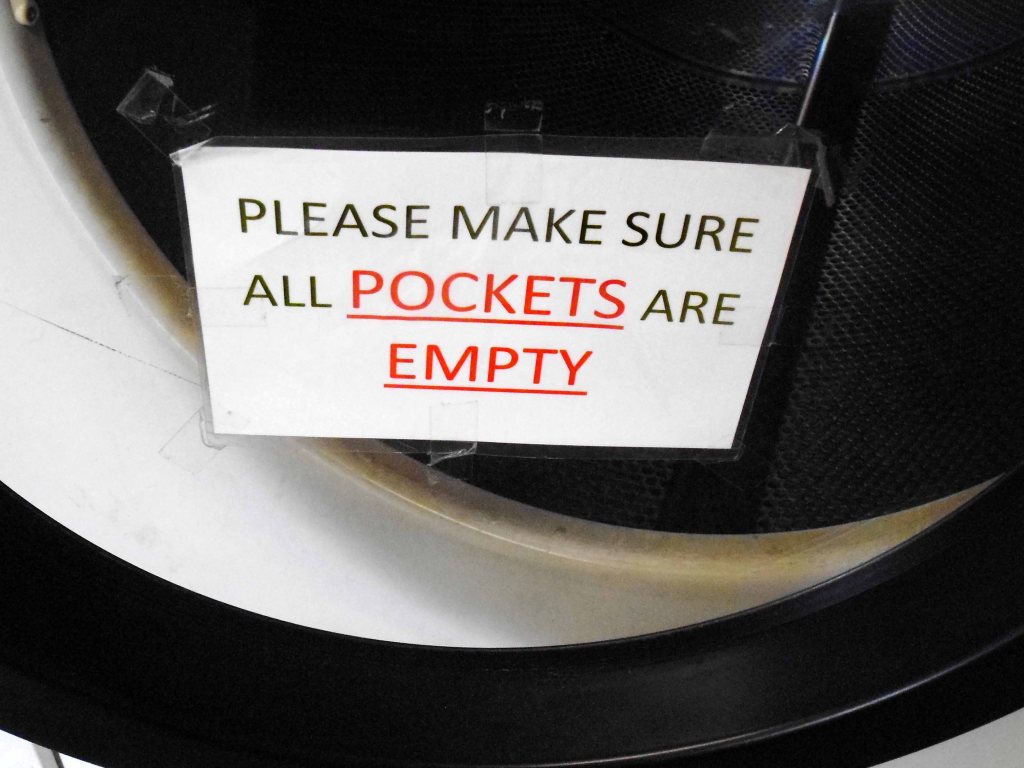
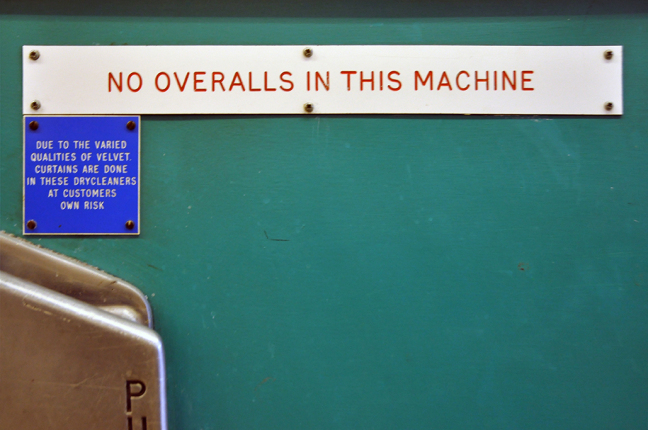
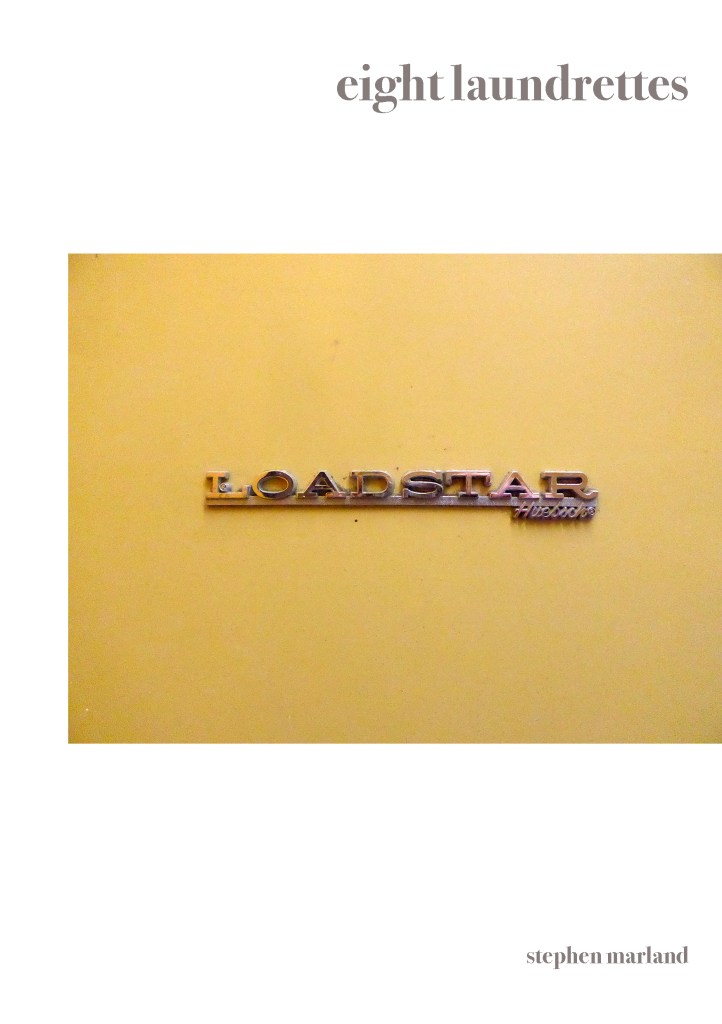
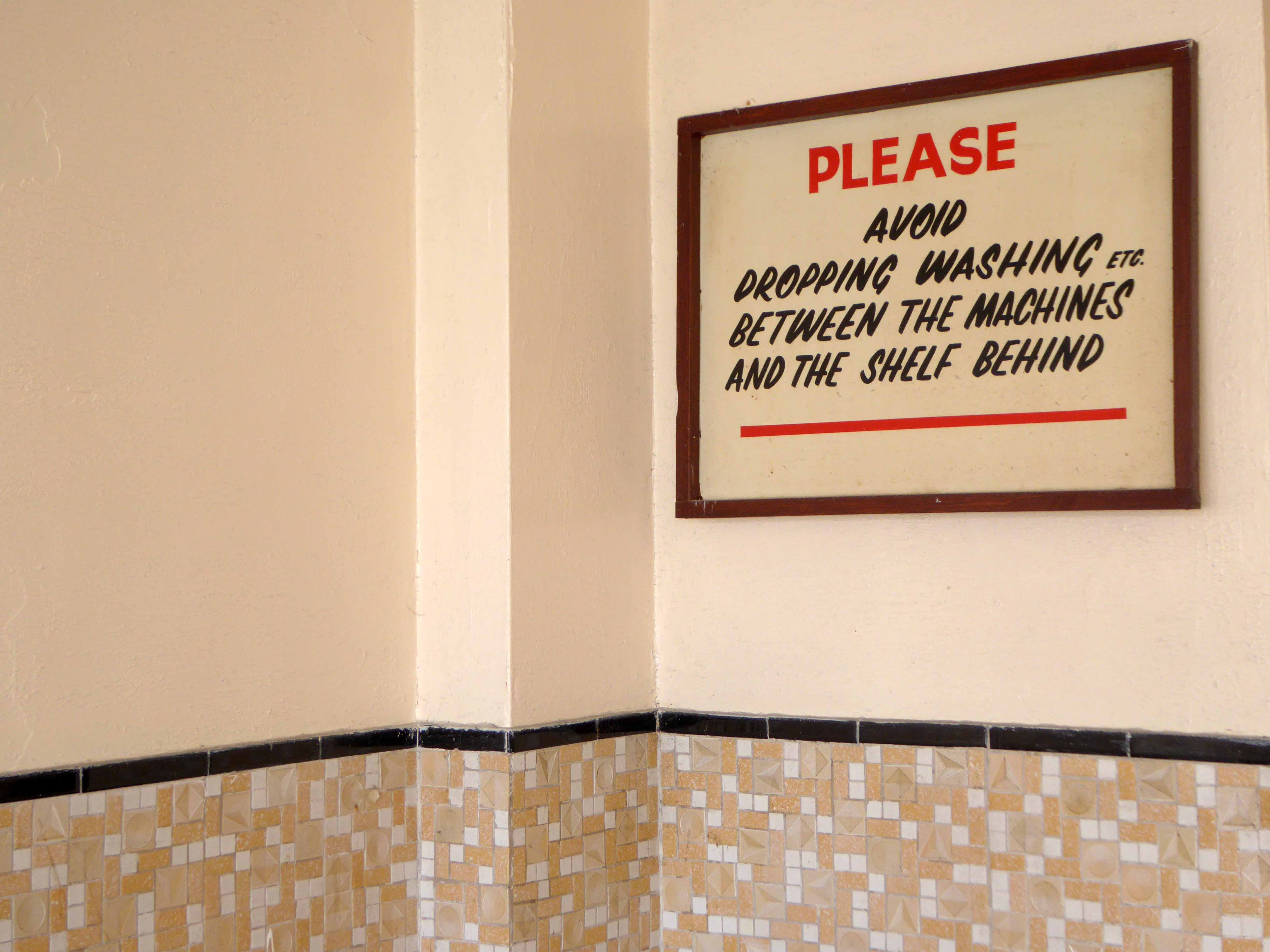
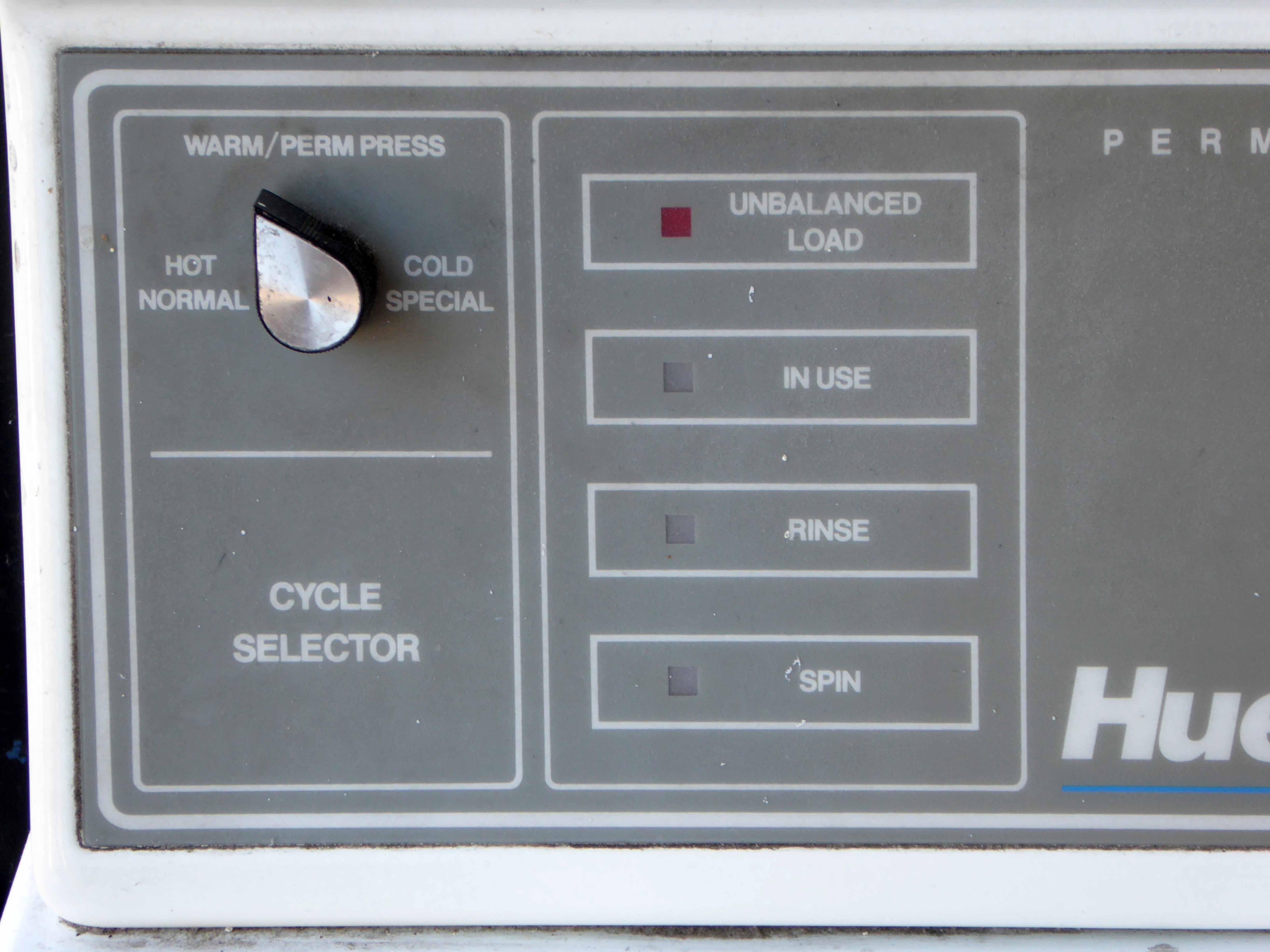
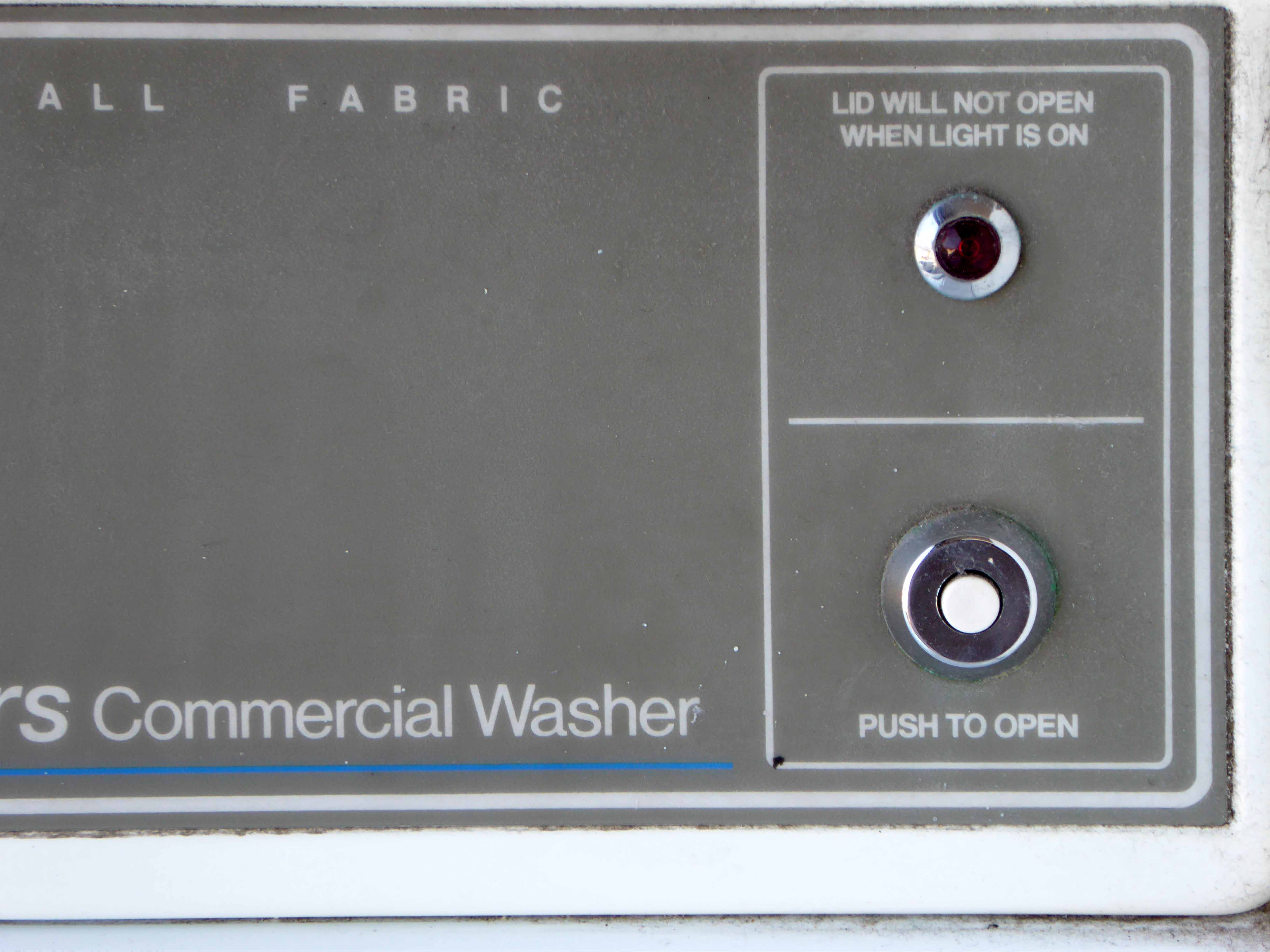
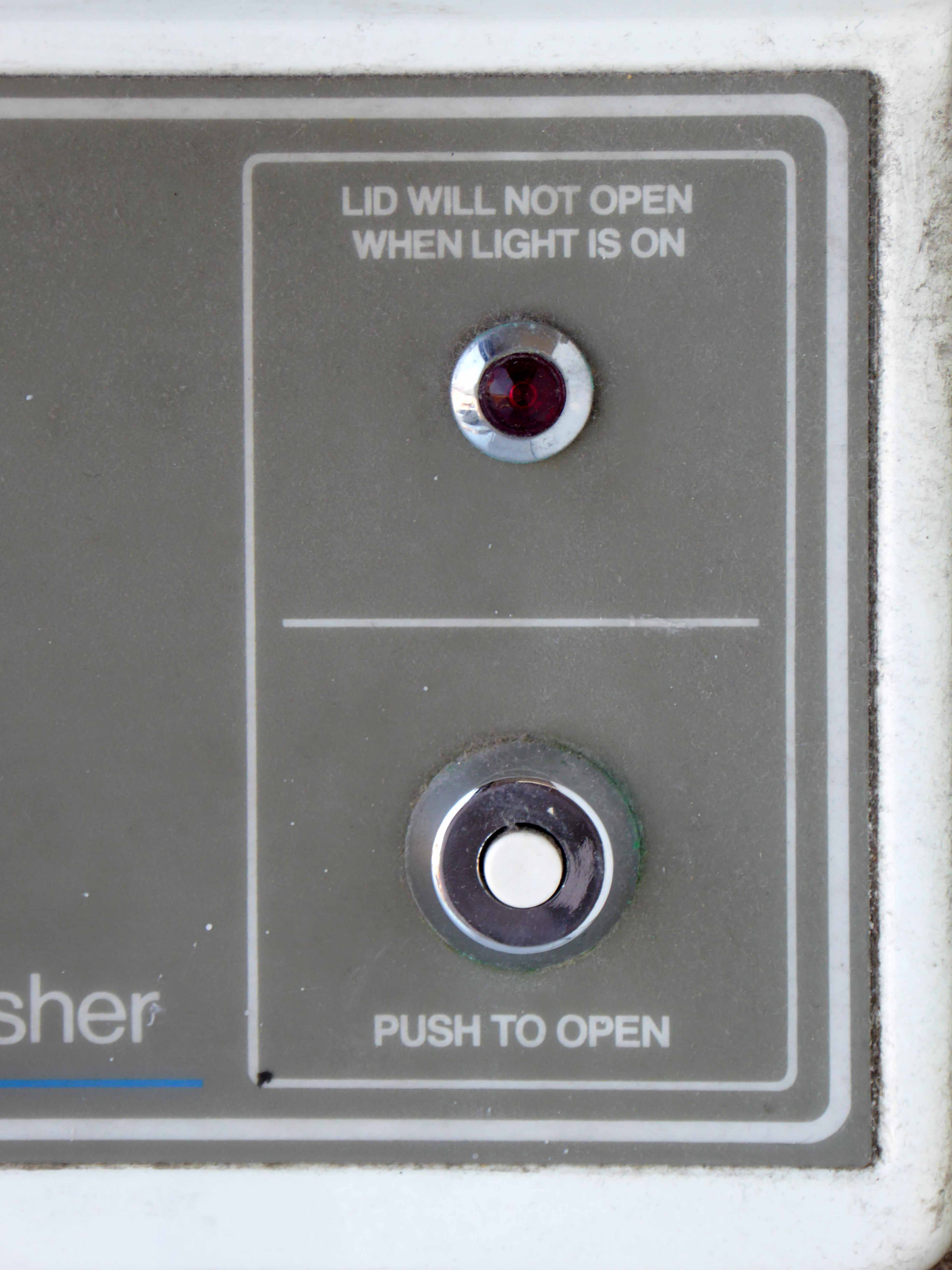
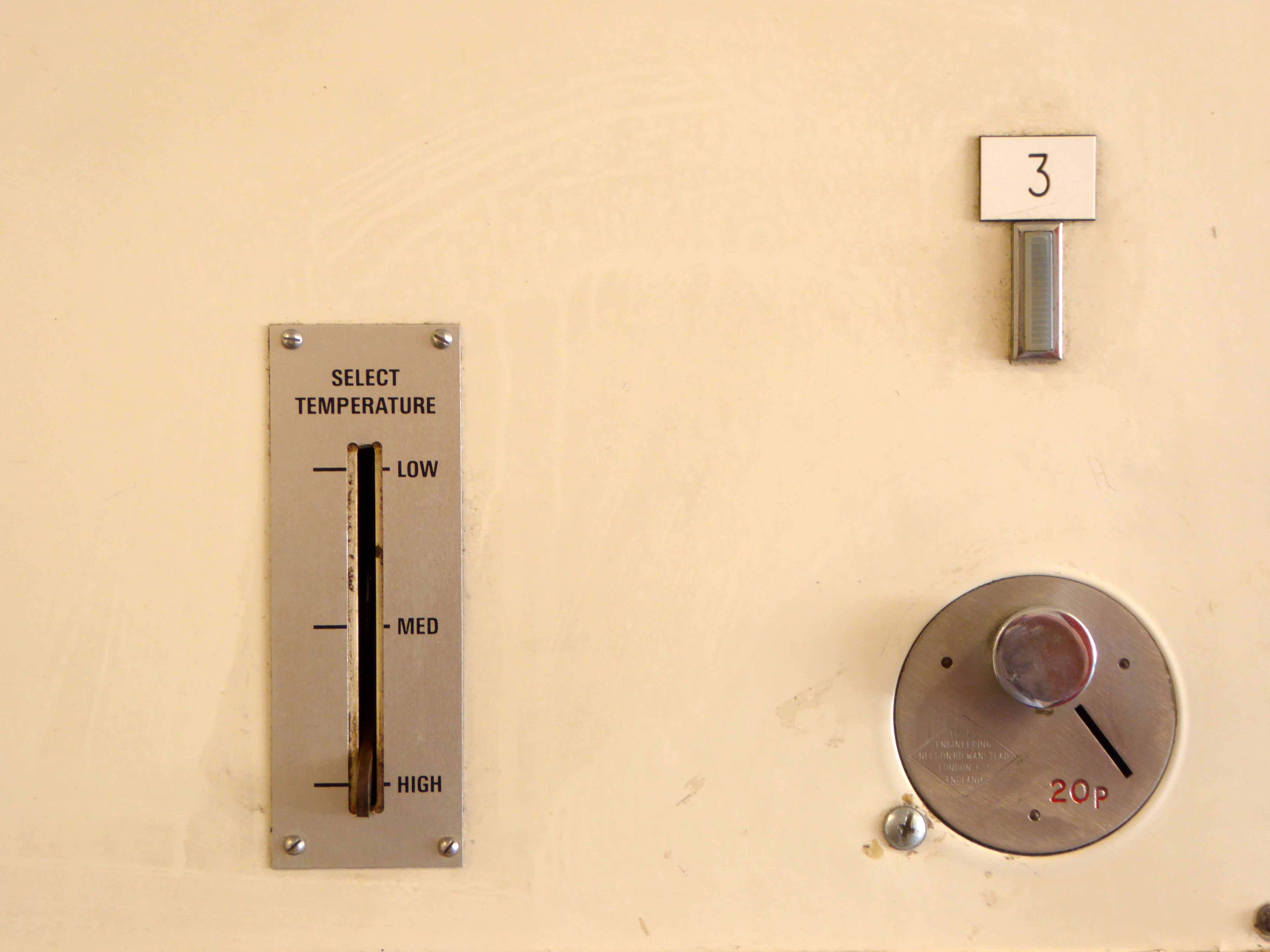
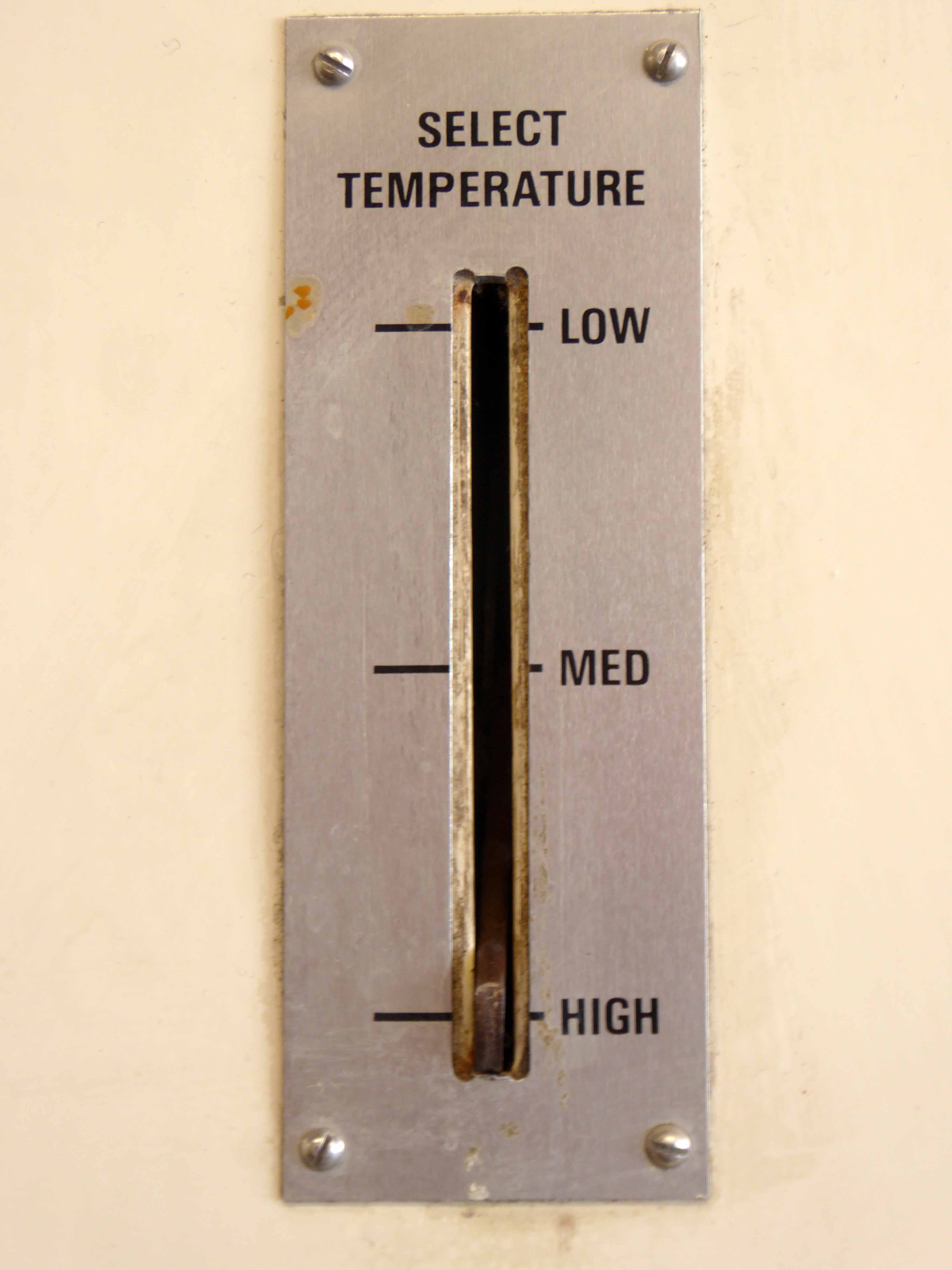
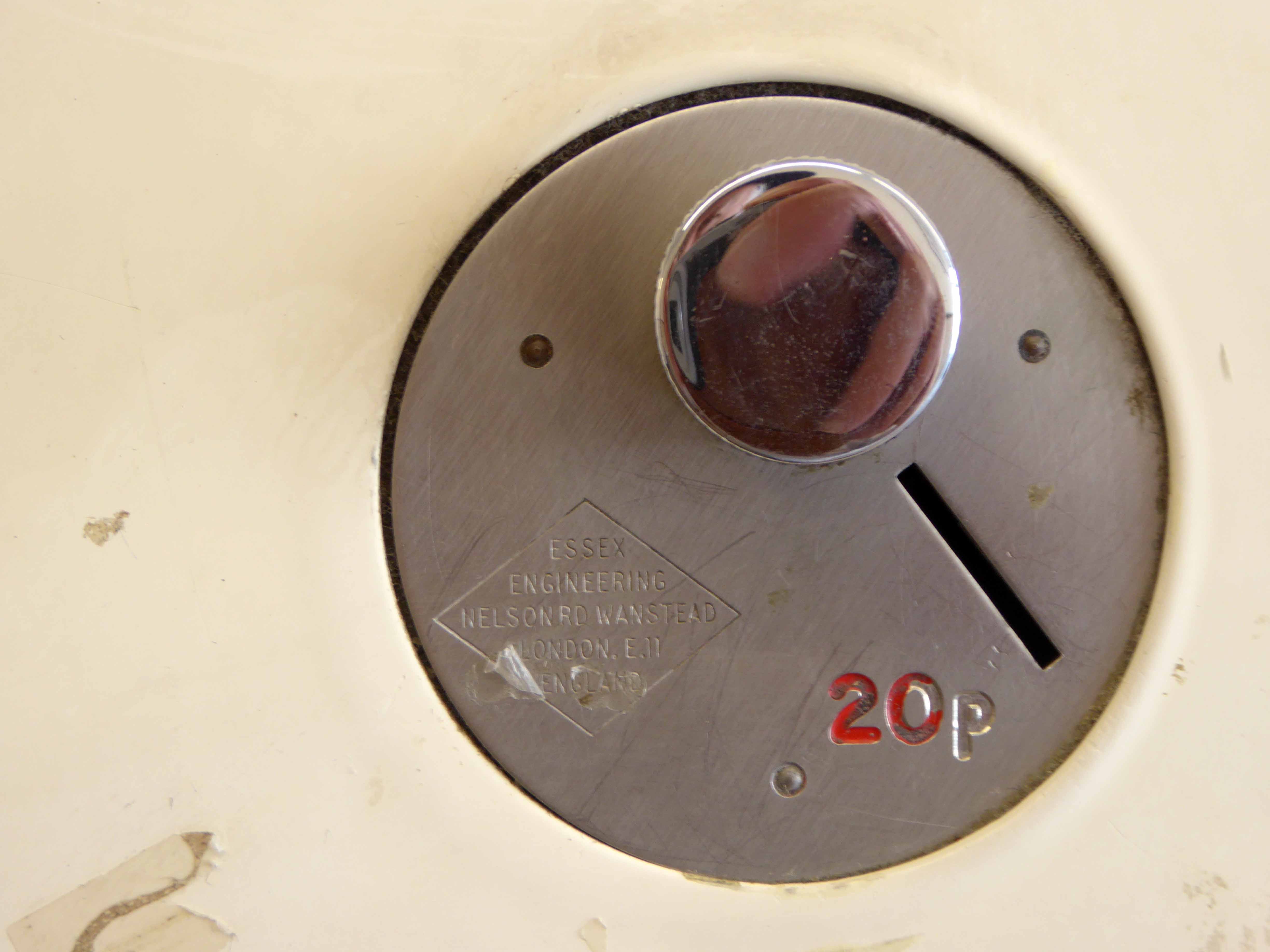
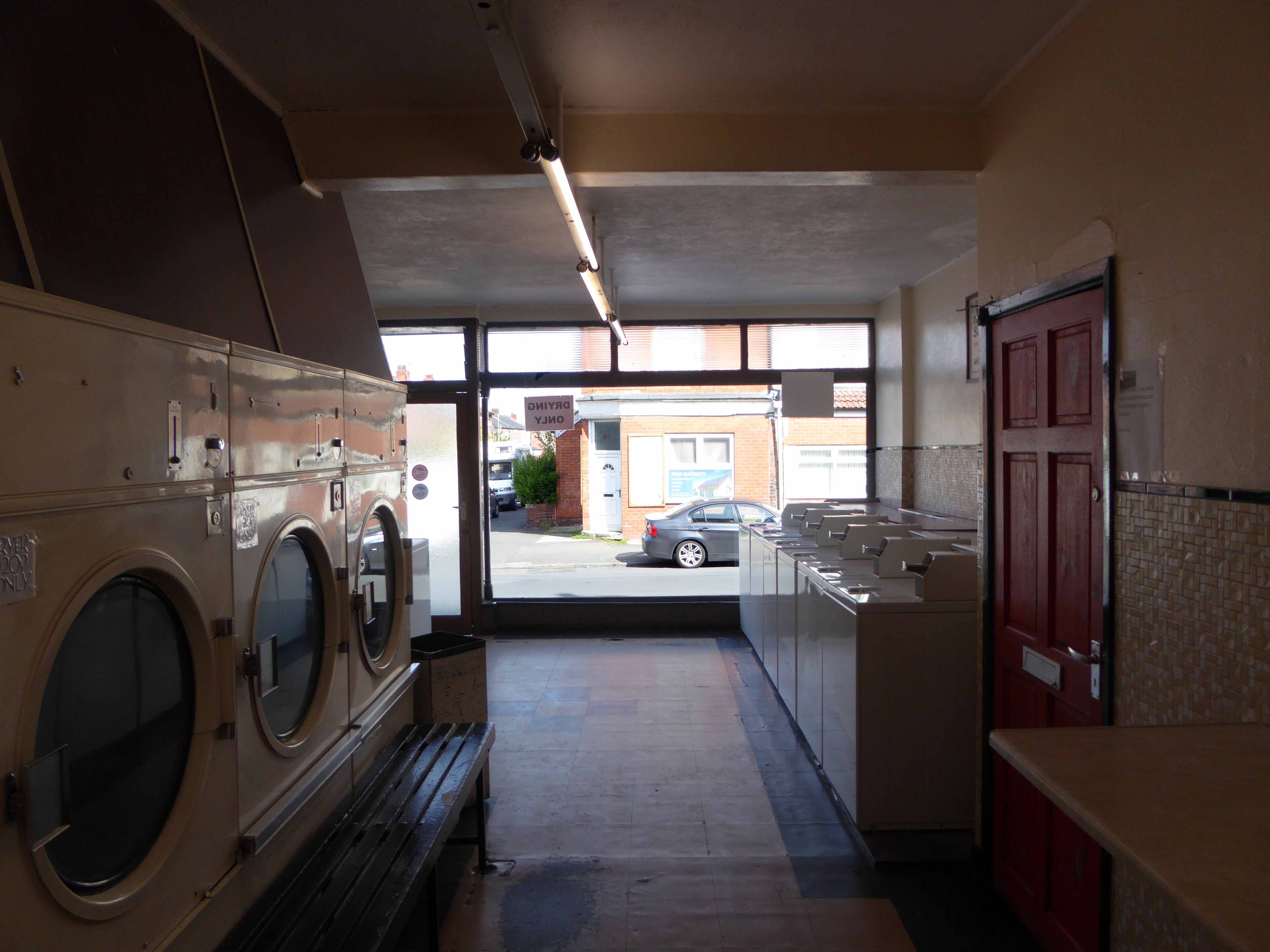
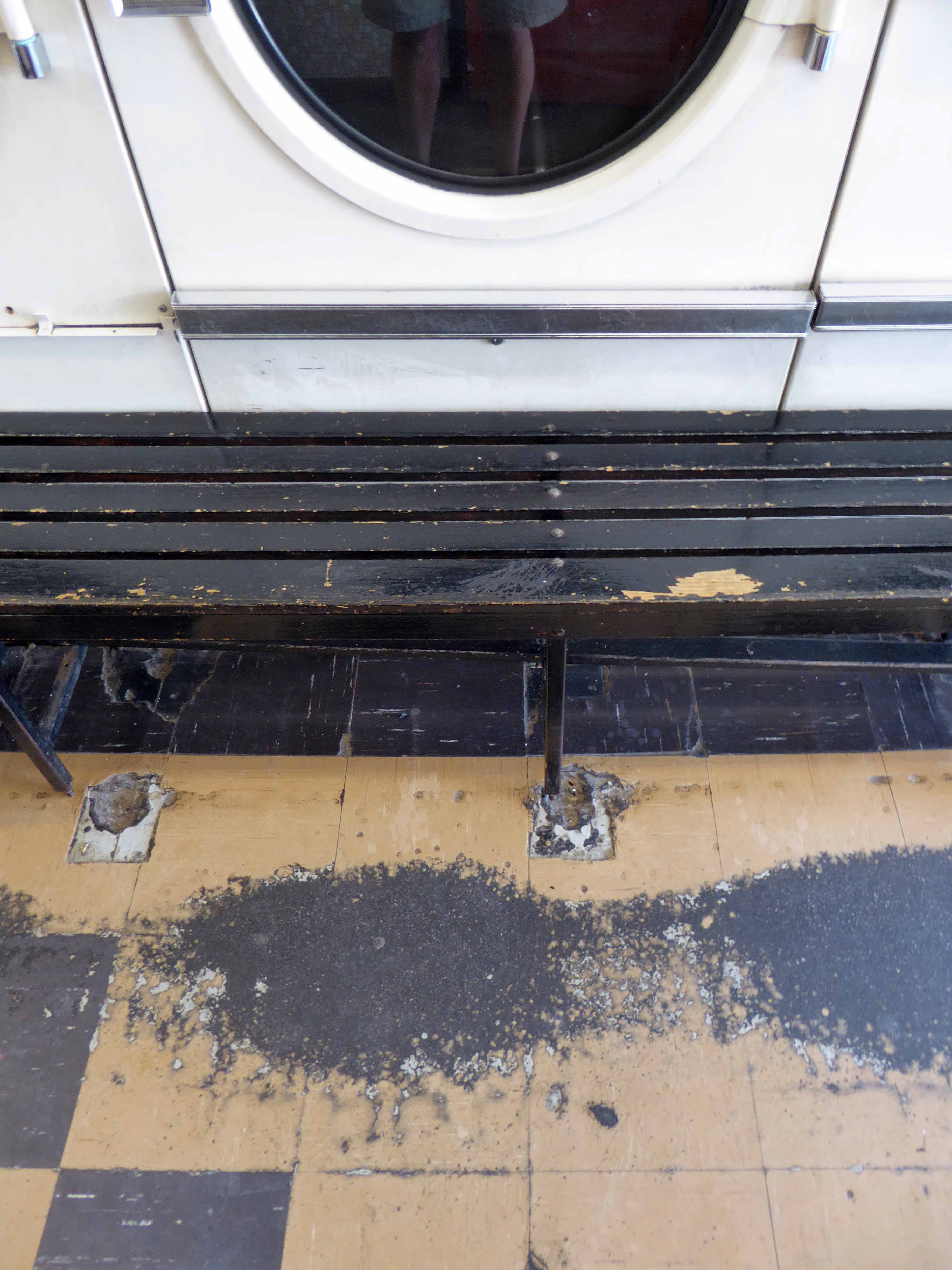
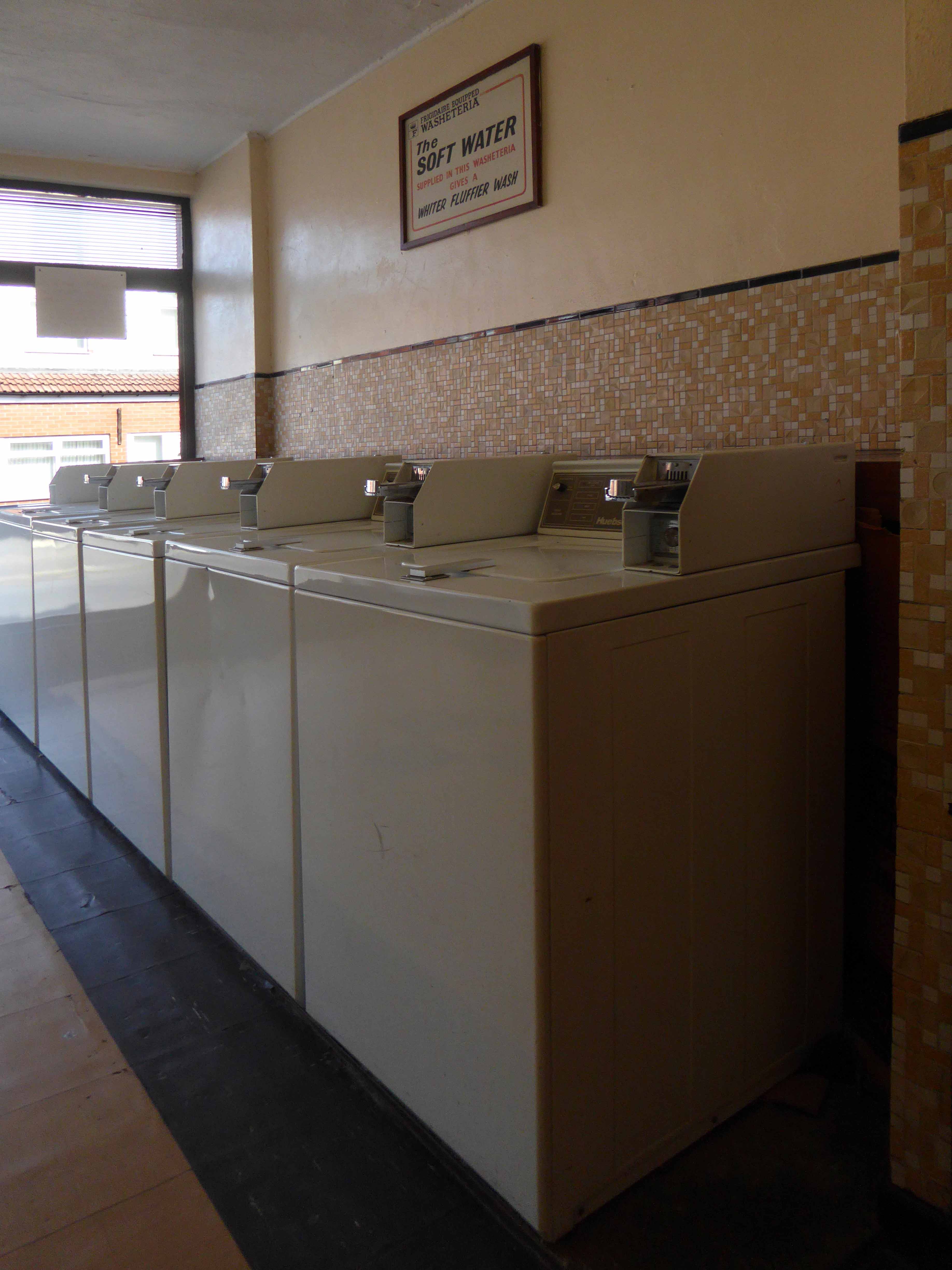
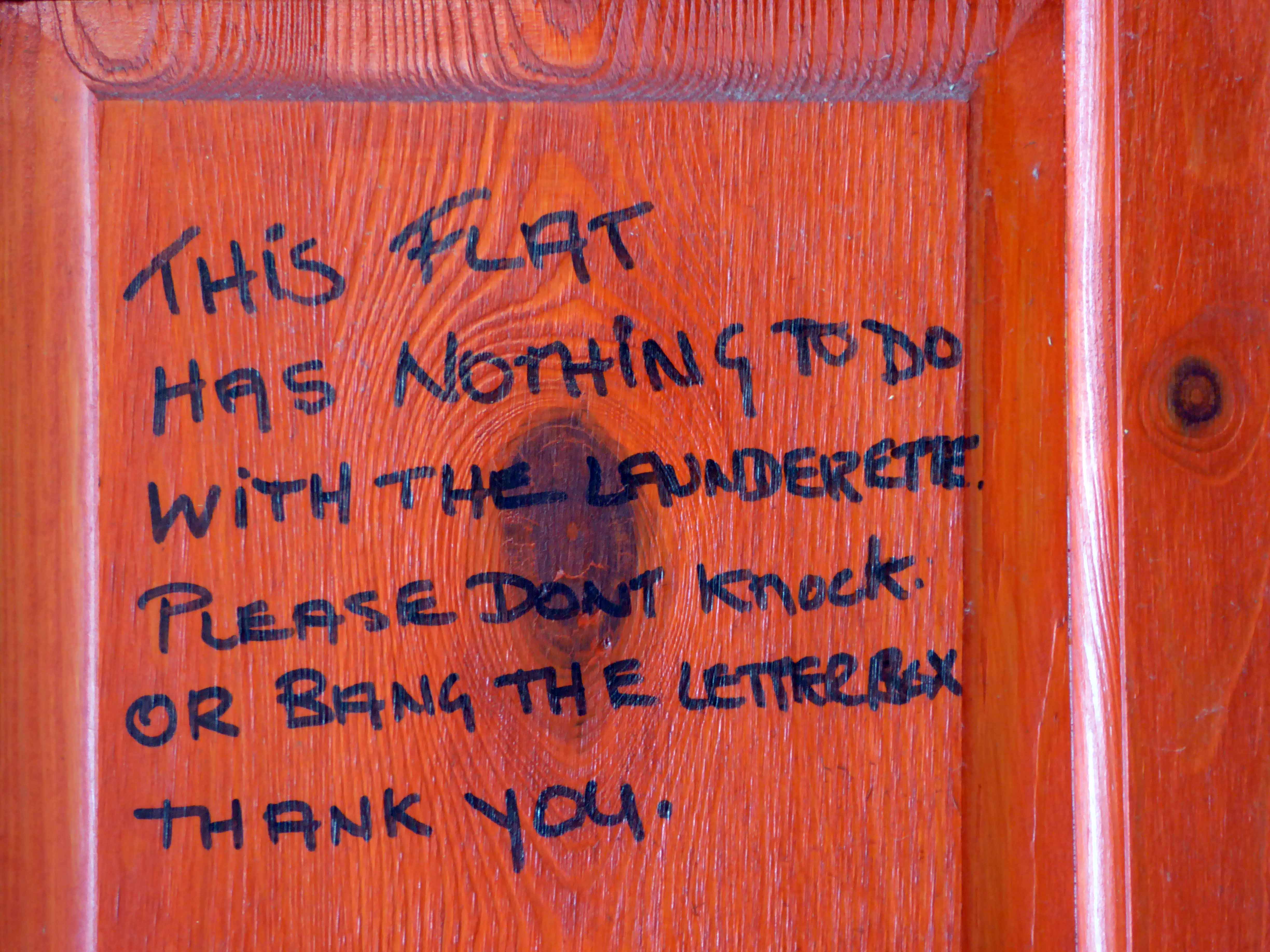
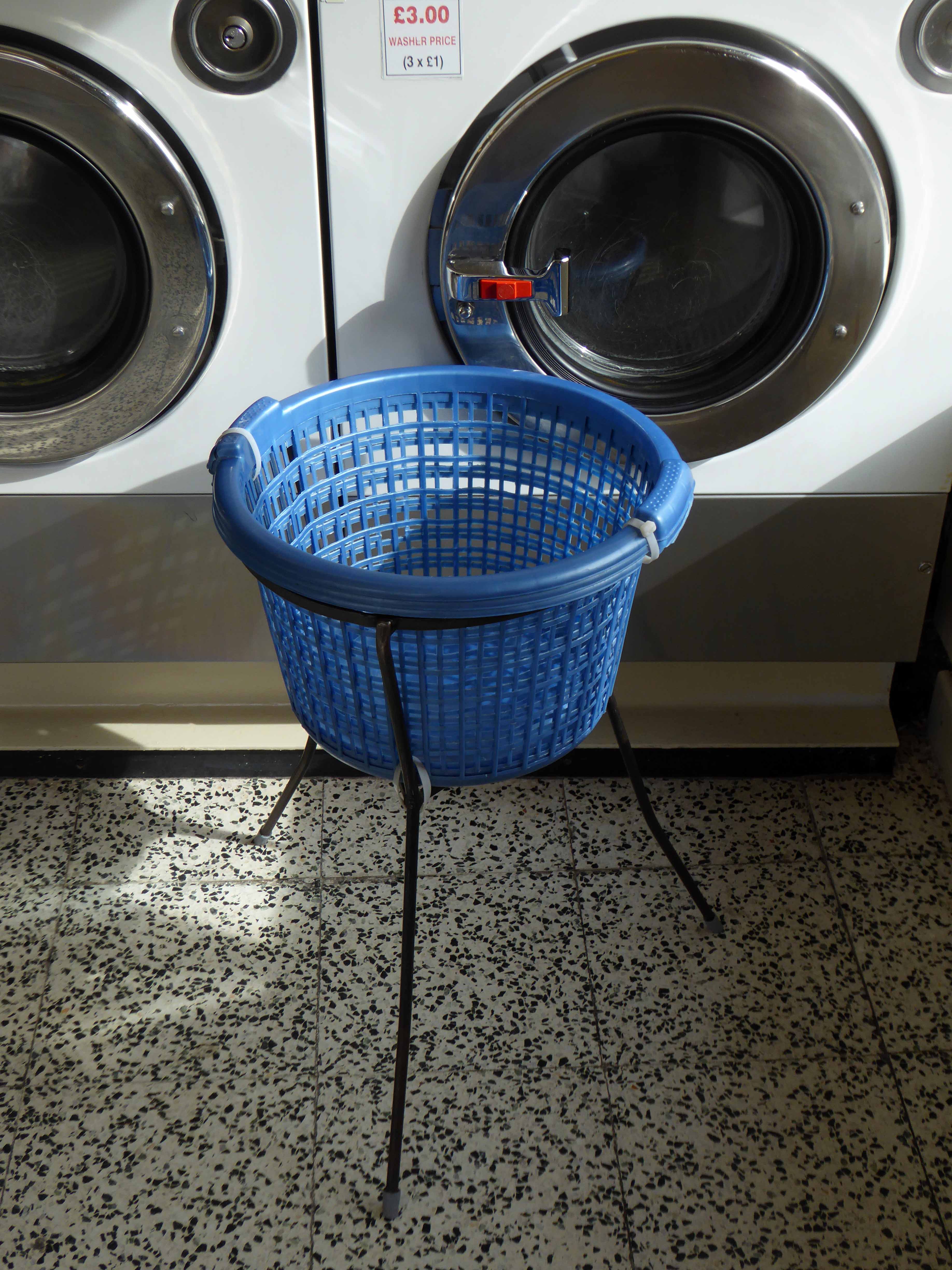
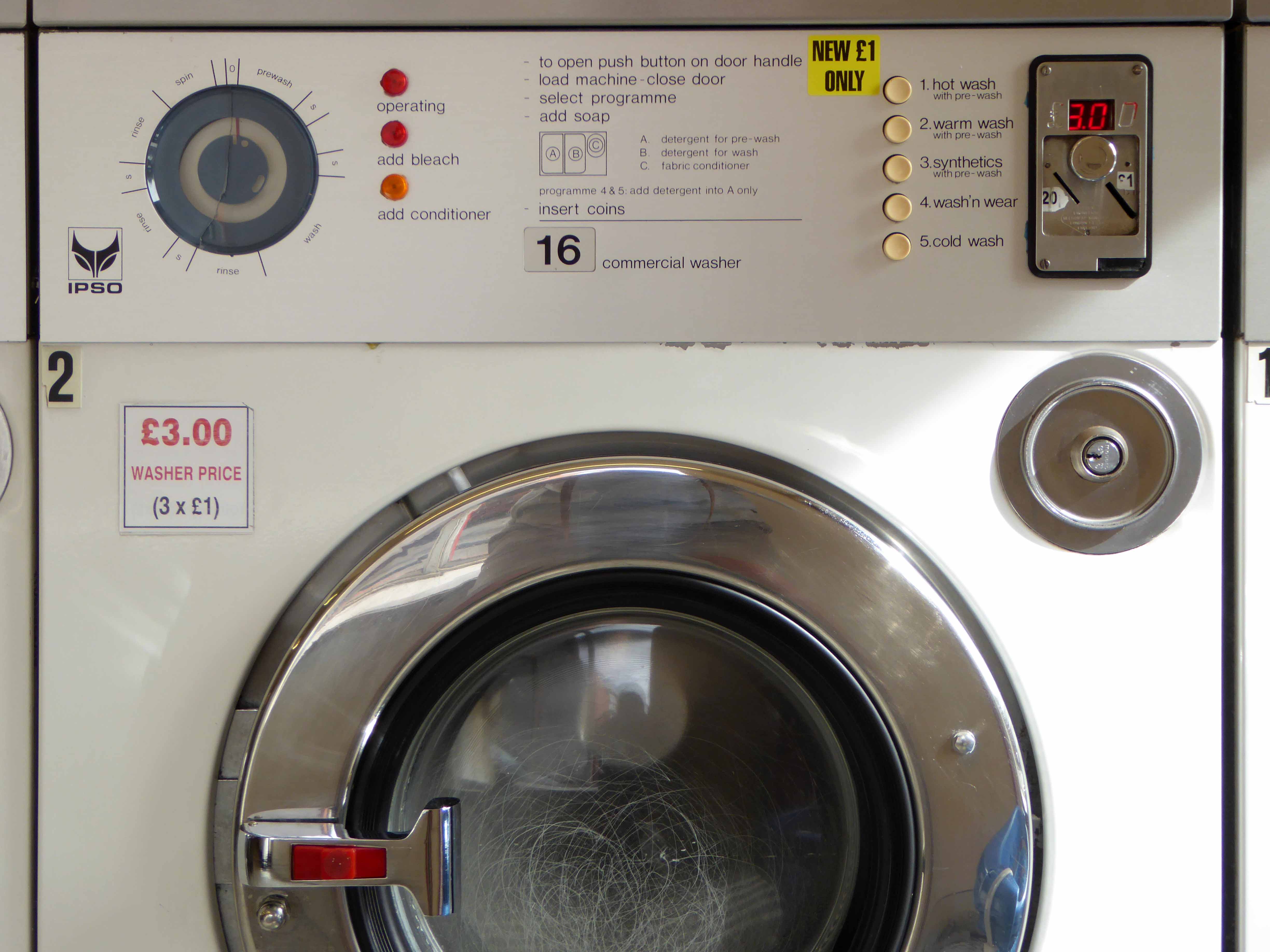
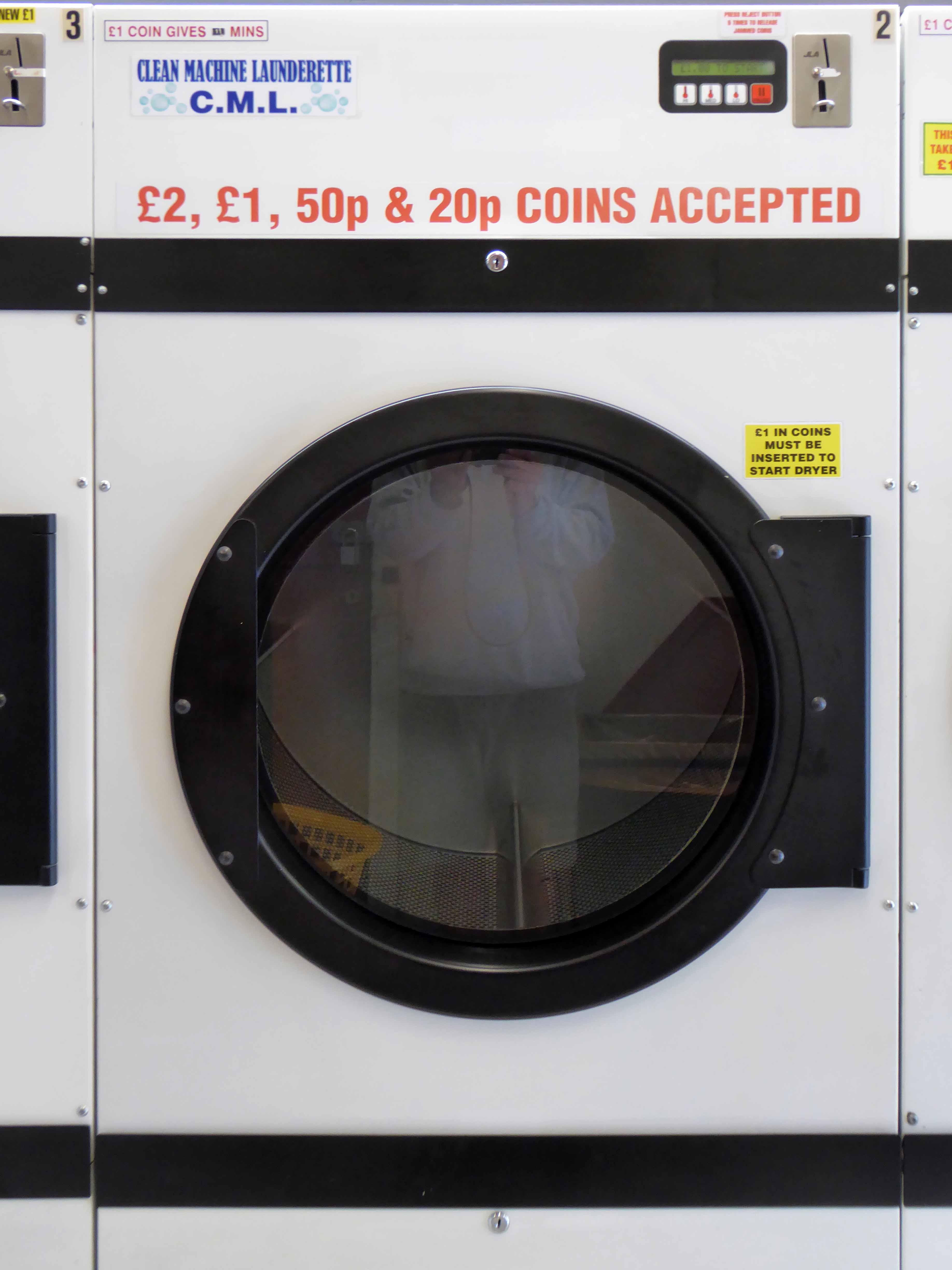
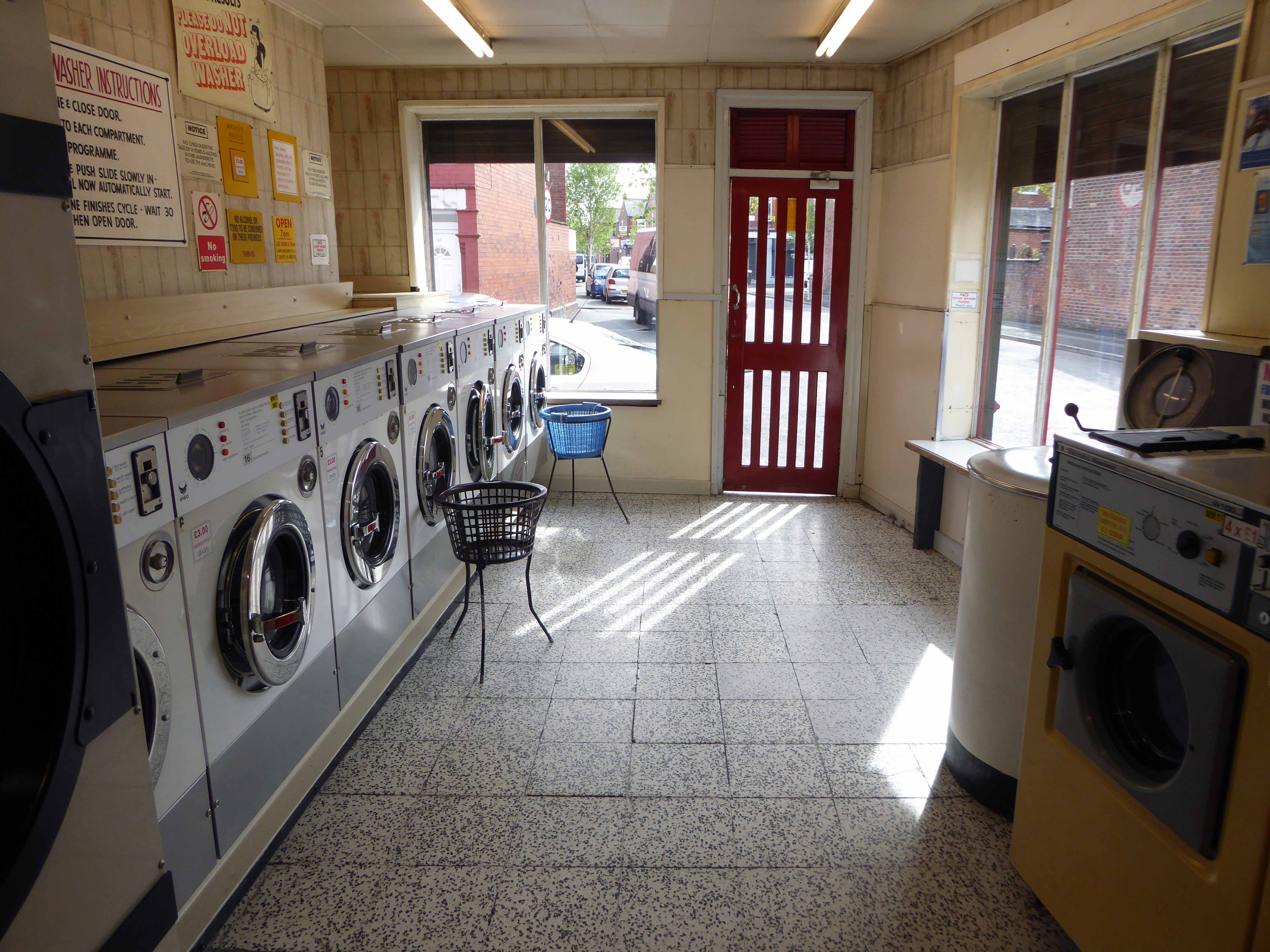
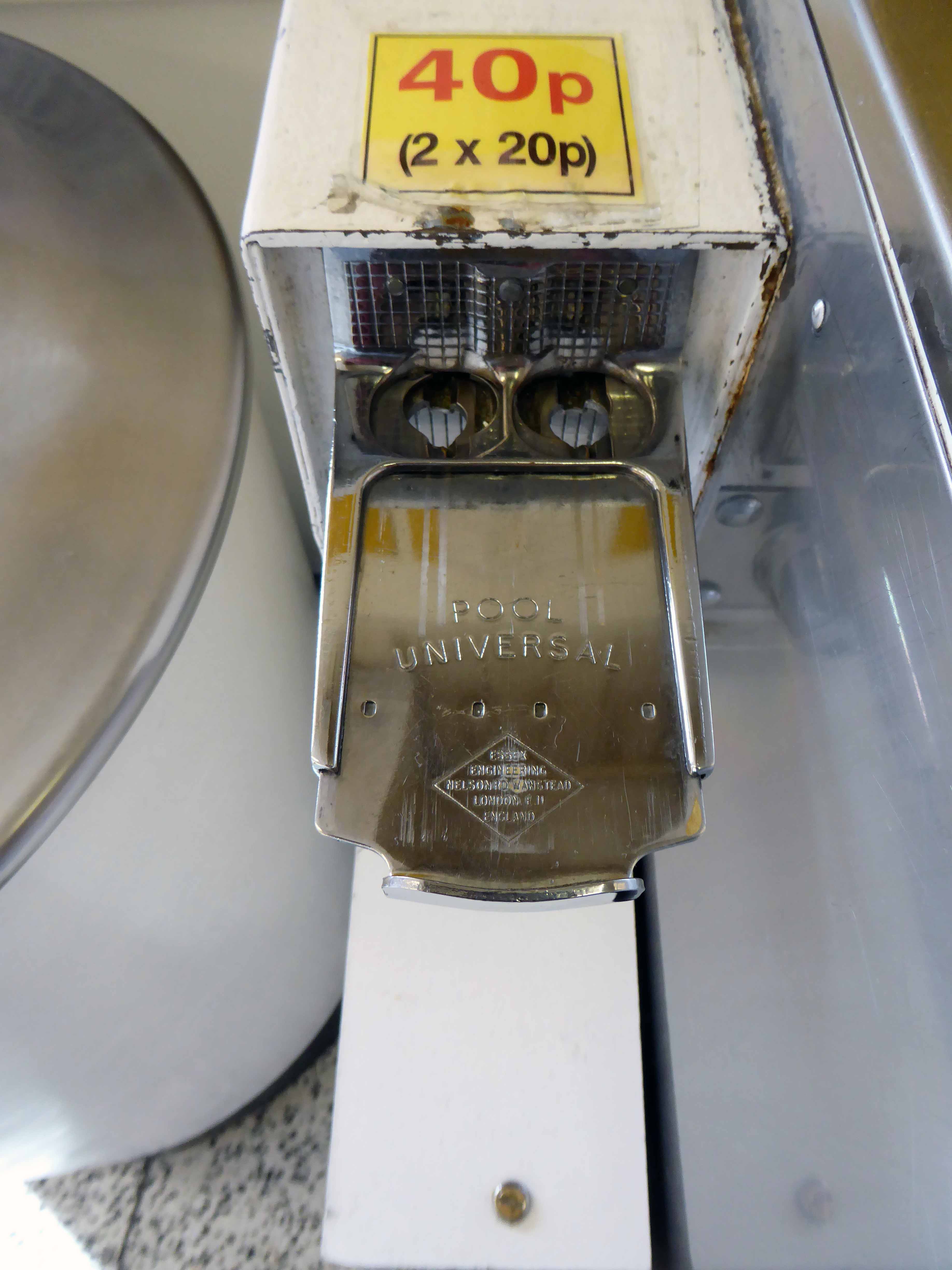
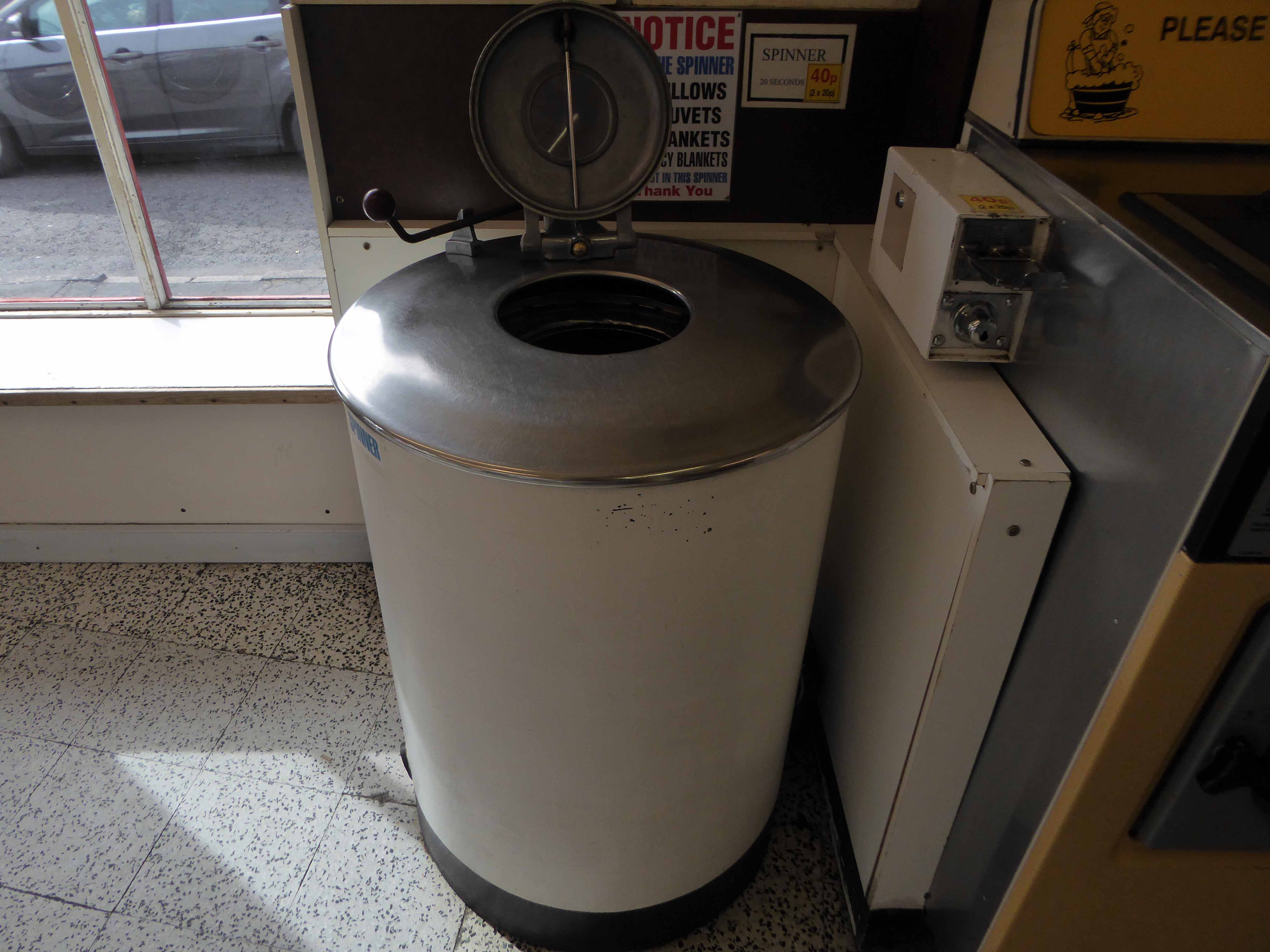
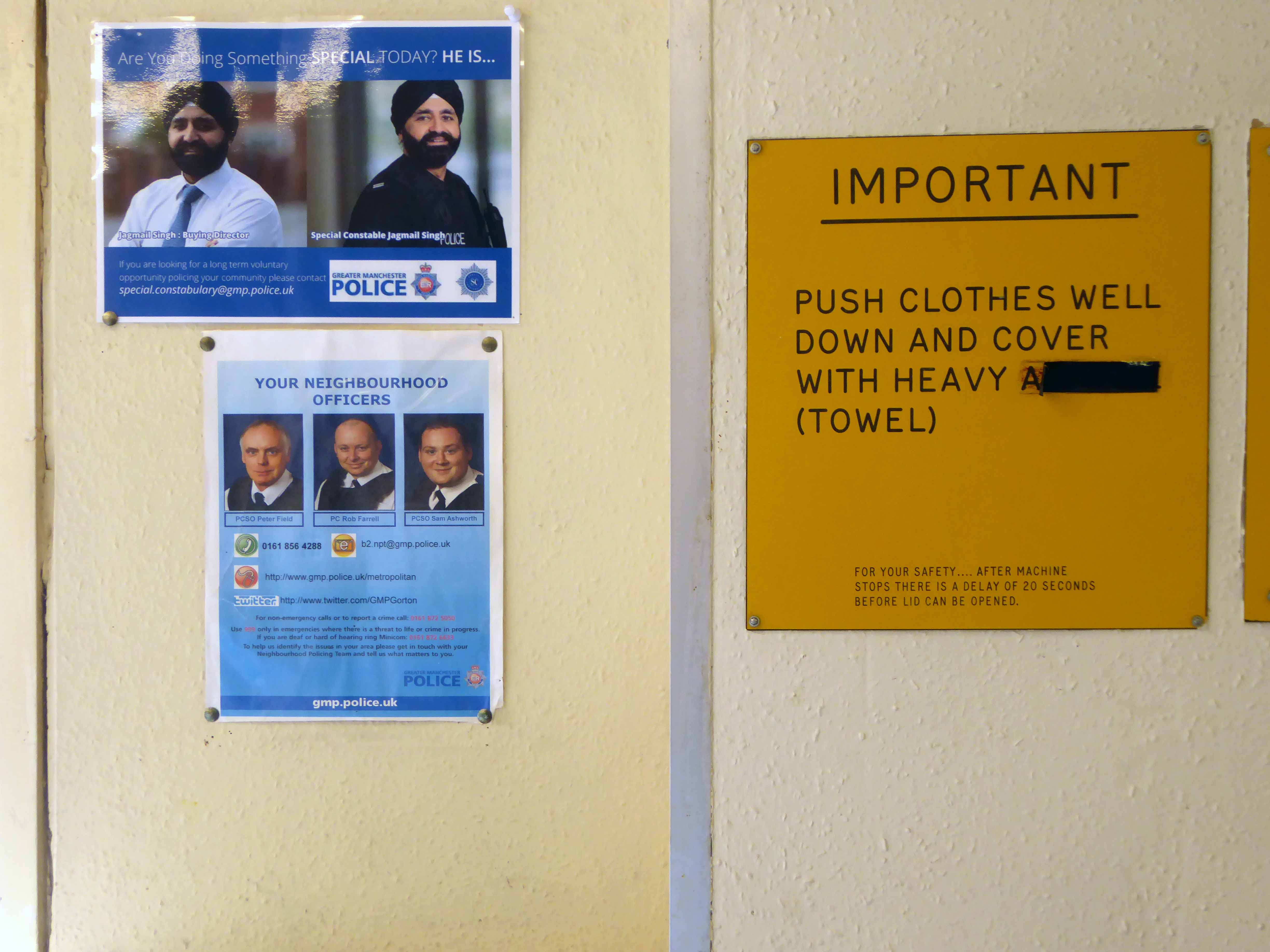
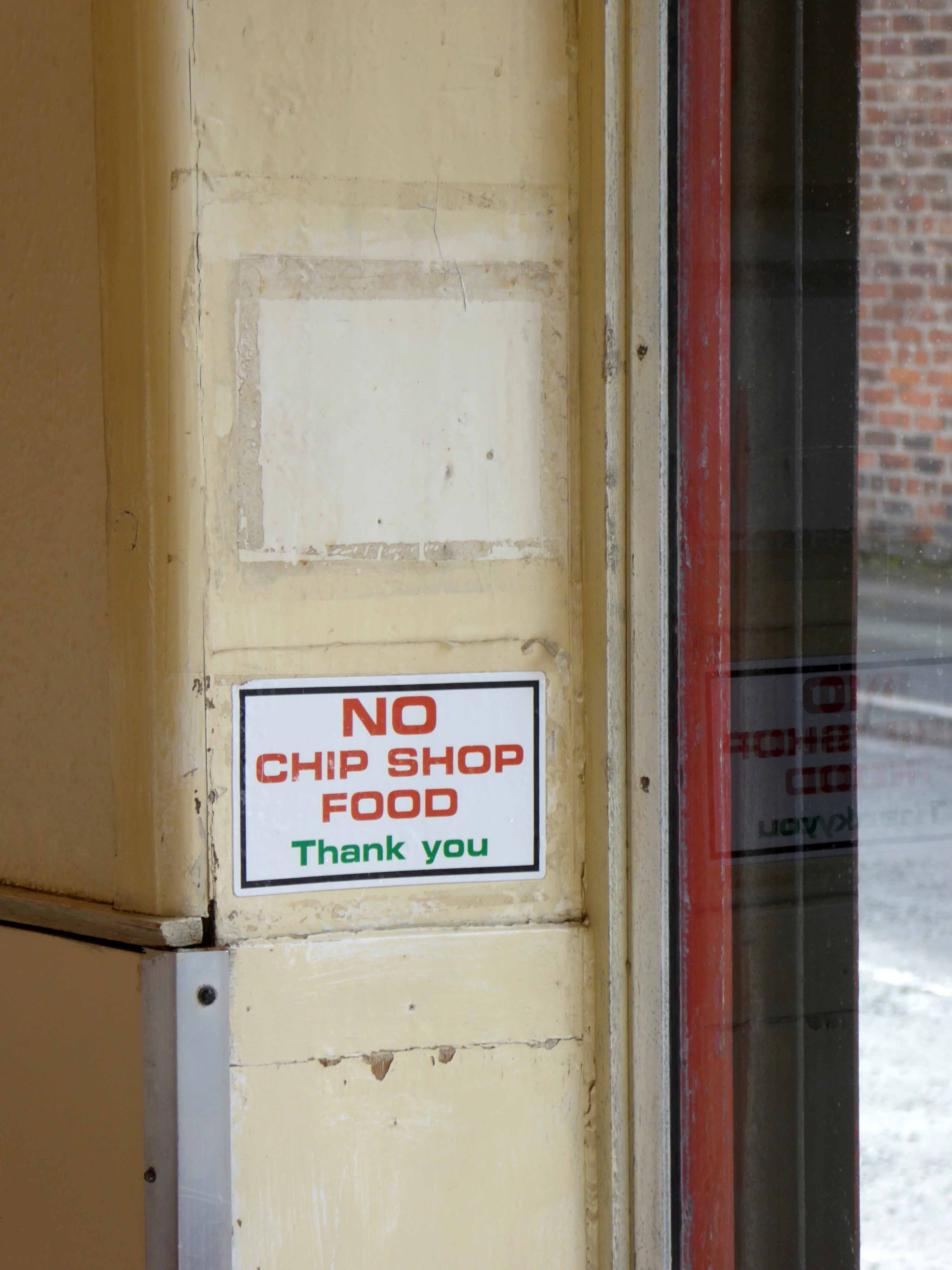
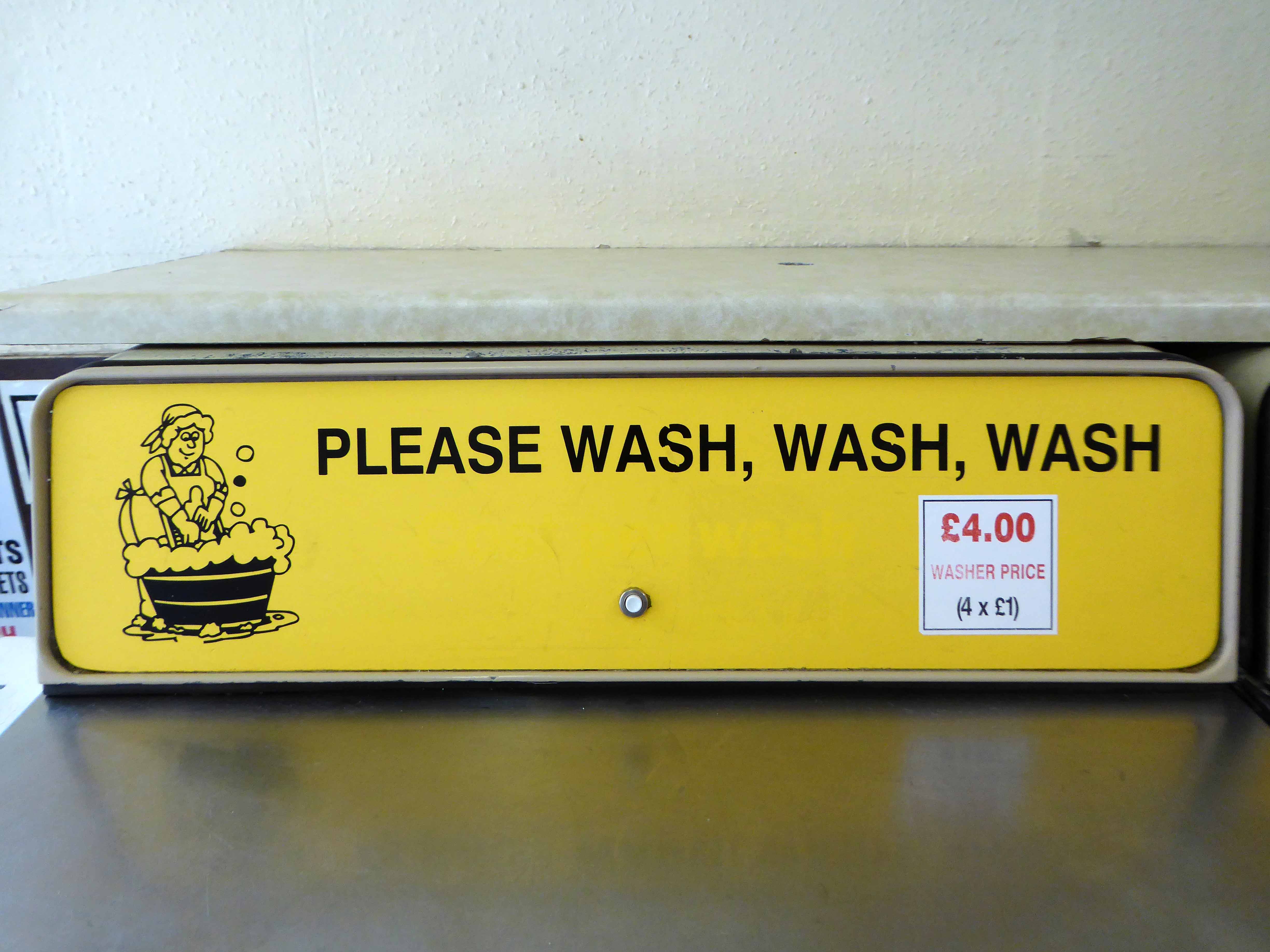
eight laundrettes

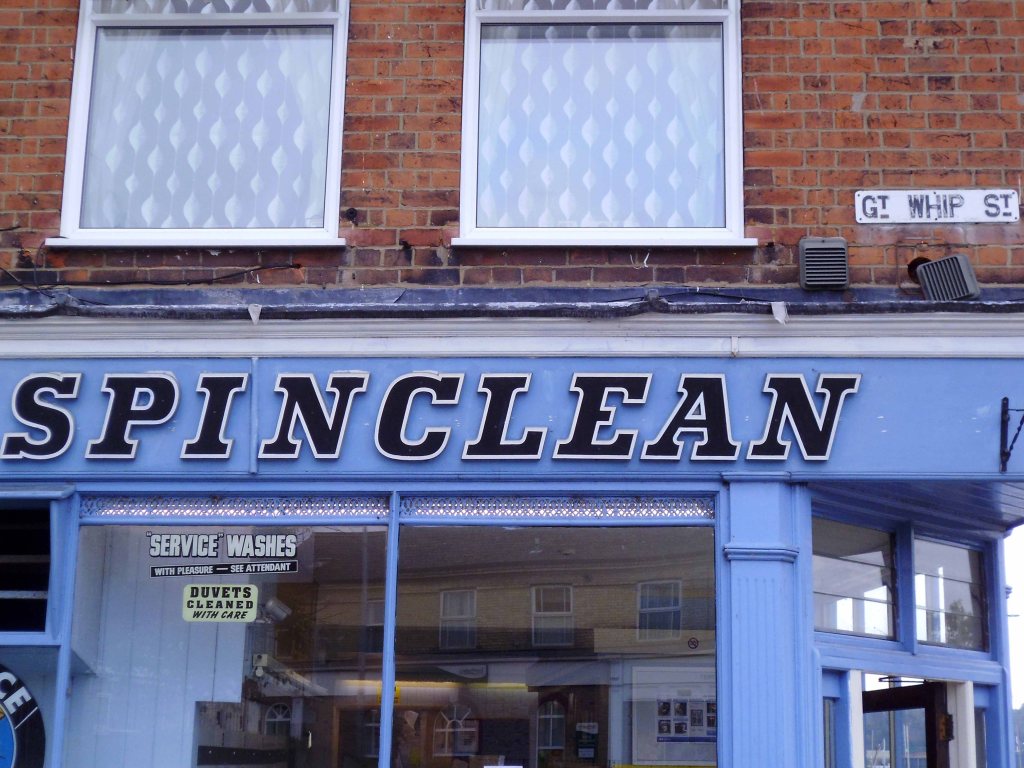
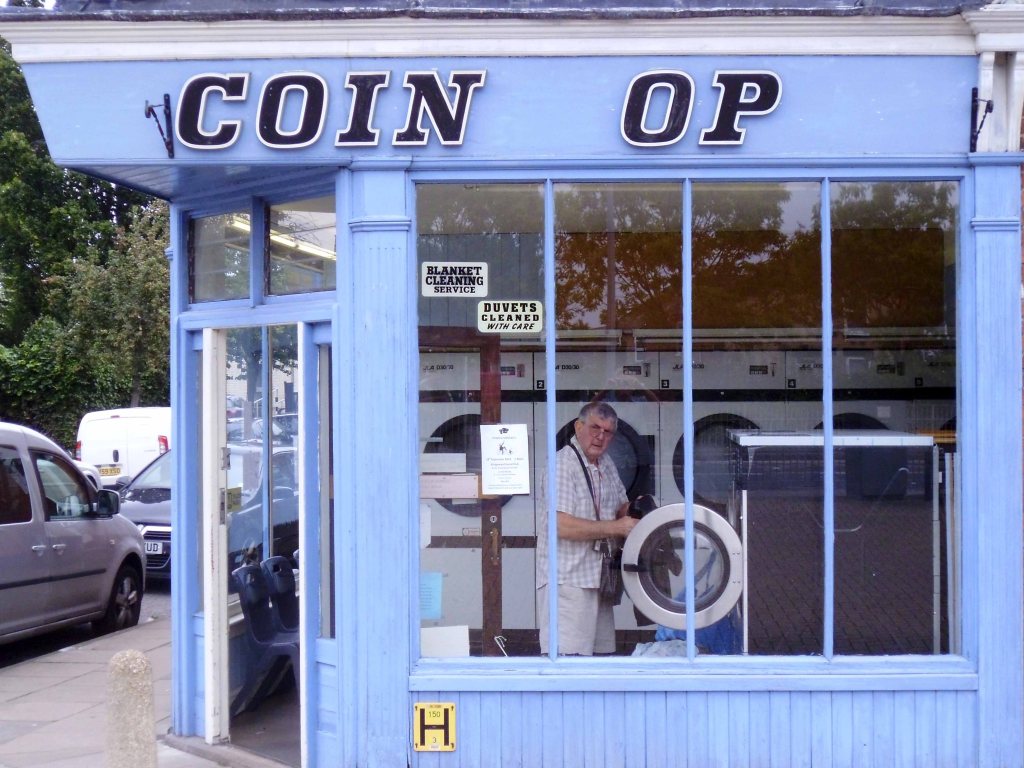
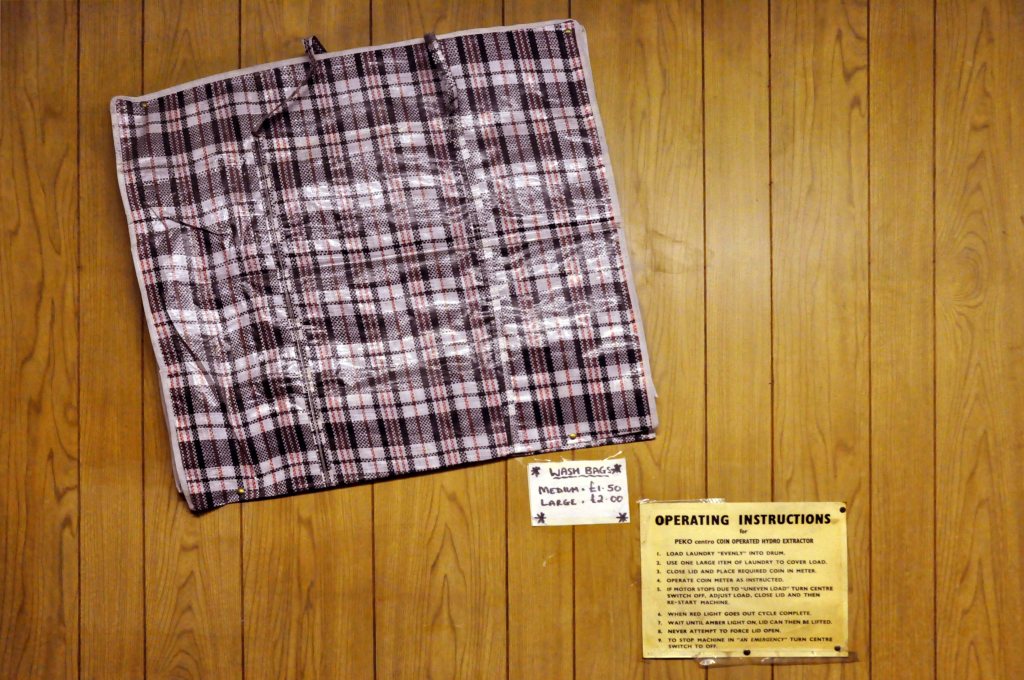
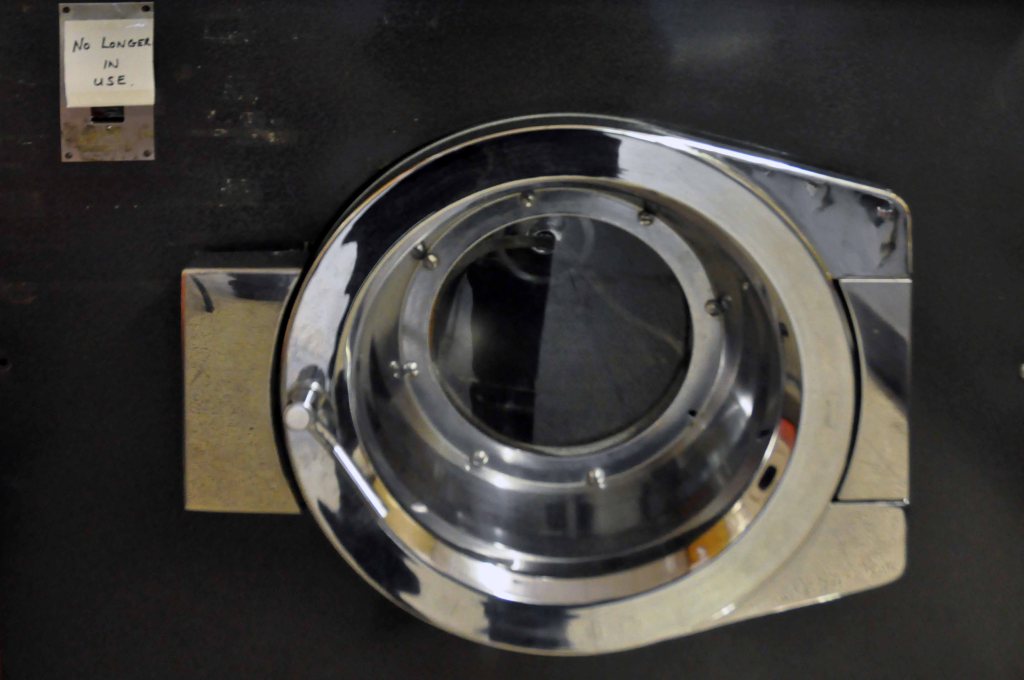
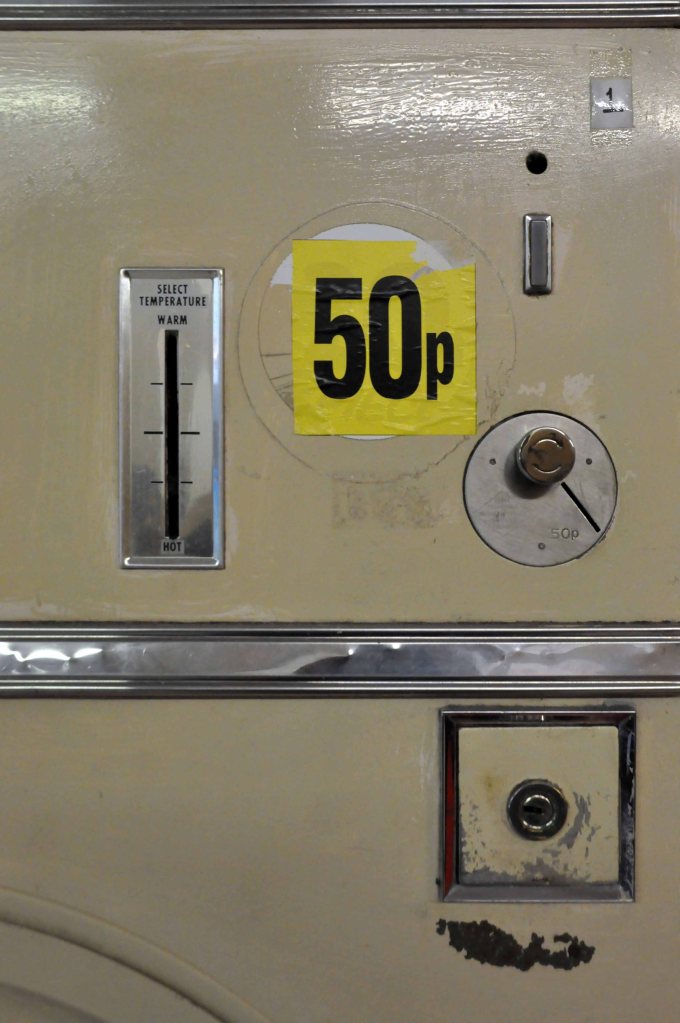
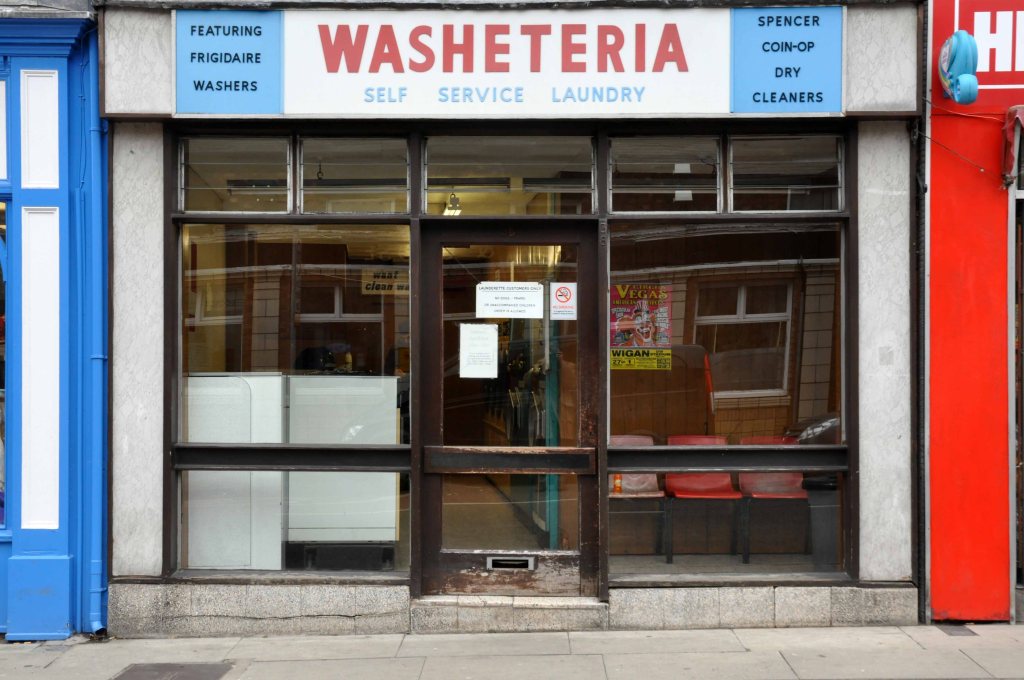
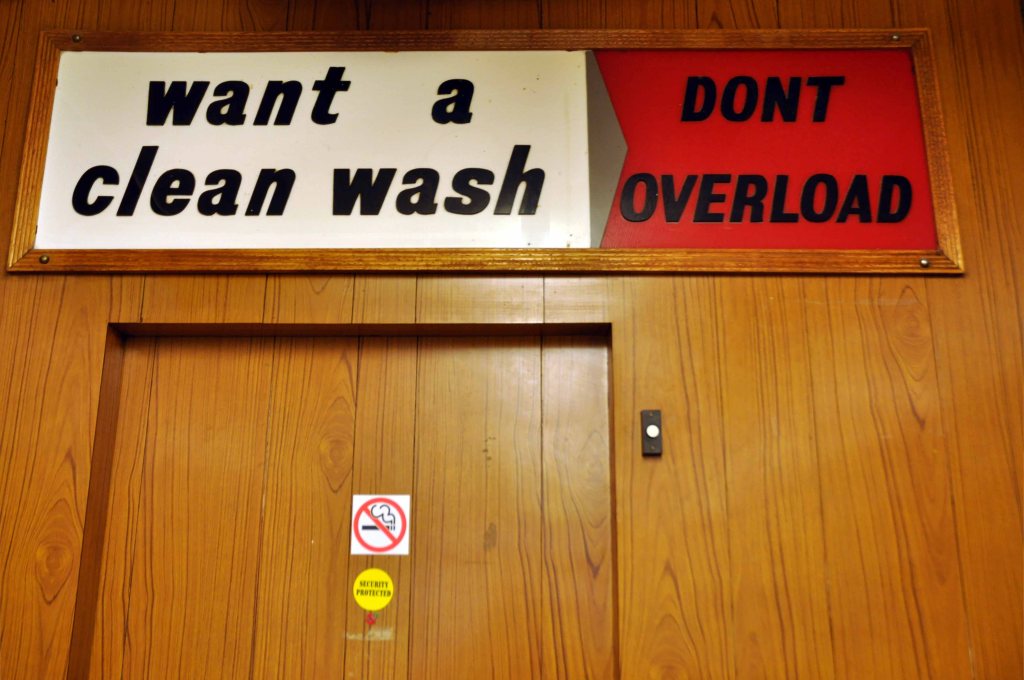
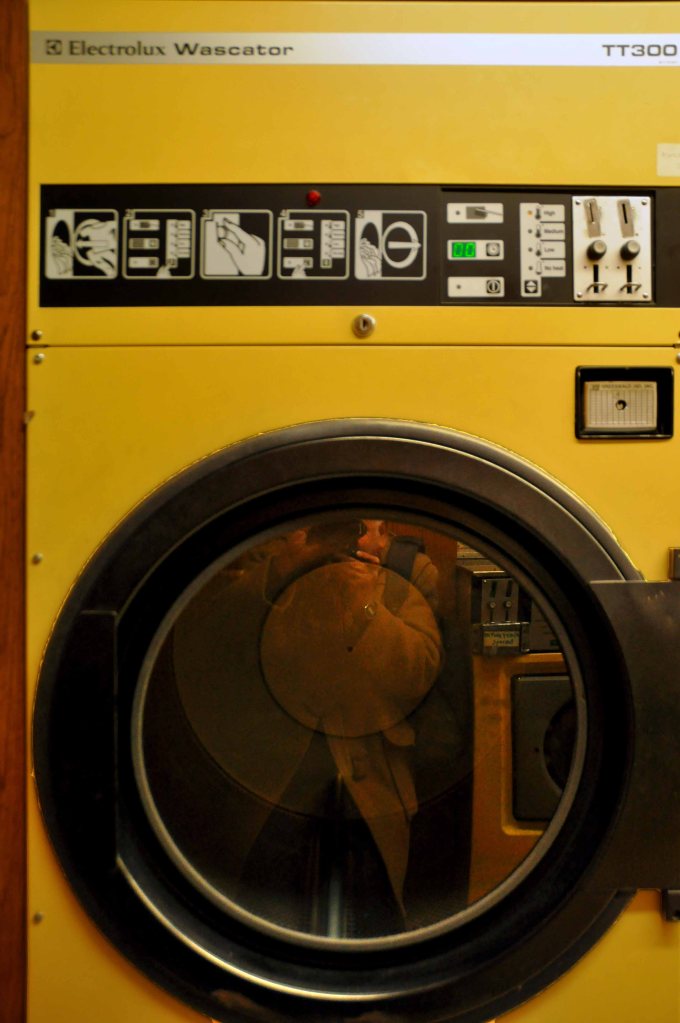
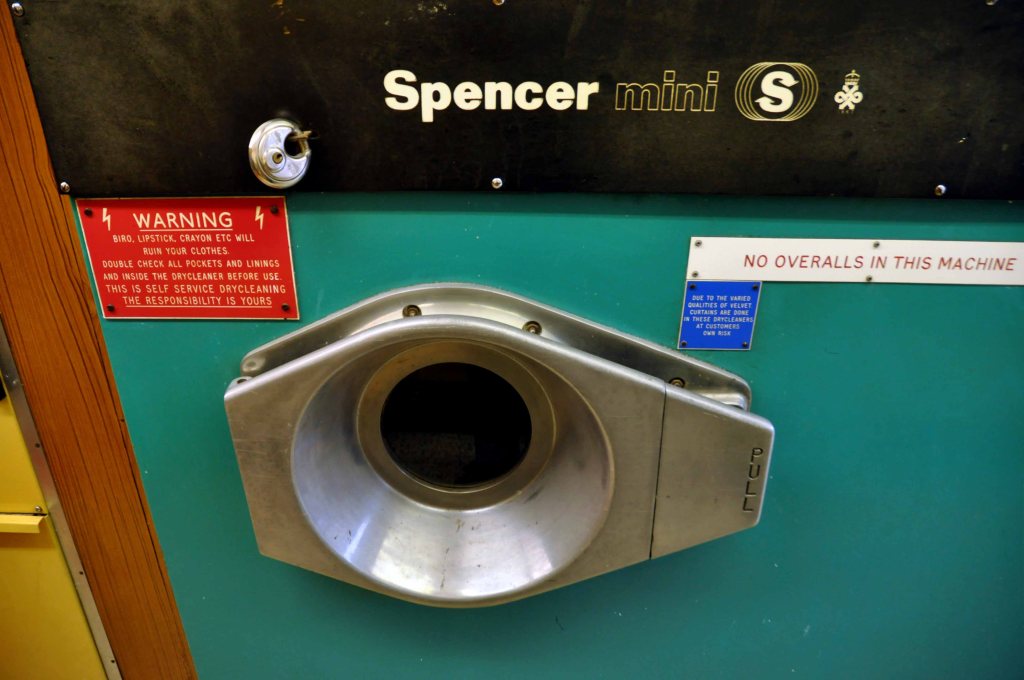
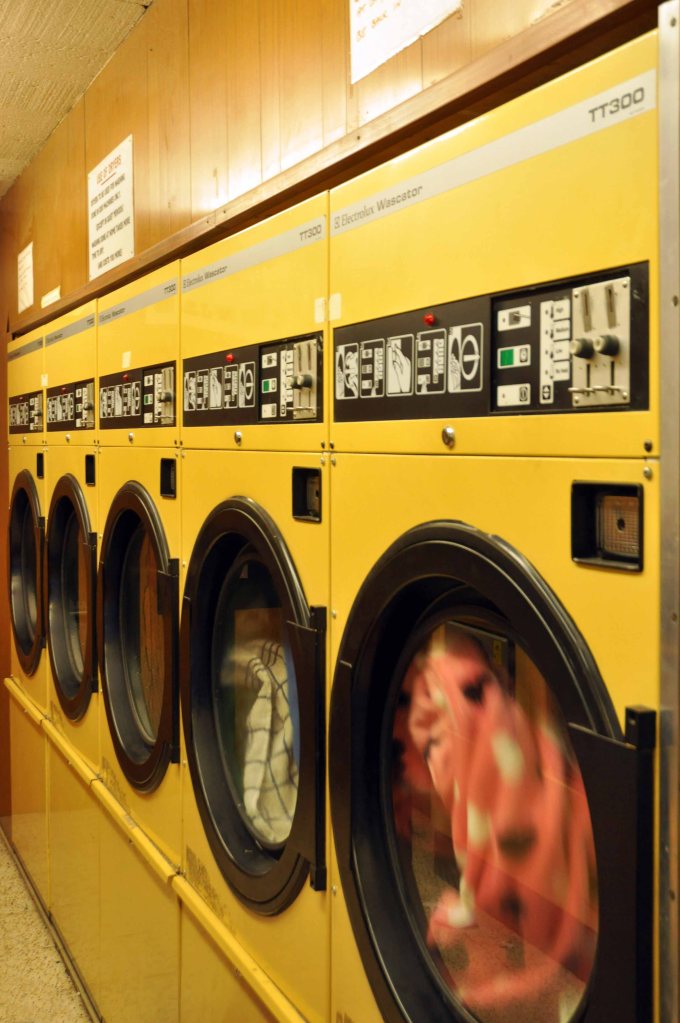
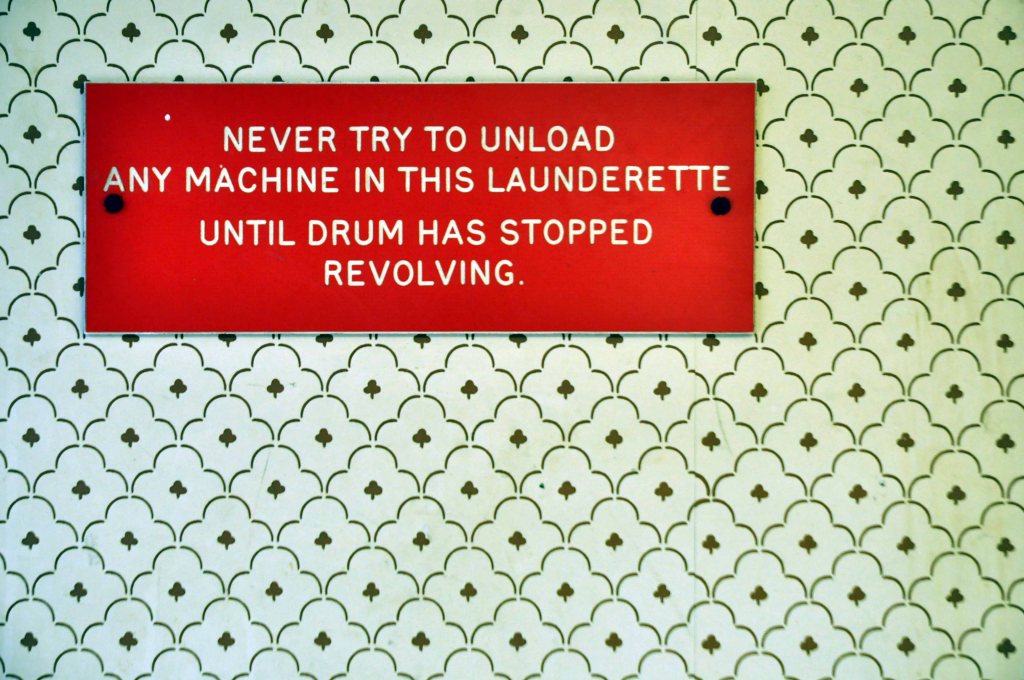
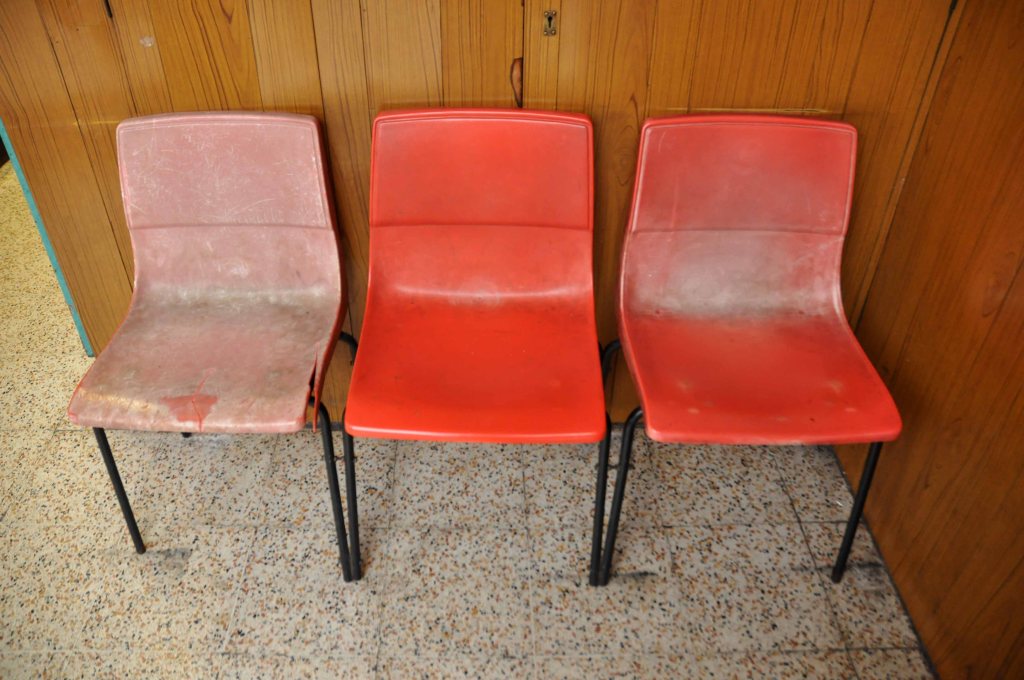
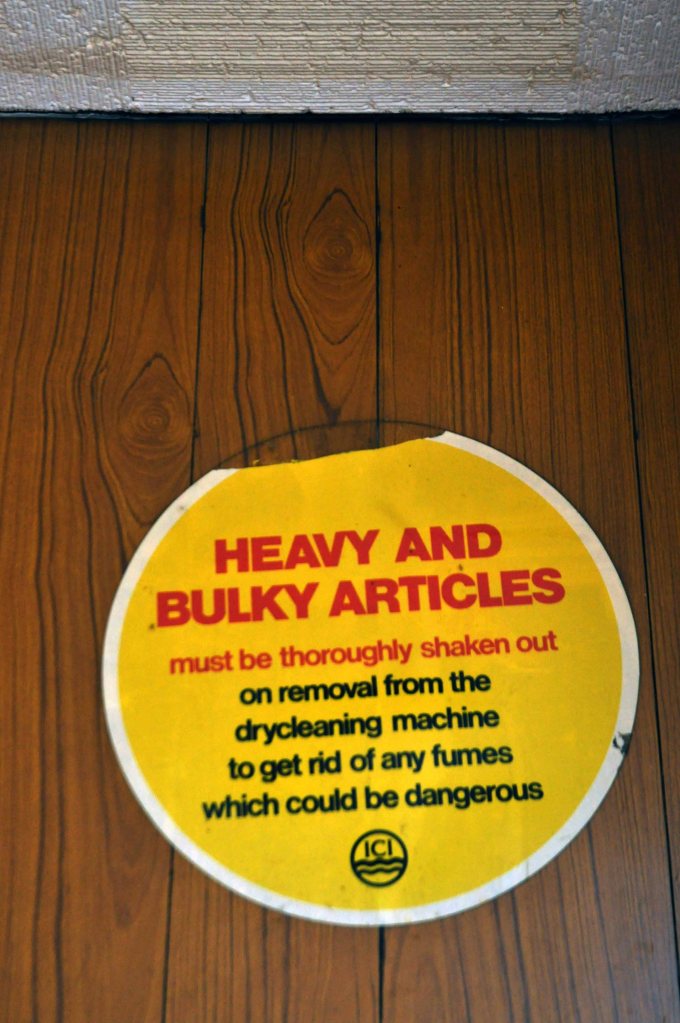
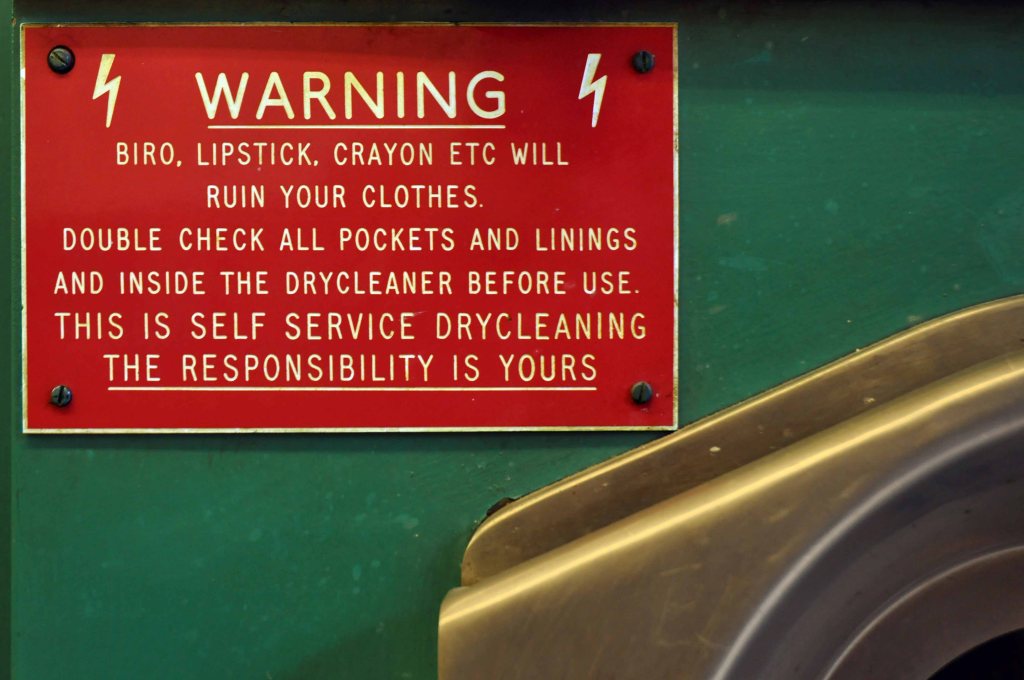
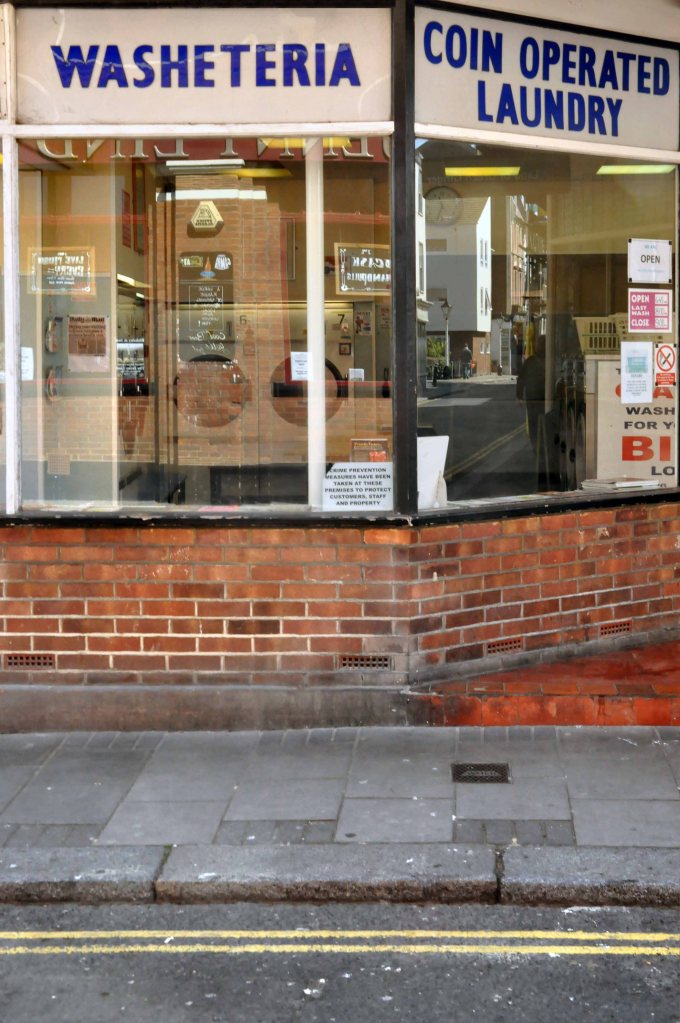
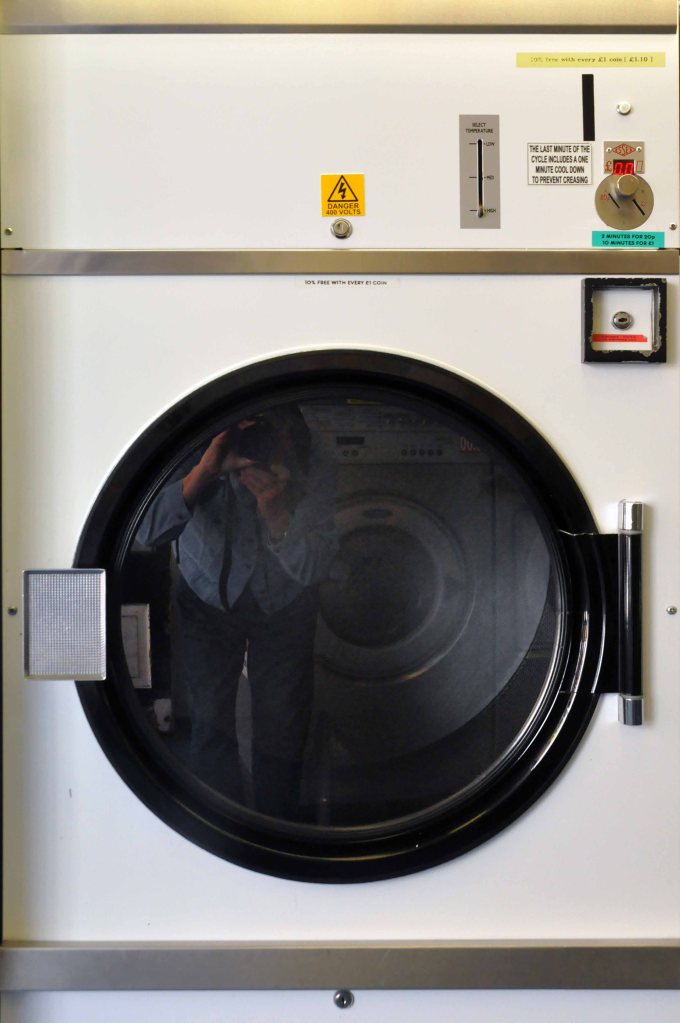
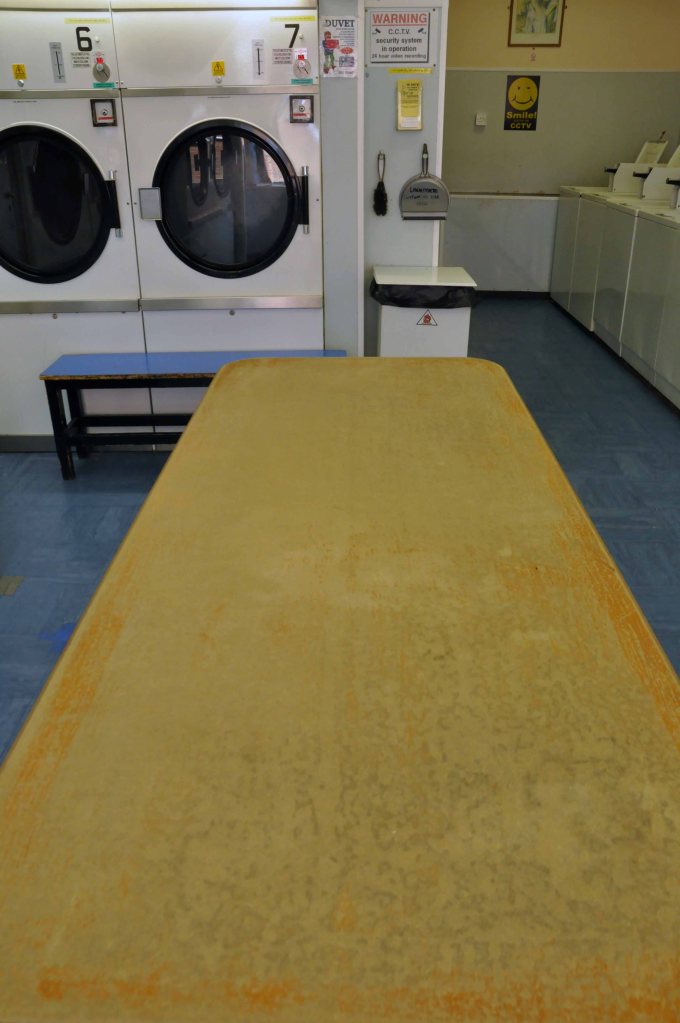
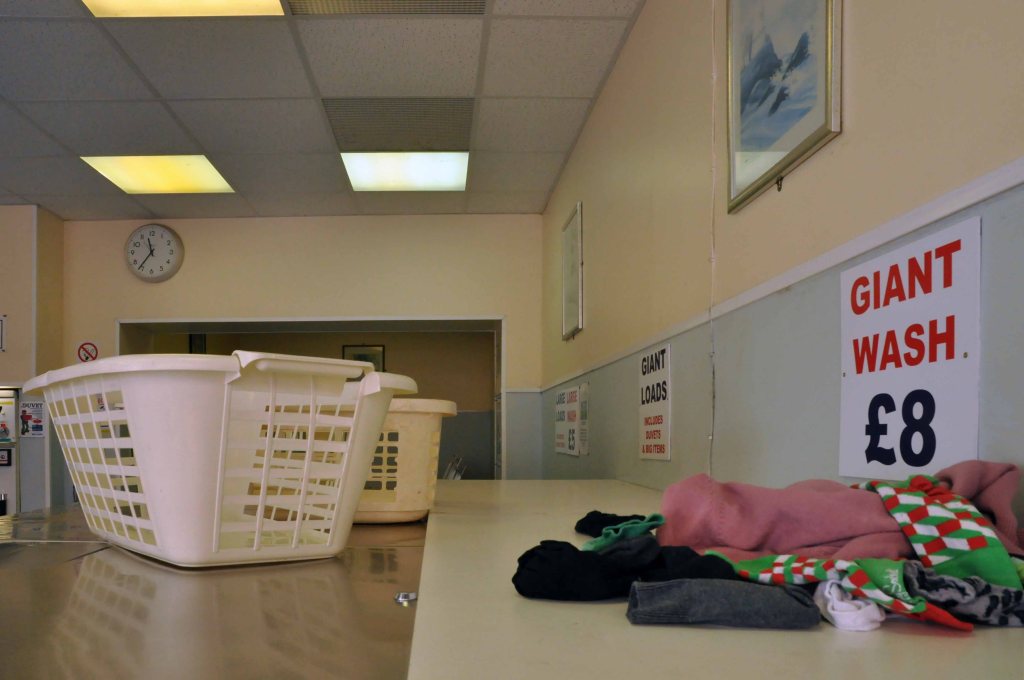
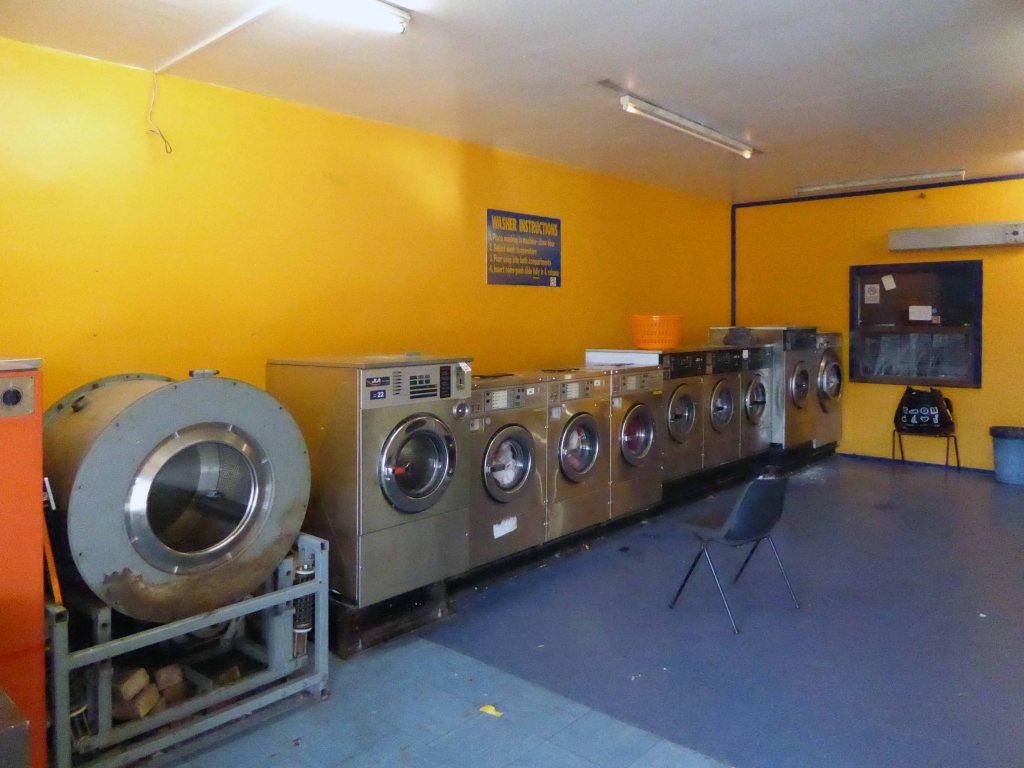
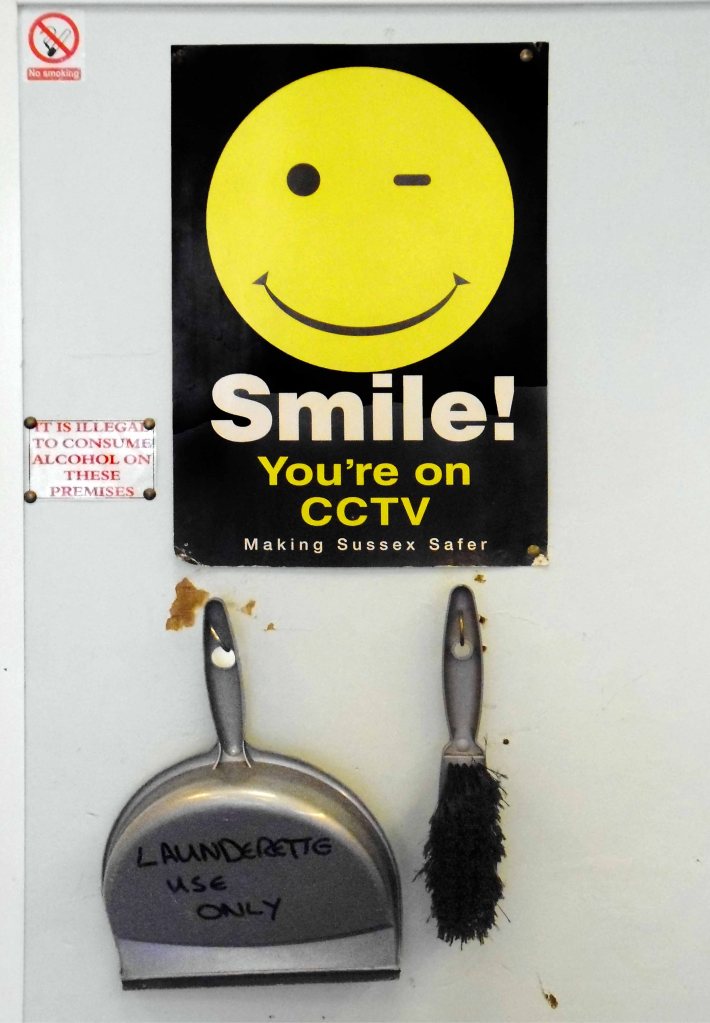
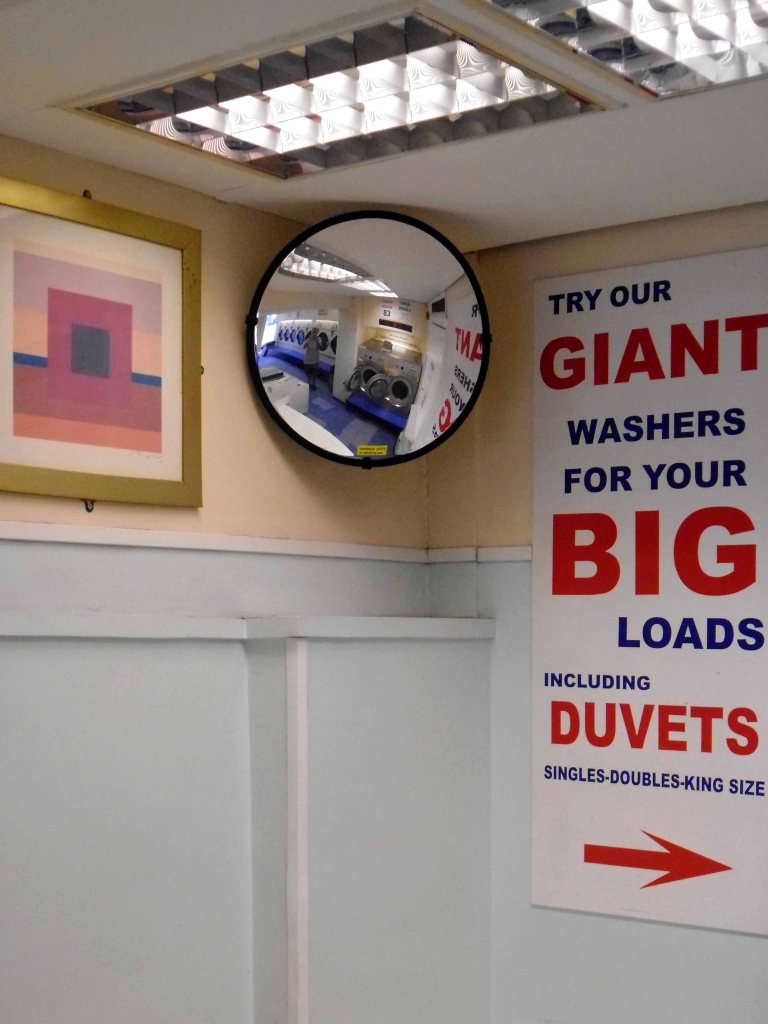
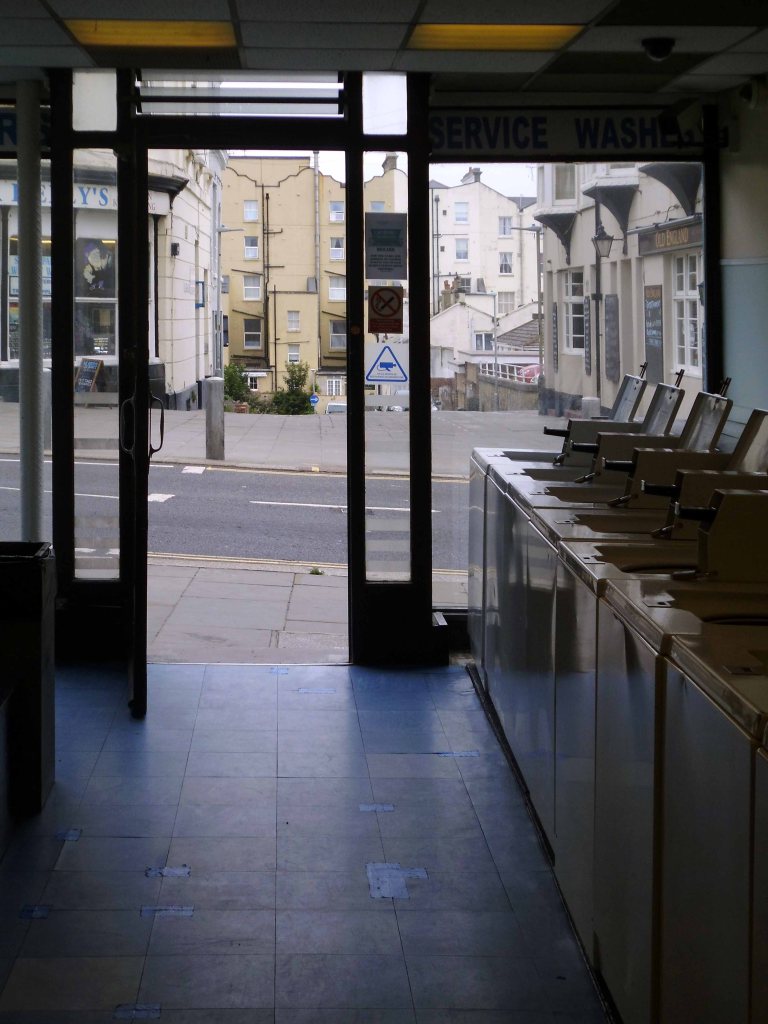
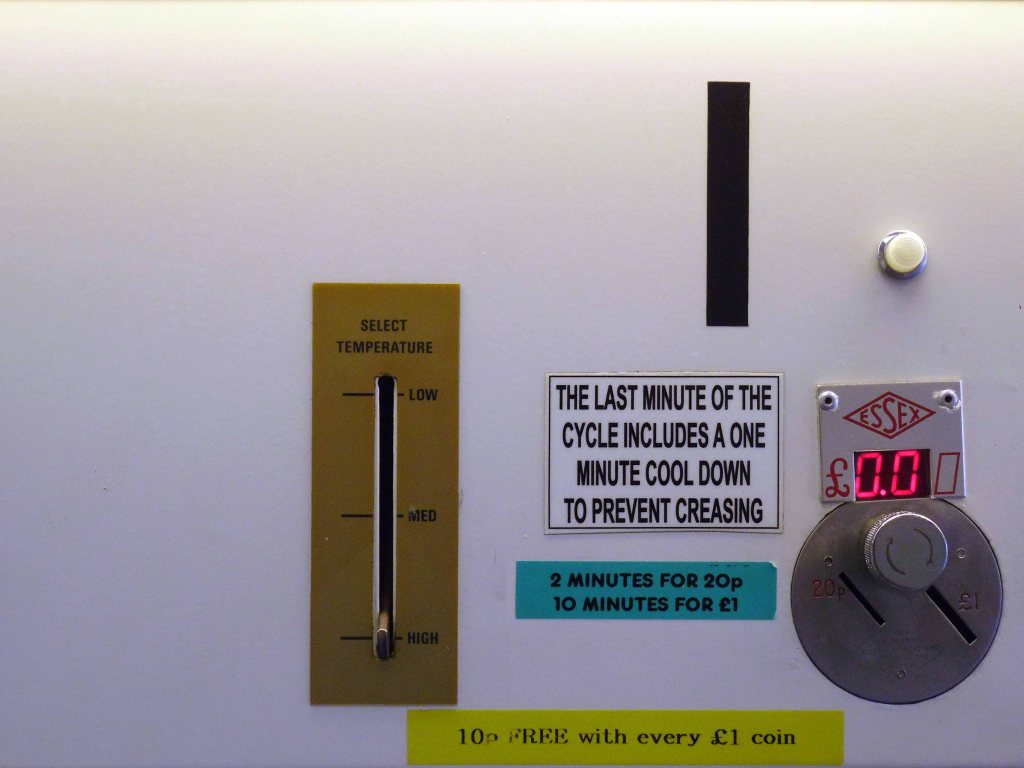
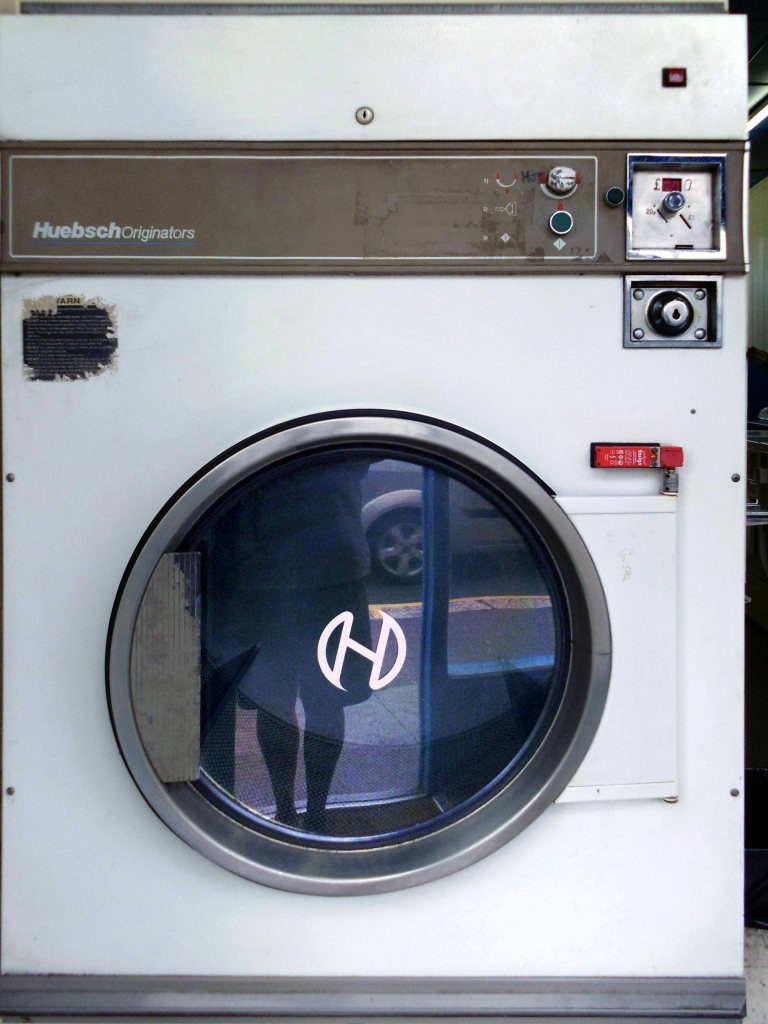
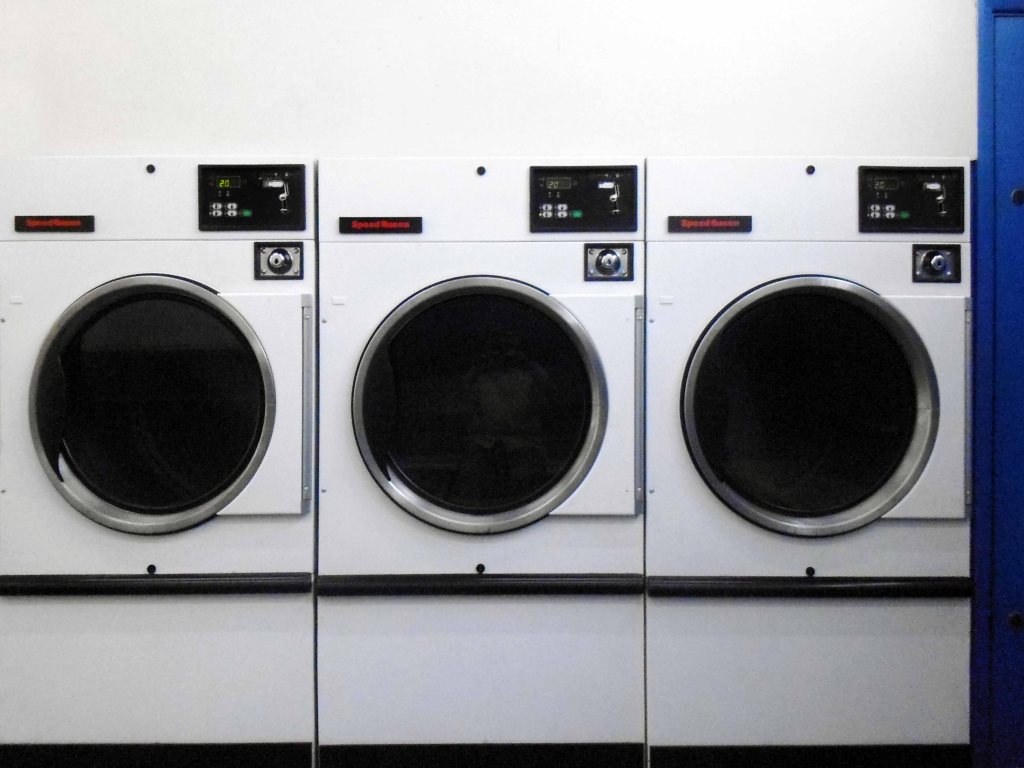
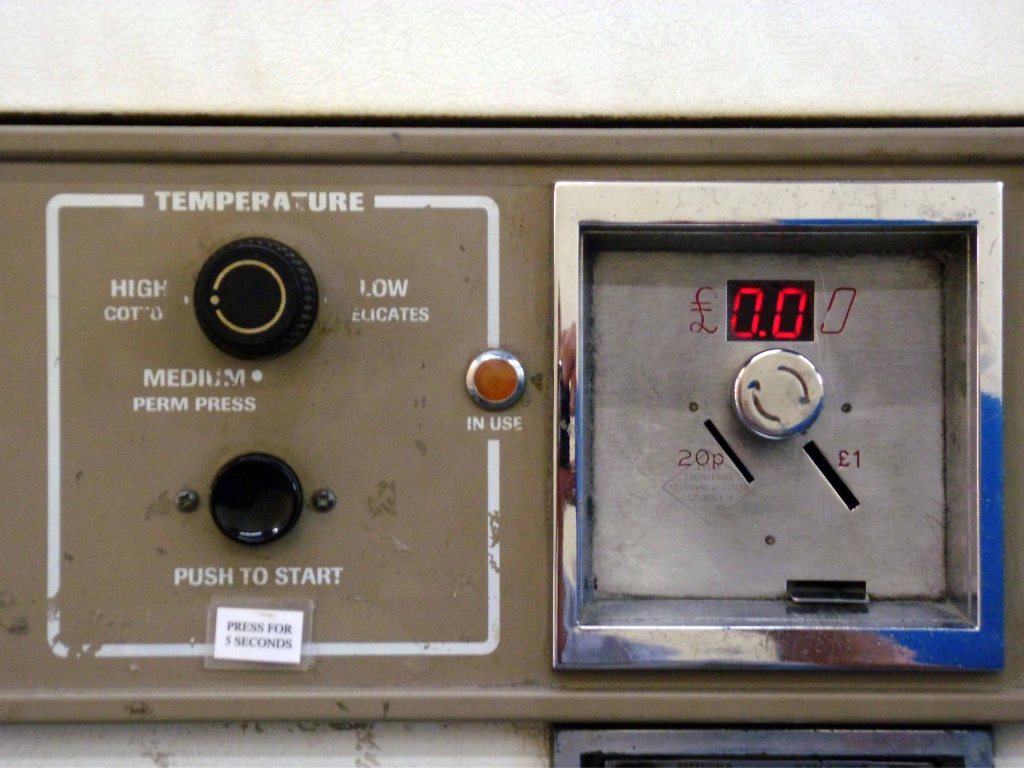
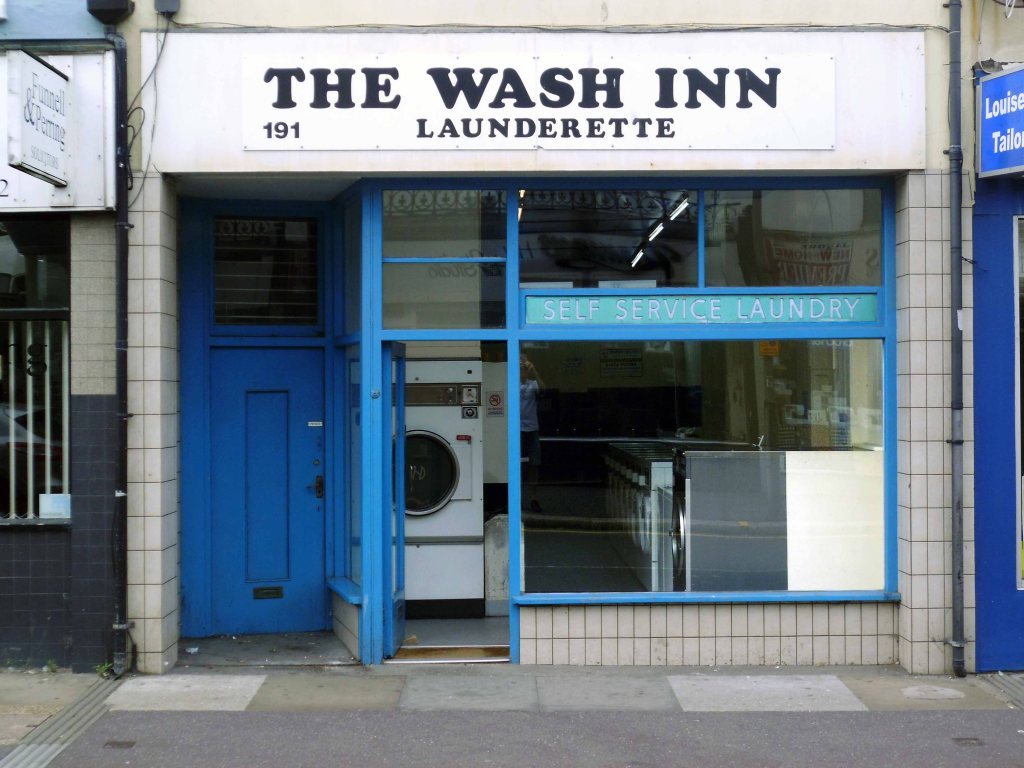
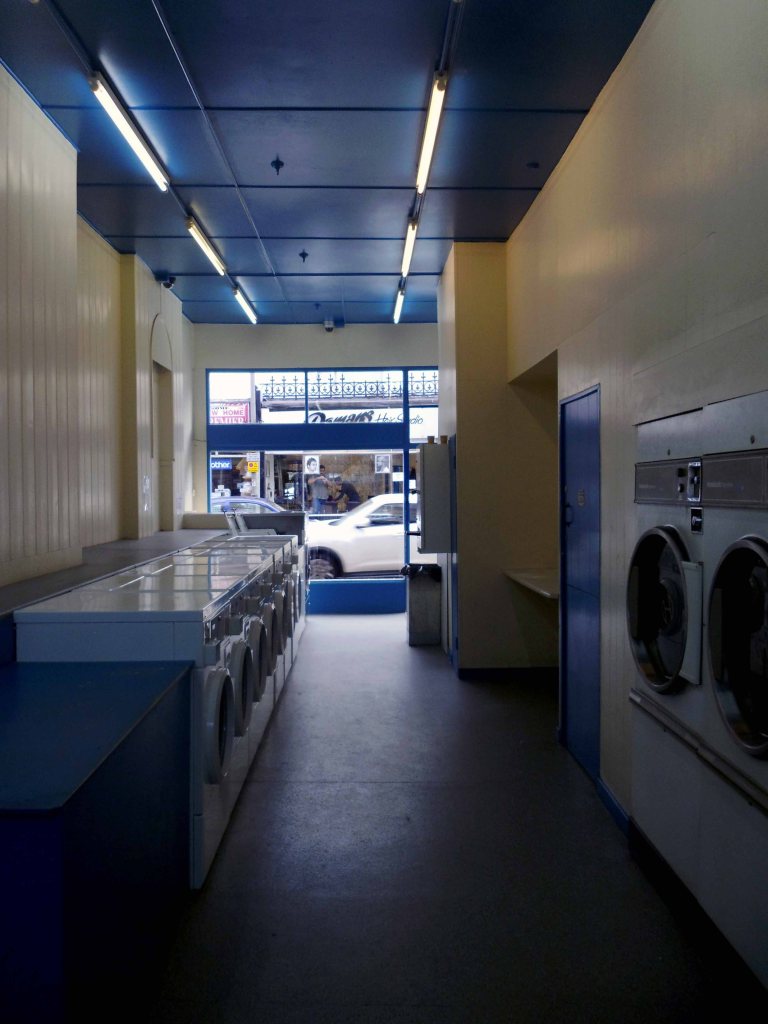
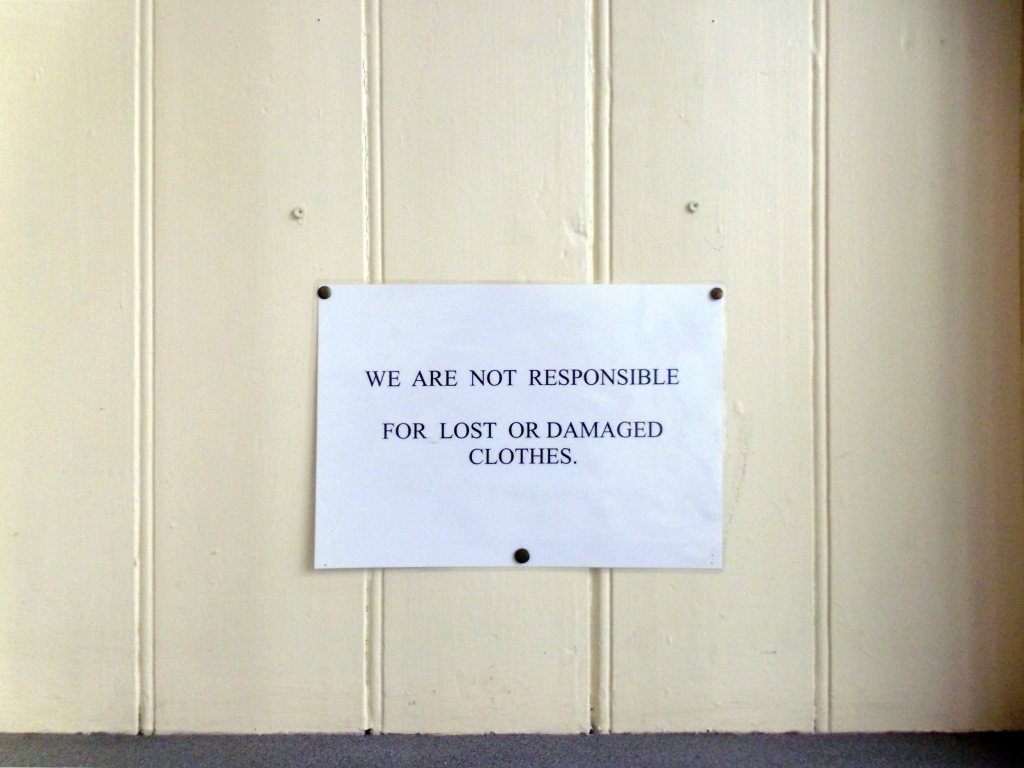
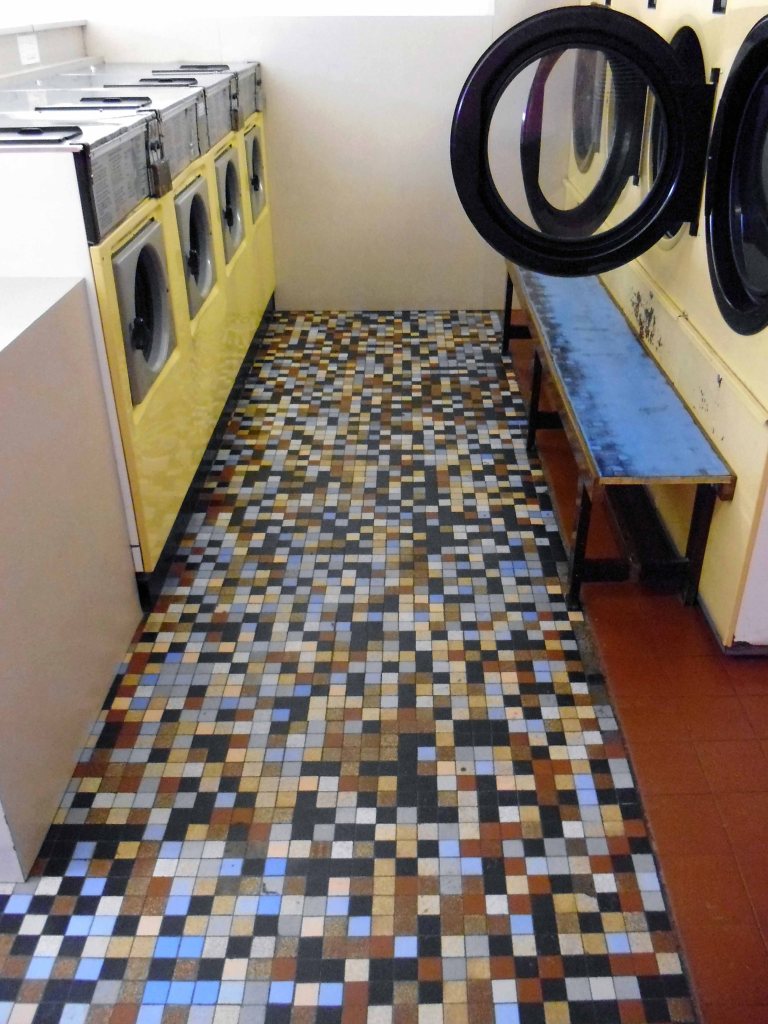
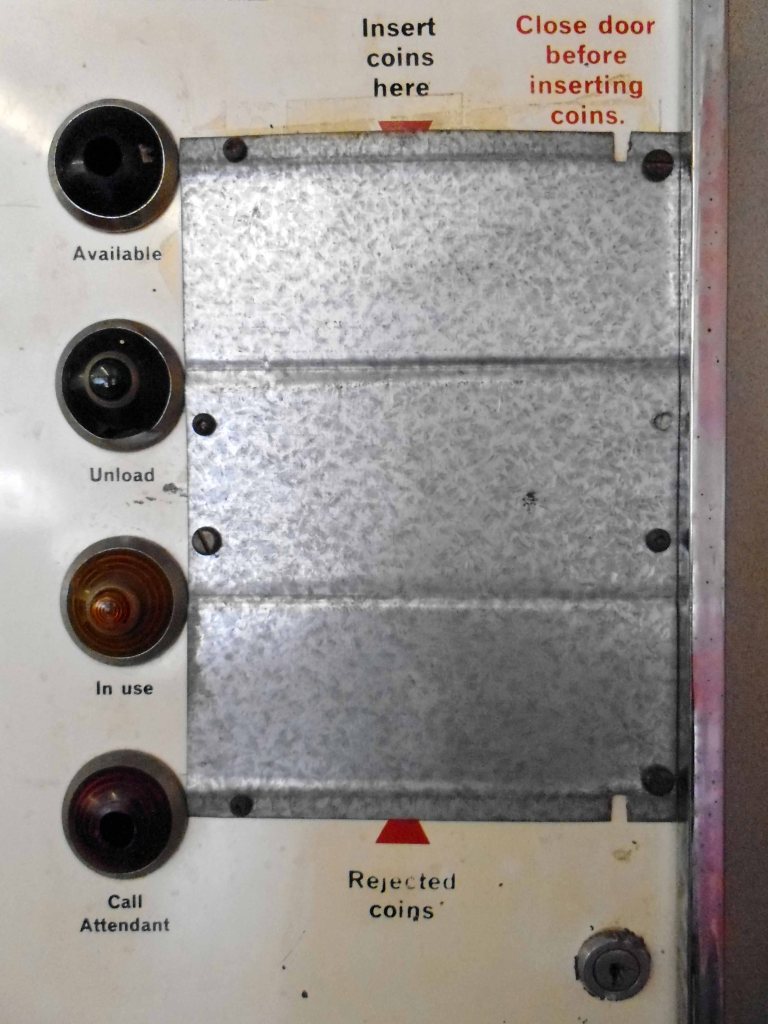
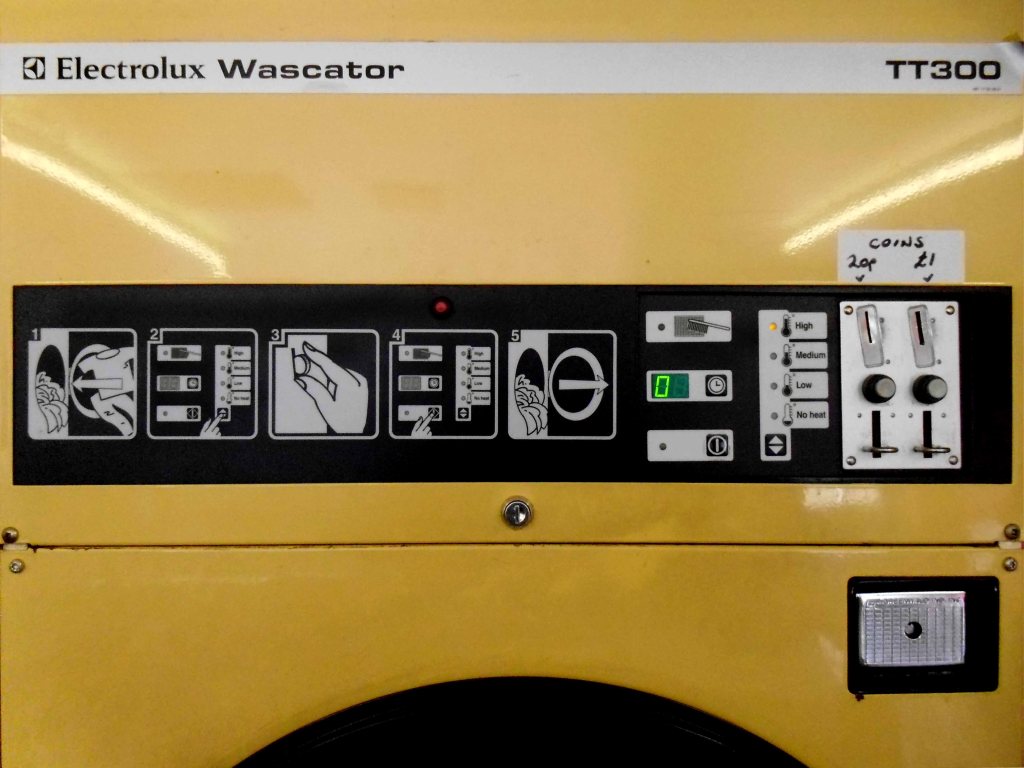
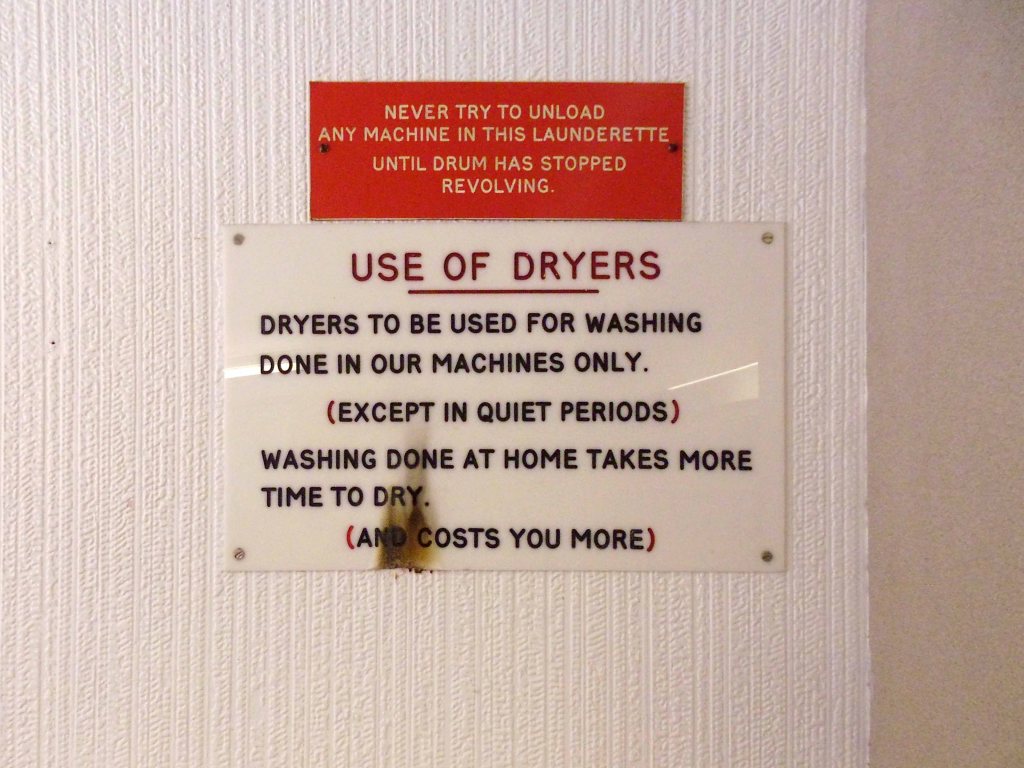
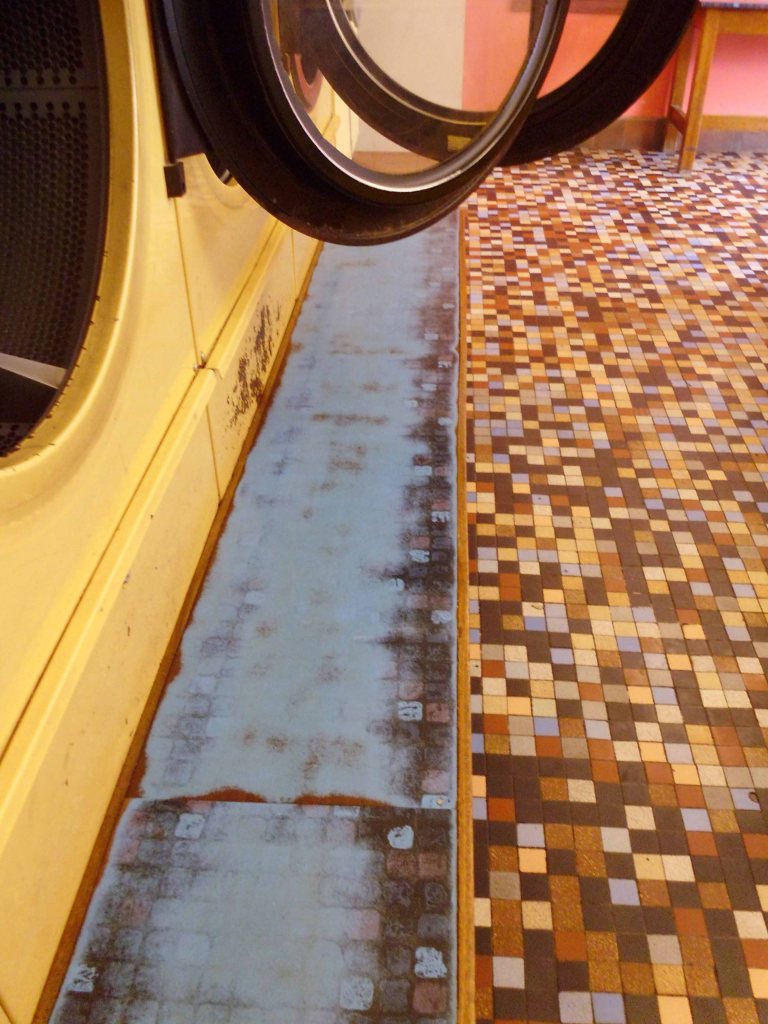
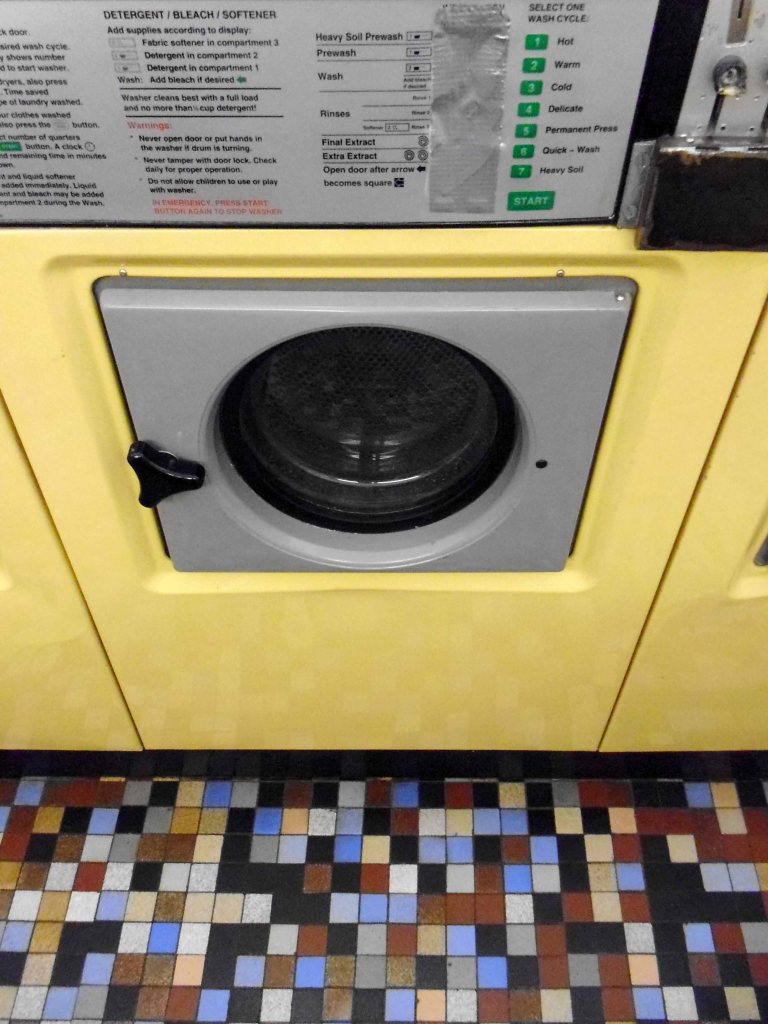
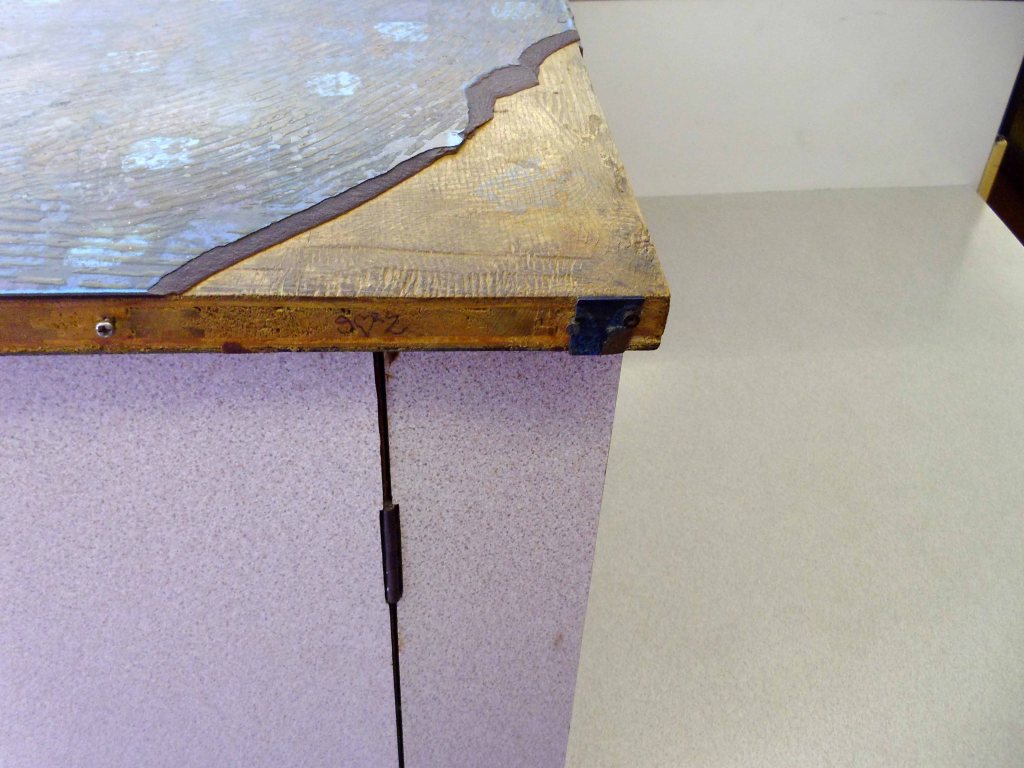
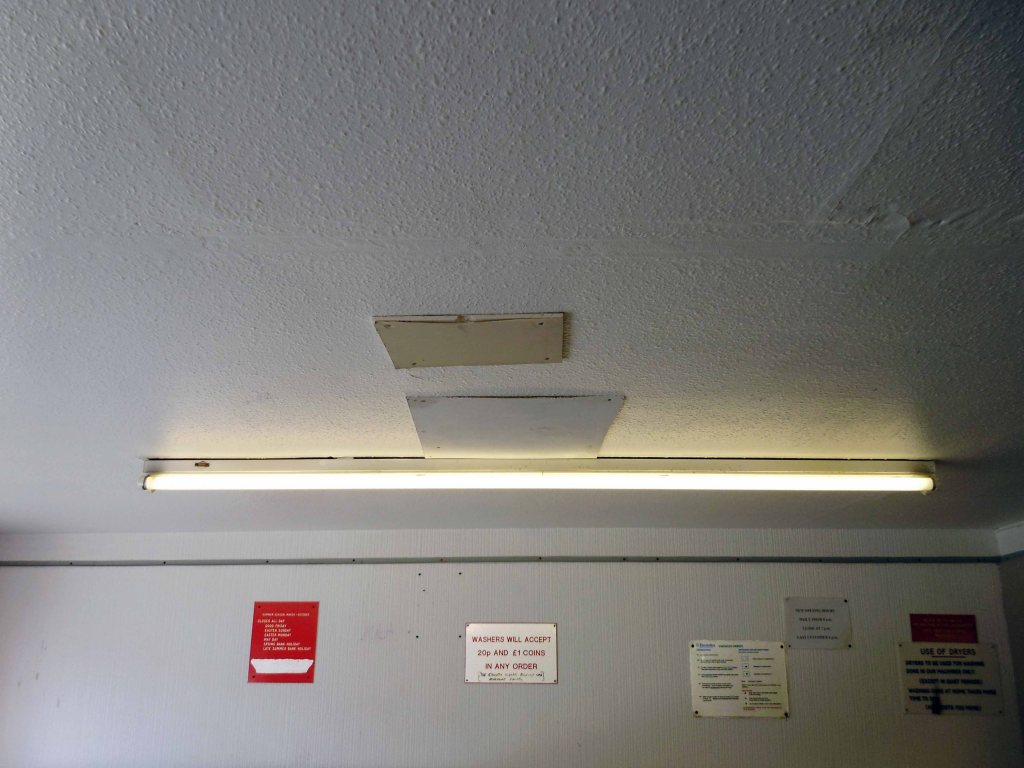
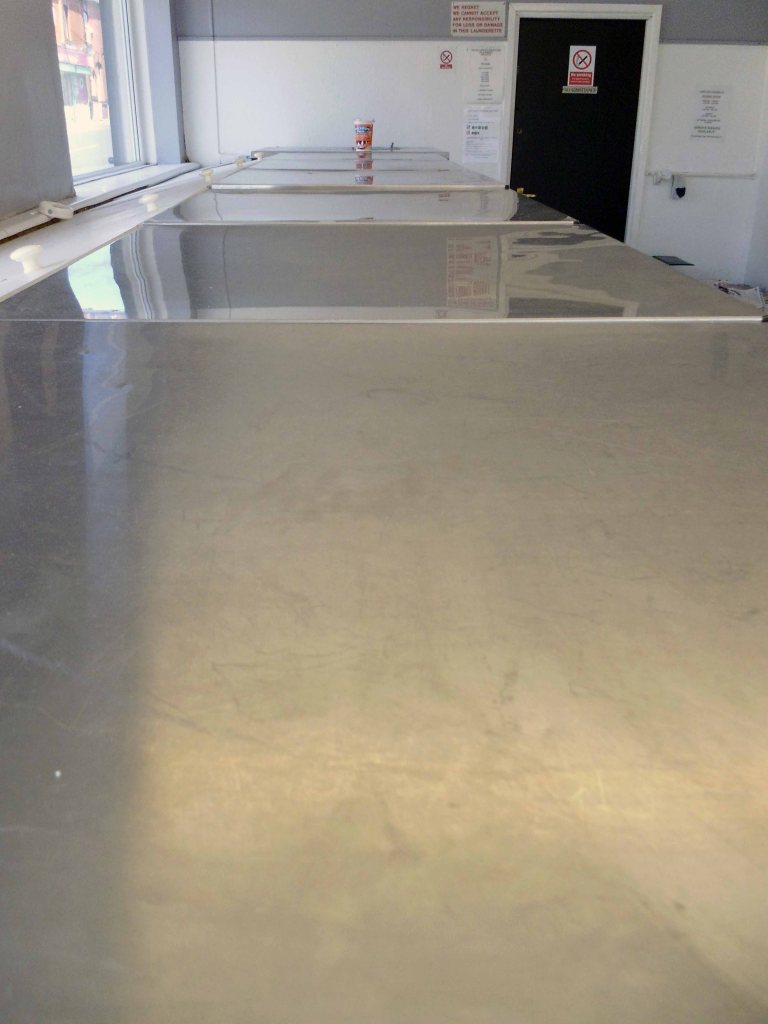
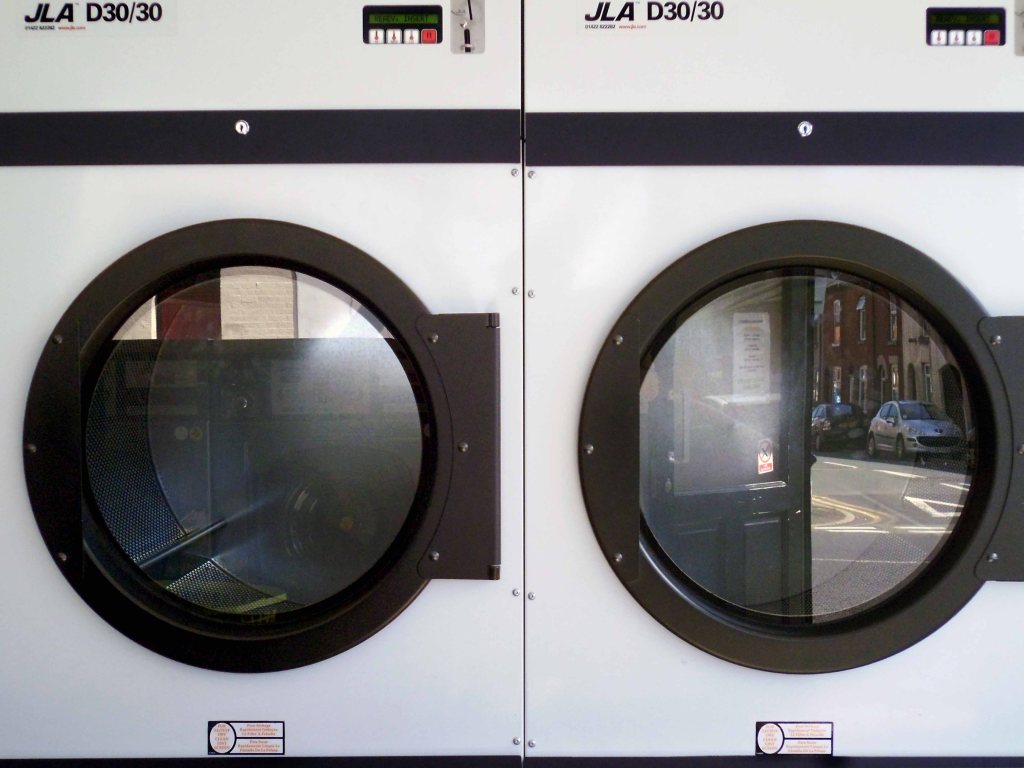
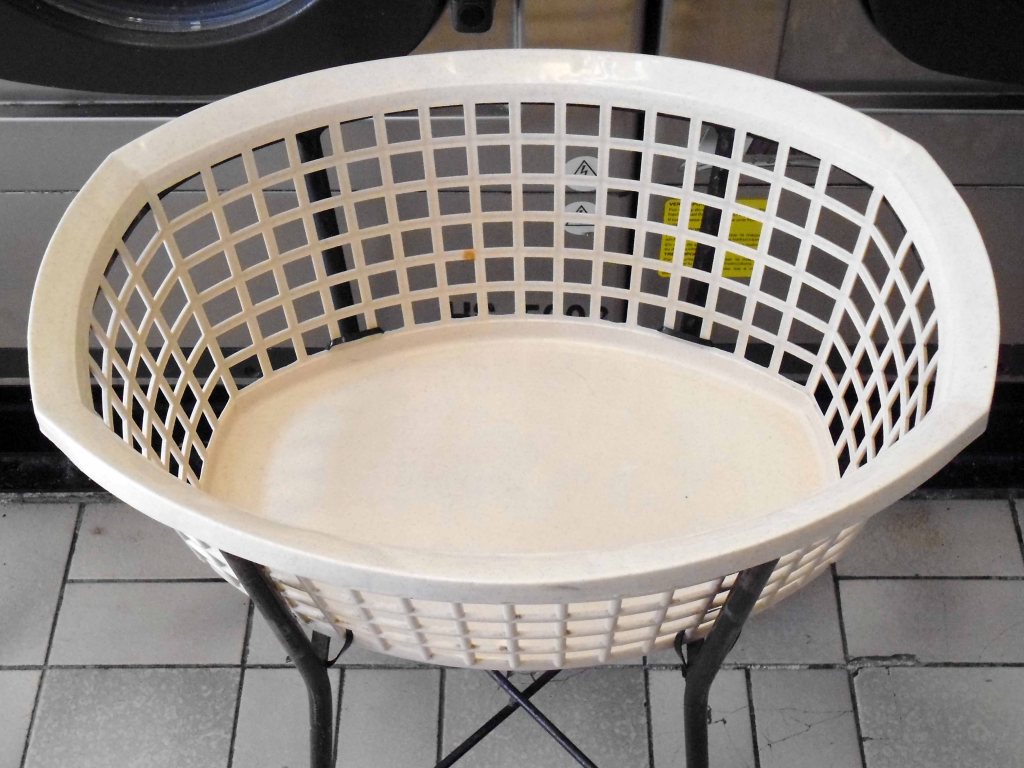
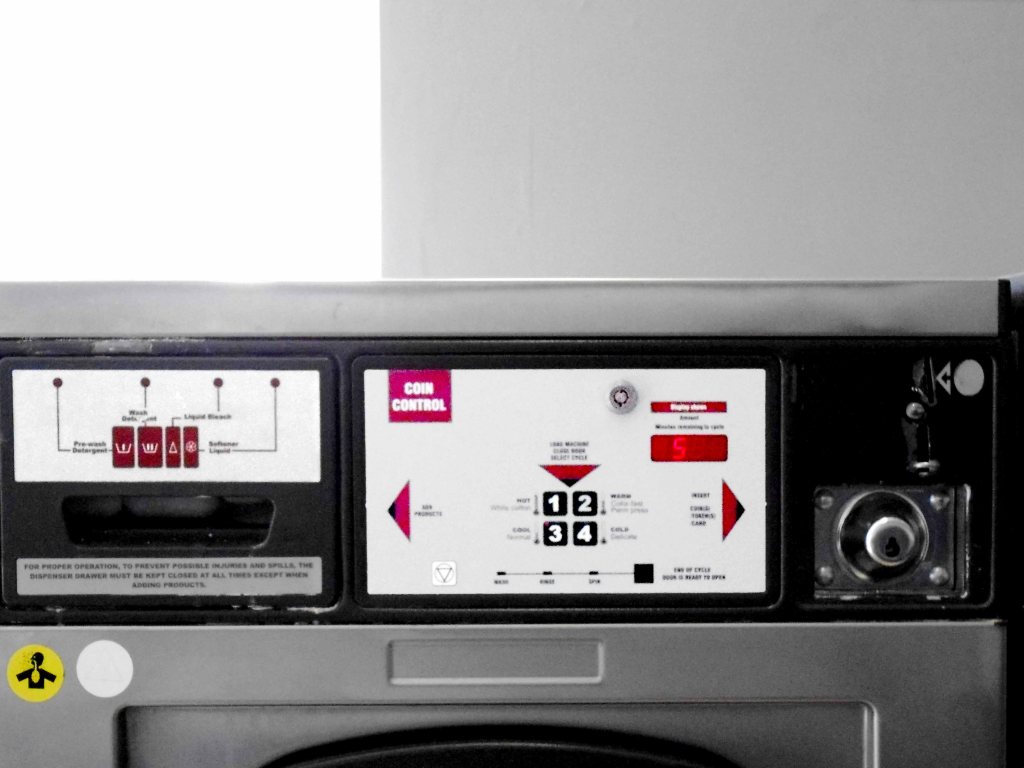
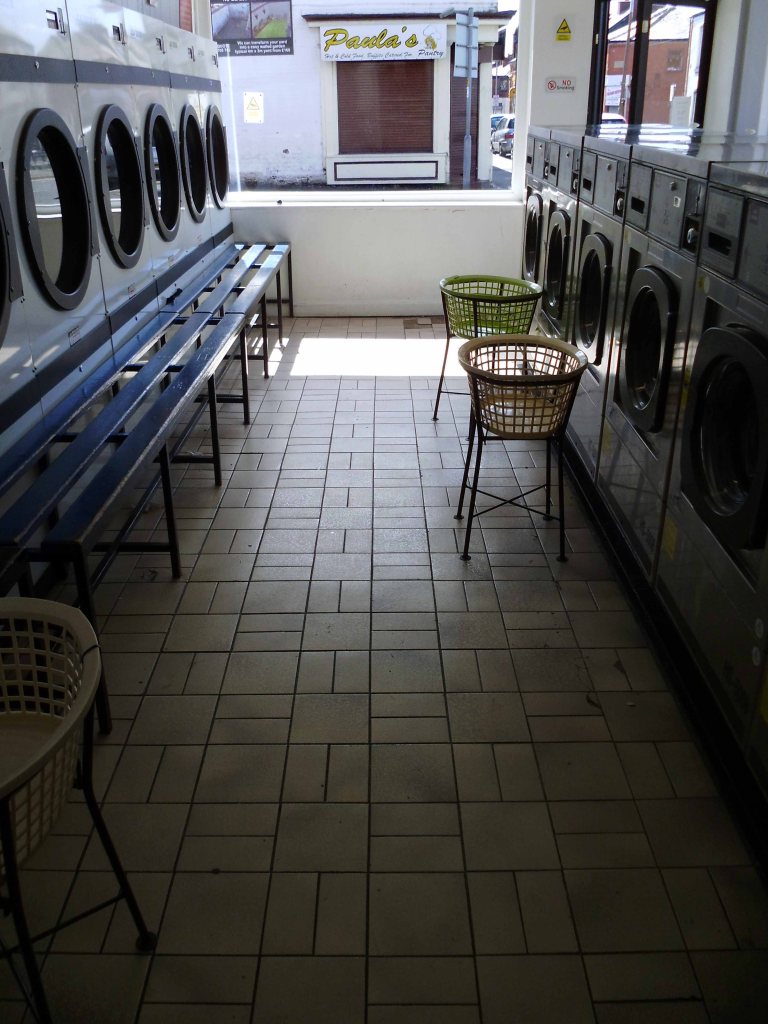
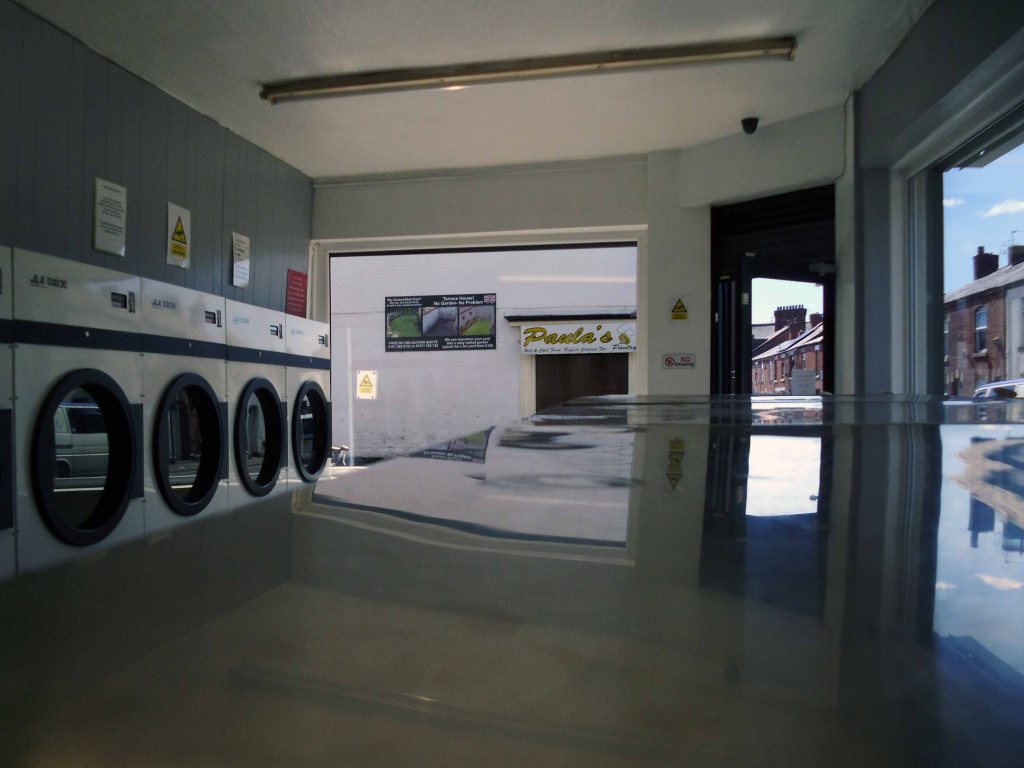
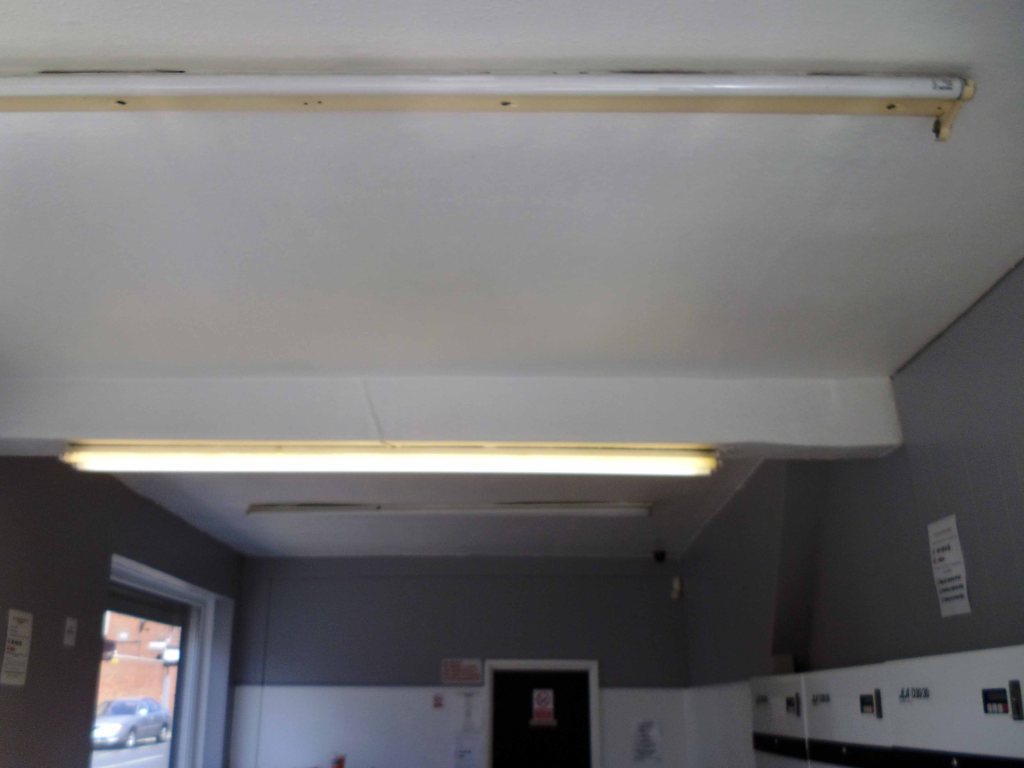
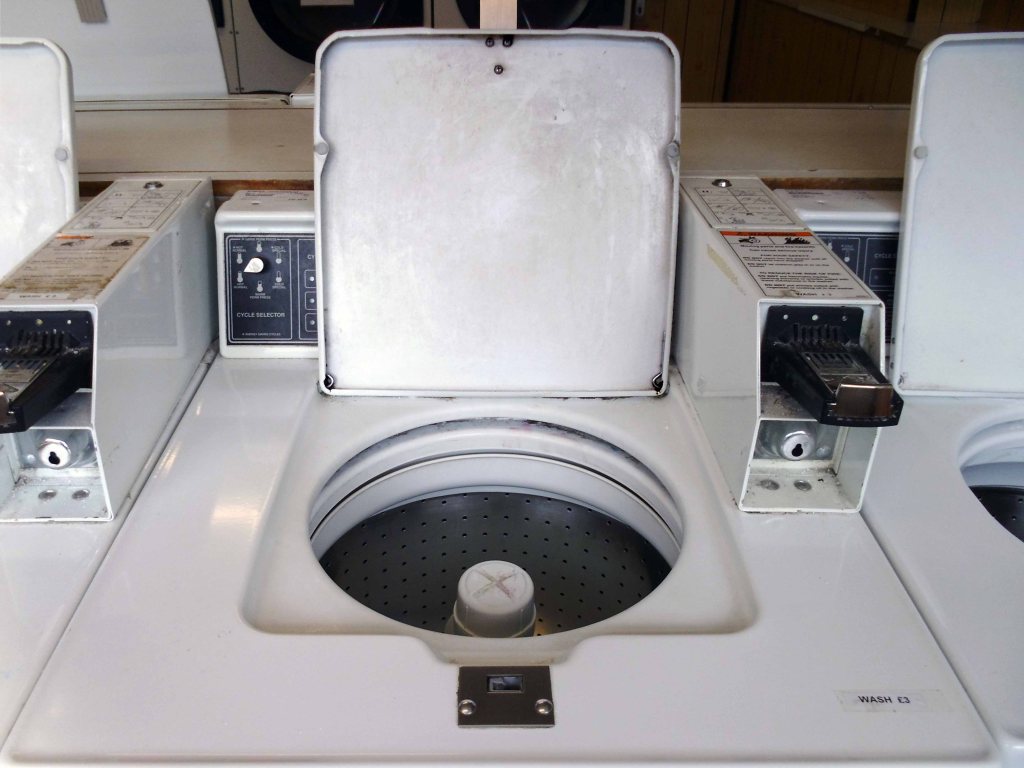
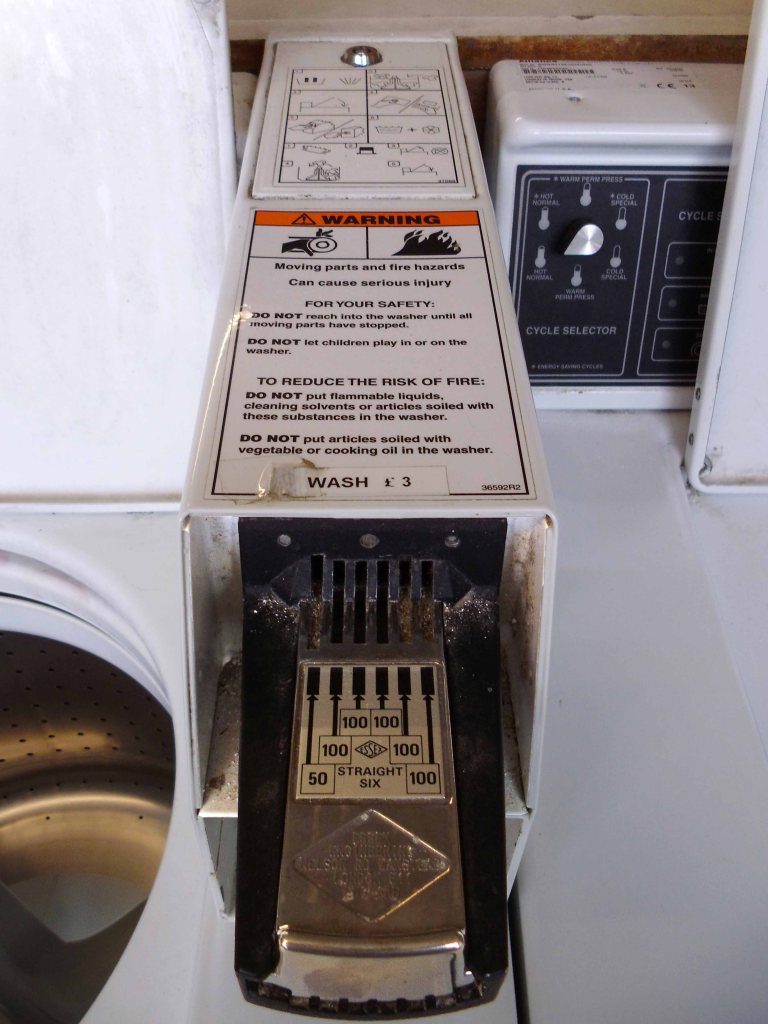
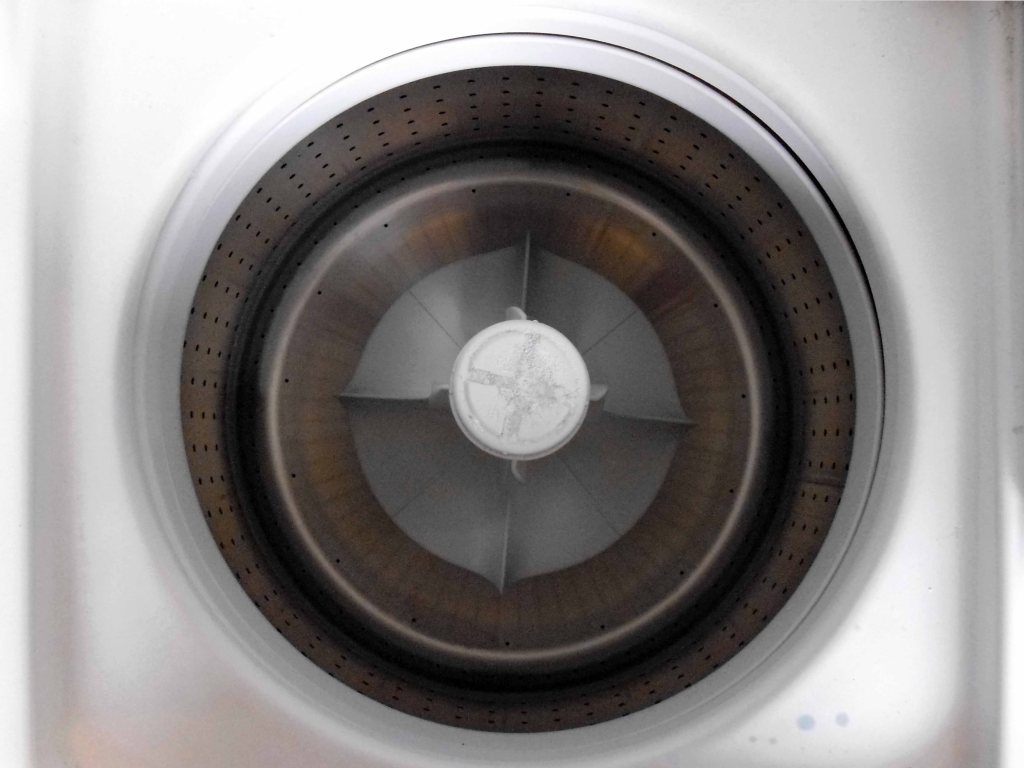
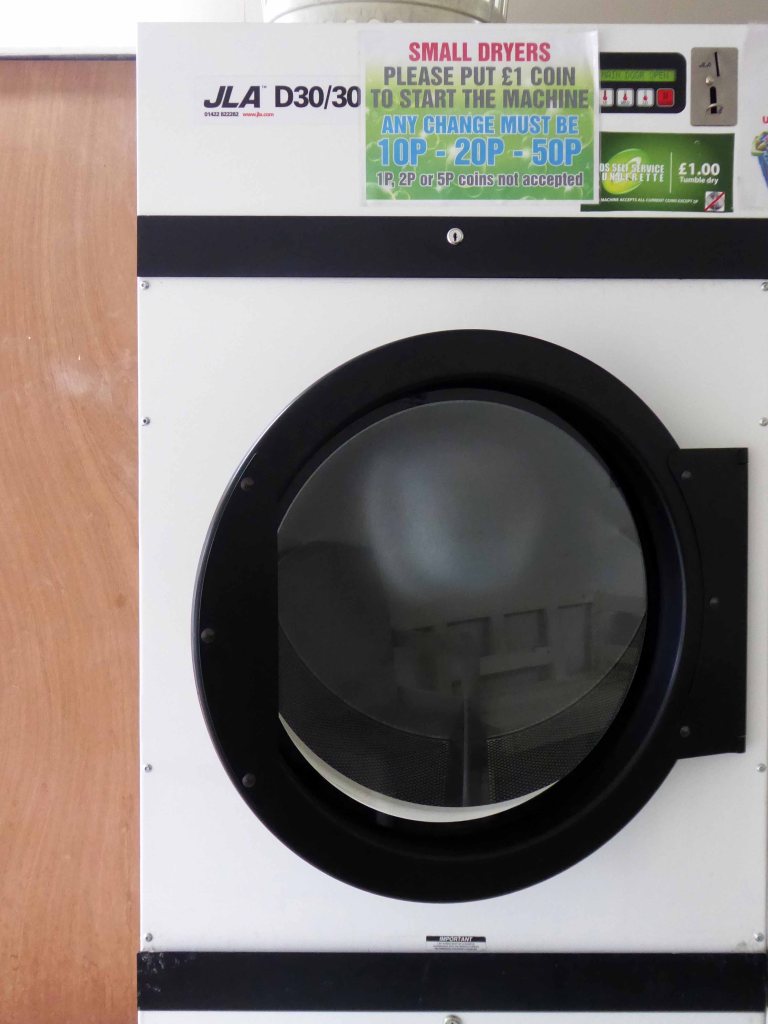
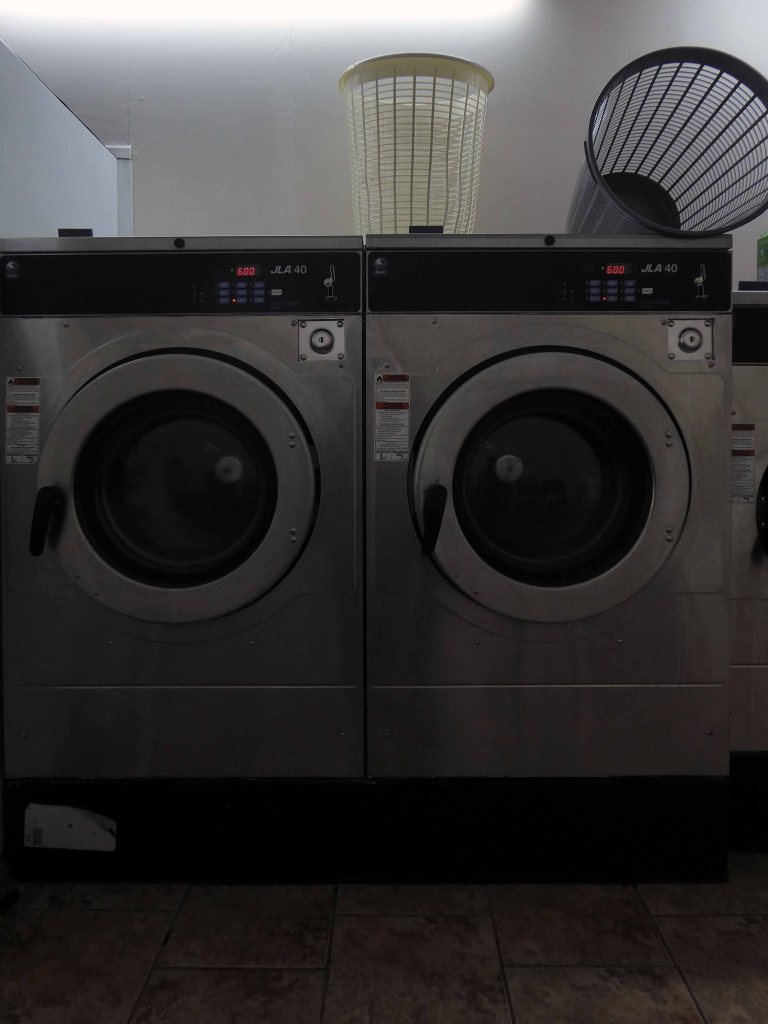
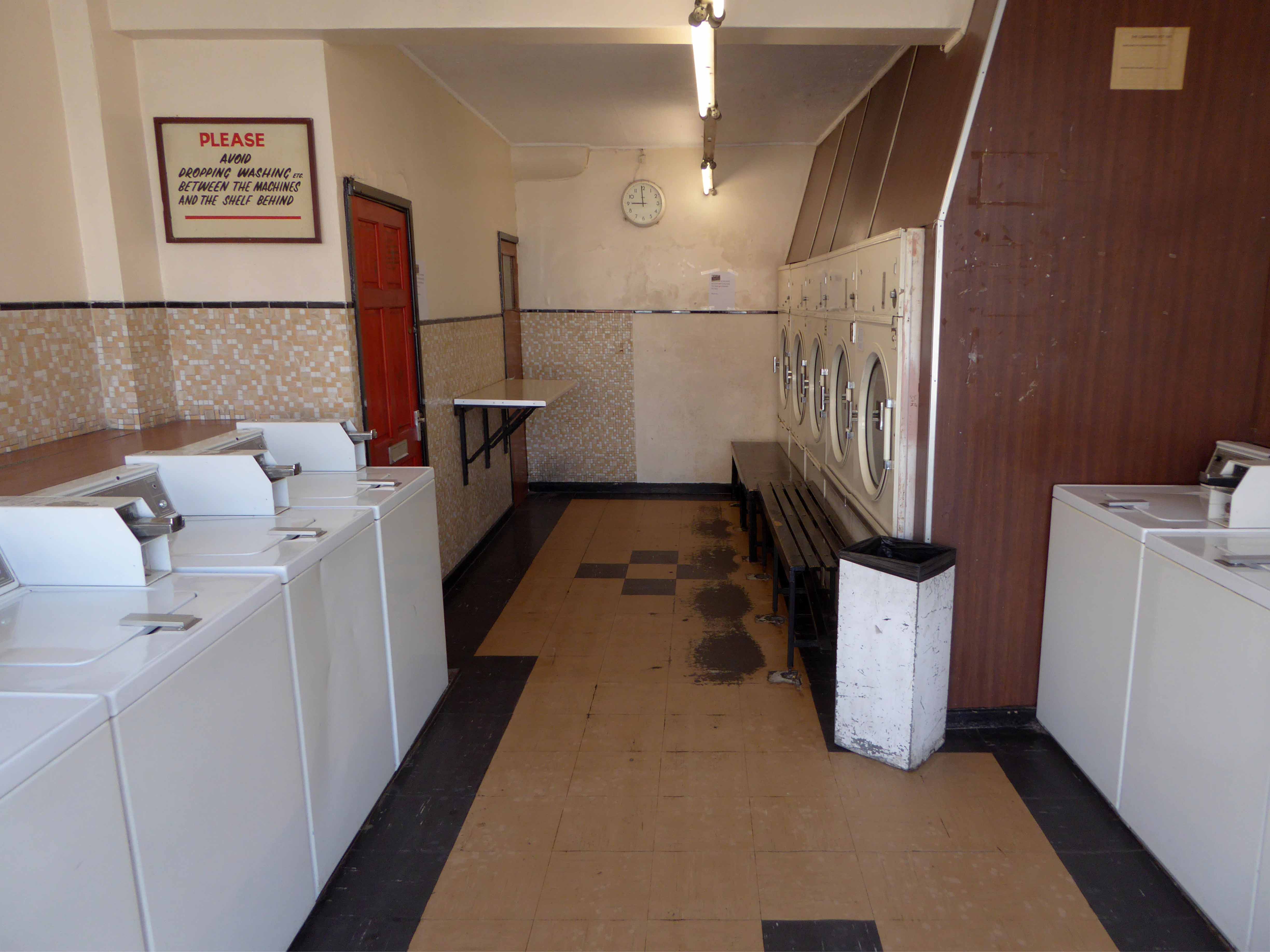
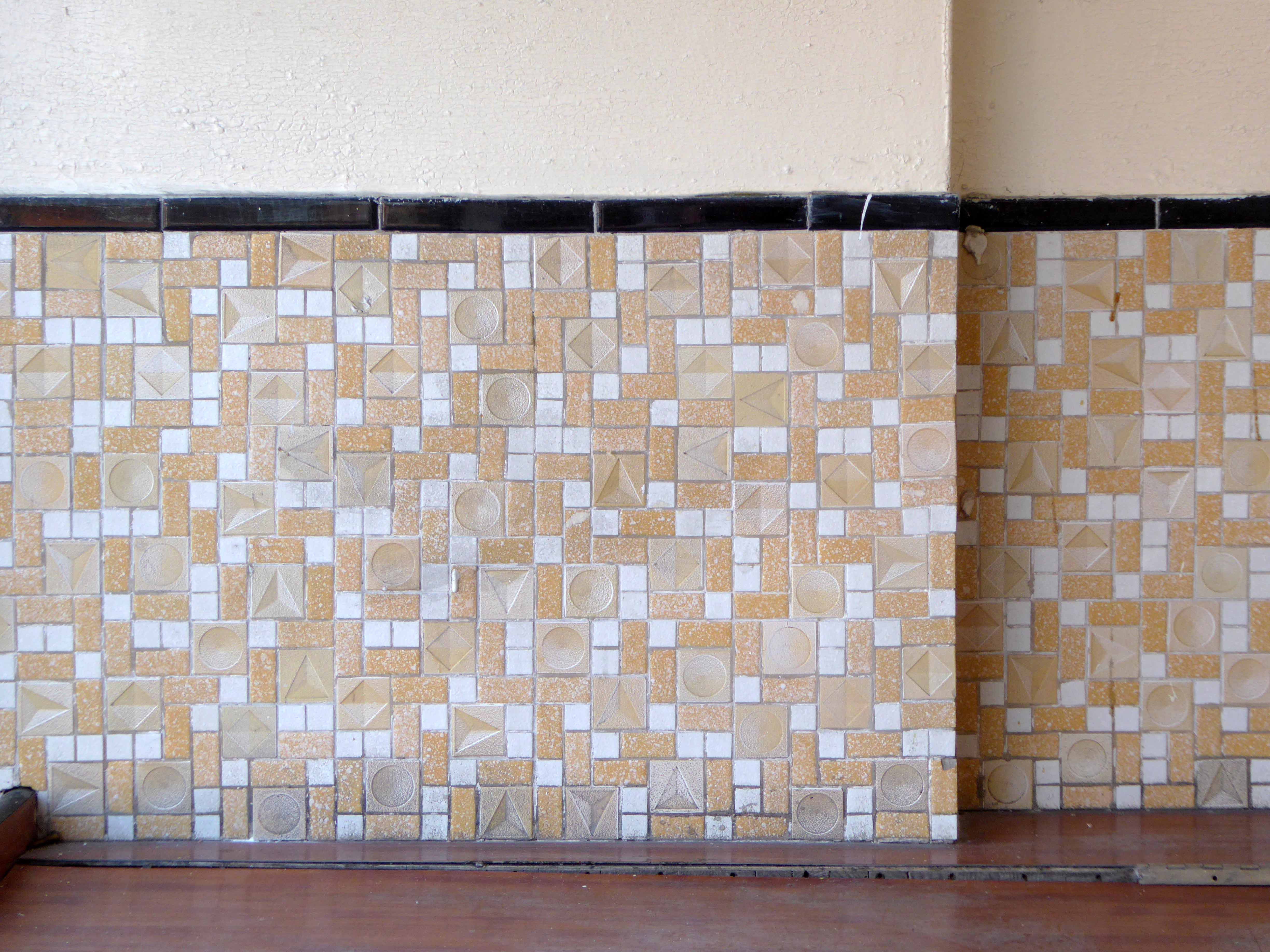
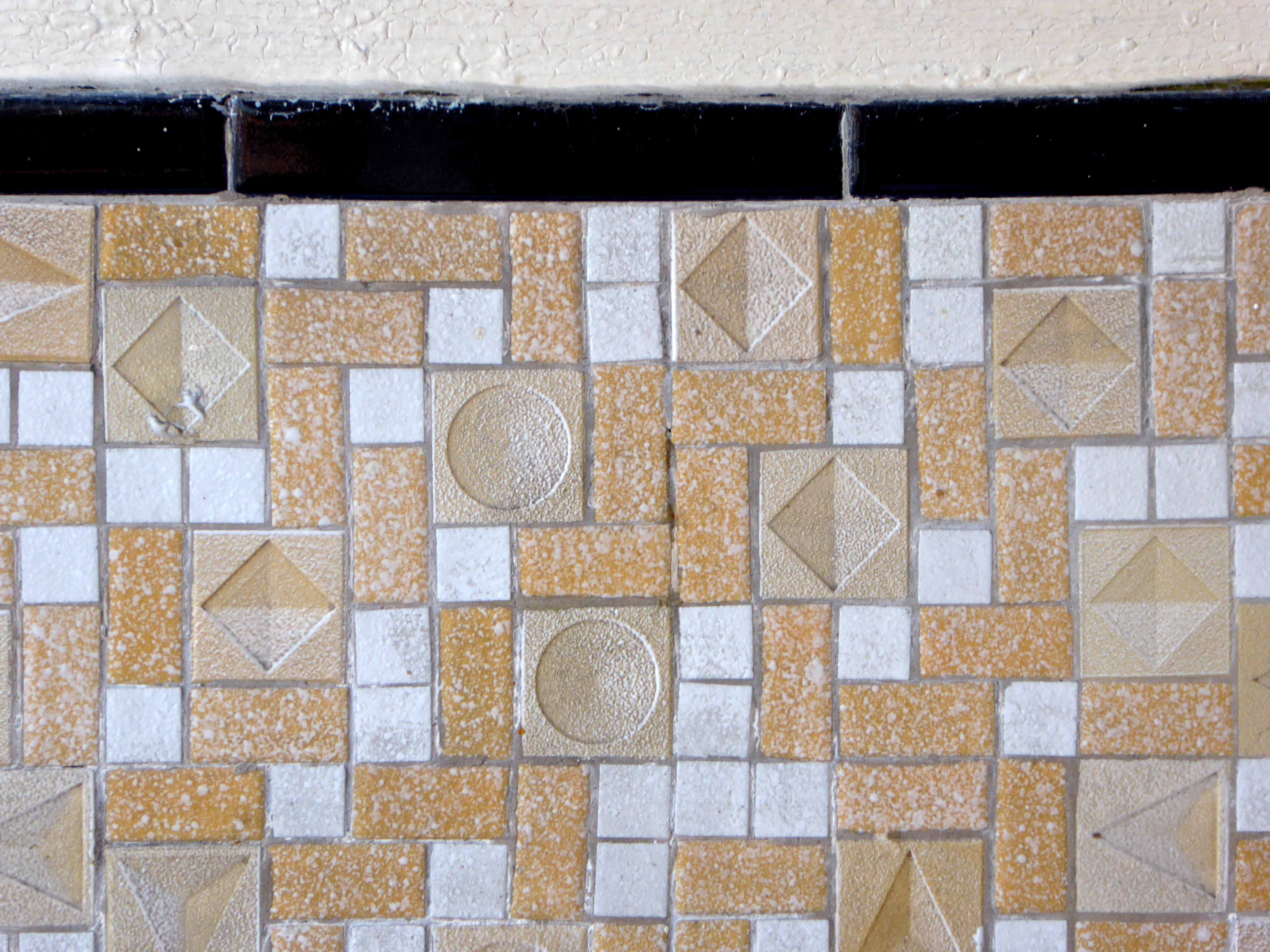
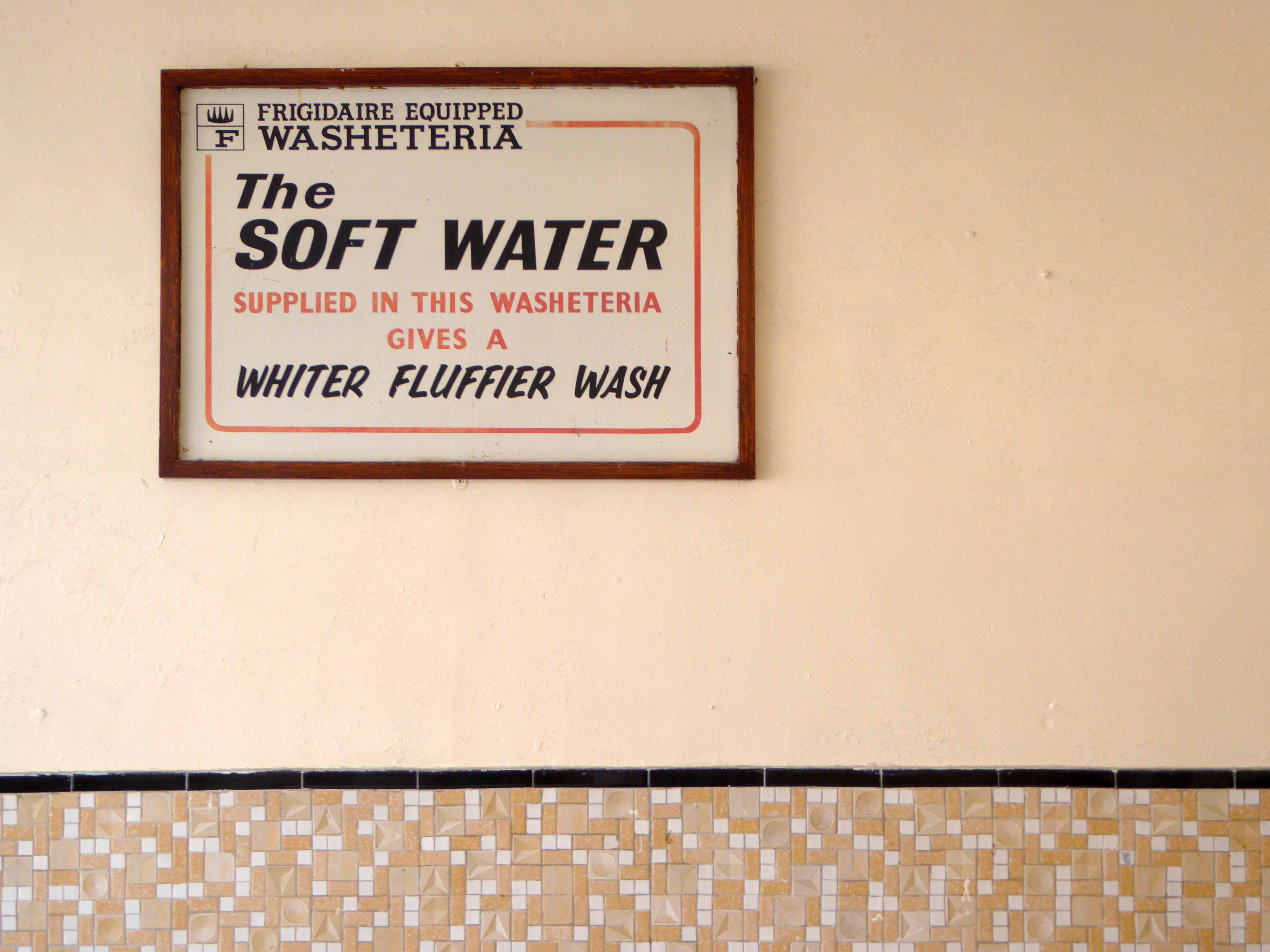
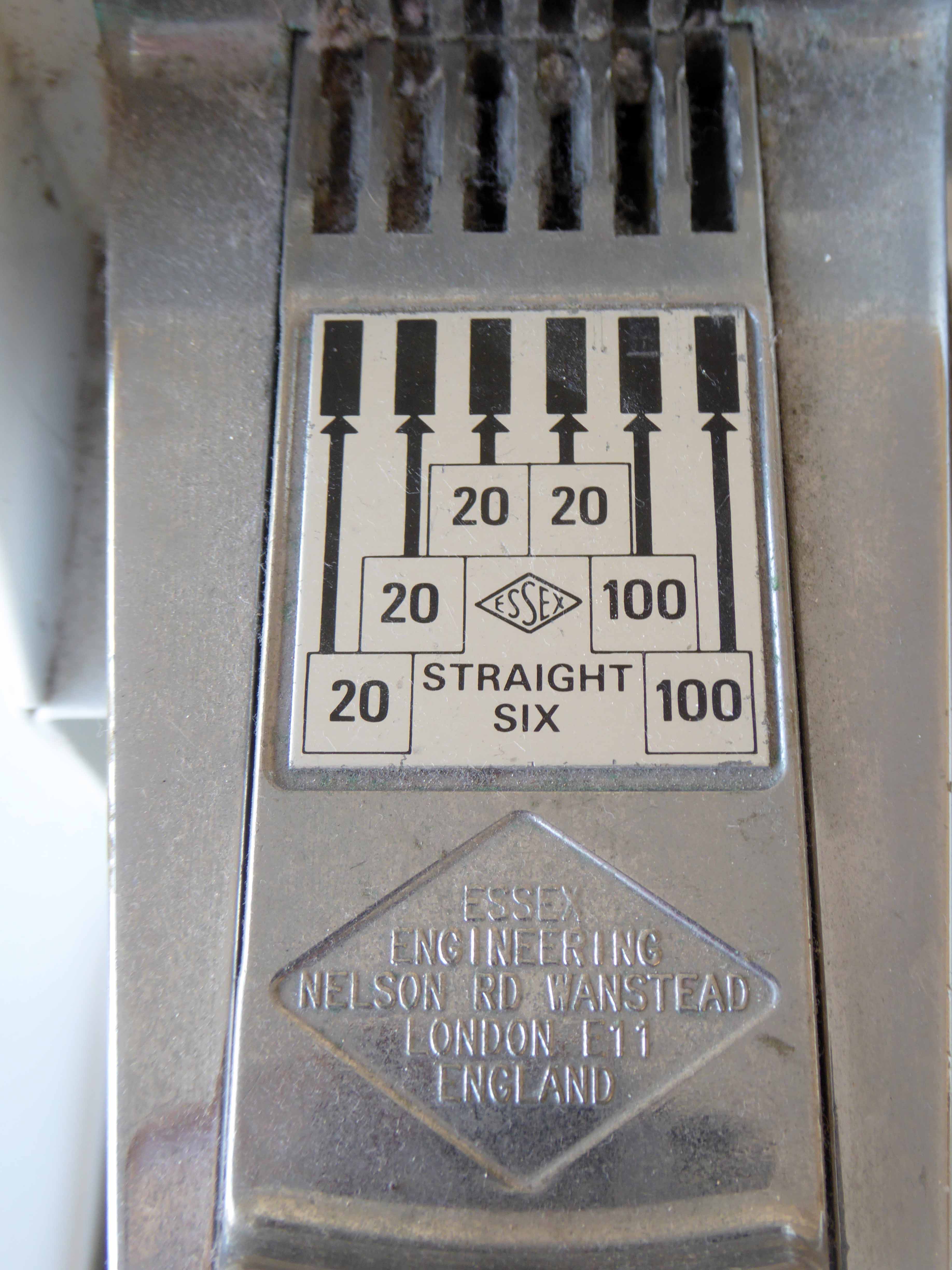
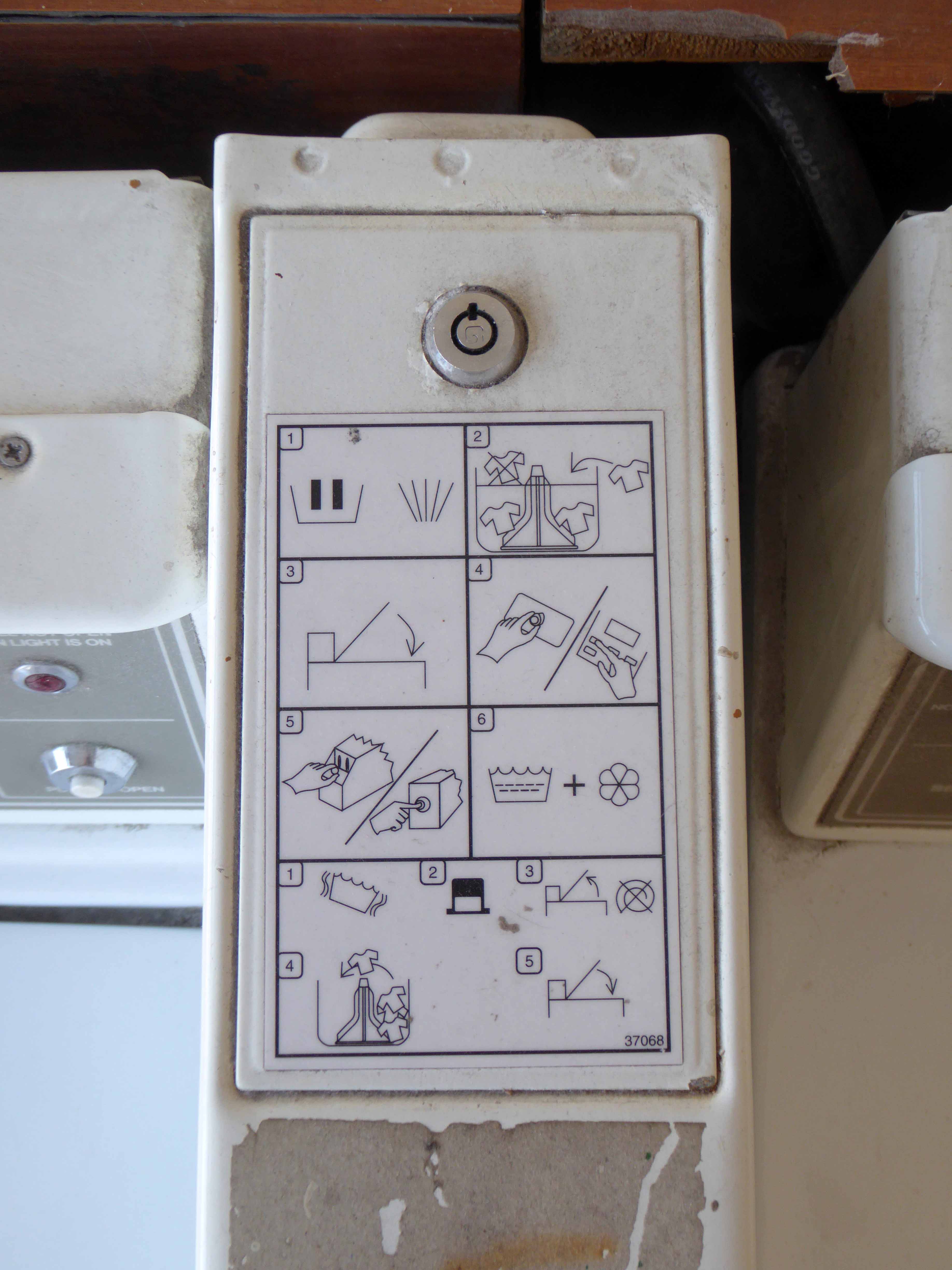
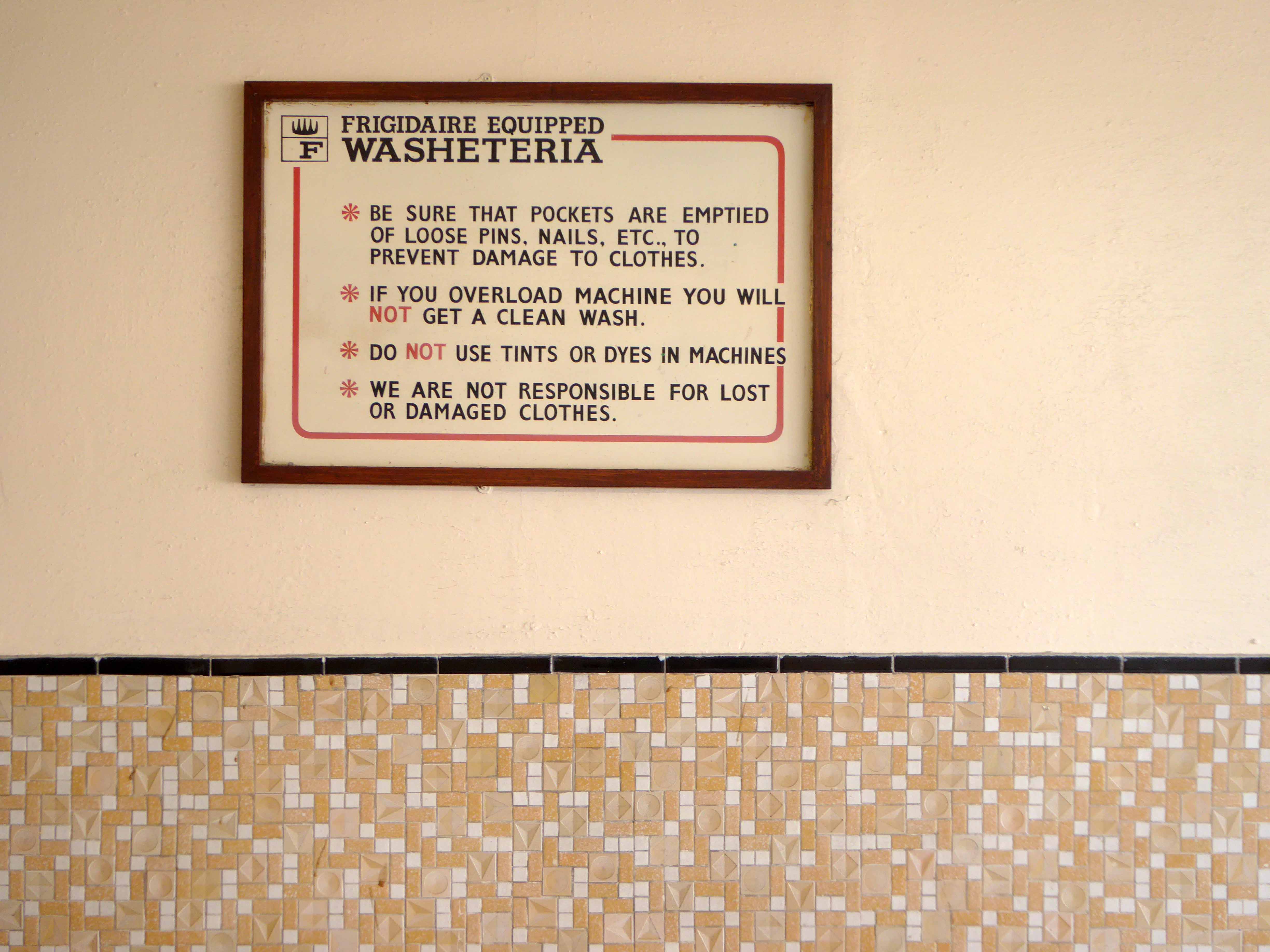
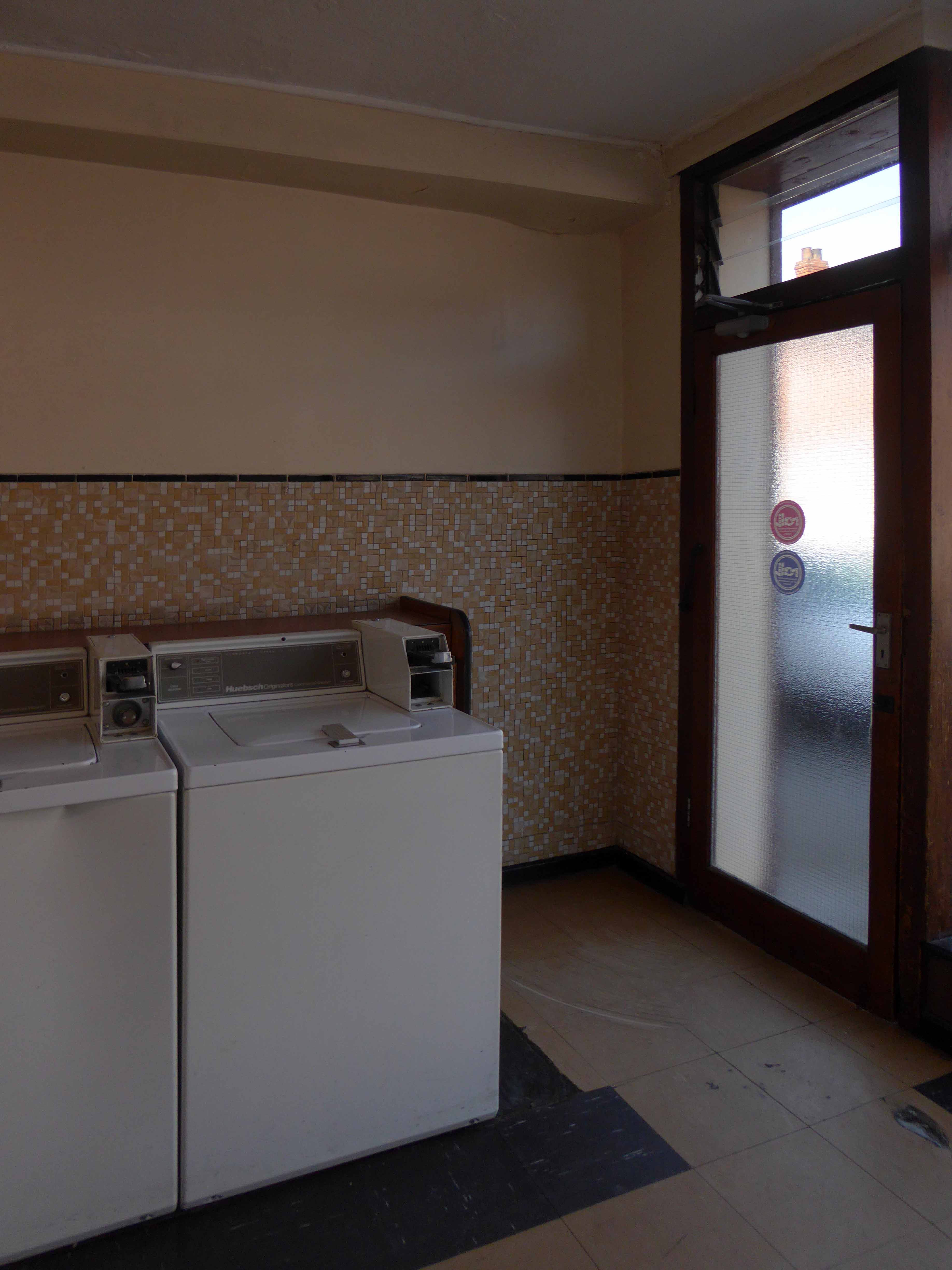
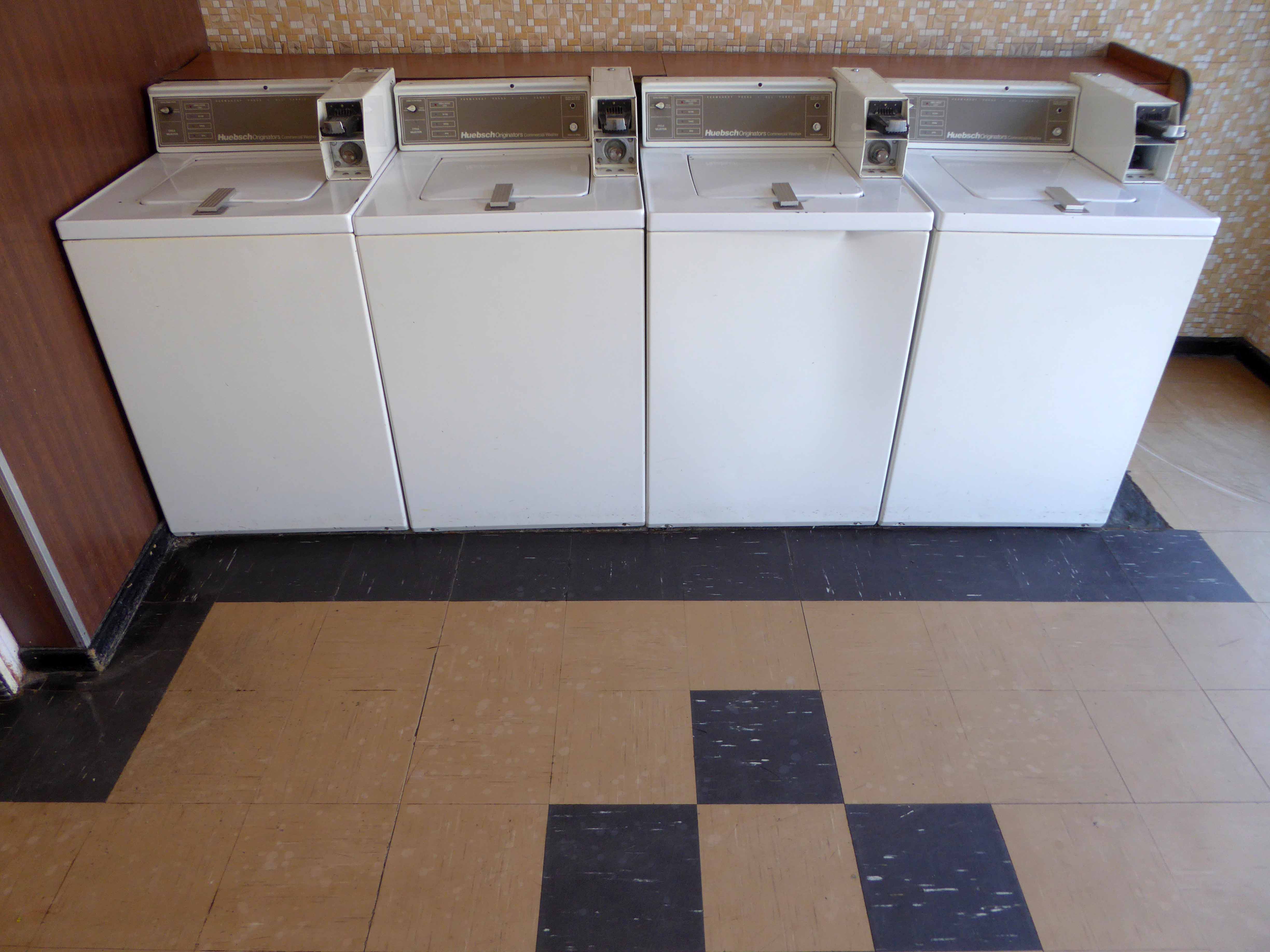
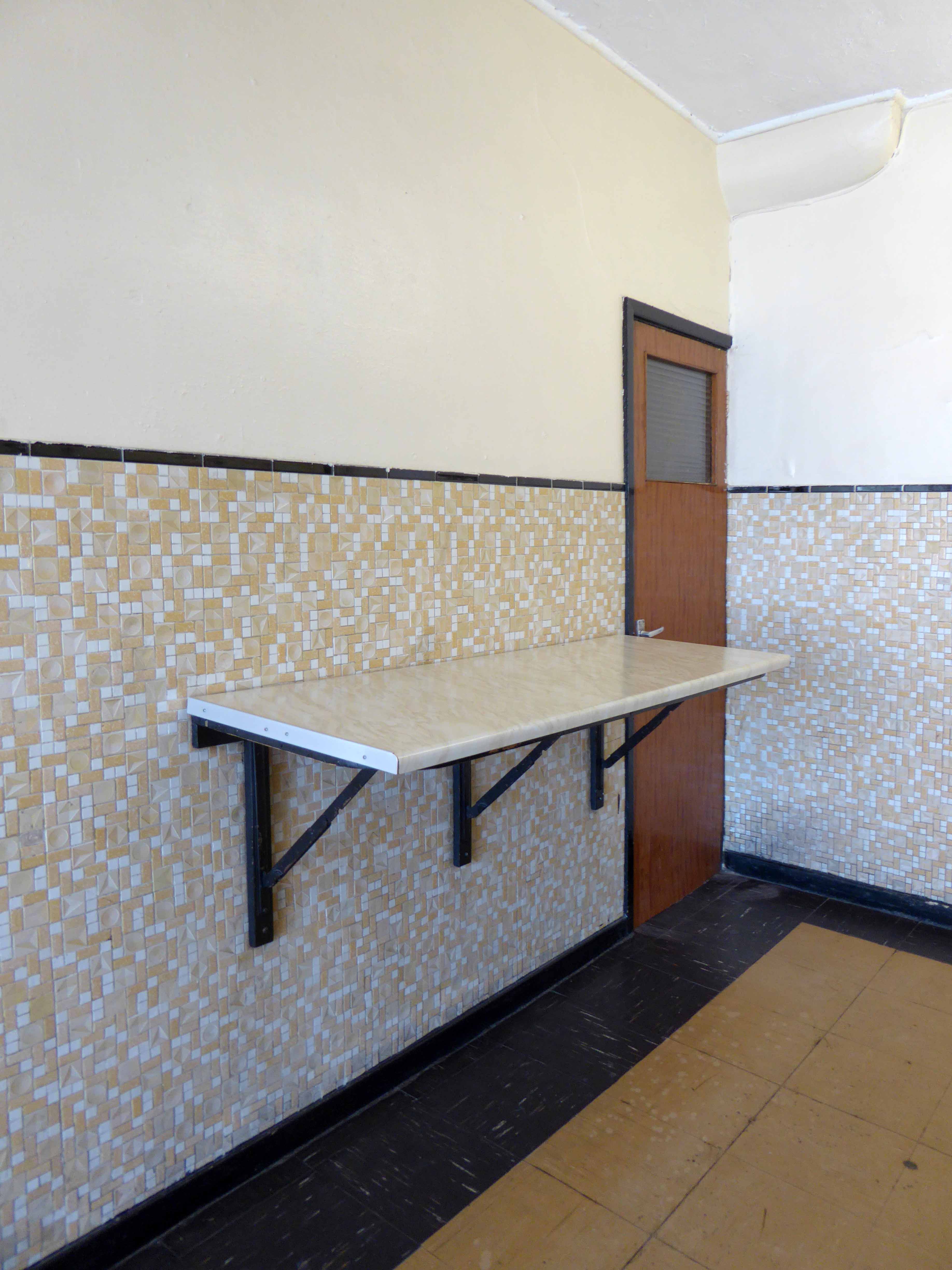
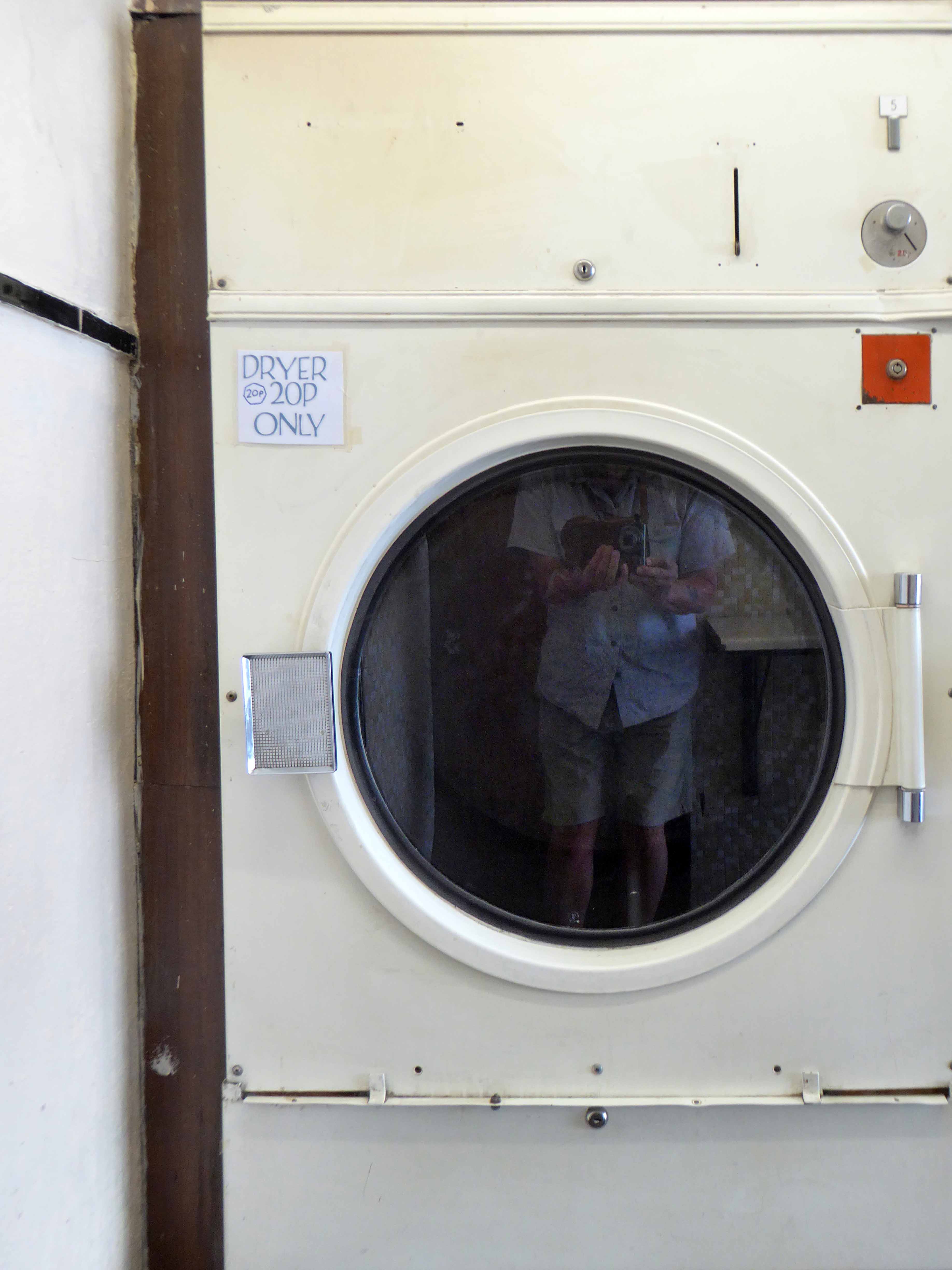
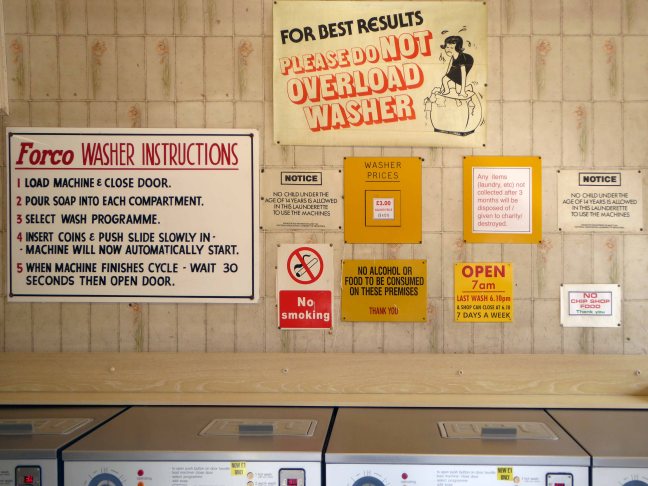
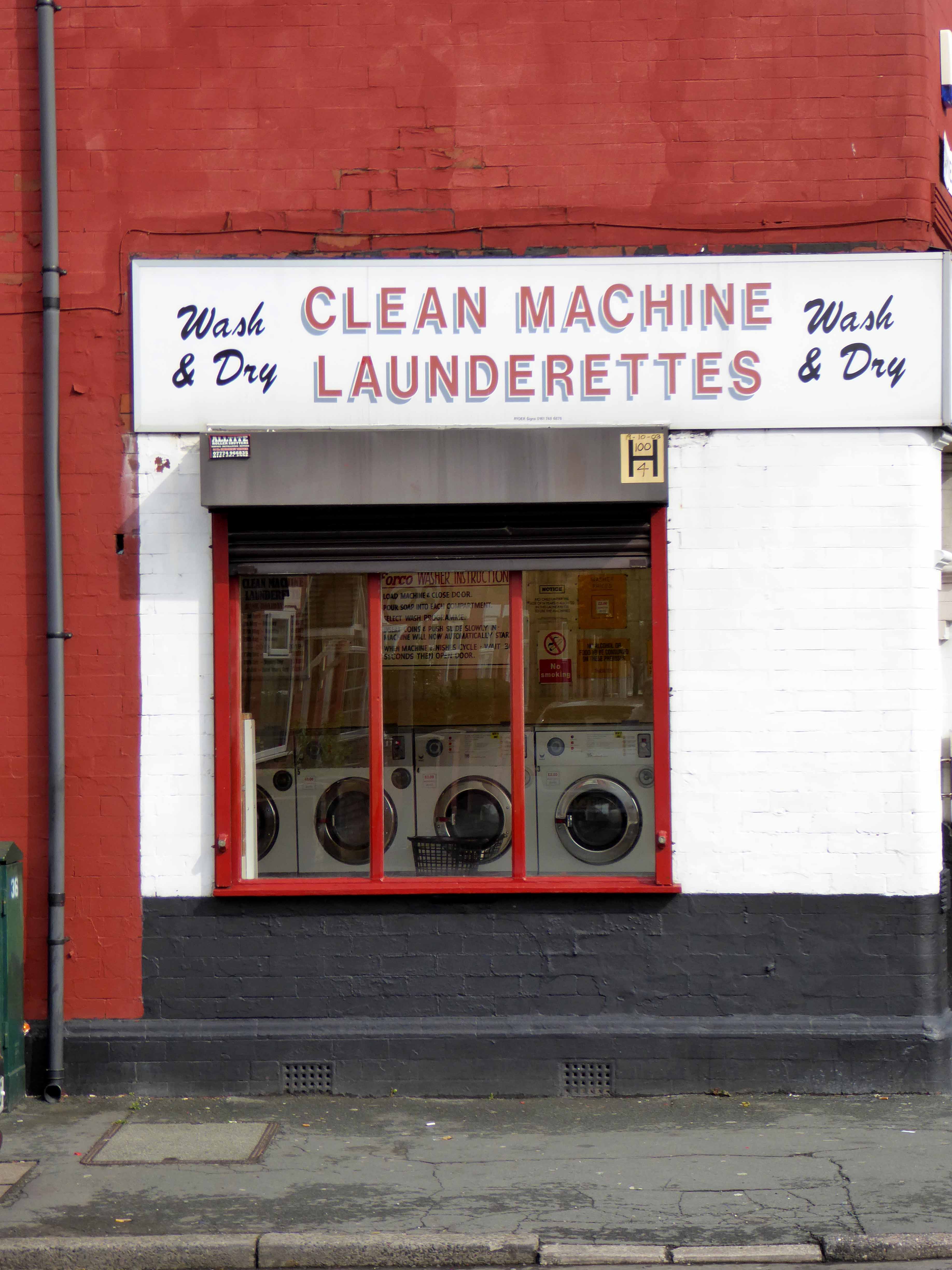
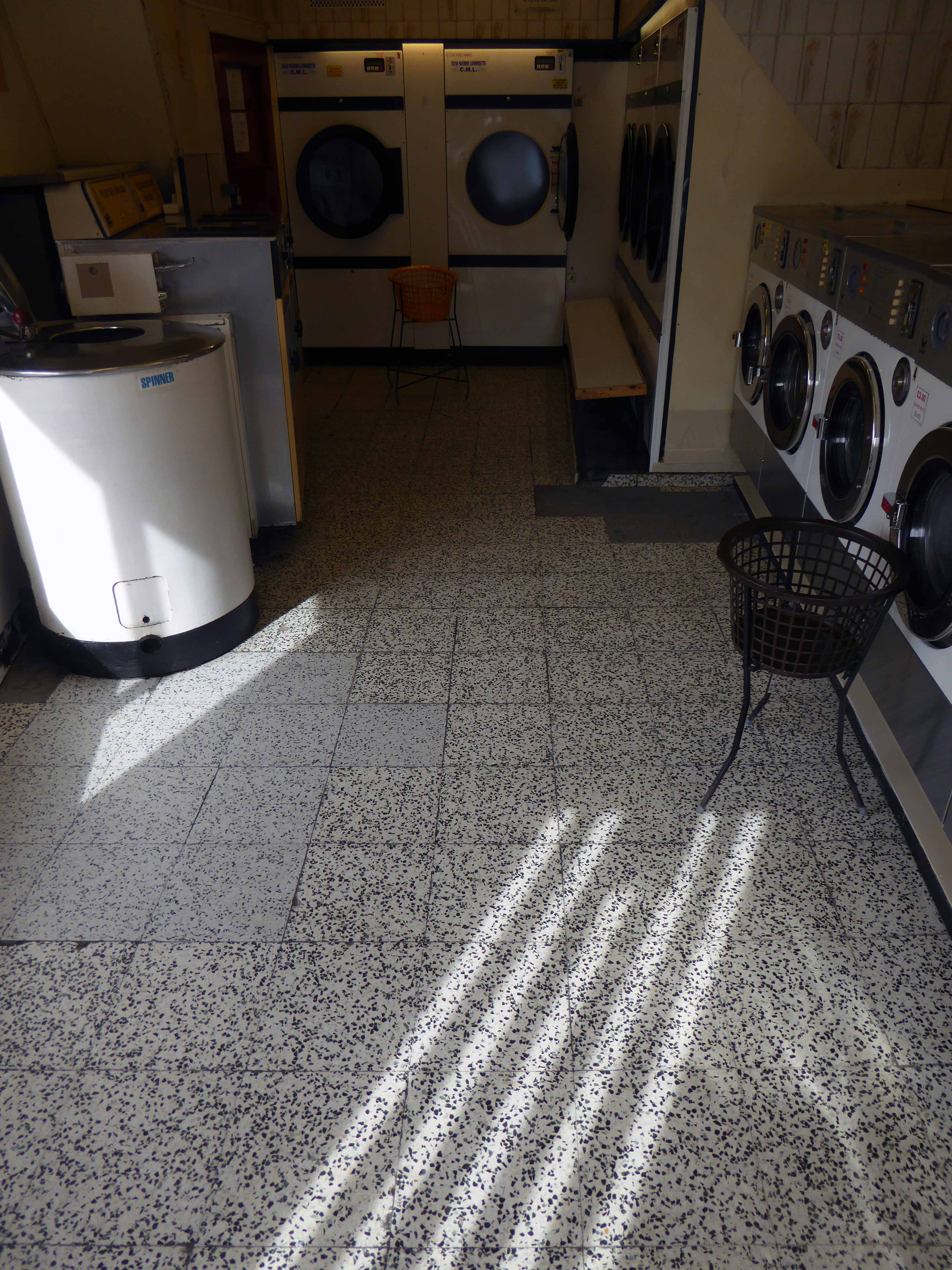
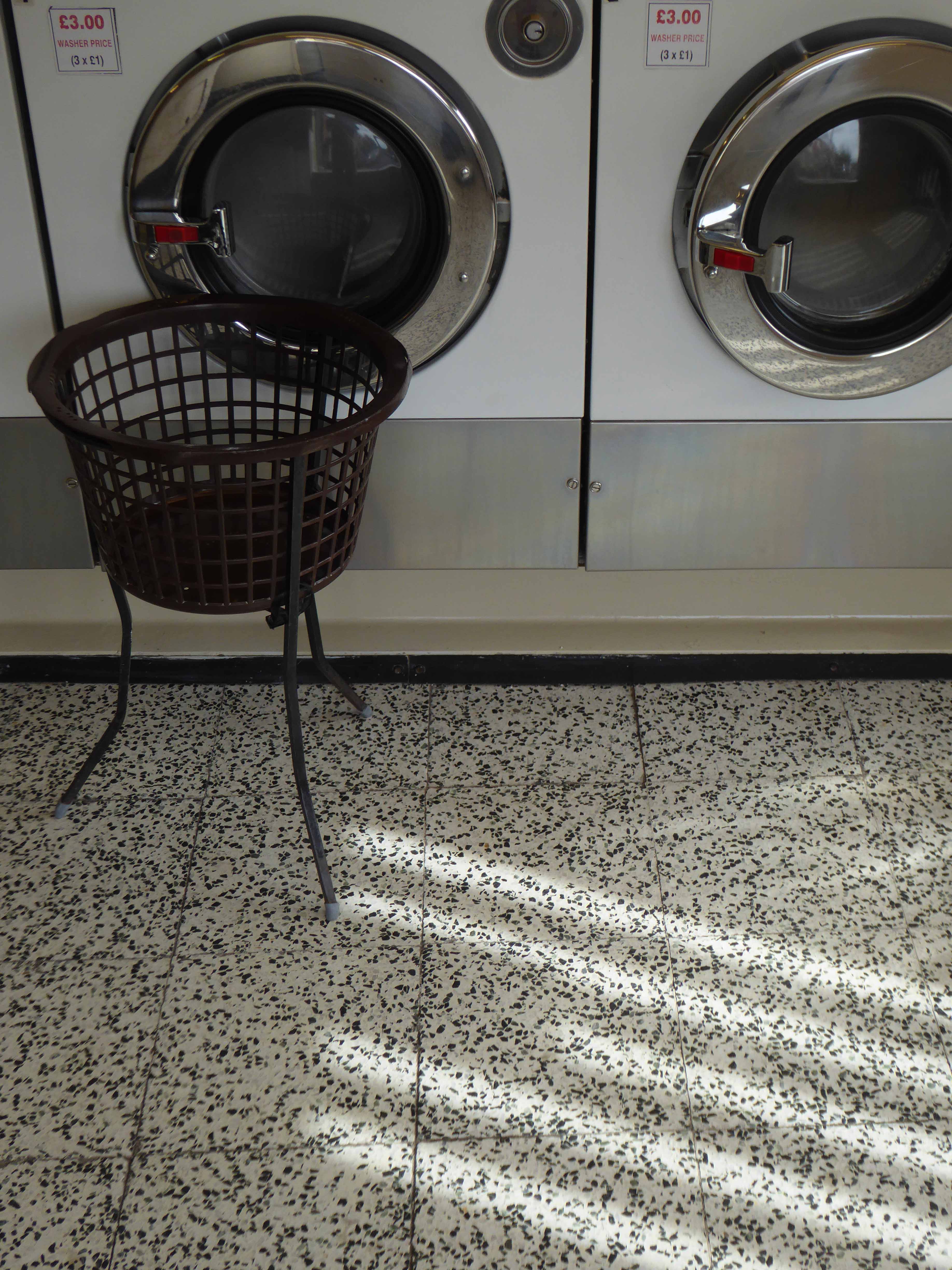
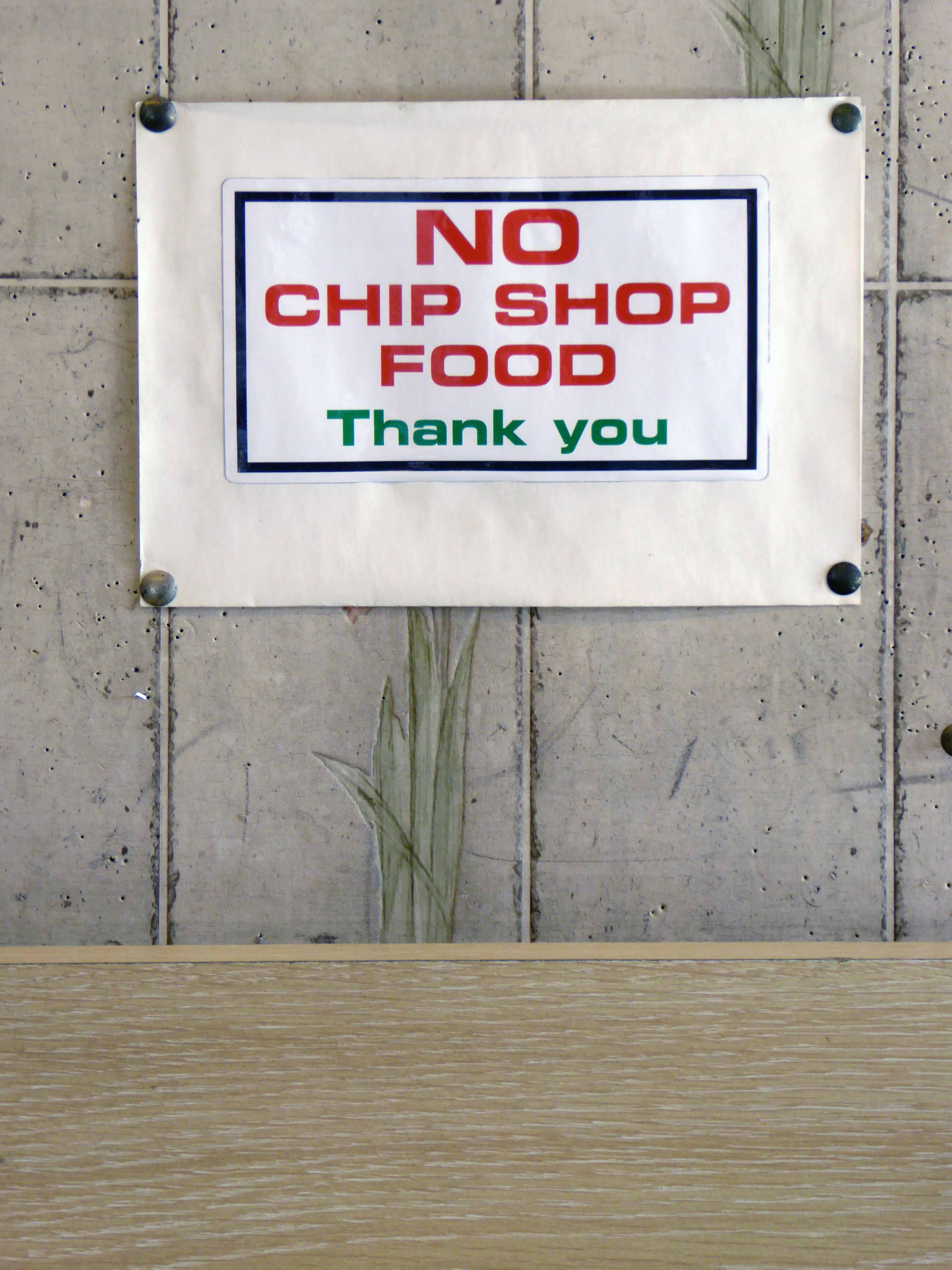
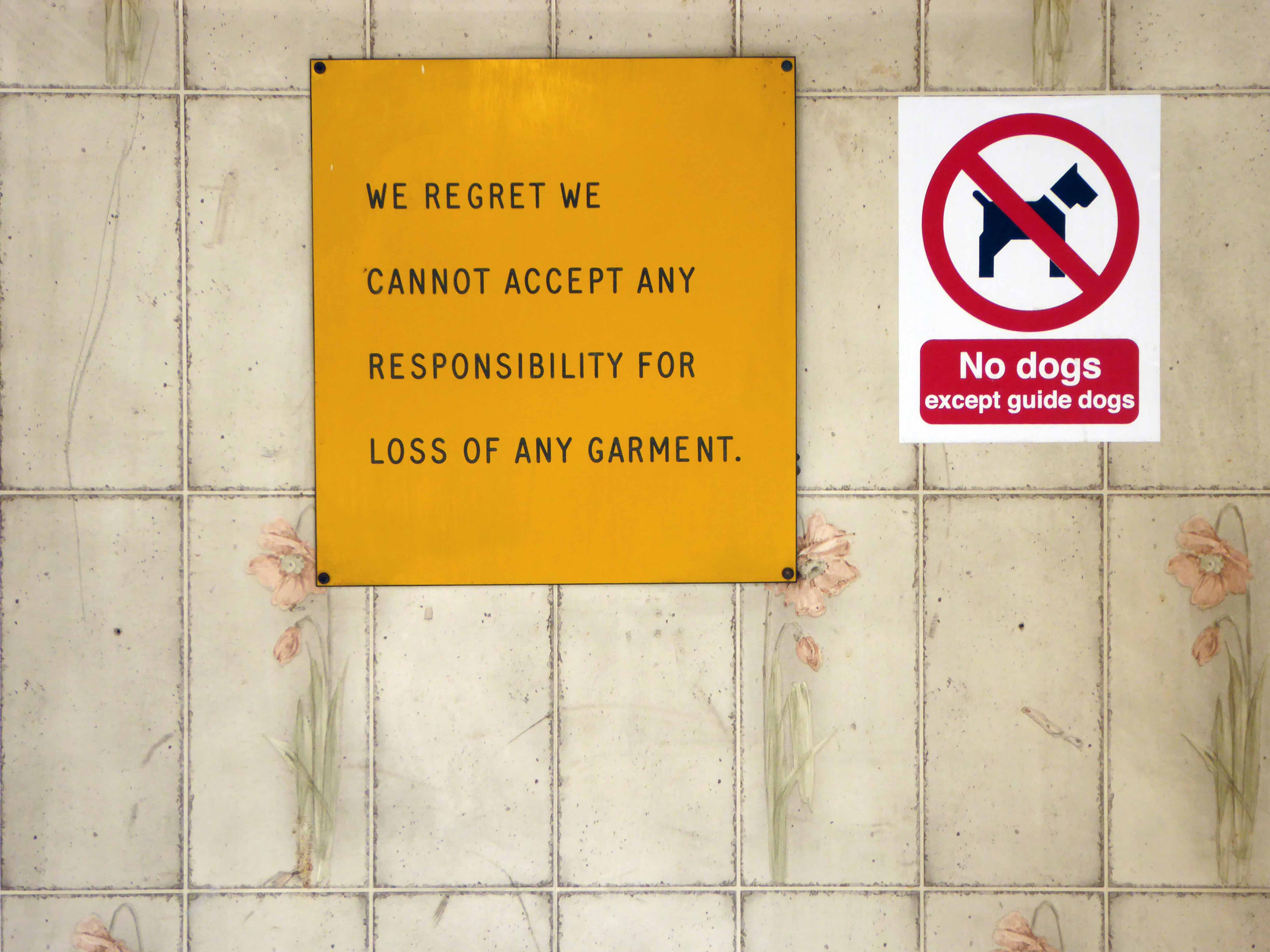
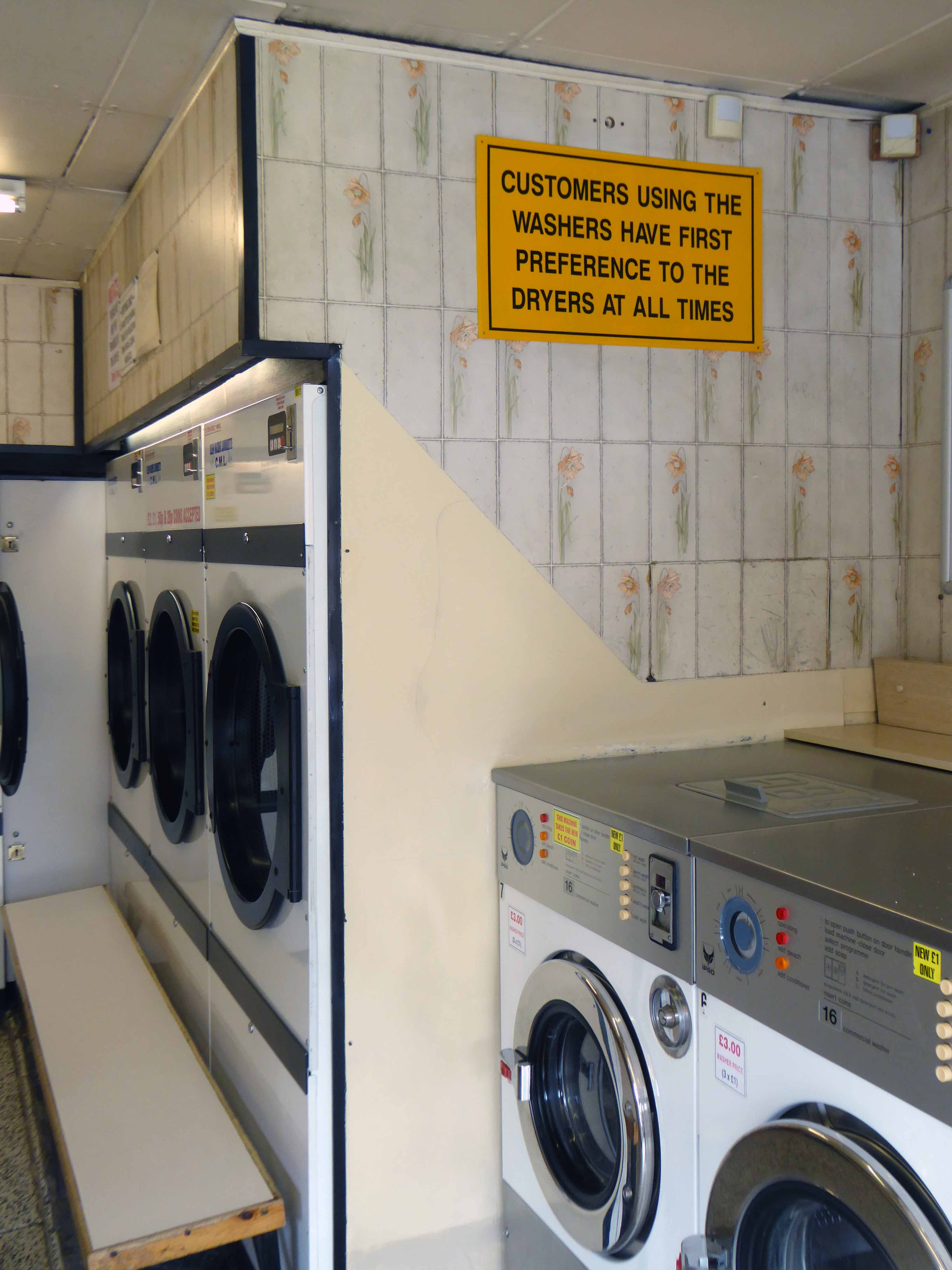
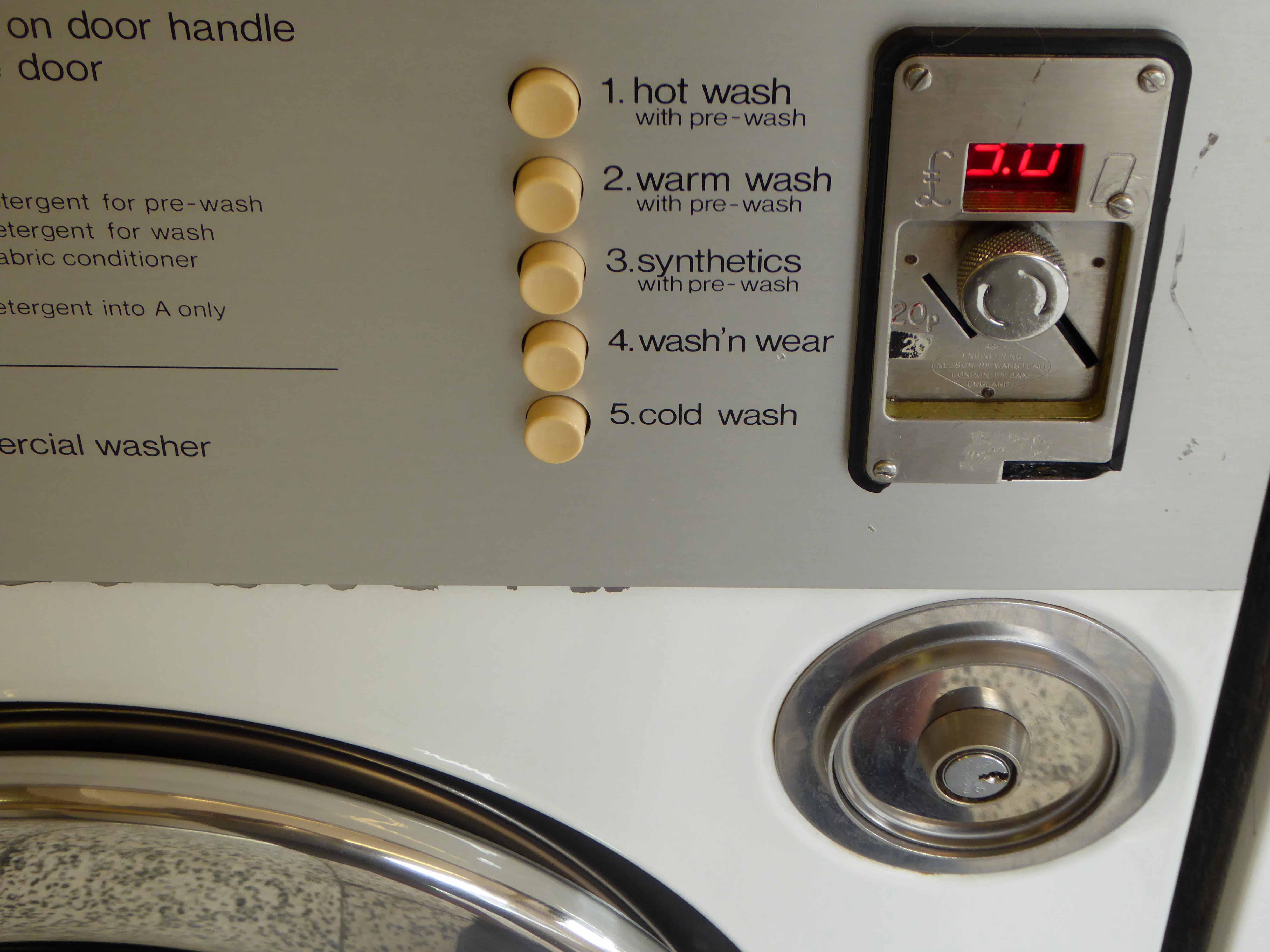
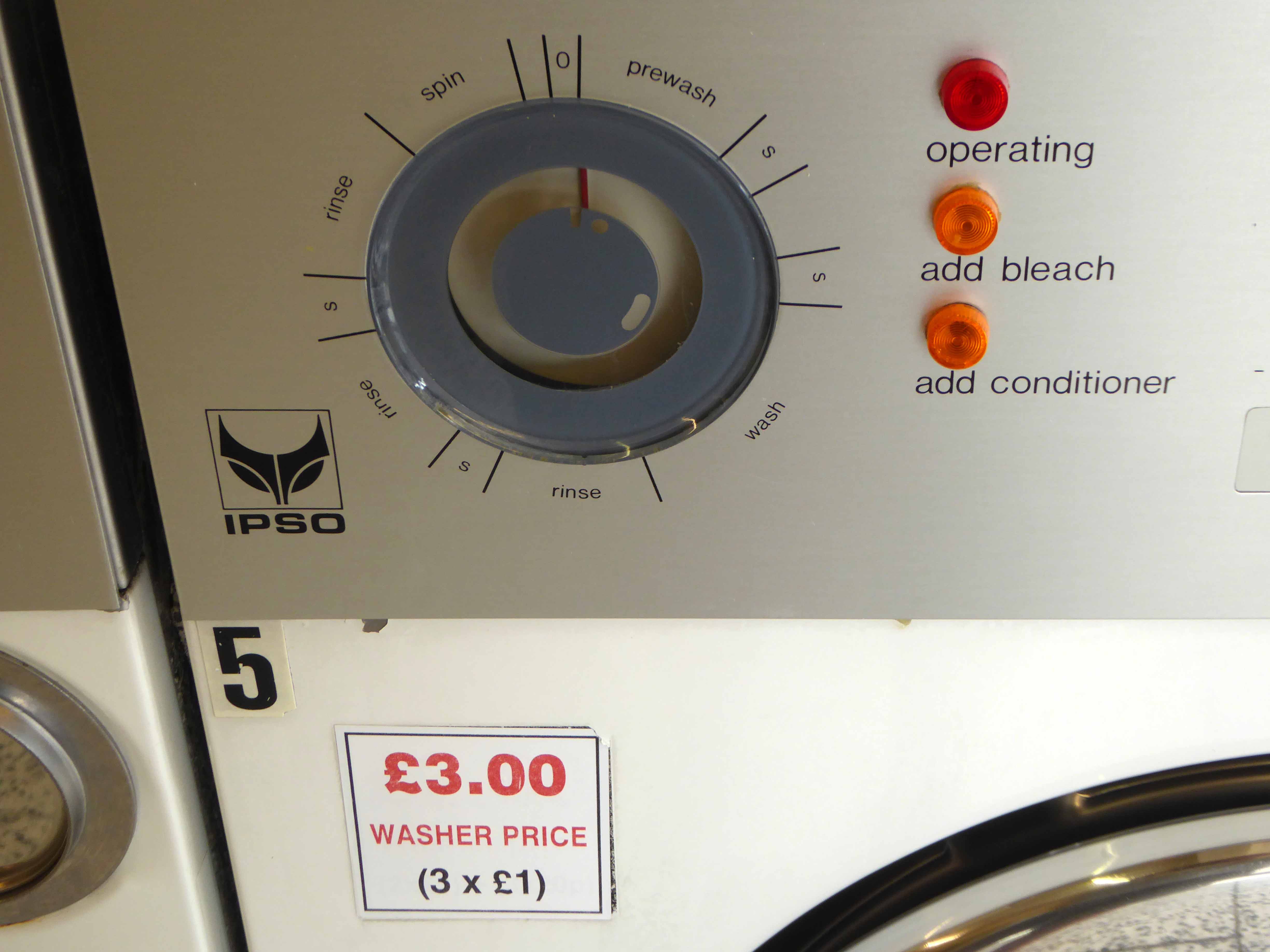
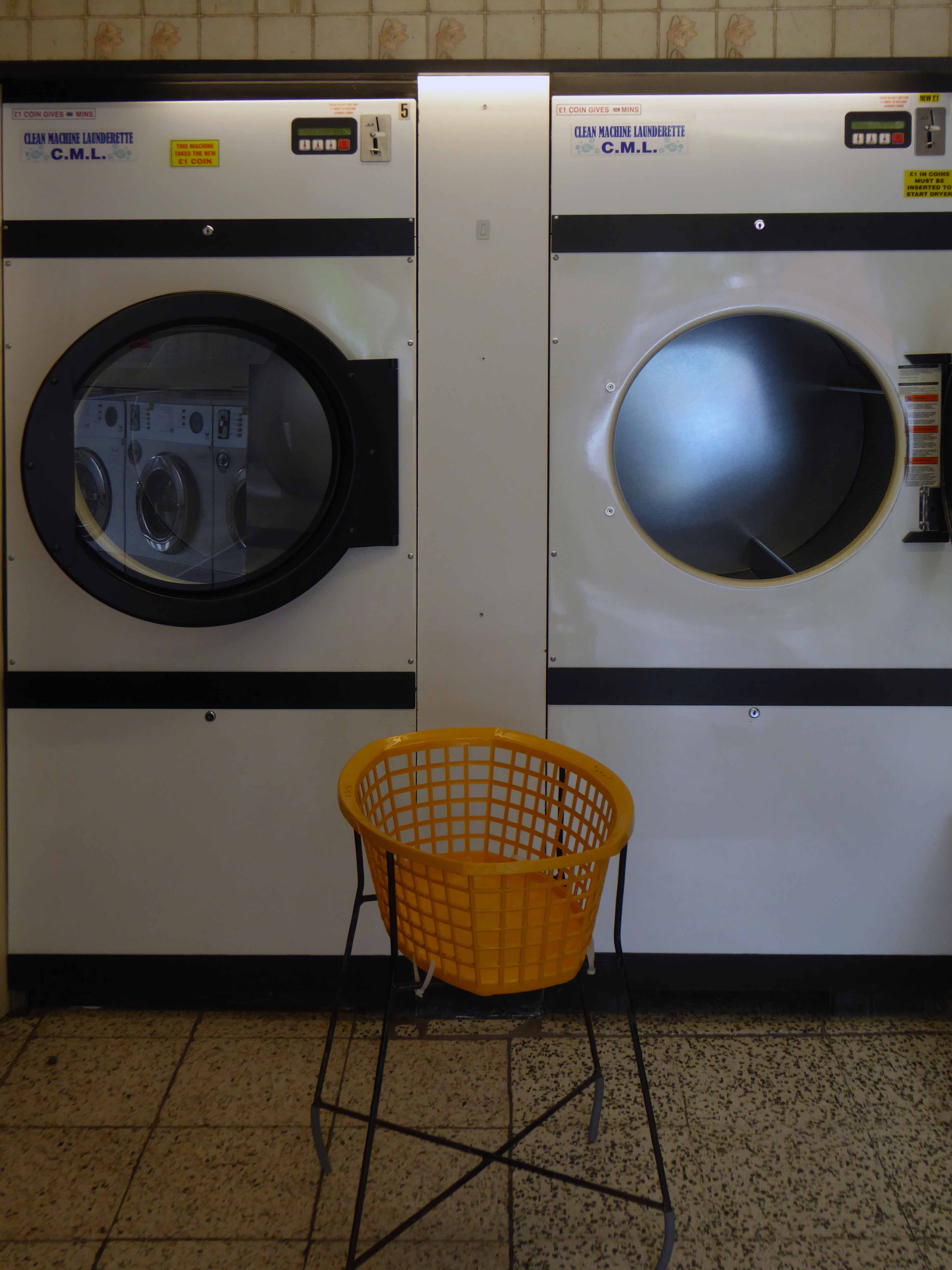
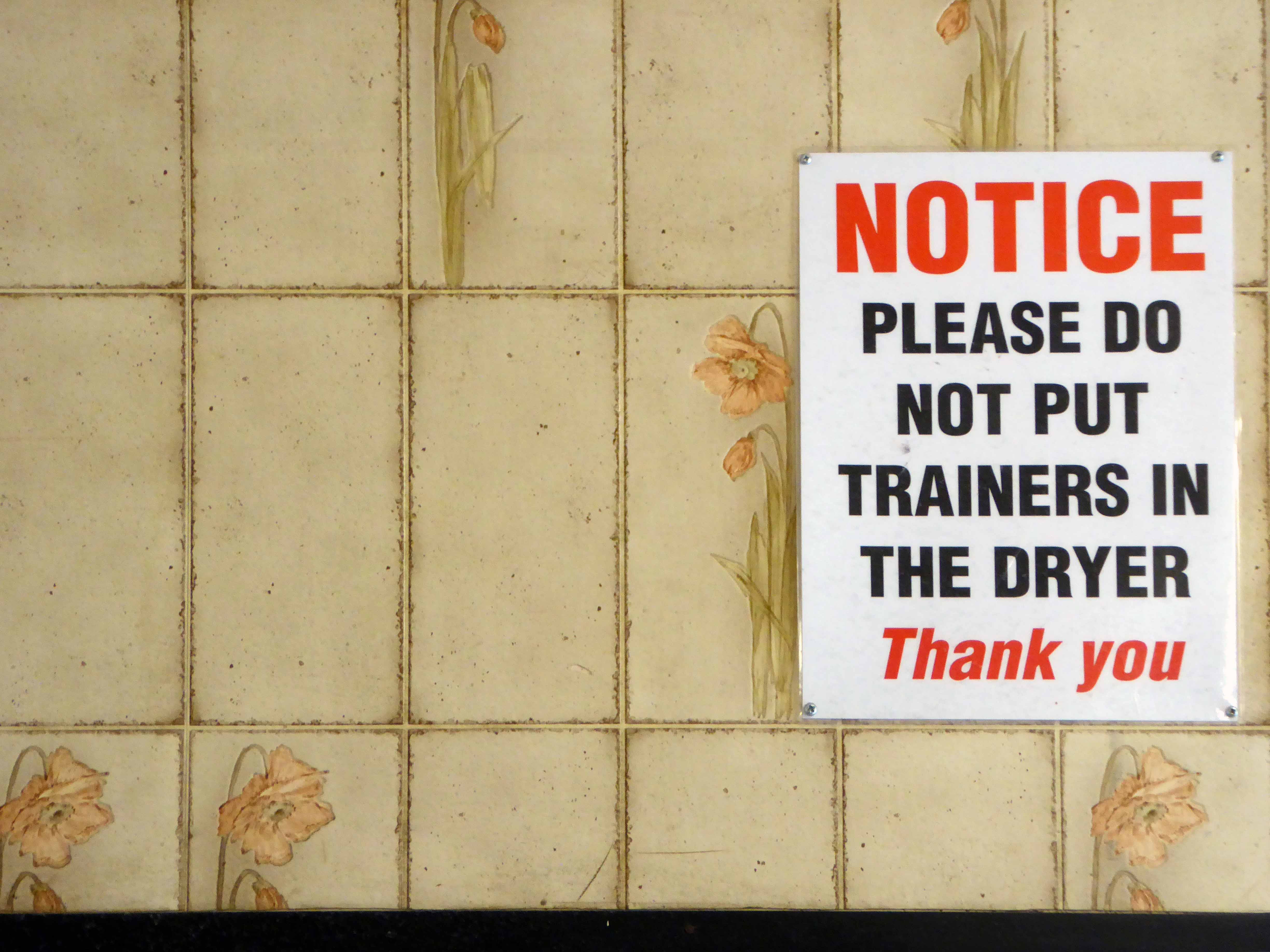
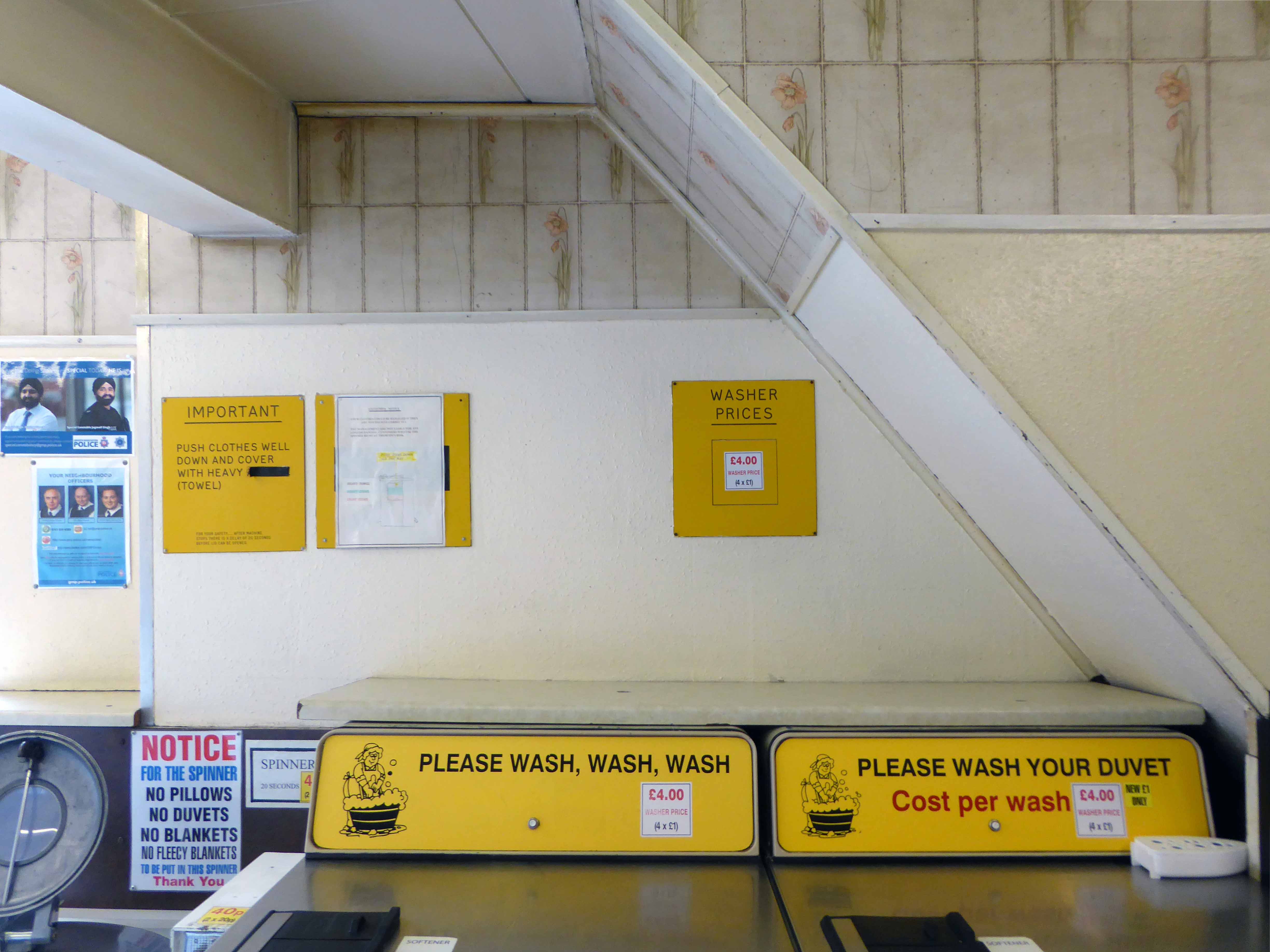
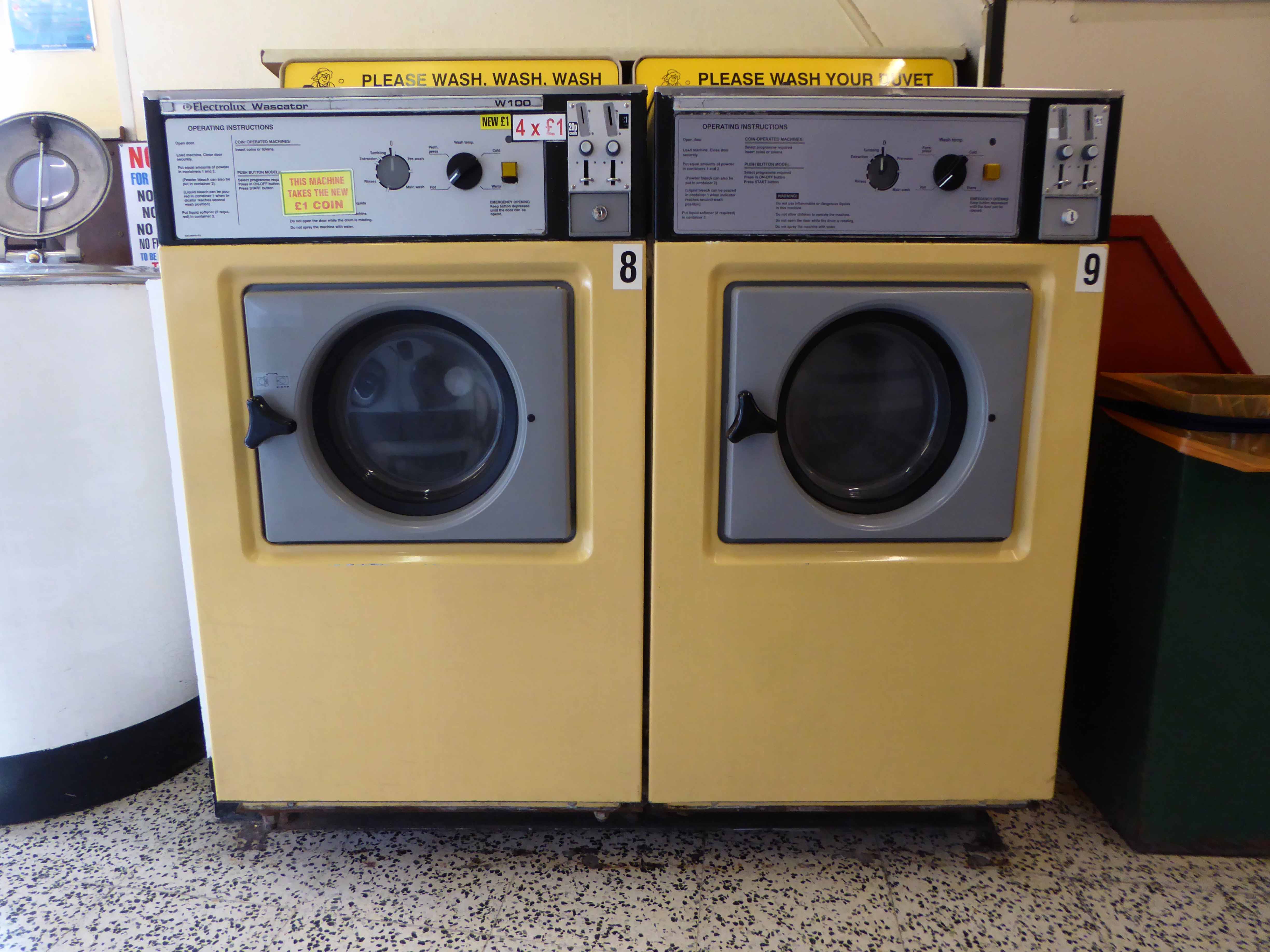
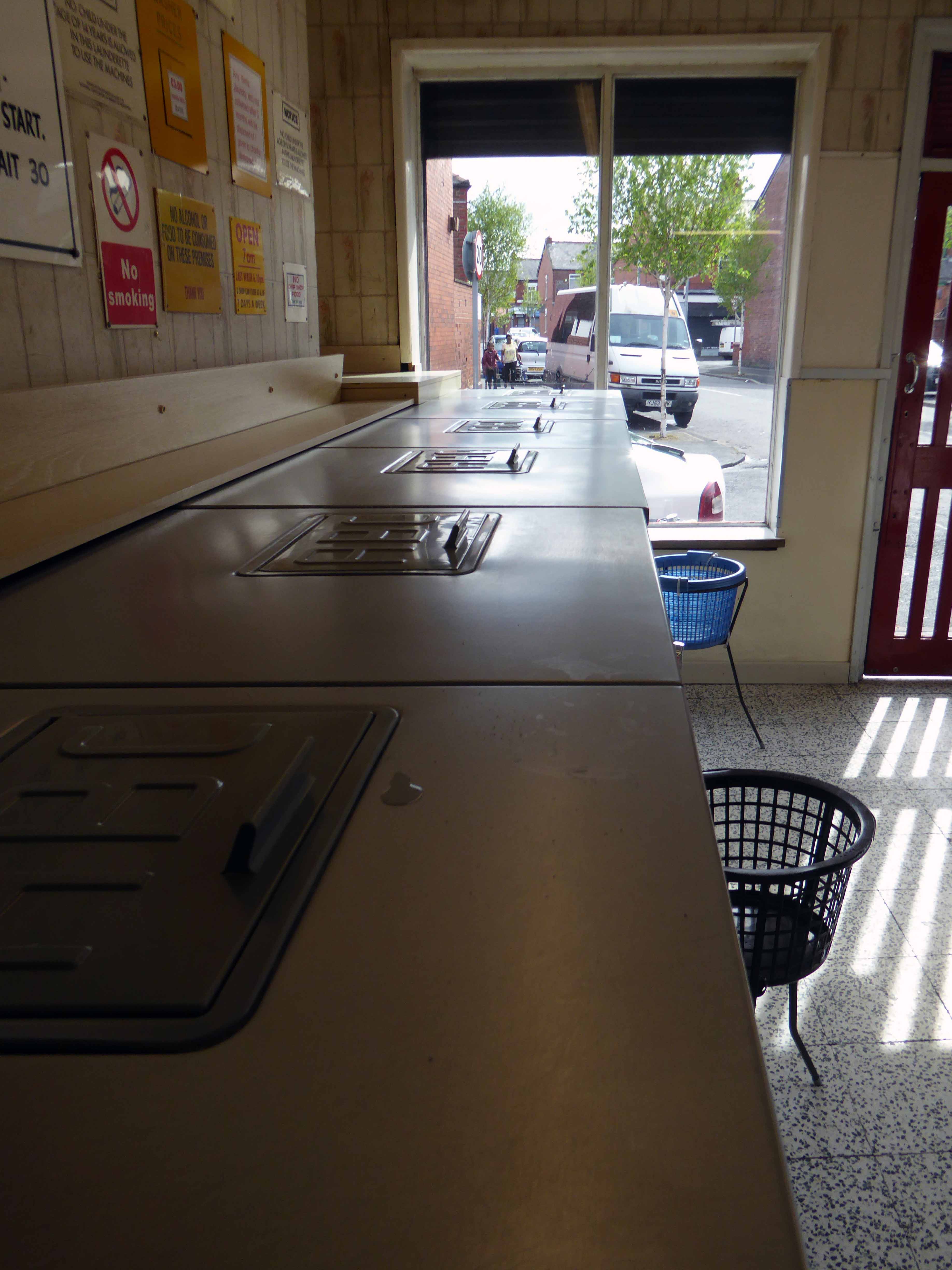
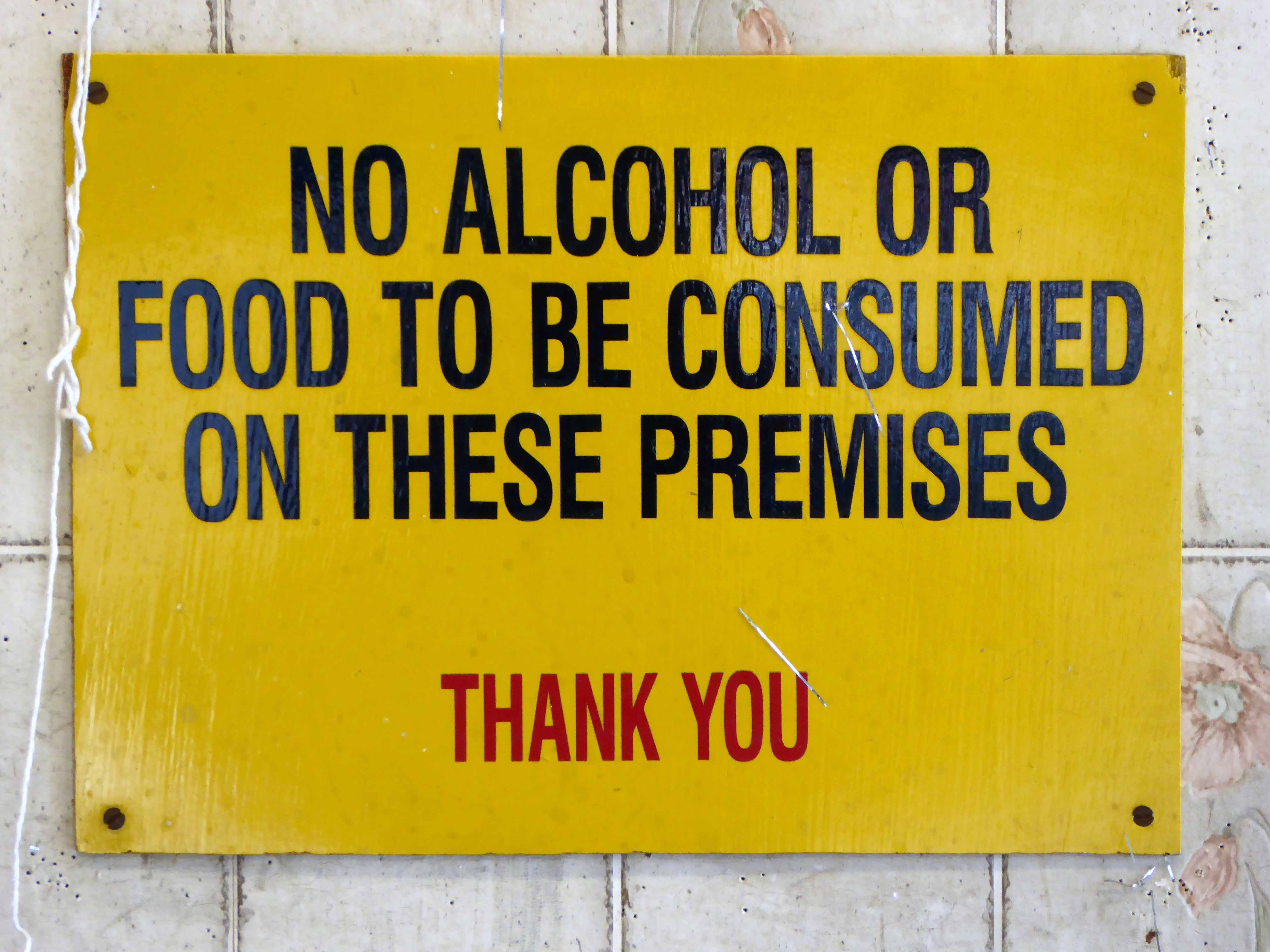
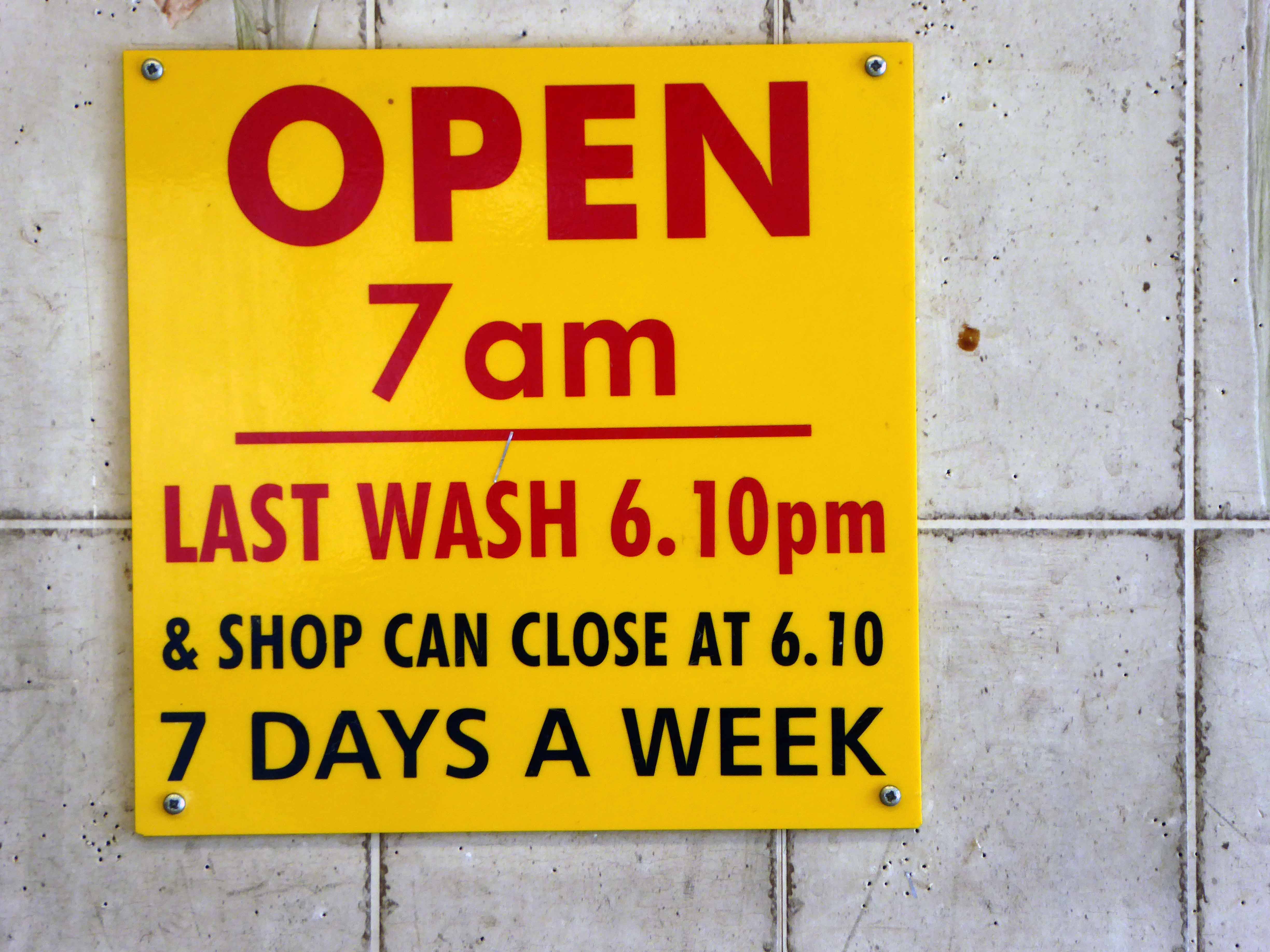
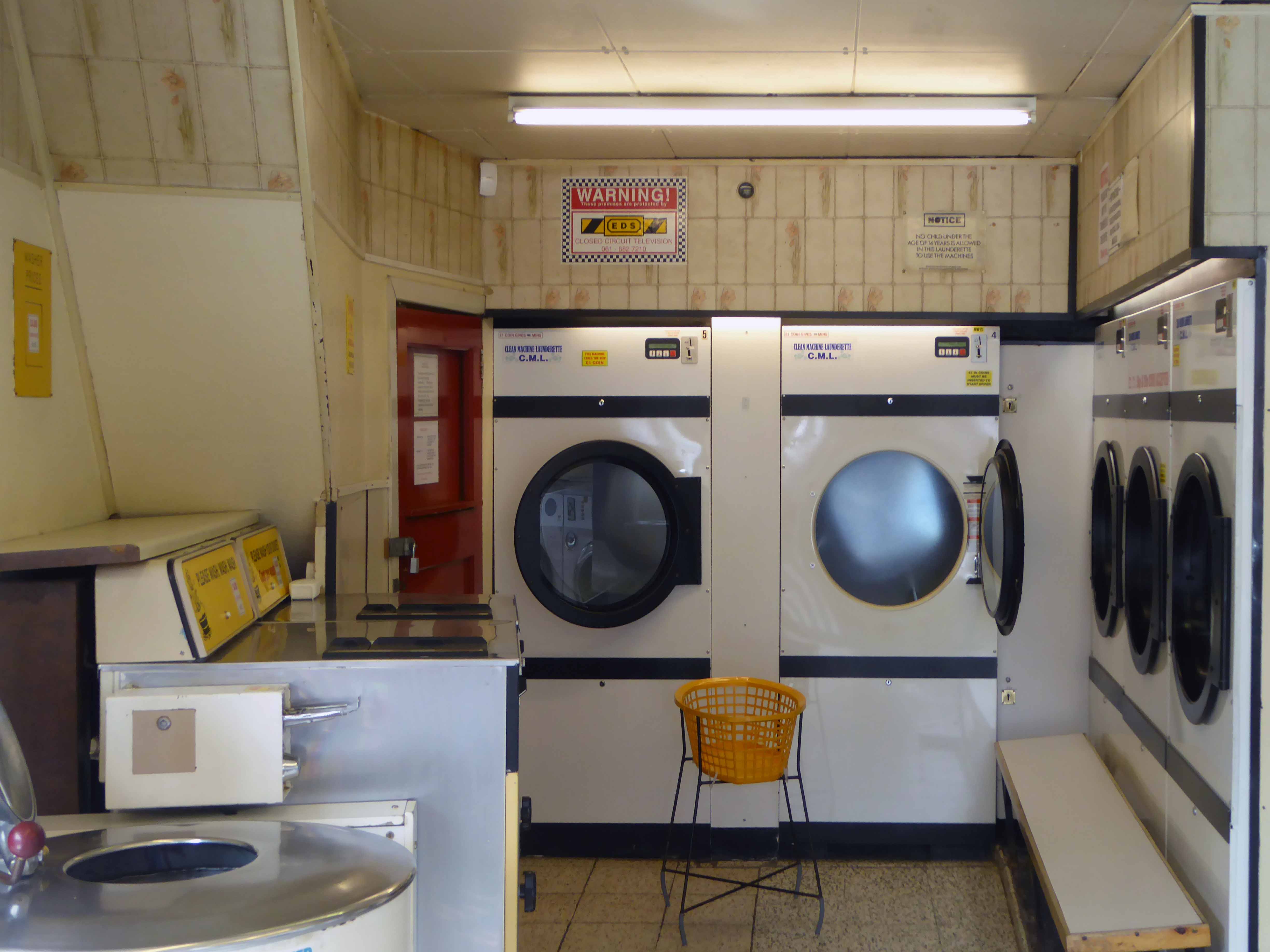
It began on an aimless walk out of Wigan on through Frimley, I found heaven on earth in the warm enfolding arms of the Washeteria. A perfectly preserved fascia, interior and machines, more by diffident neglect than good management. Signature wood effect and patterned Formica panelling, over earnest signs demanding the highest standards of personal conduct, etched in thick discoloured coloured plastic, abound on every surface. Stuttering strip lighting and a stone cold linoleum floor. A dull white ceiling, with a surface texture formed from deep frozen ennui.

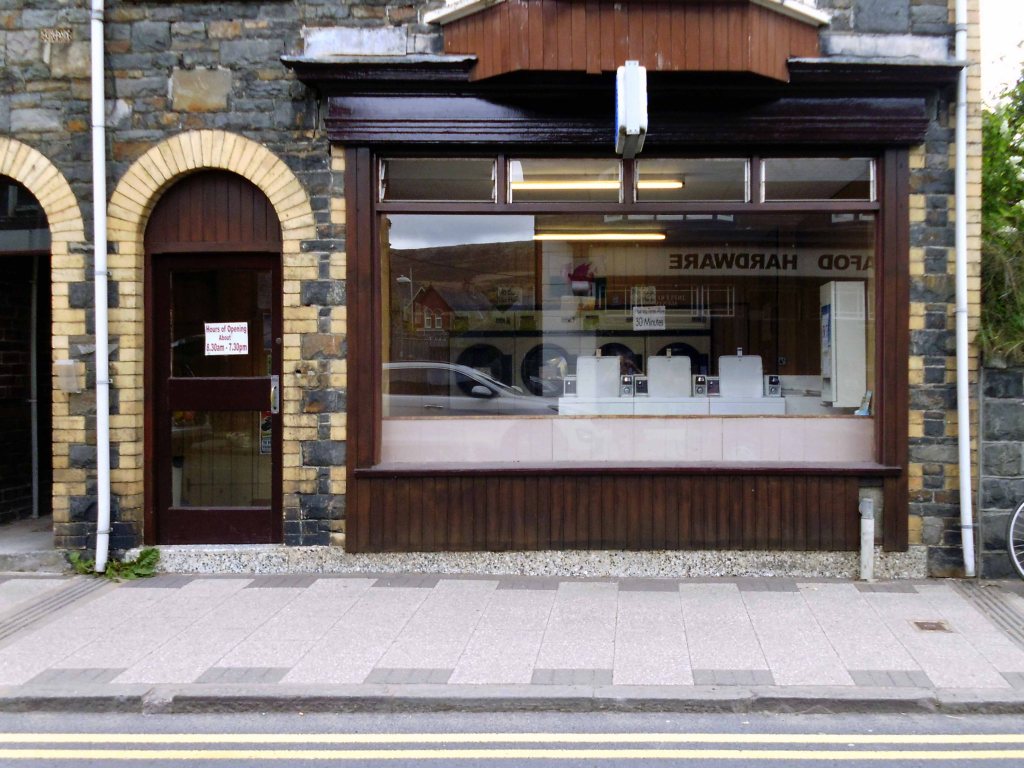
Three years later I had visited and snapped several examples, all with their own uniques characteristics though all contributing to a typology. 

In the United Kingdom known as launderettes or laundrettes, and in the United States, Canada, Australia, New Zealand as laundromatsor washeterias.

George Edward Penury created the word laundromat for Westinghouse. 

According to NALI – the National Association of the Launderette industry, numbers peaked at12,500 in the early 80s but have since dwindled to just 3,000. 

The first UK launderette – alternative spelling: laundrette. was opened on May 9th 1949 in Queensway London.

Come with me now and relive those warm damp languorous moments as we visit eight laundrettes.

All the books sold out in three hours – so here’s your chance to flick through the virtual pages as the prewash finishes.

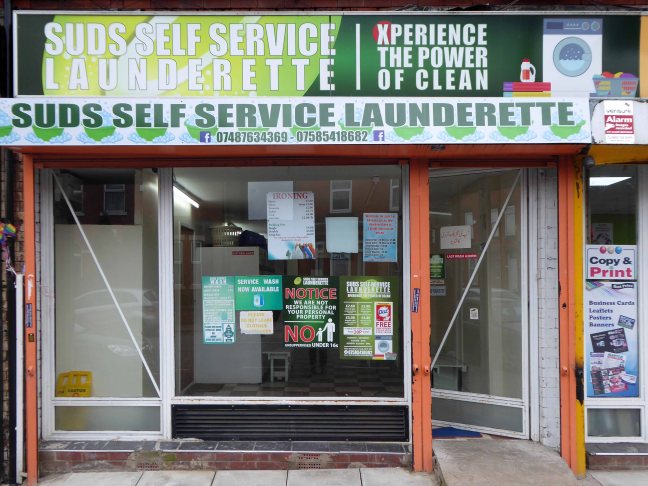
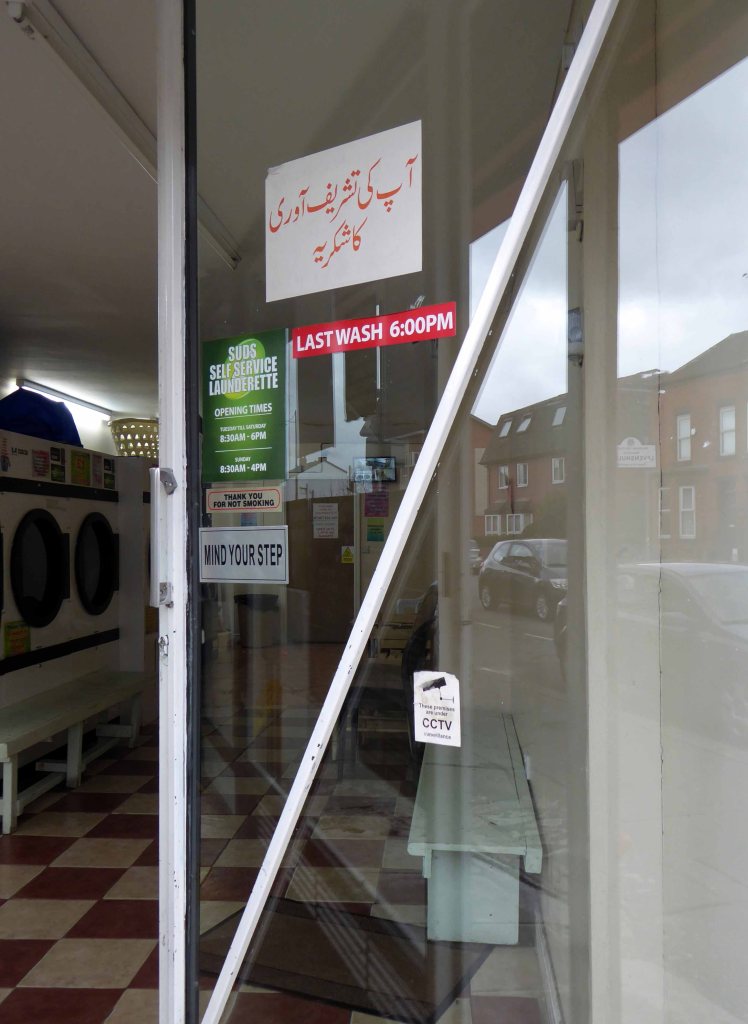
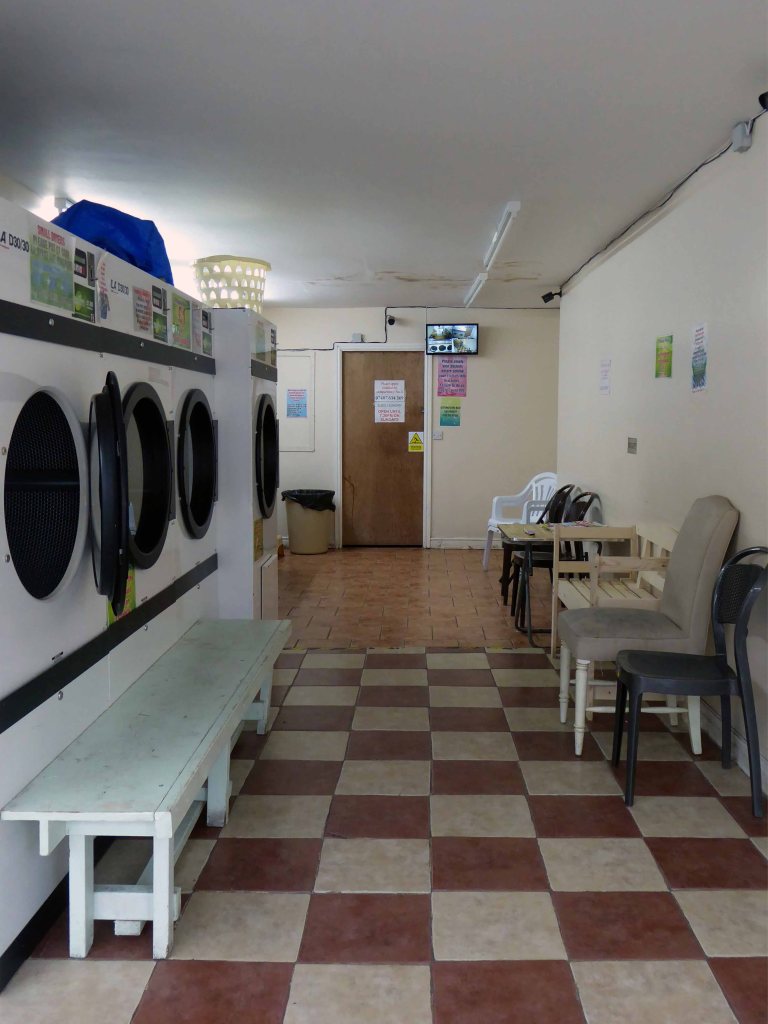
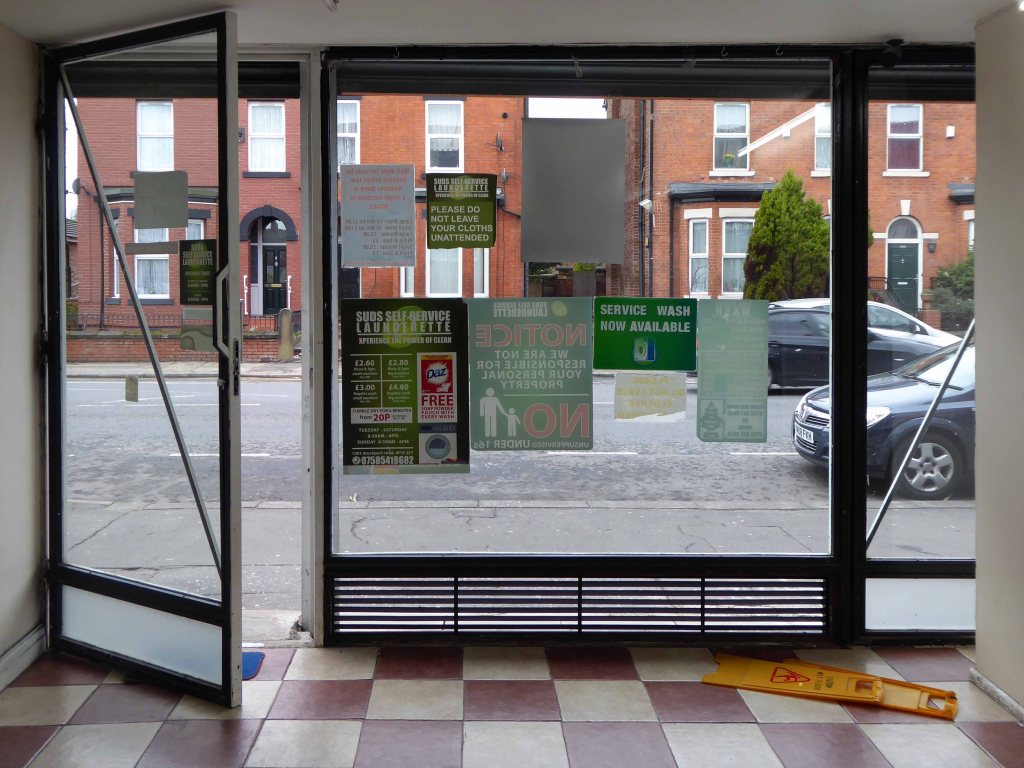
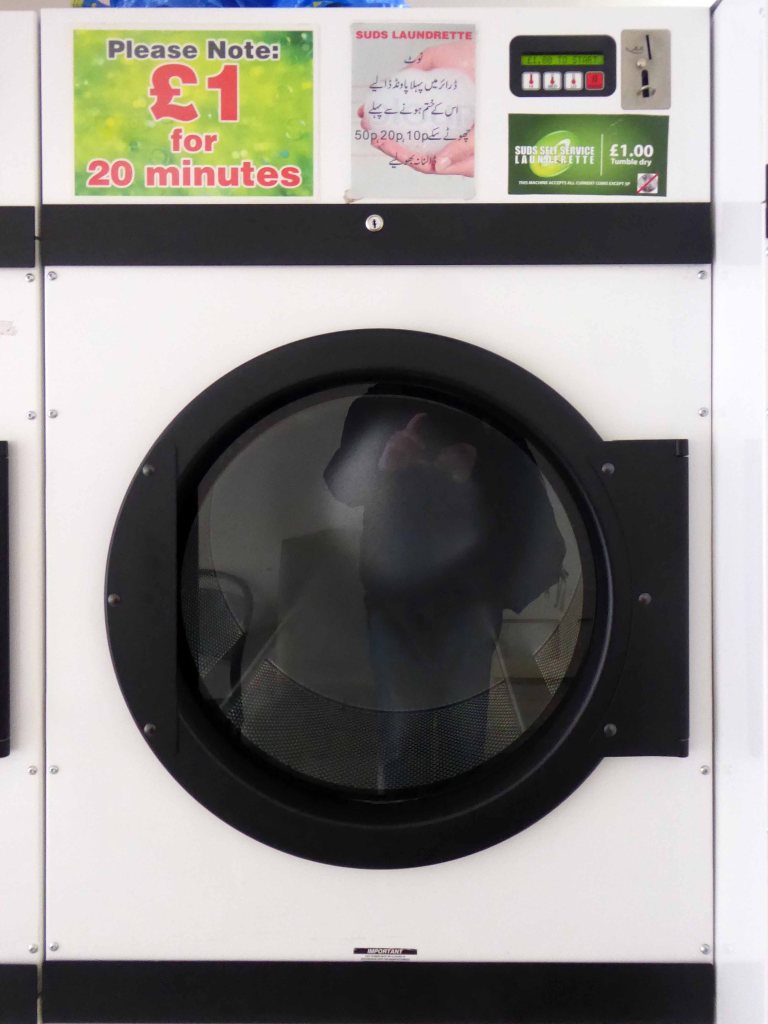
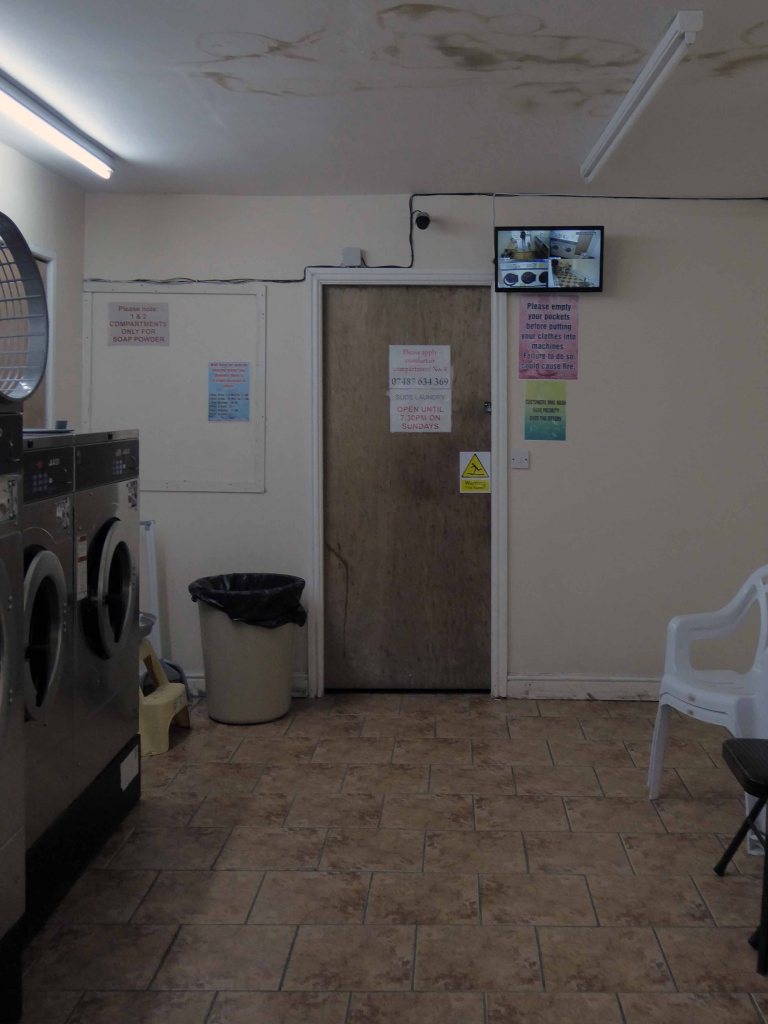
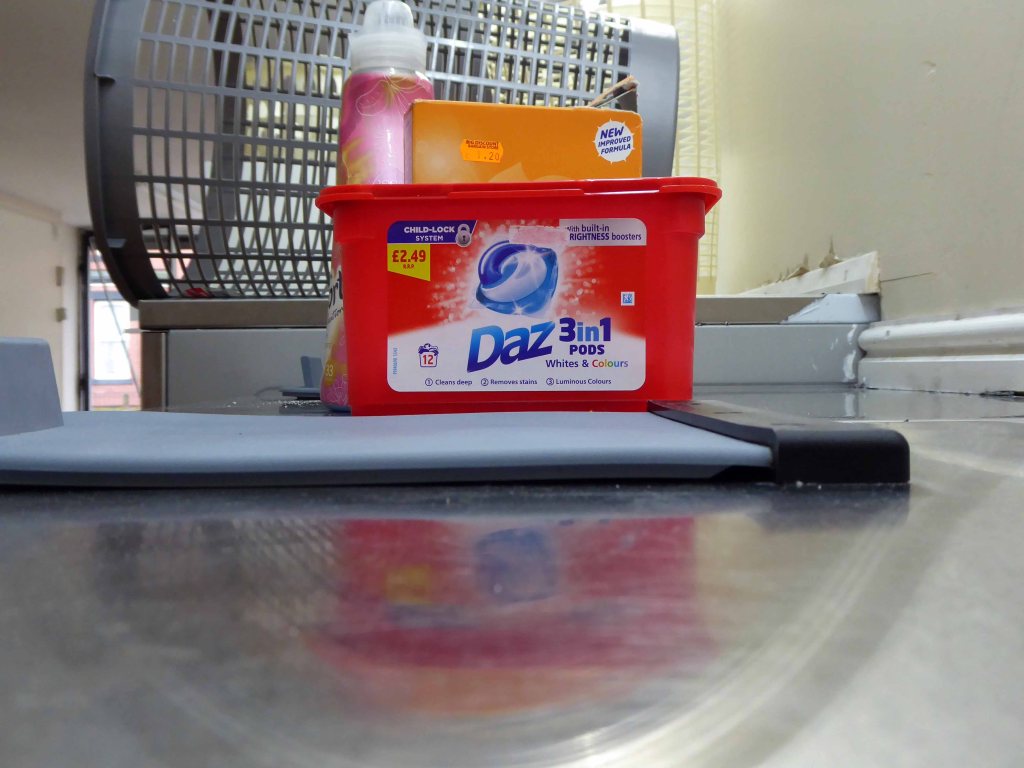
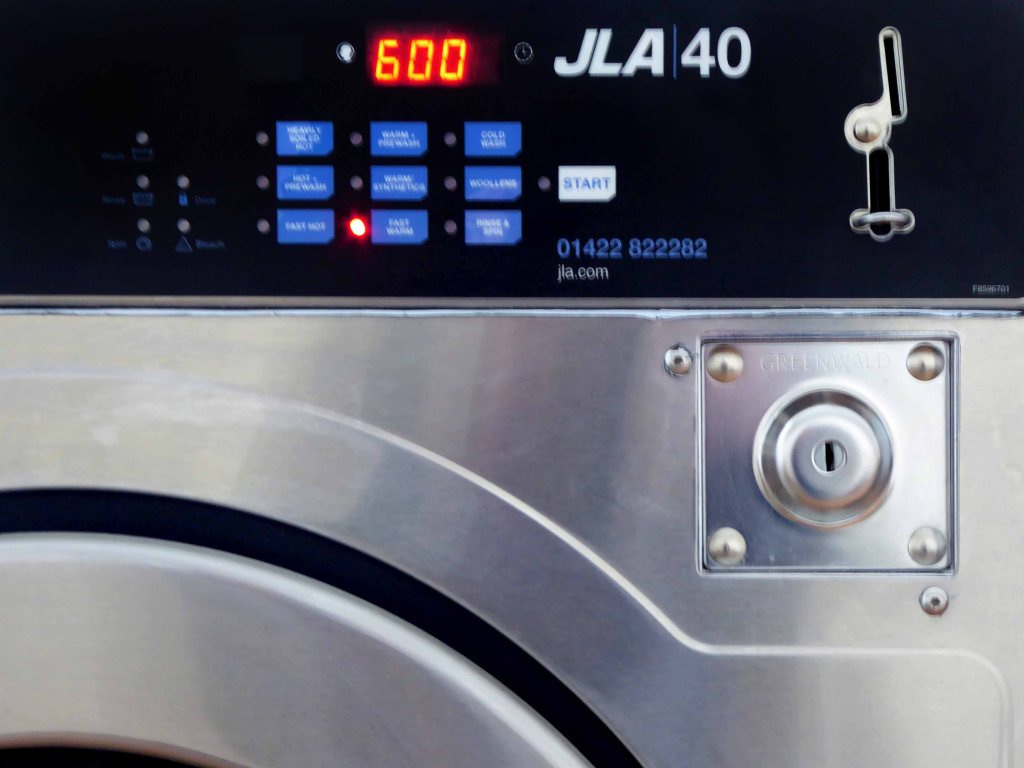
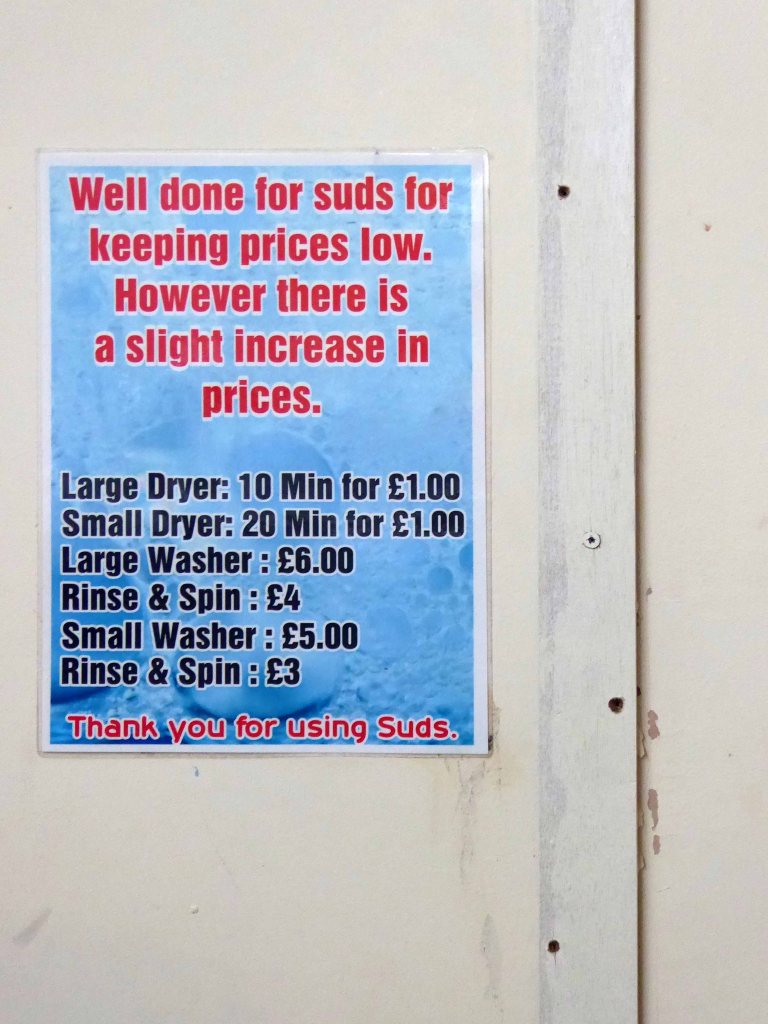
Suds Laundrette – Levenshulme

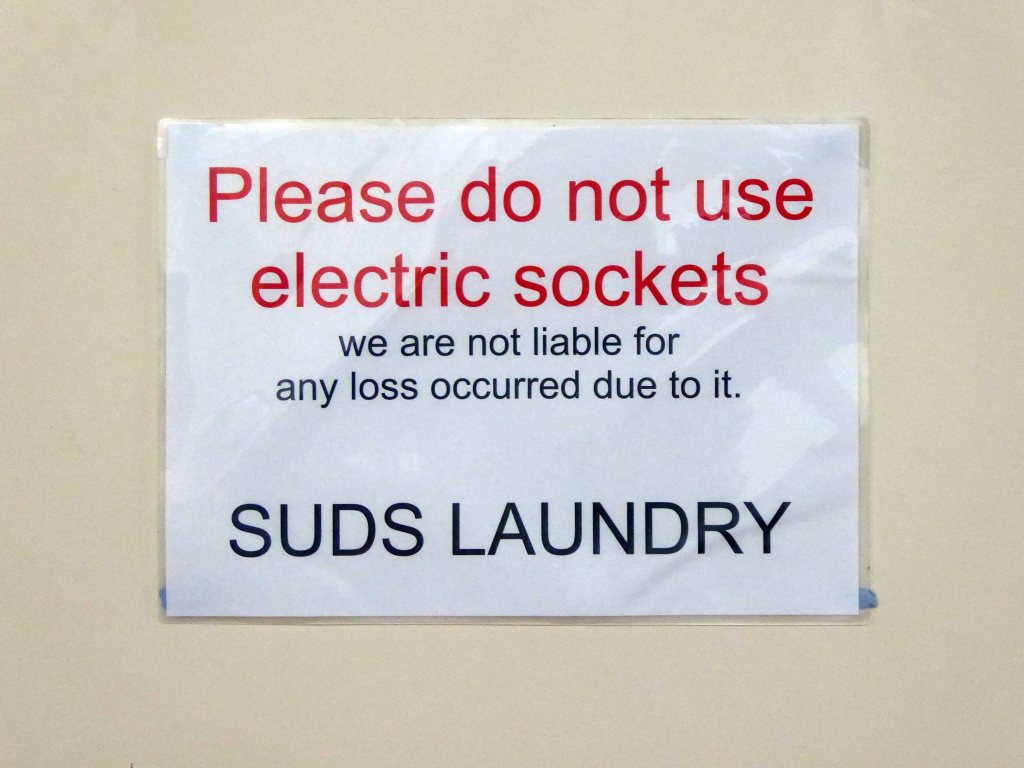
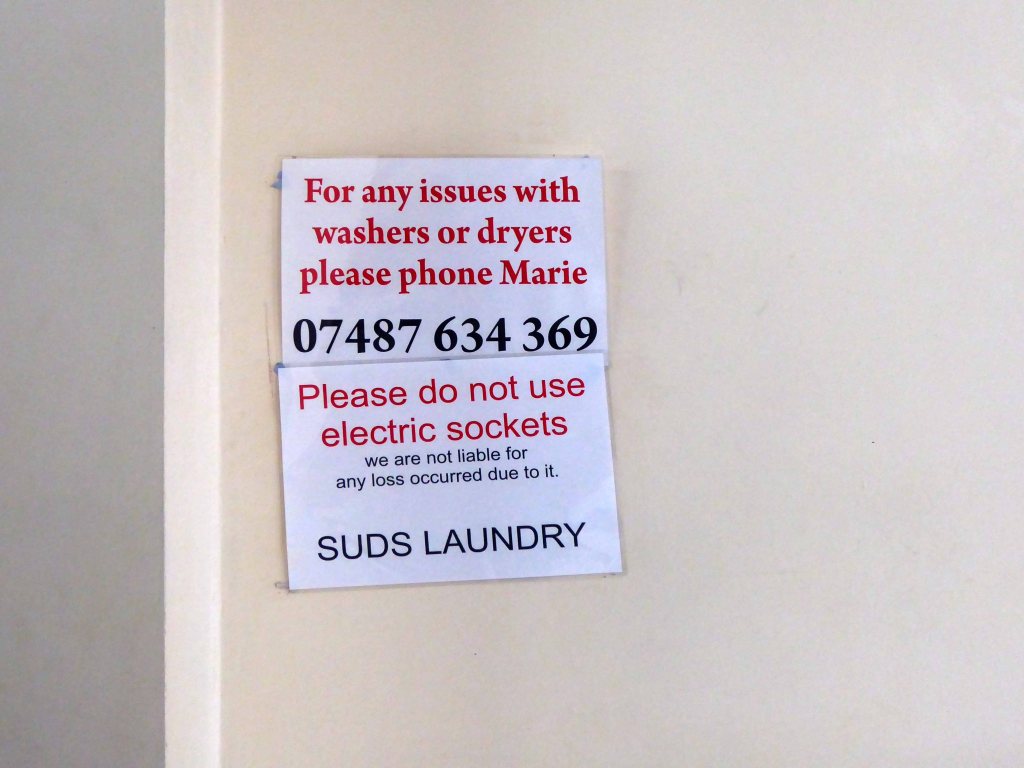
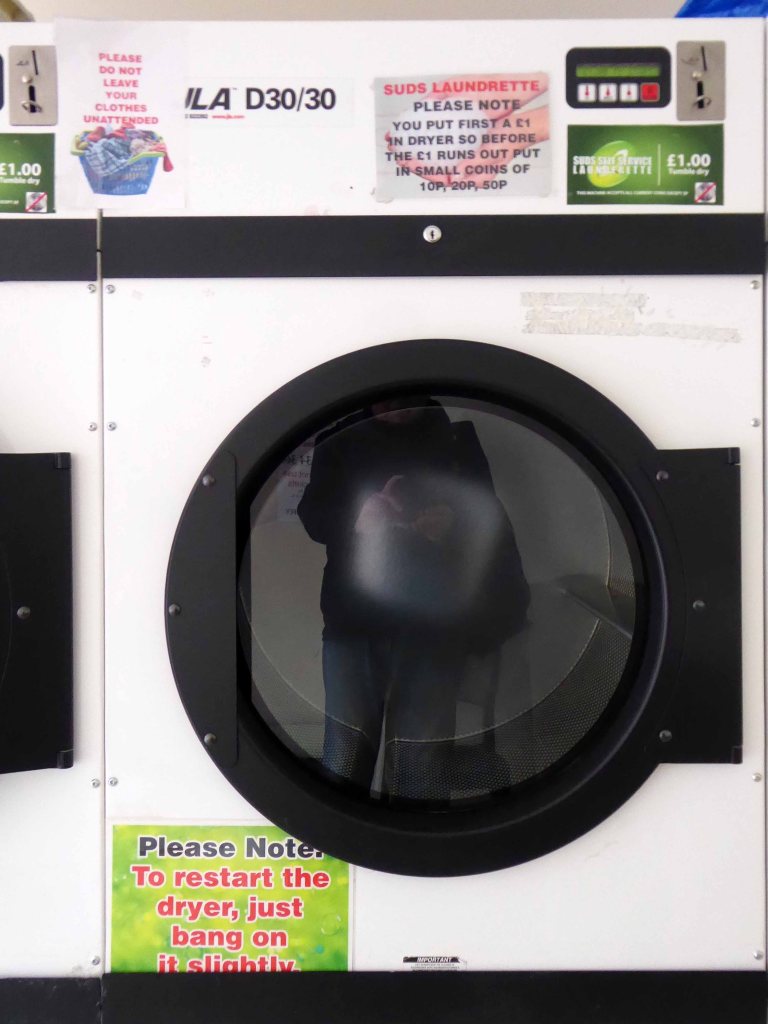
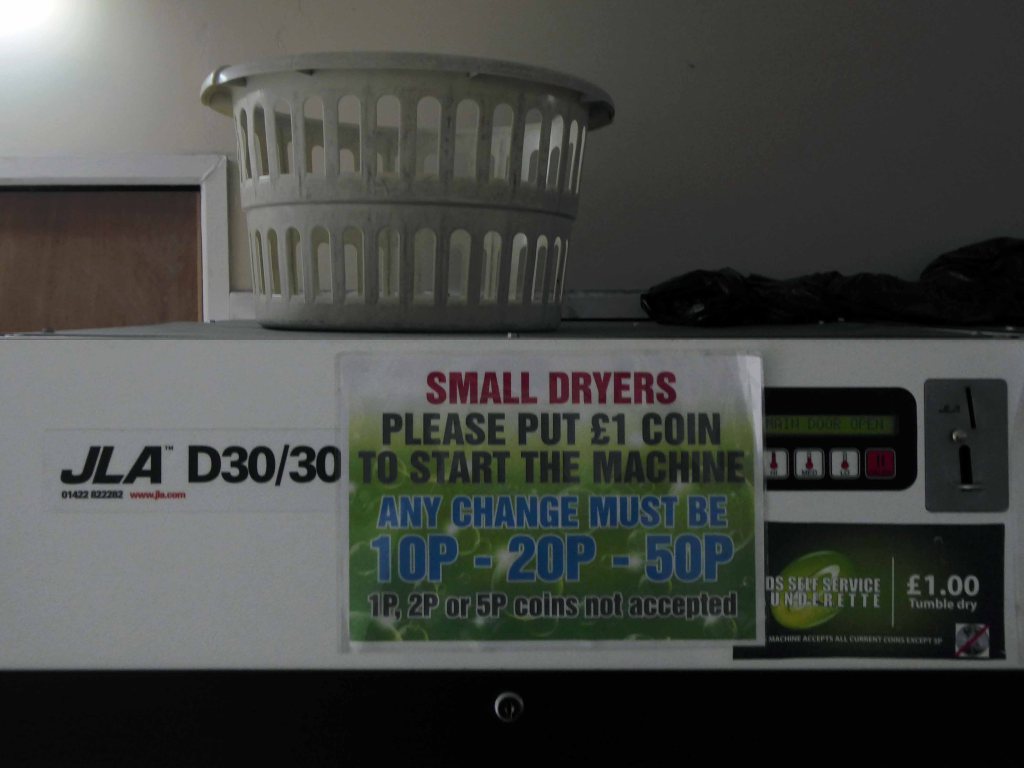
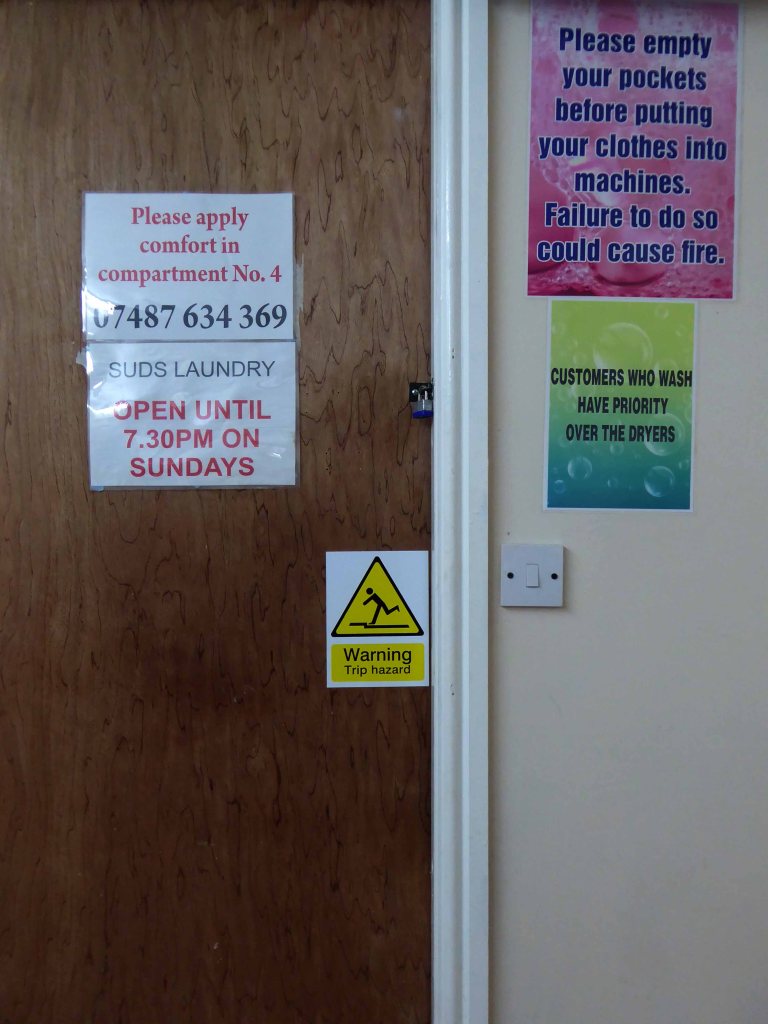
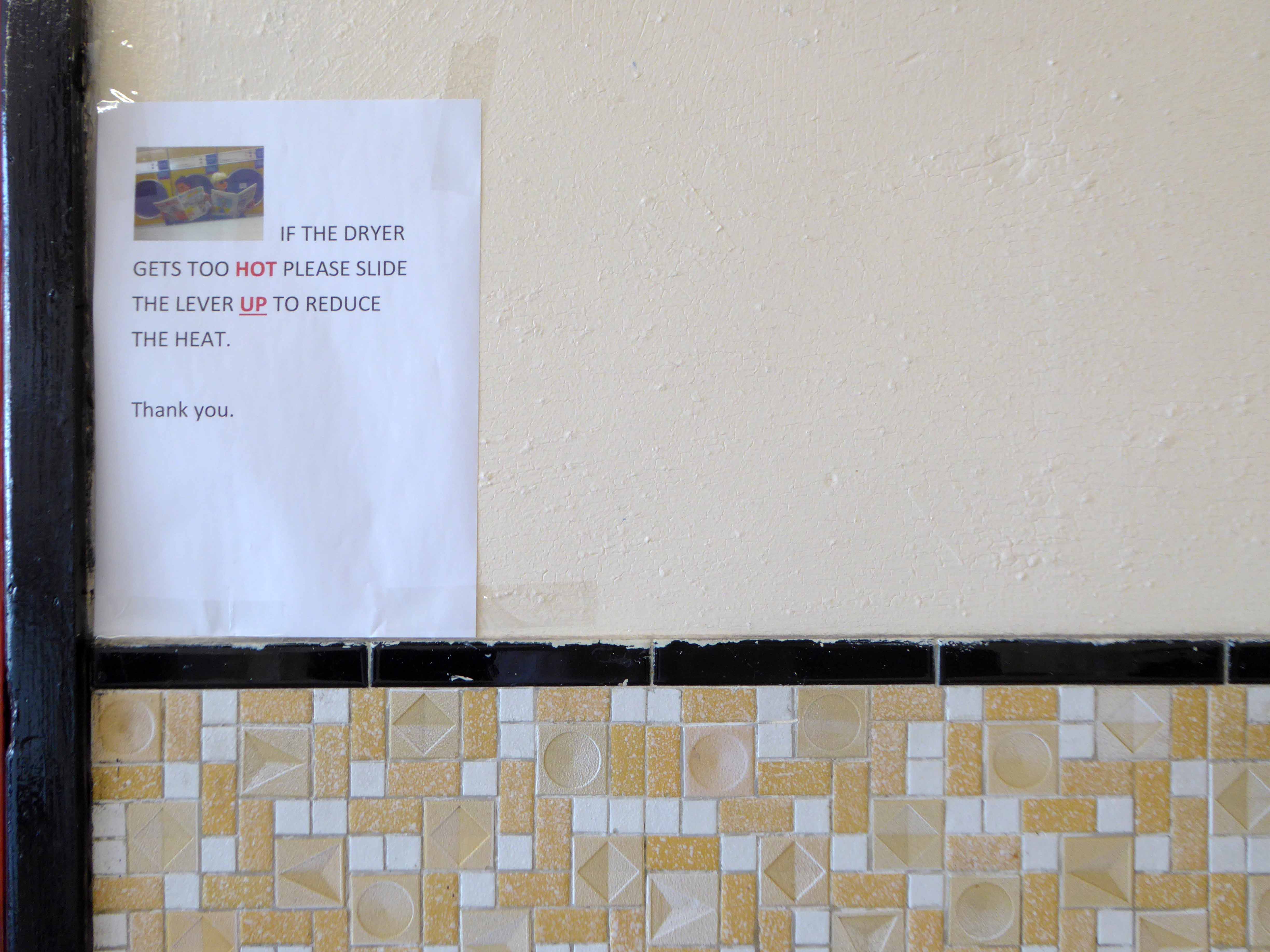
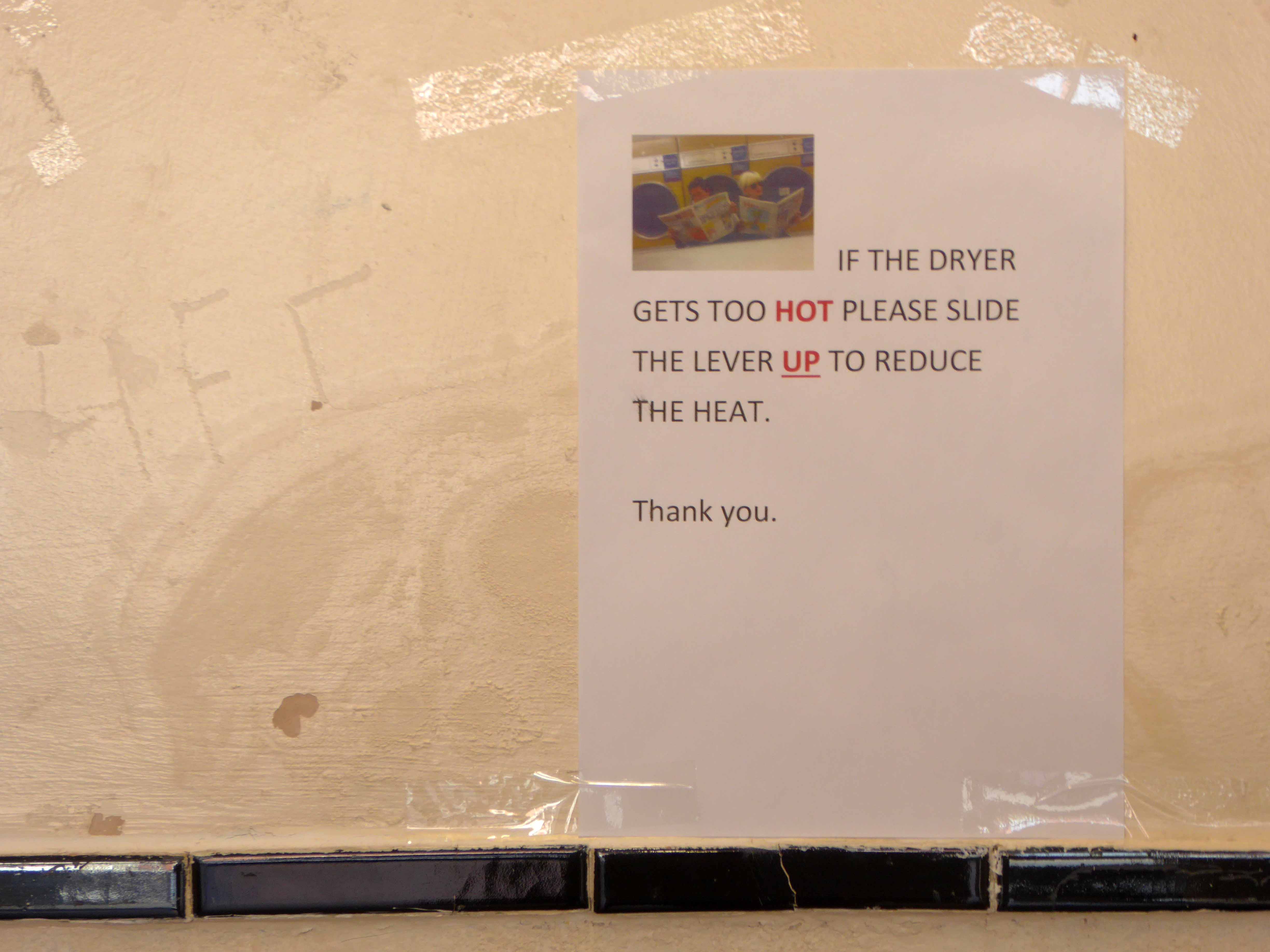
We have entered a new age – the age of the A6 based computer generated A4 Blu-Tack attached laminated print out.

An informal typography for the age of informality – long gone the etched plastic, hand rendered fascia days of yore.

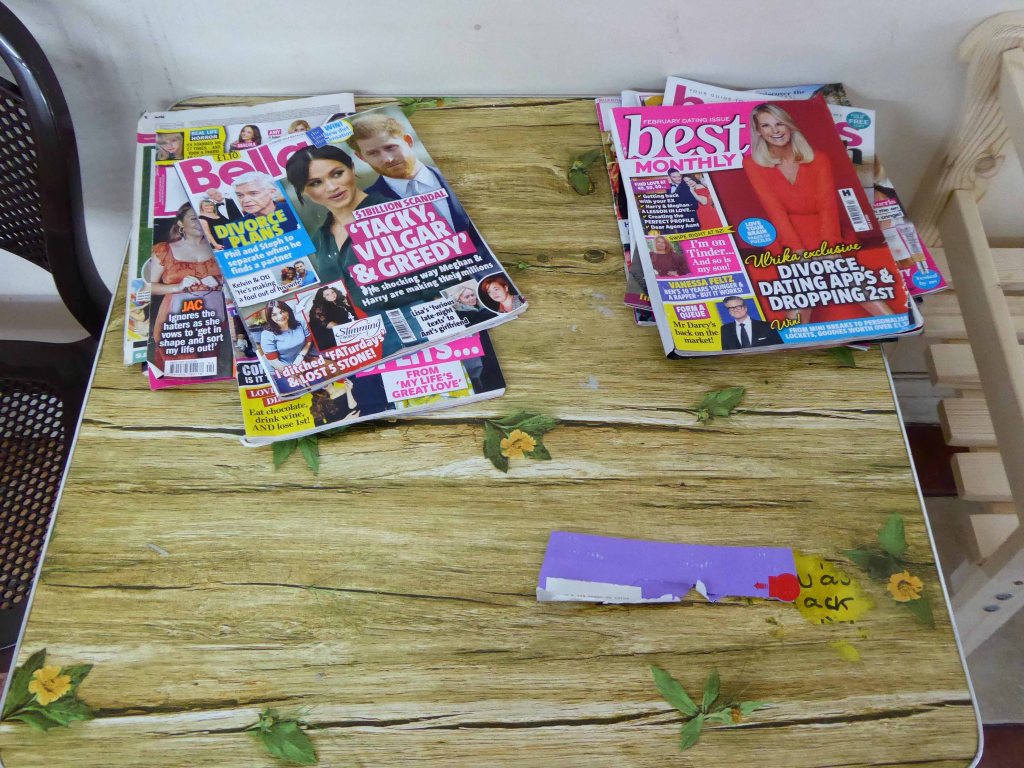
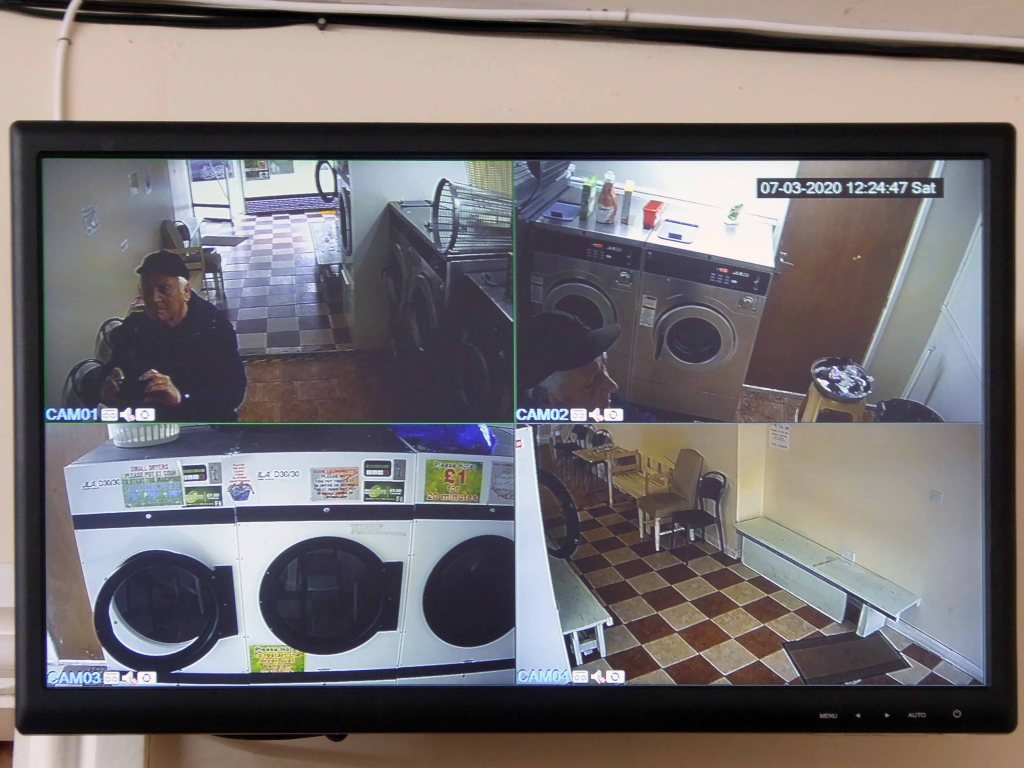
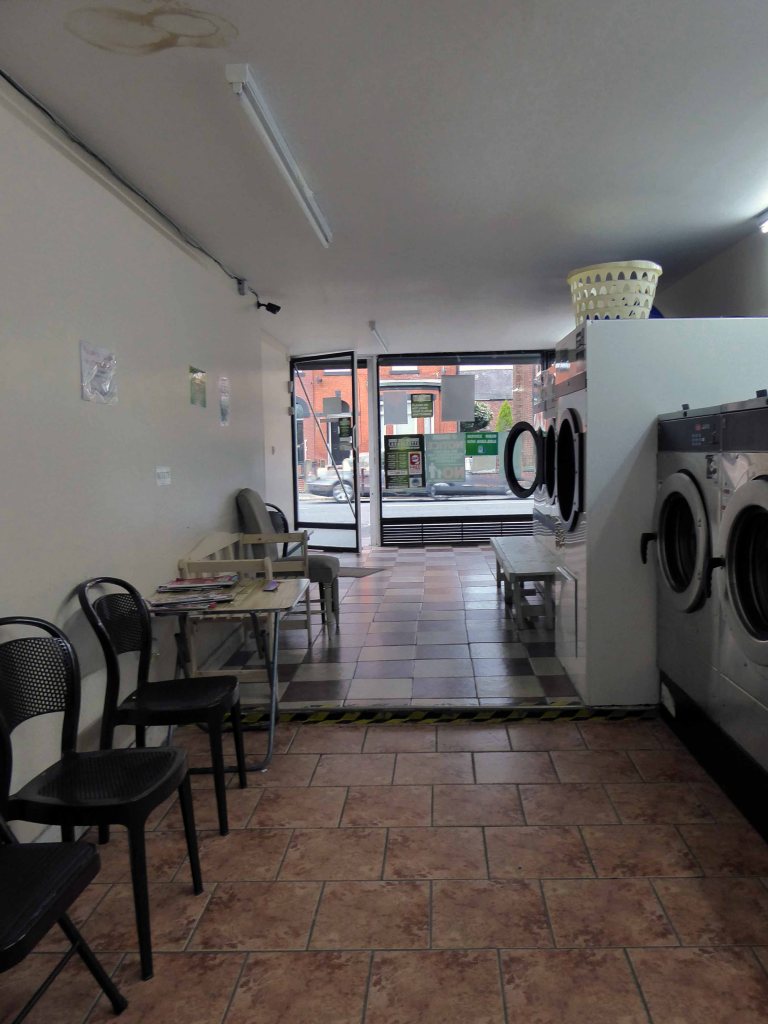
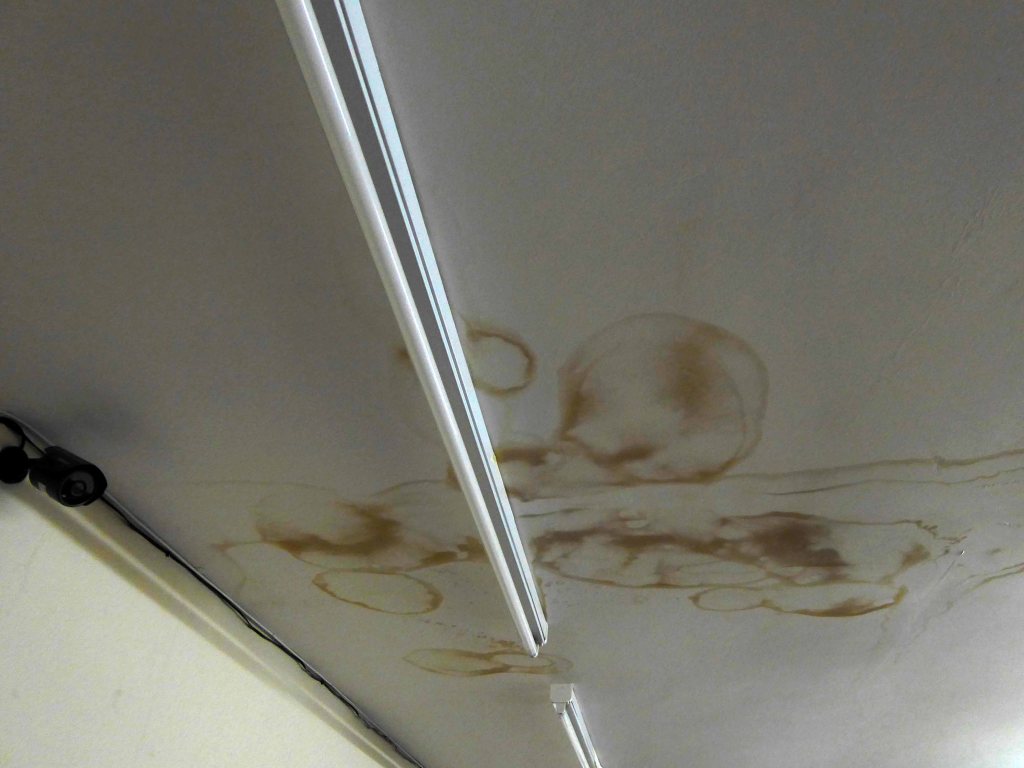
This is now one of many launderama dramas – my sole intent to record the state of the nation’s dirty washing.

There is even to be a book published this March.

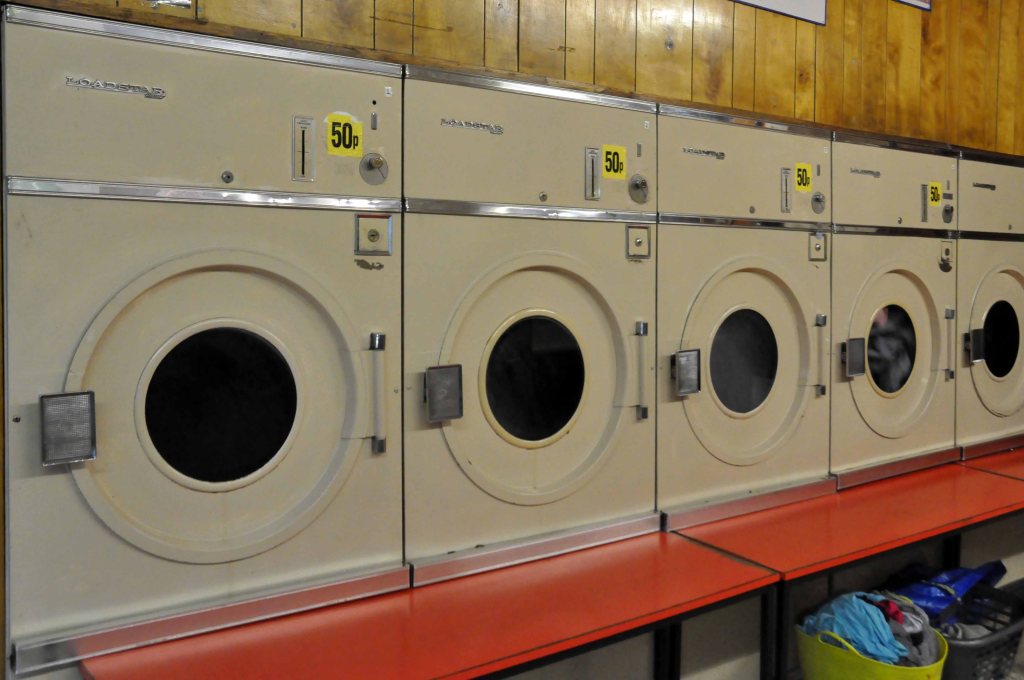
So one more for the road – load up the Loadstar with washers and slugs, let’s all get dry, one way or another.

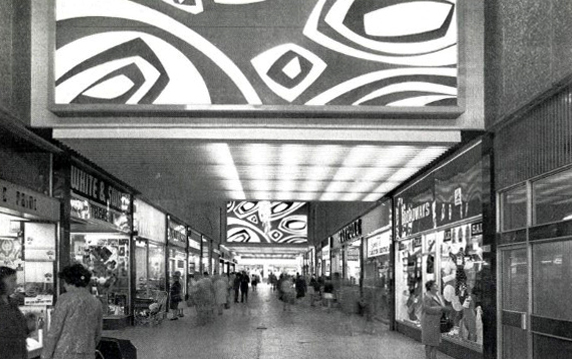
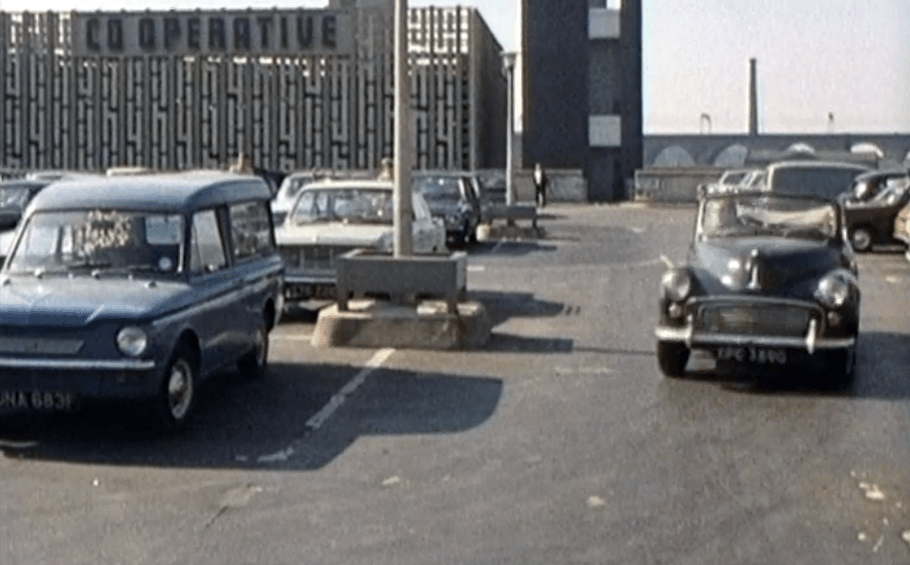
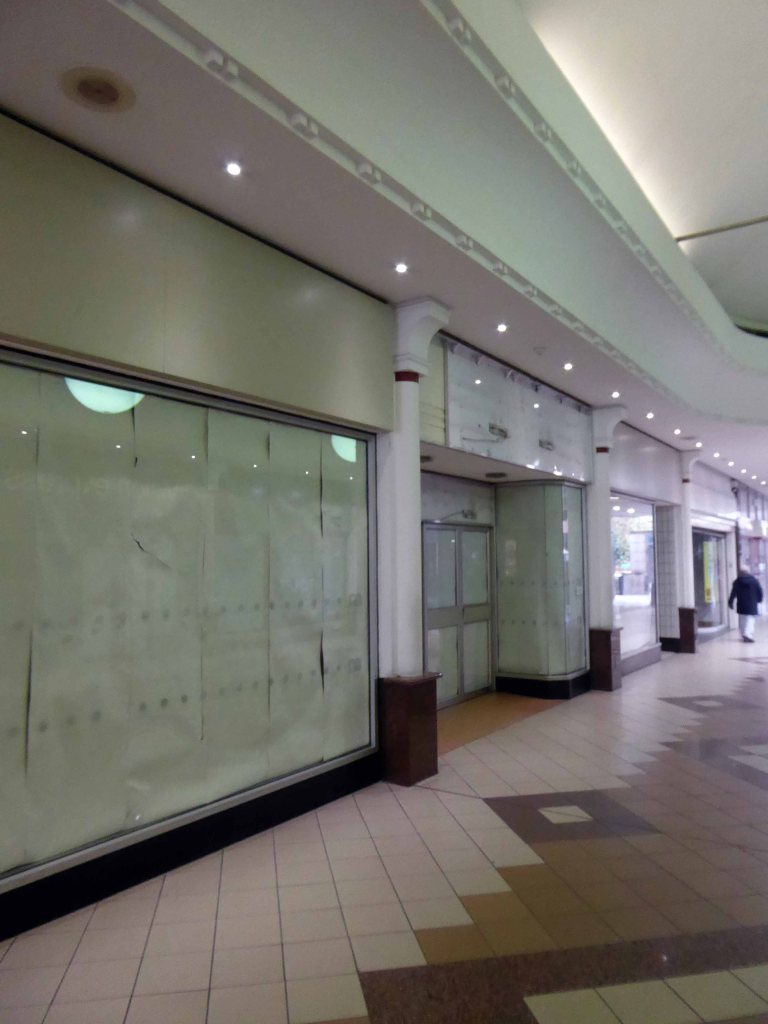
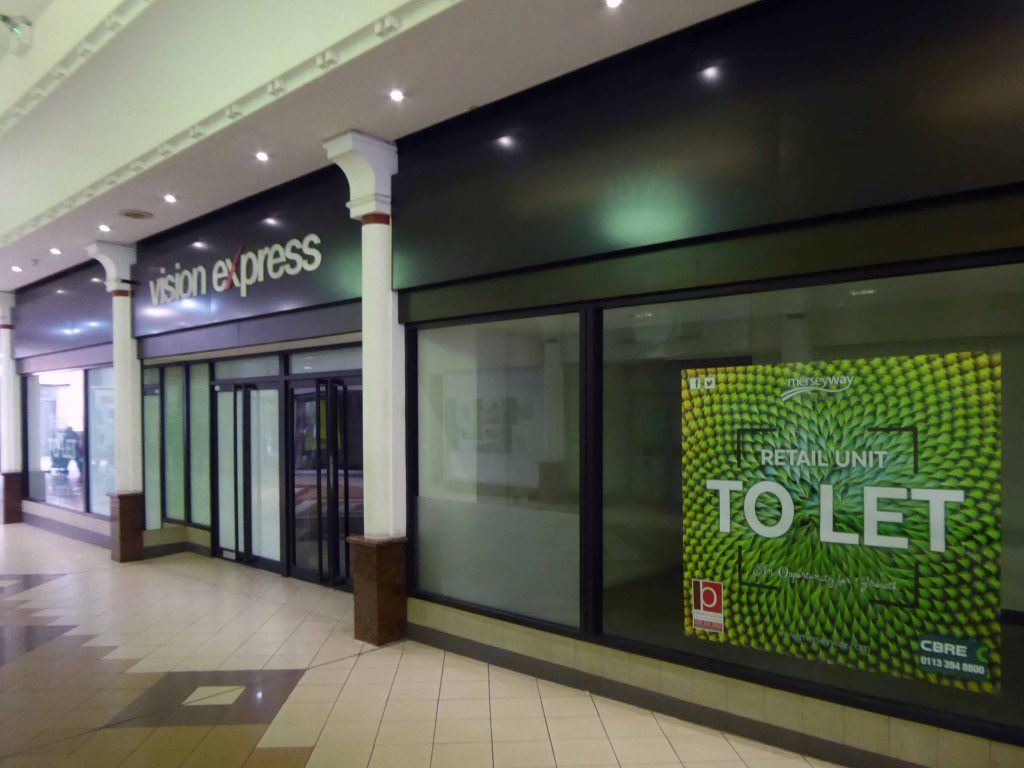
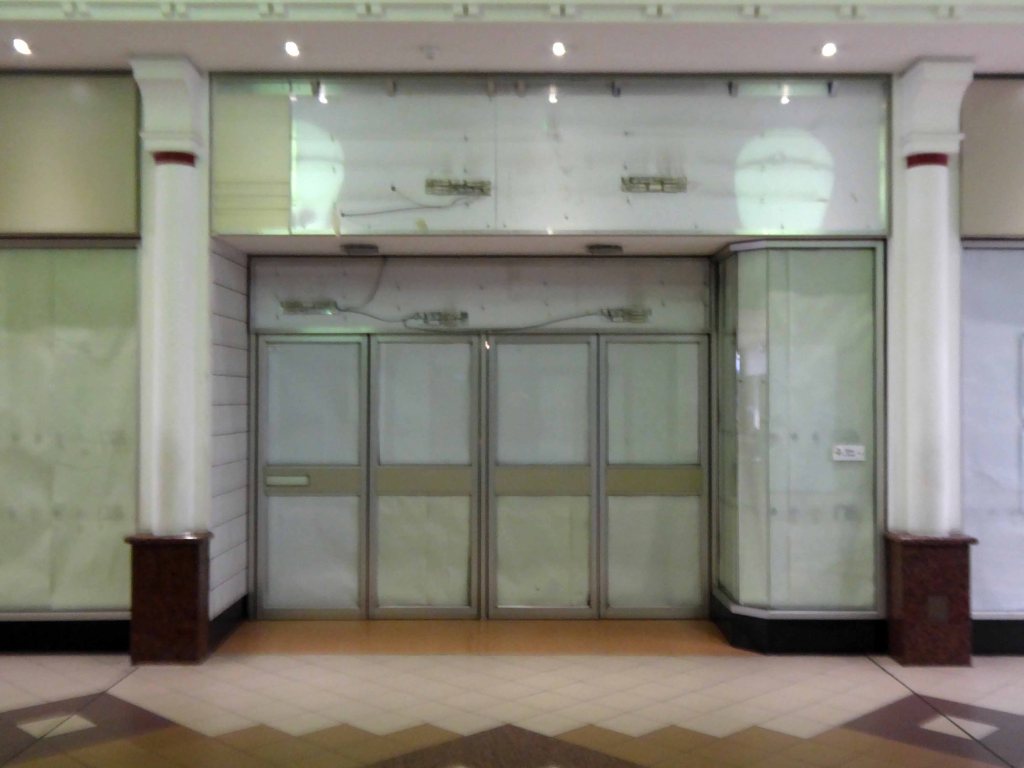
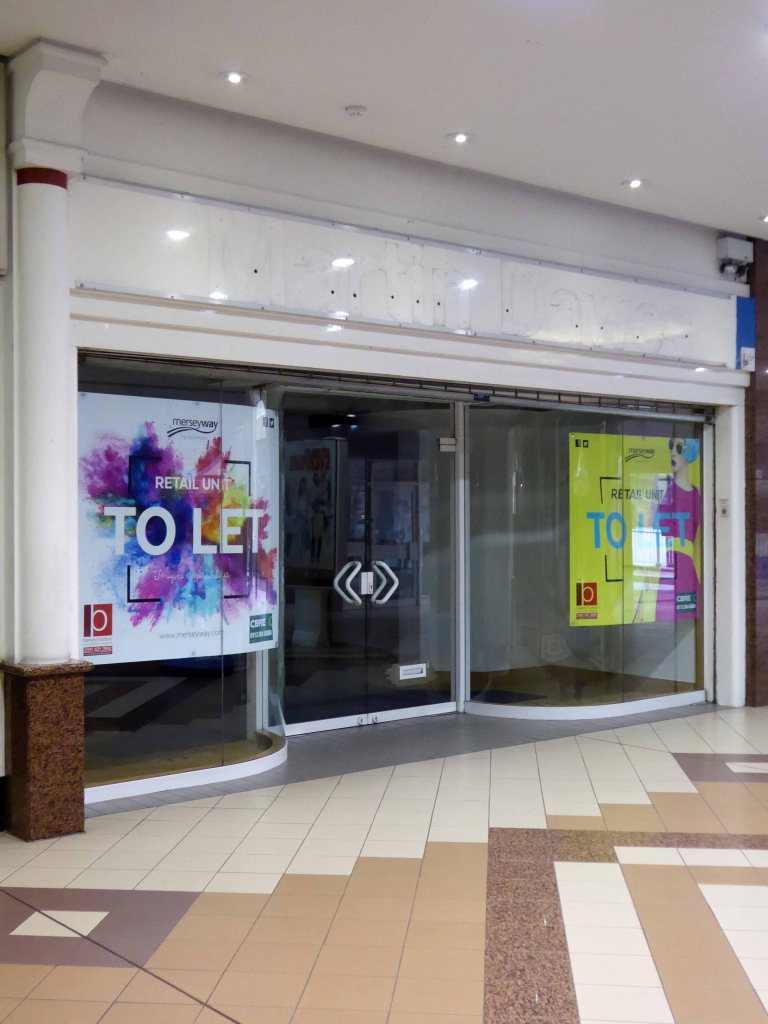
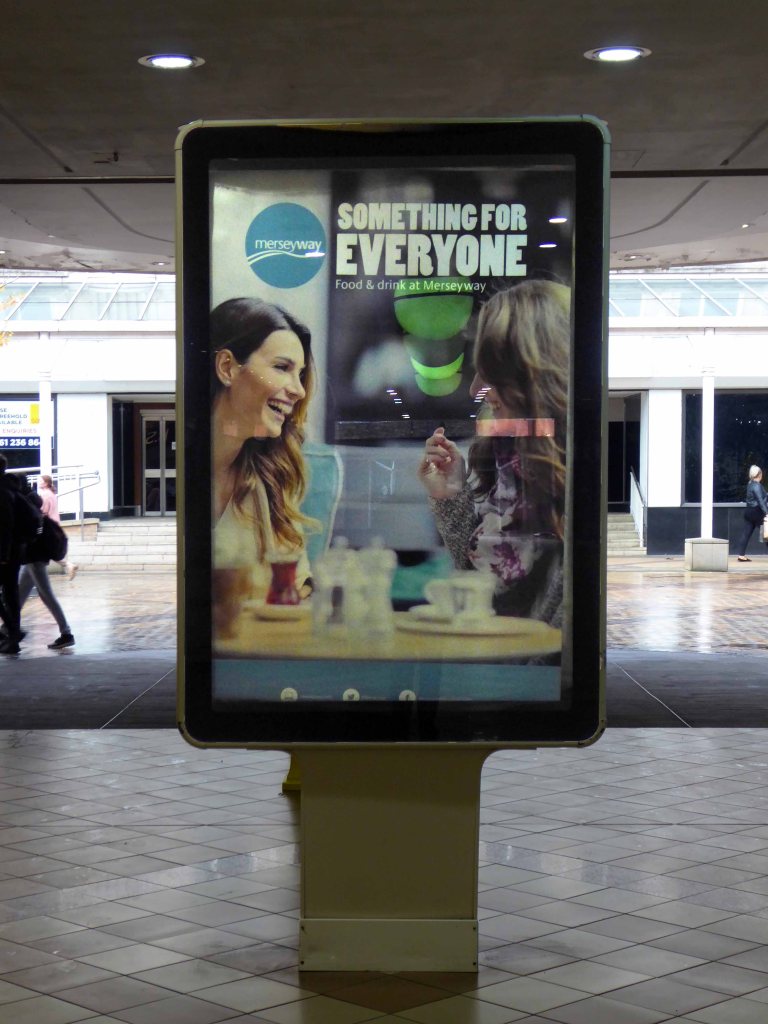
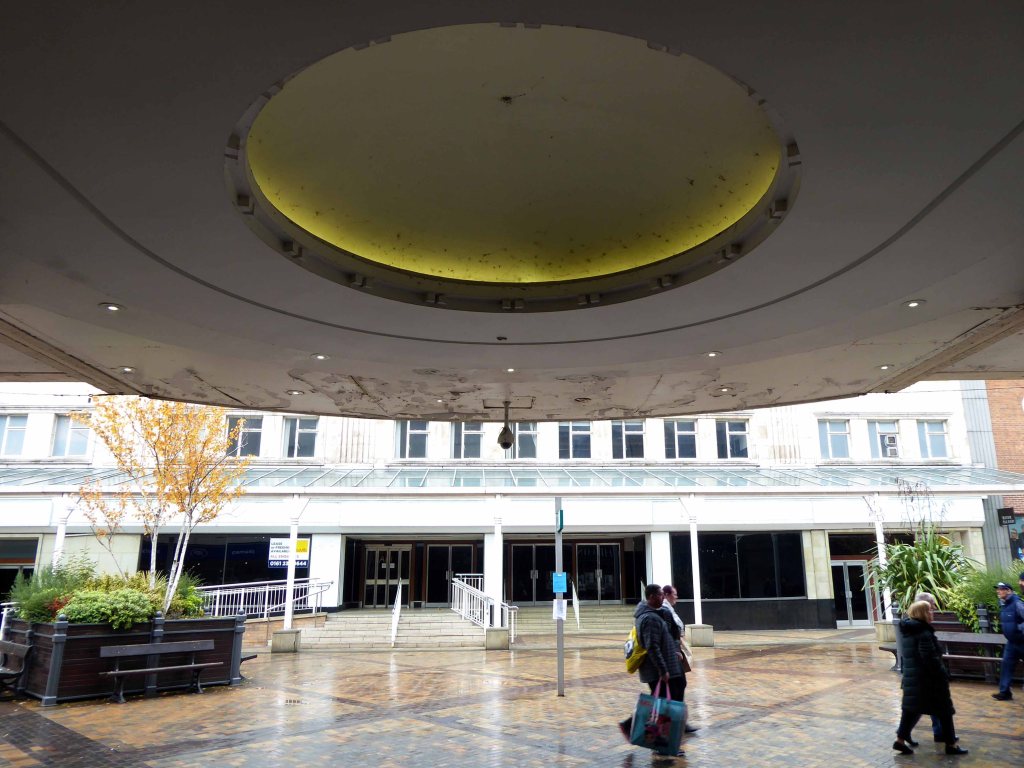
Merseyway – Adlington Walk

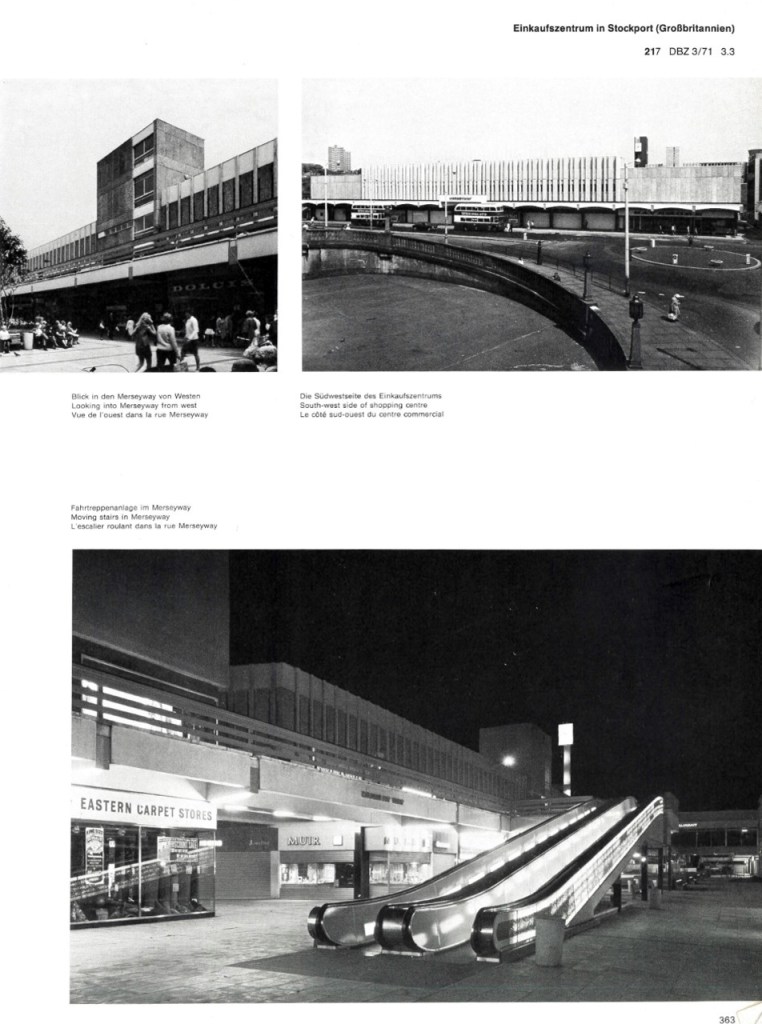
Once widely admired, Ian Nairn esteemed architectural writer, thought it an exemplary exposition of modern integrated shopping and parking, sitting perfectly in its particular topography – way back in 1972.

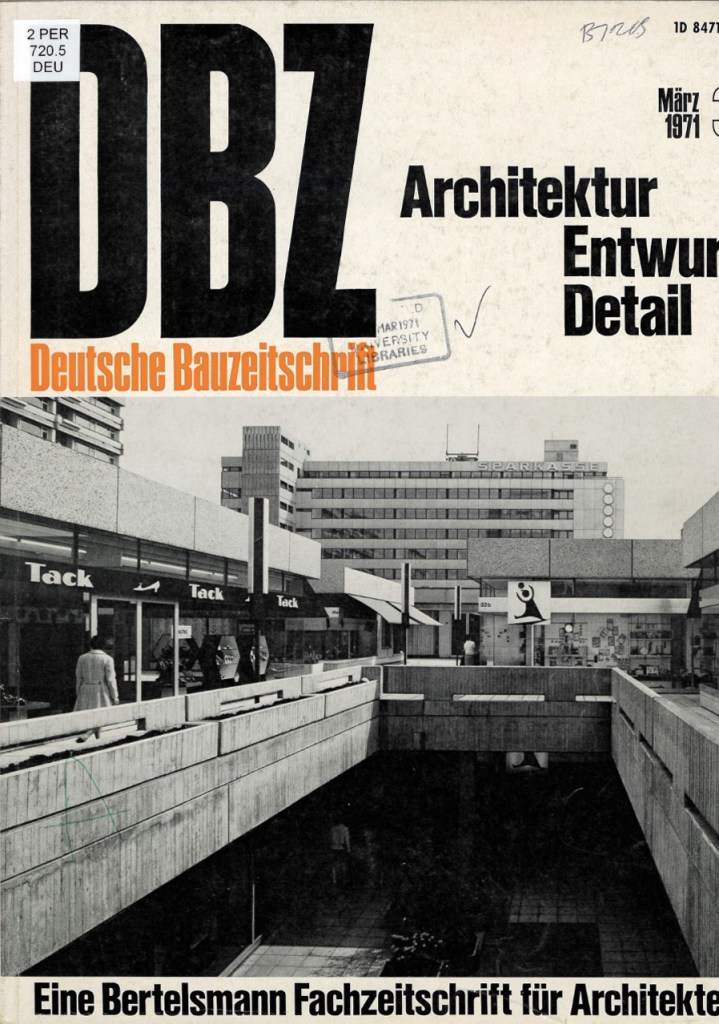
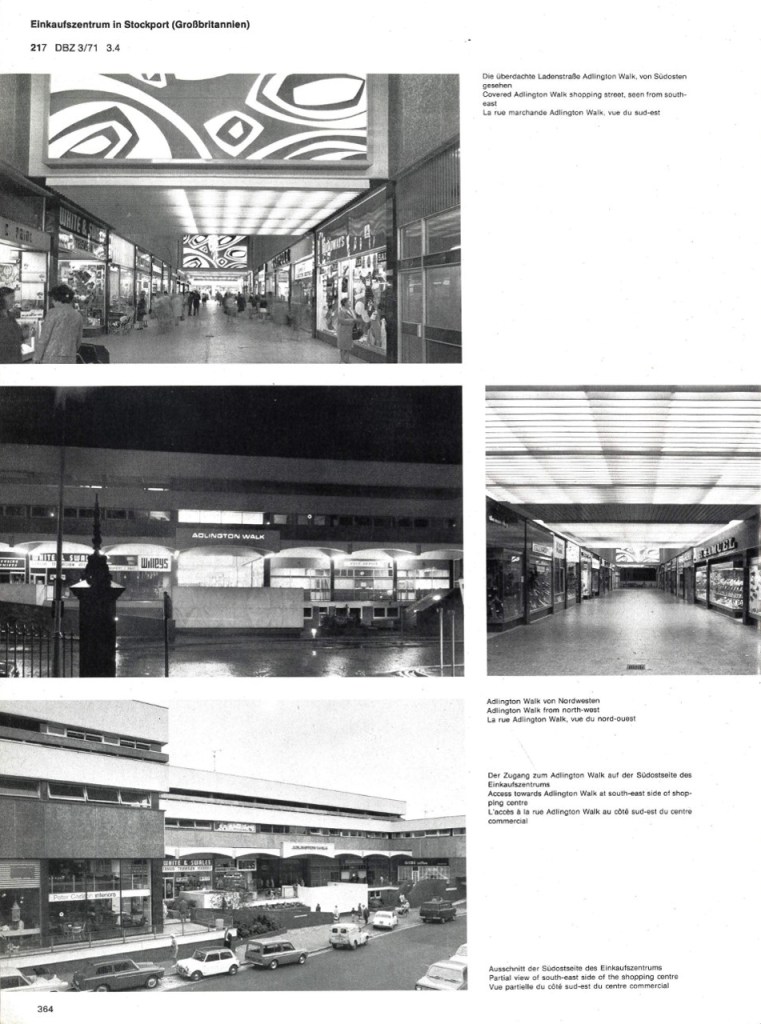
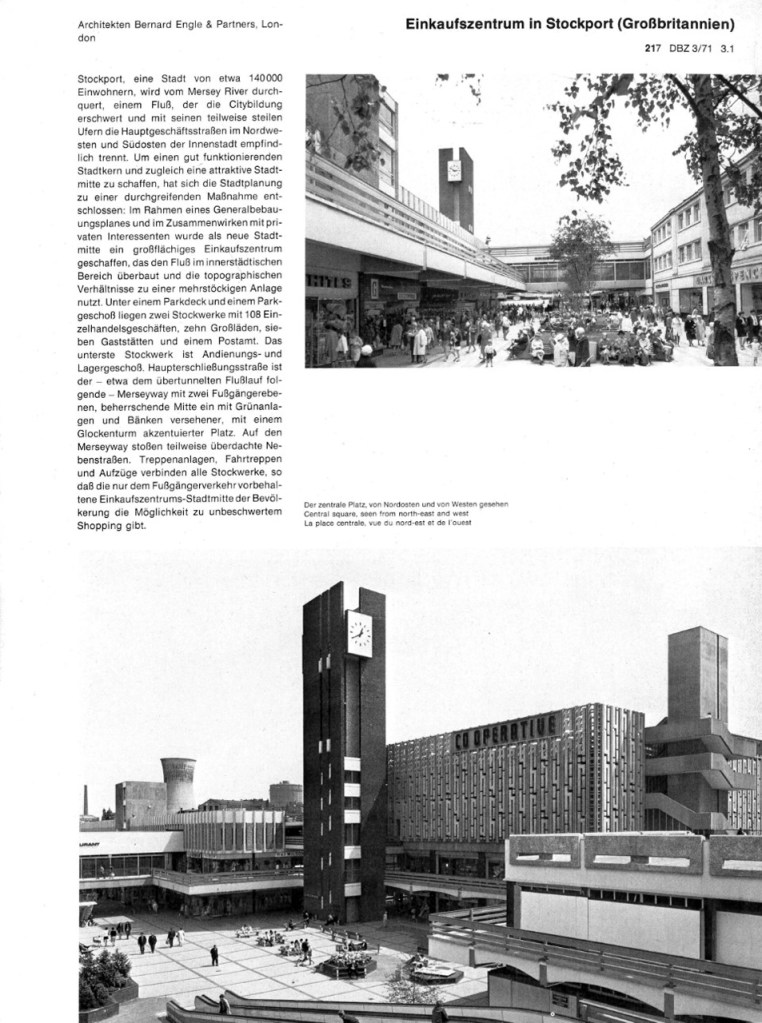
This German magazine dedicated several pages to coverage of Merseyway back in 1971.

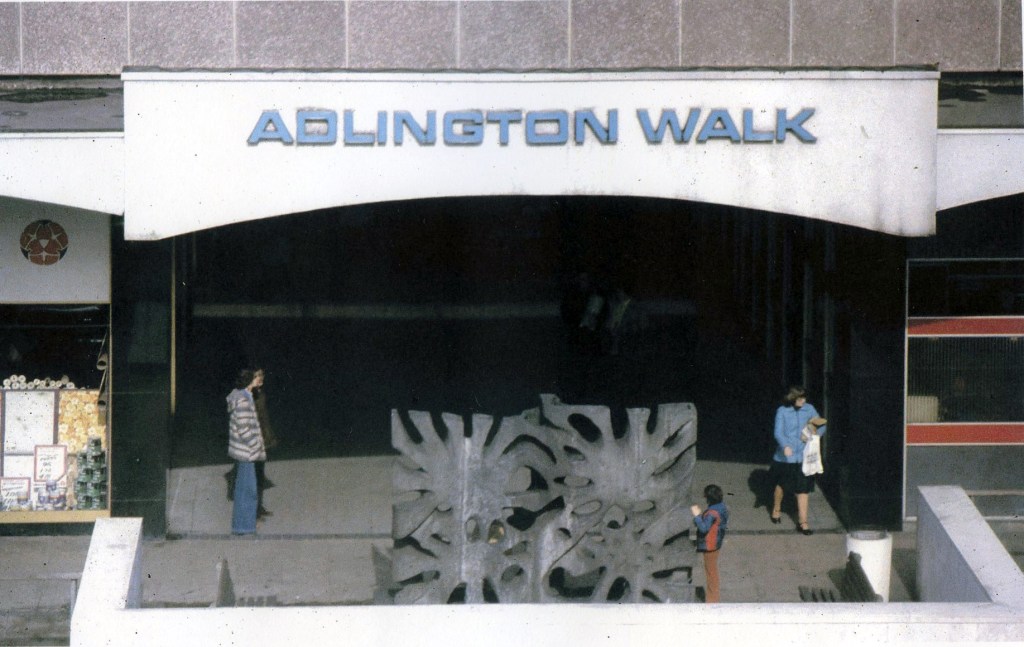
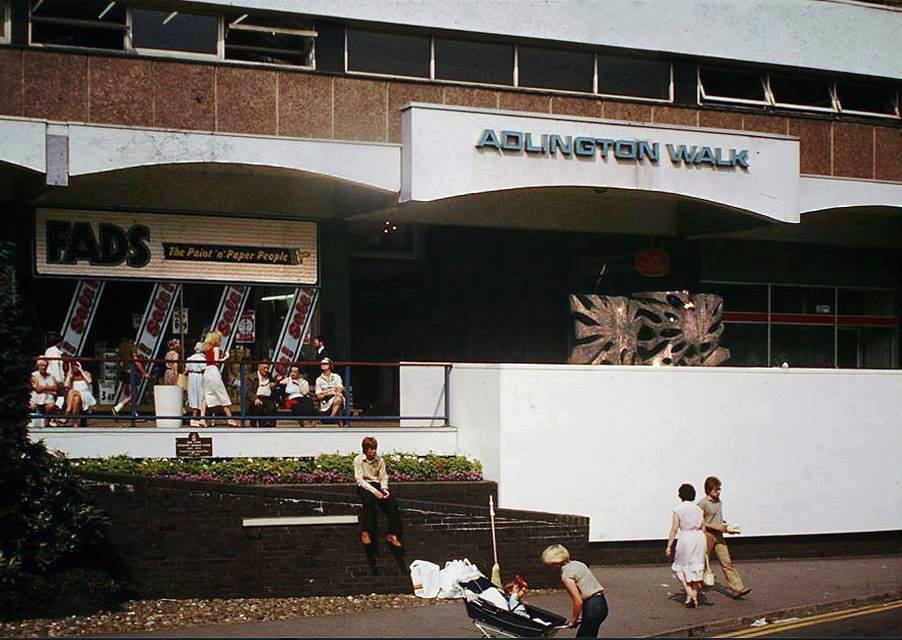
Note the long lost decorative panels of Adlington Walk.

Many thanks to Sean Madner for these archive images.

Mainstream Modern has recorded its conception and inception, as part of a wider appreciation of Greater Manchester’s architecture.

The architects were Bernard Engle and Partners in conjunction with officers of Stockport Corporation and the centre opened in 1965. The separation of pedestrians and cars, the service areas, the multi level street, the city block that negotiates difficult topography to its advantage, are all planning moves that are of the new, ordered and systemised, second wave modernism in the UK. The aggregate of the highways engineering, the urban planning and the shifting demands of retailers frequently arrived at a form and order such as this. In this way Merseyway is unremarkable, it’s like many other centres in many other towns – consider the rooftop landscape of Blackburn. It is, however, typical and has been typically added to and adjusted during its life and presents perhaps the face of the last retail metamorphosis before the out-of-town really made the grade.

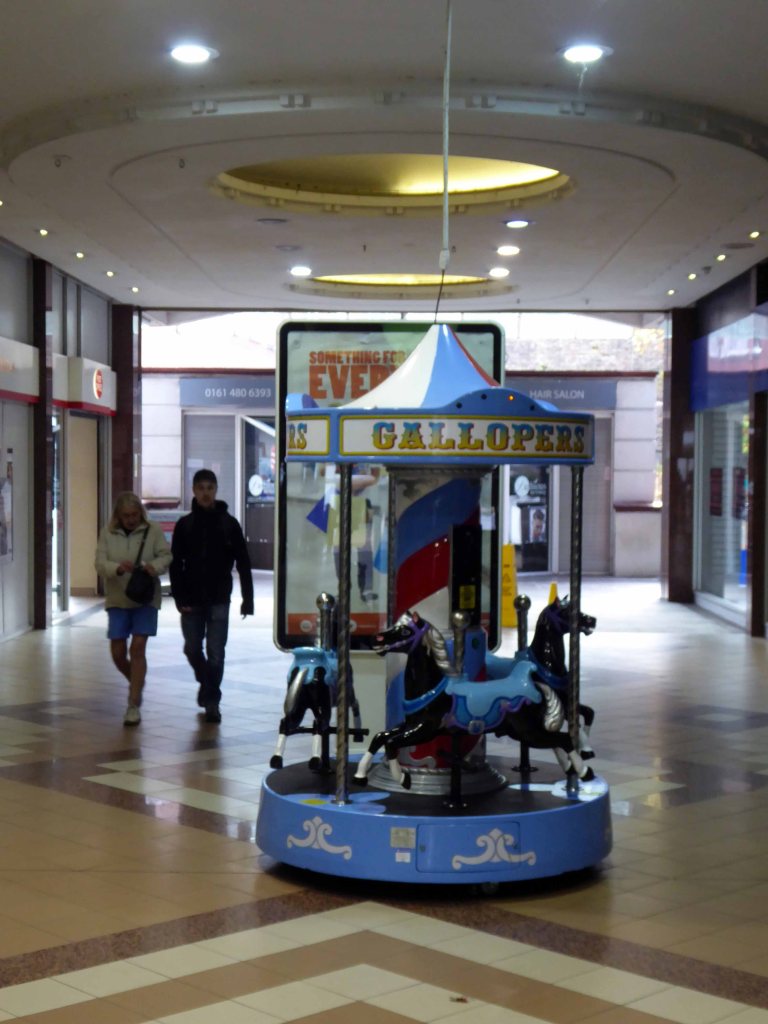
Each successive remaking and remodelling has seriously compromised the integrity of the development. We are left with dog’s dinner of poorly realised Post Modern and Hi-Tech additions, along with a failure to maintain the best of the original scheme.

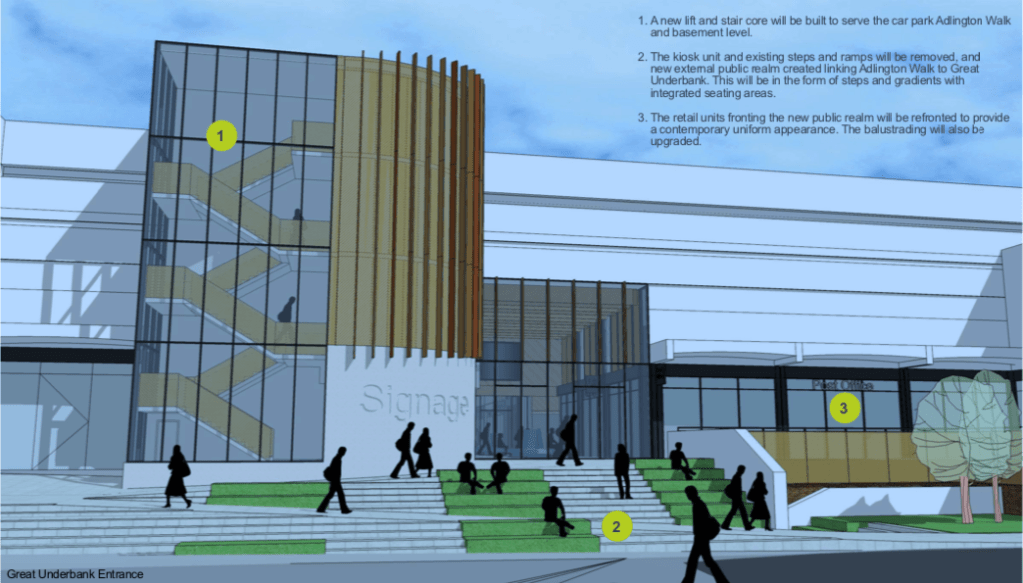
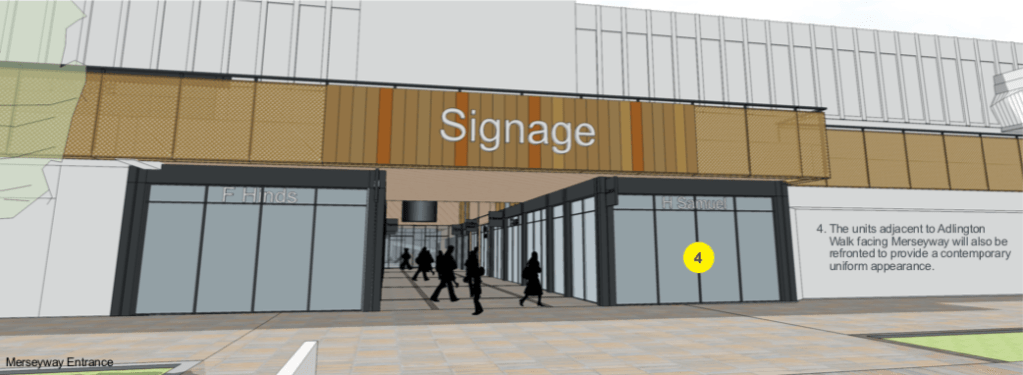
Plans are now afoot to revamp the precinct – starting with Adlington Walk.

Proposed facilities include a soft play space, new seating, buggy stores, high grade toilets, parent and child facilities and a multi faith prayer room.

Cecil Cinema – Hull

Anlaby Road and Ferensway Hull HU1 2NR

After you, Claude – no, after you Cecil

The Theatre De-Luxe was built in 1911 at the corner of Anlaby Road and Ferensway with its entrance in Anlaby Road and its auditorium along the side of the pavement in Ferensway. Kinematograph Year Book of 1914 lists 600 seats and the owners as National Electric Picture Theatres Ltd.

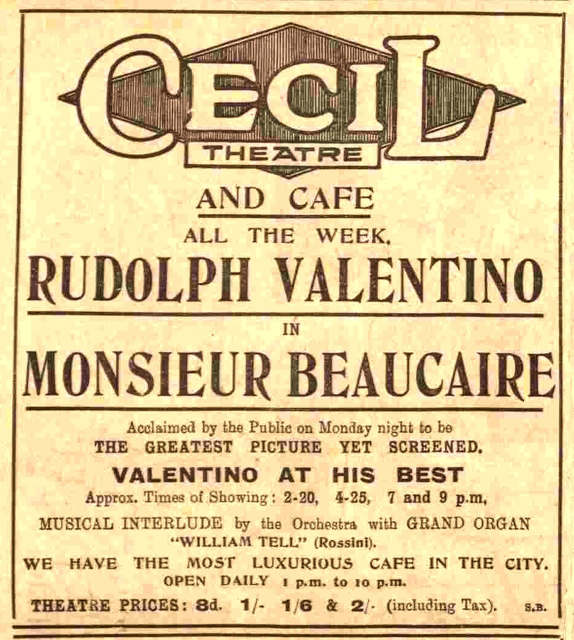
In 1925, the theatre was rebuilt to a radically altered ground-plan and renamed the Cecil Theatre. The opening night was Monday 28th September 1925. The entrance was in a curved façade at the Anlaby Road/Ferensway corner. The alignment of the new, larger, auditorium was at right angles to Ferensway, and parallel to Anlaby Road. Effectively, the length of the Theatre De-Luxe auditorium became the width of the Cecil Theatre’s. Seating was 1,700 with 700 of those in the balcony, according to the Hull Daily Mail. The Cecil Theatre was originally designed for silent movies with a full orchestra pit. KYB 1931 lists it having Western Electric sound installed; and a 1931 aerial view shows that a brick horn-chamber had been built onto the wall at the rear of the stage. It had a 35 feet wide proscenium. The cinema also had a café attached.

The Cecil Theatre’s demise came during bombing on the night of 7/8 May 1941 when German incendiary bombs reduced the building to a shell; and it remained like that until demolition in 1953.

Cinema Treasures

Work on the new Cecil Theatre was begun in April 1955 and it was opened on 28th November 1955 with 1,374 seats in the stalls and 678 in the balcony.

Architects: Gelder & Kitchca

At the time of opening it had the largest CinemaScope screen in the country measuring 57 feet wide, and the first film shown was Marilyn Monroe The Seven Year Itch. The proscenium was 60 feet wide, and the cinema was equipped with a Marshall Sykes 3Manual/15Ranks organ, which was opened by organist Vivian Newall.

There was also a 100-seat restaurant & bar which in 1971 was converted into a second screen seating 137 (Cecil 2). The following year the main auditorium was spilt into 2 smaller cinemas in the balcony (Cecil 1 & 3 each seating 307) and an entertainment hall in the former stalls which became a Mecca Bingo Club, with Mecca also operating the cinemas.

In the 1980’s it was taken over by the Cannon Cinemas chain. The cinema operation was closed on 23rd March 1992 and the cinemas were ‘For Sale and/or Lease. It was taken over by Take Two Cinemas and renamed Take Two Cinema. It was closed on 27th February 1997 and the two screens in the former circle were stripped out and converted into a snooker club.

Whilst bingo continues in the former stalls area of this post war 
cinema, the former mini cinemas in the circle still contain the snooker tables, but the space is unused. The screen in the former restaurant/cafe area remains basically intact, but is unused.

Cinema Treasures

I worked at the Cecil in the three years before it closed in the 90’s. MGM owned the place before the Virgin group bought it and closed it. It was a good place to work and an interesting building. Behind the scenes had remained unchanged since Anna Neagle first opened it. The organ had been removed however but the organ room was still in tact in the bingo section of the building. The fire exits led to long dark corridors that were always being infiltrated by kids sneeking in for a free shows. I understand that this was always the case. The resturant kitchen was fully intact and resembled something out of a Kubrick film – very spooky place!

Bilko2000

And so the projectors whirr no more, house is called at the Cecil – possibly the most oddly named cinema in the land.

Happily it remains an imposing presence in the centre of the city – a mammoth modern temple of entertainment – reflecting the ever changing tastes of the day and the morning after.

George Street Car Park – Hull

My previous Hull walk was was linear, along the Humber Estuary open and expansive.

This was a very different kettle of fish – spiralling out of control, rising and falling, walking the ramp, a journey into one’s inner self.

Possibly the worst multi storey I have been in for years.

Spooky, filthy, bays too small, machines remote, access tortuous.

Avoid.

So says Nick Shields

Dark, Gloomy and Rotting .

Looks a good candidate for a location for a crime watch reconstruction.

Quoth Peter Campbell

It’s a multi story multi Storey and no mistake

I couldn’t possibly pass comment, I walk can’t drive, won’t drive – though simply can’t resist exploring car parks.

Though the local paper has identified an issue of fitness to fit.

Heard the one about a city centre car park where you can’t easily park your car? It might sound like a joke but it’s no laughing matter for drivers trying to squeeze into vacant spaces at Hull City Council’s multi-storey car park in George Street. For motorists are finding it increasingly difficult to manoeuvre into its tight parking bays.

I myself navigated the bays with ease, though not without that unique sense of foreboding and unease, generated by an empty concrete carapace where car space, decay and ingress are issues.

It was designed and developed by Maurice Weston in the 1960s. He had two companies, Multidek and Dekotel, and built circular continuous ramp car parks in Hull, Nottingham, Leicester, Bristol and Bournemouth, some of them also involving circular hotels on the upper floors. In its day, the bays were easily wide enough for most cars. When I used George Street myself, it felt great to use, because you could easily reverse into the pitches and there were no tight corners to negotiate. But car widths have probably got the better of it, these days, and you can’t widen the pitches because of the position of the pillars.

The plans were very complicated to get approved because the George pub was a listed building and the car park had to be built around it. Incidentally, Maurice Weston also had an option to develop the wasteland on Ferensway in the 60s, but his hotel and entertainment centre project didn’t get past the council.

Thanks to David Sugarman

Let’s take a look.

Launderette – Hull

Whilst walking down Beverley Road I caught sight of of you out of the corner of my eye – my left eye.

My beautiful laundrette:

In this damn country, which we hate and love, you can get anything you want, it’s all spread out and available.

That’s why I believe in England.

Set back slightly from the road and the rest of the world.

Queens Road a street with an incident packed street view.

Without hesitation I entered the world of washing, soap and suds, signs and surfaces.

Dirty linen has never been so public.

Neaverson’s – Huddersfield

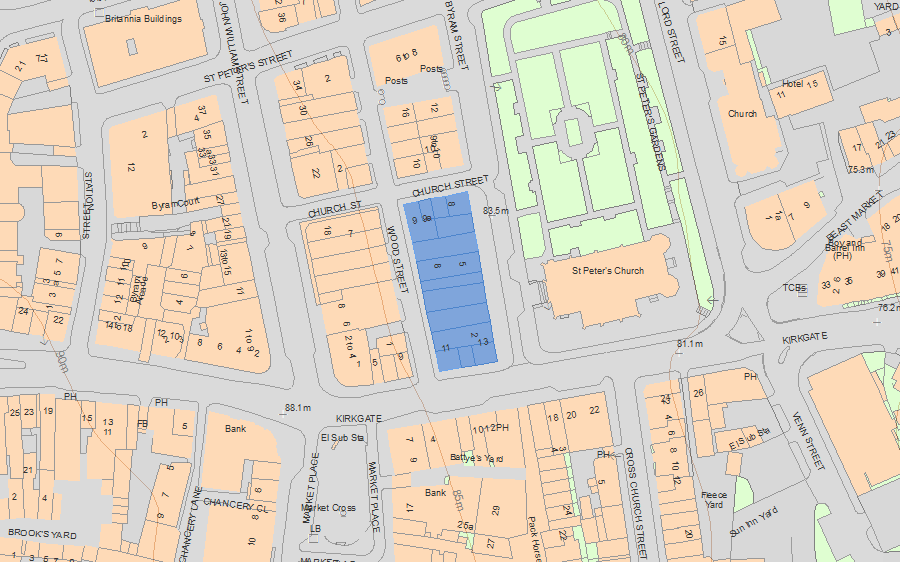
Kirkgate Buildings Byram Street

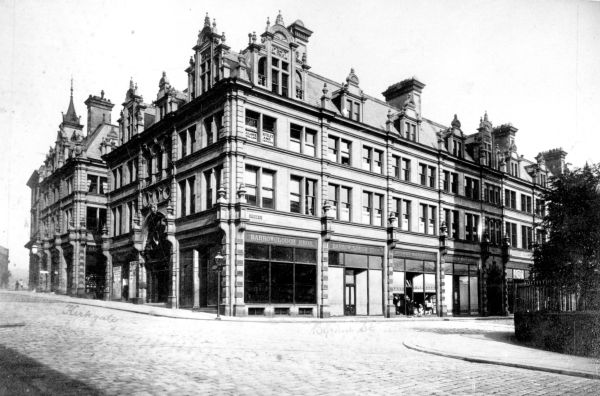
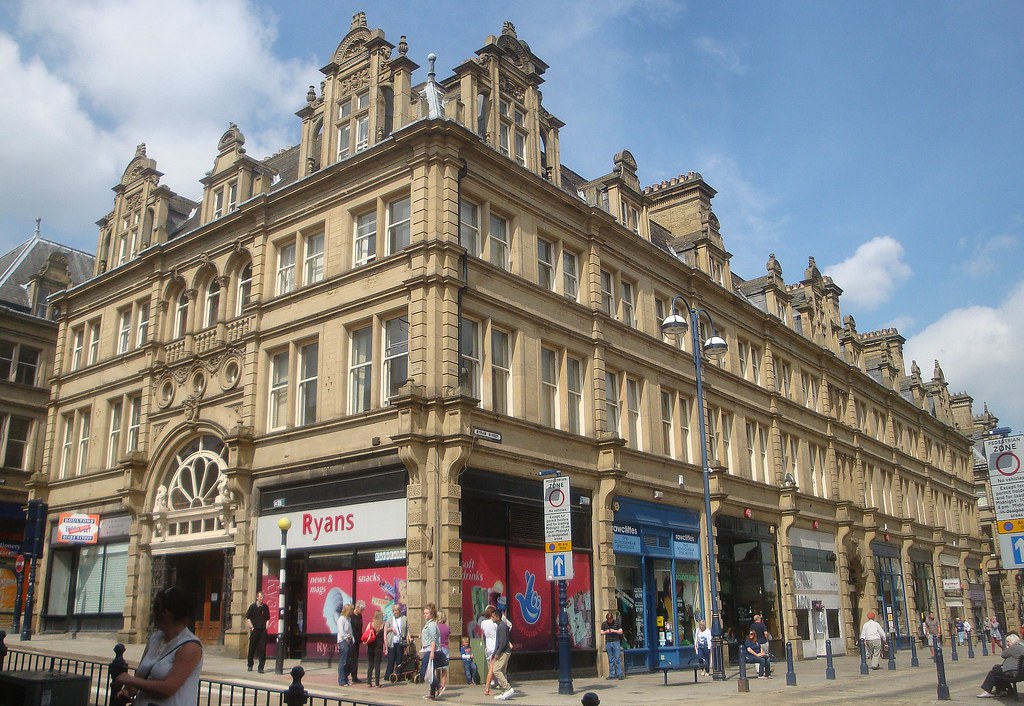
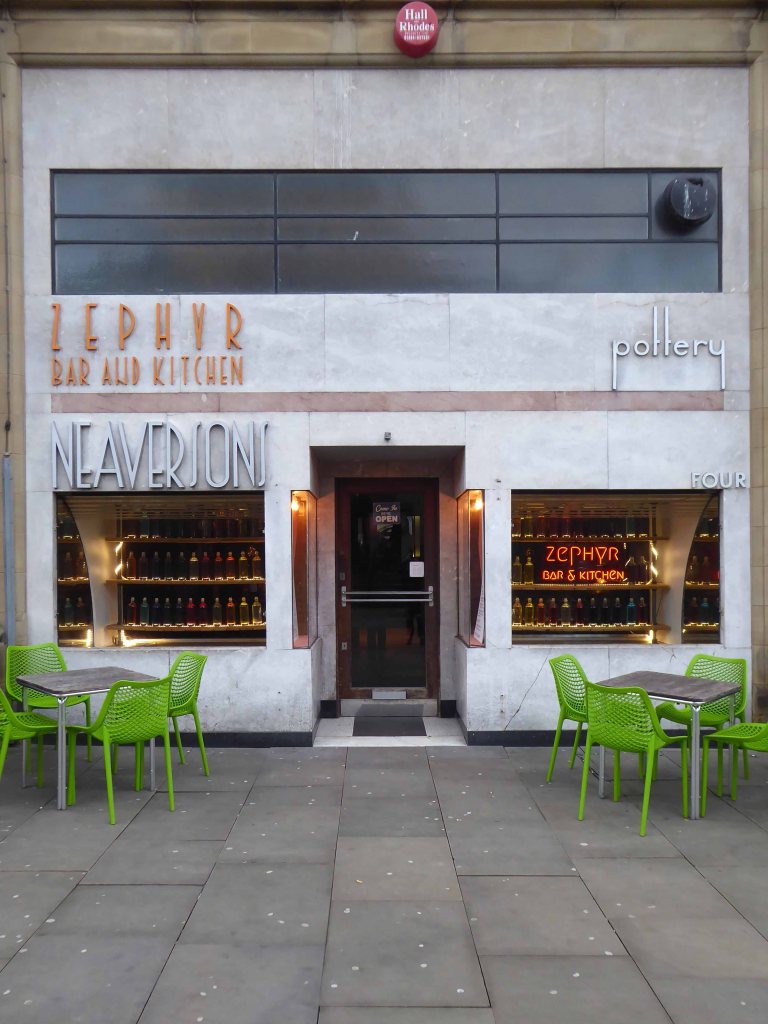
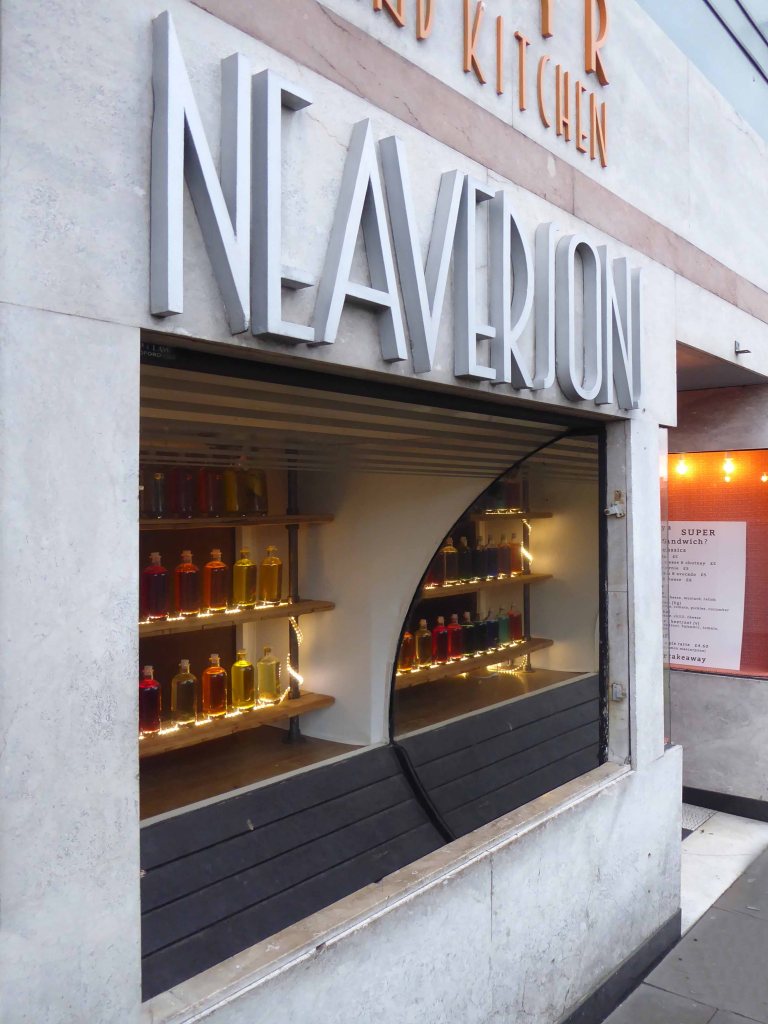
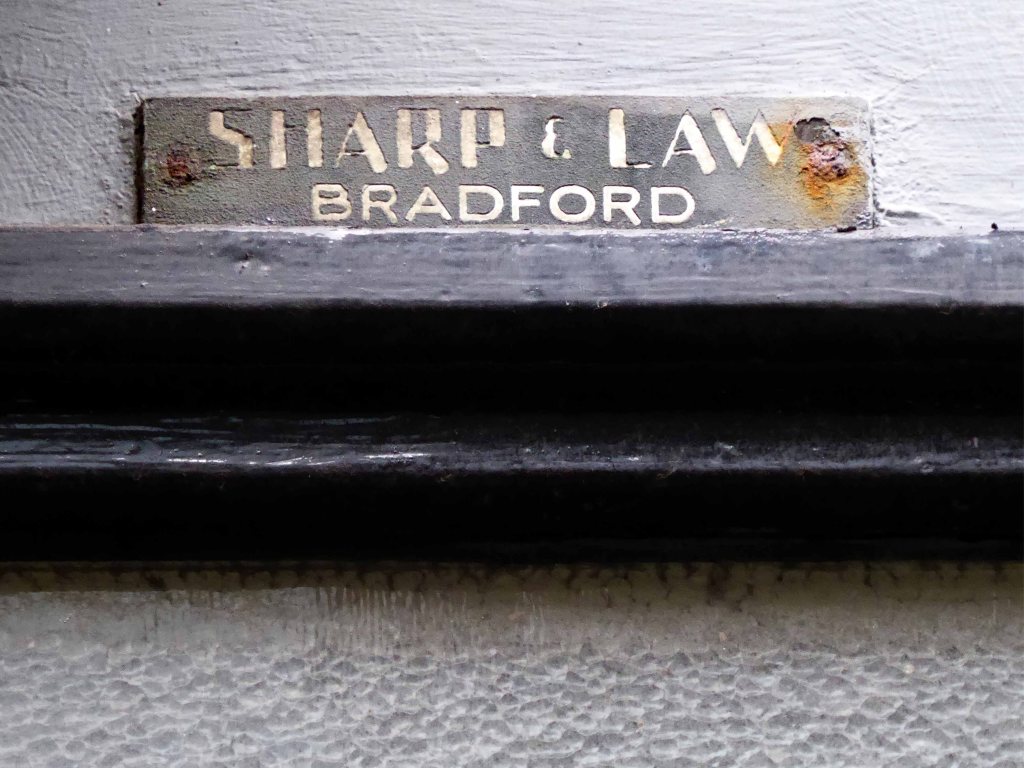
Commercial building with ground-floor retail units and offices to the upper floors, c1883, by W H Crossland with sculptural work by C E Fucigna. Sandstone ashlar, slate roof, substantial ashlar ridge stacks. C19 Queen Anne style with French influences and classical Greek sculpture. One of the ground-floor shop units was remodelled in 1935 by Sharp and Law of Bradford with Moderne shopfronts and interior fittings.

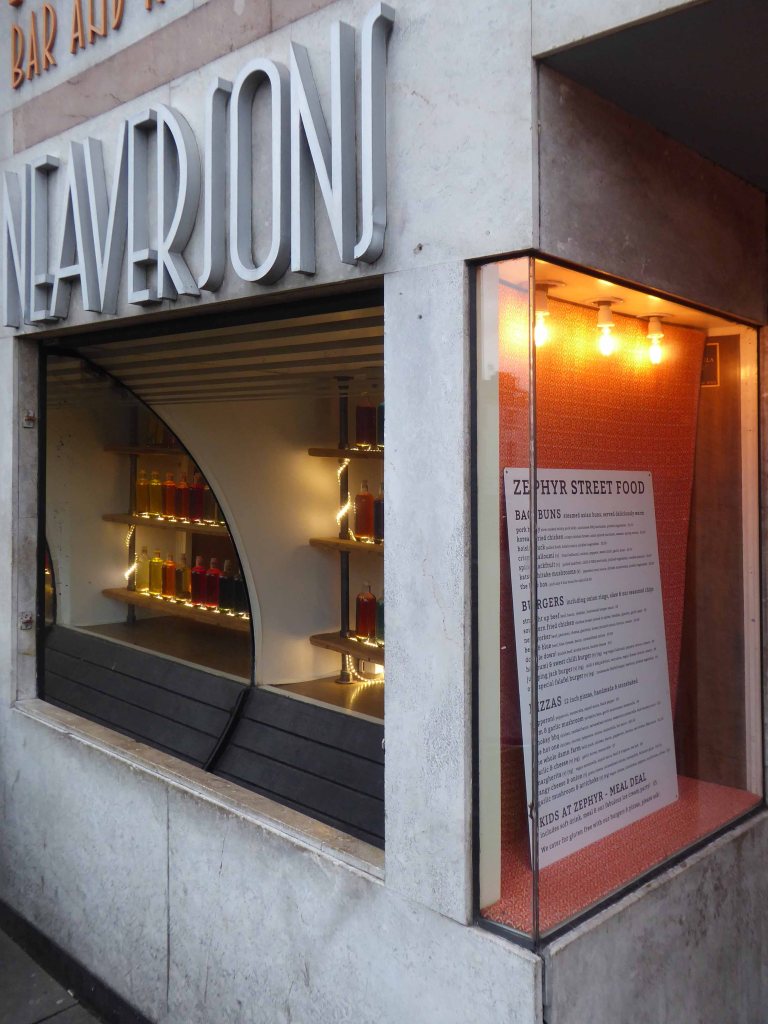
The cultural and visual collision is immediate – the pairing of Huddersfield’s grand Victorian manner with the latest of European Moderne.

Neaverson’s – purveyors of pottery and glass began life in 1893 in premises on Cross Church Street, before moving to the Grade I-listed Byram Street building in 1935.

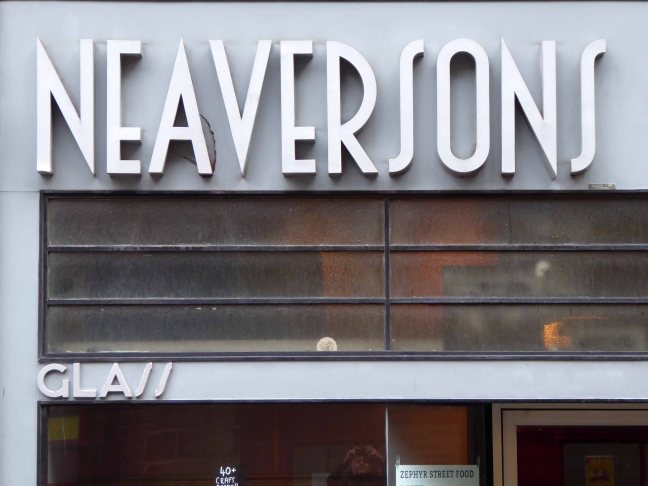
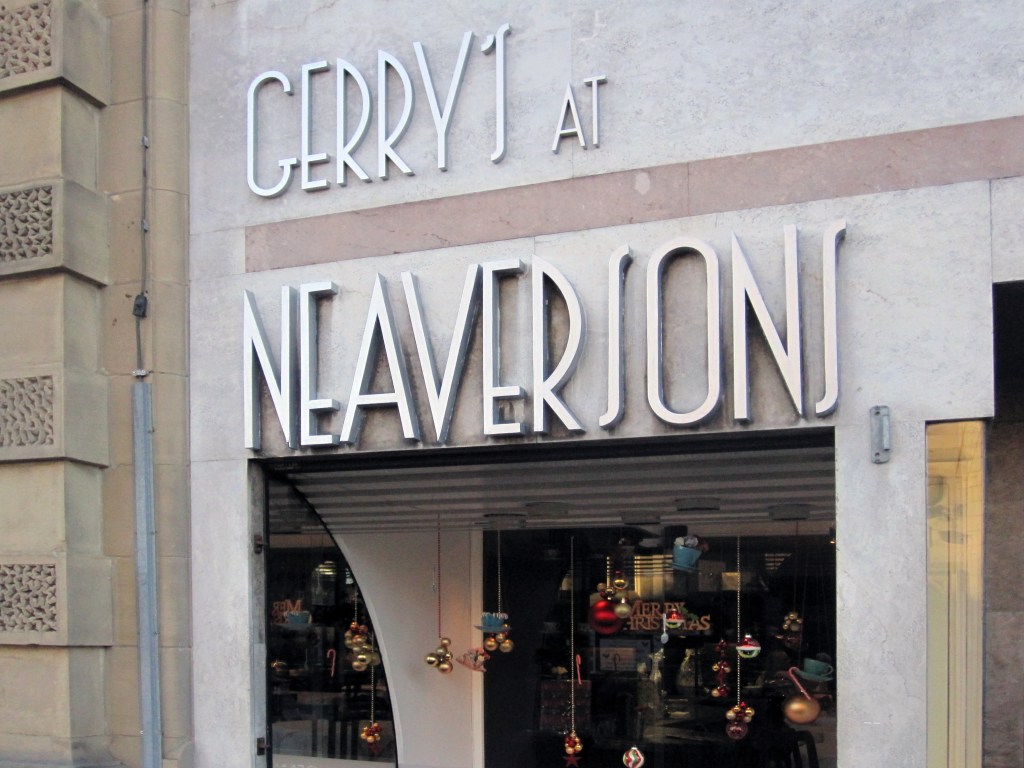
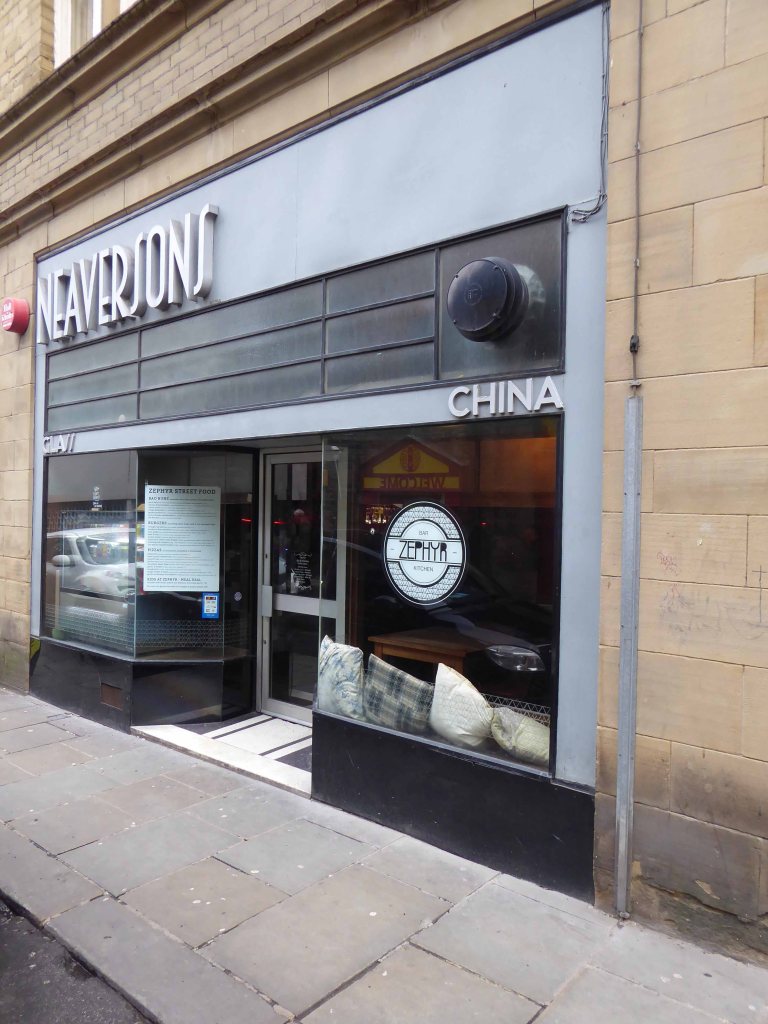
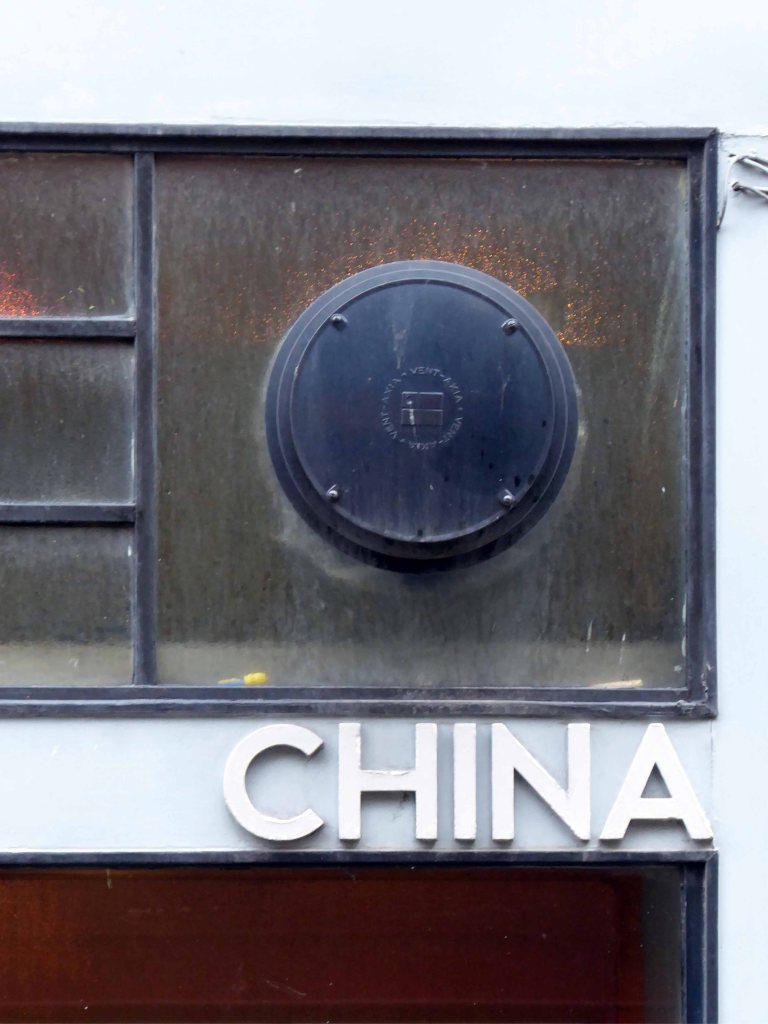
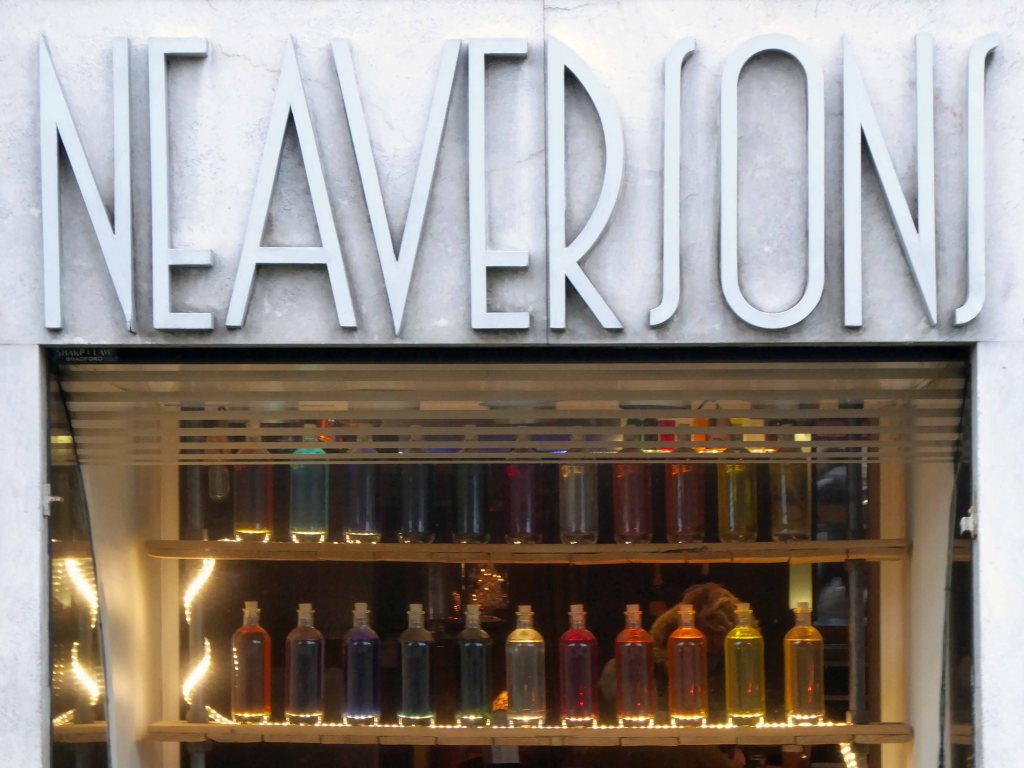
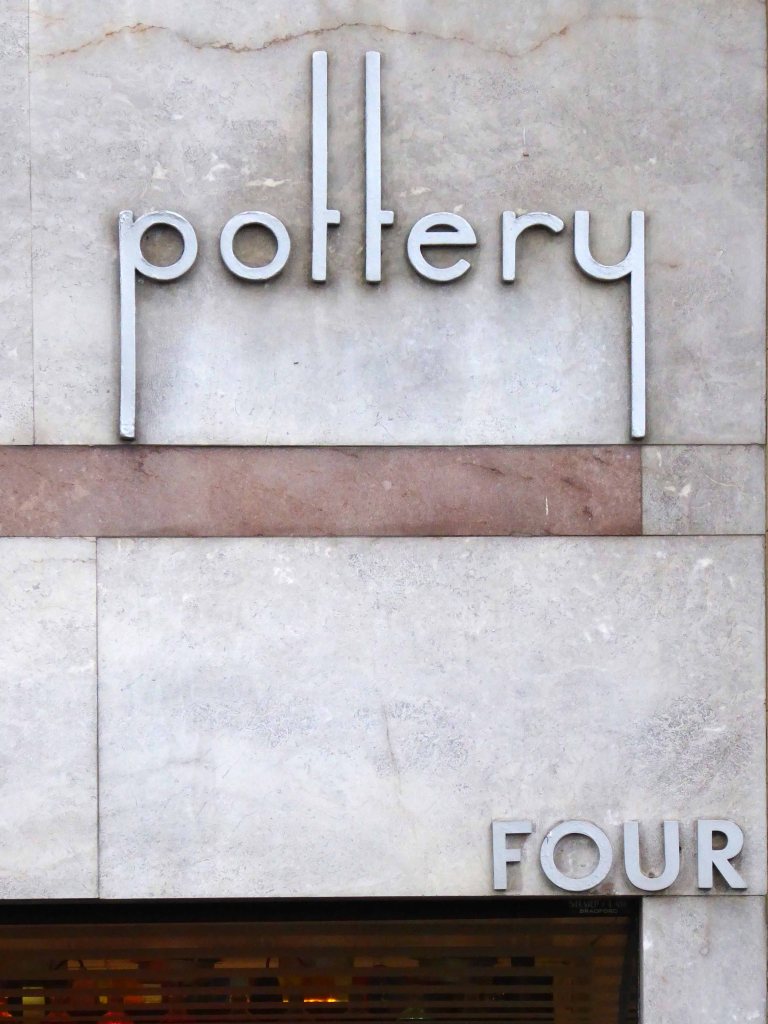
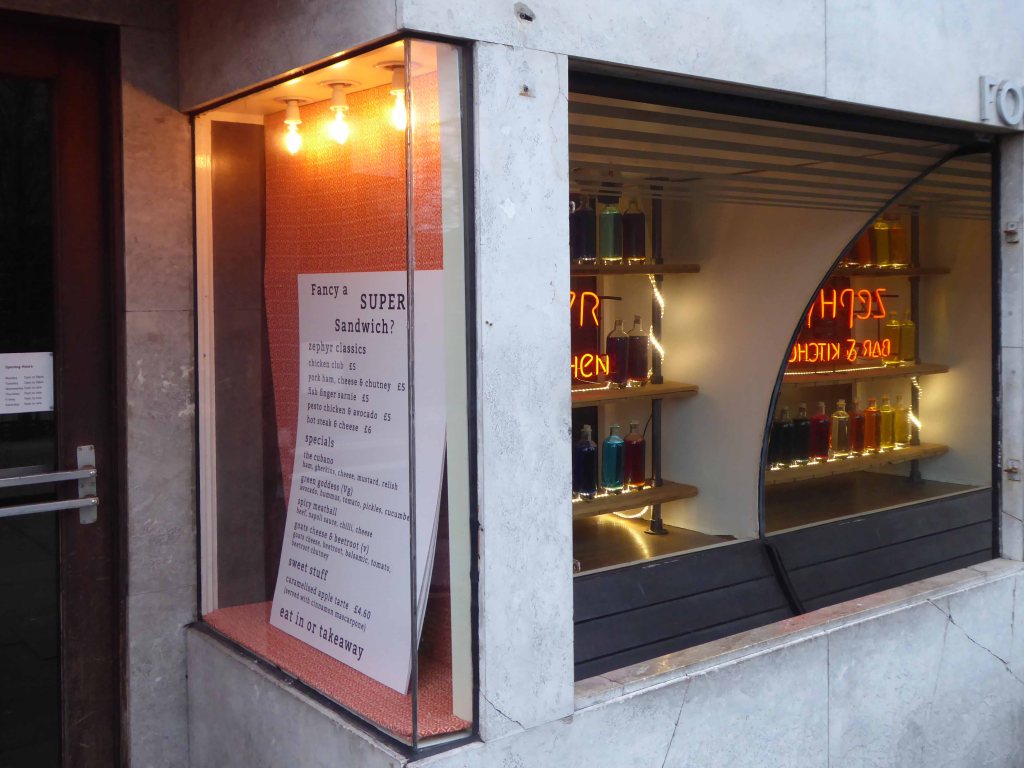
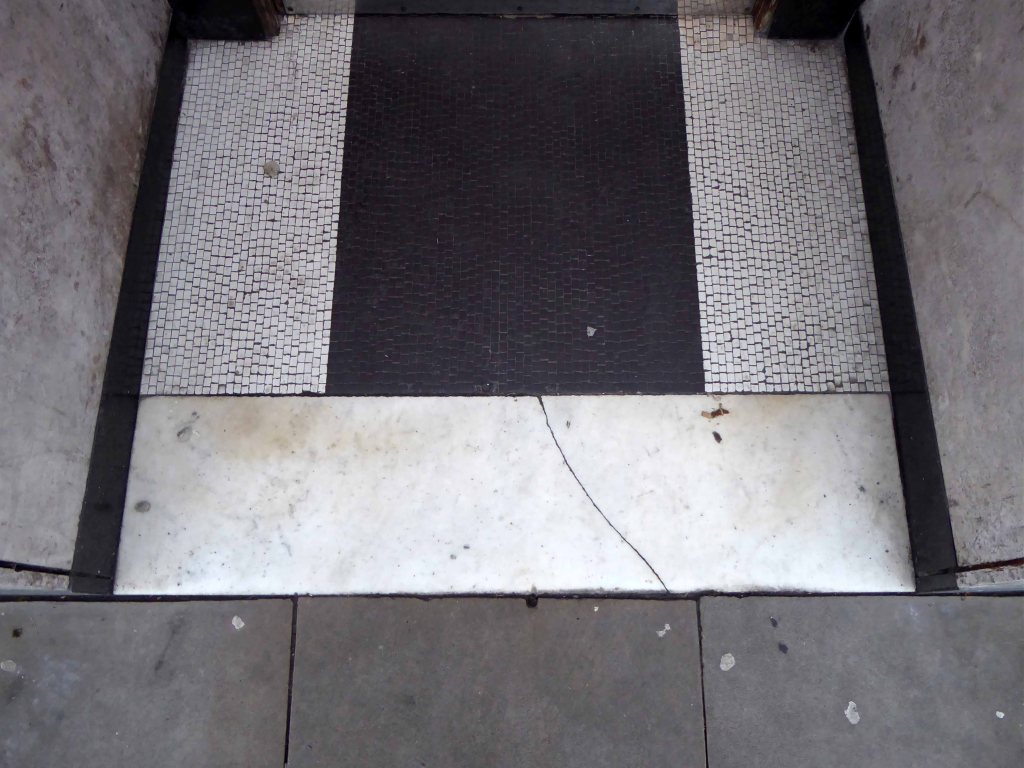
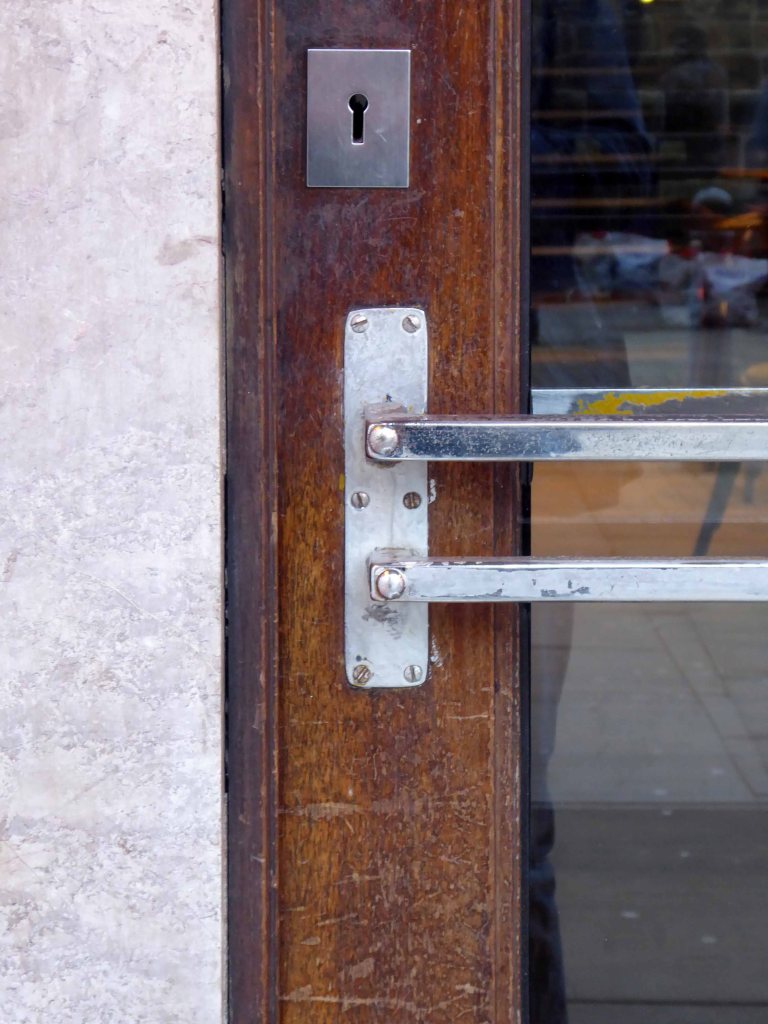
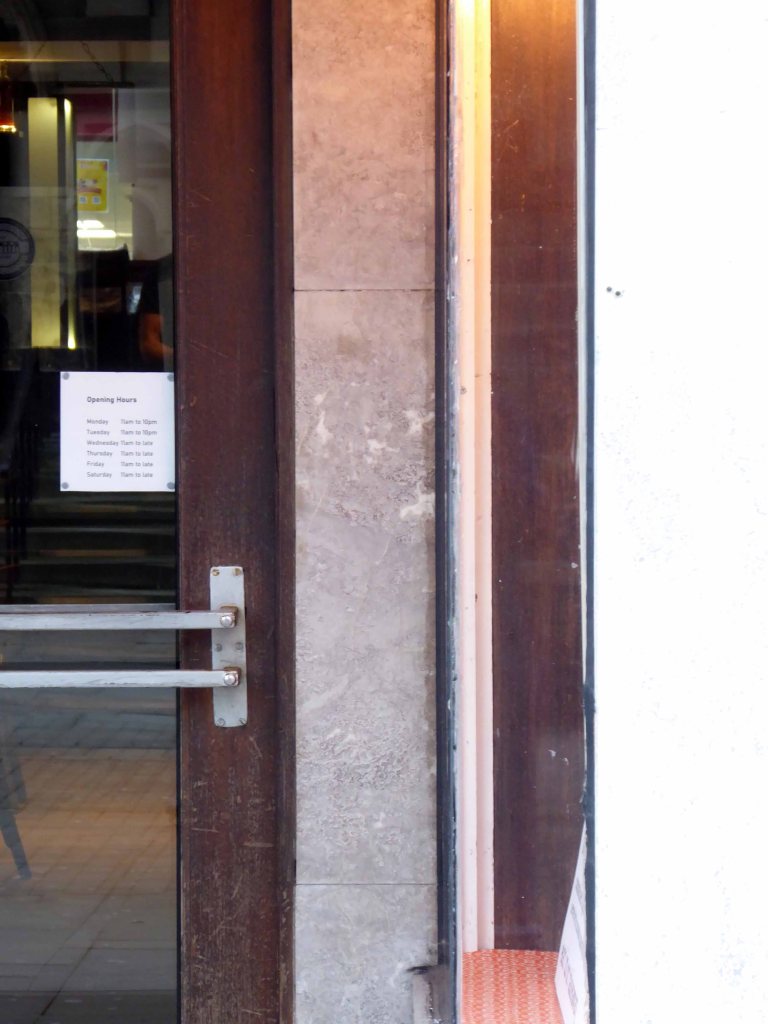
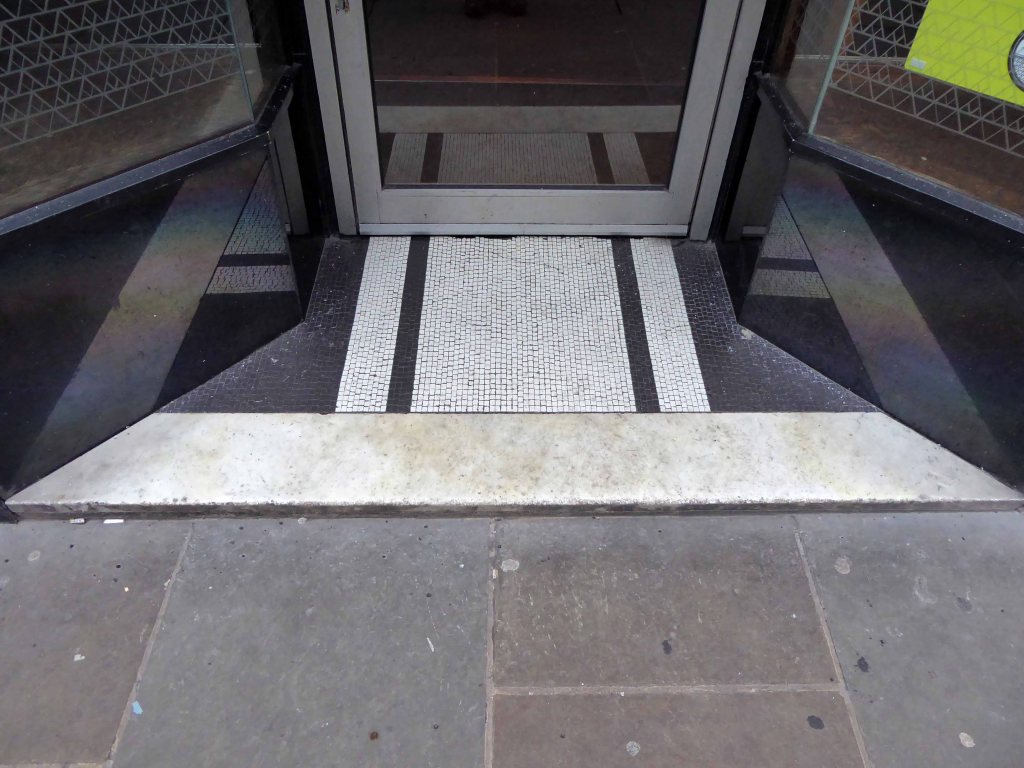
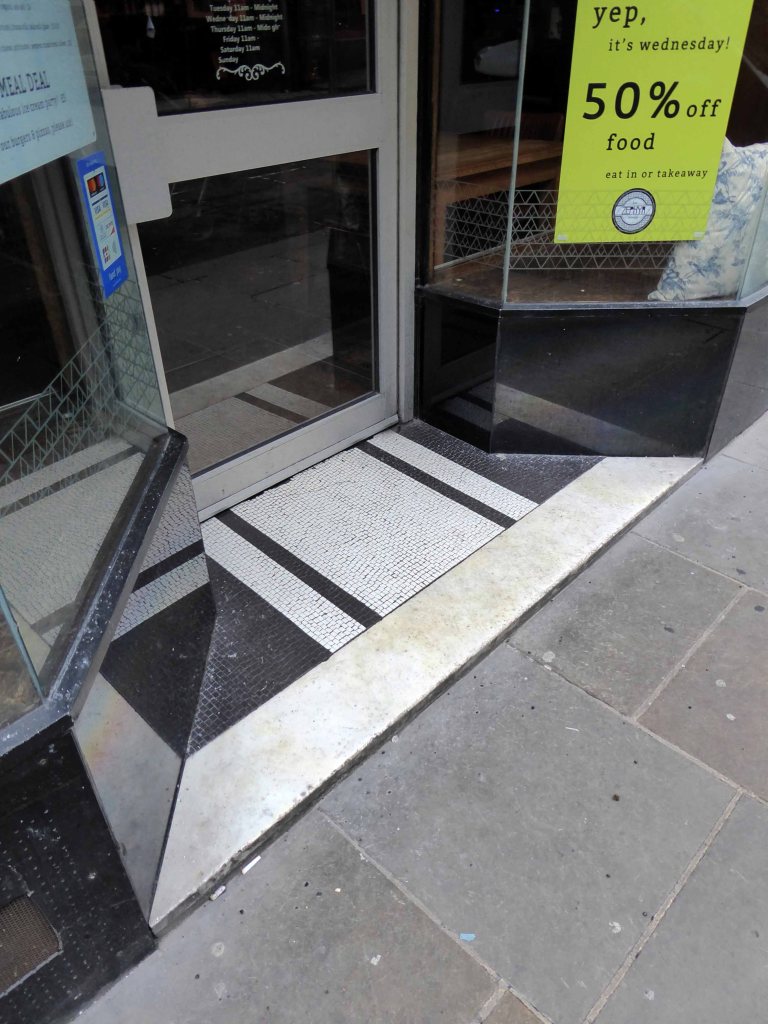
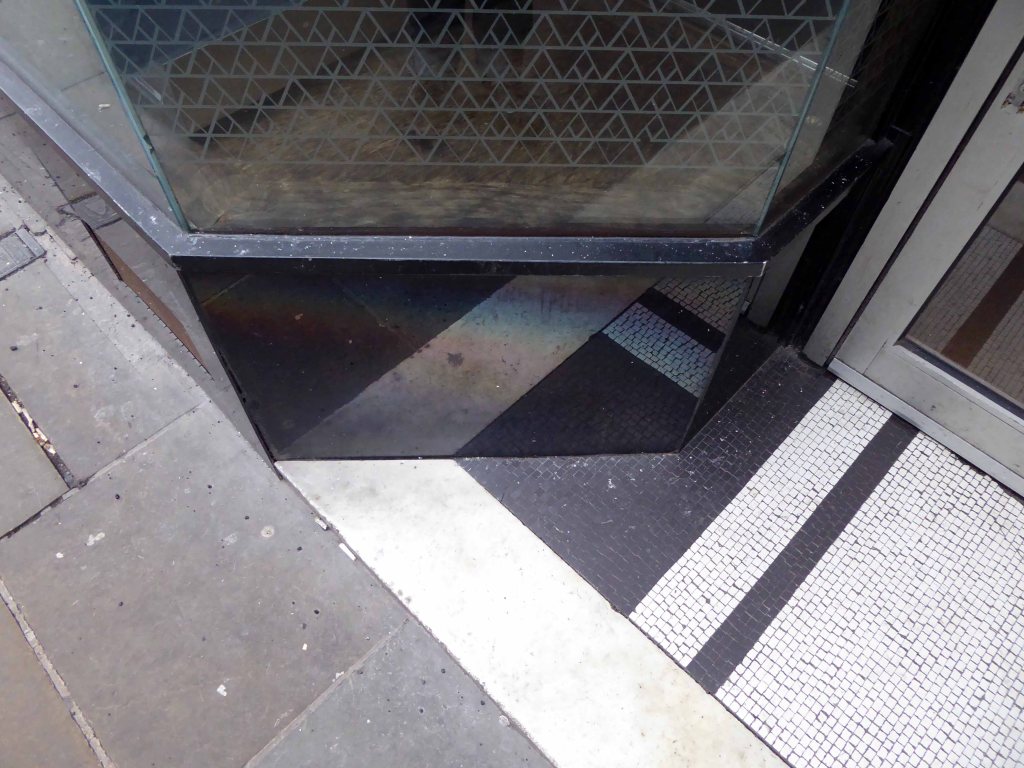
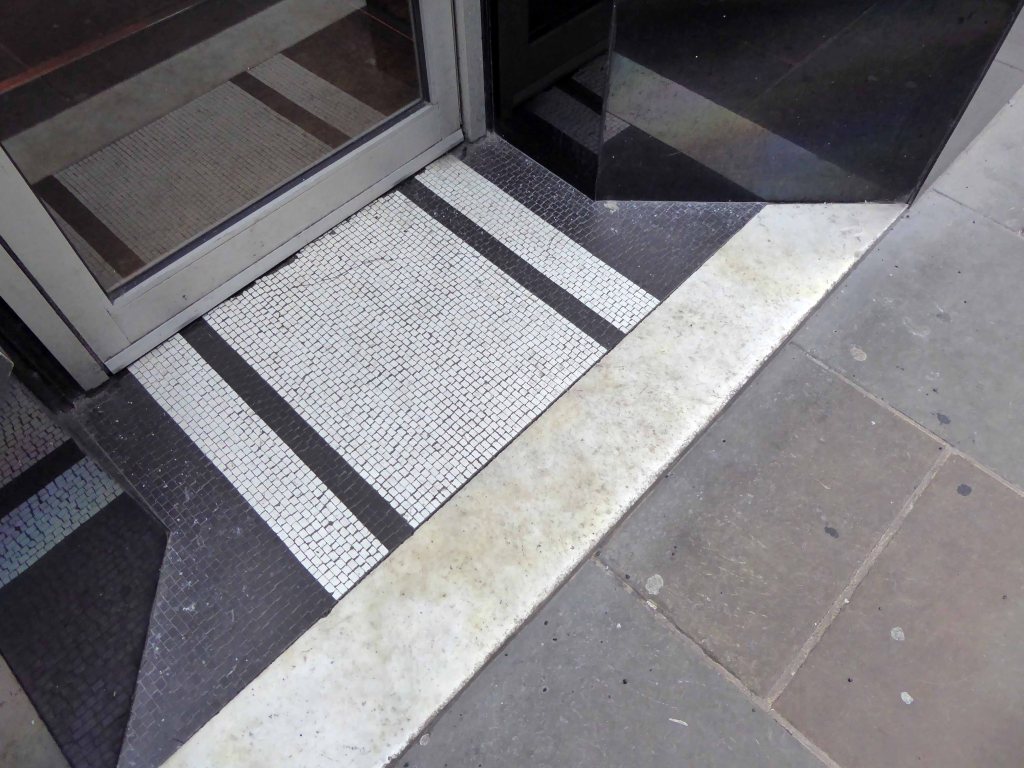
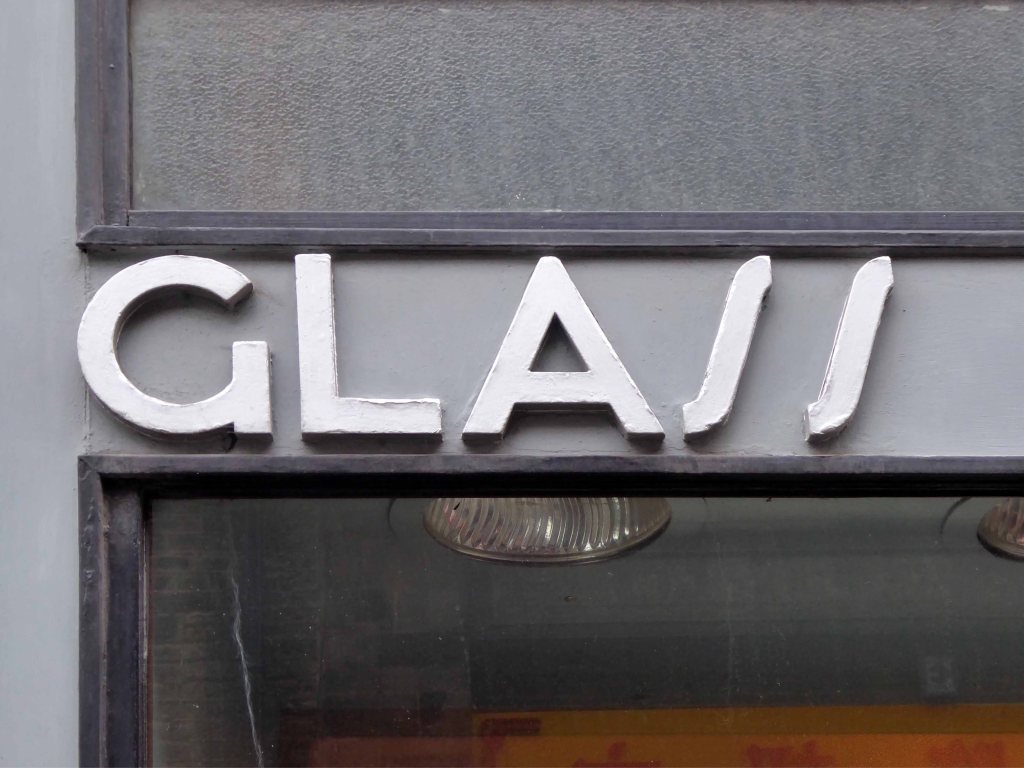
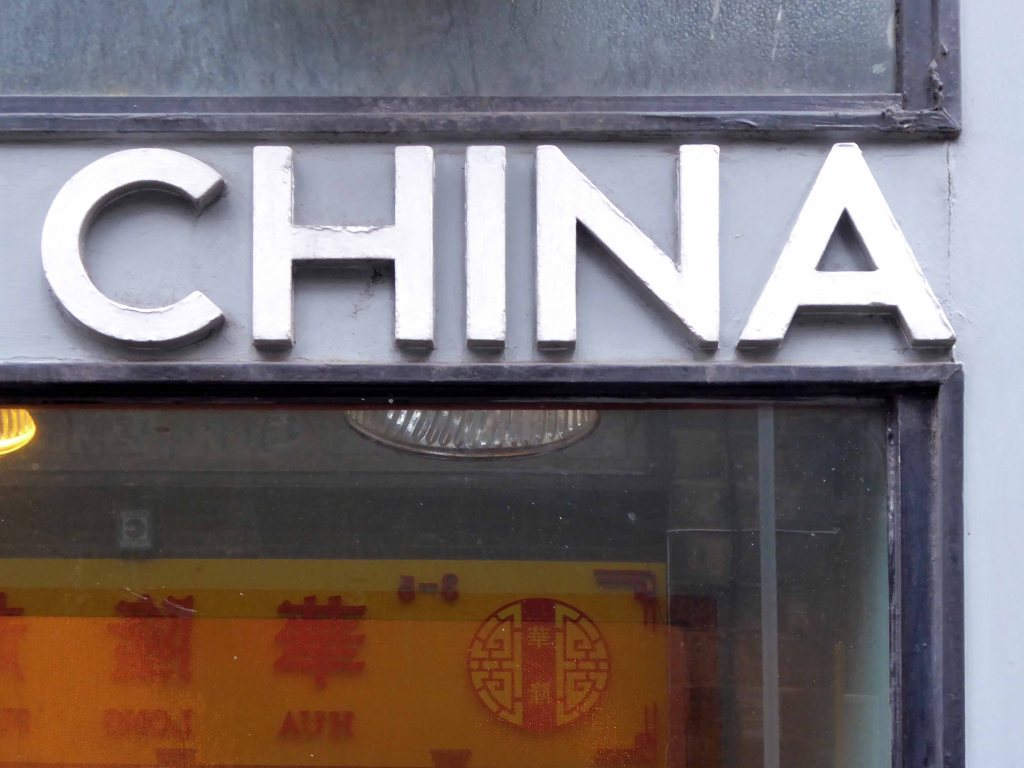
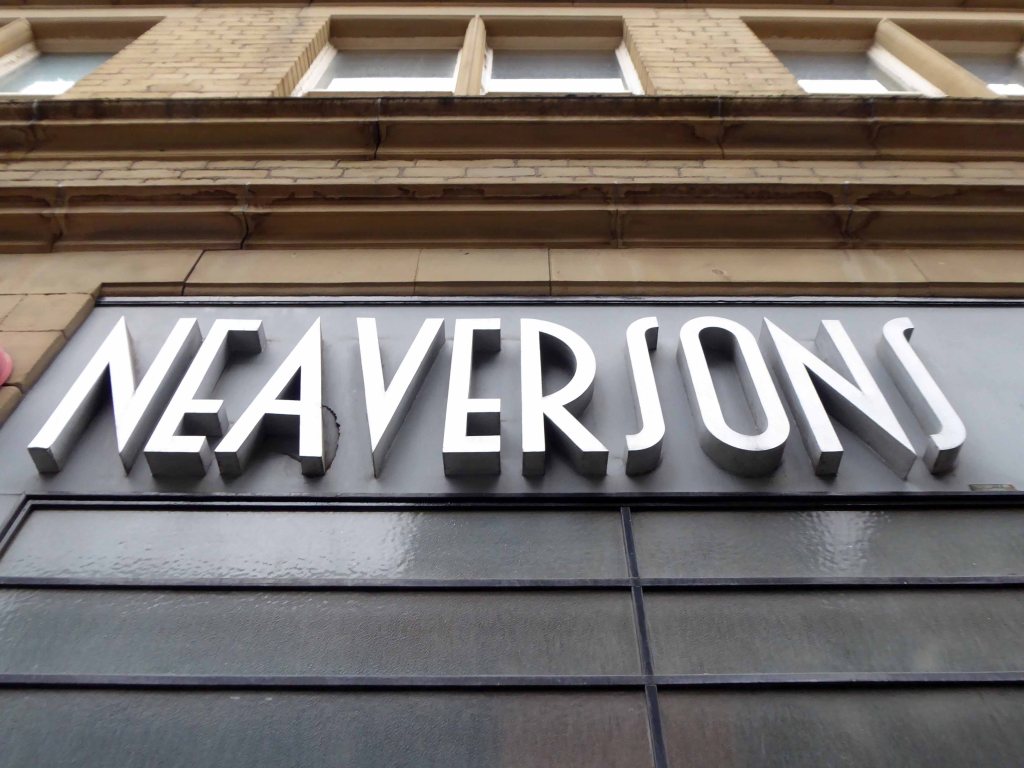
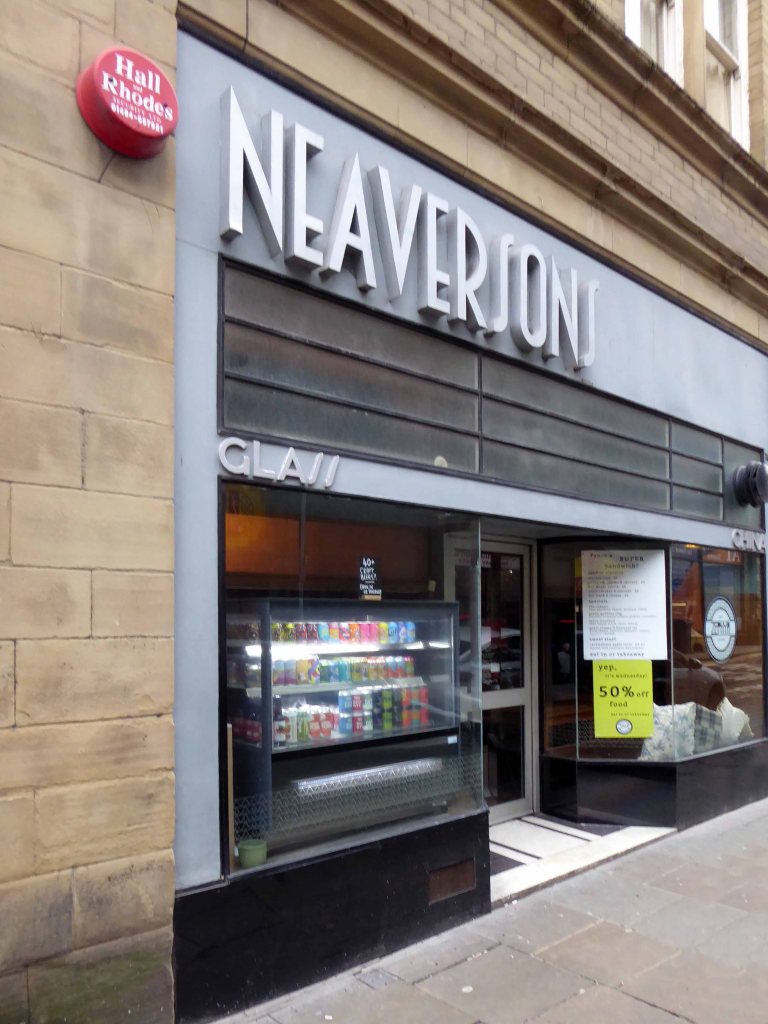
Set to the ground floor of bay 4 is a 1935 Moderne shopfront by Sharp and Law of Bradford. The shopfront is of grey and pink/beige marble with unmoulded windows that are curved to eliminate reflection, and has a glazed door set within a recessed porch. Set below the top of the shopfront is a ribbon window with dark tinted glazing and slender vertical and horizontal muntin bars arranged in a geometric pattern. The original metal signage in stylised sans-serif relief lettering reads ‘NEAVERSONS’, ‘pottery’ and ‘four’.

Thought to echo Susie Cooper’s London shop and unswervingly now – the fascia must have been something of a shock to the taciturn Tykes.

Neaversons glass and china shop closed in 2007.

Gerry’s Tea Rooms occupied the building for less than two years.

There is not a day goes by when I don’t see some of my customers asking what went wrong. They think I was a failure and that is so not the truth.

Along came a restaurant:

The Grade II 1930’s interior has been refurbished by the new owners and exudes understated sophistication.

“Wow, I feel like I’m in London,” said Trish as she stepped into the newly-opened Neaversons restaurant, having just arrived on the train from the capital.

It closed not long after.

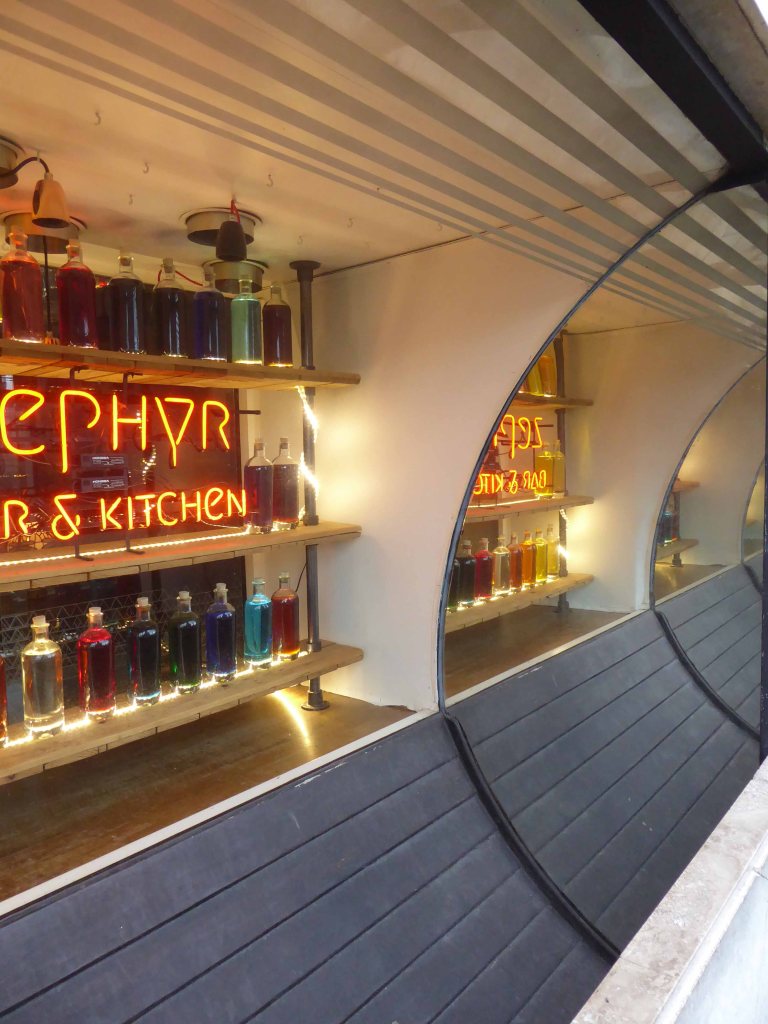
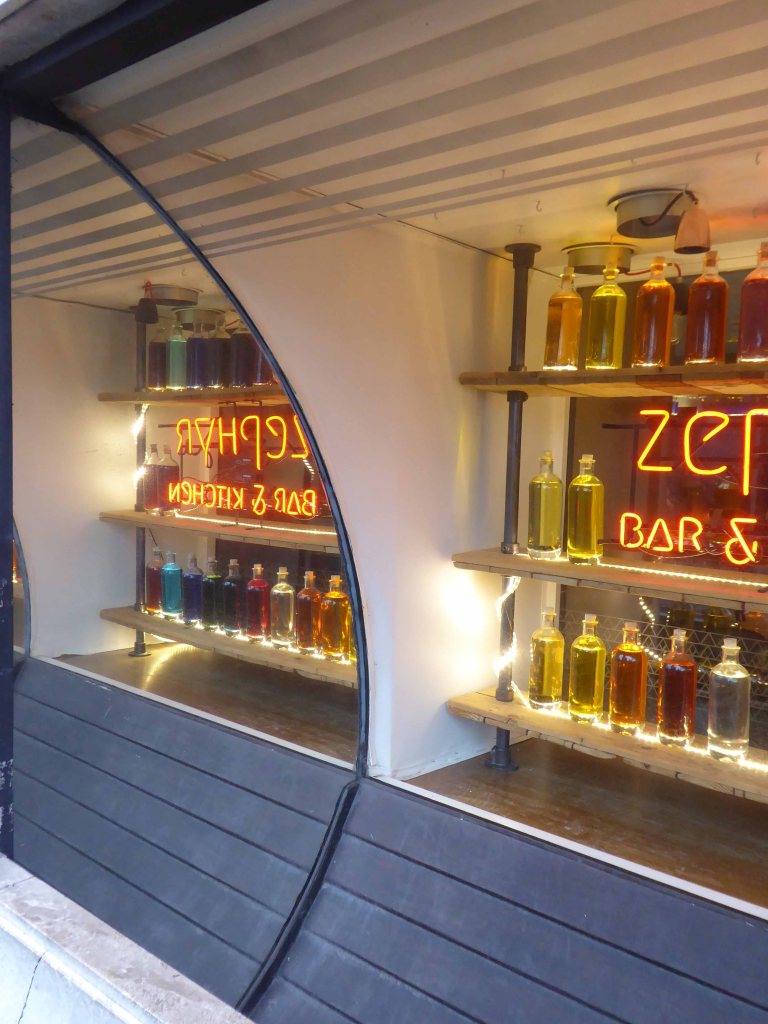
Currently home to the Zephyr Bar and Kitchen

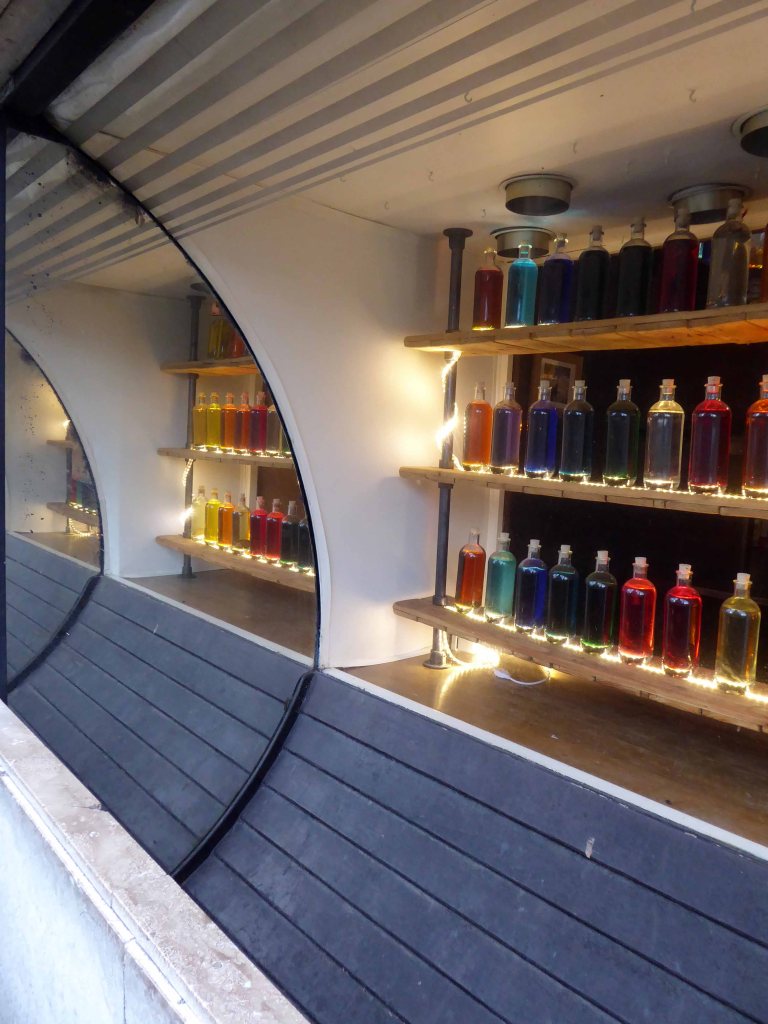
A prohibition stylised venue offering a selection of drinks, food and an environment that really sets us apart from the crowd.

The listed frontage has survived intact – let’s take a look.

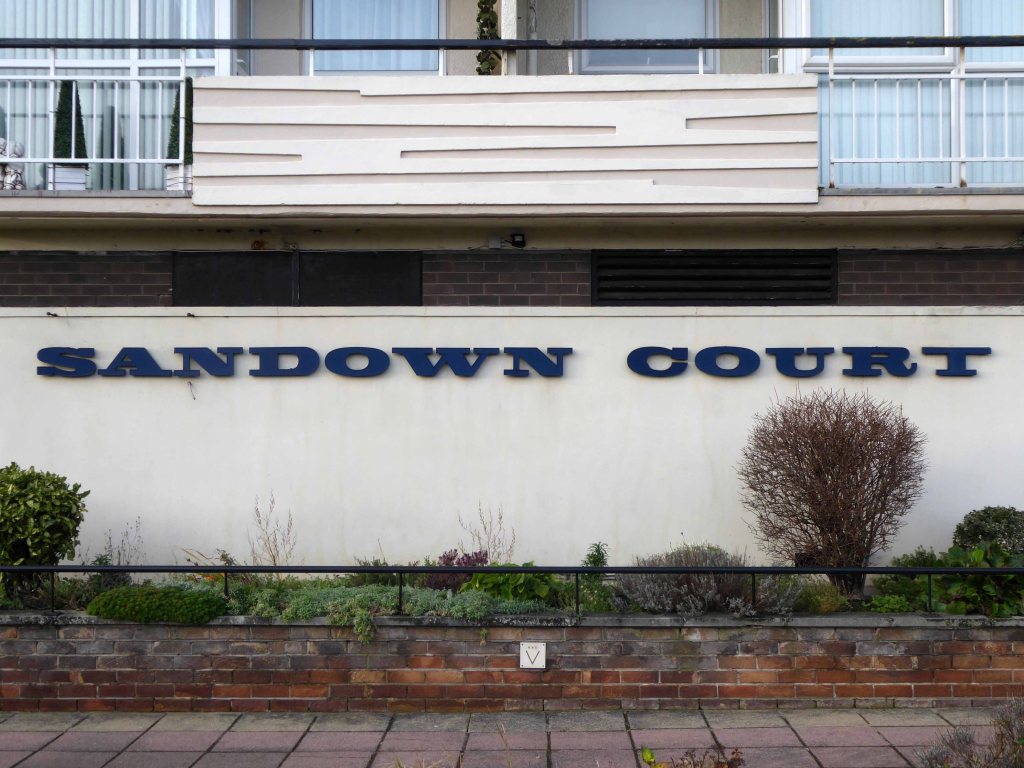
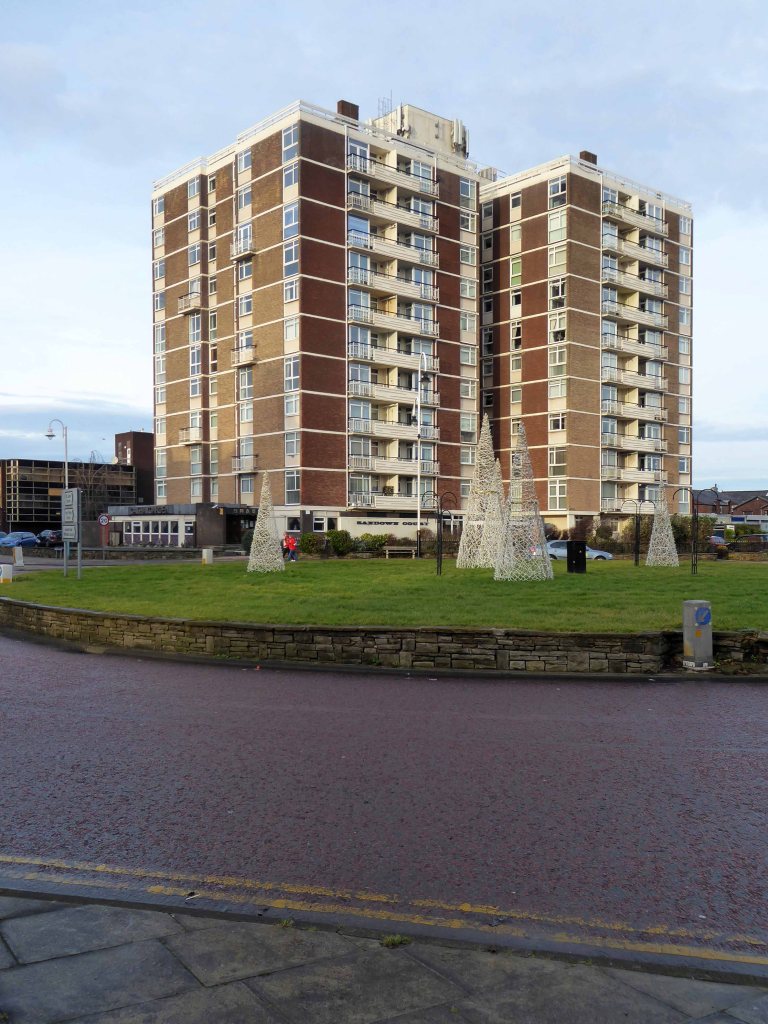
Sandown Court – Southport

I must go down to the seas again, to the vagrant gypsy life,

To the gull’s way and the whale’s way where the wind’s like a whetted knife;

And all I ask is a merry yarn from a laughing fellow-rover,

And quiet sleep and a sweet dream when the long trick’s over.

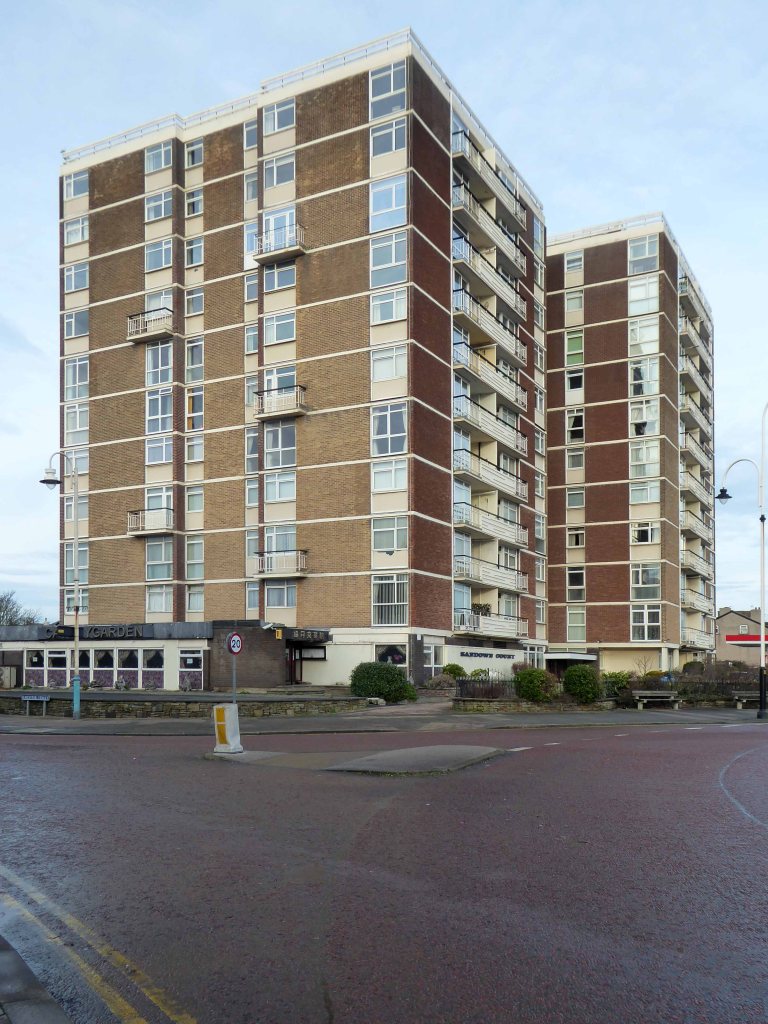
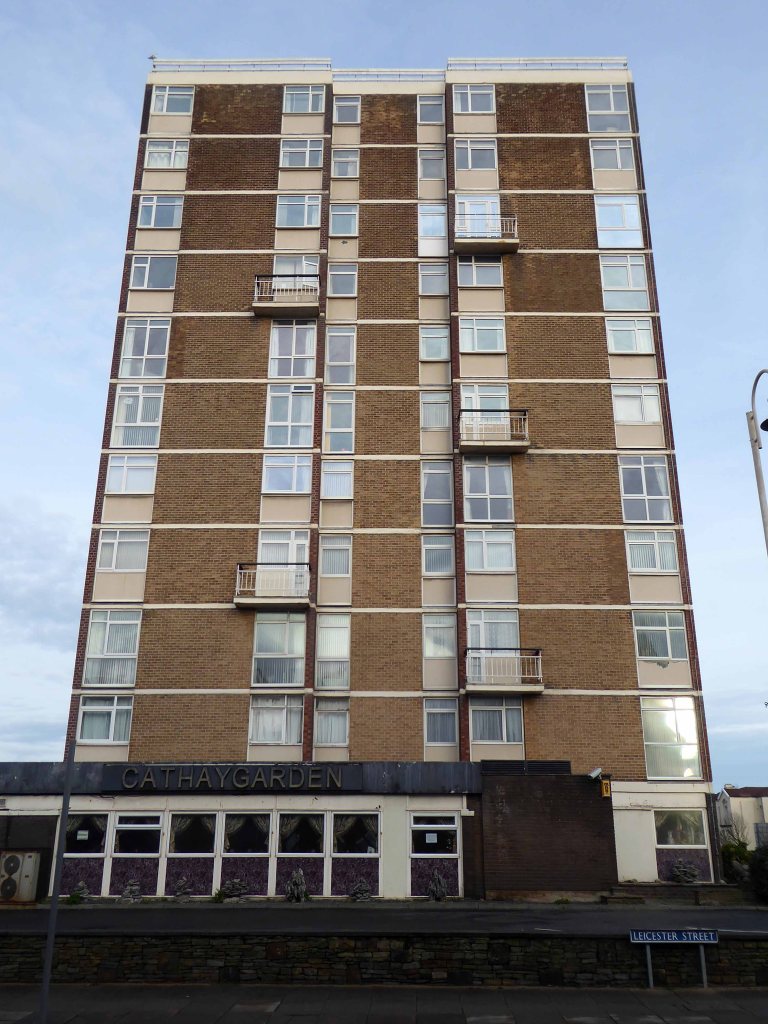
Where better to lay your weary head than Southport’s Sandown Court?

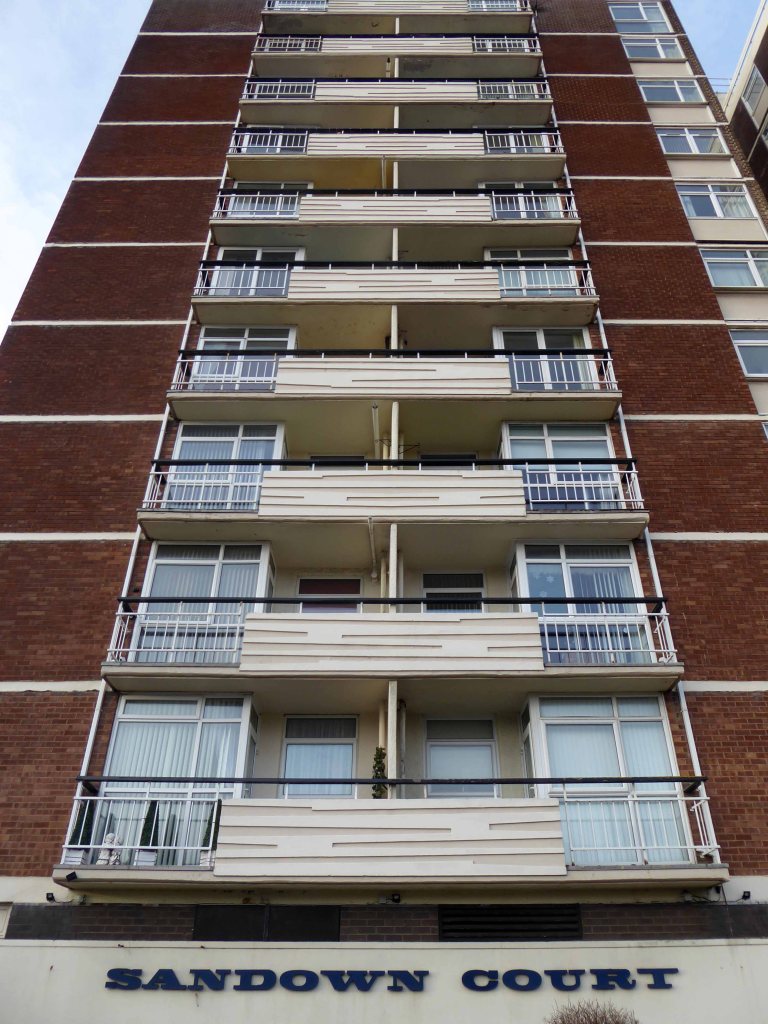
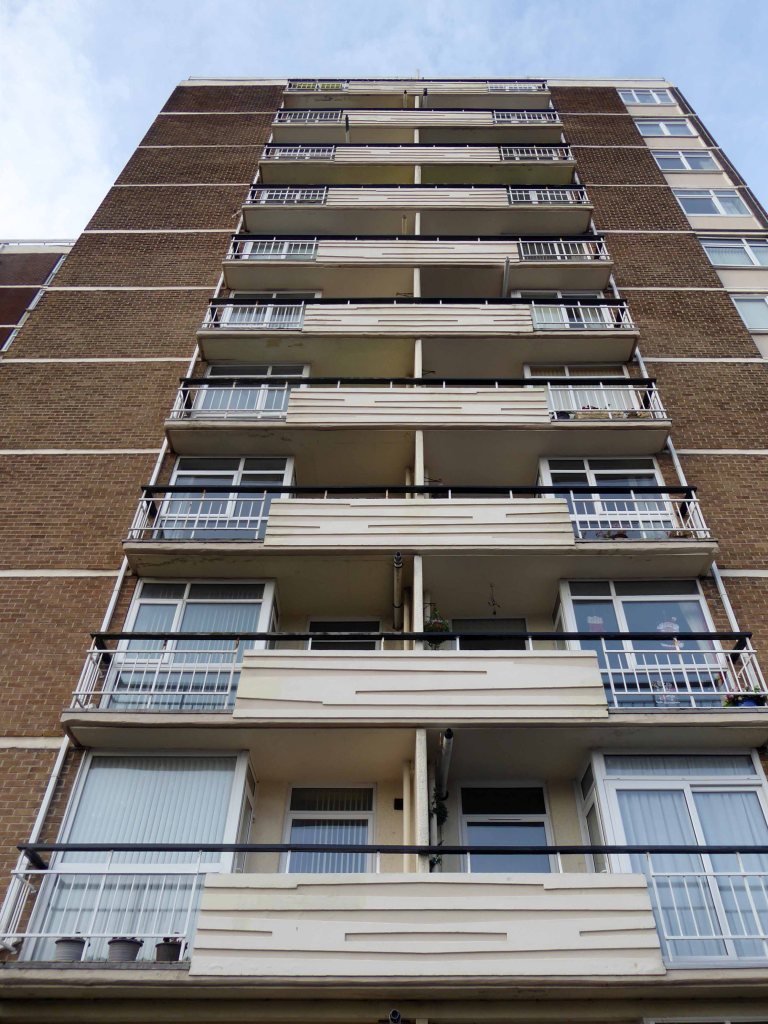
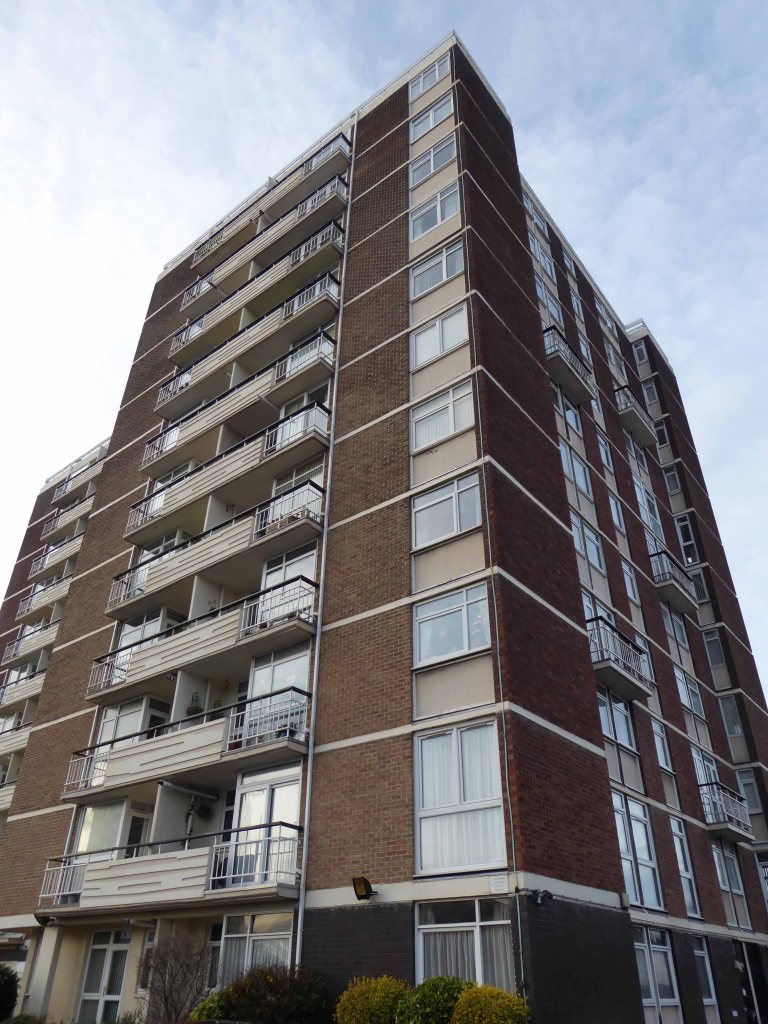
Longing for languorous days, gazing out at the distant sea, from the window of your fourteenth floor flat.

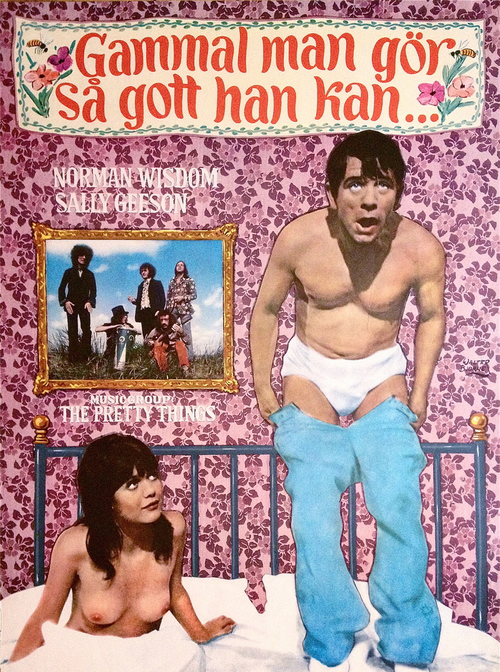
What’s Good for the Goose – is worth a gander.

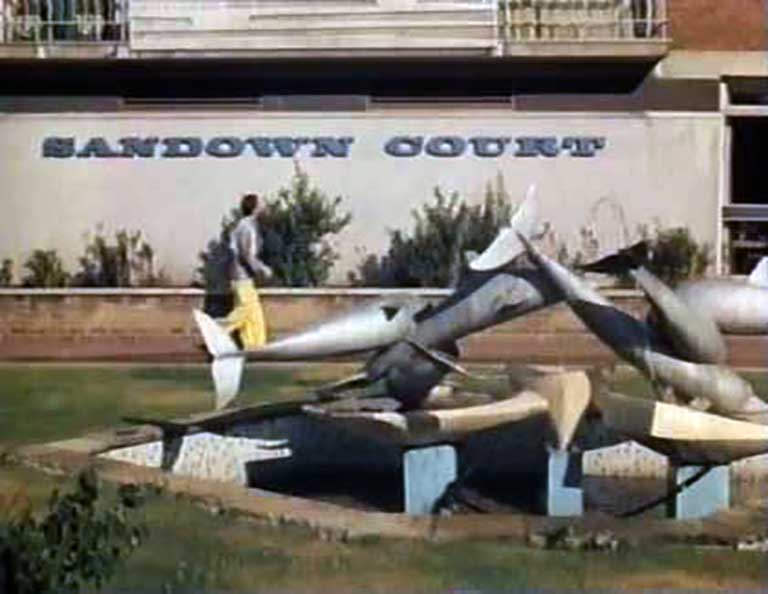
My extensive research shows the flats were a location for the Norman Wisdom film, a saucy serving of seaside slap and tickle.

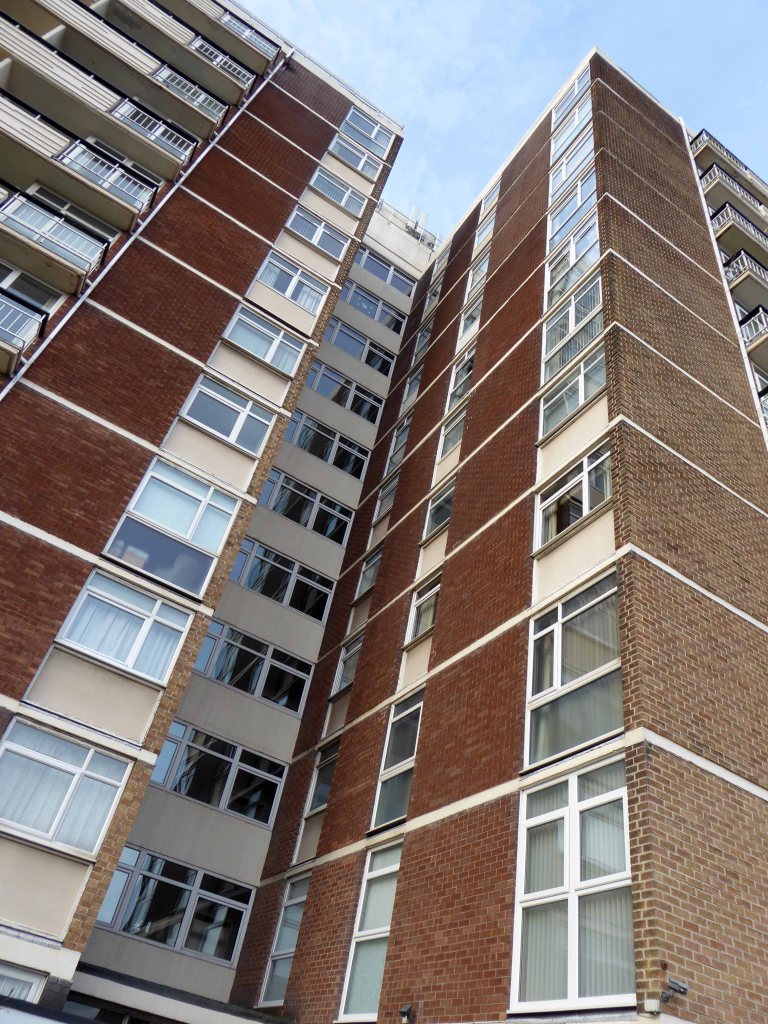
Conveniently situated twixt shore and traffic island – offering extensive accommodation for the discerning tenant.

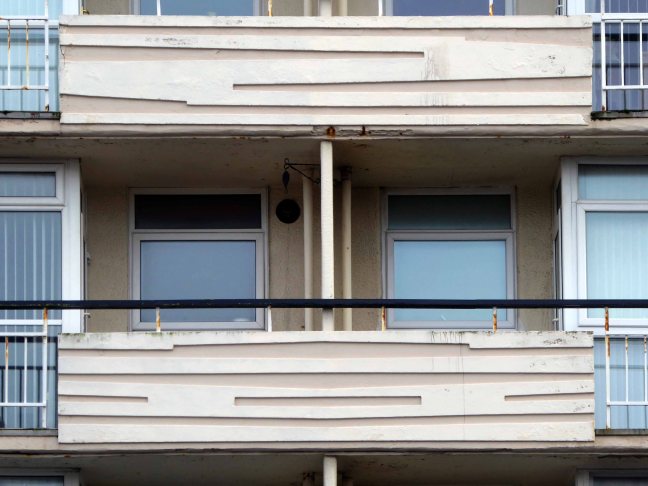
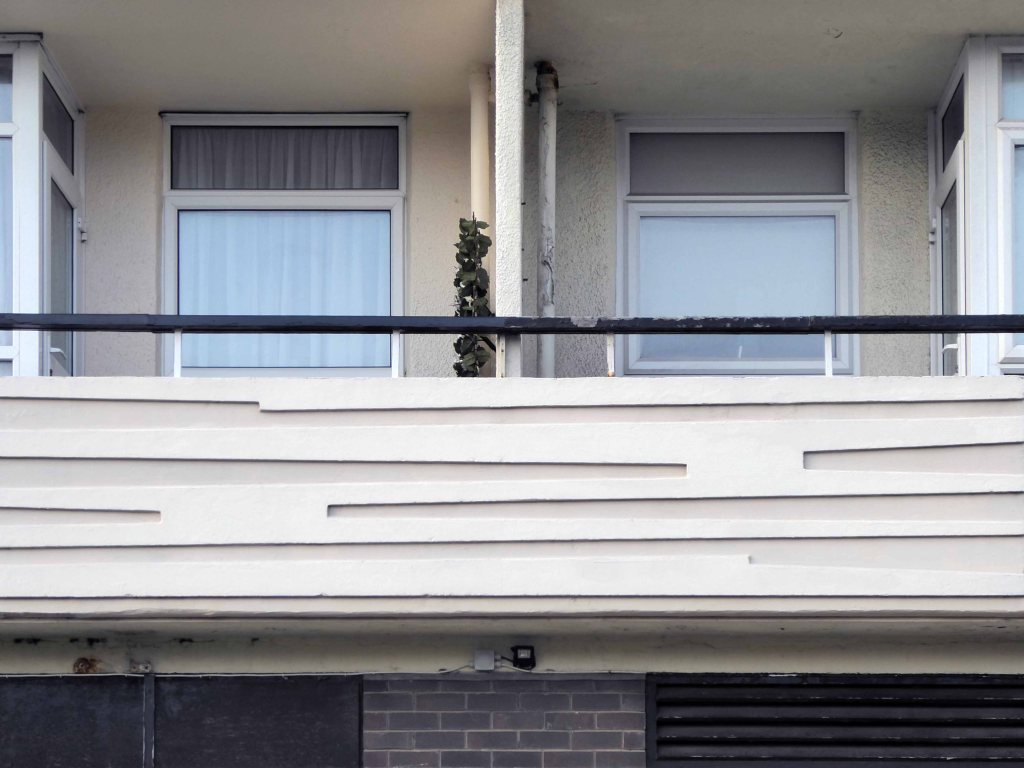
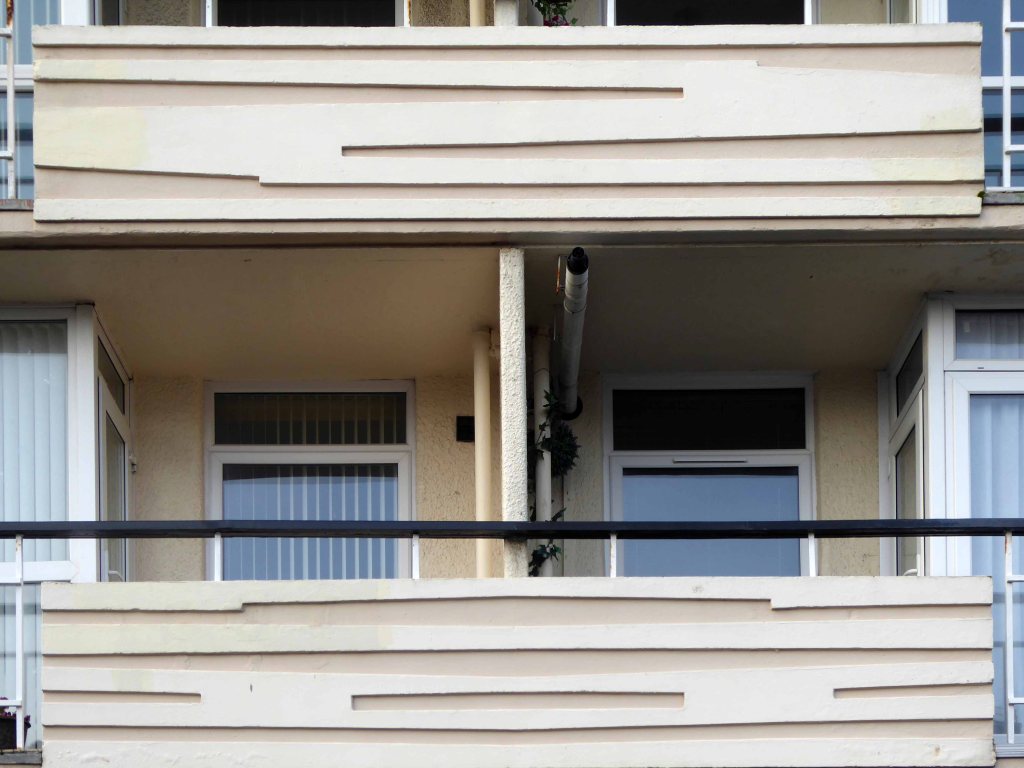
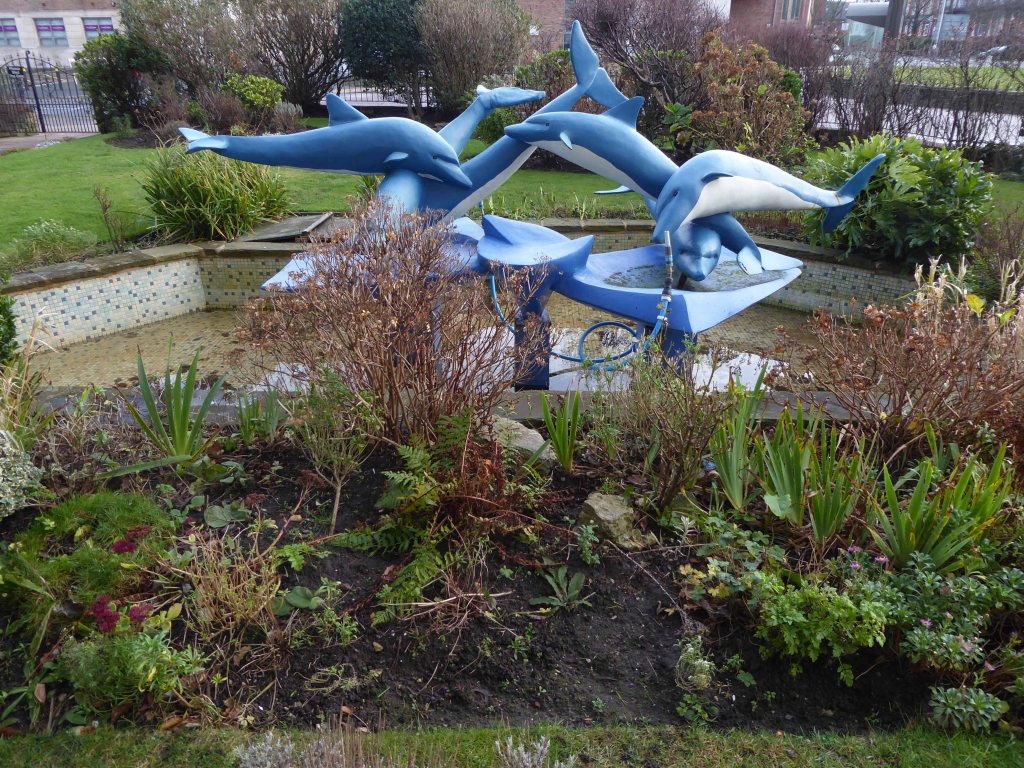
Balconies clad with cast concrete abstracted panels, attractive dolphin-based water feature.

What more could you ask for?

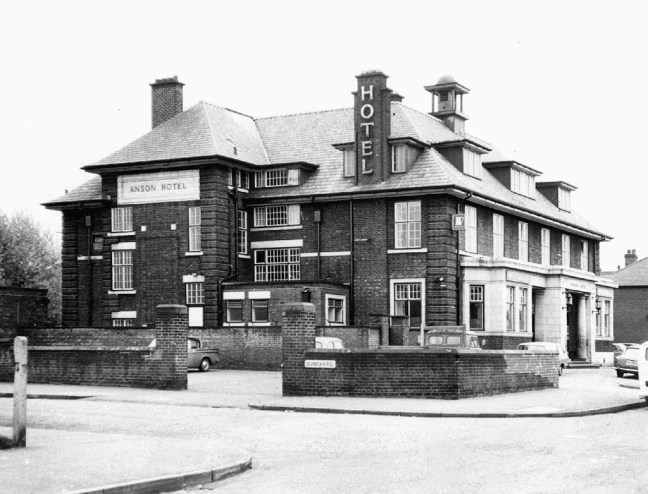
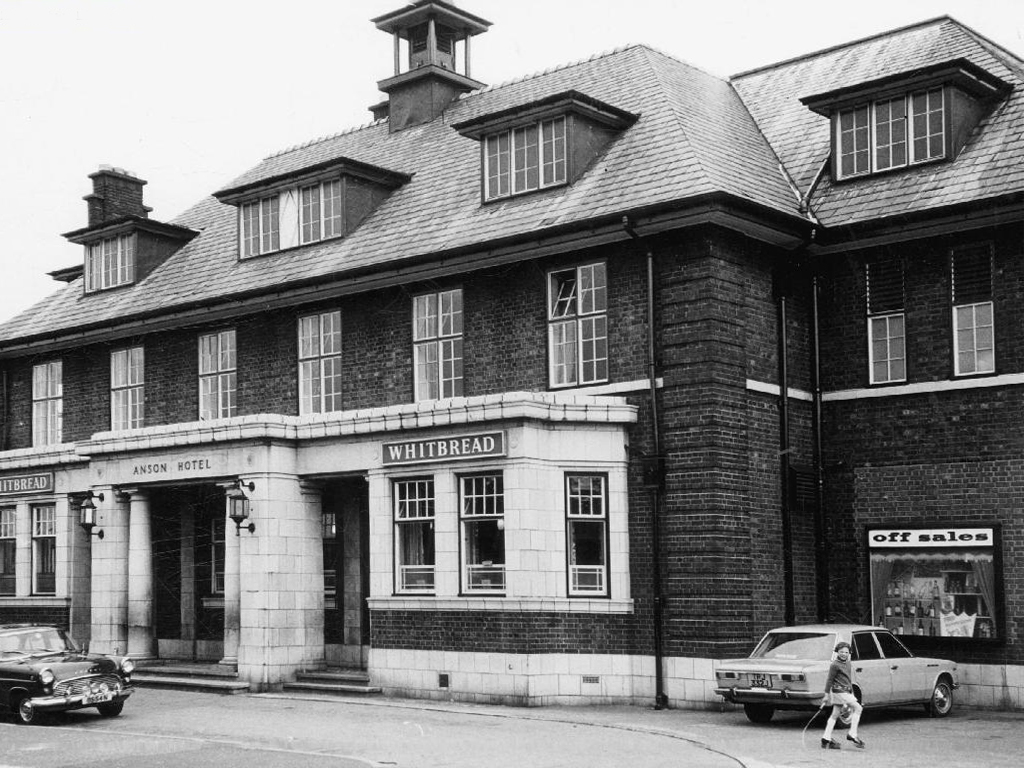
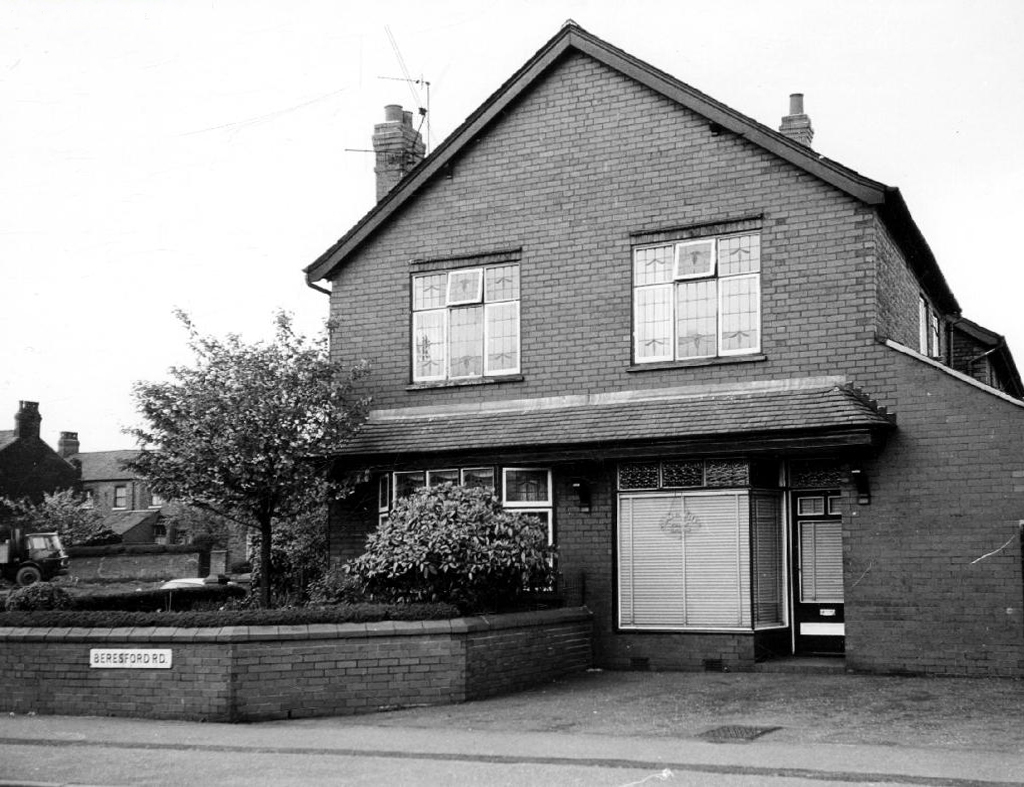
Anson Hotel – Beresford Road Manchester

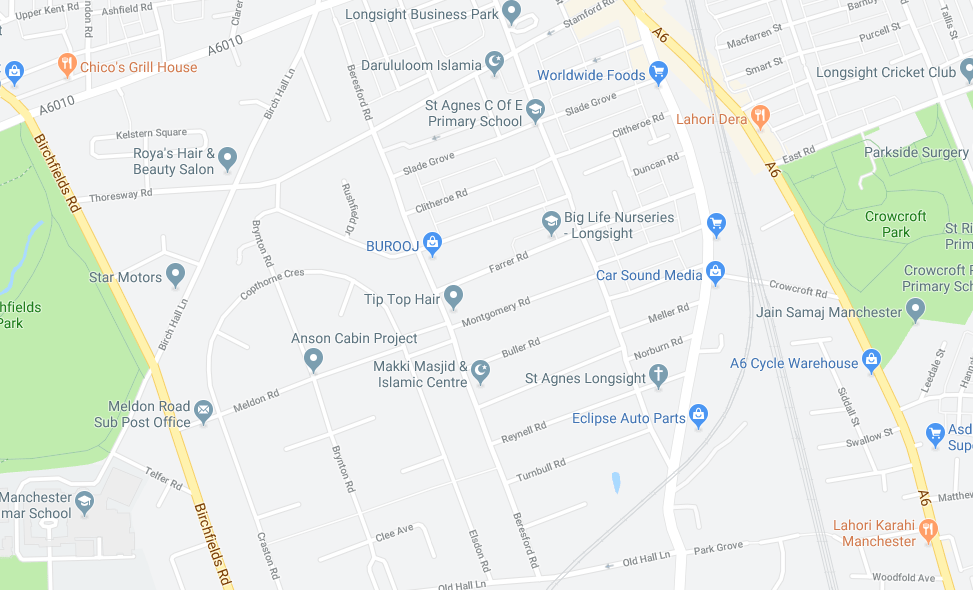
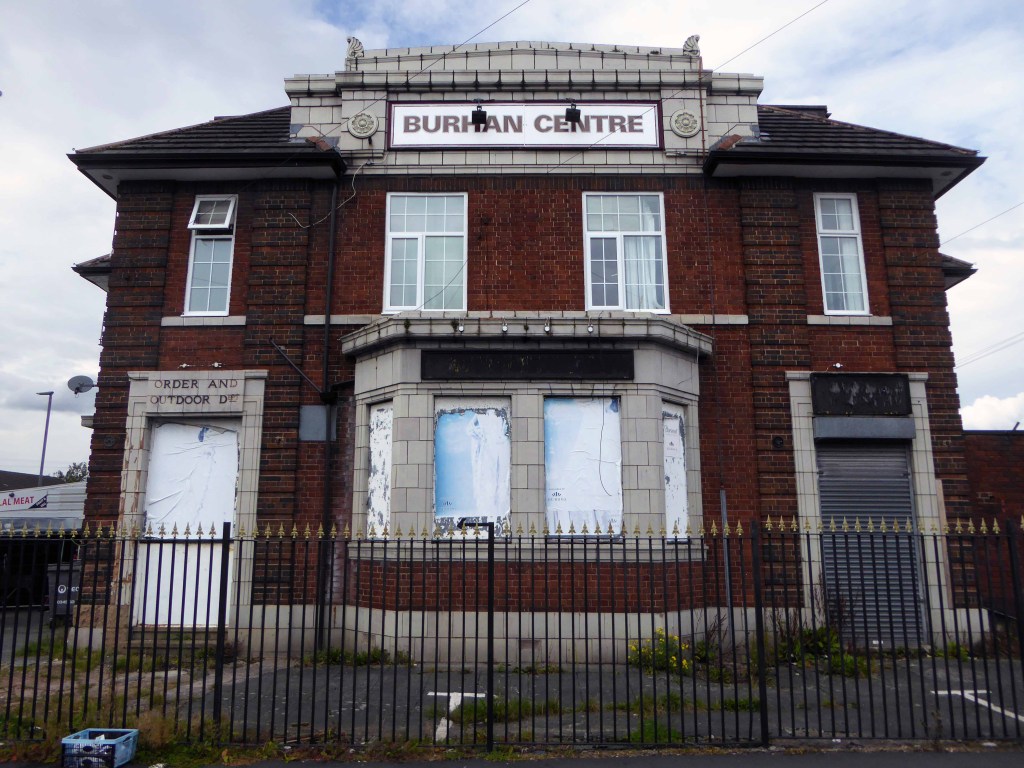
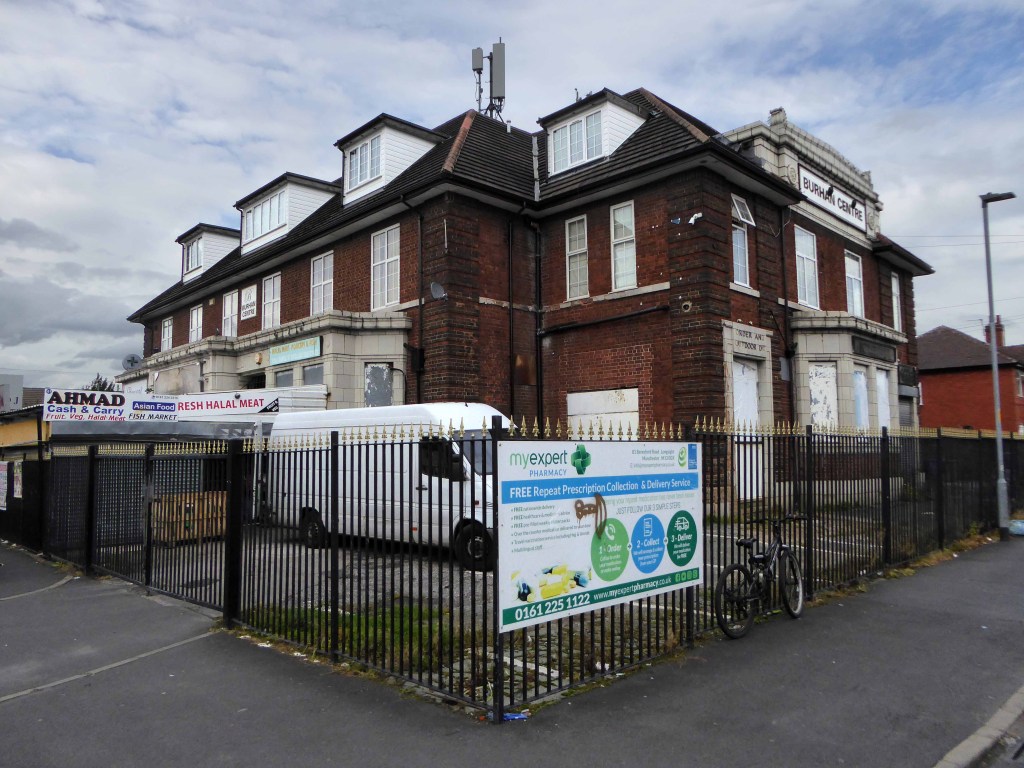
Cycling back from Town, zig zagging between the A6 and Birchfields Road, I headed down Beresford Road and bumped into a behemoth.

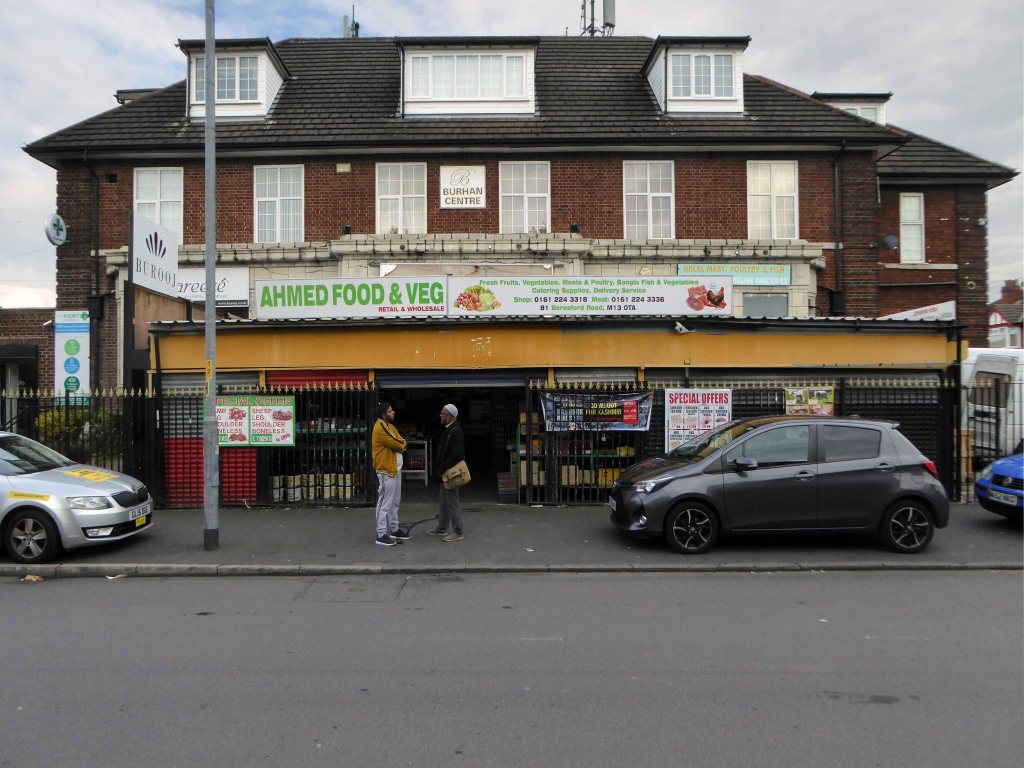
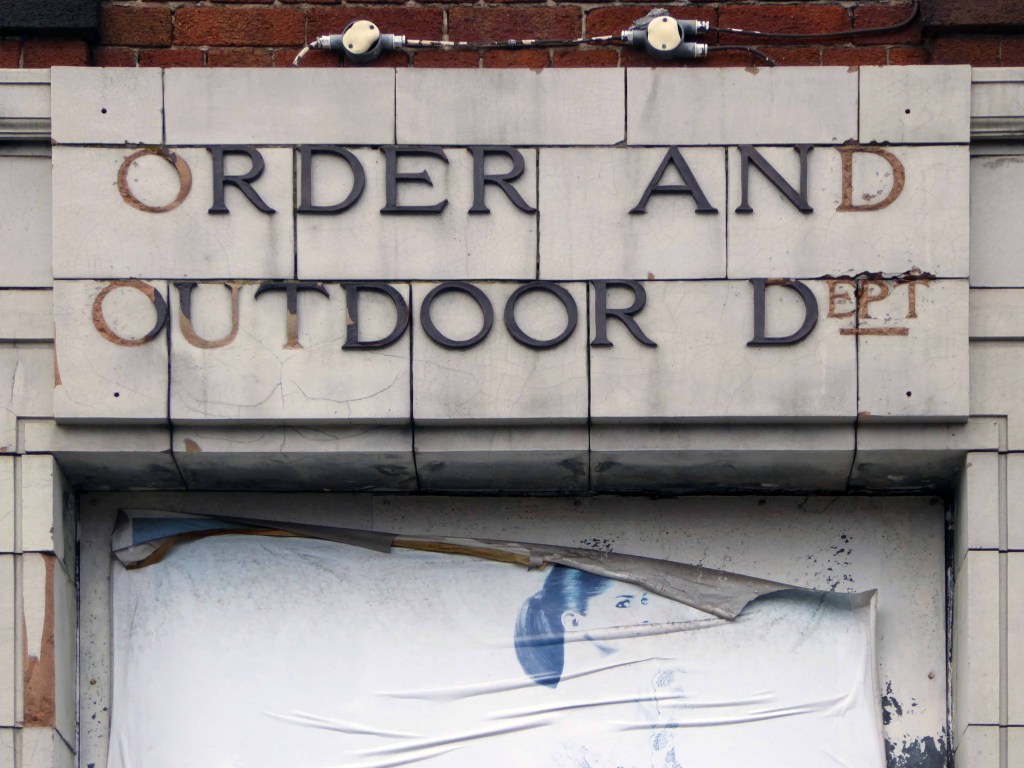
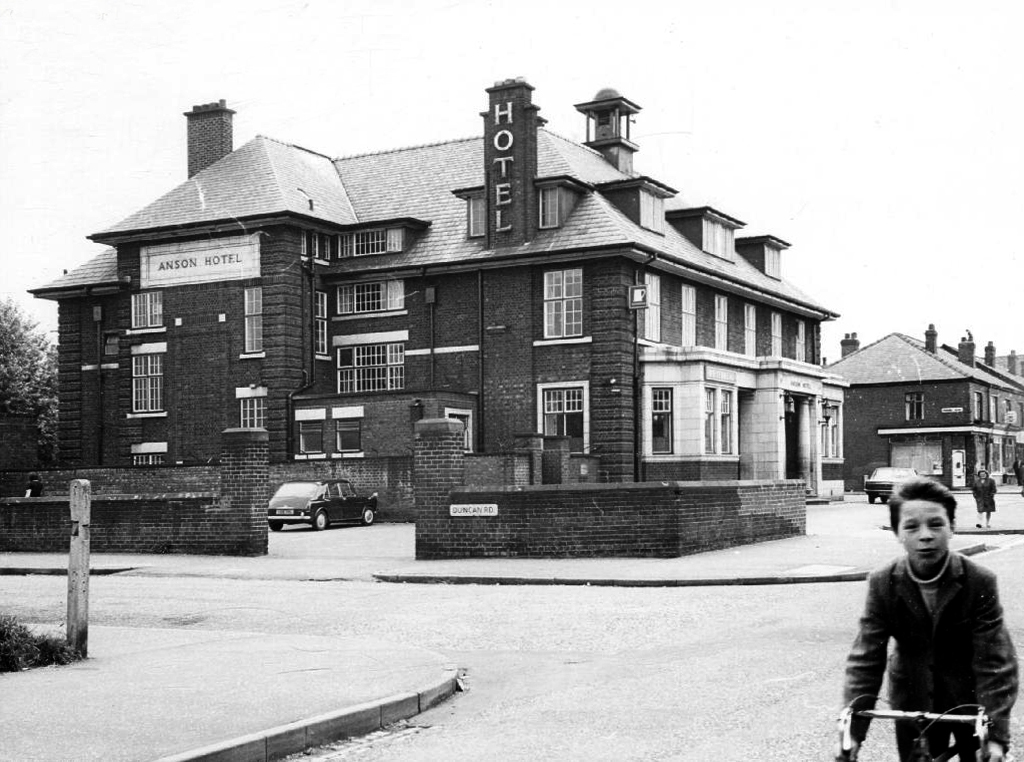
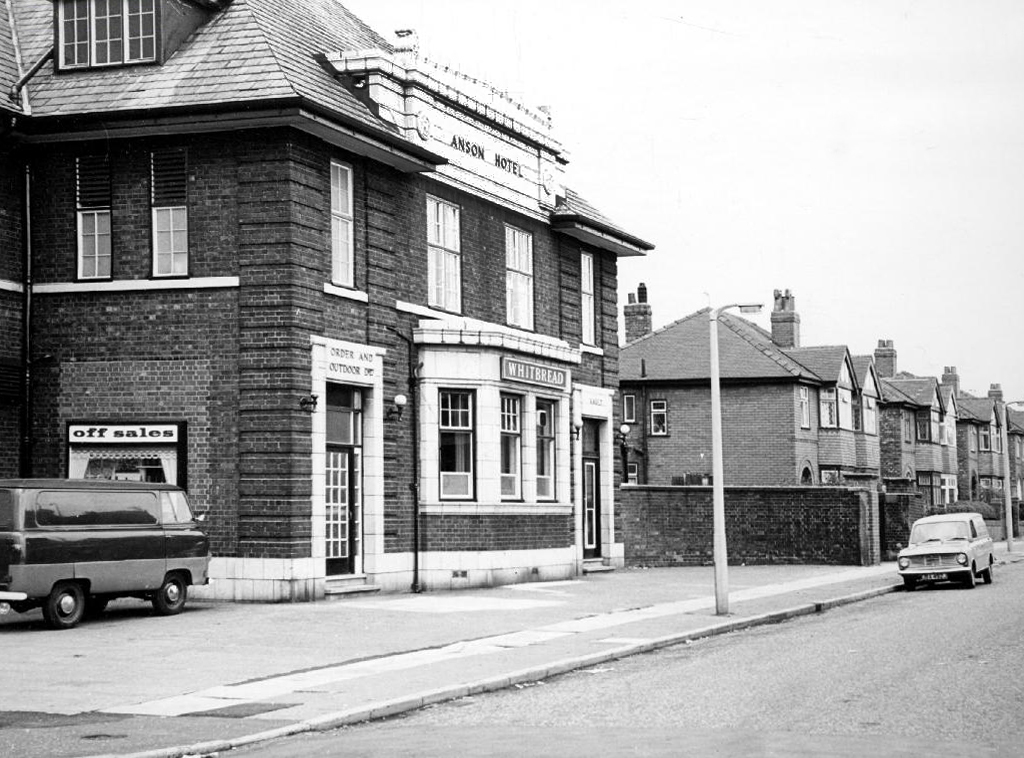
A huge inter-war Whitbread boozer long since closed, now a retail food outlet and badged as the Buhran Centre, also trading as Burooj.

This change of use is far from uncommon, the demographics, socio-economic conditions and drinking habits which shape this and countless other pubs, have since shifted away from the lost world of this immense, roadhouse-style palace of fun.

No more outdoor or orders here – the supermarket now supplies the supplies for the self satisfied home drinker.

The sheer scale of the building guaranteed its demise, a three storey house with no more stories to tell.

Searching online for some clues as to its history there is but one mention, on the Pubs of Manchester:

This is my attempt, in some small way, to redress the balance, snapping what remains of this once top pub.

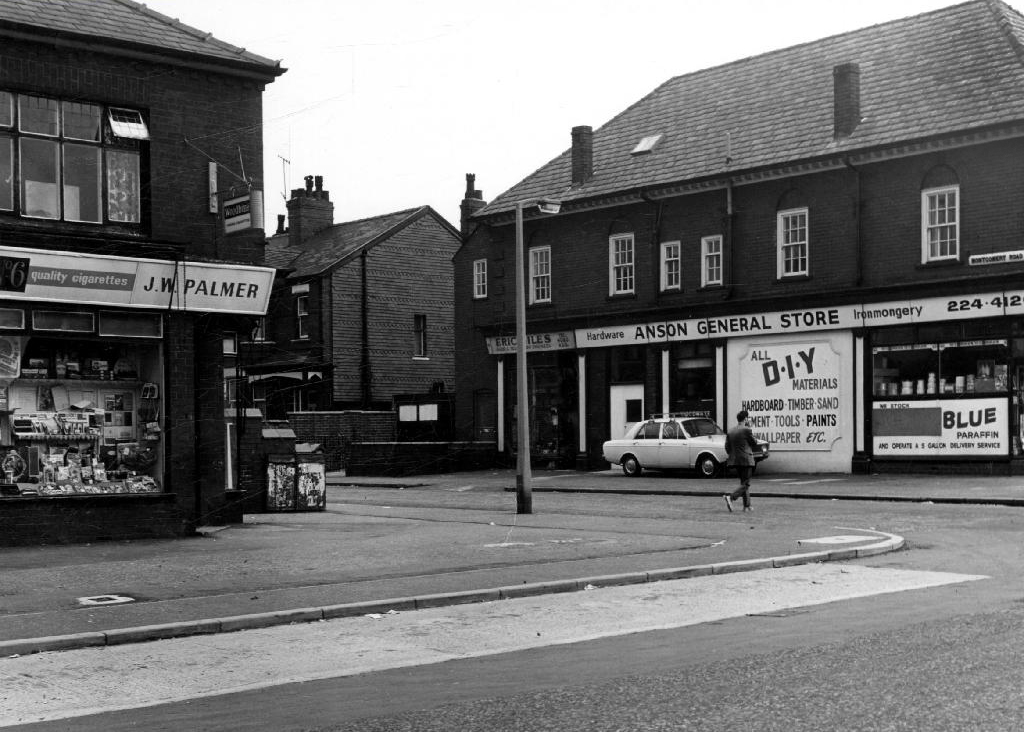
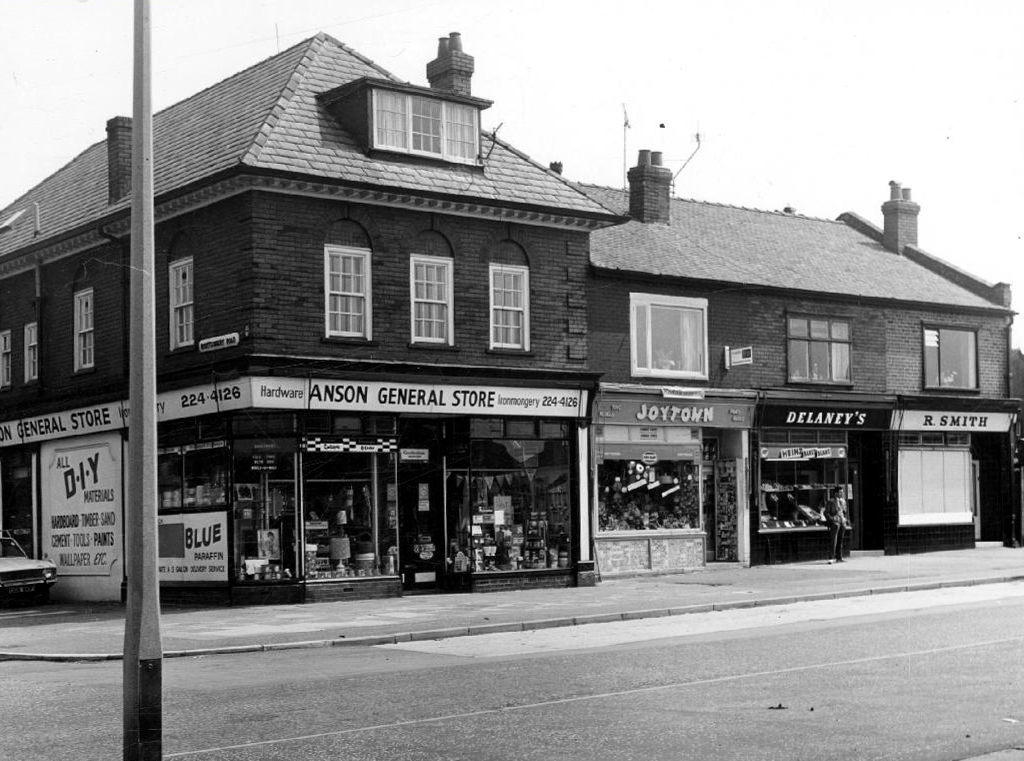
Safe home I searched the Manchester Local Image Collection, hoping to find some clues and/or images elucidating Beresford Road and the Anson in times gone by.

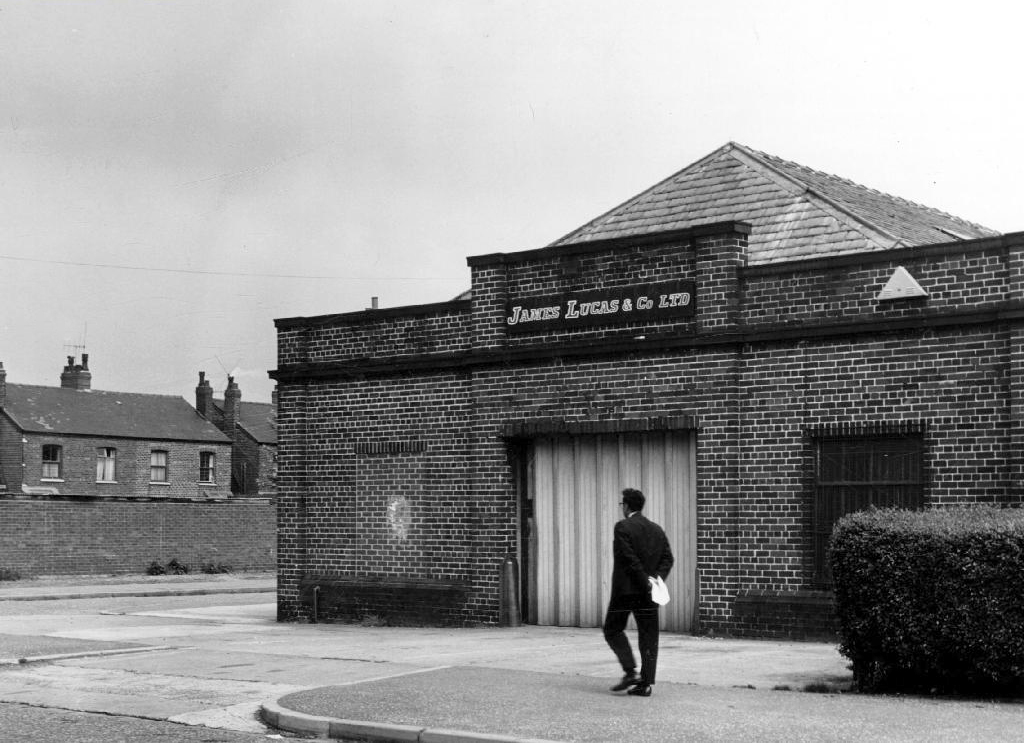
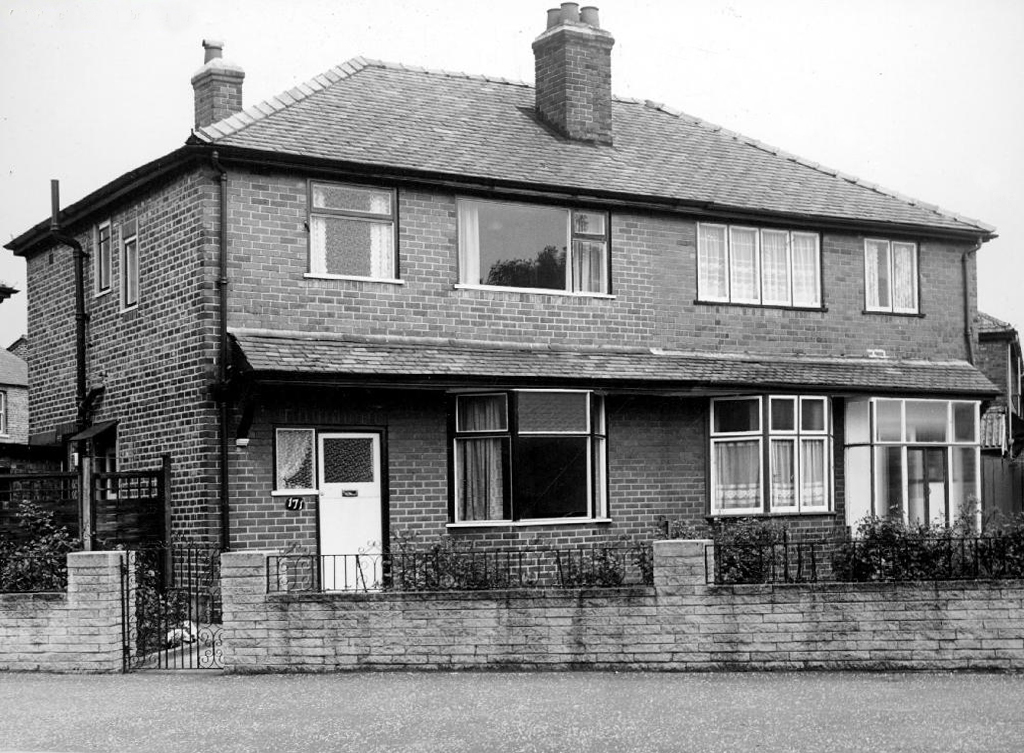
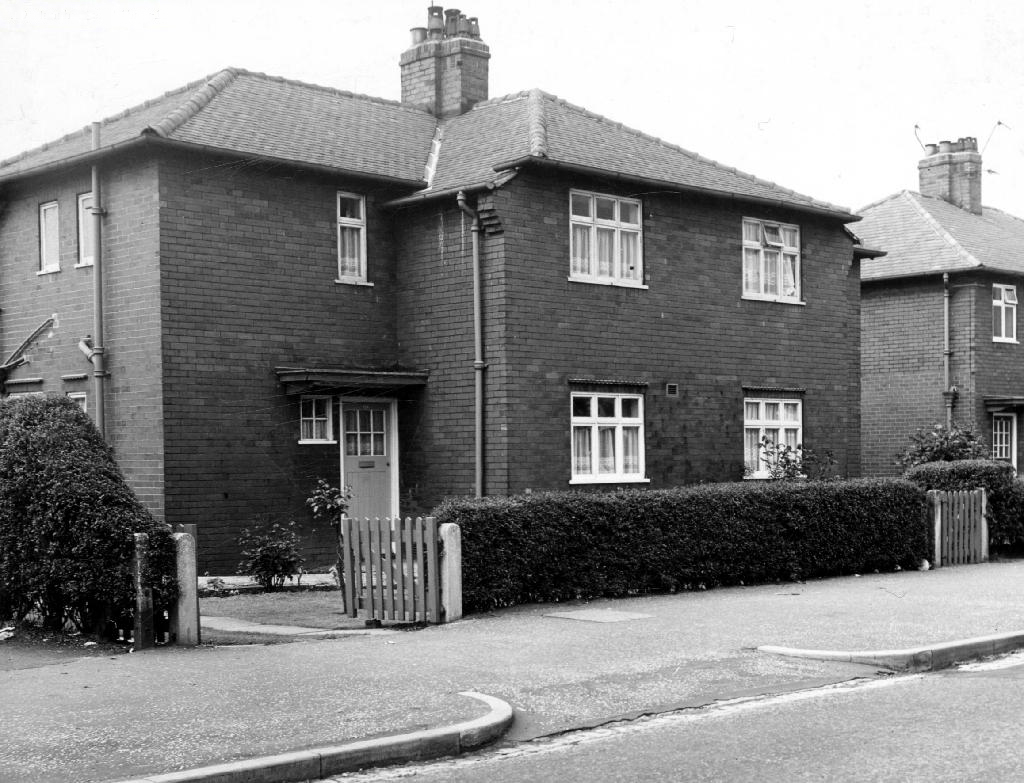
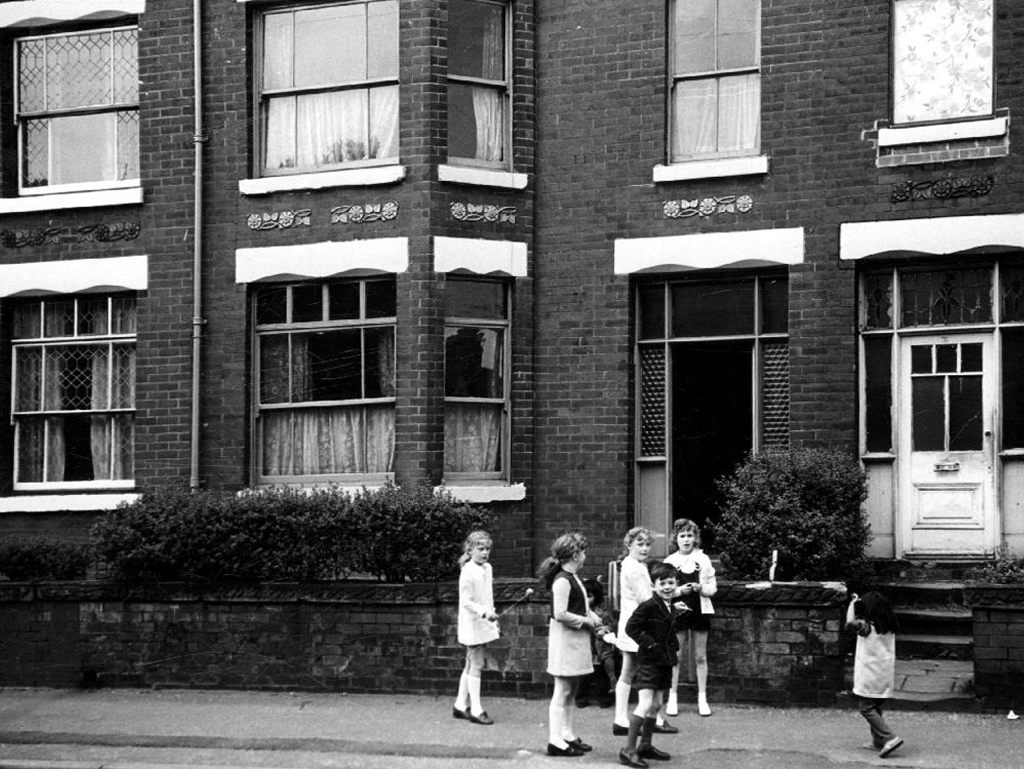
I found a typical inner Manchester suburban thoroughfare, a healthy mix of homes socially and privately owned, industry, independents shops, schools and such. Kids at play, passers-by passing by, captured in 1971 by the Council’s housing department photographers.

This was not a Golden Age – wasn’t the past much better, brighter, cheerier and cleaner reminiscence – simply a series of observations.

Things change.

Including the Anson Hotel.

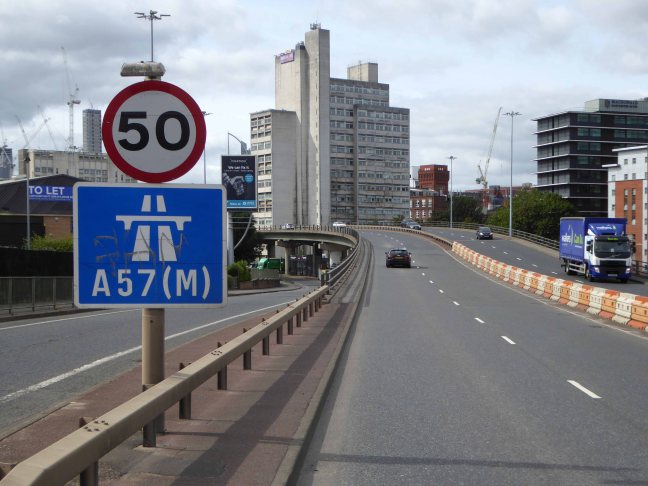
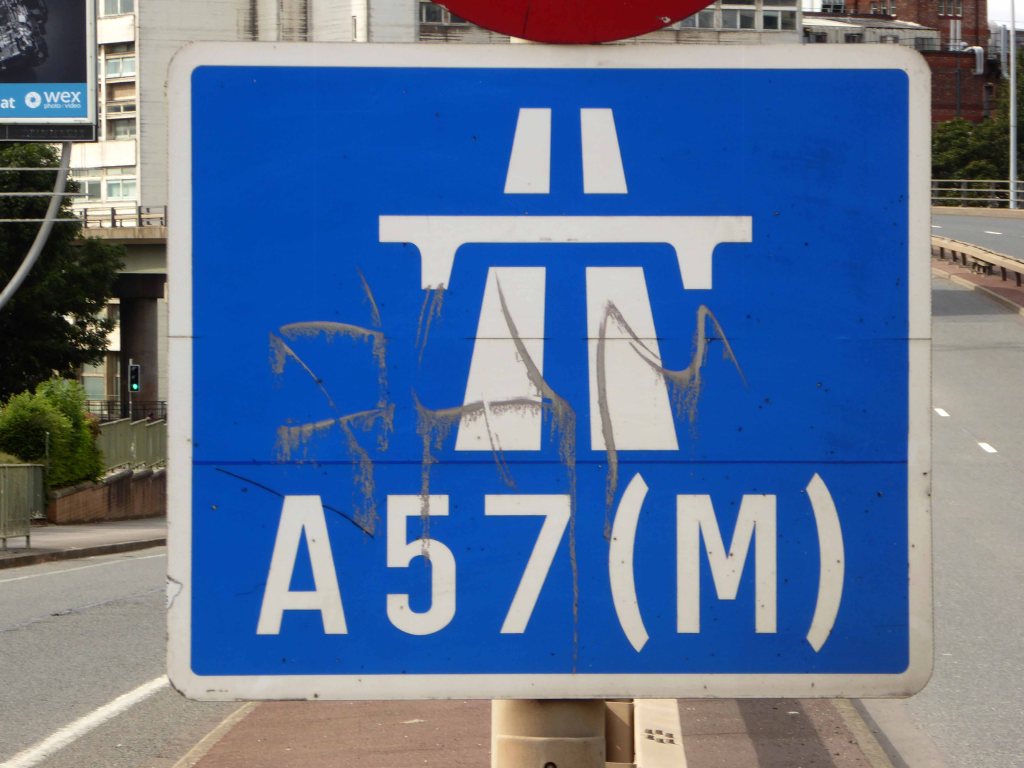
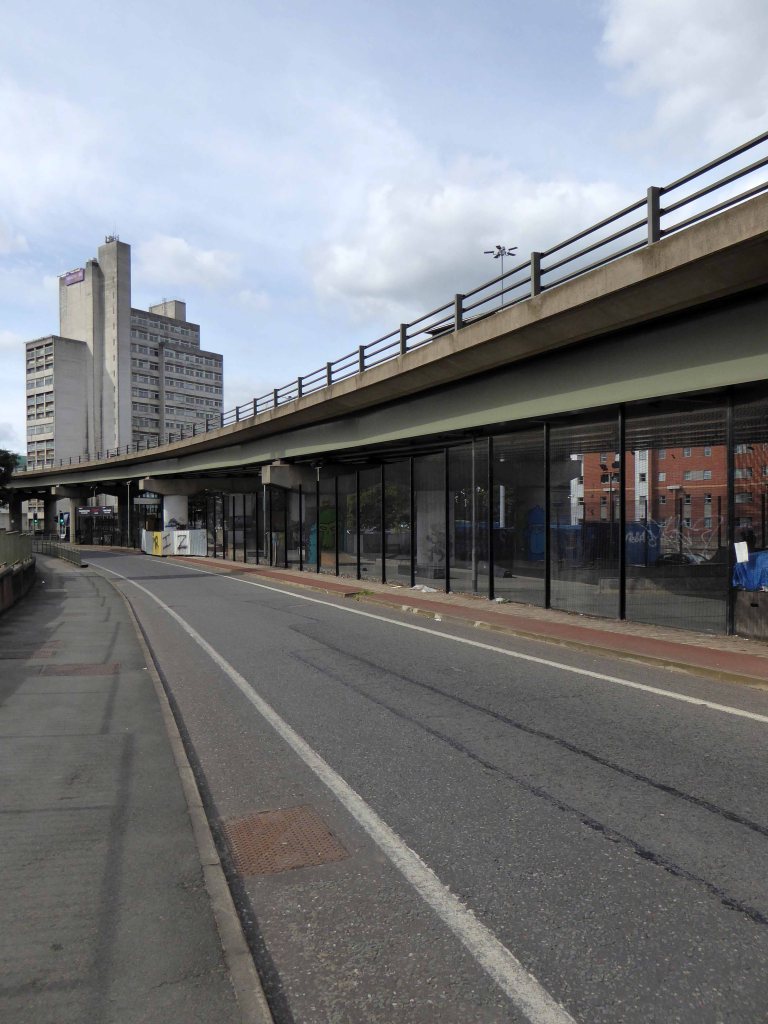
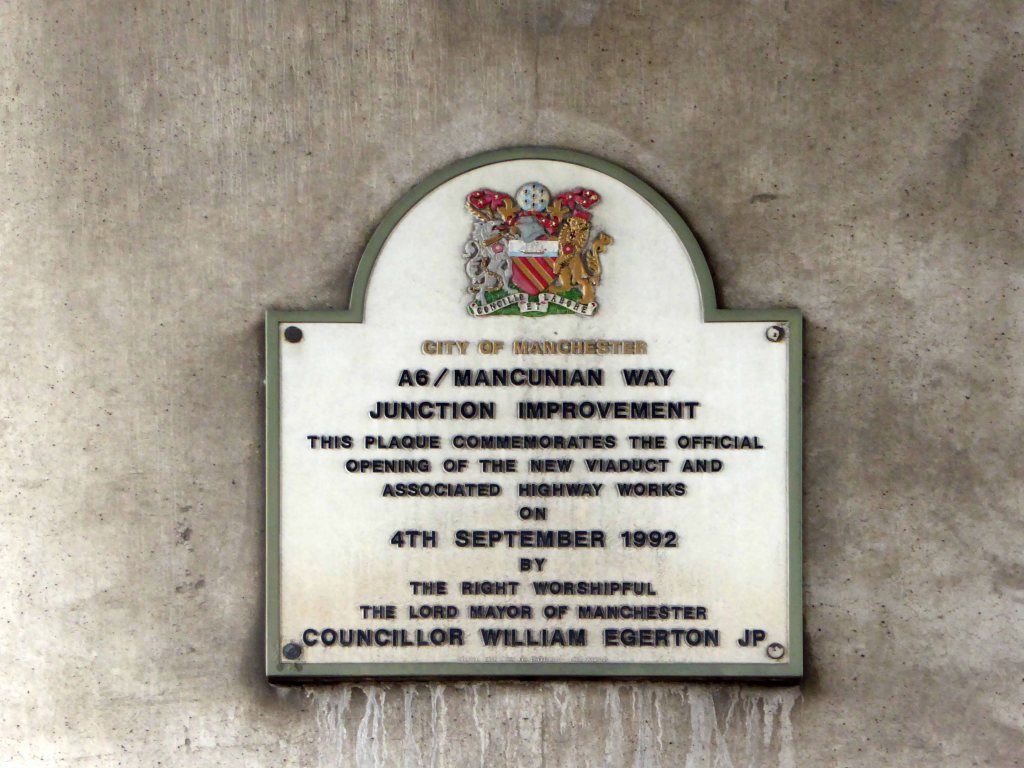
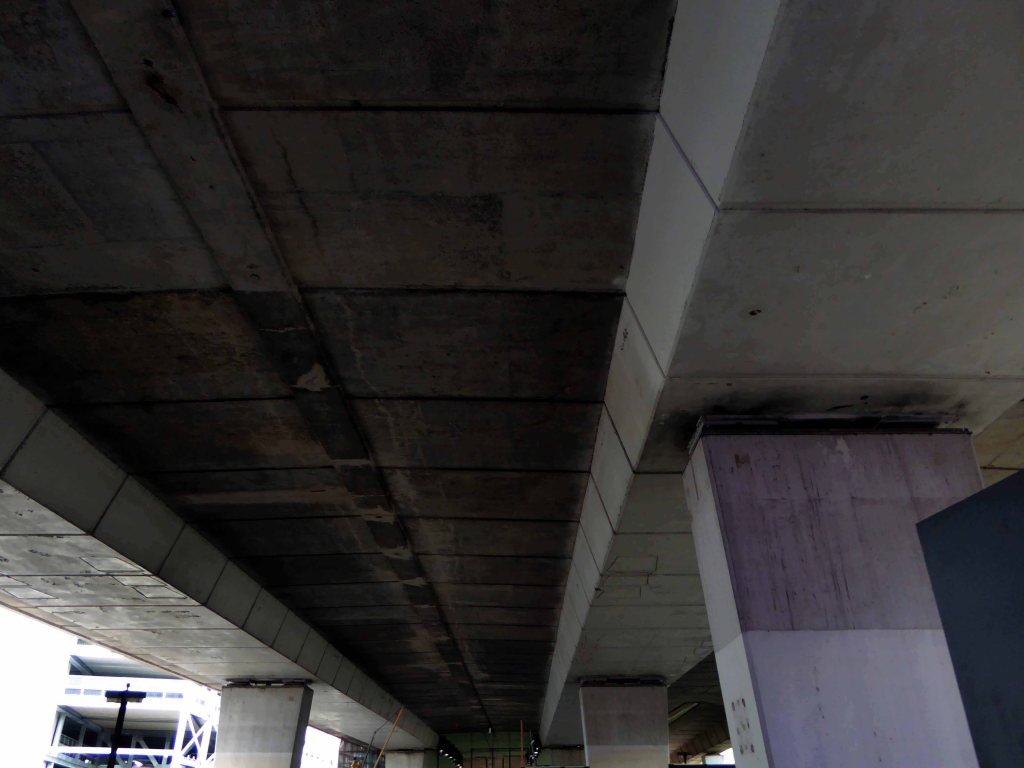
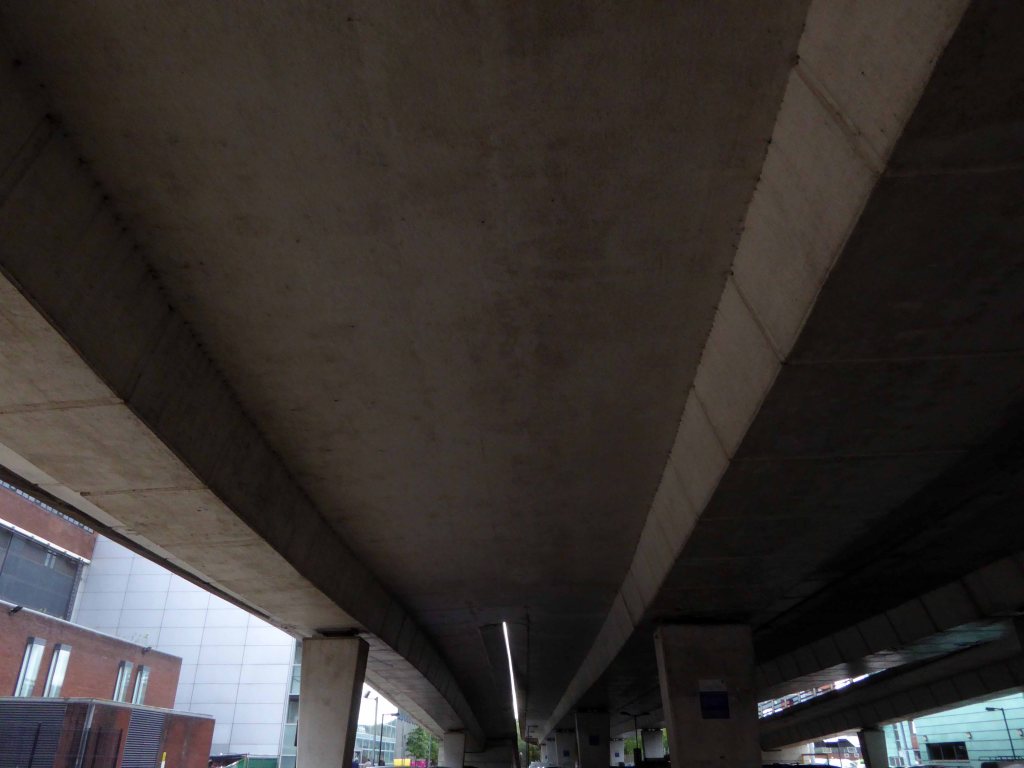
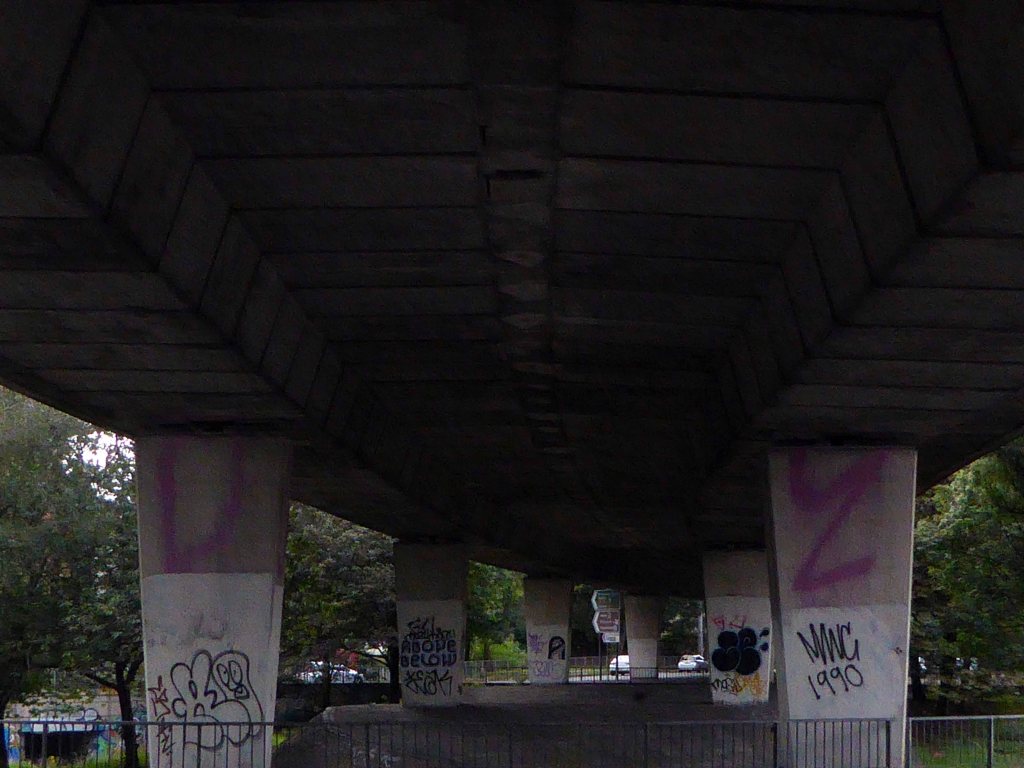
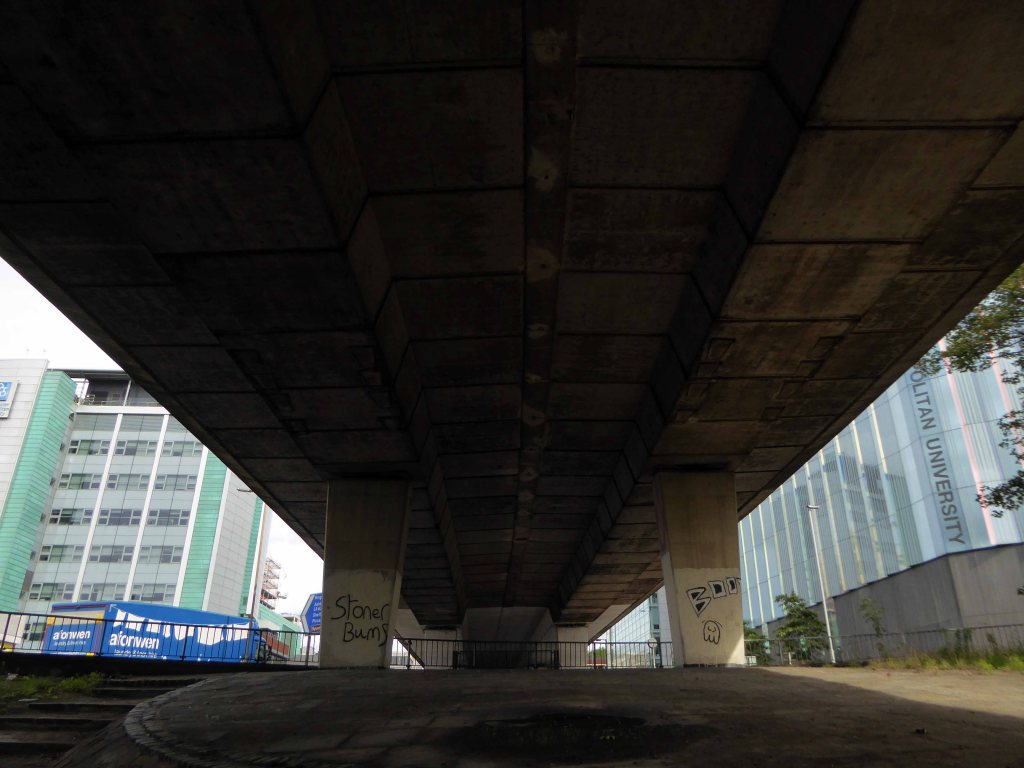
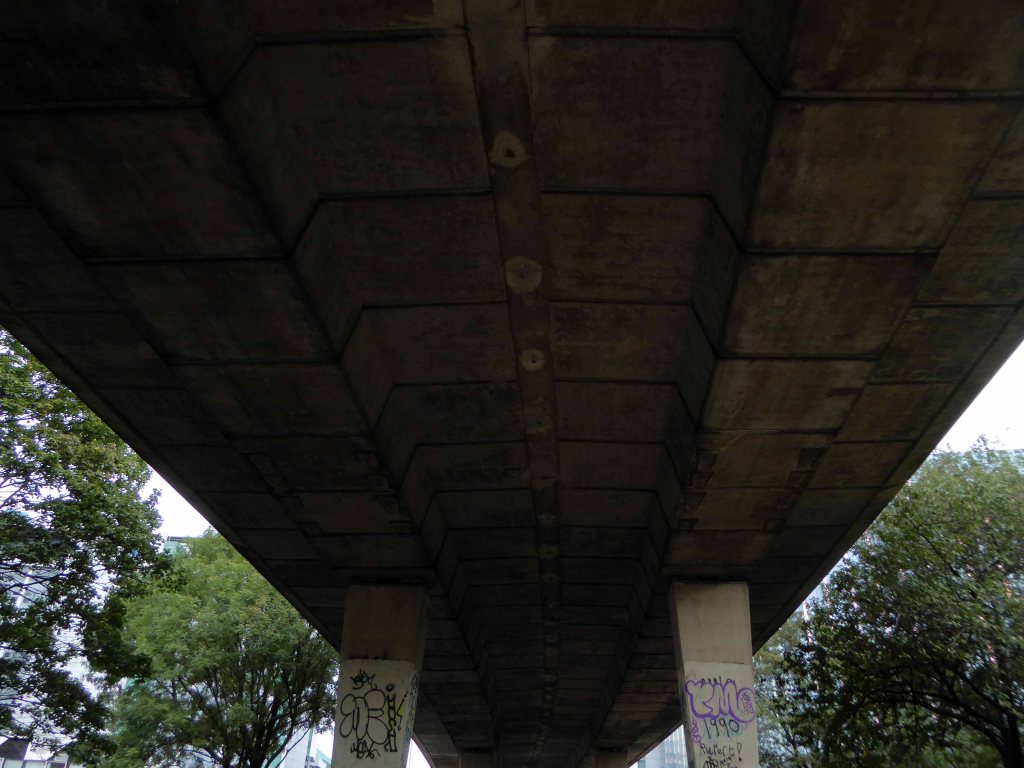
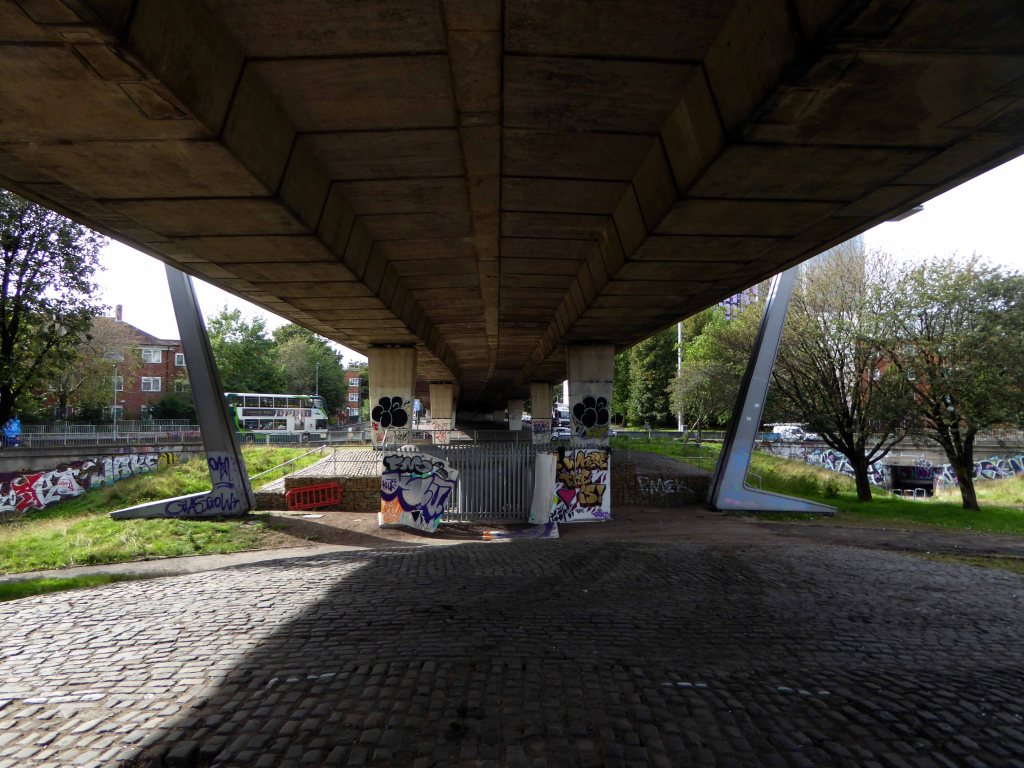
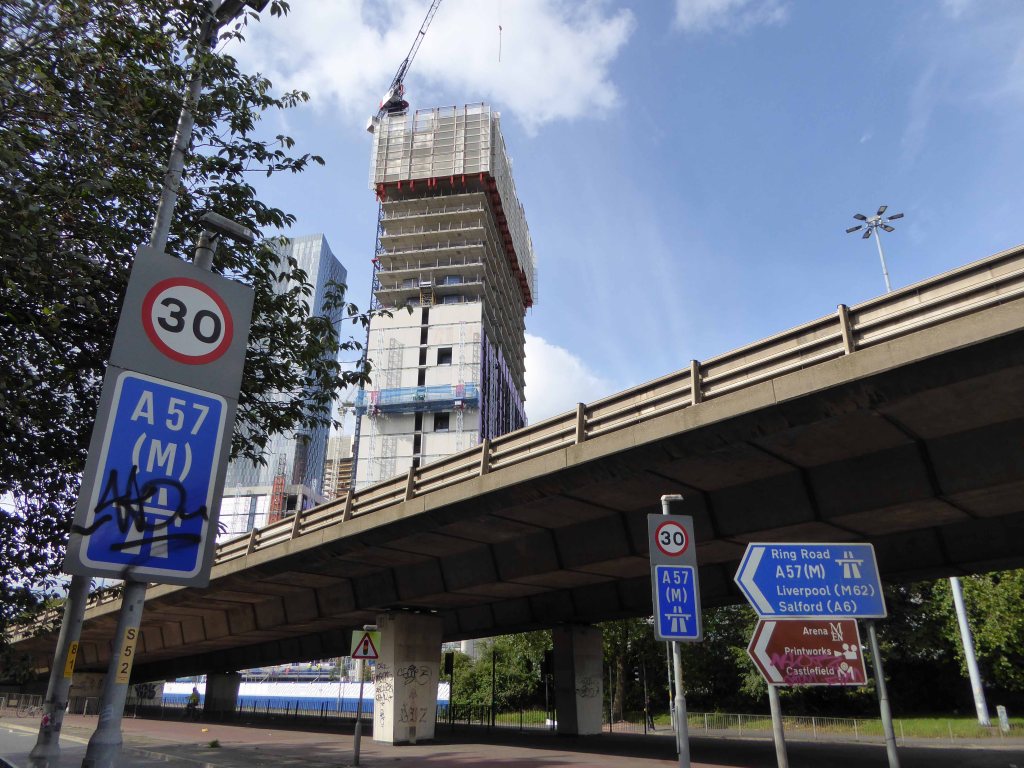
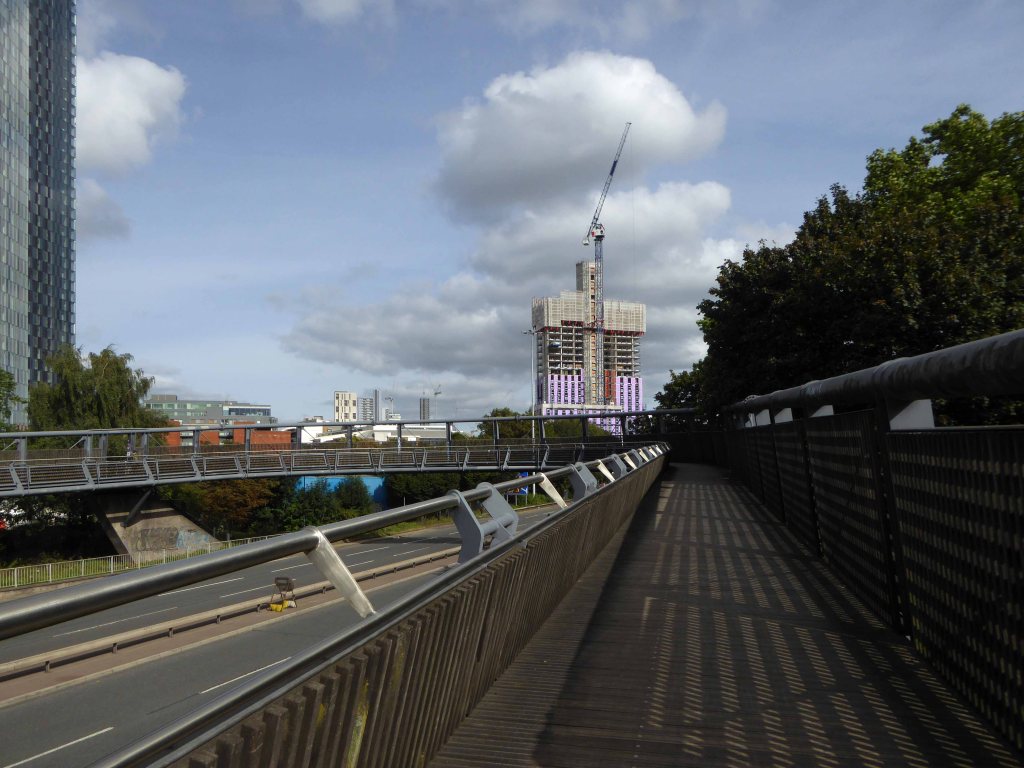
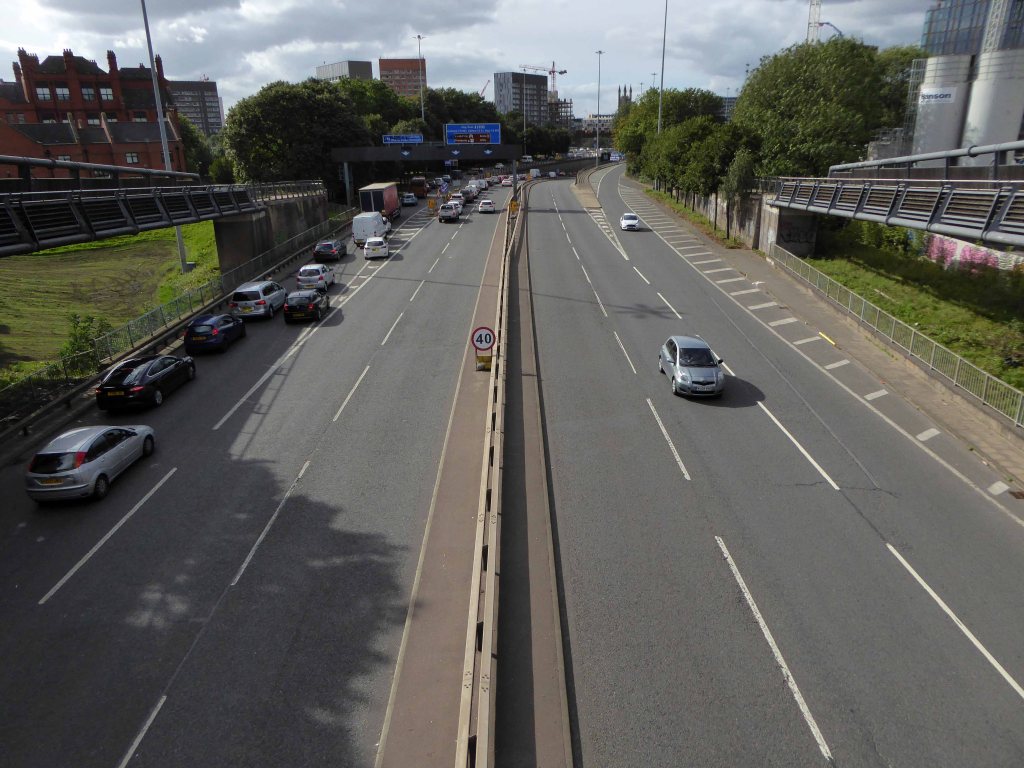
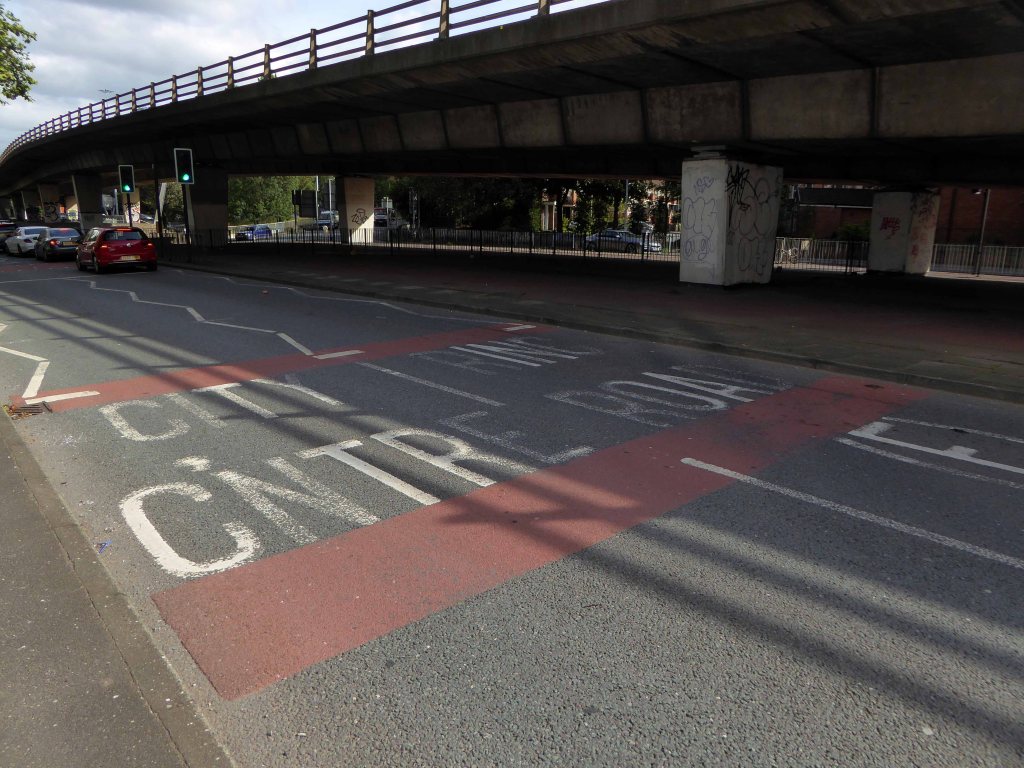
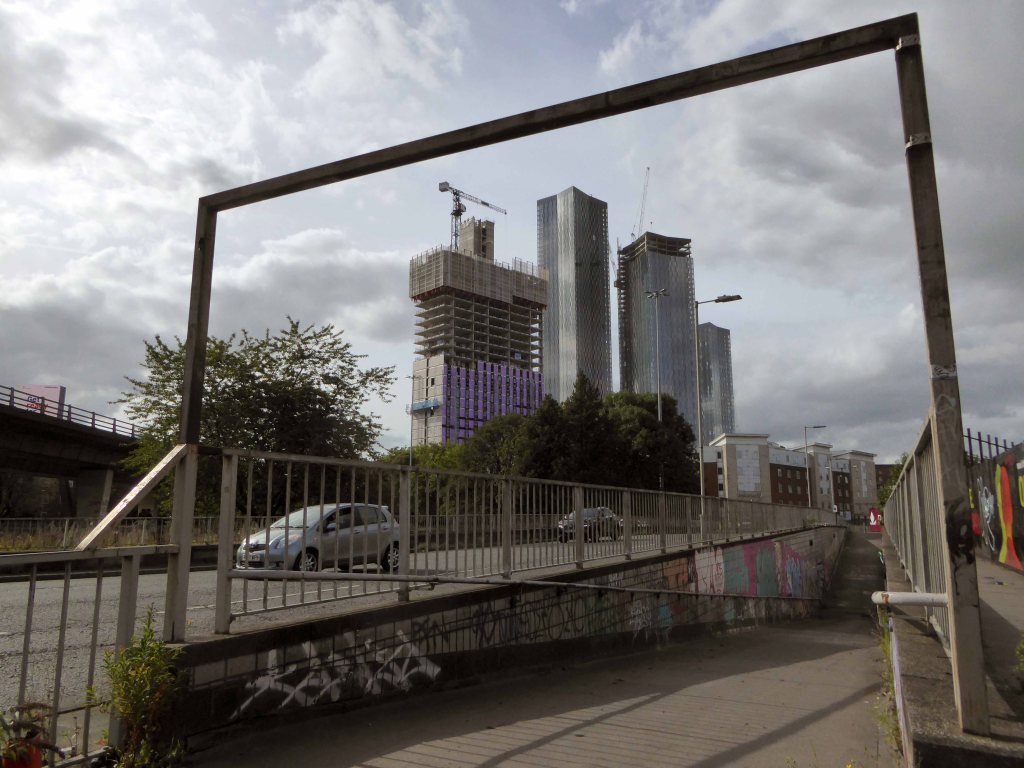
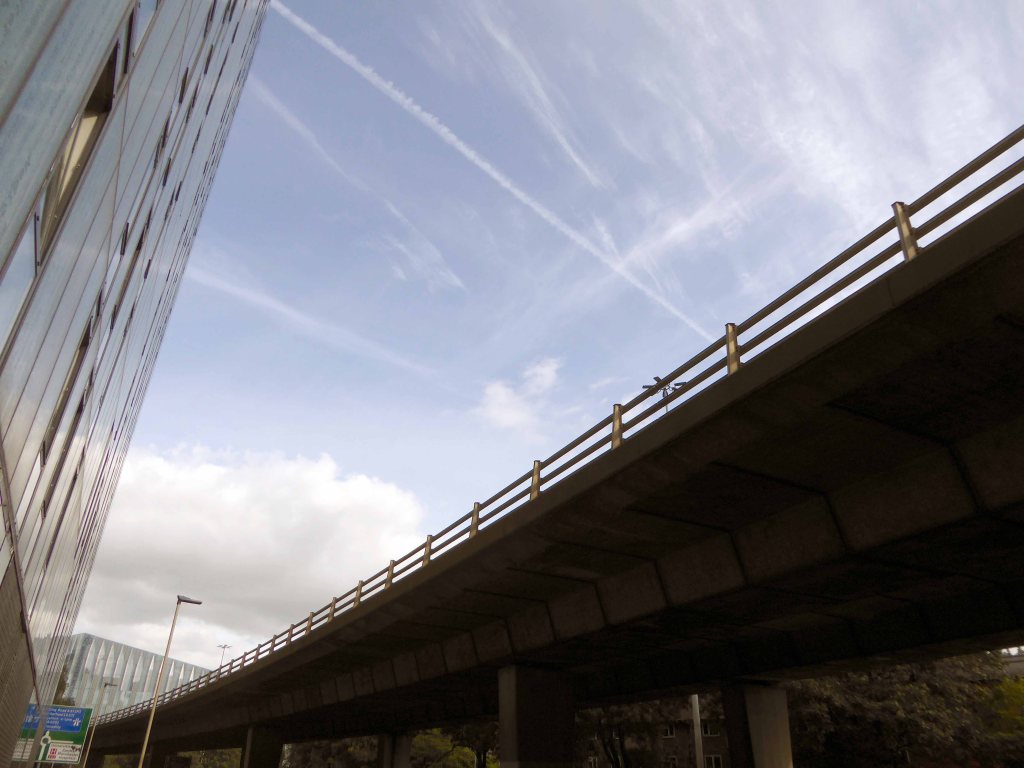
The Mancunian Way – A57(M)

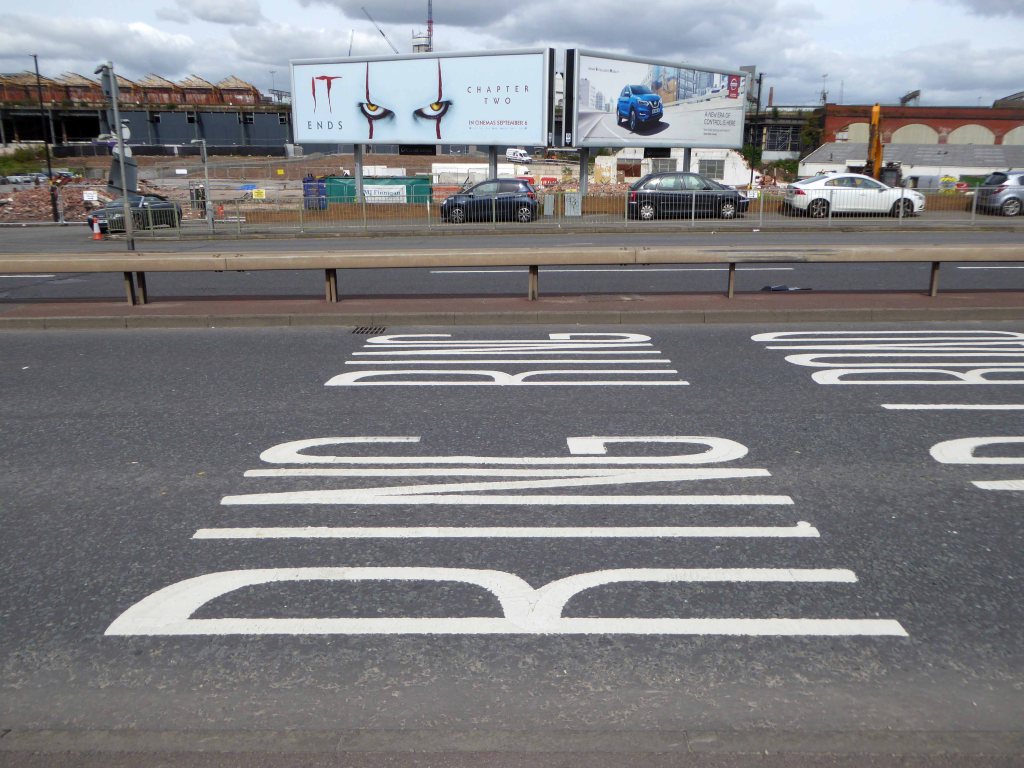
I’m walking, yes indeed I’m walking – I’m walking the Mancunian Way.

Previously posted as historical journey – this, as they say, is the real deal, one foot after another, one sunny afternoon in September.

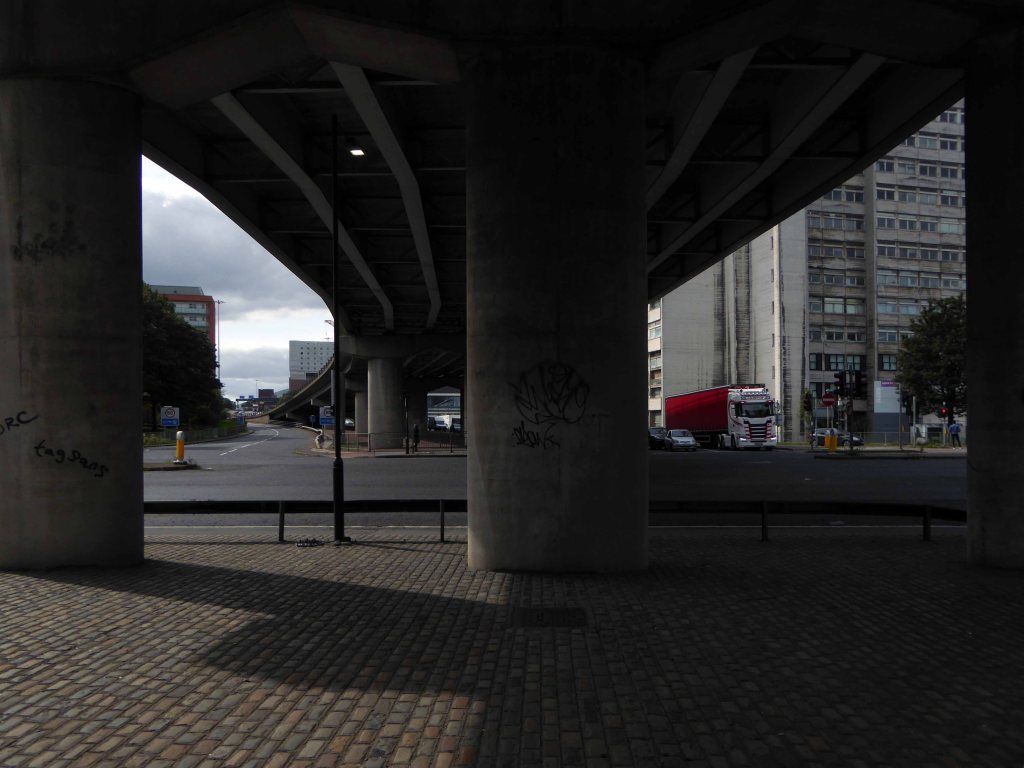
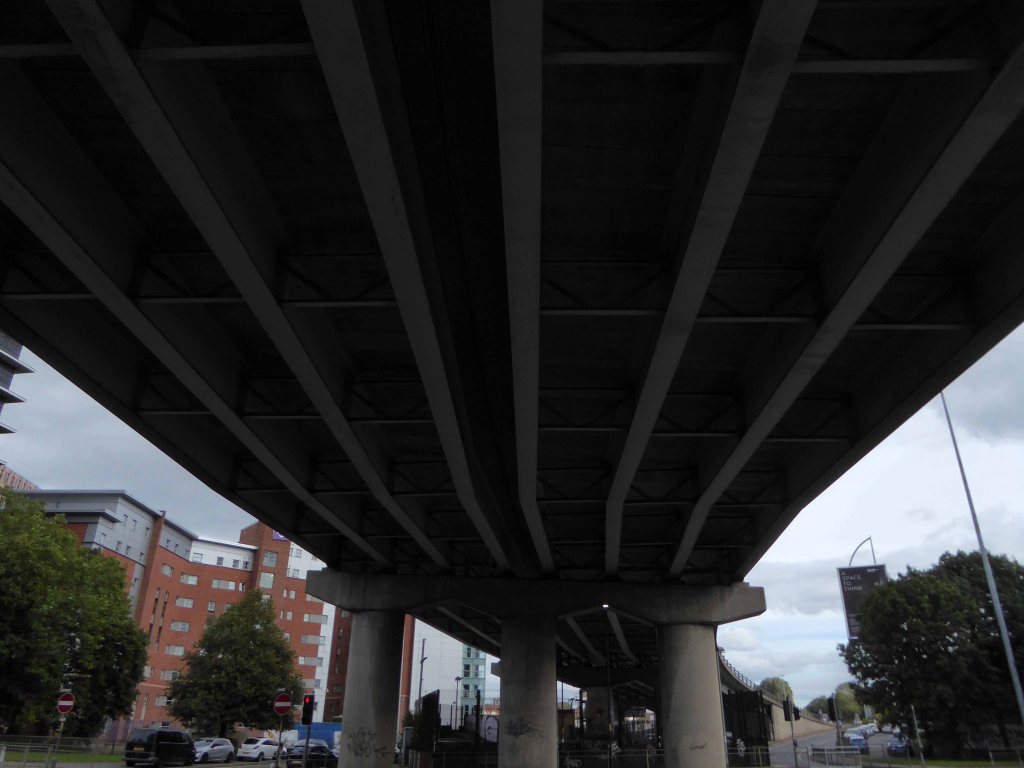
From east to west and back again – in or on, under and around our very own Highway in the Sky.

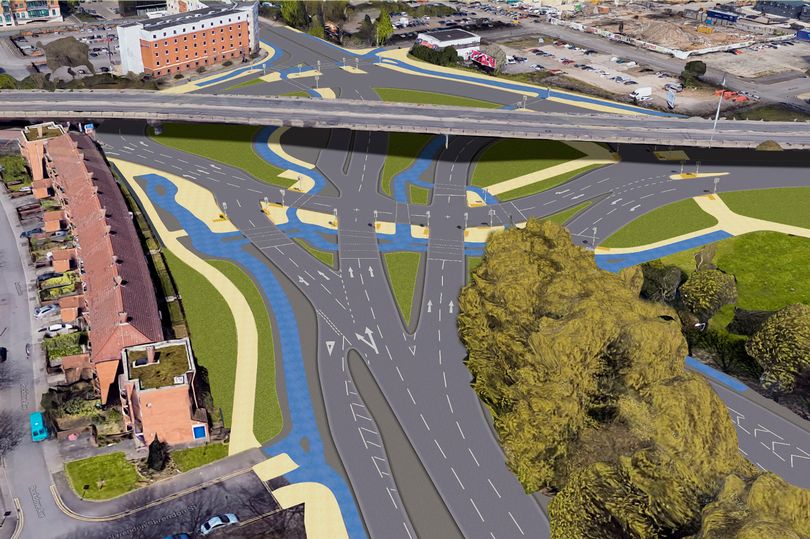
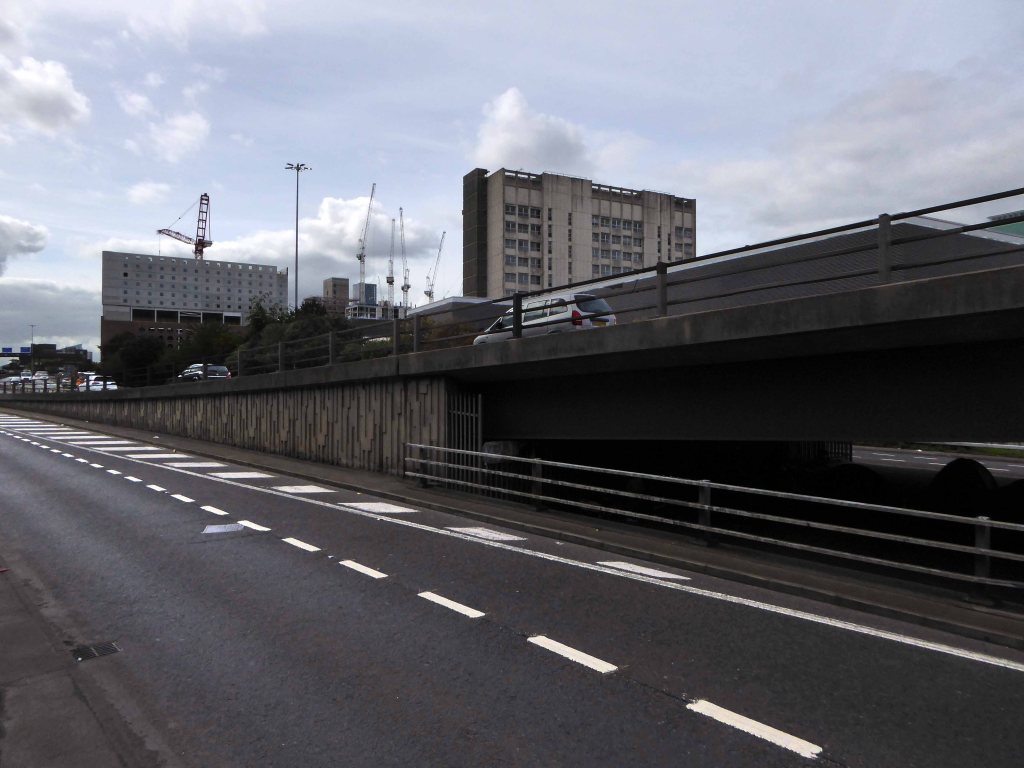
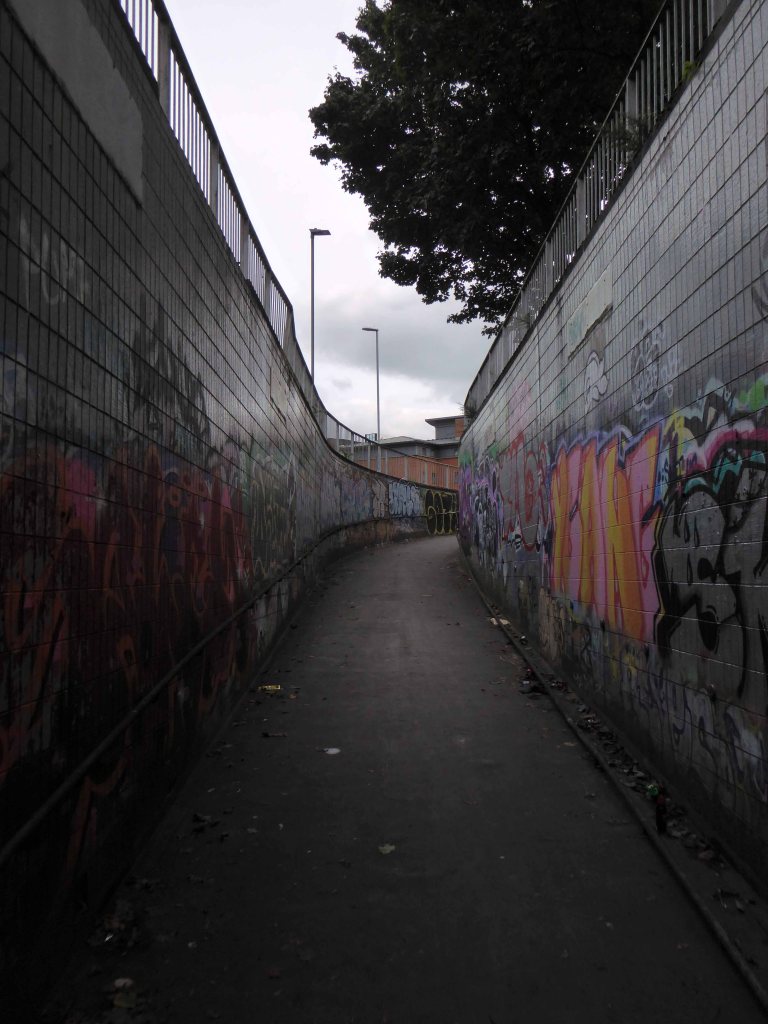
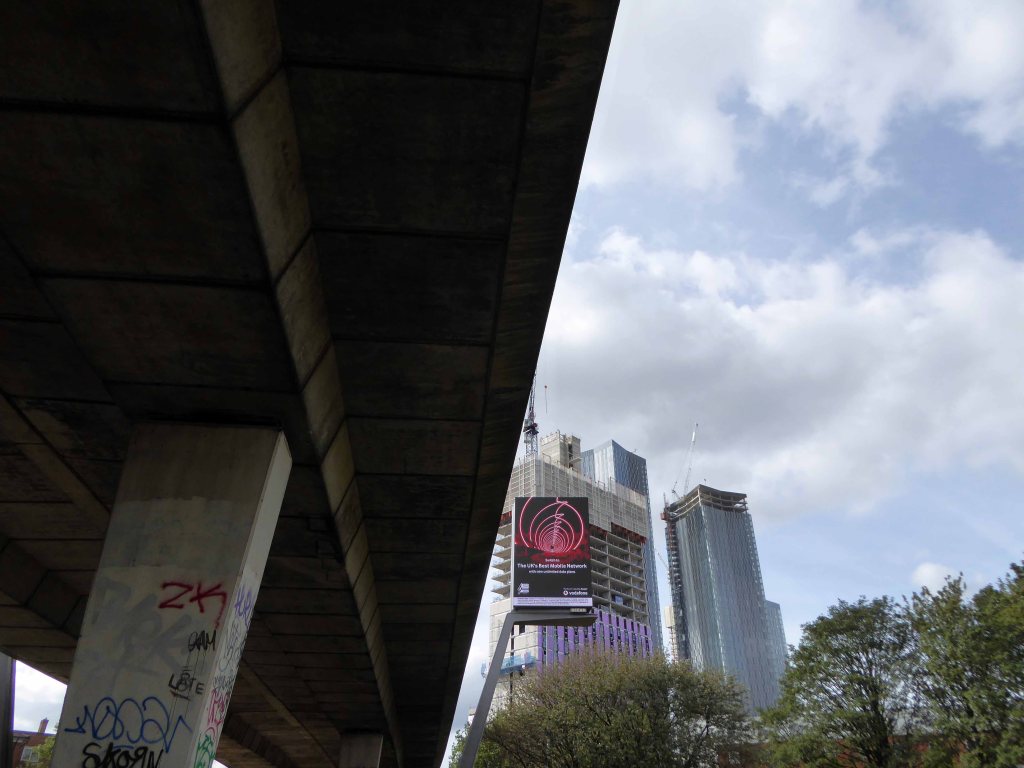
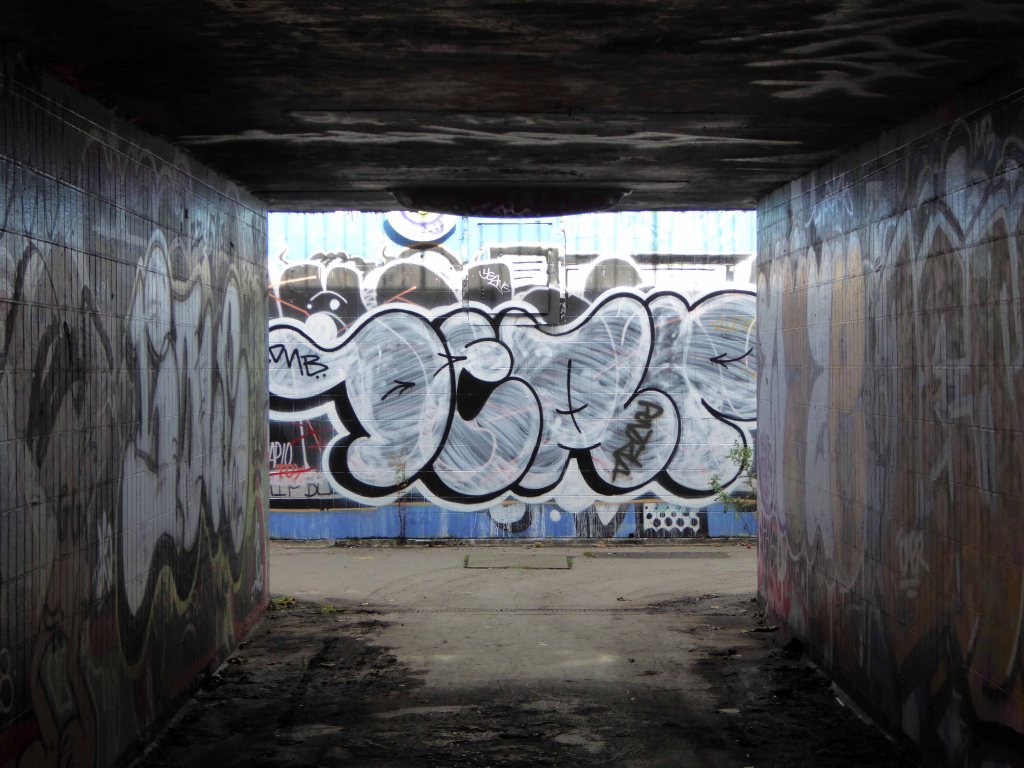
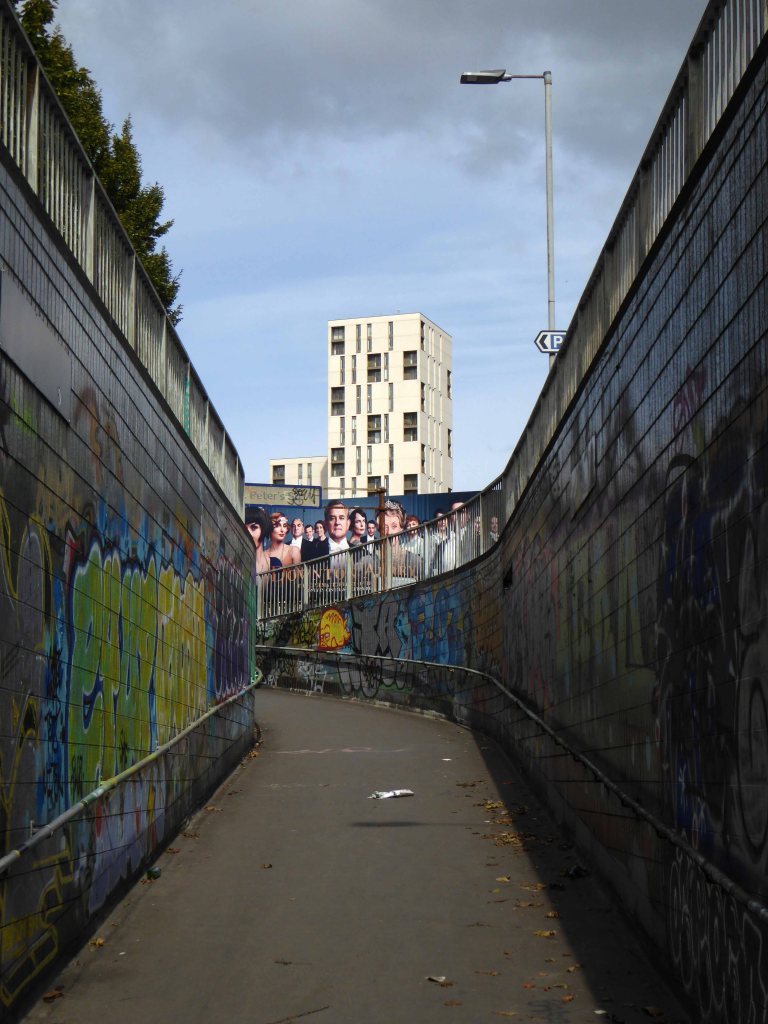
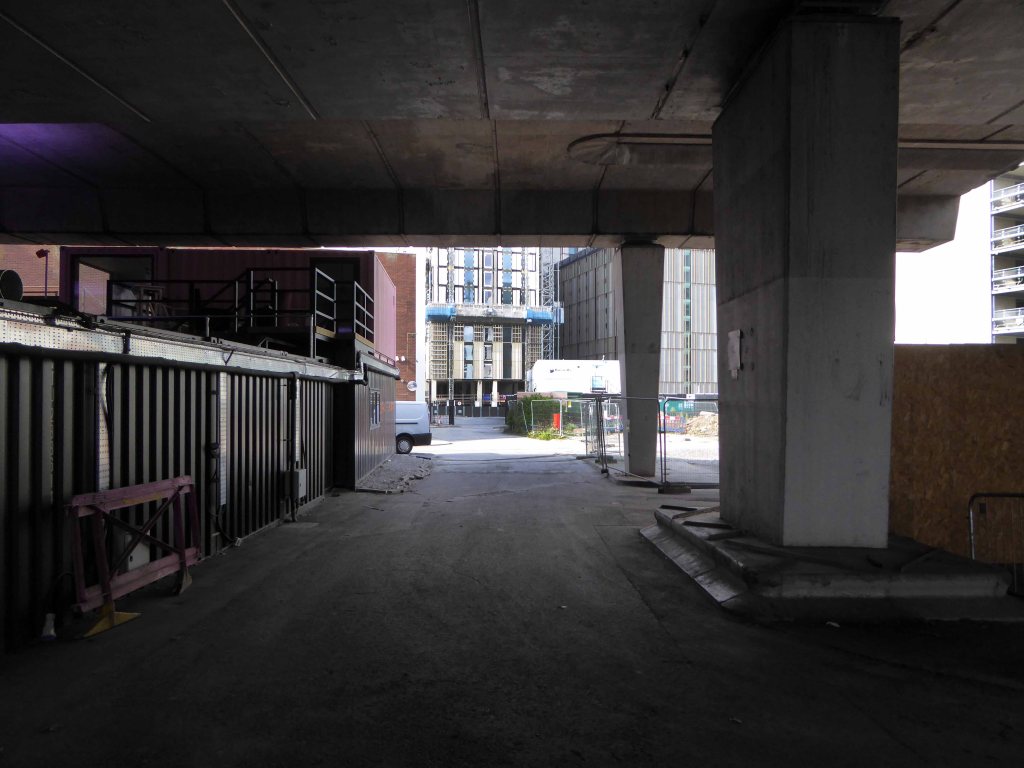
Part of the ever changing patchwork of demolition and development which defines the modern city. The carriageway prevails, whilst the pervasive rise and fall continues apace, its forlorn pedestrian underpasses may soon be superseded by wider walkways.

Manchester City Council is spending around £10million to make major changes to the junction where Princess Road meets the Mancunian Way and Medlock Street.

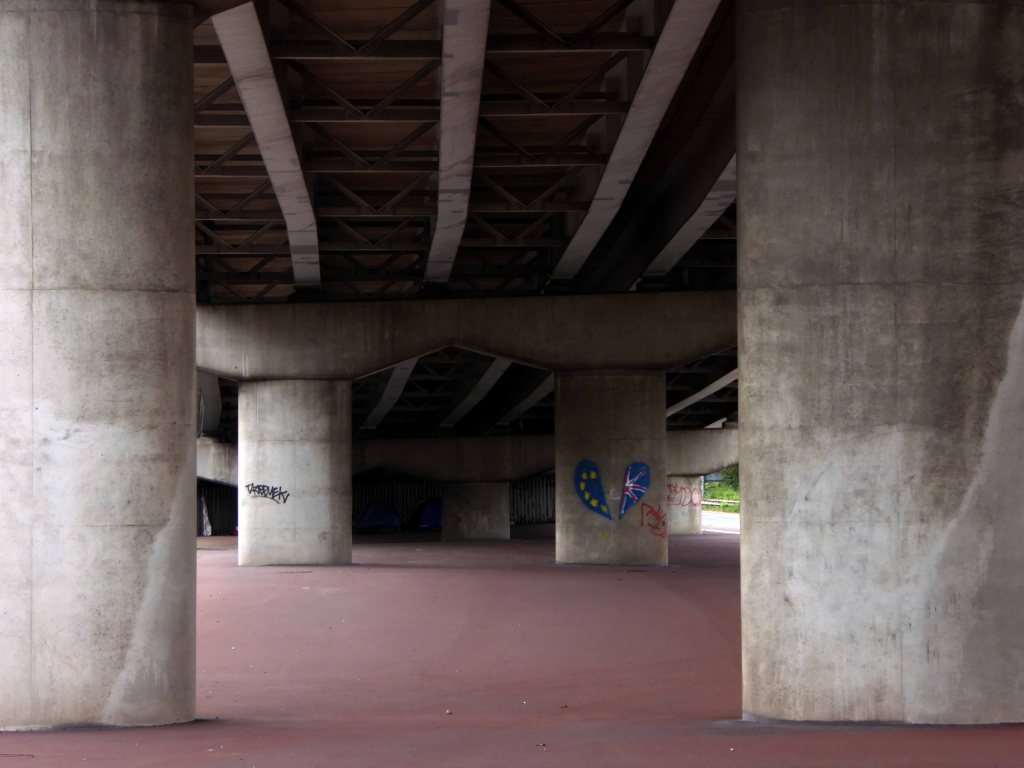
Much to the chagrin of local residents, who value the solace of their sole soulful green space and the frequent users, passing under the constant waves of sooty traffic.

What you see is what you get today, tomorrow is another kettle of concrete, trees, traffic and steel.

Castle House Co-op Store – Sheffield

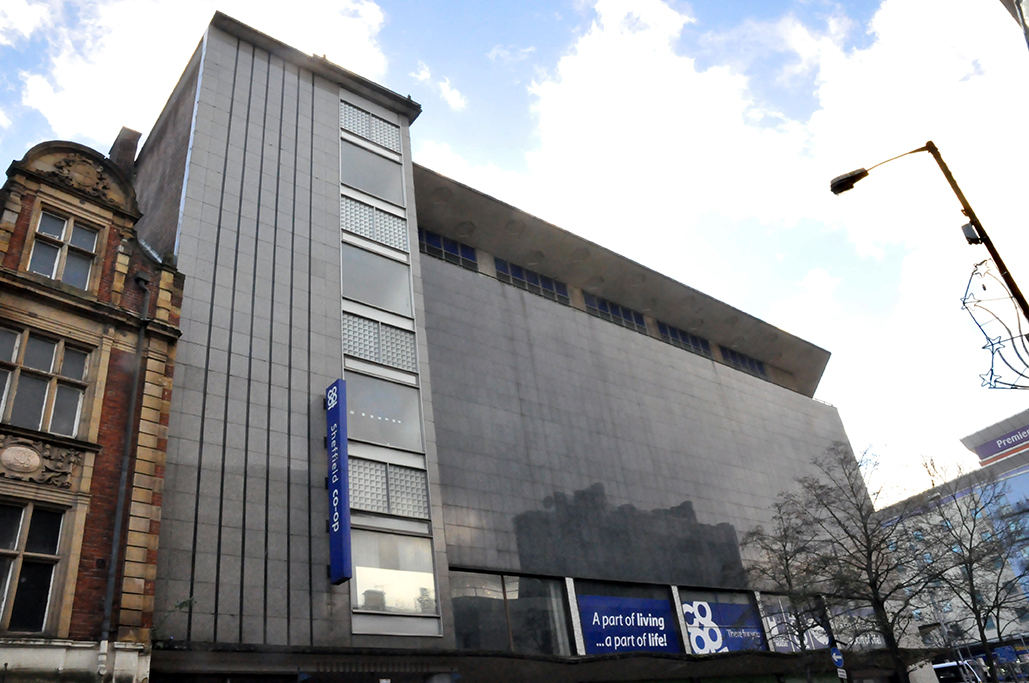
So here we are outside, you and I in 2015 – it seems like yesterday.

Whereas yesterday I was inside not outside, but more of that in a moment.

It seems that you were listed in 2009 and deservedly so.

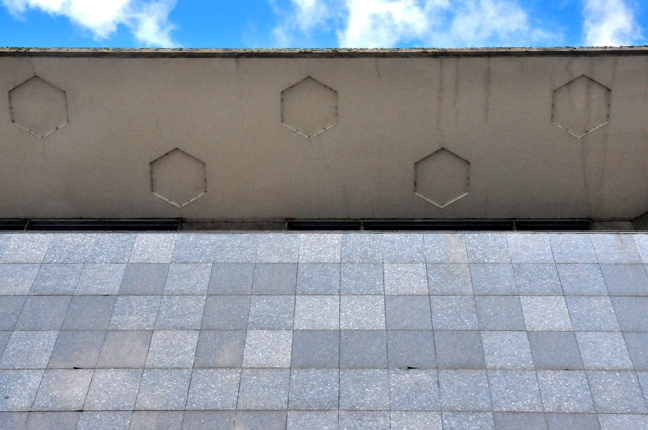
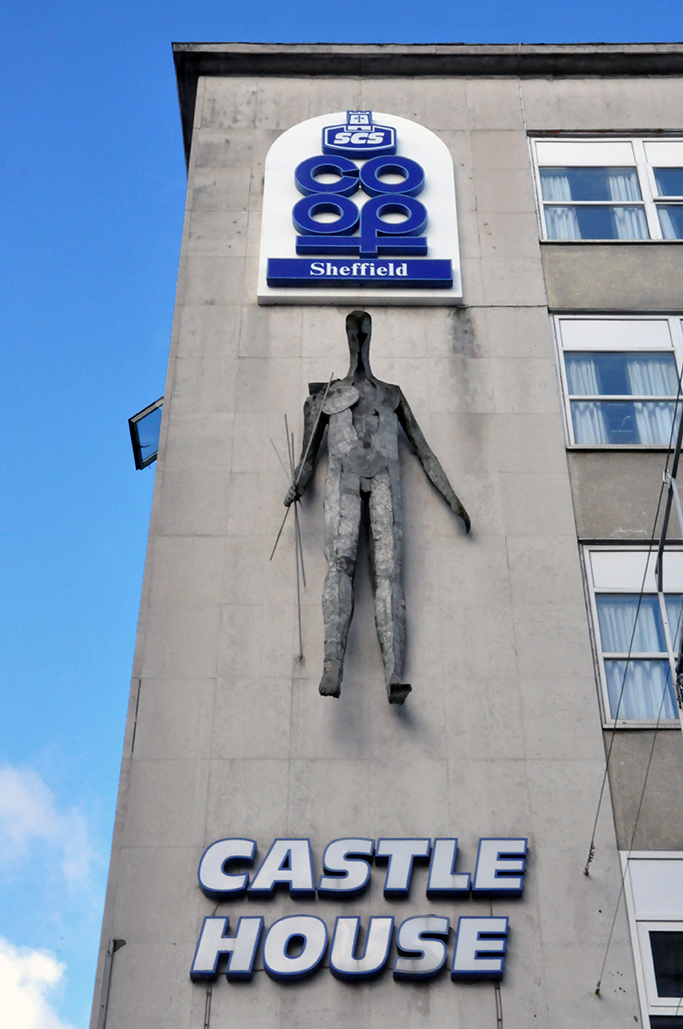
1964 by George S Hay, Chief Architect for CWS, with interior design by Stanley Layland, interior designer for CWS. Reinforced concrete with Blue Pearl granite tiles and veneers, grey granite tiles and veneers, buff granite blocks, glass, and brick.

There’s just so much to stand and stare and marvel at.

Vulcan by Boris Tietze commisioned by Horne Brothers 1961 for their head office building No. 1 King Street. Glass fibre on a metal armature the 8 foot high figure holding a bundle of metal rods.

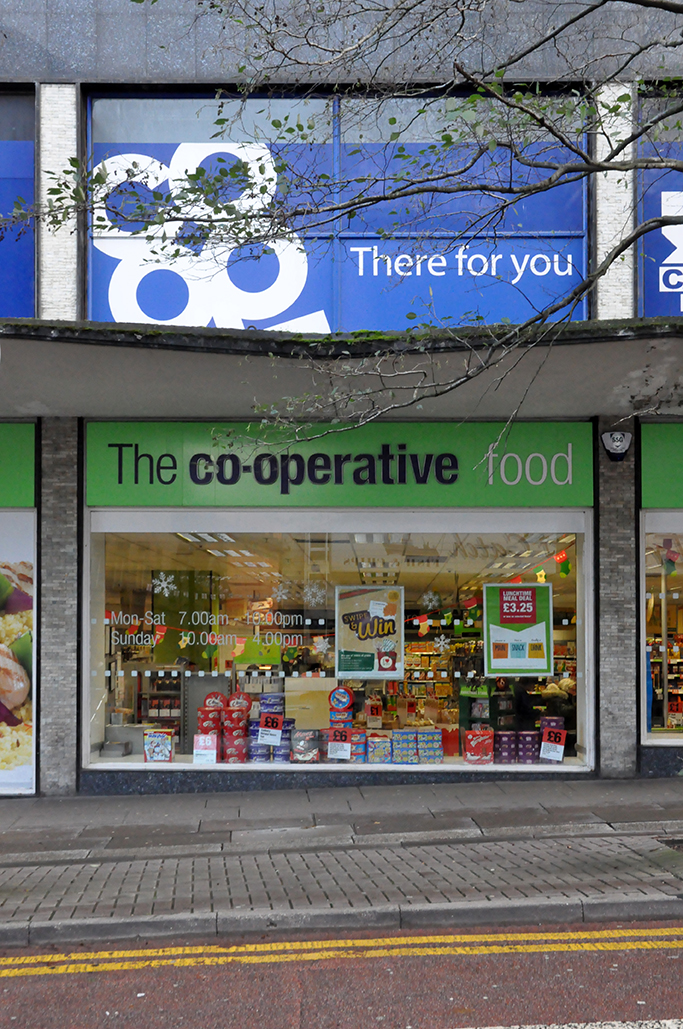
You were just about still open then, then you weren’t, then you were again – but a Co-op no more alas.

Fast forward to 2018

Work is underway on plans for a tech hub in Sheffield after a funding package was agreed.

Followed by a casual stroll towards 2019 where we are talking a peep inside courtesy of owners Kollider and book shop La Biblioteka.

I’d never ever seen the interior, save through the photographs of Sean Madner who captured the key features in 2014, prior to refurbishment.

So the Modernists and I pitched up this Sunday afternoon, the conclusion of our Sheffield Walk.

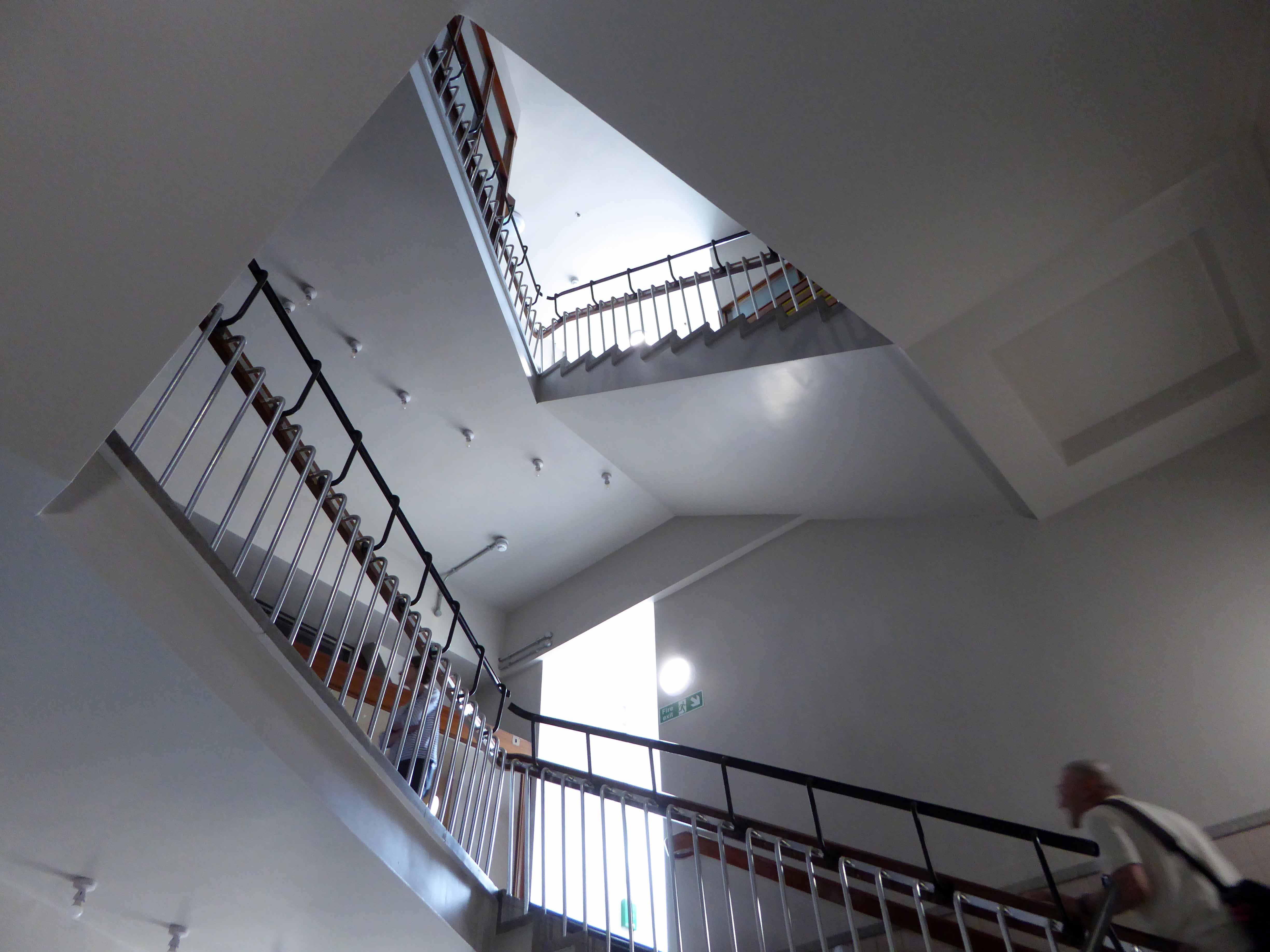
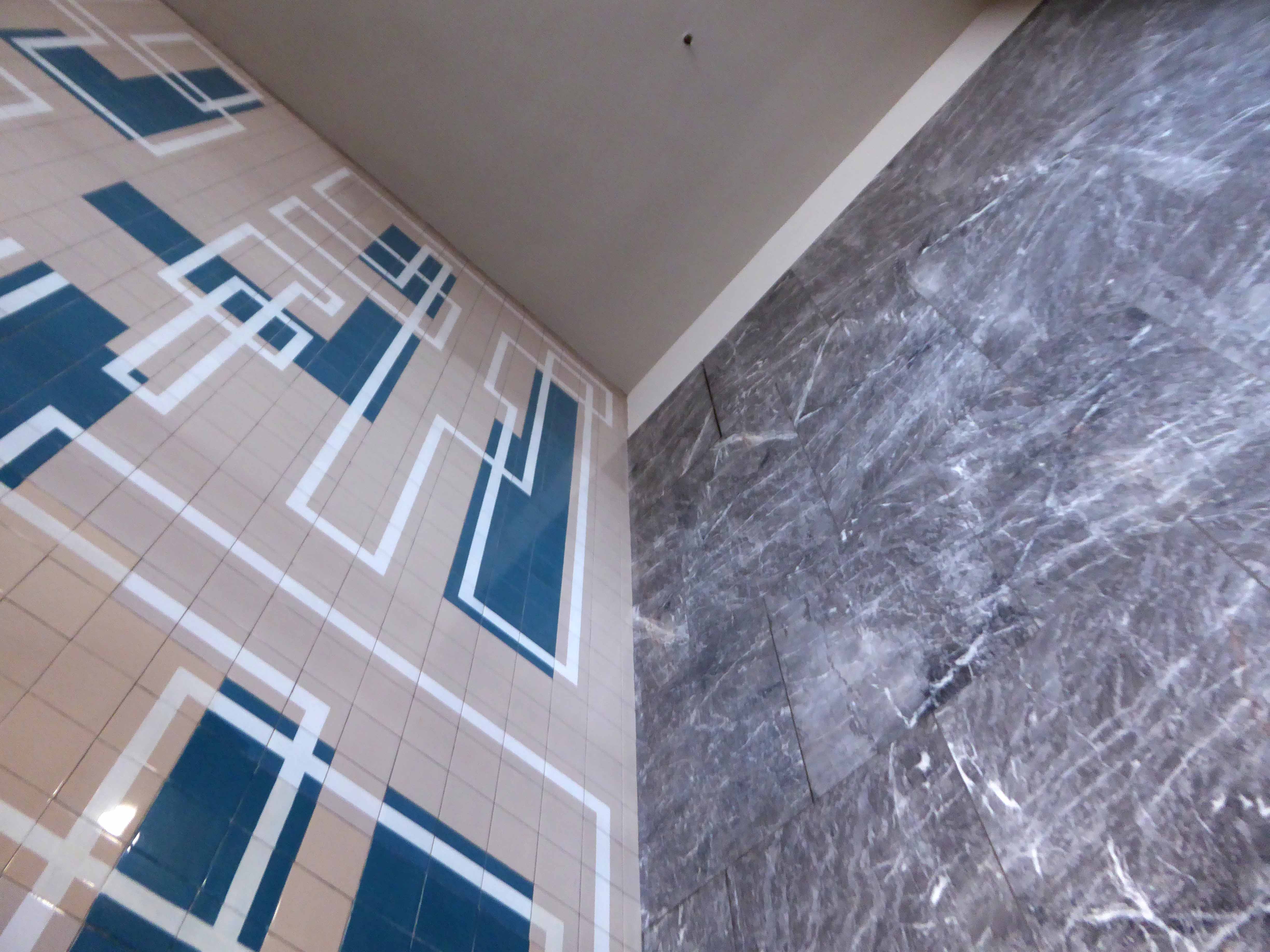
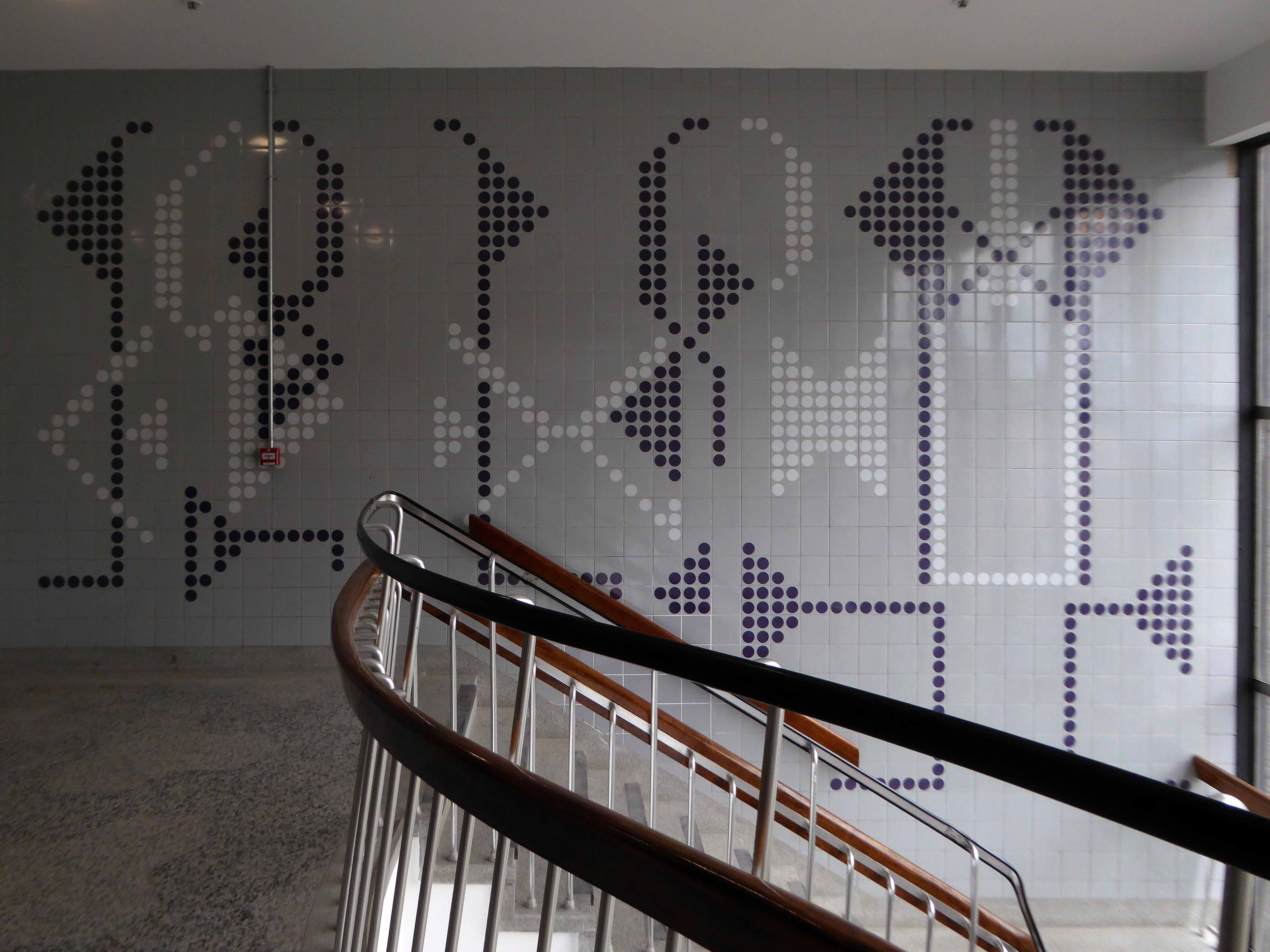
Lets take a look at the end stairwells, two very distinct designs one dotty one linear, both using Carter’s Tiles.

Configured from combinations and rotations of these nine modular units and two plain tiles.

Configured from combinations and rotations of these twelve modular units and two plain tiles.

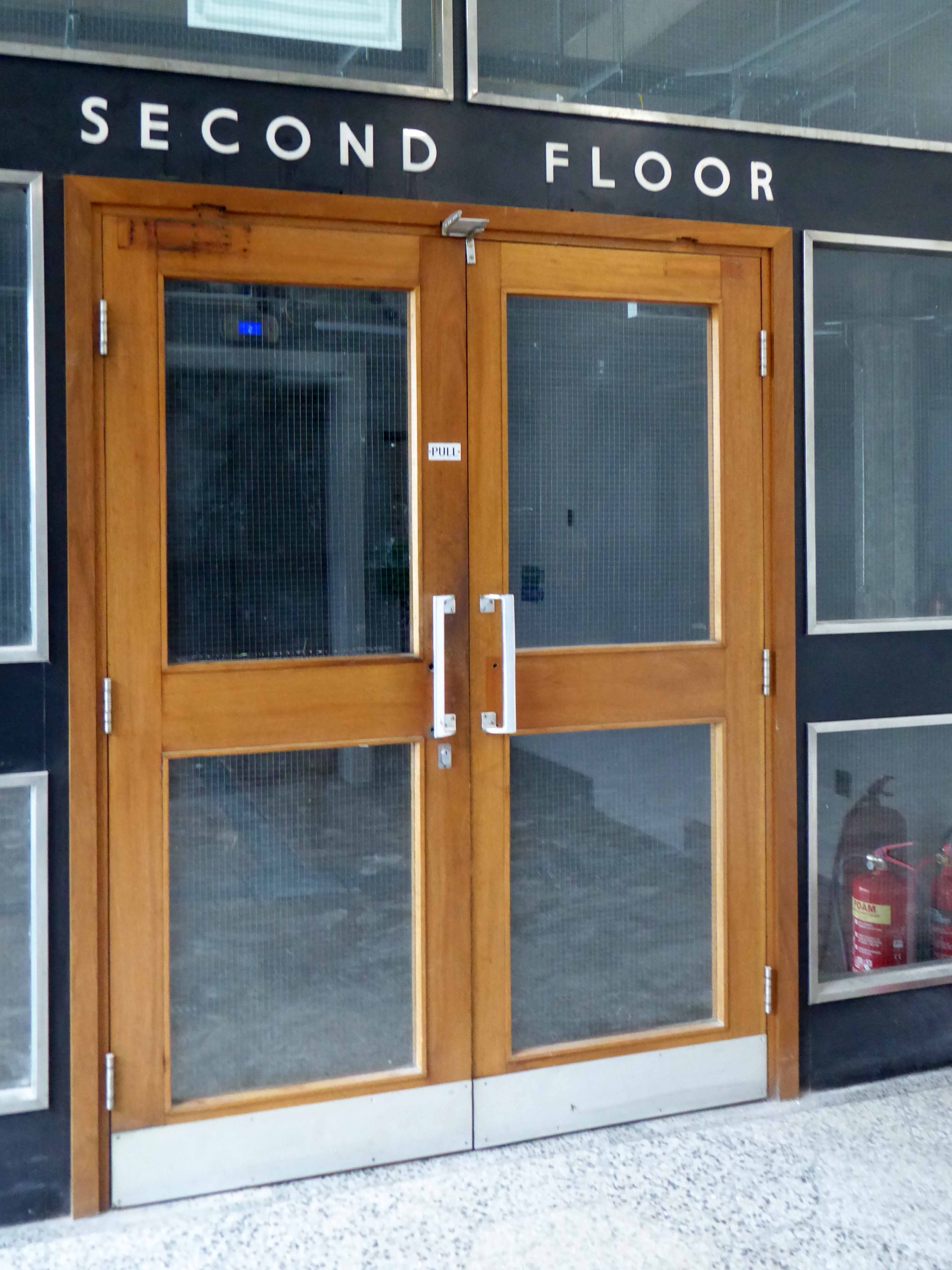
The site has retained some of its original architectural typography.

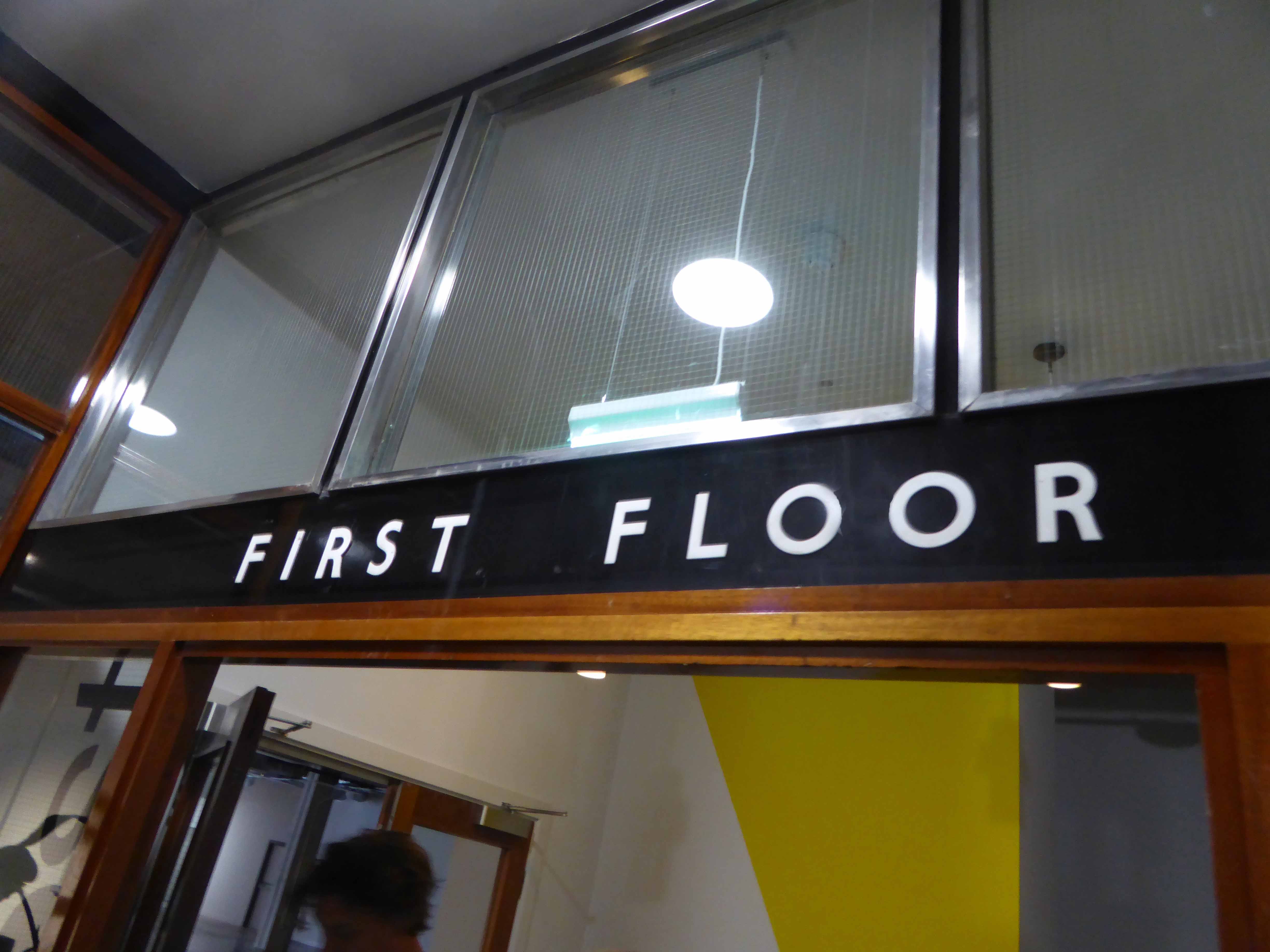
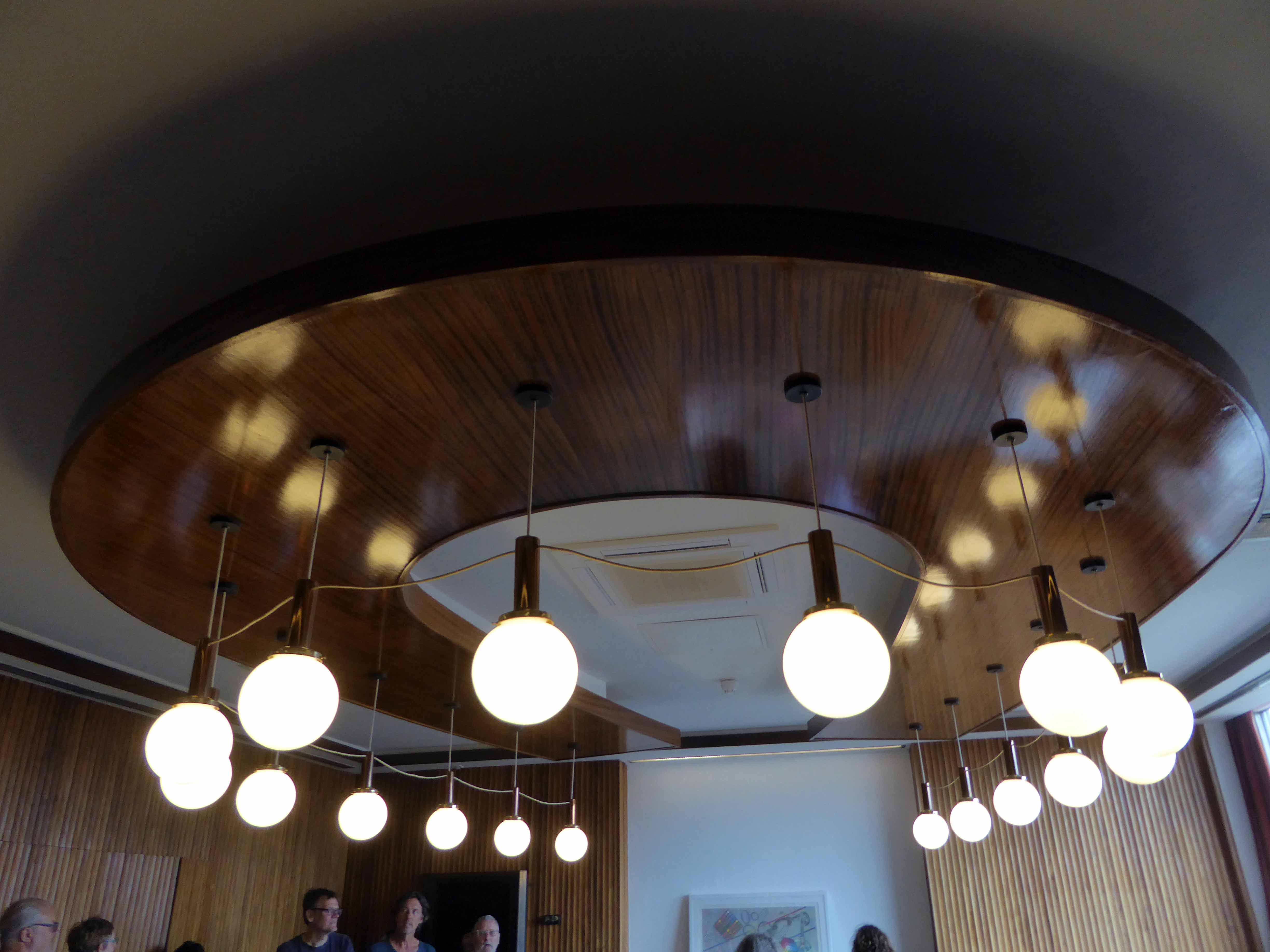
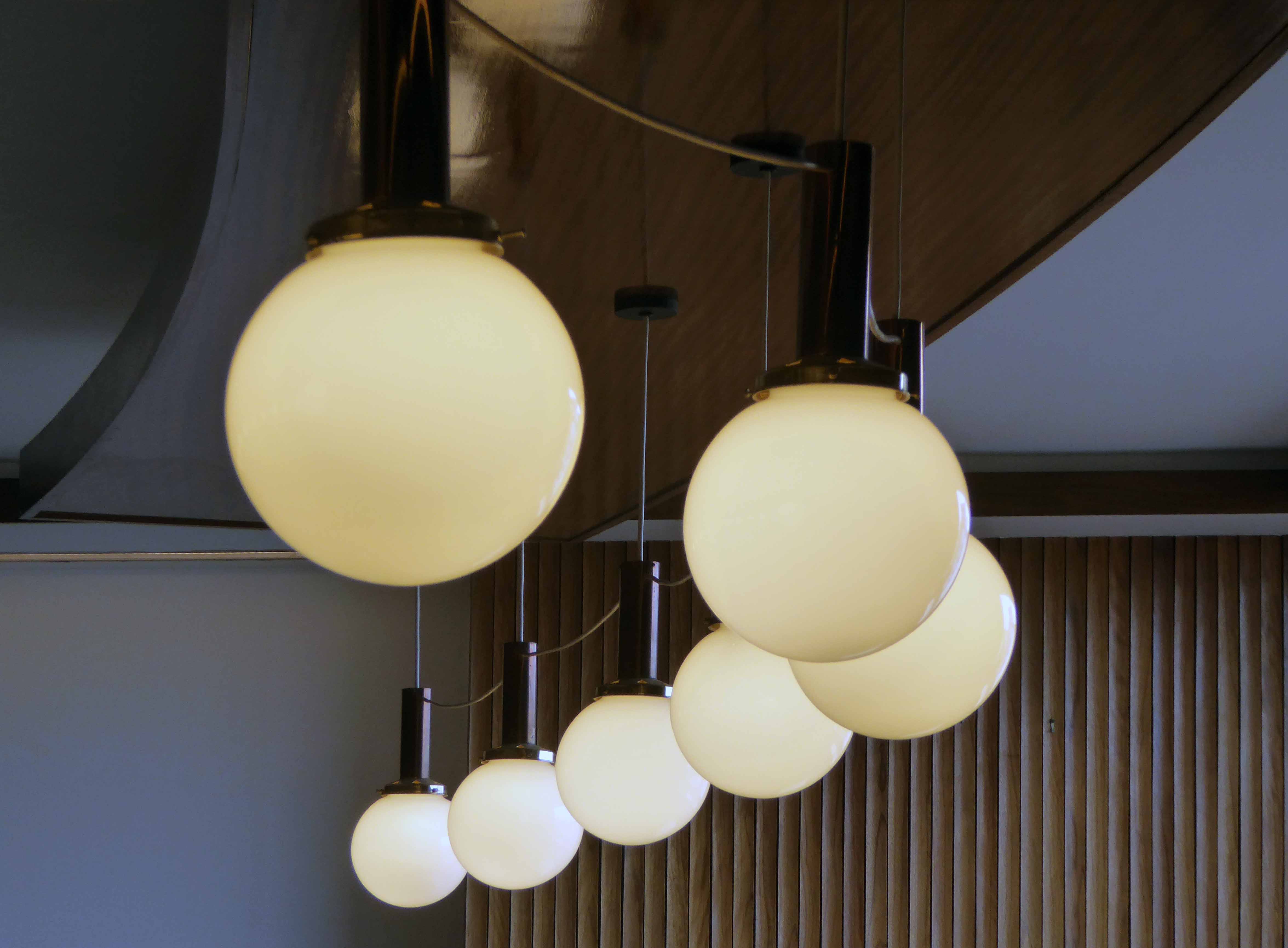
The former top floor restaurant has a suspended geometric ceiling with recently fitted custom made lighting.

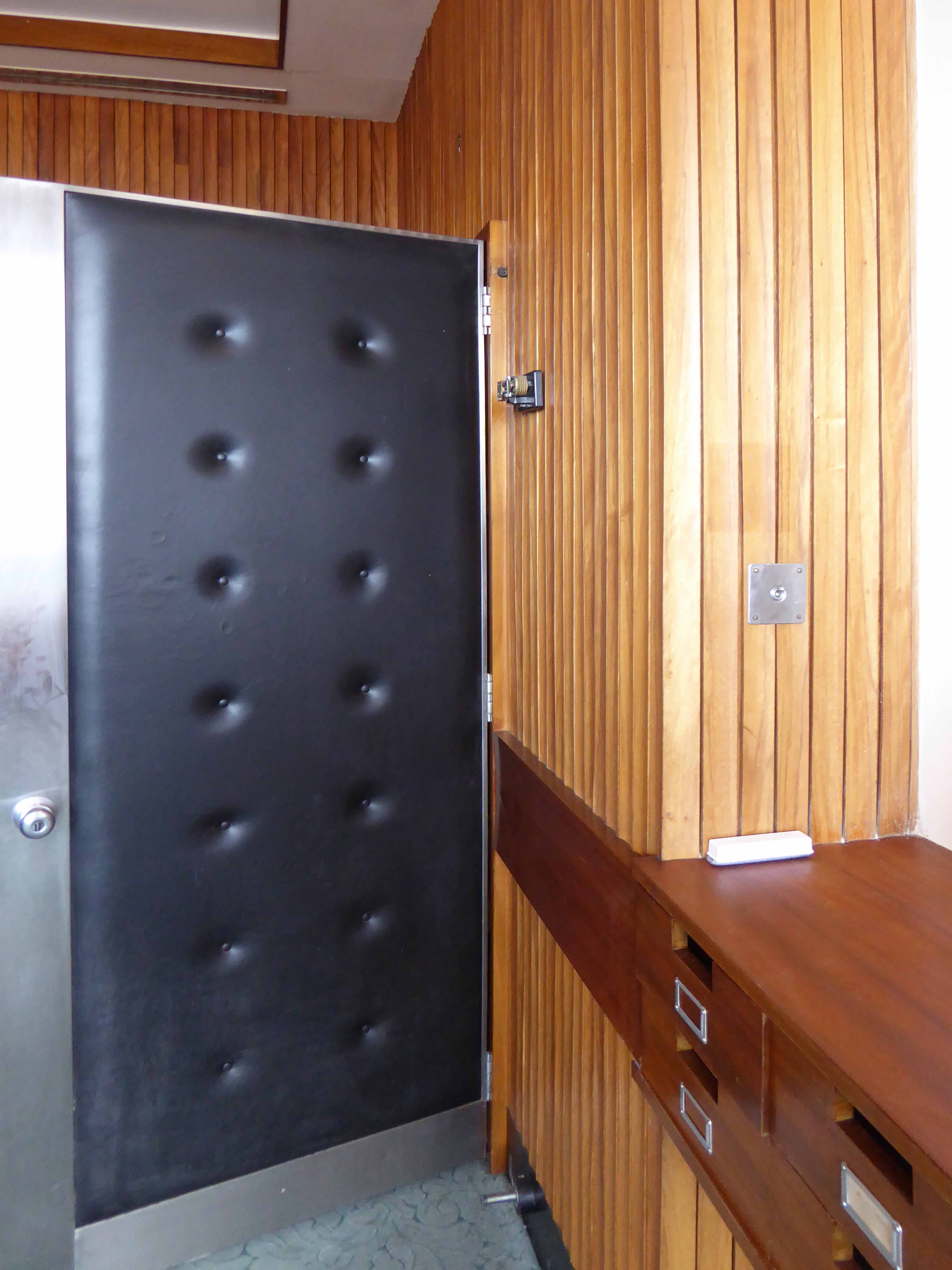
The timber-lined boardroom has a distinctive horseshoe of lighting, augmenting the board room table – which is currently away for repair, oh yes and a delightful door.

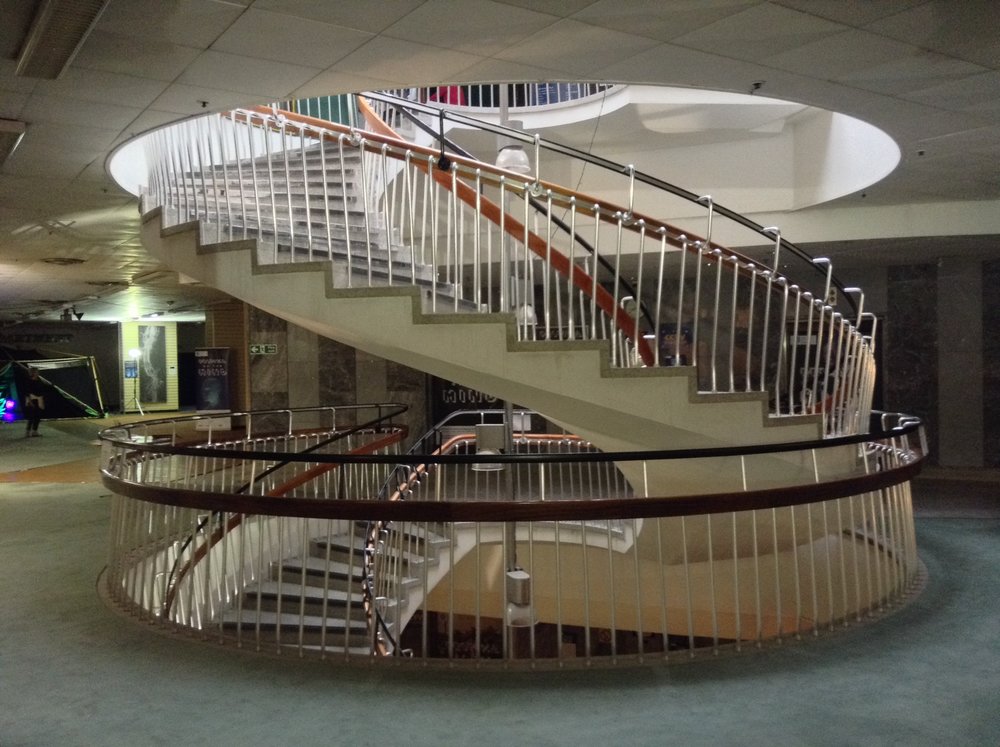
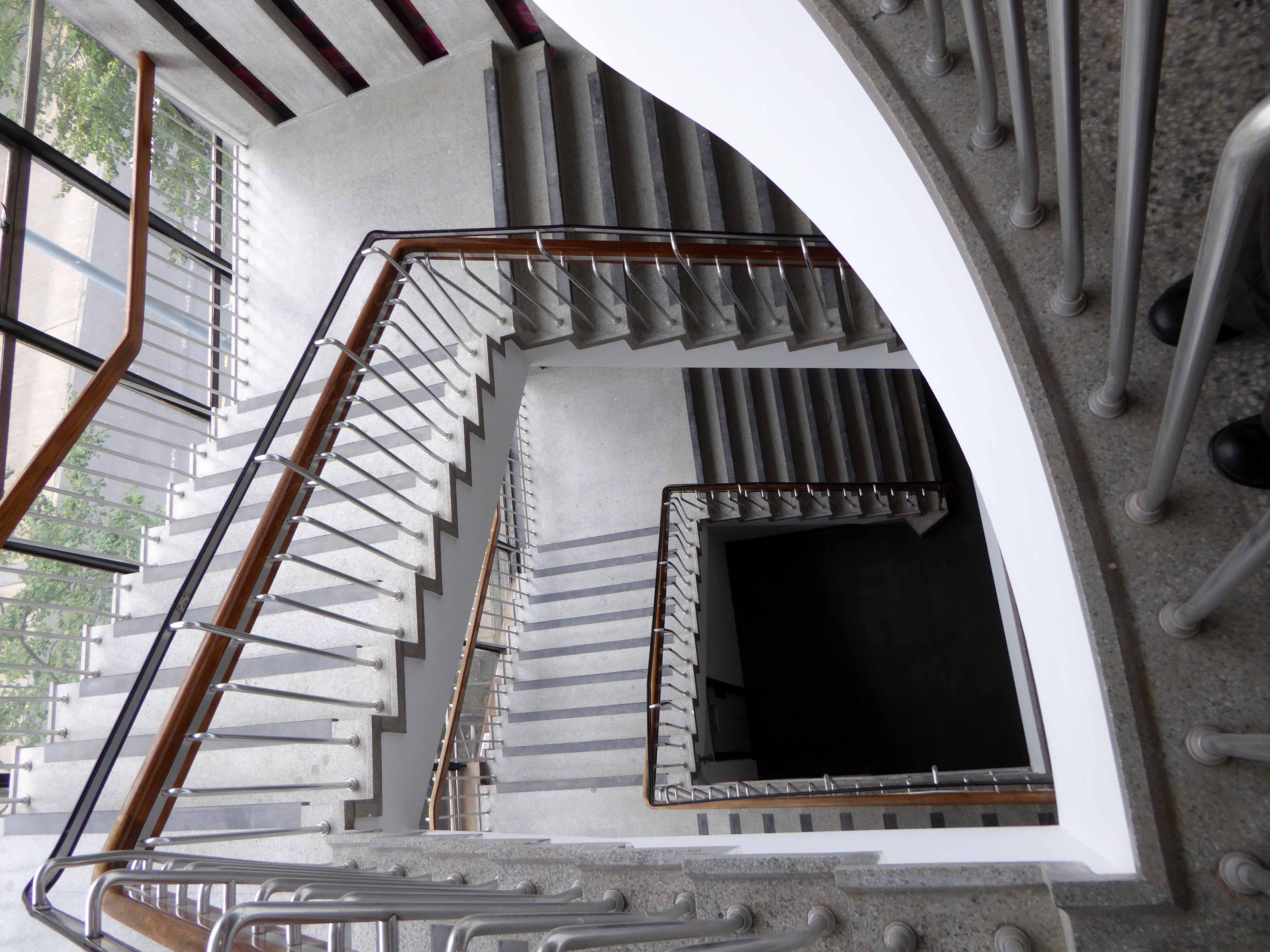
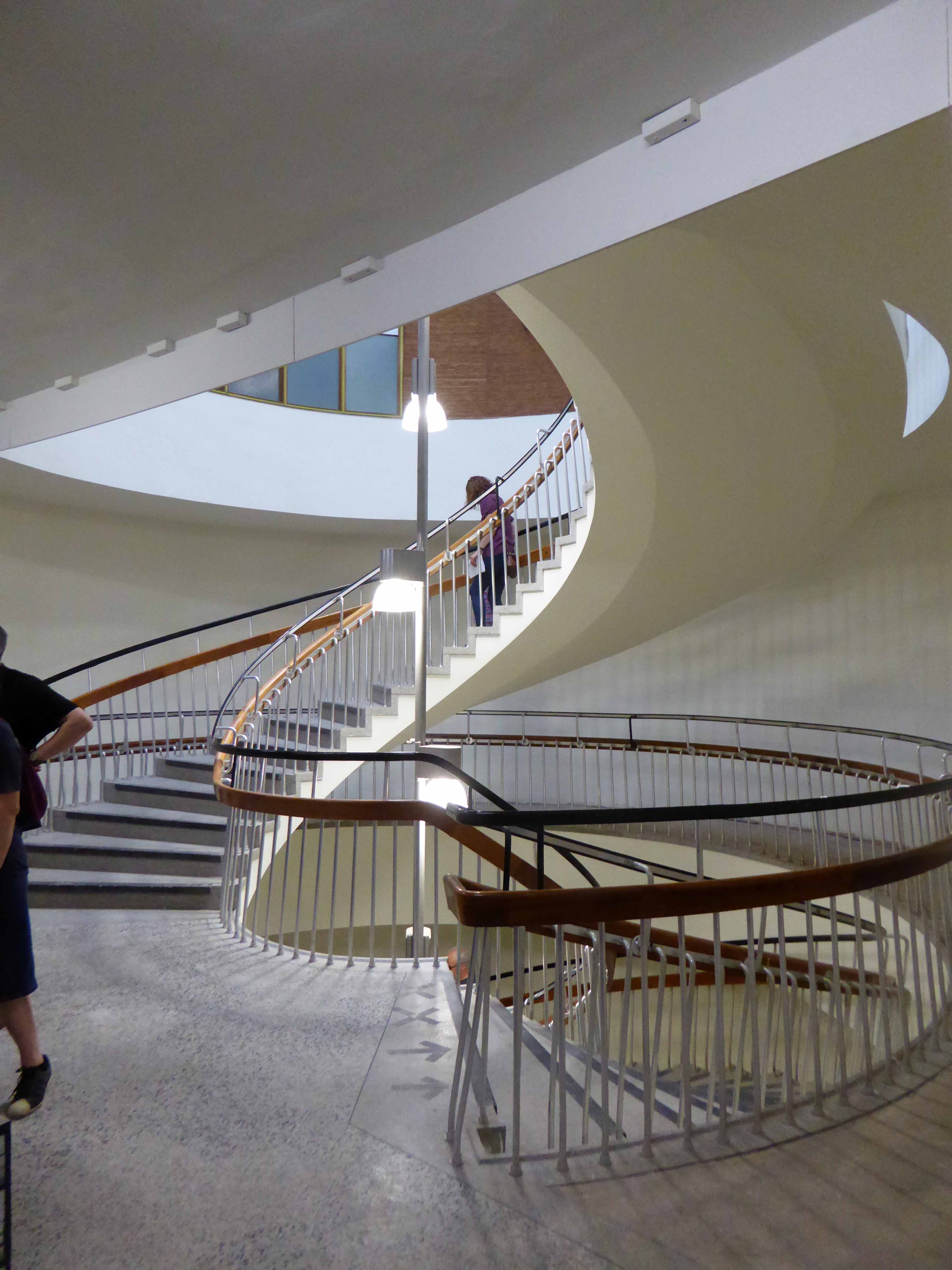
High atop the intoxicating vertiginous swirl of the central spiral stairway is the relief mural representing a cockerel and fish made of aluminium, copper and metal rod, with red French glass for the fish’s eye and cockerel’s comb.

Illuminated from above by this pierced concrete and glass skylight.

Many of the internal spaces have been ready for their new tenants.

This is a fine example of Modernist retail architecture saved from decay and degradation by the timely intervention of a sympathetic tenant.
Long may they and Castle House prosper – Sheffield we salute you!

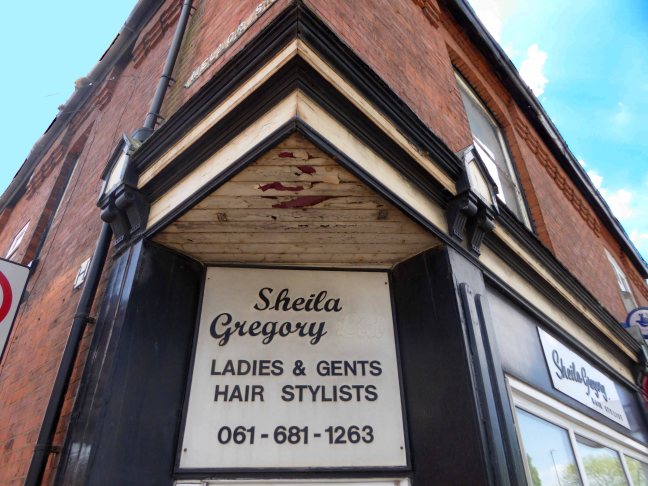
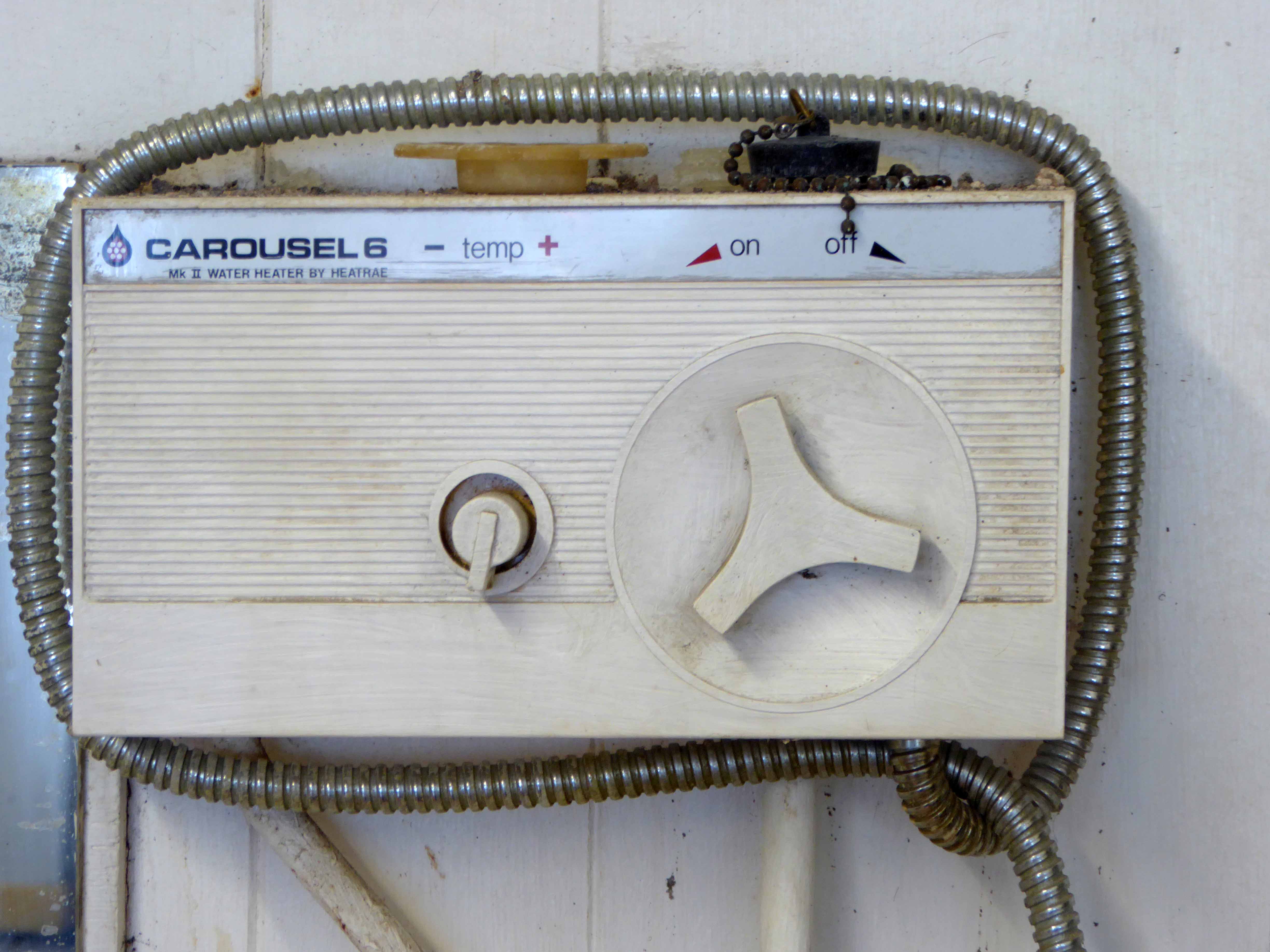
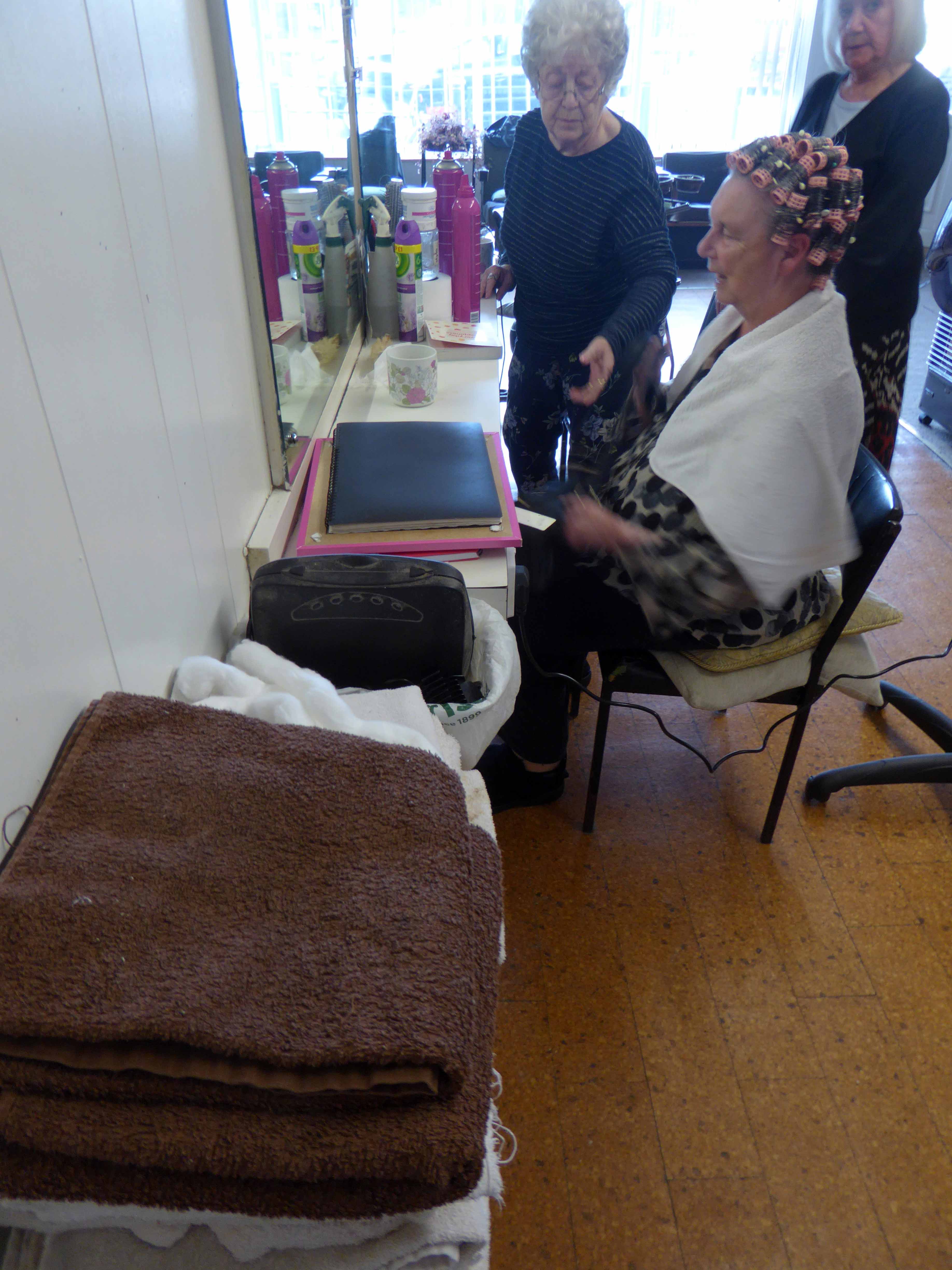
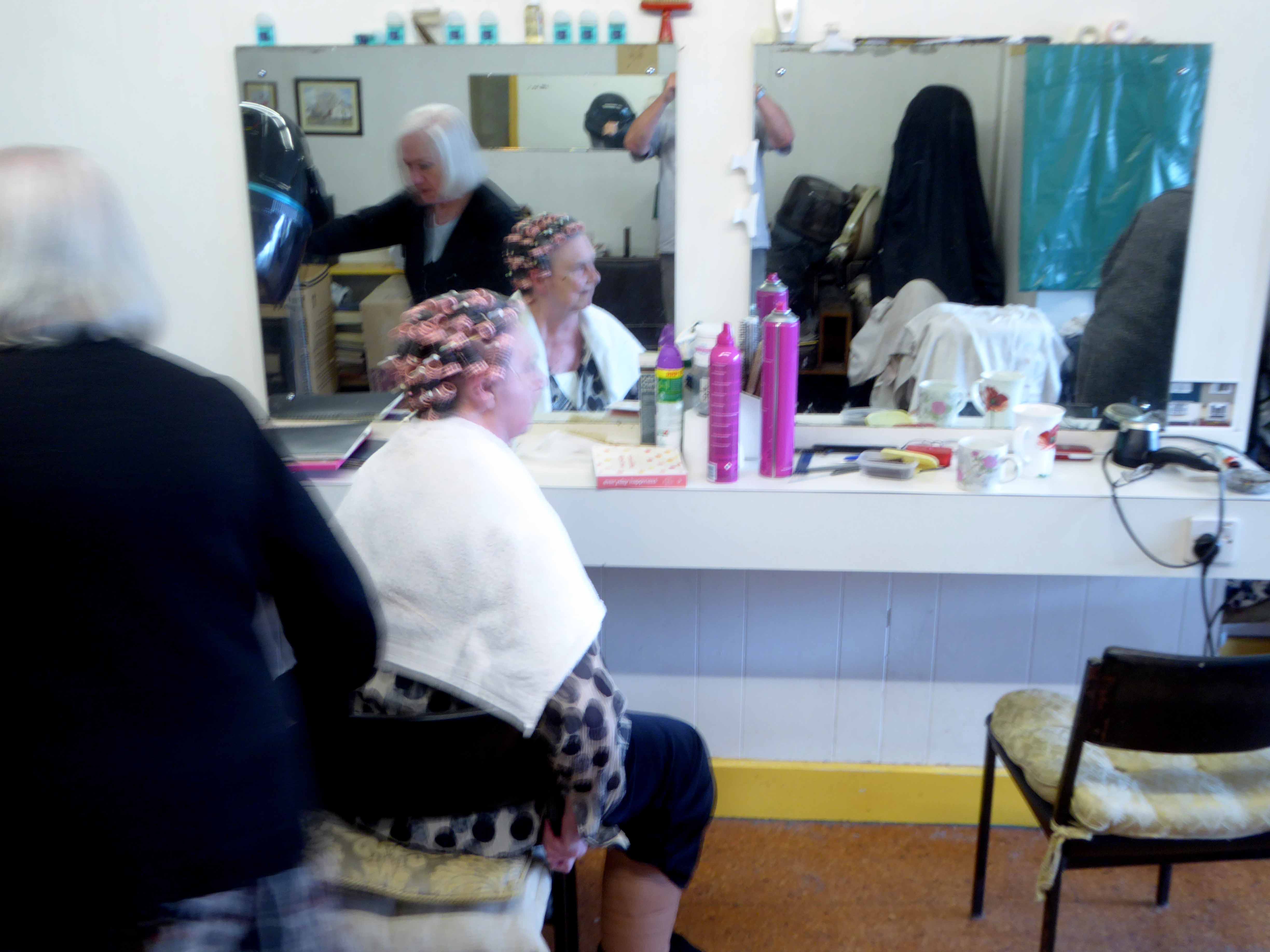
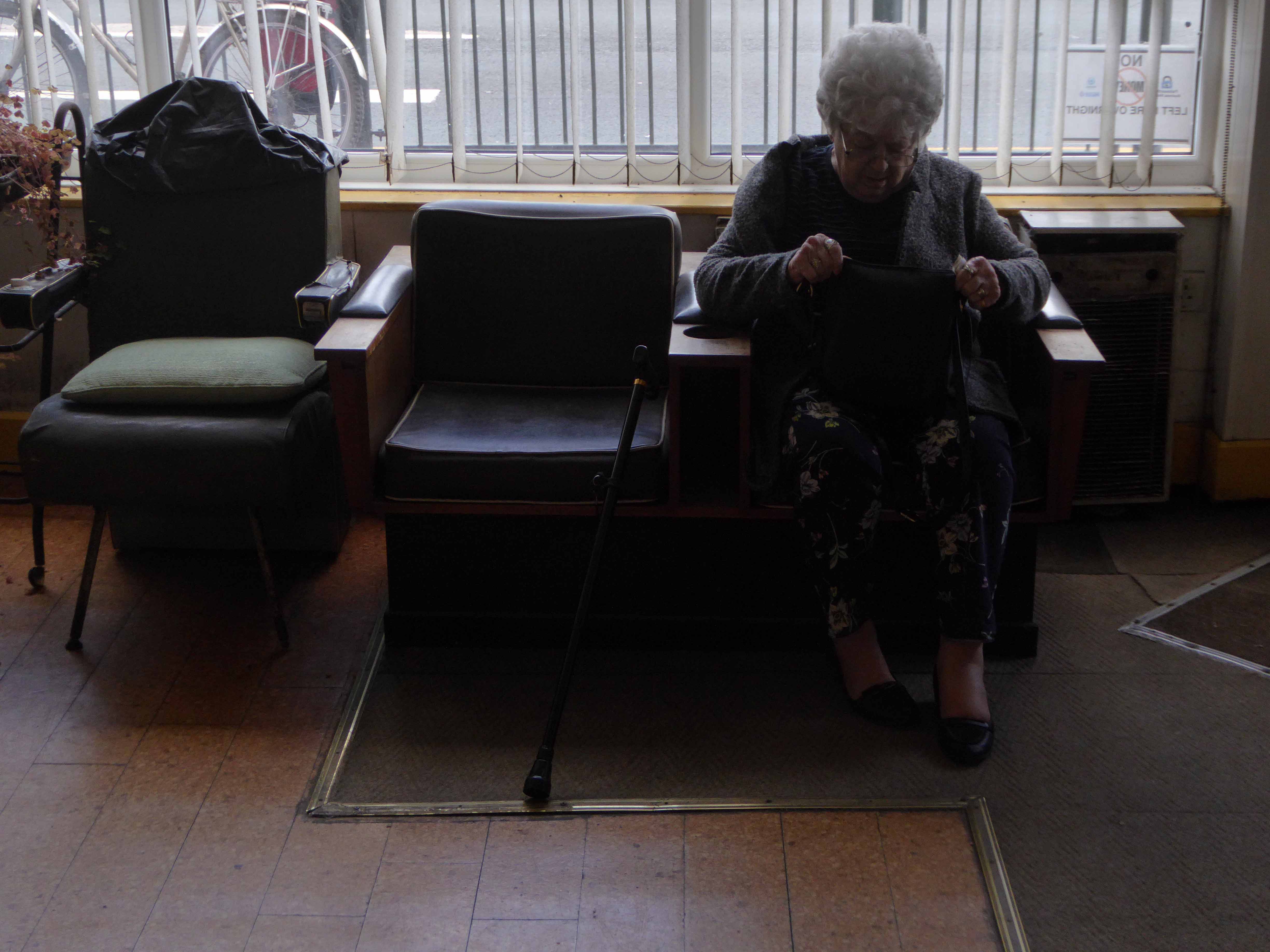
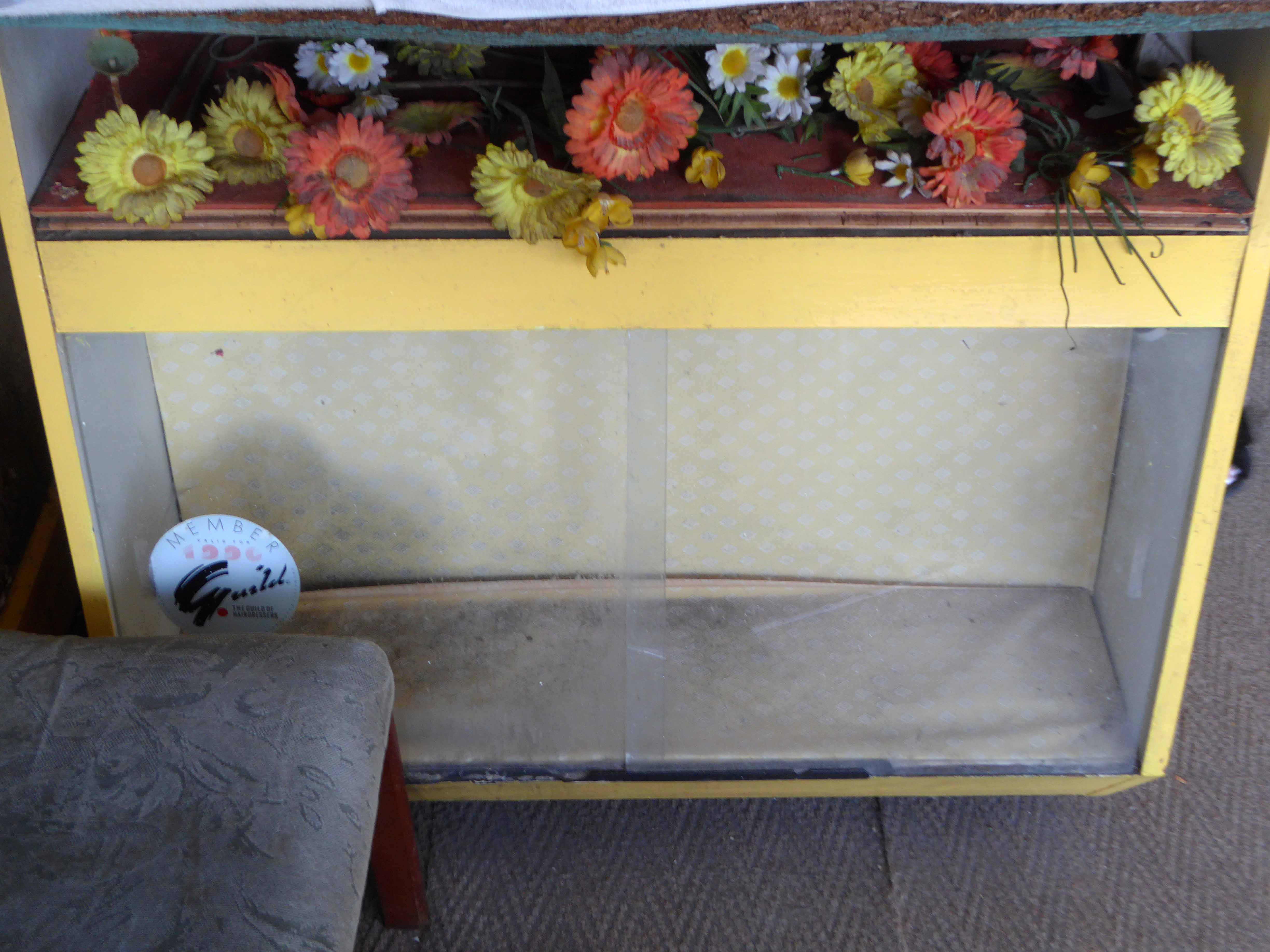
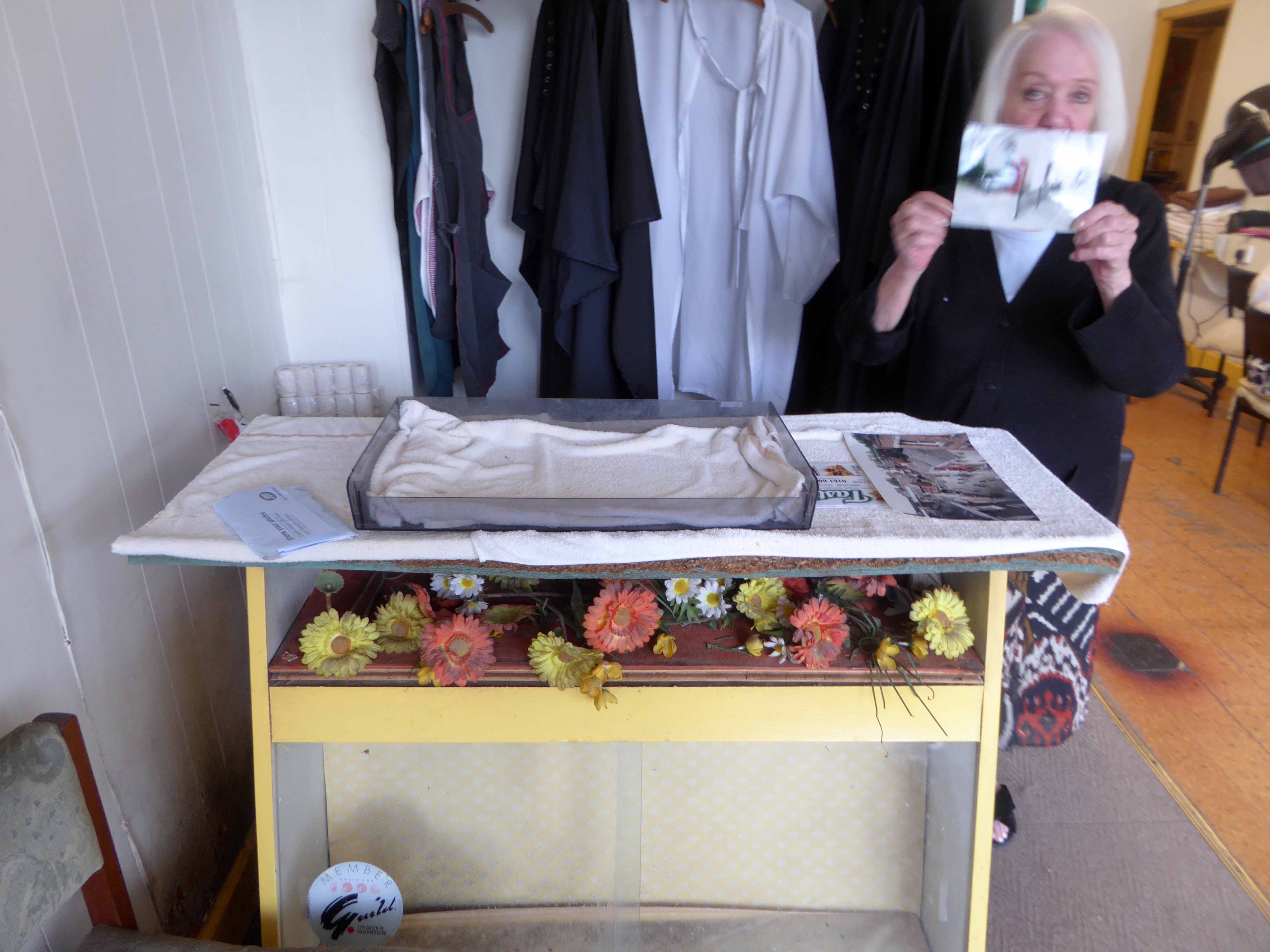
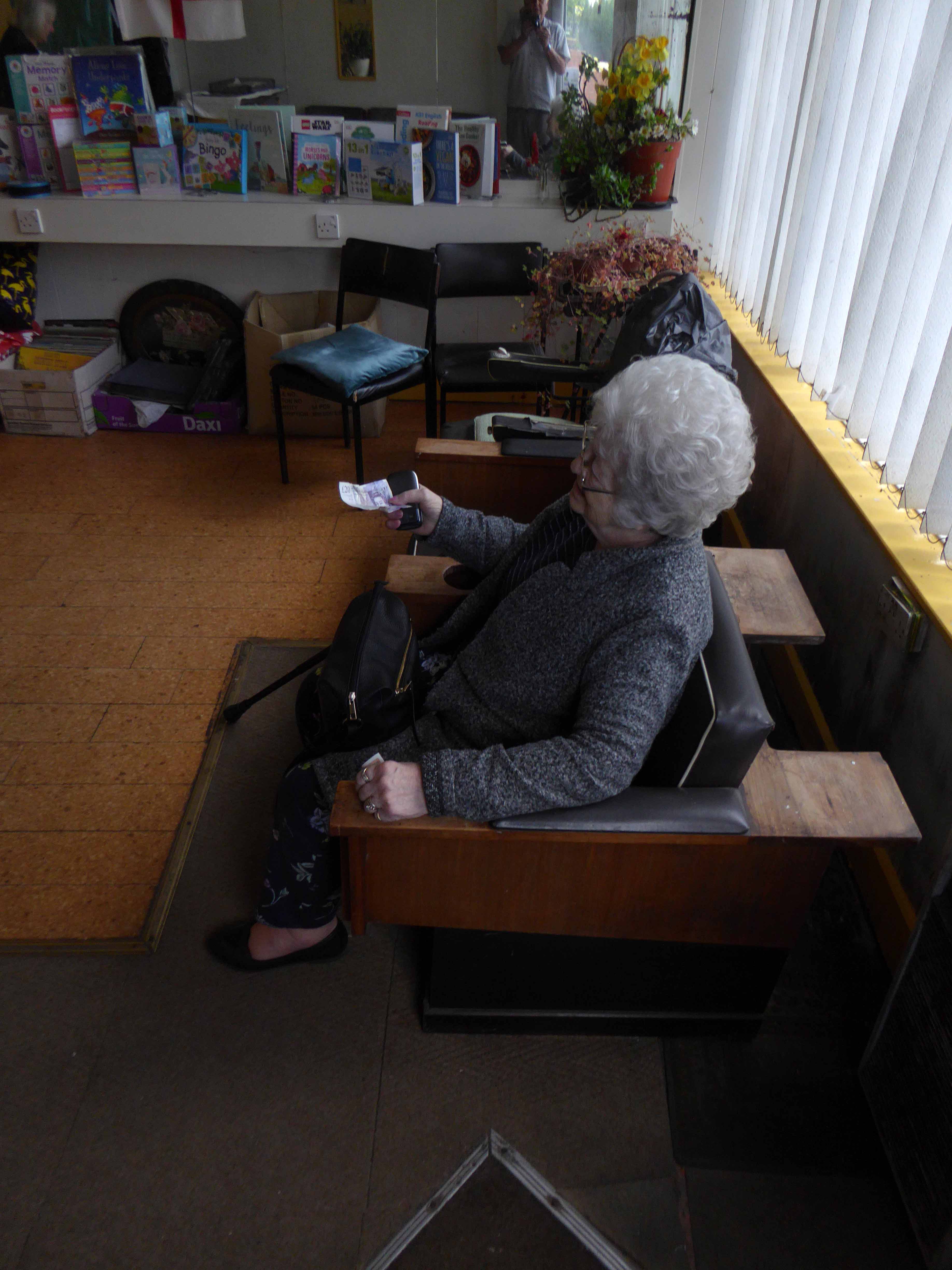
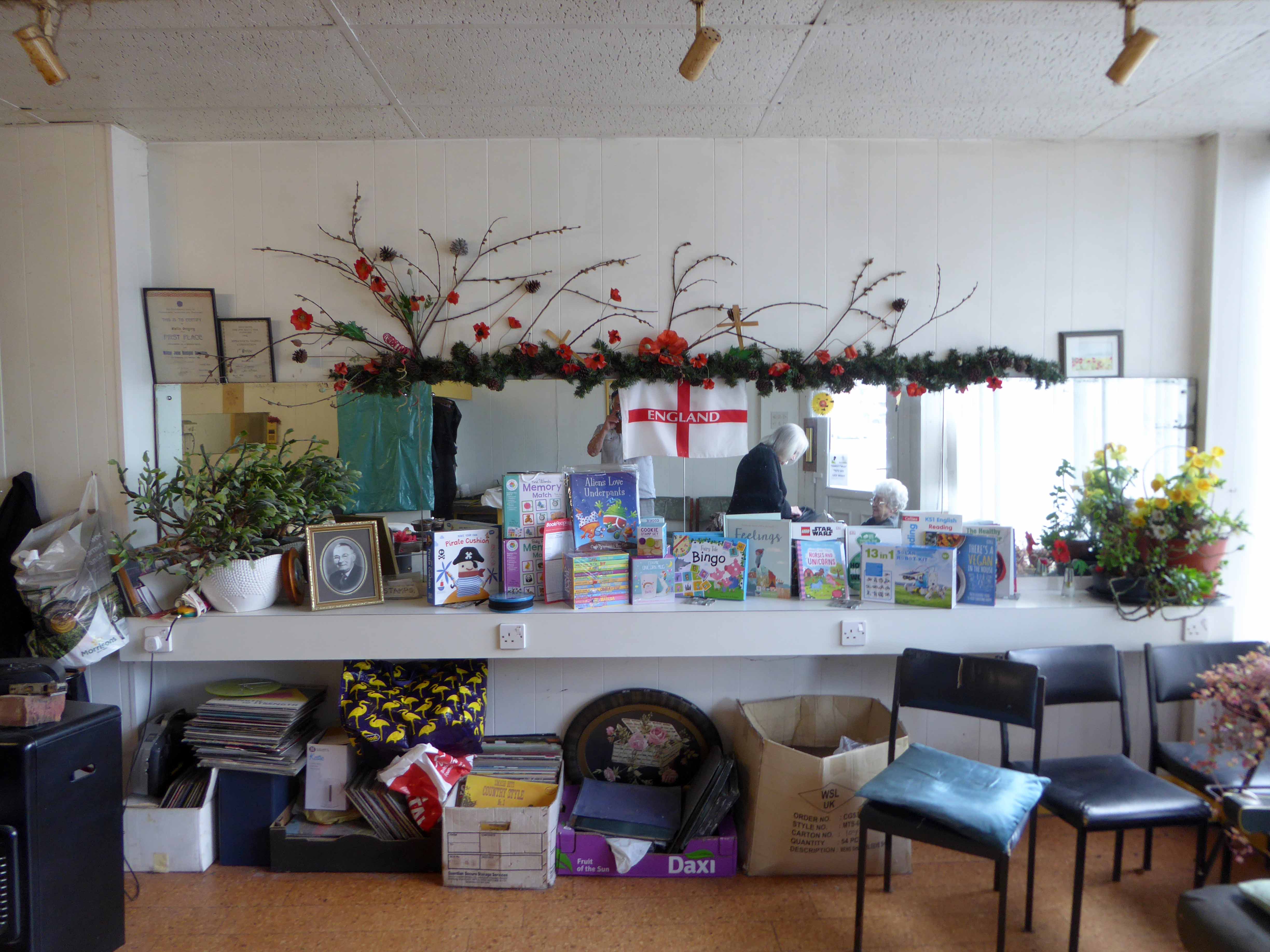
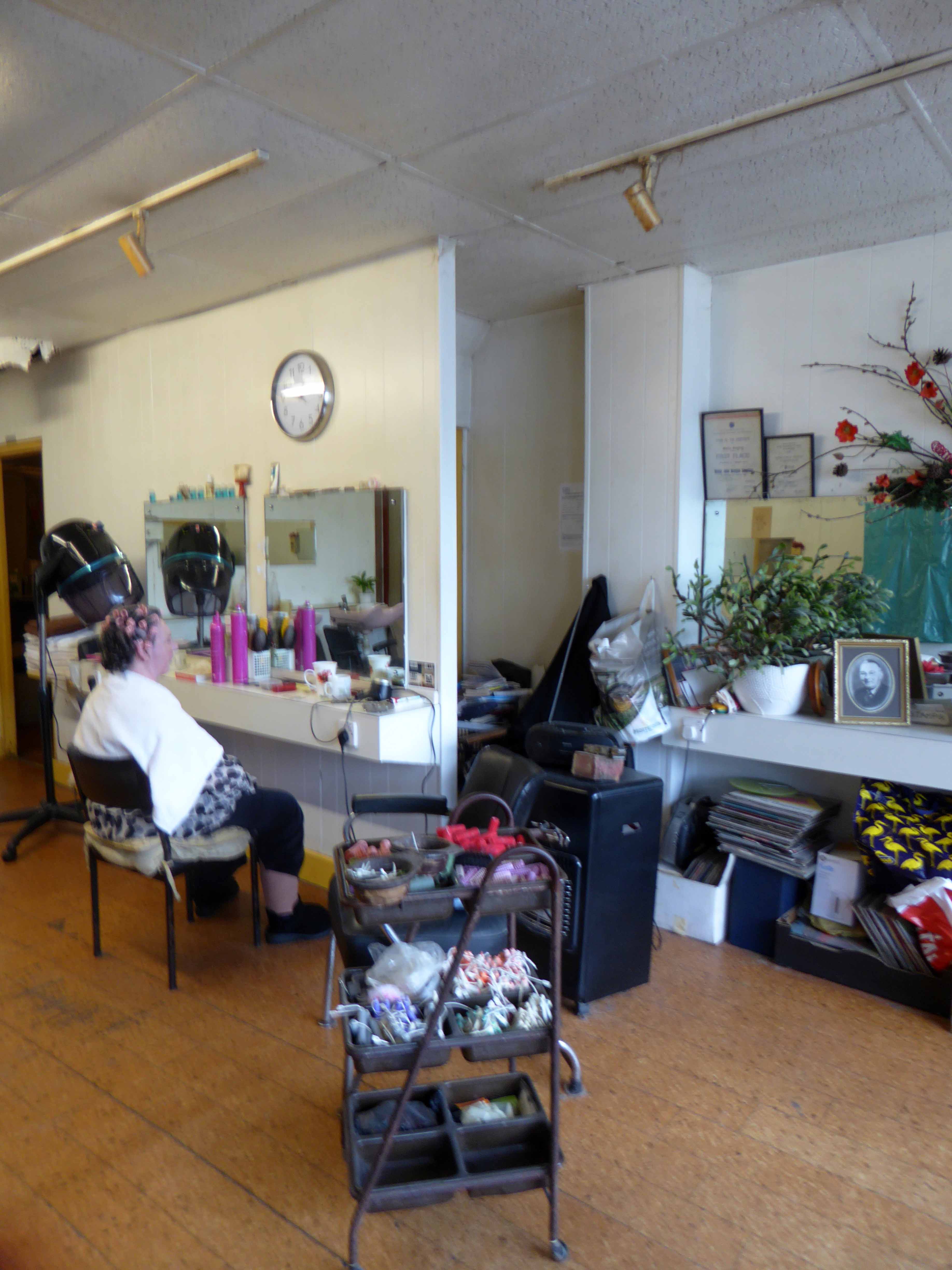
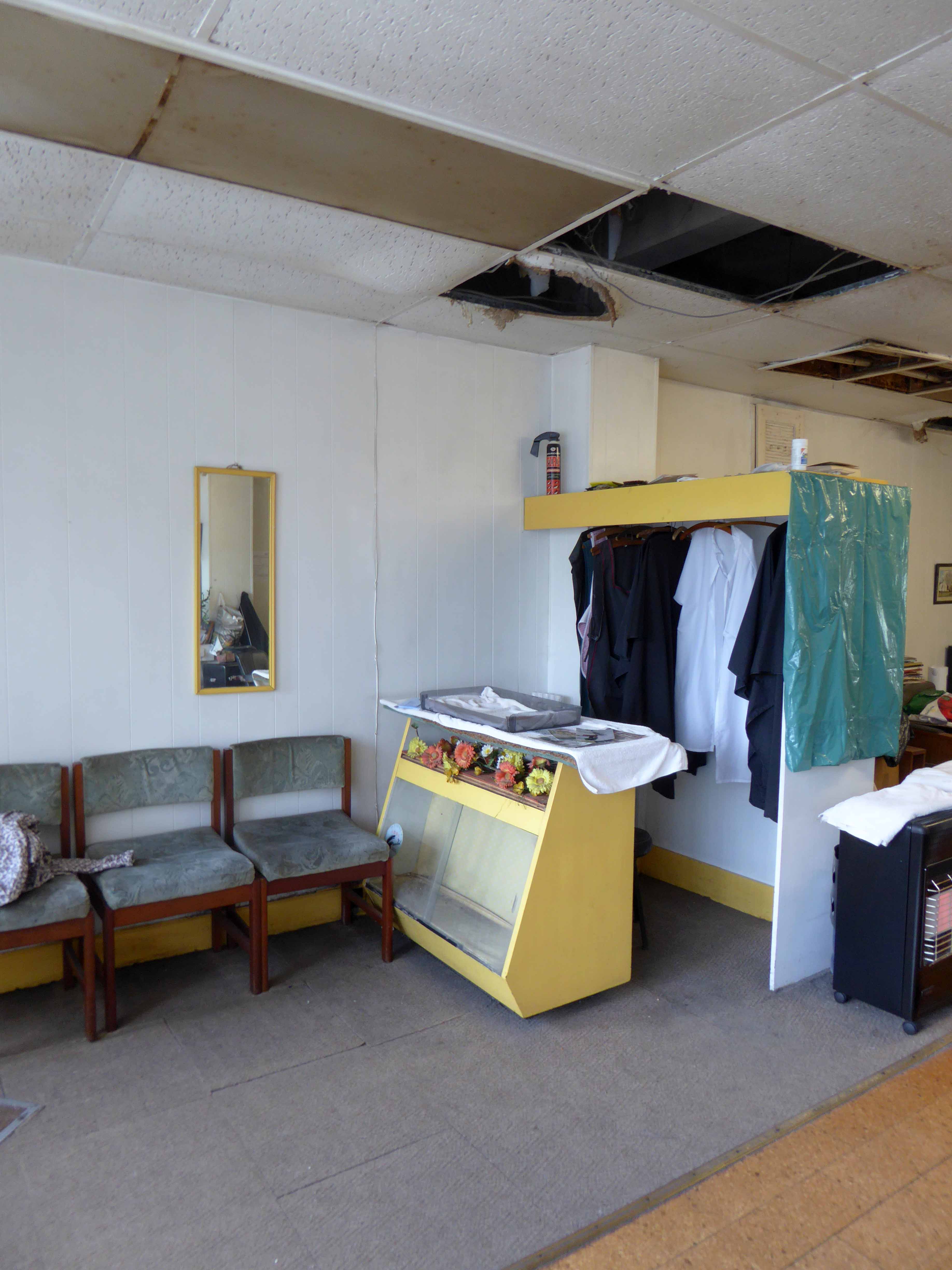
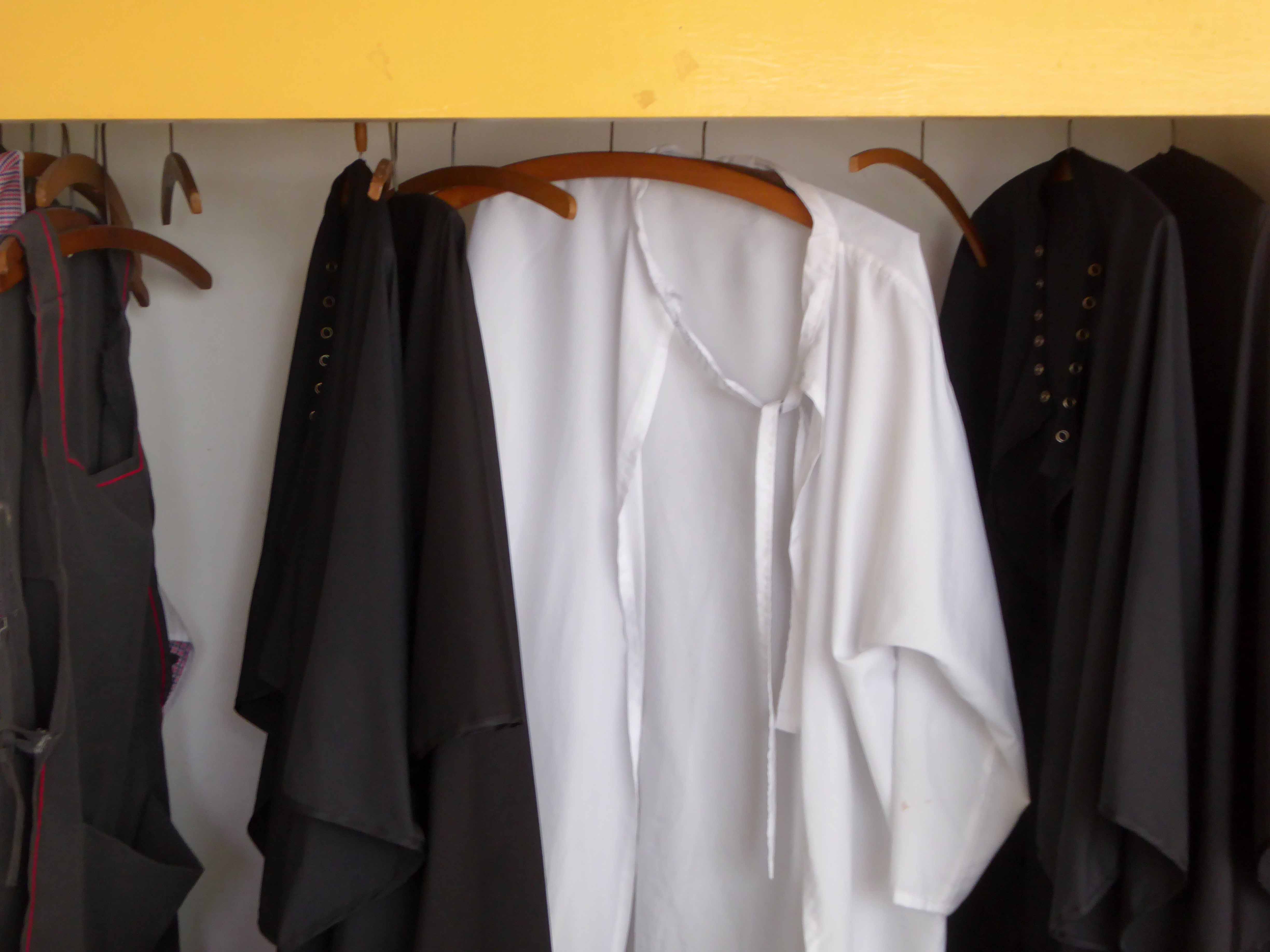
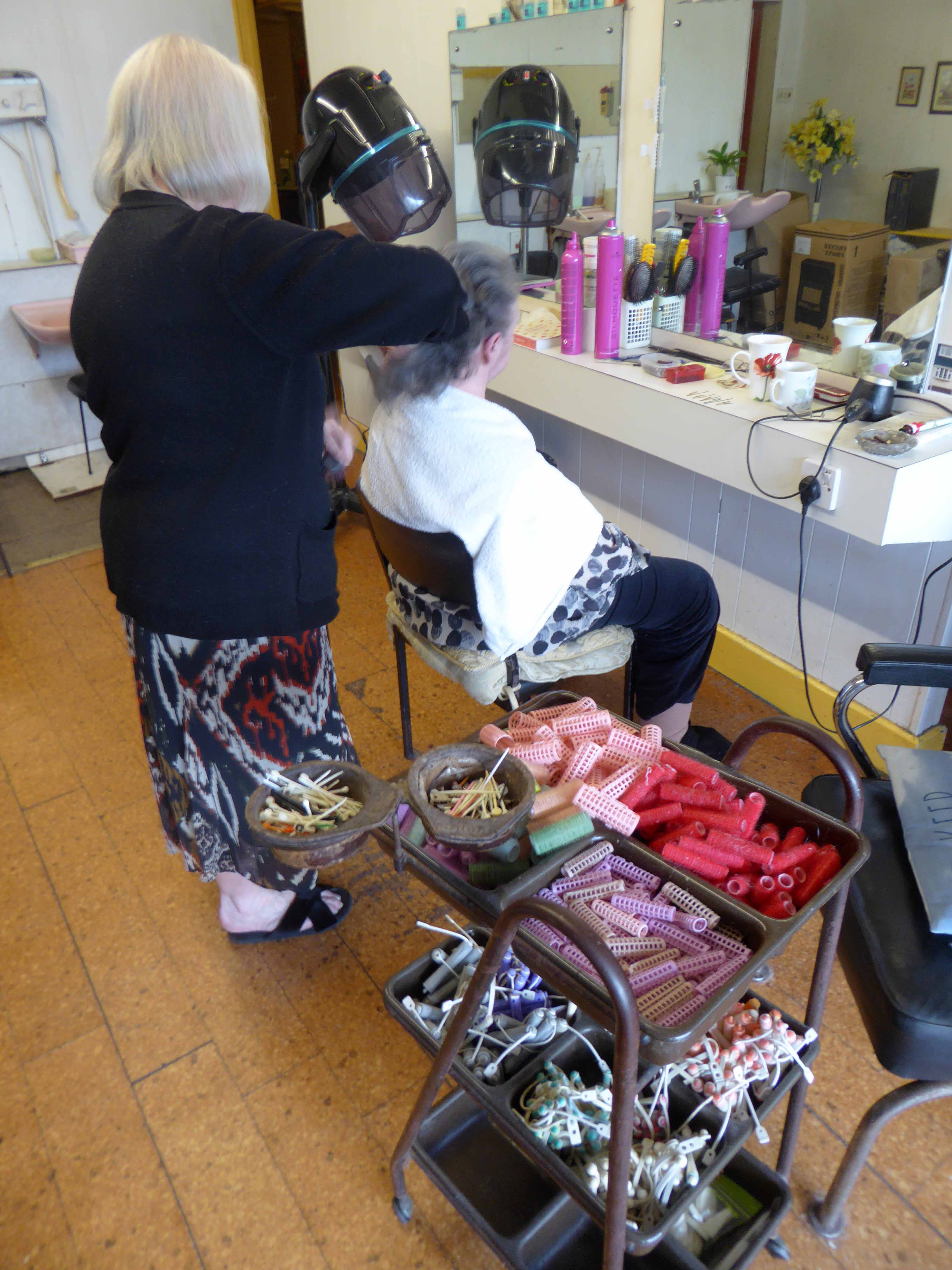
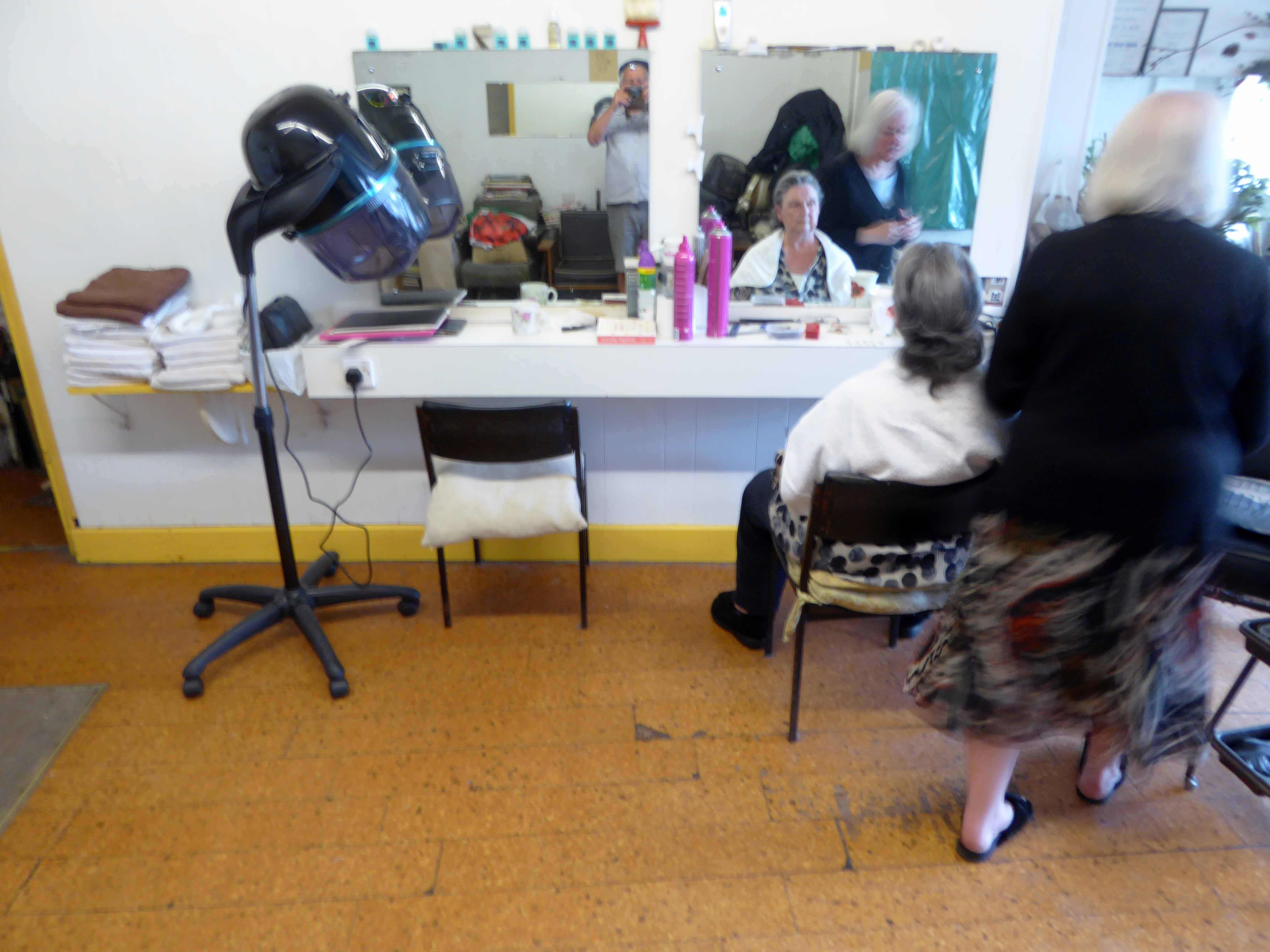
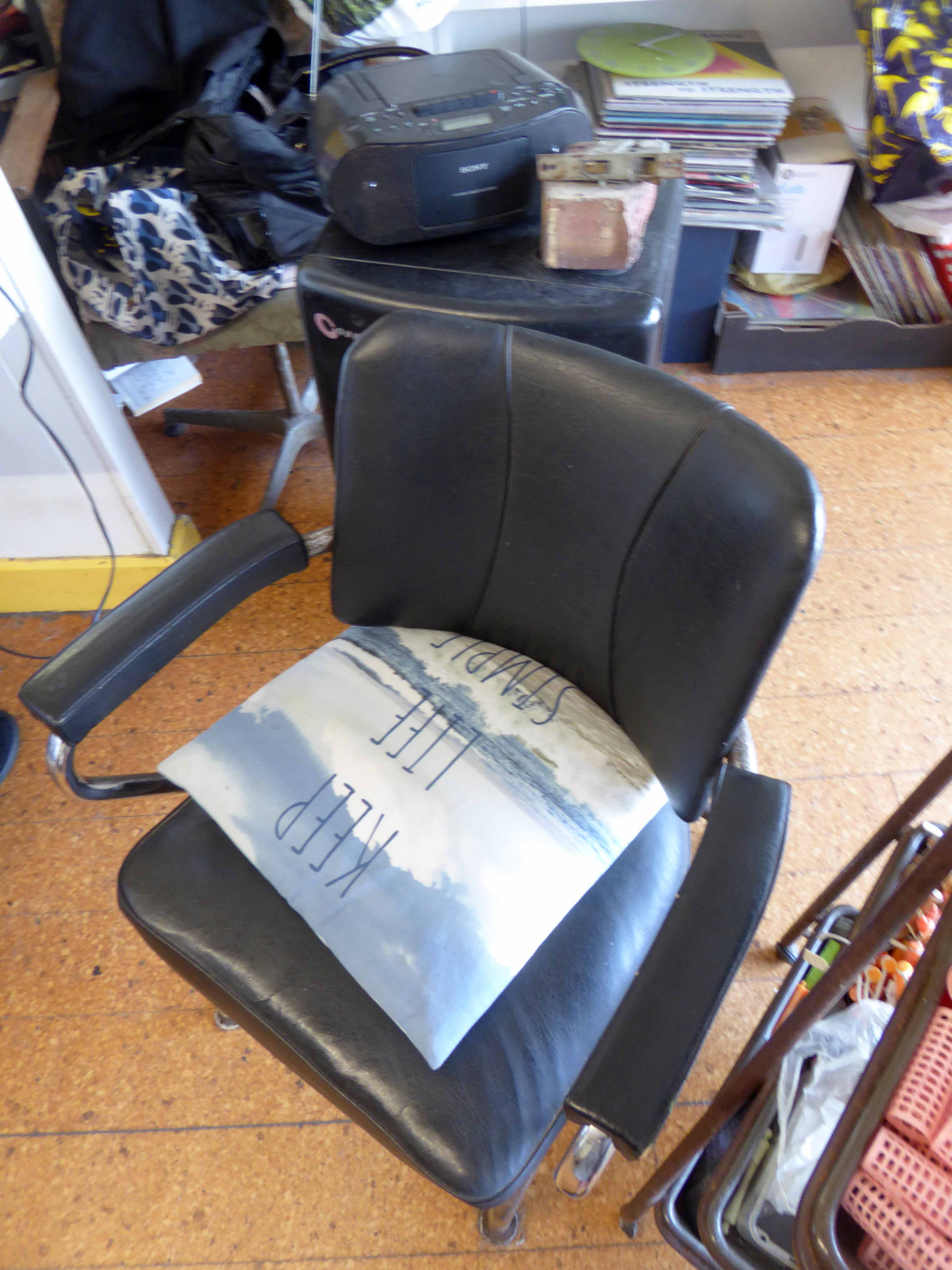
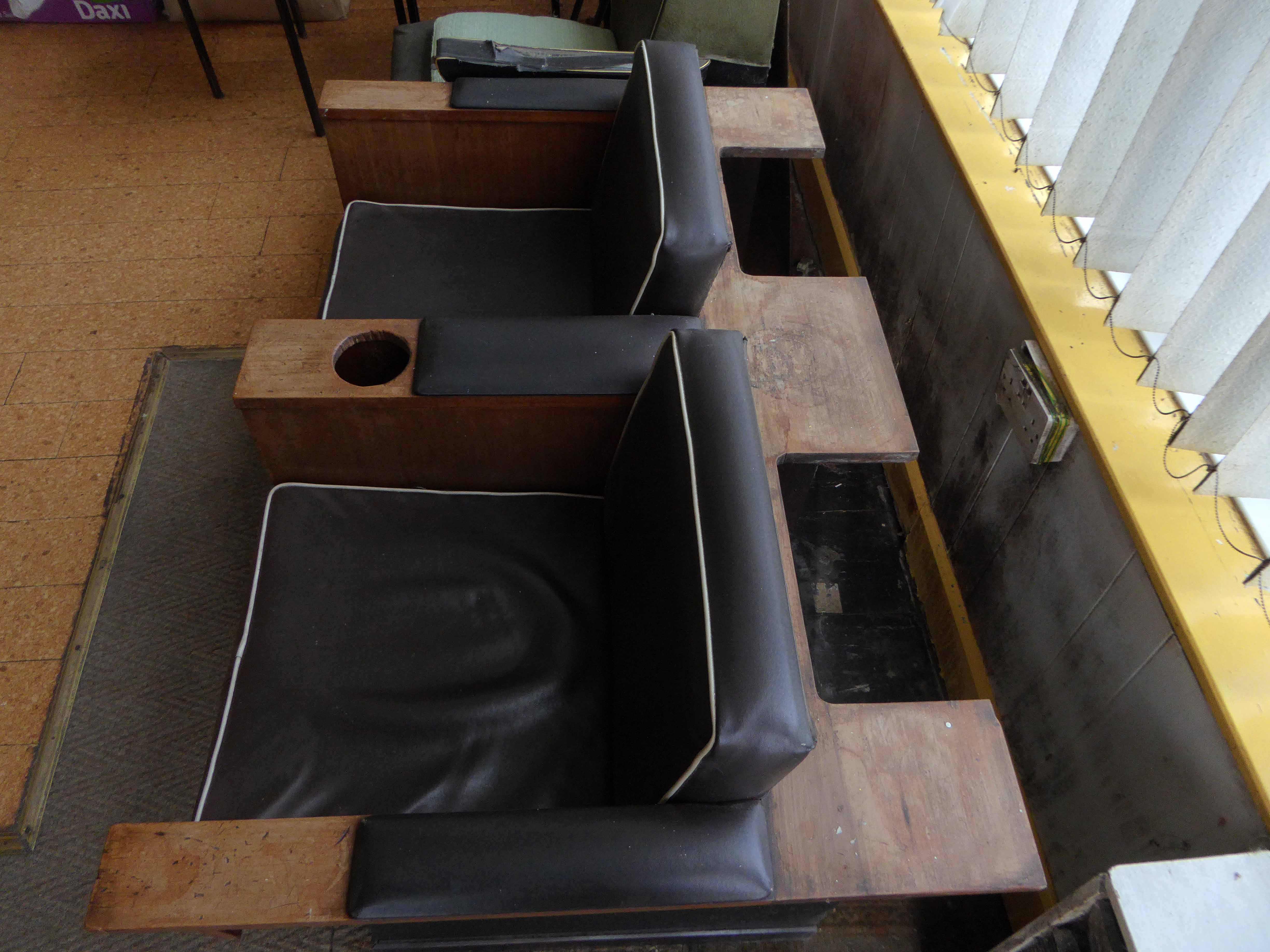
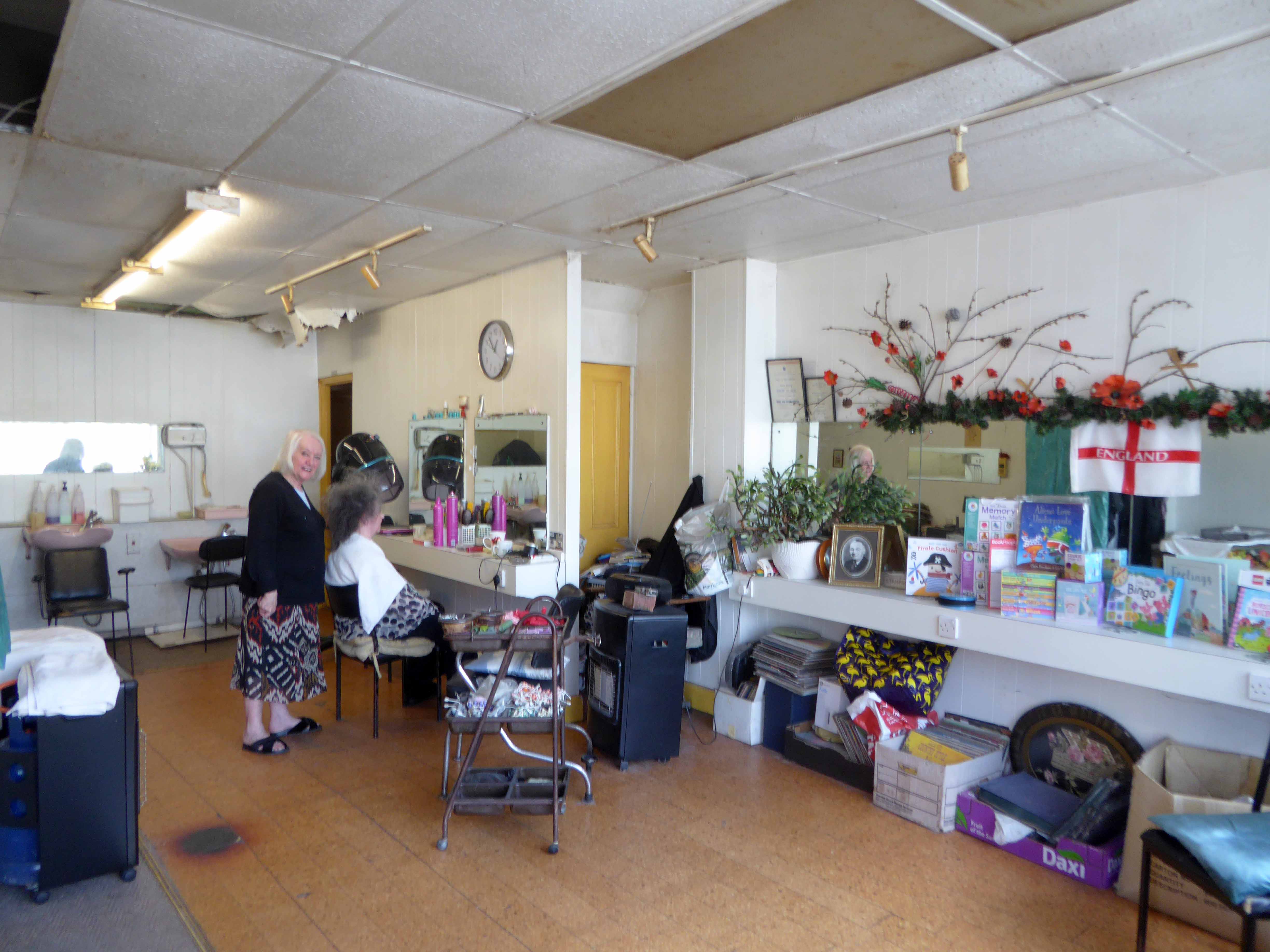
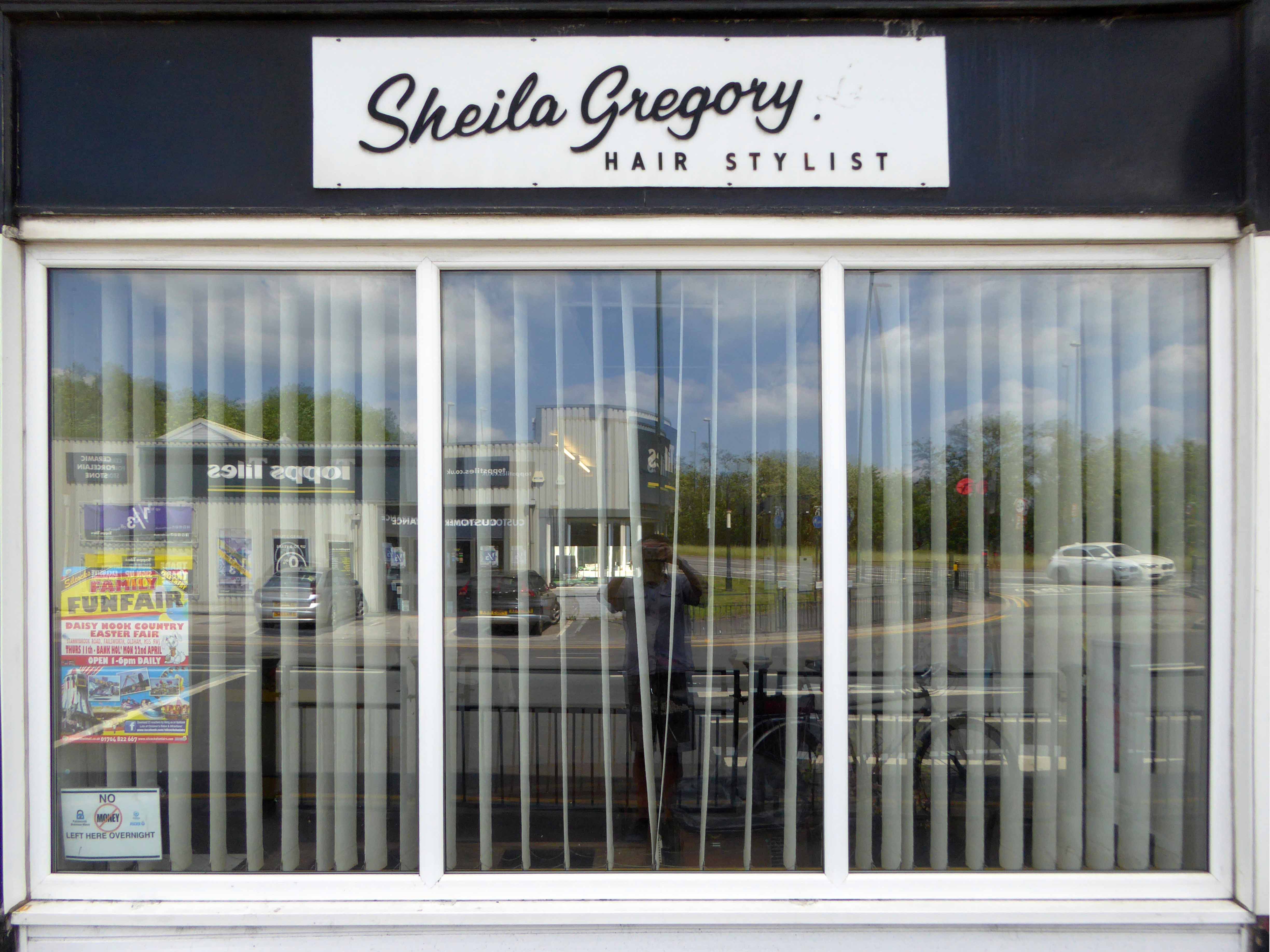
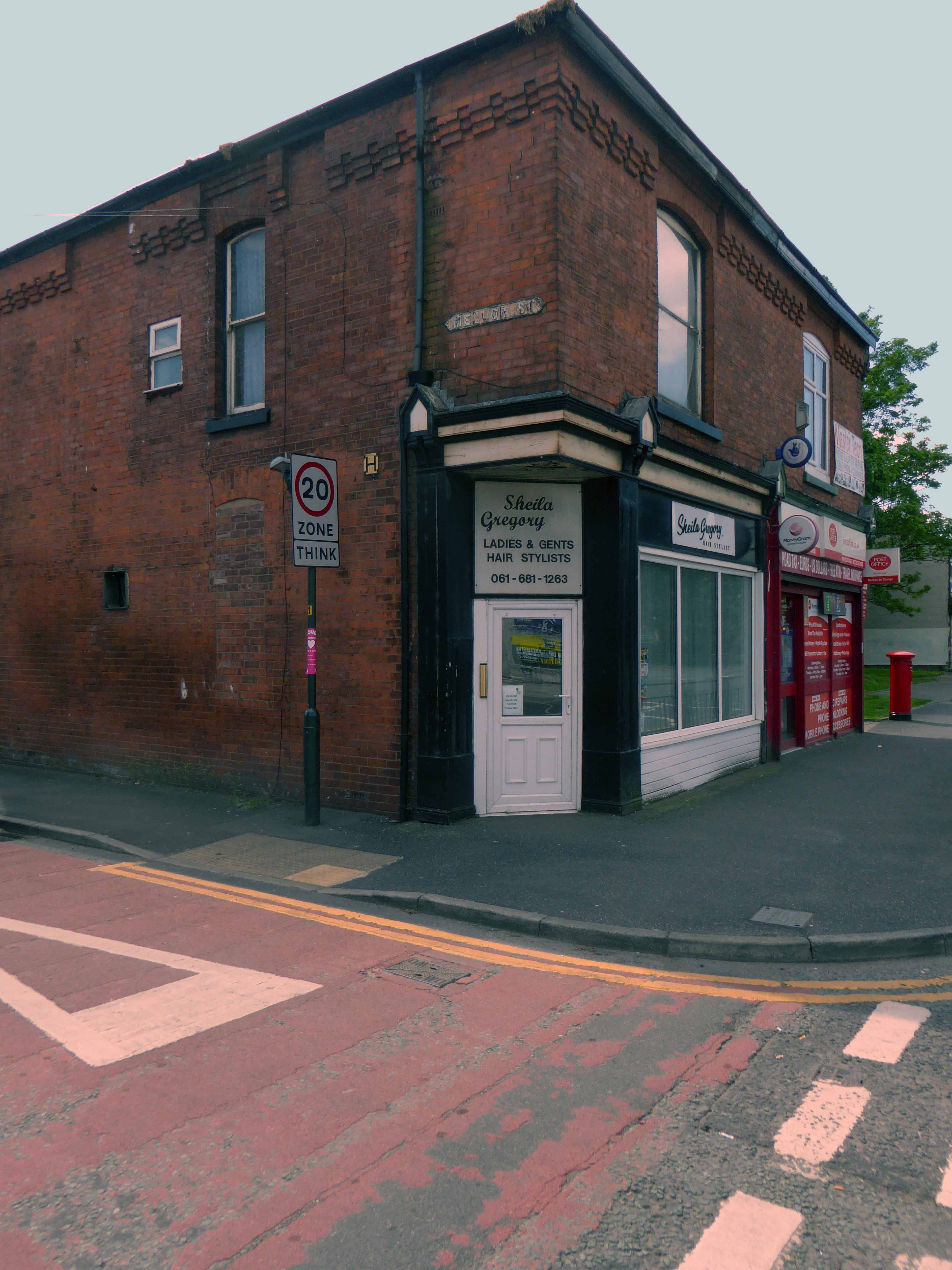
Sheila Gregory Hair Stylist – Manchester

142 Oldham Road Failsworth Manchester M35 0HP

I’m in a different world:

A world I never knew, I’m in a different world.
A world so sweet and true, I’m in a different world
.

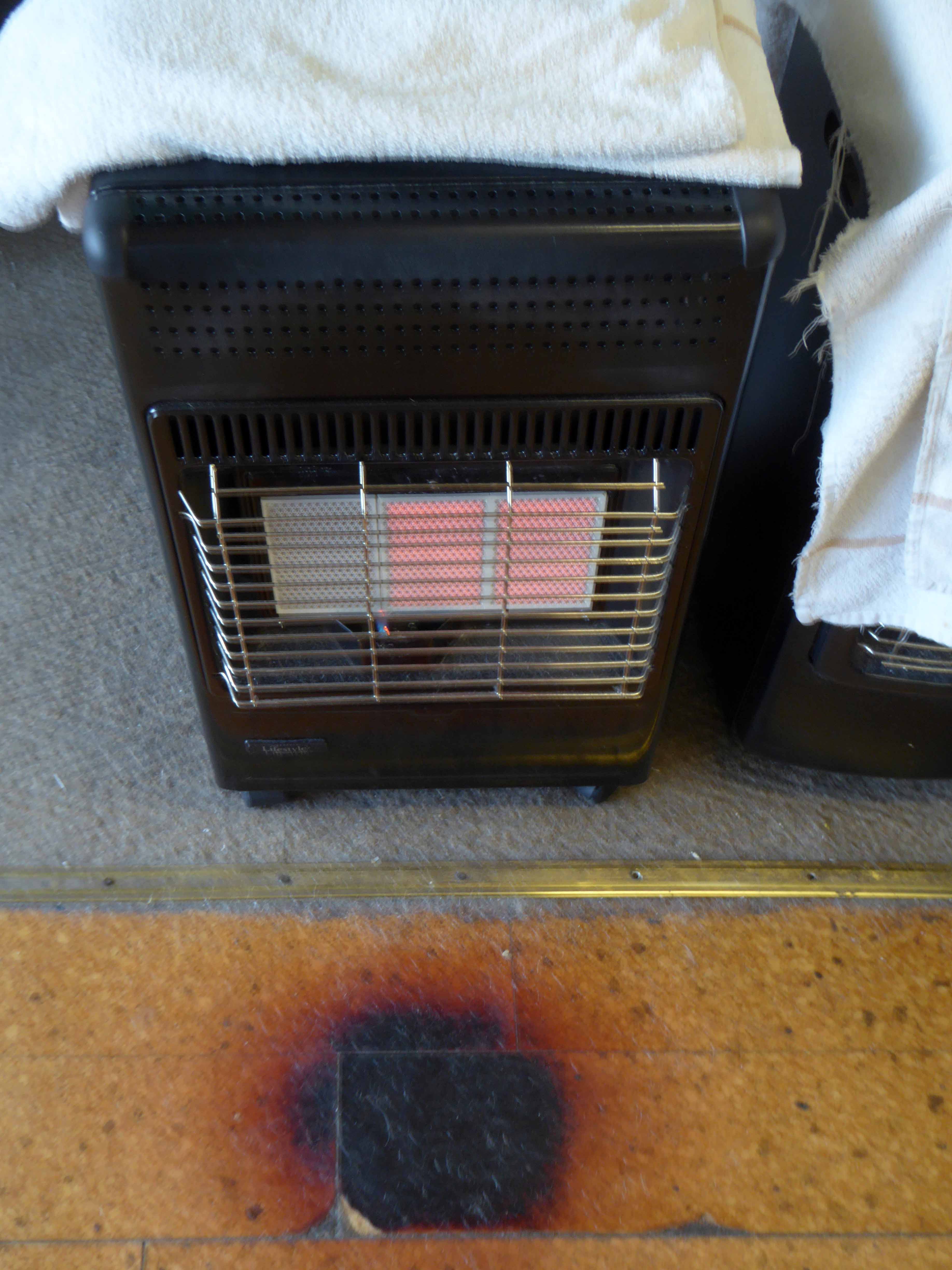
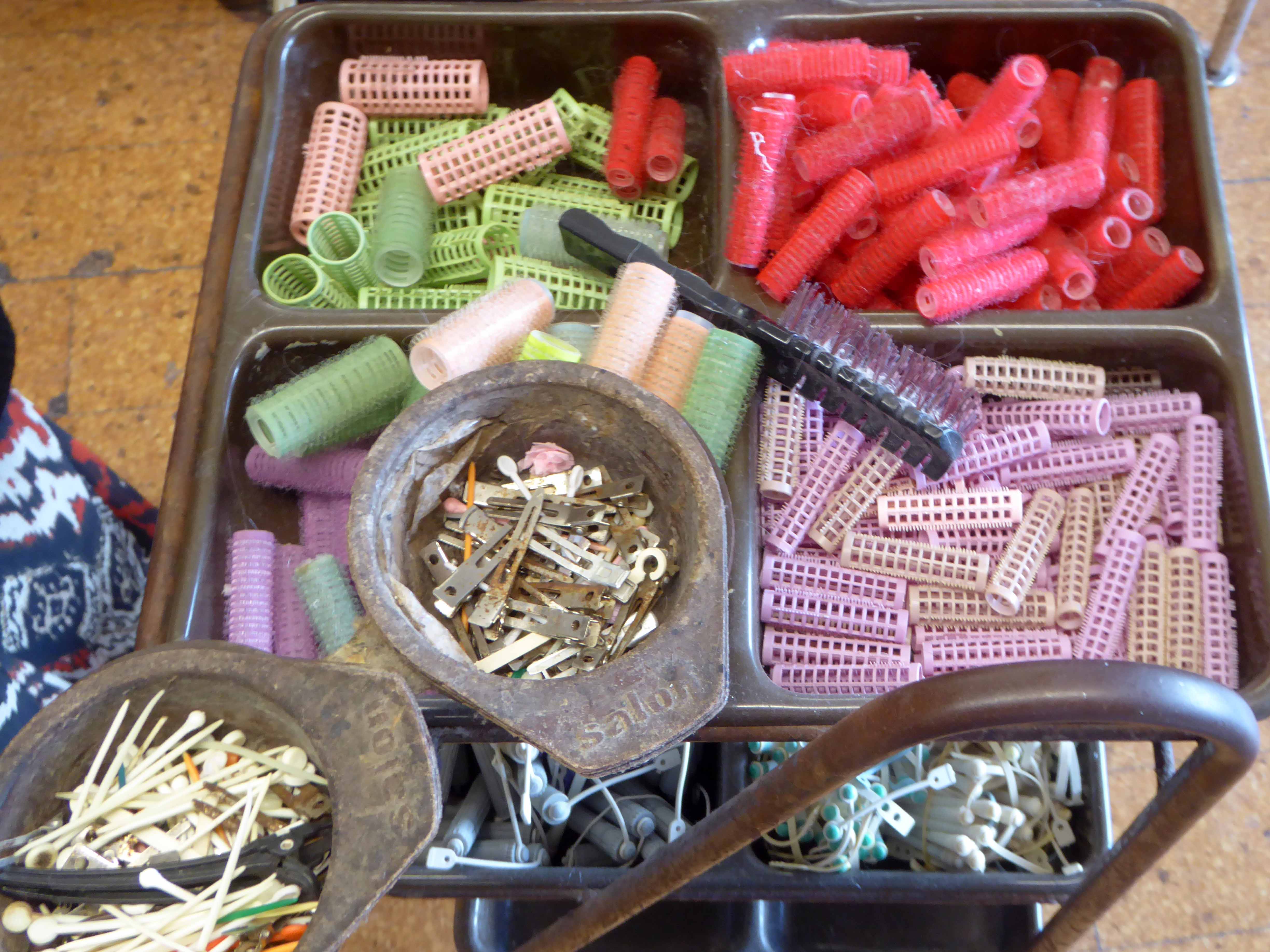
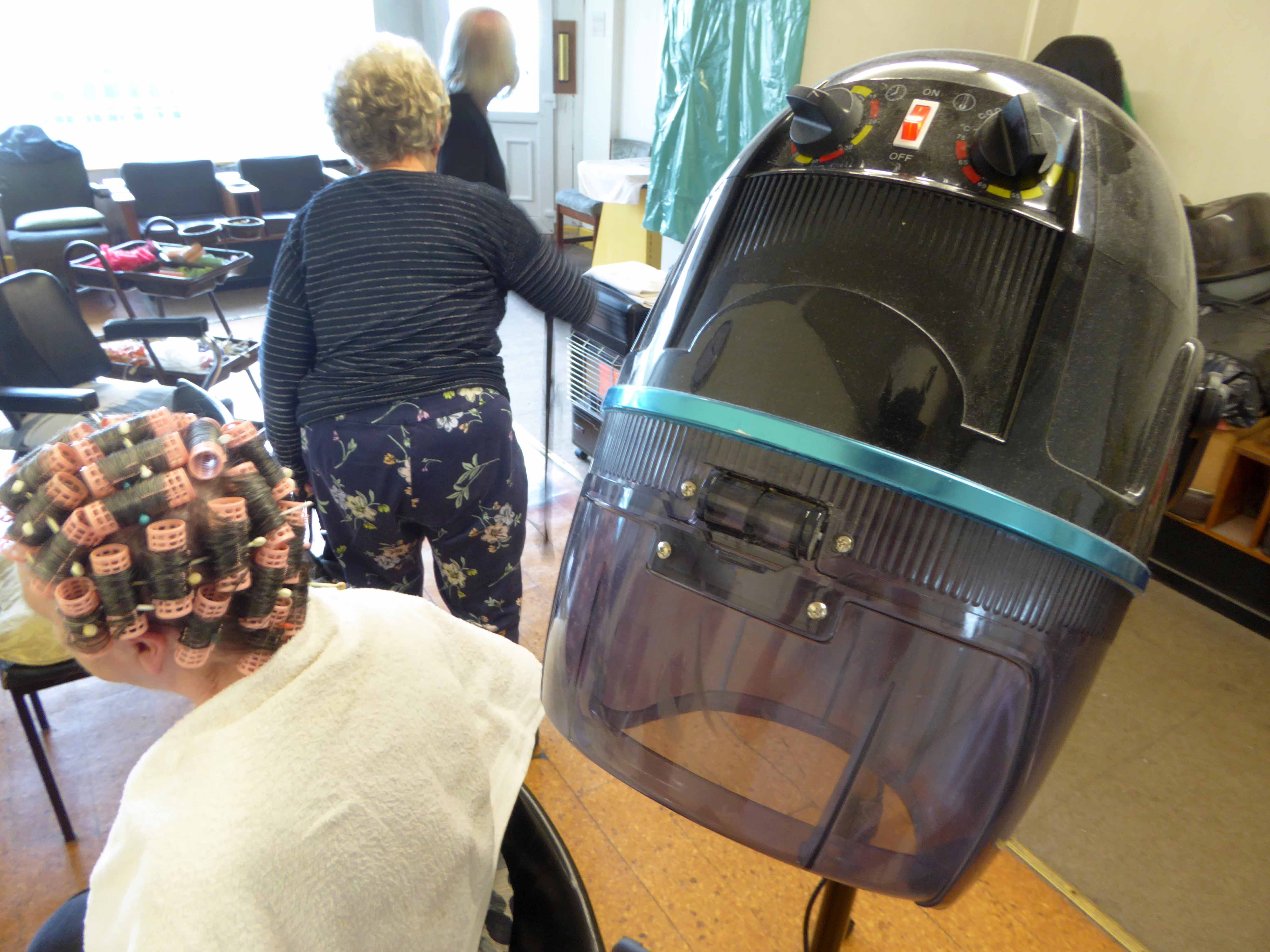
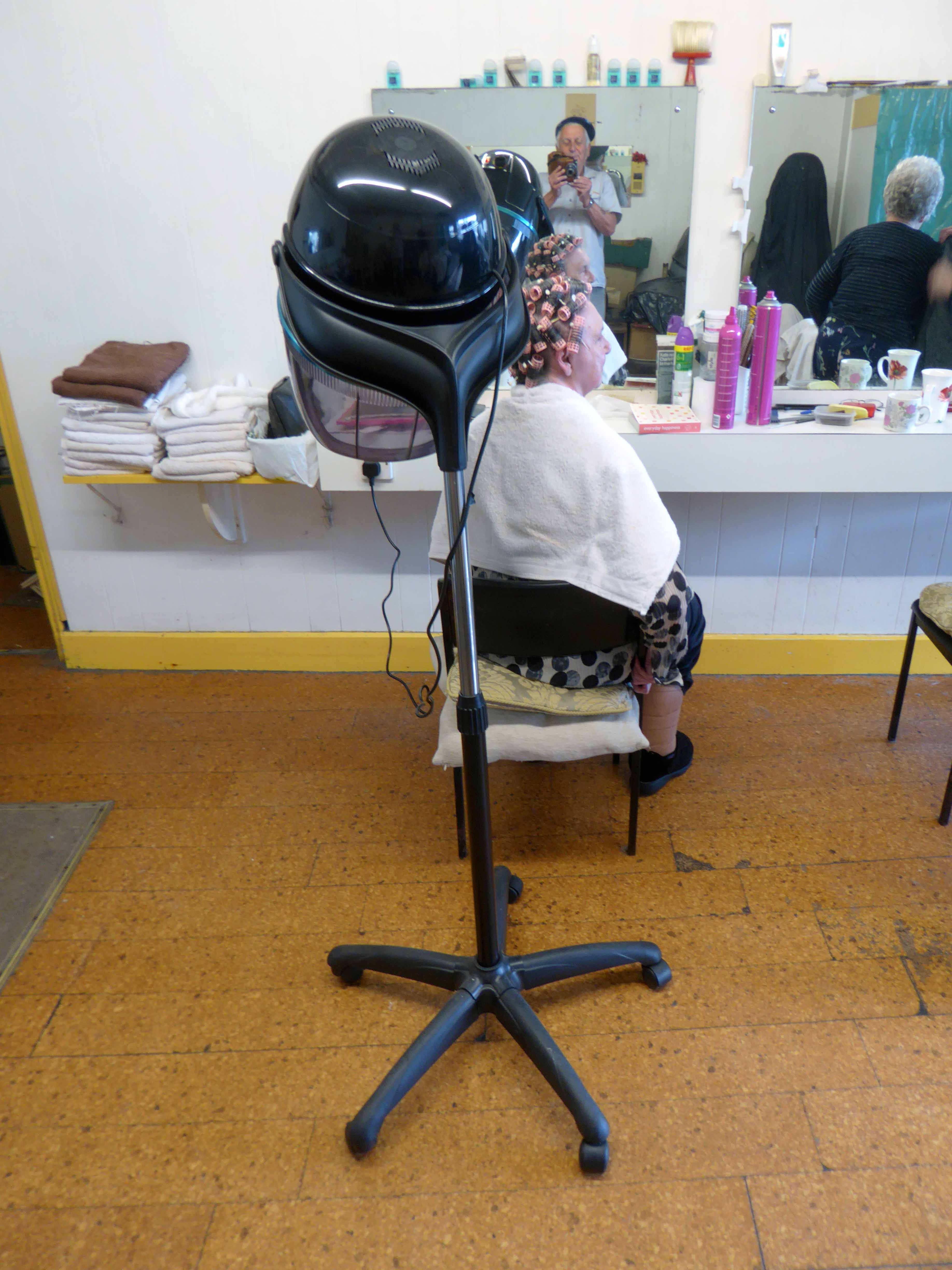
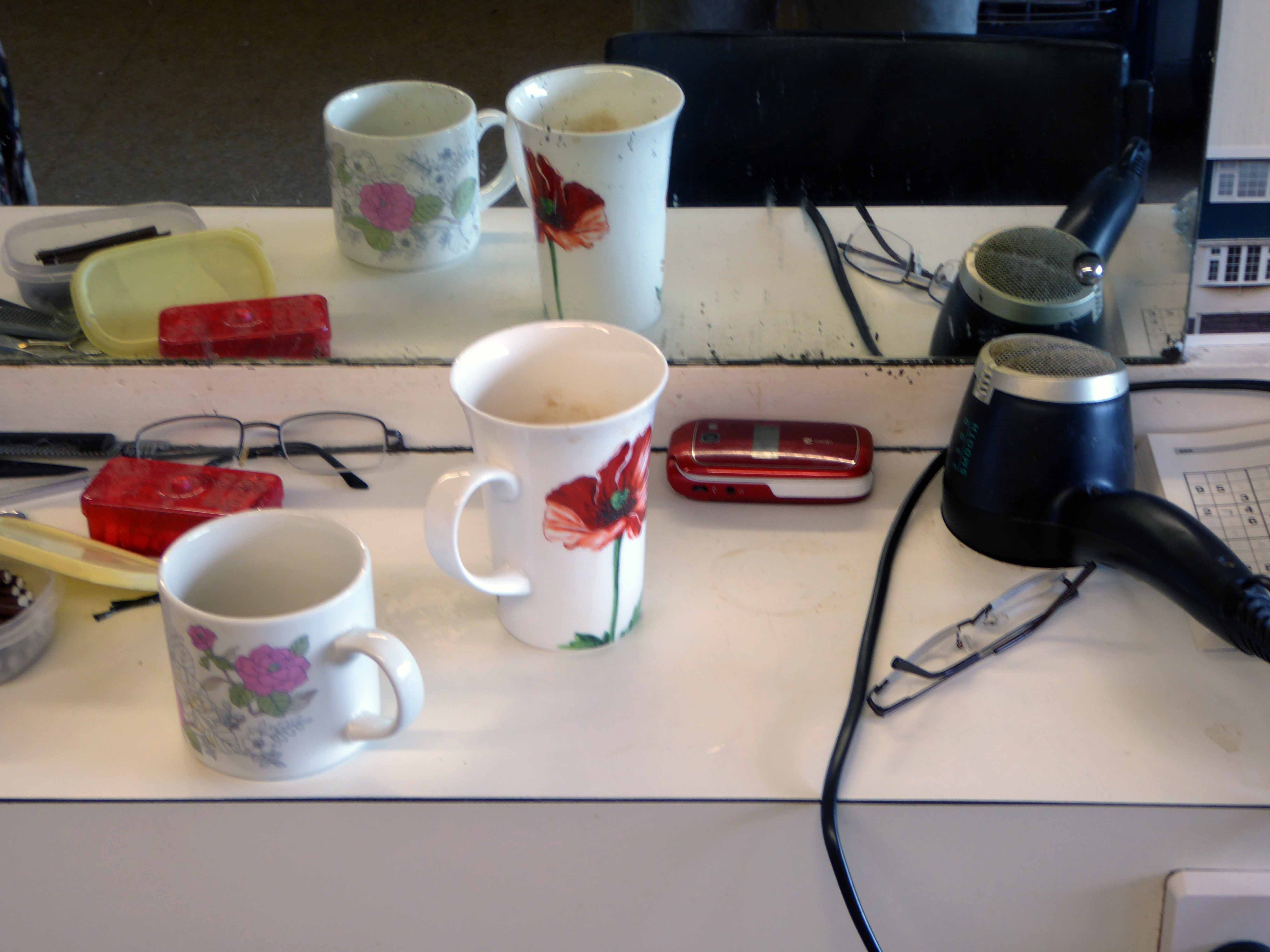
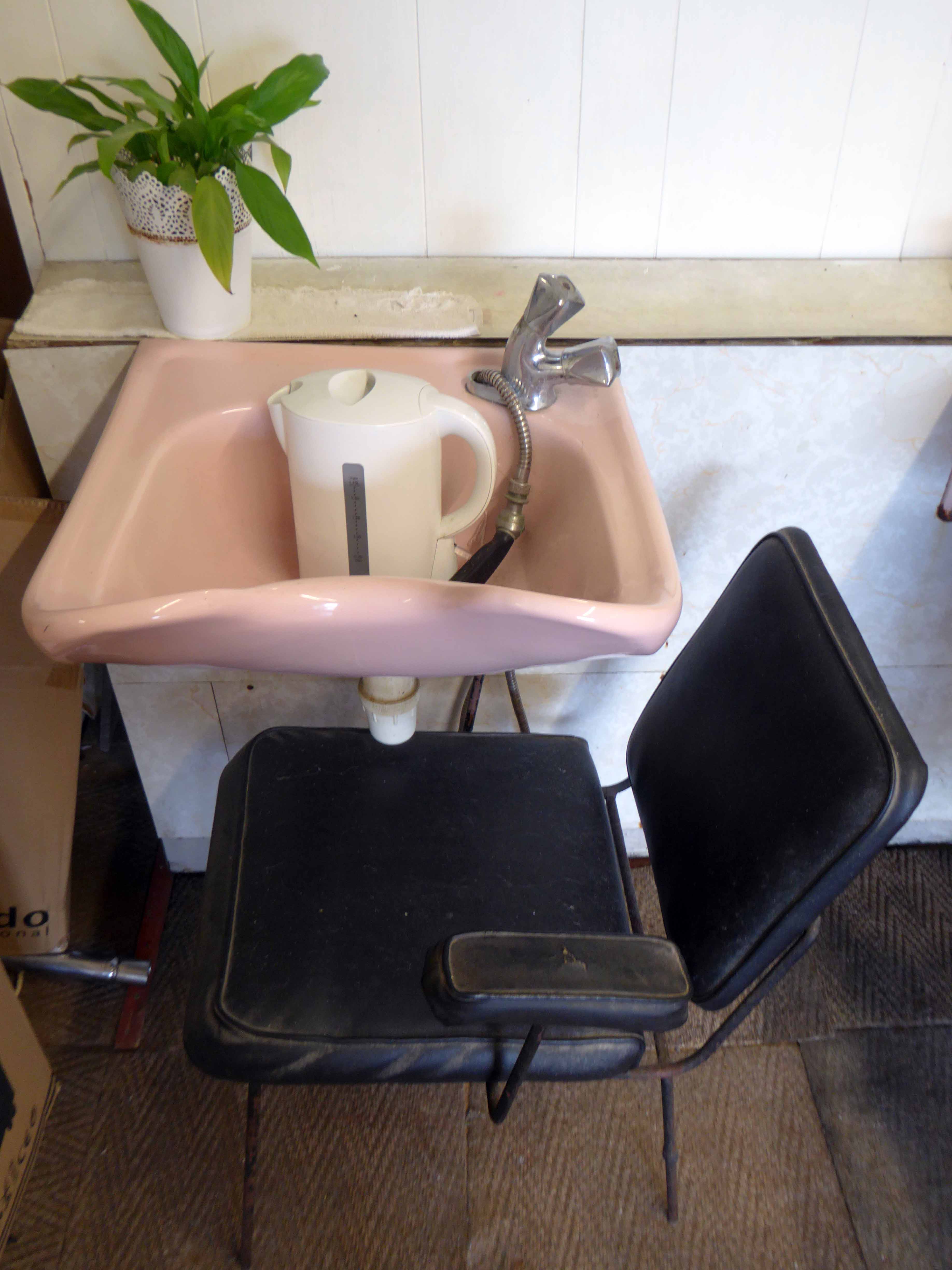
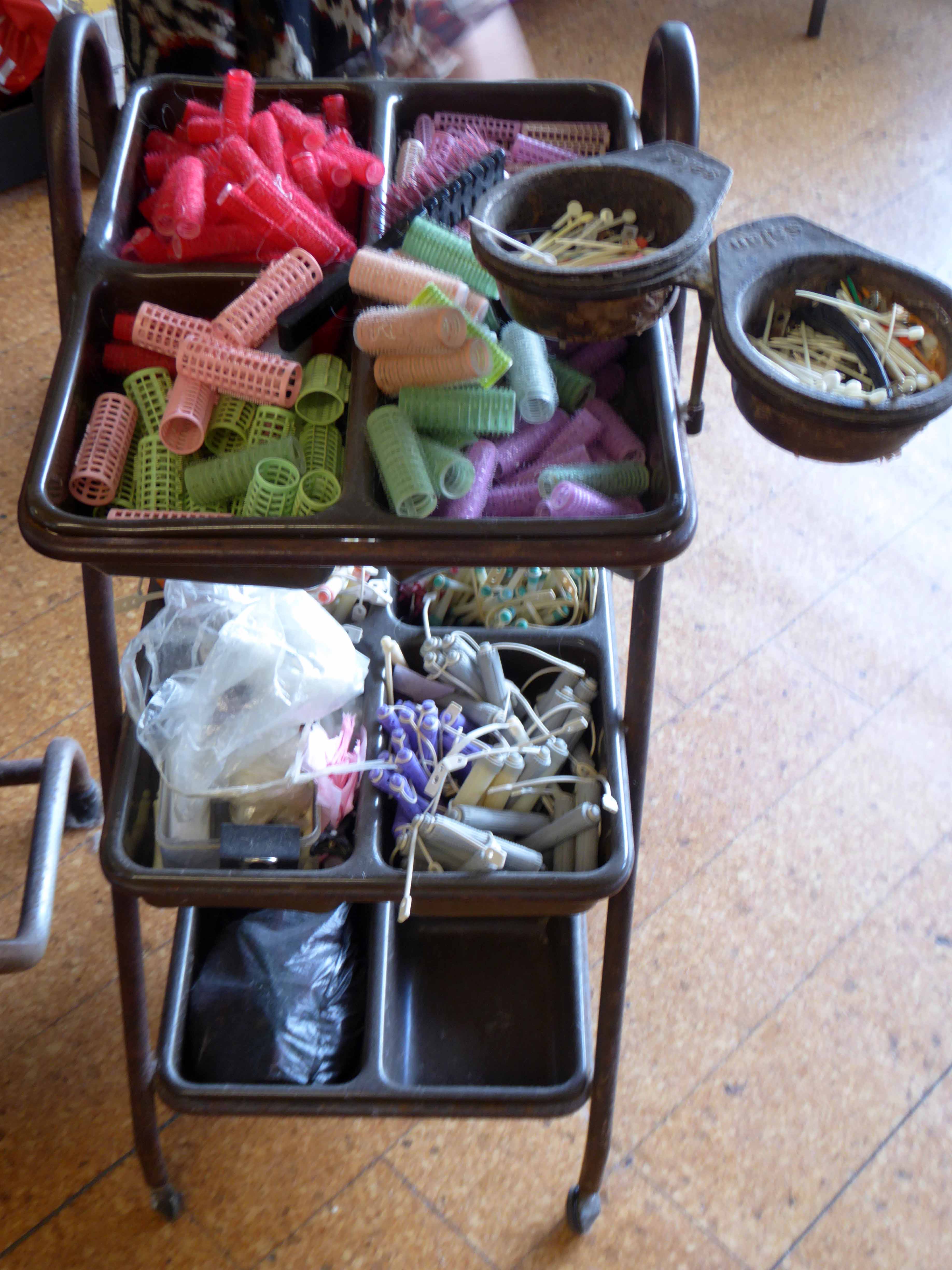
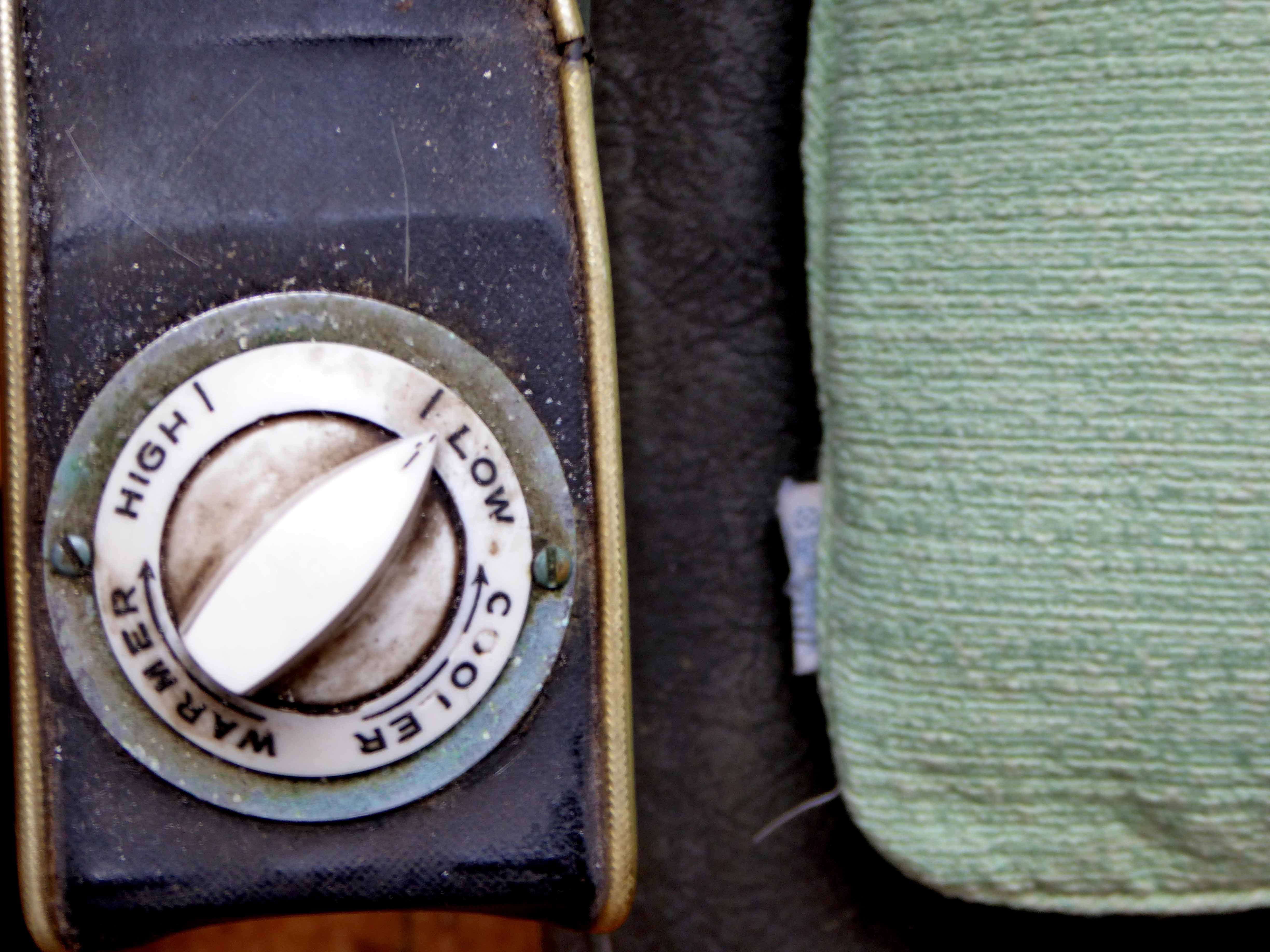
A world of rollers, pins, grips, hair dryers and drying hair.

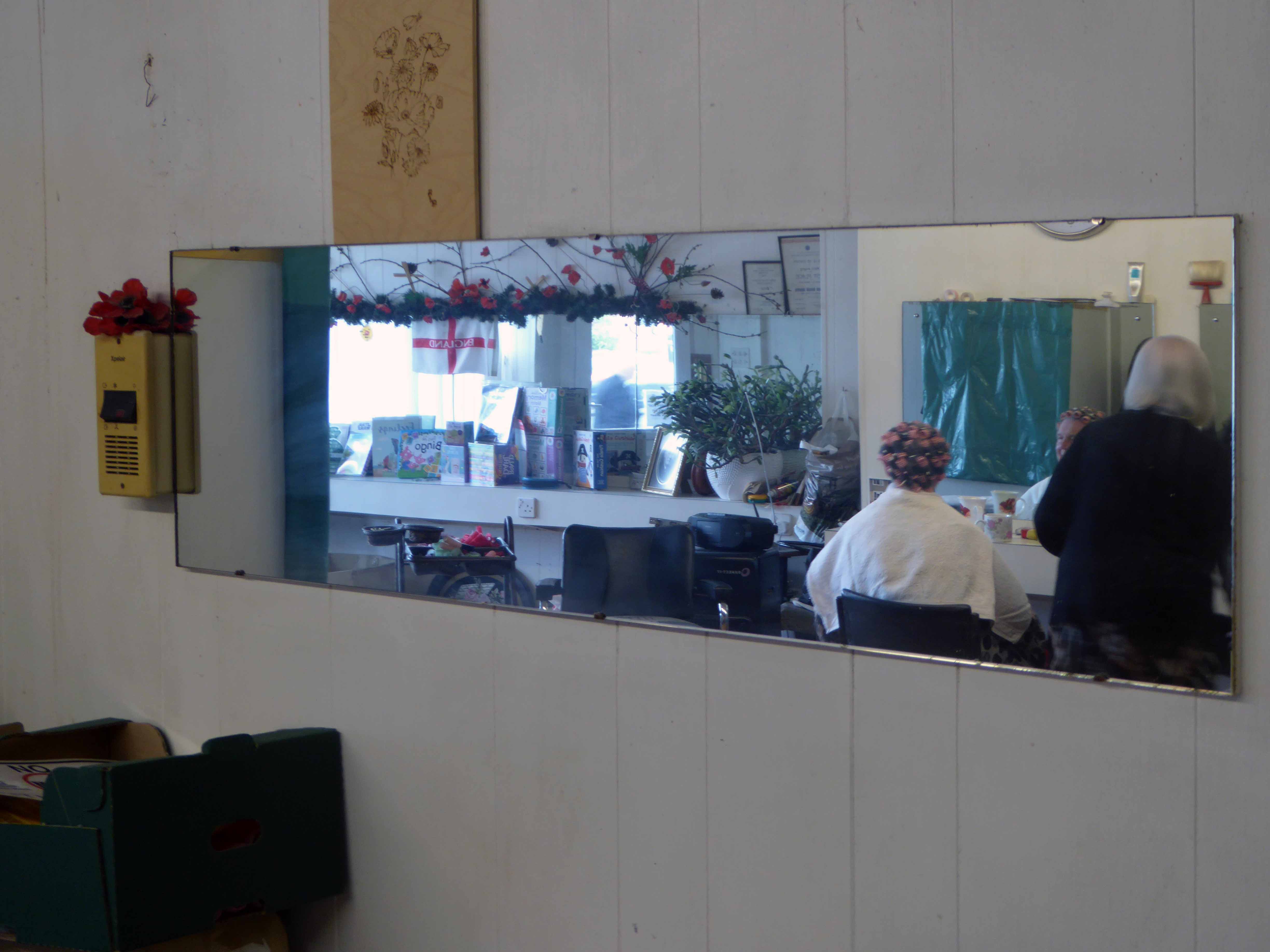
A world permanently waving at itself.

My thanks to Sheila – sixty years a stylist and her customers for allowing me into their world for a short time – a privilege and a pleasure.

Little seems to have changed here within – on the corner of Oldham Road and Mellor Street.
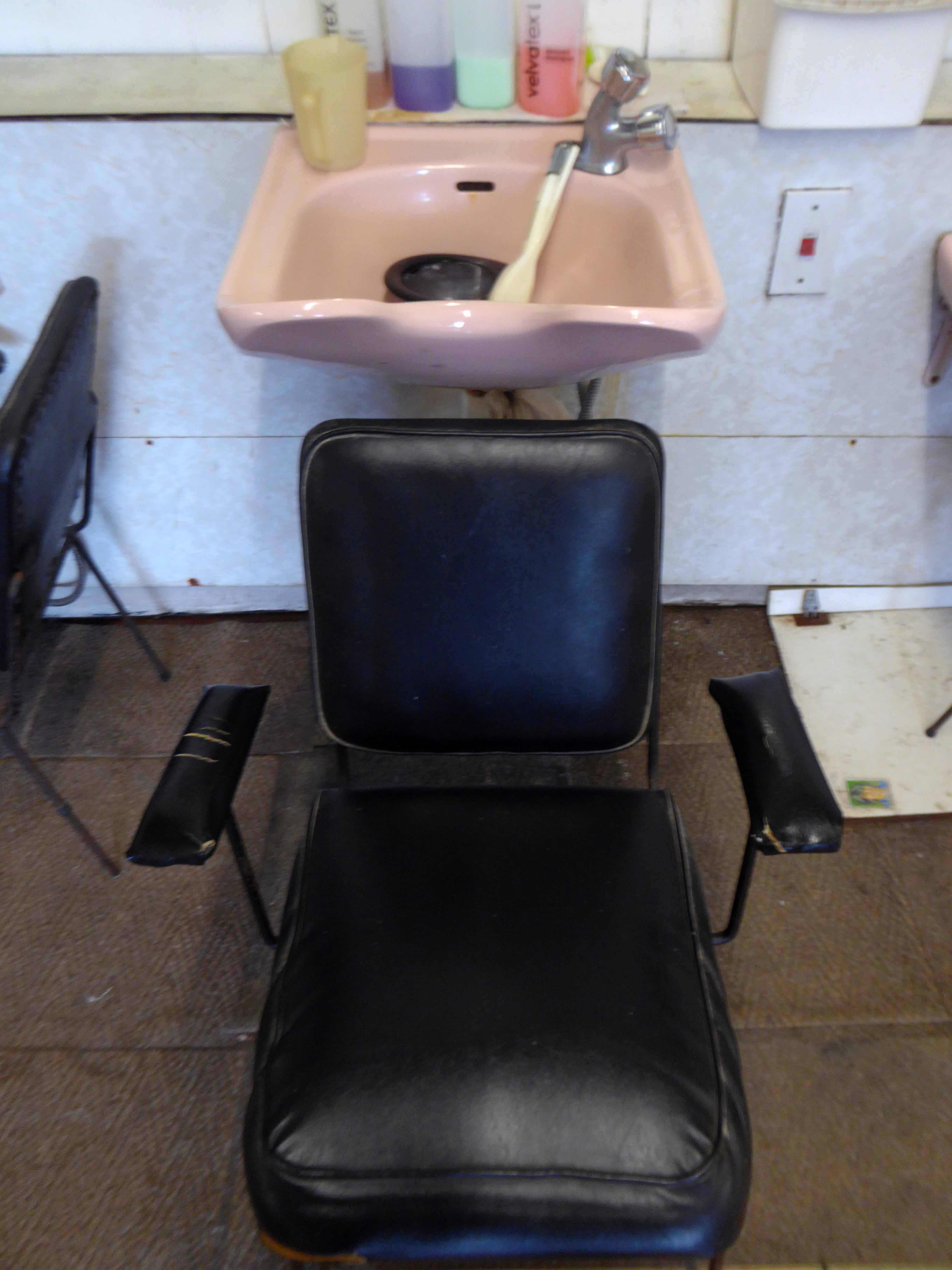
Let’s take a little look.
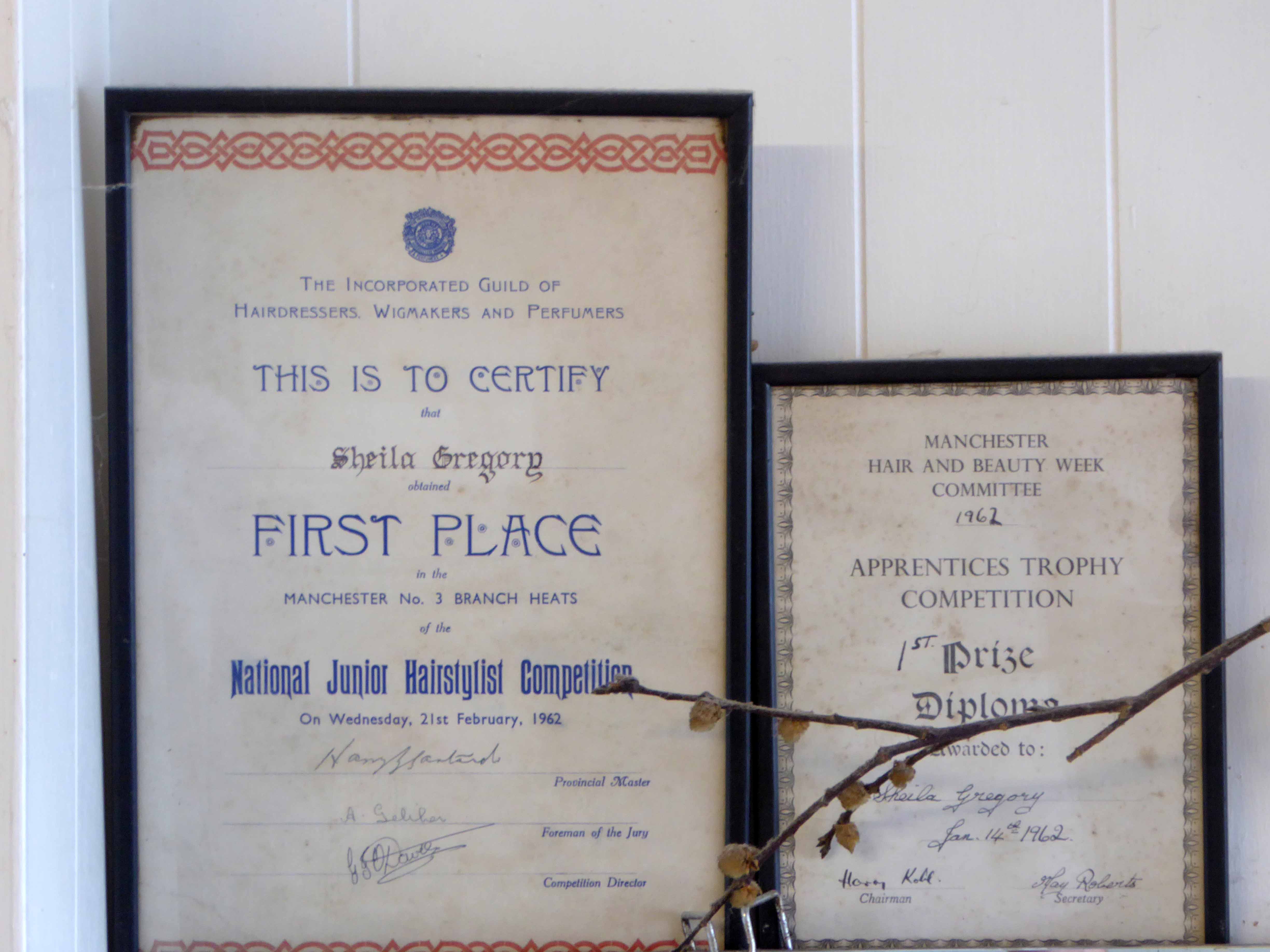
Shelia’s certificates of 1962 – so proudly displayed.

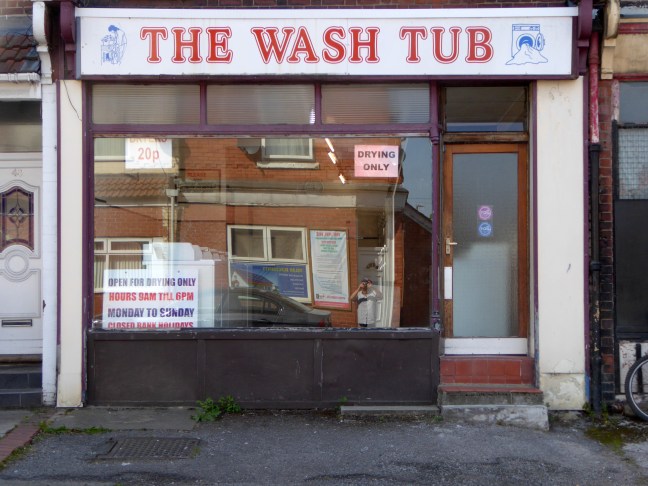
The Wash Tub Levenshulme – Manchester

When is a washtub not a washtub – self evidently when it doesn’t wash.

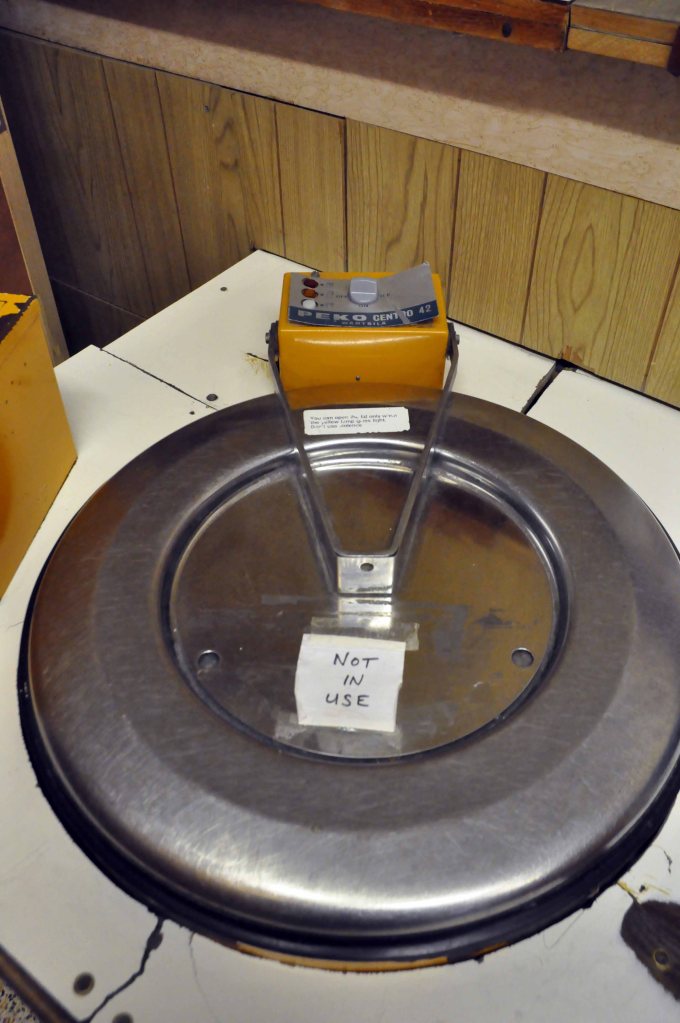
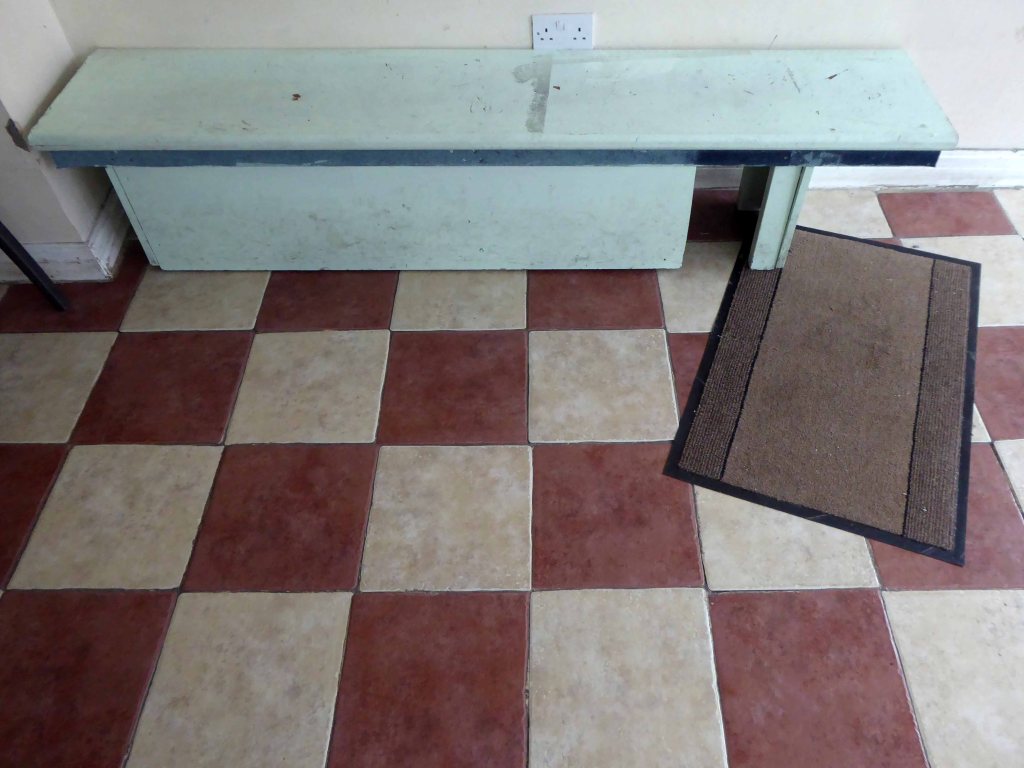
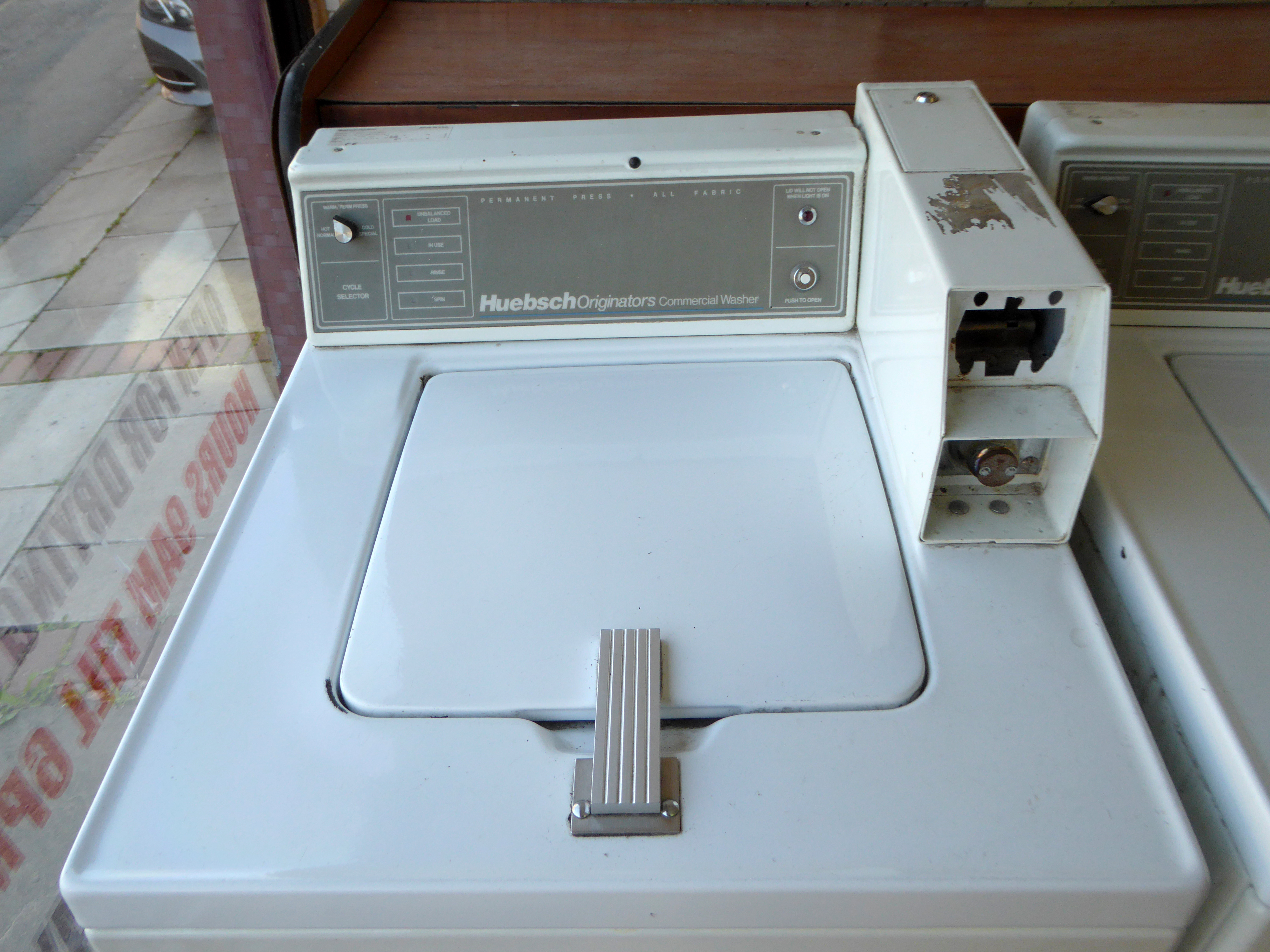
This is the land of the decommissioned washer – cash box removed, unrepurposed, demure and decorative yet sadly redundant.

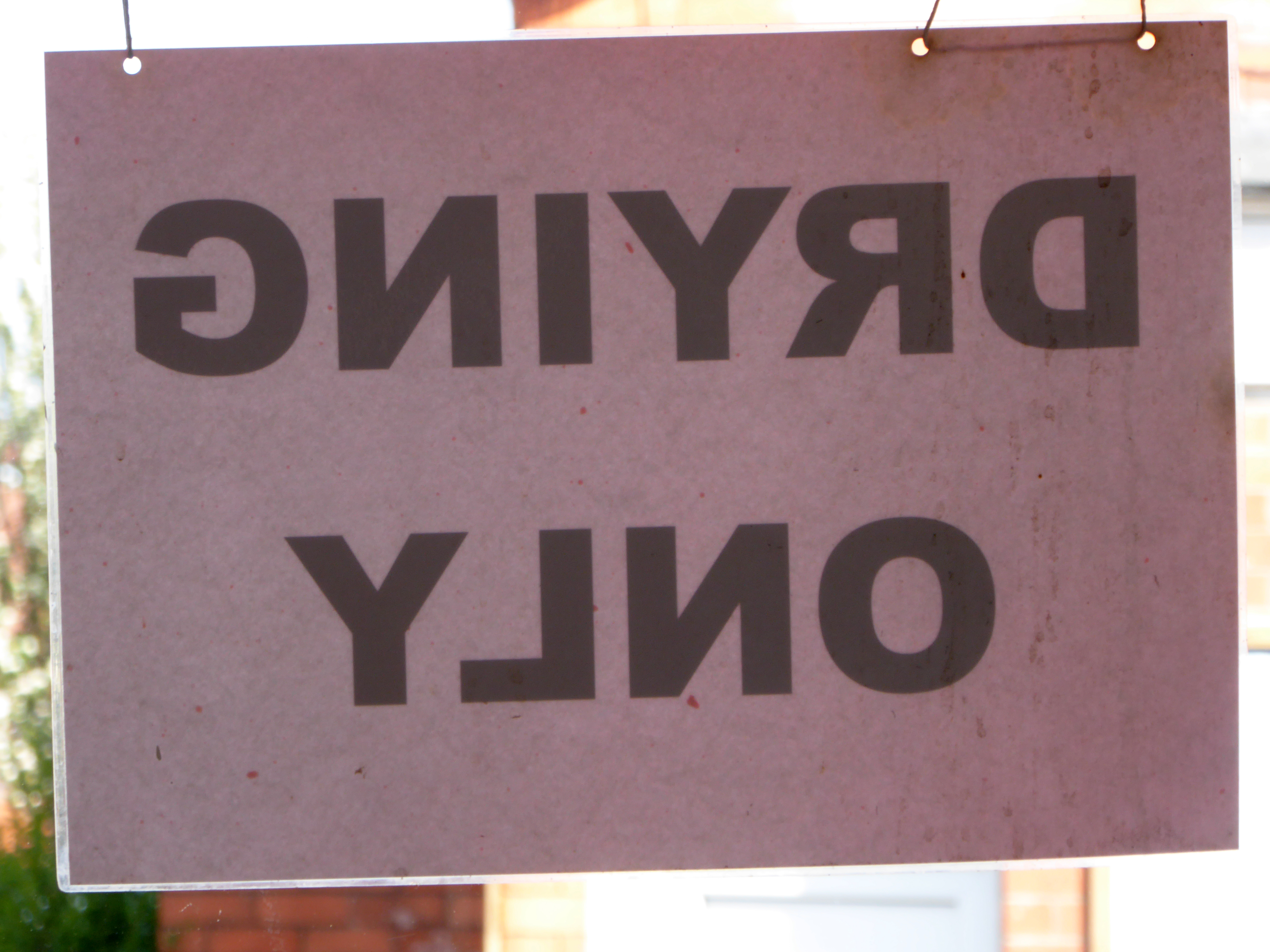
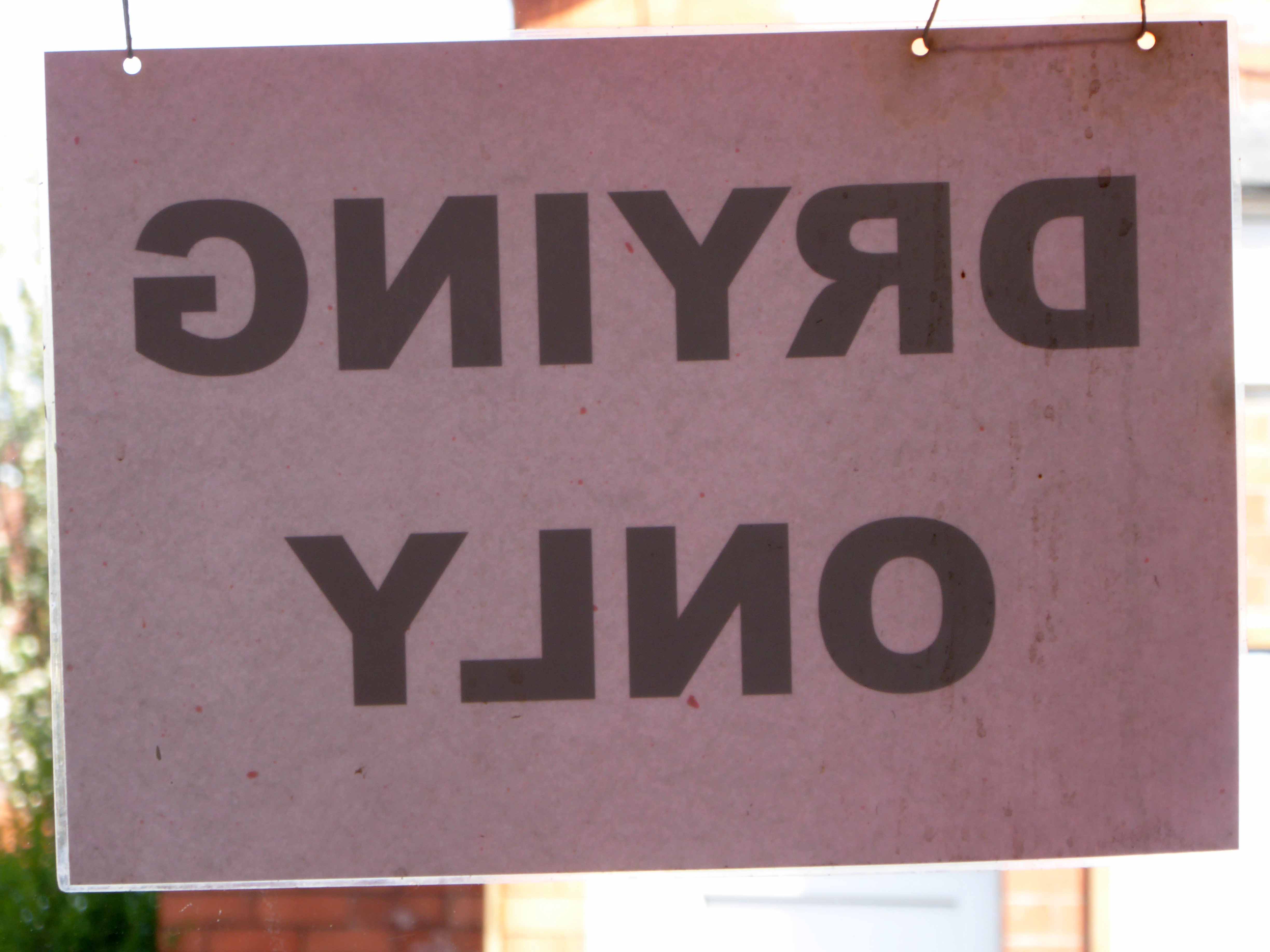
This is a dry only facility its surfaces inert, frozen in time, its sign declaiming pointless imperatives to nobody in particular.

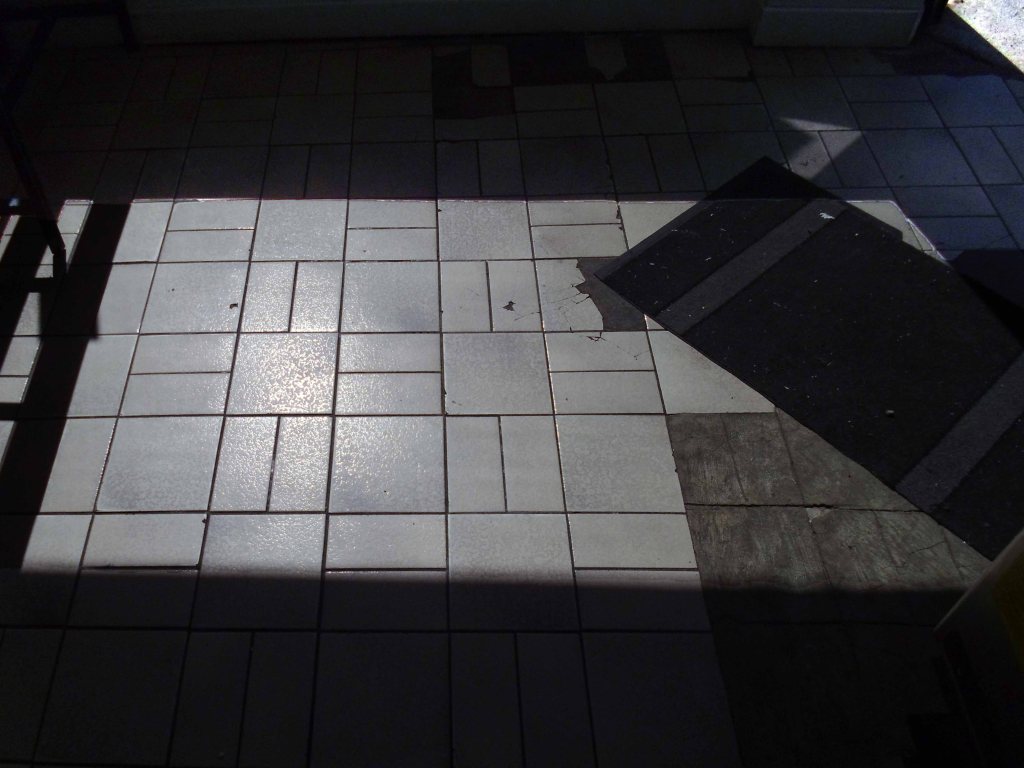
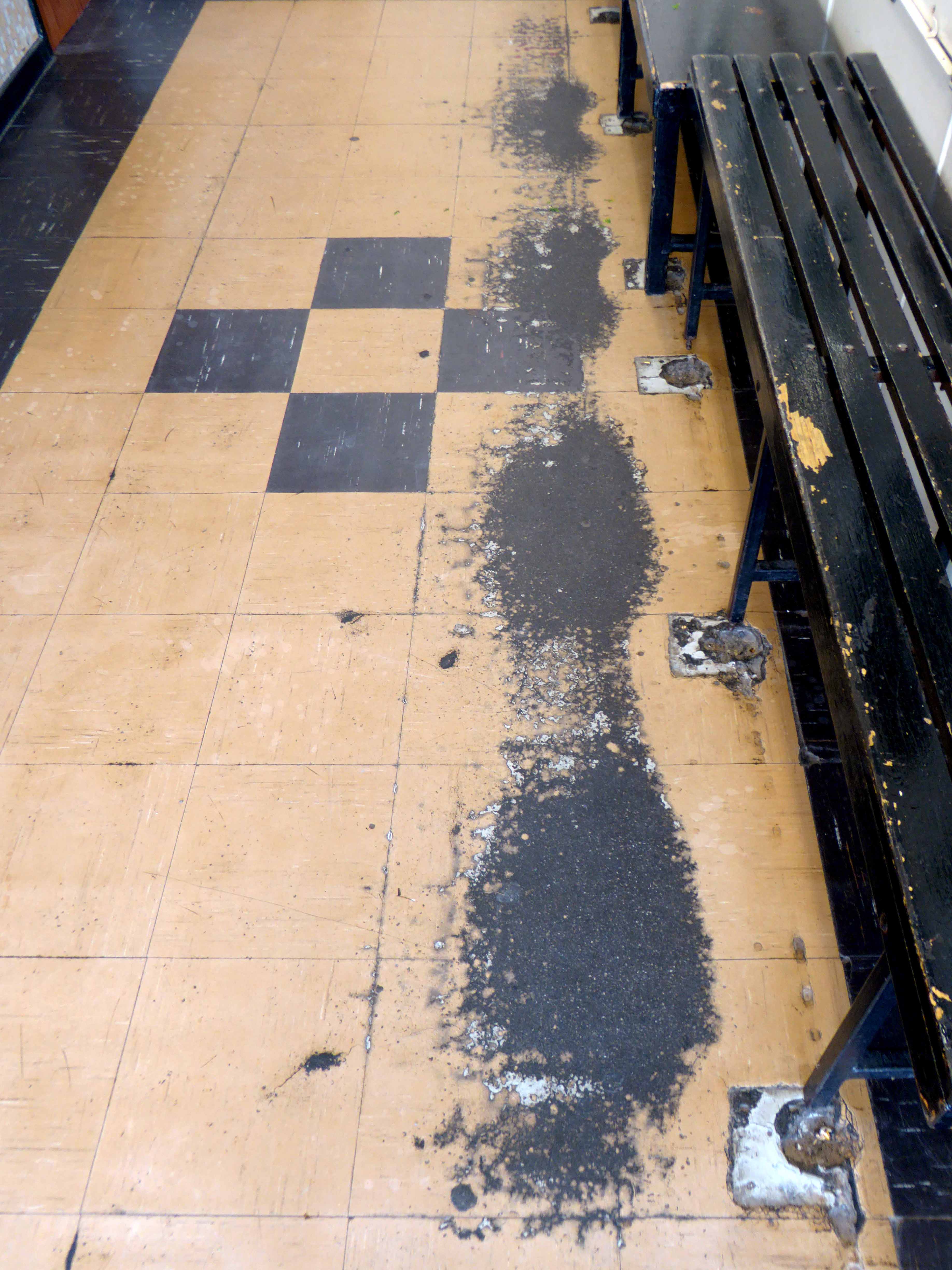
Worn lino, prosaic mosaic, strip lighting, wood-grained Formica, black wooden benches backed up against the warmth of the warm drier – time becomes elastic, limitless.

Enter at your own peril, Persil in hand prepare to be disappointed.

Launderette – Levenshulme

14 Matthews Lane Manchester M19 3DS

It’s been quite a while – following a spate there has been an abatement.

Time was I couldn’t pass a coin-op operation without snapping.

It all began in a Wigan Washeteria one thing lead to another then another.

I was all washed up, rinsed and spun out – I had to call it a day.

Yesterday things changed – I turned a corner in life when I turned the corner into Matthews Road, the familiar aroma, signs and things signified came flooding right back – time stood still beneath a strip light lit suspended ceiling.

Minerva Café – Doncaster

A Doncaster town centre cafe, once used by former pop star Louis Tomlinson to film a pop video, has closed after trading for more nearly 50 years near the market. The Minerva Cafe has closed down after trading sine the 1970s offering breakfasts and lunches to shoppers.

The shutters are now down on the shop, which has not now been used for two weeks, say neighbouring businesses. Minerva was well known for its big breakfasts which often earned rave reviews on the internet. It also had a celebrity link, having been used by the former One Direction star Louis Tomlinson for the shooting of his Back to You video, last year. Doncaster Council town center bosses confirmed they understood the cafe had closed down, but did not know the reason. Long serving Doncaster market trader Nigel Berrysaid he had seen no sign of activity at the cafe for two weeks. He said: It has been here in the market for such a long time. It’s been there since I first started on the market in 1971. People have commented to me it feels like it has been there forever. 

“It is a shame to see it closed. It has been a bit of an institution round here.”

Doncaster Free Press

I came here on the 8th of February 2016, hungry but no alone – unaware of the Minerva’s popular cultural significance.

I just wanted a pie.

It came with chips peas and gravy – proper chips, proper tinned peas and an authentic plate pie pastry top and bottom, meaty minced meat filling.

My partner in crime had the full breakfast

We drank hot tea, chatted sporadically and ate the lot.

Table 16 aka table 22 – was more than satisfied.

The table was more than satisfactory a pale leatherette seated booth, with erratic homespun wood grain effects.

This was a place with hidden depths receding back from the entrance into deeper and deeper space.

And a proper regard for tea service etiquette – with no room for poor pouring stainless steel pragmatism.

But where are we now?

I returned on February 9th 2019 and the M was missing the Minerva was missing the shutters were down – ain’t nobody home.

No more pie, peas, chips and gravy no more full up upon full breakfasts.

No more Minerva, no more.

WH Smiths – Colwyn Bay

I have been here before.

I’ve been there too – Newton Powys home to the WH Smiths Museum

Now here I am in Colwyn Bay generally minding my own and everybody else’s business, when all of a sudden I noticed a cast iron glazed awning.

Proudly announcing the proprietors – sadly supported by a distressing modern addition – now I’m not one to decry and debunk the rising tide of modernity, I’m all in favour of unisex clothing and central heating.

But the unchecked encroachment of vacuous vinyl really is the limit.

Businesses displayed a degree of dignified permanence unknown to the current high street trader. So here it is writ larger than life in stained glass and Carter’s Tiles.

Loud and proud.

And as an addendum here are the delightful tiles from the Llandudno branch, snapped two years previously.