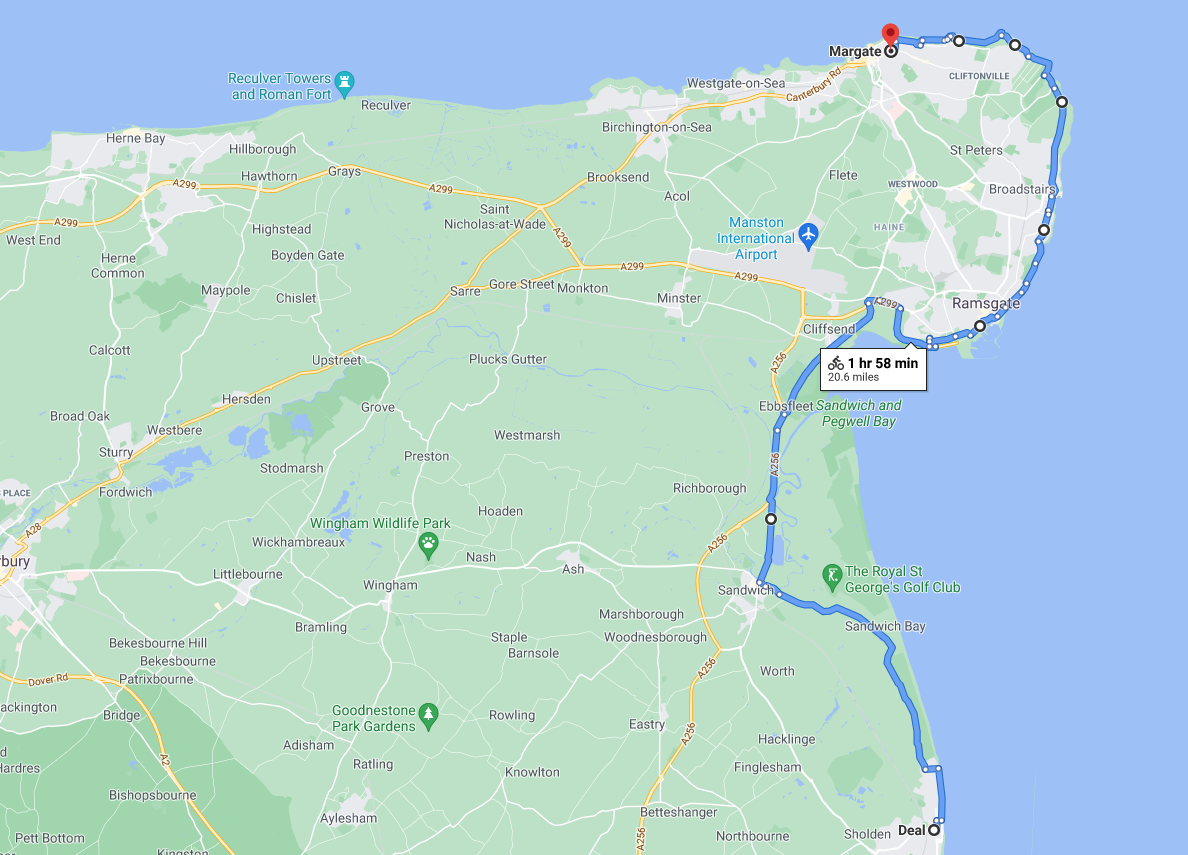
Deal To Margate

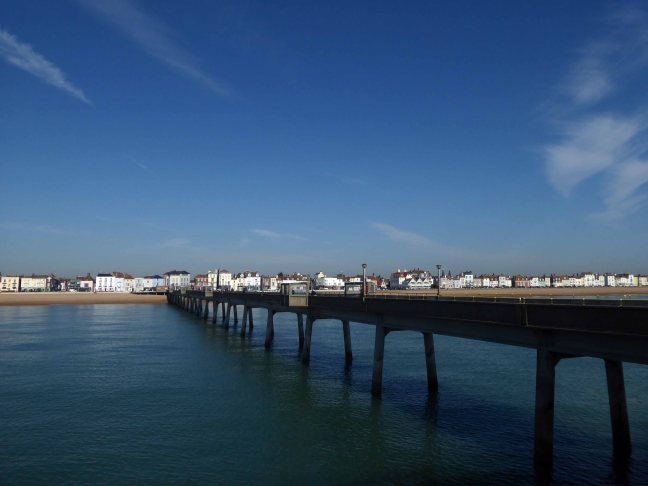
We awoke, we dawdled around Deal, prior to our delightful breakfast.

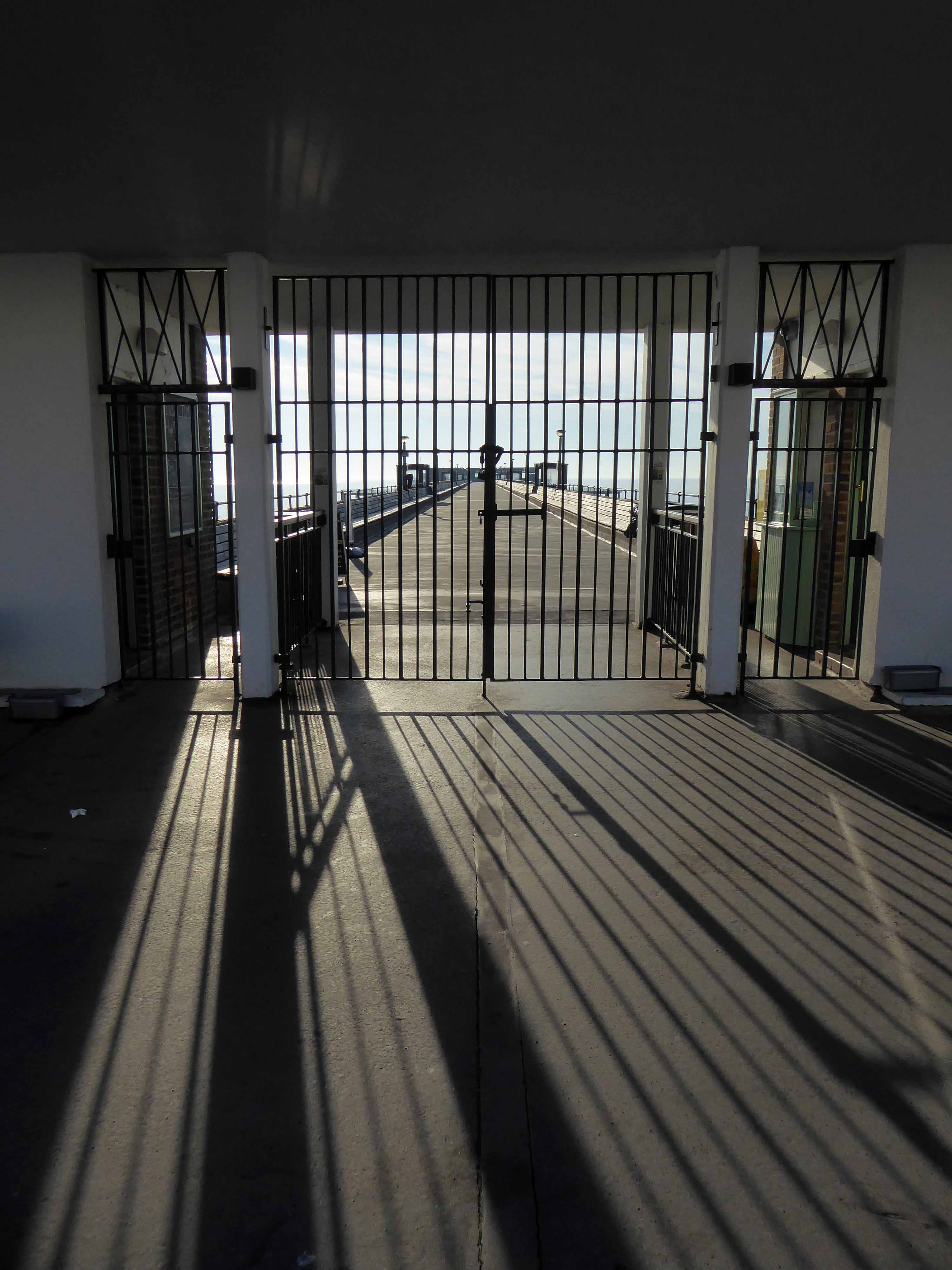
Though the pier appeared to be closed.
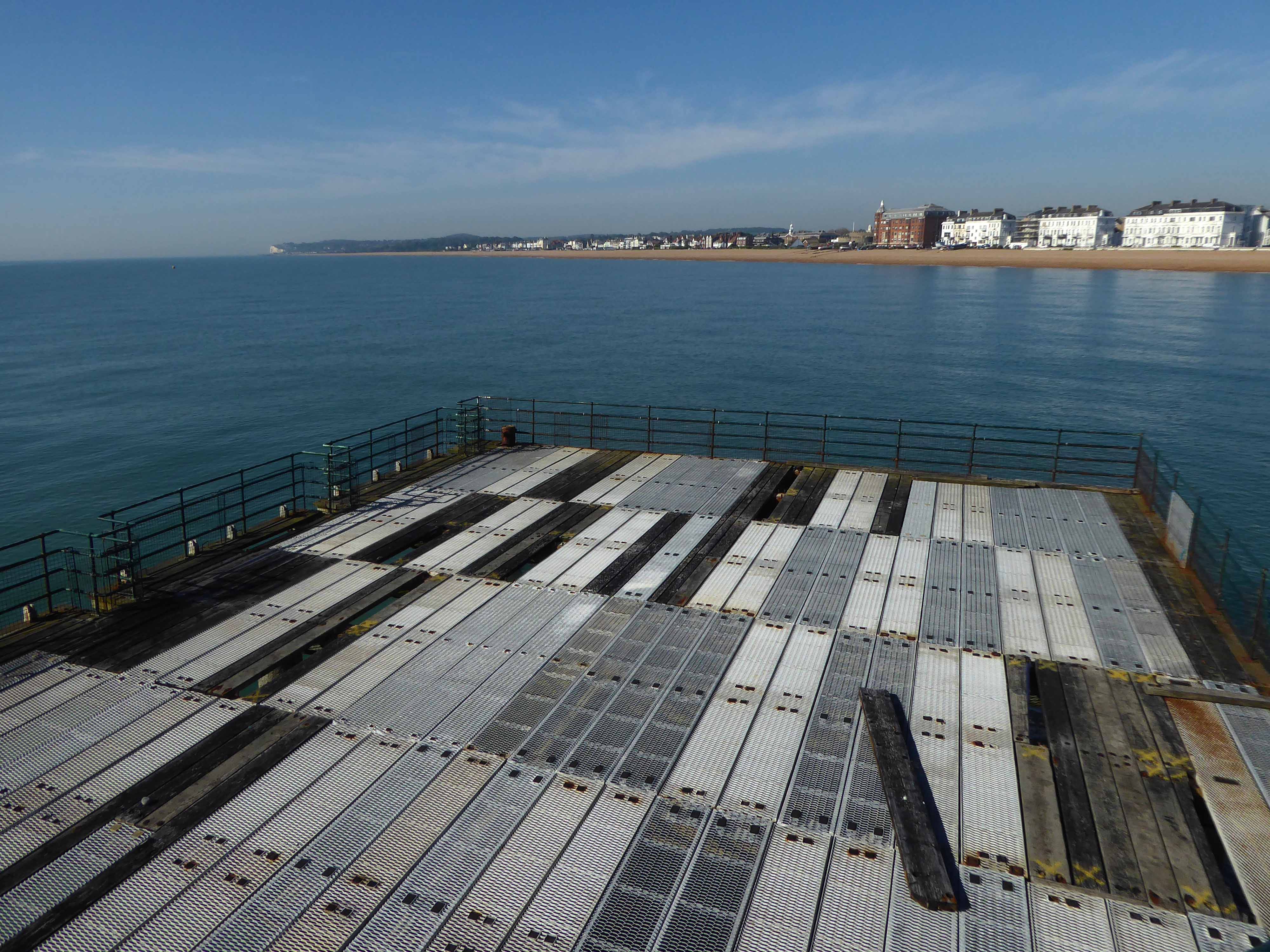
Extending elegantly over a still, still sea.
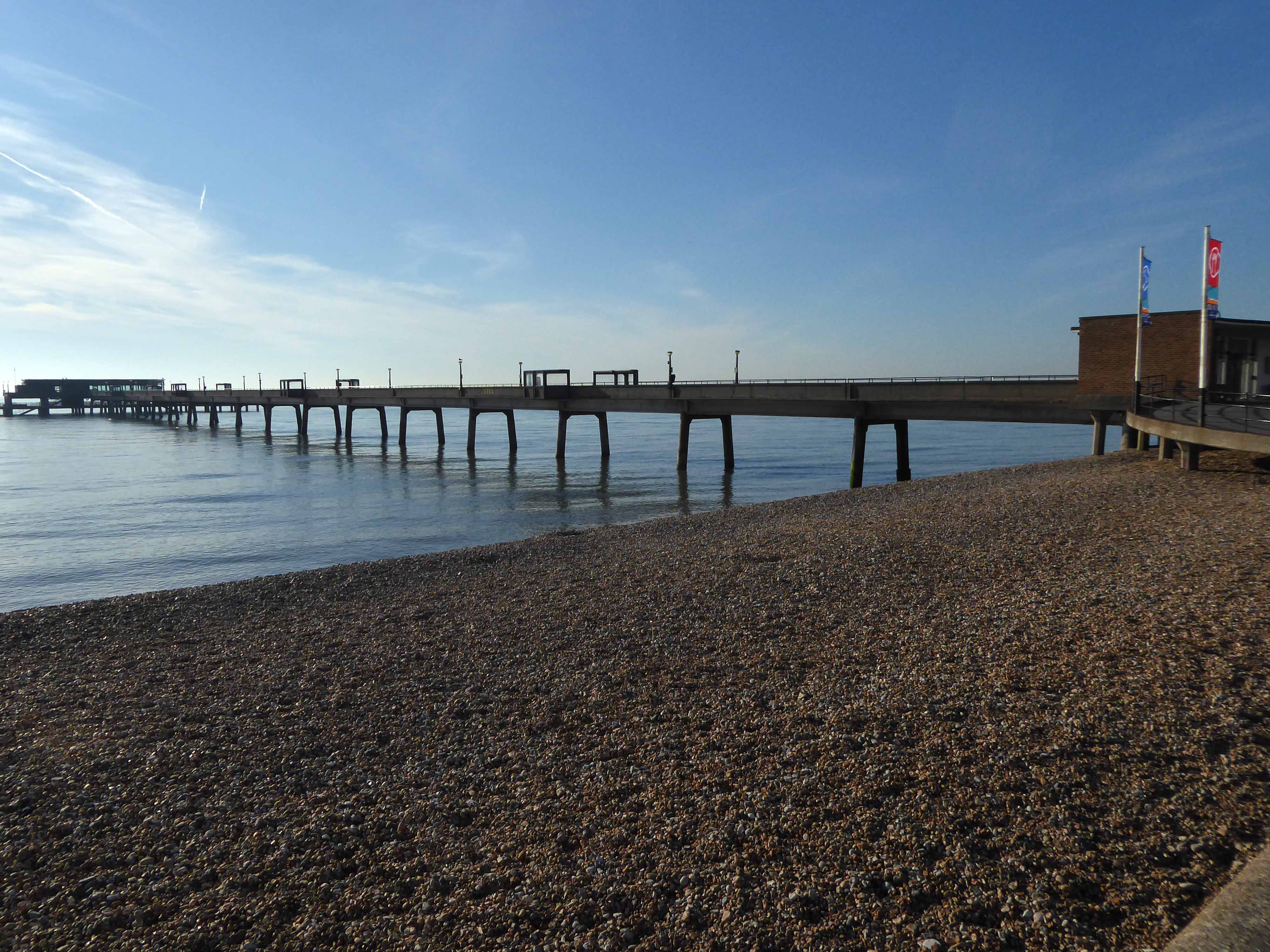
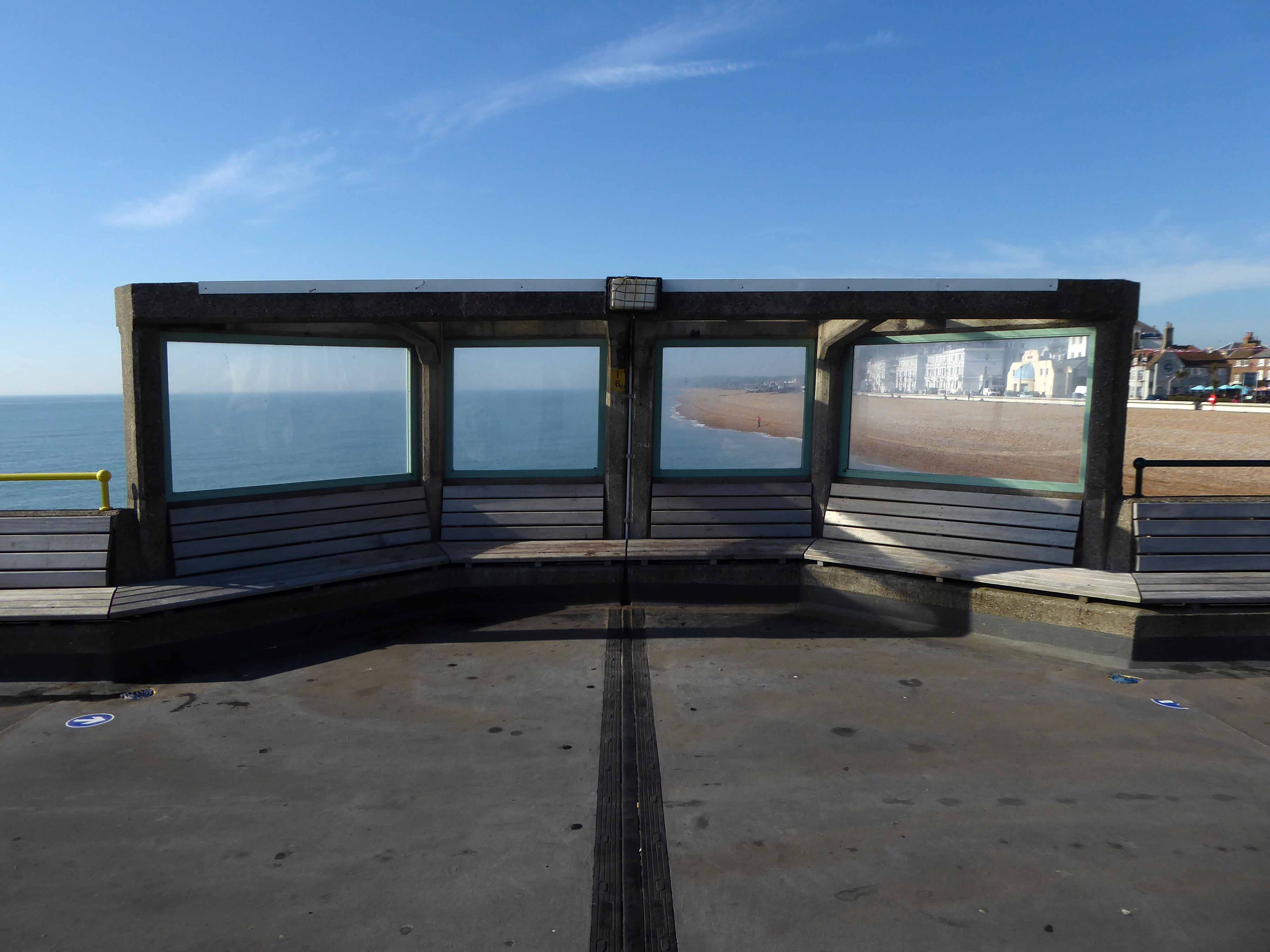
The present pier, designed by Sir W. Halcrow & Partners, was opened on 19 November 1957 by the Duke of Edinburgh. Constructed predominantly from concrete-clad steel, it is 1,026 ft in length – a notice announces that it is the same length as the RMS Titanic, but that ship was just 882 feet, and ends in a three-tiered pier-head, featuring a cafe, bar, lounge, and fishing decks.

The lowest of the three tiers is underwater at all but the lowest part of the tidal range, and has become disused.
Wikipedia

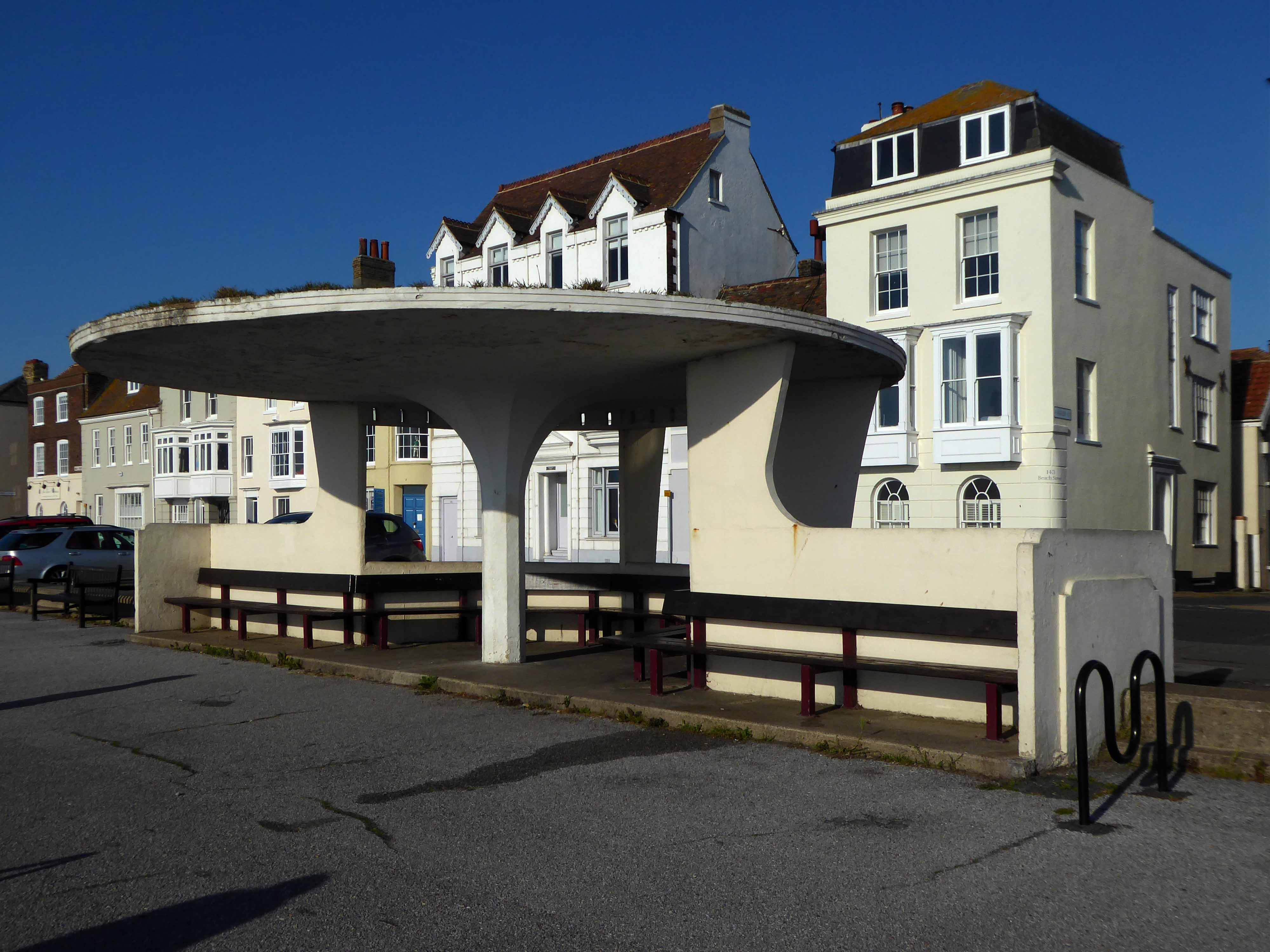
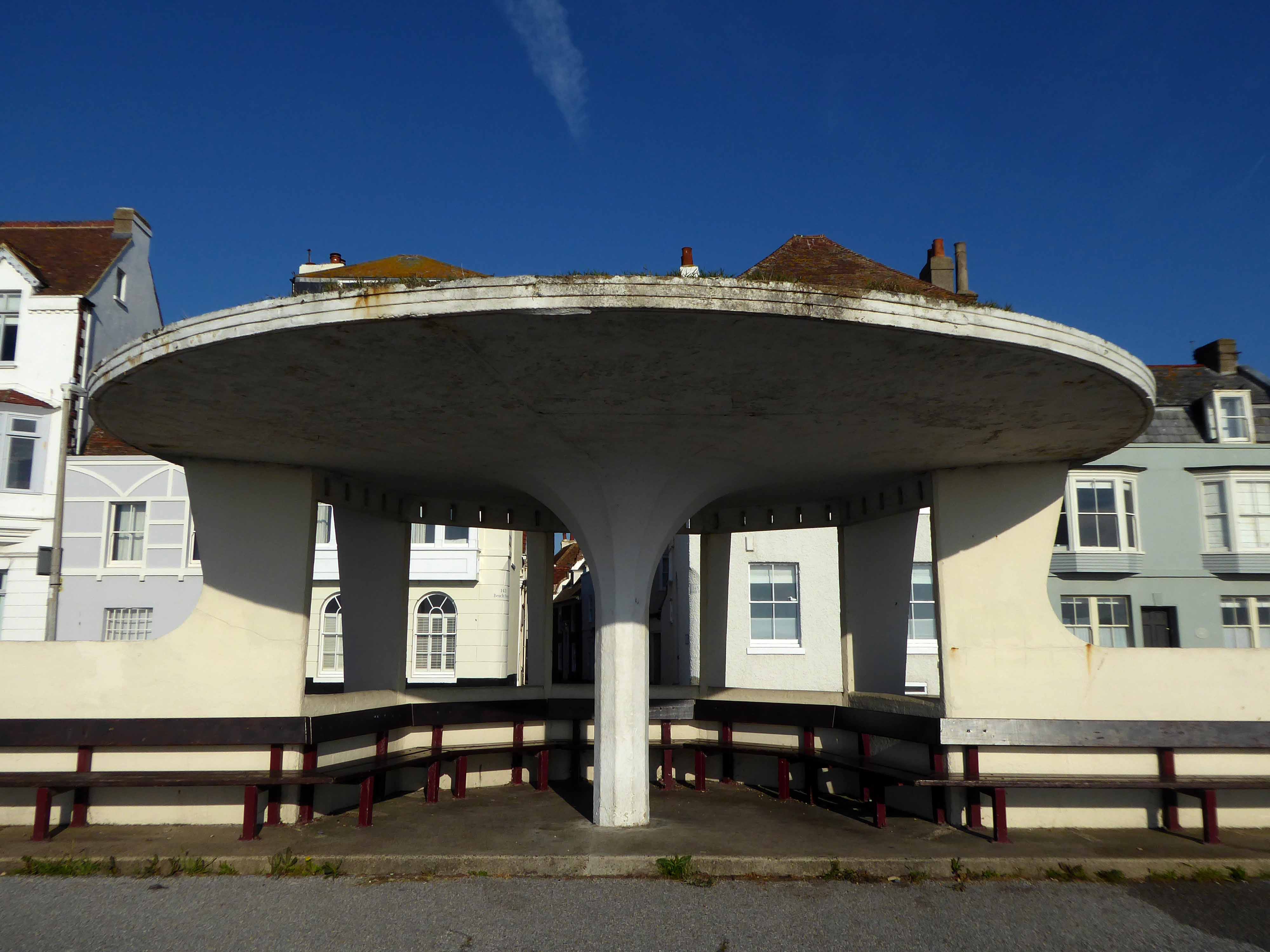
Deal is home to some of the most extraordinary concrete shelters.
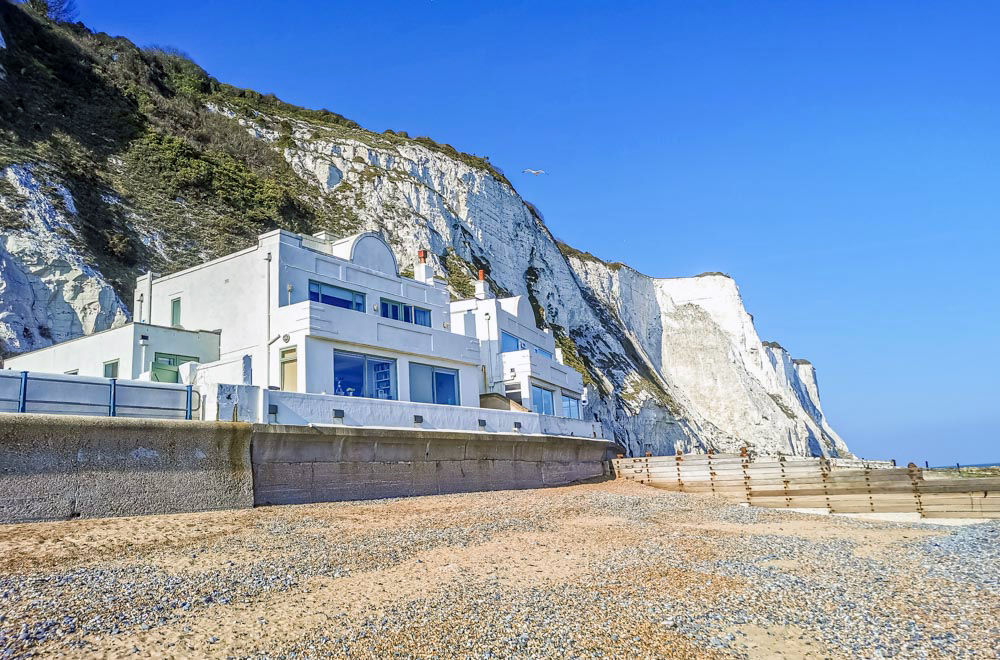
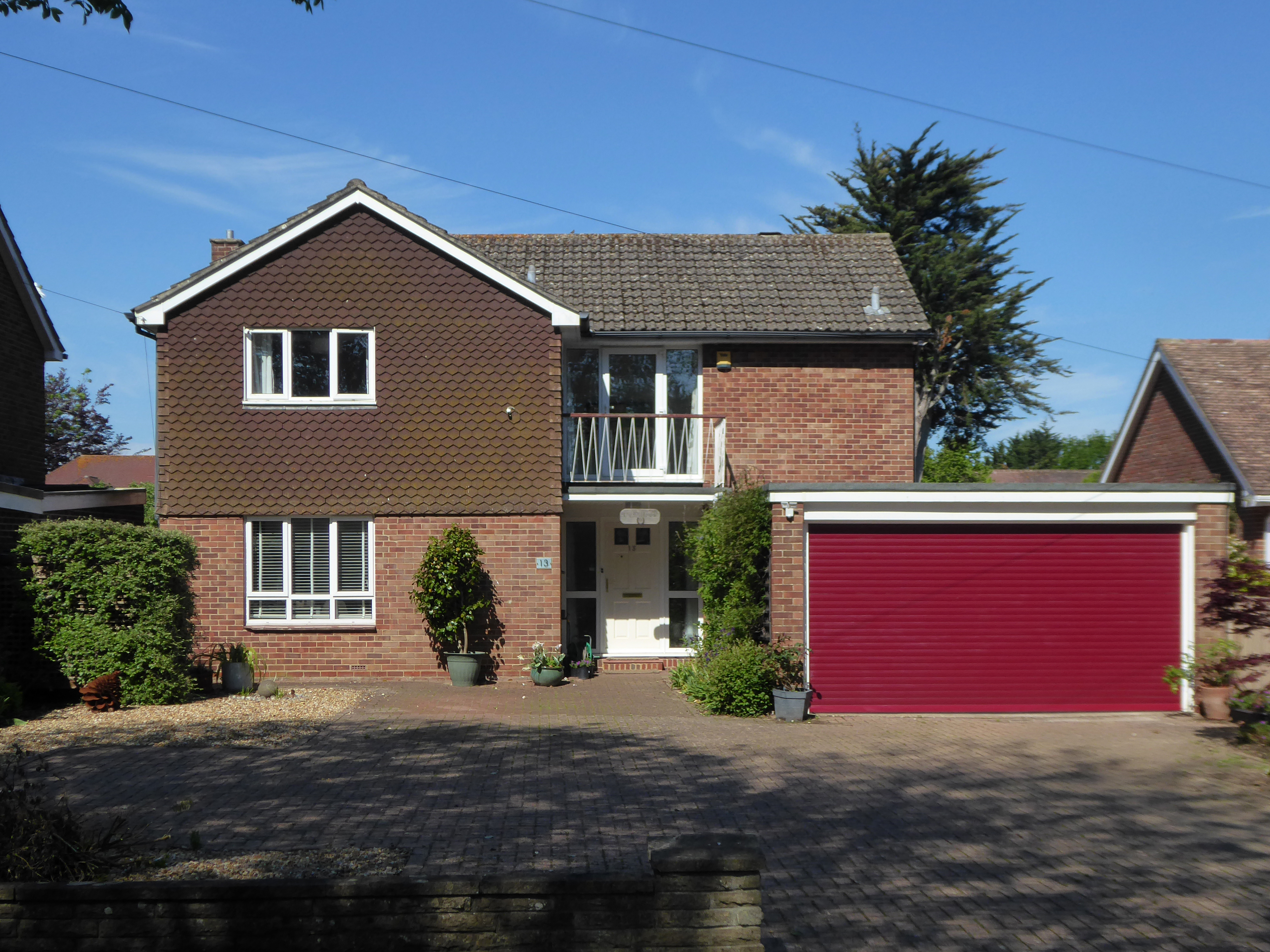
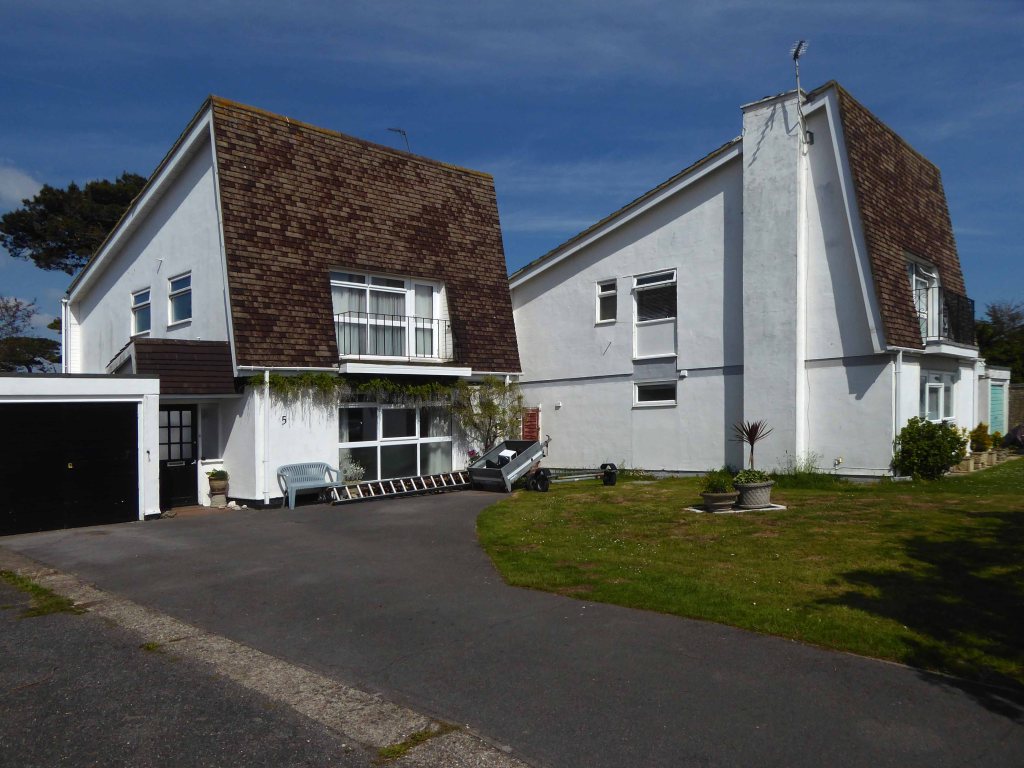
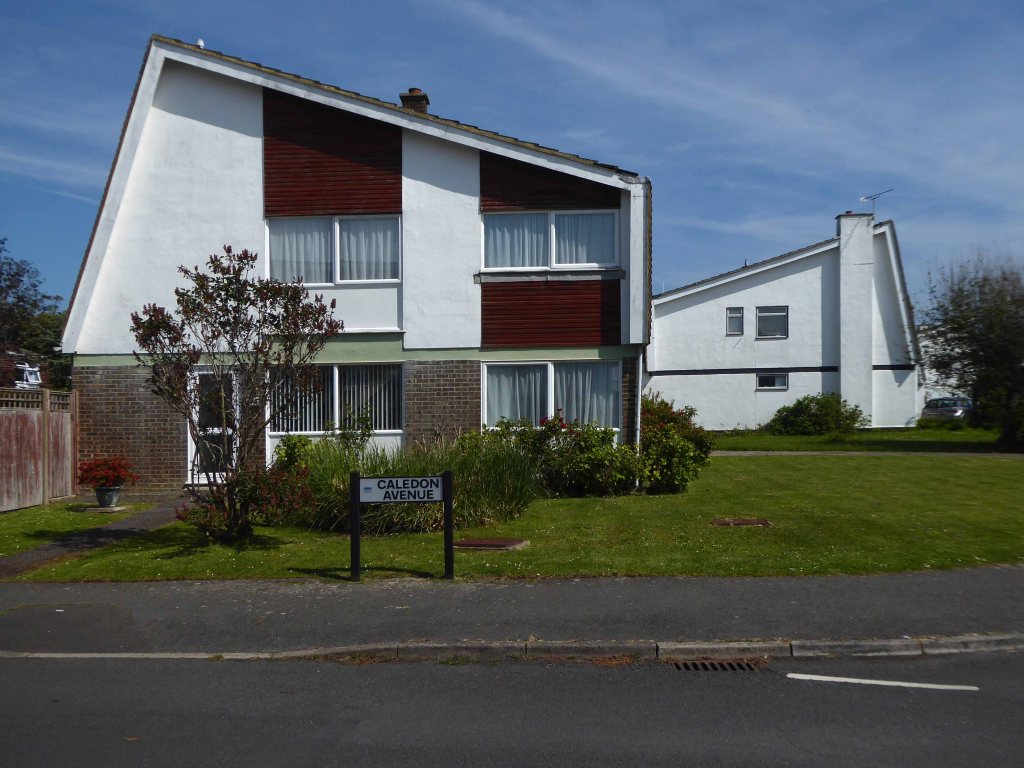
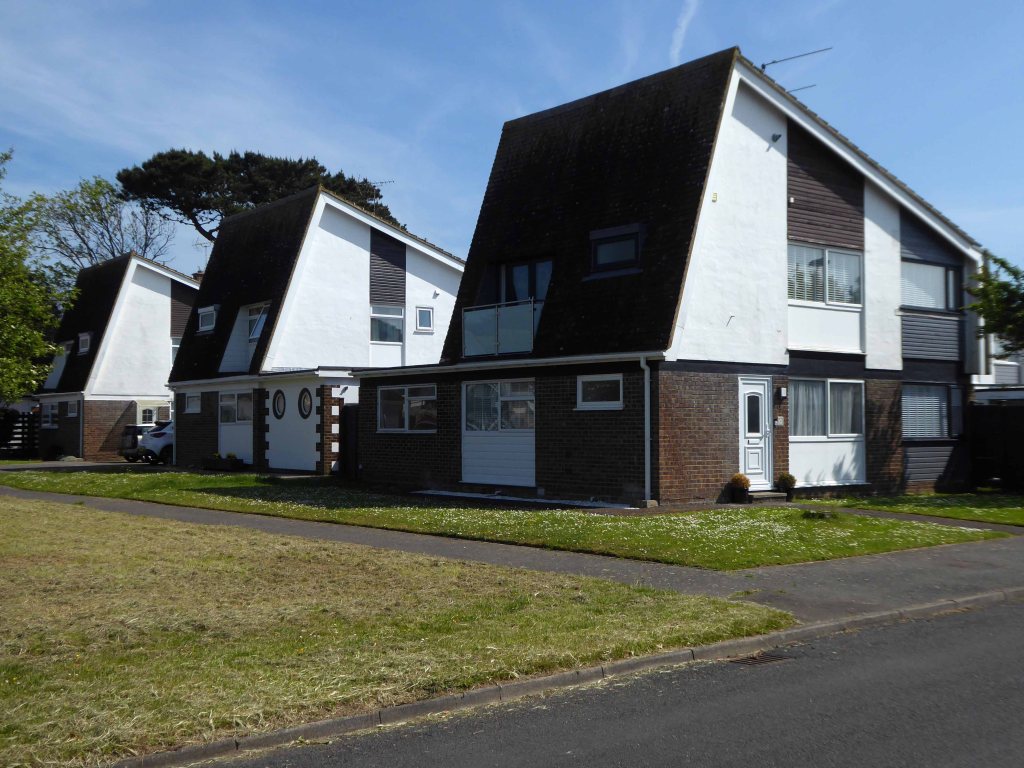
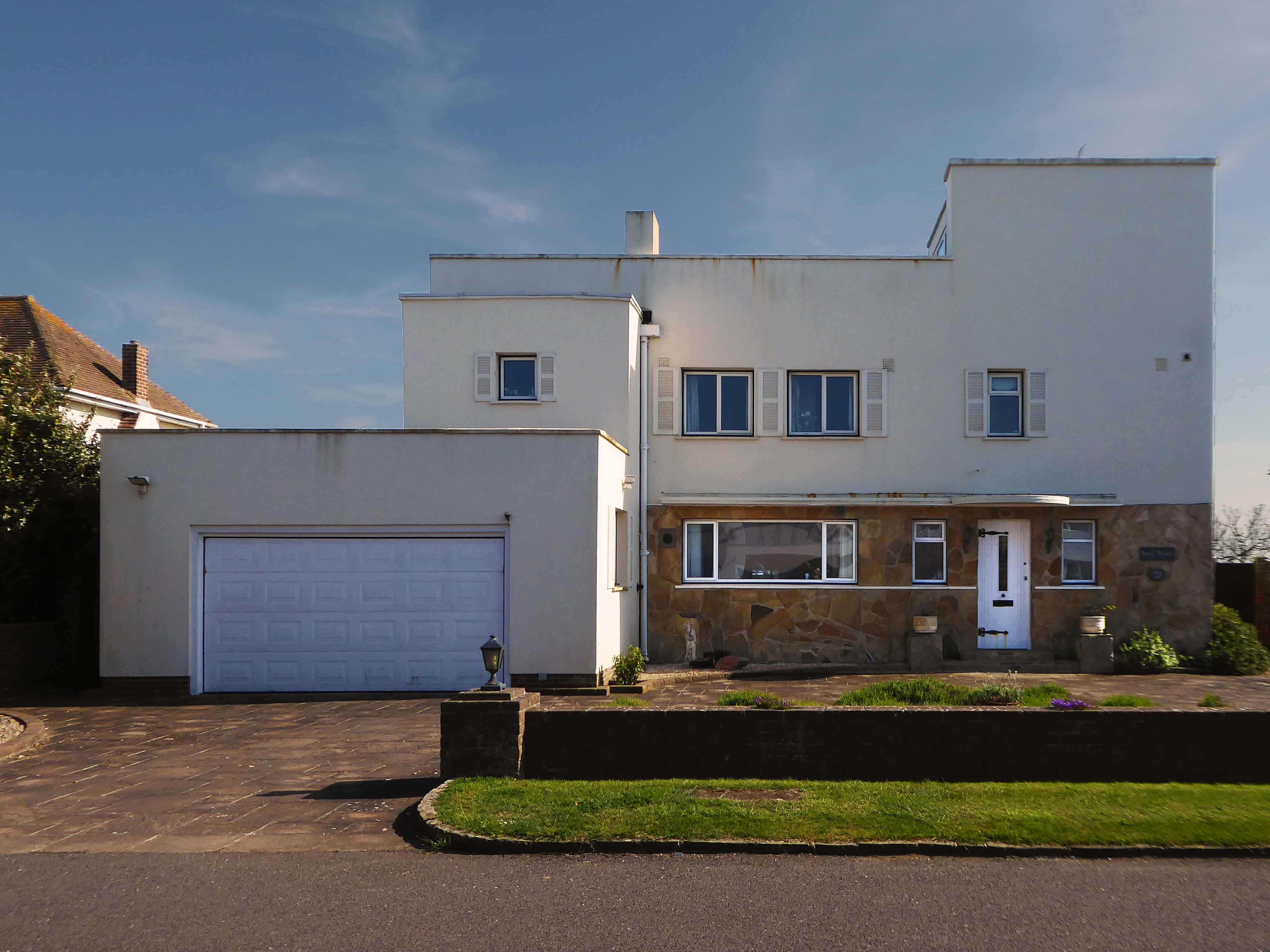
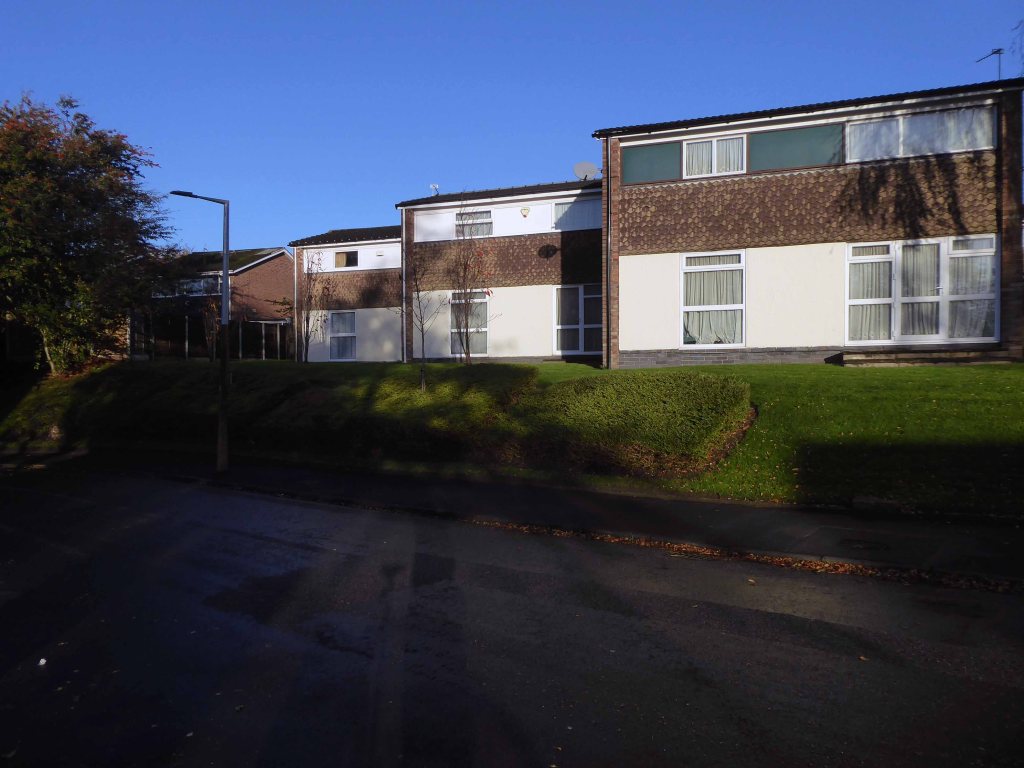
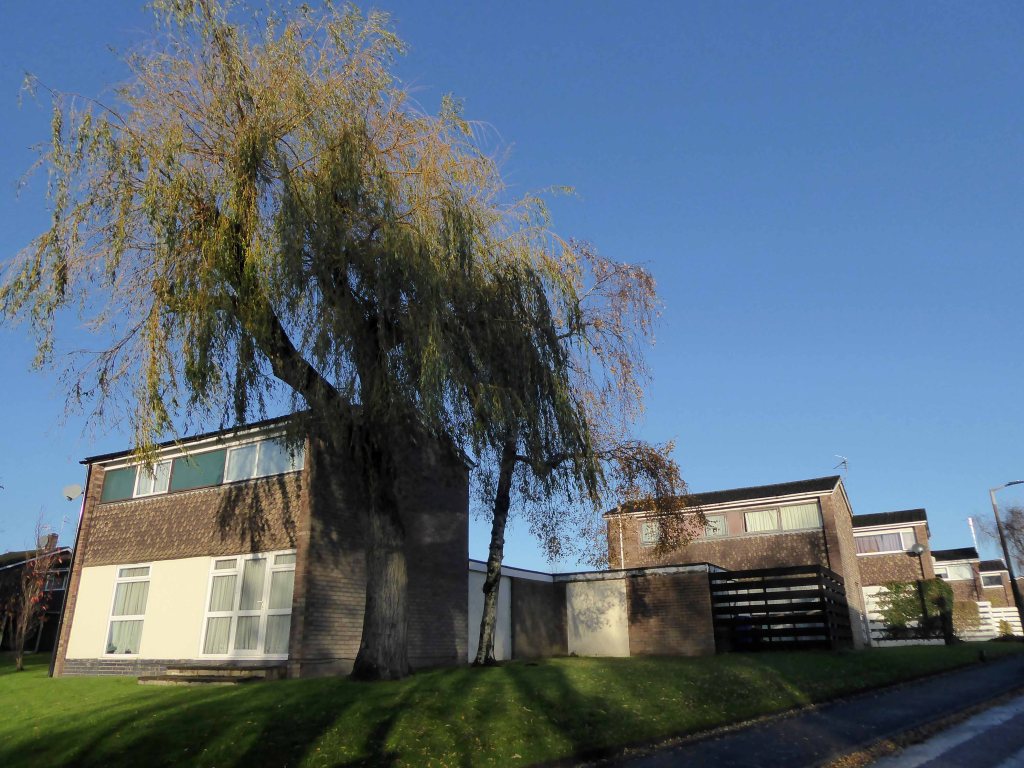
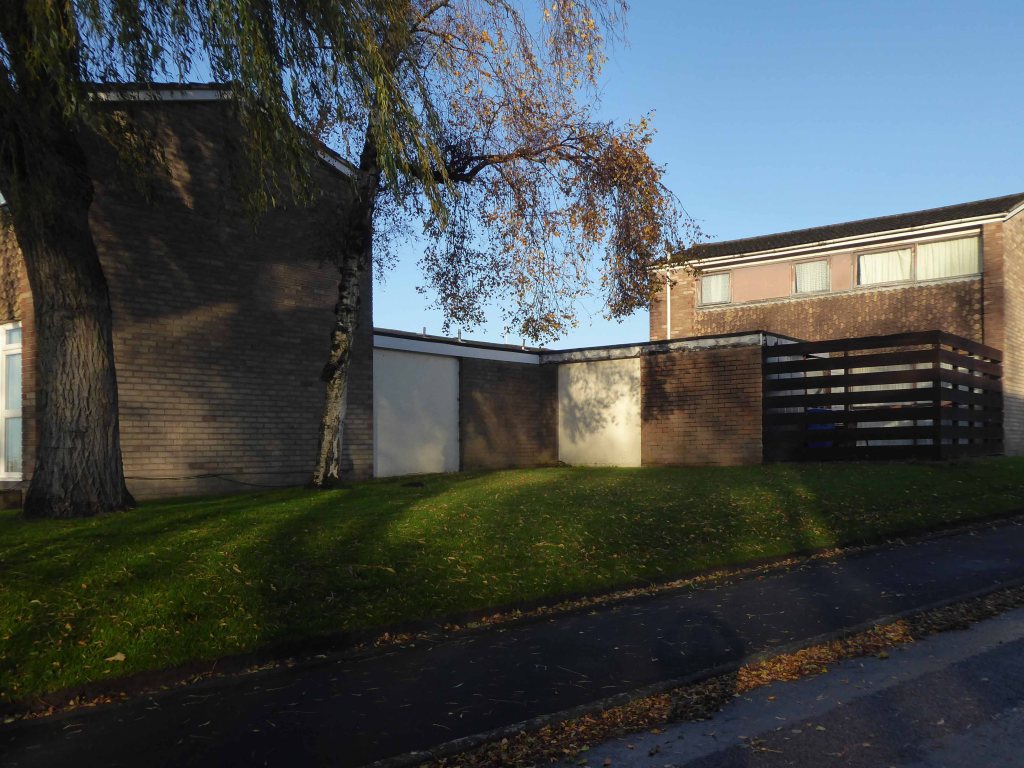
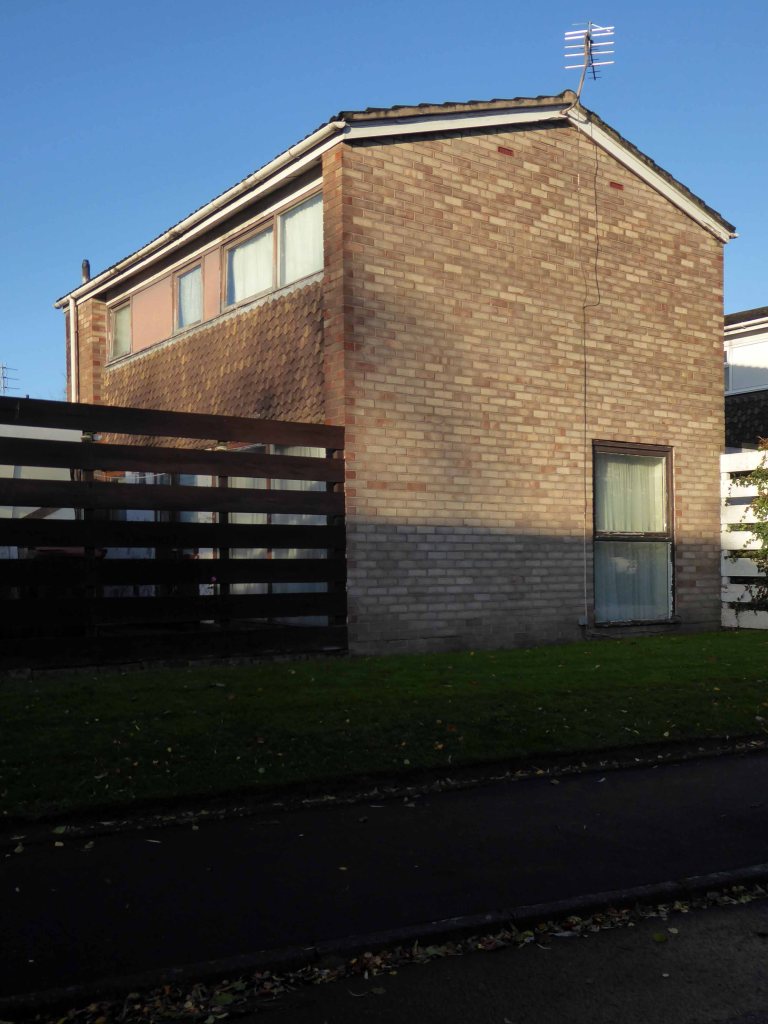
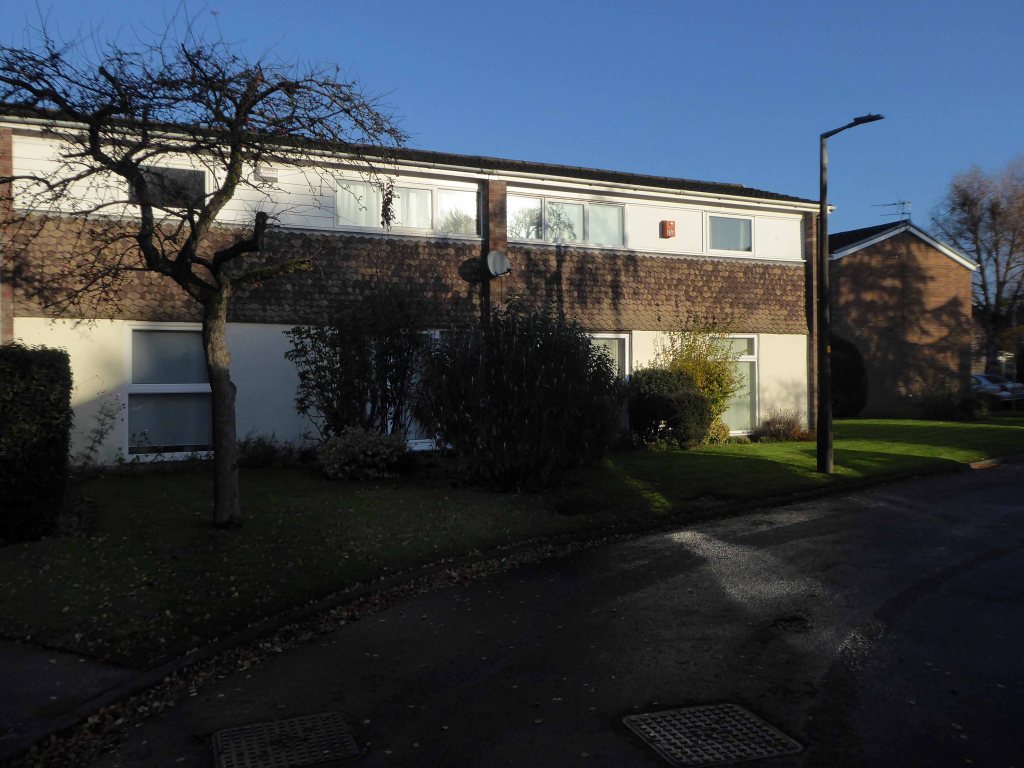
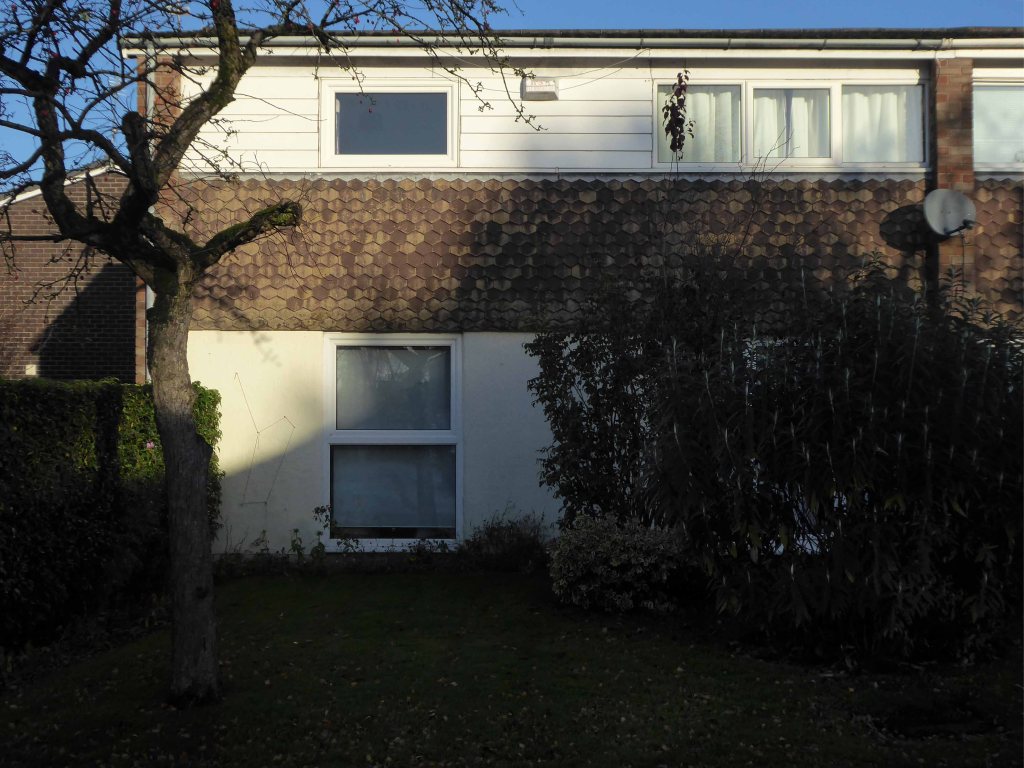
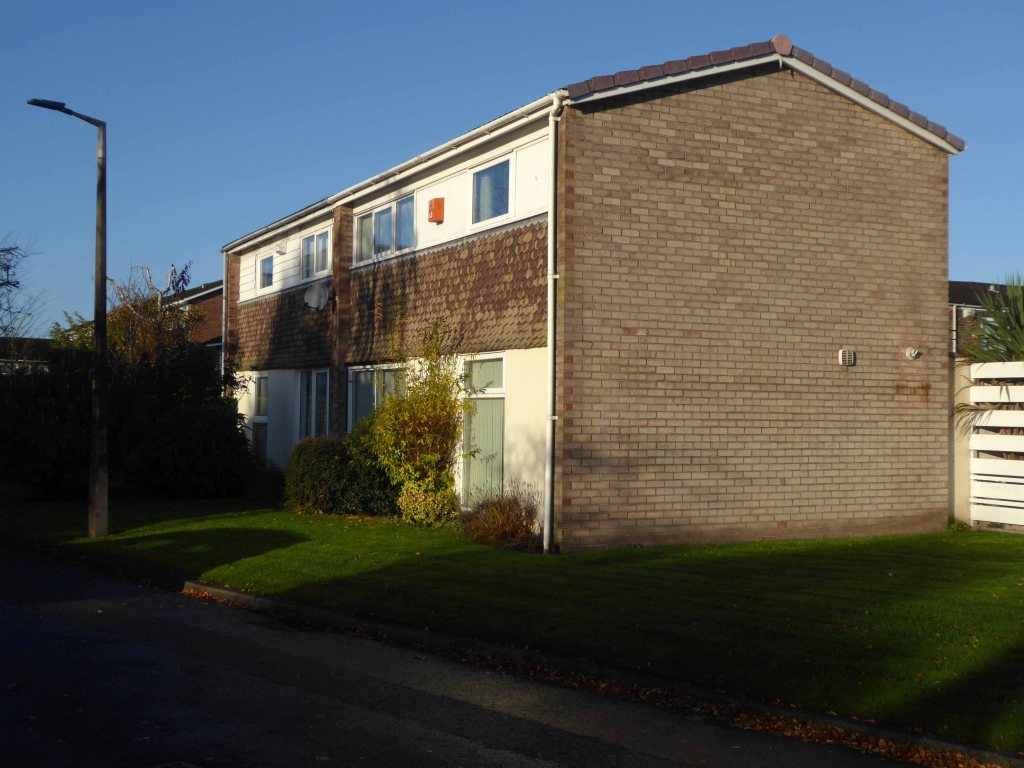
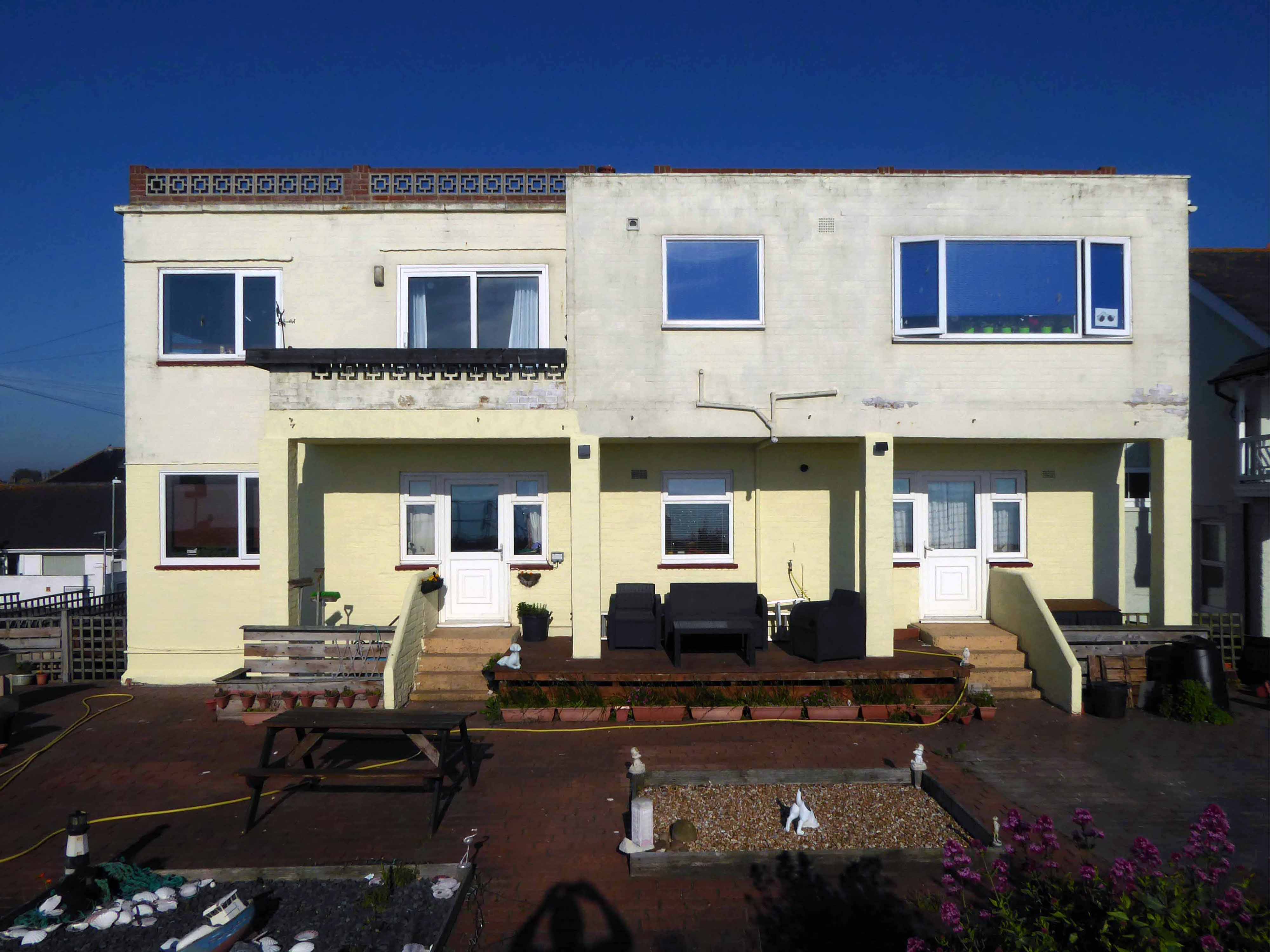
Home to some understated Seaside Moderne homes too.
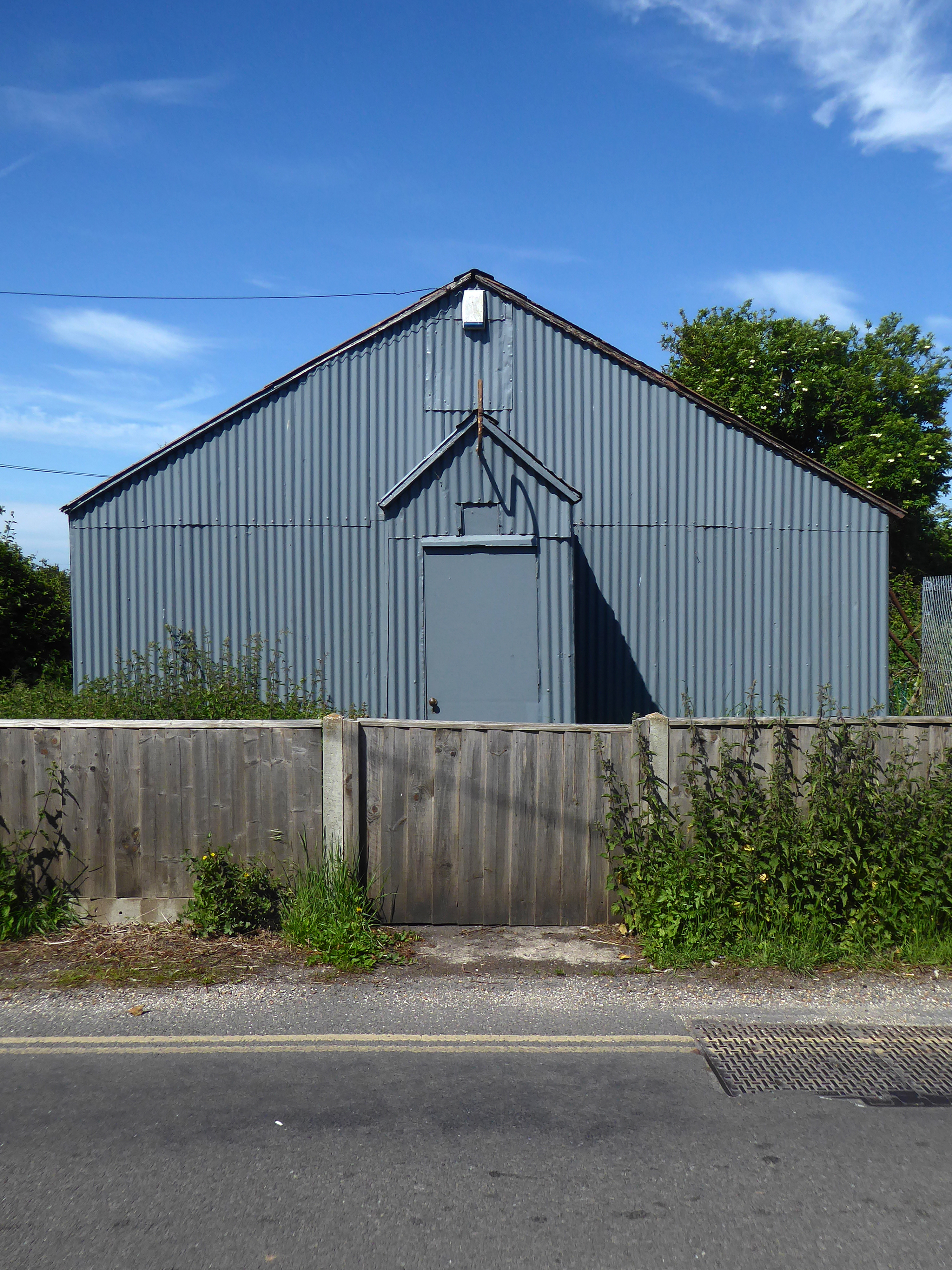
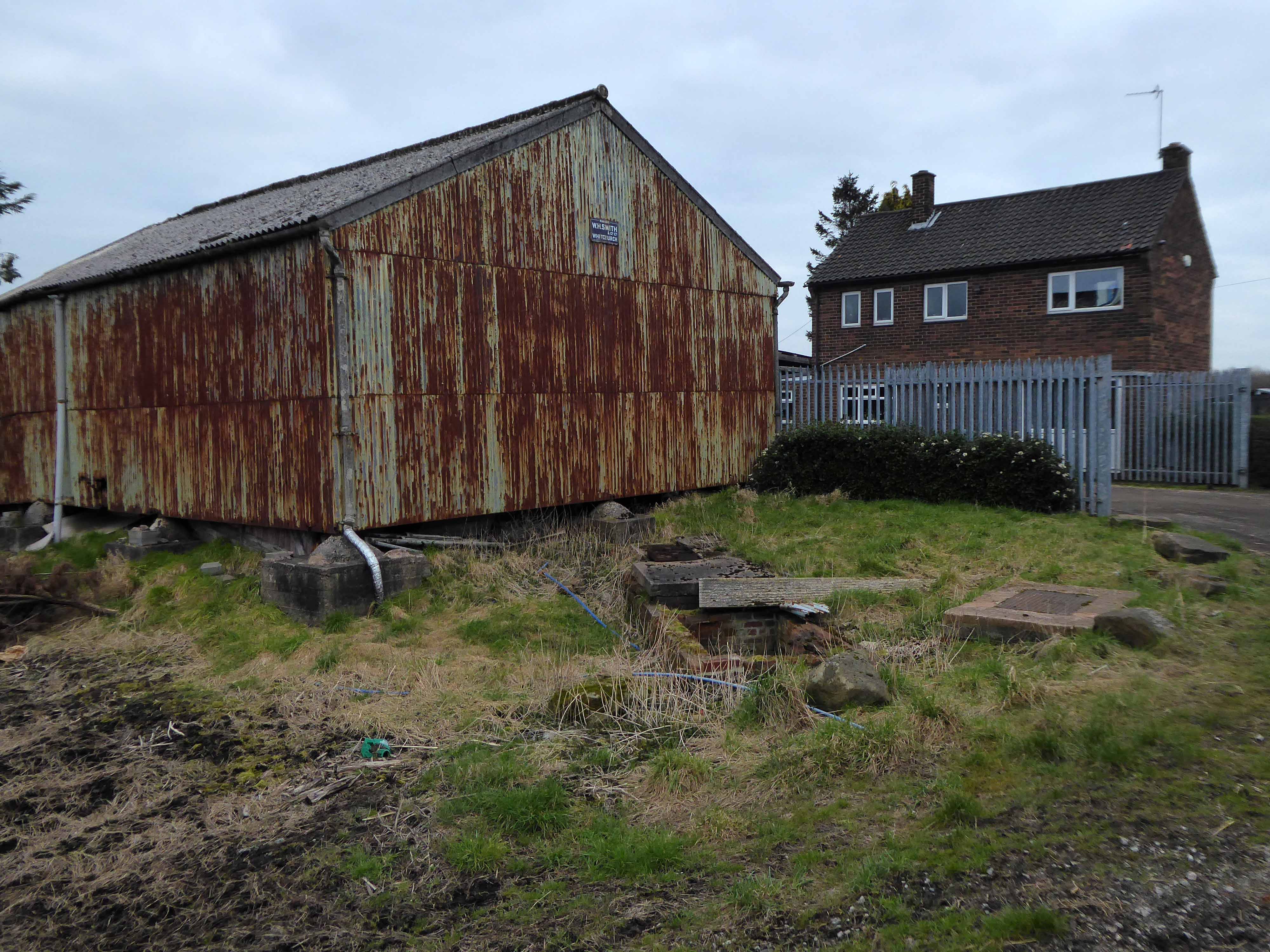
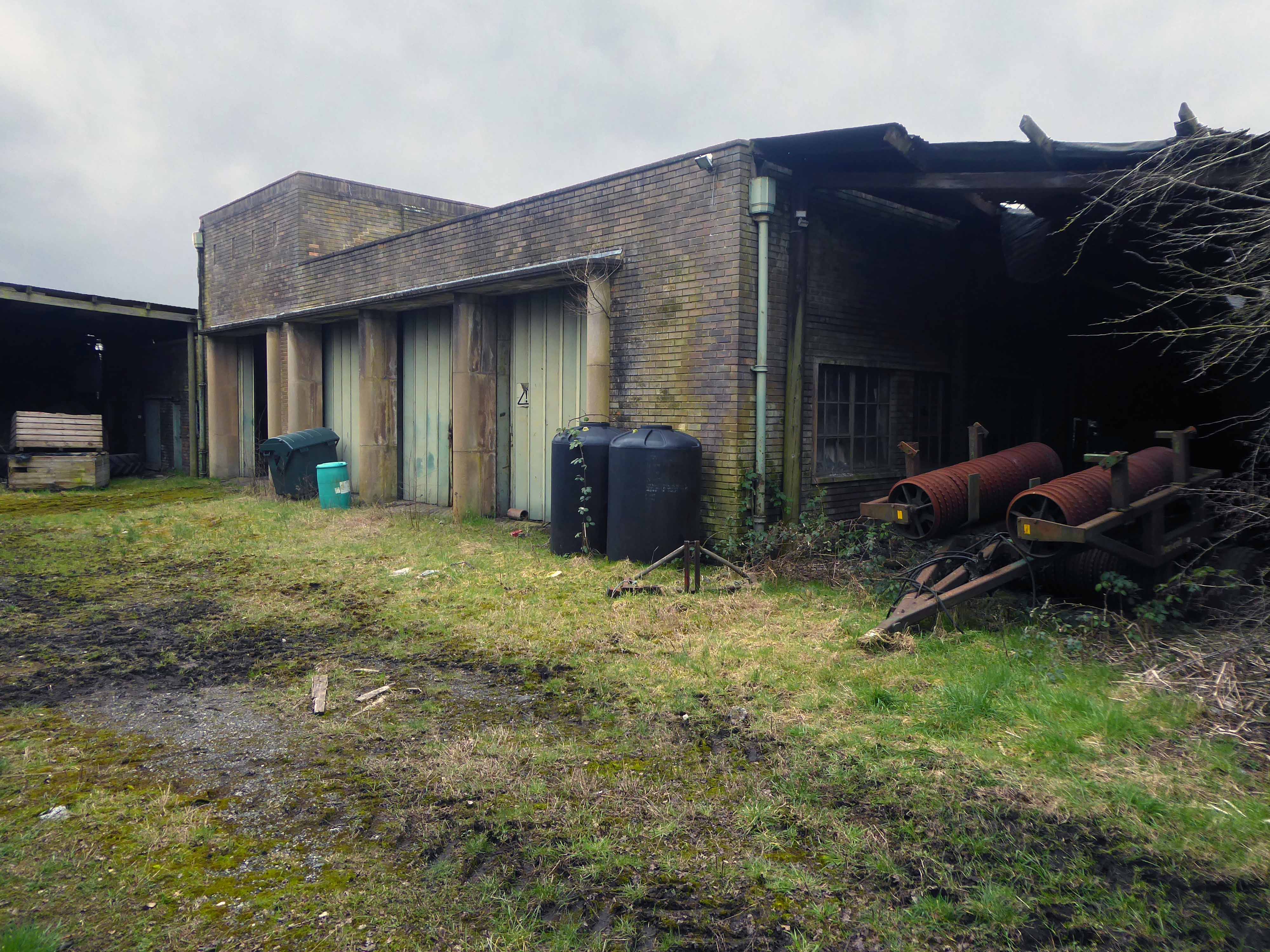
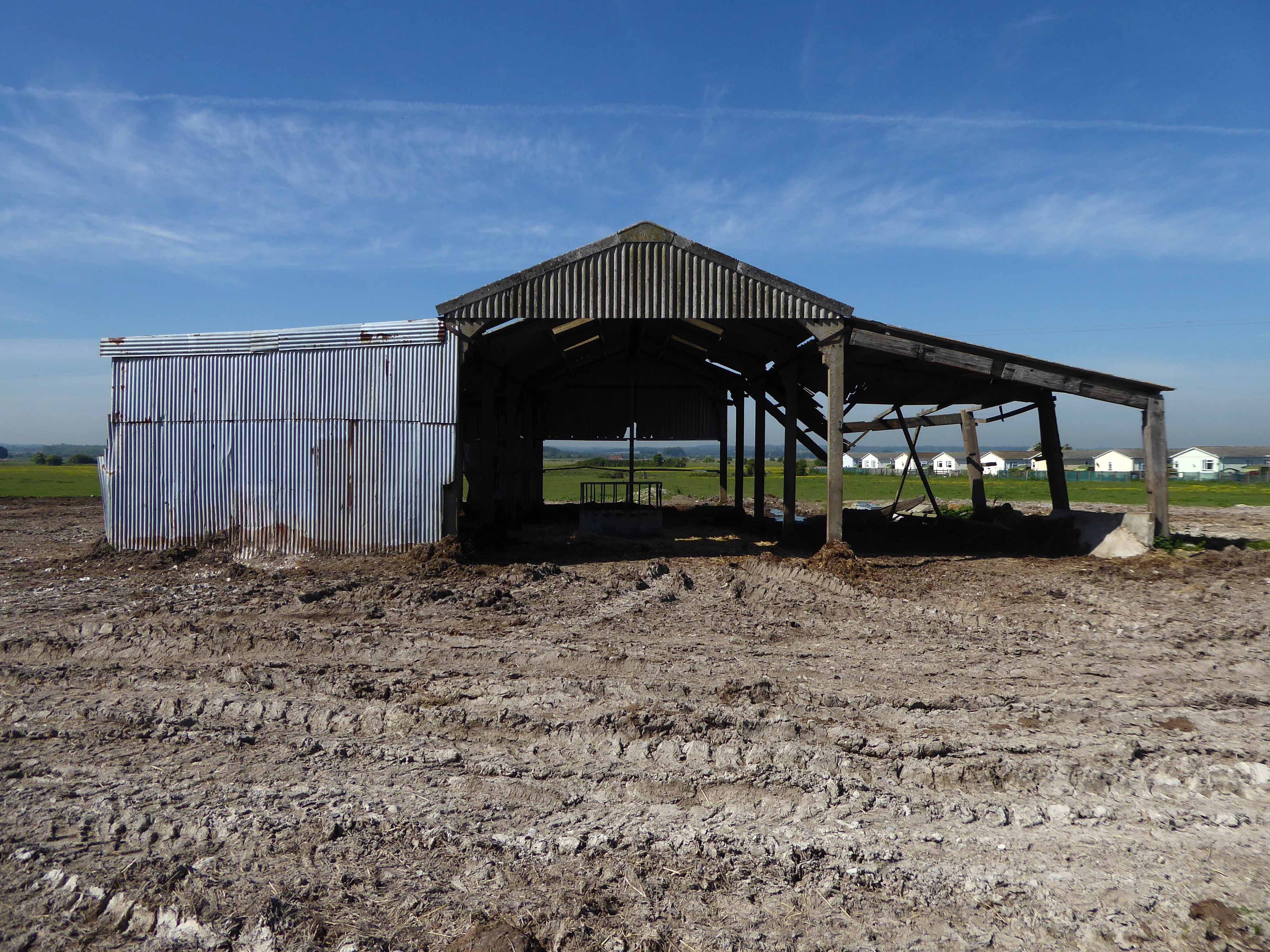
Well fed, we set out along the private road that edges the golf course, encountering some informal agricultural architecture.
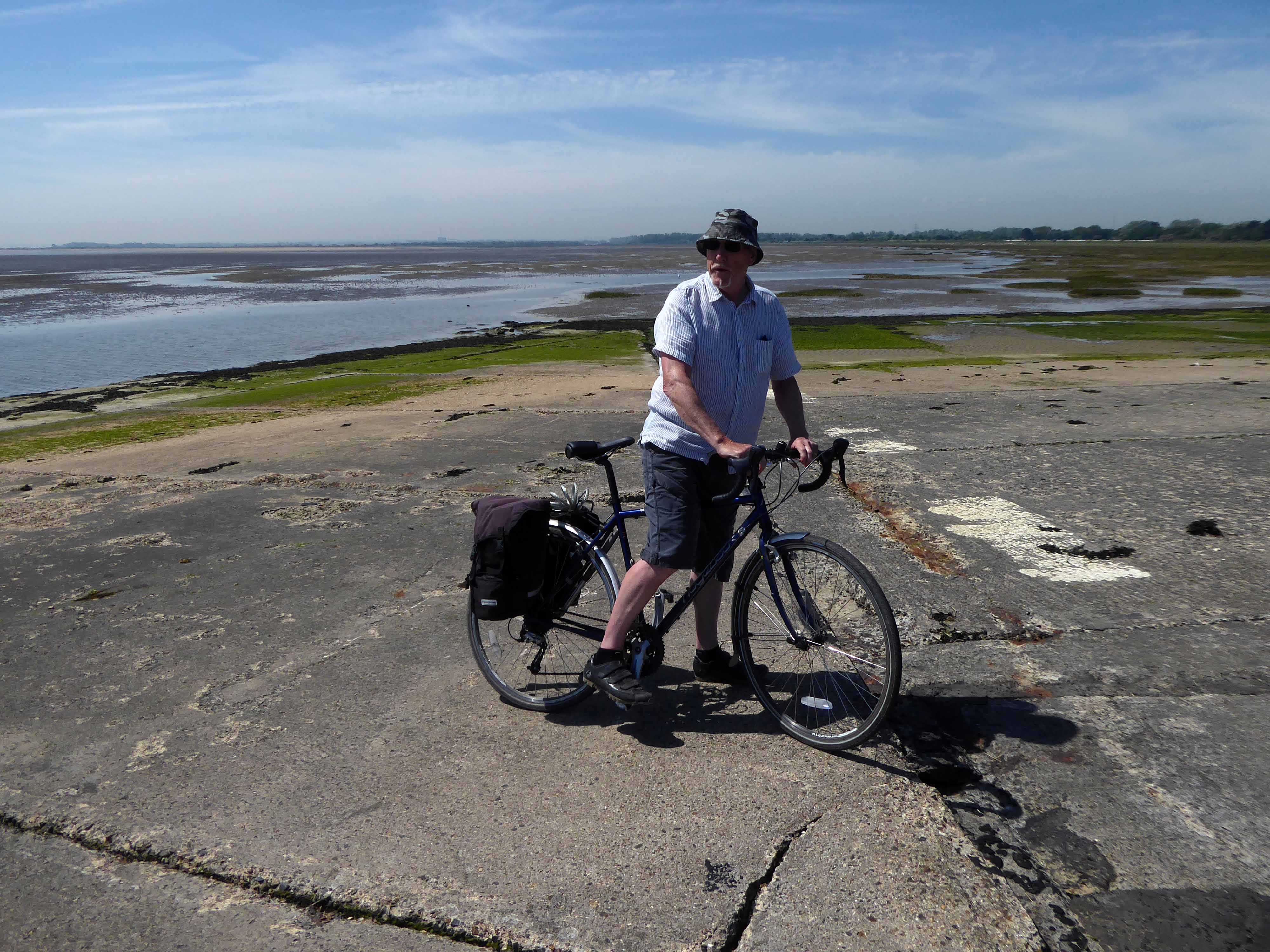
We took time to explore Pegwell Bay Hoverport – currently trading as a Country Park.
Pausing in Ramsgate to admire Edward Welby Pugin’s Grade II Listed – Granville Hotel.

The Granville development, so named after George Leverson Gower, second Earl Granville (1815-1891), was a venture undertaken by Edward Welby Pugin, together with investors Robert Sankey, George Burgess and John Barnet Hodgson on land acquired from the Mount Albion Estate in 1867. The scheme was to be an important new building in the eastward expansion of the town and the emergence of a fashionable new suburb. At the outset, the intention was to build a relatively restrained speculative terrace of large townhouses with some additional facilities. However, as the scheme progressed and it became apparent that buyers could not be secured, revised plans for an enlarged hotel complex were adopted in 1868 and brought to completion in 1869. These plans, which added a series of grand rooms including a banqueting hall, receptions rooms and an entrance hall in addition to a tunnel to connect to the railway line on the seafront, gardens, a complex of Turkish baths and a vast landmark tower (originally 170ft high, although truncated at a relatively early date), were remarkably ambitious. Ultimately, as it would transpire, the scheme was rather too ambitious on Pugin’s part; with his increasing reliance on loans eventually culminating in bankruptcy in October 1872, an event which precipitated his demise as an architect, tragically followed by his death just three years later.
Historic England

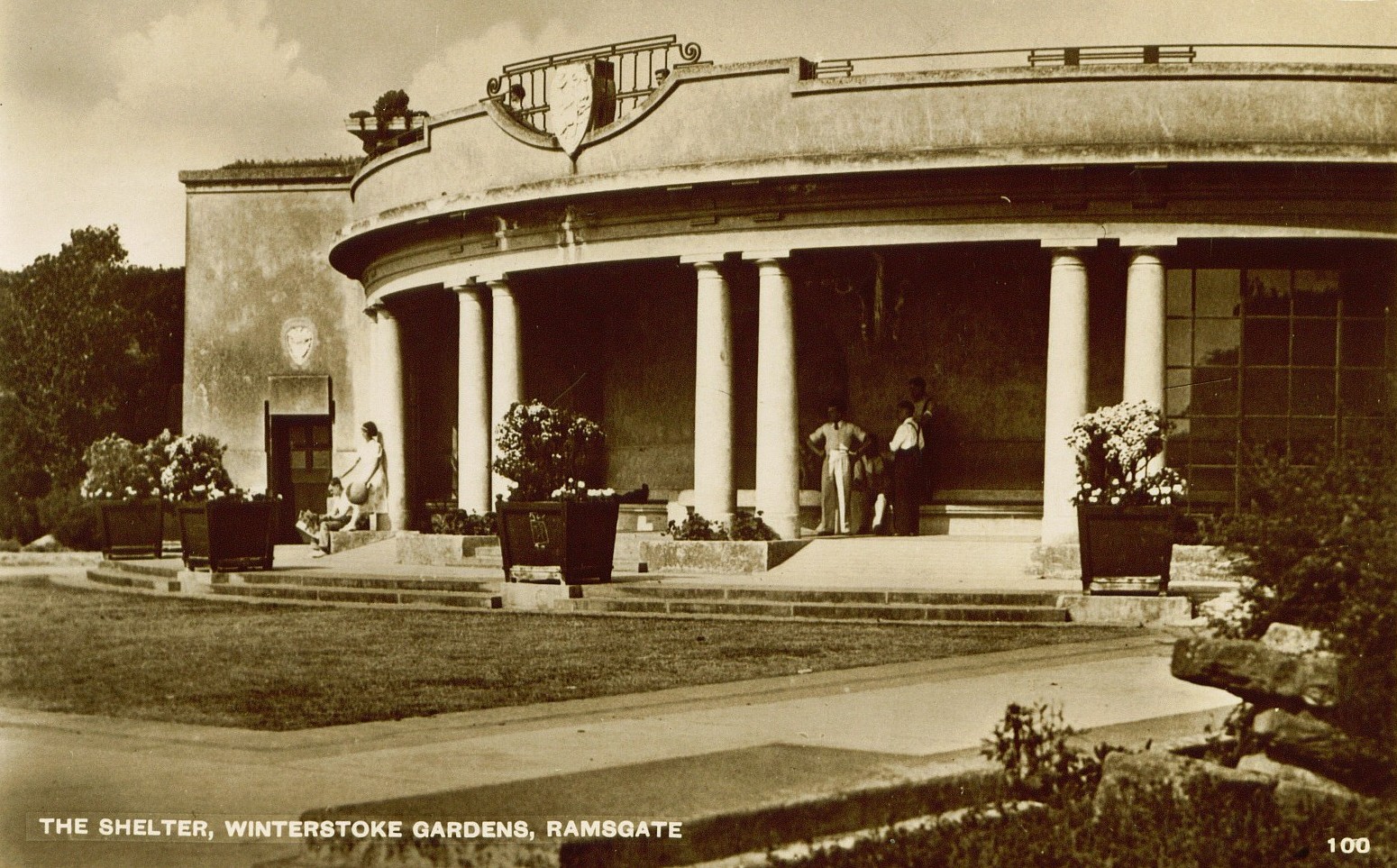
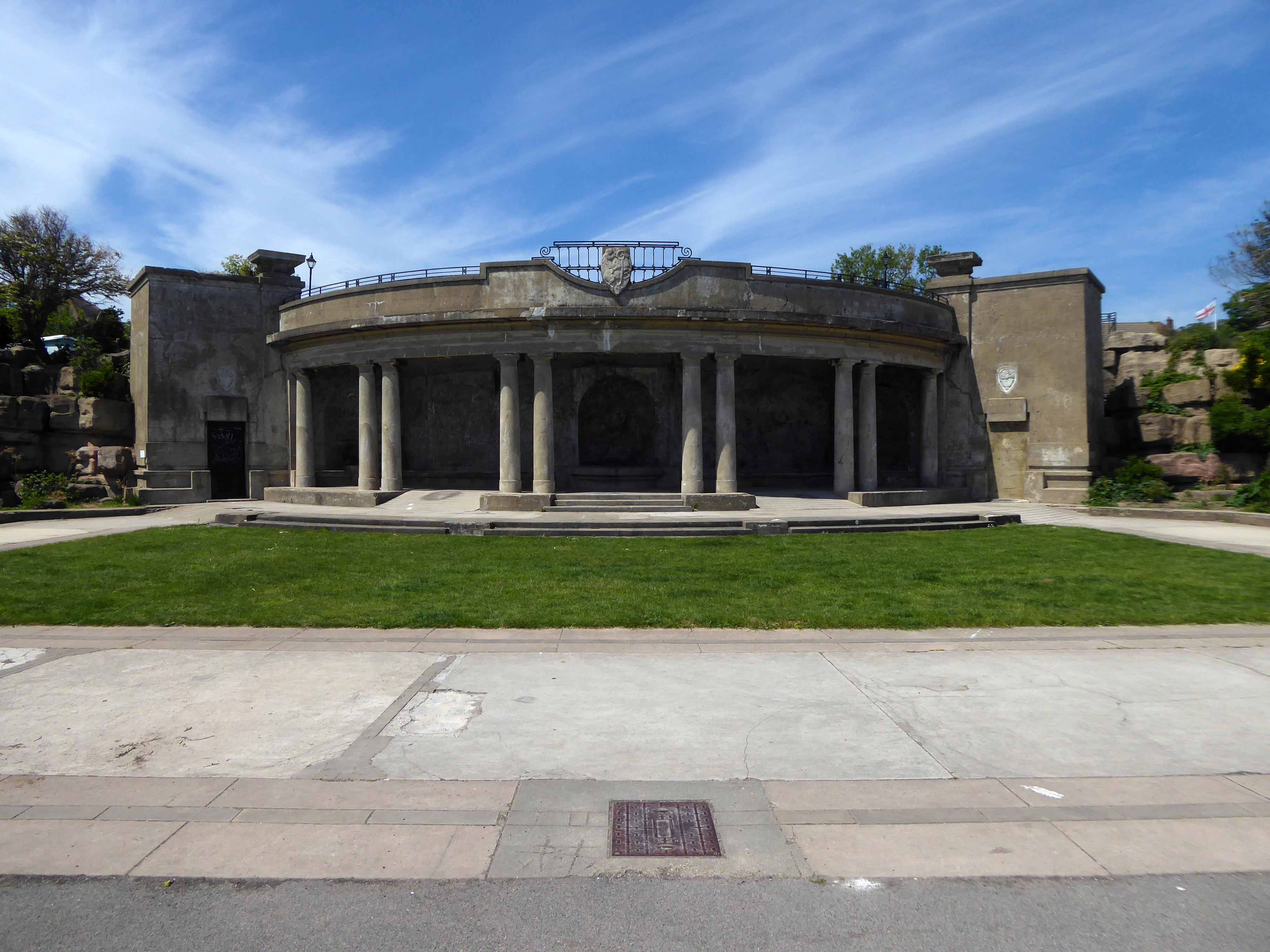
Overlooking the sea, the ornamental gardens were laid out and presented to the Borough of Ramsgate by Dame Janet Stancomb-Wills in 1920 and opened to the public in June 1923 by the Mayor of Ramsgate Alderman A. W. Larkin. They are maintained by Thanet District Council and were Grade II listed on 4 February 1988. 

The gardens were designed by the architects Sir John Burnet & Partners, and constructed by Pulham and Son. The main feature of the gardens, is a semi-circular shaped colonnade carved into the pulhamite recess.

On the upper terrace, approached by broad flights of steps, the gardens proper are reached. In the centre, and immediately over the shelter, is a circular pool enclosed on the north side by a semi-circular Roman seat.
Wikipedia

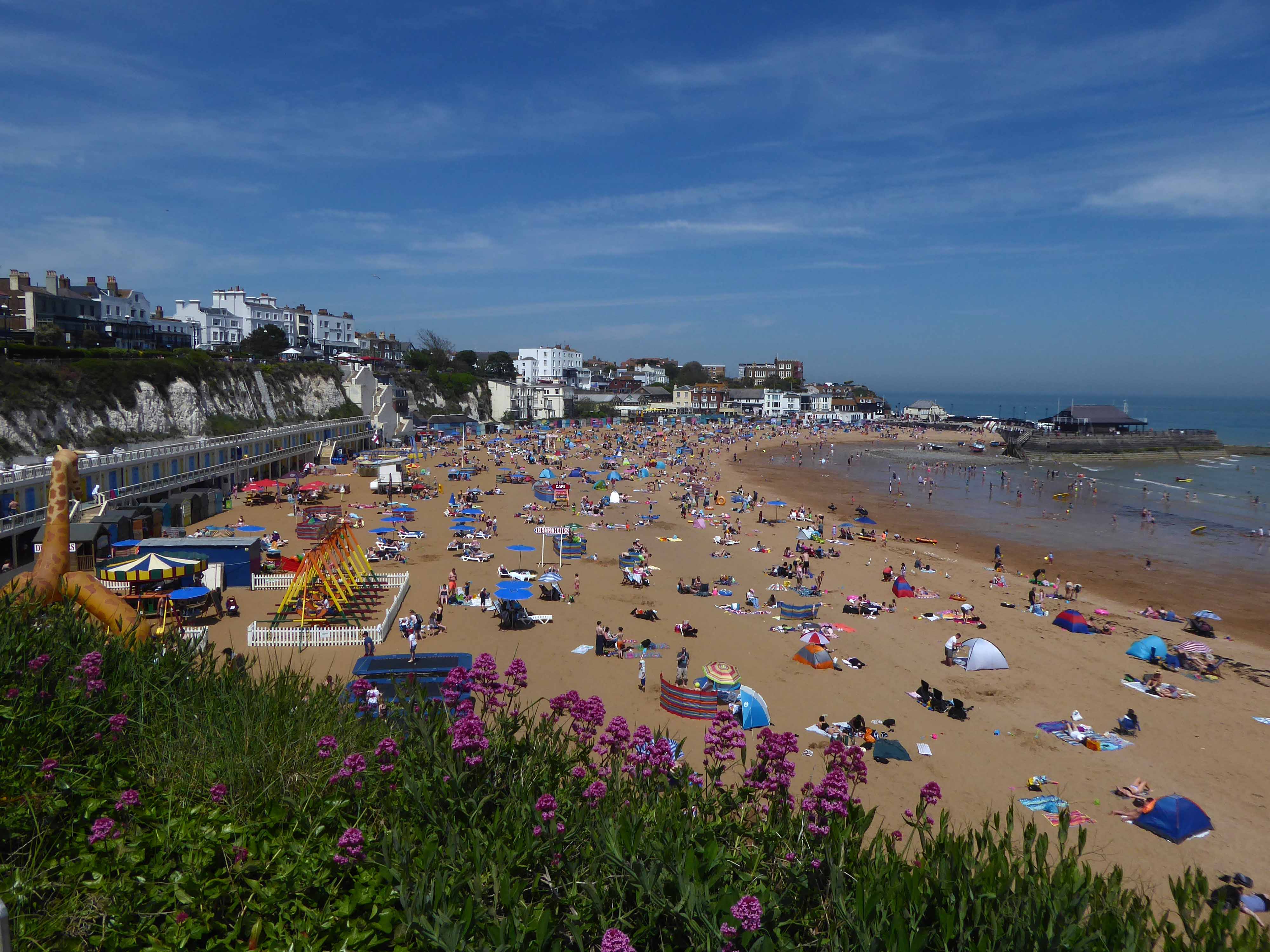
Broadstairs was alive with Bank Holiday activity.
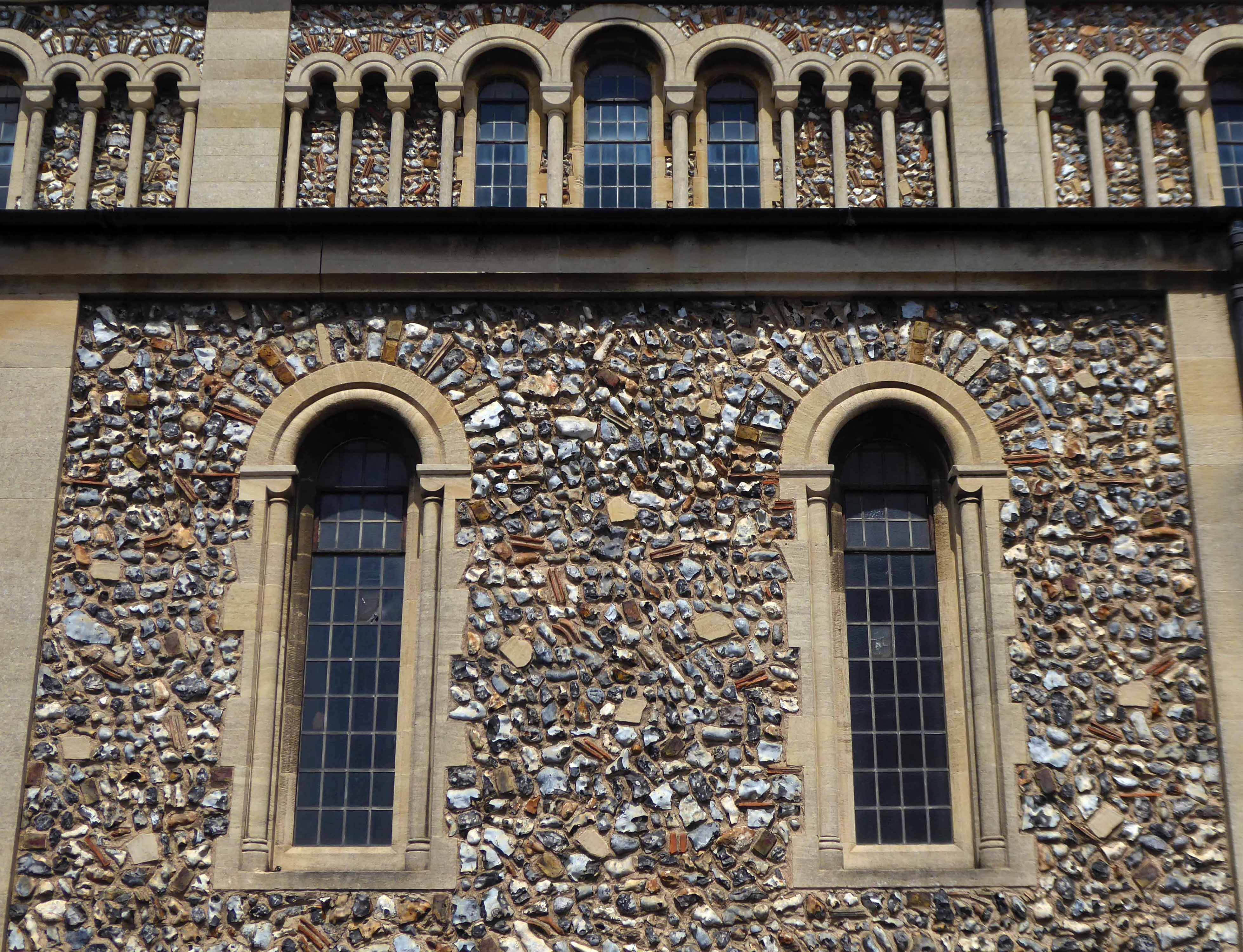
On leaving the town we encounter this engaging flint church – Holy Trinity

Erected 1829-1830. David Barnes Architect, extended 1925.

Built of flint and rubble.

One of the first visitors to this church was Charles Dickens who offered a very unflattering description in his work, Our English Watering Place:

We have a church, by the bye, of course – a hideous temple of flint, like a petrified haystack.  Our chief clerical dignitary, who, to his honour, has done much for education, and has established excellent schools, is a sound, healthy gentleman, who has got into little local difficulties with the neighbouring farms, but has the pestilent trick of being right.
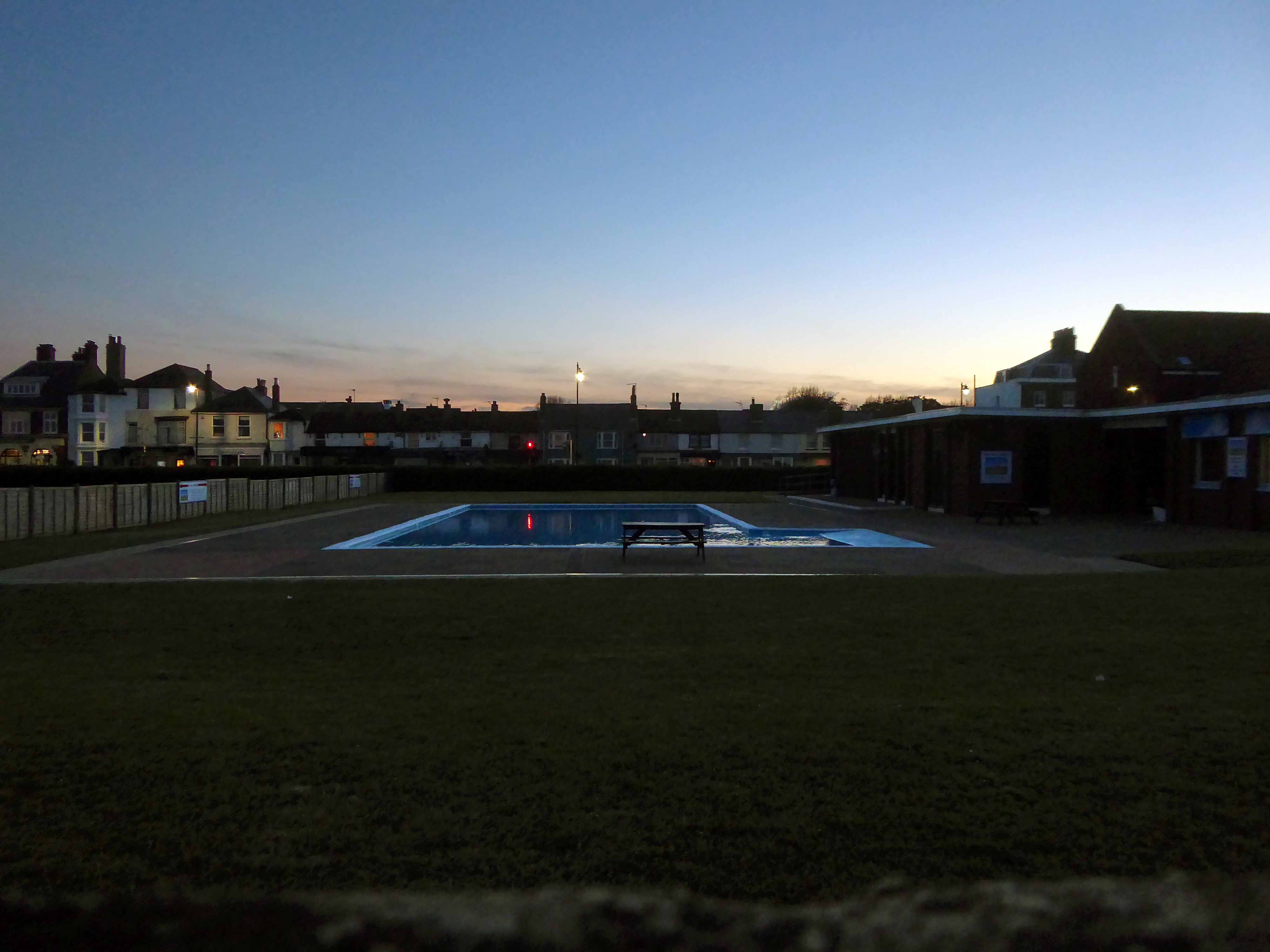
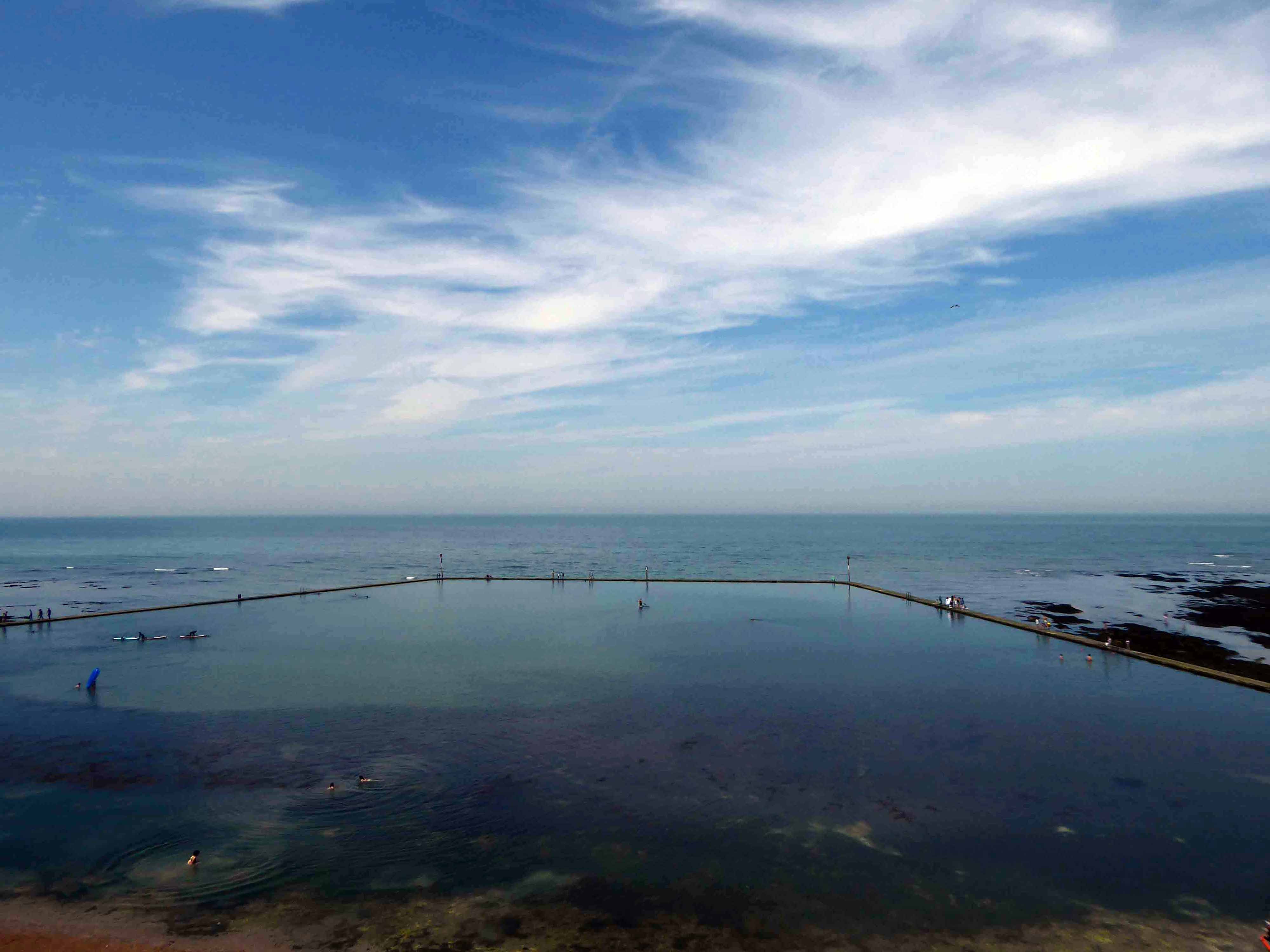
In Margate the tidal pools are full of waveless sea water and kiddy fun.
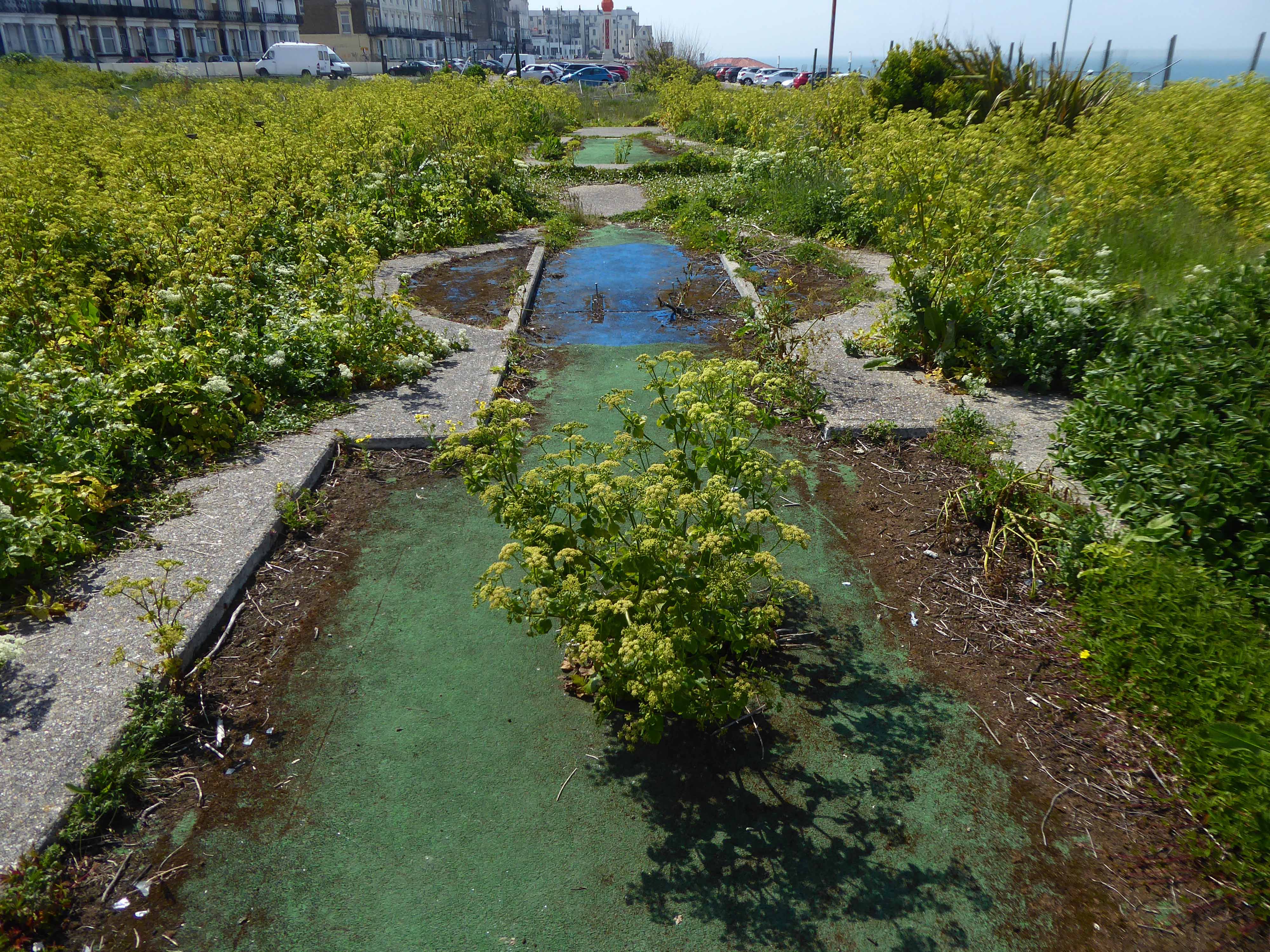
The former crazy golf course is undergoing an ongoing programme of involuntary rewilding.
The Turner Contemporary was hosting an impromptu al fresco sculpture show.

Dreamland was still dreaming.
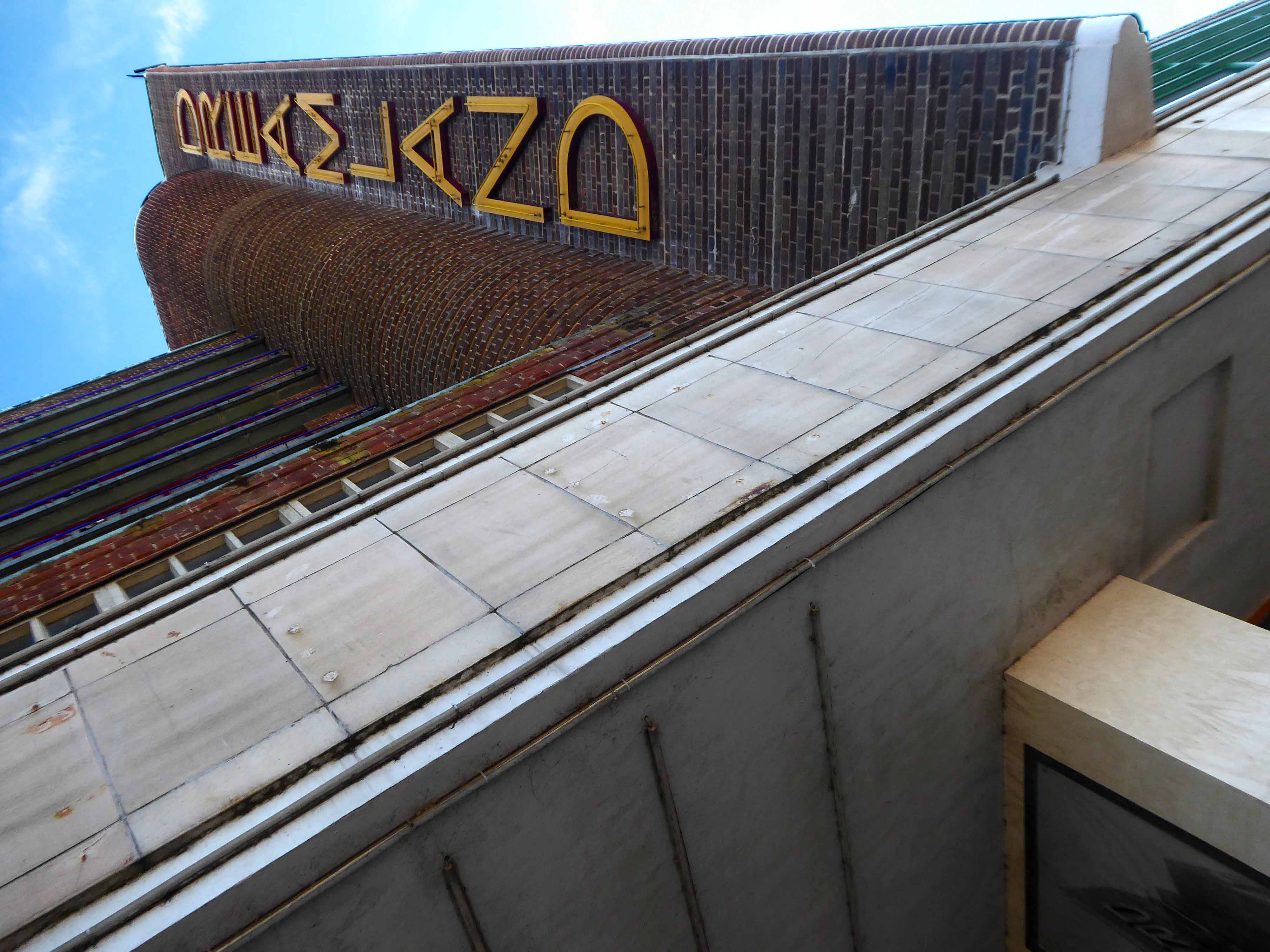
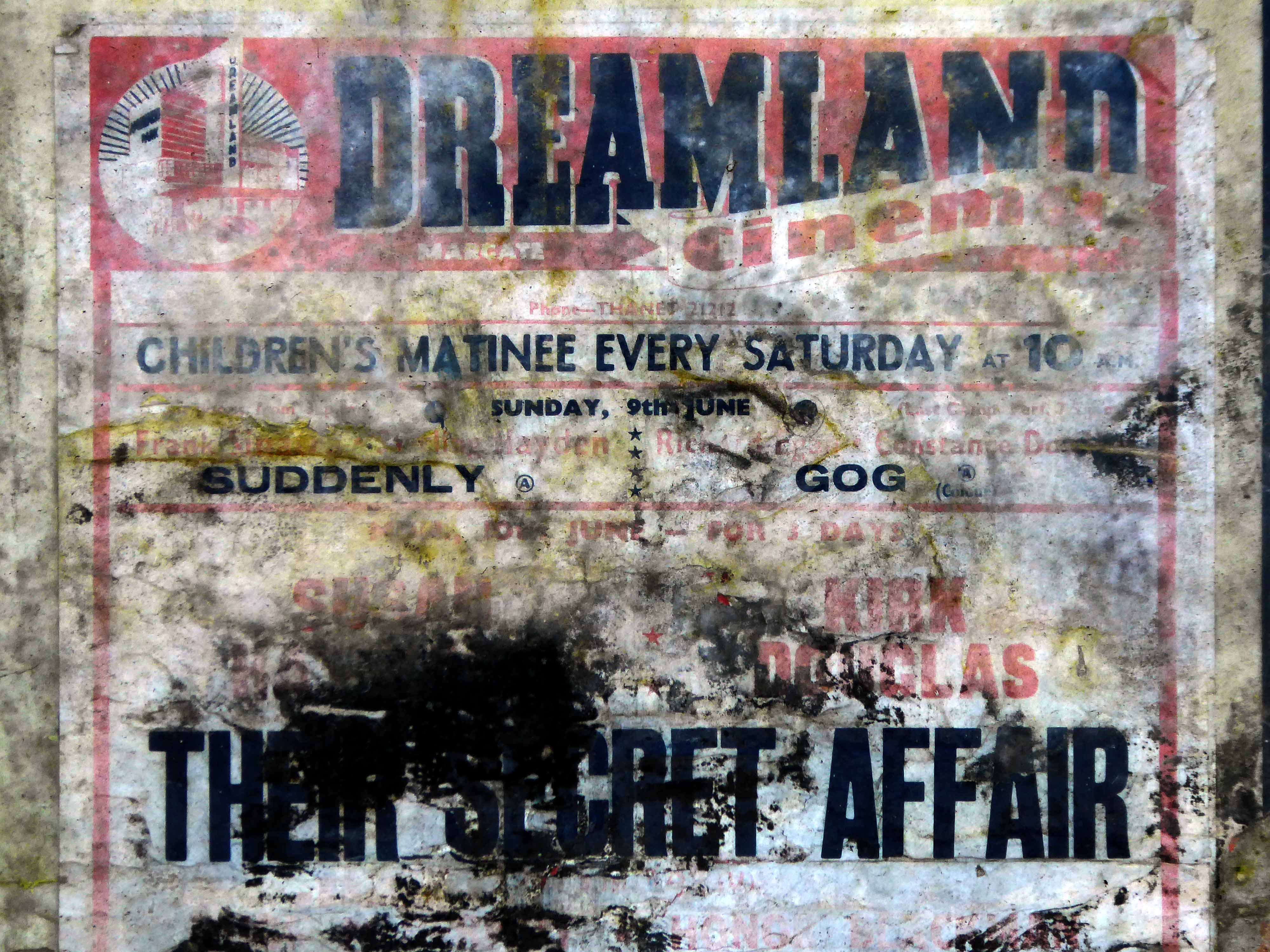
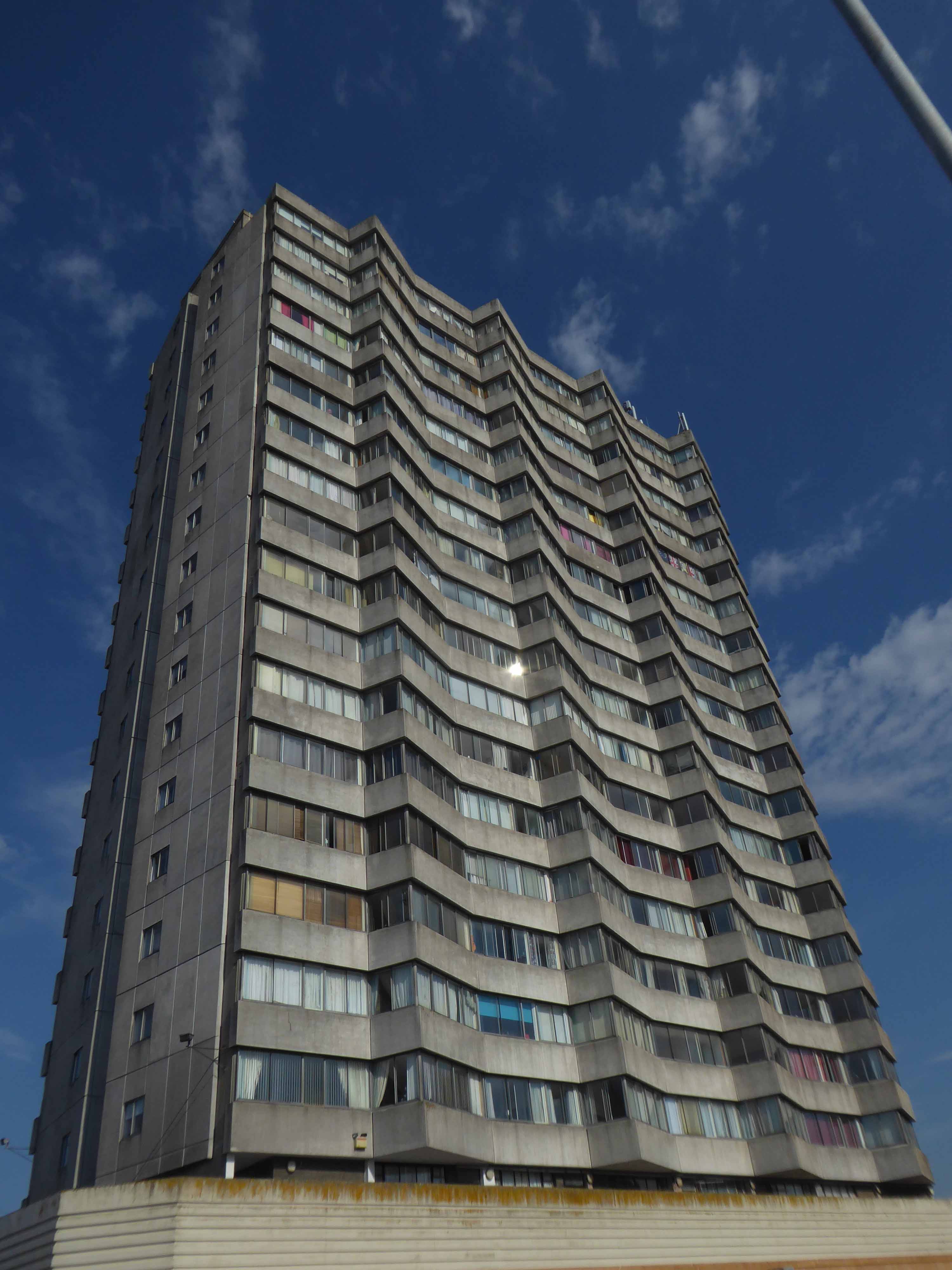
And Arlington House staring steadfastly out to sea.
Time now for tea and a welcome plate of chish and fips at the Beano Cafe.

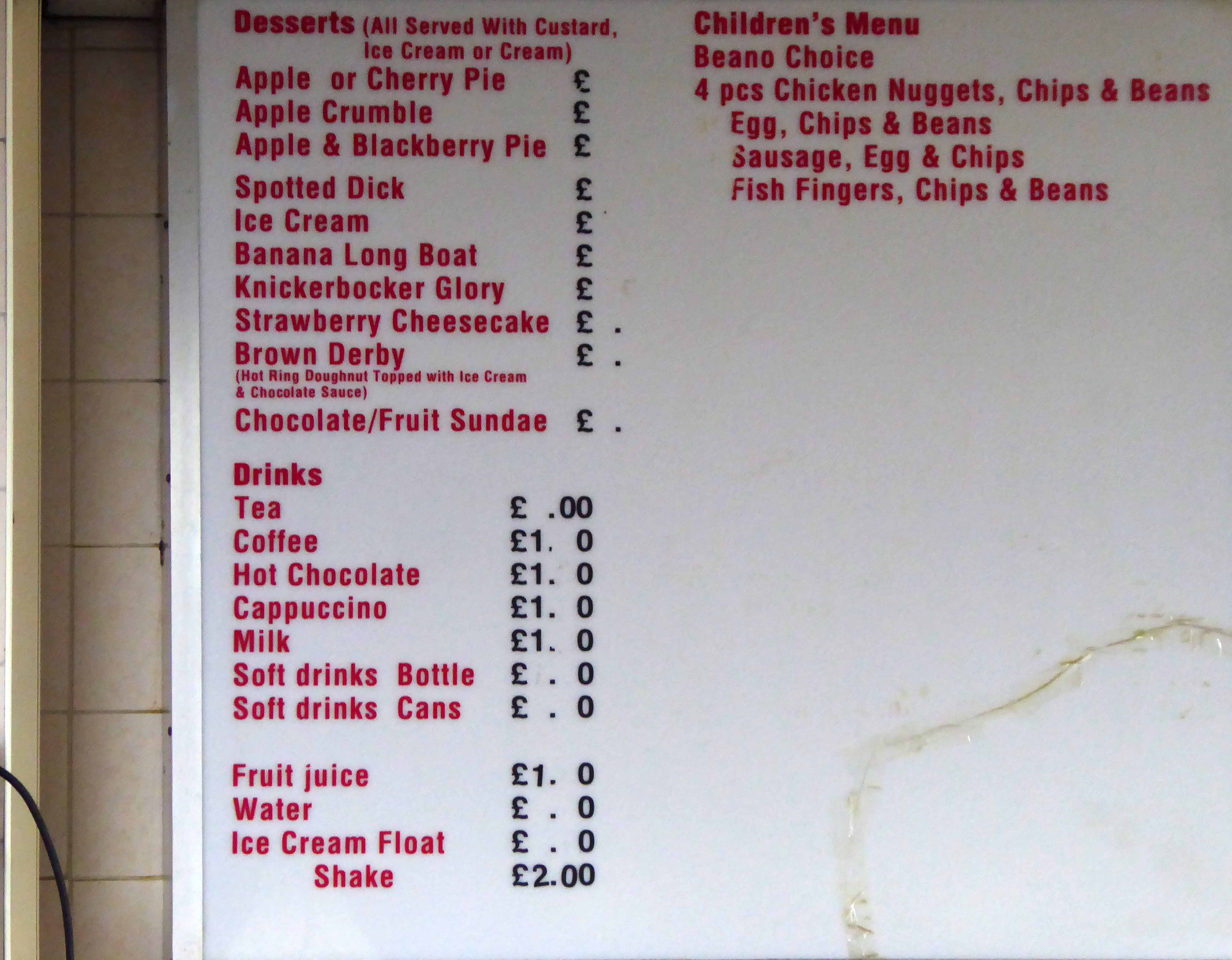
I miss my haddock and chips from Beano in Margate, brought to you with a smile and he remembers everyone.

Great customer service and friendly staff, see you soon.

The food is awful and the customer service is even worse: when we complained about the food the staff argued with us and wouldn’t do anything to change the food or refund, avoid at all costs!

Trip Advisor

Time for a wander around Cliftonville.
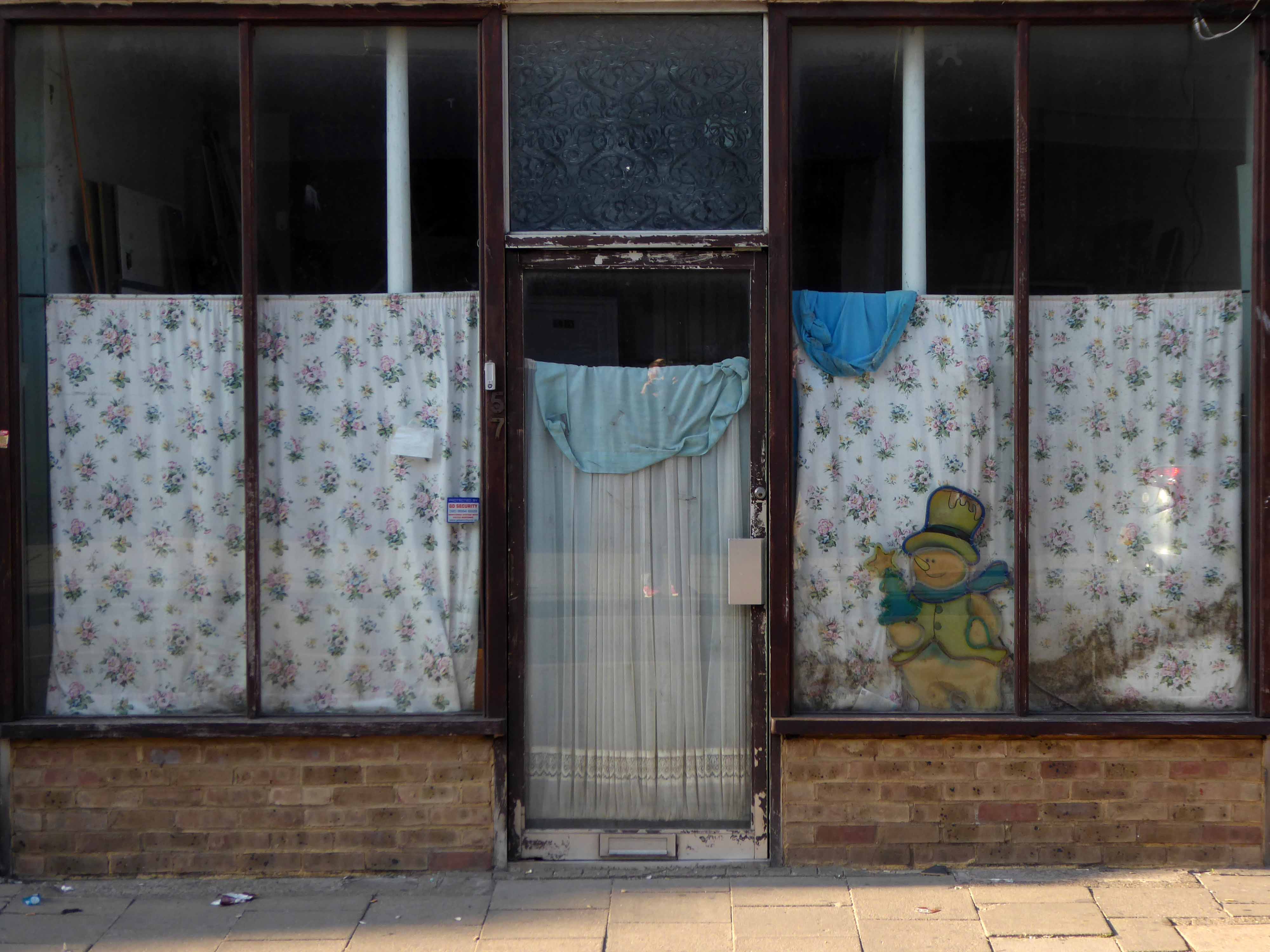
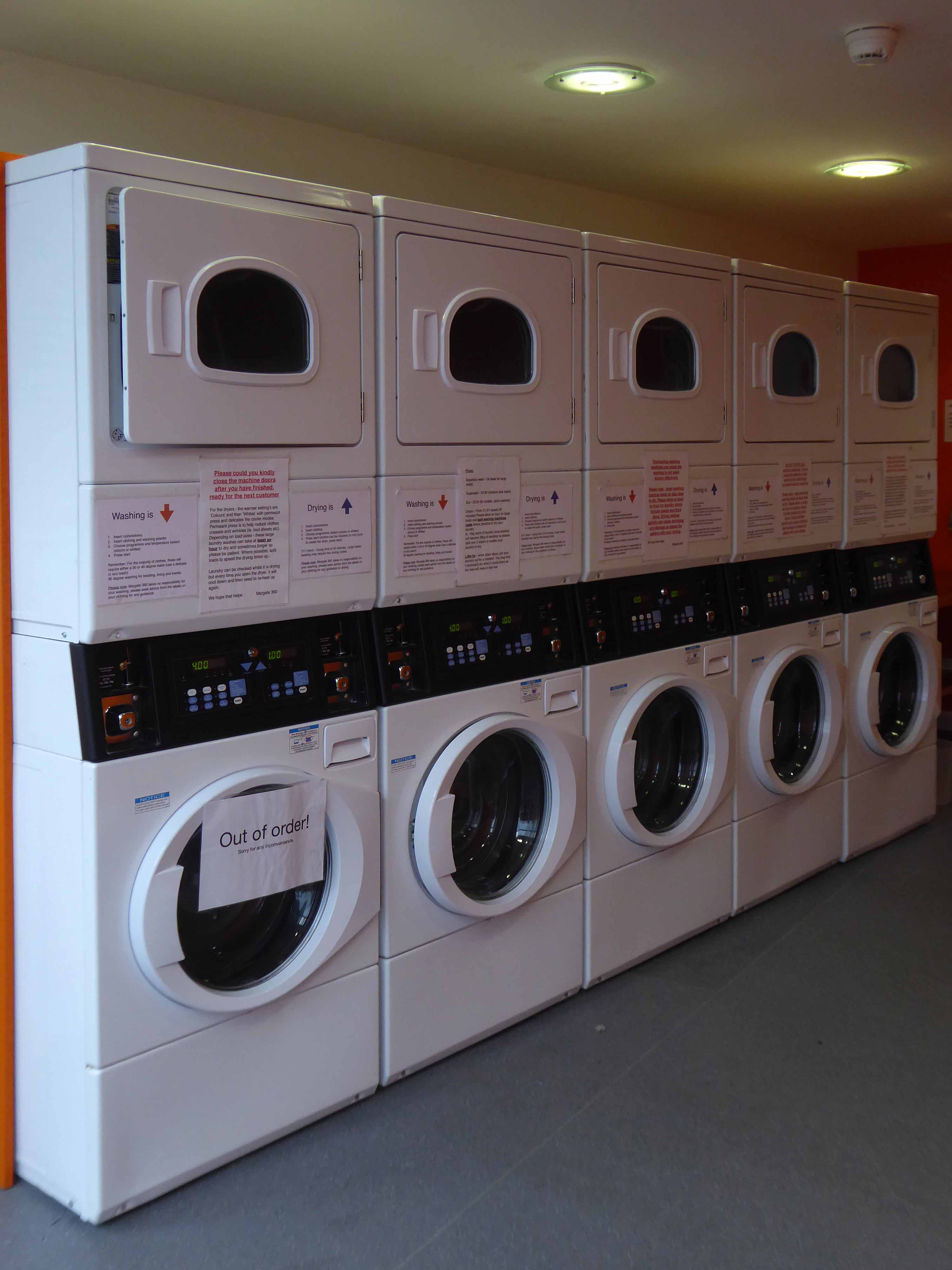
Discovering a shiny new launderette.
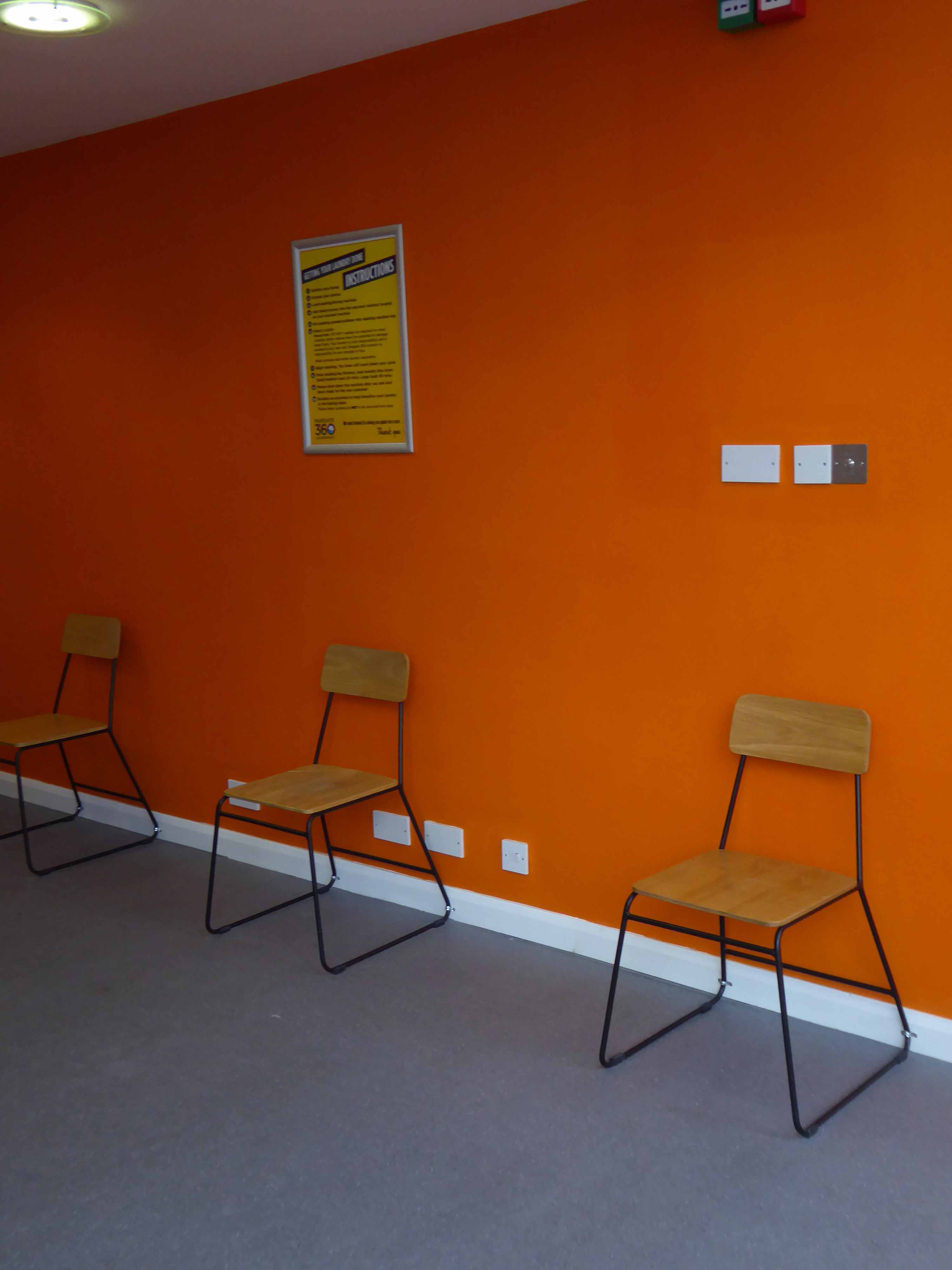
And a launderette that wasn’t a launderette – it’s a Werkhaus that isn’t a workhouse.

And a patriotic tea rooms.
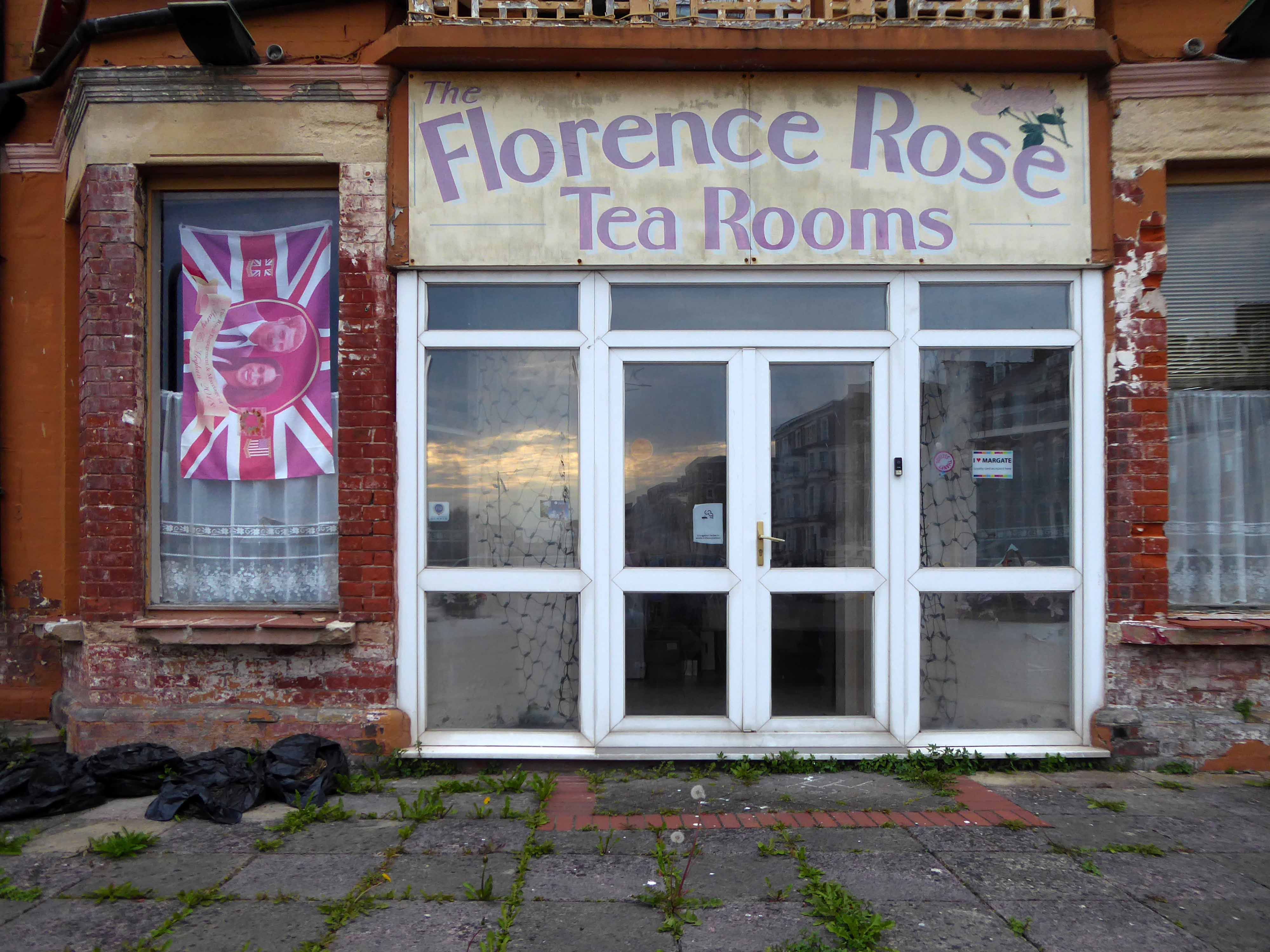
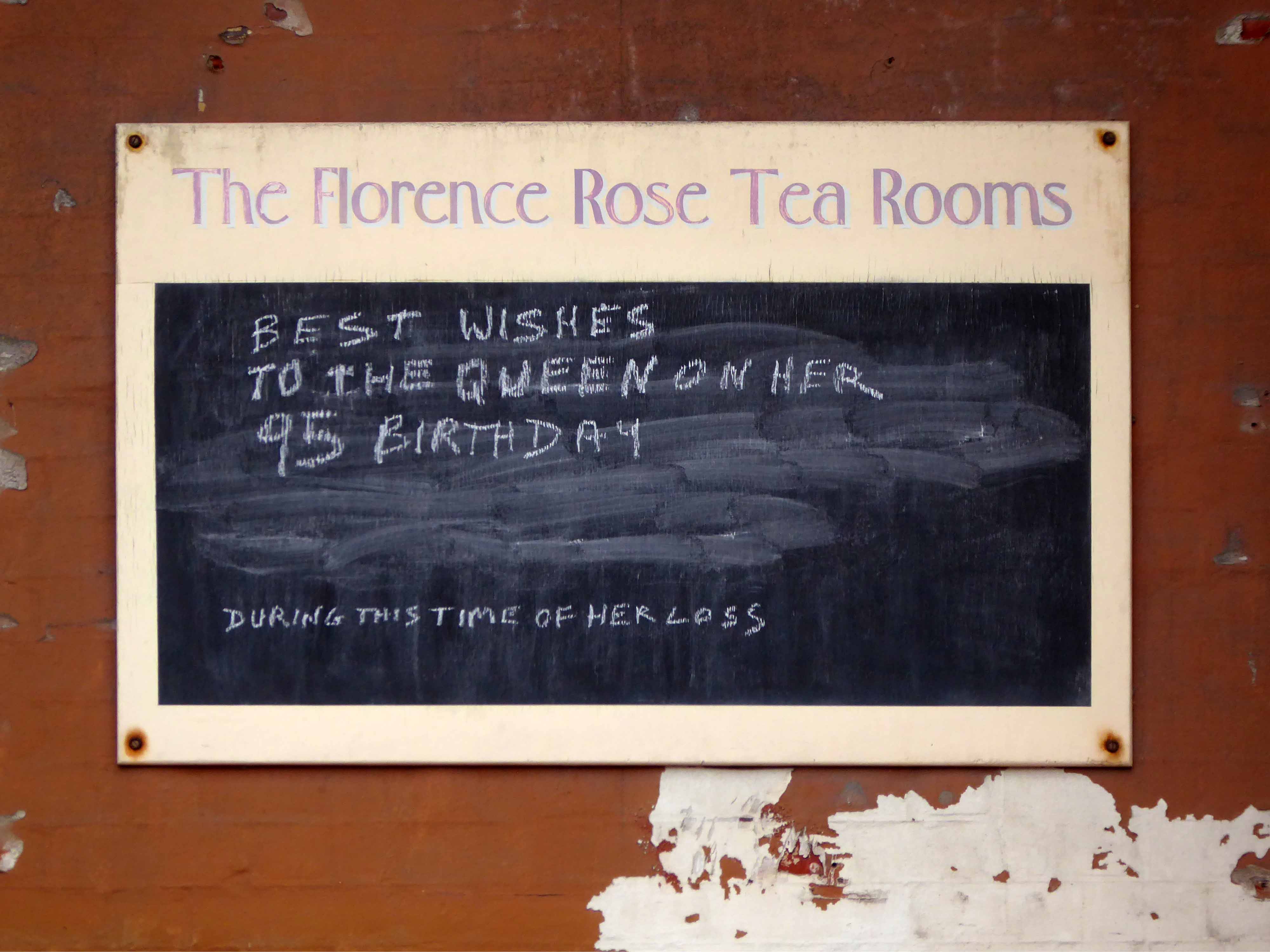
So farewell then the south coast – we’re off home on the train in the morning.

But first a pint or two.
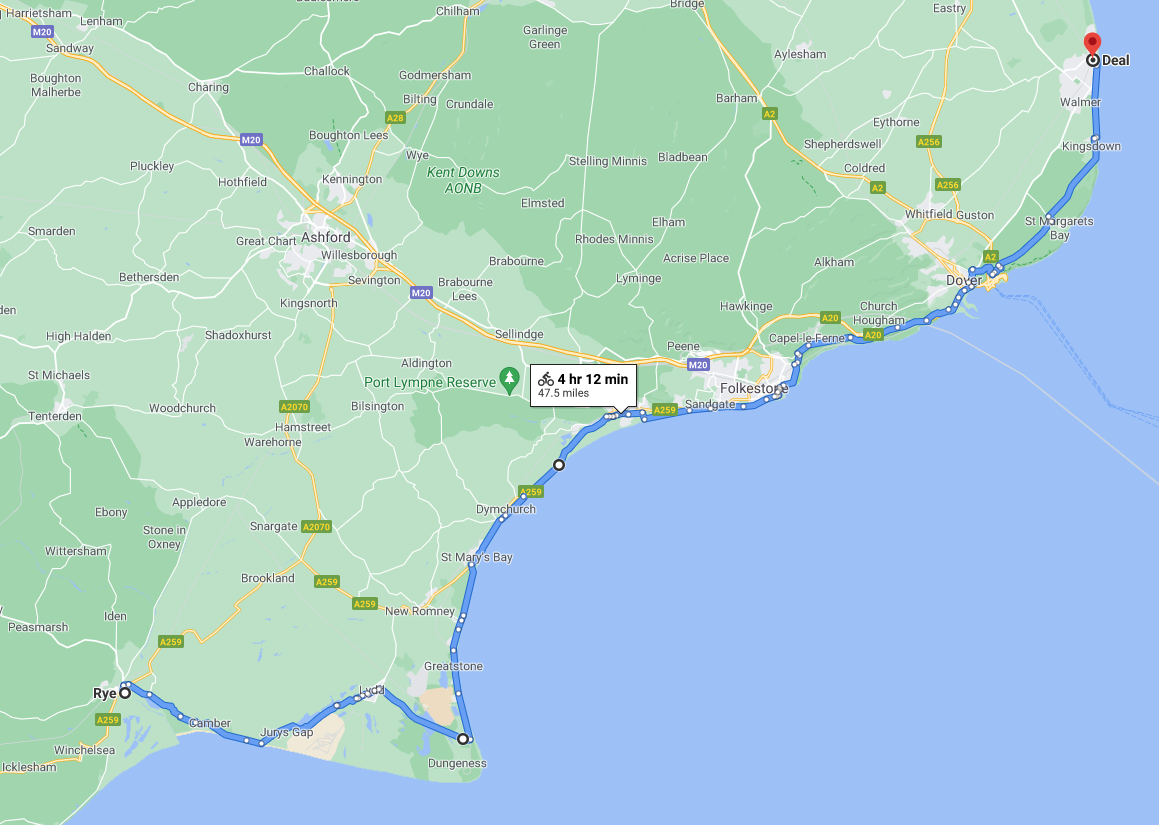
Rye To Deal

I’ve been here before on a longer Hastings to Margate leg, here’s a shorter hop.

Late night arrival in Rye, early morning departure following a hearty hotel breakfast.

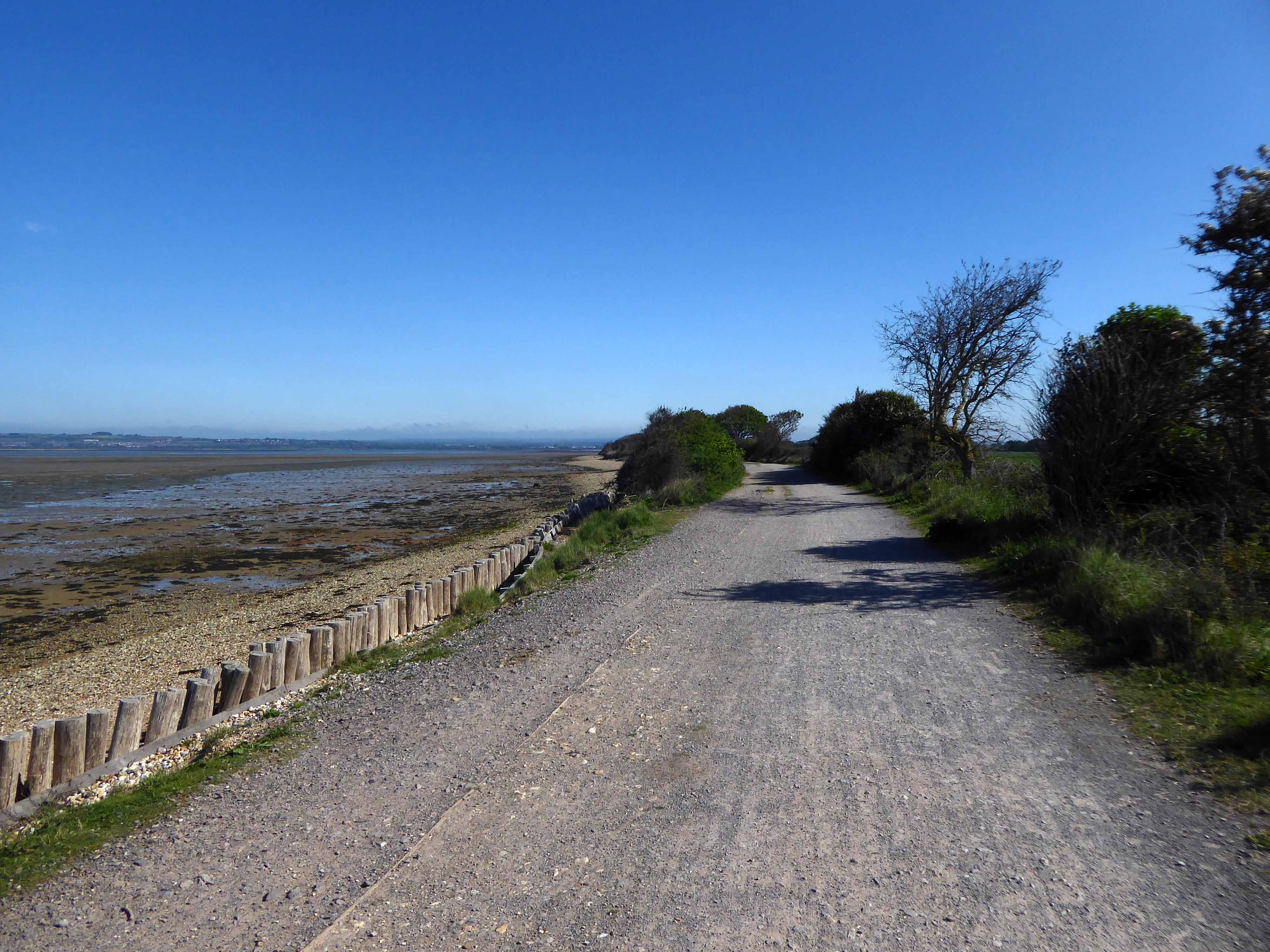
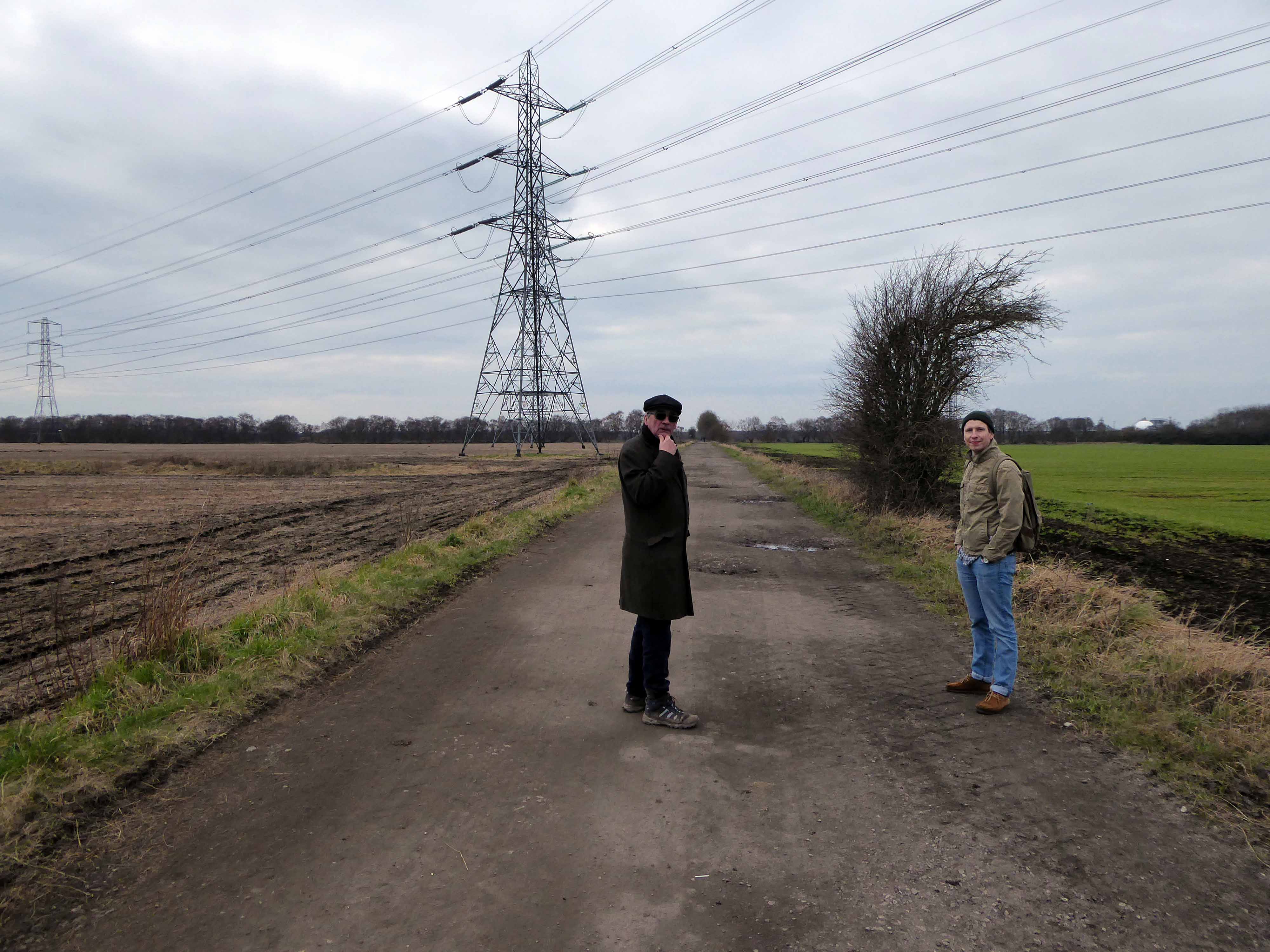
Firstly along tracks, then parallel to the road on sequestered farmland, through the flat salt marshes of Camber.

Where Tim stops, in order to fail to buy fruit.

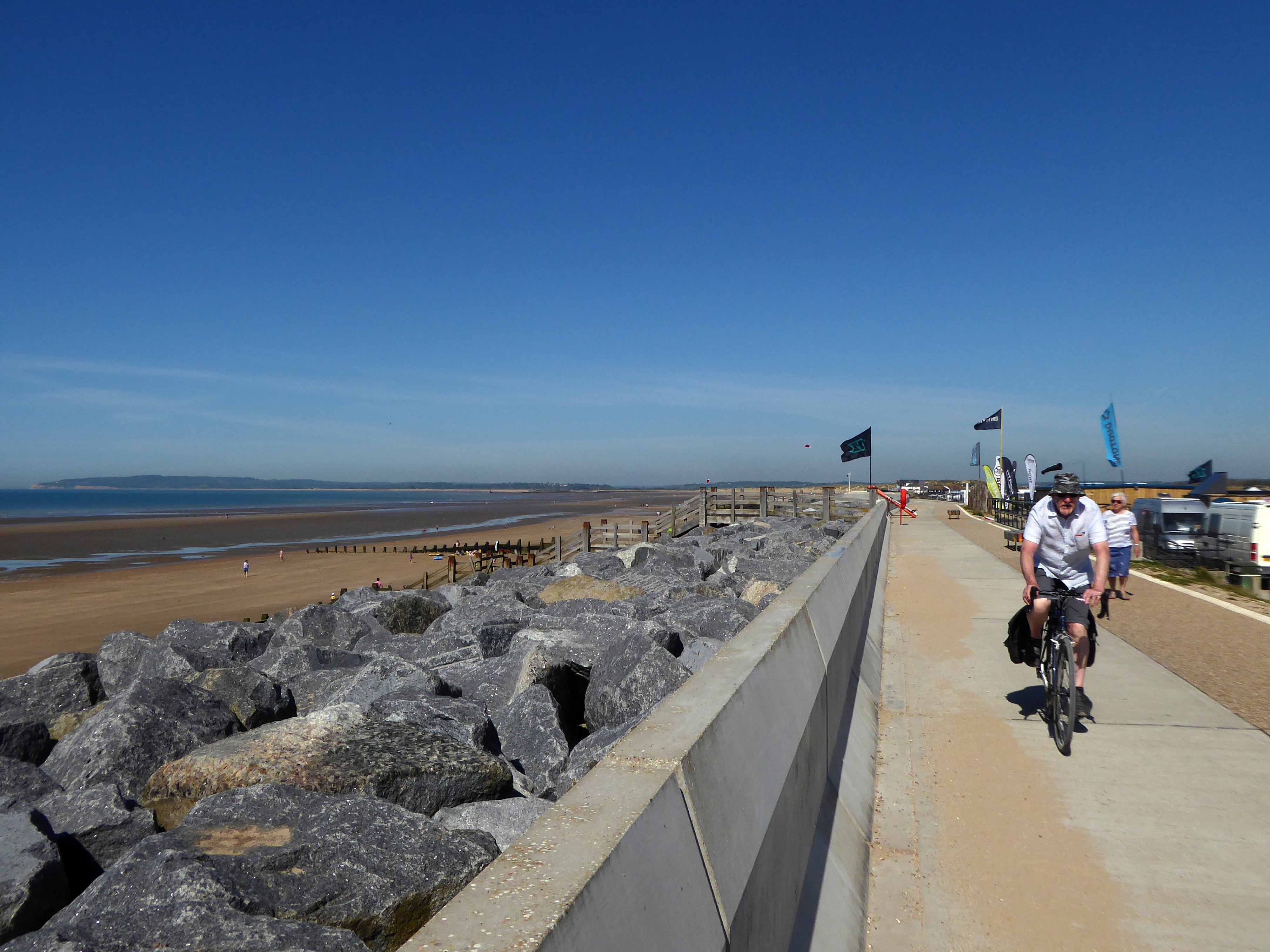
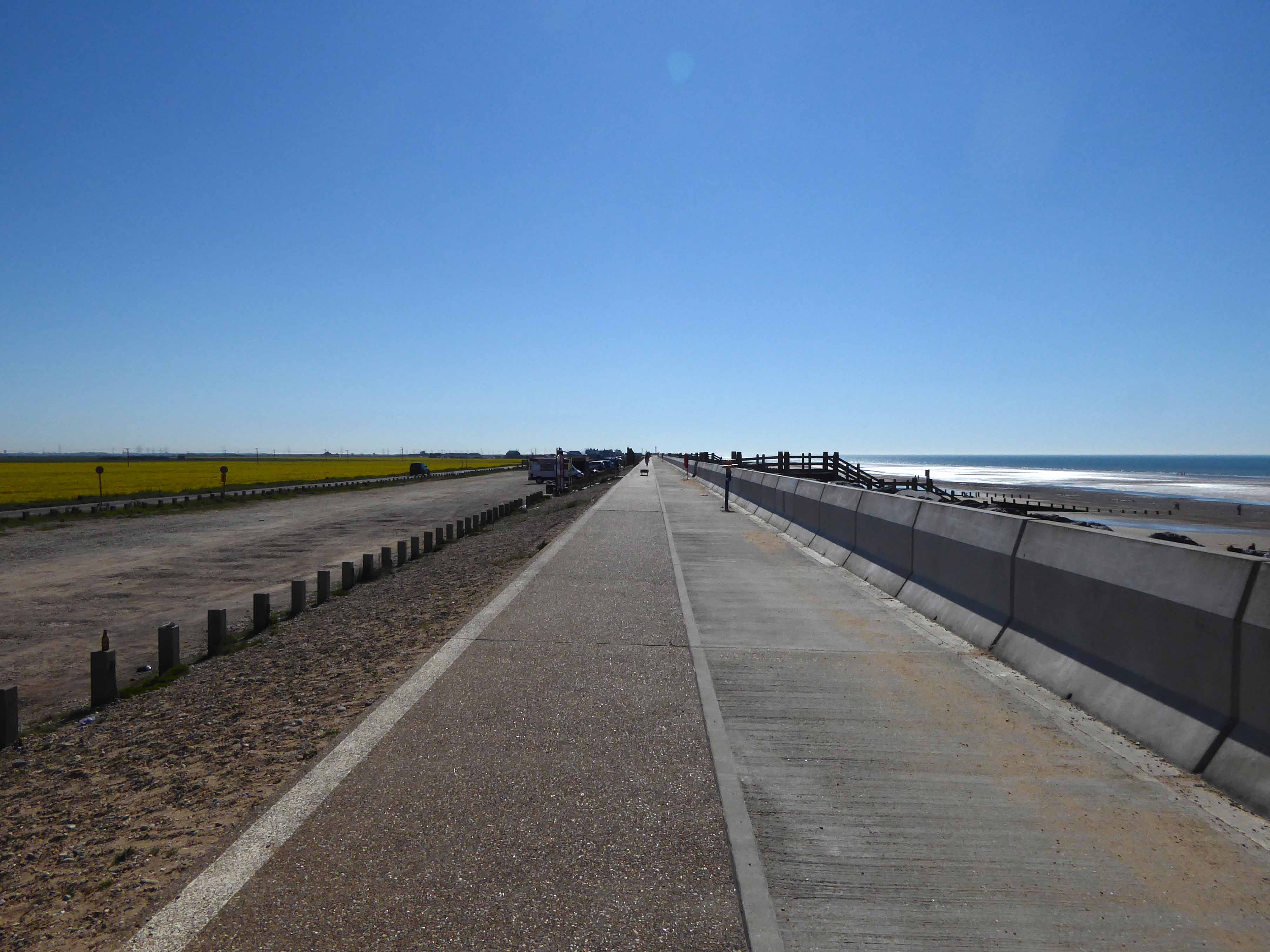
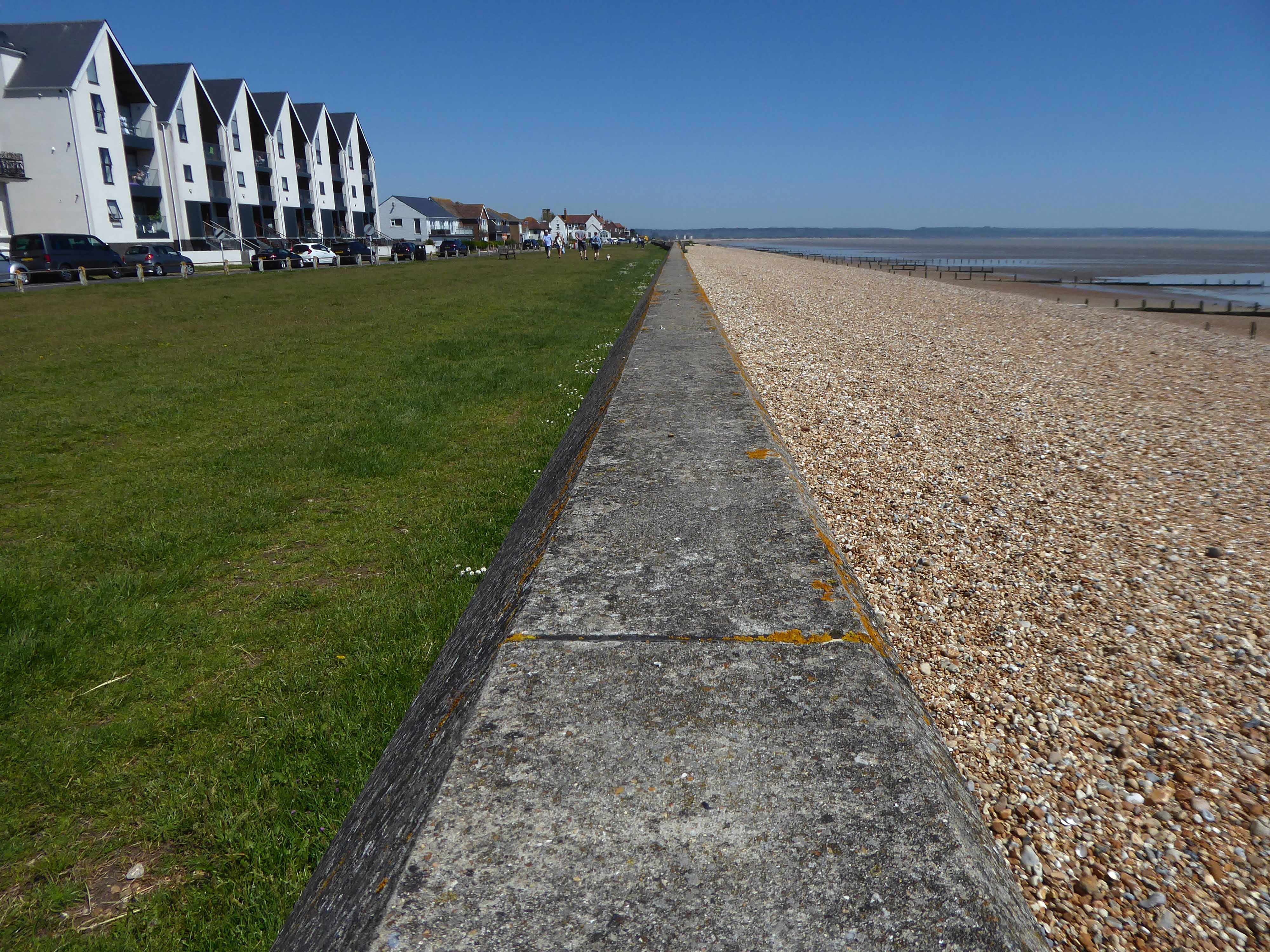
Brief relief from the track along the concrete sea defences and path.

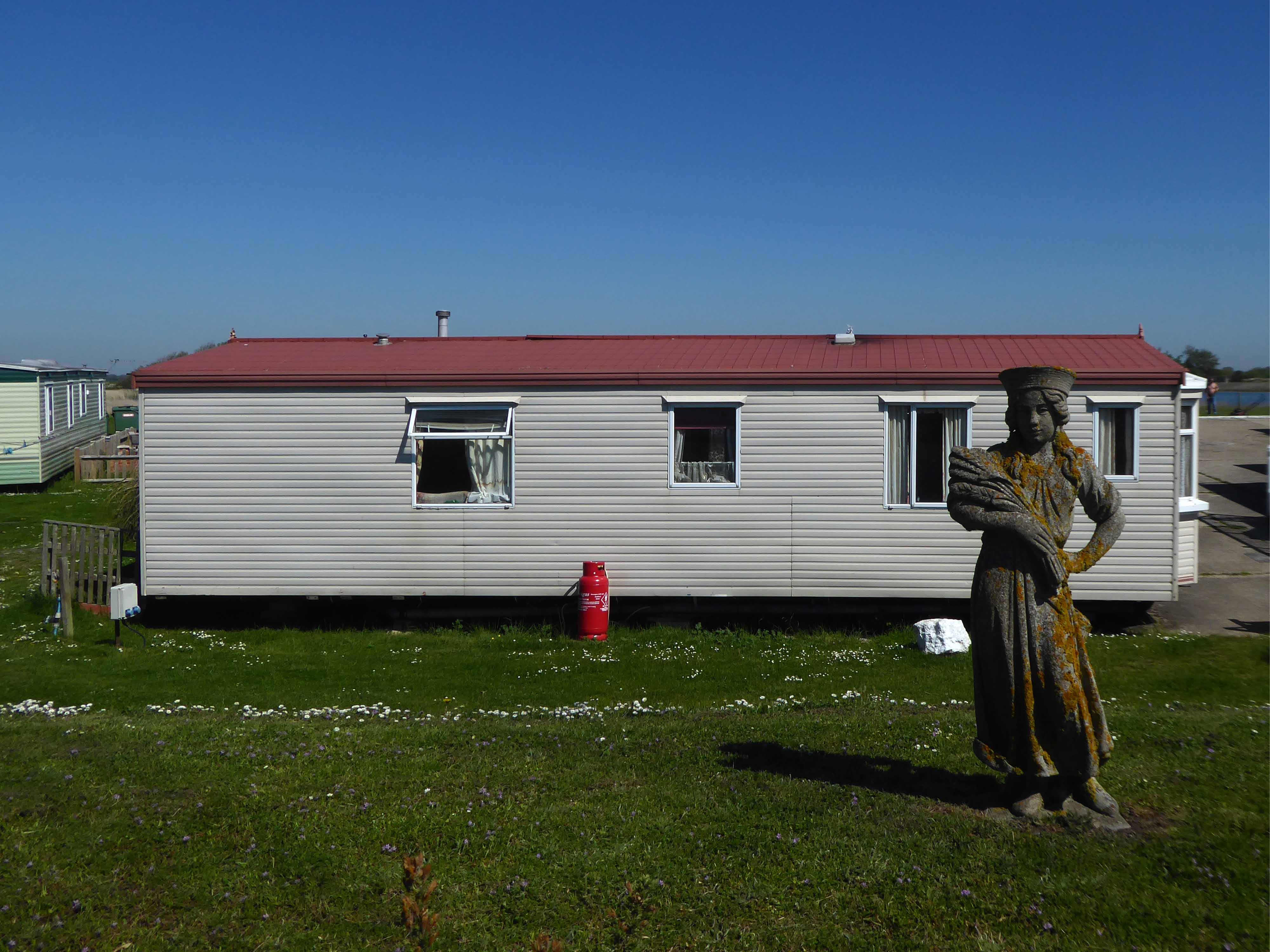
Passing the temporary dwellings, beside the shifting sands and shingle.

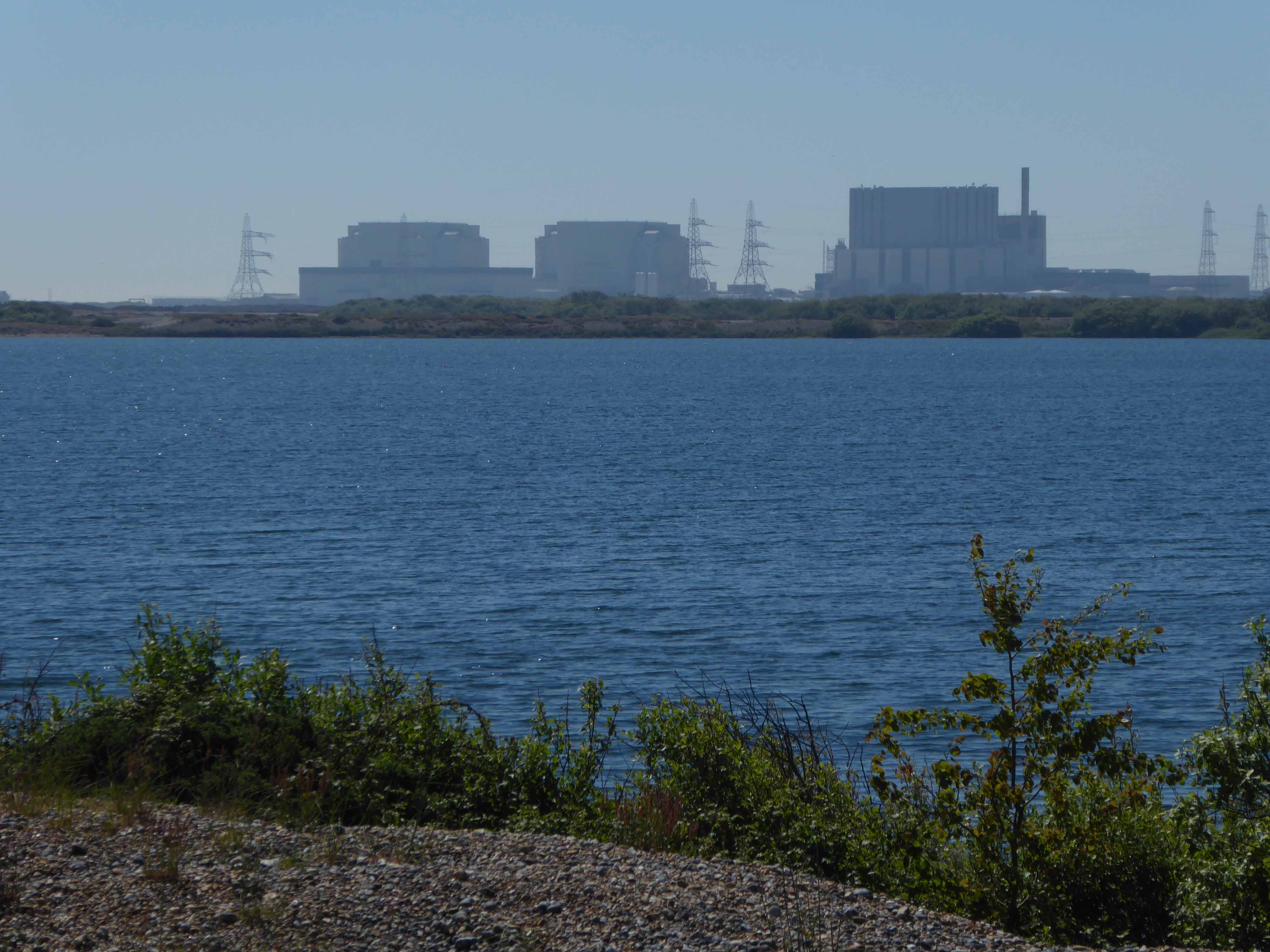
Glancing toward Dungeness Power Station.

Dungeness nuclear power station comprises a pair of non operational nuclear power stations, located on the Dungeness headland in the south of Kent. Dungeness A is a legacy Magnox power station that was connected to the National Grid in 1965 and has reached the end of its life. Dungeness B is an advanced gas-cooled reactor (AGR) power station consisting of two 1,496 MWt reactors, which began operation in 1983 and 1985 respectively, and have been non-operational since 2018 due to ongoing safety concerns.

There were many problems during construction of the second power station, which was the first full-scale AGR. It was supposed to be completed in 1970, but the project collapsed in 1969. The CEGB took over project management and appointed British Nuclear Design and Construction (BNDC) as main contractor. There were more problems and by 1975 the CEGB was reporting that the power station would not be completed until 1977 and the cost had risen to £280 million. By completion the cost had risen to £685 million, four times the initial estimate in inflation-adjusted terms.

In March 2009, serious problems were found when Unit B21 was shut down for maintenance, and the reactor remained out of action for almost 18 months. In 2015, the plant was given a second ten-year life extension, taking the proposed closure date to 2028. In September 2018, both units were shut down and were expected to restart in December 2020. On 7 June 2021, EDF announced that Dungeness B would move into the defuelling phase with immediate effect.

Wikipedia

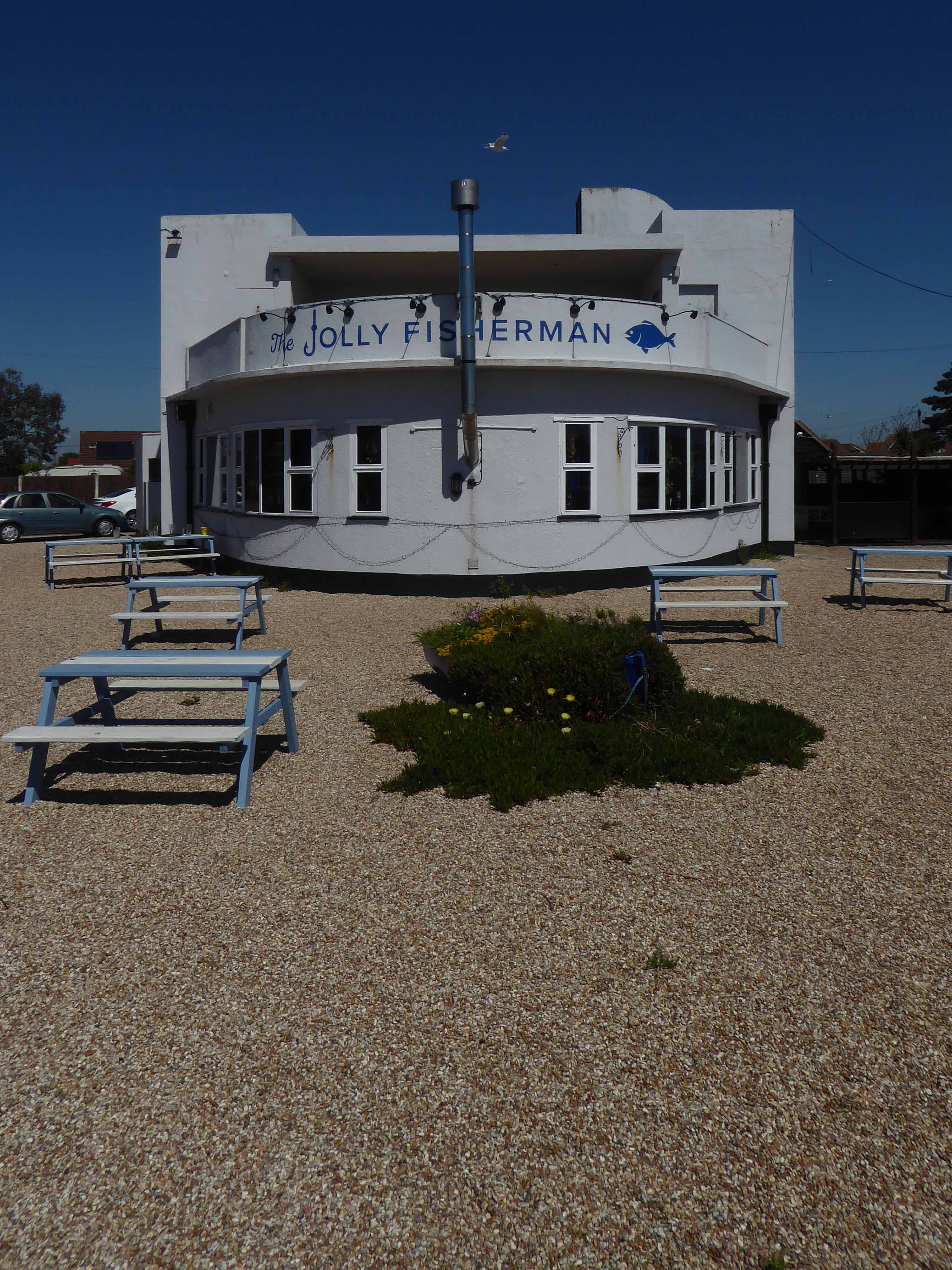
Pausing for a moment to take a drink, sadly not a drink in the Jolly Fisherman – unlike another comical pair.

During their 1947 UK tour, Stan Laurel and Oliver Hardy were invited to re-open the Romney, Hythe and Dymchurch Light Railway.

After travelling down by regular train, the pair performed a couple of skits to entertain the crowds – and the gathered news crews – before riding the light railway.

The duo then lunched with dignitaries at the Jolly Fisherman, before returning for tea at the railway’s restaurant at Hythe.

Dover Kent

The original pub

On Monday and inquest was held on the body of Mr. John Adams, landlord of the “Jolly Fisherman,” who was found drowned in a well near his house.

From the evidence it appeared that the deceased left home on Saturday morning for the purpose, according to his usual custom, of walking to New Romney, to see if there were any letters for Dungeness. Not returning at the usual time, his wife became alarmed, and a messenger was dispatched to Romney to see if he had been to the Post-office. It was ascertained he had not, and the search was forthwith made.

About 2 o’clock one of the coastguardsmen, Edward Hooker, bethought him to look into the well, which is about 250 yards from the deceased’s house. In doing so he was horrified to find the poor fellow head downwards, partly immersed in water. Assistance was at once procured, and he was removed to his house, quite dead. There was about 4 feet of water in the well.

In the absence of any testimony to establish the inference of suicide, and open verdict of Found Drowned was returned. The deceased was about 50 years of age.

It has been stated that the deceased had of late, been rather abstracted, but no evidence was adduced to establish the truth of this assertion.

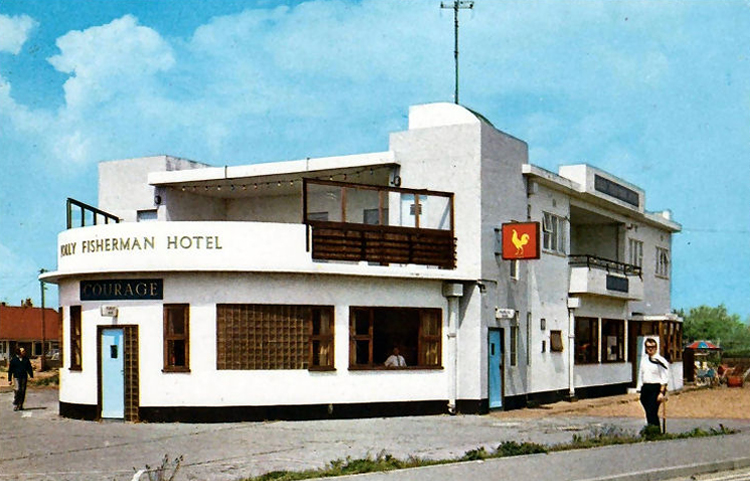
The present Jolly Fisherman pub is located in the centre of Greatstone at the junction of Dunes Road and The Parade.

This was built by the brewers Style and Winch Ltd, who owned the old Jolly Fisherman, in about 1935 as a pub and hotel.

Postcard of 1975

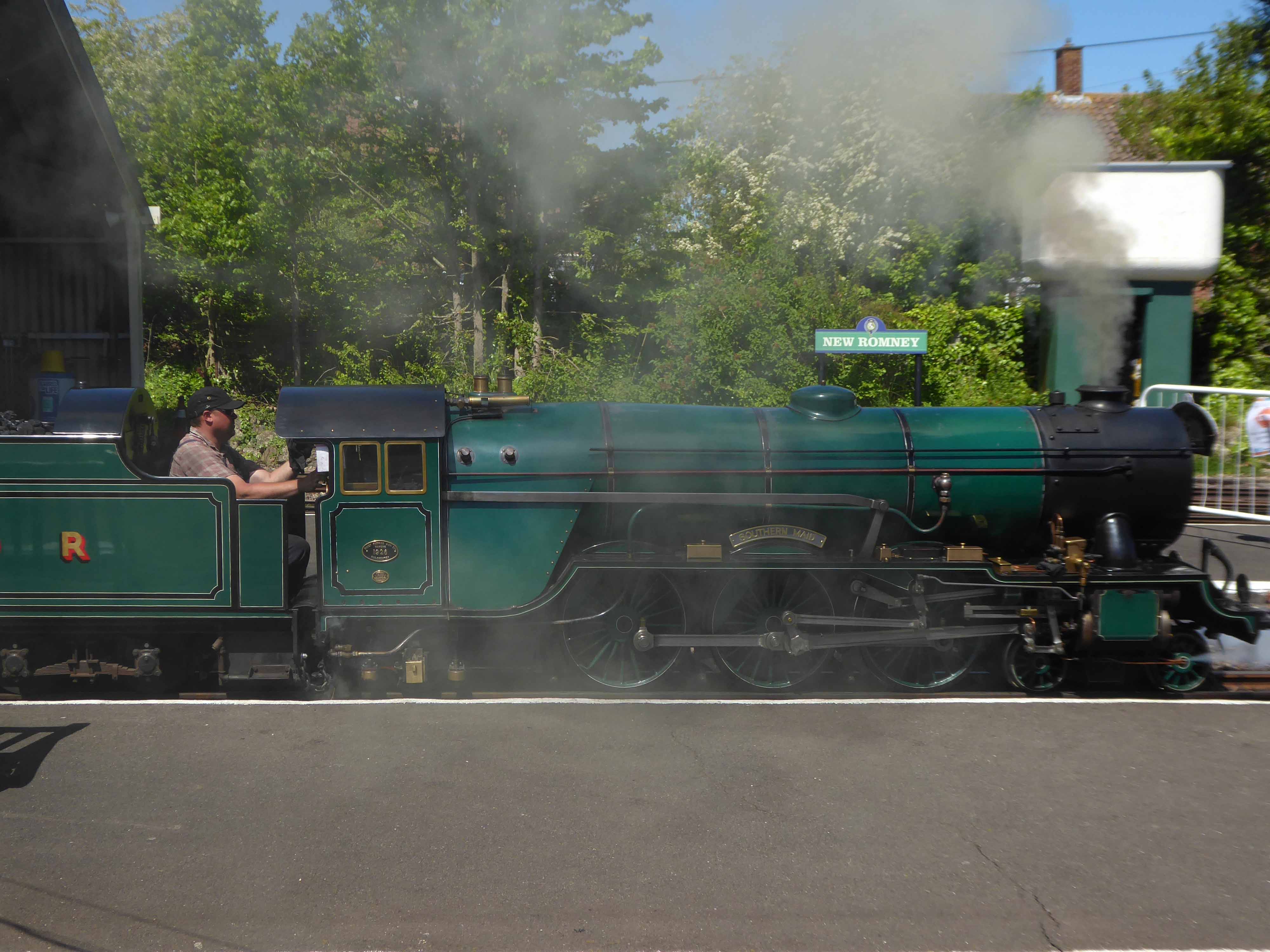
Here we are now taking time out at New Romney, in order to view the locomotives in steam, at the Romney, Hythe and Dymchurch Light Railway.

The RH&DR was the culmination of the dreams of Captain J. E. P. Howey — a racing driver, millionaire land owner, former Army Officer and miniature railway aficionado and Count Louis Zborowski — eminently well-known racing driver of his day – famous for owning and racing the Chitty Bang Bang Mercedes.

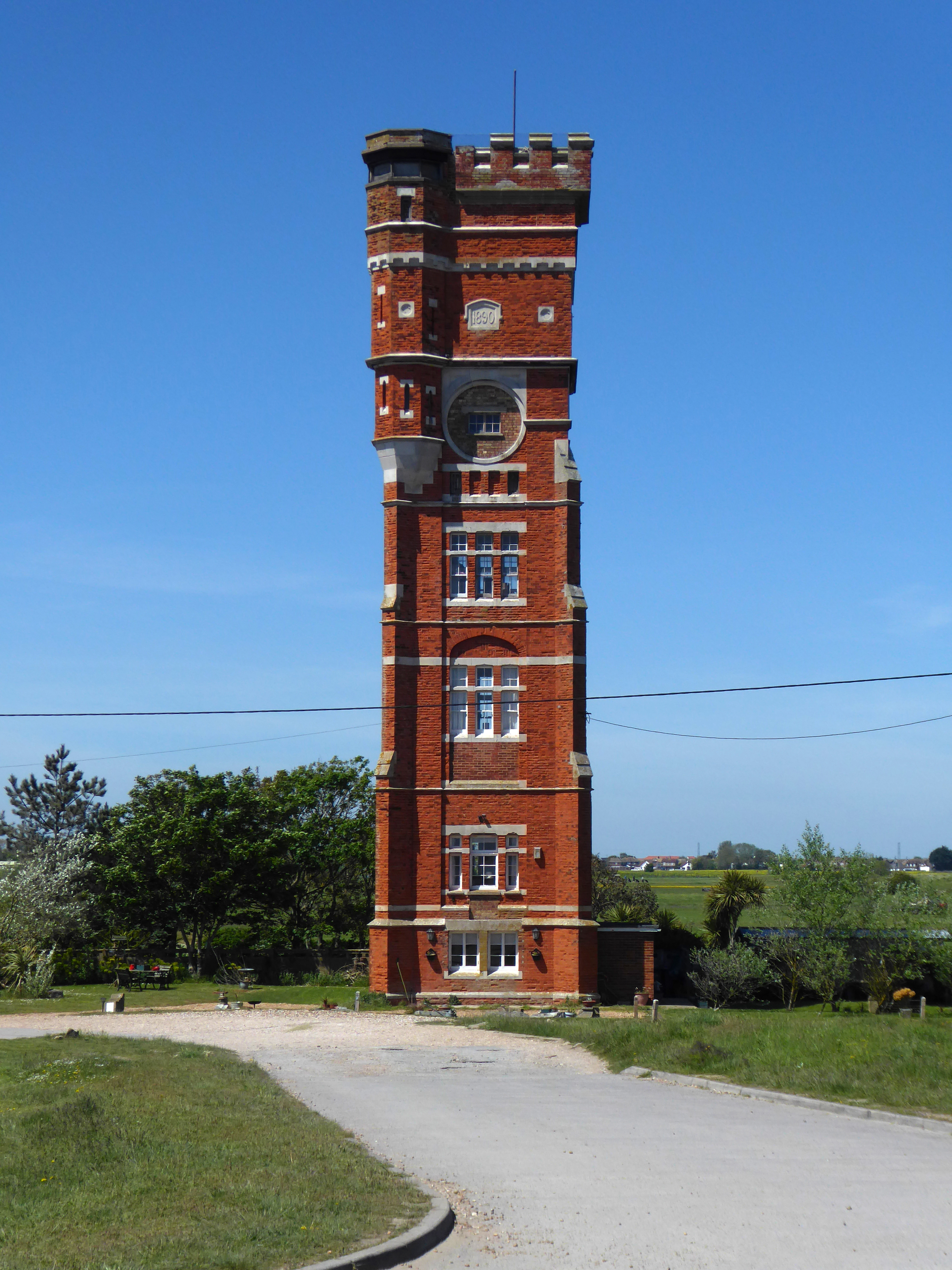
The 120ft Grade II Listed water tower at Littlestone was built in 1890 by Henry Tubbs to supply water to his properties in Littlestone, including Littlestone Golf Club and his proposed housing development. 

Henry Tubbs wanted to turn Littlestone into a major resort, and embarked on an ambitious building programme, including the Marine Parade and Grand Hotel. His plans for a pier were not realised, however, and it was eventually built at Eastbourne instead.

The tower is constructed in red brick which shows the external features of the tower very well. It narrows at about the third story and its appearance changes depending on your viewpoint. At the top there is a sort of turret, giving the building a slightly military look.

The military used the Tower during World War Two as a lookout post and they made some changes to the structure, partly the reason for its slightly wobbly look. The Army also added a substantial concrete stairway inside.

Unfortunately the water tower didn’t function properly and the water was found to contain too much salt to be of any use. In 1902 the Littlestone and District Water Company built a tower at Dungeness to supply all of New Romney, Littlestone, Greatstone and Lydd. The tower at Littlestone fell into disuse, but now serves as a residence.

The Romney Marsh

The failed resort of Littlestone continues to fail.

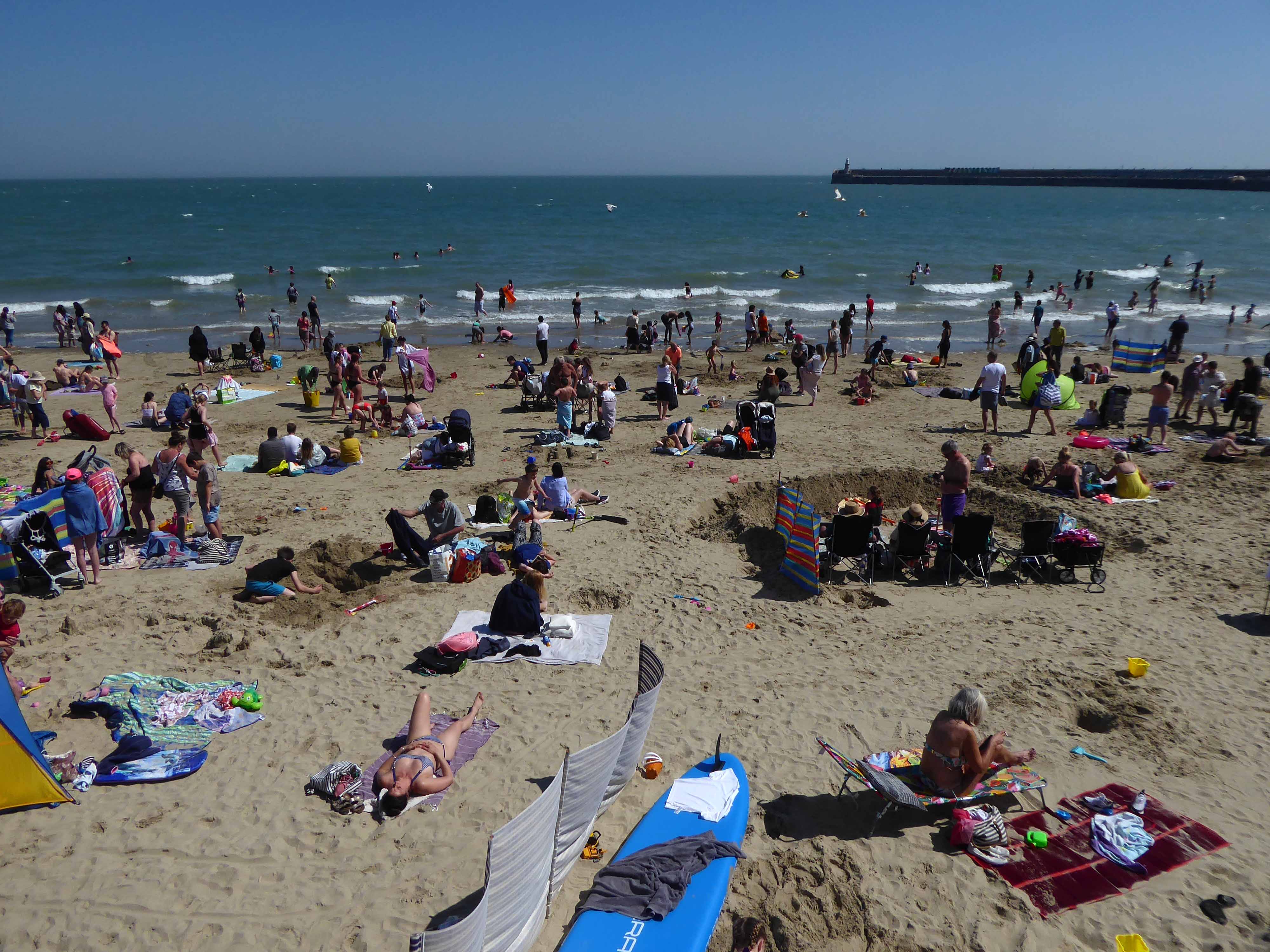
Whilst Folkestone thrives.

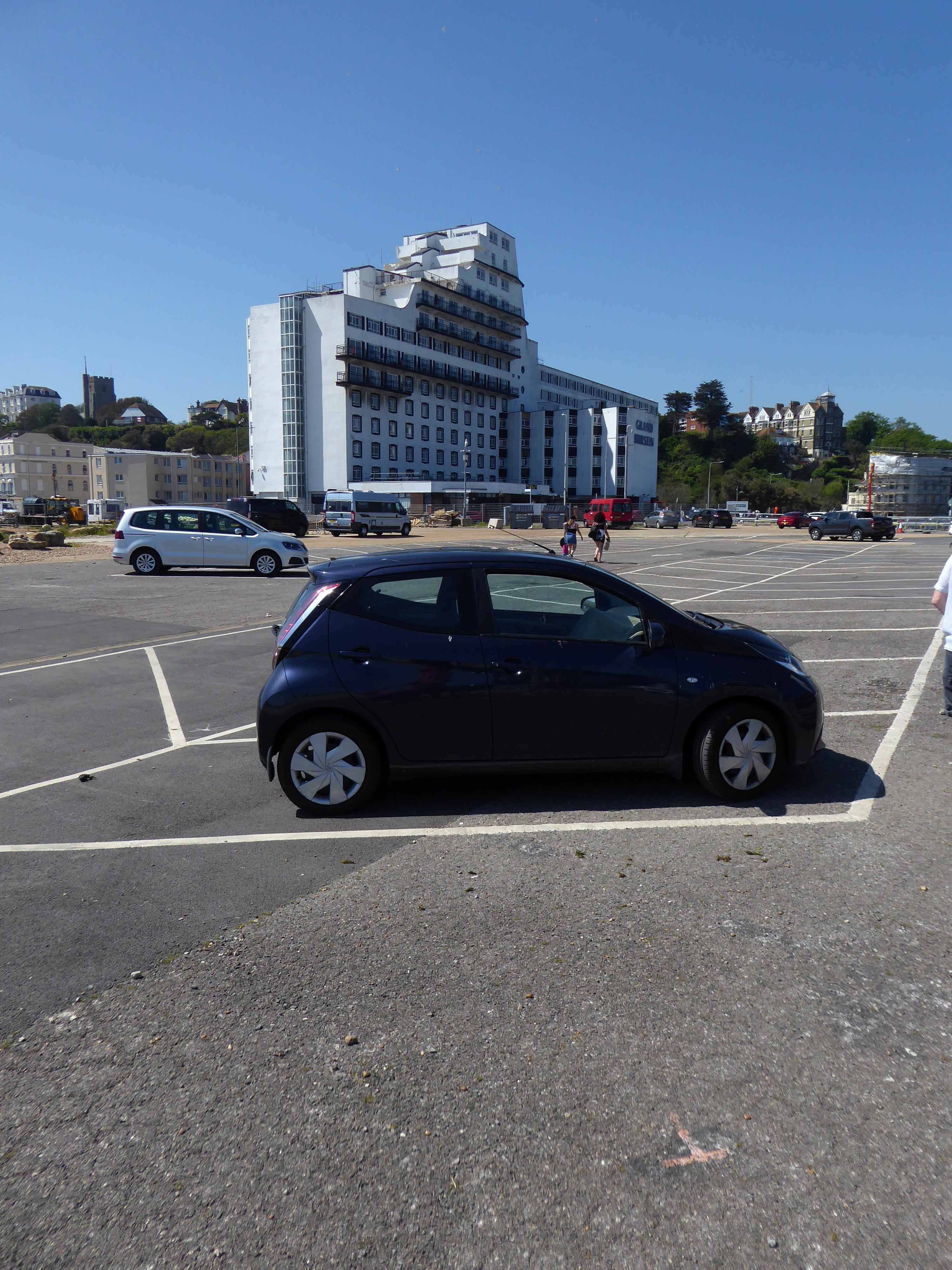
Even the Grand Burstin has been improved.

23 November 2009 

This place has got to be up for Worst Hotel in the UK. 

We made the mistake of staying there for our first anniversary, and we sorely regretted it. First, after the initial shock that awaits anyone entering the lobby, we were given probably the filthiest room in hotel history.

It reeked of smoke and urine.

The management’s disorganisation landed us free meals, even if they paid us £10 per person to eat that stuff it wouldn’t be worth it:

Canned fruits, red meat galore with no other option, greasy bacon, value bread, omelet made with the least real eggs possible, all served with the same urine smell in the restaurant and by the most apathetic staff ever.

We left as soon as possible.

Seeing that place in the rear-view mirror was the highlight of our visit.

Trip Advisor

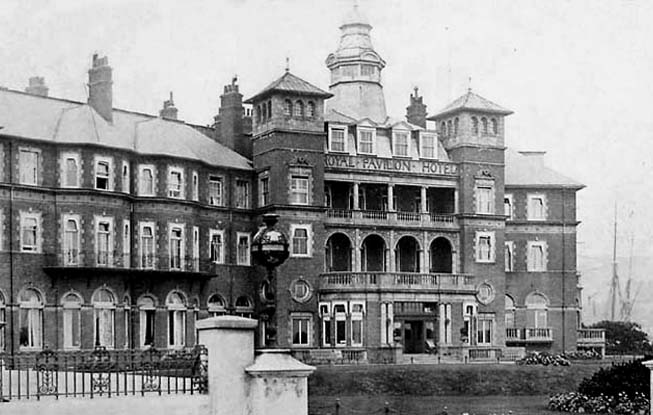
The current hotel was built in 1984 from the foundations of the Royal Pavilion Hotel, originally built in 1843, parts of which form the new Burstin Hotel, such as the Victorian restaurant.

It’s along climb out of Folkestone, there are no snaps – simply memories of a weary ascent.

Eventually we top out and roll along over the white cliffs of Dover.

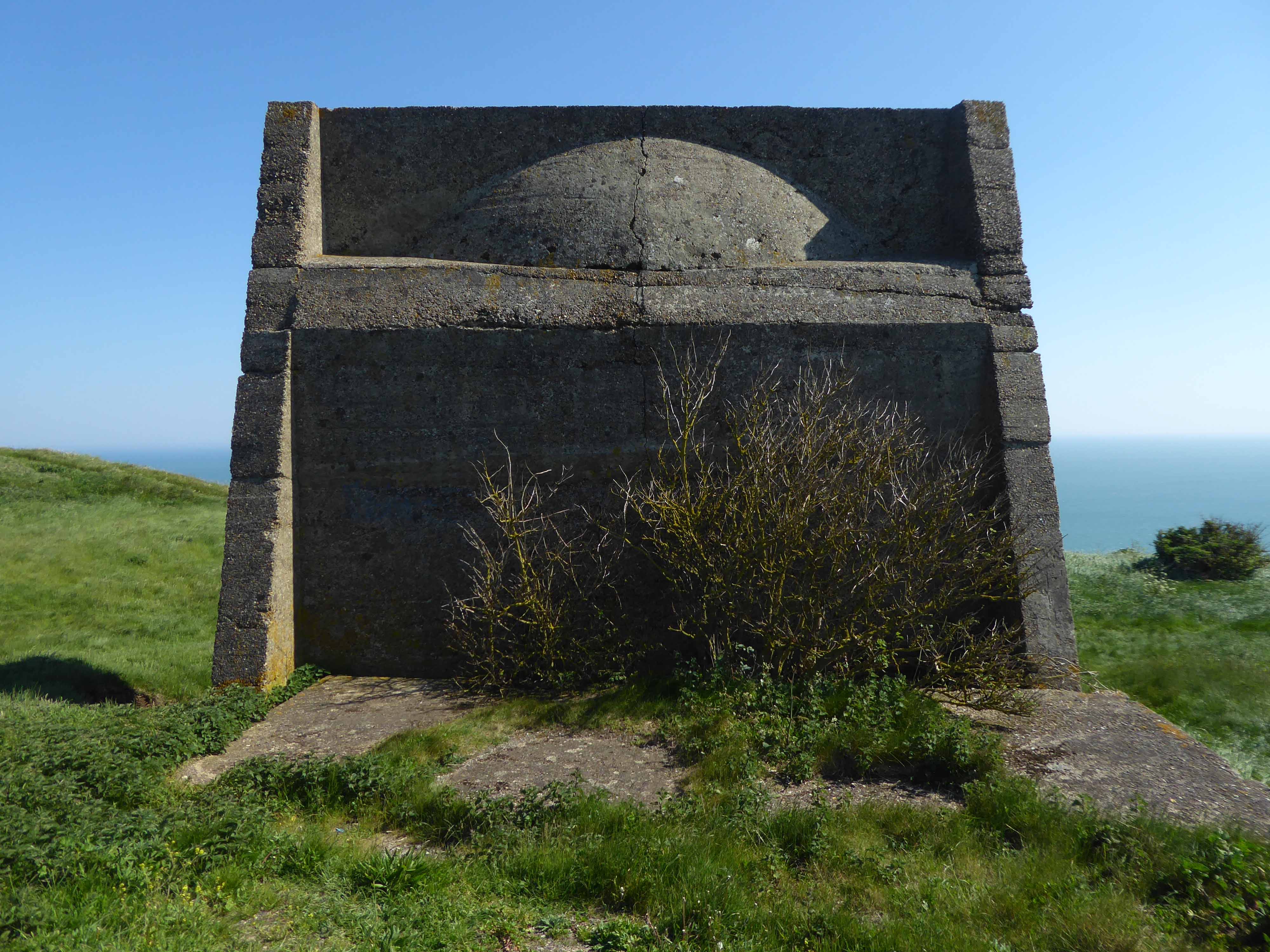
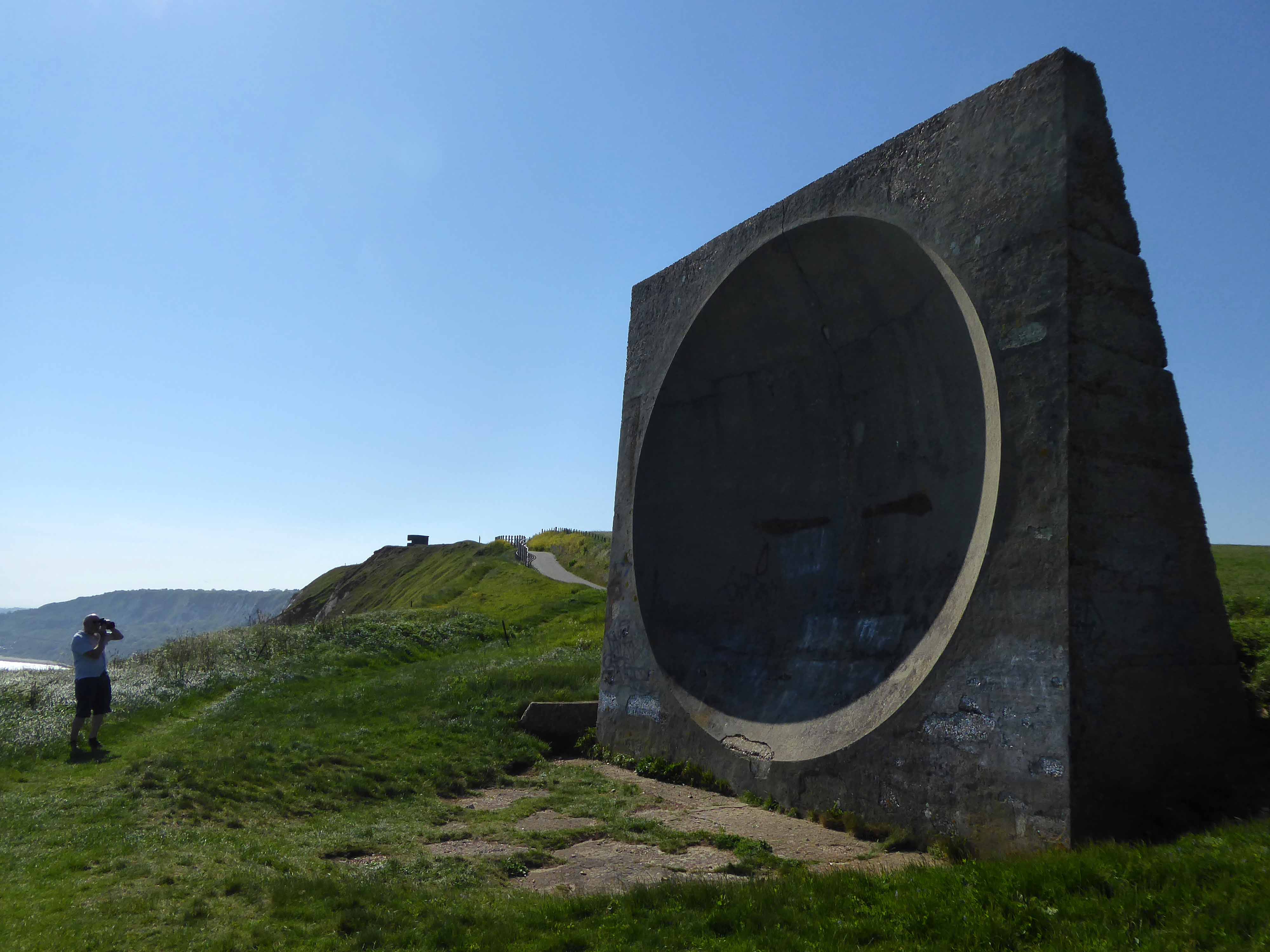
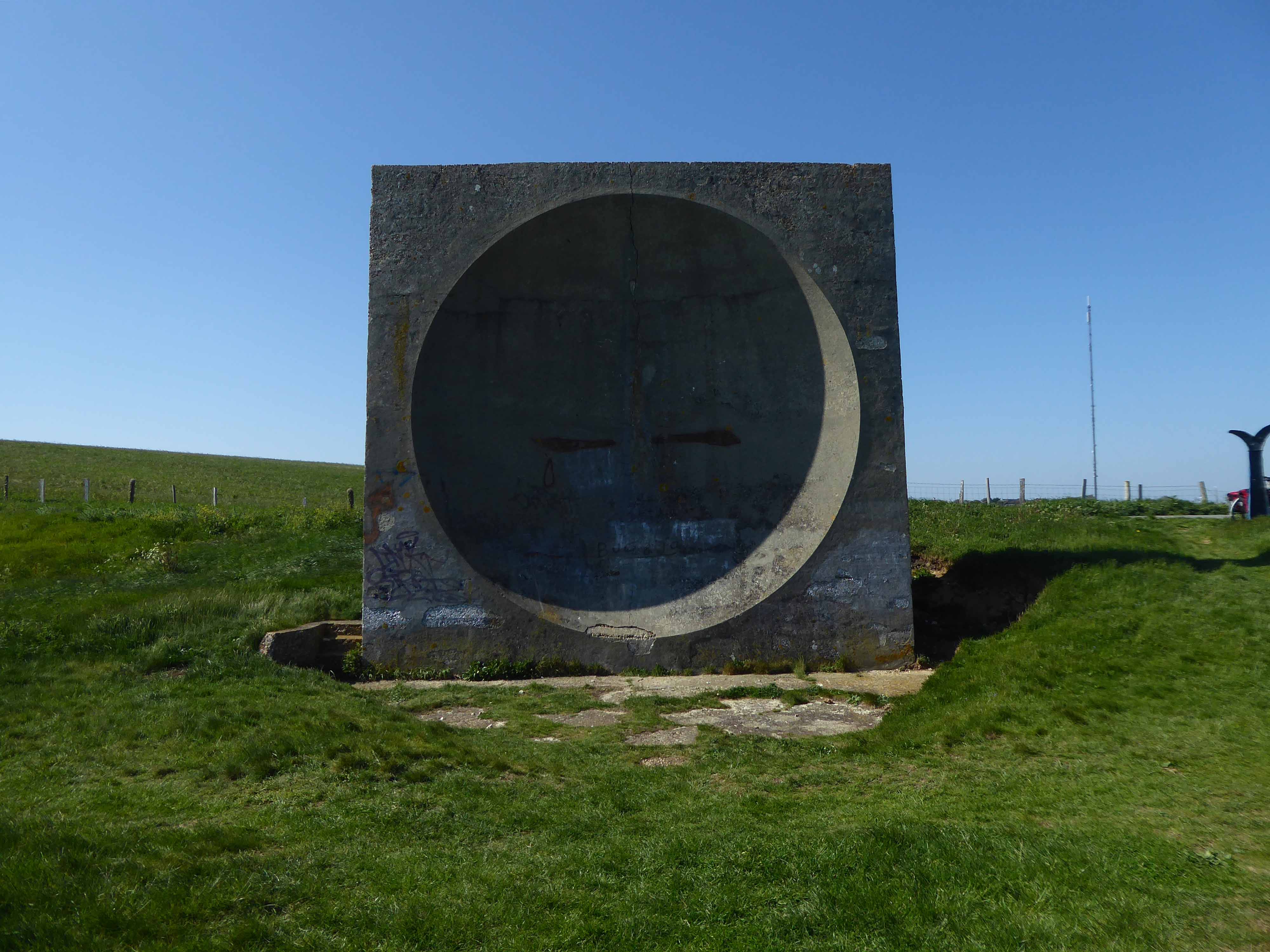
Where we discover this delightful concrete listening post.

Abbot’s Cliff Acoustic Mirrors 

Before the advent of radar, there was an experimental programme during the 1920s and 30s in which a number of concrete sound reflectors, in a variety of shapes, were built at coastal locations in order to provide early warning of approaching enemy aircraft. A microphone, placed at a focal point, was used to detect the sound waves arriving at and concentrated by the acoustic mirror. These concrete structures were in fixed positions and were spherical, rather than paraboloidal, reflectors. This meant that direction finding could be achieved by altering the position of the microphone rather than moving the mirror.

Graham Stephen

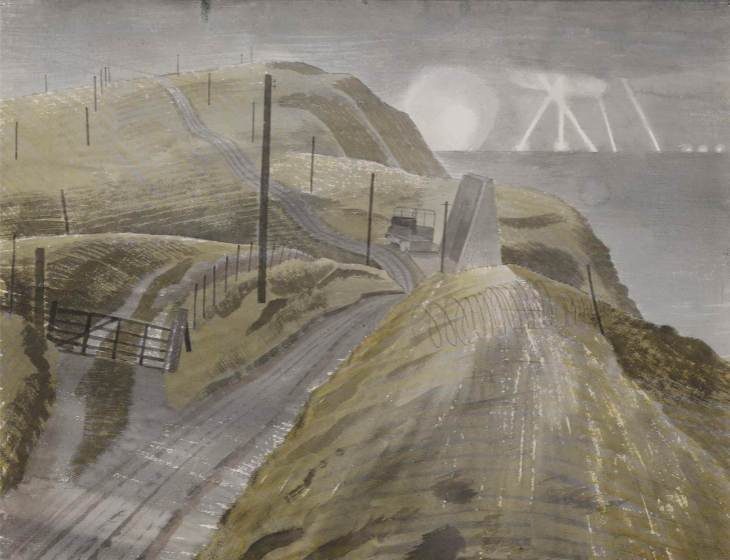
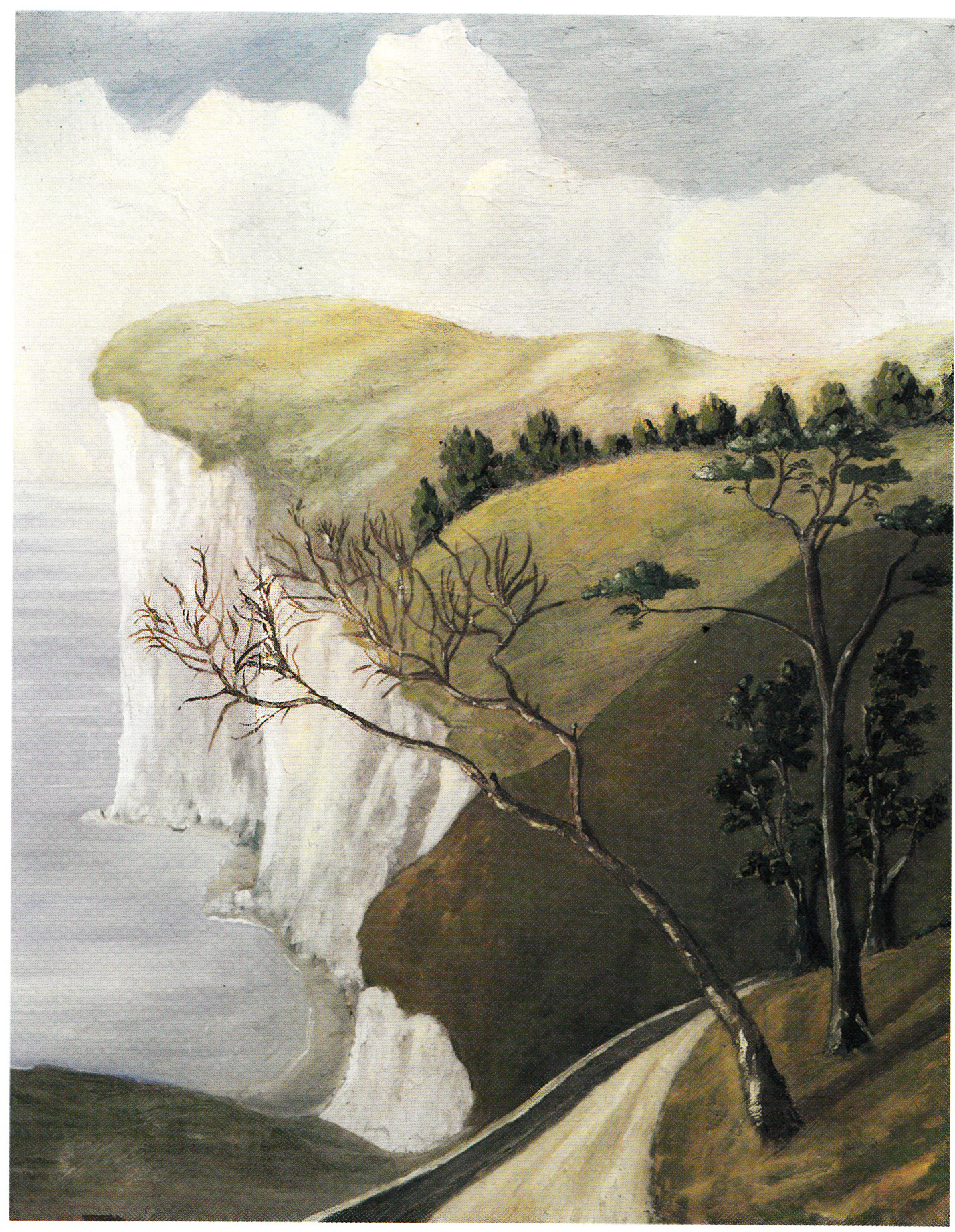
Eric Ravilious Abbot’s Cliff – 1941

Descending into Dover, ascending again, hot and weary.

Appreciating the slow traffic free drag down to St Margarets Bay – sadly no photos, suffice to say one of the most elegant lanes of the trip, once home to Sir Noël Pierce Coward.

In Coward’s seven years in the Bay he entertained a large array of famous friends from the arts, film and stage.  Katherine Hepburn stayed  here with Spencer Tracey and swam daily from the shore. Daphne Du Maurier, Ian Fleming, Gertrude Lawrence and John Mills all came to relax, play Canasta and Scrabble or join Coward in his painting studio where he produced oils of the Bay.

St Margarets History

Arriving in Deal we quickly buzzed off to the Green Berry, one of my favourite pubs.

Followed by a twilight kebab on the prom.

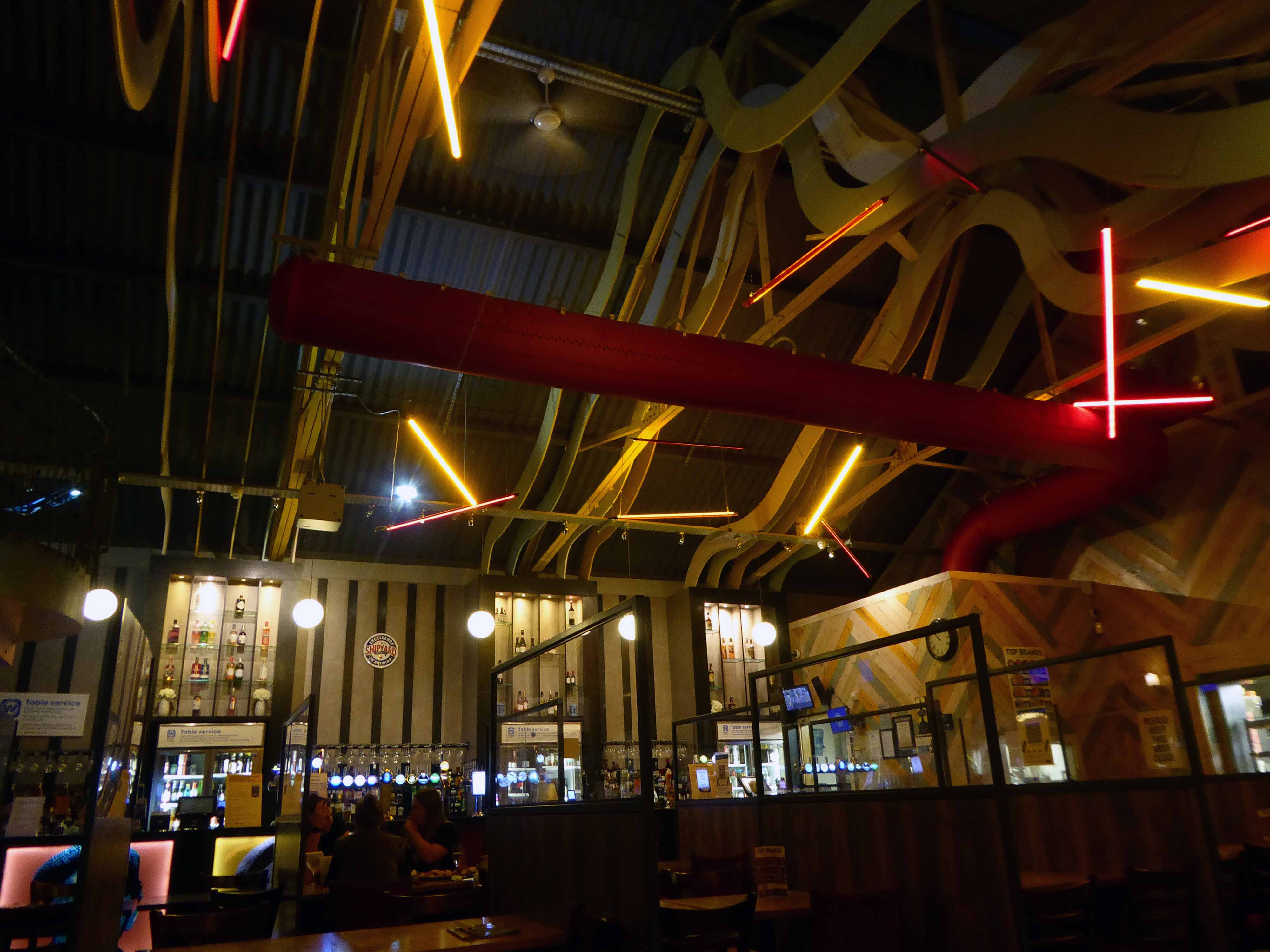
Finally fetching up in the Wetherspoons.

The Sir Norman Wisdom

Hull Walk 2021

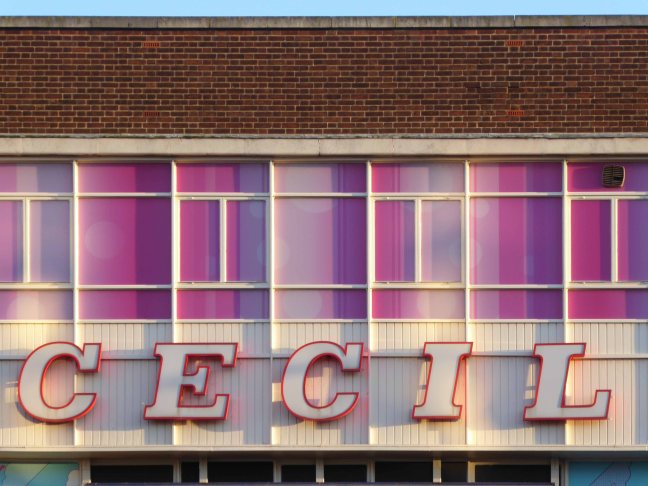
Turn right out of the station toward the Cecil Cinema.

The Theatre De-Luxe was built in 1911 at the corner of Anlaby Road and Ferensway with its entrance in Anlaby Road and its auditorium along the side of the pavement in Ferensway. Kinematograph Year Book of 1914 lists 600 seats and the owners as National Electric Picture Theatres Ltd.

In 1925, the theatre was rebuilt to a radically altered ground-plan and renamed the Cecil Theatre. 

The Cecil Theatre’s demise came during bombing on the night of 7/8 May 1941 when German incendiary bombs reduced the building to a shell; and it remained like that until demolition in 1953.

Work on the new Cecil Theatre was begun in April 1955 and it was opened on 28th November 1955 with 1,374 seats in the stalls and 678 in the balcony.

Architects: Gelder and Kitchca

At the time of opening it had the largest CinemaScope screen in the country measuring 57 feet wide, and the first film shown was Marilyn Monroe The Seven Year Itch.

In the 1980’s it was taken over by the Cannon Cinemas chain. The cinema operation was closed on 23rd March 1992 and the cinemas were ‘For Sale and/or Lease. It was taken over by Take Two Cinemas and renamed Take Two Cinema. It was closed on 27th February 1997 and the two screens in the former circle were stripped out and converted into a snooker club.

Whilst bingo continues in the former stalls area of this post war 
cinema, the former mini cinemas in the circle still contain the snooker tables, but the space is unused. The screen in the former restaurant/cafe area remains basically intact, but is unused.

Cinema Treasures

Whilst circumnavigating the Cecil one can’t help but notice the KCOM HQ – and its distinctive white telephone kiosks.

The work of City Architect A Rankine OBE RIBA

When Hull City Council founded KCOM back in 1904, as Hull Telephone Department, it was one of several local authorities across the country granted a licence to run its own phone network.

1952 Call Father Christmas service was introduced.

Having heard of a recorded message service in Scandinavia, Hull Councillor J M Stamper suggested the idea of putting Father Christmas on the telephone. The Call Father Christmas service was introduced shortly afterwards, the first of its kind in the UK. By dialling a Hull Central number children could hear recordings of a Christmas story and carol singing. 

The success of the Father Christmas service led to the creation of other recorded information lines, such as Bedtime Stories, Teledisc and Telechef. 

This recipe line was introduced in 1950s and was still going strong until the 1990’s, with 50s recipes such as meat loaf and corned beef with cabbages being replaced by dishes such as Italian Chicken Bake.

Returning to Ferensway we are confronted by the Danish Seaman’s Church.

Sea trade created a large Danish community which Hull’s very own Amy Johnson was descended from. Her grandfather was Anders Jorgensen, who anglicised his name to the more pronounceable Andrew Johnson. A Danish pastor was appointed and an old chapel in Osborne Street was purchased in 1841.

It was on May 9, 1954, that the present church, with its now familiar separate bell tower, was consecrated by the Bishop of Copenhagen.

Around the corner we find Porter Street Housing.

Hull was the most severely damaged British city or town during the Second World War, with 95 percent of houses damaged. It was under air raid alert for one thousand hours. Hull was the target of the first daylight raid of the war and the last piloted air raid on Britain.

Of a population of approximately three hundred and twenty thousand at the beginning of the war, approximately one hundred and fifty two thousand were made homeless as a result of bomb destruction or damage. 

Overall almost one thousand two hundred people were killed and three thousand injured by air raids.

Despite the damage the port continued to function throughout the war.

The earliest housing was built just after World War II, starting with what is known locally as Australia Houses

A circular five storey housing block off Porter and Adelaide Streets, with a communal garden in the middle. These flats consist of deck access flats and some traditional style Art Deco tenements. Some are three bedroom, and have been refurbished over the years.

UK Housing

Porter Street – three six-storey blocks containing seventy dwellings of 1954

Contractor J Mather

New Michael Street and Melville Street aka Upper Union Street one hundred and eight dwellings in three nine-storey blocks of 1958

Contractor Truscon

The designer behind Hull’s tower blocks was Andrew Rankine RIBA, who from 1939 remained City Architect until his retirement in 1961.

Just around the corner:

Over the last three years both companies have worked on undertaking the complex development of an off-site constructed, low carbon, Code 5 housing product. Working with Hodson Architects on the design the project will provide 3-bed family houses on the Thornton Estate in Hull. The scheme will increase provision of suitably sized accommodation in the area for families.

The project will see Premier Interlink manufacture the steel framed modules at the factory in Brandesburton East Yorkshire starting this March. The five houses are to be prefabricated off-site, with each house comprising of four separate units which are then assembled on site. This offers the benefit of reducing construction time, improving efficiency, reducing material wastage and offering an improved thermal envelope.

Premier Modular

The Goodwin Trust, a brilliant and pioneering community group, decided the new version of pre-fab, or ‘modular’ housing, was exactly what was needed to provide affordable housing for the people it also cares for in so many other different ways.

Locality

Onward to Holy Apostles Church now home to Hull Truck and renamed Thornton Village Hall.

Architects: Ferrey and Mennim

Back toward the station and Hammonds of Hull/House of Fraser – soon to be a food court, artisan everything outlet.

Built in 1952 on Paragon Square to designs by T. P. Bennett, with extensions added in 1954 and 1957. Within a couple of years the business had grown again by opening its own hairdressing salon, and in 1960 added a new warehouse to accommodate their furniture workshops and stock rooms. This itself was extended within four years, while a fourth floor was added to the main store.

On the right a civic building Festival House of 1951.

Architect: John Brandon-Jones.

Apprenticed to Lutyens‘ assistant Oswald Milne and later working with Charles Cowles-Voysey

With his good friend, John Betjeman, he helped found the Victorian Society in 1958.

On 1st May 1951, the foundation stone of Festival House was laid, to commemorate the first permanent building to be built in the city centre since the 1941 Blitz. Placed under the stone was a time capsule containing coins, stamps, a Festival of Britain programme, a copy of that day’s Hull Daily Mail, and a booklet about the city. Festival House was owned by Hull Corporation on behalf of the people of Hull.

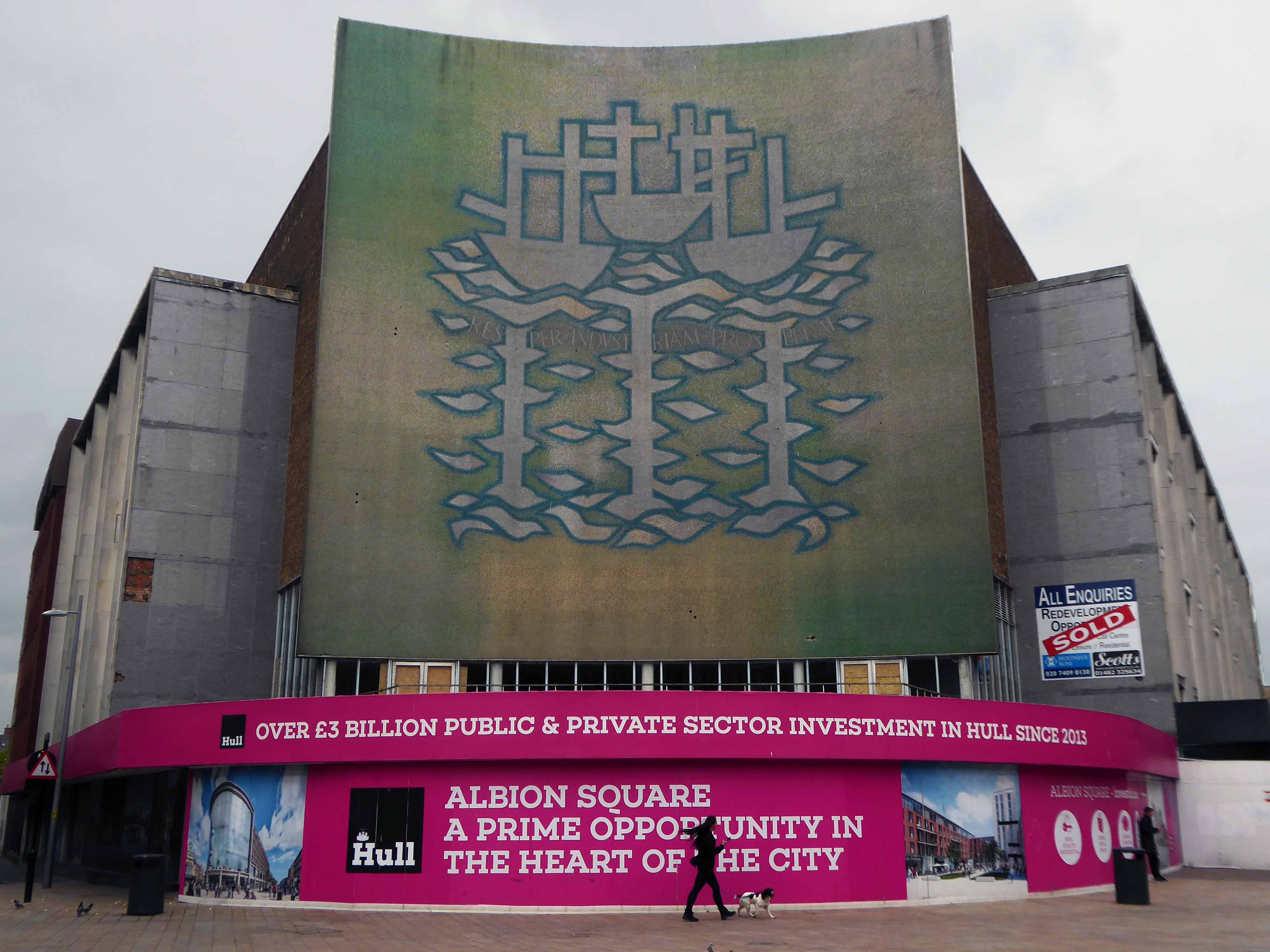
Before us Alan Boyson’s Three Ships – now listed and set for preservation.

The fate of the attached former CO-OP/BHS is less secure.

Architect: Philip Andrew

Onward to the Queens Gardens the almost filled in former Queens Dock – forever fourteen feet below sea level.

We encounter Tonkin Liu’s Solar Gate – a sundial that uses solar alignment to mark significant times and dates in Hull. The super-light innovative two-shell structure is place-specific, responding to pivotal historic events and to the cultural context of its location in Hull’s Queens Gardens adjacent to the ancient site of Beverley Gate.

Carved stone panels Kenneth Carter 1960 – Ken’s art career began as an inspiring teacher, first at his alma mater, Hull College of Art, and later as principal lecturer at Exeter College of Art.

A number of decorative fountains featured in the ponds; those at the eastern end designed as part of the sculptured panels of 1960, by Robert Adams, described by Herbert Read as belonging to: 

The iconography of despair. Here are images of flight, of ragged claws, scuttling across floors of silent seas, of excoriated flesh, frustrated sex, the geometry of fear.

And behind we glimpse Frederick Gibberd’s fine Technical College.

Adorned by the William Mitchell relief.

Portsmouth To Brighton

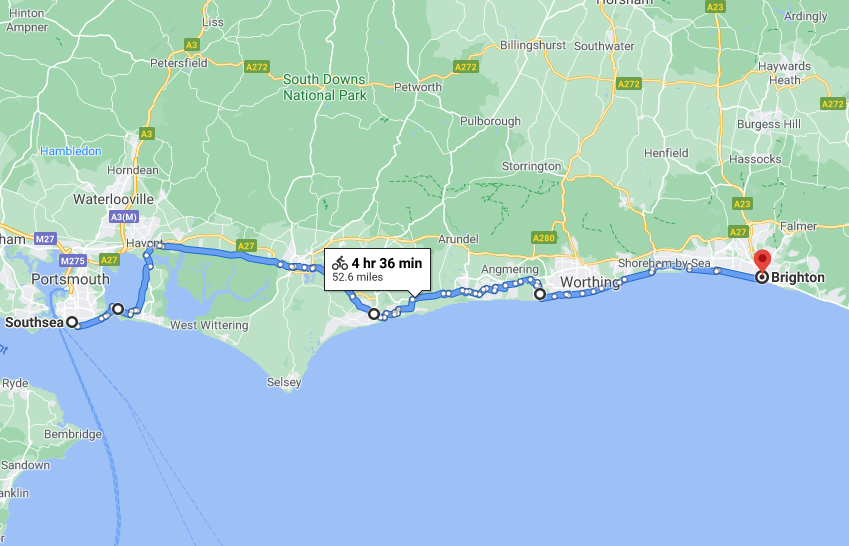
Having cycled along the Solent to Pompey – we set out Brighton bound one sunny Sunday morning in the merry month of May.

Heading for the Hayling Island Ferry.

Determined to make good time as we had an appointment a Pallant House, we pedalled purposefully along the Hayling Billy Line.

Ever onward, passing several examples of well kept, post war houses and former tin tabs.

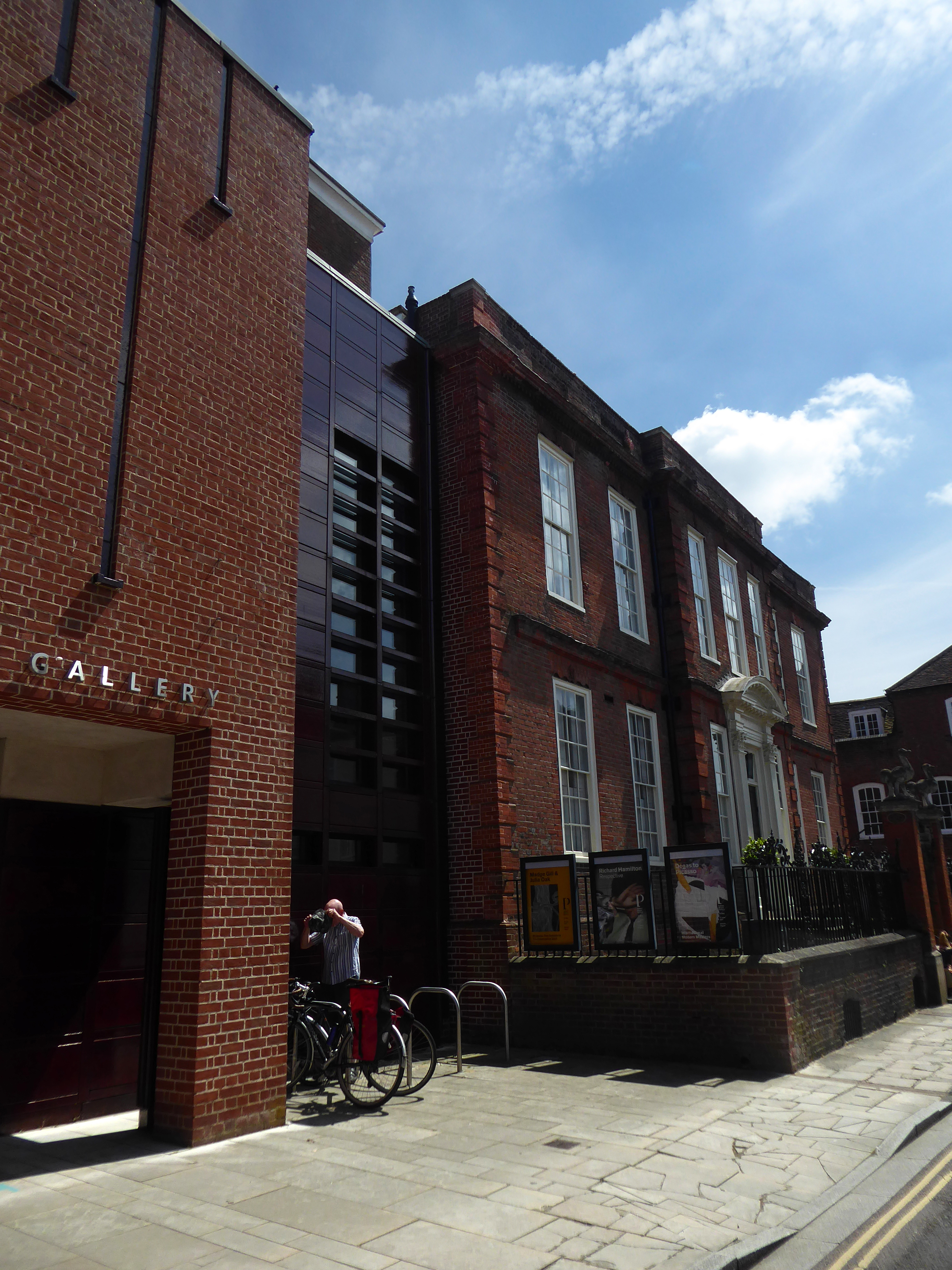
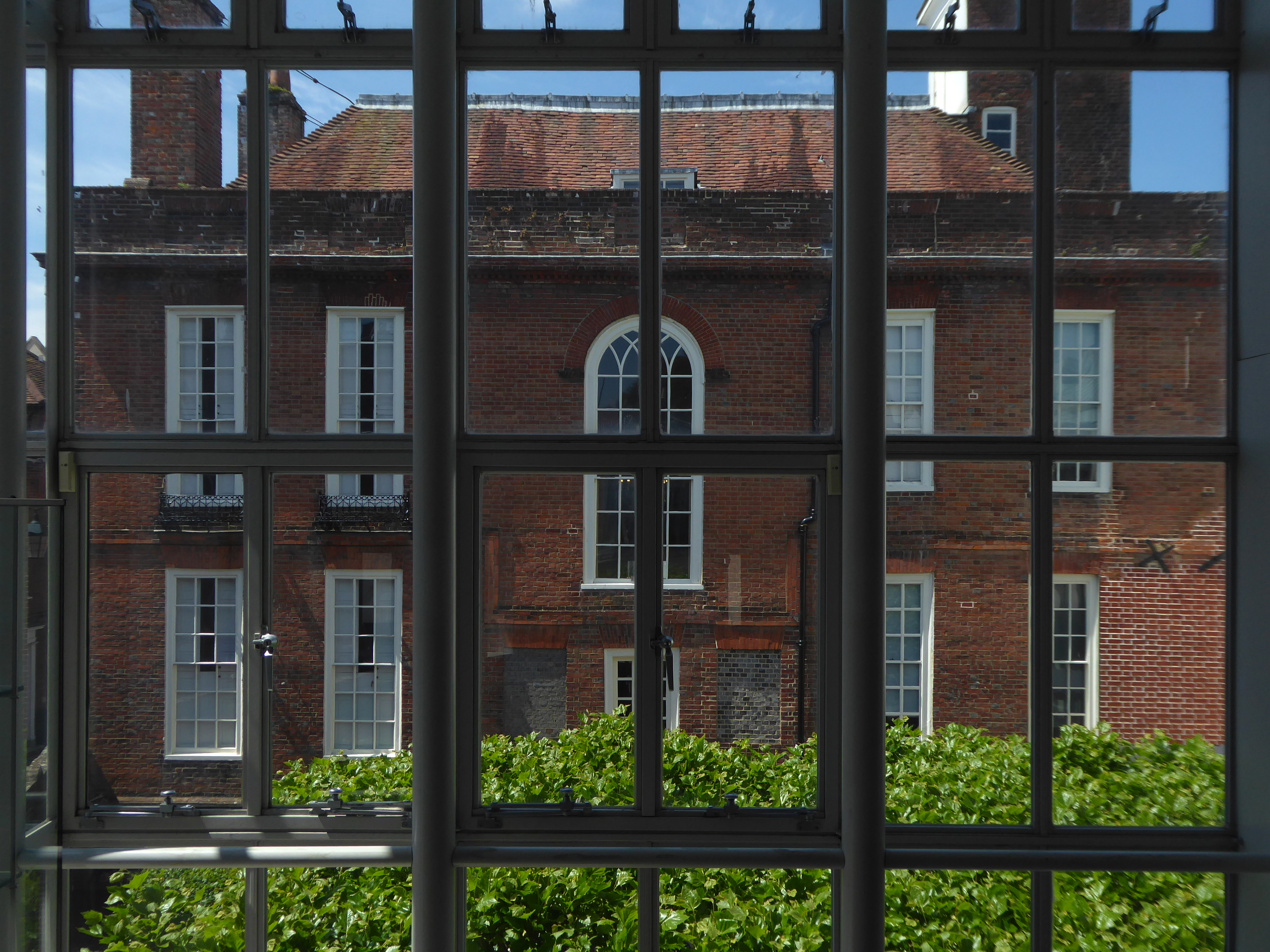
We eventually rolled into Chichester, finding our way to the gallery which I had previously only ever dreamt of visiting.

What wonders await at Pallant House?

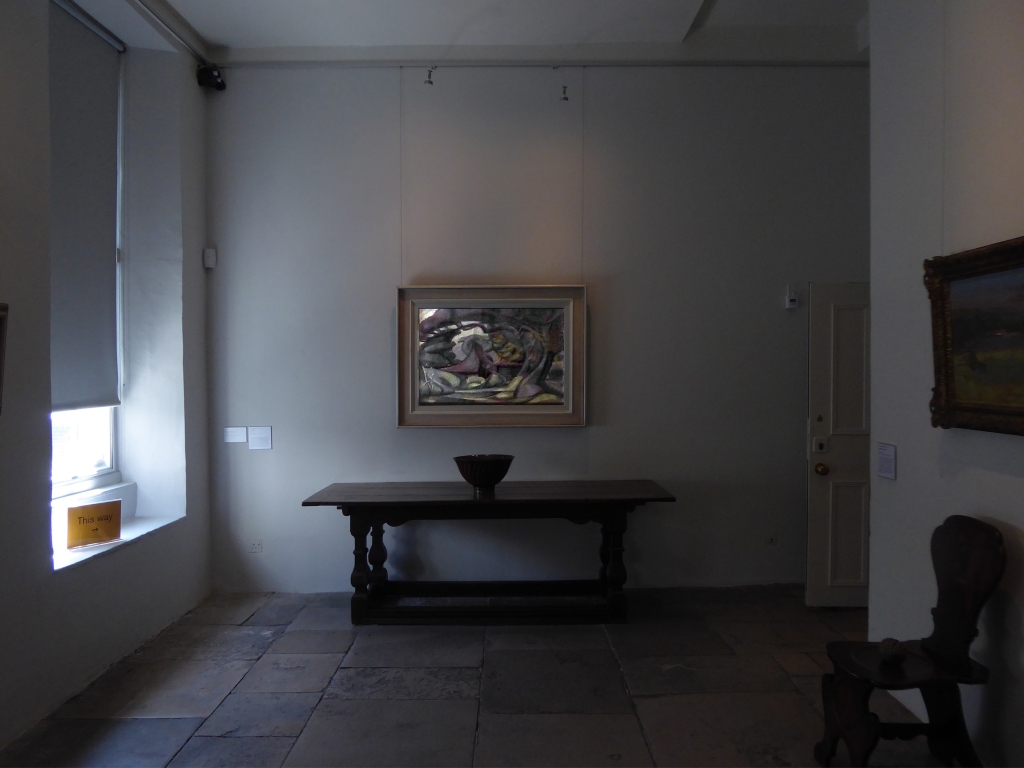
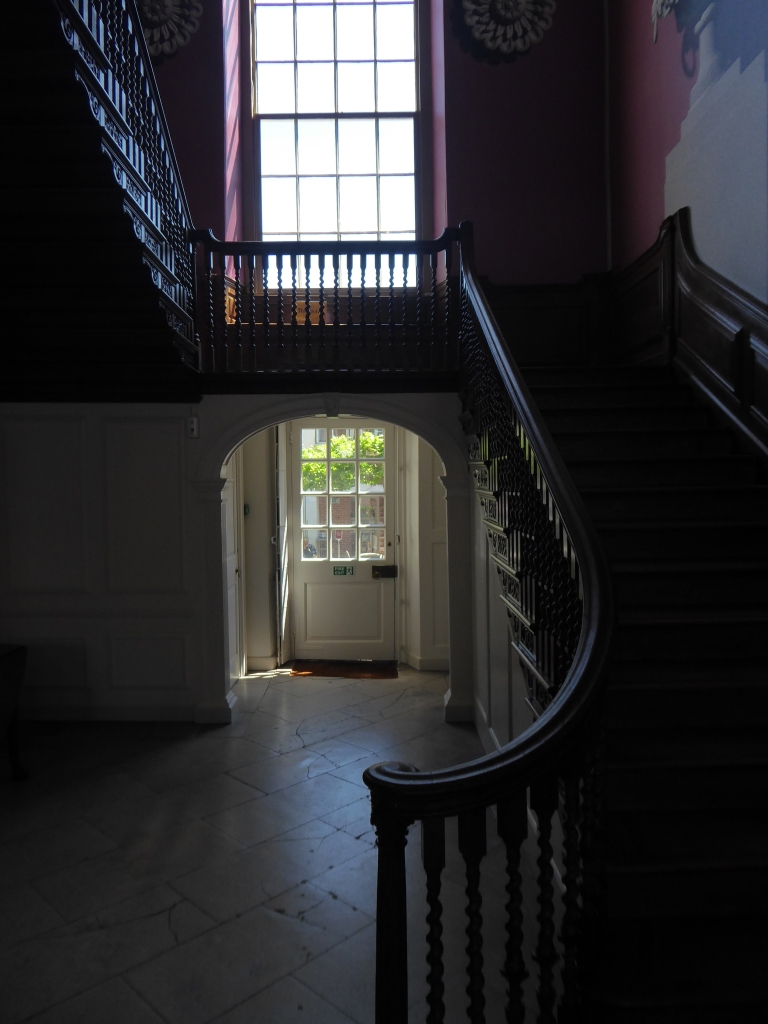
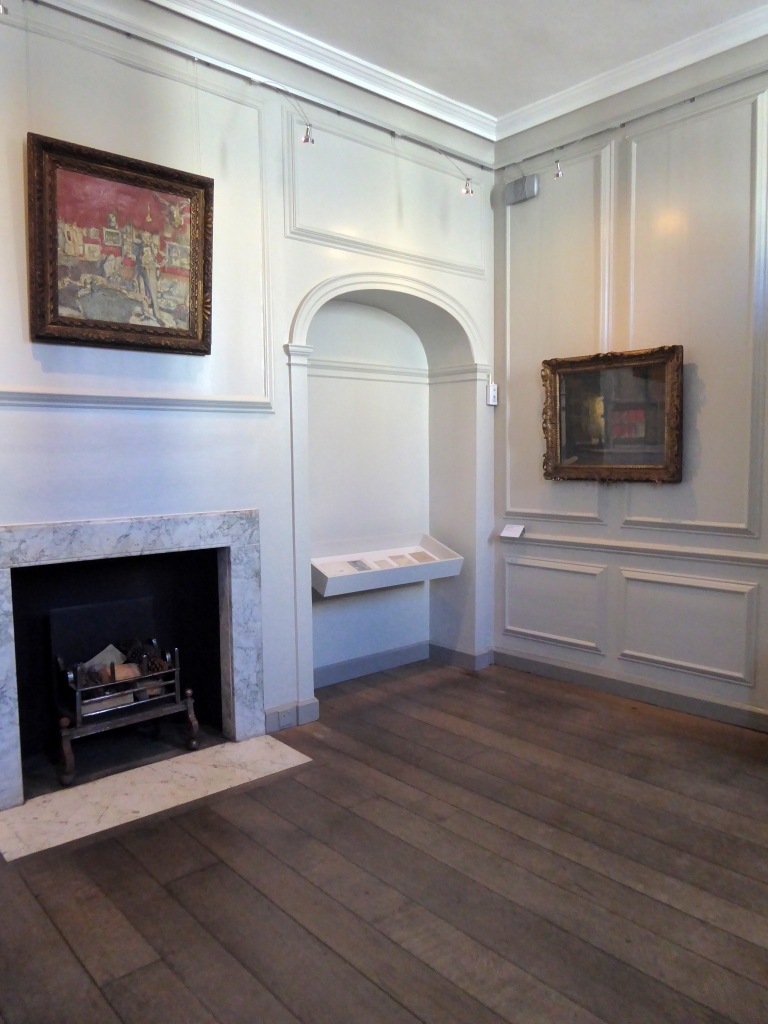
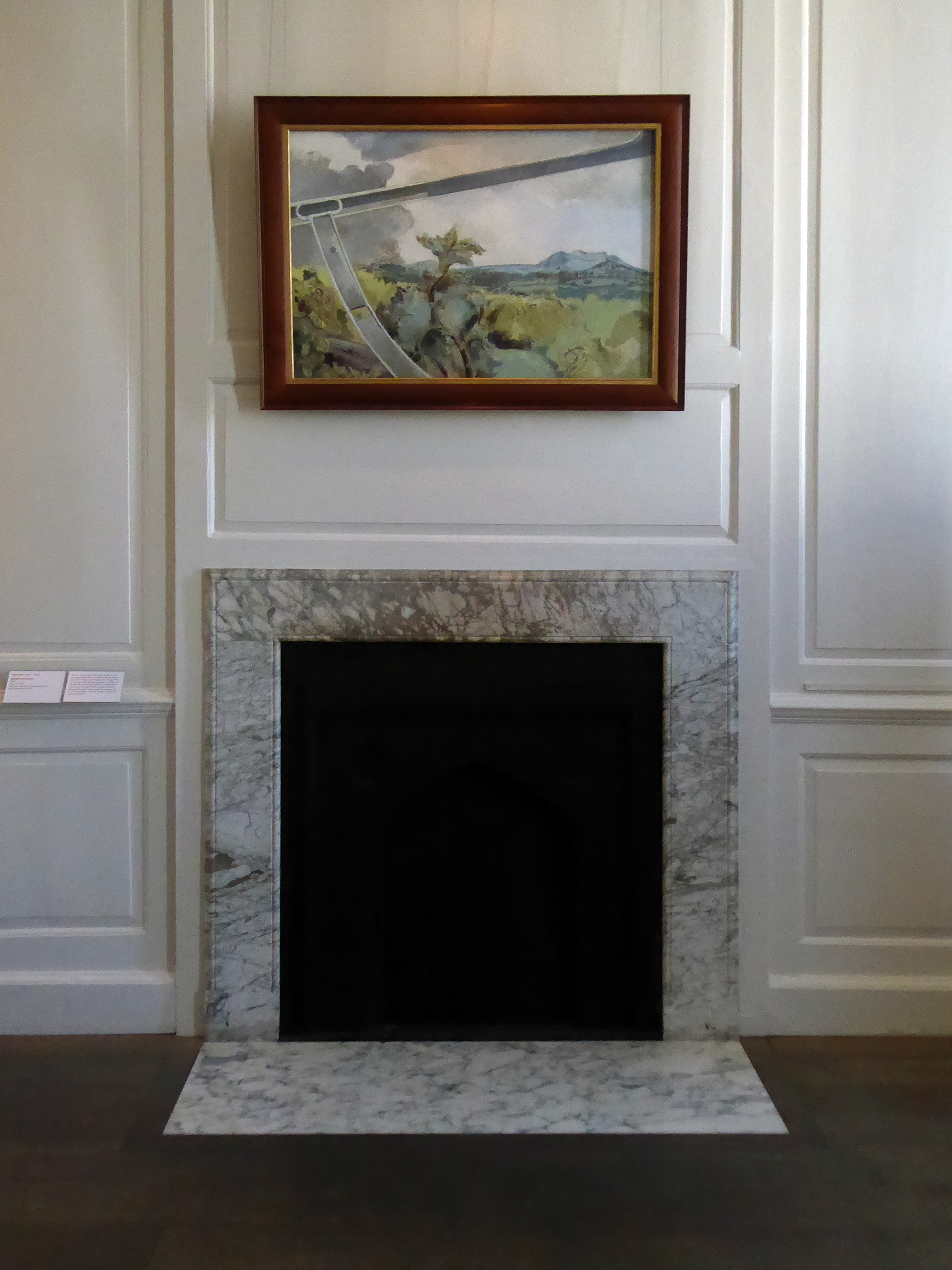
Inside we found the best of Twentieth Century British Art, displayed in period surroundings.

Suitably satiated we sat headed further east – to Bognor and beyond!

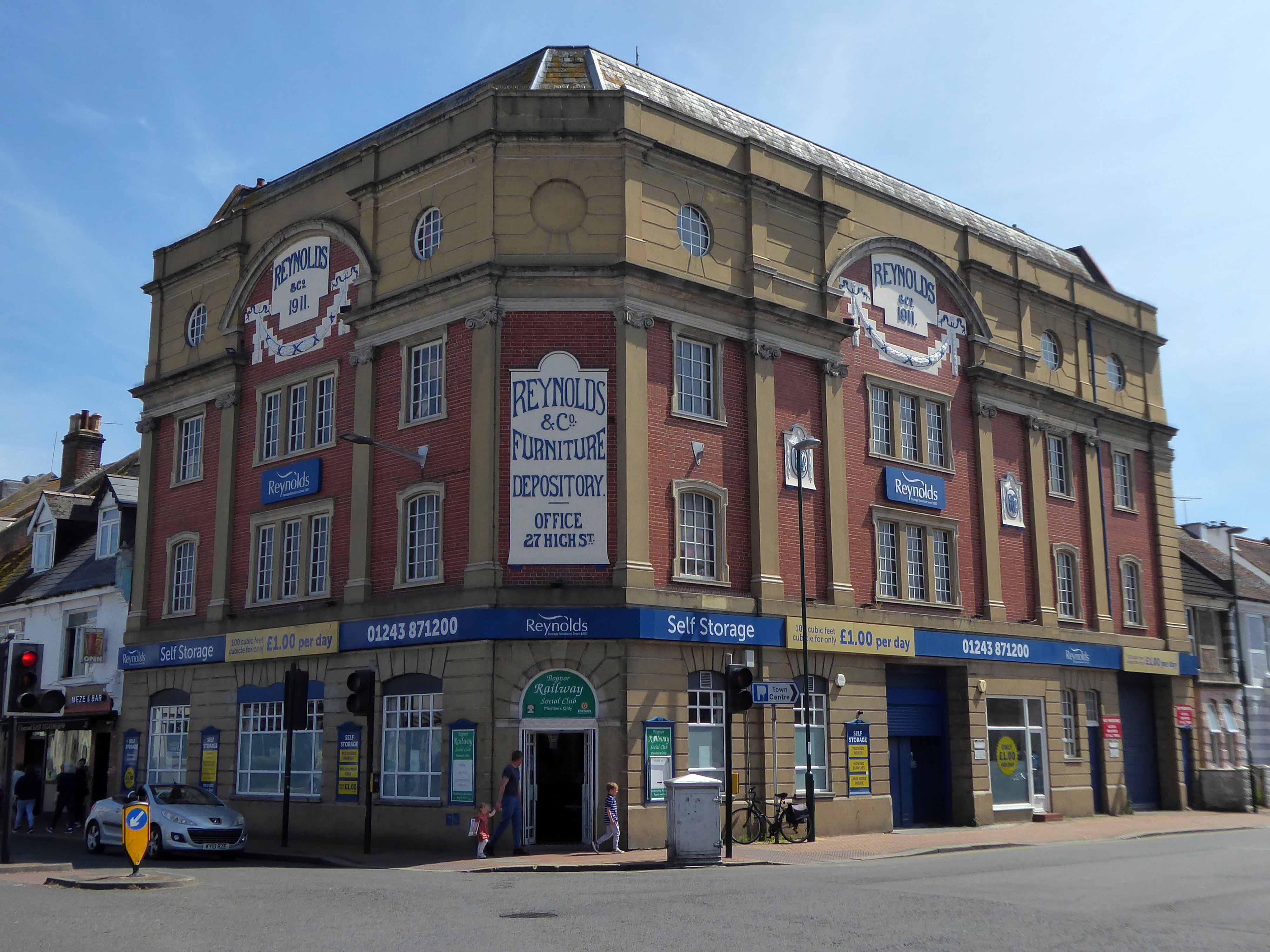
Reynolds Furniture Depository and a crowded Bank Holiday weekend seafront.

Since 1867 Reynolds has grown from a small shop to the largest furniture store in Sussex, with over 30,000 sq ft on four floors.

The Funeral Service now has three offices in Bognor Regis, Chichester and Littlehampton and the purpose built storage facility in Canada Grove continues to thrive.

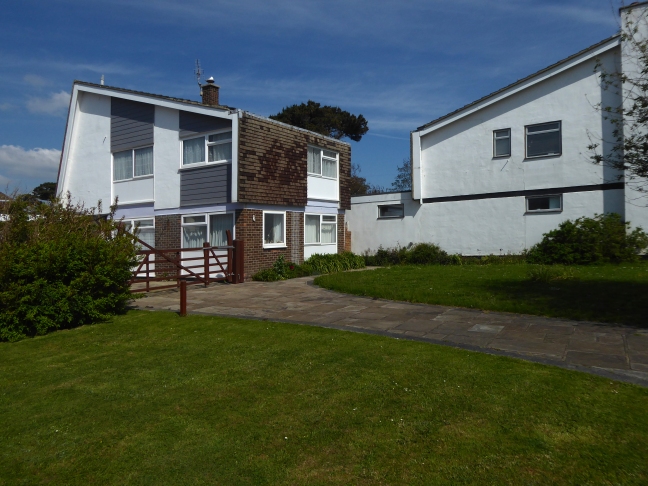
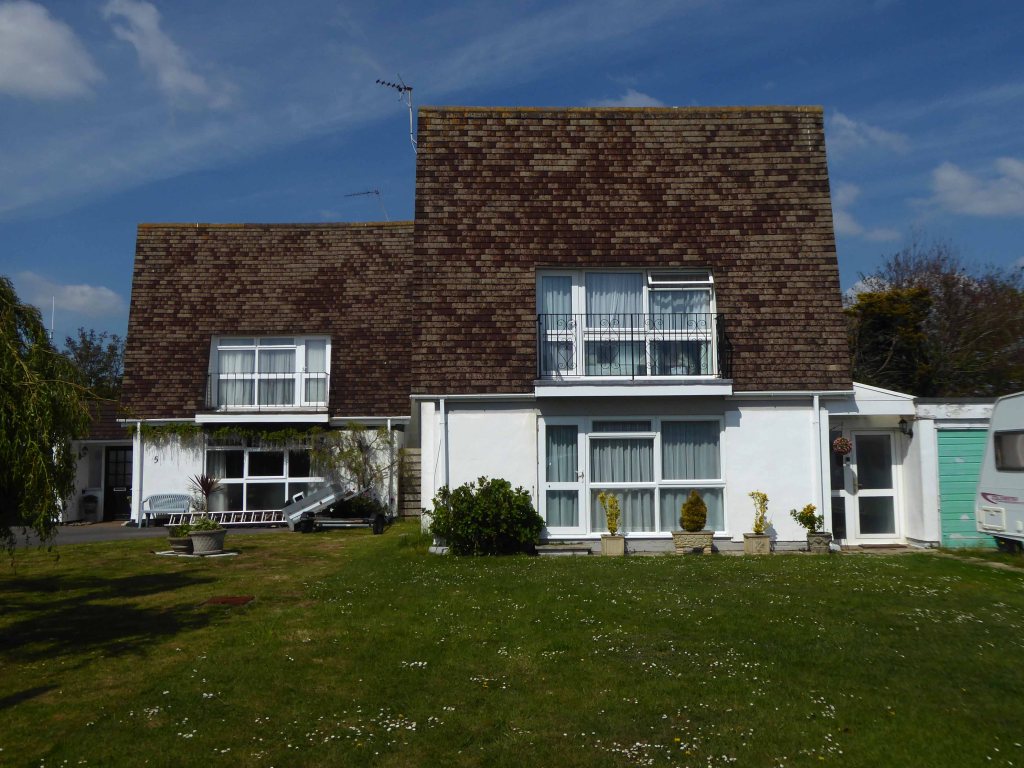
We soon found ourselves in Felpham, amongst yet more interesting housing.

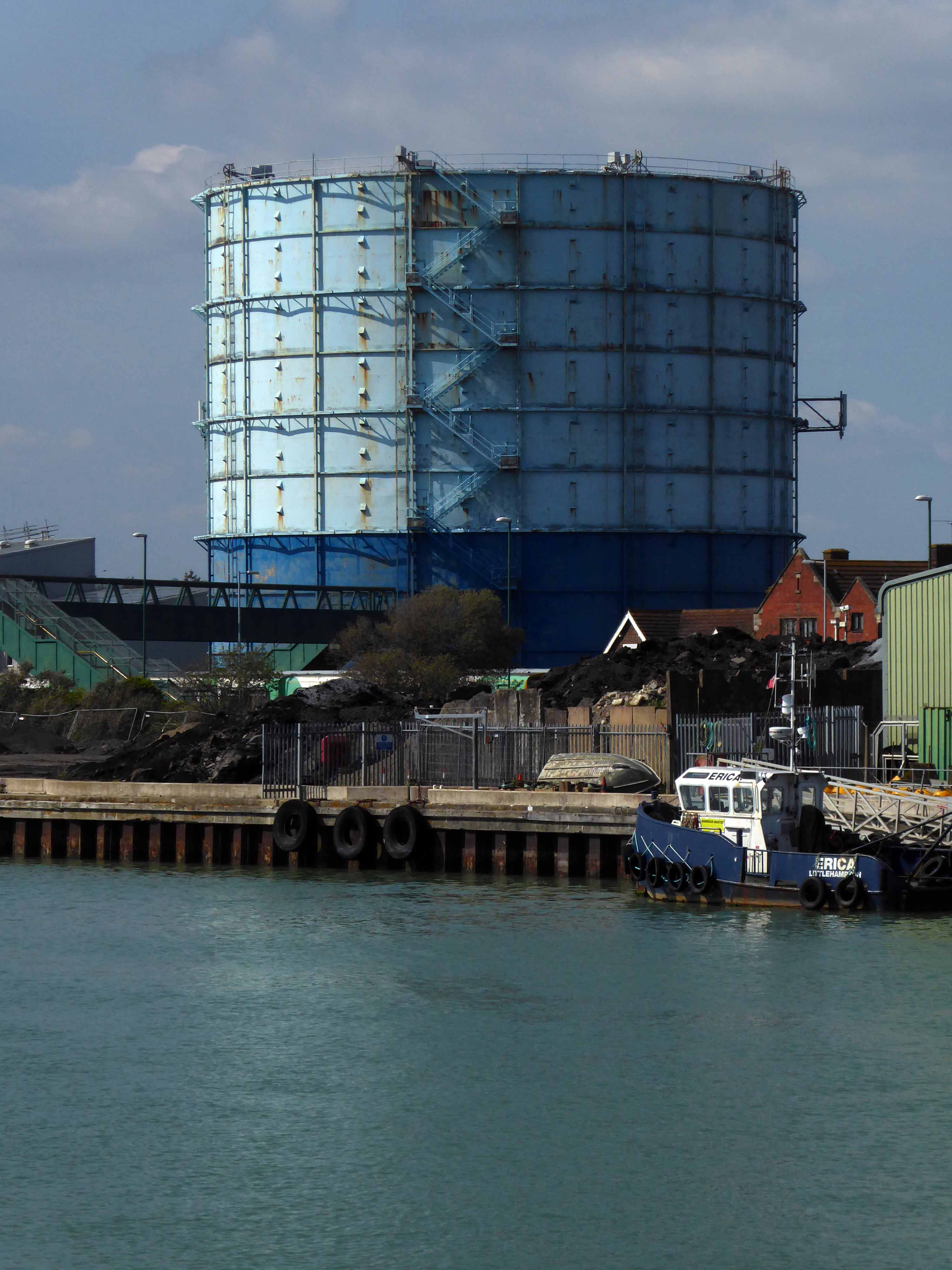
We traversed the River Arun at Littlehampton.

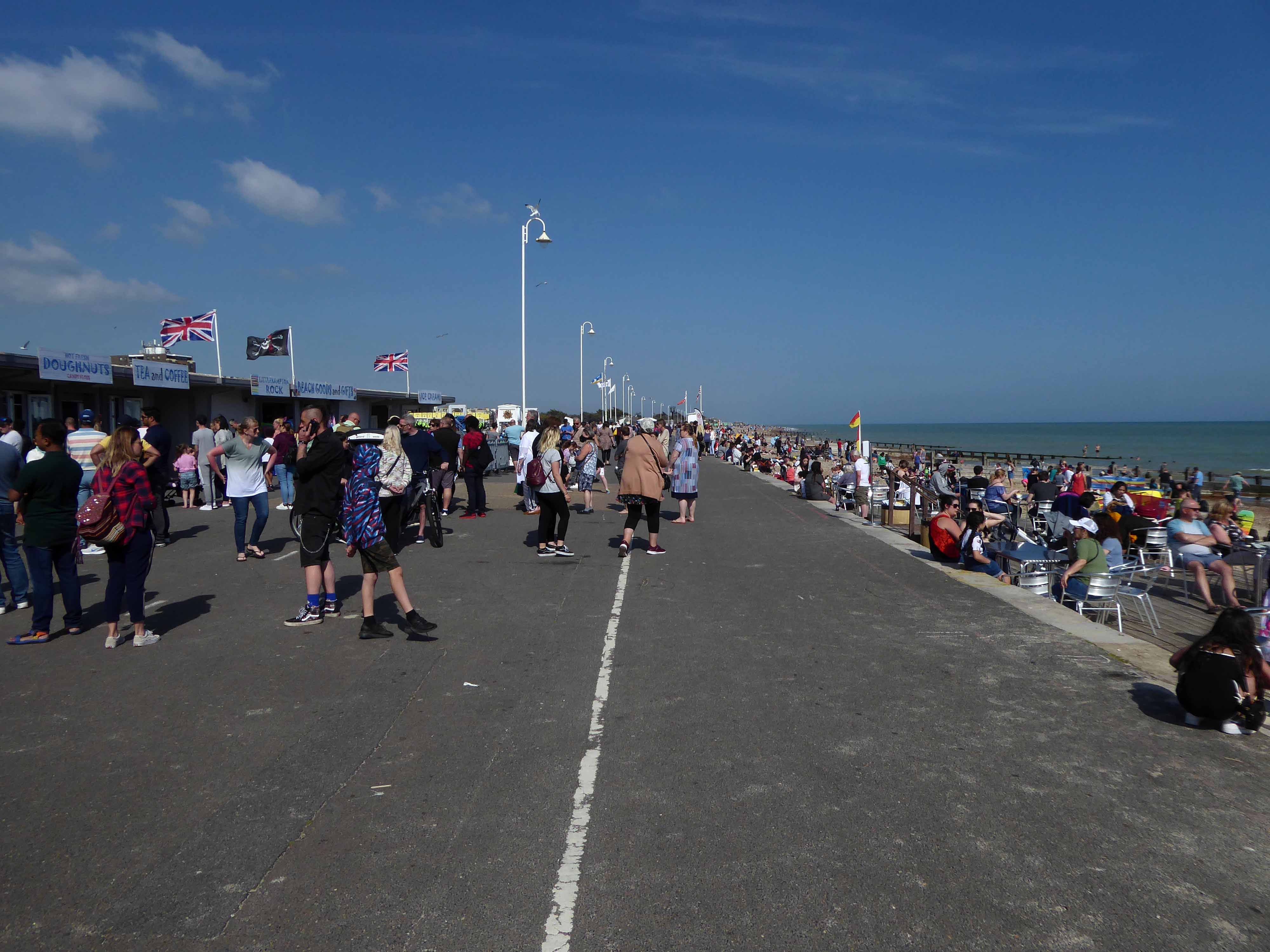
Then meshed with the milieu on the prom.

The day grew much hotter and we grew ever so slightly loster.

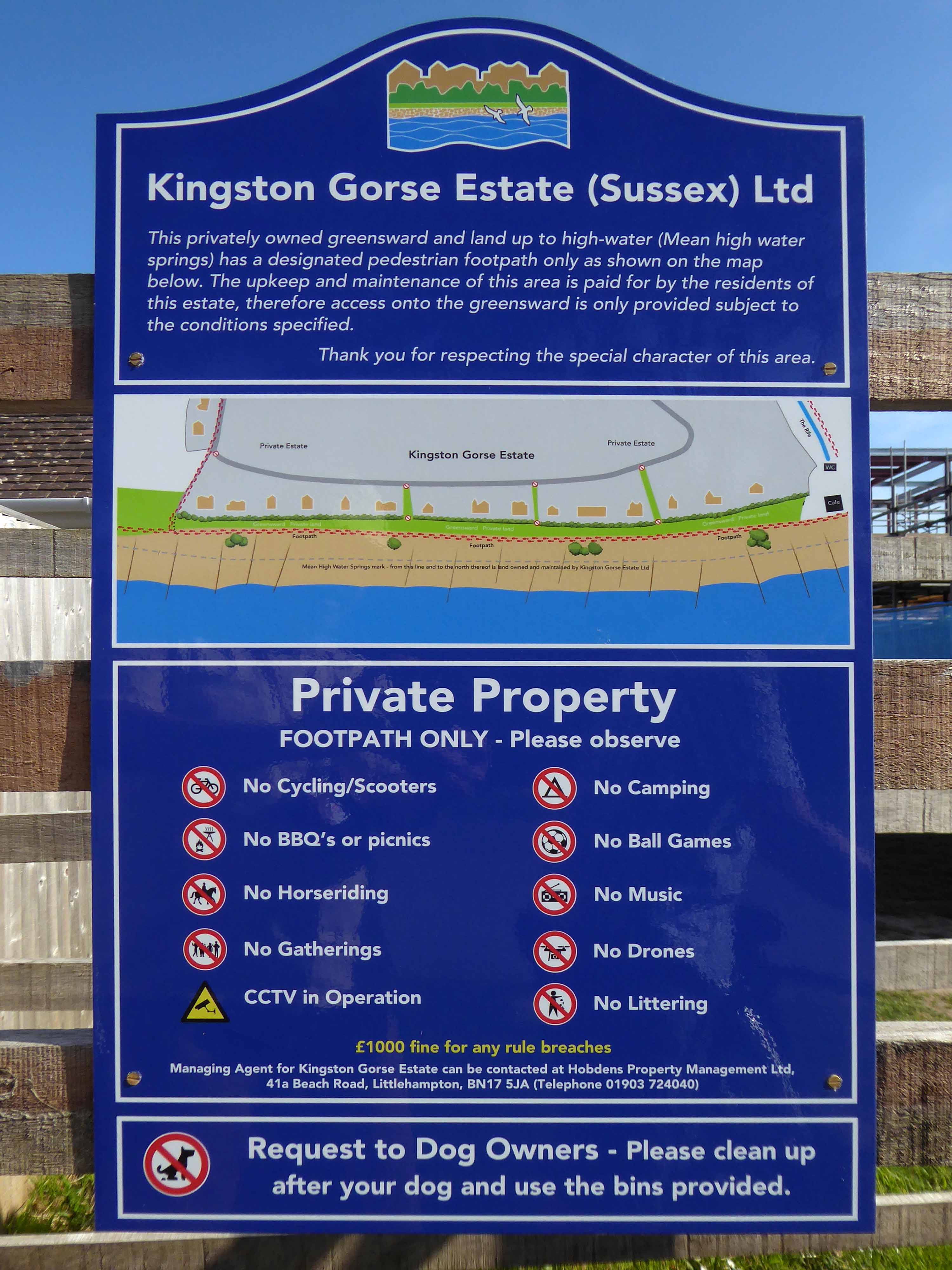
Finding our way back to the coast through the Kingston Gorse Estate – where almost everything is comprehensively prohibited.

Kingston Gorse is a beautiful seaside location close to Goring-by-Sea in West Sussex. In Kingston Gorse, there is a gorgeous housing development with a number of three, four and five bedroom homes.

In 1918 JA Candy, who owned East Kingston Farm, sold the land on which Kingston Gorse now stands to the local builder G Pesket.

In the 1920s he constructed the infrastructure and developed approx. 30 plots including Imray, which he occupied.

Kingston Gorse

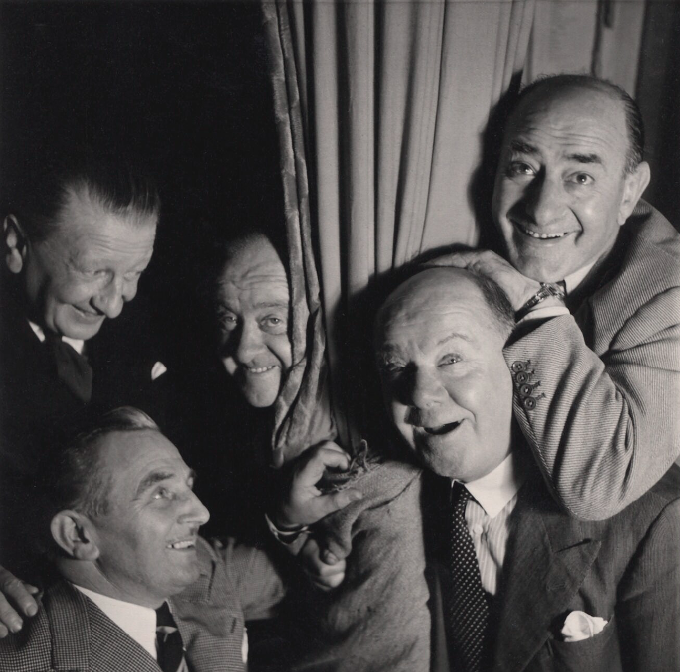
The estate was once home to Bud Flanagan who then sold his house to Teddy Knox.

The Crazy Gang Bud Flanagan Jimmy Nervo Teddy Knox Charlie Naughton Jimmy Gold

by Cecil Beaton

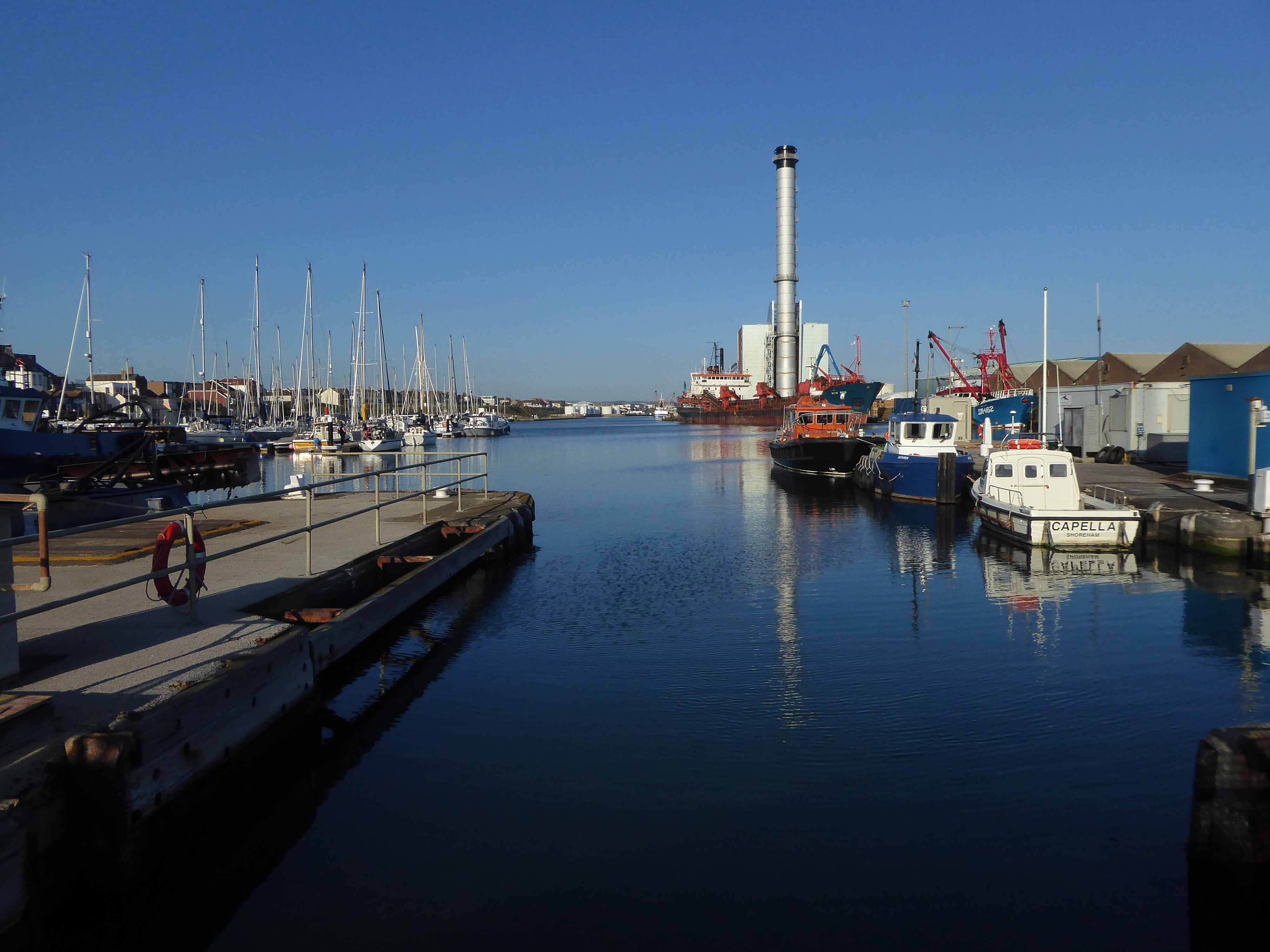
At Southwick we crossed the River Adur via the docks’ locks.

Proceeding towards our overnight digs more than somewhat weary – it’s been a long day.

There are more snaps here taken on my previous trip.

BT Building – Warrington

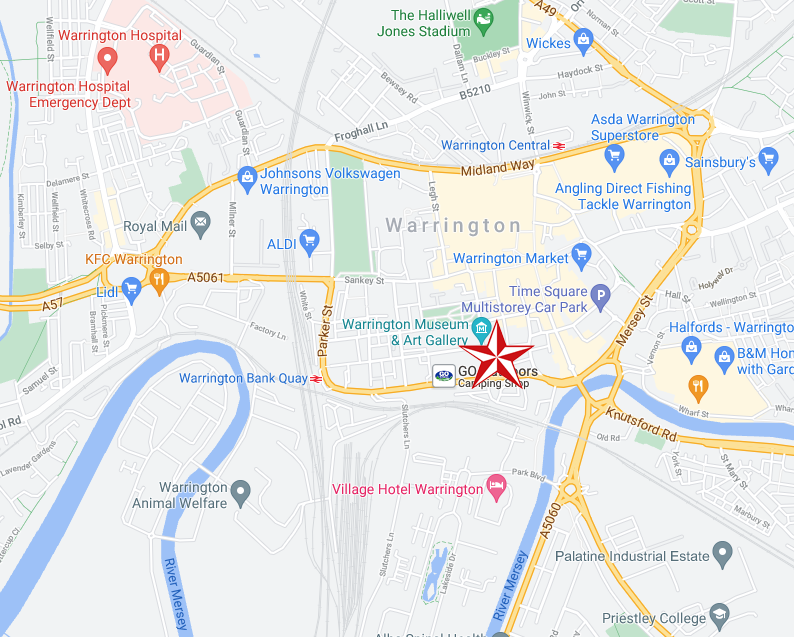
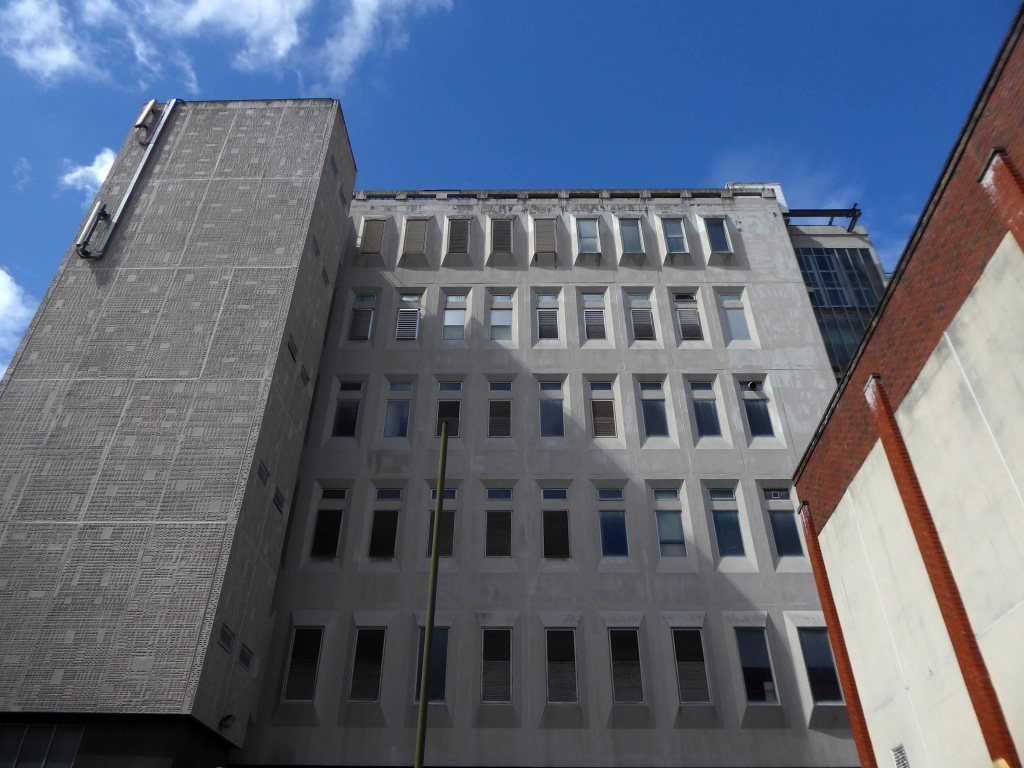
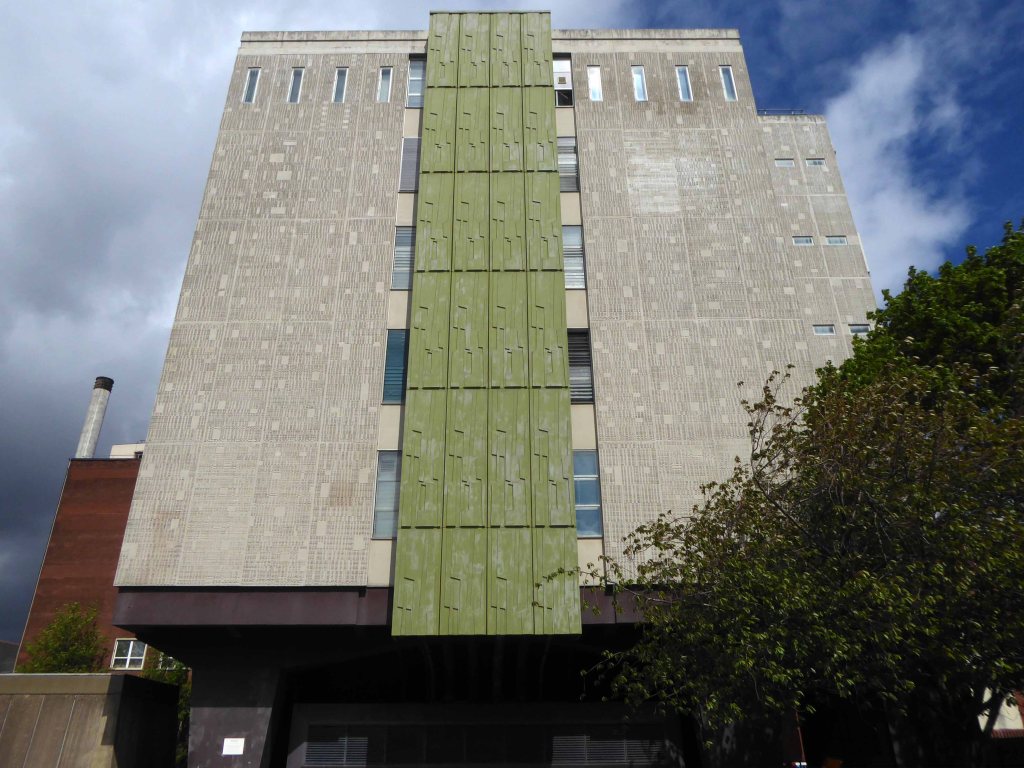
Wilson Patten street Warrington Cheshire WA1

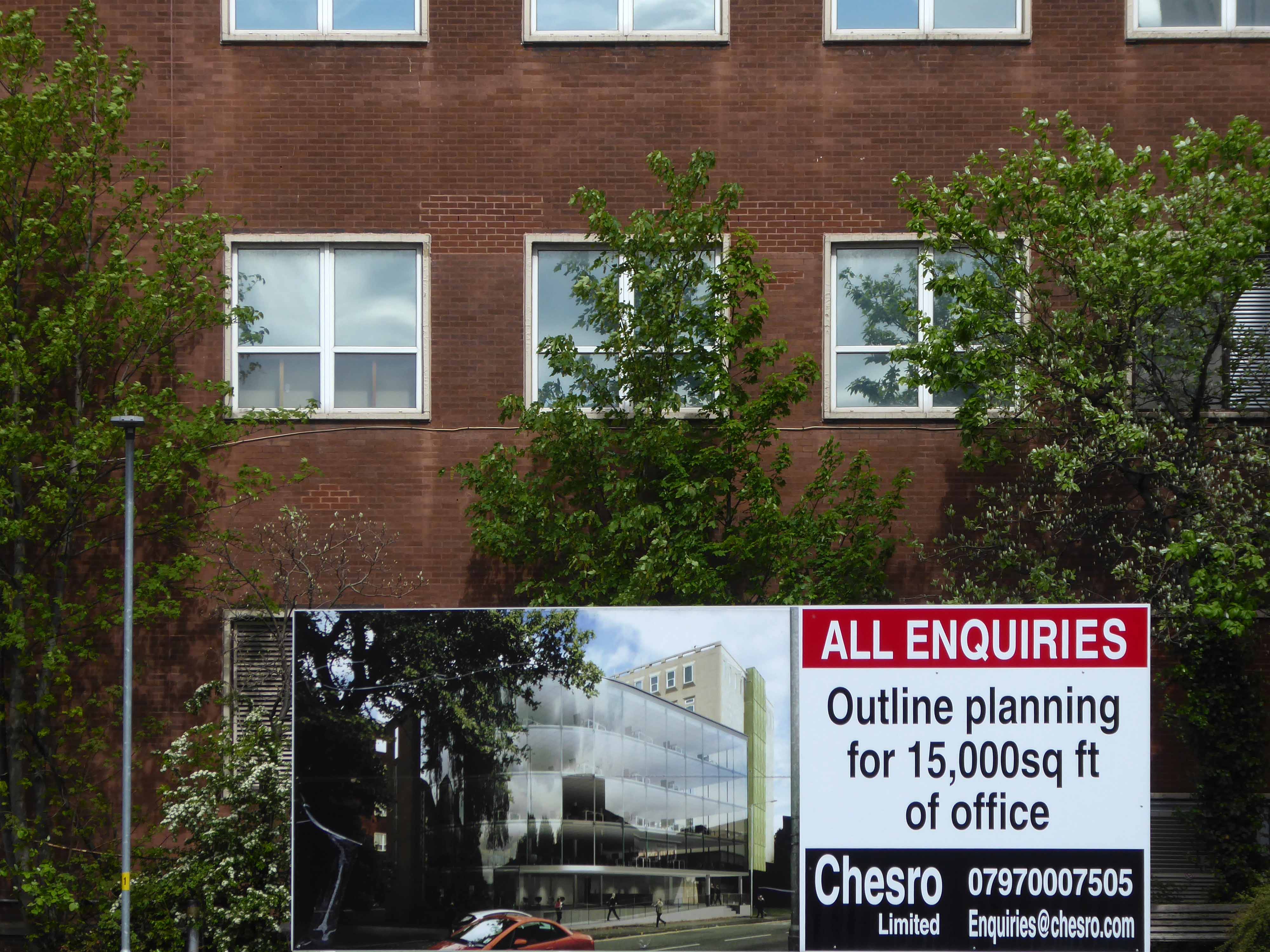
A forgotten part of Warrington town centre could be turned into plush new affordable flats.

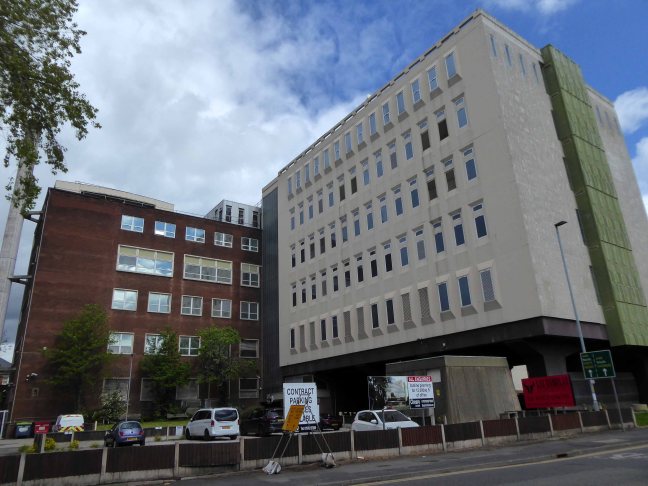
Developers are looking to put an eight-storey apartment block off Wilson Patten Street close to the former BT telephone exchange building – described in the planning application as an:

ugly concrete monolith

It would be home to a mix of forty one, two and three bed flats on the spare land which is currently used as a car park.

Warrington Guardian

Typically the architecture of Twentieth Century infrastructure is reviled and ridiculed – simply swept away by contemporary, anonymous design and construction.

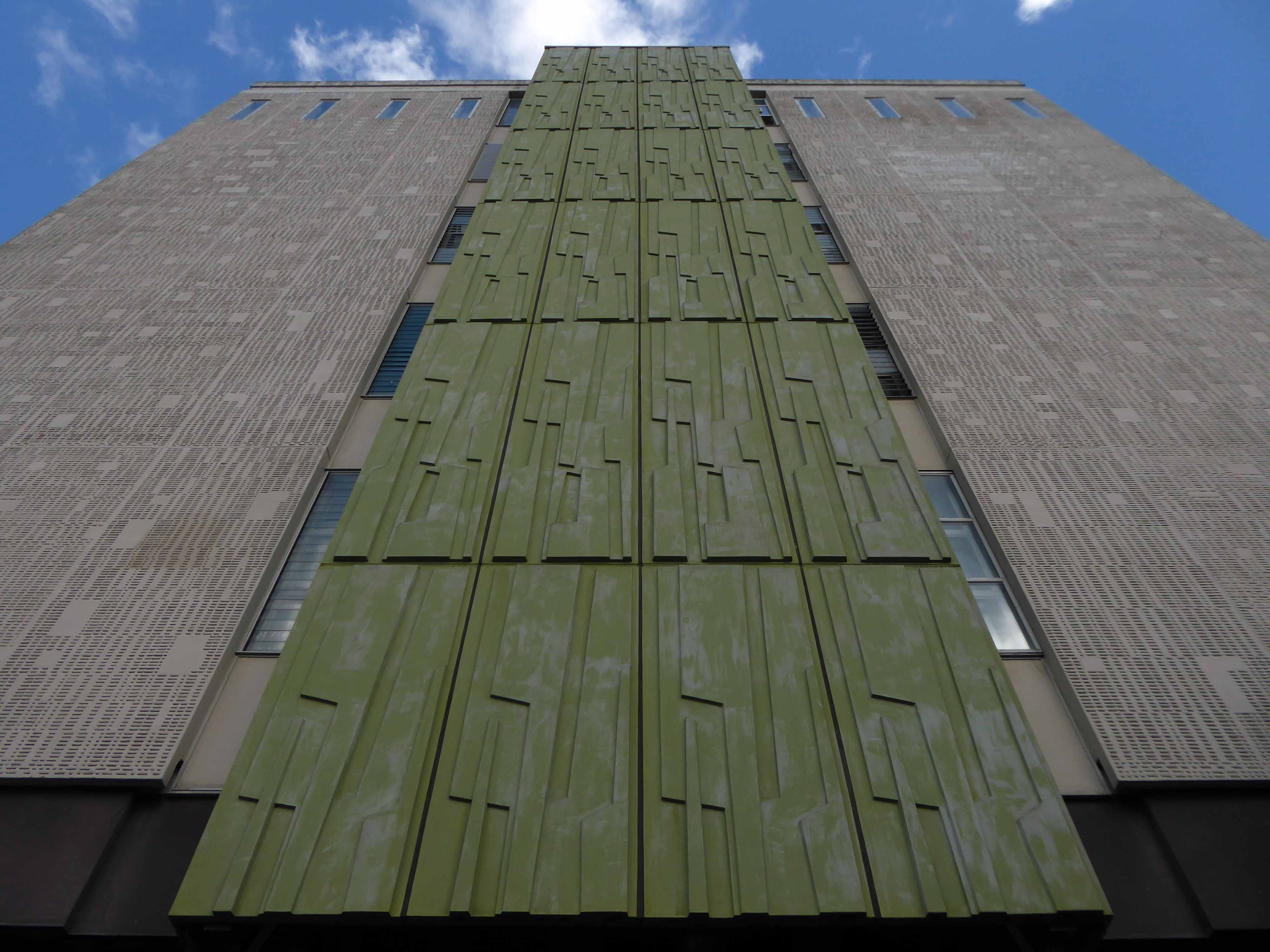
At least in this instance the developers intend to retain the ugly concrete monolith.

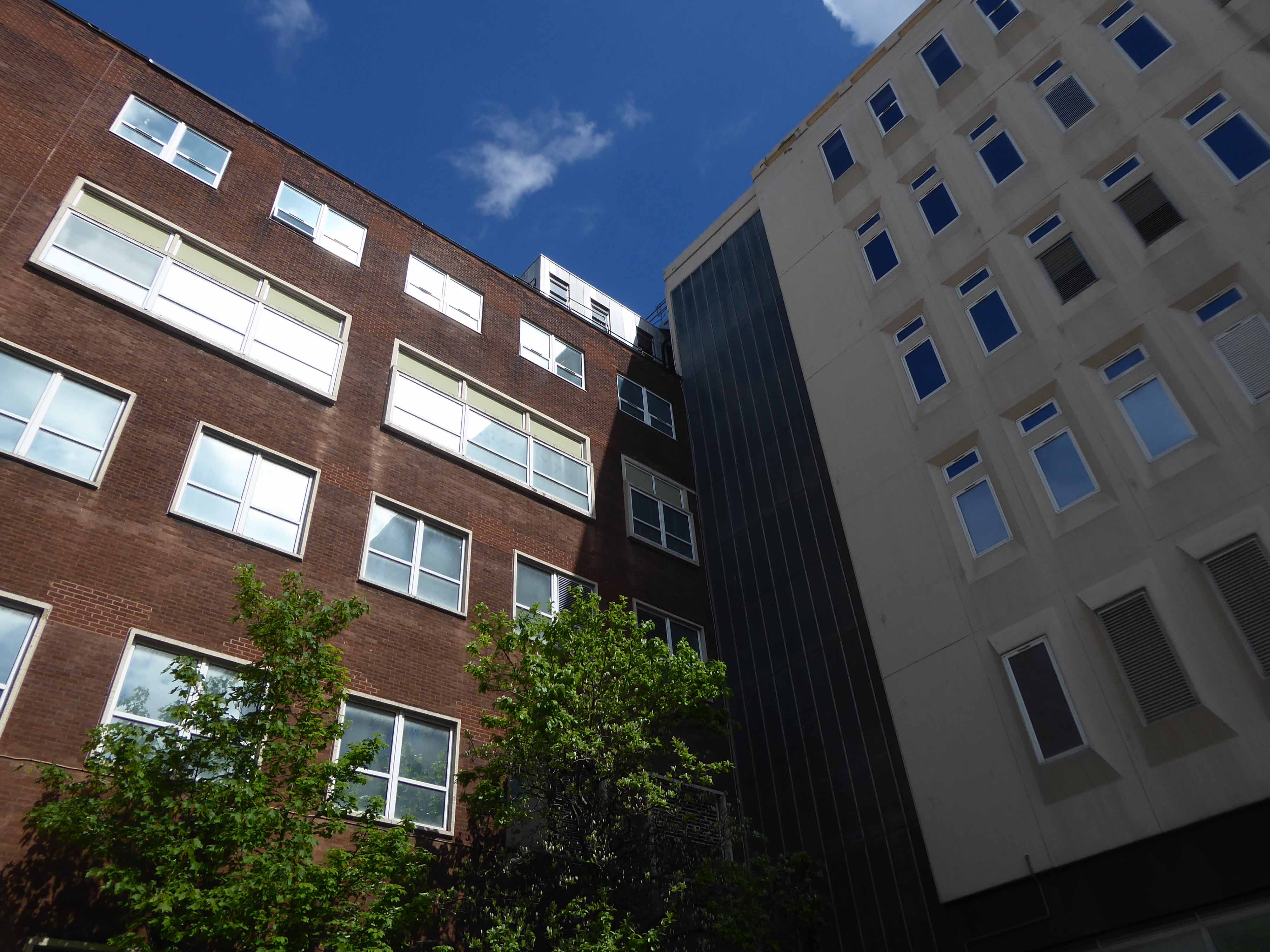
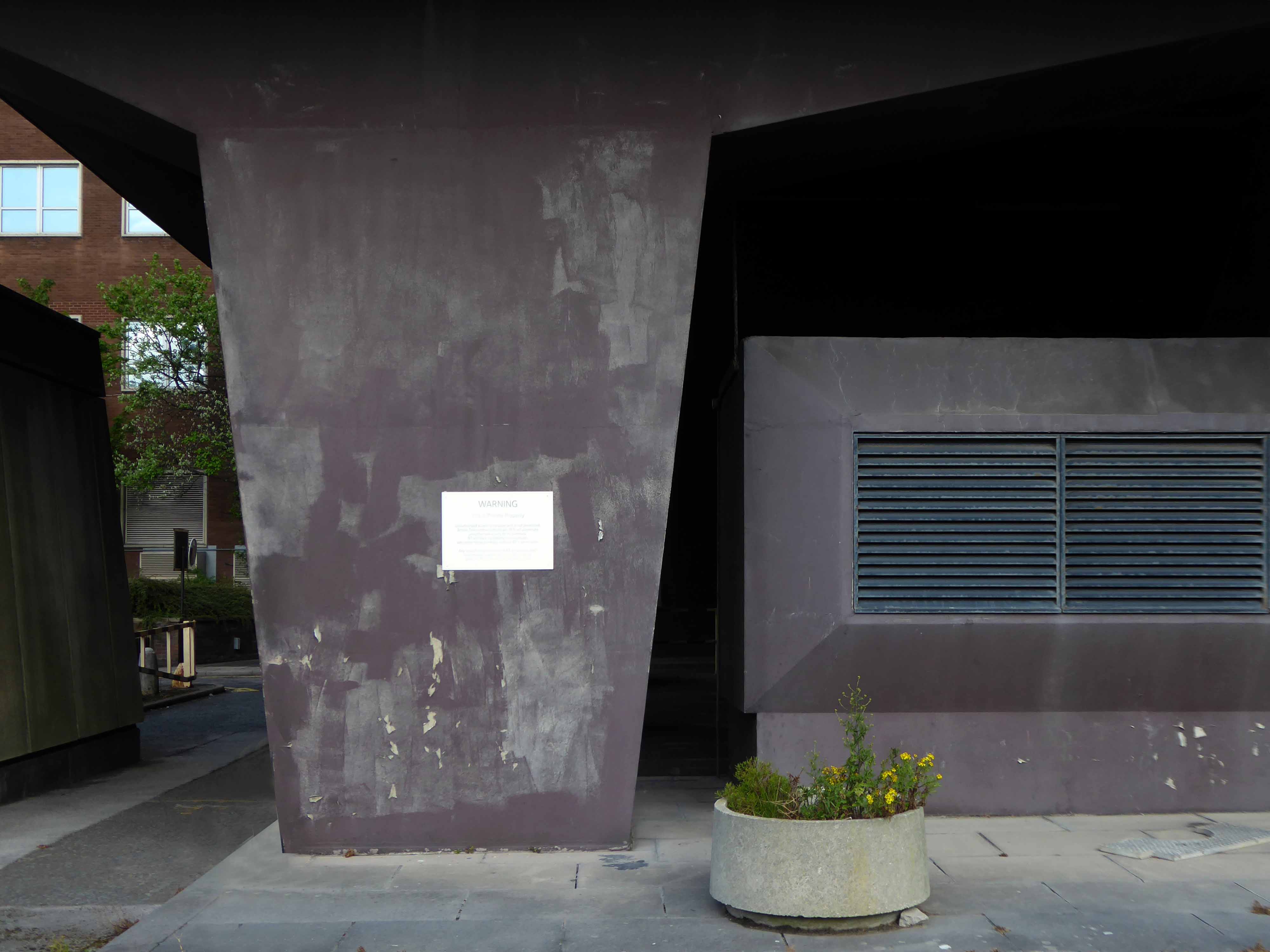
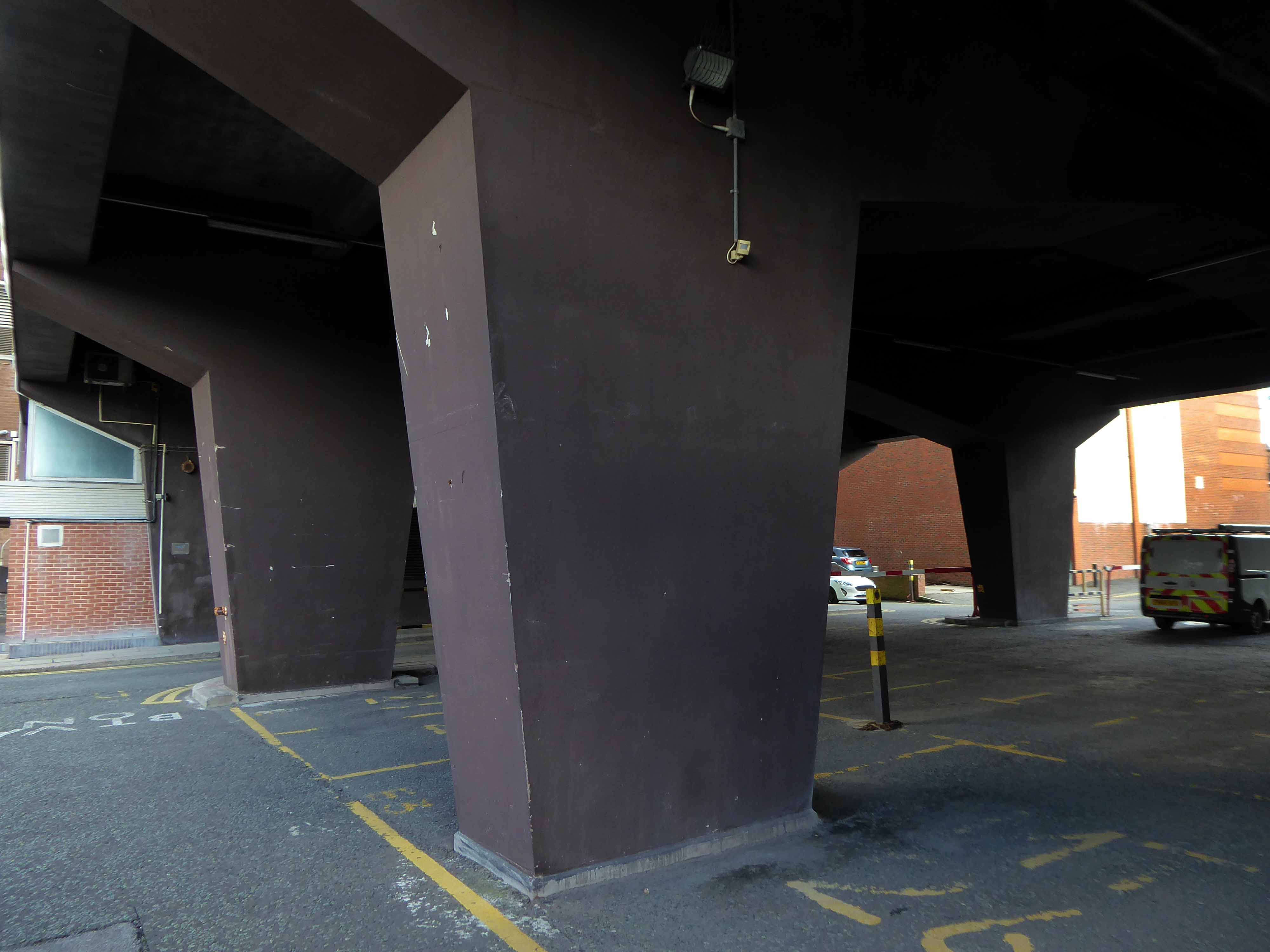
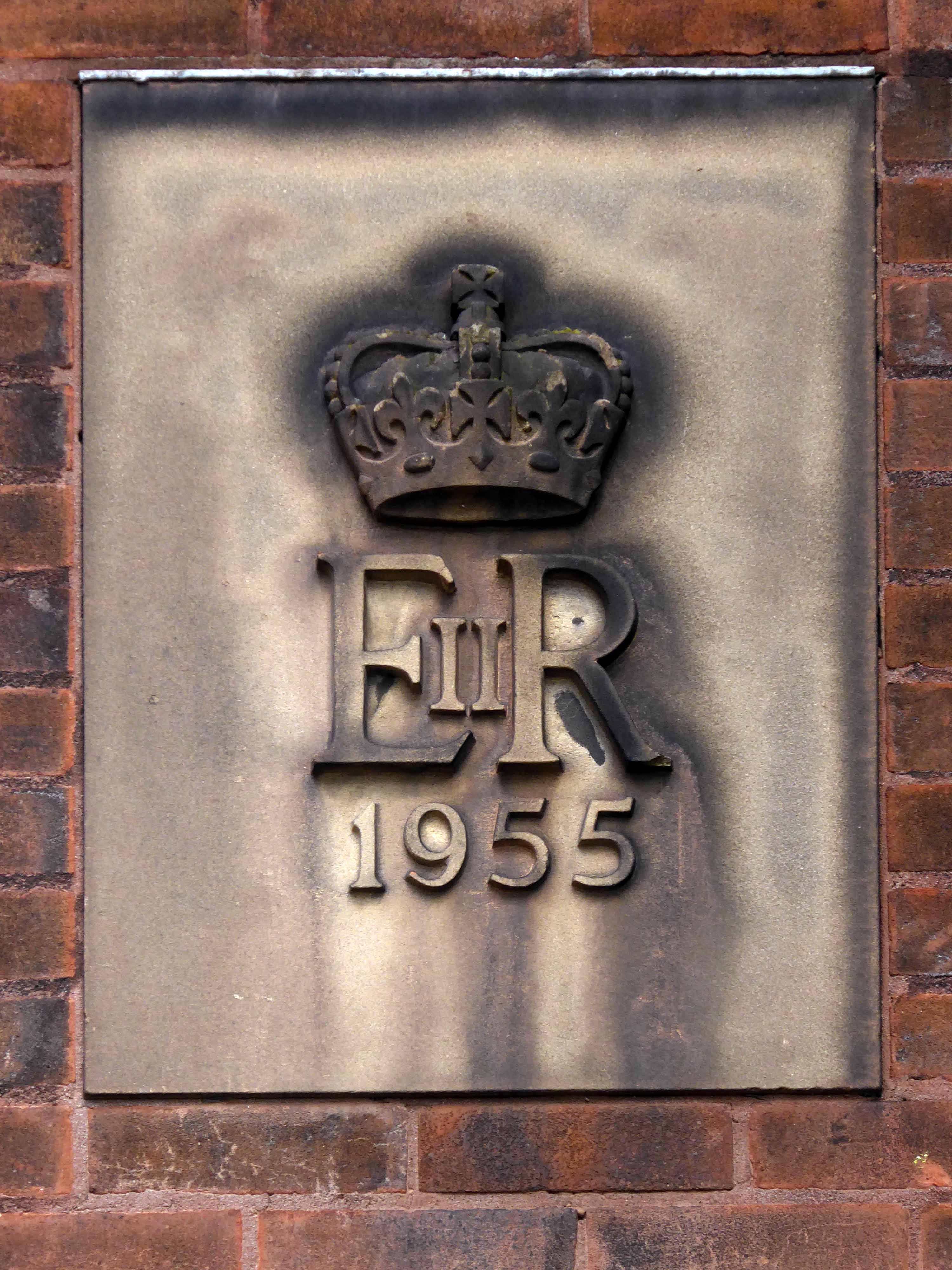
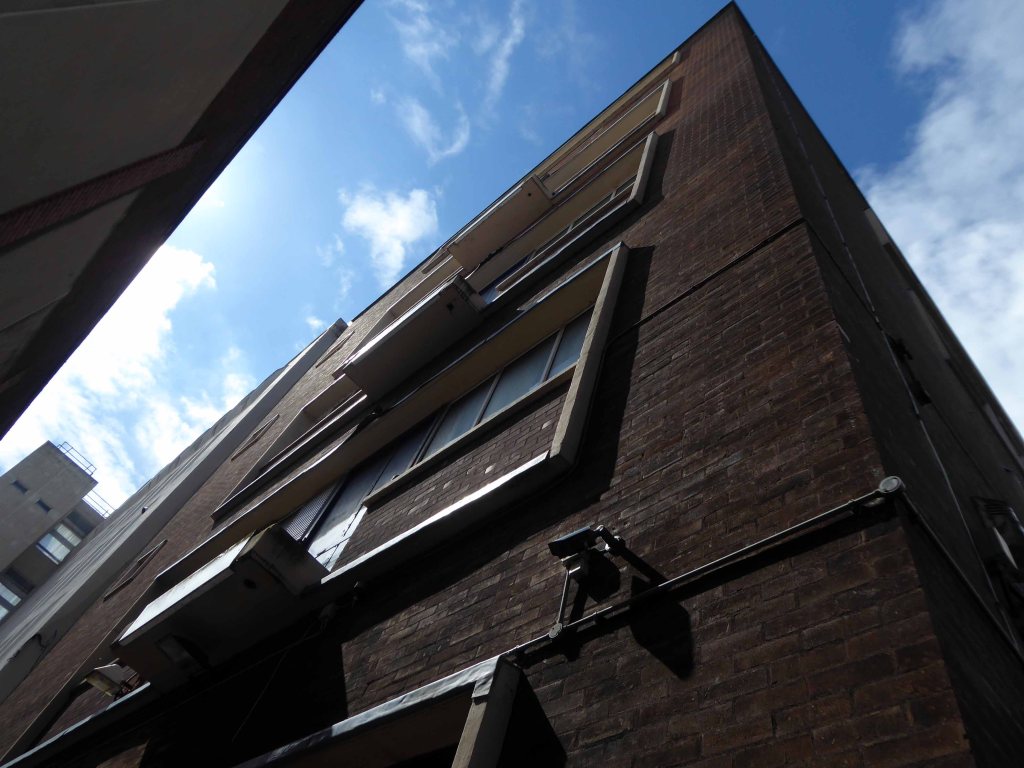
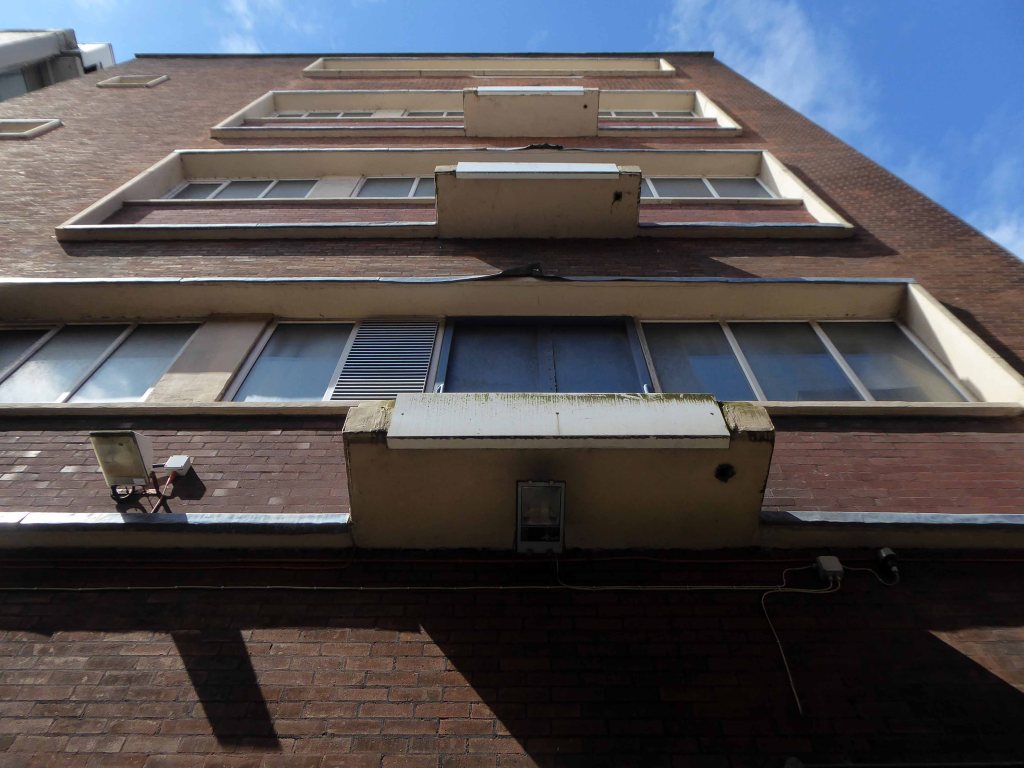
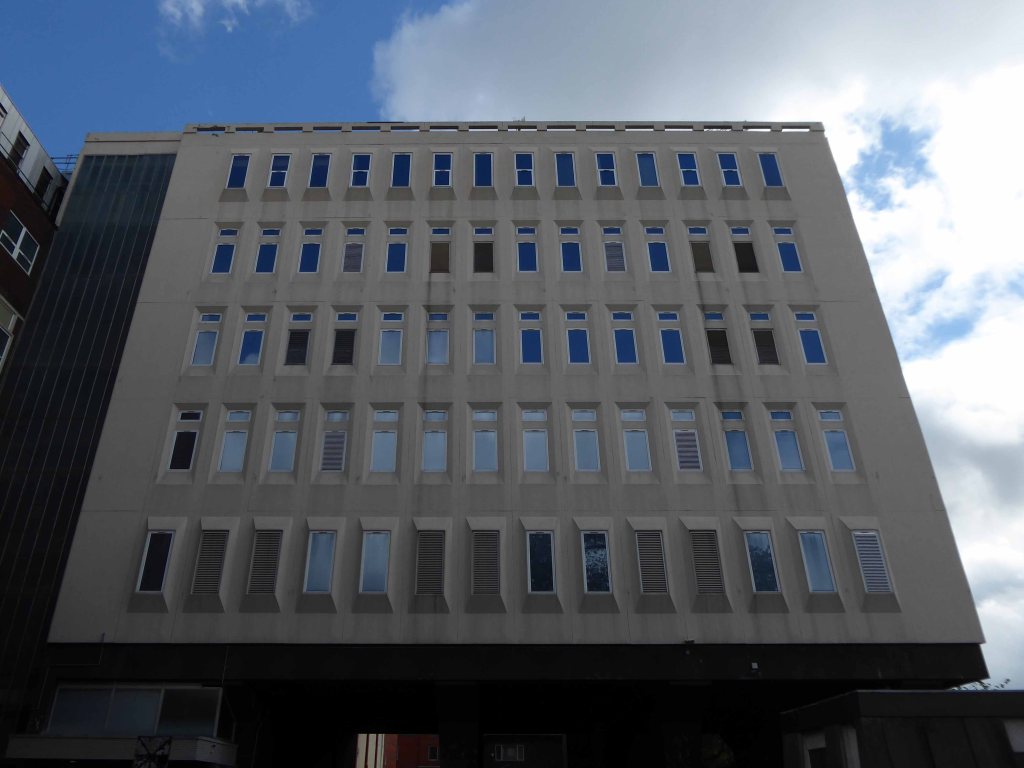
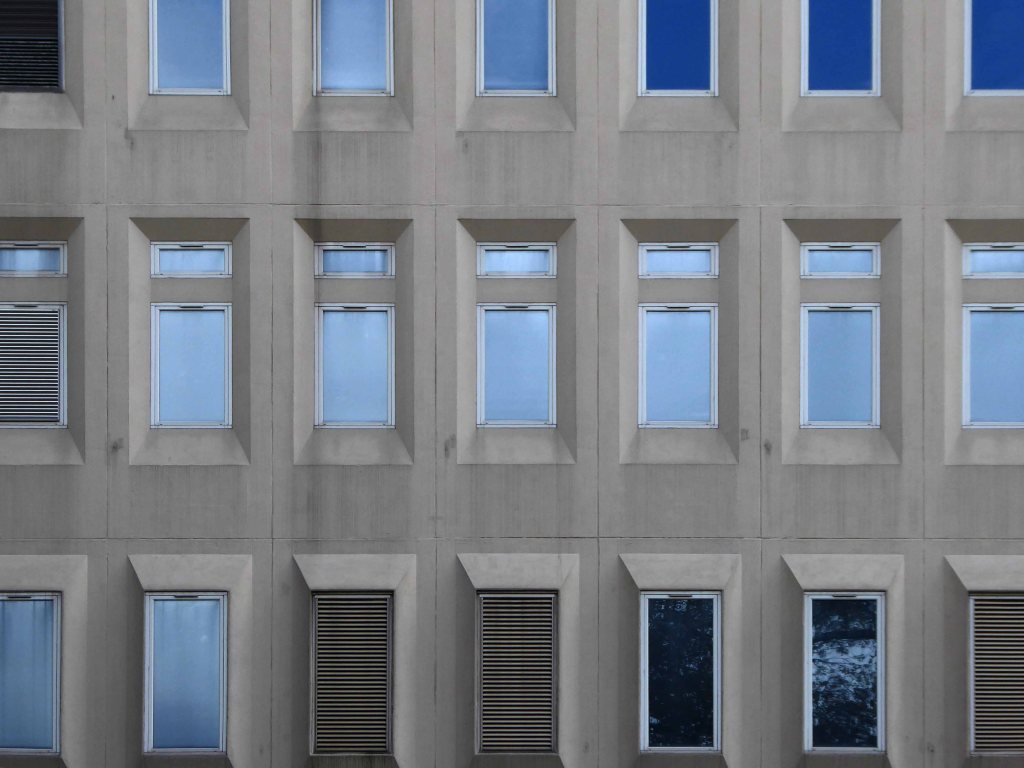
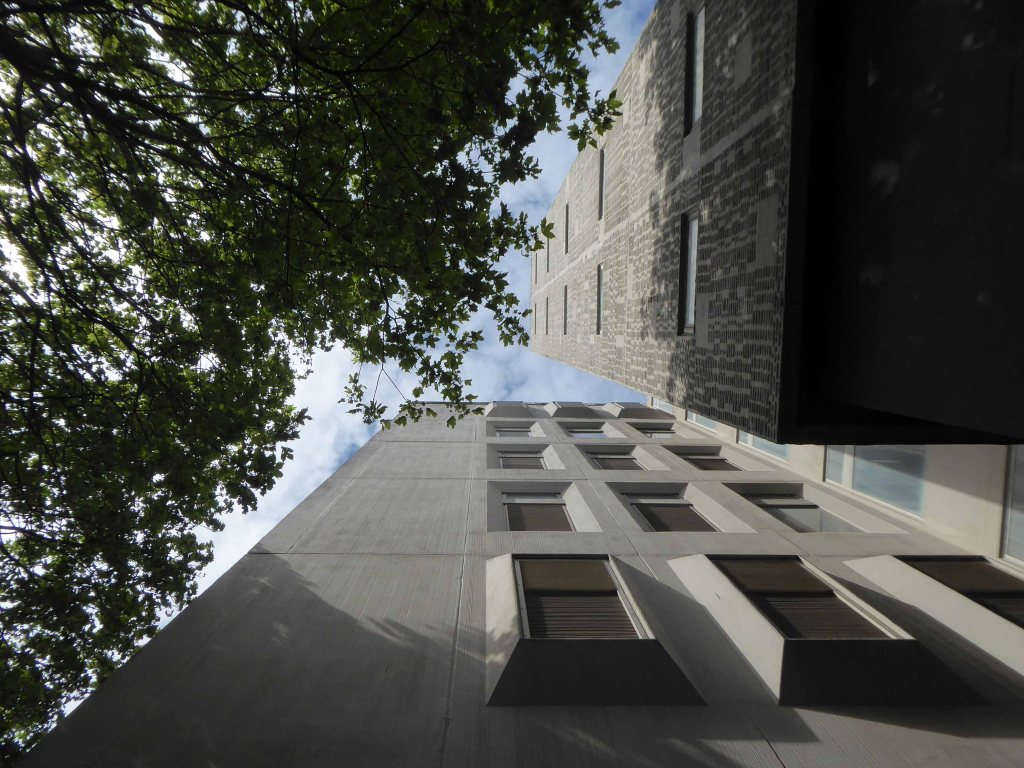
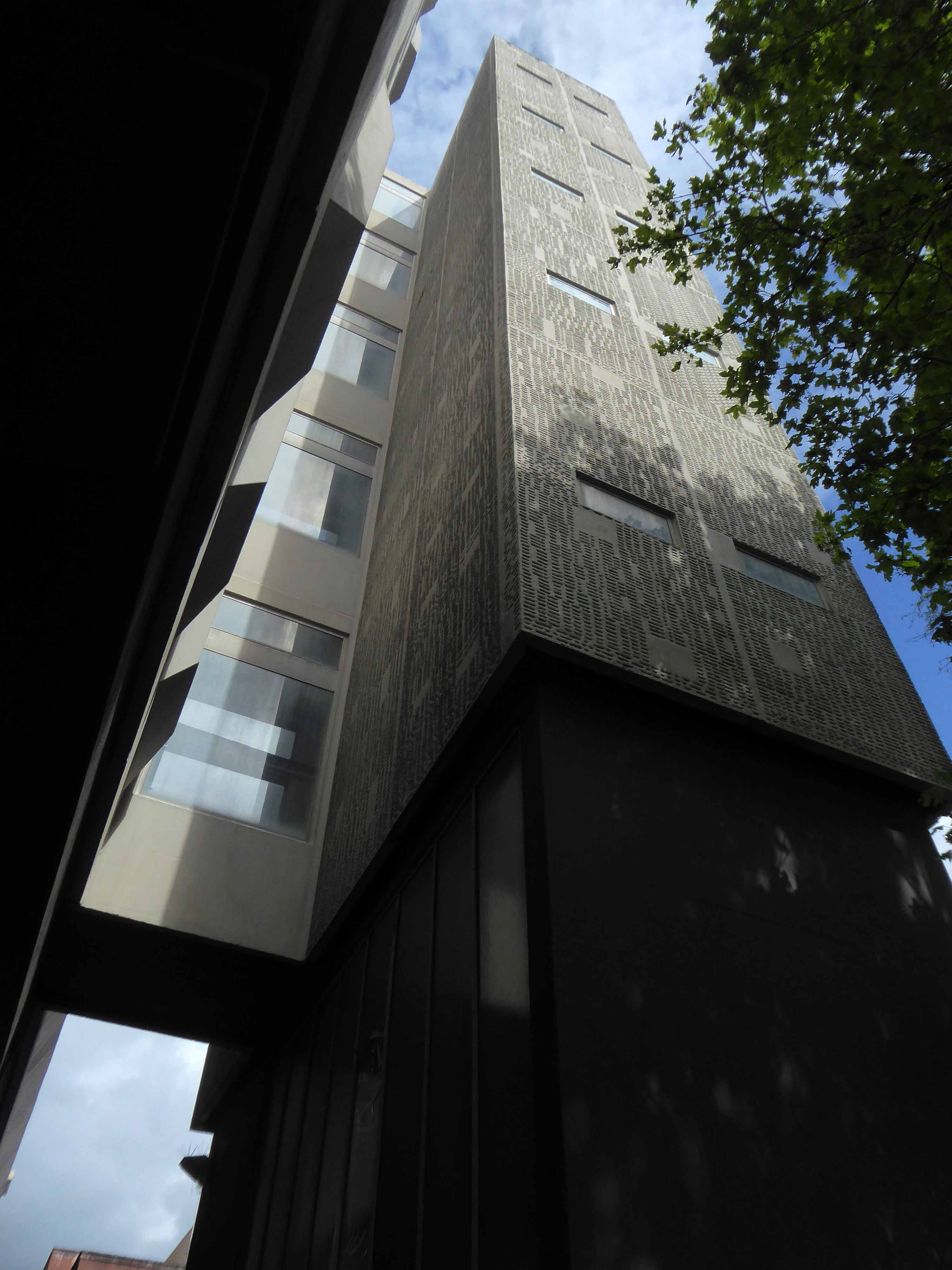
For me it is an essay in confident construction and decoration, the marriage of 1955’s brick utilitarianism, with a later concrete structure.

Poised on massive grey piloti, rising elegantly above the town.

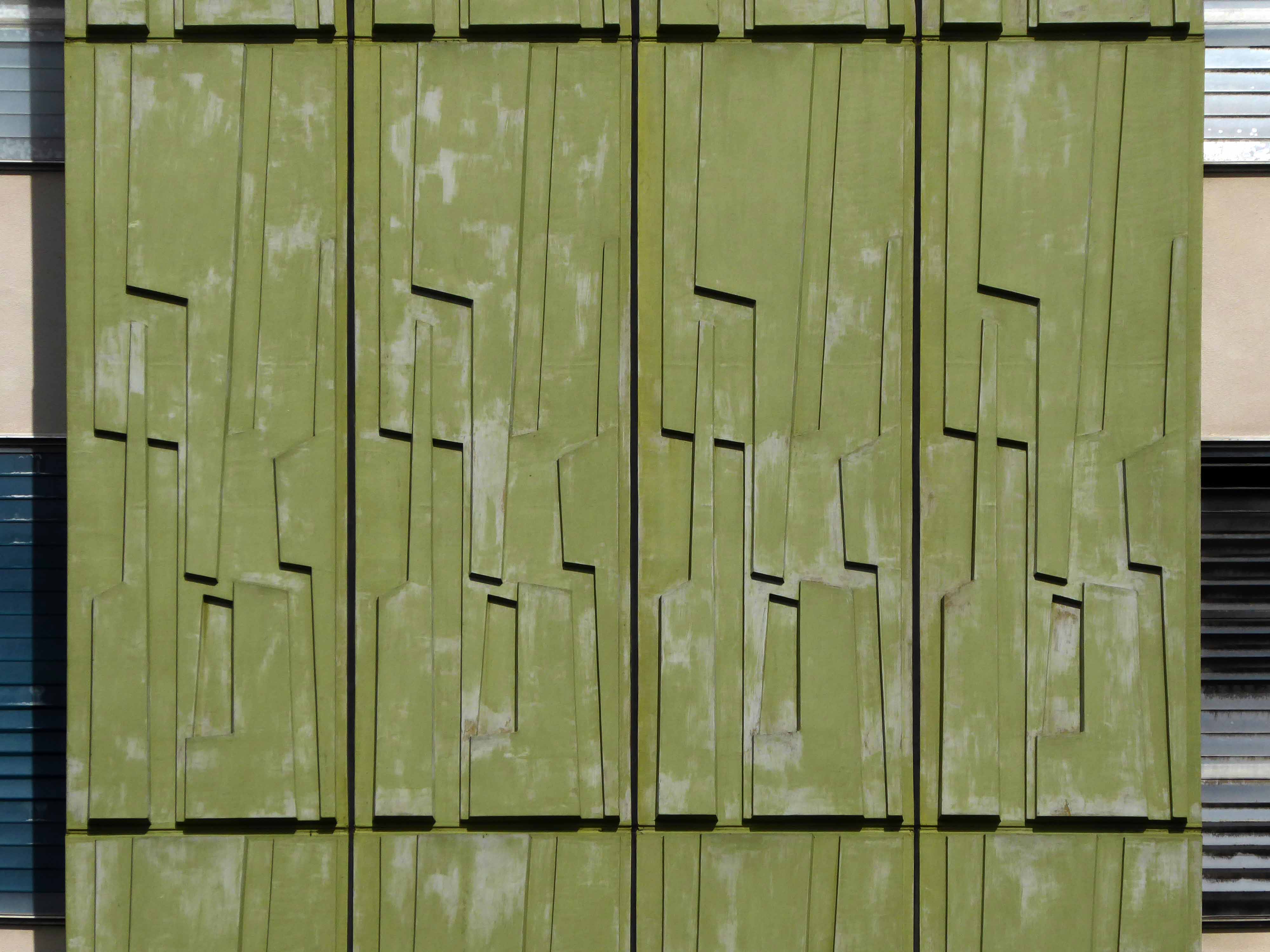
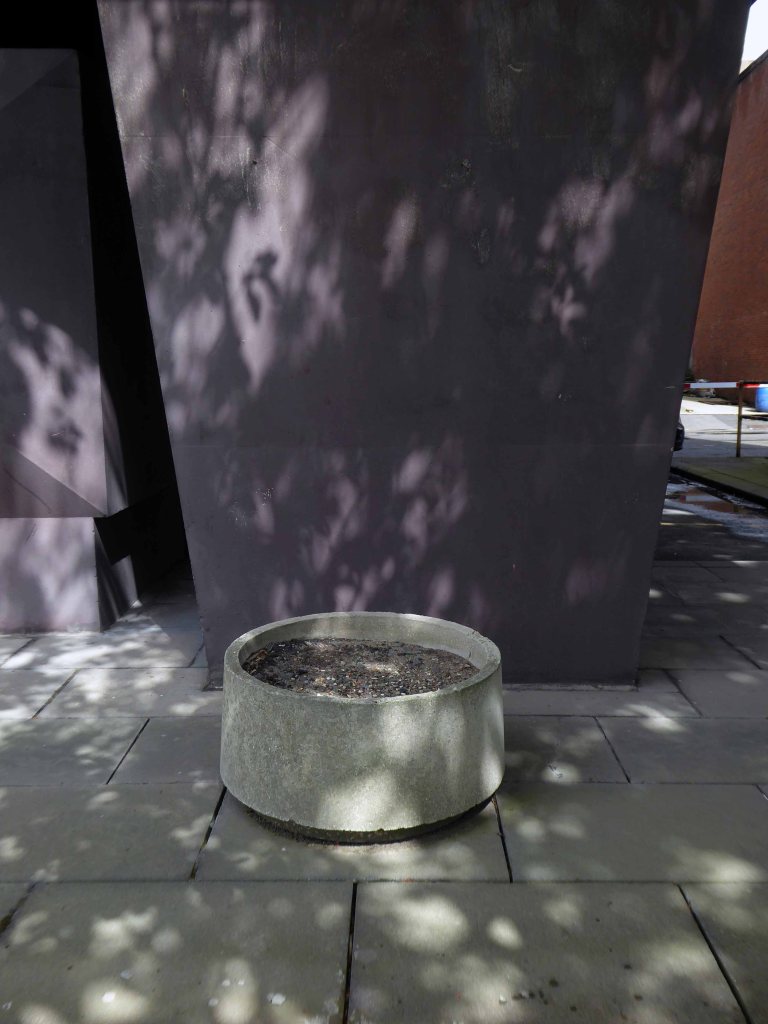
Adorned with a simple articulation of surface.

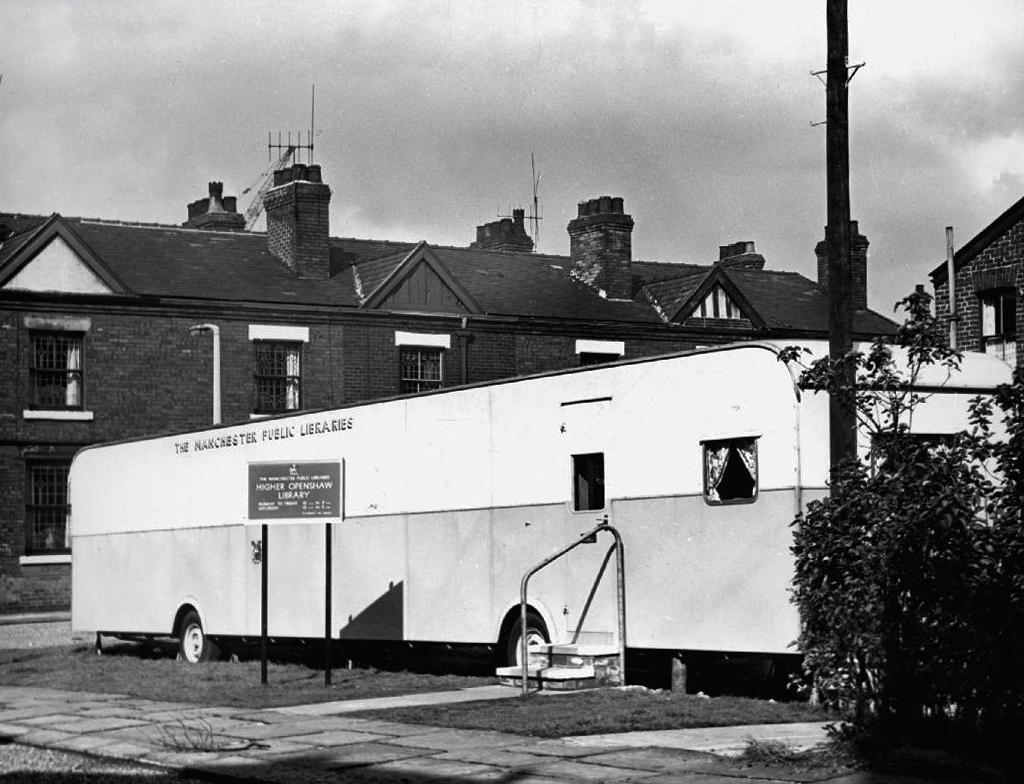
Higher Openshaw

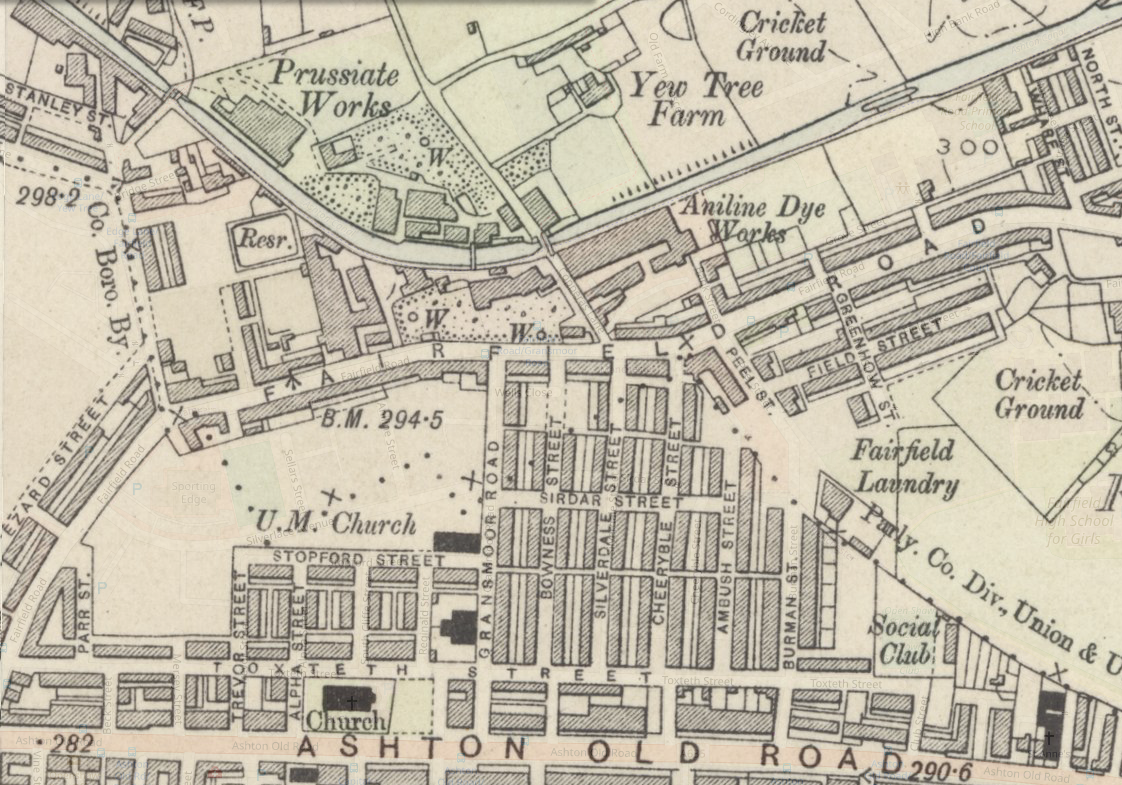
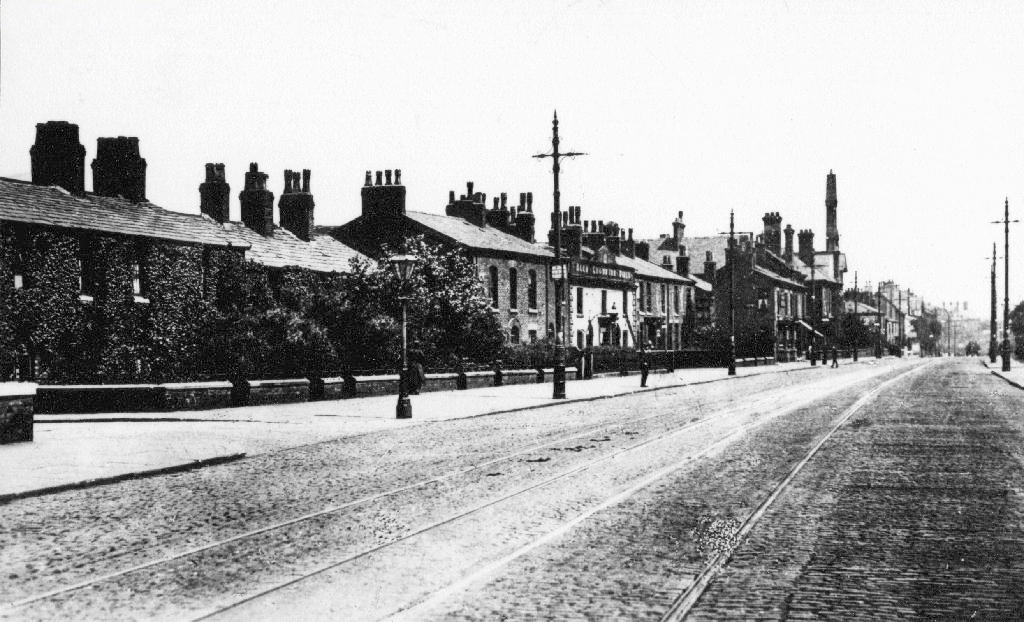
There’s been more than a few comings and goings along Ashton Old Road.

1906

Where once there were fields, homes and industry arrive, as the Industrial Revolution is in full swing.

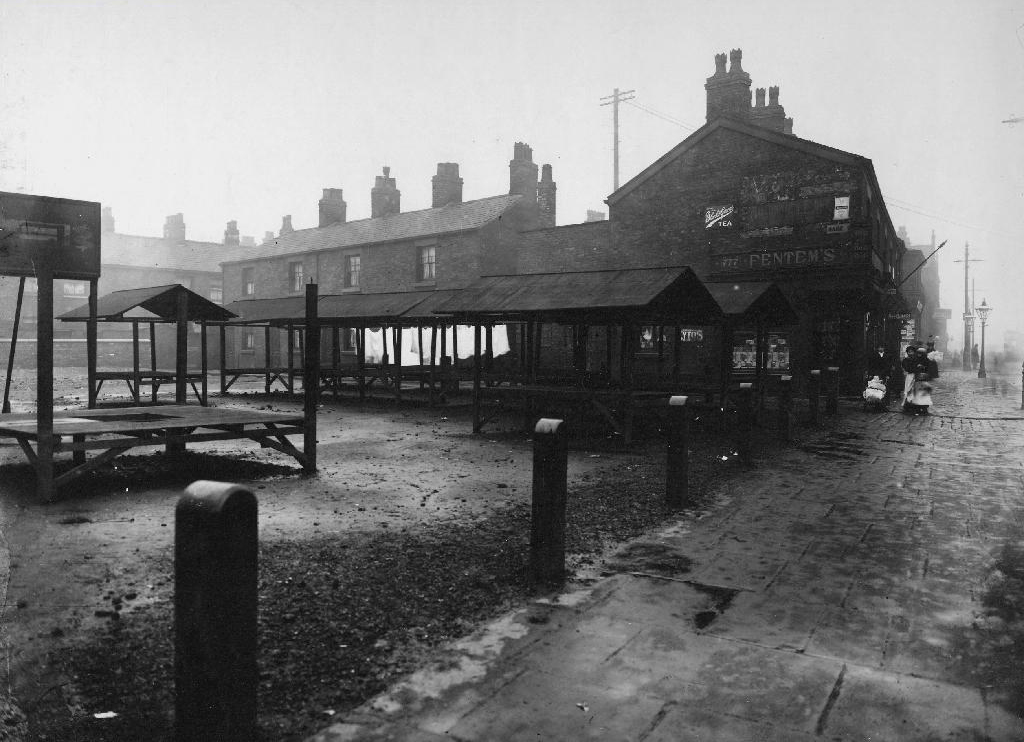
1908

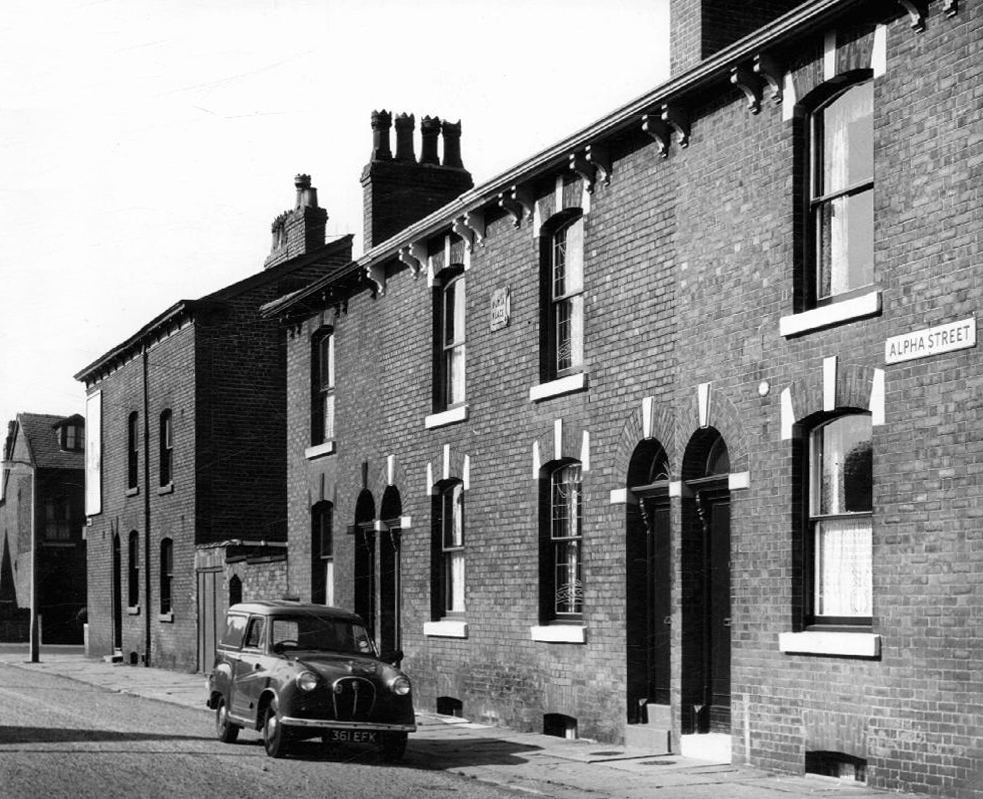
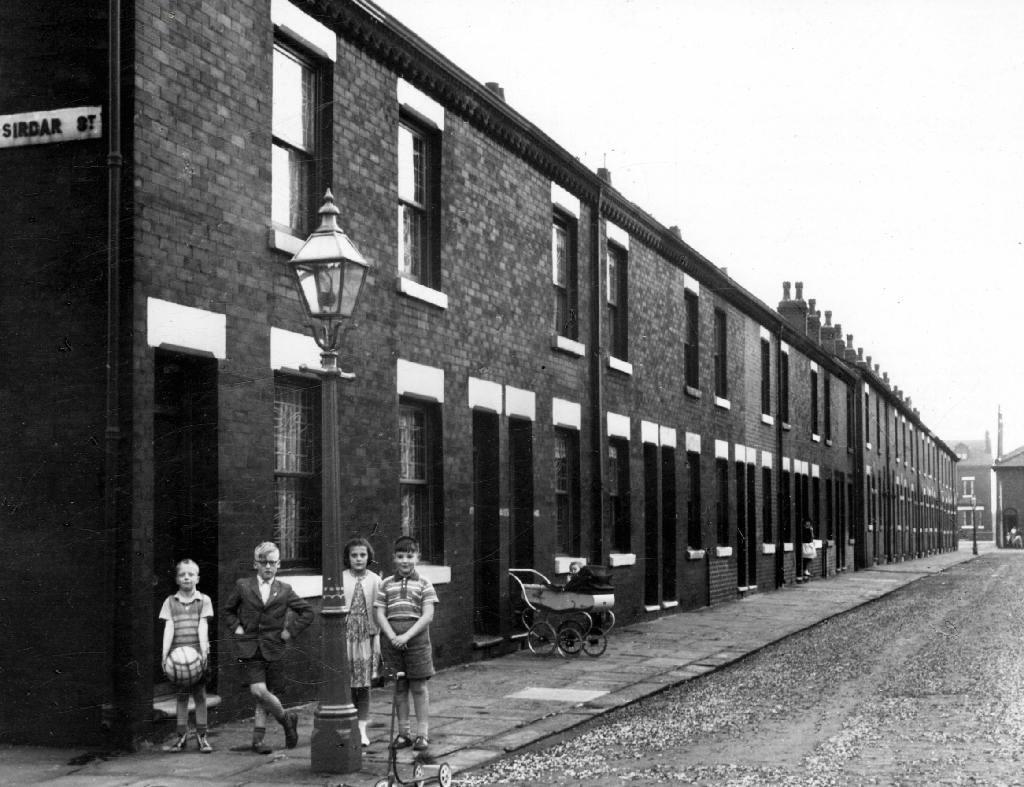
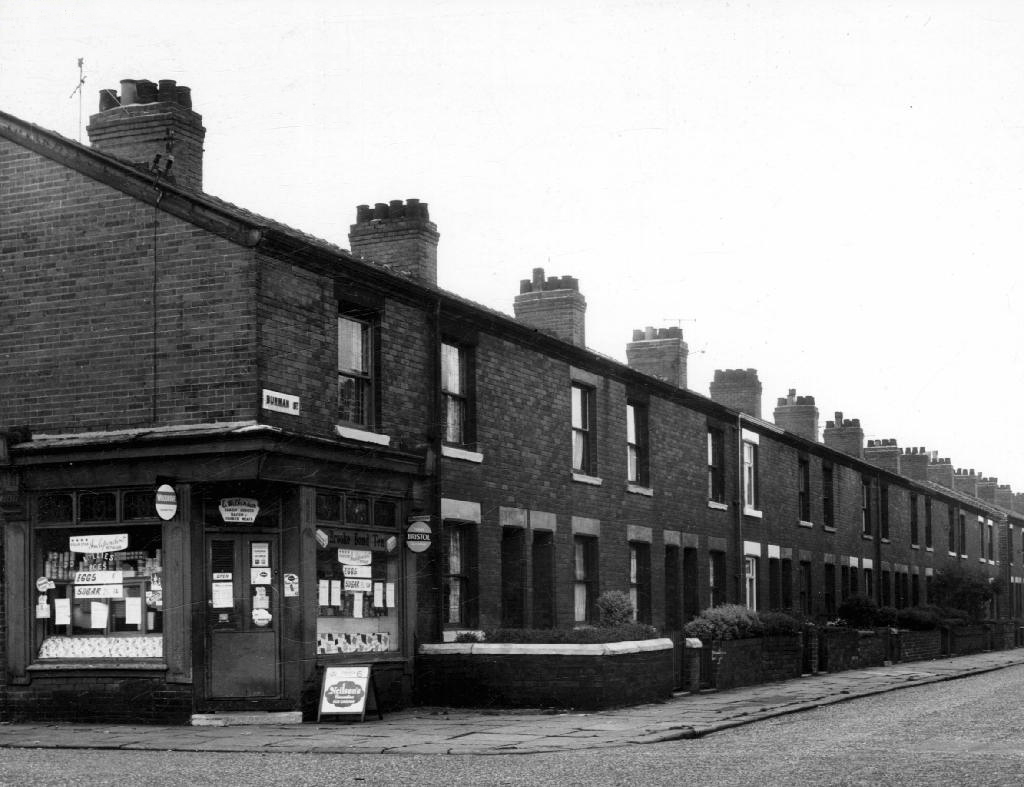
The streets to the north of Ashton Old Road are alive with shops, homes, people and prams.

Along with the occasional motor car.

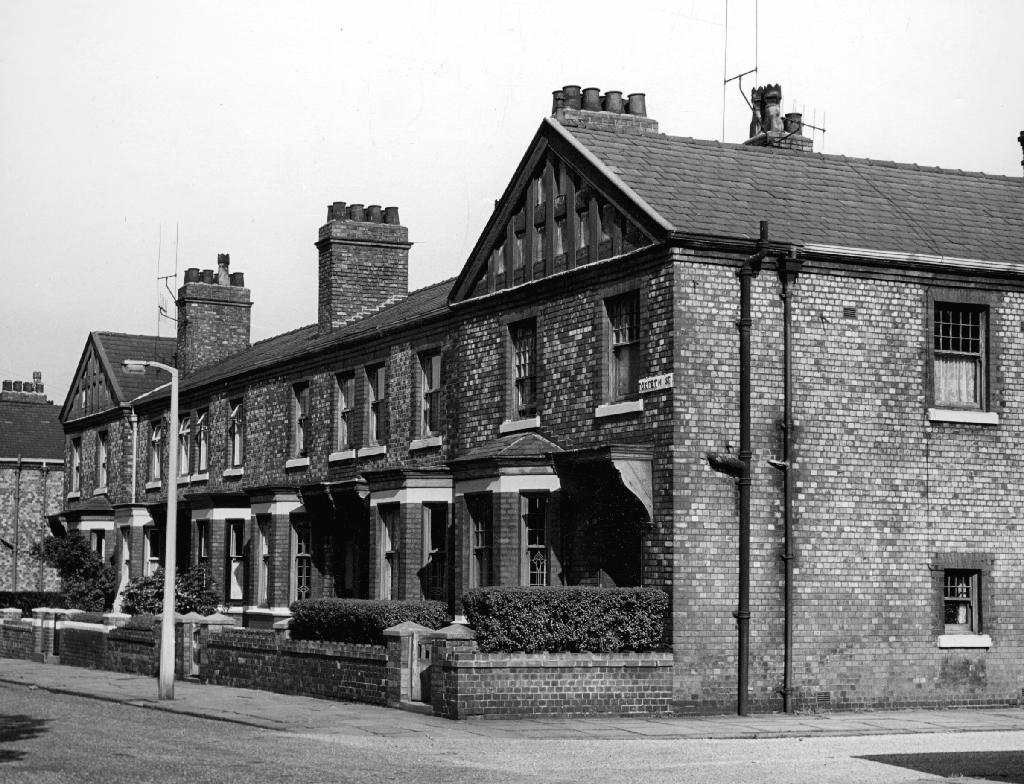
Alpha Street
Bowness Street
Burman Street
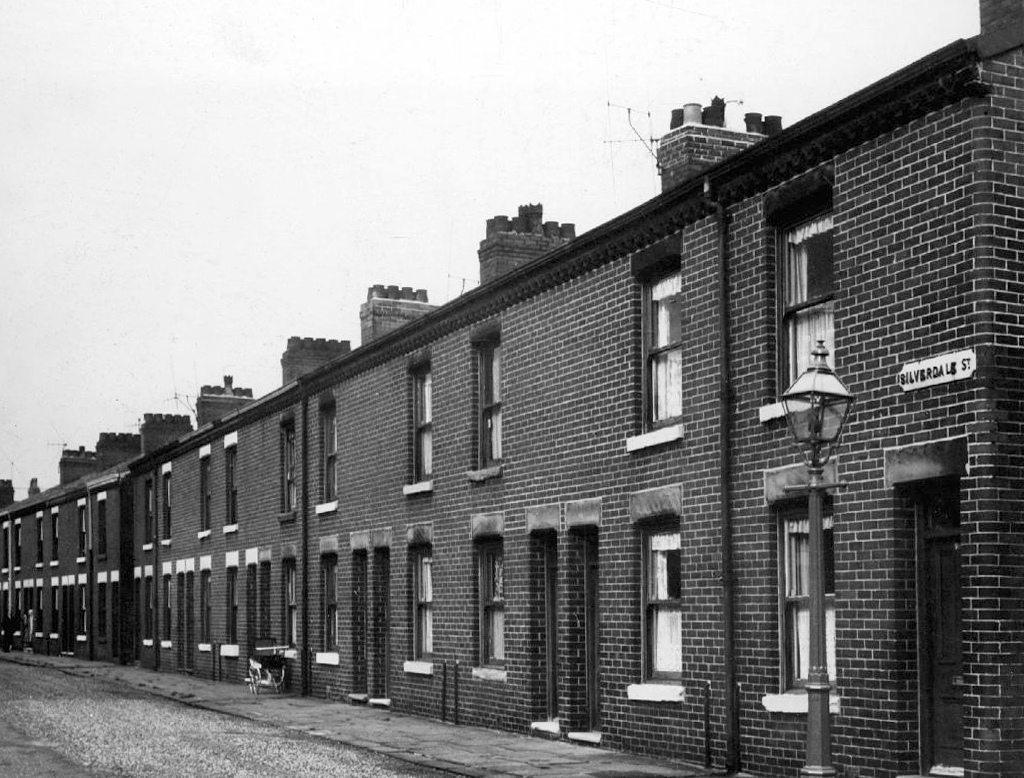
Silverdale Street
Toxteth Street
Trevor Street

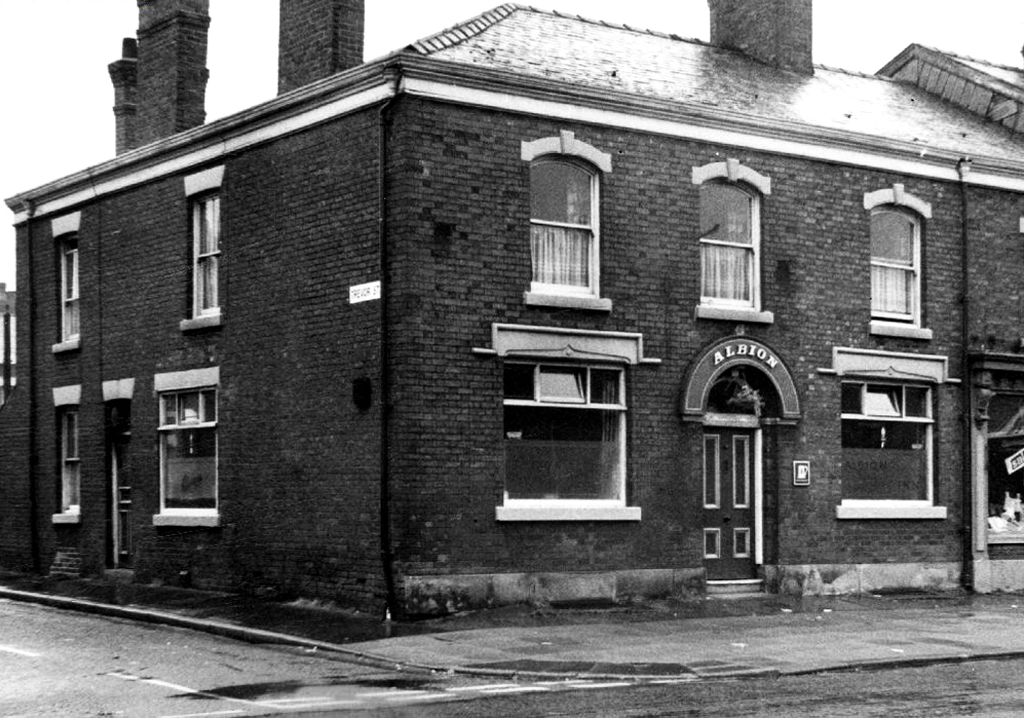
The Old Road boasted some fine busy boozers.

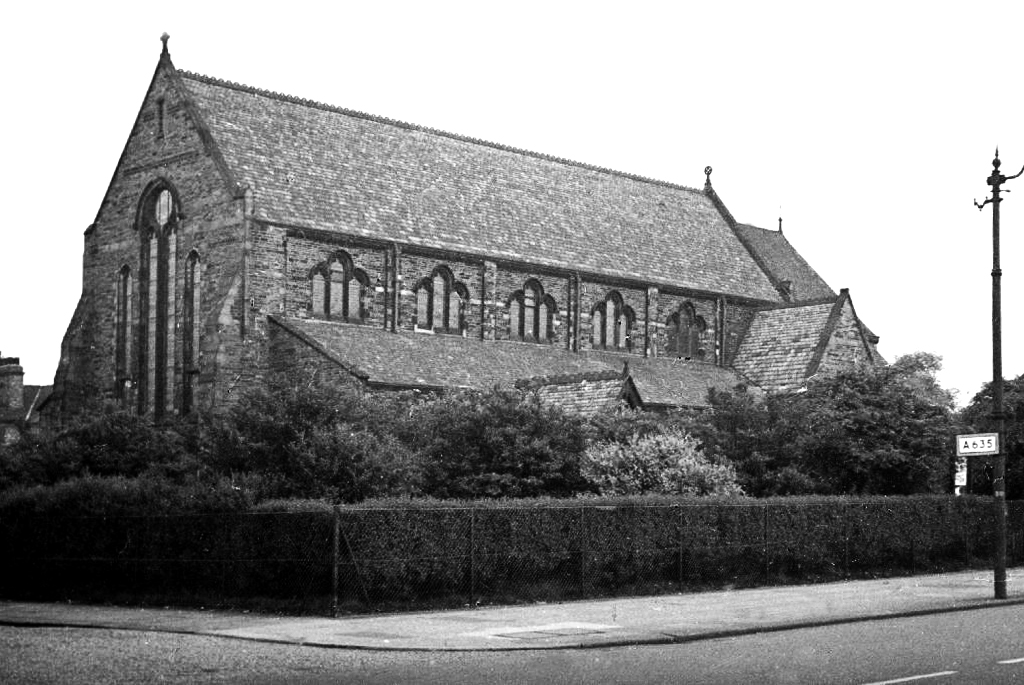
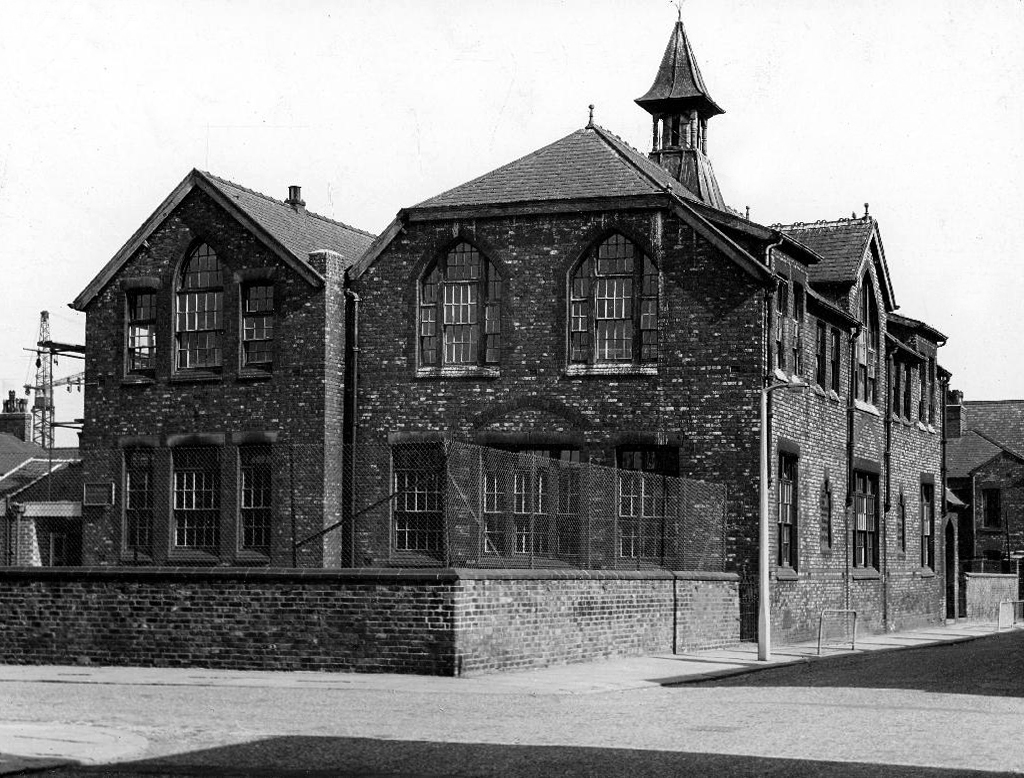
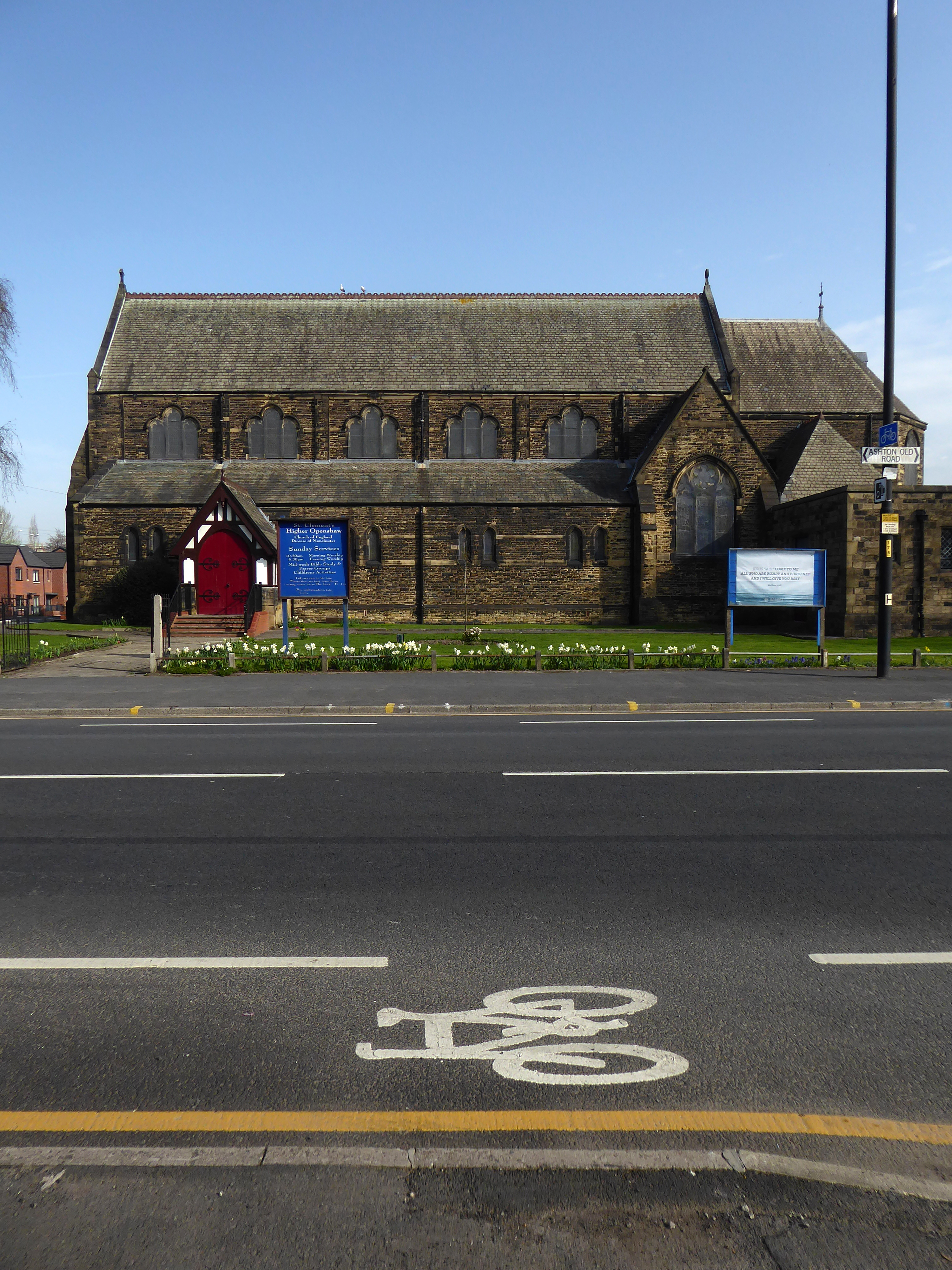
And a splendid church and school.

St Clements

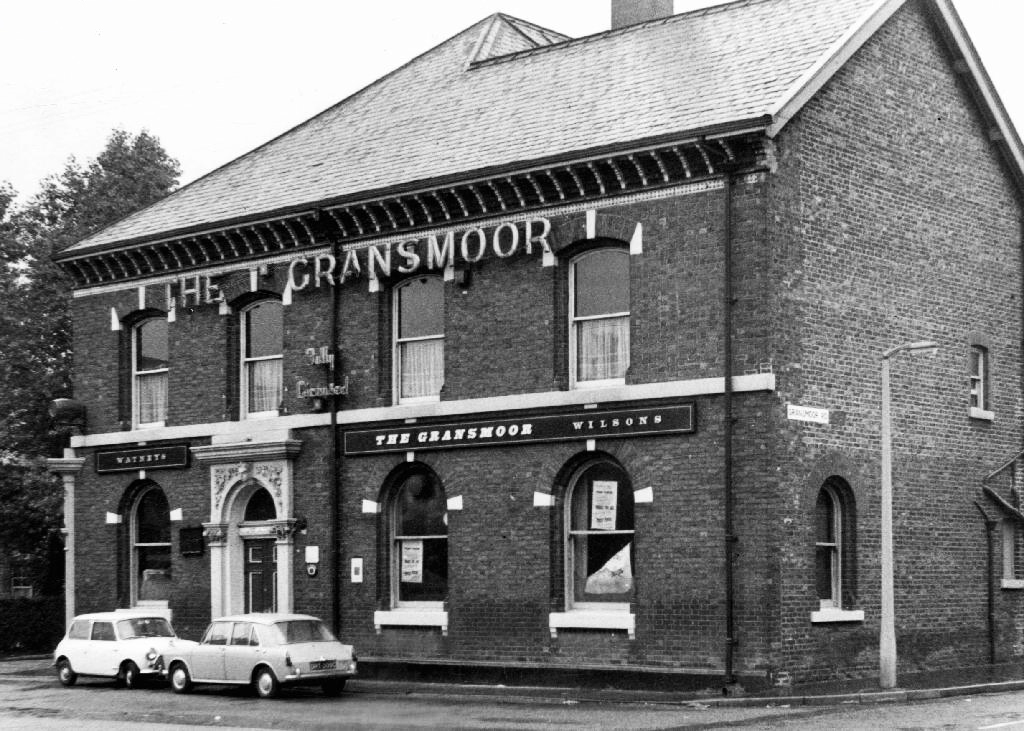
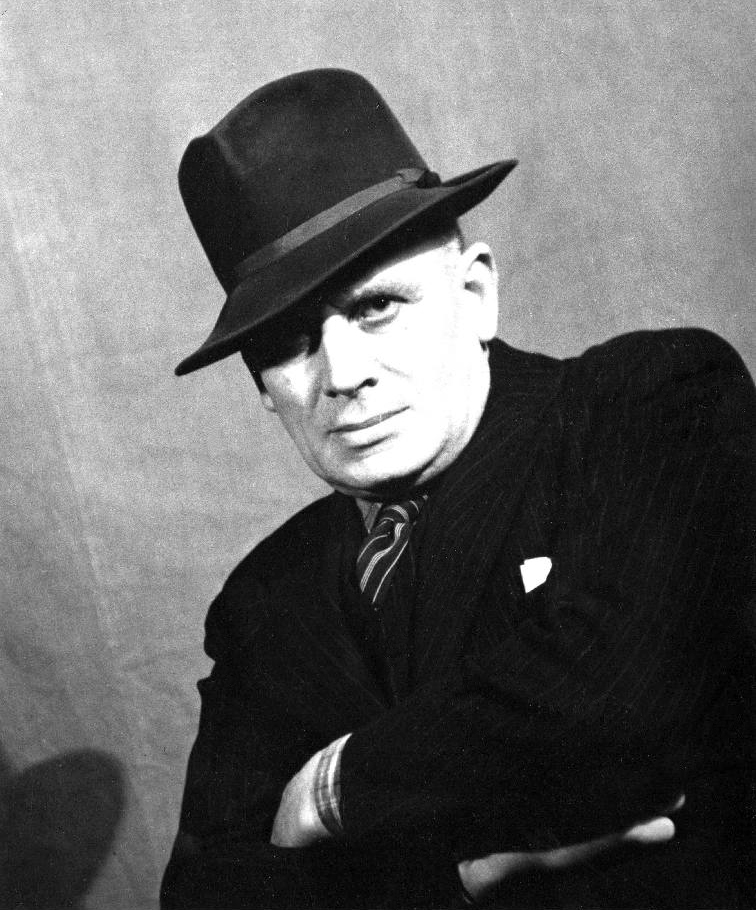
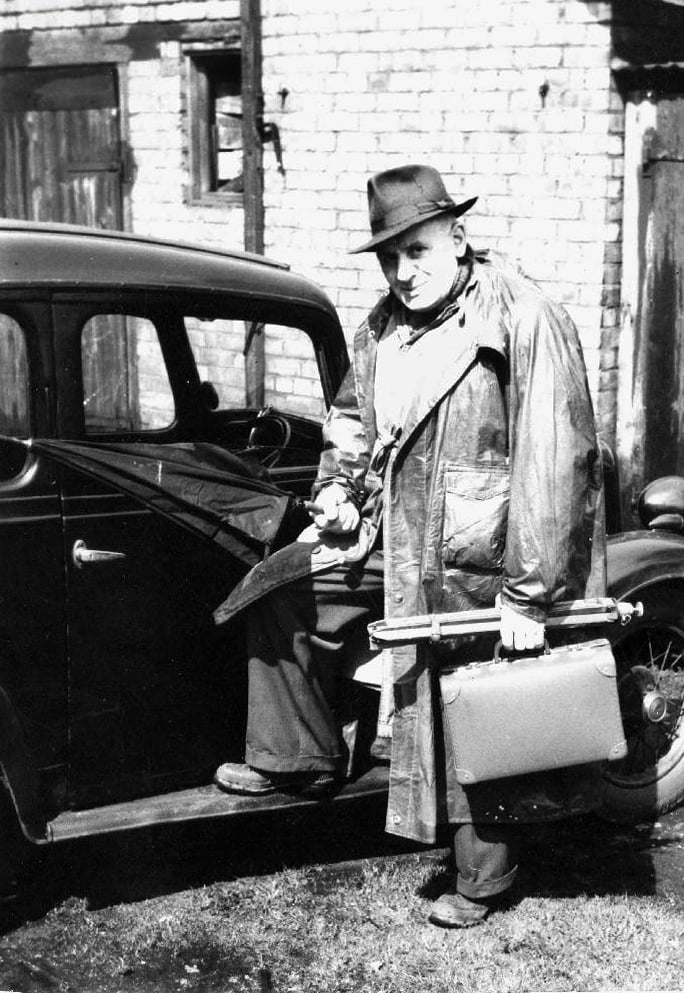
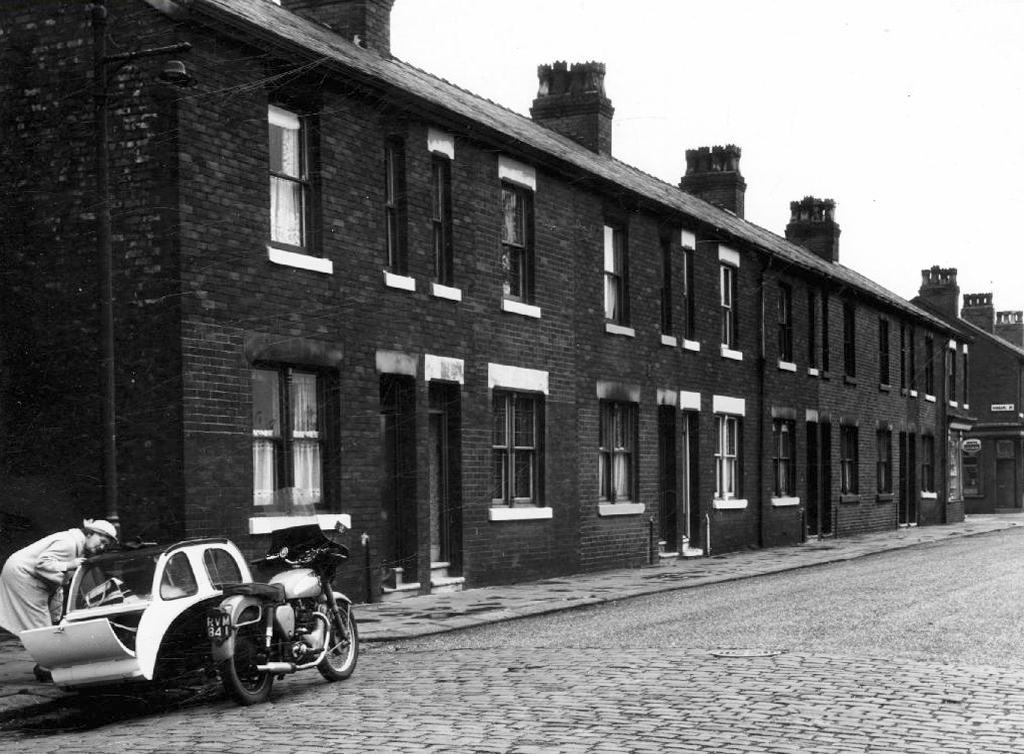
The man responsible for the majority of these archive photographs is Tommy Brooks of 56 Gransmoor Road.

He is my hero, a member go the Manchester Amateur Photographic Society, cycling the streets of Manchester to produce a unique record of life in the Sixties.

The Manchester Image Collection is awash with his work.

Chapeau Tommy!

Gransmoor Road 1963

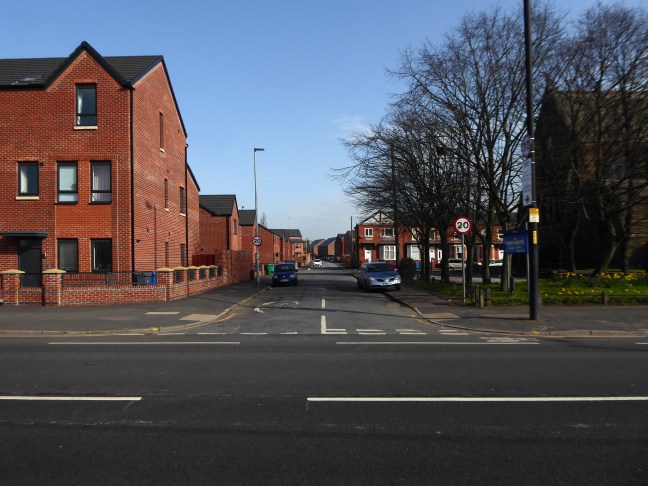
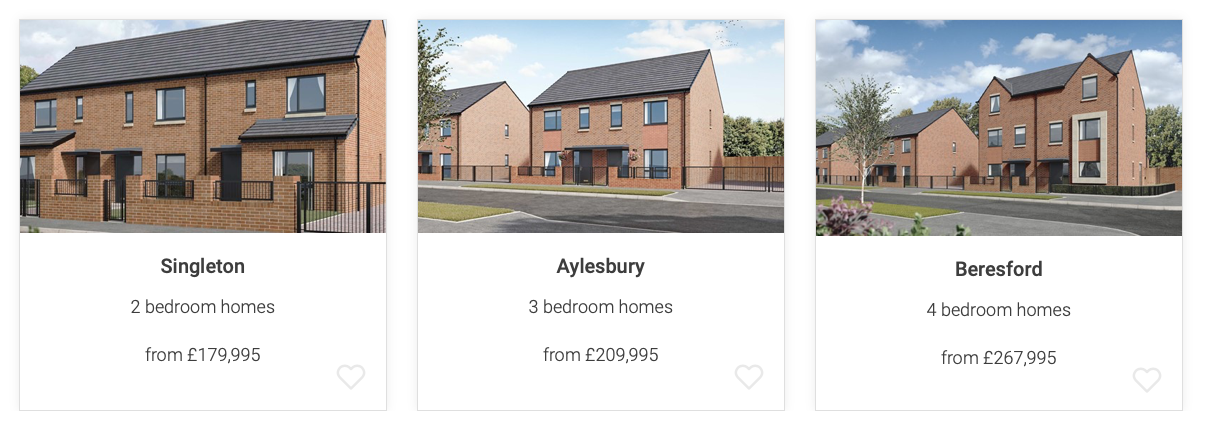
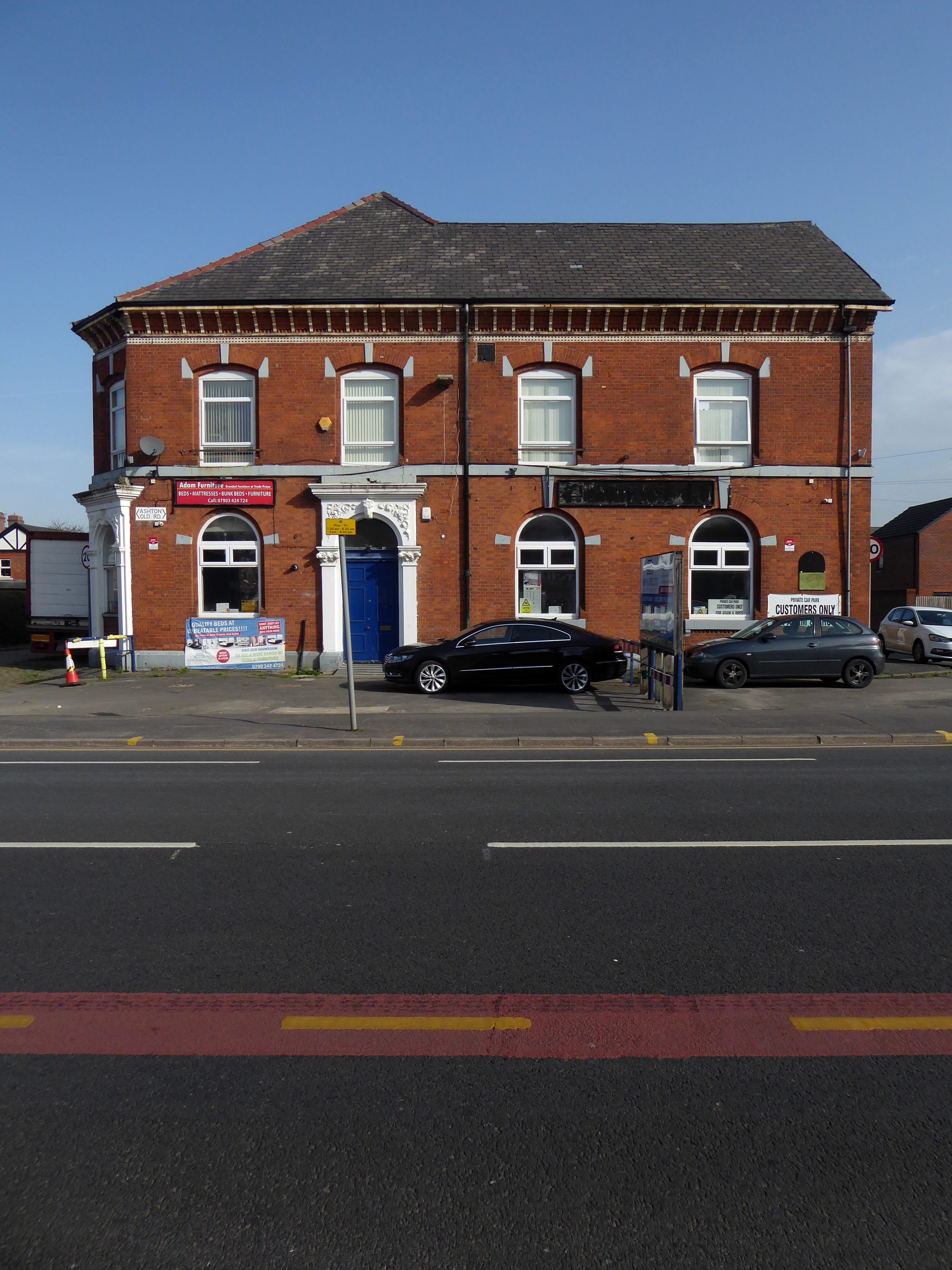
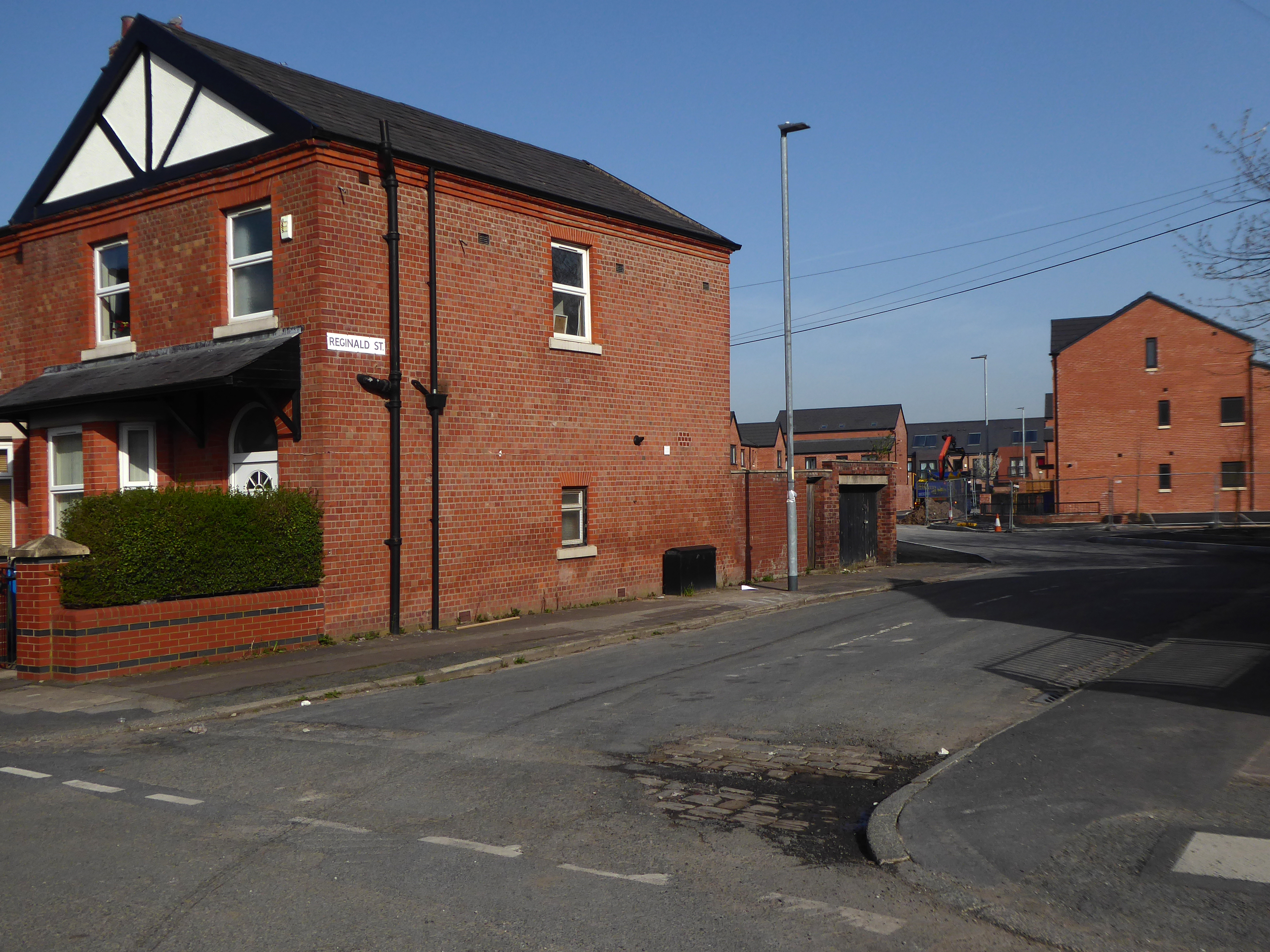
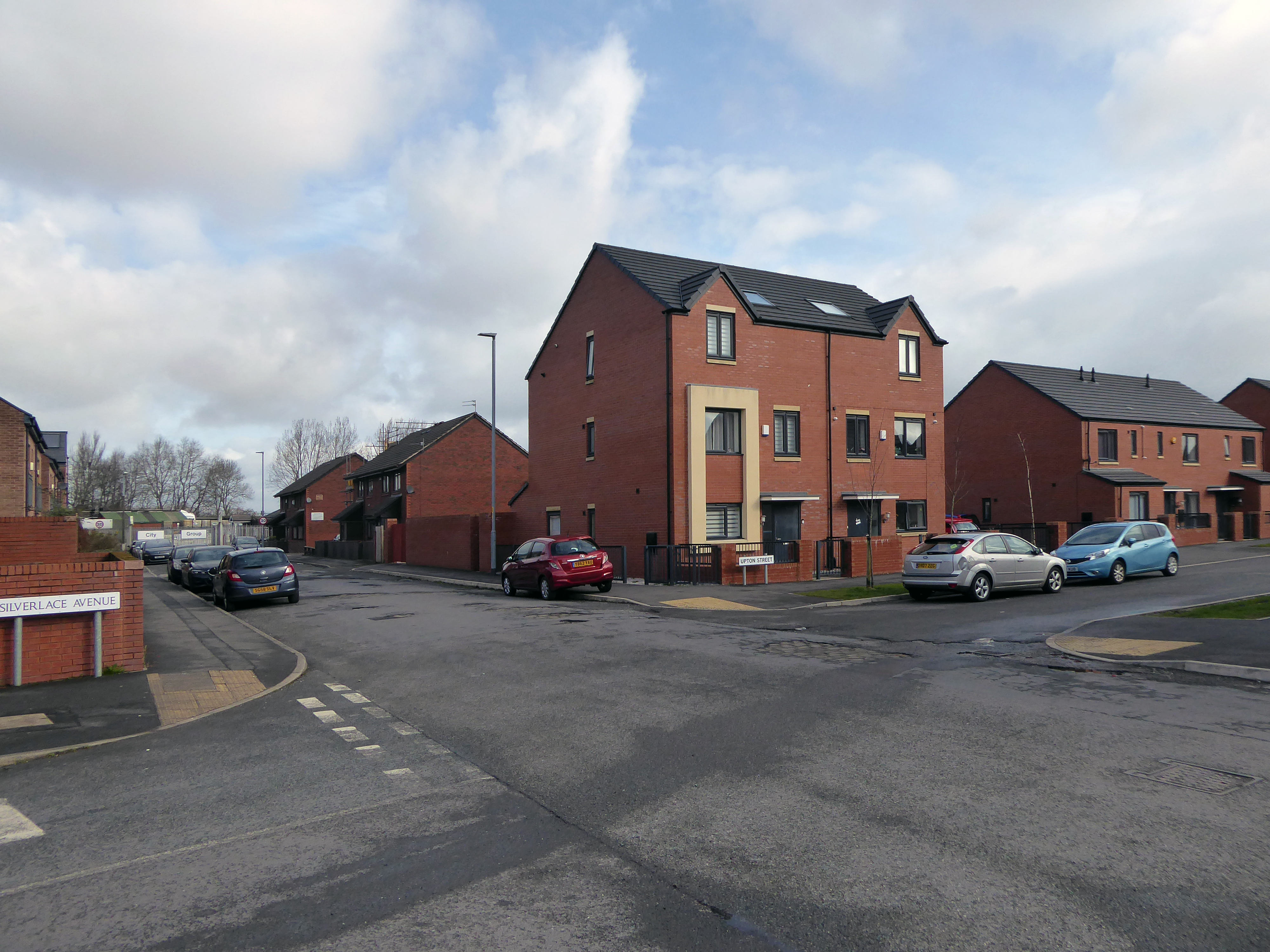
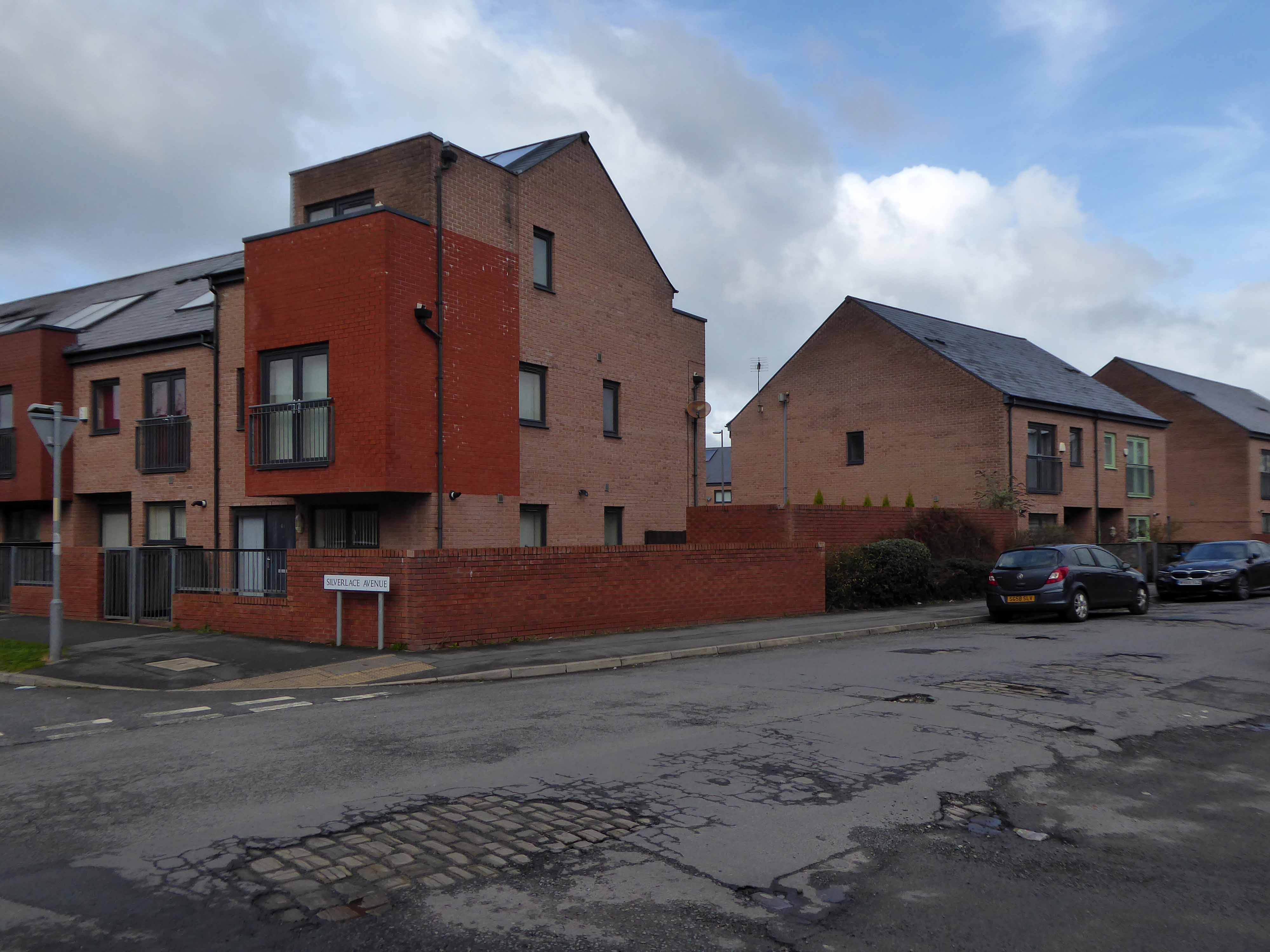
The house is no longer there – the area has recently been redeveloped, some older properties demolished, and new homes built.

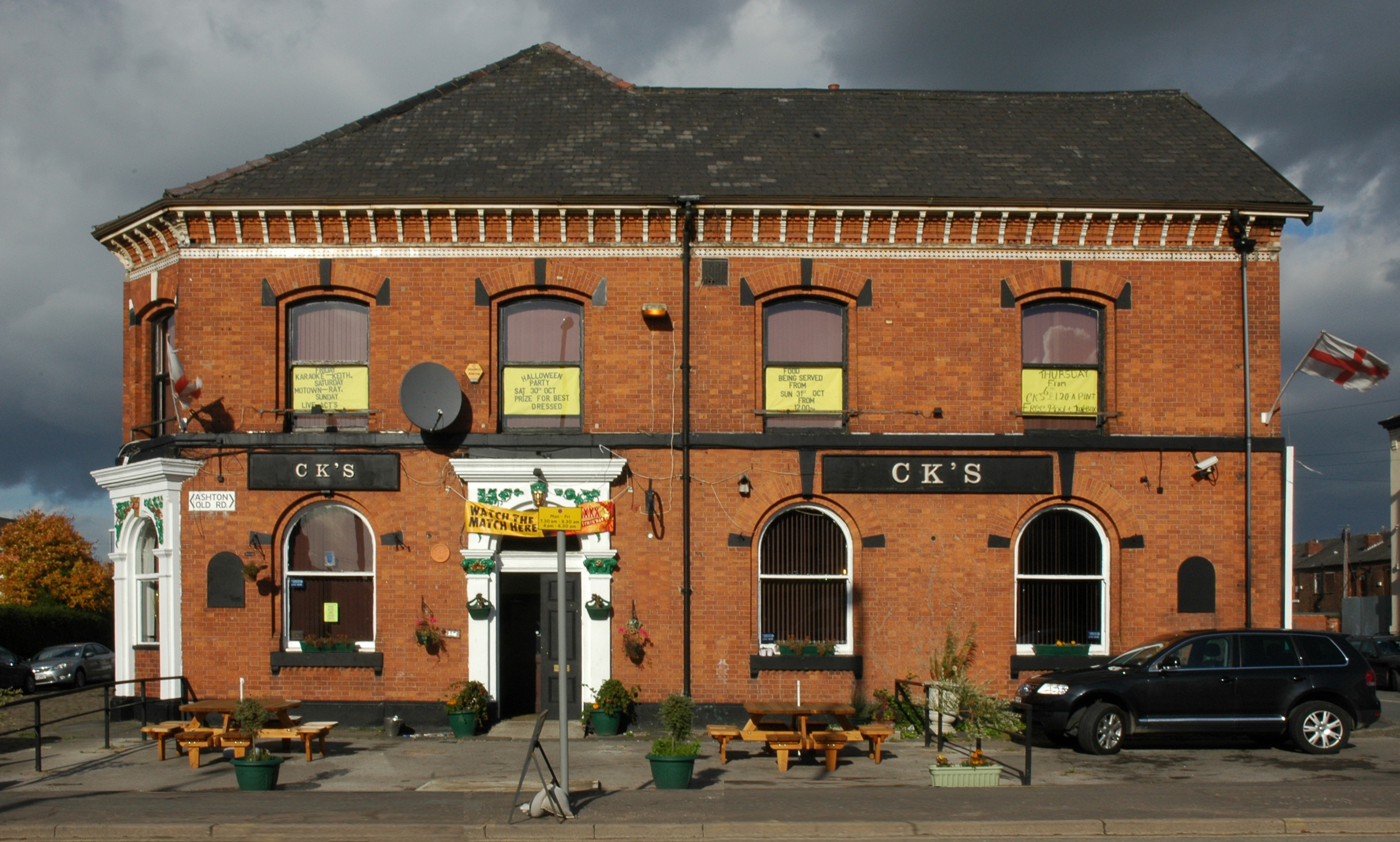
Though The Gransmoor is no longer The Gransmoor.

Although it briefly became CKs

Converted to retail use 24th September 2012 after closure. This interesting Victorian building stands back from the road with what may well be a coach road in front. Inside the high ceilings and glorious plasterwork gave the impression of a gentlemen’s club. Though it previously sold cask Banks’s beers in its earlier years, its final days were seen out with only keg beers being available.

Whatpub

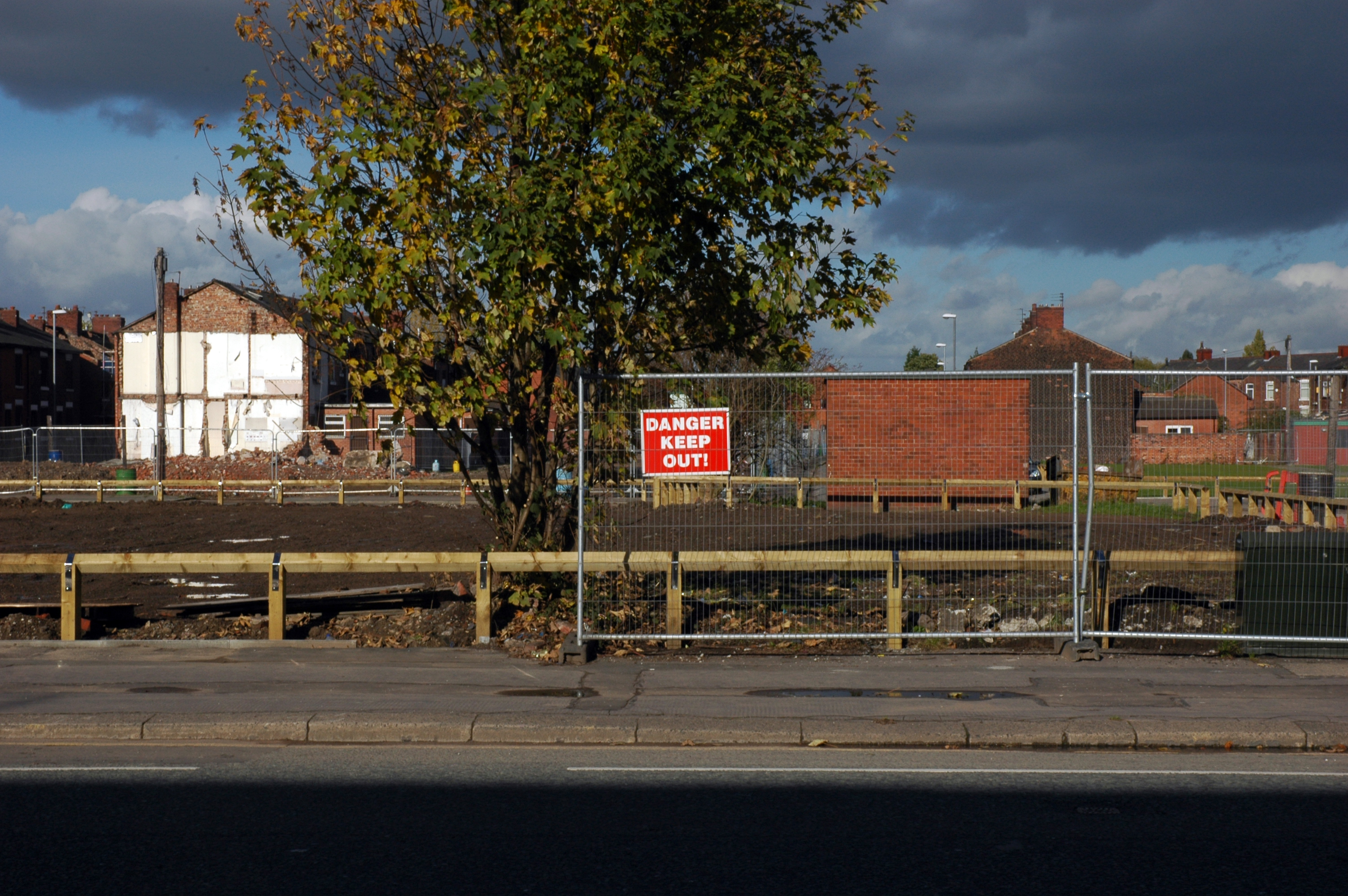
2010
2021

St Clements still prevails with a healthy congregation.

In 2010 several properties were removed and the land levelled.

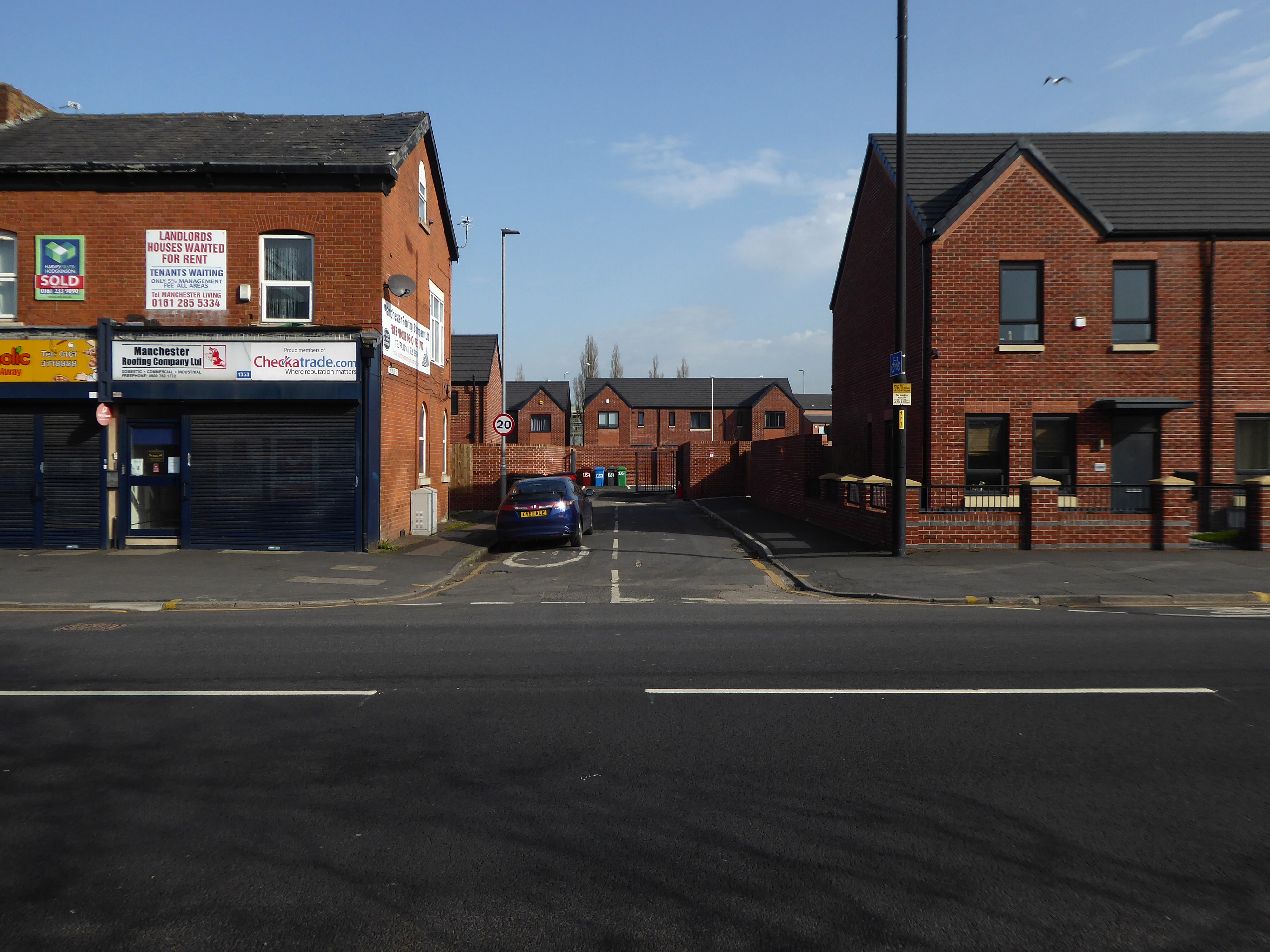
Eleven years later old and new now snuggle up together.

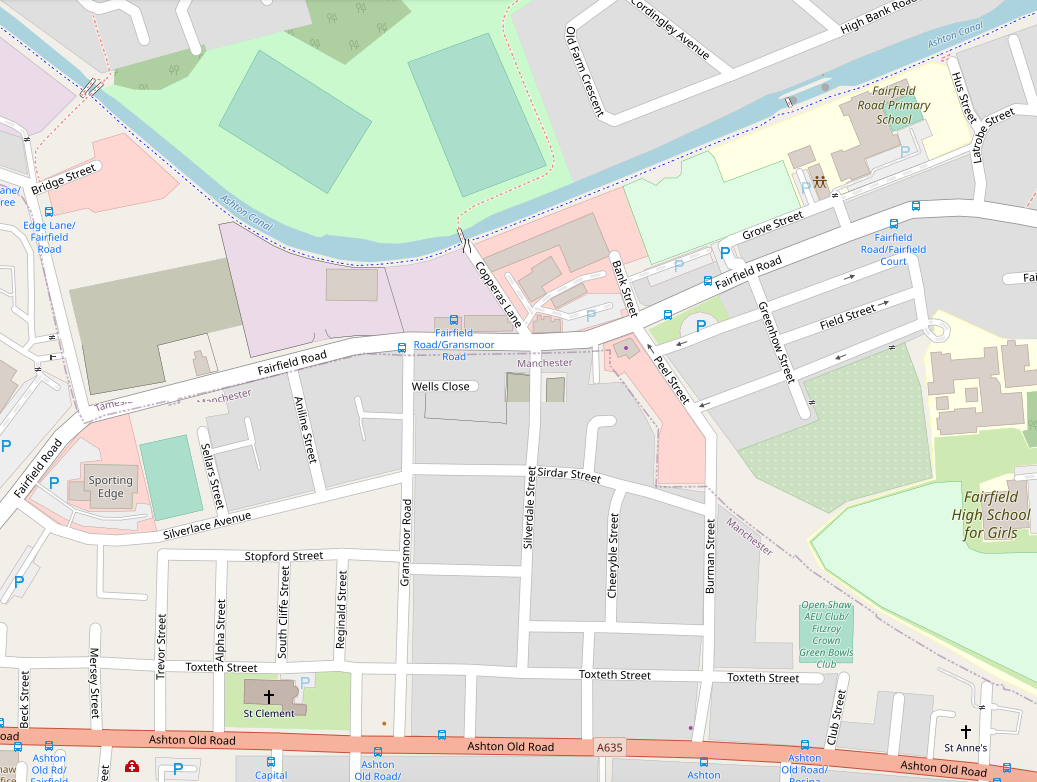
The street structure is more or less unchanged.

Though sadly the wonderfully named Ambush Street is no more.

So the big wheel keeps on turning new homes, new folk and new life for East Manchester.

St Willibrords RC – Clayton Manchester

1963

North Road Clayton Manchester M11 4WQ

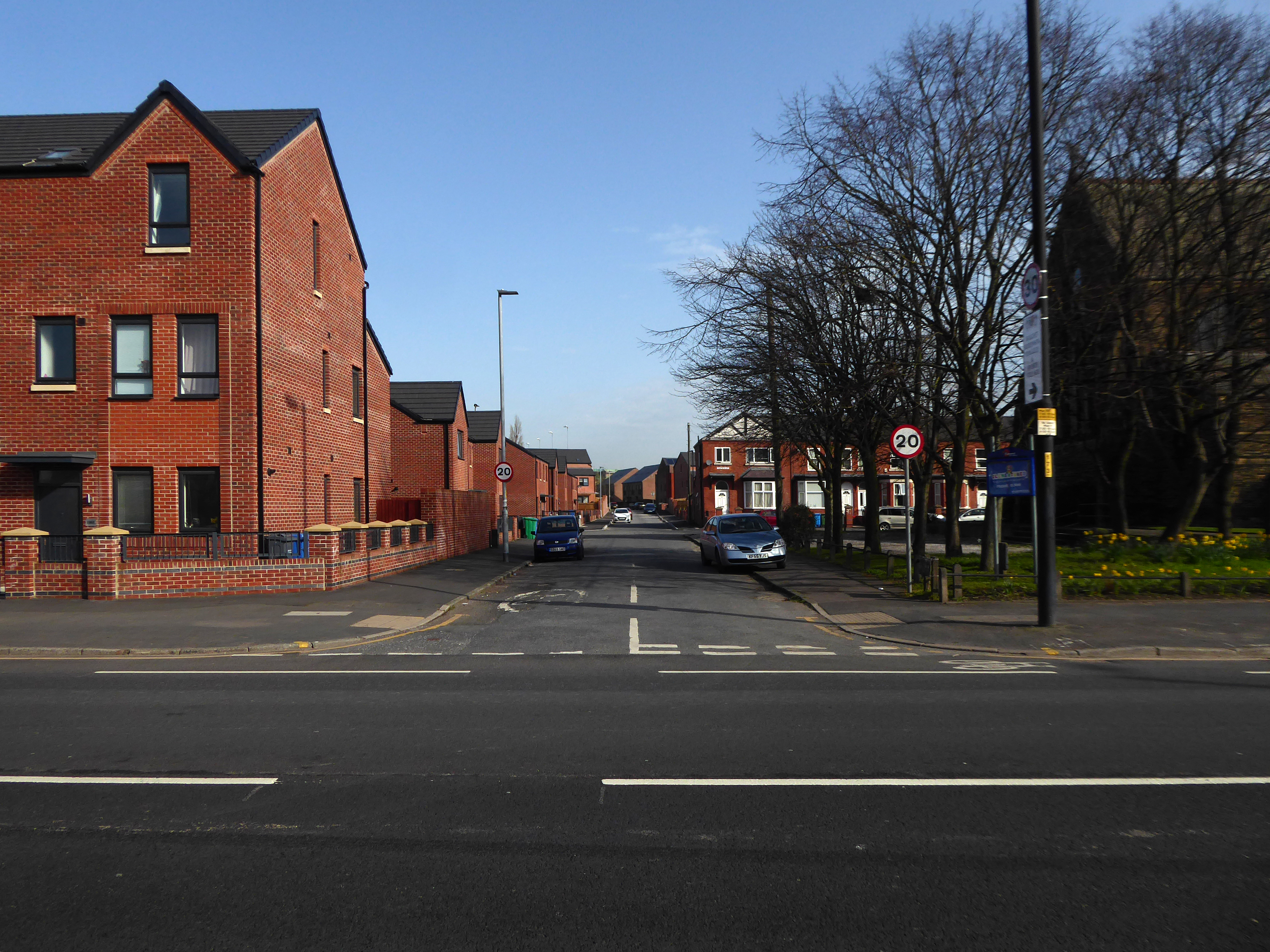
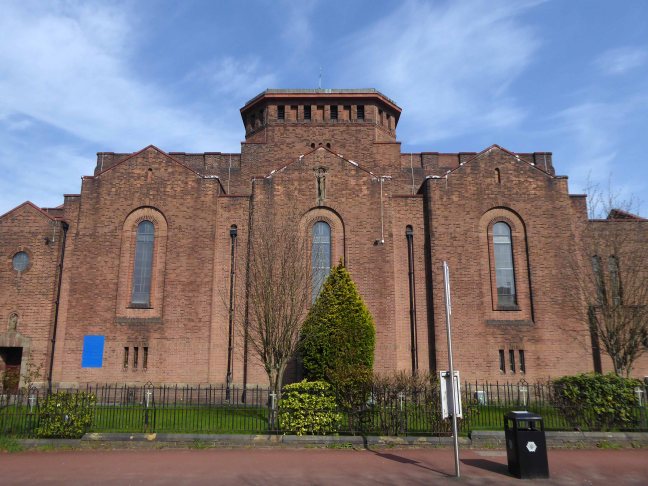
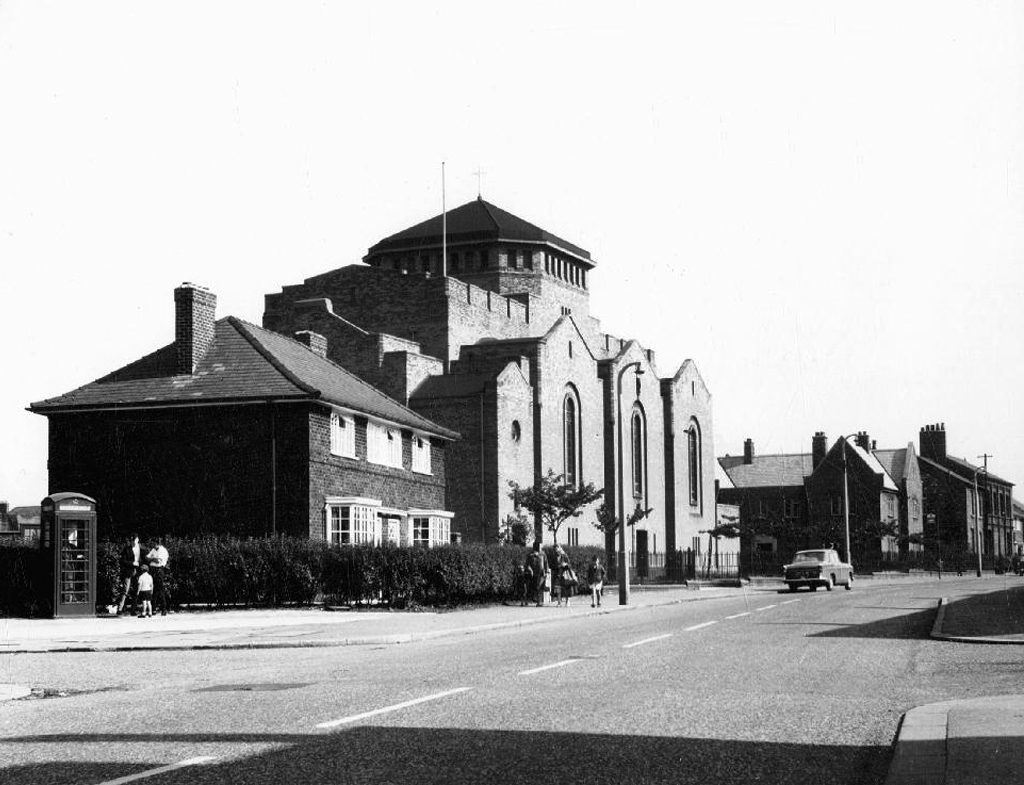
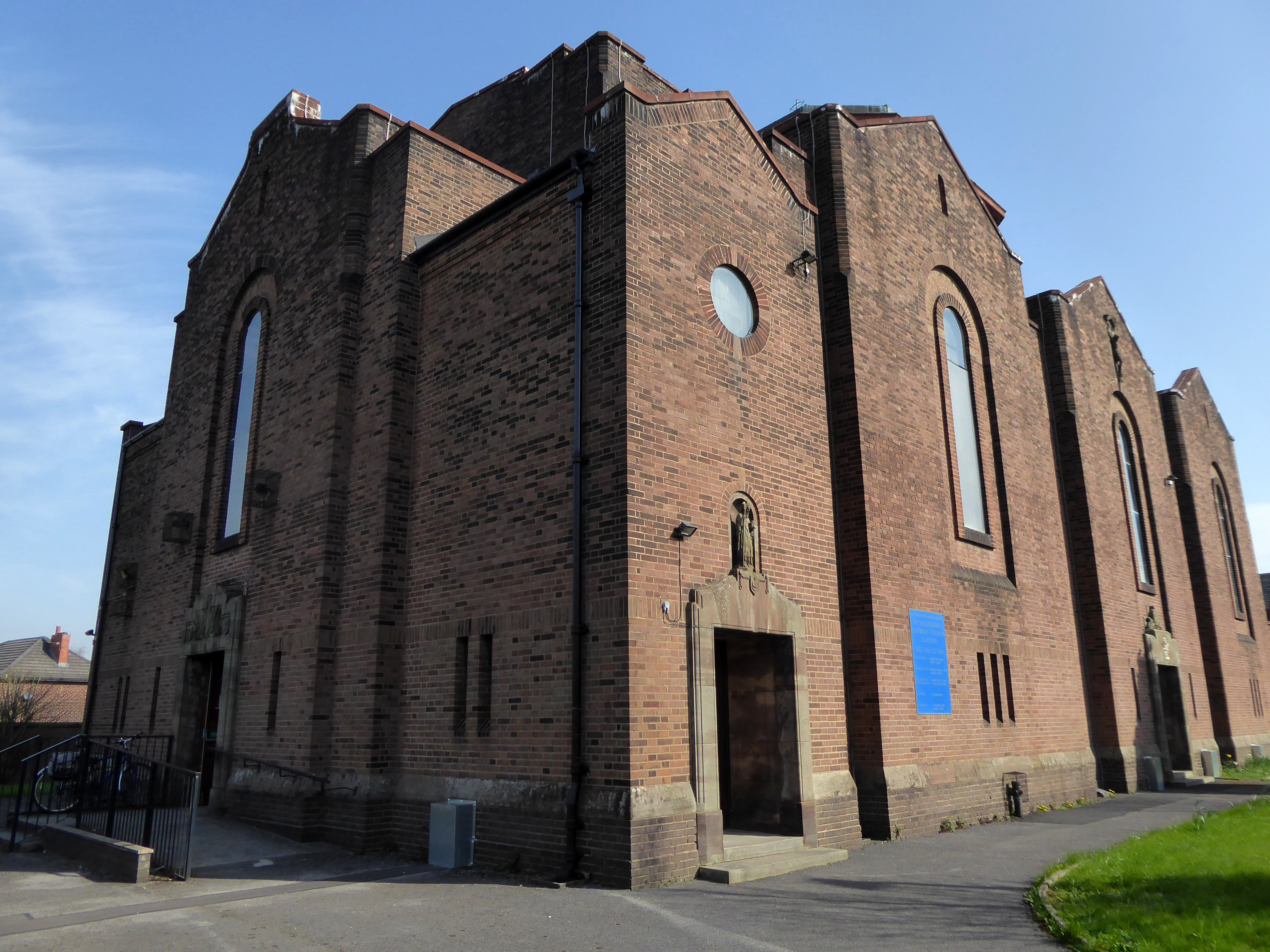
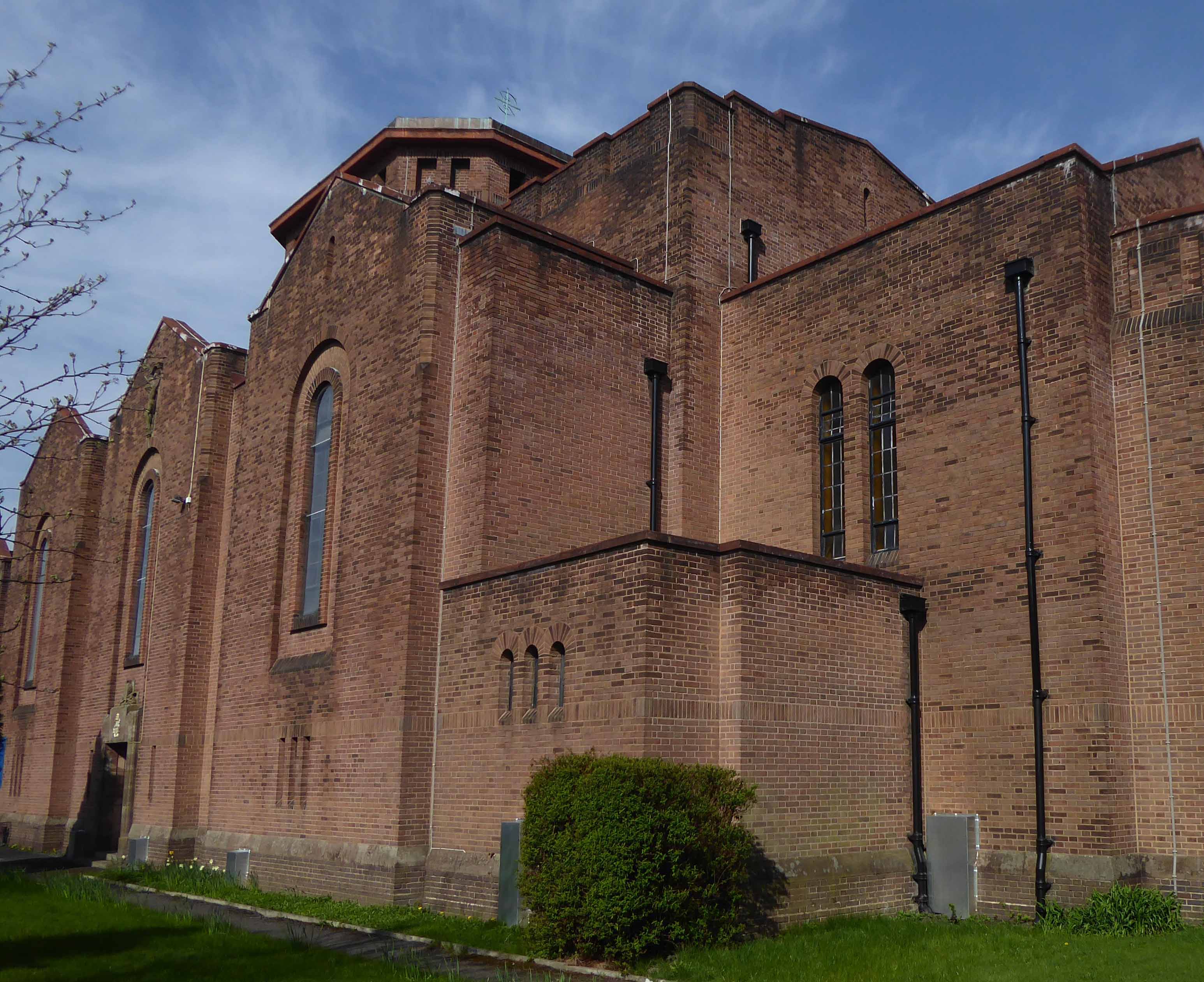
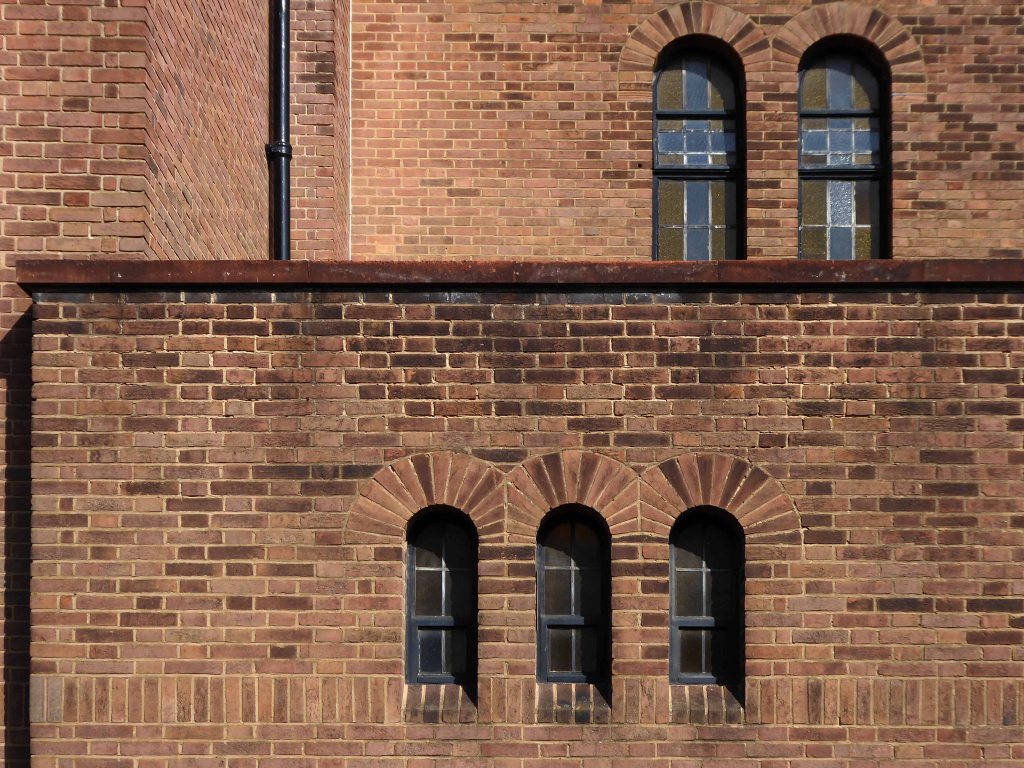
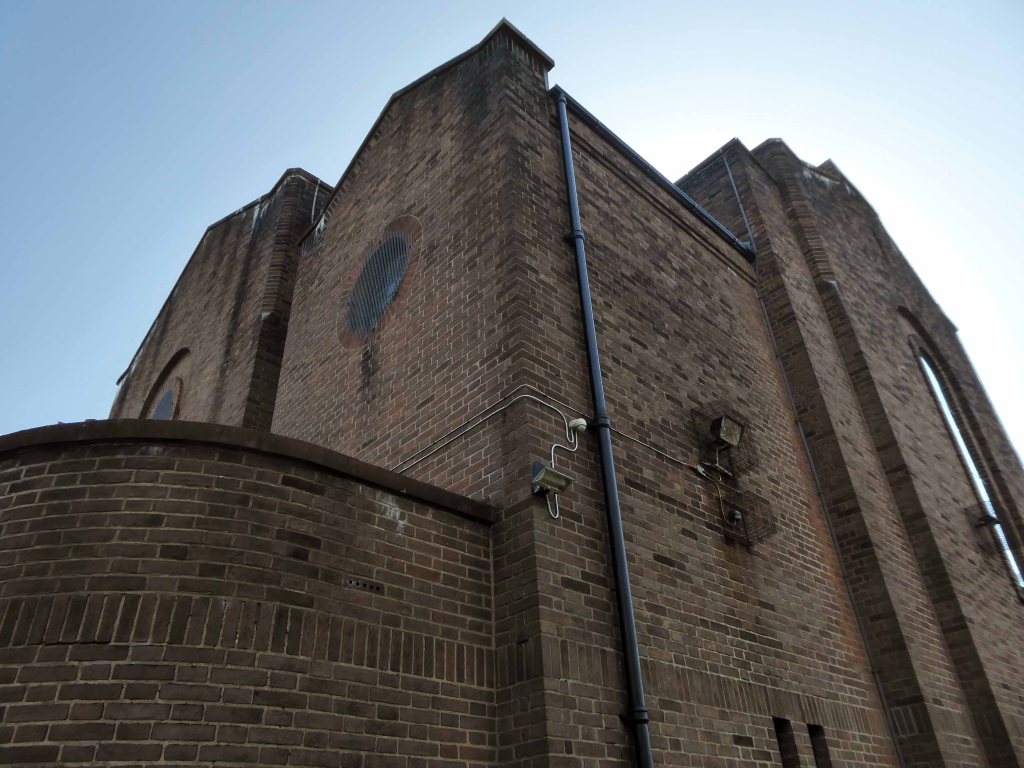
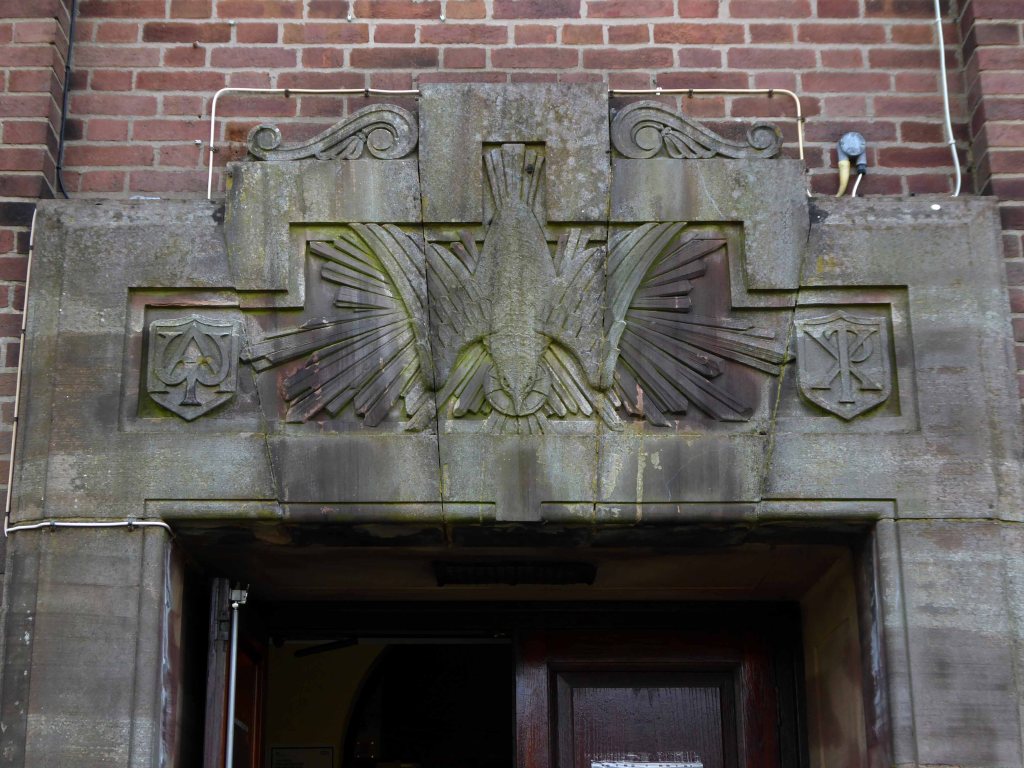
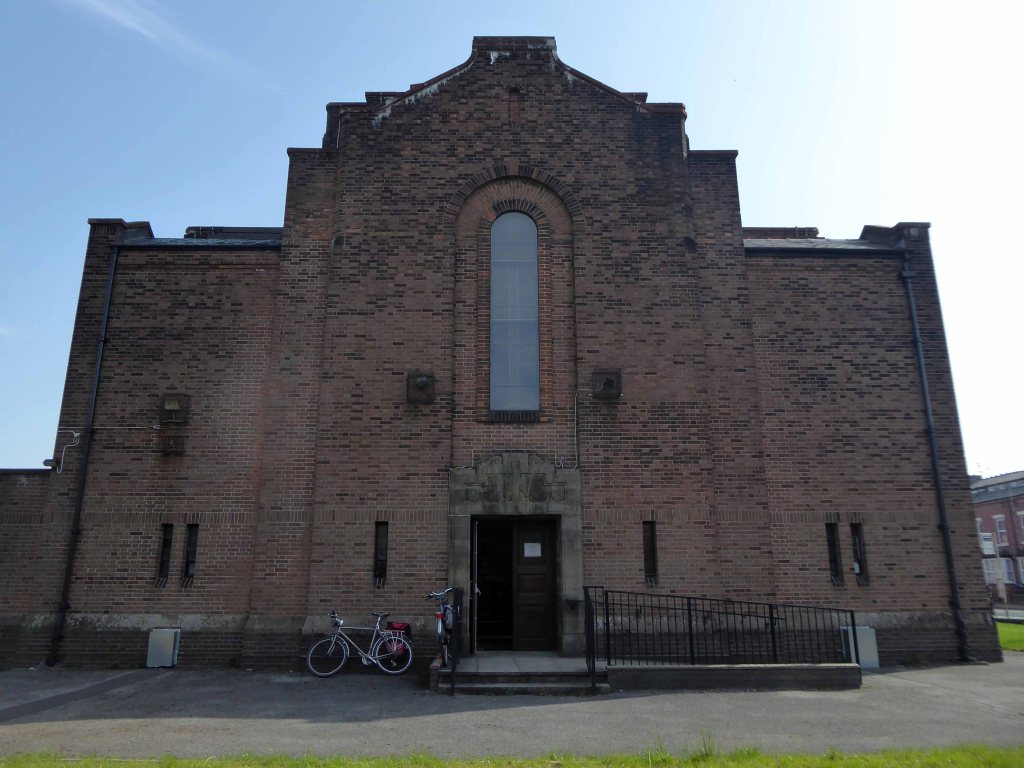
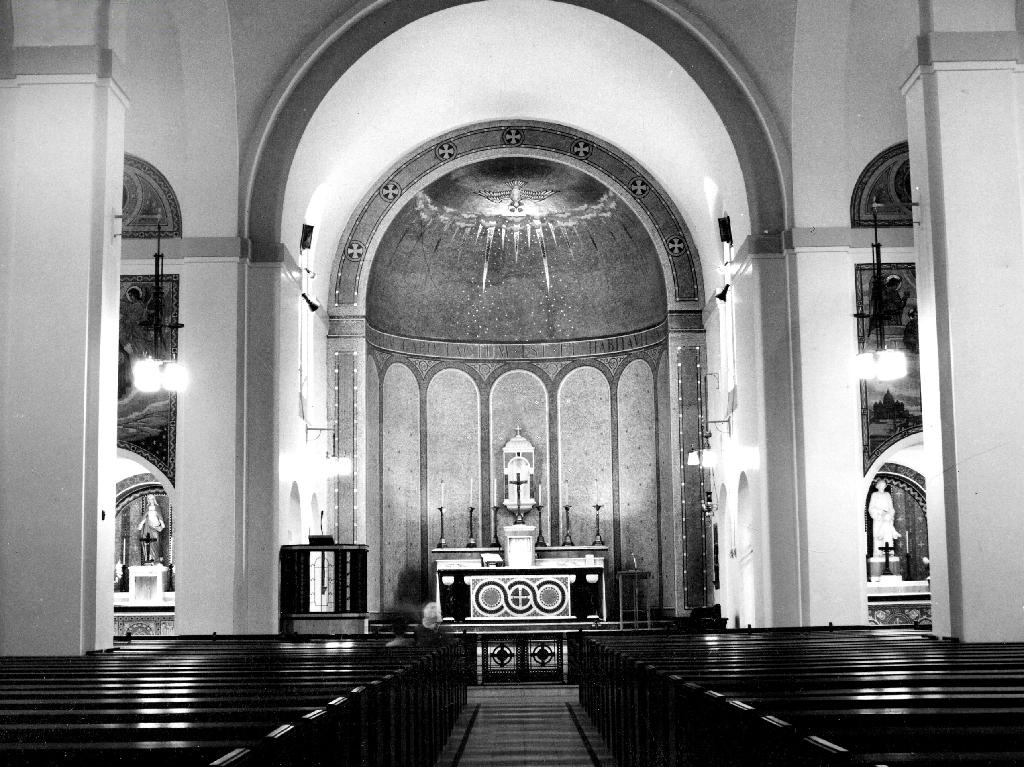
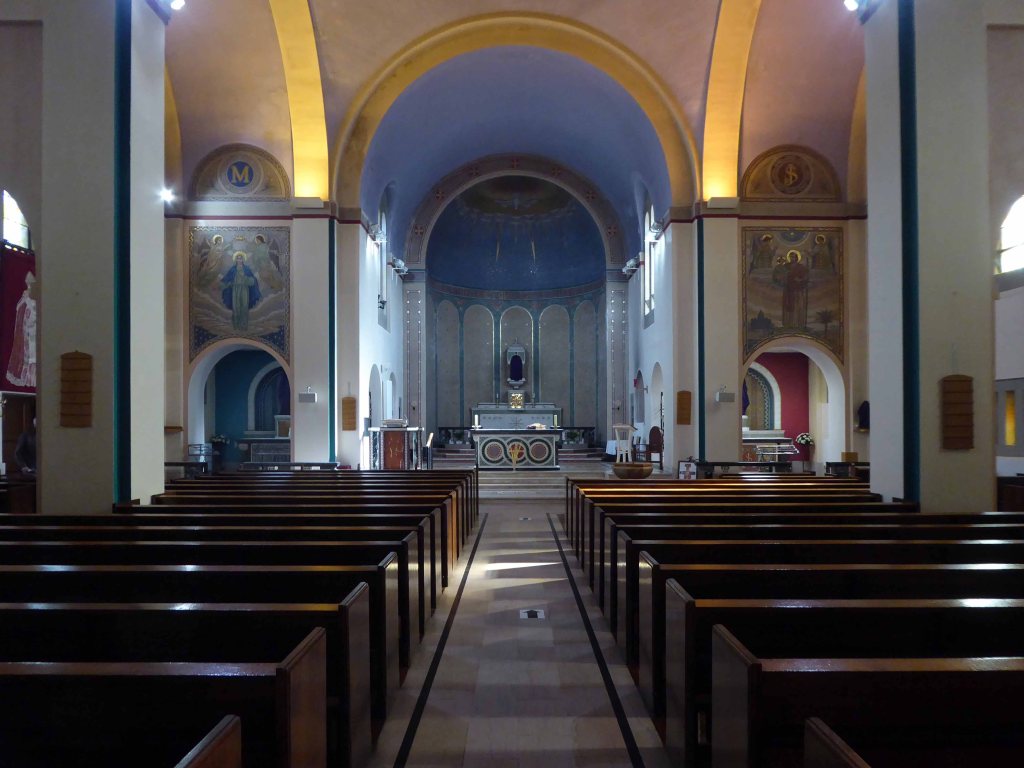
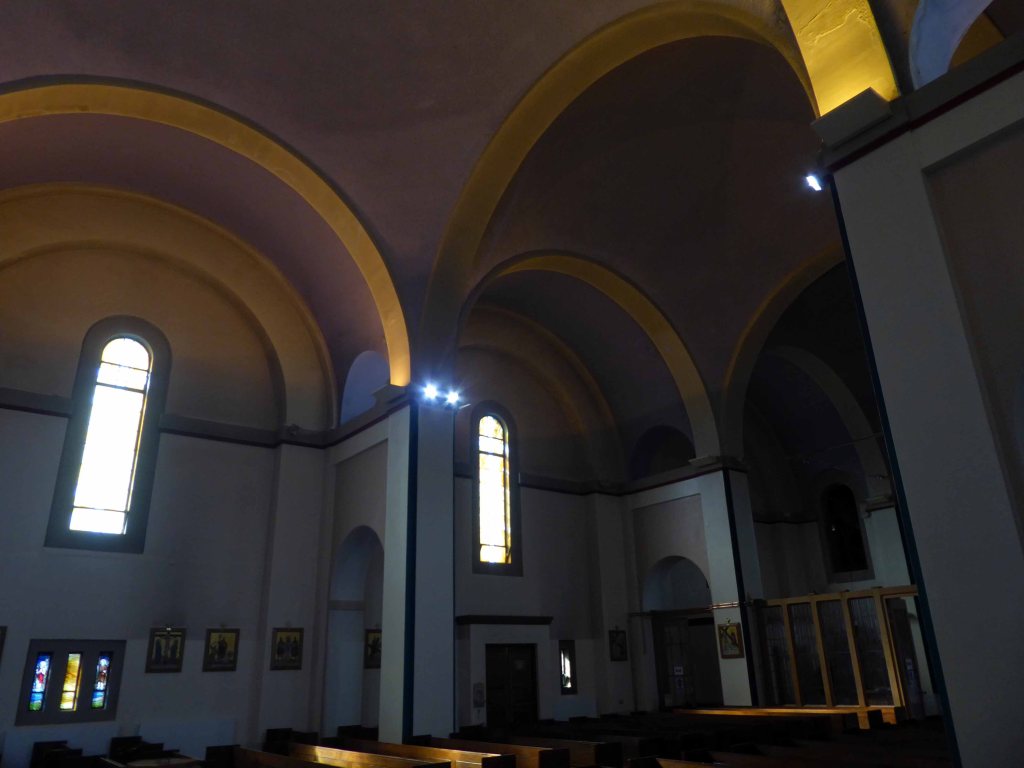
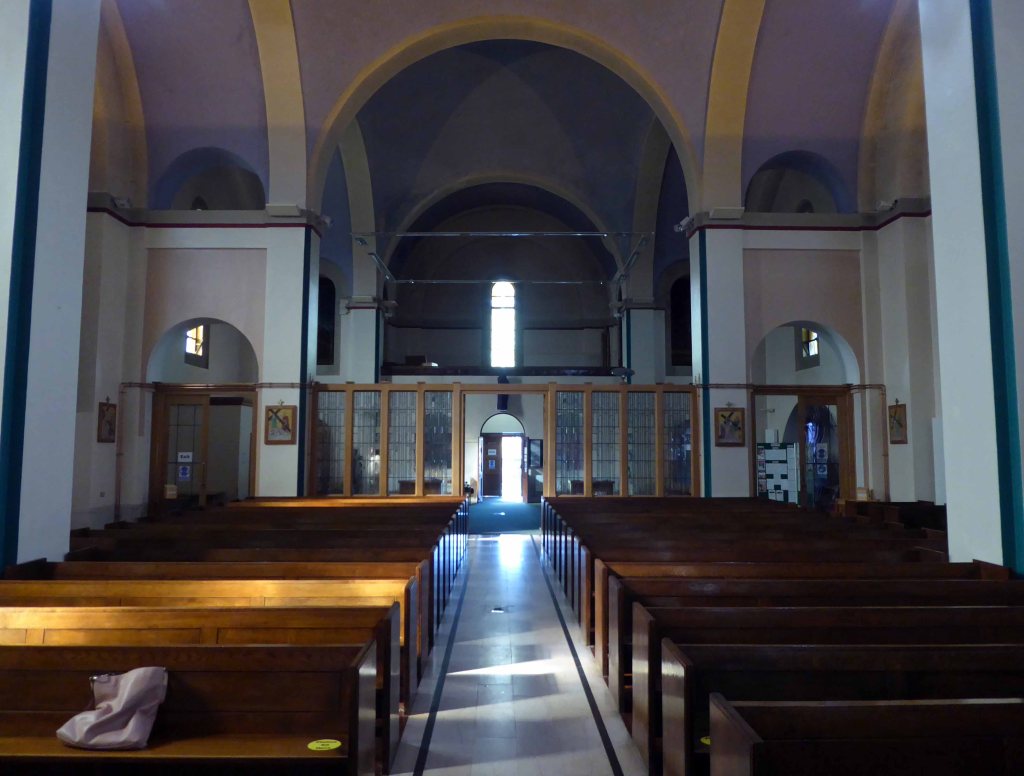
1937-38 by Reynolds and Scott built in buff brick of a Modernist Byzantine style.

The choice of the Apostle of Holland as a patron saint for the parish was that of a Dutch priest, Fr. Sassen, who bought land for the parish from St. Brigid’s in 1905. The new parish was opened in 1906.

Fr. Charles Hanrahan developed the mission in its infancy and was followed by Fr. Richard Mortimer, who laboured here for a long period, devoting most of his priestly life to the parish.

Fr. Patrick Dillon supervised the building of the magnificent new church of unusual design, which was opened in 1938.

Genuki

The church was Grade II listed in June 1994

Research Portal

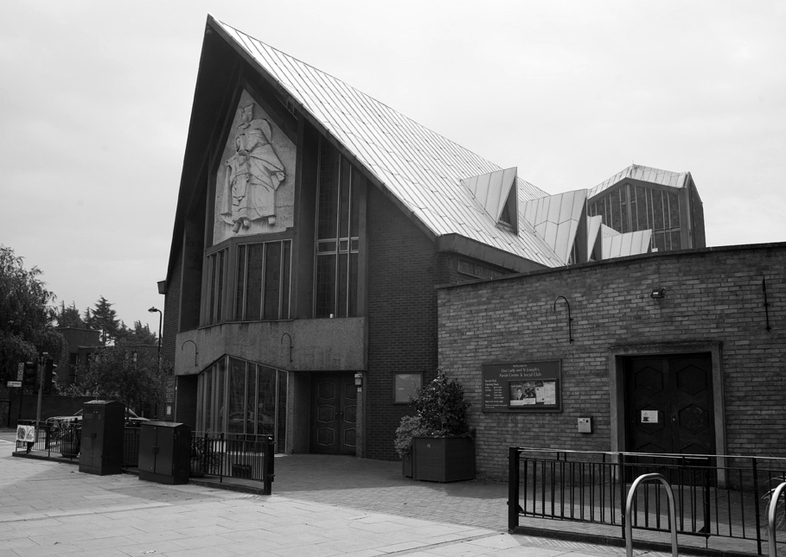
Our Lady and St. Joseph Hanwell 1967

The church is sited in a densely populated area of the city, comprising Victorian terraces and inter-war social housing.

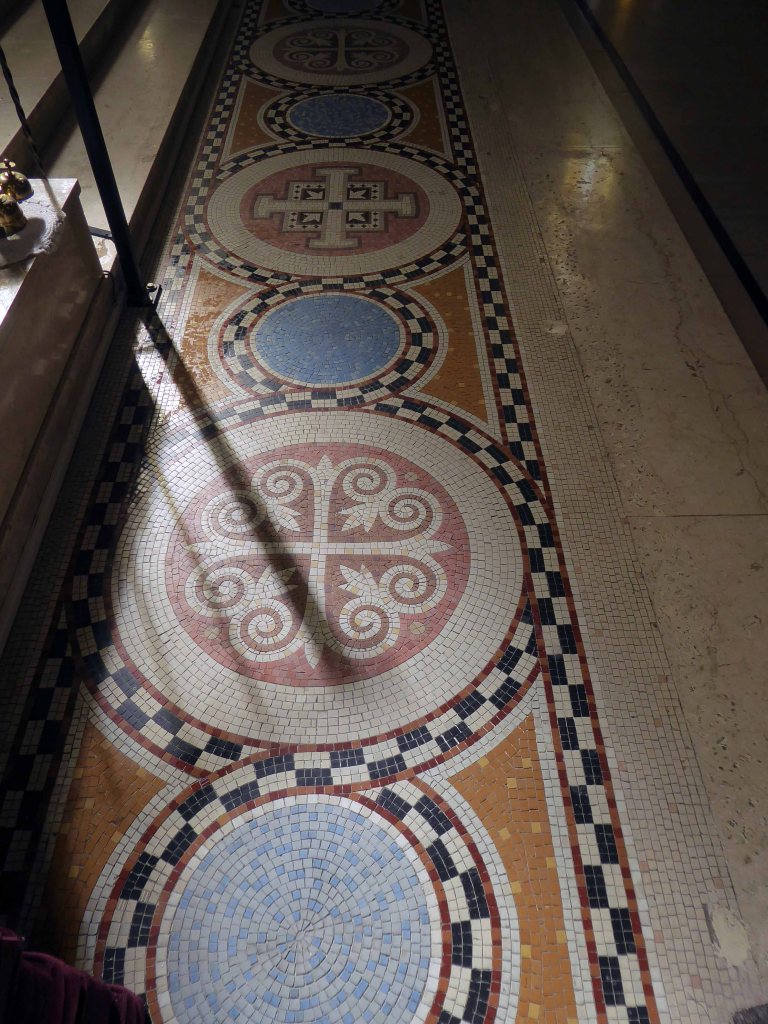
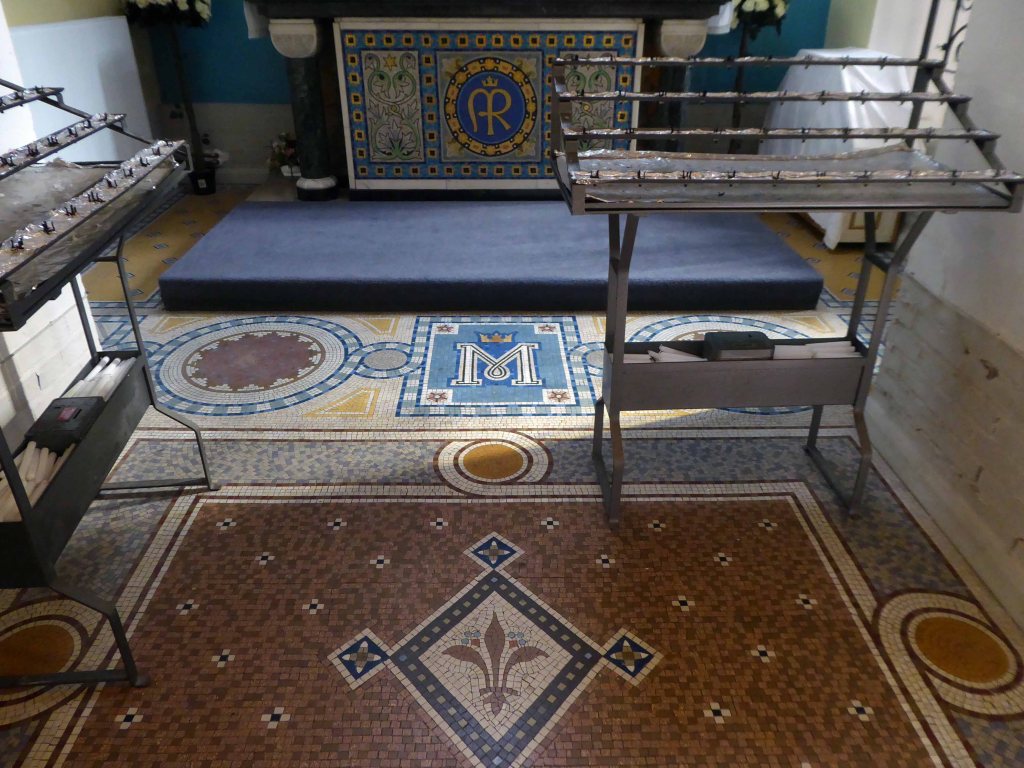
The interior has extensive mosaic work by the Manchester firm Ludwig Oppenheimer – whose work can also be seen in St John the Baptist RC Rochdale.

1968

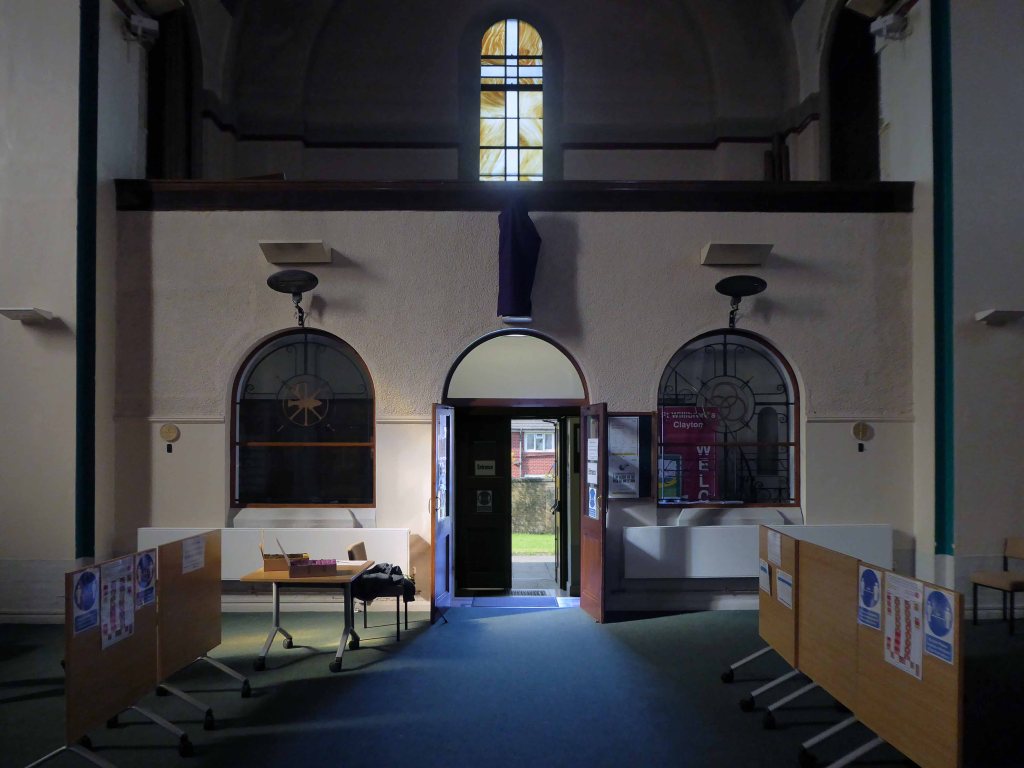
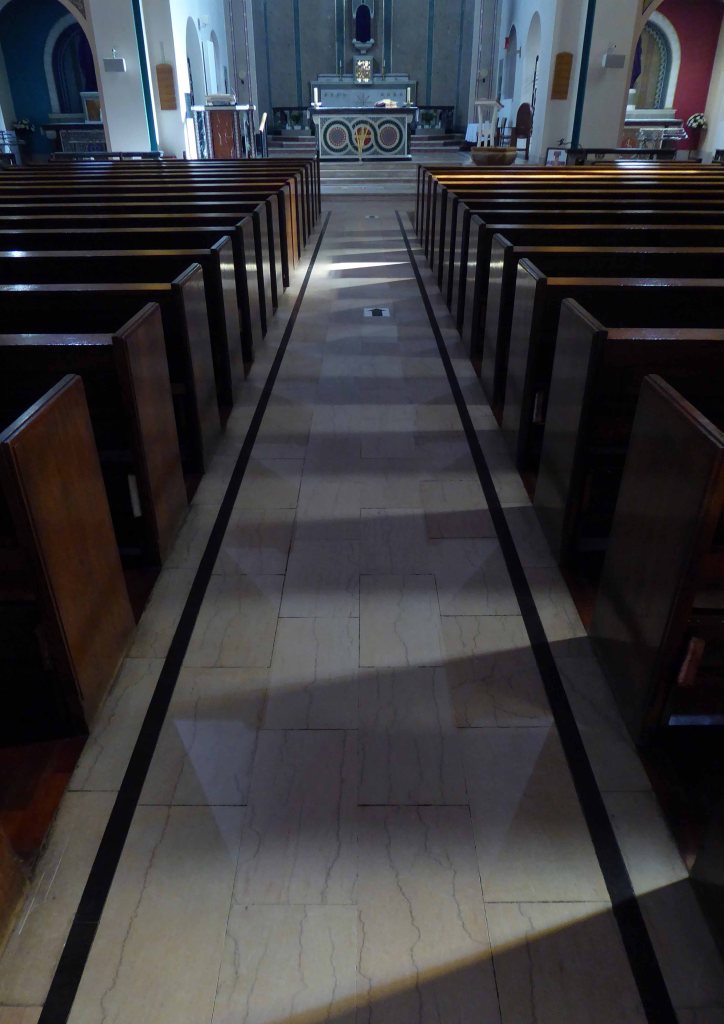
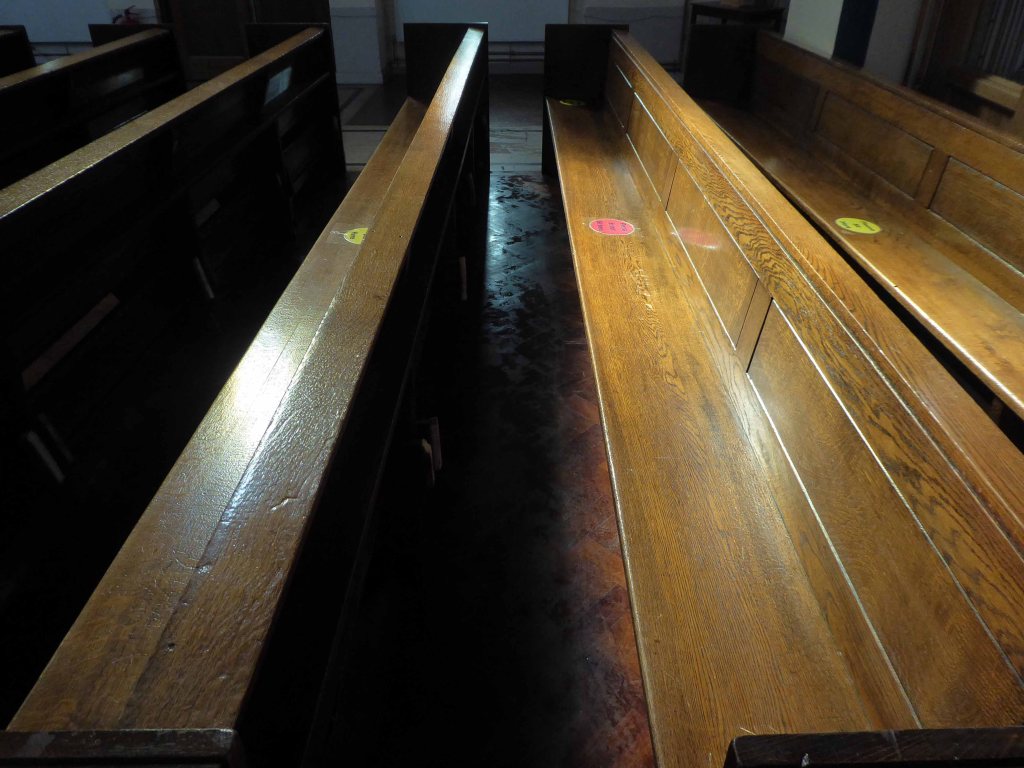
So farewell St Willibords and many thanks to the exceptionally kind and welcoming parishioners who granted me access to this very fine church.

Archive photographs Local Image Collection

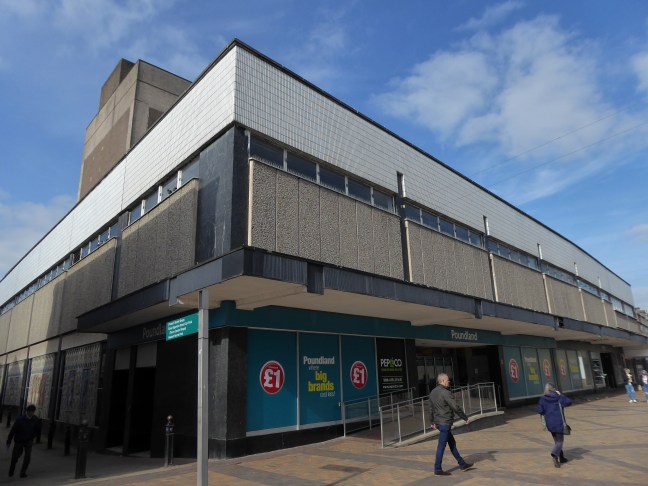
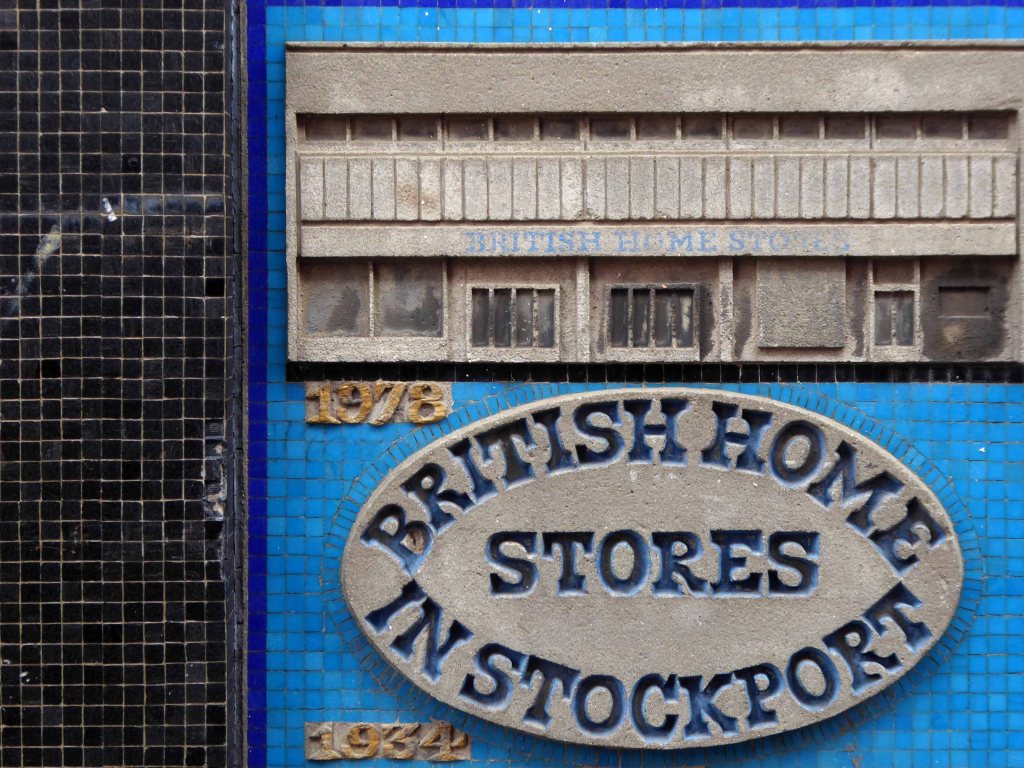
Poundland née BHS – Stockport

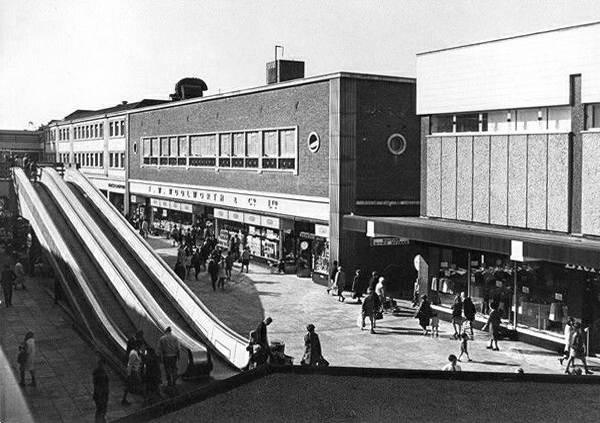
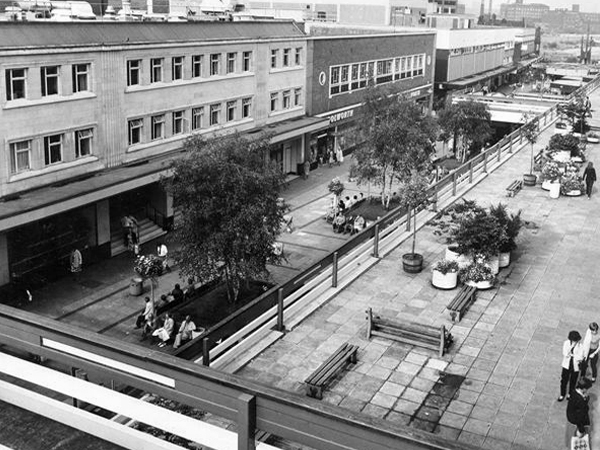
Stockport council bought the building in 2019 following the collapse of BHS three years earlier.

The report says the store is now in a poor condition, looks ‘dated and tired’ and ‘contributes to negative perceptions’ of Merseway.

MEN

You were conceived as an integral part of the Merseyway development, which on its inception, was held in the highest regard.

Innovative architecture with confidence, integrity and a clear sense of purpose.

The failure of BHS was a national disgrace, venal management, asset stripping, avaricious, grasping rodents ruled the day.

Dominic Chappell, who had no previous retail experience, bought the high street chain from the billionaire Sir Philip Green for £1 in March 2015. The company collapsed with the loss of 11,000 jobs 13 months later, leaving a pension deficit of about £571m.

Guardian

A sad end for a company with a long history and presence on the high street.

With an architectural heritage to match:

BHS’s chief architect at this time was G. W. Clarke, who generally worked alongside W. S. Atkins & Partners, as consulting engineers. The stores – like Woolworth’s buildings – were composite structures, with steel frames and concrete floors. Clarke sometimes appointed local architects.

At first, like C&A, BHS retained the narrow vertical window bays and margin-light glazing that had characterised high street façades in the 1930s, but by the end of the 1950s Clarke had embraced a modified form of curtain-walling.

This architectural approach became firmly associated with BHS, with framed curtain wall panels – like giant TV screens – dominating the frontages of many stores.

Building Our Past

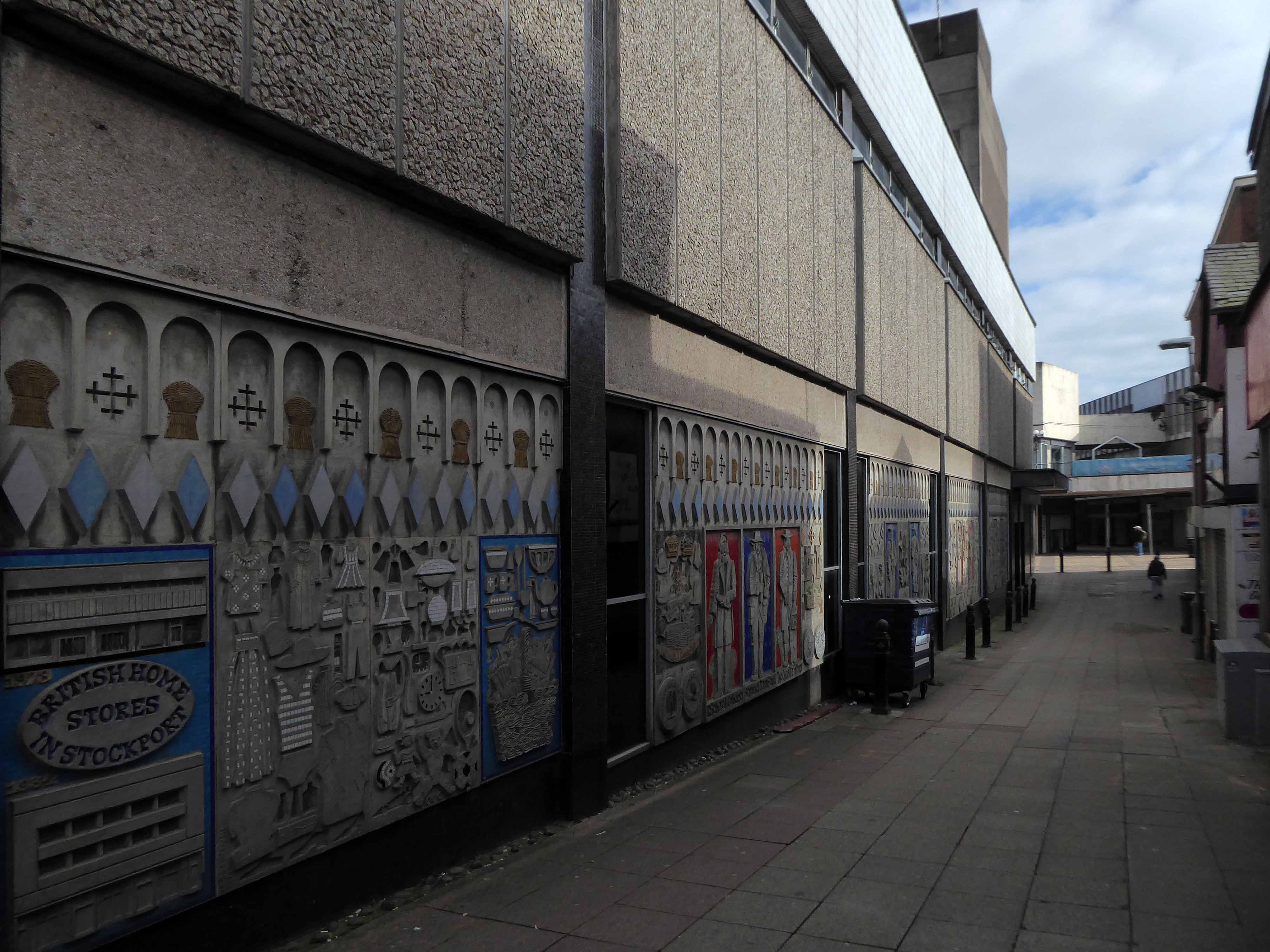
Of note are the Joyce Pallot and Henry Collins concrete panels on the Deanery Row elevation.

There have been moves to have the work listed, without success.

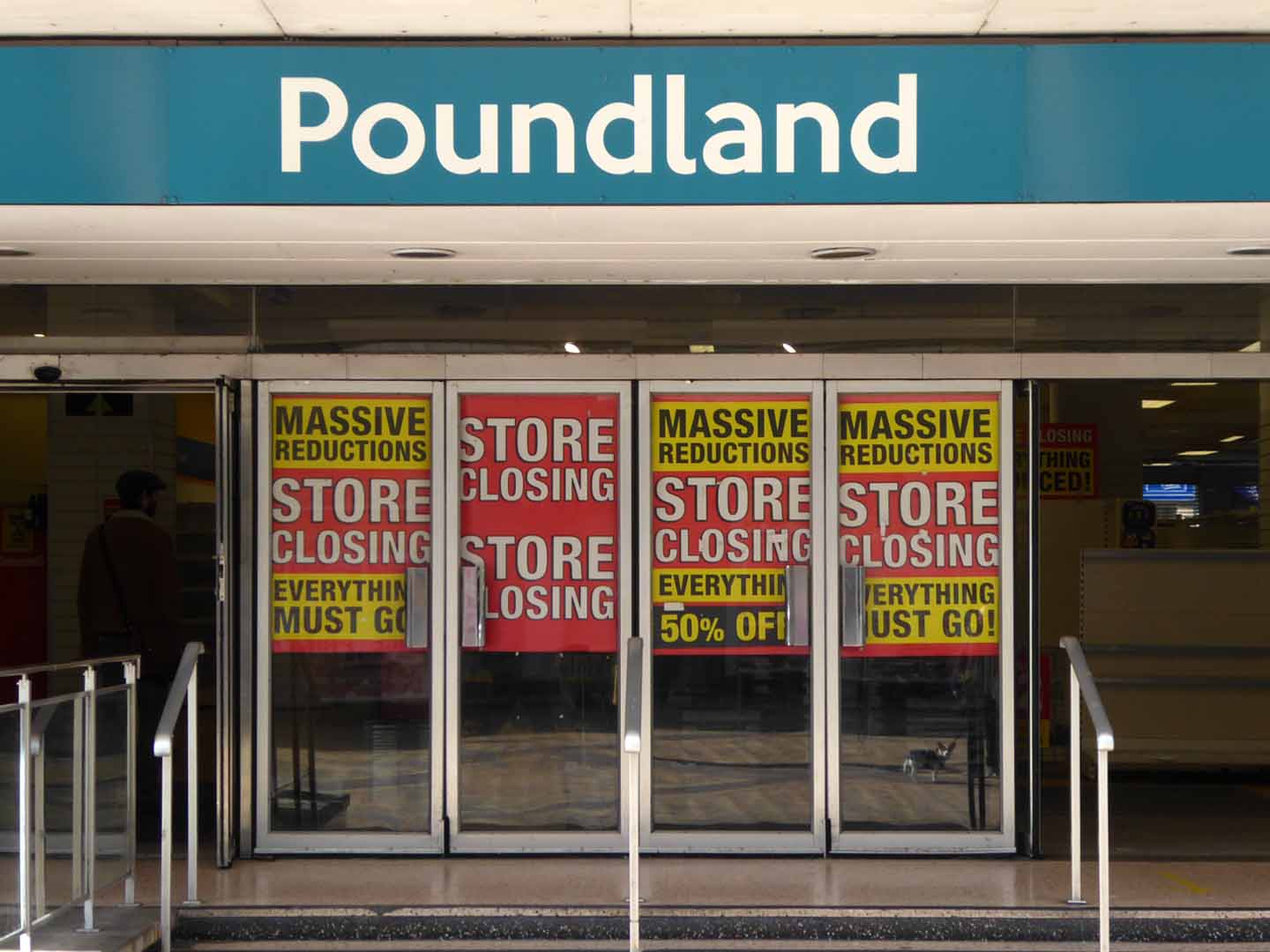
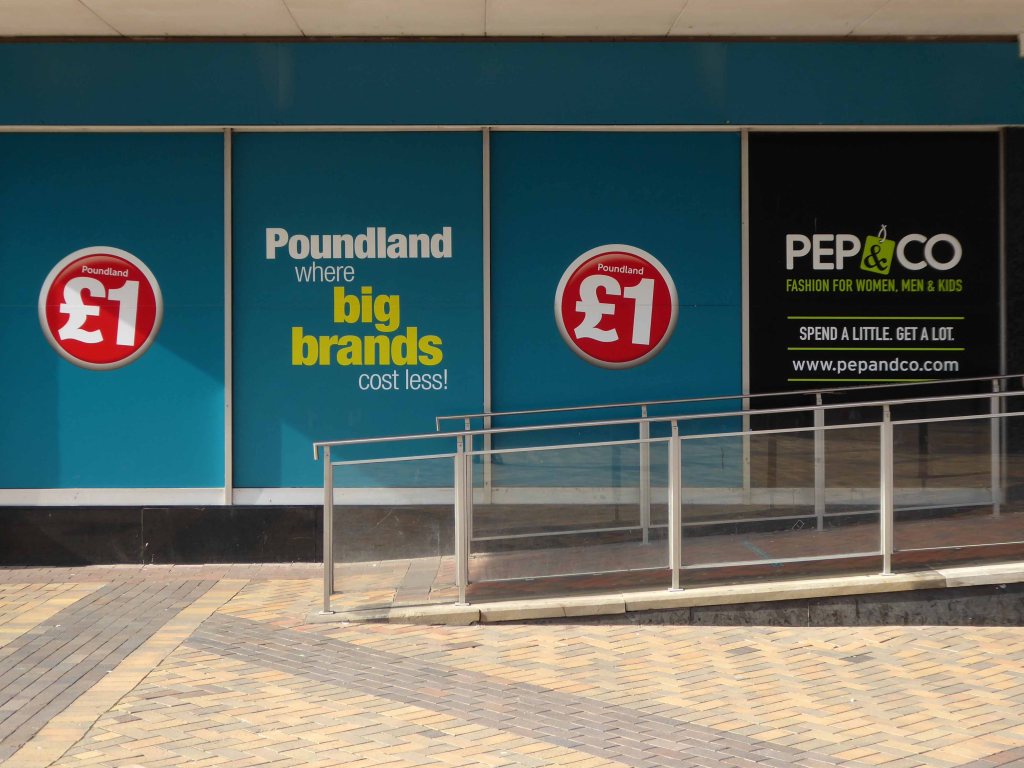
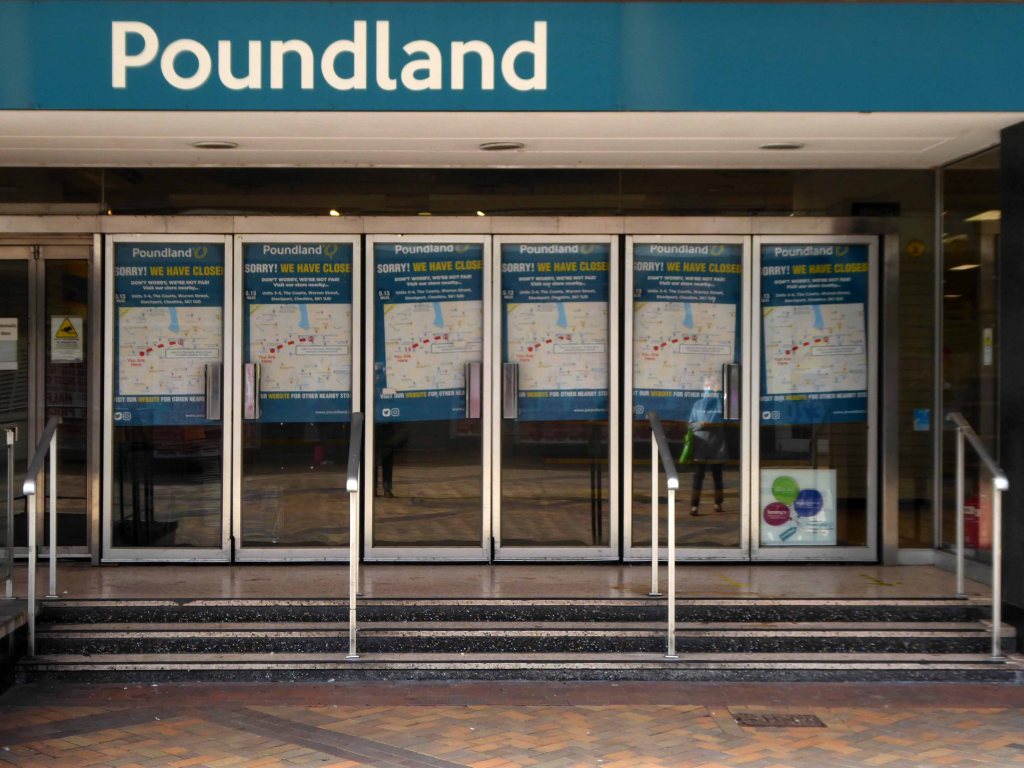
Of late the store has been home to Poundland – though time has now been called.

Poundland’s retailing concept is extremely simple: a range of more than three thousand – representing amazing value for money.

Our pilot store opened in the Octagon Centre, Burton-upon-Trent, in December of 1990, followed by new stores in High Street, Meadowhall and other quality trading locations.  Shoppers loved the concept and so did fellow retailers and landlords.  The stores proved to be a huge success. Meadowhall’s success was repeated by further stores opening by the end of the year.

The store has been a success even during COVID restrictions, let us hope that the planned return goes ahead.

So here is my record of the building as is, a tad tired, but in its day a simple and authoritative amalgam of volumes and materials.

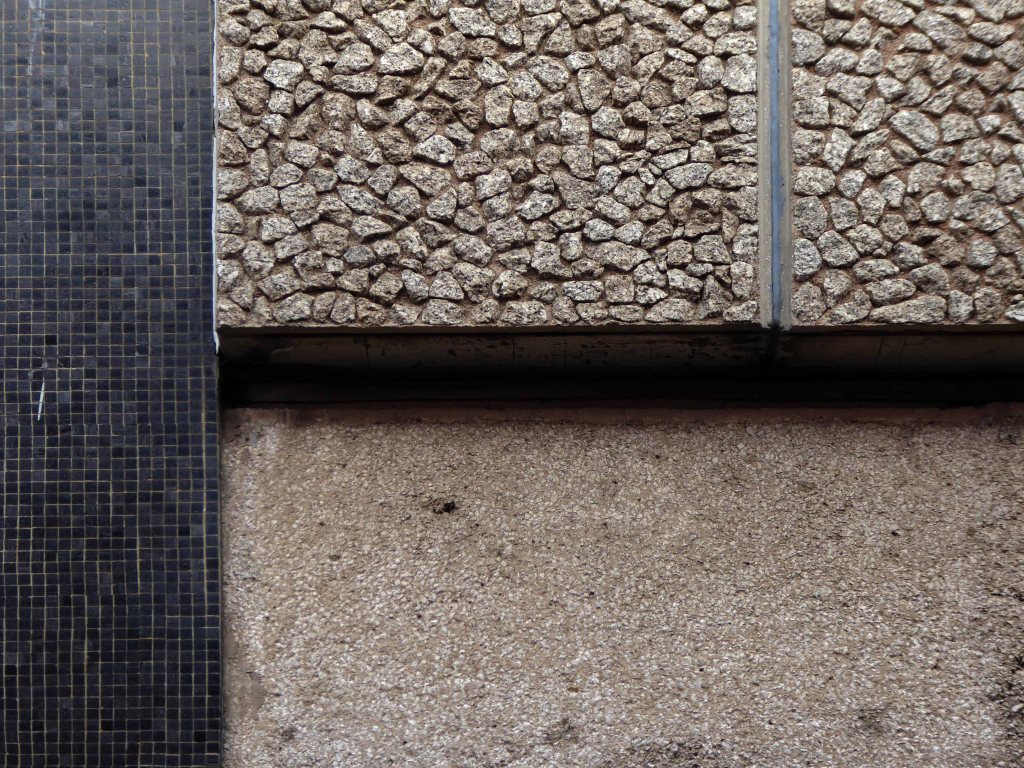
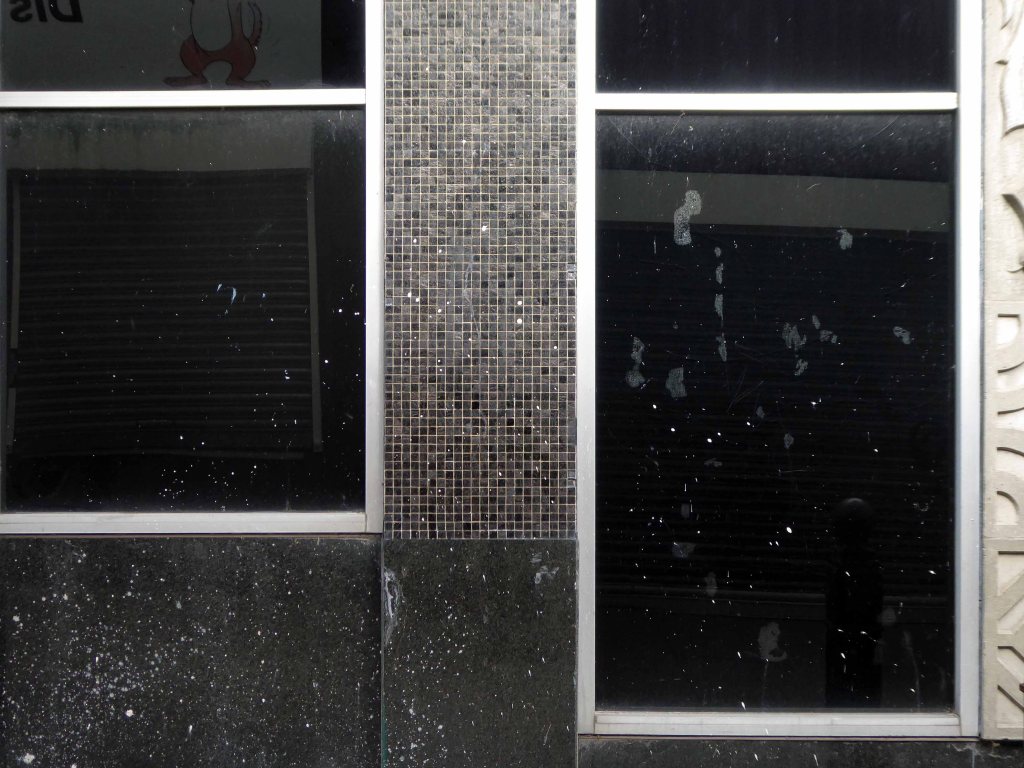
Mixing variegated grades of concrete, tiling, mosaic, brick, steel and glass.

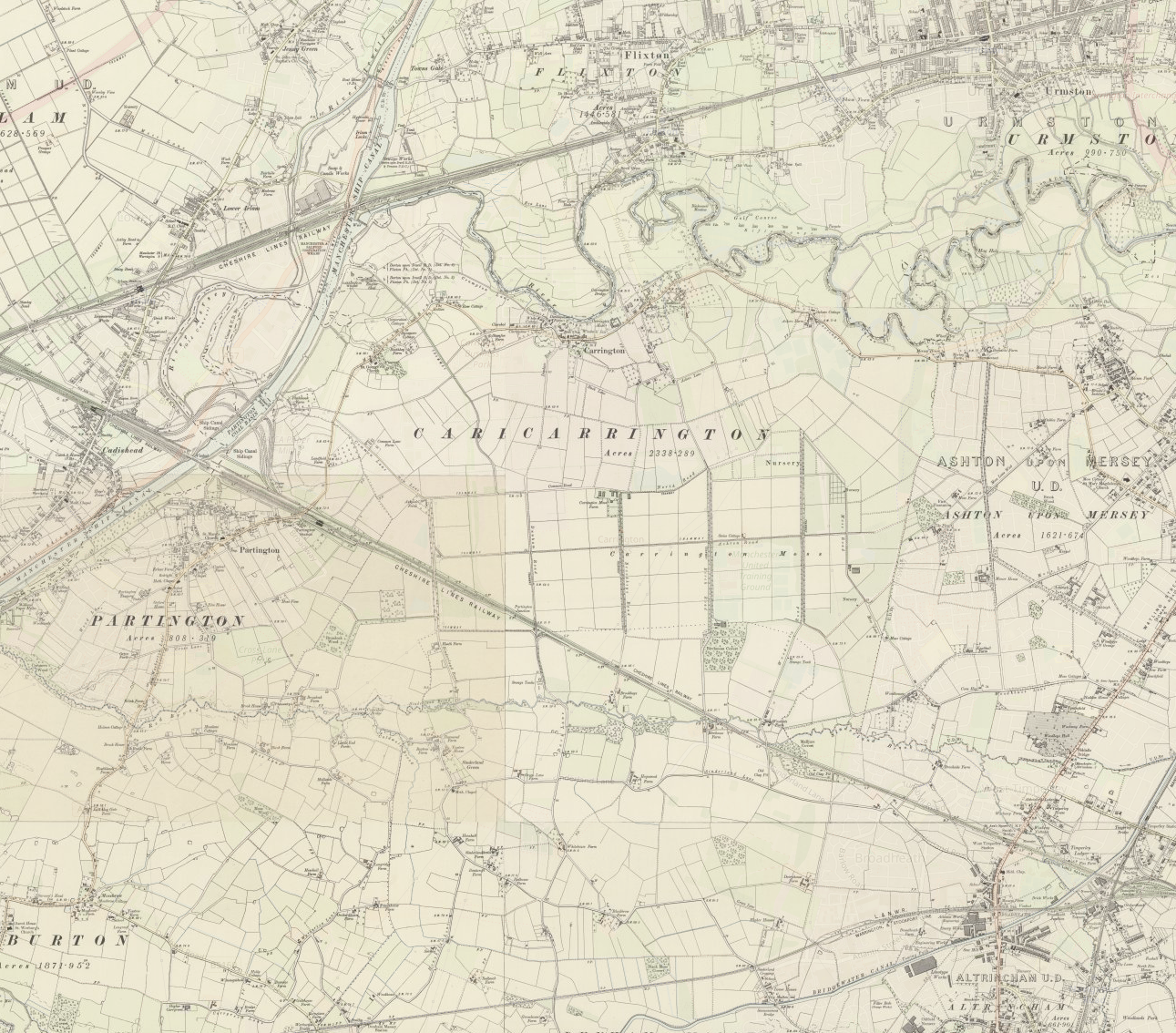
Carrington Moss

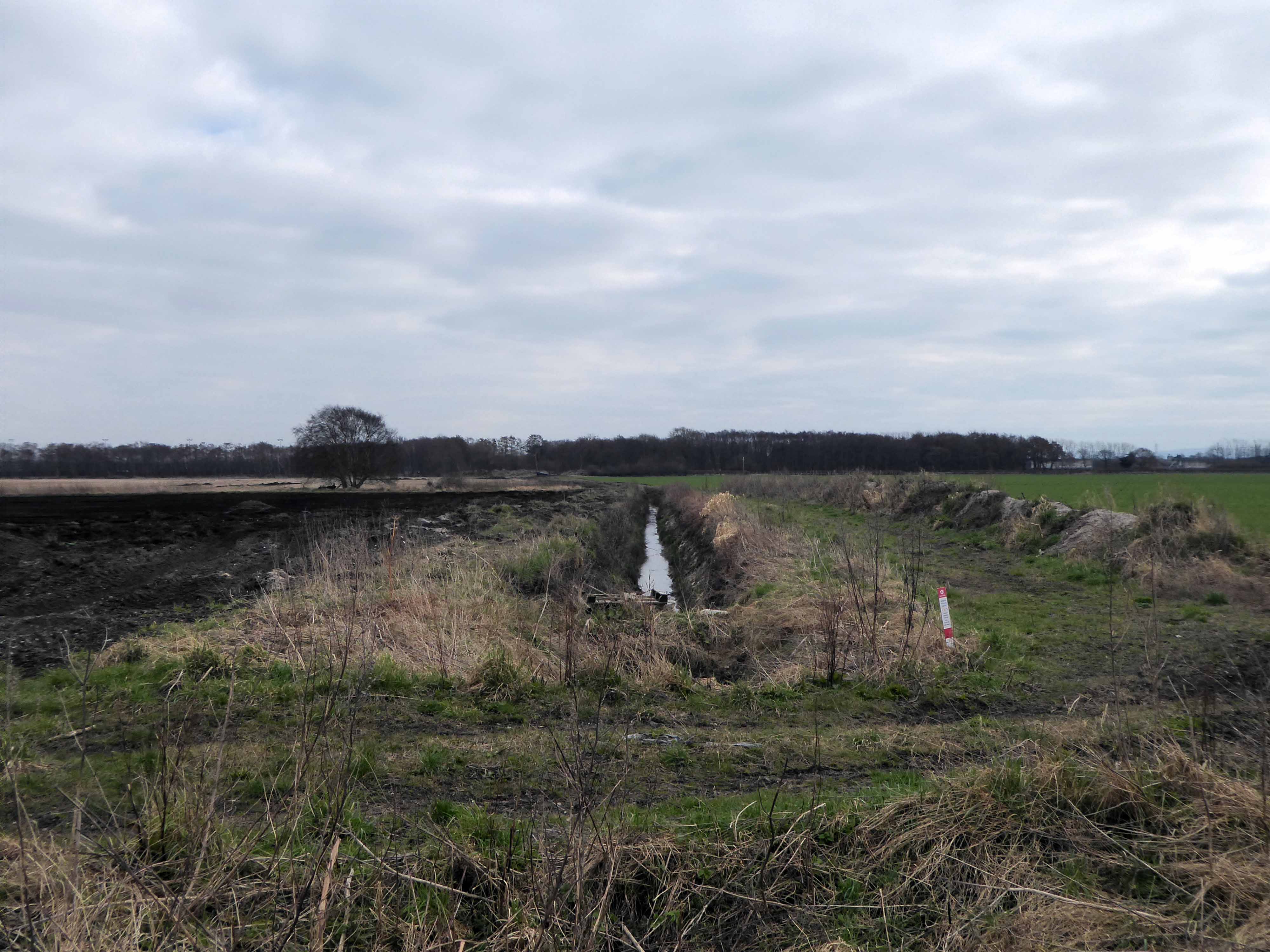
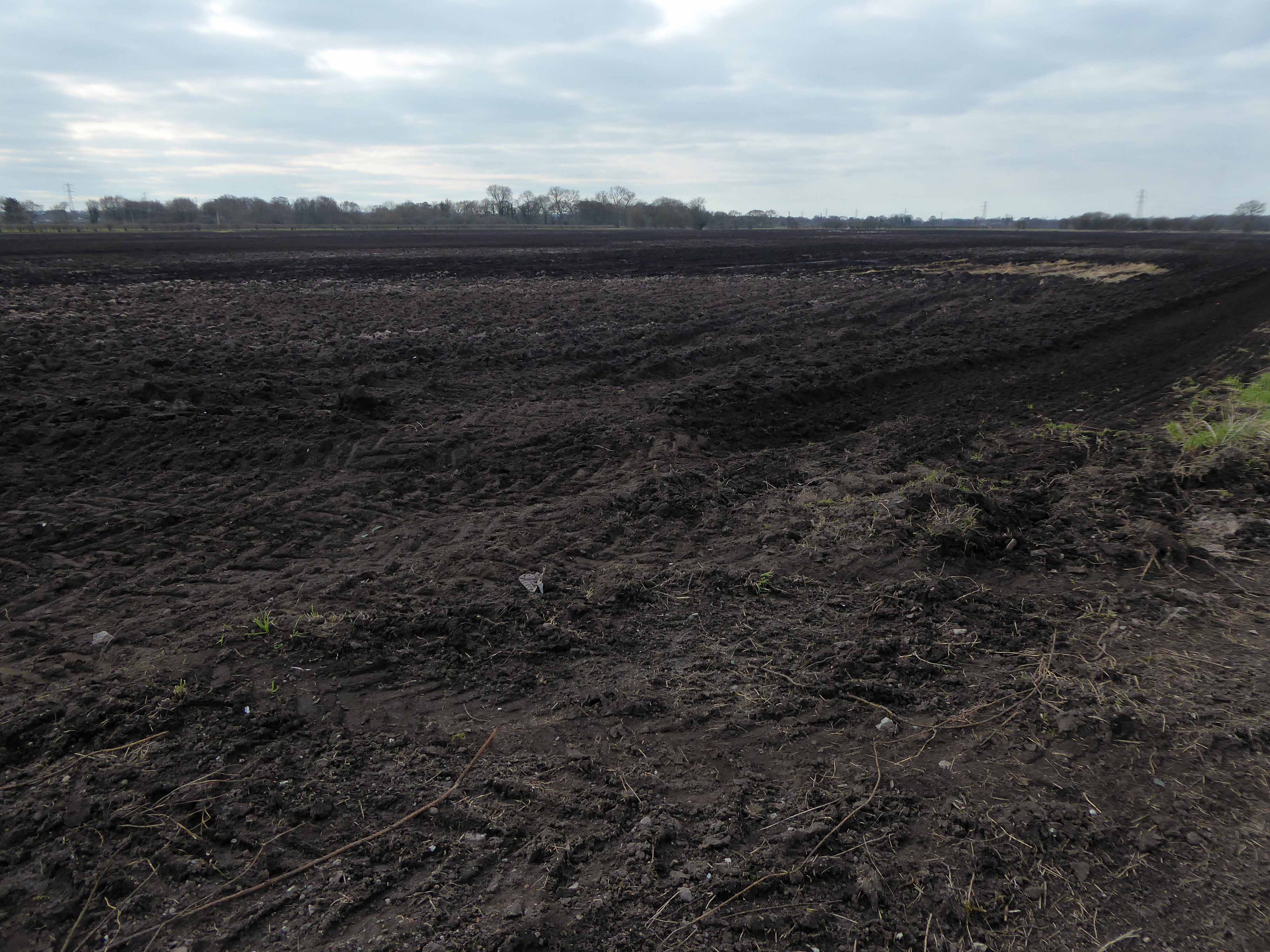
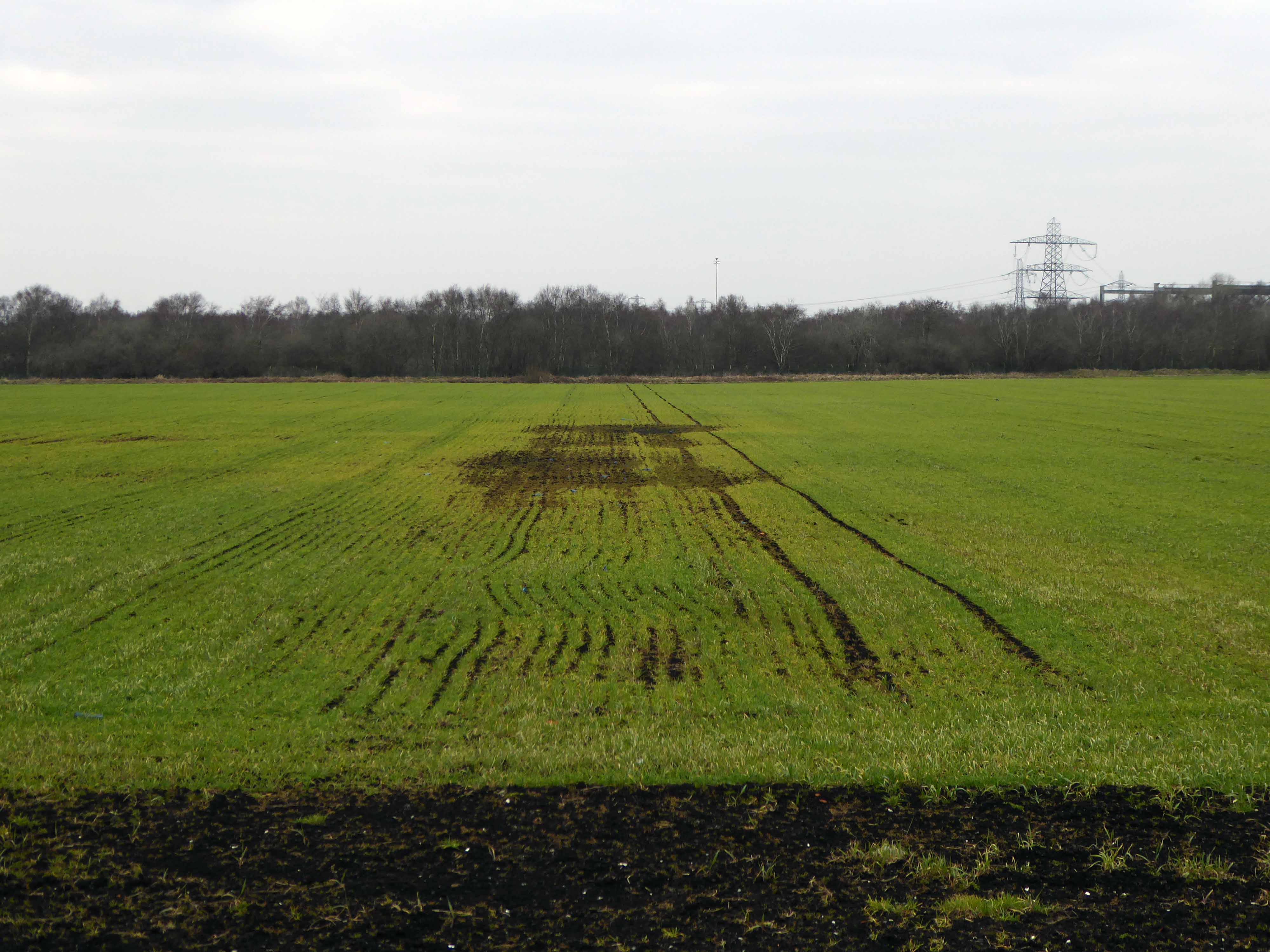
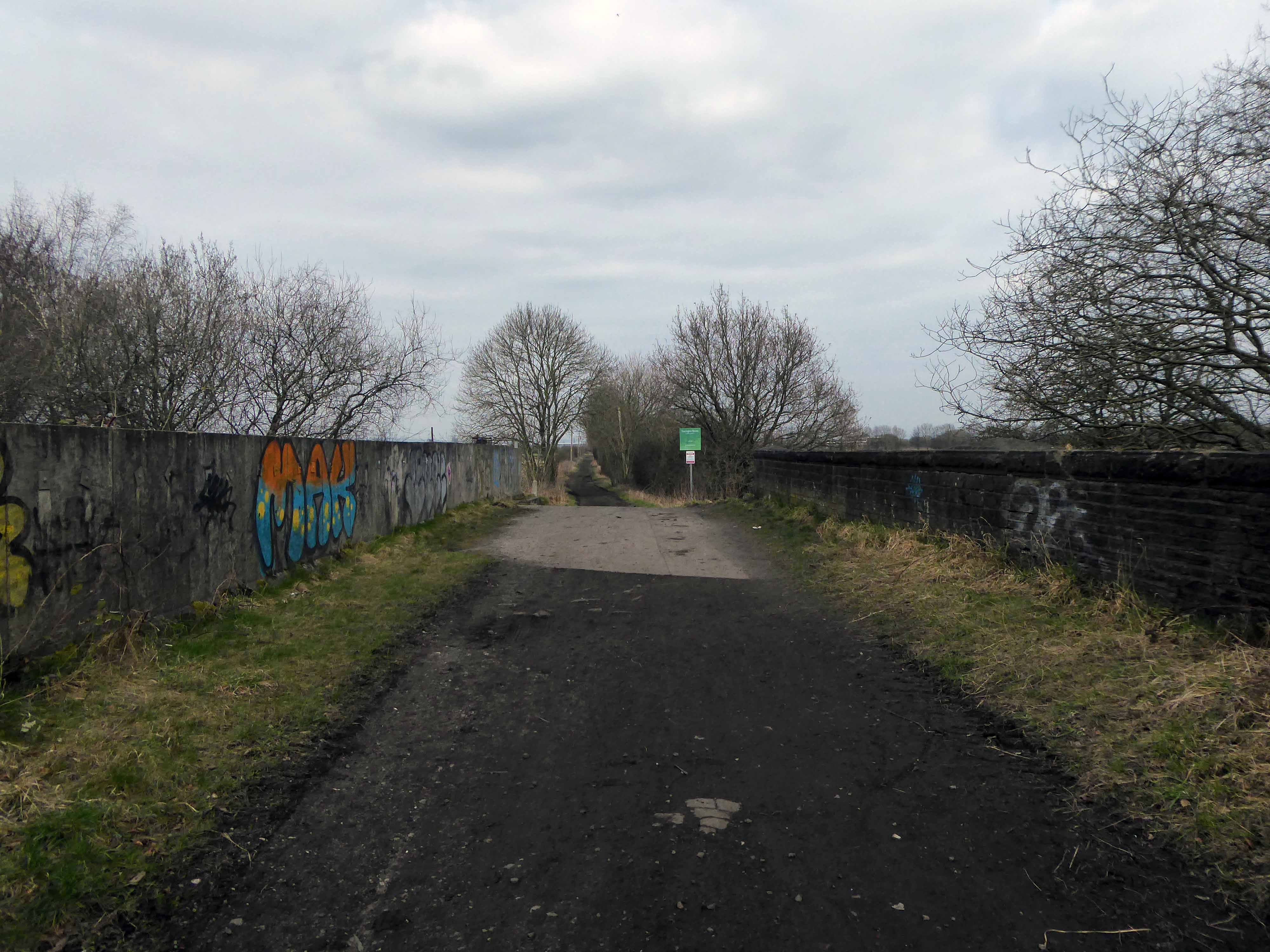
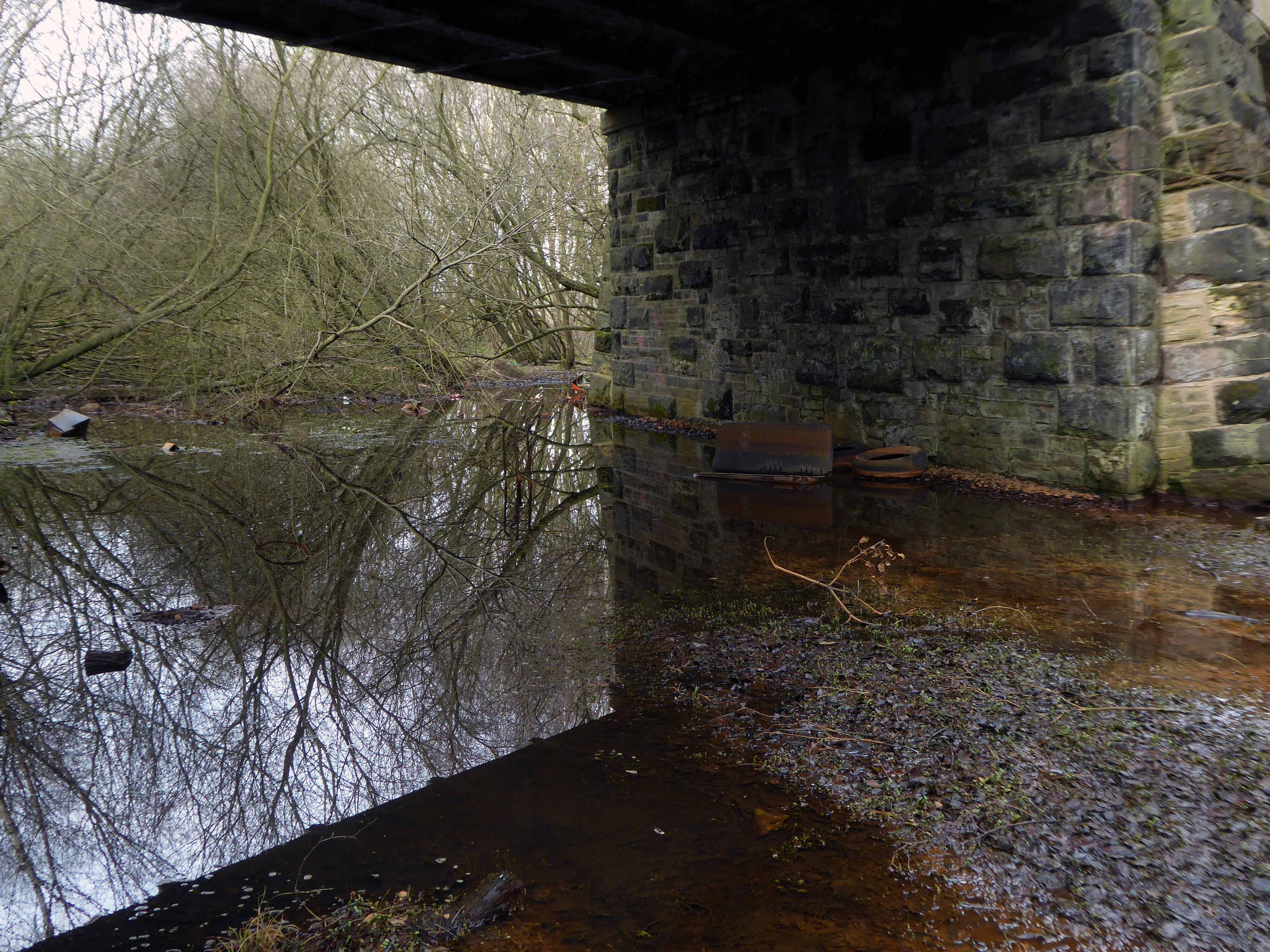
Flat as can be, between rail and river, flat.

Crisscrossed by tramways and drainage ditches.

Carrington Moss is a large area of peat bog near Carrington in Greater Manchester, England. It lies south of the River Mersey, approximately ten miles south-west of Manchester, and occupies an area of about 1,100 acres..Originally an unused area of grouse moorland, the moss was reclaimed in the latter half of the 19th century for farming and the disposal of Manchester’s waste. A system of tramways was built to connect it with the Manchester Ship Canal and a nearby railway line. During the Second World War the land was used as a Starfish site and in the latter half of the 20th century, a large industrial complex was built along its northern edge. More recently, several sporting facilities have been built on Carrington Moss. Today, the land is still used for farming and several nature reserves have been established within its bounds.

Parts of Carrington Moss are accessible to the public over several rights of way.

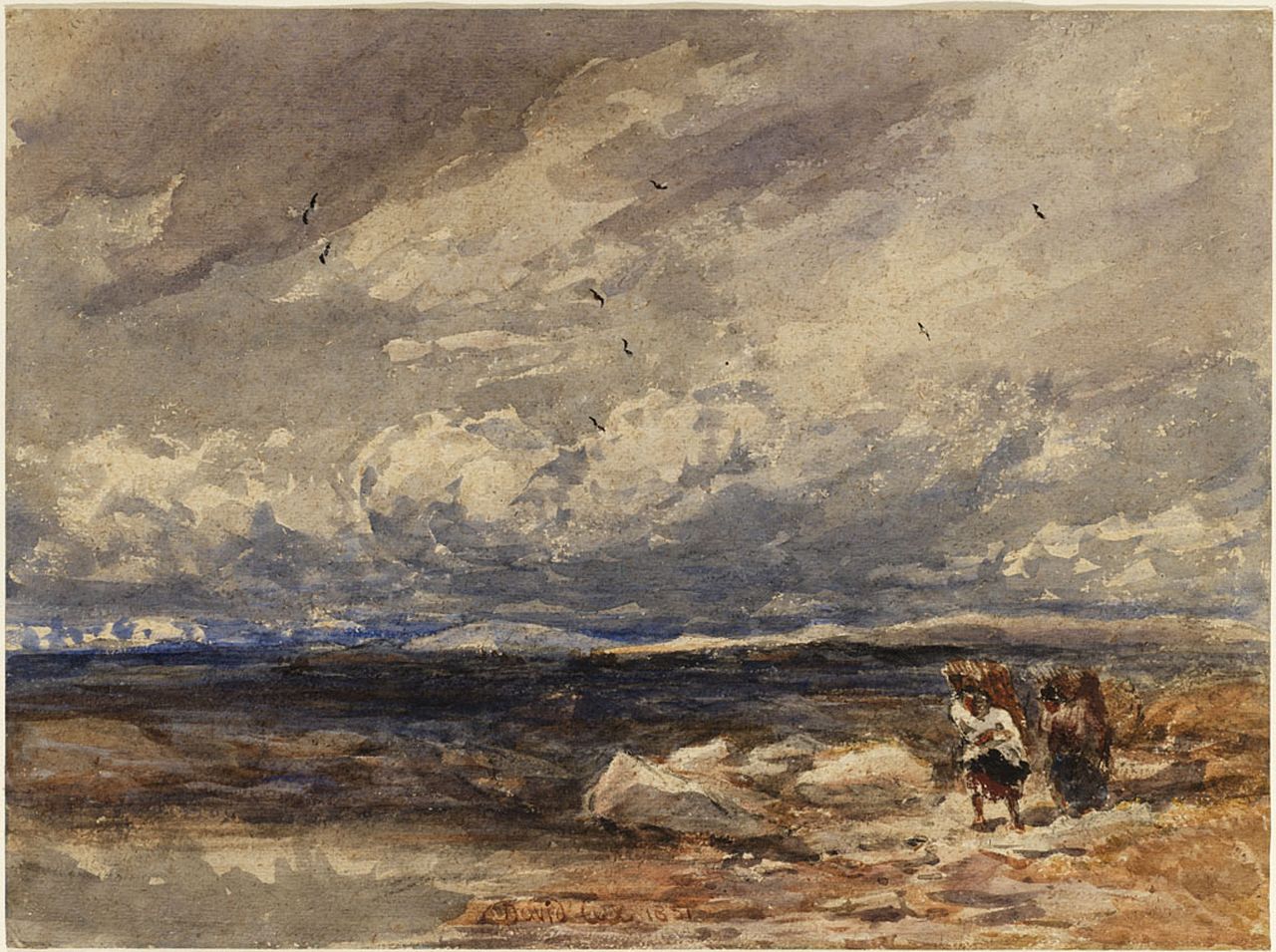
On Carrington Moss 1851 David Cox

Industrialisation of the moss took place from 1947–1952 when Petro-Carbon ltd began to build what would later become known as the Shell Site. The estate was leased on 1 October 1968 to Shell Chemicals, who in 1957 had purchased a propylene oxide plant along the moss’s northern edge. Shell had built an ethylene oxide plant in 1958 and began to produce polyether polyols the following year. Council housing was built nearby, at Carrington and Partington, for workers and their families. By 1985 the Shell plant had a turnover of about £200M and employed 1,150 people, but a major restructuring of the business reduced the workforce to less than 500 by 1986. By 1994, four distinct plants operated on the 3,500-acre (14 km2) site, producing a range of chemicals, and materials including polystyrene, polyethylene and polypropylene. In 2005 it was reported that Shell would close their polyols and ethoxylates units, a decision which came into effect in 2007. The estate is currently managed by chartered surveyors Bell Ingram. Lyondell Basell operate the last remaining chemical plant on site.

Wikipedia

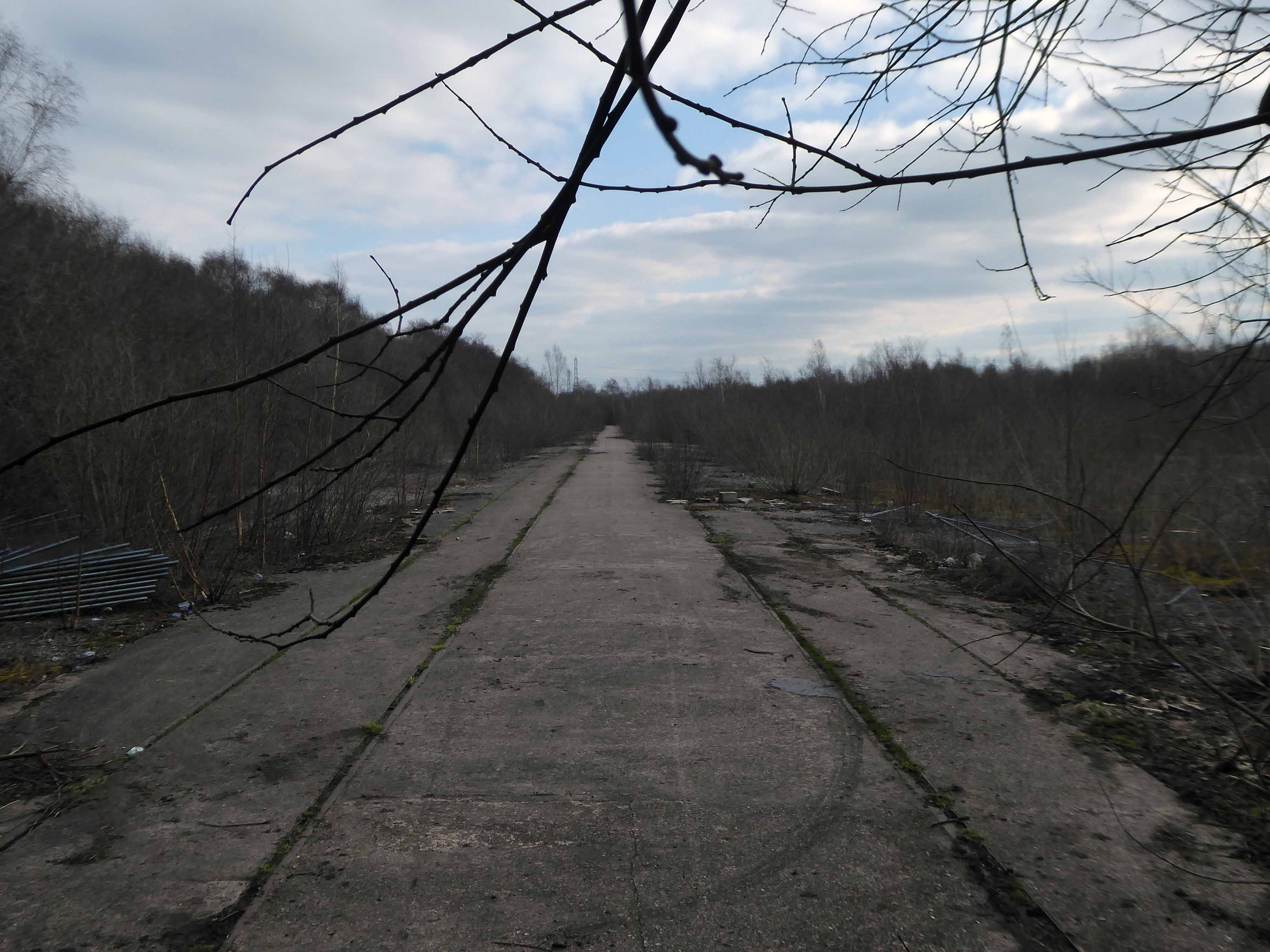
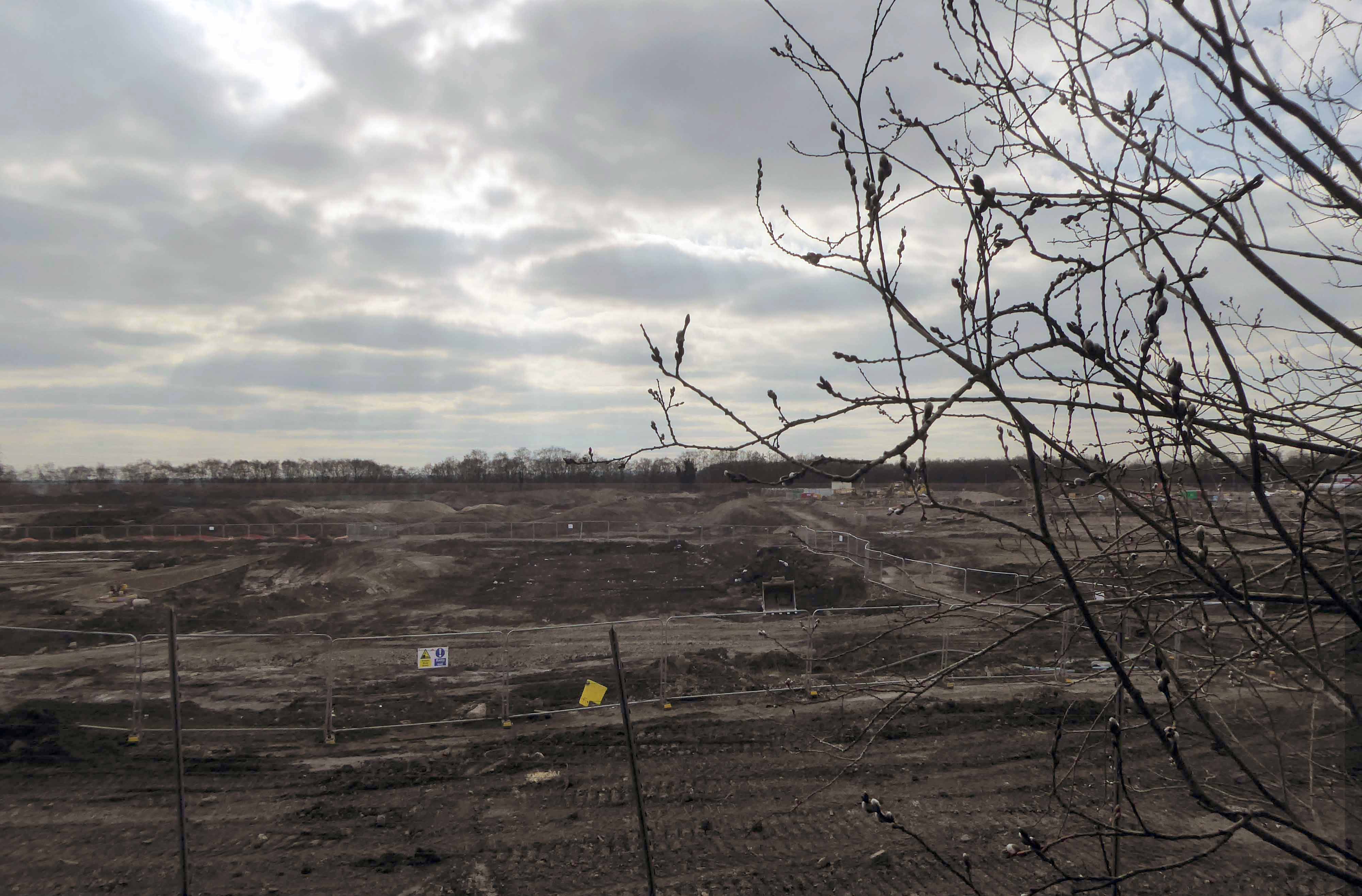
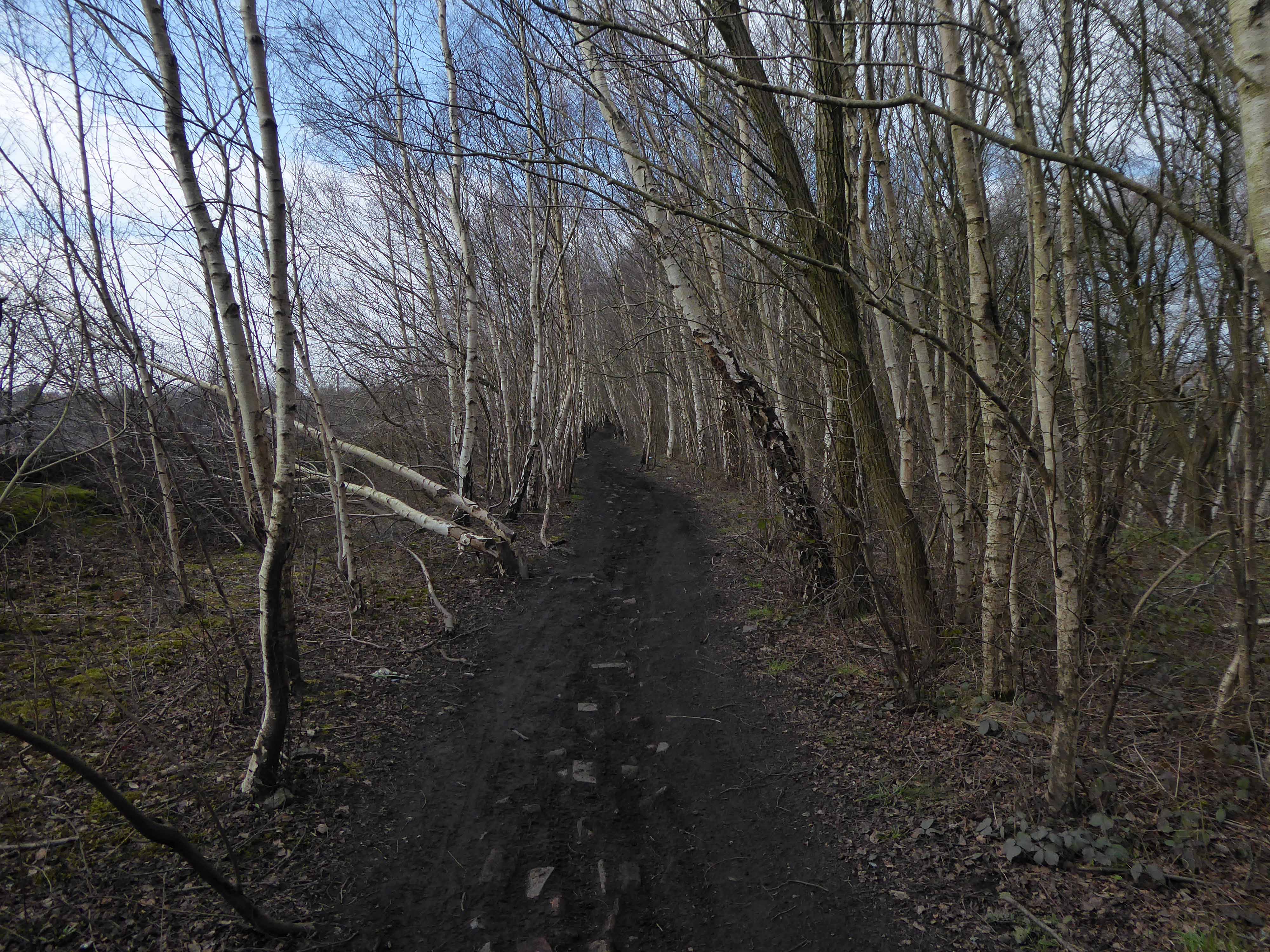
This is the beleaguered site, still farming, remnants of rail, traces of tipping and vestiges of industry.

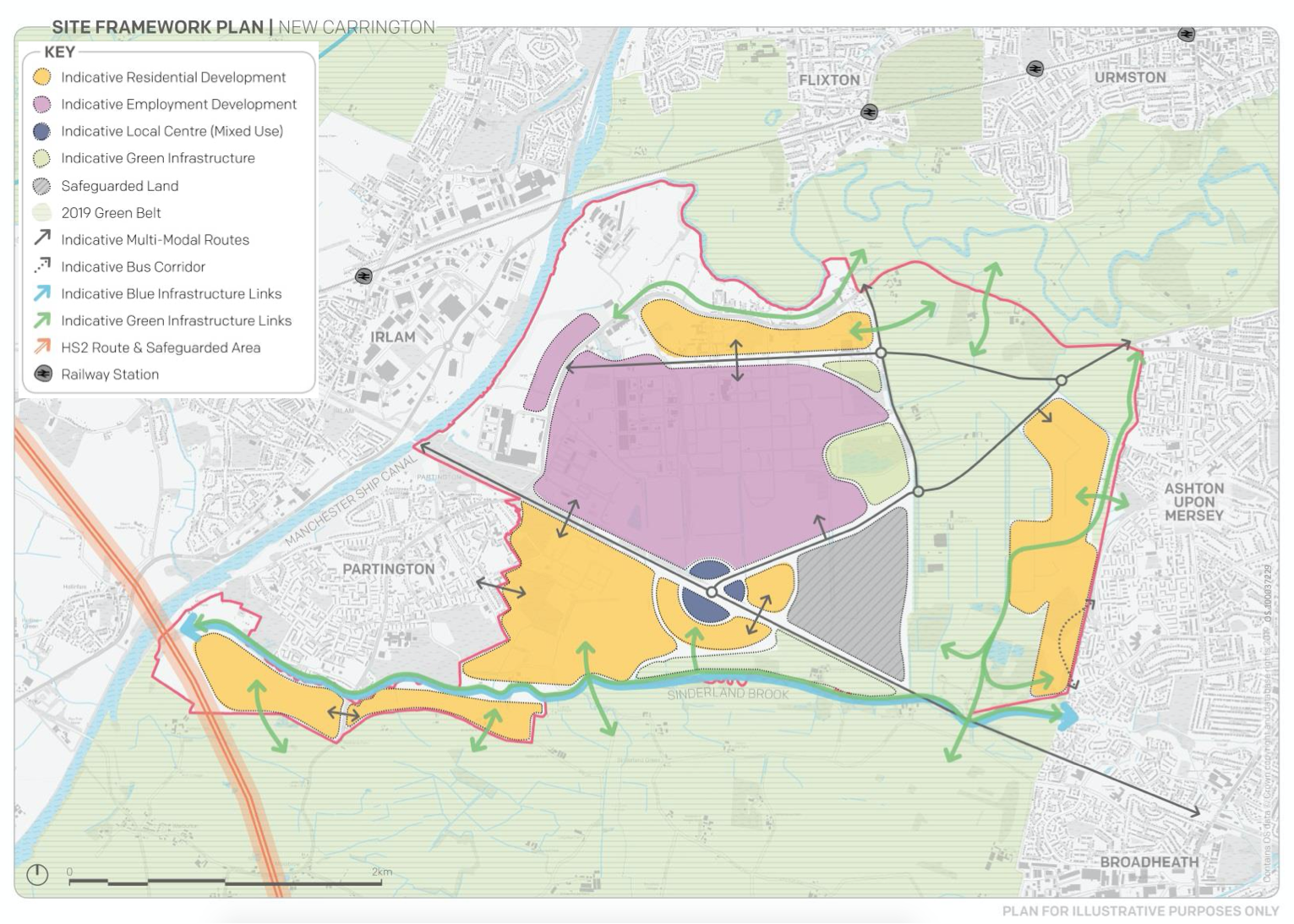
Plans are afoot – including of course indicative multi-modal routes.

Trafford Gov UK

Hundreds of campaigners fear endangered wildlife at Carrington Moss will be ‘decimated’ if plans to build a new town on green belt land go ahead.

They also argue the development would be ‘catastrophic’ in terms of how it would impact the environment.

Manchester Evening News

Storm Christoph showed that Manchester is susceptible to the adverse effects of extreme weather events, which are forecast to become more regular occurrences.

Greater Manchester Labour for a Green New Deal argue that we must abandon the idea of developing on greenbelt, and instead embrace bold alternatives which reflects the urgency of the climate crisis﹣starting with sites like Carrington Moss.

The Meteor

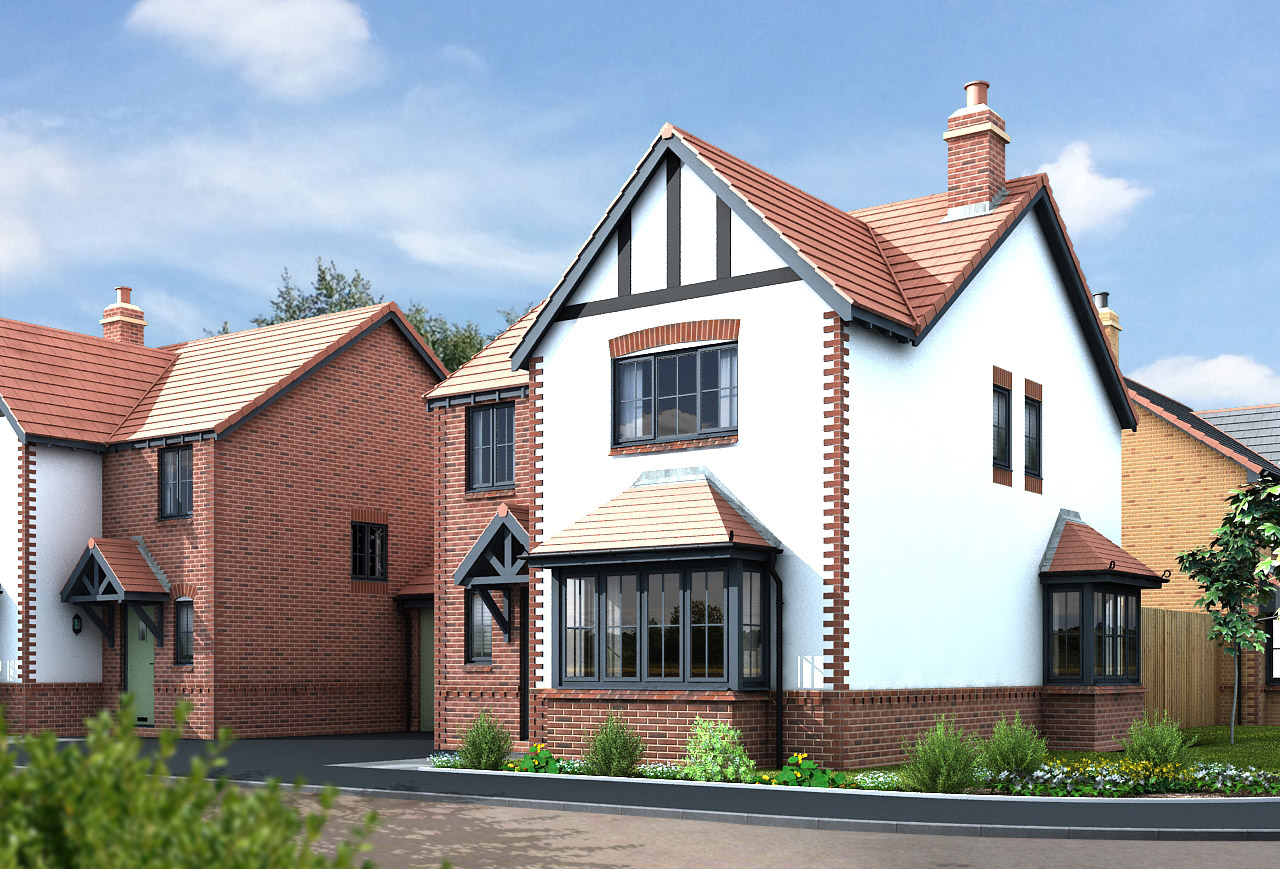
This is an area in liminal limbo, the pressures of the modern world leaning on its very being, as ash, alder, badger, field mouse, and kestrel give way to Wainhomes.

Where then will the wanderer wander, in search of solace?

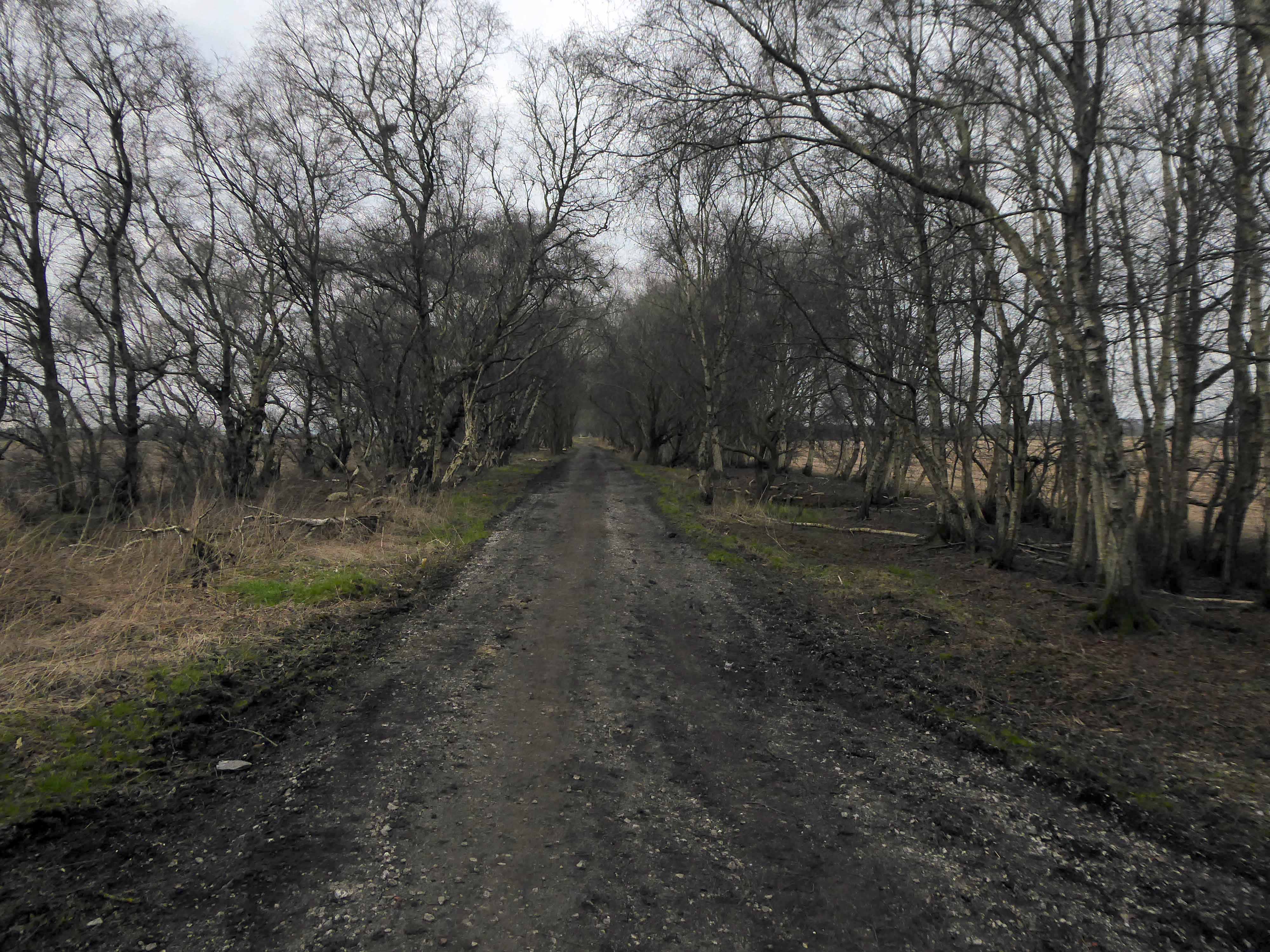
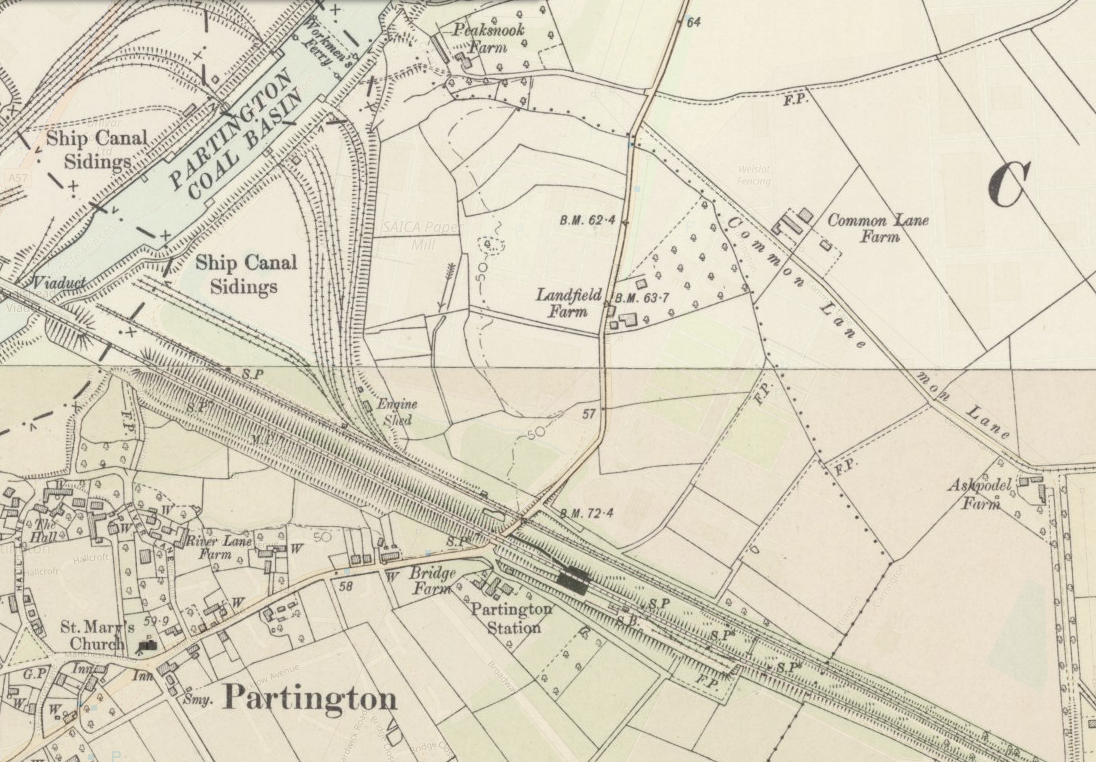
Ending our journey at the long gone Partington Station

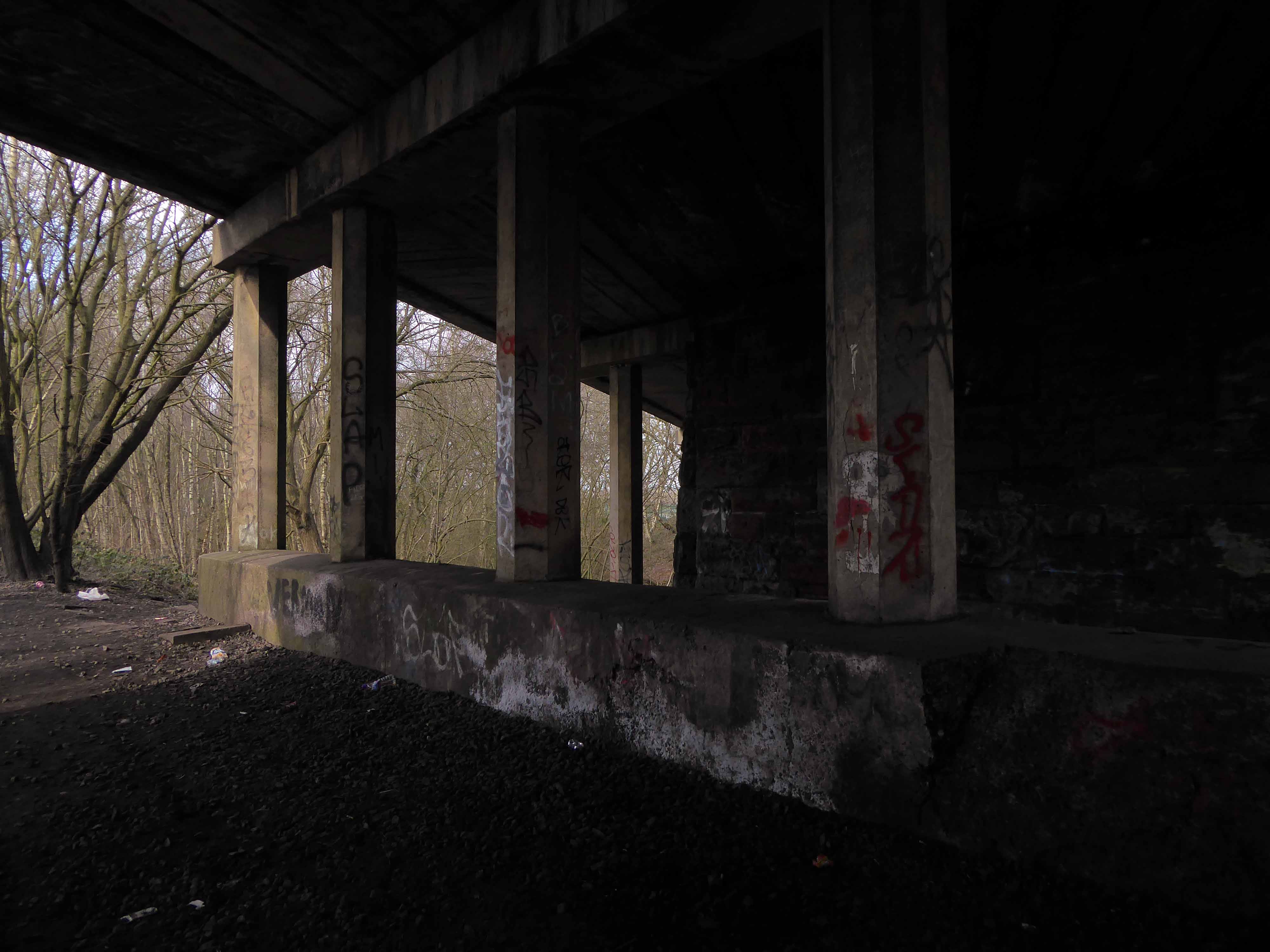
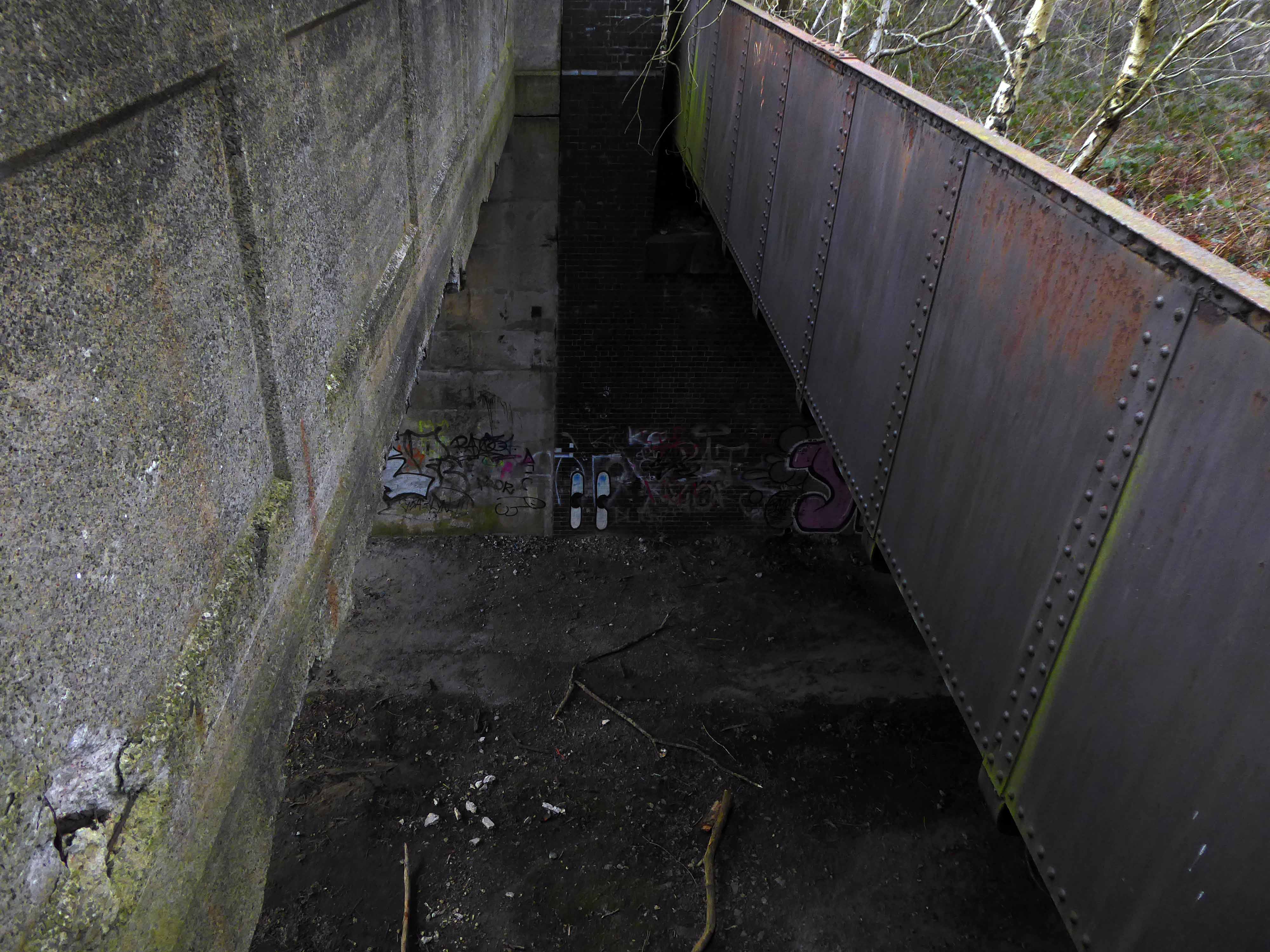
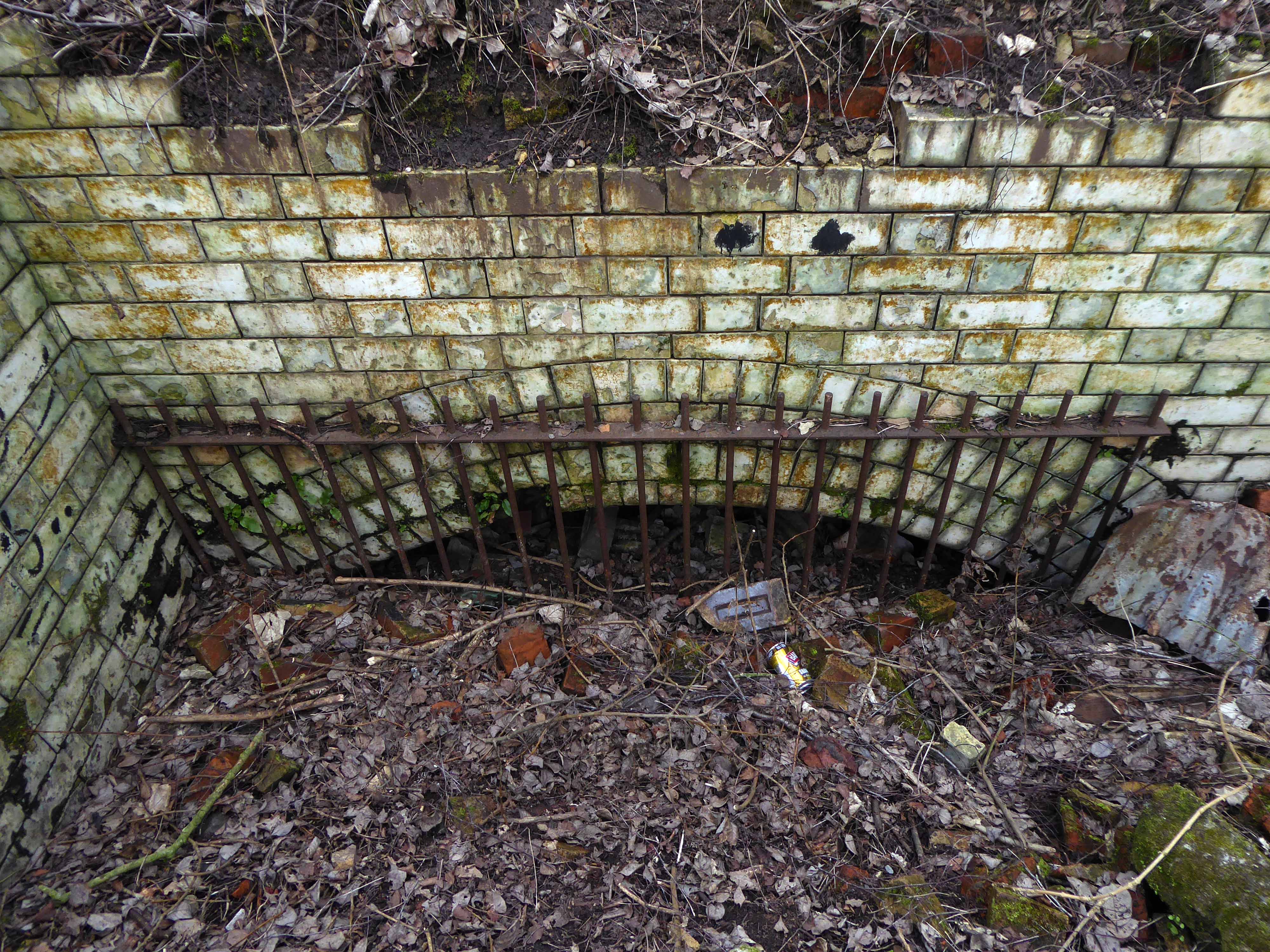
The remains of the subway.

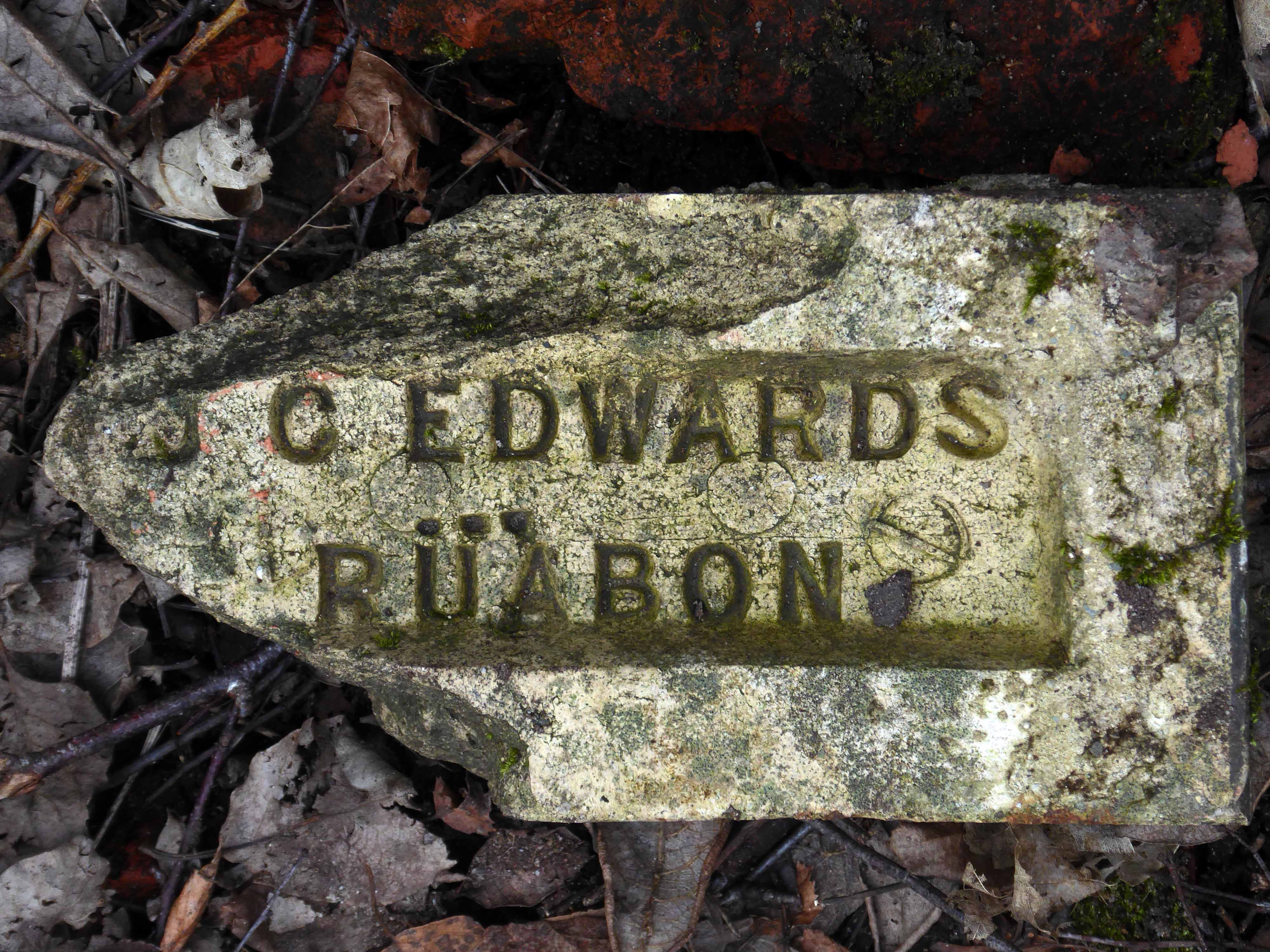
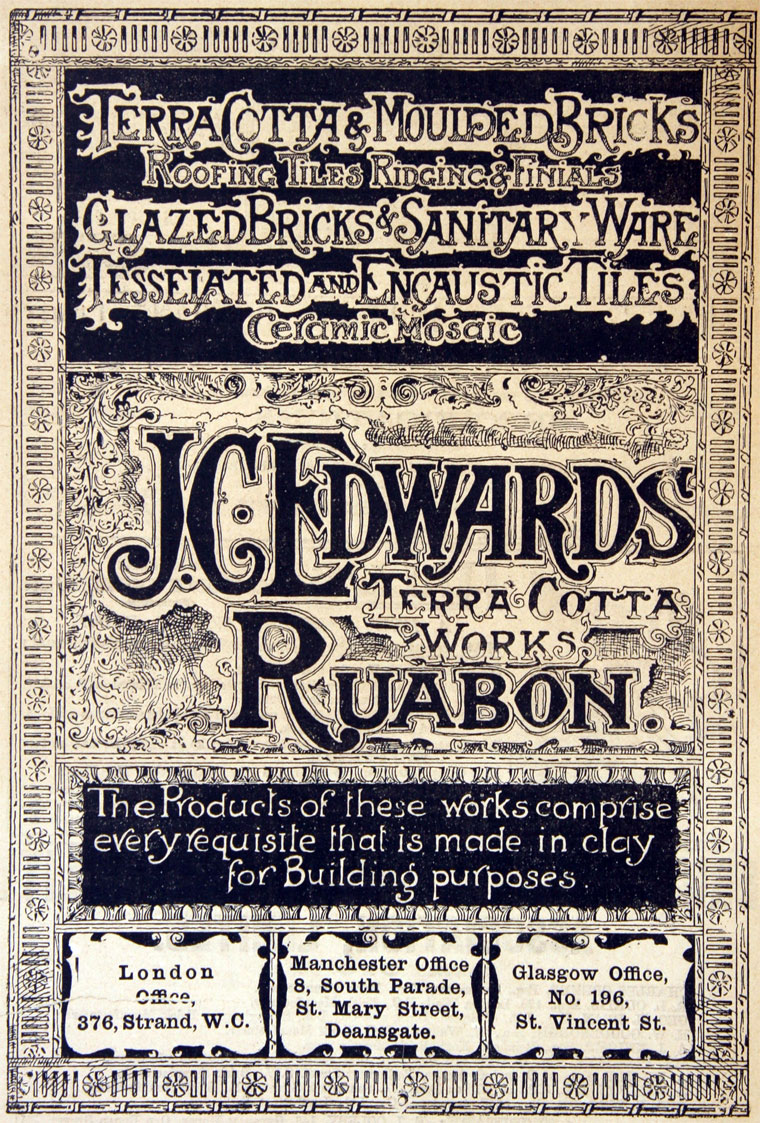
The company of J. C. Edwards Ruabon Ltd, was based in Ruabon, Denbighshire, and was active from 1903 to 1956 as a brick, tile and terracotta manufacturer from its works at Tref-y-Nant, Acrefair, Albert Works, Rhosllannerchrugog, and Pen-y-bont, Newbridge, Denbighshire.

James Coster Edwards (1828-1896) founded the company; it was sold in 1956.

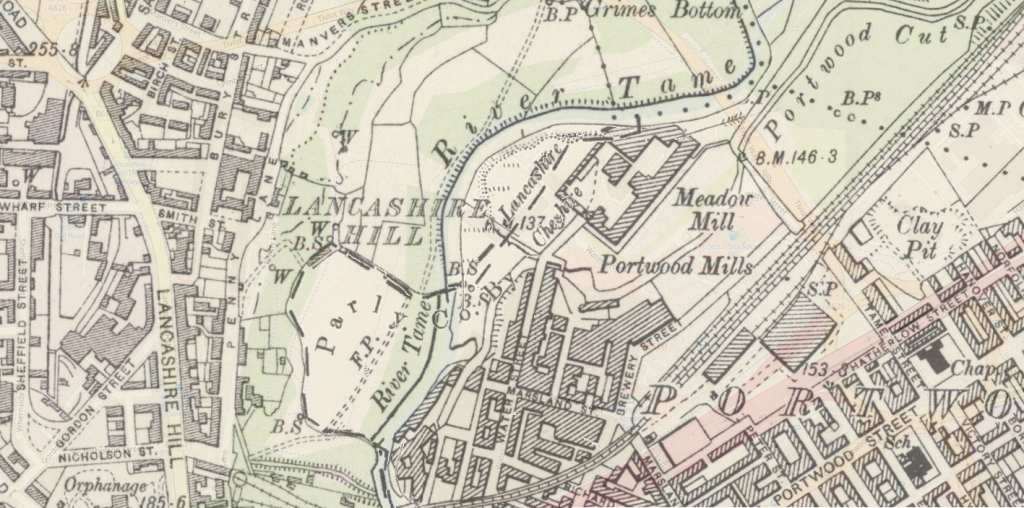
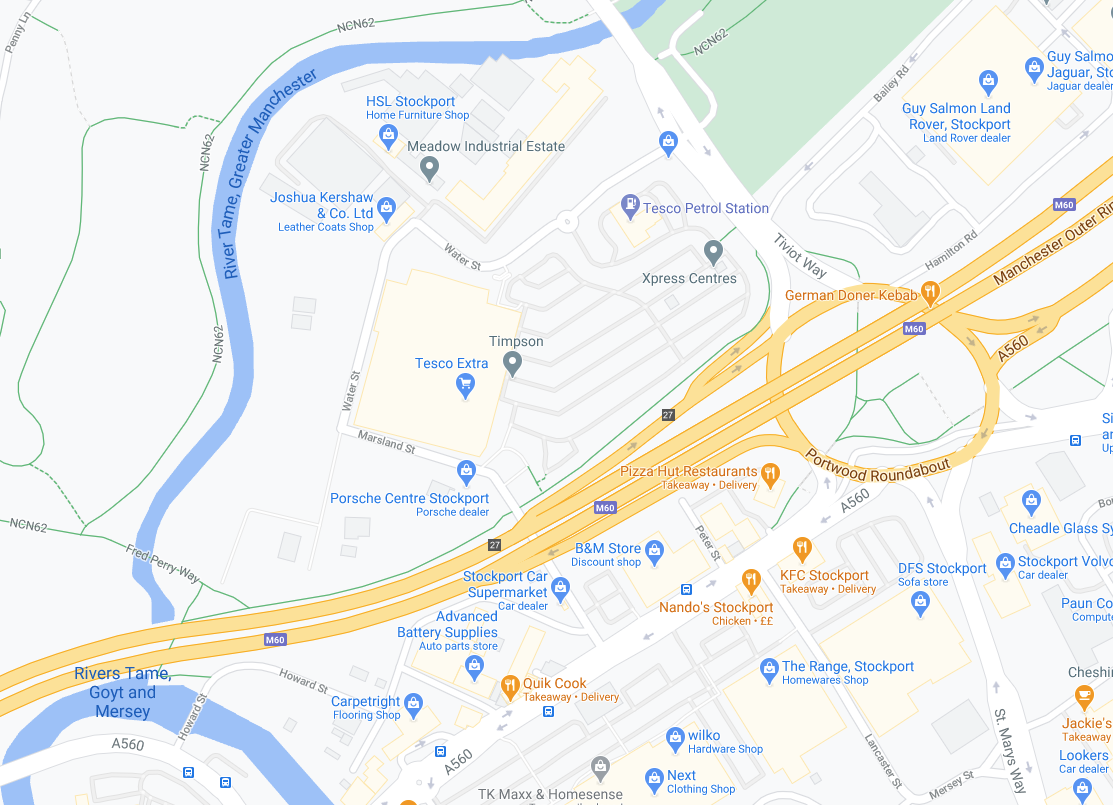
Portwood Stockport 2021

We have previously taken a look at Portwood as was – let’s take a giant leap forward to today.

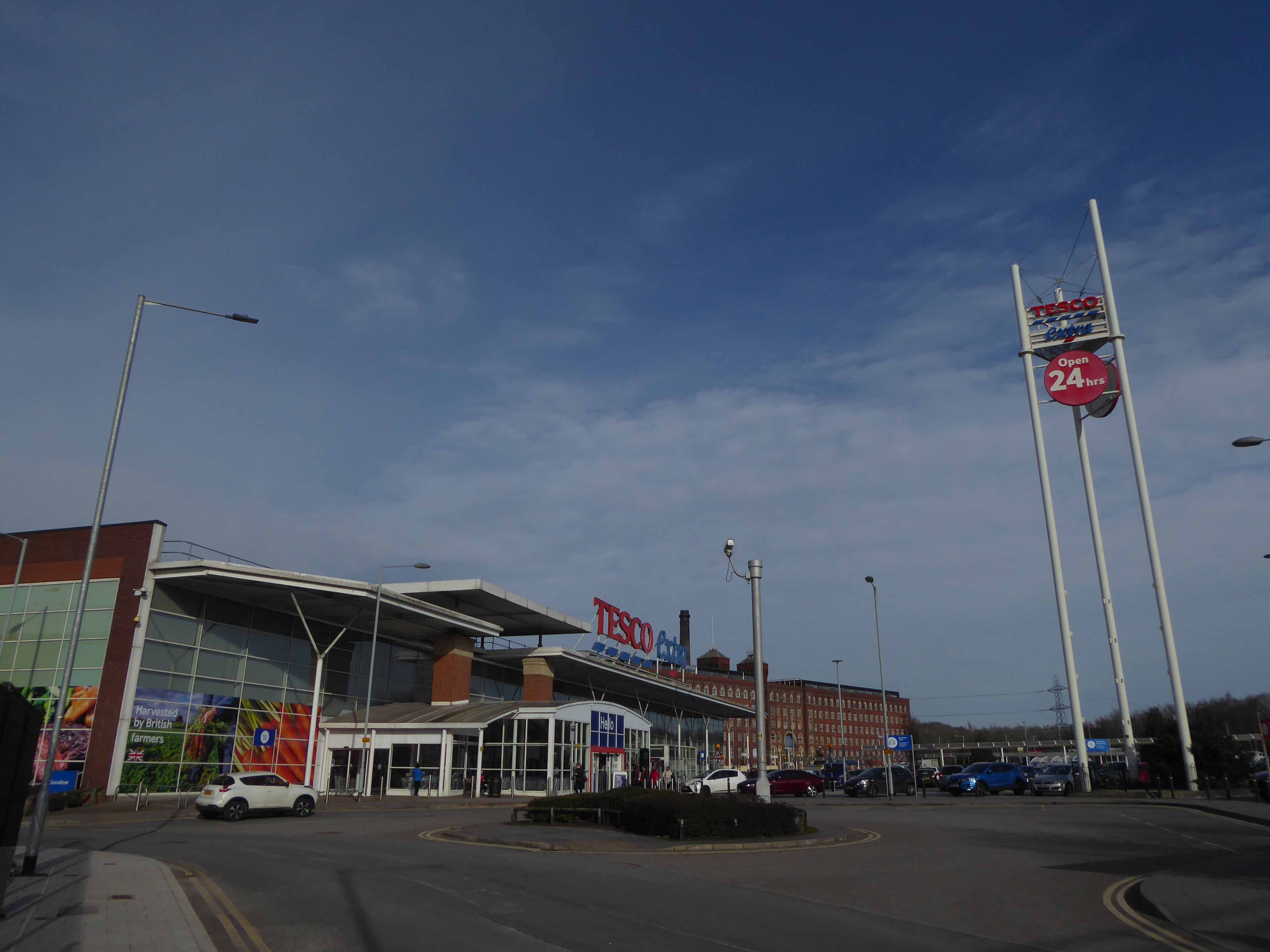
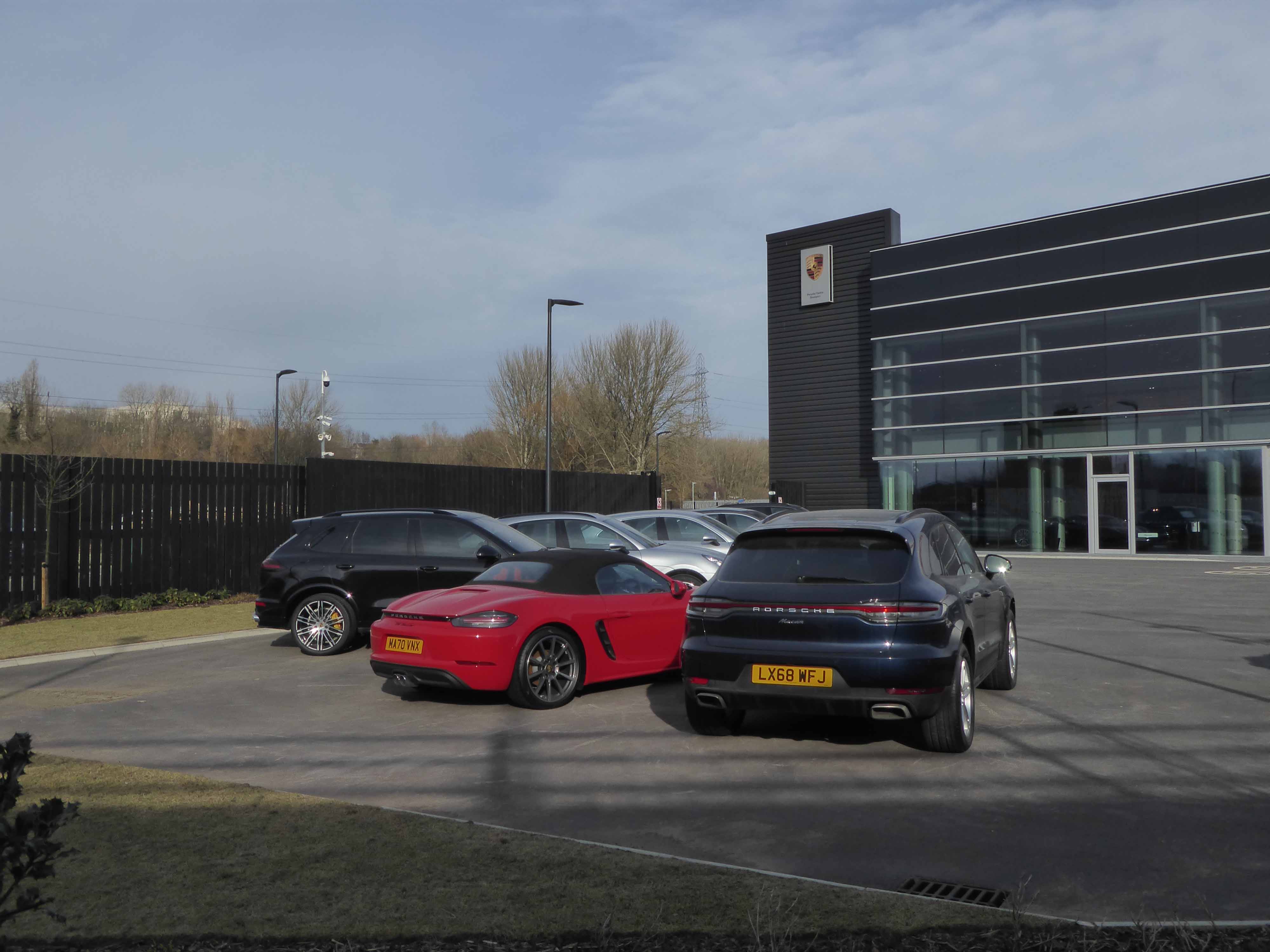
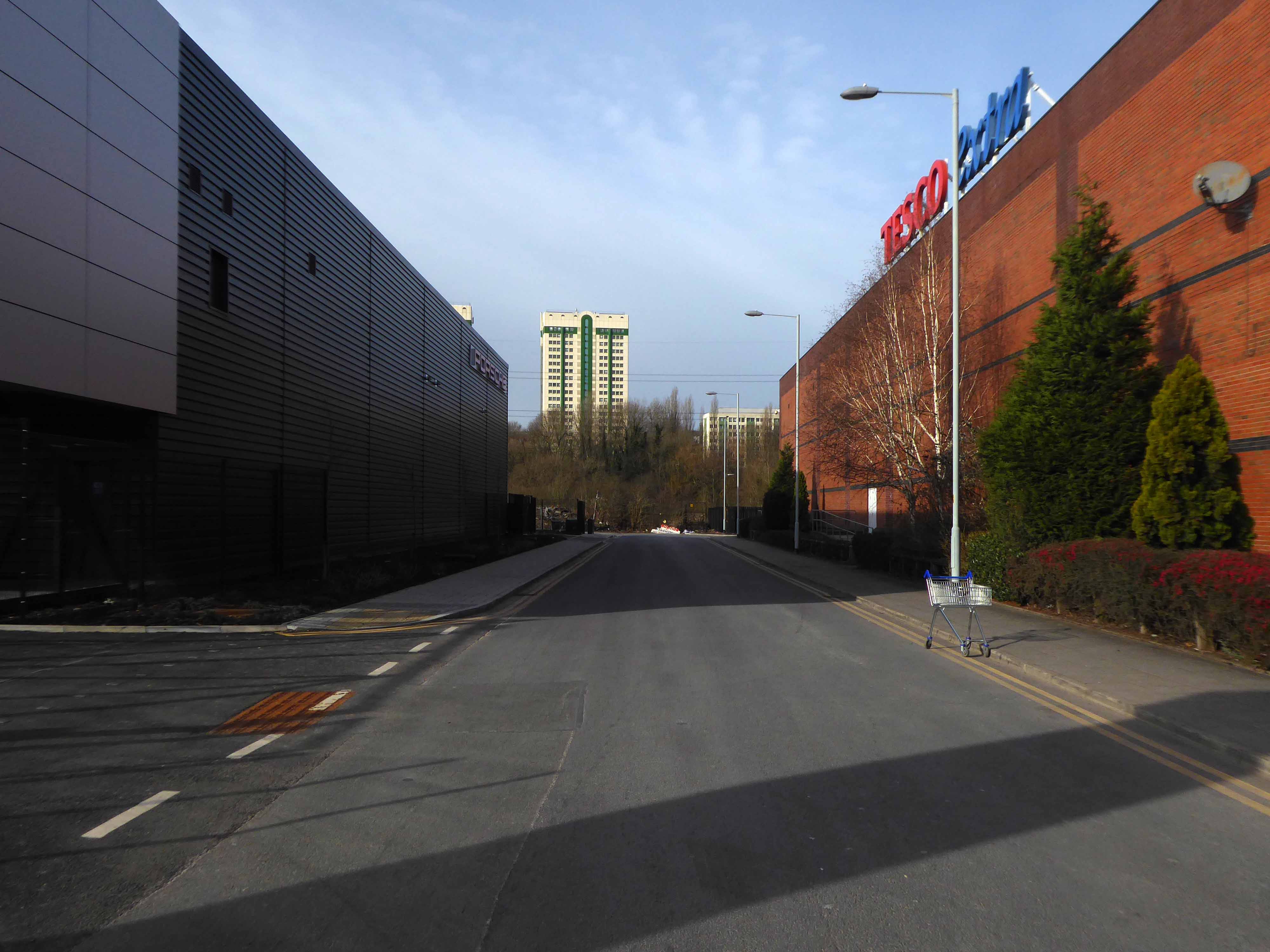
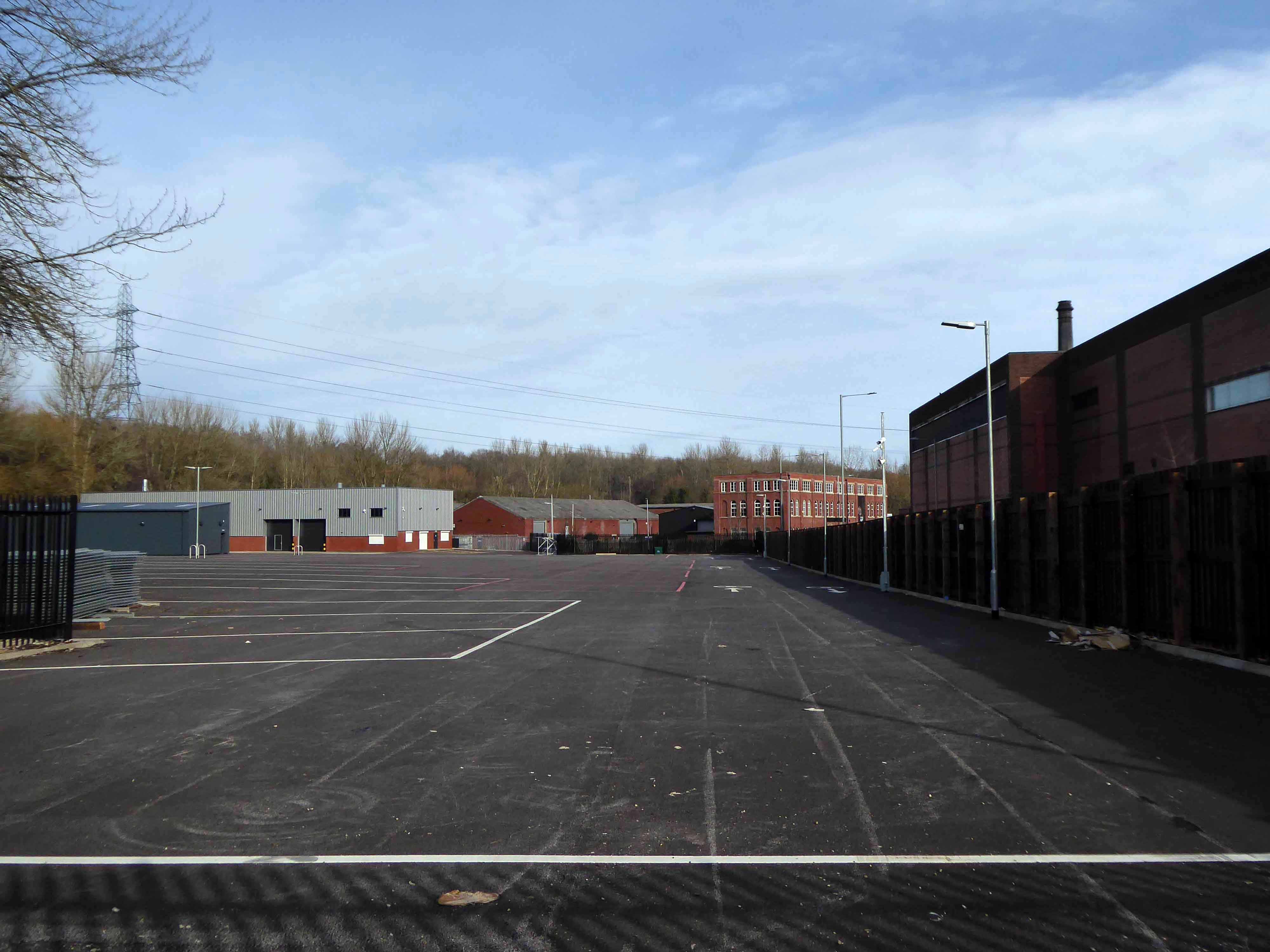
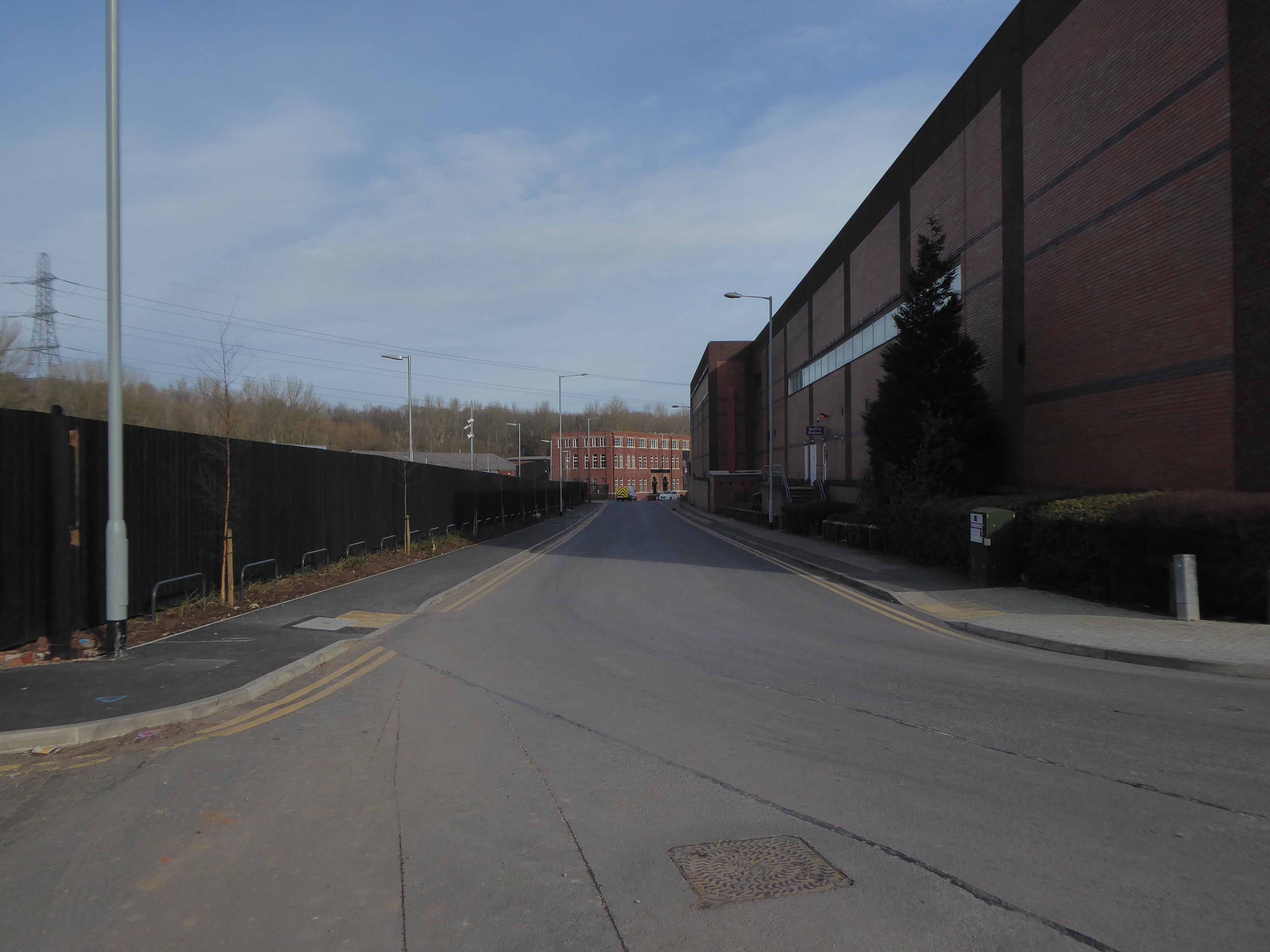
The industry to the east has gone west – no more bees and alligators, instead there’s Tesco and Porsche.

Why make when you can buy?

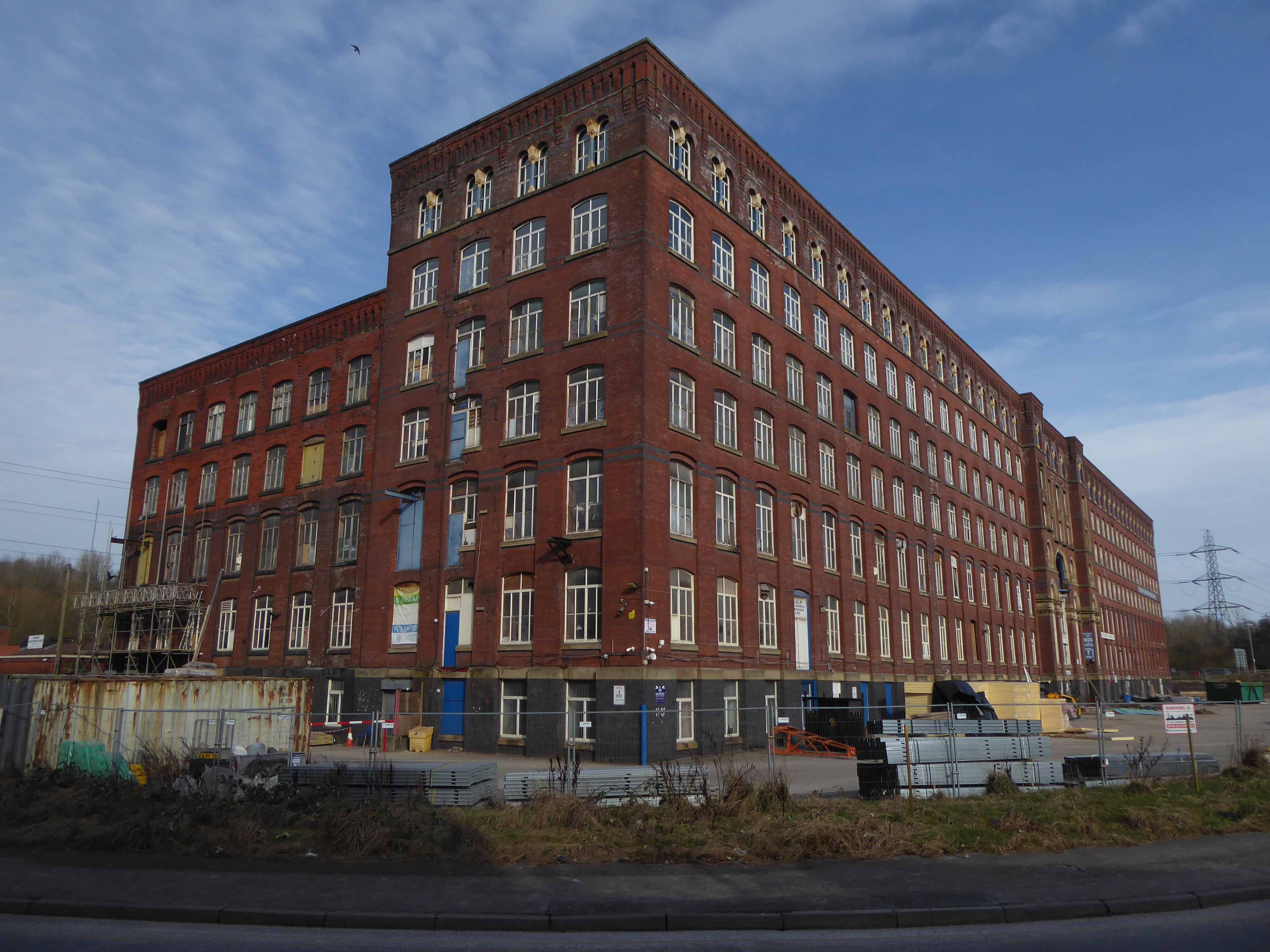
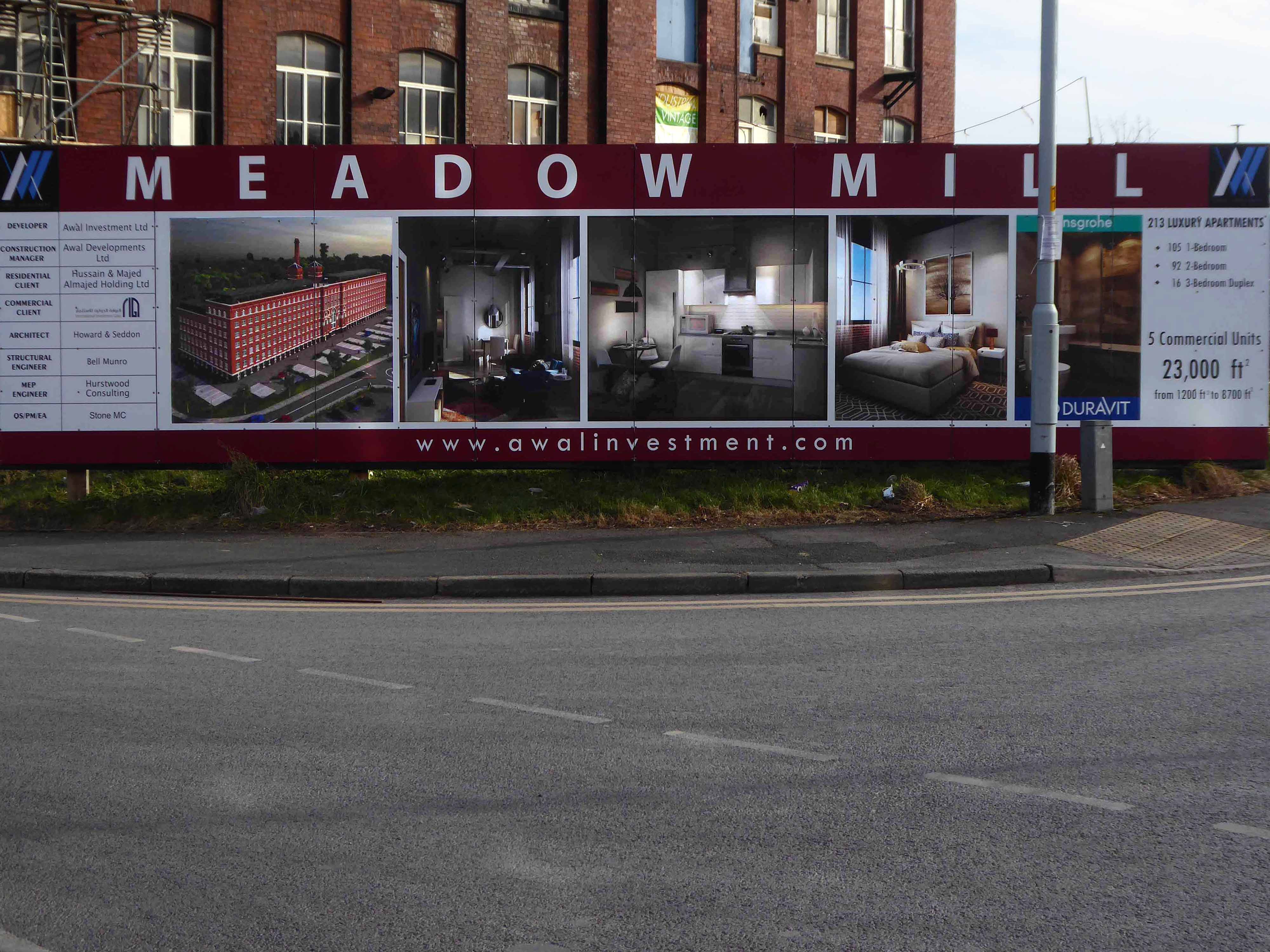
Meadow Mill has long since ceased to spin and weave – currently undergoing adaptation into modern residential living.

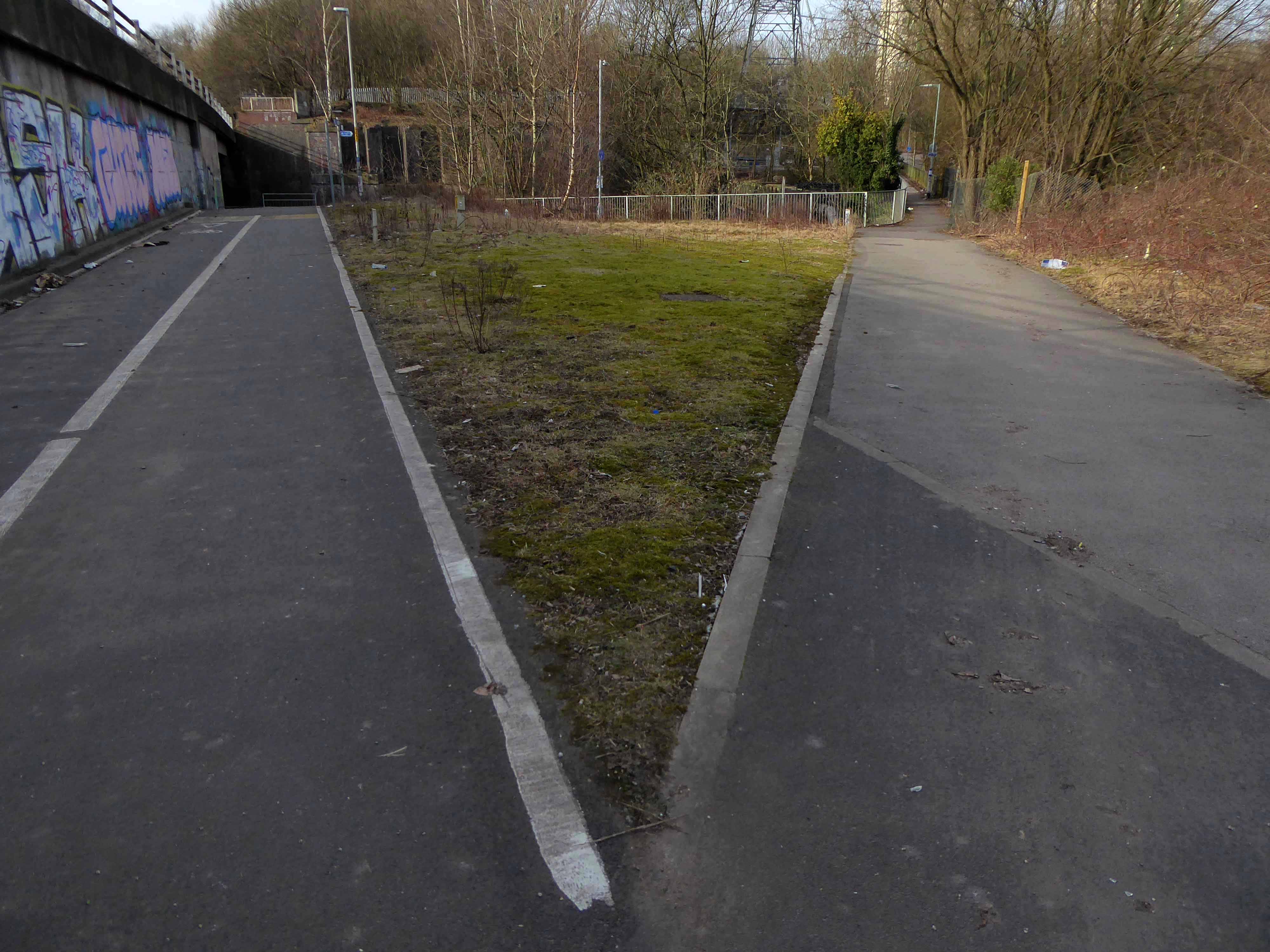
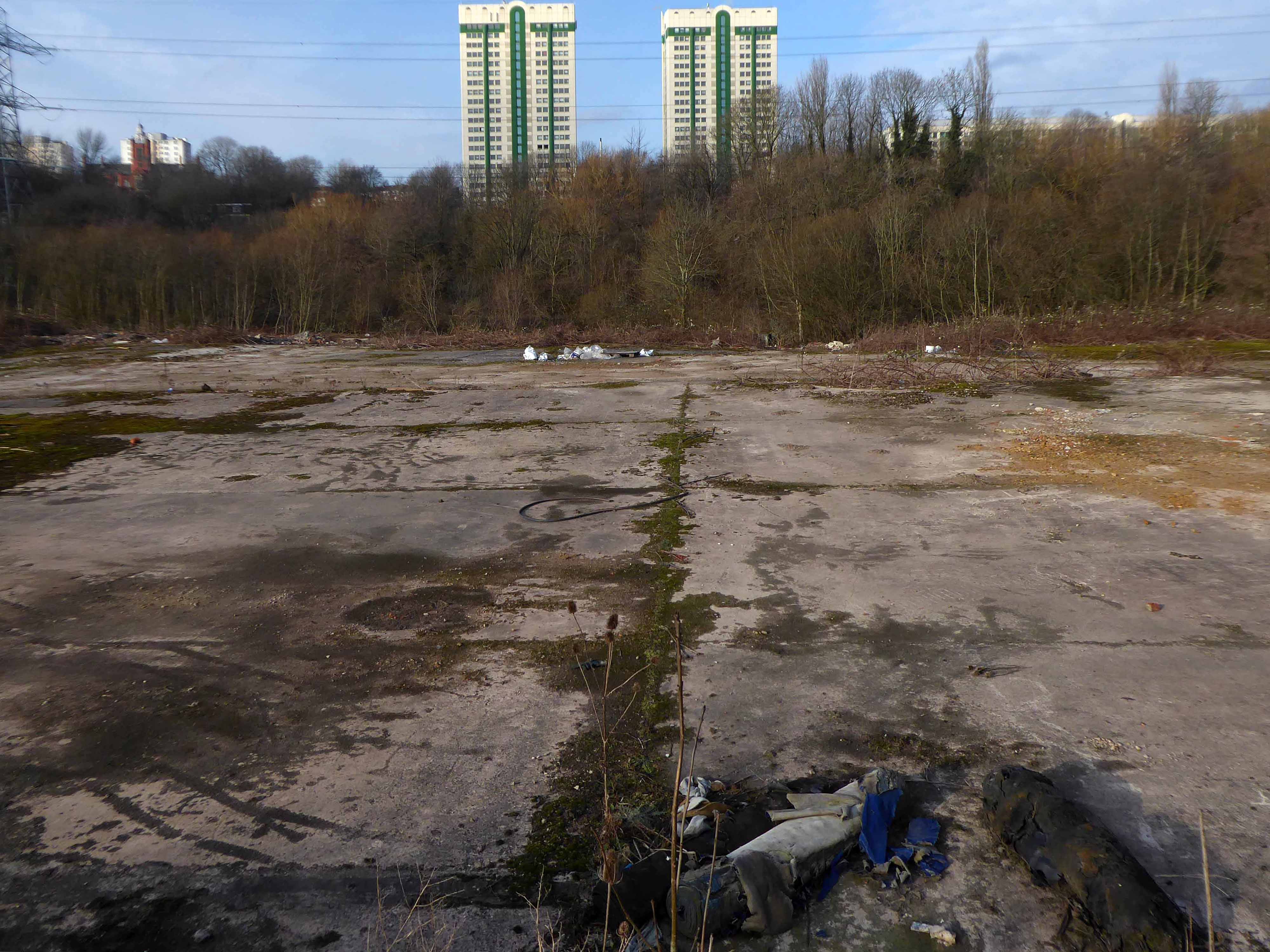
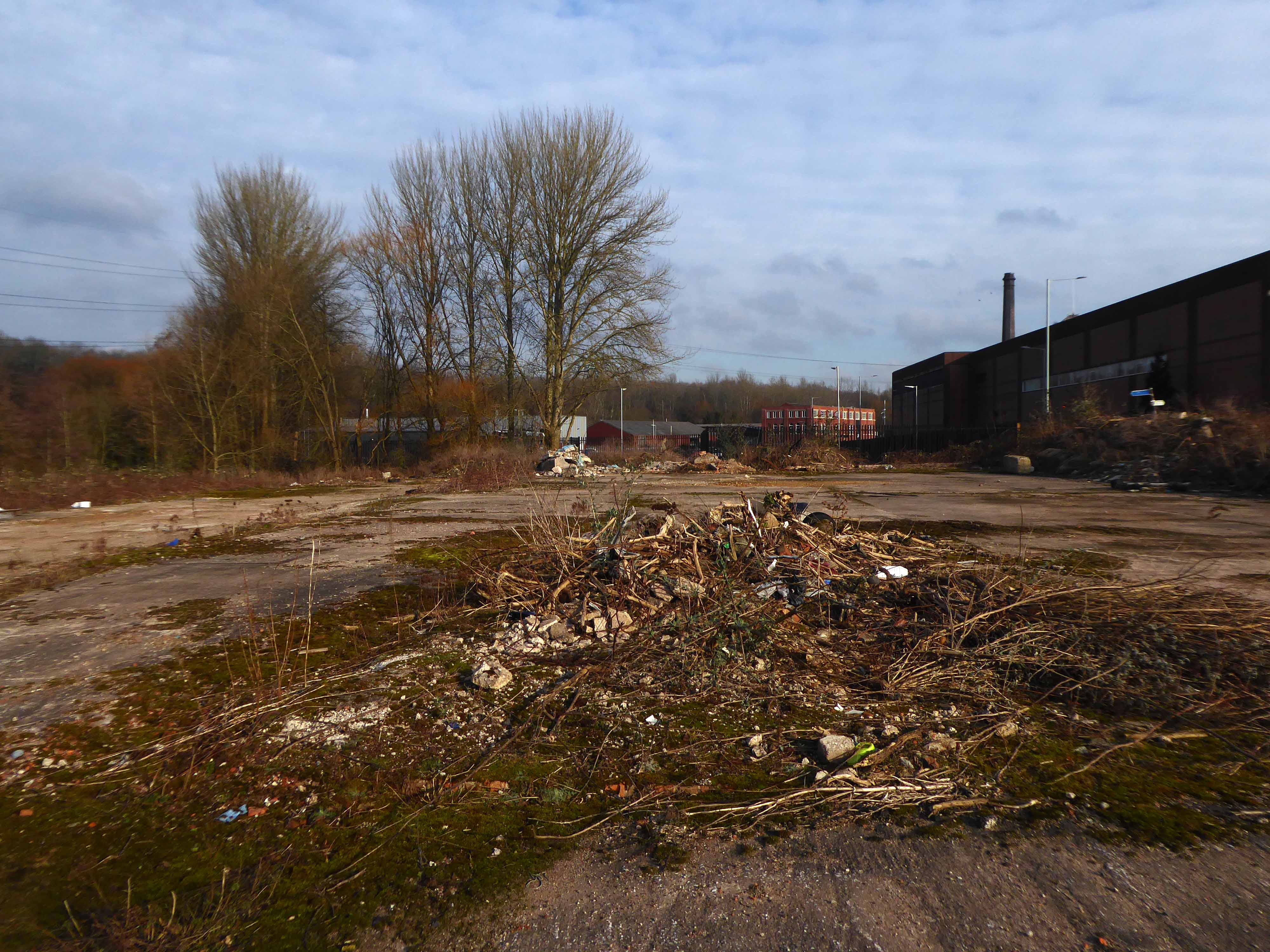
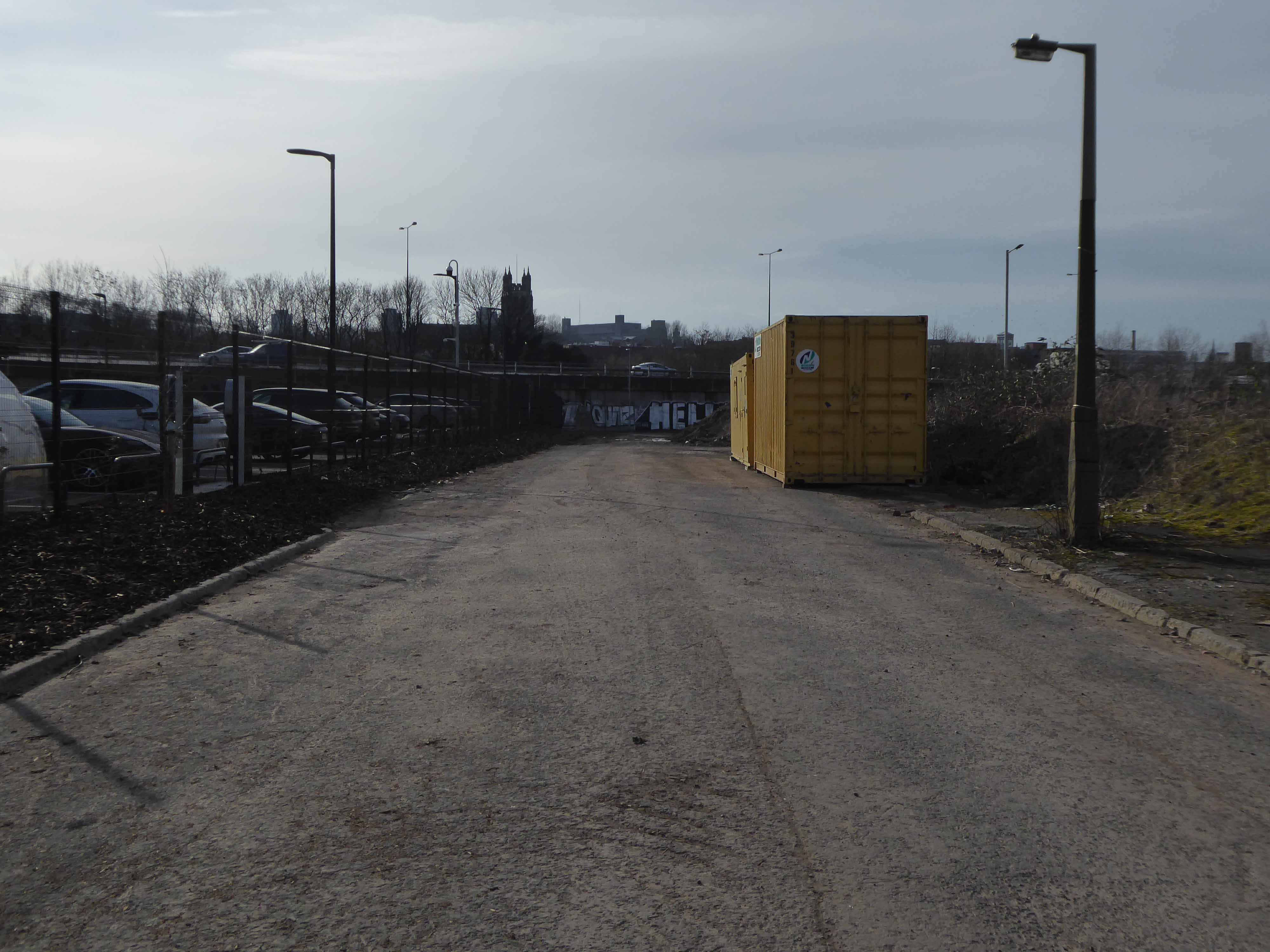
I though, have always been fascinated by the rough ground that now seems so left behind.

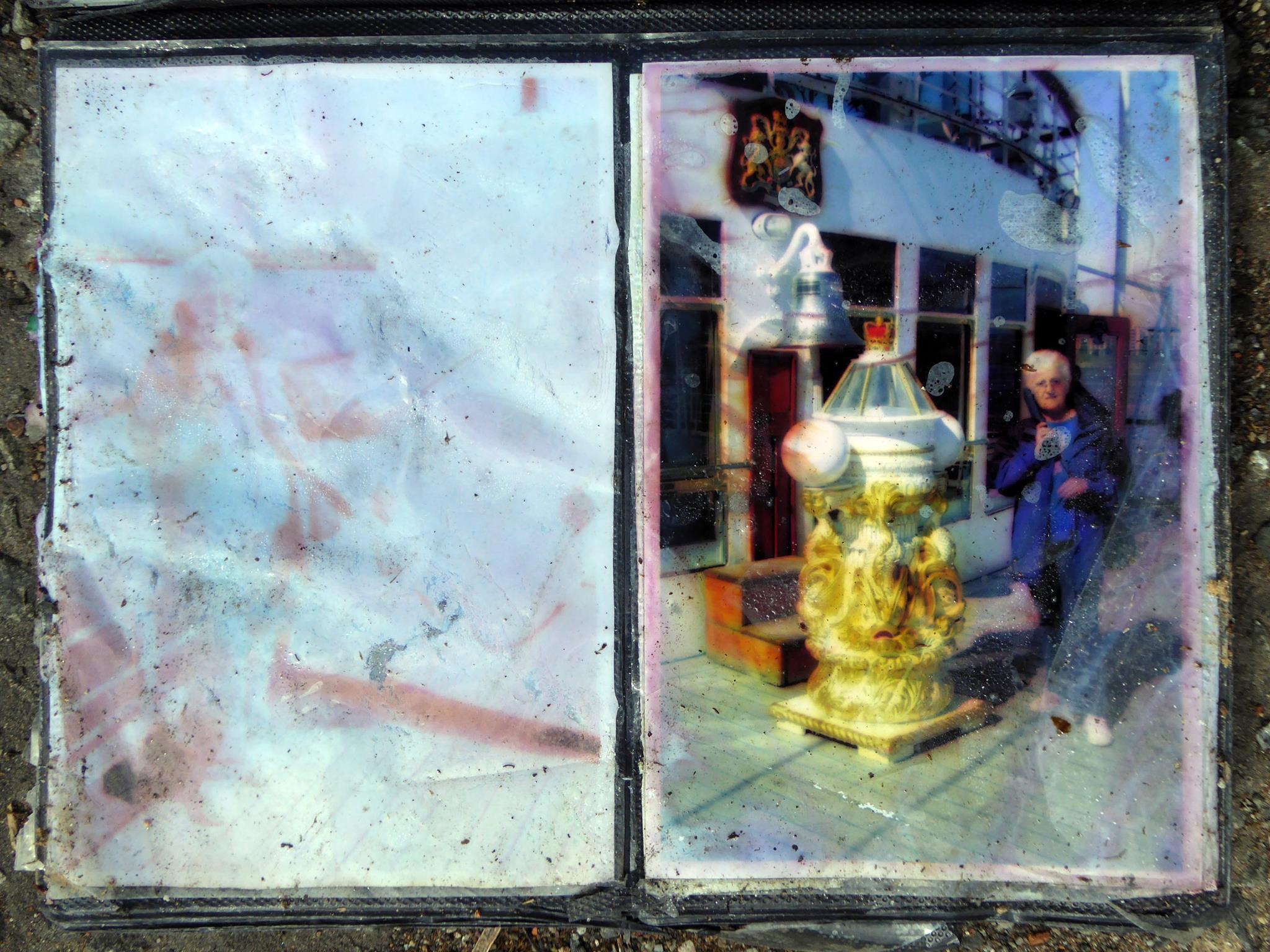
Where once I found a weathered book of lost photographs.

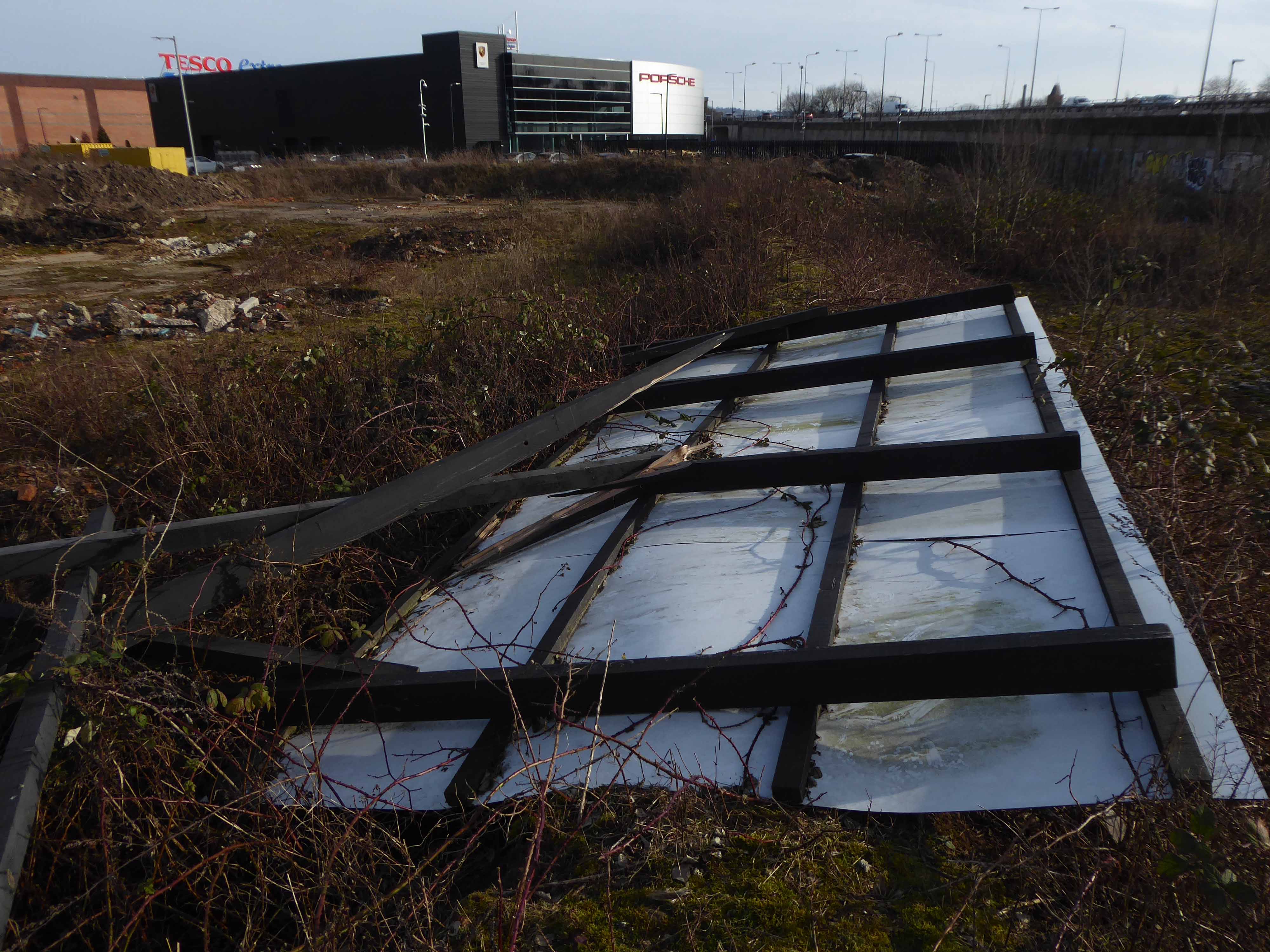
This is a scarred and neglected landscape, even the developer’s sign has given up the ghost.

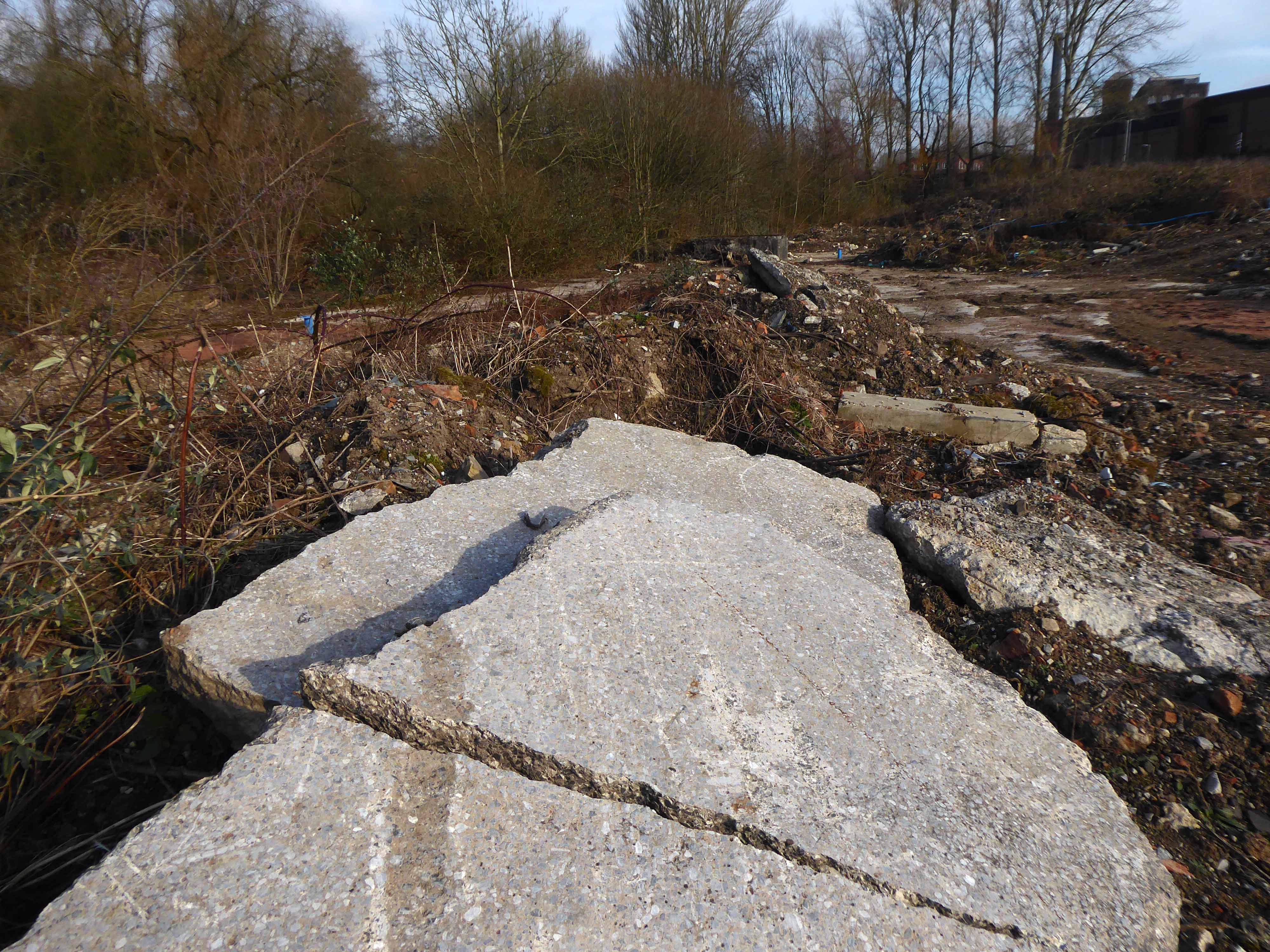
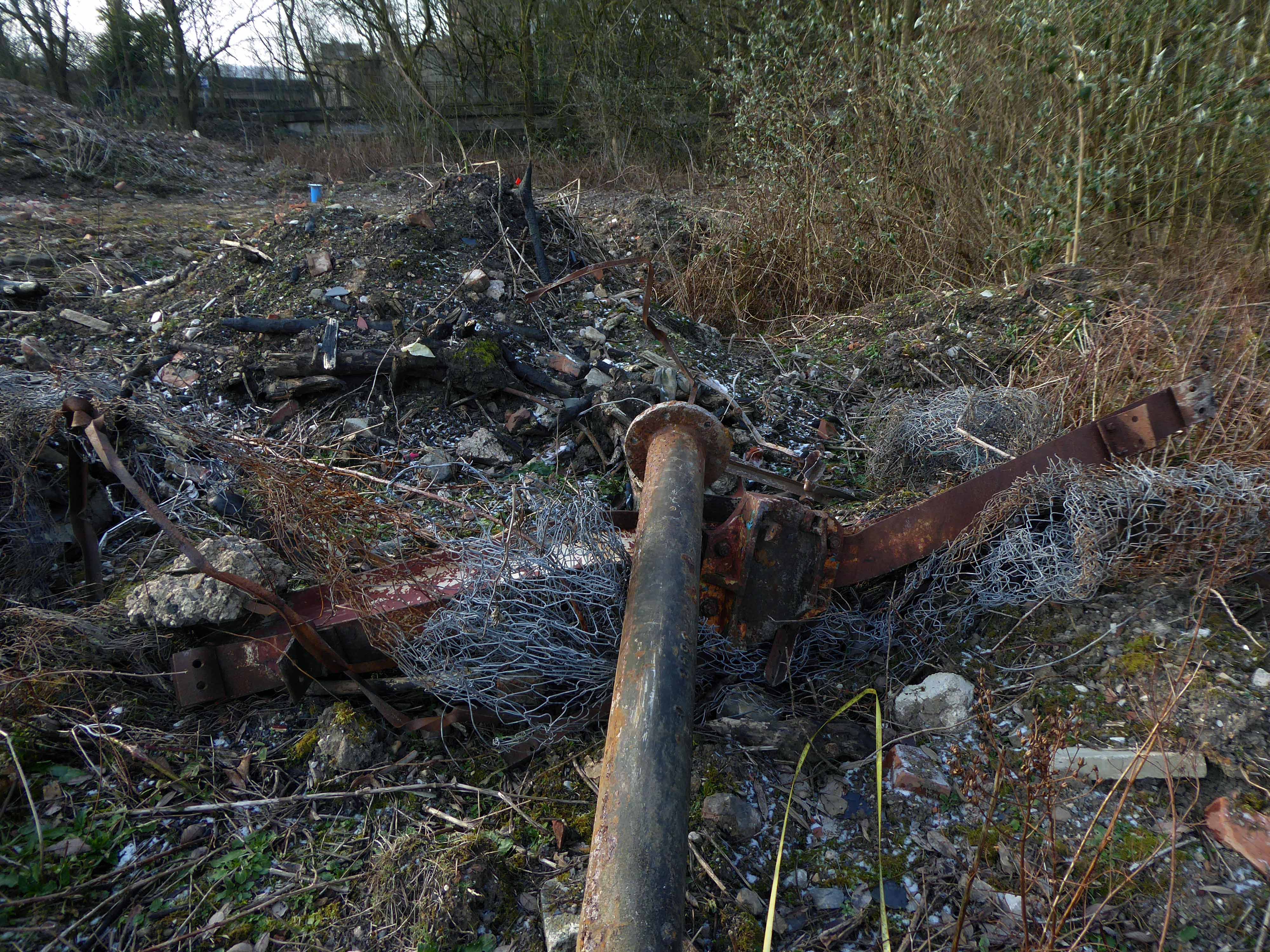
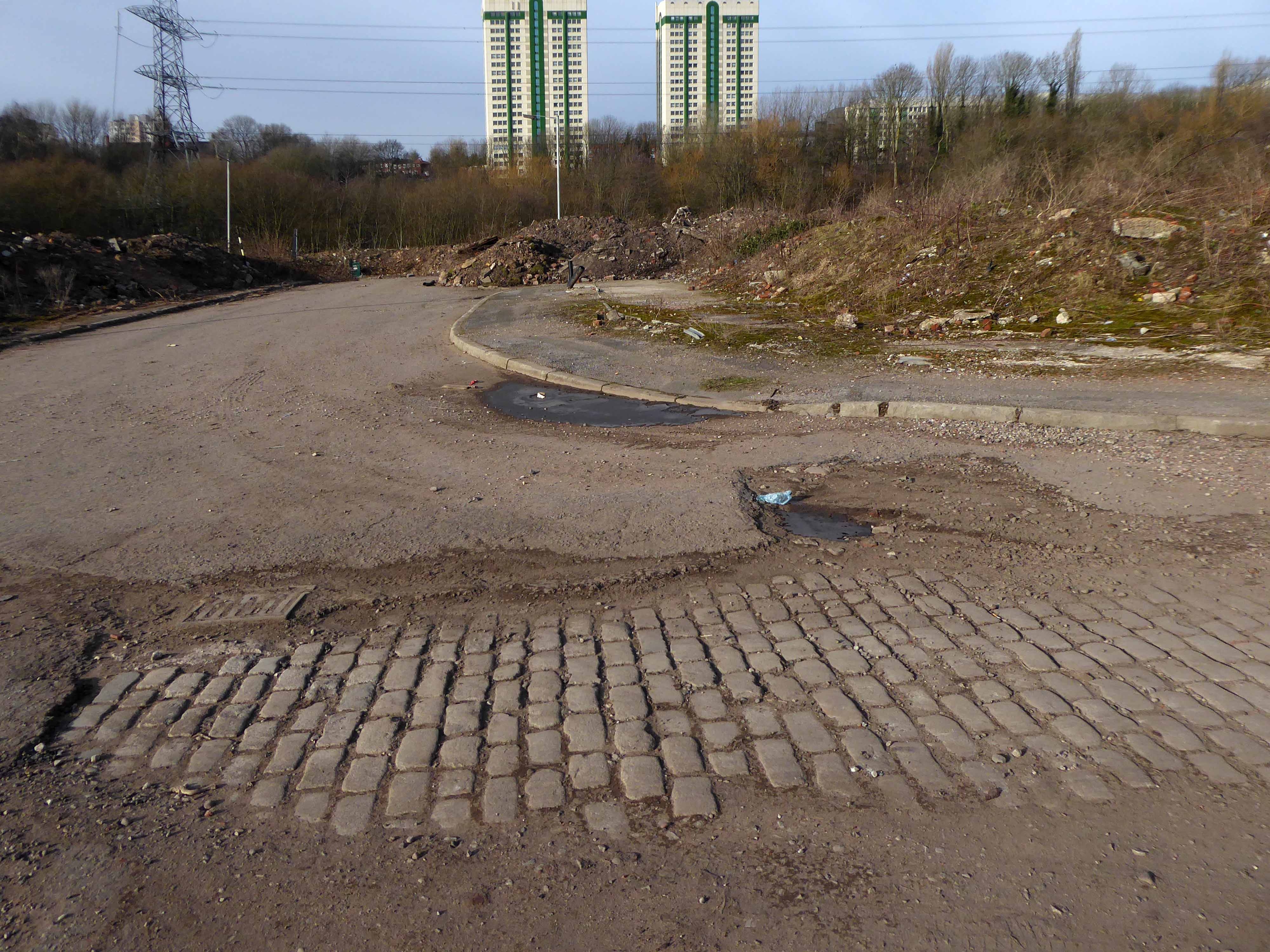
There are brambles, buddleia, rough grass and teasels amongst the rubble.

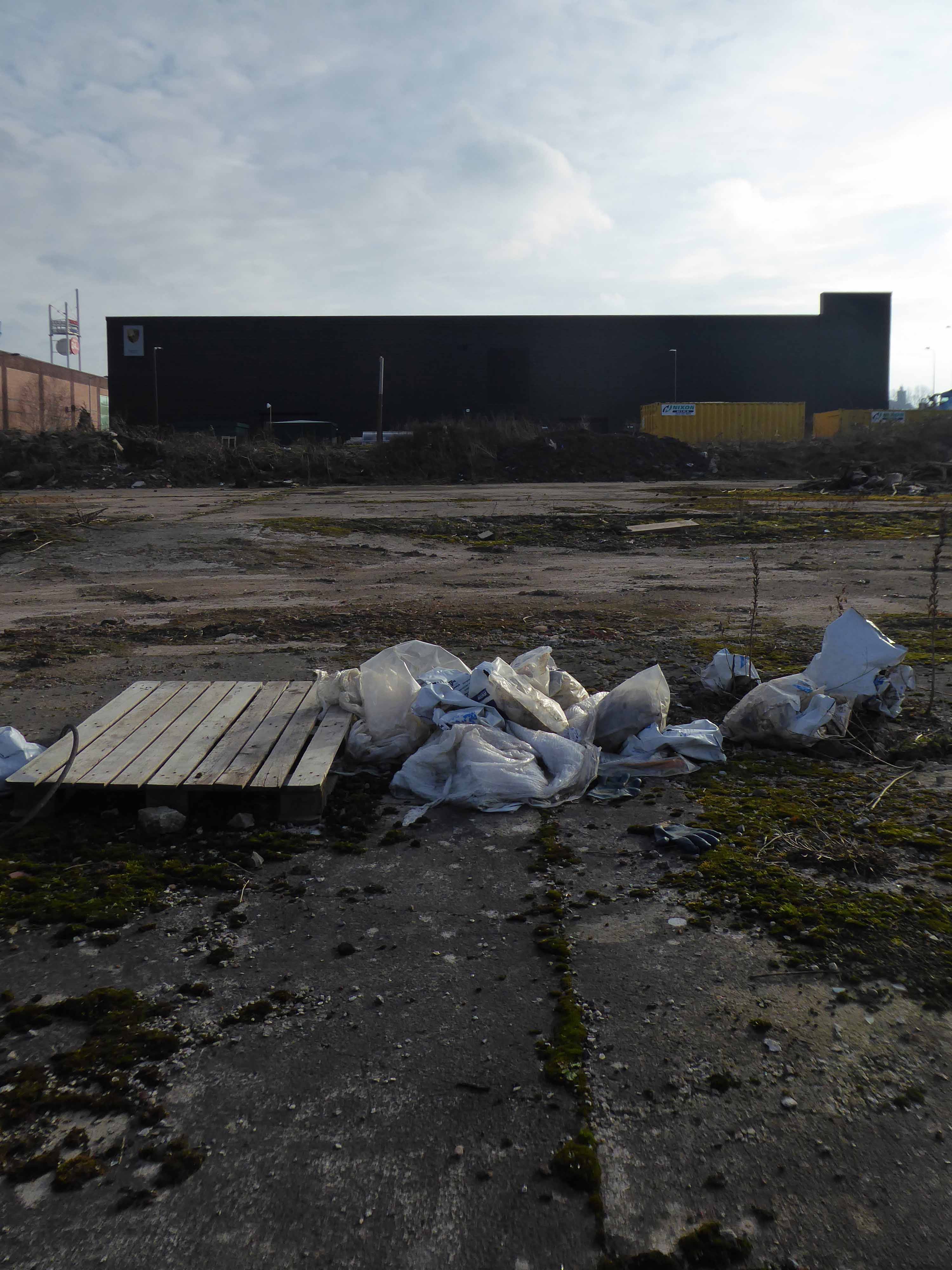
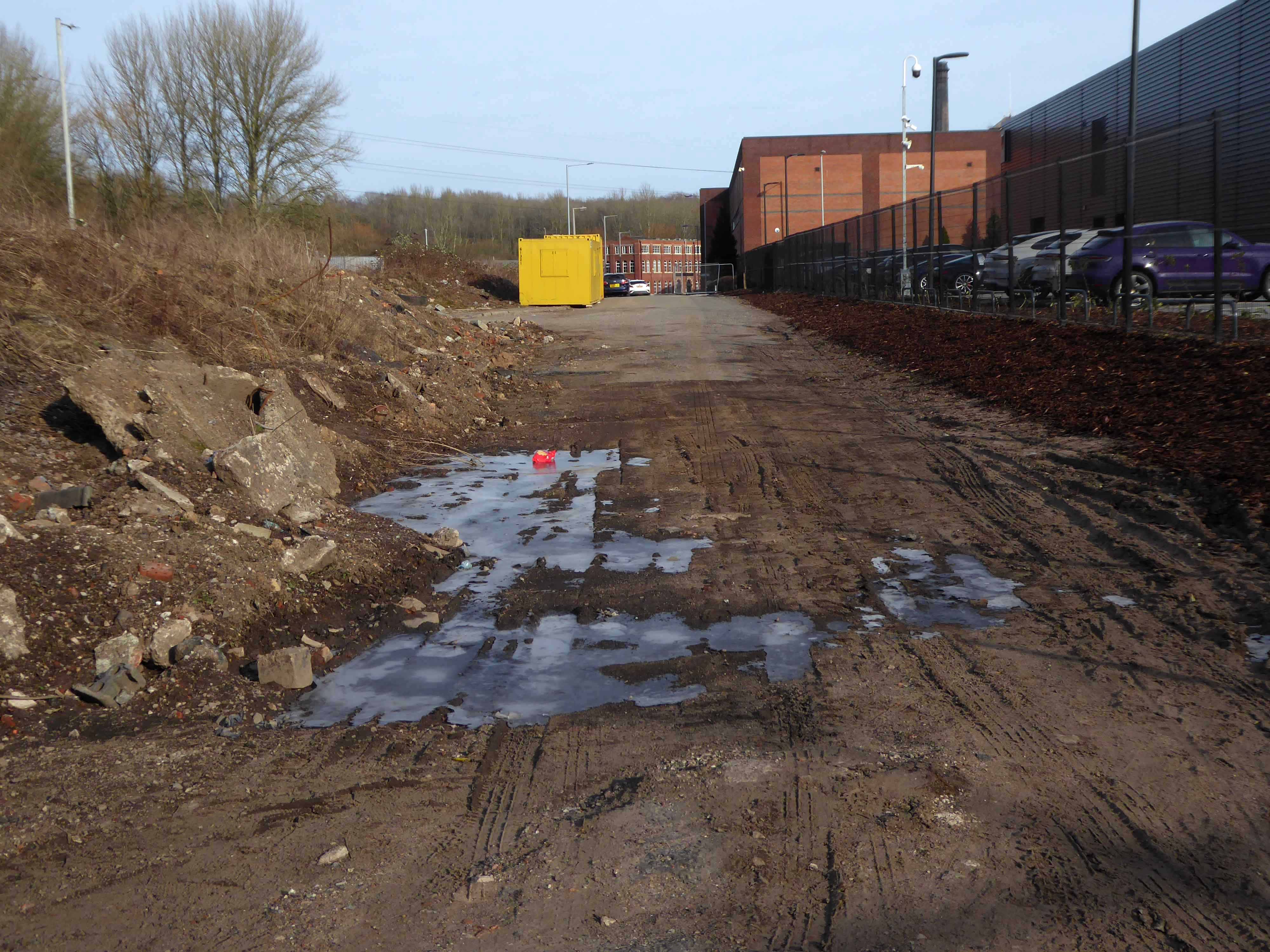
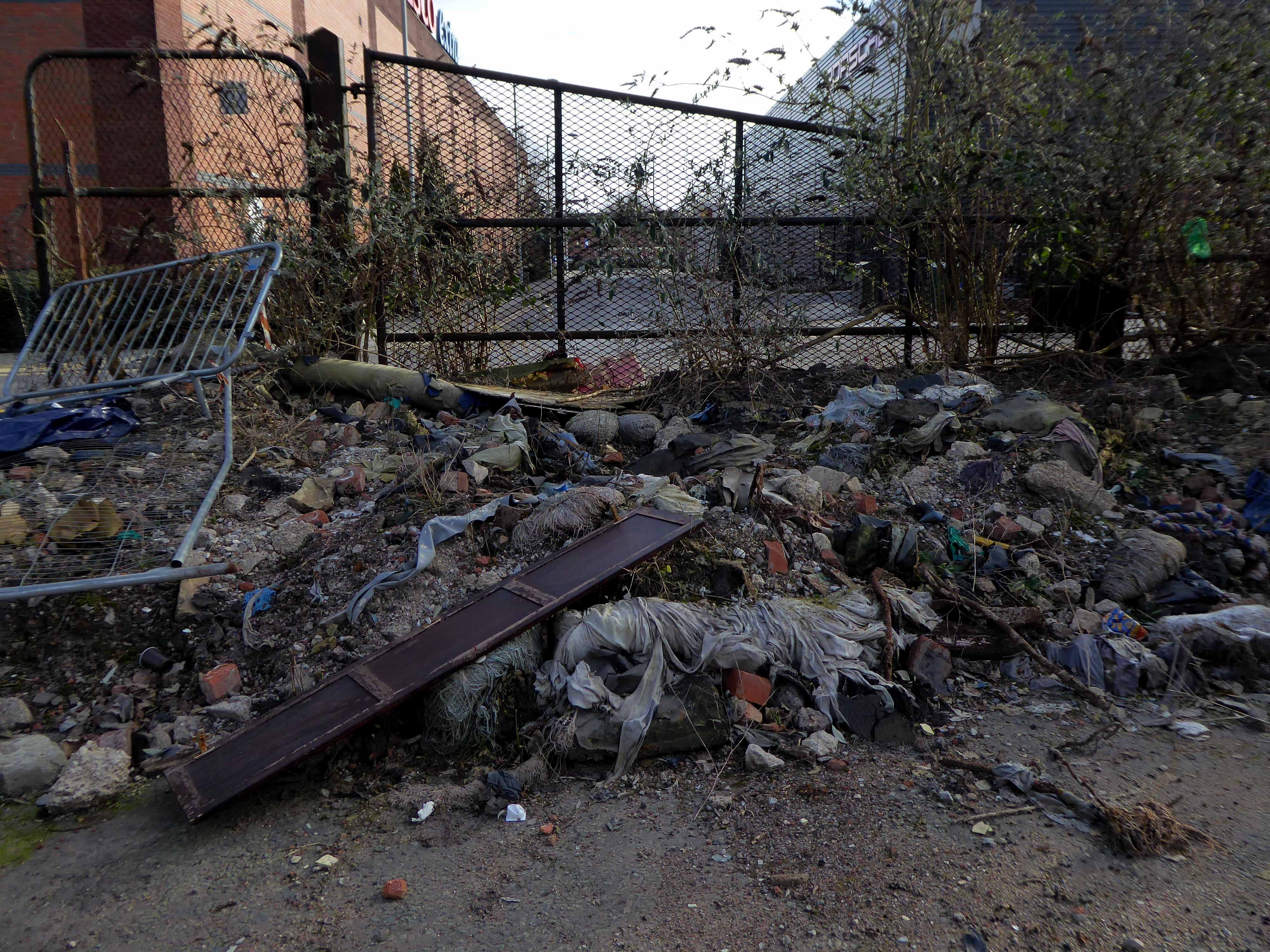
The remnants of roads, kerbed and tarred, strewn with hastily dumped detritus.

Puddled and forlorn.

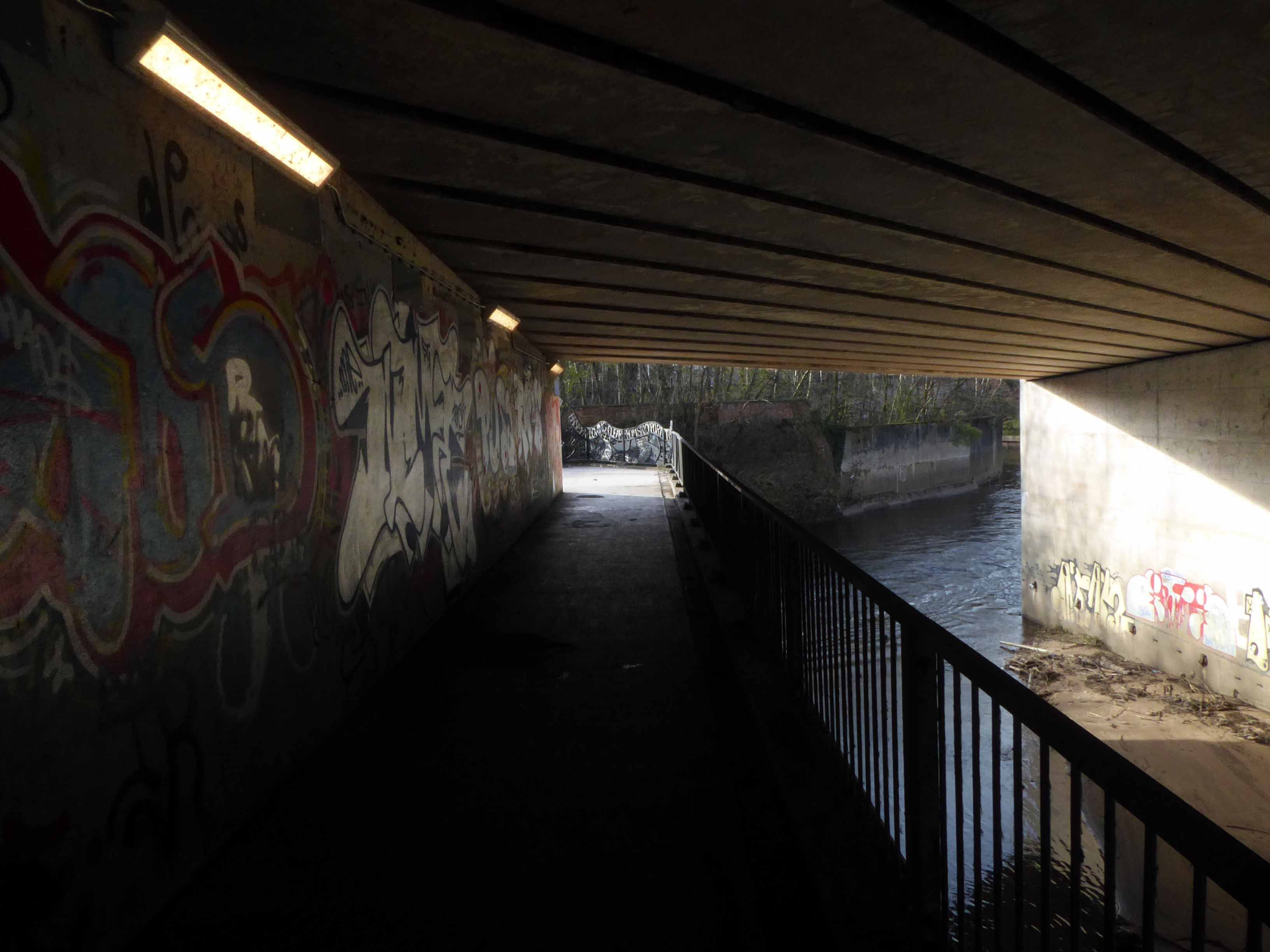
Enter beneath the M60, where the Tame and Goyt conjoin to become the Mersey, a dimly lit passage home to the itinerant aerosol artistes.

All that remains of the long gone mills – the concrete base.

Detritus tipped and strewn, amongst the moss.

The remnants of roads going nowhere.

Surrounded by cars going nowhere.

Contemporary architecture creating cavernous canyons.

A landscape forever changing, caught between expectation and fulfilment, paradise forever postponed.

This horror will grow mild, this darkness light.

John Milton

Pedestrian In A Car Park – Piccadilly Manchester

Here we are again – in a spin, oh what a spin that I’m in.

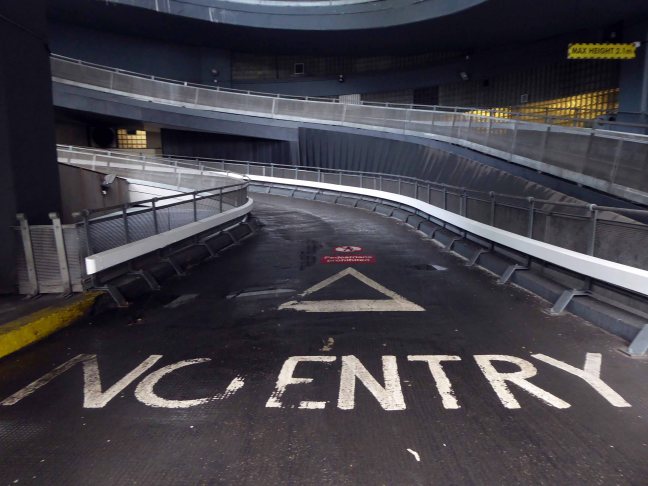
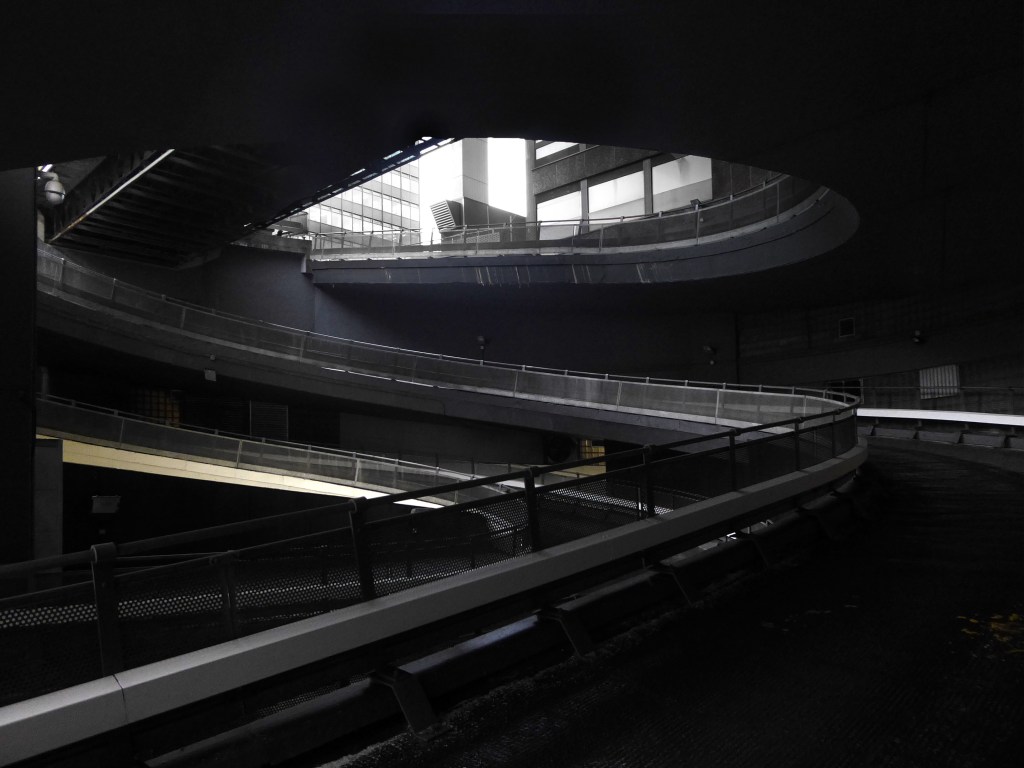
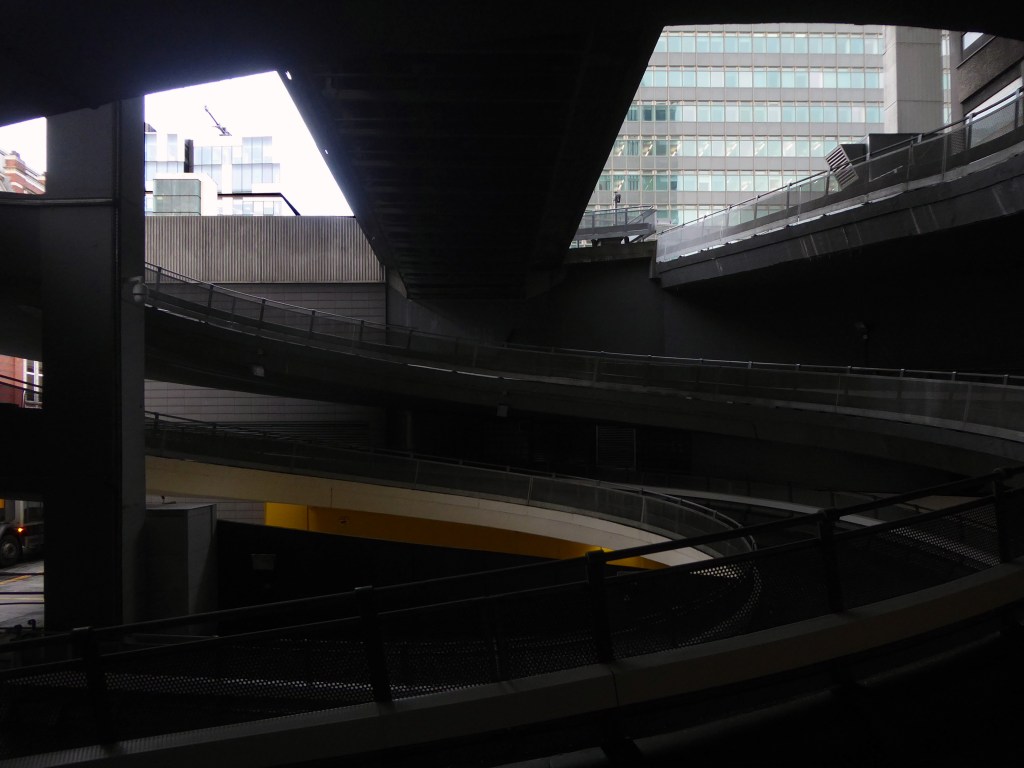
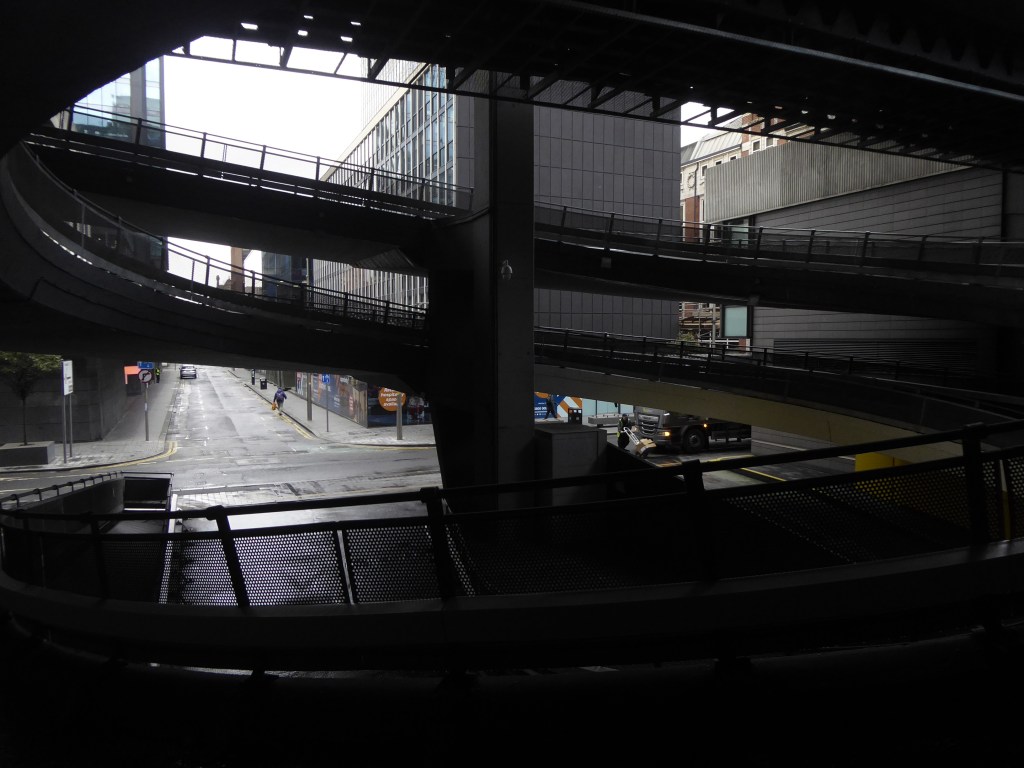
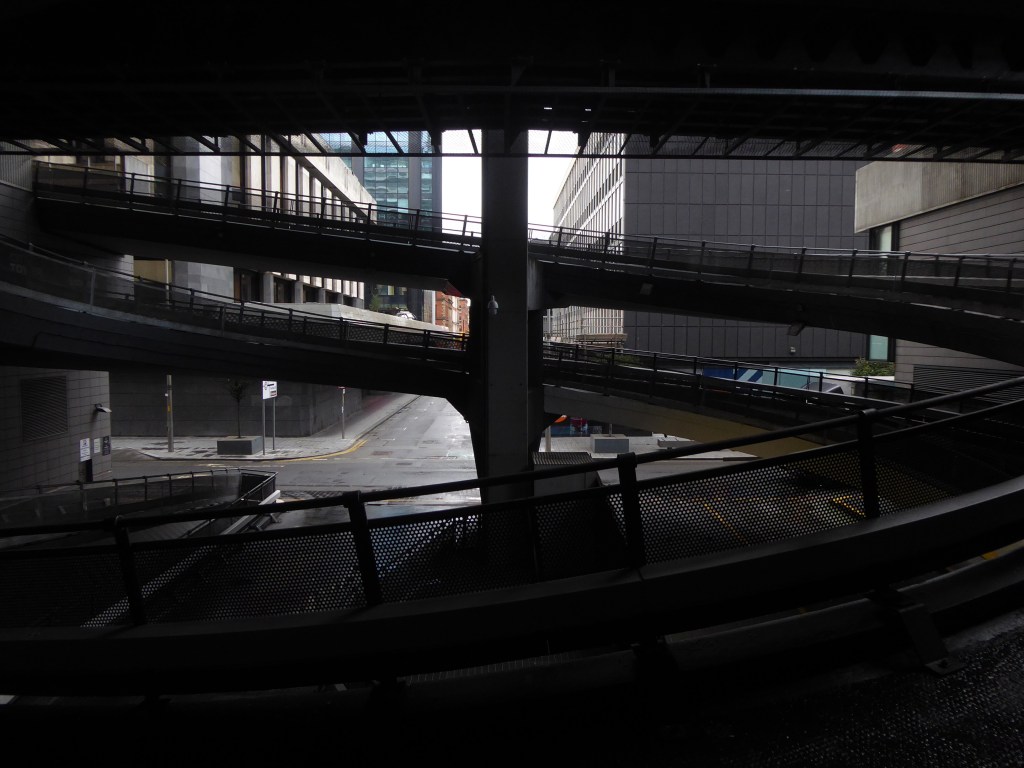
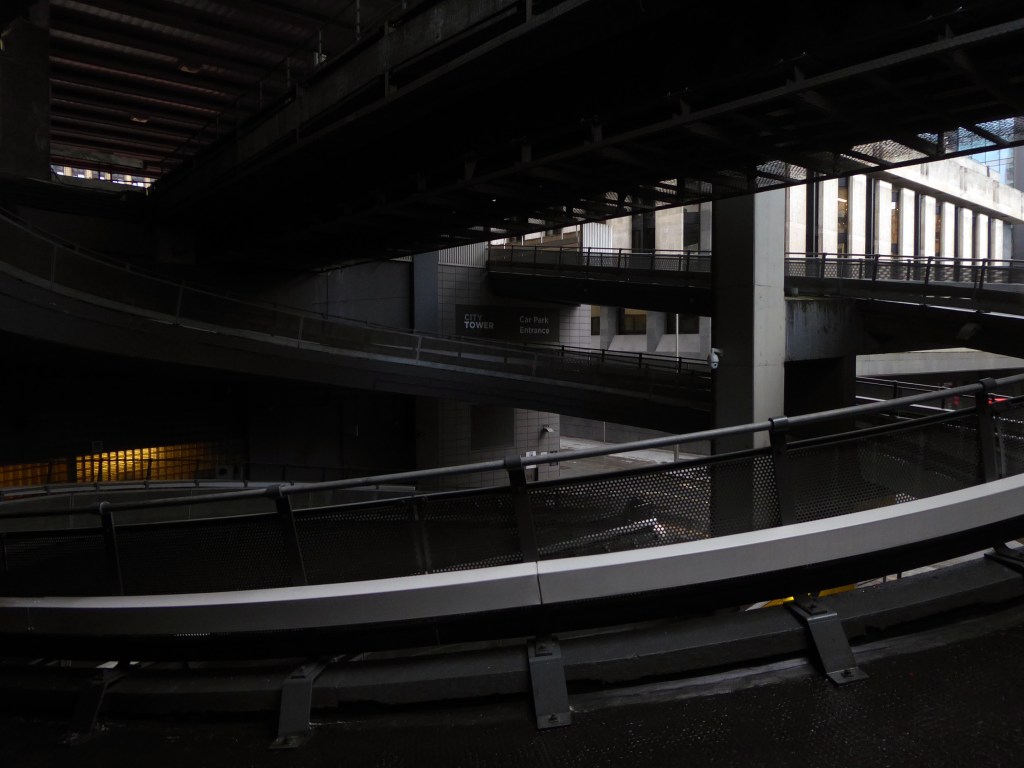
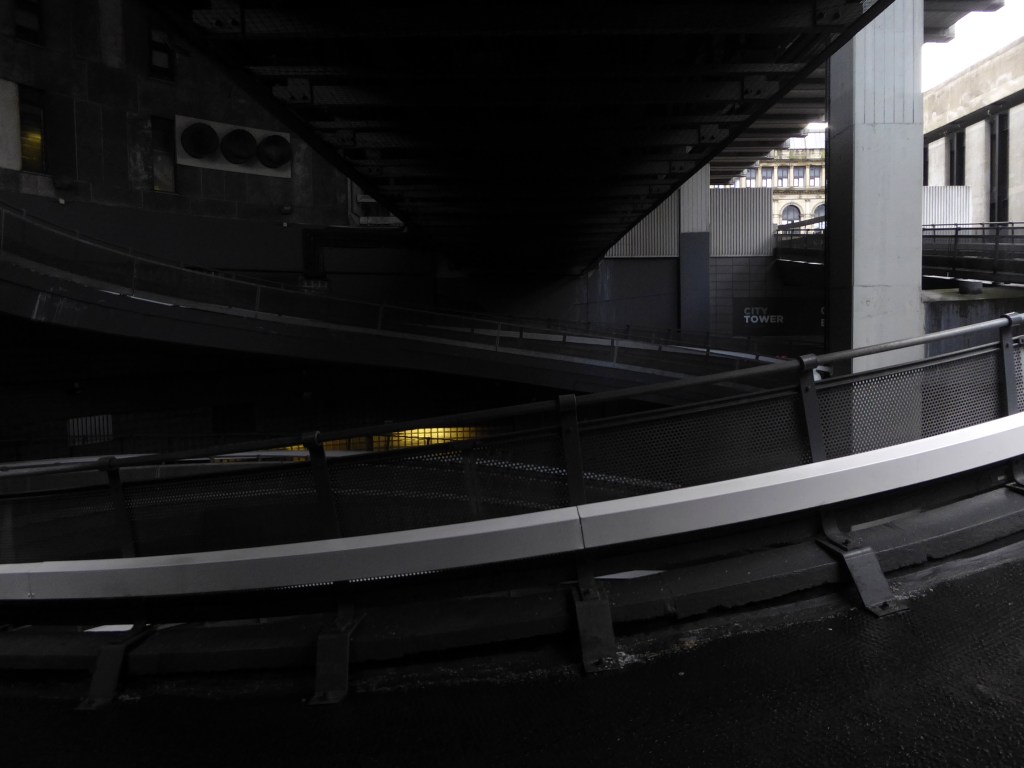
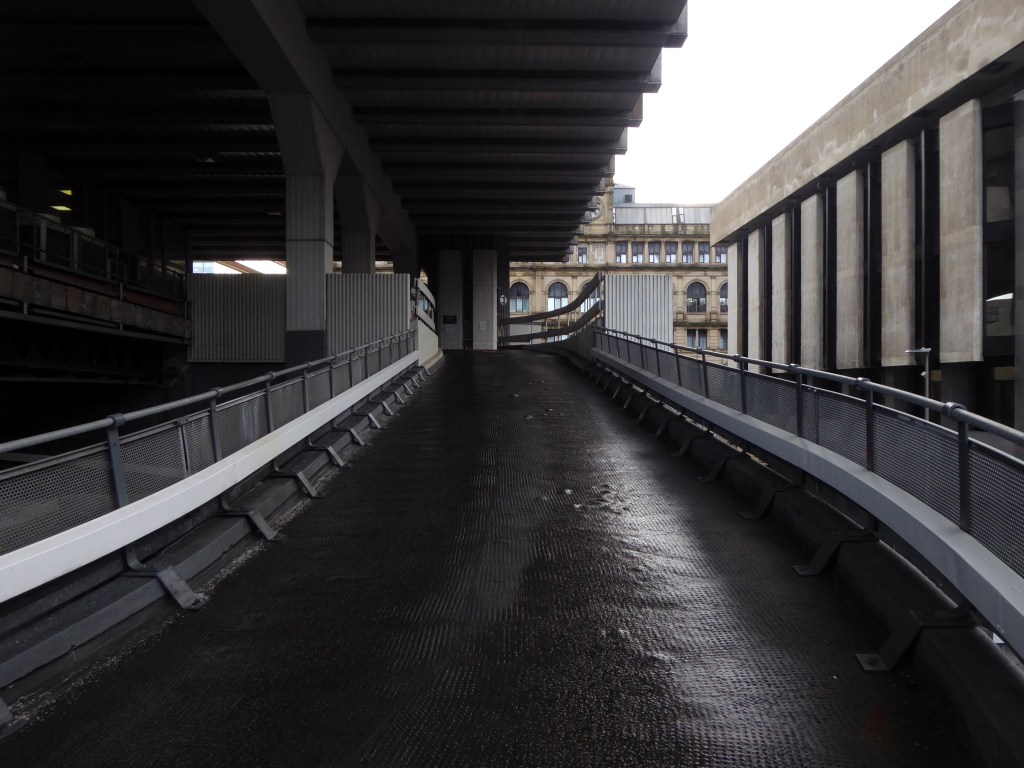
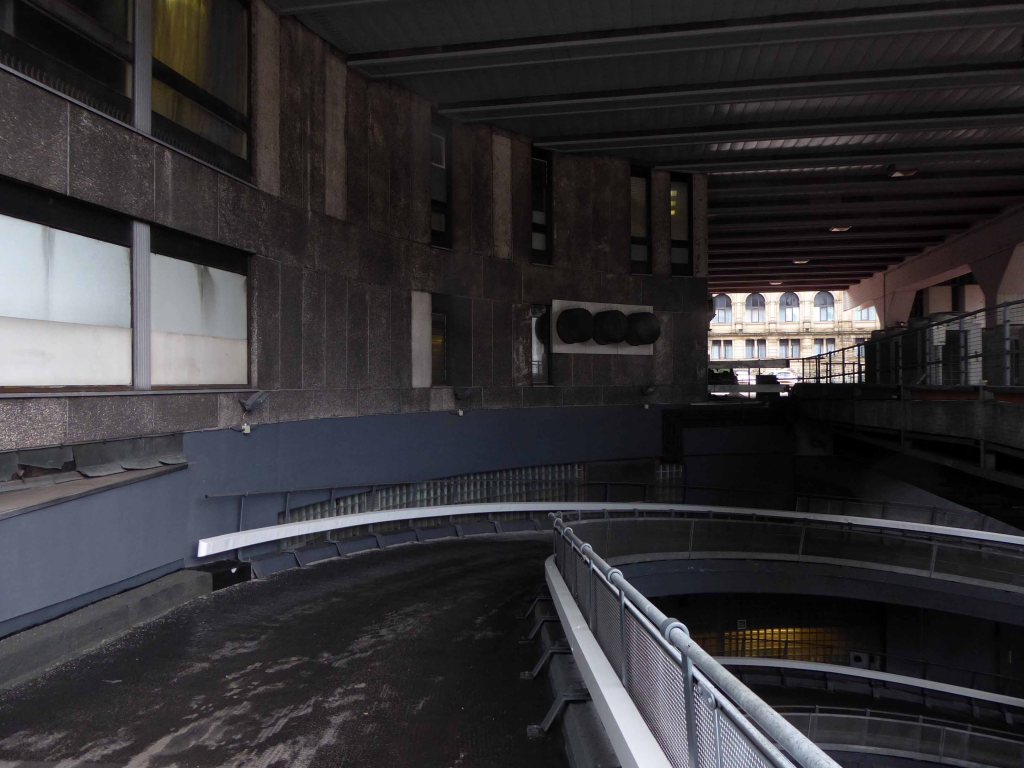
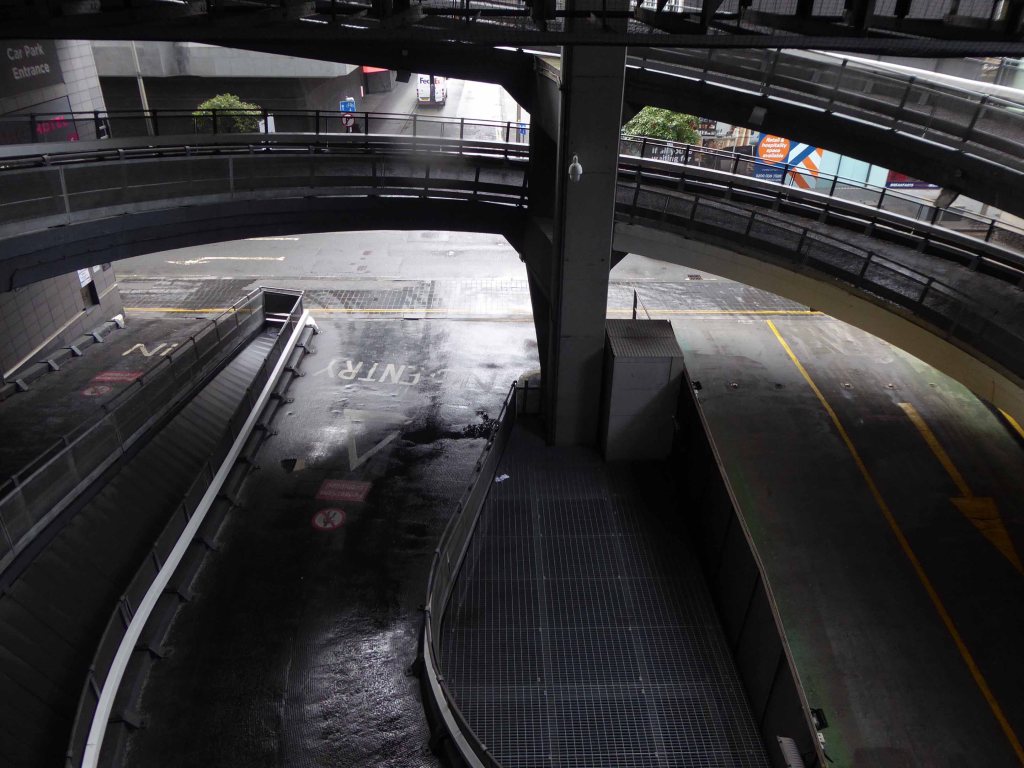
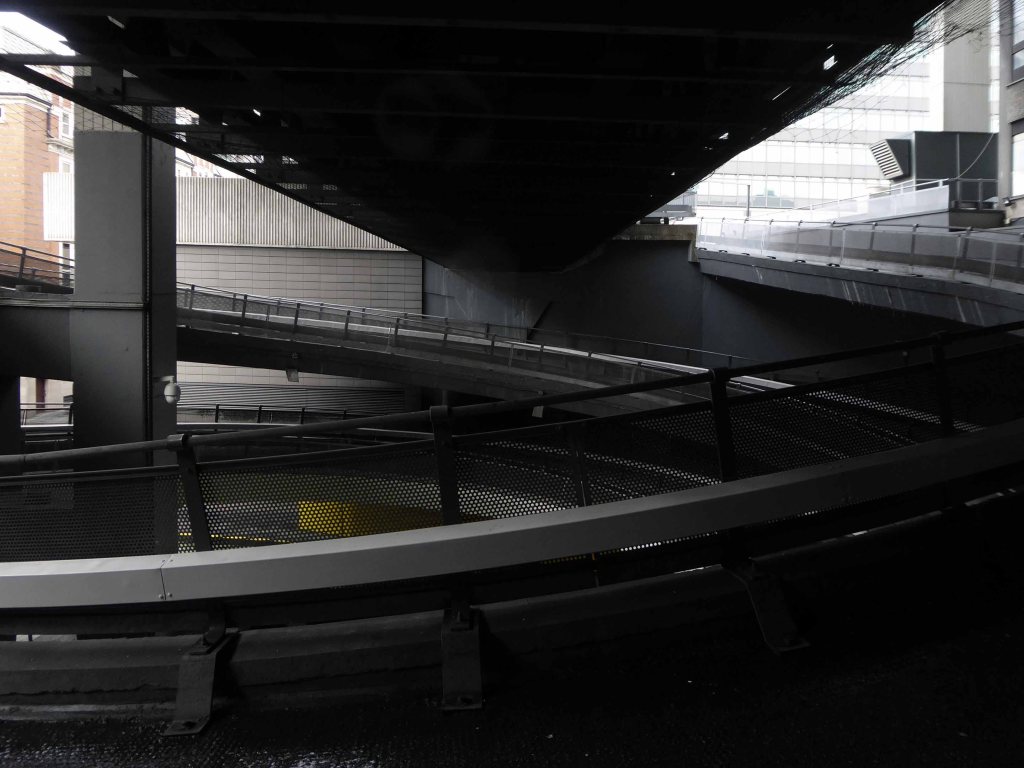
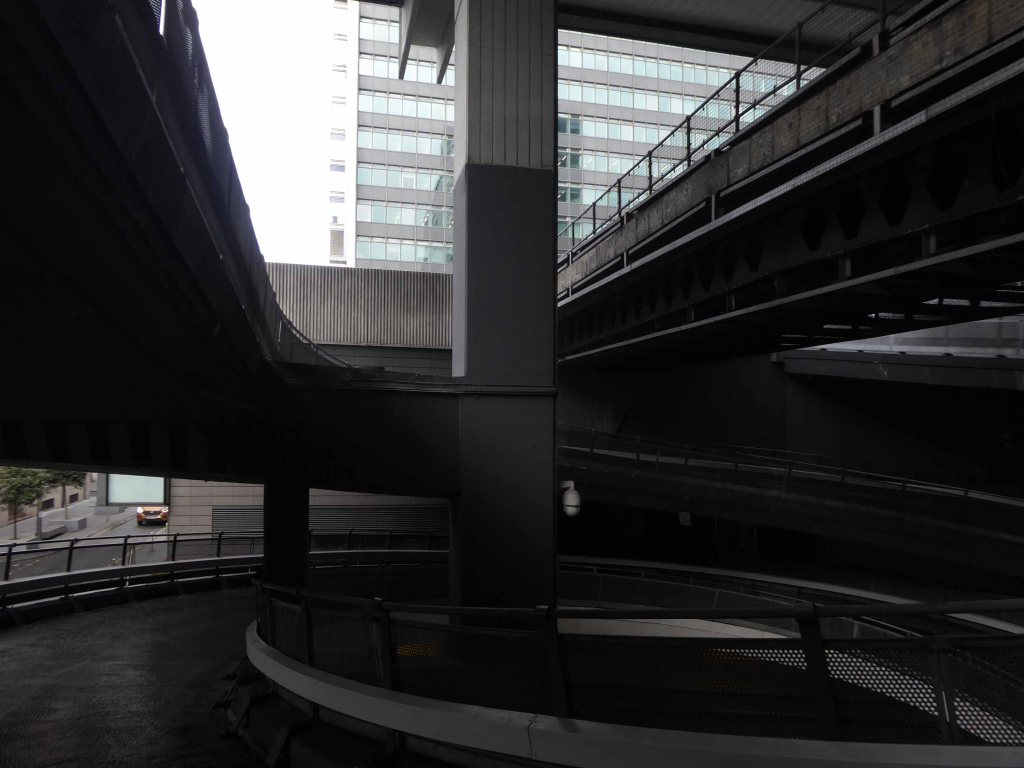
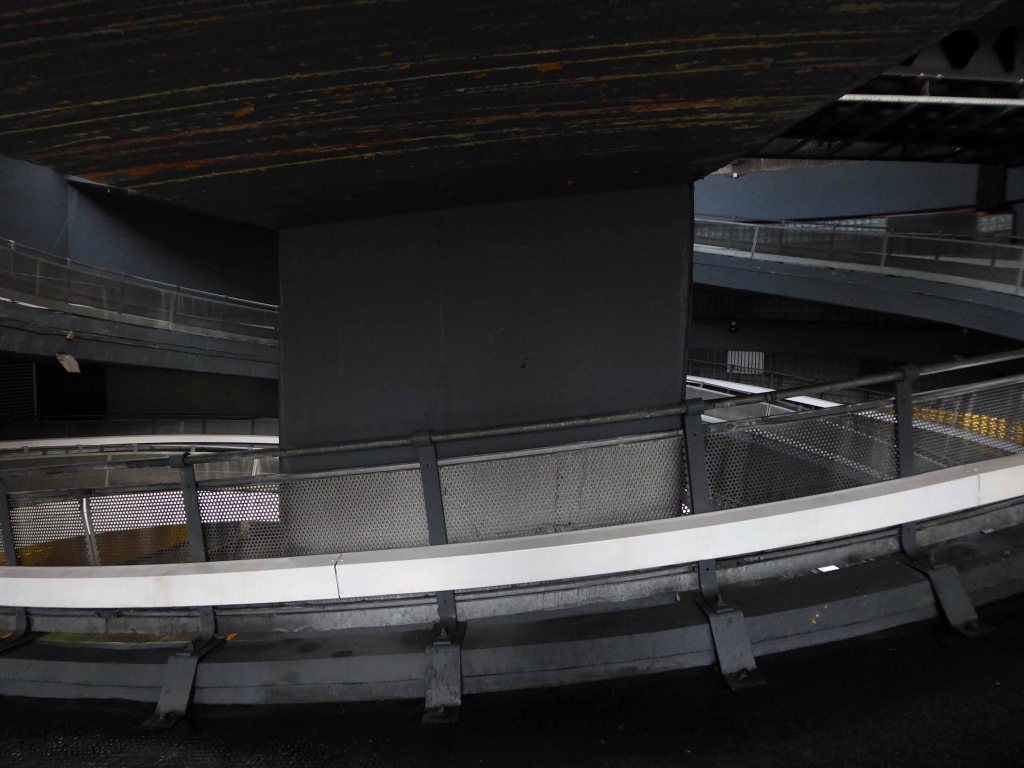
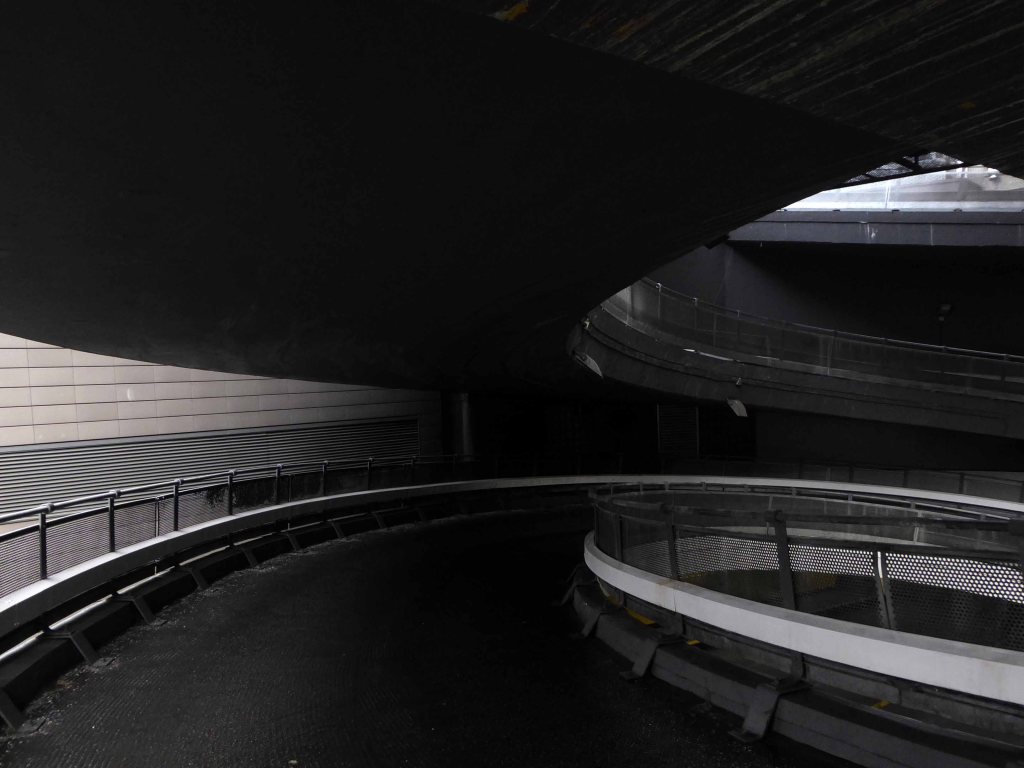
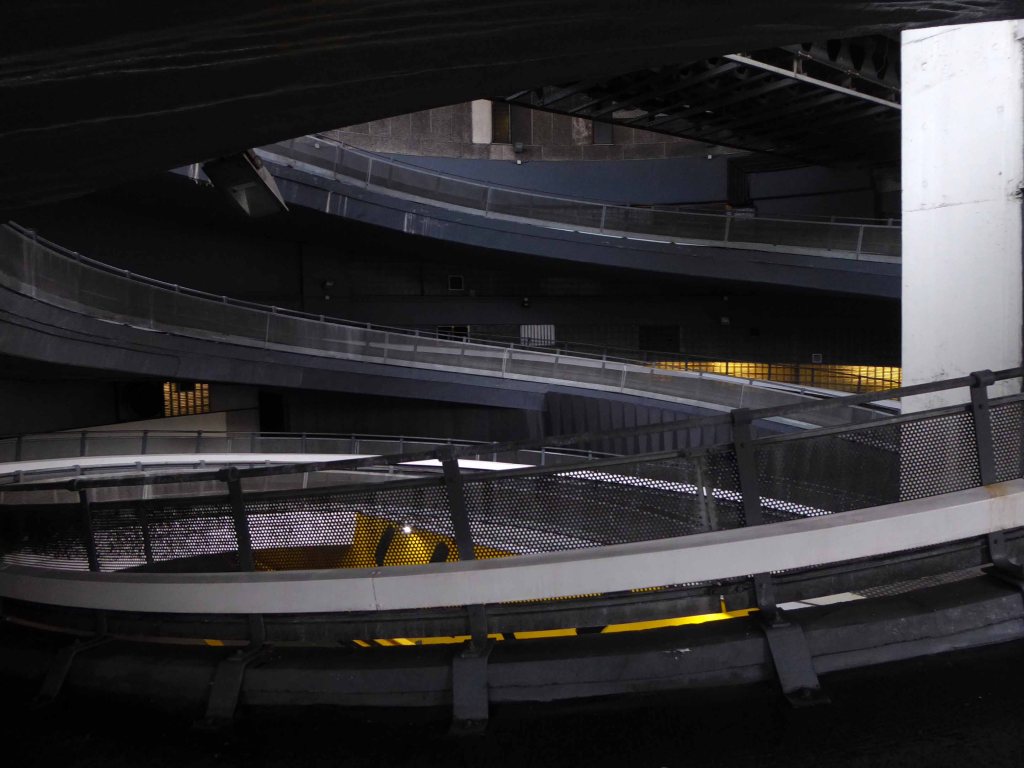
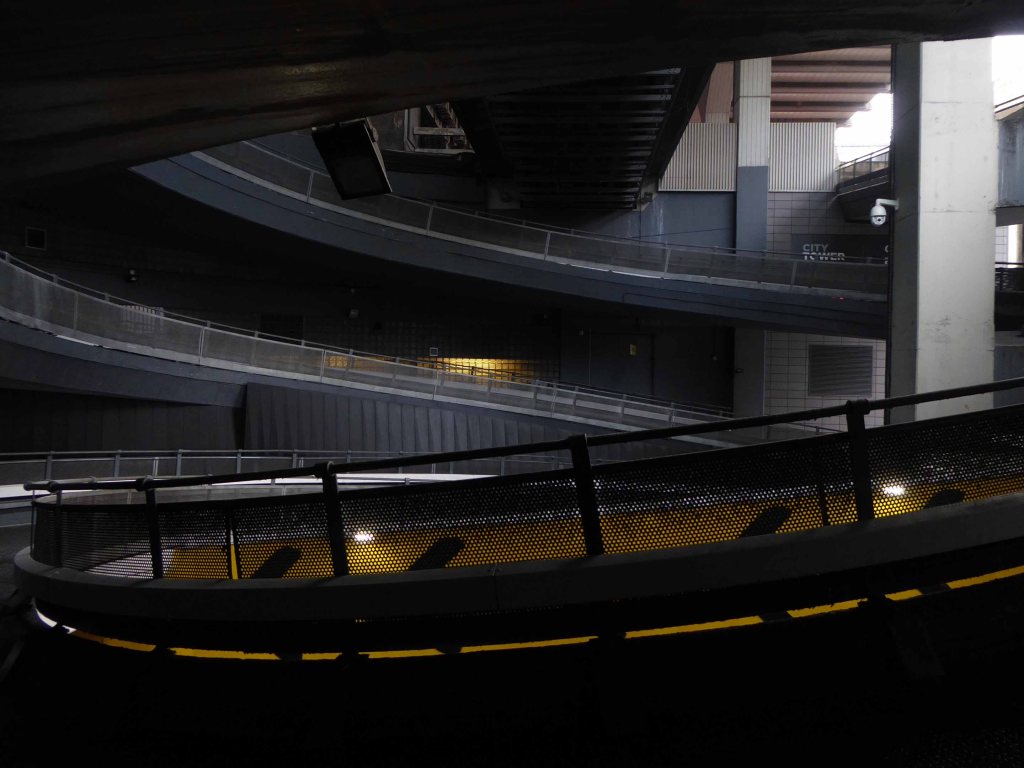
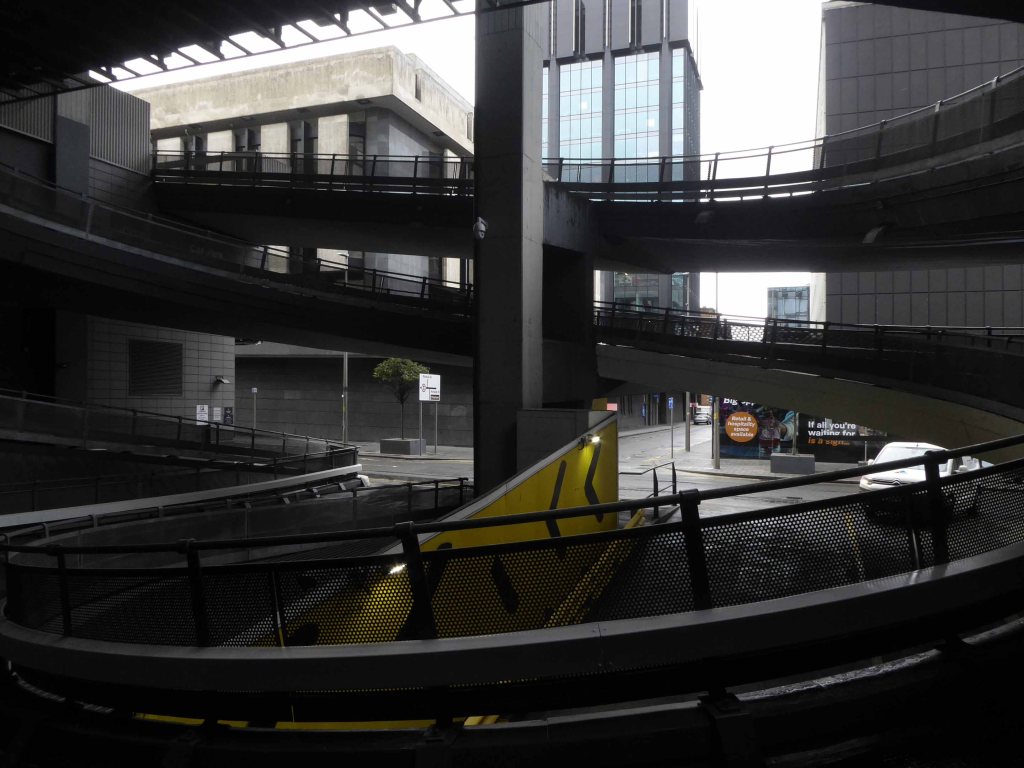
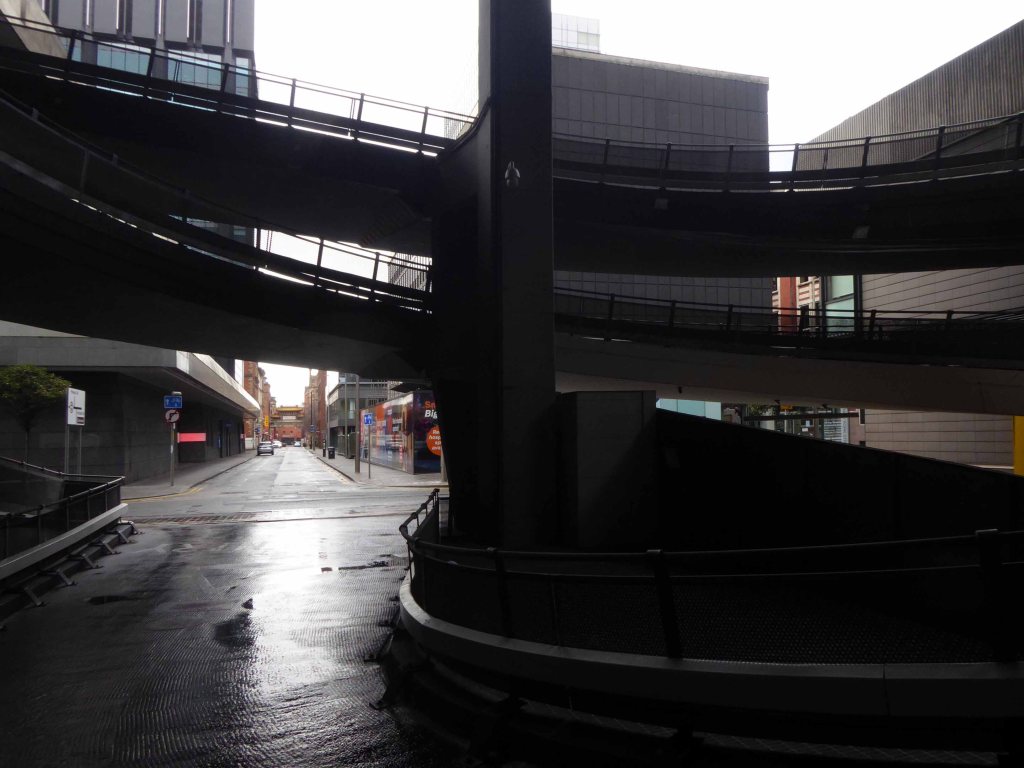
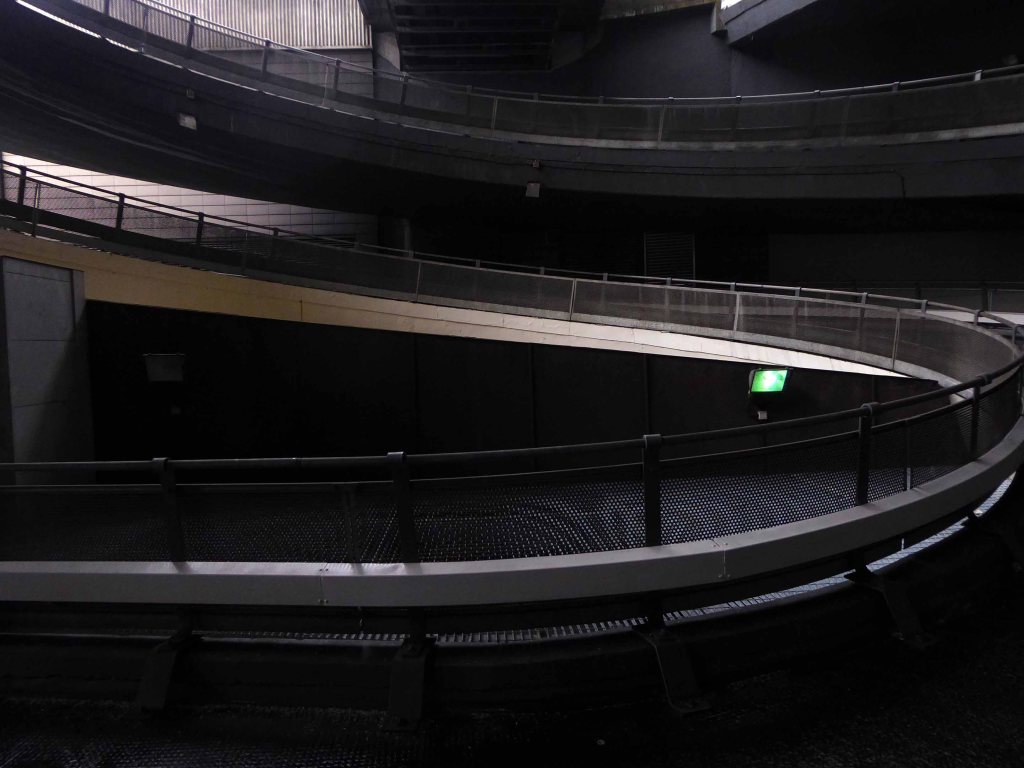
Up and down the spiral ramp, the eternal allure of the unknown and forbidden, walking the way of the motor car.

I was in town on an overcast day, prior to a Covid jab appointment, what better way to relax and reflect on our current condition, here on this whirling sphere.

A transgressive trip to a twisted world of spiral delights.

Stockport, Hull and London have all been previously explored – here we are now going up the back of the Plaza.

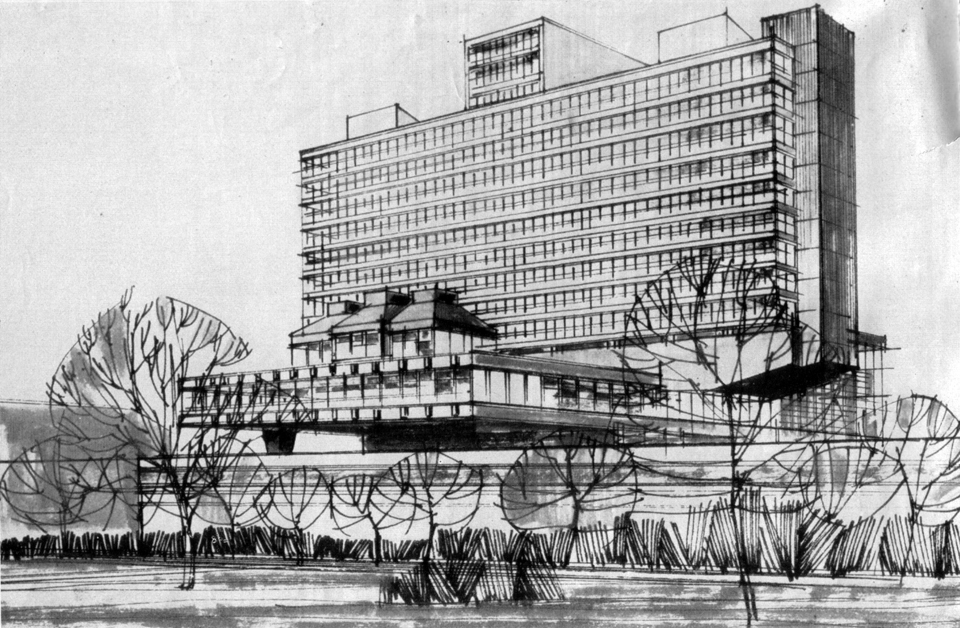
The work of architects Covell-Matthews Partners, further details here at Mainstream Modern.

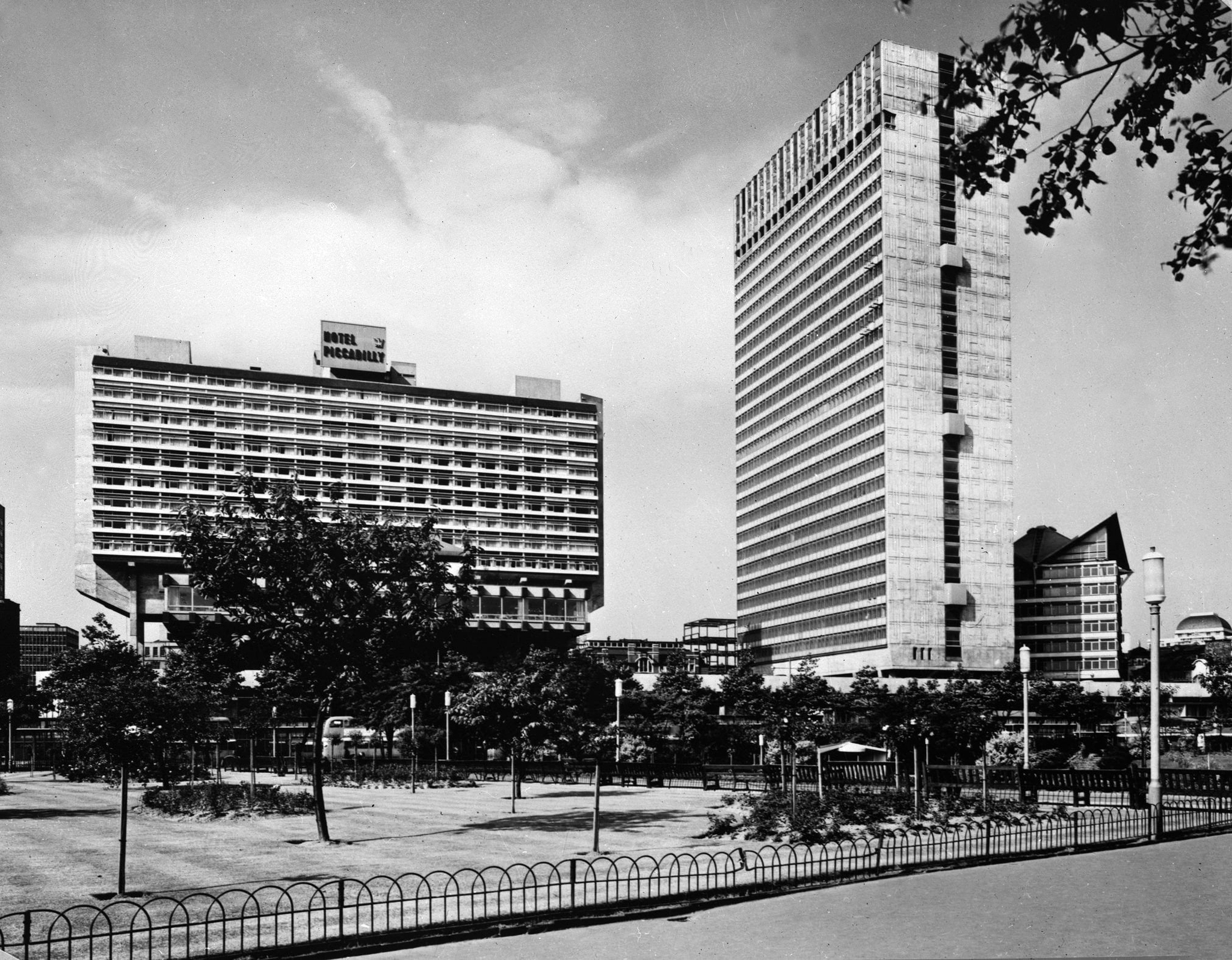
The car park ramp serviced the Piccadilly, now Mercure Piccadilly Hotel; one of the three main elements of Piccadilly Plaza, along with City Tower and the late lamented Bernard House.

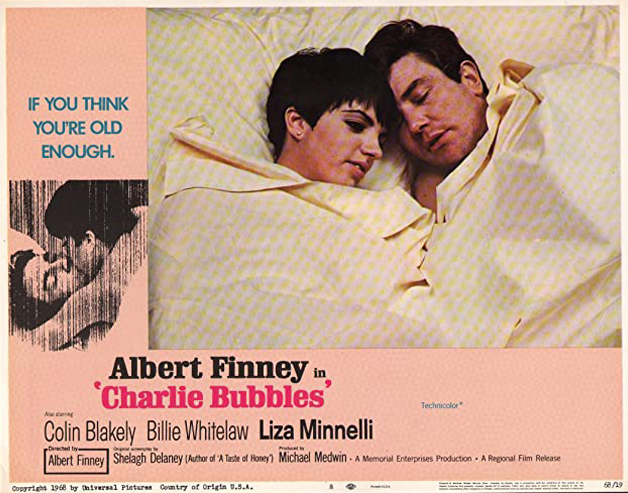
In its day, synonymous with Manchester’s emergent manifestly modern image – scene of Albert Finney’s homecoming, in the film Charlie Bubbles.

And also used, in the then fabulously glamorous Dee Time – host Simon Dee descending the ramp in his ‘E Type’ Jaguar.

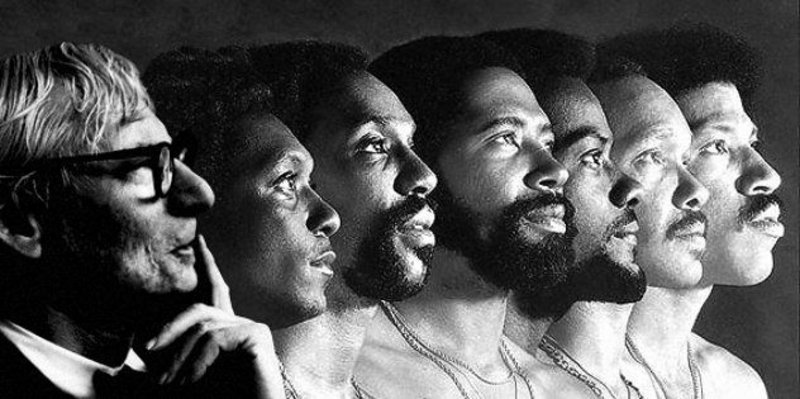
Legend has it, that the ramp was the location for an unlikely encounter between architect Louis Kahn and top pop combo The Commodores.

The reception drop off was at first floor level and was accessed from street level by a helical ramp. My father’s dilapidated Renault 4 van gave up just near the top. Extremely embarrassed, my father asked Kahn to move over to the driver’s seat and steer, whilst he attempted to push the van the rest of the way. As he began to push a people carrier pulled up behind and out stepped a group of men who began to help. Soon the van was outside the reception and my father and Kahn thanked the men.

The young female receptionist was very excited: ‘Do you know who just pushed your car up the ramp? The Commodores!’

The RIBA Journal

Hang on to your hats lets take a trip up the helix.

And down again.

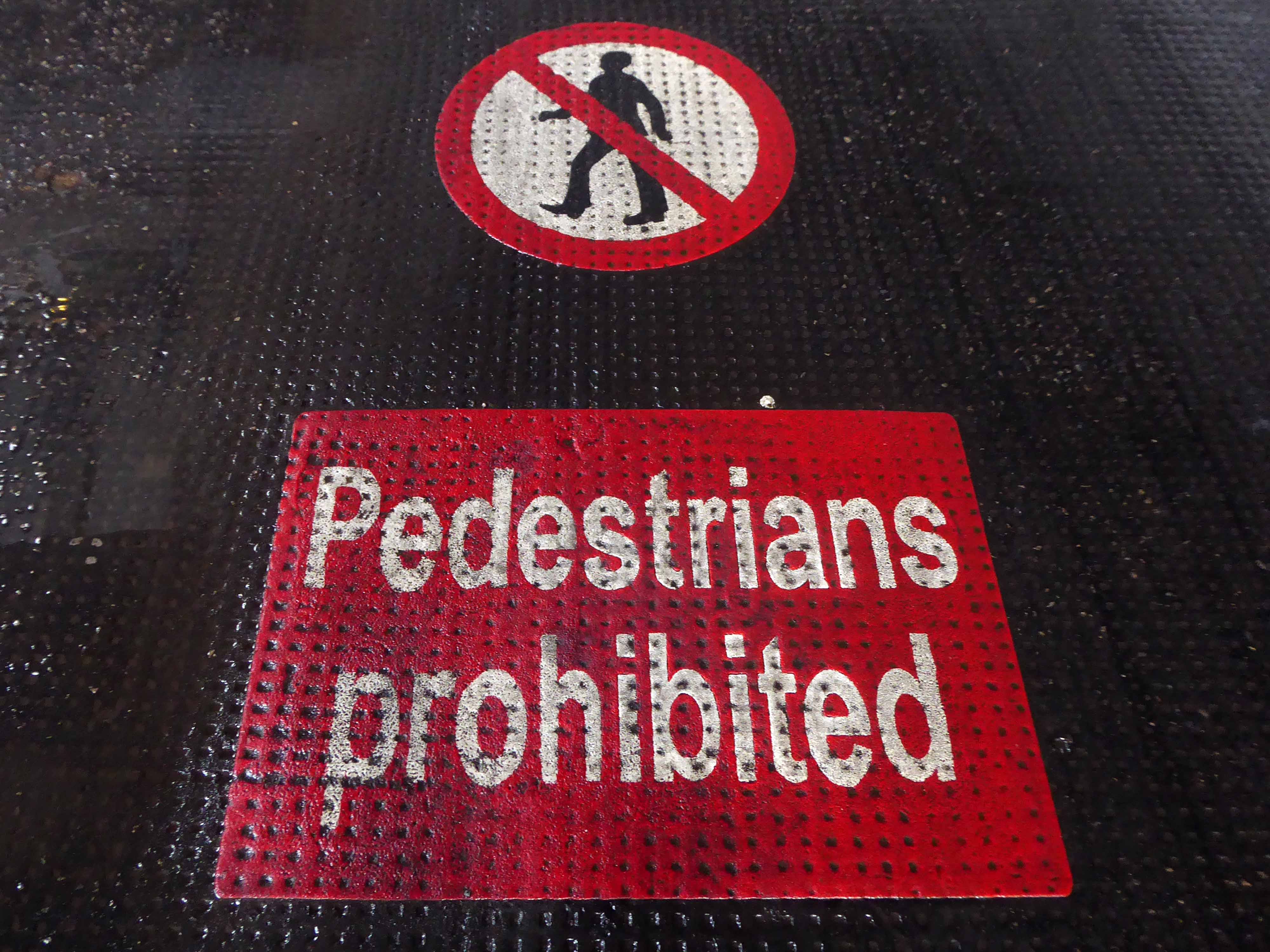
NB The Modern Moocher neither advocates nor encourages the pedestrians’ invasion of the motor cars’ private spaces.

Let it be known throughout the land, that it is at heart, a very, very daft and dangerous thing to do.

Woodford Garden Village

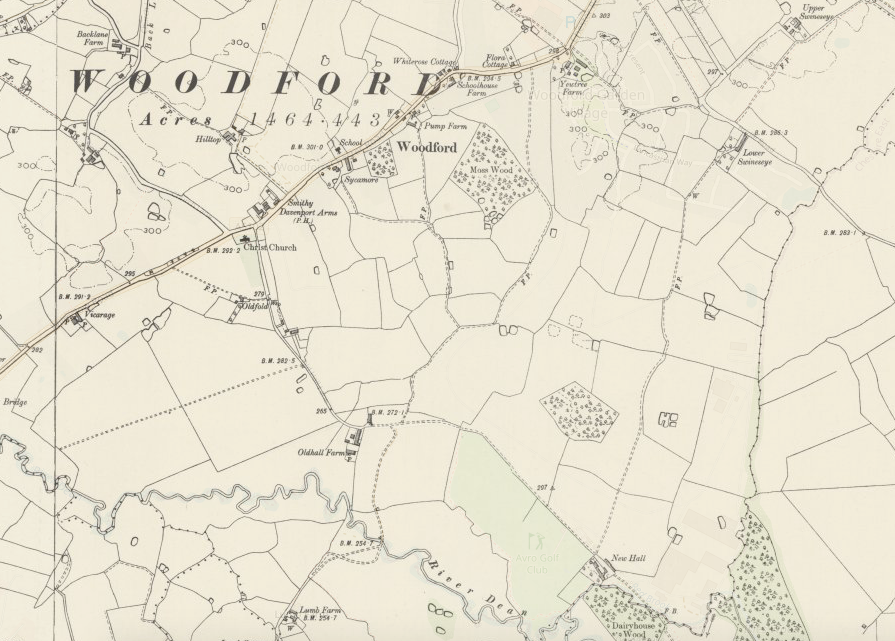
We begin at the beginning of the end – fields full of fields

Dotted with farm buildings – then, along comes an Aerodrome.

A serious problem arose in 1924 when Avro was notified that the current airfield used by the company at Alexandra Park would be closing. After a hurried search to find an alternative location, Avro settled on New Hall Farm at Woodford and completed the move later that year.

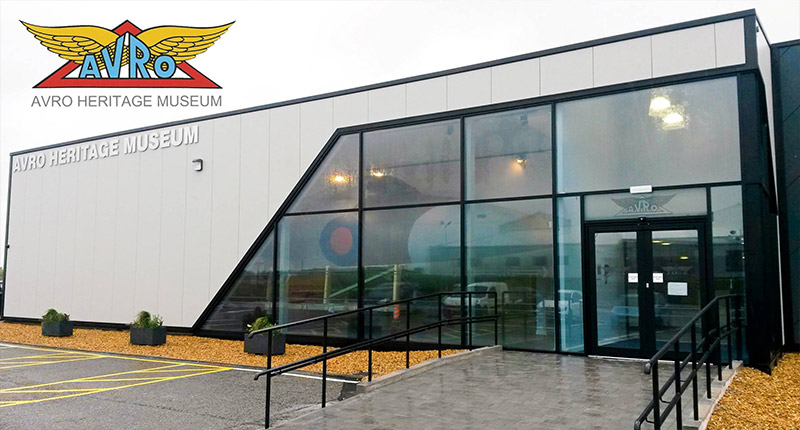
In 1999, Woodford became part of BAE Systems as a result of the merging of British Aerospace with Marconi Electronic Systems. Plans to build the Avro RJX airliner at Woodford were shelved in 2001 which left production of the Nimrod MRA4 as the only active project at the site. Woodford Aerodrome finally closed in 2011 when the Nimrod MRA4 project was cancelled, ending almost 80 years of almost continual aircraft manufacture at the site.

Avro Heritage Museum

Which in due course became a museum.

The site was subsequently acquired by Redrow.

Redrow has started construction on the first phase of 950 homes at the 500-acre former Woodford Aerodrome site near Stockport, nearly two years after planning consent was granted.

Preparatory works are underway and sales of the houses are expected to launch in June with the opening of show homes on the site.

The redevelopment of the 500-acre site, which is being brought forward by a joint venture between Harrow Estates, part of Redrow, and Avro Heritage, will also feature a primary school, employment area, pub, shops, community facilities, and areas of open and recreational space.

Place Northwest

A 21st century development was on its way.

James Fisher 1954

However, the architectural style owes more to Baron Hardup, than Flash Gordon.

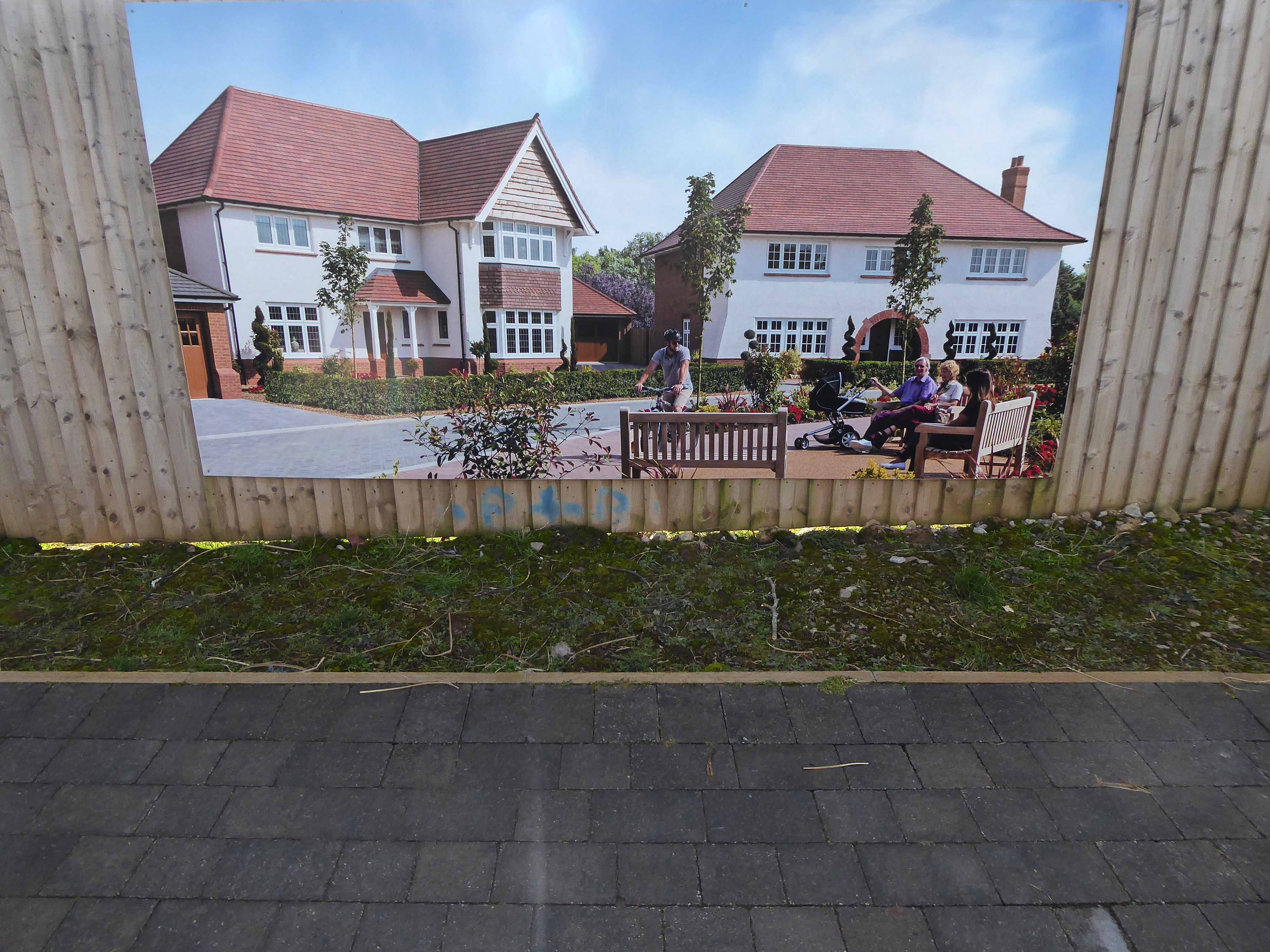
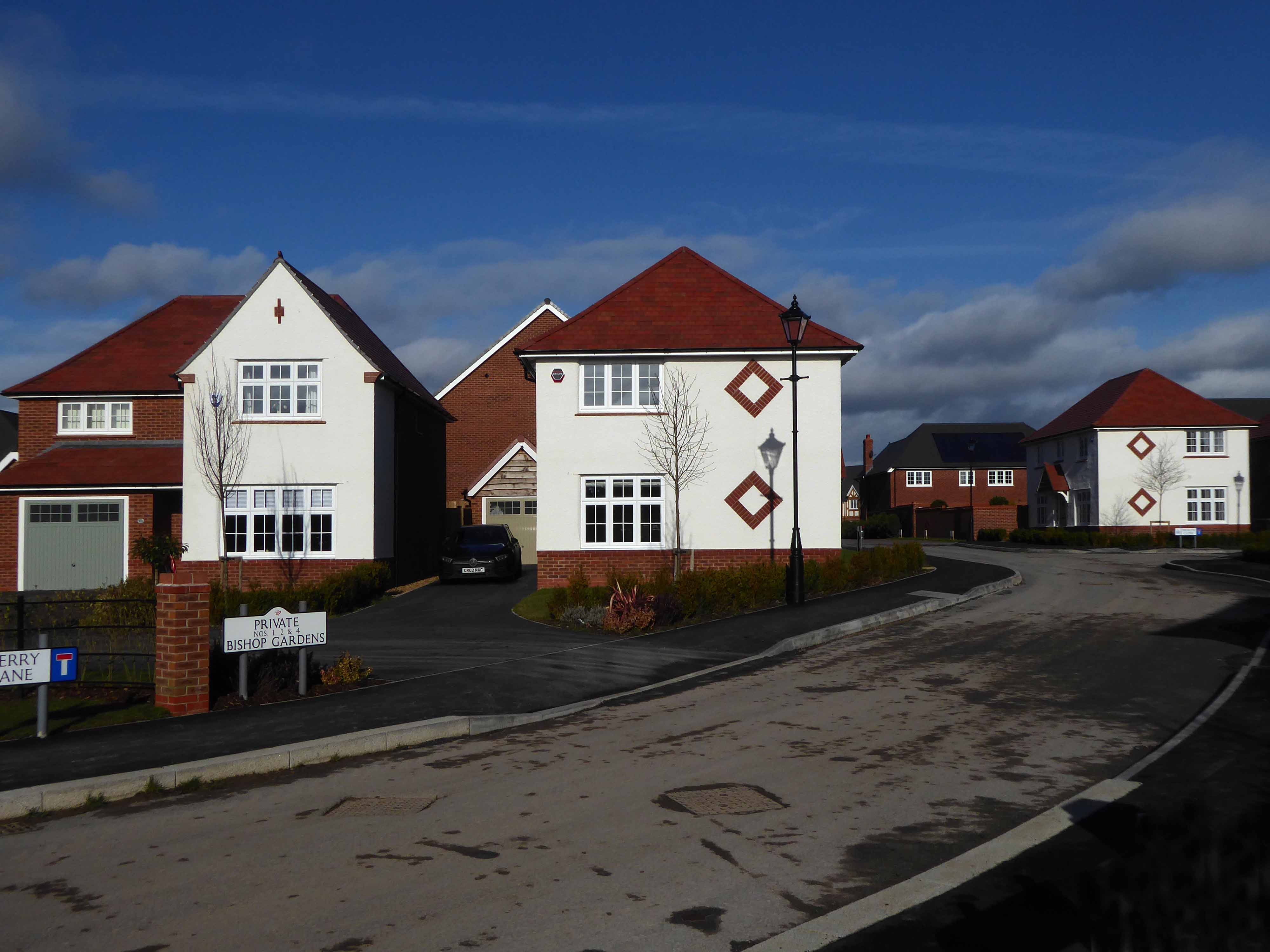
The Tudor-Bethan style of Metro-Land, that oh so very, very English pantomime tradition of the village green, merry boys and girls dancing around Maypoles clutching wicker baskets, full of plastic daffodils.

For every raw obscenity
Must have its small ‘amenity,’
Its patch of shaven green,
And hoardings look a wonder
In banks of floribunda
With floodlights in between.

John Betjeman Inexpensive Progress

This is progress realised as regression, a pastiche of a pastiche, of a pastiche, of a pastiche.

Finding some small comfort in the imitation game, hurtling along radial roads, encased in the biggest, live now pay later motors, which borrowed money can buy.

Seeking succour in the certainty of an illusory past, whilst peering through the nets and blinds, at a seriously uncertain future.

You’re as pretty as a picture, a picture torn from a yellowing scrapbook, scanned and enhanced, to remove any unseemly rough edges and/or ruffians.

This was tomorrow calling, wishing you weren’t here.

Work is still underway and the surrounding landscape feels raw, windswept and wounded.

All of the plots on this phase are now reserved, but don’t miss out on the available homes on our other phases! 

Just minutes from Wilmslow, Poynton and Bramhall, and within easy reach of Manchester for both work and leisure, Woodford is perfectly placed to offer the best of both the thriving city and the glorious Cheshire countryside. This makes it the perfect location for our high-quality Heritage Collection homes, which combine the very best of classic Arts & Crafts architecture with modern, family friendly interiors of the very highest specification.

Redrow

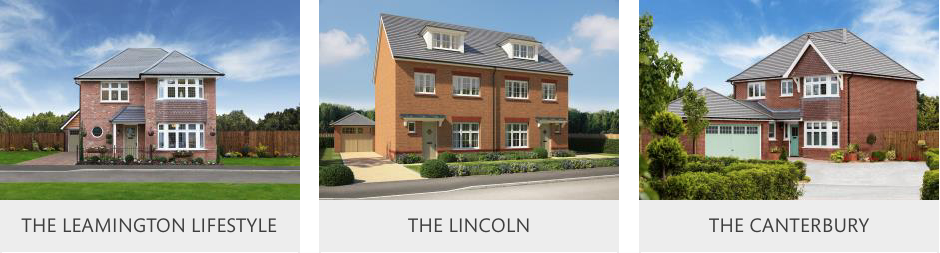
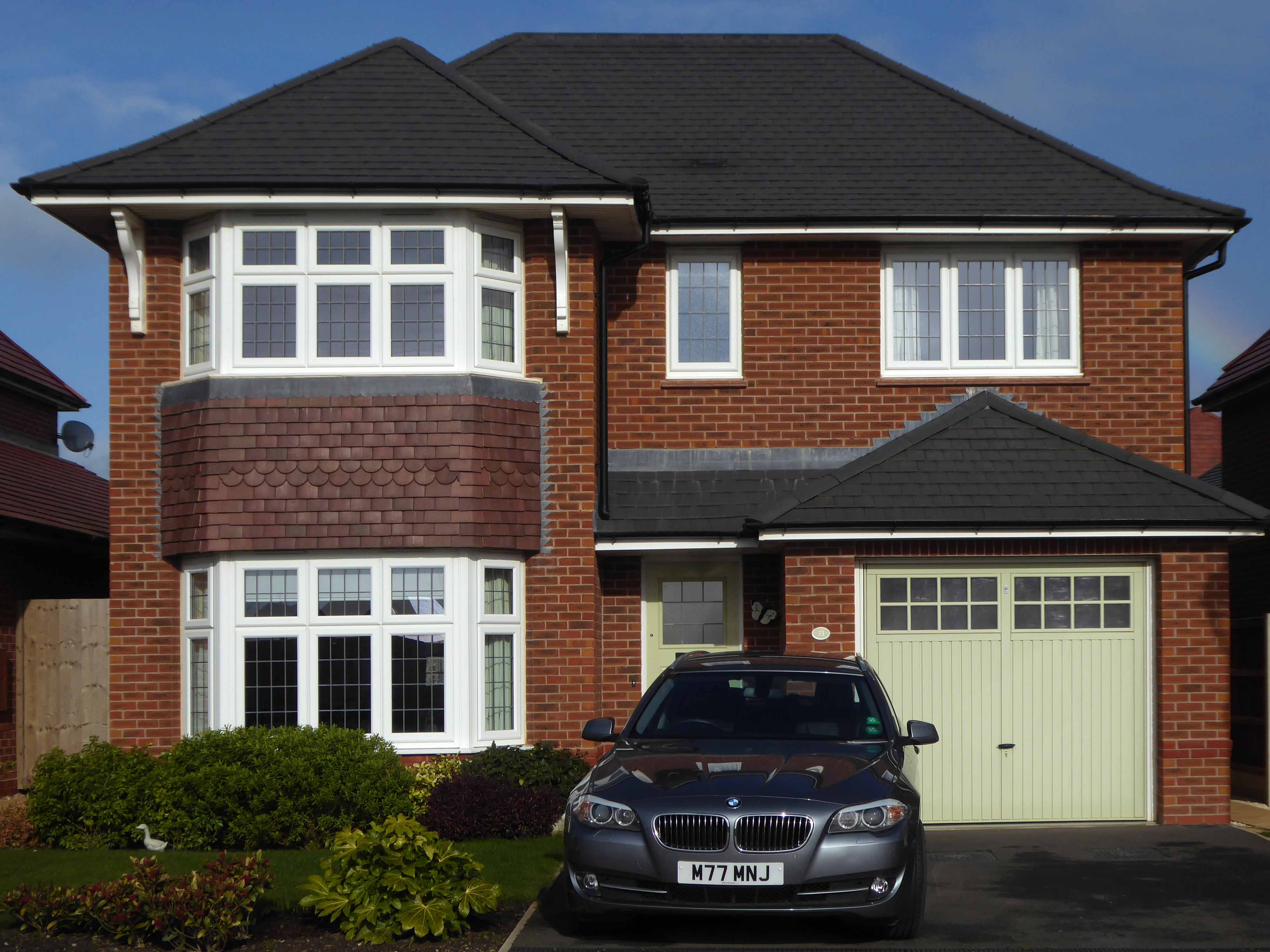
The Oxford, Richmond, Leamington, Lincoln and Canterbury – reassuringly reassuring you, that you are in fact – nowhere.

This is it you have arrived – a gold-star, cast iron, paper thin investment for a certain aspirational section of society.

Goodbye Woodford Garden Village.

Now if the harvest is over, and the world cold, give me the bonus of laughter, as I lose hold.

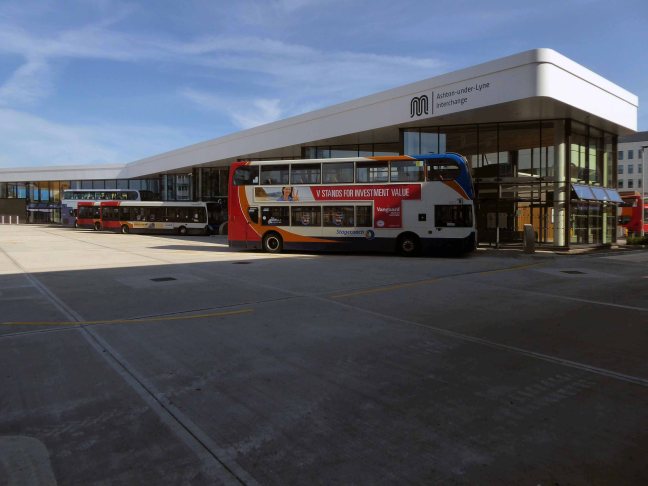
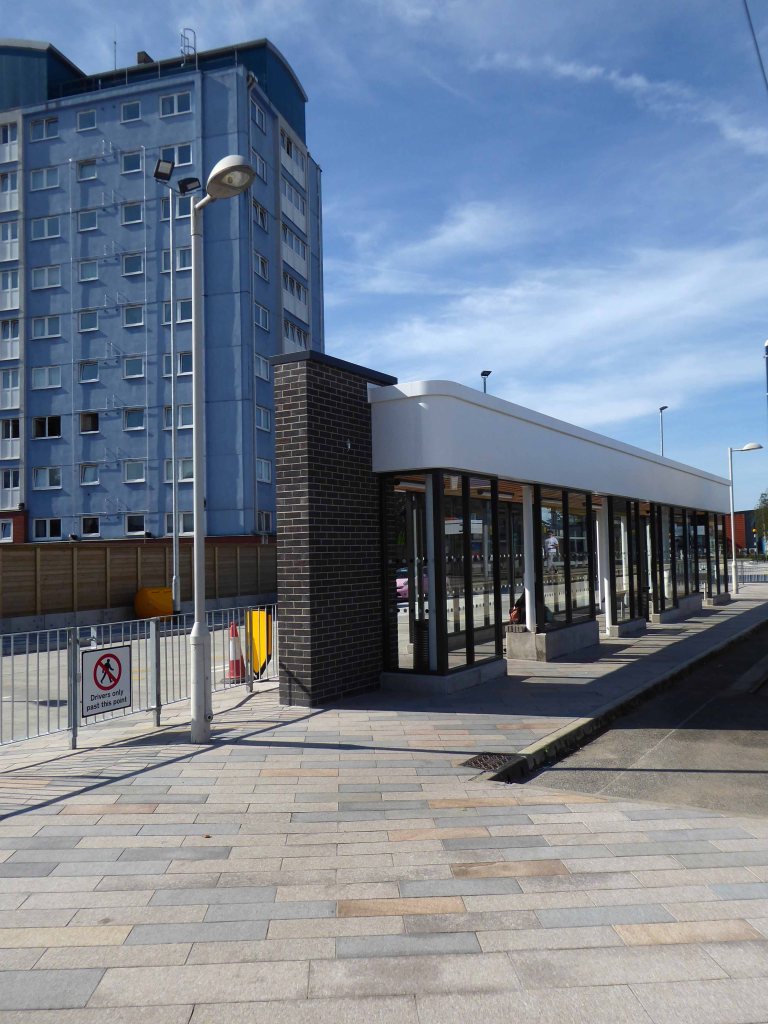
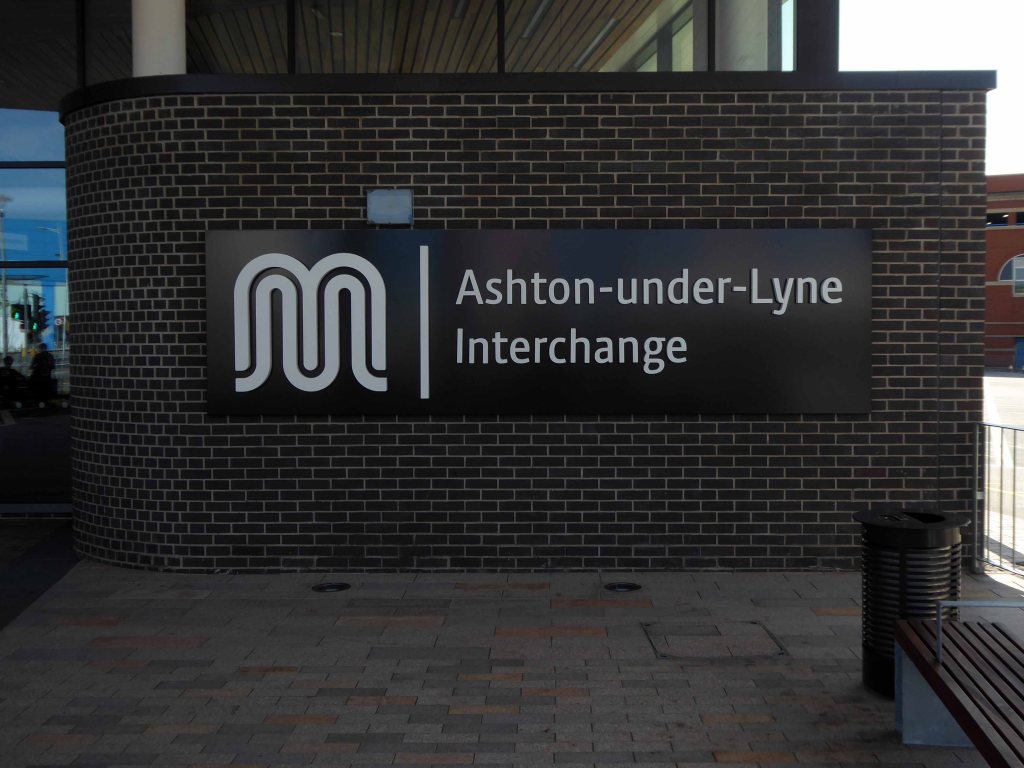
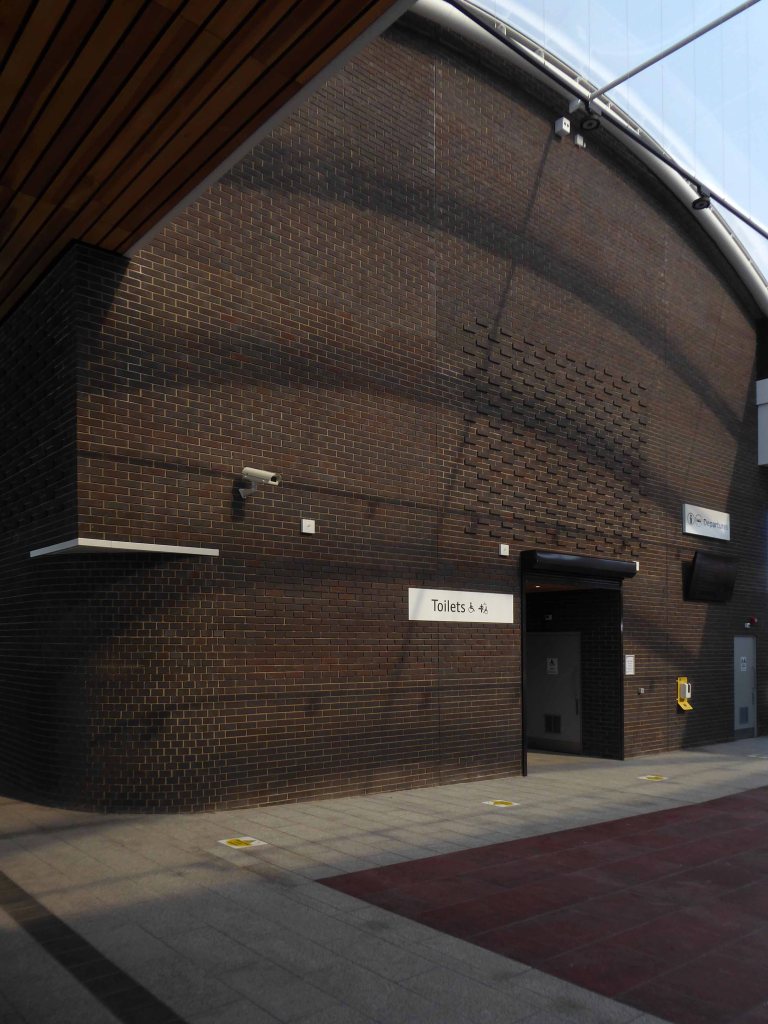
Ashton under Lyne Interchange

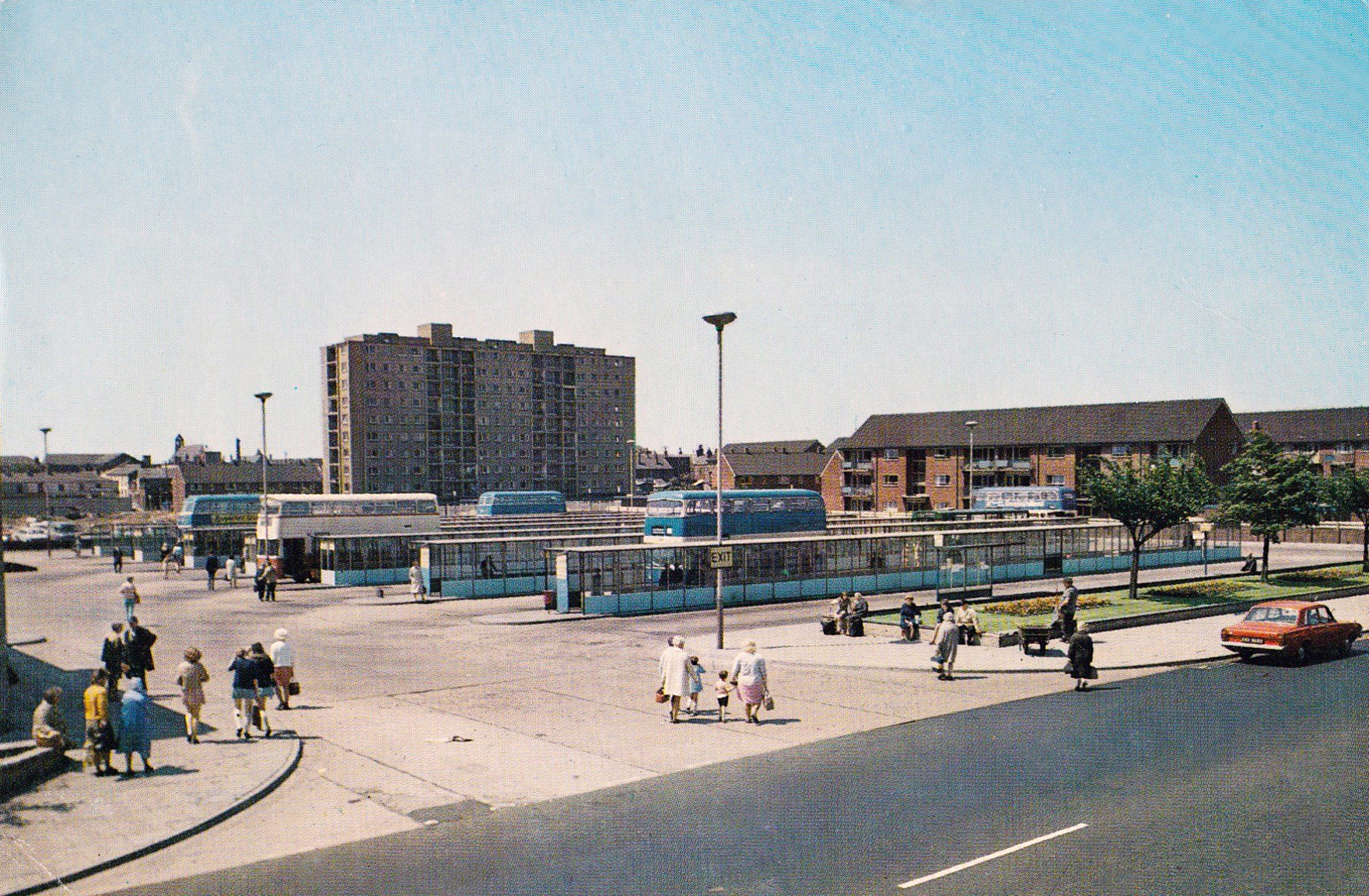
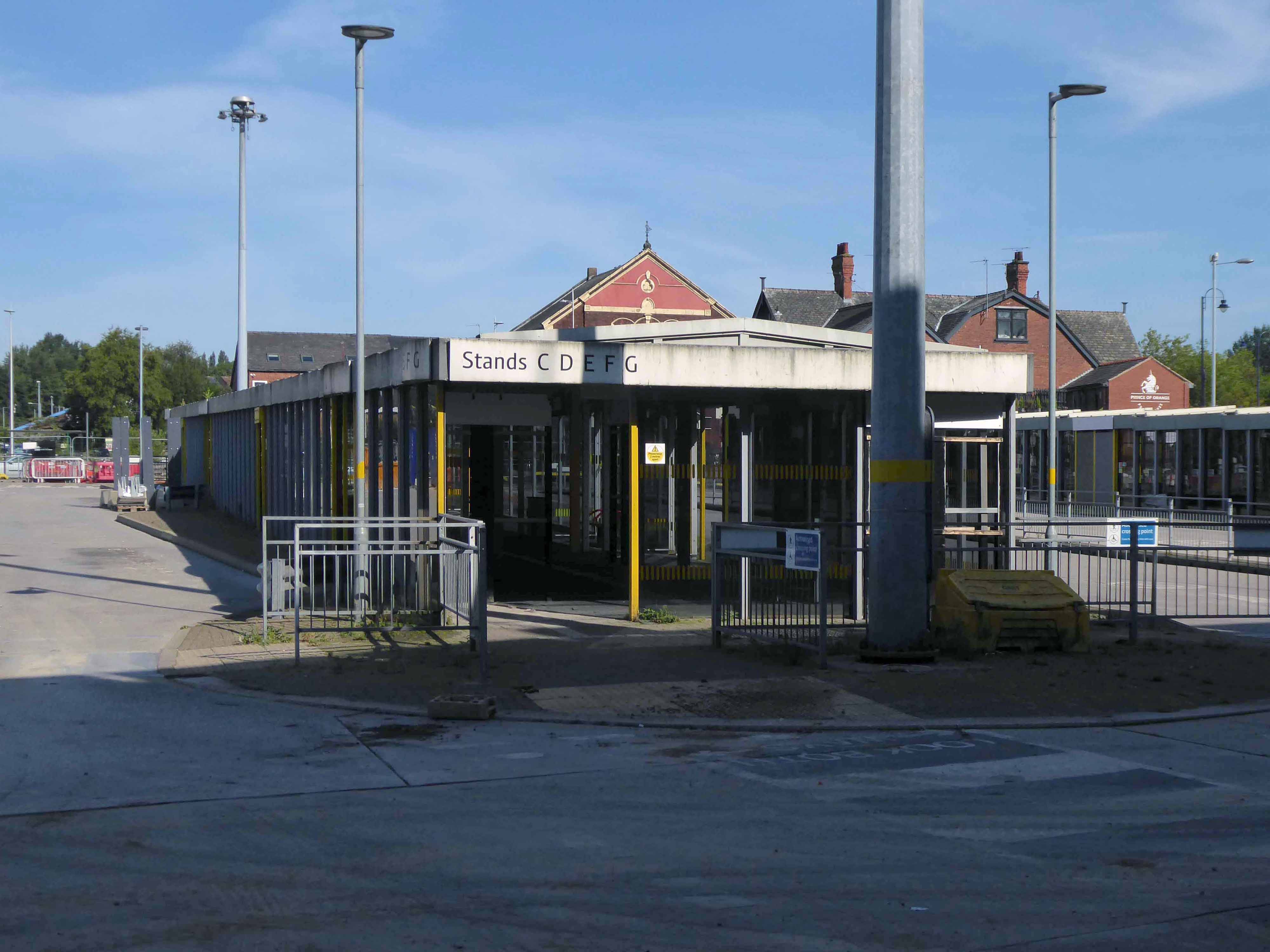
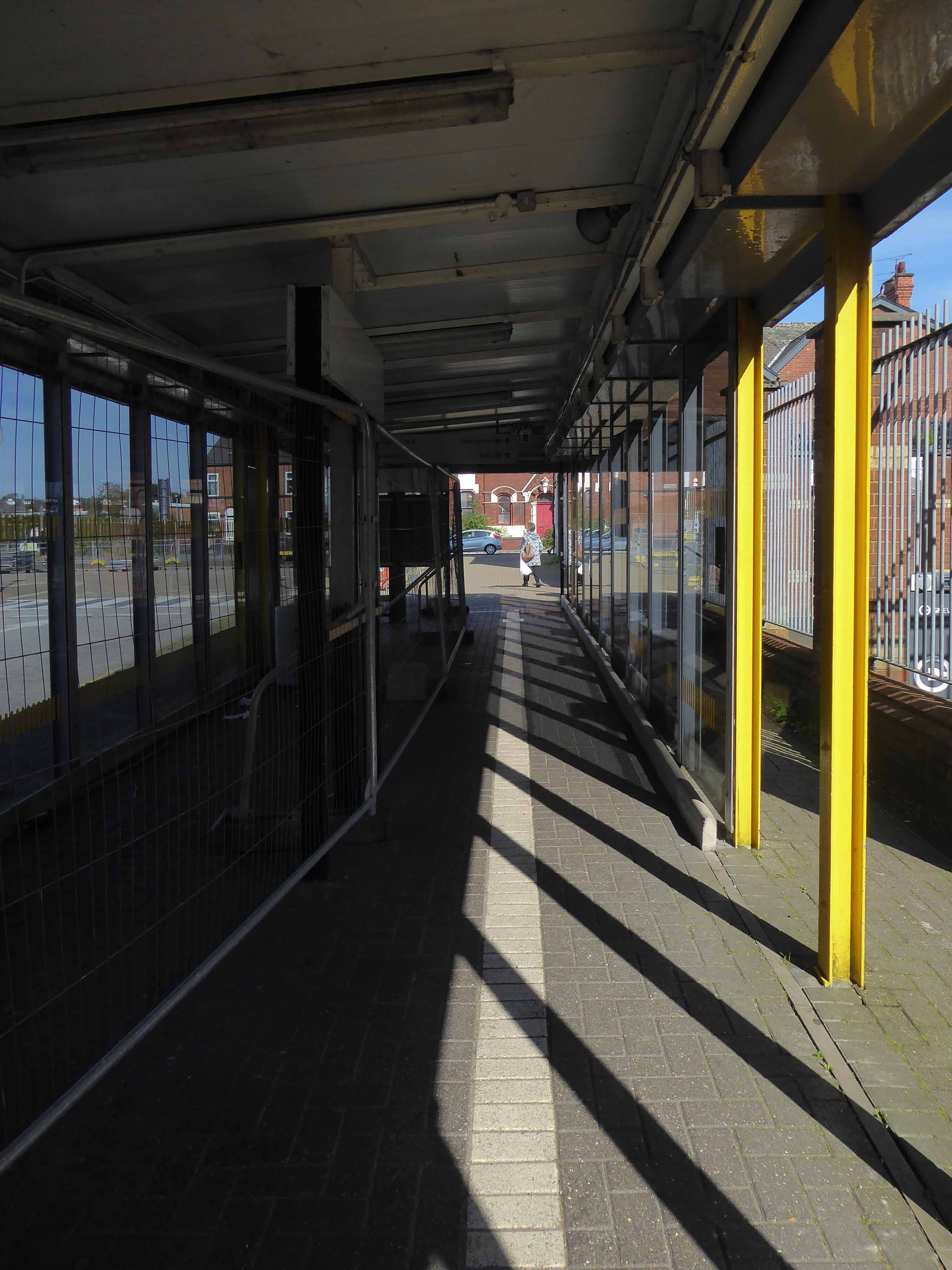
We have already said goodbye to all the previous incarnations.

And eagerly awaited the rebirth.

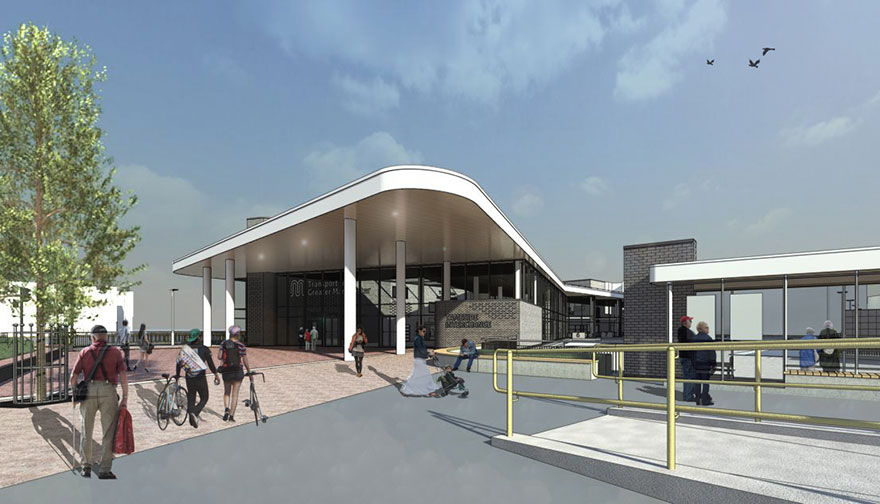
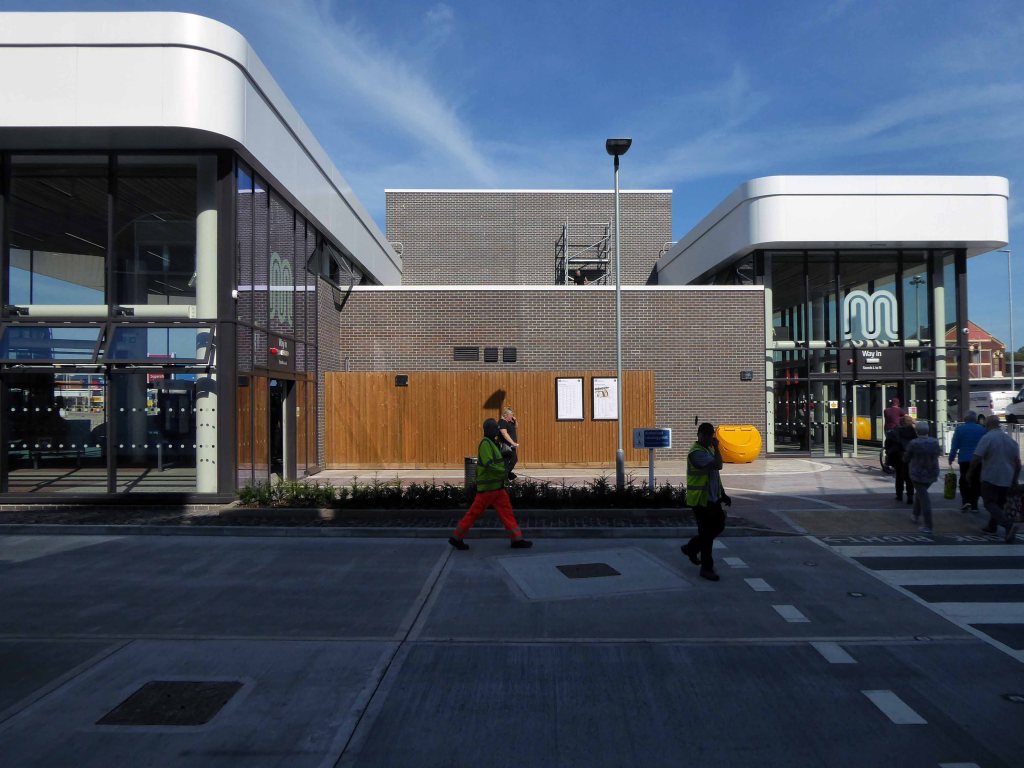
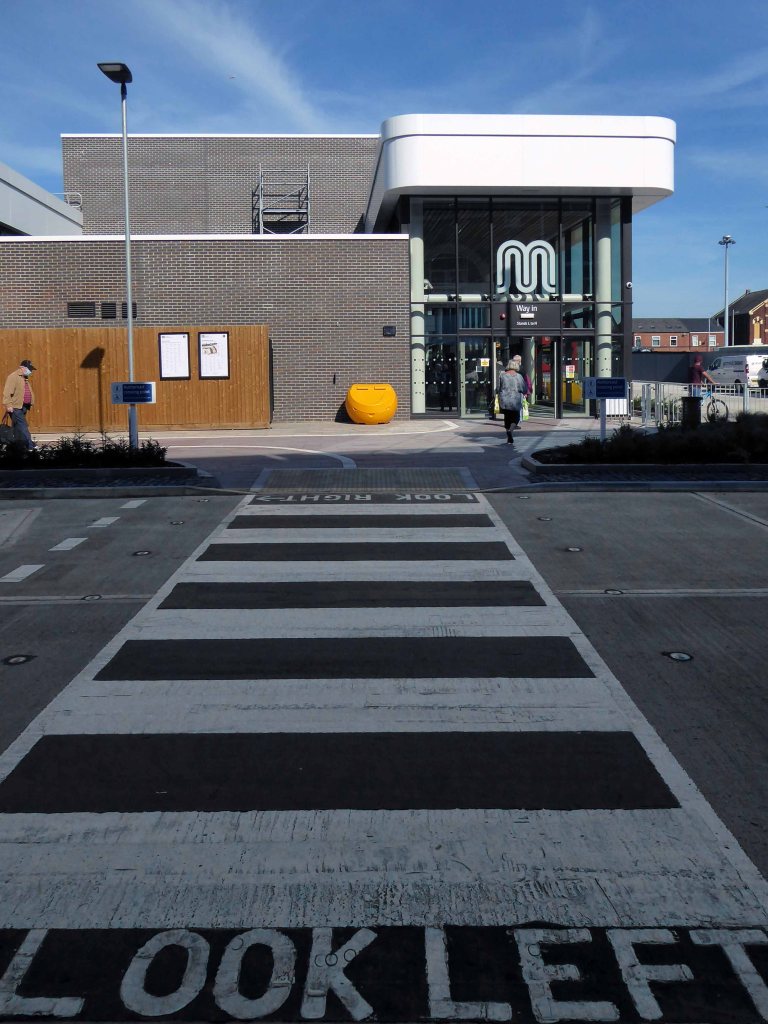
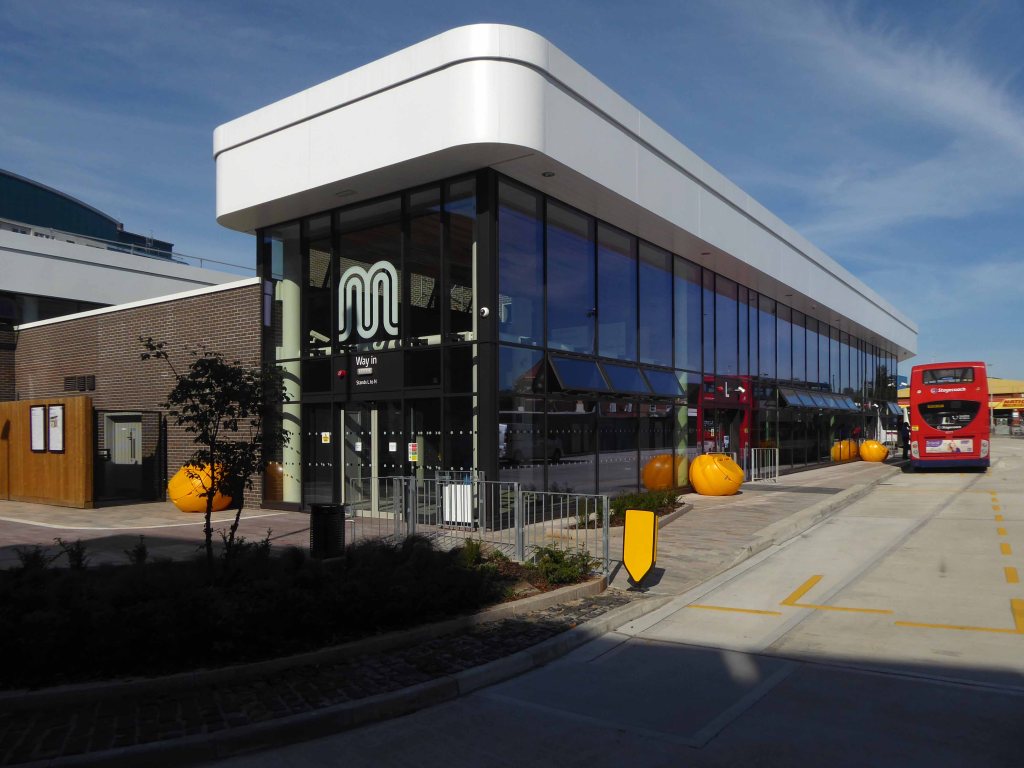
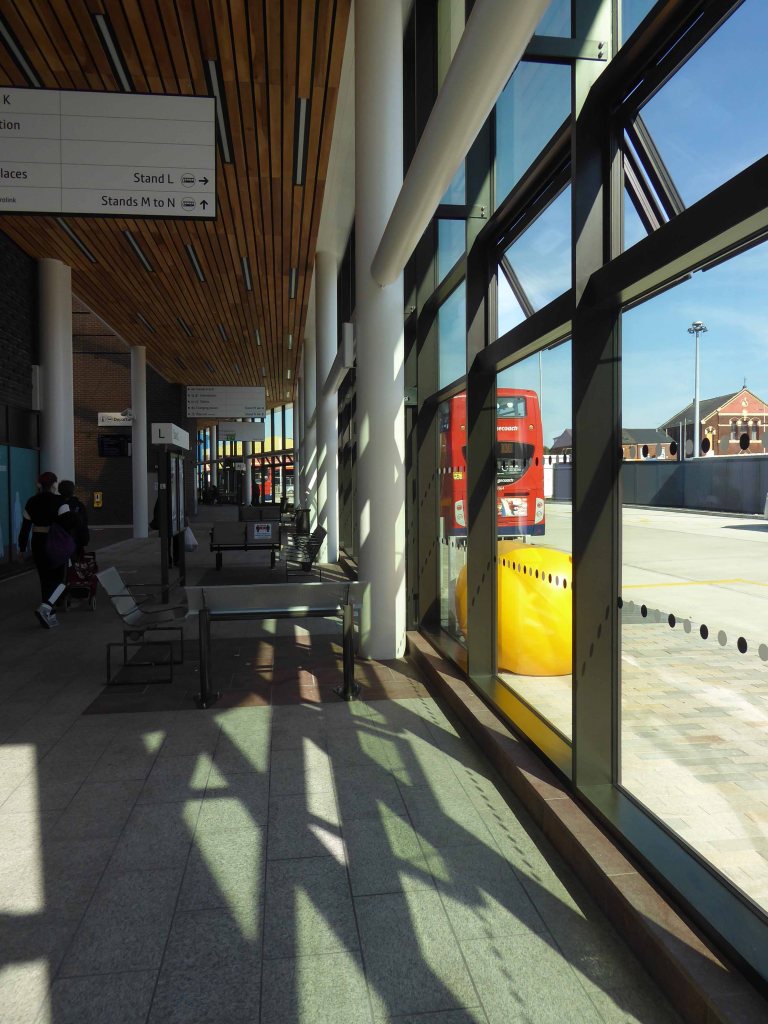
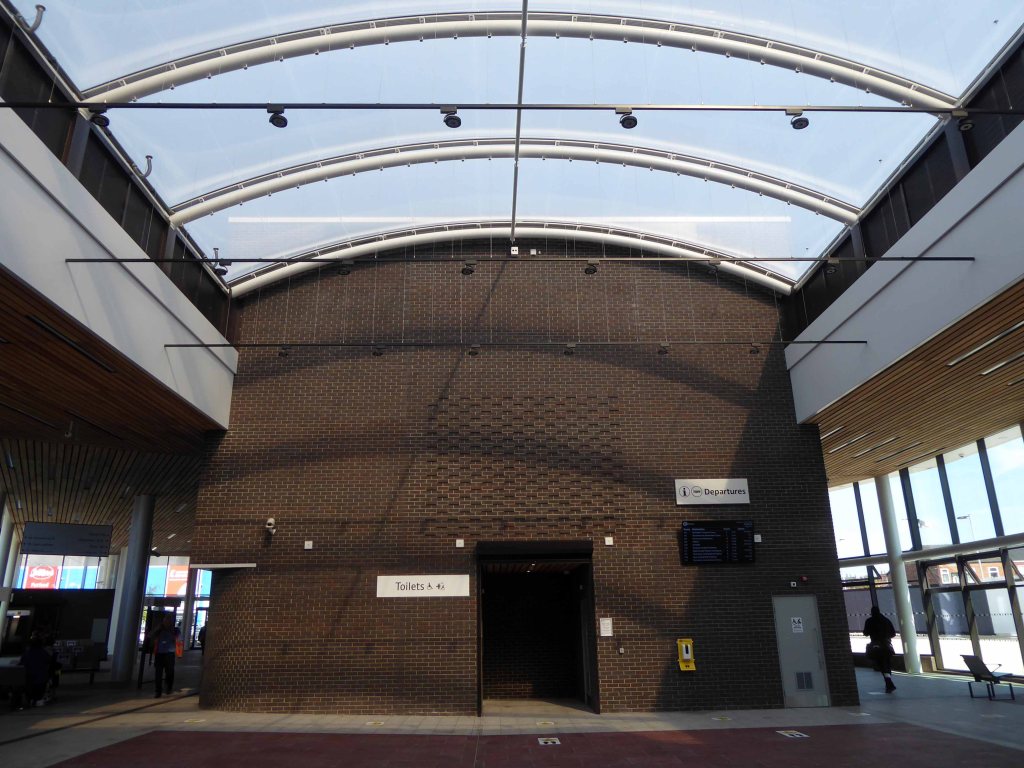
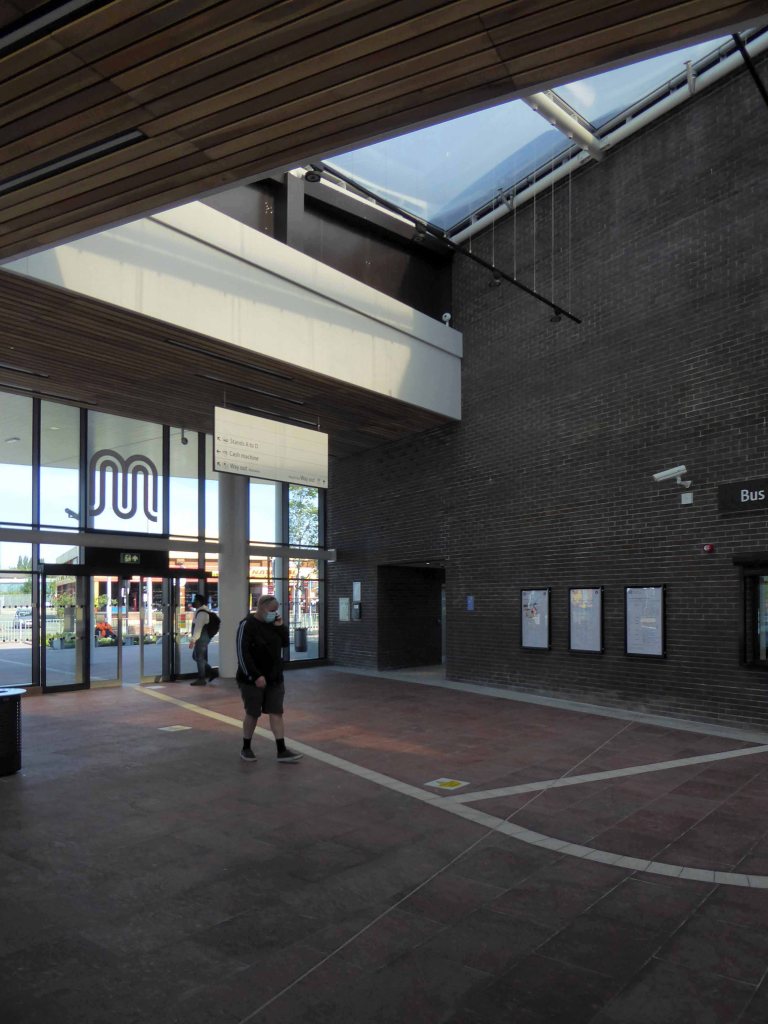
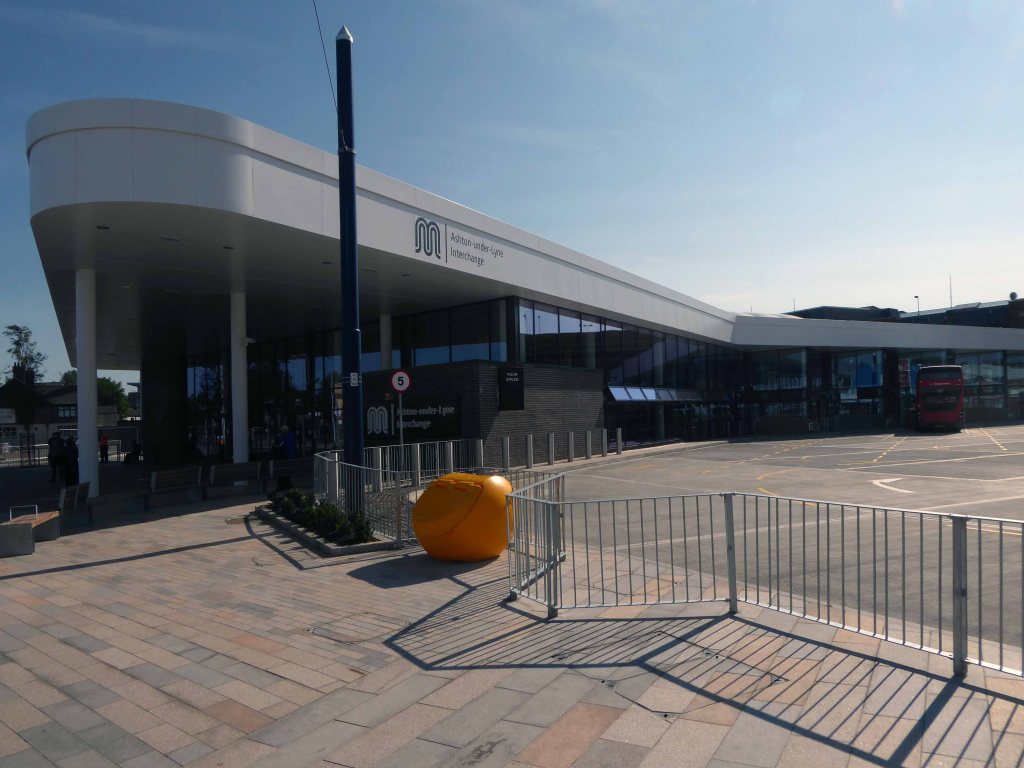
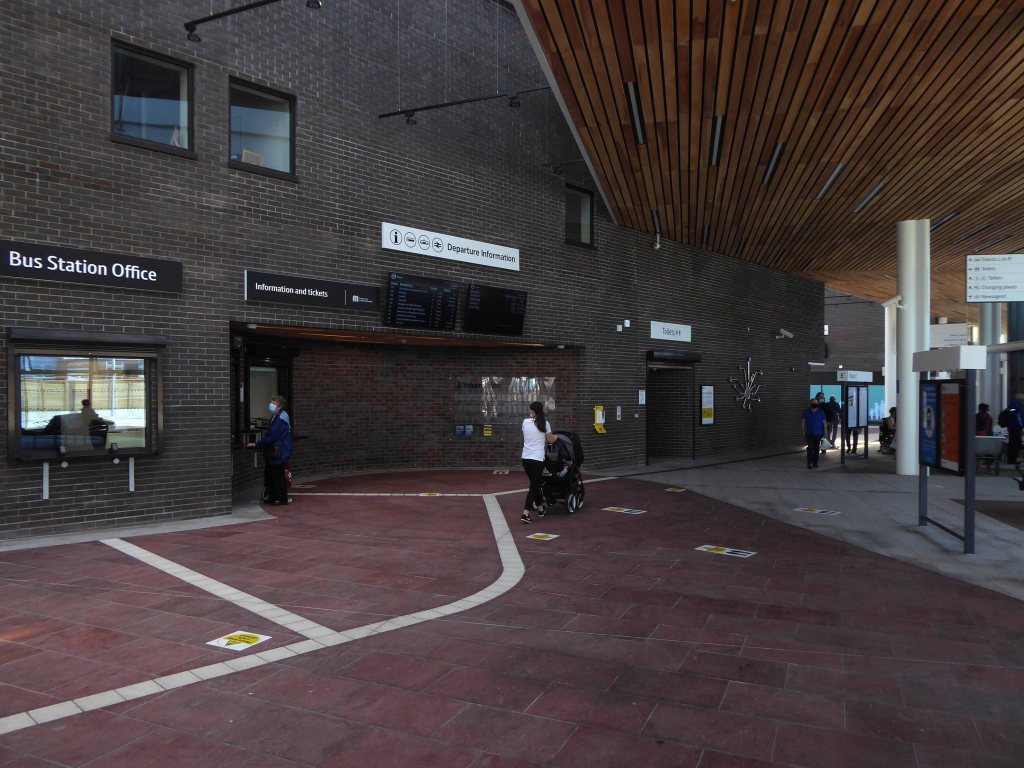
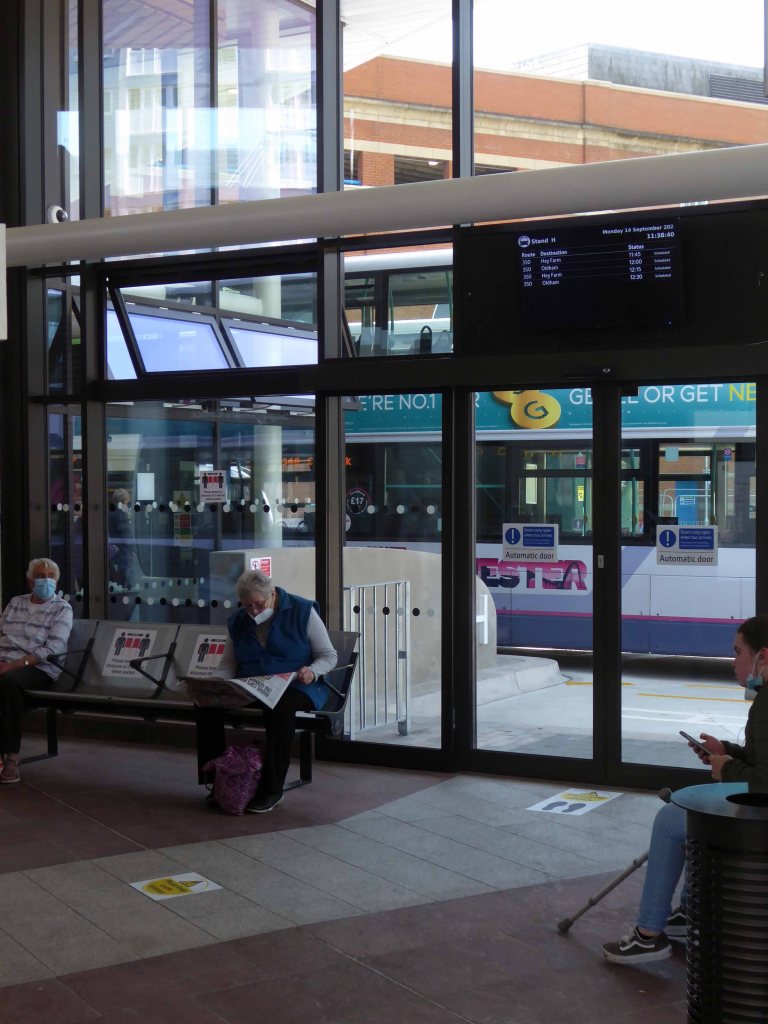
This time as an interchange, where bus, tram and train converge – the most modern of modern ideas.

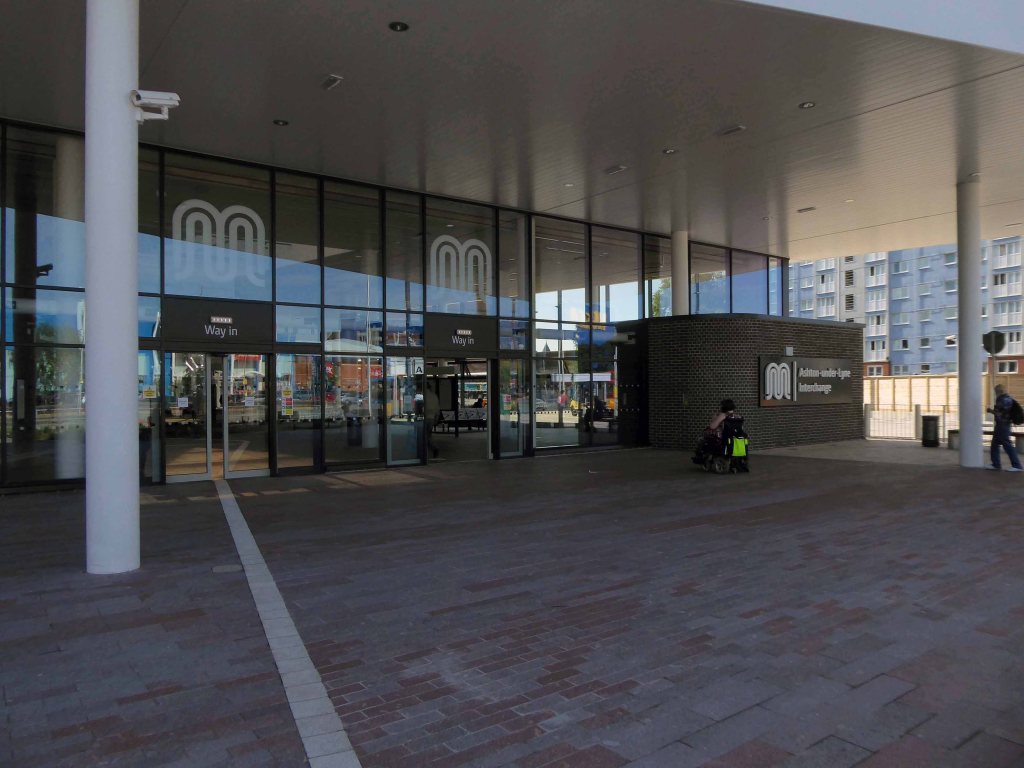
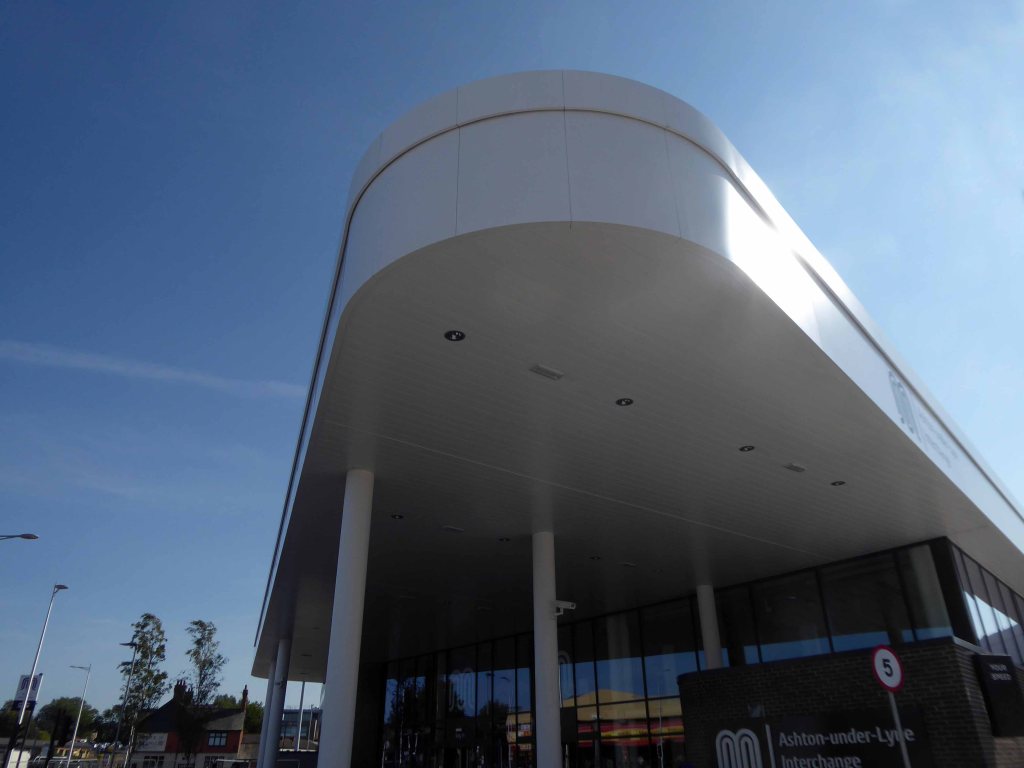
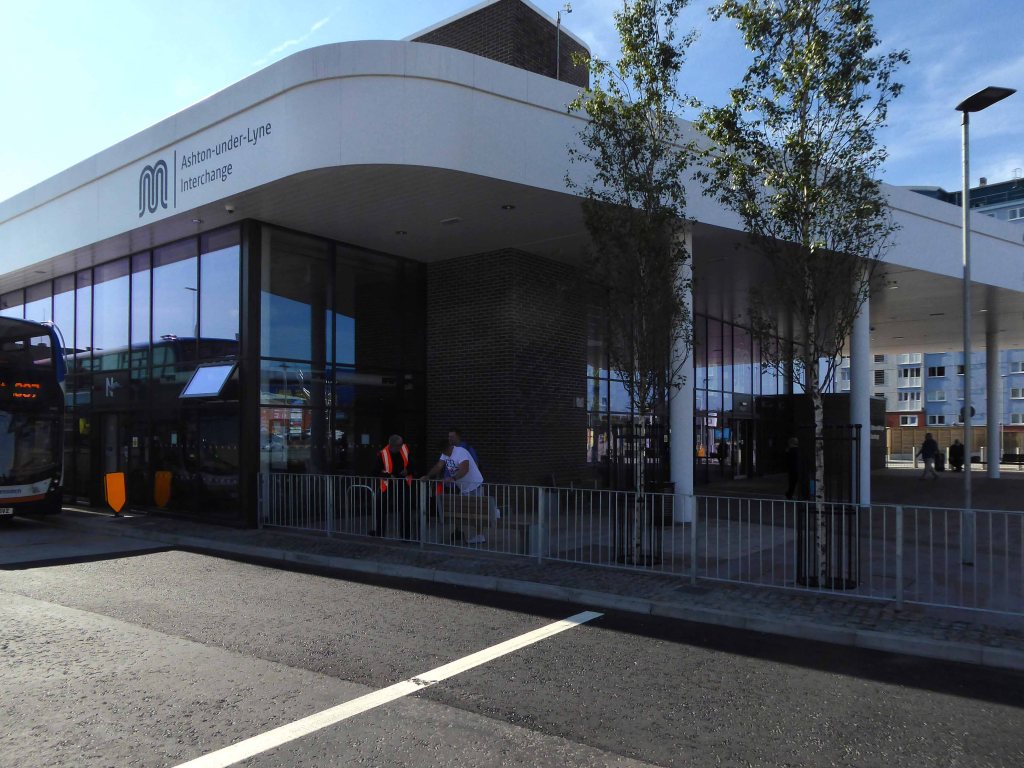
The brand-new Ashton-under-Lyne Interchange is now open, providing passengers with much-improved facilities and a modern, accessible gateway to the town. 

The Interchange supports the economic growth of the town and helps people to get to and from their places of work as well as Ashton’s great shops, markets, restaurants and bars in a modern, safe and welcoming environment.

The Interchange has been developed by Transport for Greater Manchester in partnership with Tameside Council and funded with support from central government’s Local Growth Deal programme.

The building contractor was VINCI Construction UK. 

Architects were Austin Smith Lord

I managed to get there, just before I wasn’t supposed to get there.

So goodbye to all this:

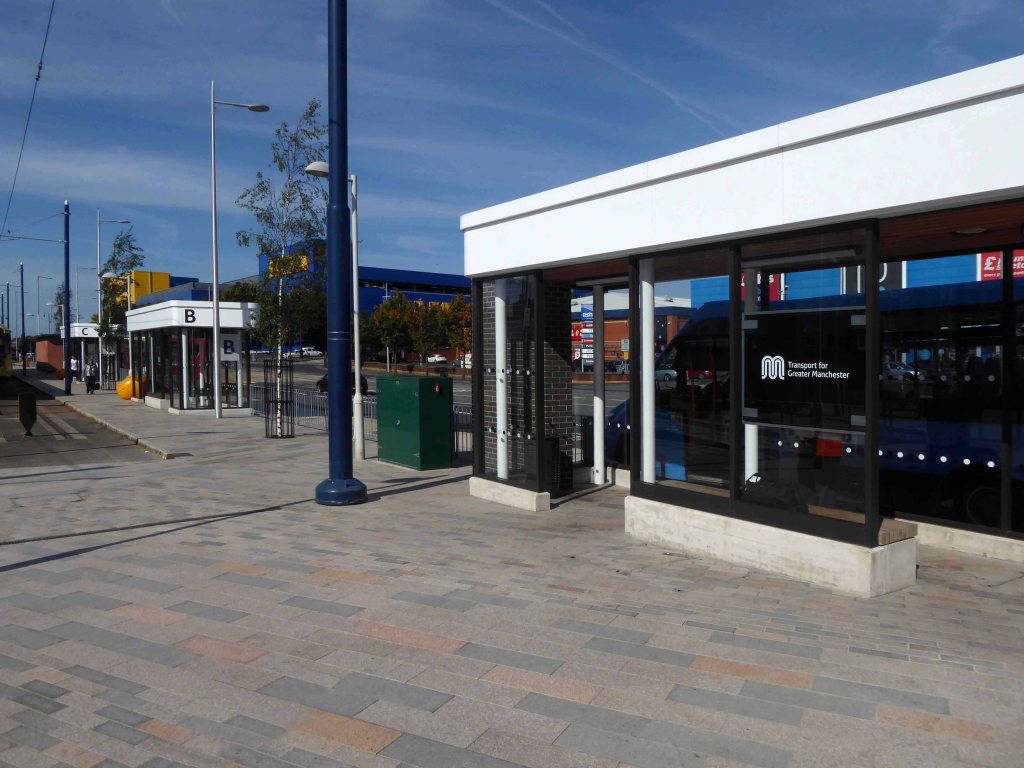
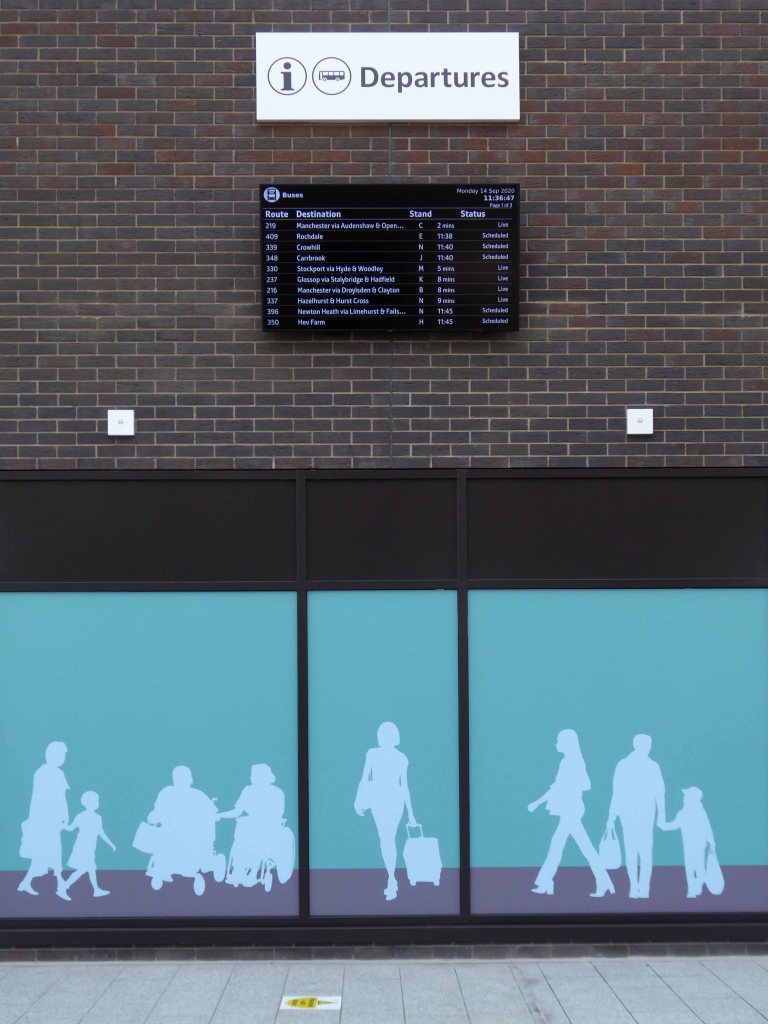
No more exposed pedestrian crossings, draughty shelters orange Ms, and analogue information boards.

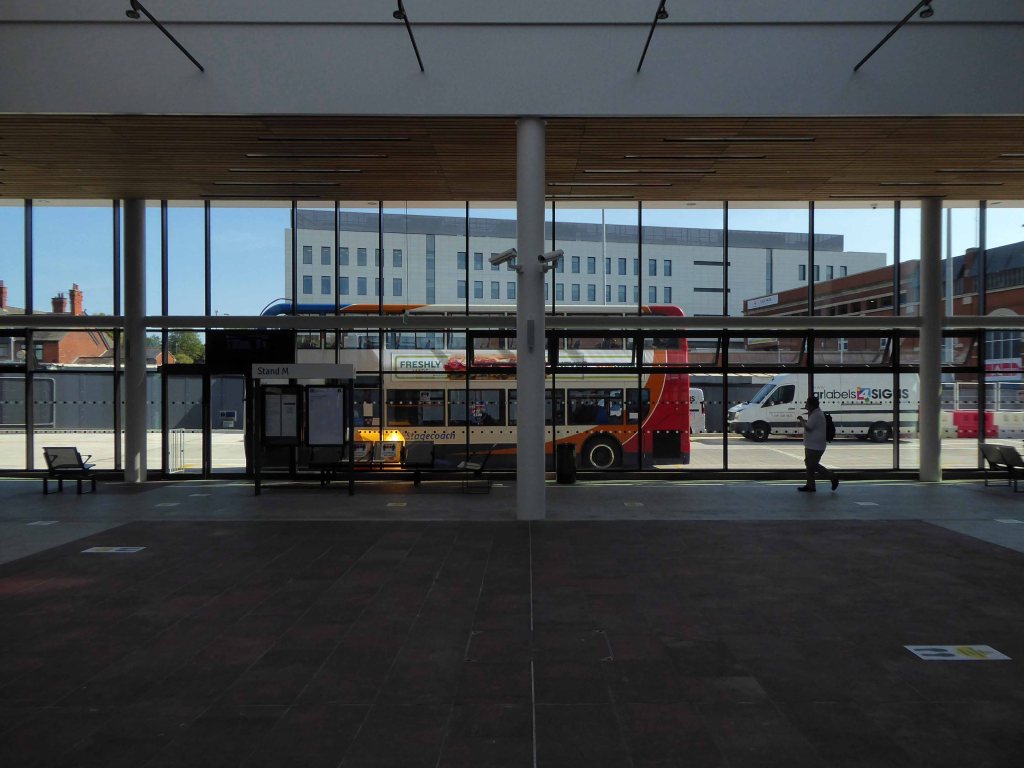
It’s an integrated, enclosed, digitally connected, well-lit, secure unit.

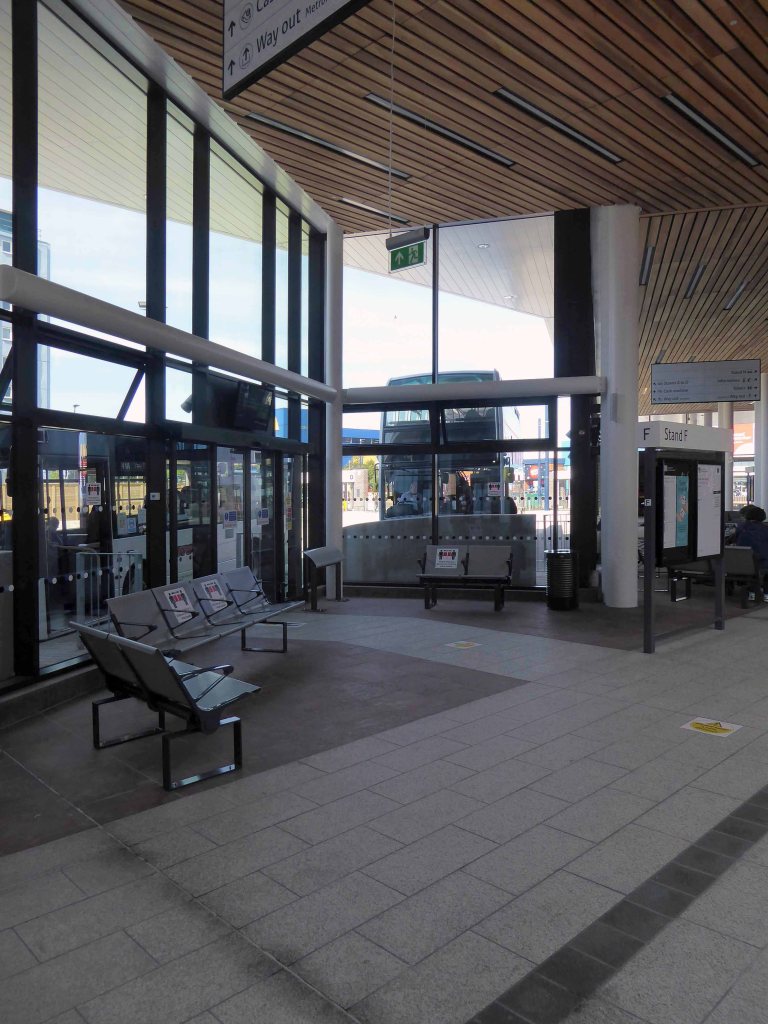
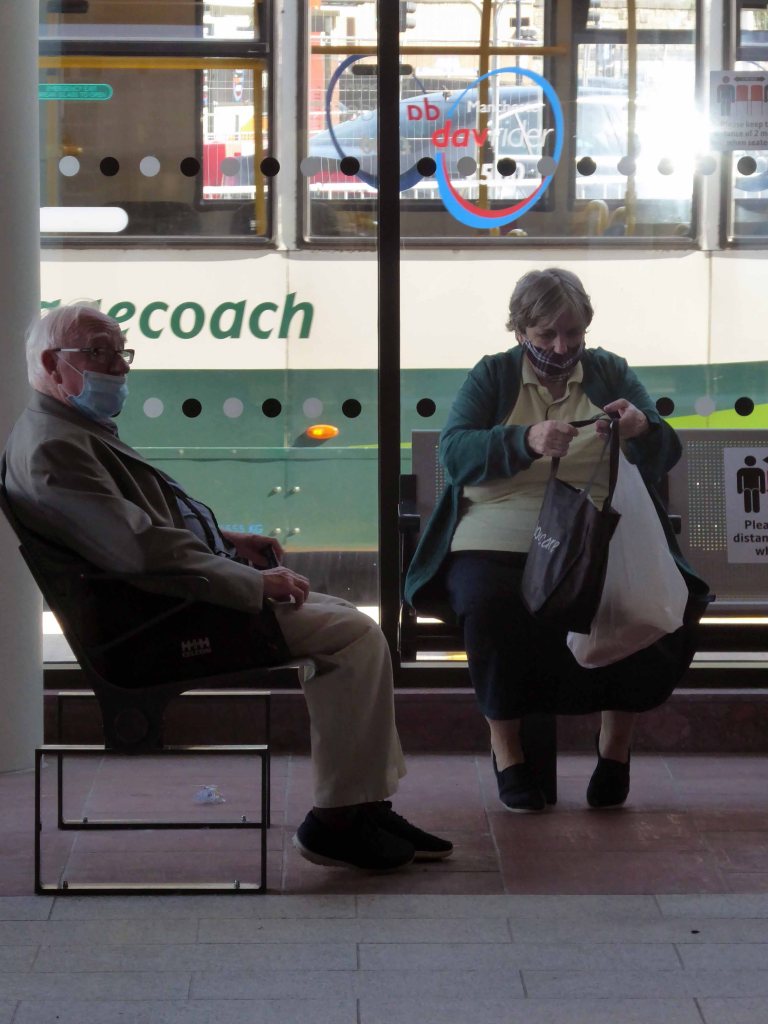
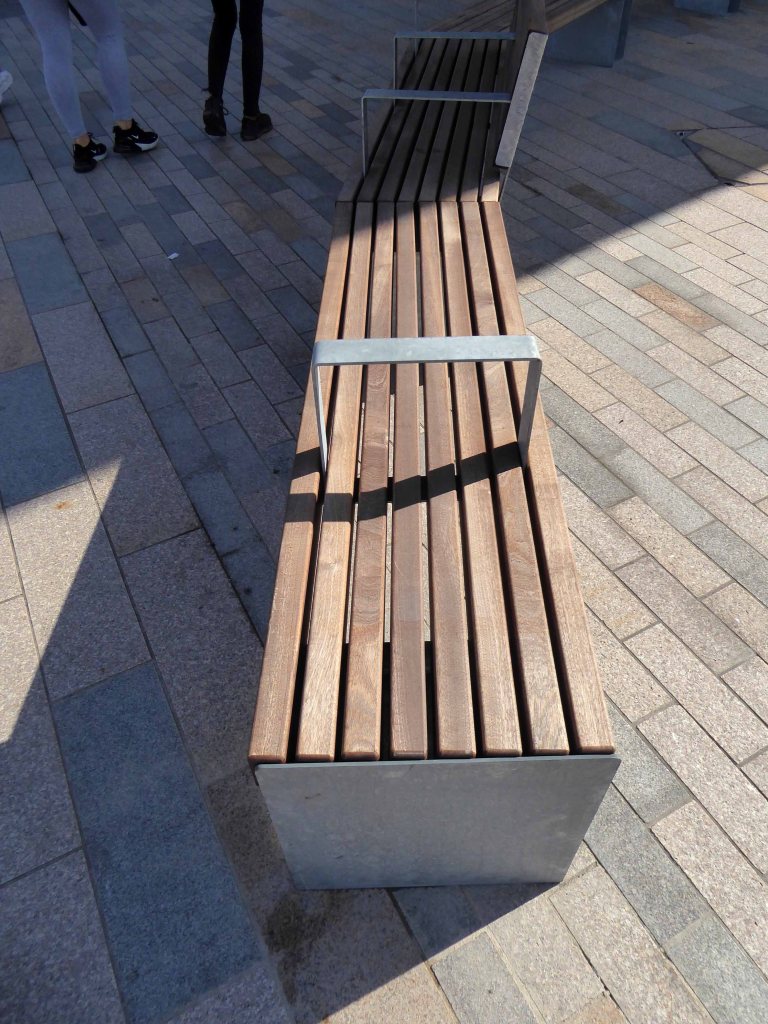
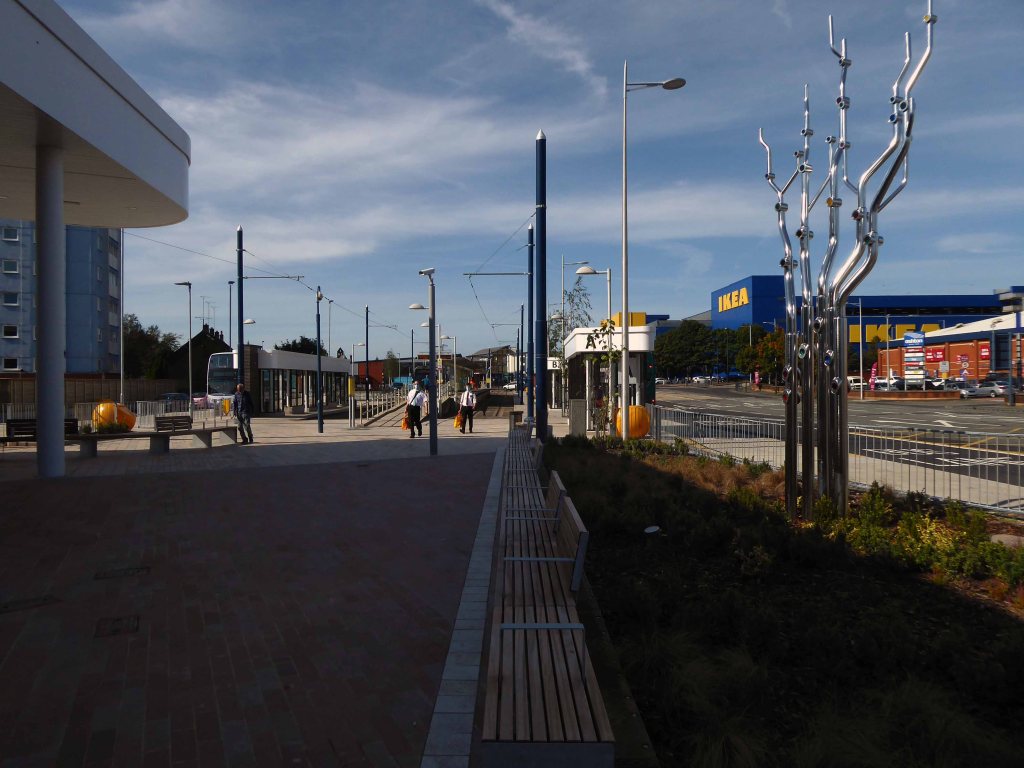
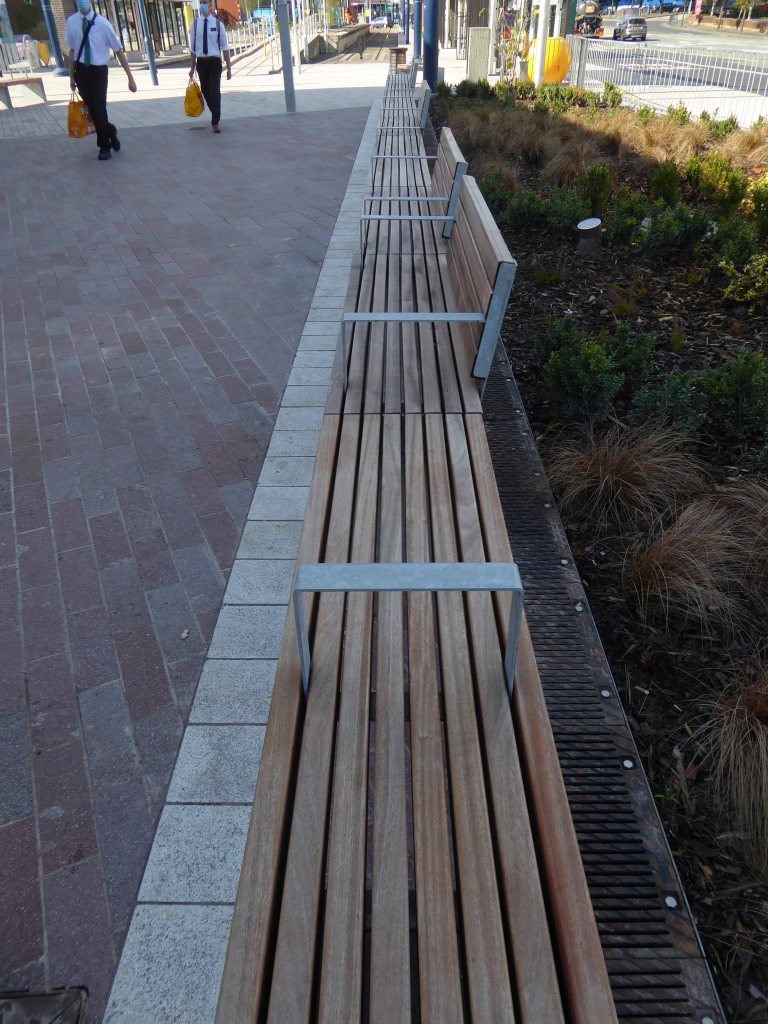
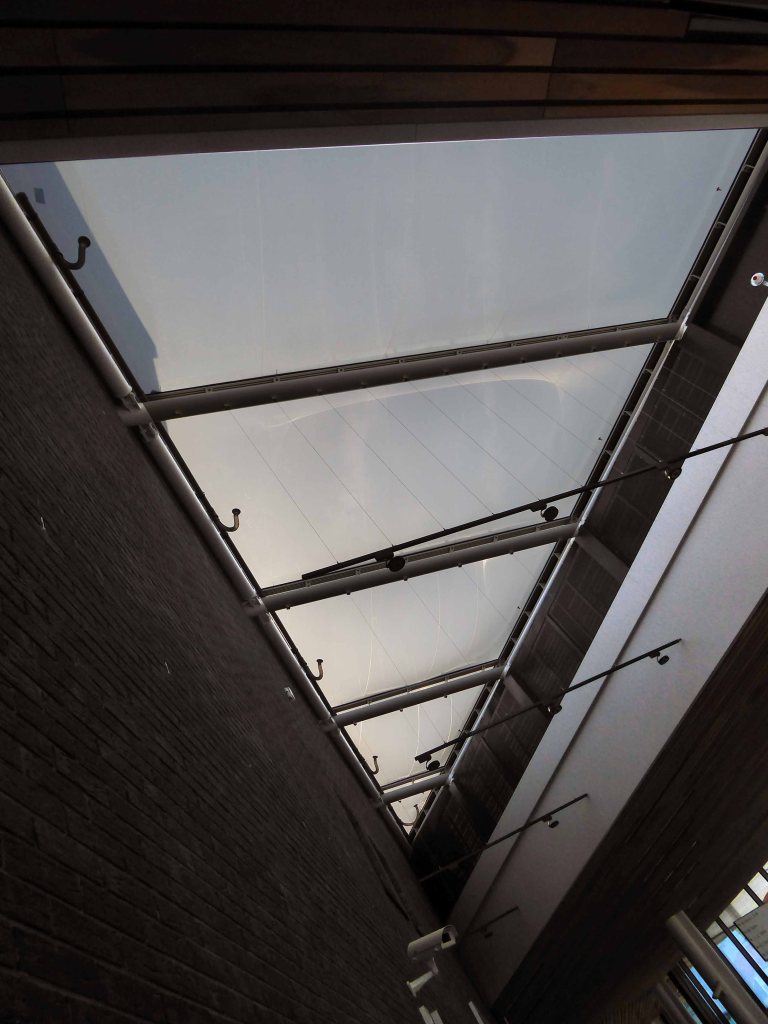
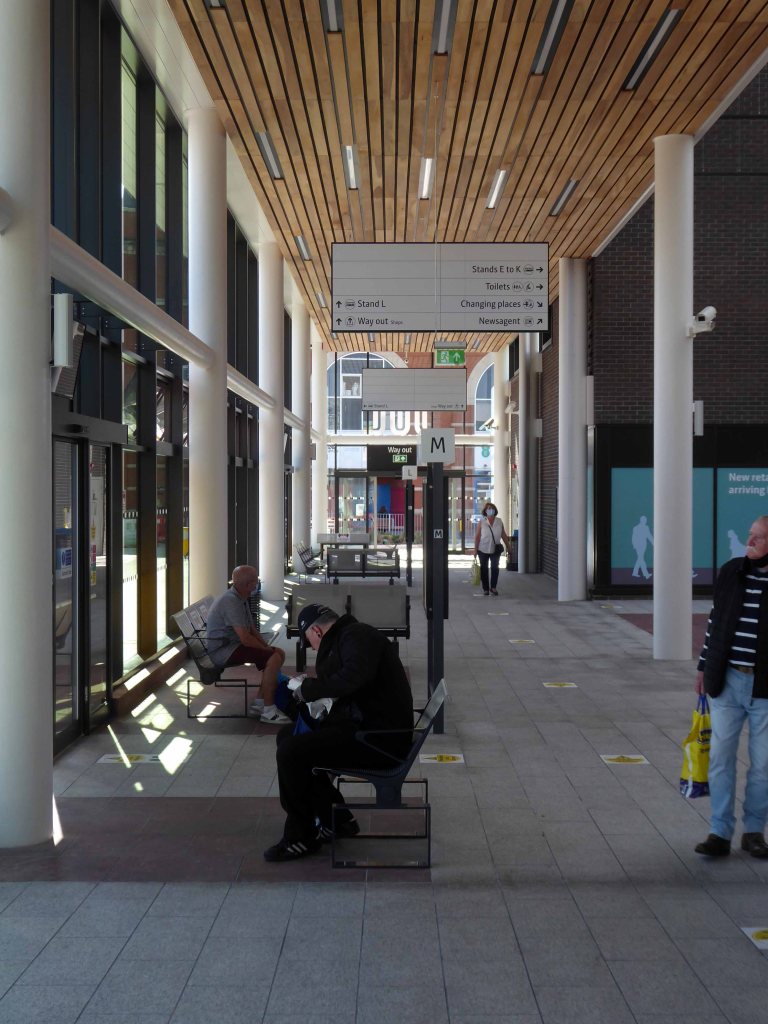
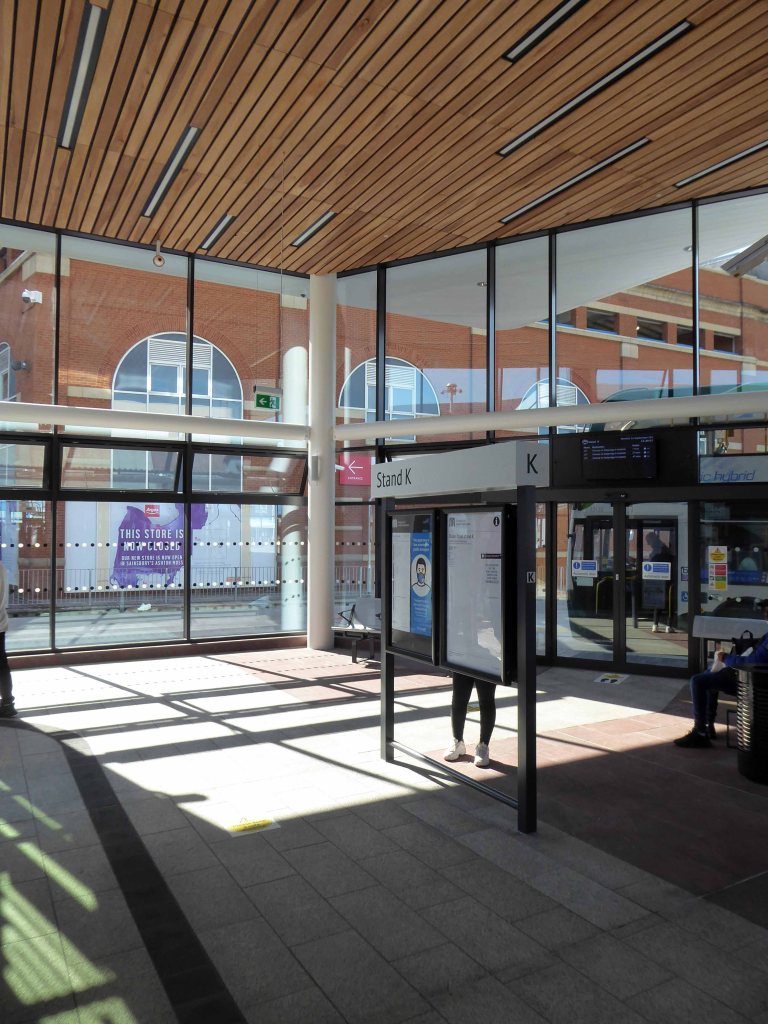
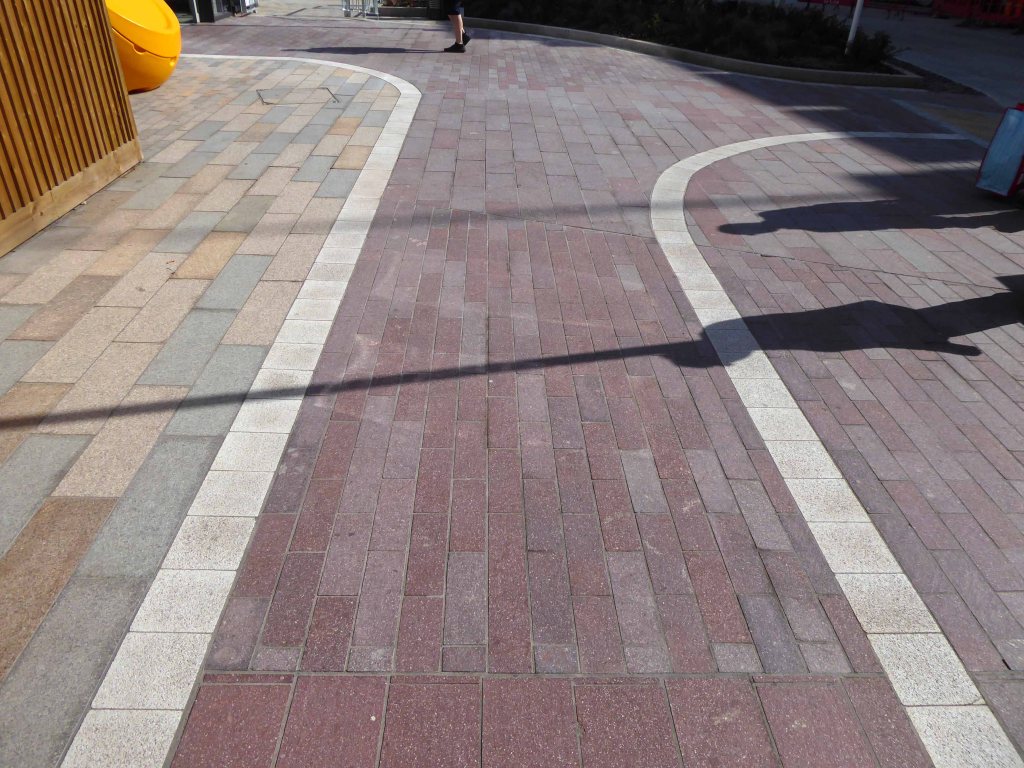
I found it to be light, bright and well-used; a fine mix of glass, steel, brick, concrete and timber.

Spacious, commodious and clearly signed.

Linked to the shopping precinct.

It’s almost finished – I hope that everyone is happy?

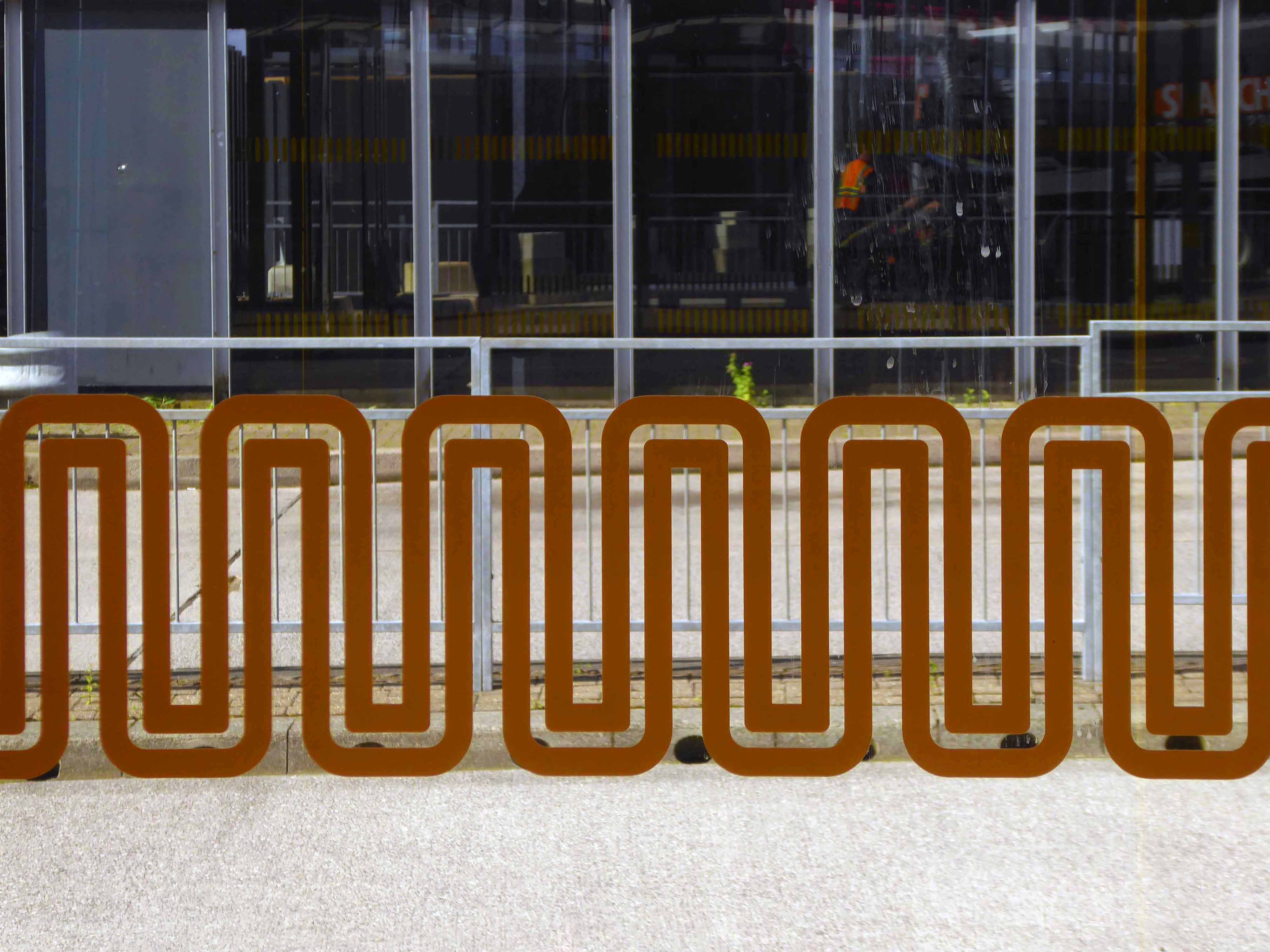
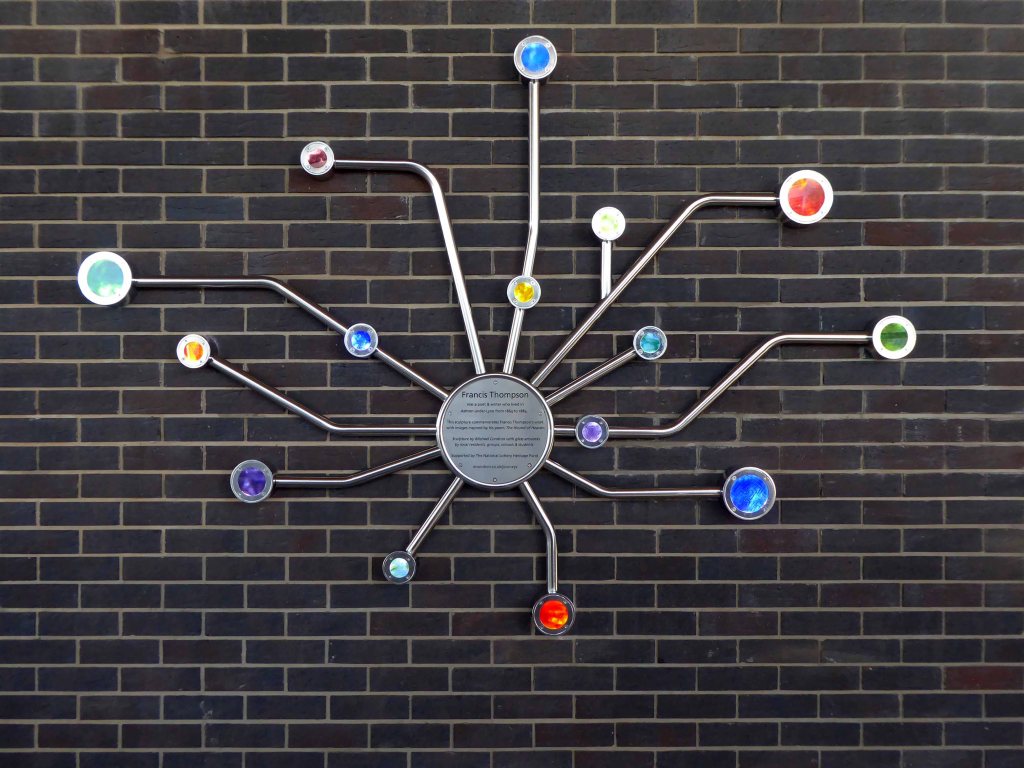
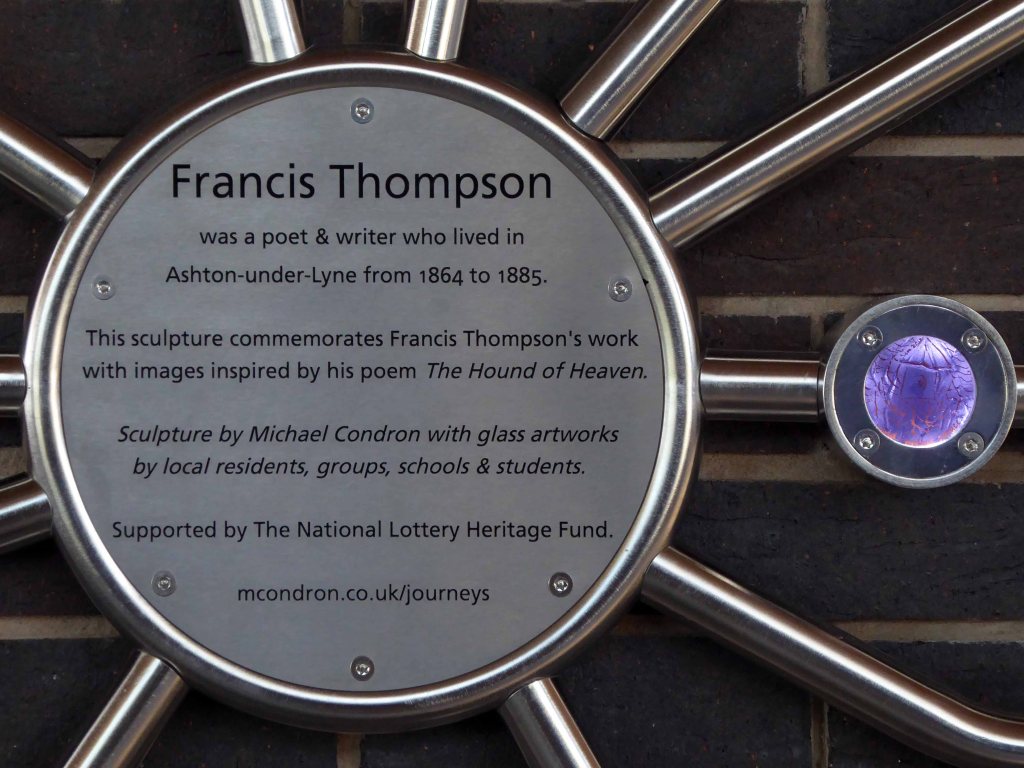
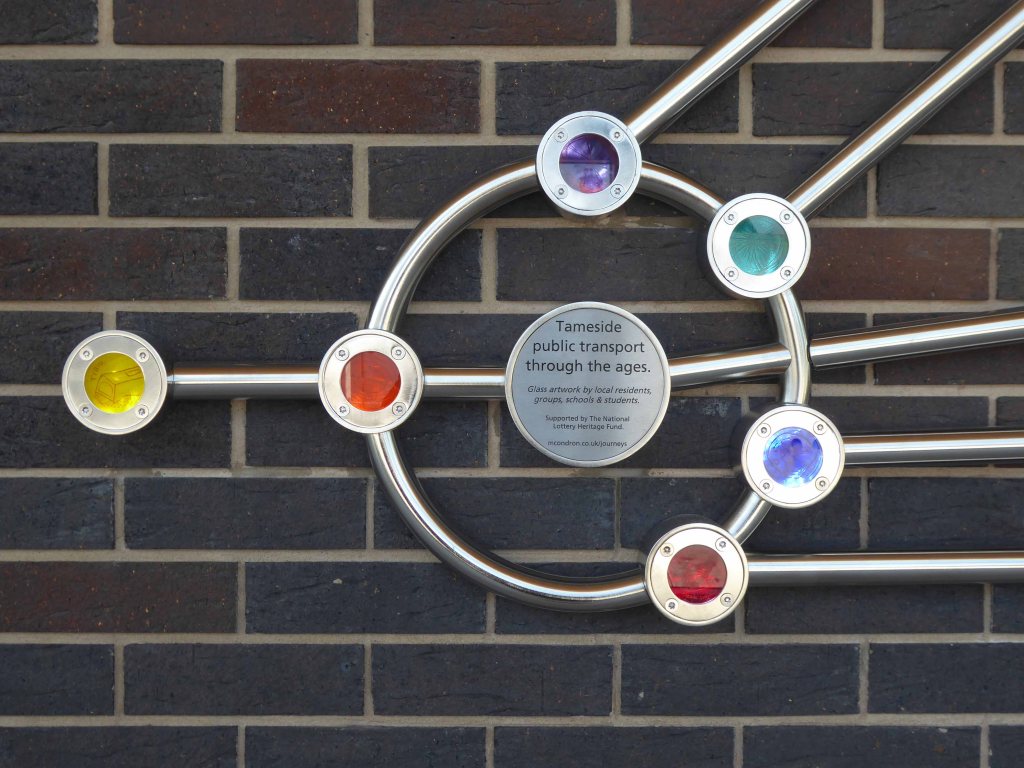
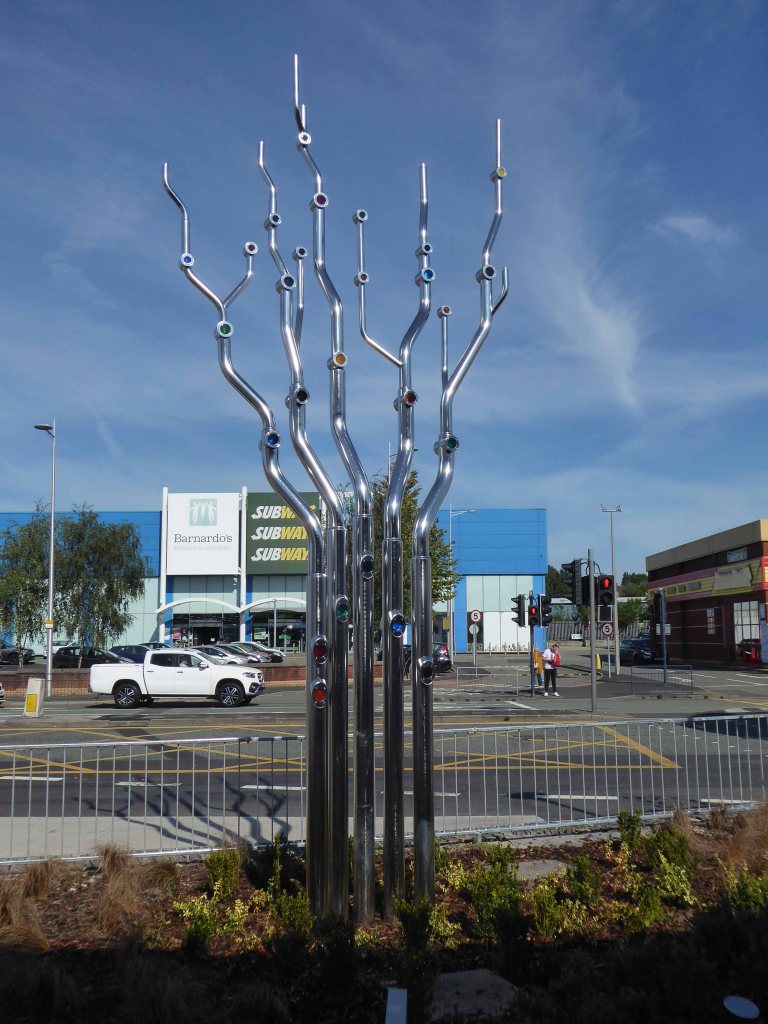
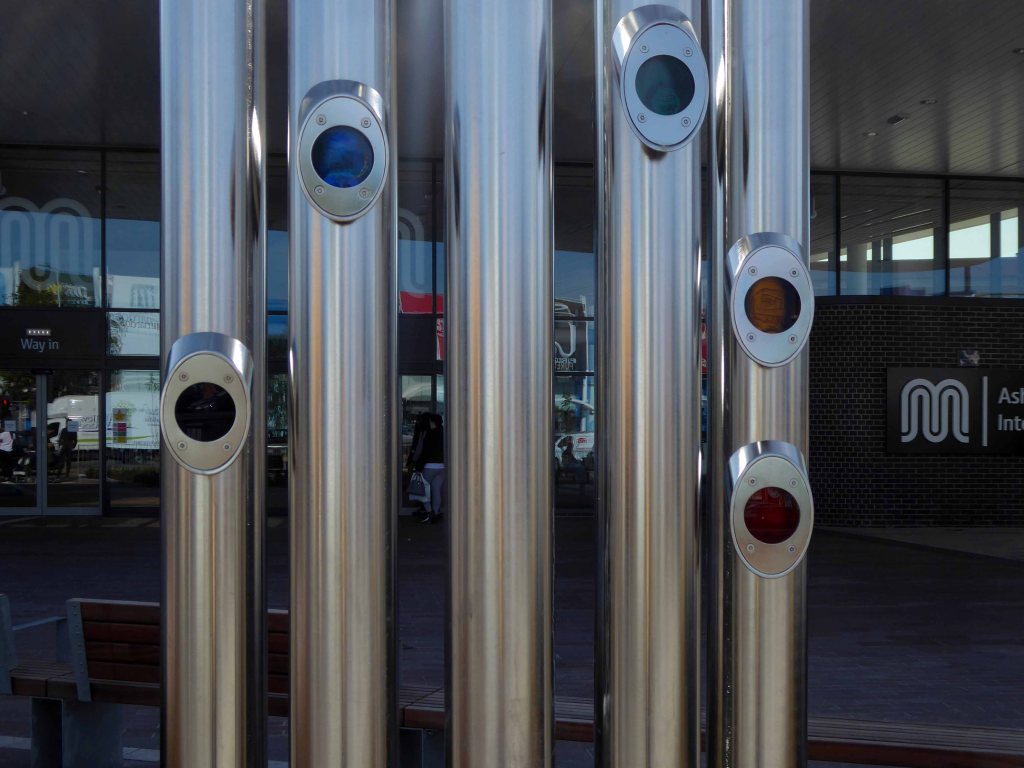
They even found Lottery Heritage monies to fund public art.

The work of Michael Condron and a host of local collaborators.

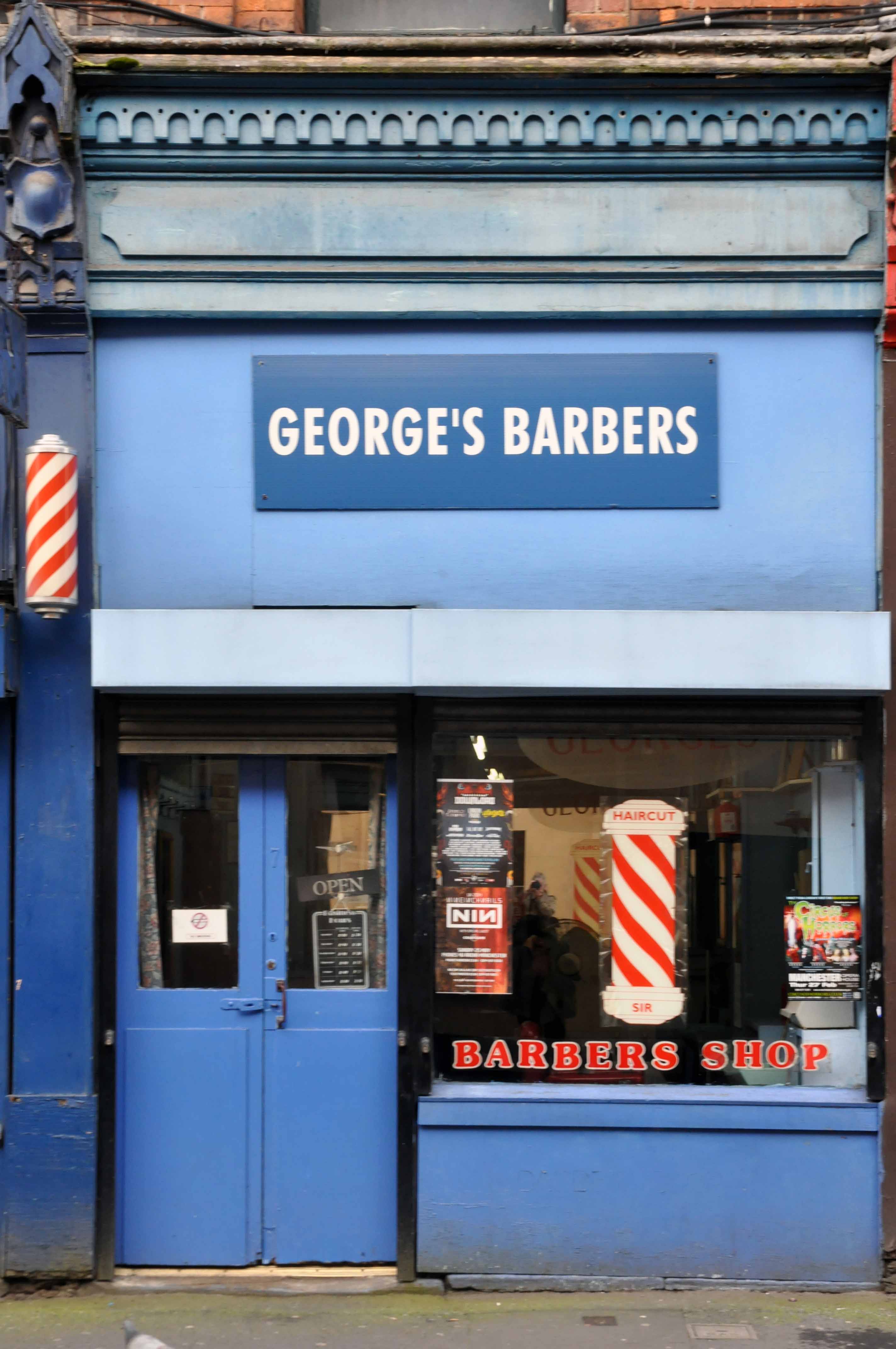
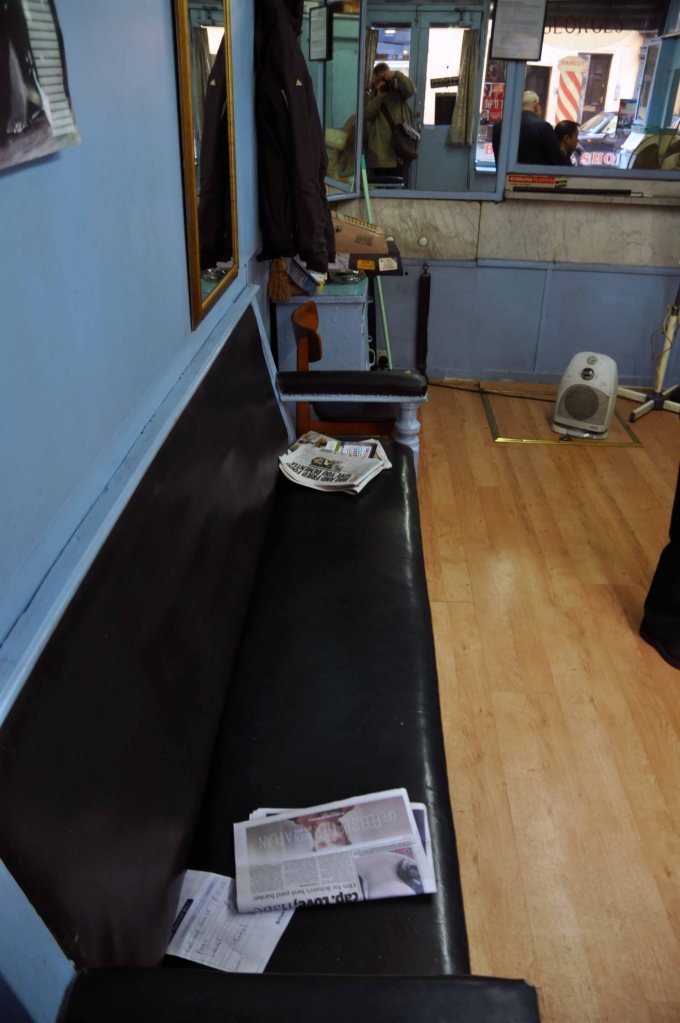
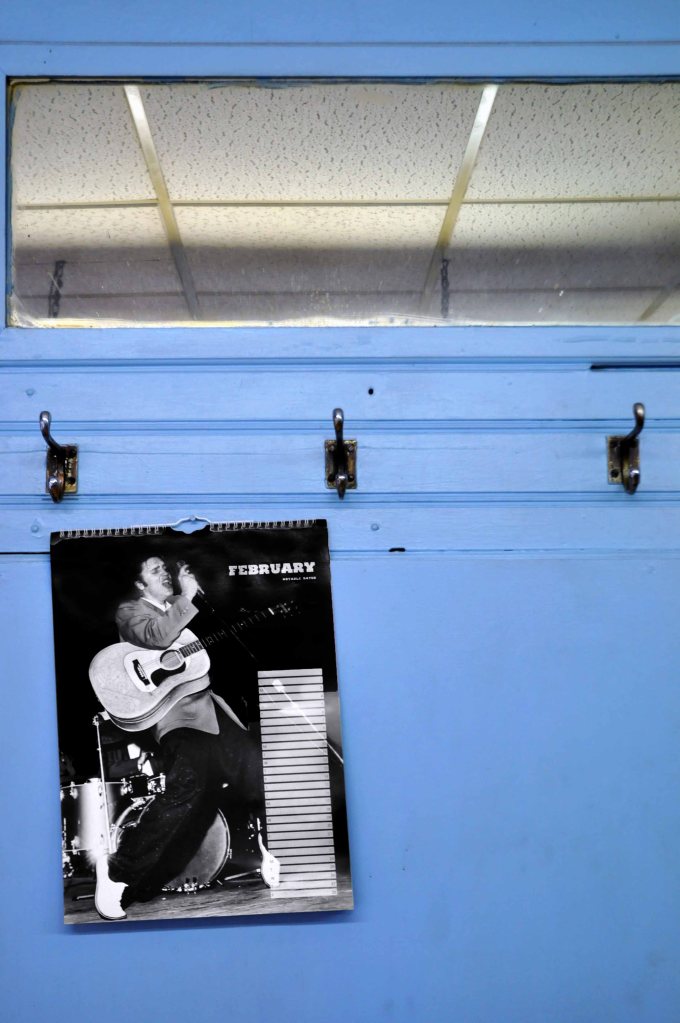
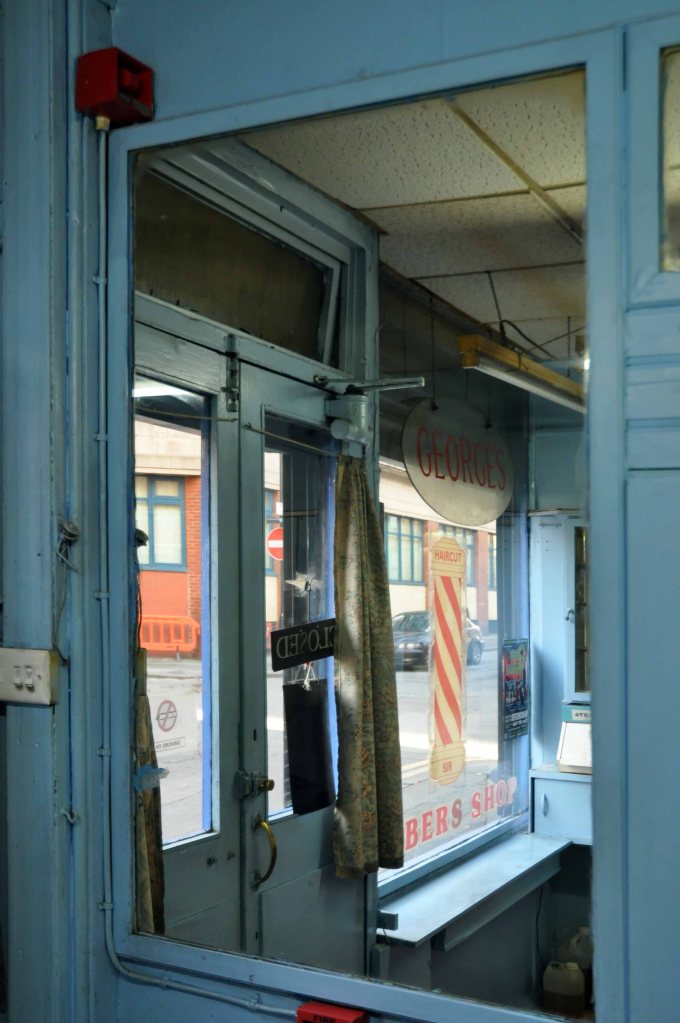
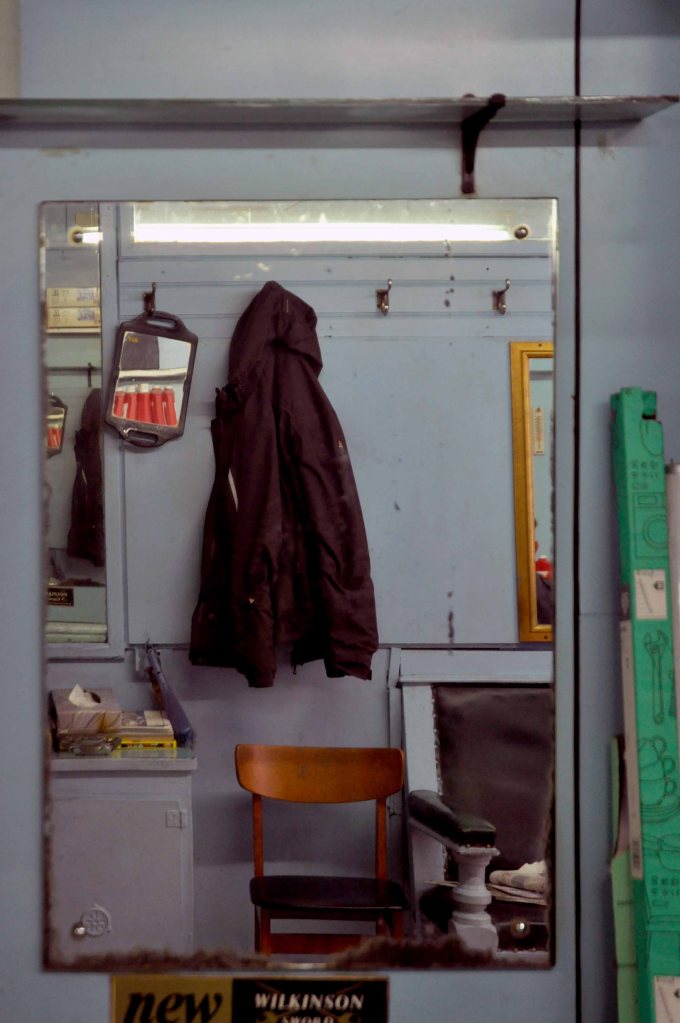
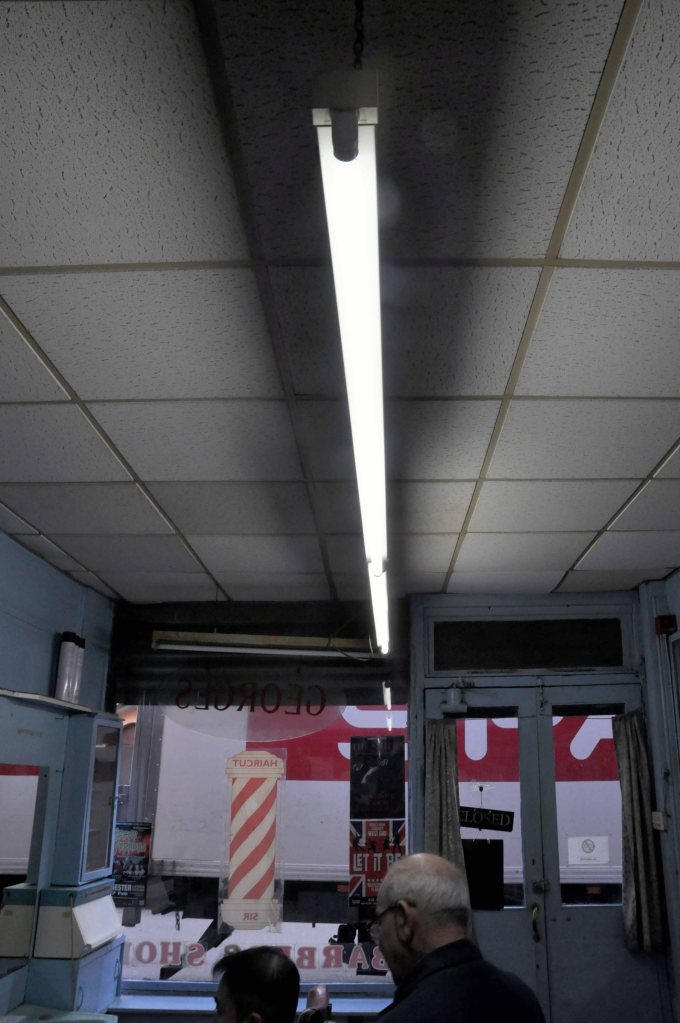
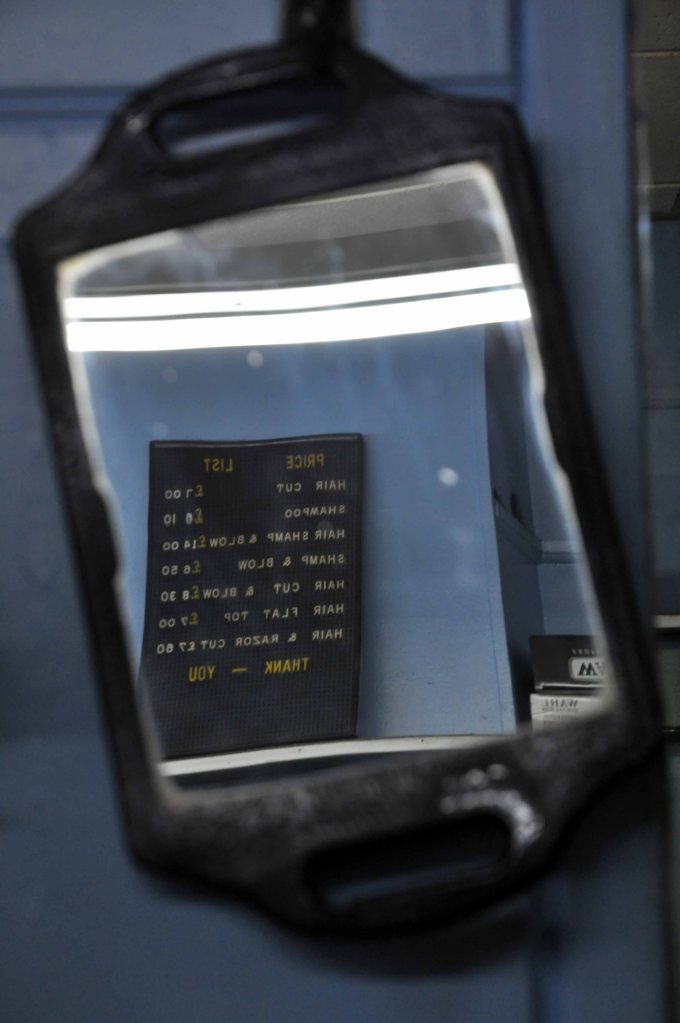
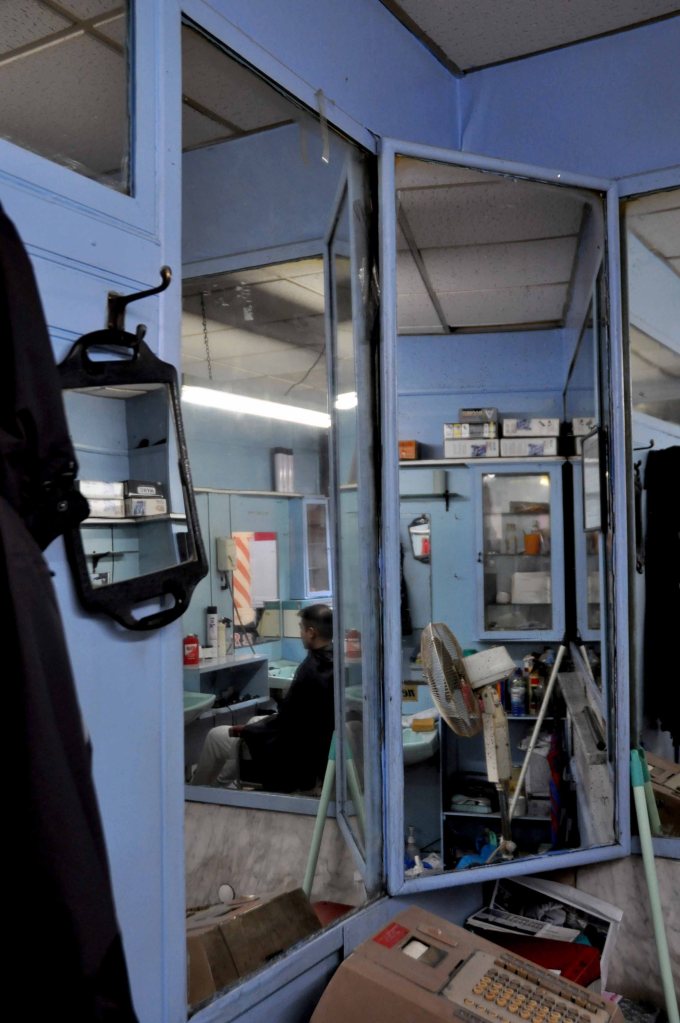
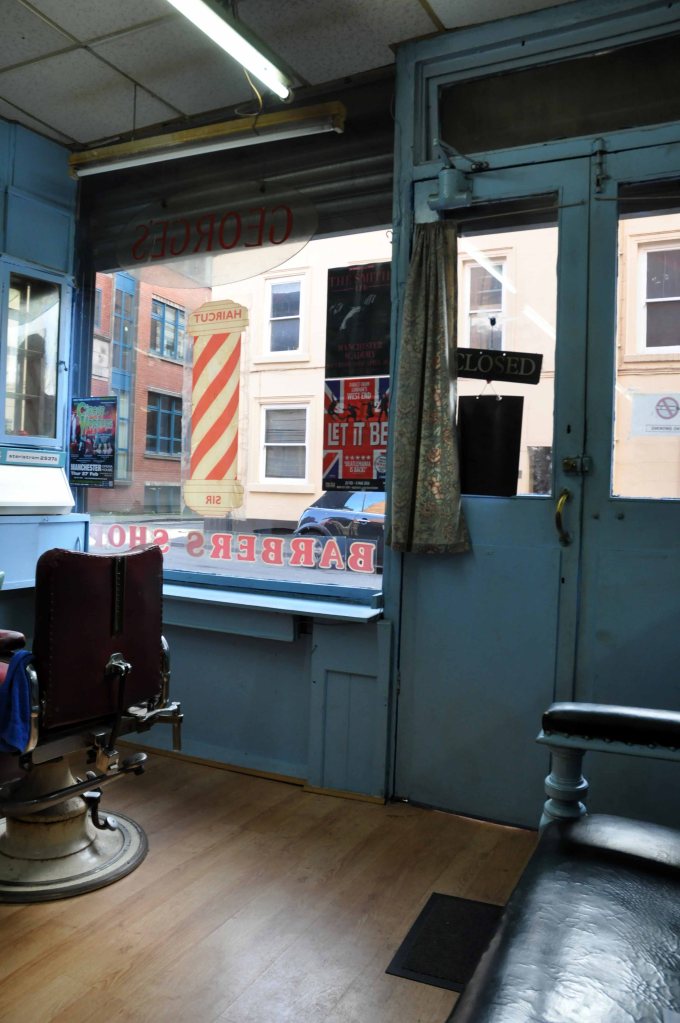
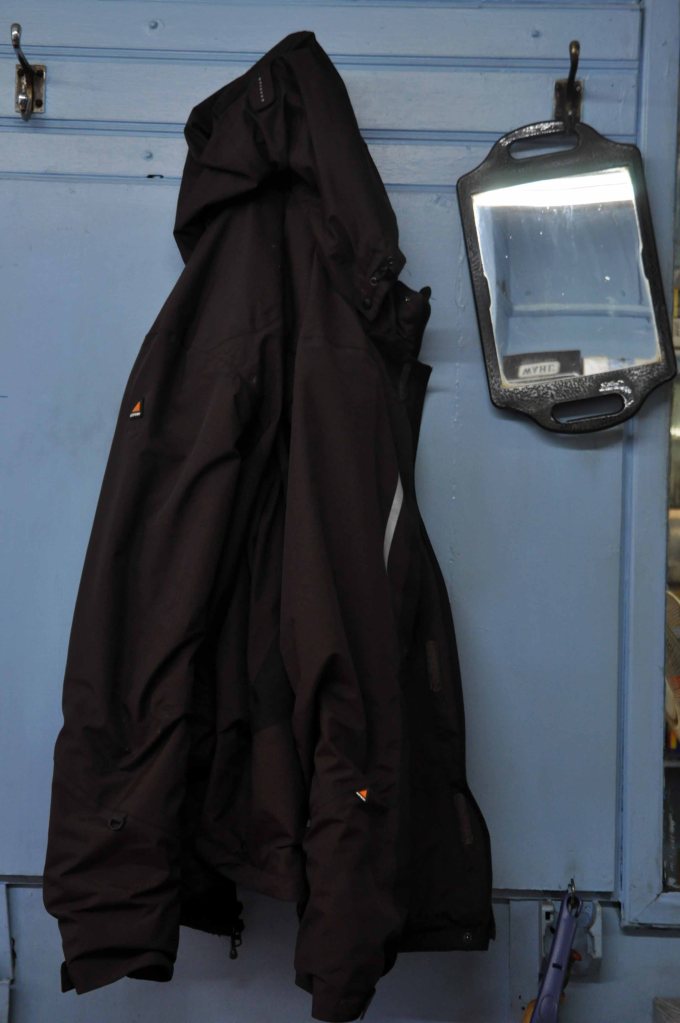
George’s Barbers – Manchester

7 Paton Street M1 2BA

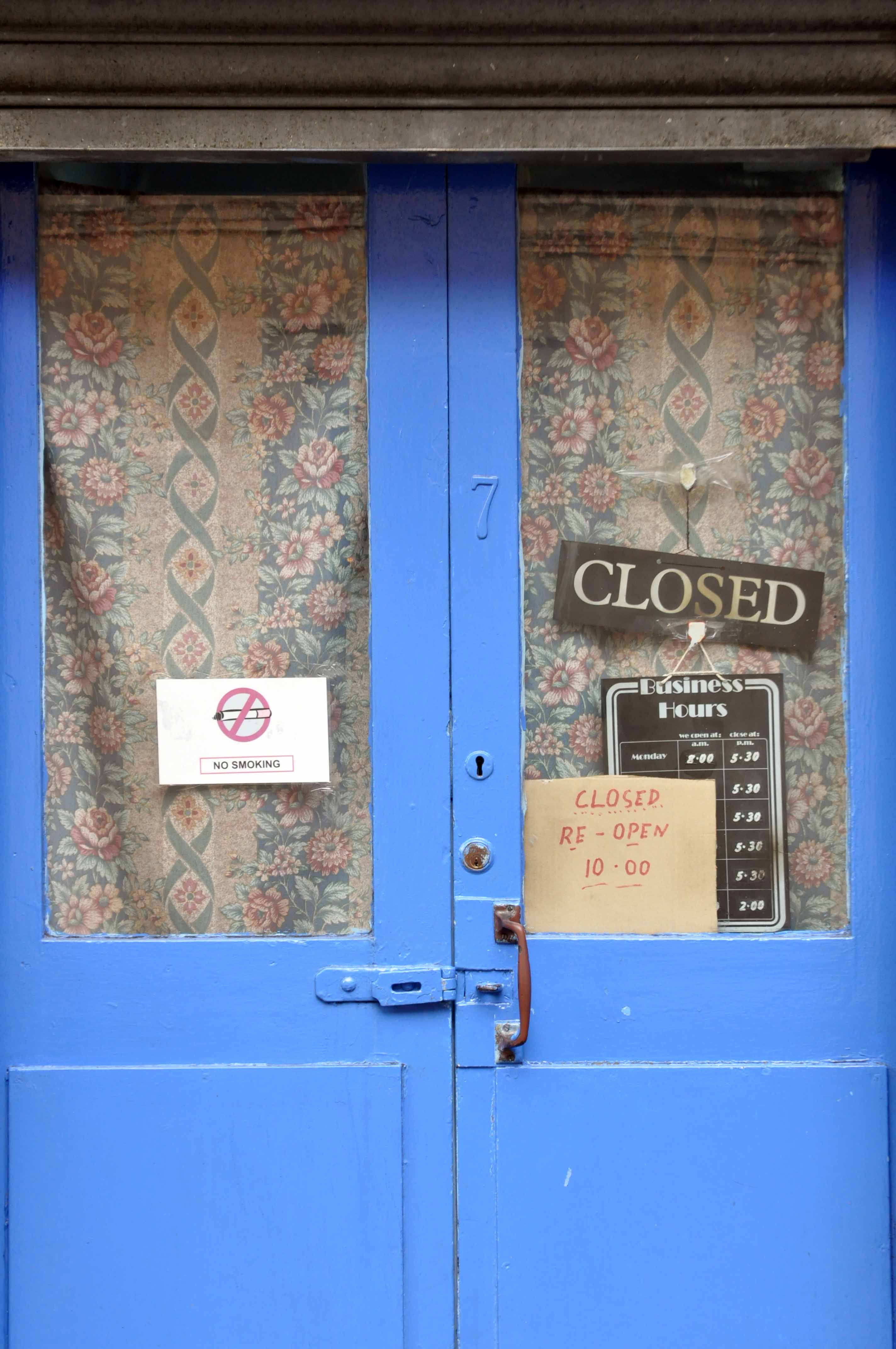
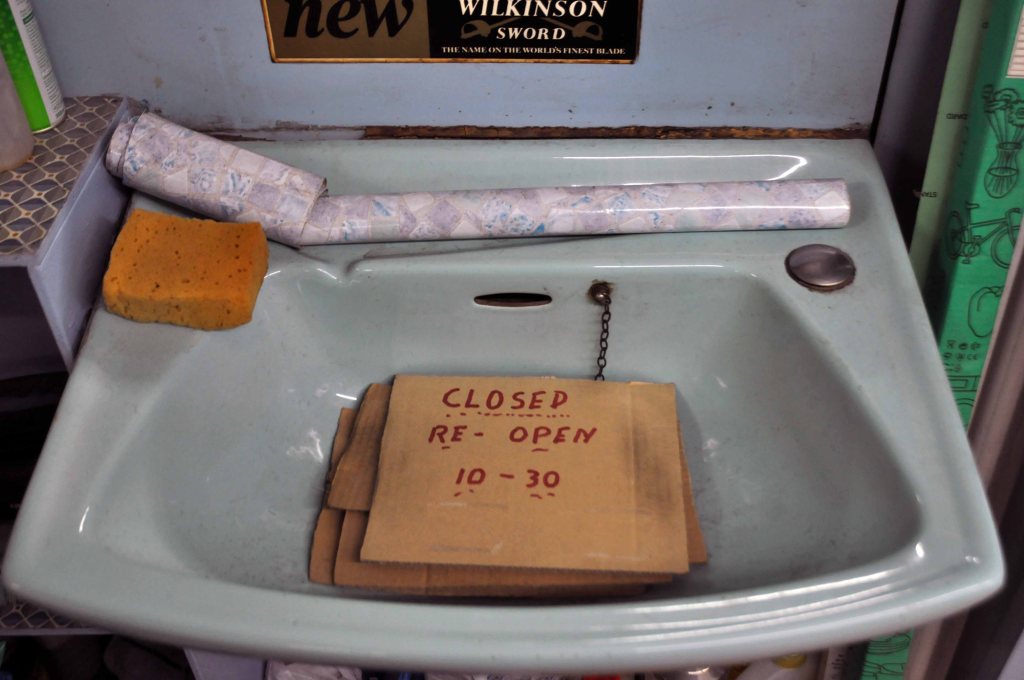
I came here on February 25th 2014, arrived early the shop was still closed, I’ll pop back.

Walked around the block and found that true to his word, he had re-opened.

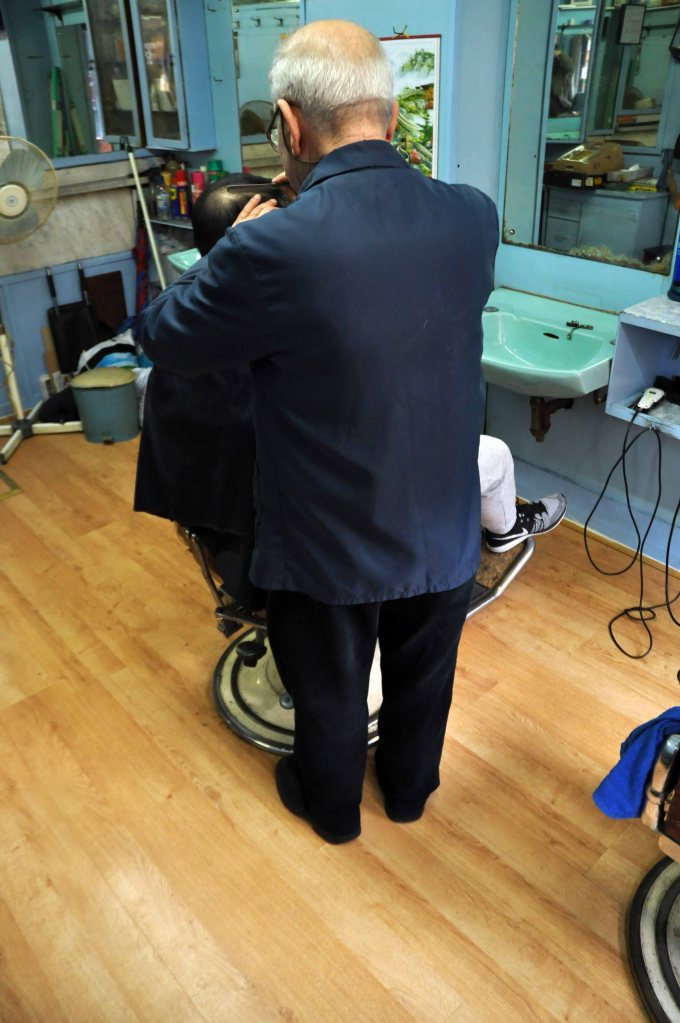
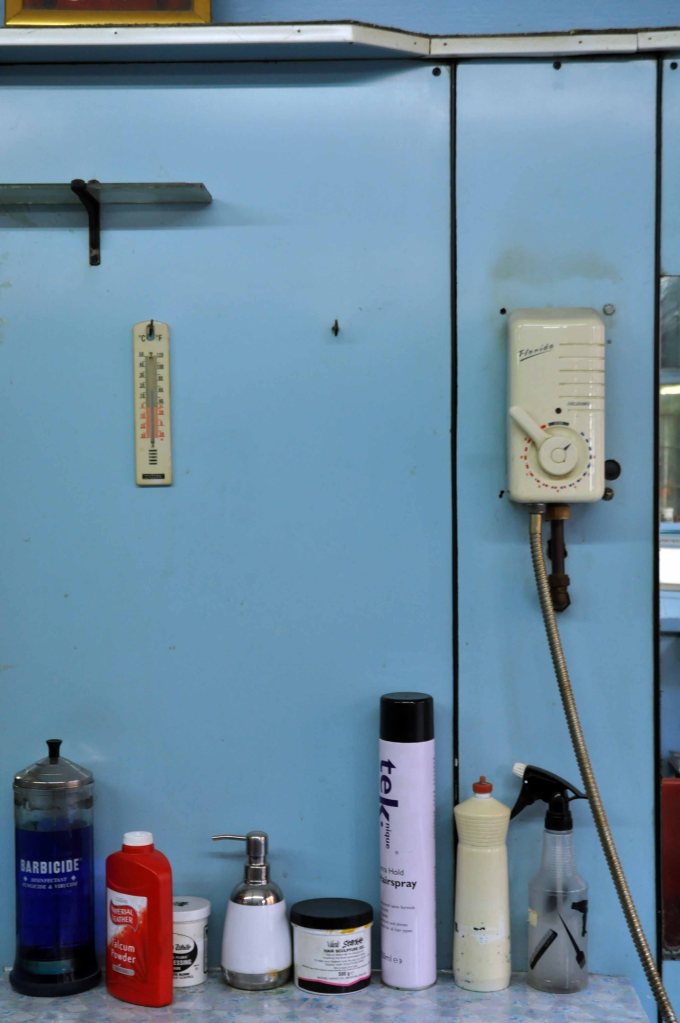
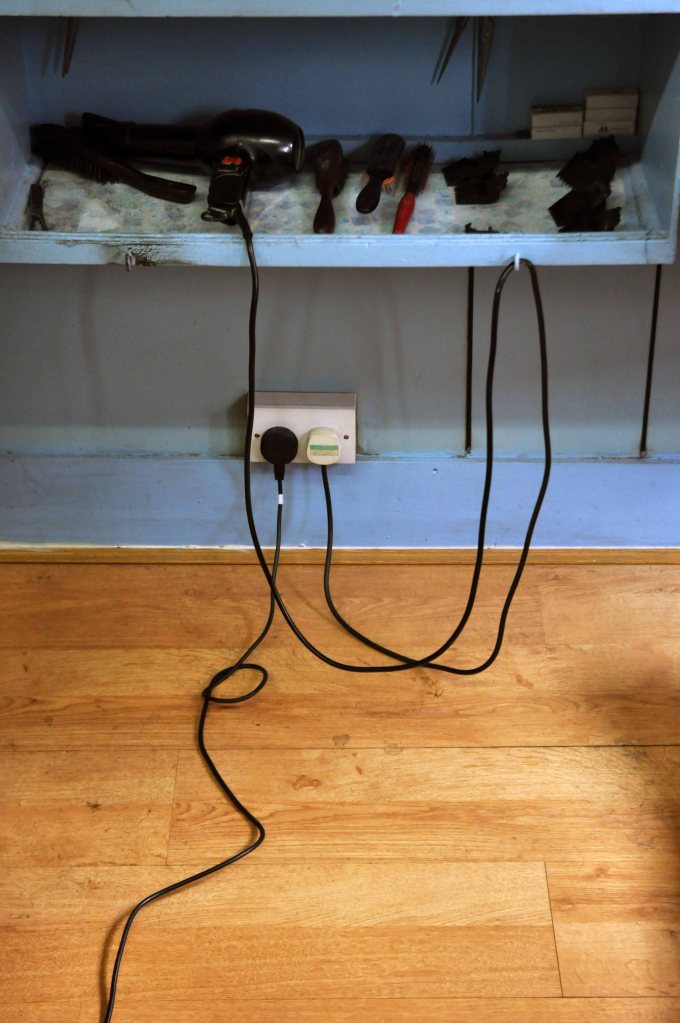
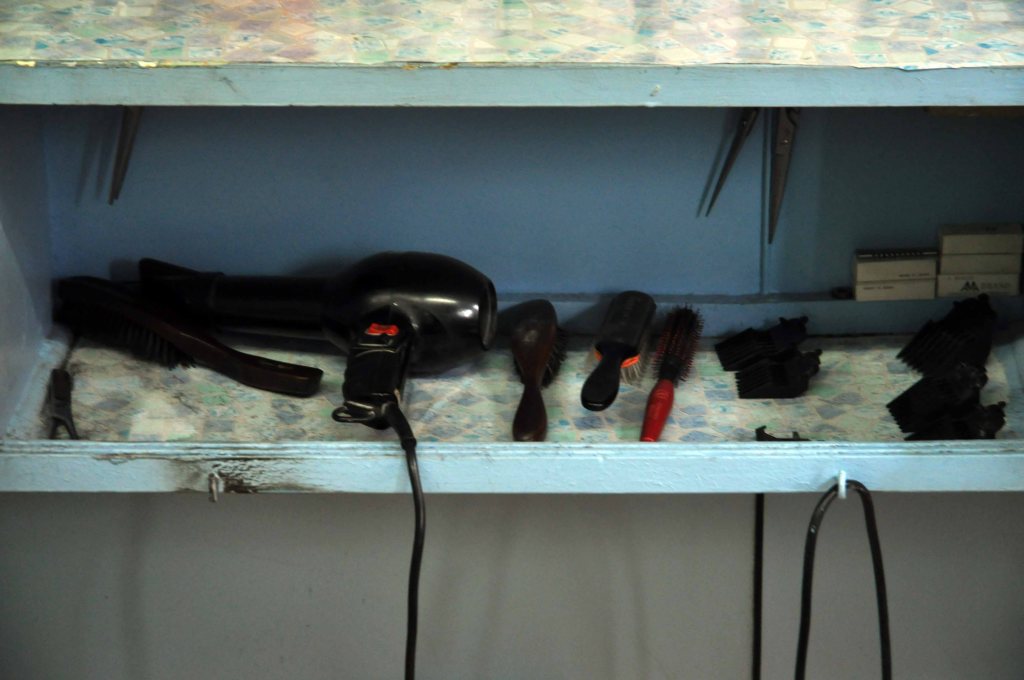
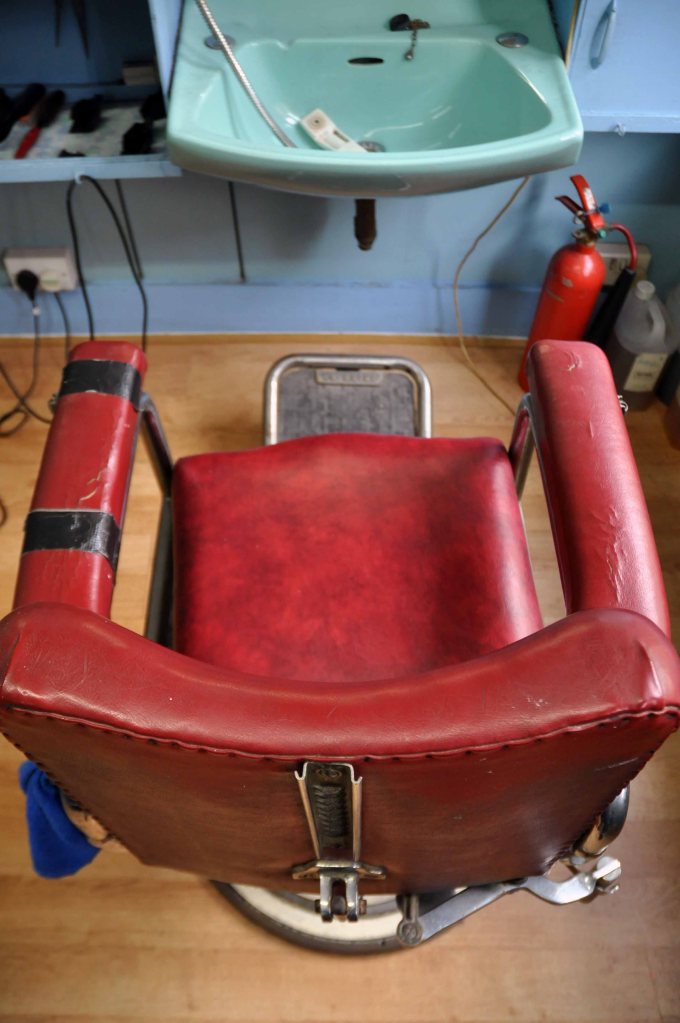
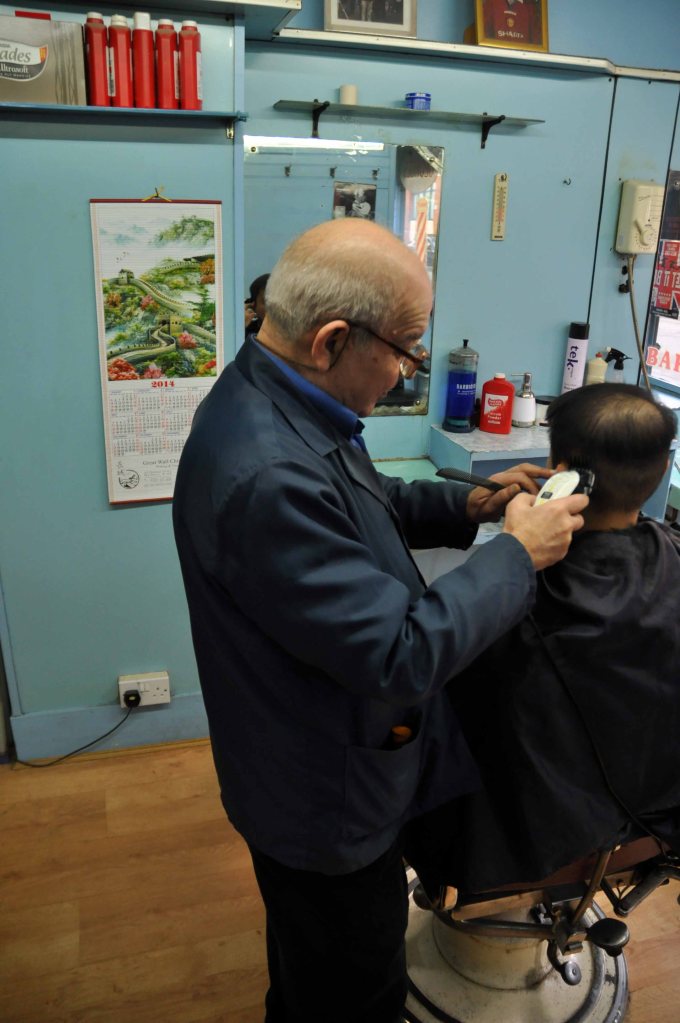
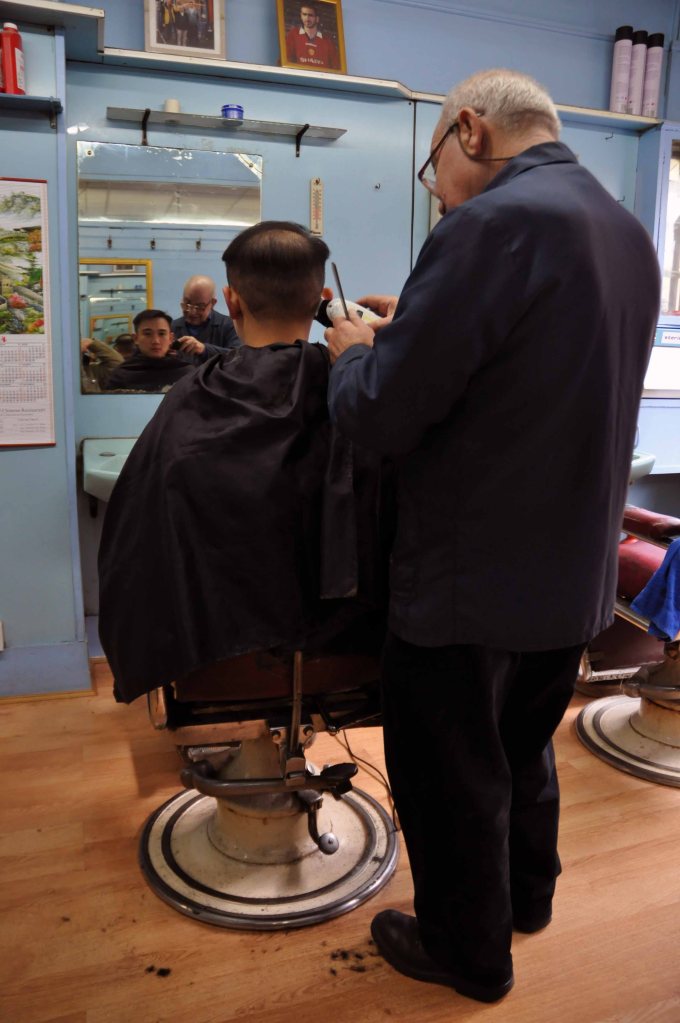
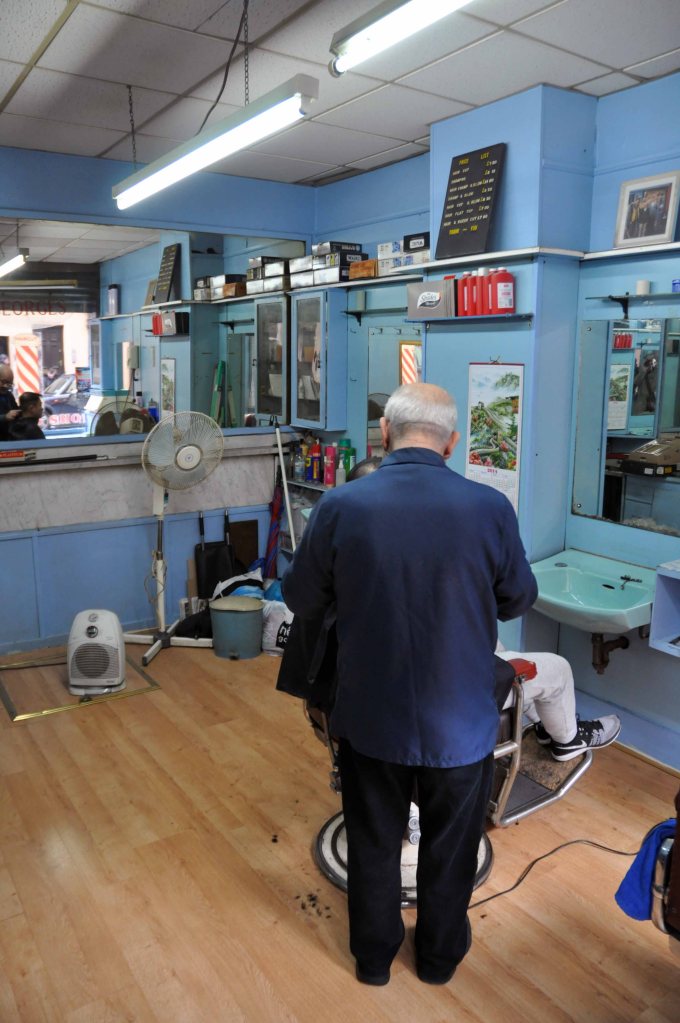
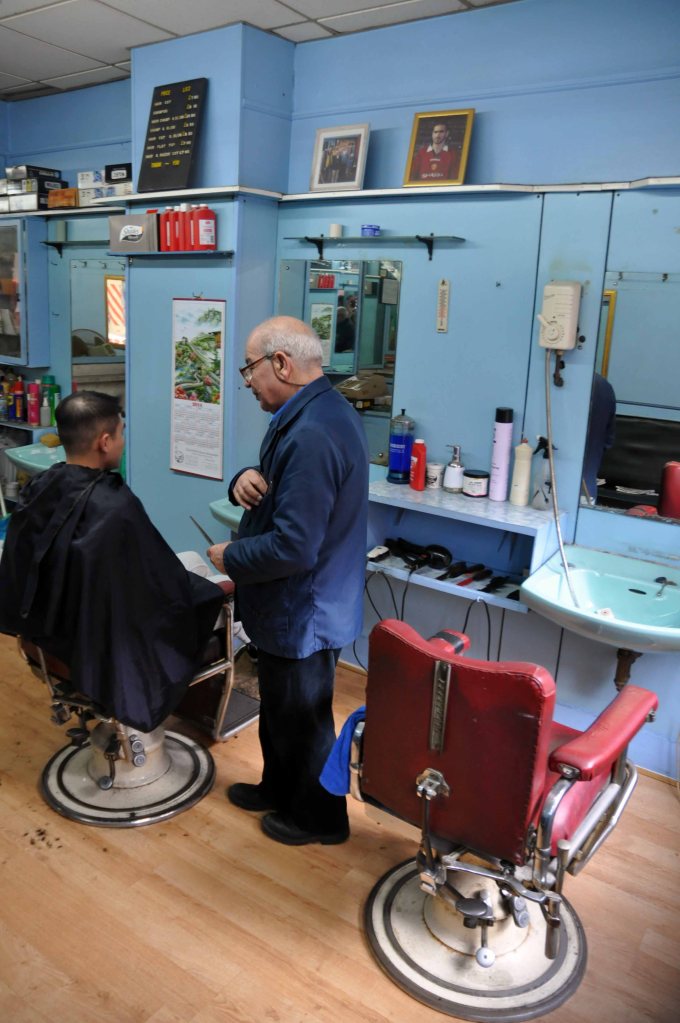
I explained my intentions, asking to spend some time in the salon, chat and take some snaps as he worked away.

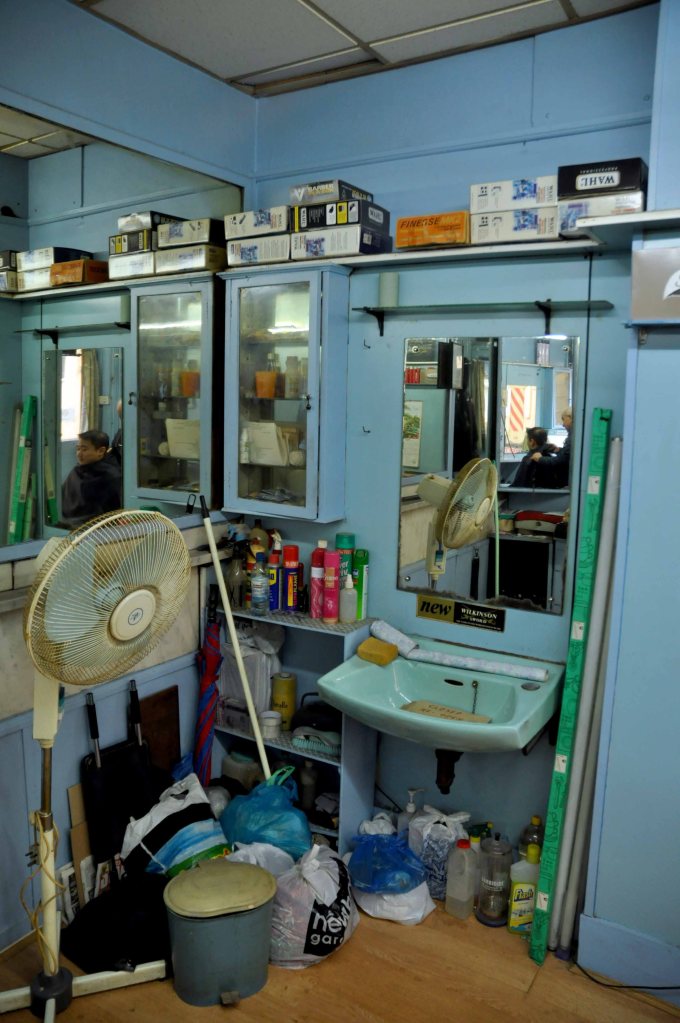
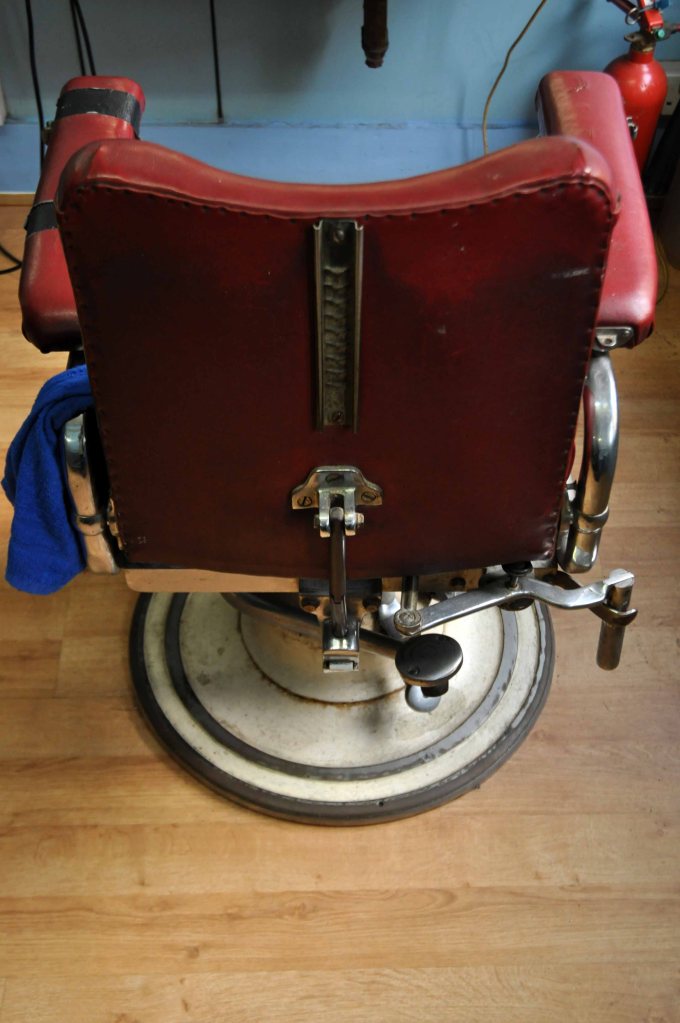
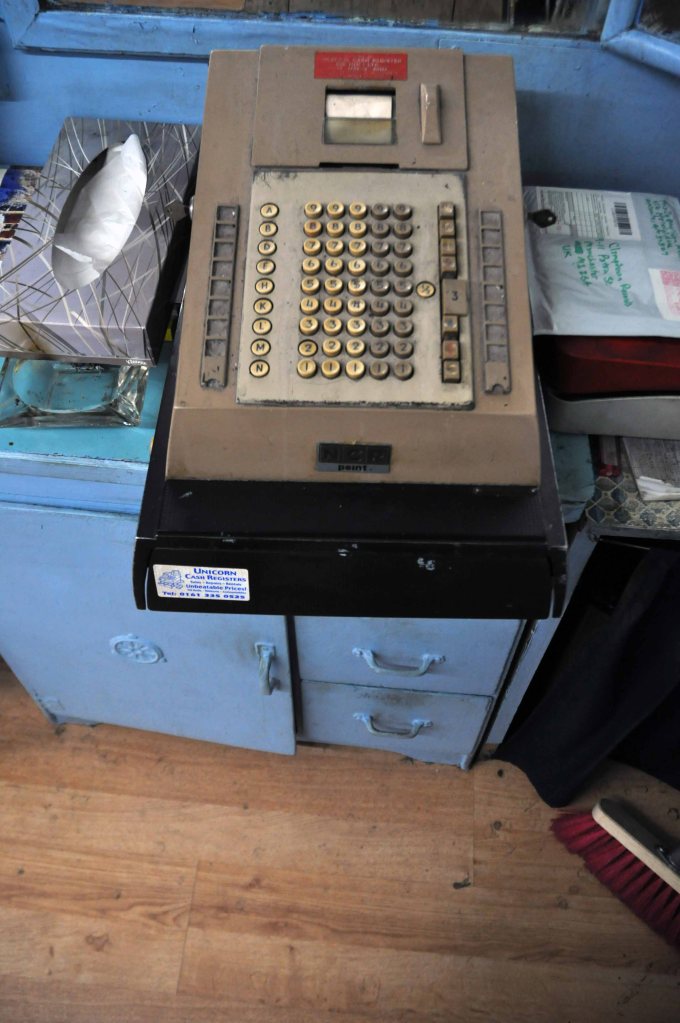
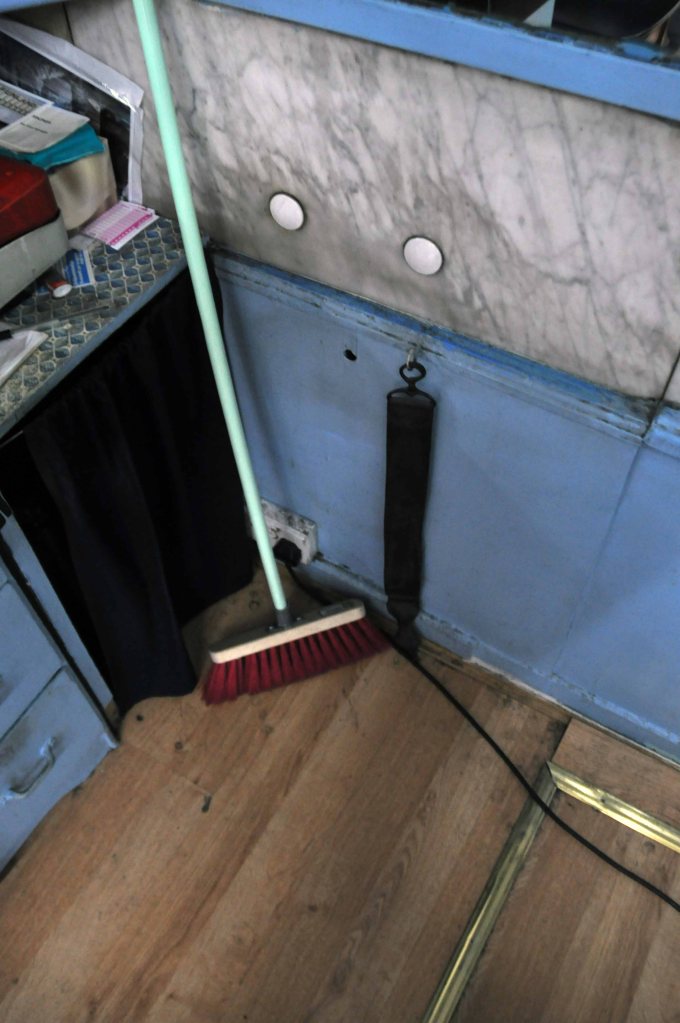
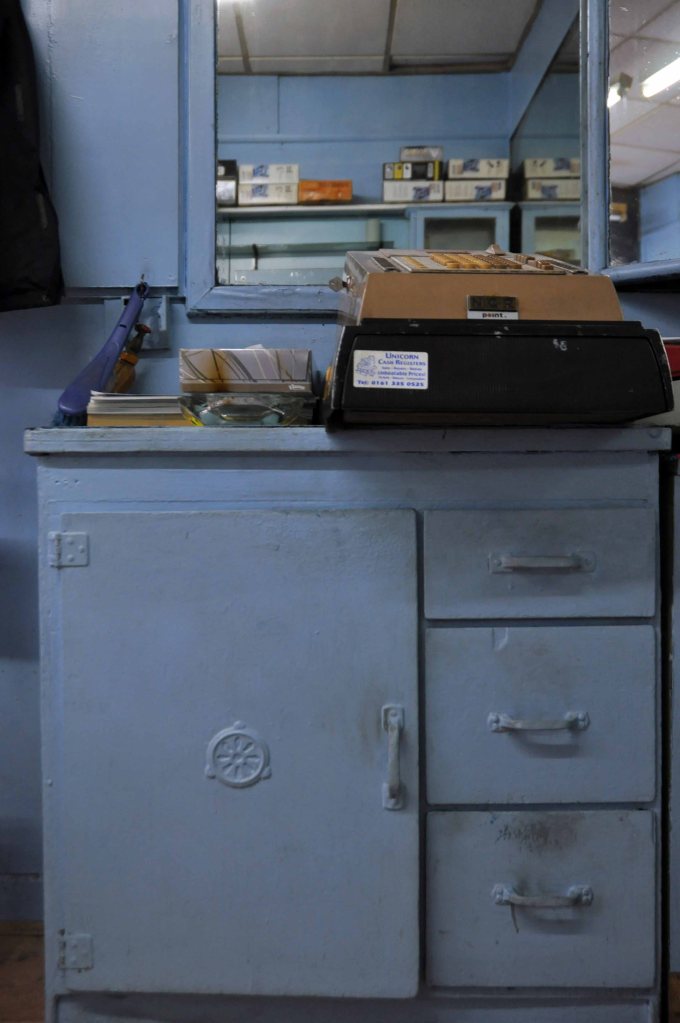
He was more than happy to accommodate my needs, he worked, we chatted, I snapped. This was some seven years ago now, typically, I forgot to make any written notes. Suffice to say he had been there some 48 years finally retiring on Christmas Eve 2014.

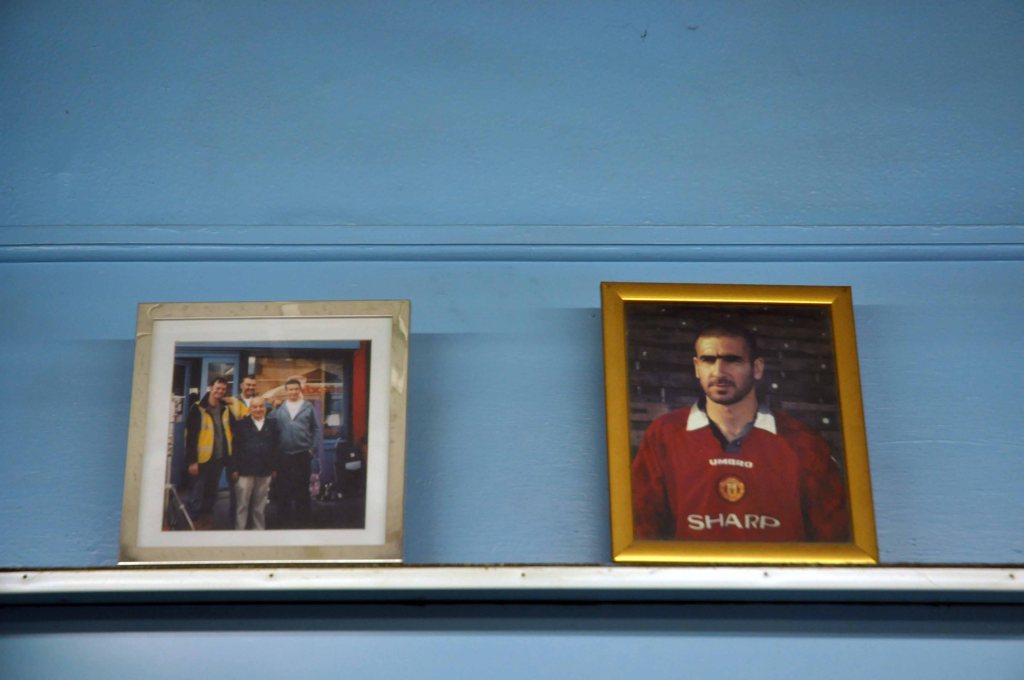
As city centre Manchester changes for good or for bad, the likelihood of a neighbourhood barber appearing is negligible. It was a privilege to spend some time with George, one of many Cypriot immigrants who found work here between and after the wars, we were more than happy to welcome him here.

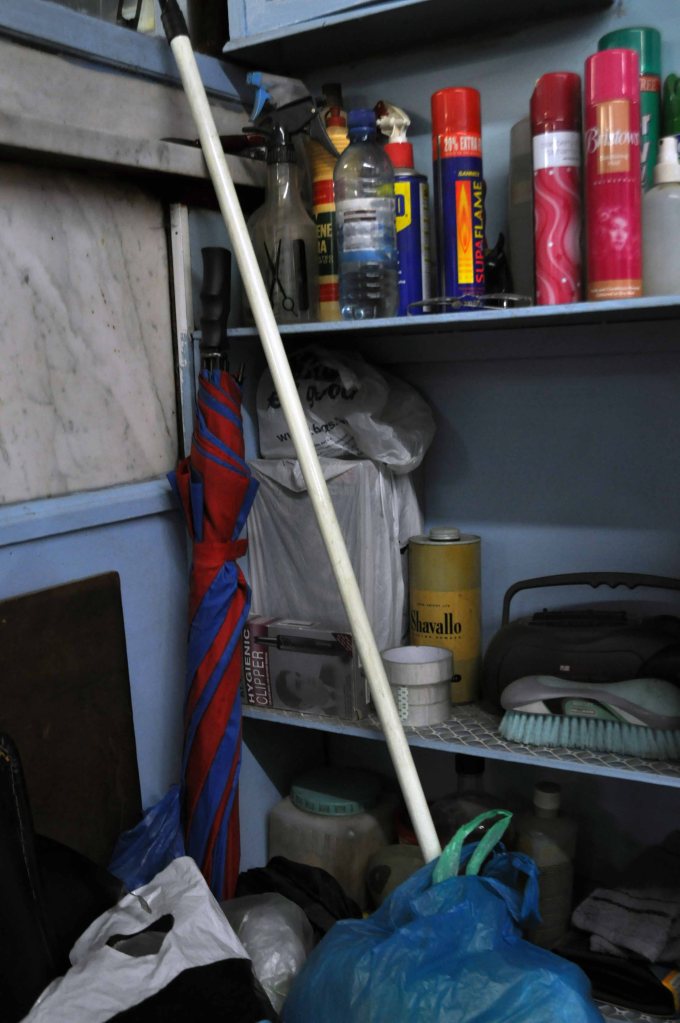
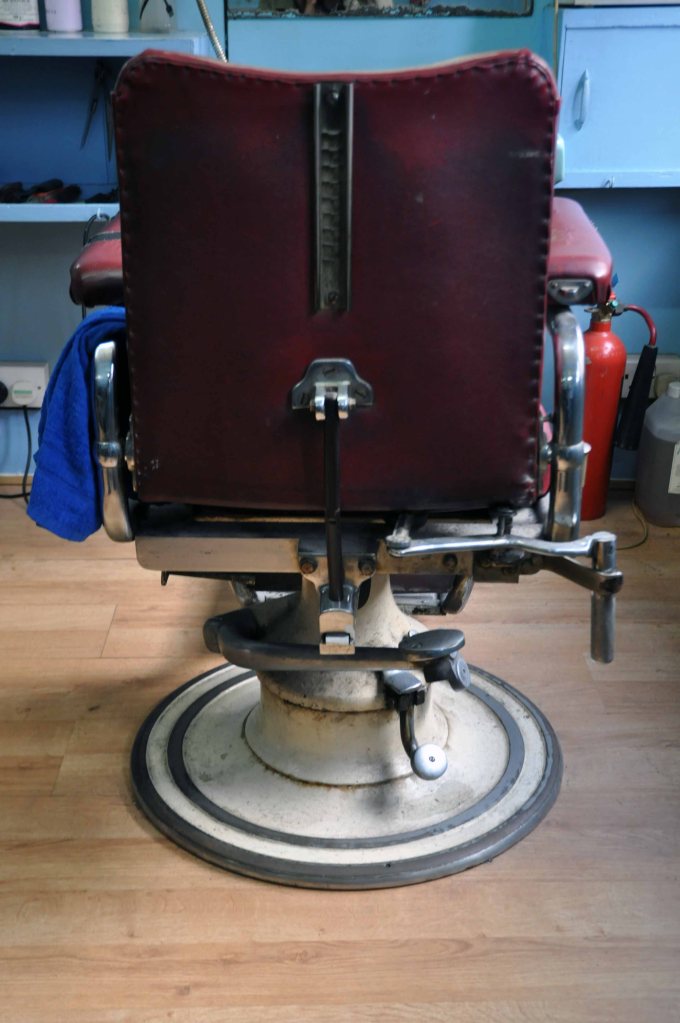
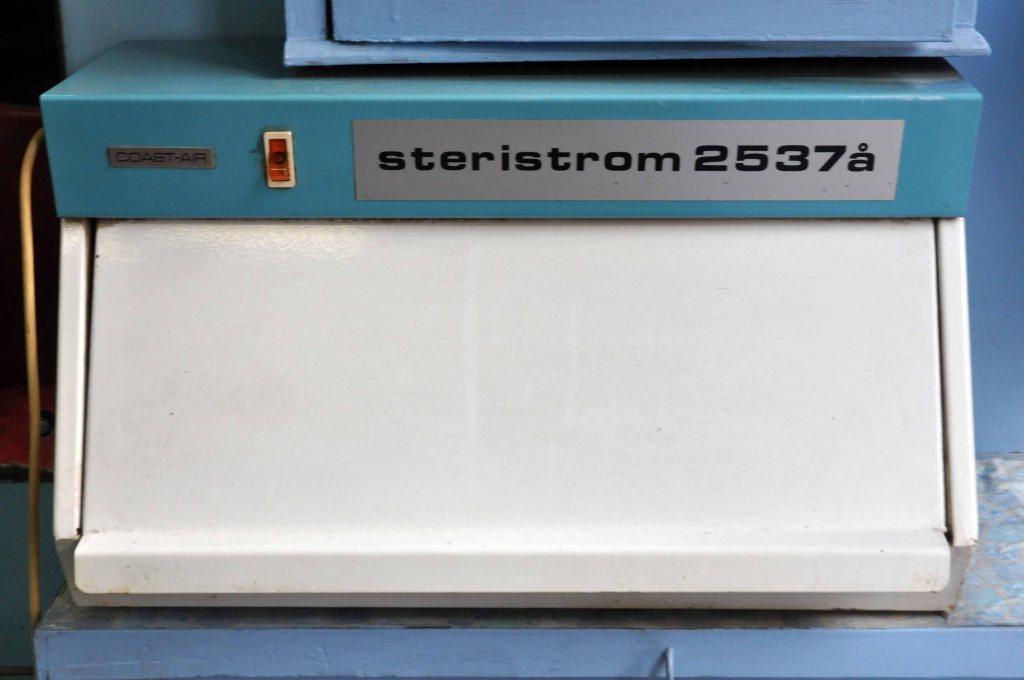
Let’s take a look around.

A companion to Marilyn and Sheila.

North Shore Blackpool

Here we are again, having posted a post way back when – on Seaside Moderne.

Where the whole tale is told – the tale of Borough Architect John Charles Robinson‘s inter-war Deco dream tempered by Municipal Classicism. A stretch of Pulhamite artificial rock cliffs 100ft high between the new gardens and the lower promenade constructed in 1923. The lower promenade at sea level was remodelled during 1923–5 with a colonnaded middle walk.

So here we are again September 2020, a country in Covid crisis bereft of crowds.

I took a short walk along its length – to the lift and back.

The Cabin Lift is designated at Grade II for the following principal reasons: * It is a nationally rare type of seaside structure that is of interest as part of the history and development of certain seaside resorts * It is of a well-executed design and uses good-quality material to good effect that can be particularly appreciated from the upper promenade * It is a conspicuous and eye-catching structure especially when viewed to maximum effect from the lower promenade * The Cabin Lift’s architectural merit contributes significantly to Blackpool’s importance as a holiday resort of national and international renown.

Historic England

This is where they stop to stare, to stare at the sea, shaking solace in distant waves, lapping gently on soft sands.

The rusting rails, beleaguered benches and stolid junction boxes, calmly resist the erosion of sea and salt airs with grace.

Returning to the tower and the outstretched pier, southbound.

Hanover Chapel – Stockport

The city, however, does not tell its past, but contains it like the lines of a hand, written in the corners of the streets, the gratings of the windows, the banisters of the steps, the antennae of the lightning rods, the poles of the flags, every segment marked in turn with scratches, indentations, scrolls.

Italo Calvino – Invisible Cities

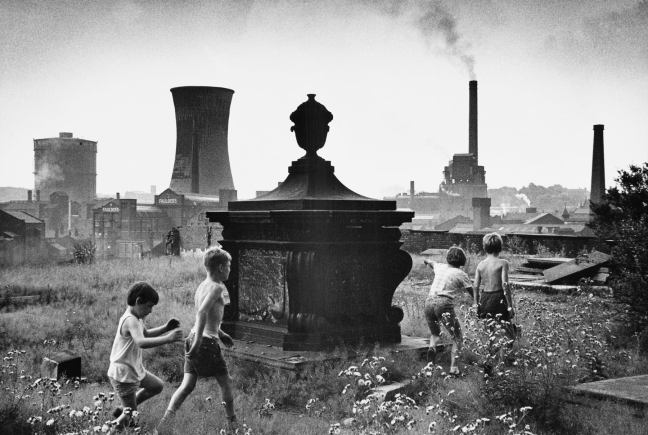
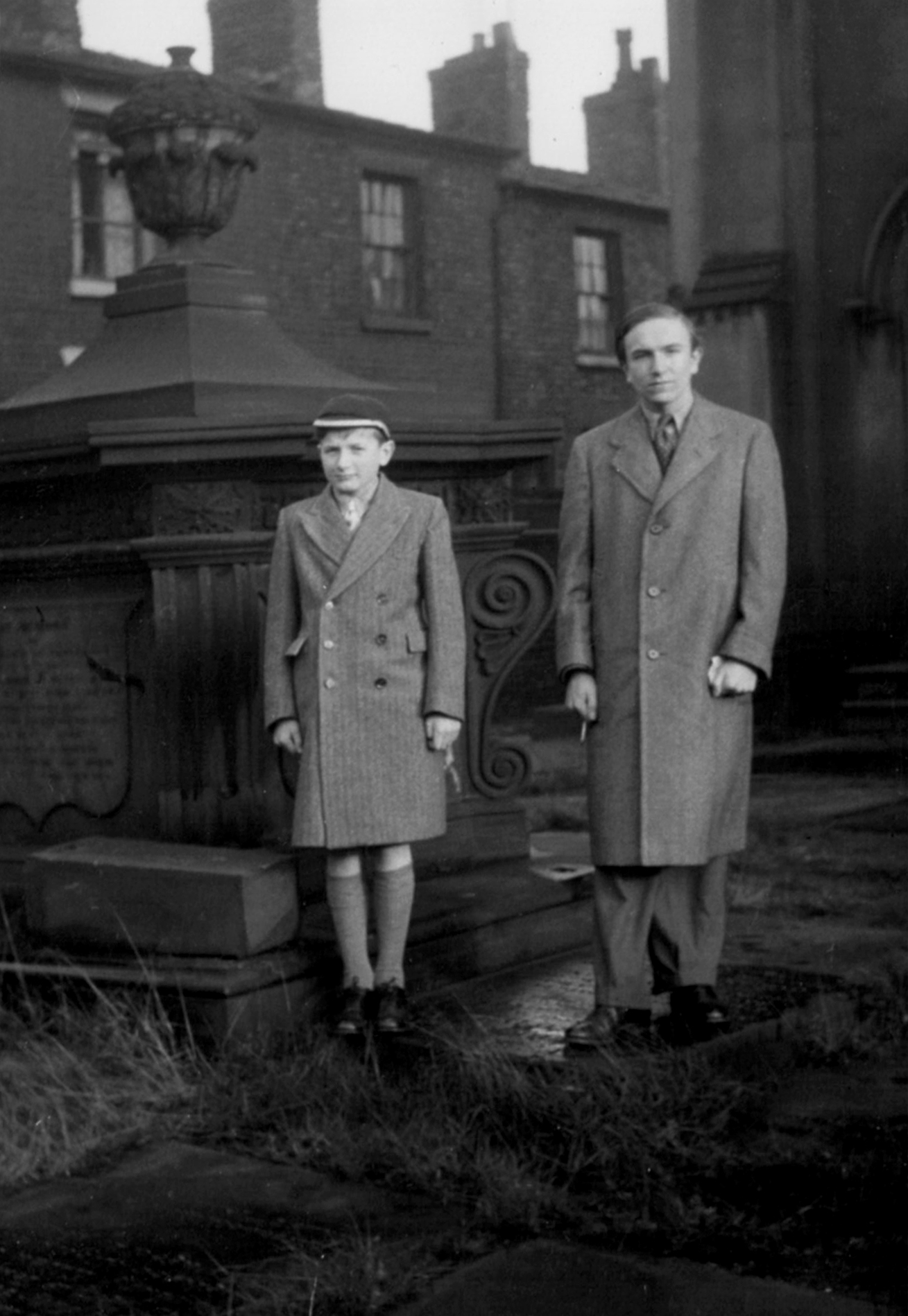
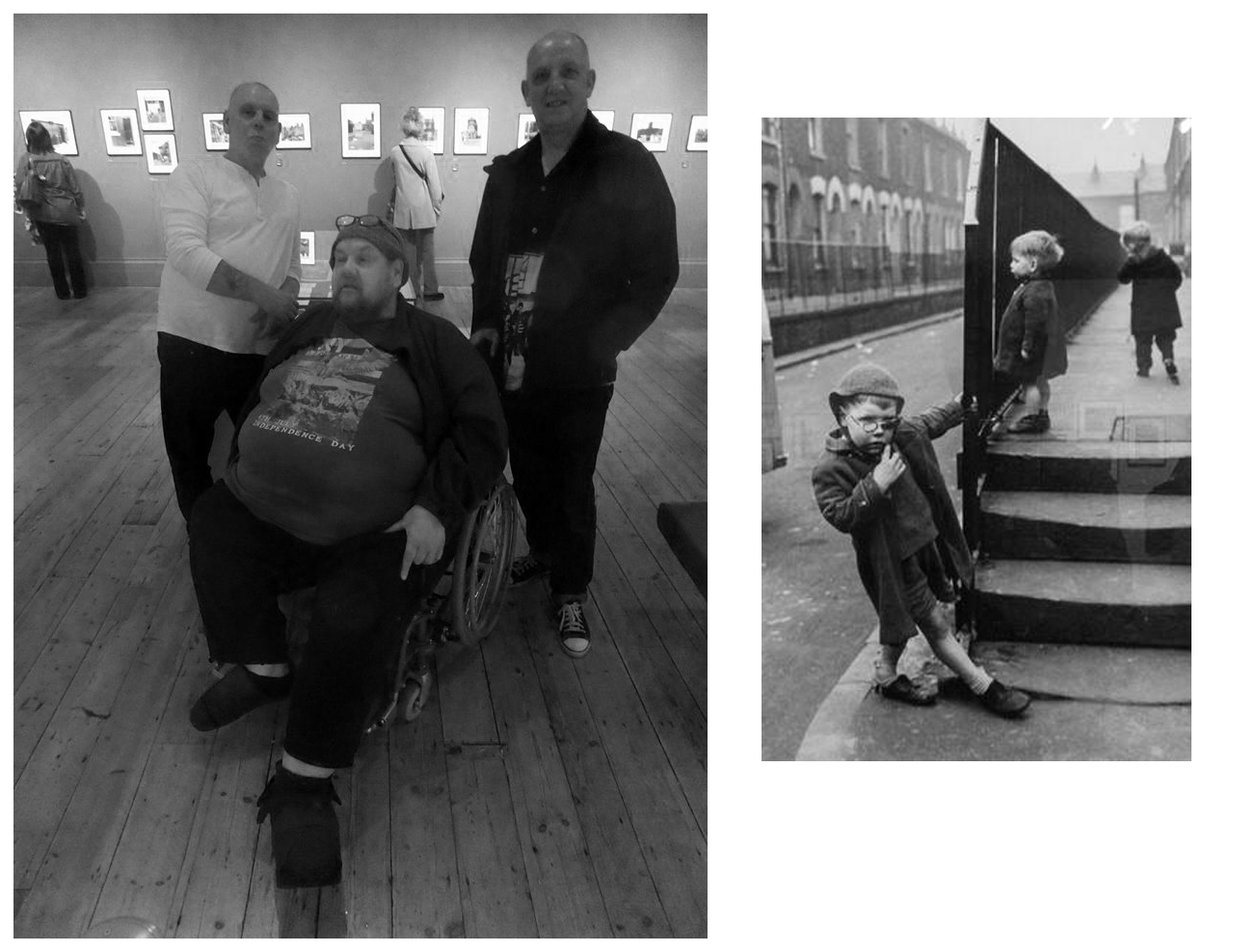
Paul Dobraszczyk posted this Shirley Baker photograph, he was puzzled by its exact location, it puzzled me too.

For nearly all that is depicted here, is now no longer extant, save one hopes, for the group of playmates.
All that is solid melts into air, all that is holy is profaned, and man is at last compelled to face with sober senses his real conditions of life, and his relations with his kind.

Manifesto of the Communist Party

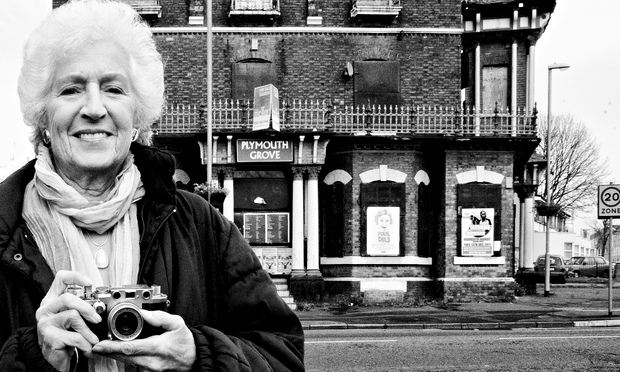
Shirley Baker was a renowned documentary photographer, who worked extensively in Greater Manchester.

I love the immediacy of unposed, spontaneous photographs and the ability of the camera to capture the serious, the funny, the sublime and the ridiculous. Despite the many wonderful pictures of the great and famous, I feel that less formal, quotidian images can often convey more of the life and spirit of the time.

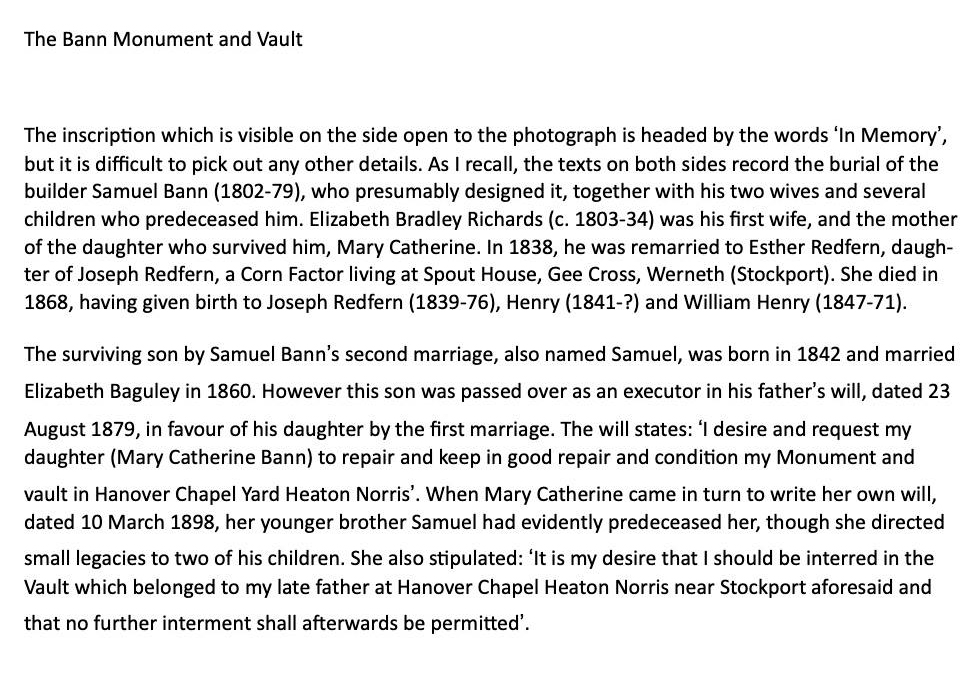
I am grateful to Stephen Bann who has identified the monument as the Bann Family vault:

Stephen Bann and his younger brother – many thanks for the text and photograph Stephen.

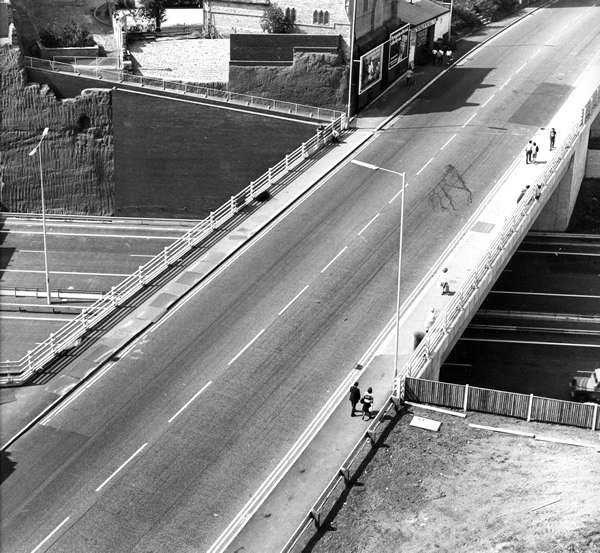
Her photograph was taken in Stockport 1967 – I first assumed it was taken from St Mary’s Church, looking toward the former power station.

I was mistaken.

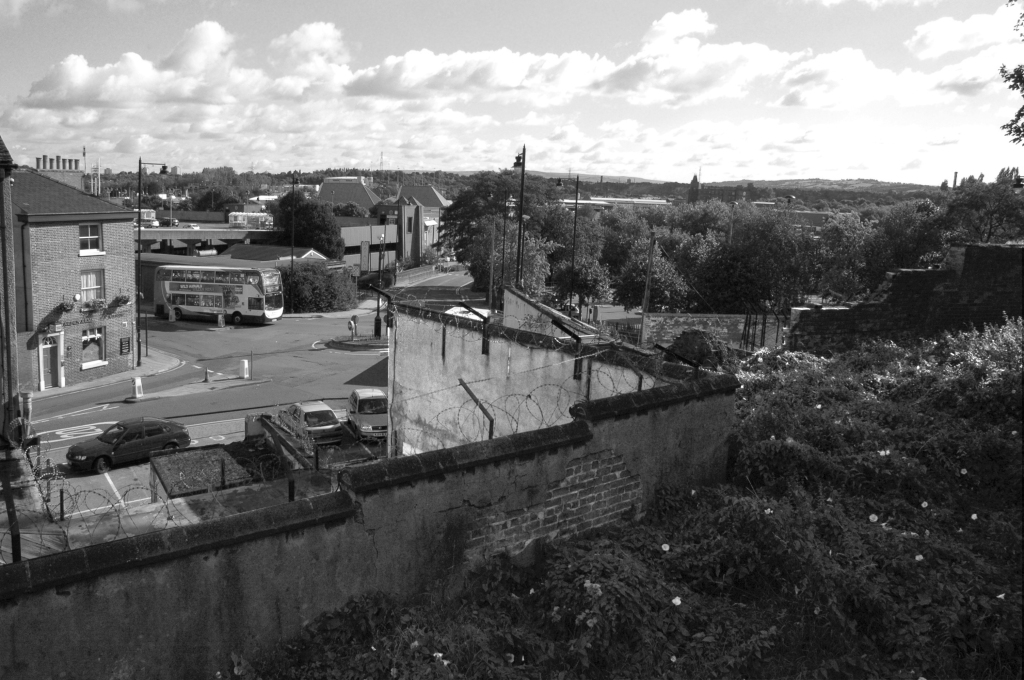
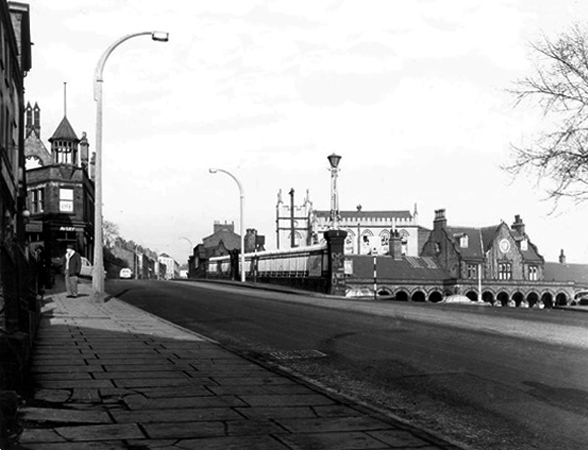
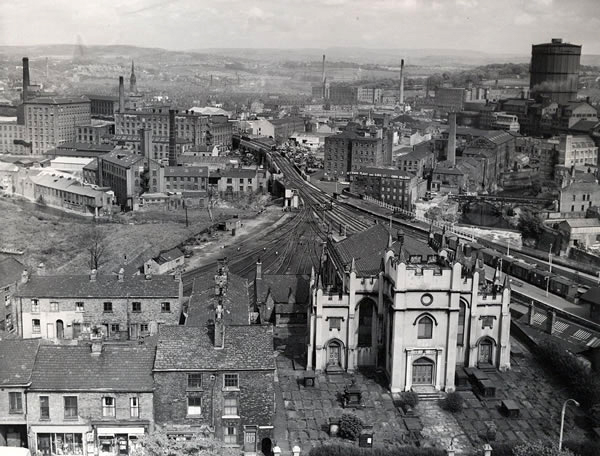
Using the Stockport Image Archive, I found the possible site, in this photograph of Tiviot Dale Station.

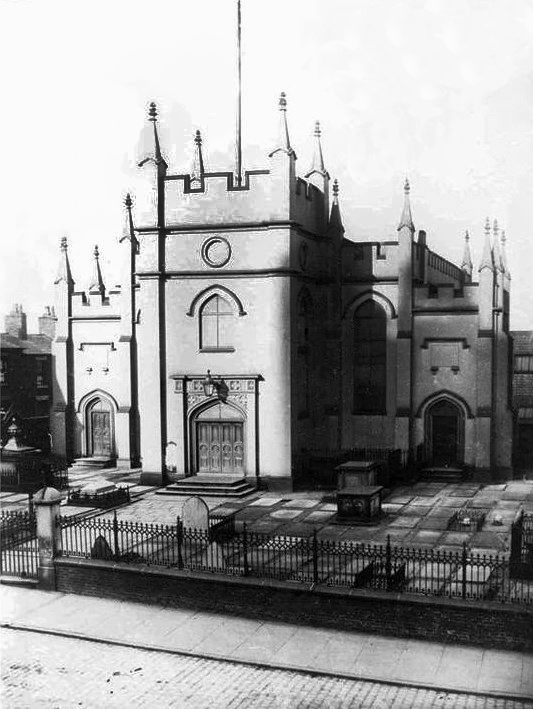
There on the eastern edge of Lancashire Hill – Hanover Chapel.

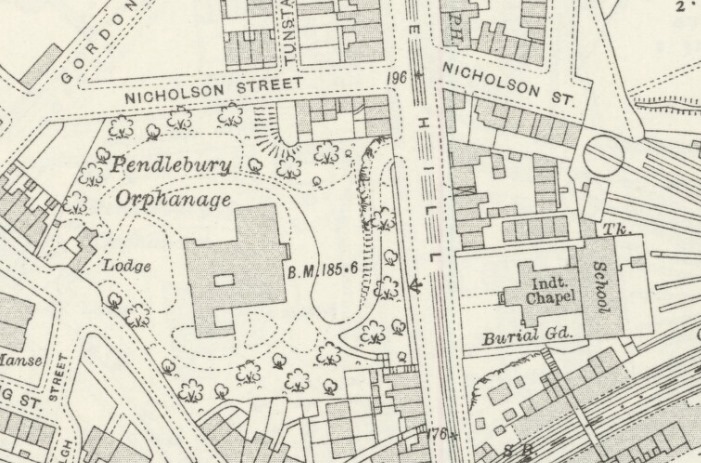
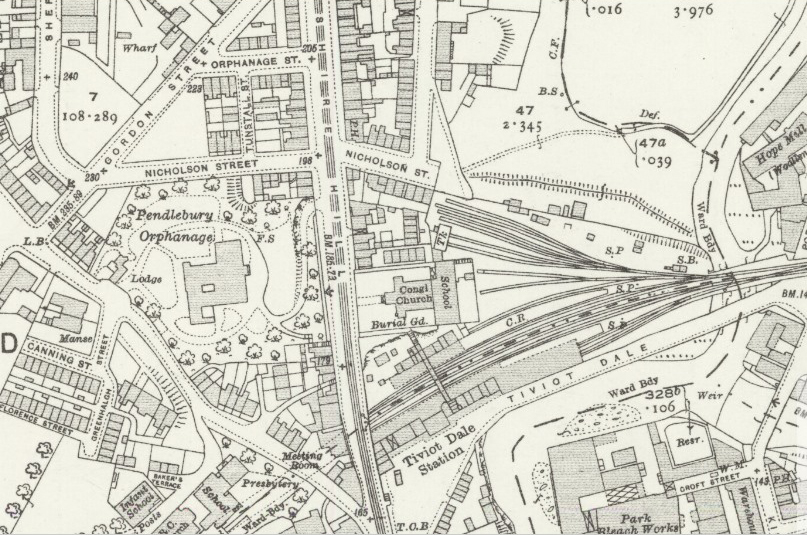
Seen here on the maps of 1917 and 1936.

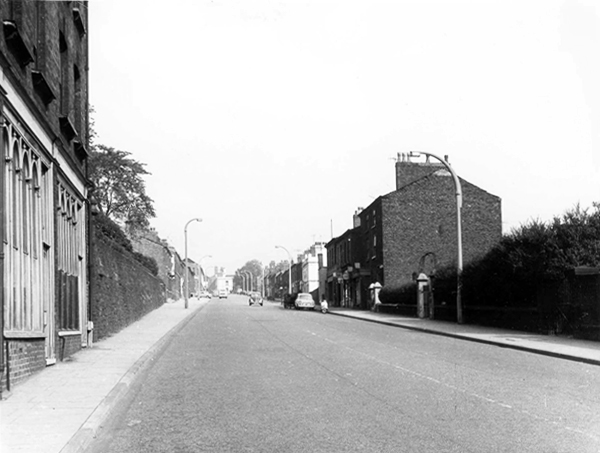
An area of intense activity, road, rail, housing and infrastructure.

Hanover Chapel closed 1962 – though we may assume from Shirley Baker’s photograph, that following its demolition the graveyard remained intact but untended.

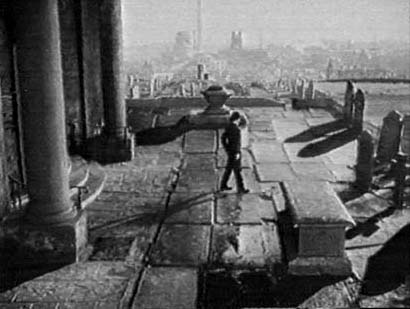
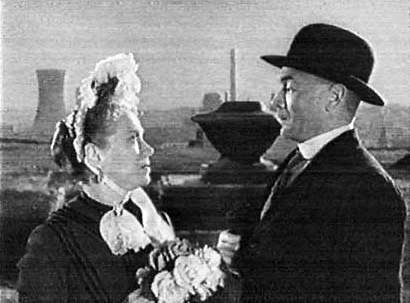
The chapel is thought be seen in the 1954 film Hobson’s Choice, directed by David Lean and starring John Mills, here awaiting his bride to be – the parish church of St Mary’s on the skyline.

Though closer examination reveals that this is not Hanover Chapel – where did those pillars come from?

Where are we, in a labyrinth of invention with a superimposed Stockport backdrop?

My thanks to Robert Collister for these observations.

Improbably out of time, the cooling towers are yet to be built, or blown up.

Here John is joined by Salford born Brenda Doreen Mignon de Banzie, playing Maggie.

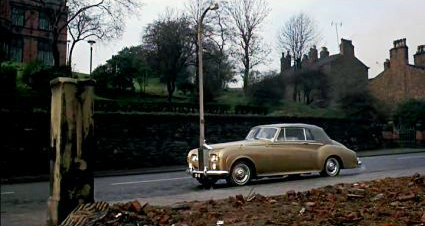
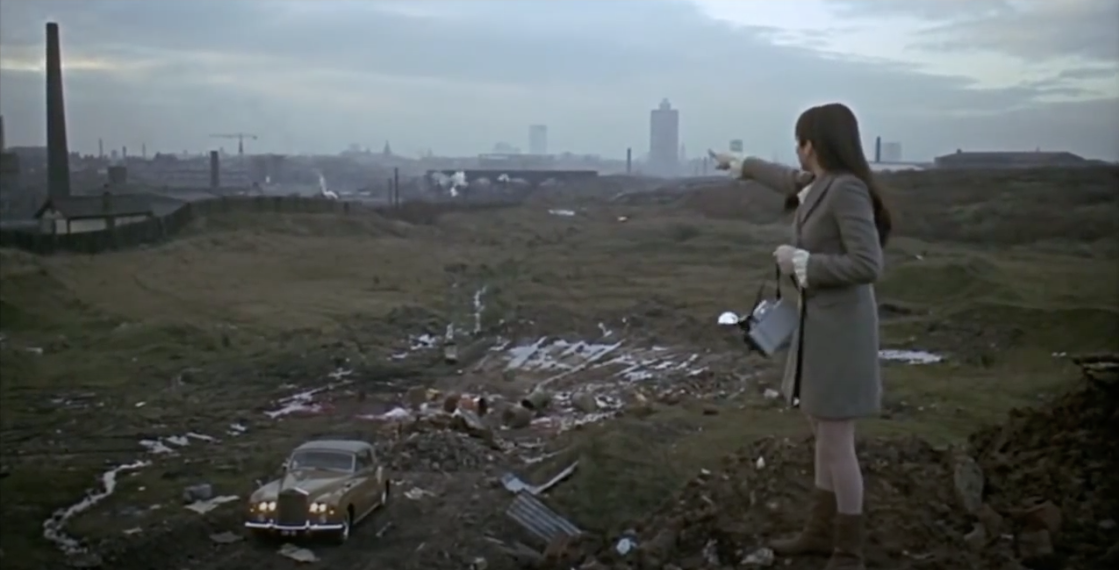
The demolished chapel rubble appears in the foreground of Albert Finney’s gold Roller CB 1E in Charlie Bubbles.

The film’s screenplay was the work of Shelagh Delaney, whose previous work A Taste of Honey also used local locations.

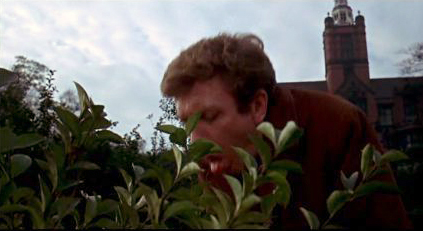
Where Finney has pulled up, feeling proper poorly.

As a serendipitous symmetry, Charlie Bubbles co-star Liza Minelli plays a photographer recording Salford’s disappearing streets.

Bit by bit everything disappears, Tiviot Dale Station closed completely on January 2nd 1967.

Where once there was a continuous run from the chapel to the town centre, the motorway has since intervened.

The Tiviot Dale pub on the right is no more, closed in 2013.

We had people from all parts of the country turn up on our final day, some of them brought their children who wanted to come because they remember the pub so fondly from their childhood. It was really humbling to see that our pub had touched so many lives.

Dave Walker landlord.

The King’s Head/Full Shilling on the left closed in 2015, though still standing.

I remember this pub as a Boddingtons house in the 1970’s. Excellent bitter served by handpump from small vault at the front and a larger “best room” behind, both very narrow given the width of the pub. The landlord employed an unusual method of ensuring everyone got a full pint; a half pint glass of beer was kept between the pumps and your pint was topped up from the half which was constantly replenished to keep it fresh. I have not seen this practice in any other pub.

Phil Moran

When’s the next tram due?

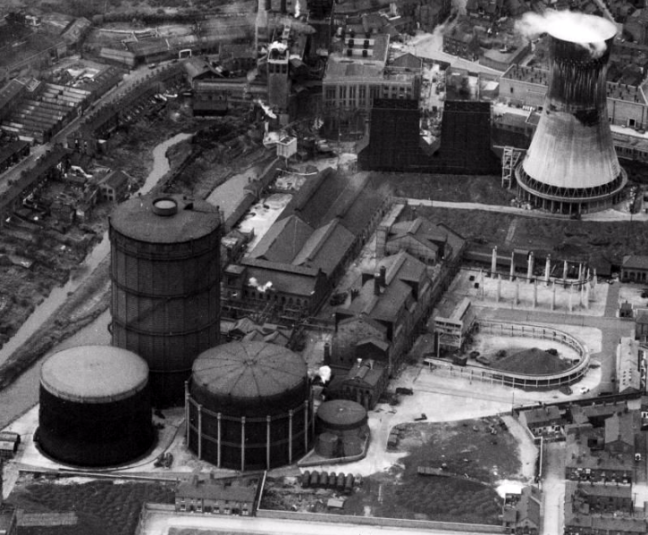
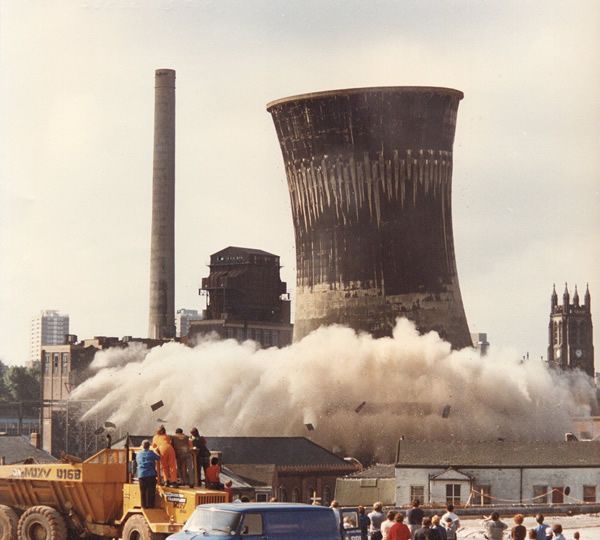
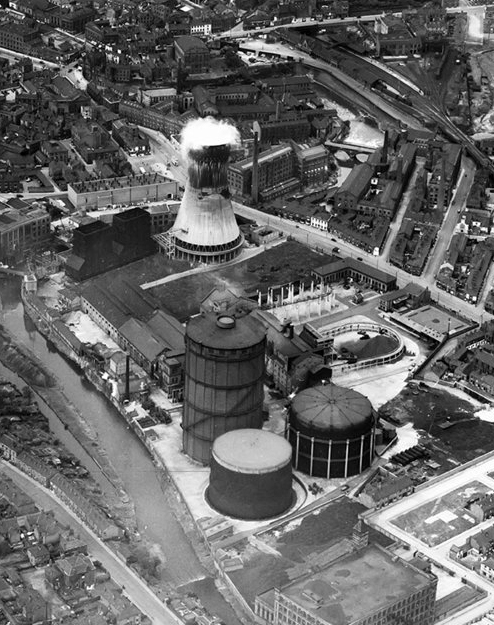
Millgate Power Station operated until 1976.

At the adjacent gas works – gas holder number three was dismantled in 1988, gas holders one and two were removed in 2019.

The nature of infrastructure, housing and industry has changed radically.

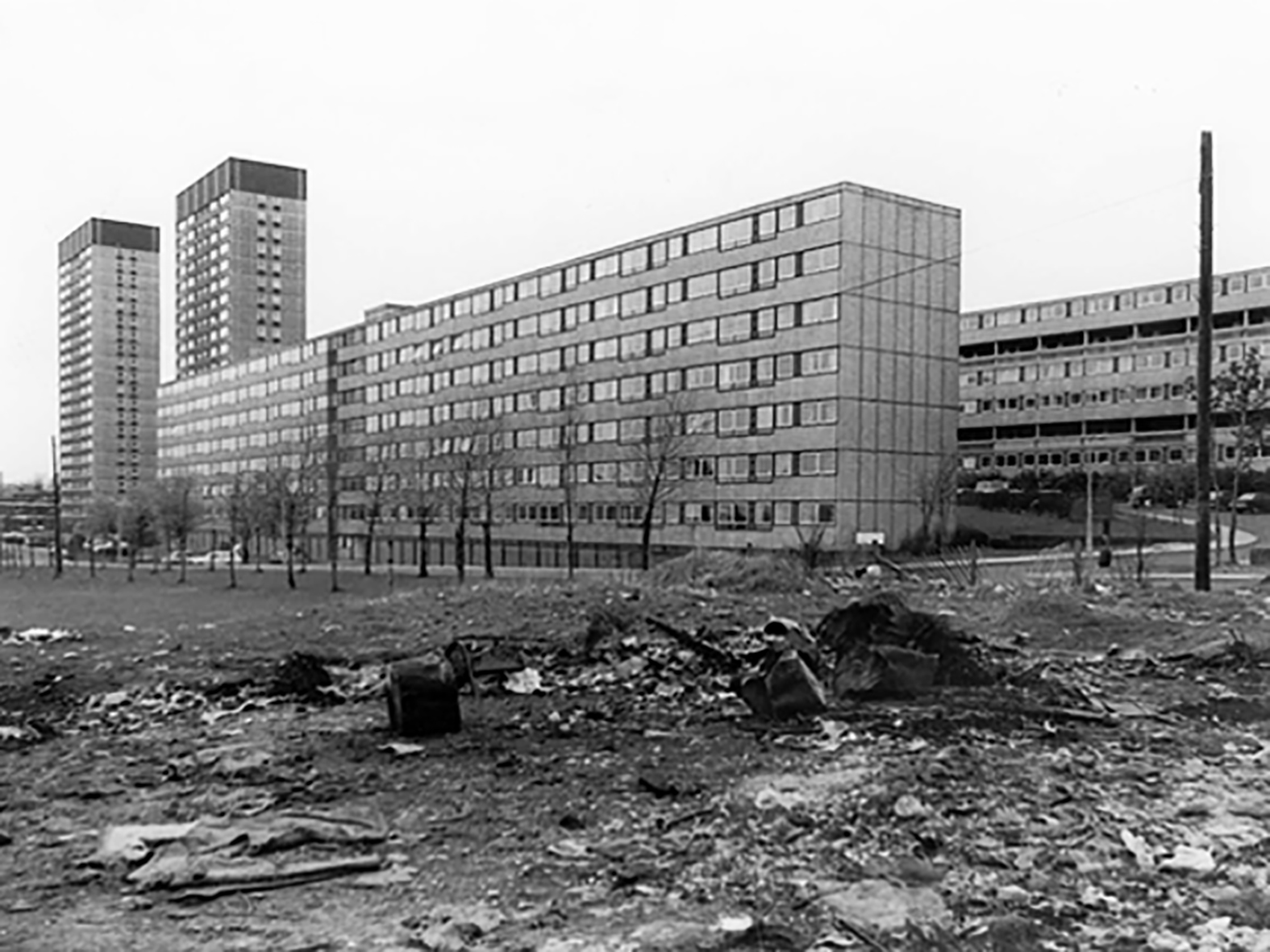
Lancashire Hill flats were built in the 60s, designed by City Architect JS Rank, two seven storey blocks containing 150 dwellings; two six storey blocks containing 120 dwellings.

Replacing tight rows of terraced housing.

They themselves clad and revamped.

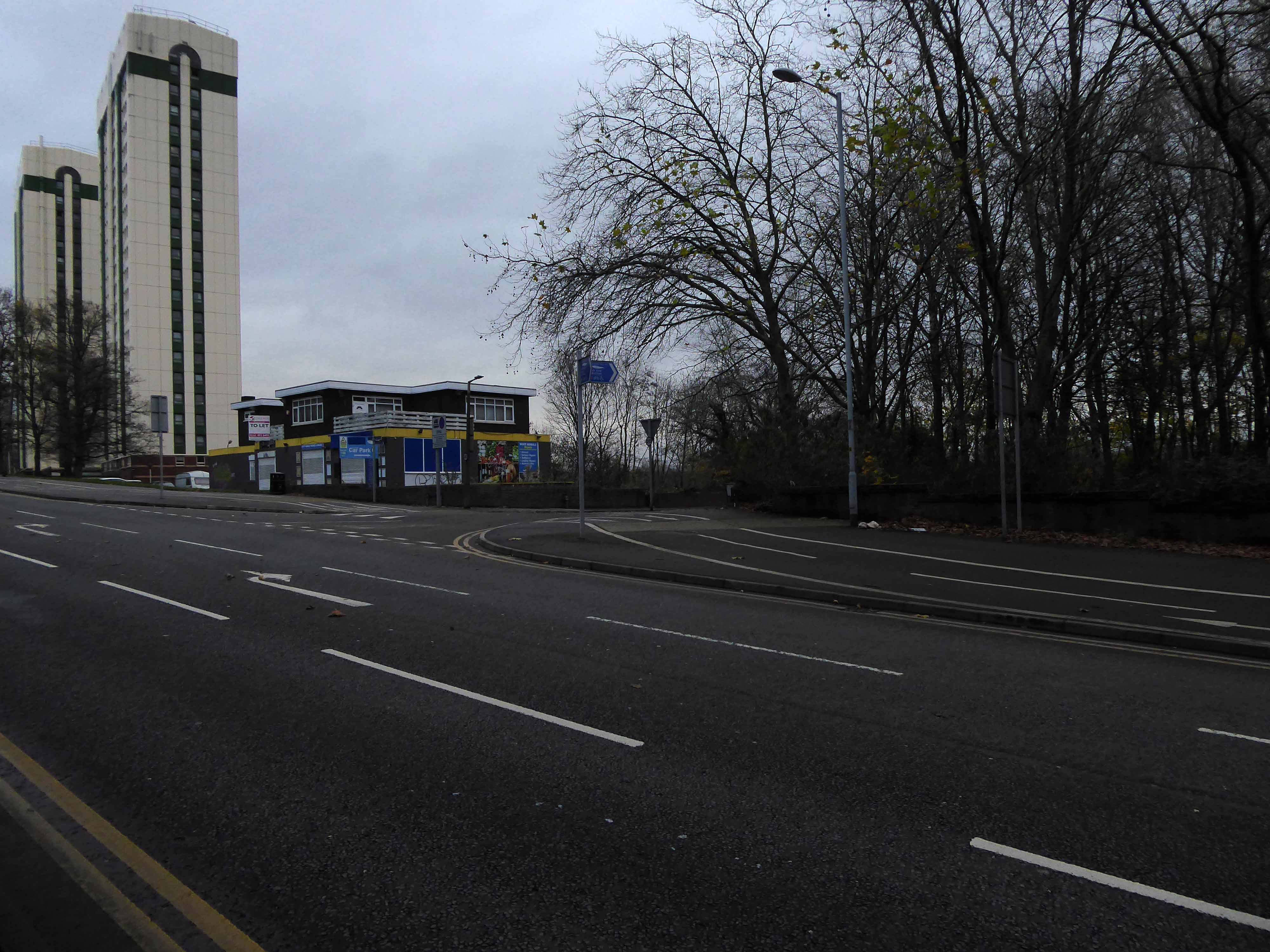
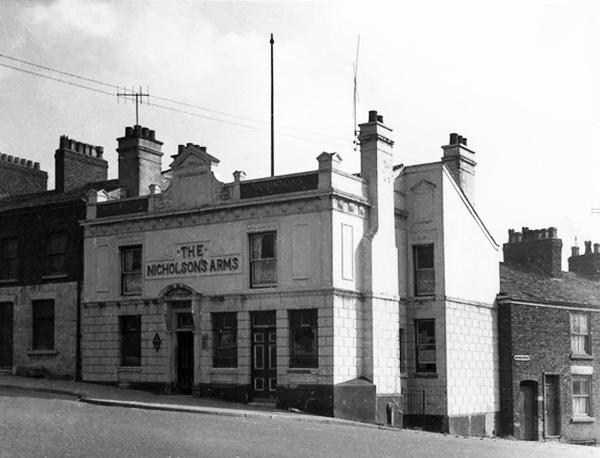
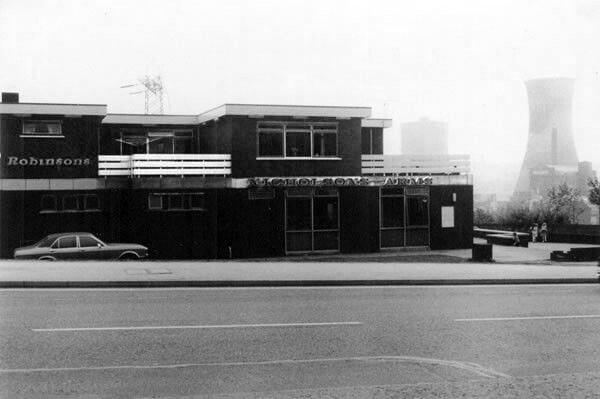
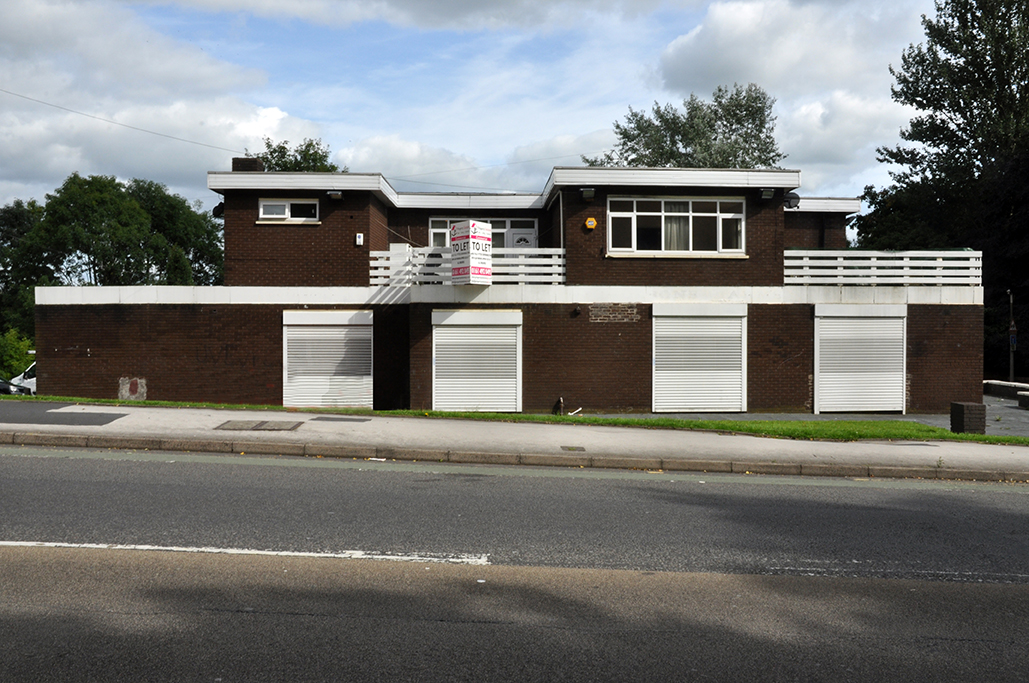
The Nicholson’s Arms built to serve the flats closed and currently empty, signs say to let – replaced an earlier pub, sited on the corner of long gone Nicholson Street.

The Motorway appears piecemeal in 1974, formerly the M63 now M60.

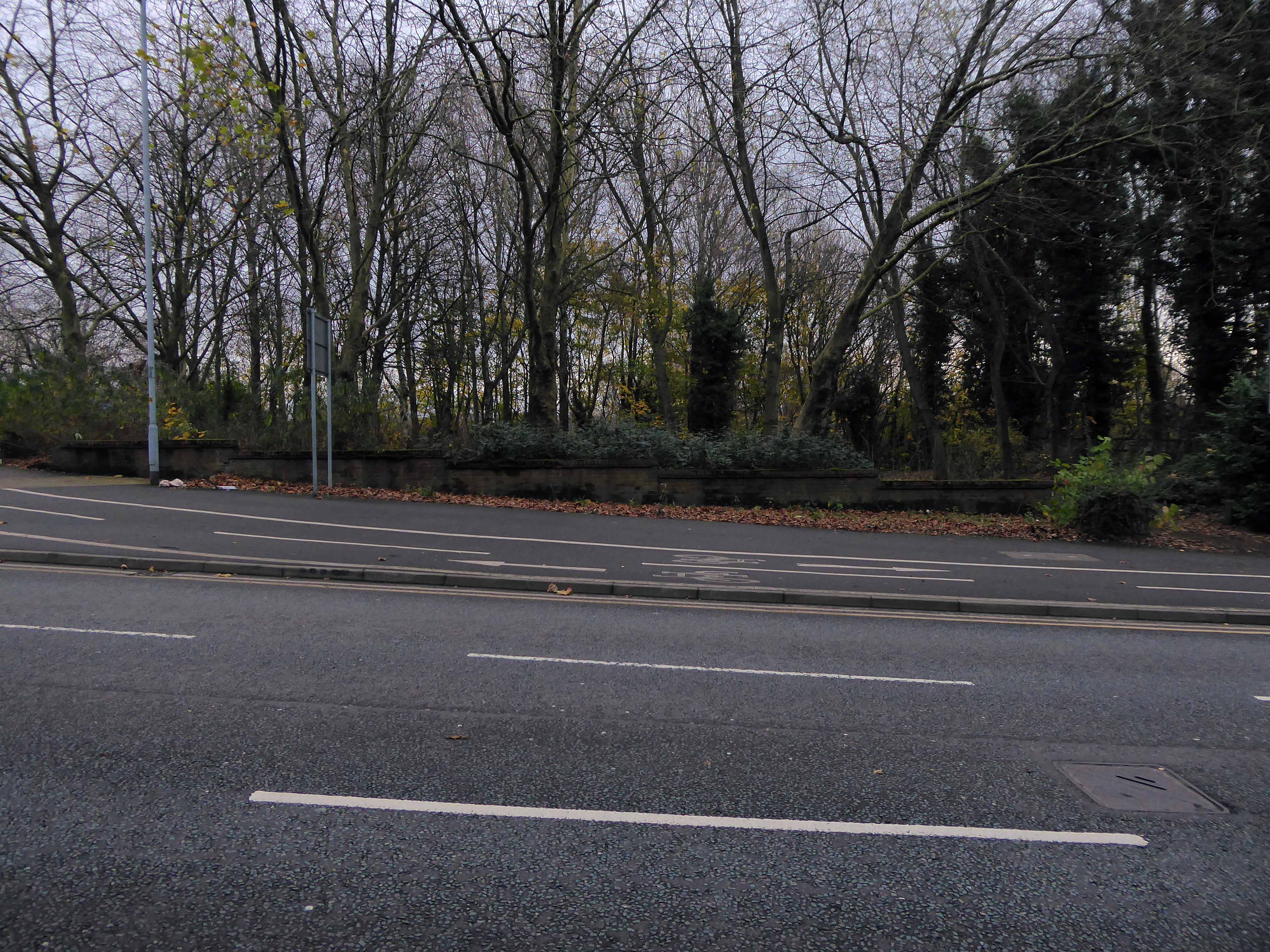
Today from the road there’s simply no trace of the site’s past purpose.

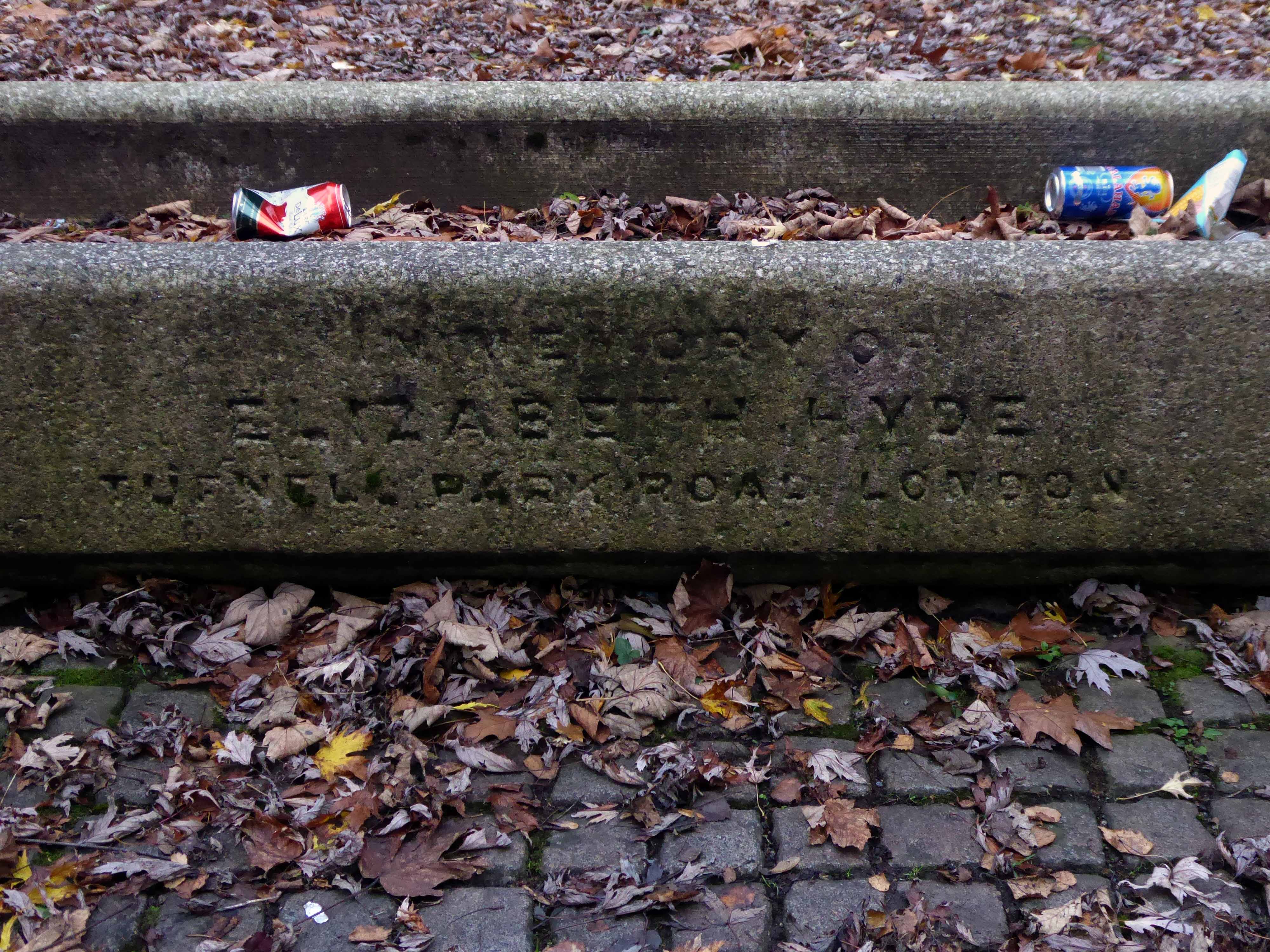
At the centre of what is now a compact civic grassed area – a trough.

Incongruously in memory of Elizabeth Hyde of Tufnell Park Road London.

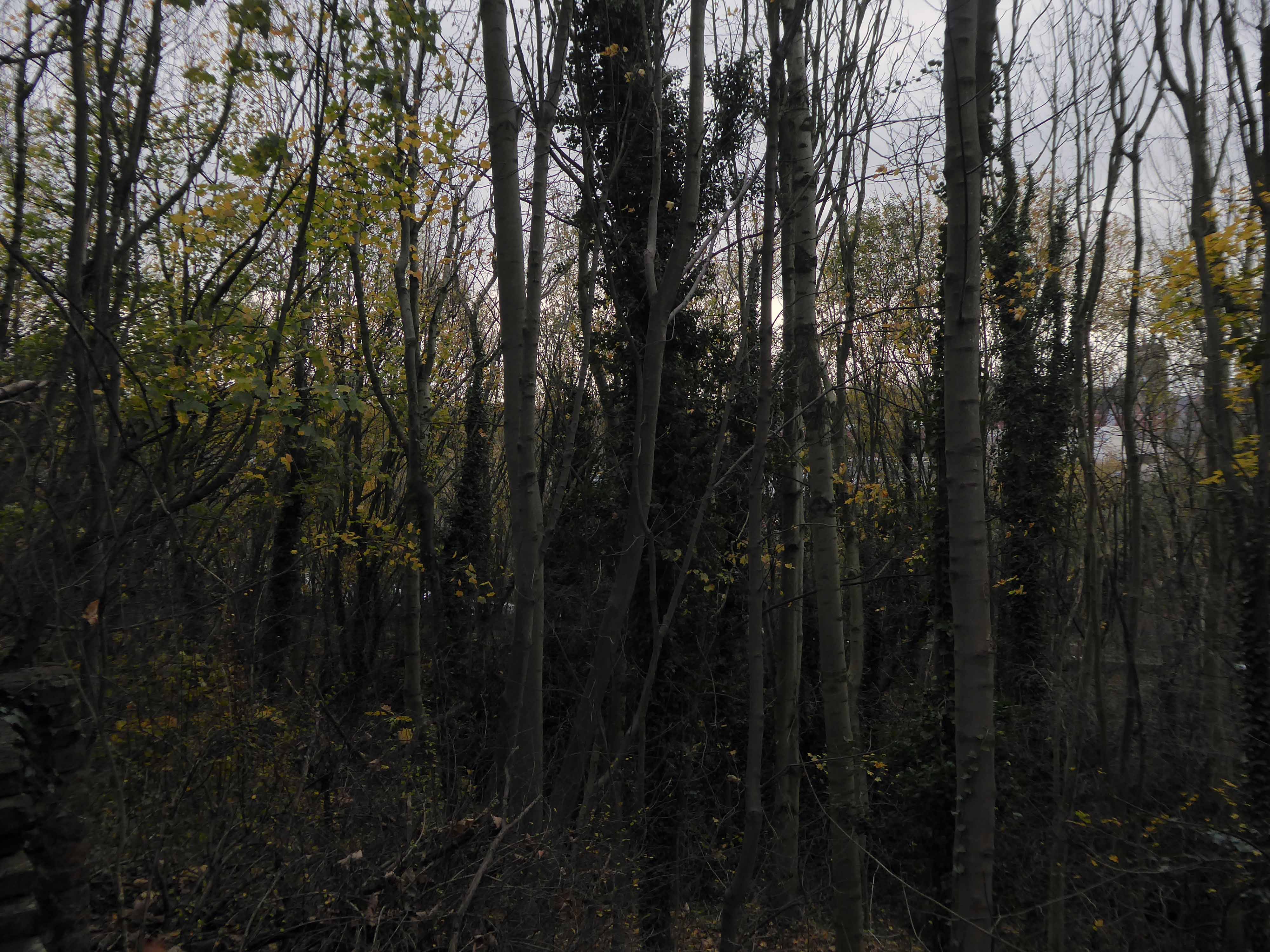
The dense stand of trees is impenetrable – no longer a view of the non existent power station and beyond.

And they that shall be of thee shall build the old waste places: thou shalt raise up the foundations of many generations; and thou shalt be called, the repairer of the breach, the restorer of paths to dwell in.

Isiah 58:12

As a footnote I did meet brothers Stephen, Derek and Peter who appeared in this Shirley Baker photograph 55 years ago – she promised them an ice cream each – they never ever received an ice cream.

They are seen in Sunnyside Street Ordsall – long since demolished.

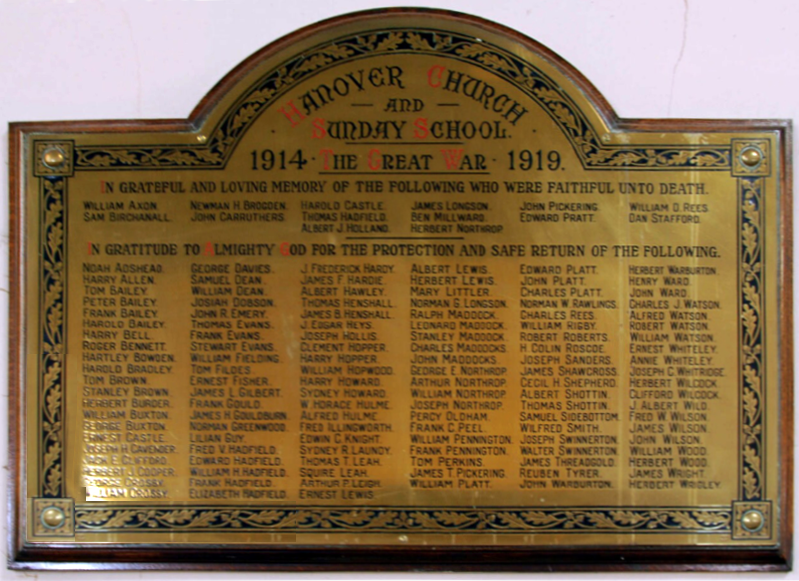
A commemorative plaque from the Chapel still exists, sited now on the wall of Wycliffe Congregational Church Georges Road Stockport.

Archival Images – Stockport Image Archive

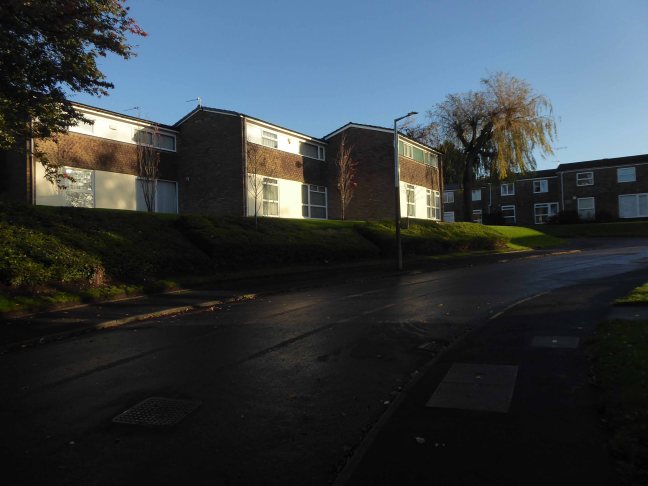
Deneway Stockport Again

Here we are again then – having stopped to snap this July.

I’ve gone completely round the bend and over the hill – just by leaving my own abode, situated just below Deneway.

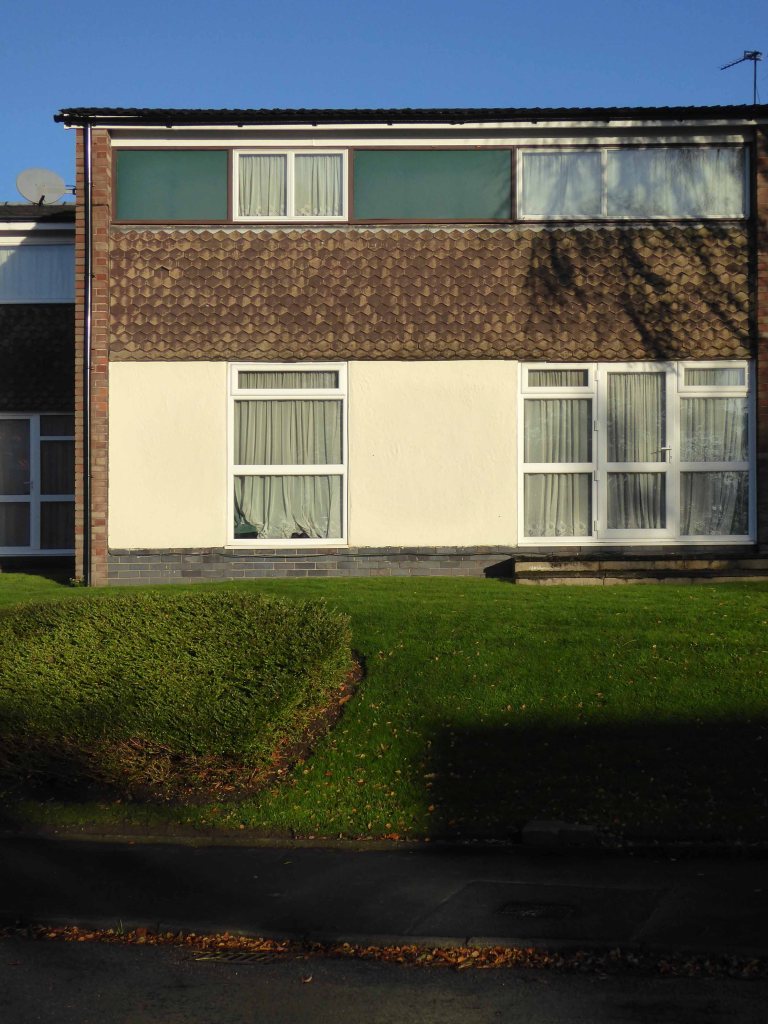
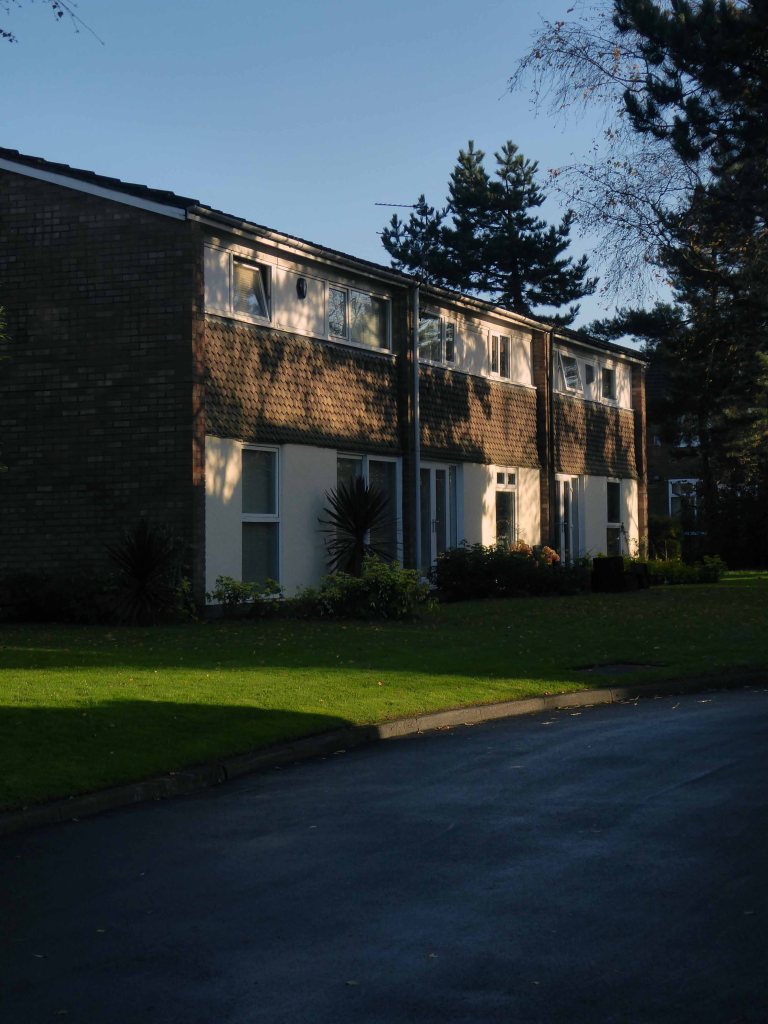
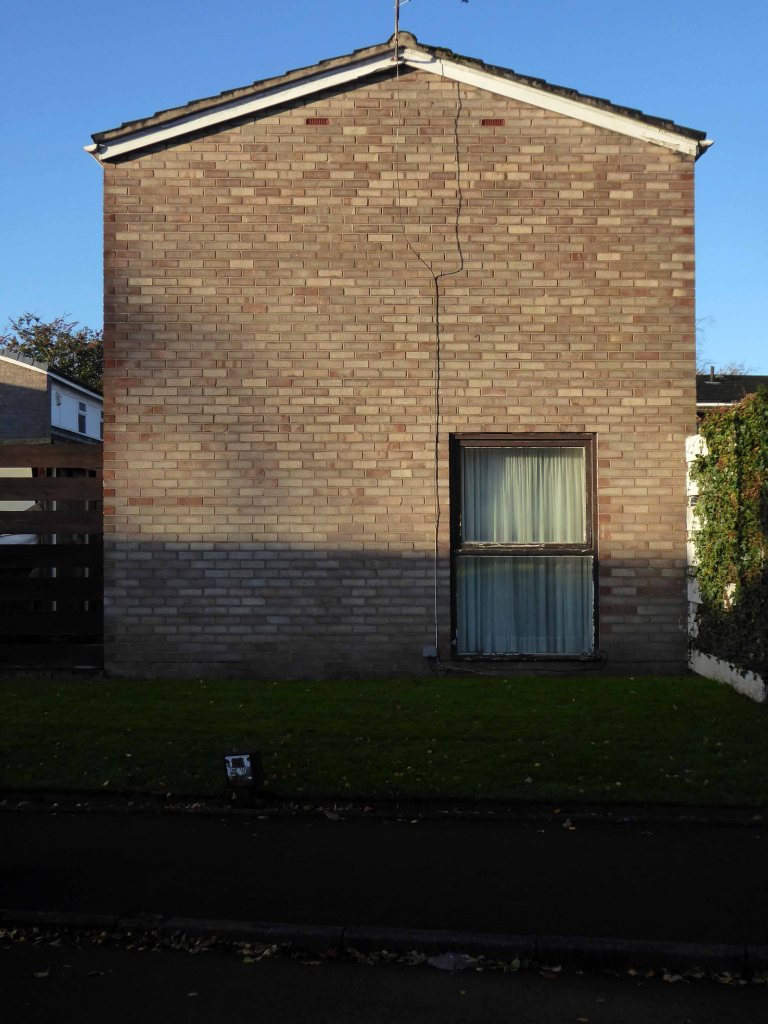
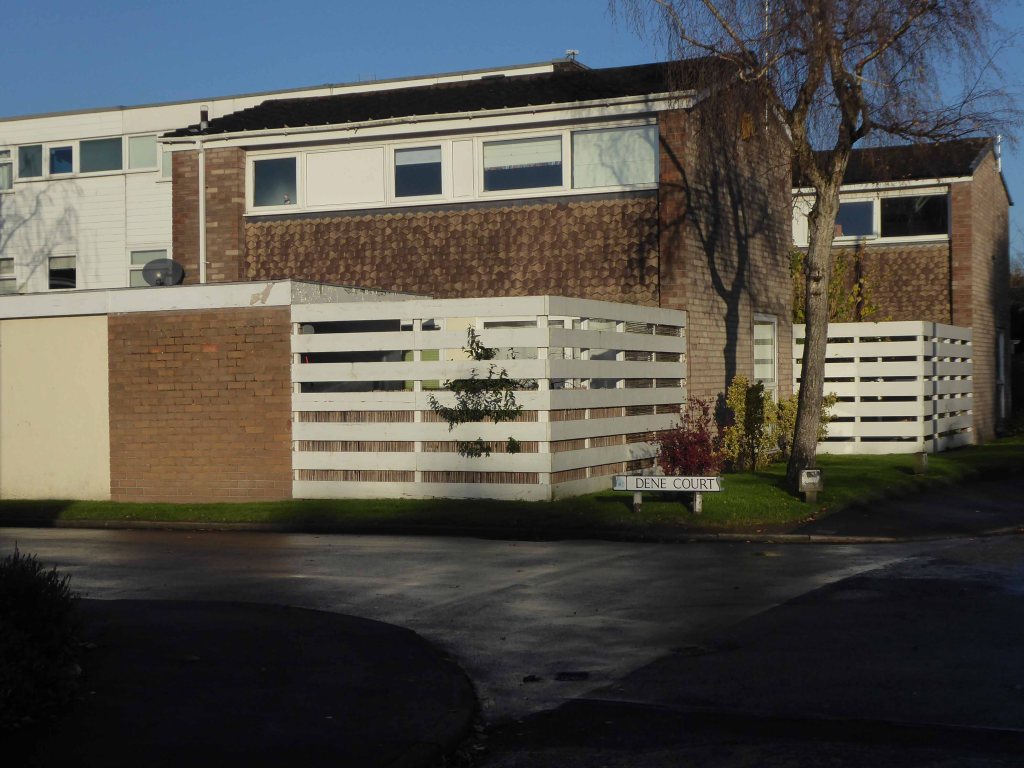
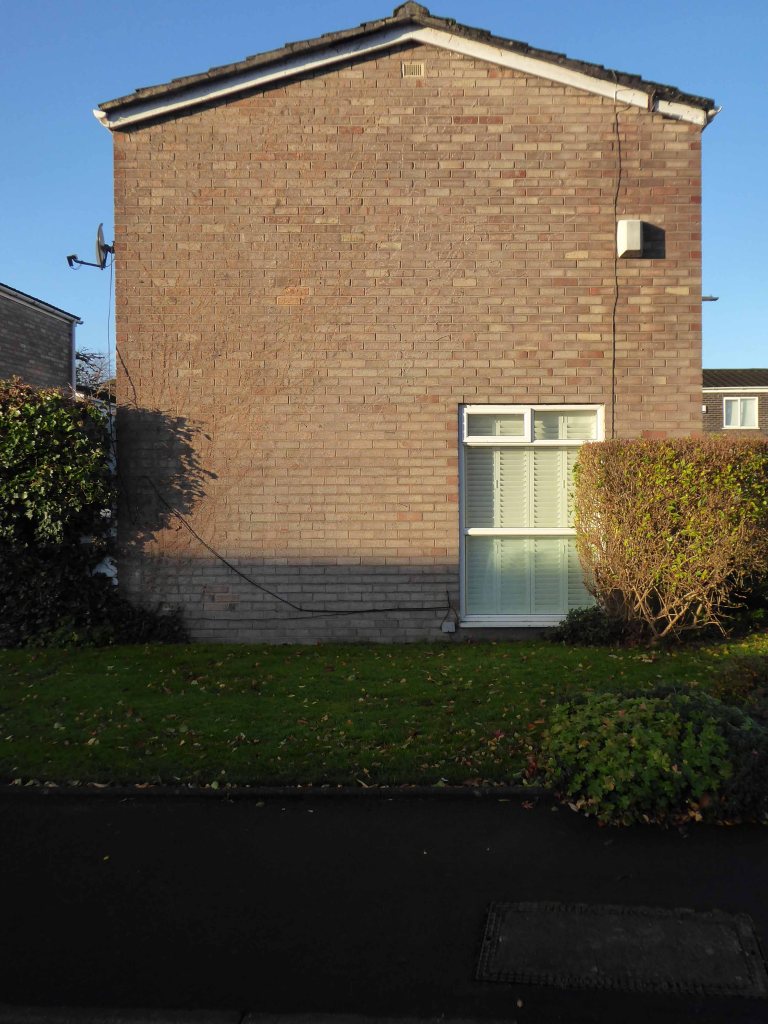
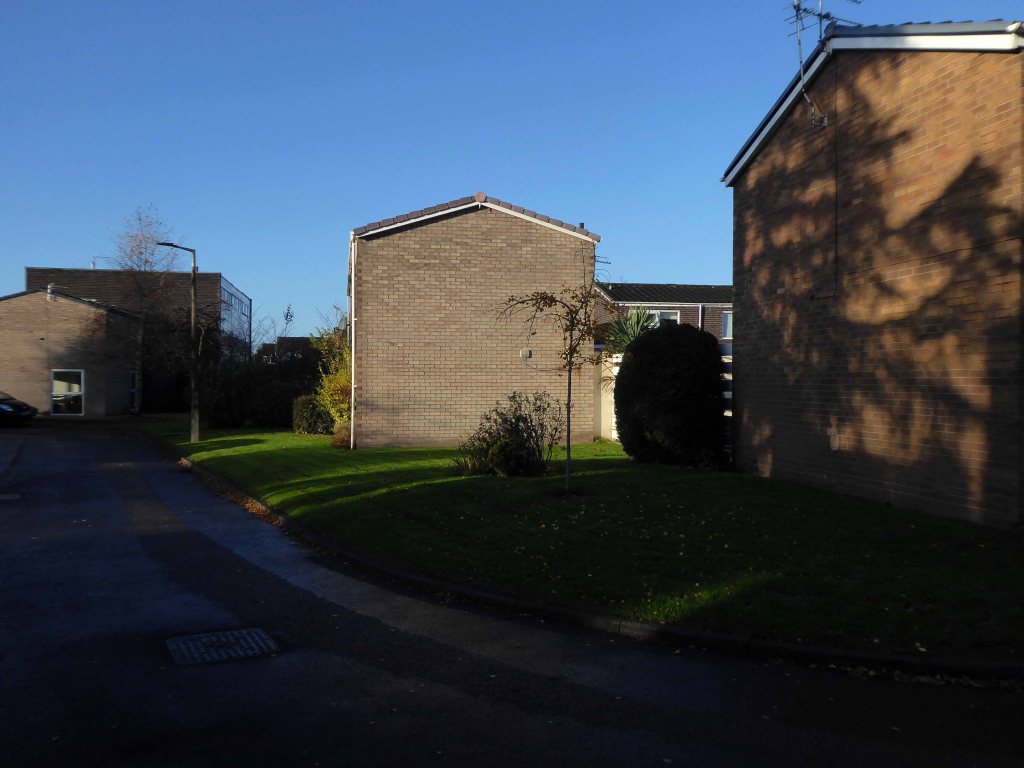
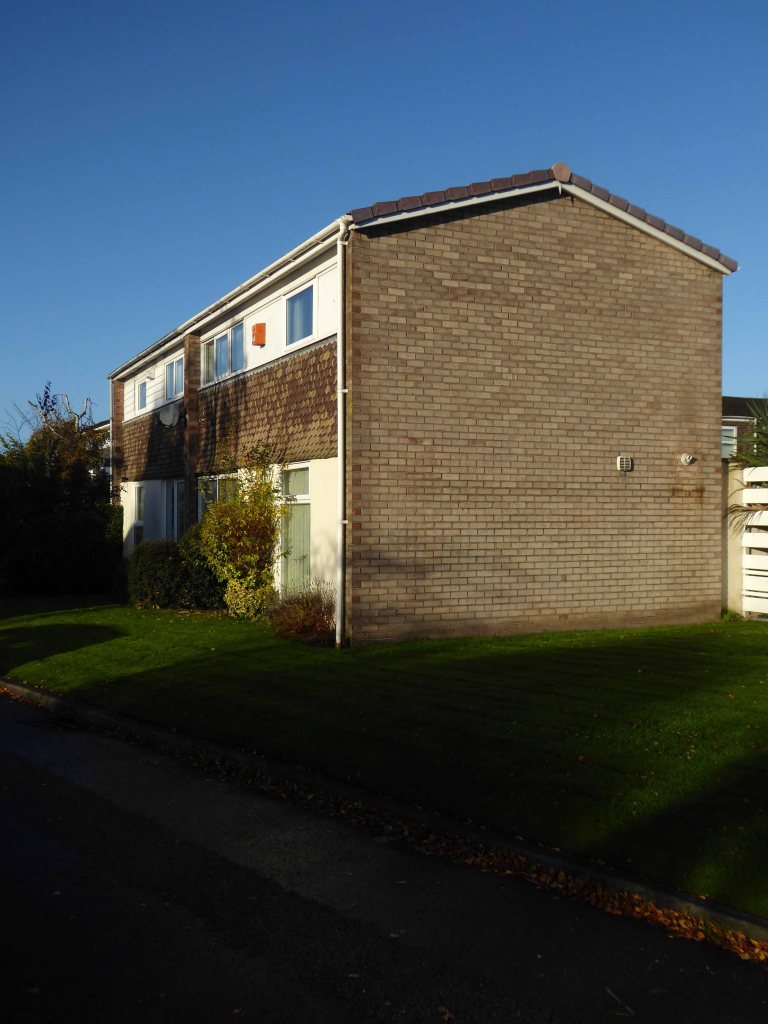
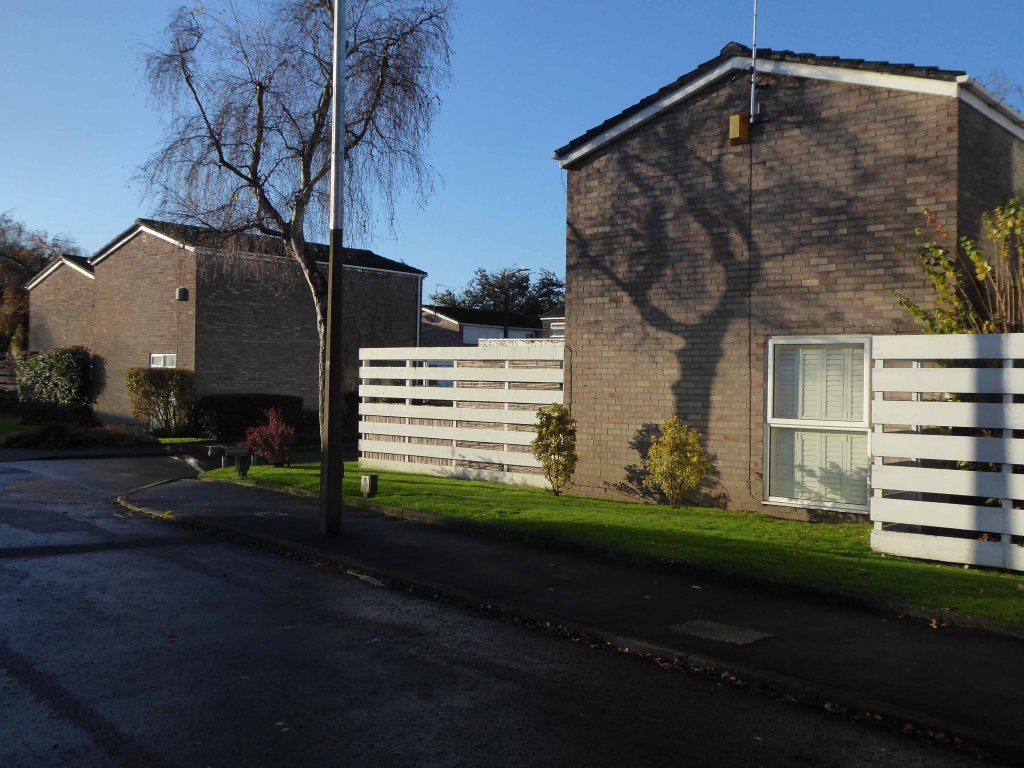
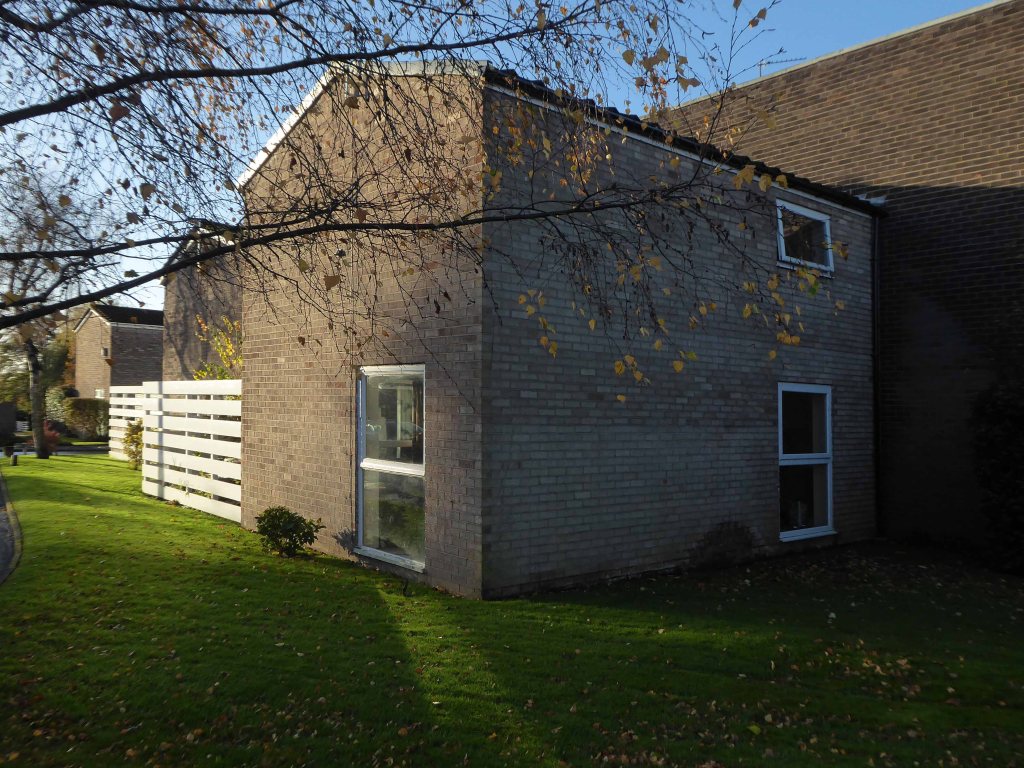
Early morning low light on wet roads, the mixed palette of brick simply glows.

Walls fleetingly adorned with shadows of birch and willow.

Elim Pentecostal Church – Halifax

Hall St Halifax HX1 5AY

Elim Church

Having walked from Hebden Bridge to Halifax with Mr Phil Wood, we approached Hall Street – and gazed admiringly at this striking building, from across the A58.

Attributed to C.S. Oldfield and it was completed in 1972 apparently they did the relief too.

20th Century Society

A low serrated, ridge and furrow conical roof, corona and steel spire breaking the skyline.

Very much a building of two halves, the single storey hall, adjoining the body of the church, which is raised on a plinth.

They are linked by an internal hallway.

An intriguing mix of restrained classical detailing, along with the more modernistic roof and internal structure.

From the outside it is possible to discern the stained glass panels in the corona.

To the right of the main entrance is a modular sculptural relief, modelled in concrete cast in fibreglass.

There are eight individual modules, set in a grid of six by eleven – sixty six in total, rotated to break up the rhythm of the piece.

I was blessed on the day of my visit, with permission to photograph the interior, many thanks to Pastor Mark.

Boyes Bridlington

29 King Street Bridlington East Riding of Yorkshire YO15 2DN

Supplier of a variety of discounted homewares and DIY products, toys, clothes and stationery.

In 1881 William Boyes opened a small store in Eastborough, Scarborough selling odd lots and remnants from merchants. There was great poverty in the working classes and housewives were even keener for a bargain than they are today. When customers found that they could buy enough material to make a coat or a dress cheaper than anywhere else, they soon spread the word and trade increased to such an extent that William had to look for larger premises.

William rented a large warehouse just off the main street where business continued to grow. By 1886 he purchased further units in Market Street and Queen Street and knocked them into one large store and named it ‘The Remnant Warehouse’. Older customers in Scarborough still refer to the shop as ‘The Rem’. As time went on William expanded his range and bought other clearance lines from merchants developing the warehouse into a department store.

Business continued to grow and go from strength to strength and in 1910 the expansion of the company started. Today W Boyes and Co Ltd operate over 60 stores throughout Yorkshire, the North East, Lincolnshire and Nottinghamshire & Leicestershire.

Boyes

In 1969 Hammonds of Hull purchased the Carltons department store located in Bridlington, and within a year had demolished and rebuilt the store. The company’s independence did not last much longer, as in 1972 House of Fraser purchased the business for £8 million. The stores were then grouped under the Binns brand. The Bridlington store was closed in 1995 and the store stood empty for three years until Boyes opened in 1998 

My sincere thanks to Kate Yorke for her detective work.

I have been here before, enchanted by the exterior tiles, of unknown origin – yet strongly redolent of William Mitchell’s work.

These are on the southern face of the building.

On the opposing side.

They flow through into the entrance lobby.

Exploring further I encountered these striking ceramic tiles on the stairwells.

With a matching set on the others side of the store.

It’s a constant delight to discover the decorative art of the Sixties preserved in situ. Remnants of a time when investment in original work was de rigueur, reflecting the pride which companies had in their buildings and the respect they held for their customers.

The stores trade as Boyes – pronounced Boys but often mispronounced as Boys-es.

It is still owned and family run with Andrew Boyes and his son Richard as joint managing directors.

The Scarborough store was home to a number of animals in the past, including monkeys, chipmunks and budgies. The animals were used as way of encouraging customers to visit the store and purchase something whilst they visited. Two of the monkeys, Jacko and Dinah, are famous to a generation of Scarborough shoppers.

Wikipedia

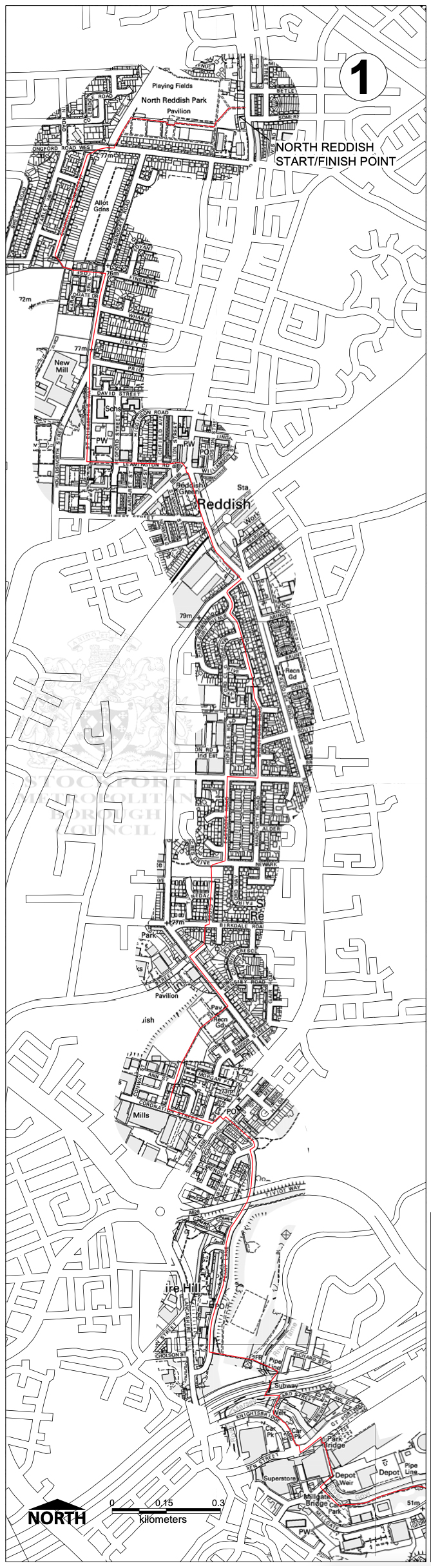
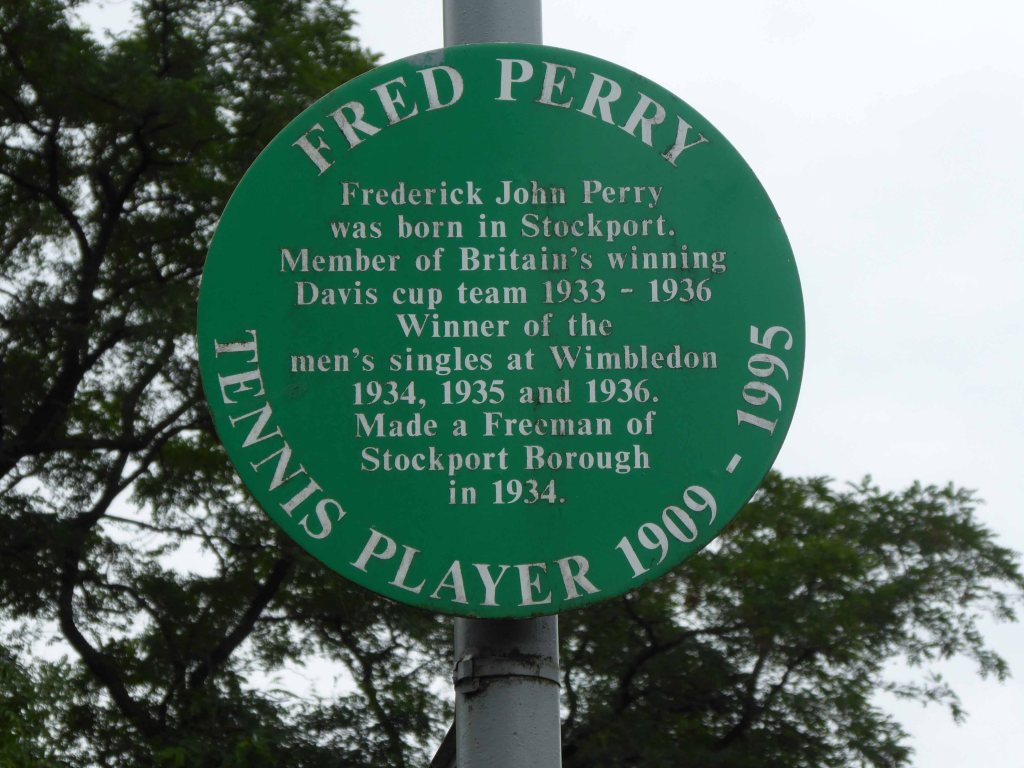
Fred Perry Way – Stockport to Reddish

The third and last leg, starting from the confluence of the Tame and Etherow where the Mersey begins.

Passing the remains of the railway bridge carrying the Cheshire Lines through to Tiviot Dale Station.

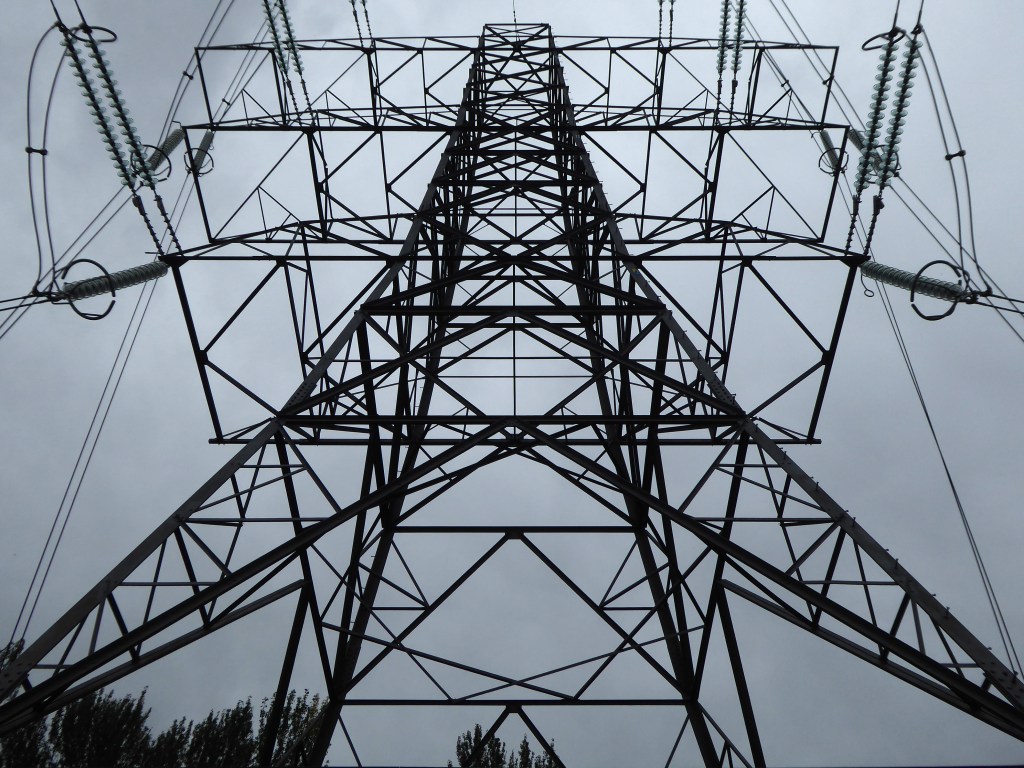
Over the river and beneath the terminal pylon.

Along Penny Lane beside Lancashire Hill flats.

Across Sandy Lane into Coronation Street.

Once a rare sight on our roads the ubiquitous SUV reigns supreme on our suburban streets – the level of UK car debt currently stands at £73 Billion.

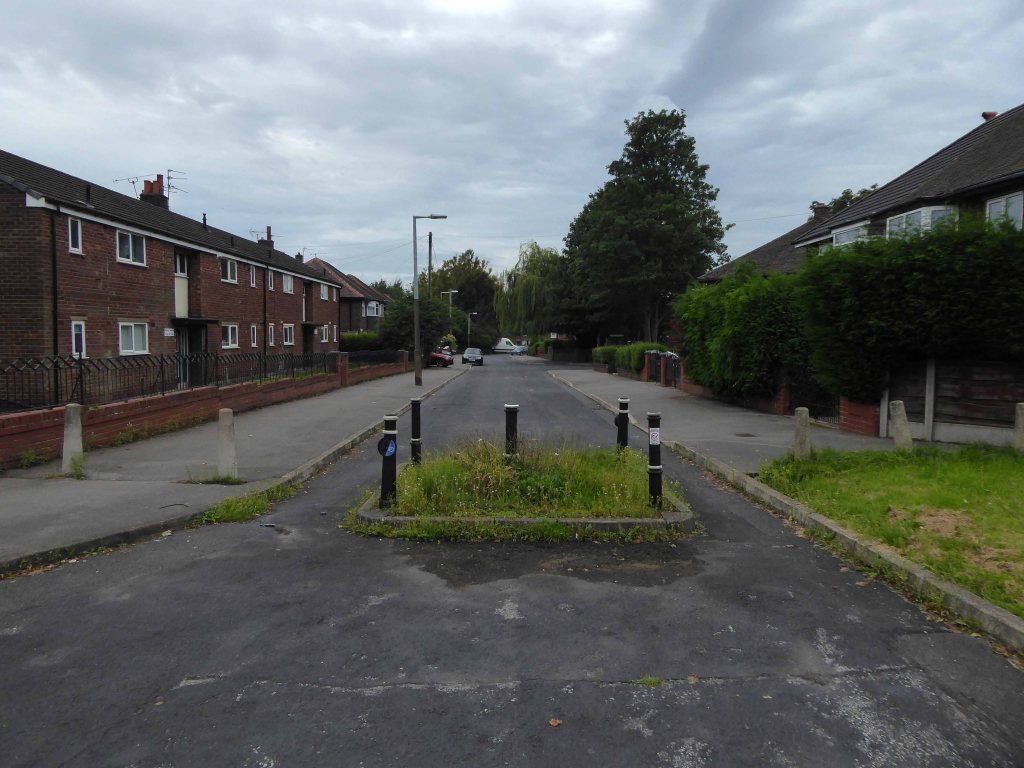
We weaved in and out of the highways and byways of South Reddish.

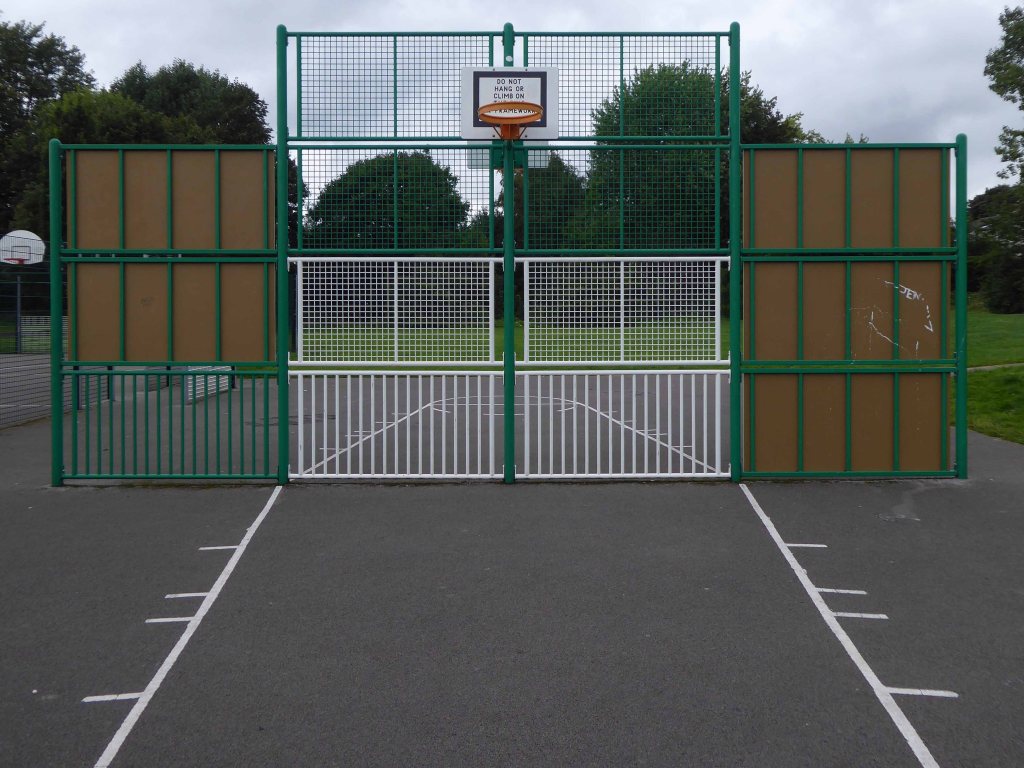
Through Unity Park where the goals are lower than low.

The hoops are higher.

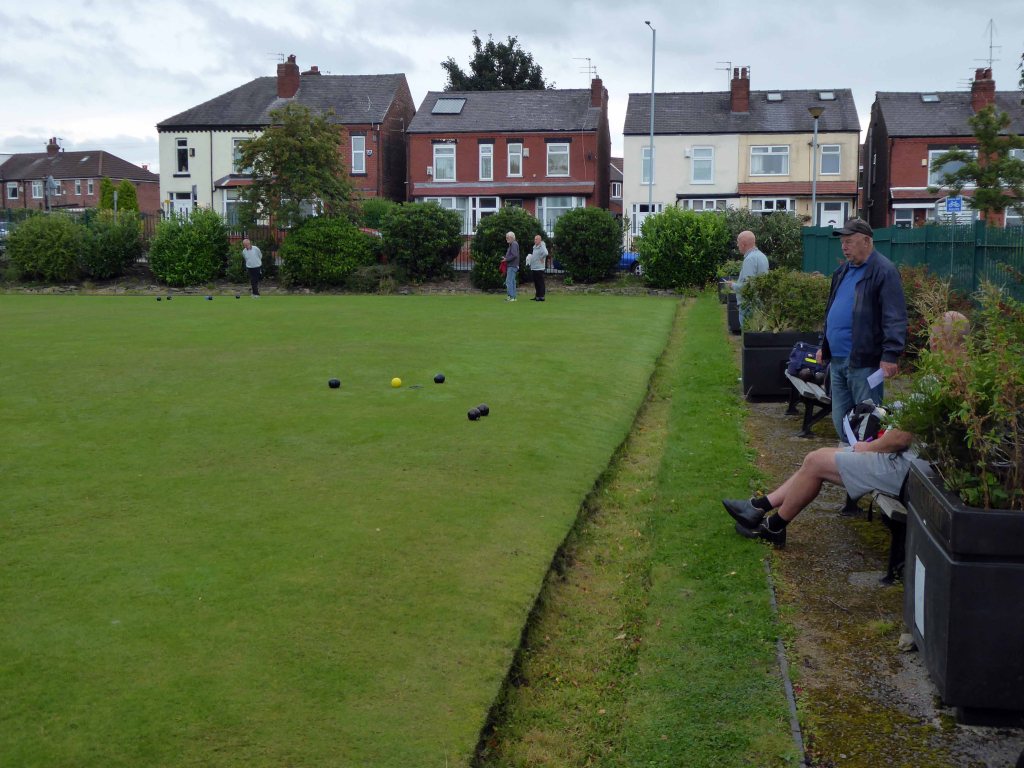
And the bowls are rolling.

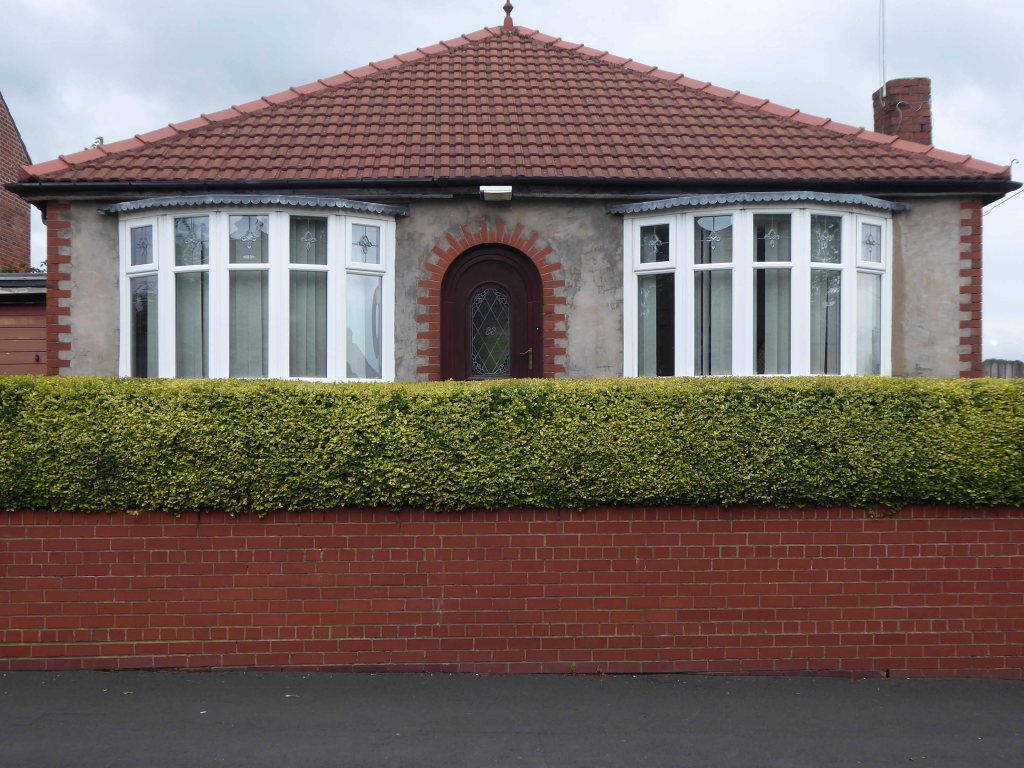
Past the perfect Platonic bungalow.

Taking the well worn path betwixt and between the houses.

Crossing open country.

Encountering exotic planting worthy of the French Riviera.

Noting the voguish transition of the local semi-detached housing from white to grey and the now familiar sight of the Range Rover in the former front garden.

The reverse of a roadside sign can often be far more interesting and attractive than the obverse face.

Reddish South Station sustained by the once a week parliamentary train, on the Stockport to Stalybridge Line, coincidentally the only time, as a goods guard, I ever worked a passenger train, was along here, one Christmas long ago.

We stopped at Denton, a request stop, the seasonally boozy passenger gave me a fifty pence tip.

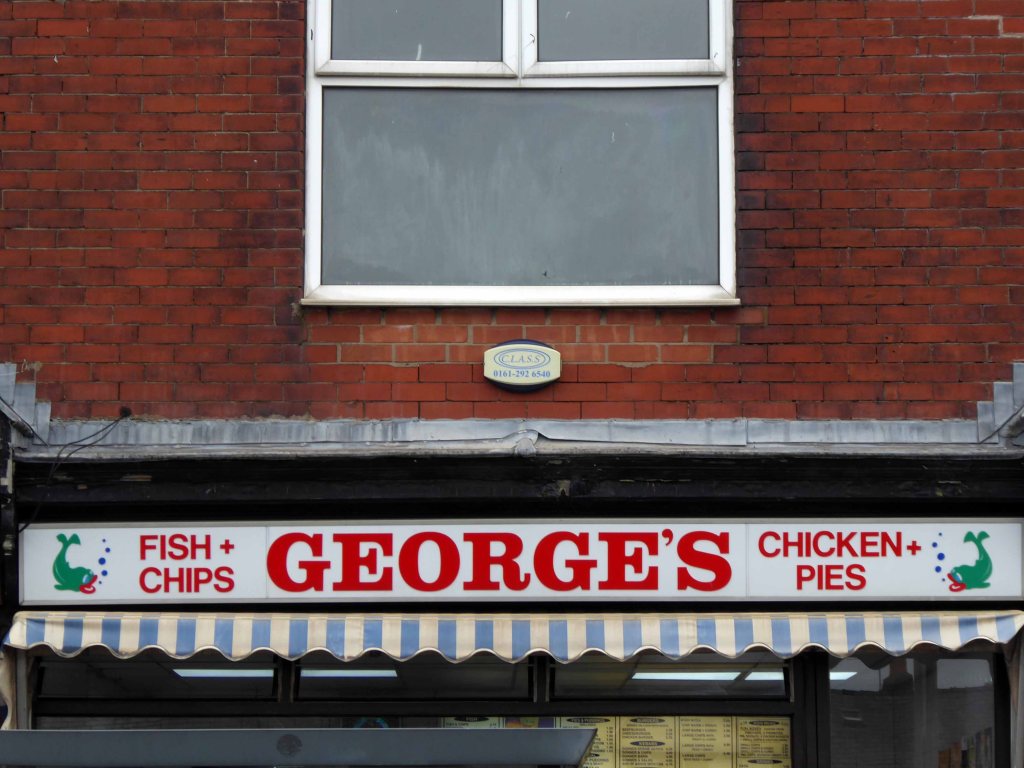
George’s – where I bought a bag of chips on the way back, great chips, friendly and safe service with a smile.

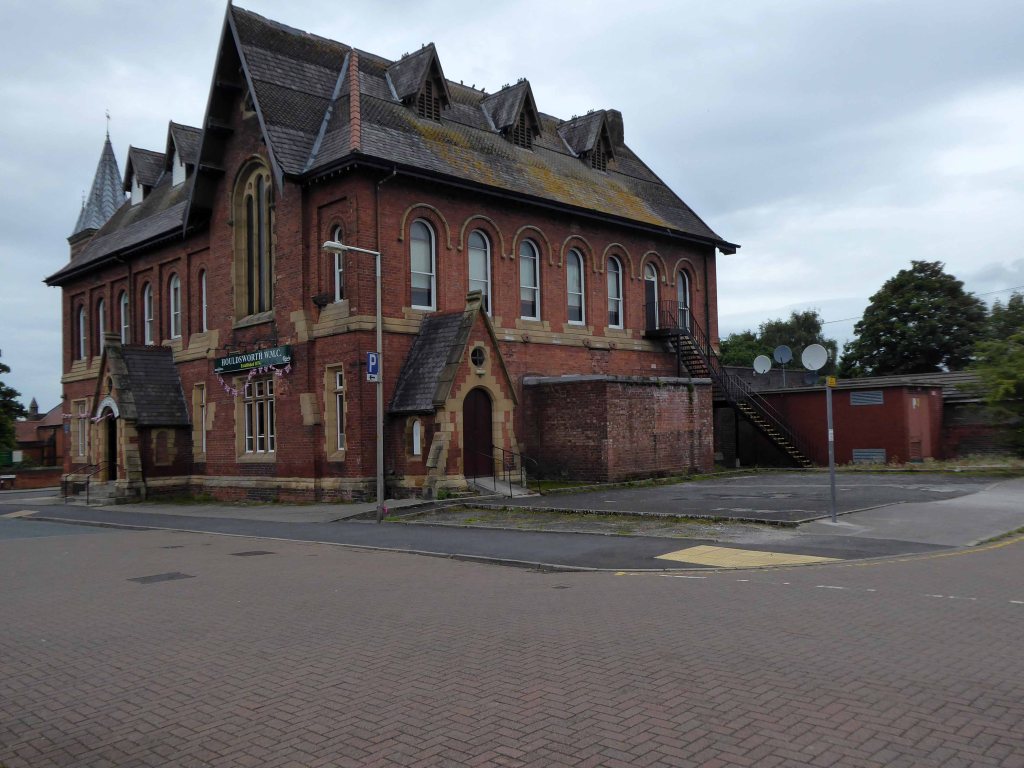
Houldsworth Working Mens Club designed by Abraham Henthorn Stott forming part of the model community developed by the late-C19 industrialist Sir William Houldsworth, which included cotton mills, workers’ housing, school, church and a park.

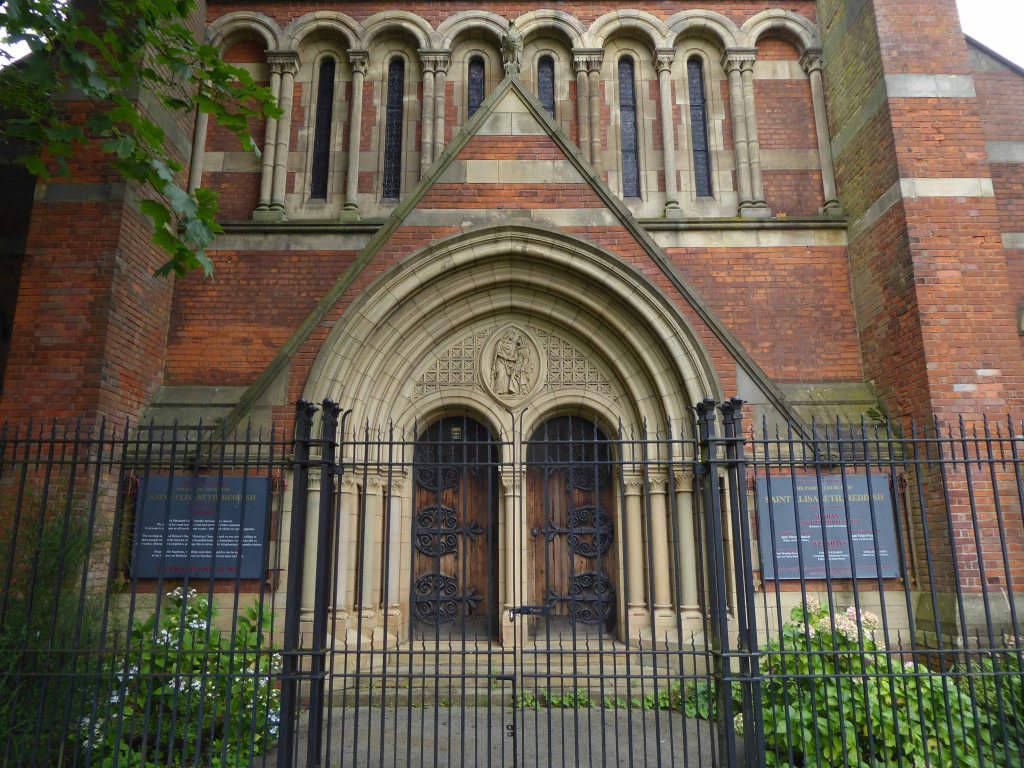
Church of St Elisabeth 1882-3, by Alfred Waterhouse one of the finest Victorian churches in the country – both of the buildings are Grade II Listed.

Over the way the former Victoria Mill, converted into apartments.

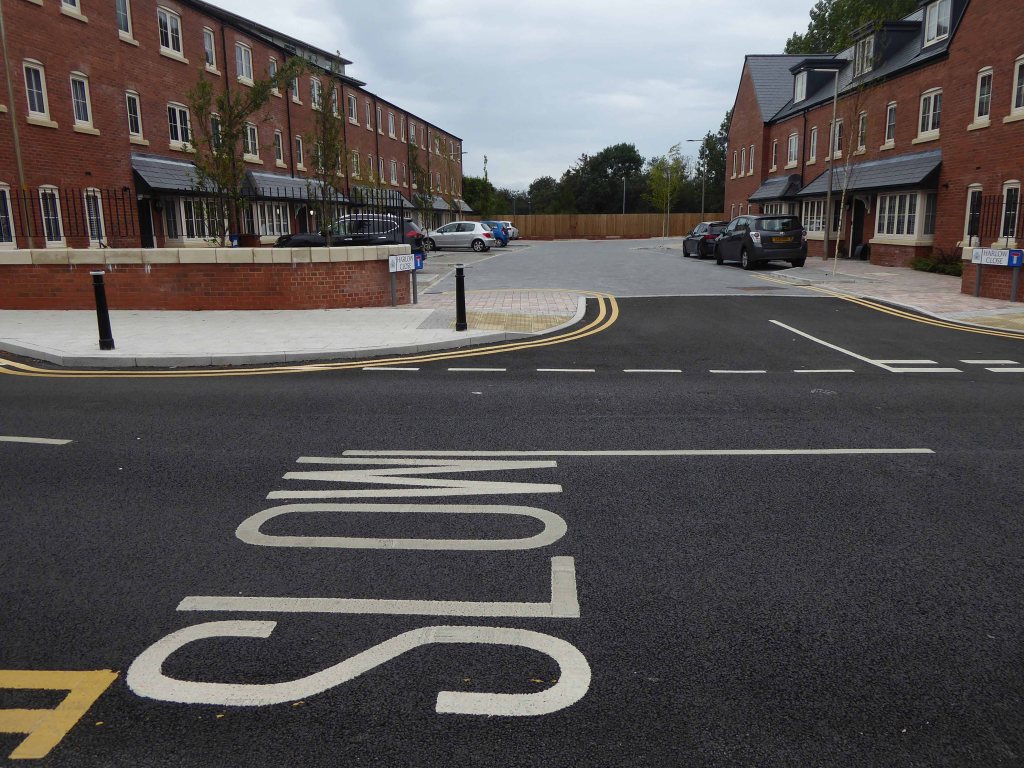
With adjoining new build.

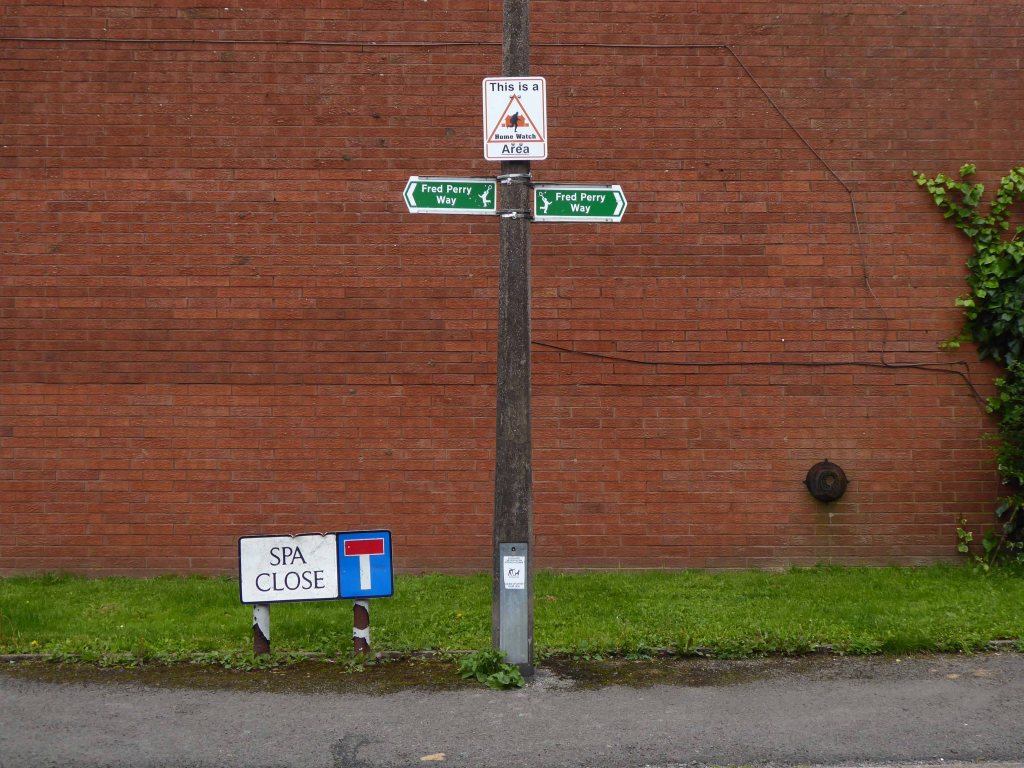
We faithfully followed the signs, noting a change from blue to green.

Somewhere or other we went wrong, our luck and the signs ran out, we instinctively headed north, ever onwards!

Traversing the Great Wall.

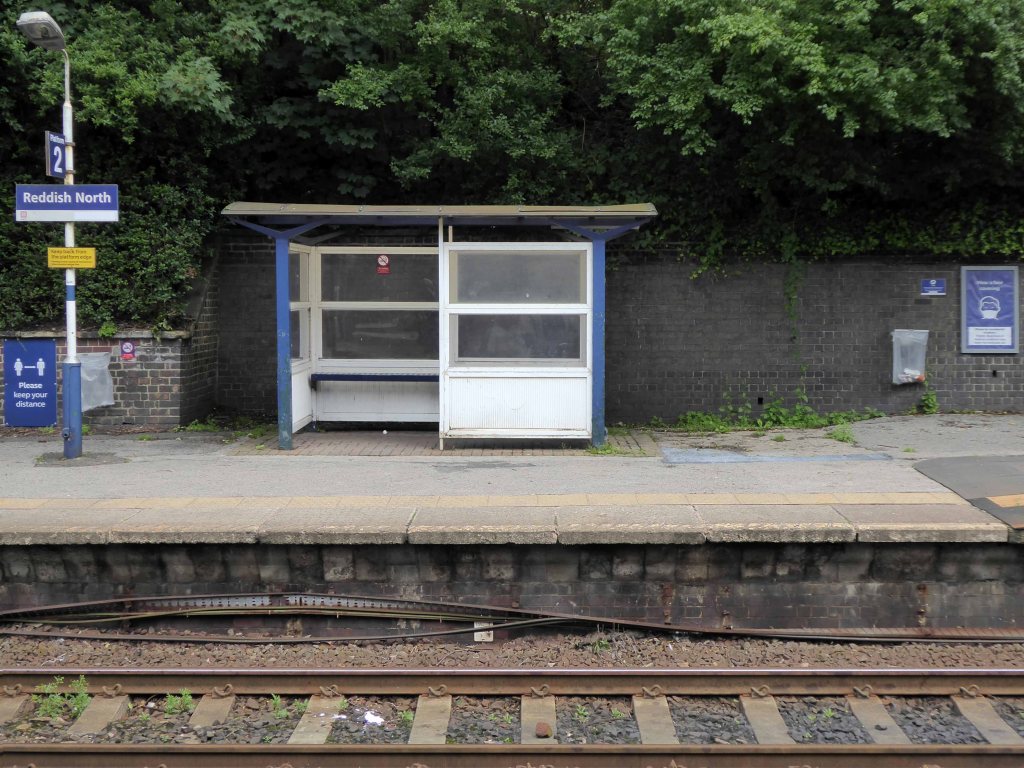
Mistakenly assuming that the route ended or began at Reddish North Station that’s where we landed.

Back tracking intrepidly along the road we found the source of the Fred Perry Way.

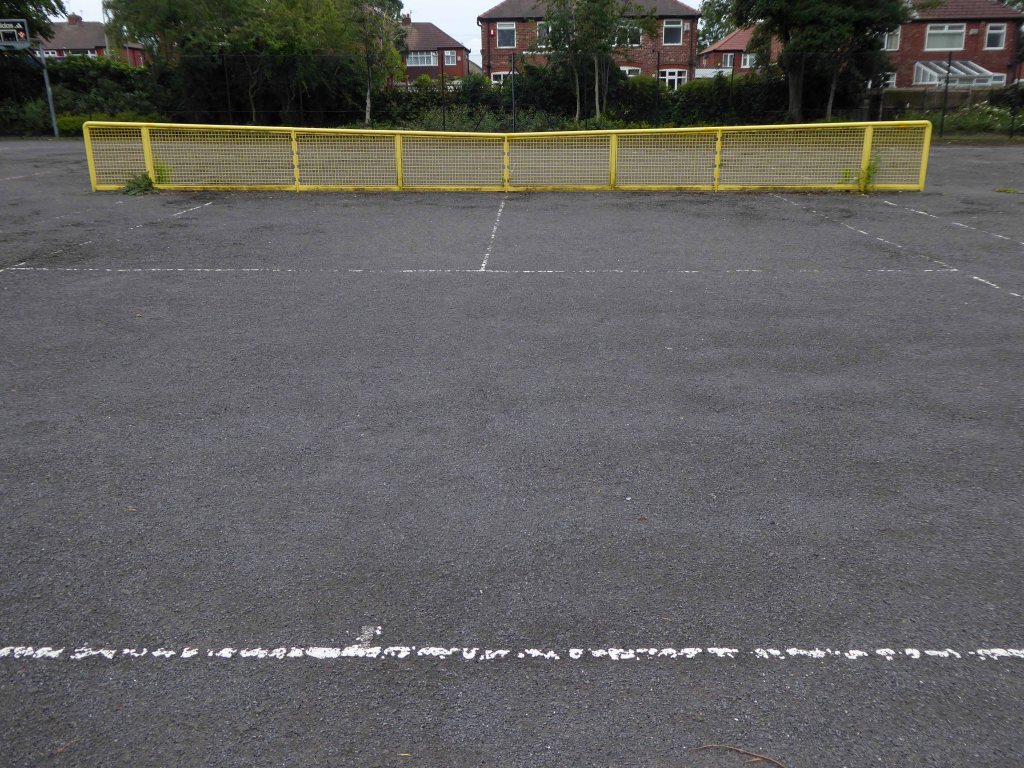
In the North Reddish Park – where tennis can still be played today albeit with a somewhat functionalist net, on an unsympathetic surface.

Journey’s end.

To forget, you little fool, to forget!

D’you understand?

To forget!

You think there’s no limit to what a man can bear?